Introduction
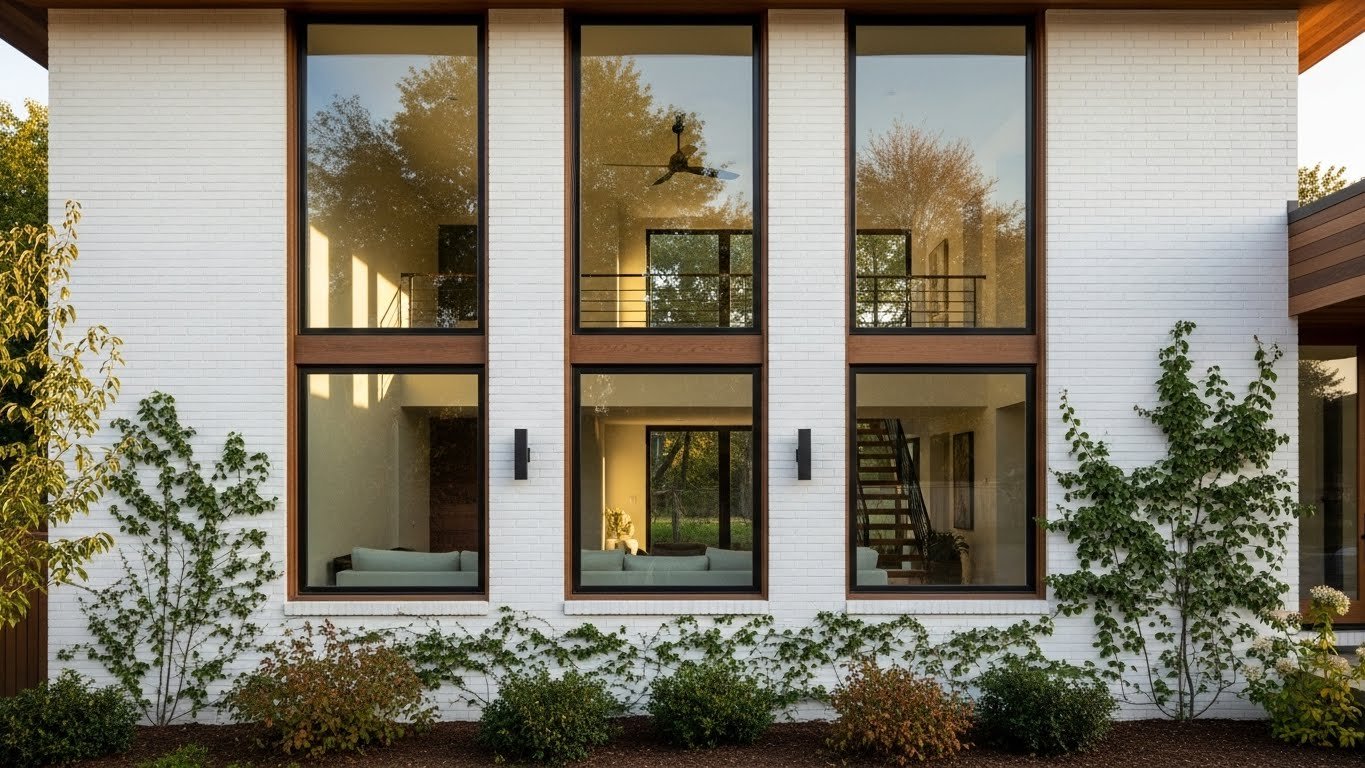
Tall windows aren’t just about letting in light—they fundamentally change how your home looks from the street and feels inside. Whether you’re working with a compact cottage or a sprawling contemporary, strategic window placement and styling can add visual height, create architectural interest, and make your exterior feel intentional and polished. The good news? You don’t need a full renovation to achieve this. We’ve gathered 24 actionable ideas that work whether you’re a renter, a DIYer, or ready to invest in your home’s curb appeal. From budget-friendly styling tricks to larger upgrades, you’ll find solutions that fit your space, timeline, and wallet. Let’s explore how tall windows can become your home’s most striking design feature.
1. Install Black Window Frames for Instant Contrast
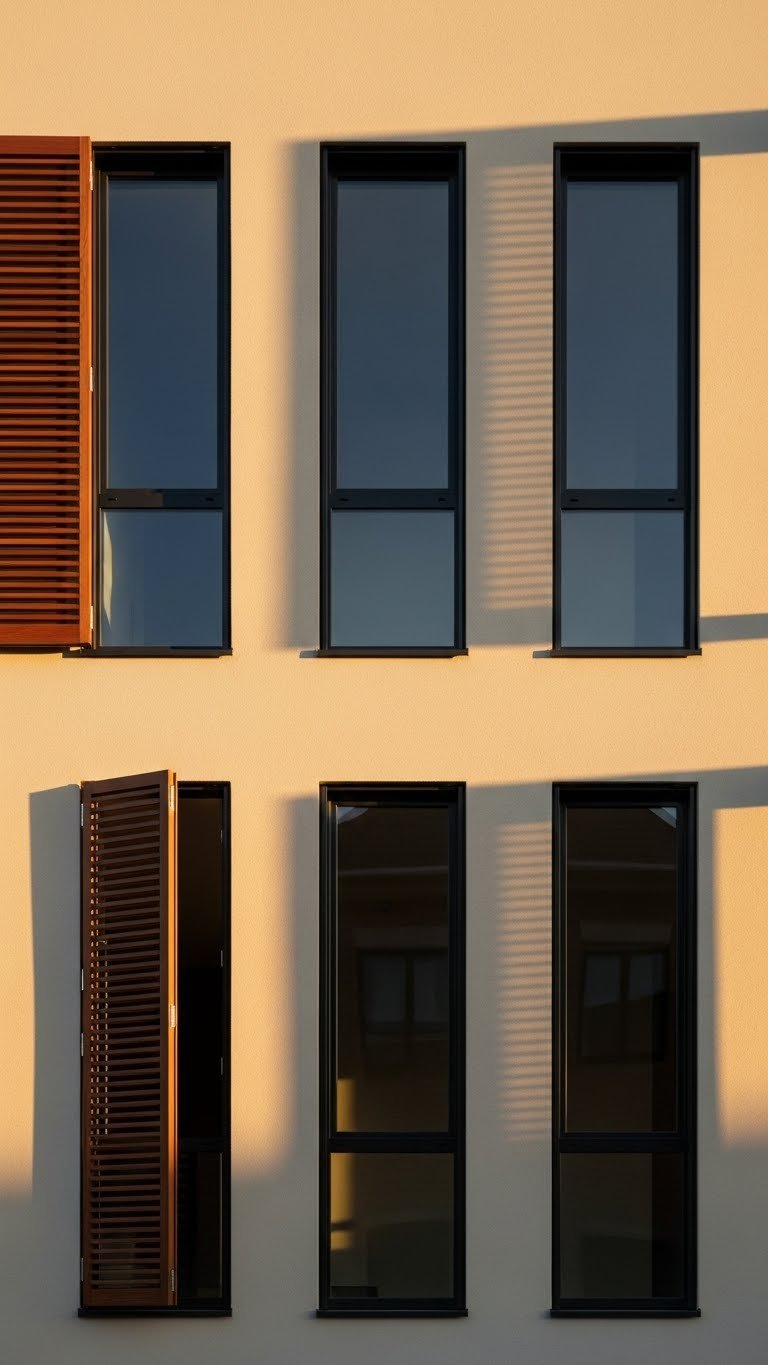
Black frames create a striking focal point that draws the eye upward and makes windows appear taller. This classic pairing works on any siding—white, stucco, brick, or earth tones—and immediately modernizes a dated exterior.
Paint existing frames with exterior-grade matte black paint (Benjamin Moore Soot or Sherwin-Williams Iron Ore, $35–$50 per gallon) or upgrade to actual black aluminum frames during a window replacement ($300–$800 per window installed). If you’re renting, removable black frame stickers or adhesive trim tape ($15–$25 per set on Amazon) mimic the look without commitment.
The time investment depends on your approach: painting takes a weekend for a handy DIYer, while professional installation takes 1–2 days. Pro tip: pair black frames with white or cream siding for maximum contrast, or use them on just the upper windows to emphasize height.
Now your home looks deliberately styled, not accidental. Passersby will notice the intentional design immediately.
2. Add Vertical Wood Paneling Around Windows
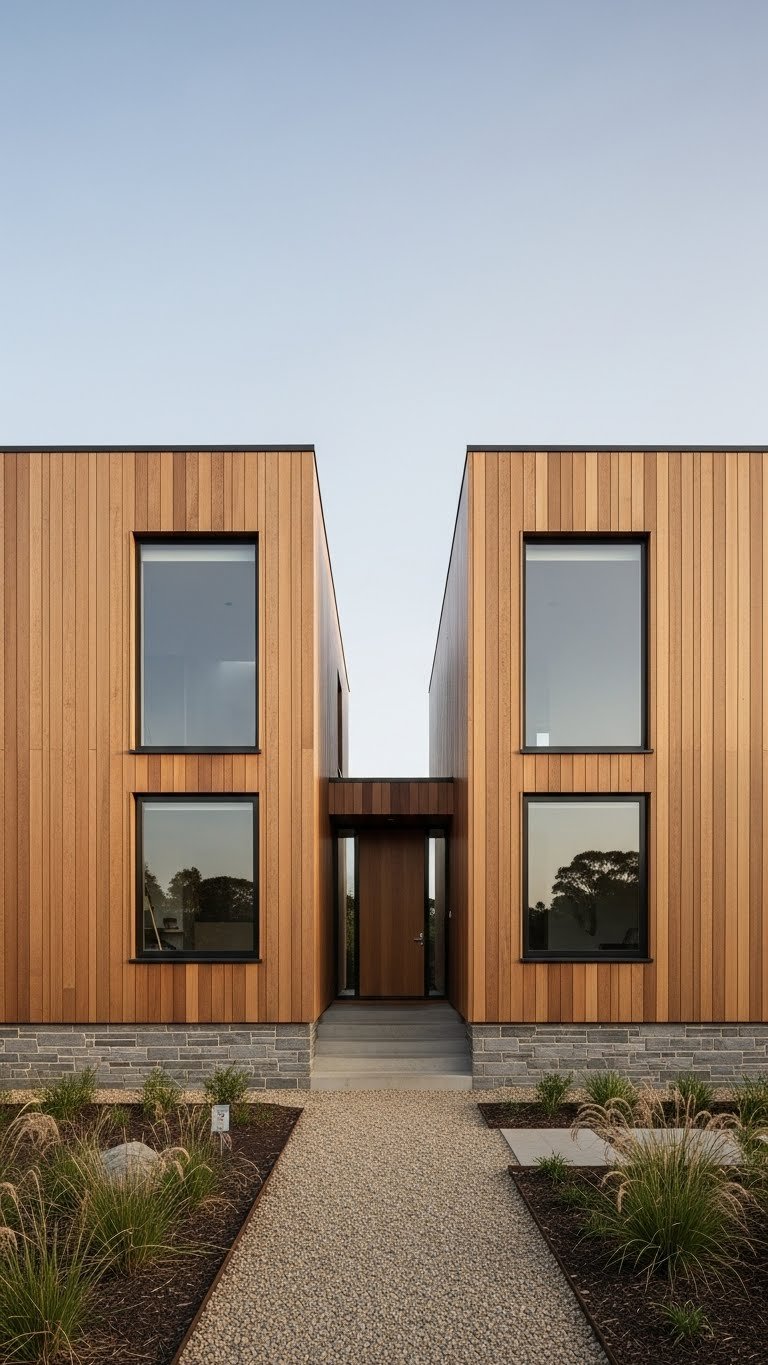
Vertical paneling creates the illusion of height by naturally drawing the eye upward, and it adds warmth that pure glass and siding can’t achieve alone. This trend works beautifully on modern farmhouse, contemporary, and transitional homes.
Install exterior-grade wood paneling or shiplap around your tall windows using weatherproof caulk and stainless steel fasteners. Budget $15–$30 per linear foot for materials plus labor if hiring a contractor ($50–$75/hour). DIY installation on a single window wall takes one full weekend. Alternatively, use pre-made exterior wood trim kits ($200–$400 per set) that bolt on without construction experience.
Choose cedar, pine, or composite materials that resist rot. Stain in warm grays, natural wood tones, or even paint white or charcoal for contrast. Pro tip: stop the paneling just above the windows to emphasize their height rather than boxing them in.
Your facade gains architectural depth that photographs beautifully and makes the windows feel like intentional design features, not afterthoughts.
3. Use Geometric Color Blocking Above & Below Windows
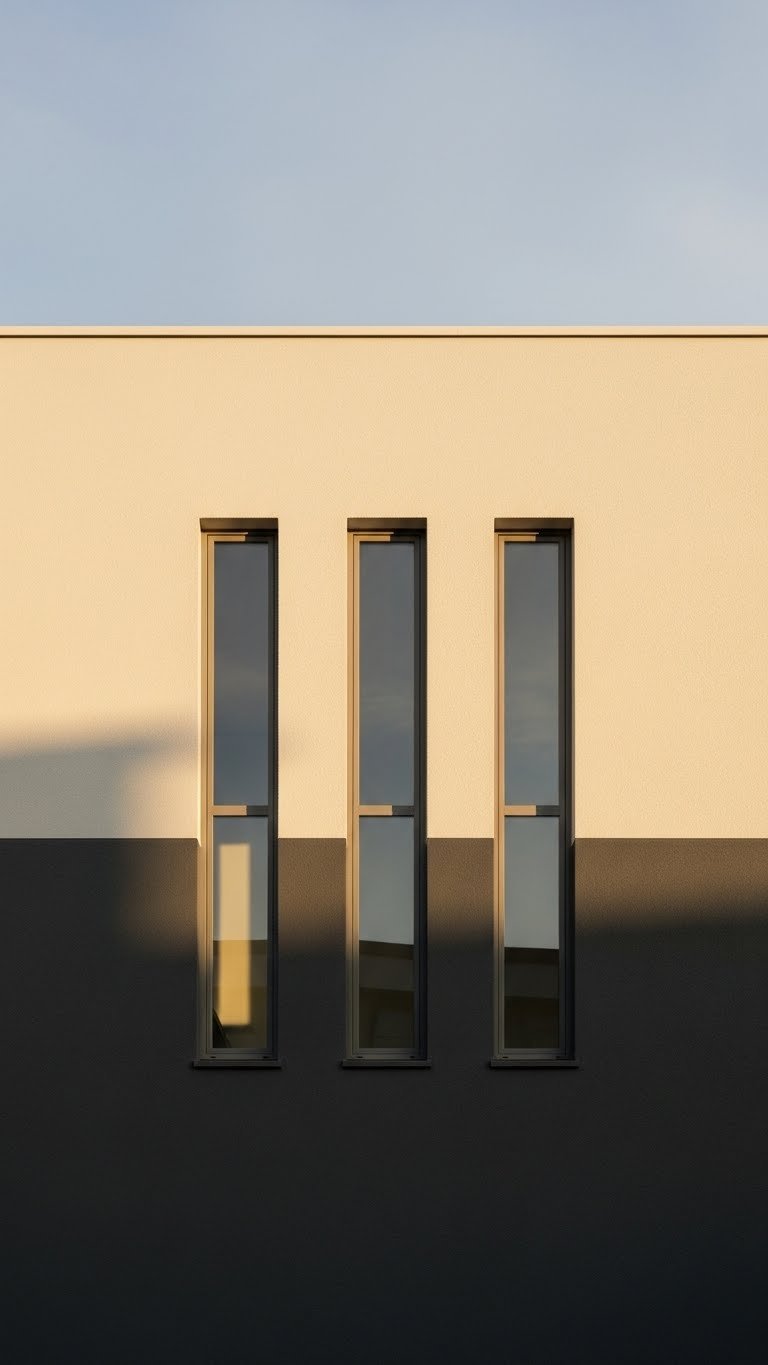
Horizontal color blocking balances your facade while making tall windows the focal point where the two colors meet. This technique works especially well with earth-tone palettes (olive + cream, brown + tan, charcoal + beige).
Paint your lower facade in a deeper, saturated color and your upper facade in a lighter tone, allowing the window line to become the natural dividing point. Use exterior-grade paint ($40–$60 per gallon) and painter’s tape to create crisp lines. One full facade typically requires 2–3 gallons and takes a weekend to paint, or hire professionals for $800–$1,500.
For renters, this doesn’t apply unless you own, but you can achieve a similar effect with vertical landscape staging—darker plantings below, lighter architectural elements above. Pro tip: the color-blocking line should align with your windows’ midpoint to maximize the visual impact.
Your home looks curated and modern, like you’ve thought through every detail. The windows become the star rather than just functional openings.
4. Frame Windows with Climbing Vines & Native Plants
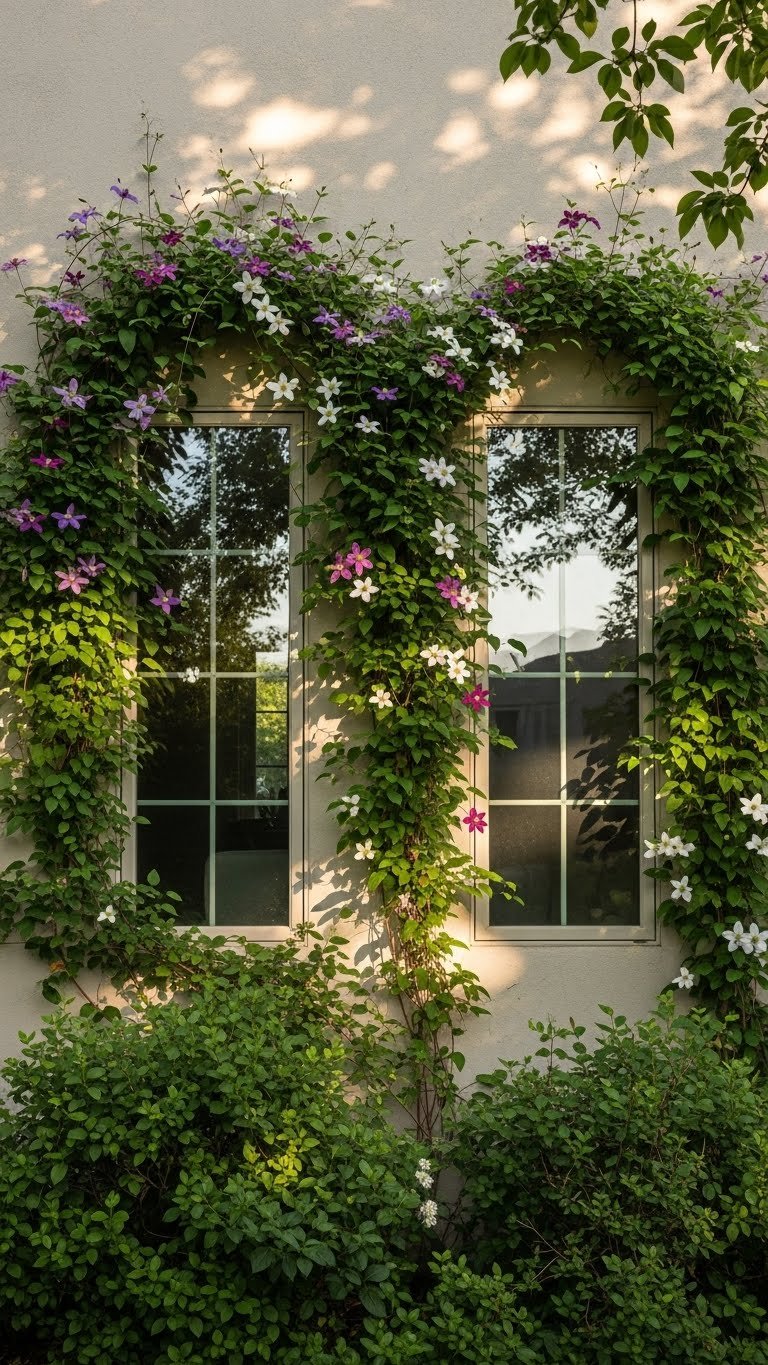
Living frames soften tall windows while adding natural texture and supporting local ecosystems. Climbing vines like clematis, climbing hydrangea, or native varieties draw the eye vertically and make windows feel integrated into your landscape.
Choose climbing vines suited to your climate—clematis (Zones 3–11), climbing hydrangea (Zones 4–9), or native options like Virginia creeper (check native plant guides for your region, $10–$20 per plant). Plant at the base of windows in spring or fall, secure with lightweight trellising ($30–$50), and water consistently for 6–8 weeks until established.
This takes one afternoon to plant and costs $50–$150 total. Most climbing vines are low-maintenance once established. Pro tip: plant in clusters of three for visual impact rather than single specimens, and choose non-invasive varieties to protect your siding and gutters.
Your windows transform from stark architectural elements into organic features that ground your home in its surroundings. The effect becomes richer each growing season.
5. Install Interior Sheer Curtains Visible from Outside
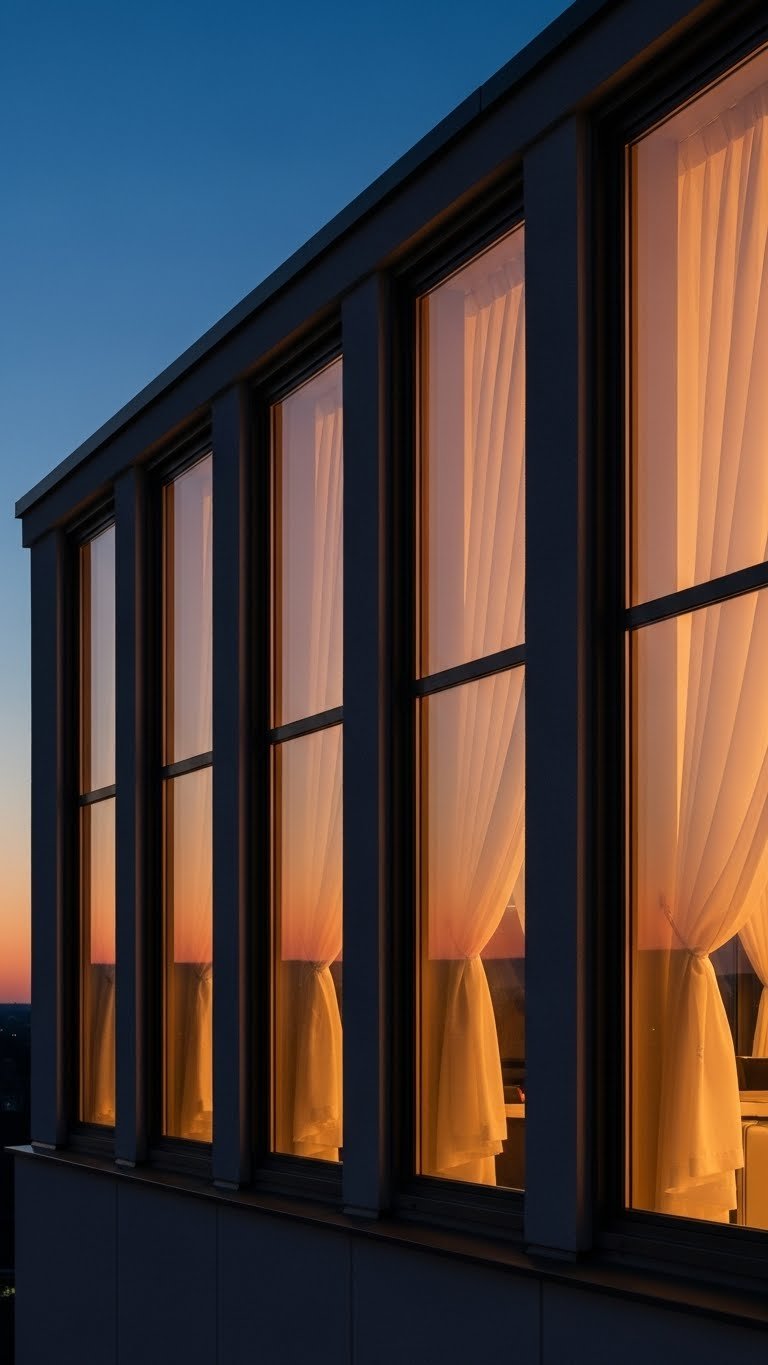
Visible interior sheathing adds depth, softness, and an instantly curated appearance. Sheer curtains make windows appear taller by filling the entire glass area with fabric, and they hint at a styled interior that draws viewers’ eyes.
Hang white, cream, or soft gray linen sheers on a minimalist rod positioned just inside the window frame to maximize visibility from outside. Options include IKEA Räcka rods ($15–$25), Pottery Barn sheers ($50–$100 per panel), or Amazon basics ($20–$40 per pair). This is a renter-friendly solution that takes 30 minutes to install and costs $50–$150 total.
Choose natural fabrics that diffuse light beautifully—linen and cotton look more intentional than synthetic sheers. Pro tip: pair with outdoor-visible black rods for definition, or go invisible with matching rods to emphasize the fabric.
Your windows instantly look styled and intentional, suggesting a thoughtfully decorated interior. The effect is especially striking at dusk when interior light warms the glass.
6. Paint a Tall Accent Wall Behind Windows (Indoor-Visible)
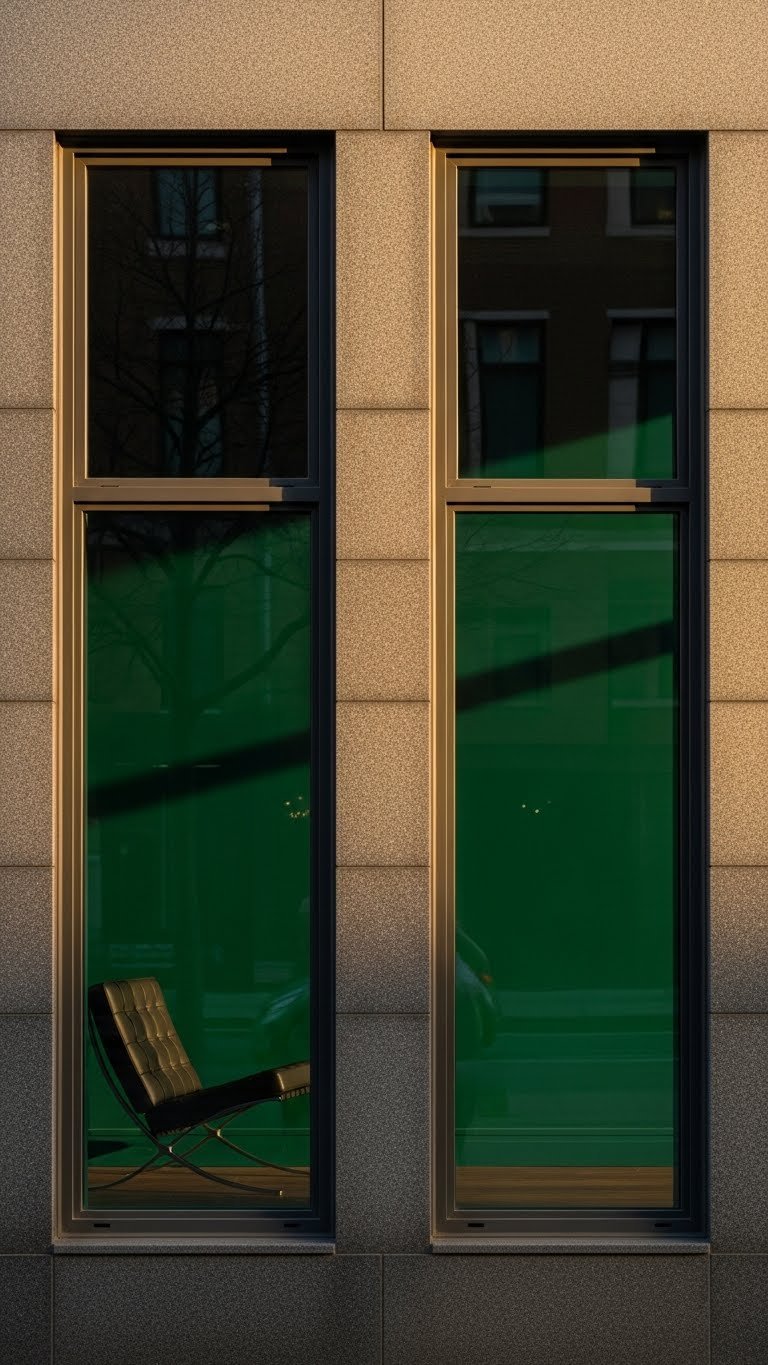
What’s inside matters too. A bold accent wall visible through tall windows adds mystery and visual interest to your facade. Deep teals, forest greens, charcoal, or burgundy create the most impact.
Paint the wall directly behind your windows in a saturated, bold color using indoor paint (since it won’t weather). Choose colors like Sherwin-Williams Urbane Bronze, Benjamin Moore HC-172 (Black), or Behr Ultra Premium Plus in deep teal ($30–$50 per gallon). One wall takes 3–4 hours and costs $50–$100 in materials. This works for renters with permission or as a reversible update if using removable paint.
Keep furniture and decor minimal and intentional on that wall—an art piece, a simple chair, or floating shelves—to give viewers something to appreciate. Pro tip: ensure your windows are clean so the interior view is actually visible (this matters more than you’d think).
Passersby unconsciously register the curated interior, reading your home as thoughtfully designed and lived-in, not sterile or empty.
7. Create Layered Window Trim with Wood & Metal
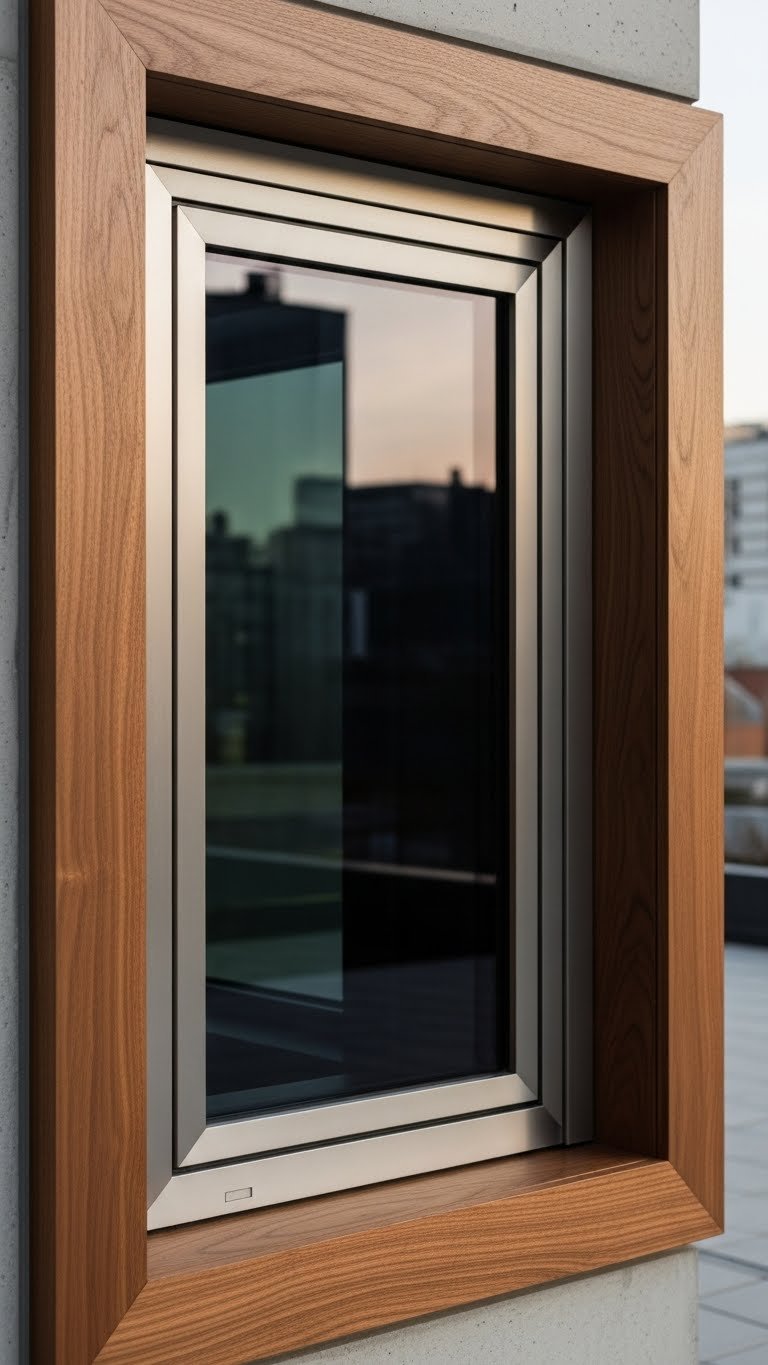
Layered trim adds dimensional depth that reads as high-end and intentional. The combination of materials—wood with metal accents—reflects the trending mixed-materials aesthetic while emphasizing window height through vertical emphasis.
Install an outer frame of cedar or composite trim (1.5–2 inches wide, $3–$8 per linear foot) and an inner frame of brushed aluminum or steel ($2–$5 per linear foot). Professional installation runs $200–$400 per window, or DIY with basic carpentry skills ($100–$150 in materials per window, full weekend time commitment).
For renters or budget constraints, use adhesive trim tape in wood-grain and metal finishes ($15–$25 per set) that creates the layered effect without permanent installation. Pro tip: the outer frame should extend 2–3 inches beyond the window opening to create visual weight and presence.
Your windows become architectural focal points that suggest investment and thought. The eye catches the interplay of materials and textures, making windows memorable from the street.
8. Extend Windows Vertically with Architectural Trim
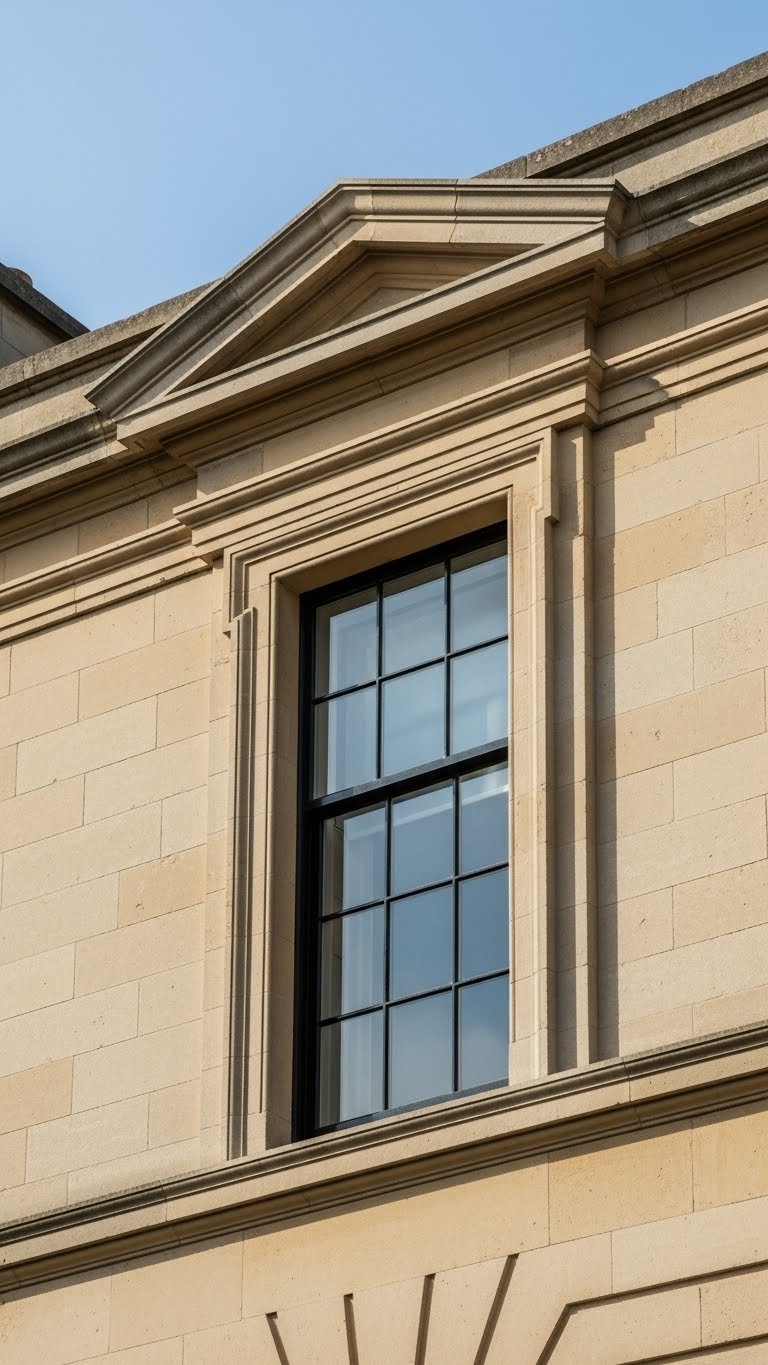
You can’t always replace windows, but you can make them look taller through strategic trim. An extended pediment above the window or floor-to-sill detailing creates the visual illusion of height without the cost of replacement.
Install decorative exterior trim (wood or composite) extending 12–18 inches above the window frame and optionally down toward the foundation. Materials cost $30–$100 per window for basic trim, or $150–$300 for ornate options. Professional installation adds $200–$400 per window, or DIY with intermediate carpentry skills ($150–$250 materials, half-day to full-day project).
Paint trim to match your siding or choose a contrasting color for emphasis. Composite trim ($80–$150 per window) resists rot better than wood, though it costs more upfront. Pro tip: position trim to create vertical lines rather than horizontal ones to maximize the height illusion.
Now your windows feel like intentional architectural features rather than functional cutouts. The eye travels upward, making your facade feel taller and more sophisticated.
9. Install Tall Planters at Window Base
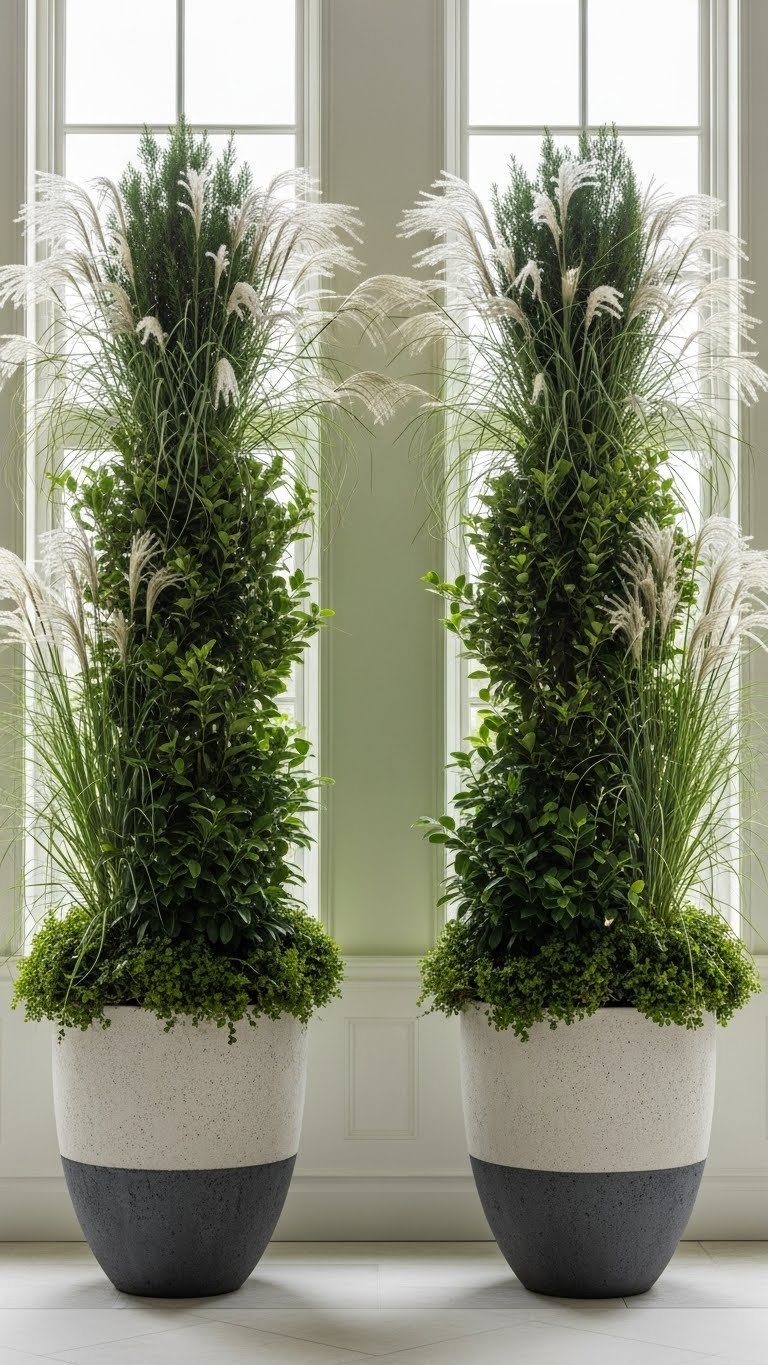
Tall, narrow planters mirror window proportions and frame them beautifully. Positioned on either side, they create symmetry and anchor windows while adding vertical emphasis to your entrance or facade.
Choose tall planters 24–36 inches high in neutral tones (cream, gray, concrete, black) from retailers like Wayfair ($50–$150 each), Target ($30–$80), or local garden centers. Fill with tall ornamental grasses, evergreens, or bamboo varieties ($15–$30 per plant). This costs $120–$300 for a pair of planted planters and takes one afternoon to arrange and plant.
Renters can use lightweight resin planters that move easily. Choose plants suited to your climate’s sunlight—full sun, partial shade, or full shade planters are available everywhere. Pro tip: keep planters consistently watered during growing season and deadhead flowers to maintain a polished look.
Your windows gain architectural grounding and visual weight. The symmetry signals intentional design, making your entrance feel welcoming and curated.
10. Add Interior Pendant Lights Visible Through Glass
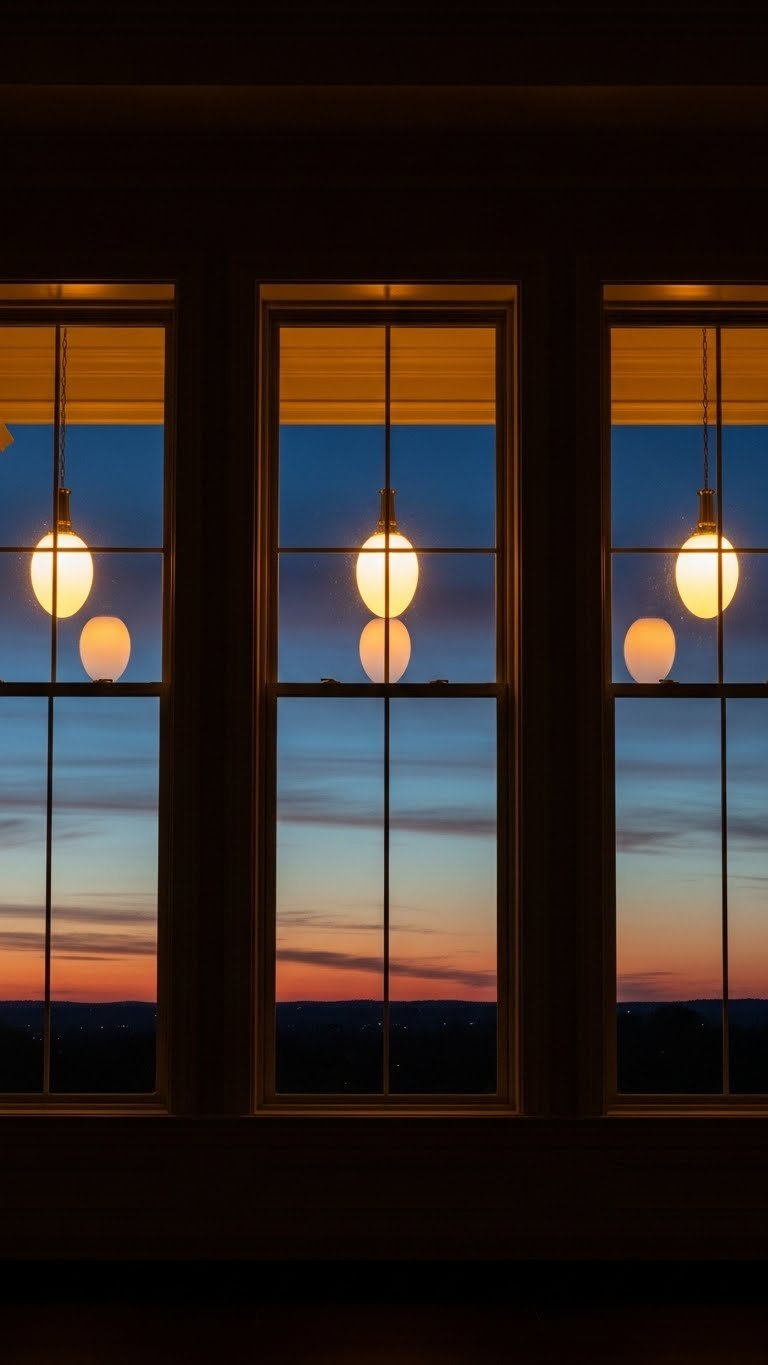
Pendant lights visible through tall windows add warmth, depth, and a welcoming quality to your facade. At dusk and evening, the glowing fixtures become part of your external aesthetic, suggesting a thoughtfully lit interior.
Hang pendant lights just inside windows or in rooms directly behind them, positioning them so they’re visible from outside. Choose styles that look attractive from the exterior too—Edison bulbs, sculptural ceramic, or minimalist metal work ($50–$200 per fixture from IKEA, West Elm, or lighting specialty shops). Ensure they’re hung high enough to create vertical emphasis. Installation takes 30 minutes per fixture if you have existing electrical, or hire an electrician for $150–$300 if running new circuits.
This is renter-friendly if you use clip-on or magnetic fixtures instead of hard-wiring. Pro tip: use warm white bulbs (2700K color temperature) for a welcoming glow that photographs beautifully at dusk.
Your facade glows with intention, especially appealing to evening viewers or social media photography. The interior light hints at the lifestyle within.
11. Use Wide Board Exterior Siding with Window Breaks
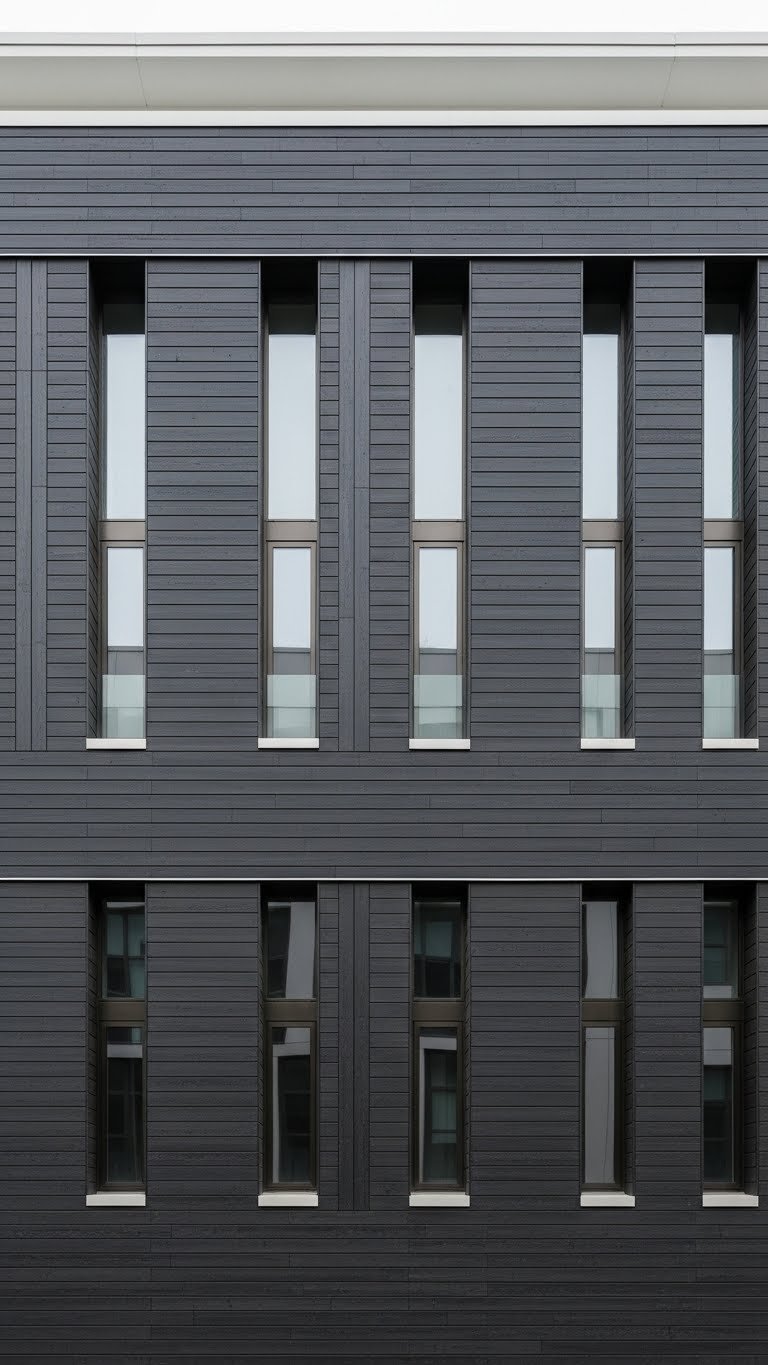
Wide siding boards (8–12 inches) create bold horizontal lines, but tall windows break that pattern and create dynamic visual interest. The siding-to-window interplay emphasizes the window’s vertical height through contrast.
Install exterior wood siding in boards 8–12 inches wide or choose composite siding that mimics wide boards ($8–$15 per square foot installed). Leave windows as negative space, allowing them to interrupt the board pattern. Full facade installation runs $5,000–$15,000 professionally, or $2,000–$4,000 in materials for DIY on a smaller wall. Expect 2–4 weeks for a full home.
Composite or low-maintenance siding ($10–$18 per square foot) costs more upfront but eliminates painting and rot concerns. Pro tip: ensure window openings align cleanly with siding lines—no boards awkwardly cutting through window frames—for a polished appearance.
Your facade reads as modern and intentional, with windows as deliberate design breaks rather than random openings. The wide siding creates visual stability while tall windows provide dynamic contrast.
12. Paint Windows a Contrasting Color (Modern Trend)
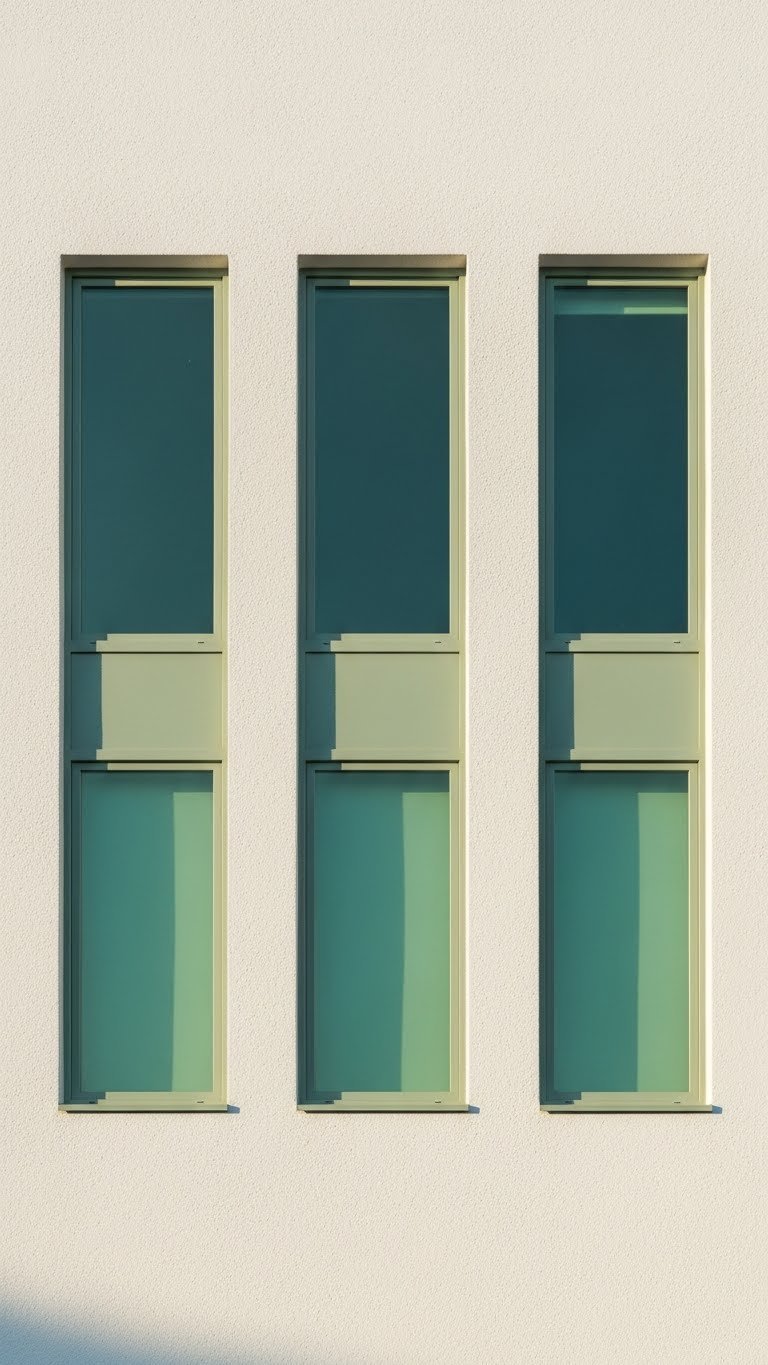
Painting windows themselves (specifically the glass or visible interior frame) is an emerging trend that adds personality and makes windows true design features. Soft greens, blues, grays, and even blush tones work beautifully on contemporary and cottage-style homes.
Apply exterior-grade glass paint or frost finish ($20–$40 per can from Home Depot or Benjamin Moore) or hire professionals ($300–$600 for multiple windows). The paint adheres to glass and creates a subtle tint visible from outside. Application takes 2–3 hours for multiple windows and is semi-permanent (lasts 2–3 years before repainting). For a less permanent option, use removable glass paint or window film ($15–$30 per roll) that’s renter-friendly.
Choose muted, natural tones that don’t look garish in daylight—sage, soft gray, dusty blue, or pale blush work best. Pro tip: test a small pane first or apply to one window to ensure you love the effect.
Your windows become a signature design element, unexpected and memorable. The subtle color glow catches light beautifully and photographs wonderfully on social media.
13. Install Arched or Curved Window Toppers
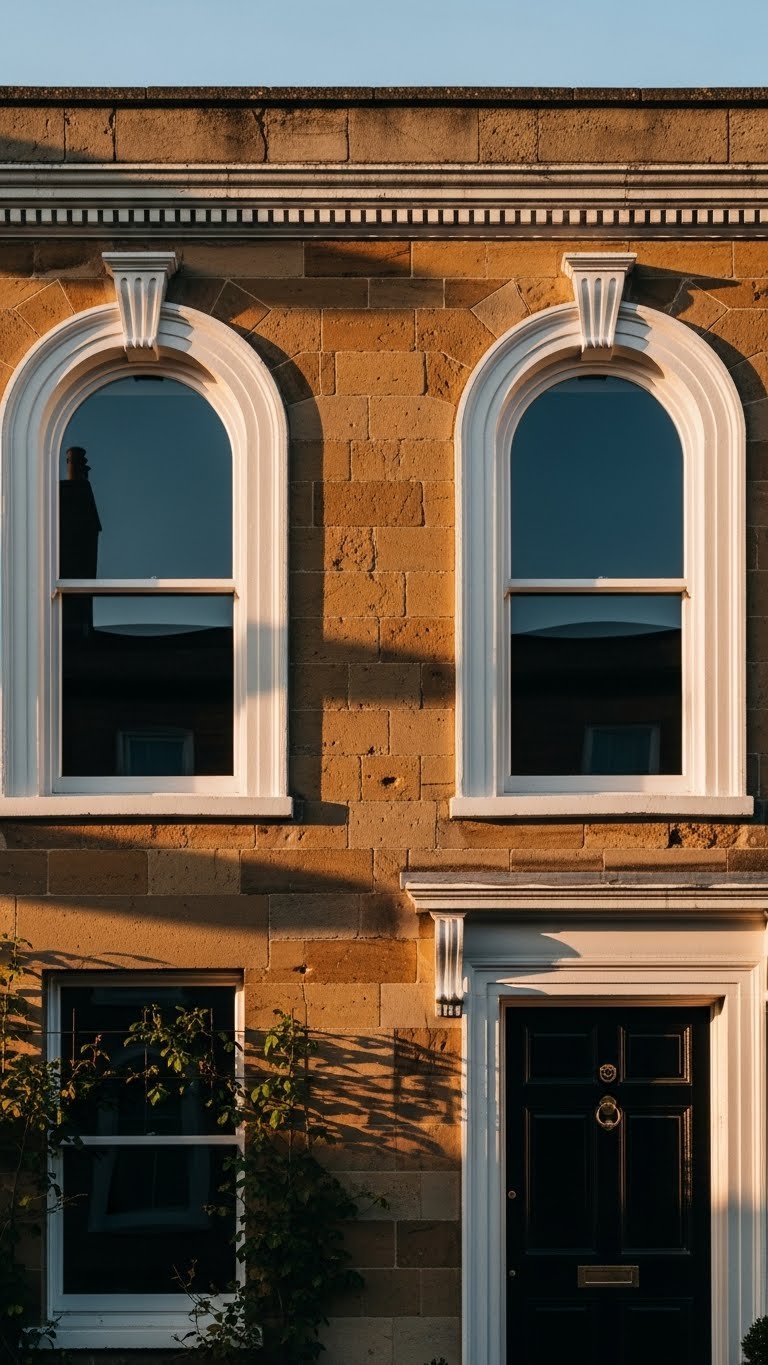
Arched toppers add softness and elegance to tall rectangular windows, creating visual interest that reads as intentional and design-forward. This detail works beautifully on farmhouse, cottage, and transitional exteriors.
Install curved architectural elements (wood, composite, or PVC) above existing windows, creating an arch that extends 6–12 inches above the frame. Materials cost $50–$150 per window from architectural salvage shops or custom fabricators. Professional installation adds $150–$300 per window, or DIY with carpentry skills ($75–$200 materials, half-day per window).
Composite arches ($100–$200) resist rot better than wood and require no maintenance. For renters or renters-adjacent situations, temporary arch trims with adhesive backing don’t exist yet, but you could commission a custom painted arch mural above windows for $100–$300 instead. Pro tip: keep arch color and material consistent with your window frames and surrounding trim.
Your facade gains unexpected elegance and personality. The curved lines break up rectilinear siding and create a focal point that feels intentional and polished.
14. Frame Windows with Stone or Brick Banding
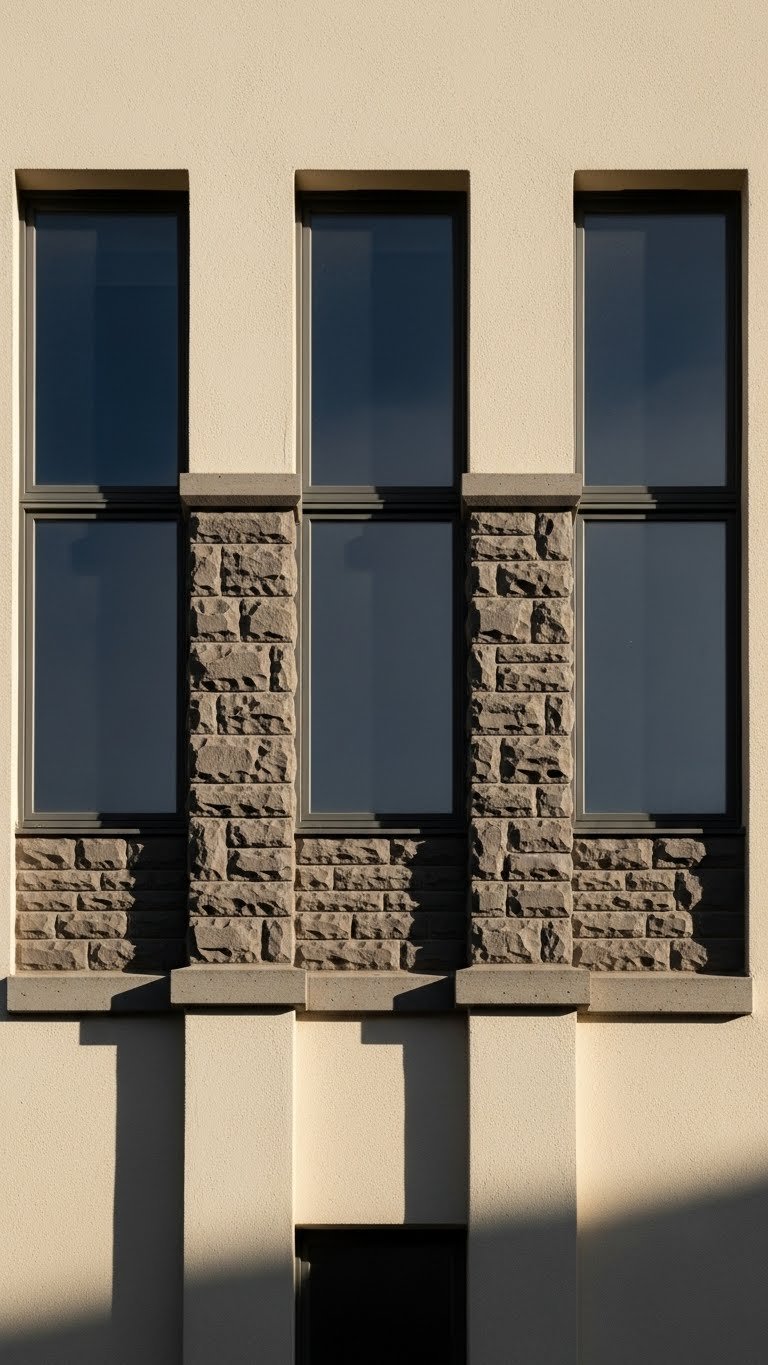
Horizontal stone or brick banding around windows creates visual grounding and emphasizes height through contrast. This mixed-material trend adds texture and architectural interest while making tall windows feel integrated into your home’s structure.
Install a horizontal band of thin brick, stone veneer, or composite stone ($10–$20 per square foot) running continuously through the window frames. Full installation on a facade runs $2,000–$5,000 professionally, or DIY with masonry skills ($1,000–$2,000 materials). Expect 2–3 weeks for professional completion.
Thin brick ($8–$15/sq ft) and stone veneer ($12–$25/sq ft) are your main options. Composite stone mimics real stone for less ($6–$12/sq ft) and weighs less. Pro tip: ensure the banding aligns with window sill and header lines for a seamless, intentional look.
Your windows gain architectural weight and sophistication. The banding creates visual continuity that reads as intentional design rather than random features.
15. Add Exterior Window Boxes (Functional or Decorative)
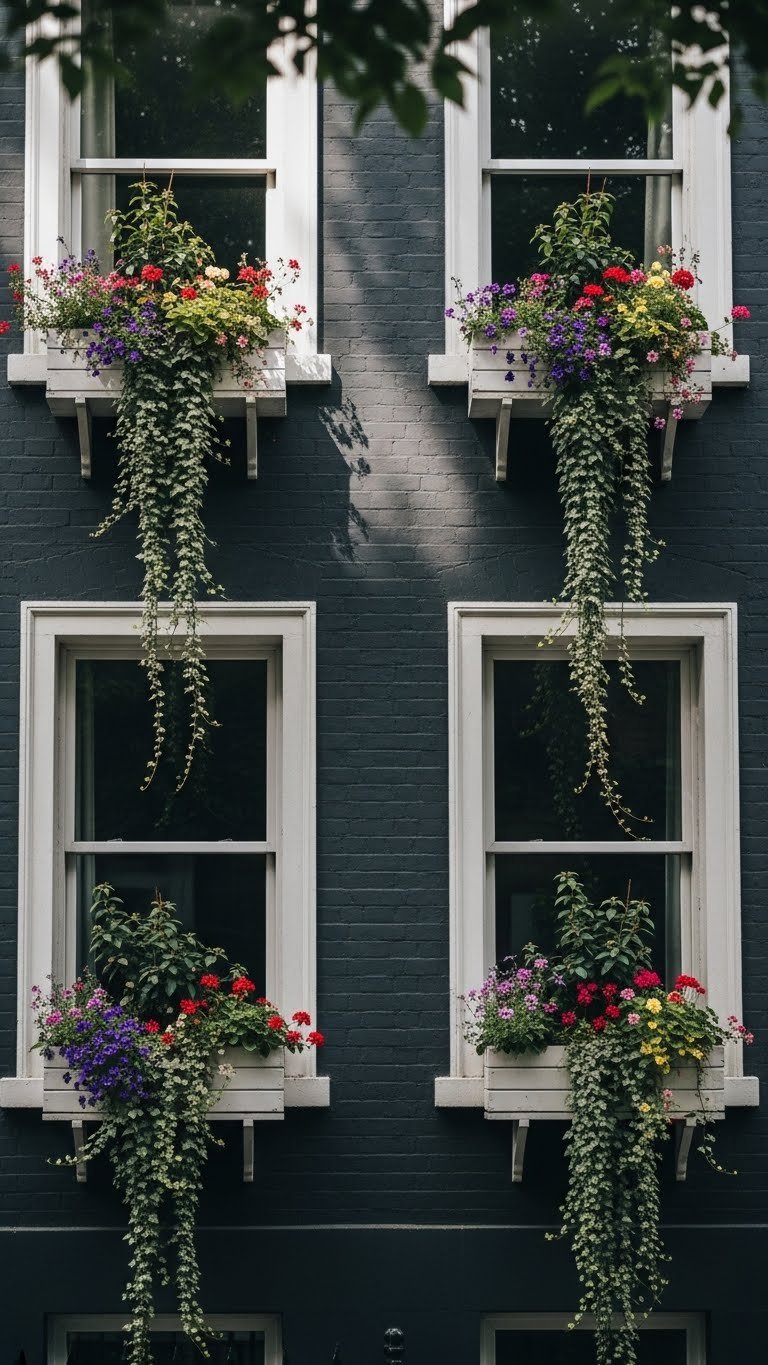
Window boxes instantly add charm, color, and verticality to tall windows while being genuinely renter-friendly and affordable. They create visual interest at eye level and make windows feel cared-for and intentional.
Install painted wooden or metal window boxes ($20–$80 each from Home Depot, Wayfair, or Etsy) using sturdy brackets ($10–$20 per pair). Fill with seasonal flowers, trailing ivy, ornamental grasses, or evergreens depending on your climate and sunlight. Total investment per window: $50–$120. Installation takes 15 minutes per box, and planting takes 30 minutes.
Choose box colors that complement your facade—white boxes on dark siding, dark boxes on light backgrounds, or natural wood in neutral tones. Renters: look for non-permanent bracket systems or adhesive-backed boxes. Pro tip: use lightweight potting mix and trailing plants to prevent window box sag.
Your windows instantly look lived-in and cared-for. The color and cascading foliage add organic warmth that pure architecture can’t achieve alone.
16. Paint Exterior Siding a Deep, Saturated Color
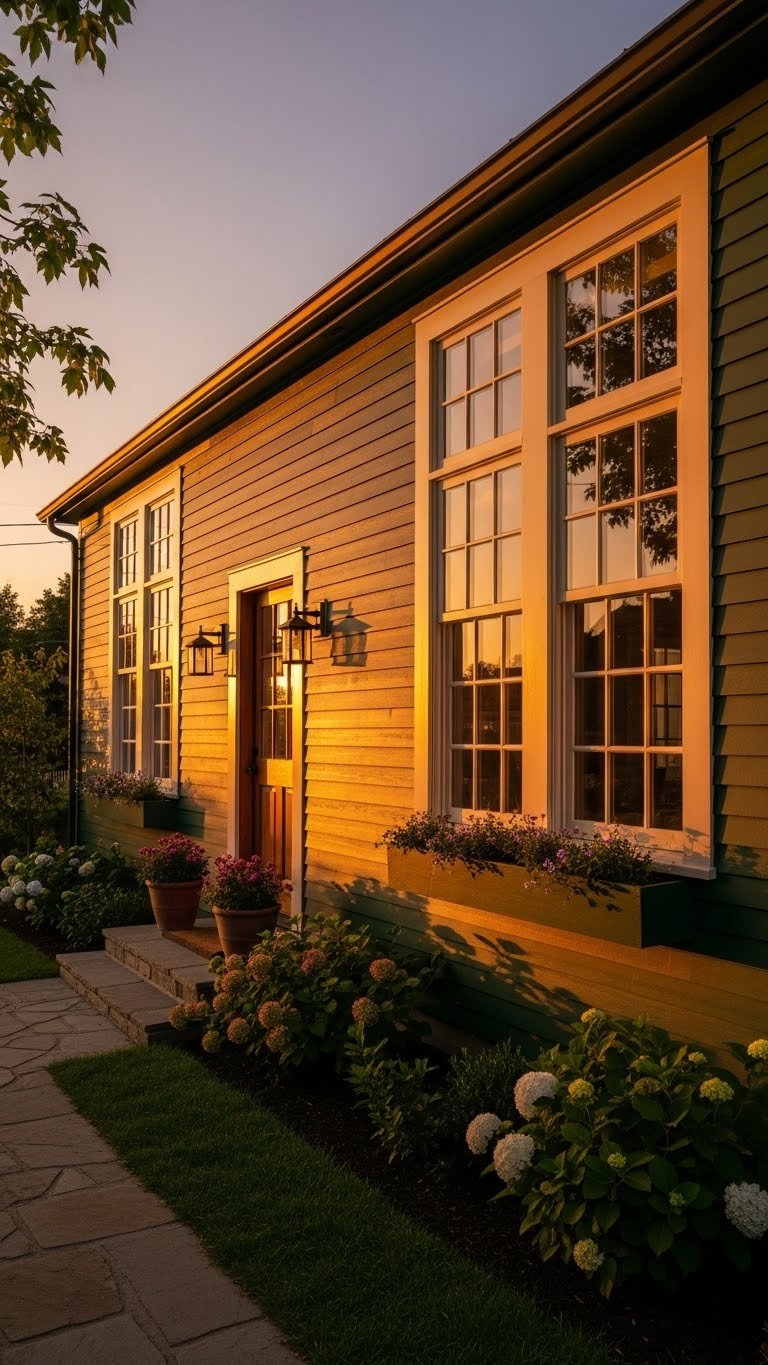
Deep, saturated facade colors make tall windows stand out and add sophistication that pale or neutral palettes can’t match. This bold approach pairs beautifully with light-framed windows to create maximum contrast.
Paint your entire facade in a deep, saturated color like forest green (Sherwin-Williams Rookwood Dark Green), charcoal (Benjamin Moore HC-172), deep blue (Sherwin-Williams Naval), or burgundy ($40–$60/gallon for quality exterior paint). Full home exterior painting costs $3,000–$8,000 professionally or $1,500–$3,000 in materials for DIY (2–3 week project). The payoff is enormous for curb appeal and making windows focal points.
Pair deep facade colors with white, cream, or light gray window frames for maximum contrast. Matte finishes look more sophisticated than glossy. Pro tip: test large paint samples on your facade in different lights before committing, as deep colors shift dramatically with sun angle and time of day.
Your home reads as intentional and design-forward. Tall windows become natural focal points because they contrast so dramatically with the rich background.
17. Install Metal Grilles or Muntins in Windows
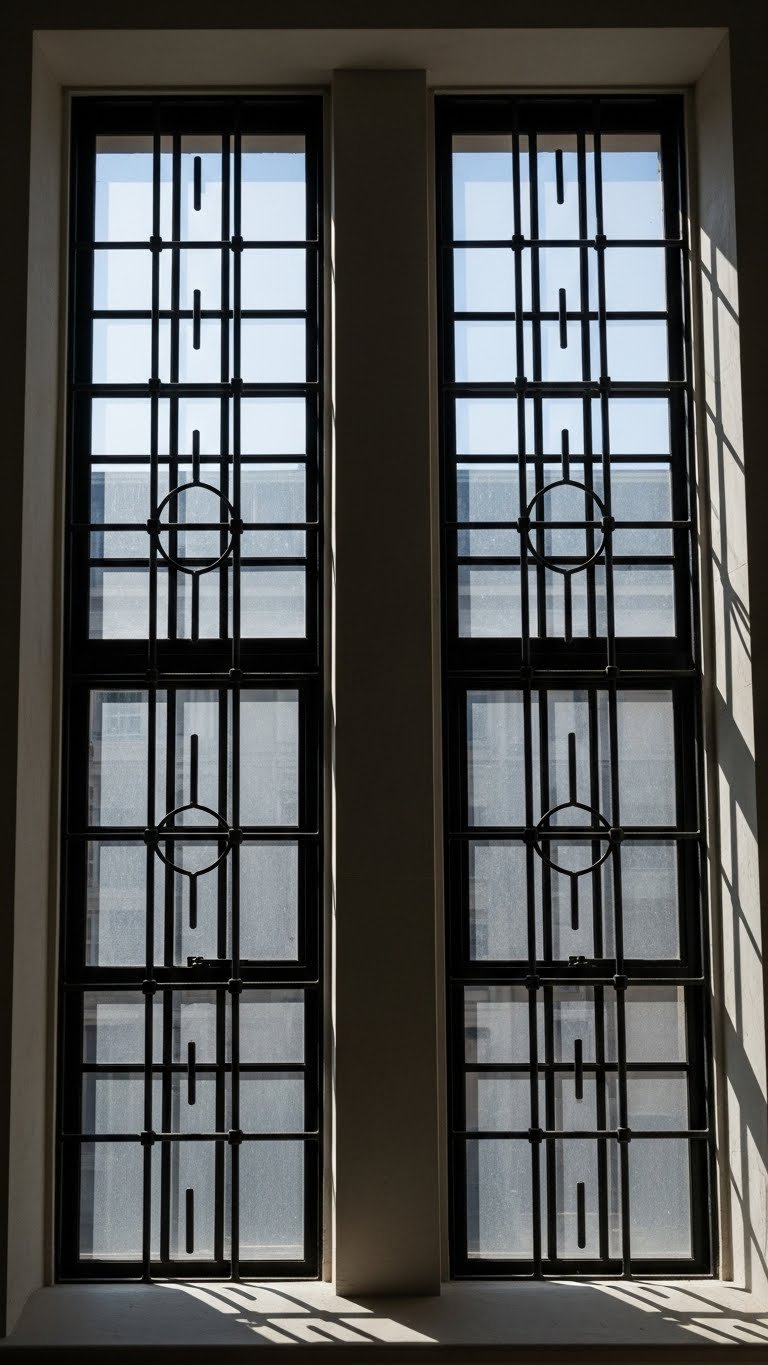
Grilles (muntins) add visual complexity, classic charm, or modern geometric interest depending on style. They make windows feel taller by creating visual lines that emphasize verticality, and they add character instantly.
Install interior or exterior grilles in traditional (9-light, 6-light patterns) or modern (geometric, asymmetrical designs) styles. Options include: adhesive grille tape ($15–$30 per window from Amazon), removable interior grilles ($30–$80 per window), or actual muntins installed by window professionals ($300–$600 per window). Grille tape takes 20 minutes to apply and is renter-friendly; actual installation takes 1–2 days.
Choose grille styles that match your home’s architecture—traditional grilles for cottage or farmhouse, geometric for modern, industrial styles for contemporary. Pro tip: muntin style should echo other architectural details on your home (railings, door frames) for cohesion.
Your windows gain instant character and visual depth. The added line work makes windows read as more sophisticated and intentional than plain glass.
18. Layer Window Treatments Visible from Street
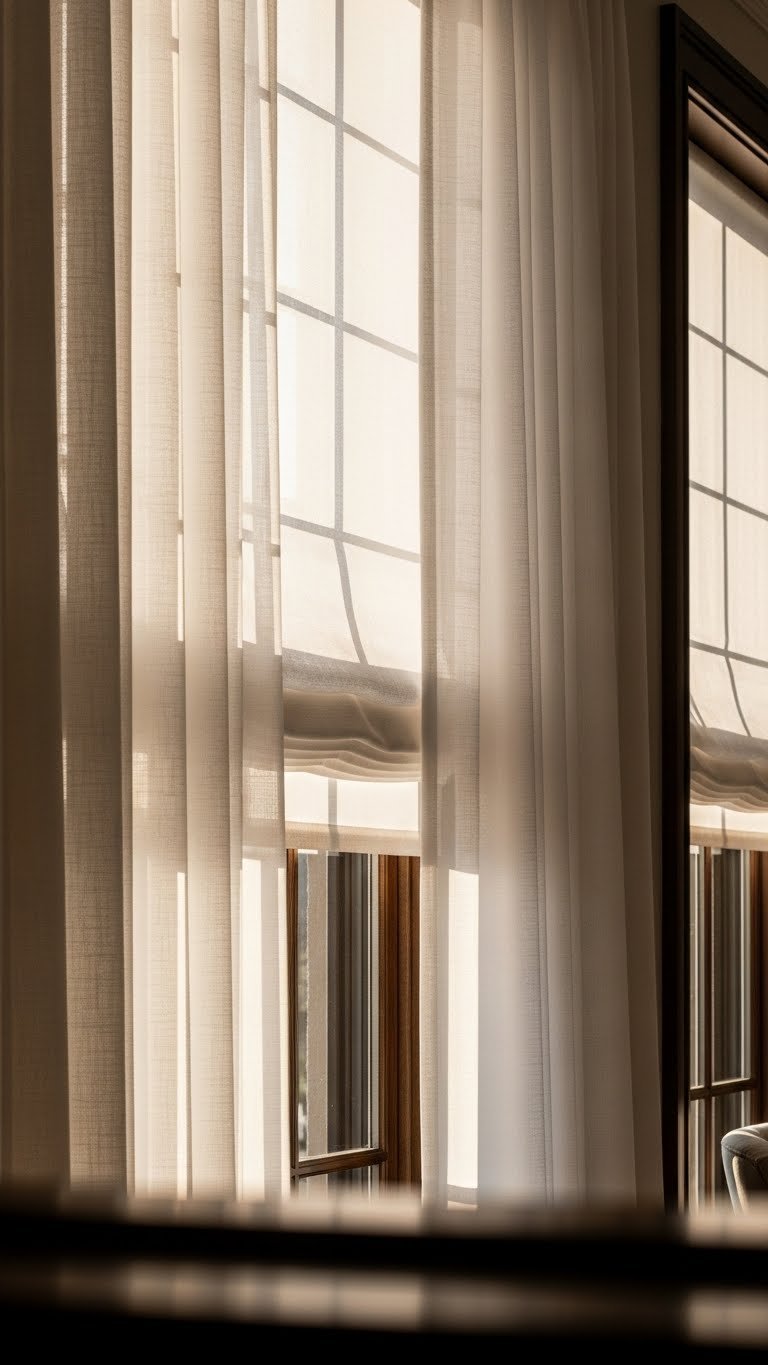
Layered interior window treatments (sheer curtains + roman shades or shutters) add sophistication and visual depth visible from your street. This styling technique reads as intentional and curated.
Layer sheer curtains ($40–$100) with roman shades or fold-up shutters ($50–$150) positioned to be visible from outside. Choose materials in white, cream, or soft naturals. Total investment: $100–$250 per window. Installation takes 1–2 hours per window and is entirely renter-friendly if using removable rods.
Prioritize windows visible from your front entrance or street-facing side only—layering every window in your home can feel visually busy. Pro tip: ensure interior layers are cleanly tailored and wrinkle-free, as external viewers will notice any sloppiness.
Your windows appear thoughtfully dressed and intentionally styled. The layering creates visual interest and hints at an interior that’s just as well-designed as your curb appeal.
19. Create Vertical Garden Walls Around Windows
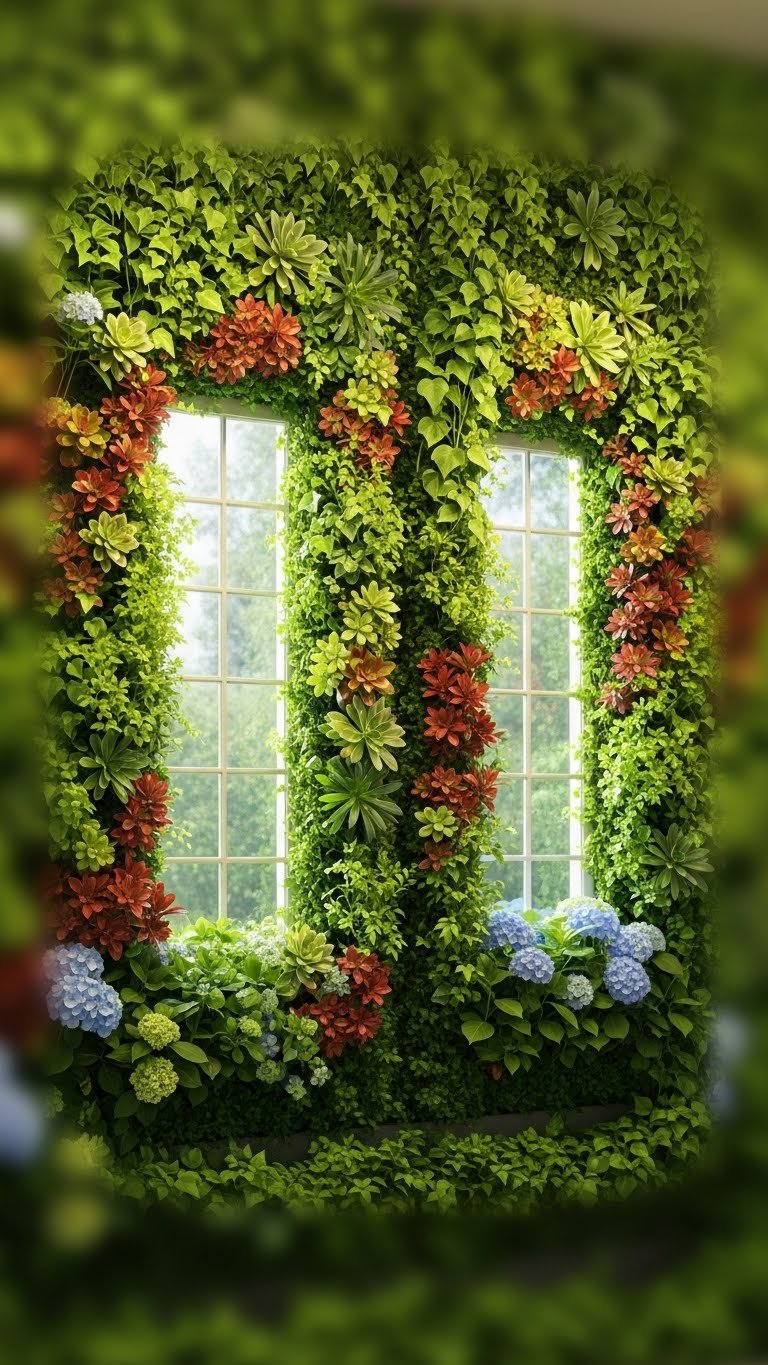
Vertical gardens frame tall windows in living greenery while supporting biophilic design trends. This dramatic approach creates a wow factor and makes windows feel integrated into a thriving natural environment.
Install vertical trellises ($50–$150 each) or modular living wall panels ($200–$500 per section) flanking windows. Plant with climbing ivy, clematis, climbing hydrangea, or wall-trained shrubs ($10–$30 per plant). Total cost: $200–$800 for a striking effect. Setup takes one full day, and ongoing care involves monthly watering and seasonal pruning.
Lighter-weight options include wall-mounted planters arranged vertically ($100–$300 total) filled with trailing succulents or ivy. Pro tip: position vertical gardens to frame windows rather than block them—place them on either side, not directly in front.
Your facade transforms into a living artwork. The lush framing makes tall windows feel like natural focal points within a thriving ecosystem, adding organic beauty that’s unforgettable.
20. Upgrade to Energy-Efficient Glass Tinting
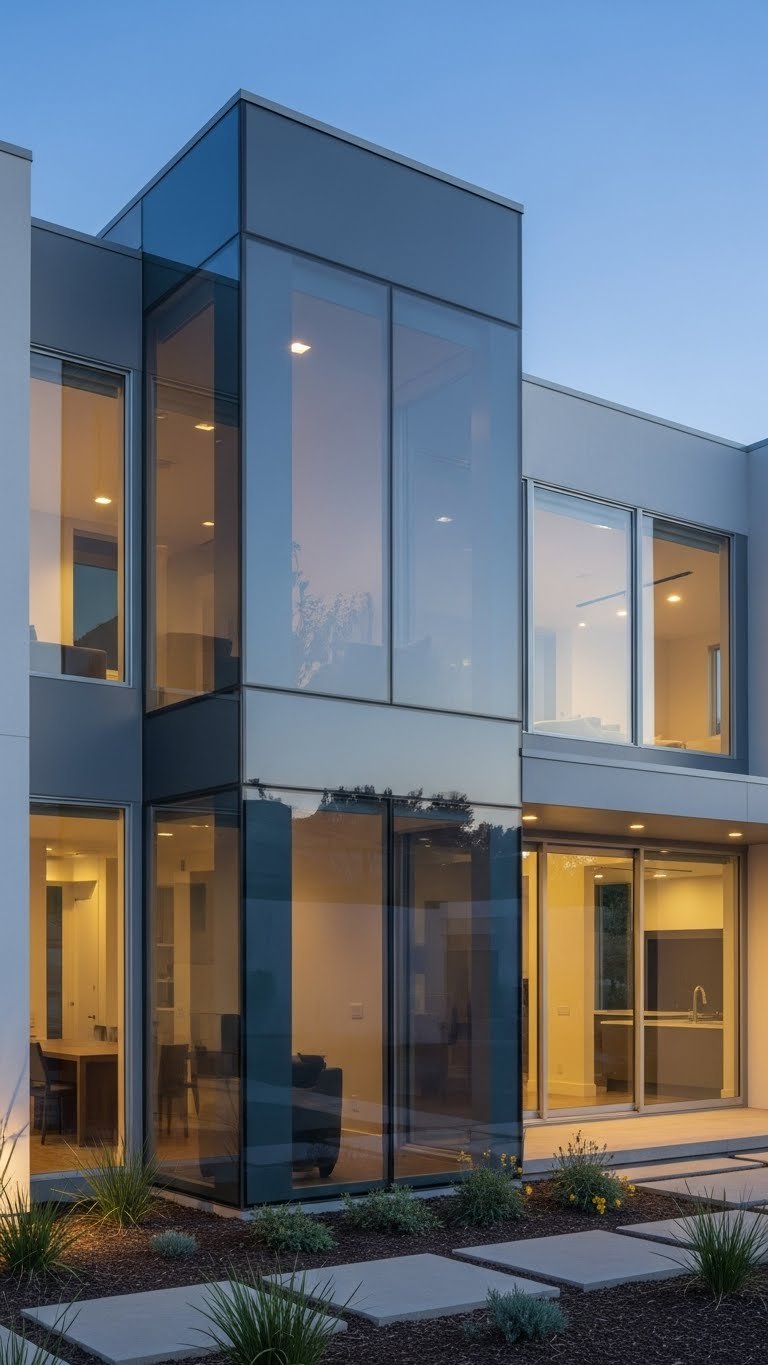
Modern tinted or low-E glass makes windows look contemporary and performs beautifully. The subtle tint visible from outside reads as high-end and intentional while reducing heat and UV damage.
If upgrading windows, choose low-E or tinted glass options (cost $100–$300 per window additional for quality replacements). For existing windows, apply window film in neutral gray, blue, or bronze ($5–$15 per window from Home Depot or Goo Gone). Film application takes 30 minutes per window and is entirely removable, making it renter-friendly.
Tinted glass reduces glare, improves energy efficiency (lowers cooling costs by 10–15%), and makes windows feel intentionally designed. Pro tip: test film on one small or obscured window first to ensure you love the effect; mistakes are fixable but require removal.
Your windows gain a sophisticated, high-tech appearance. The subtle tint catches light beautifully and reads as premium design rather than just functional glass.
21. Install Cantilevered or Floating Window Shelves
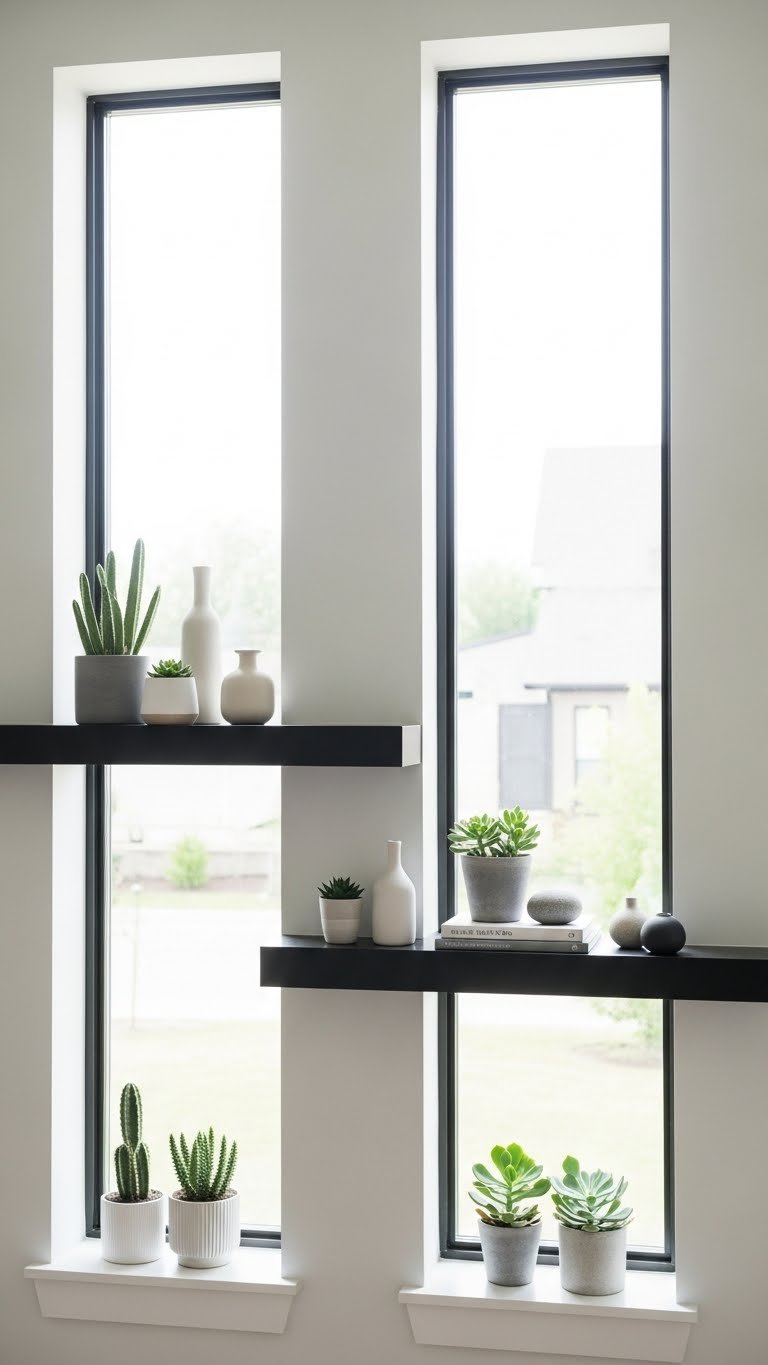
Floating shelves beneath tall windows create visual interest, break up large window expanses, and provide styling opportunities. They read as contemporary and intentional while being surprisingly functional for displaying plants or outdoor decor.
Install cantilever shelves (1–2 shelves per window, $30–$150 each from IKEA or specialty hardware stores) using heavy-duty brackets into solid wall studs or masonry. Professional installation runs $100–$200 per window if you’re uncomfortable with drilling, or DIY in 1–2 hours per shelf ($50–$100 in materials). This is permanent but looks polished and intentional.
Style shelves minimally with potted succulents, sculptural ceramics, or books. Renters can use adhesive corner shelves ($20–$50) for a temporary option. Pro tip: keep shelves uncluttered—3–5 carefully chosen objects per shelf look intentional; cramming feels chaotic.
Your windows gain architectural interest and purposeful styling. The shelves provide visual breaks in large glass expanses and create Instagram-worthy photo opportunities.
22. Add Exterior Architectural Lighting Highlighting Windows
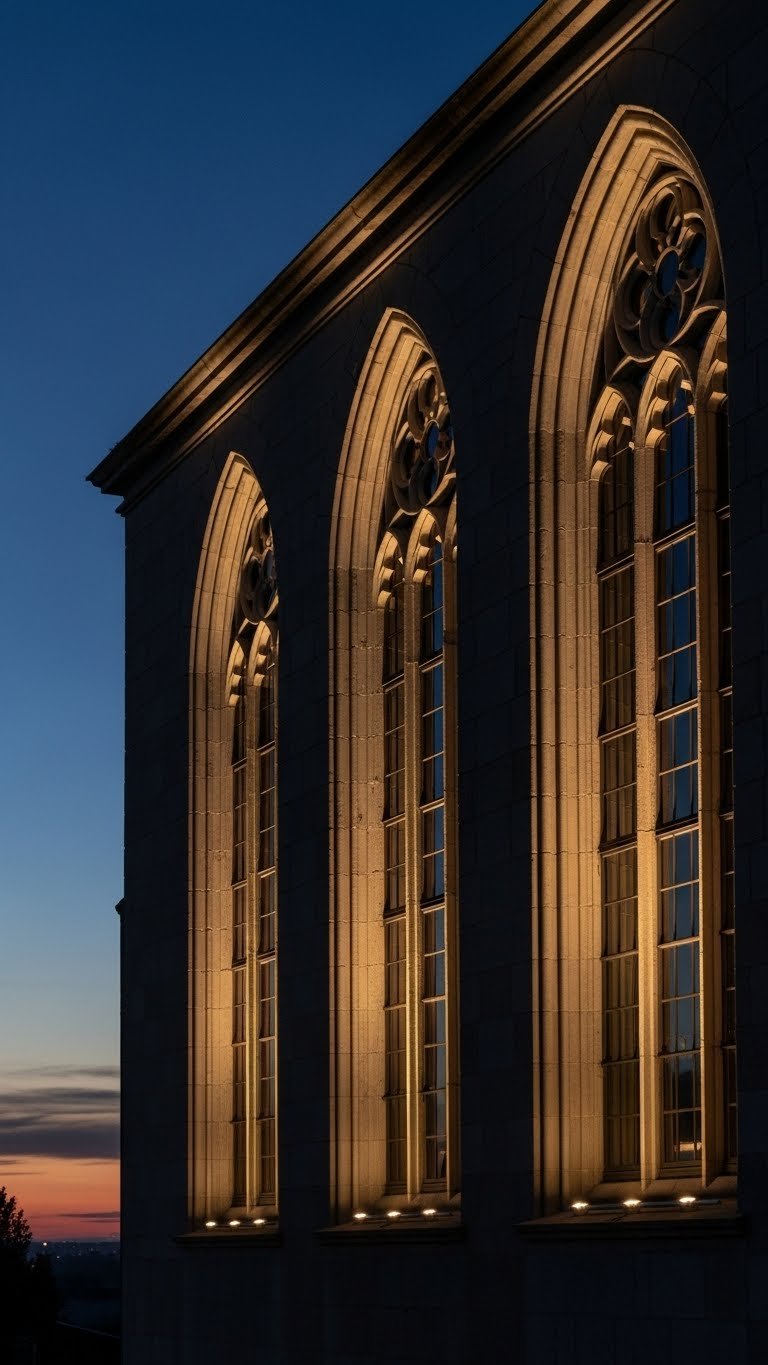
Strategic lighting design makes tall windows dramatic focal points, especially at dusk and evening. Uplighting, spotlighting, or accent lighting highlights architectural details and creates visual interest after sunset.
Install low-voltage exterior lights ($50–$200 each, available at Home Depot or specialty lighting) positioned to uplight windows, illuminate trim, or wash window surfaces with warm light. Professional installation adds $300–$600, or DIY with low-voltage kits (relatively simple, no electrical experience required). This costs $300–$1,000 total for meaningful impact but transforms evening curb appeal dramatically.
Choose warm white bulbs (2700K) for welcoming light, avoid overly bright spotlights that read as security-focused, and position lights subtly so you see the effect, not the fixture. Pro tip: use timers or smart home controls to automate lighting—no manual switching needed.
At dusk and evening, your facade glows with sophistication. The lighting draws attention to windows and makes your home feel intentionally designed and welcoming.
23. Paint Siding a Neutral Base, Windows Bold Contrast
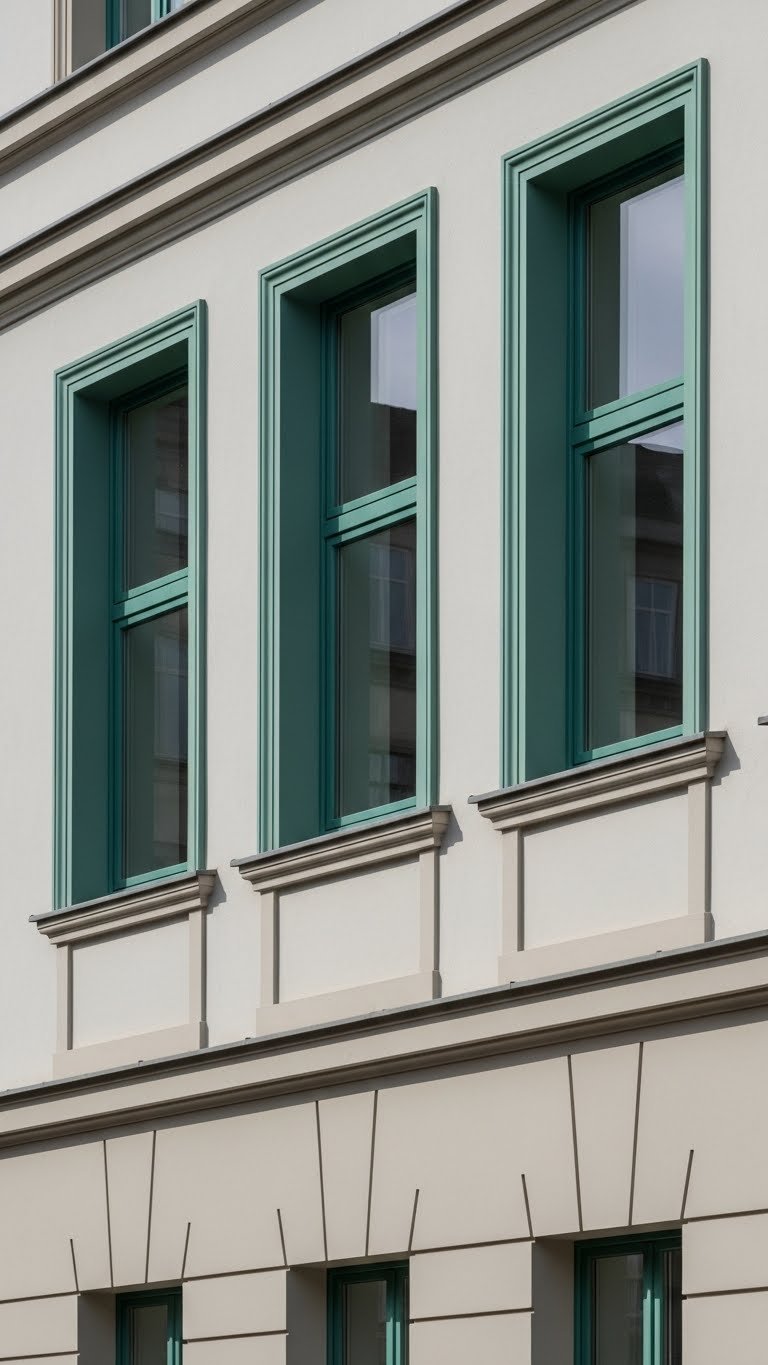
Flipping the typical color scheme—neutral siding with bold window frames—makes windows undeniable focal points. This approach works beautifully for modern farmhouse, contemporary, and cottage aesthetics.
Paint siding in a soft neutral (greige, pale sand, soft gray, $40–$60/gallon) and window frames in a saturated, bold color (teal, sage, charcoal, navy, burgundy, $35–$50/gallon). Siding repainting runs $2,000–$5,000 professionally or $800–$2,000 in materials for DIY. Frames take 1–2 days to paint yourself with careful tape-work or hire professionals for $300–$600.
Use painter’s tape meticulously to prevent paint bleed on the neutral siding—this detail matters more than you’d think. Pro tip: choose window color from existing architectural inspiration—maybe echoing a stone banding, door color, or landscape accent.
Your windows become undeniable design features. Passersby’s eyes go directly to the bold frame color, making your home memorable and intentionally designed.
24. Mix Window Styles Intentionally Across Facade
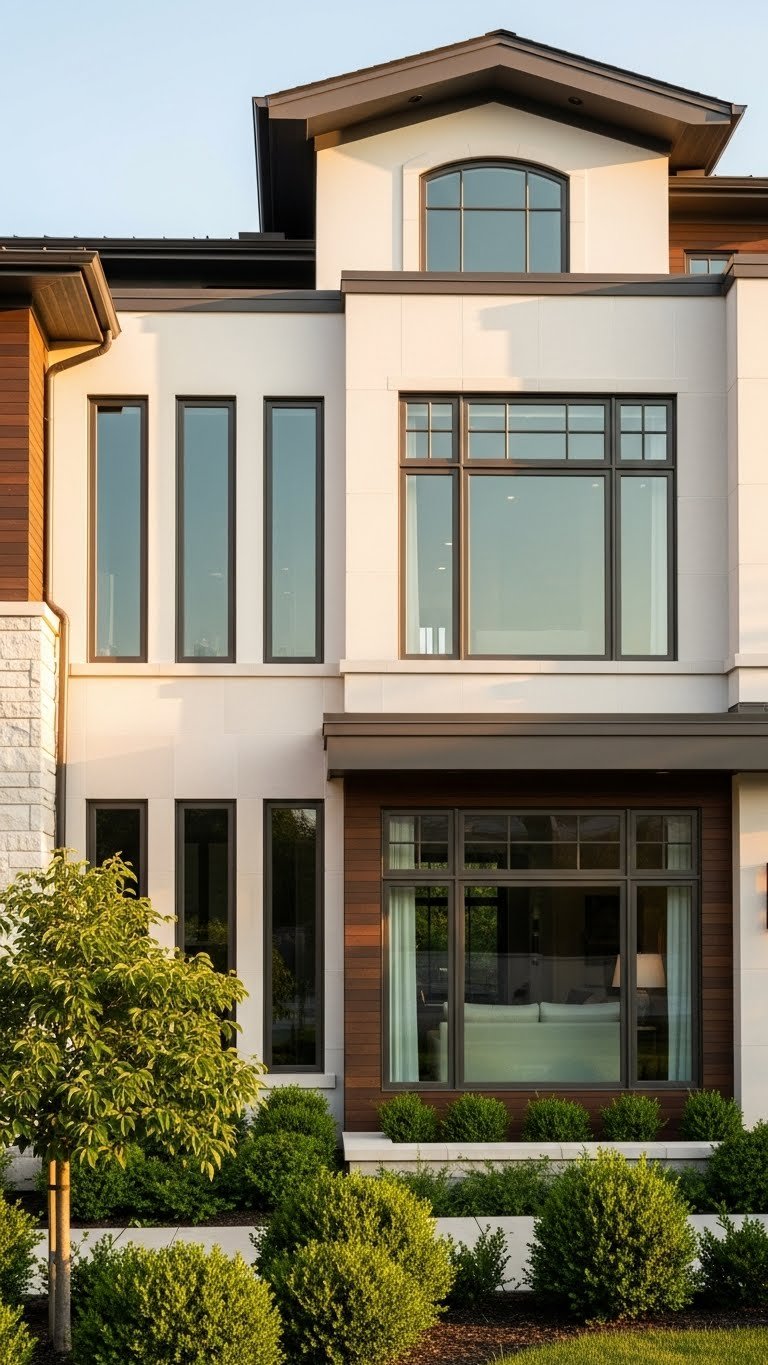
Breaking the “all matching windows” rule and mixing styles intentionally creates visual interest and contemporary appeal. Varying window shapes (tall and narrow, wide rectangles, arched tops, porthole windows) unified by consistent frame color reads as design-forward rather than chaotic.
Replace or upgrade windows with intentional variety—perhaps two tall narrow windows flanking a wider central window, or mixing rectangle and arch-top styles. Window replacement costs $300–$800 per window installed; mixing styles within that budget requires planning during replacement. This is a larger investment ($3,000–$10,000+ for a facade) best done during planned window upgrades.
Keep all frames in the same color and material to create cohesion despite varied shapes. Pro tip: sketch your facade to plan window arrangement before committing to replacements—visual balance matters.
Your facade reads as thoughtfully designed with architectural character. The intentional window variety suggests a homeowner who cares about design details, making your home stand out positively.
Ready to elevate your curb appeal? Pick one idea that speaks to your style and budget, then tackle it this weekend. Whether it’s paint, plants, or architectural details, tall windows deserve to be your home’s showstopper—save this post and refer back as you refresh your exterior.
Leave a Reply