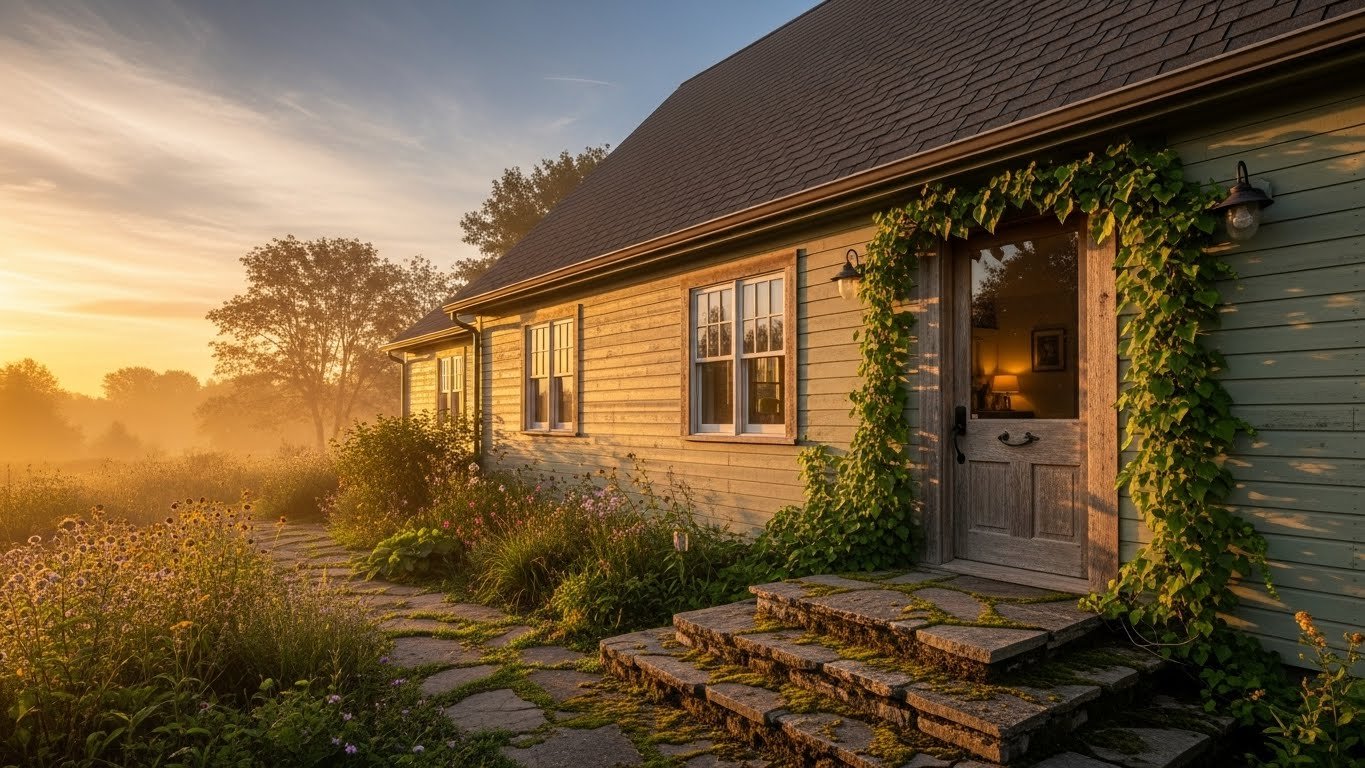
There’s something about rustic design that makes a house feel like home the moment you walk up to it. Maybe it’s the warmth of natural materials, the honest character of aged wood, or the way earth tones seem to ground everything around them. If your exterior feels too polished, too cold, or just plain boring, you’re probably craving that cozy, lived-in aesthetic that rustic style delivers. The good news? Bringing natural warmth to your home doesn’t require a complete overhaul. In this guide, you’ll discover 25 specific, budget-friendly ideas—from DIY projects you can tackle this weekend to investment pieces that’ll pay off for years. Whether you’re a homeowner ready to commit or a renter looking for temporary touches, these rustic upgrades will transform your curb appeal and create an exterior that genuinely welcomes people in.
1. Install Reclaimed Wood Shutters
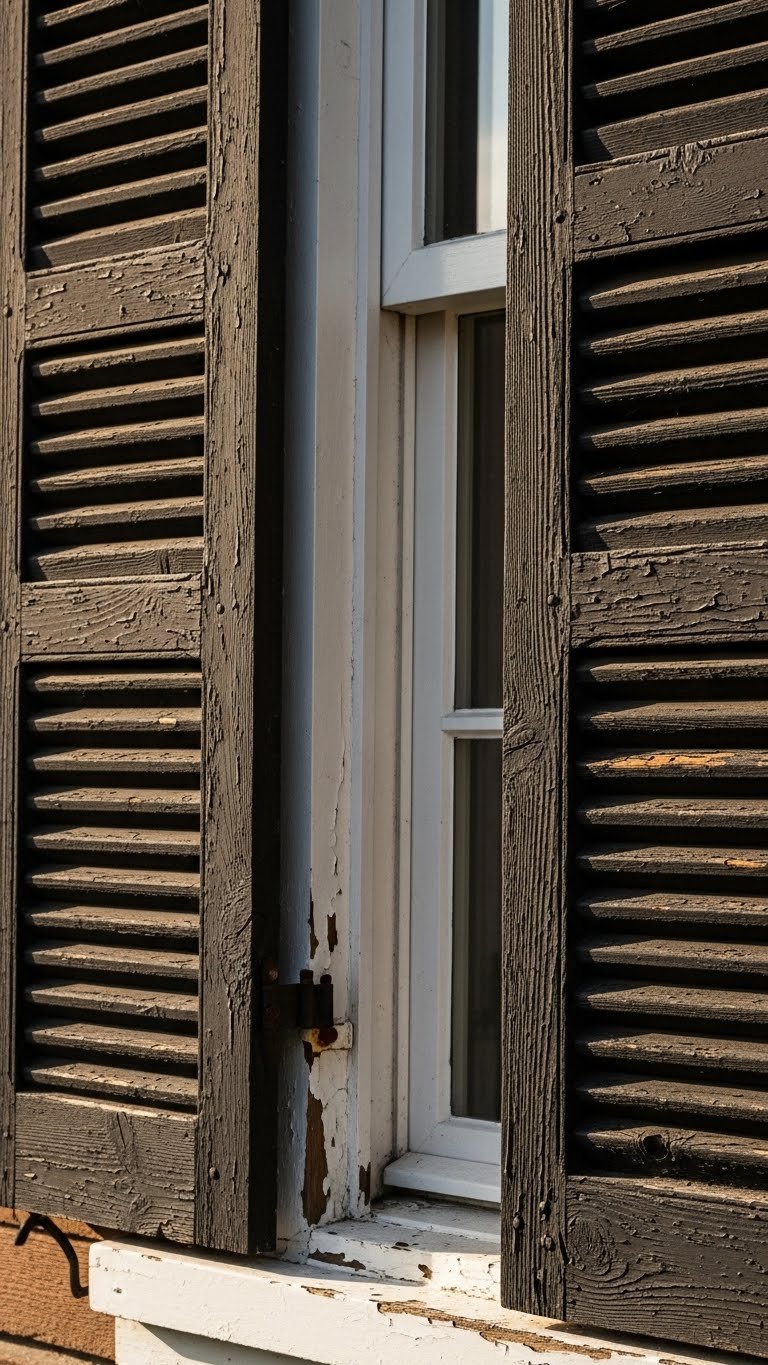
Reclaimed wood shutters instantly add character and authenticity to any exterior. They signal quality and timelessness better than almost any other single feature.
Hunt for reclaimed wood at salvage yards, Etsy, or Facebook Marketplace for $30–$150 per pair. Alternatively, new wood shutters stained dark brown run $50–$120. Installation takes about 30 minutes per window with basic tools—just drill pilot holes and use outdoor-grade screws. If your home is rental, lean toward adhesive-mount faux wood options instead. A pro tip: leave the wood slightly weathered rather than sanding it smooth; that aged patina is the whole point.
Your home suddenly reads as established and intentional, with a lived-in charm that new construction can’t fake. Neighbors will notice the upgrade immediately.
2. Build a Stacked Stone or Brick Planter Box
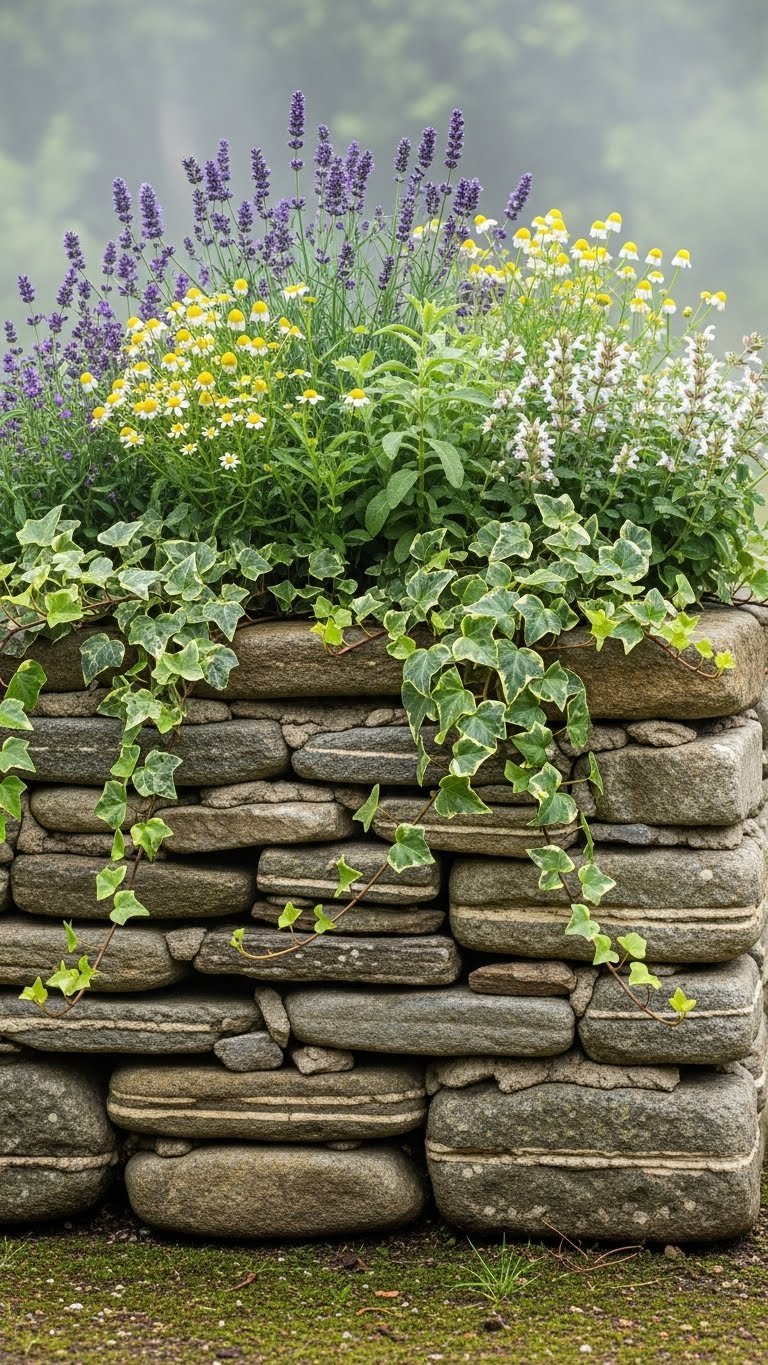
Garden beds don’t have to be simple soil mounds. A stacked stone planter adds architectural interest while containing plantings neatly.
Stack fieldstone or reclaimed brick without mortar (dry-stack method) for a natural, slightly imperfect look that photographs beautifully. Aim for $40–$100 in materials depending on stone quality and size. Assembly takes 1–2 hours with no special skills required—just stack and level as you go. Fill with soil and plant native grasses, herbs, or low-maintenance perennials. The rustic effect deepens when weathering takes hold over months.
This creates a focal point near your entry or along a garden path, instantly elevating the entire outdoor space from “generic yard” to “thoughtfully designed landscape.”
3. Paint Your Front Door in Deep Charcoal or Forest Green
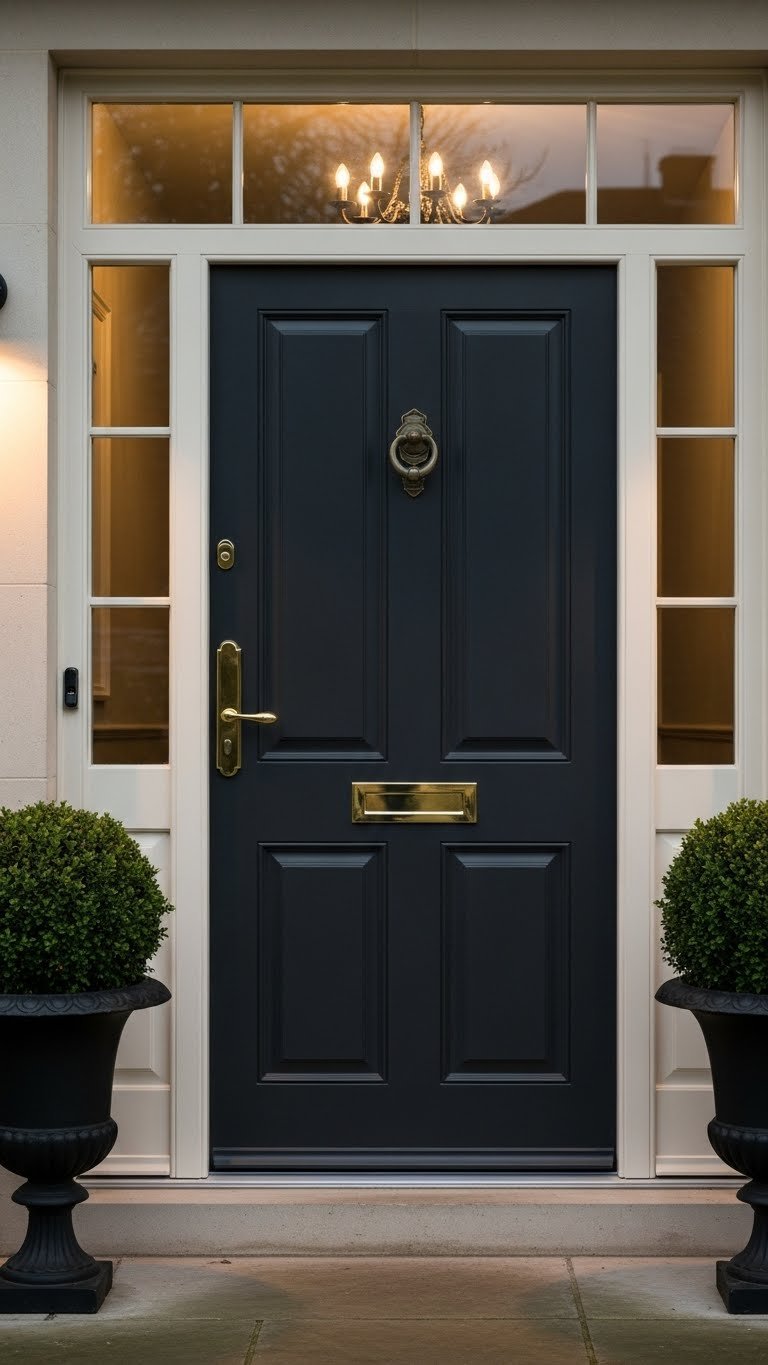
A bold, dark front door is the easiest way to signal rustic confidence. It breaks up neutral siding and creates immediate visual interest.
Choose outdoor-grade paint in charcoal, forest green, or deep olive—brands like Sherwin-Williams and Benjamin Moore have excellent rustic options ($35–$60 per gallon). You’ll need roughly half a gallon for one door with two coats. Prep takes 1–2 hours (sand, prime, paint). A weekend project with dramatic results. Pro tip: pair it with warm bronze or oil-rubbed bronze hardware for authenticity.
Your entryway becomes a statement—the kind of detail people remember. Suddenly your home feels intentional, not default.
4. Add Weathered Cedar Wood Siding to Gable or Accent Wall
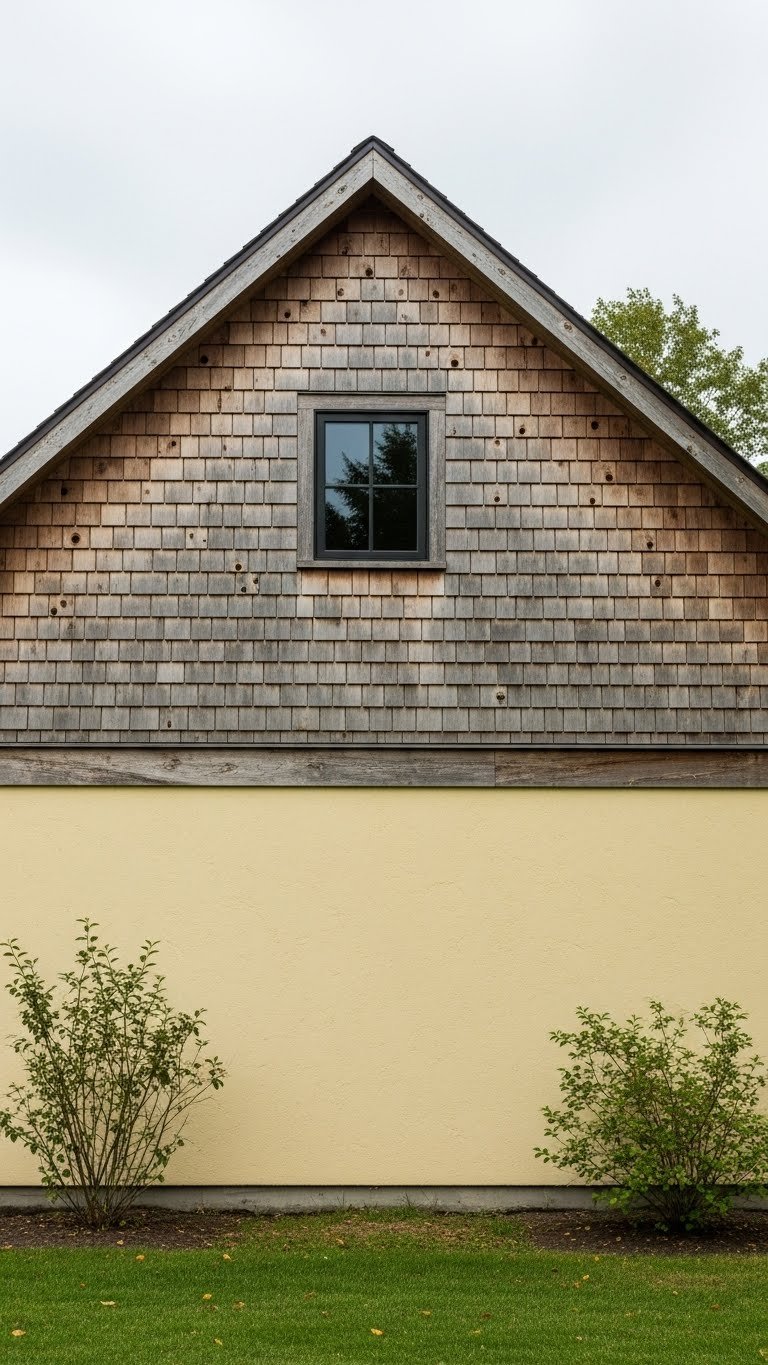
Cedar siding weathers beautifully over time, developing silver-gray tones that look nothing like fresh wood. It’s the ultimate rustic material.
Real cedar siding runs $6–$12 per square foot installed, or $2–$5 if you DIY. A gable accent typically costs $300–$800 in materials and takes a skilled DIYer a weekend. If you’re renting, skip this one. For maximum rustic effect, let it weather naturally rather than staining; the gray patina is where the magic happens. Alternatively, stain it in warm honey tones for a more traditional farmhouse look.
Within months, the wood begins its transformation. By year two, you’ll have that coveted silvery-gray weathered look that cannot be rushed or faked.
5. Create a Rustic Wood Entry Arbor

An entry arbor signals that your home is a destination, not just a structure. It’s the perfect framework for climbing vines and soft, natural shade.
Build one from untreated or naturally weathered timber (roughly $80–$200 in materials). Plans are abundant online; a basic 8×8-foot frame takes a handy DIYer 6–8 hours. Secure it to concrete footings for stability. Plant jasmine, clematis, or climbing roses on either side. As vines grow, the structure becomes more organic and beautiful.
The shaded entryway drops your porch temperature noticeably in summer while creating a cozy threshold that guests actually want to linger in. It’s both functional and visually stunning.
6. Use Limewash or Mineral Paint on Exterior Walls
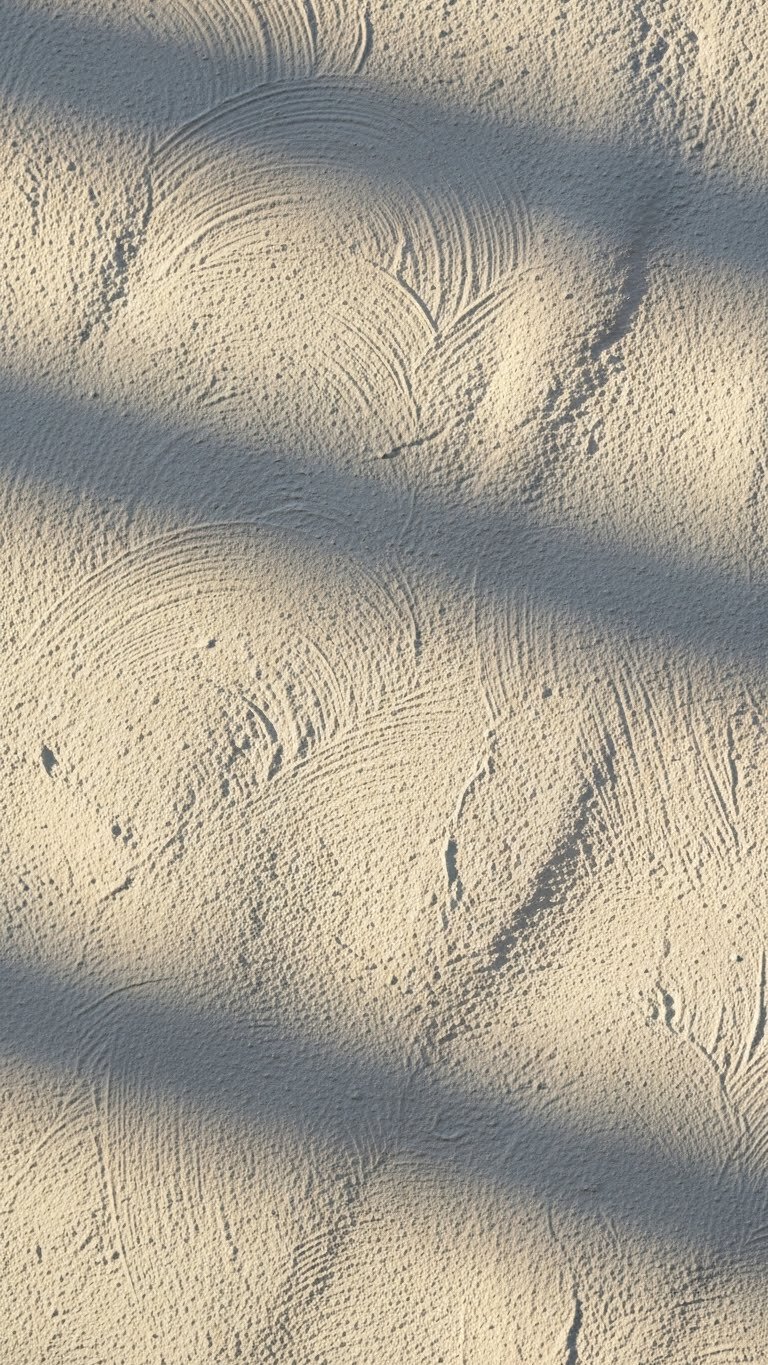
Limewash and mineral paints create an aged, authentic finish that standard latex paint can never replicate. The slightly chalky, uneven coverage looks intentionally rustic.
Quality limewash or mineral paint costs $40–$80 per gallon. One cottage typically needs 2–3 gallons. Application requires a 2–3-day project with proper prep and multiple coats. Brands like Farrow & Ball or local artisan suppliers offer excellent options. The finish will develop character over time—not fading, but becoming richer. Expect some variation in color, which is the entire point.
Your home takes on a European countryside vibe, as if it’s been there for generations. The softness of the finish makes even newer construction look authentically aged.
7. Install Warm Bronze or Aged Copper Lighting Fixtures
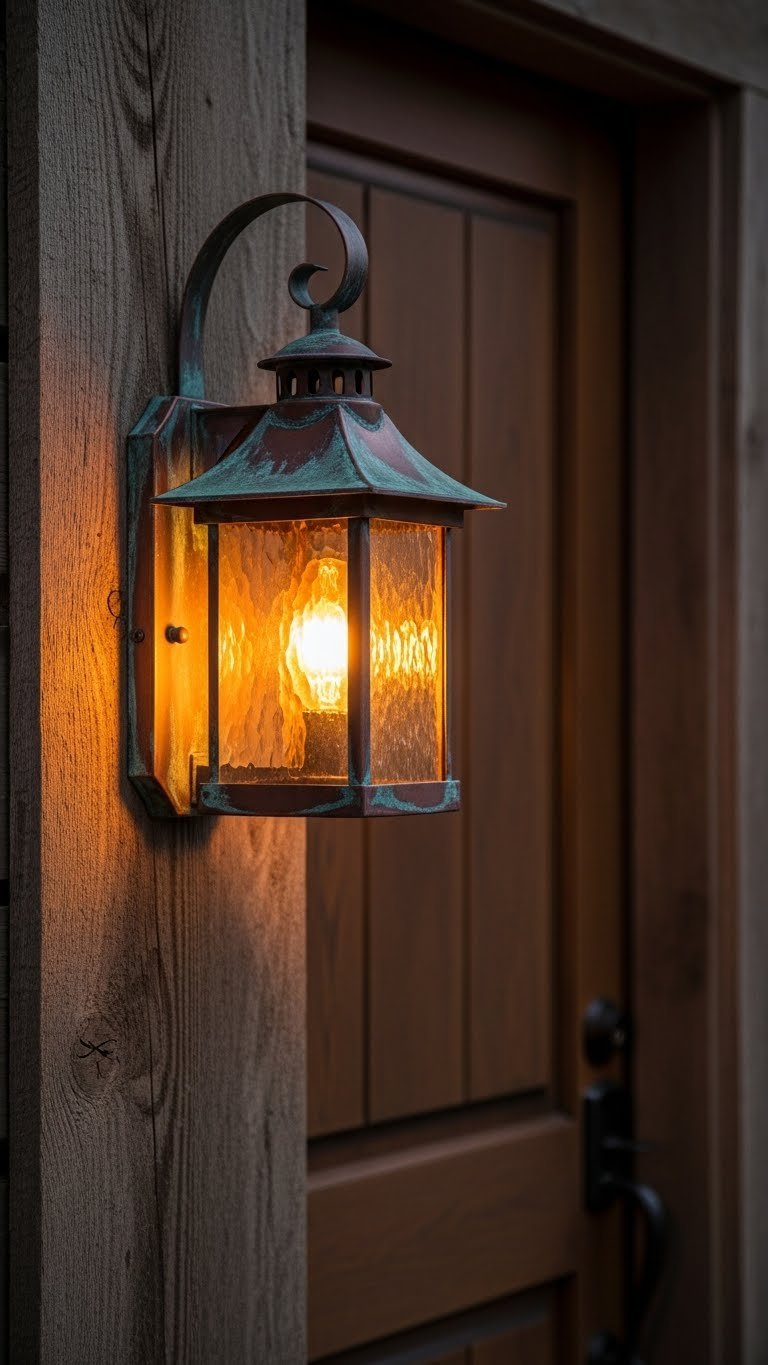
Lighting hardware sets the tone for your entire exterior. Warm metals age beautifully and feel far more rustic than shiny chrome or brushed nickel.
Hunt for aged bronze, weathered copper, or oil-rubbed bronze fixtures at $40–$150 each from Home Depot, Wayfair, or specialty shops. Installation is straightforward—most sconces take 30 minutes. Install them flanking your front door or along a porch. Choose styles with lantern shapes, frosted glass, or open metalwork rather than modern geometric designs. The patina deepens over years, adding character.
Evening and dusk suddenly feel magical. Your home glows warmly, inviting and safe, making the entire exterior feel welcoming even in darkness.
8. Lay Flagstone or Slate Pathways
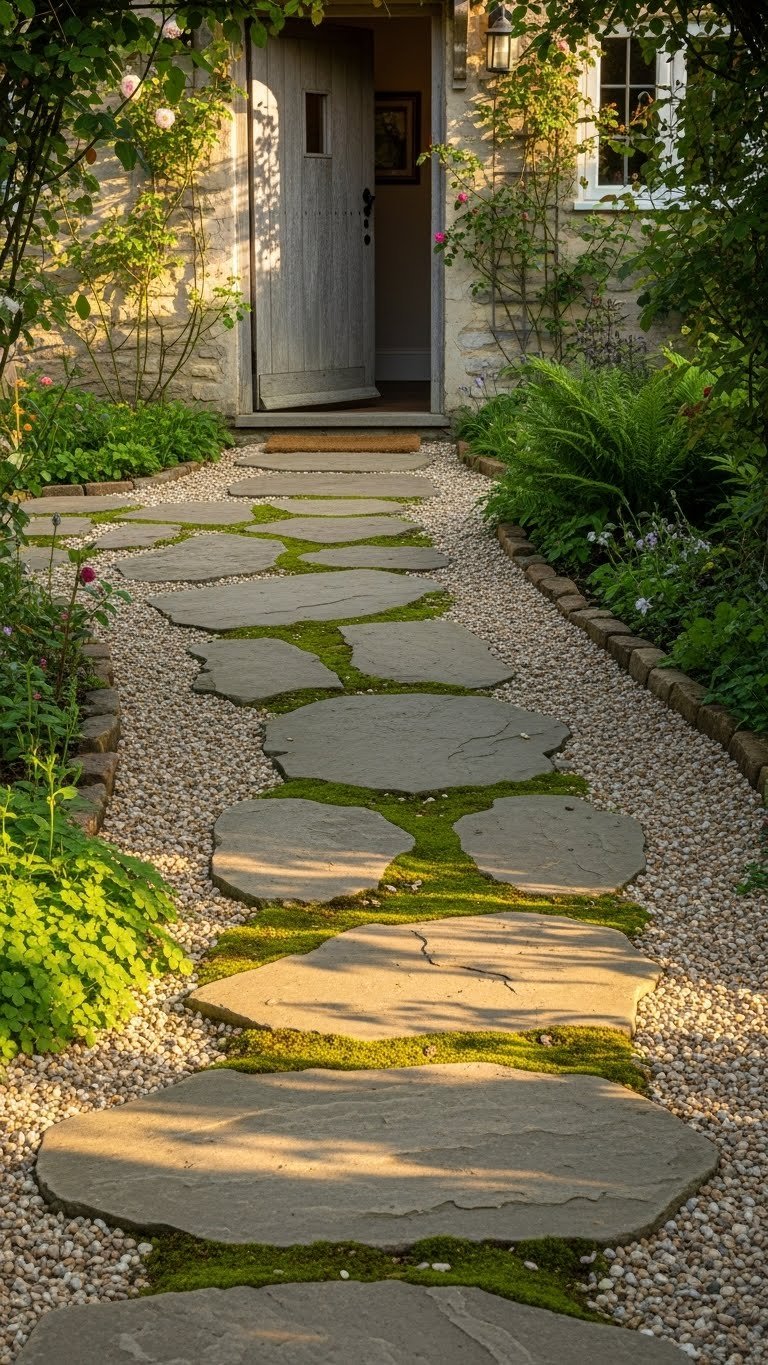
Irregular stone paths feel grounded and authentic—nothing says rustic like walking on materials that could’ve been there for a century.
Flagstone runs $4–$8 per square foot for material; labor adds $8–$15 per square foot if hiring pros. DIY is possible but physically demanding. A 15-foot pathway costs roughly $200–$400 in stone, taking a weekend of work. Lay stones in sand (not mortar) for a natural, settled appearance. Fill gaps with gravel or let moss grow—it adds to the charm. Pro tip: choose irregular, mismatched thicknesses for maximum rustic character.
Walking up to your home becomes an experience. The uneven surface and natural stone speak to permanence and authenticity, grounding your entire property.
9. Build Rustic Window Boxes from Reclaimed Wood
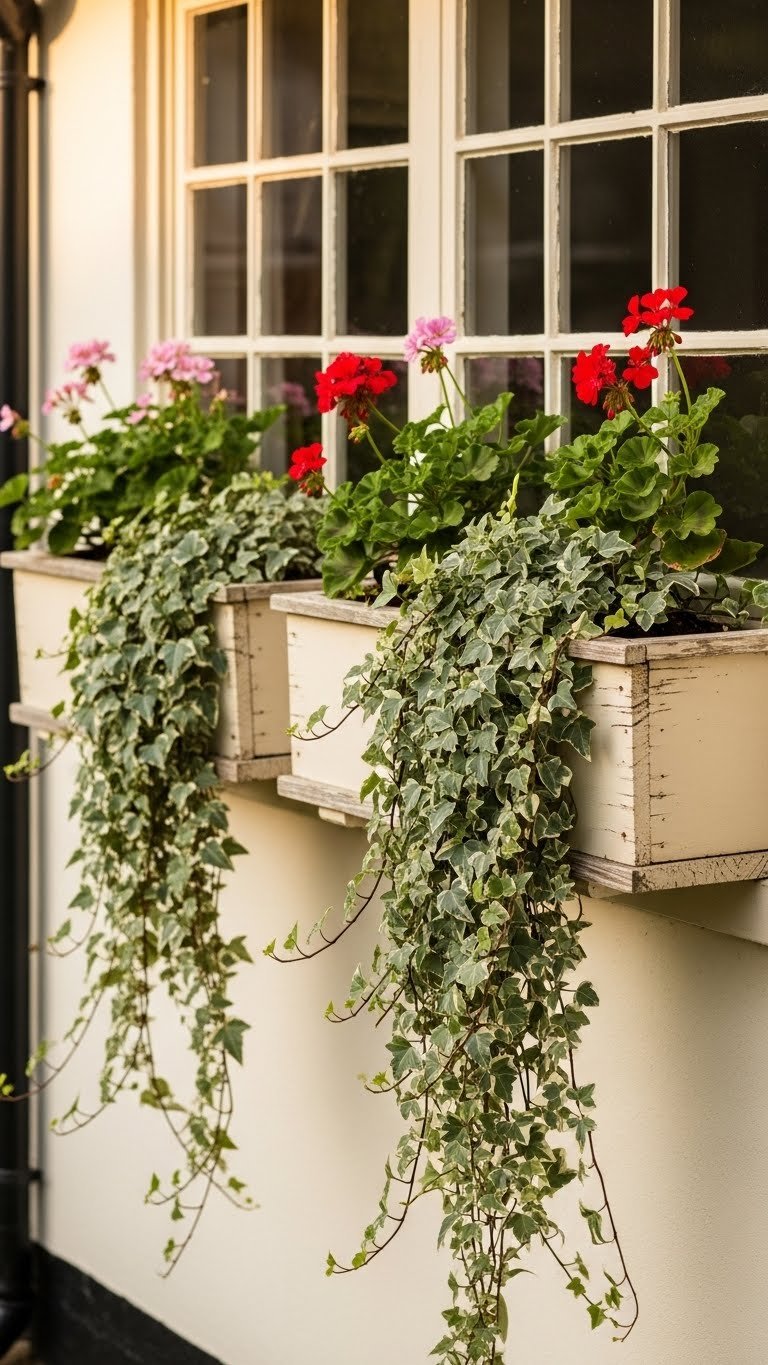
Window boxes transform a blank facade into something garden-like and personal. Rustic wood versions age beautifully on your walls.
Reclaimed wood window boxes run $30–$80 each online, or source reclaimed barn wood and build them yourself for $15–$25. DIY construction takes 1–2 hours per box. Leave wood unfinished or stain it in weathered gray. Plant with trailing ivy, sedums, or seasonal flowers. Mount securely with brackets (usually included).
Within weeks, you’ve created small gardens that soften your windows and add life to the facade. Passersby notice these details immediately—they signal care and horticultural interest.
10. Install a Rustic Metal Gate or Fence
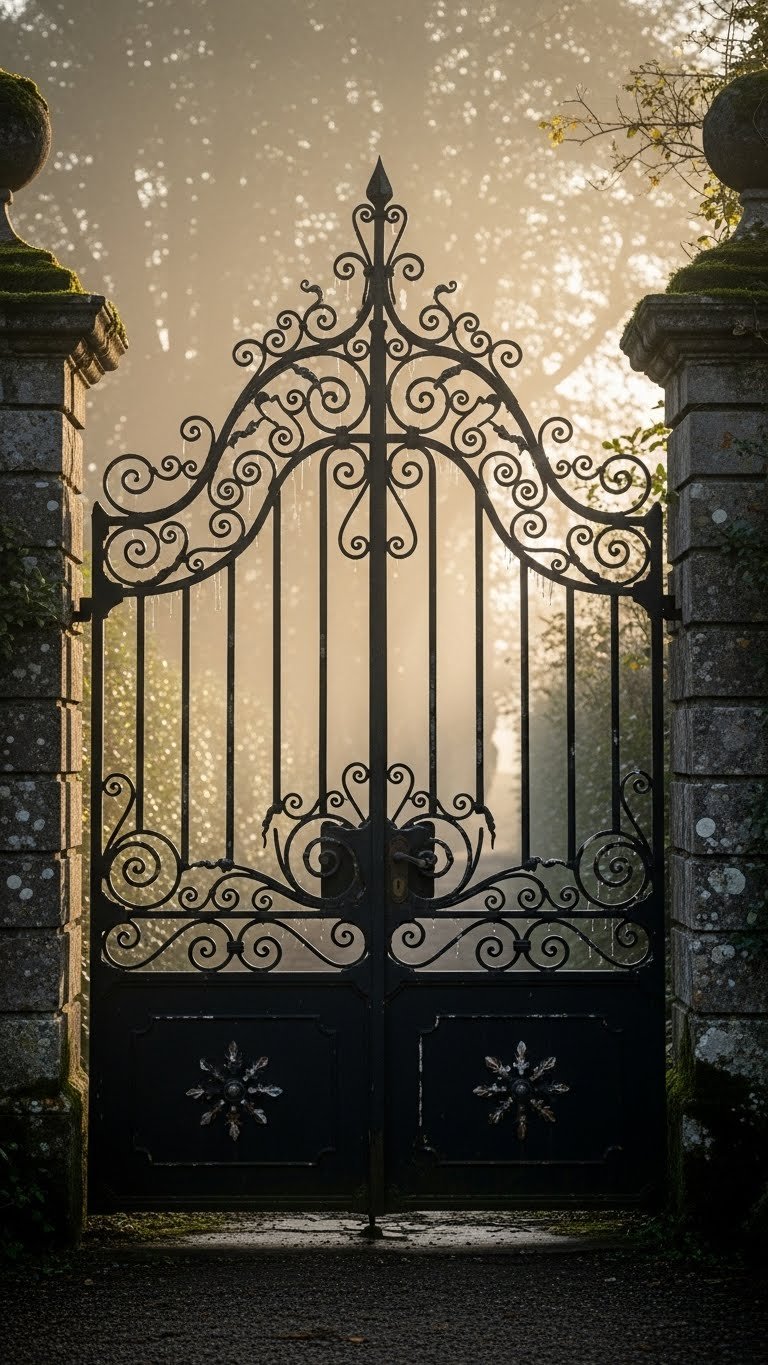
A statement gate signals boundaries while adding dramatic rustic charm. Wrought iron or heavy steel feels timeless and substantial.
Quality wrought iron gates run $200–$600 depending on size and intricacy. Matte black paint or natural rust finish add character. Installation typically requires a handyperson or contractor. If renting, this won’t work. If you own, this investment piece lasts decades and only improves with patina. A budget alternative: purchase a pre-made wrought iron gate section from Etsy ($80–$200) and mount it as an accent rather than a full enclosure.
Your property line becomes a design feature, not just a boundary. Visitors sense the intentionality immediately, and the gate creates a “threshold” feeling that separates your home from the outside world.
11. Create Vertical Planting with Weathered Wooden Trellises
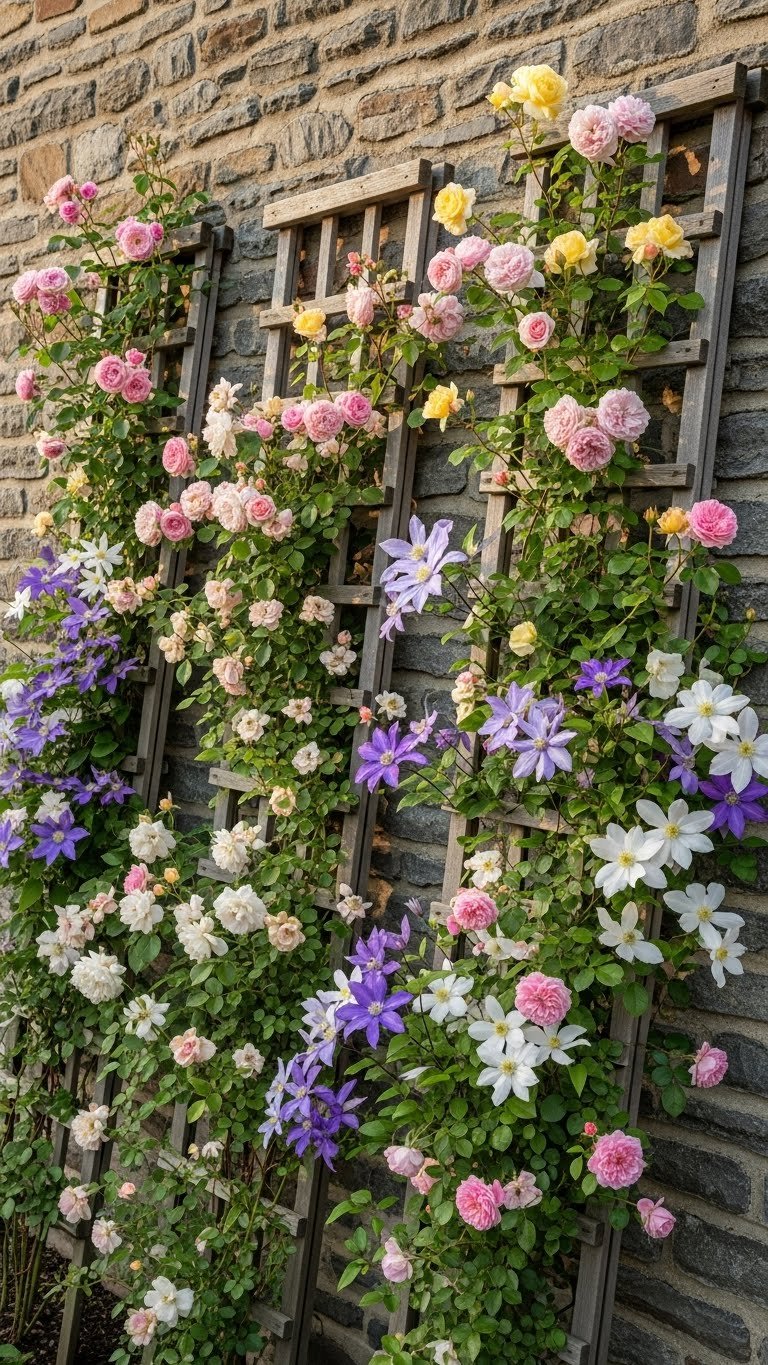
Trellises add vertical interest and allow vines to create living texture on bare walls. Weathered wood looks far more rustic than sleek metal versions.
Wooden trellises cost $20–$60 each at garden centers or online. Buy three to five and lean or mount them strategically against walls or fences. Plant with climbing roses, jasmine, or honeysuckle—these take one growing season to fill in nicely. The wood weathers to silver-gray naturally. For renters, use large planters at the base to anchor trellises without permanent installation.
Your once-blank walls become living green features. The texture softens hard lines, and blooming vines add color and fragrance that make your outdoor space feel like a garden sanctuary.
12. Paint Trim and Accents in Warm Cream or Off-White
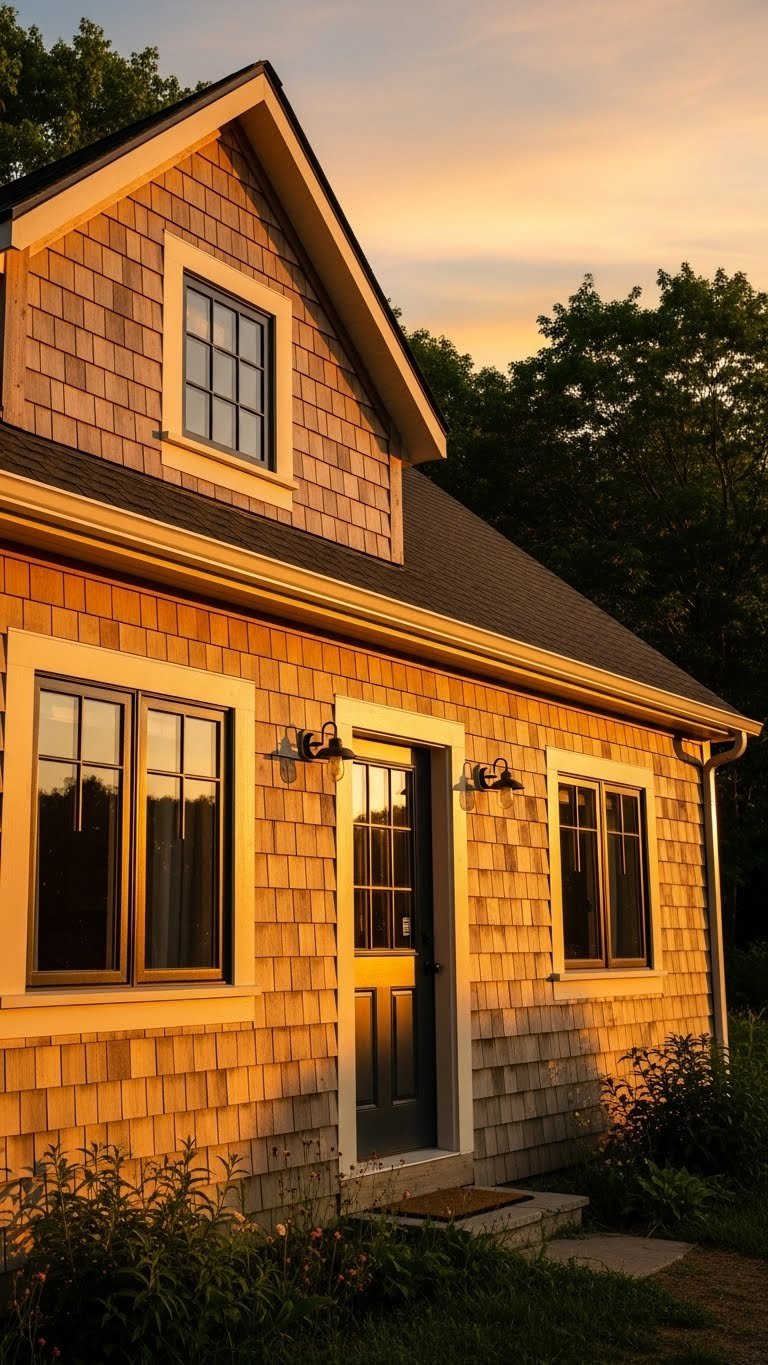
Crisp white trim can feel sterile against rustic materials. Warm cream, ivory, or off-white feels more grounded and authentic.
Quality exterior paint in warm whites runs $35–$60 per gallon (Sherwin-Williams Alabaster or Benjamin Moore Swiss Coffee are excellent). One gallon covers roughly 350 square feet. A full trim paint typically costs $100–$250 in materials for a modest home and takes a weekend. Prep work (caulking, sanding) matters more than speed. This single change softens the entire exterior and plays beautifully with earth-tone siding.
Your color palette becomes cohesive rather than jarring. Warm cream trim against deep color creates depth and sophistication that reads as intentionally rustic.
13. Add a Rustic Mailbox or Planter Post
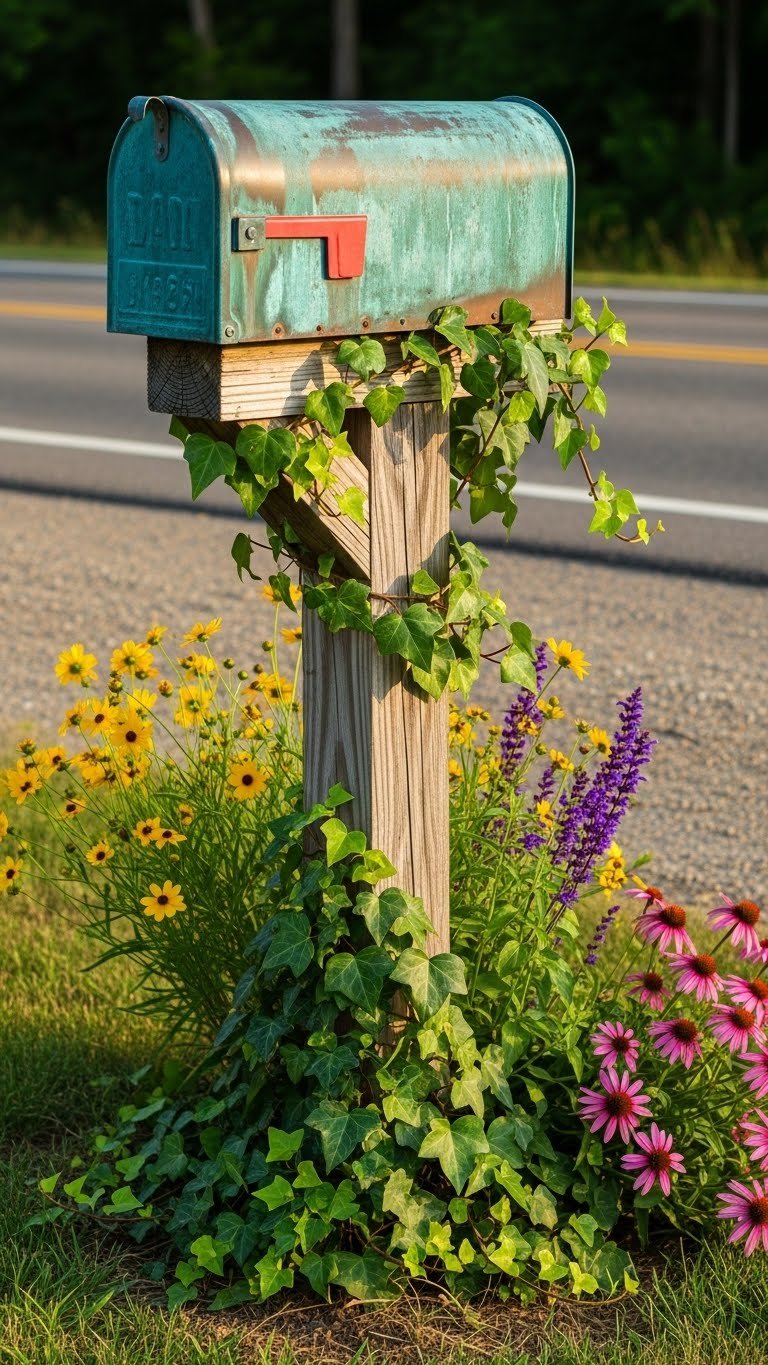
A thoughtful mailbox is one of the first things visitors see. Rustic versions in weathered wood or aged metal signal personality.
Rustic mailbox posts run $50–$150 depending on materials and construction. Build one yourself from reclaimed timber and a simple metal mailbox ($20–$40) for about $30–$60 total and a few hours of work. Install a weathered wood post wrapped in climbing ivy for maximum charm. Alternatively, purchase a statement mailbox in aged copper or wrought iron ($40–$100).
This small detail becomes a focal point. Neighbors and mail carriers notice craftsmanship, and it sets the tone for the entire home as soon as someone pulls up.
14. Use Moss or Living Roof Accents on Architectural Details
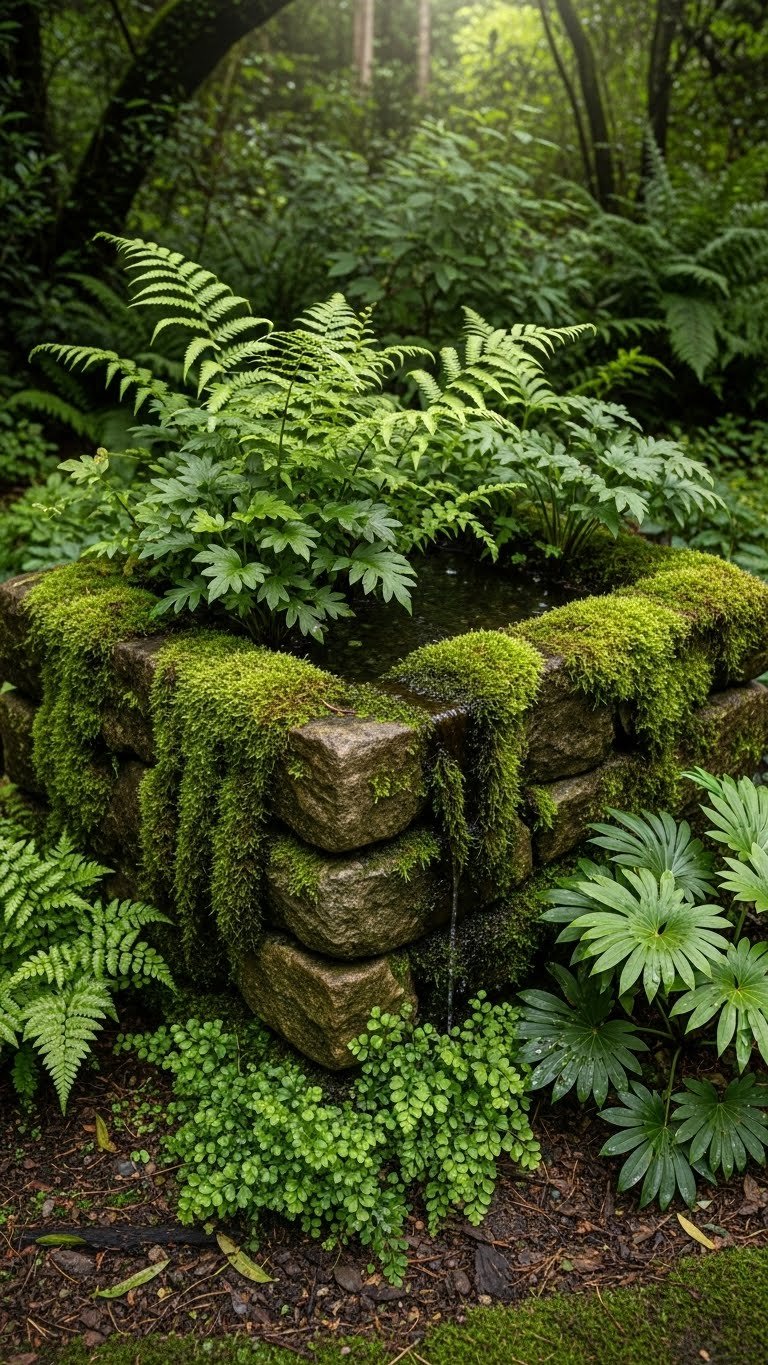
Moss-covered surfaces feel ancient and romantic. Encourage moss growth on stone, shaded wood, or planters for biophilic warmth.
This is essentially free—moss will grow on its own in shade with moisture. No purchase necessary. Simply keep stone or wood damp during dry spells. To encourage moss, you can spray surfaces with a moss spore mixture ($15–$25 online) and wait 4–8 weeks for visible growth. This works best in shaded, humid areas. In dry climates, skip it.
Over time, your home looks like it’s been sheltering life for generations. Moss softens hard surfaces and creates a storybook quality that feels deeply rustic and authentic.
15. Install Rough-Hewn Timber Beams on Porch or Eaves
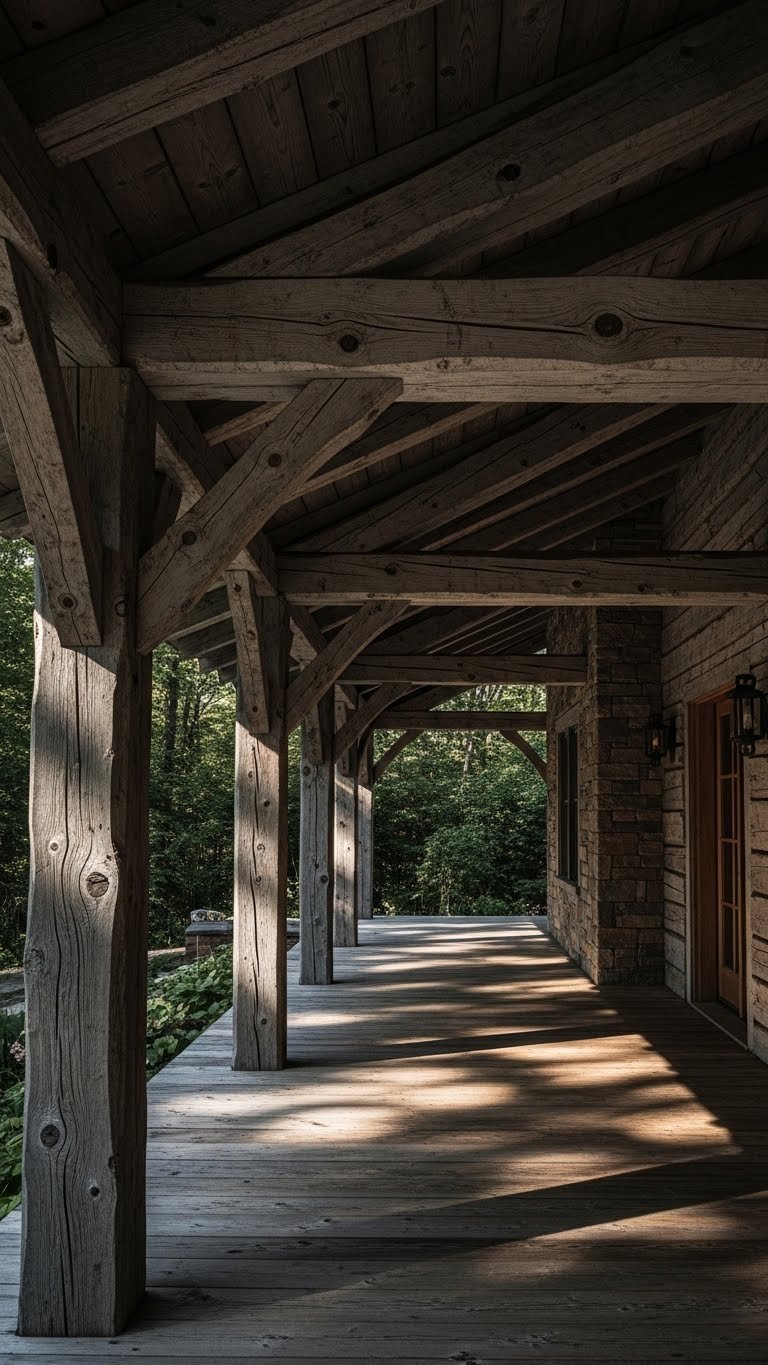
Exposed timber beams are the ultimate rustic statement. They signal craftsmanship and anchor your entire aesthetic.
Real timber beams are an investment: $500–$2,000+ depending on size and sourcing. Installation should be handled by a contractor ($1,000–$3,000 in labor. Reclaimed barn beams carry premium prices but look incomparably authentic. Alternatively, faux beams ($100–$300 each) create the visual effect at lower cost—a budget compromise worth considering for renters or budget-conscious homeowners.
This architectural feature changes everything. Visitors immediately perceive craftsmanship and permanence. The beams cast dramatic shadows, create rhythm, and transform an ordinary porch into a showstopper.
16. Paint Shutters, Doors, or Trim in Terracotta or Burnt Sienna

Terracotta and burnt sienna are underrated rustic colors. They warm up neutral palettes and evoke European countryside charm.
Outdoor-grade paint in terracotta or burnt sienna costs $35–$60 per gallon. Half a gallon covers one door and shutters easily. Prep and painting take a weekend. This color range works beautifully on shutters, front doors, window trim, or accent walls. Pair it with cream or warm white elsewhere for balance. Pro tip: choose a slightly muted terracotta rather than bright orange for authentic rustic vibes.
The earthy warmth anchors your palette and feels more sophisticated than standard blacks or grays. It’s bold enough to be memorable but grounded enough to age gracefully over years.
17. Create a Gravel or Mulch Garden Beds with Stone Edging
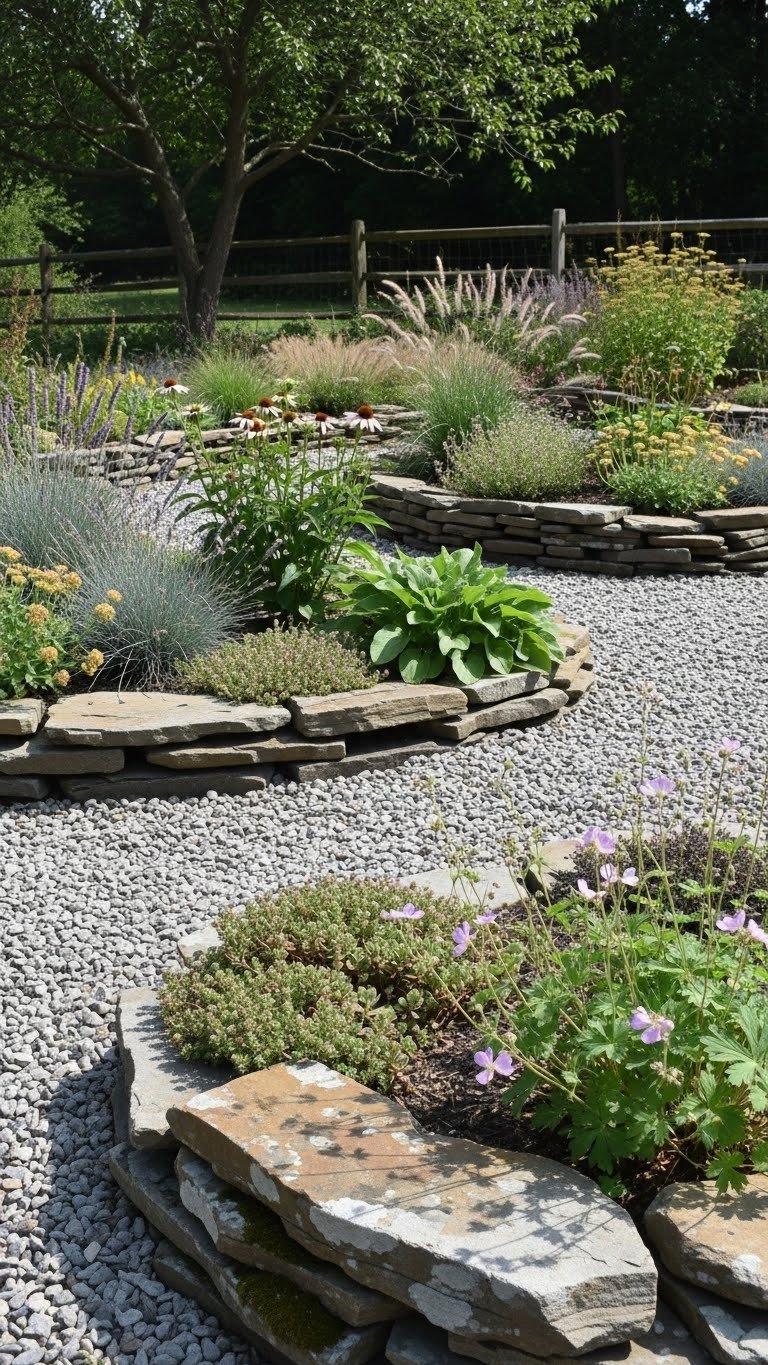
Defined garden beds signal intentionality. Edging in stone creates clean lines while the gravel interior keeps maintenance low.
Slate or stone edging costs $2–$5 per linear foot. A typical border (20 feet) runs $40–$100 in materials. Gravel mulch costs $50–$100 per yard. Total project for one modest bed: $100–$200 and a weekend of work. Lay edging first, fill with landscape fabric, then gravel. This prevents weeds and keeps everything neat. Nestle drought-tolerant plants or native grasses into the mulch.
Your landscape reads as curated, not neglected. Stone edging creates visual structure, and the low-maintenance planting means your rustic garden actually stays beautiful without constant fussing.
18. Install a Rustic Wooden Gate or Arbor Entryway
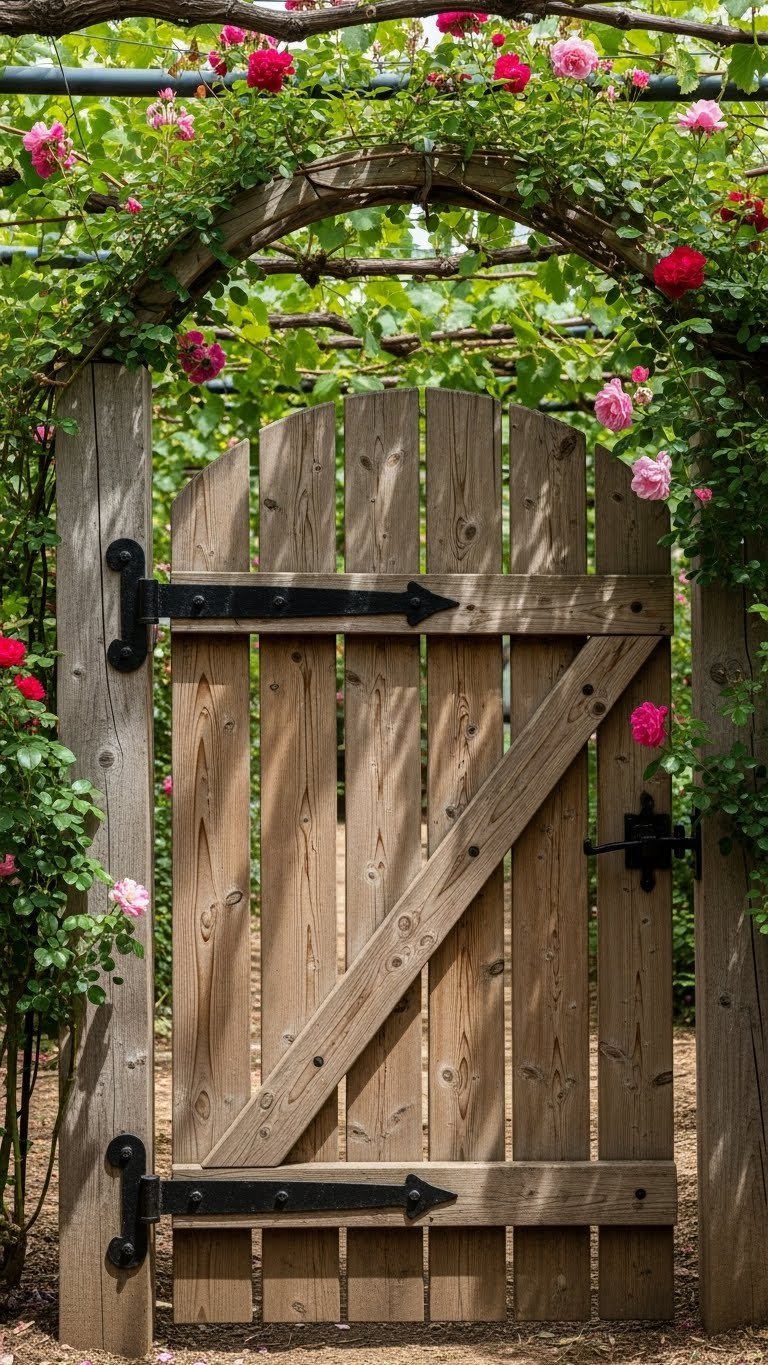
A homemade or reclaimed gate at your property line creates the ultimate rustic threshold. It signals that beyond this point, magic happens.
Reclaimed timber gates run $150–$400 depending on size and sourcing. Build one from scratch with weathered lumber ($80–$150 in materials) if you’re handy—a weekend project with basic carpentry skills. Mount on wrought iron hinges ($30–$60). If you rent, lean this against your fence as a visual focal point. Plant vines around the frame for living softness.
Guests experience a true threshold moment—the gate announces that this is special, that entry means something. It transforms a casual driveway into a deliberate transition.
19. Use Native Stone Veneer on Foundation or Accent Wall

Stone veneer on foundations or lower walls creates permanence and texture. Real or faux stone both photograph beautifully and feel authentically rustic.
Real stone veneer costs $12–$25 per square foot installed. Faux veneer (lightweight, easier to install) runs $6–$12 per square foot. A foundation covering (typically 20–30 linear feet) costs $1,500–$5,000 professionally installed. DIY faux stone is possible with patience. This investment piece transforms your home’s visual weight and grounding.
Your home looks built on bedrock, literally. The stone creates depth, shadow, and texture that make every other detail more sophisticated. This is the kind of upgrade that multiplies the impact of everything else.
20. Add a Rustic Wooden Bench or Seating Nook
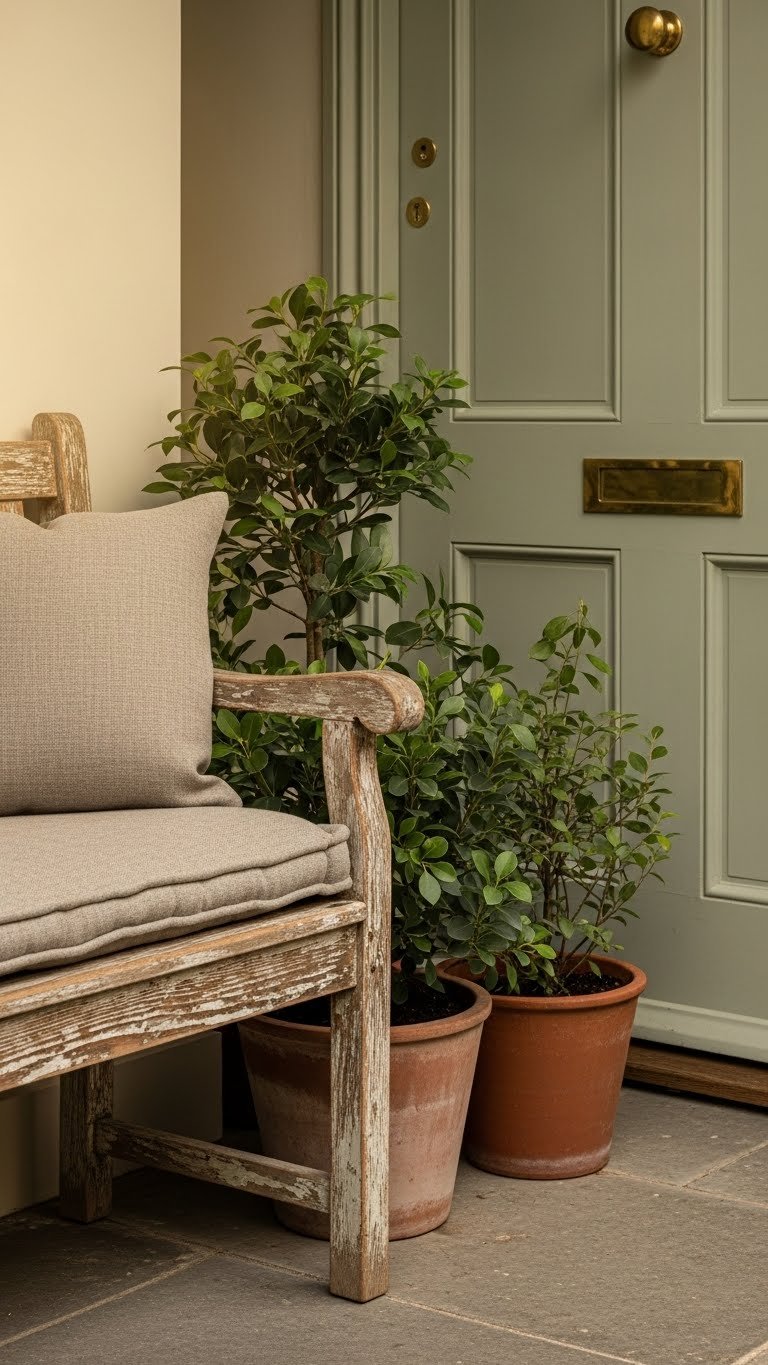
A bench signals that your home is a gathering place, not just a structure. Rustic wood versions age beautifully on your porch.
Weathered wood benches run $100–$300 at furniture and garden retailers. Look for reclaimed barn wood or simply source an old bench from salvage yards ($40–$150). Alternatively, build a simple bench from untreated timber ($30–$60 in materials) as a DIY project taking 4–6 hours. Position it near your entryway or under an arbor. Add a weathered cushion for softness.
A bench transforms your porch from a utility space into a destination. People naturally linger, and your home becomes known as a place where people gather—a subtle but powerful shift in perception.
21. Paint Exterior Walls in Muted Earth Tones (Olive, Sage, Taupe)
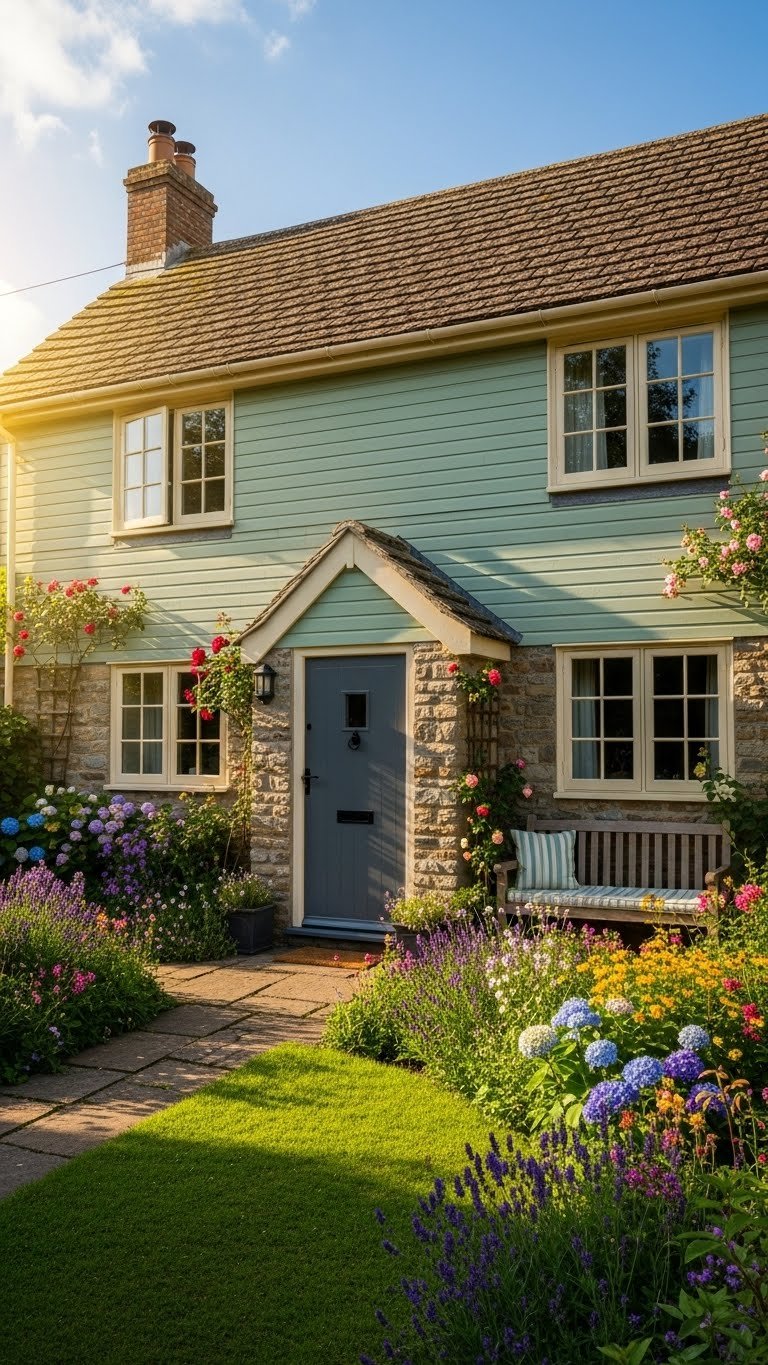
Bold, saturated earth tones are trending hard for 2025. Olive, sage, and taupe feel far more rustic than conventional beige or gray.
Quality exterior paint in these tones costs $40–$70 per gallon (Sherwin-Williams Urbane Bronze, Benjamin Moore HC-172, or Farrow & Ball’s French Gray are excellent). A full house typically needs 3–5 gallons depending on size. Professional painters charge $2,000–$5,000; DIY costs roughly $150–$300 in materials for a weekend of work. The muted saturation is key—avoid bright, neon tones.
Your home stops receding into the background and becomes distinctive. These colors photograph beautifully and feel grounded, sophisticated, and intentionally rustic without looking dark or cave-like.
22. Install Vintage-Style Door Hardware and Locks

Hardware is jewelry for your door. Vintage-style pieces in aged iron or bronze signal craftsmanship and authenticity.
Vintage-reproduction hardware costs $20–$80 per piece depending on intricacy. A full door set (handle, lock, kick plate) runs $60–$200. Installation is DIY-friendly: remove old hardware and drill new holes if needed (30–45 minutes). Search Etsy, Wayfair, or specialty hardware shops for authentic reproductions. Pro tip: mix and match—a vintage handle with a modern matte finish creates interesting contrast.
Your door transforms from generic to intentional. The tactile quality of opening a heavy, vintage-inspired handle changes how you experience coming home daily.
23. Create a Rustic Herb or Vegetable Garden Near Entry
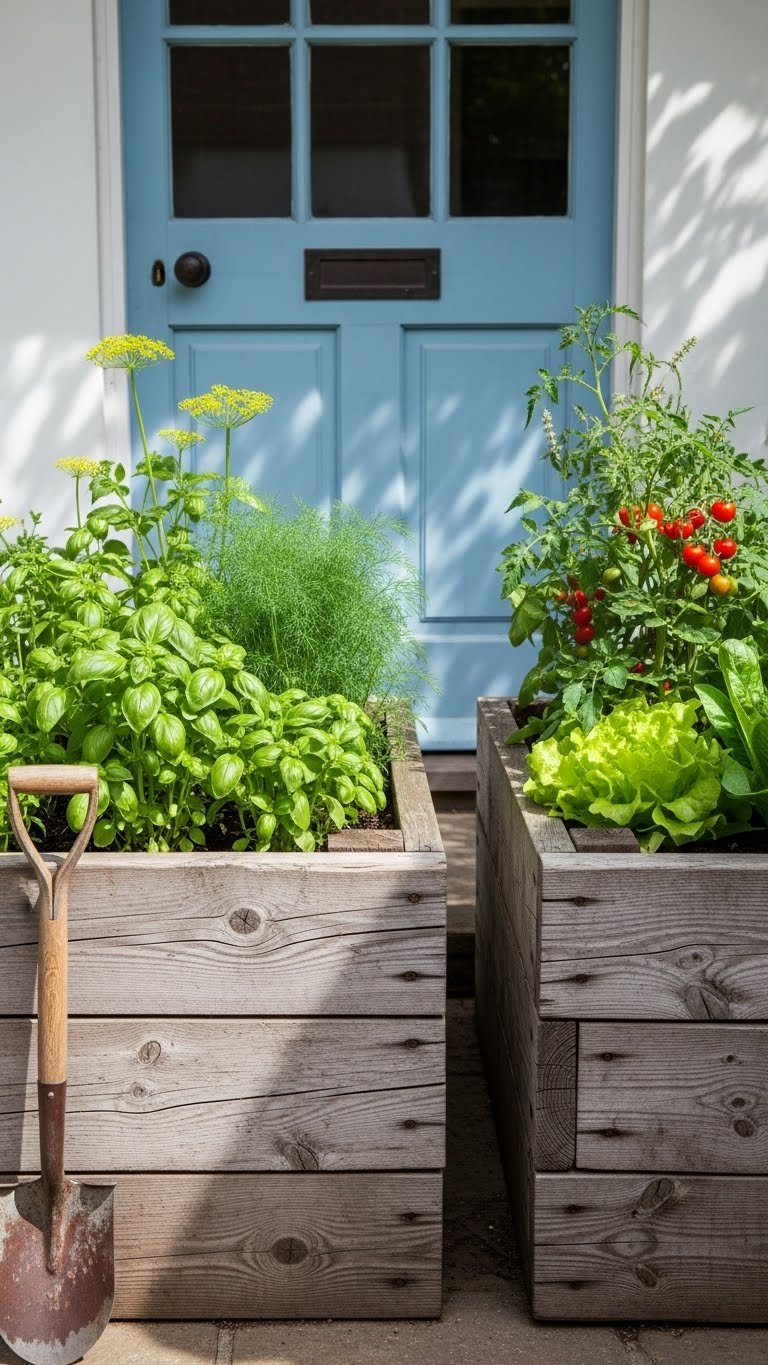
A kitchen garden near your entry signals self-sufficiency and connects you to your land. It’s deeply rustic and entirely practical.
Build raised beds from untreated timber ($50–$120 per bed) or reclaimed wood ($20–$60). Assemble in 1–2 hours. Fill with soil and compost ($30–$60). Plant herbs (basil, rosemary, thyme), greens, or cherry tomatoes. Maintenance is minimal for herbs; more involved for vegetables. A small handheld sign marking plantings adds charm ($10–$20).
You connect with food production daily. Guests see resourcefulness and taste-making. Your entry becomes a statement of lifestyle, not just curb appeal.
24. Use Antique or Reclaimed Doors as Accent Focal Points

Repurposed doors become instant focal points. They carry history and authenticity that new construction cannot replicate.
Antique doors from salvage yards cost $50–$200 depending on condition and quality. Reclaimed doors often run $75–$150. Mount one as an accent gate (minimal hardware, under $30), a garden trellis backing, or even leaning against a wall as sculptural art. No installation needed for the leaning approach; mounting takes 30 minutes.
This single piece becomes a conversation starter. It tells a story—of reuse, of beauty in imperfection, of intentional design choices. Guests immediately understand that thoughtfulness matters here.
25. Install a Rustic Metal or Ceramic Planter Collection
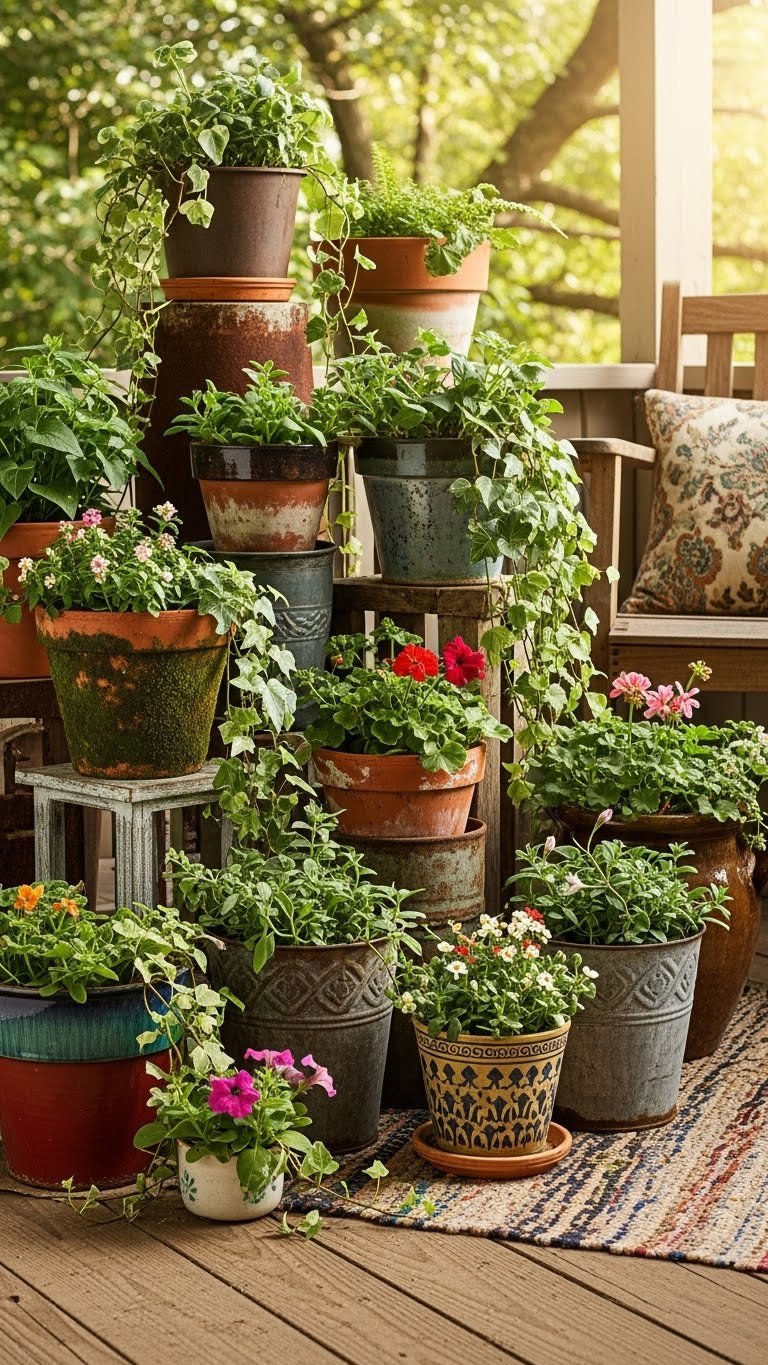
A collection of mismatched, aged planters creates abundance and bohemian charm. The variety in finishes and ages feels intentionally gathered.
Vintage and reclaimed planters run $10–$50 each depending on rarity. Gather 5–8 planters in varying heights, materials, and patinas (rough ceramic, weathered metal, aged terracotta). Fill with trailing plants, herbs, or seasonal flowers. Total investment: $50–$300 for a curated collection. Arrange on entry steps, porch edges, or tucked into garden beds for layered abundance.
Your entry becomes a lush, welcoming transition zone. The varied collection signals expertise and collected-over-time charm rather than “I bought everything at once.” It’s the difference between decorated and designed.
26. Add Texture with Rough-Cut Wood Siding or Shingles
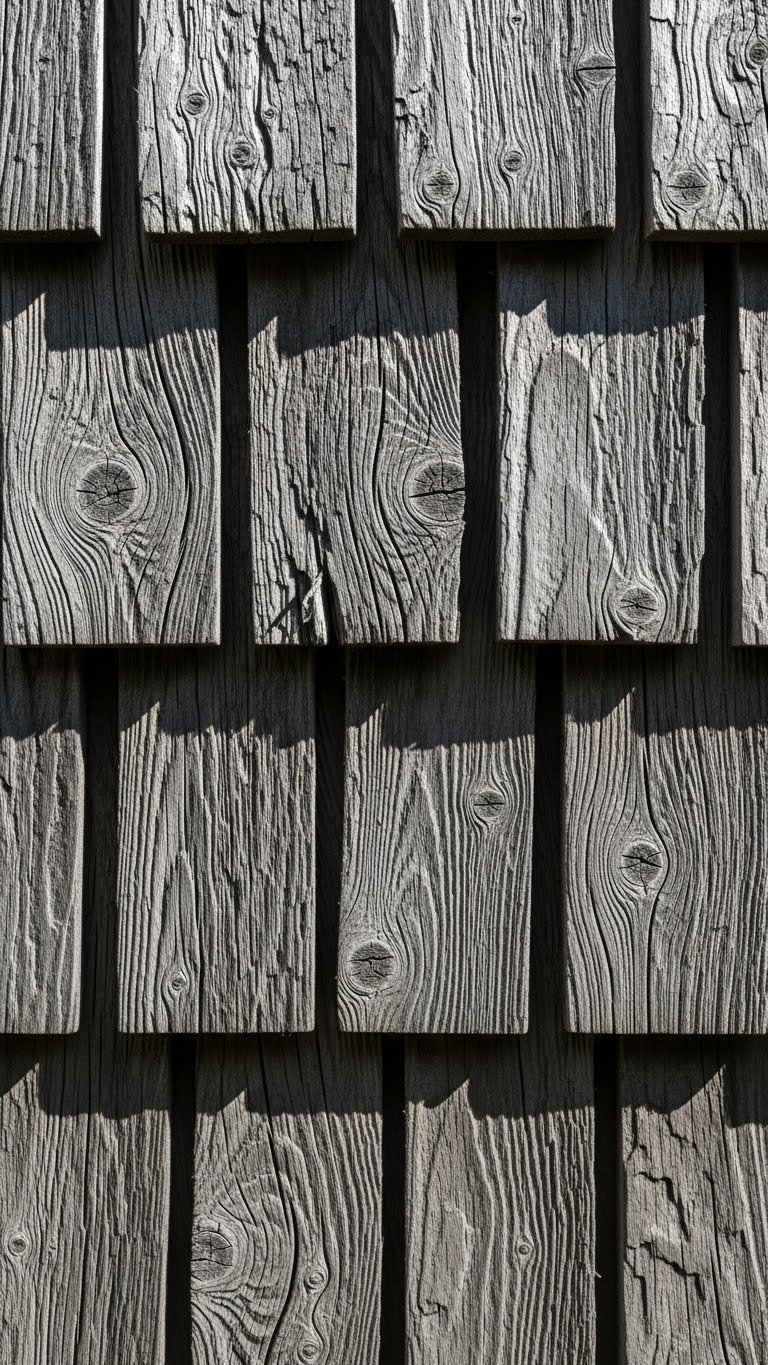
Rough-cut wood siding or shingles offer texture and authenticity that smooth siding cannot. The tactile quality deepens the rustic effect.
Cedar shingles or rough-cut siding cost $6–$15 per square foot installed, or $2–$6 for DIY on an accent wall. Reclaimed options run $8–$20 per square foot but carry incomparable authenticity. An accent gable (roughly 100 square feet) costs $600–$1,500 professionally installed, or $200–$600 as a DIY project taking a long weekend. Let it weather naturally for maximum rustic character.
The dimensional quality transforms your home instantly. Sunlight plays across the texture differently depending on time of day and season. Your exterior becomes alive with subtle variation, making it feel genuinely grounded rather than flat or mass-produced.
Save this post for your next exterior refresh and pick one idea this weekend—even a single rustic touch shifts how your entire home feels. Which detail speaks to you most?
Leave a Reply