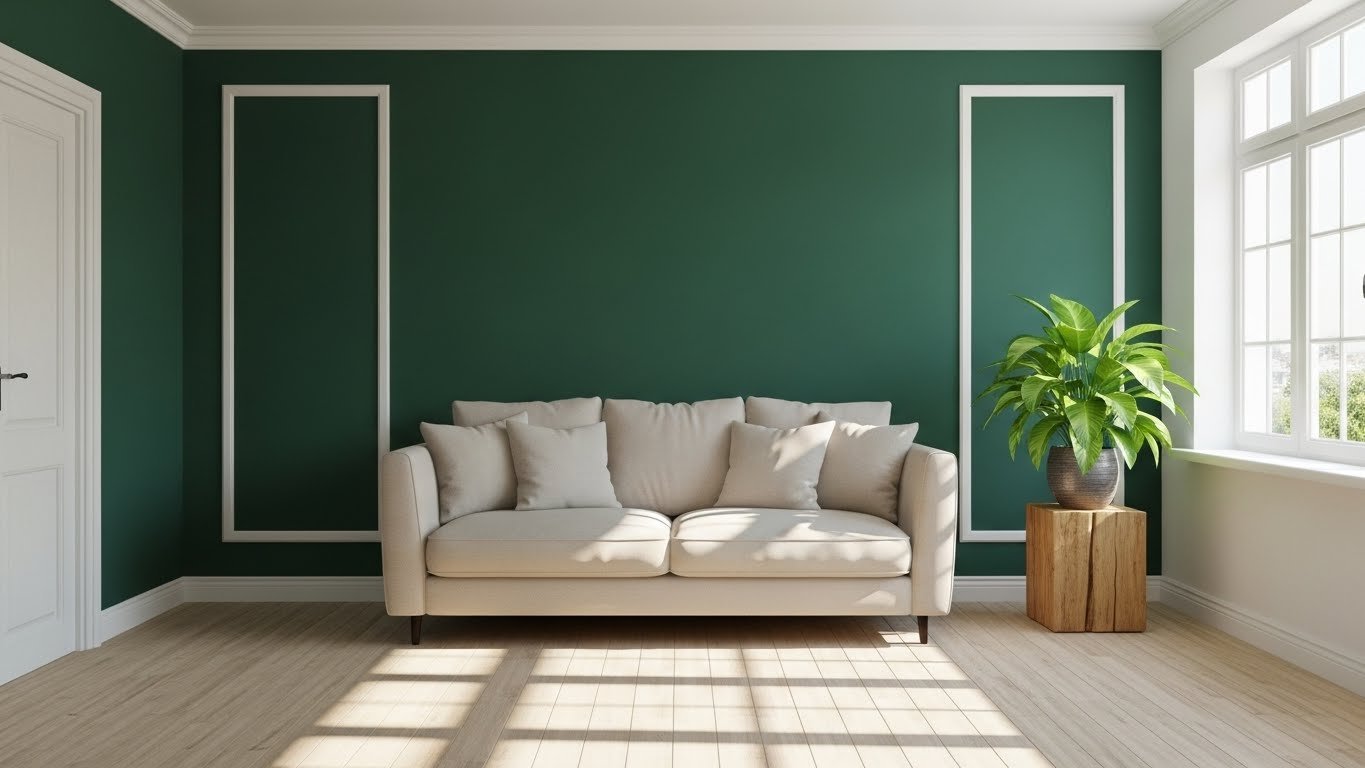
Your bedroom, bathroom, or living room doesn’t need a complete overhaul to feel brand new. A single accent wall—painted in the right color, texture, or style—can completely shift the energy of your space. Whether you’re renting, working with a tight budget, or ready to invest in something bold, there’s an accent wall idea here that fits your style and timeline. We’re walking through 23 approaches—from classic color plays to textured finishes, geometric patterns, and mixed-media designs. Most take a weekend or less, and many cost under $100. Ready to refresh your space? Let’s dive in.
1. Paint a Moody Jewel Tone for Instant Depth

Jewel tones like emerald, sapphire, and deep plum make a room feel instantly grown-up and sophisticated. They work especially well in bedrooms, dining rooms, or home offices where you want to feel grounded and focused.
Choose a paint finish that matters: eggshell or matte ($25–$40 per gallon from Sherwin-Williams or Benjamin Moore) looks more refined than flat. You’ll need about one gallon for most accent walls. Application takes 2–3 hours including drying time between coats. Pro tip: pair jewel tones with white or cream trim to make the color pop without overwhelming the space.
The payoff is real. Dark, saturated colors make rooms feel intentional and designed, and they photograph beautifully—perfect if you love styling your space on social media.
2. Create a Warm Accent with Cinnamon or Terracotta
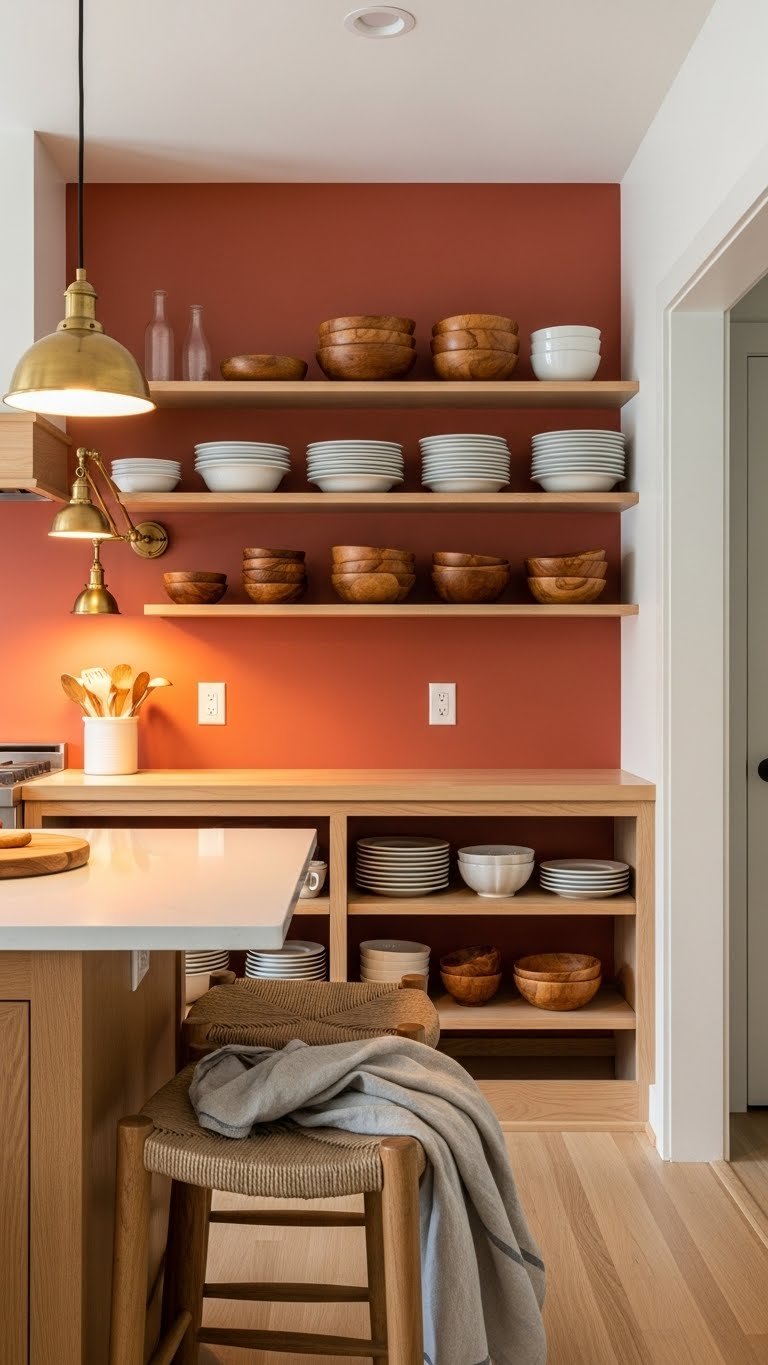
Warm, earthy tones bring comfort and coziness without feeling heavy. Cinnamon, rust, and terracotta work beautifully in kitchens, living rooms, and entryways where you want guests to feel welcomed.
These warm neutrals pair perfectly with natural wood and brass accents. A gallon of quality paint runs $25–$40; one coat usually covers well since these colors tend to have great pigmentation. Plan for 2–3 hours of painting time. Home Depot and Lowe’s stock budget-friendly versions ($15–$20 per gallon) if you’re testing the look first.
This approach grounds a room without feeling trendy or temporary. You’ll find yourself gravitating toward that wall for photos and gatherings.
3. Go Soft with Warm White or Cream Trim Effect
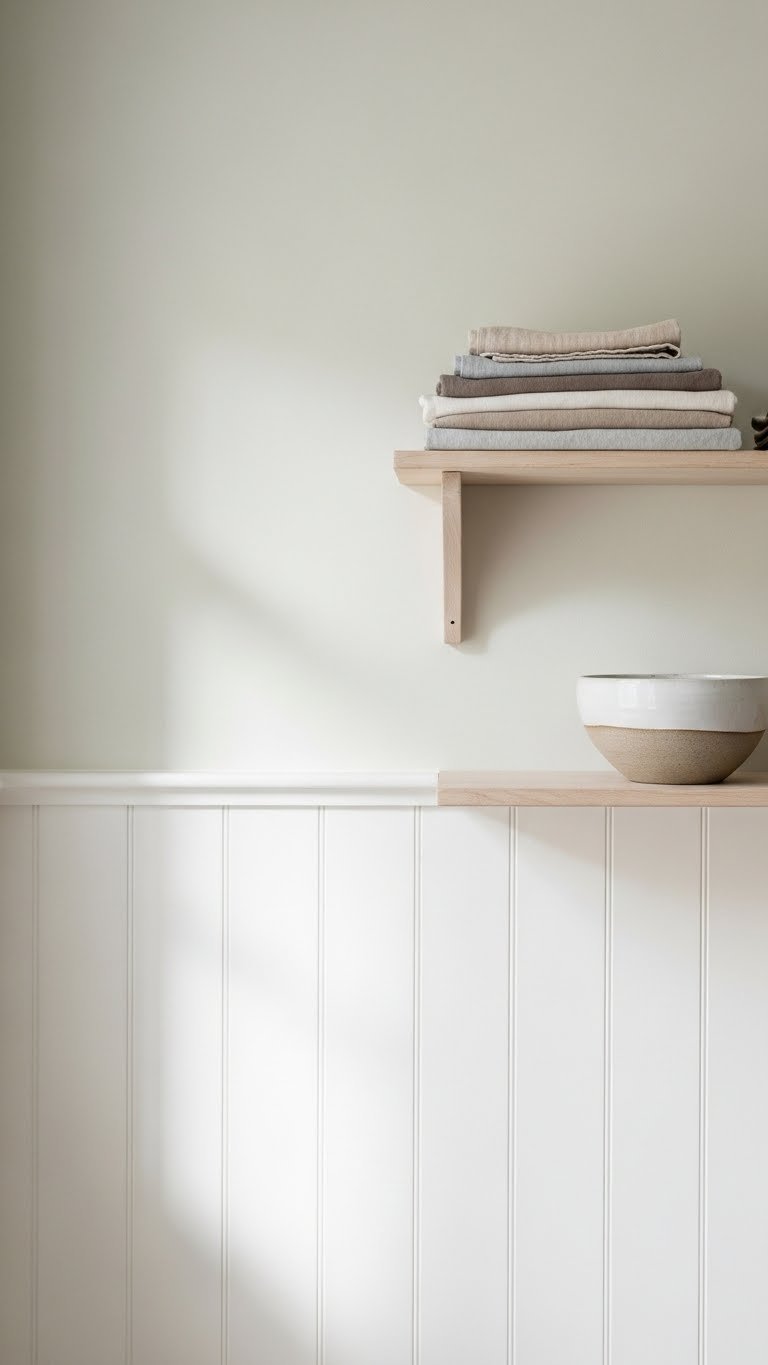
A barely-there cream or warm white accent wall becomes dramatic when you add simple white trim work or paneling lines. This is the renter-friendly approach to adding architectural interest without commitment.
Paint the wall a soft cream ($20–$35 per gallon) then add removable wallpaper trim lines, peel-and-stick wainscoting ($30–$60 from Amazon or Wayfair), or even just paint thin vertical stripes freehand if you’re feeling brave. This takes 3–4 hours and costs under $75 total. The optical effect is that your room suddenly looks taller and more curated.
You get high-design impact from a subtle color change. Renters love this approach because it reads “intentional” without permanent damage.
4. Use Metallic Paint for Glam Accents
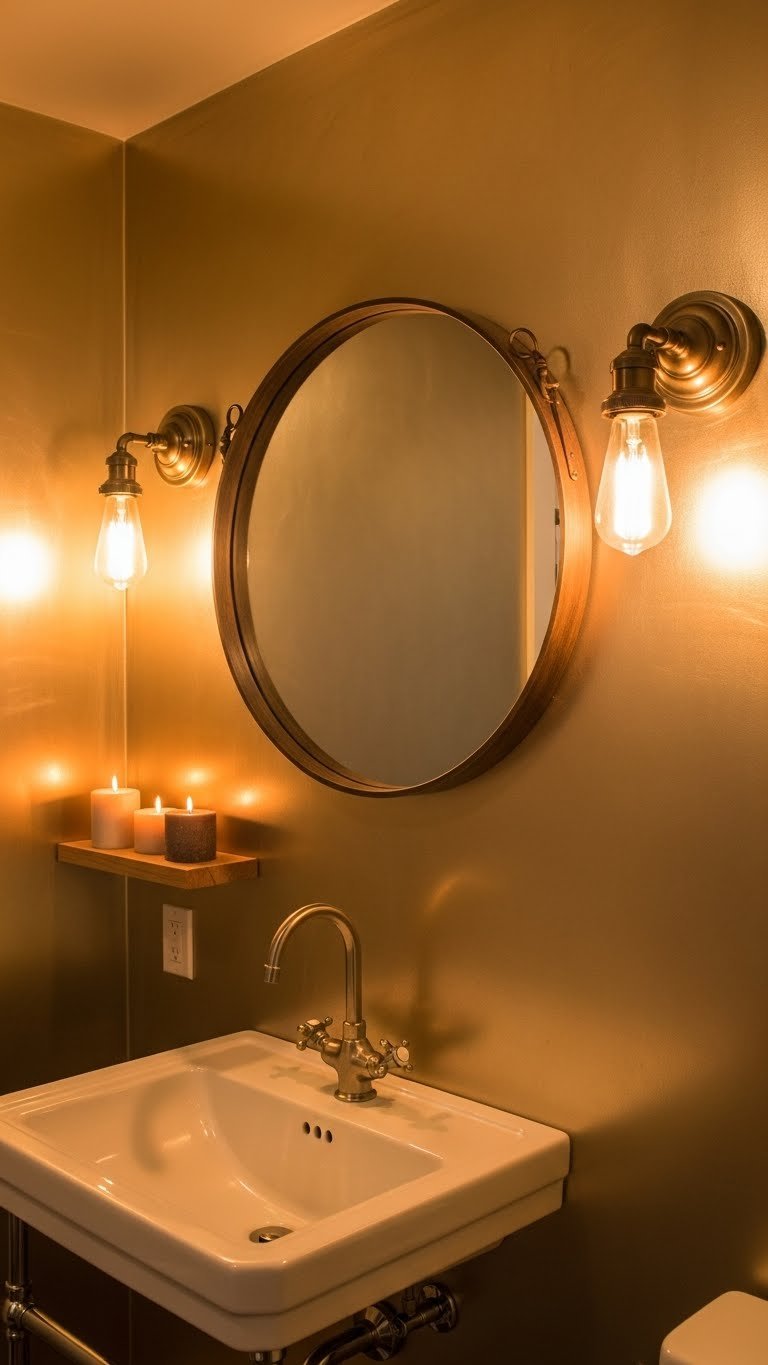
Metallic finishes—gold, silver, or rose gold—add glamour without screaming “party house.” These work best on one small wall (bathroom, behind a bed, or beside a mirror) where light can hit and reflect off the finish.
Metallic paints cost $30–$50 per gallon and need a smooth base coat first. Plan for 2–3 hours total, including a primer layer. Application requires a high-quality sponge or stipple technique ($8–$15 for good tools) to avoid visible brush strokes. Pro tip: apply a clear gloss coat after drying for extra shimmer and durability.
The result feels spa-like and intentional. Lighting becomes part of your design—afternoon sun hits the wall differently than evening lamplight, creating mood throughout the day.
5. Paint Horizontal Stripes for Visual Width

Horizontal stripes make a room feel wider and more spacious. They work in bedrooms, kids’ rooms, or any space where you want a playful but polished vibe without overwhelming boldness.
Paint the wall a base color, then use painter’s tape and a second color to create even stripes. You’ll need two paint colors ($25–$40 each) and quality painter’s tape ($10–$15). Allow 4–5 hours for taping, painting, and drying—the taping step takes patience but pays off in clean lines. Home Depot staff can help you find tape width recommendations based on how bold you want the stripes.
Stripes create visual movement and make a simple wall feel intentional. The color combination you choose sets the mood: soft grays feel calming, while navy and white feels classic and grounded.
6. Try Geometric Shapes with Stencils

Geometric patterns add personality without committing to wallpaper. Triangles, diamonds, hexagons, or circles let you play with color and design in a way that feels modern and considered.
Download or purchase stencil templates ($15–$40 from Etsy, Amazon, or craft stores). You’ll need two paint colors, stencil adhesive spray ($5–$10), foam rollers or sponges ($8–$15), and patience. Expect 6–8 hours for a full wall, depending on pattern complexity. Start small—maybe just the upper half of the wall—if this is your first time.
The payoff is a unique, personalized space that looks more expensive than it cost. Geometric walls photograph beautifully and give your room instant character.
7. Create an Ombre or Gradient Effect
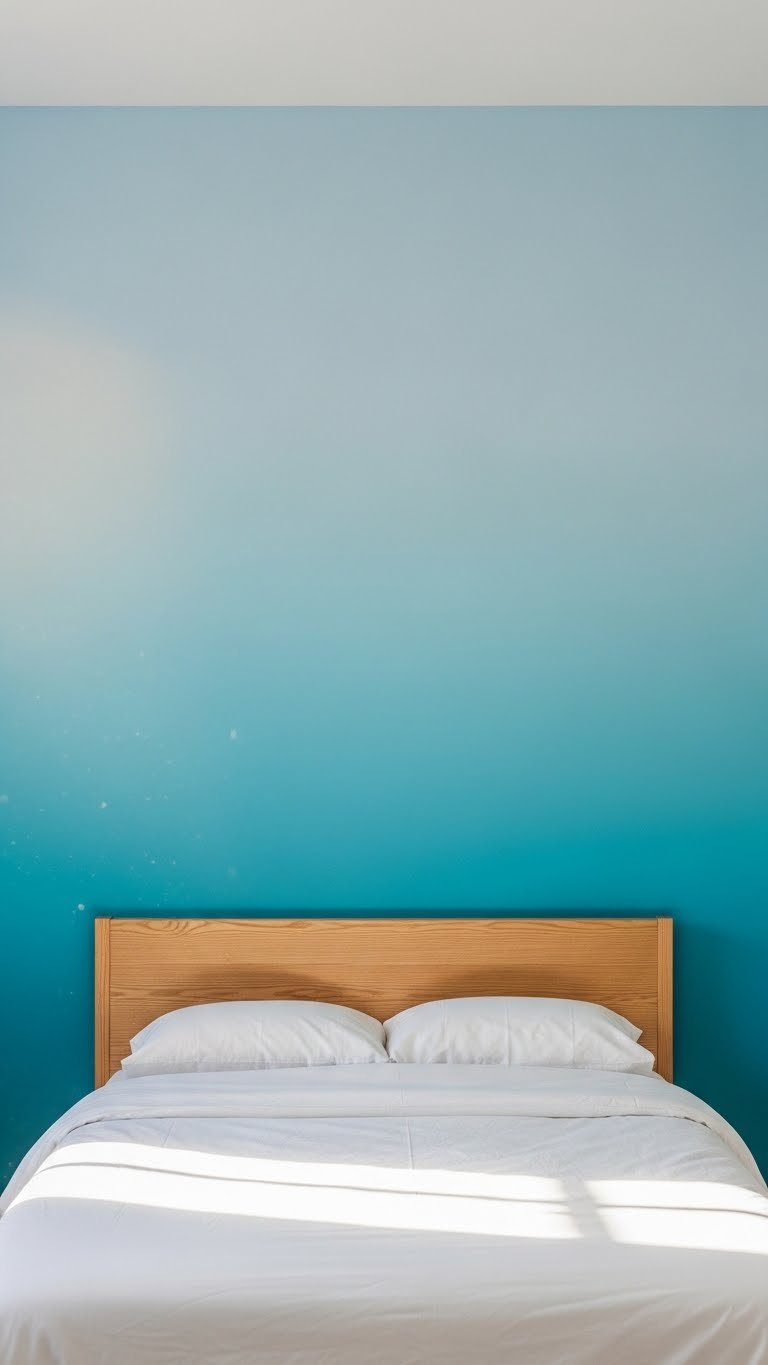
Ombre walls blend two or more colors smoothly from top to bottom (or side to side), creating depth and visual interest. This technique works especially well in calm, restful spaces like bedrooms.
Choose two colors in the same family (light to dark blue, pale to deep green, etc.). You’ll need both paint colors ($25–$40 each), two rollers, and a sponge for blending ($10–$15 total). The technique: paint the darker color on the bottom half, lighter on top, then use a damp sponge to blend the middle while paint is wet. Plan 4–6 hours. It’s more forgiving than you’d think—slight variation adds to the organic feel.
The result is calming and sophisticated. An ombre wall becomes a focal point without looking fussy or childish.
8. Add a Mural or Hand-Painted Design
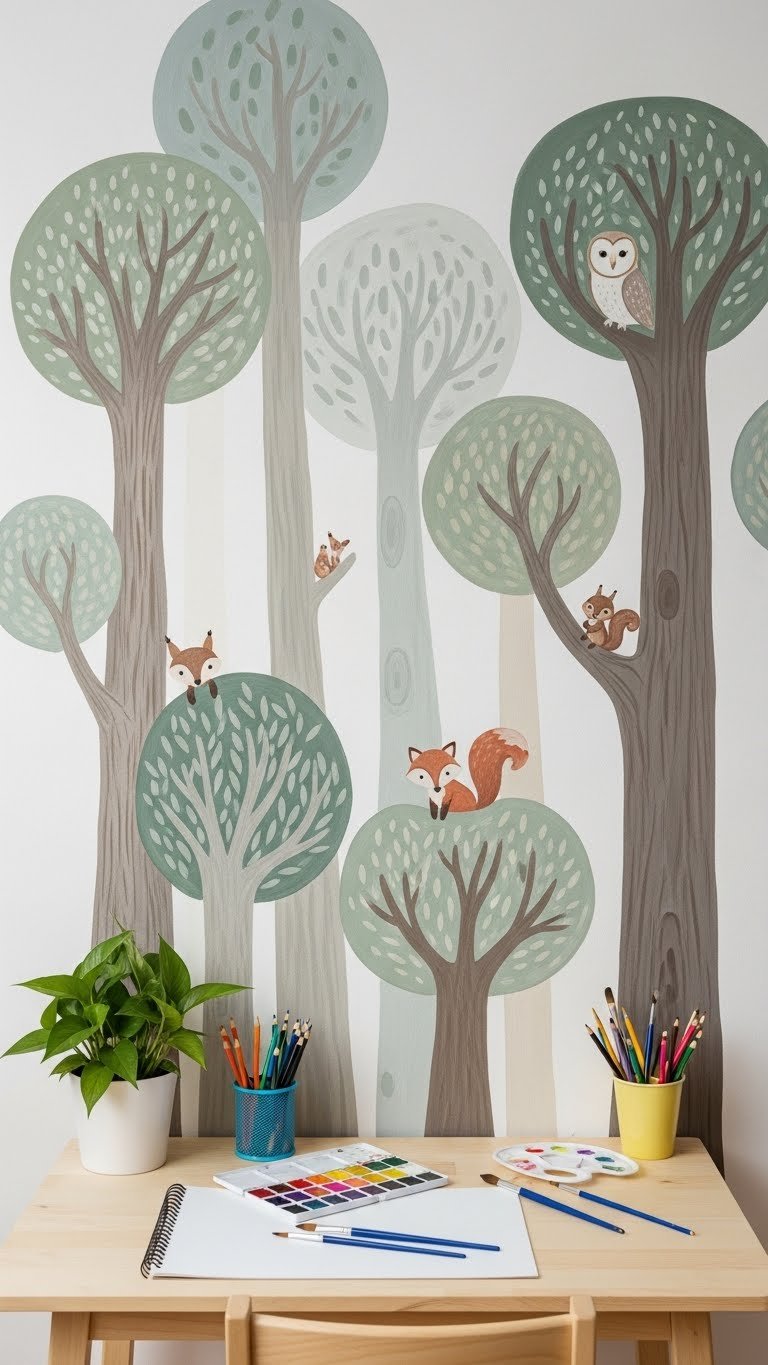
A mural transforms a room into something uniquely yours. You don’t need to be an artist—simple silhouettes, abstract shapes, or botanical scenes all work beautifully.
For DIY murals, sketch your design lightly in pencil first, then paint using acrylics ($20–$60 total for supplies). Expect 8–15 hours over a few days. If hiring a professional muralist, budget $300–$1,500 depending on size and complexity; local artists often charge $25–$75 per hour. Search “muralist near me” on Google or Instagram to find talent.
A mural makes your space completely personal. It’s the one accent idea that absolutely cannot be replicated elsewhere—this wall becomes yours alone.
9. Use Textured Plaster for Dimension
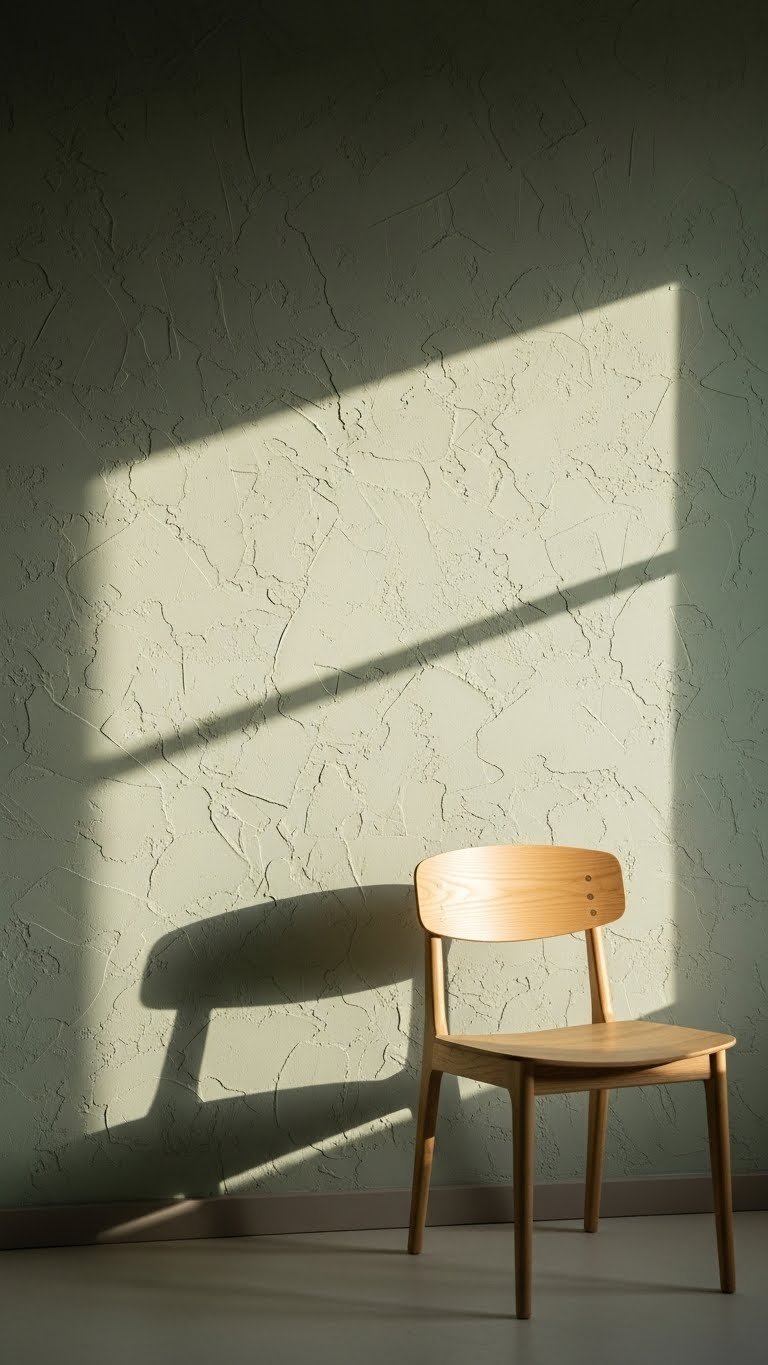
Venetian plaster, stucco, or textured finishes add tactile dimension that flat paint cannot achieve. These finishes catch light beautifully and hide wall imperfections better than smooth paint.
Textured finishes cost $40–$80 per gallon and require application with a trowel or sponge—not a roller. If you’re inexperienced, hire a pro ($400–$800 for one wall). DIY application takes 4–6 hours plus drying time. Many home improvement stores offer application tutorials; watch a few before starting.
Textured walls feel luxe and collected. They photograph dramatically and make a room feel intentionally designed rather than default.
10. Paint a Botanical or Nature-Inspired Mural
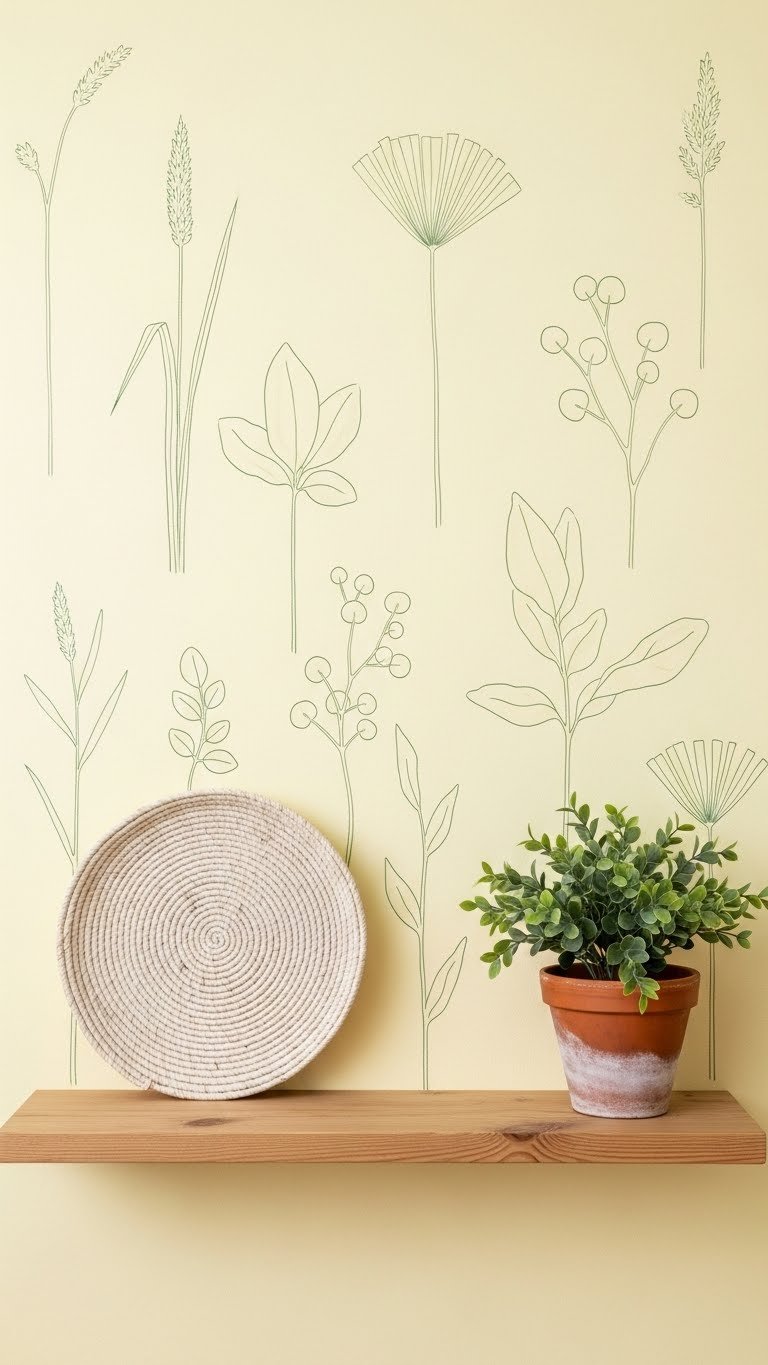
Biophilic design—bringing nature indoors through imagery and color—is having a huge moment. Botanical murals in greens, sage, and natural tones create a calming, connected feeling.
Simple botanical designs are beginner-friendly. Sketch light pencil outlines, then paint with watercolor or acrylic. Budget $25–$50 for supplies and 6–10 hours of painting time over a few days. Alternatively, purchase botanical wall decals ($40–$100 from Etsy or Amazon) if you want the look without the hand-painting commitment.
The result feels organic and intentional. A botanical wall pairs beautifully with real plants, making your space feel alive and peaceful.
11. Try a Subtle Color-Block Design
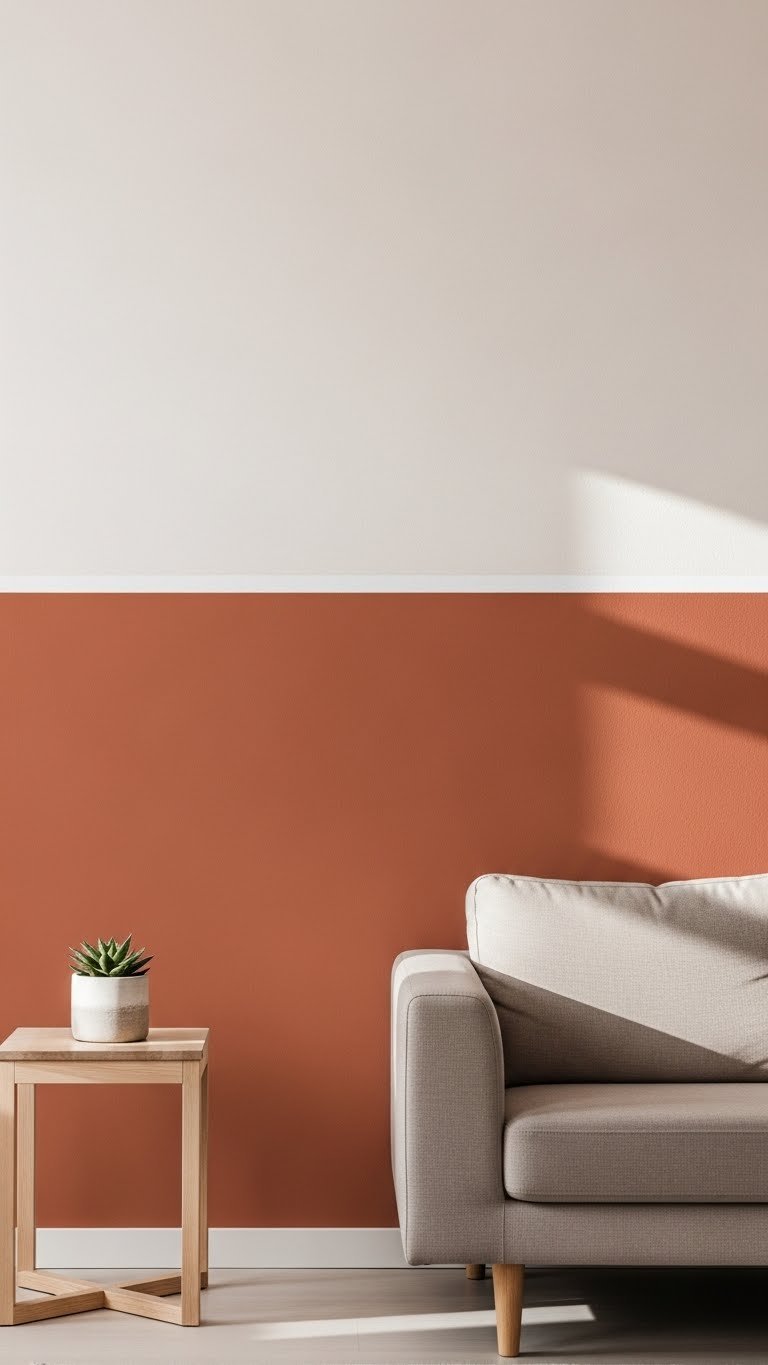
Color-blocking divides a wall into sections (usually two large rectangular areas) with a clean line between them. This approach is modern, balanced, and surprisingly easy to execute.
Choose two complementary colors and use painter’s tape to mark your dividing line precisely. A chalk line ($5) helps create straight guidelines. You’ll need both paint colors ($25–$40 each) and quality painter’s tape ($10). Painting takes 3–4 hours plus tape removal time. For a polished finish, remove tape while paint is slightly tacky to avoid peeling.
Color-blocking feels intentional and designed. It’s bold enough to impact your room but structured enough to work with most decor styles.
12. Create a Stone or Brick Texture Effect
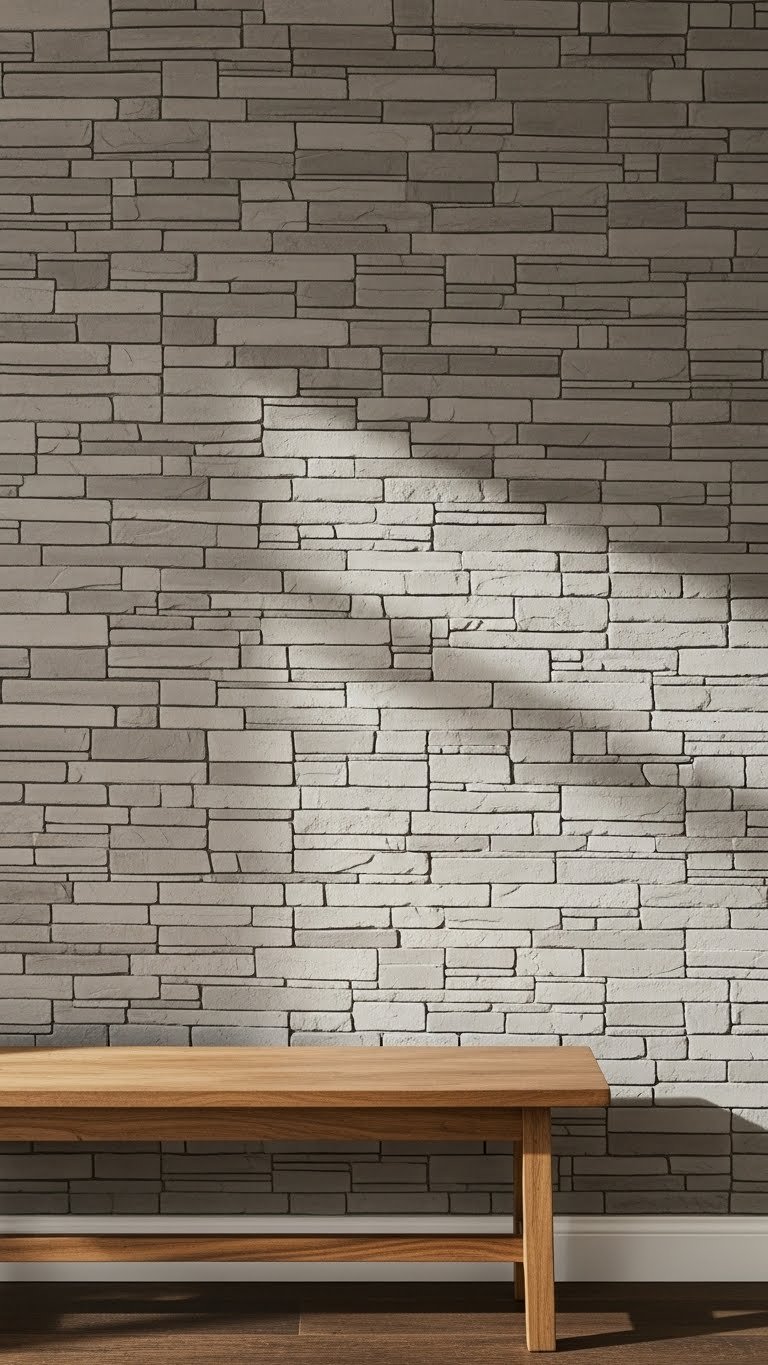
Faux stone or brick textures add character and warmth without the expense or weight of real materials. These effects work beautifully in entryways, bedrooms, or living rooms with rustic or industrial vibes.
You’ll need 2–3 paint colors in similar families, sponges, and a tutorial ($0 from YouTube or $10–$20 for a detailed course). DIY application takes 6–10 hours depending on detail level. Alternatively, peel-and-stick stone wallpaper ($40–$80 from Amazon or Wayfair) delivers similar results in 2–3 hours with zero paint mess.
Faux textures add depth and visual interest. Your wall suddenly looks like it has history and story behind it.
13. Paint a Dark Accent Wall to Make Other Colors Pop
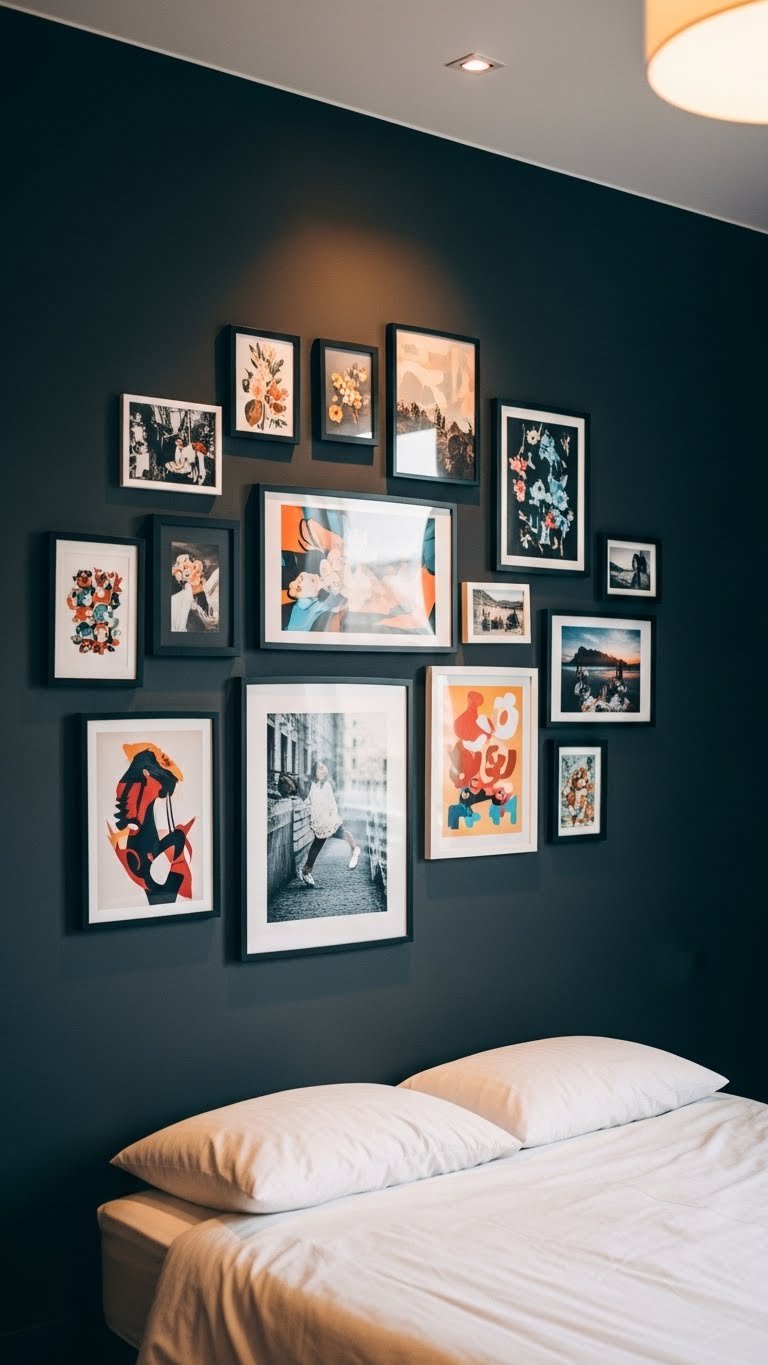
Dark accent walls are underrated. They make artwork, furniture, and other colors in your room stand out dramatically. This works beautifully in bedrooms behind beds or in living rooms behind gallery walls.
Dark colors ($25–$40 per gallon) need two coats for even coverage. Plan 3–4 hours. The key: use a quality interior paint—cheaper formulas can look muddy. Pair the dark wall with lots of white, cream, or light-colored furniture so the room doesn’t feel cave-like.
Dark backgrounds make everything else in your room look intentional and curated. Art pops, furniture feels grounded, and the whole space reads more sophisticated.
14. Add Metallic Accents with Paint and Stencils
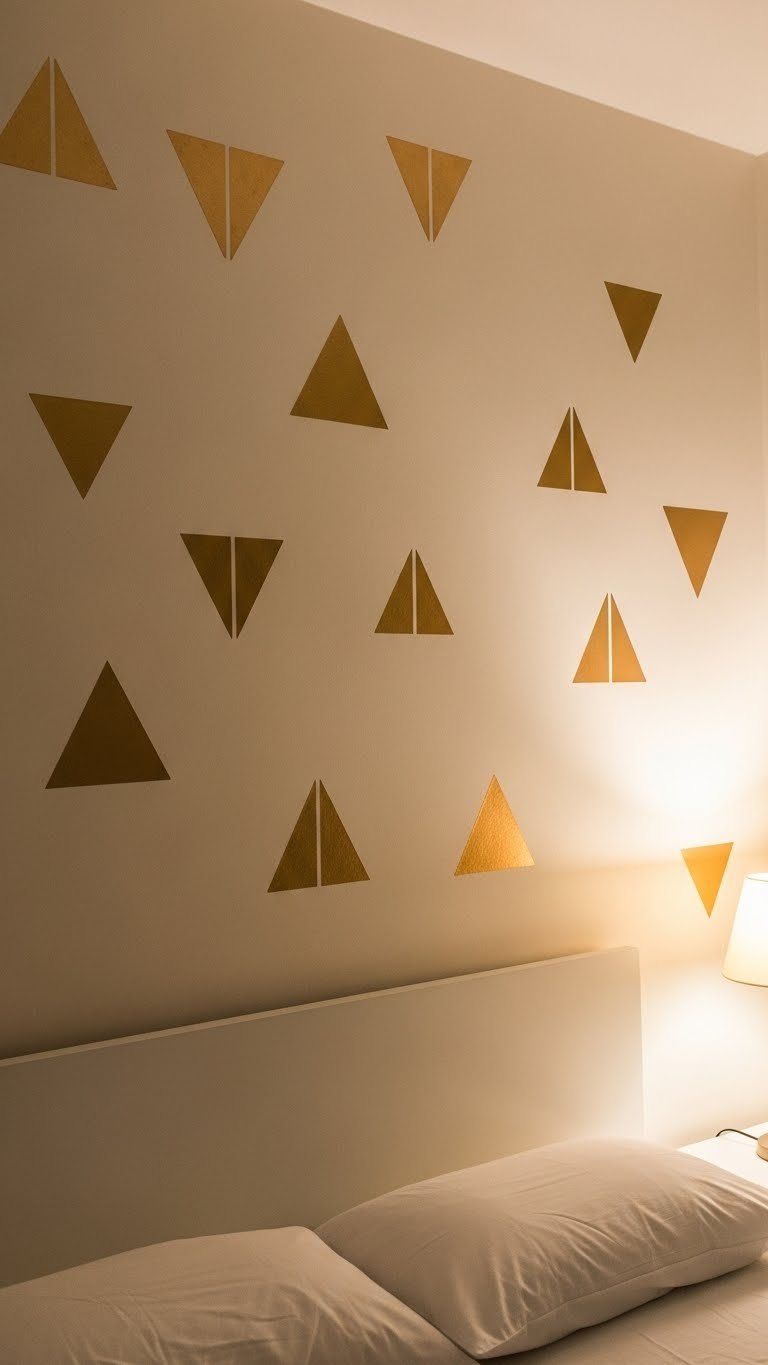
Combine stencils with metallic paint for glam without covering the entire wall. Small metallic accents feel elevated and artistic rather than overwhelming.
You’ll need one metallic paint ($30–$50), stencil templates ($15–$40), painter’s tape, and sponge applicators. Plan 4–6 hours. The metallic paint catches light beautifully if you use a sponge-stippling technique rather than rolling. Test on cardboard first to get the feel.
Metallic accents feel intentional and expensive. They catch light throughout the day, adding subtle glamour to an otherwise understated room.
15. Use Removable Wallpaper for Pattern Without Commitment
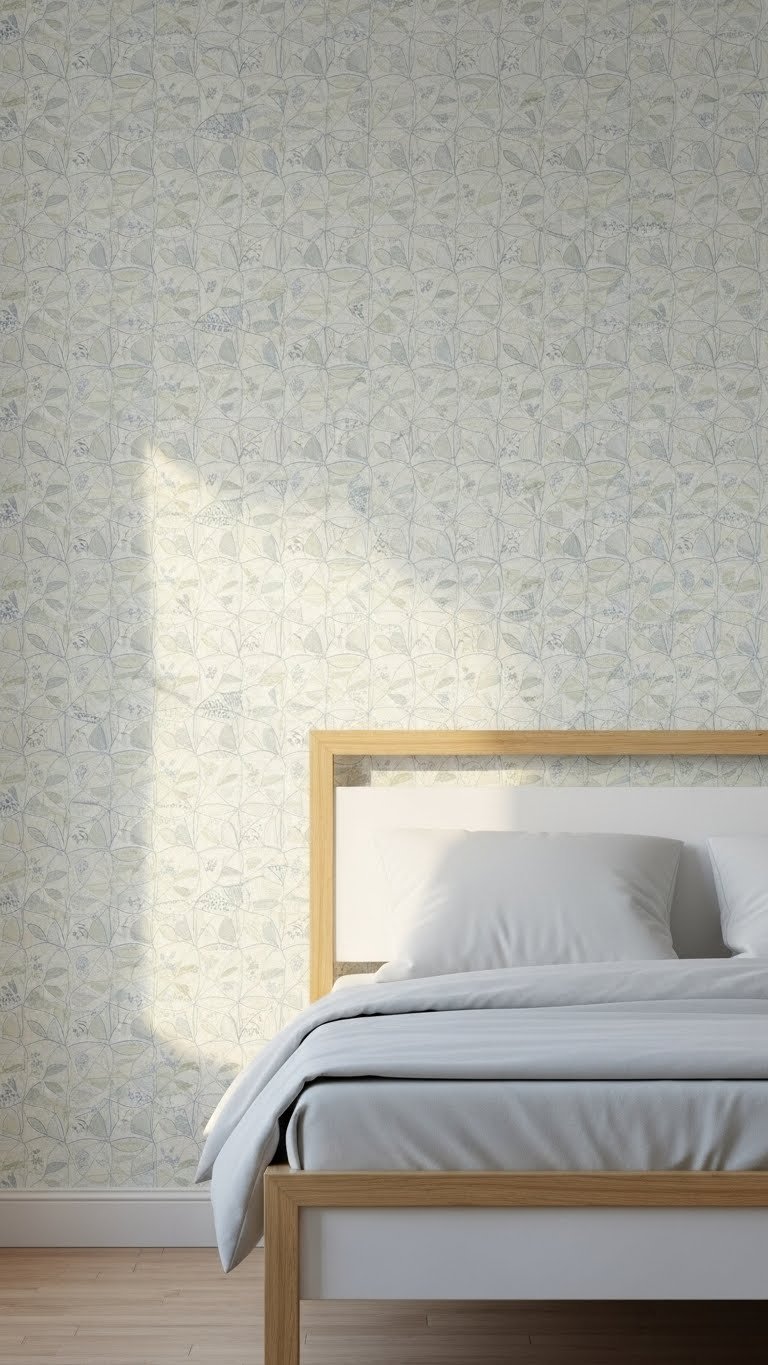
If you’re renting or uncertain about permanent paint, peel-and-stick wallpaper delivers pattern and color without damage to your security deposit. Modern options look expensive and sophisticated.
Quality peel-and-stick wallpaper runs $30–$80 per roll depending on design. You’ll need 1–3 rolls for a standard accent wall ($50–$150 total). Application takes 2–3 hours—watch installation videos first because smooth application requires patience and a squeegee ($5–$10). Removal is damage-free if you peel slowly.
Wallpaper creates instant pattern and personality. Removal is guilt-free when you move, making this perfect for renters or anyone hesitant about permanent changes.
16. Paint Vertical Stripes for Height
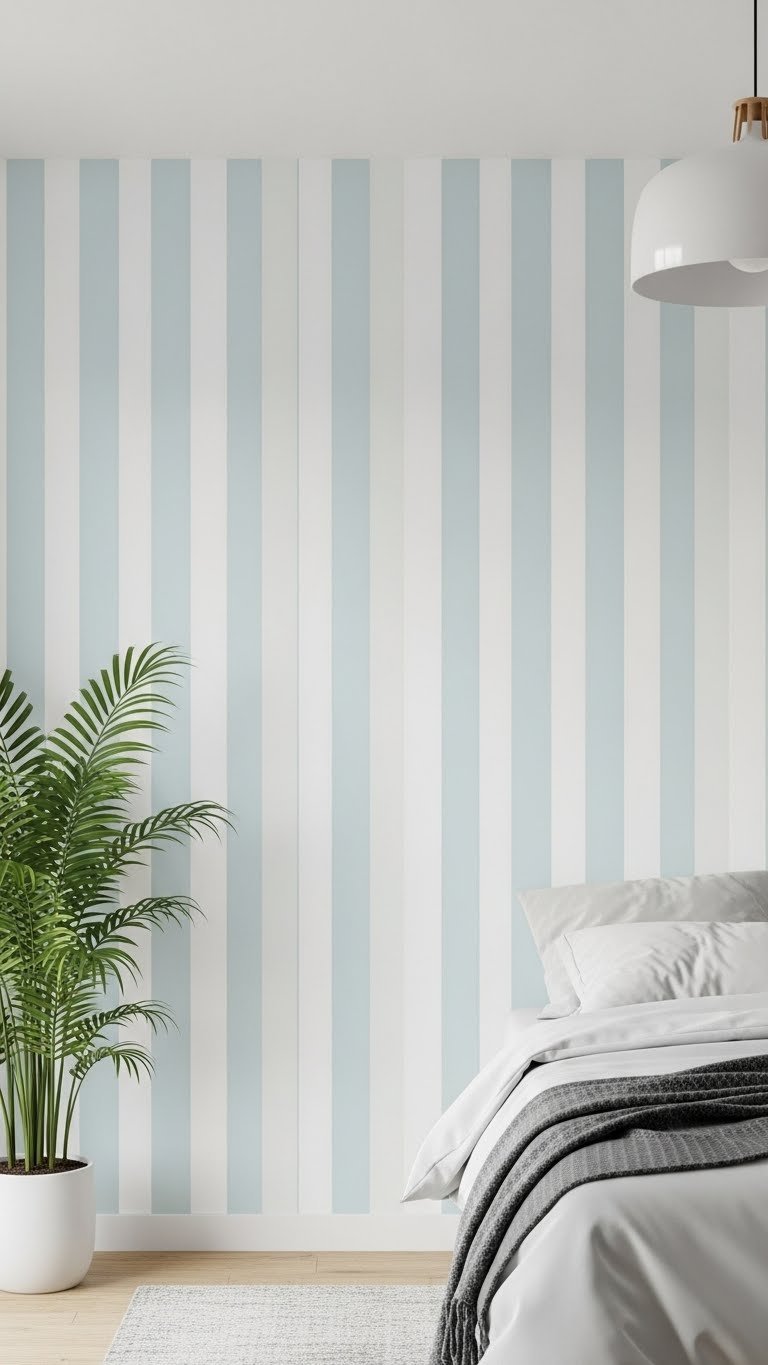
Vertical stripes draw the eye upward, making ceilings feel taller. They work beautifully in rooms with lower ceilings or any space where you want to add height perception.
Use painter’s tape and two paint colors ($25–$40 each) to create even stripes. Narrow stripes (2–3 inches) feel modern and subtle; wider stripes (6–8 inches) feel bolder. Plan 4–5 hours for taping and painting. Quality painter’s tape is essential—cheap tape bleeds and creates messy lines.
Vertical stripes shift how your eye moves through a room. They instantly add sophistication and can make a small bedroom feel airier.
17. Create a Soft Gradient Using Multiple Paint Colors
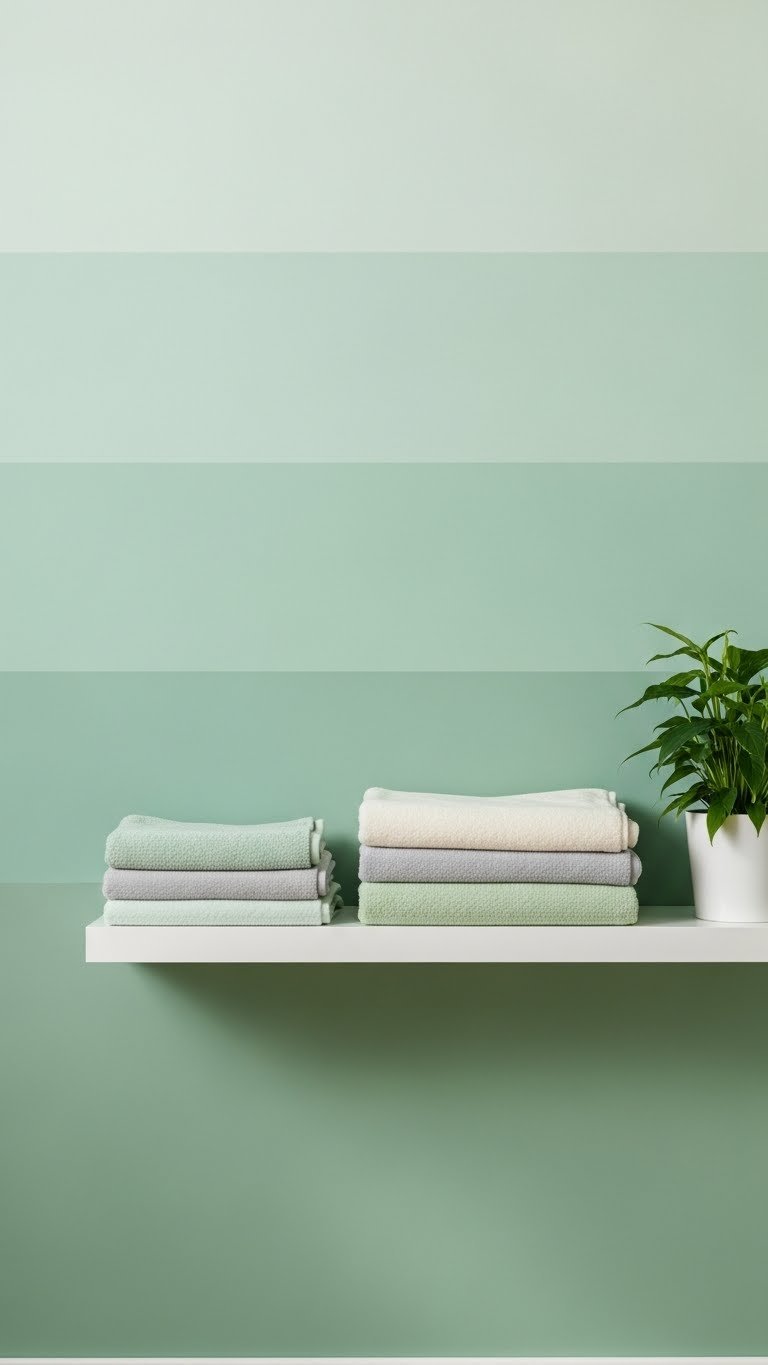
A multi-color gradient uses three to four colors blended smoothly for a sophisticated, layered effect. This is more complex than simple ombre but creates stunning results.
Choose 3–4 colors in the same family ($25–$40 per gallon). Paint horizontal bands, then blend each transition zone with a damp sponge while paint is wet. Plan 8–10 hours over 1–2 days. This technique requires patience and practice—watch YouTube tutorials before starting.
The result feels curated and artistic. A gradient wall becomes a focal point that feels both calming and intentional.
18. Add a Two-Tone Design with a Horizontal Divide

A clean horizontal line splitting two colors is modern, balanced, and easier than color-blocking. This works in any room and pairs well with simple, contemporary furniture.
Use painter’s tape to mark a straight horizontal line (usually at chair-rail height, around 36 inches). Paint one color above, the other below. Two paint colors cost $50–$80 total. Plan 3–4 hours. Remove tape while paint is slightly tacky for crisp edges.
Two-tone walls feel intentional and designed. The horizontal line creates visual balance and can make spaces feel either cozier (dark on bottom) or airier (light on bottom).
19. Use Chalk Paint for a Matte, Velvety Finish
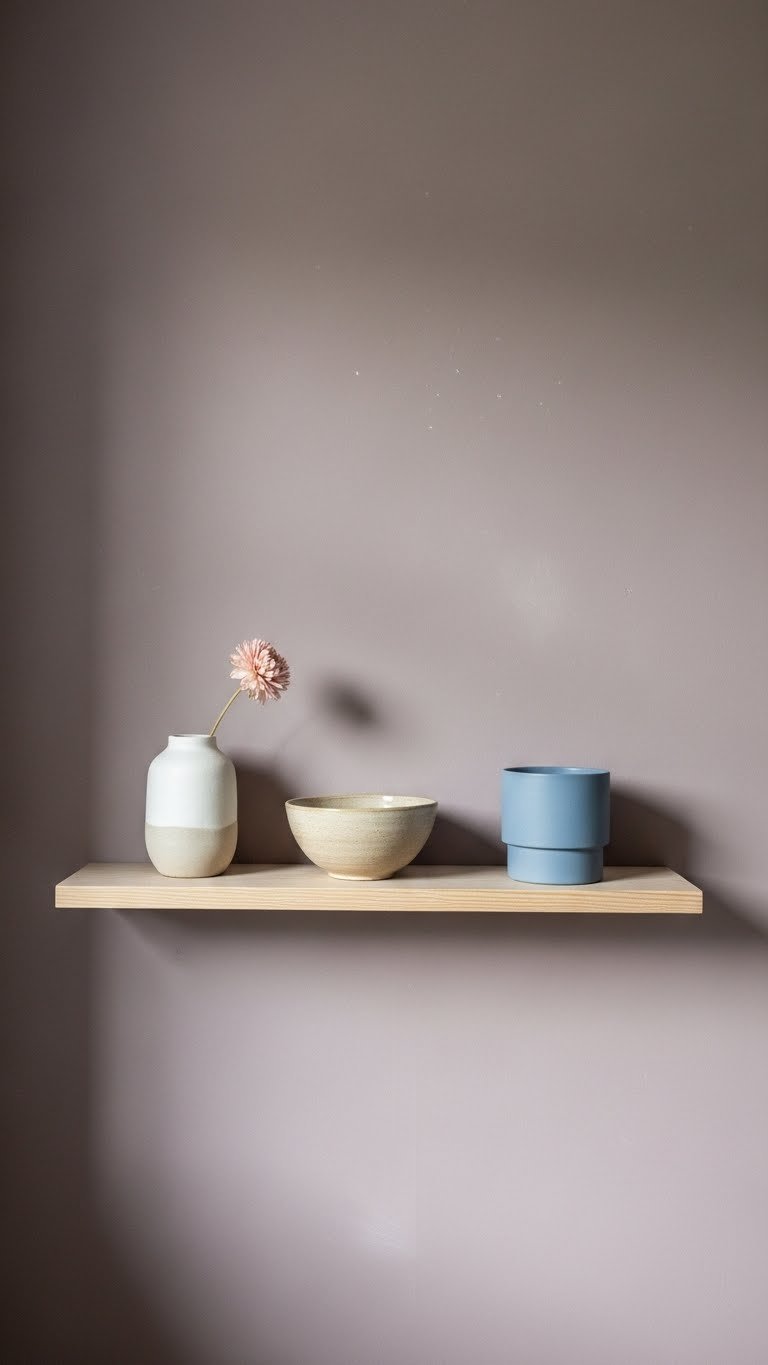
Chalk paint creates a matte, ultra-soft finish that feels sophisticated and contemporary. It’s more forgiving than glossy finishes and hides minor wall imperfections beautifully.
Chalk paint costs $35–$60 per gallon (brands like Annie Sloan or Rust-Oleum). One coat usually covers well. Plan 2–3 hours of painting time. This finish is durable for accent walls but may need occasional touch-ups in high-traffic areas. Many paint stores can mix chalk paint in any color you want.
Chalk finishes feel intentional and collected. They photograph beautifully because the matte surface absorbs light naturally, creating a warm, inviting feel.
20. Paint a Half-Wall or Wainscoting Effect
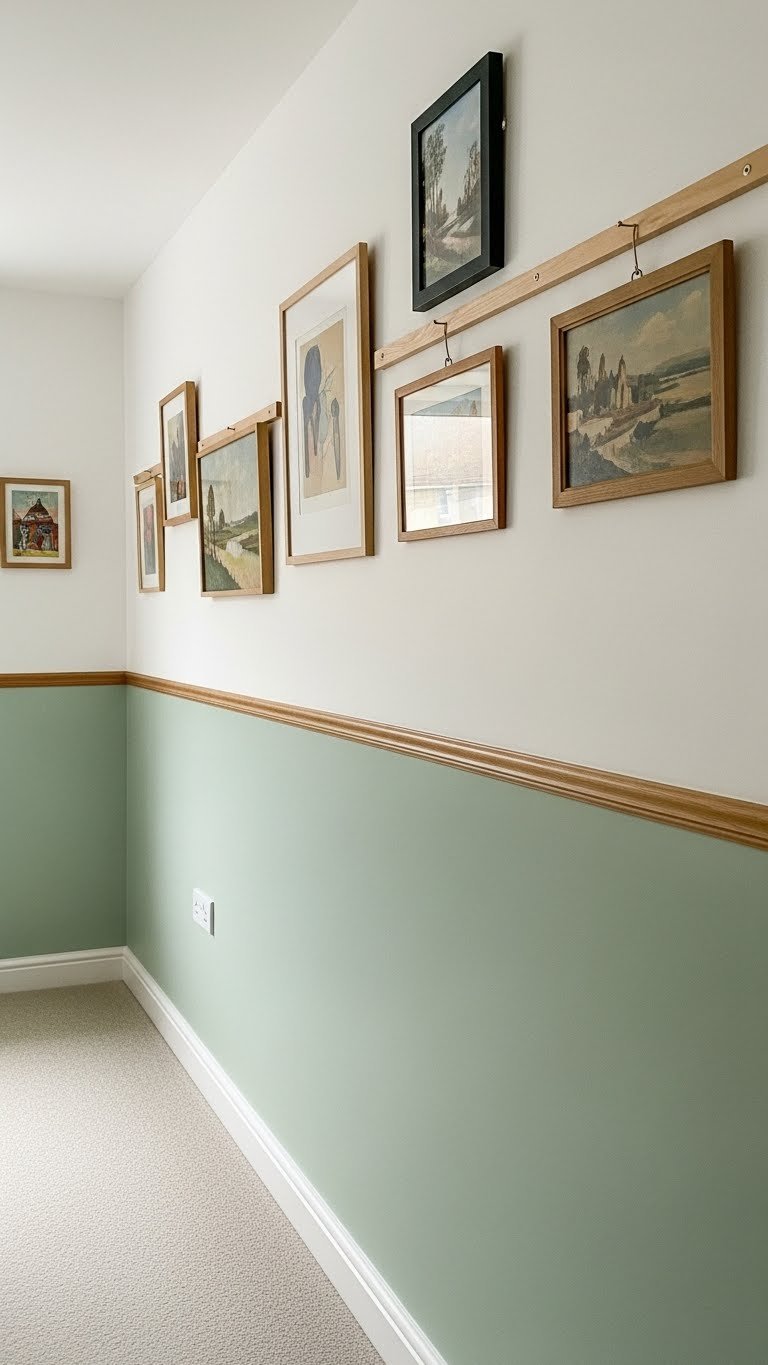
Wainscoting or half-wall painting adds architectural interest without expensive millwork. You simply paint the lower half a deeper color and leave the upper half light.
You’ll need two paint colors ($50–$80 total). Mark your line at 36 inches using a level and chalk line ($5). Paint both sections—plan 3–4 hours. If you want a trim line between colors, use thin painter’s tape for clean edges or purchase pre-made wall trim ($20–$50 from home improvement stores).
Half-wall painting feels sophisticated and intentional. It adds visual interest while keeping the upper wall light and airy.
21. Create a Cosmic or Starry Night Effect
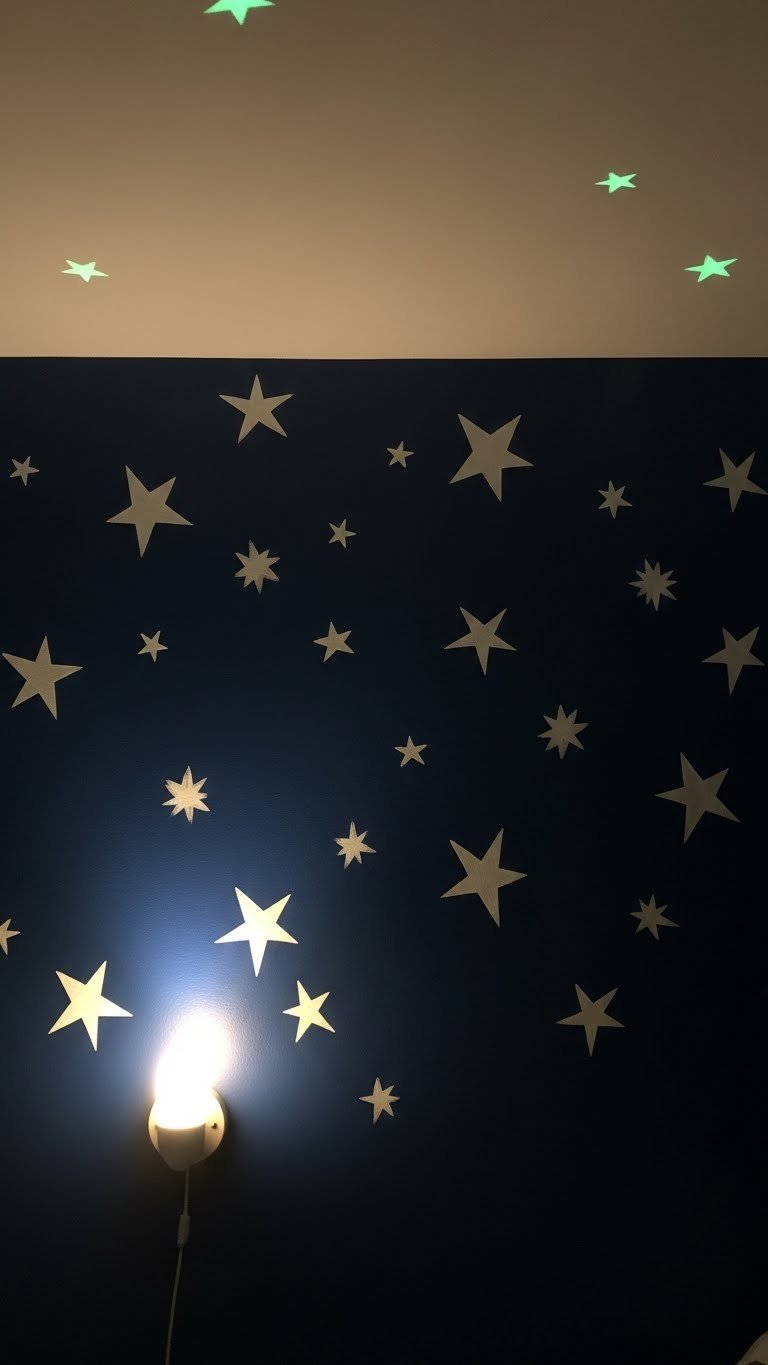
A starry night wall brings wonder and whimsy to children’s rooms, nurseries, or creative studios. It’s simpler to execute than you’d think and deeply personal.
Paint the wall a deep navy or charcoal ($25–$40). Use white paint and a small brush or sponge to dot stars in varying sizes. Add glow-in-the-dark paint ($8–$15 per jar) if you want nighttime magic. Plan 4–6 hours of dotting and drying. This project is genuinely fun—kids enjoy helping, and slight imperfection adds charm.
A starry wall creates a dreamy, magical space. It’s whimsical without being babyish, and it grows with your child.
22. Paint a Watercolor Wash for an Artistic Look
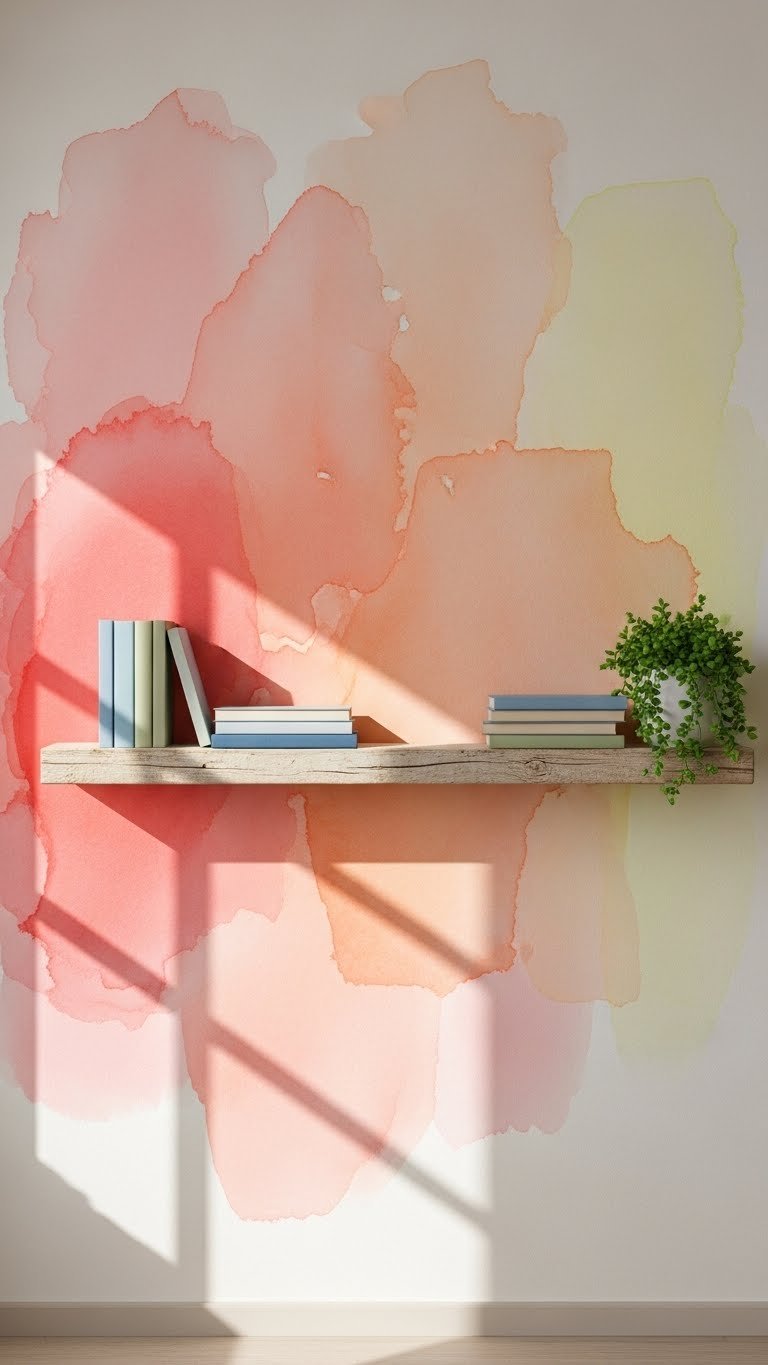
A watercolor wash mimics the soft, blended quality of watercolor painting. It’s modern, artistic, and forgiving—imperfection is part of the charm.
You’ll need 2–3 colors in a complementary palette ($50–$100 total). Apply one color, then blend the second color into it with a damp sponge while wet. Continue layering until you achieve the effect you want. Plan 5–8 hours over 1–2 days because this works best with multiple thin layers. Watch tutorial videos to see the blending technique in action.
Watercolor walls feel artistic and intentional. They make a room feel creative and collected without being overwhelming or too trendy.
23. Add Dimensional Wall Art with Paint and Mixed Media

Mix paint with textured elements—wood shapes, fabric panels, or metal accents—to create a truly unique dimensional wall. This approach combines color with sculpture for maximum impact.
Paint the wall a solid base color ($25–$40). Attach pre-made wooden geometric shapes ($30–$100 from Etsy, Amazon, or craft stores) using strong adhesive or a nail gun. Alternatively, use fabric panels ($20–$50 each) to add soft dimension. Plan 4–6 hours plus drying time. This works beautifully in modern, eclectic, or contemporary spaces.
Dimensional walls feel artistic and designed. They catch light and shadow differently throughout the day, creating constantly shifting visual interest in your space.
Save this post for your next room refresh—you’ll find at least one idea that matches your style and budget. Pick one and tackle it this weekend. The best part about an accent wall? If it doesn’t work, it’s a single wall to paint over. Most of the time, though, you’ll be amazed at how much one change transforms how a room feels.
Leave a Reply