Author: Clara Bennett

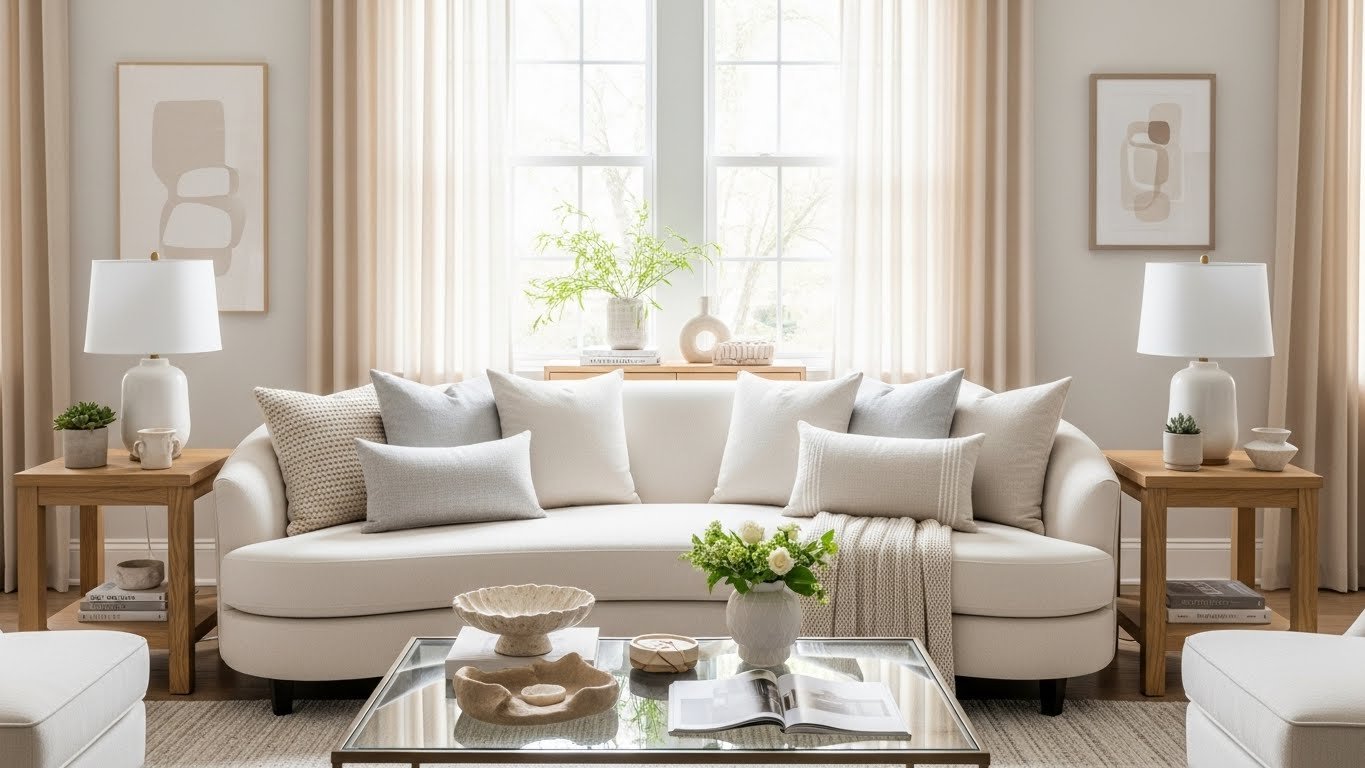
  • 26 Stylish Curtain Ideas Trending in Modern Homes

    26 Stylish Curtain Ideas Trending in Modern Homes

    Your curtains deserve to be more than functional—they’re the largest canvas in your room, and the right choice can completely change how your space looks and feels. Whether you’re drawn to calming earthy tones, making a bold statement with jewel-toned velvet, or solving the eternal light-and-privacy puzzle, 2025’s curtain trends offer something for every style and budget. We’ve gathered 26 achievable ideas that work for renters and homeowners alike, from quick styling fixes to investment pieces that’ll last years. Some are free tweaks you can do today, others are weekend projects, and a few are worth splurging on. By the end of this guide, you’ll know exactly which curtain approach matches your space—and your lifestyle.

    1. Layer Sheer and Blackout for Perfect Light Control
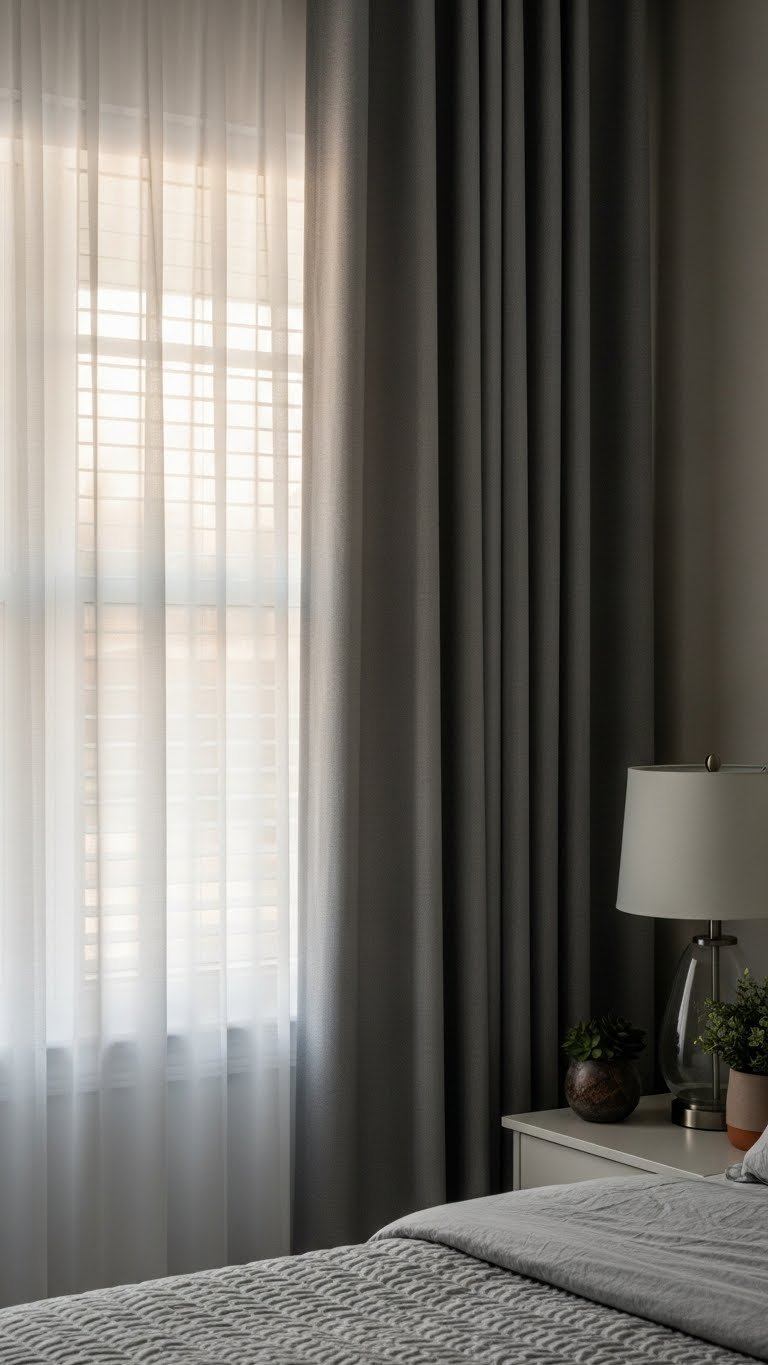
    Layering gives you the best of both worlds: soft diffused light during the day and total darkness at night. This classic combo solves the frustration of choosing between privacy and natural light—you don’t have to pick just one anymore.

    Install a blackout curtain rod behind your existing curtain rod (or use a tension rod for renters). Pair lightweight linen or cotton sheers ($15–$40 from IKEA or Target) with blackout panels ($30–$80 from Wayfair or Amazon). Takes about 30 minutes to hang. The sheer layer filters harsh sunlight beautifully, while the blackout panel hides behind it until evening when you need it.

    Pro tip: Match your sheer to your wall color for a seamless, cohesive look. Keep the blackout layer in a complementary neutral.

    You get complete control over your environment without the bulky, all-or-nothing feeling of single curtains. Your mornings feel brighter, your nights darker, and your room works harder for you.

    2. Go Floor-to-Ceiling for Instant Height
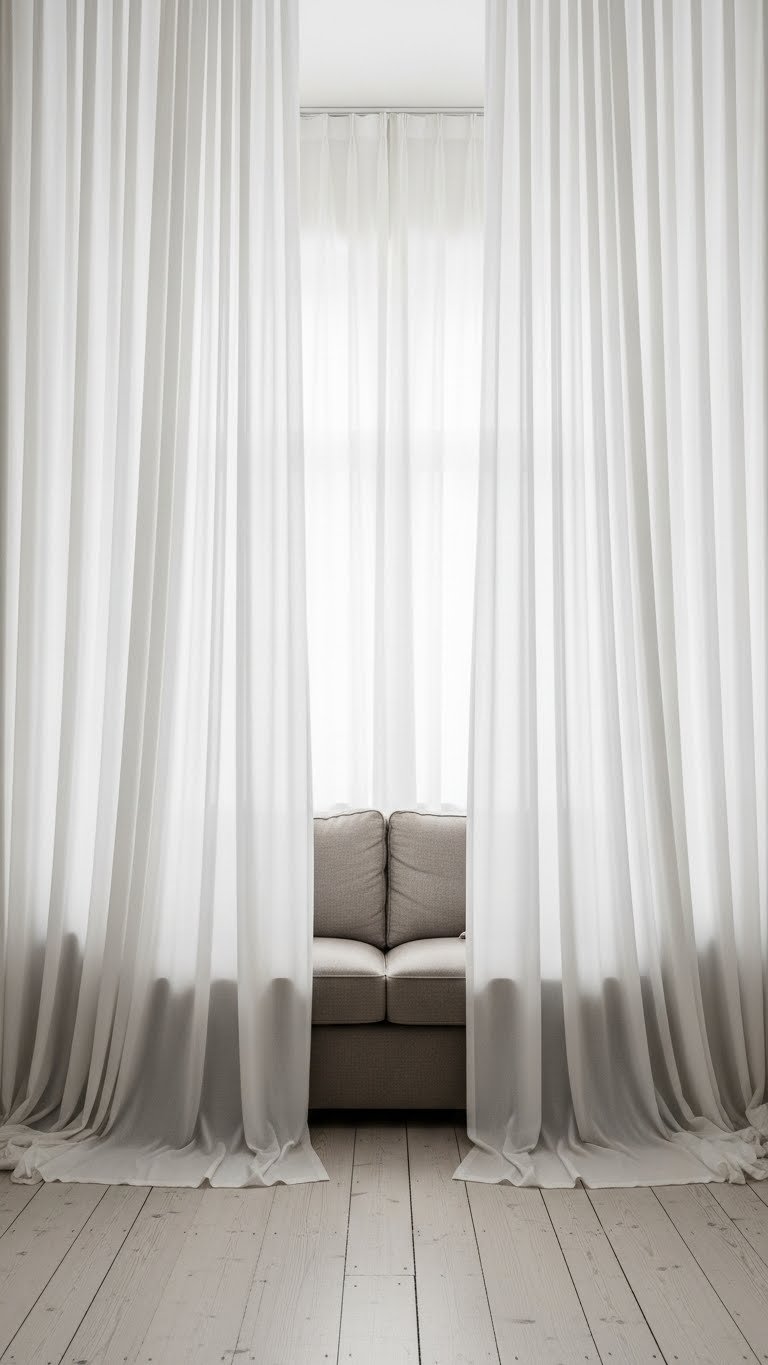
    Hanging curtains all the way to the floor (or even pooling slightly) creates an optical illusion that tricks your eye into seeing higher ceilings. This is one of the fastest, most impactful upgrades you can make—and renters can do it too.

    Mount your curtain rod 3–6 inches below the ceiling rather than at the typical window frame height. Measure from ceiling to just above the baseboards (add 2 inches for pooling). Custom lengths run $50–$150, but ready-made 108-inch panels ($20–$50) work fine if your ceilings are standard 8–9 feet. Hanging takes 20 minutes and zero damage if you use damage-free hooks.

    Pro tip: Light or white curtains amplify this effect more than dark colors.

    Your room immediately looks more spacious and intentional. That small bedroom or cramped living room suddenly feels airier, and the whole vibe shifts from “utilitarian” to “designed.”

    3. Embrace Earthy Olive Green for a Grounded Vibe
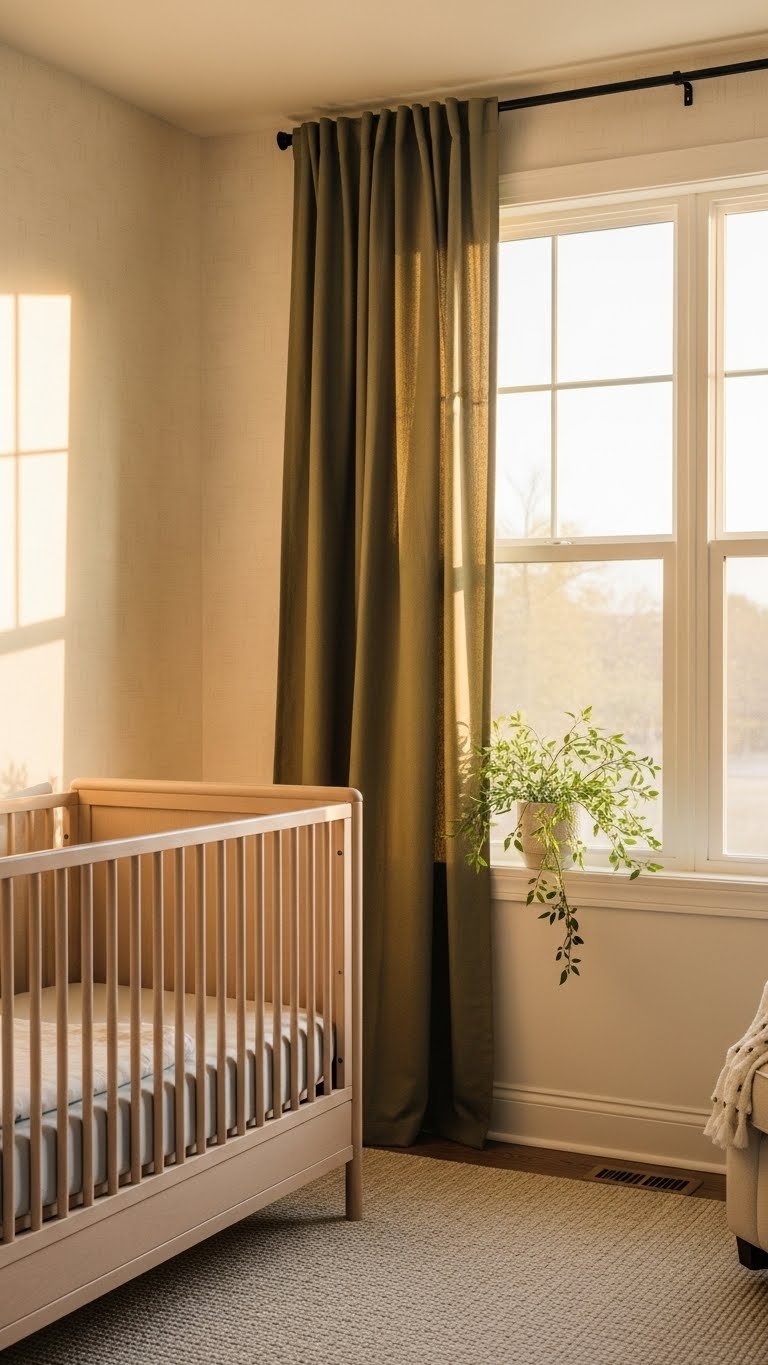
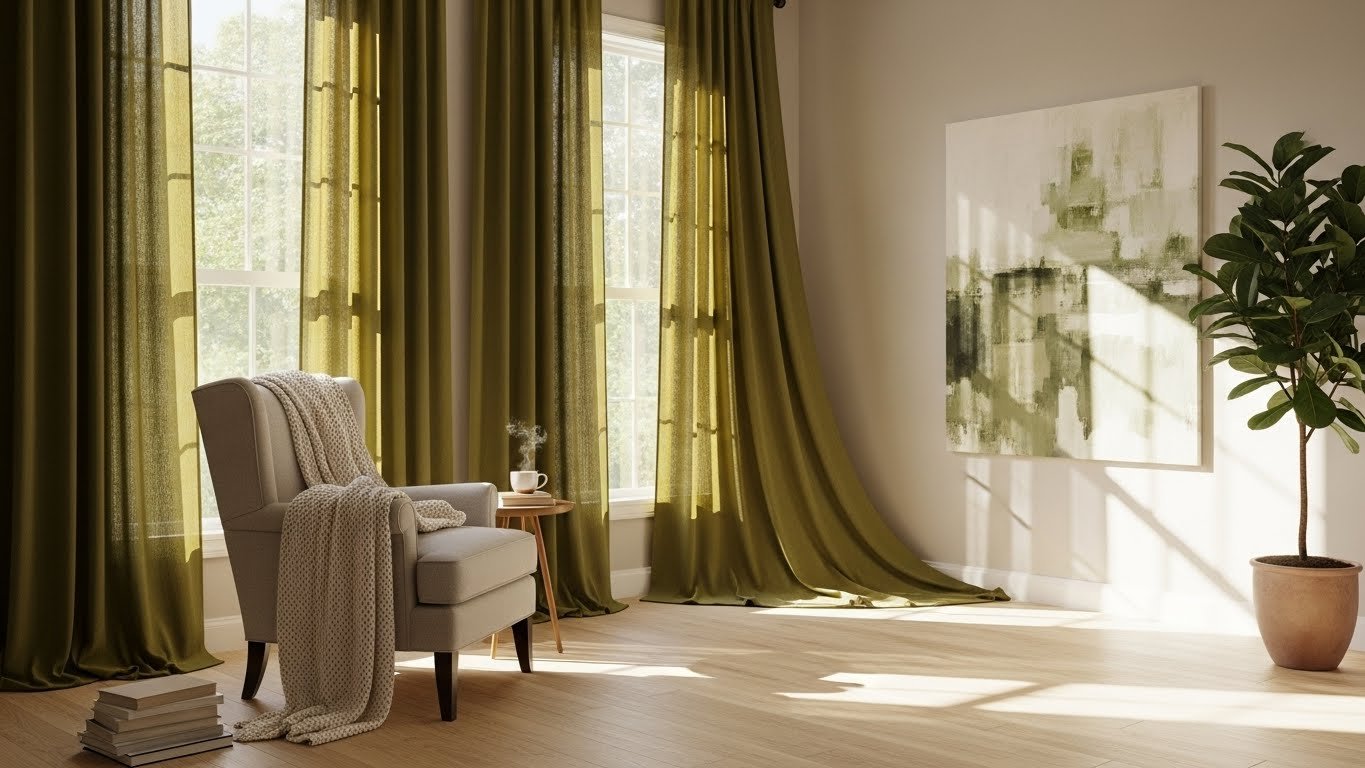
    Earthy tones like olive green are everywhere in 2025 because they create calm without feeling boring. This shade works in bedrooms, living rooms, and even kitchens—it’s just neutral enough to live with long-term.

    Look for olive green linen or linen-blend curtains ($40–$120 from brands like Etsy small shops, Wayfair, or H&M Home). If you already have white or cream curtains, a fabric dye project ($8 for dye, 1–2 hours) gives you custom color for nearly free. For renters, try removable curtain panels from Amazon ($25–$60).

    Pro tip: Pair olive with warm whites, warm grays, or terracotta accents for a cohesive earthy palette.

    The room takes on a naturally soothing quality that makes you want to spend more time there. You get that expensive, curated interior design feel without overthinking it.

    4. Add Texture with Velvet in Deep Jewel Tones
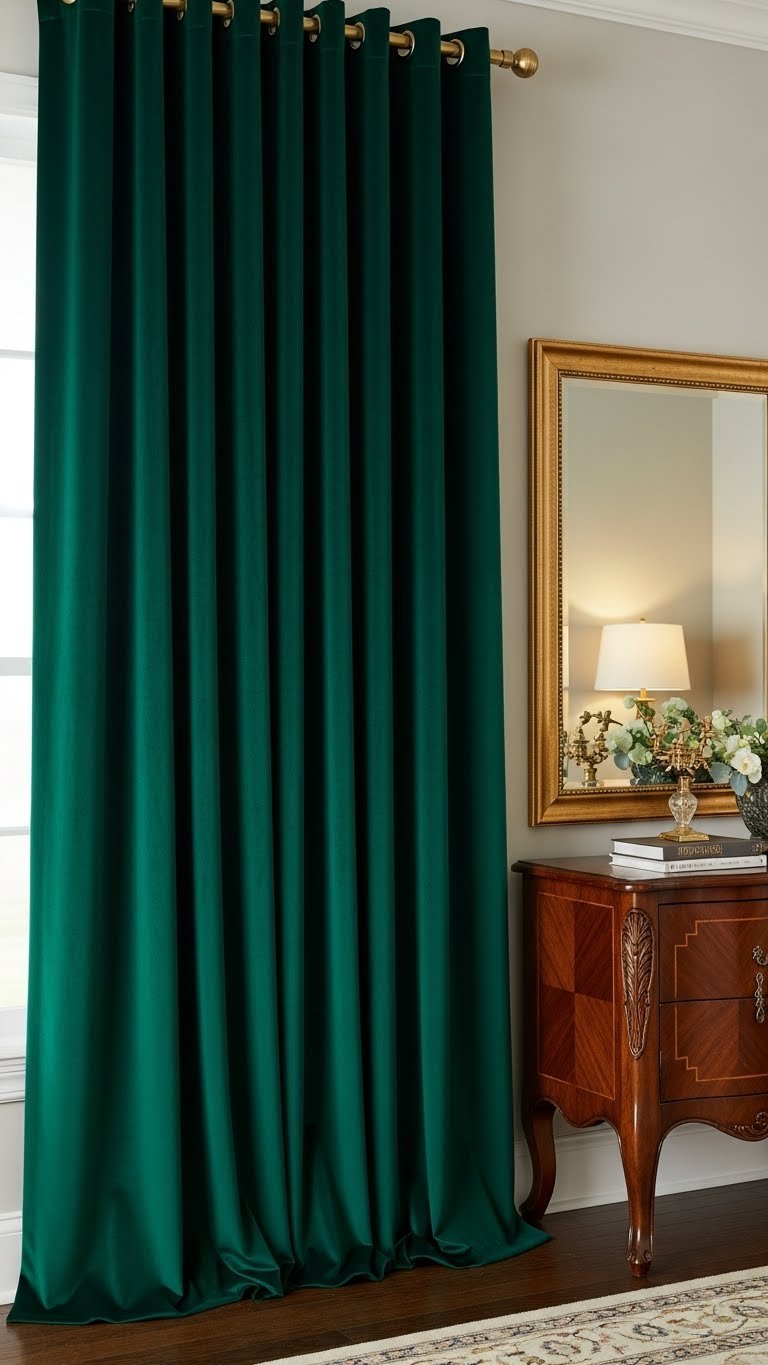
    Velvet curtains are having a major moment in luxury homes—they photograph beautifully and feel incredibly high-end. Deep jewel tones like emerald, sapphire, and ruby work in formal spaces where they’ll really shine.

    Velvet panels typically run $60–$150 per panel from brands like Anthropologie, West Elm, or Etsy. A single velvet panel layered over a sheer works if budget is tight. Installation is basic (velvet isn’t heavier than regular curtains), and dry cleaning costs $15–$30 per pair annually. Consider this an investment piece—quality velvet lasts 7–10 years.

    Pro tip: Lighter walls and metallic accents (brass rods, gold mirrors) make velvet feel intentional rather than heavy.

    You instantly elevate the formality and luxury of your room. Guests notice, and you notice every time you draw them—there’s something genuinely special about that tactile, rich texture.

    5. Try Monochromatic Color Drenching for Immersion
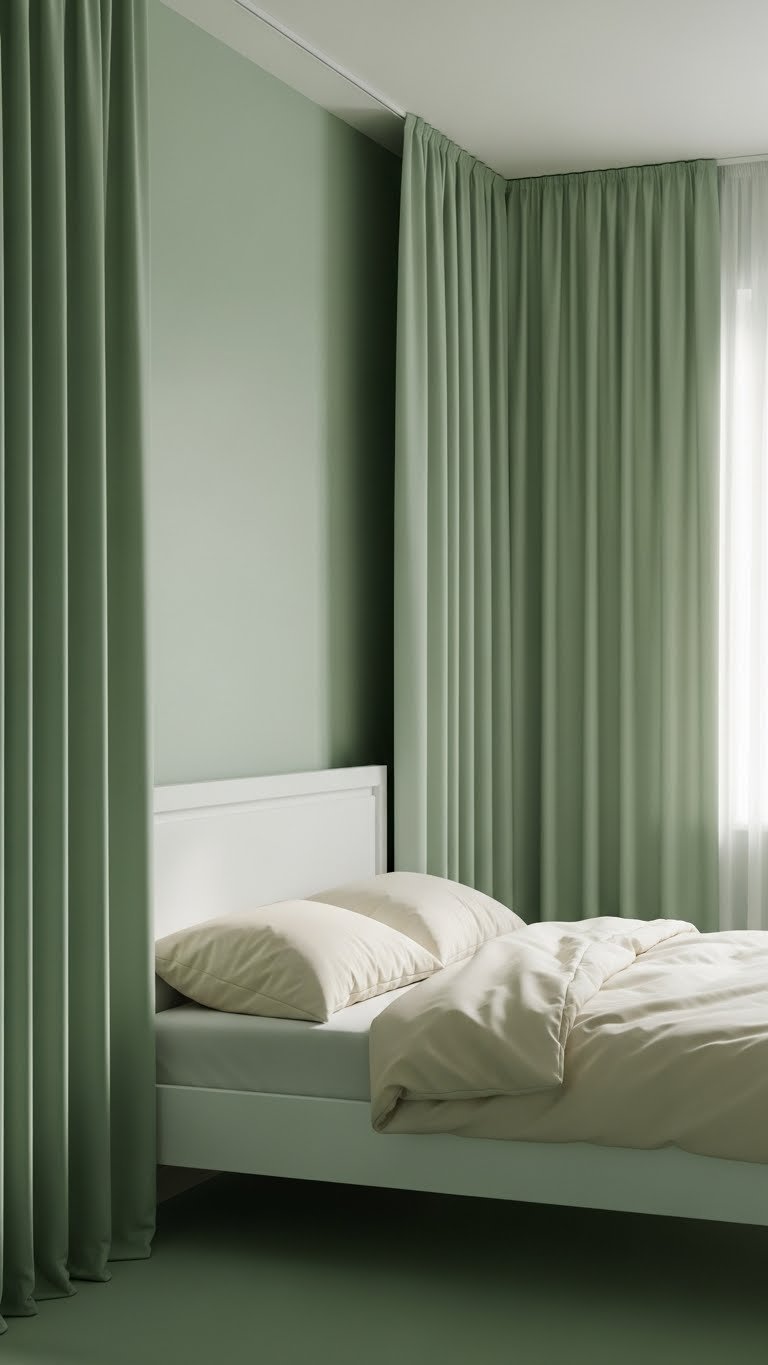
    Color drenching—matching your curtains to your walls in the same shade—sounds risky but creates a cohesive, high-design look that feels intentional. Your room becomes a sanctuary in one color family.

    Choose your wall color first, then find curtains in the exact same shade or one shade lighter ($30–$100 depending on fabric). Brands like Sherwin-Williams and Benjamin Moore offer paint-matching services; use those paint chips to find fabric matches at fabric stores or Etsy. Requires no special hanging technique—just standard installation.

    Pro tip: Add texture contrast with pillows, throws, or artwork in complementary colors so the room doesn’t feel flat.

    The result is a deeply cohesive, meditative space that feels more expensive than it probably was. Your eye rests, your mind settles, and the room feels like a sanctuary rather than a collection of mismatched pieces.

    6. Mix Bold Patterns Without Clashing
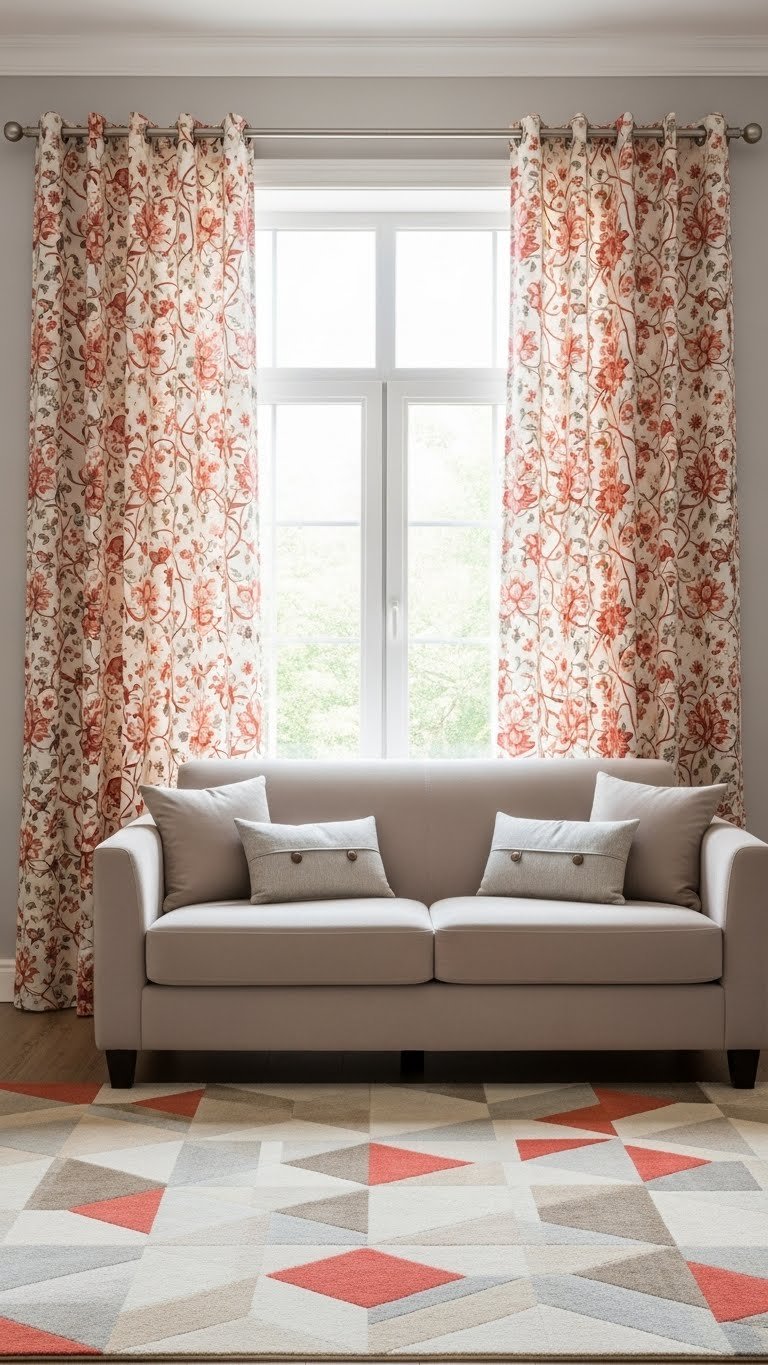
    Bold patterned curtains can overwhelm a room or become a showstopper—it’s all about what you pair them with. The key is anchoring them with neutrals and scale.

    Choose one large-scale pattern (florals, paisleys, retro prints) from retailers like Anthropologie, Etsy, or even Target ($25–$80). Keep walls, sofas, and other major pieces neutral or solid—cream, gray, white, or soft beige. Limit additional patterns to small accents (pillows, artwork) that pull colors from your curtains. Hanging takes standard time; no special considerations.

    Pro tip: If you’re nervous, buy one panel first and see how it feels in your space for a few weeks.

    Your curtains become artwork rather than background, and your room gains personality instantly. You’re not just decorating—you’re expressing something about your taste without the space feeling chaotic.

    7. Install Smart Motorized Curtains for Luxury Living
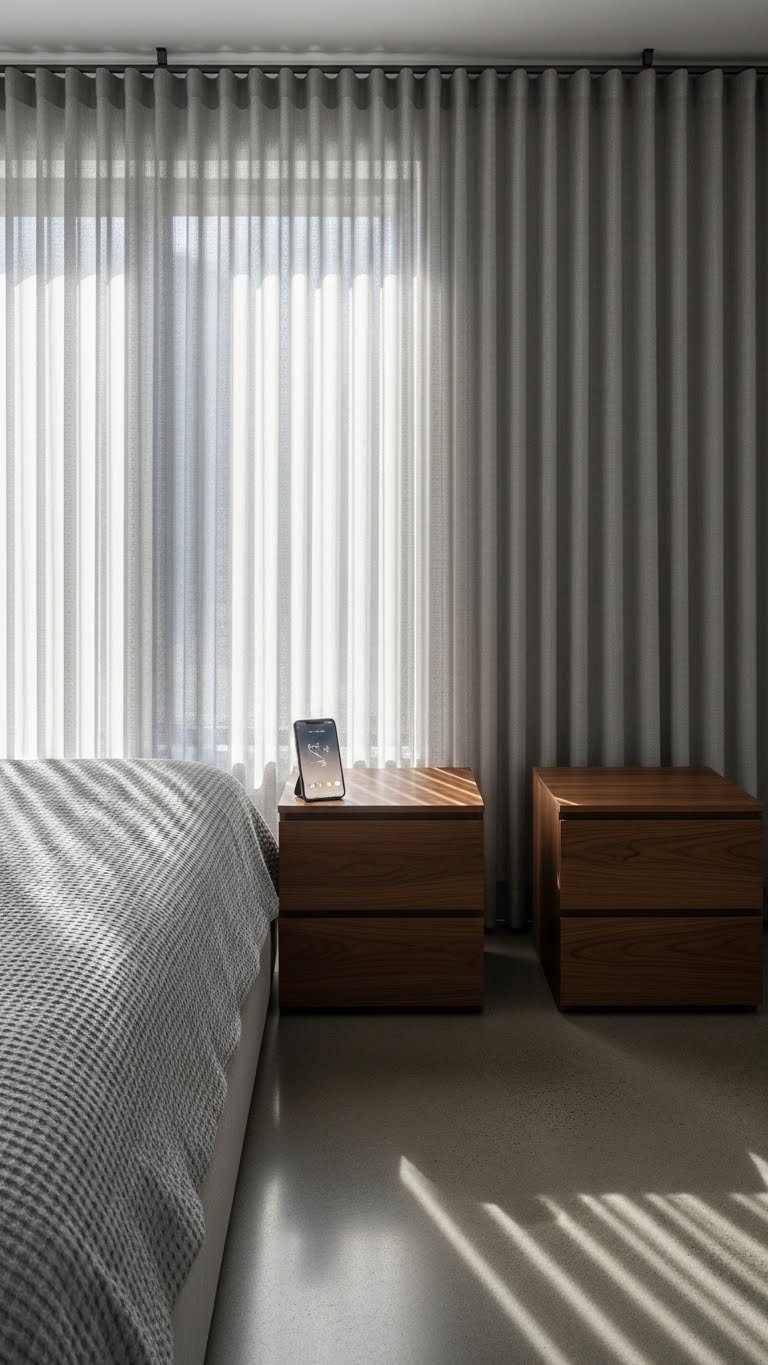
    Smart curtains are moving from luxury hotels into homes—they’re quieter and easier to install than they used to be. If you’re building a smart home, this is the upgrade that actually improves daily life.

    Budget around $200–$600 for a motorized rod system (brands like Eve, SOMA, or Lutron), plus standard curtain panels ($40–$100). Installation requires basic electrical work or professional help ($200–$400), so factor that in. Voice control through Alexa or Google Home means you open and close them hands-free. Requires WiFi connection and monthly app access.

    Pro tip: Motorized systems work best with heavier fabrics that won’t get tangled.

    You wake up to curtains opening automatically, adjusting light throughout the day without you thinking about it. It’s one of those features that sounds silly until you have it, then you can’t imagine living without it.

    8. Layer Neutrals with Two-Toned Curtain Panels
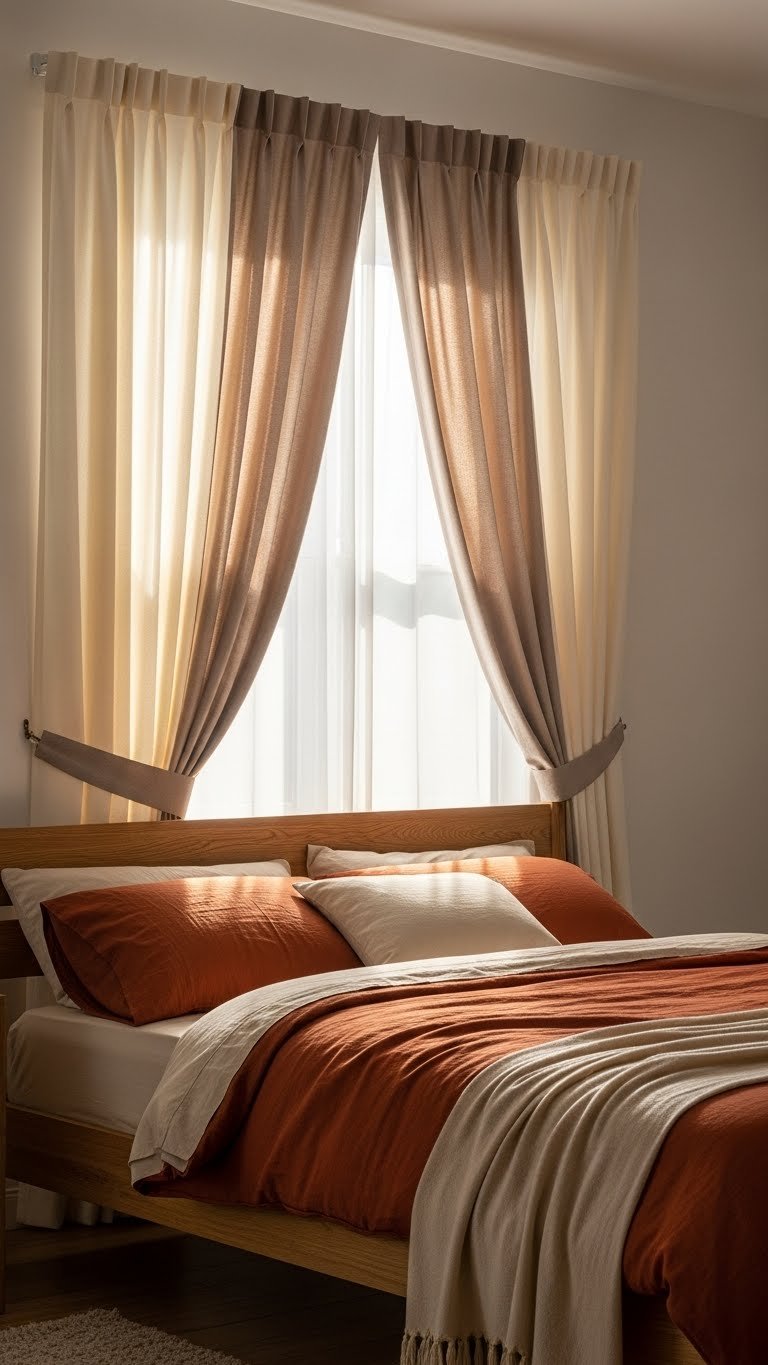
    Two-toned panels give you the visual interest of a bold choice with the safety of neutrals. This approach works for anyone hesitant about committing to strong color.

    Look for split-color or colorblocked curtains on Etsy or Wayfair ($40–$90 per panel), or create the effect by hanging two different neutral panels side by side. Pair a cream outer panel with a taupe or warm gray center, or reverse it. Installation is standard; this works as well as any other panel.

    Pro tip: Choose colors that sit next to each other on the color wheel (like cream and warm gray) rather than high-contrast opposites.

    You get design sophistication with zero risk. The curtains feel like a deliberate choice rather than “I couldn’t decide,” and the layered visual effect makes your window feel more intentional and styled.

    9. Use Sheer Curtains for Minimalist Breathing Room
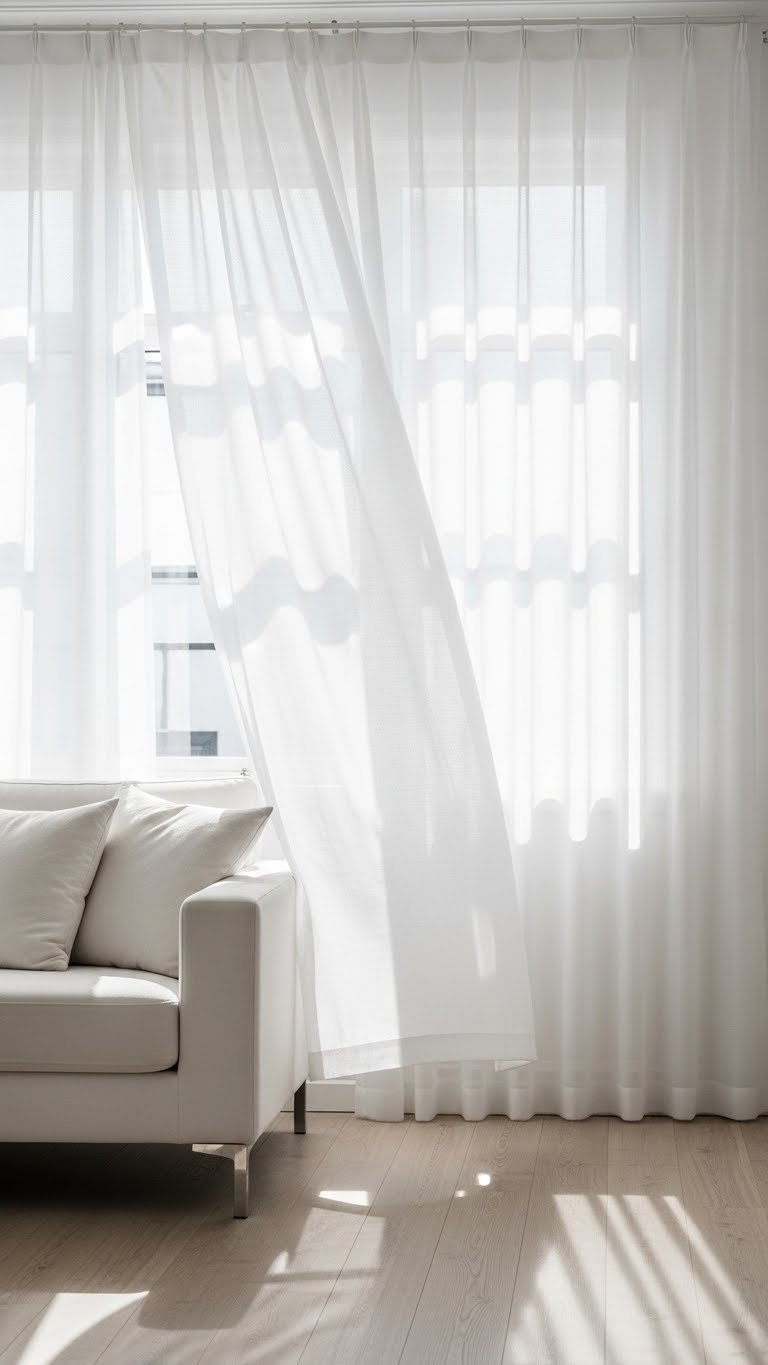
    Sheer curtains alone create that minimalist, breathable aesthetic—perfect if you want softness without heaviness. This works especially well in small spaces where blackout curtains would feel oppressive.

    Choose 100% linen or linen-blend sheers ($20–$60 from IKEA, Etsy, or Target). These filter light beautifully without looking plastic-y like polyester sheers. You’ll still have soft privacy during the day; nighttime privacy requires strategic room placement or a roller shade underneath. Hanging takes 15 minutes.

    Pro tip: Layer a simple roller shade underneath for nighttime privacy without adding visual bulk.

    Your space feels open, calm, and intentionally minimal. Morning light feels softer and more pleasant, and the room breathes in a way heavy curtains can’t match. You’re not sacrificing privacy—just rethinking how you achieve it.

    10. Create Drama with Full-Length Linen Panels
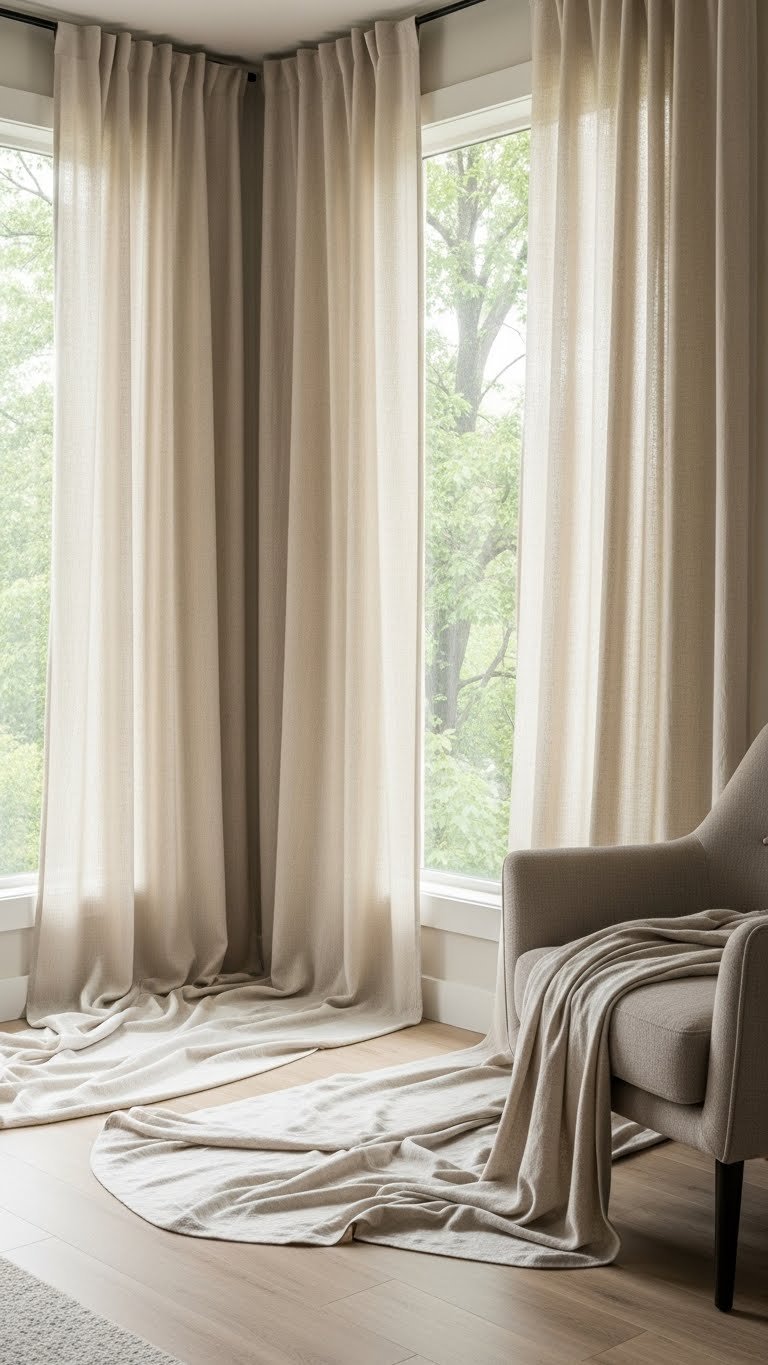
    Linen’s casual drape and texture reads as expensive and thoughtful. Full-length panels that pool slightly on the floor amplify this effect—it’s like the curtains are part of your furniture collection.

    Buy linen or linen-blend panels specifically marketed as full-length ($40–$120 from Etsy, West Elm, or Wayfair). Hanging them only 2–3 inches below the ceiling maximizes the height illusion. Natural linen wrinkles are part of the charm—don’t iron them smooth. Installation takes 20 minutes.

    Pro tip: Cream and warm white linen works in almost any design style and never feels dated.

    You get that effortless, “I’ve always had this” feeling. The room looks styled without looking fussy, and the natural texture adds warmth that flat fabrics can’t achieve.

    11. Refresh with Pastel Blues and Greens for Calm
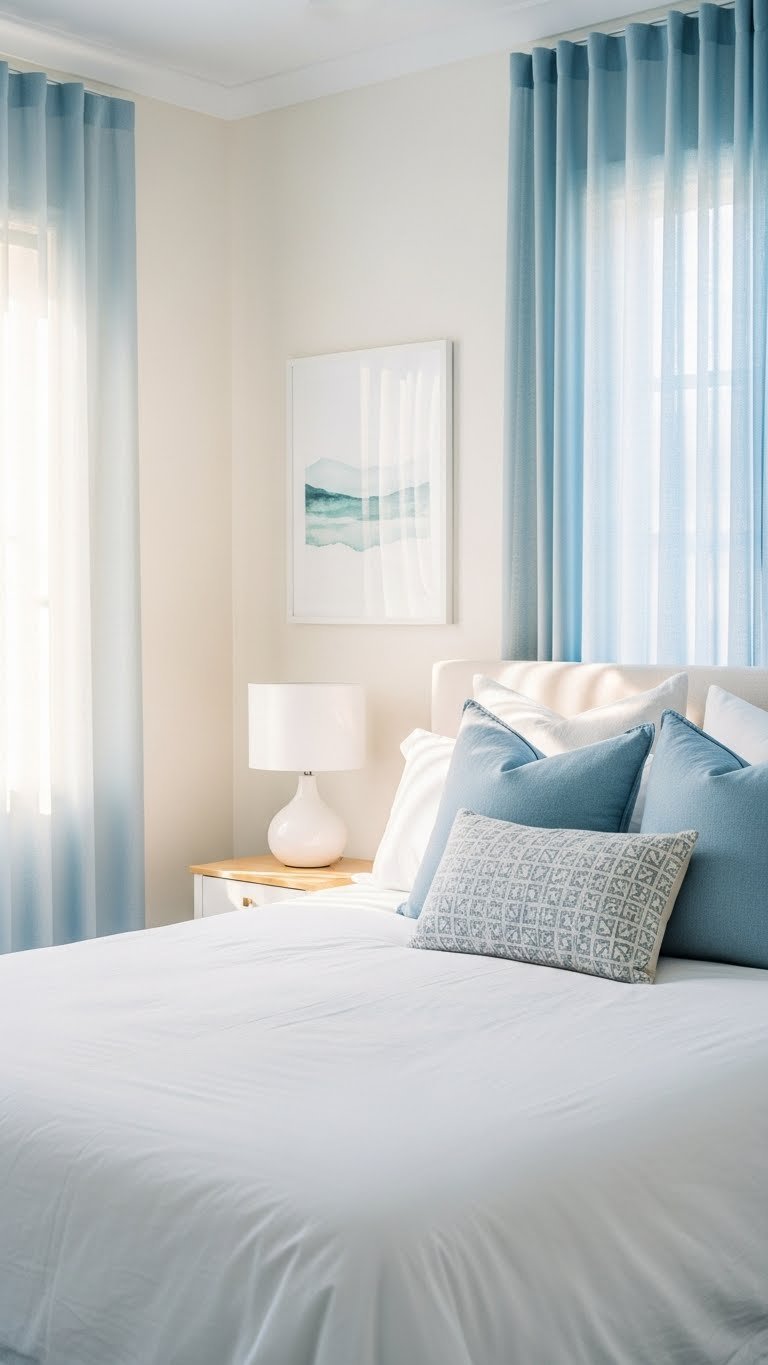
    Soft pastels are having a comeback—they’re calming without being boring, and they work across almost any design aesthetic. Pale blue and sage green are the top choices right now.

    Hunt for pastel linen or cotton at IKEA ($20–$40), Target ($25–$50), or Wayfair ($30–$70). These softer shades work beautifully in bedrooms and nurseries. Pair with white or cream walls and accessories for maximum calm. Standard hanging; takes 20 minutes.

    Pro tip: Avoid trendy millennial pink and lean into classic powder blue or sage green for something that’ll feel fresh for years.

    Your bedroom becomes a retreat instead of just a room where you sleep. You notice the difference in how quickly you relax there—soft color does more work than you’d expect.

    12. Make a Statement with Ruby Red or Sapphire Blue Velvet

    Jewel-toned velvet reads as bold, intentional, and genuinely luxurious. This works if you’re ready to commit to drama and want your window to be the room’s focal point.

    Jewel-toned velvet curtains range from $80–$200 per panel depending on quality (brands like Anthropologie, West Elm, or Etsy). These aren’t subtle—pair them with neutral everything else (walls, furniture, large pieces). Avoid busy patterns that compete. Professional dry cleaning is recommended; budget $20–$30 annually.

    Pro tip: Deep jewel tones work best in rooms with good natural light—otherwise they feel cave-like.

    Your room shifts from “nice” to “designed”—there’s a confidence that comes with committing to bold color. You’re not apologizing for your taste; you’re celebrating it.

    13. Layer Austrian Blinds for Romantic Ornate Details

    Austrian blinds and swags feel nostalgic in the best way—ornate and romantic without being overdone if you choose quality pieces. This approach works in traditional, eclectic, or maximalist spaces.

    Austrian blind kits or custom orders run $80–$250 per window depending on fabric and detail level (available from Etsy, specialty curtain shops, or custom upholsterers). Installation requires a steady hand and patience—30–45 minutes—or professional help ($100–$150). These need gentle cleaning; factor in occasional professional care.

    Pro tip: Pair with solid walls and minimal other window dressing so the ornate details shine.

    You get vintage charm that feels intentional, not accidental. The romantic details give your room character and make you smile every time you look at them—that’s what good design does.

    14. Mix Modern and Traditional with Pleated Headers and Minimalist Tiebacks

    Blending old-school details (pleats, structured headers) with minimalist elements (simple tiebacks, clean rods) creates a sophisticated, balanced look that feels current without being trendy.

    Start with high-quality curtains featuring pencil or pinch pleats ($50–$120 from Etsy, John Lewis, or Wayfair). Add minimalist tiebacks in simple brass, black metal, or fabric ($10–$30 from Target or Amazon). Pair with a sleek rod in matte black or brushed brass. Installation takes 30 minutes.

    Pro tip: Keep the color palette neutral (creams, soft grays, whites) so the hybrid styling stands out rather than competing with bold color.

    You get the tailored sophistication of traditional design with the clean, modern feel of today’s aesthetics. It’s refined without looking stuffy or dated.

    15. Brighten Small Spaces with White Curtains and Reflective Styling
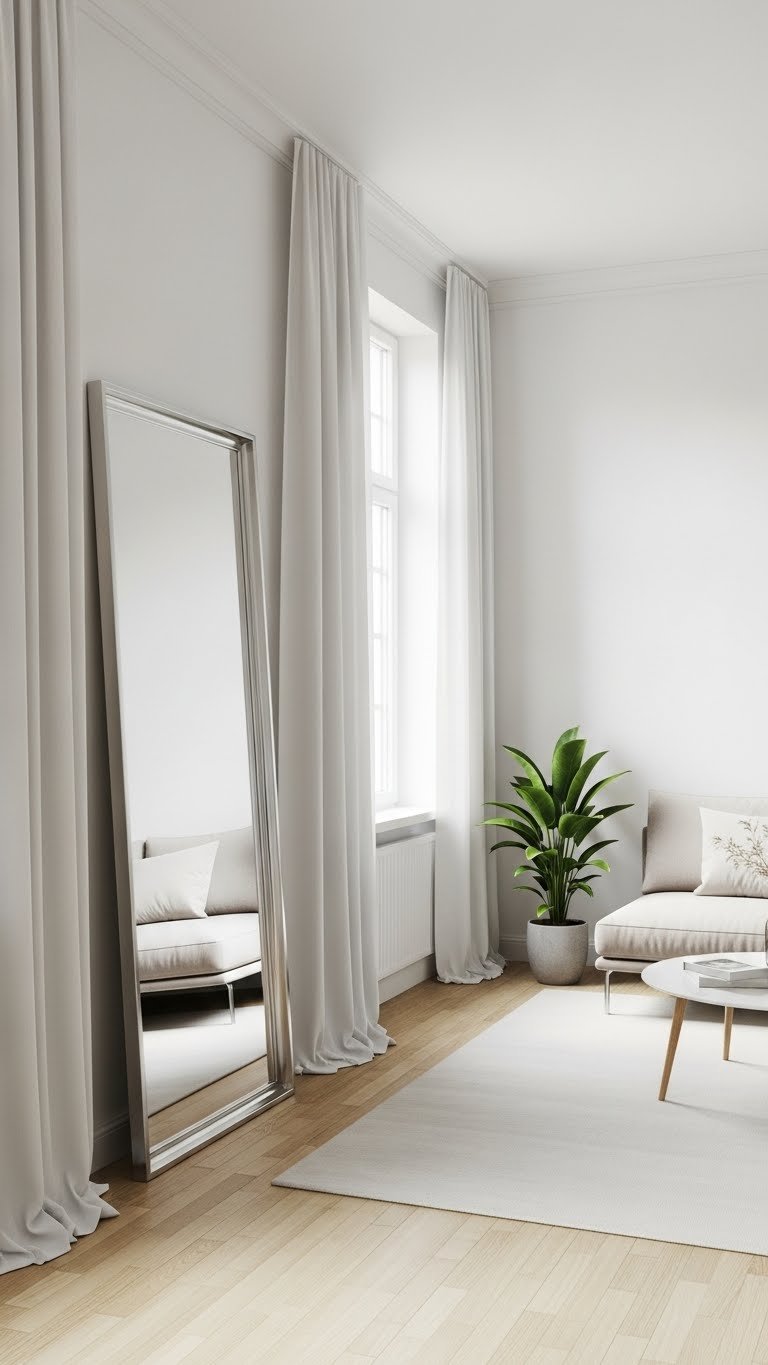
    White curtains aren’t boring—they’re secretly the best tool for making tight spaces feel open and airy. Pair them with reflective elements and they work double-duty.

    Choose white linen, cotton, or linen-blend ($15–$50 from IKEA, Target, or Wayfair). Keep walls white or cream. Add a metallic mirror ($25–$80) on an adjacent wall to reflect light around the room. Hang curtains high and full-length to maximize height. Installation takes 20 minutes.

    Pro tip: White curtains show dust—keep a lint roller nearby for quick maintenance.

    Your tiny space suddenly feels three times larger. Light bounces around differently, the walls appear higher, and you get the open-concept feeling without the financial investment of renovating.

    16. Use Retro Patterns and Trims for 2025 Nostalgia

    Retro patterns (geometric, florals, plaids) are cool again, especially when paired with period-appropriate trim and accessories. This works if you love a bit of personality and aren’t afraid of pattern.

    Hunt for retro-inspired curtains on Etsy ($40–$100) or vintage shops, or find reproduction patterns from brands like Spoonflower ($20 for fabric, plus sewing costs if you DIY panels). Add coordinating trim ($5–$15 per yard from fabric stores) to the bottom or sides for extra visual interest. Sewing trim takes 1–2 hours if you’re handy; otherwise hire someone ($50–$100).

    Pro tip: Let the retro pattern be your statement—keep everything else relatively neutral so it doesn’t feel chaotic.

    Your room tells a story. It’s not following every 2025 trend mindlessly; it’s celebrating a specific era and style that matters to you. That authenticity is always in style.

    17. Install Recycled or Sustainable Linen for Eco-Conscious Decorating

    Sustainable materials matter—they look beautiful, perform well, and align with your values. Recycled or certified sustainable linen is increasingly available and affordable.

    Look for certified organic or recycled linen curtains from eco-brands like Parachute, Etsy sellers, or sustainable retailers ($50–$150). Check for GOTS (Global Organic Textile Standard) or similar certifications. The fabric quality and drape is identical to conventional linen, but you know the production was ethical. Installation is standard.

    Pro tip: Sustainable doesn’t mean sacrificing aesthetics—these fabrics are genuinely beautiful.

    You decorate your home while supporting practices that matter to you. It feels good knowing where your curtains came from, and that confidence shows in how you style your space.

    18. Layer Textured Blackout with Lightweight Linen for Seasonal Flexibility
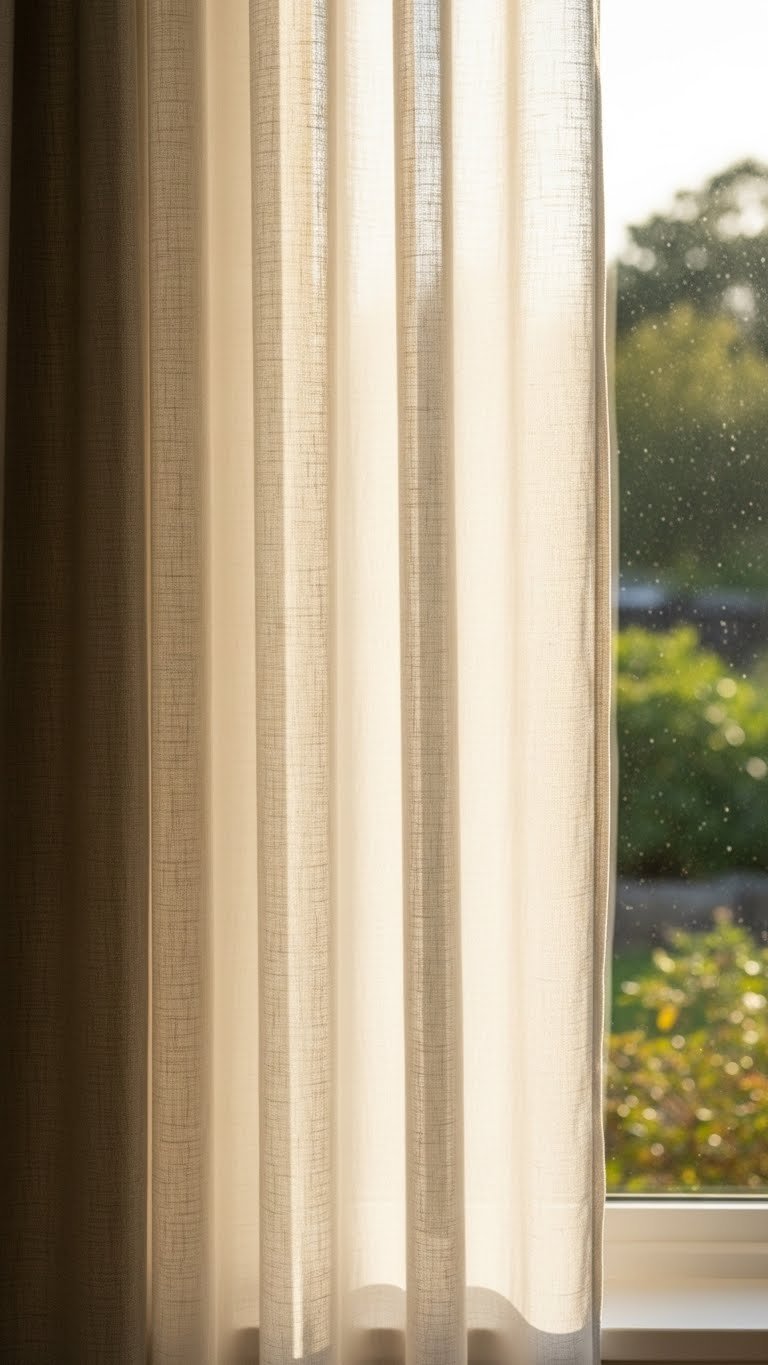
    Textured blackout fabrics (often woven linen-look blends) are softer and more forgiving than plasticky polyester. Layering them with lightweight linen gives you flexibility to adjust your room’s vibe seasonally.

    Buy heavyweight textured linen-blend blackout ($40–$80) paired with lightweight sheer linen ($20–$40) from Wayfair, Target, or Etsy. Install on two rods (inner and outer). In summer, use mostly sheer for airiness. In winter, close the blackout for warmth and darkness. Takes 30 minutes to hang both layers.

    Pro tip: Choose textures that coordinate—solid linen pairs beautifully with woven textures.

    You get a system that adapts to your needs rather than one static solution. Your room feels fresh when you adjust the layers, and the texture adds visual interest year-round.

    19. Add Embroidered Details for Handmade Character
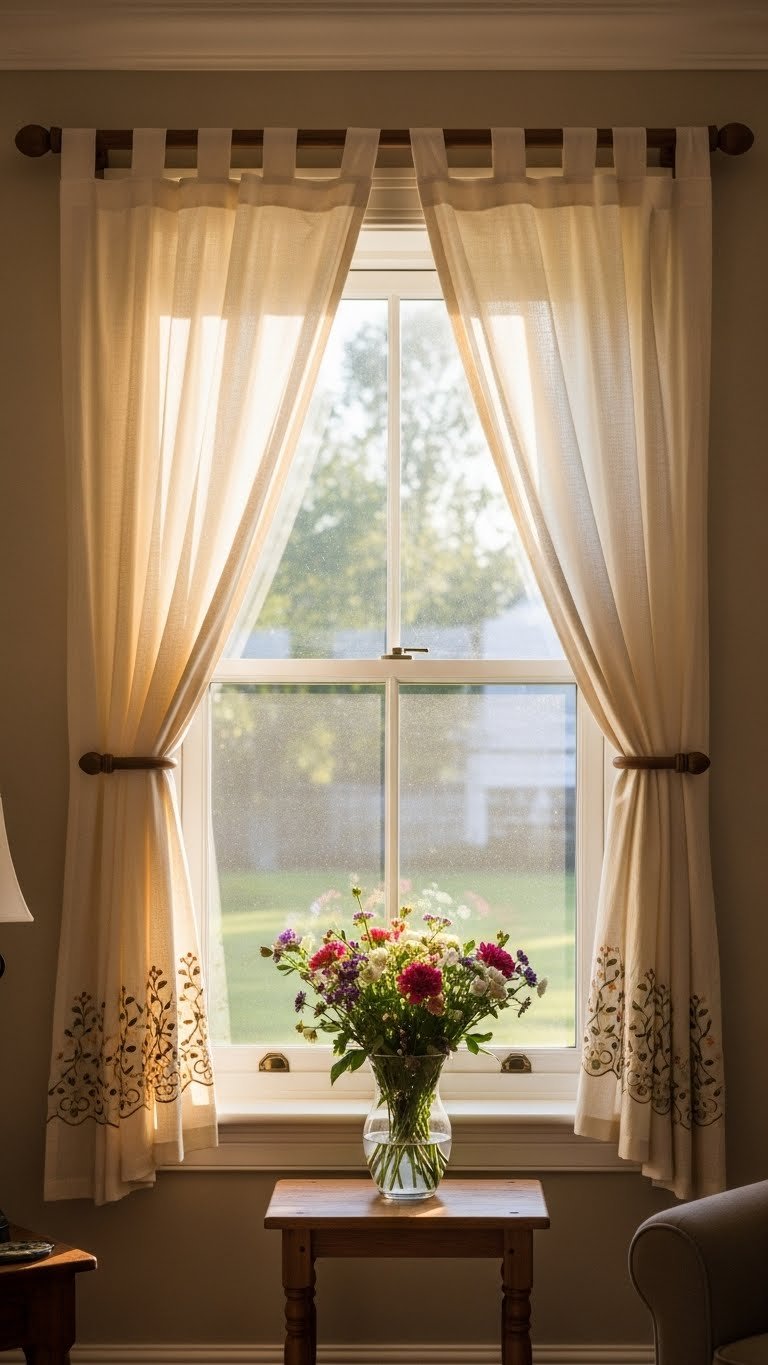
    Hand-embroidered or embellished curtains turn your window into art. This works if you love handmade details and are willing to pay slightly more for uniqueness.

    Find embroidered curtains on Etsy from artisan sellers ($60–$180 depending on detail level), or commission custom embroidery ($150–$400 total project cost). Alternatively, add embroidery trim yourself ($15–$30) using a sewing machine if you’re comfortable with basic sewing, or hire a seamstress ($30–$75 per panel).

    Pro tip: Keep the base curtain simple and neutral so the embroidery is the star.

    Your window becomes a conversation piece. The handmade quality is obvious, and guests notice the care you’ve put into your space. It’s the kind of detail that makes a room feel genuinely personalized.

    20. Use Bold Geometric Prints as Living Room Focal Points

    Geometric patterns are timeless and read as intentional rather than trendy. One pair of bold geometric curtains can anchor an entire room’s design.

    Source geometric-patterned curtains from Wayfair ($40–$100), Etsy ($50–$120), or even IKEA ($30–$60). Choose a bold, confident scale—small patterns get lost. Keep surrounding colors minimal: walls, sofa, and other major pieces should be solid neutrals. Installation is basic; takes 20 minutes.

    Pro tip: The larger your geometric scale, the bolder the statement. Test it first if you’re nervous.

    Your room gains sophistication through pattern rather than color. The geometric print becomes an artwork that you enjoy looking at daily, and it makes the space feel cohesive and designed.

    21. Install Thermal Lining for Winter Insulation and Year-Round Efficiency
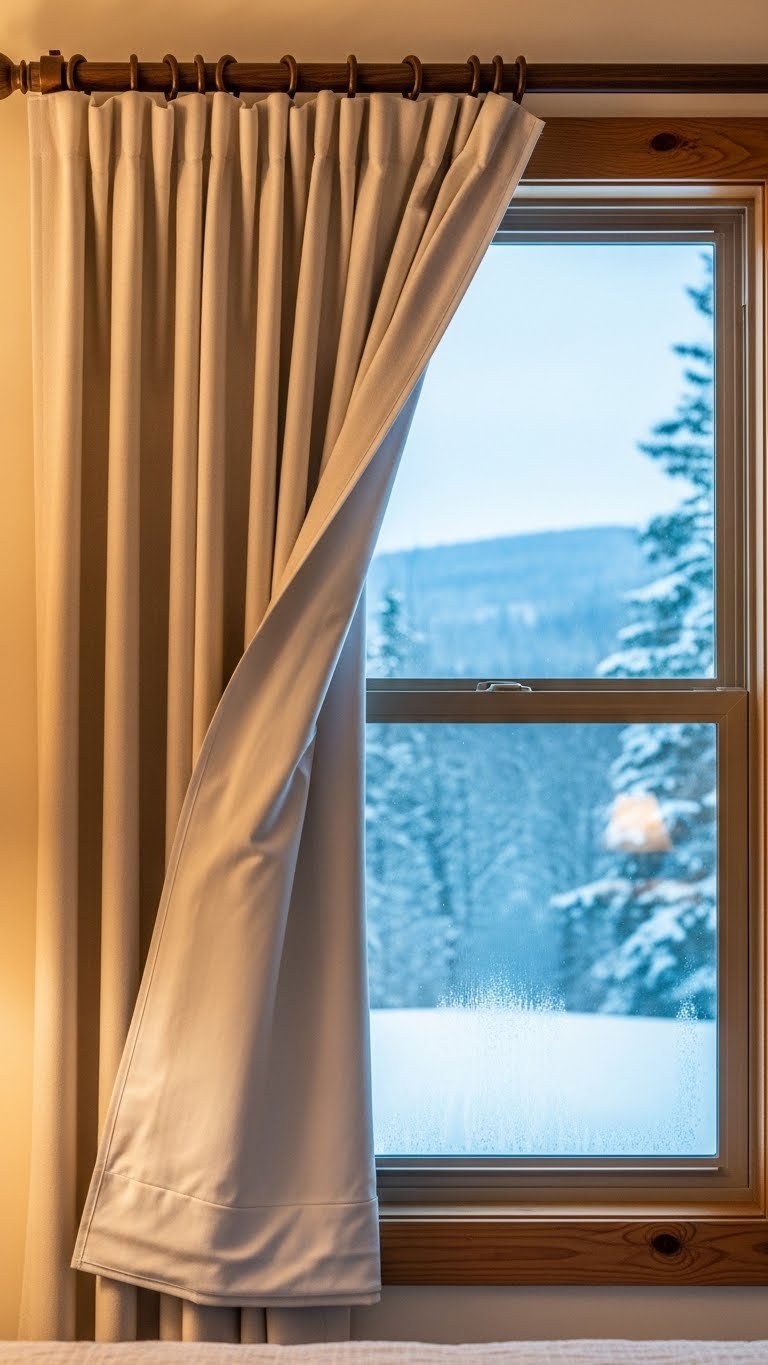
    Thermal linings aren’t visible but work hard—they insulate, reduce outside noise, and cut heating costs. This is a practical upgrade that’s also environmentally responsible.

    Add thermal lining to existing curtains via a tailor or sewing professional ($50–$100 per panel), or buy pre-lined thermal curtains ($60–$150 from Wayfair, Amazon, or specialty curtain shops). Linings add minimal bulk but reduce heat loss by 30–40%. Installation is standard; no extra steps needed.

    Pro tip: Thermal linings work best with heavier fabrics like linen or cotton—lightweight sheers won’t benefit much.

    You notice lower heating bills and a quieter room. The curtains block street noise and maintain indoor temperature, which is practical magic you feel every day.

    22. Try Asymmetrical or One-Sided Curtain Arrangements
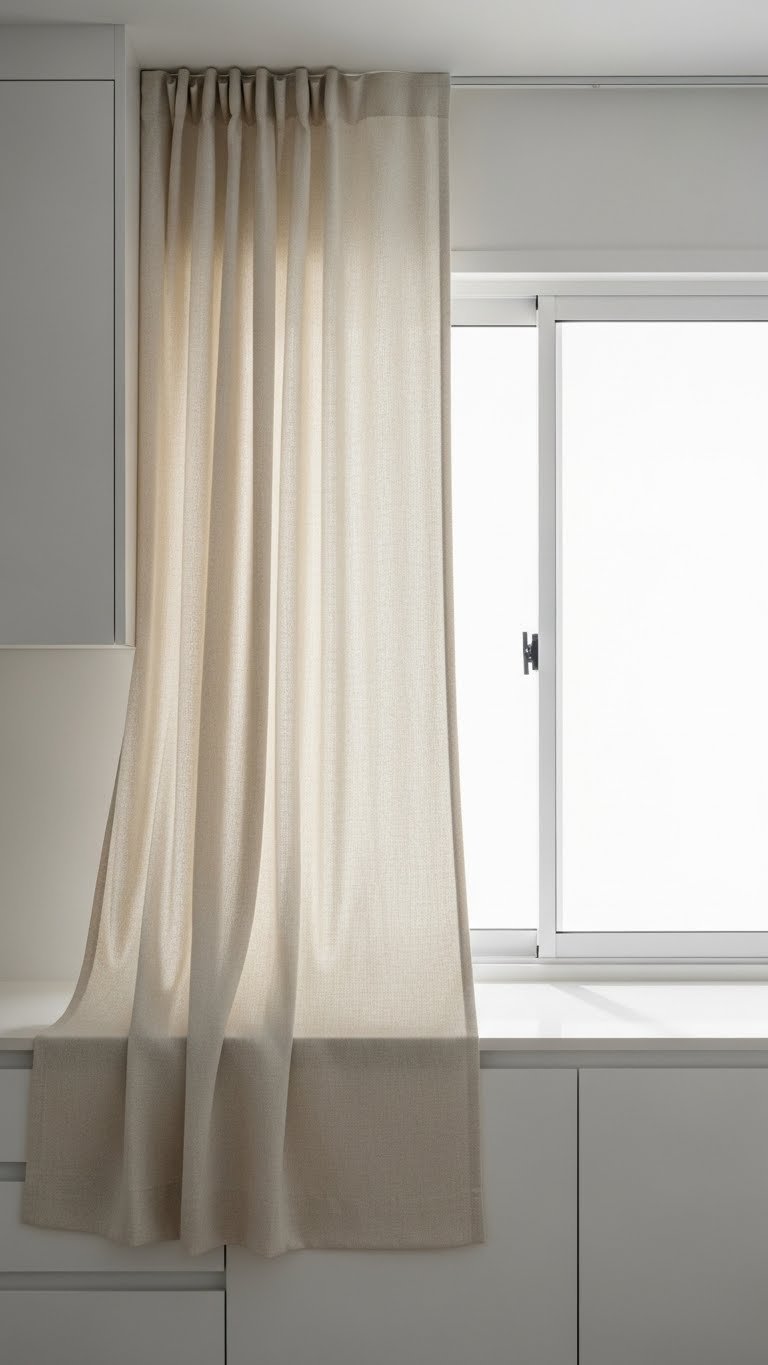
    Asymmetrical curtain styling feels intentional and modern—it breaks the “match everything” rule in a good way. This works in modern, eclectic, or minimalist spaces.

    Use one full-length panel instead of matching pairs ($20–$60). Hang it on one side or let it puddle in one corner. Works best on windows where you don’t need both sides covered, like kitchen windows or accent windows in hallways. Takes 15 minutes to hang.

    Pro tip: Pair with a wall-mounted rod so there’s visual interest above the window even when the curtain’s open.

    Your window feels like a deliberate design choice, not a default setup. The asymmetry is subtle enough to feel modern but bold enough that it’s clearly intentional—that confidence reads as good design.

    23. Layer Gauze for Soft Diffusion Without Blocking Light
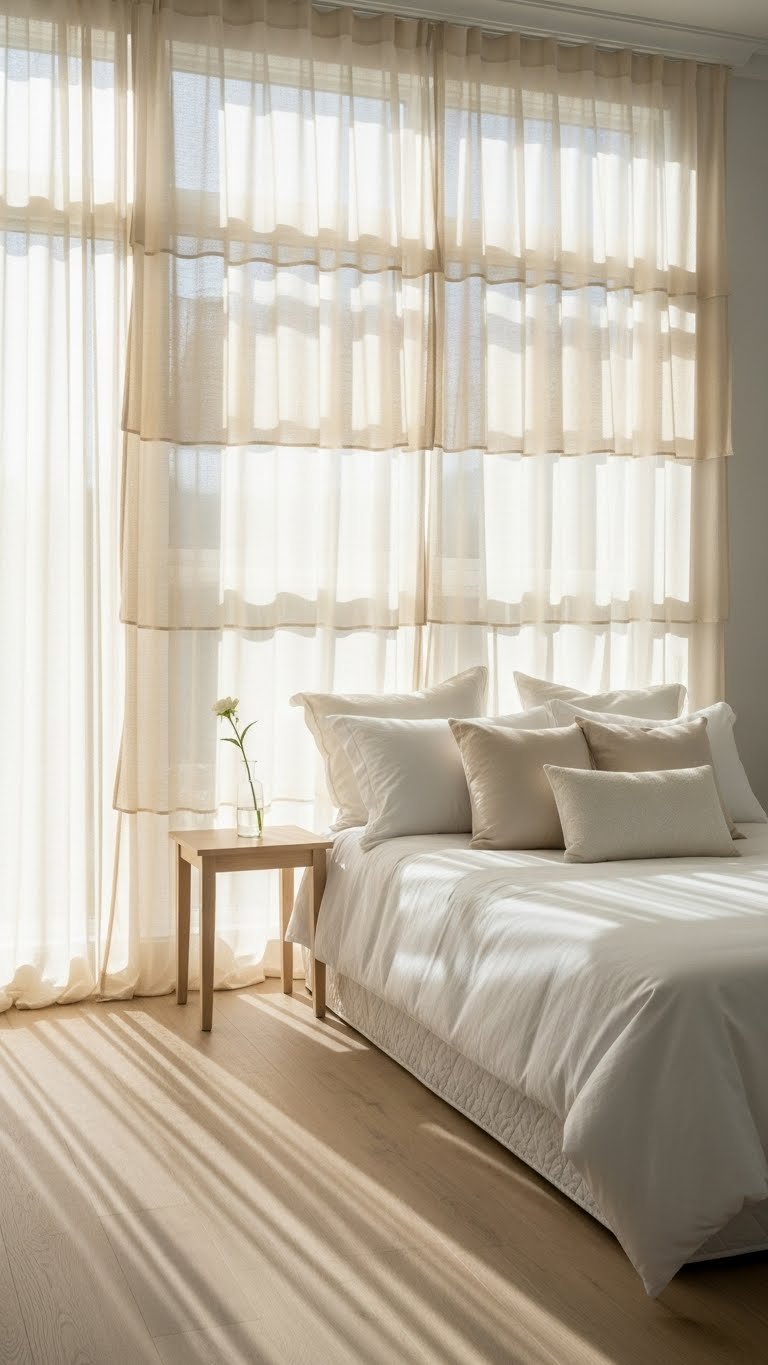
    Gauze layers create that dreamy, soft-focus quality while maintaining transparency. This works if you want all the visual interest of layering without blocking natural light.

    Buy lightweight gauze panels ($15–$30 each from Target, IKEA, or Etsy) and hang 2–3 layers on the same rod or separate tension rods. Gauze is inexpensive enough to experiment. Installation takes 20 minutes for multiple layers. These don’t need special washing—throw them in the delicate cycle when dusty.

    Pro tip: Varying the spacing between layers creates more visual depth than bunching them together.

    The soft, ethereal quality instantly creates a peaceful mood. Your room feels like it’s slightly out of focus in the best way—calm, dreamy, and genuinely relaxing.

    24. Add Statement Tassels or Tie-Back Trims for Vintage Glamour

    Statement tassels and trims elevate basic curtains into something special. This works as a finishing touch that costs little but makes a big visual impact.

    Source coordinating tassels and trim from fabric stores ($5–$20 per yard for trim, $10–$30 for statement tassels) or Etsy. Sew or glue them to basic curtains following simple tutorials (DIY, 1–2 hours) or hire a seamstress ($30–$75). The customization feels expensive but costs far less than replacing the curtains.

    Pro tip: Gold and silver tassels work with almost everything; jewel tones are riskier but stunning with the right palette.

    Your basic curtains suddenly feel custom and high-end. The trims catch light and add visual interest that transforms “adequate” into “designed.” It’s one of those small touches that makes people ask where you bought the curtains.

    25. Use Sheer Overlay Patterns to Create Custom Designs
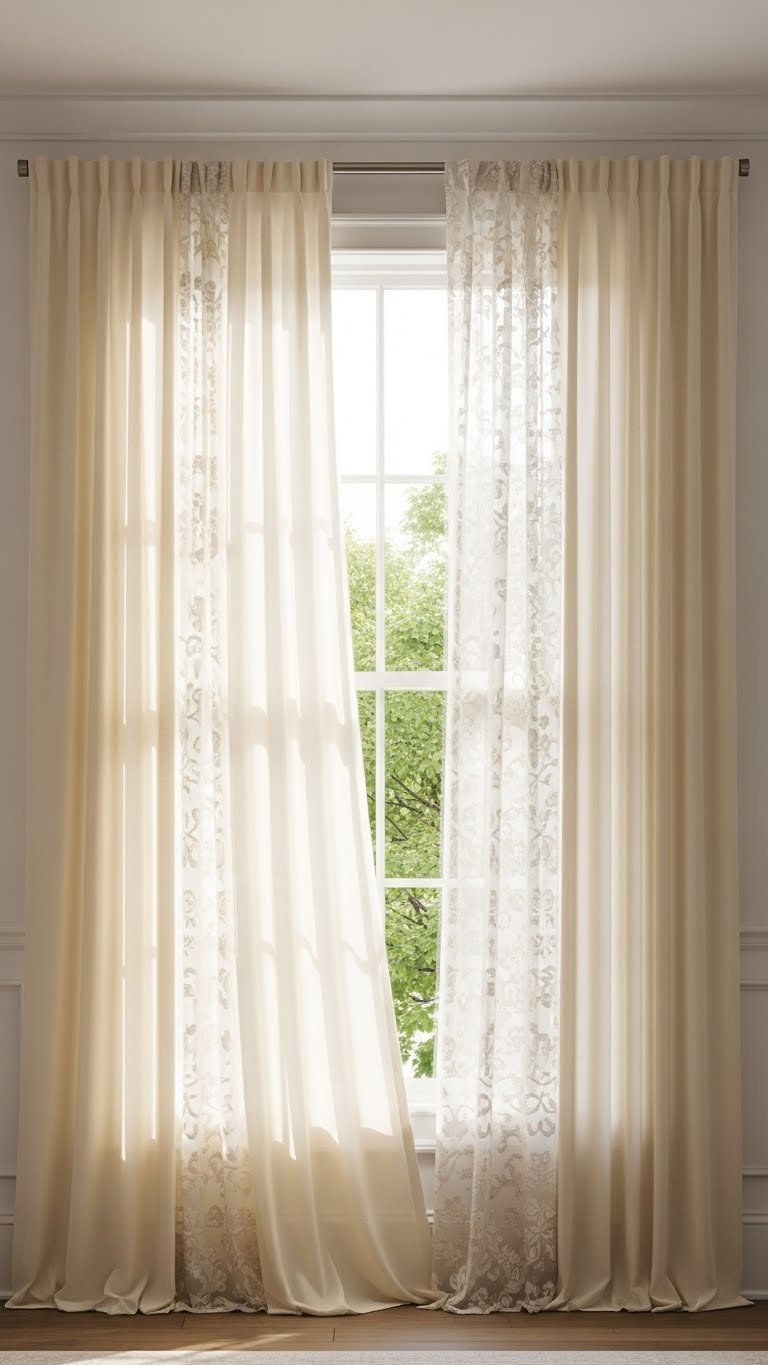
    Sheer patterned overlays (especially embroidered or damask designs) let you customize basic curtains without commitment. This is a renter-friendly way to add intricate visual interest.

    Layer a sheer patterned panel ($25–$60 from Etsy or specialty curtain shops) over your basic curtains. Attach with clips, tension rods, or magnetic strips—zero permanent installation. The overlay creates depth and visual texture without hiding your base layer. Takes 15 minutes to install.

    Pro tip: Keep your base curtains neutral so the overlay pattern reads clearly.

    Your window gains sophisticated detail and visual interest without the commitment of replacing curtains. It’s an affordable way to experiment with ornate designs before you invest in patterned curtains.

    26. Install Café-Style Curtains for Vintage Farmhouse Charm
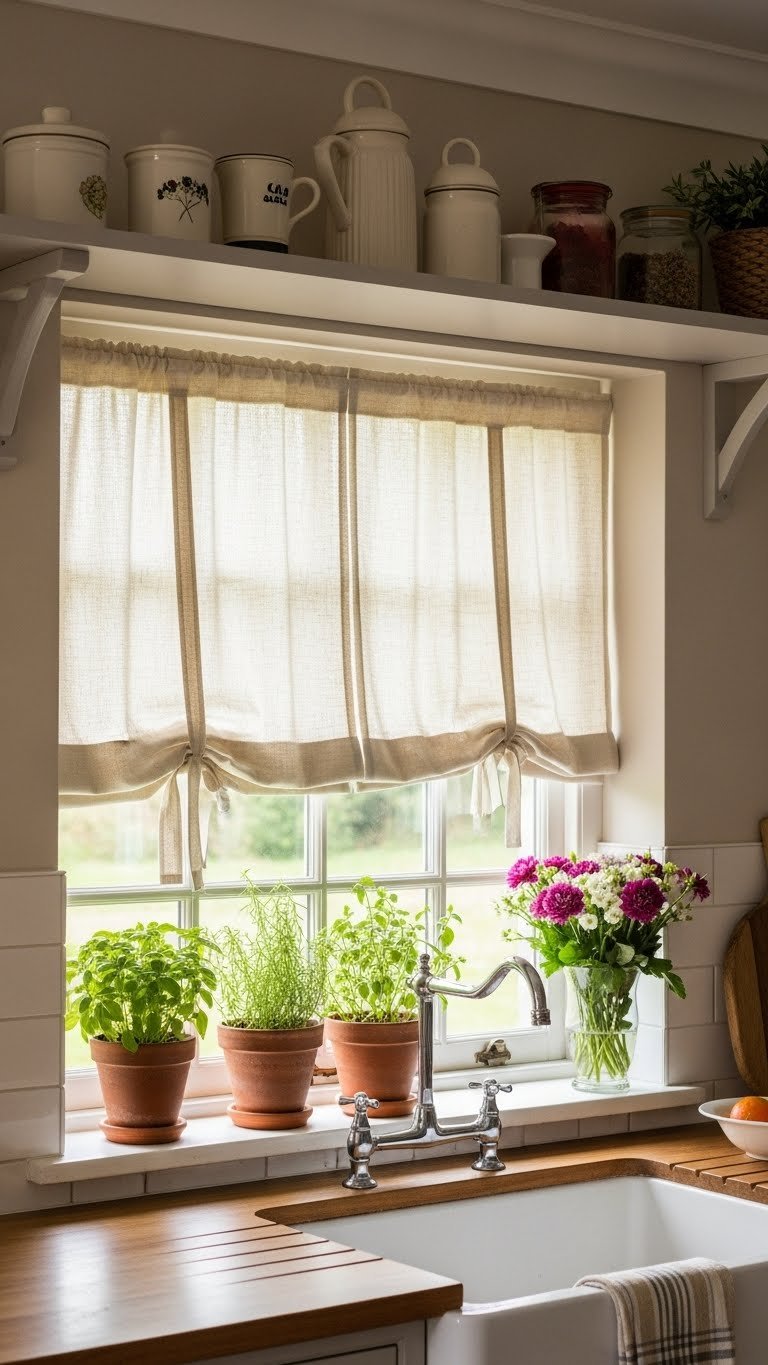
    Café curtains (covering only the bottom half of the window) are vintage-charming and practical for kitchens and bathrooms where you need privacy below but light above. This style is having a major comeback.

    Look for café curtain kits or sets ($20–$60 from Target, Etsy, or IKEA), or make your own by hemming standard fabric to half-window height. Mount a simple rod halfway up the window frame. Takes 20 minutes. These are perfect for kitchens where you want to see out while maintaining privacy from street level.

    Pro tip: Pair with simple brass or black metal rods and basic tiebacks for authentic farmhouse vibes.

    Your kitchen or bathroom gains instant vintage charm without sacrificing light or views. The style feels intentional and cozy—it’s that farmhouse aesthetic that never actually goes out of style.


    SOFT CTA:

    Save this post for your next window refresh, and pick just one idea to try this month—whether it’s adding a thermal lining, testing a bold color, or layering your first sheer-and-blackout combo. Small curtain changes create surprisingly big room transformations.
  • 23 Outdoor Entryway Styling Ideas That Elevate Curb Appeal

    23 Outdoor Entryway Styling Ideas That Elevate Curb Appeal

    Your front entrance is the first thing people notice about your home—and the good news? You don’t need a major renovation to make it stunning. Whether you’re renting or own, working with a tight budget or ready to invest, these 23 ideas will help you create an entryway that makes guests want to stay and keeps you genuinely excited to come home. We’re mixing quick fixes with statement pieces, all designed to boost curb appeal and set the tone for everything beyond that door. Let’s dive in.

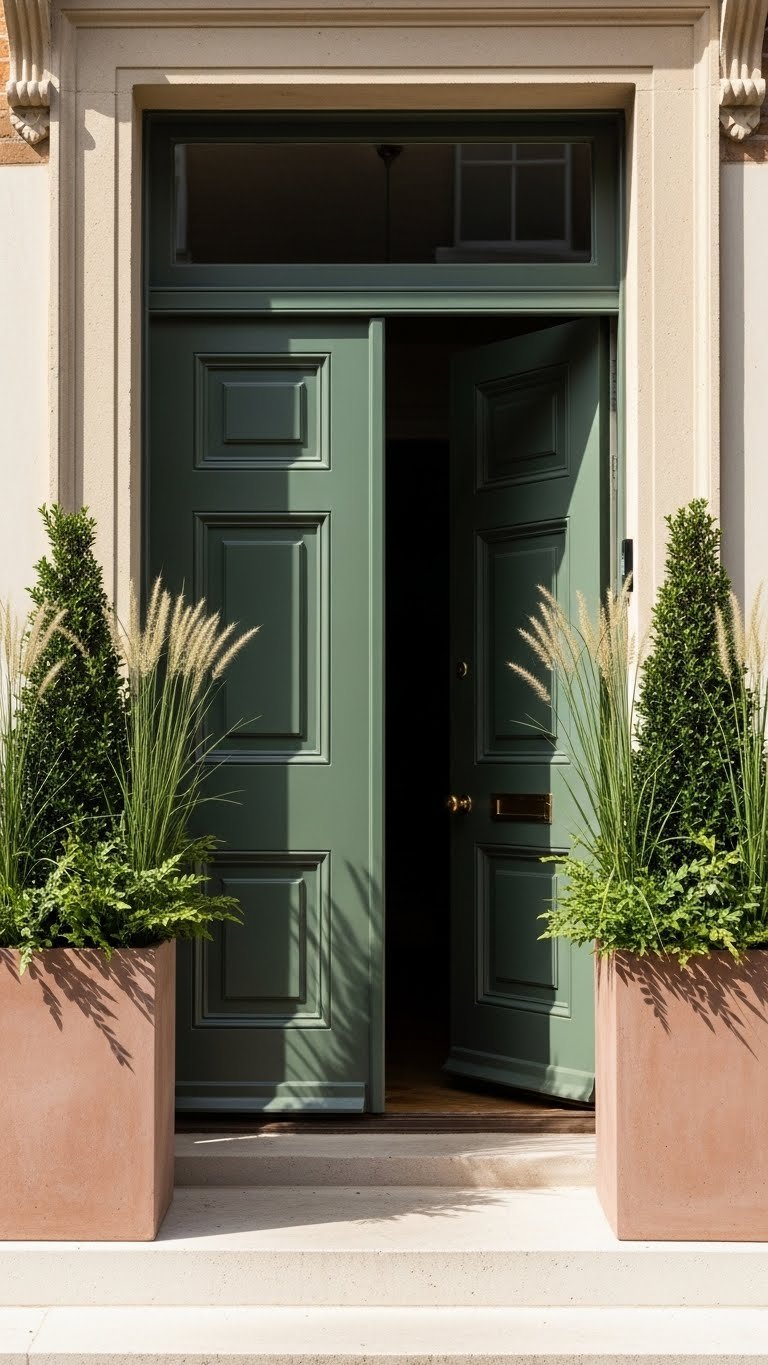
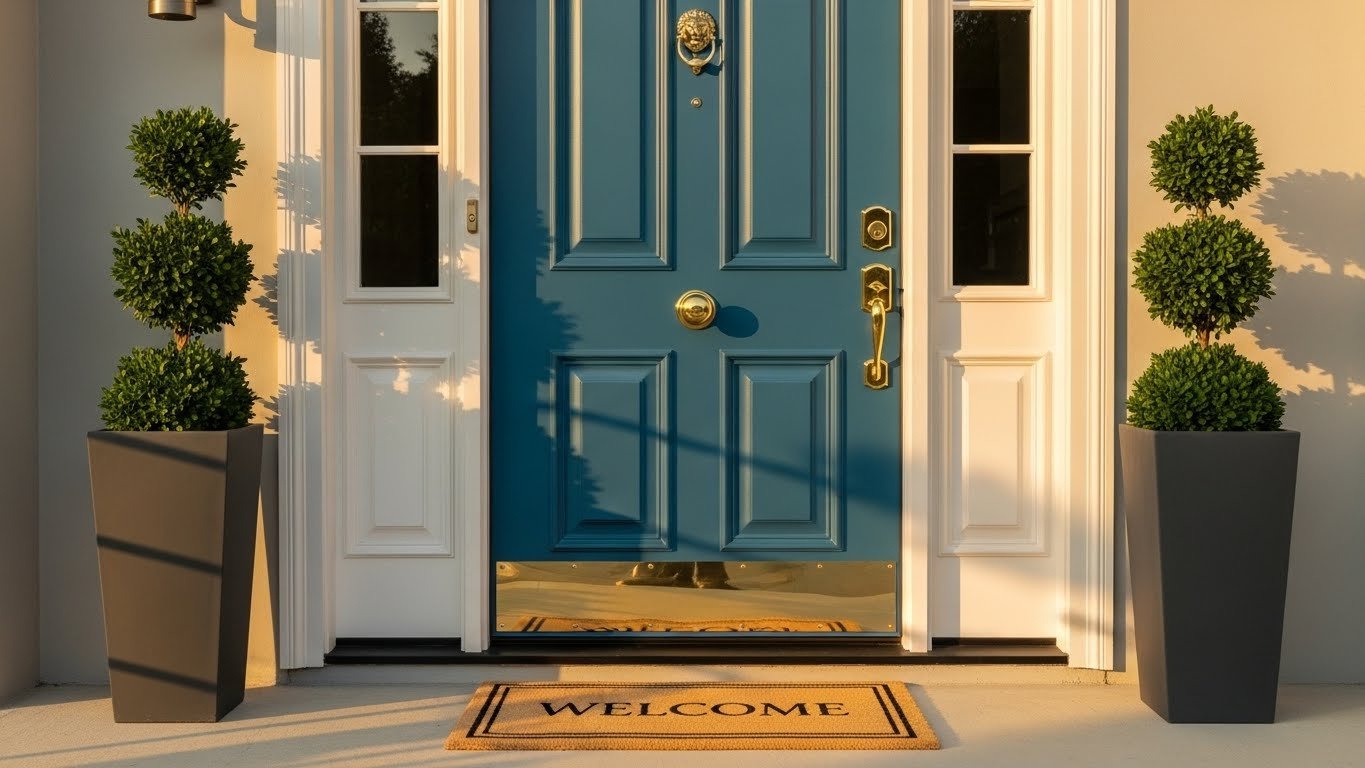
    1. Paint Your Front Door a Bold, Unexpected Color

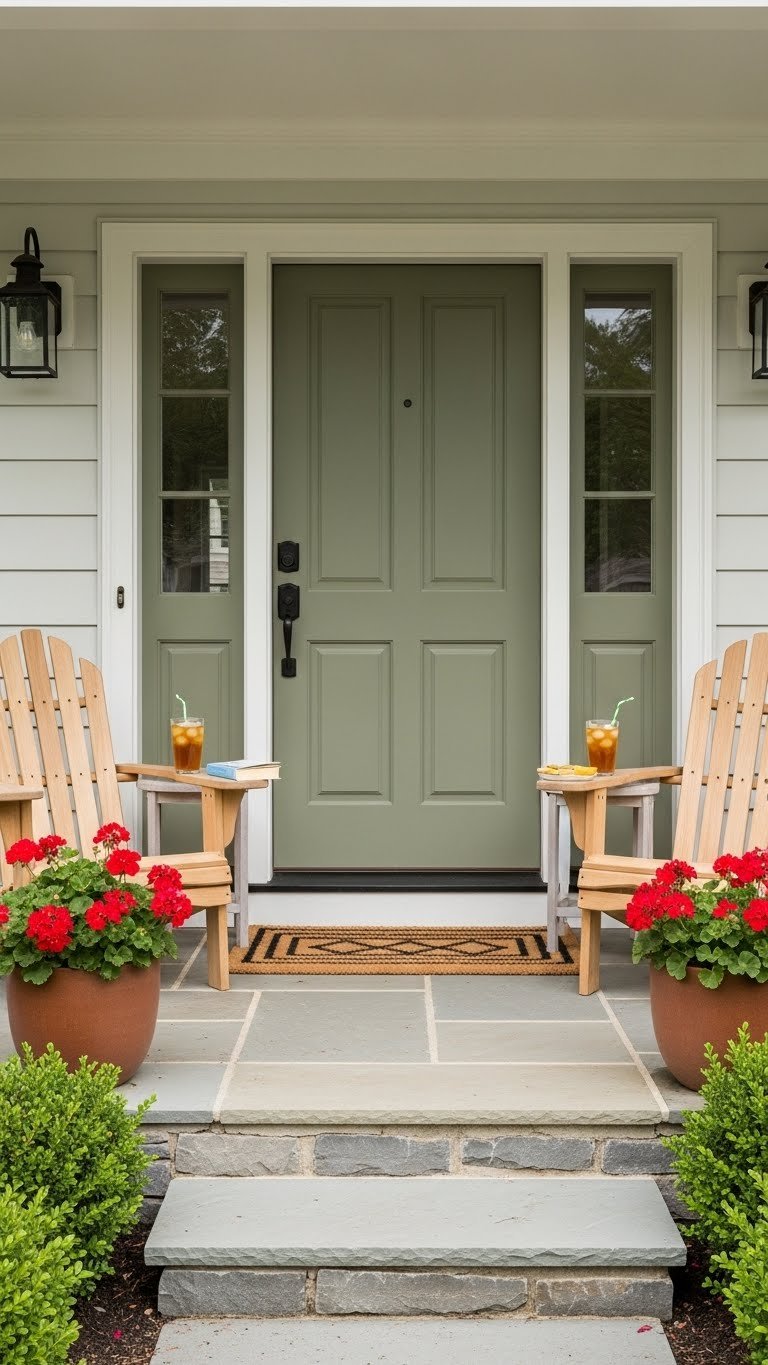
    A fresh front door color is the fastest way to completely refresh your entryway’s personality. This single change costs under $100 and takes one afternoon, yet feels like a professional upgrade. Choose from trending 2025 shades like deep olive, charcoal gray, or burgundy—these earth tones and moody hues pair beautifully with brick, wood, or neutral siding.

    Pick a quality exterior paint in satin or semi-gloss finish (Benjamin Moore, Sherwin-Williams, or Behr all have excellent options). Prep the door by cleaning and lightly sanding, then apply two coats. Budget: $40–$80 for paint and supplies. Time: 4–6 hours including drying. If you’re renting, check with your landlord first—many allow it if you agree to repaint when you leave.

    The result? Your entire home feels more intentional and cohesive. Suddenly, that dated landscaping and weathered stoop don’t matter as much because your eye goes straight to that gorgeous door.

    2. Add Symmetrical Matching Planters

    Symmetry signals polish, and two matching planters on either side of your door instantly elevate the entire entrance. This works for renters (planters stay with you) and costs $50–$150 depending on size and material. Choose neutral tones like concrete gray, terracotta, or cream—these complement any door color and 2025’s earthy palette.

    Fill with seasonal plants: evergreens for year-round structure, ornamental grasses for movement, or flowering perennials for color. Budget: $80–$150 for two quality planters plus soil and plants. Time: 30 minutes to arrange. Plant nurseries often have sales in spring and fall. This is a renter-friendly hack that makes any temporary space feel intentional and finished.

    Your entryway goes from bare to curated in one afternoon. Guests notice the symmetry and care immediately, and you get the daily pleasure of stepping past something beautiful.

    3. Refresh House Numbers with Modern Hardware

    Old, dusty house numbers are an easy detail to overlook—until you replace them and wonder why you waited so long. Modern house numbers in brushed gold, matte black, or stainless steel cost $30–$80 and take 10 minutes to install. This 2025 trend emphasizes clean lines and mixed metals, so choose a style that echoes your door hardware.

    Remove old numbers, fill any holes, lightly sand the area, and mount new ones with the included hardware. Budget: $30–$80 depending on material and size. Time: 15 minutes. Etsy, Wayfair, and Amazon all have excellent options in various styles—from minimalist geometric to vintage-inspired numbers. This is perfect for renters using damage-free adhesive strips.

    This small change makes your home look well-maintained and intentional. It’s the kind of detail that separates “nice” from “wow, they really care about this place.”

    4. Layer Lighting with Wall Sconces and Uplighting

    Lighting transforms your entryway from day to night and signals that someone thoughtful lives here. Add matching sconces on either side of your door ($60–$200 per pair) and consider uplighting for landscaping ($40–$150 per fixture). This creates depth, safety, and genuine ambiance.

    Choose fixtures that complement your door hardware—if your numbers are matte black, go with matte black sconces. Install sconces at eye level (roughly 60–66 inches from the ground) on both sides of the door. For landscaping, place small solar uplighters to highlight trees or architectural features. Budget: $100–$300 for all lighting. Time: 2–3 hours if wiring; instant if solar. Many sconces work with existing outlet boxes, so check before buying.

    Once the sun sets, your entryway becomes a destination. You’ll love coming home to a lit, welcoming entrance, and visitors will feel the care you’ve invested.

    5. Install a Statement Door Knocker or Handle

    A great door knocker or handle is functional art that says something about your style. Modern options in brass, matte black, or mixed metals cost $30–$100 and take 10 minutes to install. This works especially well if your door is a solid color without visual interest.

    Replace your existing hardware (or add a knocker if you only have a handle) by unscrewing old pieces and installing the new one with provided hardware. Budget: $30–$100 depending on design and material. Time: 10 minutes. Look for vintage-inspired designs on Etsy or modern minimalist styles on Wayfair and West Elm for on-trend options.

    Your entryway gains personality and character. Every time you unlock that door, you interact with something genuinely beautiful—and your guests will definitely notice.

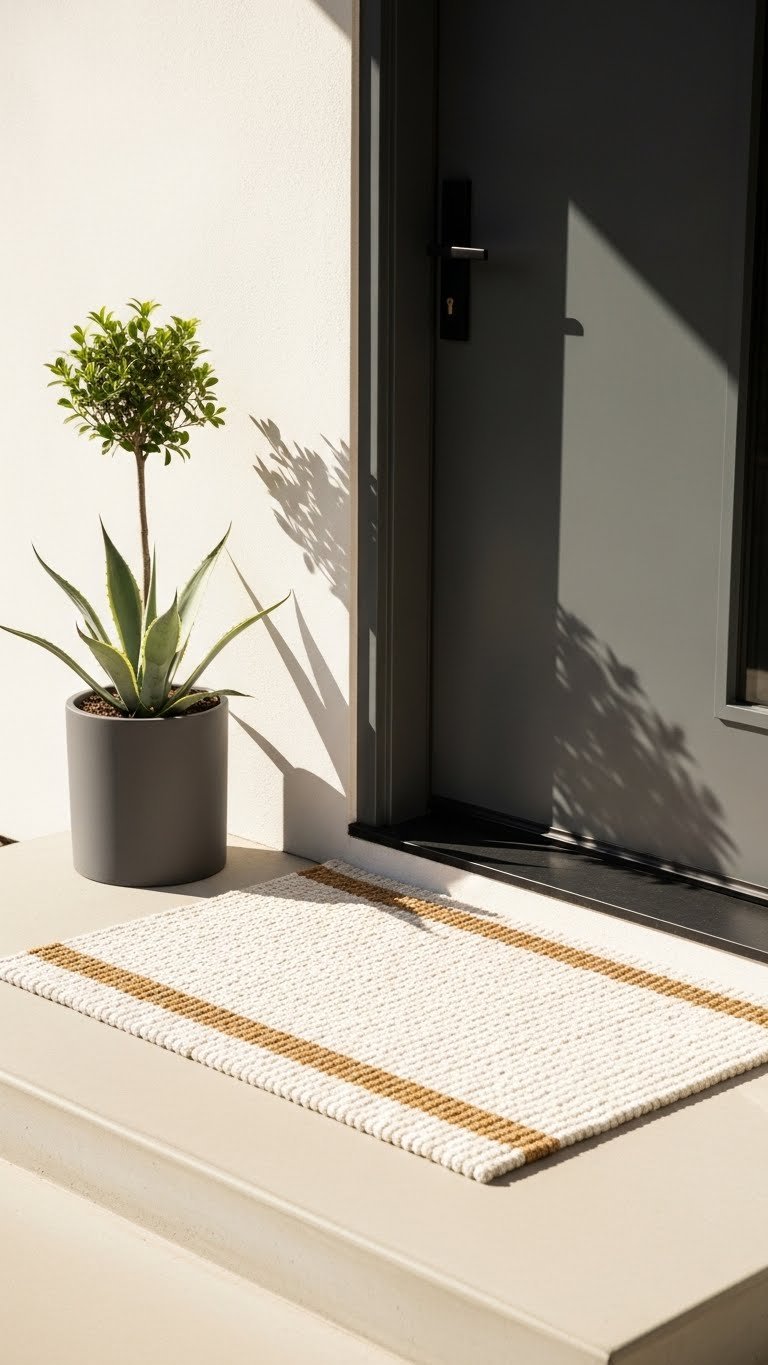
    6. Create a Welcoming Stoop with a Quality Door Mat

    A well-placed door mat grounds your entryway and signals organization. Choose one in natural materials like jute, wool, or cotton in neutral colors ($25–$60) that complements your 2025 earth-tone palette. A 2′ x 3′ size works for most residential doors.

    Position the mat directly centered in front of the door on the stoop. If you’re renting, this is completely portable and adds instant polish. Budget: $25–$60 for a quality mat. Time: instant—just unroll and position. Etsy, Target, and Home Depot all carry stylish options. Look for patterns that hint at biophilic design (leaf motifs, natural textures) for added personality.
    Your entryway immediately feels more intentional and finished. The mat also has a practical benefit: guests know exactly where to wipe their feet.

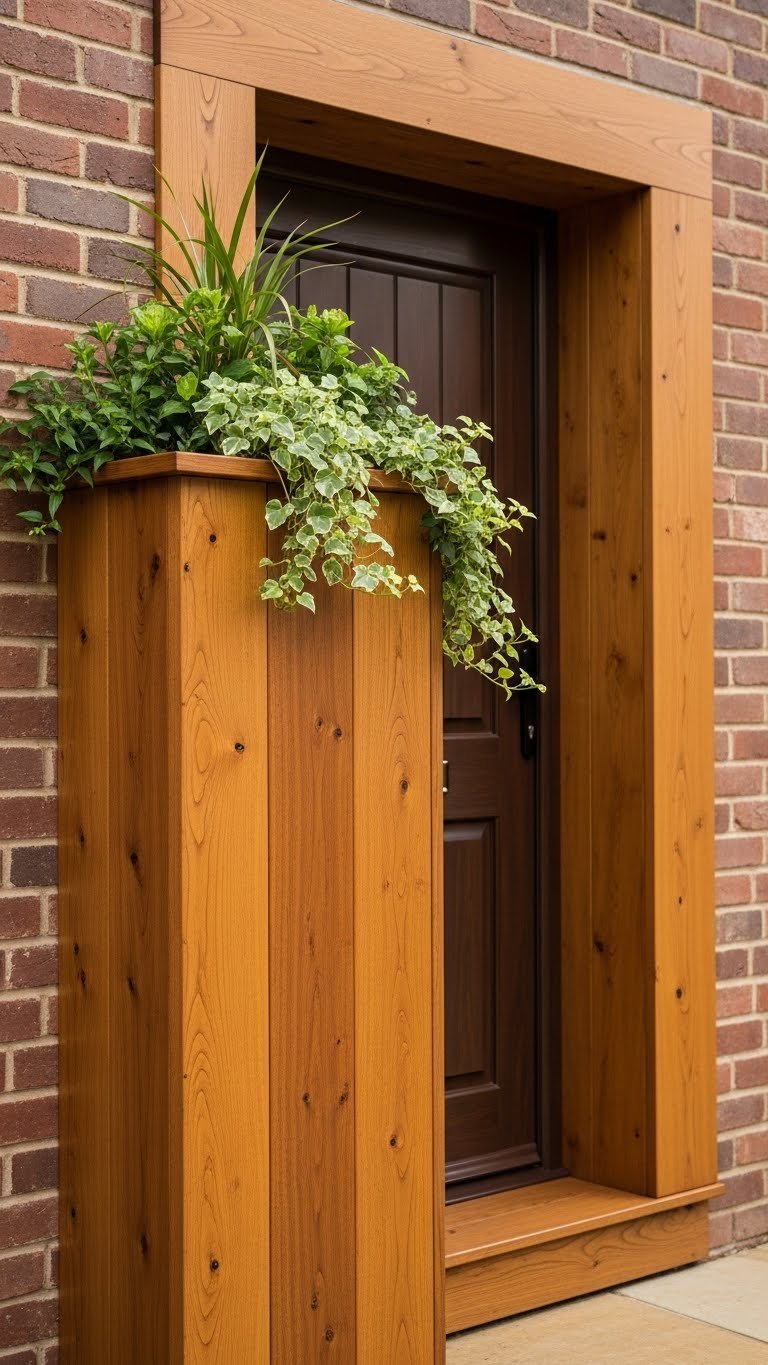
    7. Mix Materials: Add Wood Accents to Brick or Stone

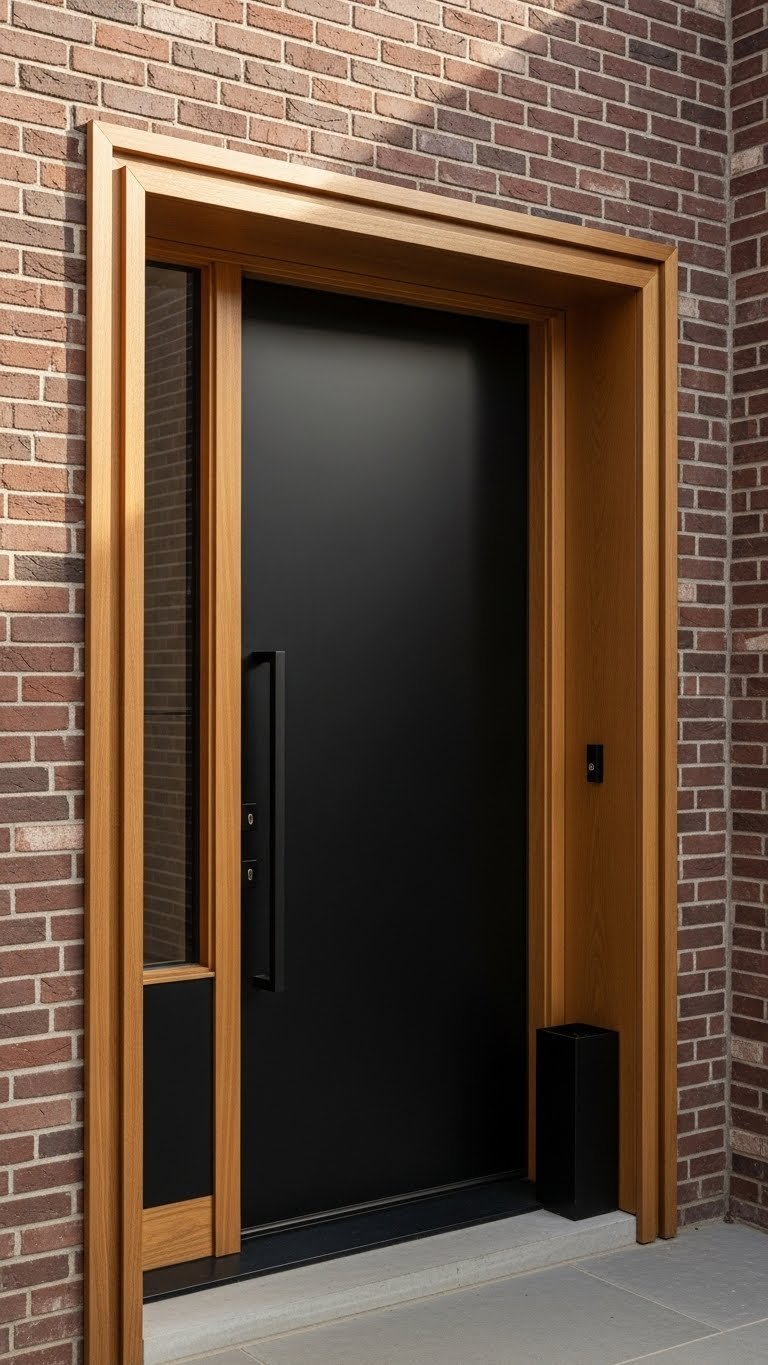
    Mixing materials—specifically adding warm wood to brick or stone—is one of 2025’s biggest trends and instantly adds depth and richness. Build or buy a wooden planter box, add wooden trim around the door frame, or install a wooden railing. This costs $50–$300 depending on whether you DIY or buy ready-made.

    If building, use cedar or composite wood (weather-resistant) and stain in warm oak or walnut tones. Budget: $50–$150 for materials if DIY; $200–$400 if ordering online. Time: 2–4 hours for installation. If you’re renting, portable wooden planters achieve the same mixed-material effect without permanent changes.

    The combination of wood warmth and brick or stone creates visual interest and feels intentionally designed. Your entryway stops looking flat and gains architectural character.

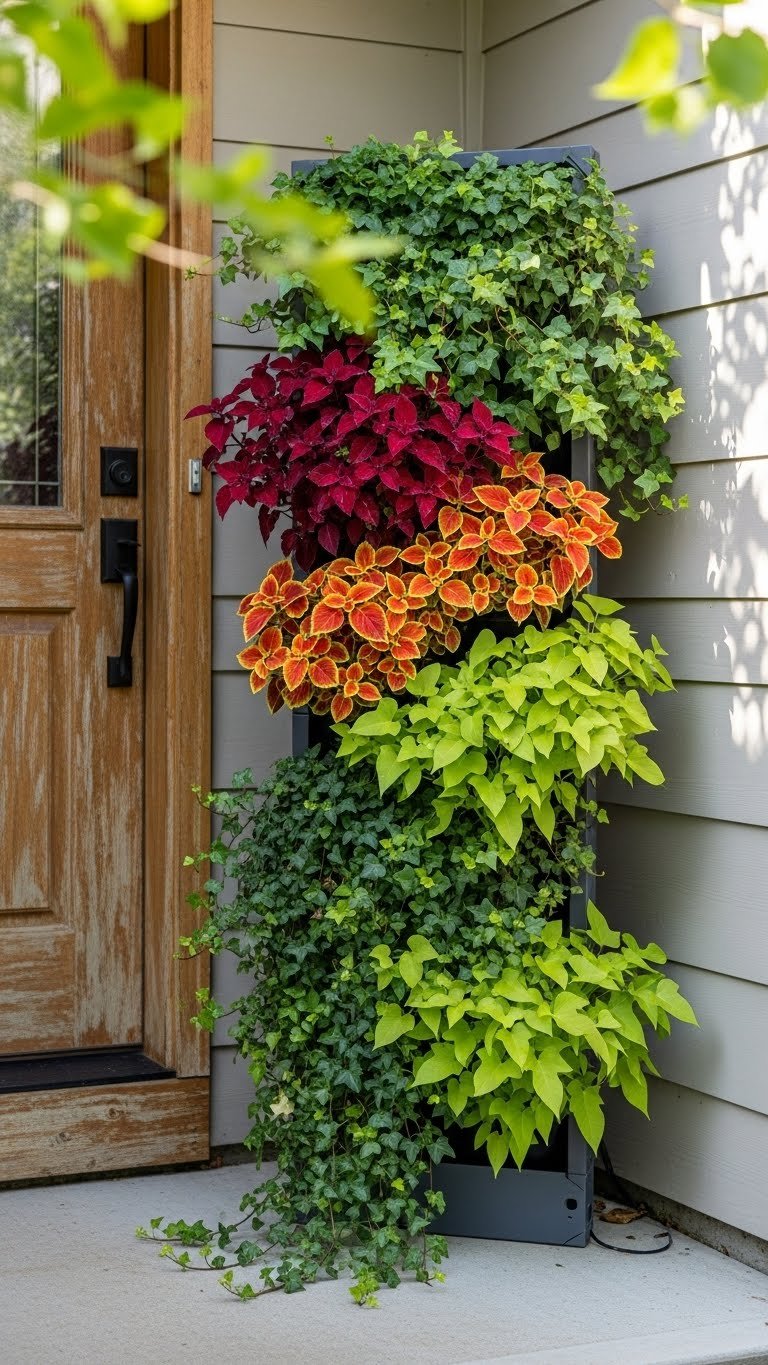
    8. Add a Living Wall or Vertical Garden

    A vertical garden or living wall brings biophilic design (nature’s calming effect) right to your entryway. This 2025 trend costs $80–$250 for a ready-made system and creates instant visual impact. Choose low-maintenance plants like ivy, ferns, or succulents that thrive in your climate.

    Install a modular wall system (like Woolly Pocket or similar) directly on your siding or use a freestanding trellis with climbing plants. Budget: $80–$200 for system plus plants; $100–$250 if buying pre-planted options. Time: 1–2 hours for installation. Water as needed (systems vary, so check requirements). Even renters can use a trellis system in a large planter for the same effect.
    Your entryway becomes a conversation starter and genuinely improves air quality. You’ll feel the biophilic shift every time you approach your door—suddenly, you’re noticing greenery and growth instead of just concrete.

    9. Paint or Stain Your Front Steps

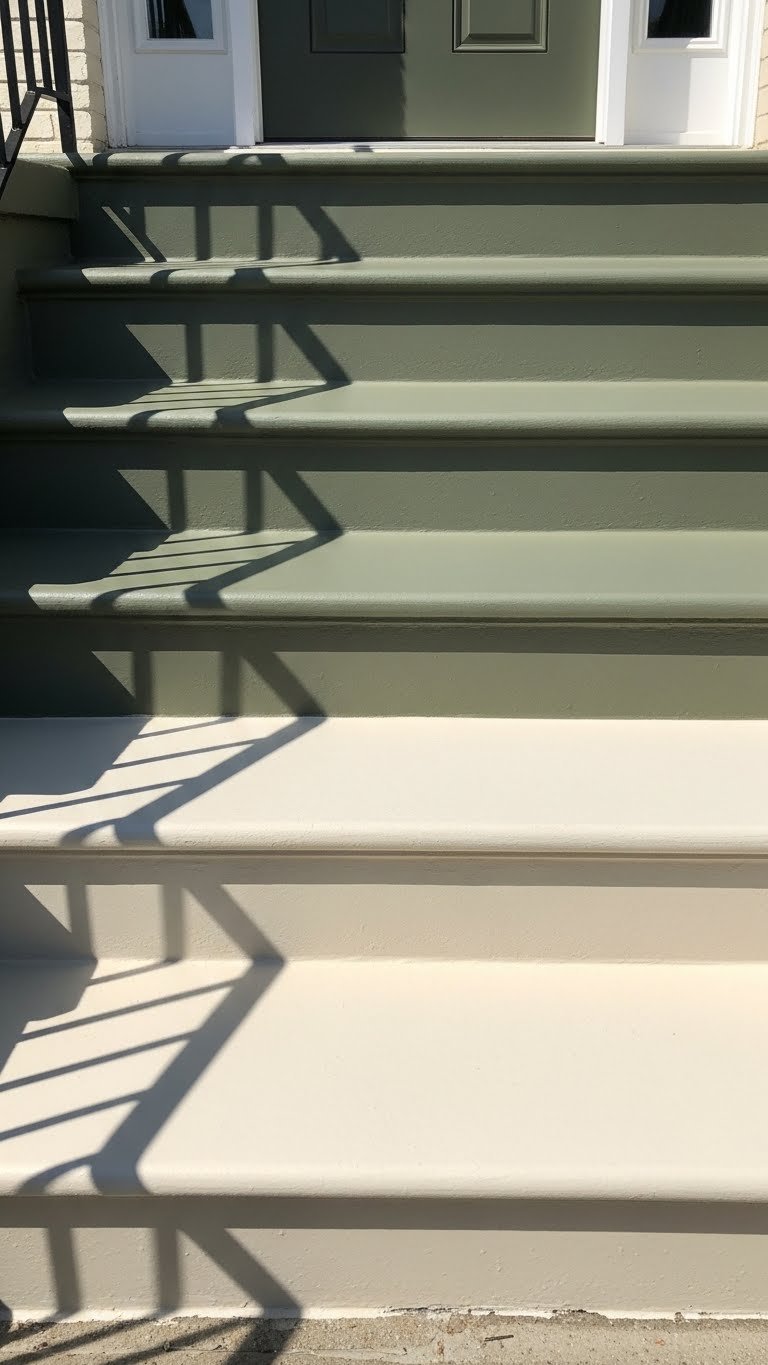
    Neglected front steps scream “needs maintenance,” while clean, freshly painted ones signal care and attention. Use concrete paint, deck stain, or exterior paint suitable for high-traffic areas. Budget: $30–$80 for paint and supplies. Time: 4–6 hours including prep and drying. Choose a color that complements your door and siding—trending colors include charcoal, olive, cream, or even a soft gray-green.

    Prep by cleaning thoroughly, letting dry completely, then applying two coats with a quality brush or roller. Let cure for 48 hours before heavy foot traffic. If you’re renting, use a removable deck paint or check your lease first.

    Your entryway instantly looks maintained and intentional. Clean, freshly painted steps make the entire home feel more valuable—even if nothing else changes.

    10. Install Black Matte Accents Around the Door Frame

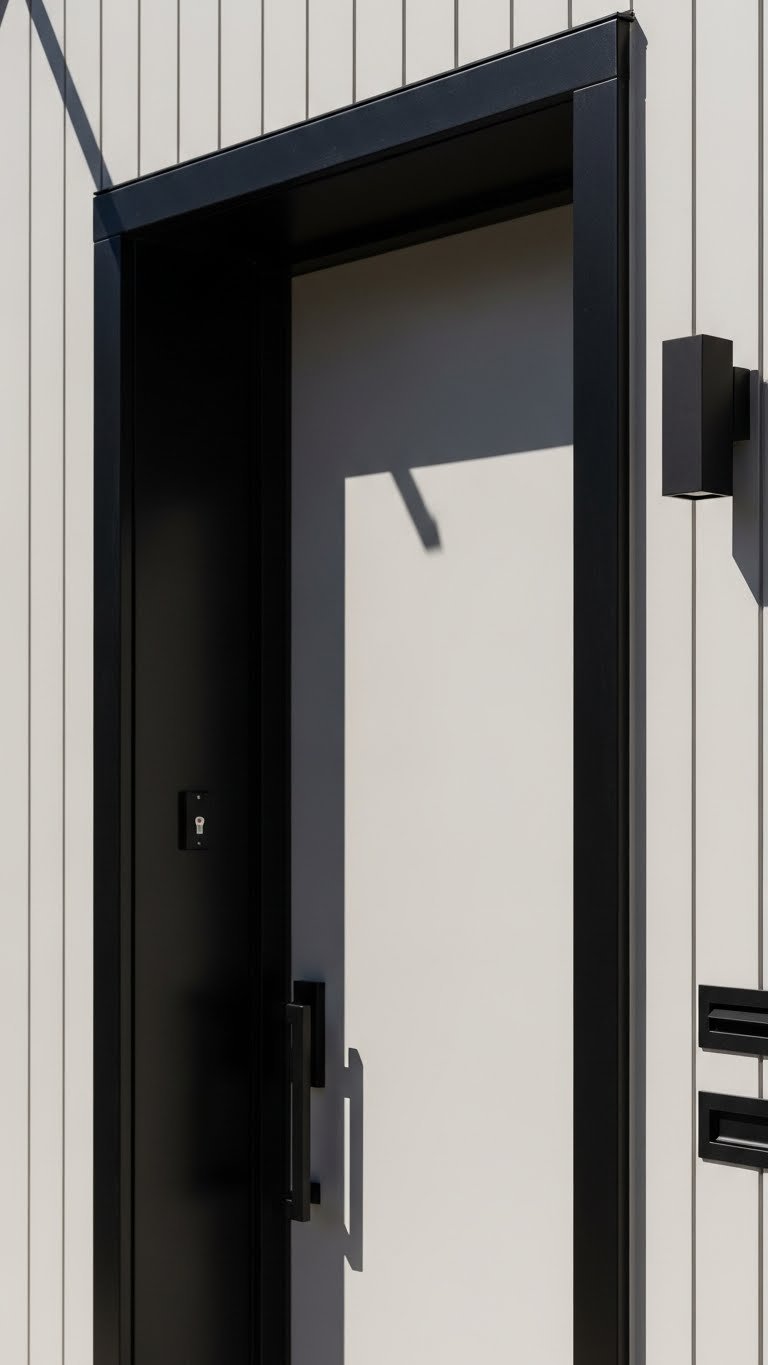
    Black matte accents—trim around the door frame, window frames, or even a painted border—create drama and visual interest without being overwhelming. This 2025 trend works especially well with brick, stone, or neutral siding. Paint the trim or use adhesive-backed metal trim ($30–$100).

    Use a quality matte black exterior paint or pre-made trim pieces. Budget: $30–$80 for paint or trim materials. Time: 2–3 hours for painting. This pairs beautifully with brass or gold hardware for a mixed-metal, upscale look. If you’re renting, focus on portable elements like a black mat or planters instead of painting.

    The matte black draws the eye and creates a curated, intentional entry. Your door becomes a focal point rather than just an opening.

    11. Add Uplighting to Highlight Architectural Features

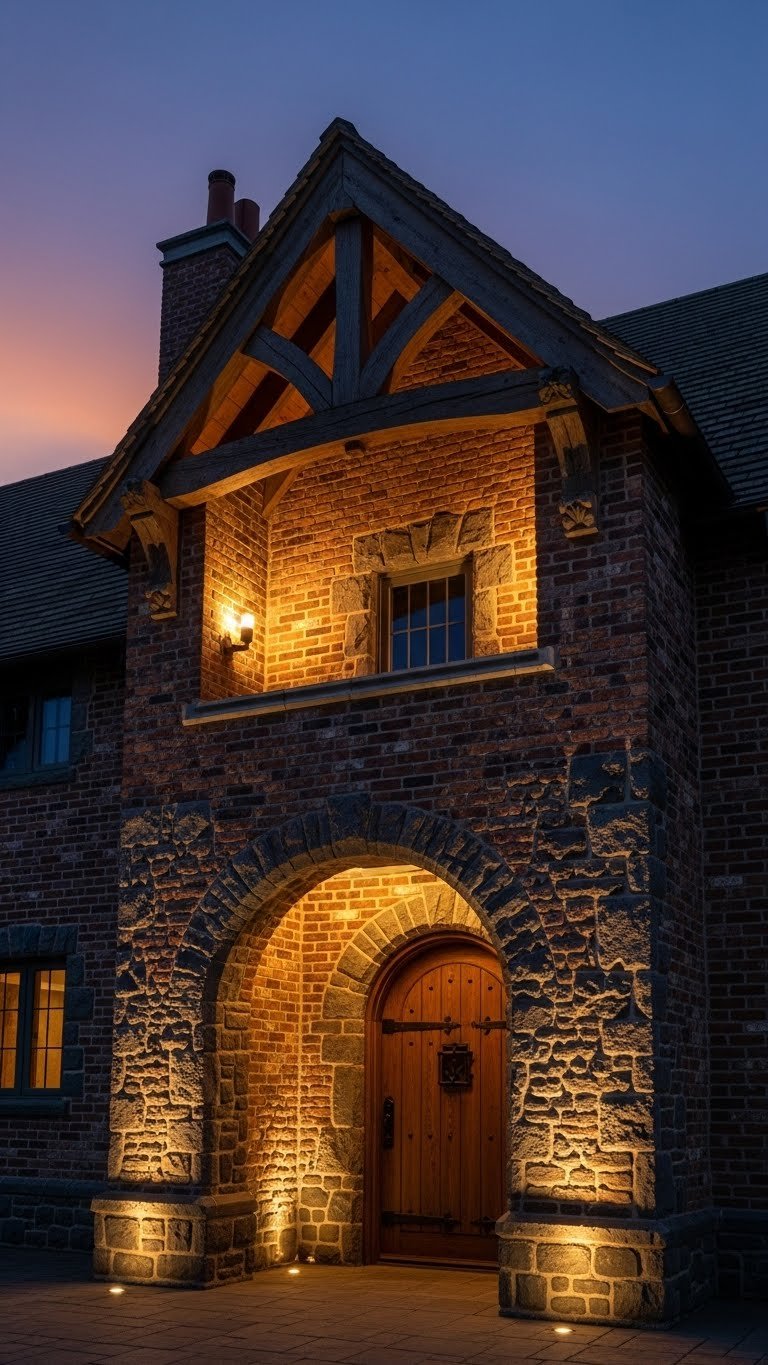
    Uplighting—ground-level lights pointing upward—highlights your home’s best architectural features (gabled roofs, columns, stonework) and creates a high-end, magazine-quality feel. Solar uplighters cost $40–$100 per fixture; hardwired options run $150–$300 per fixture.

    Position lights 2–3 feet from the base of the feature you want to highlight, angled slightly upward. Budget: $40–$150 for solar; $150–$300 per fixture if hardwired. Time: 30 minutes for solar; 2–3 hours if wiring needed. Solar options are renter-friendly and require no installation beyond positioning.

    At night, your entryway becomes architectural and dramatic. The uplighting signals that someone invested in thoughtful design, and you gain genuine ambiance every evening.

    12. Refresh Your Landscaping with Native Plants

    Native plants align with 2025’s sustainability focus and biophilic design while requiring less water and maintenance than ornamental imports. Replace tired shrubs or add new beds with plants that thrive in your region. Budget ranges from $50–$300 depending on how much you refresh.

    Visit your local native plant nursery to identify species suited to your climate, sun exposure, and soil. Budget: $50–$200 for plants; add $50–$100 for soil and mulch. Time: 2–3 hours for planting. This is a perfect weekend project and truly long-lasting. Ask nursery staff for recommendations specific to your hardiness zone.

    Your landscaping becomes an asset rather than an afterthought. Native plants bloom at predictable times, attract pollinators, and create genuine seasonal interest—plus they practically care for themselves.

    13. Install a Sleek, Modern House Number Planter

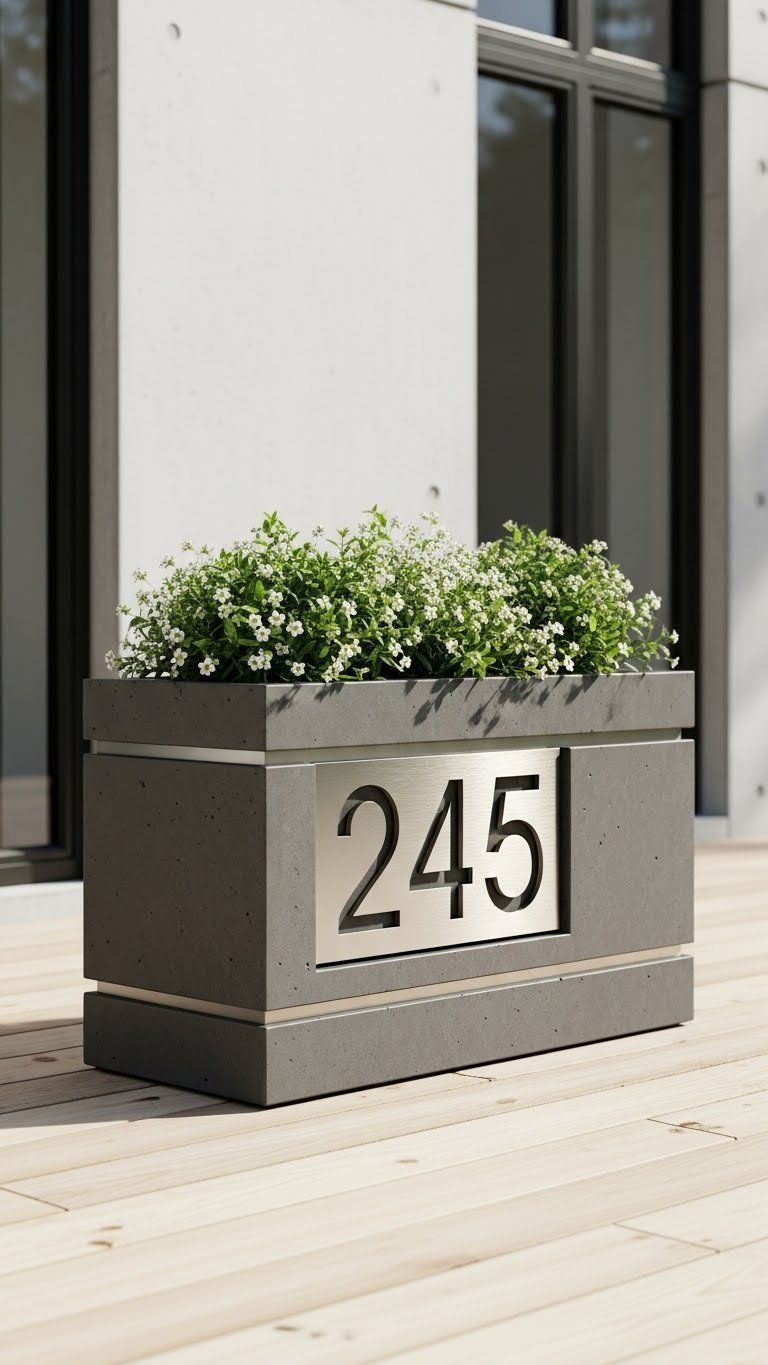
    Combine two essential elements—house numbers and planting—into one statement piece. Modern house number planters ($60–$150) serve double duty and look far more intentional than a bare number on the wall. Choose concrete, metal, or composite materials in neutral finishes.

    Position near your door or to one side of the entryway, fill with seasonal plants or greenery, and watch it become a conversation starter. Budget: $60–$150 for the planter. Time: 15 minutes to position and plant. Etsy, Wayfair, and specialty home stores carry excellent options. Renters can use this as a portable, non-permanent way to add polish.

    This single piece communicates “I care about design details” and adds function plus beauty to your entryway.

    14. Create Visual Balance with Dual Accent Chairs or Benches

    If you have porch or stoop space, add matching seating for visual balance and genuine functionality. Two Adirondack chairs or a single bench ($100–$300 total) create an inviting spot and signal hospitality. Choose finishes that complement your door and landscaping—natural wood, painted charcoal, or cream all work beautifully.

    Position symmetrically on either side of the entry or center a bench. Budget: $100–$300 for quality seating. Time: 30 minutes to position and stabilize. Look for weather-resistant options at Target, Wayfair, or West Elm. This is portable and perfect for renters with porch access.

    Your entryway becomes a destination people actually want to linger in. Plus, you get a functional spot to sit while greeting neighbors or waiting for guests.

    15. Mix Textures: Combine Brick, Wood, and Metal

    Layering textures—brick, warm wood, and sleek metal—creates visual interest and prevents your entryway from feeling flat or one-note. This trend dominates 2025 design. If you’re starting from scratch, consider thin brick veneer ($3–$8 per sq. ft.), cedar trim, and matte black hardware. For existing spaces, add wood trim, metal railings, or hardware to what you have.

    Budget: $100–$300 for accent pieces like trim, railings, or hardware. Time: 4–8 hours for installation depending on complexity. Mixed materials work beautifully with 2025’s earth tones and modern-traditional fusion style. Even renters can layer textures using wood planters, metal plant stands, and natural fiber mats.

    The combination of materials prevents visual monotony and creates genuine architectural interest. Your entryway feels curated and intentional rather than default.

    16. Install a Canopy or Awning for Practical Elegance

    A canopy or awning (metal, fabric, or wood) adds shelter, shade, and architectural interest. Modern options cost $200–$600 installed (or $100–$300 DIY). Choose styles that complement your home’s aesthetic—clean-lined metal for modern homes, fabric for traditional, or wood for rustic-modern blends.

    This works especially well if your door faces strong afternoon sun or receives heavy rain. Budget: $100–$300 for DIY installation; $300–$600 for professional install. Time: 2–4 hours for DIY; 1–2 hours for pros. Metal options are low-maintenance; fabric awnings require occasional cleaning. Check if your rental allows this before purchasing.

    The awning immediately makes your entryway feel more finished and intentional. You also gain practical shelter, which makes rainy days or sunny afternoons far more pleasant.

    17. Paint or Stain Your Front Door Frame Contrasting Trim

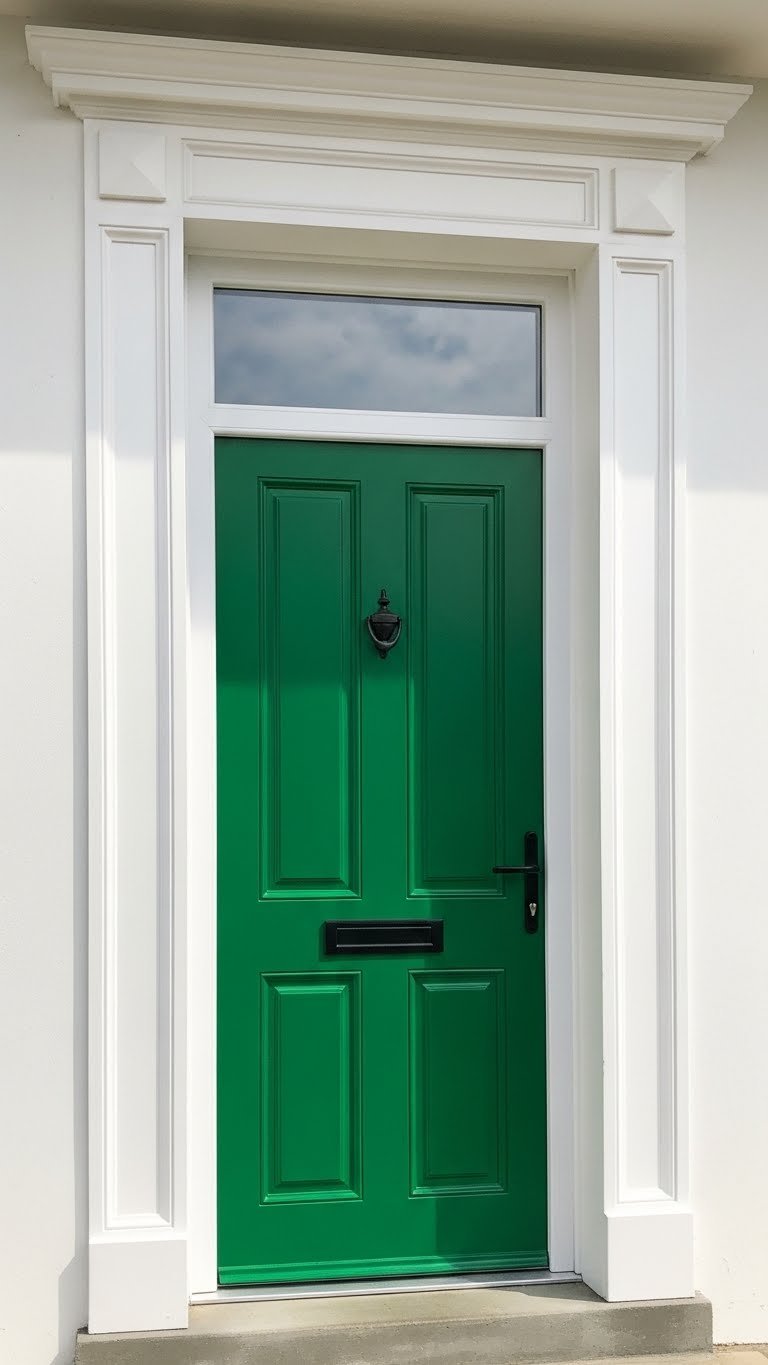
    High-contrast trim around your door frame emphasizes the door and adds architectural detail. Paint the frame in white, cream, or a complementary shade—this 2025 trend creates visual interest without clashing. Use quality exterior paint ($20–$40) and spend an afternoon refreshing the trim.

    Budget: $20–$50 for paint and supplies. Time: 2–3 hours. This technique works particularly well if you have a bold-colored door. The contrast draws the eye and makes your door appear more intentional and designed. Renters can use painter’s tape to create temporary trim effects if permanent painting isn’t an option.

    The contrasting frame instantly elevates your entryway’s architectural interest. That single detail transforms the entire entry from basic to polished.

    18. Add a Decorative Door Panel or Millwork Detail

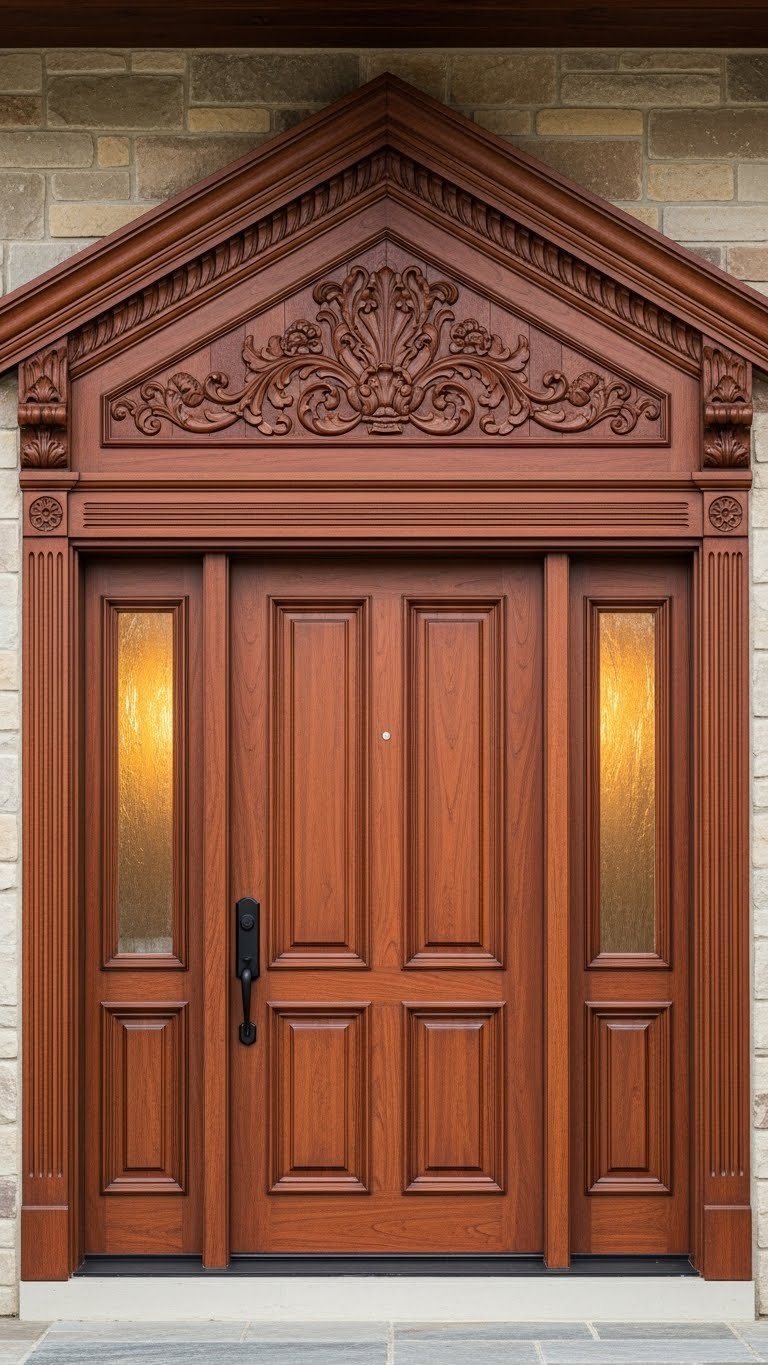
    Decorative door panels, arched millwork, or a peaked accent above the door add character and visual depth. This could be an upgrade to your existing door ($300–$800) or a DIY addition using wood trim ($50–$150). Modern-traditional fusion styles blend sleek lines with arched details for a contemporary-classic feel.

    Look for wooden doors with raised panels, arched tops, or geometric details. Budget: $50–$150 for trim accents; $300–$800 for a new decorative door. Time: 2–3 hours for trim DIY; professional door replacement takes a few hours. This is a bigger investment but dramatically elevates your entryway’s architectural impact. Renters might prioritize other options unless you own.

    The added millwork detail transforms a flat door into an architectural focal point. Your entryway suddenly looks considered and designed rather than default.

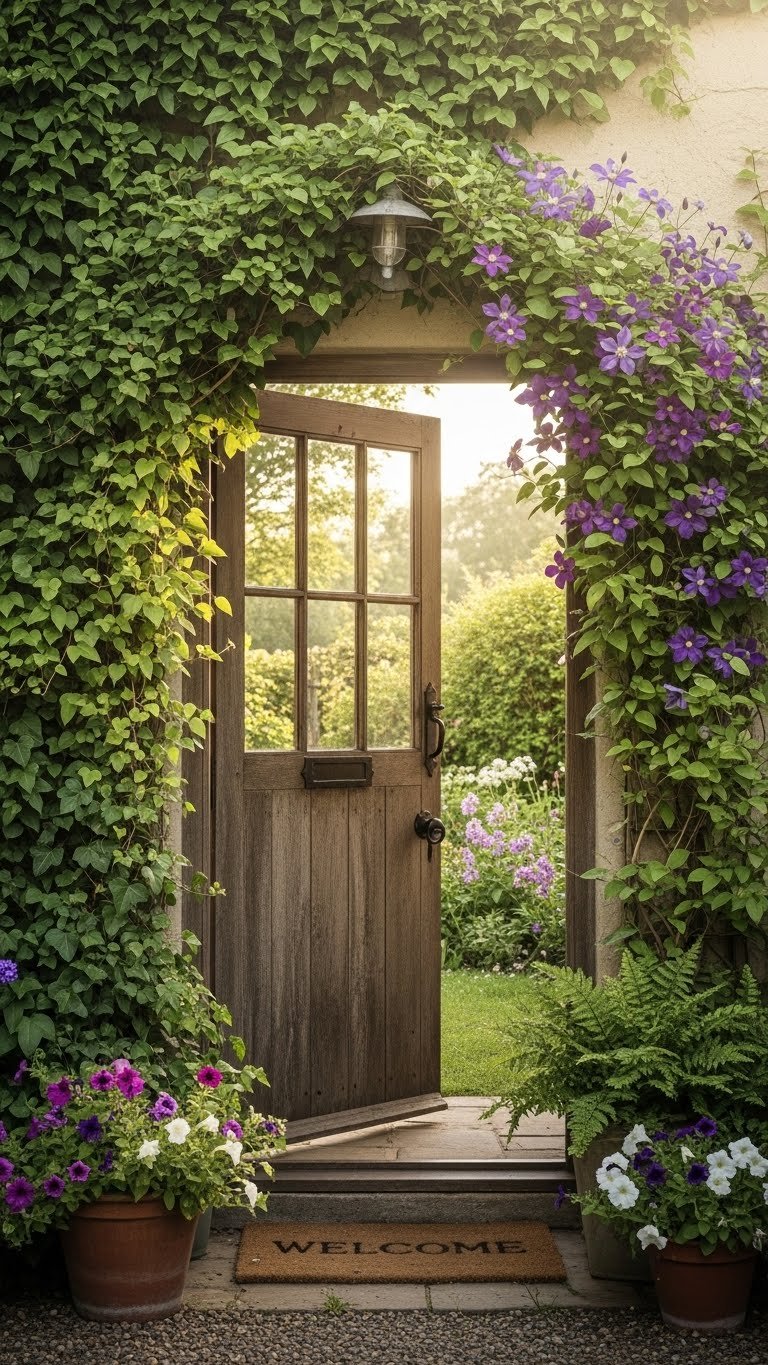
    19. Frame Your Doorway with Climbing Vines or Trained Plants

    Climbing vines or trained plants frame your doorway naturally and embody 2025’s biophilic design trend. Choose varieties suited to your climate—ivy, clematis, climbing hydrangea, or jasmine. Install trellises ($30–$80 each) and plant ($20–$50 per plant). This takes time to establish (1–2 seasons) but creates stunning visual impact.

    Position trellises on either side of the door or above it, plant vines at the base, and train them upward as they grow. Budget: $80–$200 for trellises and plants. Time: 30 minutes to install; ongoing pruning as vines mature. This is long-lasting and genuinely increases your home’s curb appeal. Even renters can use annual vines (sweet peas, morning glories) for seasonal framing.

    Once established, your door is framed by living greenery. This creates a garden-like, welcoming effect that signals nature and care.

    20. Upgrade Your Door Hardware to Modern Mixed Metals

    Door hardware—handles, locks, and hinges—is functional art that signals design sophistication. Replace standard hardware with modern mixed metals ($80–$250 for a complete set). Trending 2025 options include brushed brass, matte black, or combinations of both. This is one of the highest-impact details people notice.

    Remove old hardware and install new pieces using provided templates and hardware. Budget: $80–$250 for quality handles, locks, and hinges. Time: 30–45 minutes for installation. Brands like Rejuvenation, Schoolhouse Electric, and Etsy offer excellent design-forward options that punch above their price point.

    The moment someone reaches for your door handle, they’re interacting with something genuinely beautiful. High-quality hardware makes your entire entryway feel premium and considered.

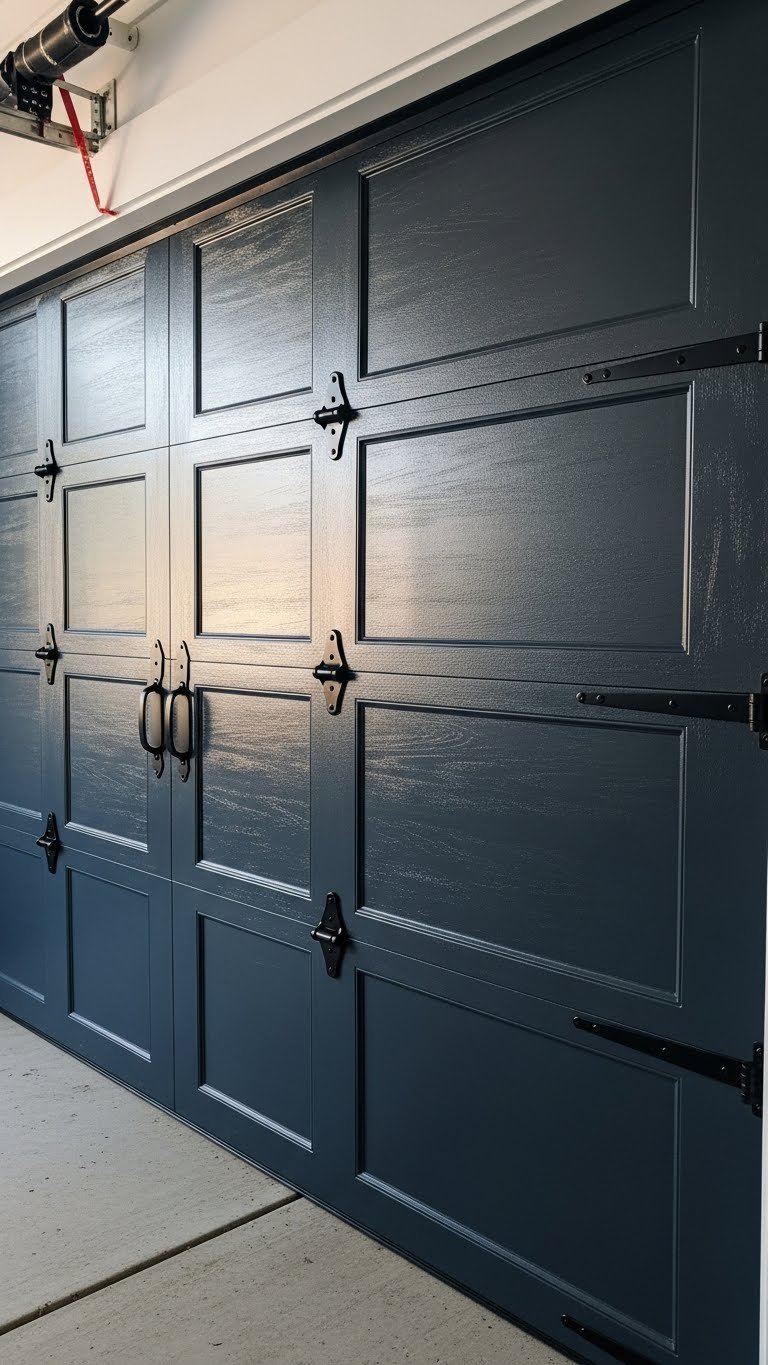
    21. Install Modern Garage Door Hardware or Accents

    If your garage faces your entryway, updated garage door hardware ($50–$150) instantly elevates the entire front facade. Matte black handles, hinges, or straps signal intentional design and complement 2025’s dark-accent trend. This small upgrade has outsized visual impact.

    Install new handles or accent straps using provided hardware—most mounts to existing garage door panels. Budget: $50–$150 for quality hardware. Time: 20–30 minutes for installation. This is perfect if you’re moving away from dated “modern farmhouse” white garage doors toward more nuanced, sophisticated looks.

    Your garage door becomes a design feature instead of an afterthought. Even if the door itself is standard, quality hardware instantly upgrades its appearance.

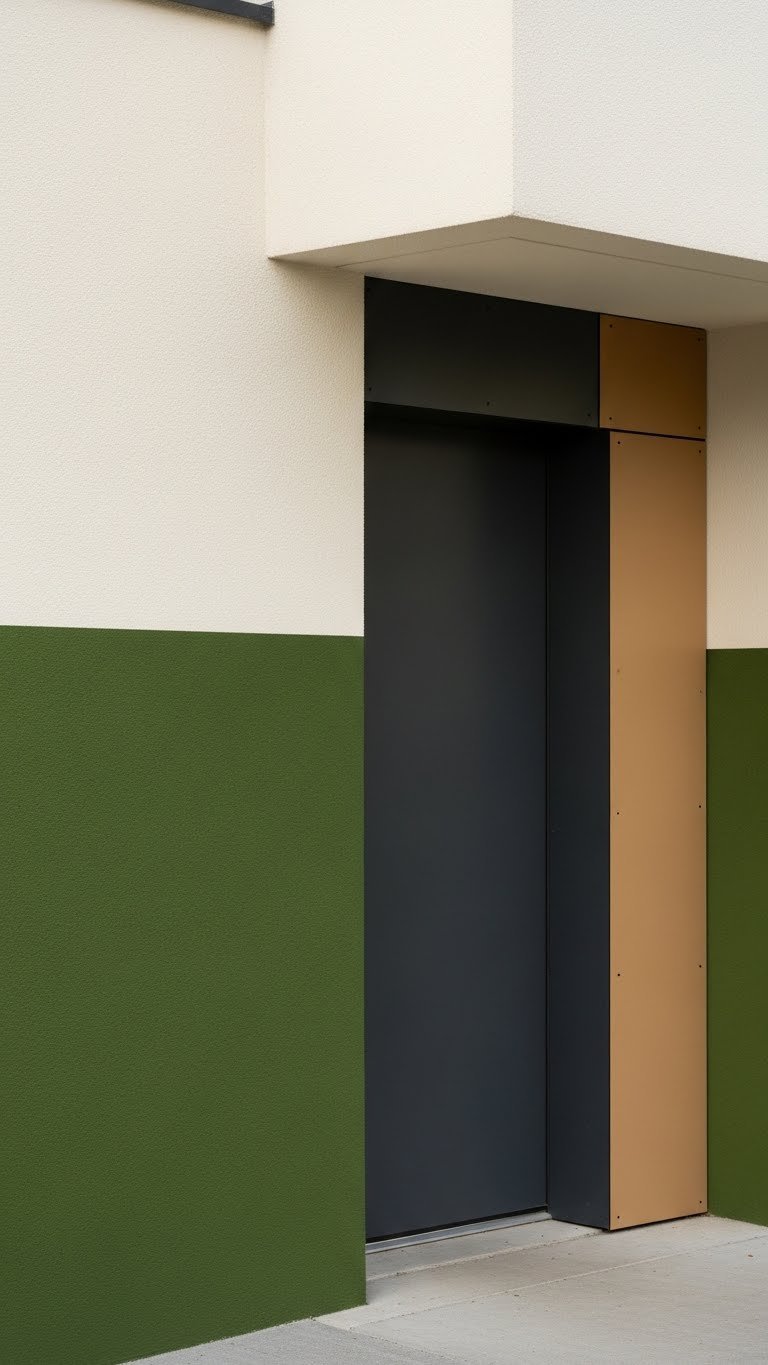
    22. Create a Color-Blocked Entryway Facade

    Color blocking—dividing your facade into geometric sections in complementary colors—is a bold 2025 trend that feels modern and intentional. Choose two or three trending colors like olive + cream, charcoal + warm gray, or burgundy + tan. Use quality exterior paint and painter’s tape to create sharp lines.

    Decide on your division point (waist-height, one-third/two-thirds split, or architectural features as natural dividers). Budget: $60–$120 for exterior paint. Time: 4–6 hours including taping and painting. This technique works beautifully with 2025’s earth-tone palette and modern-traditional fusion aesthetic. Renters should confirm this is acceptable before committing.

    The color blocking immediately modernizes your facade and signals bold design sensibility. Your entryway stops looking like everyone else’s and becomes genuinely distinctive.

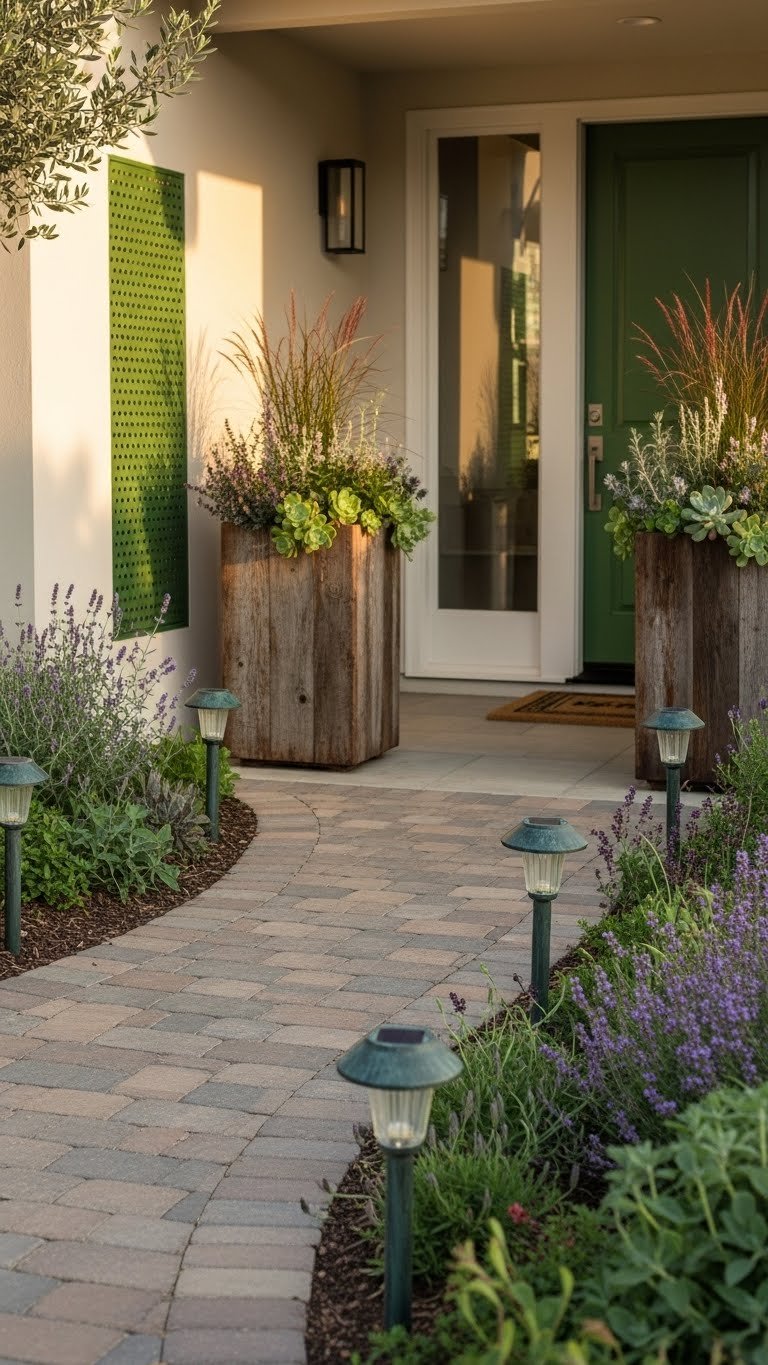
    23. Add Sustainable Accents: Solar Lights, Reclaimed Materials, or Green Finishes

    Embracing 2025’s sustainability focus, add eco-friendly details like solar pathway lights ($30–$80), reclaimed wood planters or trim ($50–$200), or water-wise native plants. These choices reduce your environmental footprint while creating genuine visual interest. Green-finished metals, recycled composite materials, and sustainably sourced wood all communicate values while looking beautiful.

    Position solar lights along your walkway (they charge during day, illuminate at night), integrate reclaimed wood as planters or trim accents, and prioritize native plants for your landscaping. Budget: $50–$200 depending on elements you choose. Time: 1–2 hours for installation. These materials often age beautifully and develop character over time, which adds to their appeal.

    Your entryway communicates both design sophistication and environmental consciousness. You’re not just creating curb appeal—you’re making choices that align with your values.


    Pick one idea from this list and tackle it this weekend—you’ll be amazed at how one thoughtful change shifts your entire relationship with your entryway. Save this post for later, and share it with friends who are dreaming of a more welcoming home.

  • 26 Trending Sofa Design Ideas Everyone Is Saving Right Now

    26 Trending Sofa Design Ideas Everyone Is Saving Right Now

    If you’ve been scrolling through design feeds lately, you’ve probably noticed sofas are having a major moment. Gone are the days of cold, minimal shapes—today’s sofas are curvy, colorful, and built for actually living. Whether you’re working with a tiny apartment or a sprawling open floor plan, there’s a sofa style that fits your life right now. We’ve rounded up 26 trending ideas that everyone’s saving, from bold jewel tones to modular game-changers that adapt as your needs do. Ready to refresh your space? These ideas will inspire you to rethink what your sofa can be.

    1. Embrace Soft Curves Over Sharp Corners

    Curved sofas are replacing boxy designs because they make rooms feel warmer and more intimate instantly. The rounded silhouette softens hard lines in modern spaces and creates a natural gathering spot that actually encourages conversation. Look for sofas with gently curved arms and organic shapes—brands like Article and Article+Madison offer curved sectionals ranging from $1,200–$2,500. If you’re renting, curved loveseats ($600–$1,000 at Wayfair or Article) give you the vibe without the commitment. The beauty here? Curved sofas photograph beautifully, so your living room becomes the kind of space friends want to hang out in.

    2. Go Modular for Life’s Changes

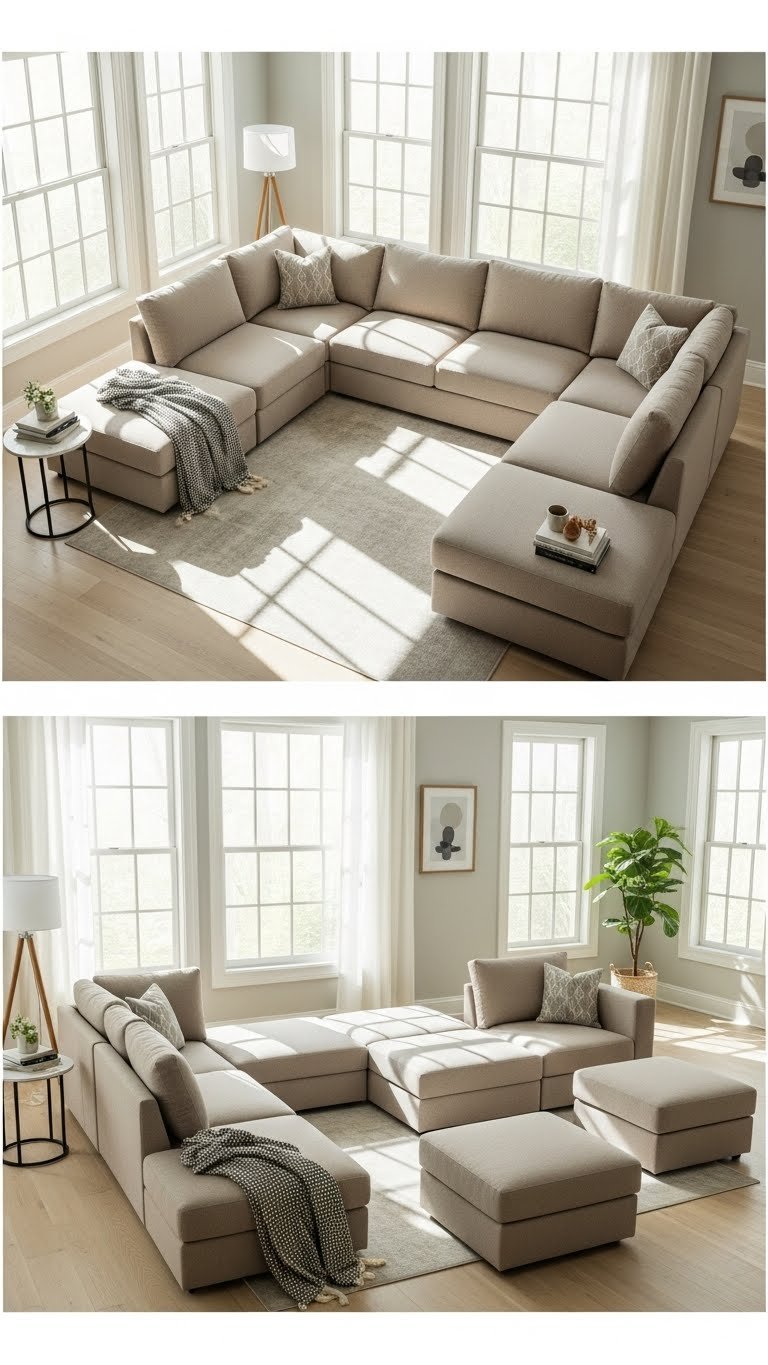
    Modular sectionals are the adult equivalent of building blocks—they grow with your life whether you’re downsizing, expanding, or just rearranging. You can start with a simple two-piece and add chaise lounges, corner units, or ottomans as your space and budget allow. Brands like What A Room and Article specialize in customizable options starting around $1,500 for a base, with additional pieces running $300–$800 each. Most offer a free consultation to help you measure and plan. The game-changer? When life shifts—new job, new family member, new apartment—your sofa adapts instead of becoming expensive dead weight.

    3. Choose Performance Fabric for Real Families

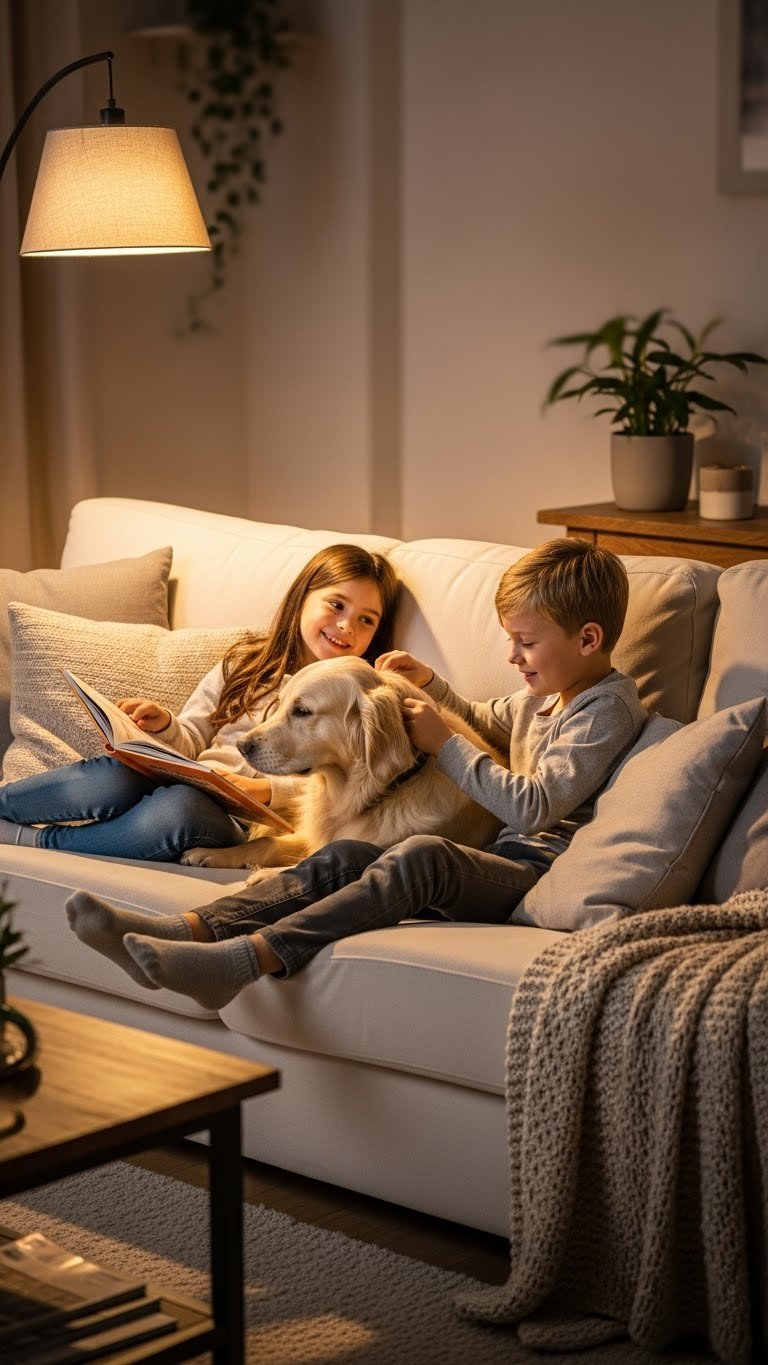
    Performance fabrics look and feel luxurious but are built to handle spills, pet accidents, and daily chaos without staining or pilling. These aren’t the cheap, plastic-feeling materials of old—brands like Ethan Allen and Restoration Hardware now use high-tech weaves that repel liquids while keeping that soft, premium touch. Expect to pay $200–$400 more than standard upholstery, but the durability pays dividends over 5–10 years. Look for fabrics labeled as “crypton” or “solution-dyed”—they’re treated at the fiber level, not the surface. Your sanity is worth the upgrade, especially if you have kids, pets, or anyone who drinks wine on your sofa.

    4. Explore Earth Tones Beyond Beige

    Earth tones like camel, clay, terracotta, and warm taupe are replacing cool grays because they feel more inviting and forgiving of everyday wear. These colors ground a room while pairing beautifully with both minimalist and maximalist décor. Brands like Bellona USA and Interior Define offer rich earth-tone sofas in the $1,000–$2,000 range. The secret to styling them? Add one bold accent pillow or artwork to prevent the space from feeling flat—a jewel-tone pillow or emerald throw blanket makes earth tones sing. Your living room becomes a warm retreat instead of a showroom, and you’ll actually want to spend time there.

    5. Try Oversized, Sink-In Comfort

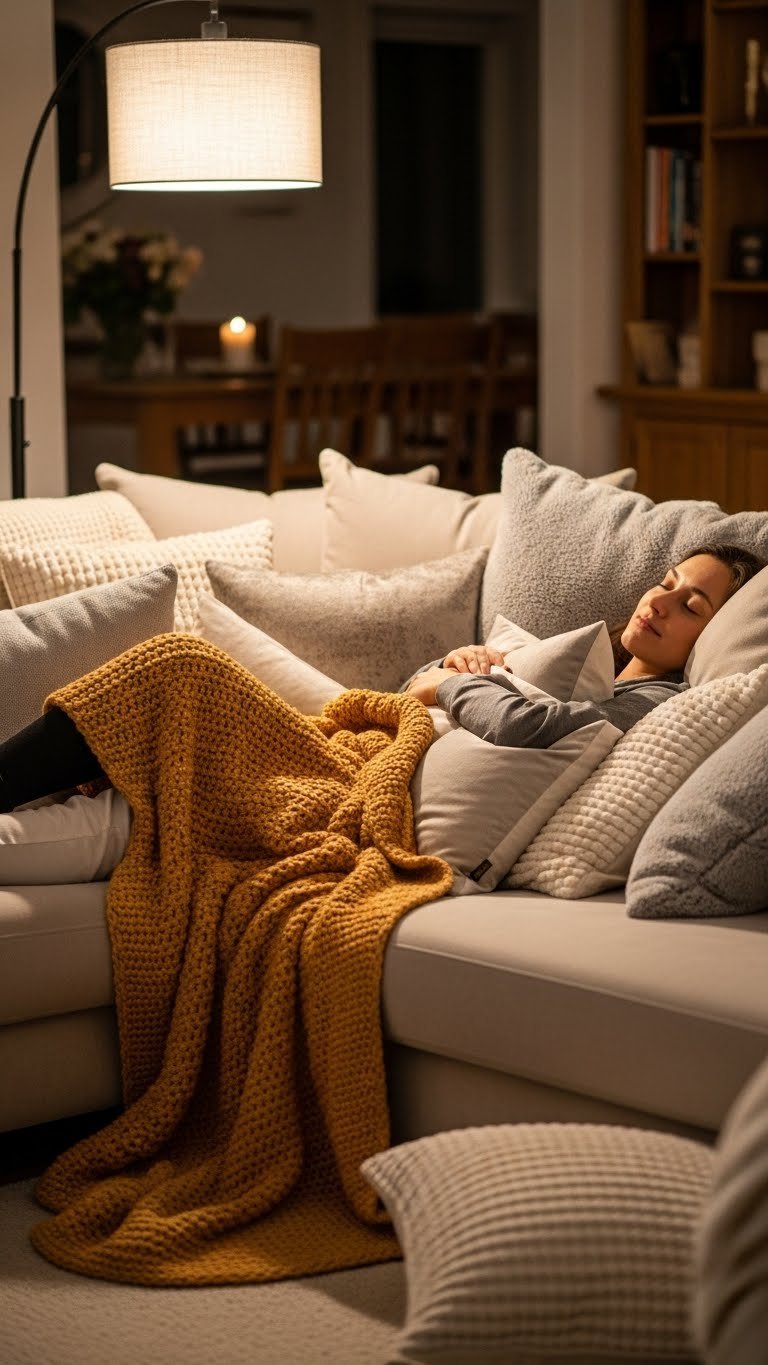
    Oversized sofas with extra-deep seats (24–28 inches versus the standard 20–22 inches) are having a moment because people finally prioritized napping over impressing guests. These aren’t just bigger—they’re built for real relaxation with deeper seat depths and thicker cushioning. Look for sofas with seat depths listed explicitly; brands like Lovesac, Article, and IKEA’s Strandmon collection offer deep options starting at $800 and going up to $3,000+ depending on customization. Pair it with a good ottoman ($200–$600) to fully recline. The trade-off? They take up more floor space, so measure carefully. The payoff is 100% worth it—your sofa becomes your favorite place to be.

    6. Layer Textures With Linen and Natural Fibers

    Natural fabrics like linen and cotton are trending because they age beautifully and feel authentic in a way synthetic materials don’t. Linen wrinkles slightly with use, but that lived-in quality is exactly what makes it feel real and approachable. Expect to pay $100–$300 more than synthetic blends, but linen lasts decades when cared for properly. Brands like Etsy vintage shops and contemporary makers like Schoolhouse Electric offer stunning linen sofas in the $1,200–$2,500 range. Pro tip: Linen can absorb spills, so pair it with a protective fabric spray ($15–$25) if you have kids or pets. Natural textures make your space feel intentional and grounded—like it was styled by someone with taste, not a catalog.

    7. Add Jewel Tones for Moody Drama

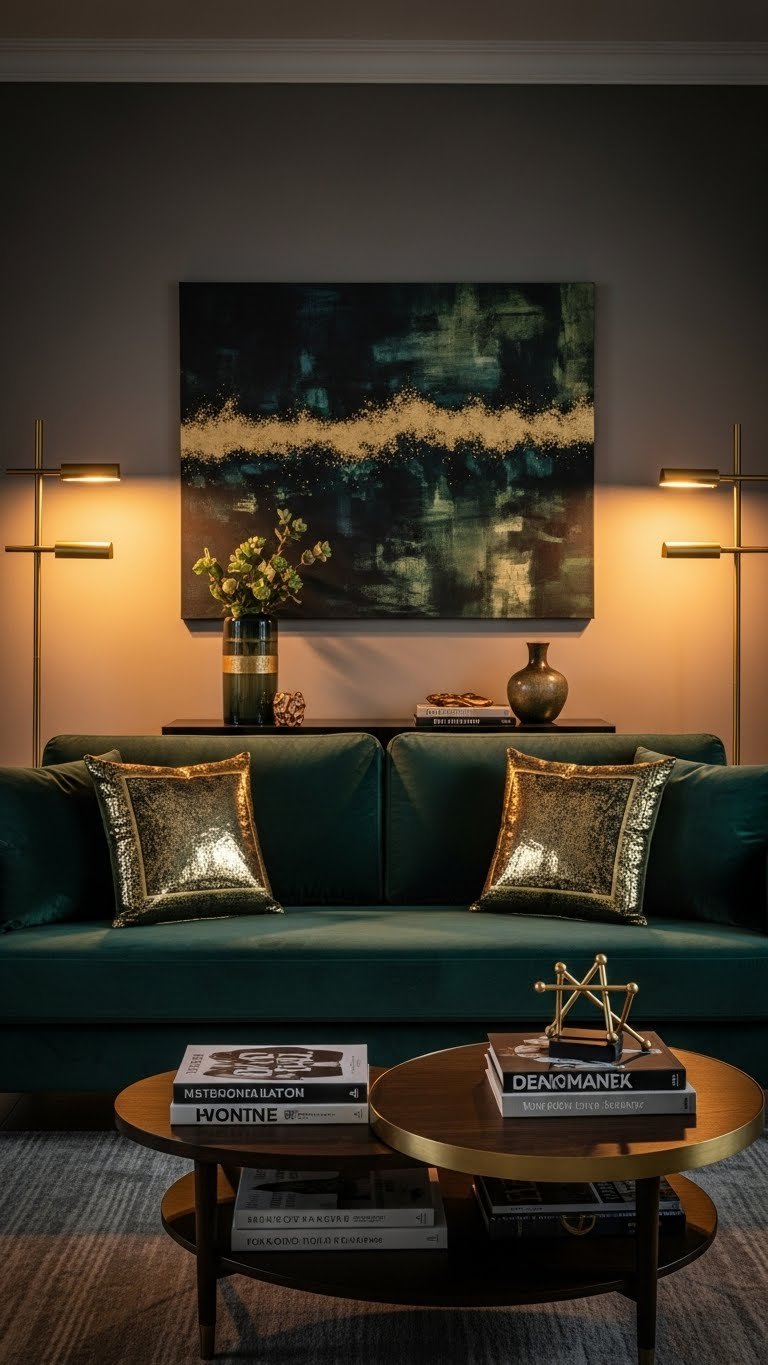
    Jewel tones like emerald, sapphire, rich plum, and deep teal are replacing cautious neutrals because bold color makes a statement without being trendy or dated. These colors work best as a sofa statement piece paired with neutral walls and layered with gold or brass accents. Budget $1,500–$2,800 for a quality jewel-tone sofa from brands like Lulu & Georgia or Interior Define. Lighting matters—jewel tones need warm, ambient lighting to glow rather than feel dark. If you’re nervous about commitment, start with a jewel-tone velvet accent chair ($400–$800) to test the vibe. The transformation is immediate: your living room becomes a sophisticated retreat instead of a generic space.

    8. Invest in Velvet for Tactile Luxury

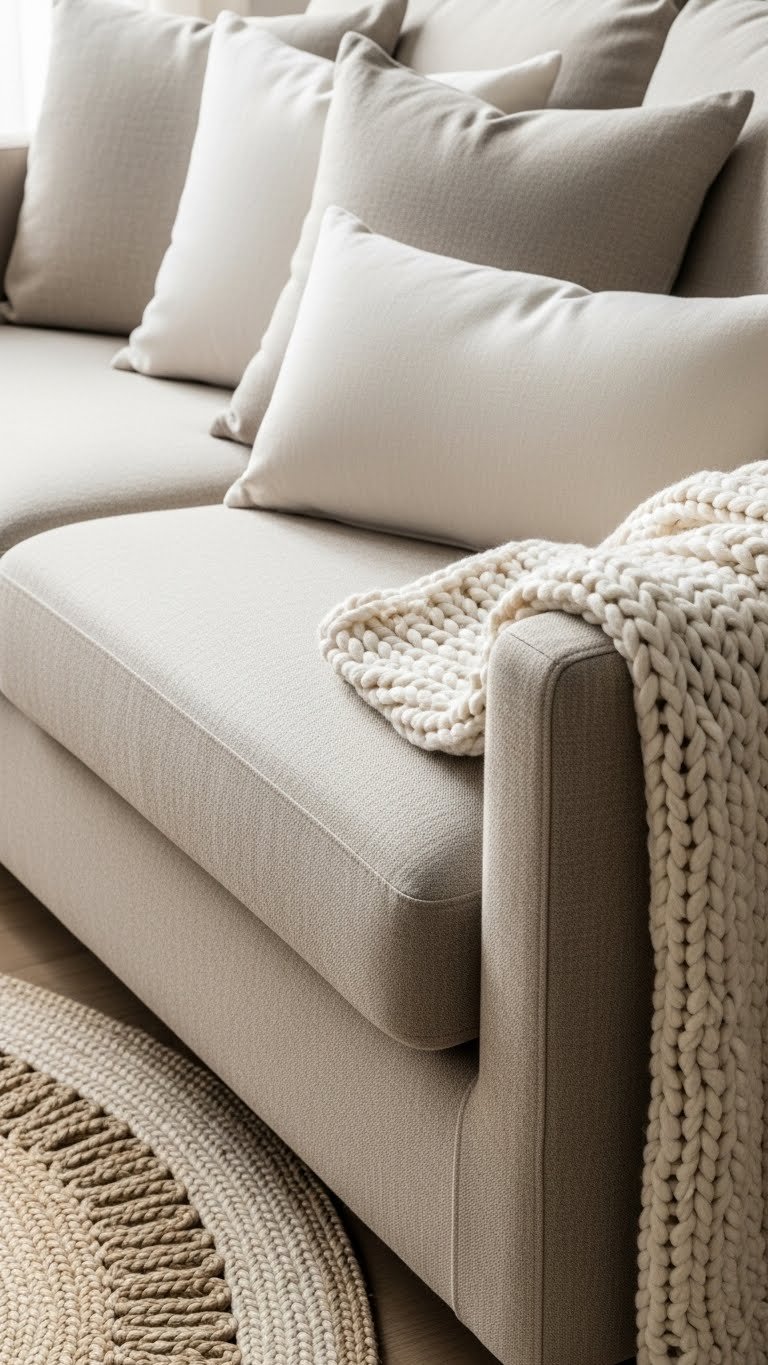
    Velvet is having a luxury renaissance because it feels incredible and photographs beautifully without being impractical for daily use—contrary to what people think. Modern velvet blends are more durable than you’d expect, especially if you choose solution-dyed options. Expect to invest $1,800–$3,500 for a quality velvet sofa from brands like Lulu & Georgia, Restoration Hardware, or Article. The color matters: chocolate brown, sage green, and warm charcoal hide wear better than lighter shades. Layer it with soft pillows and a chunky knit throw to balance the fabric’s richness. The payoff? Every time you sit down, you get a little hit of luxury. Your sofa becomes a comfort object and a conversation piece simultaneously.

    9. Scale Sofas Properly for Your Space

    Choosing the right sofa size is crucial and often gets overlooked—too big and it dominates the room; too small and it looks lost and uncomfortable. Measure your doorways, hallways, and room dimensions before ordering anything. Most sofas need at least 18 inches clearance on all sides for comfortable walking and furniture arrangement. A good rule: your sofa shouldn’t take up more than one-third of your room’s total floor space. Free tools like Modsy and Wayfair’s augmented reality app let you visualize sofas in your actual space—use them. If you’re buying online, confirm that delivery includes assembly and placement (often free with purchases over $1,000). Proper sizing means your space feels open and livable instead of cramped or scattered.

    10. Go Low-Profile for Open, Airy Rooms

    Low-profile sofas with visible legs and lower seat heights (typically 16–18 inches versus standard 20–22 inches) make rooms feel larger and more open—perfect for small apartments or minimalist aesthetics. They also look more contemporary and photograph beautifully. Brands like Article, IKEA (Kivik collection), and Blu Dot specialize in low-profile styles starting around $600 and going up to $2,200 for higher-end options. The trade-off? They’re not ideal for elderly people or anyone with mobility issues—consider a standard height if that matters. The benefit is enormous: even a small living room feels spacious and intentionally designed when your sofa doesn’t visually weigh the space down.

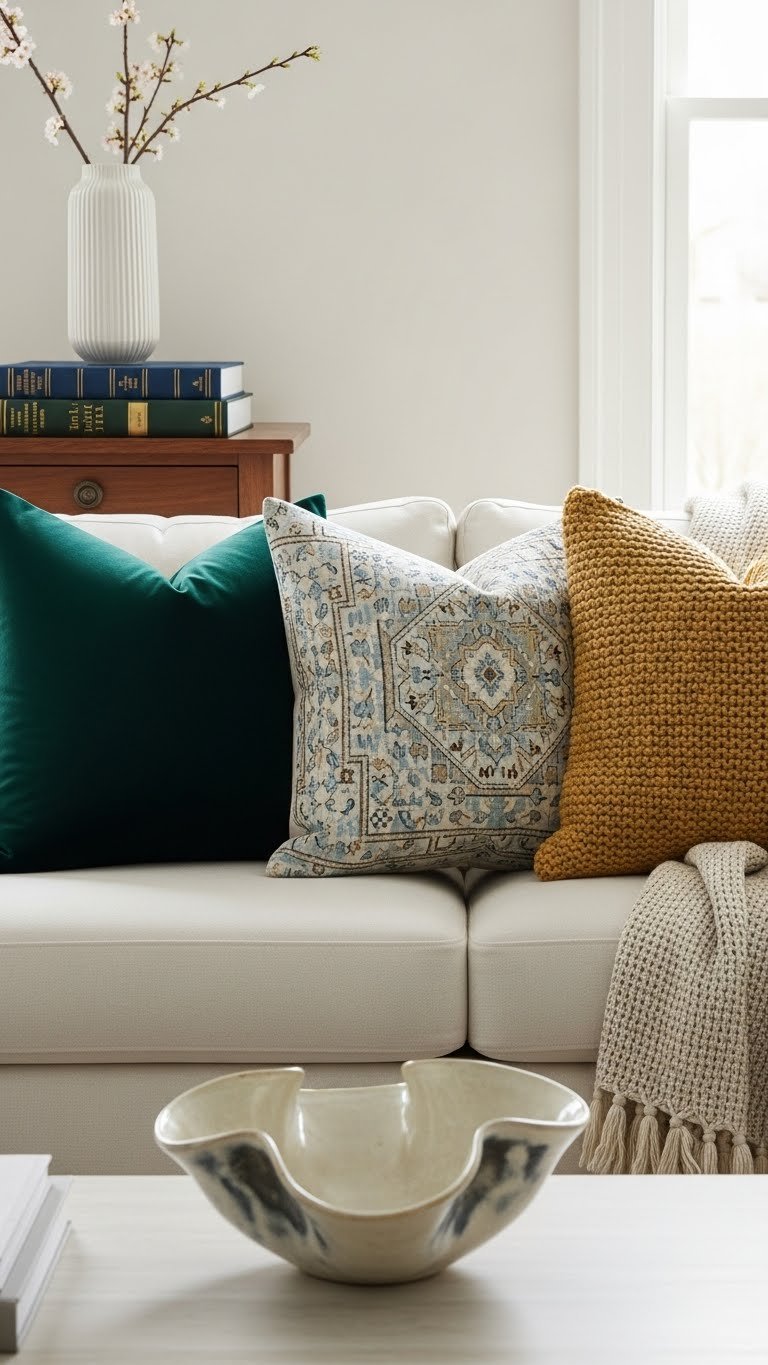
    11. Style Neutral Bases With Bold Pillow Accents

    A neutral sofa is a wise investment, but styling it with strategic pillow accents makes it feel current and personal without the commitment of bold upholstery. Start with a neutral base sofa ($800–$2,000), then layer 2–3 accent pillows in jewel tones, patterns, or rich textures ($30–$100 each). Brands like Etsy, Schoolhouse Electric, and even Target’s Project 62 line offer gorgeous pillow options in all price ranges. Mix textures: pair a silk pillow with linen and velvet for depth. The genius move? When you want a refresh, swap the pillows instead of replacing the sofa. Your space stays current for the cost of a few pillows, and you keep your investment piece stable.

    12. Bring Back Skirted Sofa Designs

    Skirted sofas are experiencing a revival because they bring relaxed elegance and a touch of traditional style that feels fresh against modern minimalism. The skirt hides the legs and any under-sofa dust, making it feel more intentional and polished. Brands like Ethan Allen, Room & Board, and Restoration Hardware offer skirted options starting around $1,500 and going up to $3,500+ depending on fabric choice. The styling difference is noticeable—a skirted sofa feels more curated and old-school-cool than sleek legs. Pro tip: Match your skirt fabric to your upholstery for a seamless look, or choose a contrasting linen for visual interest. The result is a sofa that feels intentional and sophisticated, not trendy or disposable.

    13. Mix Curved and Straight Lines Strategically

    Pairing curved sofas with straight-edged furniture creates visual tension that’s interesting and modern without being chaotic. A curved sofa needs grounding—balance it with a rectangular coffee table, straight shelving, and linear artwork. This approach works best in open-concept layouts where the curved sofa becomes the focal point. Start with your curved sofa ($1,200–$2,500), then layer in a sleek coffee table ($200–$600) and straight-edged side tables ($100–$400 each). The mix prevents your space from feeling too soft or too sterile. Your room becomes visually dynamic while remaining functional and comfortable—the sweet spot between cozy and contemporary.

    14. Choose Sustainable, Made-to-Order Options

    Made-to-order sofas from sustainable brands are becoming mainstream as people prioritize longevity over disposability. Brands like Maiden Home, Burrow, and Etsy makers produce sofas with responsibly sourced materials and lower environmental impact. You pay $1,500–$3,000 for a custom-built sofa that arrives in 4–8 weeks, but you get exactly what you want and you’re supporting ethical manufacturing. Many offer transparent pricing that breaks down materials and labor. The payoff extends beyond the environment—a made-to-order sofa is an investment piece you’ll keep for decades, not a fast-furniture impulse. Knowing your sofa was built by people paid fairly for skilled work adds genuine value to your daily comfort.

    15. Create Conversation Pits With Curved Arrangements

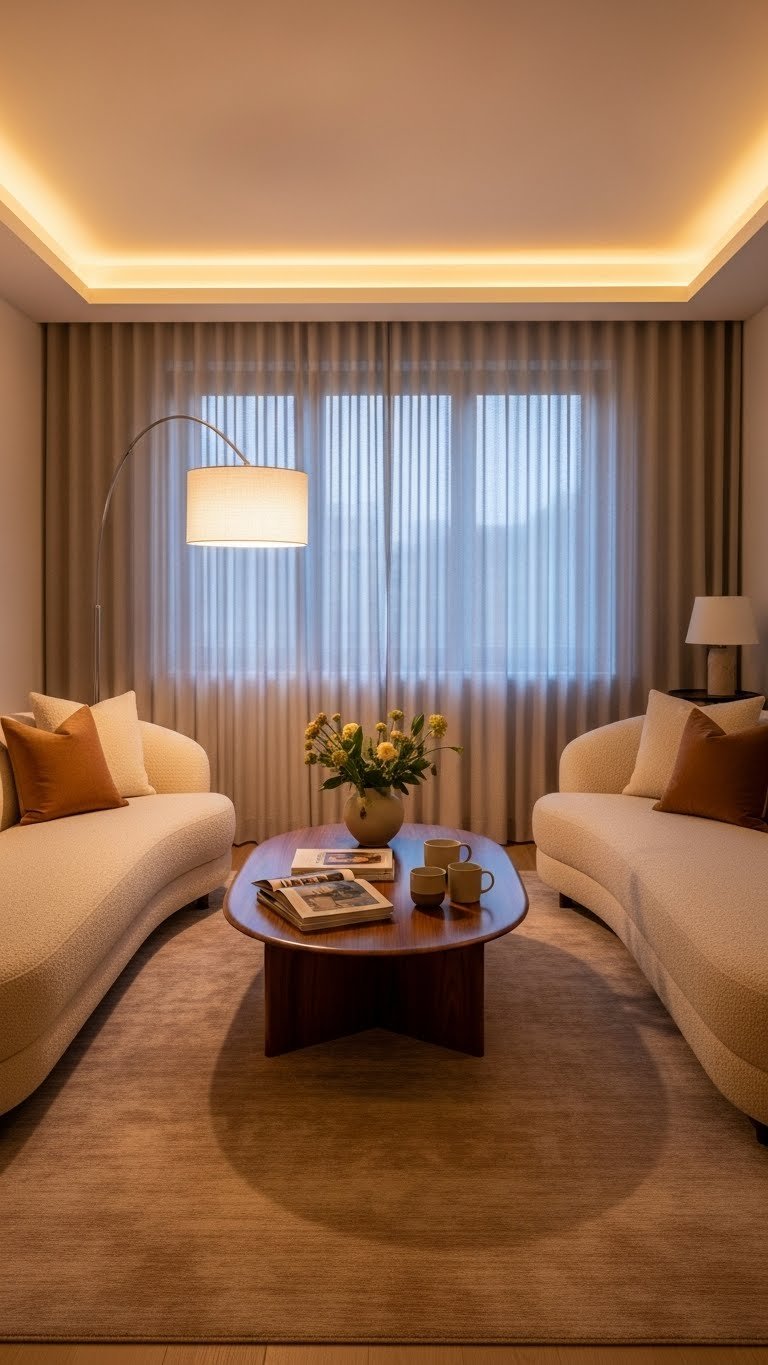
    Curved sofas arranged in opposing arcs naturally create conversation zones and boost intimacy in open-concept spaces. This layout works beautifully in lofts or large living rooms where a single sofa might feel lost. Pair two curved sectionals ($2,400–$5,000 combined) with a round coffee table ($300–$800) for the ultimate conversation setup. The round shape echoes the sofa curves and keeps sight lines open. This arrangement screams intentional design—your space becomes purpose-built for connection instead of looking like furniture was just placed randomly. If two full sofas aren’t realistic, try one curved sofa paired with a curved accent chair ($500–$1,200) for similar effect on a smaller scale. The intimacy is immediate: guests actually face each other instead of staring at a TV.

    16. Play With Pattern Strategically

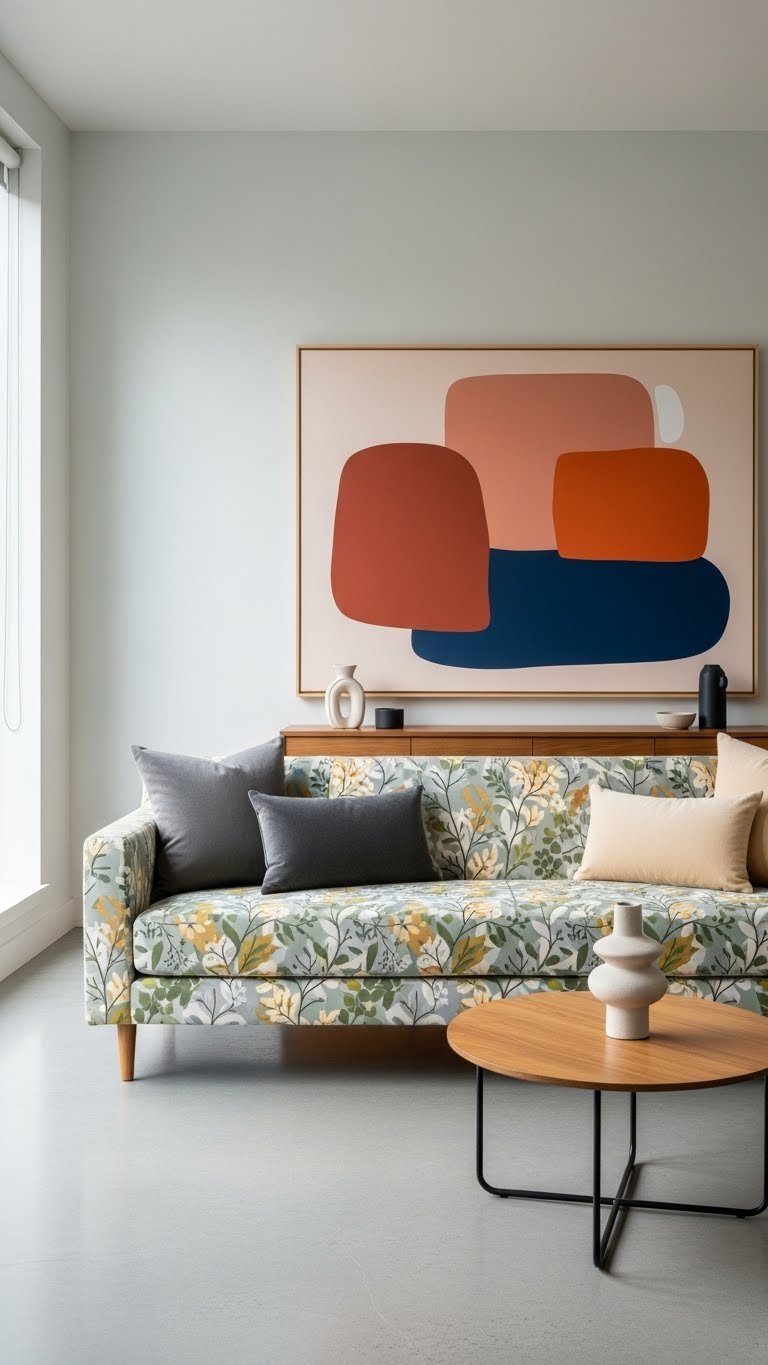
    Patterned sofas are trending, but the key is choosing designs that feel timeless rather than trendy. Subtle geometric prints, botanical florals, and classic stripes work better than busy or overly colorful patterns. Look for sofas where the pattern is scaled proportionally to your space—large rooms handle bigger patterns; small rooms need smaller scales. Brands like Article, Schoolhouse Electric, and Interior Define offer patterned options starting around $1,000 and going up to $2,500. The styling rule: keep everything else neutral and let your patterned sofa be the focal point. Wall color, area rug, and accessories should recede. The effect is sophisticated and intentional—you’ve clearly thought about your space, not just accepted whatever showed up.

    17. Layer Textured Throw Pillows for Depth

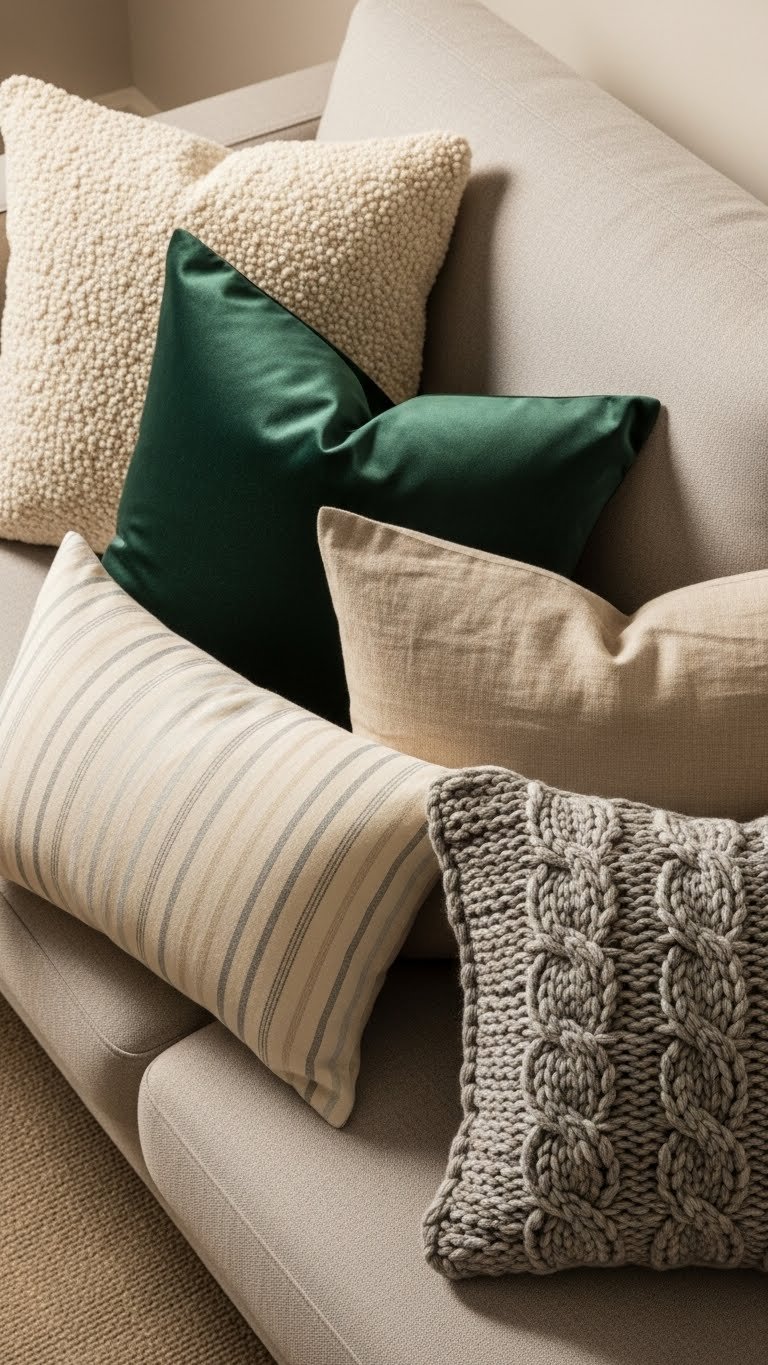
    Layering pillows in different textures—bouclé, velvet, chunky knit, linen, and silk—creates visual depth and makes your sofa feel collected and intentional. This works best on oversized or sectional sofas where you have room to play. Start with a neutral base sofa (any price point) and invest in 4–6 quality pillows ranging from $25–$75 each. Mix textures rather than coordinating everything—the contrast is what creates visual interest. Hit brands like Etsy, Wayfair, and Article for texture variety. Pro tip: arrange pillows in odd numbers and vary heights for a styled-but-not-staged look. The transformation is immediate: your sofa looks like it belongs in a magazine instead of a furniture showroom.

    18. Invest in Quality Cushion Cores

    Cushion quality determines whether your sofa stays comfortable for five years or five months, yet most people overlook this crucial detail. High-density foam (at least 2.5 density rating) or down-wrapped cores outperform cheap polyester filling that compresses quickly. When shopping, ask about cushion specifications—good brands list them proudly. You might pay $200–$500 more for quality cushions, but they’ll maintain their shape for a decade versus losing support in 2–3 years. Brands like Article, Restoration Hardware, and Ethan Allen are transparent about cushion construction. Request this information upfront; if a retailer won’t share it, that’s a red flag. Quality cushions mean your investment actually feels good to sit on for years, not just looks good in photos.

    19. Add Functional Ottomans for Flexibility

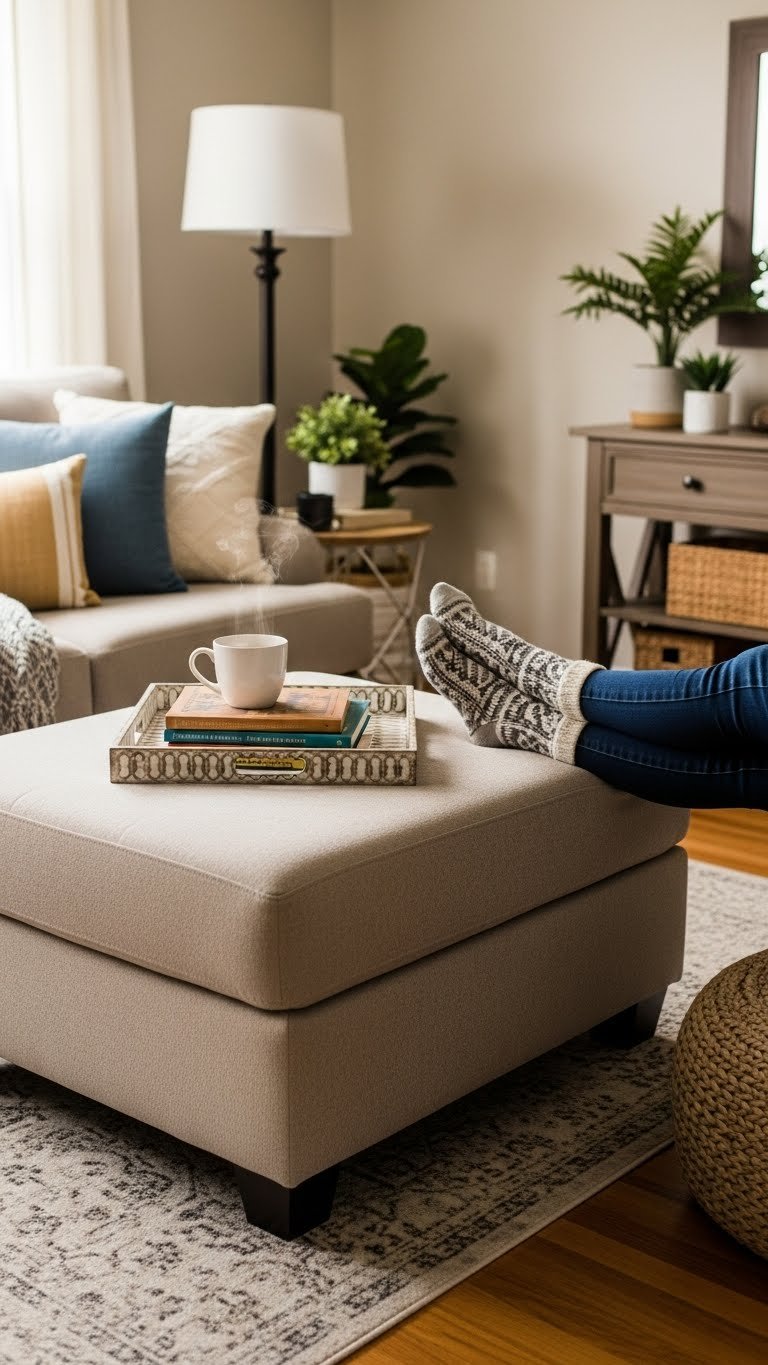
    Ottomans are the underrated MVP of sofa styling—they provide extra seating, a footrest, hidden storage, or a makeshift side table depending on your needs. A storage ottoman ($200–$600) gives you hidden space for blankets, pillows, and clutter. A cube ottoman ($150–$400) works as a coffee table or extra seat. A tray-topped ottoman ($300–$800) becomes a functional coffee table with personality. Layer a tray on top and rotate seasonal decor for a styled look. Pair it with your sofa purchase or shop brands like Article, Wayfair, or West Elm. The genius move? An ottoman lets you adapt your living room’s function—cozy movie night becomes a footrest situation; friends visit and you’ve got extra seating. Flexibility like this makes your sofa investment more valuable.

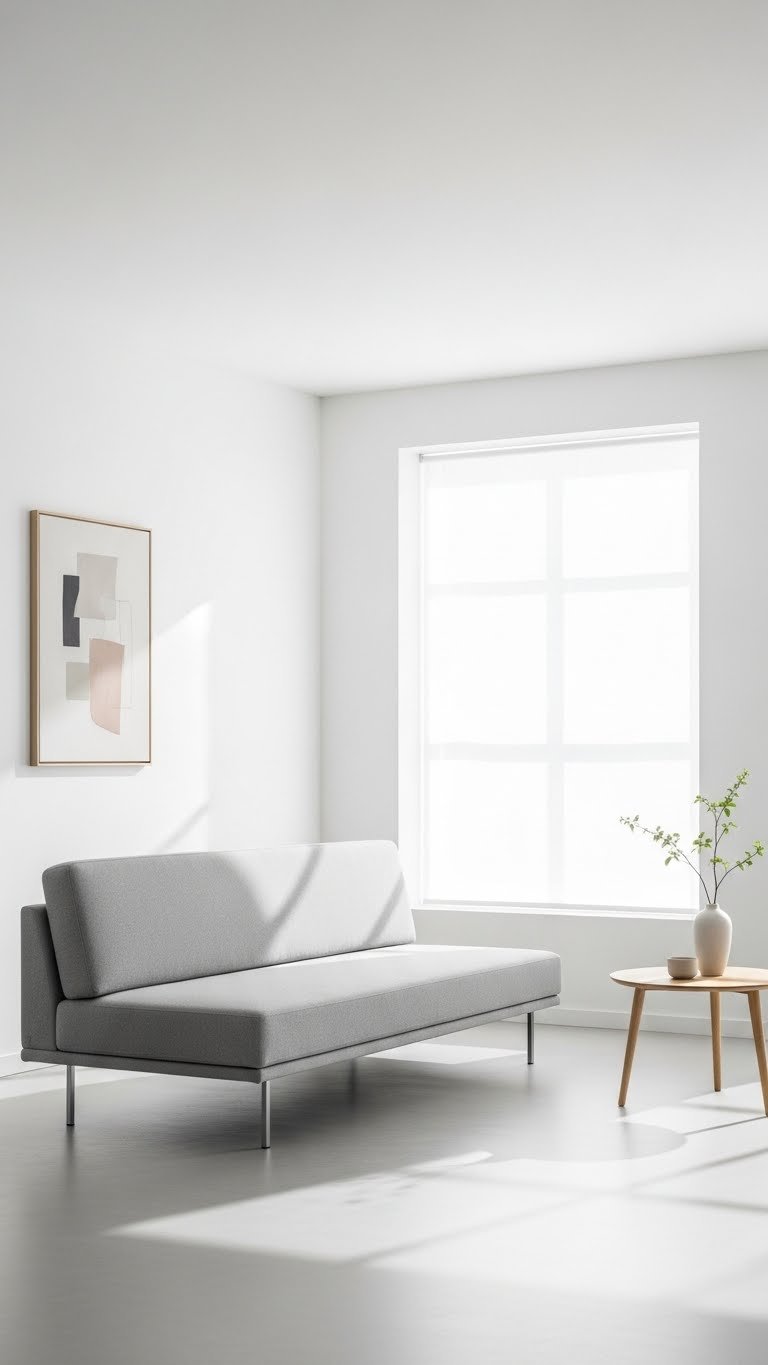
    20. Explore Arm-Optional and Legless Designs

    Legless or low-arm sofas are trending for minimalist spaces because they blur the line between furniture and architecture. These designs feel more like built-in pieces and work beautifully in tight spaces or modern interiors. Expect to pay a premium—$1,500–$3,000—because these sofas require thoughtful engineering to maintain support. Brands like Blu Dot, Hay, and Muuto specialize in architectural sofa designs. The styling challenge is real: legless sofas need minimal styling around them to avoid looking cluttered. The payoff is huge: your space feels open, intentional, and contemporary—not crowded or dated. This works best if you genuinely love minimalist design, not just because it’s trendy.

    21. Try Cream and Bouclé for Forgiving Neutrals

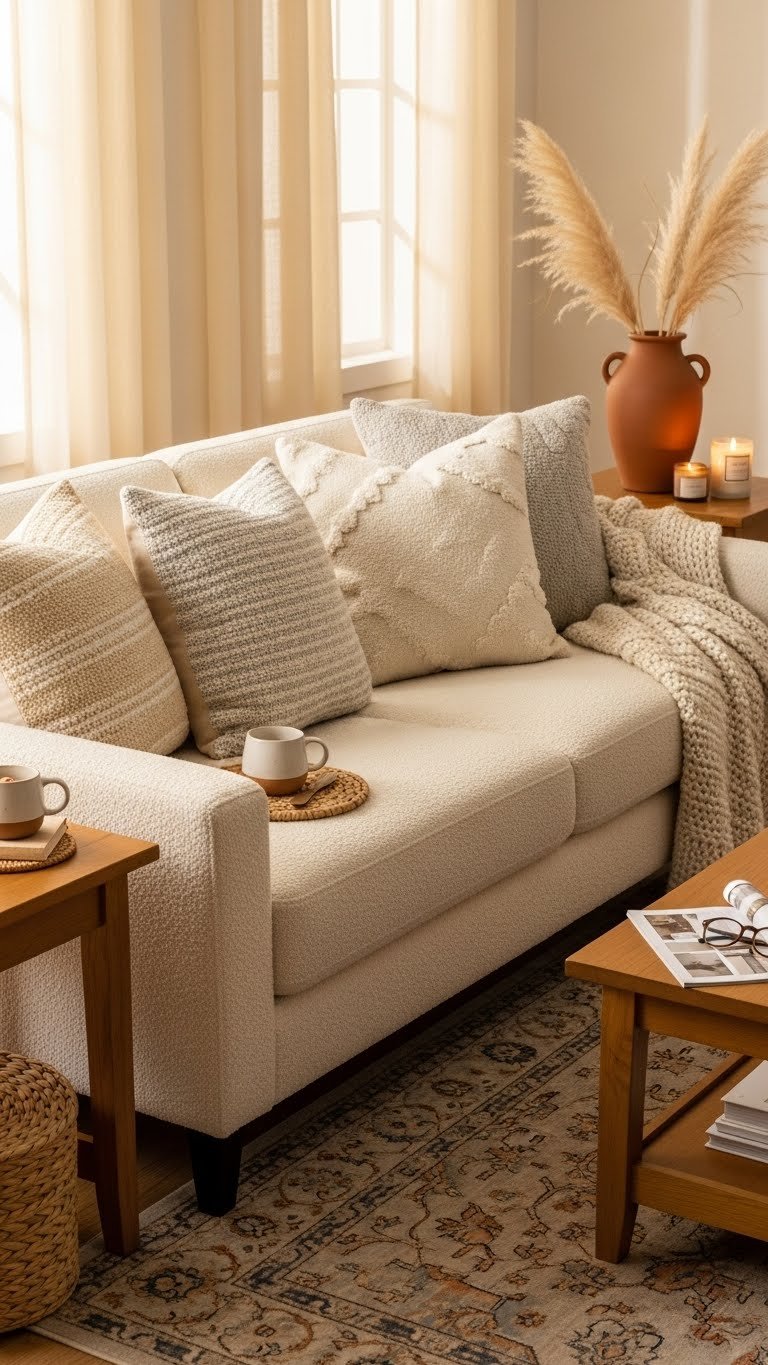
    Cream and bouclé fabrics have quietly become favorites because they hide wear better than smooth finishes while remaining timelessly neutral. Bouclé’s nubby texture camouflages dust and pet hair while feeling textured and interesting—not flat or boring. Pair a cream or bouclé sofa ($1,000–$2,200) with warm wood tones for instant warmth. Brands like Article, Schoolhouse Electric, and Interior Define offer cream bouclé options. The styling secret? Add one jewel-tone accessory or artwork to prevent the space from feeling washed out. You get a neutral that works with almost any aesthetic while forgiving real-life dirt and mess. It’s the grown-up equivalent of choosing a color that just works.

    22. Consider Sectionals for Open Floor Plans

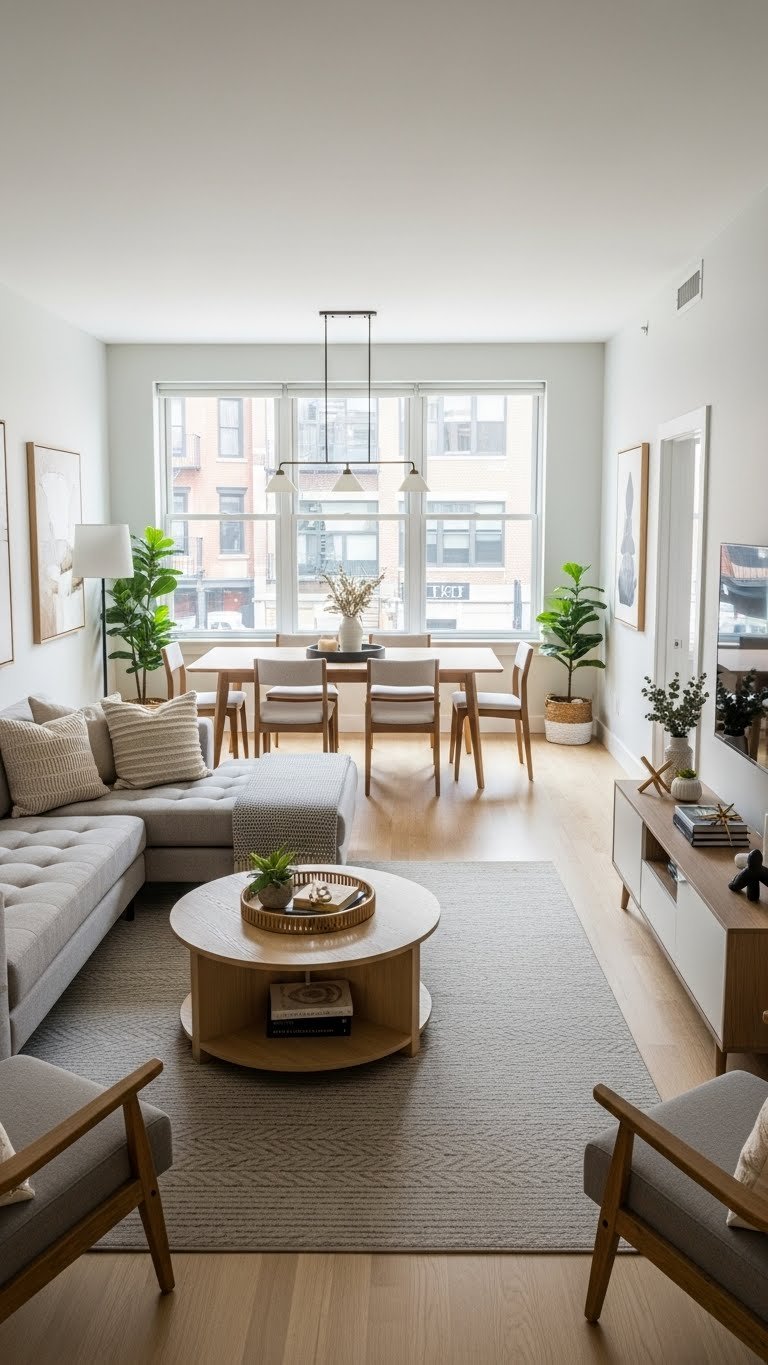
    Sectionals are designed for open-concept living because they create zone definition without walls. An L-shaped or U-shaped sectional tells guests “this is the living area” while keeping sight lines open and maintaining flow. Look for sectionals with two feet of clearance on all sides for walkability. Budget $1,500–$3,500 depending on size and quality from brands like Article, West Elm, or Interior Define. Modular sectionals ($1,500–$2,500 for a base) offer flexibility if your layout needs change. The styling benefit is huge: your open space looks intentional and organized, not like furniture is just scattered around. An open floor plan with the right sectional becomes a luxury—you get spaciousness and defined zones simultaneously.

    23. Add Rounded Corners for Safety and Softness

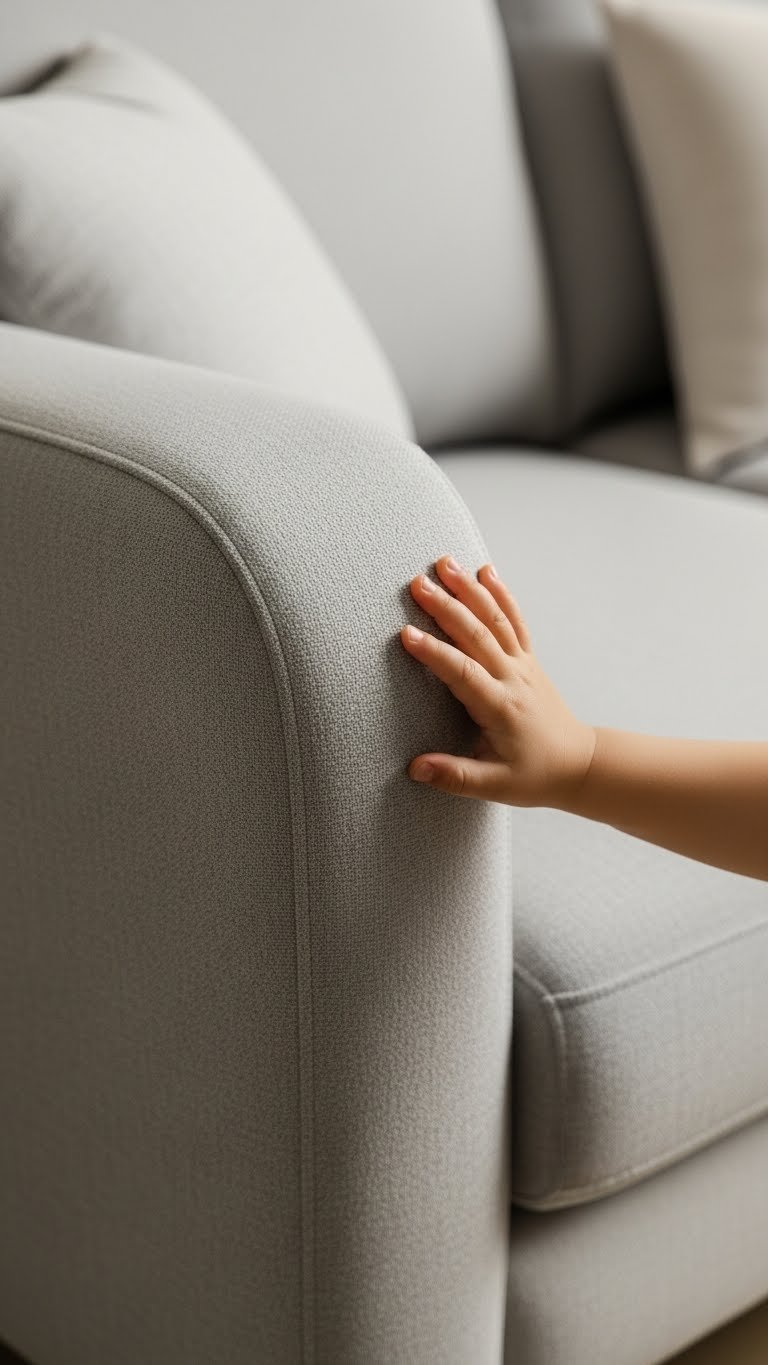
    Rounded corners on sofa arms and frames are becoming standard in family-focused designs because they eliminate sharp edges that hurt when you bump your head or shins. This is particularly important if you have young kids or pets. Many modern sofas now prioritize safety without sacrificing style—brands like Article, Schoolhouse Electric, and Wayfair’s family collections all offer rounded designs. There’s no price premium; this is just smarter design. Pro tip: Look for sofas with generous arm heights (at least 8 inches) if you have kids who tend to climb. The effect is subtle but significant: your sofa becomes a safe gathering spot instead of a furniture hazard. Safety and style go hand-in-hand in 2025 design.

    24. Build Your Own Sofa for Perfect Customization

    Build-your-own sofa tools from brands like Burrow, Article, and Interior Define let you customize everything—size, fabric, color, leg style, and cushion firmness—so you get exactly what you want. This eliminates the compromise of accepting “close enough” when the perfect sofa is achievable. Most offer free virtual consultations to help you navigate options. Budget $1,200–$3,500 depending on customization and quality. The process takes 4–8 weeks from order to delivery, so plan ahead. Online tools show you fabric colors, leg options, and configurations in real-time—there’s no guessing. The payoff is that your sofa is built for your exact space and needs, not a generic compromise. You get a piece that feels genuinely yours.

    25. Mix Neutrals and Jewel Tones Fearlessly

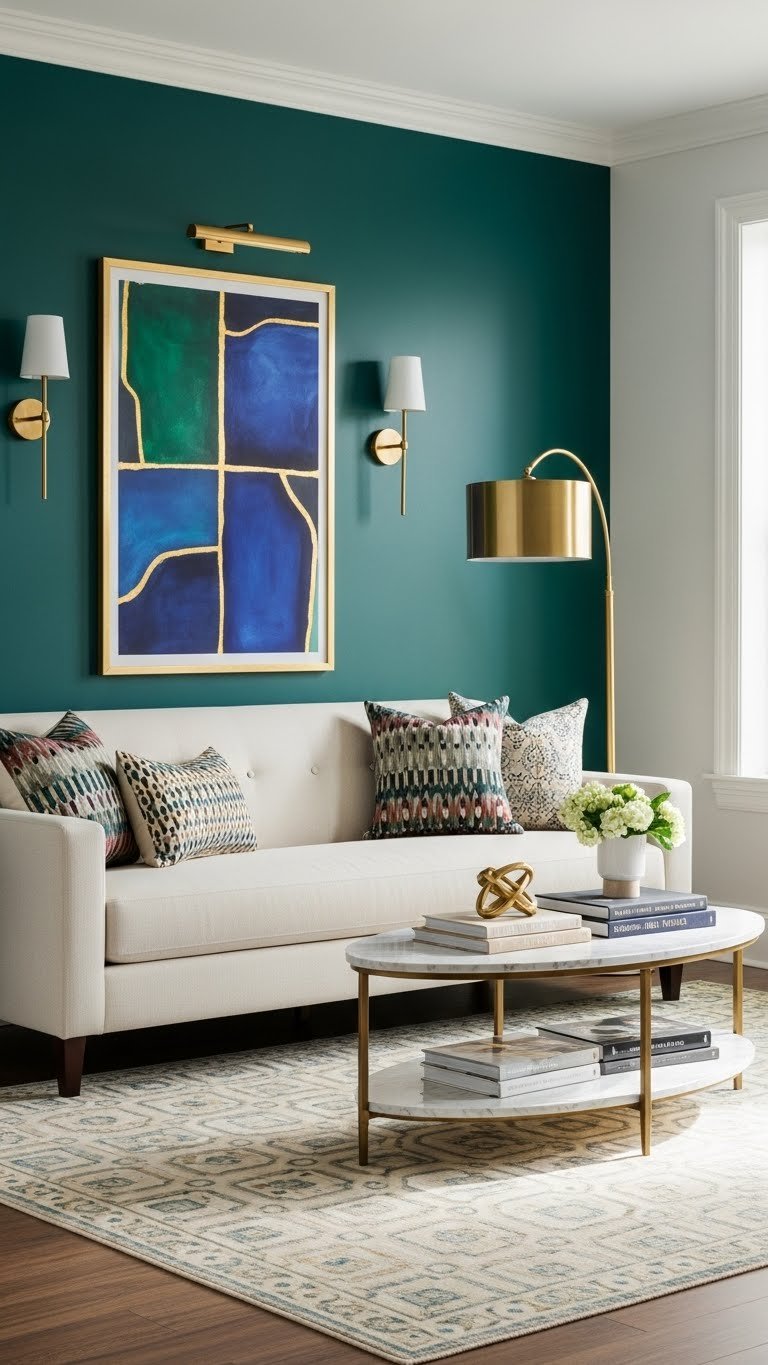
    The best-designed spaces of 2025 mix rich neutrals (cream, warm taupe, light gray) with bold jewel-tone accents—it’s the Goldilocks zone between boring and overwhelming. Start with your neutral sofa as the foundation ($1,000–$2,500), then add jewel-tone paint, artwork, or textiles as accents. Layer in brass or gold hardware and warm lighting to tie it together. Brands like Bellona USA provide color guides for this exact combination. The styling rule: keep jewel tones to 20% of your visual space (one accent wall, several pillows, a bold artwork) while neutrals occupy the remaining 80%. The result is a sophisticated space that feels intentional and current without being trendy or dated. You’ve got visual interest and calm balance simultaneously.

    26. Prioritize Sofa Placement for Maximum Impact

    Where you place your sofa matters as much as which sofa you choose—it should anchor the room and create natural traffic flow. The best placement usually faces a window (for natural light and views), the TV, or a fireplace, depending on your priorities. Measure your doorways, windows, and architectural features before delivery day to avoid the awkward shuffle of moving a heavy sofa post-arrival. Pro tip: Place sofas 18–24 inches from a wall to create breathing room and prevent a cramped look. If you’re in a rental or uncertain about placement, get a furniture placement consultation (many designers offer virtual sessions for $50–$150). Perfect placement means your sofa becomes the natural gathering spot instead of just fitting in somewhere. Your space finally makes sense and your sofa investment looks intentional.


    Save this post and pick one idea to act on this week. Whether it’s swapping pillows for instant impact or planning a bigger sofa investment, these trends prove that your living room doesn’t need a full renovation to feel current and comfortable. Share this with anyone ready to upgrade their sofa situation—starting today.