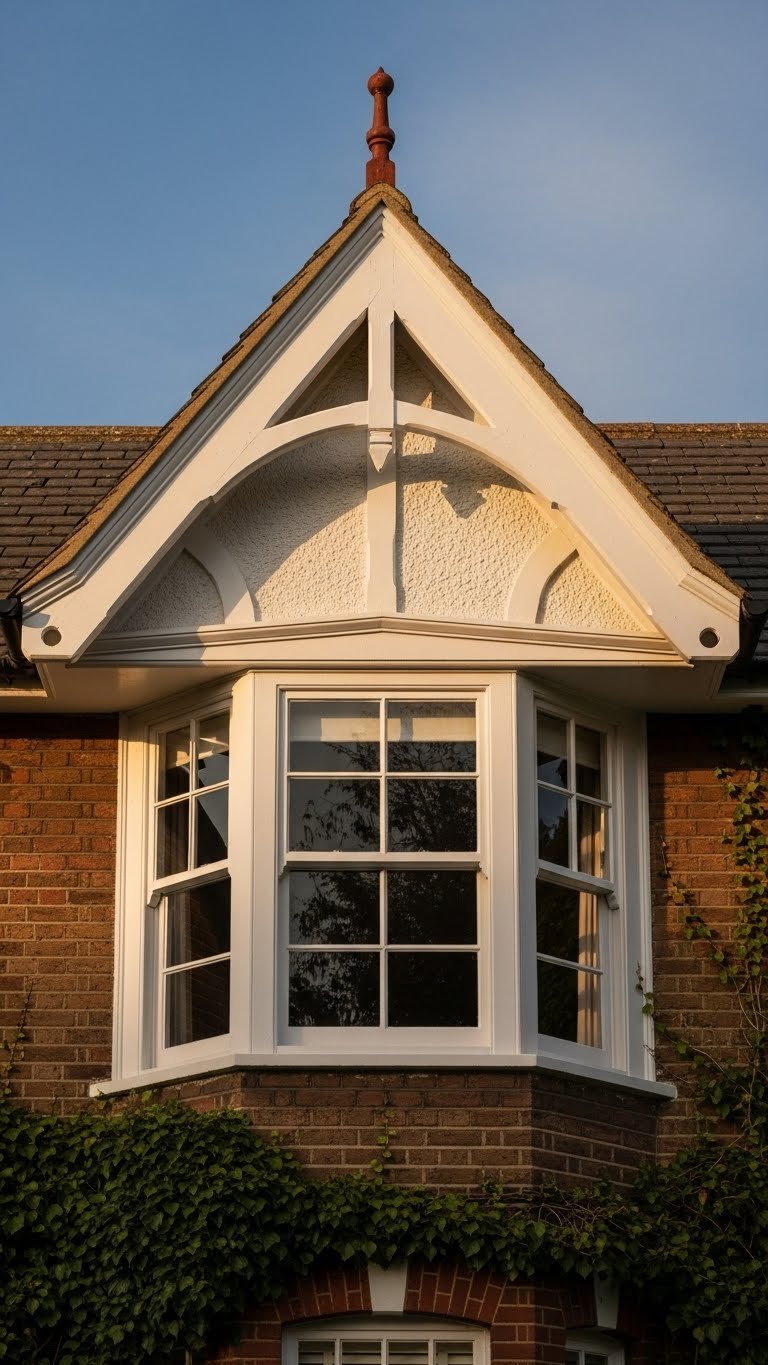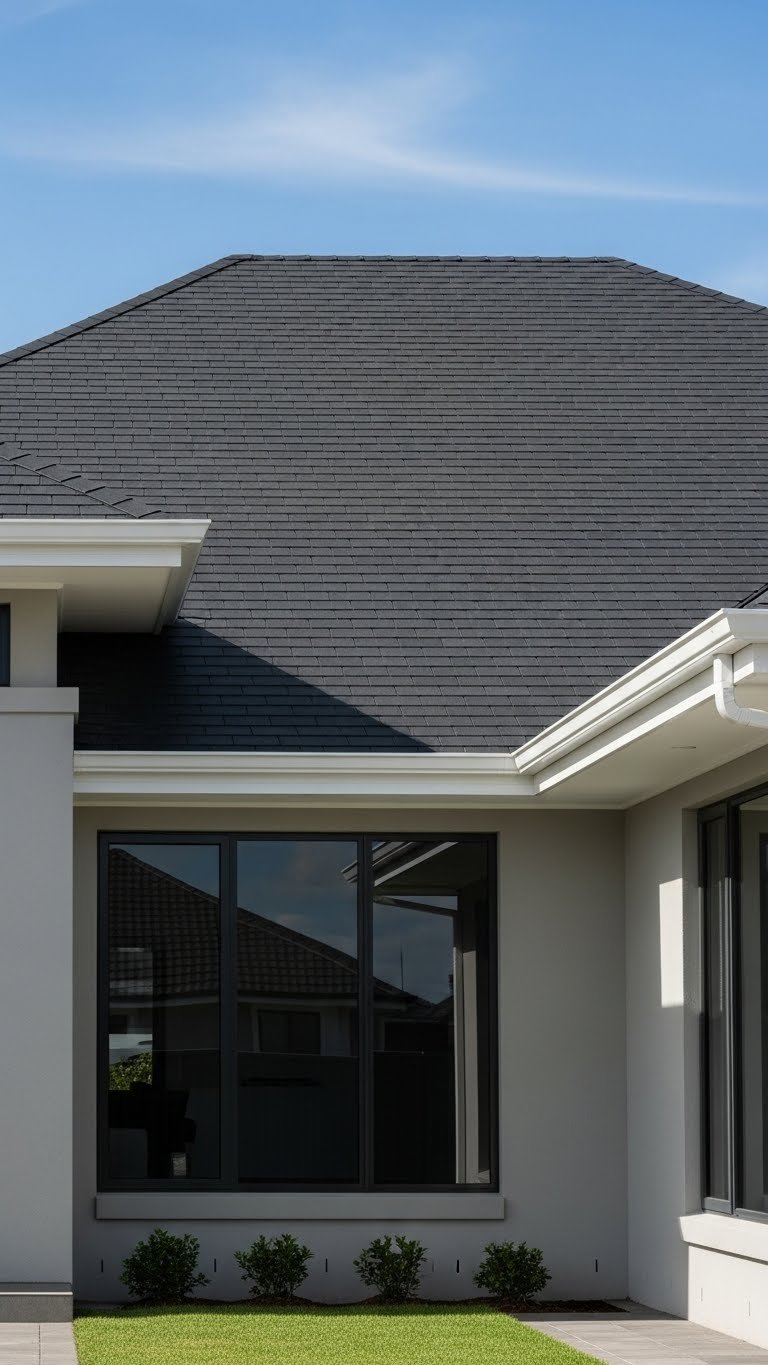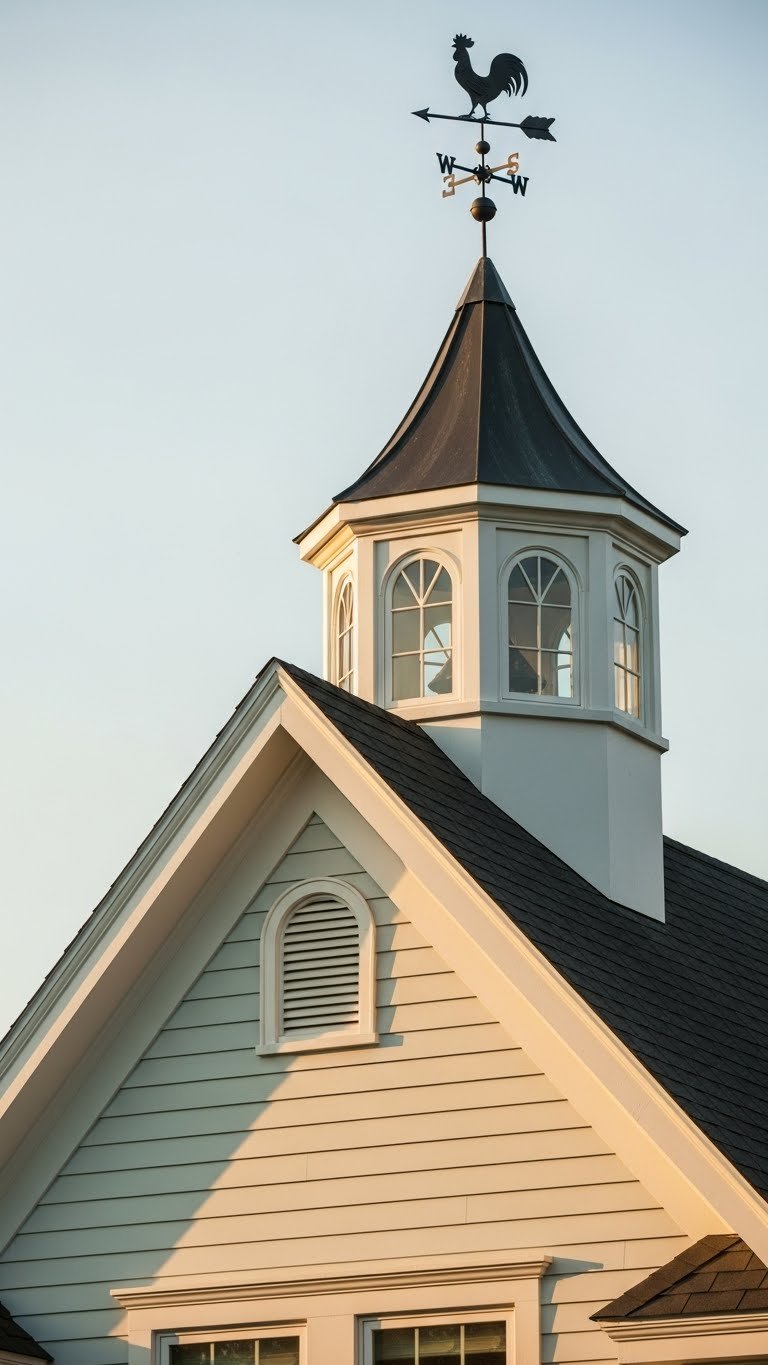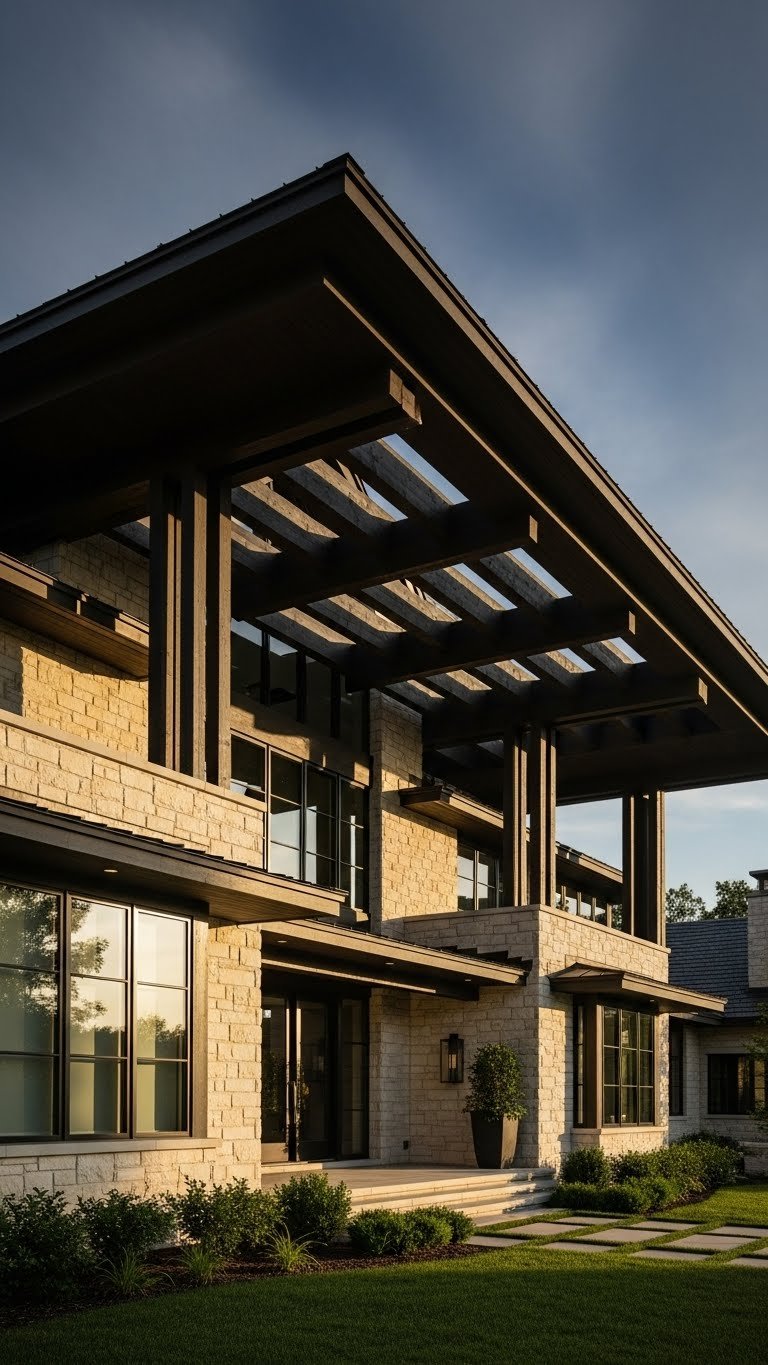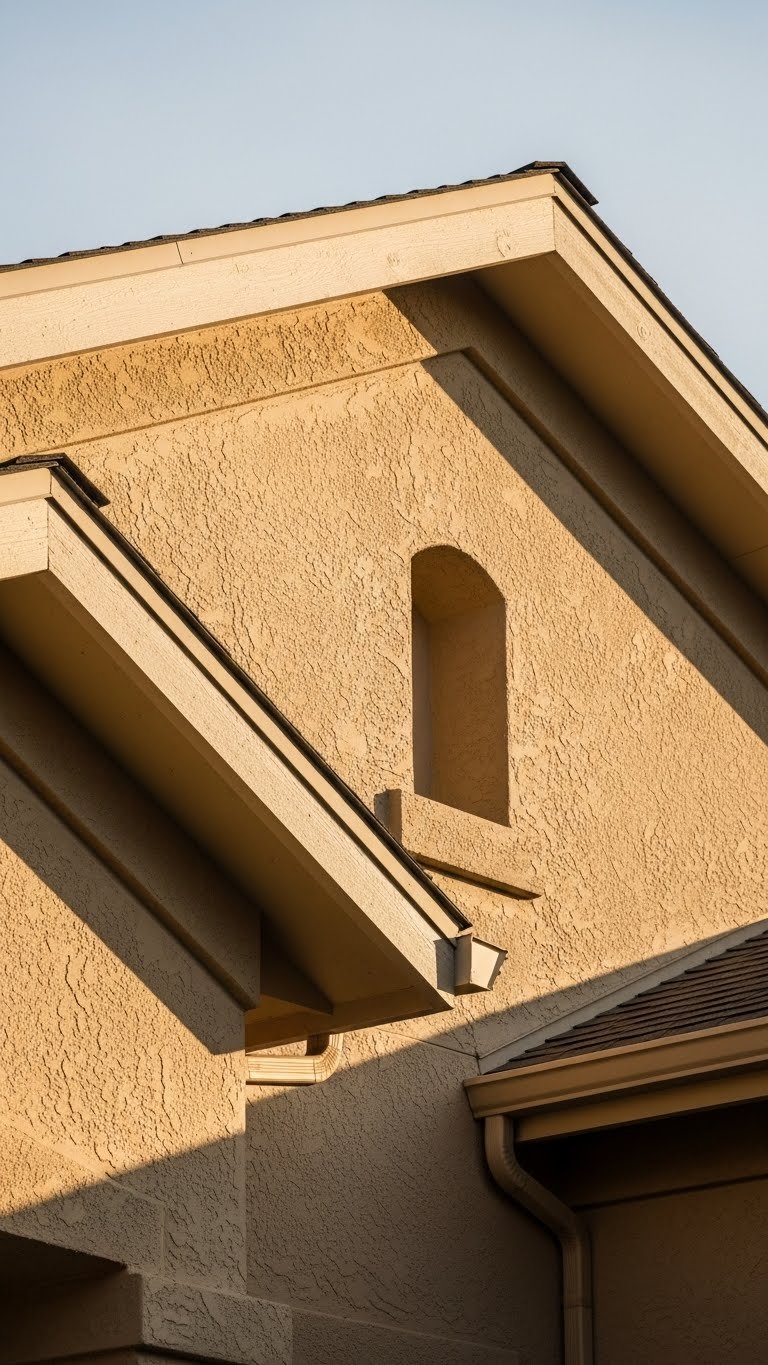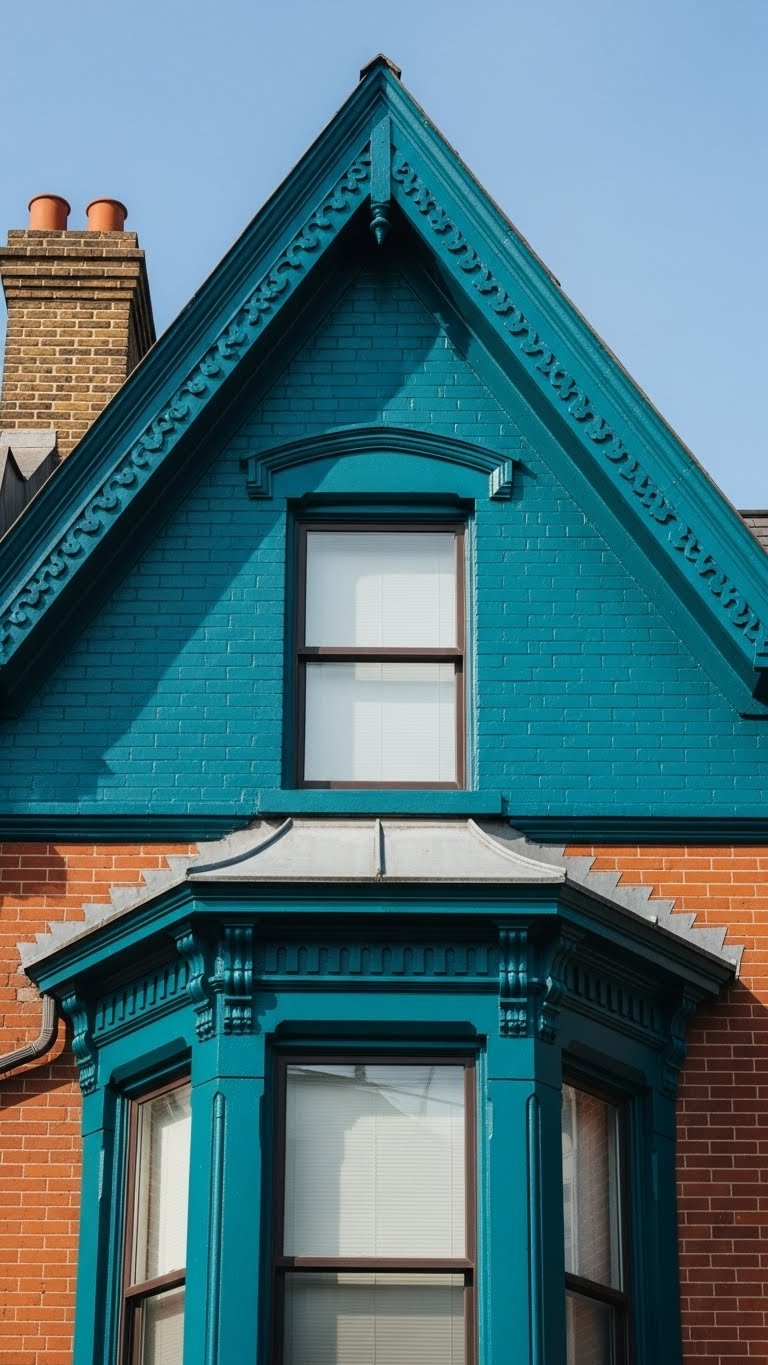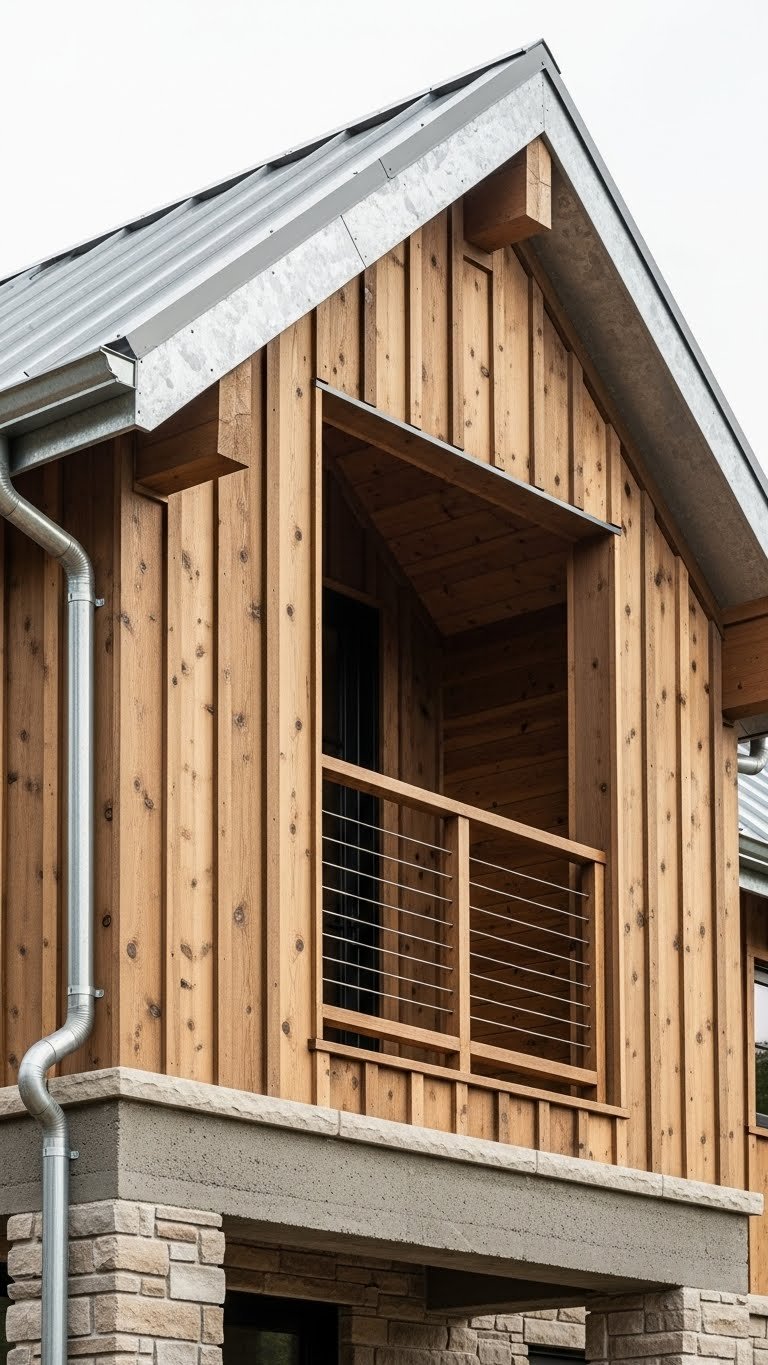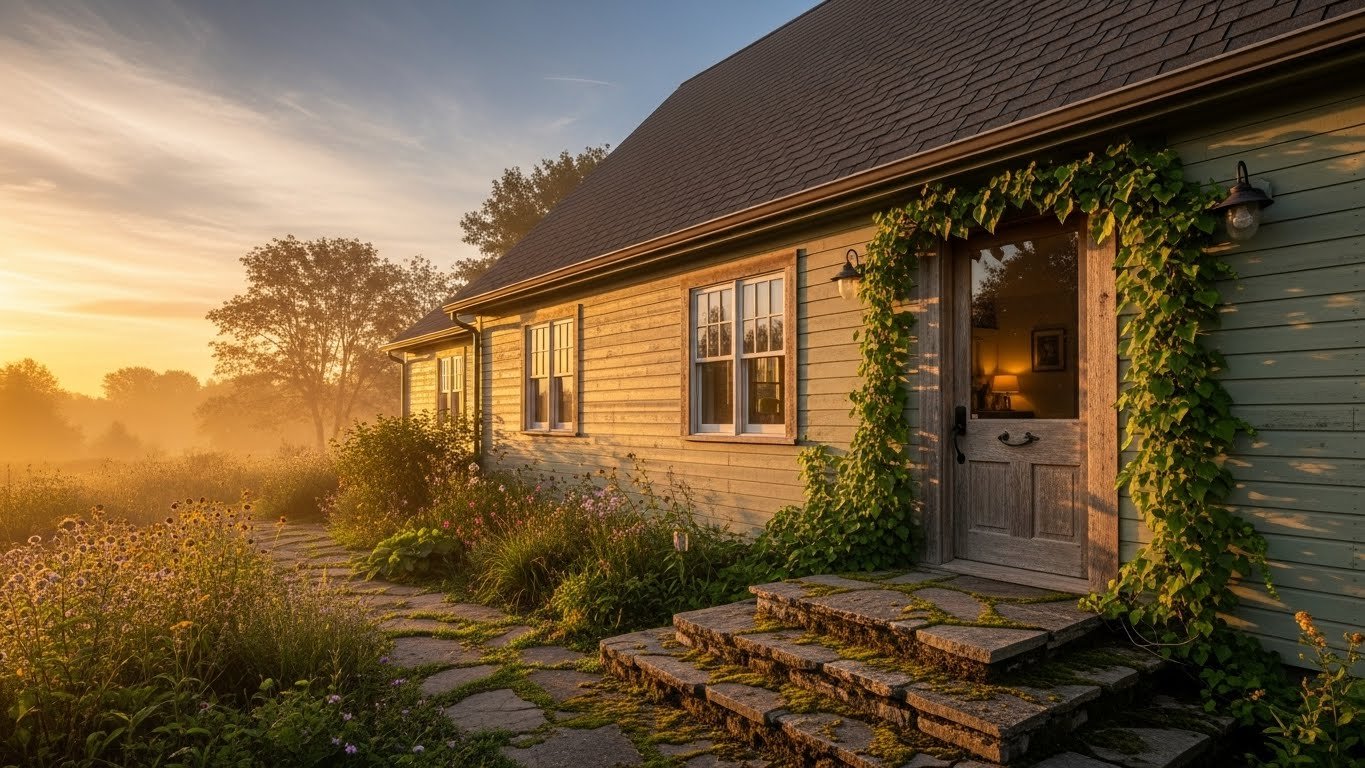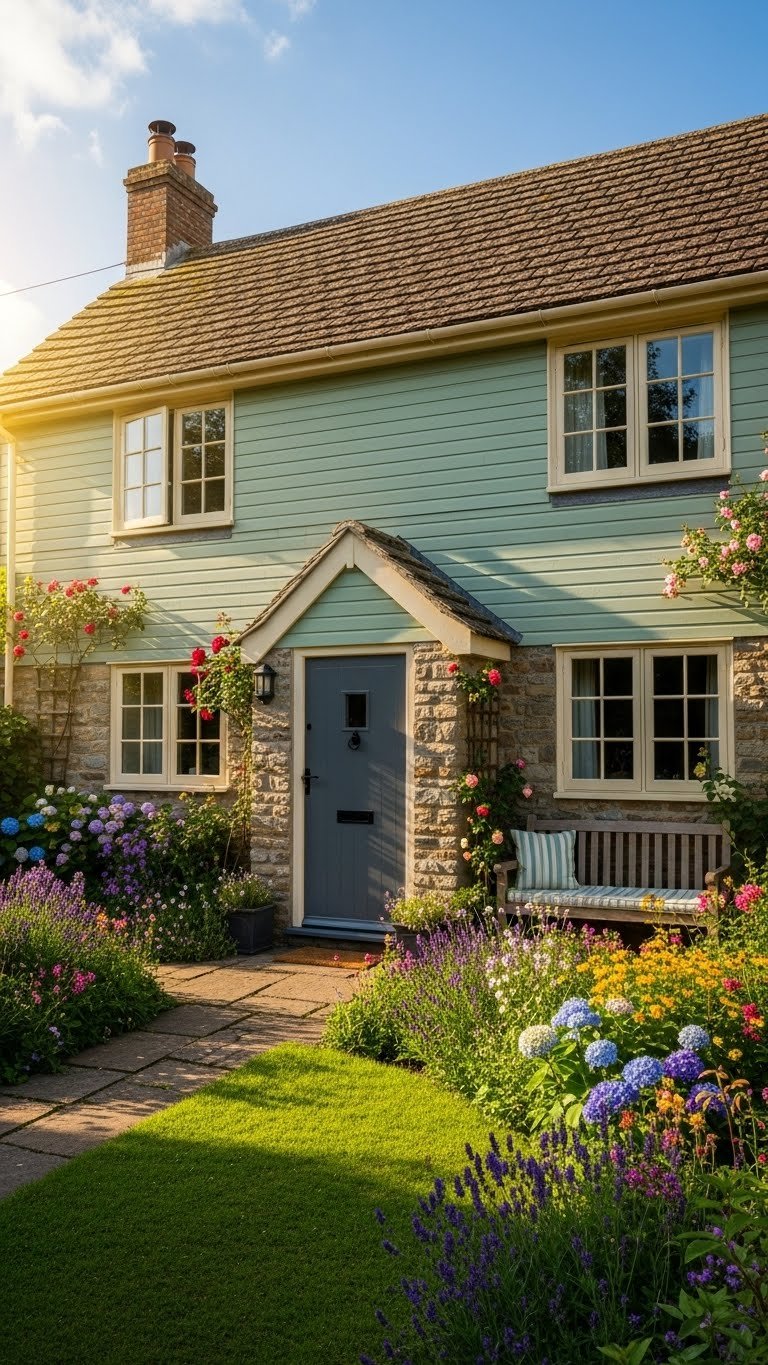
Your small house’s exterior is the first impression guests get—and honestly, the first impression you get when you pull into your driveway. The good news? You don’t need a major renovation or a huge budget to completely change how your home looks from the street. We’ve rounded up 25 specific, actionable ideas that work for any small home, whether you’re renting or own. You’ll find everything from free refresh tricks to affordable upgrades that take a weekend, plus a few investment pieces that pay dividends for years. Ready to make your neighbors stop and stare? Let’s go.
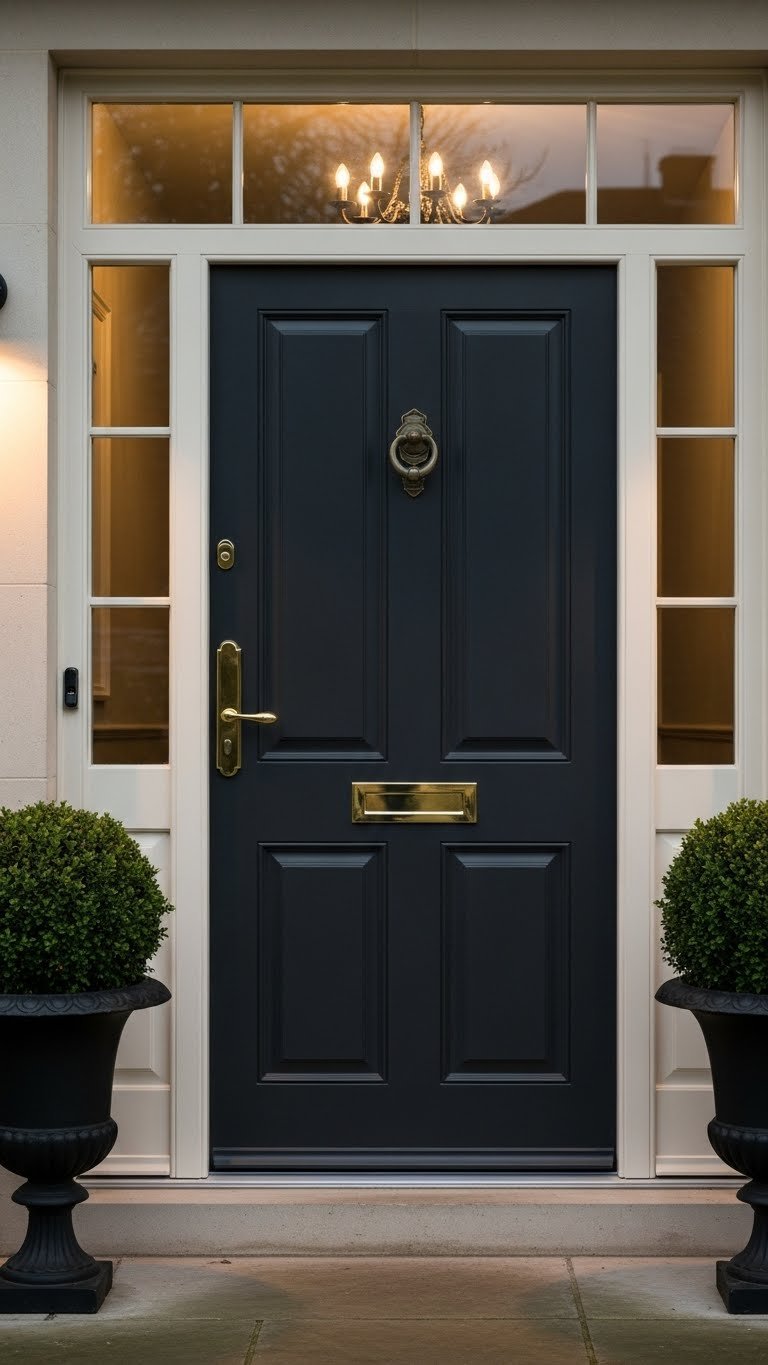
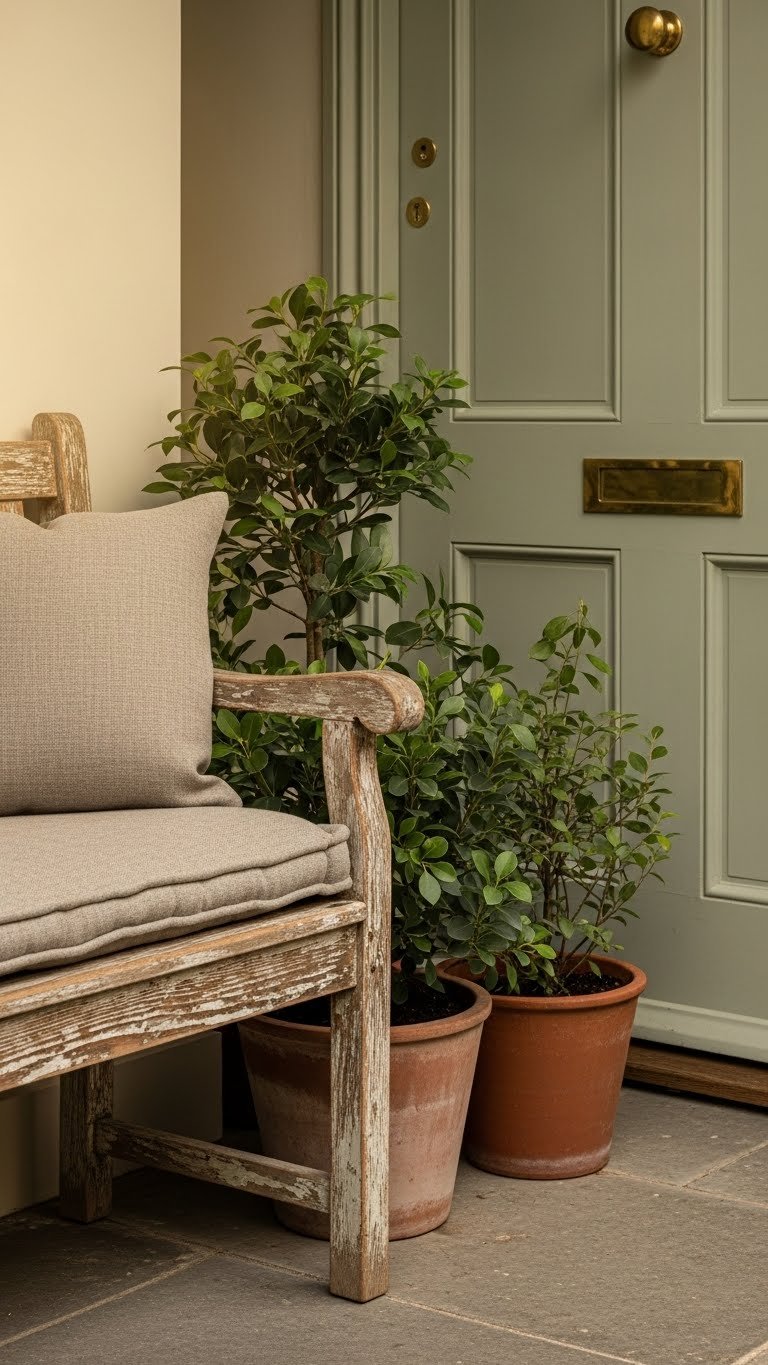
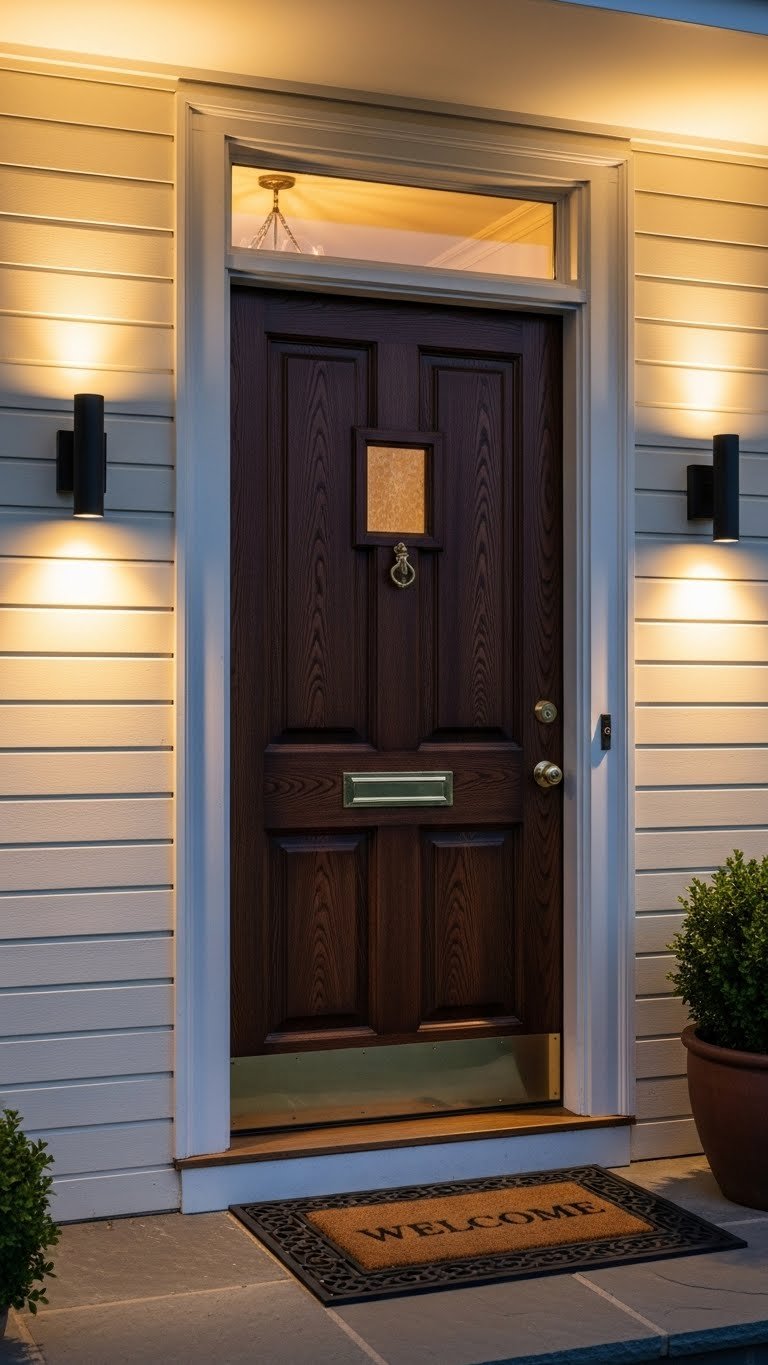
1. Paint Your Front Door a Bold, Welcoming Color
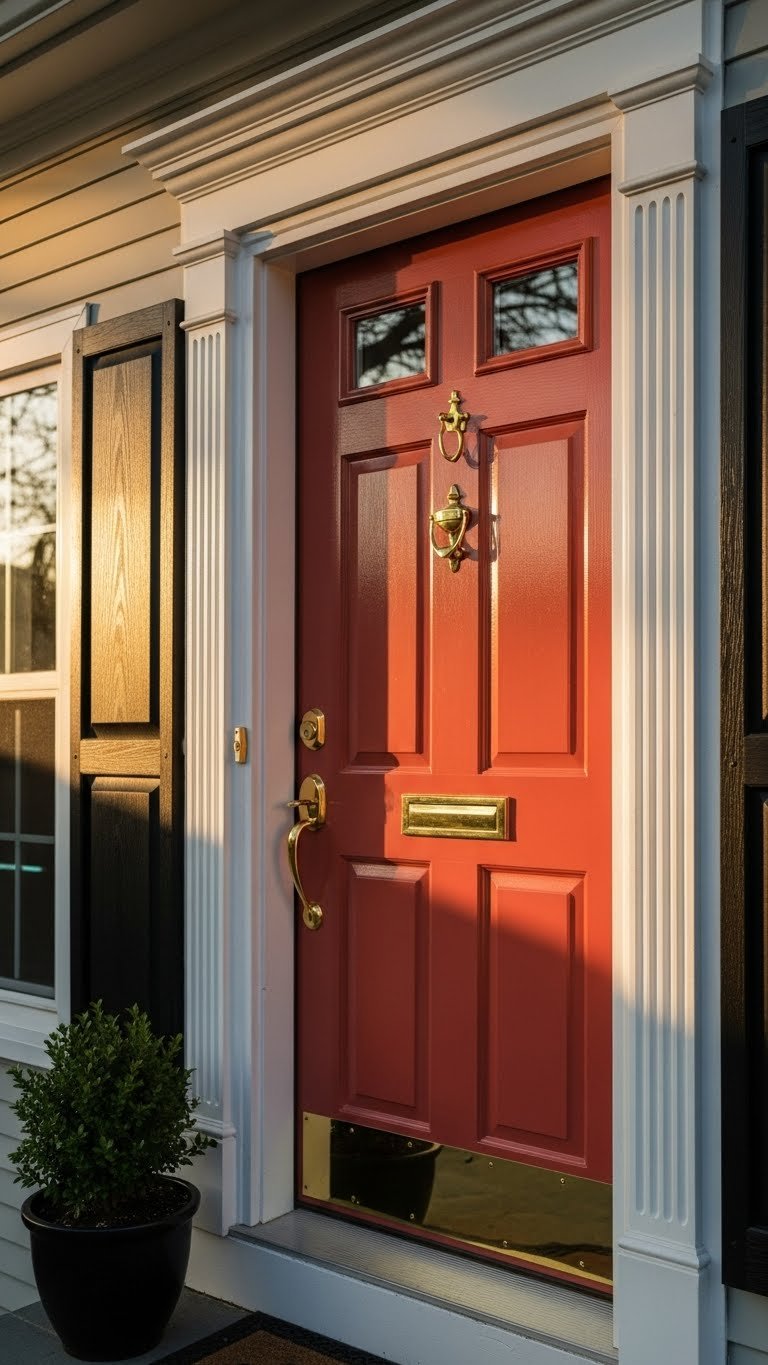
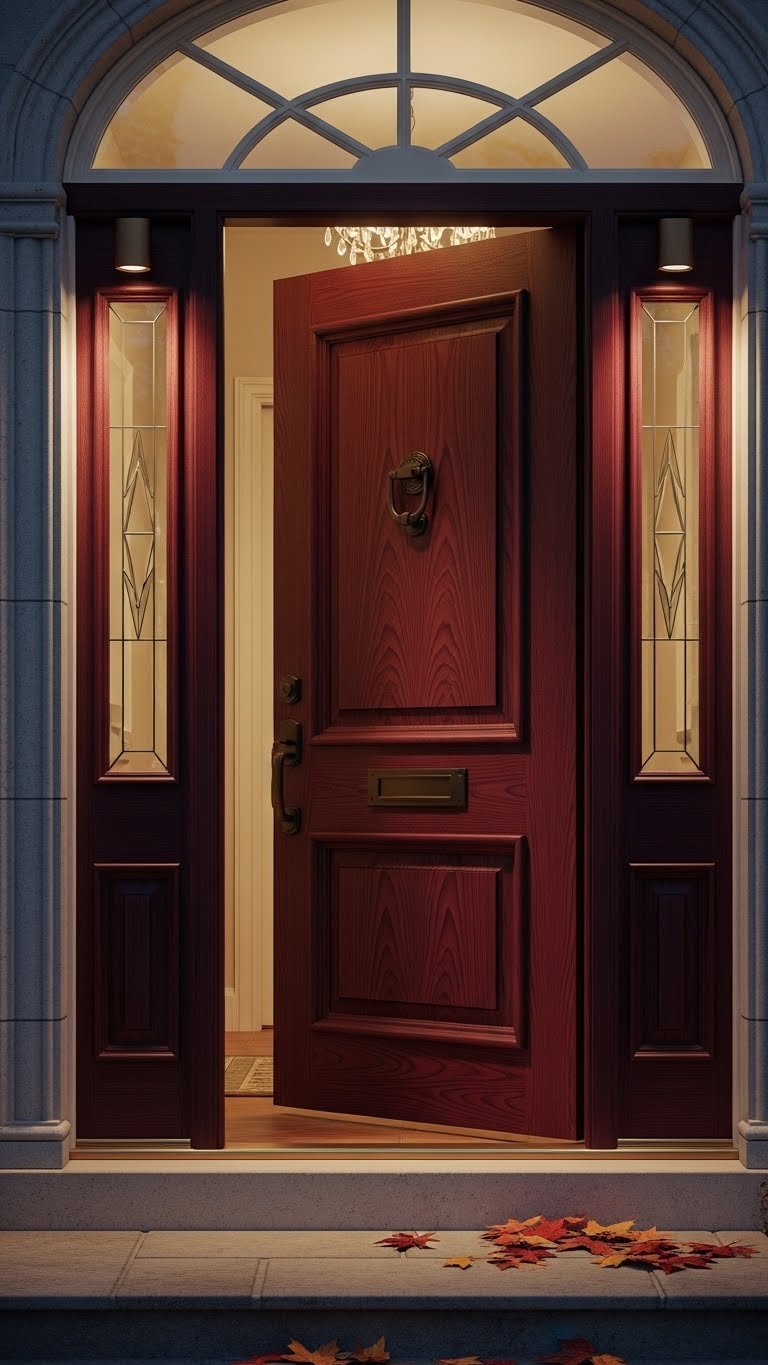
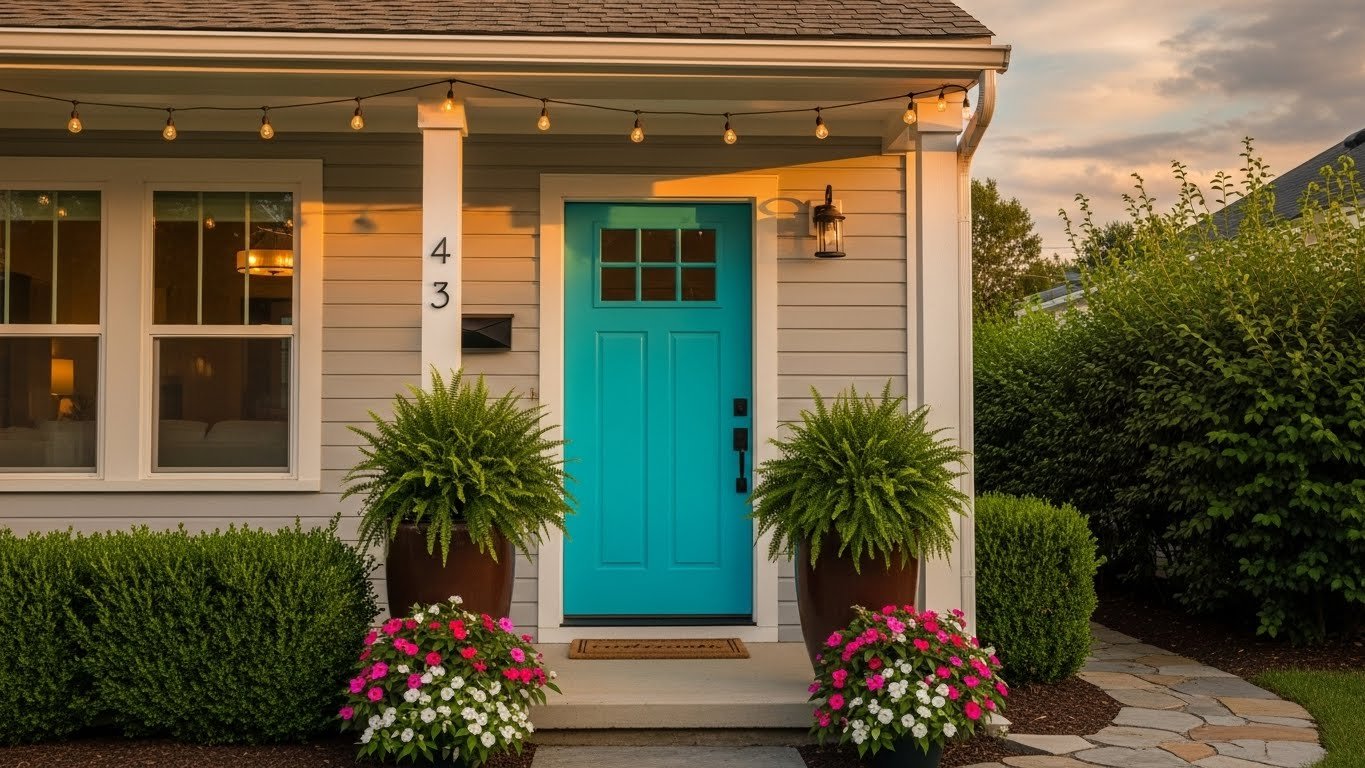
A fresh coat of paint on your front door is the easiest, most affordable curb appeal upgrade you can make. Colors like emerald green, burnt orange, navy, or even deep plum instantly signal personality and draw the eye.
Pick a high-quality exterior paint (Benjamin Moore, Sherwin-Williams, or Behr run $35-$50 per quart). A single door needs about one quart. You’ll need a primer coat first—budget $20-$30 total for supplies. The paint job takes 2-3 hours including prep and drying time between coats. Update hardware (hinges, house numbers, knocker) with brass or matte black pieces ($15-$40 on Amazon or Home Depot) for extra polish.
Pro tip: Test your color on the door with paint samples first. What looks good in the paint store can surprise you in natural light. Your front door becomes the focal point of your entire home’s exterior the moment guests arrive.
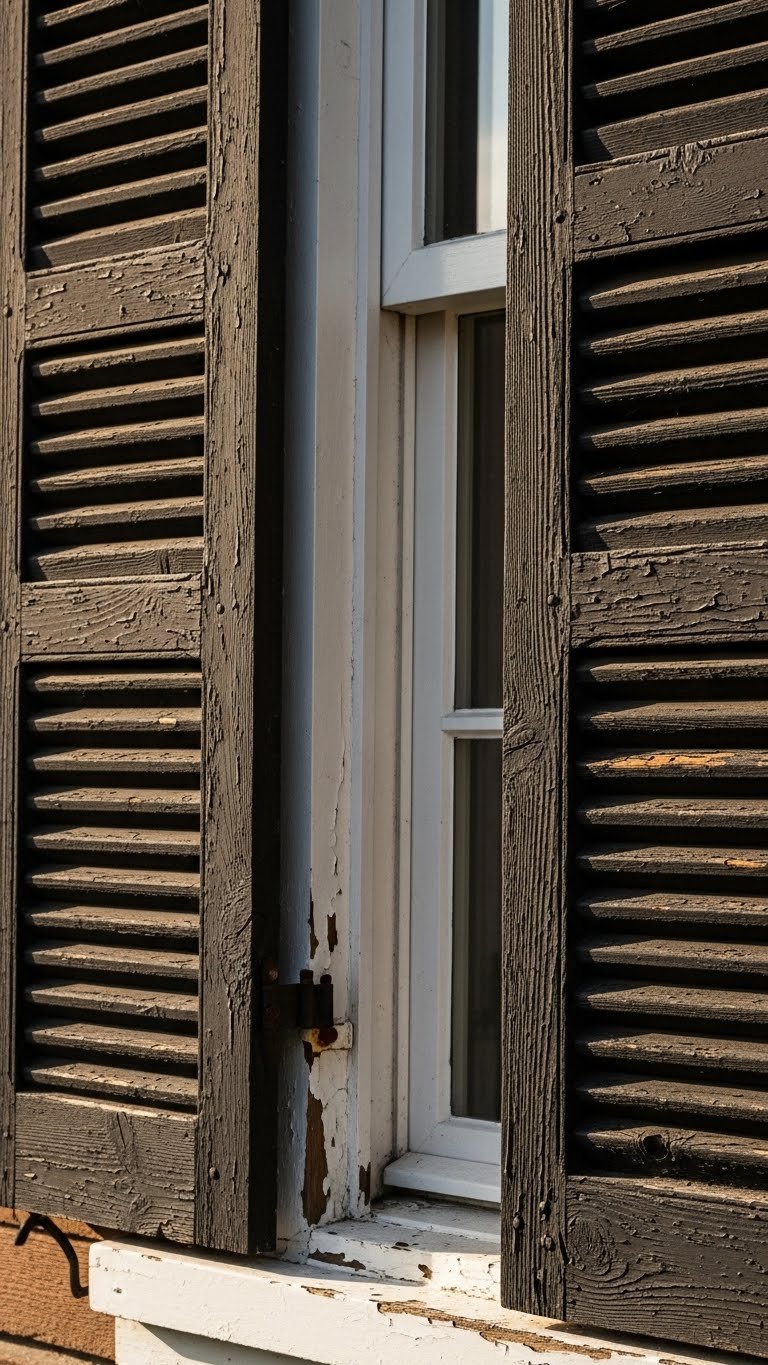
2. Add Architectural Interest with Window Shutters
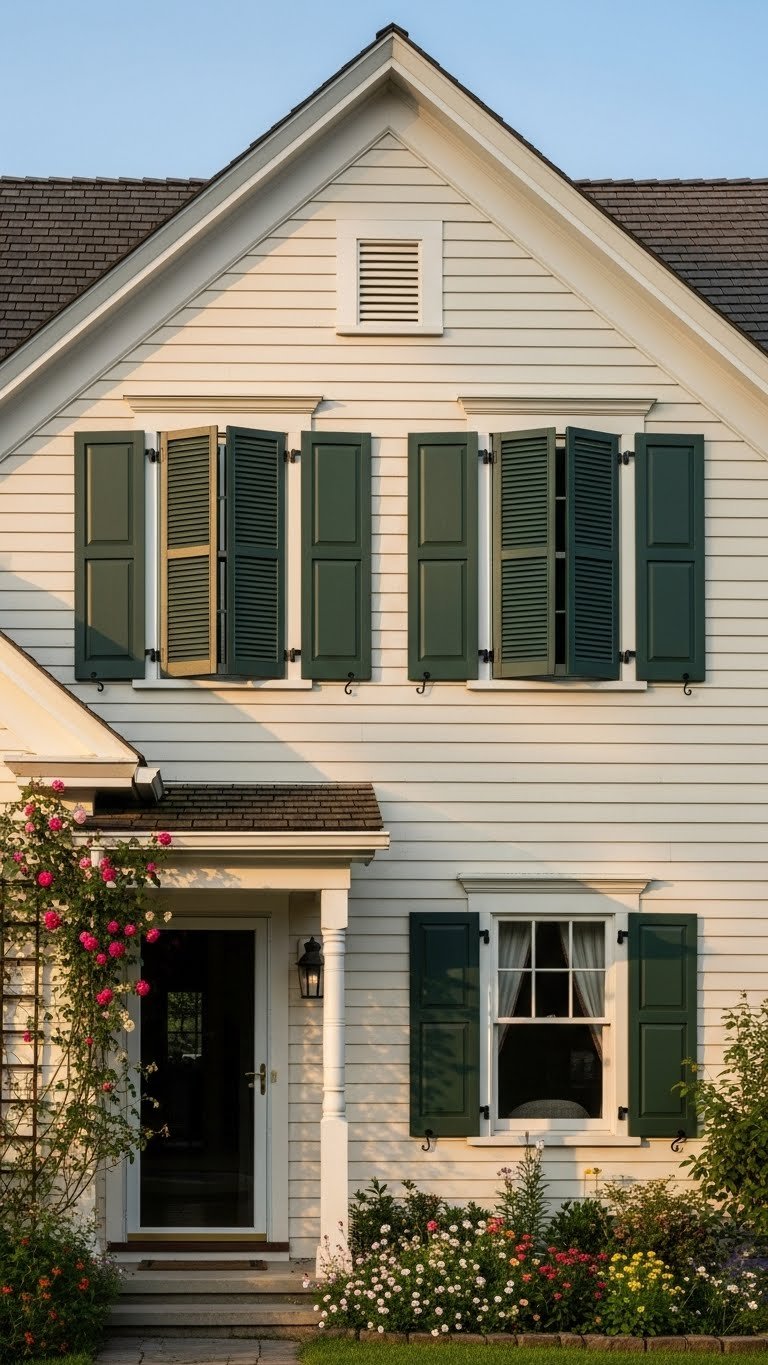
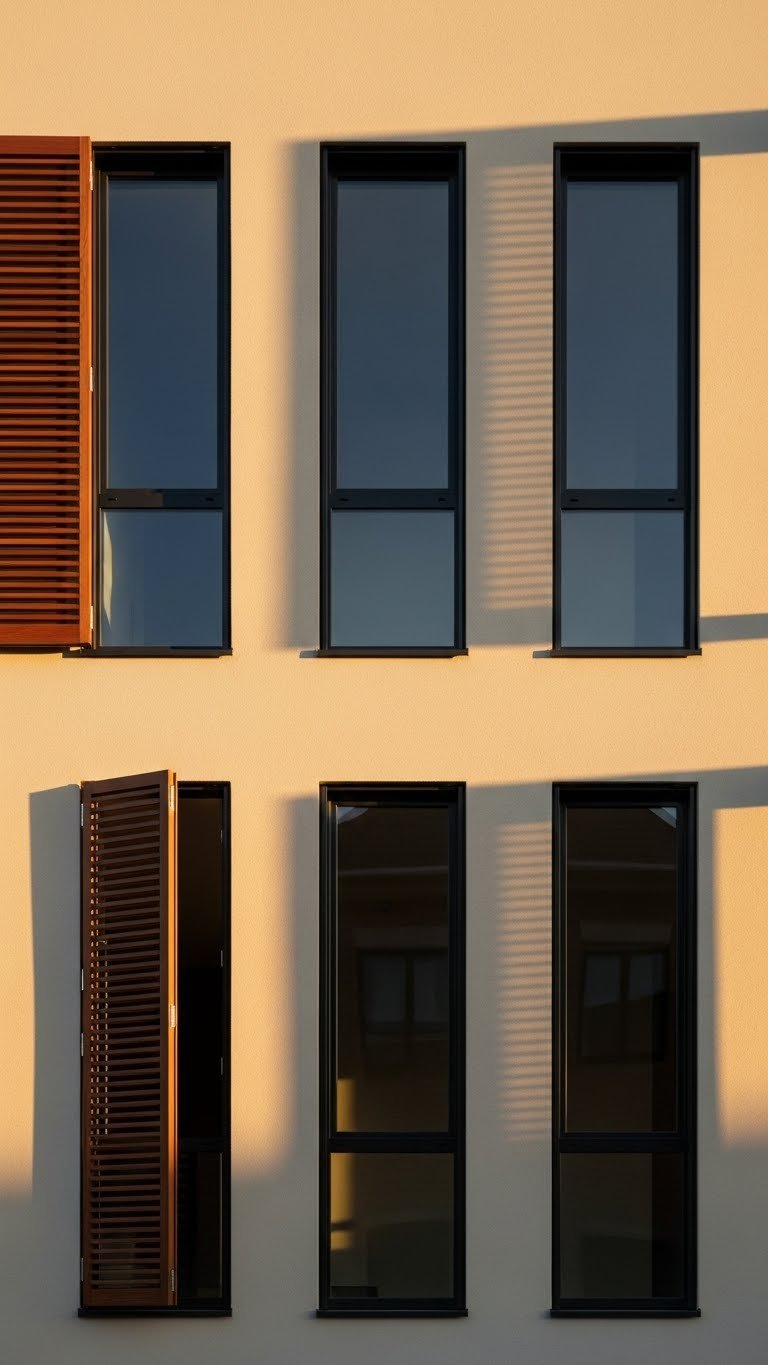
Shutters add instant architectural depth, especially on homes with plain, flat facades. They create shadow and dimension that photographs beautifully and catches the eye from the street.
Pre-made vinyl shutters from Home Depot or Lowes cost $20-$50 per pair. If your home needs multiple sets, budget $100-$300 total. Installation involves simple brackets and screws—a 15-minute DIY job per window. For a more custom look, consider composite or wood shutters ($60-$150 per pair) that last longer and weather gracefully. Paint them to match your door or choose a contrasting shade.
Pro tip: Shutter size matters. They should frame about two-thirds of your window height for proper proportion. Mismatched or too-small shutters cheapen the look. Your windows gain definition and your home suddenly looks intentional and cared-for.
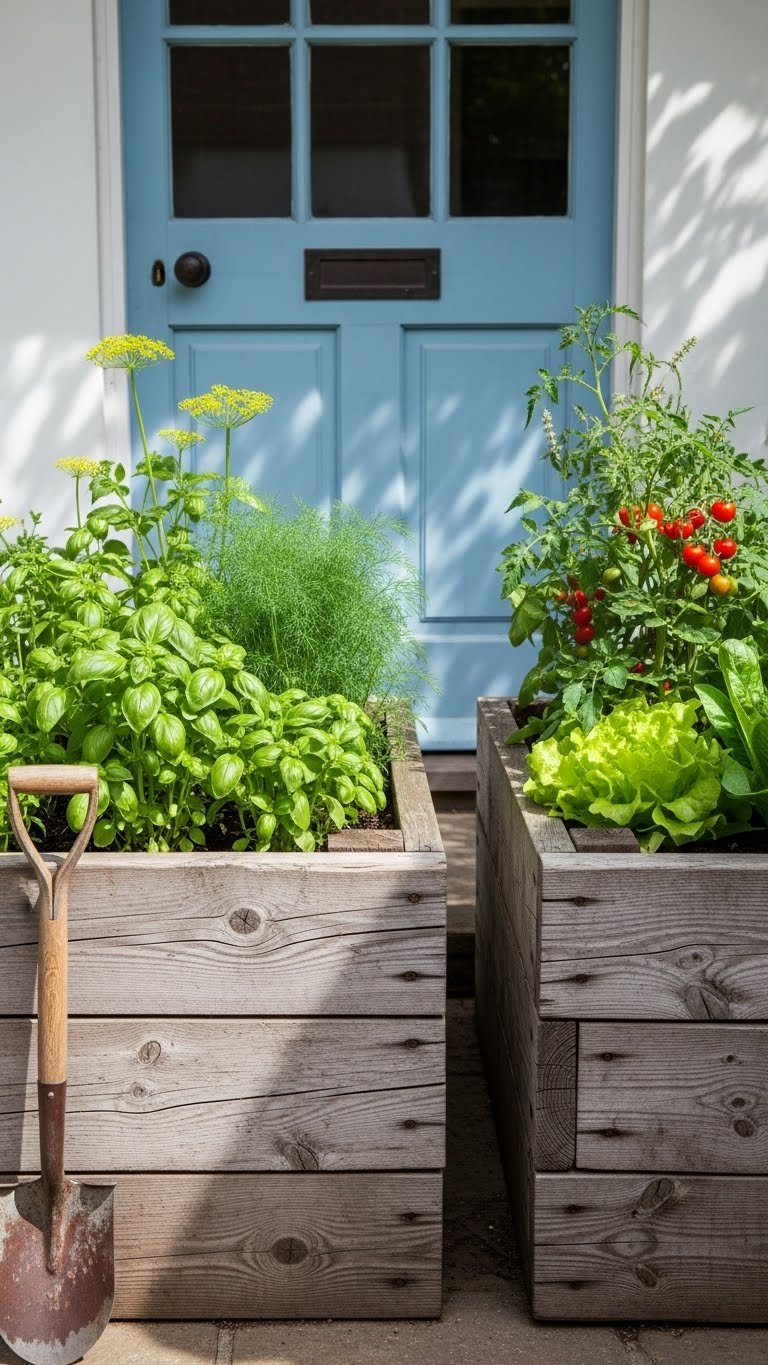
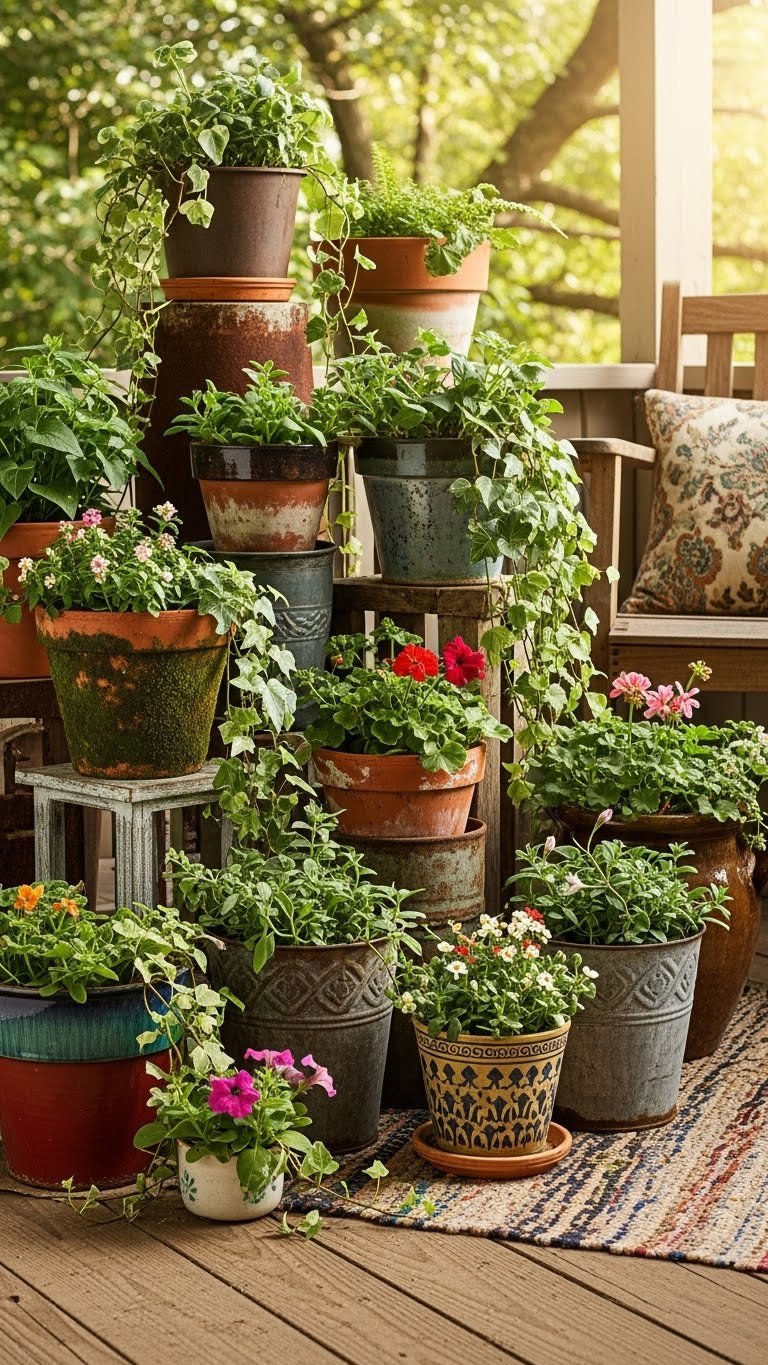
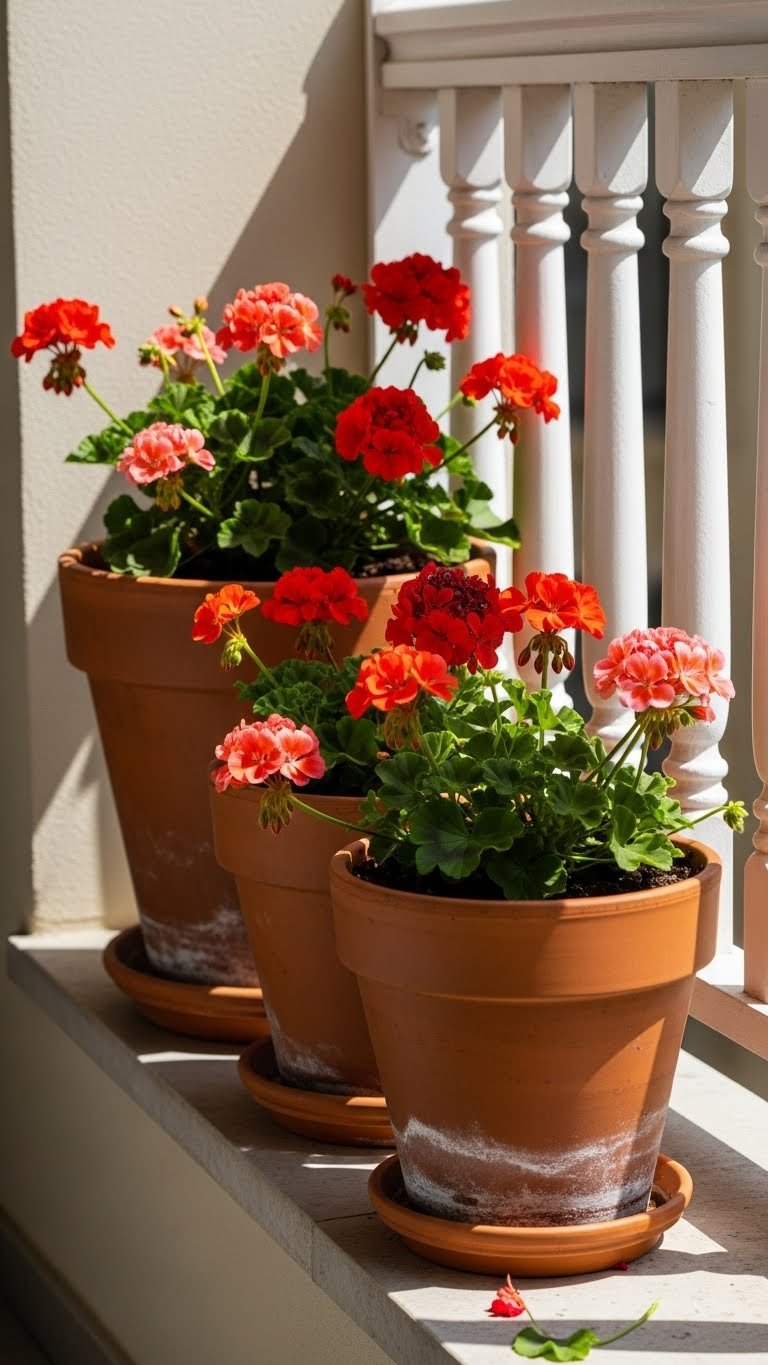
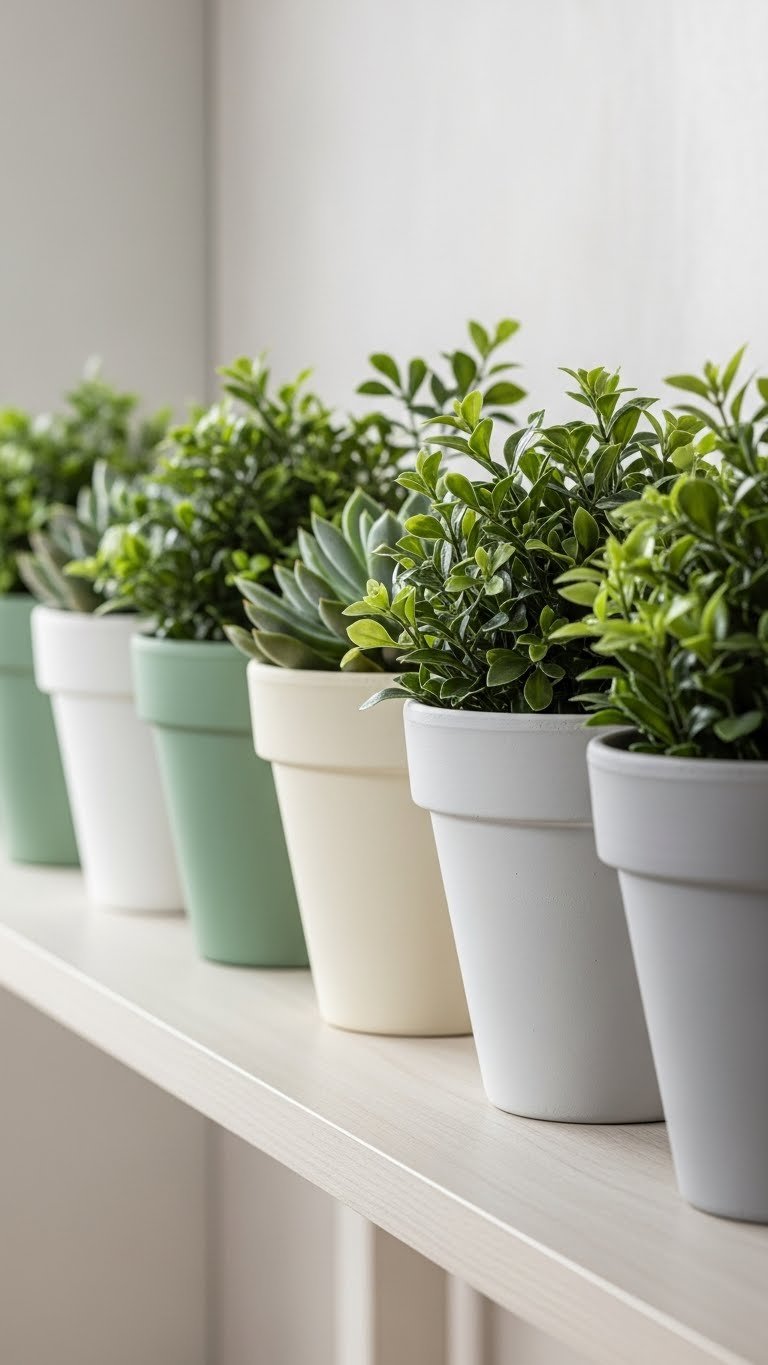
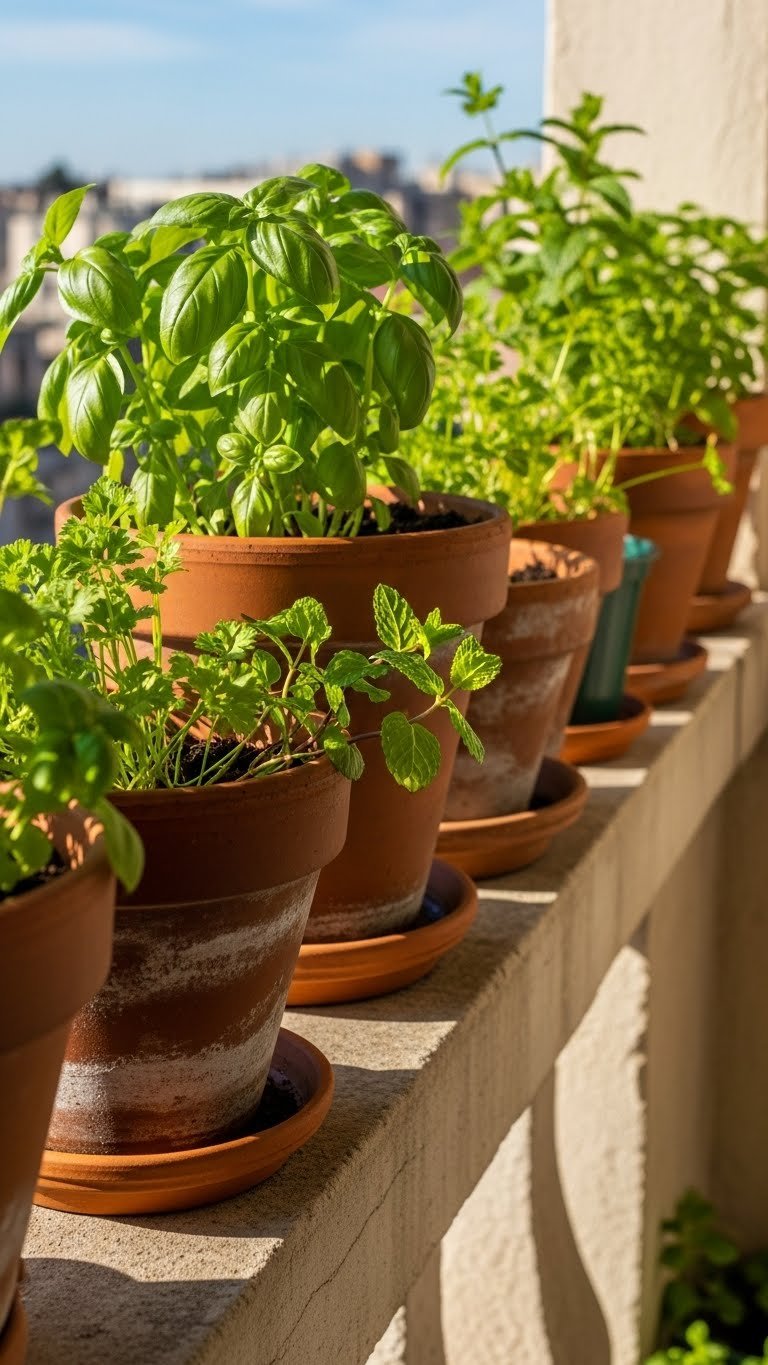
3. Create a Charming Entryway with Planters and Flowers
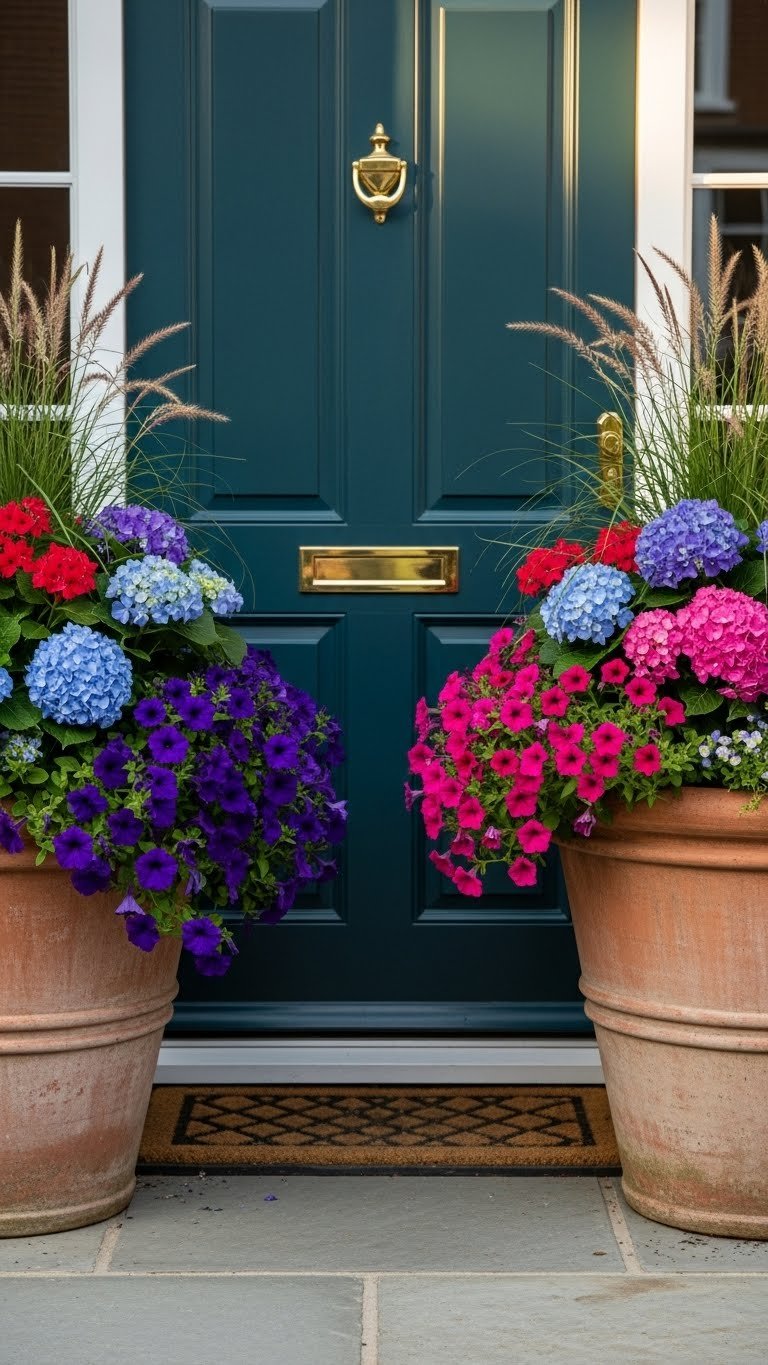
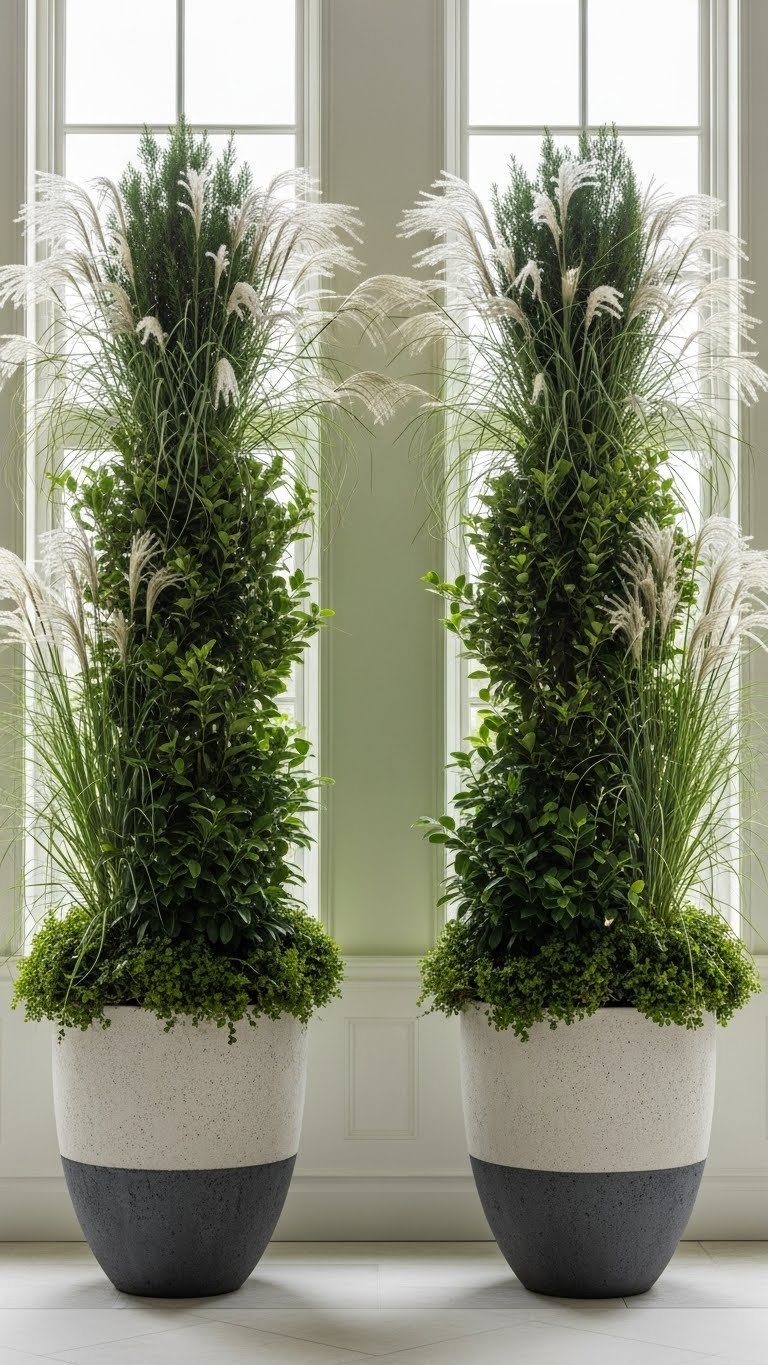
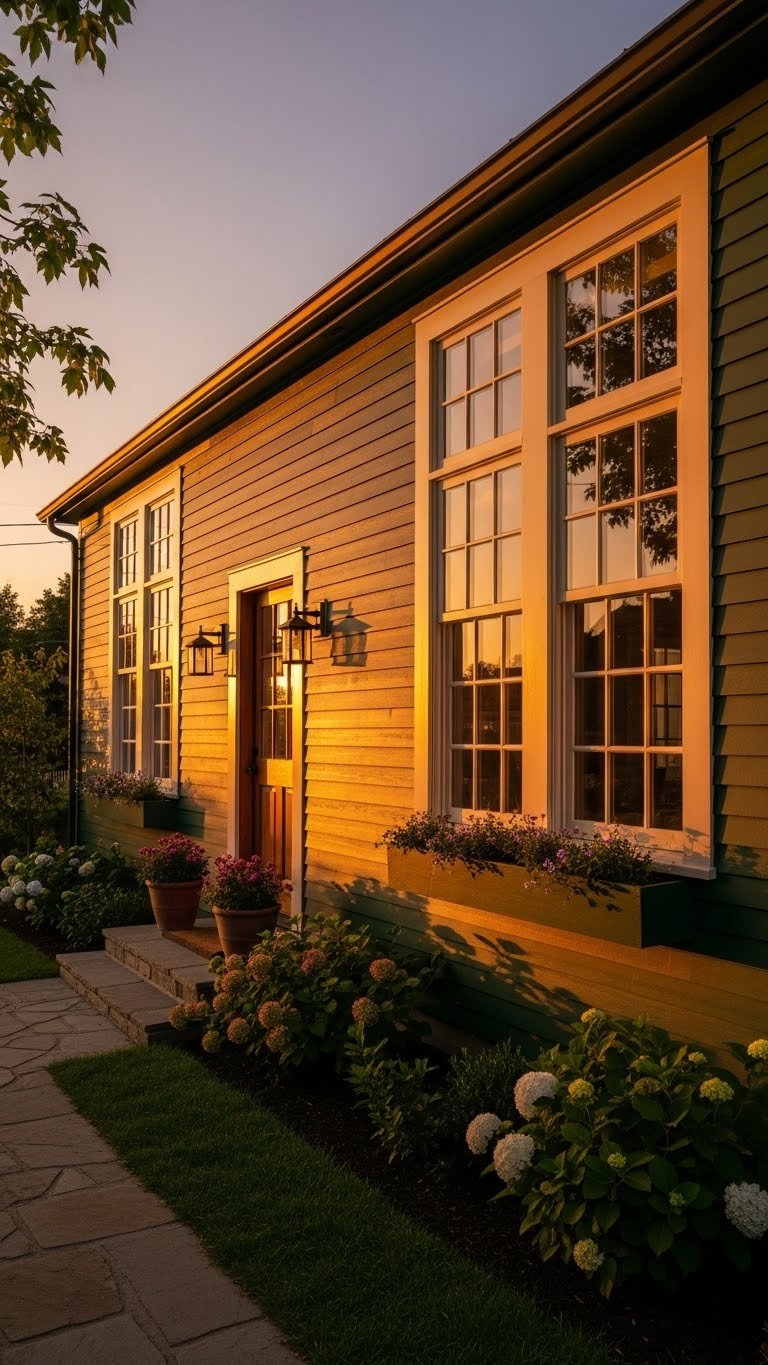
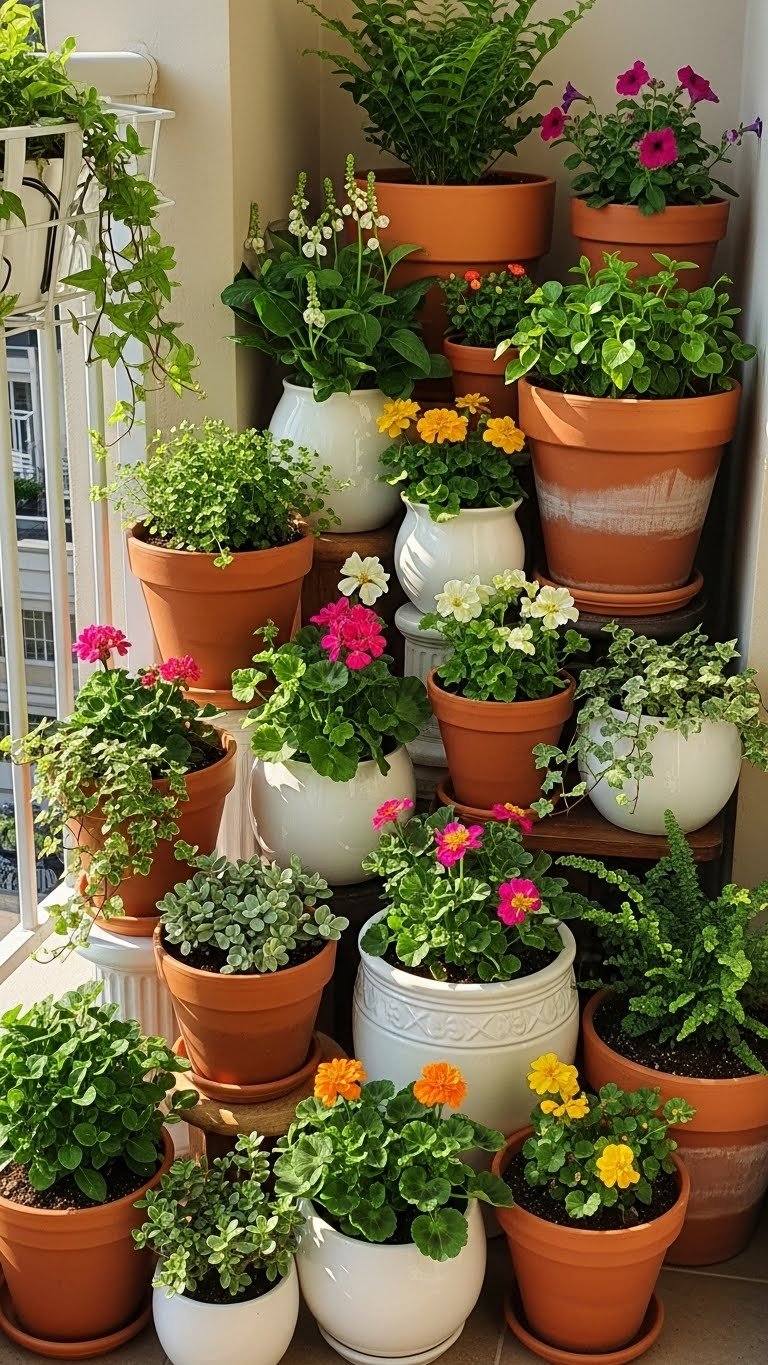
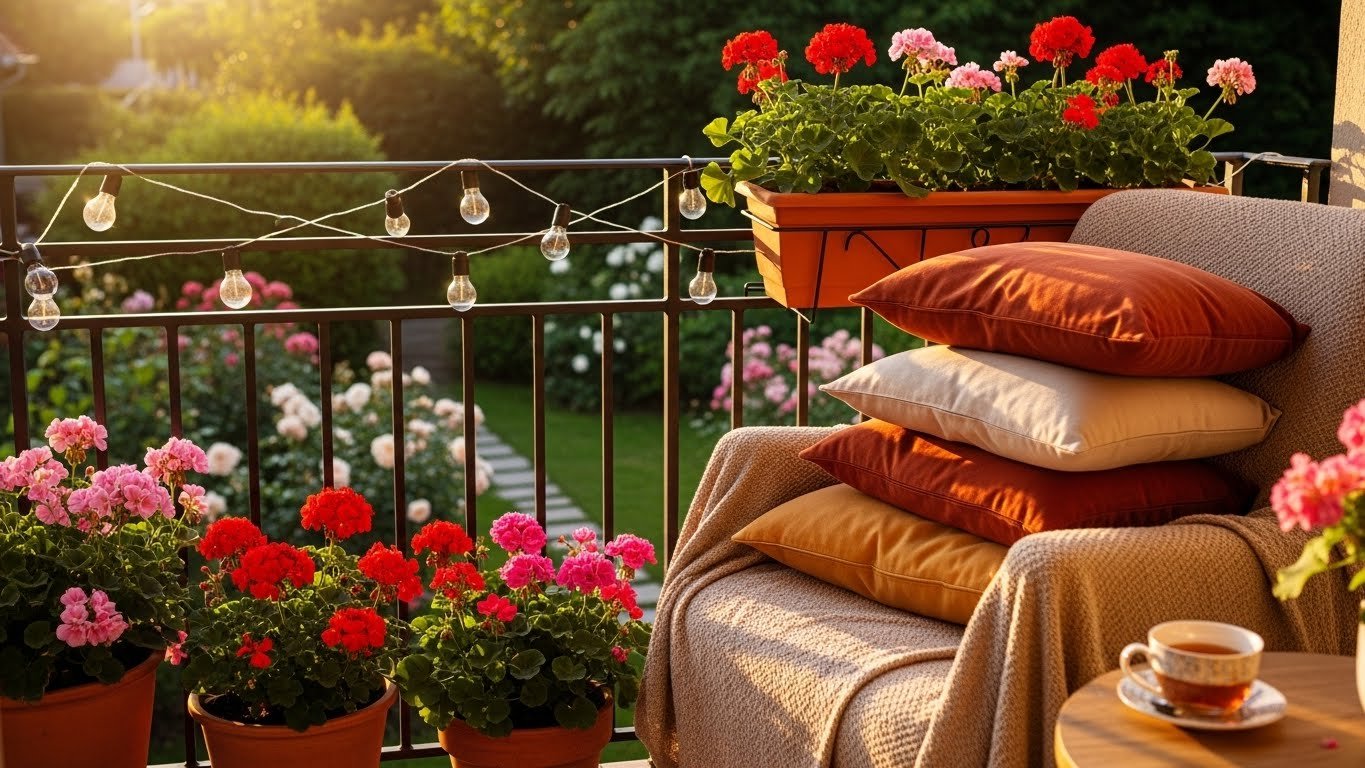
Nothing says “we take pride in our home” like lush planters flanking your entrance. This works whether you’re renting (portable pots) or own your home.
Buy two large planters (14-18 inches wide) for $15-$40 each from Target, Wayfair, or a local garden center. Fill them with quality potting soil ($8-$12) and seasonal plants ($5-$10 per plant, 3-4 plants per pot). Total investment: $60-$150 for a show-stopping pair. Refresh seasonally—pansies and mums in fall, petunias in summer, ornamental grasses year-round. Water daily in warm months and deadhead spent blooms weekly.
Pro tip: Use odd numbers of plants (3 or 5) per pot for visual balance. Vary heights by adding a small shrub or upright plant in the center. Your entryway transforms into an Instagram-worthy welcome space that makes your home feel established and cared-for.
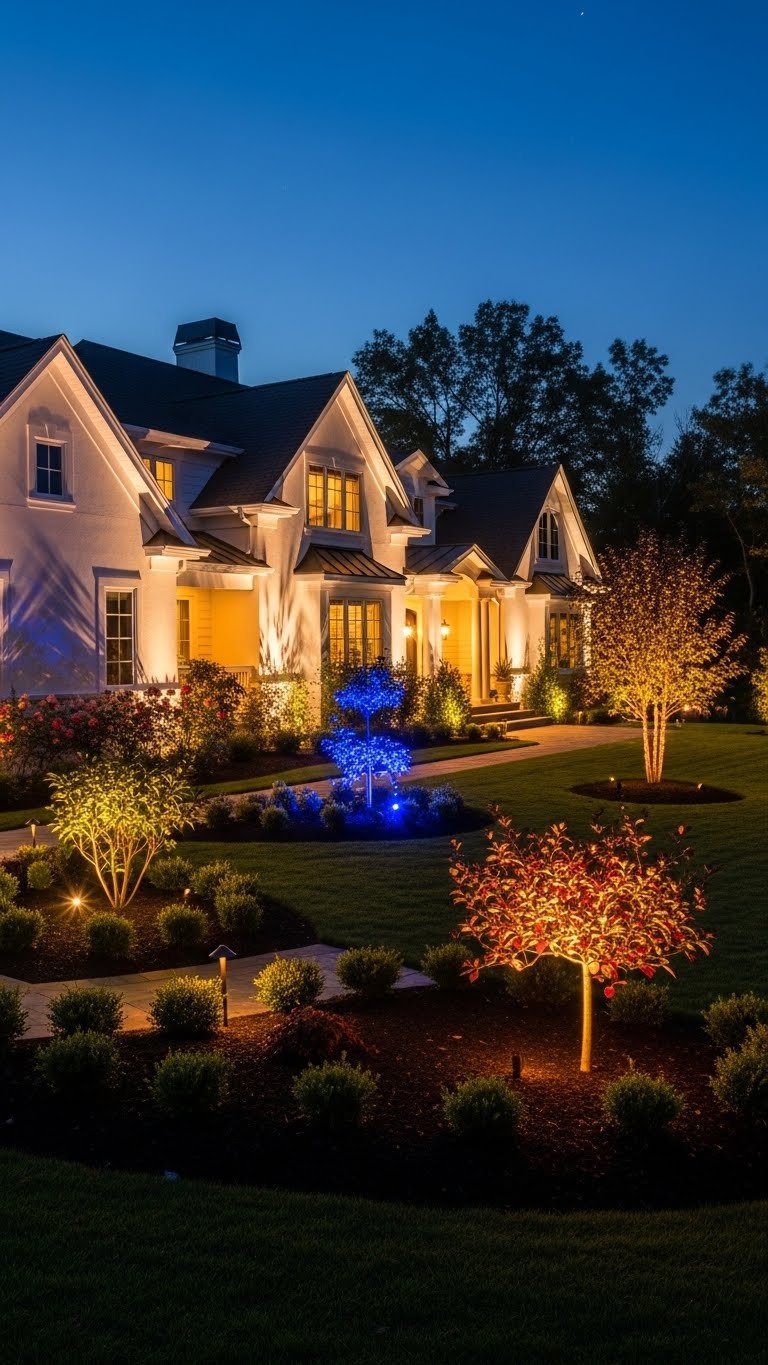
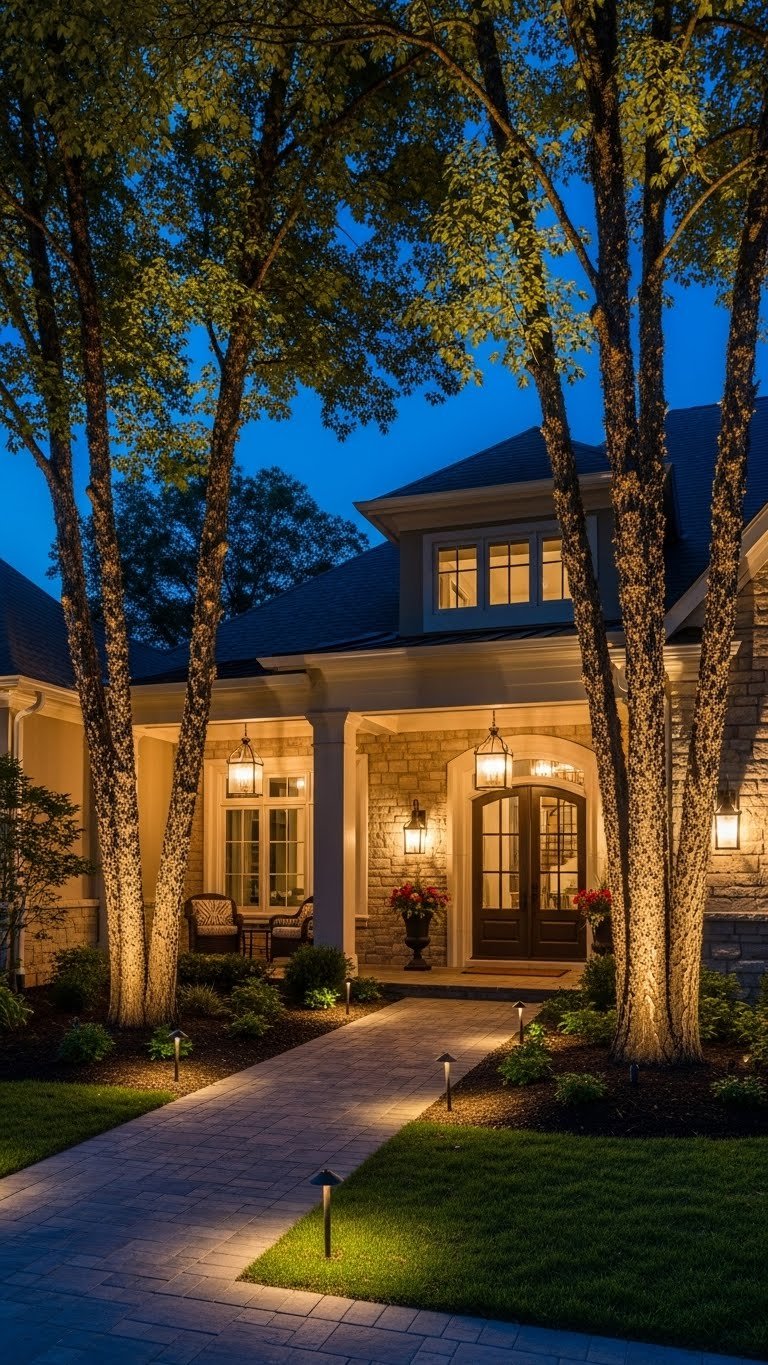
4. Install Outdoor Lighting That Highlights Key Features
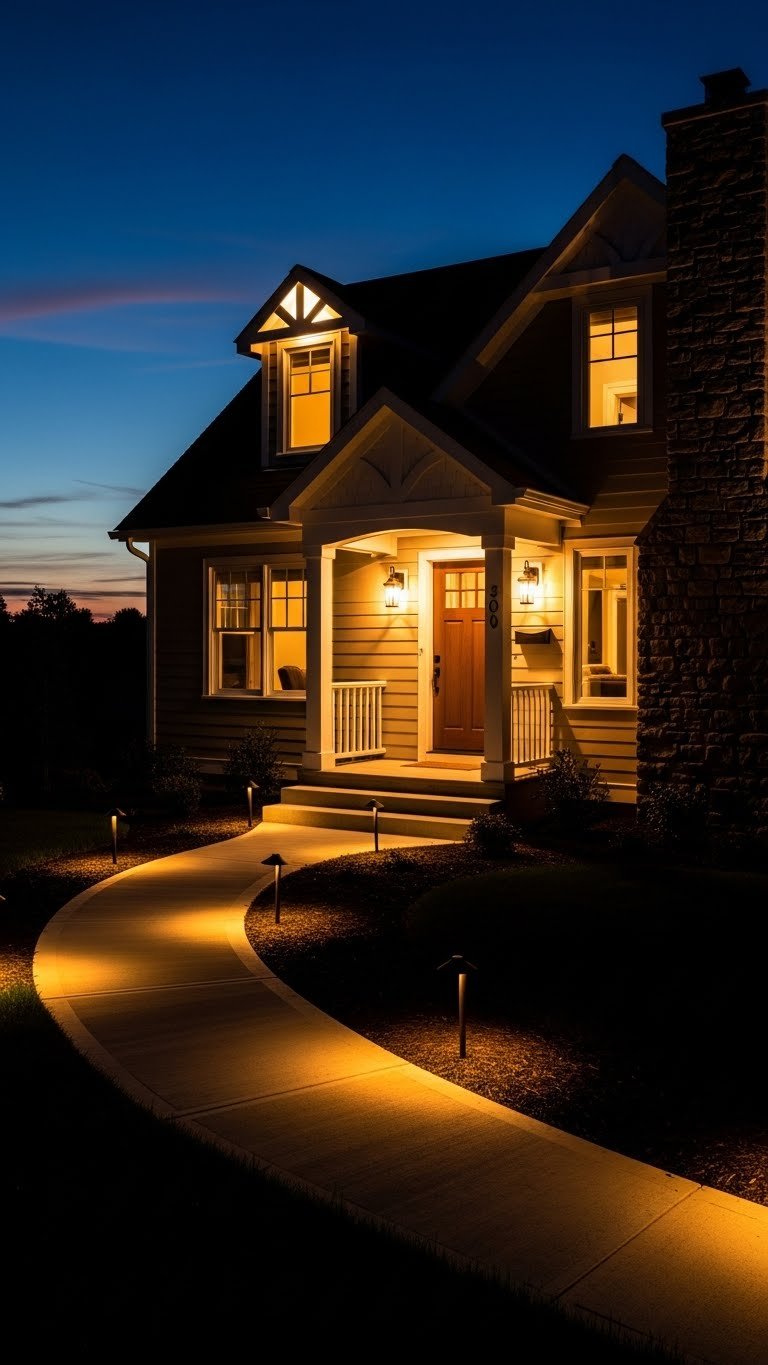
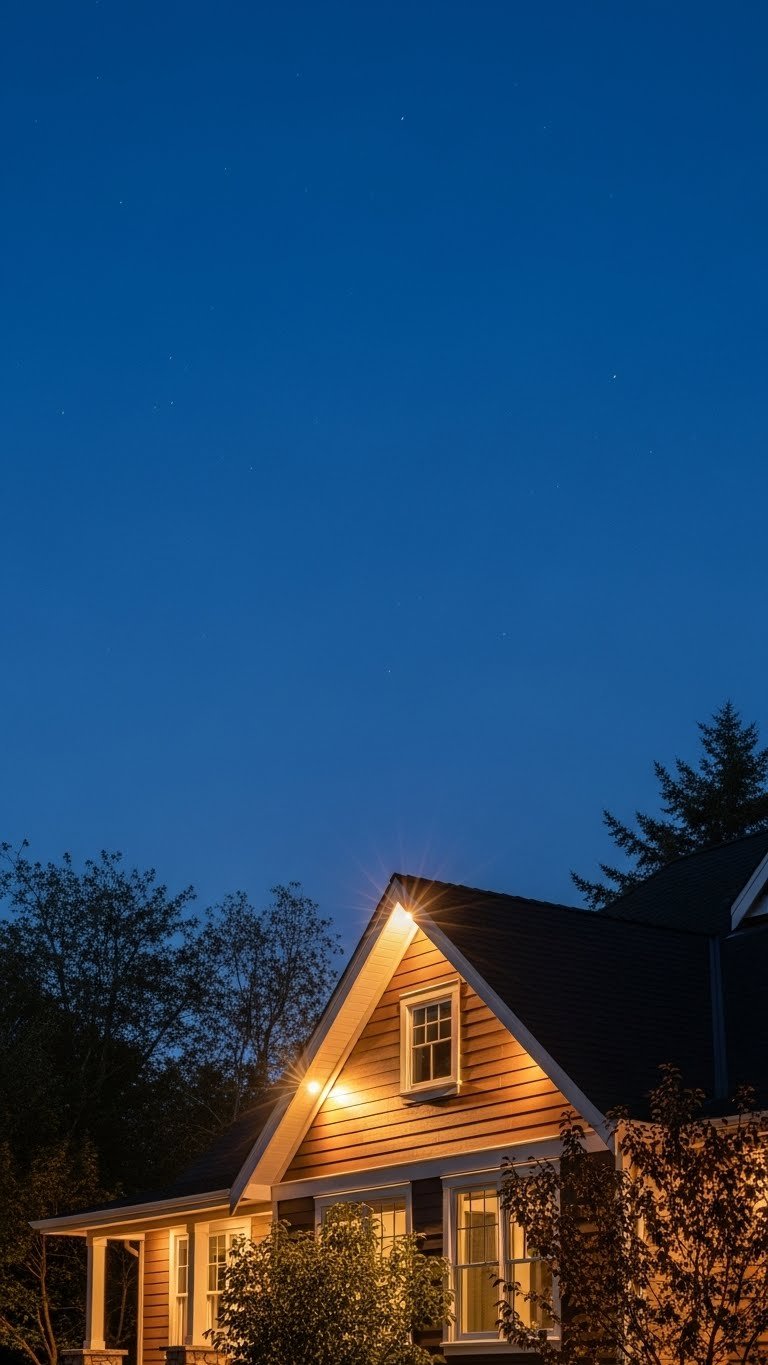
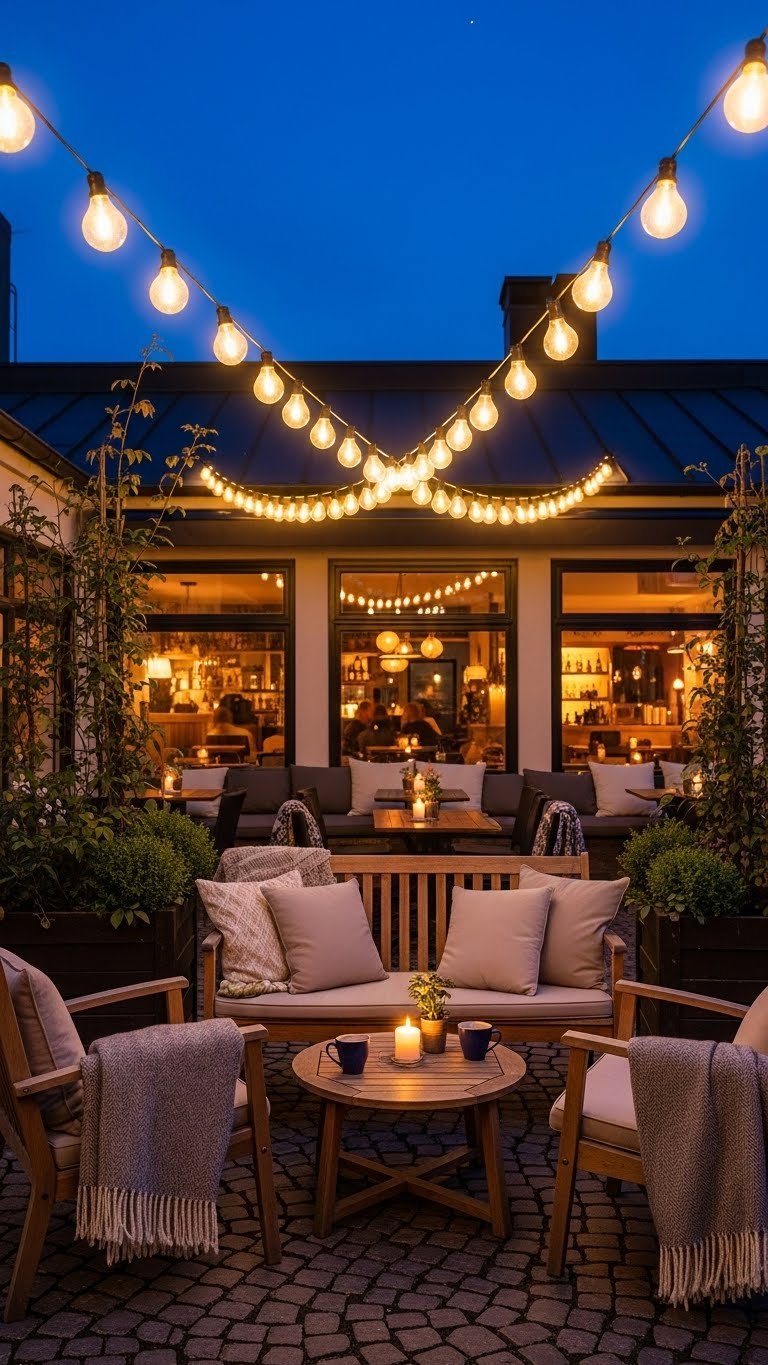
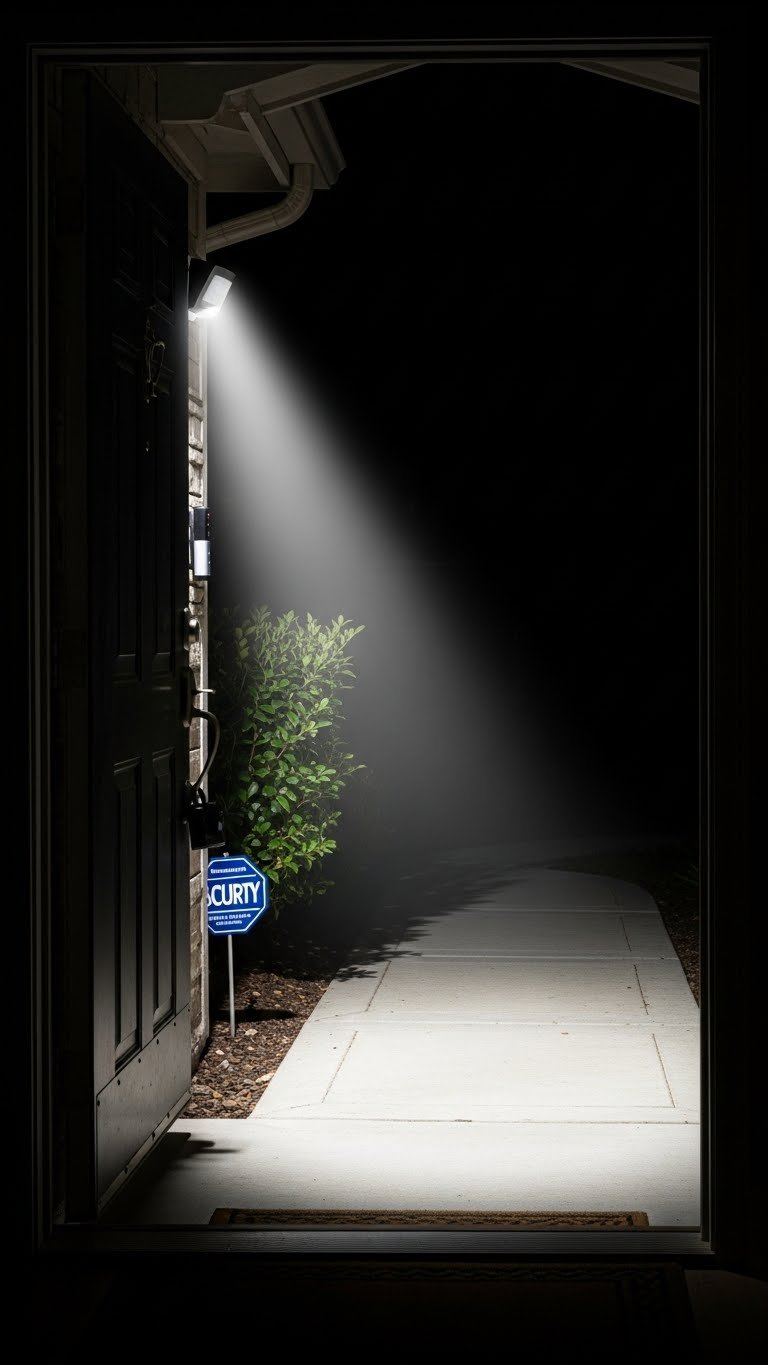
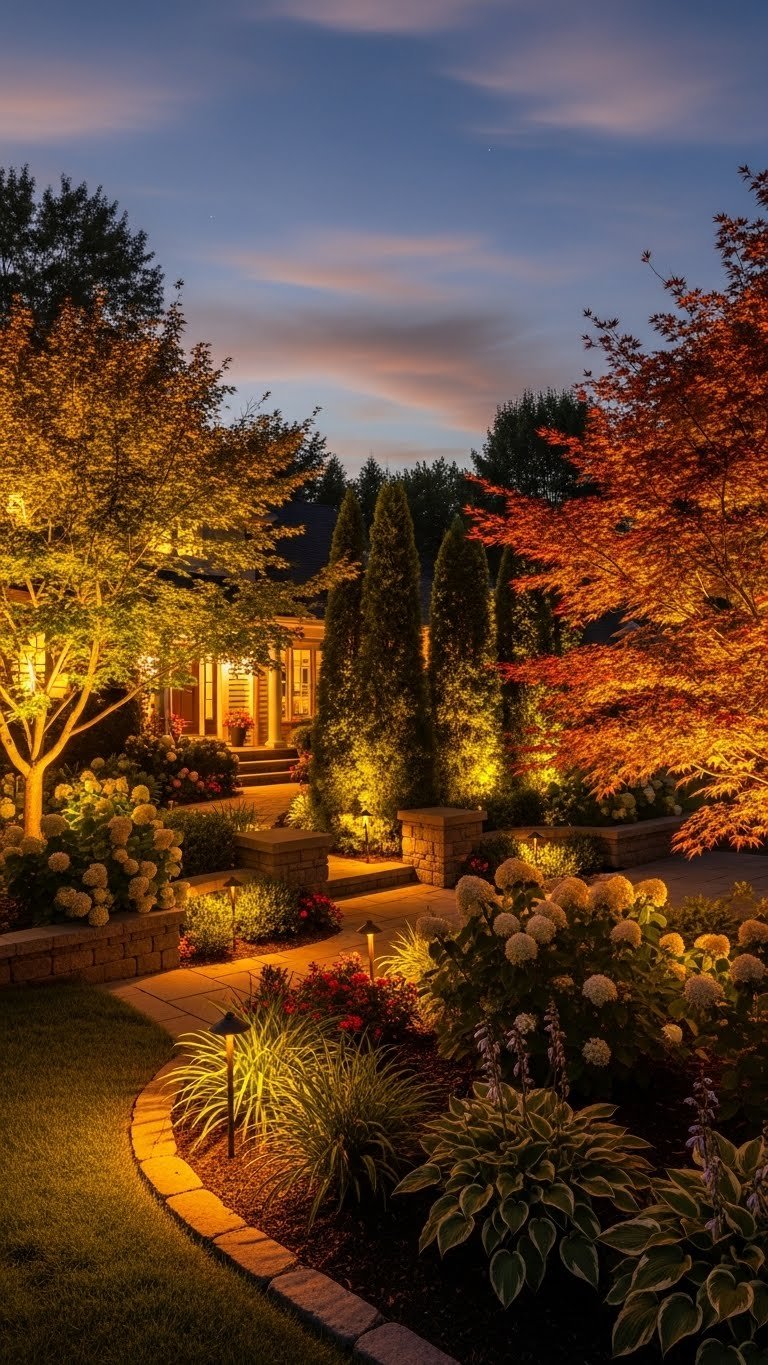
Strategic outdoor lighting does double duty: it makes your home safer and looks stunning after dark. It’s one of the most underrated curb appeal upgrades.
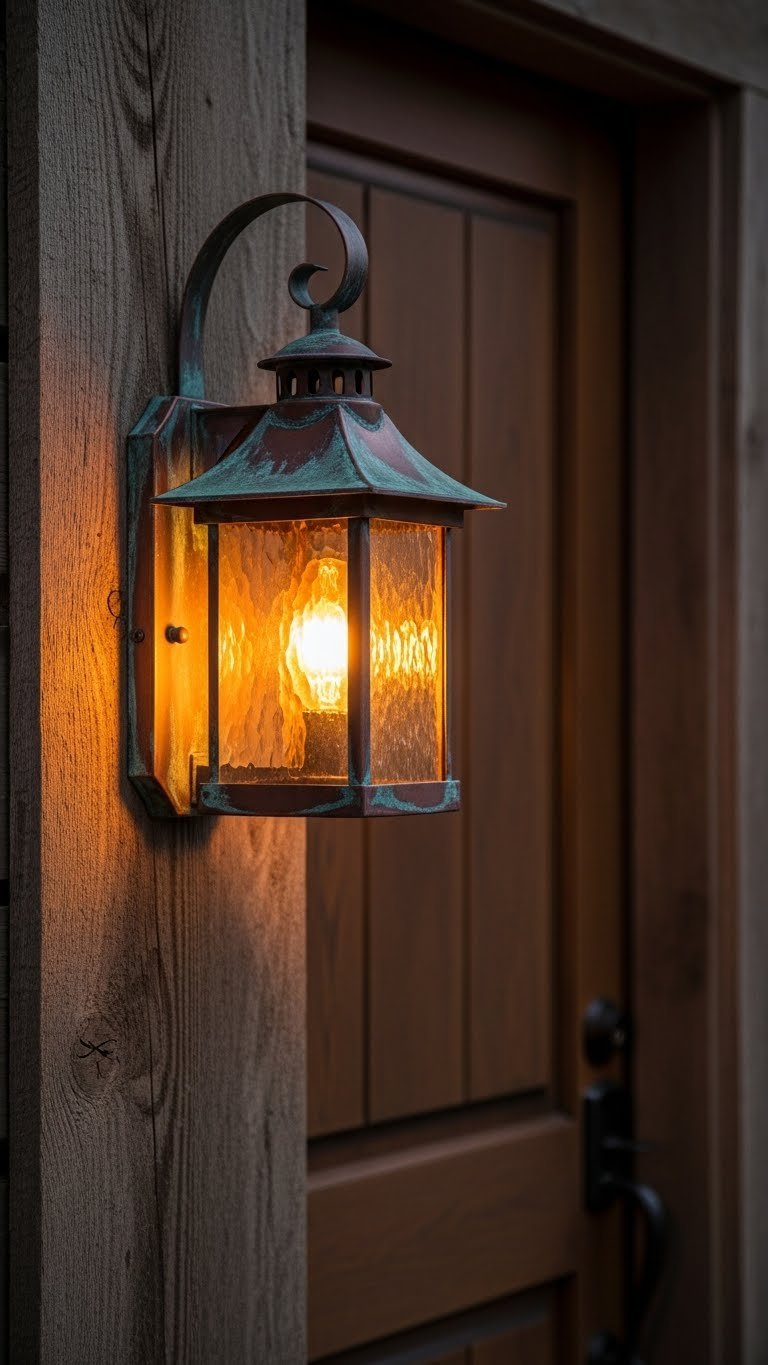
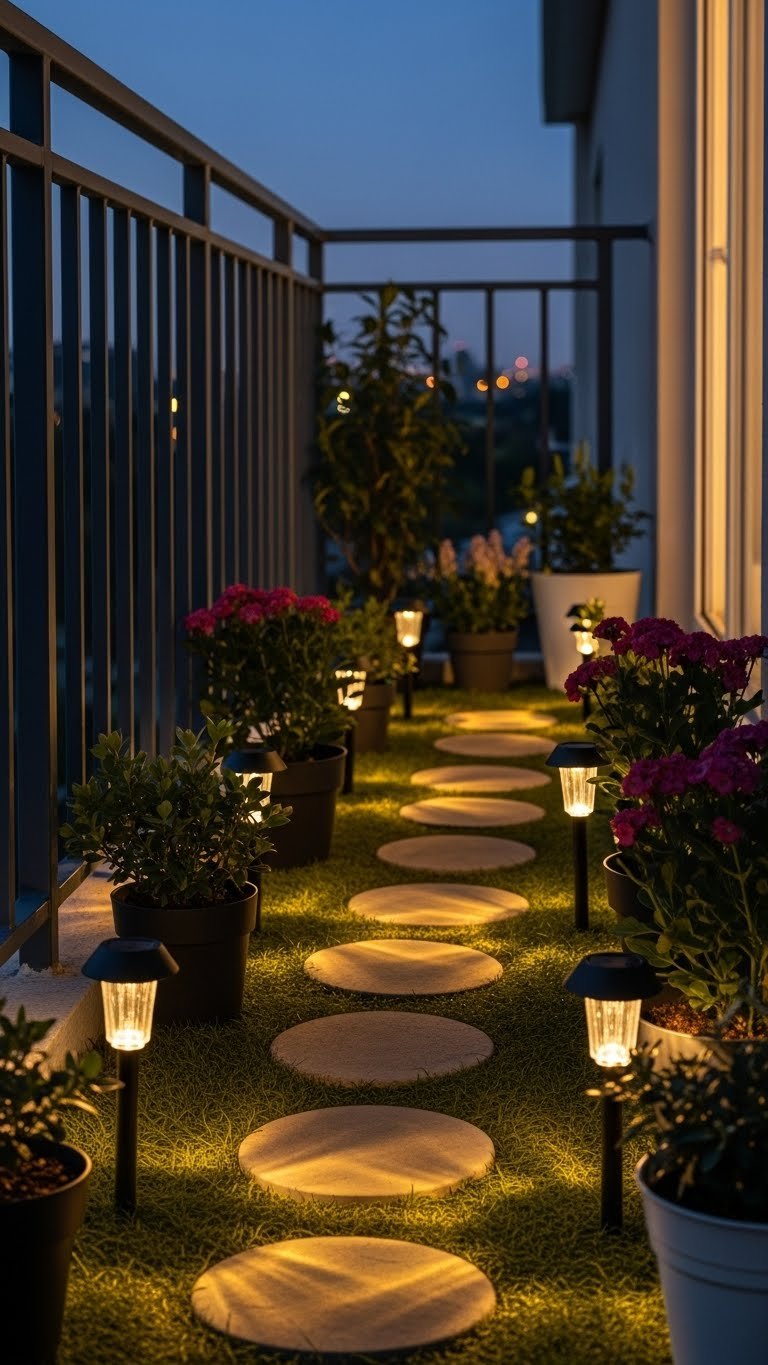
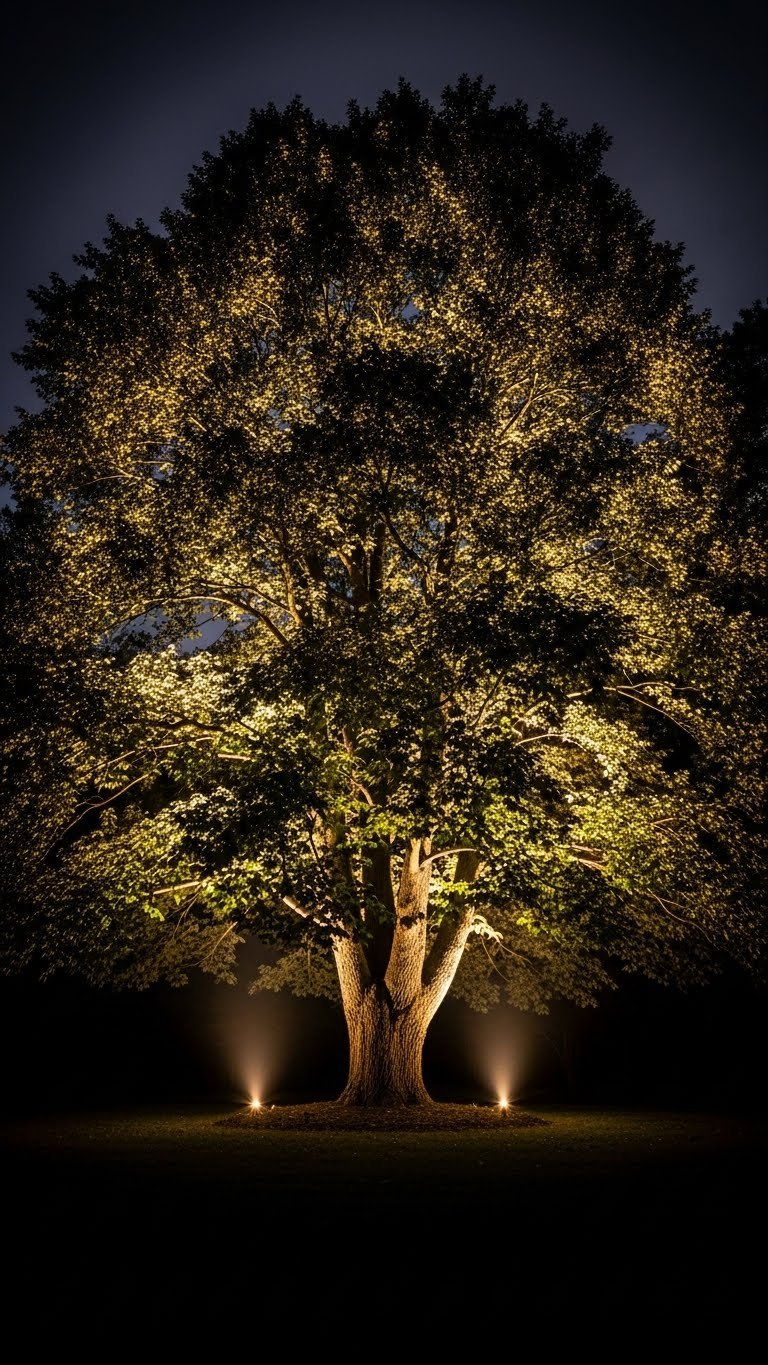
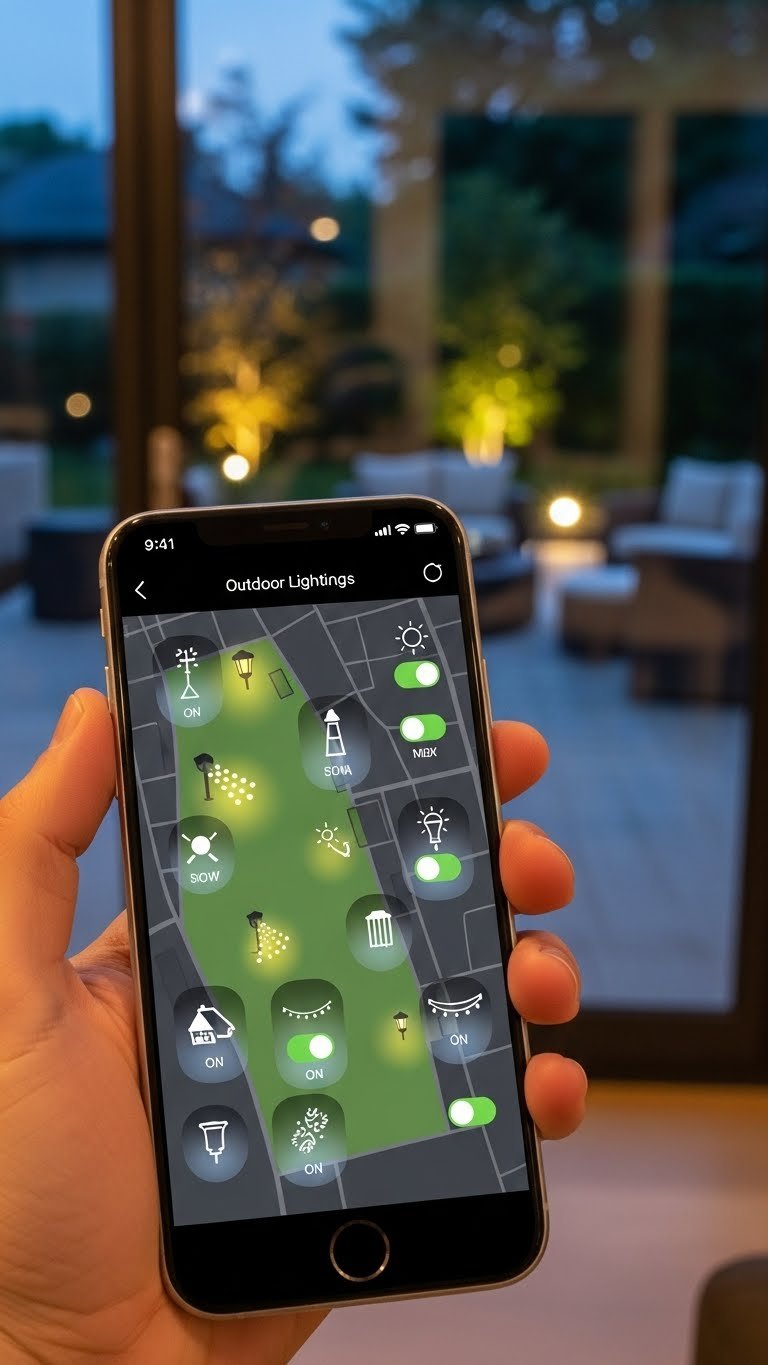
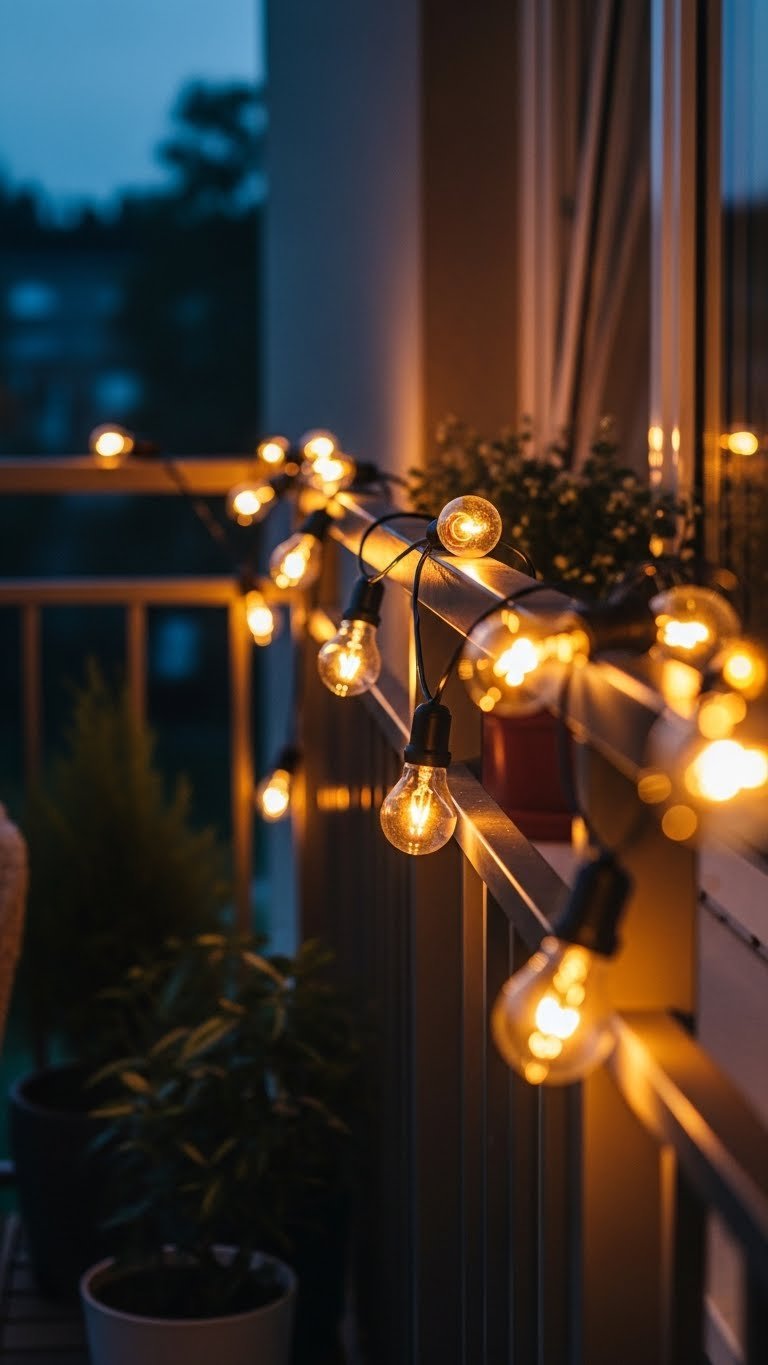
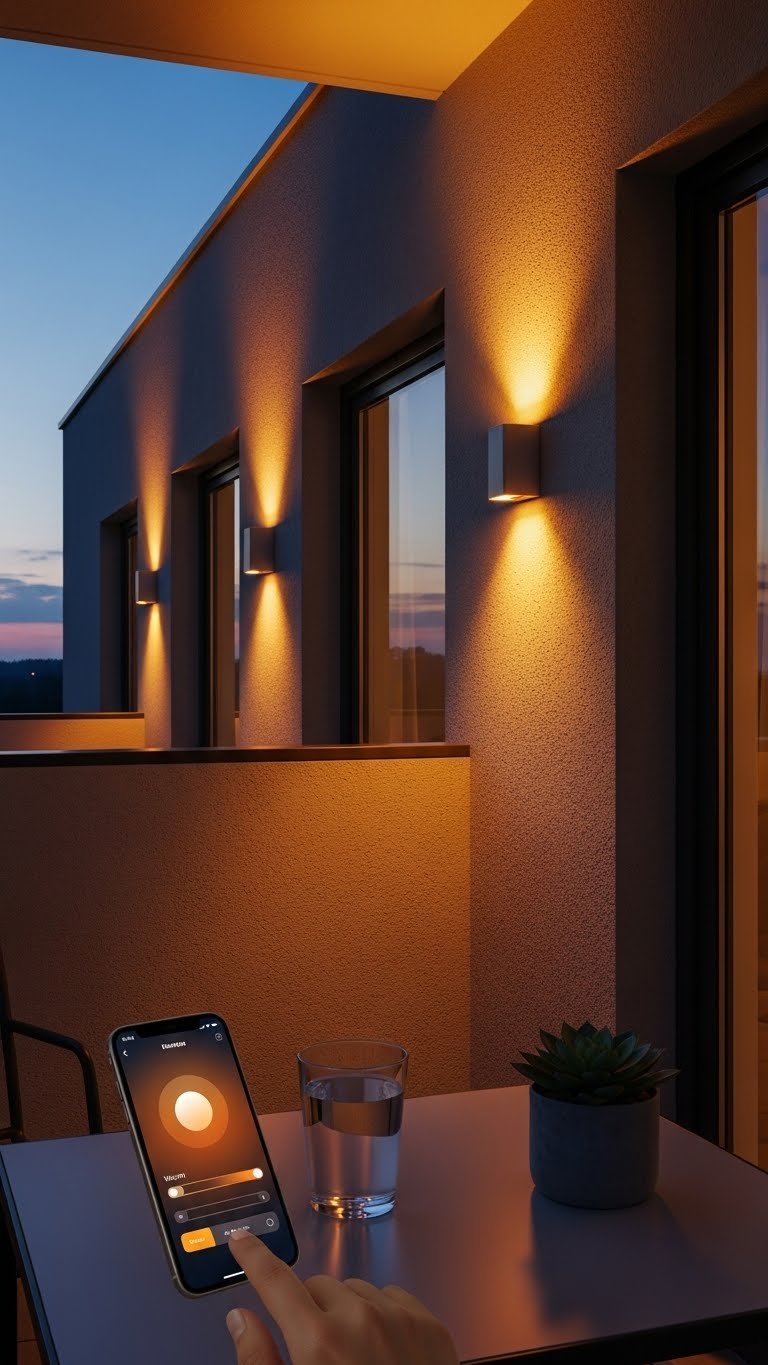
Install sconces flanking your front door ($25-$60 each), uplights to highlight trees or architectural details ($20-$40 each), and solar path lights ($15-$30 for a set of 8-10). Total budget: $100-$250 depending on scope. Installation is straightforward—sconces take 30-45 minutes and most require basic wiring. Solar lights are the easiest renter option: just push them into soil along your walkway. Choose warm white bulbs (2700K) for a welcoming glow.
Pro tip: Layer your lighting. Overhead sconces provide general light, uplighting adds drama, and path lights guide safely. Avoid harsh white LEDs that look cold and institutional. Your home gains both function and romance once the sun sets.
5. Define Your Front Beds with Fresh Mulch and Edging
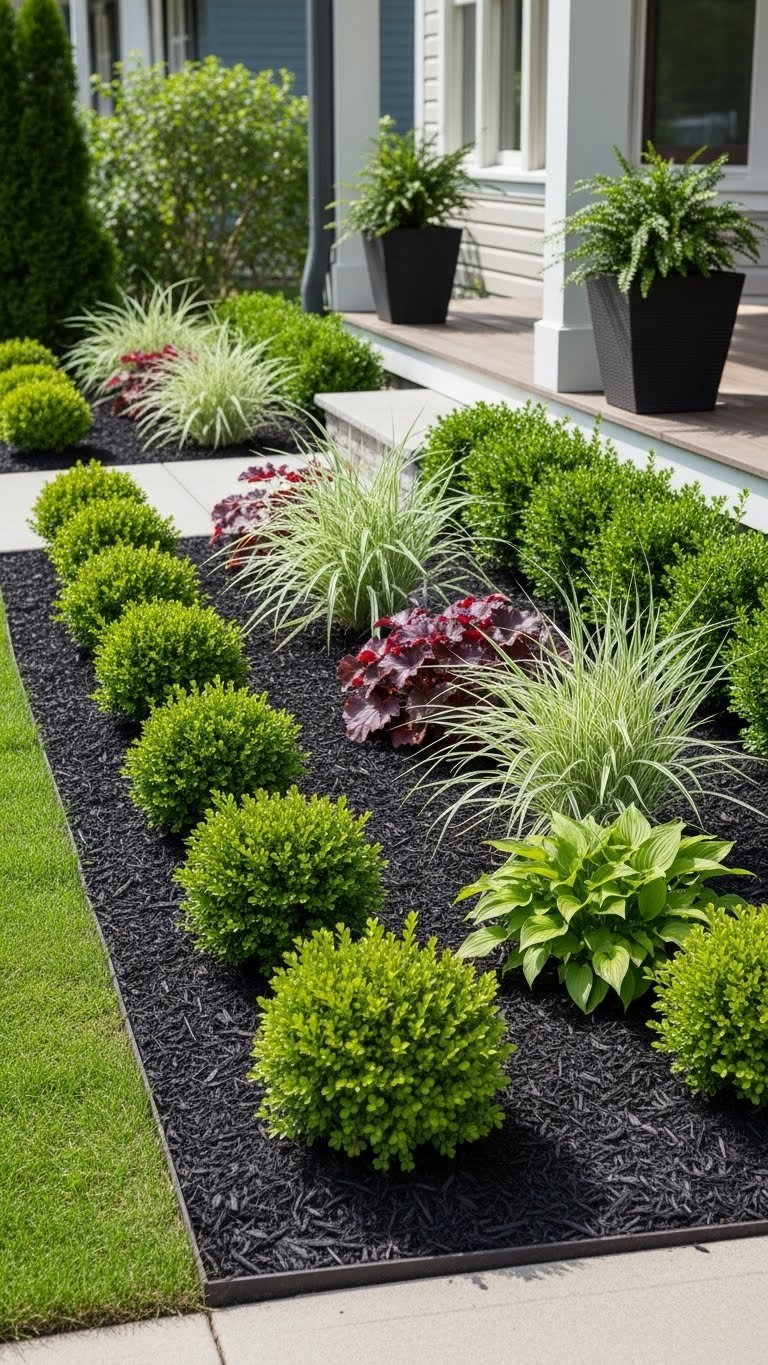
Messy, overgrown front beds drag down your entire curb appeal. Fresh mulch and clean edging instantly make your landscaping look maintained and intentional.
Buy bagged mulch ($3-$5 per bag, need 10-15 bags typically) from any garden center. Get a landscape edging kit ($15-$30) to define bed borders. Rent a small mulch spreader or shovel by hand in 2-3 hours for a typical small home front. Remove old weeds and overgrown plants first. Edge the beds sharply—this single move makes everything look manicured.
Pro tip: Dark mulch recesses the background and makes plants pop; lighter mulch (cedar chips) smells good but shows dirt easily. Keep beds mulch-fresh by reapplying thin layers each spring. Your front yard instantly looks maintained, even if the rest of your landscaping is still a work in progress.
6. Paint or Stain Your Front Steps and Deck
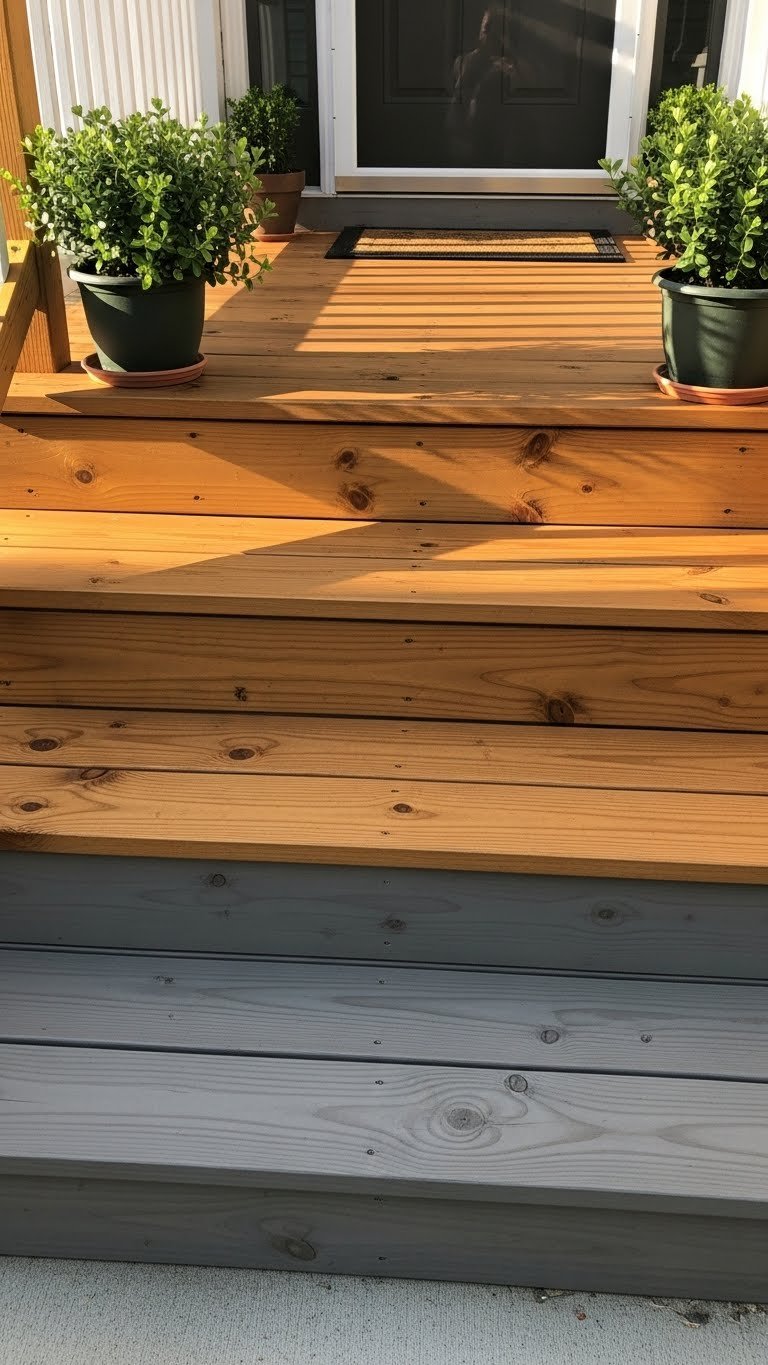
Weathered, peeling steps send the message that your home isn’t well-cared-for. A fresh stain or paint job transforms them instantly.
Power wash your steps (rent a washer for $50-$75, or hire someone for $100-$200). Once dry, apply deck stain or exterior paint ($30-$50 per gallon). You’ll need about half a gallon for typical small-home steps. Stain takes 2-4 hours to dry between coats; paint dries faster. Budget one weekend for the full job including prep and multiple coats. Choose warm gray, honey, or charcoal—colors that complement your home’s exterior.
Pro tip: If your steps are concrete, use concrete paint or stain designed for foot traffic. Skip the slippery finish and add texture for safety. Your entry steps become a genuine invitation rather than an afterthought.
7. Add House Numbers That Make a Statement
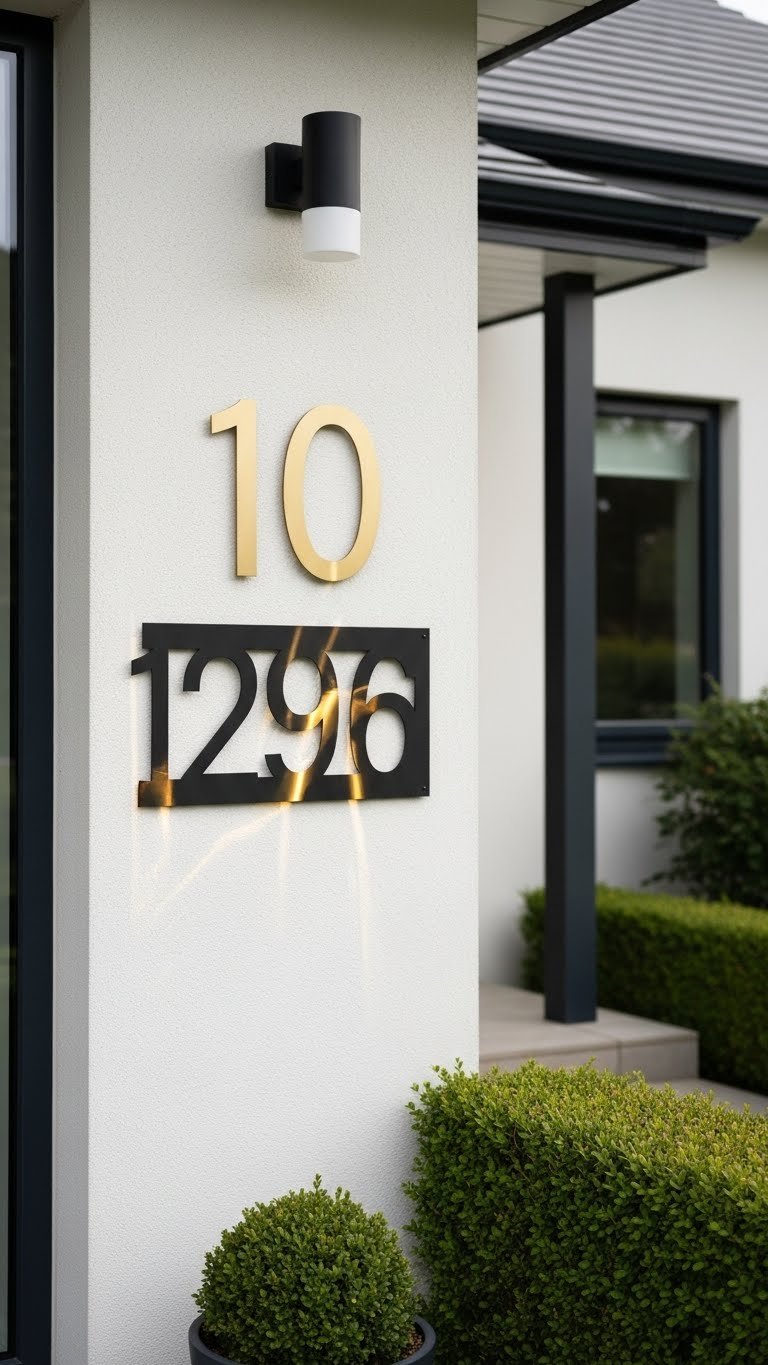
Visible, stylish house numbers tell the story of how you care about details. Good numbers are functional and decorative.
Upgrade from plastic stick-on numbers to solid brass, stainless steel, or powder-coated metal numbers ($25-$75) from Wayfair, Amazon, or a hardware store. Install them 4-6 inches from your front door, at eye level, where they’re clearly visible. Most installations take 10 minutes and need just a drill and screws. For renters, look for adhesive-backed options that don’t require drilling.
Pro tip: Oversize your numbers slightly (4-6 inches tall). Small numbers disappear and look cheap. Mix finishes intentionally—brass numbers with a black door, matte numbers with a colored door. Your home gains polish and people can actually find your house.
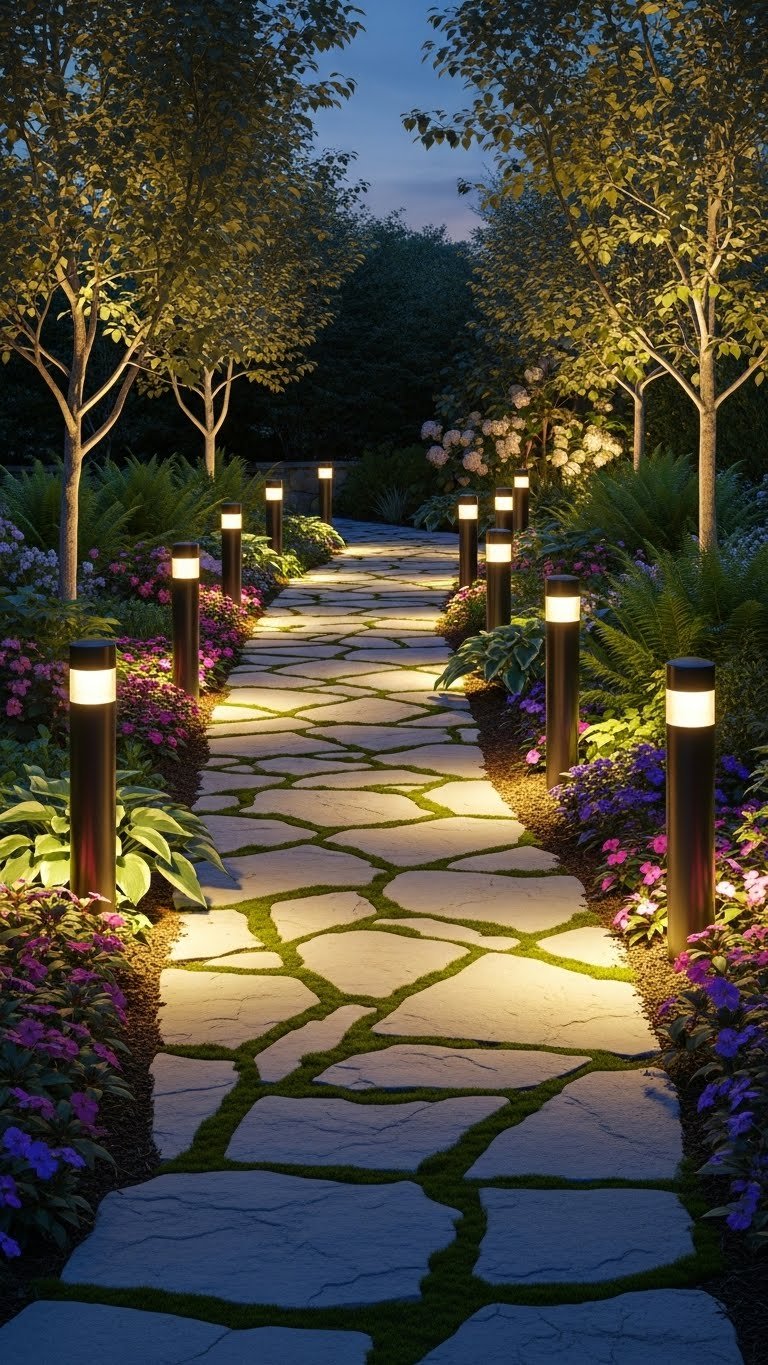
8. Define Your Walkway With Path Lighting or Edging
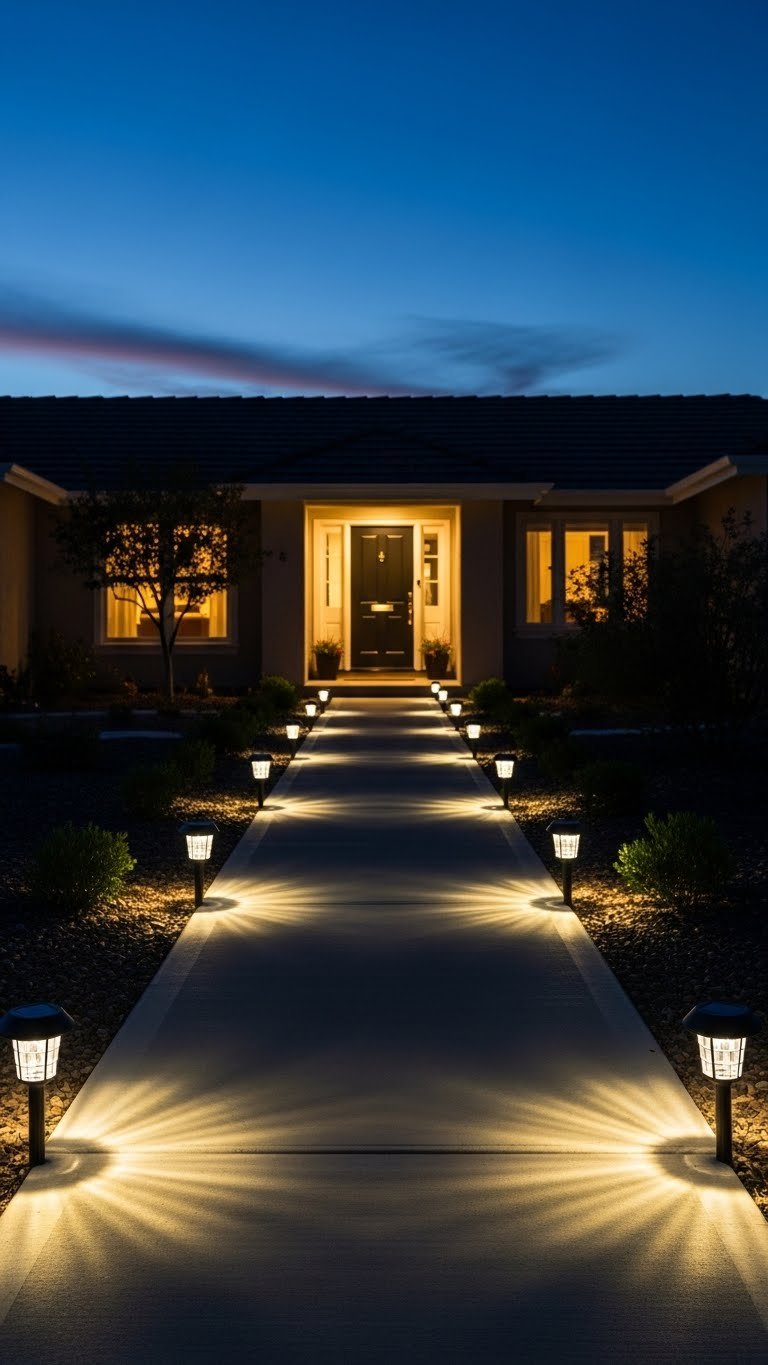
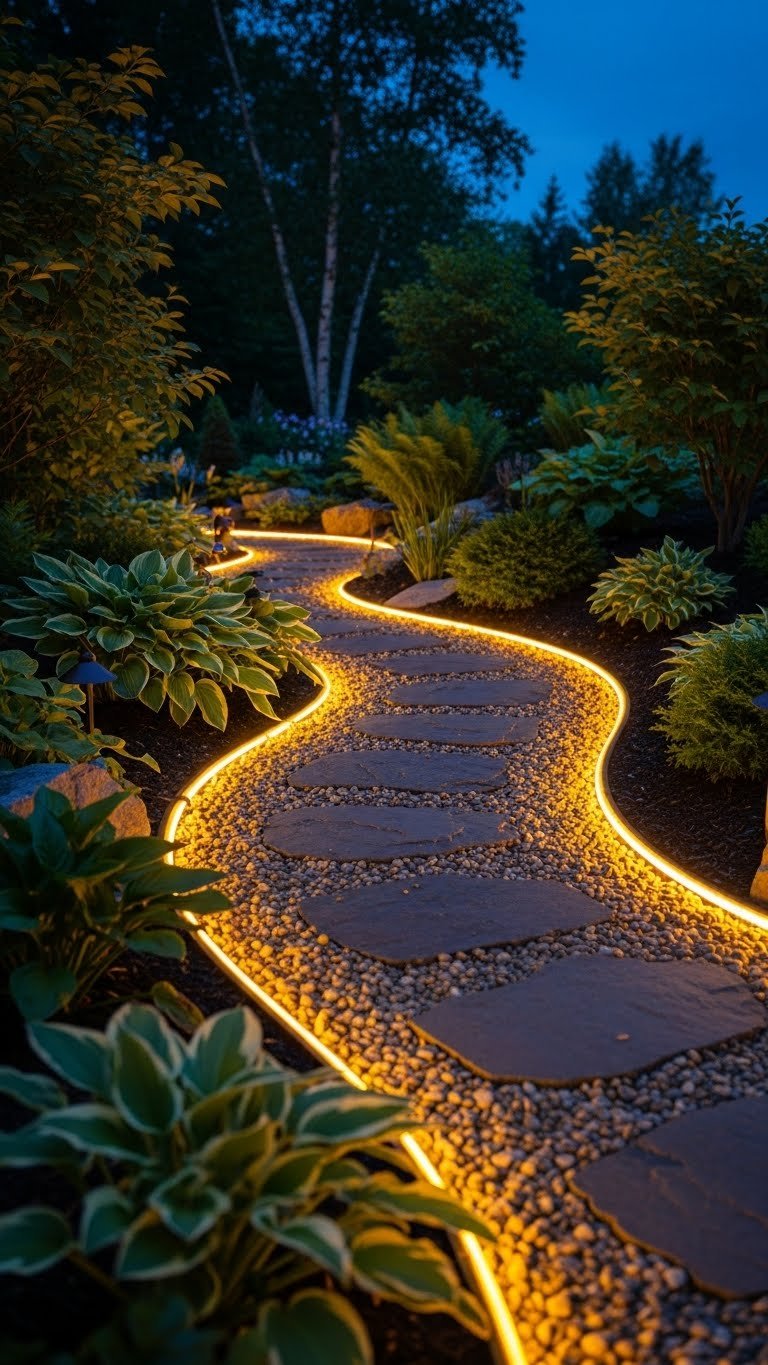
A defined, well-lit walkway guides visitors and makes your home feel established. It’s a small detail that reads as intentional care.
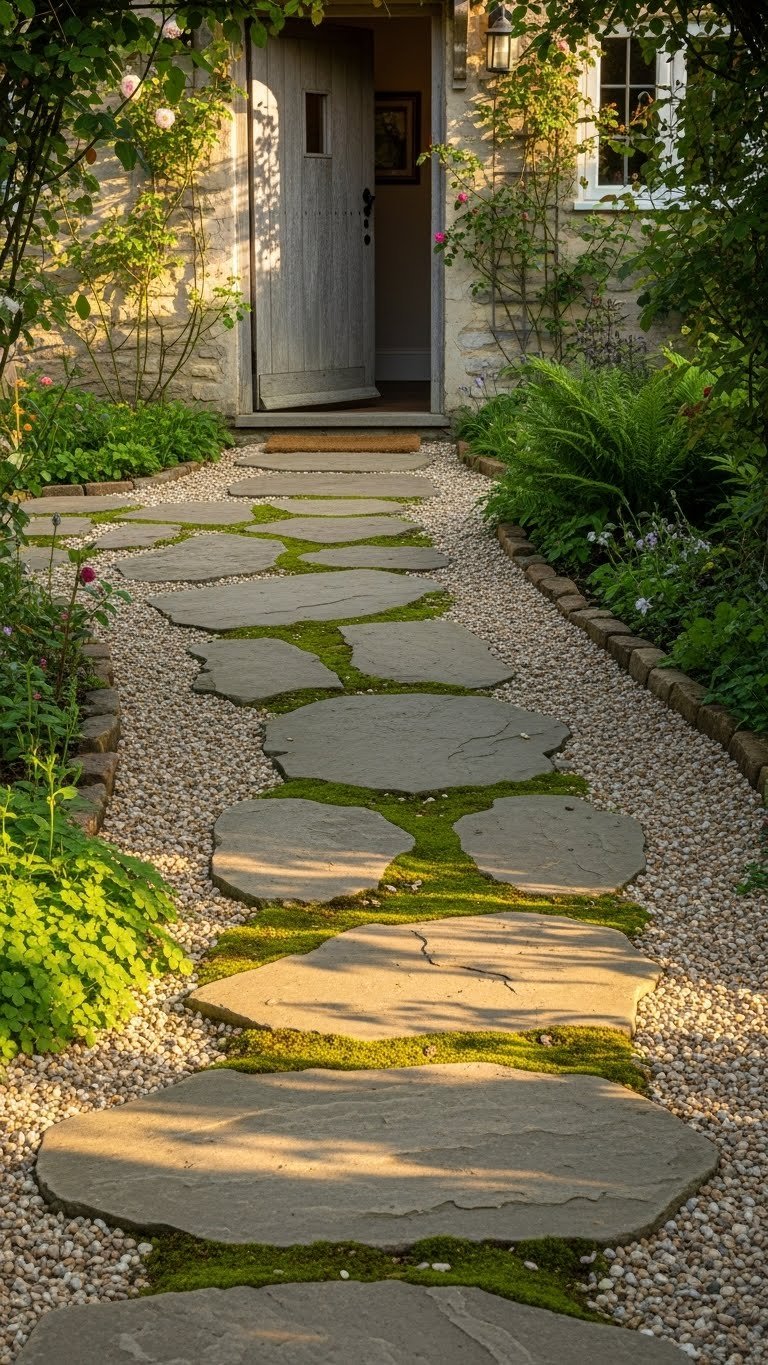
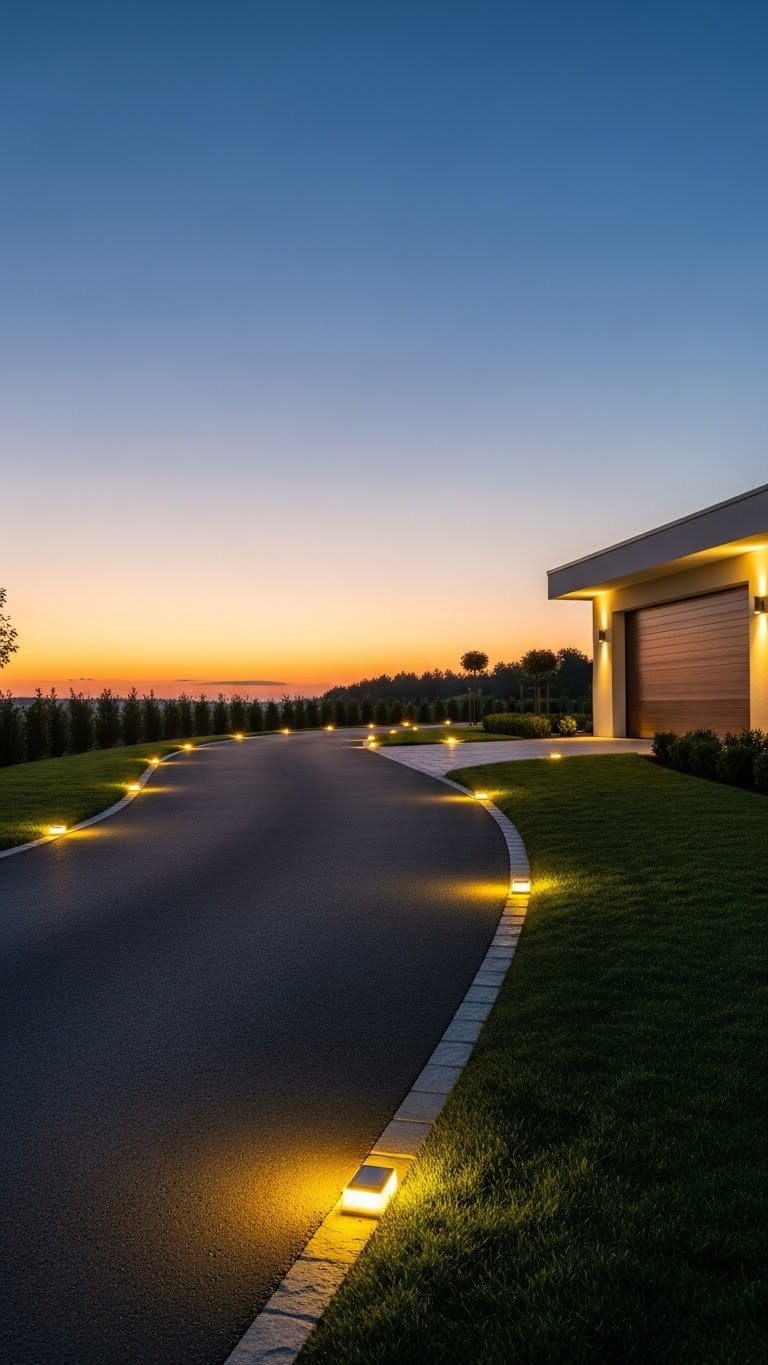
Install solar path lights every 2-3 feet ($15-$30 for a set of 8-10). Alternative: lay decorative pavers or stepping stones ($1-$3 each) in a curved or straight line. Budget $30-$75 depending on walkway length. If you want year-round definition, edge the walkway with low hedges or ornamental grasses ($10-$20 per plant). No installation needed for solar lights—just push them into soil.
Pro tip: A curved walkway feels more welcoming than a straight one. Avoid harsh white lights; choose warm solar options that evoke ambient mood. Your walkway becomes a visual throughline that guides people safely and signals “this home is thoughtfully designed.”
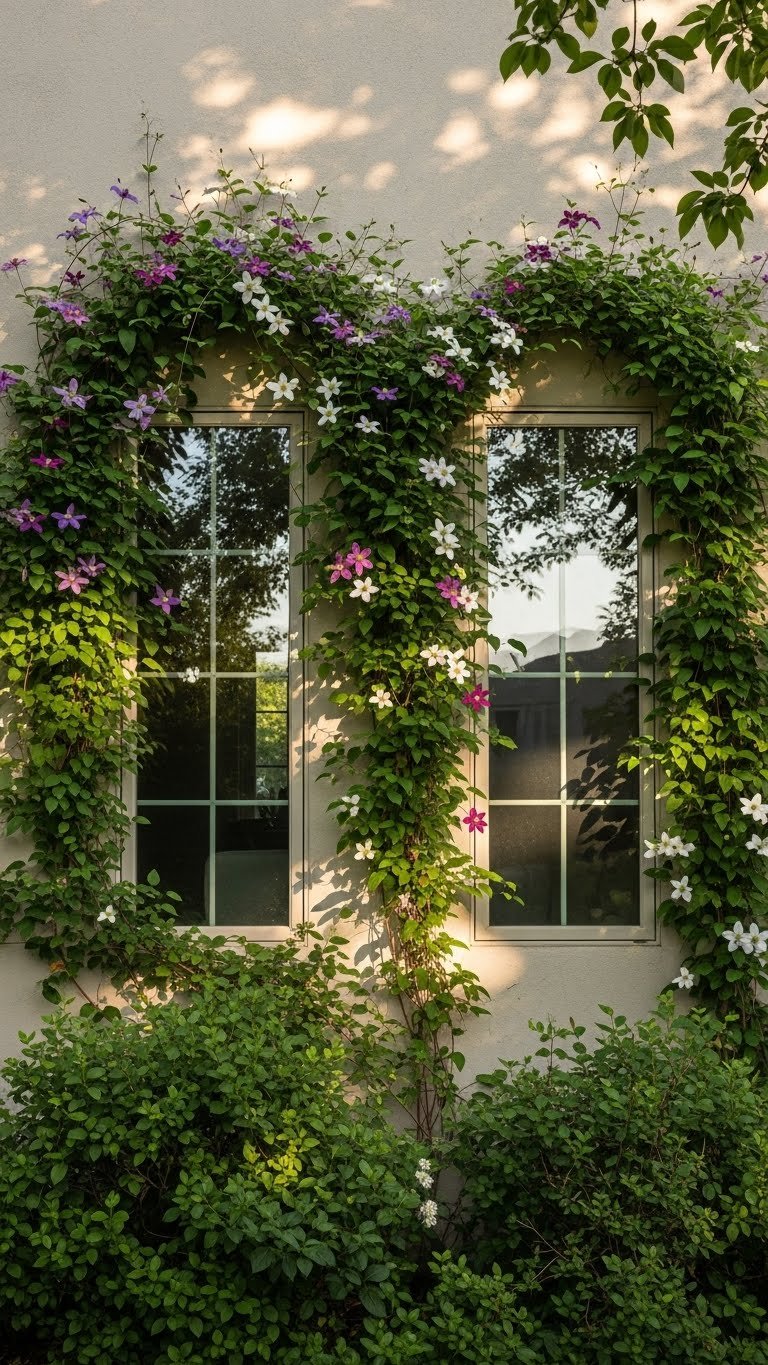
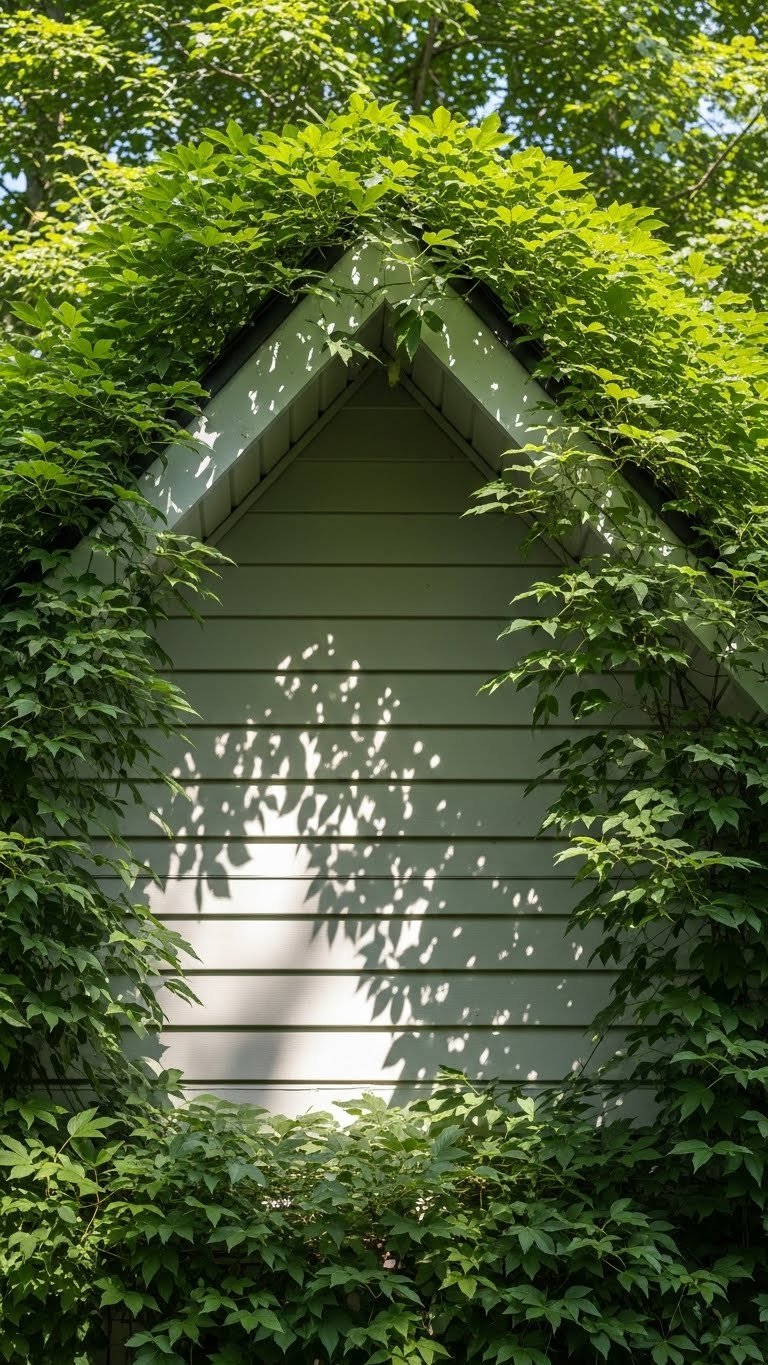
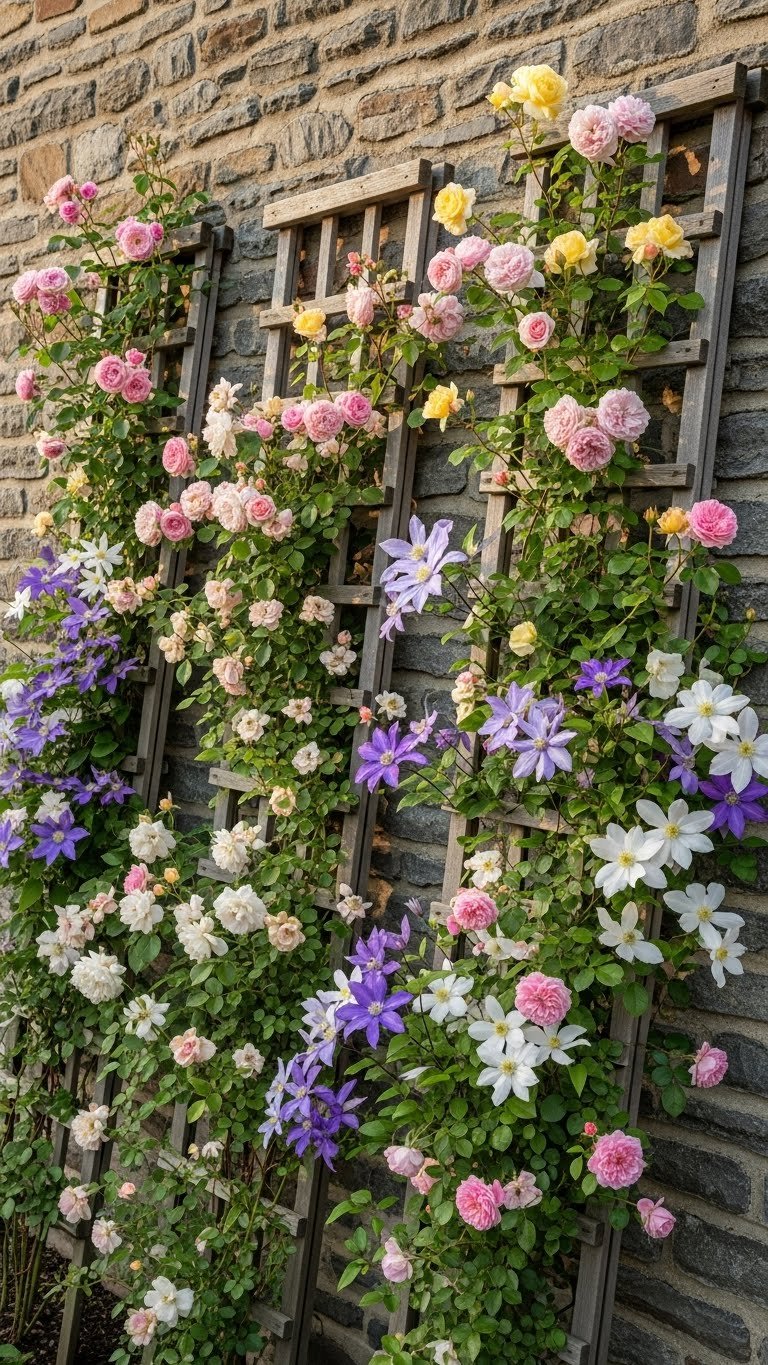
9. Create a Living Wall With Climbing Vines or Ivy
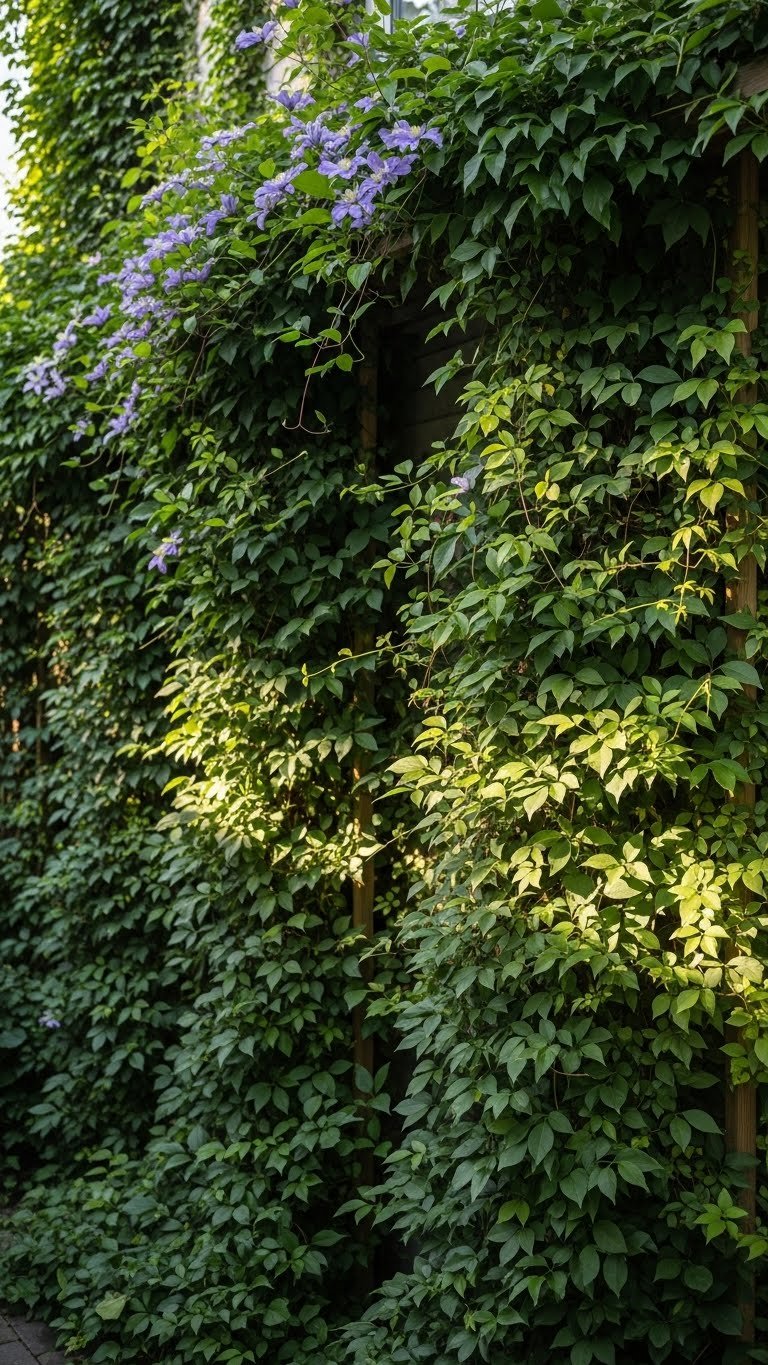
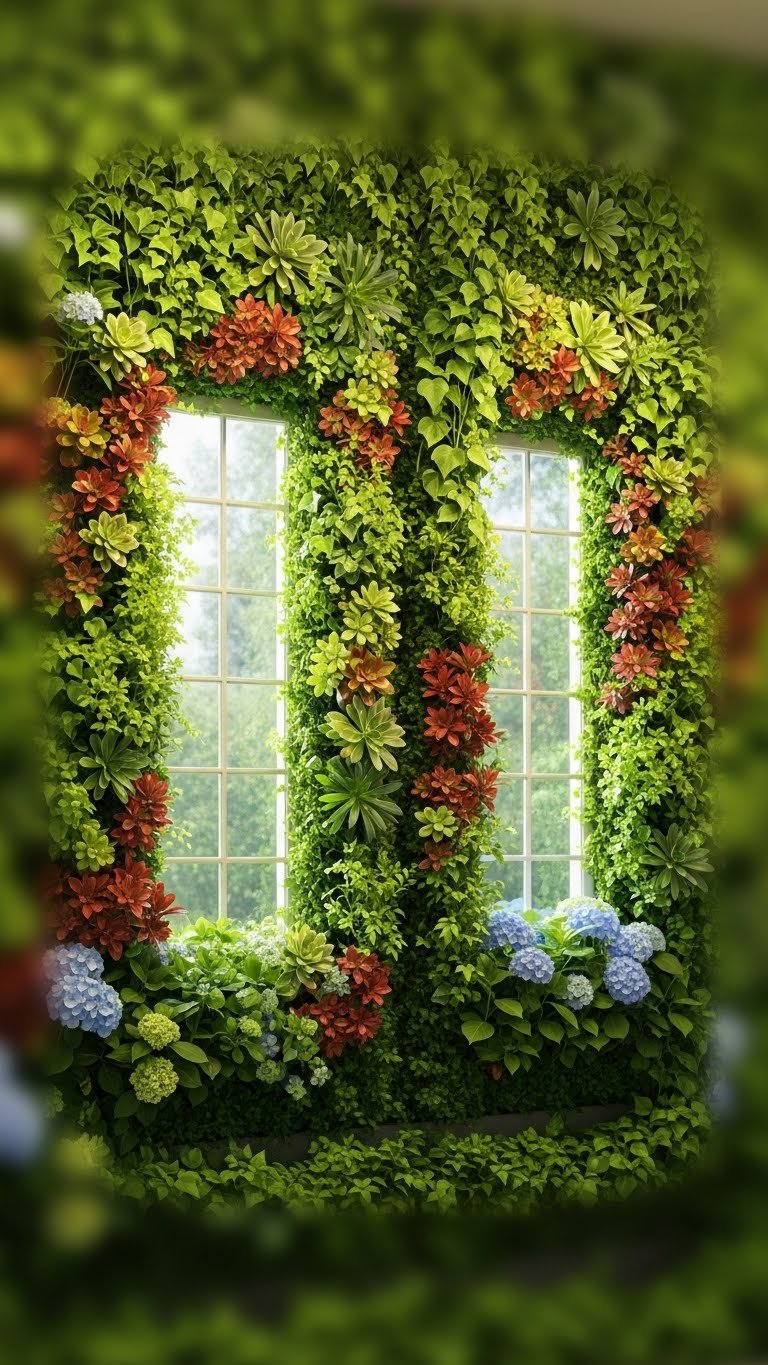
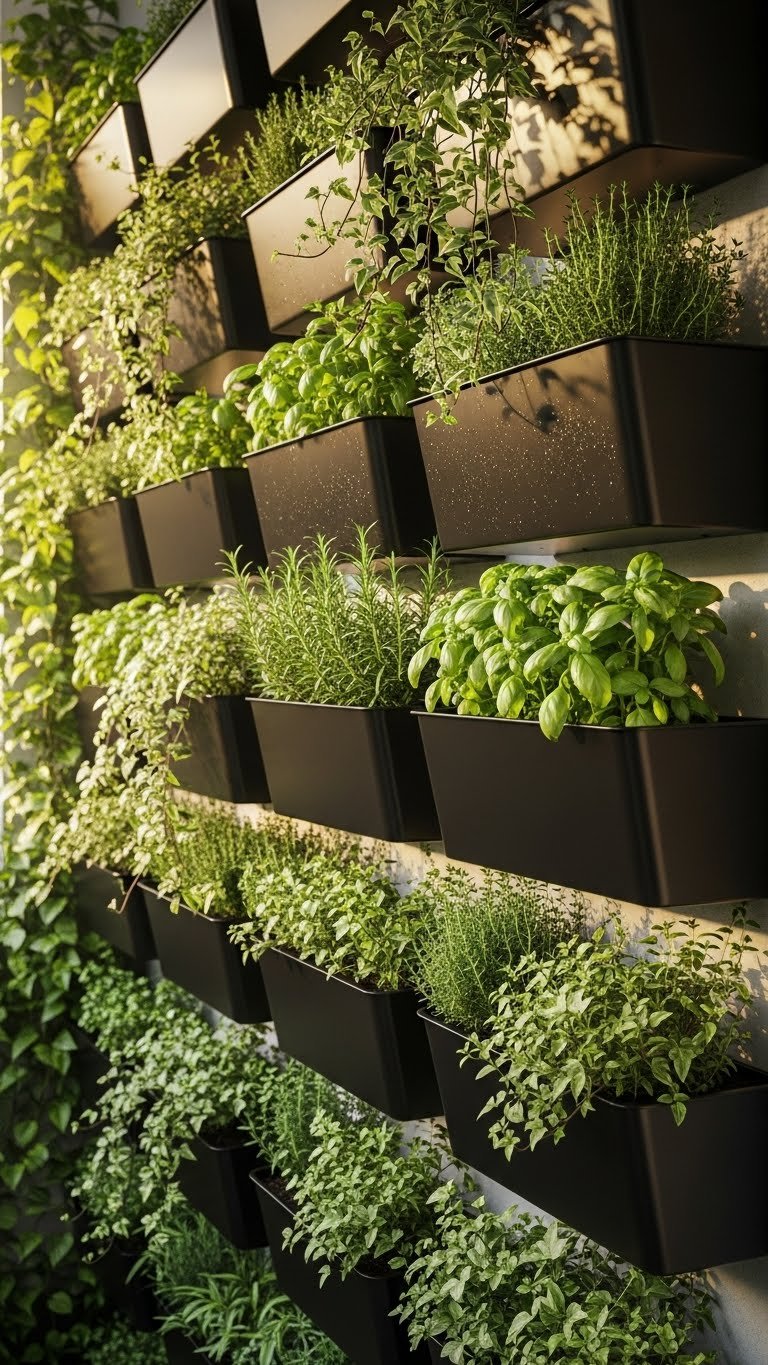
Climbing vines add softness, texture, and vertical interest to plain walls. They’re living design that requires minimal ongoing care once established.
Buy a wooden or metal trellis ($20-$50) and climbing vine plants like clematis, ivy, or climbing hydrangea ($15-$30 each). You’ll need 2-3 plants to fill a small trellis. Secure the trellis to your wall with brackets ($10-$20) in 15 minutes. Plant vines at the base, water weekly, and tie stems loosely to the trellis as they grow. Most vines are established and low-maintenance by year two.
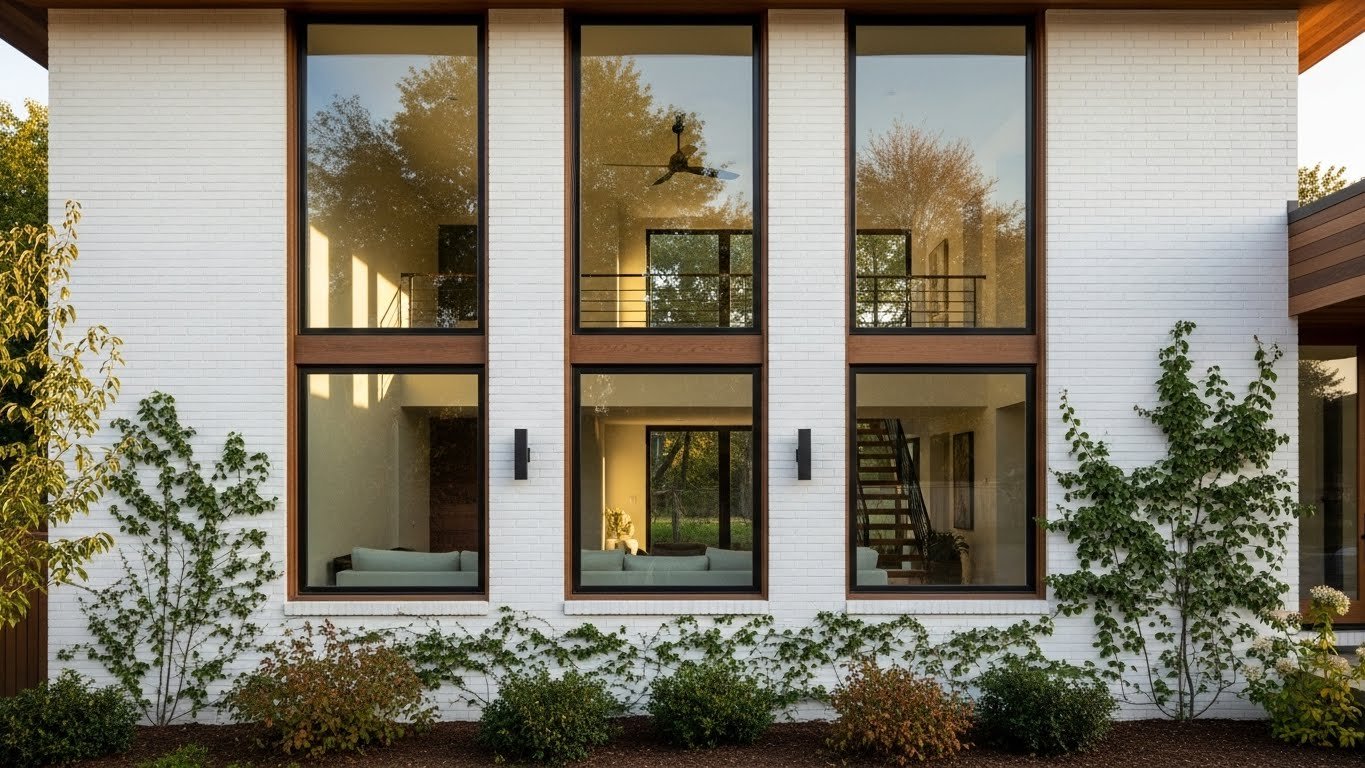
Pro tip: Avoid invasive ivy like English ivy on your home siding—it can damage mortar. Stick with clematis, climbing hydrangea, or trumpet vine instead. Your plain wall softens into a living, breathing feature that changes seasonally.
10. Refresh Your Front Door Hardware
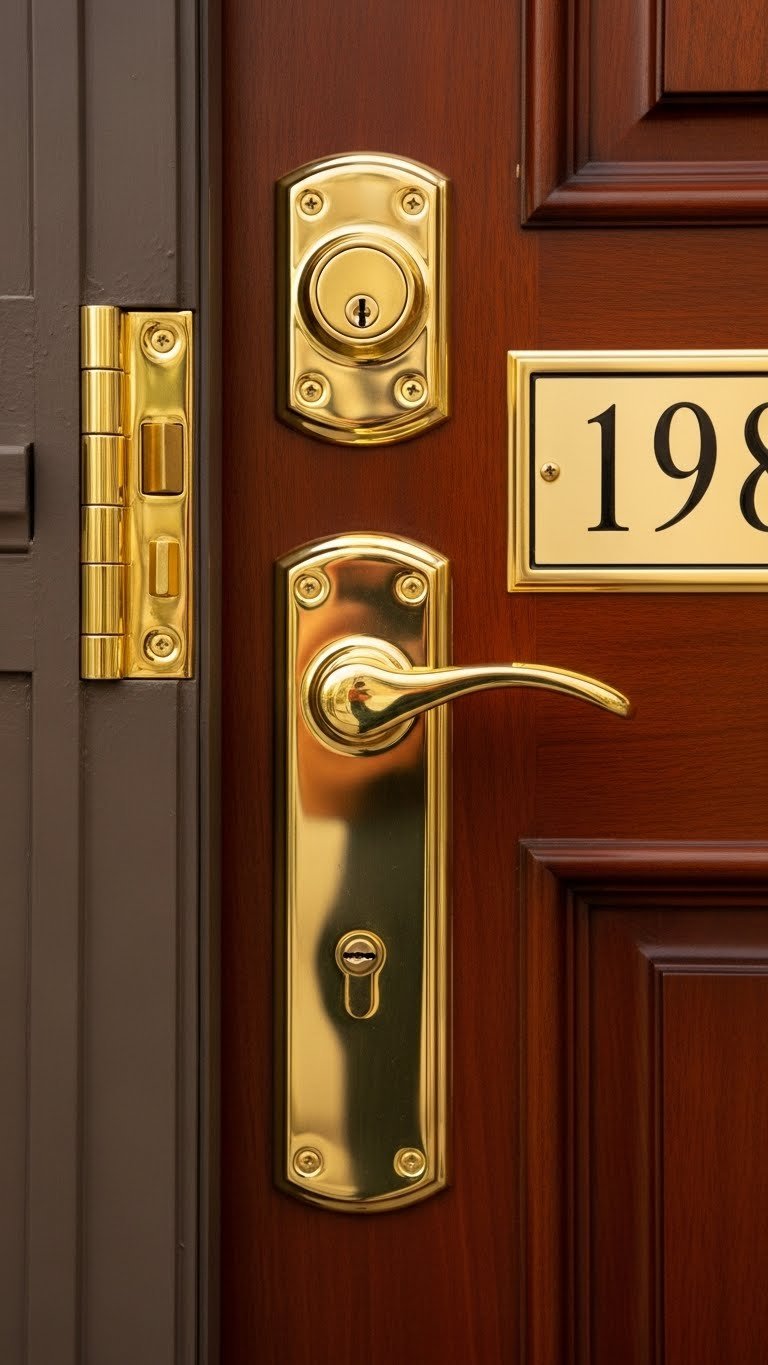
The little details—hinges, handles, knockers, plates—announce whether your home is loved and maintained. Mismatched or dated hardware cheapens even a beautiful entry.
Replace door hardware with matching brass, stainless, or matte black pieces ($30-$75 total). A door handle runs $15-$30, hinges are $5-$10 each, a deadbolt $20-$40, and a house number plate $10-$25. Installation takes 30 minutes with a drill and screwdriver. Buy coordinating pieces from the same brand (Baldwin, Rejuvenation, or hardware.com) for cohesion.
Pro tip: Shiny brass or matte finishes photograph best; avoid chrome or brushed nickel mixes. Cohesive hardware transforms your door from “generic” to “designed.” Your entry hardware catches light and signals intentional attention to detail.
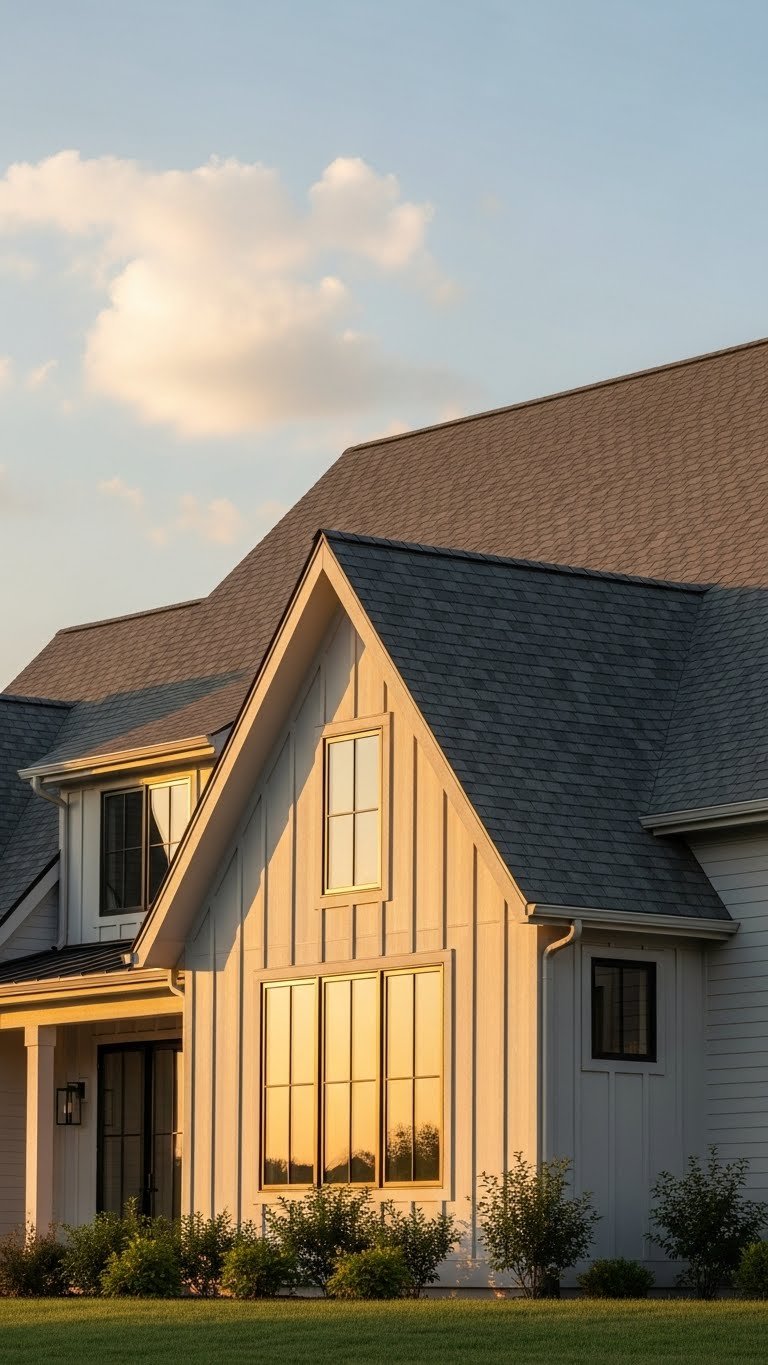
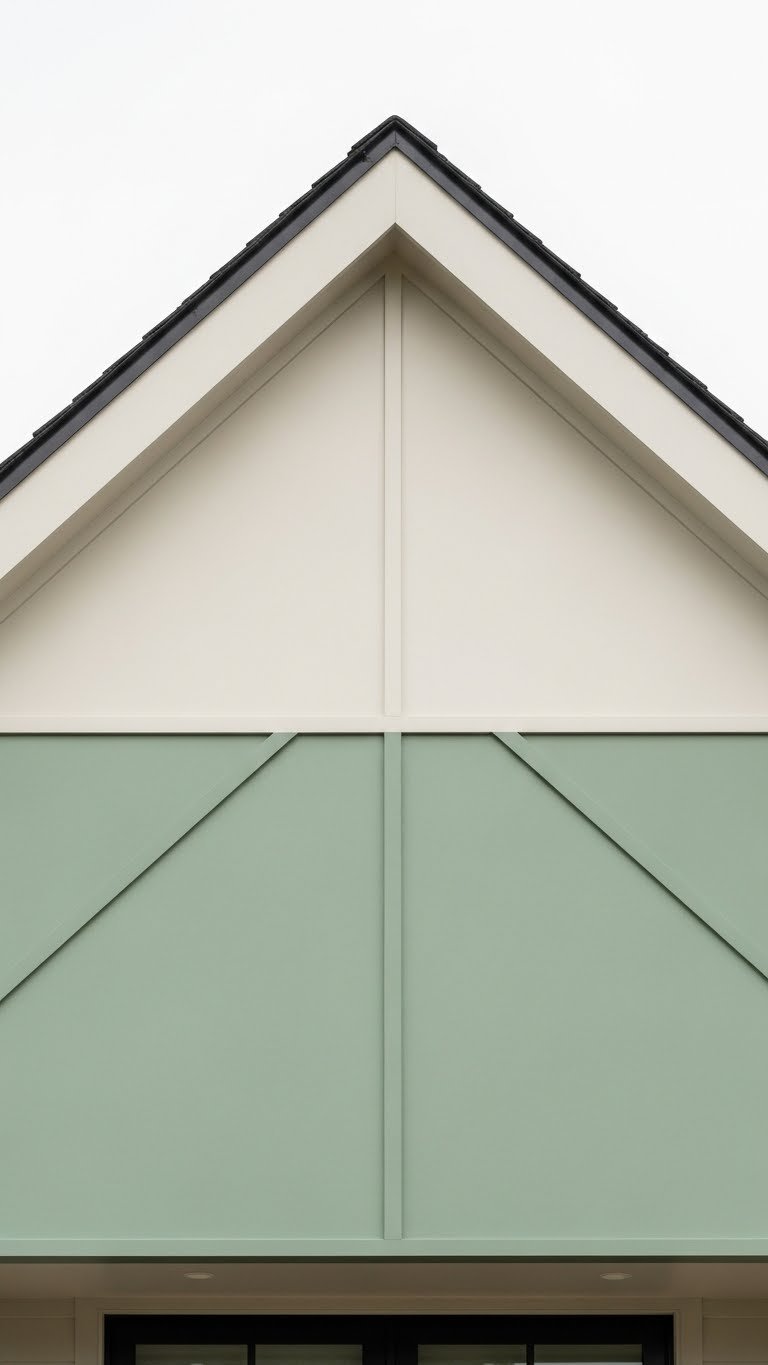
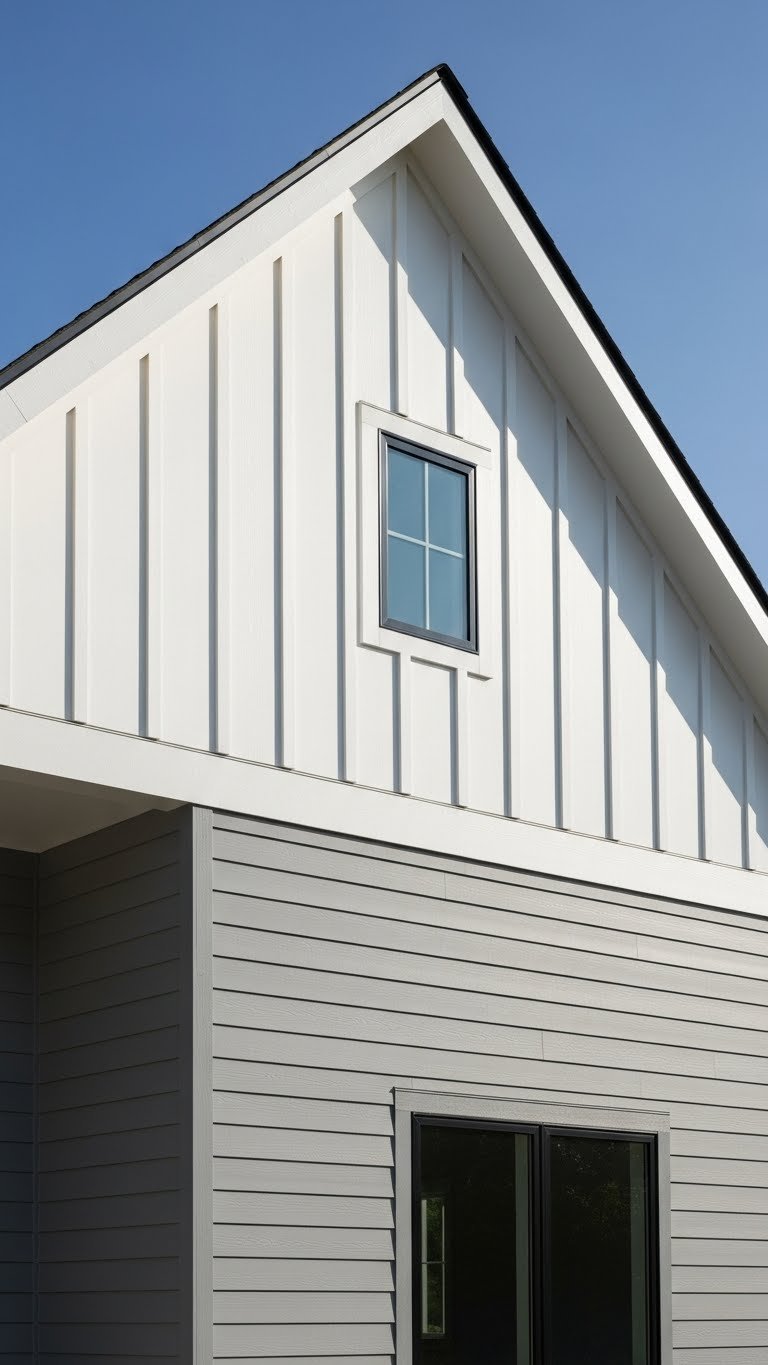
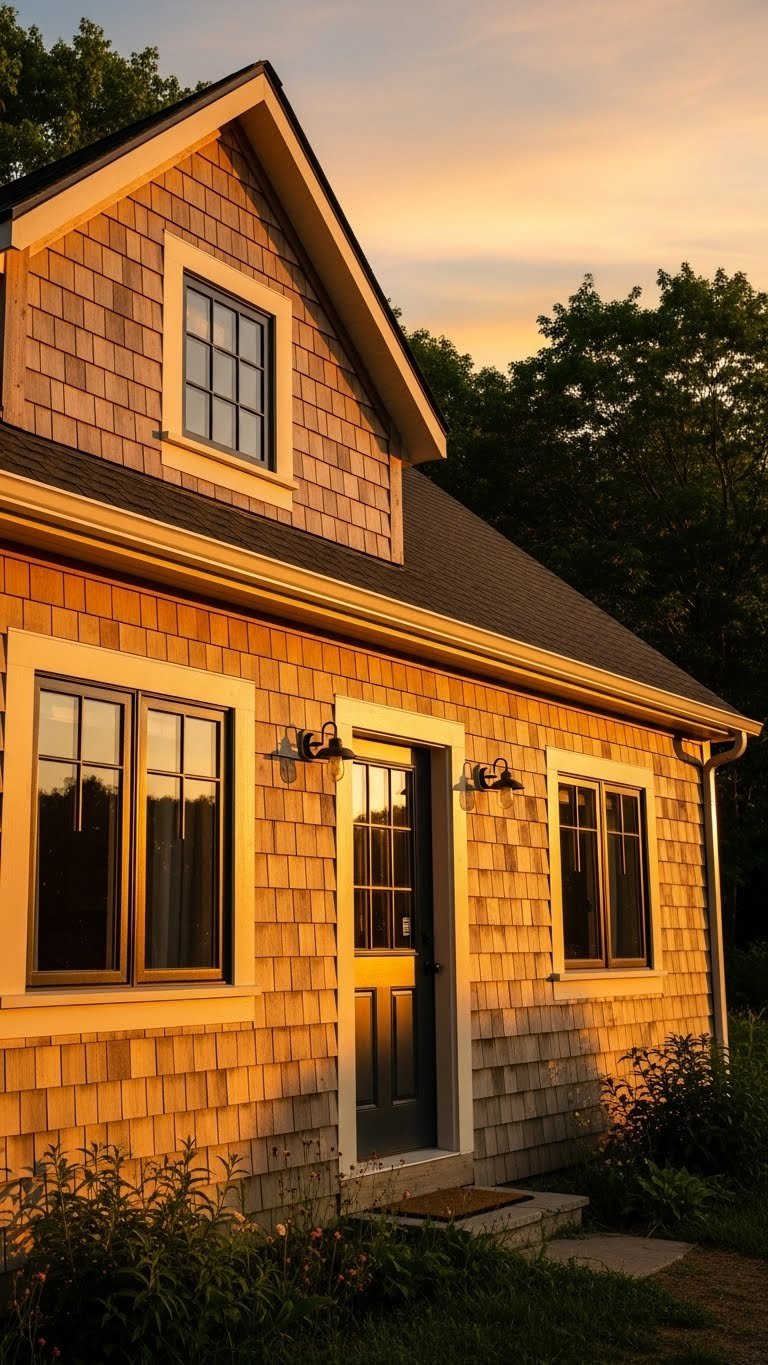
11. Paint Your Siding or Trim in a Fresh Neutral
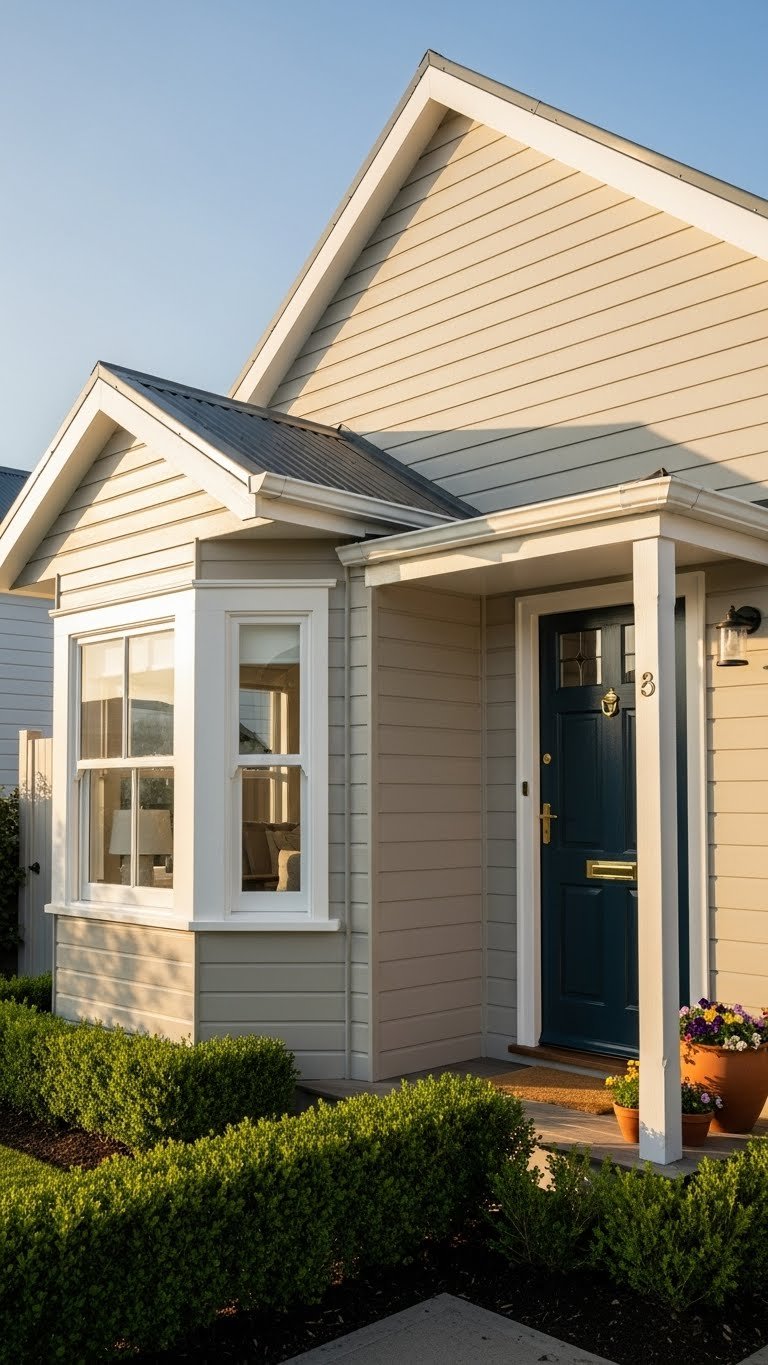
Faded, dated siding color drags down your entire curb appeal. A fresh coat of paint in a neutral refreshes everything.
Hire a professional painter ($1,500-$4,000 depending on home size) or DIY with quality exterior paint ($40-$60 per gallon, budget 3-4 gallons). You’ll need primer, roller, brush, and drop cloth ($40-$60). Total DIY: $150-$250 in supplies. If you hire out, the job takes 3-5 days. Choose warm neutrals like cream, soft taupe, greige, or pale gray—colors that complement landscaping and add light.
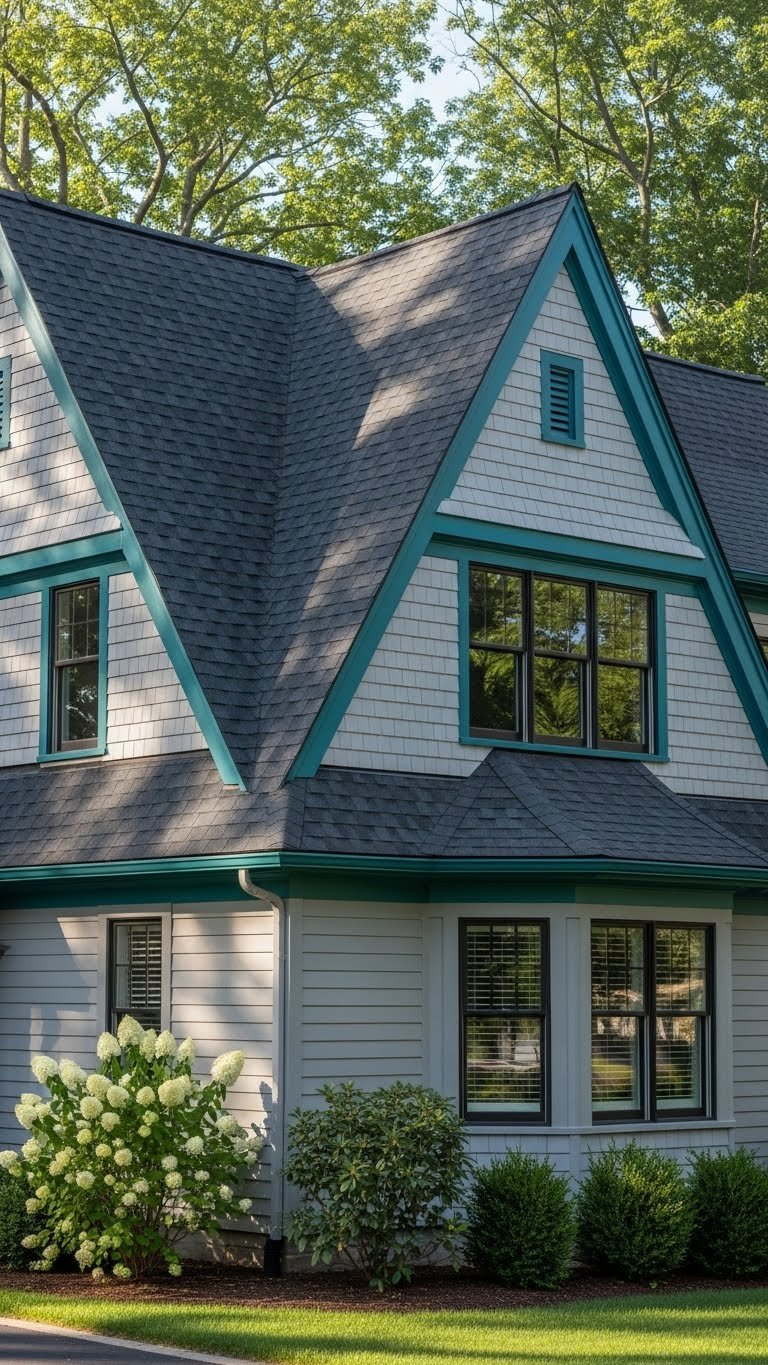
Pro tip: Paint your trim a crisp white or fresh gray that contrasts with siding for architectural definition. This simple contrast elevates the entire exterior. Your home reads as newer, fresher, and meticulously maintained.
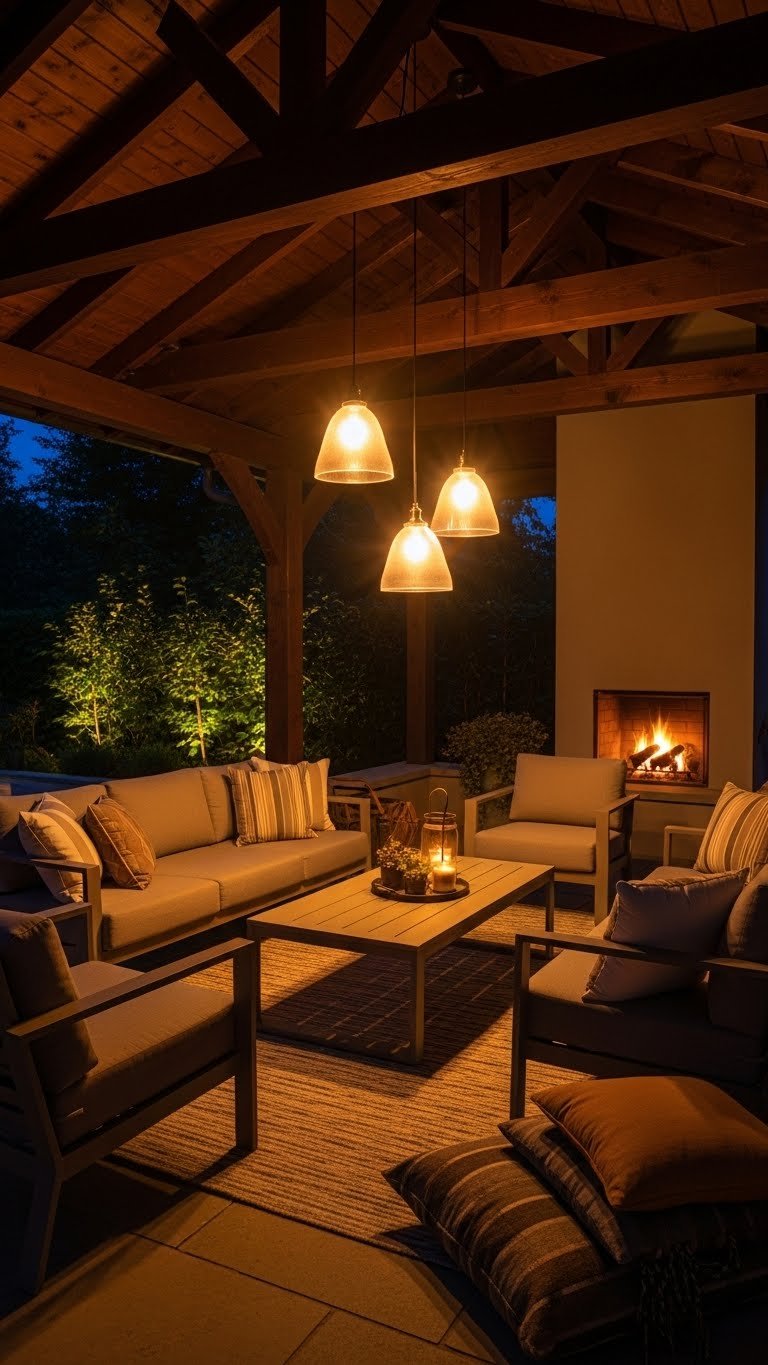
12. Add a Welcoming Porch Bench or Seating
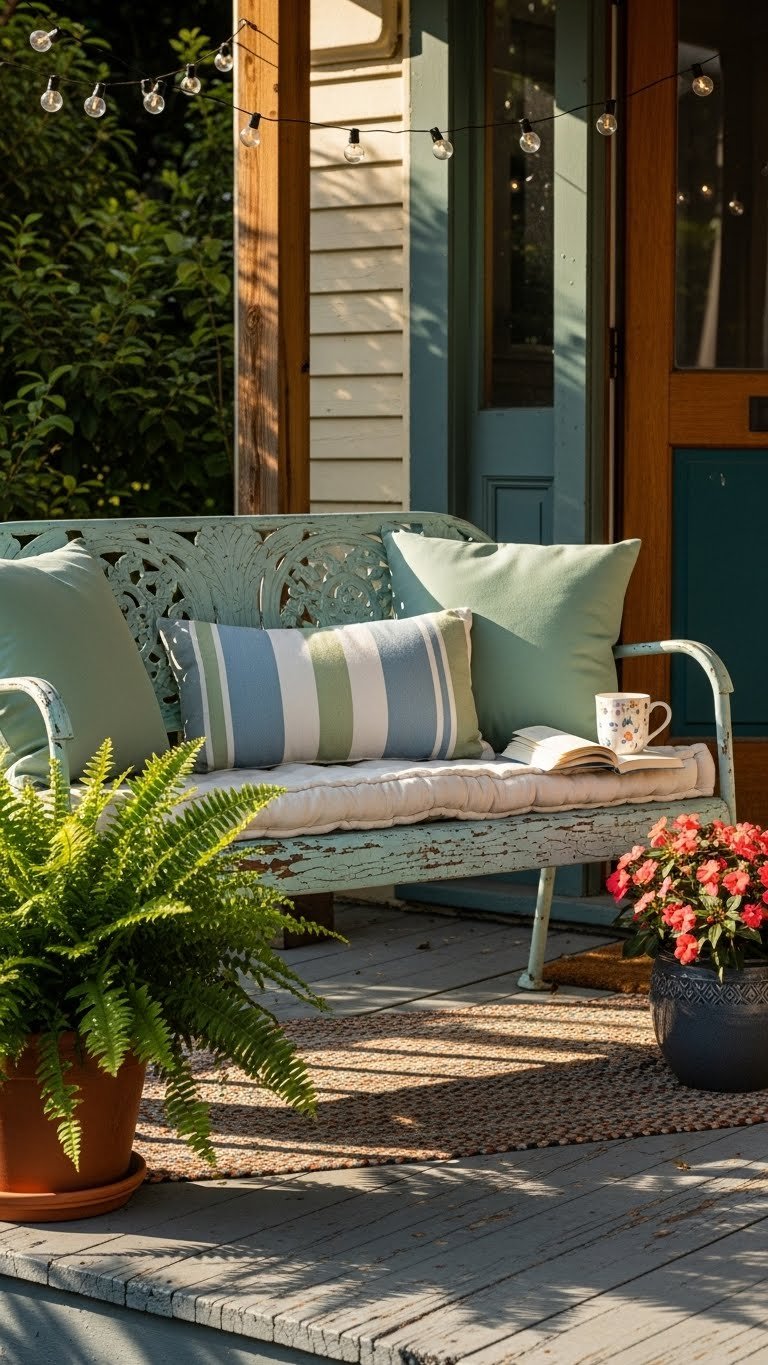
A porch bench signals that your home is welcoming and meant to be enjoyed. It’s functional décor that invites people to linger.
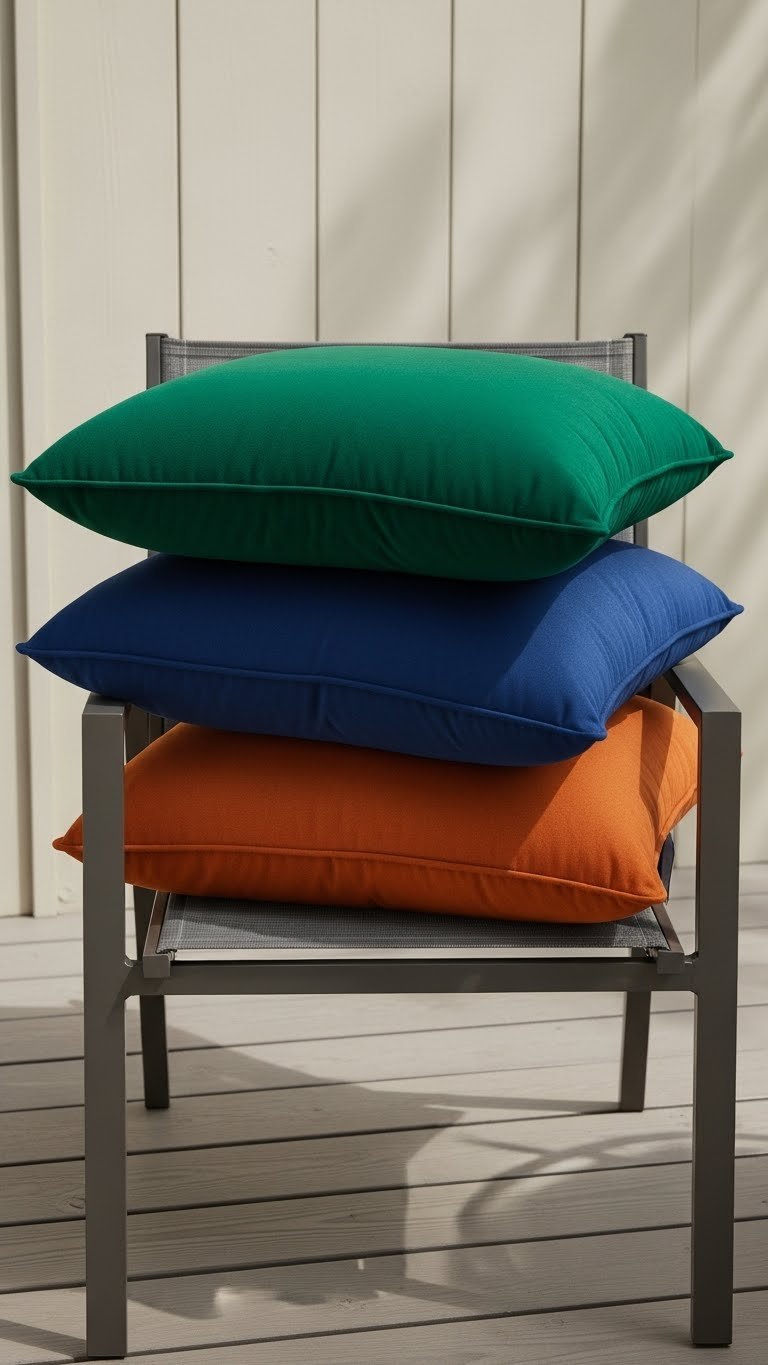
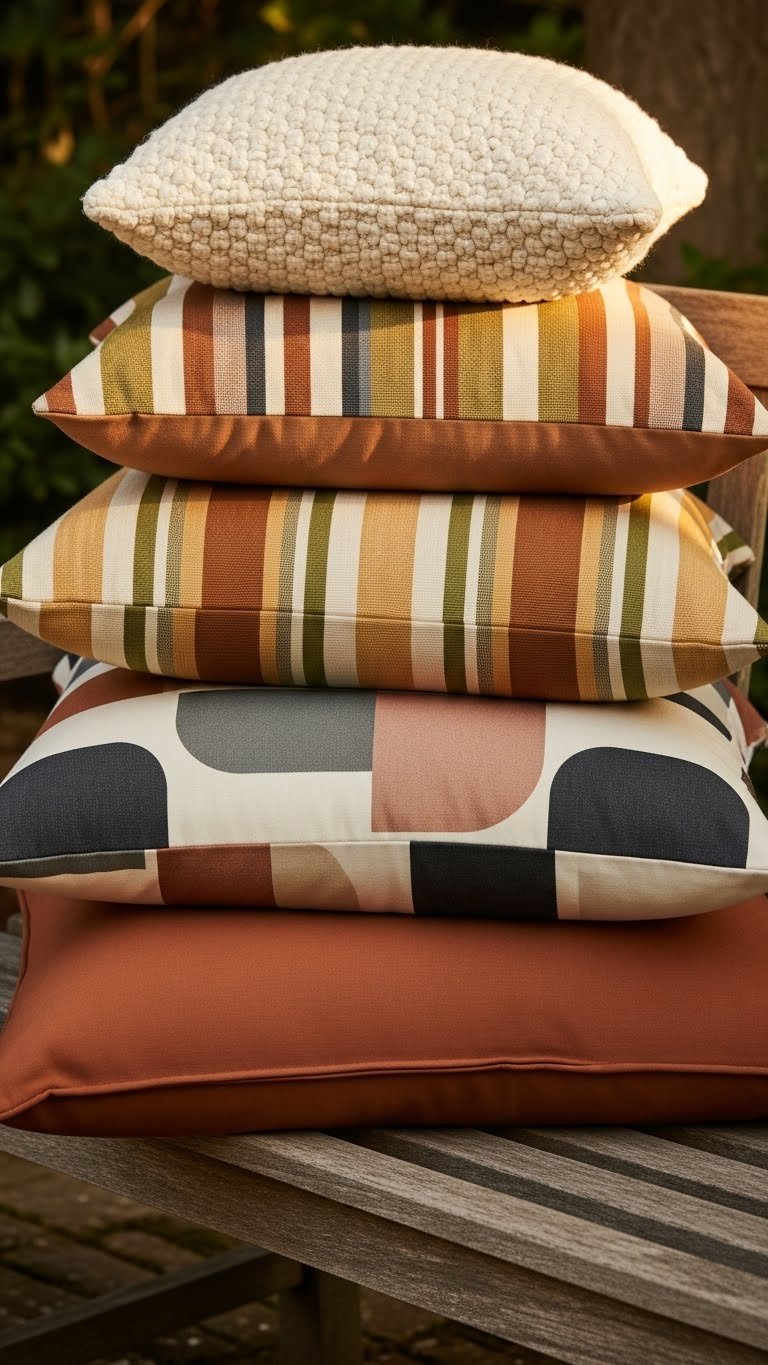
Find a simple wooden or metal bench ($50-$150) from Wayfair, Target, or a local antique shop. Add weather-resistant cushions and pillows ($30-$60). Total investment: $80-$210. Bench installation is just placement—no tools needed. Choose a bench that fits your porch scale; oversized looks awkward on a tiny porch. Paint it to match your door or trim for visual cohesion.
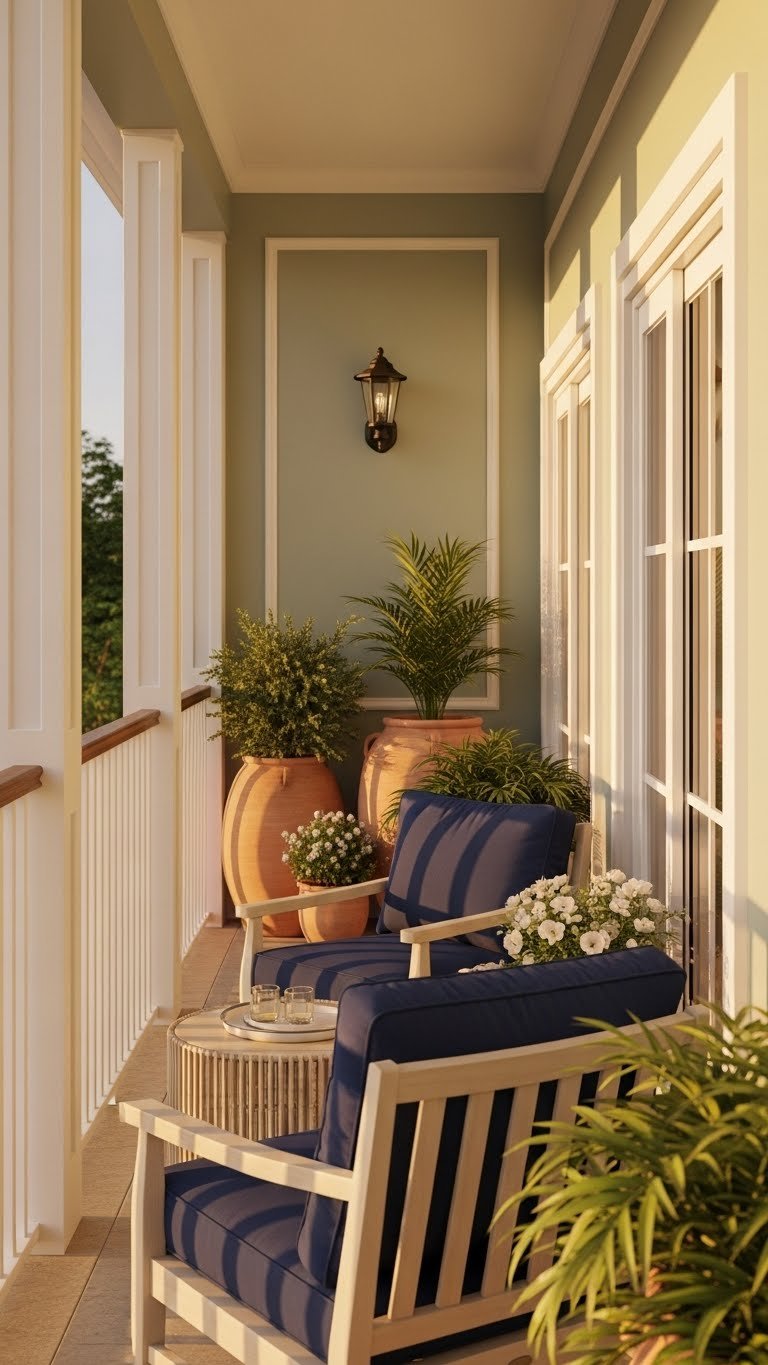
Pro tip: Pair your bench with a small side table ($30-$50) for drinks or decor. Keep cushions fresh and pillows fluffed for a lived-in, inviting look. Your porch becomes an extension of your home’s personality and an actual place people want to sit.
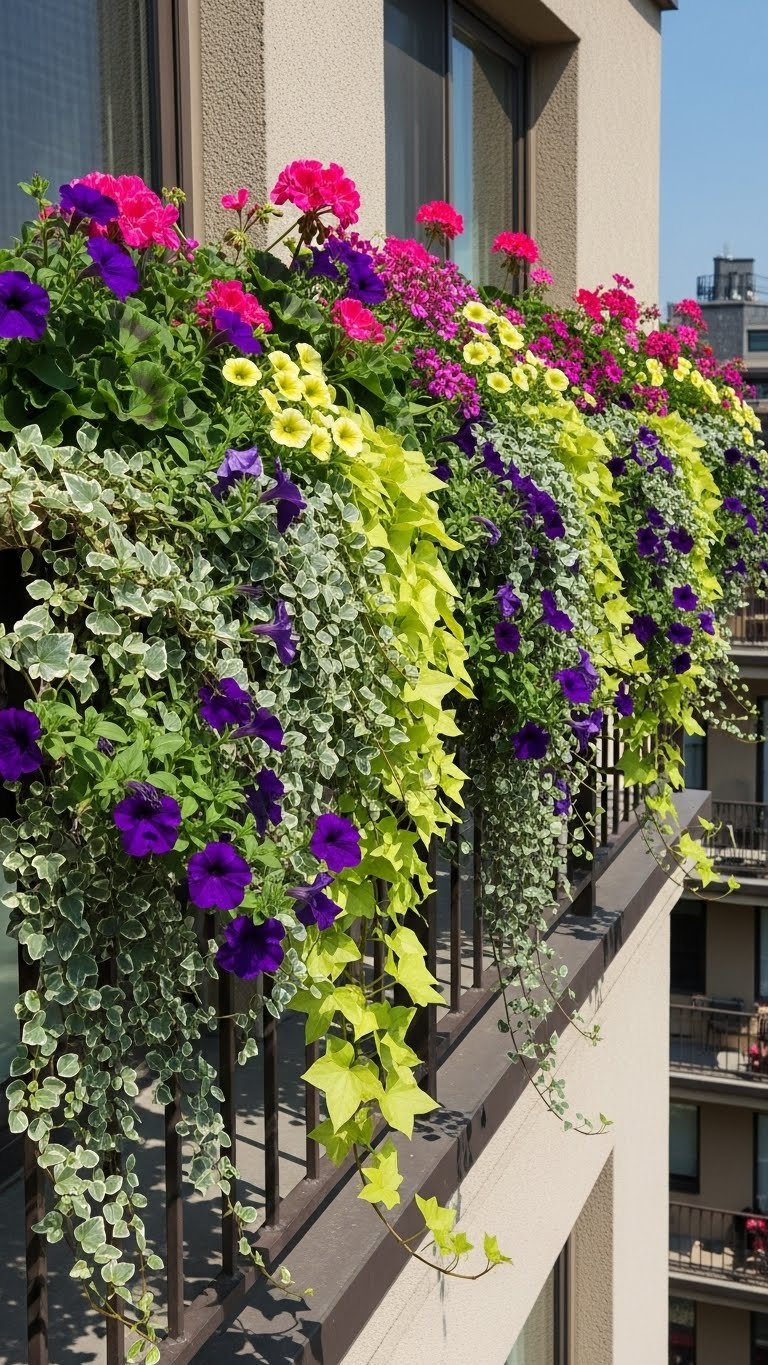
13. Install Window Boxes for Year-Round Color
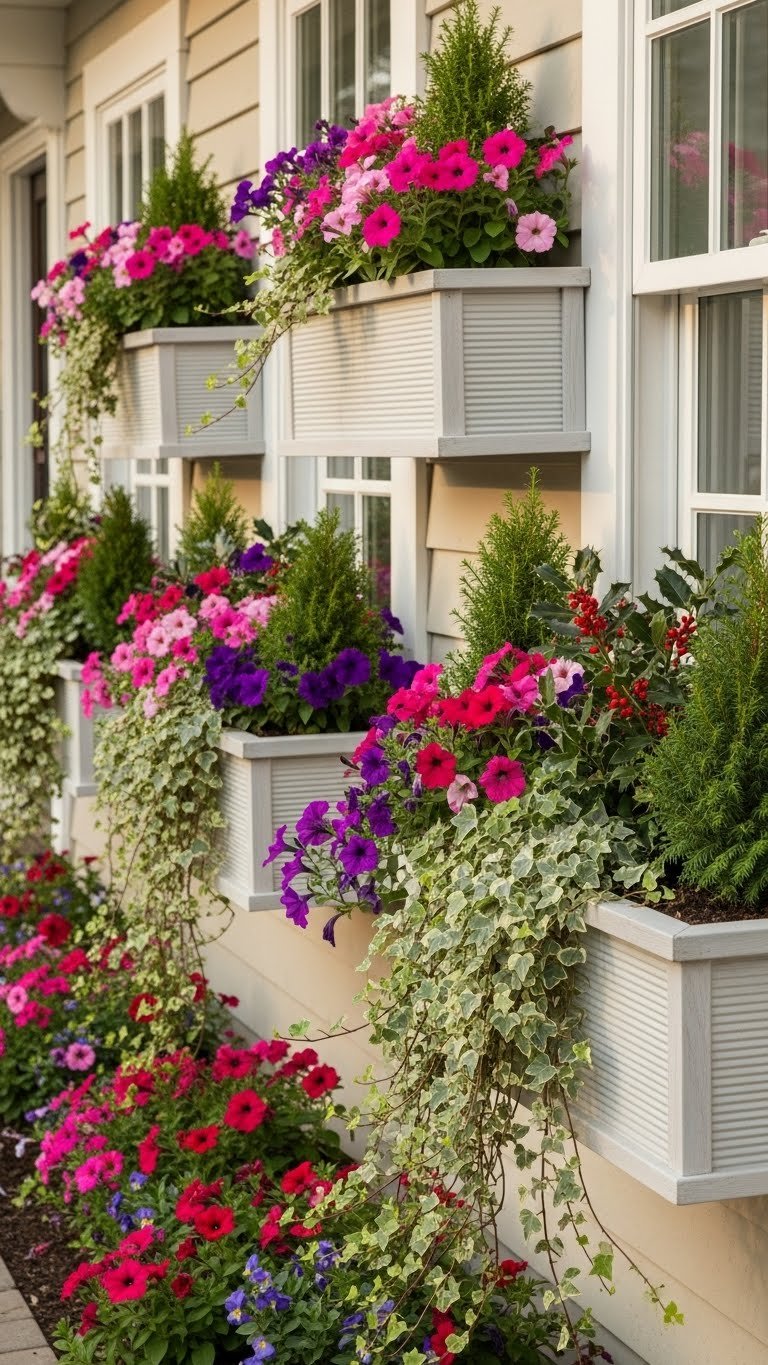
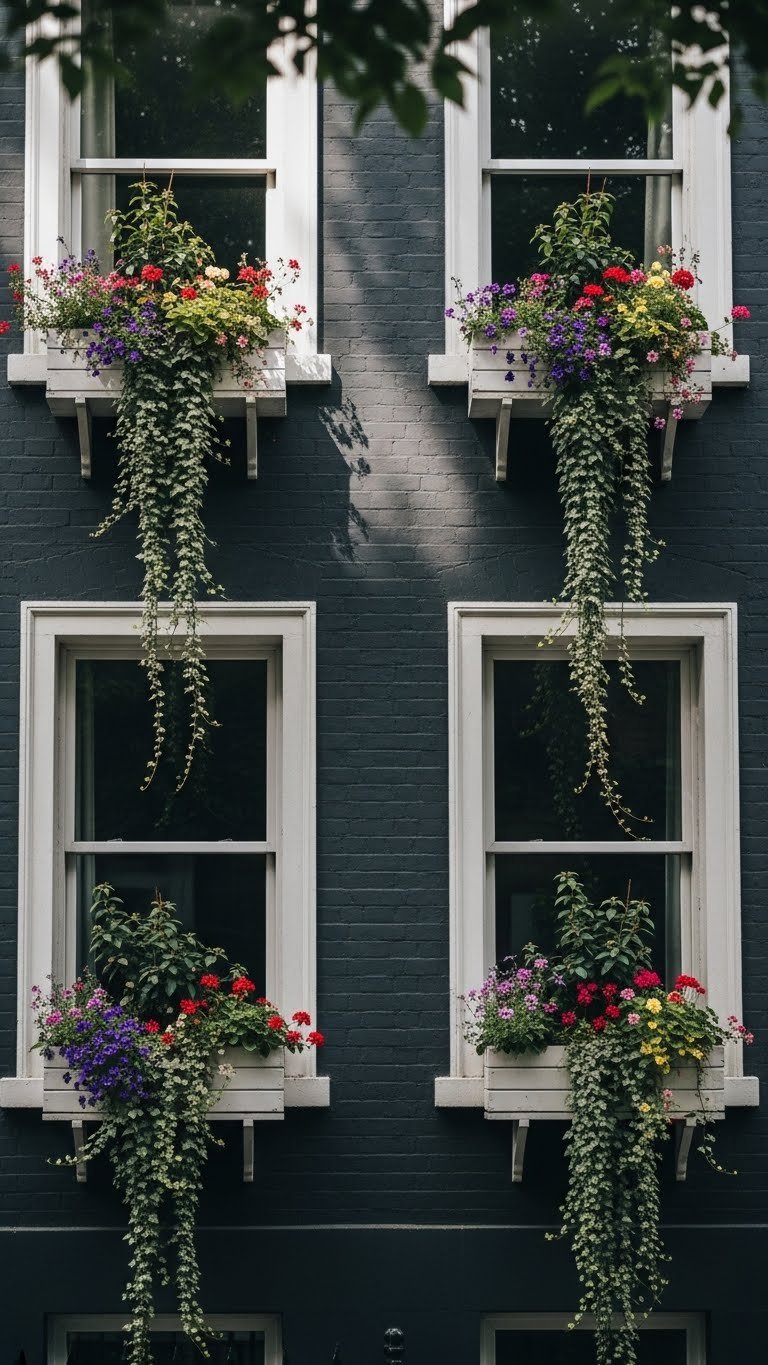
Window boxes are old-school charm that work on any home. They add softness, color, and intentional detail to your facade.
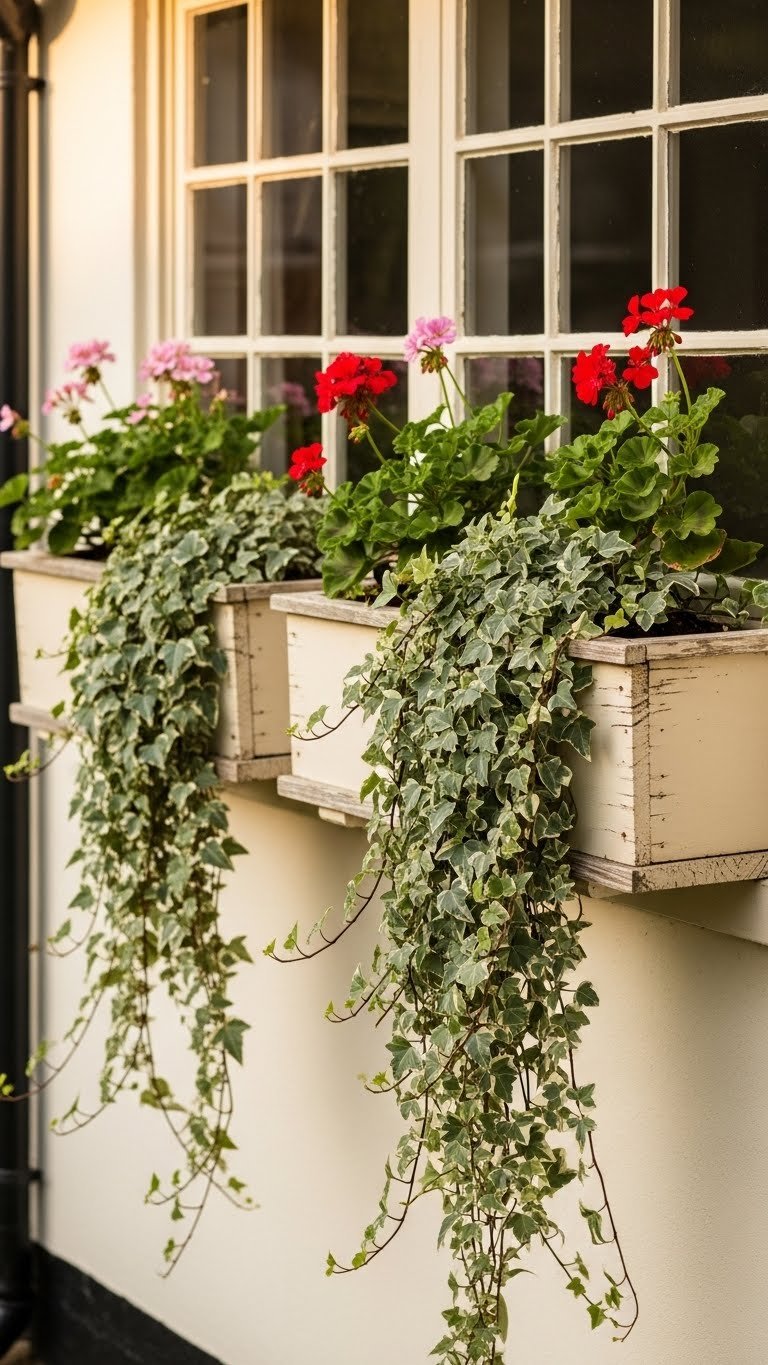
Buy ready-made wooden or plastic window boxes ($20-$50 each) and mounting brackets ($10-$15 per pair). You’ll need potting soil and seasonal plants ($20-$30 per box). Installation takes 20 minutes per box and requires a drill and screws. Budget $60-$150 per window for full setup. Change plants seasonally—pansies in cool months, petunias in summer, ornamental kale in fall.
Pro tip: Paint boxes to match your trim for a finished look. Overwater window boxes slightly in hot months since they dry fast. Your windows gain a layered, intentional appearance that signals care and creativity.
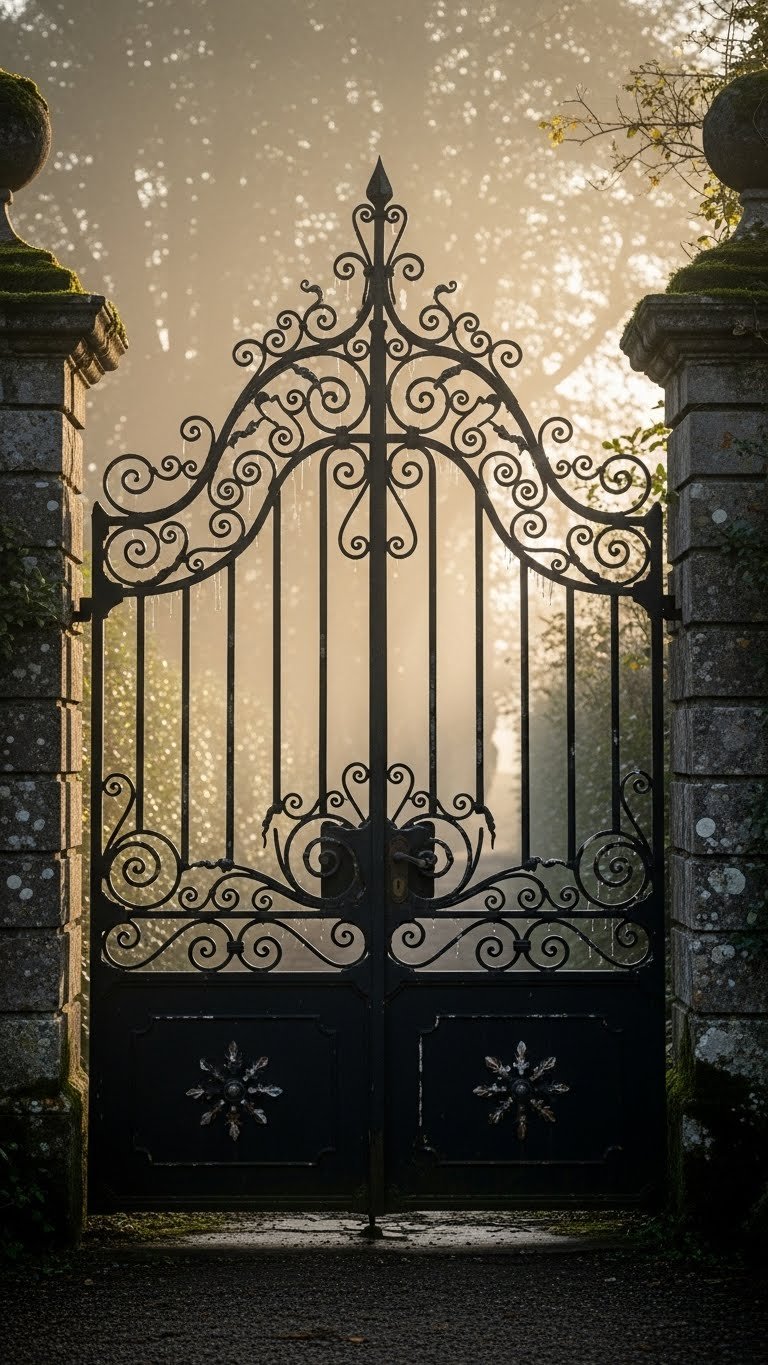
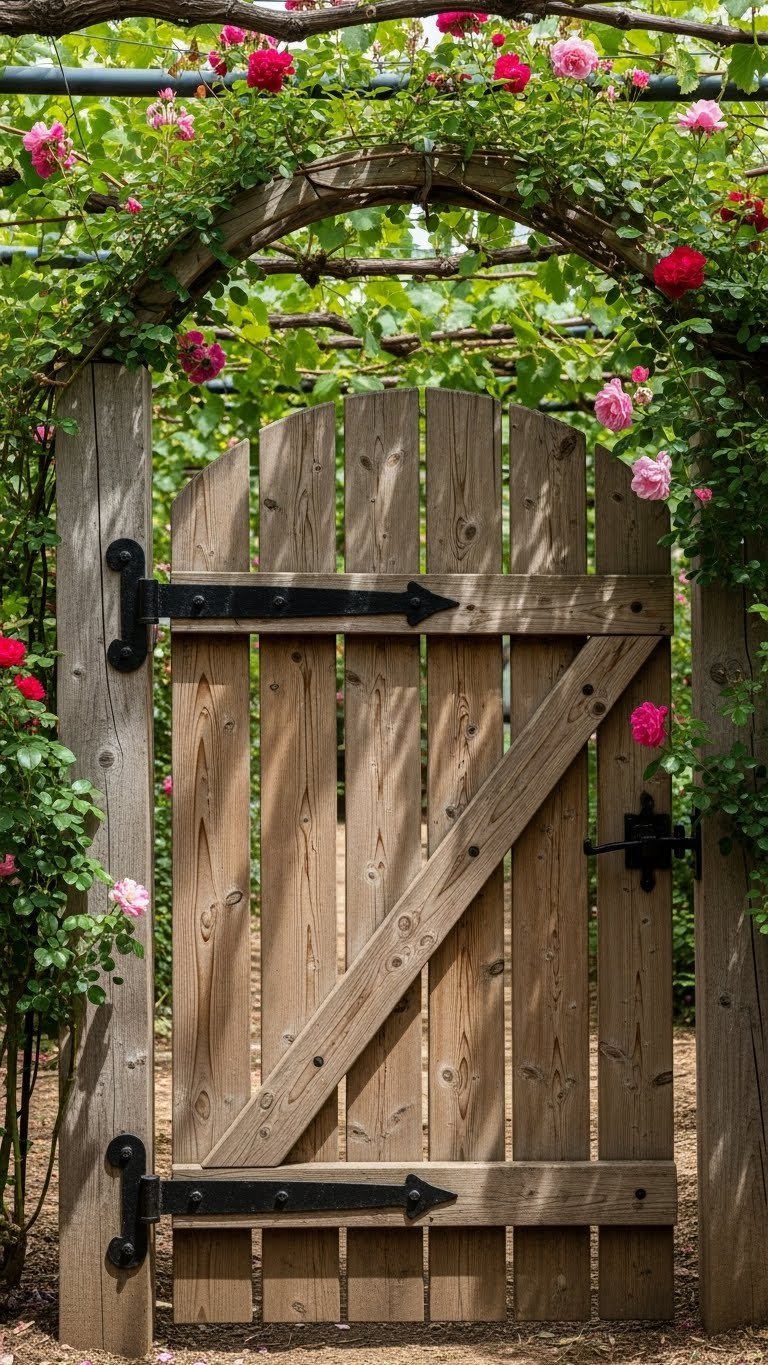
14. Upgrade Your Front Gate or Entry Arbor
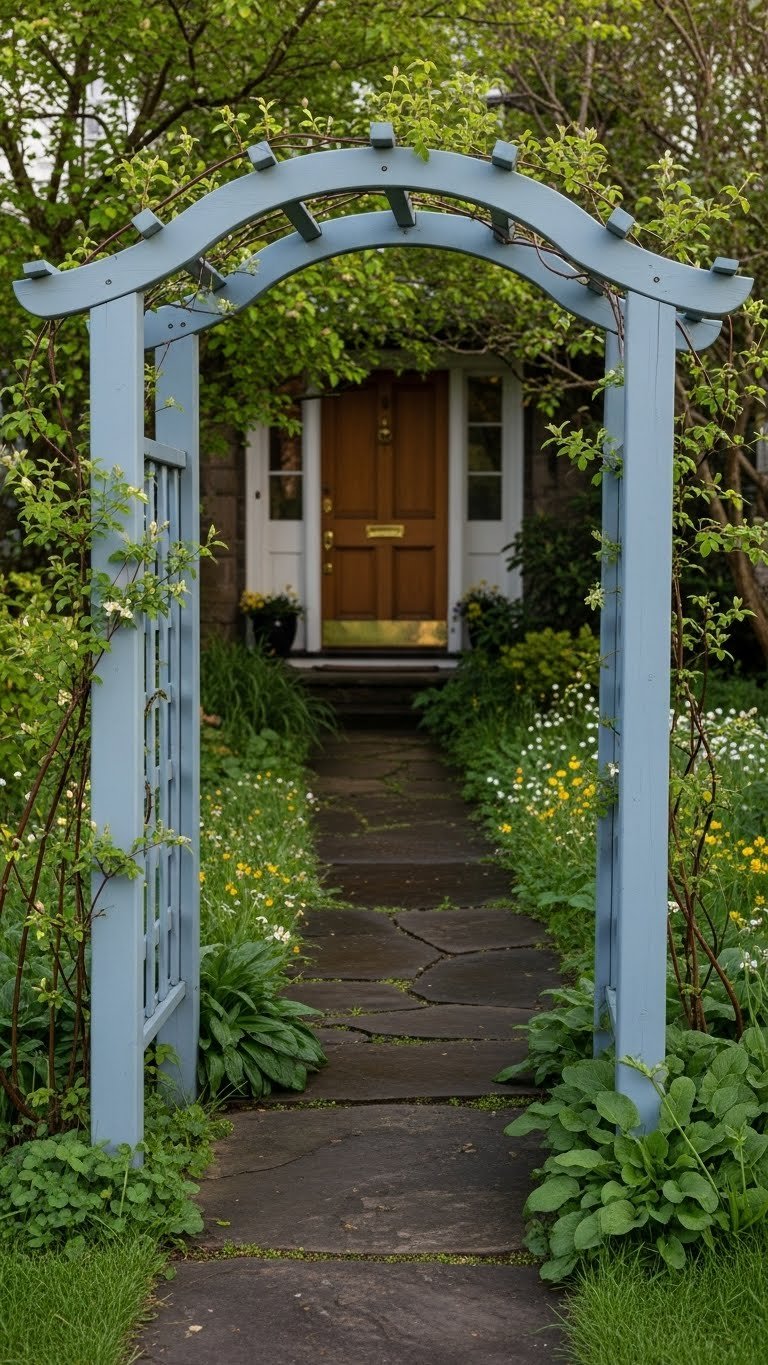
A gate or arbor creates a visual “wow” moment and signals the boundary between public and private space. It’s surprisingly affordable.
Buy a prefab wooden or metal arbor ($80-$300) or gate kit ($100-$400) from Amazon, Wayfair, or a garden center. Paint it to match your home’s trim. Installation takes 2-4 hours for a DIY person; hire help if unsure ($200-$400 labor). Plant climbing vines at the base to cover the structure over time. For renters, look for removable arbor kits that don’t require permanent installation.
Pro tip: An arbor doesn’t need a gate to be beautiful. A simple arch overhead signals arrival and creates a threshold moment. Your entryway gains ceremony and intentionality.
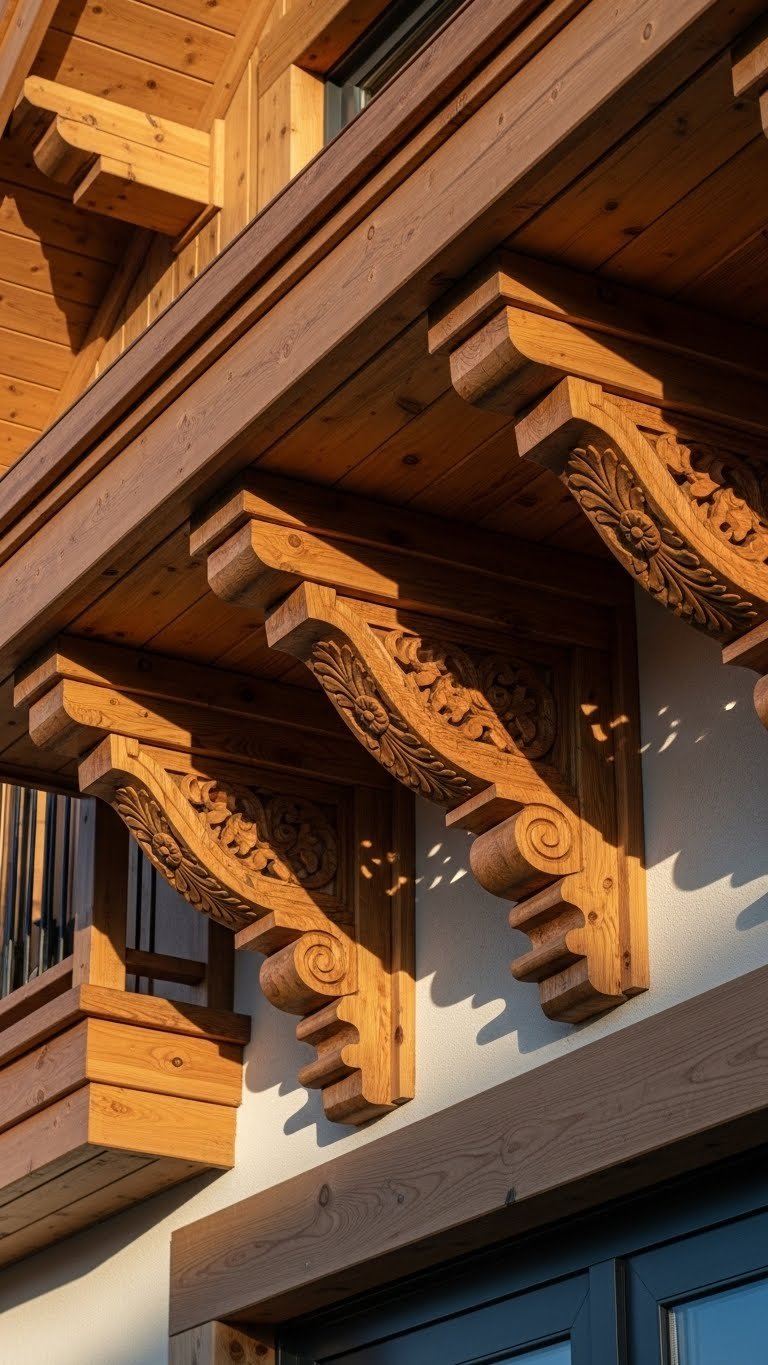
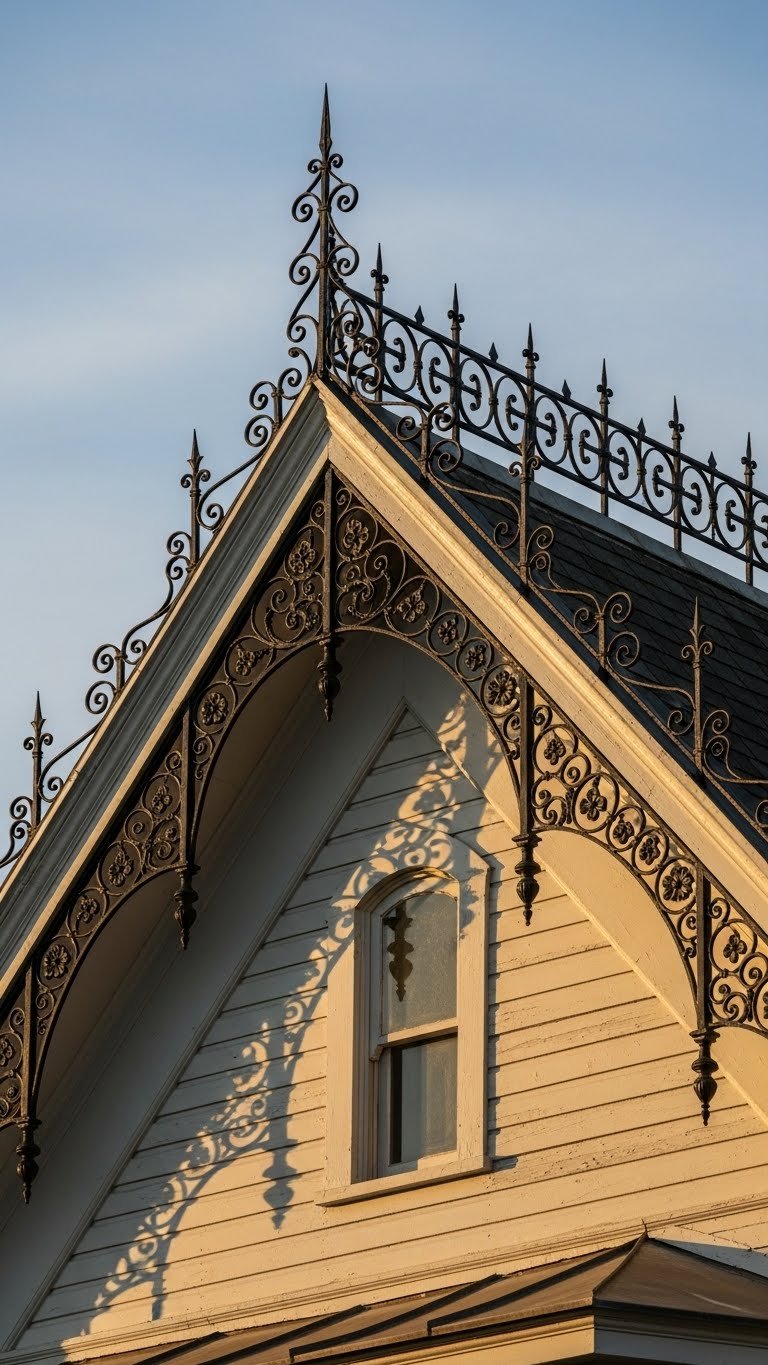
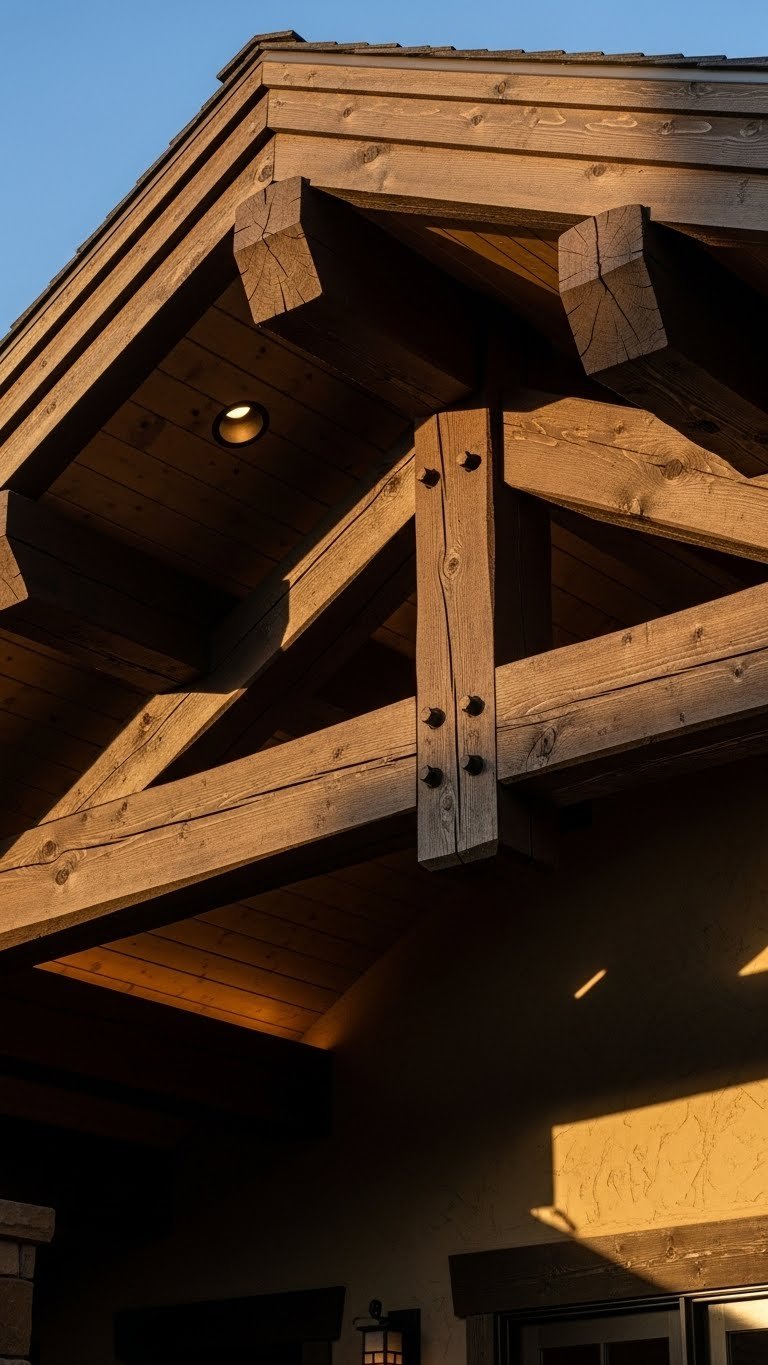
15. Add Architectural Interest With Exposed Rafter Tails
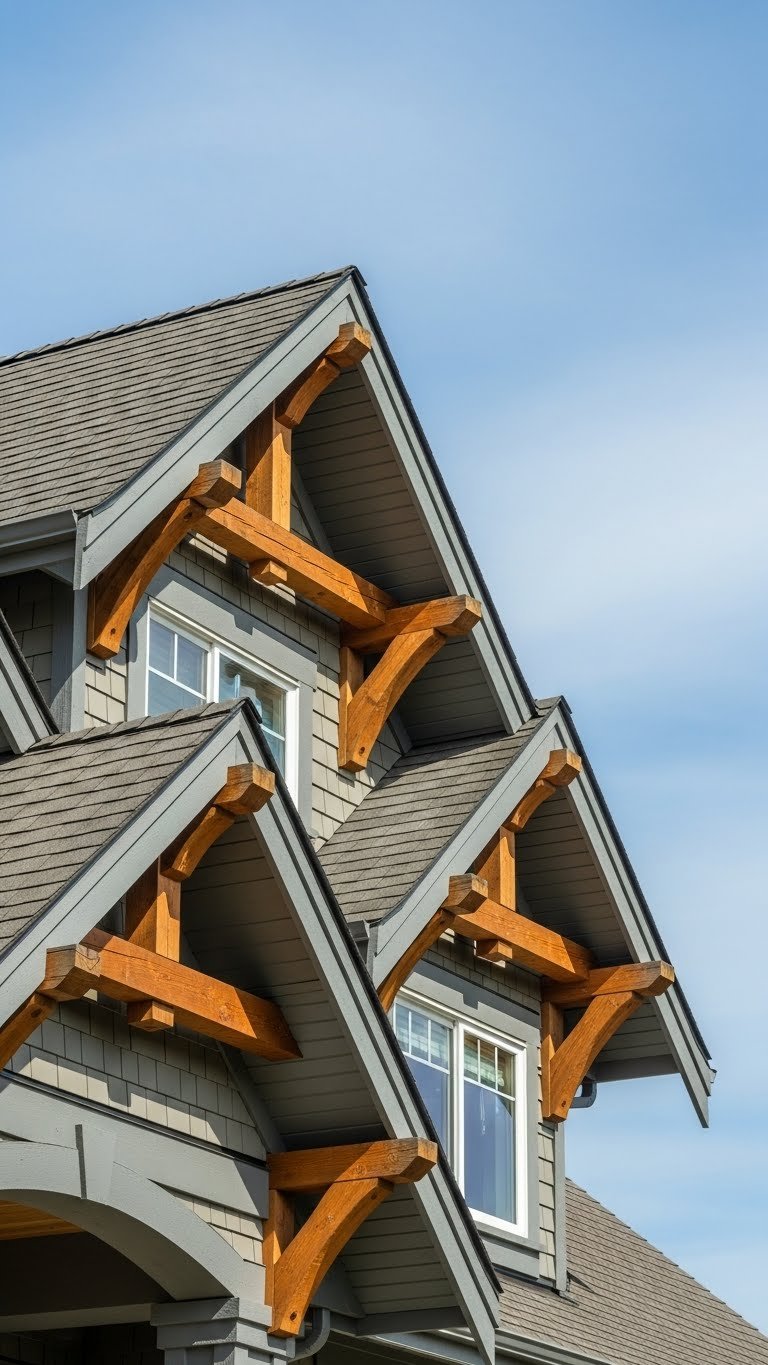
Exposed rafters add old-world charm and architectural dimension to plain rooflines. This is pricier but creates major curb appeal impact.
Prefab decorative brackets or rafter tails run $30-$100 each. Most homes need 4-8 pieces depending on roofline ($200-$800 total). Hire a carpenter for installation ($500-$1,500 labor) unless you’re experienced. Once up, they require minimal maintenance. Paint them to match your trim or leave natural wood stained.
Pro tip: This works best on homes with clean, simple rooflines. On complex rooflines, a few carefully placed brackets create more impact than covering everything. Your roofline gains heritage charm and architectural definition that changes how people perceive your entire home.
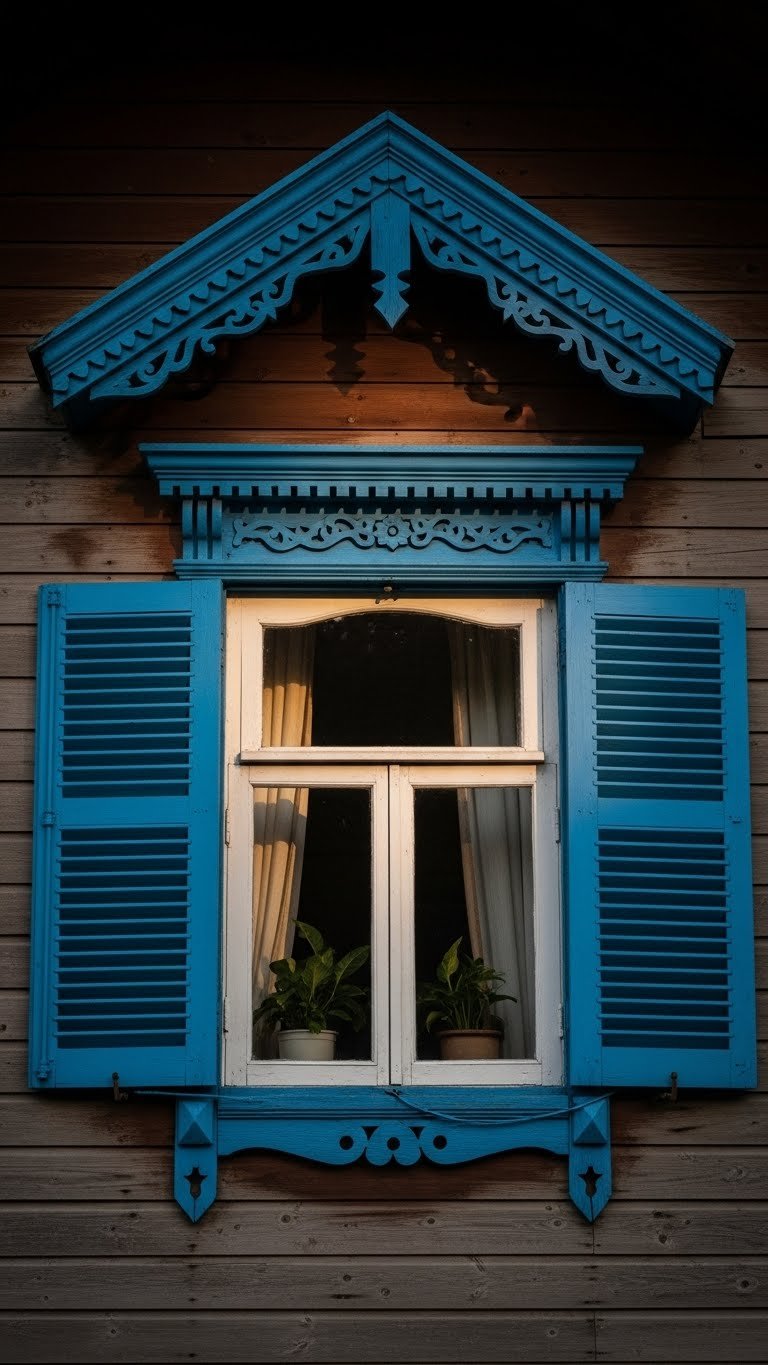
16. Install Charming Window Shutters With Personality
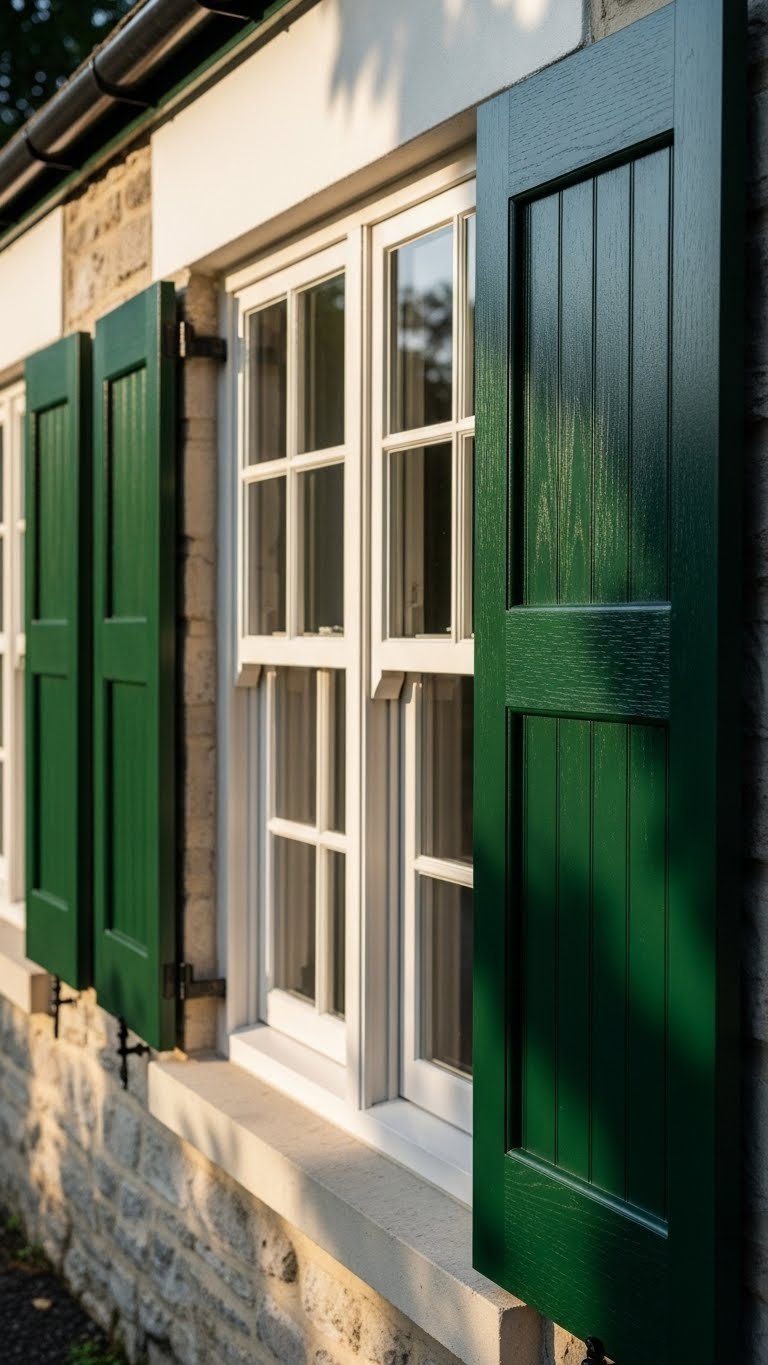
Beyond basic shutters, decorative styles like board-and-batten or louvered options add personality and cottage charm.
Decorative wood or composite shutters run $60-$150 per pair. Budget $300-$800 for a typical small home’s front-facing windows. Installation takes 30-45 minutes per pair with basic tools. Paint them in coordinating colors—navy, forest green, burgundy, or charcoal gray work beautifully against white trim. Choose quality composite shutters if weather is harsh; they outlast wood.
Pro tip: Mix and match shutter styles on different windows for eclectic charm, or keep them uniform for classic symmetry. Your shutters become a design statement beyond pure function.
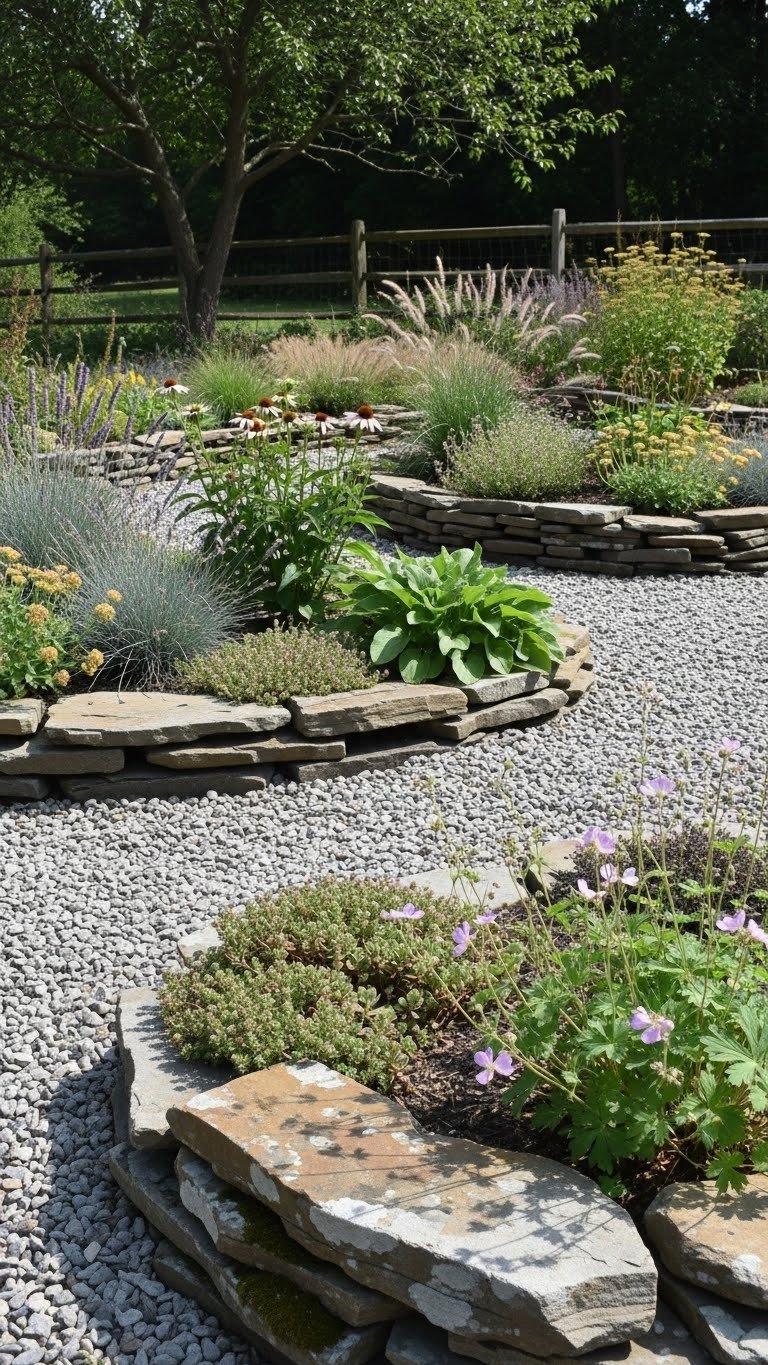
17. Create Depth With Layered Landscaping and Levels
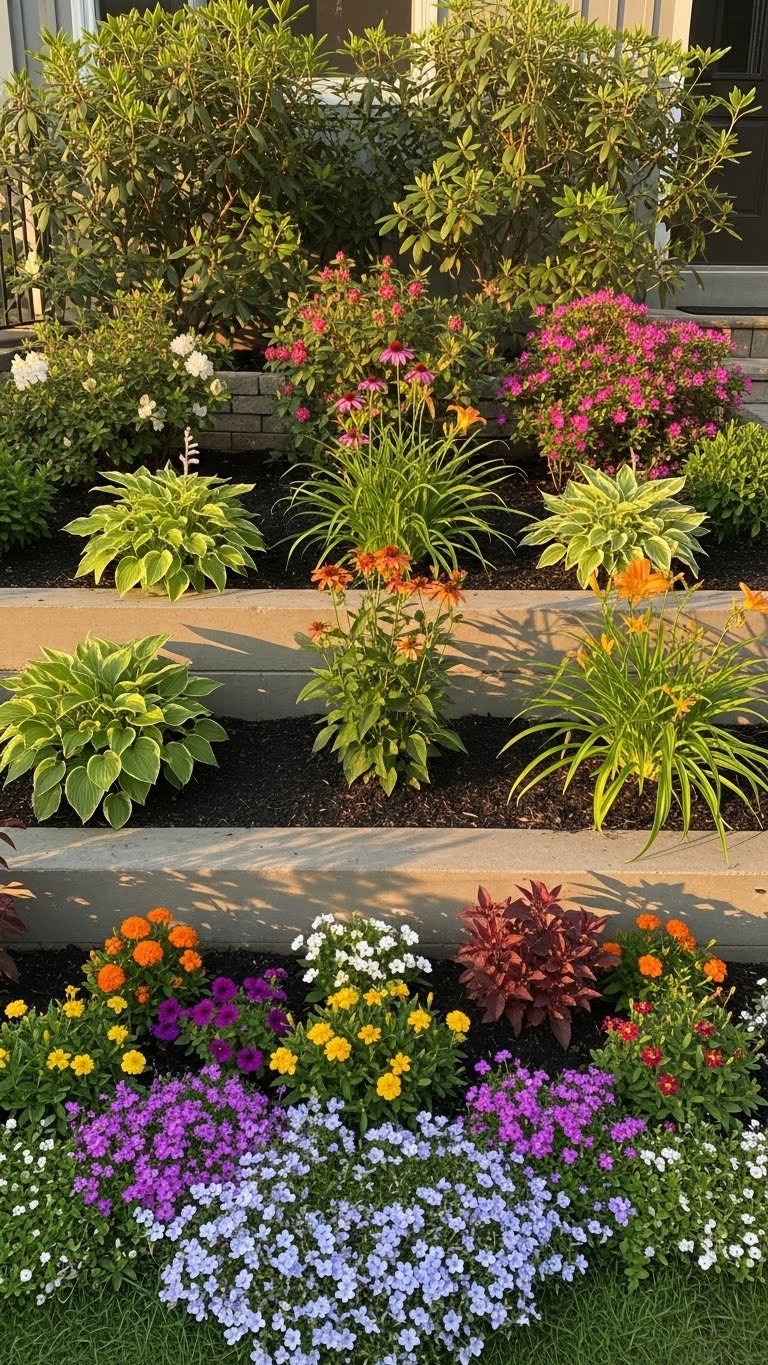
Layered, tiered landscaping creates depth that makes small yards appear larger and more designed.
Plant tall shrubs (3-4 feet) in the back ($15-$40 each), medium evergreens in the middle ($10-$25 each), and low perennials or ornamental grasses in front ($5-$15 each). Budget $100-$300 for a typical small yard. Installation and spacing takes half a day. Water new plants regularly for the first season. Choose evergreens for year-round structure.
Pro tip: Use odd numbers (3 or 5) of each plant type for natural balance. Avoid crowding; plants need room to mature. Your yard gains visual complexity and maturity that transforms a flat landscape into a designed garden.
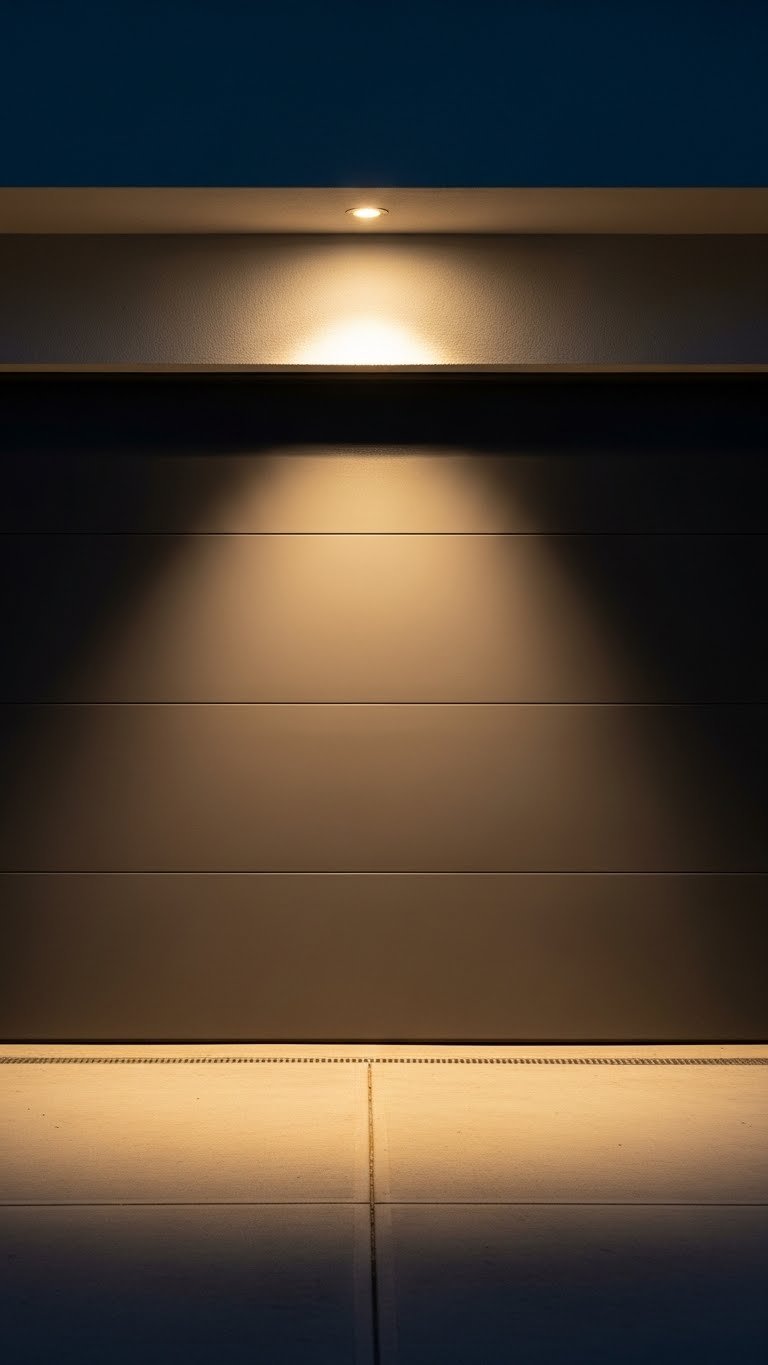
18. Paint Your Garage Door to Match Your Aesthetic
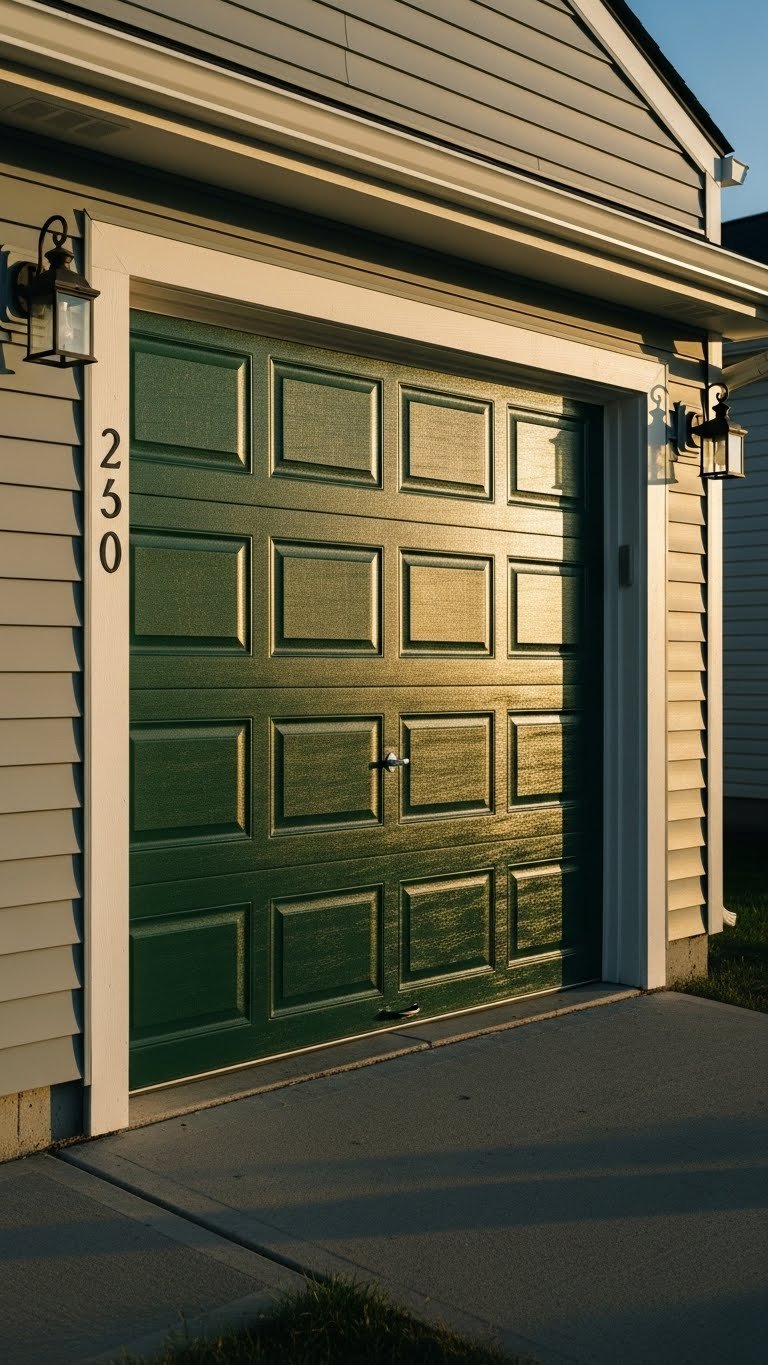
Your garage door takes up major real estate on your home’s front. Painting it intentionally ties your aesthetic together.
Use high-quality exterior paint designed for metal ($25-$40 per quart). Most garage doors need 1-2 quarts. Prep takes 2-3 hours (clean, sand, prime). Painting takes 2-3 hours. Total DIY time: one weekend including drying. For large doors or complex colors, hire a painter ($200-$500). Choose colors that complement your door, trim, or landscaping.
Pro tip: Avoid white or standard beige if they’re already default colors. Bold or coordinating colors show intentionality. Your garage door transforms from a bland necessity into a design statement.
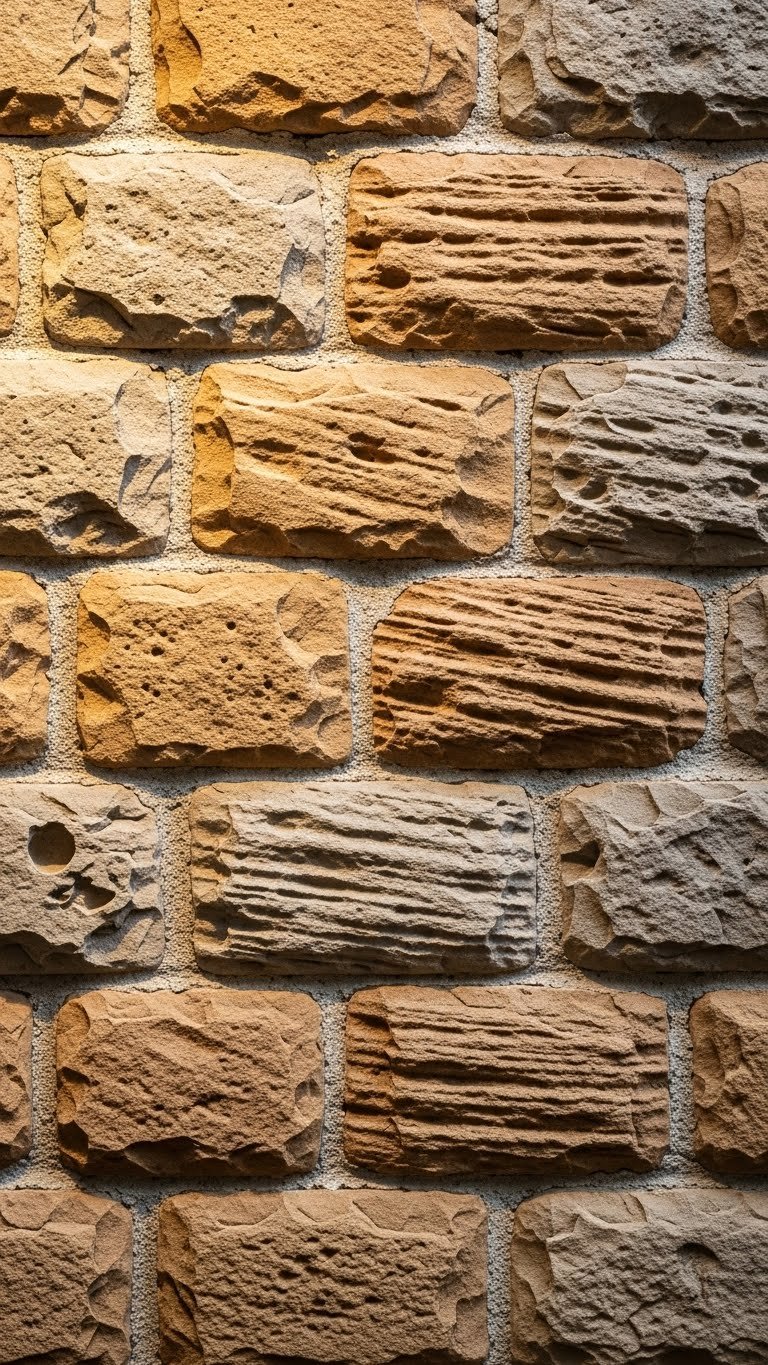
19. Add Texture With a Stone or Brick Accent Wall
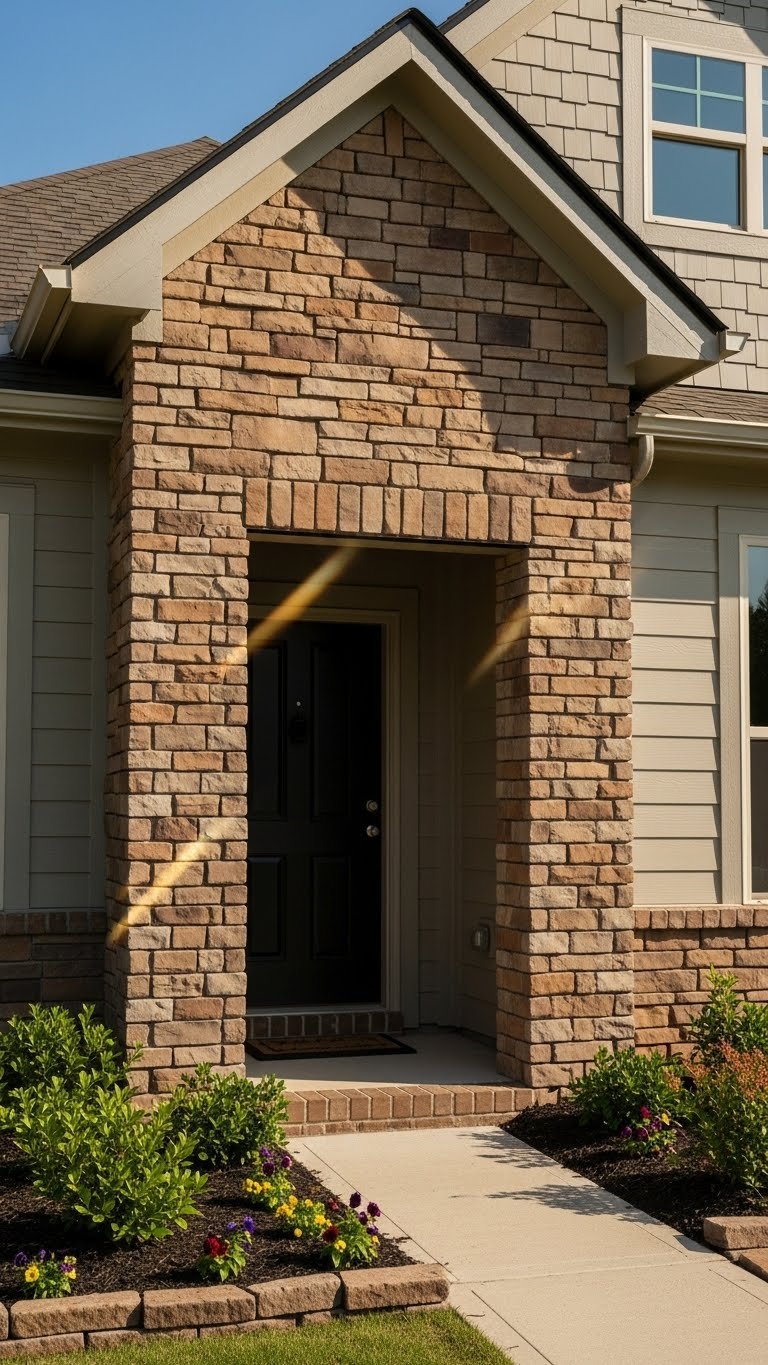
Stone or brick accents add luxury-looking texture without a full renovation. A small section creates maximum impact.
Install natural stone veneer ($10-$15 per square foot) or faux stone ($3-$8 per square foot) as an accent on a featured wall. Budget $300-$800 for a small accent area (30-50 square feet). Hire a mason for installation ($1,000-$2,000 labor) or use lightweight faux stone if DIY-comfortable. The result reads as high-end and custom.
Pro tip: An accent wall around your front door or entryway creates the most impact without overwhelming the facade. Your home gains textural sophistication and architectural weight.
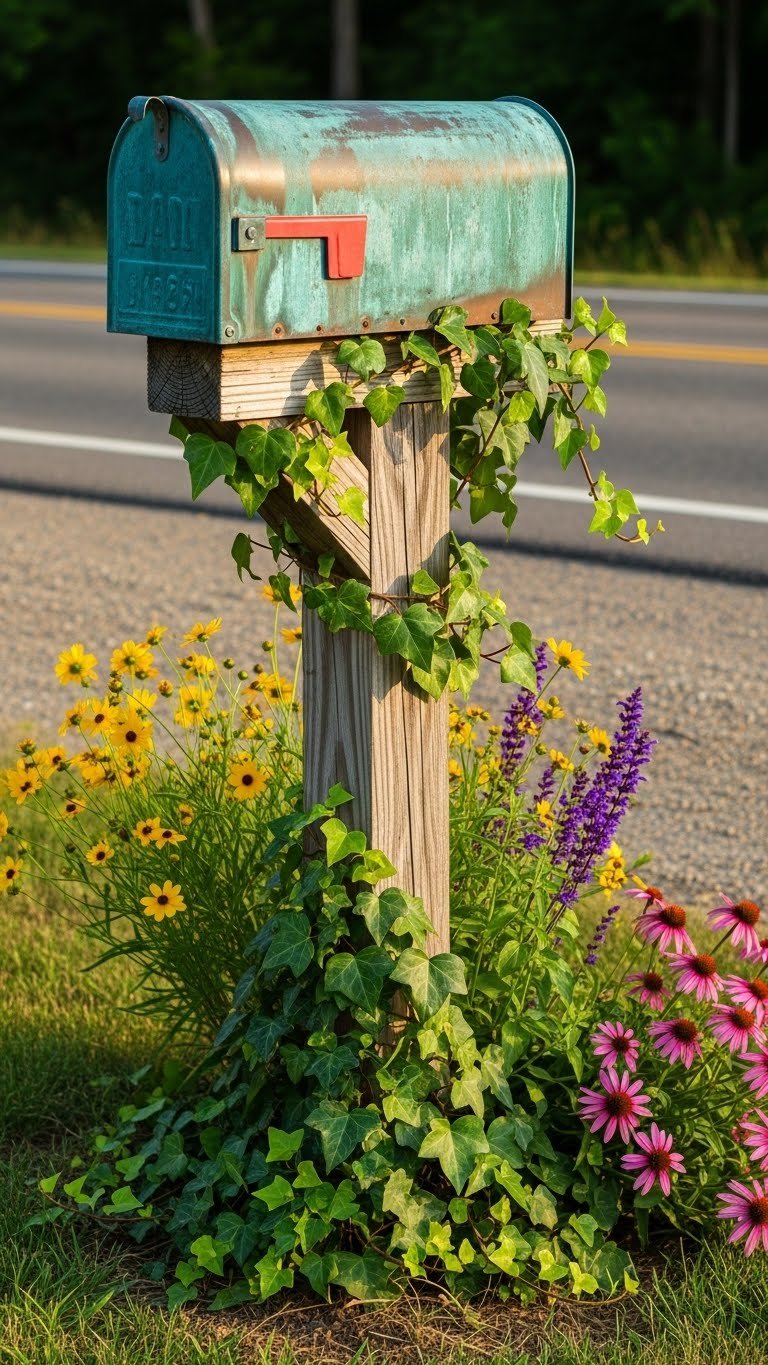
20. Refresh Your Mailbox With a New Post or Design
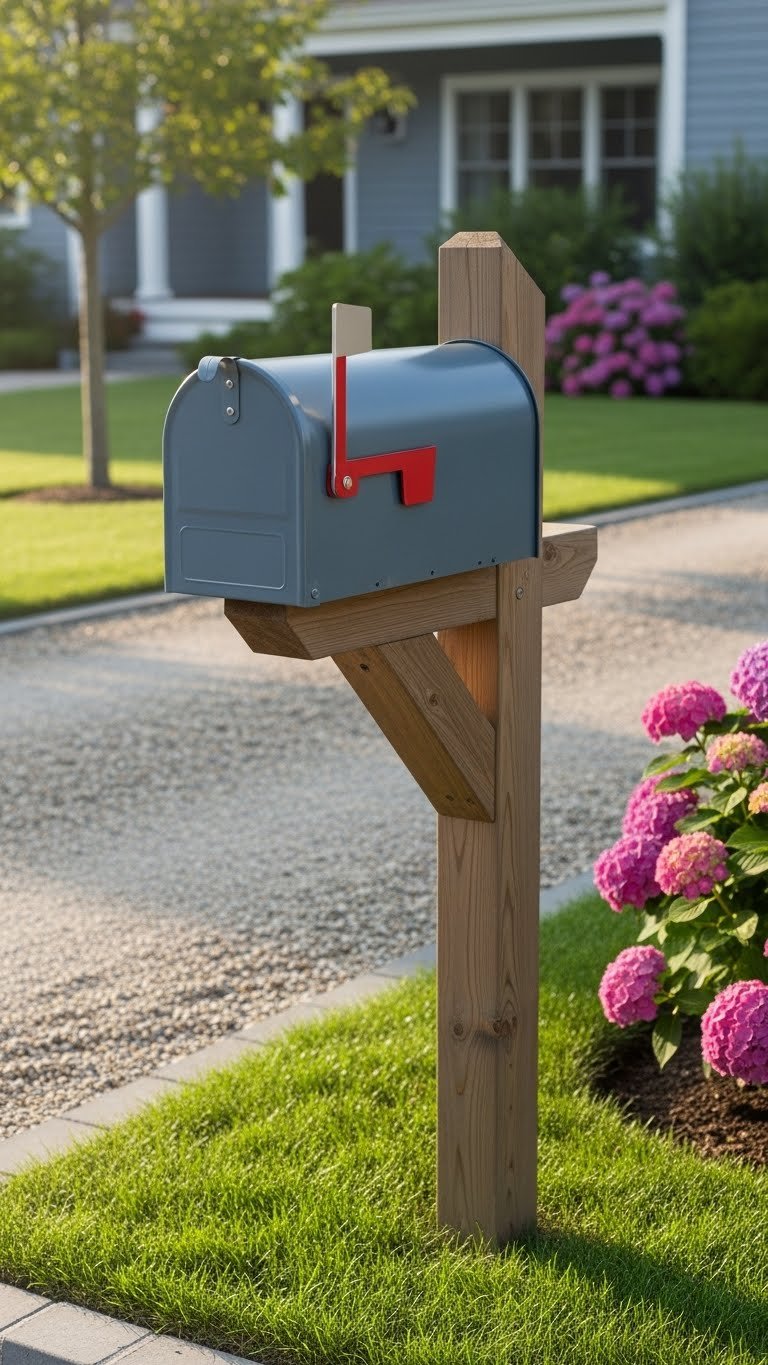
Your mailbox is a small detail that people see constantly. Upgrading it shows attention to the whole home.
Replace a worn mailbox with a new style ($30-$100) in matching or contrasting colors. Upgrade the post with painted wood ($15-$50) or metal ($20-$75). Installation takes 30 minutes to an hour. For renters, adhesive mailbox covers ($20-$40) update the look without replacing the fixture. Choose designs that complement your home’s era—modern lines for contemporary homes, vintage styles for cottages.
Pro tip: A quality mailbox that matches your front door color creates a polished, finished look. Avoid plastic or generic gray defaults. Your mailbox becomes a detail that signals intentional design.
21. Plant Specimen Trees or Shrubs as Focal Points
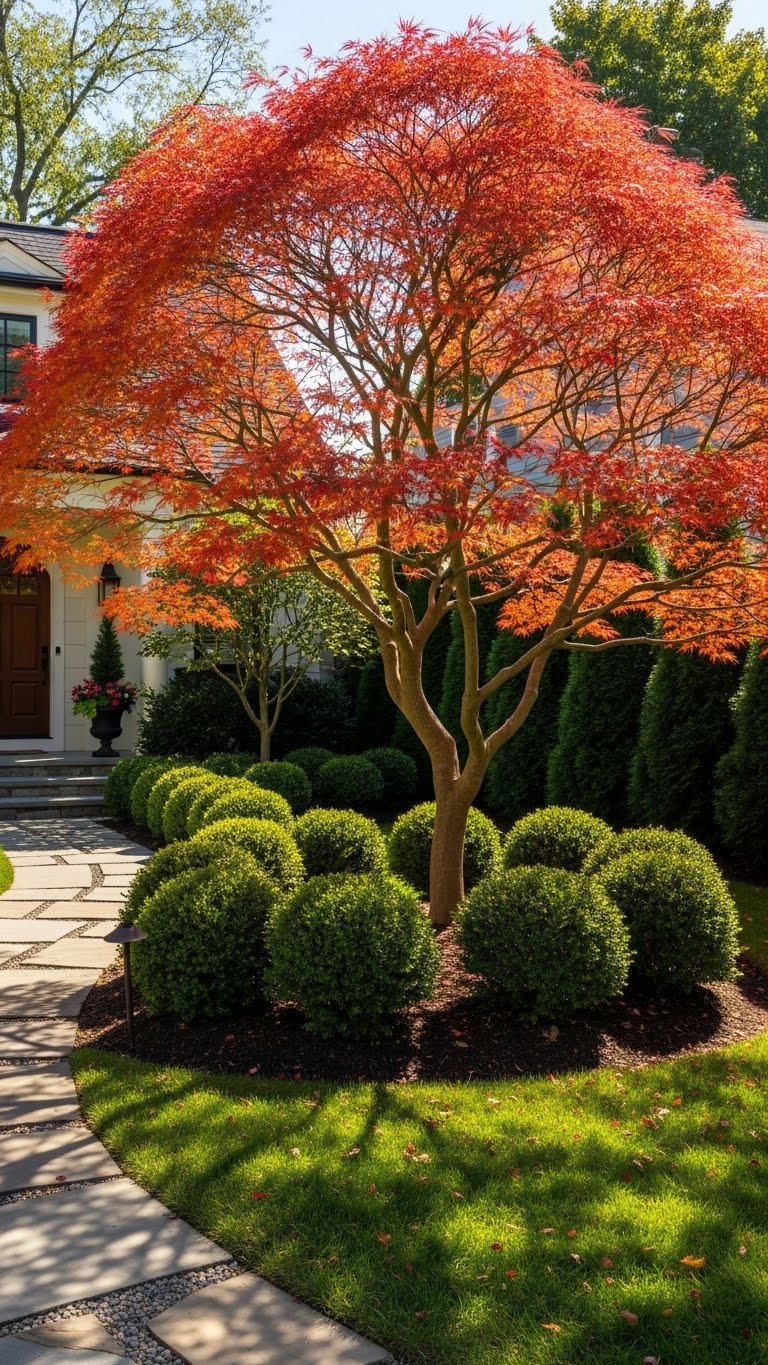
A single well-chosen specimen tree or shrub creates instant maturity and focal point interest in a small yard.
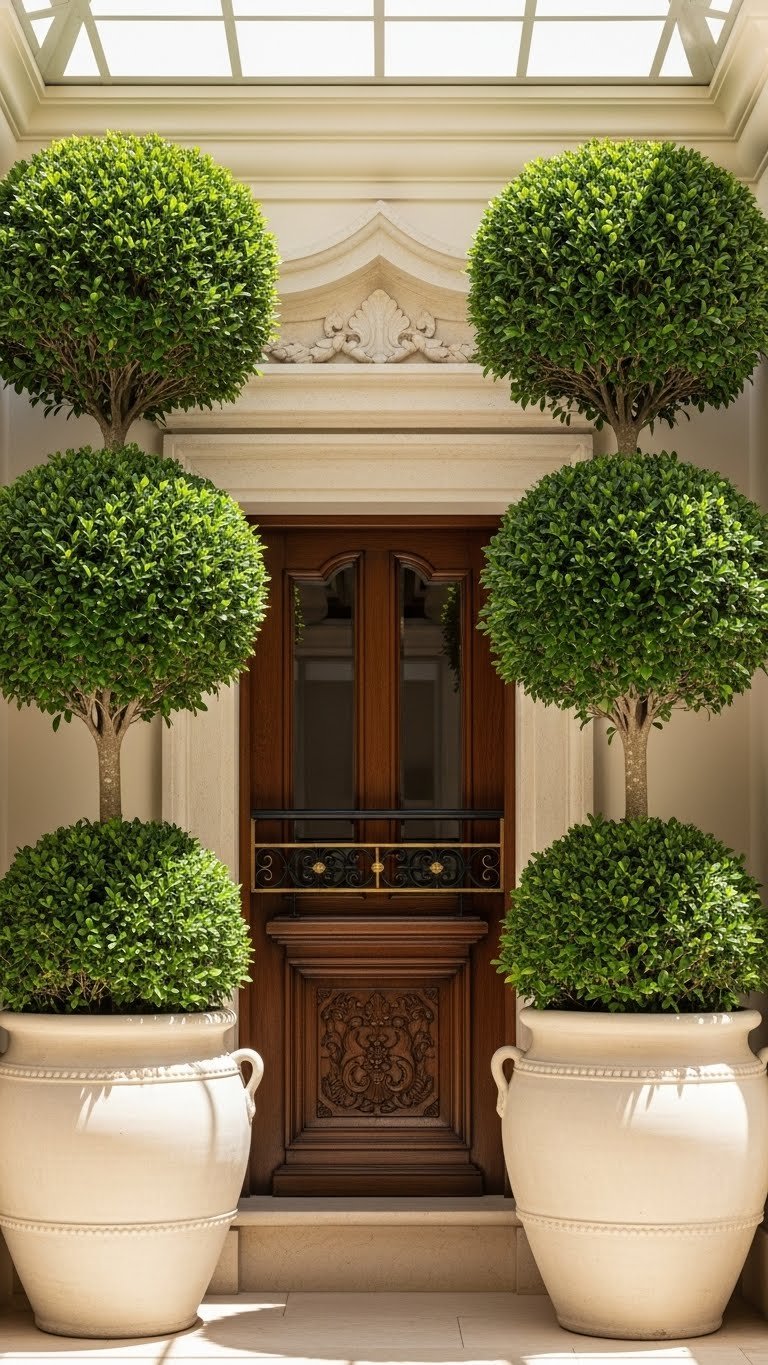
Plant a medium-sized specimen tree ($50-$150) like a Japanese maple, serviceberry, or ornamental cherry. Position it front and center as a visual anchor. Choose trees with year-round interest—interesting bark, seasonal color, or sculptural shape. Installation and establishment take one growing season. Water regularly the first year.
Pro tip: Choose trees sized to your home’s scale. A massive oak overwhelms a small cottage; a petite maple perfectly frames it. Your yard gains a living focal point that photographs beautifully and creates seasonal interest.
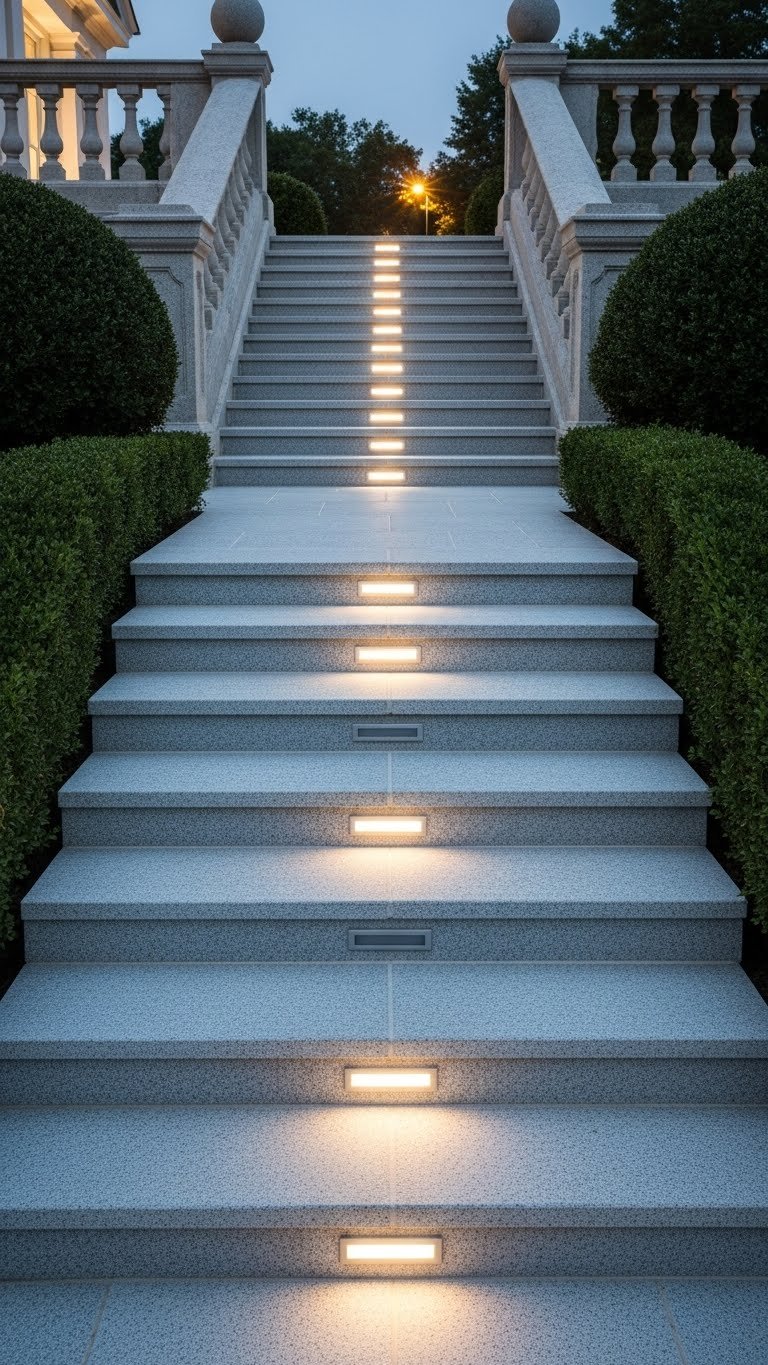
22. Define Entryway Steps With Contrasting Paint or Stone
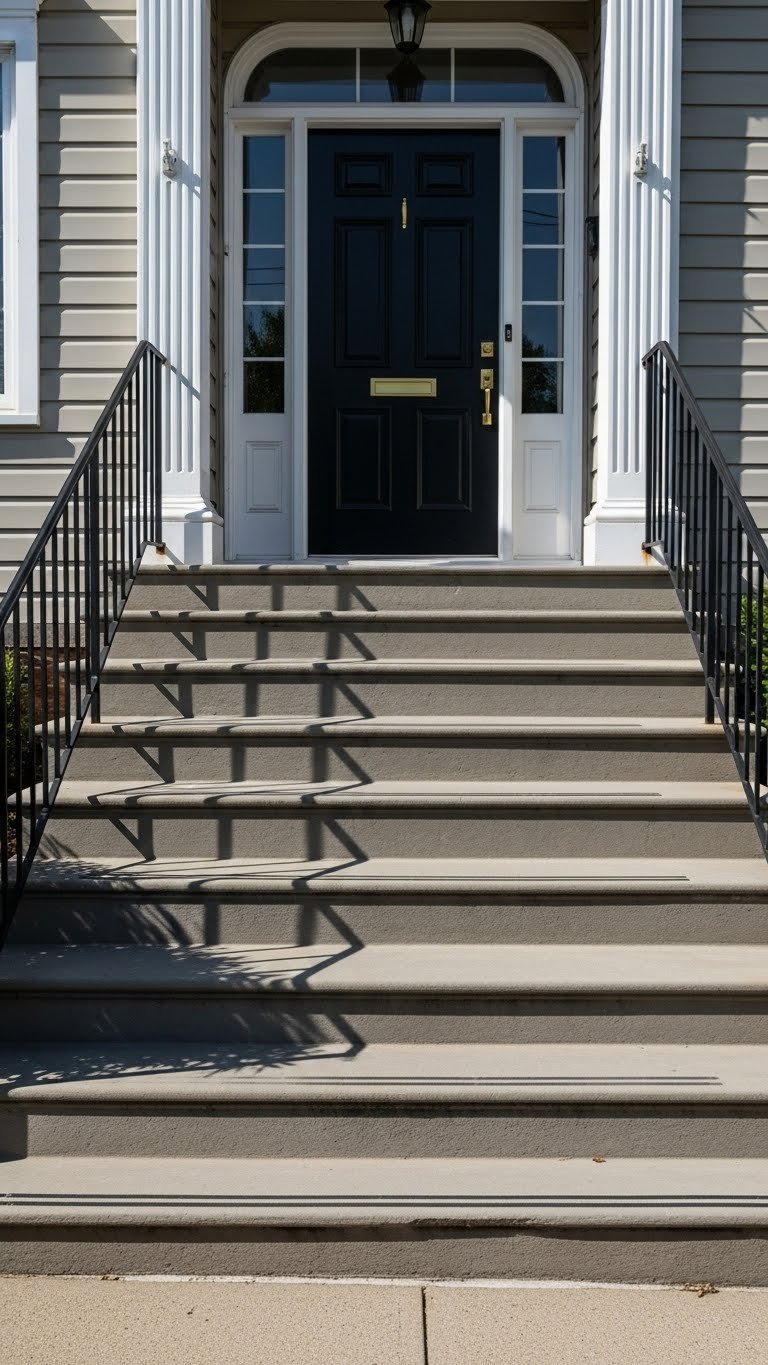
Contrasting step edges create definition, safety, and visual interest. It’s a small detail with outsized impact.
Paint your step risers or edges in a contrasting color ($20-$30 in paint). Alternatively, add contrasting stone trim ($100-$300). Painting takes 2-3 hours. The result guides people visually and adds a custom detail that signals thoughtfulness.
Pro tip: High-contrast paint colors (white edges on dark steps, or vice versa) create the most impact. Your steps gain definition and your entry feels more intentional and professional.
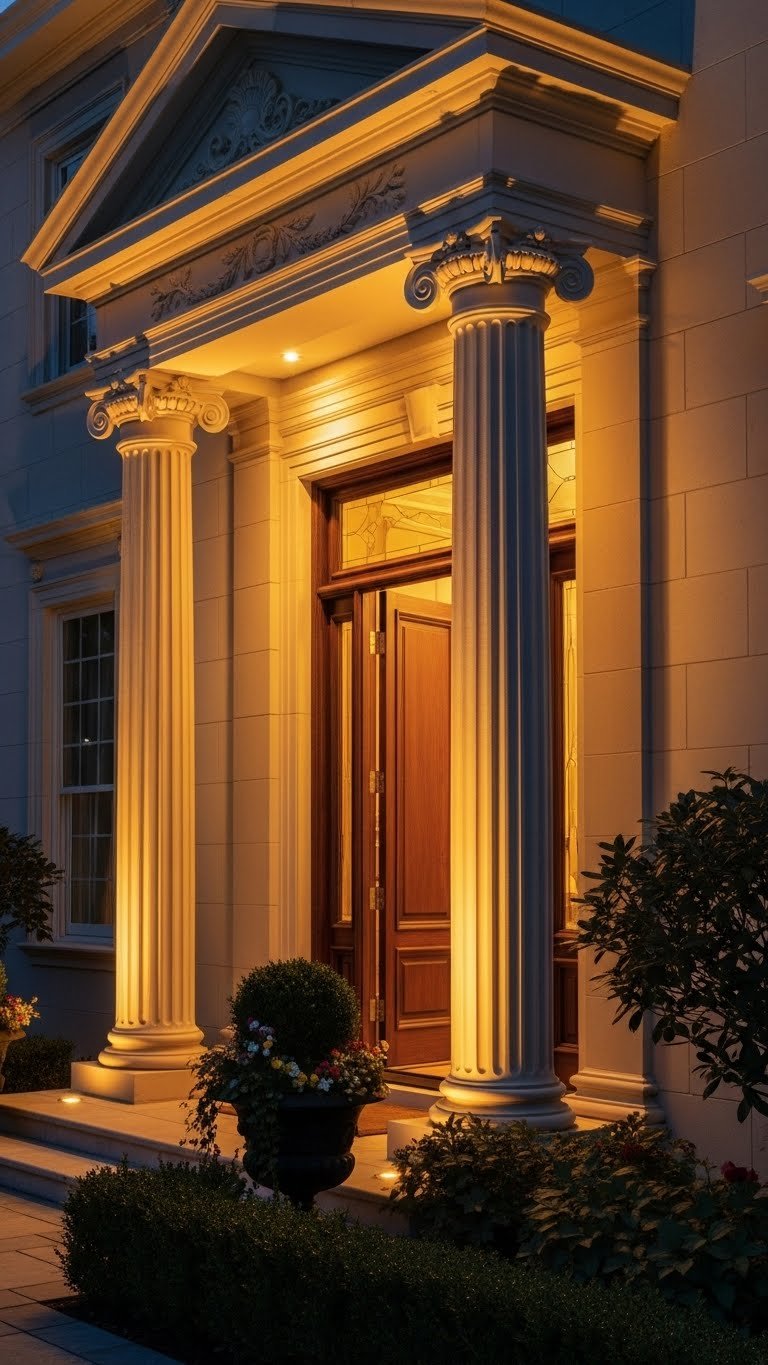
23. Install Exterior Wall Sconces With Artistic Design
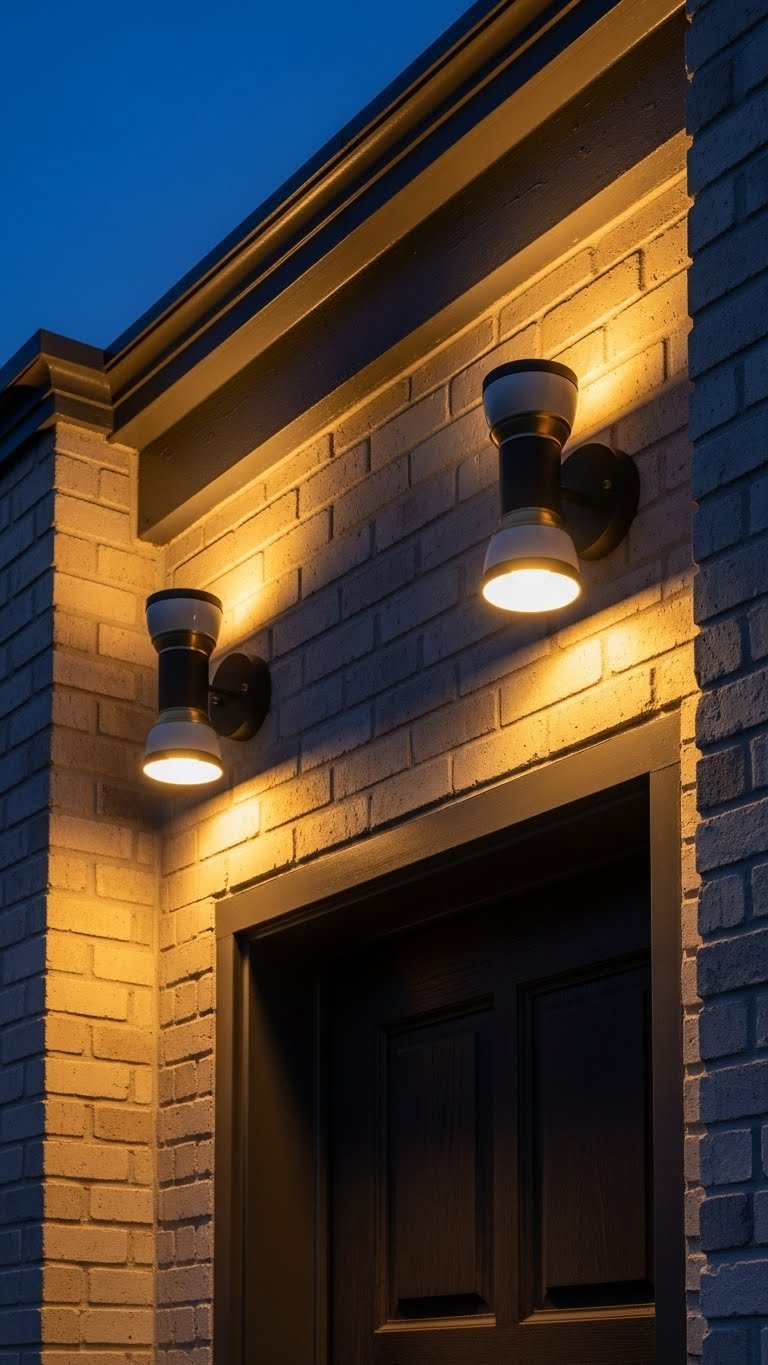
Quality lighting fixtures are jewelry for your facade. Artistic sconces add sophistication and nighttime drama.
Choose mid-range sconces ($50-$150 each) from West Elm, Rejuvenation, or Wayfair. Budget $100-$300 for a matching pair. Installation takes 45 minutes to an hour and requires basic wiring (hire an electrician if unsure, $150-$300 labor). Choose designs that complement your home’s style—industrial for modern homes, traditional for classic cottages.
Pro tip: Mount sconces at eye level (about 60 inches from ground) on either side of your door for symmetry. Add dimmer switches so you control ambiance. Your entry becomes a sophisticated, inviting space that looks beautiful day and night.
24. Create Privacy With a Living Hedge or Screen
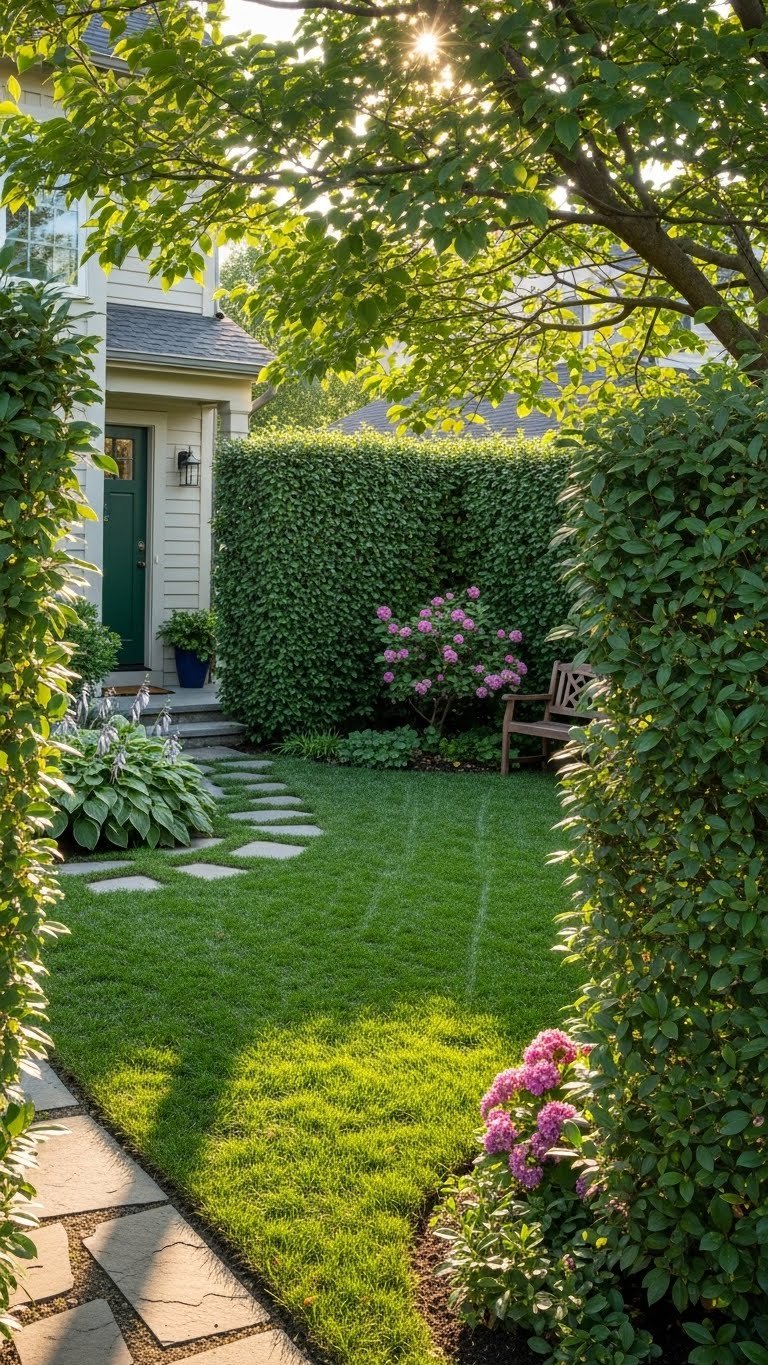
A hedge or screen creates privacy, defines your yard boundary, and softens your home’s street presence.
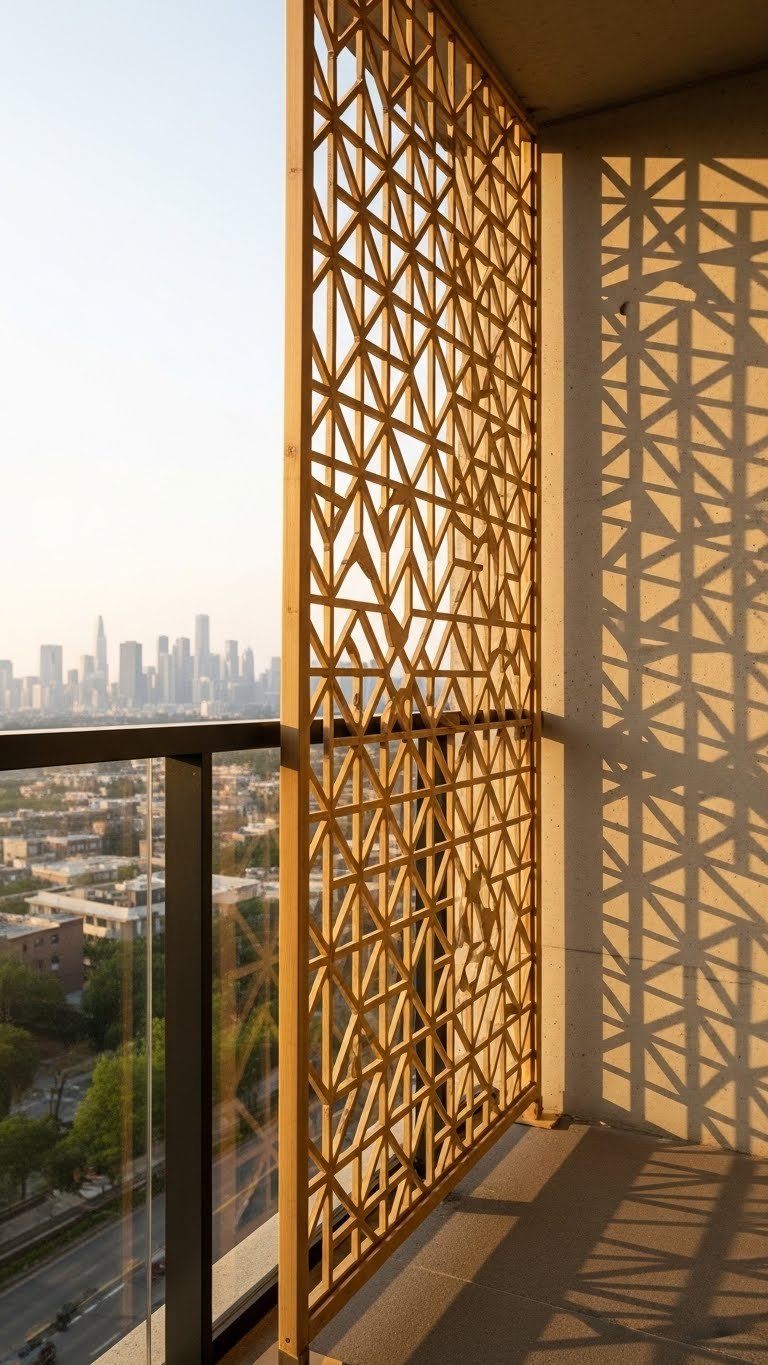
Plant a fast-growing hedge like privet, boxwood, or arborvitae ($10-$25 per plant) spaced 2-3 feet apart. Budget $100-$300 for a small hedge line. Or install a decorative screen or fence ($100-$400). Plants need regular watering and seasonal trimming. Growth takes 1-2 seasons to reach full visual impact.
Pro tip: Evergreens provide year-round privacy; deciduous options work for seasonal privacy with winter tree views. Your front yard gains boundary, privacy, and intentional design.
25. Add Seasonal Décor and Porch Styling
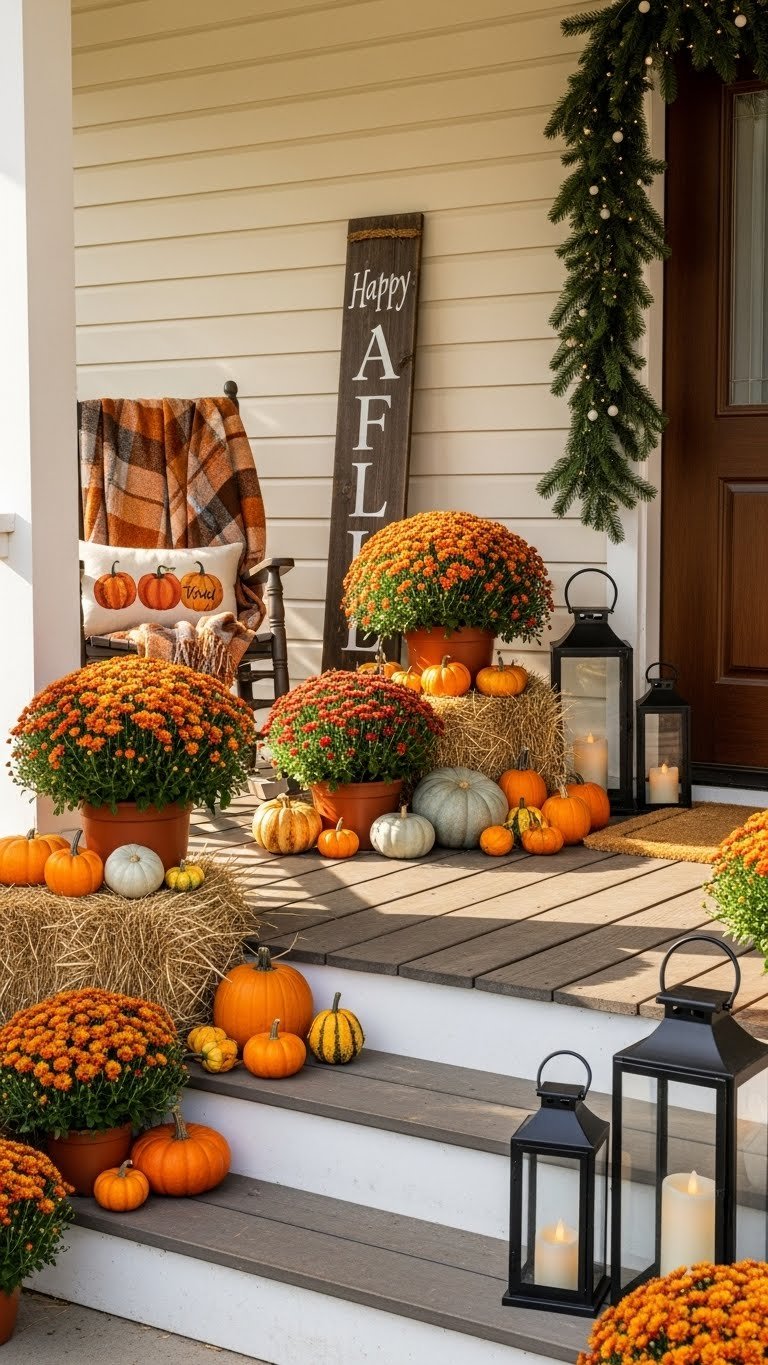
Seasonal styling signals that your home is loved and actively enjoyed. It keeps your curb appeal fresh and engaging year-round.
Refresh your porch with seasonal plants ($20-$40), decorative pumpkins or branches ($15-$30), and accent pillows or blankets ($20-$60). Budget $50-$100 per season for fresh looks. Update your planters quarterly, swap pillows seasonally, and add thematic accents like wreaths, lanterns, or garland.
Pro tip: Keep styling simple and coordinated—avoid cluttered chaos. Choose one seasonal theme (fall harvest, winter evergreen, spring pastels) and execute it cleanly. Your porch transforms quarterly and tells visitors your home is actively enjoyed and cared for.
26. Define Your Home’s Character With Intentional Landscaping Color
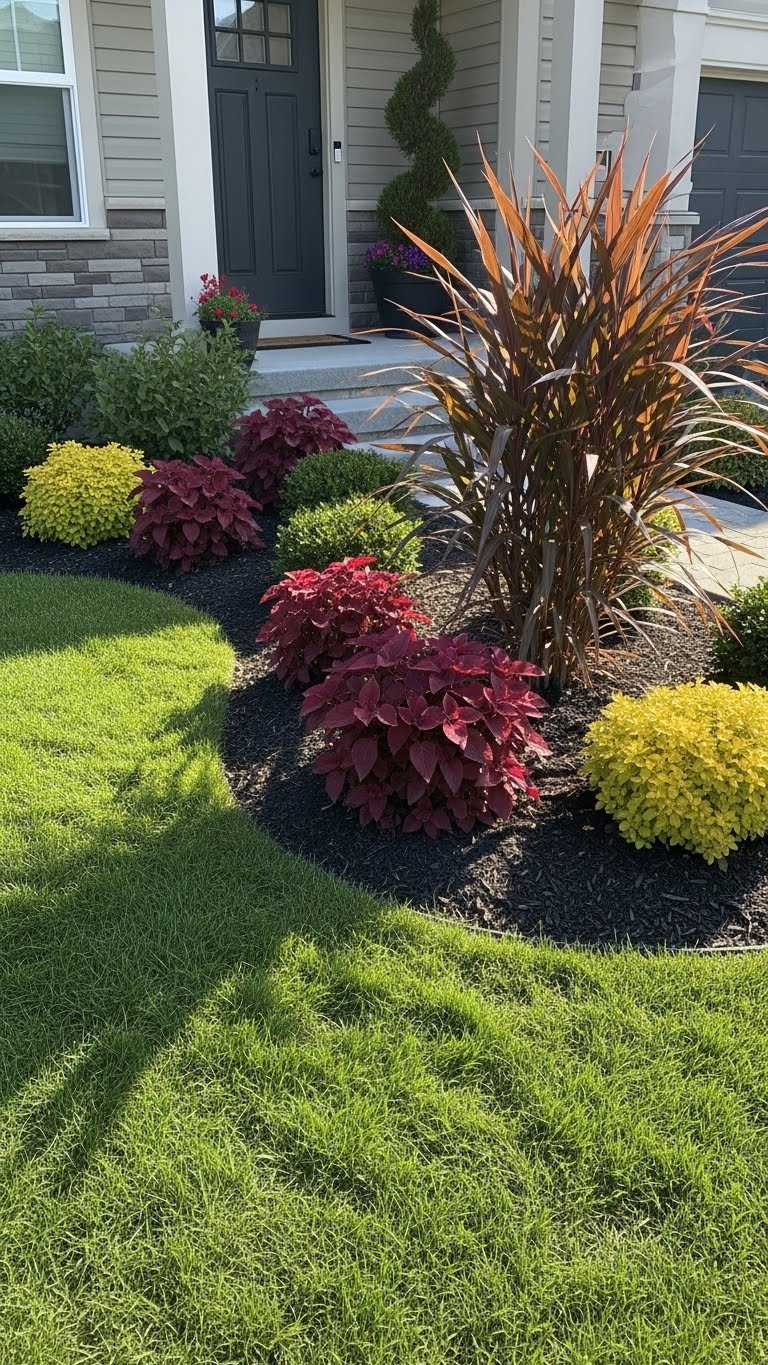
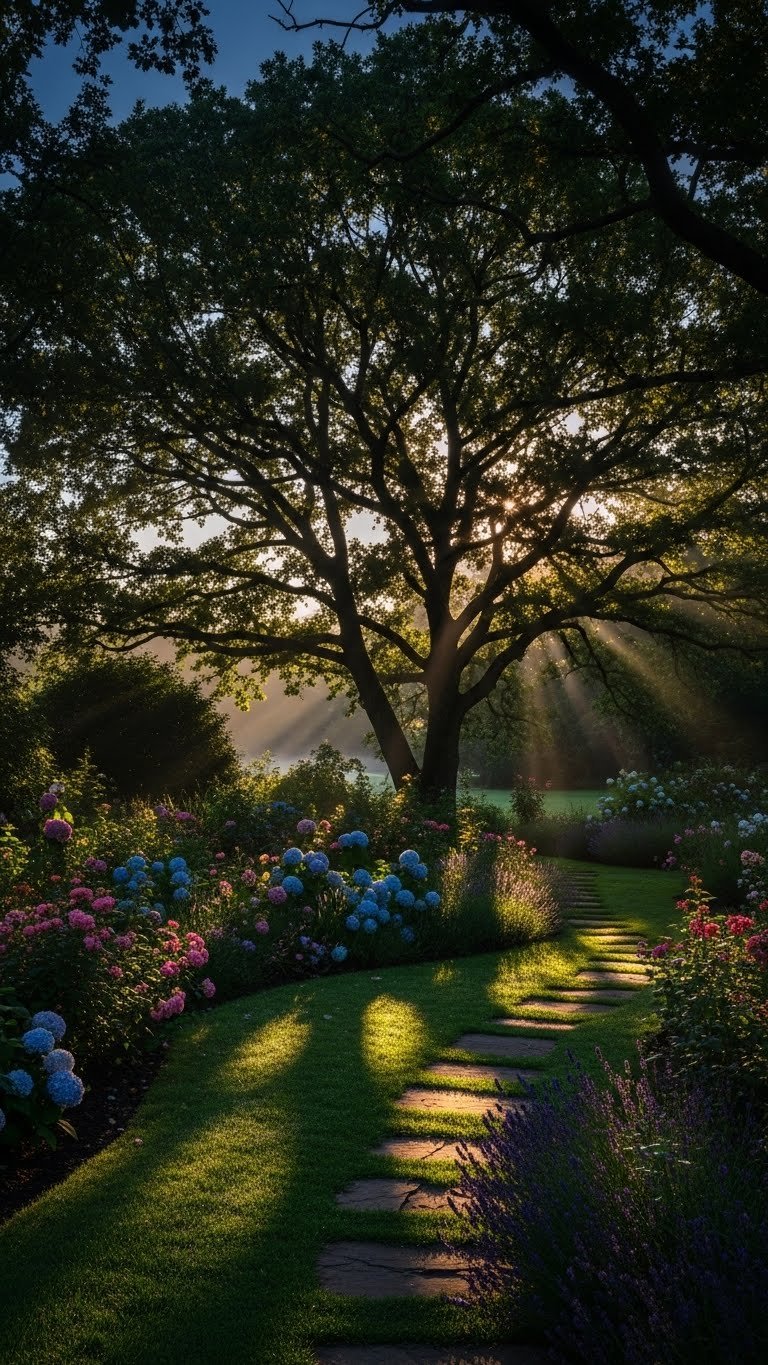
Coordinated landscaping colors create visual harmony and signal that your yard is thoughtfully designed, not randomly planted.
Choose a color theme: warm earth tones (burgundy, orange, golden foliage), cool grays (silver foliage, purple blooms), or clean greens (all-evergreen structure). Select plants that fit your palette ($10-$30 each) and arrange them by color and texture. Budget $150-$400 for a cohesive front planting. This approach creates year-round visual interest and sophisticated design.
Pro tip: Use repetition—plant the same shrub or perennial in 3-5 spots for rhythm and flow. Your front yard reads as designed and intentional rather than randomly assembled plants. The overall effect is maturity, sophistication, and care.
Save this post and tackle one idea this weekend—you’ll be amazed how quickly one small change refreshes your entire curb appeal. Share this with a friend who’s been talking about updating their front entrance. Which idea are you trying first?