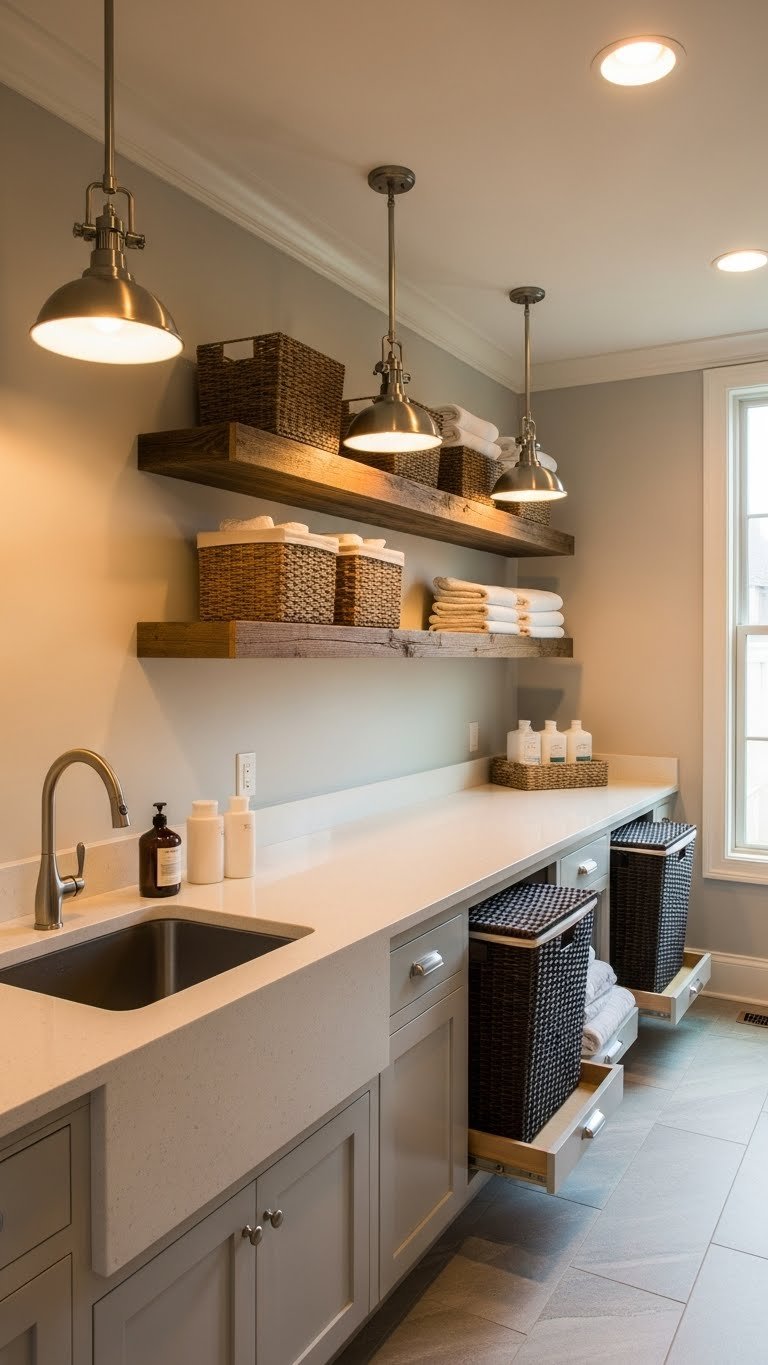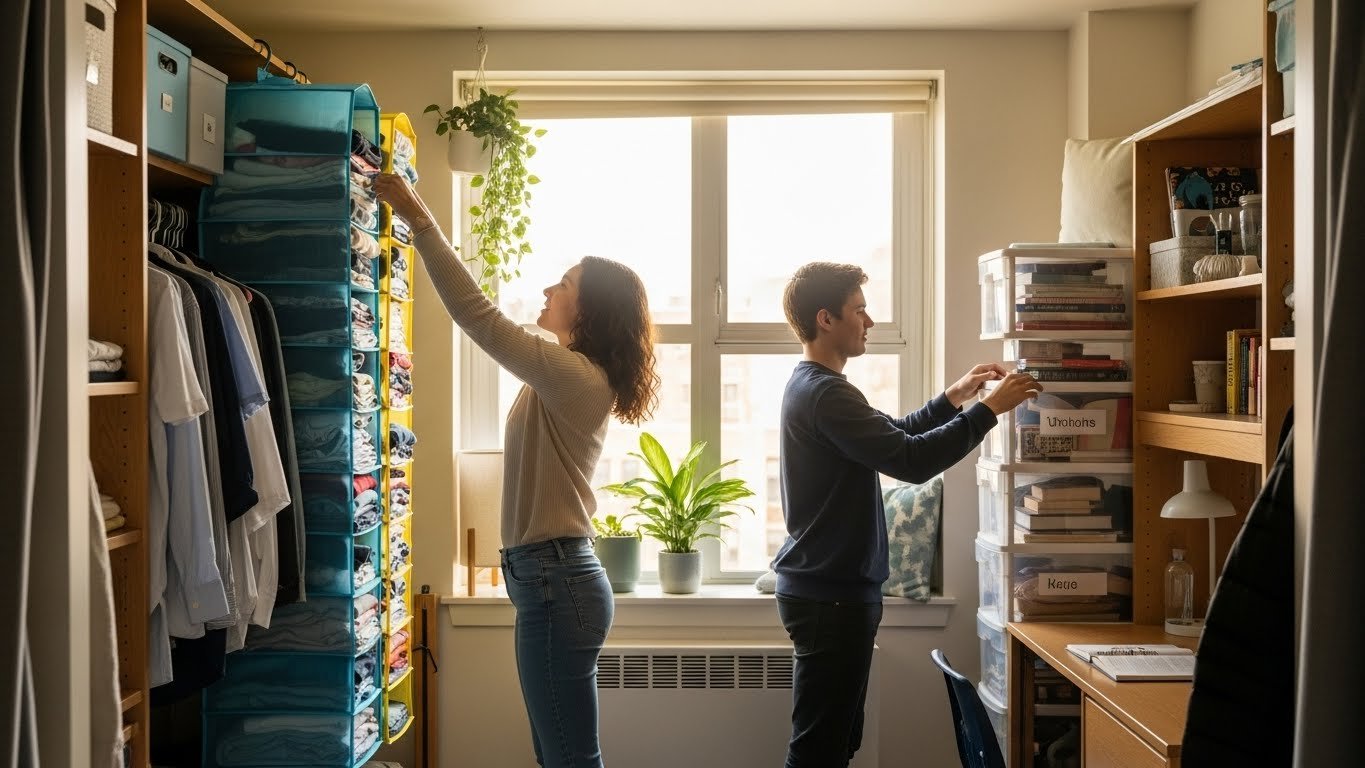
Living with a roommate means sharing limited square footage, and keeping that space organized can feel like a puzzle. Between two sets of belongings, conflicting styles, and the constant juggle of study time and downtime, shared dorm rooms get cluttered fast. The good news? You don’t need a bigger room—you need smarter systems. These 25 organization tips are designed specifically for roommate dynamics, tight budgets, and the reality of student life. You’ll discover renter-friendly solutions, DIY hacks that cost almost nothing, and strategic furniture choices that make sharing easier. Let’s turn your dorm into a space where both of you can actually breathe.
1. Create Vertical Storage to Reclaim Floor Space
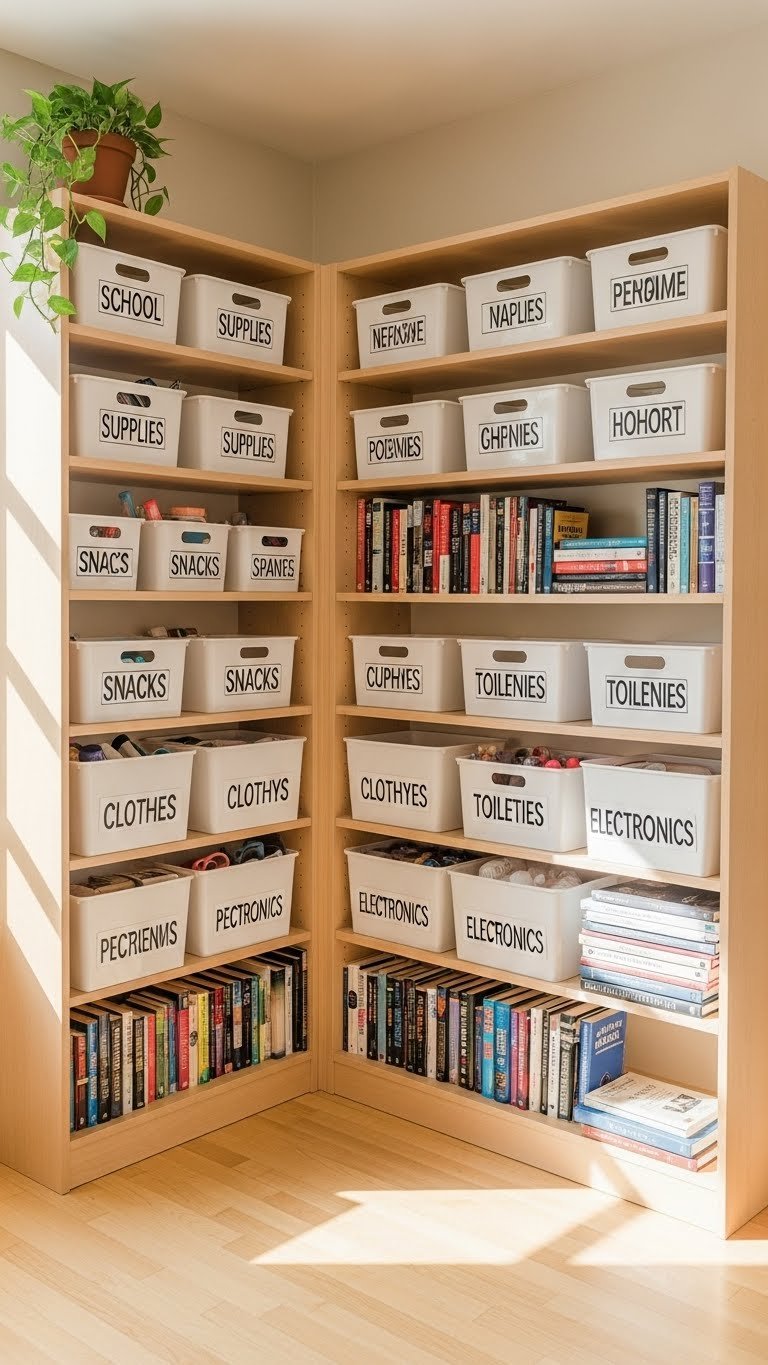
Vertical storage is your secret weapon in small rooms—it keeps things off the ground where they pile up and become trip hazards. Install over-the-door shoe organizers, wall-mounted shelving, or tension rods across corners to hang bags and belts instead of draping them on chairs.
Budget options: Over-the-door organizers run $15–$30 and require zero tools. Wall-mounted shelves from IKEA cost $20–$50 per unit and take about 30 minutes to hang with a basic drill. Target and Container Store also stock floating shelves in $35–$80 ranges.
Pro tip: Measure your walls before buying anything. Many dorms restrict drilling, so stick with command strips and tension rods first—they’re damage-free and removable.
With everything climbing upward, your floor suddenly looks twice as spacious, and you’ll actually see the carpet beneath all the chaos.
2. Use Drawer Dividers to Prevent Chaos Creep
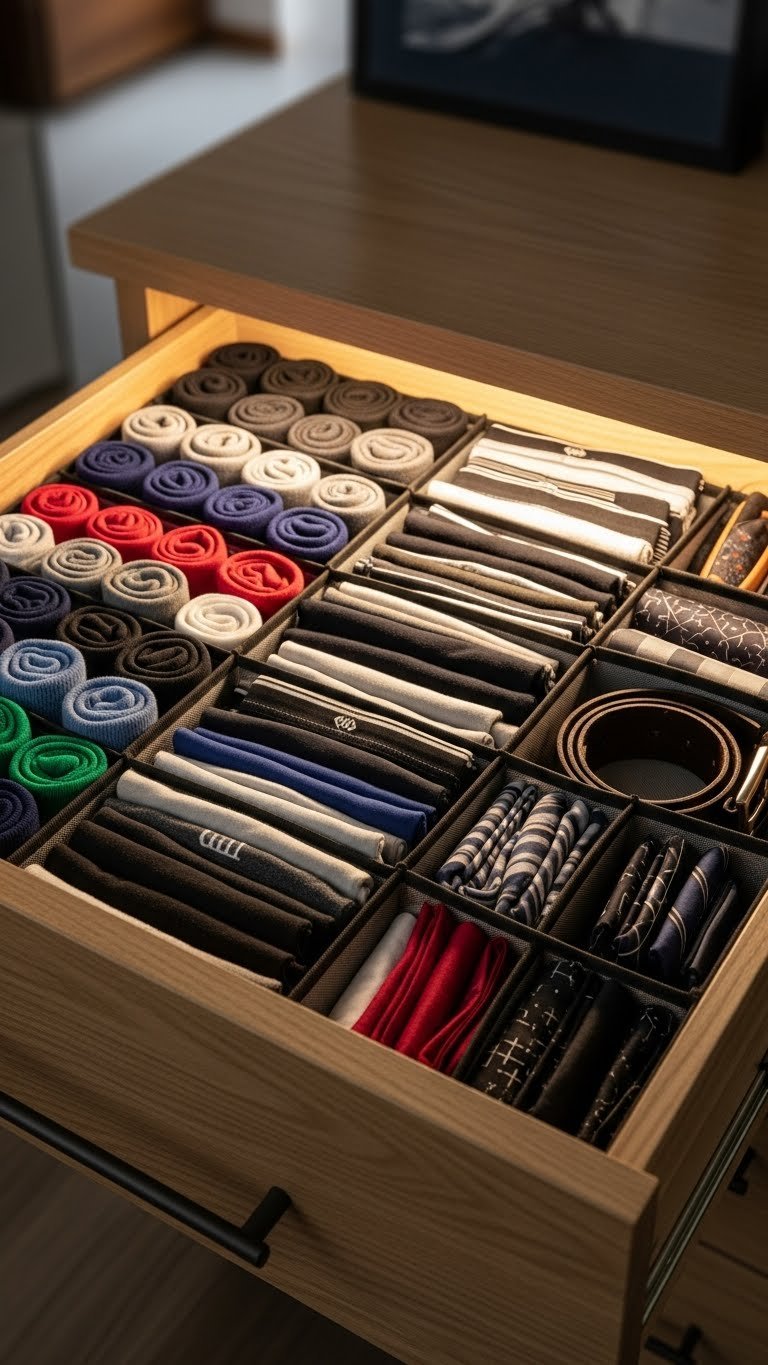
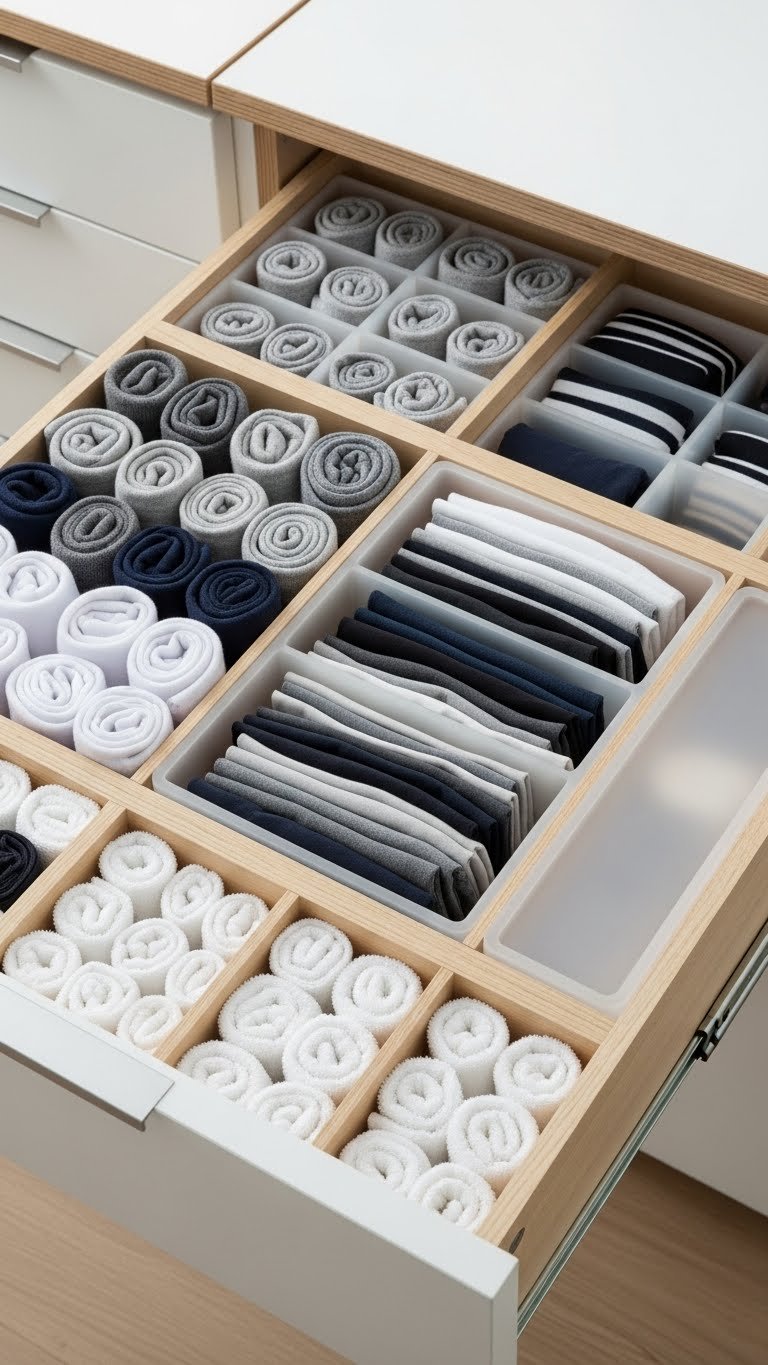
Drawers are where organization goes to die, especially when you’re sharing a room and both grabbing clean clothes in a rush. Drawer dividers force everything into sections so nothing mingles or gets lost.
Buy fabric drawer organizers for $10–$25 per set (Amazon, Target, Home Depot). They fit standard dorm dressers and take 10 minutes to set up. Alternatively, fold sturdy cardboard boxes to create free dividers—it sounds DIY-basic but genuinely works.
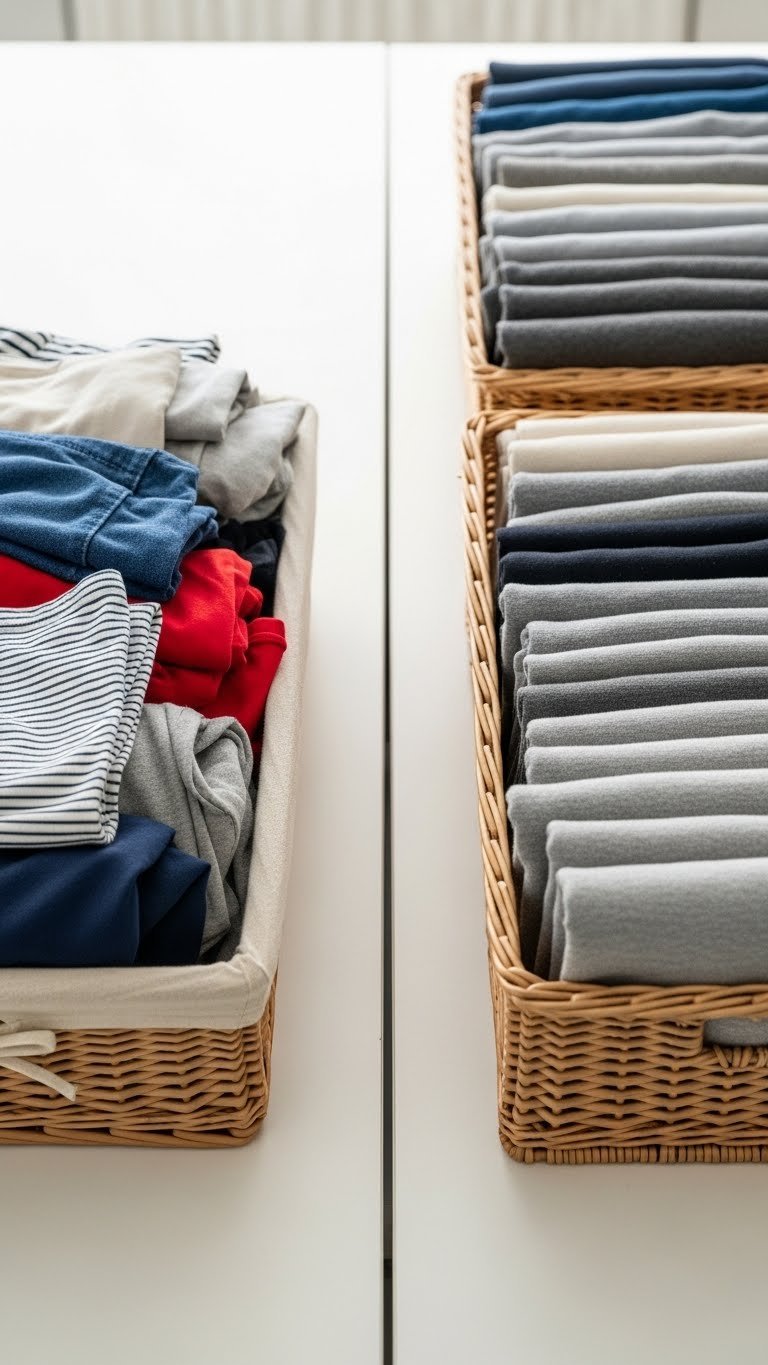
Pro tip: Use the KonMari method for folding—vertical stacks in each section let you see every item at once instead of hunting through piles.
You’ll spend less time digging for matching socks and more time doing literally anything else. Plus, your roommate can’t accidentally borrow something they can’t see.
3. Label Everything (Even the Obvious Stuff)
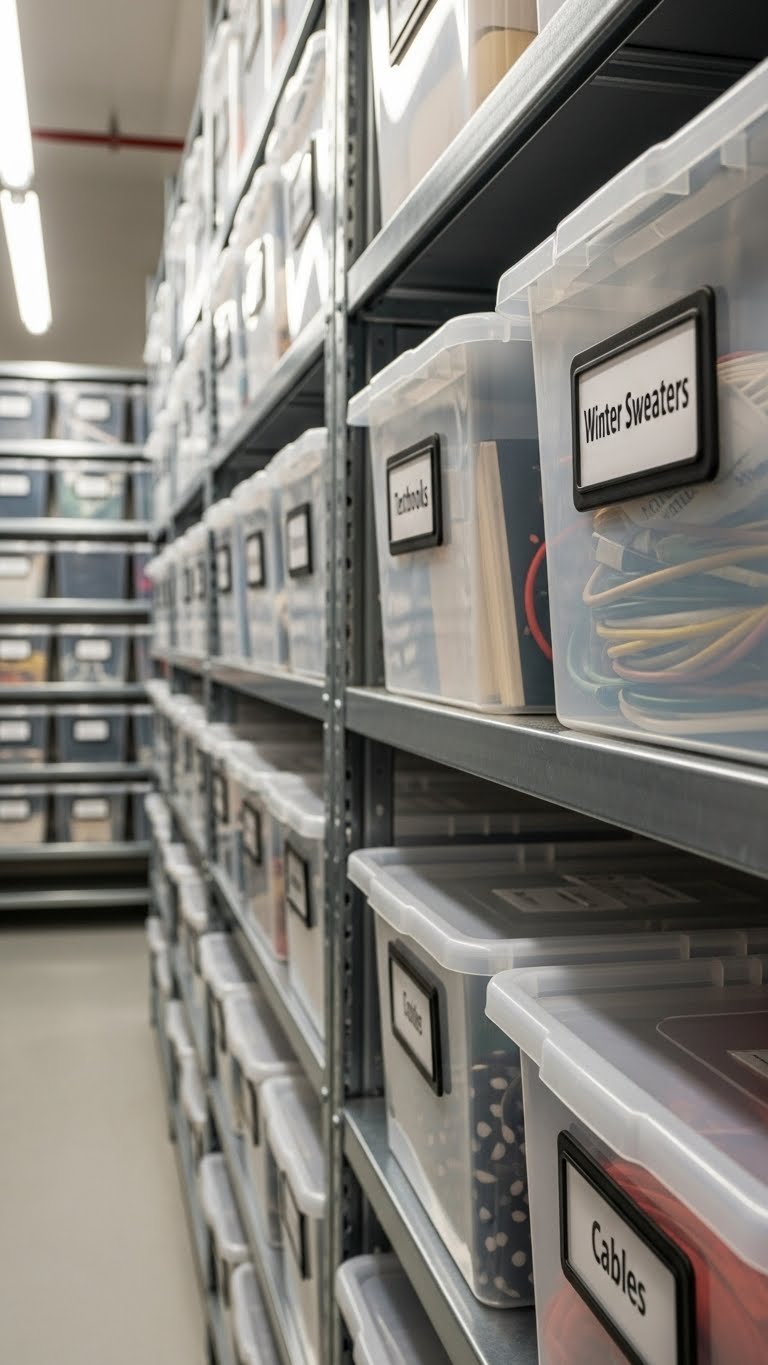
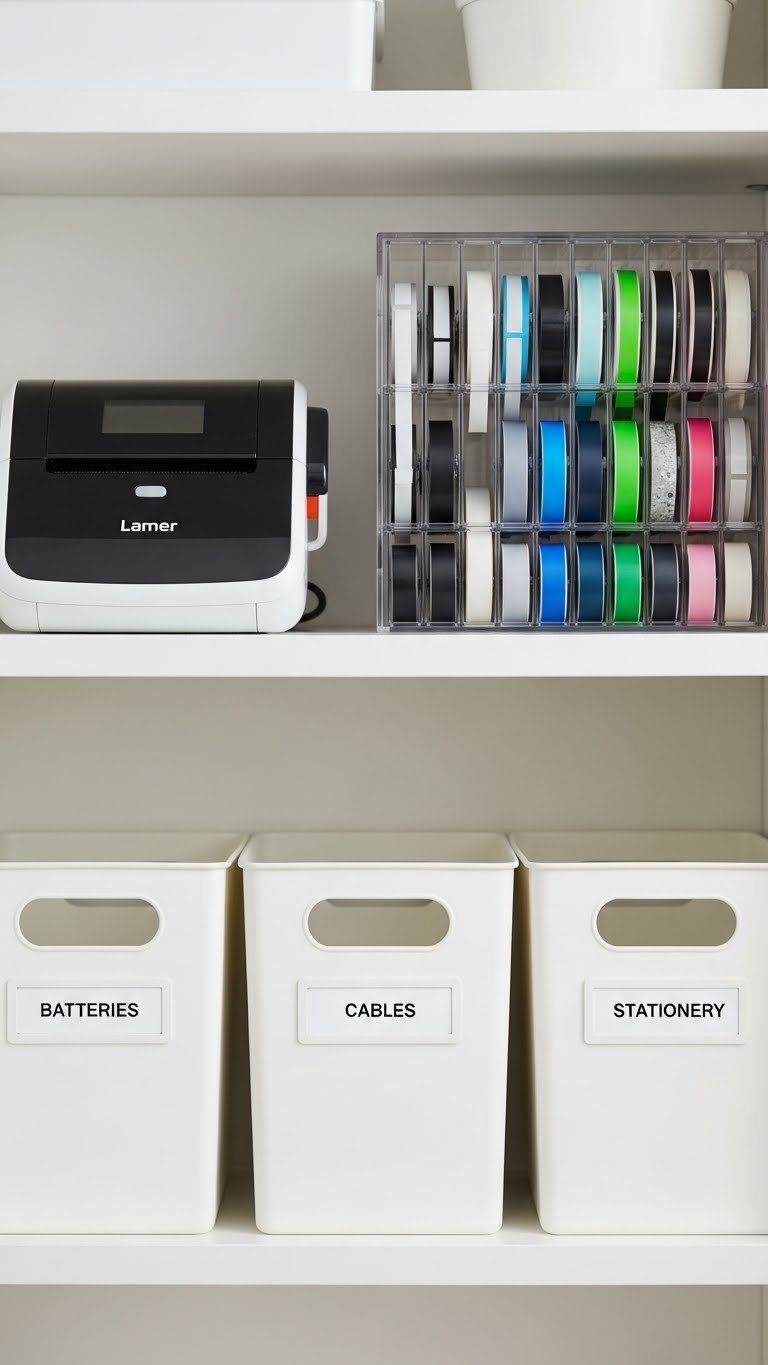
Labels sound trivial until you open a mystery bin at 2 a.m. and can’t remember if it’s winter clothes or bedding. Labels eliminate roommate conflicts about whose stuff is where and make tidying faster because everyone knows exactly where things go.
A label maker costs $20–$35 (Brother P-touch from Amazon) or use a $3 roll of label tape and a marker. Print or hand-write labels and stick them on bins, shelves, and drawers. Takes about 5 minutes per room zone.
Pro tip: Use a color-coding system too—one roommate’s bins are blue labels, the other’s are green. Visual cues speed up cleanup even more.
When both of you can instantly identify where something belongs, tidying up becomes a quick task instead of a guessing game.
4. Invest in Under-Bed Storage Bins for Dead Space
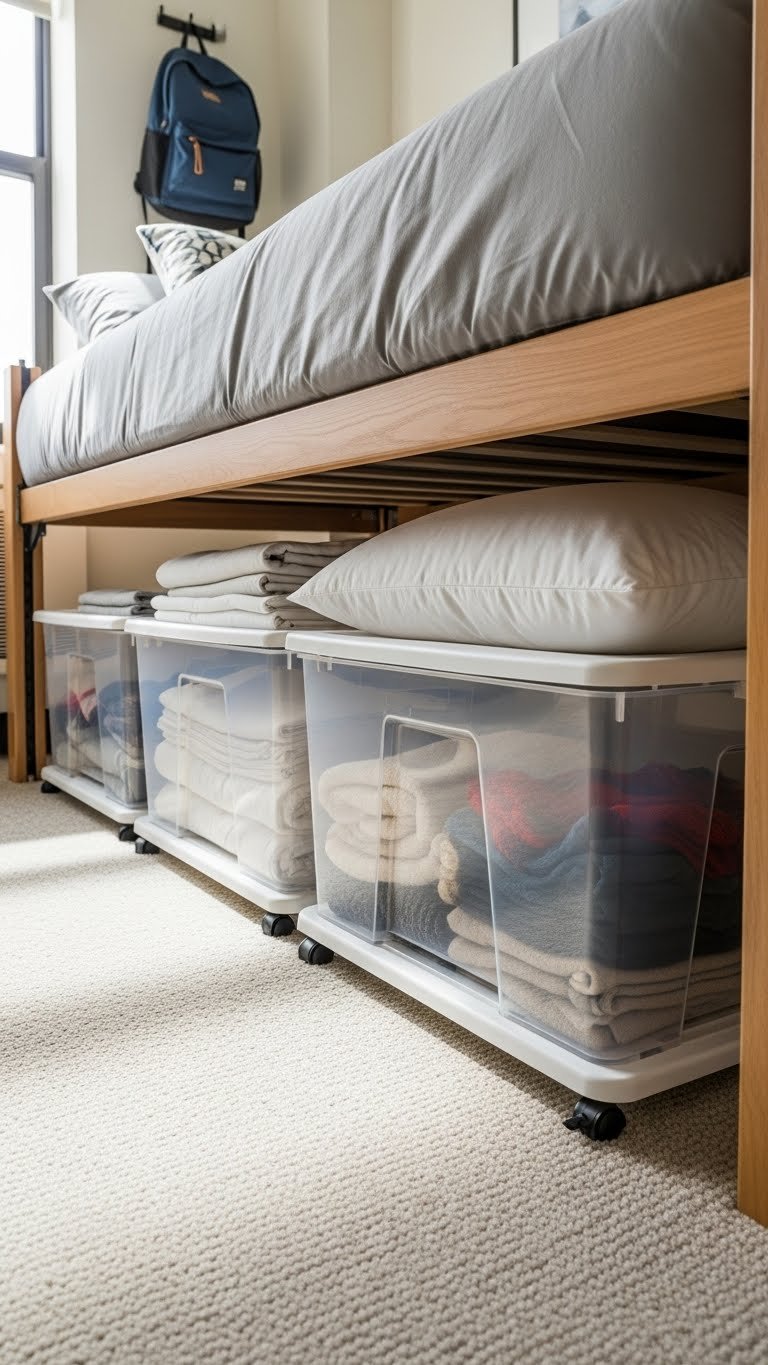
The space under a dorm bed is prime real estate that most students ignore. Rolling storage bins slide underneath and pull out easily, storing off-season clothes, extra linens, or supplies without taking up closet or shelf space.
Buy plastic rolling bins for $30–$60 per pair from Target, Amazon, or IKEA (look for 23-gallon sizes). Measure your bed height first—you need at least 8 inches of clearance. Rolling wheels make access easy, and the bins are stackable if you’re stashing them elsewhere.
Budget hack: Clear bins let you see what’s inside without opening them, so you can actually remember what you stored down there.
This trick alone frees up 30–40% of your closet space by moving bulky seasonal items out of daily rotation.
5. Maximize Closet Space with a Double Hanging Rod
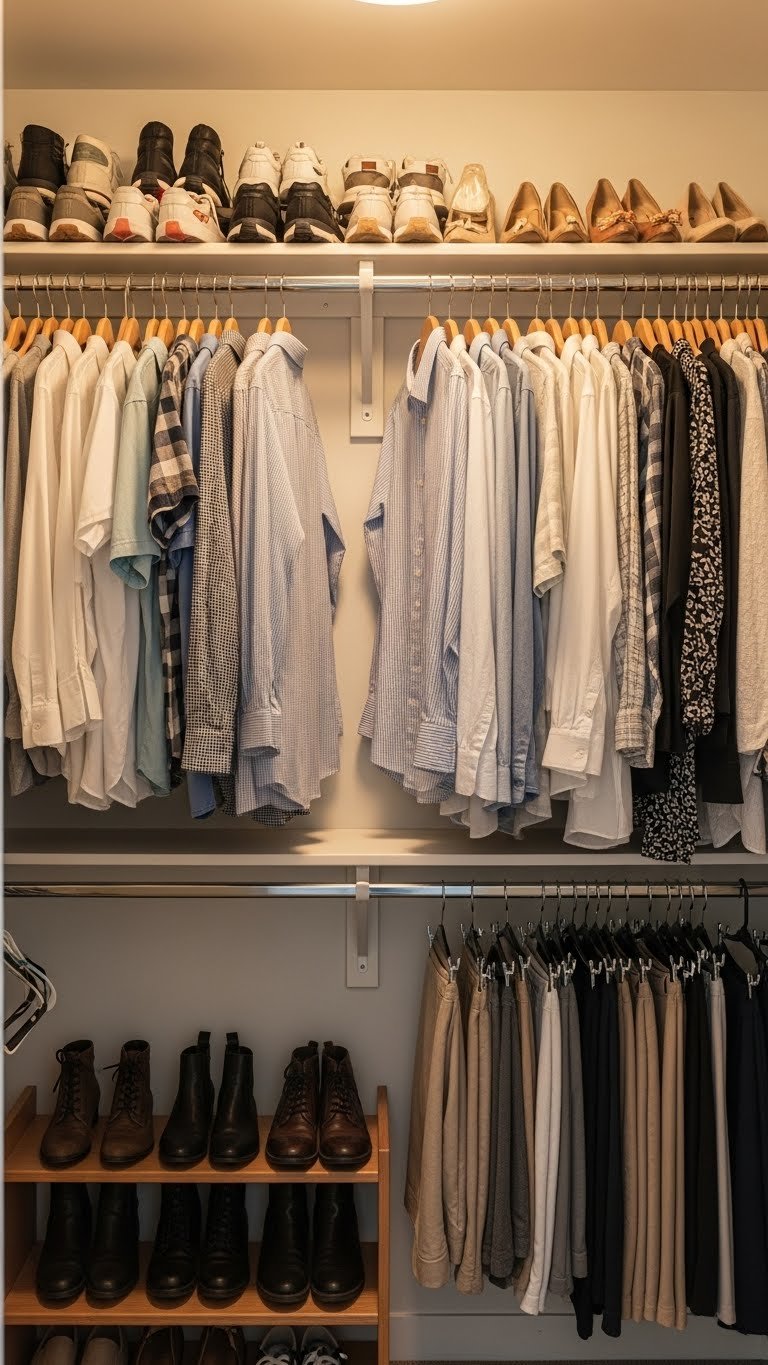
Most dorm closets have a single rod that wastes vertical space. A second hanging rod doubles your hanger capacity, and it’s so simple to install you’ll wonder why you didn’t do it on move-in day.
Buy an adjustable tension rod (no drilling needed) for $15–$30 from Home Depot or Amazon, and hang it about 36–42 inches below the existing rod. Takes 5 minutes to install and works perfectly in rented spaces. Pair it with slim velvet hangers (pack more per rod than plastic ones) from Target ($12 for 20).
Pro tip: Hang longer items (dresses, coats) on top and shorter tops/shirts on bottom so nothing gets bent or wrinkled.
Your roommate won’t be jealous of your closet anymore—they’ll ask you how you fit so much in there.
6. Use Vacuum Storage Bags for Seasonal Rotation
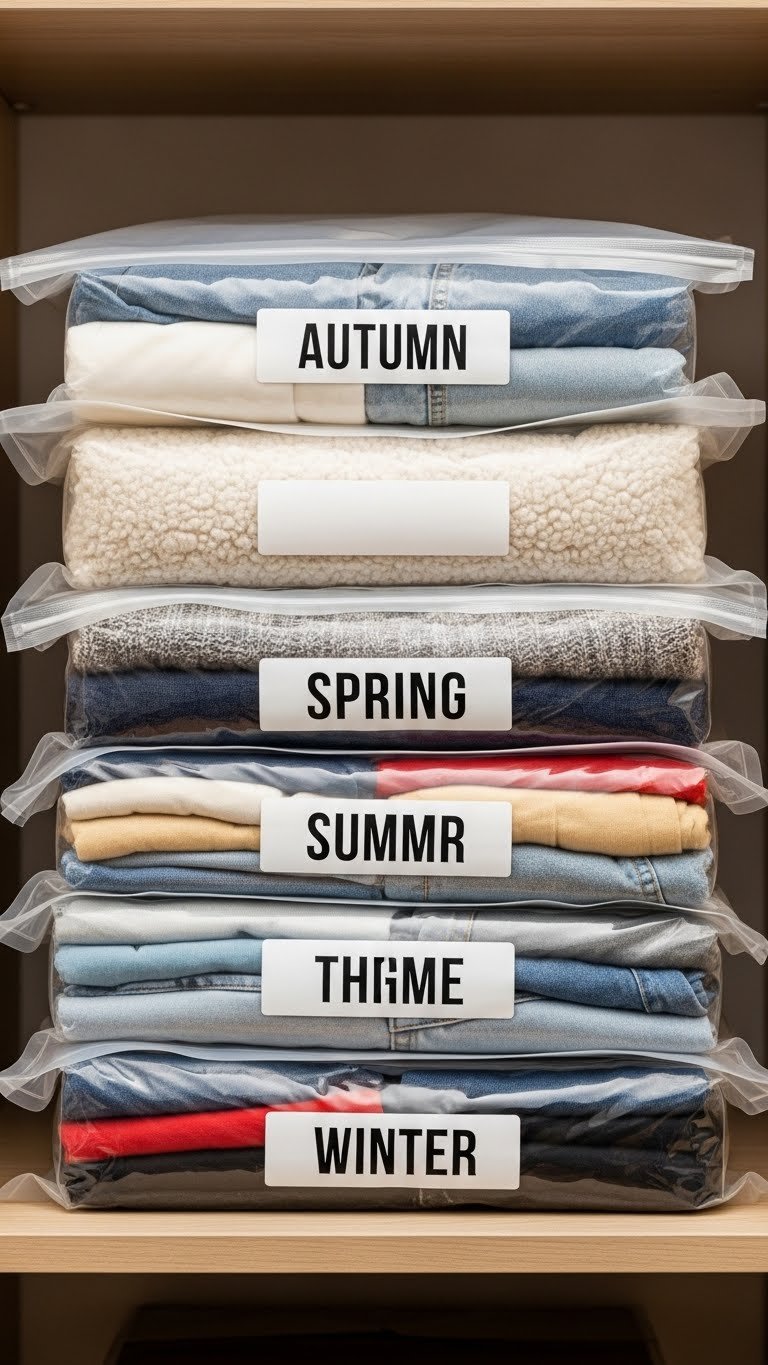
Bulky coats and winter gear take up enormous amounts of precious closet real estate during spring and summer. Vacuum bags compress winter clothes down to a fraction of their size and keep them dust-free.
Buy a vacuum storage bag set for $12–$25 (Amazon has multi-packs), seal up your off-season clothes, and stack them flat on a high closet shelf or under the bed. One coat takes up about 1 inch of space instead of 8 inches when hanging. No special equipment needed—most bags come with a hand pump.
Renter note: This is a temporary solution, so it’s perfect if you rotate wardrobes seasonally and don’t want permanent closet modifications.
You’ll recover an entire shelf or closet section, suddenly making your storage feel genuinely spacious.
7. Install Shelving Above the Desk for Work Zone Organization

Dorm desks are tiny—they barely fit a laptop and notebook without clutter taking over. Mounting a small shelf or tension shelves directly above your desk puts supplies and textbooks within reach without eating into desktop real estate.
Wall-mounted shelving from IKEA costs $25–$50 and takes about 45 minutes to install with basic tools. If drilling isn’t allowed, command strips can hold lightweight tension shelves ($15–$30). Keep it narrow—12–18 inches deep—so it doesn’t block light or feel cramped.
Pro tip: Use small containers and desk organizers on the shelf to corral pens, sticky notes, chargers, and paper clutter. Everything vertical, nothing horizontal.
Your actual desk surface becomes a calm, usable workspace instead of a pile of books and cables.
8. Designate Zones with Area Rugs to Define Shared Spaces
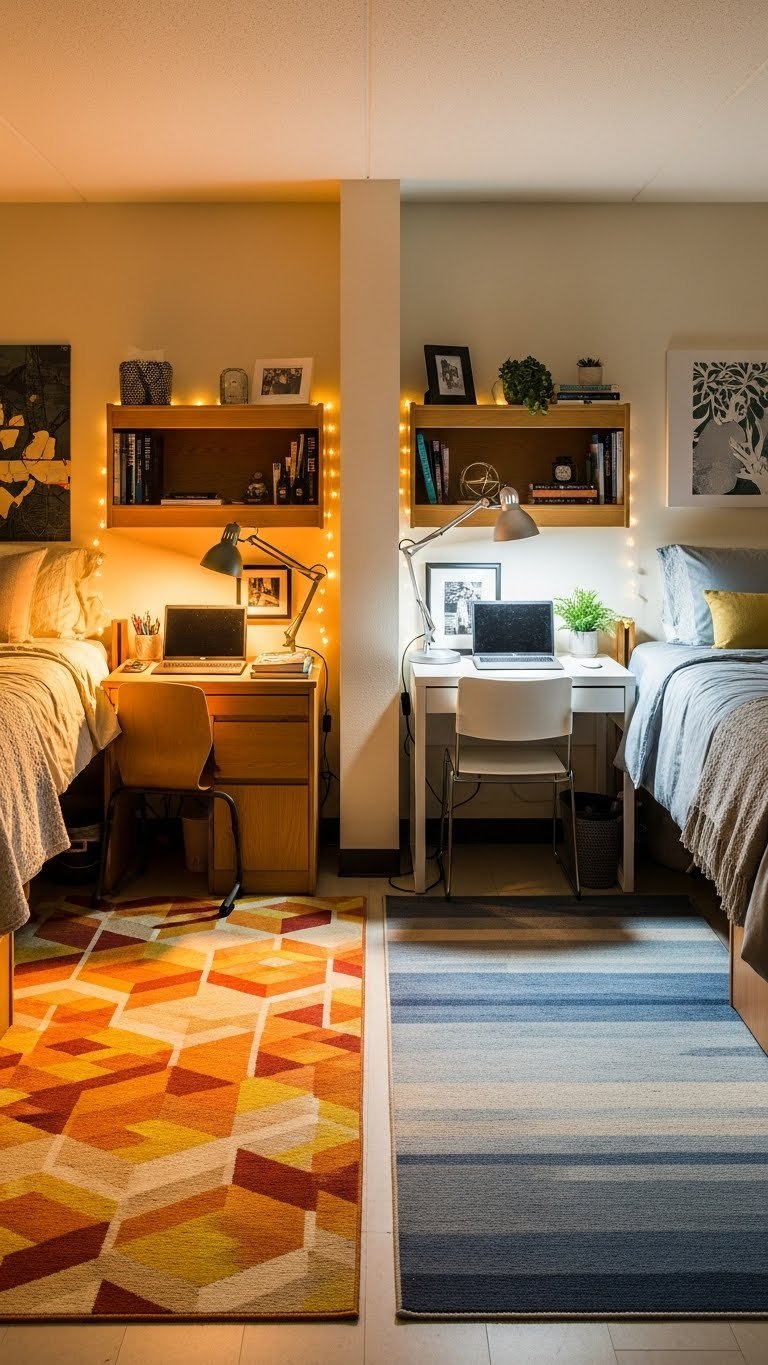
When you share a room, clear boundaries help prevent stuff from migrating into each other’s spaces. An area rug under each person’s bed and desk zone creates psychological separation and makes organization easier because each person owns their corner.
Budget rugs cost $30–$80 from Target, Amazon, or Wayfair (look for dorm-friendly 5×7 or 6×9 sizes). Choose stain-resistant, spill-proof options since dorm rugs get messy fast. Avoid light colors unless you’re ultra-tidy.
Renter hack: Rugs are totally temporary and add zero damage to walls or floors, making them perfect for renters who need to reset between semesters.
Suddenly your room stops looking like shared chaos and starts looking like two organized personal zones.
9. Use Over-Door Hooks to Hang Bags, Jackets, and Robes
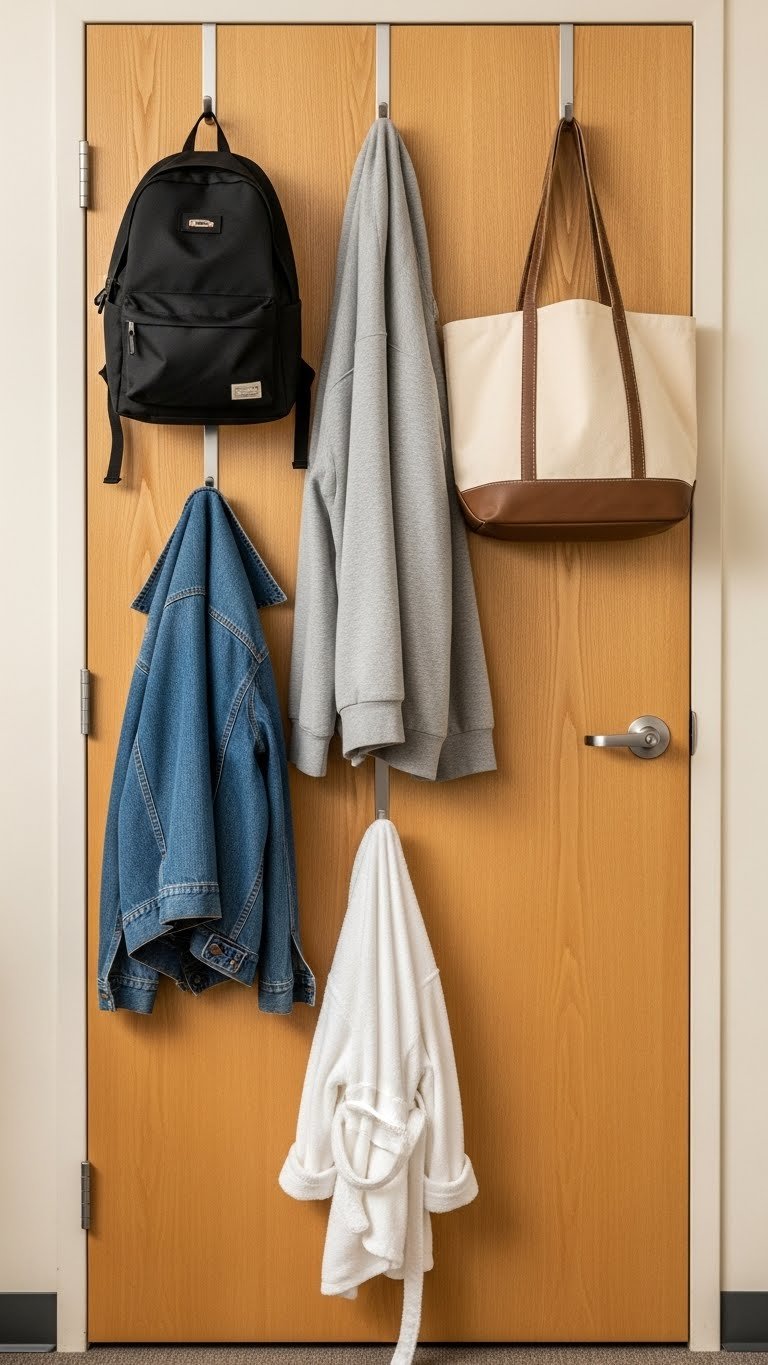
Hooks are the fastest way to get stuff off chairs, beds, and the floor. A single over-the-door hook rack stops backpacks and jackets from becoming floor piles and keeps outfits-in-progress contained.
Buy an over-door hook rack for $10–$20 (Amazon, Target, IKEA) and hang it on the inside of your dorm door. No tools needed, and it holds roughly 8–10 pounds. Takes 2 minutes to hang.
Pro tip: Buy duplicate racks for both the inside and outside of your door—inside for robes and casual stuff, outside for daily bags and coats.
You and your roommate can each grab your jacket without excavating a pile, and your floor suddenly looks like an actual room instead of a clothing donation pile.
10. Create a Cable Management Station to Tame Tech Clutter
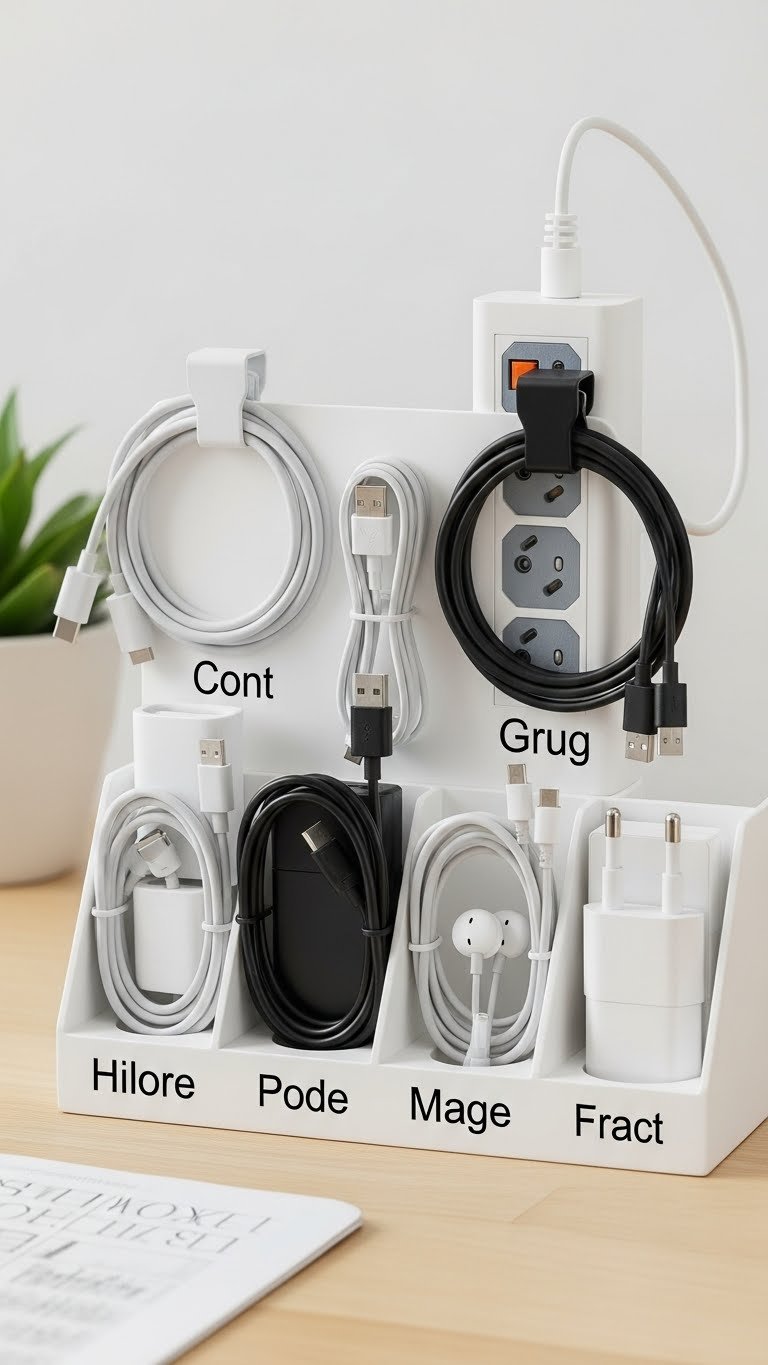
Between two laptops, phones, earbuds, and chargers, dorm rooms devolve into a cable mess that looks chaotic and makes finding your charger impossible. A simple cable organizer keeps everything sorted and prevents tangling.
Buy a desk cable organizer box or divider for $12–$25 (Amazon, Target) or DIY it by repurposing a small drawer organizer. Label each slot by device, coil cables loosely (tight coils damage them), and keep chargers plugged into a power strip anchored behind the organizer.
Time estimate: 10 minutes to set up, saves you 5+ minutes daily hunting for chargers.
Pro tip: Use velcro cable wraps ($5–$10 for a pack) to bundle cords and prevent mysterious knots.
Your desk goes from looking like an IT department exploded to looking intentional and clean.
11. Install Wall-Mounted Command Hooks for Quick Access
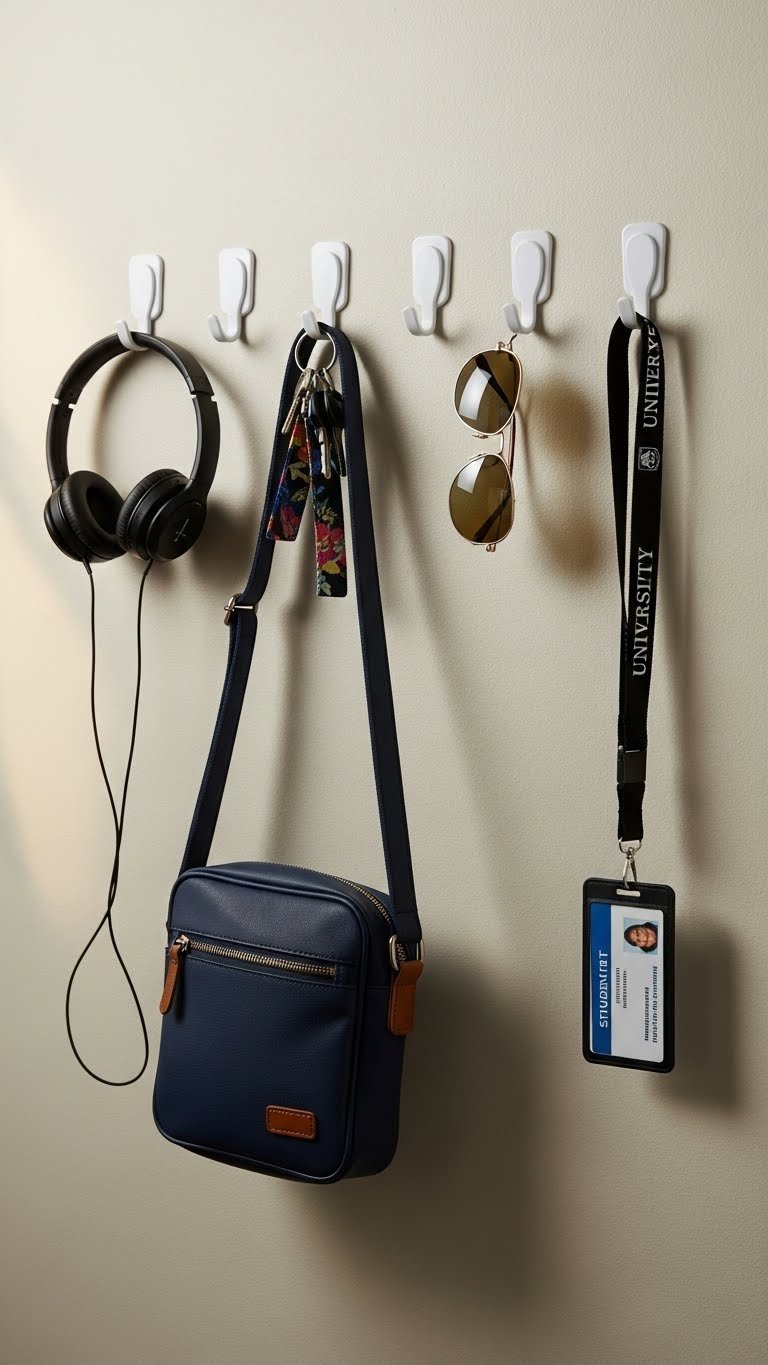
Command hooks are renter-safe, damage-free, and perfect for hanging daily-use items within arm’s reach so they don’t end up on the floor or bed. Each person gets hooks for their essentials.
Buy a command hook variety pack for $8–$15 (any hardware store or Target). They hold up to 5 pounds and take 1 minute to stick on. No nails, no drilling, and they peel off cleanly when you move out.
Renter note: This is literally the most renter-friendly organization hack in existence—totally reversible, leaves zero damage.
Your keys, sunglasses, and daily bag are always in the same spot, and you stop wasting time searching for them.
12. Use Hanging Shelf Dividers to Prevent Toppling Stacks
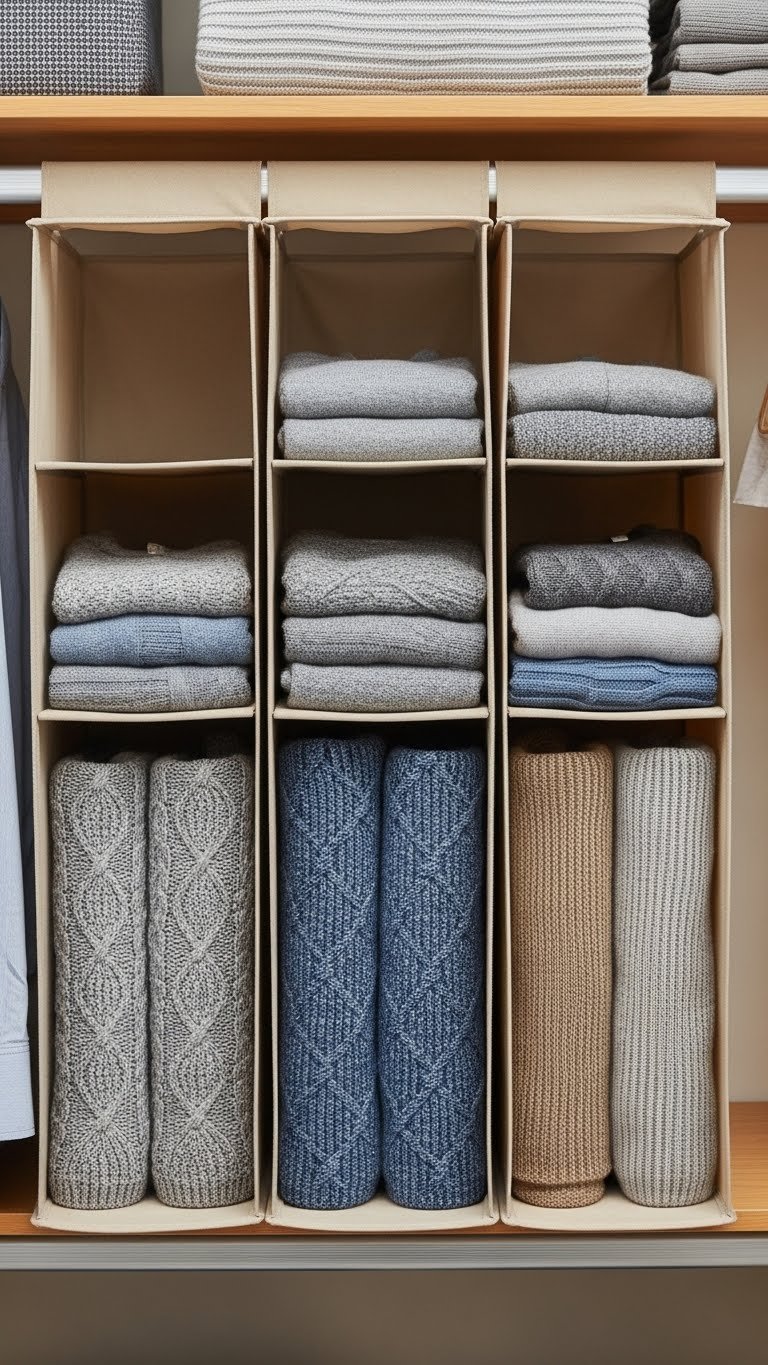
If your closet has shelves (instead of just hanging rods), stacks of folded clothes slide around and topple over constantly. Shelf dividers create sections that hold stacks upright and prevent everything from morphing into one chaotic pile.
Buy hanging shelf dividers for $15–$25 per pair (IKEA, Target, Amazon). They work on any existing shelf and take 5 minutes to position. They’re lightweight and removable, so renters can use them worry-free.
Organizing method: Use the vertical fold method (like KonMari)—fold items so you can see every piece when you open the shelf.
Your shelves stop looking like an avalanche waiting to happen and become genuinely organized.
13. Set Up a Shared Snack Station with Clear Containers
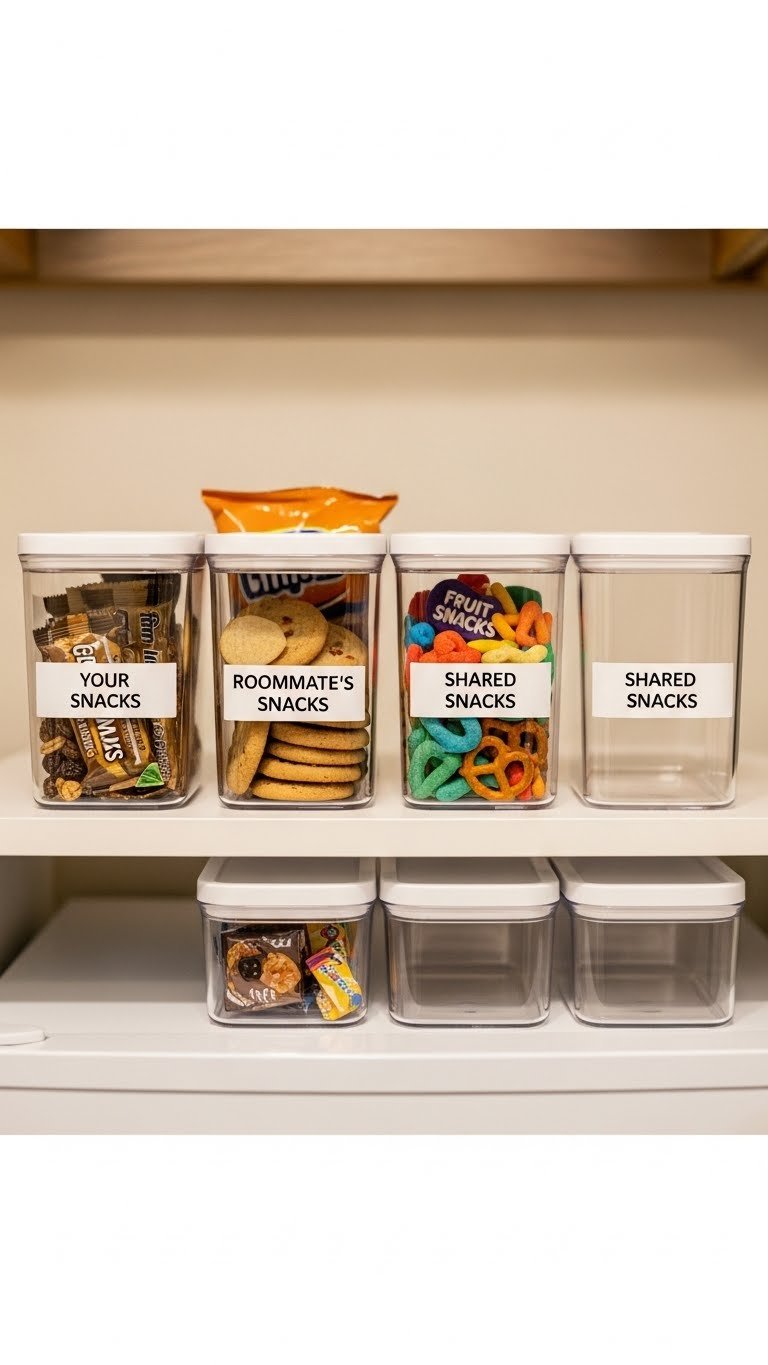
Snack clutter and ownership confusion happens in every shared dorm. A dedicated snack zone with clearly labeled containers prevents arguments about whose granola bars got eaten and keeps food organized instead of scattered across the room.
Buy clear food storage containers for $15–$30 per set (Target, IKEA, Container Store). Label them with a label maker or tape. Takes 10 minutes to set up initially, then 5 minutes weekly to restock.
Pro tip: Include a shared “community snack” container where both roommates contribute, so there’s always something available for either of you.
You’ll know exactly whose snacks are whose, reduce waste, and stop the “did you eat my…?” accusations.
14. Use Desktop Drawer Organizers for Supplies

Desk drawers become junk drawers within days if you don’t give supplies a home. Small drawer organizers keep pens, highlighters, sticky notes, and paper clips separated so you can find what you need without dumping the entire drawer.
Buy a desk organizer insert for $10–$25 (IKEA, Target, Container Store) or use a small utensil tray as a DIY version. Takes 5 minutes to fill and position. Choose one that fits your drawer width exactly.
Budget option: Repurpose small boxes or cups to create compartments instead of buying an organizer.
Your desk becomes actually usable for studying instead of wasting time digging through a pen graveyard.
15. Hang a Door-Mounted Shoe Rack to Save Closet Floor
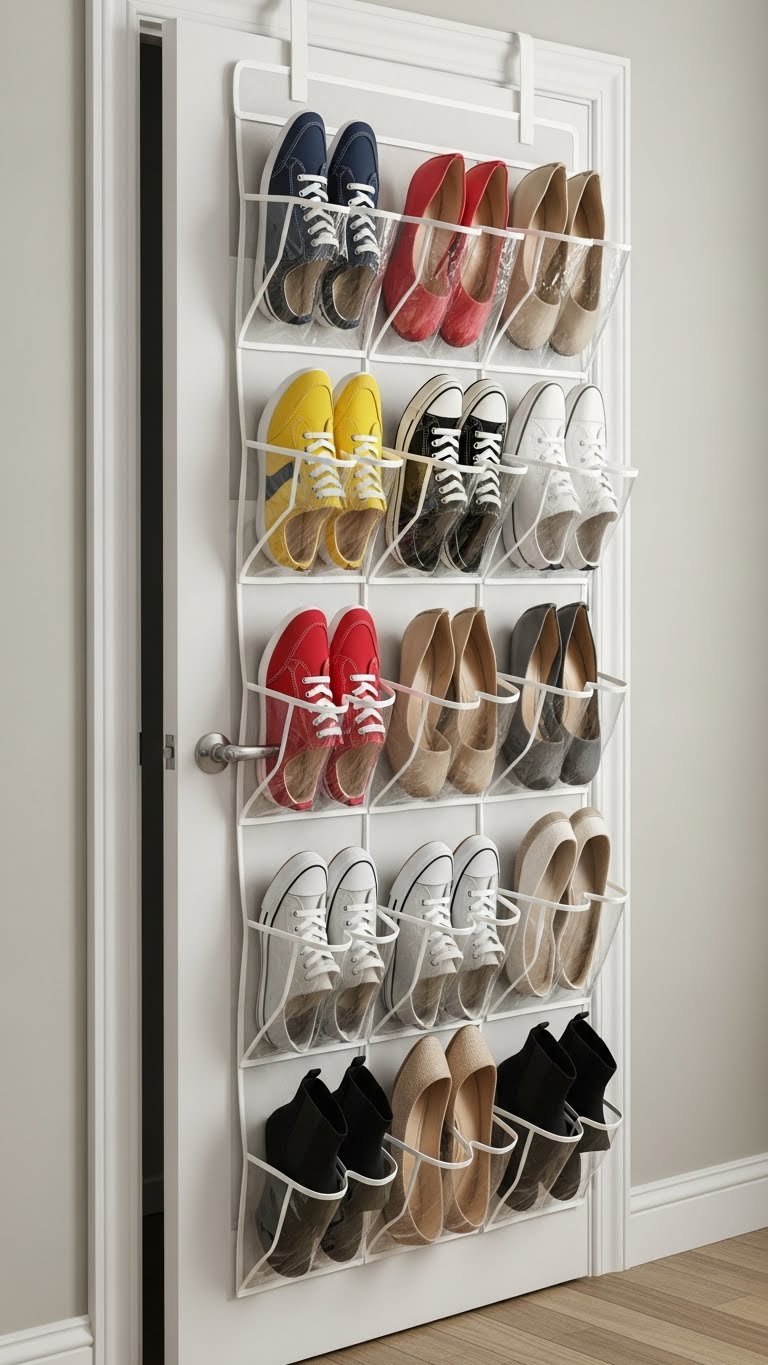
Shoes are bulky and end up scattered on closet floors, eating space and making the room look messy. An over-the-door shoe organizer holds 8–12 pairs vertically in pockets, keeping them off the floor and visible so you can see your options.
Buy an over-the-door shoe organizer for $15–$35 (Amazon, Target, IKEA). Hang it on the inside of your closet door or dorm room door. Takes 3 minutes to hang and doesn’t damage anything.
Pro tip: Stuff each pocket with a small dryer sheet to keep shoes smelling fresh and preventing odor buildup.
You get back a huge chunk of closet floor space and can actually see all your shoes instead of digging through a pile.
16. Create a Cleaning Supply Caddy with a Designated Home
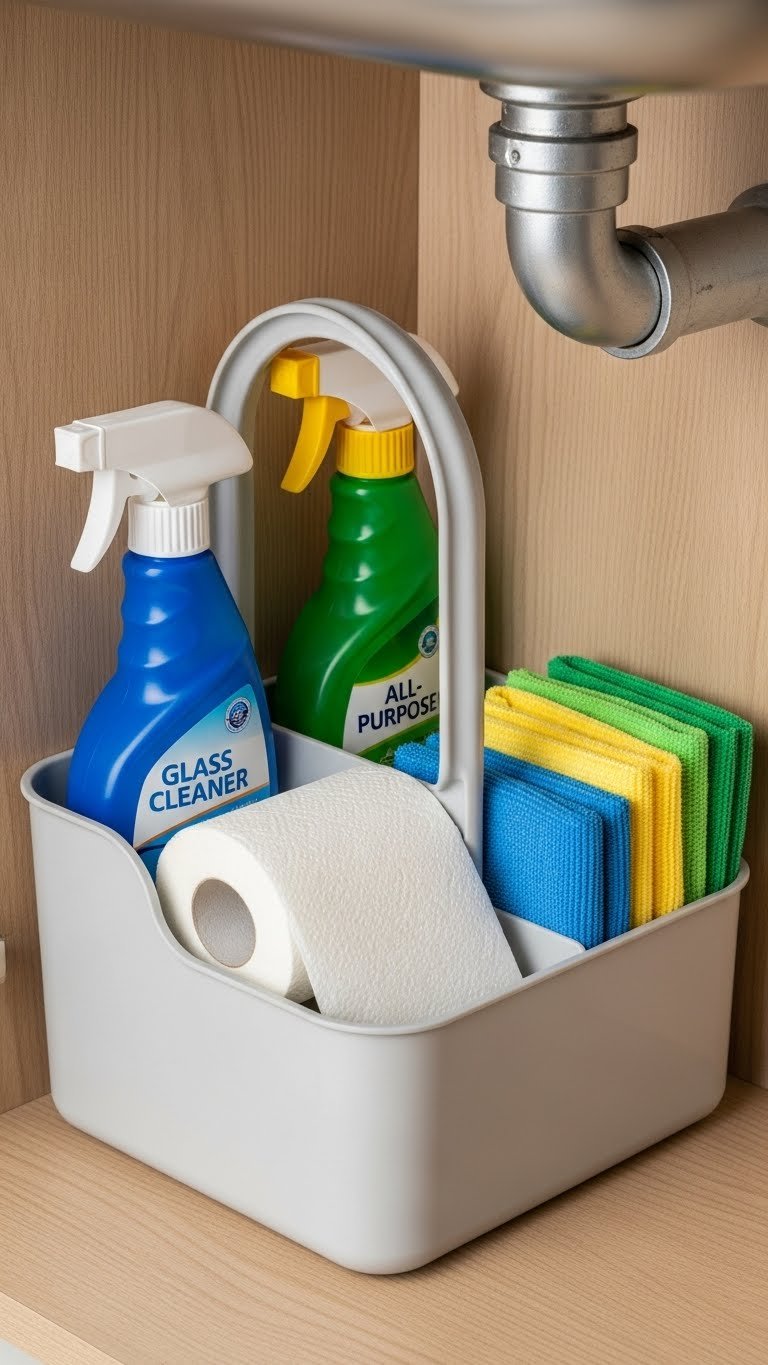
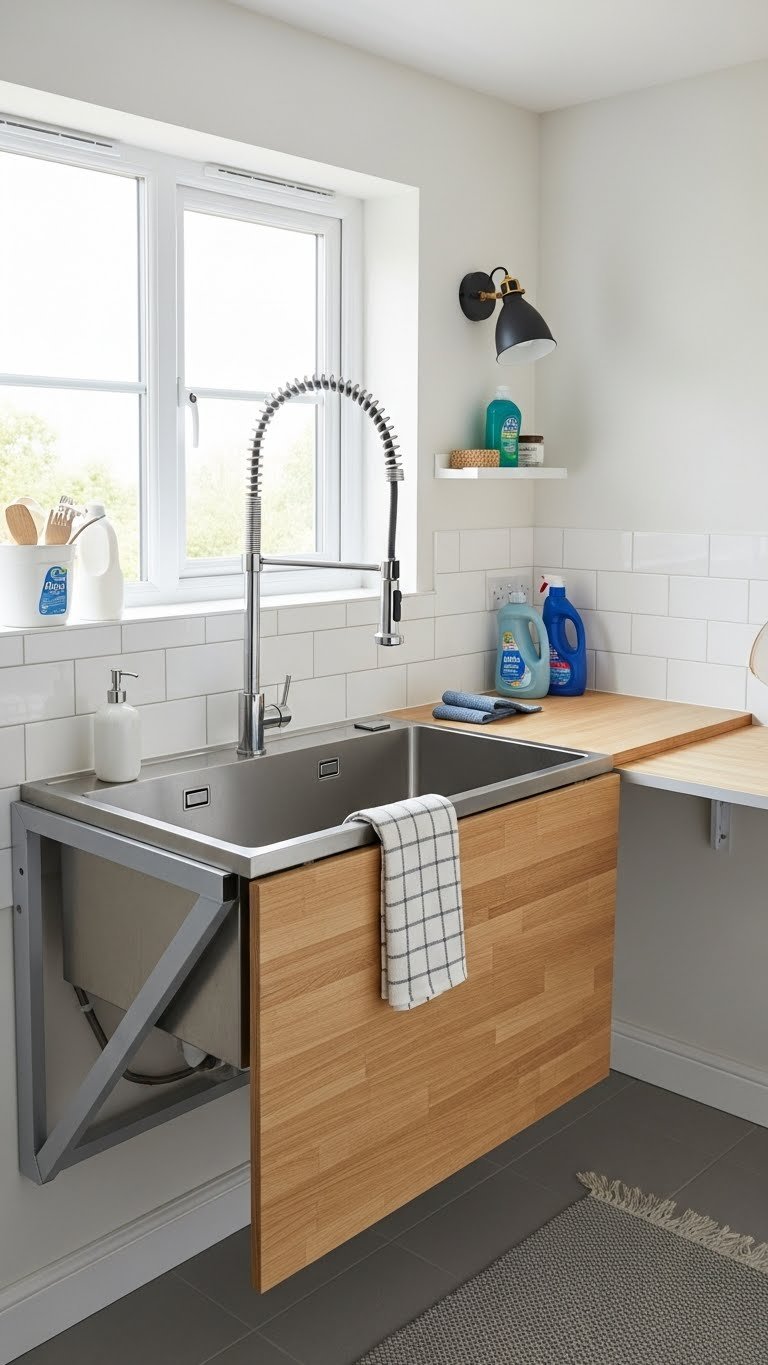
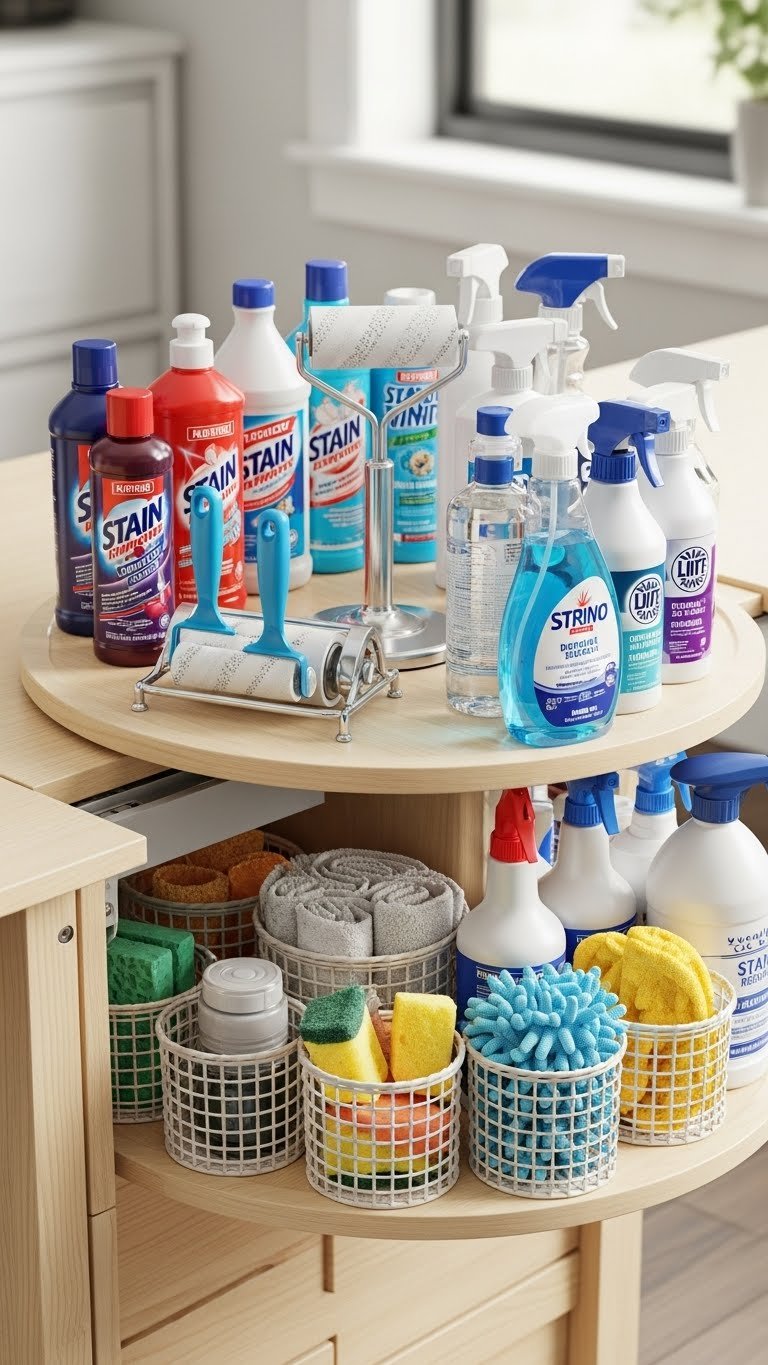
Cleaning supplies scatter everywhere—under sinks, behind doors, in random corners. A single caddy keeps everything together so when it’s time to clean (which should be weekly with a roommate), you grab one thing instead of hunting down supplies.
Buy a cleaning caddy for $8–$15 (Target, Dollar Tree, Home Depot) and fill it with roommate-approved supplies. Takes 5 minutes to assemble. Keep it in a corner or under a sink so it’s out of sight but easy to grab.
Pro tip: Both roommates should contribute to the supply cost and cleaning, so make this a shared responsibility from day one.
Cleaning day becomes faster because supplies are already gathered, and you’re both more likely to actually tidy up when it takes less effort.
17. Use Bed Risers to Create Under-Bed Storage Zones
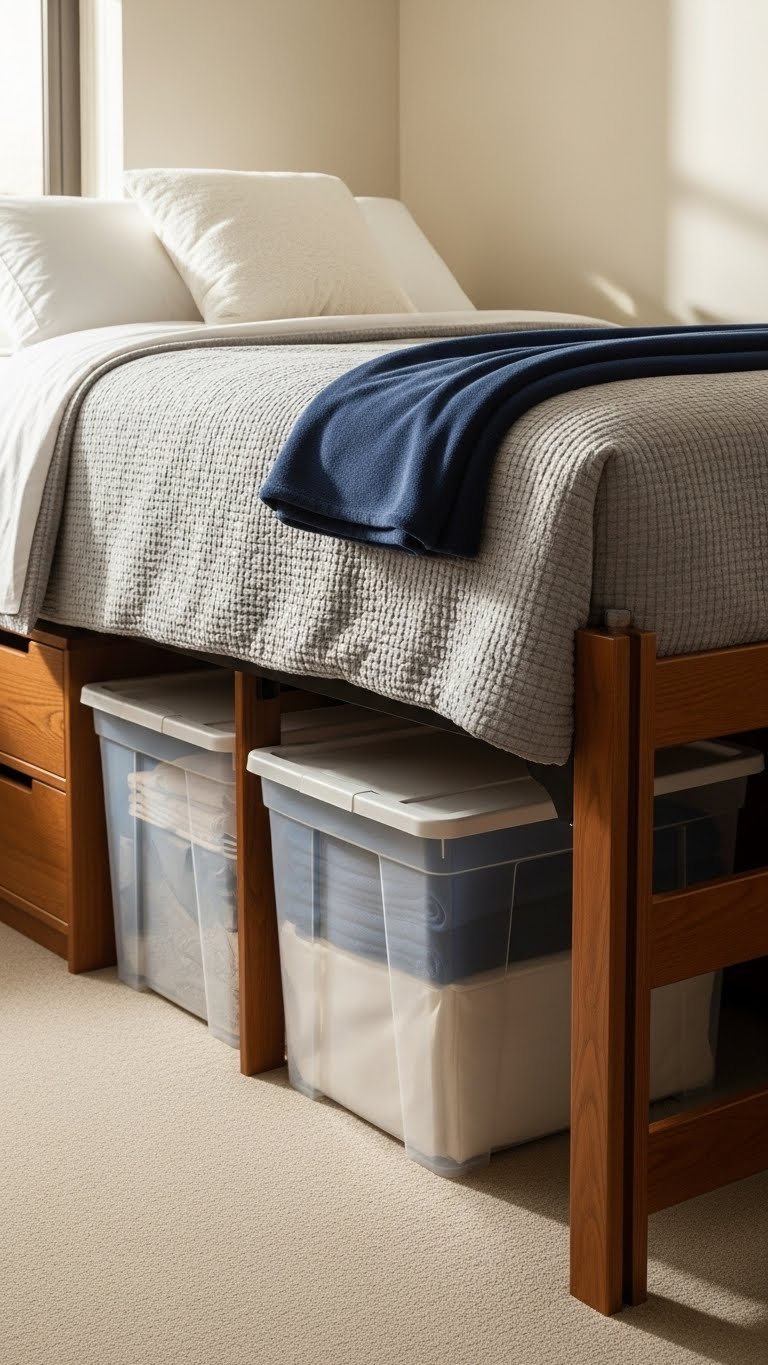
Raising your bed 8–12 inches with risers creates enough clearance for large storage bins underneath. It’s a double win: more storage space plus the psychological effect of more room in a tiny dorm.
Bed risers cost $20–$40 per set (Amazon, IKEA, Wayfair) and take 15 minutes to install. Most dorm beds are on frames that risers slip onto without tools. Make sure your mattress doesn’t shift by checking fit first.
Renter note: Risers are totally reversible—just unscrew them when you move out.
You’ve effectively gained several cubic feet of storage, and your room suddenly feels less cramped because of the visual space.
18. Designate a Donation/Giveaway Box for Regular Purging

The biggest reason dorm rooms get cluttered isn’t too much stuff—it’s that you never get rid of anything. A permanent donation bin makes purging a habit instead of a one-time event, preventing junk from accumulating.
Grab a clear bin and label it “Donation” or “Sell.” Keep it in a corner or under a desk. Throughout the semester, whenever you realize you don’t use something, drop it in. When it’s full, donate to a thrift store or sell on Facebook Marketplace (easy money for college students). Takes 2 minutes weekly to toss items in.
Pro tip: Set a monthly purge reminder so you both stay honest about what you actually need.
Your room stays clutter-free all semester instead of building up until spring break when you finally clean out.
19. Use a Rolling Cart as a Mobile Organizer for Shared Supplies
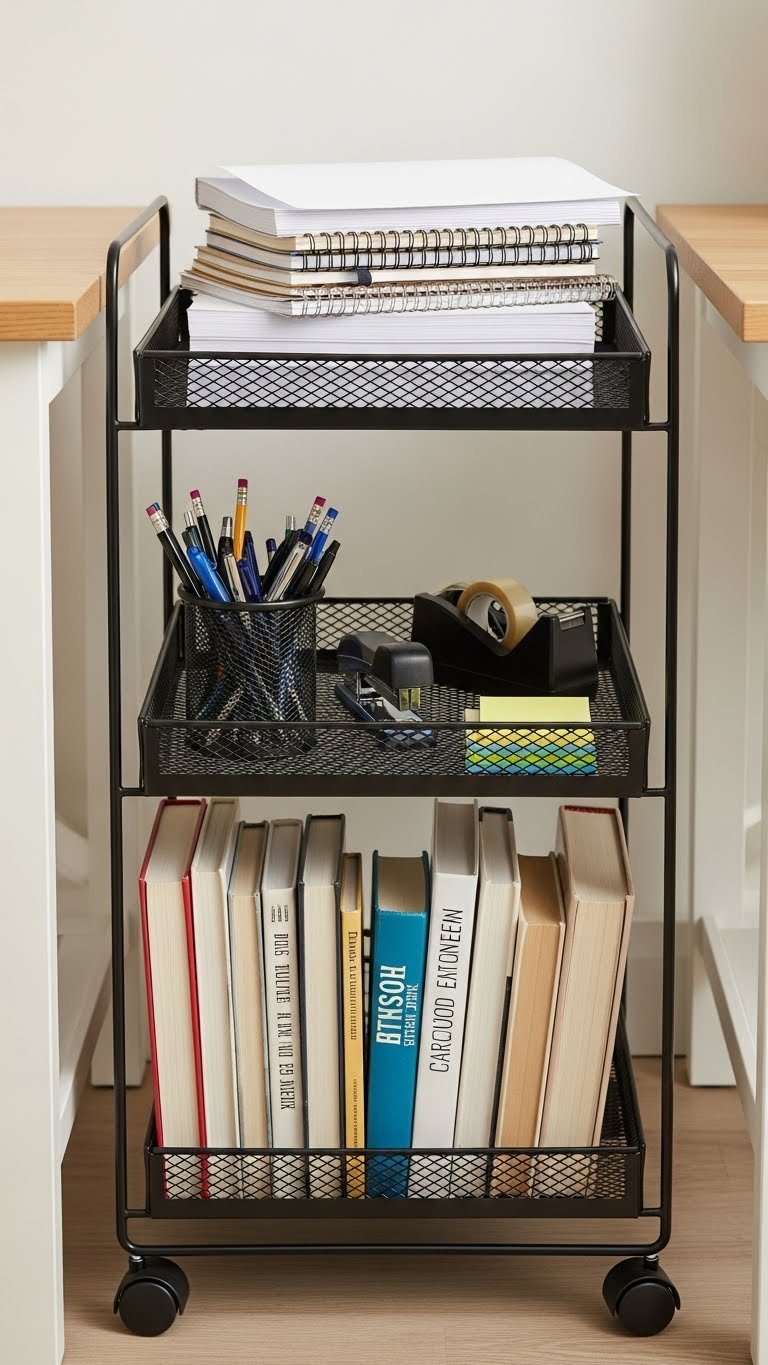
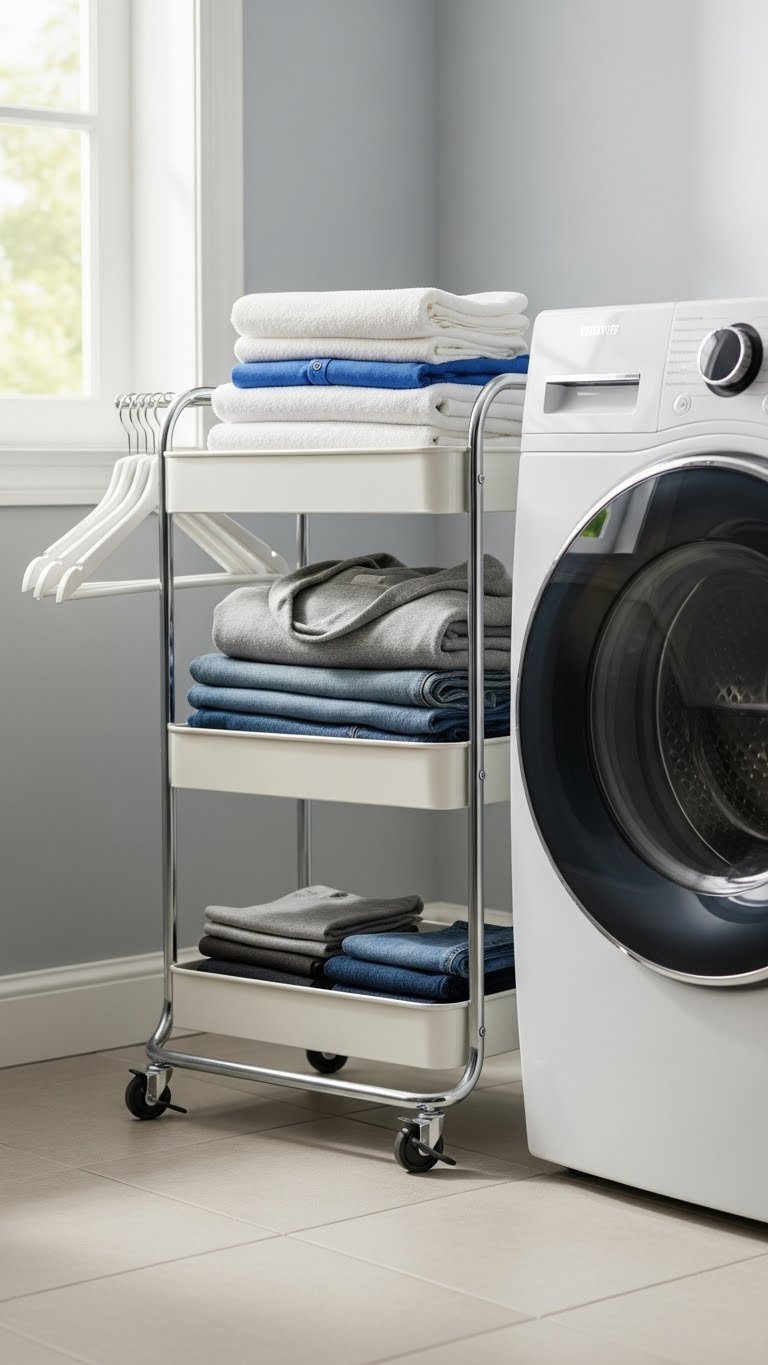
One rolling cart positioned between desks creates a neutral zone for shared supplies (printer paper, highlighters, sticky notes, textbook stacks). It’s mobile, so you can roll it wherever you need it, and everything lives in one place instead of scattered across two desks.
Buy a 3-tier rolling cart for $25–$50 (IKEA Alex Cart, Amazon, Target). Takes 5 minutes to unbox and position. Both roommates should contribute supplies to keep it stocked.
Pro tip: Label each tier by category so you both know where things go. When it’s someone’s turn to restock, they know exactly what’s needed.
You’ve eliminated the “where’s the paper?” argument and created a shared system that works for both of you.
20. Install Pegboard Walls for Customizable Storage and Display

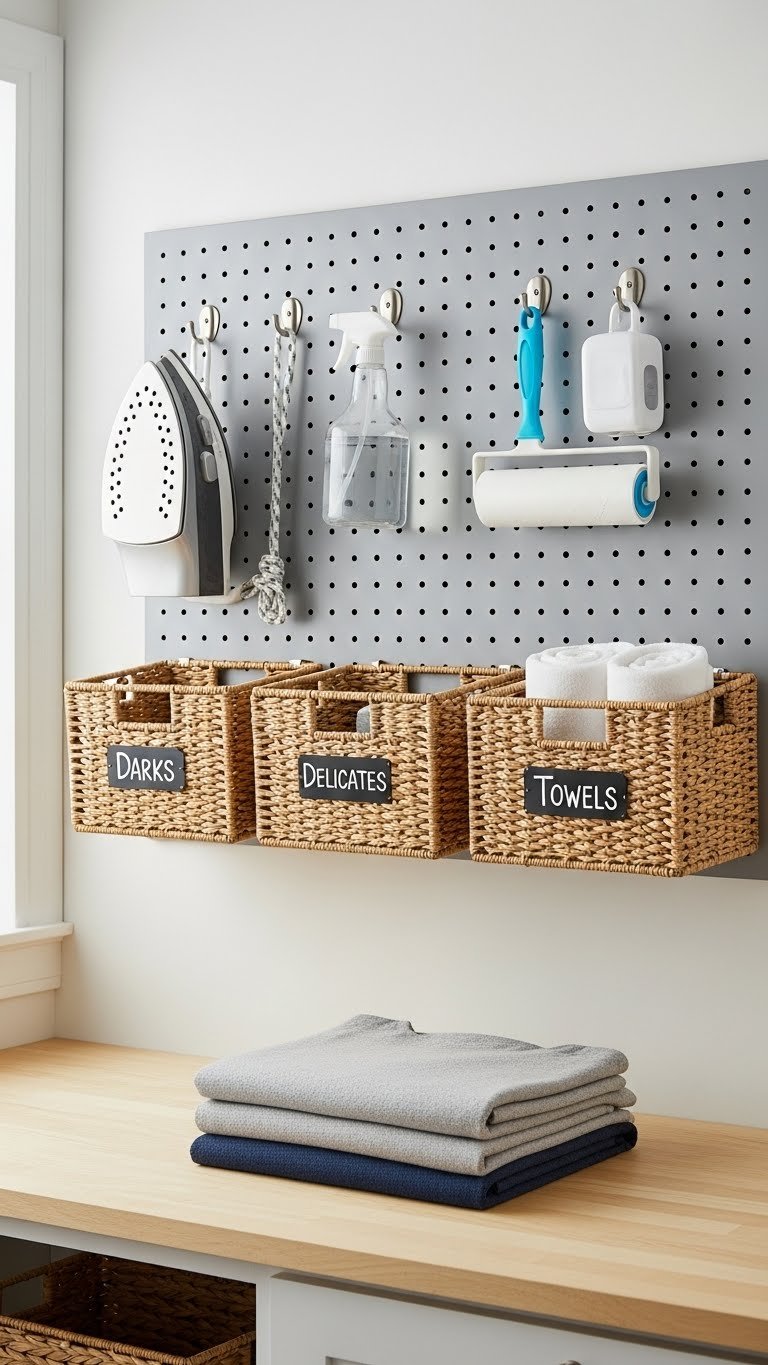
Pegboards let you create a totally customizable storage system using hooks, baskets, and shelves that you can rearrange anytime. Plus, they look way better than random wall clutter and photograph well if you’re into room pics.
Buy a 2×3 ft pegboard and hooks kit for $30–$60 (Home Depot, Lowe’s, IKEA, Amazon). Installation requires drilling or uses damage-free options (check rental rules first). Takes about 1 hour to mount and organize. Use it for headphones, bags, keys, art supplies, or decorative baskets.
Renter option: Some pegboards come with command strip backing to avoid drilling—costs $50–$80 but zero permanent damage.
You’ve created a gorgeous storage focal point that actually looks intentional and lets you display your style.
21. Color-Code Belongings to Prevent Roommate Mix-Ups
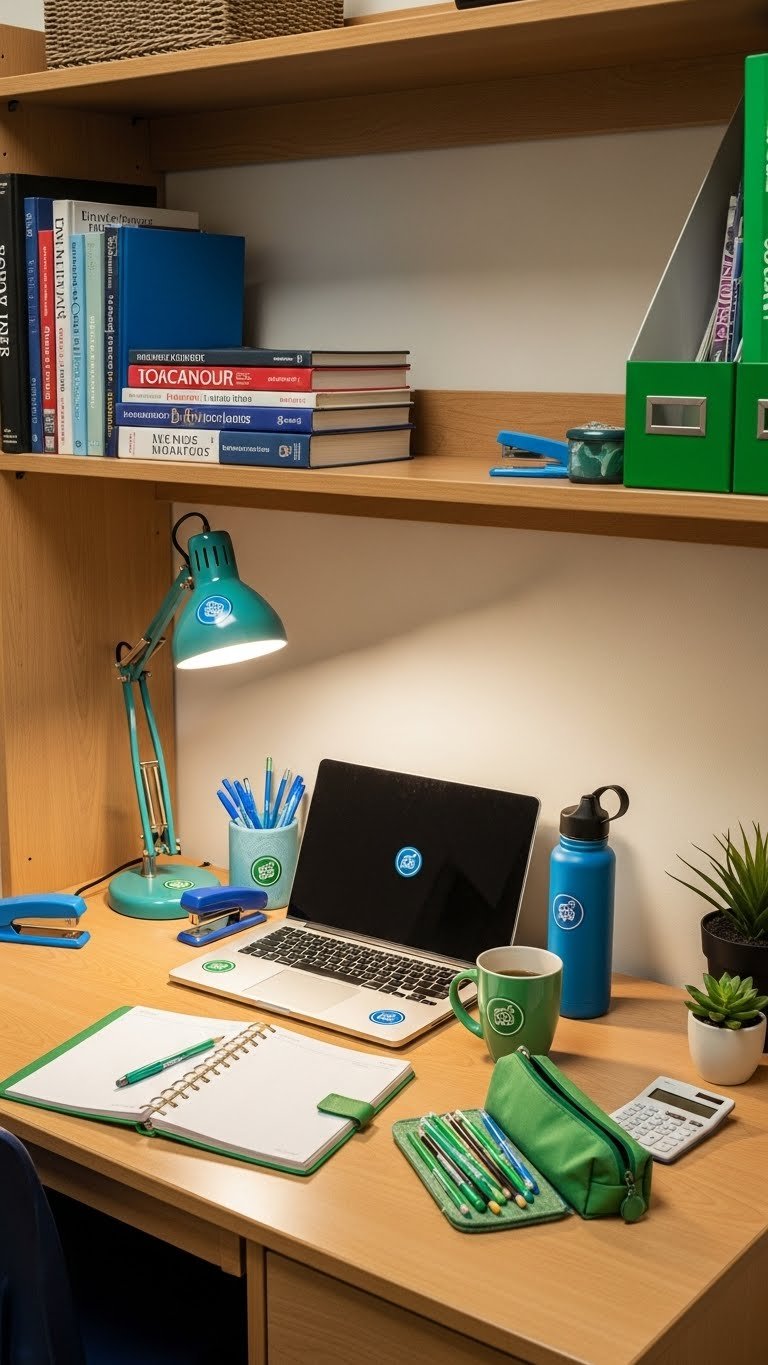
Color-coding isn’t just for elementary school—it prevents constant “is this yours?” confusion in shared rooms. Assign each roommate a color and use stickers, markers, or colored labels on items that could get mixed up: textbooks, chargers, headphones, water bottles, anything portable.
Buy colored sticky dots or label stickers for $3–$8 per pack (Target, Dollar Tree, Amazon). Takes 10 minutes to label items initially, then seconds to identify ownership going forward.
Pro tip: Include your color code in a shared note or group chat so you’re both clear on the system from day one.
Ownership is instantly visible, and you stop accidentally grabbing your roommate’s stuff or vice versa.
22. Use a Hanging Jewelry Organizer as a Catch-All for Small Items
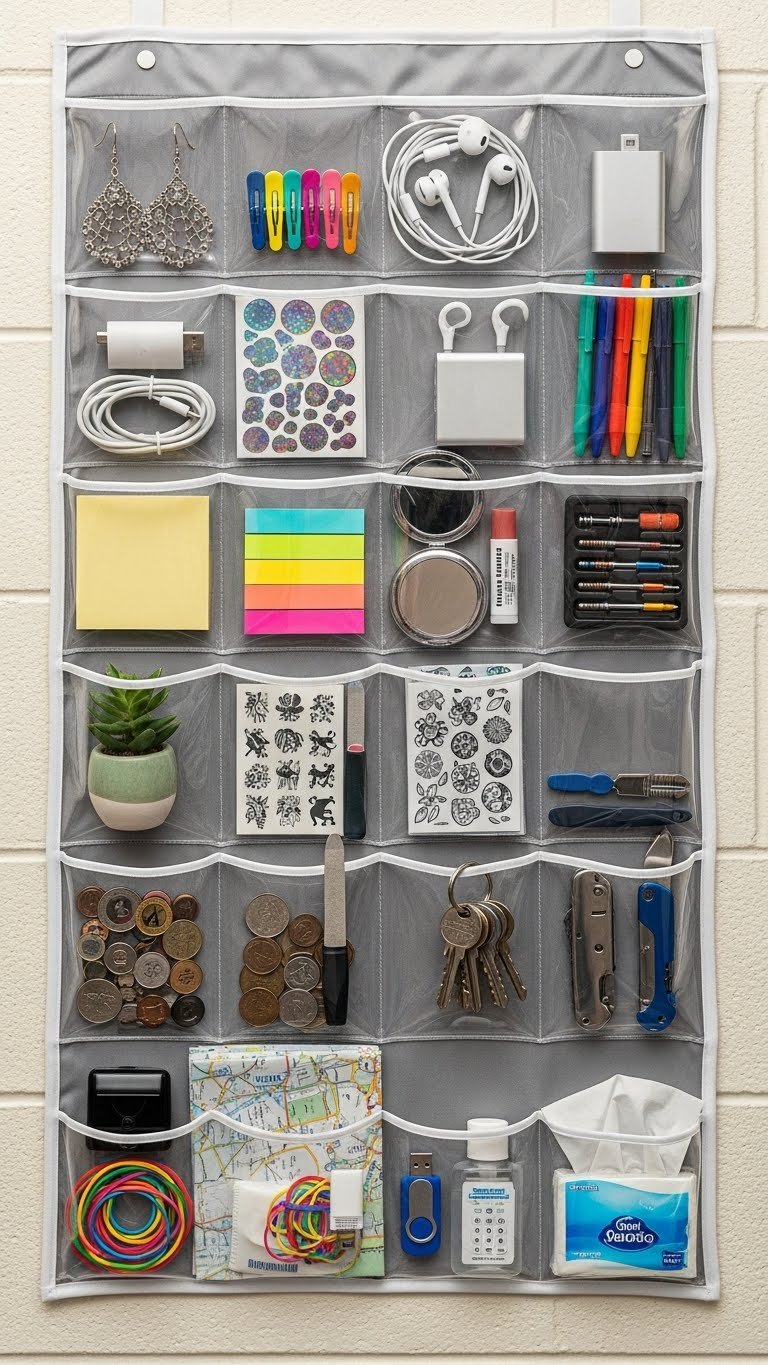
Jewelry organizers with multiple pockets aren’t just for jewelry—they’re perfect for corralling small items that otherwise disappear into the chaos: hair clips, earbuds, stickers, sunglasses, lip balm, charging cables. Everything’s visible and instantly accessible.
Buy a hanging jewelry organizer for $12–$25 (Amazon, Target, Container Store). Hang it on a wall or the back of your door using hooks or command strips. Takes 5 minutes to hang and fill. Both of you can use separate pockets or share sections.
Budget hack: Check Dollar Tree or Walmart for cheap alternatives—they work just as well for organization.
You’ll stop losing tiny items and know exactly where your essentials are without opening multiple drawers.
23. Create a “Shared Responsibility” Cleaning Chart on a Whiteboard
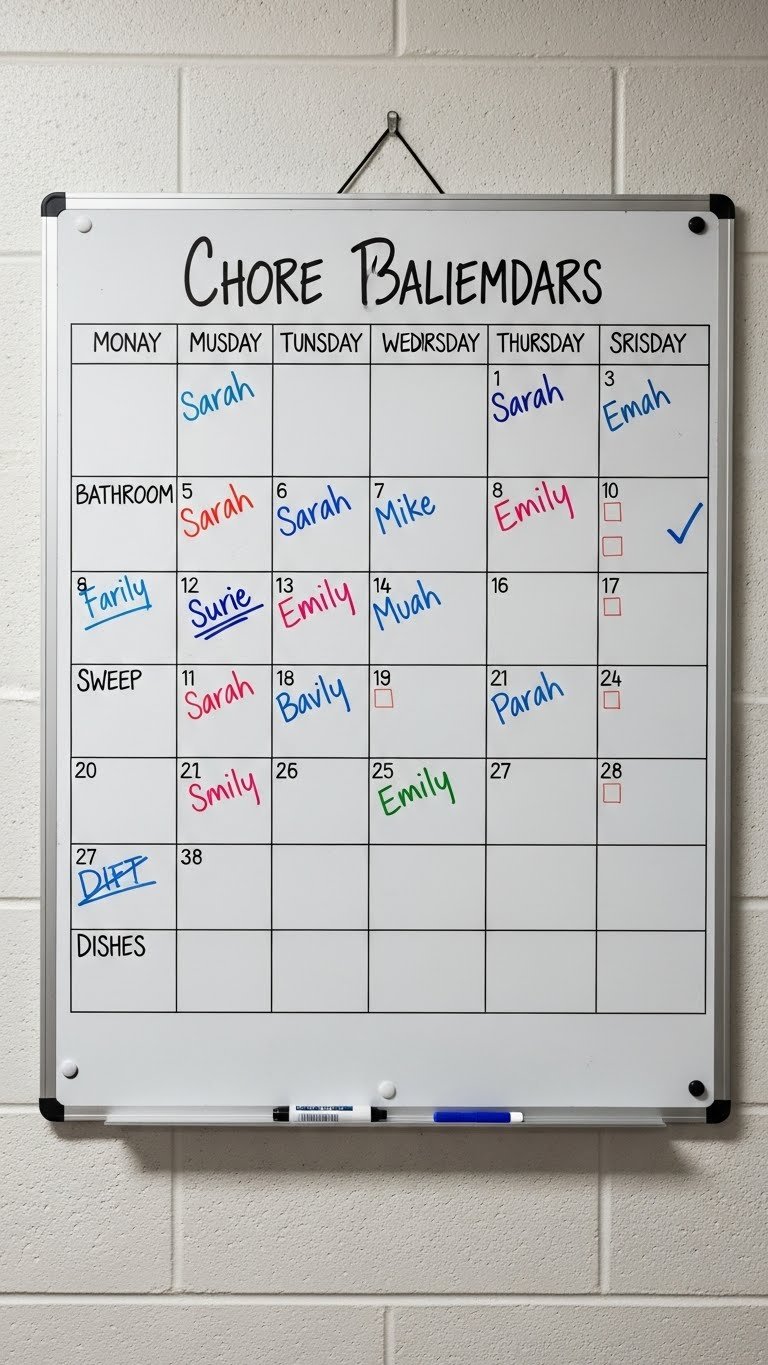
The number one roommate conflict? Cleanliness disputes. A visible cleaning chart removes ambiguity about whose turn it is to clean what, making the whole process faster and fairer.
Buy a dry-erase whiteboard for $8–$20 (Target, Amazon, Office Depot) and mount it with command strips. Create a simple weekly rotation: one roommate handles bathroom/floors one week, the other handles it the next. Takes 5 minutes to create, and you update it in 30 seconds weekly.
Pro tip: Include daily microclean tasks (dishes, wiping counters) and weekly deep tasks so nothing gets ignored until it’s disgusting.
You go from vague resentment about cleaning to a clear system where both of you know exactly what’s expected.
24. Hang a Small Shelf Unit Above Your Bed for Personal Storage
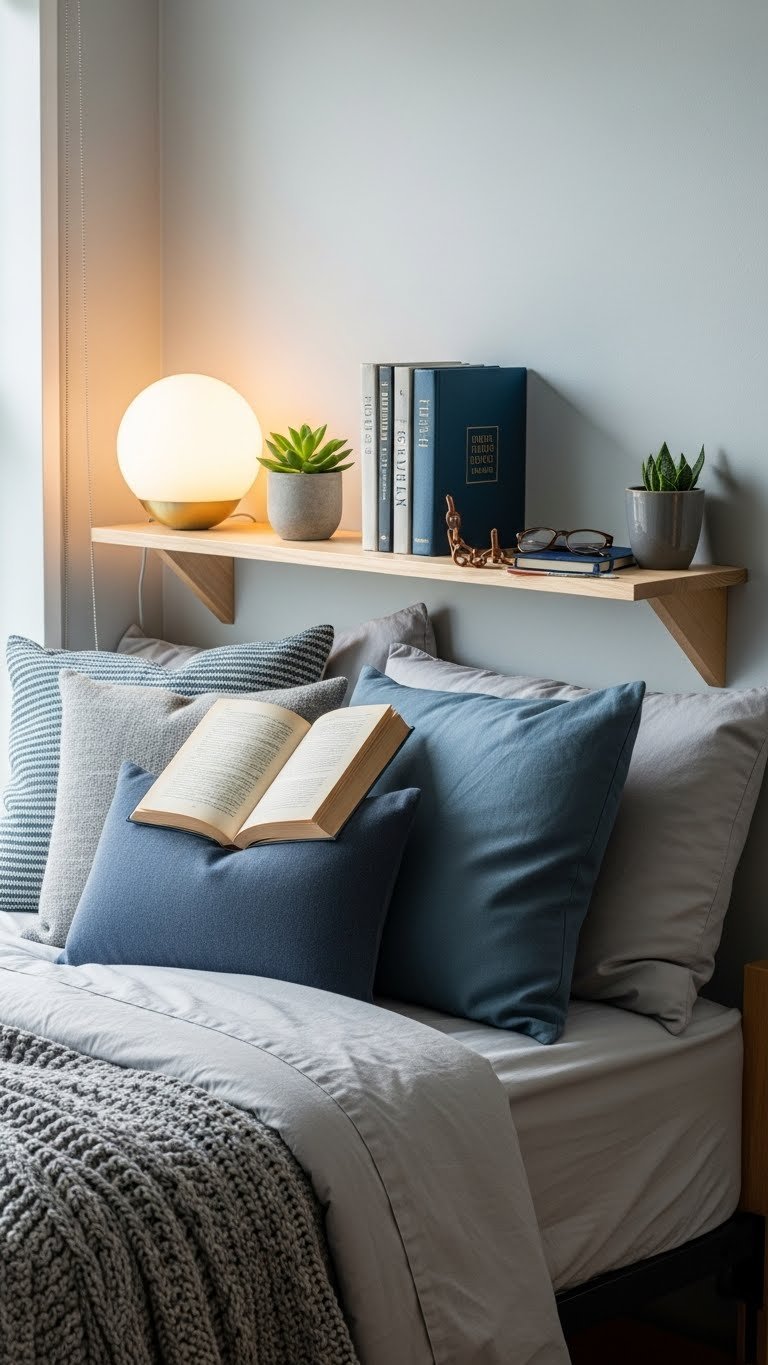
The wall space above your bed is often totally unused but perfect for a small shelf that holds personal items, books, and a reading lamp without eating into any floor or closet space.
Install a small floating shelf (12–18 inches) for $20–$40 (IKEA, Target, Wayfair). Mount it about 12 inches above the bed headboard. Takes about 30 minutes with basic tools. Make sure you’re not violating your dorm’s drilling rules—use command strips shelf hooks if necessary.
Pro tip: Keep things lightweight on the shelf and make sure nothing is directly above your pillows for safety reasons.
Your bed becomes a little reading nook with everything you need within arm’s reach, and you’ve reclaimed valuable ground-level real estate.
25. Use Tension Rods Inside Your Closet for Thin Item Storage

Tension rods create extra hanging space for scarves, belts, tank tops, or even small laundry bags without any tools or damage. They’re perfect for renters and take literally seconds to adjust.
Buy tension rods for $8–$15 each (IKEA, Target, Amazon, Hardware stores). Install them horizontally at different heights in your closet in about 2 minutes per rod. They’re adjustable and removable, so renters can use them without worry.
Pro tip: Use S-hooks on the rods to hang multiple items per rod if you need extra capacity.
You’ve essentially created two or three extra shelves’ worth of hanging space for minimal cost and zero permanent installation.
Save this post for your next dorm setup. Try even just one of these ideas this weekend—you’ll be amazed how much smoother sharing a space becomes when things actually have a home. Share this with any roommates stressed about clutter!