Blog

  • 25 Glam Living Room Decor Ideas for a Luxe, Sparkling Look

    25 Glam Living Room Decor Ideas for a Luxe, Sparkling Look


    If you scroll through your feed and see those enviable living rooms that somehow glow from within, you’re probably wondering: how do they do that? The secret isn’t expensive—it’s strategic sparkle, the right metals, and layers of texture that catch light beautifully. Whether your living room currently feels flat or you’re just ready for an upgrade, these 25 ideas will help you build a space that feels both glamorous and genuinely livable. From budget-friendly swaps to investment pieces, you’ll find options at every price point. Ready to make your living room the room you actually want to spend time in? Let’s dive in.


    1. Swap in a Jewel-Toned Velvet Sofa

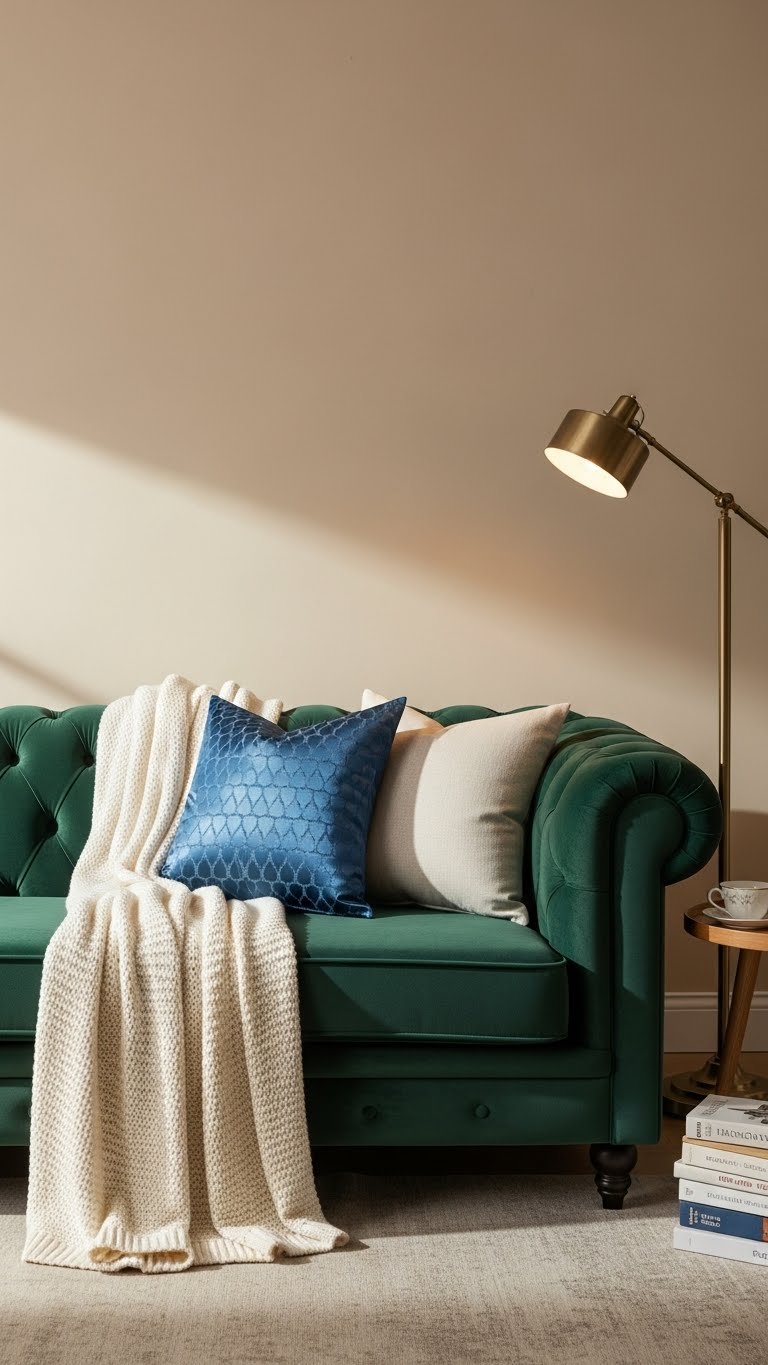
    A velvet sofa is the anchor piece that instantly signals “I have my life together”—and it’s actually easier to afford than you’d think. Velvet catches light beautifully, making even a modest-sized living room feel more dynamic. Deep jewel tones (emerald, sapphire, charcoal, or burgundy) hide wear better than lighter shades and pair seamlessly with both modern and traditional styles.

    Search Article Insight #2 for bold color momentum: consider brands like Article ($600–$1,200), West Elm ($1,200–$1,800), or Wayfair ($400–$900) for quality pieces. If a sofa feels too permanent, a velvet armchair or sectional works just as well. Look for fabric with a slight nap—it’ll reflect light more dramatically. Pro tip: pair it with metallic accents to amplify the glamorous effect.

    You’ll feel the difference the moment you sit down. The moment guests walk in, they’ll notice the upgrade.


    2. Layer in a Gold or Brass Floor Lamp

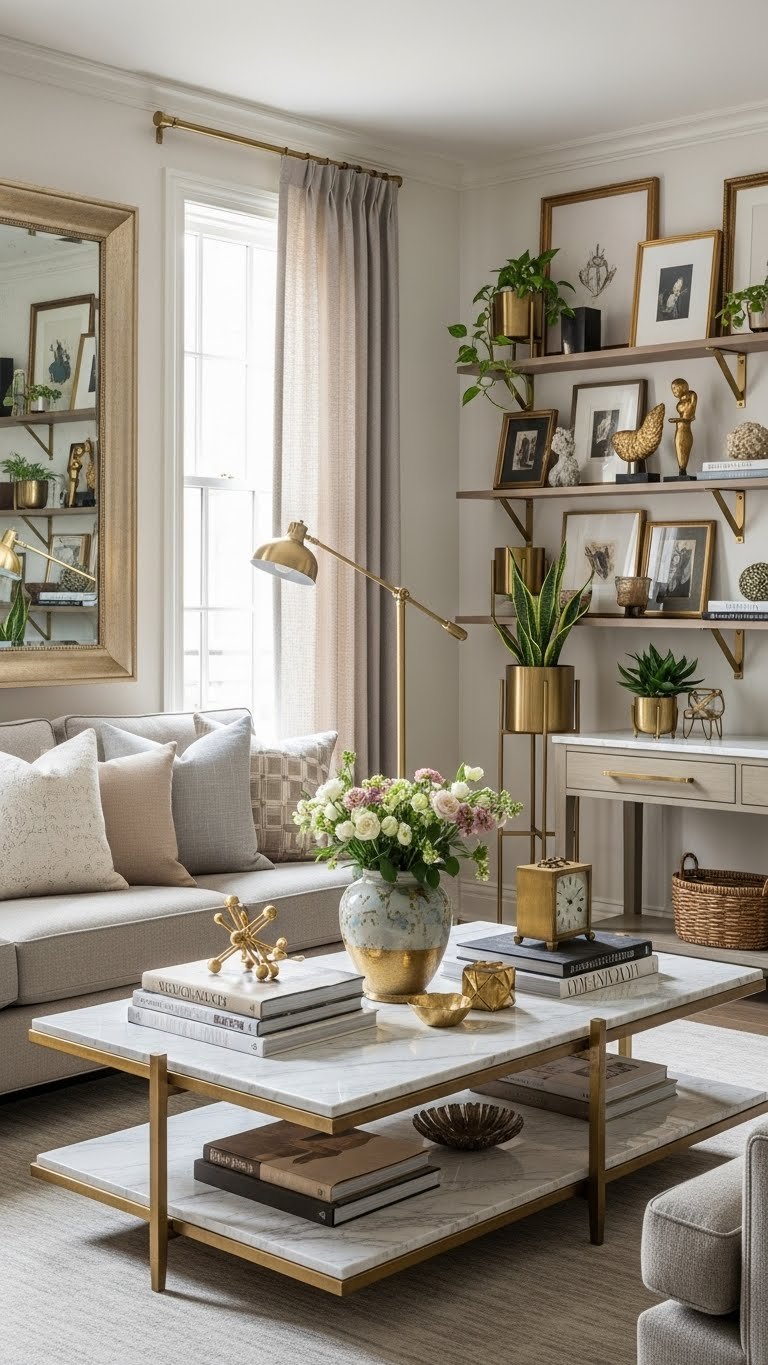
    Lighting is the most underrated tool for creating glam, and a gold or brass floor lamp does double duty: it illuminates and acts as sculptural decor. These metals have become mainstream enough that you’ll find options everywhere, making them accessible on any budget.

    Target and IKEA have brass options starting at $30–$60. Mid-range finds live at Wayfair ($80–$150) and CB2 ($120–$200). Splurge-worthy pieces from West Elm or Article run $200–$400. Position it beside a chair or sofa corner for layered lighting—which is essential for a sophisticated look. Arc lamps are especially photogenic and work in smaller spaces since they don’t take up floor real estate.

    Skip the harsh overhead light, and suddenly your room feels like a hotel lobby in the best way. Warm lighting transforms how your space photographs and how you feel in it.


    3. Add a Mirrored Accent Table

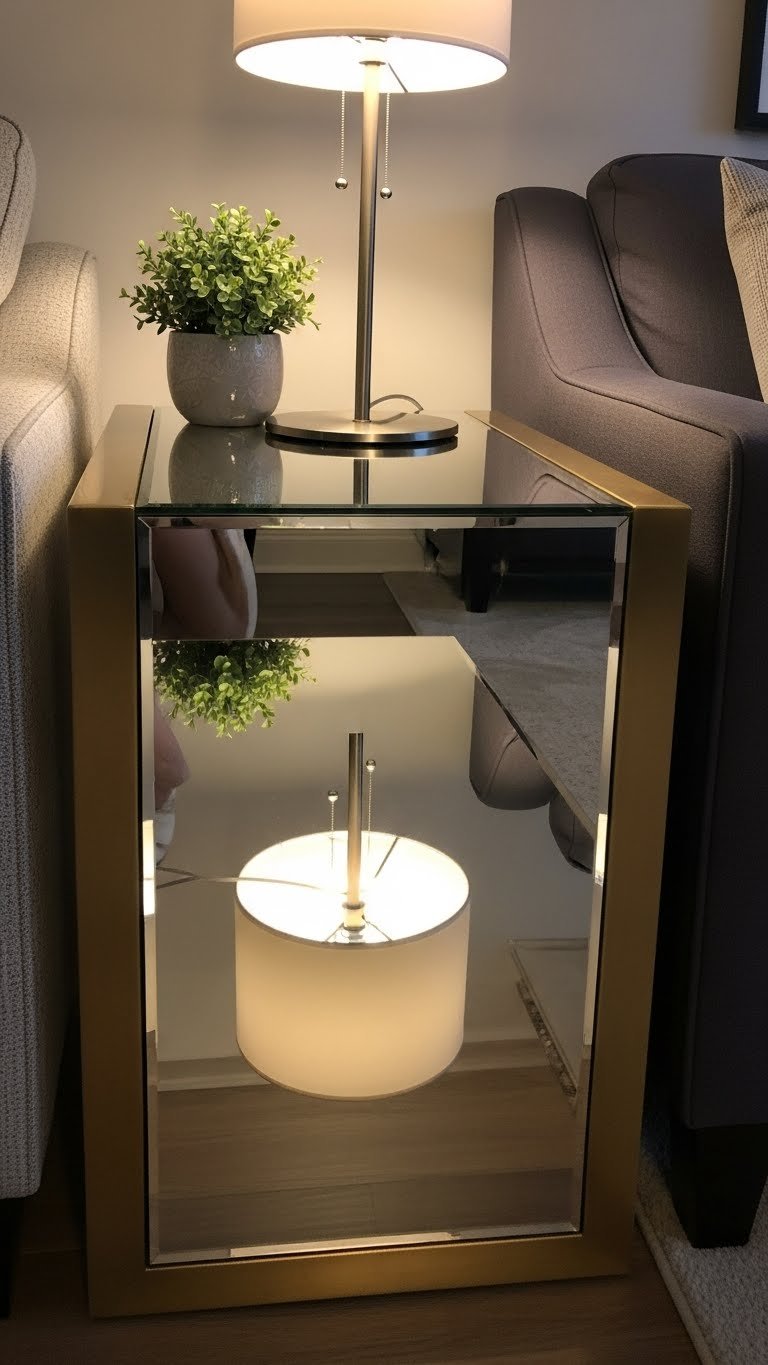
    Mirrors multiply light and create the illusion of more space—but a full wall mirror can feel obvious. An accent table with mirrored or brass sides does the same job more subtly, and it’s functional too. You get storage and display space while boosting the room’s luminosity.

    Shop IKEA ($50–$80), Target ($60–$120), or Wayfair ($80–$200) for budget options. West Elm and CB2 have mid-range choices at $150–$300. Brass-trimmed options feel more elevated than all-mirror. Pair it with a table lamp to amplify reflections. Renters: these are easy to move if you change your mind.

    Your space will feel airier and brighter without knocking down walls. The subtle shimmer reads as intentional design, not decoration.


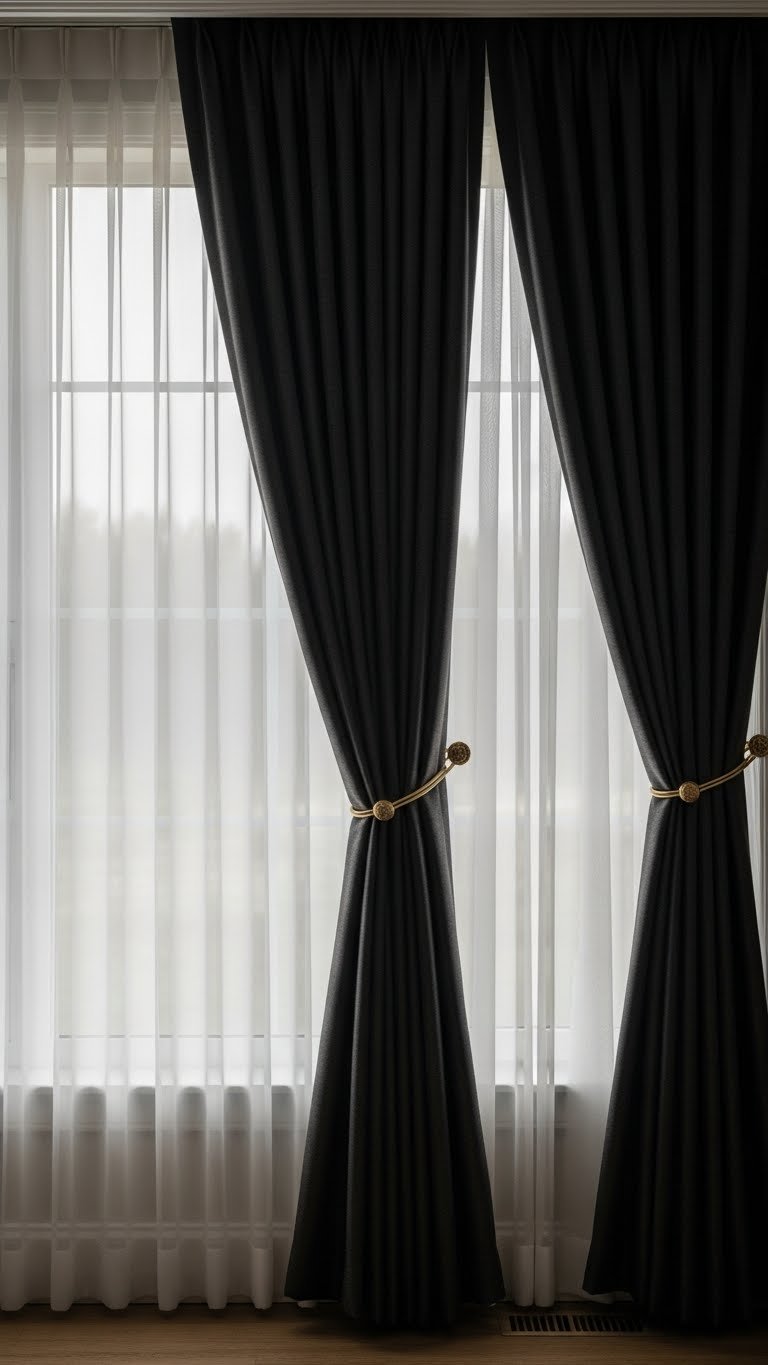
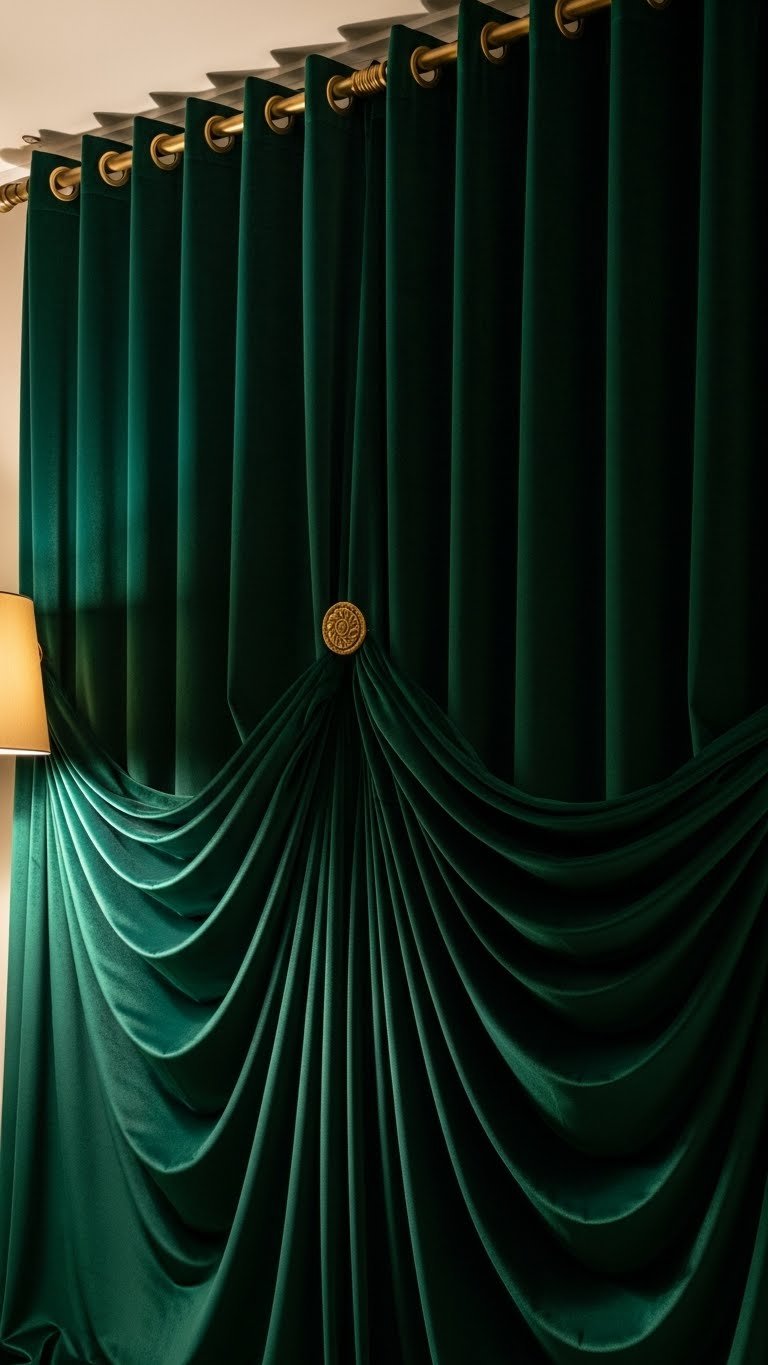
    4. Hang Statement Drapes in Metallic or Jewel Tones

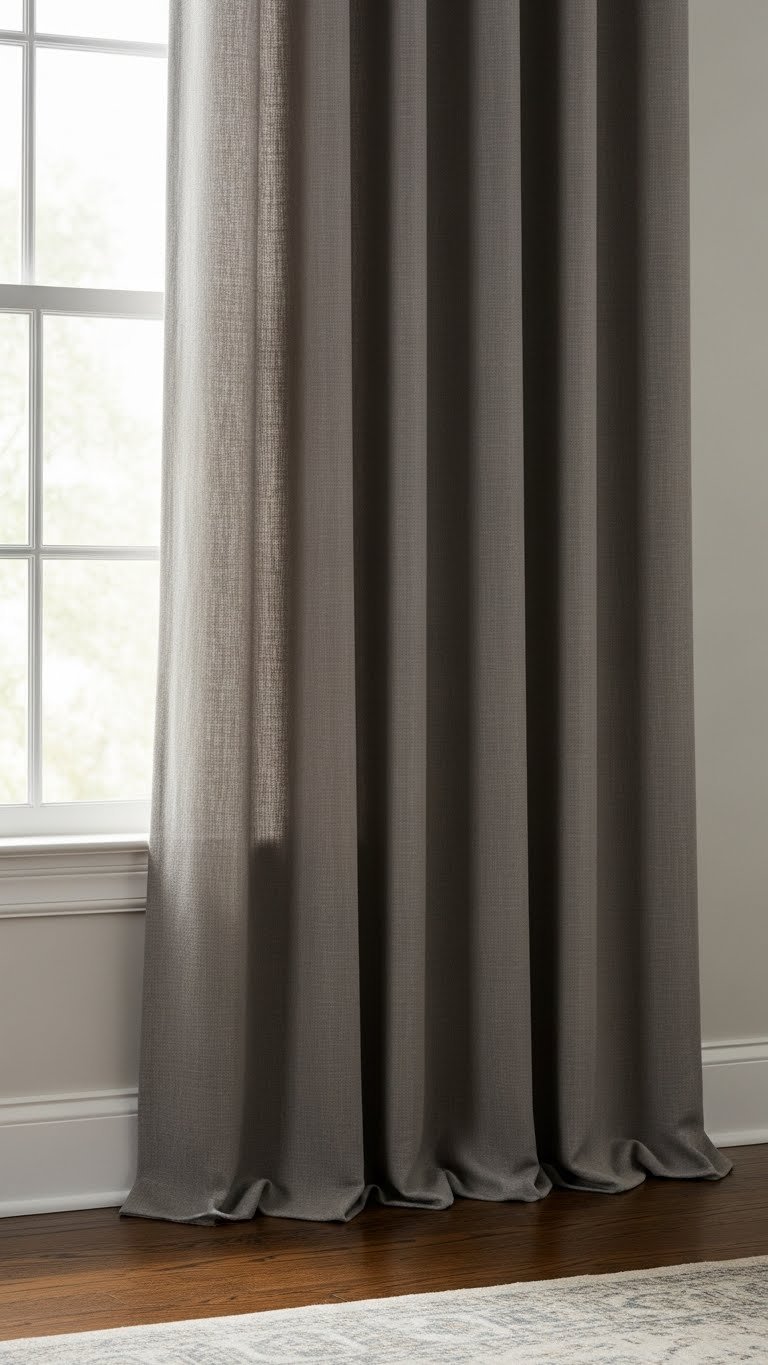
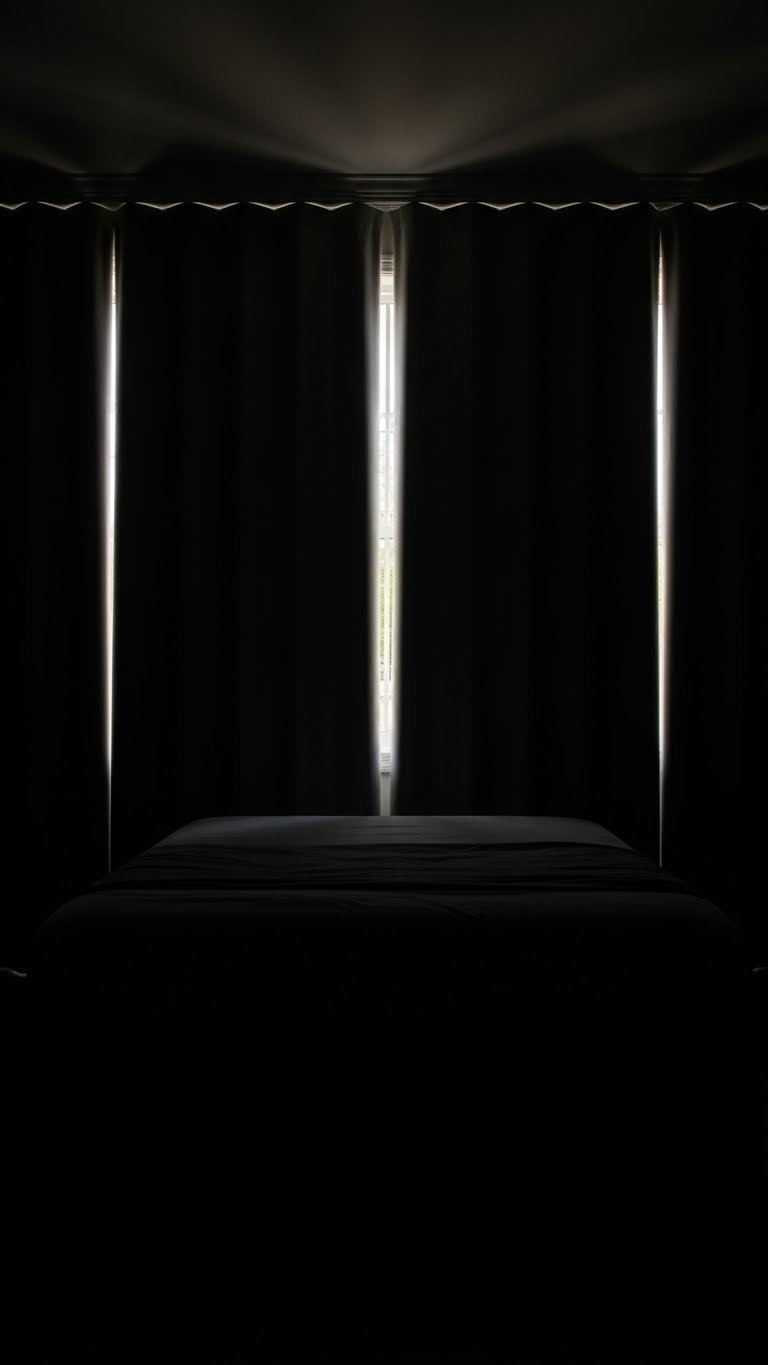
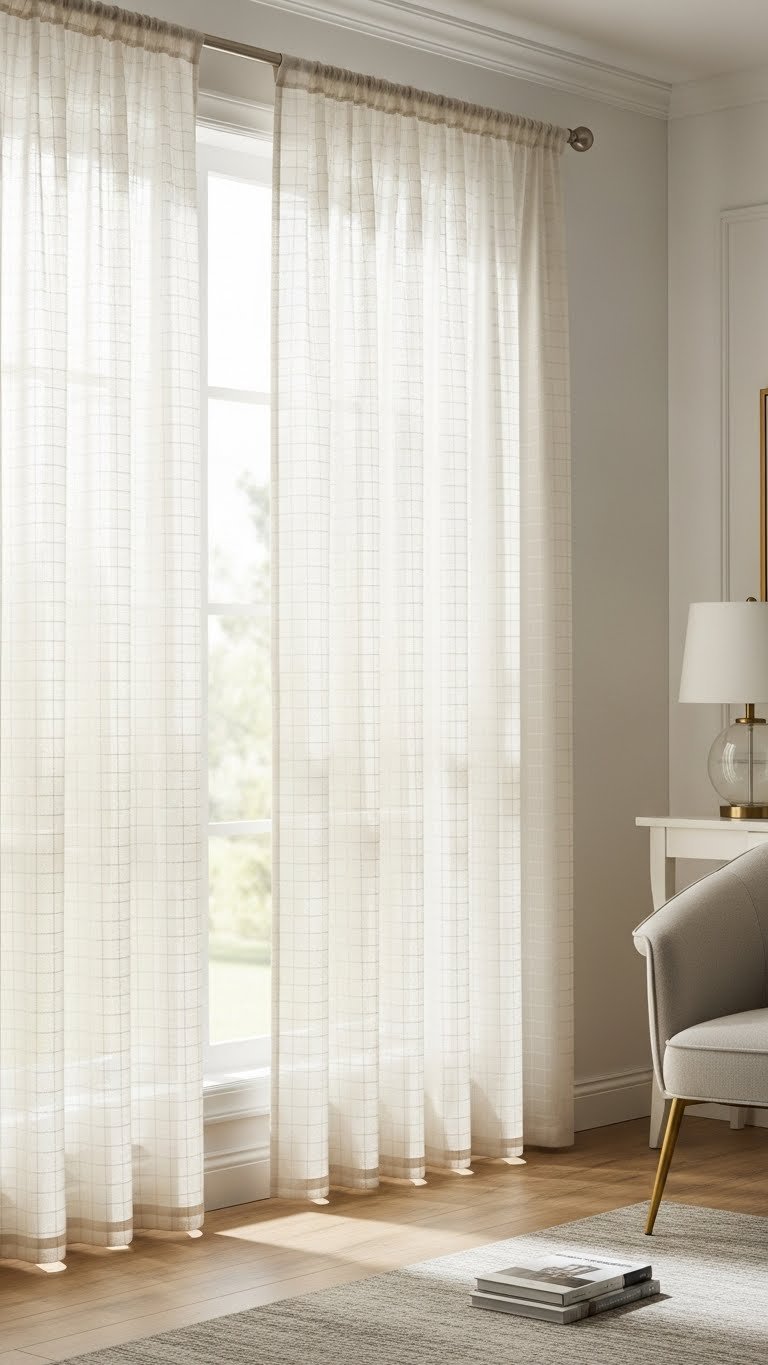
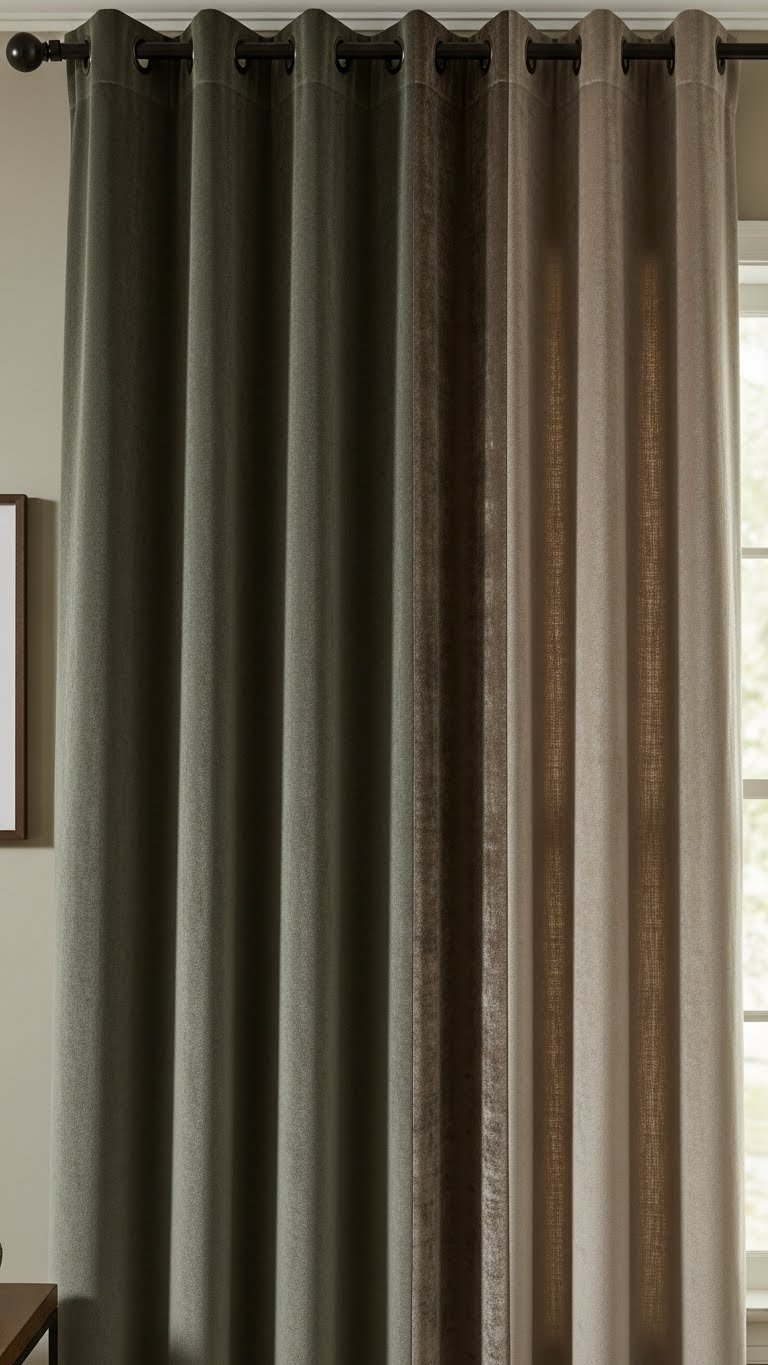
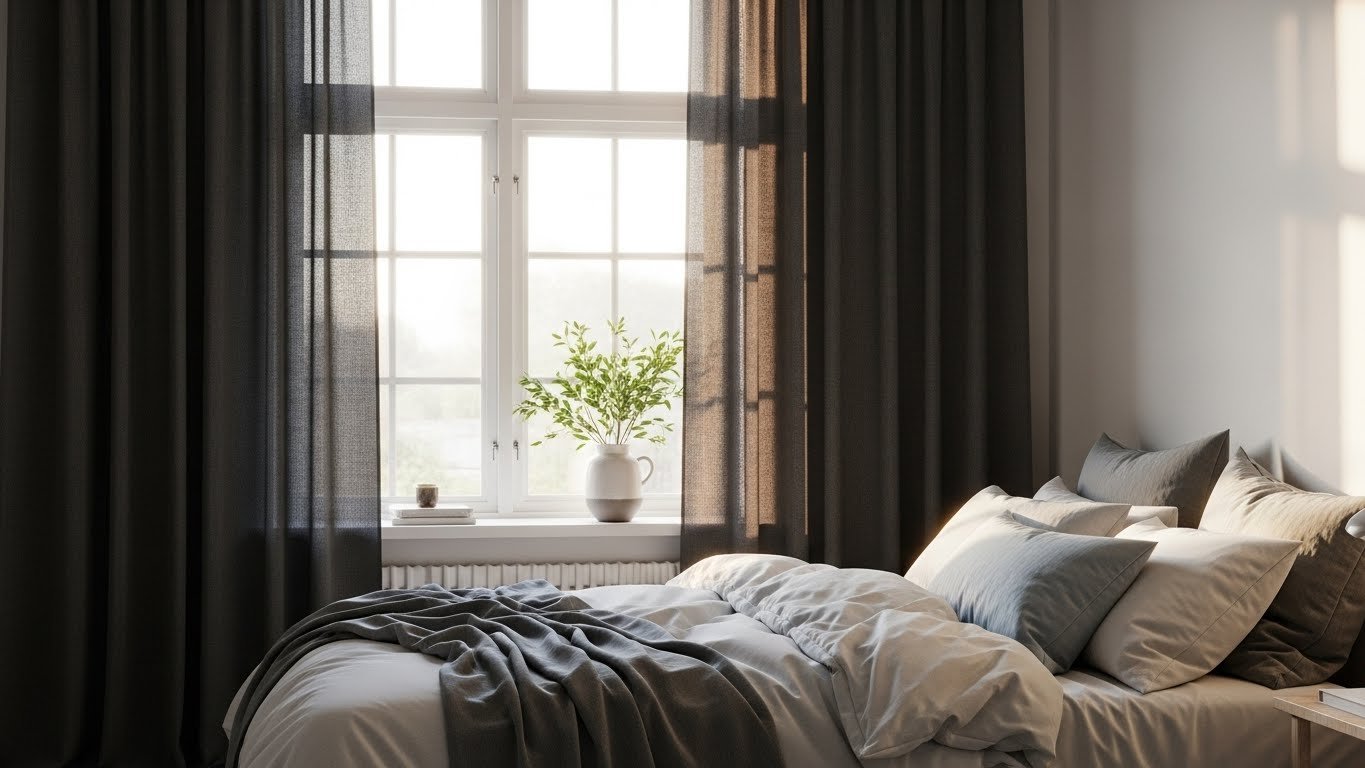
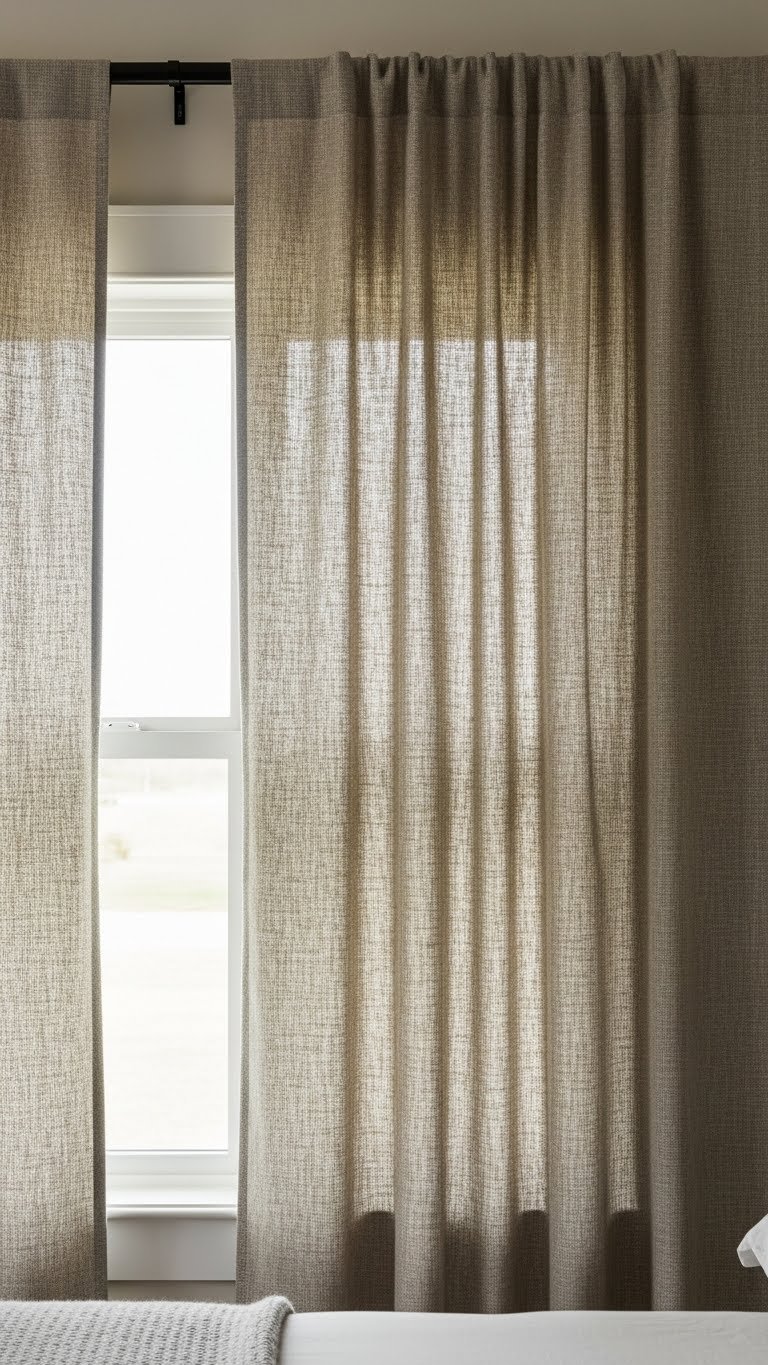
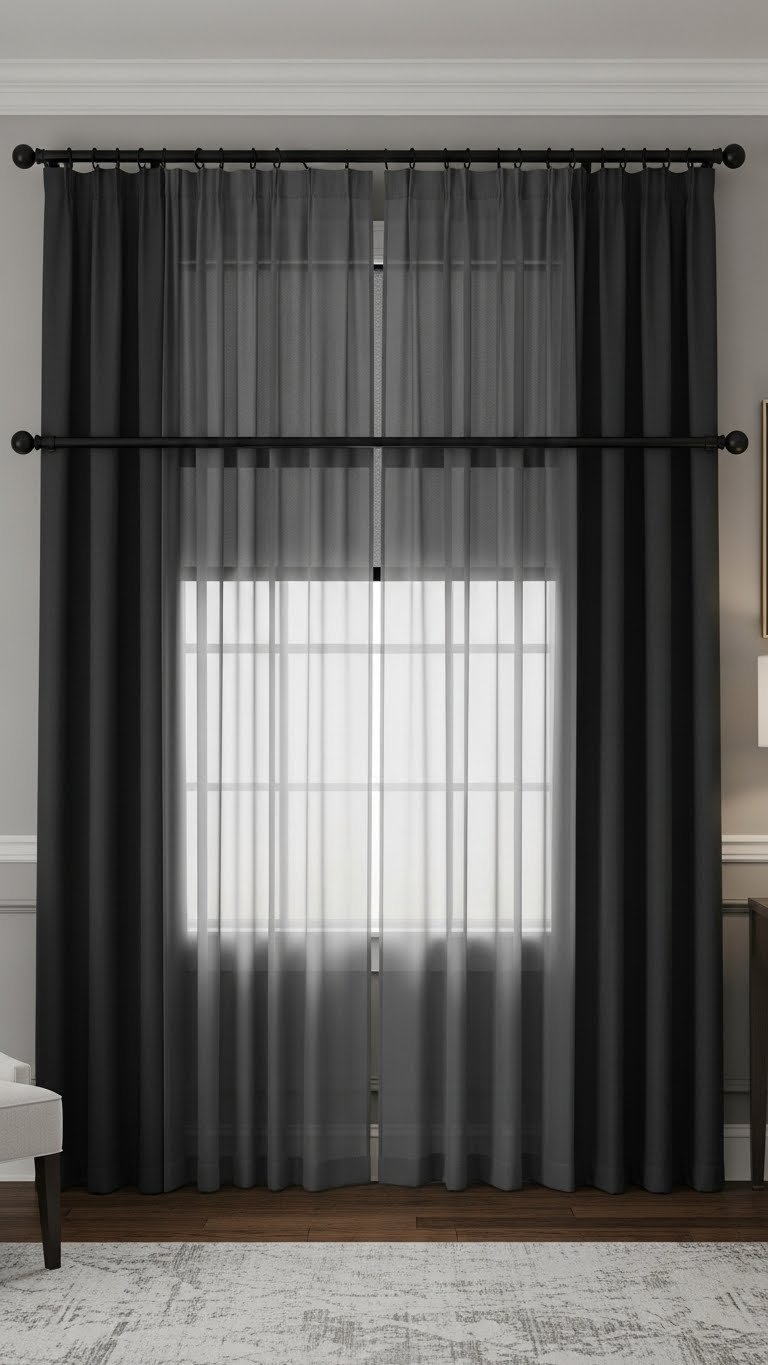
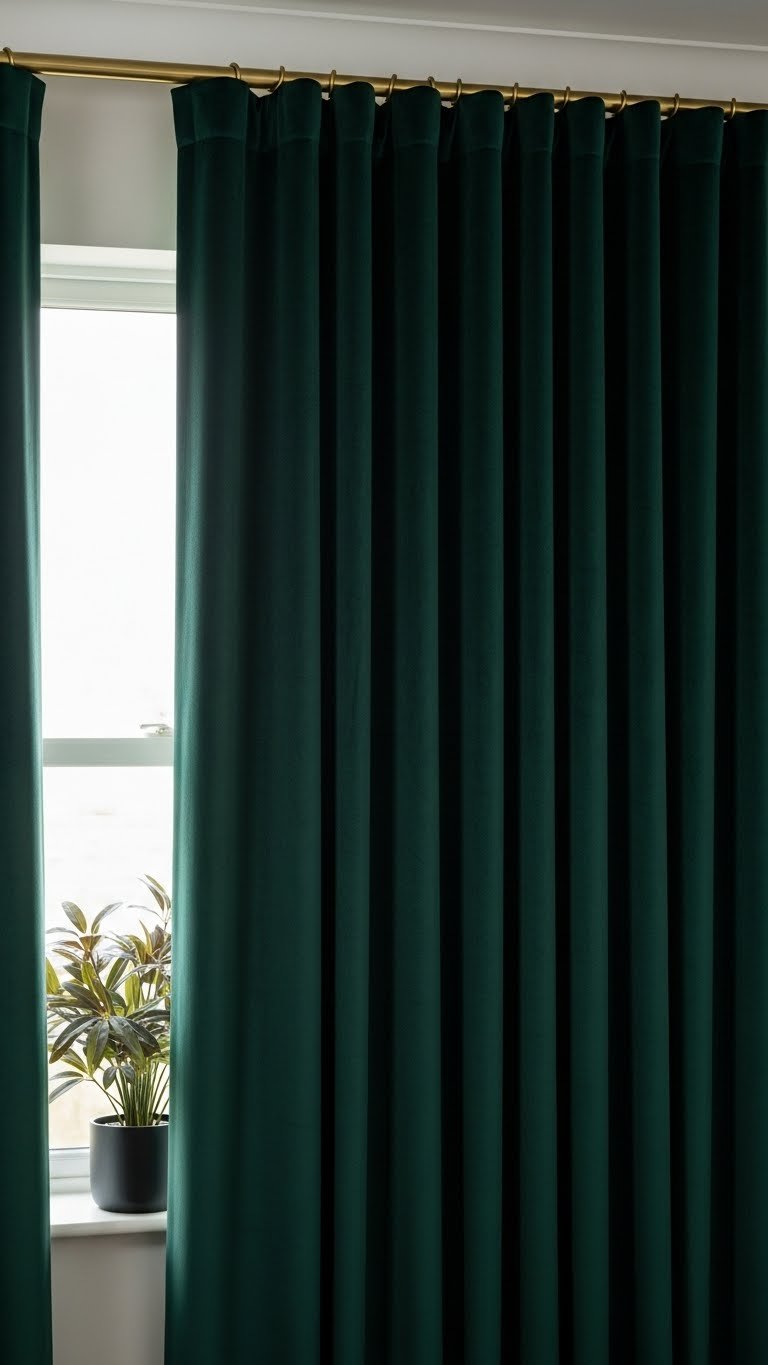
    Heavy, floor-length curtains frame a room and add instant formality. Metallic fabrics (champagne, gold, silver) or jewel tones feel more interesting than basic neutrals, and they’re easier to work with than you’d expect. They also block light and add sound dampening, which feels luxurious.

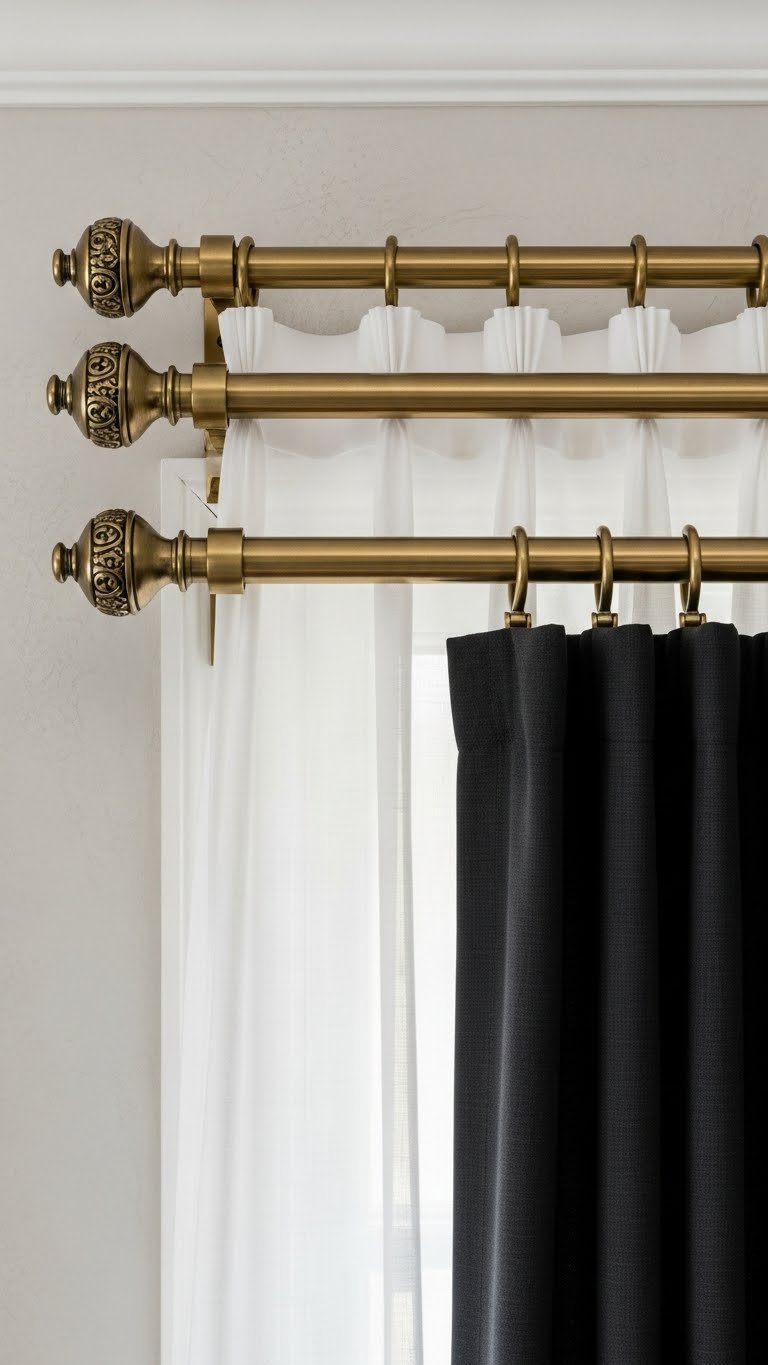
    Fabric from Joann Stores ($8–$15 per yard, plus rod) or ready-made curtains from Target ($40–$100), Wayfair ($60–$150), or West Elm ($120–$250). If sewing intimidates you, many dry cleaners or local seamstresses will hem curtains for $15–$40. Hang rods as high as possible to make ceilings feel taller. Choose a finish that matches your lighting (brass rods with warm-toned fabrics; chrome with cool tones).

    The moment you draw these open and closed, your room feels like a real home. That fabric movement catches light and creates visual interest constantly.


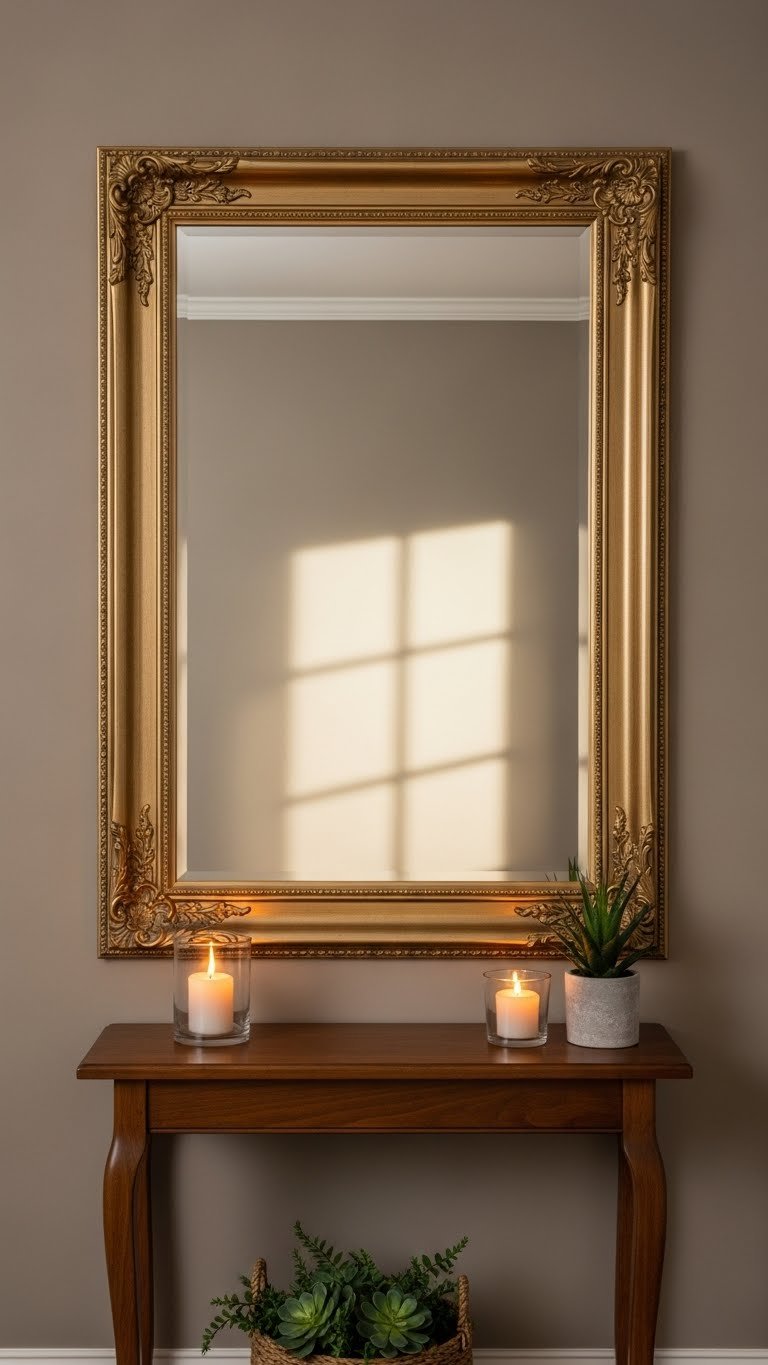
    5. Place a Decorative Mirror Above a Console Table

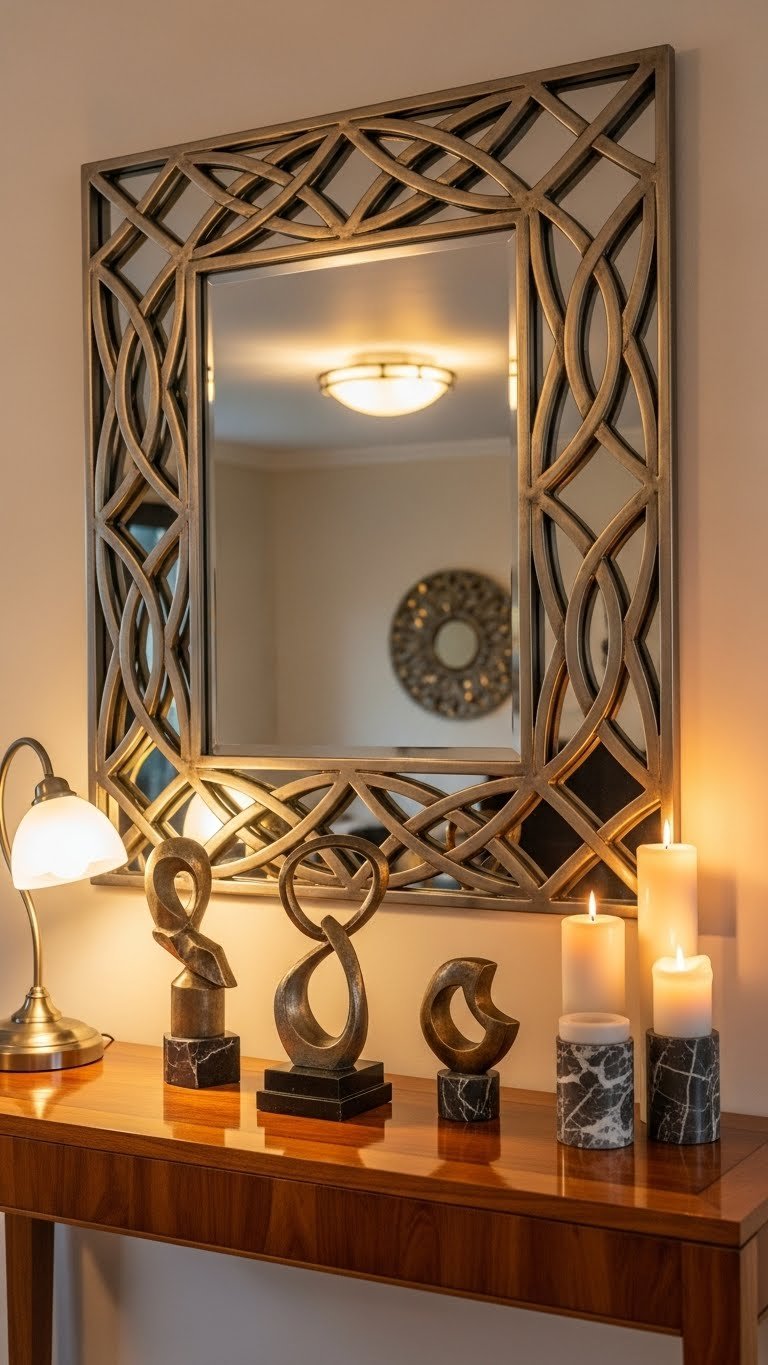
    A mirrored console vignette creates a focal point that looks curated without being fussy. It’s also renter-friendly and changes easily with the seasons. The mirror itself—whether ornate, geometric, or minimalist—becomes a design statement.

    Find mirrors at Target ($30–$80), IKEA ($25–$60), Wayfair ($40–$200), or West Elm ($120–$350). Pair with a simple console table (IKEA $50–$150 or Wayfair $80–$250). Style the surface with: a pair of sculptural objects, a table lamp, candles in varying heights, and a small plant or book stack. Anchor it all with a runner rug if the console is in an entryway.

    This vignette becomes a conversation starter and a visual anchor for the whole room. Guests will compliment it before they even sit down.


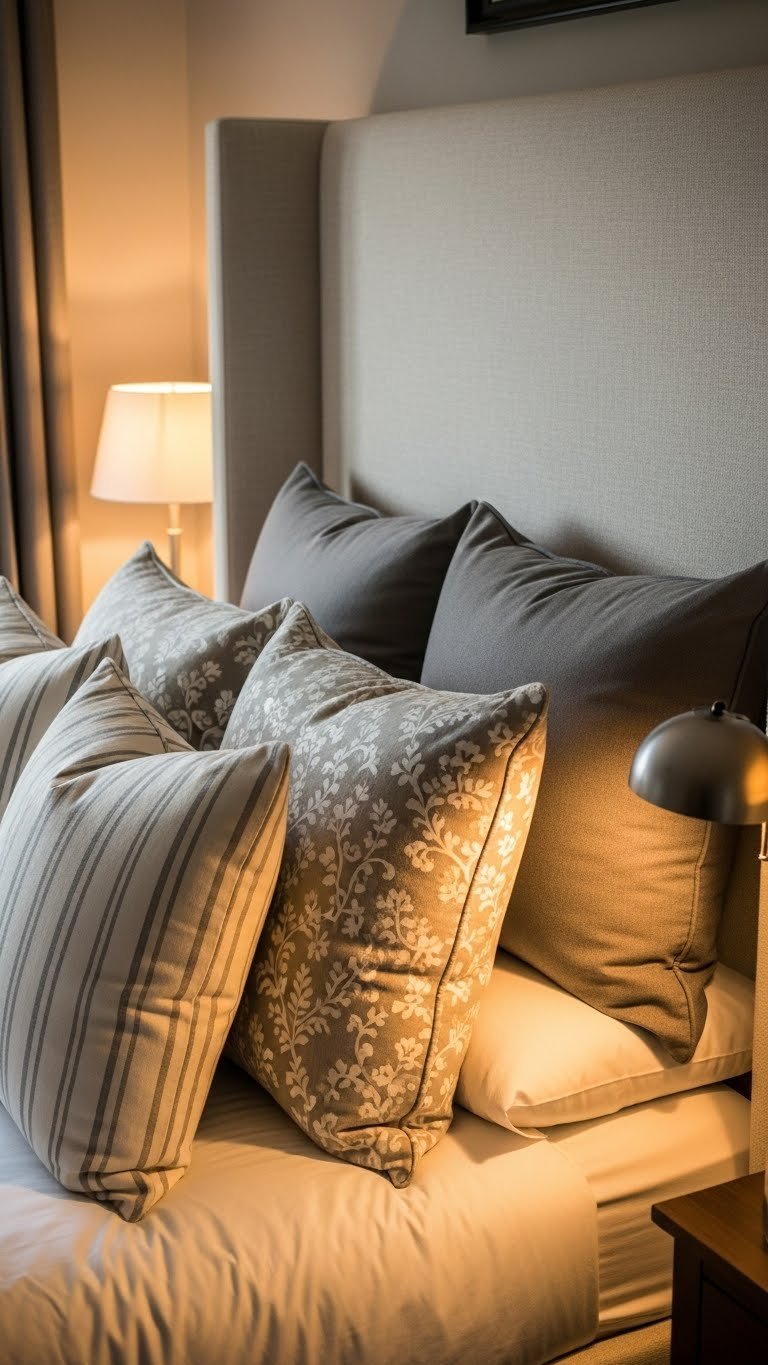
    6. Swap Out Throw Pillows for Textured Versions

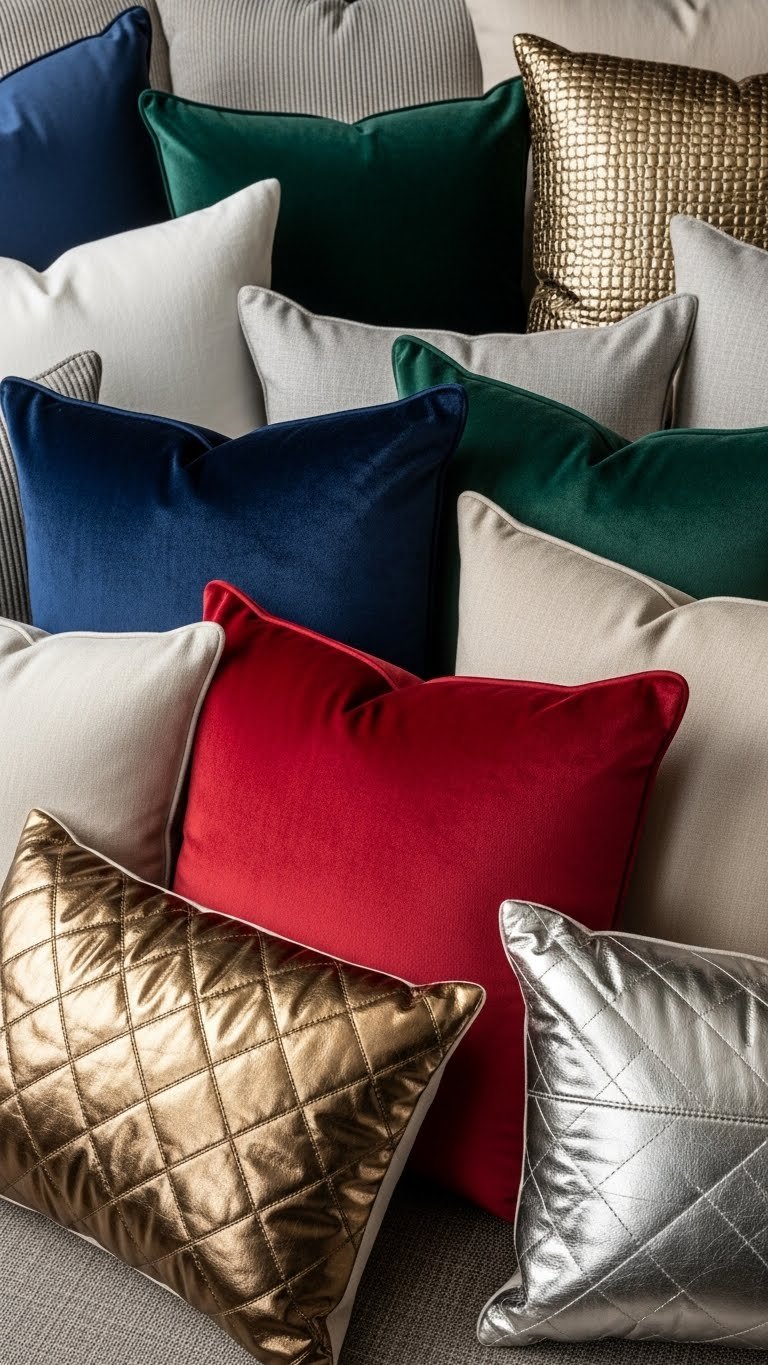
    Pillows are the quickest (and reversible) way to shift your room’s vibe. Textured fabrics like velvet, linen, knit, and performance fabric add dimension that reads as expensive, even at budget price points. Mix finishes—matte, shiny, ribbed—to catch light in different ways.

    Target ($15–$30 each), IKEA ($10–$25), and Wayfair ($20–$50) have solid options. Splurge on one or two statement pillows from West Elm ($50–$100) and build around them with budget finds. Aim for 4–6 pillows on a sofa, layered in odd numbers and varying sizes. Color palette: stick to 2–3 main colors plus metallics for cohesion.

    Pro tip: add a metallic accent pillow or one with beading to catch light. One weekend and your sofa looks completely redesigned—no sewing required.


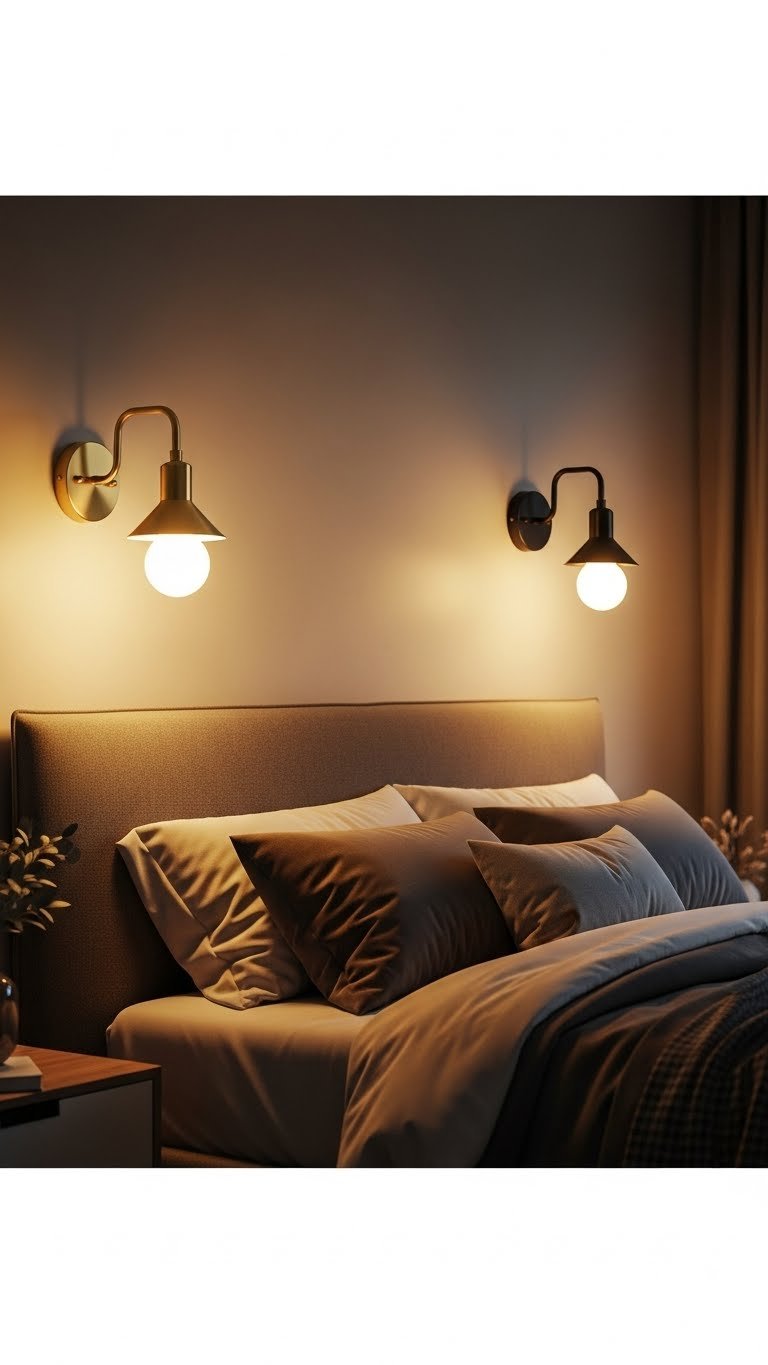
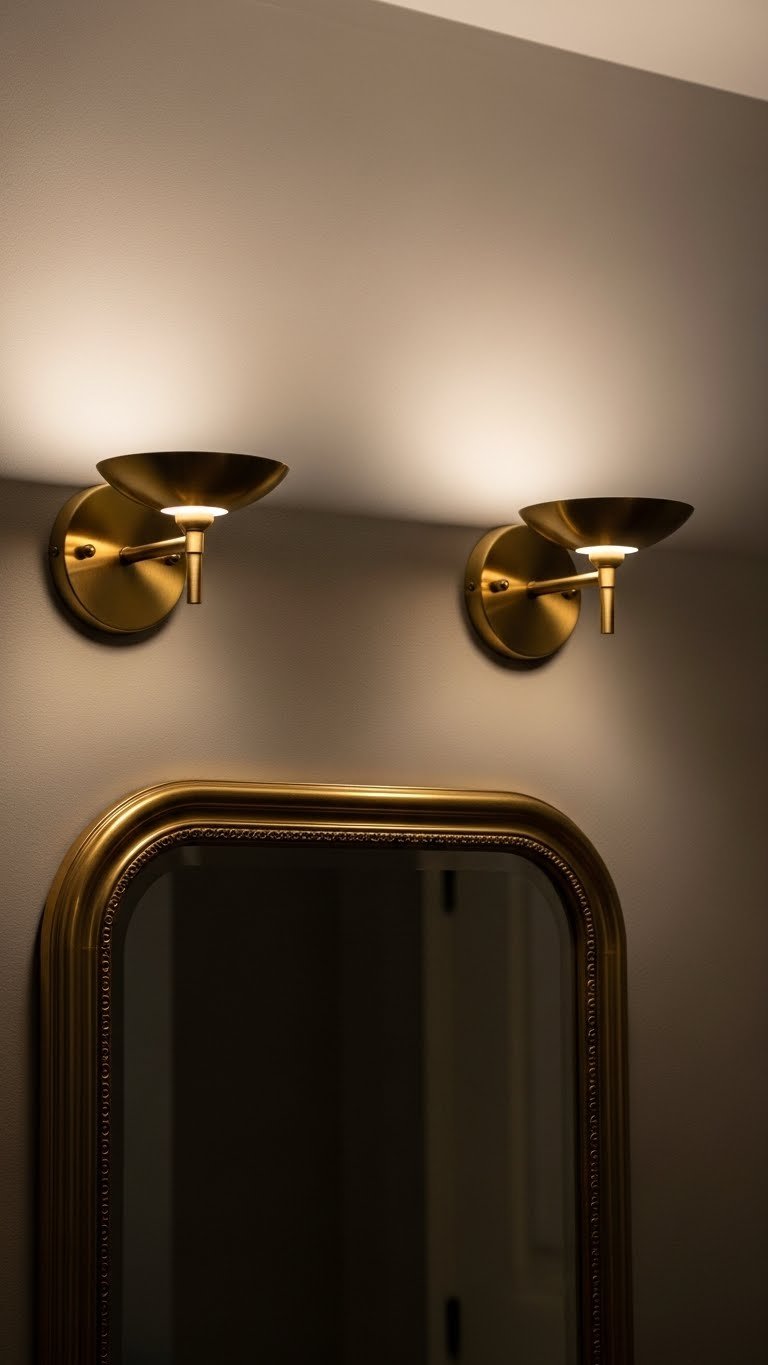
    7. Install Gold or Brass Wall Sconces

    Sconces provide layered lighting and look unquestionably upscale. They’re especially impactful around mirrors, artwork, or above console tables. Unlike pendant lights, sconces feel more intimate and sophisticated. For renters, plug-in versions exist, but hardwired sconces look more polished.

    Plug-in options: Brightech on Amazon ($20–$50 per pair), IKEA ($40–$80). Hardwired sconces: Wayfair ($60–$120), West Elm ($100–$200), or local lighting shops ($100–$300). Installation takes 1–2 hours if you’re comfortable with basic wiring; otherwise, hire an electrician ($100–$200 for a simple install). Position them 36 inches apart or flanking a mirror at eye level.

    Your space suddenly feels like a boutique hotel or upscale apartment. That warm upward glow transforms the entire room’s sophistication level.


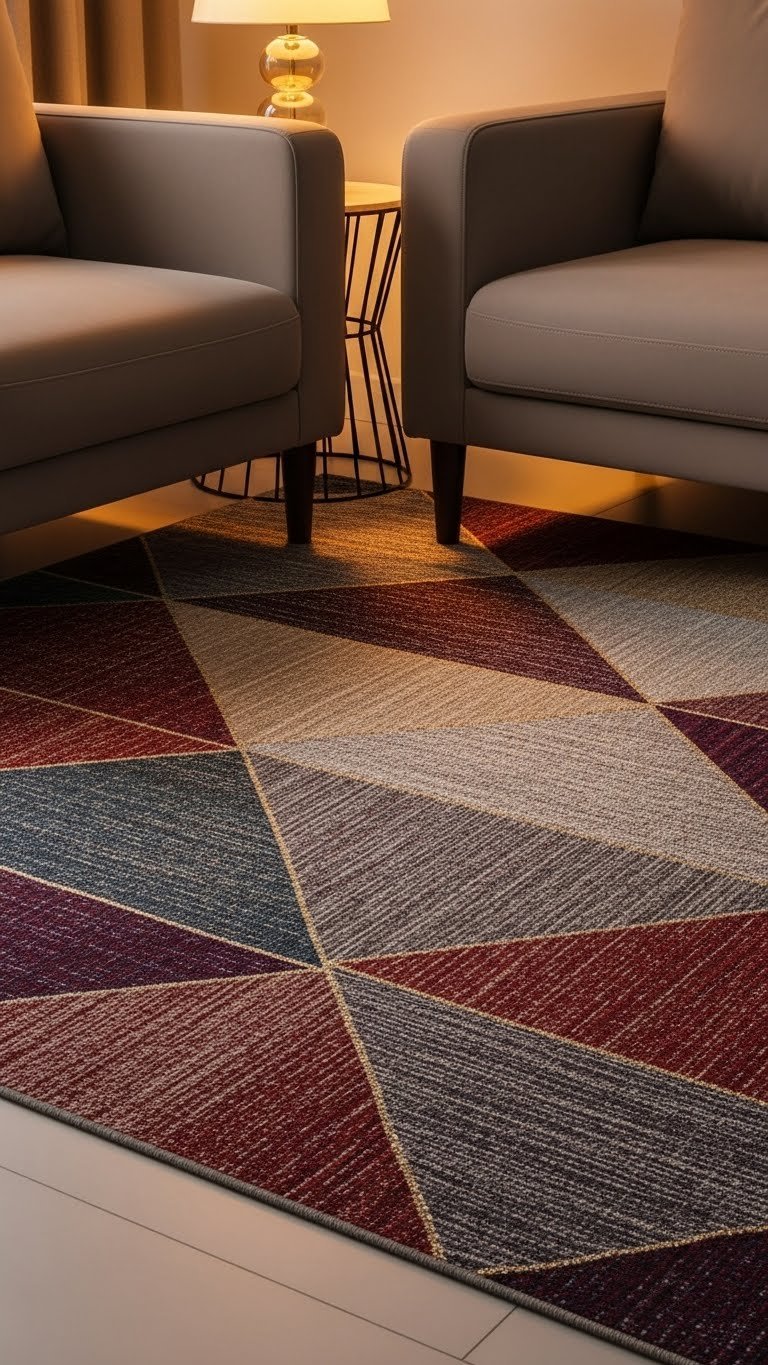
    8. Layer in a Statement Area Rug with Metallic Threading

    Rugs ground a room and add visual interest underfoot. Metallic threading (gold, silver, or copper) catches light and feels more luxe than a solid rug, but it’s subtle enough not to overwhelm. Geometric patterns, traditional motifs, or abstract designs all work depending on your style.

    Wayfair ($100–$300), Ruggable ($80–$200, bonus: washable), Overstock ($80–$250), or West Elm ($200–$500). Size matters: 8×10 for large seating areas, 5×8 for smaller zones. Metallic threading adds only $20–$50 to the price of a regular rug, so it’s a smart upgrade. Layer a smaller rug on top if you want extra texture (called a “rug layer”).

    Your seating zone instantly feels intentional and defined. The metallic details shimmer differently throughout the day as light shifts.


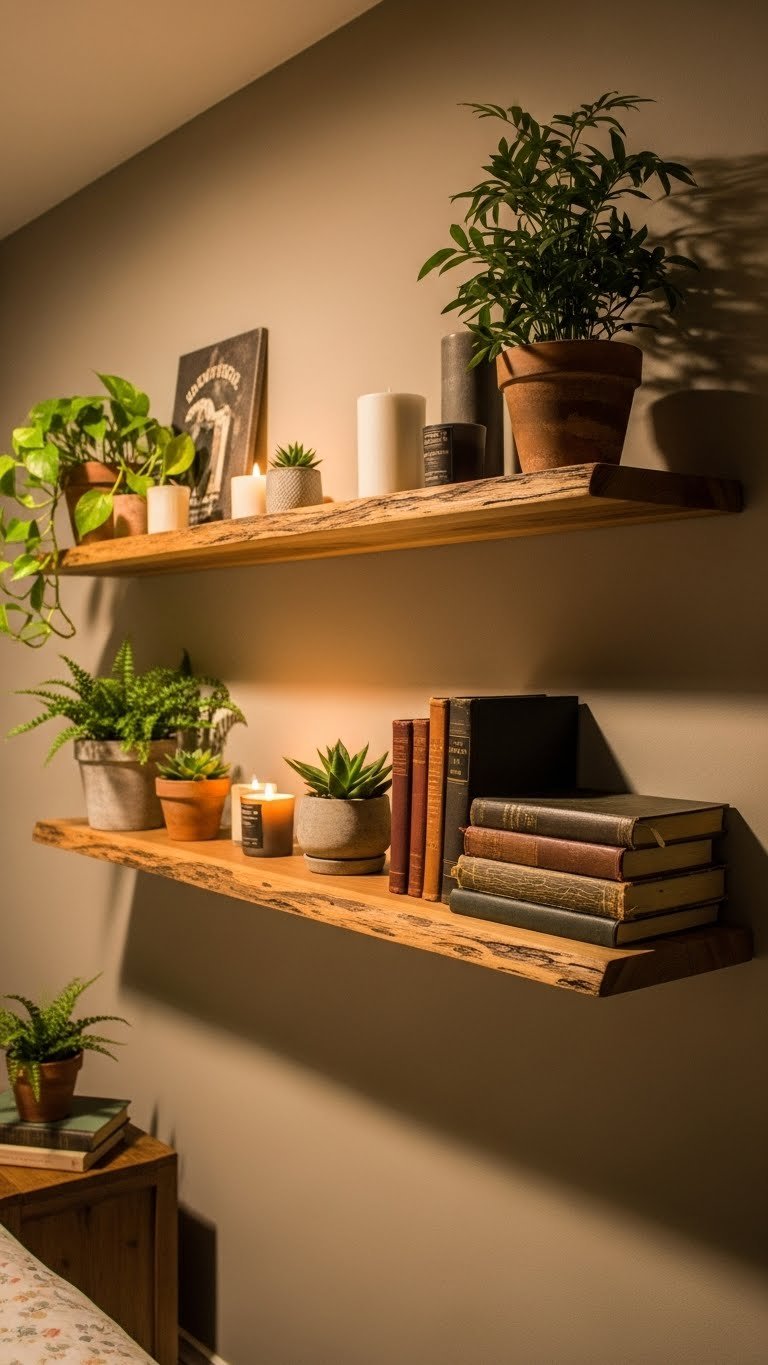
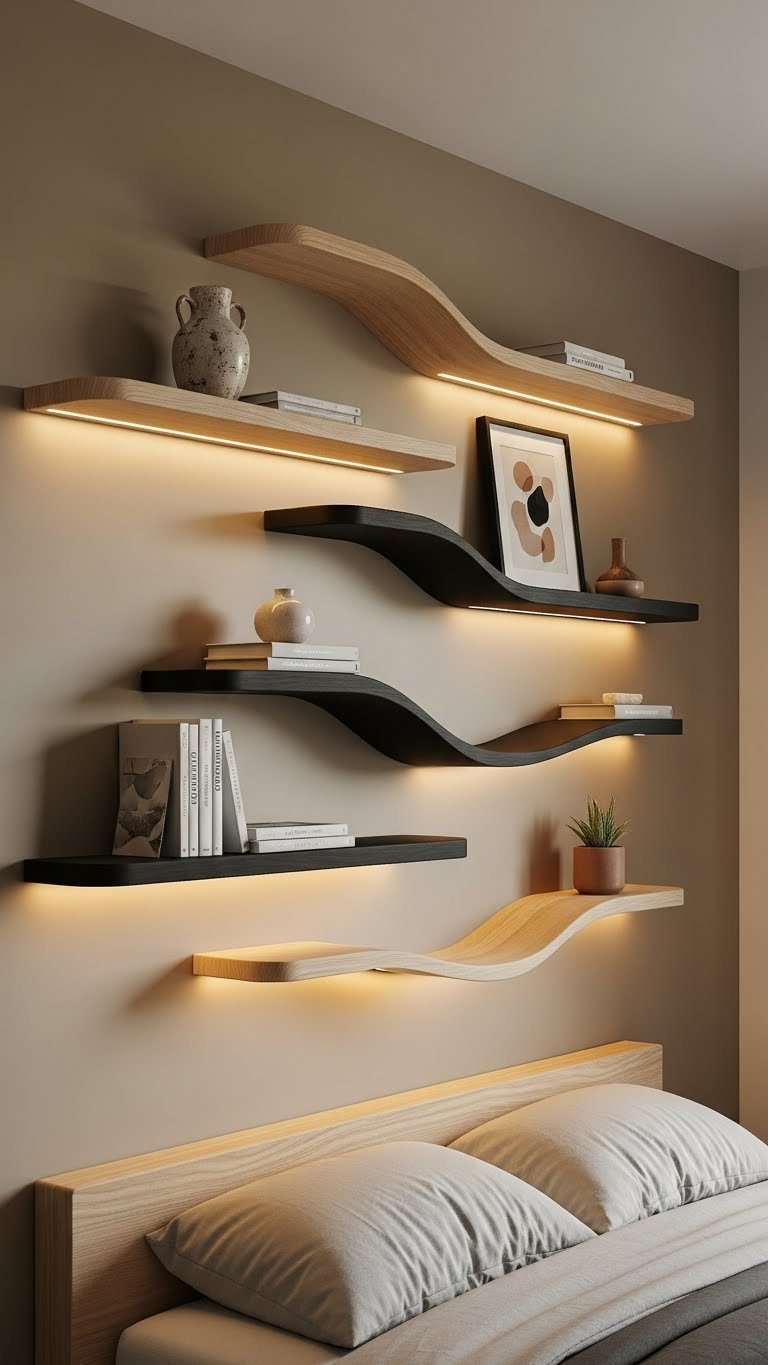
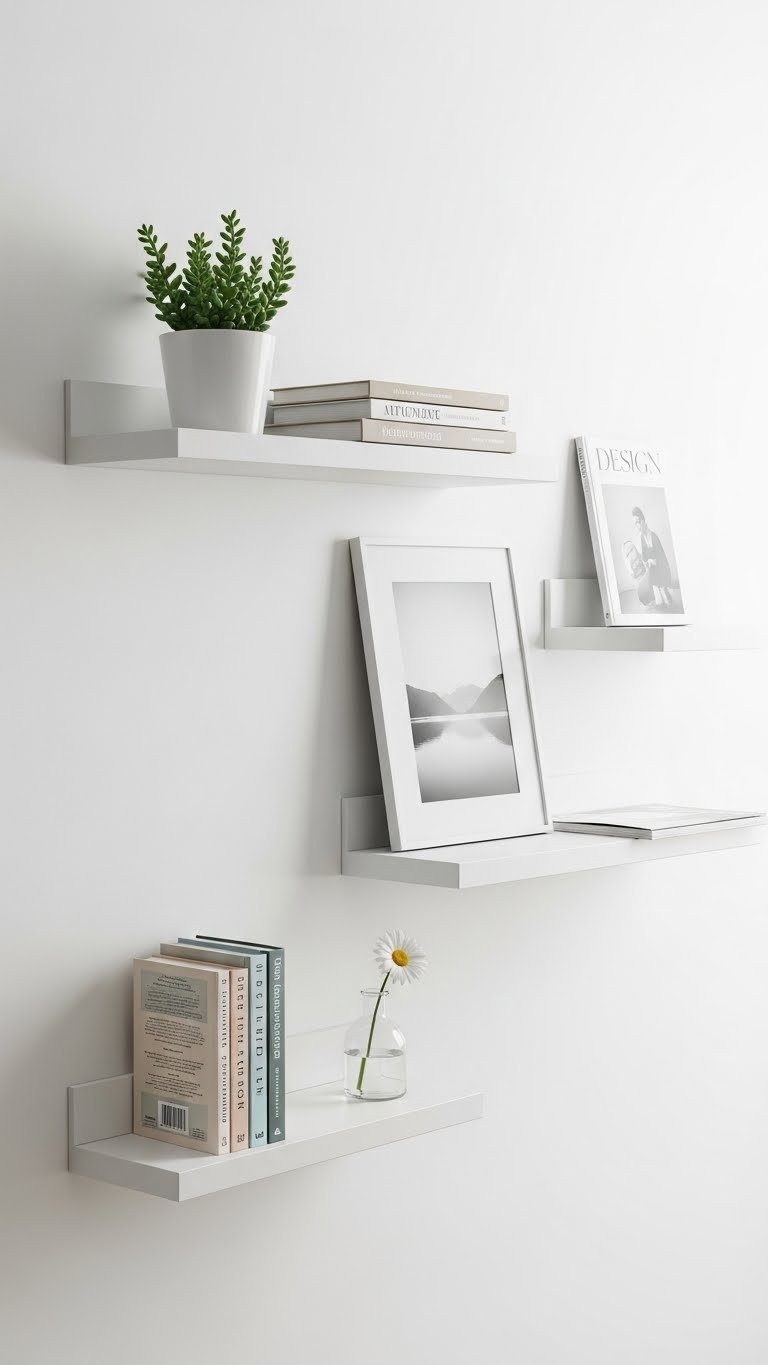
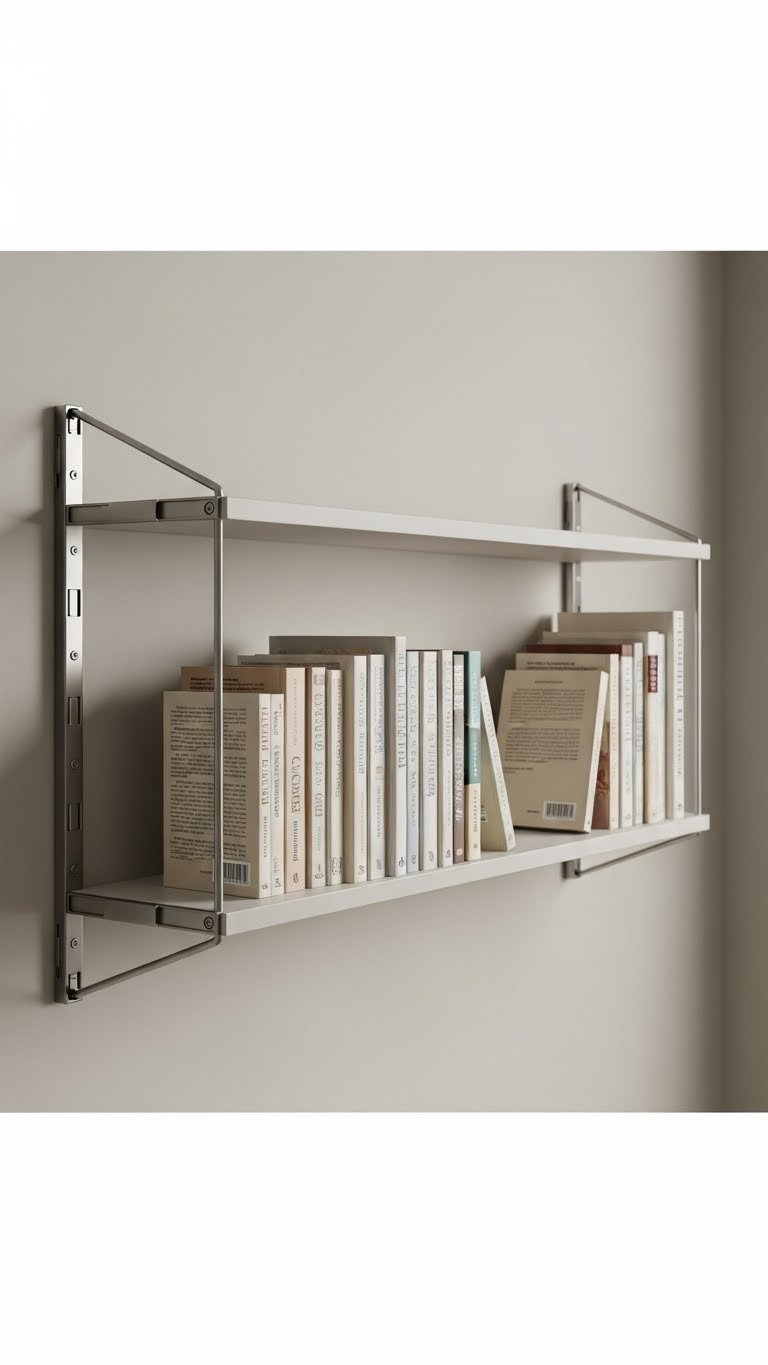
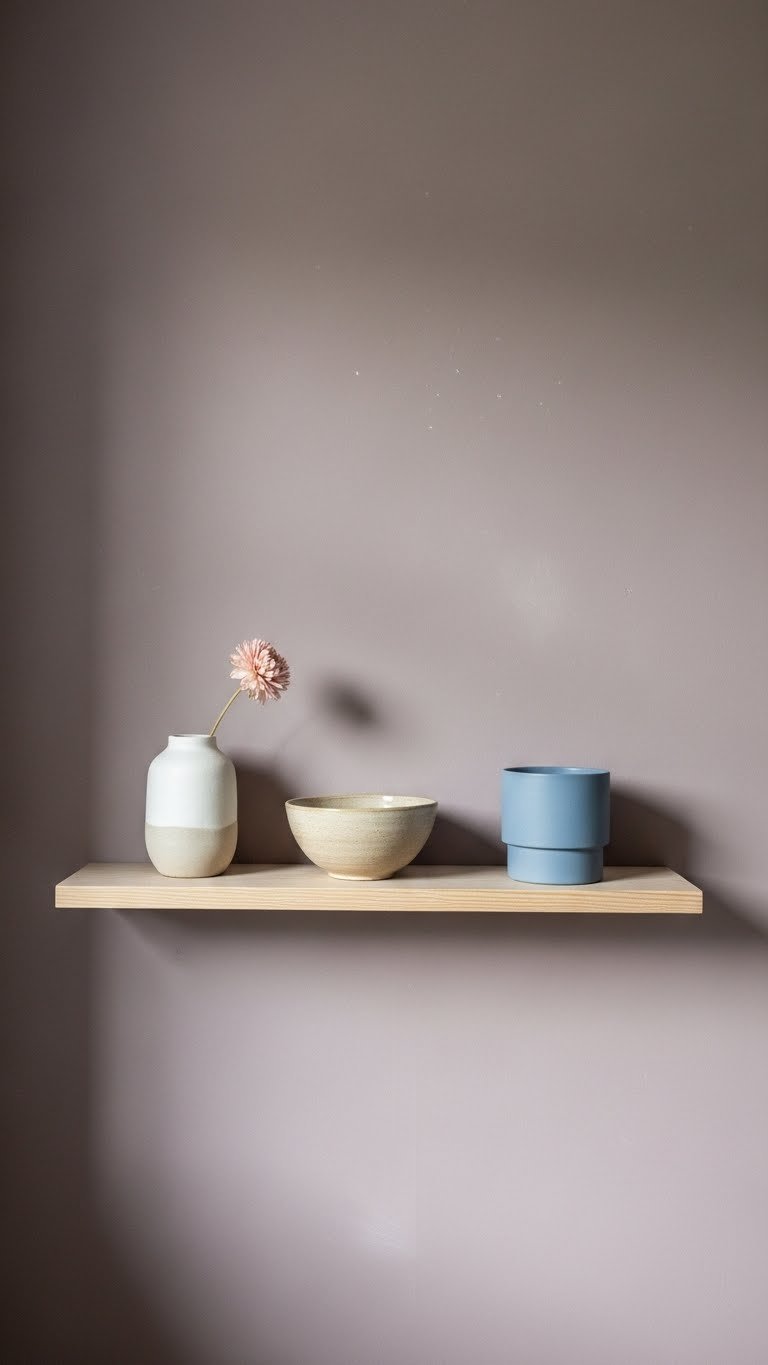
    9. Create a Floating Shelf Display with Gold Brackets

    Floating shelves are affordable architecture that gives you display space without bulk. Gold or brass brackets feel more intentional than basic metal ones. They’re a great solution if you rent, since they’re removable and don’t require major commitment.

    Shelf + brackets from IKEA ($15–$40), Target ($20–$50), or Wayfair ($30–$80). For a more upscale look, splurge on brass brackets from Anthropologie ($40–$80) or West Elm ($50–$100). Installation takes 30 minutes with a level and drill. Keep the top clear of clutter—aim for 5–7 carefully chosen objects. Mix heights: stack books, stand a small plant, angle a sculpture.

    Your walls go from blank to gallery-quality in one afternoon. This one upgrade changes how finished the entire room feels.


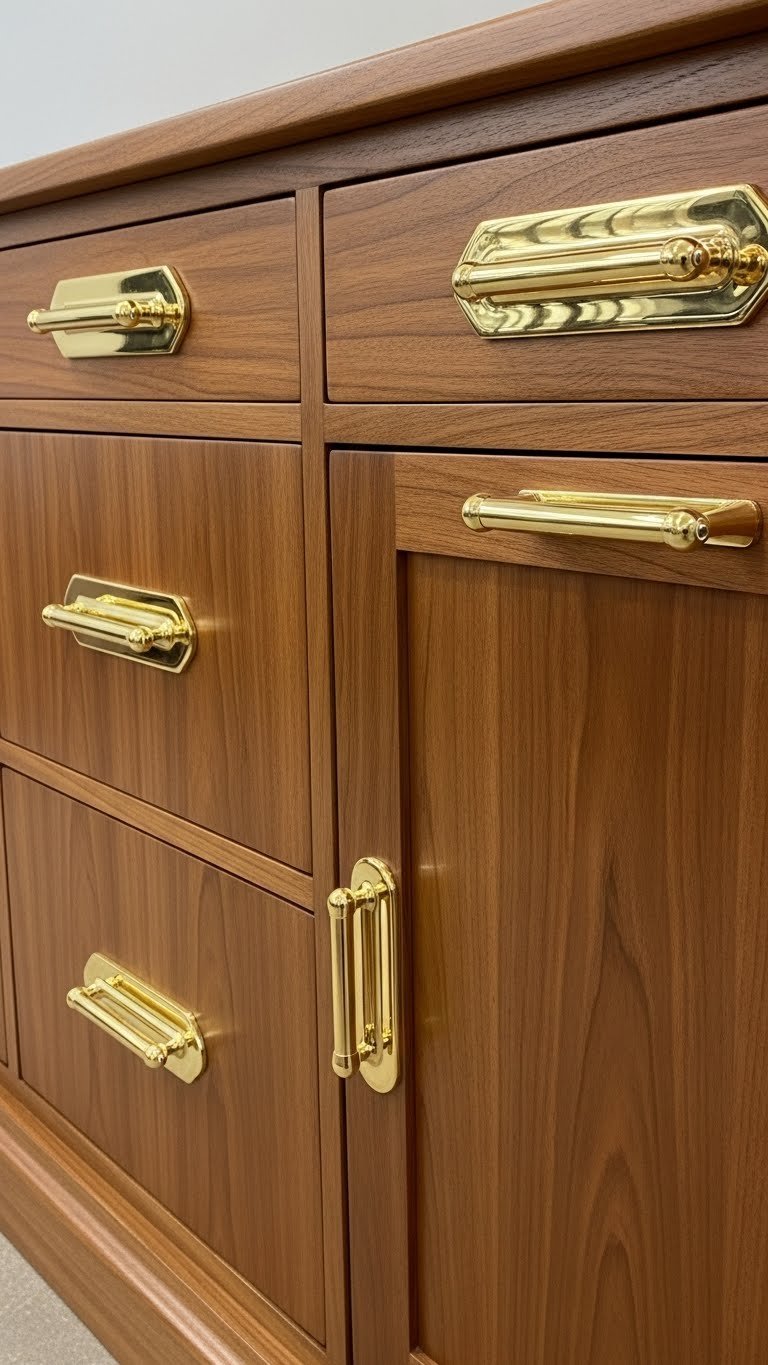
    10. Switch to Brass or Gold Hardware on Existing Furniture

    If you have existing furniture you love but it feels dated, swap the hardware. This is a 15-minute fix that costs under $30 and completely shifts the vibe. Brass and gold hardware feel current and luxe without requiring a furniture overhaul.

    Hardware from Amazon ($2–$5 per handle), Wayfair ($3–$8), or local hardware stores ($3–$6). Measure your current holes, unscrew old handles, screw in new ones—done. If holes don’t align, a furniture refinisher or handyperson can drill new ones for $50–$100. This trick works on dressers, nightstands, credenzas, or media consoles.

    Pro tip: mixing old furniture with new brass hardware instantly modernizes it. Your existing pieces look like intentional vintage-modern hybrids, not hand-me-downs.


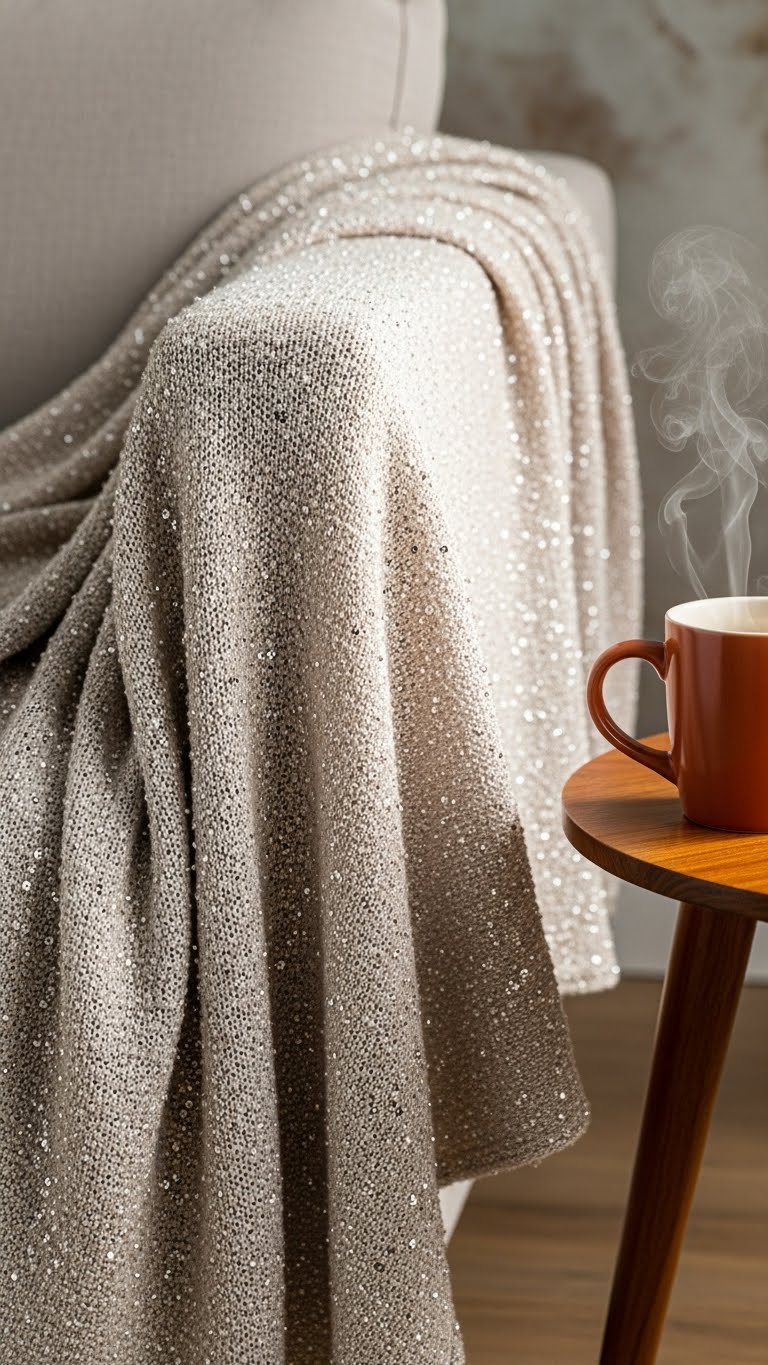
    11. Add a Beaded or Sequined Throw Blanket

    Textured blankets that catch light feel more expensive than plain knit. Beading, sequins, or metallic thread all work. You get warmth plus visual shimmer—and it’s renter-friendly since it’s completely removable.

    Target ($30–$60), IKEA ($25–$50), Wayfair ($40–$100), or West Elm ($80–$150). Look for blankets with subtle embellishment rather than all-over sequins (which can feel costume-y). Drape it asymmetrically over one sofa arm for a styled look. Machine-wash versions exist if you’re worried about care.

    The moment you drape this over your sofa, your living room shifts from functional to styled. That gentle shimmer reads as effort and intention.


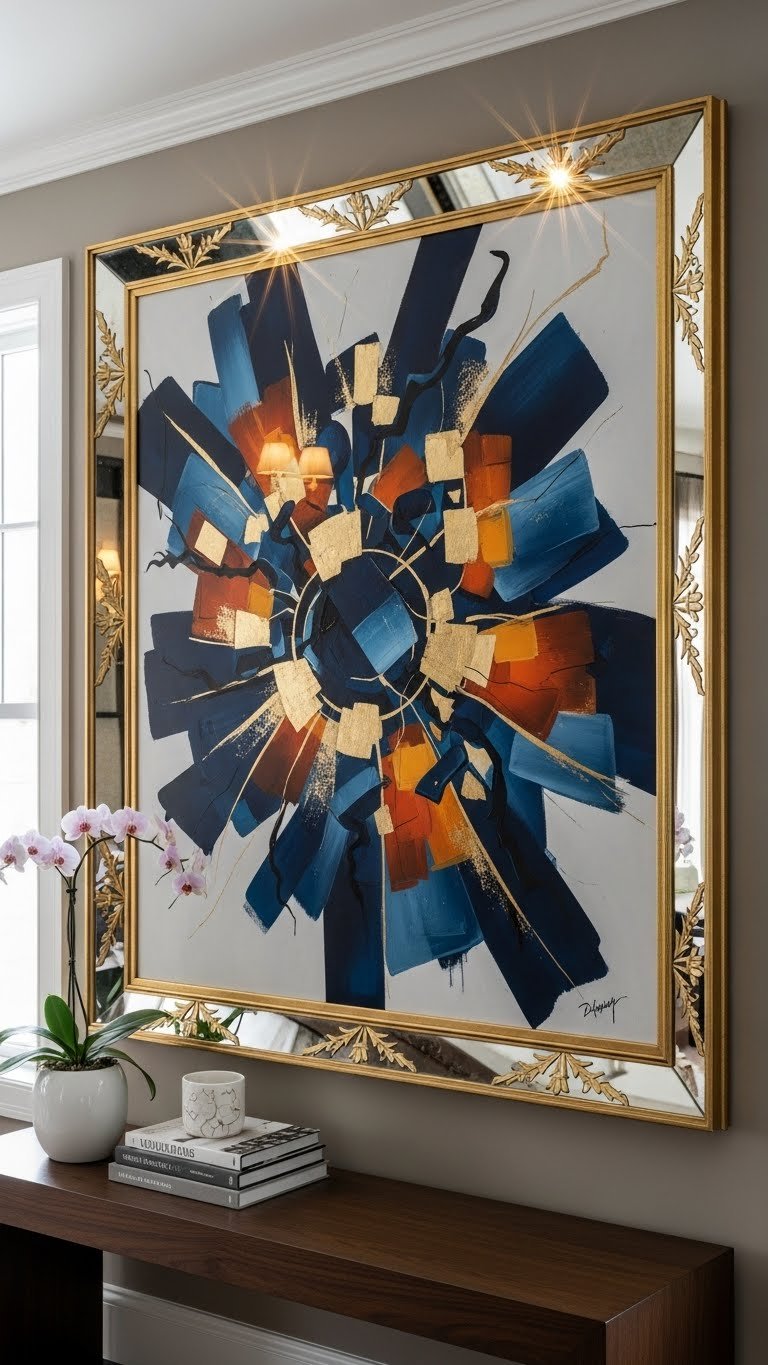
    12. Hang Artwork with a Metallic or Mirrored Frame

    Framing matters more than people realize. A beautiful print in a basic black frame reads differently than the same print in metallic or mirrored glass. The frame itself becomes part of the decor. Metallic finishes tie into your brass lamp and hardware for cohesion.

    Frame your own art: Michaels or JOANN ($15–$40 for frame + mat), or pay a framer ($50–$150 per piece). Buy pre-framed artwork from West Elm ($100–$400), Anthropologie ($80–$300), or Etsy ($50–$250). Position artwork at eye level (57 inches to the center is standard) and ensure it’s properly lit by a sconce or nearby lamp.

    Your art stops looking like decoration and starts looking like investment. That metallic frame ties the whole room together visually.


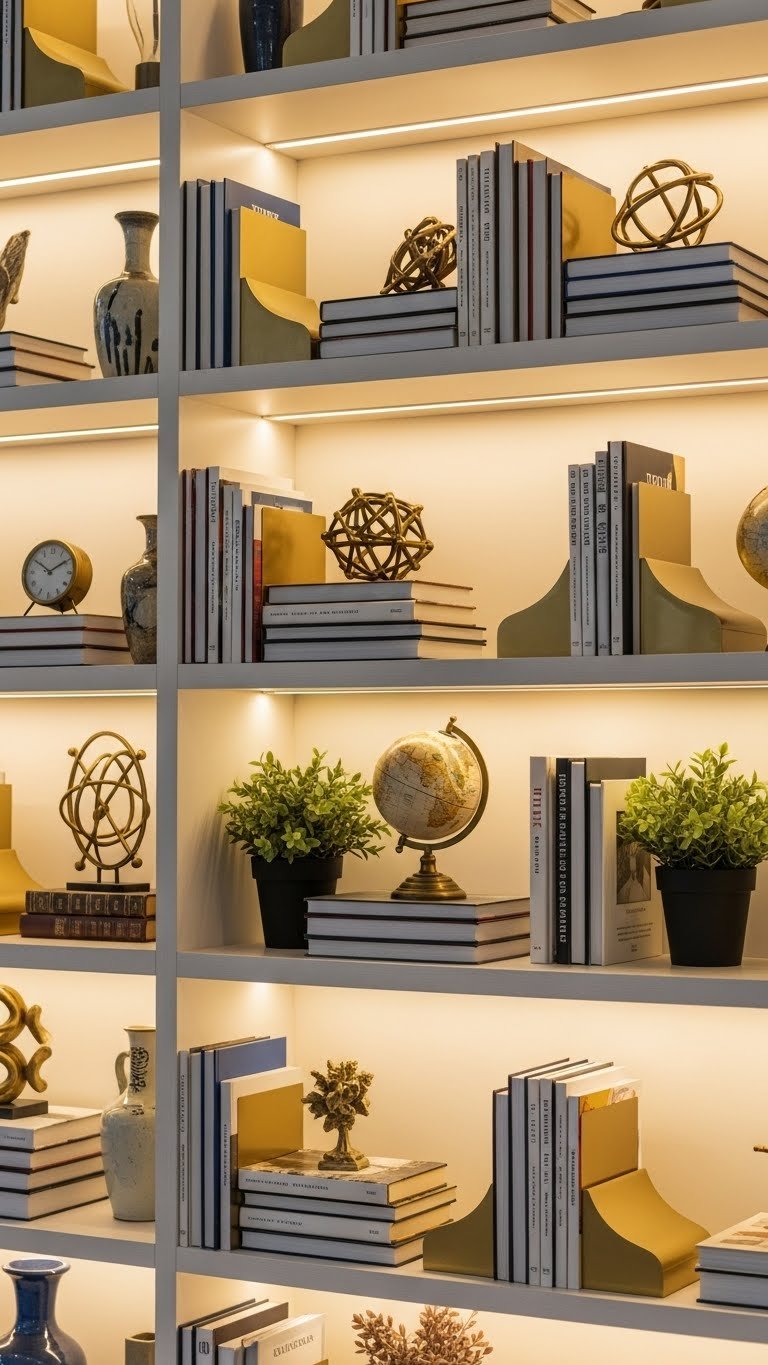
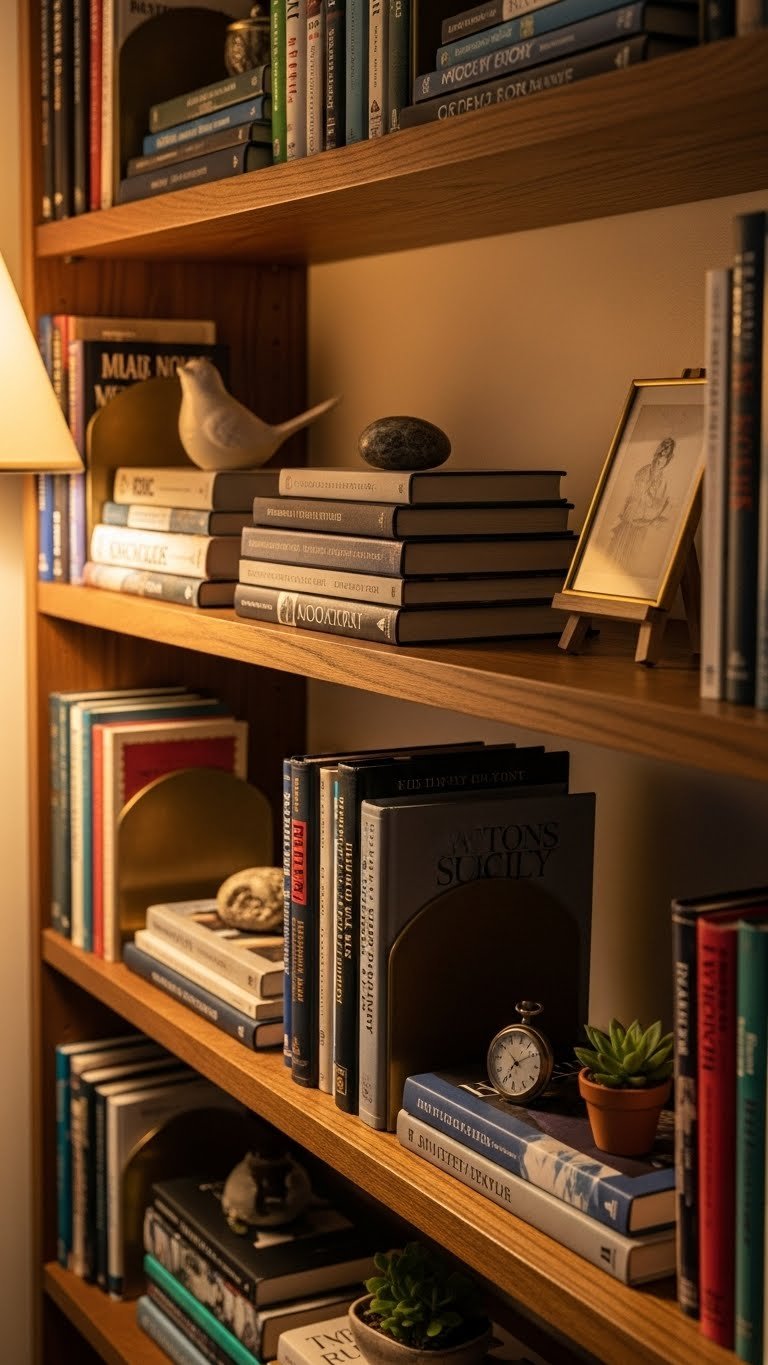
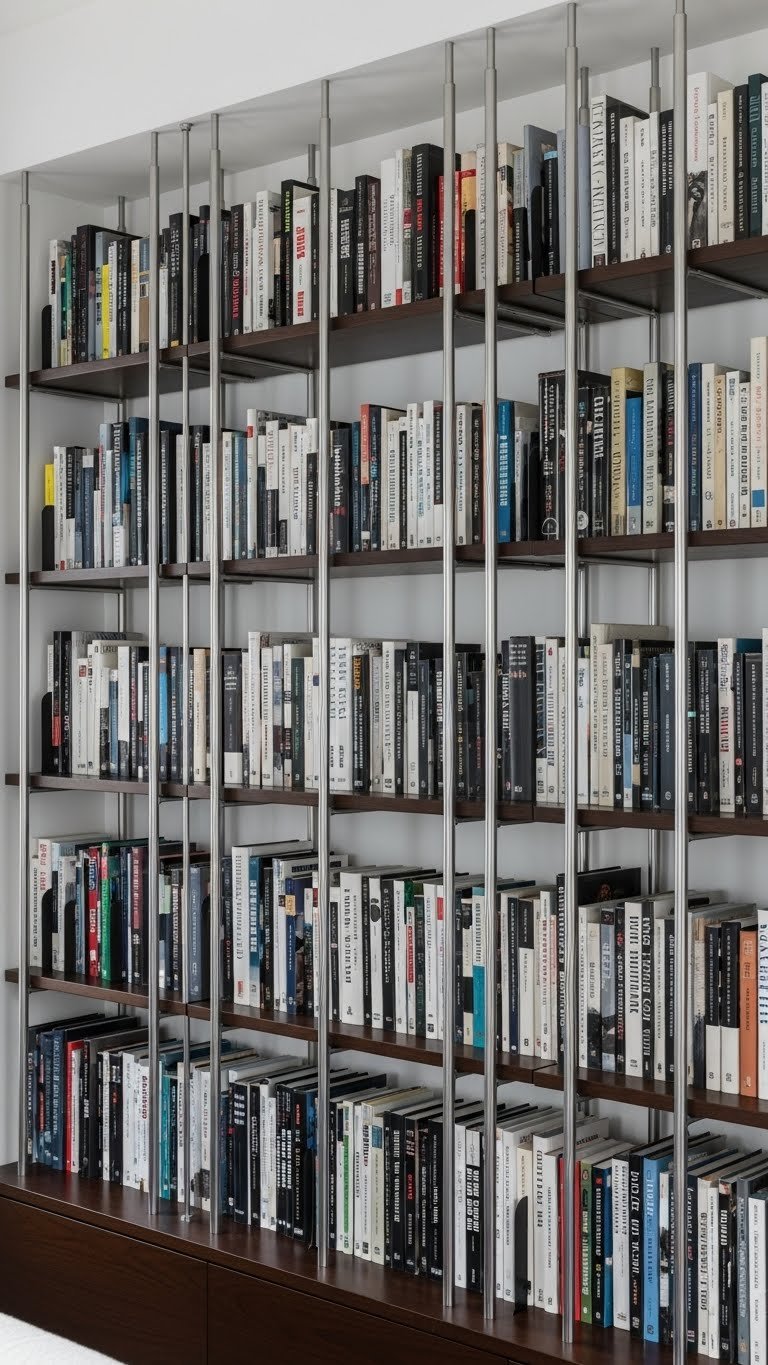
    13. Style Bookshelves with Metallic Bookends

    Bookends are functional sculpture. Metallic ones ground a shelf and make the entire arrangement feel curated. This is an easy win for anyone who has bookshelves but isn’t sure how to style them. Article Insight #9 (from the brief) highlights how architectural detail and designed spaces matter more than “stuff”—bookends demonstrate this perfectly.

    Brass or gold bookends from Target ($15–$30), IKEA ($10–$20), Wayfair ($20–$50), or West Elm ($30–$80). Arrange books in groups of 3–5, alternate spine-out and stacked, and tuck in small objects (plants, sculptures, boxes) between groups. Keep the shelf about 70% full—negative space feels more intentional than clutter.

    Your shelves transform from a book storage problem into a styled focal point. Guests will actually stop and look instead of walking past.


    14. Introduce a Brass or Gold Plant Stand

    Plants add life and color, but placing one on a brass stand elevates it. Metal stands work in small spaces since they’re open underneath, and the metallic finish ties into your lighting and hardware. This is especially effective in a corner that otherwise feels empty.

    Brass plant stands from Target ($30–$60), IKEA ($25–$50), Wayfair ($40–$120), or West Elm ($80–$180). Pair with a healthy plant (ask your local garden center for low-maintenance options like pothos, monstera, or snake plant). Water once a week, and rotate it 90 degrees weekly for even growth.

    Your empty corner becomes a visual anchor and a conversation starter. The combination of living green and gleaming metal feels both natural and sophisticated.


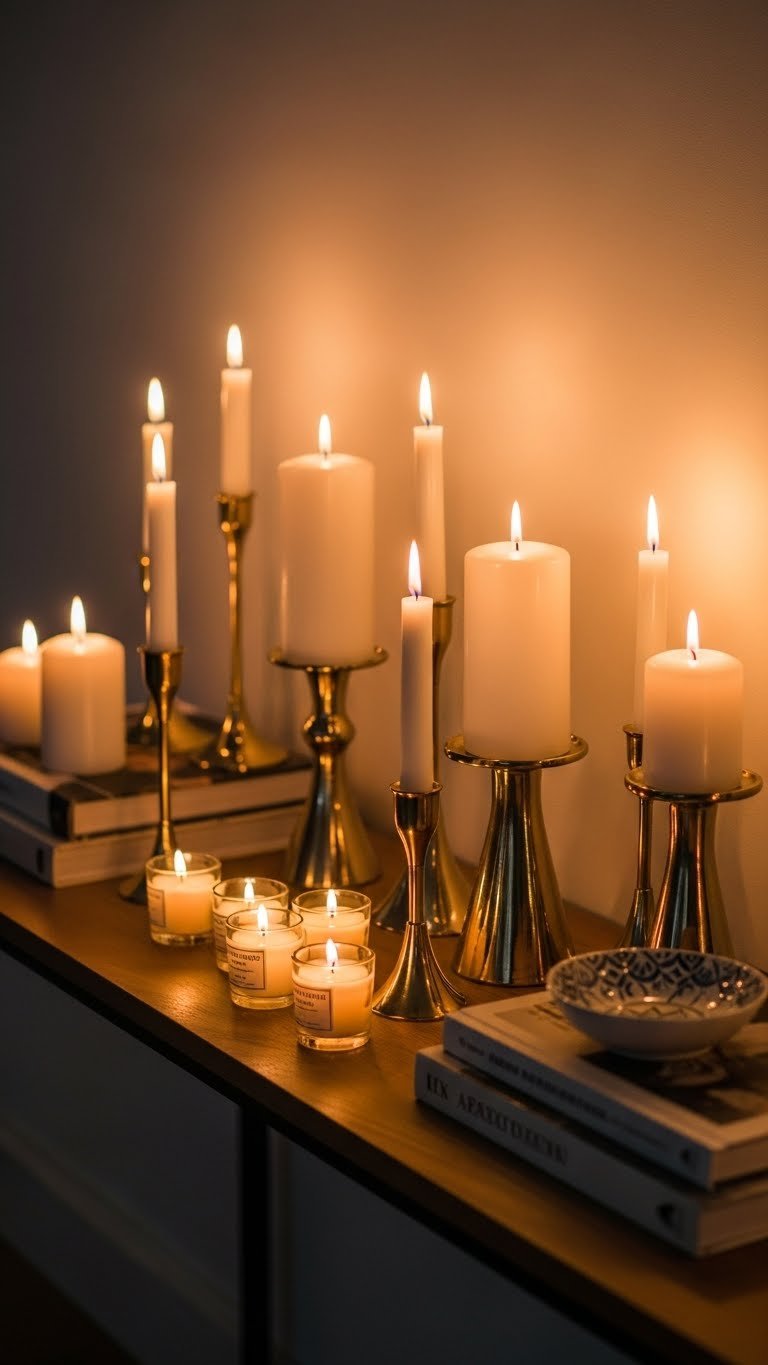
    15. Layer Candles in Varying Heights and Metallics

    Candles create ambiance, but displayed strategically, they’re also decor. Mix holders (brass, silver, glass) and heights (taper, pillar, votive) for visual interest. Scent is the bonus—but even unscented candles work for styling if you prefer.

    Candles and holders from Target ($2–$8 each), Wayfair ($5–$20), or West Elm ($10–$30). Group candles in odd numbers (3, 5, or 7) on a console, coffee table, or fireplace mantel. Light them during evening hours to create instant coziness. Soy or beeswax candles burn cleaner and last longer than paraffin.

    Pro tip: burn candles for 2 hours at a time to prevent tunneling (wax burning only down the middle). The flickering light and subtle scent transform your space into a sanctuary. It’s the small luxury detail that makes people say, “This is so nice.”


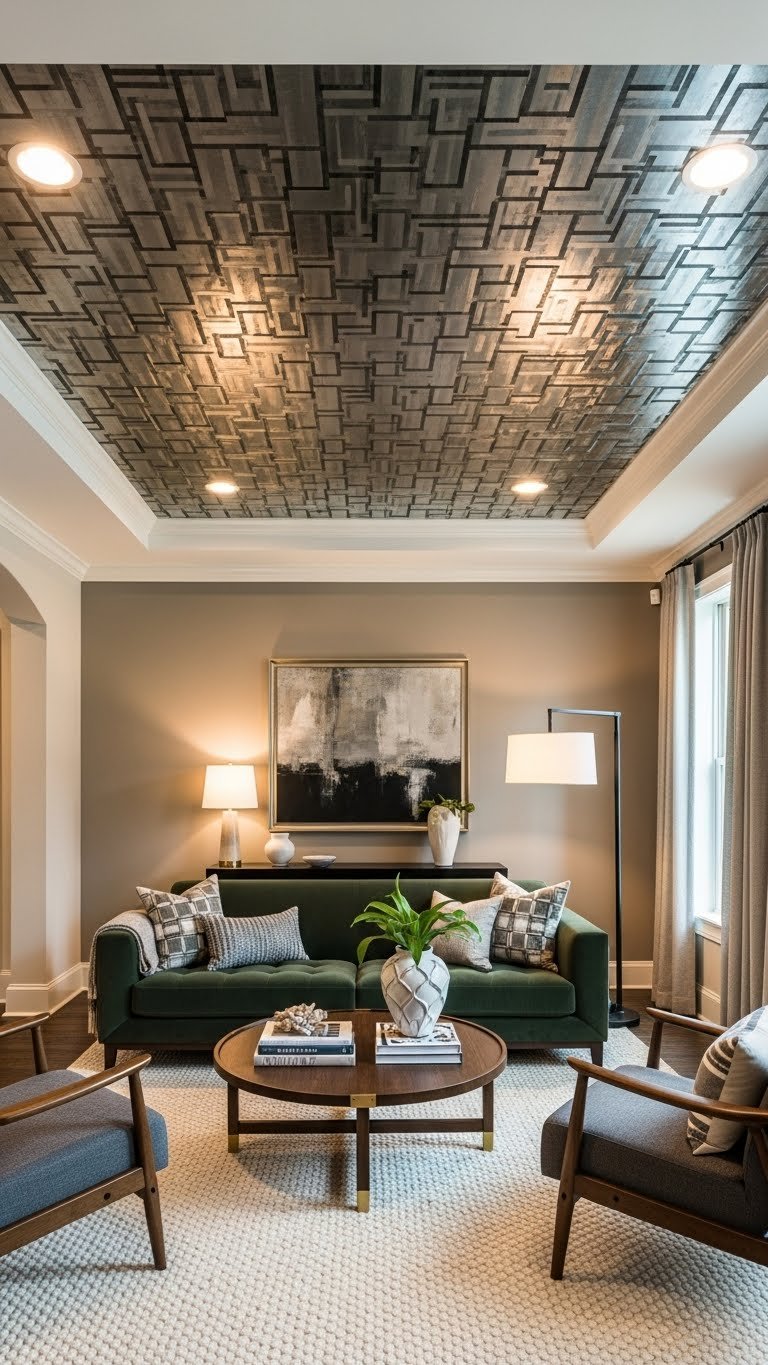
    16. Install Wallpaper on the Ceiling (“Fifth Wall”)

    Most people ignore the ceiling—which means it’s a smart place to make a statement. Metallic, patterned, or textured ceiling wallpaper feels daring but reads beautifully, especially in smaller rooms where the ceiling feels closer. This trend (Insight #6 from the brief) is having a major moment.

    Peel-and-stick wallpaper from Spoonflower ($20–$40 for a roll) or Wayfair ($15–$35). Permanent wallpaper requires an installer ($200–$500 for labor). Metallic, geometric, or subtle damask patterns work best. Pair with recessed lighting or subtle sconces to highlight the pattern.

    This one move transforms the entire room’s personality. Every person who visits will look up and comment on it immediately.


    17. Add a Glass and Brass Coffee Table

    Glass tables feel lighter and less bulky than solid wood, making small rooms airier. Brass frames anchor the look and connect to your other metallic accents. This feels intentional and layered without looking busy. Article Insight #12 speaks to this—furniture as architecture, with intentional gaps and visibility.

    Glass + brass coffee tables from Wayfair ($100–$250), West Elm ($200–$400), Article ($150–$350), or IKEA ($60–$120 for simpler styles). Style the surface with 3–4 objects: a coffee table book, a small plant, candles, or a decorative box. Keep it about 60% clear for an uncluttered, intentional look.

    Your room feels more open and sophisticated instantly. The ability to see through the table makes tight spaces feel less cramped.


    18. Hang a Chandelier or Pendant in Mixed Metals

    A statement light fixture is jewelry for your ceiling. Mixed-metal designs (brass + glass, gold + marble, chrome + velvet) feel more contemporary and less “matchy” than single-metal options. It’s a splurge, but it lasts for years and transforms the room instantly.

    Statement fixtures from Wayfair ($150–$400), West Elm ($200–$600), Article ($250–$500), or local lighting shops ($300–$800). Installation: $150–$300 for an electrician if you’re changing an existing fixture. Position it 30–36 inches above a dining or coffee table, or center it in the room. Pair with a dimmer switch (add $50–$100) for flexibility.

    Everyone notices the first time they walk in. That overhead focal point tells a story about how intentional you are about your space.


    19. Accessorize with Metallic Decorative Objects

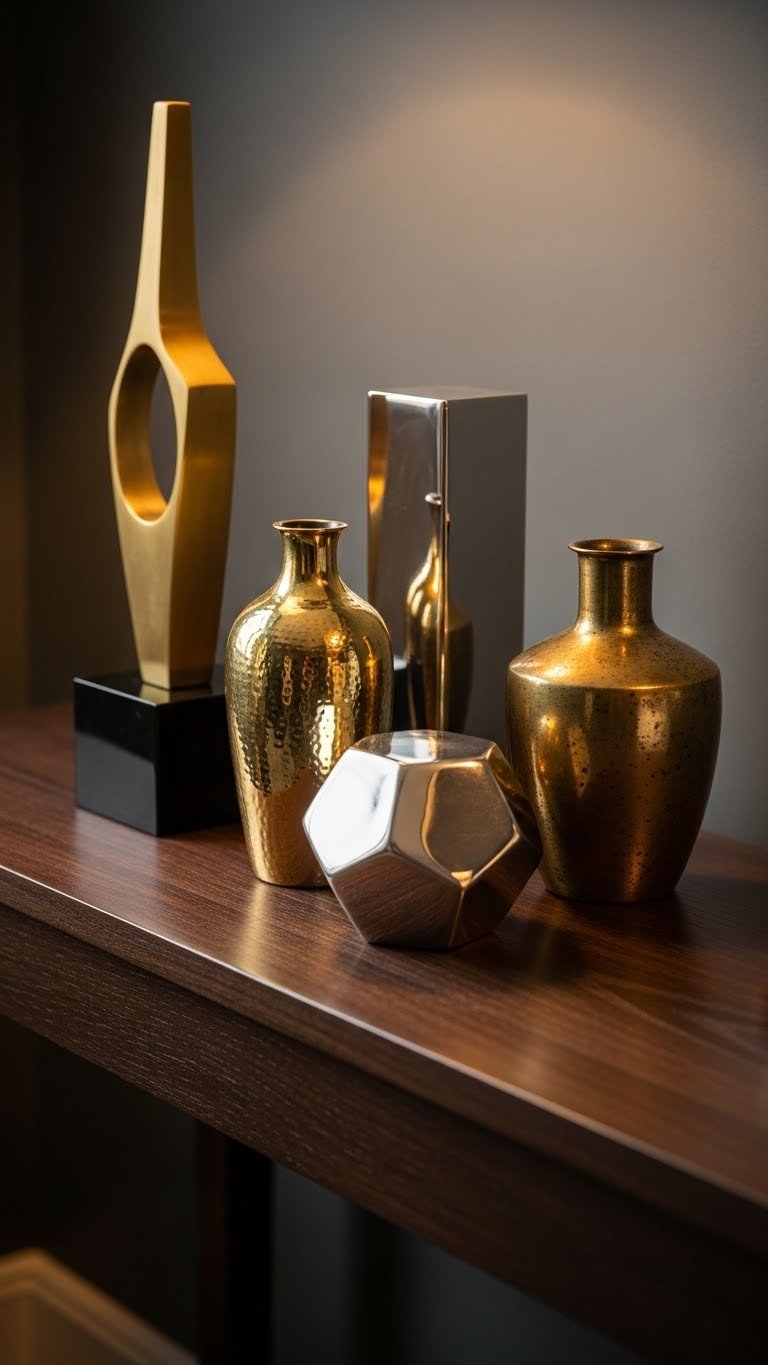
    Small decorative objects in coordinating metals create visual rhythm without requiring major changes. Think brass bowls, gold sculptures, silver frames, or vintage brass candlesticks. These tie your room together and give you something to collect over time.

    Mix vintage finds (thrift stores, $5–$20), new options (Target, $10–$40), and investment pieces (Anthropologie, West Elm, $30–$150). Group 5–7 objects in odd numbers on a shelf or console. Vary heights and shapes so nothing feels too uniform.

    Pro tip: brass patina (greenish aging) is beautiful—don’t polish it away. These small touches accumulate to create a room that feels like you, not a catalog.


    20. Swap Lampshades for Metallic or Textured Versions

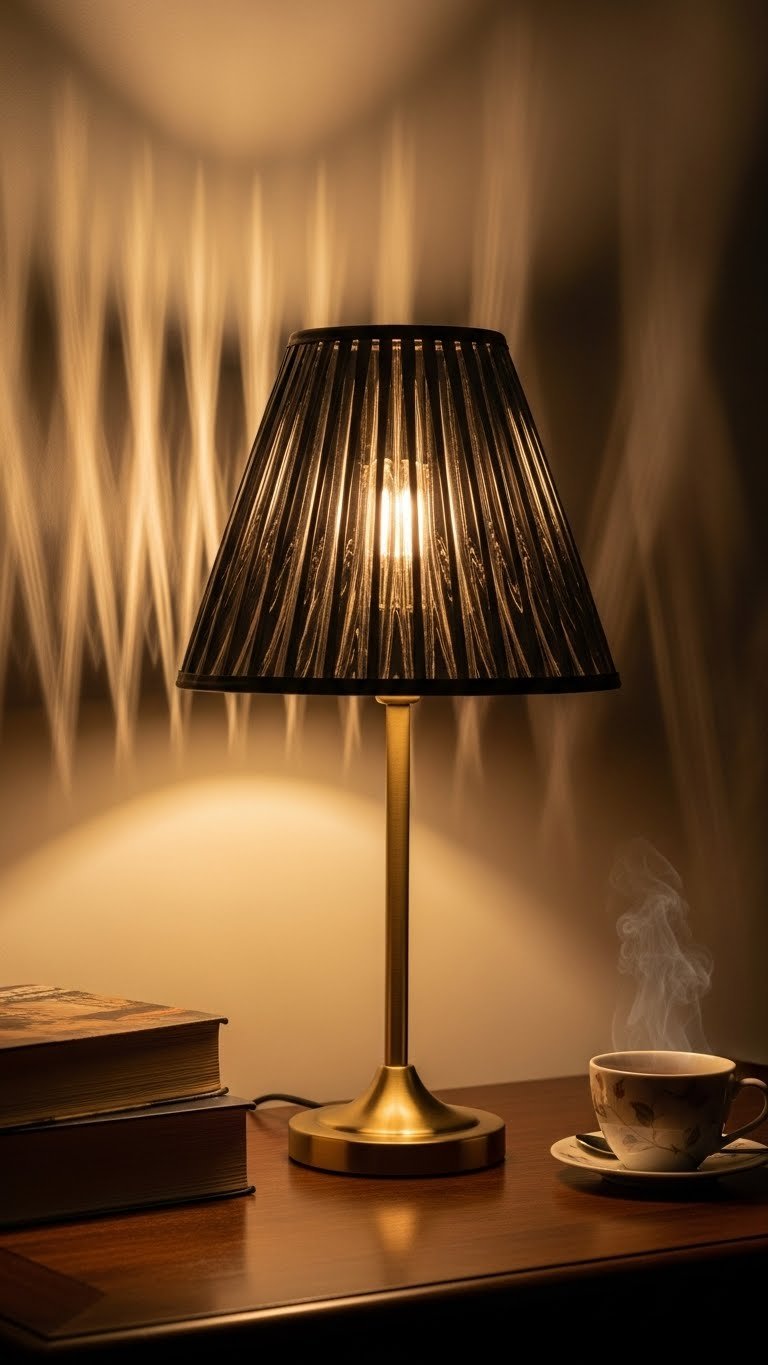
    If you already have lamps but they feel bland, new shades are a $20–$50 fix. Pleated, linen, metallic, or silk shades change how light diffuses through the room. Metallic shades bounce light outward; linen diffuses it softly.

    Replacement shades from Target ($15–$30), Wayfair ($20–$50), IKEA ($10–$25), or specialty shops ($30–$80). Measure your current lamp’s harp (the metal part the shade clips to) to ensure fit. Pleated shades in cream, gold, or champagne feel especially luxe. Upgrading two lamps takes 10 minutes total.

    Your existing lamps immediately feel curated rather than generic. The light quality shifts—suddenly it’s ambient rather than utilitarian.


    21. Create a Statement Wall with Textured Wallpaper

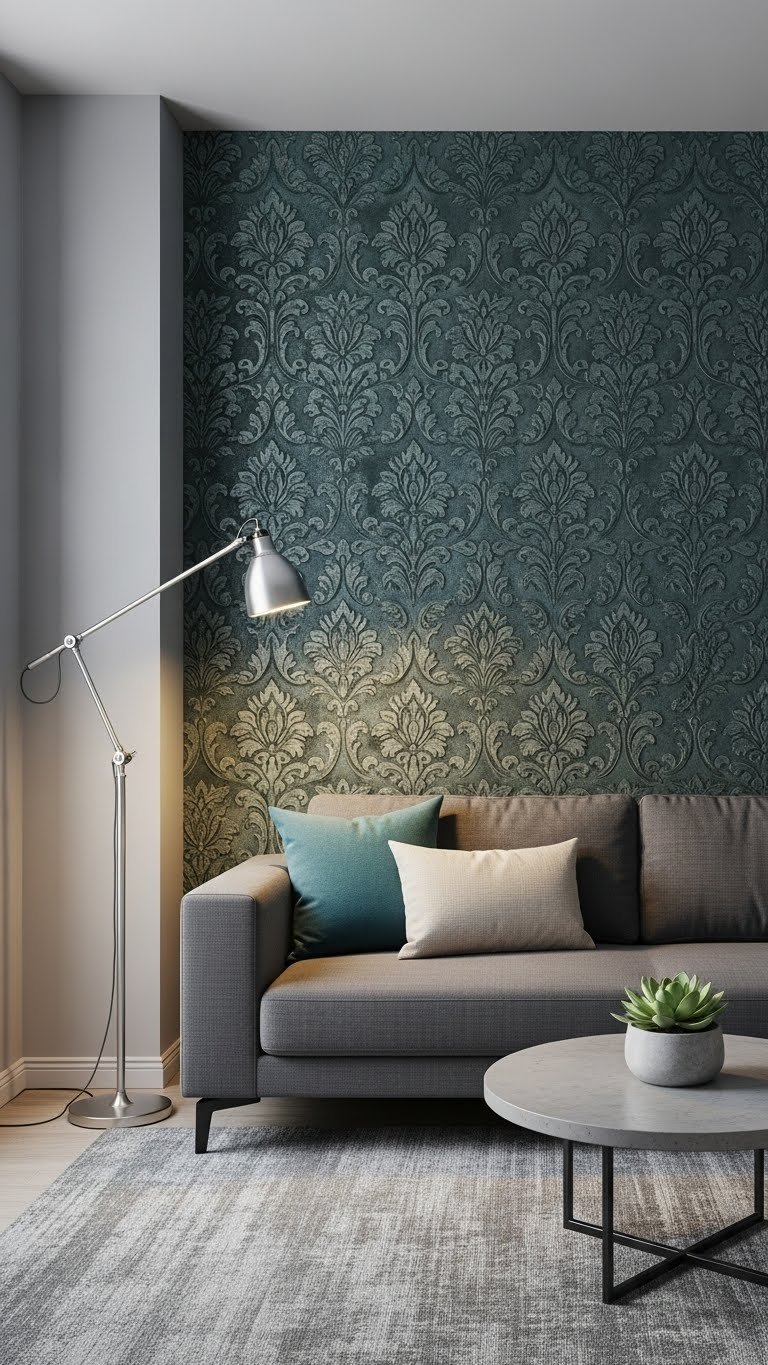
    One patterned or textured wall becomes a focal point without overwhelming the room. Modern textures (fluting, grasscloth, embossed patterns) feel more sophisticated than outdated florals. This strategy (Insight #5) of textured finishes is trending for 2025. Go bold or subtle—both work.

    Wallpaper from Spoonflower ($30–$60 per roll), Wayfair ($20–$45), or Sherwin-Williams ($40–$70). Peel-and-stick is renter-friendly and easier to install yourself (DIY weekend, 3–4 hours). Permanent wallpaper requires an installer ($200–$500). Choose one wall behind a sofa, headboard, or console for maximum impact.

    Your room instantly has depth and personality. That textured wall becomes the conversation starter—and the room’s anchor point.


    22. Add Metallic Trim or Beading to Existing Lampshades

    If replacing entire shades feels like too much, add beading or trim to the bottom of existing ones. It’s a $10–$15 detail that feels high-end and is surprisingly easy to DIY. Hot glue, fabric glue, or needle and thread all work.

    Metallic trim, beading, or fringe from craft stores like Michaels or JOANN ($3–$8). Attach with fabric glue (no-sew) or hand-stitch for durability. Takes 20–30 minutes per shade. This works especially well on existing neutral shades—cream, white, or soft gray.

    Your lamps suddenly look intentionally styled rather than off-the-shelf. That small detail reads as luxury without being obvious.


    23. Layer a Patterned Runner Over a Solid Area Rug

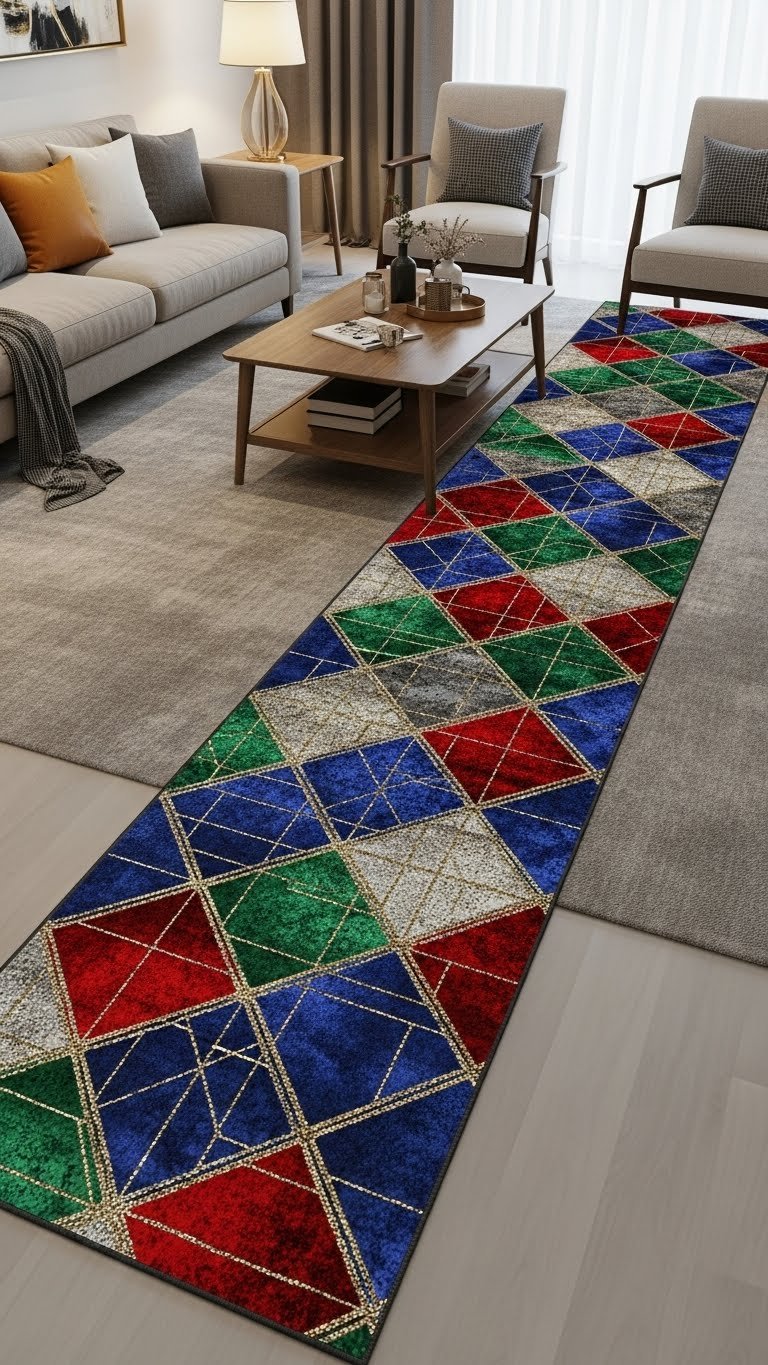
    Rug layering (Insight #10 mentions pattern-mixing) is a designer trick that feels intentional. Start with a solid base rug, then layer a patterned or smaller rug on top. This creates visual interest and defines zones without overwhelming the space. Article Insight #7 highlights defined spaces as a return trend.

    Solid rug from Wayfair or Overstock ($80–$200), patterned runner from Ruggable ($60–$150) or Wayfair ($50–$150). Layer the runner at an angle or centered on top. This works especially well if you have an open-plan room—the layered rug visually defines your seating zone.

    Your floor goes from simple to styled instantly. That extra layer adds texture and visual complexity that reads as intentional design.


    24. Display Collections on Open Shelving with Brass Supports

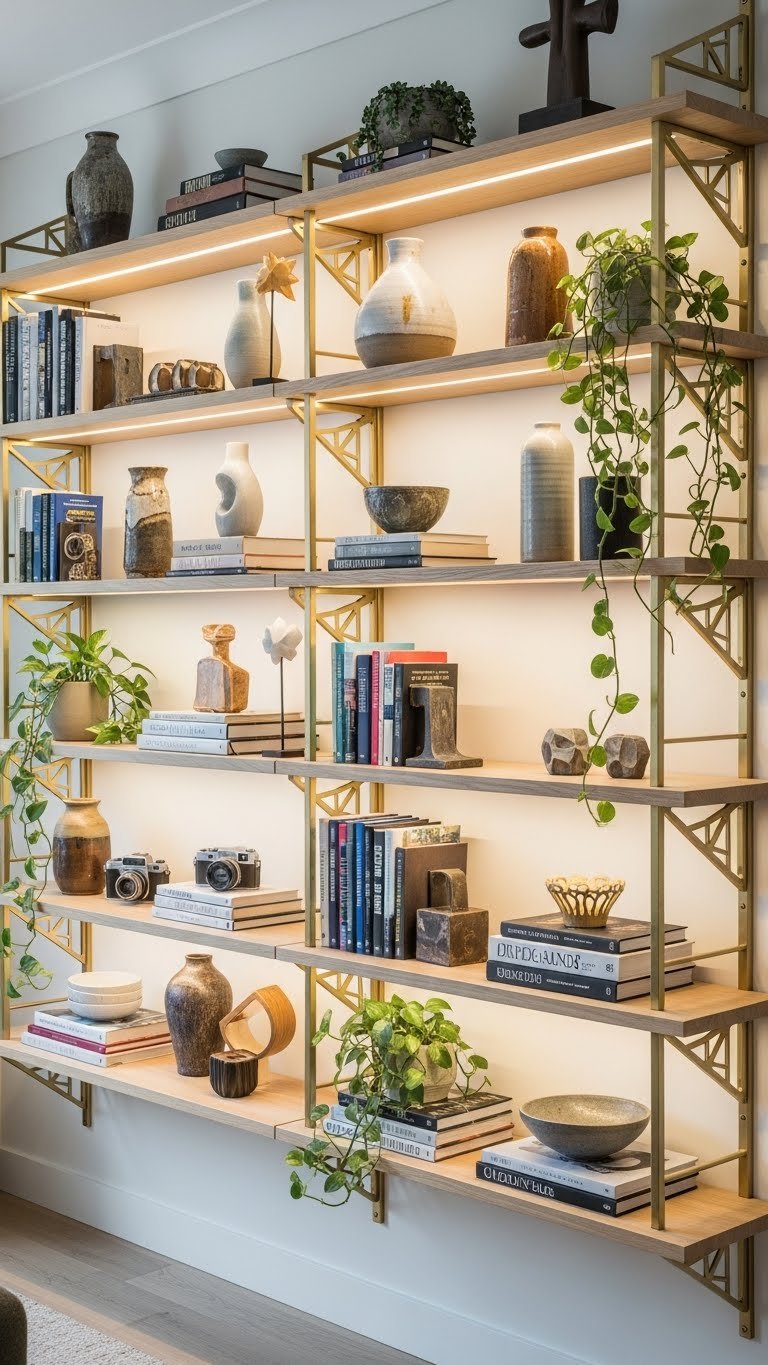
    If you have open shelving already, styled it thoughtfully. If not, open shelving with visible brass supports creates the architectural interest (Insight #13) that’s trending. Mix what you display: books, plants, ceramics, and personal objects. The key is balance—not crammed, not empty.

    Shelving + brass brackets from IKEA ($30–$80), Wayfair ($50–$150), or custom from local builders ($200–$500). Style using the “rule of thirds”: one-third books (spine-out), one-third decorative objects, one-third empty space. Rotate seasonal items to keep it fresh.

    Pro tip: group like objects together and use odd numbers (3 vases, 5 books). Your shelves become a personality showcase rather than storage. Guests see who you are through what you display.


    25. Install Picture Lights Above Artwork

    Picture lights are a gallery-world secret that instantly elevates any artwork. They cast warm light directly on pieces and create a focal point. The light itself becomes an accent—small brass picture lights feel especially upscale.

    Picture lights from Wayfair ($40–$100), West Elm ($60–$150), or specialty lighting shops ($80–$200). Installation: 30 minutes for a handyperson or DIYer. Mount the light 10–12 inches above the top of the frame, angled downward slightly. Pair with dimmable fixtures for flexibility.

    Your artwork becomes a gallery piece. That spotlight transforms even modest prints into focal points. Suddenly your walls tell a story.


    26. Layer Metallic Accents Throughout Using a Cohesive Finish

    The secret to a room feeling designed? Repeating your metal finish throughout. If you choose brass, echo it in lamps, hardware, frames, plant stands, and accessories. This repetition creates cohesion that reads as intentional luxury. You’re not randomly adding shiny things—you’re creating a design narrative.

    Audit your room: count how many different metal finishes you have (chrome, stainless, brushed nickel, etc.). Replace or add pieces that match your chosen finish. Brass and gold are currently trending (Article Insights #2, #15). Most updates under $50 each, so the cost spreads over time as you replace items naturally.

    When all your metals coordinate, the room suddenly feels sophisticated and intentionally designed. That cohesion is what separates “decorated” from “designed.” Everything feels like it belongs.


    Save this post and choose one idea to tackle this weekend—whether it’s swapping out hardware, adding candles, or hanging a new sconce. Small changes add up fast, and your living room will thank you.

  • 24 Black & White Kitchen Ideas That Look Bold & Timeless

    24 Black & White Kitchen Ideas That Look Bold & Timeless

    Black and white kitchens never go out of style—but they don’t have to feel cold or sterile either. Whether you’re renovating or renting, these 24 ideas prove that a monochromatic palette can feel warm, sophisticated, and totally livable. From bold accent walls to subtle hardware swaps, you’ll find inspiration at every budget level. These ideas work in tiny apartments, sprawling farmhouses, and everything in between. Ready to create a kitchen that’s both timeless and unmistakably yours? Let’s dive in.

    1. Paint Your Island a Statement Black

    A black island instantly becomes the focal point without requiring a full kitchen overhaul. Paint existing cabinetry with high-quality cabinet paint like Sherwin-Williams Tricorn Black ($30–$40 per quart) or Benjamin Moore Onyx ($28–$35 per quart). You’ll need 2–3 quarts depending on size, plus primer. This is a renter-friendly option if you use peel-and-stick contact paper designed for furniture instead.

    The whole project takes one weekend. Prep is everything—sand, prime, then apply two coats with 24 hours between. Home Depot and Lowes stock all supplies. Add new hardware in brass, matte black, or brushed gold ($15–$60 per set of handles) to complete the look. Your kitchen gains instant polish and a perfect place to gather.

    2. Install Black Grout for Dramatic Tile Work

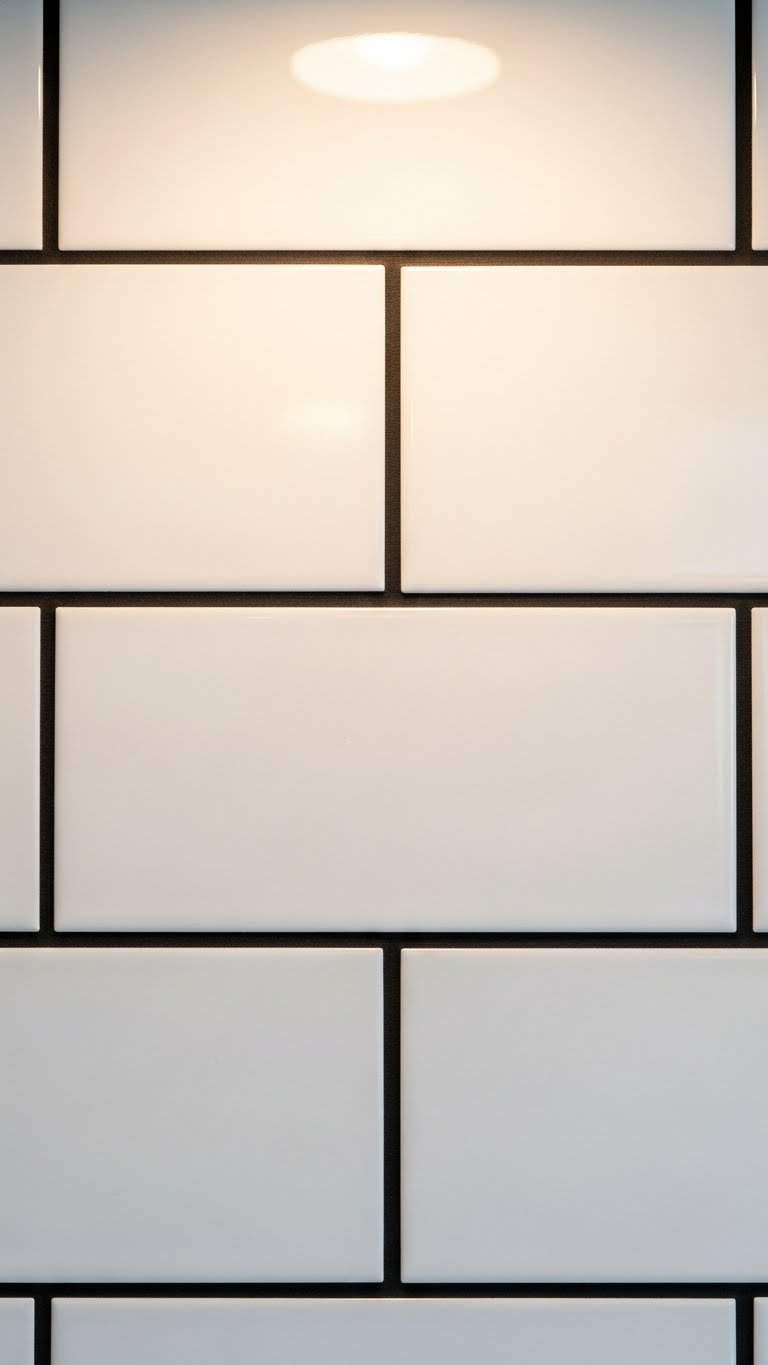
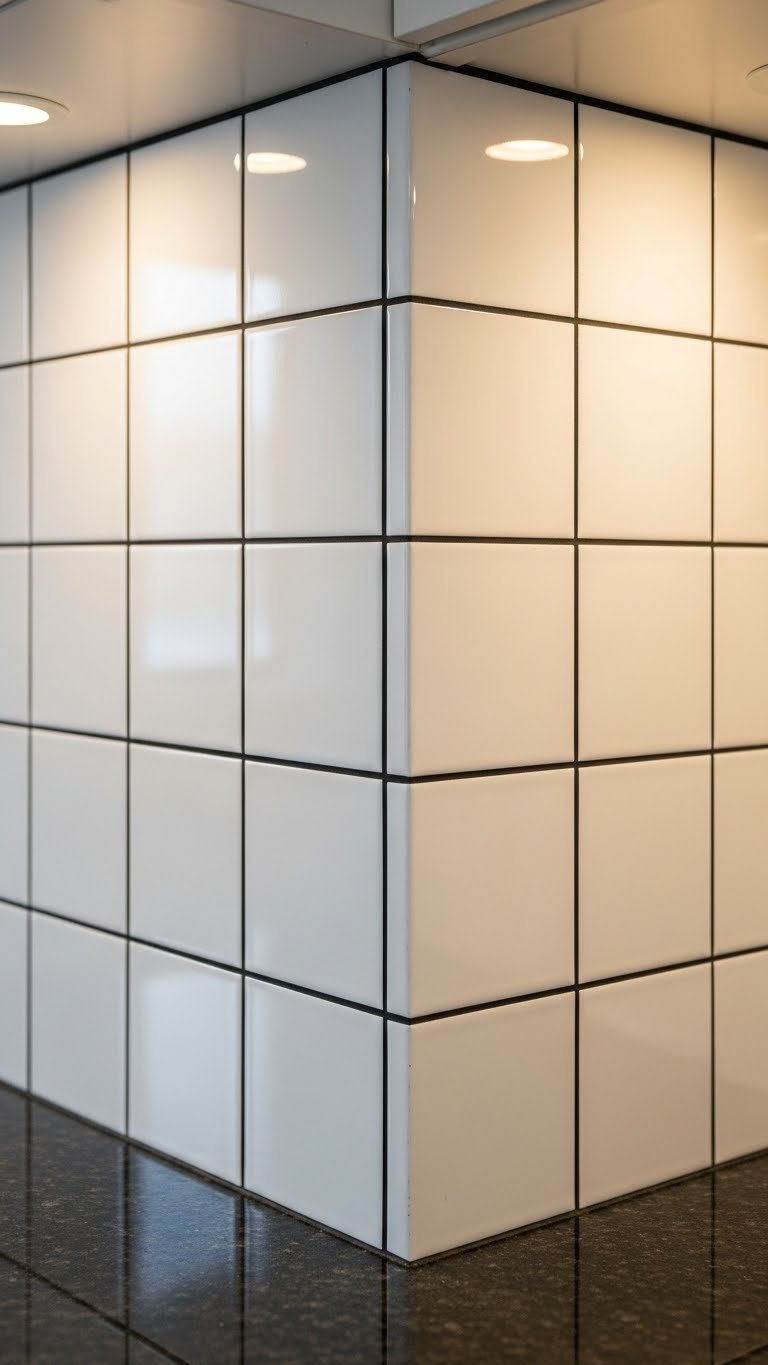
    Black grout transforms standard white subway tiles into something architectural and intentional. Choose epoxy or urethane-based grout—it resists staining better than unsanded grout ($20–$50 per bag). Grout sealer ($15–$25) is essential for keeping it pristine.

    If you’re tiling yourself, budget one full weekend for backsplash work. Hire a pro if you’d rather skip the learning curve ($300–$600 for materials and labor on a standard backsplash). The contrast creates visual interest without adding color chaos. Your eye naturally follows those clean lines, making the kitchen feel more intentional and modern even if everything else stays simple.

    3. Add Black Window Frames for Architectural Pop

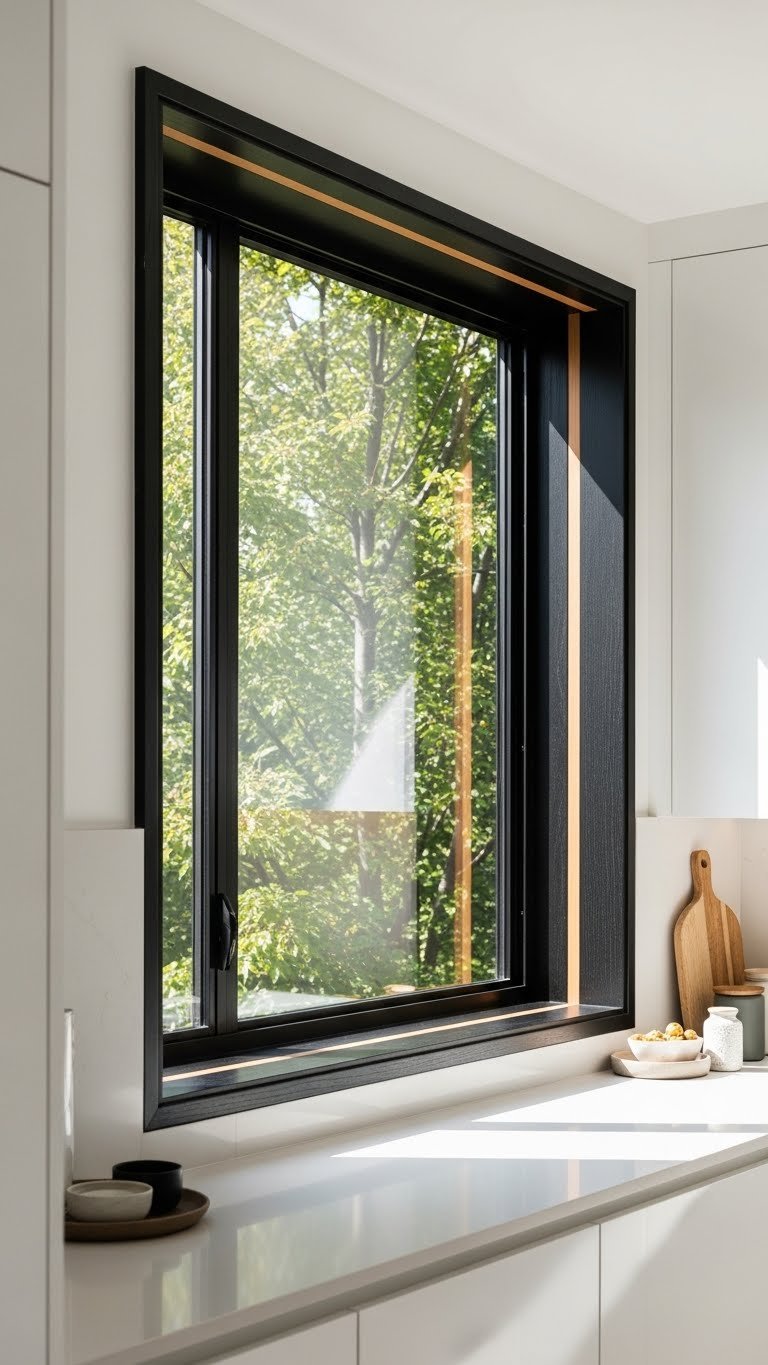
    Black window frames or pella frames create instant architectural interest and frame your view like art. If you have existing windows, painting the trim ($60–$150 in paint plus materials) is doable. True black window frame installation runs $200–$500 per window depending on size and whether you replace or overlay existing frames.

    This project is best left to a pro—improper installation leads to drafts and leaks. But the payoff is huge. Every time sunlight hits those frames, they create clean geometric lines that ground the entire space. It’s a designer touch that costs far less than other major updates.

    4. Swap Hardware to Matte Black or Brushed Brass

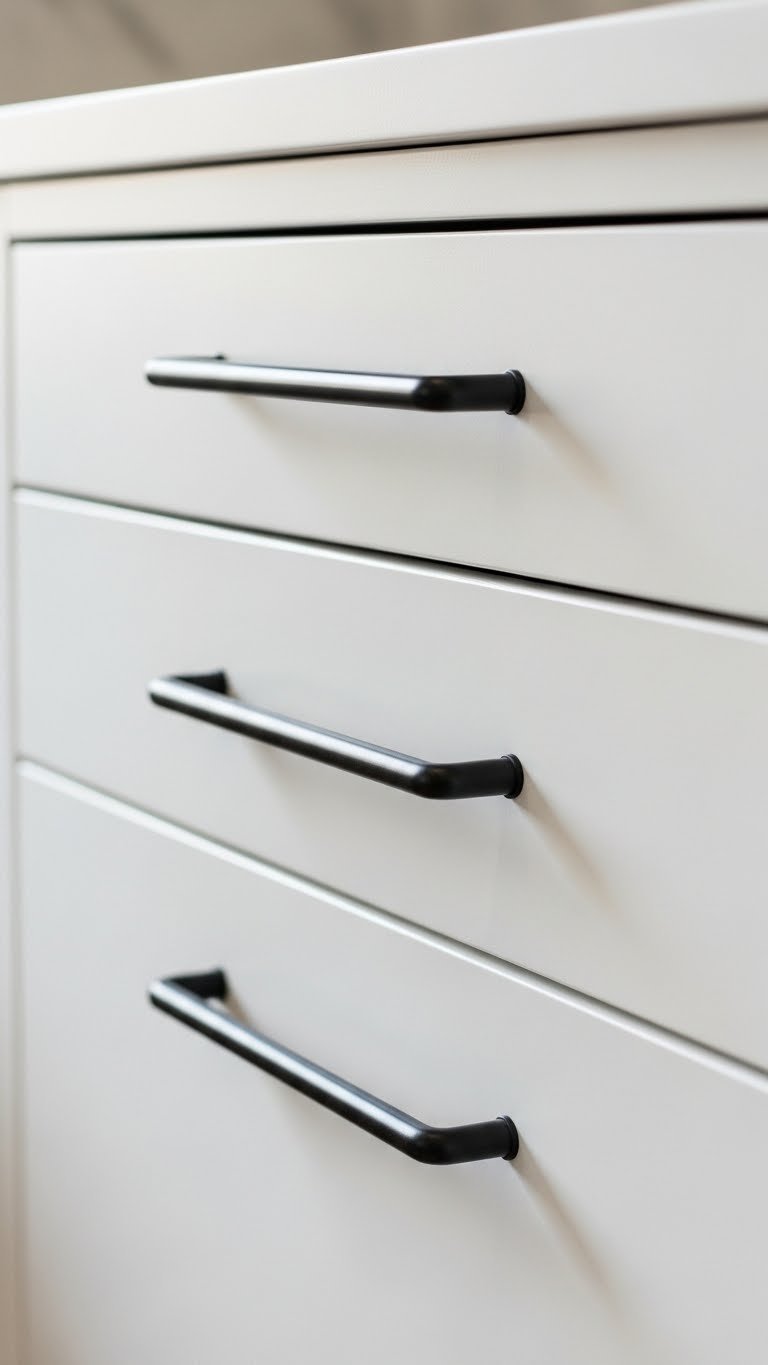
    Hardware might seem small, but it completely changes how a kitchen reads. Swap builder-grade silver handles for matte black ($8–$25 per handle) or mix black with brushed brass ($12–$30 per handle). A typical kitchen needs 15–25 handles and knobs.

    Shop Wayfair, Amazon, or Home Depot for budget options; West Elm and CB2 carry higher-end pieces. Installation takes 1–2 hours with just a power drill. No drilling needed if new holes align with old ones. This renter-friendly swap costs $120–$500 total but feels like a full renovation. Suddenly everything looks intentional and current.

    5. Create a Black and White Striped Accent Wall

    Stripes sound bold but read sophisticated in a black and white kitchen. Measure your wall and plan stripes 4–6 inches wide (easier to execute than thinner stripes). Tape off sections with painter’s tape ($5 per roll), then paint alternating stripes in white and black.

    Two days of work, one quart of each color ($30–$40 each). The result is a geometry lesson that makes your kitchen memorable. It photographs beautifully and works especially well on the wall behind open shelving or your dining area. This idea is totally renter-approved if you use removable wallpaper in stripe patterns instead ($20–$50 per roll).

    6. Install Open Shelving with Black Metal Brackets

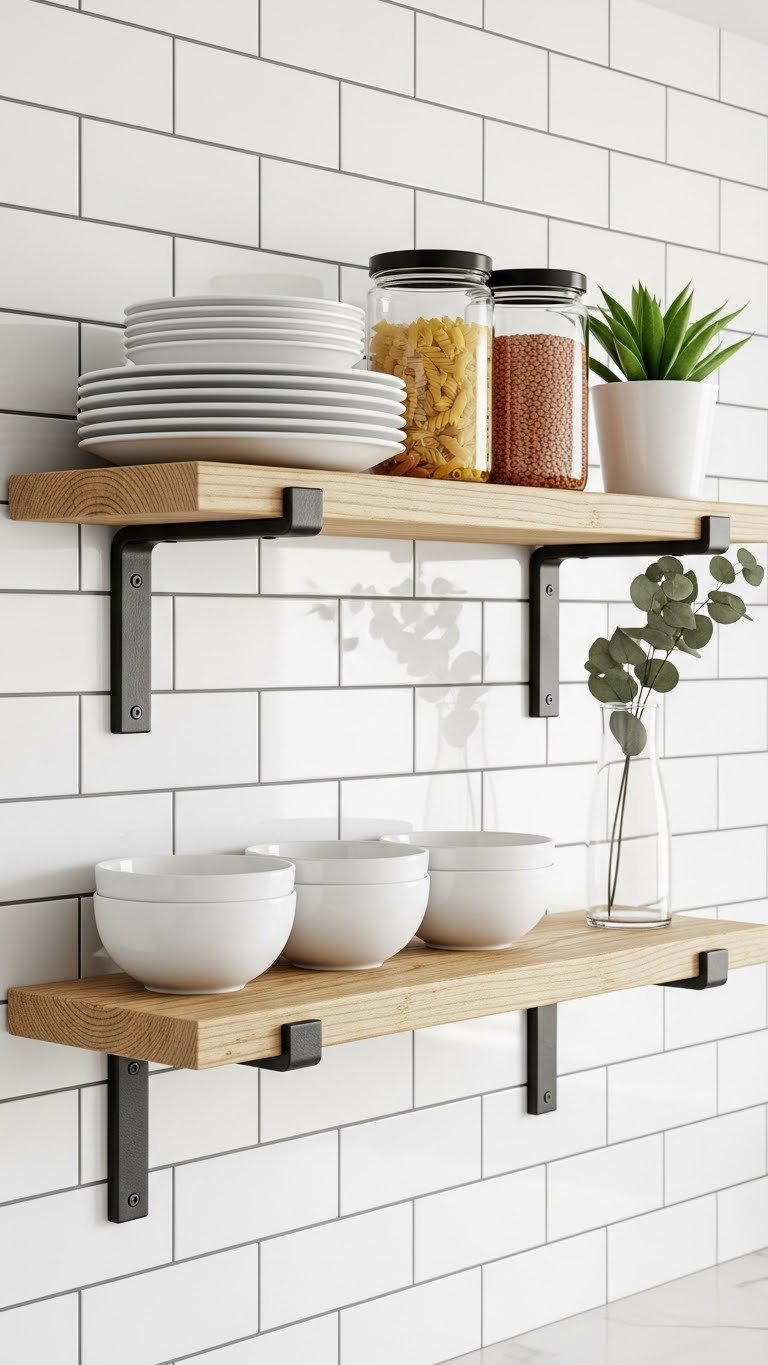
    Open shelving with black brackets creates that expensive, boutique kitchen feel for way less than built-ins. Floating shelves run $30–$80; quality black steel brackets cost $20–$60 per pair. You’ll need 2 pairs per shelf for proper support.

    Installation requires a stud finder ($20) and a drill. One afternoon of work if you’re comfortable with basic tools; hire a handyperson for $100–$150 if not. The beauty is flexibility—easy to remove if you rent, easy to adjust if you rearrange. Style shelves with white dishware, glass jars, and minimal green plants. You get storage that’s functional and Instagram-worthy.

    7. Paint Your Lower Cabinets Black While Keeping Uppers White

    Two-tone cabinetry feels modern without being trendy-dated. Keep uppers white and paint lowers black (or vice versa) to break up visual weight and add definition. Black cabinet paint: $30–$50 per quart, primer included. You’ll need 2–3 quarts.

    This is a solid weekend project or a $400–$700 investment from a pro painter. The line where colors meet becomes a visual anchor—place your most-used appliances there for practical appeal. Two-tone also makes tall kitchens feel less towering. It’s the perfect amount of drama without committing to full black cabinetry.

    8. Use Black Peel-and-Stick Tile to Refresh Backsplash Without Renovation

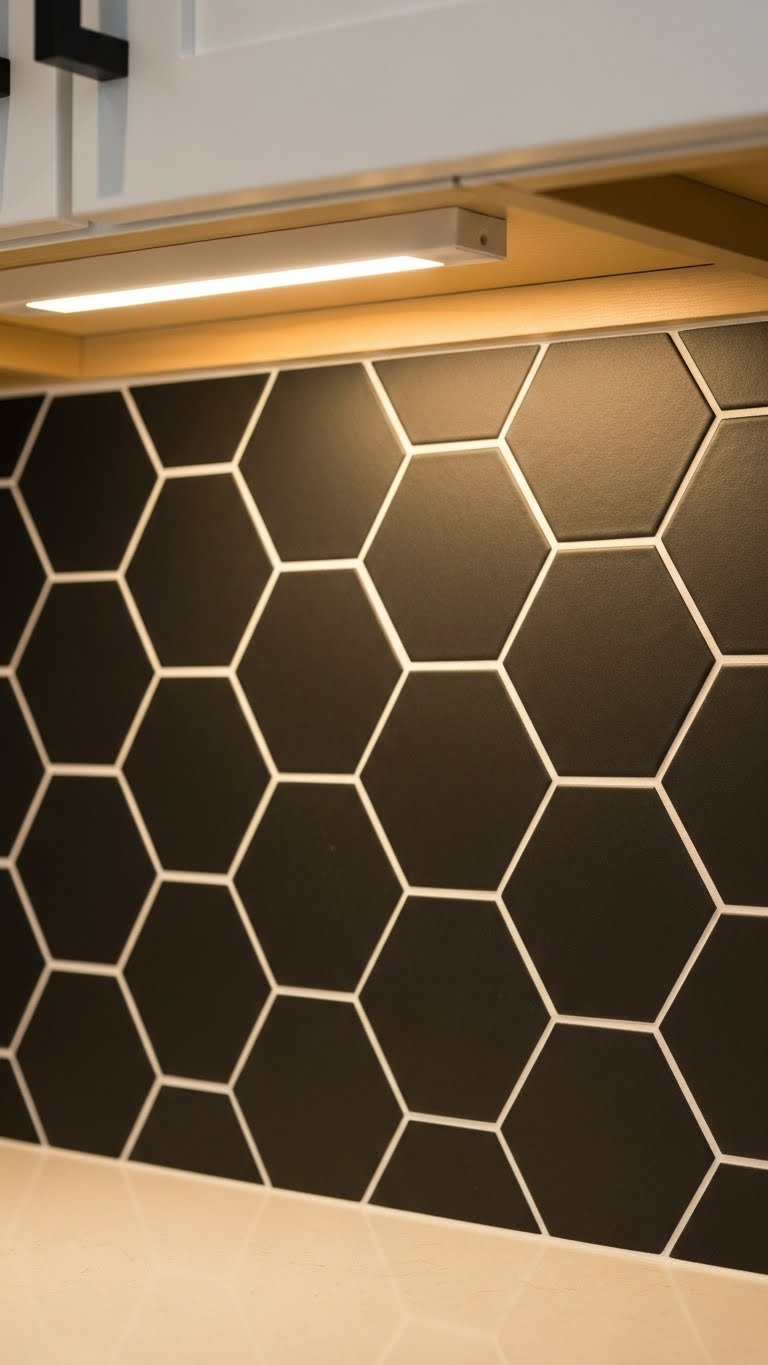
    Peel-and-stick tiles are game-changers for renters and commitment-phobes. Patterns like black hexagons with white grout detail ($25–$50 per pack) instantly mature a basic kitchen. One pack typically covers 10–15 square feet.

    Simply clean your wall, measure carefully, and apply tiles straight. Zero experience needed. Most stick-on tiles last 3–5 years before peeling, but you can refresh by reapplying. They peel off cleanly without damage, making them renter-perfect. Suddenly your backsplash is a design statement instead of an afterthought.

    9. Frame Your Mirror or Artwork in Black

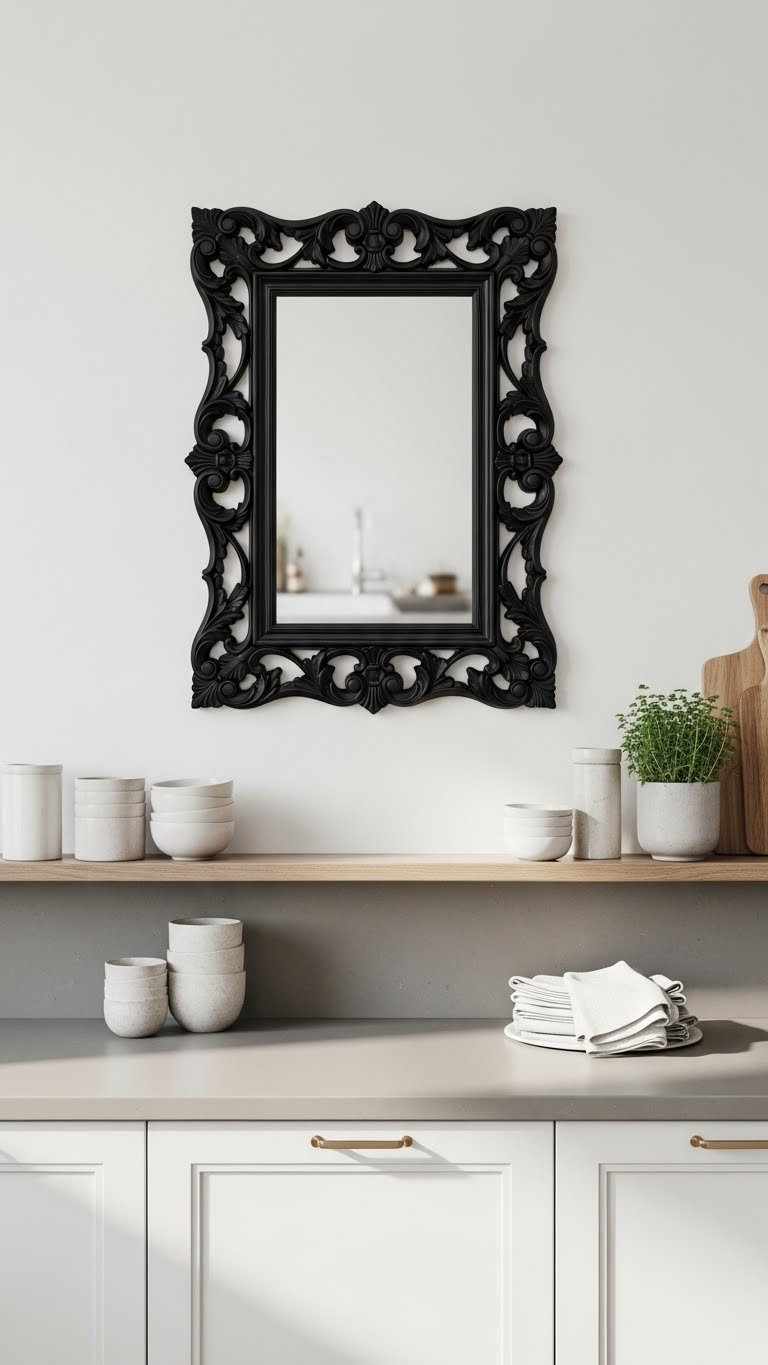
    A single black-framed mirror or art piece becomes an accent without overwhelming the space. Look for 24–36 inch mirrors with black metal frames ($40–$120 at Wayfair, Target, or IKEA). Abstract black and white kitchen art runs $30–$80.

    Hanging takes 10 minutes and a level. Choose a prominent wall—above the sink, open shelving, or against a blank expanse. That single focal point ties together your color story and makes the kitchen feel curated. It’s especially effective in smaller kitchens where one strong visual anchor feels intentional rather than cluttered.

    10. Add Black Metal Bar Stools to Your Island

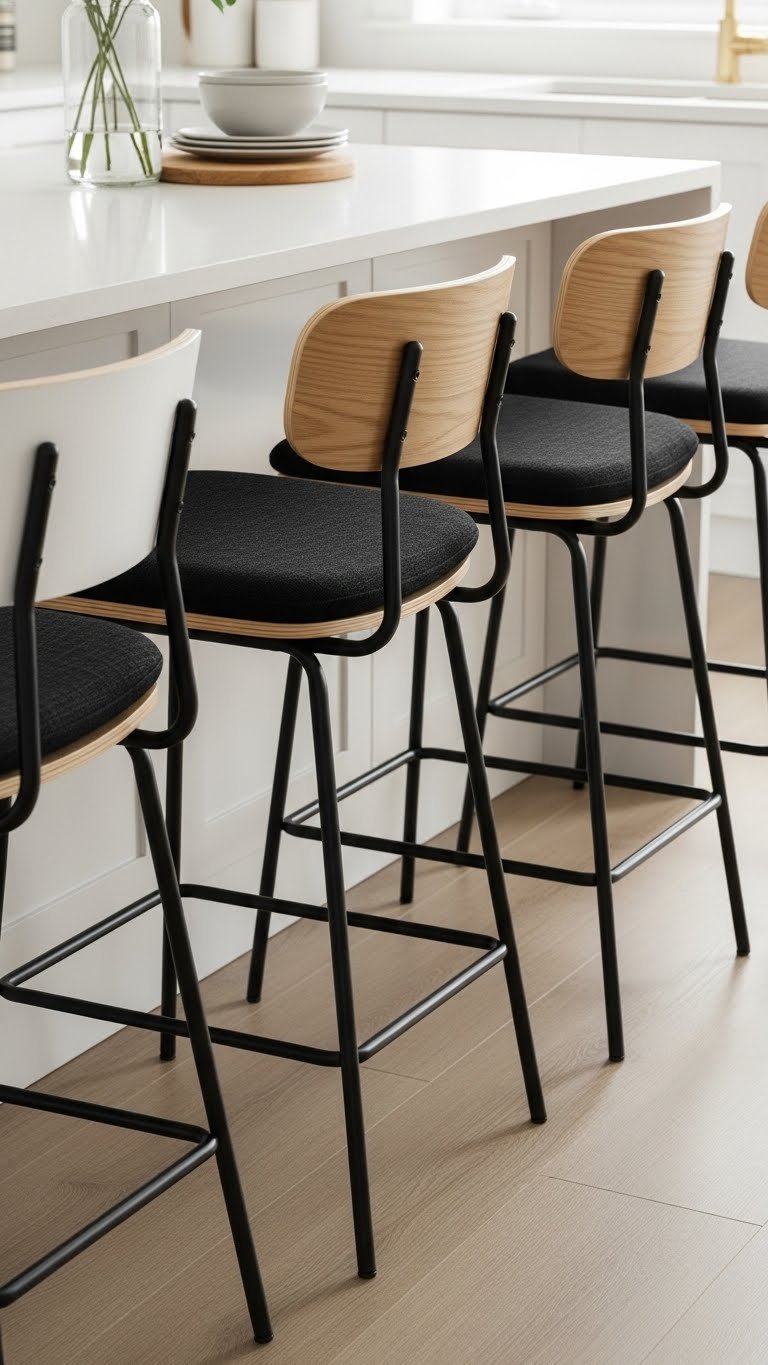
    Bar stools in matte black metal ($60–$150 each at West Elm, CB2, or IKEA) add function and style simultaneously. Choose seats in light wood, white, or natural linen to keep the palette open. For a kitchen island, budget $180–$450 for three stools.

    Pick stools with foot rails for stability and comfort. Counter height (24–26 inches) works for most standard islands; measure your overhang first. Black metal legs ground the kitchen and tie into other black accents you’ve added. Suddenly your island feels like a gathering spot, not just counter space.

    11. Install Black Pendant Lights Over Your Sink or Island

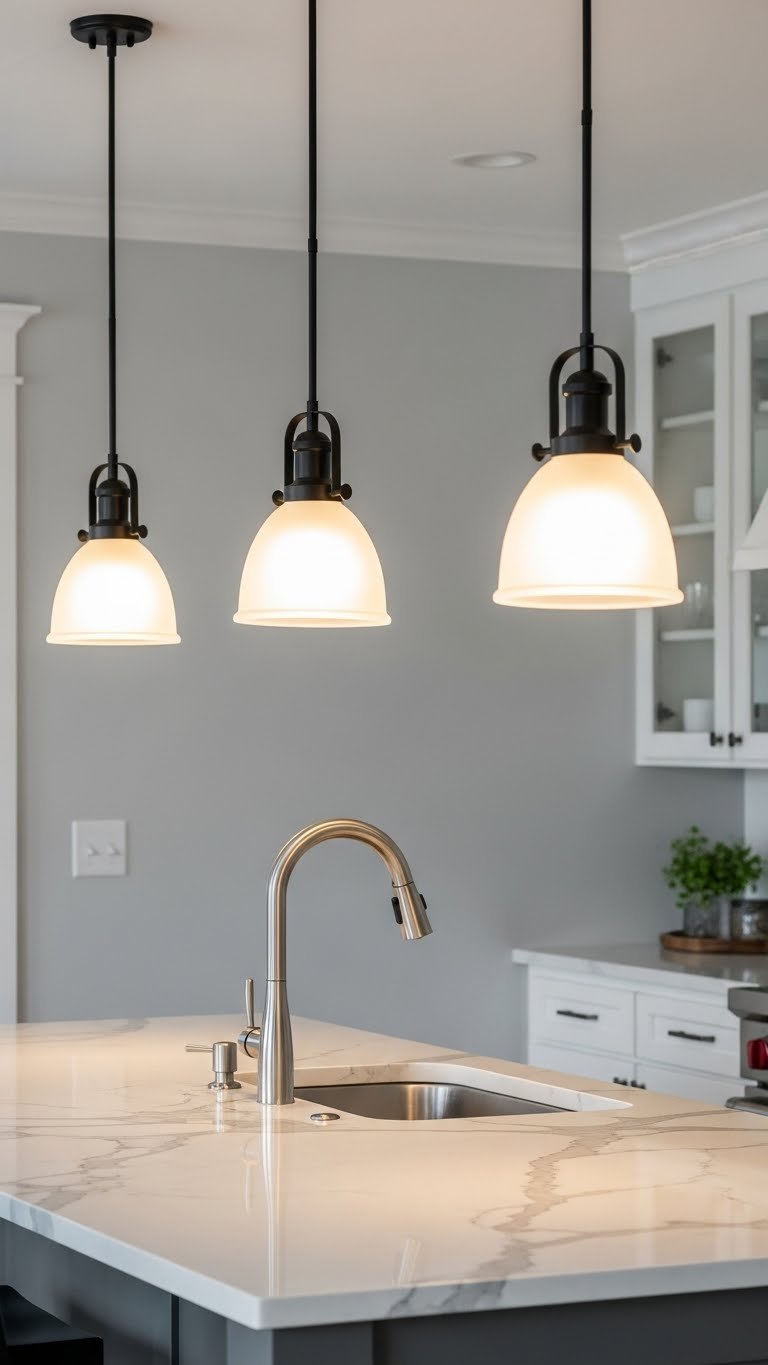
    Statement lighting is where black and white kitchens get personality. Matte black pendant lights ($40–$150 each) create drama without shouting. Pair them with frosted, clear, or white glass shades for visual softness.

    Installation requires basic electrical knowledge or a licensed electrician ($200–$400). Buy fixtures from IKEA ($50–$80), Wayfair ($60–$120), or CB2 ($100–$200). Hanging lights over an island creates visual rhythm and makes the space feel intentional. Bonus: they’re one of the few elements every guest notices and remembers about your kitchen.

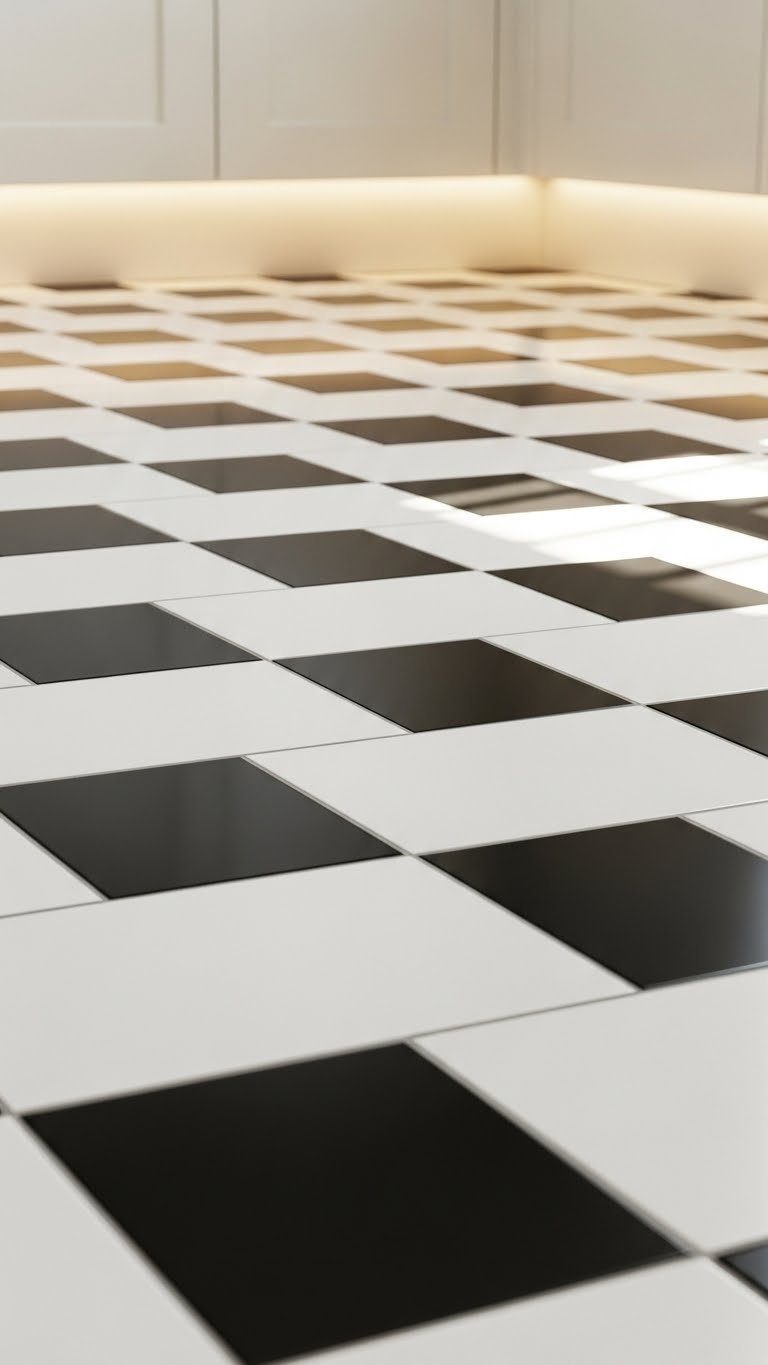
    12. Create a Black and White Checkerboard Floor (Peel-and-Stick Option)

    A checkerboard floor is playful yet timeless. Peel-and-stick vinyl tiles ($30–$60 per pack) let you achieve this look without permanent commitment. Most packs cover 25–30 square feet.

    Calculate your floor size, find your starting center point, and work outward in both directions. Lay tiles straight and use a roller to seal edges ($5–$10). Full installation takes 3–5 hours depending on floor size. The payoff is massive—a checkerboard reads as intentional design and breaks up the monotony of solid color floors. It photographs beautifully and works in both modern and vintage kitchen styles.

    13. Paint Cabinet Interiors Black for a Surprise Element

    This is the designer move nobody sees coming. Paint interior cabinet walls black ($15–$25 in paint per cabinet) to create depth and drama when doors open. It works especially well if you remove a few cabinet doors to create open shelving.

    One afternoon of work. You’re only painting interior surfaces, so it’s forgiving. The payoff is subtle but impactful—anyone opening a cabinet gets a small design moment. It also makes dishware and glassware pop visually. This detail reads expensive and intentional even though it costs almost nothing.

    14. Add a Black Leather or Linen Barstool Cushion

    Cushions soften hard bar stools and add comfort plus visual warmth. Black linen or faux leather cushions ($20–$60 each) tie into your color story while feeling different from solid metal. Choose 2–4 inches thick for comfort.

    Buy cushions pre-made from Wayfair or Amazon, or have them custom-made by a local upholsterer ($40–$80 per cushion). Installation is as simple as placing them on the seat—most have non-slip bottoms. Suddenly your island seating feels inviting rather than purely utilitarian. Bonus: if they get worn, swap them out for fresh ones.

    15. Install Black Faucet and Sink Hardware

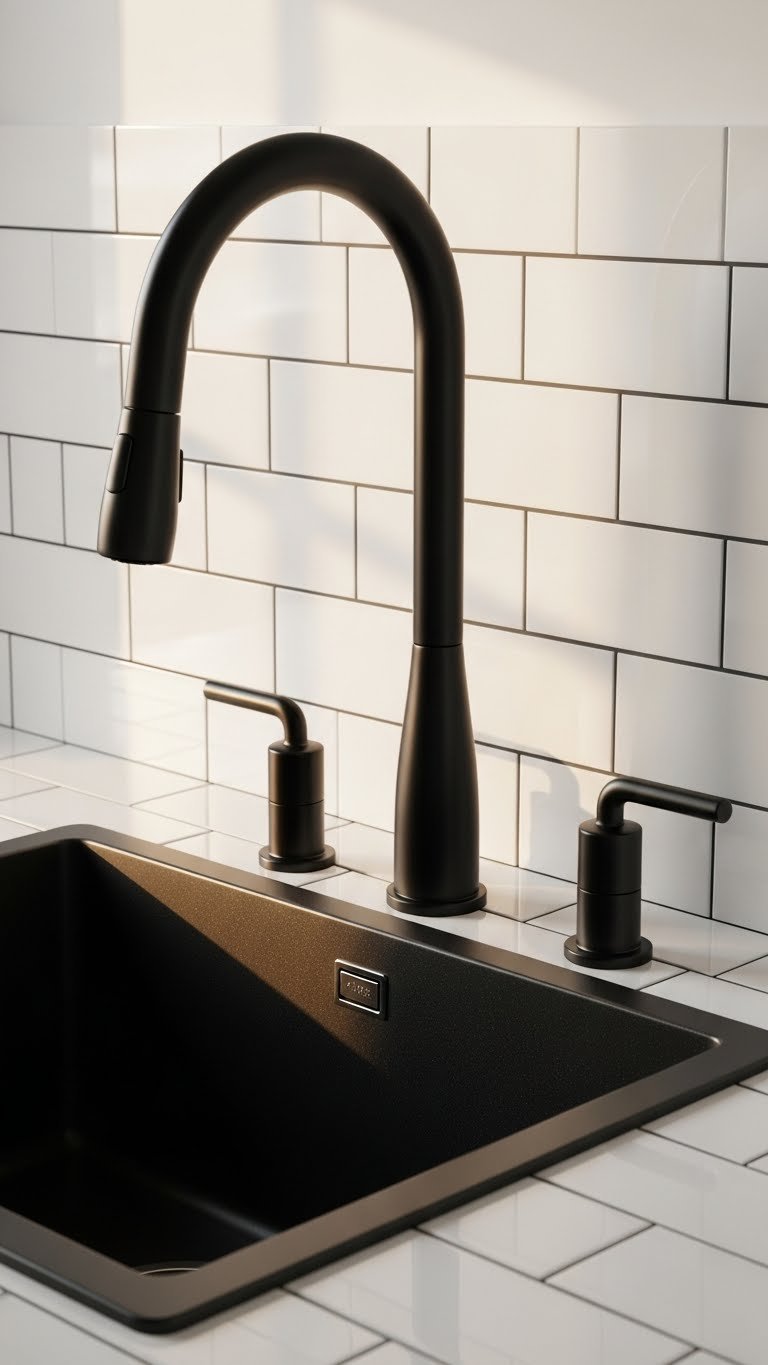
    A matte black faucet ($80–$250) is a signature piece that ties your whole aesthetic together. Brands like Moen, Delta, and Kohler all make stylish black options at various price points. Higher-end faucets from design brands run $250–$500.

    Installation requires a plumber if you’re replacing existing fixtures ($150–$300 in labor). It’s worth it—faucets are one of the most-touched surfaces in your kitchen, so they need to work perfectly. Black hardware catches the eye and makes your kitchen feel considered and current. Every time you wash dishes, you’ll notice the upgrade.

    16. Use Black Caulk to Define Tile Edges and Seams

    Black caulk ($5–$10 per tube) is the secret weapon of polished kitchens. Apply it along backsplash edges, where tile meets counter, and between tile and cabinet. It’s cheaper than regrout and way easier to apply.

    One afternoon project with a caulk gun ($8–$15) and a wet finger for smoothing. Select paintable silicone caulk—it stays flexible and resists mildew. The result is visual precision that makes your entire backsplash read as intentional. It’s the kind of detail that makes people think you hired a professional designer.

    17. Paint Your Kitchen Door in Glossy Black

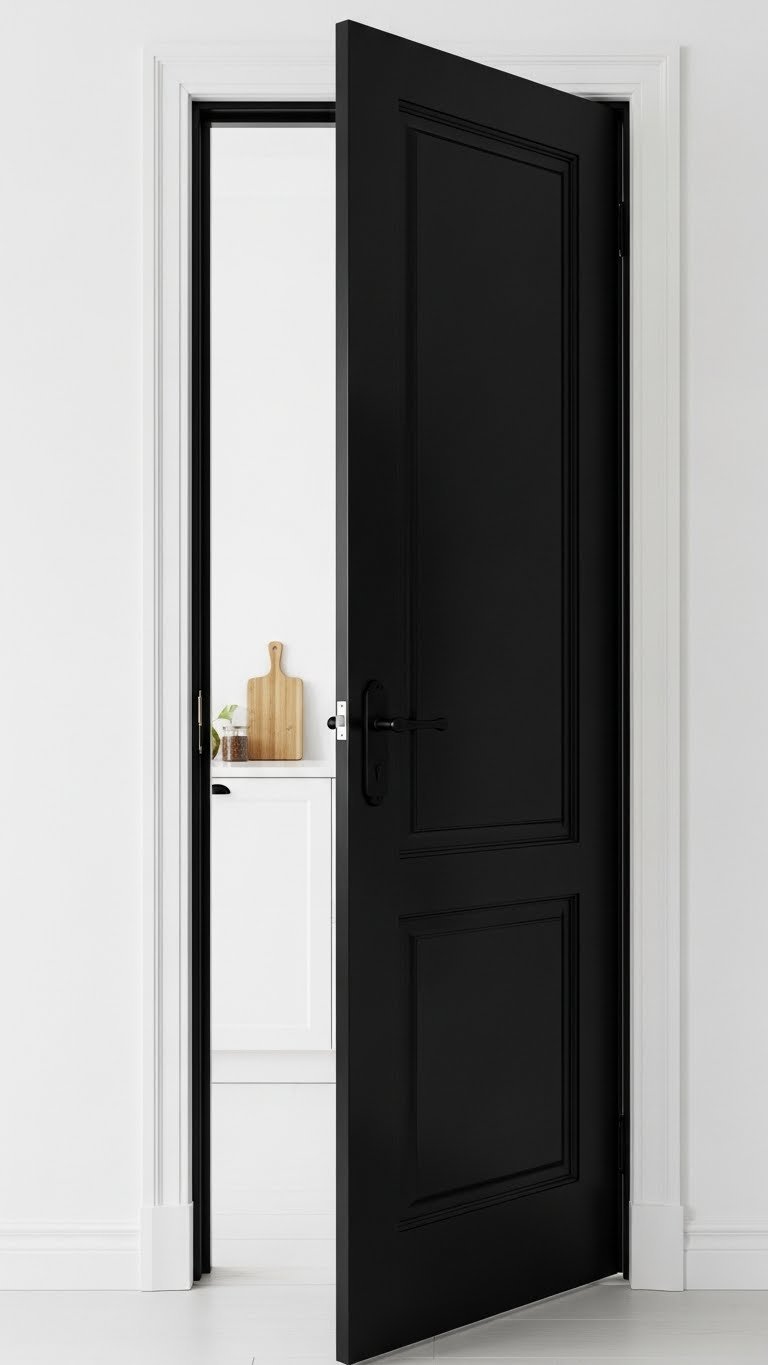
    A single painted door becomes a statement piece. Choose glossy black paint ($25–$40 per quart) to catch light and add sophistication. One quart covers most standard doors.

    Remove the door, sand, prime, and paint in two coats—one full day project. Glossy finish shows drips and dust more than matte, so work in a clean environment and use quality brushes. The result is a perfectly framed entryway that announces your style before anyone even enters. If you rent, this might not be an option—but check with your landlord; many allow paint if you use renter-friendly primer.

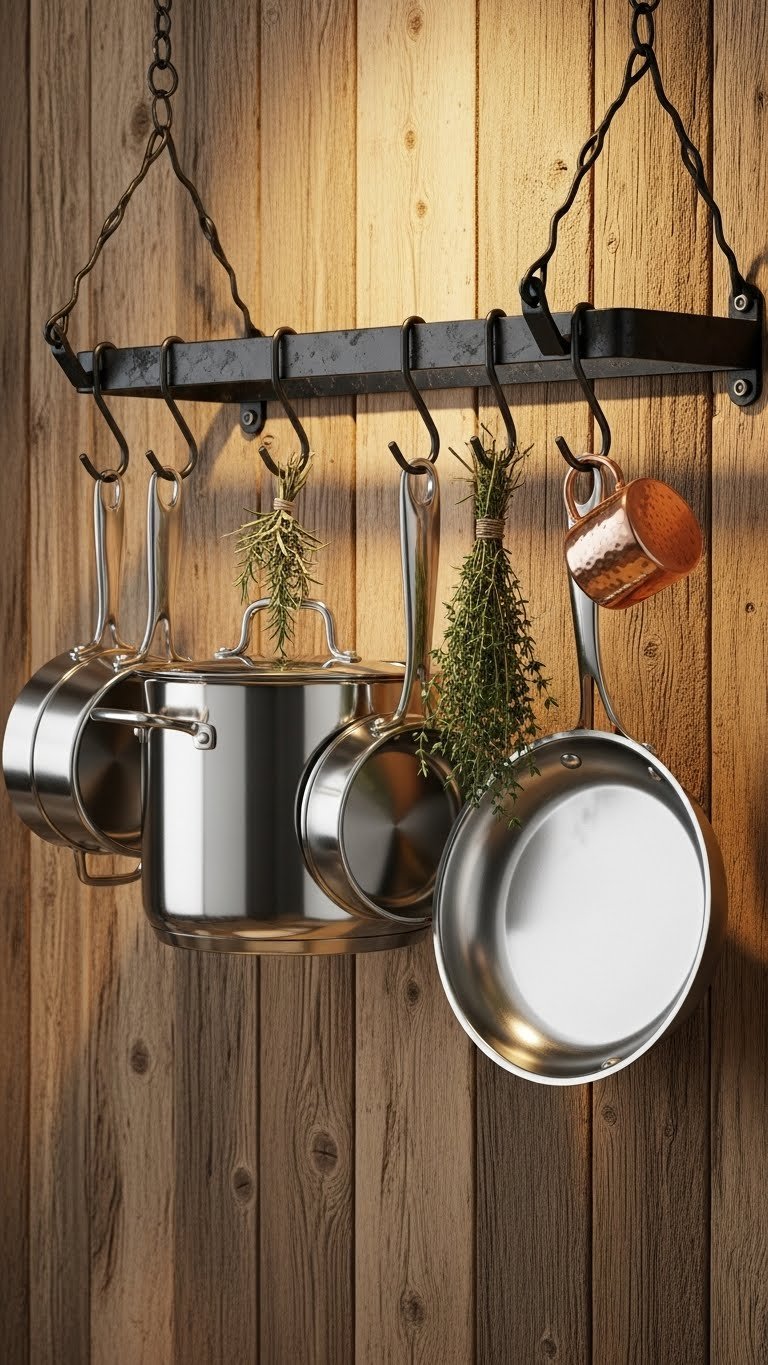
    18. Add Black Steel Pot Rack or Wall Hooks

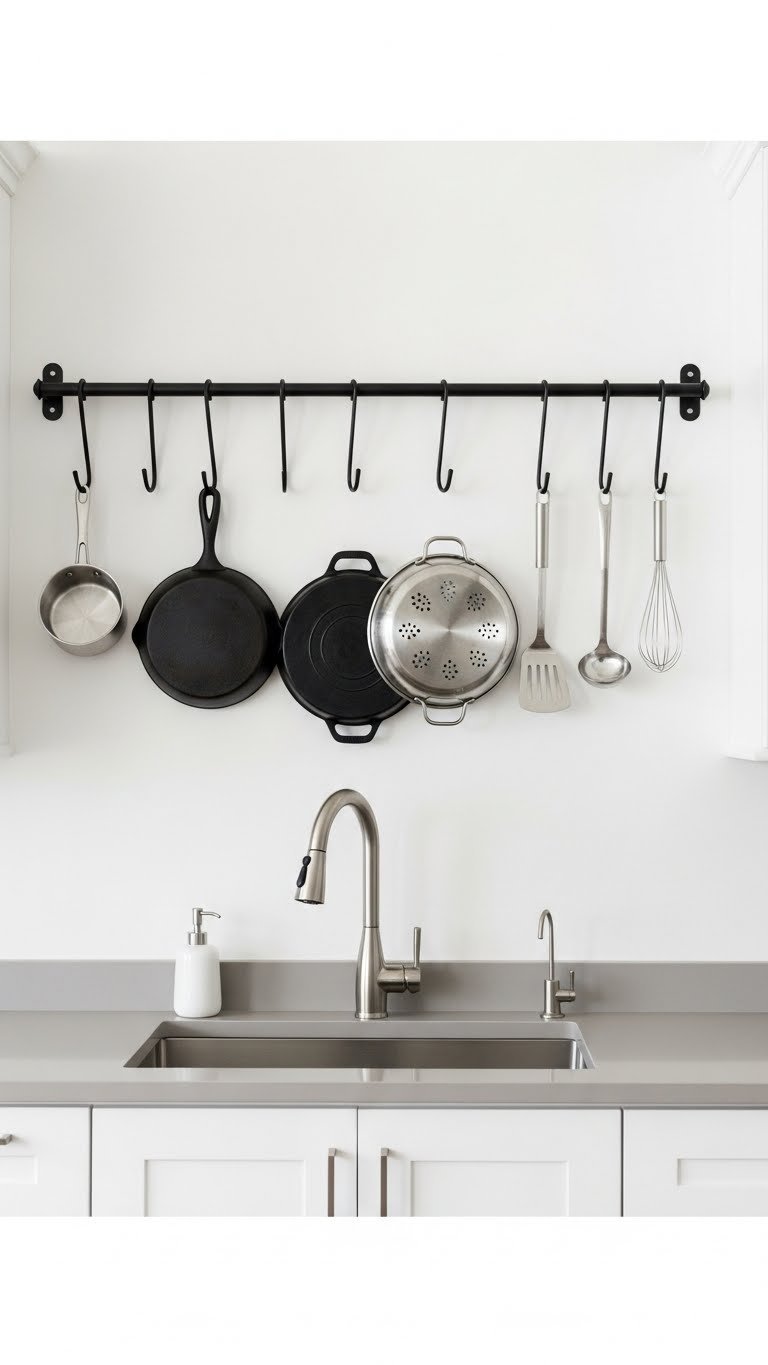
    A black steel pot rack ($50–$150) or a simple row of black hooks ($3–$8 each) keeps cookware accessible and turns it into décor. Wall-mounted racks work great for small kitchens that lack cabinet space.

    Installation requires wall studs and heavy-duty anchors. Rent a stud finder ($20) or hire someone for $50–$100. The payoff is twofold: you free up cabinet space and create a functional design element. Choose cookware you love—stainless steel pots and copper-bottomed pans look beautiful displayed.

    19. Mix Black Textured Countertop Materials

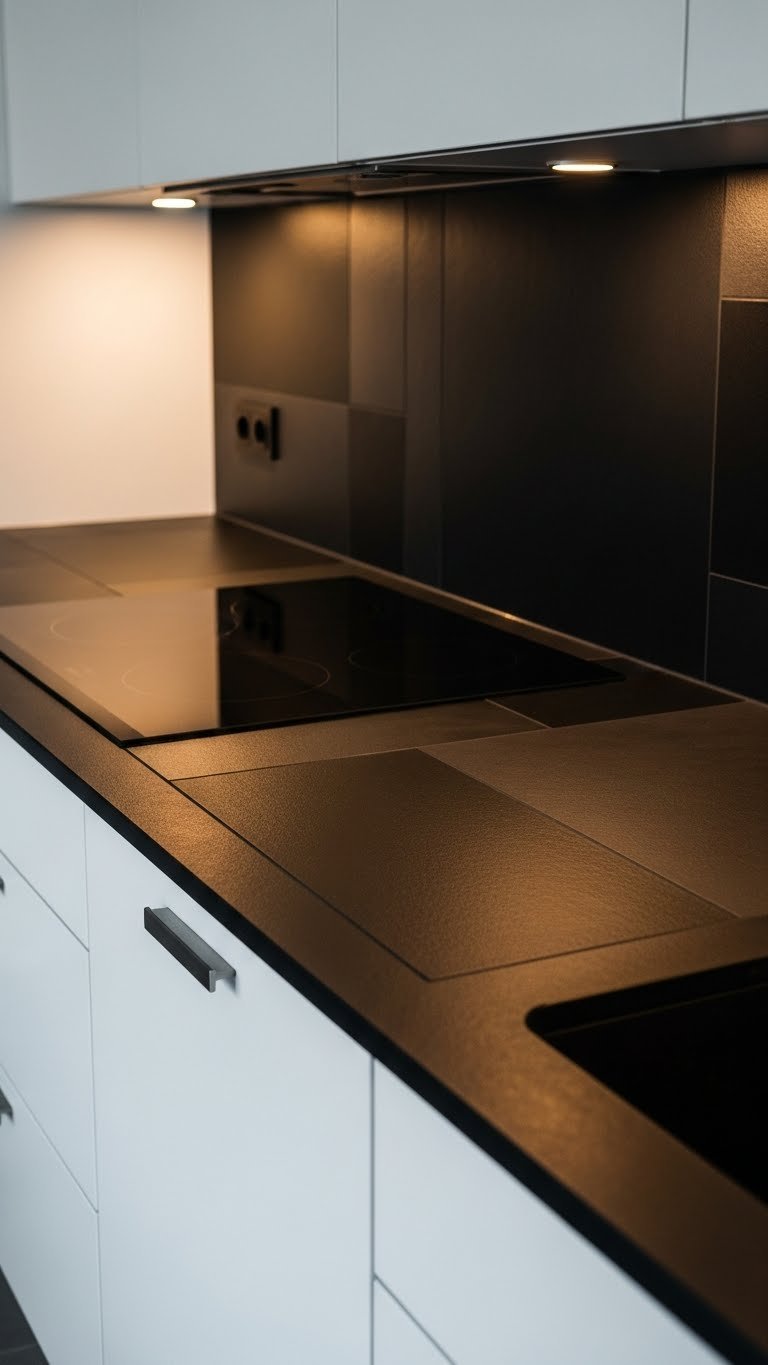
    Mixing black countertop materials creates visual depth without chaos. Combine matte black quartz ($60–$120 per square foot installed) with textured black tile ($25–$60 per square foot) or concrete sections ($40–$100 per square foot). The cost is comparable to solid counters but way more interesting.

    This is definitely a pro-installer project ($400–$1,200 depending on kitchen size). The result is a counter that feels custom and intentional. Texture catches light differently, making the kitchen feel less flat and two-dimensional. It’s a solid middle ground between totally bold and completely safe.

    20. Paint or Stain Wooden Floating Shelves Black

    Black-stained or painted floating shelves create drama without overwhelming if you keep styling minimal. Stain ($8–$15 per can) soaks into wood grain; paint ($12–$20 per quart) sits on top for a more modern finish. Either way, one coat is usually enough.

    DIY: sand shelves, apply stain or paint, dry 24 hours, then install with brackets. Installation takes 2–3 hours total. The advantage of dark shelves is they hide dust and make styling easier—white dishes and clear glass look perfect against them. It’s an affordable way to add luxury without breaking the bank.

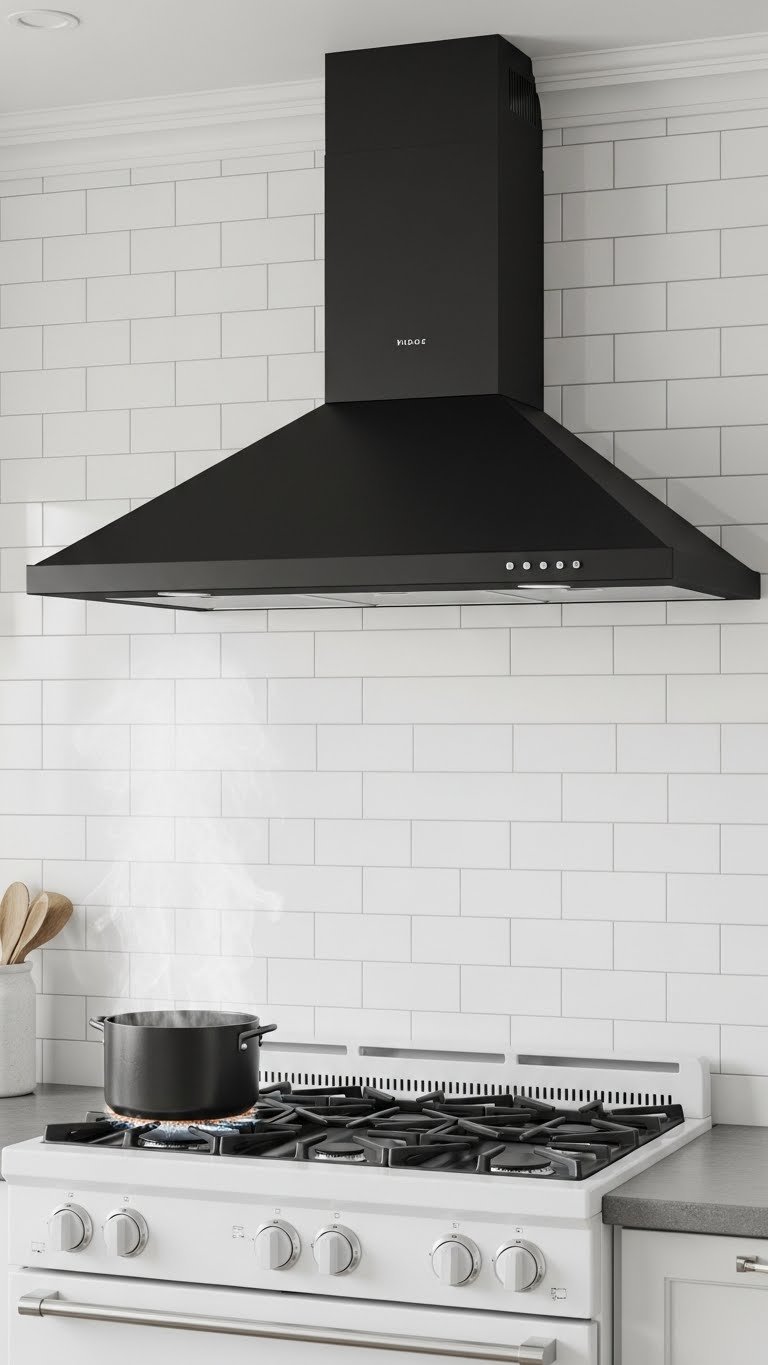
    21. Install a Black Range Hood or Vent Cover

    A matte black range hood ($300–$800 for stainless steel with black exterior) becomes your kitchen’s star. Brands like IKEA offer budget options ($200–$400); design brands like Zephyr or Electrolux run $600–$1,200.

    Installation requires ventilation work—hire a pro ($300–$500). The result is a show-stopping focal point that handles odors and steam. If you rent or want to avoid installation, stick-on black vent covers ($30–$60) fake the look temporarily. A statement hood grounds the kitchen and tells everyone you take cooking seriously.

    22. Use Black Grout Pen to Refresh Existing Grout Lines

    If replacing grout sounds overwhelming, a black grout pen ($8–$15 per pen) refreshes tired grout lines instantly. Brands like Grout Eez or similar make pens specifically for this.

    Simply apply along grout lines like a marker—takes one hour for a backsplash. Results last 1–2 years before fading, then you reapply. This renter-friendly option costs under $20 total and transforms dated-looking tile into something current. It’s the easiest way to test-drive the black grout trend.

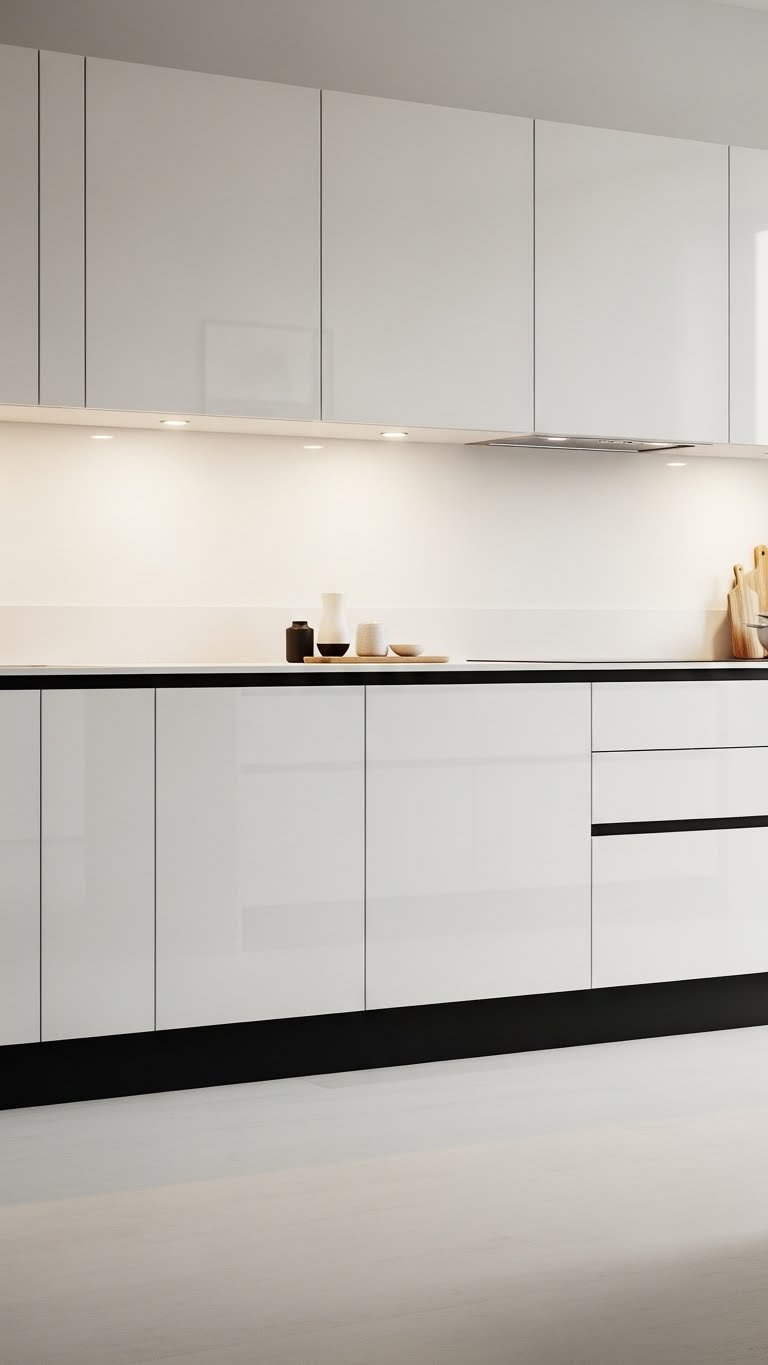
    23. Paint Kitchen Cabinet Kickboards or Toe Kicks Black

    The toe kick (space at the bottom of cabinets) is often overlooked but super impactful. Painting it black ($10–$15 in paint) creates a grounding visual line that makes cabinetry feel intentional.

    One afternoon project. Sand lightly, prime, and paint two coats. This detail is seen in high-end kitchens but costs almost nothing. Suddenly your cabinetry looks built-in and designed rather than builder-grade. It’s one of those sneaky tricks that makes everything feel more polished.

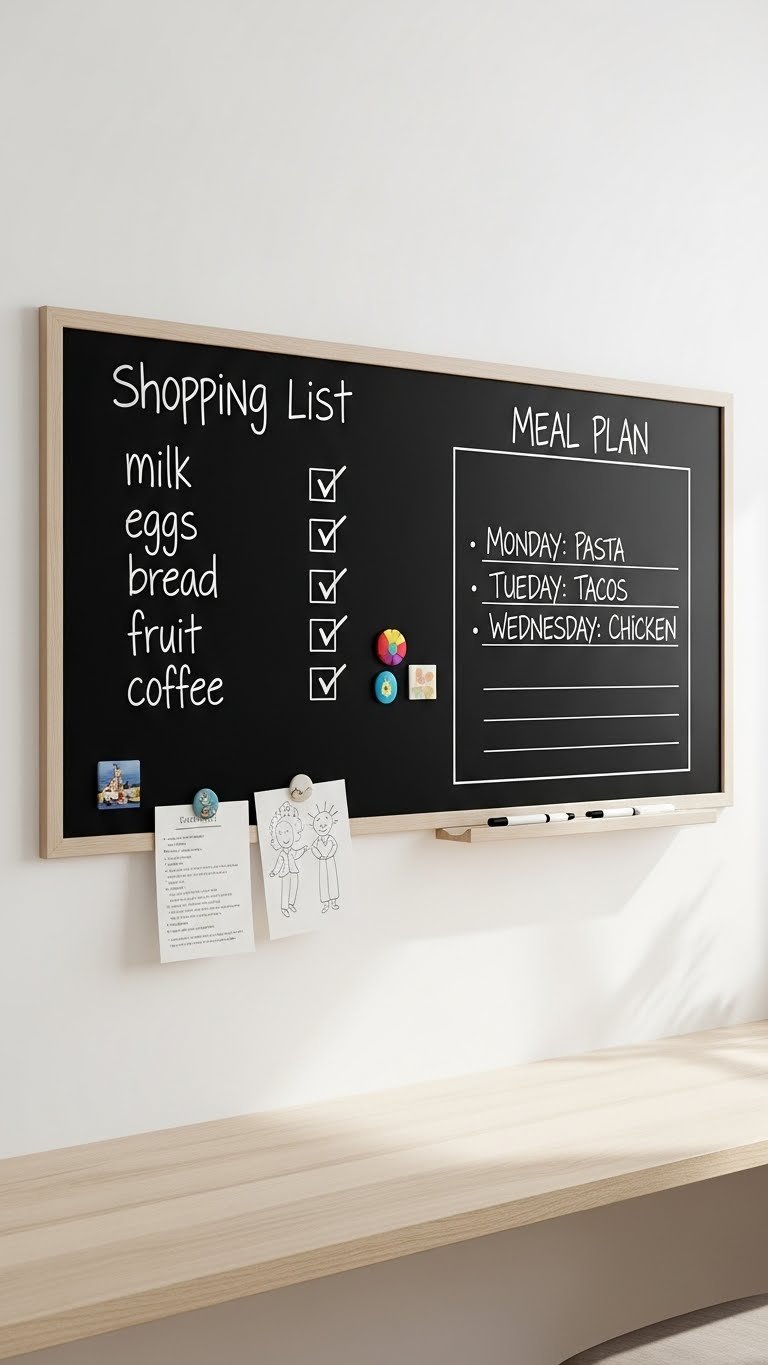
    24. Add a Black Chalkboard or Magnetic Board for Kitchen Organization

    A black chalkboard ($20–$50) or magnetic board ($30–$80) serves both function and design. Brands like Pottery Barn, CB2, and IKEA have stylish options that don’t feel purely utilitarian.

    Mount it on a blank wall with basic hardware—10 minutes of work. Use white chalk pens or magnetic letters to write your meal plan, shopping list, or notes. It’s a perfect place for practical information that doesn’t clutter your counters. Guests love having a functional art piece, and you love the organization. Win-win.


    Save this guide and pick one idea to tackle this week. Start small—a hardware swap or grout pen refresh takes an afternoon but completely shifts how your kitchen reads. Which black and white upgrade speaks to you?
  • 25 Creative Bookshelf Ideas That Turn Storage Into Art

    25 Creative Bookshelf Ideas That Turn Storage Into Art

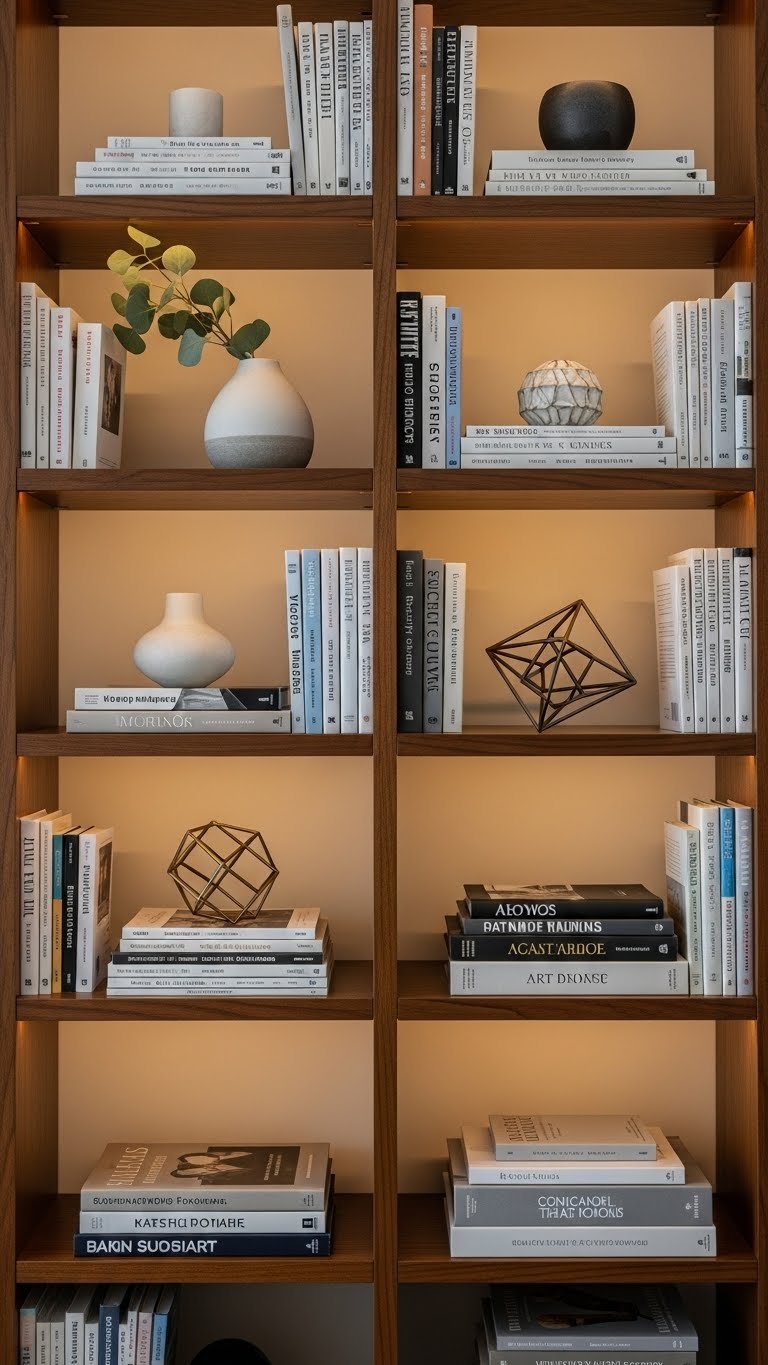
    Your bookshelf doesn’t have to be just about storing books. It’s one of the most visible pieces in your home, so why not make it work as hard as your decor does? Whether you’re renting, decorating a small apartment, or refreshing a full library, these 25 ideas will show you how to turn basic shelving into a display that actually reflects who you are. From budget-friendly styling tricks to investment-worthy upgrades, you’ll find solutions for every space and skill level. Let’s make your shelves worth showing off.
    1. Layer Books Horizontally and Vertically for Visual Balance

    Mixing book orientations breaks up the visual monotony of a straight row. This simple styling technique makes shelves look intentional and curated without spending a dime.

    Stack three to four books flat, then stand five to six upright. This creates natural visual breaks and lets your eye move across the shelf. You can group books by color for extra impact or mix them by size for organic flow. No special tools needed—just spend 30 minutes reorganizing what you already own.

    The result? Your shelves instantly look more styled and designed, even if nothing changed except the book arrangement.

    2. Install Floating Shelves for a Modern, Minimalist Look

    Floating shelves create the illusion of extra space while giving your room a contemporary edge. They’re renter-friendly if you use damage-free mounting strips or are easily installed by a handyperson for about $75–$150 total per shelf (including hardware and labor).

    Choose shelves in materials like wood, metal, or composite depending on your aesthetic. Mount them at varying heights rather than straight lines for visual interest. Installation takes one to two hours with basic tools. Target, IKEA, and Wayfair all carry affordable options ($20–$60 per shelf before installation).

    You’ll notice how much lighter your space feels. High shelves draw the eye upward, making even small rooms seem taller and more open.

    3. Use Bookends as Decorative Statement Pieces

    Instead of generic metal bookends, choose ones that match your style. This $15–$40 investment adds personality while keeping books upright and organized.

    Look for ceramic bookends with patterns, brass sculptural pieces, or marble blocks. You can find unique options on Amazon, Etsy, or at Home Goods. Space books 6–8 inches apart and position your bookends to create visual “zones” on each shelf. Pair books with plants or photos for extra dimension.

    Your shelves instantly look more curated. Bookends become part of your design story, not just functional hardware.

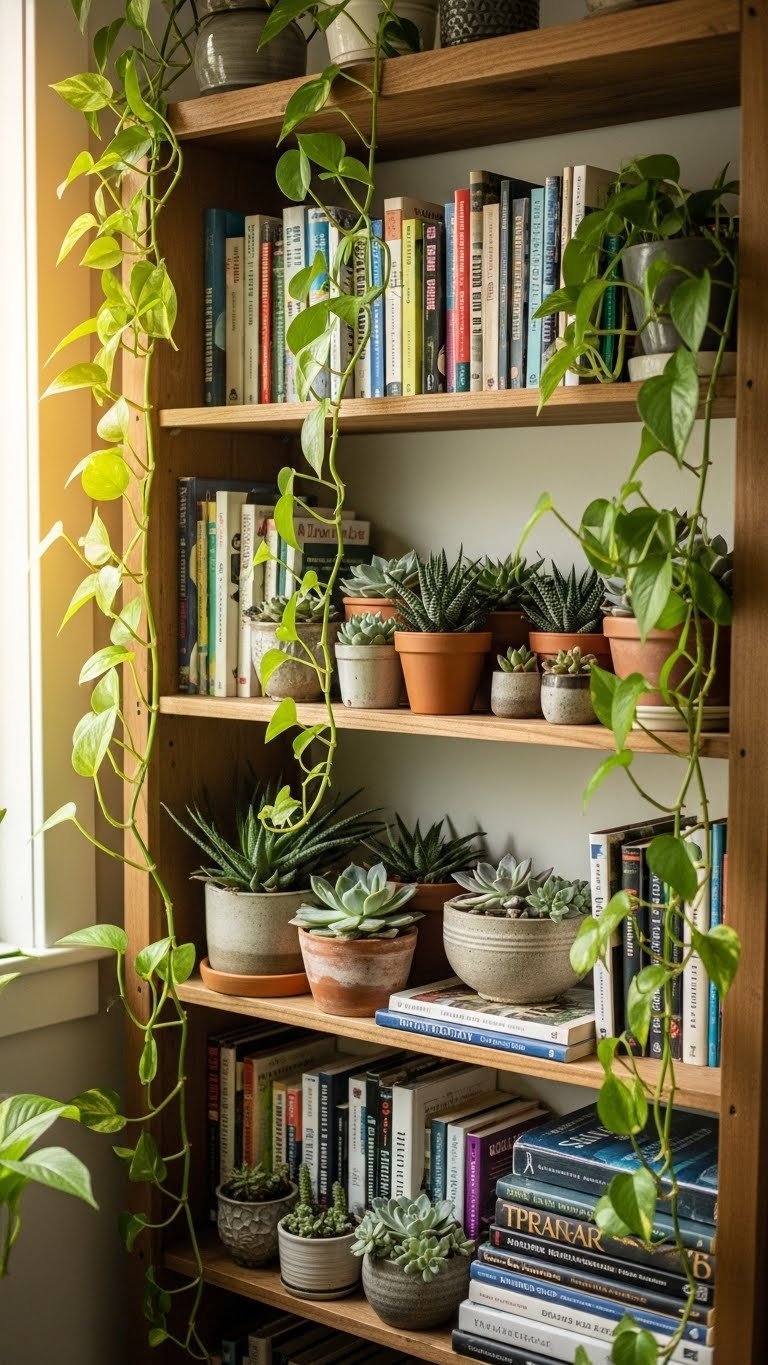
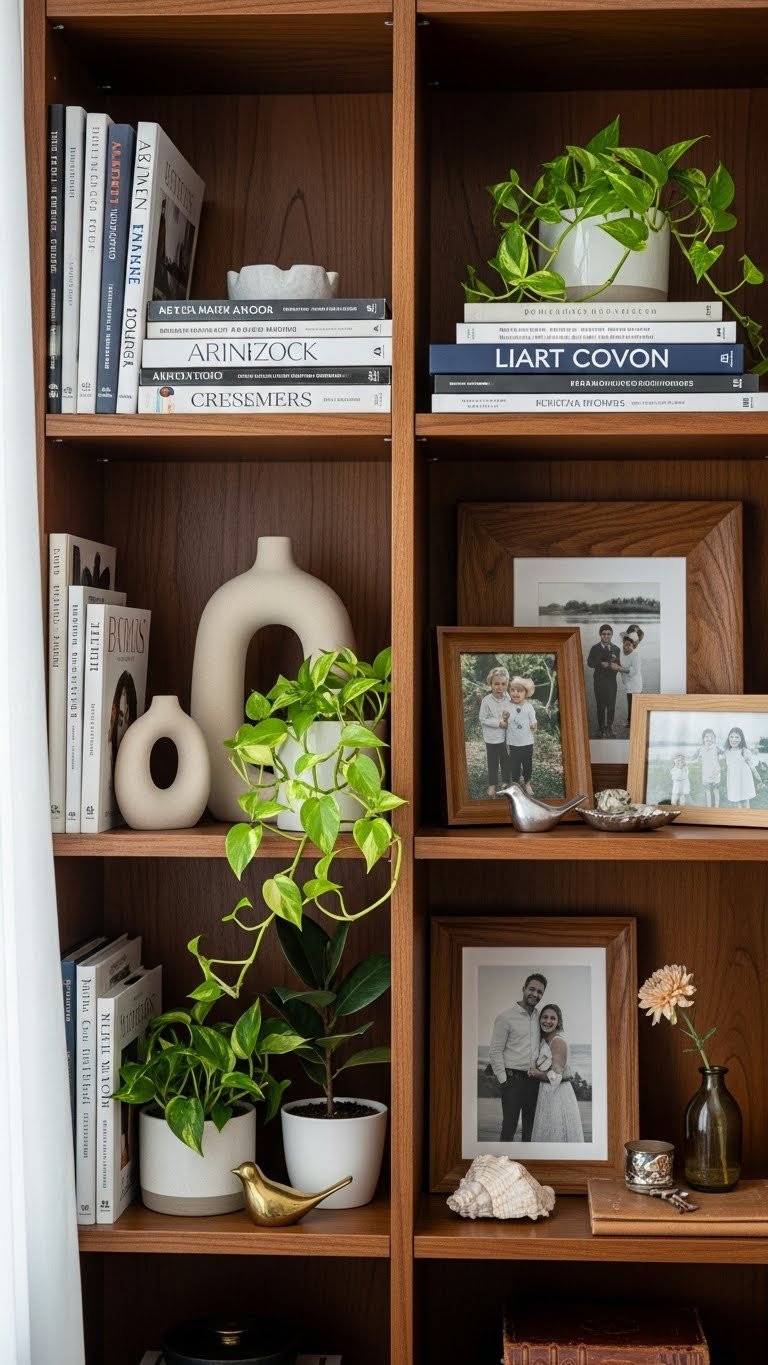
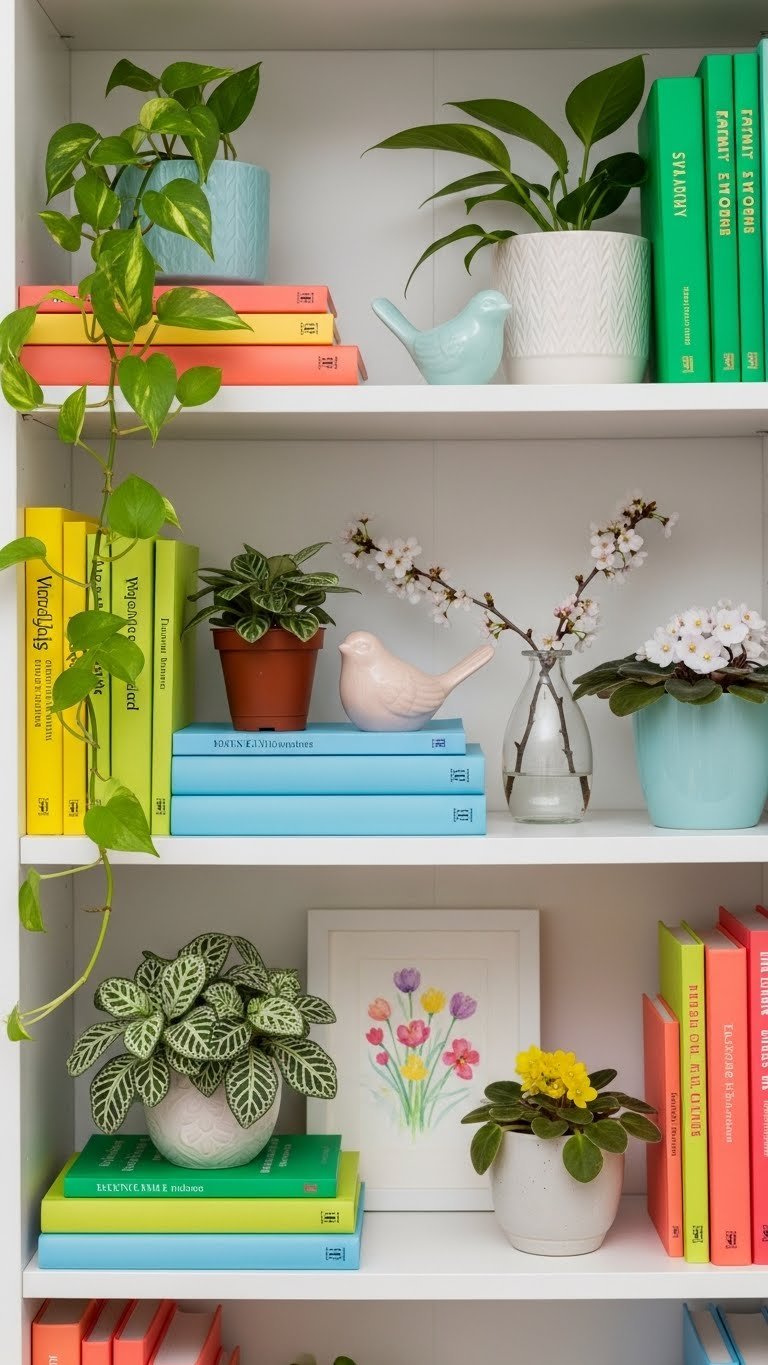
    4. Add Small Plants to Break Up Book Density

    Greenery humanizes shelves and introduces organic shapes that books alone can’t provide. A few small plants ($5–$15 each) transform static shelving into something alive and breathing.

    Choose low-maintenance varieties like pothos, snake plants, or succulents that tolerate lower light if your shelf isn’t near a window. Arrange them at varying heights rather than a straight line. Water sparingly—once every two weeks for most shelf-plants. Rotate them outside monthly for better health.

    This change makes your space feel calmer. Visitors notice the greenery before the books, which says “I live here” instead of “I’m just storing things.”

    5. Create a Colorful Book Rainbow for Instagram-Worthy Appeal

    Rainbow shelves are a huge social media trend that actually works in real life. It takes two to three hours but costs nothing—you’re just rearranging what you own.

    Sort books by spine color and arrange them left to right following the spectrum. Start with warm tones on one end and cool tones on the other. You don’t need perfect color matching; approximate groupings look intentional. This works especially well for one accent shelf rather than your entire bookcase.

    Your bookshelf becomes the focal point of the room. It’s the first thing people photograph, and it’s proof that organization can be beautiful.

    6. Mix in Empty Negative Space for Breathing Room

    An overcrowded shelf feels chaotic, but empty space feels intentional and restful. The trick is balance: fill about 60–70% of each shelf, leaving 30–40% open.

    This works best when you combine books with decorative objects, plants, or framed photos in the empty zones. Vary shelf fullness—make some busier and others more sparse for visual interest. You won’t need to buy anything new; just remove a few books and relocate them to another shelf.

    Your room instantly looks larger and less cluttered. The eye rests on empty space, which makes the entire room feel calmer and more organized.

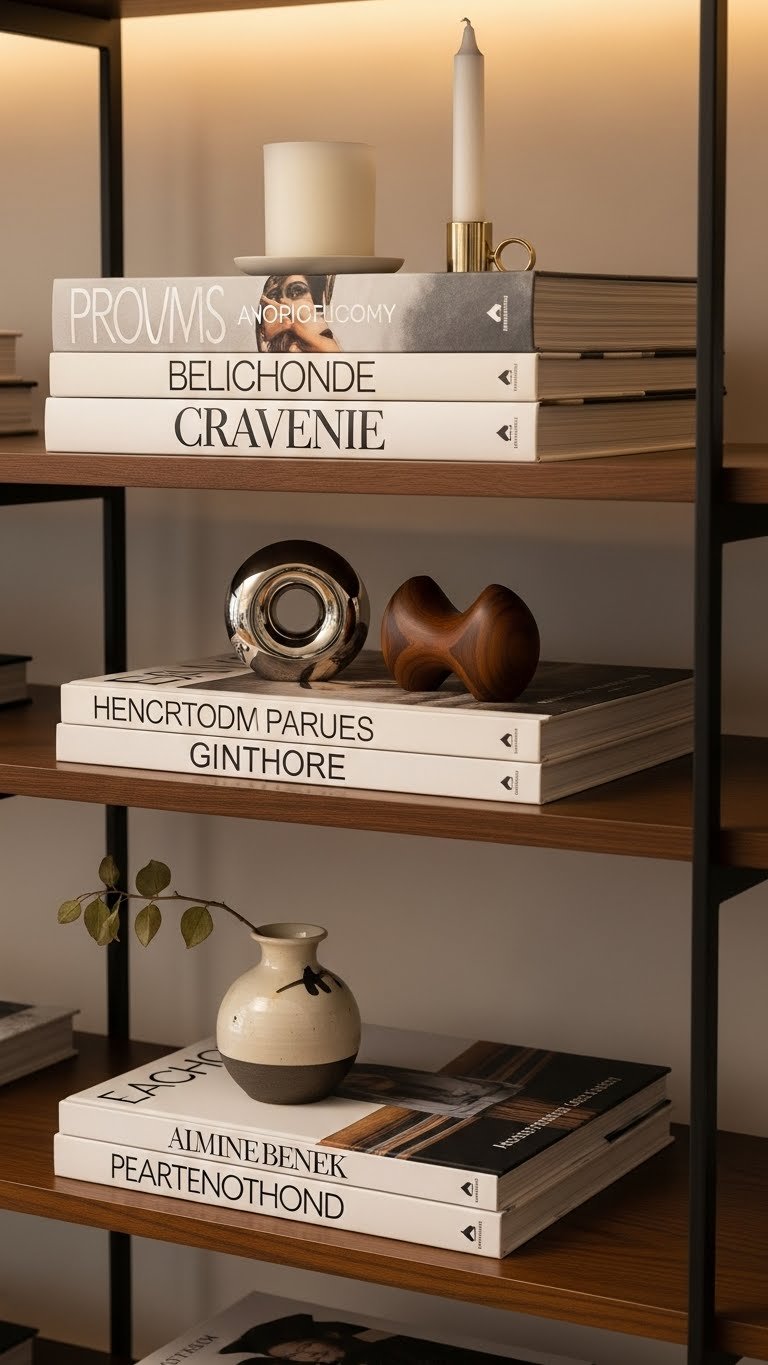
    7. Display Coffee Table Books Horizontally for Designer Appeal

    Coffee table books have gorgeous spines and covers worth showing off. Stacking them horizontally uses their visual appeal while filling shelf space efficiently.

    Choose three to five art, design, or photography books with covers that match your aesthetic. Stack them at the front edge of a shelf, leaving room behind for other items. Layer smaller decor on top—candles, sculptures, or small plants. These books cost $15–$50 each but last years and spark conversation.

    This approach makes your shelves look magazine-worthy. Guests see thoughtful curation instead of random storage.

    8. Paint Your Bookshelf a Bold Accent Color

    A fresh coat of paint ($20–$50 for quality interior paint) completely changes your shelf’s personality. This works especially well for built-ins or wood bookcases you own.

    Choose colors that complement your walls but feel distinct—think deep teal, forest green, warm charcoal, or even cream against darker walls. Use primer first, then two coats of interior paint. Allow 24 hours to dry. The project takes three to four hours spread across a weekend.

    Your bookshelf becomes an architectural feature. Books and decor now pop against the backdrop instead of blending into the wall.

    9. Install Adjustable Shelving for Flexibility

    Adjustable shelving lets you customize shelf heights based on your collection. This $80–$200 investment pays off if you rent or plan to use the unit long-term.

    Look for modular systems like IKEA’s Kallax, Ivar, or Elvarli lines, which offer flexibility without permanent installation. Adjust shelves every six months as your collection changes. Renter-friendly options use tension rods or damage-free brackets rather than permanent mounting.

    You’ll stop struggling with awkward spacing. Tall books, magazines, and decorative objects finally fit where you need them instead of forcing everything to standard heights.

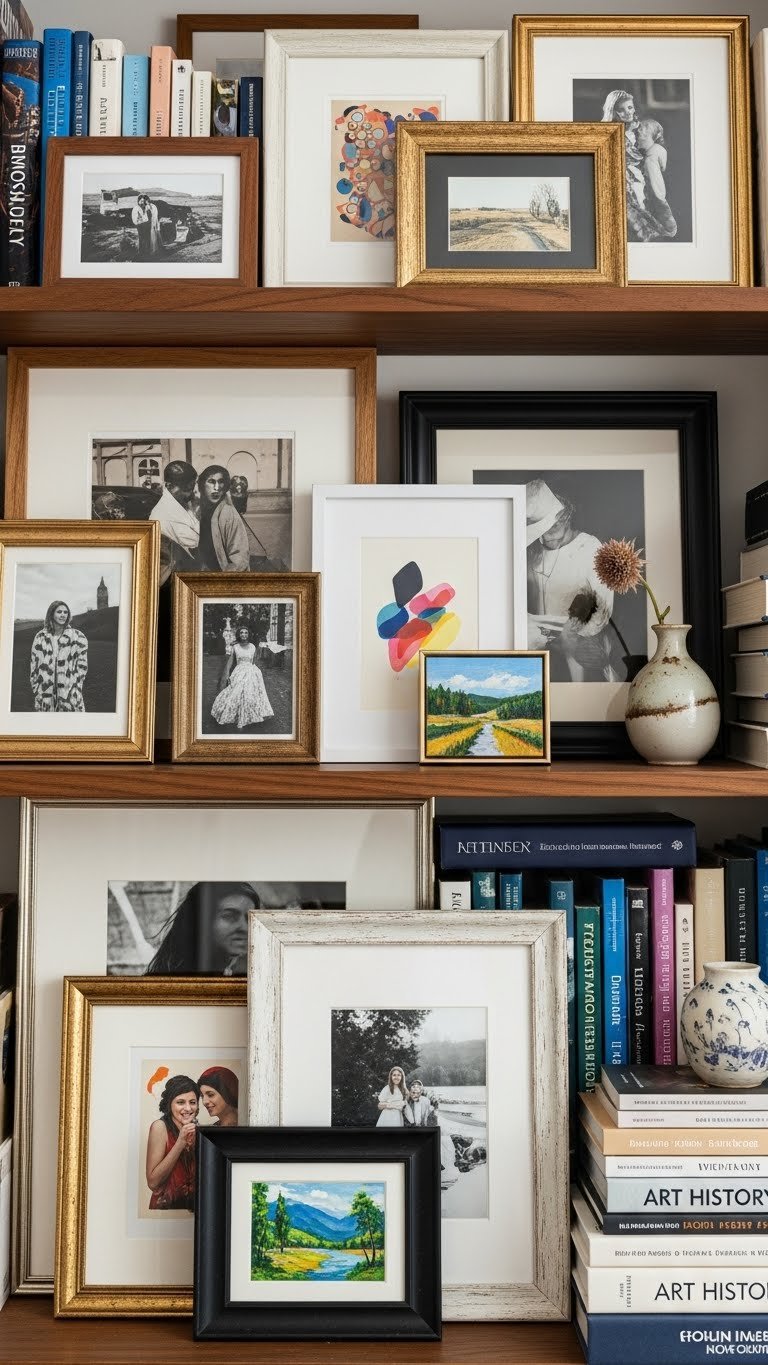
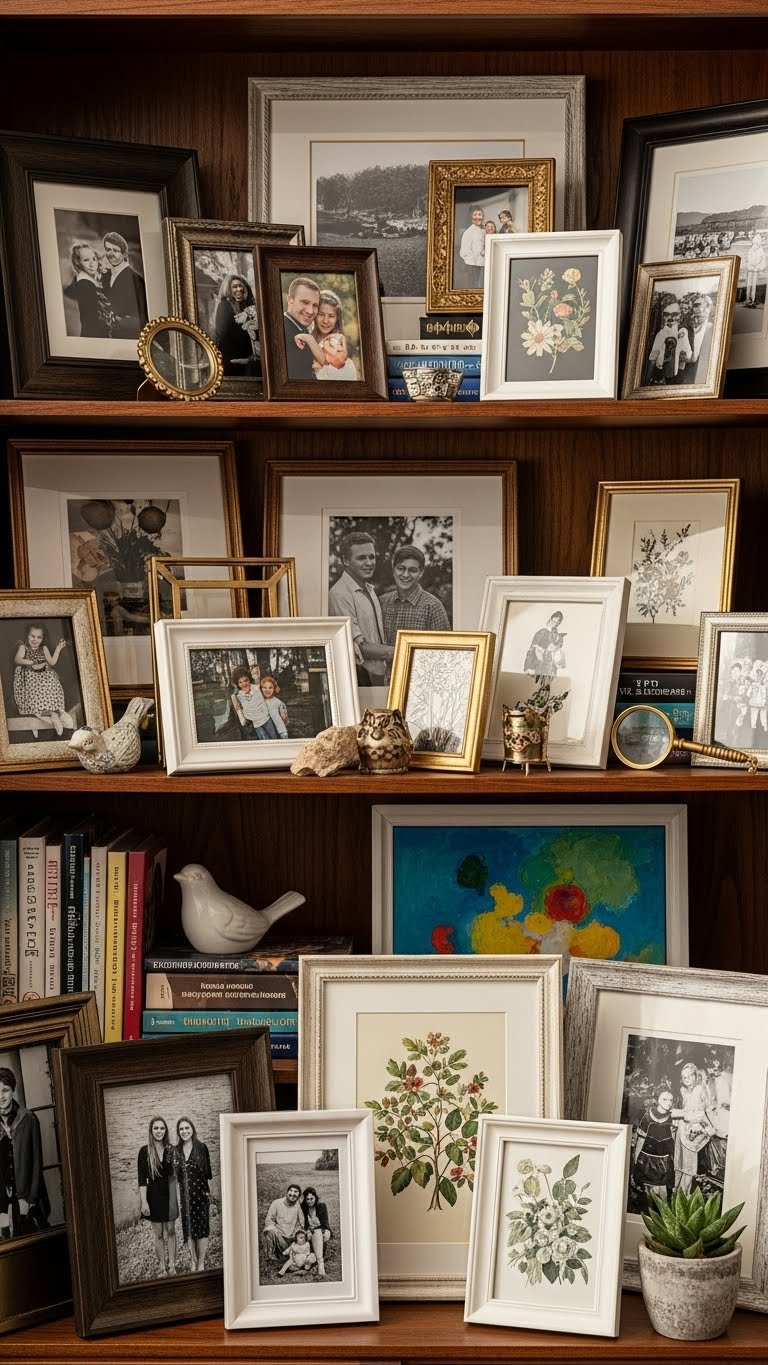
    10. Combine Books with Framed Artwork for Gallery Wall Vibes

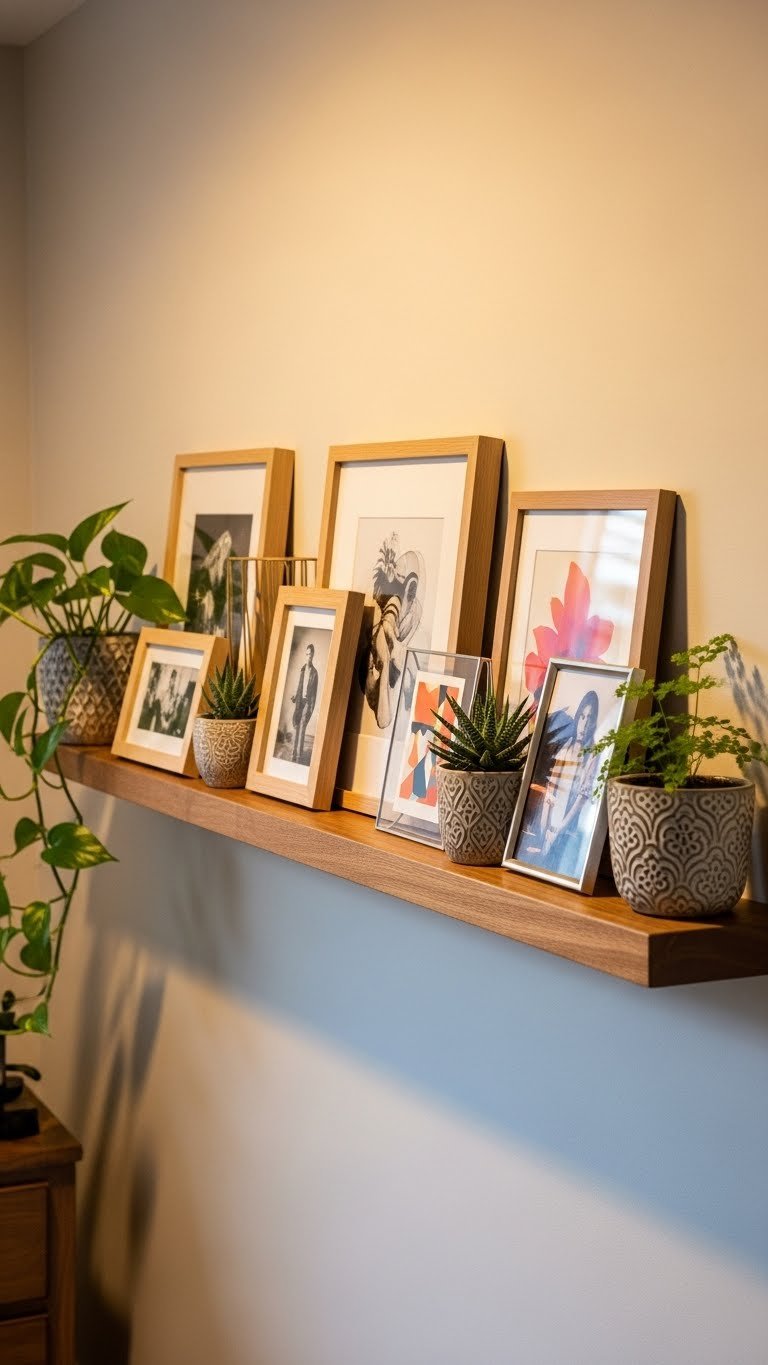
    Mixing framed art into shelving creates a gallery feel without committing to wall space. Lean smaller frames against the back of the shelf or stand them upright between book clusters.

    Use frames of varying sizes and finishes—wood, metal, acrylic—for visual interest. Rotate artwork seasonally or based on mood. Affordable frames start at $5–$15 from IKEA, Target, or thrift stores. This costs almost nothing if you use existing photos and prints.

    Your shelf transforms into a personal gallery. Instead of just storing books, you’re displaying memories and art that matter to you.

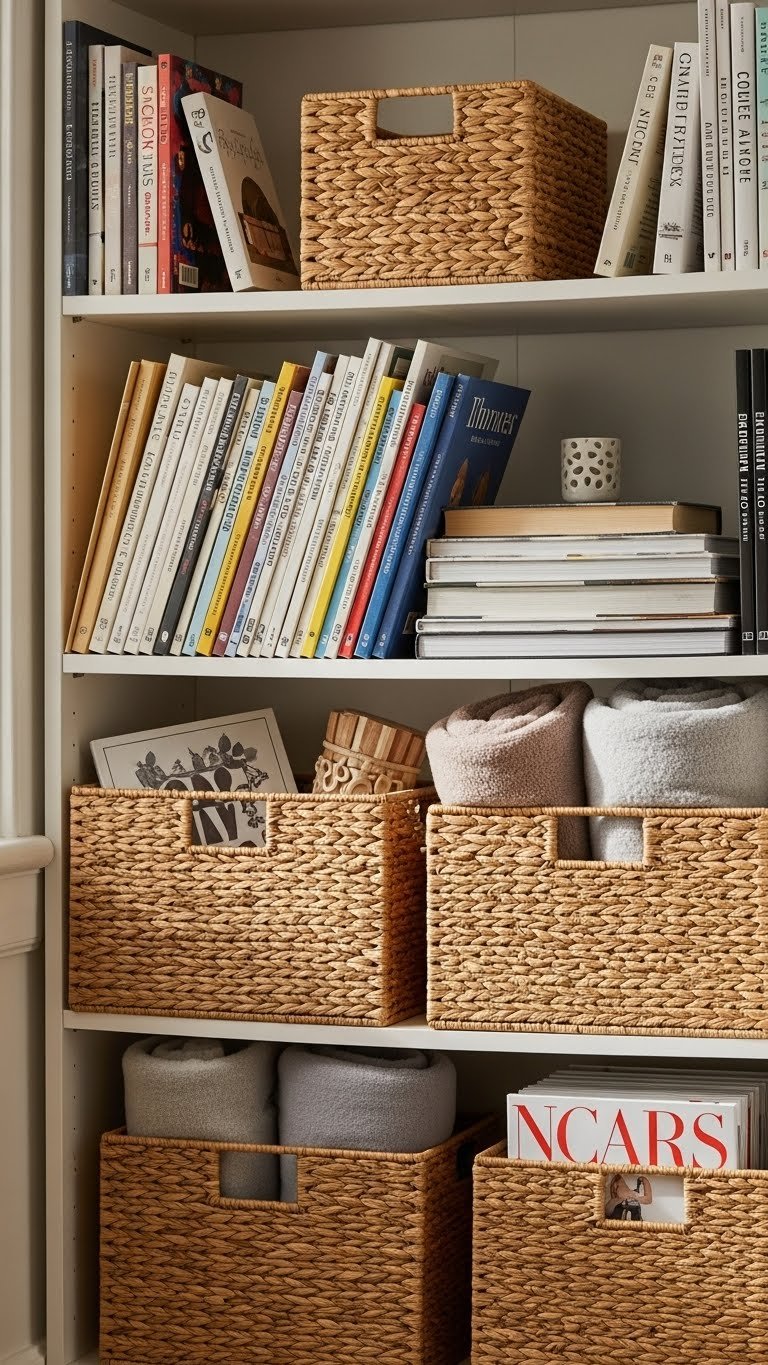
    11. Use Baskets to Corral Clutter and Add Texture

    Open baskets hide clutter while adding warmth and texture. This $15–$50 upgrade instantly organizes anything you’re embarrassed to display.

    Choose baskets that fit your shelf depth and complement your style—seagrass, woven rattan, or fabric bins work equally well. Use them to store extra books, blankets, office supplies, or anything you want hidden but accessible. Label them lightly for easy finding.

    Your shelves become more functional and visually soft. The eye sees intentional organization instead of scattered items.

    12. Lean Books at an Angle for Relaxed, Curated Appeal

    Leaning books creates movement and visual interest that rigid rows can’t achieve. This free styling trick makes shelves look less formal and more approachable.

    Select a few books with covers you love and lean them against the shelf wall or other books at slight angles. Don’t overthink it—the imperfection is the point. Mix leaned books with upright stacks for balance. This takes 10 minutes to rearrange.

    Your shelves look more relaxed. This subtle change suggests someone actually lives here and uses these books, not just displays them perfectly.

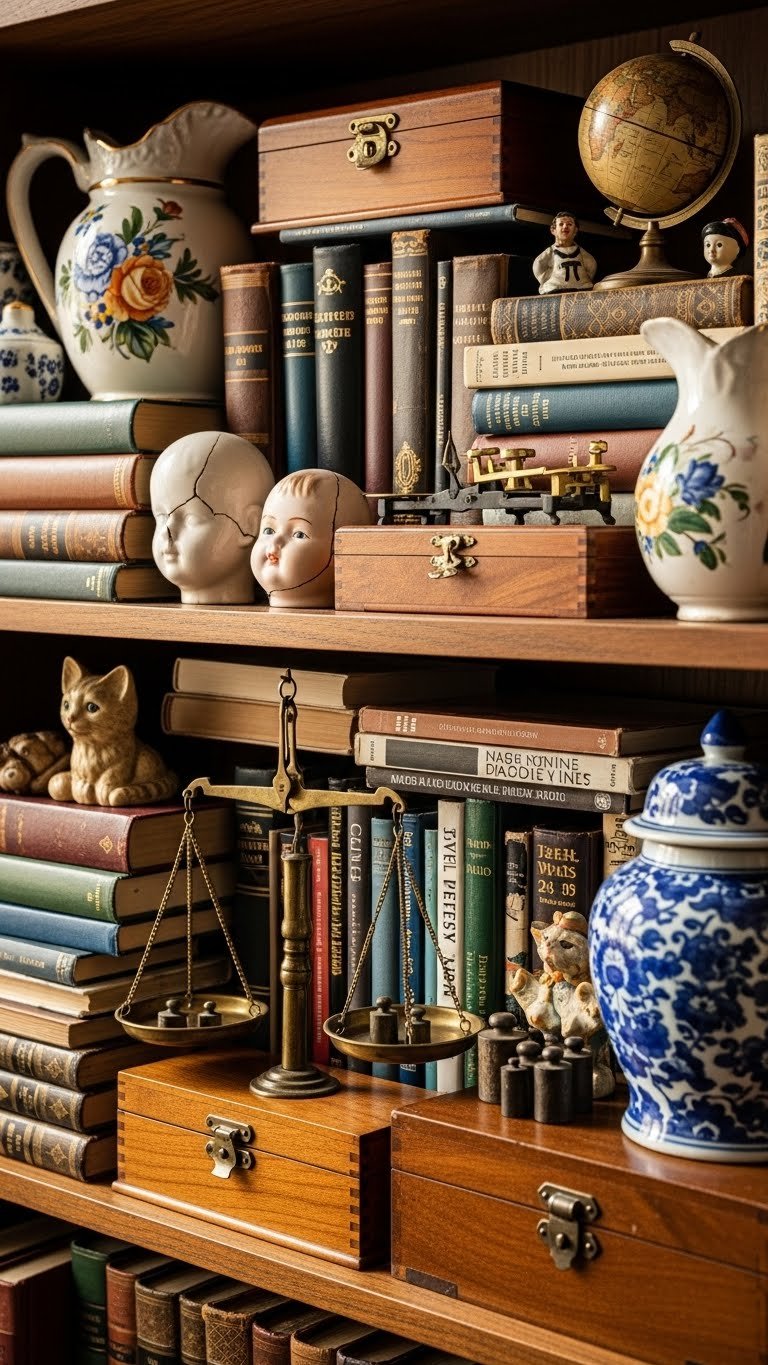
    13. Incorporate Vintage or Thrifted Finds for One-of-a-Kind Character

    Vintage and thrifted pieces add personality books alone can’t provide. Thrift stores and antique markets offer one-of-a-kind items for $2–$20 each, making this affordable character-building.

    Scout estate sales, Goodwill, and local antique shops for items that speak to you—vintage cameras, brass sculptures, old books with beautiful spines, decorative boxes. Mix these treasures among your books for a collected aesthetic. The randomness and history are what make this work.

    This approach transforms your shelves into a conversation starter. Every item has a story, and visitors notice the personal touches more than the books themselves.

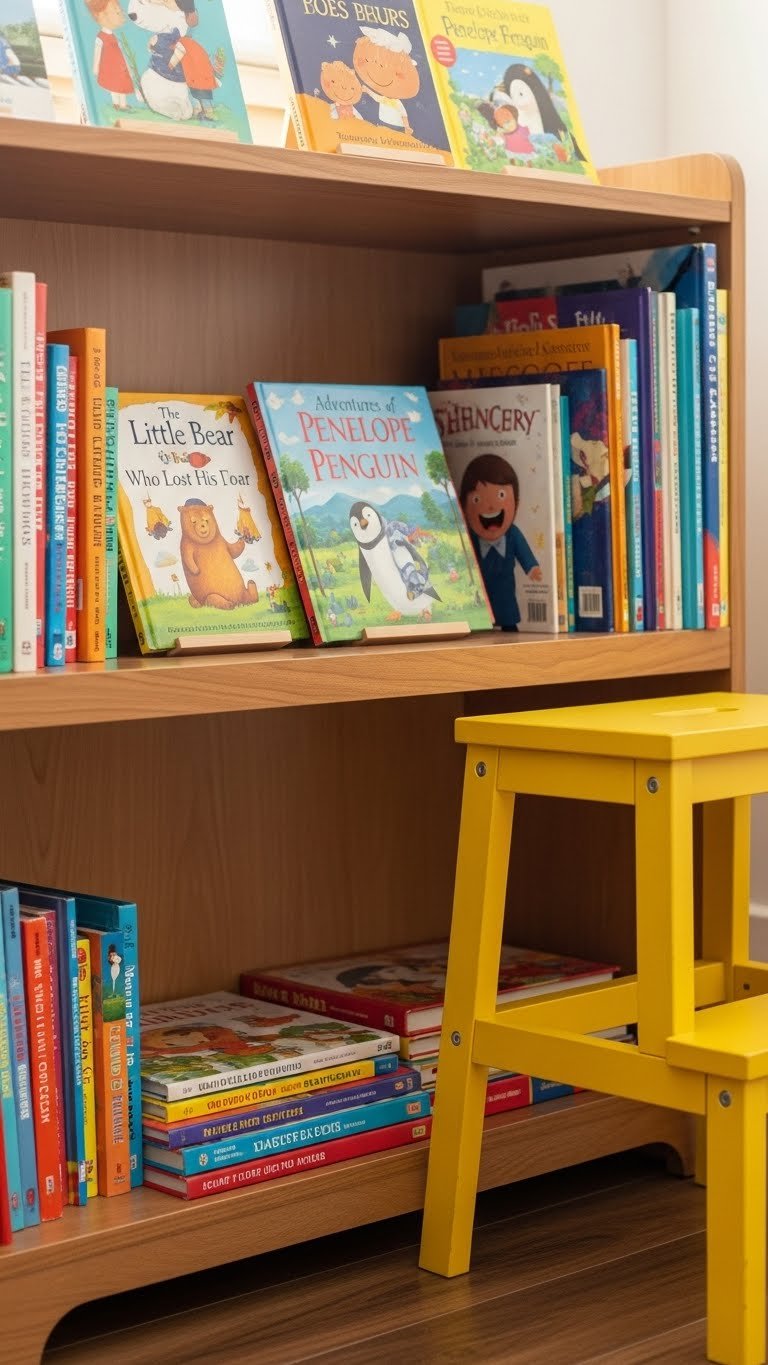
    14. Create a Mini Library for Children’s Books with Lower Shelf Access

    Lower shelves at kid-height with forward-facing display make reading accessible and inviting. This costs nothing if you already have books; it’s just strategic placement and perhaps a small step stool ($15–$30).

    Arrange picture books with covers showing forward on lower shelves so kids can see and grab them easily. Stand chapter books spine-out above. Add a small bench or cushion nearby for reading. This encourages independent book selection.

    Kids see this as their shelf, which means they’re more likely to read and care for books. You’re building a reading habit while keeping children’s books organized and visible.

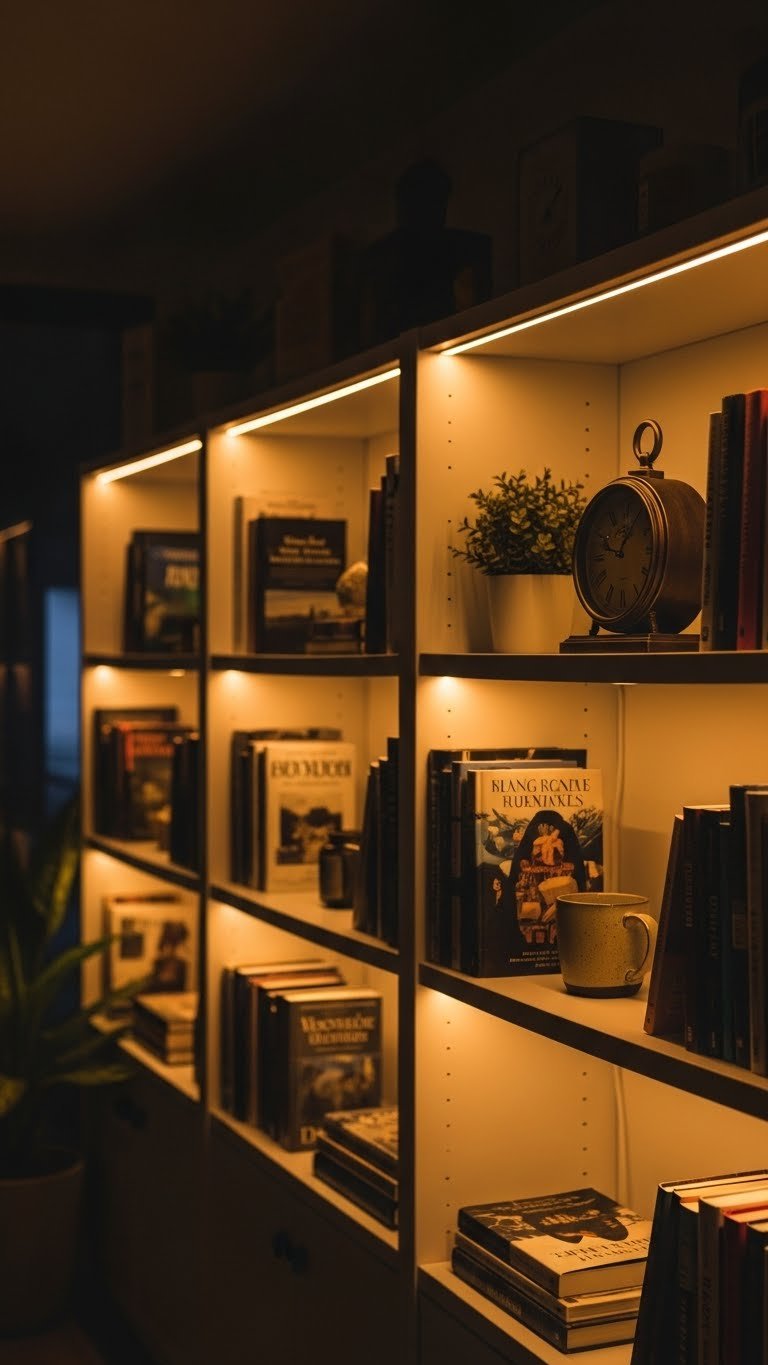
    15. Install LED Strip Lighting for Subtle Ambient Glow

    Shelf lighting adds ambiance and highlights your display. This $20–$50 upgrade makes shelves look professionally styled, especially in evening hours.

    Choose warm white LED strips (avoid cool blue unless matching a modern aesthetic) and install them under shelf edges or along the top back. Most are adhesive-backed and battery or USB-powered. Installation takes 15 minutes. Brands like Nanoleaf and simple Amazon strips work well.

    Your shelves become a design feature, not just storage. The soft lighting makes reading easier and adds sophistication to your entire room.

    16. Group Similar Items Together in Visual Clusters

    Grouping similar items creates visual order and makes spaces feel more intentional. This free organizing principle takes 30 minutes to implement.

    Dedicate shelf sections to themes: one for cookbooks, one for fiction, one for art and plants, one for family photos. Keep each cluster contained within a zone rather than spreading items randomly. Leave breathing room between zones.

    Your shelves tell a story. Instead of appearing randomly filled, they reflect how you actually live and what you care about.

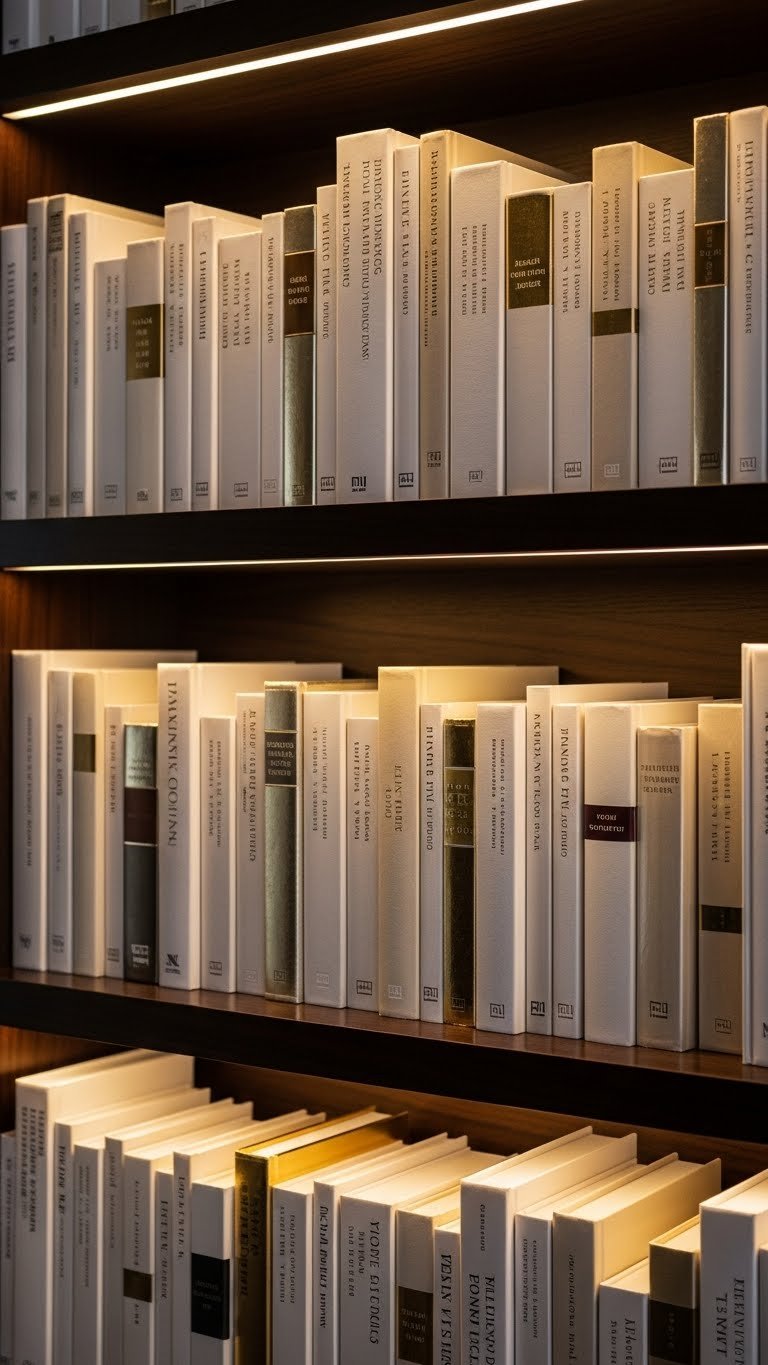
    17. Display Decorative Books with Coordinated Spines

    Decorative books (whether you read them or not) add visual weight and color coordination. Quality options cost $10–$30 each from bookstores or online retailers.

    Look for books with beautiful typography, photography, or coordinating colors—coffee table books, art books, or design books work perfectly. Arrange them by color or size to create cohesion. Stack them at varying heights with a few standing upright.

    This approach takes your shelves from “storage” to “designed space.” Visitors see intention and style, not just random books.

    18. Use Shelf Dividers or Metal Rods to Prevent Books from Slumping

    Shelf dividers prevent books from tipping and sliding while adding visual structure. Options range from $5–$25 each depending on style.

    Choose dividers that complement your aesthetic—simple metal, decorative brass, or natural wood work best. Space them about 10–12 inches apart to create sections. Arrange books vertically between dividers. This also creates visual stopping points across the shelf.

    Your shelves maintain organization without constant adjustment. Books stay upright, and the dividers add another layer of intentional design.

    19. Rotate Your Display Seasonally for Constant Freshness

    Seasonal rotation keeps your shelves from feeling stale and lets you use display space efficiently. This costs nothing but takes two to three hours per refresh.

    Every three months, swap out 20–30% of your displayed books and decor. In spring, bring forward bright colors and fresh plants. Summer calls for travel books and lighter reads. Fall welcomes jewel tones. Winter feels good with cozy books and warm lighting. Rotate items between shelves and storage.

    Your space feels intentionally refreshed without redecoration. This practice keeps shelves interesting and prevents the “same old shelf” feeling.

    20. Pair Tall Vertical Shelves with Low Horizontal Stacks for Depth

    Layering tall and short stacks creates three-dimensional depth that flat rows can’t achieve. This costs nothing—pure strategic arrangement of existing books.

    Place a tall stack of books in the back or middle of a shelf, then layer a horizontal stack in front. This creates depth and visual interest while maximizing space. Vary the pattern across different shelves to avoid repetition.

    Your shelves look more sophisticated and magazine-worthy. The layering draws the eye through the display instead of stopping at the surface.

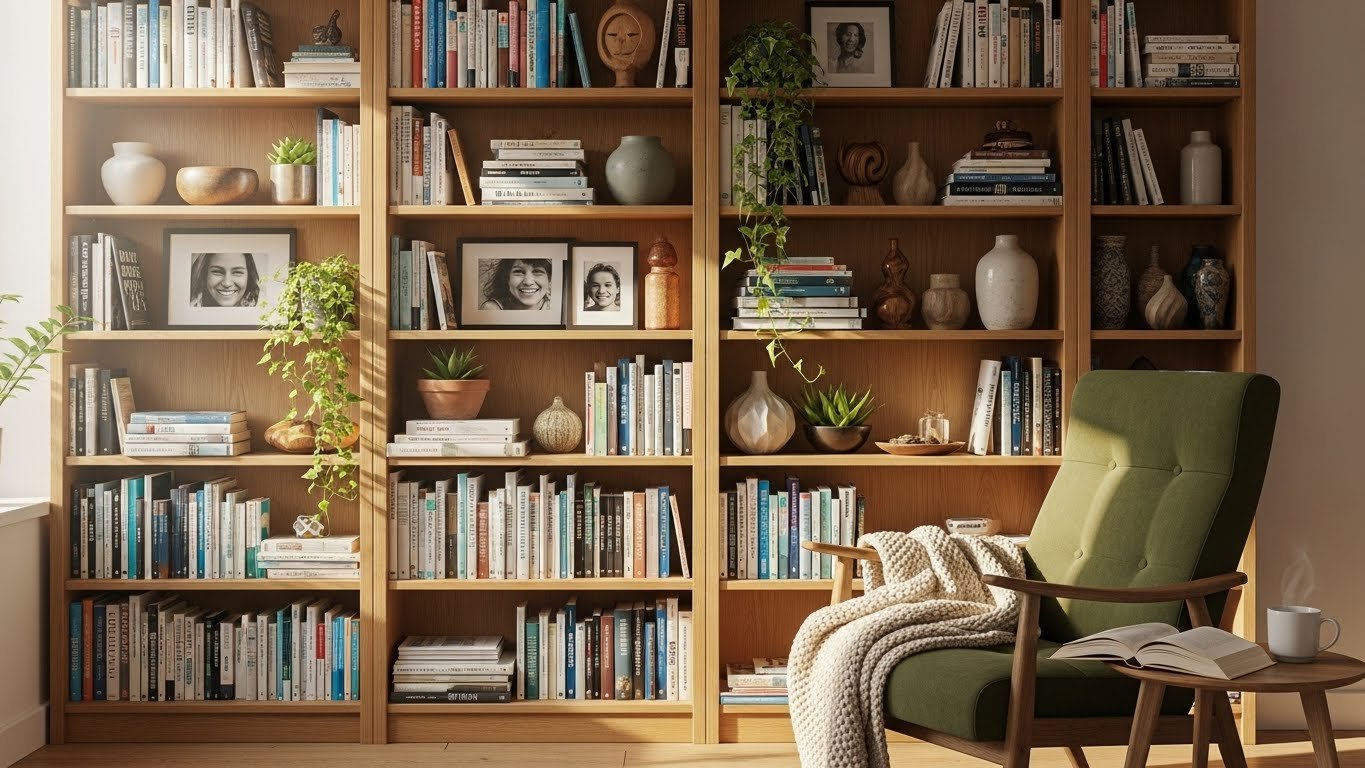
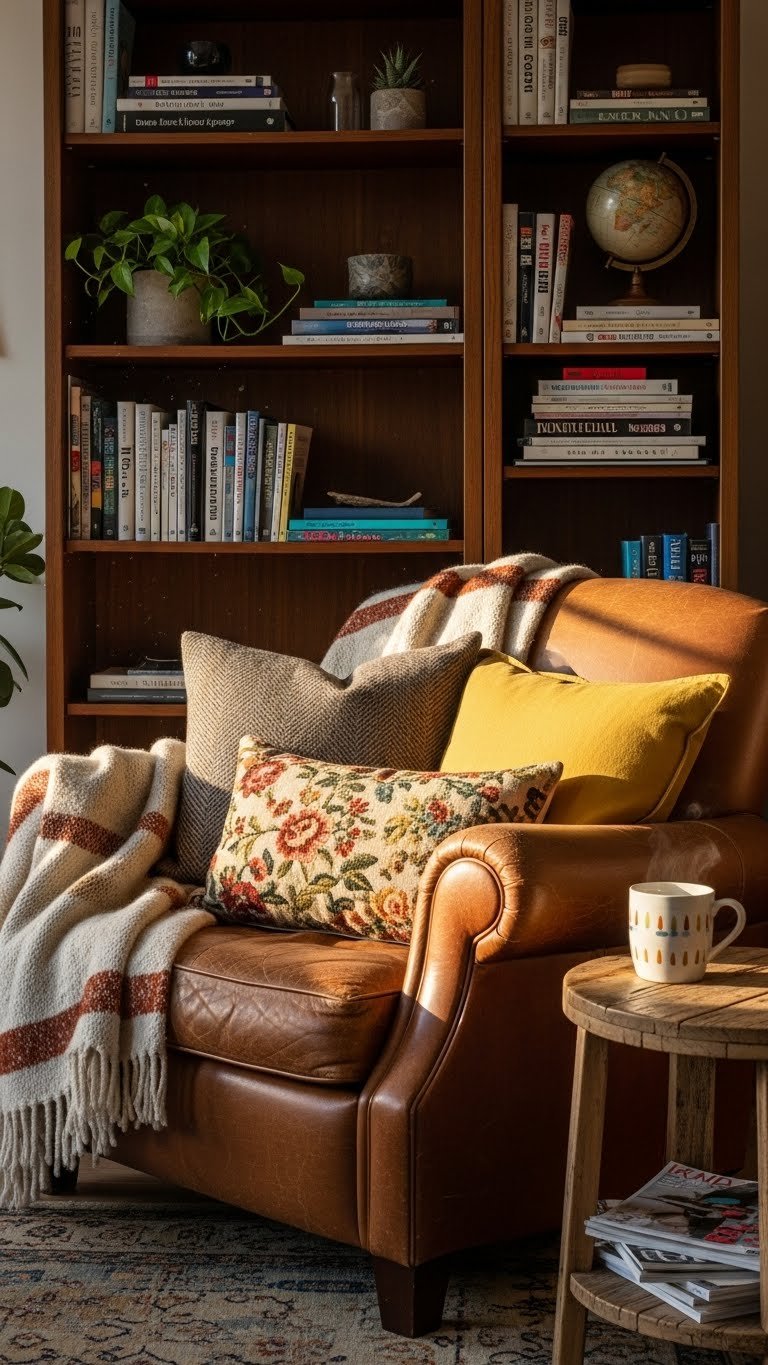
    21. Create a Reading Nook with Matching Pillows and Throws

    Pairing your shelf with a reading zone makes the display functional and inviting. A comfortable chair and soft textiles cost $100–$300 but create an entire lifestyle moment.

    Choose a chair that fits your space—a full armchair, accent chair, or even a large cushion works. Layer it with pillows and a throw blanket in colors that complement your shelf. Add a small table for beverages and books in progress. Position it where natural light reaches the shelf.

    Your bookshelf becomes more than decoration—it becomes the centerpiece of a personal retreat. This is where people actually spend time instead of just looking.

    22. Mix Upright and Tilted Frames for Dynamic Art Display

    Mixing frame orientations creates movement on shelves. Use existing frames or invest $5–$15 per frame from budget-friendly retailers.

    Stand some frames upright between books, lean others at angles against the shelf back, and prop a few in front of stacks. Vary frame sizes and materials for visual interest. This arrangement feels collected and intentional rather than perfectly styled.

    Your display becomes more dynamic. The varied heights and angles draw the eye across the entire shelf instead of landing on one spot.

    23. Install a Bookshelf on a Rental Apartment Wall with Damage-Free Methods

    Renters deserve stylish storage too. Damage-free mounting systems cost $30–$80 and allow you to decorate without losing your security deposit.

    Use adhesive command strips for lightweight shelving, or look into tension rods and bracketing systems designed for rental walls. Weight limits vary, so stick with books and light decor rather than heavy items. Installation takes 30 minutes.

    You get shelving that moves with you. When you leave, peel off strips and fill any small holes. This frees you to style confidently.

    24. Curate Books by Spine Color to Match Your Interior Palette

    Coordinating book spines by color creates a cohesive, designed look. This takes two hours to arrange but costs nothing.

    Review your collection and display books whose spines match or complement your interior palette. Group warm tones together, cool tones together, or create a gradient. Store books with clashing spines in boxes or different shelves. This selective display approach works especially well for visible shelves.

    Your space feels intentionally designed rather than randomly filled. Visitors notice the thought behind every choice.

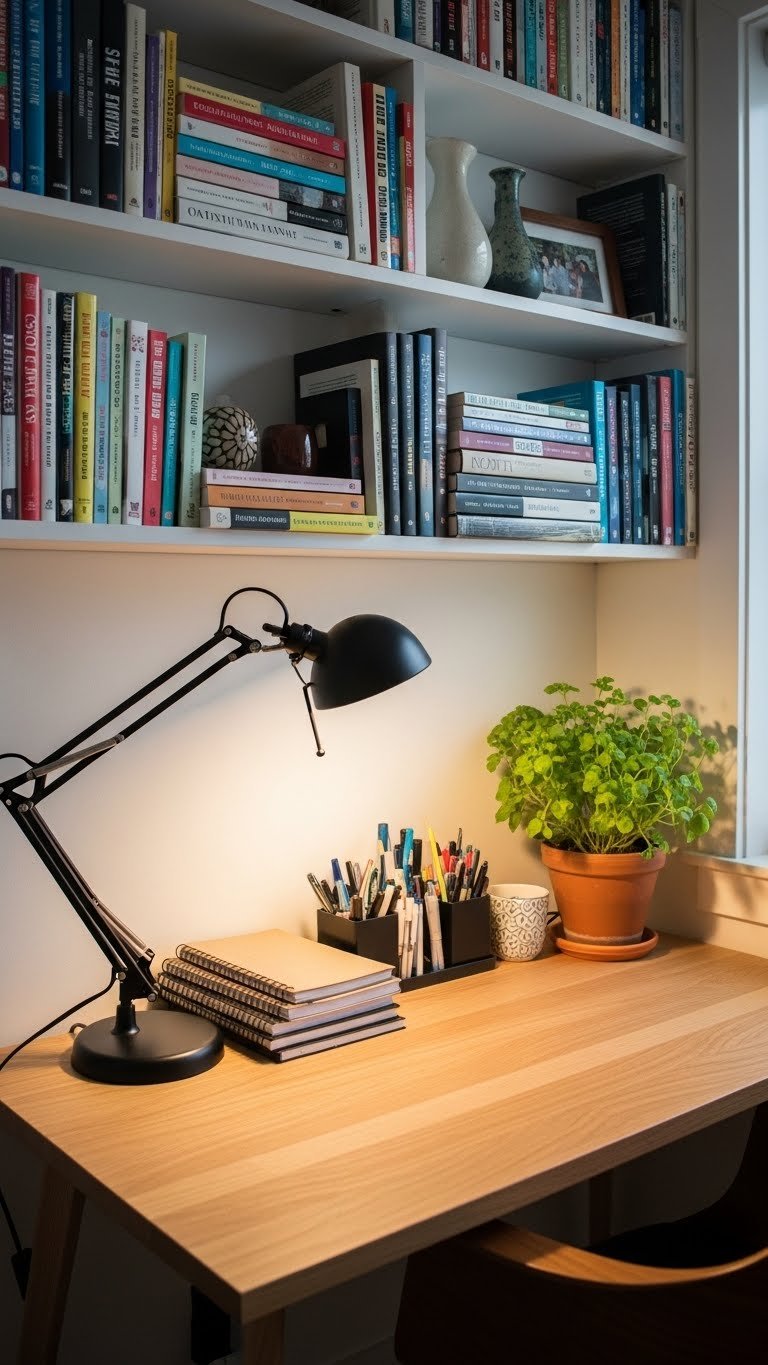
    25. Add a Small Workspace Shelf for Books and Office Supplies

    Combining shelving with workspace maximizes functionality in small spaces. A desktop unit with shelves above costs $100–$250 and serves double duty.

    Look for ladder-style shelves or desktop organizers that provide storage and workspace simultaneously. Position books you reference frequently at arm’s reach. Keep supplies in labeled containers below the work surface. This setup is perfect for remote work or creative hobbies.

    You’ve created a focused work zone that feels organized and inspired. Books are literally within reach, and your space serves multiple purposes without feeling cramped.

    26. Make Your Bookshelf a Reflection of Your Personality Through Styling Choices

    Your shelf should tell your story. There’s no “right” way to style it; what matters is that it feels authentically you. Every item costs nothing if you’re using things you already own.

    Choose books you’ve actually read and loved. Display objects that bring you joy or hold meaning. Include photos of people and places that matter. Don’t worry about perfect symmetry or matching aesthetics. The imperfection and personality are what make it beautiful.

    This creates a space that feels genuinely lived-in. When people visit, they see you in your shelf—your interests, your memories, your taste. That’s so much more powerful than a perfectly styled but generic display.


    Save this post for your next weekend refresh, and pick just one idea to try first. You’ll be amazed how one small change transforms your entire space from storage-focused to style-forward.

  • 23 Accent Wall Painting Styles That Instantly Refresh Any Room

    23 Accent Wall Painting Styles That Instantly Refresh Any Room


    Your bedroom, bathroom, or living room doesn’t need a complete overhaul to feel brand new. A single accent wall—painted in the right color, texture, or style—can completely shift the energy of your space. Whether you’re renting, working with a tight budget, or ready to invest in something bold, there’s an accent wall idea here that fits your style and timeline. We’re walking through 23 approaches—from classic color plays to textured finishes, geometric patterns, and mixed-media designs. Most take a weekend or less, and many cost under $100. Ready to refresh your space? Let’s dive in.


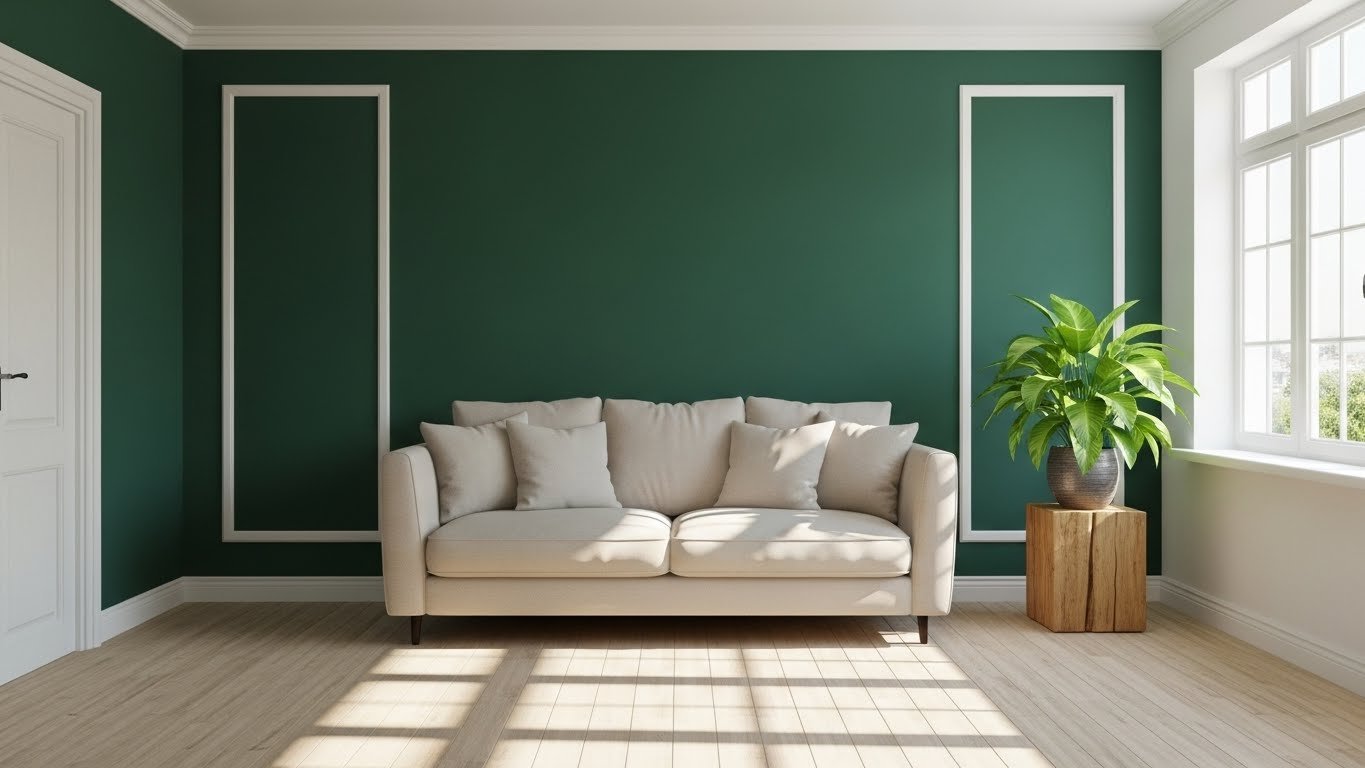
    1. Paint a Moody Jewel Tone for Instant Depth

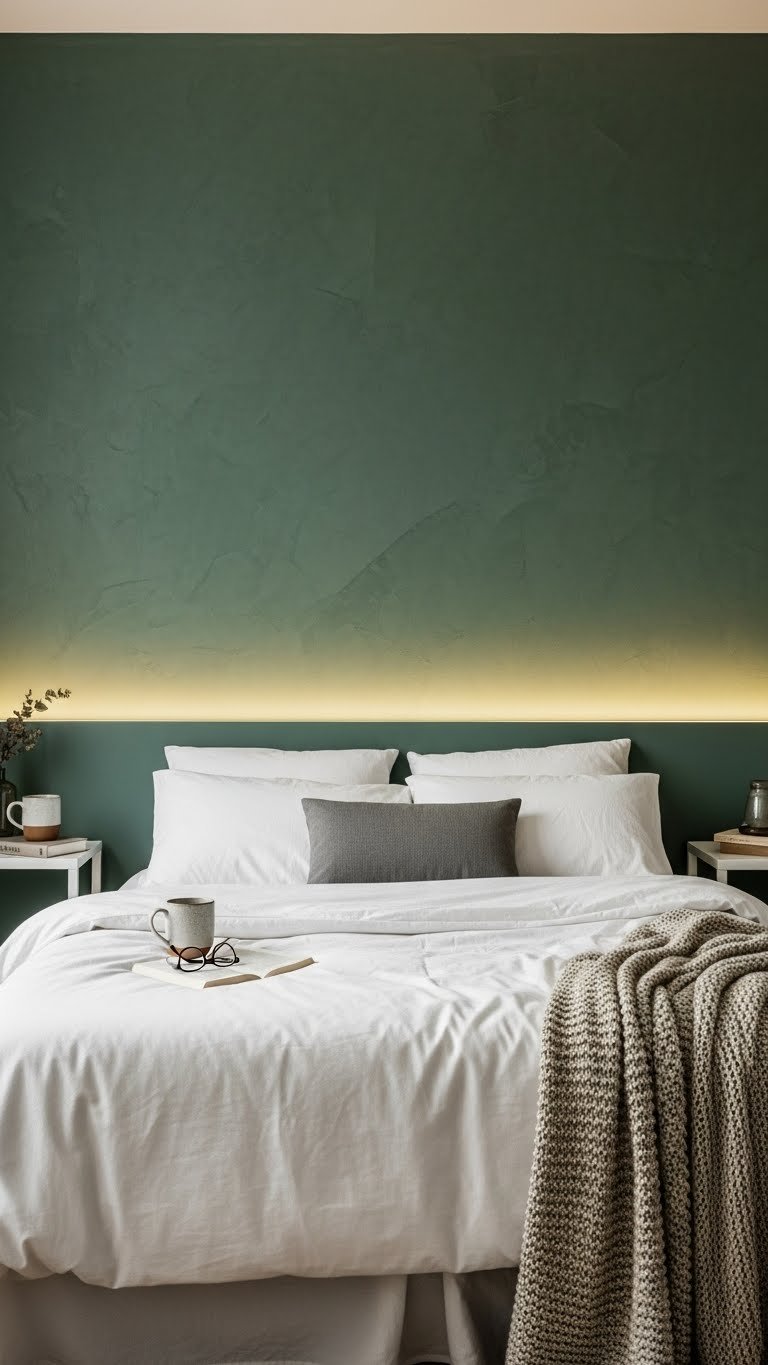
    Jewel tones like emerald, sapphire, and deep plum make a room feel instantly grown-up and sophisticated. They work especially well in bedrooms, dining rooms, or home offices where you want to feel grounded and focused.

    Choose a paint finish that matters: eggshell or matte ($25–$40 per gallon from Sherwin-Williams or Benjamin Moore) looks more refined than flat. You’ll need about one gallon for most accent walls. Application takes 2–3 hours including drying time between coats. Pro tip: pair jewel tones with white or cream trim to make the color pop without overwhelming the space.

    The payoff is real. Dark, saturated colors make rooms feel intentional and designed, and they photograph beautifully—perfect if you love styling your space on social media.


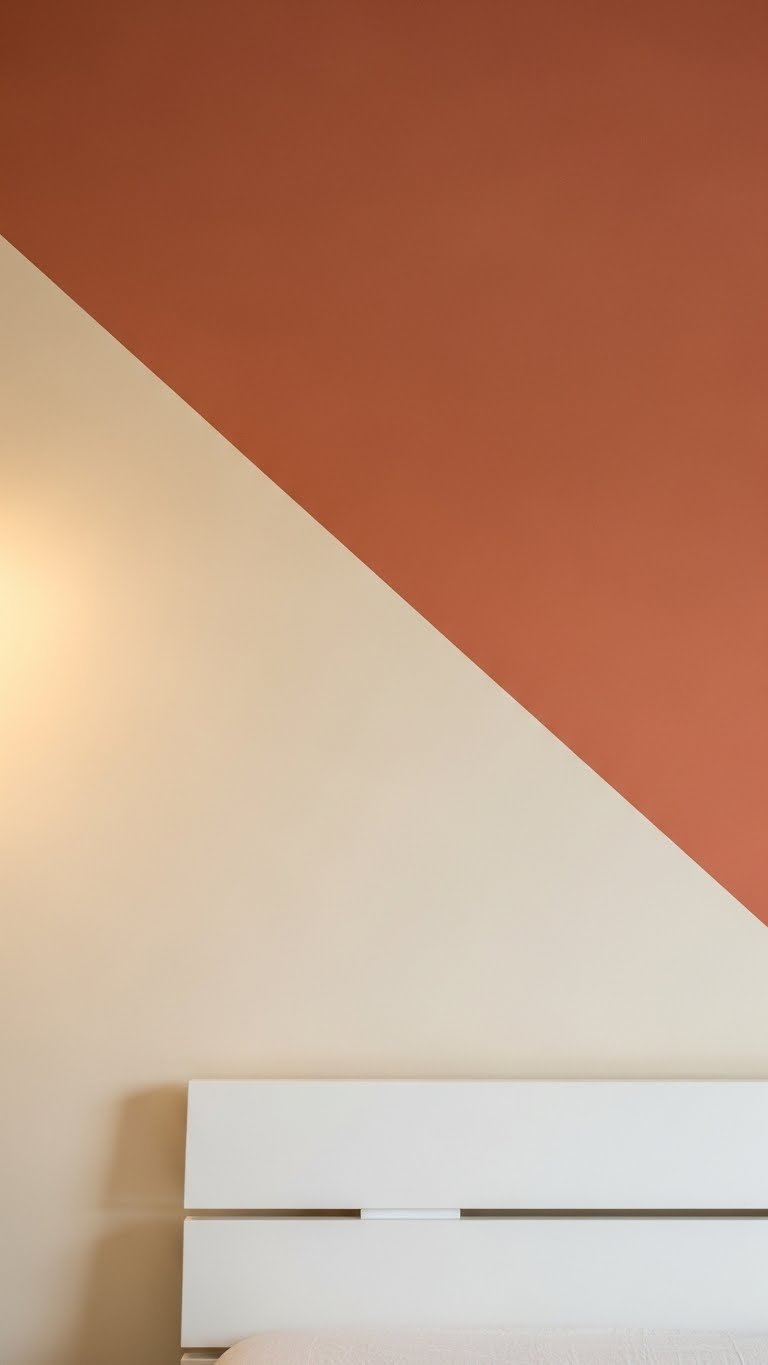
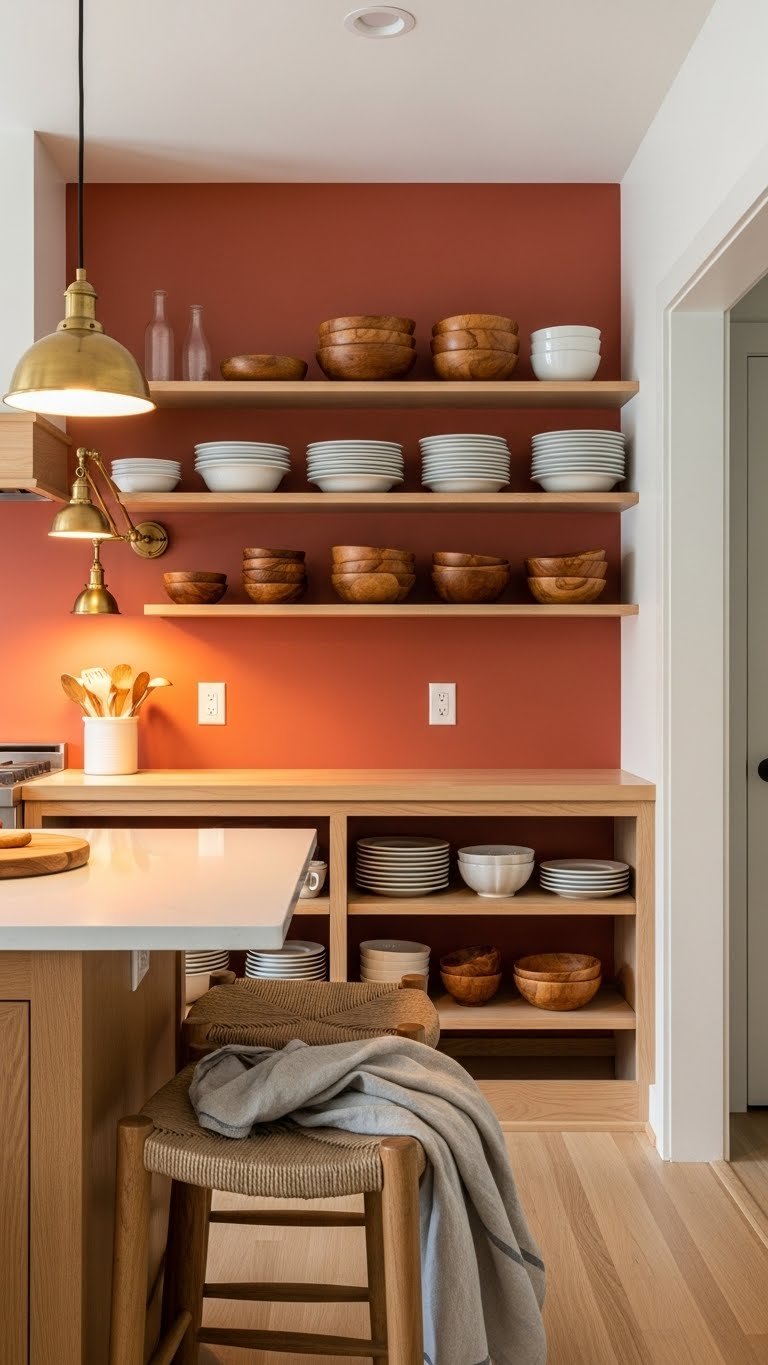
    2. Create a Warm Accent with Cinnamon or Terracotta

    Warm, earthy tones bring comfort and coziness without feeling heavy. Cinnamon, rust, and terracotta work beautifully in kitchens, living rooms, and entryways where you want guests to feel welcomed.

    These warm neutrals pair perfectly with natural wood and brass accents. A gallon of quality paint runs $25–$40; one coat usually covers well since these colors tend to have great pigmentation. Plan for 2–3 hours of painting time. Home Depot and Lowe’s stock budget-friendly versions ($15–$20 per gallon) if you’re testing the look first.

    This approach grounds a room without feeling trendy or temporary. You’ll find yourself gravitating toward that wall for photos and gatherings.


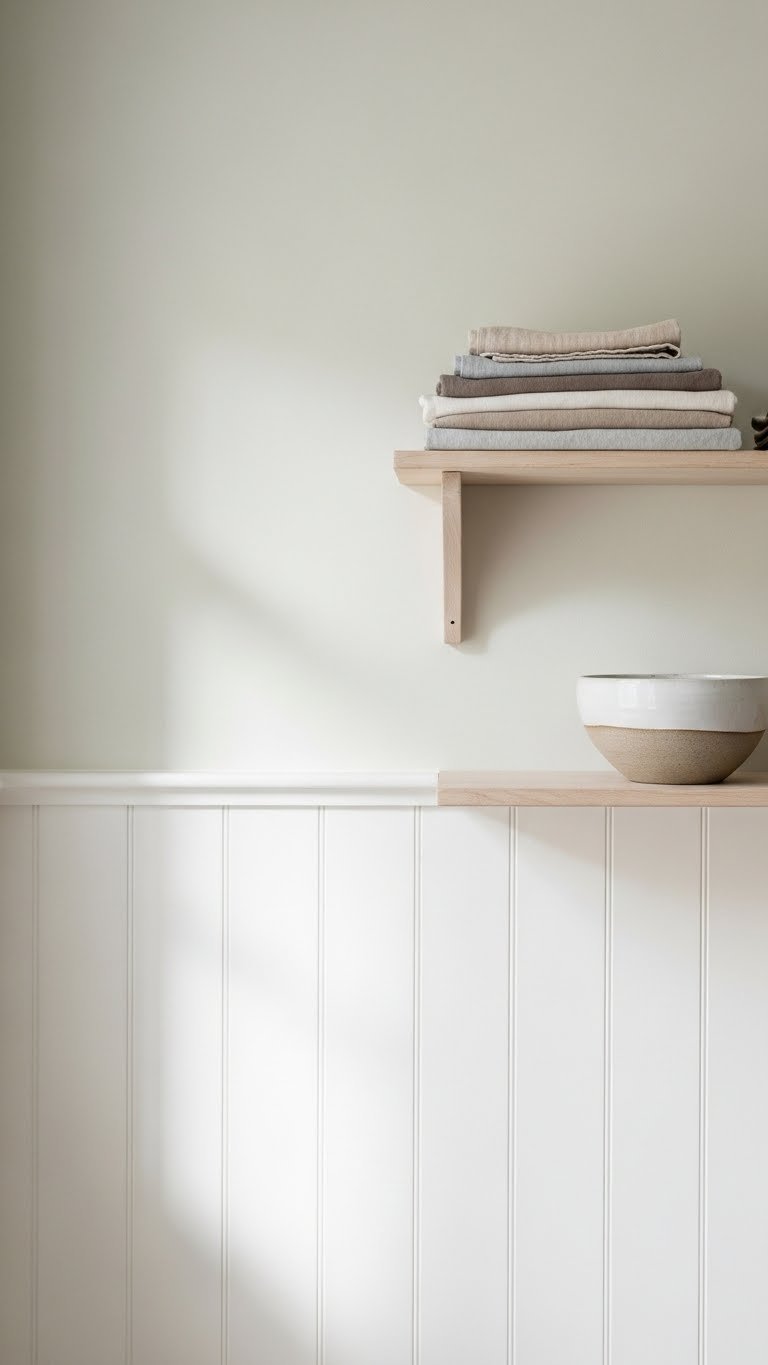
    3. Go Soft with Warm White or Cream Trim Effect

    A barely-there cream or warm white accent wall becomes dramatic when you add simple white trim work or paneling lines. This is the renter-friendly approach to adding architectural interest without commitment.

    Paint the wall a soft cream ($20–$35 per gallon) then add removable wallpaper trim lines, peel-and-stick wainscoting ($30–$60 from Amazon or Wayfair), or even just paint thin vertical stripes freehand if you’re feeling brave. This takes 3–4 hours and costs under $75 total. The optical effect is that your room suddenly looks taller and more curated.

    You get high-design impact from a subtle color change. Renters love this approach because it reads “intentional” without permanent damage.


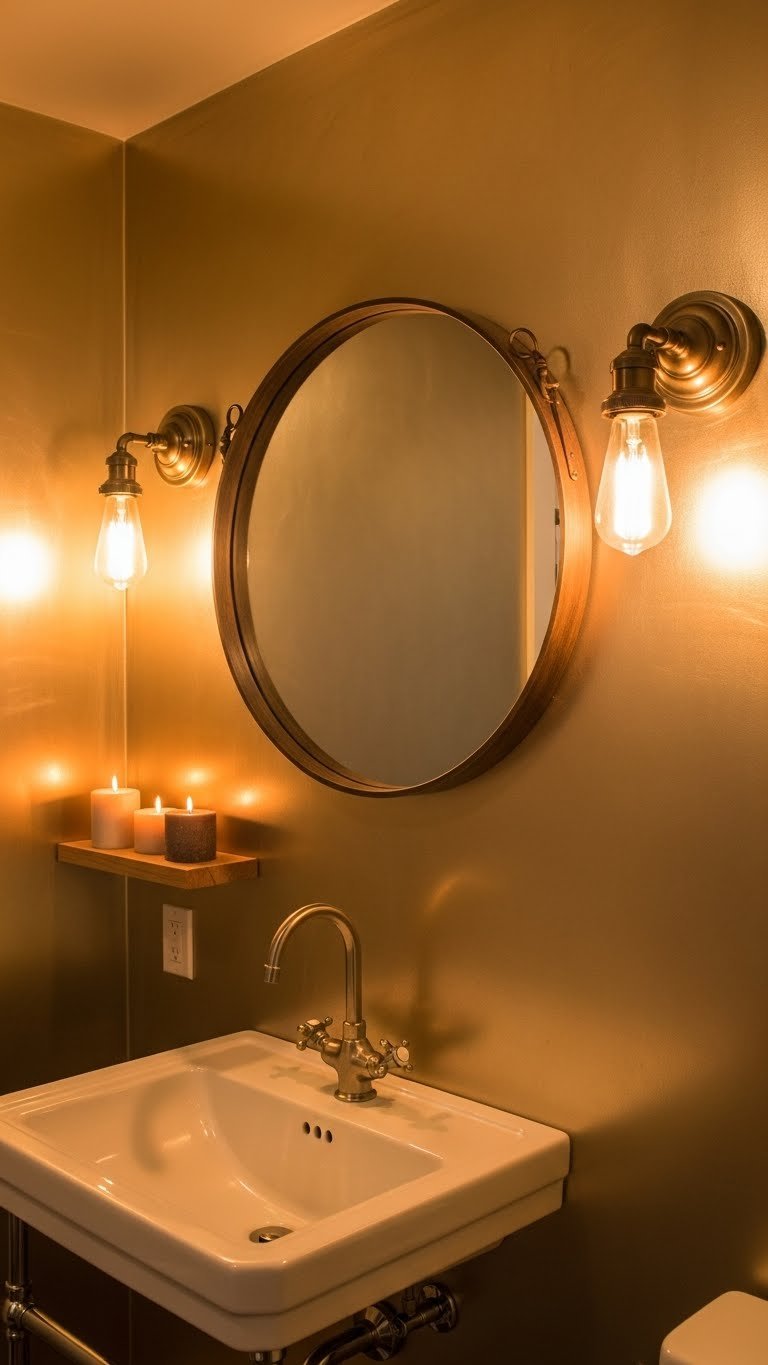
    4. Use Metallic Paint for Glam Accents

    Metallic finishes—gold, silver, or rose gold—add glamour without screaming “party house.” These work best on one small wall (bathroom, behind a bed, or beside a mirror) where light can hit and reflect off the finish.

    Metallic paints cost $30–$50 per gallon and need a smooth base coat first. Plan for 2–3 hours total, including a primer layer. Application requires a high-quality sponge or stipple technique ($8–$15 for good tools) to avoid visible brush strokes. Pro tip: apply a clear gloss coat after drying for extra shimmer and durability.

    The result feels spa-like and intentional. Lighting becomes part of your design—afternoon sun hits the wall differently than evening lamplight, creating mood throughout the day.


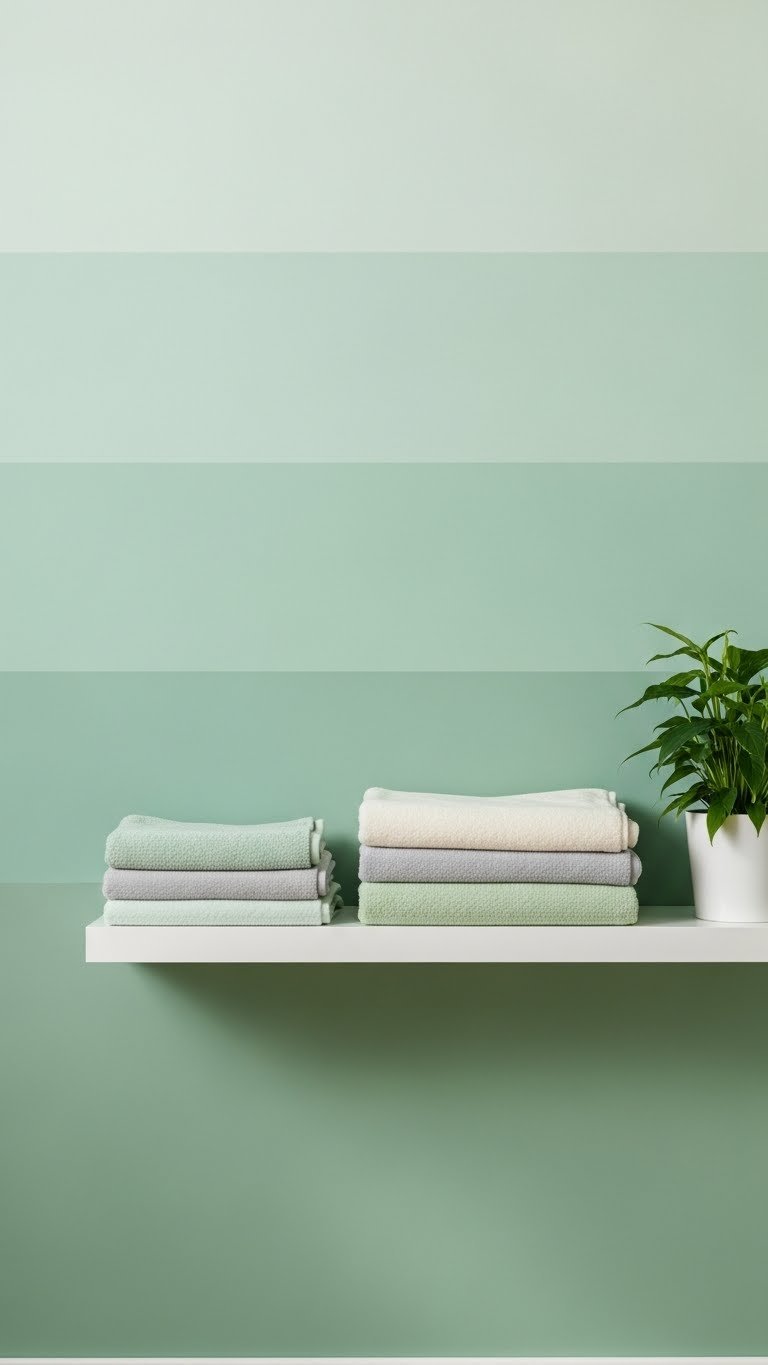
    5. Paint Horizontal Stripes for Visual Width

    Horizontal stripes make a room feel wider and more spacious. They work in bedrooms, kids’ rooms, or any space where you want a playful but polished vibe without overwhelming boldness.

    Paint the wall a base color, then use painter’s tape and a second color to create even stripes. You’ll need two paint colors ($25–$40 each) and quality painter’s tape ($10–$15). Allow 4–5 hours for taping, painting, and drying—the taping step takes patience but pays off in clean lines. Home Depot staff can help you find tape width recommendations based on how bold you want the stripes.

    Stripes create visual movement and make a simple wall feel intentional. The color combination you choose sets the mood: soft grays feel calming, while navy and white feels classic and grounded.


    6. Try Geometric Shapes with Stencils

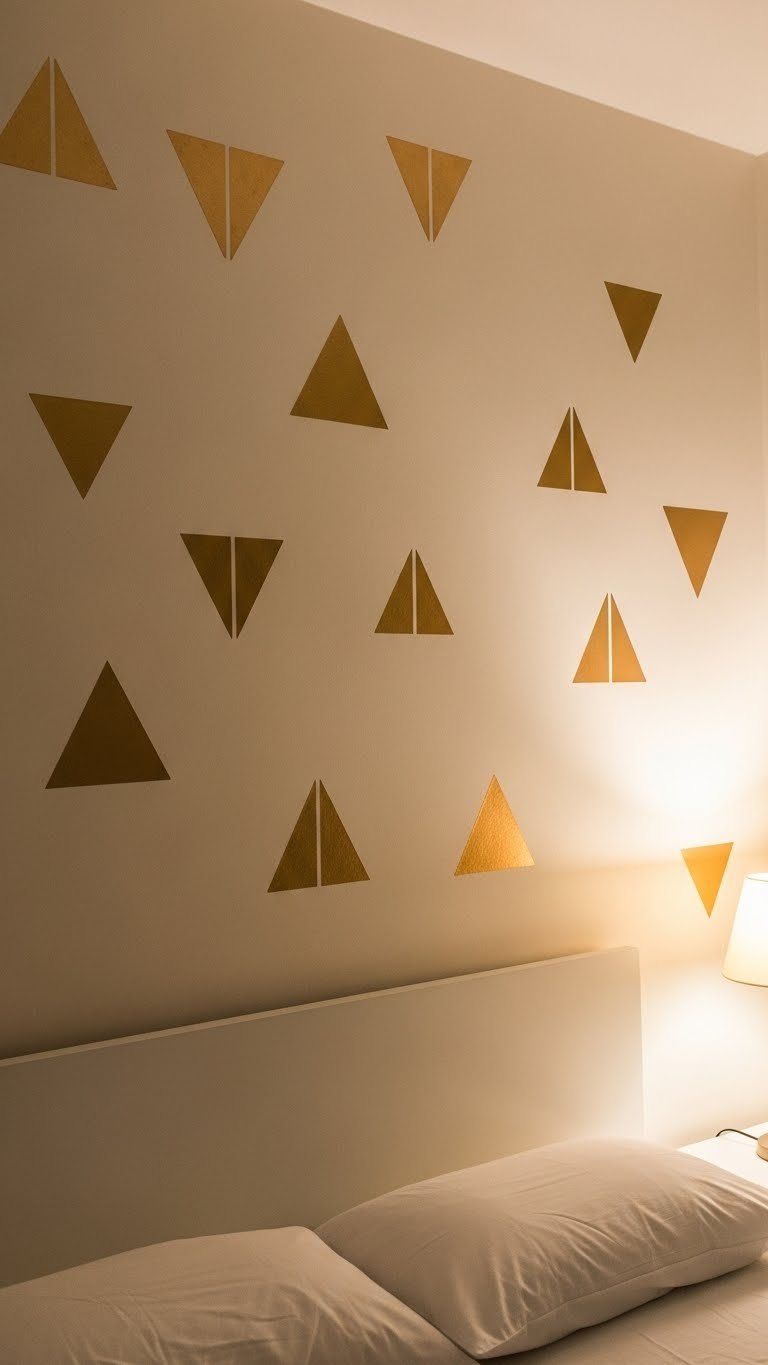
    Geometric patterns add personality without committing to wallpaper. Triangles, diamonds, hexagons, or circles let you play with color and design in a way that feels modern and considered.

    Download or purchase stencil templates ($15–$40 from Etsy, Amazon, or craft stores). You’ll need two paint colors, stencil adhesive spray ($5–$10), foam rollers or sponges ($8–$15), and patience. Expect 6–8 hours for a full wall, depending on pattern complexity. Start small—maybe just the upper half of the wall—if this is your first time.

    The payoff is a unique, personalized space that looks more expensive than it cost. Geometric walls photograph beautifully and give your room instant character.


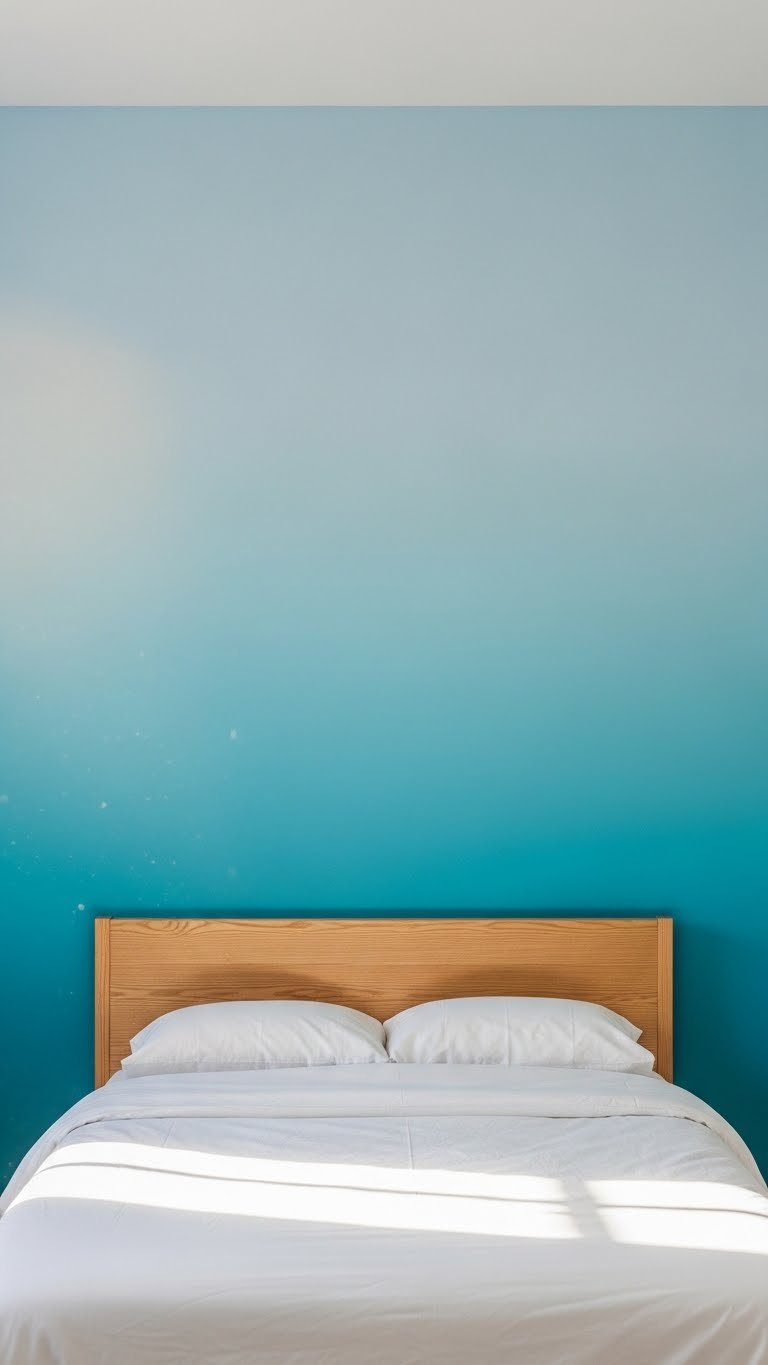
    7. Create an Ombre or Gradient Effect

    Ombre walls blend two or more colors smoothly from top to bottom (or side to side), creating depth and visual interest. This technique works especially well in calm, restful spaces like bedrooms.

    Choose two colors in the same family (light to dark blue, pale to deep green, etc.). You’ll need both paint colors ($25–$40 each), two rollers, and a sponge for blending ($10–$15 total). The technique: paint the darker color on the bottom half, lighter on top, then use a damp sponge to blend the middle while paint is wet. Plan 4–6 hours. It’s more forgiving than you’d think—slight variation adds to the organic feel.

    The result is calming and sophisticated. An ombre wall becomes a focal point without looking fussy or childish.


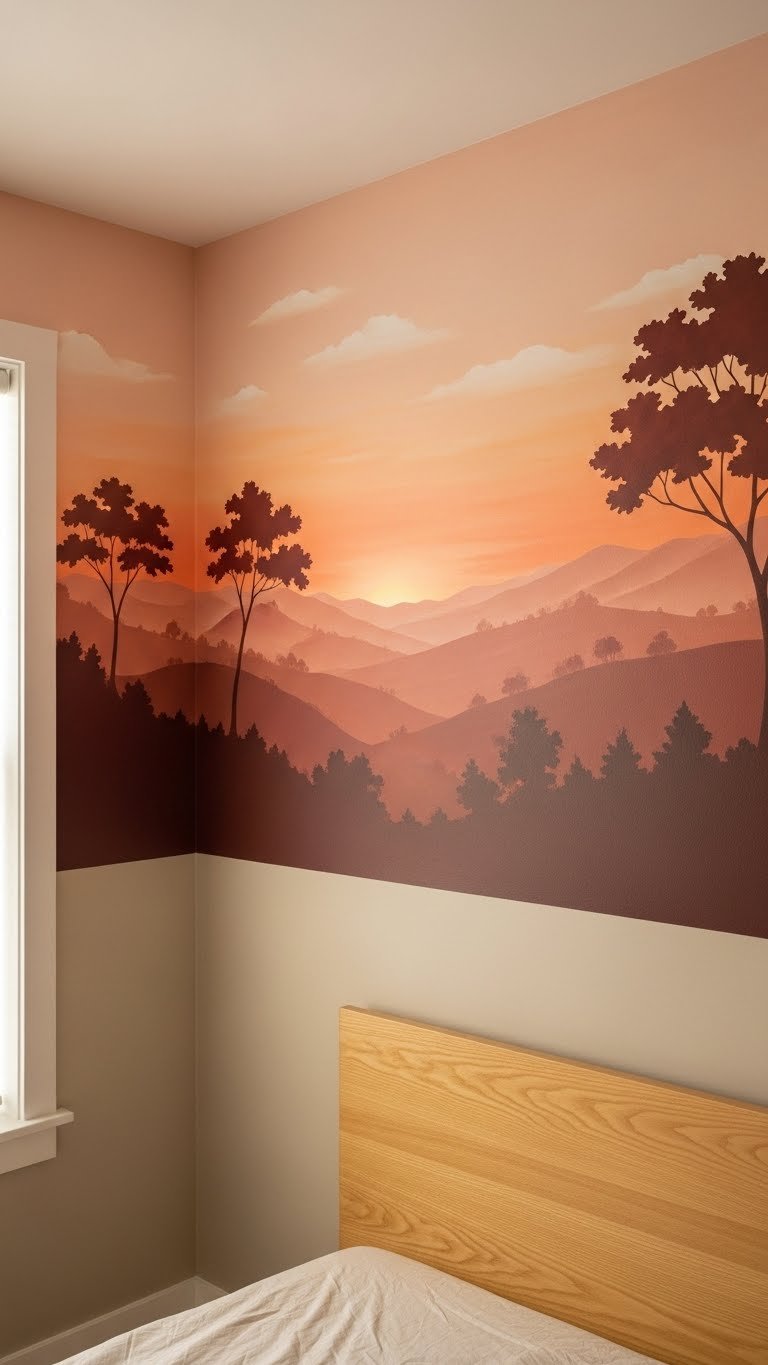
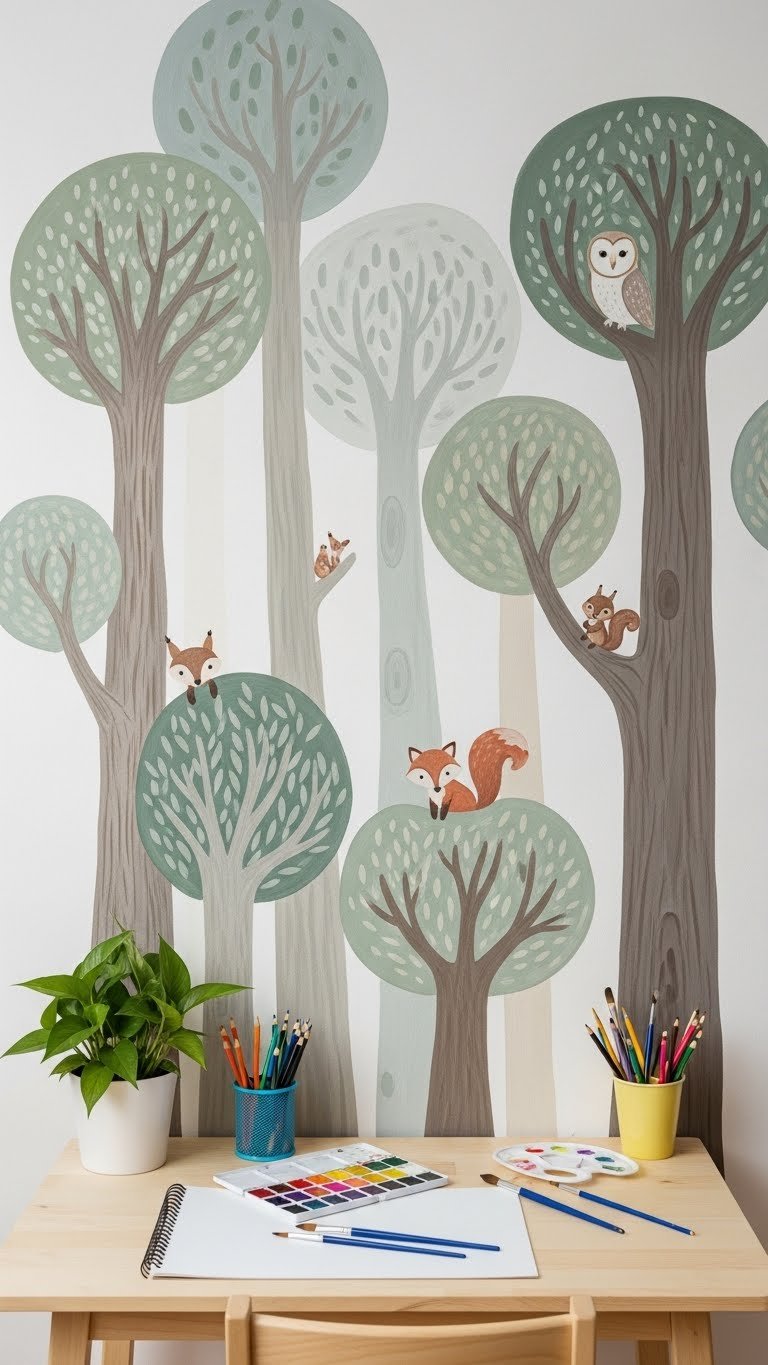
    8. Add a Mural or Hand-Painted Design

    A mural transforms a room into something uniquely yours. You don’t need to be an artist—simple silhouettes, abstract shapes, or botanical scenes all work beautifully.

    For DIY murals, sketch your design lightly in pencil first, then paint using acrylics ($20–$60 total for supplies). Expect 8–15 hours over a few days. If hiring a professional muralist, budget $300–$1,500 depending on size and complexity; local artists often charge $25–$75 per hour. Search “muralist near me” on Google or Instagram to find talent.

    A mural makes your space completely personal. It’s the one accent idea that absolutely cannot be replicated elsewhere—this wall becomes yours alone.


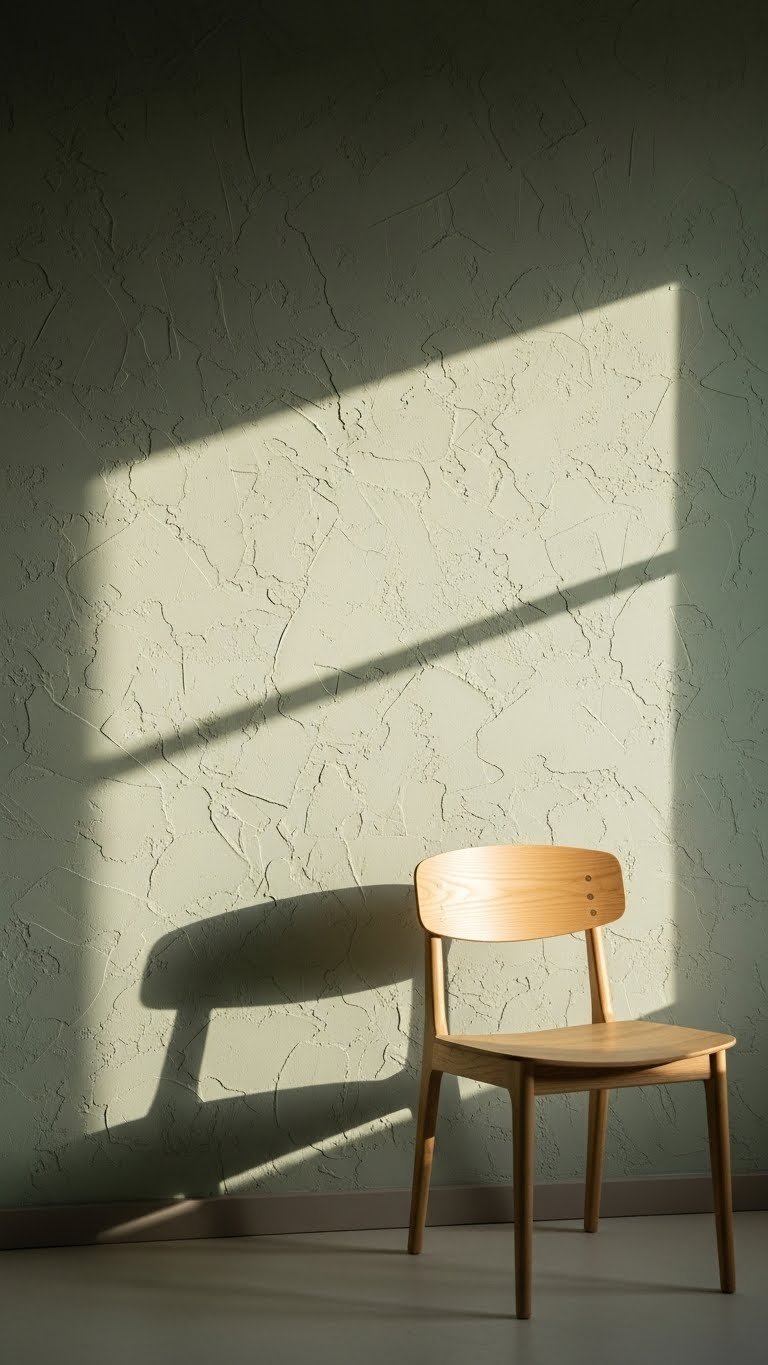
    9. Use Textured Plaster for Dimension

    Venetian plaster, stucco, or textured finishes add tactile dimension that flat paint cannot achieve. These finishes catch light beautifully and hide wall imperfections better than smooth paint.

    Textured finishes cost $40–$80 per gallon and require application with a trowel or sponge—not a roller. If you’re inexperienced, hire a pro ($400–$800 for one wall). DIY application takes 4–6 hours plus drying time. Many home improvement stores offer application tutorials; watch a few before starting.

    Textured walls feel luxe and collected. They photograph dramatically and make a room feel intentionally designed rather than default.


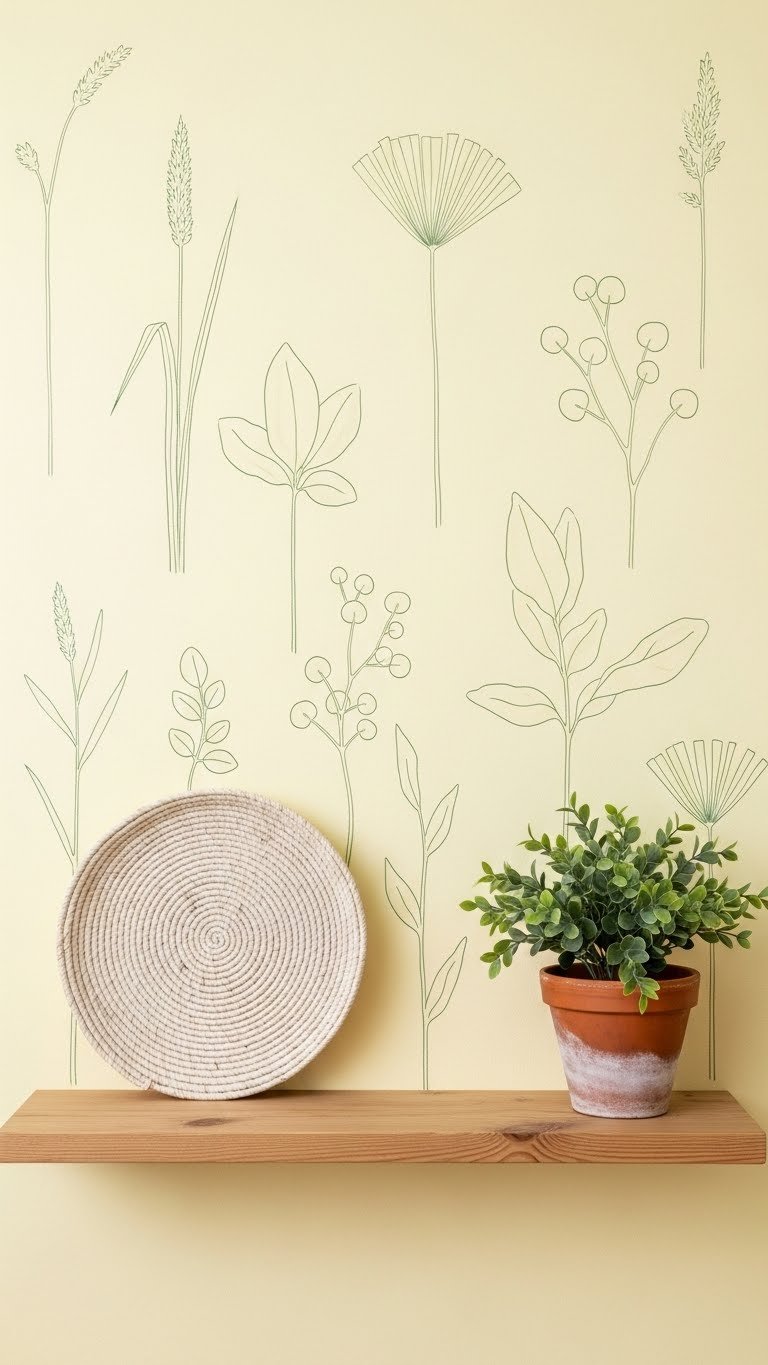
    10. Paint a Botanical or Nature-Inspired Mural

    Biophilic design—bringing nature indoors through imagery and color—is having a huge moment. Botanical murals in greens, sage, and natural tones create a calming, connected feeling.

    Simple botanical designs are beginner-friendly. Sketch light pencil outlines, then paint with watercolor or acrylic. Budget $25–$50 for supplies and 6–10 hours of painting time over a few days. Alternatively, purchase botanical wall decals ($40–$100 from Etsy or Amazon) if you want the look without the hand-painting commitment.

    The result feels organic and intentional. A botanical wall pairs beautifully with real plants, making your space feel alive and peaceful.


    11. Try a Subtle Color-Block Design

    Color-blocking divides a wall into sections (usually two large rectangular areas) with a clean line between them. This approach is modern, balanced, and surprisingly easy to execute.

    Choose two complementary colors and use painter’s tape to mark your dividing line precisely. A chalk line ($5) helps create straight guidelines. You’ll need both paint colors ($25–$40 each) and quality painter’s tape ($10). Painting takes 3–4 hours plus tape removal time. For a polished finish, remove tape while paint is slightly tacky to avoid peeling.

    Color-blocking feels intentional and designed. It’s bold enough to impact your room but structured enough to work with most decor styles.


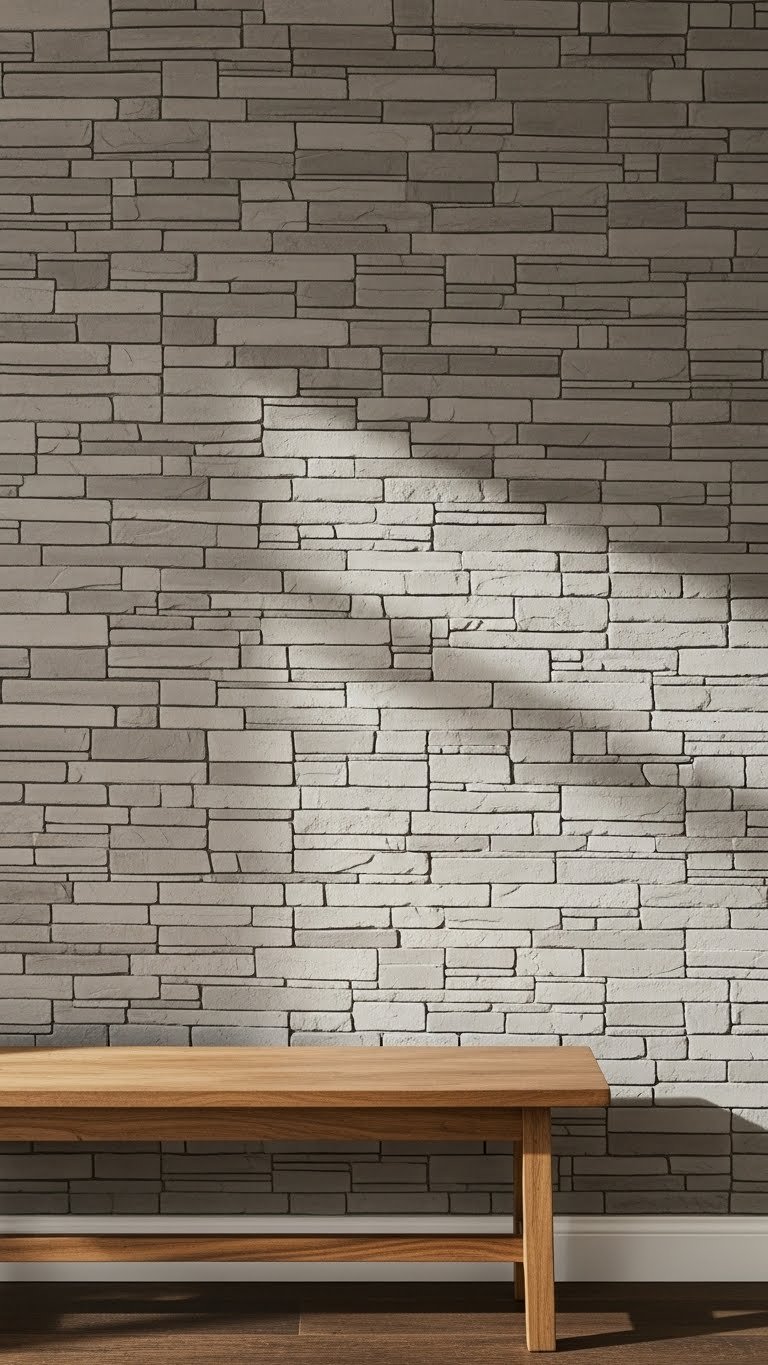
    12. Create a Stone or Brick Texture Effect

    Faux stone or brick textures add character and warmth without the expense or weight of real materials. These effects work beautifully in entryways, bedrooms, or living rooms with rustic or industrial vibes.

    You’ll need 2–3 paint colors in similar families, sponges, and a tutorial ($0 from YouTube or $10–$20 for a detailed course). DIY application takes 6–10 hours depending on detail level. Alternatively, peel-and-stick stone wallpaper ($40–$80 from Amazon or Wayfair) delivers similar results in 2–3 hours with zero paint mess.

    Faux textures add depth and visual interest. Your wall suddenly looks like it has history and story behind it.


    13. Paint a Dark Accent Wall to Make Other Colors Pop

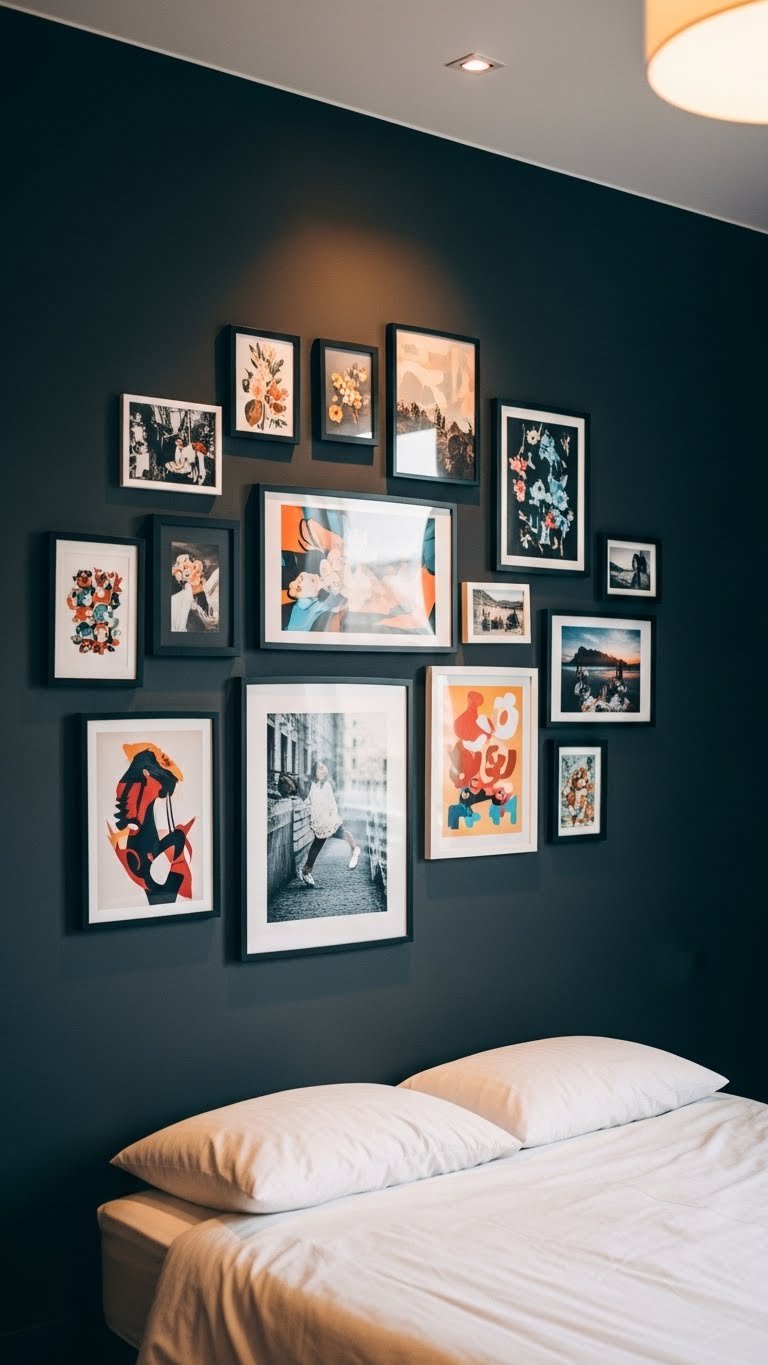
    Dark accent walls are underrated. They make artwork, furniture, and other colors in your room stand out dramatically. This works beautifully in bedrooms behind beds or in living rooms behind gallery walls.

    Dark colors ($25–$40 per gallon) need two coats for even coverage. Plan 3–4 hours. The key: use a quality interior paint—cheaper formulas can look muddy. Pair the dark wall with lots of white, cream, or light-colored furniture so the room doesn’t feel cave-like.

    Dark backgrounds make everything else in your room look intentional and curated. Art pops, furniture feels grounded, and the whole space reads more sophisticated.


    14. Add Metallic Accents with Paint and Stencils

    Combine stencils with metallic paint for glam without covering the entire wall. Small metallic accents feel elevated and artistic rather than overwhelming.

    You’ll need one metallic paint ($30–$50), stencil templates ($15–$40), painter’s tape, and sponge applicators. Plan 4–6 hours. The metallic paint catches light beautifully if you use a sponge-stippling technique rather than rolling. Test on cardboard first to get the feel.

    Metallic accents feel intentional and expensive. They catch light throughout the day, adding subtle glamour to an otherwise understated room.


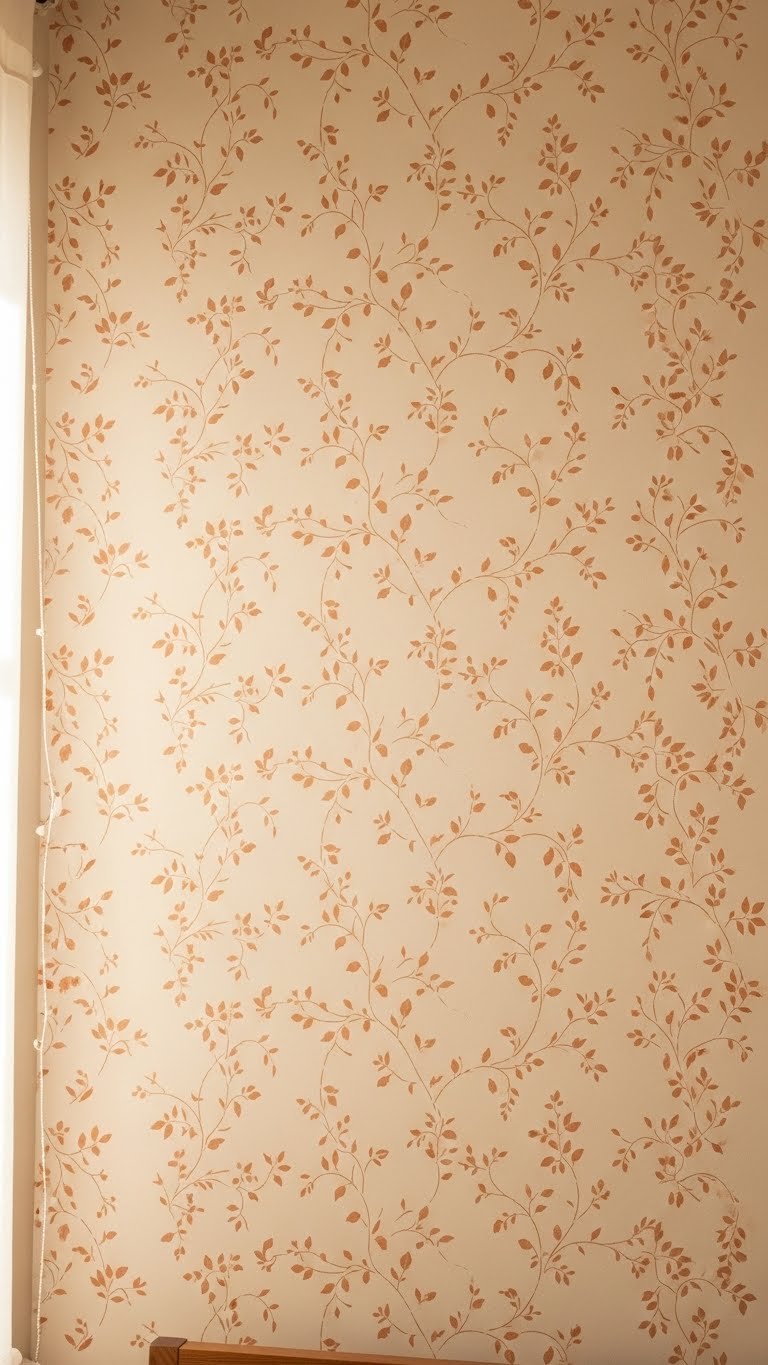
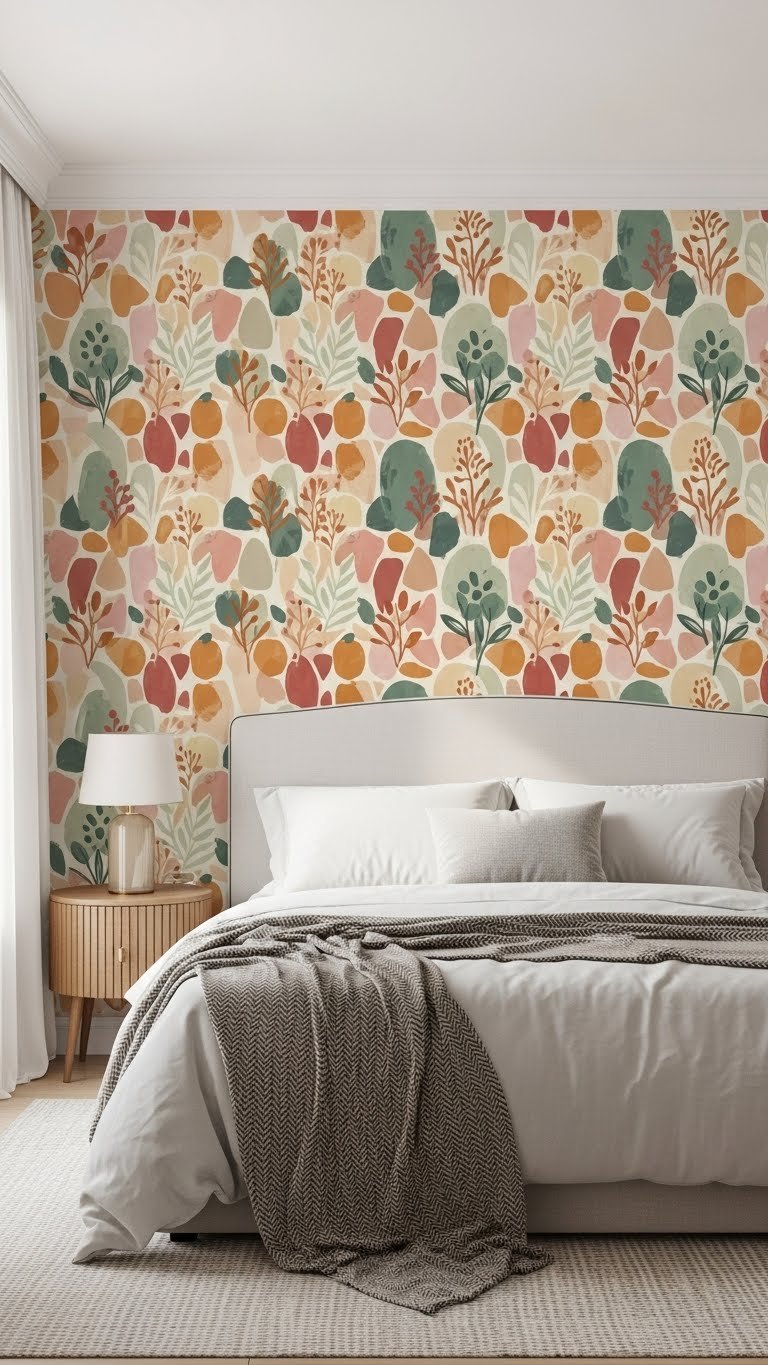
    15. Use Removable Wallpaper for Pattern Without Commitment

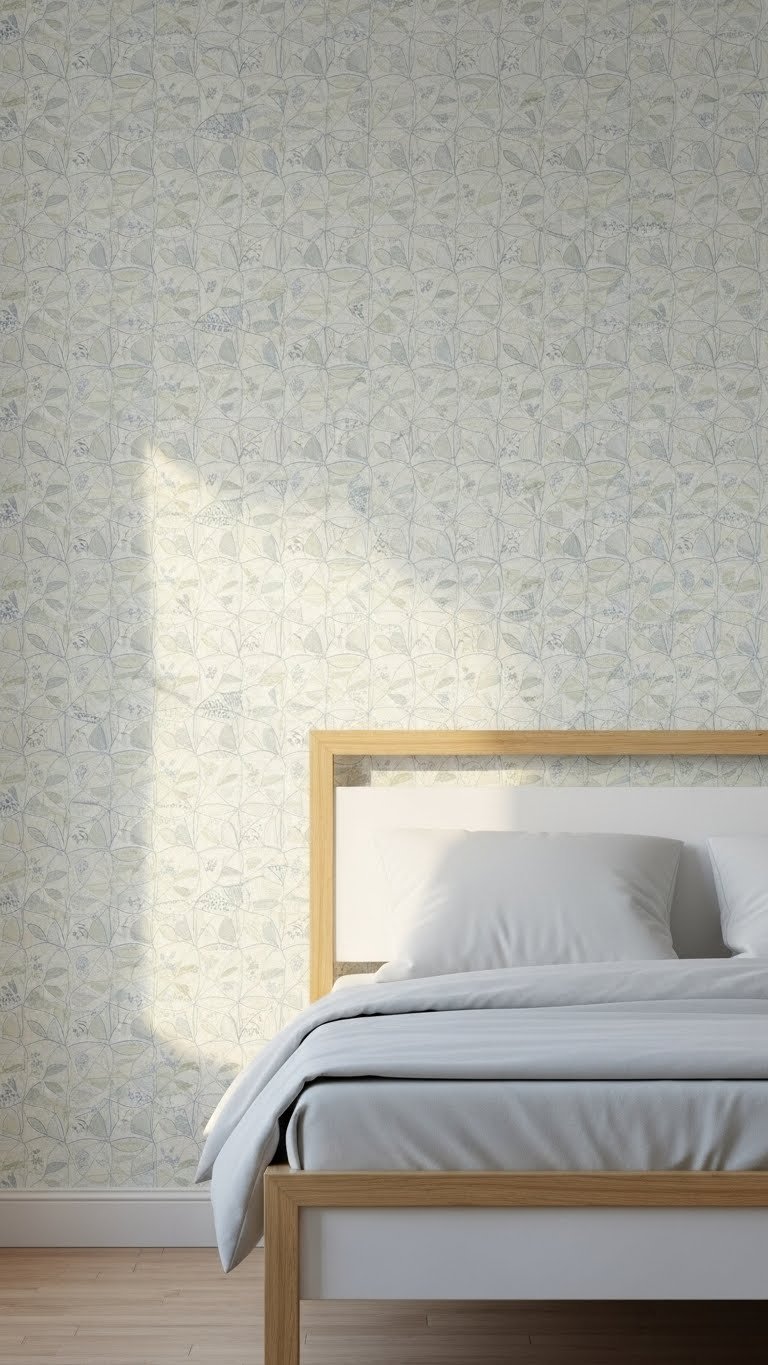
    If you’re renting or uncertain about permanent paint, peel-and-stick wallpaper delivers pattern and color without damage to your security deposit. Modern options look expensive and sophisticated.

    Quality peel-and-stick wallpaper runs $30–$80 per roll depending on design. You’ll need 1–3 rolls for a standard accent wall ($50–$150 total). Application takes 2–3 hours—watch installation videos first because smooth application requires patience and a squeegee ($5–$10). Removal is damage-free if you peel slowly.

    Wallpaper creates instant pattern and personality. Removal is guilt-free when you move, making this perfect for renters or anyone hesitant about permanent changes.


    16. Paint Vertical Stripes for Height

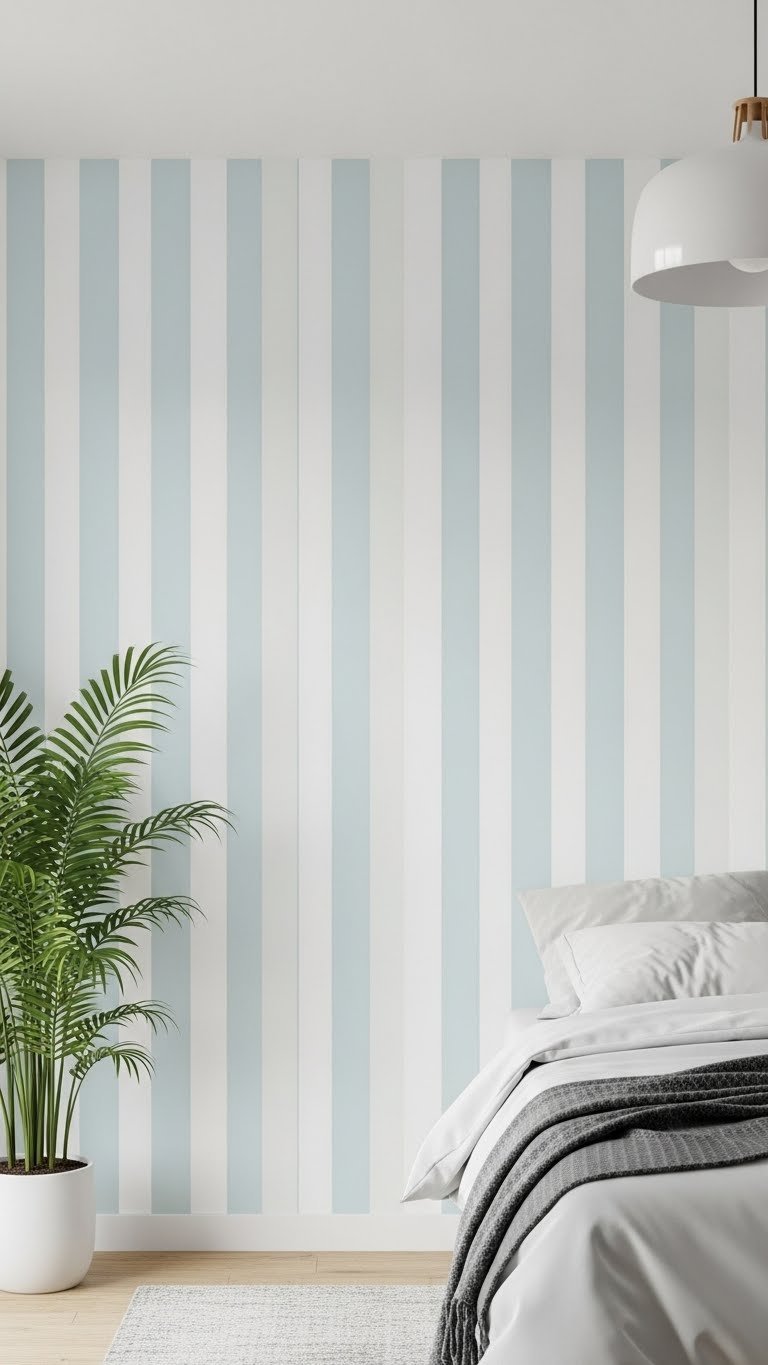
    Vertical stripes draw the eye upward, making ceilings feel taller. They work beautifully in rooms with lower ceilings or any space where you want to add height perception.

    Use painter’s tape and two paint colors ($25–$40 each) to create even stripes. Narrow stripes (2–3 inches) feel modern and subtle; wider stripes (6–8 inches) feel bolder. Plan 4–5 hours for taping and painting. Quality painter’s tape is essential—cheap tape bleeds and creates messy lines.

    Vertical stripes shift how your eye moves through a room. They instantly add sophistication and can make a small bedroom feel airier.


    17. Create a Soft Gradient Using Multiple Paint Colors

    A multi-color gradient uses three to four colors blended smoothly for a sophisticated, layered effect. This is more complex than simple ombre but creates stunning results.

    Choose 3–4 colors in the same family ($25–$40 per gallon). Paint horizontal bands, then blend each transition zone with a damp sponge while paint is wet. Plan 8–10 hours over 1–2 days. This technique requires patience and practice—watch YouTube tutorials before starting.

    The result feels curated and artistic. A gradient wall becomes a focal point that feels both calming and intentional.


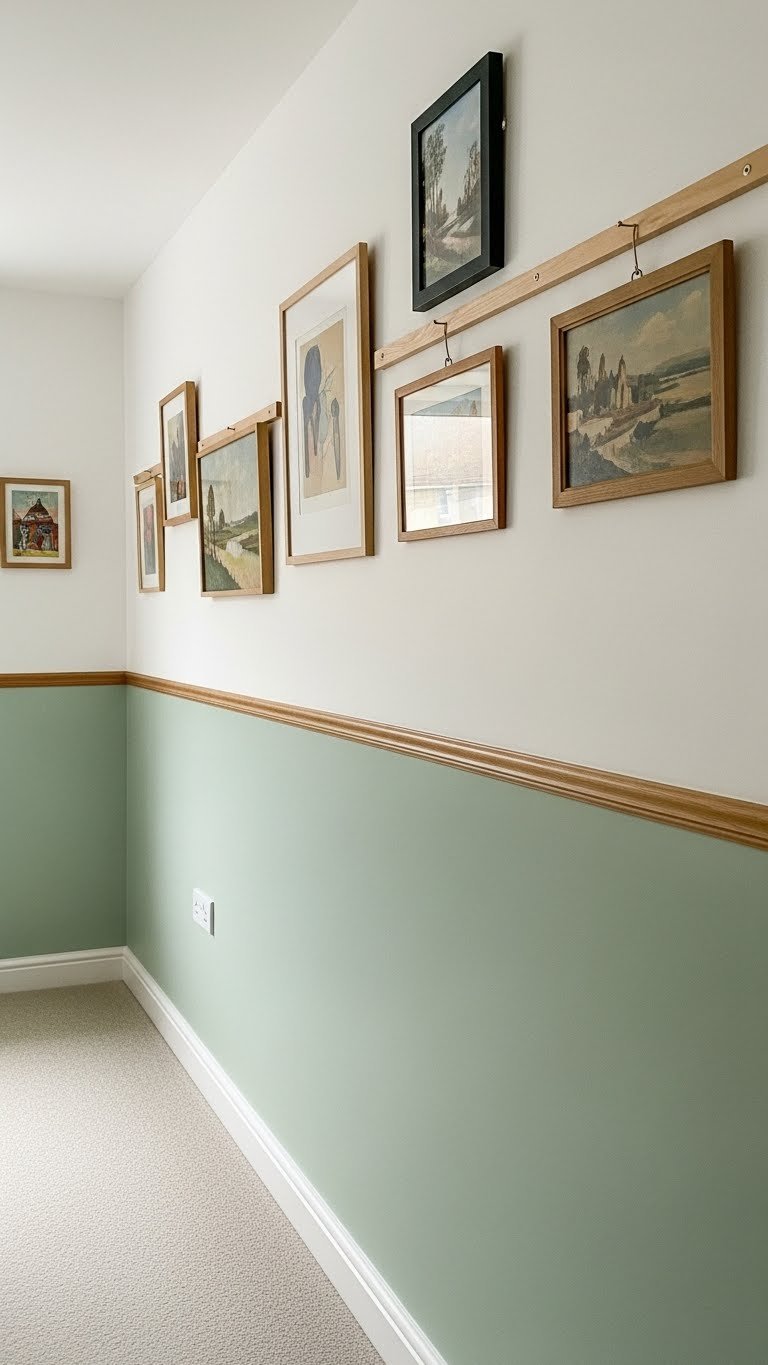
    18. Add a Two-Tone Design with a Horizontal Divide

    A clean horizontal line splitting two colors is modern, balanced, and easier than color-blocking. This works in any room and pairs well with simple, contemporary furniture.

    Use painter’s tape to mark a straight horizontal line (usually at chair-rail height, around 36 inches). Paint one color above, the other below. Two paint colors cost $50–$80 total. Plan 3–4 hours. Remove tape while paint is slightly tacky for crisp edges.

    Two-tone walls feel intentional and designed. The horizontal line creates visual balance and can make spaces feel either cozier (dark on bottom) or airier (light on bottom).


    19. Use Chalk Paint for a Matte, Velvety Finish

    Chalk paint creates a matte, ultra-soft finish that feels sophisticated and contemporary. It’s more forgiving than glossy finishes and hides minor wall imperfections beautifully.

    Chalk paint costs $35–$60 per gallon (brands like Annie Sloan or Rust-Oleum). One coat usually covers well. Plan 2–3 hours of painting time. This finish is durable for accent walls but may need occasional touch-ups in high-traffic areas. Many paint stores can mix chalk paint in any color you want.

    Chalk finishes feel intentional and collected. They photograph beautifully because the matte surface absorbs light naturally, creating a warm, inviting feel.


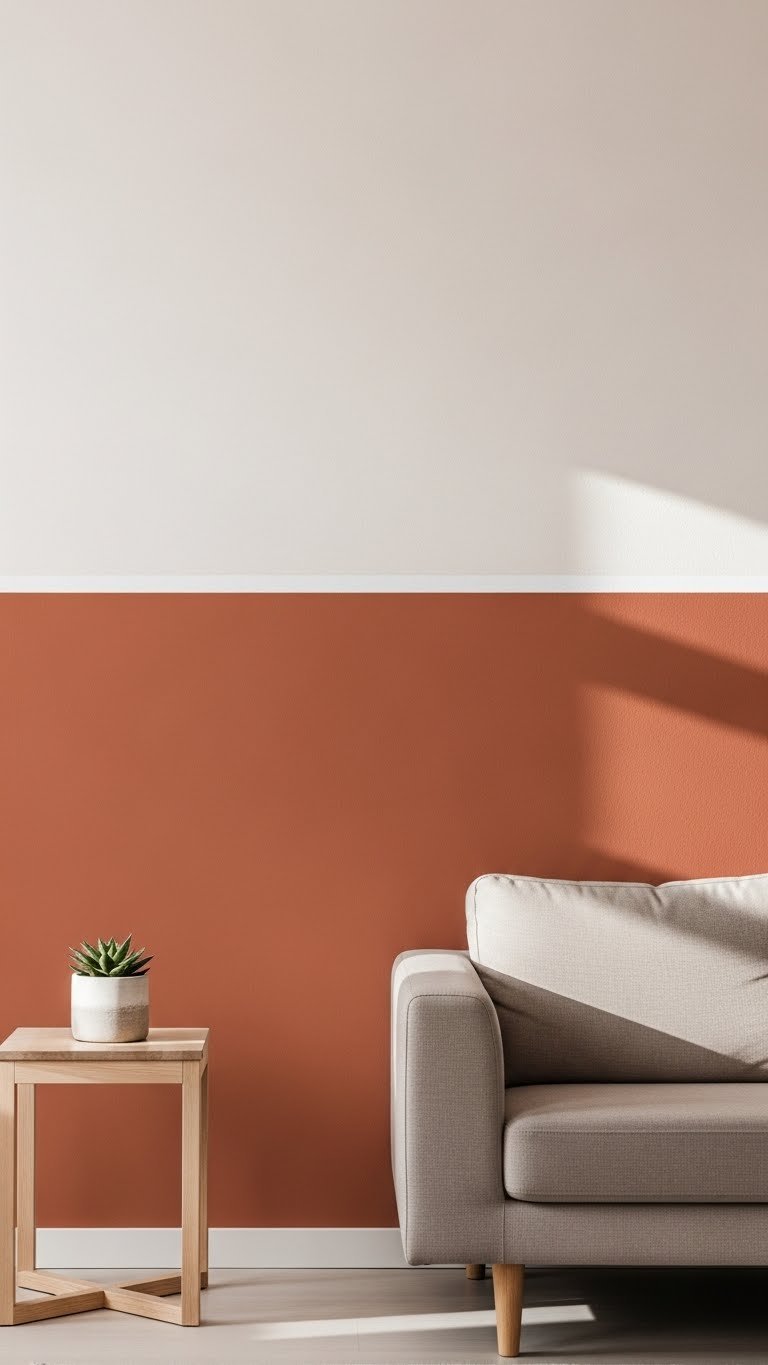
    20. Paint a Half-Wall or Wainscoting Effect

    Wainscoting or half-wall painting adds architectural interest without expensive millwork. You simply paint the lower half a deeper color and leave the upper half light.

    You’ll need two paint colors ($50–$80 total). Mark your line at 36 inches using a level and chalk line ($5). Paint both sections—plan 3–4 hours. If you want a trim line between colors, use thin painter’s tape for clean edges or purchase pre-made wall trim ($20–$50 from home improvement stores).

    Half-wall painting feels sophisticated and intentional. It adds visual interest while keeping the upper wall light and airy.


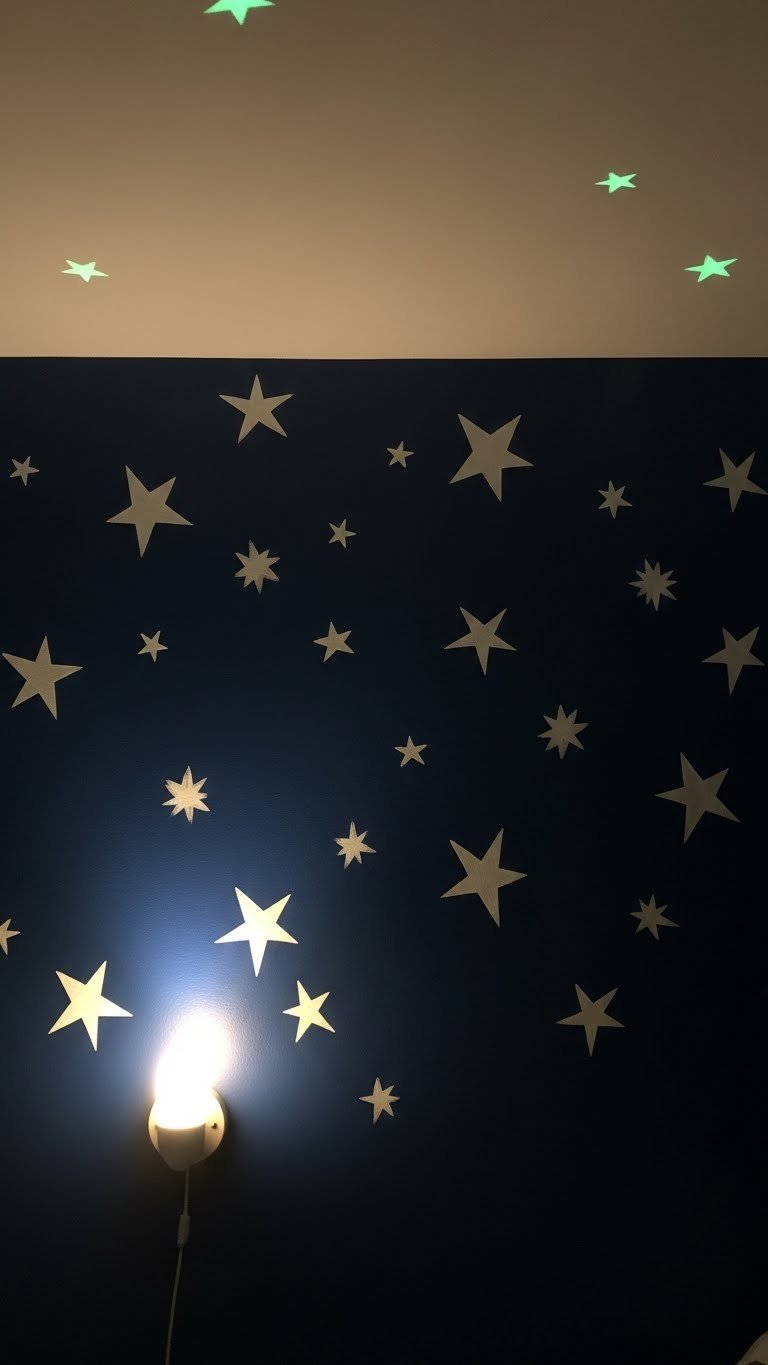
    21. Create a Cosmic or Starry Night Effect

    A starry night wall brings wonder and whimsy to children’s rooms, nurseries, or creative studios. It’s simpler to execute than you’d think and deeply personal.

    Paint the wall a deep navy or charcoal ($25–$40). Use white paint and a small brush or sponge to dot stars in varying sizes. Add glow-in-the-dark paint ($8–$15 per jar) if you want nighttime magic. Plan 4–6 hours of dotting and drying. This project is genuinely fun—kids enjoy helping, and slight imperfection adds charm.

    A starry wall creates a dreamy, magical space. It’s whimsical without being babyish, and it grows with your child.


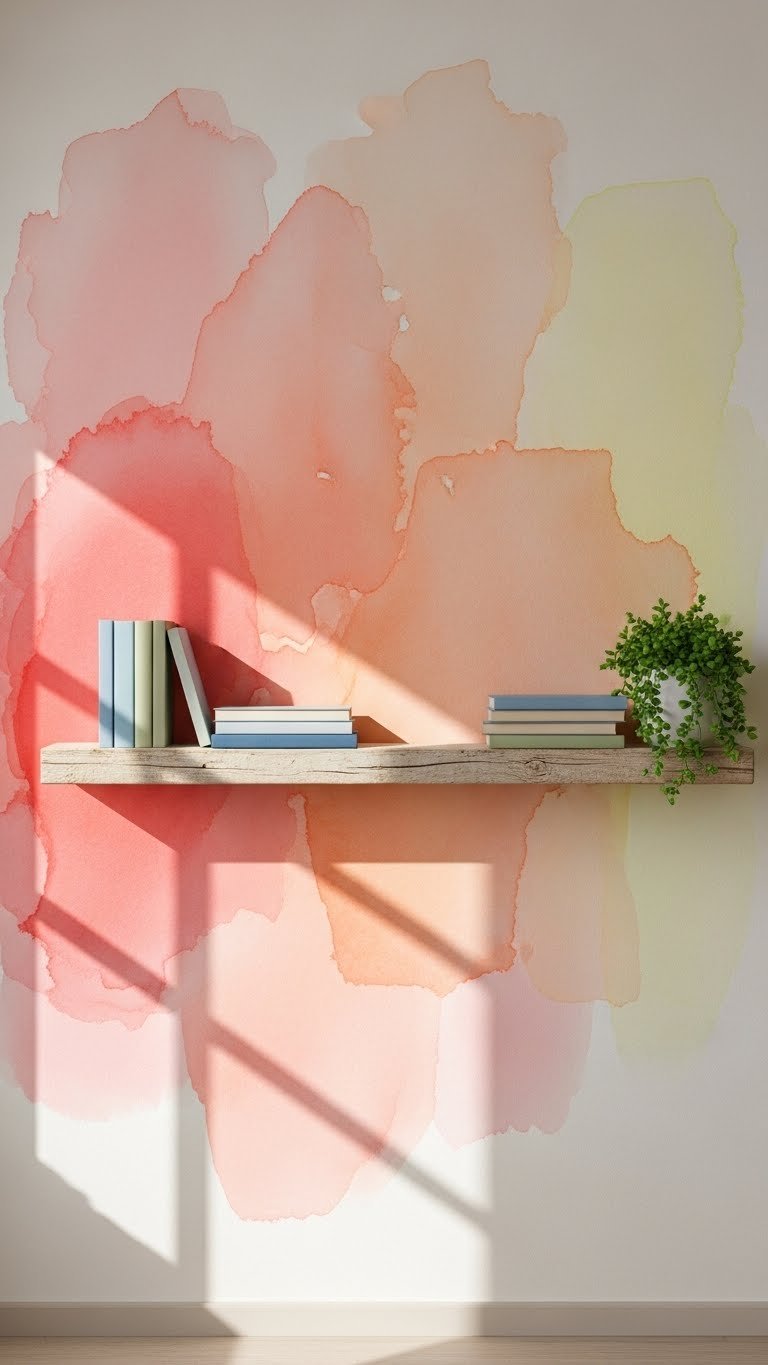
    22. Paint a Watercolor Wash for an Artistic Look

    A watercolor wash mimics the soft, blended quality of watercolor painting. It’s modern, artistic, and forgiving—imperfection is part of the charm.

    You’ll need 2–3 colors in a complementary palette ($50–$100 total). Apply one color, then blend the second color into it with a damp sponge while wet. Continue layering until you achieve the effect you want. Plan 5–8 hours over 1–2 days because this works best with multiple thin layers. Watch tutorial videos to see the blending technique in action.

    Watercolor walls feel artistic and intentional. They make a room feel creative and collected without being overwhelming or too trendy.


    23. Add Dimensional Wall Art with Paint and Mixed Media

    Mix paint with textured elements—wood shapes, fabric panels, or metal accents—to create a truly unique dimensional wall. This approach combines color with sculpture for maximum impact.

    Paint the wall a solid base color ($25–$40). Attach pre-made wooden geometric shapes ($30–$100 from Etsy, Amazon, or craft stores) using strong adhesive or a nail gun. Alternatively, use fabric panels ($20–$50 each) to add soft dimension. Plan 4–6 hours plus drying time. This works beautifully in modern, eclectic, or contemporary spaces.

    Dimensional walls feel artistic and designed. They catch light and shadow differently throughout the day, creating constantly shifting visual interest in your space.


    Save this post for your next room refresh—you’ll find at least one idea that matches your style and budget. Pick one and tackle it this weekend. The best part about an accent wall? If it doesn’t work, it’s a single wall to paint over. Most of the time, though, you’ll be amazed at how much one change transforms how a room feels.

  • 27 Dorm Room Ideas That Make Your Space Feel Like Home

    27 Dorm Room Ideas That Make Your Space Feel Like Home

    Your dorm room doesn’t have to feel like a temporary hotel space. With the right mix of budget-friendly updates, smart organizing, and personality-packed styling, you can turn your dorm into a cozy sanctuary that actually feels like home. Whether you’re working with a tiny single or sharing a double, these 27 ideas blend today’s hottest design trends—warm earthy tones, defined zones, and maximalist flair—with real-world constraints like limited space, no-damage rental rules, and a student budget. You’ll find free solutions, quick weekend projects, and investment pieces that’ll make your room feel intentional and lived-in. Ready to stop counting down the days until you can redecorate? Let’s start here.

    1. Paint Your Walls with Warm Earthy Tones

    Forget white walls—they make dorm rooms feel sterile and impersonal. Warm earthy colors like chocolate brown, sage green, or soft burgundy create instant coziness and work as the perfect backdrop for everything else in your room.

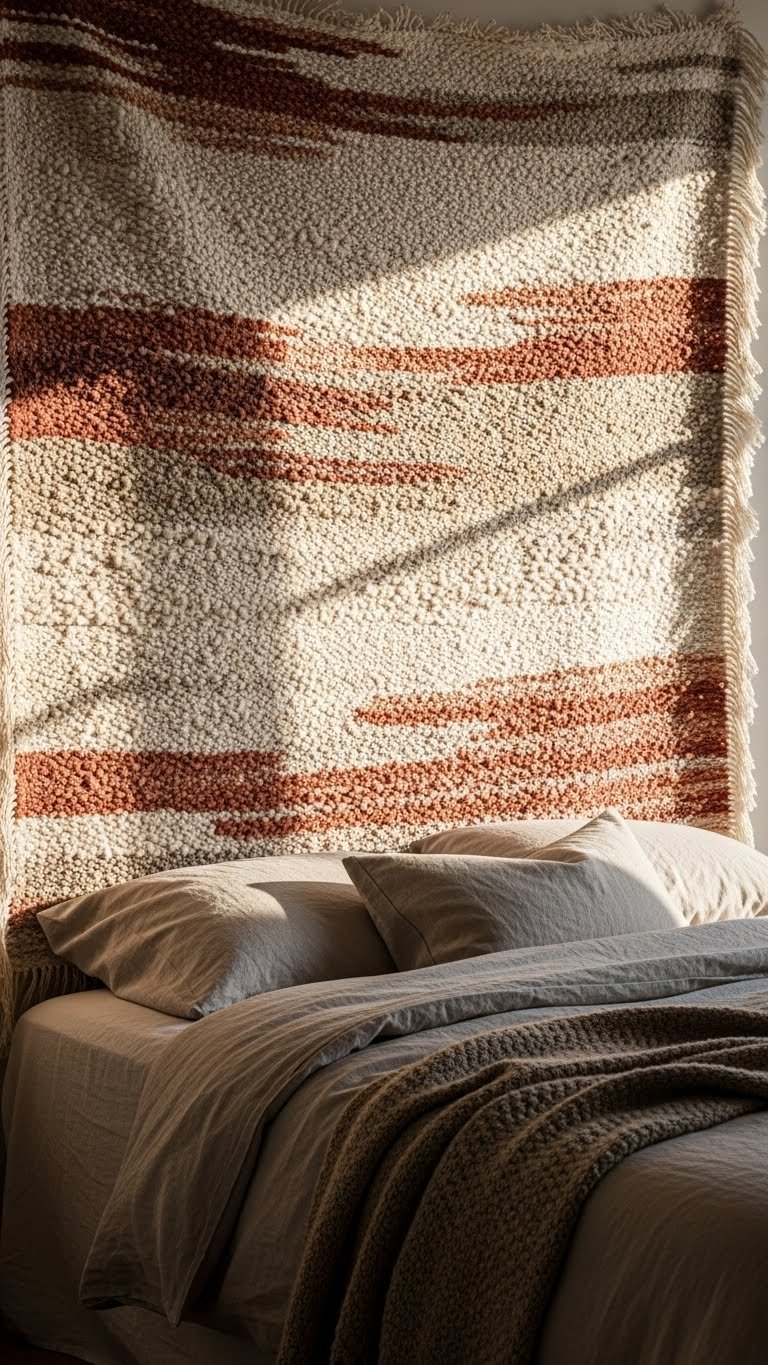
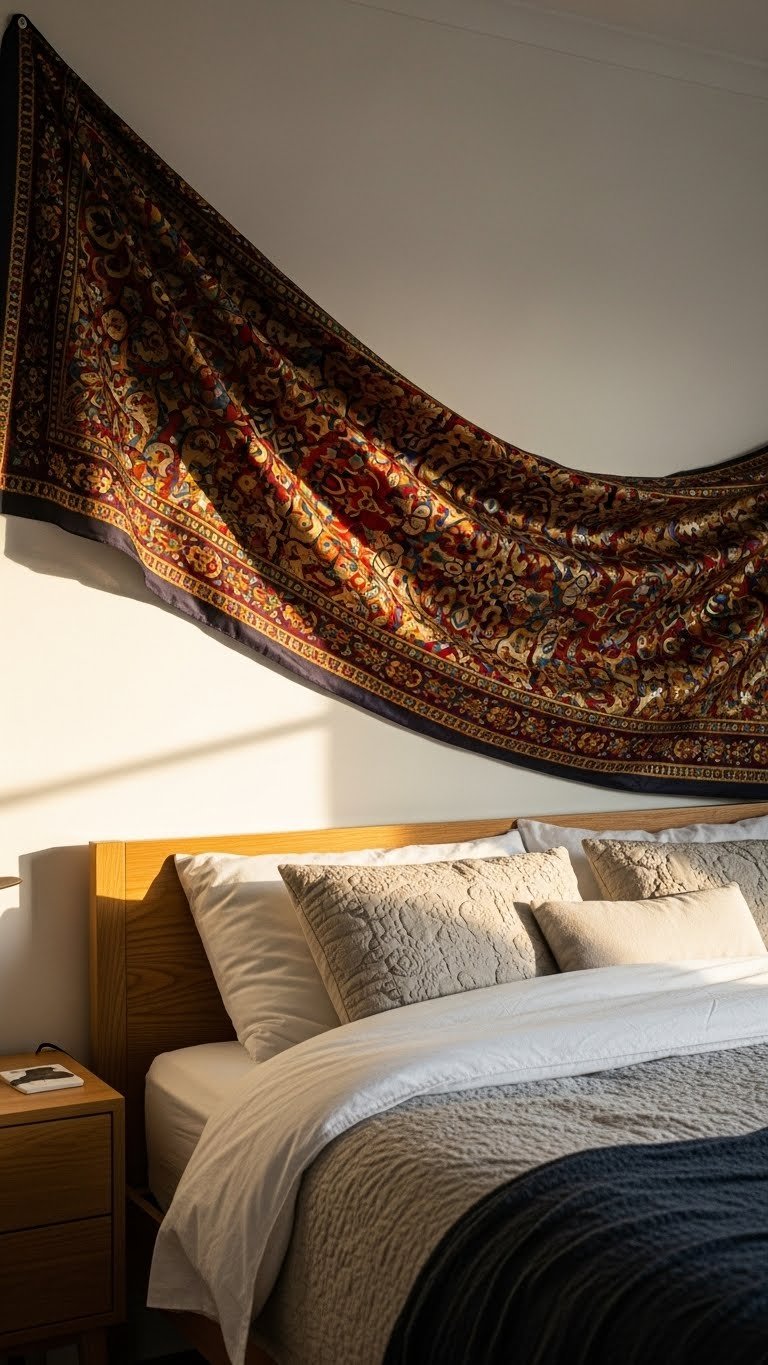
    Paint is technically a dorm violation in many places, so check your contract first. If you get permission, use removable paint (brands like Tempaper make peel-and-stick options, $15-$30) or negotiate with your RA. If traditional paint is off-limits, adhesive fabric wallpaper or large tapestries ($20-$50) give you the same vibe without permanent changes.

    A single accent wall takes one afternoon. The payoff? Your entire room looks more sophisticated and grounded instantly.

    2. Use Color Drenching to Make Small Spaces Feel Intentional

    Color drenching means picking one warm tone and layering it throughout your room via walls, textiles, and decor instead of just one accent wall. It creates an immersive, curated feel that makes cramped quarters seem more intentional.

    Start with your wall color ($15-$30 for removable paint or fabric), then add matching or complementary bedding ($40-$80), throw pillows ($15-$25 each), and a rug ($30-$70). You’re not matching everything perfectly—vary the texture and shade slightly so it looks lived-in, not sterile.

    Your room becomes a cohesive retreat rather than a random collection of furniture. The continuity makes the space feel bigger and more sophisticated.

    3. Invest in Curved, Sculptural Furniture for Comfort and Flow

    Curved furniture pieces add softness and flow to angular dorm rooms while actually providing more comfort than rigid, modern shapes. A curved chair or rounded ottoman becomes a statement piece that makes your room feel less like a typical college setup.

    Shop for curved accent chairs at IKEA ($150-$250), Wayfair ($200-$400), or thrift stores ($30-$100 for vintage finds). If budget is tight, even a curved side table ($50-$100) or rounded mirror ($40-$80) introduces that sculptural vibe without taking up much space.

    These pieces look great in photos (major Pinterest energy) and actually create a more relaxed atmosphere where you want to study and hang out.

    4. Create Defined Zones Without Walls

    Open-concept dorm rooms lack privacy and make it hard to separate sleep from study mode. Instead of asking for wall removal (obviously not happening), use sheer curtains, a decorative room divider, or a tall bookshelf to define sleeping, studying, and relaxing areas.

    A tension rod with lightweight curtain fabric costs $25-$50 and takes 10 minutes to install. Freestanding room dividers run $40-$120. Even a tall plant stand with trailing pothos ($20-$40) creates a subtle boundary without blocking light or views.

    You’ll find it easier to focus at your desk and actually feel like you have privacy in your own space. Roommates appreciate the boundary too.

    5. Layer Patterned Throw Pillows and Textiles for Maximalist Energy

    Minimalist dorm rooms are boring. Maximalist rooms feel collected and personal—like someone actually lives there. Start with 3-5 throw pillows in different patterns (geometric, striped, floral) that share a color palette so they don’t clash.

    Buy pillows from Target ($10-$20 each), IKEA ($8-$15), or thrift stores ($2-$5). Mix new with vintage finds for authenticity. Add a chunky knit throw ($25-$50) draped over your chair or bed and suddenly your room looks styled.

    The layered texture and pattern mix creates visual interest and makes your space feel curated, not bare. Plus, all those pillows make your bed actually comfortable for studying and lounging.

    6. Add Vintage or Art Deco Lighting as a Centerpiece

    Standard dorm lighting is harsh and unflattering. Vintage or Art Deco-style lighting (pendant fixtures, table lamps with brass or colored glass) elevates your entire room and creates the warm, intentional vibe you want.

    Hunt thrift stores for vintage brass lamps ($10-$30), or invest in a quality new pendant ($50-$120 from West Elm or Anthropologie). String lights ($15-$30) work too but feel more generic. Use a plug-in fixture if you can’t hardwire anything.

    Good lighting makes your room feel like a boutique hotel corner, not institutional housing. It’s also better for studying and makes you actually want to spend time in your space.

    7. Try Pattern Drenching for an Immersive Bedroom Retreat

    Pattern drenching goes a step beyond color drenching—you’re layering repeated motifs (florals, geometric shapes, abstract designs) throughout your room to create an immersive, almost cinematic feel. It’s bold but surprisingly sophisticated when done in a cohesive color palette.

    Use peel-and-stick wallpaper on one accent wall ($30-$60), add patterned bedding ($50-$100), and layer in patterned pillows or a rug. Keep your palette tight (two or three colors max) so patterns don’t feel chaotic.

    Your room becomes a distinct personality zone that’s impossible to ignore. Visitors immediately sense that someone thoughtful lives here, and you get a personal retreat that recharges you.

    8. Swap Generic Bedding for Curated, Layered Sheets and Blankets

    Those “bed-in-a-bag” sets are matchy and impersonal. Instead, curate your bedding by mixing fitted sheets, top sheets, blankets, and pillows in coordinating but distinct textures and tones. This approach looks more sophisticated and gives you options for different seasons and moods.

    Buy quality sheets from Target or Amazon ($15-$30 per set), add a weighted blanket ($40-$80) or chunky knit throw ($25-$50), and invest in good pillows ($30-$60 each). Total investment: $100-$200, but you’re not replacing it all next year.

    Your bed becomes the anchor of your room—a place you actually want to rest and read. Quality sleep setup means better rest during stressful exam weeks.

    9. Install Floating Shelves for Display and Storage

    Floating shelves add vertical storage without eating floor space, and they give you room to display books, plants, photos, and small decor that shows off your personality. No drilling required if you use adhesive shelves (though they’re less stable for heavy items).

    Adhesive shelves run $15-$40 per shelf; traditional floating shelves need installation but cost $20-$50. Arrange books, potted plants ($5-$20 each), and a small plant stand ($15-$30) on them to create a styled, intentional look.

    You’re maximizing your tiny wall space and creating a focal point that makes your dorm feel like an actual home office, not just a study desk crammed in a corner.

    10. Use a Large Mirror to Reflect Light and Expand Space

    Mirrors bounce light around small spaces and make dorm rooms feel bigger and brighter. A large statement mirror (especially one with a pretty frame) also serves as decor, not just a functional item.

    Leaning floor mirrors cost $30-$80 and don’t require installation. Wall-mounted mirrors in wooden or brass frames run $25-$60. Position it across from a window or light source to maximize its effect.

    Suddenly your room looks lighter, airier, and more spacious. You get a practical tool plus a design element that works hard for your space.

    11. Paint or Update Your Desk for a Personalized Workspace

    Generic particle-board desks come with the territory, but you can upgrade yours with paint, adhesive wood veneer, or a decorative desktop cover. A personalized desk makes studying feel less institutional and more intentional.

    Use removable paint ($15-$30), self-adhesive wallpaper or wood grain film ($20-$40), or even a large cork or fabric desktop cover ($30-$50). The whole project takes one weekend.

    You’ll actually enjoy sitting down to study when your workspace reflects your style. It’s a small change that impacts your daily life significantly.

    12. Add Indoor Plants for Warmth and Air Quality

    Plants add life, texture, and warmth to dorm rooms while improving air quality. Low-maintenance varieties like pothos, snake plants, and monstera thrive even if you forget to water them regularly (perfect for student schedules).

    Buy small potted plants from grocery stores or garden centers ($5-$15 each) and add them to shelves, windowsills, and corners. A simple plant stand ($15-$30) creates a plant corner display.

    Your room instantly feels more organic and grounded. Plus, having greenery actually boosts mood and focus during long study sessions—it’s science.

    13. Create a Skirted or Draped Seating Area

    Skirted furniture adds drama and coziness while making basic pieces look more intentional. You can add a skirted slipcover to a chair or ottoman, or simply drape quality fabric over seating to create that upholstered, boutique feel.

    Pick up a plain chair or ottoman ($30-$80 secondhand) and add a fitted fabric skirt ($20-$40 from craft stores or Etsy). Alternatively, just drape a high-quality throw blanket for a similar effect without sewing.

    Your seating area becomes a statement piece instead of something purely functional. It makes your dorm feel more grown-up and design-forward.

    14. Use Removable Wallpaper for Pattern Without Commitment

    Removable wallpaper ($20-$60 per roll) gives you all the pattern impact of traditional wallpaper without the permanent commitment or landlord drama. Modern options look just as good and stick to walls cleanly.

    Measure your wall, order enough for coverage with extra, and spend 2-3 hours installing. Peel & Stick wallpaper from Spoonflower, Etsy, or Target makes it accessible. Apply to one accent wall or even your closet door for surprise personality.

    You get a designer-level statement wall that comes off clean when you move. It’s the perfect compromise between boring dorm walls and actual rebelliousness.

    15. Repurpose Your Closet Space as a Mini Retreat or Display Area

    Most dorm closets are small and cramped, but you can transform yours into a mini reading nook, meditation spot, or display area. Add lights, a small cushion, and organized storage to make it actually functional and inviting.

    String lights ($10-$20), adhesive shelves ($15-$30), and fabric storage bins ($5-$15 each) turn a dark closet into a styled space. Add a small cushion ($15-$30) and suddenly you have a quiet spot to escape.

    You’re maximizing every inch of your room and creating a hidden retreat that gives you privacy and peace during chaotic dorm life.

    16. Layer Rugs to Define Zones and Add Warmth

    Layering rugs (a large neutral base with a smaller patterned rug on top) defines zones, adds texture, and makes cramped dorm rooms feel more intentional. It’s a maximalist move that actually works in small spaces.

    Buy a large neutral rug ($30-$80) and layer a smaller runner or accent rug ($20-$50) on top. Look for natural textures like jute or wool to keep it warm and organic.

    Your floor becomes a design moment instead of just bare linoleum or carpet. The layering creates visual interest and makes your room feel curated and comfortable.

    17. Create a Gallery Wall with Framed Prints and Memories

    A gallery wall displays your personality and fills blank dorm walls without feeling chaotic. Mix framed prints ($5-$20 each), personal photos, and posters ($10-$30) in coordinating frames to create a cohesive, artistic focal point.

    Gather frames from thrift stores ($2-$8 each) or buy matching sets from IKEA ($5-$12). Print affordable art from Etsy or free sources, then arrange on your wall using the grid or salon layout method. Takes one afternoon, lasts the whole year.

    Your room looks intentional and mature. Visitors immediately know you have taste and personality, and you have a conversation starter that’s also deeply personal.

    18. Invest in Quality Task Lighting for Your Study Area

    Harsh overhead dorm lighting strains your eyes during long study sessions. A quality task lamp ($30-$80) provides targeted, warm light that’s better for focus and actually flattering to your space.

    Look for adjustable desk lamps with warm LED bulbs (2700K color temperature) from IKEA, Amazon, or West Elm. Brass, wood, or matte black finishes look more intentional than generic plastic.

    You’ll study more comfortably and your desk area becomes a functional, styled workspace instead of an institutional study carrel. Better lighting also makes your room look more sophisticated in photos.

    19. Use Under-Bed Storage Containers for Hidden Organization

    Under-bed storage maximizes your limited floor space by hiding seasonal clothes, extra bedding, and supplies where they don’t create visual clutter. Rolling containers make them even more accessible.

    Fabric storage bins ($10-$25 each) or rolling underbed containers ($20-$40) keep things organized and hidden. Label them so you know what’s where without opening each one.

    Your room stays clean and organized-looking without sacrificing storage. It’s the behind-the-scenes infrastructure that lets you actually live comfortably in a small space.

    20. Add a Statement Headboard Using Fabric or Wallpaper

    A headboard grounds your bed visually and makes a tiny dorm room feel more like an actual bedroom. Use temporary materials that don’t require drilling or permanent installation.

    Peel-and-stick wallpaper ($30-$60), adhesive fabric panels ($20-$40), or even a hanging tapestry ($15-$35) creates the headboard effect. Measure your bed width and create a shape behind it—doesn’t have to be perfect.

    Your bed becomes the focal point instead of just a mattress on a frame. It instantly makes your dorm room feel more intentional and bedroom-like.

    21. Organize Your Desk with Stylish Desk Accessories

    A messy desk makes your whole room feel chaotic. Matching desk accessories (pen holders, file organizers, desk pads, storage boxes) keep things tidy while adding a design cohesion that elevates your workspace.

    Buy coordinating sets from IKEA ($15-$40 for a bundle), or mix-and-match from Target, Wayfair, or thrift stores. Look for materials like wood, brass, or ceramic that feel more intentional than plastic.

    Your desk stays organized and functional, which actually helps you focus better. Plus, a styled workspace makes your room look more mature and together.

    22. Hang a Tapestry or Fabric Wall Hanging as Instant Decor

    A tapestry instantly covers blank wall space and adds warmth, pattern, and personality without permanent damage to walls. It’s one of the easiest dorm upgrades and instantly transforms a basic room.

    Buy tapestries from Urban Outfitters ($20-$50), Etsy ($15-$60), or thrift stores ($5-$20). Hang with removable hooks ($5-$10). You can change it seasonally or whenever you want a refresh without any commitment.

    Your walls immediately feel less bare and institutional. A good tapestry becomes a focal point that defines your room’s vibe and shows off your taste.

    23. Create a Cozy Reading Nook with Layered Seating and Lighting

    Even in a tiny dorm, you can carve out a small reading nook where you can actually relax between classes. Layer a comfortable chair, warm lighting, a small table, and pillows to create a functional escape.

    A secondhand armchair ($40-$100), a small side table ($20-$50), warm string lights or a pendant fixture ($15-$40), and cozy pillows ($10-$25 each) total around $100-$200 but create a meaningful retreat.

    You have a designated space to actually rest and recharge instead of constantly working from your bed. It’s a small investment in mental health that pays off throughout your college years.

    24. Use Adhesive Hooks and Command Strips for Renter-Friendly Organization

    Maximize vertical space with damage-free adhesive hooks and strips (Command brand is reliable, $5-$15 for a pack). Hang bags, scarves, jackets, and accessories to keep your floor clear and your items accessible.

    Buy the right hooks for your items’ weight and follow application instructions carefully. Test on a less-visible wall first. They remove cleanly when you move.

    You suddenly have functional storage that doesn’t require landlord approval or compromise your security deposit. Your room feels more organized and intentional.

    25. Add Warm-Toned Curtains or Sheer Panels for Softness

    Bare dorm windows feel harsh and institutional. Warm-toned curtains or sheer panels soften light, add texture, and make your room feel cozier while providing privacy and light control.

    Tension rods with lightweight curtain fabric cost $25-$50 total. Sheer panels ($20-$40) diffuse sunlight beautifully. Look for natural linen textures or soft colors that complement your warm palette.

    Your window becomes a design moment instead of just an opening. You control light quality, get privacy, and add visual warmth that changes how your whole room feels.

    26. Style Open Storage with Coordinating Bins and Labels

    If you have open shelving or storage, make it beautiful by using matching bins and clear labels. Coordinating containers hide clutter while looking intentional and styled.

    Fabric bins in neutral tones ($8-$20 each) and a label maker or printed labels ($10-$30 total) transform chaotic storage into a designed element. Keep your color palette tight—no more than two or three bin colors.

    Your room looks organized and curated instead of cluttered. Open storage becomes an opportunity to show off your style rather than expose chaos.

    27. Personalize Your Space with Meaningful Objects and Collections

    The most important element of making your dorm feel like home is filling it with objects that mean something to you. Arrange framed photos, collected souvenirs, small plants, and meaningful items that remind you of home, friends, and your travels.

    No budget needed—use what you already have and display it intentionally. Group items on shelves or a small side table rather than scattering them randomly.

    Your room becomes a reflection of you instead of just a generic dorm setup. These personal touches transform the space from a temporary college housing situation into an actual home you’re proud to spend time in.


    Save this post and try one idea this weekend—you’ll be surprised how fast a bare dorm room becomes a space you actually love. Small changes add up, and your room deserves to feel like yours.

  • 24 Corner Sofa Design Ideas Perfect for Small & Large Spaces

    24 Corner Sofa Design Ideas Perfect for Small & Large Spaces

    Corner sofas are the ultimate space-savers that don’t feel cramped—they’re actually the secret to making any room feel intentional and put-together. Whether you’re working with a tiny studio apartment or a sprawling family room, a well-chosen corner sofa becomes the anchor that ties everything together. The best part? These 24 ideas show you how to style, arrange, and select corner sofas for any space, budget, and lifestyle. From small-space hacks to luxe statement pieces, you’ll find exactly what works for your home. Let’s dive into creative layouts, color strategies, and smart configurations that’ll make you wonder why you didn’t think of this sooner.


    1. Go L-Shaped to Define Open-Plan Zones

    An L-shaped corner sofa naturally creates “rooms within rooms” without building walls—perfect for open-plan layouts that feel scattered. This configuration lets you define a living zone while keeping sight lines open to the rest of your space.

    Position the L-shape along two walls to maximize floor space and create a natural gathering point. Measure your corner before buying: most L-shapes range from $400–$2,500 depending on fabric and frame quality. Look at West Elm, Article, or Wayfair for modular options. A weekend of arranging furniture is all you need. The key is leaving a walkway behind the sofa so the space doesn’t feel blocked off.

    You’ll notice how this setup makes even a small apartment feel intentional and organized.


    2. Choose Deep Seats for Maximum Lounging

    Deep-seated sofas (24 inches or more) invite you to actually curl up, not just perch. They’re the difference between a sofa you sit on and one you want to live in.

    Search specifically for “deep-seat” or “oversized” corner sofas—brands like Restoration Hardware and Room & Board specialize in these. Budget $1,200–$3,500 for quality that lasts, or try IKEA’s modular options around $600–$1,000 for a similar feel. Check the depth specs carefully before ordering; many online retailers allow returns within 30 days if it doesn’t fit your lifestyle. Pair deep seats with a low coffee table so you can actually reach your drinks while lounging.

    The comfort alone makes this investment worth every penny—you’ll actually use your living room now.


    3. Add Curved Edges to Soften Sharp Rooms

    Curved corner sofas replace sharp angles with organic flow—they literally soften your entire room’s energy. This works especially well if you have modern, rectangular furniture or minimal decor.

    Curved sofas cost more upfront: expect $1,800–$4,000 for quality pieces from designers like Room & Board or custom options via Article. For budget-friendly versions, check Wayfair or West Elm’s curved sectionals ($800–$1,500). The curved silhouette does the heavy lifting design-wise, so keep other pieces simple. Renter tip: some curved modulars come in pieces that attach without permanent damage, so check assembly options first.

    Your room gains an almost sculptural quality—it becomes a design statement, not just furniture.


    4. Use Modular Pieces for Total Flexibility

    Modular sofas let you reconfigure whenever you want—perfect if you move often, have kids, or just like rearranging. Each piece works independently, so you’re never locked into one layout.

    Brands like Burrow, Eq3, and Article excel at modular designs priced $600–$2,000 for a basic 3-piece setup. Measure your space and count pieces you actually need—sometimes two sections work better than four. Most deliver within 2–3 weeks and assemble in an afternoon with basic tools. The real win? When life changes, so does your sofa. Reconfigure, sell individual pieces online, or move everything to your next place.

    Your sofa grows with your life instead of trapping you in one fixed layout.


    5. Pick Performance Fabric for Real Life

    Performance fabrics repel spills, resist staining, and hide daily wear—they look expensive while surviving actual family life. This is non-negotiable if you have pets, kids, or just want furniture that lasts.

    Look for polyester blends, solution-dyed olefin, or Crypton-treated fabrics. Brands like Room & Board, Crate and Barrel, and Article feature performance lines at $900–$2,200. Online, search “stain-resistant sectional” or “performance sofa fabric.” Most perform exactly like luxury upholstery but handle accidents gracefully. Pro tip: test the fabric yourself—spill water on samples at showrooms to see how it beads and repels. Your sofa stays looking new even after 10 years of real living.


    6. Layer Texture with Bouclé or Boucle-Style Upholstery

    Bouclé’s bumpy, loopy texture makes sofas feel luxe and hide dust or cat hair effortlessly. It photographs beautifully and feels amazing under your hands.

    Bouclé corner sofas cost $1,200–$2,800 from designers and $700–$1,400 from mass-market retailers like Wayfair or Article. Cream and natural tones dominate the trend; add jewel-toned pillows on top for personality. Bouclé does require occasional vacuuming to remove debris from the loops, but it’s low-maintenance otherwise. For renters, look for removable bouclé cushion covers that slip over existing sofas.

    The texture alone makes your space feel like a design magazine shoot—instantly more intentional and curated.


    7. Go Sage Green to Connect with Nature

    Muted greens (sage, olive, celadon) create a calming backdrop that feels connected to nature—perfect for bedrooms doubling as lounges or living rooms that need zen vibes.

    Corner sofas in sage green run $800–$2,500 at West Elm, Article, and CB2. This color pairs beautifully with warm wood, brass accents, and natural textiles. Order samples before committing if buying online—green can read very different under various lighting. The trend feels timeless too, so you’re not chasing a fleeting fad. This shade creates an instant sense of wellness and calm in your space.


    8. Embrace Camel or Clay for Warm Neutrals

    Camel and clay tones are having a major moment—they’re warmer than gray, easier to style than beige, and photograph beautifully in natural light. They read as intentional, not default.

    Hunt for corner sofas in these shades at Restoration Hardware ($2,000–$4,500), Room & Board ($1,200–$2,800), or Article ($900–$1,800). Layer with deeper terracotta pillows, chocolate wood, and brass fixtures to build a cohesive scheme. These colors hide minor dust better than pure whites but still feel bright and airy. They work equally well in modern apartments or traditional homes.

    Your room instantly feels warm and collected—like you actually have a design perspective.


    9. Try a Sectional Chaise for Extra Lounging

    A corner sofa with a chaise extension gives you that “feet-up” option without needing a separate ottoman or recliner. It’s the ultimate comfort upgrade for serious nappers.

    Look for modular sections with chaise options: Article, Wayfair, and West Elm all offer these starting at $1,000–$2,500. The chaise takes up more square footage, so measure carefully—you need at least 12 feet of wall space to make it work comfortably. Most come in reversible versions, so you can flip the chaise to the other side if your layout changes. Pro tip: add wheels under the chaise leg for easy rearranging without calling in reinforcements.

    Now your sofa doubles as a guest bed, nap spot, and Netflix throne all at once.


    10. Choose Low-Profile Designs for Open-Plan Homes

    Low-profile corner sofas (sometimes called “floor sofas” or designs with minimal legs) create the illusion of more floor space and keep sightlines open in small apartments.

    Search specifically for “low-profile sectional” or “leg-free sofa” at Article ($900–$1,800), Room & Board ($1,100–$2,400), or IKEA ($400–$900). The lower height makes rooms feel bigger instantly. Downside: getting up requires more effort, and cleaning underneath is trickier. Pair with a low coffee table and keep wall decor minimal so the room doesn’t feel cluttered. Renter note: low-profile sofas are often easier to move since they’re lighter overall.

    Your small space suddenly feels airy and intentional instead of crowded and packed.


    11. Mix Neutral Base with Bold Throw Pillows

    A neutral sofa becomes a canvas for personality when you layer bold pillows. This strategy lets you change your look seasonally without replacing the entire sofa.

    Start with a solid gray or cream corner sofa ($800–$2,000), then shop Target, West Elm, Etsy, or HomeGoods for statement pillows ($15–$60 each). Buy 4–6 pillows to create impact without looking overdone. Swap them seasonally: jewel tones in fall, pastels in spring, warm earth tones in winter. Total investment stays under $500 if you’re strategic. Your style can completely change four times a year without a major furniture purchase.


    12. Select Cream or Off-White for Sophisticated Simplicity

    Cream and off-white corner sofas feel inherently high-end and work with literally any decor style. They’re having a major moment with designers because they’re both timeless and trendy.

    Quality cream sofas run $1,200–$3,000 from Restoration Hardware, Room & Board, and West Elm. Budget versions sit around $600–$1,200 at Article and Wayfair. Cream shows dirt faster than gray or brown, so performance fabric is essential here. Pair with a washable slipcover if you have pets—most custom cover companies charge $200–$400 for corner sectionals. The simplicity means your room stays the focal point, not the sofa.

    This neutral choice never goes out of style and pairs beautifully with any accent colors you choose later.


    13. Go Bold with Deep Red or Jewel Tones

    Deep red, teal, and jewel-toned sofas make a design statement—they’re not background furniture, they’re the main event. This works if you’re ready to commit to a bold personality.

    Expect to pay $1,400–$3,500 for quality corner sofas in jewel tones from designers like Article, Room & Board, or Anthropologie. Deep colors hide wear beautifully but require lighting to avoid feeling cave-like—pair with brass or chrome fixtures and good task lighting. These colors won’t suit everyone, so shop in-store first or check return policies carefully. The payoff? Your room feels designer-curated and full of confidence.

    A bold sofa tells visitors you have serious style and aren’t afraid to take risks.


    14. Add a Daybed-Style Corner Sofa for Multitasking Spaces

    Daybed-style corner sofas let you sit or recline, making them perfect for studios where your sofa does triple duty as seating, bed, and lounge spot.

    Look at Anthropologie, Article, and CB2 for daybed-inspired sections at $1,000–$2,500. The asymmetrical design (one high back, one low back) works especially well in corners. These sofas look sculptural and interesting even when not in use. Pro tip: pair with a firm mattress topper underneath if guests sleep here regularly, and keep throw pillows removable for easy cleaning. Renter-friendly design that maximizes functionality without dominating the space.

    Your one piece of furniture becomes a sofa by day, a guest bed by night, and a reading nook on Sunday mornings.


    15. Pair with a Console Table Behind for Extra Storage

    A console table behind your corner sofa adds storage and surface space without eating floor area—clever furniture stacking for small apartments.

    Find slim console tables at IKEA ($80–$150), Target ($120–$250), or West Elm ($200–$500). The table should be 8–10 inches deep so it doesn’t stick into your walkway. This setup works best if your sofa has a lower back (18–24 inches). Add a table lamp and a few books to create an instant styling moment. You can swap out decorative items seasonally. Most tables assemble in 20 minutes with basic tools.

    Now you have a tiny home office, styling shelf, and reading lamp all behind your sofa—zero wasted space.


    16. Use Modular Pieces to Create an Apartment-Sized Lounge

    Skip traditional sofas entirely and arrange multiple modular pieces into a couch-fort-like setup for maximum flexibility and social gathering vibes.

    Modular collections from Burrow, Article, and Wayfair let you buy just 2–3 pieces and add more over time. Cost: $400–$800 per piece, so a starter setup runs $800–$2,400. This approach works beautifully in apartments where you want more seating than a traditional sofa offers. Rearrange however you want—tight conversation clusters, sprawled-out lounging, even room dividers. Your setup evolves as your space and lifestyle change.

    This arrangement feels young, flexible, and perfect for apartments or anyone who likes switching things up frequently.


    17. Go Sectional L-Shape Against One Wall for Maximum Openness

    An L-shaped corner sofa pushed fully into the corner (rather than floating in the room) opens up maximum floor space—perfect for small studios or living rooms where every inch counts.

    L-shaped sectionals range from $500–$3,000 depending on quality. IKEA, Wayfair, and Article have countless options. This placement automatically makes the room feel bigger because you’re not breaking up the open floor. Leave at least 18 inches of walking space on each side of the sofa for comfort. A large area rug (8×10 minimum) anchors everything and makes the space feel intentional.

    Suddenly your small room feels spacious and thoughtfully arranged, not cramped or arbitrary.


    18. Layer Textures with Velvet + Linen Combination Fabrics

    Corner sofas mixing two fabrics (like velvet and linen) create visual interest and feel haute couture without the price tag.

    Hunt for “mixed media” or “combination fabric” sectionals at Anthropologie, West Elm, and Article ($1,200–$2,800). The velvet portion feels indulgent while linen keeps it grounded and livable. Check care instructions carefully since different fabrics have different cleaning needs. Most cleaners handle combo pieces fine; just ask before booking. The result feels like you hired a designer.

    This detail-oriented approach makes your sofa feel custom and thoughtful—like you actually considered every decision.


    19. Add Wheels to Corner Sections for Easy Rearranging

    Swappable wheel legs (or adding adhesive-backed casters) let you move your sofa without help—game-changing for apartment dwellers or anyone who rearranges frequently.

    Buy furniture sliders and wheel legs at IKEA ($5–$15 each) or Amazon ($20–$50 per set of four). Most modern sofas have mounting points on the bottom; if yours doesn’t, adhesive-backed sliders work on wood legs. Takes 10 minutes to attach. Suddenly you can rotate sections, pull the sofa away for cleaning, or reconfigure whenever you want. Hardwood and tile floors work best; carpet requires more effort to move. Your flexibility just doubled without spending much money.


    20. Position as a Room Divider in Large Open Spaces

    A corner sofa doesn’t have to go in a corner—place it strategically to divide a massive open space into distinct living zones.

    This works best with sectionals that have a finished back (both sides look equally good). Budget $1,200–$3,000 for quality that looks good from both sides. Pull the sofa 2–3 feet away from any wall so you can walk behind it. Use a large area rug on each side to anchor the zones further. Pro tip: back-facing shelving or a low bookcase behind the sofa adds function and completes the room division.

    Suddenly your sprawling loft feels organized and purposeful instead of one giant undefined space.


    21. Opt for Charcoal Gray Paired with Warm Lighting

    Dark charcoal corner sofas feel bold and modern, but they need strategic lighting to avoid feeling cave-like—pair with warm brass or gold fixtures.

    Charcoal sectionals cost $900–$2,500 and hide stains beautifully. The secret to making dark sofas feel inviting is layering light: add floor lamps at $60–$300 each, a pendant light overhead, and table lamps for reading zones. Total lighting investment might be $300–$600. Pale walls and light flooring keep the space from feeling dark. Pair with cream accents and light wood to balance the drama.

    Once properly lit, a charcoal sofa looks sophisticated and designed—like you know exactly what you’re doing.


    22. Choose Removable, Washable Slipcover Sections

    Removable slipcovers mean your corner sofa can actually survive real life—throw the covers in the wash whenever you need to.

    Brands like Ikea (Ektorp), Pottery Barn, and custom cover companies make slipcover sectionals starting at $600–$1,200. Replacement covers cost $200–$400 per section. This setup is perfect for families with kids or anyone who hosts messy gatherings. Slipcovers feel slightly less tailored than fixed upholstery, but the trade-off (actual cleanability) is worth it. Wash covers in cold water and air dry to keep them looking new.

    You can stop stressing about spills because you can actually fix them—that’s the real luxury.


    23. Add a Nesting Armchair Beside Your Curved Corner Sofa

    A single statement armchair beside your corner sofa creates an intimate conversation nook perfect for reading or talking with one guest.

    Pair your sofa with a matching or complementary armchair at $300–$800 from the same brand (Article, West Elm, Room & Board). Look for curved or rounded designs that echo your sofa’s shape. Position a small side table between them ($80–$200) for drinks and books. This creates an intentional vignette within your larger room. Renter-friendly because you’re just adding one piece you can move anytime.

    Now you have a built-in conversation spot that feels designed and thoughtful.


    24. Create a Nested Lounging Setup with Floor Cushions

    Layer your corner sofa with floor cushions and oversized pillows to create a luxe “conversation pit” vibe—casual but intentional.

    Start with a corner sofa ($800–$2,000), add a large area rug ($150–$400), then scatter 4–6 floor cushions ($30–$80 each) and throw pillows ($20–$60 each) in front. Total investment under $1,500 gets you a completely styled lounge area. This works beautifully in living rooms or bedrooms. String lights overhead ($15–$40) complete the cozy aesthetic. Rearrange the floor cushions constantly to keep the look fresh and casual.

    Your living room feels like a cool loft or boutique hotel lounge—casual but carefully curated.


    25. Mix Modern and Traditional with Rolled Arms

    Rolled arms and nailhead trim add vintage character to modern corner sofas—the perfect bridge between “too contemporary” and “too fussy.”

    Look for rolled-arm sectionals at Restoration Hardware ($2,500–$4,500), Room & Board ($1,500–$2,800), or Pottery Barn ($1,200–$2,200). These details instantly feel collected and intentional. They work in modern apartments, farmhouse homes, or anyone mixing styles. Pair with mid-century accessories and industrial lighting to keep it from feeling too traditional. The vintage touches feel fresh in contemporary spaces.

    You get sophistication and character without looking like you raided your grandma’s house.


    26. Go Maximalist with a Patterned Upholstery

    A patterned corner sofa becomes your room’s star—pair it with solid accents and let the sofa do all the heavy lifting design-wise.

    Patterned sectionals are harder to find but exist at Anthropologie ($1,400–$2,800), CB2 ($900–$1,800), and some custom upholsterers ($2,000–$4,000). The payoff is instant personality. Keep walls, flooring, and large accessories neutral so the sofa shines. Layer with solid throw pillows in one or two accent colors pulled from the pattern. This approach works beautifully for anyone who loves color and isn’t afraid of commitment.

    Your sofa becomes an actual art piece—the design anchor of your entire room.


    Save this guide and try one idea this weekend. Pick the approach that matches your space (small studio? go modular; family chaos? grab performance fabric) and start shopping. Which style is calling your name?

  • 26 Balcony Design Ideas That Upgrade Any Home

    26 Balcony Design Ideas That Upgrade Any Home

    Your balcony doesn’t have to be an afterthought. Whether you’re working with a postage-stamp space or a sprawling terrace, these 26 ideas prove that outdoor rooms are prime real estate for relaxation, entertaining, and daily joy. From budget-friendly styling hacks to showstopping upgrades, you’ll find concrete steps—not vague inspiration—to make your balcony a place you actually want to spend time. Ready to turn that overlooked corner into your favorite room in your home? Let’s get started.

    1. Add Vertical Planters to Maximize Green Space

    Vertical gardens free up precious floor space while adding layers of greenery that make small balconies feel lush and intentional. Instead of crowding your floor with pots, wall-mounted planters climb upward and create a living backdrop.

    Grab metal wall planters ($20–$50 per set) from IKEA, Target, or Amazon and hang them 12 inches apart. Fill with trailing ivy, herbs, or small flowering plants. Installation takes about 30 minutes with a drill and basic anchors. Pro tip: Choose lightweight fabric planters if you’re in a rental—they hang on tension rods instead of permanent brackets.

    Your balcony gains a garden-inspired focal point without eating floor space, and you’ll have fresh herbs steps away when cooking.

    2. Swap Out Standard Lighting With String Lights

    Standard outdoor lights feel institutional. String lights instantly shift your balcony’s vibe from utilitarian to resort-style, turning sunset into event time.

    Invest in weatherproof Edison or warm LED string lights ($25–$60) from Home Depot, Wayfair, or Amazon. Drape them loosely along railings, overhead wires, or tent-pole style for coverage. Look for solar-powered options ($40–$80) to skip outlet hunting. Setup takes 20 minutes, and no wiring knowledge needed. Pair with a smart plug to control brightness from inside.

    Suddenly your balcony becomes the destination for evening wind-downs or gathering with friends—mood lighting works that magic.

    3. Use Folding Furniture to Reclaim Floor Space

    Every inch counts on small balconies. Folding furniture solves the “I want somewhere to sit and somewhere to stand” problem without compromise.

    Pick up a folding wooden chair ($30–$80 from IKEA or Target) and pair it with a fold-down railing table ($40–$100 from Amazon or Wayfair). When not in use, collapse the chair and tuck it inside; flip the table flat against the railing. Takes seconds to deploy and takes zero permanent footprint. Works great for renters—no mounting required for the chair.

    You get a functional seating area for morning coffee that vanishes when you need open space for yoga or stretching.

    4. Install a Railing Planter for Double-Duty Storage

    Railing planters hold flowers and act as subtle privacy screens—genius for tiny balconies where every accessory must earn its place.

    Grab tiered railing planters ($35–$75 per pair) from Home Depot, Lowe’s, or online retailers. They hook over standard railings without tools and hold up to 20 pounds of soil and plants. Hang petunias or trailing ivy for a cascading effect. Installation is literally hook-and-go—takes two minutes.

    Your railing blooms with color and texture while creating a soft edge that makes the space feel intentional rather than cramped.

    5. Create a Mini Bar on Your Balcony

    A balcony bar transforms your space into an entertainment hub without requiring kitchen space or permanent construction—perfect for small apartments.

    Find a compact side table or rolling cart ($30–$90 from IKEA, Target, or Wayfair) and stock it with glassware, a cocktail kit, and your favorite spirits. Use a tiered tray ($15–$30) to organize bottles neatly. If space is tight, use a fold-down wall shelf ($20–$50) instead. Takes 30 minutes to set up, and you can break it down anytime.

    Your balcony becomes a gathering spot for friends, and you look seriously put-together when offering a drink—no Costco trip through your living room required.

    6. Paint Outdoor Cushions in Vibrant Colors

    Outdoor cushions age fast in sun, but you don’t need to replace them entirely. A fresh coat of fabric paint revives tired pieces and lets you inject personality into your space.

    Buy outdoor fabric paint ($12–$20 per can from Amazon or craft stores) in shades that match your vision—rich teals, warm terracottas, or soft pastels. Lay cushions flat, apply two thin coats per instructions, and let dry 48 hours. Costs less than $50 to refresh an entire set. DIY project takes two hours active time plus drying overnight.

    Your seating suddenly feels intentional and curated, and the visual impact makes your whole balcony look more cohesive and designed.

    7. Layer Your Flooring With an Outdoor Rug

    Flooring shapes how a space feels. A good outdoor rug anchors your balcony, defines the seating area, and adds warmth that bare tile or concrete lacks.

    Choose a weather-resistant outdoor rug in polypropylene or wool ($40–$150 from Wayfair, Ruggable, or Amazon). Smaller balconies look best with 5×7 or 6×9 sizes. Look for geometric patterns or muted colors that hide dirt. Lay it flat, use non-slip rug pads underneath ($10), and you’re done—no installation needed.

    Instantly the space feels more like an extension of your home rather than a utility area, and you’ve created a visual boundary that makes even tiny balconies feel intentional.

    8. Grow Geraniums for Easy, Blazing Color

    Geraniums are balcony heroes—compact, vibrant, heat-loving, and nearly impossible to kill. They’re the easiest way to add color without overthinking your plant selection.

    Grab potted geraniums ($5–$12 each from garden centers, Home Depot, or local nurseries) in reds, pinks, or white. Plant them in terracotta pots ($2–$8 each) with drainage holes. Water when soil feels dry—once or twice weekly depending on heat. They need full sun and minimal fuss. Cost per pot setup: under $25 total.

    Your balcony blooms with reliable color all season, and you get the dopamine hit of a thriving garden without being a plant expert.

    9. Use Hammocks for Maximalist Relaxation

    Hammocks turn underused balcony space into a napping paradise. They’re surprisingly compact when not in use and infinitely more relaxing than a regular chair.

    Install a portable hammock with stand ($50–$120 from Amazon or REI) if you can’t drill into railings—no permanent damage, renter-friendly. Alternatively, use a hammock chair with ceiling mount ($40–$100) for a single-point anchor. Setup takes 20 minutes with a screwdriver or zero time with a stand model. Add a weatherproof throw ($20–$40) for coziness.

    You’ve created an actual retreat space where midday naps, reading, or just swaying becomes your new favorite balcony activity.

    10. Choose Weatherproof, Multi-Functional Furniture

    Balcony furniture takes a beating from sun, rain, and temperature swings. Investing in truly weatherproof pieces means your seating lasts years instead of seasons.

    Prioritize resin or aluminum furniture ($100–$400 for a two-piece set) from Wayfair, West Elm, or Restoration Hardware. These materials won’t rust, crack, or fade like cheaper alternatives. A compact aluminum dining set ($150–$300) gives you eating space that doubles as a work surface. No assembly time for pre-assembled pieces; flat-pack takes 45 minutes.

    Your investment pieces survive winters outside (if needed) or simply age beautifully with minimal maintenance—worth every penny for balconies with extreme weather.

    11. Embrace Minimalism With Clean Lines and Neutral Tones

    Minimalist balconies feel sophisticated and larger than they actually are. Limiting your palette and furniture count creates breathing room and intentionality.

    Start with one quality piece ($150–$400)—a wooden chaise, metal bench, or stone table—in neutral tones. Add simple potted plants in matching sizes and natural finishes. Stick to a color scheme: whites, grays, warm wood tones. Avoid clutter. Cost depends on your anchor piece; minimal updates run $100–$300 total.

    Your balcony becomes a zen retreat rather than a crowded storage zone, and visitors immediately notice the thoughtful design.

    12. Install Privacy Plants Like Bamboo or Climbing Ivy

    Street-facing or shared-wall balconies lose their appeal when neighbors peer in. Privacy plants create living walls that look beautiful while solving the exposure problem.

    Plant bamboo in large containers ($80–$150 per planter with soil; bamboo stalks $15–$30 each) or train climbing ivy on a simple wooden trellis ($30–$60). Bamboo grows tall fast; ivy takes a season to fill in. Both are low-maintenance once established. Placement takes an hour; growth does the rest. Renter-friendly: everything stays in containers.

    Now your balcony feels secluded and personal—you can relax without an audience, and the greenery adds textural beauty.

    13. Add a Statement Art Piece Built to Last

    Most balcony décor is functional. One striking art piece signals that you’ve put thought into the space and creates an instant focal point.

    Hunt for weatherproof metal art ($40–$200 from etsy.com, wayfair.com, or local artists) in shapes that speak to you—geometric patterns, nature-inspired forms, or abstract sculptures. Mount with sturdy outdoor brackets ($15–$30) and corrosion-resistant fasteners. Installation takes 30 minutes with a drill. Alternatively, a large potted sculptural plant ($30–$100) like a tree-form topiary adds living art.

    Your balcony stops feeling like an afterthought and starts looking intentionally designed—visitors genuinely notice and compliment the effort.

    14. Install Smart Lighting You Control From Your Phone

    Smart lighting gives you restaurant-quality ambiance at the touch of a button—and the ability to control brightness and color from inside when it’s cold.

    Get weatherproof smart LED sconces ($60–$150 per fixture from Amazon or Philips Hue outdoor line) that sync to your phone via WiFi. Install two or three around your railing, 4–6 feet apart. Setup takes 45 minutes and requires basic electrical work or a handy friend—no hardwiring needed if you grab plug-in models ($40–$100).

    Suddenly your balcony has restaurant-level lighting you adjust from the couch—dimmer for intimate evenings, brighter for entertaining or evening reading.

    15. Create a Scandi Boho Vibe With Woven Textures

    Scandi Boho blends Nordic minimalism with boho warmth—it’s effortless, cozy, and works in any size space.

    Layer woven rattan or wicker pieces ($50–$150 from IKEA, World Market, or Wayfair), cream linen cushions ($15–$40), and natural fiber rugs or throws ($20–$60). Add potted plants in simple ceramic pots ($10–$30 each). Keep the palette neutral with pops of soft green or warm terracotta. Styling takes two hours and requires zero installation.

    Your balcony becomes a magazine-worthy retreat that feels both calm and rich—the perfect spot for tea, reading, or just existing peacefully.

    16. Upgrade Your Flooring With Wooden Decking or Artificial Grass

    Bare concrete or dated tile dates your entire balcony. Affordable decking solutions give the illusion of a high-end renovation without the price tag.

    Install click-together composite deck tiles ($1–$3 per tile; 20-tile set covers 36 sq ft for $40–$80 from Home Depot or Amazon). No tools needed—simply click them together in a grid pattern over existing flooring. Takes 30 minutes for a small balcony. Alternatively, roll out artificial grass tiles ($30–$70 per set) for a garden-like feel. Both are temporary—no landlord approval needed.

    Your balcony instantly looks more intentional and finished, like you’ve invested real thought into the space rather than left it bare.

    17. Mix Terracotta Pots in Graduated Sizes for Visual Interest

    Terracotta is having a major moment, and for good reason—it’s affordable, photogenic, and pairs beautifully with almost anything you plant in it.

    Buy terracotta pots in three sizes ($3–$15 each depending on size) from garden centers or Home Depot. Group them together in odd numbers (three or five looks better than pairs). Fill with geraniums, marigolds, or trailing ivy in colors that complement each other. Total cost: $30–$60 for a stunning arrangement. Takes 45 minutes to plant and position.

    Your balcony gains layered depth and abundant color—the terracotta gives everything a warm, curated, slightly rustic feel that photographs beautifully.

    18. Hang Wicker Chairs for Boho Coziness

    A hanging chair is the ultimate small-space luxury—it’s functional seating that becomes a focal point and a cozy retreat.

    Install a hanging wicker or macramé chair ($80–$250 from Amazon, Target, or World Market) with a sturdy ceiling mount or over-beam hang. If you can’t drill, grab a freestanding hanging chair stand ($100–$200) that requires zero installation. Add a patterned pillow ($15–$30) and cozy throw ($20–$50). Setup takes 20 minutes for ceiling mount or five minutes for the stand.

    You’ve created an Instagram-worthy focal point that invites hours of daydreaming, reading, or just gentle swaying—a genuine retreat.

    19. Build a Workstation That Folds Into Minimalist Storage

    Remote work balconies are a game-changer for mental health and productivity. A fold-down desk solves the problem without eating your entire space.

    Mount a fold-down wall desk ($40–$120 from IKEA, Amazon, or Wayfair) at seated elbow height—36 inches from the floor is standard. Pair with a simple wooden stool ($30–$60) that tucks underneath when not in use. Everything collapses against the wall when you’re done. Installation takes one hour with a drill; using it is instant.

    Your balcony becomes a productive office by day and a retreat by night—no separate work/home boundary needed.

    20. Layer Cushions in Complementary Patterns and Textures

    Layered cushions transform basic furniture into something magazine-worthy while adding comfort and coziness that makes people actually want to sit.

    Mix three to four outdoor cushions ($15–$35 each) in complementary colors, patterns, and textures. Arrange largest to smallest, back to front. Brands like Sunbrella, Frontgate, and Budget options from Target work great. Total cost: $60–$140 for a full stack. Takes 10 minutes to arrange and rearrange until it feels right.

    Your seating becomes a visual statement piece, and suddenly people gravitate toward your balcony because it looks impossibly inviting.

    21. Introduce Industrial Accents With Metal and Concrete Elements

    Industrial design brings edge and sophistication to balconies, especially in urban settings. Metal and concrete create visual weight and a designer feel.

    Add metal accent pieces like a small metal mesh table ($40–$100 from CB2, West Elm, or Wayfair), concrete planters ($30–$80), or metal wall shelves ($20–$50). Paint existing railing details or add a metal fire bowl ($50–$150) as a statement feature (check local fire codes first). Styling takes an hour; installation depends on whether you’re drilling.

    Your balcony gains an intentional, moody aesthetic that reads mature and thoughtfully designed rather than colorfully cluttered.

    22. Plant an Exotic Jungle-Inspired Garden

    A balcony jungle transforms underutilized corners into a thriving green sanctuary that boosts mood and air quality—plus it’s a serious eye-catcher.

    Start with 2–3 large statement plants ($30–$80 each like Monsteras or Ficuses), then fill in gaps with smaller foliage plants ($10–$20 each like Pothos or Ferns). Use varied pot sizes and materials to add depth. Group plants by height for a natural look. Cost for a full jungle: $150–$300 total. Takes two hours to arrange; ongoing care is weekly watering and occasional dusting.

    Your space becomes a private botanical refuge that’s calming to be in and stunning to photograph—plus you’re absorbing oxygen from all that foliage.

    23. Create Privacy With a Decorative Bamboo Screen

    Bamboo screens hide eyesores and neighbors while adding architectural interest and a design-forward aesthetic.

    Get a folding bamboo screen ($50–$150 from World Market, Amazon, or Wayfair) and position it along the railing or one wall. Look for ones with geometric or decorative lattice patterns. No installation needed—just lean it against the railing or use small L-brackets ($5) to secure it. Takes five minutes to set up and seconds to adjust.

    Your balcony gains privacy, visual interest, and a hotel-lobby-level design detail that makes the space feel intentionally curated.

    24. Mix Mediterranean Riviera Colors in an Outdoor Palette

    Riviera style—vibrant yet harmonious Mediterranean colors—creates the feeling of a European vacation without leaving home. It’s joyful, cohesive, and surprisingly sophisticated.

    Choose a base color palette: soft blues, greens, terracotta, and cream. Paint cushions, add terracotta pots, use blue or green outdoor rugs ($50–$120), and keep furniture in natural wood or white. Integrate vintage-inspired ceramic planters ($15–$40 each) in blues and whites. Total investment: $200–$400 for a full refresh. Styling takes a weekend.

    Your balcony channels European ease—visitors instantly feel transported, and you escape to a resort vibe whenever you step outside.

    25. Use Potted Topiaries for Structured, Elegant Greenery

    Topiaries add architectural interest and a formal elegance that transforms balconies into curated garden rooms rather than cluttered plant collections.

    Buy pre-formed topiaries ($30–$80 each from garden centers or online) in ball, pyramid, or spiral shapes. Place in large ceramic or stone pots ($25–$60 each) and position symmetrically. Water when soil dries; clip lightly quarterly to maintain shape. Cost per topiary pair: $120–$280. Zero assembly—just unwrap and position.

    Your balcony gains a polished, intentional look that reads expensive and thoughtful, even though you’ve simply grouped existing elements strategically.

    26. Install a Living Wall Planter for Maximum Green Impact

    A living wall is the ultimate statement piece—it transforms an empty wall into a living artwork while maximizing your plant count in zero floor space.

    Install a modular living wall system ($80–$200 from etsy.com, Amazon, or specialized outdoor retailers). Fill pockets with succulents or small plants ($2–$5 each; you’ll need 12–20 depending on pocket count). Secure to wall studs with a handy friend or contractor ($50–$100 labor if not DIY). Takes two hours to install; planting takes another hour.

    You’ve created a showstopping focal point that’s the first thing people notice when visiting—and it’s genuinely impressive without requiring you to be a plant expert.


    Save this post for your next balcony refresh and try one idea this weekend. Whether you’re starting with vertical planters or going full jungle mode, these changes stack up fast—and your balcony will finally feel as thoughtful as the inside of your home.

  • 26 Artistic Wall Installation Ideas That Turn Interiors Into Galleries

    26 Artistic Wall Installation Ideas That Turn Interiors Into Galleries


    Your walls don’t have to be blank canvases. Whether you’re renting or own your space, there are countless ways to turn ordinary walls into gallery-worthy displays that spark conversation and reflect your personality. From DIY stenciling to statement murals, floating installations to textile art, you have options for every budget, skill level, and aesthetic. This guide shows you 26 specific wall installation ideas that go beyond basic framed prints—each one transforming how your space feels and looks. You’ll discover affordable hacks, investment pieces that last, and projects you can tackle this weekend. Let’s turn those empty walls into the artistic backdrop your home deserves.


    1. Hand-Stenciled Geometric Patterns for Custom Depth

    Hand stenciling lets you create personalized patterns without hiring a muralist. You control the design, placement, and color—making this an affordable way to add artistic depth and visual movement to any wall.

    Start with stencil templates (search “geometric stencil” on Etsy or Amazon, $15–$35). Use painter’s tape to mark your wall and ensure straight lines. Apply acrylic or latex paint with a sponge brush in tapping motions rather than rolling. Work section by section for consistency. Most DIYers complete a 10×10 wall in 4–6 hours. Pro tip: test your stencil on cardboard first to avoid mistakes on the wall.

    The result feels intentional and crafted—way more interesting than flat paint. Stenciled walls photograph beautifully and give renters a customizable option if you use removable stencils and washable paint.


    2. Floating Wooden Shelves as Living Wall Art

    Floating shelves do double duty: they’re both functional storage and dynamic wall art when styled intentionally. Mix heights, textures, and objects to create visual interest that changes your wall from empty to curated.

    Install shelves at varying heights using a stud finder and heavy-duty brackets (floating shelf kits cost $40–$120 per shelf at IKEA, Home Depot, or Amazon). Space them 12–18 inches apart. Style with a mix of objects: books turned sideways, small plants, sculptures, candles, and framed photos. Group items in odd numbers for visual balance. Installation takes 30–45 minutes per shelf if you’re handy with a drill.

    Your wall becomes a rotating gallery where you can swap out seasonal pieces or rearrange whenever you want a fresh look. It’s rental-friendly too if you use damage-free adhesive strips and removable brackets.


    3. Textured Plaster Wall Finish for Organic Richness

    Textured plaster transforms flat drywall into something tactile and gallery-like. The shadows created by texture catch light beautifully and add sophistication without relying on patterns or bright colors.

    Hire a plasterer for professional results ($200–$600 depending on wall size), or DIY with plaster texture kits ($20–$50 from hardware stores). For a beginner approach, use a trowel to apply plaster in loose, organic sweeps rather than perfectly smooth strokes. Work in sections and let dry completely between coats. Alternatively, consider textured wallpaper designed to mimic plaster ($15–$30 per roll) as a renter-friendly option.

    Once complete, the wall catches light differently throughout the day, creating constantly changing visual interest. It’s subtle but powerful—the kind of detail that makes a room feel designed and intentional.


    4. Color-Drenched Accent Wall for Immersive Mood

    Color drenching—painting an entire wall and ceiling in one bold or muted hue—creates an immersive, gallery-like experience. It’s bold enough to feel artistic yet affordable to execute.

    Choose a color that speaks to your mood: deep chocolate brown, soft sage, dusty terracotta, or moody navy. Use high-quality paint ($30–$50 per gallon) to avoid streaking and ensure coverage. Paint both the wall and ceiling for maximum impact (some skip the ceiling if budget is tight). One wall typically needs one gallon of paint. This is a straightforward DIY project taking 4–8 hours depending on wall size.

    The saturated color becomes the backdrop for everything else in your room—photos, art, and objects pop against it. Renters can use removable wallpaper in solid colors for a similar effect ($20–$60 per roll).


    5. Arched Doorway Accents for Playful Softness

    Arches soften hard architectural lines and add instant character. They’re sculptural and artistic without requiring much skill or budget to install.

    Buy arch molding kits from home improvement stores ($60–$200 depending on size) or work with a carpenter. For renters, faux archways using removable wood trim or painted curved lines create the illusion without permanent changes. Installation takes 2–4 hours with basic tools. Paint the arch to match your wall or contrast it with trim color for more drama.

    Your home feels more thoughtfully designed with curved transitions. Arches draw the eye and create visual flow, especially in transitional spaces. It’s an overlooked detail that designers use to add sophistication and warmth.


    6. Textile Art Wall Hangings for Softness and Texture

    Woven textiles, macramé, and fabric art add warmth, texture, and movement to walls. They’re functional art pieces that soften hard surfaces and absorb sound naturally.

    Shop Etsy, West Elm, or Urban Outfitters for handmade or artisan pieces ($50–$400+). DIY option: make macramé wall hangings using cord ($10–$20) and YouTube tutorials. Hang using a simple dowel or wooden rod attached with picture hooks. Pieces typically measure 2–4 feet wide and make bold statements without overwhelming a room.

    These hangings add layers of visual interest and feel handcrafted. They’re especially effective in bedrooms and living spaces where softness creates a welcoming atmosphere. Renter-friendly and easy to move when you change rooms.


    7. Grooved Paneling in Bold Colors for Modern Drama

    Grooved paneling adds architectural interest and visual depth. Painting it in bold colors creates a modern, gallery-like statement that goes way beyond basic paint.

    Install tongue-and-groove or shiplap paneling ($1–$3 per square foot) and paint in a saturated color like forest green, charcoal, or burgundy ($40–$60 for quality paint). For renters, use removable paneling or opt for grooved wallpaper ($20–$50 per roll). Professional installation runs $500–$1,500; DIY with basic tools takes a weekend. The grooves naturally catch light and shadow, creating constant visual movement.

    Your wall becomes dimensional and sophisticated. The grooved texture makes the space feel more designed than standard flat paint. This works beautifully in entryways, bedrooms, or home offices where you want impact.


    8. Abstract Mural Paint for Artistic Expression

    Murals don’t require perfect skill—abstract murals celebrate imperfection and personal expression. They’re DIY-friendly and create a one-of-a-kind focal point that no print can replicate.

    Sketch your design lightly in pencil first (no need to be perfect). Use acrylic paint ($2–$5 per bottle) and large brushes to apply sweeping strokes, organic shapes, or color blocking. Work with 3–5 colors in your home’s palette for cohesion. Most DIYers complete a 6×8 wall in 6–10 hours. Pro tip: watch abstract painting tutorials to build confidence—YouTube creators like Bob Ross have inspired thousands of wall murals.

    Your mural becomes a conversation starter and deeply personal to your home. No two abstract murals are alike, so you’re creating genuine art on your walls. It’s also perfect for renters if you use washable paint and document it for your security deposit.


    9. Wainscoting Installation for Timeless Elegance

    Wainscoting adds architectural sophistication and gallery-like framing to your space. It creates natural sections for hanging art while protecting walls from scuffs.

    Install beadboard or shaker-style wainscoting 36–48 inches up from the floor ($2–$5 per square foot plus installation). Rent a contractor ($800–$2,000) or DIY over a weekend with basic carpentry skills. Paint wainscoting in white or cream and the upper wall in a soft color for classic contrast. This creates a natural frame for artwork hung in the upper section.

    Wainscoting makes your home feel like a designed space with intention. It’s timeless—the kind of detail that adds value and character for years. Works beautifully in dining rooms, entryways, and bathrooms.


    10. Curved Mirror Wall Installation for Light and Flow

    Curved or scalloped mirrors are sculptural art pieces that reflect light and create the illusion of more space. They’re functional and visually striking.

    Shop Wayfair, Article, or West Elm for arched mirrors ($100–$500+). Install using wall anchors rated for mirror weight. A 30×40-inch curved mirror takes 15 minutes to hang and becomes an instant focal point. For budget options, target or IKEA offer smaller arched mirrors ($30–$80) that work equally well.

    Mirrors bounce light around your room and create visual interest. A sculptural frame becomes art itself. Pair with floating shelves below for a gallery-like entry or bedroom statement. It photographs beautifully too—perfect for documenting your home updates.


    11. Botanical Print Gallery Wall for Organic Beauty

    Gallery walls of botanical prints feel curated and artistic without requiring an expensive art collection. Prints are affordable, accessible, and deeply on-trend.

    Search Etsy, Minted, or print marketplaces for botanical designs ($10–$30 each). Mix frame styles—try wood, black, and cream finishes together for visual interest. Arrange in a grid pattern or salon style before hanging. Frames cost $10–$50 each depending on quality. Total investment for 6–9 prints: $100–$400. Hanging takes 1–2 hours with a level and picture hooks.

    Your gallery wall feels intentional and nature-inspired. It’s a complete room update that costs way less than one large piece of art. Totally renter-friendly if you use damage-free picture hooks.


    12. Sculptural Wall-Mounted Objects for Three-Dimensional Art

    Three-dimensional wall art creates depth and sophistication. Sculptures aren’t limited to pedestals—mounting them on walls creates gallery impact.

    Source pieces from local artists, craft fairs, or online (Etsy, individual artist websites: $50–$500+ per piece). Use heavy-duty picture hooks rated for the weight of each piece. Arrange asymmetrically rather than in a grid for organic flow. Invest in good track or museum lighting ($100–$300) to highlight shadows and form.

    Sculptural walls feel museum-quality and personal. The 3D objects catch light differently throughout the day, creating constantly changing visual interest. It’s an investment but transforms your space into a genuine gallery.


    13. Wallpaper Accent Wall with Bold Patterns

    Patterned wallpaper creates instant visual drama and artistic interest. Modern removable options make it renter-friendly and low-commitment.

    Choose patterned wallpaper ($20–$60 per roll) from Spoonflower, Anthropologie, Wayfair, or Etsy. Removable peel-and-stick wallpaper costs $15–$40 per roll and requires no tools or professional installation. A standard 10×10 wall needs 2–3 rolls. Apply over 2–3 hours if you’re careful. Non-removable wallpaper lasts longer and handles better but requires professional application ($500–$1,200 for a room).

    Pattern wallpaper transforms a room instantly. It’s art you can change whenever you want a fresh look. Removable versions mean renters get a designer-quality update without landlord concerns.


    14. Hand-Painted Stripe Details for Timeless Pattern

    Painted stripes add movement and artistic flair without relying on prints or heavy decoration. They’re timeless because they work with almost any aesthetic.

    Measure and mark stripe width with painter’s tape (2–6 inches wide works well). Paint alternate stripes in your second color using a quality paint roller ($20–$40 for supplies). Most DIYers complete a 10×10 wall in 3–4 hours. Use contrasting colors for drama or tone-on-tone for subtlety.

    Stripes create visual flow and make rooms feel taller or wider depending on direction. They’re affordable, doable, and endlessly versatile. A simple painted stripe detail elevates your space significantly—it’s the kind of thing gallery owners use to add sophistication.


    15. Mixed-Media Collage Wall for Eclectic Personality

    Collage walls celebrate personality and visual abundance. Mix prints, photos, textiles, and objects for a truly unique, artistic display.

    Gather pieces you love—prints, family photos, vintage finds, fabric scraps, even pressed flowers. Mix frame styles, sizes, and materials for eclectic appeal. Arrange on the floor first, then photograph your layout before hanging. Use a mix of picture hooks, adhesive strips (for textiles), and wire to achieve your design. Budget $100–$500+ depending on quantity and whether you DIY framing.

    Your collage wall becomes a visual story of your life and taste. It’s unpretentious, personal, and genuinely artistic. This approach works beautifully in bedrooms, offices, and living rooms where personality matters most.


    16. Floating Wooden Frames for Minimalist Gallery Feel

    Floating frames without glass create clean, modern gallery aesthetics. They’re sophisticated and work with any art style or subject matter.

    Purchase floating frame kits ($30–$100+ each depending on size) from IKEA, CB2, or West Elm. Hang at eye level, spacing them 6–12 inches apart. Arrange artwork inside—prints, fabric, pressed botanicals, or pages from books. No glass means art feels more immediate and tactile. Installation takes 15–30 minutes per frame.

    Floating frames create breathing room while showcasing art beautifully. They’re modern without feeling cold, and they highlight whatever you place inside. Perfect for rotating seasonal art or changing pieces frequently.


    17. String Art Geometric Designs for Budget Artistry

    String art combines geometry with texture and is incredibly budget-friendly and customizable. It’s perfect for renters and adds handmade character to any space.

    Buy a wooden board ($10–$30), nails ($5), and colored string or yarn ($5–$15). Sketch your design lightly on the wood. Hammer nails around the perimeter of your design and wrap string between nails to create patterns. Most projects take 2–4 hours depending on complexity. Hang on your wall with picture hooks—no damage to walls.

    String art feels handcrafted and intentional. It’s affordable enough to try multiple designs and swap them out seasonally. Great for dorm rooms, kids’ spaces, or anywhere you want artistic flair without commitment.


    18. Large-Scale Canvas Paintings for Statement Art

    Oversized canvas paintings create instant focal points and don’t require gallery walls or complex arrangements. One large piece often makes more impact than multiple small ones.

    Commission an artist on Etsy ($200–$1,000+ depending on size and artist) or buy from galleries and online art marketplaces. Pre-made large canvas prints (24×36 inches or bigger) cost $50–$300 depending on quality. Hang at eye level, centered on the wall, leaving 12–18 inches of space around it. Professional installation is optional—most DIYers can hang with stud anchors.

    One large canvas creates drama and sophistication without effort. It becomes the statement piece your room needs. This approach works beautifully in minimalist spaces where you want intentional focus.


    19. Vintage Mirrors Collection for Architectural Interest

    Vintage mirrors serve function and art simultaneously. Different shapes and finishes create visual interest while reflecting light throughout your space.

    Hunt estate sales, thrift stores (Goodwill, local shops: $5–$50 each), or Etsy for vintage mirrors. Mix round, rectangular, and ornate shapes. Vary finishes—wood, painted, brass, and patina work together beautifully. Arrange on walls in salon style for maximum impact. Hanging takes 1–2 hours with proper picture hooks rated for mirror weight.

    A collection of vintage mirrors feels curated and timeless. They add light and apparent space while creating genuine artistic impact. This works especially well in entryways and bathrooms.


    20. Ceiling-to-Floor Wallpaper for Immersive Drama

    Taking wallpaper all the way to the ceiling creates a fully immersive gallery feeling. It’s bolder than standard accent walls but incredibly impactful.

    Choose a pattern you love ($20–$60 per roll). Calculate yardage from ceiling to baseboard. Peel-and-stick removable wallpaper ($25–$50 per roll) is renter-friendly and DIY-able over a Saturday. Traditional wallpaper requires professional installation ($500–$1,500 for a room). The intensity of color and pattern felt from floor to ceiling creates genuine design impact.

    Your room becomes a designed space that photographs beautifully. The immersive color creates mood and personality instantly. It’s bold but works because the pattern is intentional and high-quality.


    21. Personalized Family Photo Wall for Memory Curation

    Photo walls celebrate memory and connection while creating deeply personal art. They feel warm and lived-in without requiring purchased art.

    Frame photos using affordable frames from Target, IKEA, or Walmart ($8–$25 each). Mix black and natural wood for visual interest. Arrange in a grid or salon style. Get photos printed at Costco or CVS ($0.50–$2 each). Total investment for 12 photos: $100–$300 with frames. Hanging takes 1–2 hours with a level and picture hooks.

    Your photo wall tells your story. It’s personal in a way that purchased art never is. Guests connect with it immediately, and it brings warmth to any space. Perfect for entryways, living rooms, or hallways where you spend transitional time.


    22. Hand-Lettered Signs for Artistic Personalization

    Hand-lettered typography becomes art when it’s intentional and beautifully executed. It adds personality and meaning to walls without relying on imagery.

    DIY option: learn hand lettering via YouTube tutorials and paint a meaningful quote directly on your wall using acrylic paint ($10–$20). Use a pencil to sketch lightly first. Alternatively, hire a lettering artist from Etsy ($100–$500 for custom work). Removable vinyl lettering ($20–$50) works for renters who want custom quotes without permanence.

    Hand-lettered signs create meaning and intentionality. Whether it’s a favorite quote, your family name, or a simple word that resonates, lettering adds soul to a room. It’s more personal than any purchased print.


    23. Macramé and Rope Installations for Textural Drama

    Large-scale macramé installations create texture and visual drama. They’re sculptural and artistic while adding warmth and organic appeal.

    Purchase pre-made macramé wall hangings ($75–$400+) from Etsy or shops like Urban Outfitters. For DIY, buy macramé cord ($15–$40) and learn knots via YouTube—most beginners create simple geometric patterns successfully. Mount to wall using a wooden dowel or rod attached with picture hooks. A 4-5 foot installation makes a genuine statement.

    Macramé adds texture and movement without visual harshness. It’s warm and inviting—perfect for bedrooms or living spaces where comfort matters. The knotted texture catches light beautifully and creates depth on otherwise flat walls.


    24. Art Deco Geometric Stencils for Vintage Glamour

    Art Deco geometry blends vintage elegance with modern sophistication. Metallic stencils add glamour while maintaining cohesion with warm color palettes.

    Purchase Art Deco stencil templates ($15–$40 on Etsy or Amazon) featuring angular, geometric patterns. Use metallic acrylic paint or paint pens ($8–$15) for shimmer. Apply with sponge brushes in tapping motions. Work slowly for clean lines. Most walls complete in 4–6 hours. Pro tip: metallic finishes photograph beautifully but can look streaky—use quality supplies and thin coats.

    Your wall gains vintage glamour and artistic sophistication. Metallic touches catch light and create subtle shimmer that plain paint never does. This works beautifully in bedrooms and entryways where you want elegance.


    25. Floating Rope or Twine Wall Art for Organic Movement

    Rope installations create three-dimensional organic art that feels natural and artisan-made. They’re sculptural and surprisingly achievable as DIY projects.

    Buy rope or thick twine ($10–$30 for substantial lengths) from hardware stores. Sketch a simple design on your wall in pencil—flowing curves or geometric loops work well. Use adhesive anchors or small nails to secure rope to the wall, creating loops and movement. Work in sections, stepping back frequently to check balance. Most projects take 2–4 hours depending on complexity.

    Rope art feels handcrafted and warm. The organic curves soften modern spaces and create visual flow. It’s affordable, renter-friendly if done carefully, and uniquely yours. Perfect for living rooms or bedrooms where you want texture and movement.


    26. Curated Shelf Styling as Rotating Wall Art

    Thoughtful shelf styling becomes wall art when you approach it with intentionality. Rotating seasonal displays keep your walls feeling fresh and alive.

    Install floating shelves (see item #2) and commit to intentional styling. Group objects in threes: stack books, prop framed photos, add small sculptures or plants. Leave breathing room—don’t overcrowd. Change displays seasonally or monthly to keep your space feeling fresh. Budget $50–$150 total for styling objects (thrifted, budget shops, or things you already own work perfectly).

    Styled shelves become living art galleries in your home. They tell stories and invite closer inspection. This approach celebrates curation and personal taste more than any fixed installation. Renters love this because it’s completely non-permanent.


    Save this post and pick one idea to tackle this weekend. Whether you start with paint, prints, or textiles, adding intentional wall art transforms how your space feels. Your walls are waiting to become the gallery you’ve imagined.

  • 26 Wooden Double Door Design Ideas That Feel Grand & Timeless

    26 Wooden Double Door Design Ideas That Feel Grand & Timeless

    Double doors make a statement the moment you walk through them. Whether you’re designing a new entry, refreshing your home’s focal point, or creating that wow factor for guests, wooden double doors offer warmth, sophistication, and lasting appeal that never goes out of style. The right design can completely reshape how your space feels—more open, more welcoming, more you. We’ve gathered 26 design ideas that range from budget-friendly styling tweaks to investment-worthy architectural upgrades. Each one works with different home styles, budgets, and skill levels. Let’s find the double door design that makes your home feel like the sanctuary you deserve.

    1. Paint Classic Doors in Matte Black

    Matte black doors instantly elevate any entryway with sleek, contemporary appeal while maintaining the warmth of wood underneath. This color works on traditional, modern, and transitional homes alike—it’s the design chameleon that fits everywhere.

    Pick a high-quality exterior paint designed for wood doors (Benjamin Moore’s Aura or Sherwin-Williams Emerald are reliable choices). You’ll need two coats, so plan for a full day of work including drying time between coats. Cost runs $30–$80 for paint plus brushes and primer. The transformation is dramatic: your doors become a bold architectural feature rather than just functional. Pair with warm metallics like brushed gold or antique brass hardware for contrast.

    Your entry instantly looks intentional and curated—the kind of design choice people notice and remember.

    2. Add Glass Panels for Light Flow

    Glass panels divide visual weight while flooding your entryway with natural light, making even small foyers feel open and welcoming. This works beautifully in homes lacking windows near the entry.

    You can retrofit existing solid doors with glass inserts (requires professional installation, $400–$1,200 per pair) or replace with pre-made glass-panel doors from specialty retailers. Frosted or textured glass options provide privacy while maintaining the light benefit. Installation takes one day for professionals. If you’re keeping existing doors, consider temporary peel-and-stick frosted film ($15–$40) for a renter-friendly test run.

    Light streams through your entryway all day, making the space feel bigger and brighter than it actually is.

    3. Install Oversized Hardware for Drama

    Hardware is the jewelry of your doors—oversized or sculptural handles immediately elevate the entire aesthetic. This is an easy, renter-friendly upgrade that changes everything about how your doors look.

    Replace standard handles with larger statement hardware from sources like Anthropologie ($60–$150 per handle), Rejuvenation ($80–$200), or even IKEA ($20–$60 for bold geometric options). Most handware swaps take 20 minutes per door using a basic screwdriver. Keep the old hardware in a labeled bag in case you move. Pro tip: match your hardware finish to other metals in your space (if your light fixtures are brushed gold, choose brushed gold handles too).

    Your doors gain unexpected personality and luxury presence without any structural changes.

    4. Create Symmetry with Identical Side Panels

    Symmetrical sidelights frame your double doors and create formal, balanced architecture that photographs beautifully. This is ideal if you’re renovating your entry or adding architectural interest to a plain facade.

    This requires professional installation ($800–$2,500 depending on size and materials) as it involves structural changes. Sidelights can be frosted, clear, or textured glass. Installation typically takes one to two days. If you’re renting or not ready for commitment, you can achieve similar visual balance by hanging large rectangular mirrors on each side of existing doors ($50–$200 for mirrors).

    The space feels more grand, more intentional, and perfectly framed for that Instagram-worthy entry moment.

    5. Embrace Natural Wood Grain with Clear Finish

    Sometimes the best design is letting the wood speak for itself. Clear finishes (rather than paint or stain) showcase authentic grain patterns, knots, and color variation that add character and warmth.

    Choose doors made from quality wood like mahogany, oak, or walnut where the grain is genuinely beautiful. Seal with water-based polyurethane ($20–$40 per quart) for protection without darkening the wood. Application takes 4–6 hours including drying between coats; easier if you hire someone ($300–$600 labor). Maintenance involves occasional resealing every 3–5 years depending on weather exposure.

    You get authentic, timeless beauty that feels connected to nature and craftsmanship.

    6. Mix Wood with Steel Frames (Industrial Chic)

    Combining wood with steel frames creates that coveted industrial-meets-warm vibe. The thin metal lines add contemporary structure to natural wood, perfect for modern farmhouse or industrial homes.

    This requires custom doors or retrofitting, typically $1,000–$2,500 from specialized fabricators. Check local custom door makers or browse platforms like Etsy for artisan builds. Installation time varies but expect one to two days. This is an investment piece, but the visual impact is worth it—you’re creating a genuine architectural focal point.

    Your doors become a conversation piece that blends warmth and edge in unexpected ways.

    7. Stain Doors in Rich Walnut

    A rich walnut stain deepens the wood’s natural beauty while creating a luxe, grounded aesthetic that works in traditional, transitional, and modern spaces. It’s timeless without feeling dated.

    Sand existing doors lightly (2–3 hours labor, or $100–$200 if hiring someone), then apply walnut stain in 2–3 coats ($15–$30 for stain). Let each coat dry fully between applications. Total project time: one weekend. Seal with polyurethane for protection. Pro tip: test stain on a hidden area first—walnut can range from warm medium brown to deep chocolate depending on the brand.

    Your doors gain depth and richness that makes the entire entry feel more intentional and high-end.

    8. Add Decorative Glass with Geometric Patterns

    Patterned glass combines privacy with artistry. Geometric or Art Deco designs add personality while maintaining light flow and a contemporary edge.

    Install etched, frosted, or decorative glass inserts via professionals ($600–$1,500 depending on pattern complexity). Alternatively, apply frosted film with geometric patterns ($30–$80 per door) for a renter-friendly option. Peel-and-stick films last 5–7 years before needing replacement. Custom etching on existing glass requires sending doors to specialists, which takes 2–3 weeks.

    Your doors become functional art that guests notice and admire immediately.

    9. Paint Doors in Deep Forest Green

    Forest green brings calm sophistication to an entryway while feeling less bold than black. It’s trending in 2025 and pairs beautifully with brass, black, or natural wood hardware.

    Use exterior-grade paint in rich green (Sherwin-Williams Urbane Bronze or Forest Green run $30–$60). Plan two coats with 24-hour drying between them. Total labor: one day. This color grounds a space and feels intentional—not trendy for the sake of trending. It works especially well on homes with white, cream, or gray trim.

    Your entry feels curated, calm, and distinctly you—the kind of color choice that makes people ask, “where did you find that green?”

    10. Install Oversized Door Numbers for Personalization

    Oversized door numbers are functional design that immediately personalize your home’s identity. They’re visible from the street, add architectural interest, and tell visitors exactly where to find you.

    Source statement numbers from Rejuvenation ($40–$80), Etsy artisan sellers ($50–$150), or even hardware stores like Ace ($20–$40). Mount them centered above the doors or on the frame using appropriate hardware for your door material. Installation takes 30 minutes. Choose materials that complement your hardware finish (brass, black steel, copper, or natural wood).

    Your home gains a professional, welcoming presence that says you’ve thought about every detail.

    11. Create a Monochromatic Entry (Black Doors, Black Frame)

    Full monochromatic black creates striking drama—doors, frame, hardware all in coordinated black tones. This works for modern, minimalist, and even traditional homes seeking edge.

    Paint doors and trim in the same matte black finish (same $30–$80 paint investment as before). Choose black hardware to make it disappear into the design rather than contrast. This technique requires precision and clean lines, so be meticulous with painter’s tape. The final look is gallery-like and intentional—very 2025 modern.

    Your entryway becomes a statement space that photographs beautifully and feels deliberately designed.

    12. Add Transom Windows Above Double Doors

    Transom windows sit above doors, maximizing natural light and adding architectural interest. This instantly makes an entry feel taller, brighter, and more grand.

    Retrofitting requires professional installation ($800–$2,000 depending on size) with structural considerations. This is typically a renovation project rather than a quick swap. Installation takes 2–3 days. If you’re renting, recreate the visual effect with a large rectangular mirror or decorative shelf mounted above doors ($50–$200).

    Your entry becomes a light-filled sanctuary that feels bigger than it actually is.

    13. Use Reclaimed or Antique Wood Doors

    Reclaimed doors bring history, character, and environmental consciousness. Each door tells a story through its patina, grain variation, and authentic aging.

    Source reclaimed doors from salvage yards, architectural salvage shops, or online marketplaces like Craigslist, Facebook Marketplace, or specialty retailers ($300–$1,500 per pair depending on age and wood type). Have them inspected for soundness—some antique doors need restoration. Plan $200–$600 for professional conditioning or refinishing. Installation is standard. Pro tip: reclaimed wood is sustainable and unique, so no two doors look identical.

    You get genuinely one-of-a-kind doors that feel connected to heritage and handcraftsmanship.

    14. Install French-Style Doors with Grid Patterns

    French doors featuring grid-patterned glass panels create structured elegance while maintaining light flow. The geometric divisions feel classic and intentional.

    French-style doors run $400–$1,200 per pair depending on glass quality and wood type. Installation is standard door replacement. Muntins (the grid dividers) can be removable for easy cleaning or permanent for authentic aesthetics. This style pairs beautifully with traditional or transitional homes and works surprisingly well in modern settings for contrast.

    Your entry gains refined European influence without feeling costumey—just genuinely elegant.

    15. Paint Doors in Soft Sage Green

    Sage green is the softer, more contemporary cousin of forest green. It brings calm, nature-connection, and subtle sophistication without the boldness of deeper greens.

    Use exterior paint in sage or dusty celadon (Benjamin Moore’s Healing Aloe or equivalent, $30–$60). Two coats recommended for even coverage. This color works beautifully with natural brass, gold, or black hardware. Total time: one weekend for painting and drying.

    Your entry feels peaceful and intentional—a welcoming threshold that sets a calm tone for your home.

    16. Add Brass or Gold Hardware for Warmth

    Hardware finishes dramatically impact overall aesthetic. Brushed gold or warm brass adds luxury and cohesion if coordinated with other metals throughout your home.

    Upgrade handles, hinges, and locks to brushed gold or warm brass ($80–$200 per set depending on quality). Brands like Rejuvenation, Anthropologie, or even Amazon have affordable options. Swapping hardware takes 45 minutes with a basic screwdriver. Match finishes with your light fixtures and kitchen hardware for cohesion.

    Your doors feel curated and high-end—small details create big impact on the overall aesthetic.

    17. Create Contrast with Light Doors and Dark Trim

    Playing contrast between door color and trim color creates visual interest and architectural definition. Light doors with dark (or vice versa) trim structure the space beautifully.

    Keep doors in natural or light-stained wood, paint trim in deep charcoal or navy ($20–$40 for trim paint). Use painter’s tape to ensure crisp lines between door and trim. This technique works in virtually any home style and immediately looks intentional. Total time: one to two days including prep and drying.

    Your entry gains clear architectural definition and visual sophistication.

    18. Install a Door Pediment (Decorative Arch Above)

    A pediment—the decorative arch or triangular element above doors—adds formal, architectural grandeur. This is a signature feature of traditional and colonial-style homes.

    Pedestals can be purchased as additions ($200–$800 depending on ornamentation) or custom-built by a carpenter ($600–$2,000 labor). Installation requires professional mounting. This is an investment piece with significant visual impact. It works best on homes with at least 9-foot ceiling height to maintain proportions.

    Your doors become a true architectural focal point that feels authentically heritage-inspired.

    19. Sand and Seal Doors to Show Natural Beauty

    Sometimes refurbishing existing doors to show their natural beauty beats replacing them. Sanding removes old finishes and surface damage, revealing authentic wood grain underneath.

    Professional sanding and sealing runs $300–$800 depending on door condition. DIY is possible if doors are in decent shape ($30–$60 for sandpaper and sealer, plus 8–10 hours labor). This process takes 2–3 days for professionals including drying time. The result is doors that feel renewed without being replaced.

    Your original doors are restored to museum-quality beauty with rich, lustrous character.

    20. Paint Doors in Deep Navy Blue

    Navy is the bold choice that works everywhere. It’s sophisticated enough for traditional homes but contemporary enough for modern spaces—the color that never goes out of style.

    Choose exterior paint in true navy, not black-navy (Sherwin-Williams Naval or Benjamin Moore’s Hale Navy are standards, $30–$60). Two coats ensure rich color and coverage. Navy pairs beautifully with white trim, brass hardware, or even sculptural black handles. Total time: one weekend.

    Your entry gains confident, timeless appeal that feels both classic and current.

    21. Add Leaded or Beveled Glass Details

    Leaded or beveled glass combines light refraction with traditional craftsmanship. It adds artistic depth and vintage charm while maintaining privacy through texture.

    Custom leaded glass inserts run $800–$2,000 depending on pattern complexity. Beveled glass retrofit costs $400–$1,200. These pieces last indefinitely and increase home value. Pro tip: beveled glass is more durable than leaded glass for high-traffic entries. Installation takes one to two days.

    Light passing through your doors creates moving patterns that make your entry feel like a gallery space.

    22. Install Modern Minimalist Hardware

    Minimalist hardware—thin, geometric, understated—complements modern and transitional doors by letting the doors themselves be the focus.

    Choose simple, well-designed handles from Rejuvenation ($40–$100), Wayfair ($25–$80), or Danish design retailers ($60–$150). These pieces are often easier to install and clean than ornate options. Geometric or D-shaped pulls are current and work well on all wood finishes. Installation: 20 minutes per door.

    Your doors look intentionally designed rather than accessorized—clean, contemporary beauty.

    23. Paint Doors in Rich Plum or Burgundy

    Rich plum or burgundy is the color for homeowners seeking something beyond standard greens and blues. It’s luxe, unexpected, and deeply sophisticated.

    Use exterior paint in deep jewel tones (Benjamin Moore’s Caliente or Sherwin-Williams Red Bay, $35–$65). This color requires meticulous prep and two coats for true saturation. It pairs especially well with brass, natural wood, or warm metallics. Total time: one to two days for painting and drying.

    Your entry becomes genuinely memorable—the kind of bold color choice people ask about and admire.

    24. Create Asymmetrical Visual Interest with Mixed Stains

    Using two subtly different wood stain tones on each door creates organic, artistic variation. This technique works beautifully for custom builds or creative refinishing projects.

    Choose two coordinating stain colors (warm walnut and golden oak, or espresso and natural, $15–$30 for stains). Mask each door to apply different stains, sealing both with matching clear coat. This requires precision but yields genuinely unique results. DIY time: one full day. Professional execution: $300–$600.

    Your doors become subtle works of art—each one slightly different, creating organic, intentional beauty.

    25. Install Textured or Carved Wood Panels

    Carved or textured wooden panels add dimensional craft to doors. Whether geometric, botanical, or abstract, carved details create light-catching depth that reads as bespoke.

    Custom carved doors run $1,500–$4,000 per pair from specialty craftspeople (check Etsy or local carpenters). Pre-made carved panels are available for retrofit ($600–$1,500). This is an investment piece for homeowners seeking genuine handcrafted architecture. Installation takes one to two days.

    Your doors become functional sculpture—the kind of detail that makes guests pause and ask about the craftsmanship.

    26. Layer Multiple Design Elements (Hardware + Paint + Glass)

    The most impactful doors combine multiple elements: color, hardware, glass, and architectural details. Layering creates depth and deliberate sophistication.

    Start with a solid color foundation (matte black or navy), upgrade hardware to statement-making pieces ($100–$200), add glass panels if possible ($400–$1,000), and frame with contrasting trim or transom windows. Budget for multiple upgrades: $800–$2,500 total depending on how many elements you layer. This comprehensive approach requires planning but yields a genuinely magazine-worthy entry.

    The result is an entryway that feels completely intentional and beautifully designed—the focal point everyone notices and admires.


    Pin this guide and start with one element this weekend—maybe it’s fresh hardware or a bold paint color. Small upgrades to your double doors create surprising impact, and your entry deserves to feel as welcoming as the home behind those doors.

  • 27 Mini Café Ideas You Can Create Right Inside Your Home

    27 Mini Café Ideas You Can Create Right Inside Your Home

    27 Mini Café Ideas You Can Create Right Inside Your Home

    Introduction

    You don’t need a reservation or a commute to enjoy café vibes. With the right setup, your home can become that perfect spot where you actually want to spend time—whether it’s sipping coffee before work, hosting friends, or just having a quiet afternoon. The best part? You don’t need to renovate or spend a fortune to make it happen.

    These 27 ideas range from free styling tweaks to budget-friendly finds to thoughtful investments that’ll make your space feel like a professional café you designed yourself. Whether you live in a tiny apartment or have extra room to play with, you’ll find something here that clicks. We’re talking cozy seating, mood lighting, practical storage, nature touches, and those small details that make people actually want to linger. Let’s turn your home into the café you’ve been craving.


    1. Start with One Statement Armchair

    A comfortable, good-looking chair is the anchor of any café corner. This isn’t about matching a set—it’s about picking one piece that makes you want to sit there for hours.

    Look for secondhand vintage options on Facebook Marketplace, Craigslist, or local thrift shops. Budget options exist at West Elm, Article, or even IKEA’s higher-end selections ($150–$400). Alternatively, splurge on a really nice vintage mid-century piece ($300–$800) from specialty shops. Measure your space first and test the depth and height if possible—café seating should feel like a hug, not a squeeze.

    Pro tip: Pick a warm neutral (cream, warm gray, terracotta, or sage) so it photographs well and pairs with any aesthetic shift later.

    Once you sink into that chair with a hot drink, you’ll realize how much it changes the vibe of your whole morning routine.


    2. Layer in Warm Lighting with Table Lamps

    Overhead lighting kills café vibes instantly. Layered, warm lighting is what makes a space feel like somewhere you want to linger.

    Grab 1–2 table lamps in brass, ceramic, or wood finishes ($30–$80 each from Target, IKEA, or Amazon). Go for warm bulbs rated around 2700K color temperature. Position them at different heights around your café zone so light feels natural and moodier than bright. If you’re renting, plug-in options work perfectly—no hardwiring needed.

    Pro tip: Add a dimmer plug adapter ($10–$15) so you can adjust brightness throughout the day.

    You’ll notice the space feels instantly more relaxing and café-like once that softer glow replaces harsh ceiling light. It’s the single biggest mood shifter.


    3. Create a Dedicated Coffee Station

    A dedicated spot for coffee prep makes the ritual feel special instead of rushed. You’re creating a mini barista corner right at home.

    Use a small cart ($40–$100), floating shelf ($30–$80 installed), or repurposed side table. Stock it with your coffee maker, grinder, favorite mugs, and a small canister or two for beans and sugar. Add a tiny bamboo or marble tray underneath to corral smaller items. This takes about an hour to set up and costs $50–$200 depending on what you already own.

    Pro tip: Keep mugs at eye level on open shelving or hanging hooks so reaching for your cup becomes part of the ritual.

    Now your morning coffee feels like a deliberate café experience instead of a grab-and-go moment. It’s the small ceremony that makes all the difference.


    4. Add Low-Maintenance Potted Plants

    Plants bring life, color, and that wellness vibe without the need for constant fussing. They’re the difference between a basic corner and a genuinely inviting retreat.

    Start with low-care options: pothos, snake plants, ZZ plants, and rubber plants ($10–$30 each). Place them on shelves, windowsills, or the floor in corners. You only need to water once every 1–2 weeks. Grab affordable terra cotta or ceramic pots from IKEA, Target, or local garden centers ($8–$20 each).

    Pro tip: Cluster 3–4 plants of varying heights to create visual interest without cluttering the space.

    You’ll notice the air feels fresher and your corner starts to feel less like a room and more like a sanctuary. The green also photographs beautifully for pins and social media.


    5. Hang Open Shelving for Mug Display

    Open shelving puts your favorite mugs on display and makes the space feel intentional rather than cluttered. It’s both practical and aesthetic.

    Install 2–3 floating shelves ($20–$60 each, hardware included) above your coffee station or seating area. Arrange mugs, small plants, and a few books in a loose, lived-in way—not military-neat. This project takes 30–45 minutes with basic tools. If you’re renting, use adhesive damage-free shelves ($15–$30) instead of drilling.

    Pro tip: Mix mug heights and colors (whites, creams, earth tones, one fun pattern) so it looks curated, not random.

    Your café corner suddenly looks more considered and intentional. Every time you grab a mug, it feels special instead of utilitarian.


    6. Paint an Accent Wall in Soft Green or Dusty Pink

    Color sets the entire mood. Soft, nature-inspired hues make spaces feel calm and café-like without being trendy or fleeting.

    Choose a high-quality paint in soft sage, muted eucalyptus, dusty rose, or warm beige ($30–$50 per gallon). Primer ($15–$25) helps you get true color. Budget one weekend for prep and two coats. If you’re hesitant, test with removable wallpaper ($20–$40 for a small section) first. Professional painters cost $300–$600 for a single wall, but it’s a doable DIY with a brush and some patience.

    Pro tip: Paint is reversible and renter-friendly if you check your lease. Some landlords approve neutral accent colors.

    That one wall becomes the anchor of your whole café aesthetic. The right color makes everything else feel like it belongs there.


    7. Use a Small Round Table as Your Centerpiece

    A small round table screams café and forces an intimate, social vibe that a large rectangular table never will. Even in a tiny space, a round table feels intentional.

    Hunt for vintage round tables ($50–$200) at thrift stores, estate sales, or Facebook Marketplace. New options from IKEA ($70–$150), Target, or West Elm work too. Pair with 2–4 simple café-style chairs. A 2.5-foot table works for couples or solo work; upgrade to 3–4 feet if you have guests over regularly.

    Pro tip: Marble, wood, or even vintage metal tops photograph exceptionally well and feel more café-authentic than plastic.

    You’ve just created the visual centerpiece of your entire café space. It immediately communicates “this is where we sit and linger.”


    8. Hang Vintage or Local Art on One Wall

    Art makes spaces feel personal and gallery-like. Local or vintage pieces add character that mass-produced décor just can’t match.

    Buy prints ($10–$30 each) from local artists, Etsy, or vintage shops like Chairish. Frame in mismatched thrifted frames ($5–$15 each) or match frames from Target/IKEA ($10–$25 each). Arrange in a gallery wall using painter’s tape first so you get placement right. This takes a weekend and costs $80–$200 total depending on frame quality.

    Pro tip: Go for art that makes you smile—landscapes, abstract, vintage café posters, or local community artwork.

    Your corner now has a story and personality. Guests notice the intentionality immediately, and you’ll love looking at pieces you actually connect with.


    9. Add a Small Bookshelf for Coffee Table Books

    Books create visual texture and give people something to browse during quiet moments. Coffee table books about art, travel, or design feel very café-like.

    Grab a small bookshelf ($50–$150) from IKEA, Target, or secondhand. Fill it with coffee table books from thrift stores ($2–$10 each), your own collection, or library holds. Mix books with small plants and a candle for visual balance. This takes 30 minutes to style and costs $50–$200 depending on book budget.

    Pro tip: Stack books horizontally and vertically in a loose, organic way rather than all spine-out. It feels more curated and browsable.

    Now your café corner has depth and personality. People naturally gravitate to picking up a book and settling in for longer.


    10. Install a Dimmer Switch for Adaptive Lighting

    Dimmers let you shift the vibe from functional morning space to relaxing evening retreat without changing bulbs or lamps.

    Swap your existing wall switch for a dimmer ($15–$30 from hardware stores) in about 15 minutes if you’re comfortable with basic electrical work. Otherwise, hire an electrician ($100–$200 for a single room). Alternatively, use smart plugs ($15–$30 each) on your table lamps for remote dimming without any installation.

    Pro tip: Pair a dimmer with warm-toned bulbs (2700K) so the whole atmosphere shifts, not just brightness.

    You’ll adjust the lighting throughout the day naturally—bright and energizing in the morning, cozy and inviting in the evening. One switch changes everything.


    11. Drape a Soft Throw Blanket Over Your Chair

    A thrown blanket signals “this is a comfort zone” instantly. It’s the café equivalent of a fireplace invite.

    Find a good linen, wool, or cotton blend throw ($30–$100) from West Elm, Target, or ethical brands like Everlane. Drape it loosely over the back and arm rather than folding it perfectly. If budget is tight, a cozy vintage blanket from a thrift store ($5–$15) works beautifully and often has more character.

    Pro tip: Neutral tones (cream, oatmeal, soft gray, warm tan) work with any aesthetic and photograph better than bold patterns.

    When you settle into your chair, that blanket makes the space feel protective and intentional. It’s the small gesture that says “you’re meant to stay awhile.”


    12. Set Up a Small Water Station with Glasses

    A water station feels sophisticated and makes guests feel genuinely cared for. It’s a small detail that elevates the whole experience.

    Use a simple wooden tray ($15–$30), a glass pitcher ($10–$25), and 4–6 matching glasses ($20–$40 for a set). Add fresh lemon slices, cucumber, or mint from your garden or grocery store. Keep it near your seating area or coffee station. Setup takes 10 minutes.

    Pro tip: Keep a small potted mint plant nearby so you have fresh herbs on hand. Mint is nearly impossible to kill and looks charming.

    Offering a guest a real glass of water in a nice pitcher instead of a plastic cup changes how they perceive your hospitality. It’s a café gesture that costs almost nothing.


    13. Use a Metal Shelving Unit as a Bar Cart Alternative

    A metal cart or shelving unit gives you mobile storage and that industrial-café aesthetic all at once. It’s flexible, too—move it around as your needs change.

    Pick up a metal cart from IKEA ($30–$80), Target, or vintage shops. Stock it with coffee beans, sugar, cream, syrups, pretty glasses, and a plant or two. Keep it in your café zone as a stylish, functional focal point. Takes 20 minutes to style.

    Pro tip: Use small baskets or wooden boxes on the shelves to corral supplies and add warmth to the industrial look.

    Now you have a café supply station that doesn’t require built-in infrastructure. It’s also incredibly photogenic for social media.


    14. Layer in Textural Elements with Woven Placemats

    Texture makes spaces feel intentional and café-like. Woven materials add warmth and visual interest to bare tables.

    Grab a set of 4 linen or rattan placemats ($20–$40) from Target, IKEA, or Etsy. Add natural linen napkins ($10–$20 for a set). Place them under your cup and plate to create a mini place setting that feels restaurant-quality. This takes five minutes to style.

    Pro tip: Mix materials—linen, rattan, and natural wood together—so it looks collected rather than matchy.

    Your table suddenly looks like a place where you’d want to linger over breakfast. Small details like placemats signal care and intentionality.


    15. Create Ambiance with a Scented Candle

    Scent is one of the most powerful mood-setters. The right café candle makes your space smell as good as it looks.

    Invest in a quality candle ($20–$40) from brands like Jo Malone, Diptyque, or local makers. Budget-friendly options from Target or Amazon ($8–$15) work too. Choose scents that feel café-appropriate: coffee, vanilla, warm spice, or fresh linen. Light it about 30 minutes before your café time so the scent fills the space gently.

    Pro tip: Rotate 2–3 scents seasonally so your café never feels stale. Coffee in winter, citrus in spring.

    The moment you walk in and smell that candle, your brain shifts into café mode. It’s a sensory trigger that makes the whole experience feel intentional.


    16. Add a Small Side Table for Books and Drinks

    A tiny table next to your main chair gives you a place to set your cup, books, and phone without reaching awkwardly. It’s the functional detail that completes the setup.

    Find a small side table ($30–$100) from IKEA, Target, thrift stores, or vintage shops. Narrow console tables or even a vintage plant stand work beautifully. Position it within arm’s reach of your armchair. This takes five minutes to set up.

    Pro tip: Choose a height that lines up with the arm of your chair so setting a cup down feels natural and unforced.

    Now your café corner has a place for everything. Books, drinks, candles—all within reach without breaking the cozy momentum.


    17. Display Ceramic Mugs in a Curated Collection

    A mug collection feels very café. Even a small curated group (5–8 mugs) in coordinated colors looks intentional and inviting.

    Collect mugs over time from thrift stores ($2–$5 each), farmers markets, travel, or ethical brands. Choose mugs within a loose color palette—creams, grays, earth tones—so they look cohesive. Display them on open shelves, a mug rack ($10–$30), or hanging from hooks. This is a slow build rather than a weekend project, which makes it more fun.

    Pro tip: Mix ceramic, stoneware, and even glazed pieces. Slight variations in finish and tone make collections look more authentic.

    Every time you reach for a mug, you’re picking from a collection that feels intentional and personal. It’s the small luxury of choice.


    18. Paint Wooden Crates for Storage and Display

    Painted wooden crates give you storage with personality. They’re affordable, customizable, and feel very intentional.

    Grab untreated wooden crates from craft stores or Amazon ($8–$15 each). Paint them in soft colors that match your palette using acrylic paint ($5–$15). Stack them in your café zone or use them individually as shelving. This takes a weekend and costs $40–$80 total.

    Pro tip: Leave the interiors natural wood—it looks more authentic than painting inside and out.

    You’ve just built custom storage that looks like a designed piece rather than a storage hack. Everything has a place, and it all looks intentional.


    19. Install a Window Shelf for Plant Display

    Window shelves maximize natural light for plants while creating a living frame for your café corner. It’s both functional and beautifully visual.

    Install a narrow floating shelf ($20–$50) inside your window frame if space allows. Add 4–6 small potted plants ($10–$30 total). Ensure the shelf is sturdy enough and doesn’t block too much light. This takes 30 minutes to install and 20 minutes to style.

    Pro tip: Use trailing plants like pothos or string of pearls so they cascade over the edge of the shelf naturally.

    Natural light + green plants = a café corner that feels both alive and restful. It’s the most photogenic detail you can add.


    20. Layer in Texture with a Jute or Linen Rug

    A rug defines your café zone and adds warmth and texture. Even a small rug makes a big difference in a room that’s part of a larger space.

    Find a jute, sisal, or natural linen rug ($50–$200 depending on size) from IKEA, Target, Wayfair, or vintage shops. A 4×6 or 5×7 size works for most home café setups. Layer it under your main seating area. If you’re renting, removable rugs on non-slip pads ($10–$20) work perfectly.

    Pro tip: Jute and natural fibers photograph beautifully and feel very café-appropriate without being trendy.

    The rug anchors your whole café space and makes it feel more like a room within a room. You’ve defined the zone.


    21. Create a Coffee Menu Display

    A fun menu board adds personality and makes your café feel like a playful, intentional space rather than just somewhere you grab coffee.

    Make a menu on a small chalkboard ($15–$30), whiteboard ($10–$20), or print one on cardstock and frame it ($10–$25). List 3–5 drinks you make (latte, cappuccino, cold brew, etc.) with silly or clever names. Keep it lighthearted. Takes 30 minutes to design and 10 minutes to write/print.

    Pro tip: Update it seasonally or when you learn a new drink. It becomes a charming detail that guests notice and comment on.

    Your café now has a playful touch that makes the whole thing feel like a real space with thought behind it. Guests love seeing a menu they can browse.


    22. Use Vintage Glass Jars for Dry Goods Storage

    Glass jars with dry goods visible inside look intentional and café-like. They’re also practical and more sustainable than packaging.

    Collect vintage glass jars from thrift stores ($2–$8 each) or buy new ones ($5–$15 each from Target or IKEA). Fill with coffee beans, sugar, loose tea, and cocoa powder. Label them with hand-written tags ($2–$5). Arrange on open shelving. Takes 30 minutes to fill and style.

    Pro tip: Clear glass so contents are visible creates visual interest. Vintage jars in mismatched sizes look more curated than matching sets.

    Now your coffee station looks styled and intentional. Clear jars also make it easy to see when you’re running low on supplies.


    23. Hang Floating Shelves Above Your Seating Area

    Floating shelves above your chair add vertical interest and storage without taking up floor space. They frame your seating area beautifully.

    Install 2–3 floating shelves ($20–$60 each) at varying heights above your main armchair or seating area. Style them with a mix of books, plants, small art prints, and a small lamp. Takes 45 minutes to install and 30 minutes to style.

    Pro tip: Leave negative space—don’t crowd the shelves. A few carefully chosen items look better than a full display.

    You’ve turned blank wall space into a curated gallery that frames your café corner. It feels like a designed space now.


    24. Add a Small Desk or Console for Remote Work

    If you want your café space to double as a work zone, a small desk integrates seamlessly without feeling office-like.

    Find a slim console table ($80–$200) or small desk from IKEA, Wayfair, or vintage shops. Position it near your café setup so you share lighting and atmosphere. Add a comfortable stool ($40–$100) that complements your armchair. This creates a flexible space for coffee and work.

    Pro tip: Choose a desk in the same wood tone or finish as your other furniture so it looks intentional, not like random pieces.

    Now your café corner works overtime. You can linger over coffee with a laptop nearby for the days you want both comfort and productivity.


    25. Style a Beverage Station with Syrups and Creamers

    A styled beverage station makes drink prep feel like an experience rather than just grabbing supplies. It’s a detail that elevates the whole ritual.

    Gather small glass bottles for syrups ($10–$25 for a set), a cream pitcher ($10–$20), honey pot ($8–$15), and latte art pitcher if you steam milk ($15–$30). Display on a wooden tray ($15–$30) near your coffee maker. Takes 20 minutes to arrange.

    Pro tip: Label bottles with small tags so guests know what flavors you have. It makes the experience feel intentional.

    Drink prep becomes a mini-ritual. Guests feel like they’re at a real café where they can customize their order. It’s a small gesture with big impact.


    26. Install a Pegboard Wall for Tool and Mug Storage

    A pegboard combines storage and display in one. You can hang mugs, small tools, and even art for a functional-meets-decorative look.

    Mount a pegboard ($30–$60) in your café zone and paint it to match your palette ($10–$20 in paint). Add hooks and shelves ($20–$40 total). Hang mugs, measuring spoons, small plants, and framed prints. Takes 1–2 hours to install and style.

    Pro tip: Leave space between items. A full pegboard can feel cluttered; strategic spacing looks more curated.

    You’ve created a wall that’s both functional storage and visual art. It’s the kind of detail people photograph and want to recreate themselves.


    27. Layer Window Treatments for Soft Diffused Light

    The right window treatment filters harsh light into soft, café-quality illumination while maintaining privacy. It’s the finishing touch that ties everything together.

    Add sheer linen curtains ($40–$100), gauzy fabric panels ($30–$80), or cellular shades ($50–$150) that diffuse light without blocking it. Install in about an hour or hire a professional ($100–$300). Renter-friendly tension rods ($15–$40) work too.

    Pro tip: Choose warm cream, soft gray, or natural linen tones so light filters warmly rather than starkly.

    With these in place, natural light now works for your café aesthetic instead of against it. The whole corner glows differently—warmer, softer, more café-like.


    Save this guide and try one idea this weekend. Even just adding a good chair and warm lighting changes how your whole morning feels. Which idea will you tackle first?