Blog

  • 25 Rustic Exterior Ideas That Bring Natural Warmth to Any Home

    25 Rustic Exterior Ideas That Bring Natural Warmth to Any Home

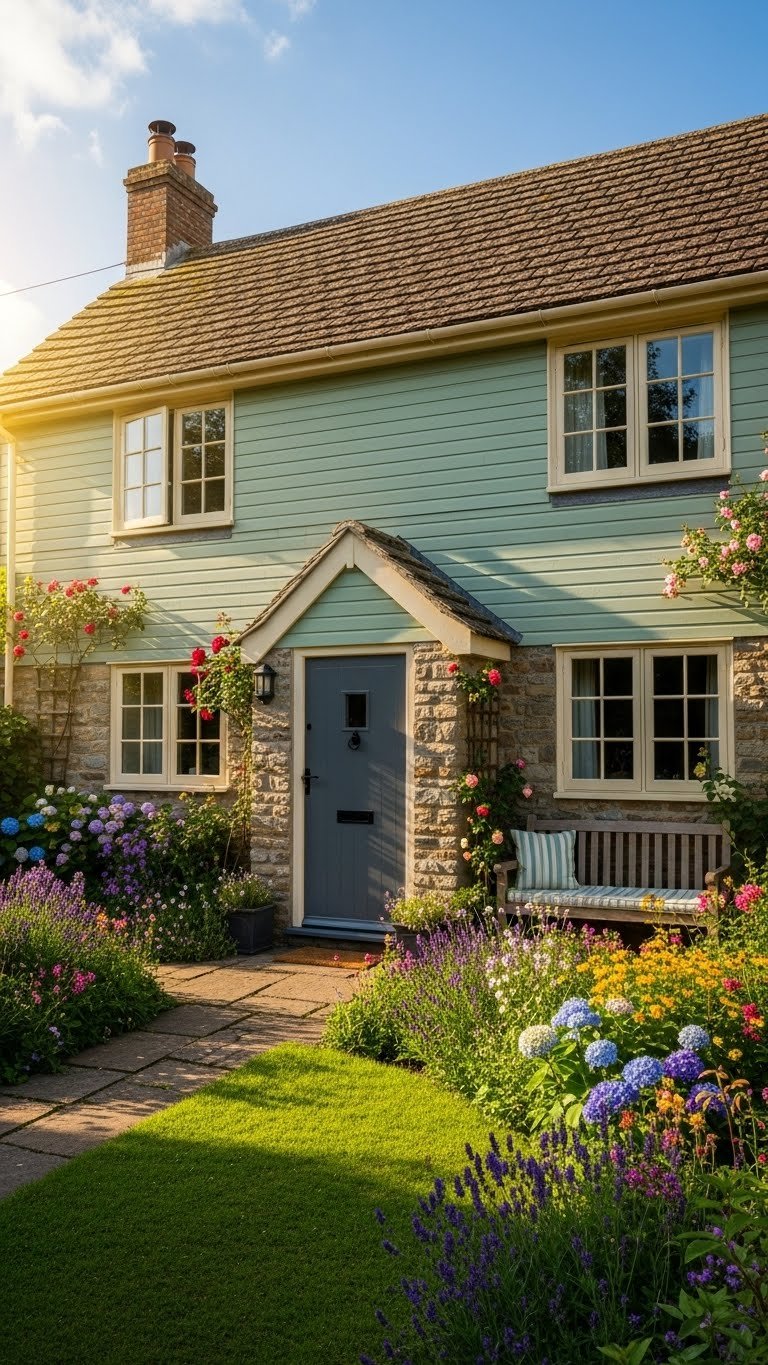
    There’s something about rustic design that makes a house feel like home the moment you walk up to it. Maybe it’s the warmth of natural materials, the honest character of aged wood, or the way earth tones seem to ground everything around them. If your exterior feels too polished, too cold, or just plain boring, you’re probably craving that cozy, lived-in aesthetic that rustic style delivers. The good news? Bringing natural warmth to your home doesn’t require a complete overhaul. In this guide, you’ll discover 25 specific, budget-friendly ideas—from DIY projects you can tackle this weekend to investment pieces that’ll pay off for years. Whether you’re a homeowner ready to commit or a renter looking for temporary touches, these rustic upgrades will transform your curb appeal and create an exterior that genuinely welcomes people in.

    1. Install Reclaimed Wood Shutters

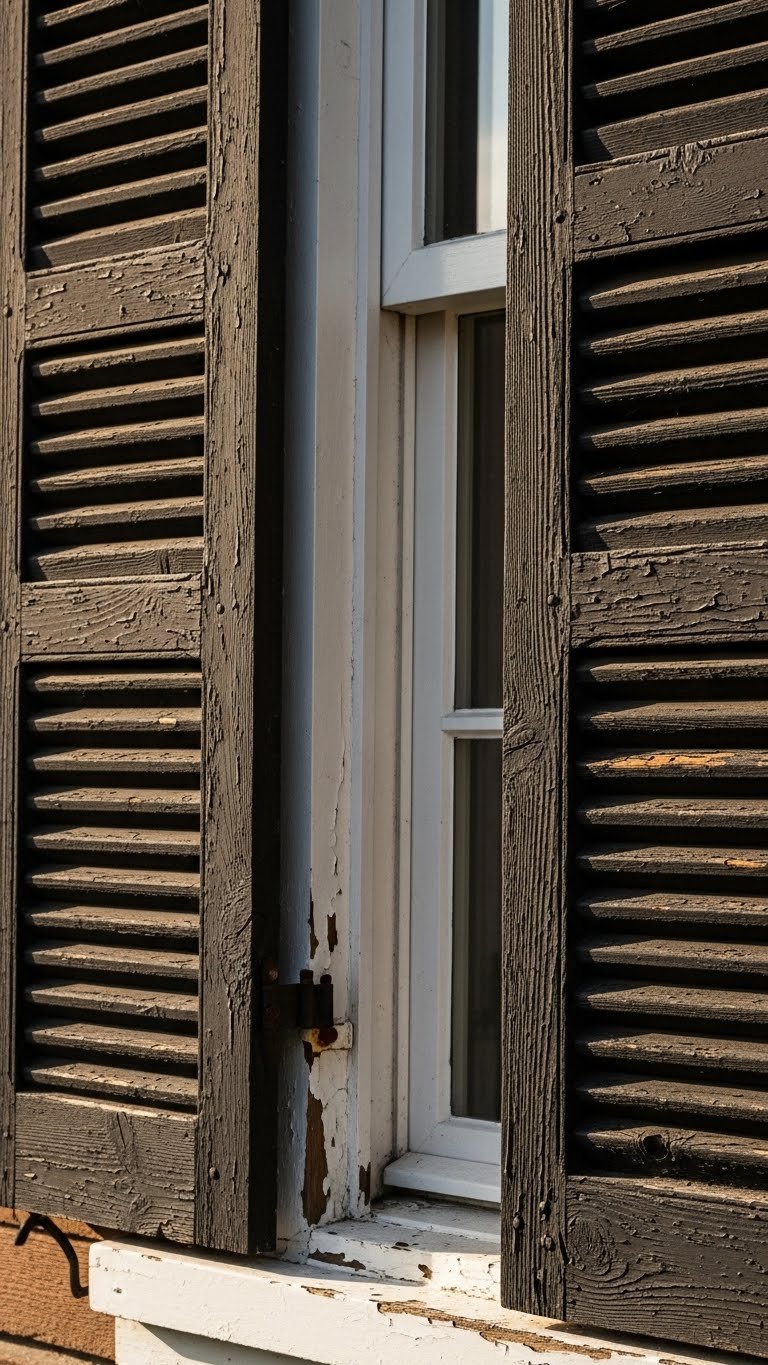
    Reclaimed wood shutters instantly add character and authenticity to any exterior. They signal quality and timelessness better than almost any other single feature.

    Hunt for reclaimed wood at salvage yards, Etsy, or Facebook Marketplace for $30–$150 per pair. Alternatively, new wood shutters stained dark brown run $50–$120. Installation takes about 30 minutes per window with basic tools—just drill pilot holes and use outdoor-grade screws. If your home is rental, lean toward adhesive-mount faux wood options instead. A pro tip: leave the wood slightly weathered rather than sanding it smooth; that aged patina is the whole point.

    Your home suddenly reads as established and intentional, with a lived-in charm that new construction can’t fake. Neighbors will notice the upgrade immediately.

    2. Build a Stacked Stone or Brick Planter Box

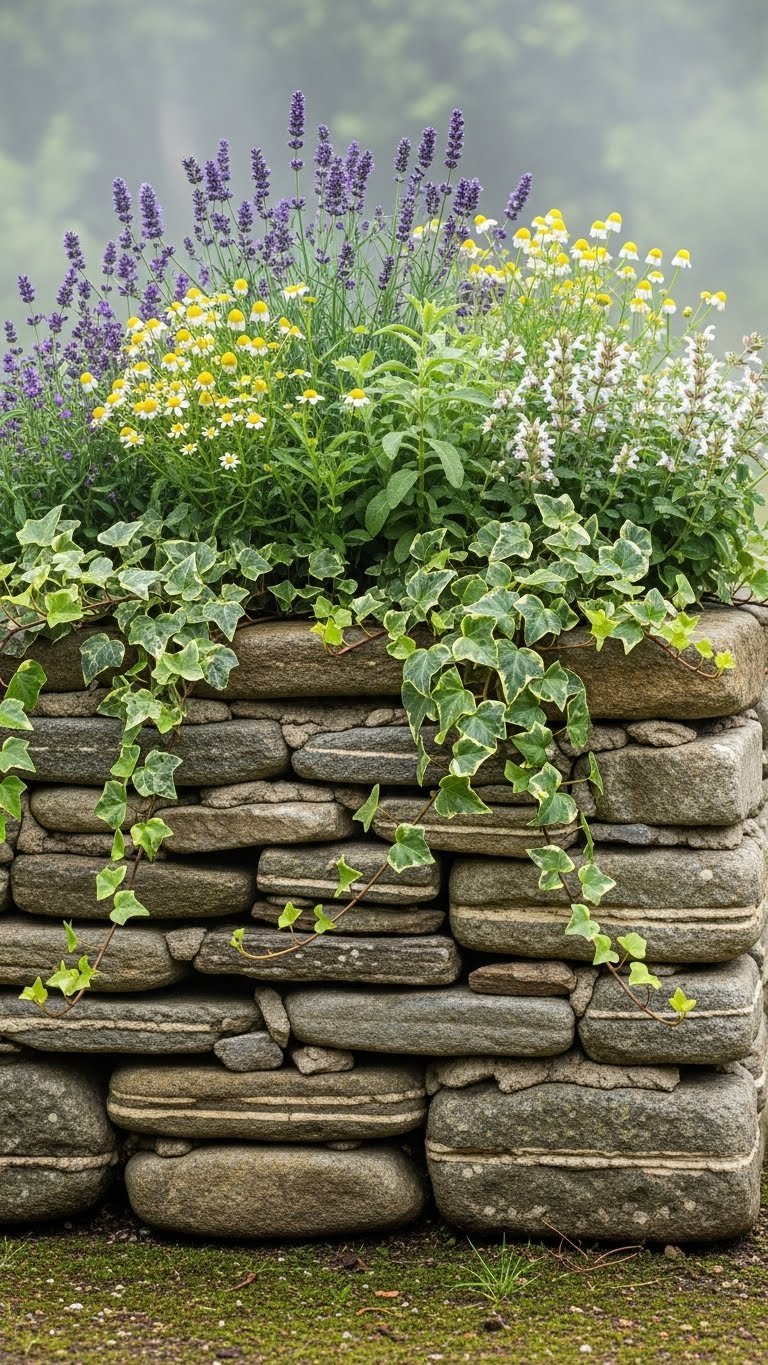
    Garden beds don’t have to be simple soil mounds. A stacked stone planter adds architectural interest while containing plantings neatly.

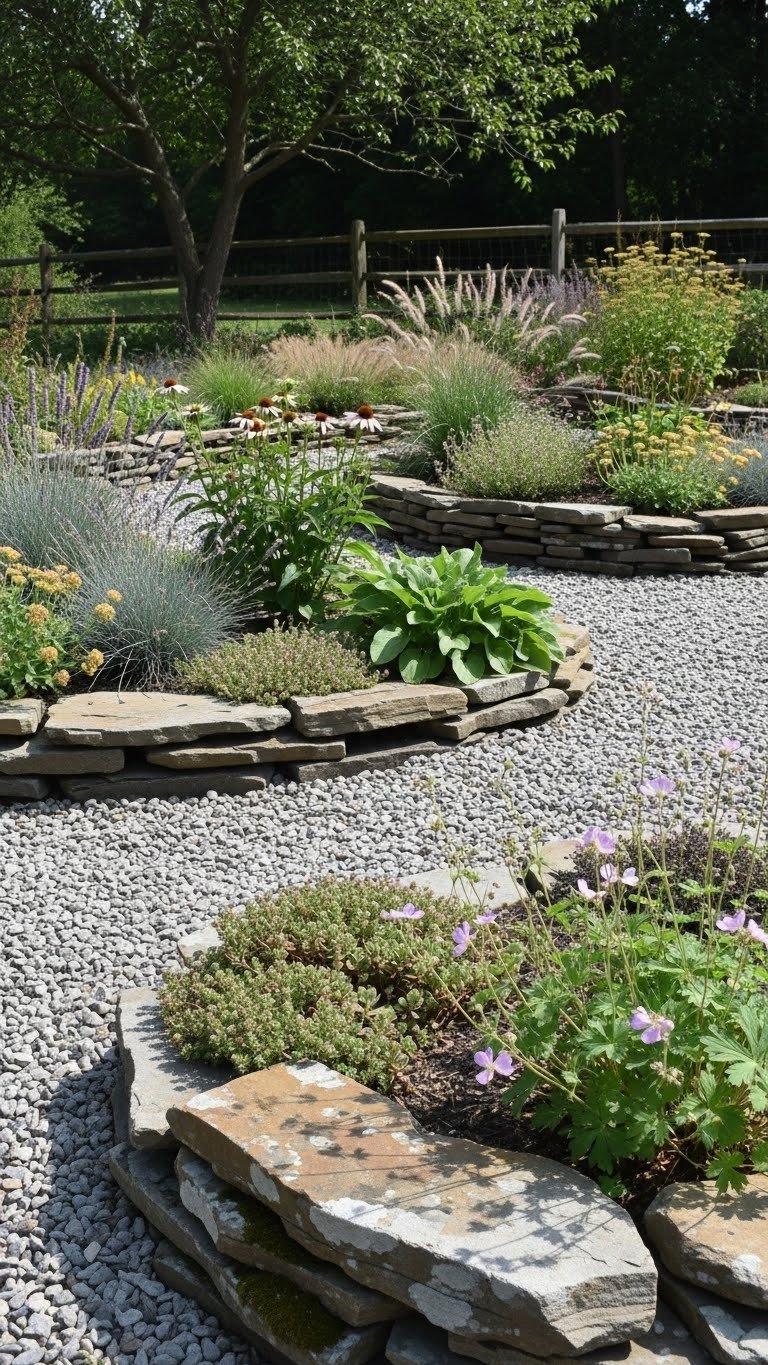
    Stack fieldstone or reclaimed brick without mortar (dry-stack method) for a natural, slightly imperfect look that photographs beautifully. Aim for $40–$100 in materials depending on stone quality and size. Assembly takes 1–2 hours with no special skills required—just stack and level as you go. Fill with soil and plant native grasses, herbs, or low-maintenance perennials. The rustic effect deepens when weathering takes hold over months.

    This creates a focal point near your entry or along a garden path, instantly elevating the entire outdoor space from “generic yard” to “thoughtfully designed landscape.”

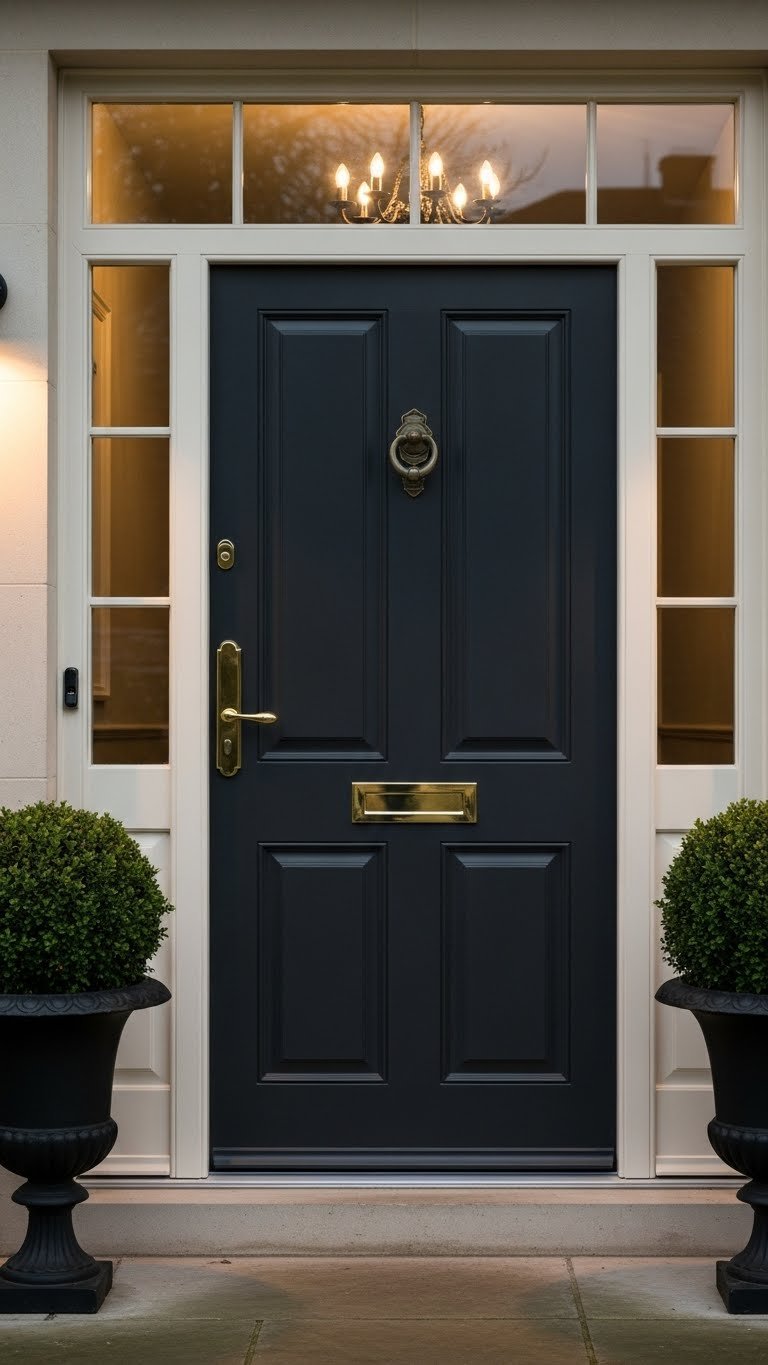
    3. Paint Your Front Door in Deep Charcoal or Forest Green

    A bold, dark front door is the easiest way to signal rustic confidence. It breaks up neutral siding and creates immediate visual interest.

    Choose outdoor-grade paint in charcoal, forest green, or deep olive—brands like Sherwin-Williams and Benjamin Moore have excellent rustic options ($35–$60 per gallon). You’ll need roughly half a gallon for one door with two coats. Prep takes 1–2 hours (sand, prime, paint). A weekend project with dramatic results. Pro tip: pair it with warm bronze or oil-rubbed bronze hardware for authenticity.

    Your entryway becomes a statement—the kind of detail people remember. Suddenly your home feels intentional, not default.

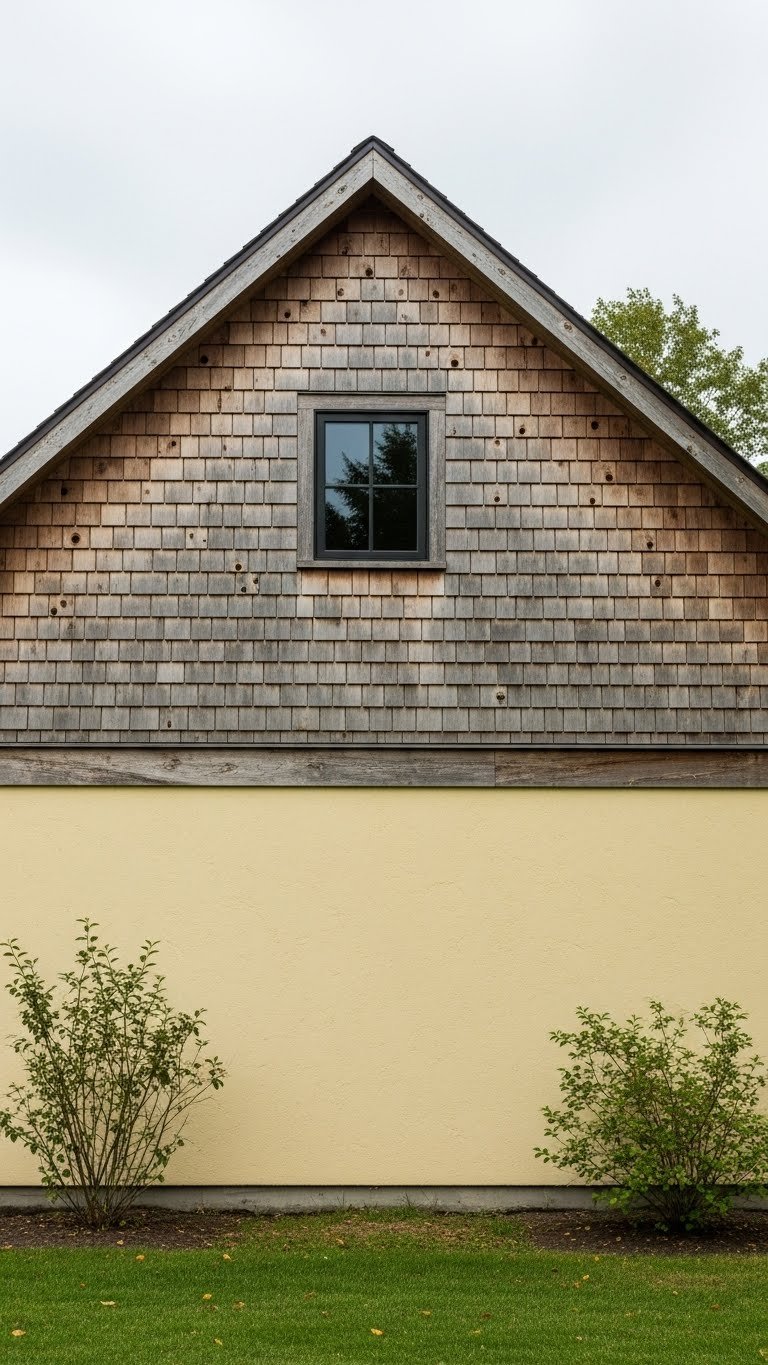
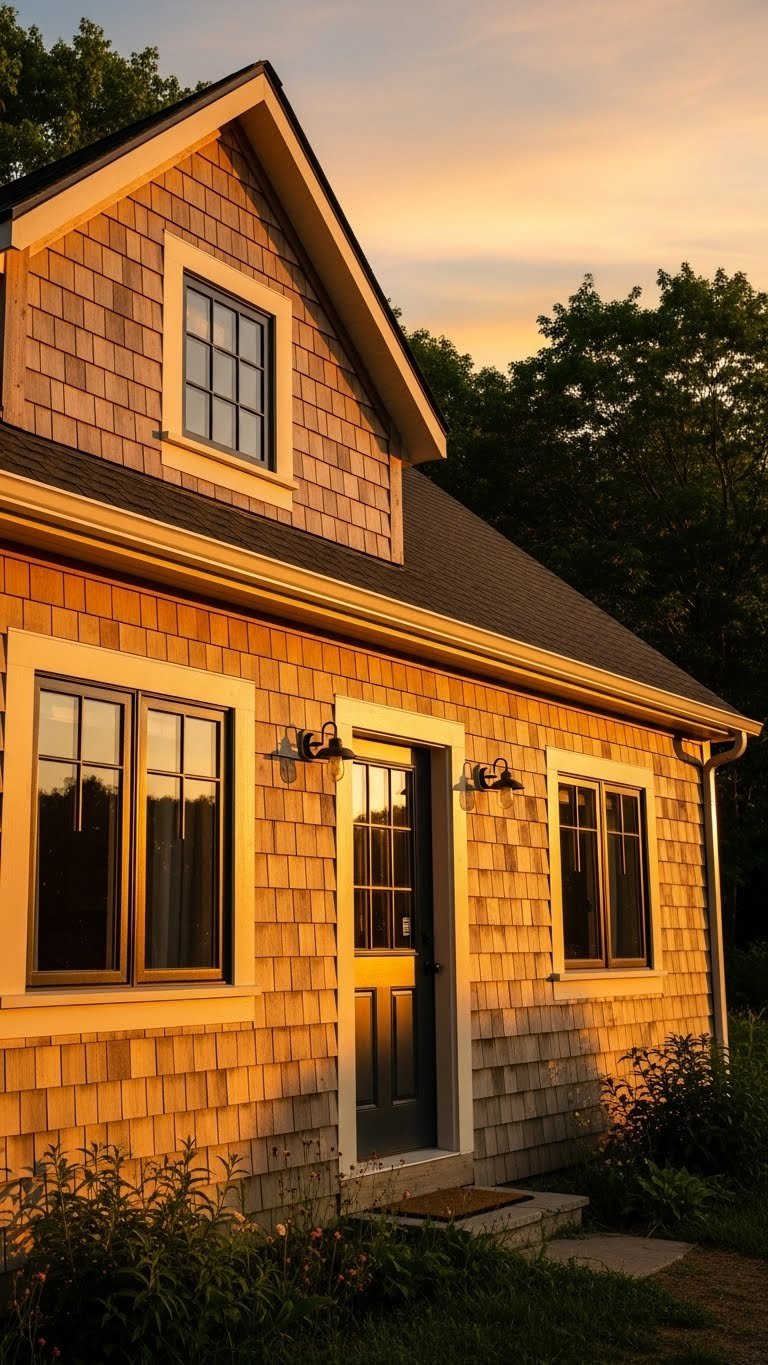
    4. Add Weathered Cedar Wood Siding to Gable or Accent Wall

    Cedar siding weathers beautifully over time, developing silver-gray tones that look nothing like fresh wood. It’s the ultimate rustic material.

    Real cedar siding runs $6–$12 per square foot installed, or $2–$5 if you DIY. A gable accent typically costs $300–$800 in materials and takes a skilled DIYer a weekend. If you’re renting, skip this one. For maximum rustic effect, let it weather naturally rather than staining; the gray patina is where the magic happens. Alternatively, stain it in warm honey tones for a more traditional farmhouse look.

    Within months, the wood begins its transformation. By year two, you’ll have that coveted silvery-gray weathered look that cannot be rushed or faked.

    5. Create a Rustic Wood Entry Arbor

    An entry arbor signals that your home is a destination, not just a structure. It’s the perfect framework for climbing vines and soft, natural shade.

    Build one from untreated or naturally weathered timber (roughly $80–$200 in materials). Plans are abundant online; a basic 8×8-foot frame takes a handy DIYer 6–8 hours. Secure it to concrete footings for stability. Plant jasmine, clematis, or climbing roses on either side. As vines grow, the structure becomes more organic and beautiful.

    The shaded entryway drops your porch temperature noticeably in summer while creating a cozy threshold that guests actually want to linger in. It’s both functional and visually stunning.

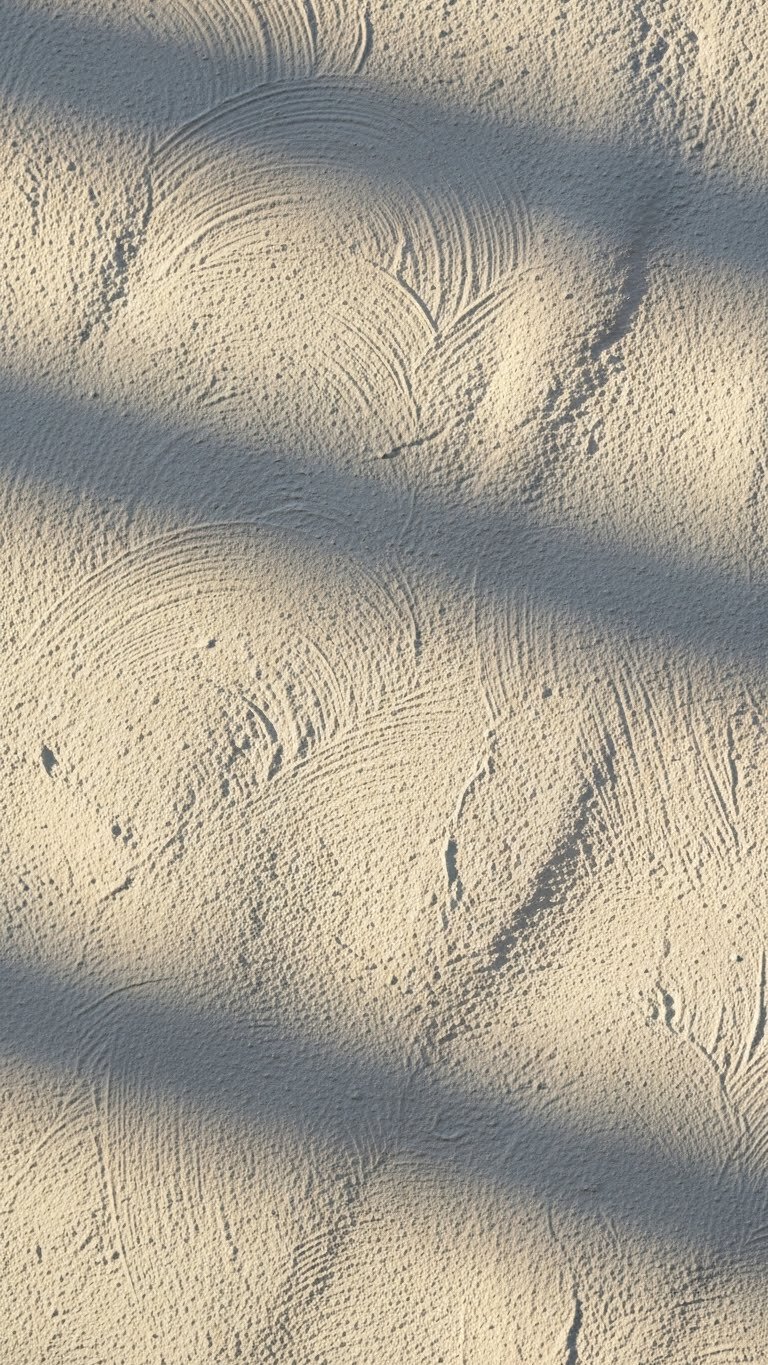
    6. Use Limewash or Mineral Paint on Exterior Walls

    Limewash and mineral paints create an aged, authentic finish that standard latex paint can never replicate. The slightly chalky, uneven coverage looks intentionally rustic.

    Quality limewash or mineral paint costs $40–$80 per gallon. One cottage typically needs 2–3 gallons. Application requires a 2–3-day project with proper prep and multiple coats. Brands like Farrow & Ball or local artisan suppliers offer excellent options. The finish will develop character over time—not fading, but becoming richer. Expect some variation in color, which is the entire point.

    Your home takes on a European countryside vibe, as if it’s been there for generations. The softness of the finish makes even newer construction look authentically aged.

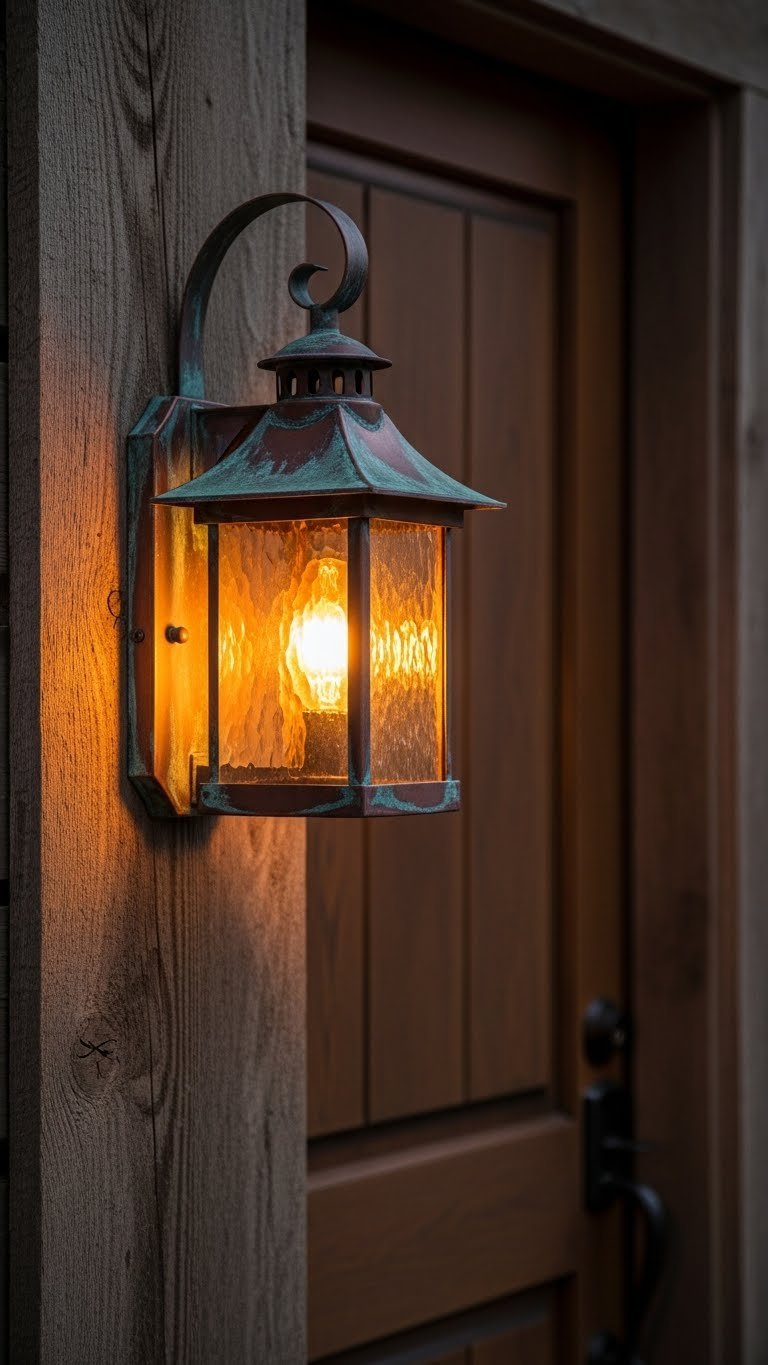
    7. Install Warm Bronze or Aged Copper Lighting Fixtures

    Lighting hardware sets the tone for your entire exterior. Warm metals age beautifully and feel far more rustic than shiny chrome or brushed nickel.

    Hunt for aged bronze, weathered copper, or oil-rubbed bronze fixtures at $40–$150 each from Home Depot, Wayfair, or specialty shops. Installation is straightforward—most sconces take 30 minutes. Install them flanking your front door or along a porch. Choose styles with lantern shapes, frosted glass, or open metalwork rather than modern geometric designs. The patina deepens over years, adding character.

    Evening and dusk suddenly feel magical. Your home glows warmly, inviting and safe, making the entire exterior feel welcoming even in darkness.

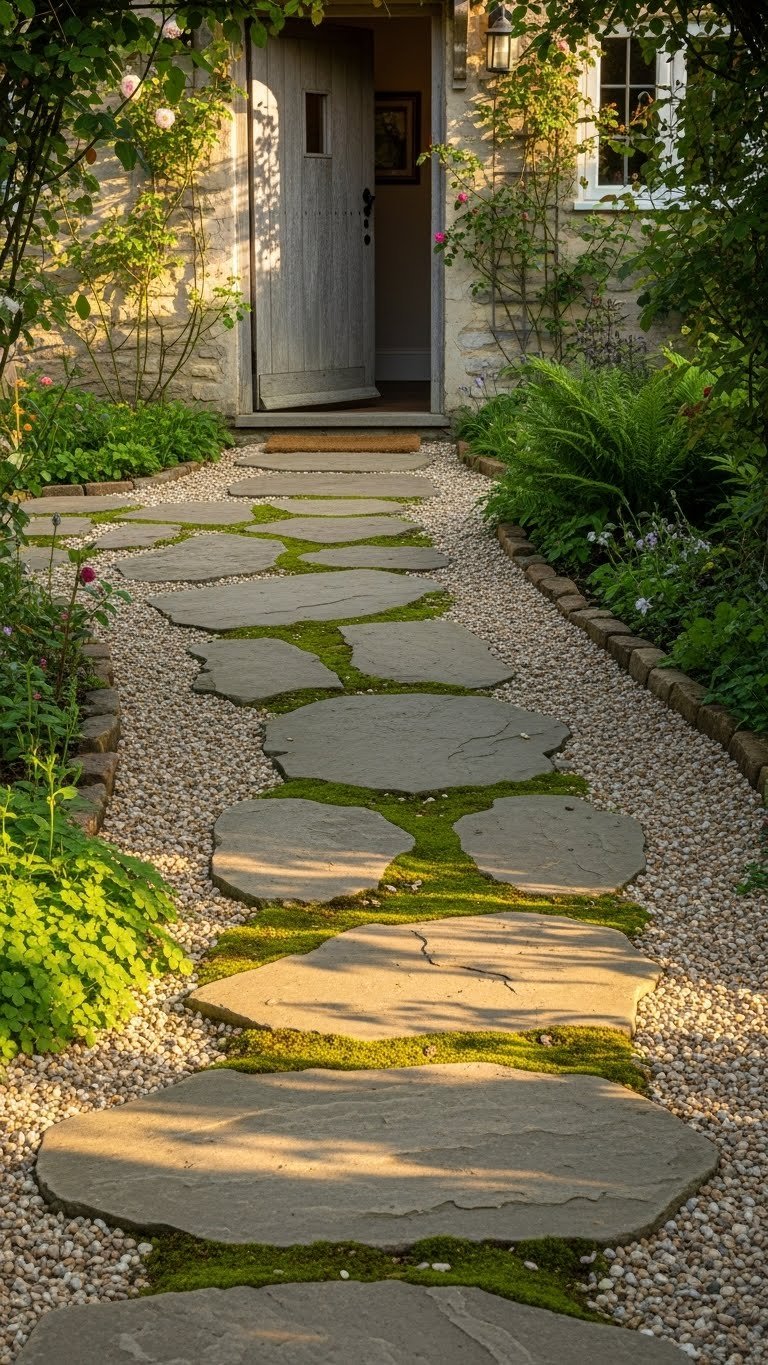
    8. Lay Flagstone or Slate Pathways

    Irregular stone paths feel grounded and authentic—nothing says rustic like walking on materials that could’ve been there for a century.

    Flagstone runs $4–$8 per square foot for material; labor adds $8–$15 per square foot if hiring pros. DIY is possible but physically demanding. A 15-foot pathway costs roughly $200–$400 in stone, taking a weekend of work. Lay stones in sand (not mortar) for a natural, settled appearance. Fill gaps with gravel or let moss grow—it adds to the charm. Pro tip: choose irregular, mismatched thicknesses for maximum rustic character.

    Walking up to your home becomes an experience. The uneven surface and natural stone speak to permanence and authenticity, grounding your entire property.

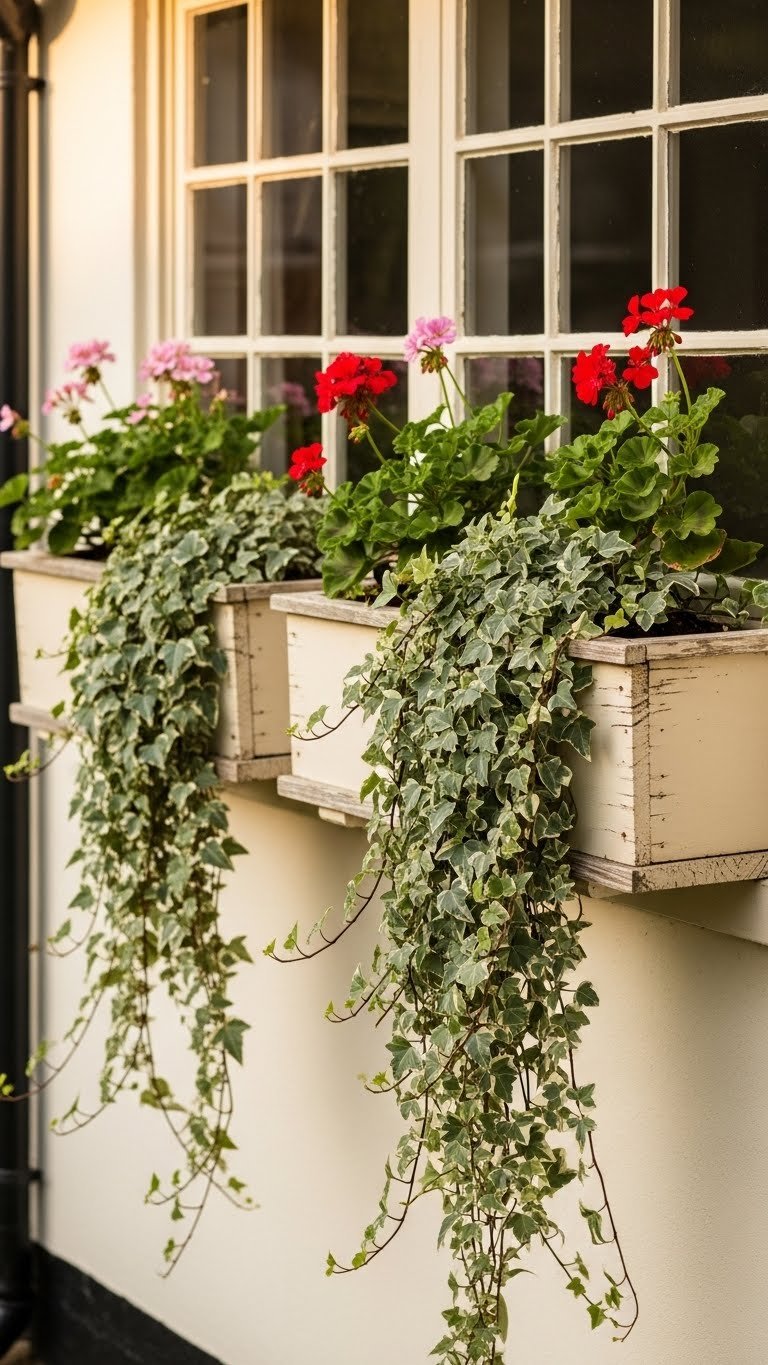
    9. Build Rustic Window Boxes from Reclaimed Wood

    Window boxes transform a blank facade into something garden-like and personal. Rustic wood versions age beautifully on your walls.

    Reclaimed wood window boxes run $30–$80 each online, or source reclaimed barn wood and build them yourself for $15–$25. DIY construction takes 1–2 hours per box. Leave wood unfinished or stain it in weathered gray. Plant with trailing ivy, sedums, or seasonal flowers. Mount securely with brackets (usually included).

    Within weeks, you’ve created small gardens that soften your windows and add life to the facade. Passersby notice these details immediately—they signal care and horticultural interest.

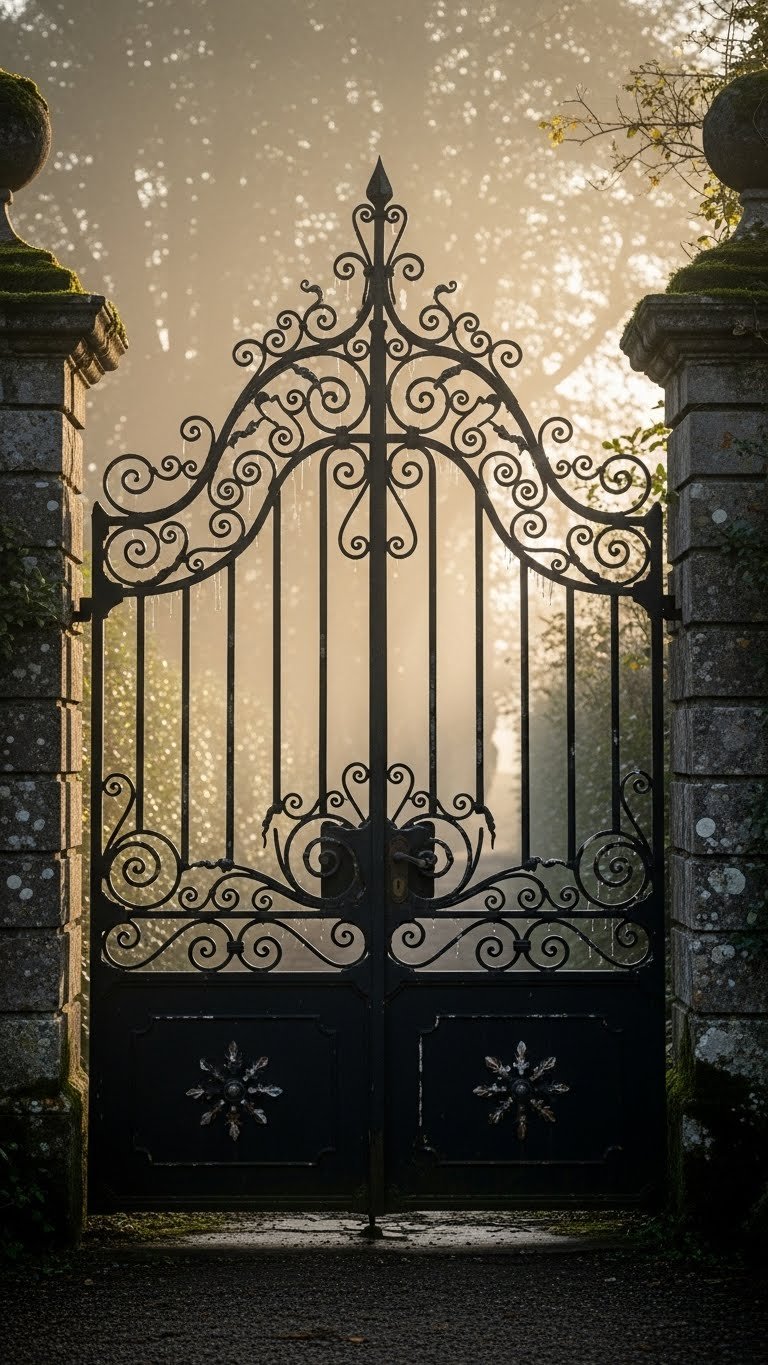
    10. Install a Rustic Metal Gate or Fence

    A statement gate signals boundaries while adding dramatic rustic charm. Wrought iron or heavy steel feels timeless and substantial.

    Quality wrought iron gates run $200–$600 depending on size and intricacy. Matte black paint or natural rust finish add character. Installation typically requires a handyperson or contractor. If renting, this won’t work. If you own, this investment piece lasts decades and only improves with patina. A budget alternative: purchase a pre-made wrought iron gate section from Etsy ($80–$200) and mount it as an accent rather than a full enclosure.

    Your property line becomes a design feature, not just a boundary. Visitors sense the intentionality immediately, and the gate creates a “threshold” feeling that separates your home from the outside world.

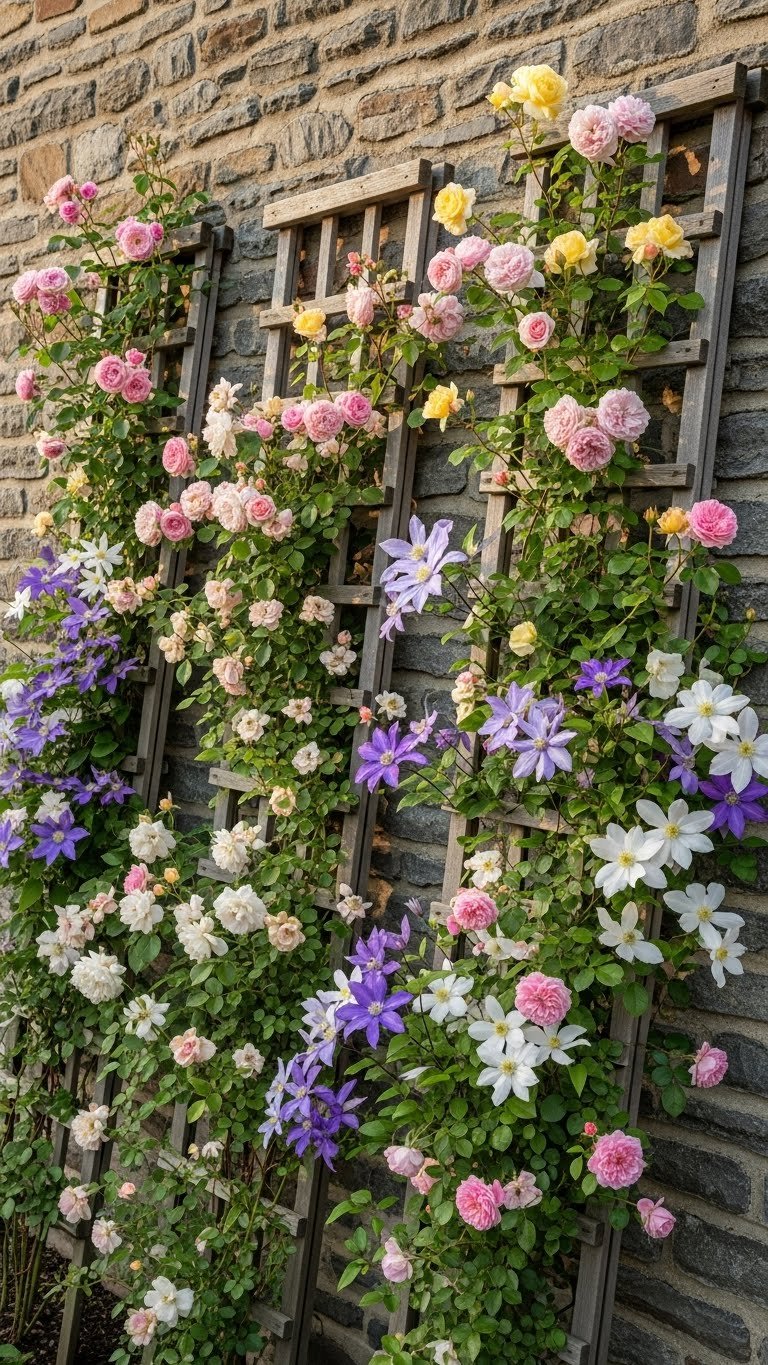
    11. Create Vertical Planting with Weathered Wooden Trellises

    Trellises add vertical interest and allow vines to create living texture on bare walls. Weathered wood looks far more rustic than sleek metal versions.

    Wooden trellises cost $20–$60 each at garden centers or online. Buy three to five and lean or mount them strategically against walls or fences. Plant with climbing roses, jasmine, or honeysuckle—these take one growing season to fill in nicely. The wood weathers to silver-gray naturally. For renters, use large planters at the base to anchor trellises without permanent installation.

    Your once-blank walls become living green features. The texture softens hard lines, and blooming vines add color and fragrance that make your outdoor space feel like a garden sanctuary.

    12. Paint Trim and Accents in Warm Cream or Off-White

    Crisp white trim can feel sterile against rustic materials. Warm cream, ivory, or off-white feels more grounded and authentic.

    Quality exterior paint in warm whites runs $35–$60 per gallon (Sherwin-Williams Alabaster or Benjamin Moore Swiss Coffee are excellent). One gallon covers roughly 350 square feet. A full trim paint typically costs $100–$250 in materials for a modest home and takes a weekend. Prep work (caulking, sanding) matters more than speed. This single change softens the entire exterior and plays beautifully with earth-tone siding.

    Your color palette becomes cohesive rather than jarring. Warm cream trim against deep color creates depth and sophistication that reads as intentionally rustic.

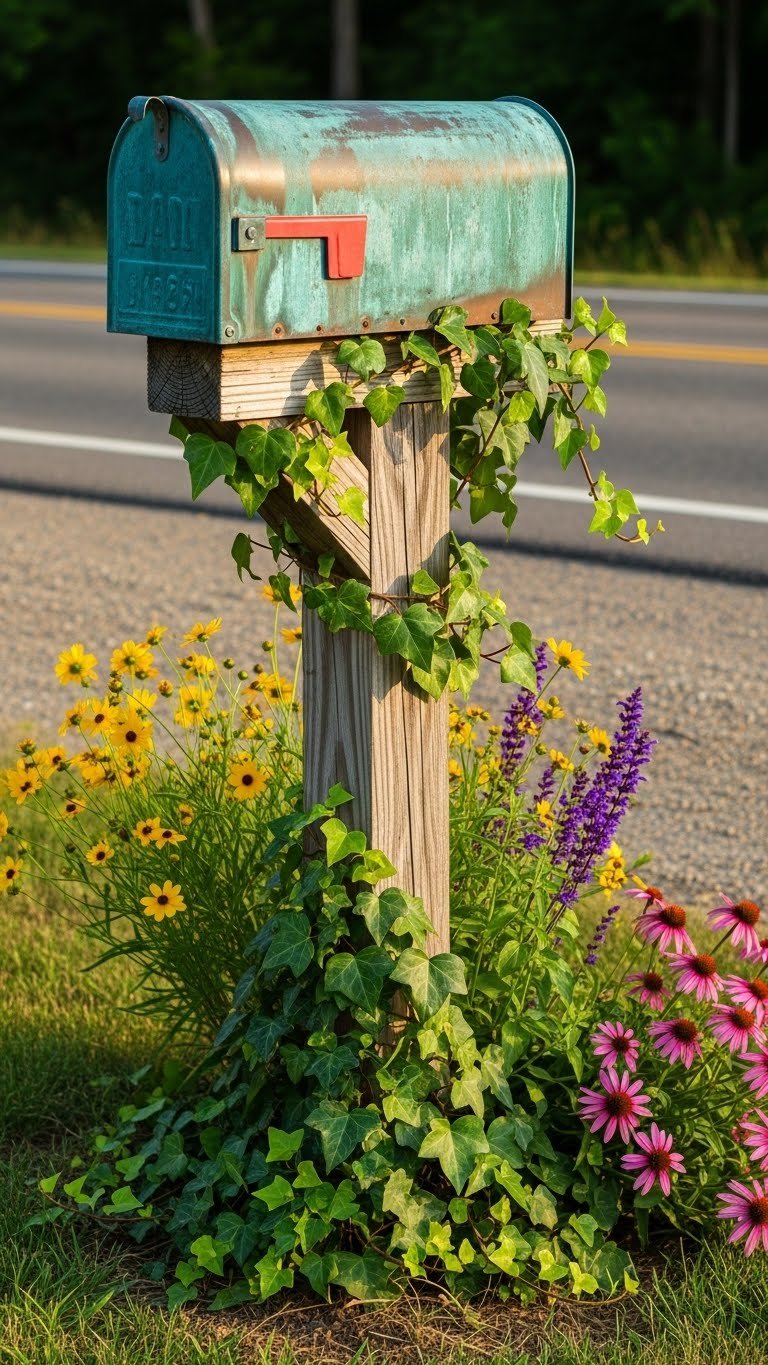
    13. Add a Rustic Mailbox or Planter Post

    A thoughtful mailbox is one of the first things visitors see. Rustic versions in weathered wood or aged metal signal personality.

    Rustic mailbox posts run $50–$150 depending on materials and construction. Build one yourself from reclaimed timber and a simple metal mailbox ($20–$40) for about $30–$60 total and a few hours of work. Install a weathered wood post wrapped in climbing ivy for maximum charm. Alternatively, purchase a statement mailbox in aged copper or wrought iron ($40–$100).

    This small detail becomes a focal point. Neighbors and mail carriers notice craftsmanship, and it sets the tone for the entire home as soon as someone pulls up.

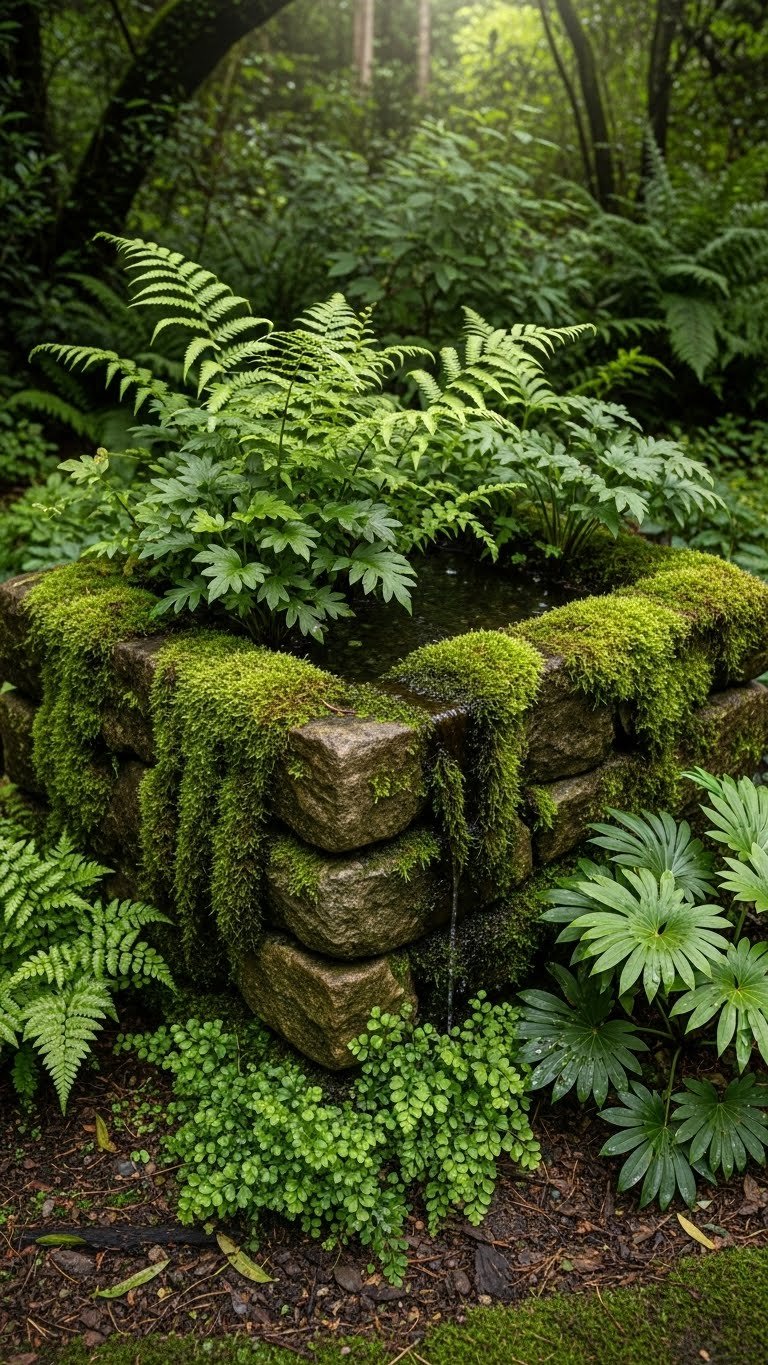
    14. Use Moss or Living Roof Accents on Architectural Details

    Moss-covered surfaces feel ancient and romantic. Encourage moss growth on stone, shaded wood, or planters for biophilic warmth.

    This is essentially free—moss will grow on its own in shade with moisture. No purchase necessary. Simply keep stone or wood damp during dry spells. To encourage moss, you can spray surfaces with a moss spore mixture ($15–$25 online) and wait 4–8 weeks for visible growth. This works best in shaded, humid areas. In dry climates, skip it.

    Over time, your home looks like it’s been sheltering life for generations. Moss softens hard surfaces and creates a storybook quality that feels deeply rustic and authentic.

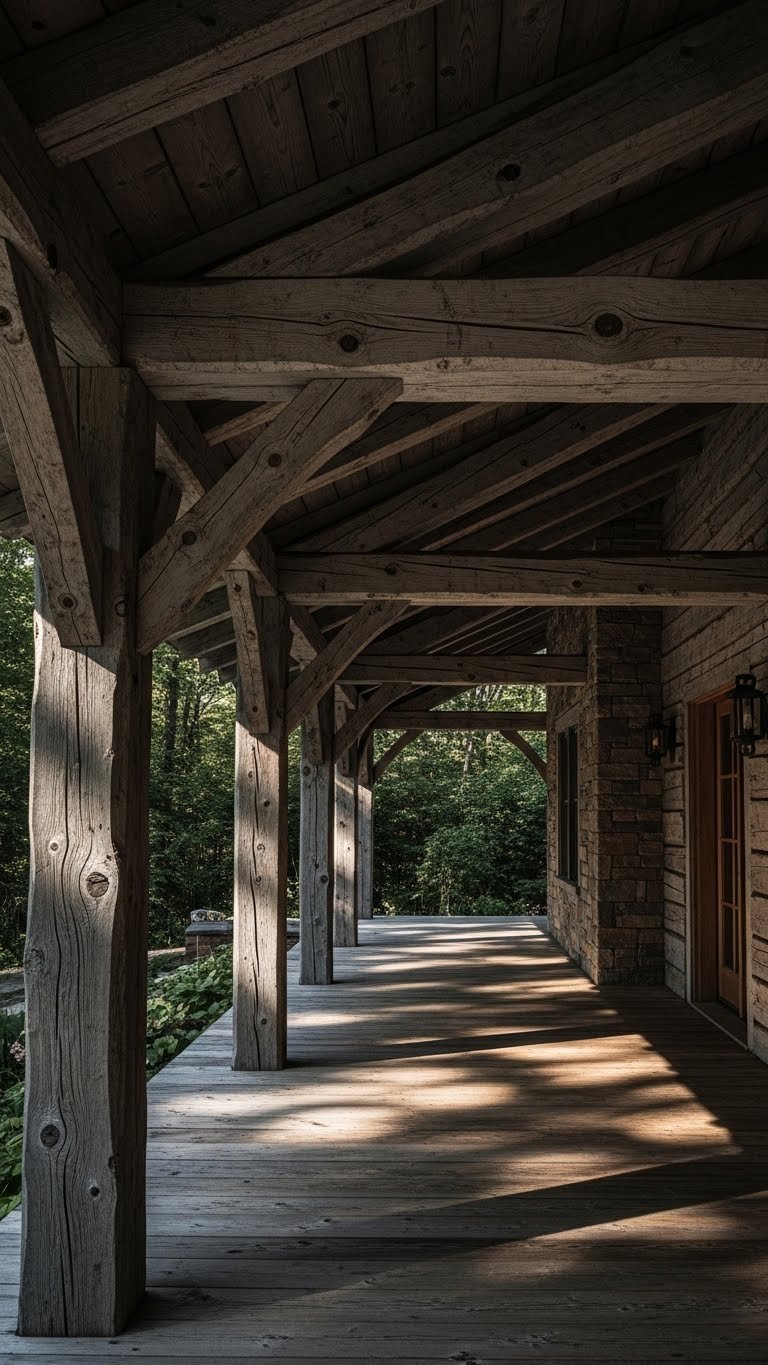
    15. Install Rough-Hewn Timber Beams on Porch or Eaves

    Exposed timber beams are the ultimate rustic statement. They signal craftsmanship and anchor your entire aesthetic.

    Real timber beams are an investment: $500–$2,000+ depending on size and sourcing. Installation should be handled by a contractor ($1,000–$3,000 in labor. Reclaimed barn beams carry premium prices but look incomparably authentic. Alternatively, faux beams ($100–$300 each) create the visual effect at lower cost—a budget compromise worth considering for renters or budget-conscious homeowners.

    This architectural feature changes everything. Visitors immediately perceive craftsmanship and permanence. The beams cast dramatic shadows, create rhythm, and transform an ordinary porch into a showstopper.

    16. Paint Shutters, Doors, or Trim in Terracotta or Burnt Sienna

    Terracotta and burnt sienna are underrated rustic colors. They warm up neutral palettes and evoke European countryside charm.

    Outdoor-grade paint in terracotta or burnt sienna costs $35–$60 per gallon. Half a gallon covers one door and shutters easily. Prep and painting take a weekend. This color range works beautifully on shutters, front doors, window trim, or accent walls. Pair it with cream or warm white elsewhere for balance. Pro tip: choose a slightly muted terracotta rather than bright orange for authentic rustic vibes.

    The earthy warmth anchors your palette and feels more sophisticated than standard blacks or grays. It’s bold enough to be memorable but grounded enough to age gracefully over years.

    17. Create a Gravel or Mulch Garden Beds with Stone Edging

    Defined garden beds signal intentionality. Edging in stone creates clean lines while the gravel interior keeps maintenance low.

    Slate or stone edging costs $2–$5 per linear foot. A typical border (20 feet) runs $40–$100 in materials. Gravel mulch costs $50–$100 per yard. Total project for one modest bed: $100–$200 and a weekend of work. Lay edging first, fill with landscape fabric, then gravel. This prevents weeds and keeps everything neat. Nestle drought-tolerant plants or native grasses into the mulch.

    Your landscape reads as curated, not neglected. Stone edging creates visual structure, and the low-maintenance planting means your rustic garden actually stays beautiful without constant fussing.

    18. Install a Rustic Wooden Gate or Arbor Entryway

    A homemade or reclaimed gate at your property line creates the ultimate rustic threshold. It signals that beyond this point, magic happens.

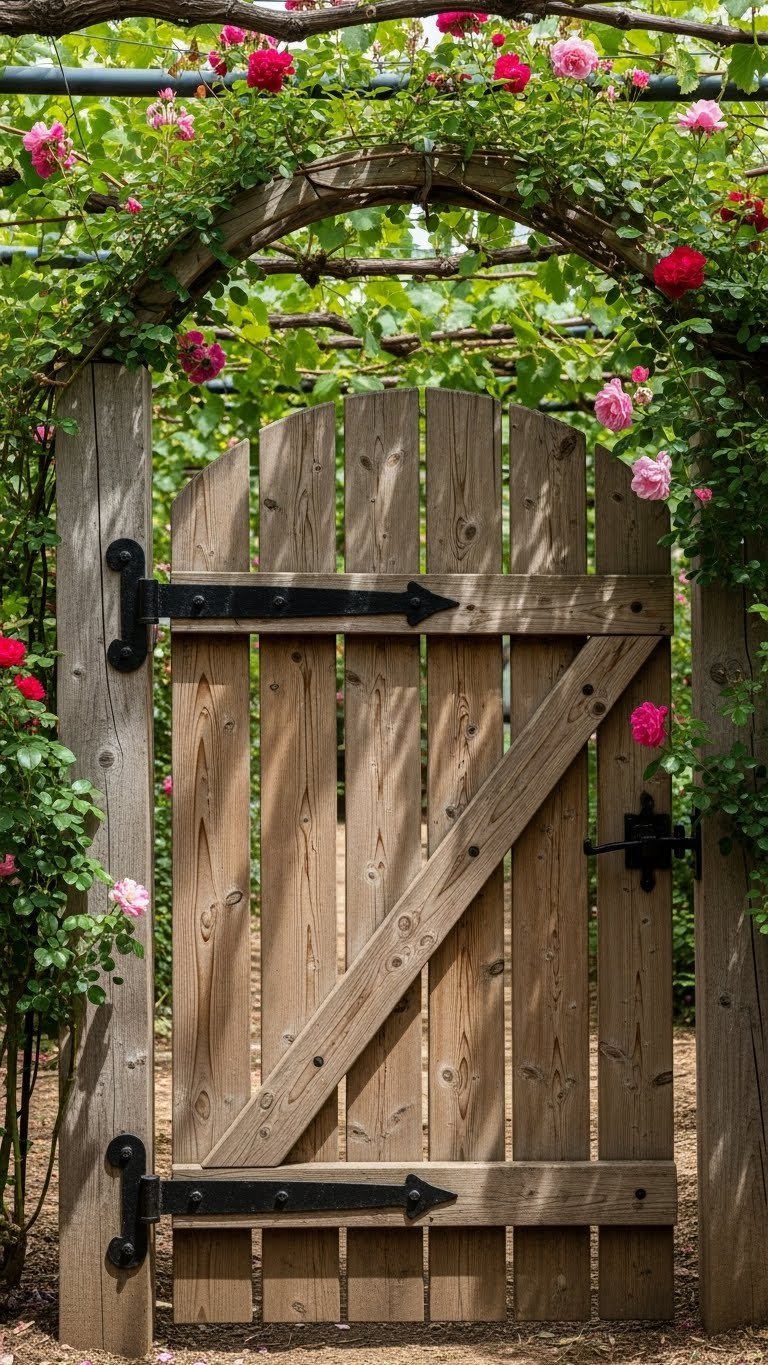
    Reclaimed timber gates run $150–$400 depending on size and sourcing. Build one from scratch with weathered lumber ($80–$150 in materials) if you’re handy—a weekend project with basic carpentry skills. Mount on wrought iron hinges ($30–$60). If you rent, lean this against your fence as a visual focal point. Plant vines around the frame for living softness.

    Guests experience a true threshold moment—the gate announces that this is special, that entry means something. It transforms a casual driveway into a deliberate transition.

    19. Use Native Stone Veneer on Foundation or Accent Wall

    Stone veneer on foundations or lower walls creates permanence and texture. Real or faux stone both photograph beautifully and feel authentically rustic.

    Real stone veneer costs $12–$25 per square foot installed. Faux veneer (lightweight, easier to install) runs $6–$12 per square foot. A foundation covering (typically 20–30 linear feet) costs $1,500–$5,000 professionally installed. DIY faux stone is possible with patience. This investment piece transforms your home’s visual weight and grounding.

    Your home looks built on bedrock, literally. The stone creates depth, shadow, and texture that make every other detail more sophisticated. This is the kind of upgrade that multiplies the impact of everything else.

    20. Add a Rustic Wooden Bench or Seating Nook

    A bench signals that your home is a gathering place, not just a structure. Rustic wood versions age beautifully on your porch.

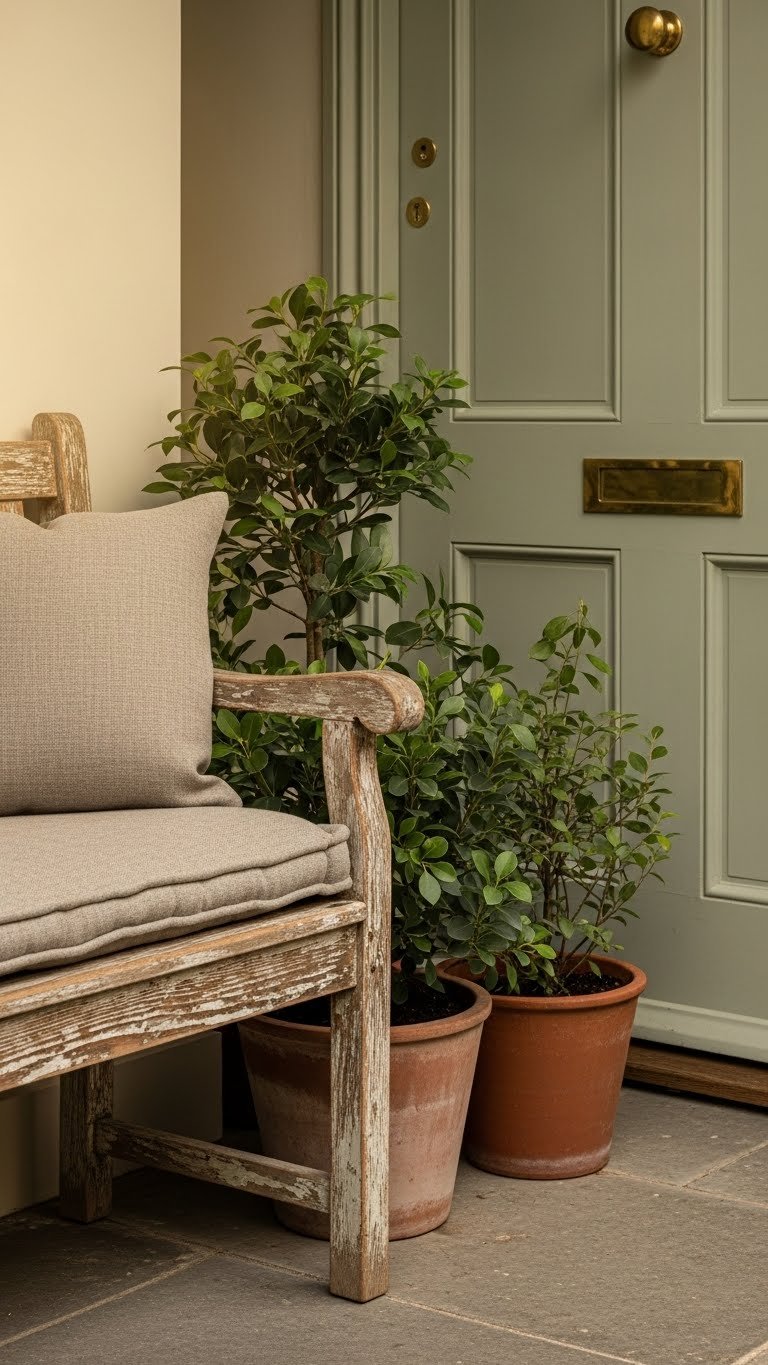
    Weathered wood benches run $100–$300 at furniture and garden retailers. Look for reclaimed barn wood or simply source an old bench from salvage yards ($40–$150). Alternatively, build a simple bench from untreated timber ($30–$60 in materials) as a DIY project taking 4–6 hours. Position it near your entryway or under an arbor. Add a weathered cushion for softness.

    A bench transforms your porch from a utility space into a destination. People naturally linger, and your home becomes known as a place where people gather—a subtle but powerful shift in perception.

    21. Paint Exterior Walls in Muted Earth Tones (Olive, Sage, Taupe)

    Bold, saturated earth tones are trending hard for 2025. Olive, sage, and taupe feel far more rustic than conventional beige or gray.

    Quality exterior paint in these tones costs $40–$70 per gallon (Sherwin-Williams Urbane Bronze, Benjamin Moore HC-172, or Farrow & Ball’s French Gray are excellent). A full house typically needs 3–5 gallons depending on size. Professional painters charge $2,000–$5,000; DIY costs roughly $150–$300 in materials for a weekend of work. The muted saturation is key—avoid bright, neon tones.

    Your home stops receding into the background and becomes distinctive. These colors photograph beautifully and feel grounded, sophisticated, and intentionally rustic without looking dark or cave-like.

    22. Install Vintage-Style Door Hardware and Locks

    Hardware is jewelry for your door. Vintage-style pieces in aged iron or bronze signal craftsmanship and authenticity.

    Vintage-reproduction hardware costs $20–$80 per piece depending on intricacy. A full door set (handle, lock, kick plate) runs $60–$200. Installation is DIY-friendly: remove old hardware and drill new holes if needed (30–45 minutes). Search Etsy, Wayfair, or specialty hardware shops for authentic reproductions. Pro tip: mix and match—a vintage handle with a modern matte finish creates interesting contrast.

    Your door transforms from generic to intentional. The tactile quality of opening a heavy, vintage-inspired handle changes how you experience coming home daily.

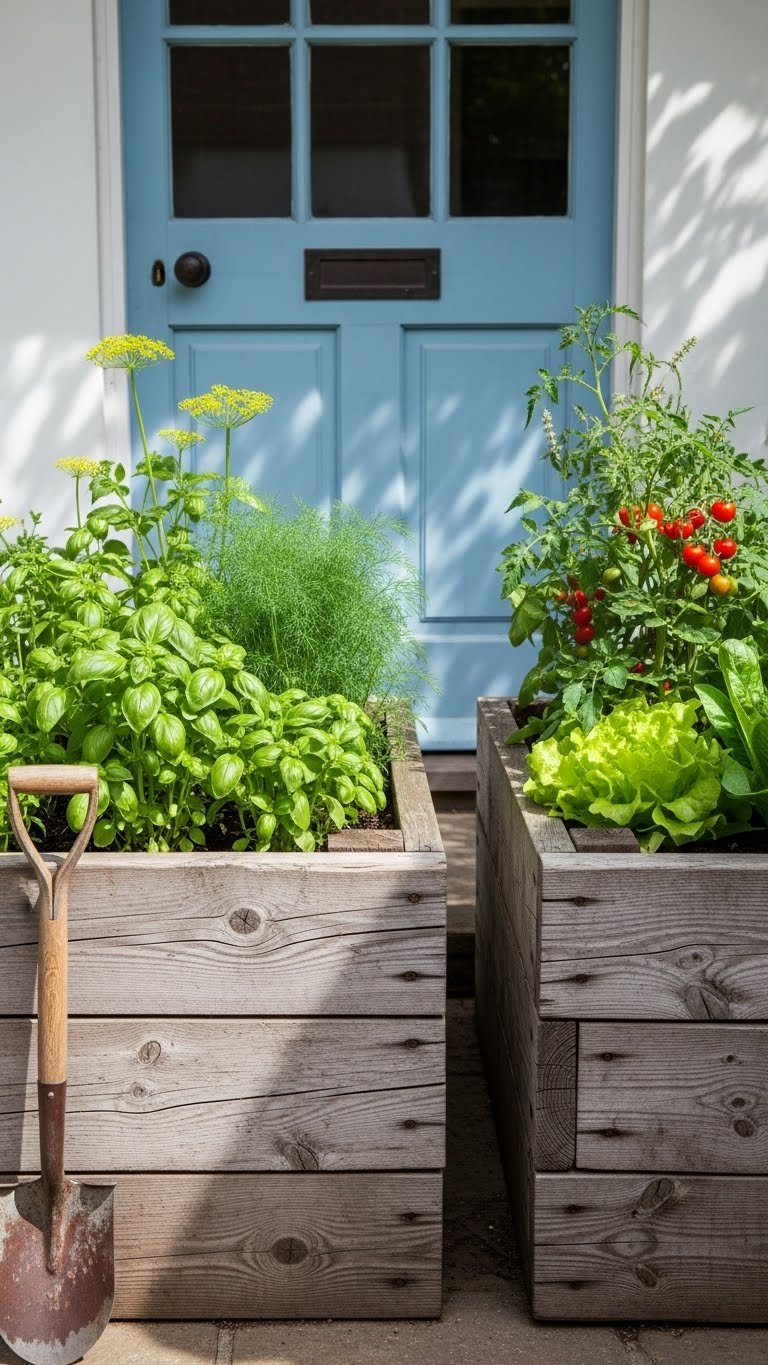
    23. Create a Rustic Herb or Vegetable Garden Near Entry

    A kitchen garden near your entry signals self-sufficiency and connects you to your land. It’s deeply rustic and entirely practical.

    Build raised beds from untreated timber ($50–$120 per bed) or reclaimed wood ($20–$60). Assemble in 1–2 hours. Fill with soil and compost ($30–$60). Plant herbs (basil, rosemary, thyme), greens, or cherry tomatoes. Maintenance is minimal for herbs; more involved for vegetables. A small handheld sign marking plantings adds charm ($10–$20).

    You connect with food production daily. Guests see resourcefulness and taste-making. Your entry becomes a statement of lifestyle, not just curb appeal.

    24. Use Antique or Reclaimed Doors as Accent Focal Points

    Repurposed doors become instant focal points. They carry history and authenticity that new construction cannot replicate.

    Antique doors from salvage yards cost $50–$200 depending on condition and quality. Reclaimed doors often run $75–$150. Mount one as an accent gate (minimal hardware, under $30), a garden trellis backing, or even leaning against a wall as sculptural art. No installation needed for the leaning approach; mounting takes 30 minutes.

    This single piece becomes a conversation starter. It tells a story—of reuse, of beauty in imperfection, of intentional design choices. Guests immediately understand that thoughtfulness matters here.

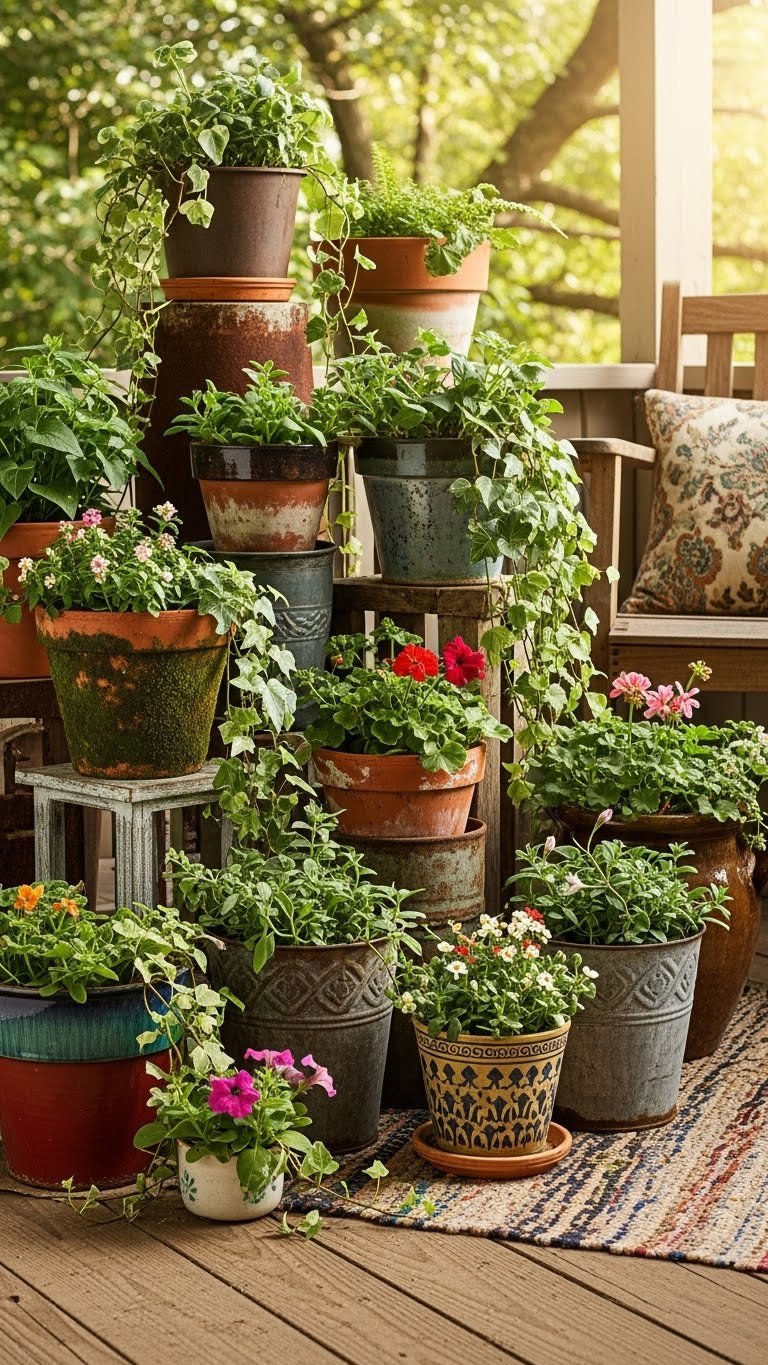
    25. Install a Rustic Metal or Ceramic Planter Collection

    A collection of mismatched, aged planters creates abundance and bohemian charm. The variety in finishes and ages feels intentionally gathered.

    Vintage and reclaimed planters run $10–$50 each depending on rarity. Gather 5–8 planters in varying heights, materials, and patinas (rough ceramic, weathered metal, aged terracotta). Fill with trailing plants, herbs, or seasonal flowers. Total investment: $50–$300 for a curated collection. Arrange on entry steps, porch edges, or tucked into garden beds for layered abundance.

    Your entry becomes a lush, welcoming transition zone. The varied collection signals expertise and collected-over-time charm rather than “I bought everything at once.” It’s the difference between decorated and designed.

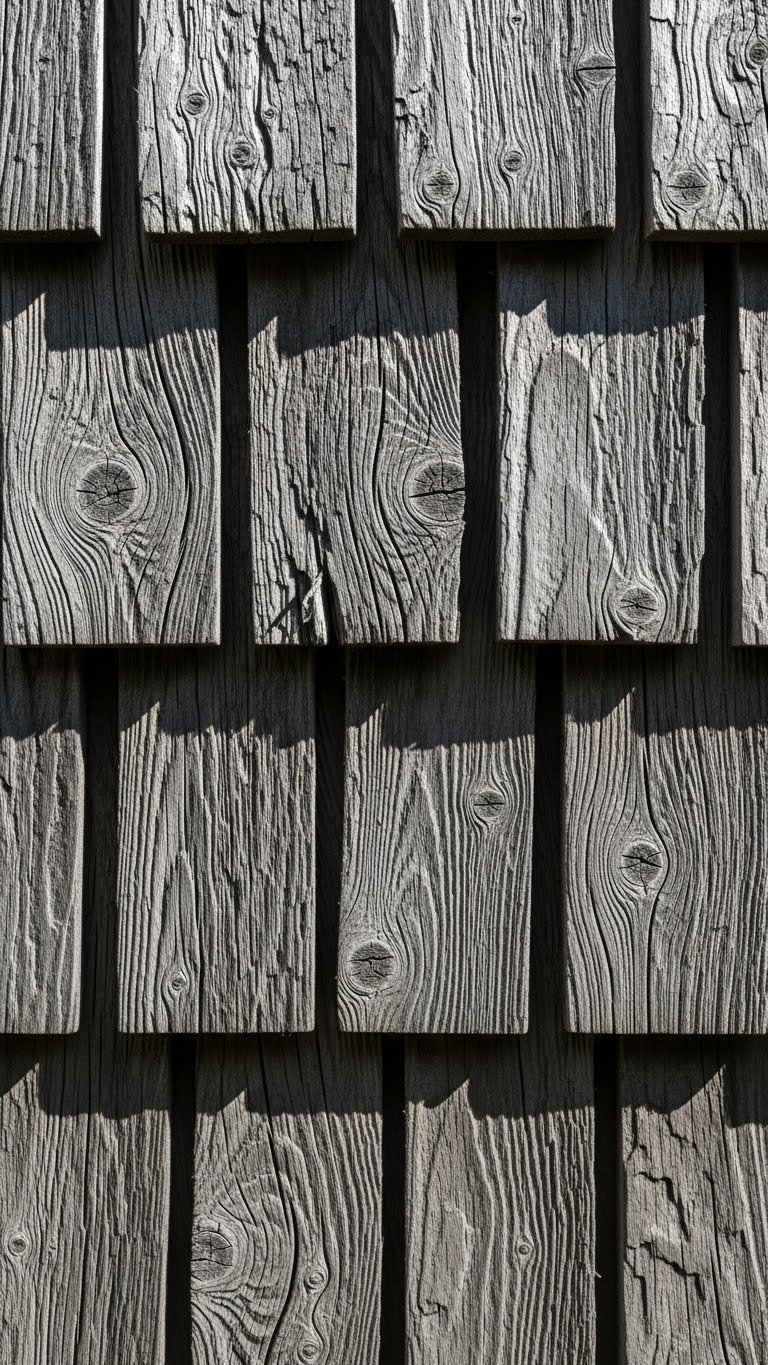
    26. Add Texture with Rough-Cut Wood Siding or Shingles

    Rough-cut wood siding or shingles offer texture and authenticity that smooth siding cannot. The tactile quality deepens the rustic effect.

    Cedar shingles or rough-cut siding cost $6–$15 per square foot installed, or $2–$6 for DIY on an accent wall. Reclaimed options run $8–$20 per square foot but carry incomparable authenticity. An accent gable (roughly 100 square feet) costs $600–$1,500 professionally installed, or $200–$600 as a DIY project taking a long weekend. Let it weather naturally for maximum rustic character.

    The dimensional quality transforms your home instantly. Sunlight plays across the texture differently depending on time of day and season. Your exterior becomes alive with subtle variation, making it feel genuinely grounded rather than flat or mass-produced.


    Save this post for your next exterior refresh and pick one idea this weekend—even a single rustic touch shifts how your entire home feels. Which detail speaks to you most?
  • 23 Frosted Glass Door Ideas That Add Privacy & Soft Light

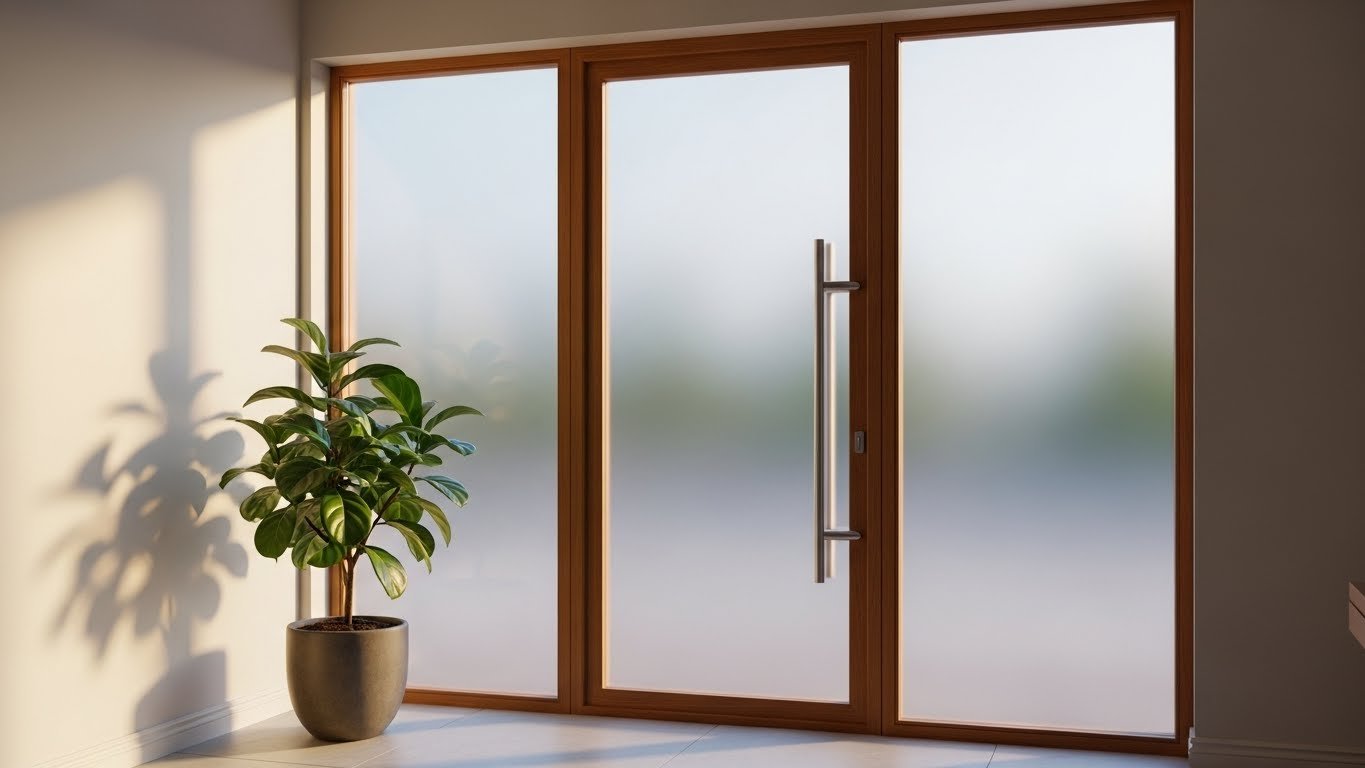
    23 Frosted Glass Door Ideas That Add Privacy & Soft Light


    Privacy doesn’t have to mean giving up natural light—and frosted glass doors prove it. Whether you’re looking to add a spa-like retreat to your bathroom, create separation in an open-concept home, or simply add visual interest to a plain entry, frosted glass offers that perfect balance. You get seclusion without the claustrophobic feel of solid doors. The best part? These ideas work whether you’re renting or own your space, and many cost less than you’d think. Ready to let soft light in while keeping prying eyes out? Here are 23 frosted glass door ideas that do both.


    1. Frosted Film on Existing Glass Doors

    Frosted film is the renter’s dream—no installation required, completely removable, and dramatically changes how light moves through your space. It’s one of the easiest privacy upgrades you can make.

    Brands like 3M Frosted Glass Film and Gila come in rolls you apply with just water and a squeegee. The process takes about 30 minutes per door and costs $15–$40. You smooth it onto existing glass, trim the excess, and you’re done. No tools, no landlord drama. The frosted effect diffuses light beautifully while keeping your view completely private. If you change your mind, peel it off cleanly—most quality films leave no residue.

    Pro tip: Apply film in horizontal strips if you want to maintain some view at eye level from the inside.

    Your door instantly becomes a soft light source instead of a see-through barrier, and guests can’t see directly into your space.


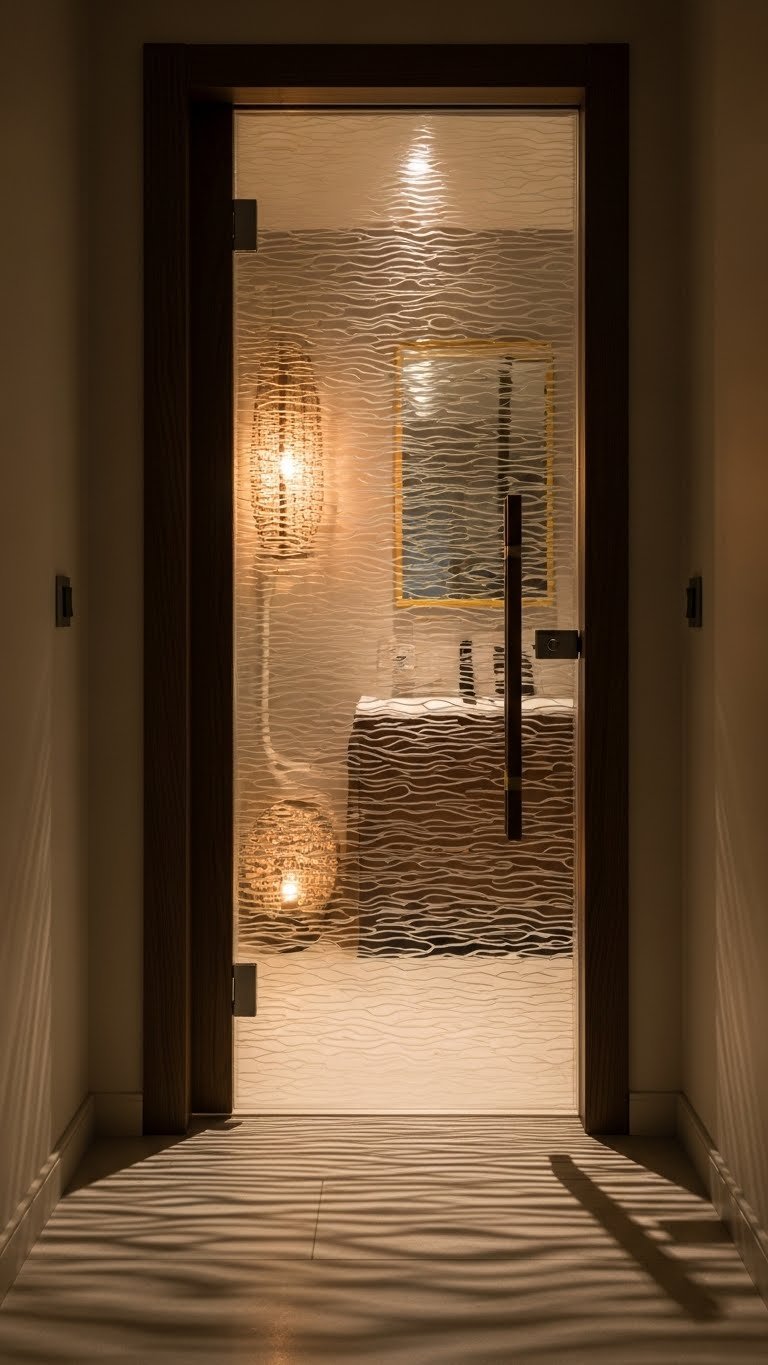
    2. Textured Frosted Glass as Bathroom Entry

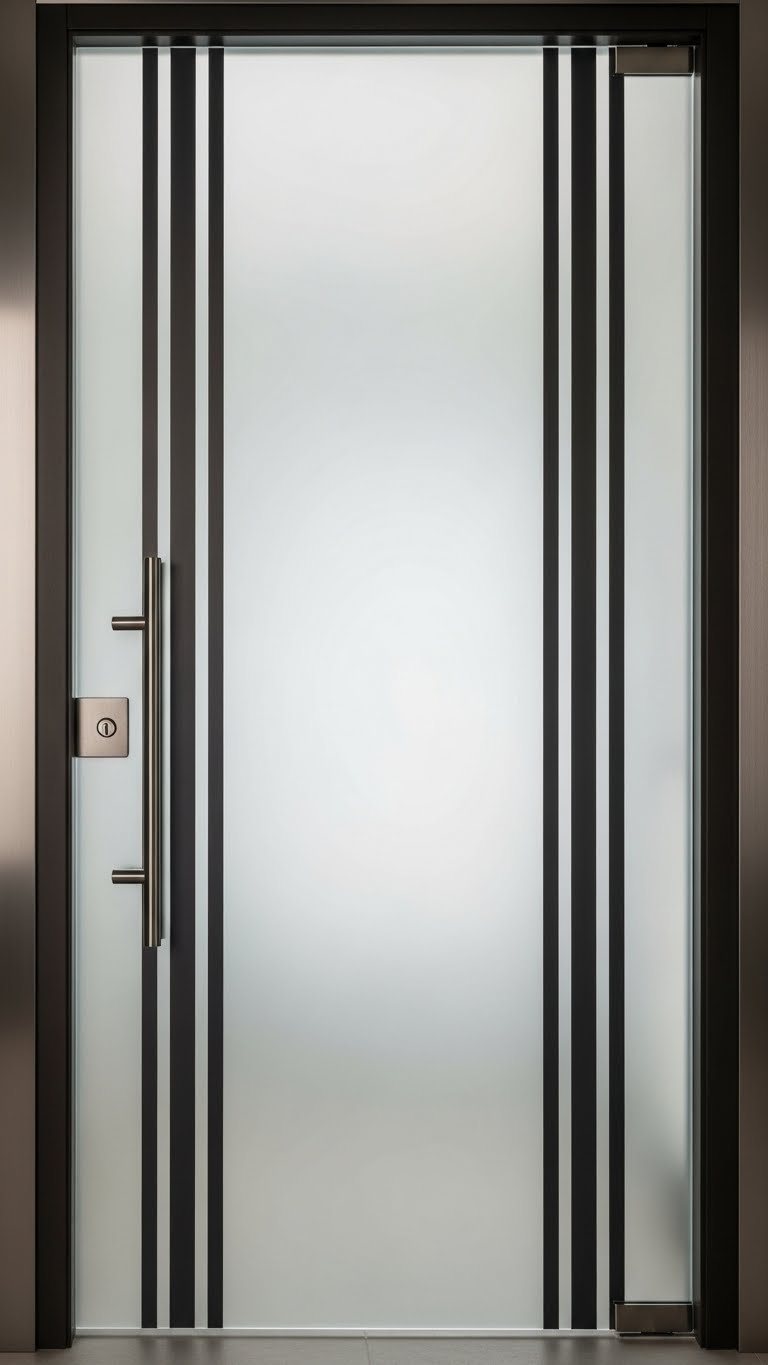
    A textured frosted glass door at your bathroom entrance creates that spa retreat feeling while keeping everything private. The texture adds depth that plain glass can’t match.

    Custom frosted doors from brands like Architectural Depot or local glass suppliers run $200–$600 depending on size and texture pattern. Standard textured patterns include rain, snowflake, and wave designs. Installation takes a professional about 2–3 hours. If you’re renting, you can also buy a pre-made frosted glass interior door from big-box stores for $150–$300 and have it installed temporarily. The textured surface catches light differently depending on the time of day, creating visual interest while maintaining total privacy.

    This update makes your bathroom feel intentional and peaceful—like a real retreat you designed, not just a functional room.


    3. Etched Glass with Custom Patterns

    Custom etched glass takes frosting to an art form. Instead of uniform frosting, you get patterns, designs, or even your initials. It’s a statement piece that feels curated, not just functional.

    Etched glass costs $300–$800 depending on pattern complexity and door size. You can order pre-designed etched doors from suppliers like Wayfair or Home Depot (ready-made options $200–$500), or commission custom work from local glass shops (add $200–$400 for bespoke design). Installation takes 1–2 hours. Popular patterns include geometric lines, botanical motifs, and art deco designs. Some etching is done chemically (permanent), while other options use frosted film with etching detail (removable).

    The difference is immediate—your entry or bathroom stops feeling generic and starts feeling intentional and personal.


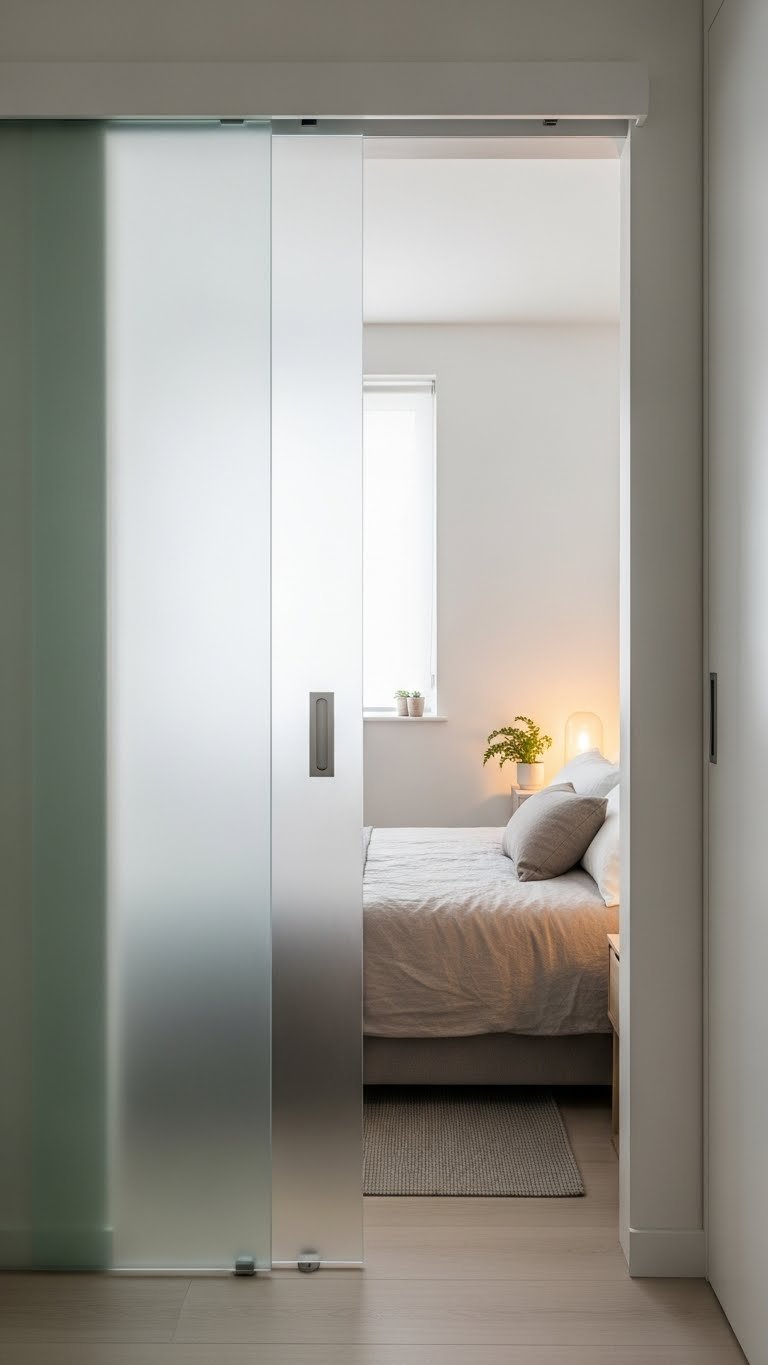
    4. Frosted Glass Pocket Door for Small Spaces

    Pocket doors that slide into walls save precious floor space, and frosted versions let light flow through your home without sight lines. Perfect for studio apartments or tight hallway layouts.

    Frameless frosted glass pocket doors cost $400–$1,200 installed, or opt for budget-friendly framed versions at $200–$500. Brands like Enigma Pocket Doors specialize in glass pocket solutions. Installation takes 3–5 hours and may require wall reinforcement (check with your installer). The door glides silently into a cavity, opening up your space visually and physically. You get privacy without the bulky visual presence of a swinging door.

    You’ll notice how much bigger your space feels when you’re not blocked by a swinging door, and light distributes evenly instead of being cut off.


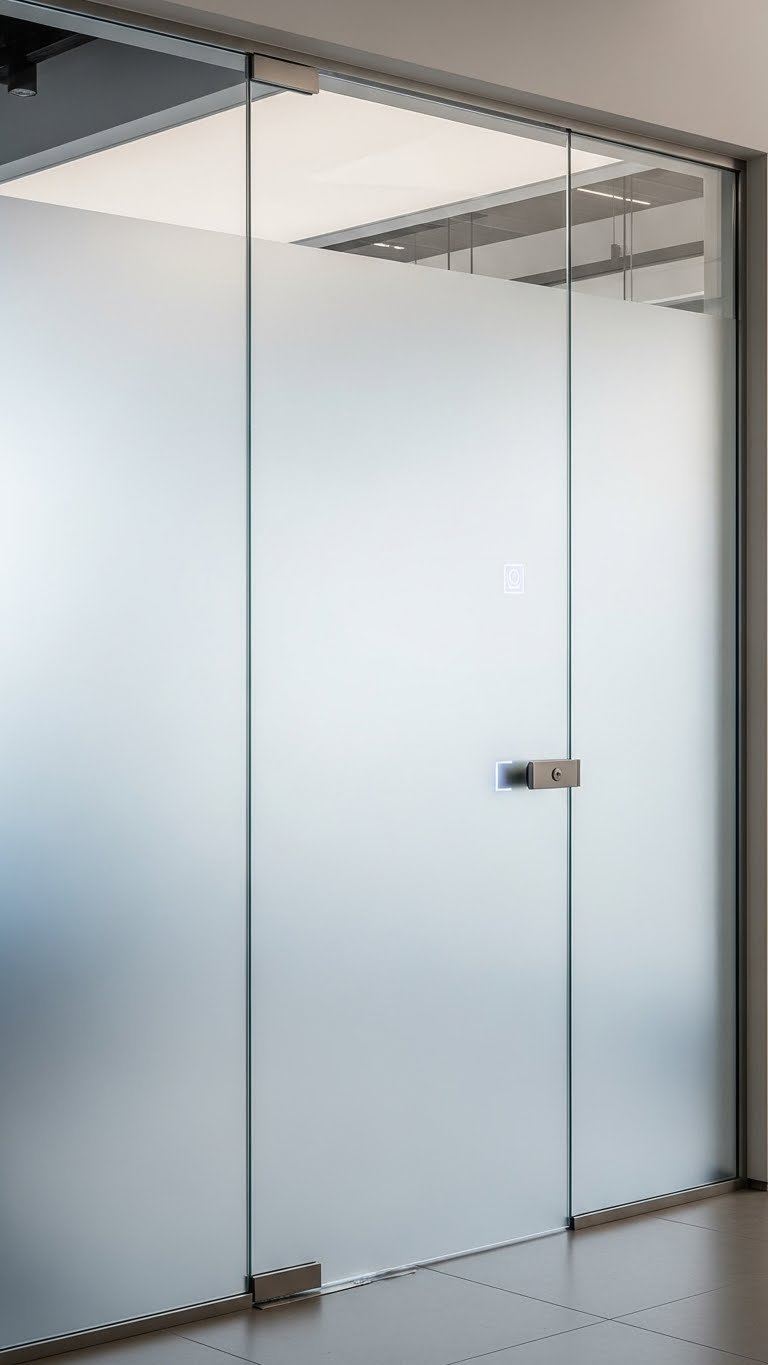
    5. Partial Frosting for Borrowed Light

    Why frost the entire door when you can keep the top clear for light and frost just the lower half for privacy? This hybrid approach is clever and costs less than full frosting.

    Half-frosted doors can be custom-ordered for $250–$500, or you can apply frosted film to just half of an existing door ($10–$20 for materials). The line between frosted and clear can be straight, stepped, or wavy depending on your style. Application takes 20–30 minutes if you’re using film. This strategy maximizes natural light in dark hallways or entryways while blocking the view from below waist height—perfect if you want privacy from sitting eye level but don’t want to lose overhead light.

    Your hallway or entry becomes noticeably brighter while staying completely private at eye level—the best of both worlds.


    6. Frosted Glass Cabinet Doors for Bathroom Storage

    Frosted glass cabinet doors hide clutter while keeping your bathroom feeling open and airy. You see the mass and shape of items, but not the mess—or the less-attractive bottles.

    Frosted glass cabinet doors run $80–$200 per pair from suppliers like IKEA, Wayfair, or Rejuvenation. If you already have cabinets, you can replace just the doors. Installation is typically a DIY job taking 30–45 minutes with a drill and screwdriver. Alternatively, apply frosted film to existing glass cabinet doors for $15–$30. The frosted surface shows the silhouette of stored items, giving the impression of an organized, curated space without actually demanding perfection inside.

    Your bathroom looks instantly more intentional, and you can hide that pile of half-empty bottles without sacrificing the open-concept vibe.


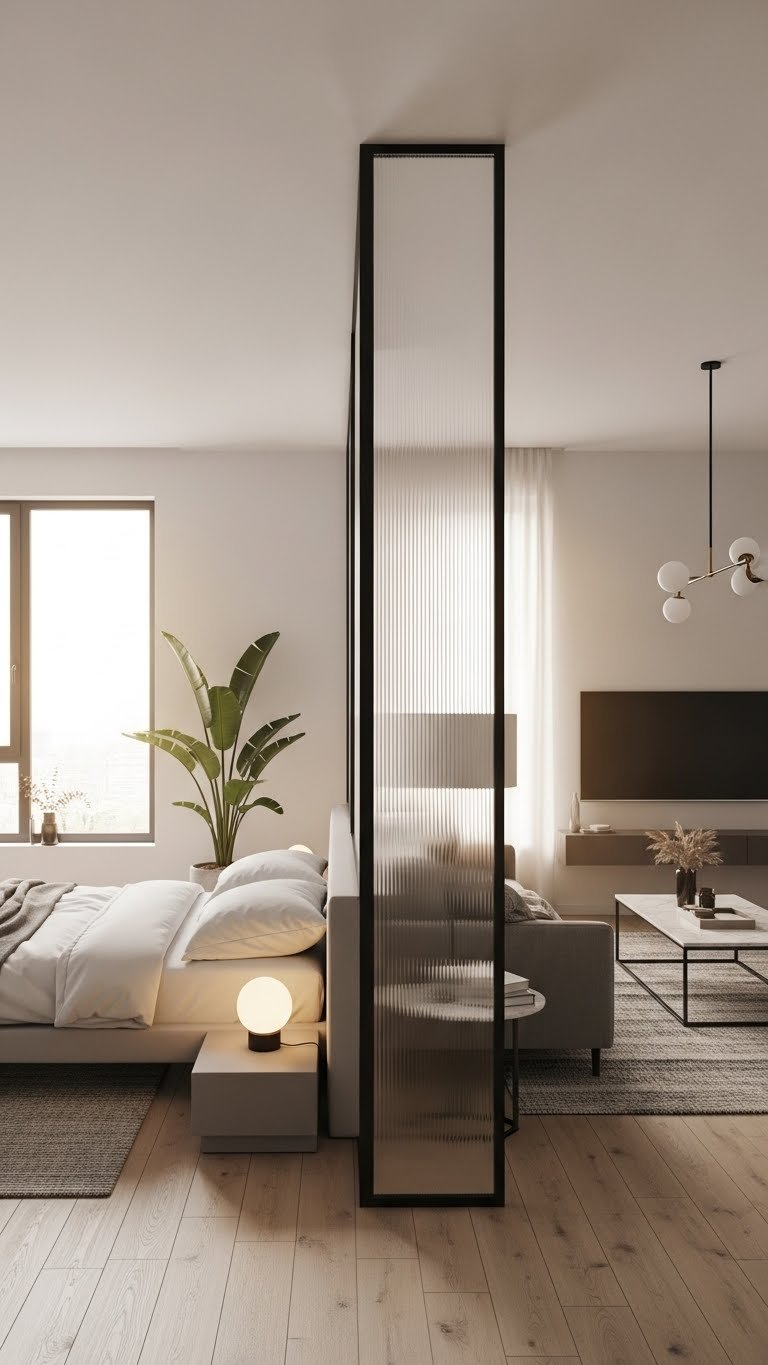
    7. Frosted Glass Room Dividers for Open Layouts

    Open-concept living doesn’t mean zero privacy. Frosted glass room dividers carve out zones while keeping your space feeling connected and light-filled.

    Frosted glass room dividers cost $150–$400 for standing screens or $600–$2,000 if you’re installing permanent room dividers. Brands like Room Dividers Now offer frosted glass options. Portable screens take zero installation time, while built-in dividers take 2–4 hours. The frosted surface creates visual separation—you can’t see exactly what’s happening on the other side, but light still passes through. This works beautifully for creating a bedroom nook in a studio or separating a home office from a living room.

    Your open space now feels like multiple rooms with purpose, and you gain privacy without the heaviness of solid walls.


    8. Frosted Film with Decorative Borders

    Frosted film on its own looks clean and modern, but adding a decorative border in metallic or colored tape elevates it to intentional design. It’s an easy customization that costs almost nothing extra.

    Full frosted film costs $15–$40, and decorative border tape (metallic, colored, or patterned) adds just $5–$15. Apply the film first, then run the border tape down the edges or frame a section in the middle. Total time: 30–40 minutes. This technique works beautifully on entryways and creates a contemporary look that photographs well. Popular border options include matte black tape, brushed gold, and colored vinyl stripes in navy or forest green.

    The finish feels designer-curated, and guests notice the detail—it looks intentional rather than like a quick privacy fix.


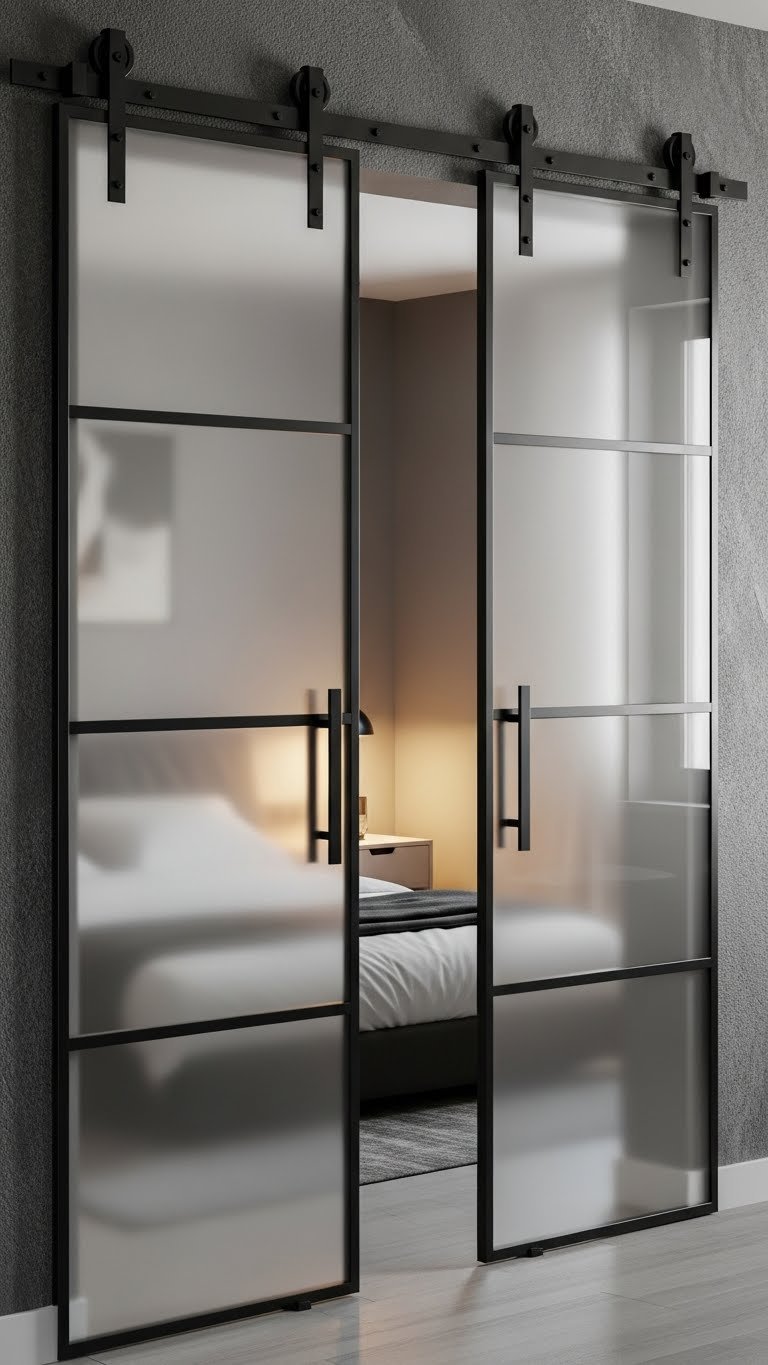
    9. Frosted Glass Sliding Barn Door

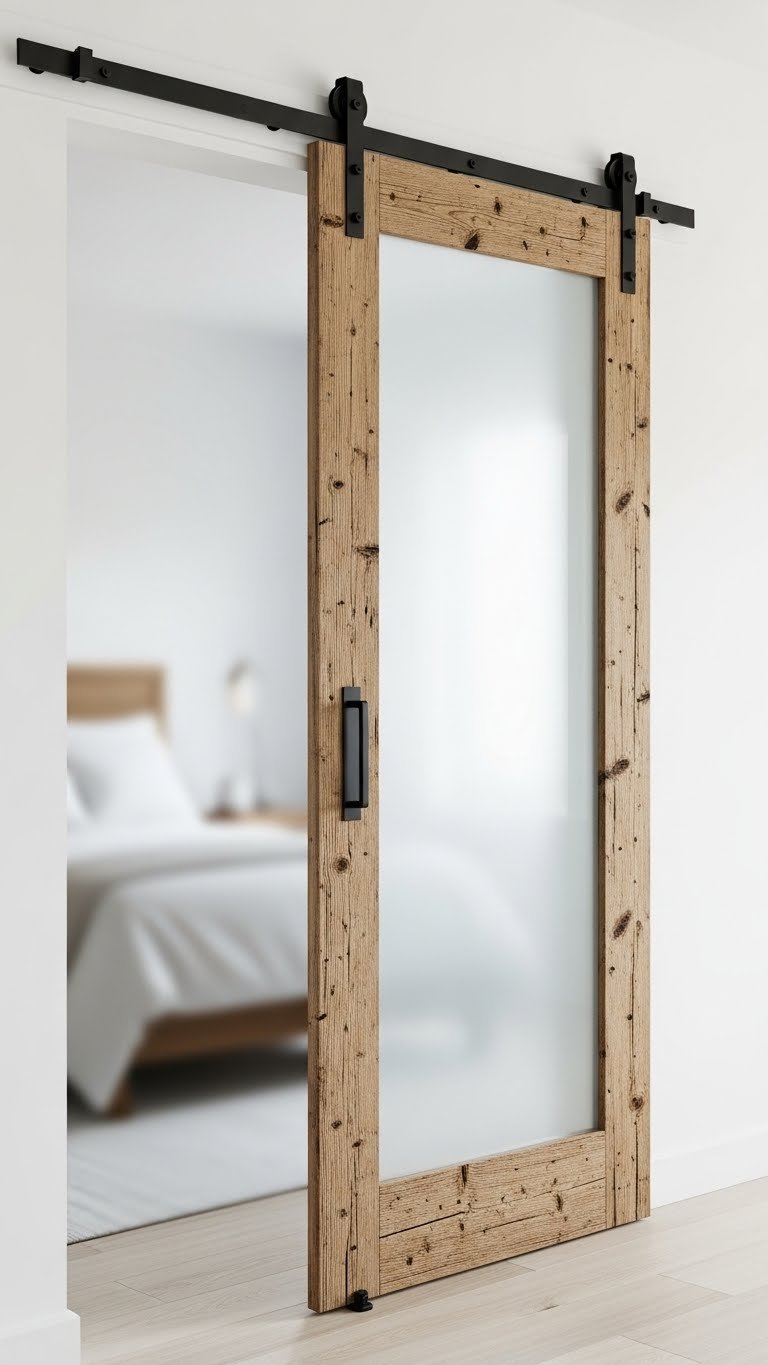
    Frosted glass barn doors combine industrial style with privacy—they’re a statement piece that actually solves a problem. Perfect for bedrooms, bathrooms, or home offices.

    Frosted glass barn doors cost $300–$900 depending on size and frame material. Brands like Wayfair, Home Depot, and Amazon carry ready-made options. Installation requires mounting a track to your wall (about 2–3 hours with basic tools, or hire a handyperson for $150–$250). The glass provides privacy while the black or brushed metal frame reads as contemporary-rustic. Frosted glass with a dark metal frame is especially popular right now and photographs beautifully.

    Your bathroom or bedroom entrance becomes a design feature instead of just a functional door, and you get that Instagram-worthy moment every time you open it.


    10. Frosted Glass Closet Doors

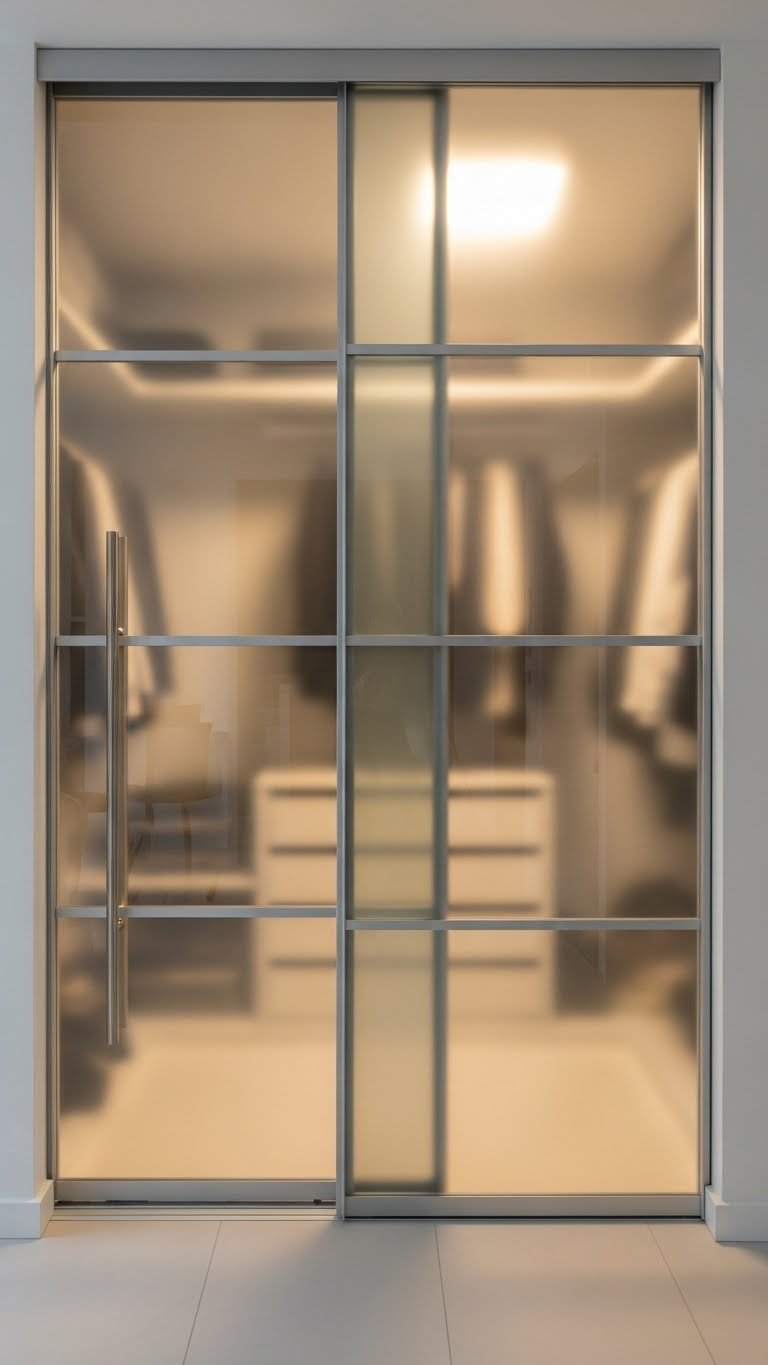
    Frosted glass closet doors let light into your closet while keeping your clothes and storage hidden from view. It’s a small change that makes your bedroom feel bigger and brighter.

    Frosted glass sliding closet doors cost $200–$500 per pair to replace existing doors. IKEA, Home Depot, and Wayfair carry options. If you already have glass closet doors, frosted film ($20–$40) is a free-to-rent alternative. Installation takes 1–2 hours (or 20 minutes with film). You can also request mirrored frosted glass if you want partial reflection with privacy. The frosted surface bounces light while your closet stays beautifully hidden.

    Light penetrates deeper into your bedroom, and the closet feels like part of the overall design rather than a dark, cluttered void.


    11. Frosted Glass Shower Enclosure

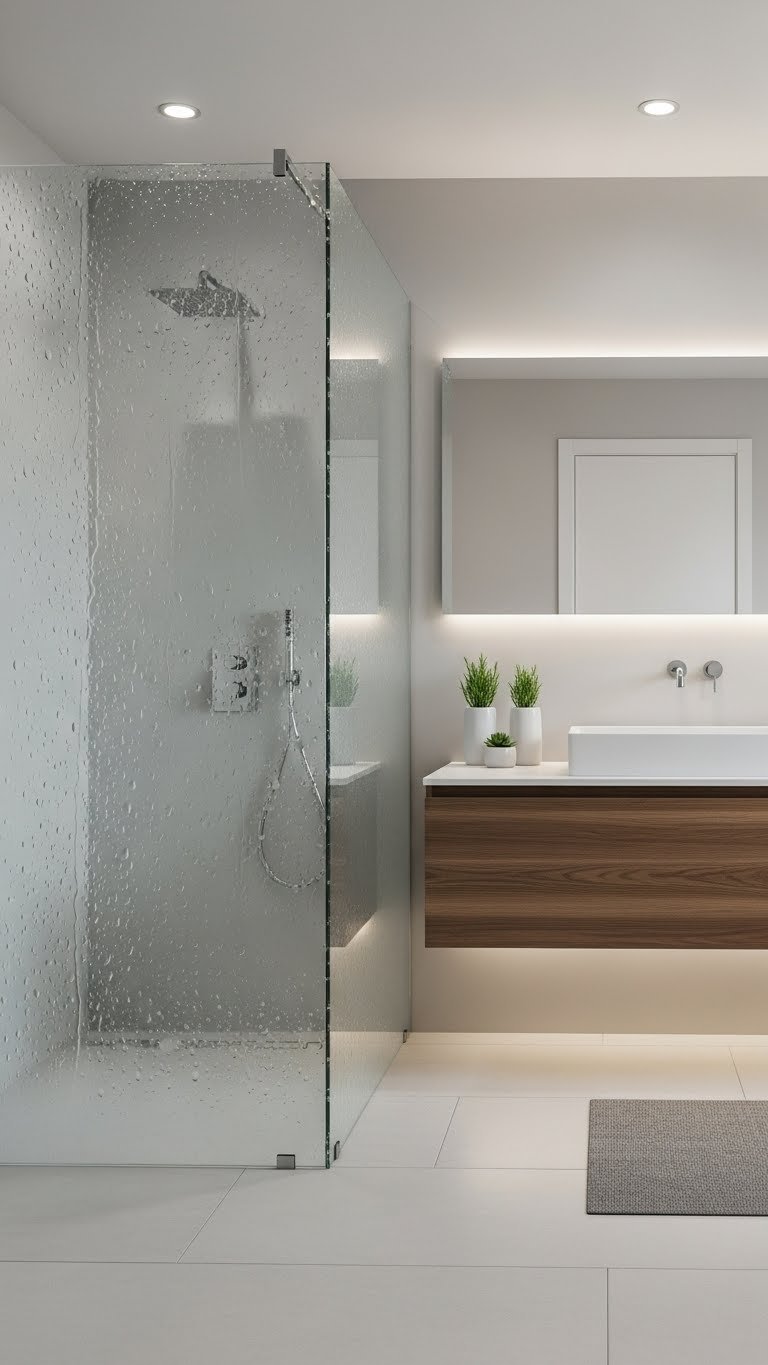
    A frosted glass shower enclosure keeps your bathroom feeling open and bright while you shower privately. It’s functional privacy that looks intentional.

    Frosted glass shower enclosures range from $400–$1,500 depending on whether you’re installing a new one or frosting an existing shower door. Pre-made frosted enclosures from brands like Kohler, American Standard, or Home Depot start around $500–$800. Installation takes 4–6 hours professionally. Alternatively, apply frosted film to an existing clear shower door for $30–$60. The frosted glass prevents fogging better than some clear options and maintains privacy without blocking light or making your bathroom feel enclosed.

    Your shower stays dry-looking even after use, and your bathroom feels spa-like instead of steamy and claustrophobic.


    12. Frosted Glass Interior Doors Throughout a Home

    Replace all your interior solid doors with frosted glass versions to completely change how light and space flow through your home. It’s a bigger project, but the payoff is dramatic.

    Interior frosted glass doors cost $150–$350 per door (or $300–$600 if custom). Budget for 3–5 doors in a typical home: $900–$2,500 total. If you’re renting, this isn’t practical, but homeowners can frame this as a long-term investment. Installation takes about 1–2 hours per door. Pre-made options from Home Depot, Lowe’s, and Wayfair are usually cheaper than custom orders. The entire home becomes cohesive, bright, and flowing—light travels through multiple rooms, and every space feels connected.

    Your home feels up to 30% brighter, and the open feel makes even small spaces read as generous.


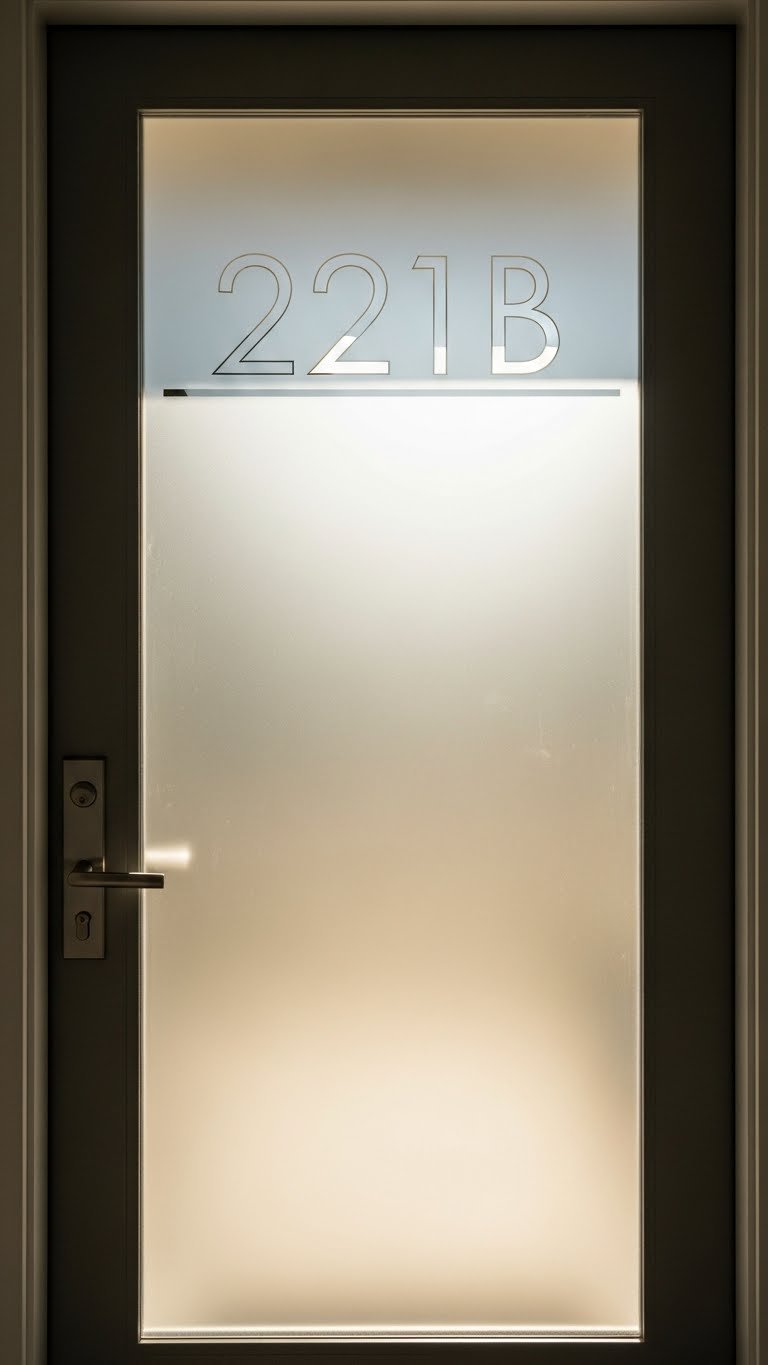
    13. Frosted Glass with Etched Address Numbers

    Etched address numbers on a frosted glass entry door serve double duty—functional wayfinding and artistic detail. It’s a small customization that feels incredibly intentional.

    Etched address numbers on a frosted door add $50–$150 to a custom glass order, or you can use vinyl address stickers ($15–$30) on frosted film-covered doors. Etching is permanent; vinyl is removable. Either approach takes 10–15 minutes. You can opt for modern sans-serif numbers, ornate fonts, or even custom designs. The numbers show up beautifully against frosted glass because the etching catches light differently than the surrounding surface.

    Your entry becomes instantly more welcoming and finished, and guests can actually find your house—no more confusion.


    14. Frosted Glass Between Kitchen and Dining Room

    If you have an open kitchen-dining layout that feels chaotic when you’re cooking, a frosted glass partition solves the problem without closing you off completely.

    A permanent frosted glass partition costs $800–$2,000 installed, but a temporary frosted panel or sliding door system runs $300–$800. Installation for permanent options takes 4–6 hours; temporary systems are quicker. This works especially well if you rent—some removable frosted glass divider panels cost $200–$400 and install in under an hour with tension rods or clips. You stay connected visually and can still chat while cooking, but cooking smells and splashing water stay contained.

    You can finally cook without spraying your dining guests, and the kitchen feels like its own intentional space rather than spilling into your living area.


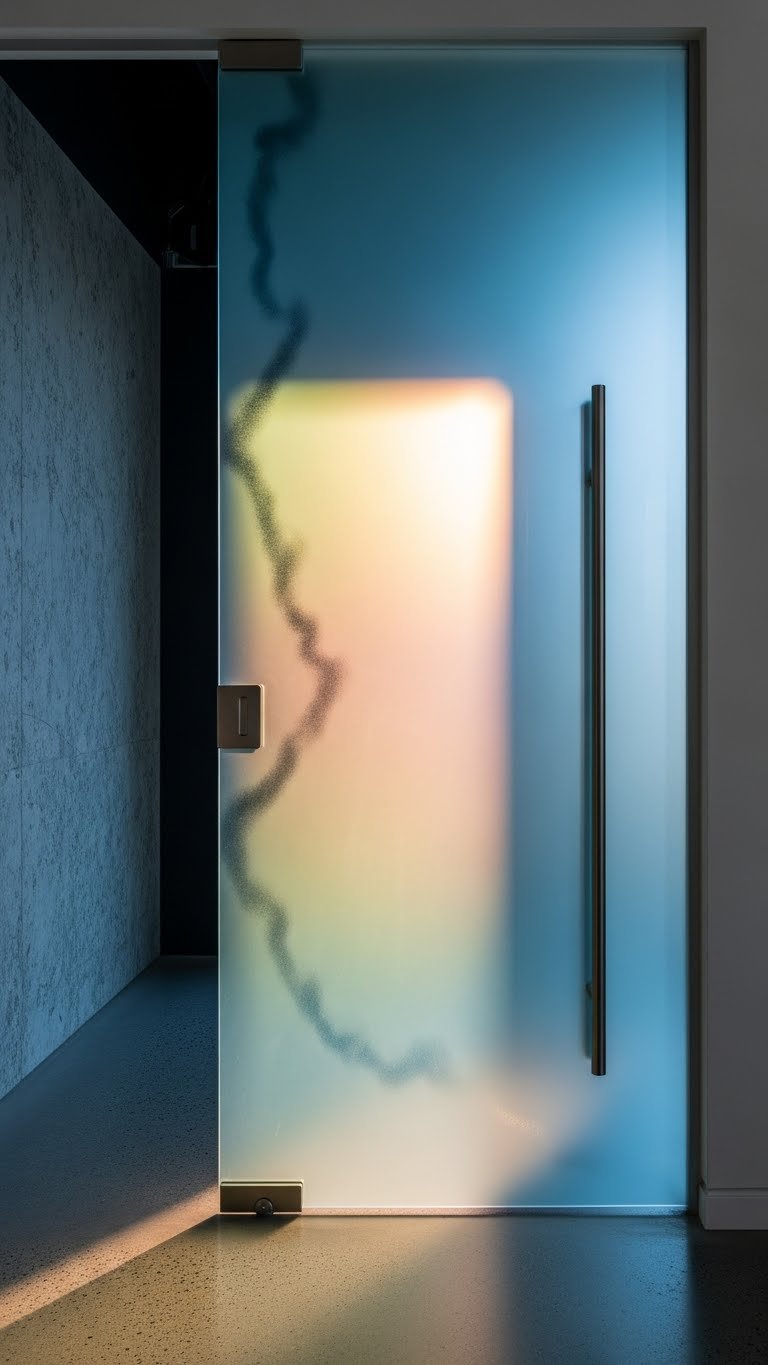
    15. Frosted Glass with Colored Tints

    Tinted frosted glass goes beyond standard white frosting—subtle colors like soft blue, sage green, or blush add personality while maintaining privacy.

    Tinted frosted glass costs $250–$600 for custom orders, or frosted film in tinted colors runs $20–$50. Popular tint options include pale blue, soft green, and warm gray. Application takes 30–45 minutes for film. Tinted frosting works beautifully in bedrooms or bathrooms where you want calm, spa-like vibes. The tint is subtle enough not to look childish, but distinctive enough to feel intentional and modern.

    Light filtering through tinted frosted glass creates a gentle, colored glow instead of harsh white light—your space feels curated and peaceful.


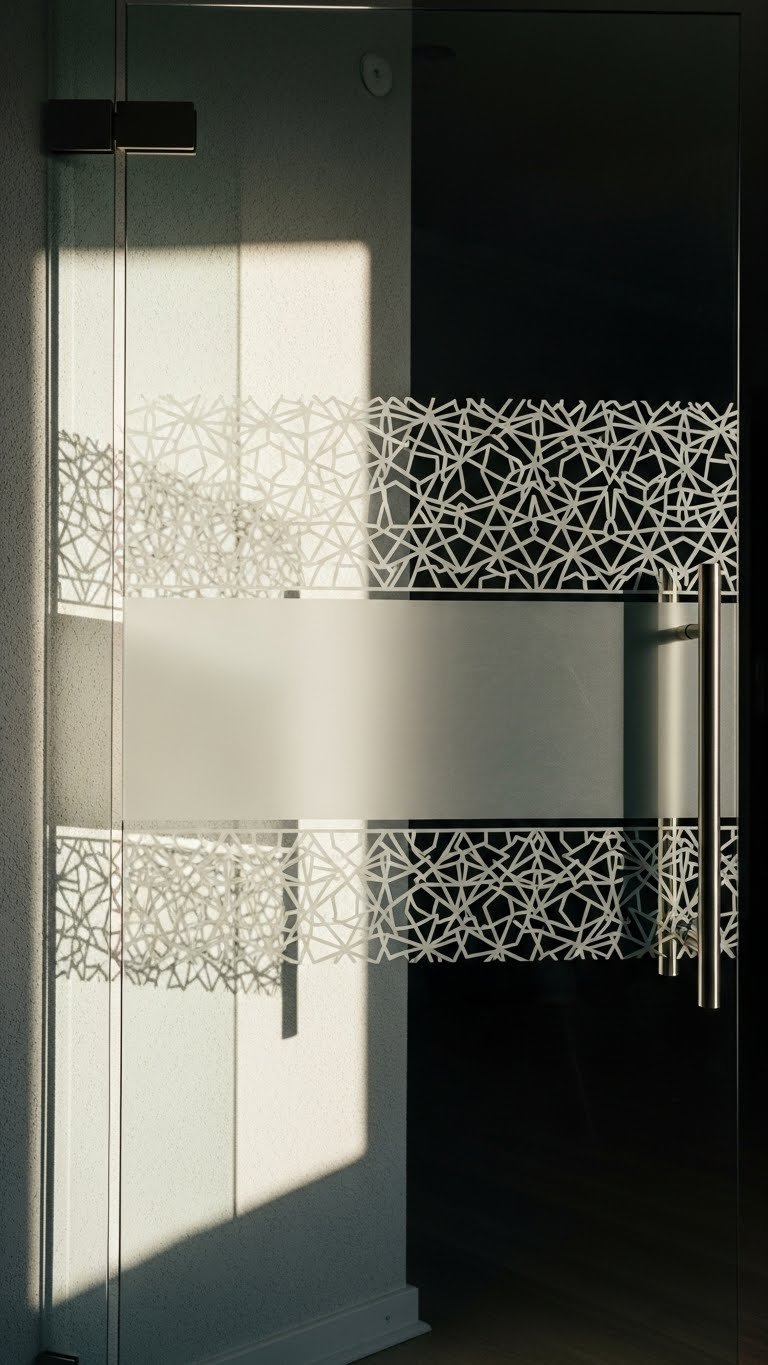
    16. Frosted Glass Door with Clear Glass Panels

    Mix frosted and clear glass panels within a single door for visual interest and strategic light flow. It’s a design choice that catches the eye.

    Mixed frosted-and-clear doors cost $400–$900 custom-ordered, or you can create this effect with frosted film and vinyl clear sections for $25–$50 on an existing glass door. Installation takes 45 minutes for film or 2 hours for a replacement door. Popular patterns include geometric grids, horizontal bands, or random asymmetrical sections. The contrast between frosted and clear creates visual depth and allows you to control where light enters.

    This design detail looks far more expensive and intentional than a fully frosted door, and the light patterns change throughout the day.


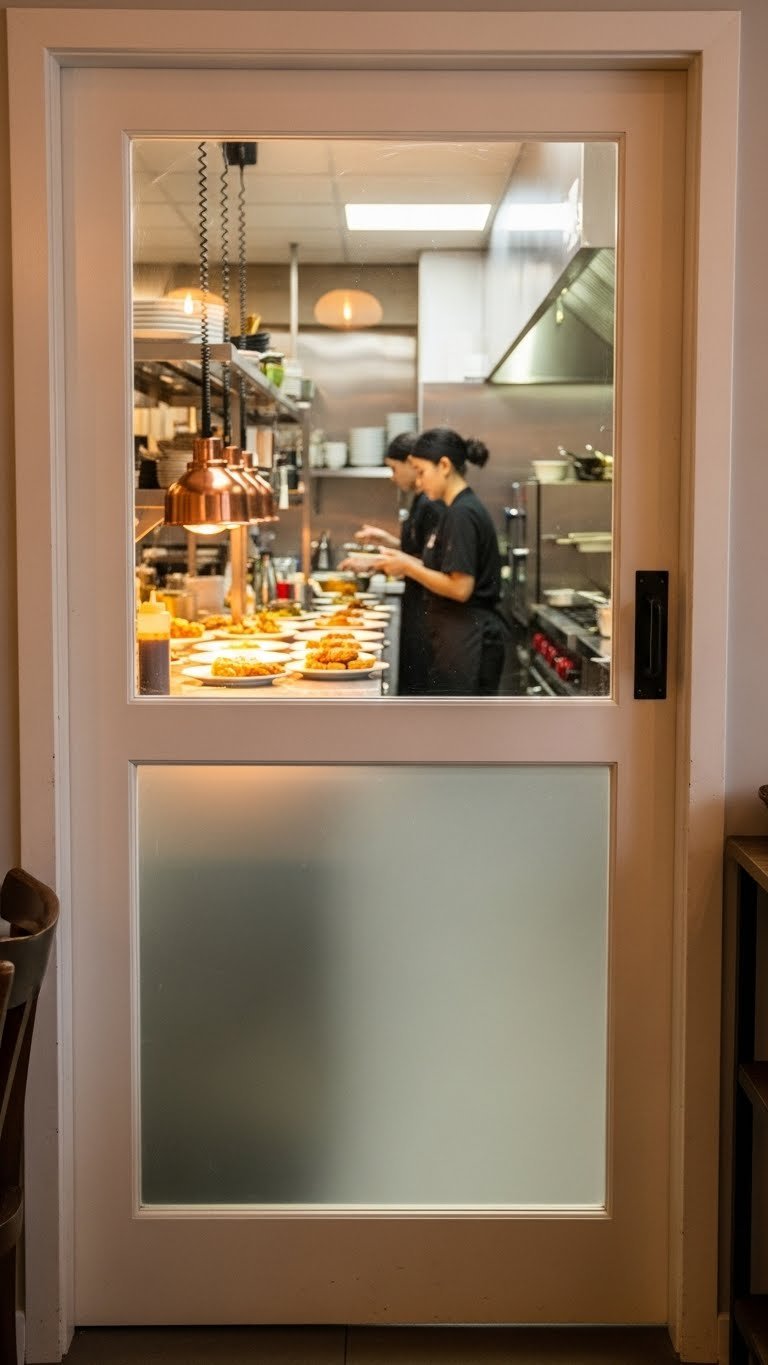
    17. Frosted Glass Café Doors (Half-Height Doors)

    Frosted glass café doors are half-height doors perfect for kitchens and between open spaces. You get privacy at eye level but maintain visual connection and easy flow.

    Frosted glass café doors or Dutch doors cost $250–$600 custom-ordered. Some ready-made options are available for $200–$400. Installation takes 2–3 hours. The traditional “café door” design lets you control the top and bottom independently, or you can get a fixed half-frosted, half-clear option. This style is both functional and charming—it’s a design choice that’s experiencing a comeback.

    You maintain connection with whoever’s on the other side while keeping cooking clutter hidden and heat contained in the kitchen.


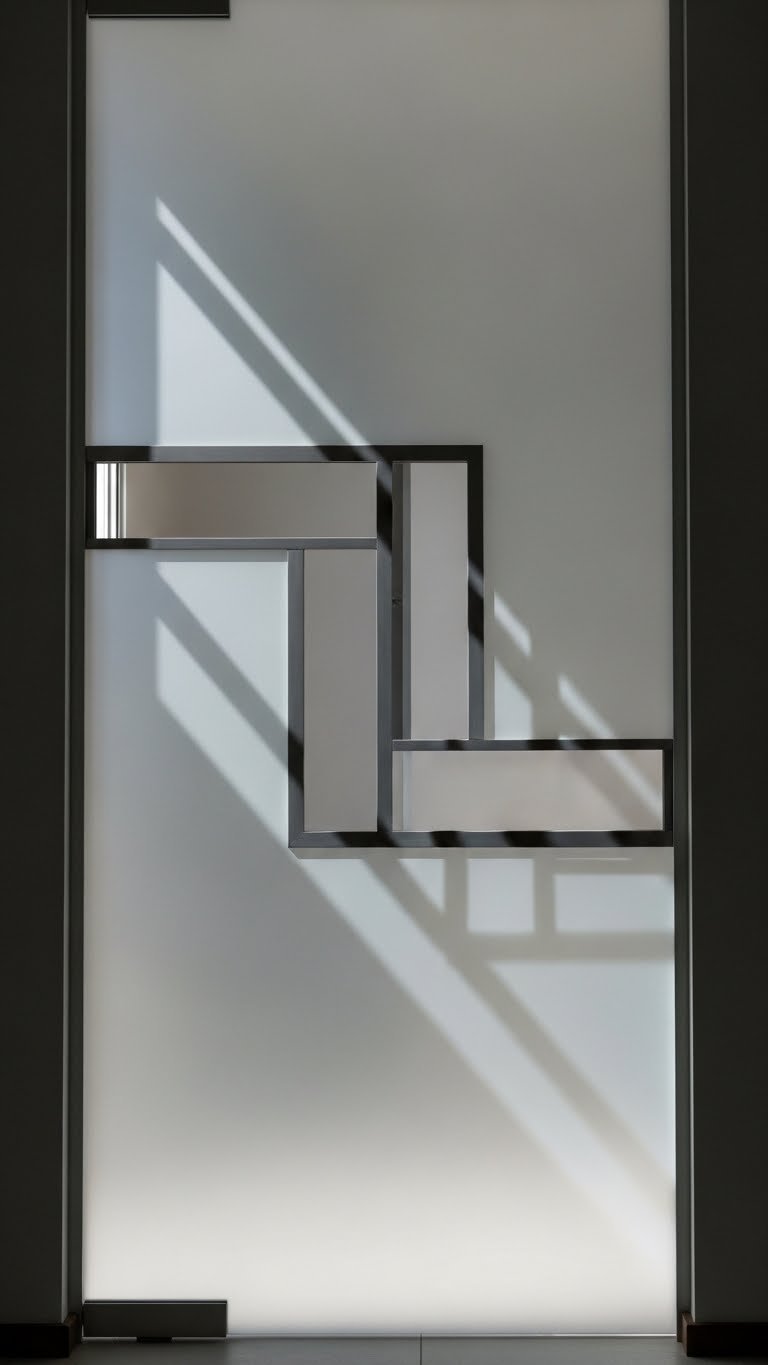
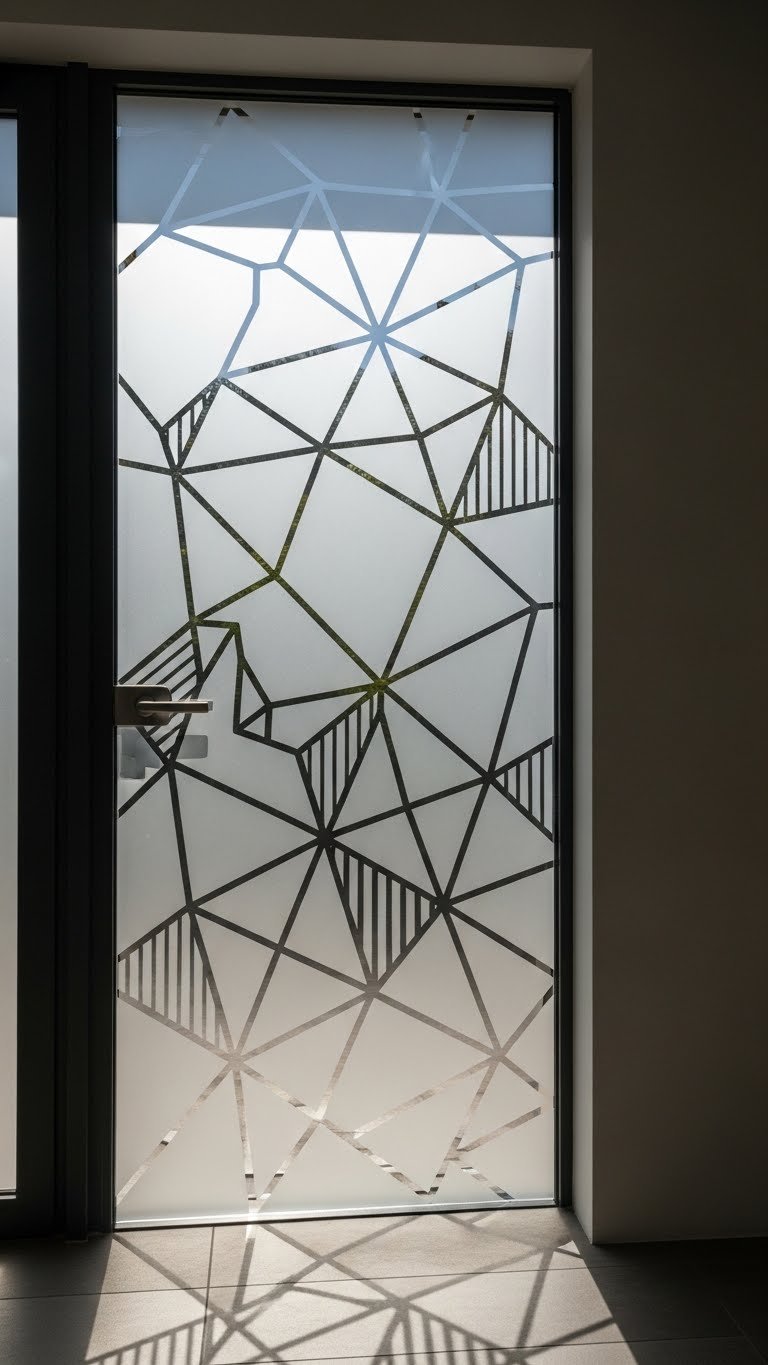
    18. Frosted Glass with Geometric Patterns

    Geometric etched patterns offer frosted privacy with artistic flair. It’s like functional art on your doors.

    Geometric-patterned frosted glass doors cost $350–$800 for custom orders. Many glass suppliers and online retailers like Etsy have artisans offering geometric designs. Pre-made geometric frosted doors from big-box retailers run $200–$500. Installation takes 1–2 hours. The pattern is permanent if etched, or removable if done with frosted film. Patterns can be symmetrical or random, minimalist or complex. Popular designs include Art Deco lines, modern hexagons, and abstract botanical-inspired geometry.

    The geometry catches light and casts beautiful shadows, turning your door into a light fixture that’s also beautifully functional.


    19. Frosted Glass for Home Office Privacy

    A frosted glass office door or divider lets you close off your work zone visually from the rest of your home while keeping light flowing and maintaining a sense of connection.

    Frosted glass office doors or partitions cost $200–$600. Temporary solutions like frosted panels or removable sliding doors work well for renters ($150–$400). Installation ranges from 30 minutes (removable options) to 3 hours (permanent doors). This setup is especially useful if your office shares a wall with a living area—noise is still somewhat contained, light flows through, and clients on video calls see a professional frosted background rather than your living room chaos.

    You gain professional separation without the heavy, closed-in feeling of solid walls, and your office looks intentional and distinct.


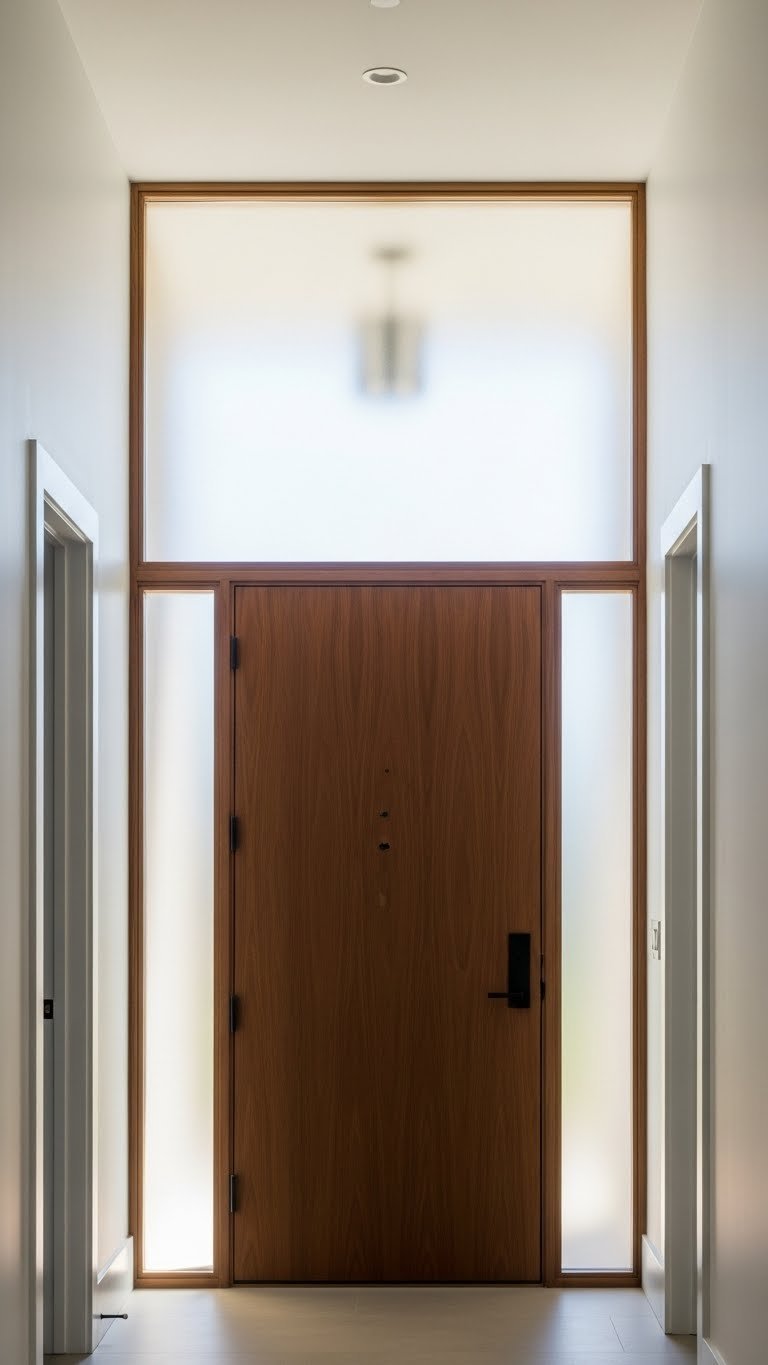
    20. Frosted Glass Transom Windows Above Doors

    Add a frosted glass transom (a horizontal window panel) above a solid door to let light in without sacrificing privacy. It’s an architectural detail that feels elevated.

    Frosted glass transoms cost $200–$500 installed and work best with solid doors in interior spaces. Installation takes 2–3 hours and may require framing adjustments. This is especially useful if you want a solid door for soundproofing but don’t want to lose natural light. Transoms are increasingly popular in modern farmhouse and contemporary designs.

    Light penetrates deep into hallways and rooms you’d normally keep dim, and the architectural detail makes your home feel thoughtfully designed.


    21. Frosted Glass Door Film with Motion-Activated Frosting

    Smart frosted glass film changes from clear to frosted with the flip of a switch or a tap on your phone. It’s high-tech privacy that feels futuristic.

    Smart frosted glass film costs $500–$1,500 installed (or up to $3,000 for premium brands like Gauzy or View). It requires a power source and can integrate with your smart home system. Installation takes 3–4 hours. This technology is still premium pricing, but costs are dropping as it becomes more mainstream. You get on-demand privacy without permanent frosting—perfect if you want a clear view sometimes and privacy others. It’s especially popular for bathroom windows and office glass partitions.

    This investment-level technology gives you the best of both worlds: clear glass when you want it, frosted privacy when you need it, all with a button press.


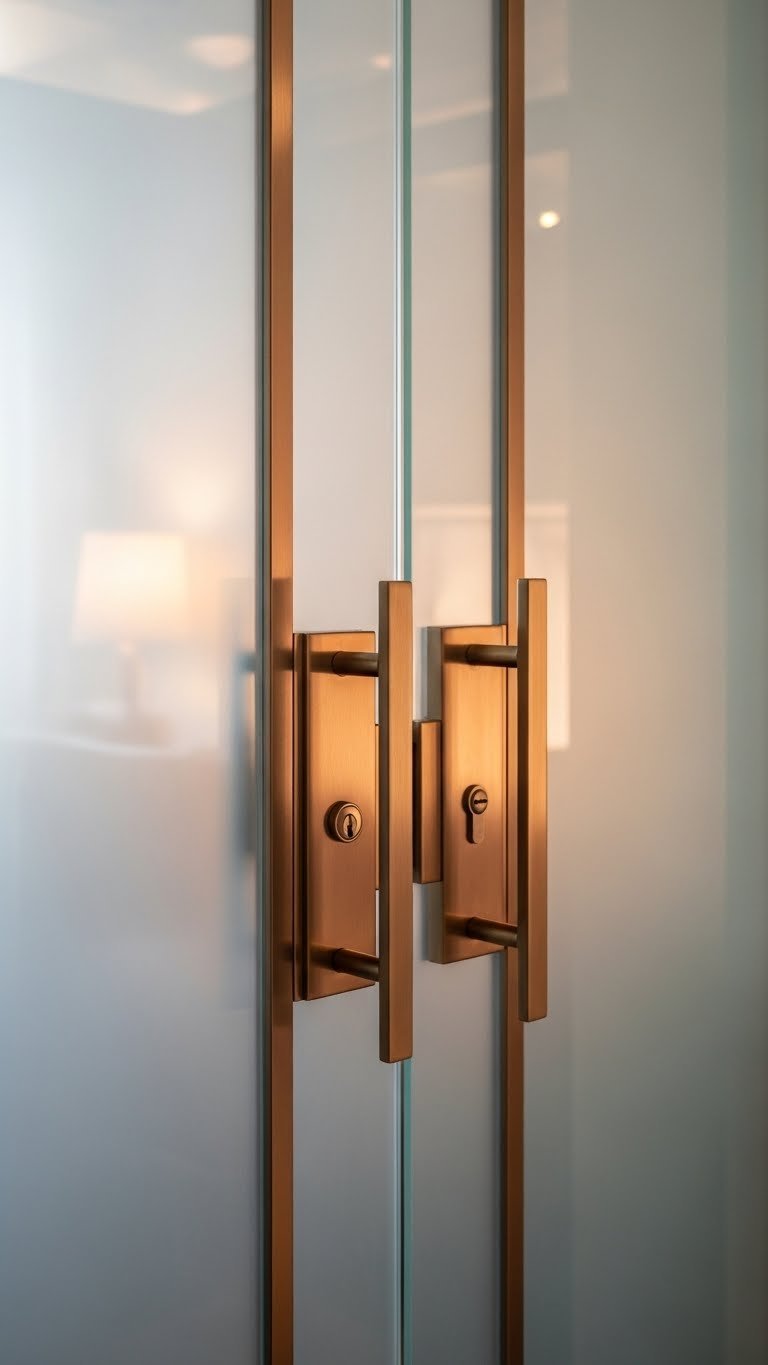
    22. Frosted Glass with Brass or Copper Hardware

    Elevate a simple frosted glass door with warm metal hardware in brass, copper, or rose gold. The hardware becomes a design accent against the neutral frosted surface.

    Frosted glass doors with metal frames cost $300–$700 when ordered with coordinating hardware. You can also upgrade hardware on existing frosted doors for $50–$150 (replacement handles and hinges). Installation for new hardware takes 30–45 minutes. Popular finishes include brushed brass, matte copper, and rose gold. These warm metals feel contemporary and expensive against the cool frosted glass.

    The hardware turns a functional door into a design moment, and the warmth of the metal balances the coolness of the frosted glass.


    23. Frosted Glass Barn Doors with Sliding Hardware

    Frosted glass barn doors on heavy sliding hardware create a dramatic, modern statement while providing total privacy. It’s a design choice that feels intentional and architectural.

    Frosted glass barn doors with sliding hardware cost $600–$1,500 as a set. Installation takes 3–4 hours and requires solid wall mounting (check wall structure first). Brands like Wayfair, Anthropologie, and specialty barn door suppliers carry frosted glass options. The hardware finish—matte black, brushed nickel, or industrial steel—becomes a design element. Frosted glass paired with heavy metal hardware reads as premium and intentional.

    These doors are a statement piece. They’re functional privacy that also serves as art—the kind of detail that makes your space feel thoughtfully designed rather than just decorated.


    Save this post for your next door refresh or privacy upgrade. Try just one idea this weekend—whether it’s frosted film on an existing door or a complete door replacement, even a small change makes a real difference in how your space feels and functions.

  • 27 Coffee Bar Area Ideas That Turn Any Corner Into a Cozy Café

    27 Coffee Bar Area Ideas That Turn Any Corner Into a Cozy Café

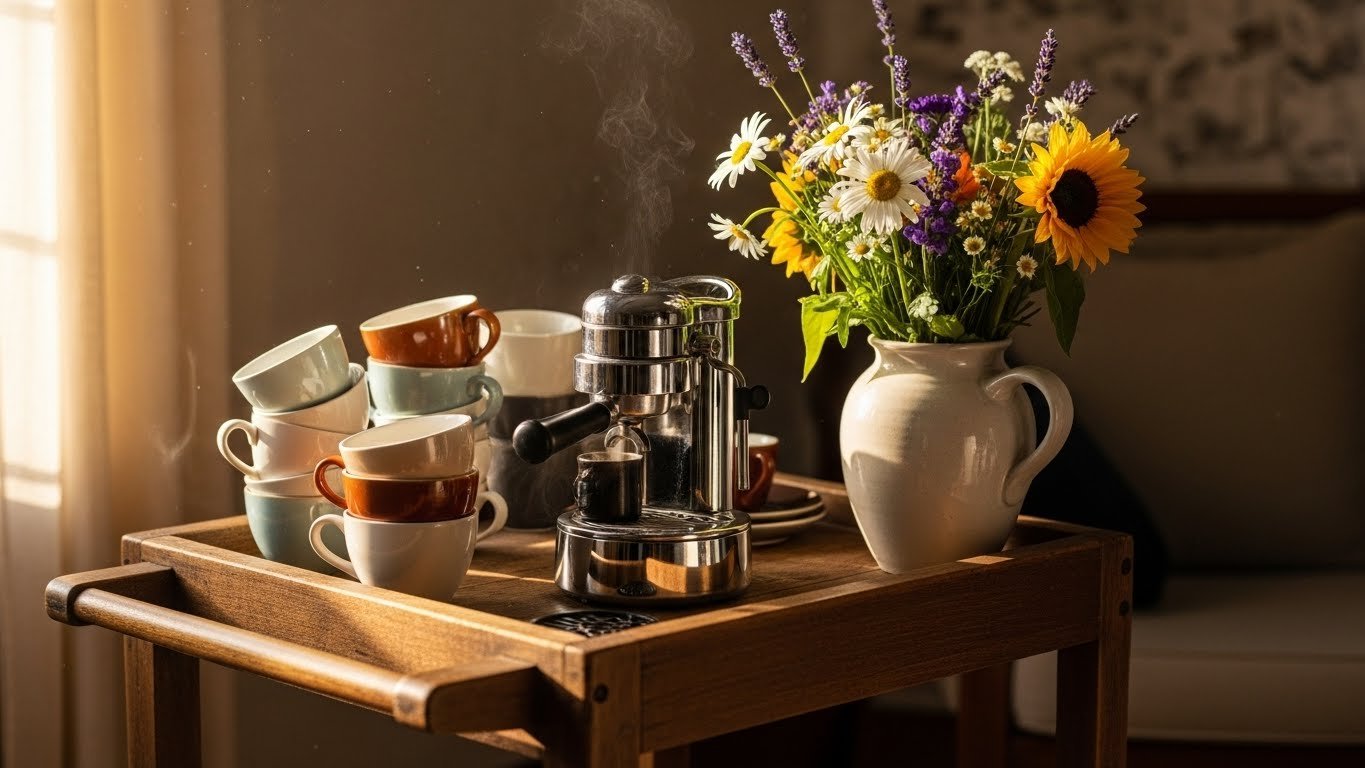
    Imagine walking past a corner of your home and feeling like you’ve stepped into your favorite local café. That’s the power of a well-designed coffee bar—it doesn’t need to be big, expensive, or complicated. Whether you’re working from home, hosting friends, or just want a dedicated space to enjoy your morning ritual, a coffee bar transforms any area into a cozy retreat that makes daily life feel a little more intentional.

    The best part? You don’t need a full kitchen overhaul. These 27 ideas mix budget-friendly hacks, renter-approved solutions, and simple styling tricks that work in apartments, small homes, and even tiny corners. From DIY projects under $30 to thoughtful design moves that cost nothing at all, you’ll find something that fits your space and your style. Let’s turn that forgotten corner into the café experience you’ve been craving.

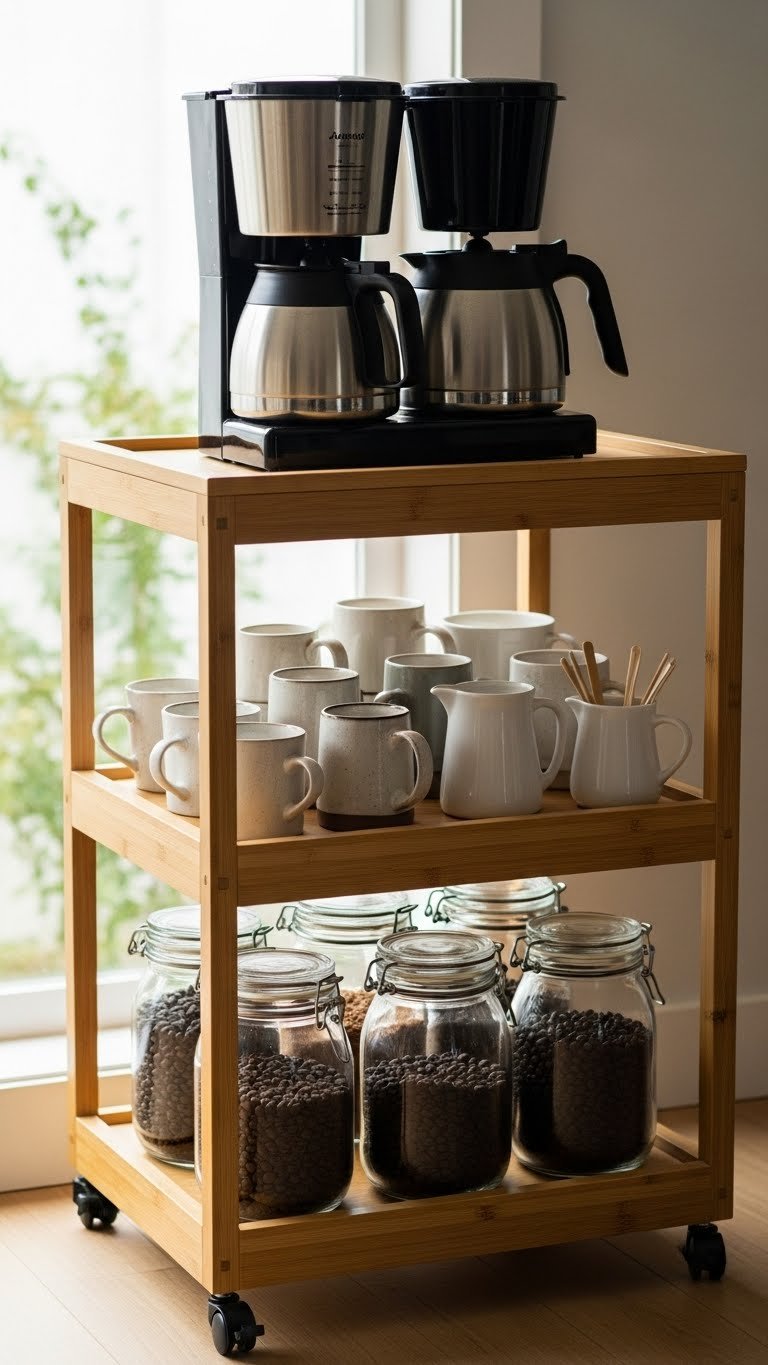
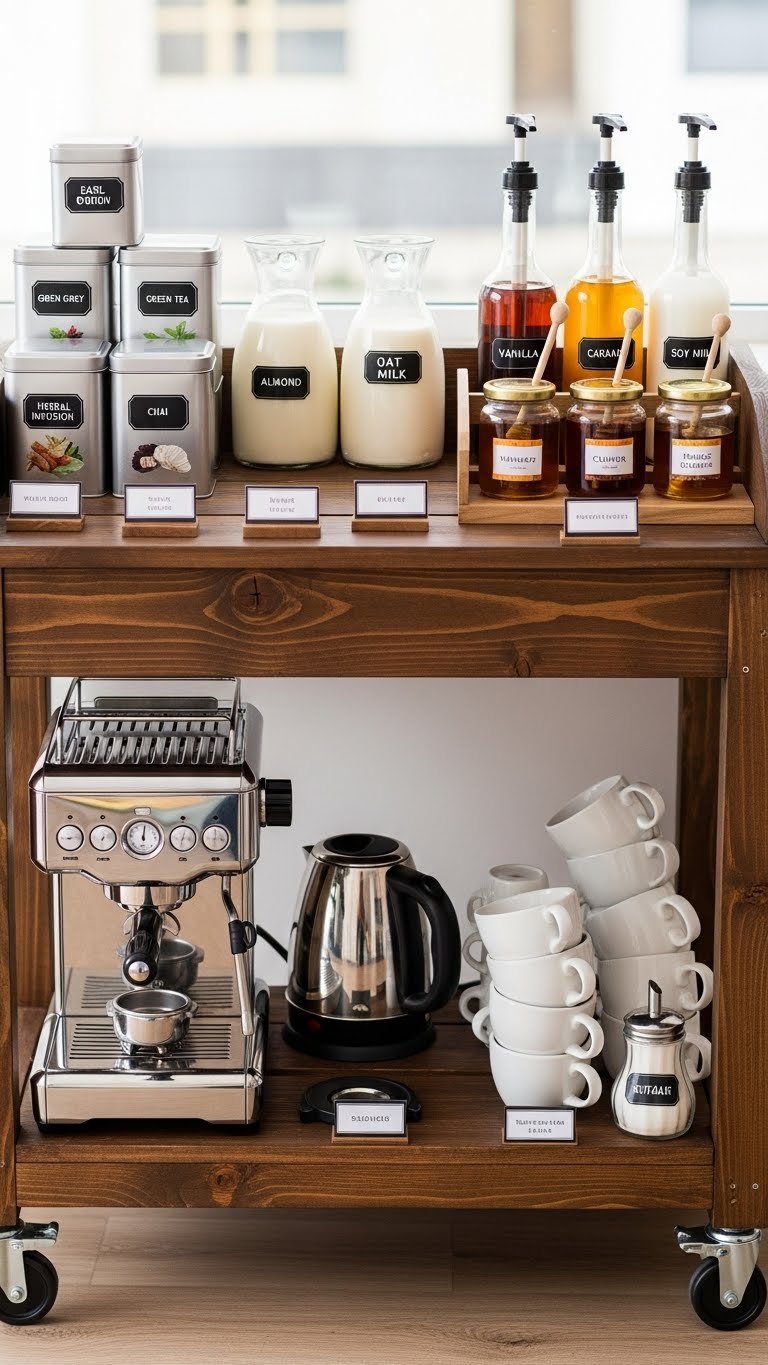
    1. Start With a Rolling Bar Cart

    A rolling cart is the easiest way to create a mobile coffee bar that fits anywhere. This works perfectly if you don’t have a dedicated counter space or if you like flexibility to move things around.

    Choose a cart with at least two to three tiers—$40-$100 for a quality wooden or metal option from IKEA, Target, or Amazon. The top tier holds your coffee maker, the middle stores mugs and saucers, and the bottom keeps supplies like coffee beans, filters, and sugar. You can wheel it from the kitchen to your desk, bedroom, or living room depending on the time of day.

    Pro tip: Look for carts with a handle on the back so you can grip it while rolling. Renter-friendly bonus: it requires zero installation and you can take it with you if you move.

    A rolling cart gives you the café experience without committing to a permanent setup, and it’s mobile enough to tuck away when guests arrive.

    2. Paint an Accent Wall in Warm Neutrals

    An accent wall instantly elevates your coffee bar from functional to intentional-looking. A warm neutral like soft taupe, warm grey, or creamy beige creates that café-core vibe without overwhelming the space.

    Paint is one of the cheapest upgrades—$15-$40 for quality paint, plus supplies if you don’t have them. One accent wall behind your coffee area takes a weekend afternoon to paint and completely changes how the space feels. Stick to warm undertones (avoid stark whites or cool greys—they feel clinical). If you rent, ask your landlord about removable paint or use peel-and-stick wallpaper in warm neutrals instead ($20-$60).
    Pair the accent wall with simple white or natural wood shelving to keep the look balanced.

    The warm backdrop makes your coffee setup feel intentional and polished, while keeping the focus on your equipment and styling rather than competing colors.

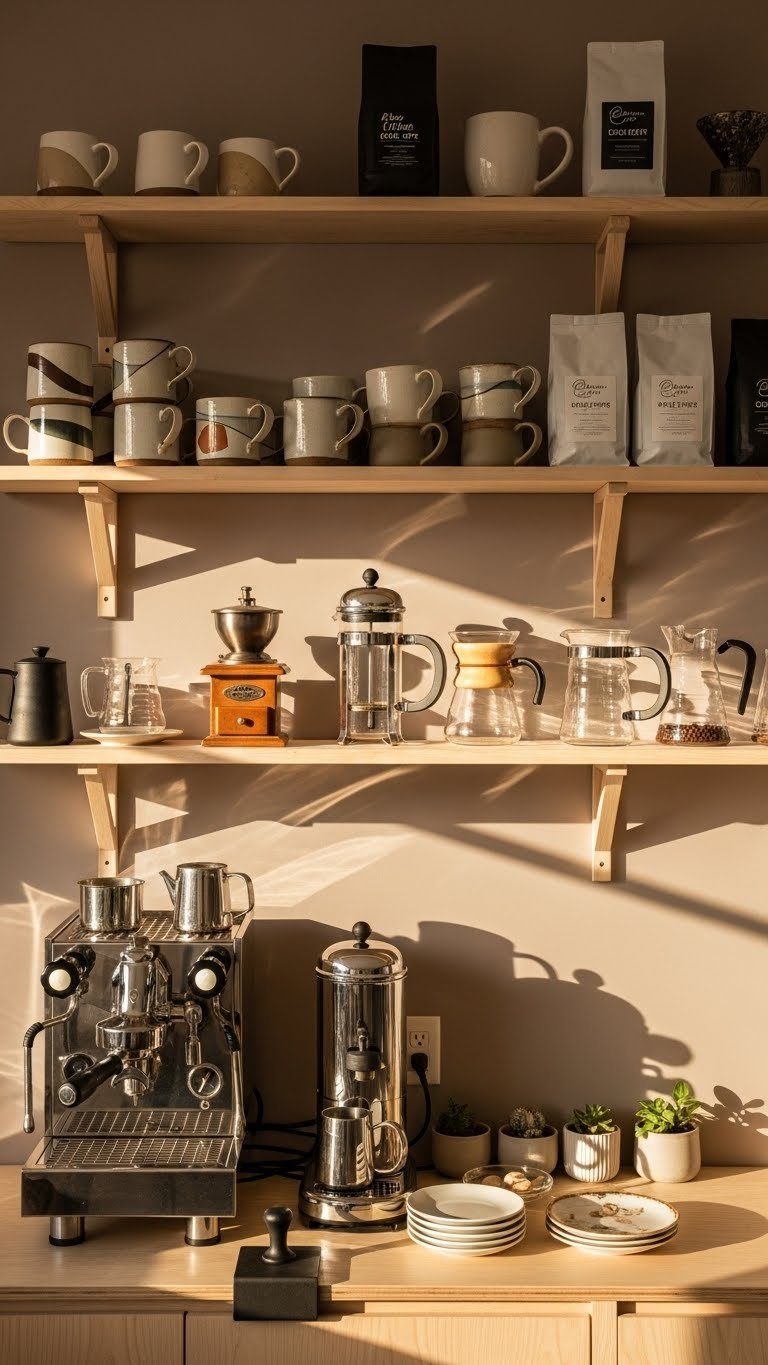
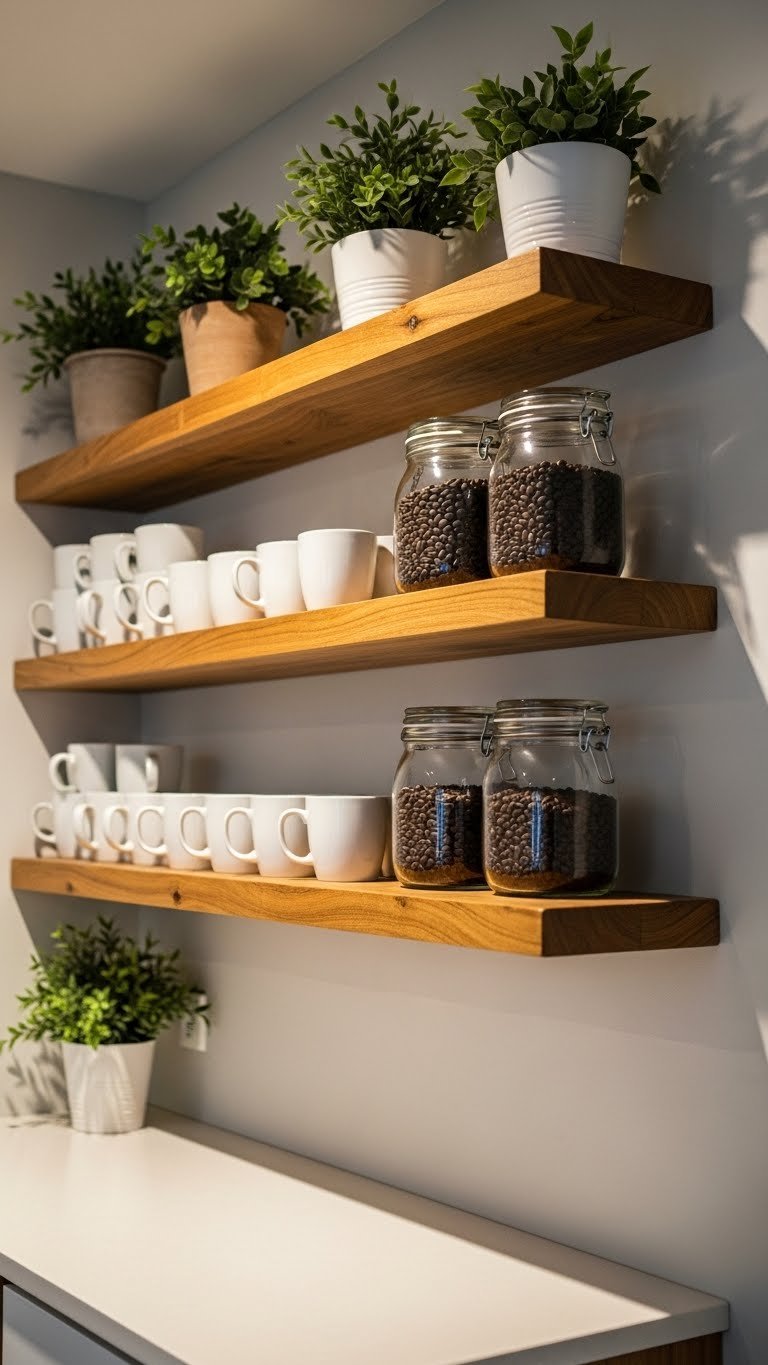
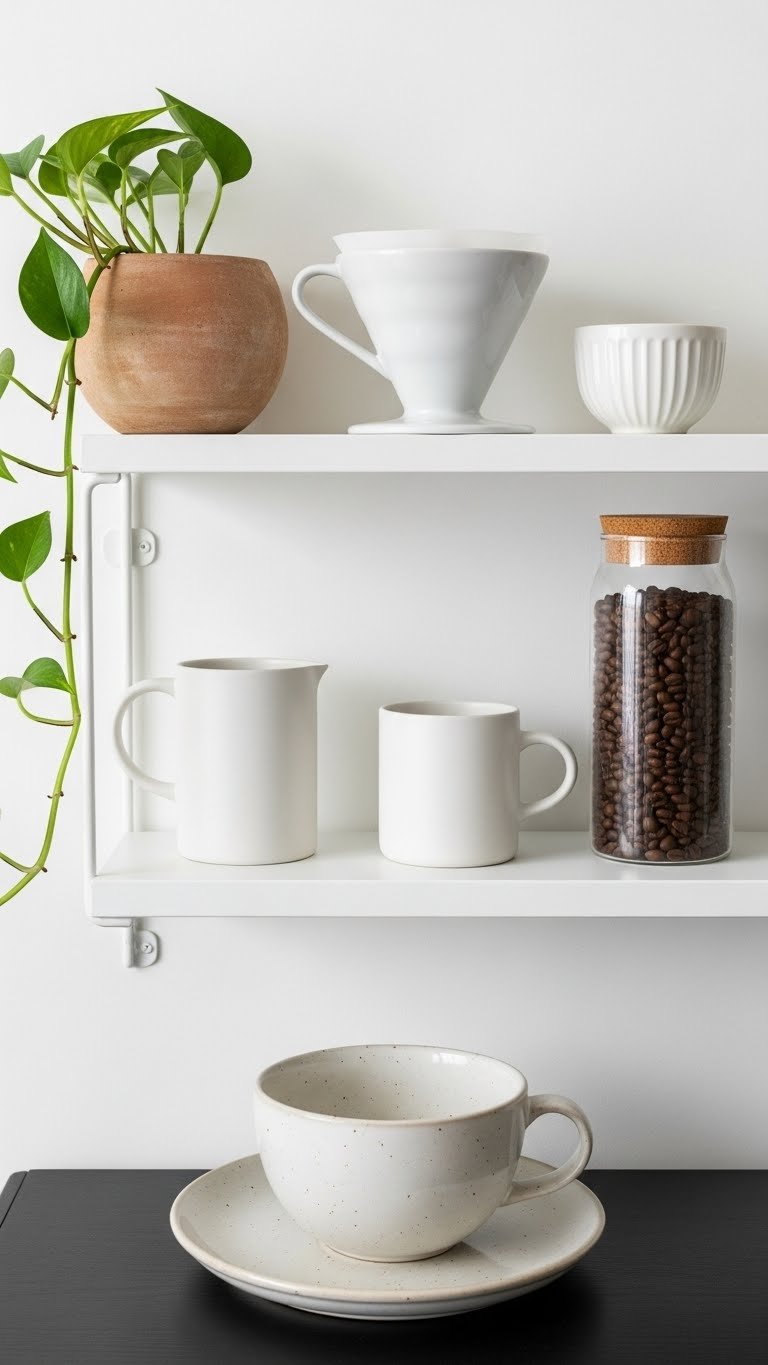
    3. Install Open Shelving Above the Counter

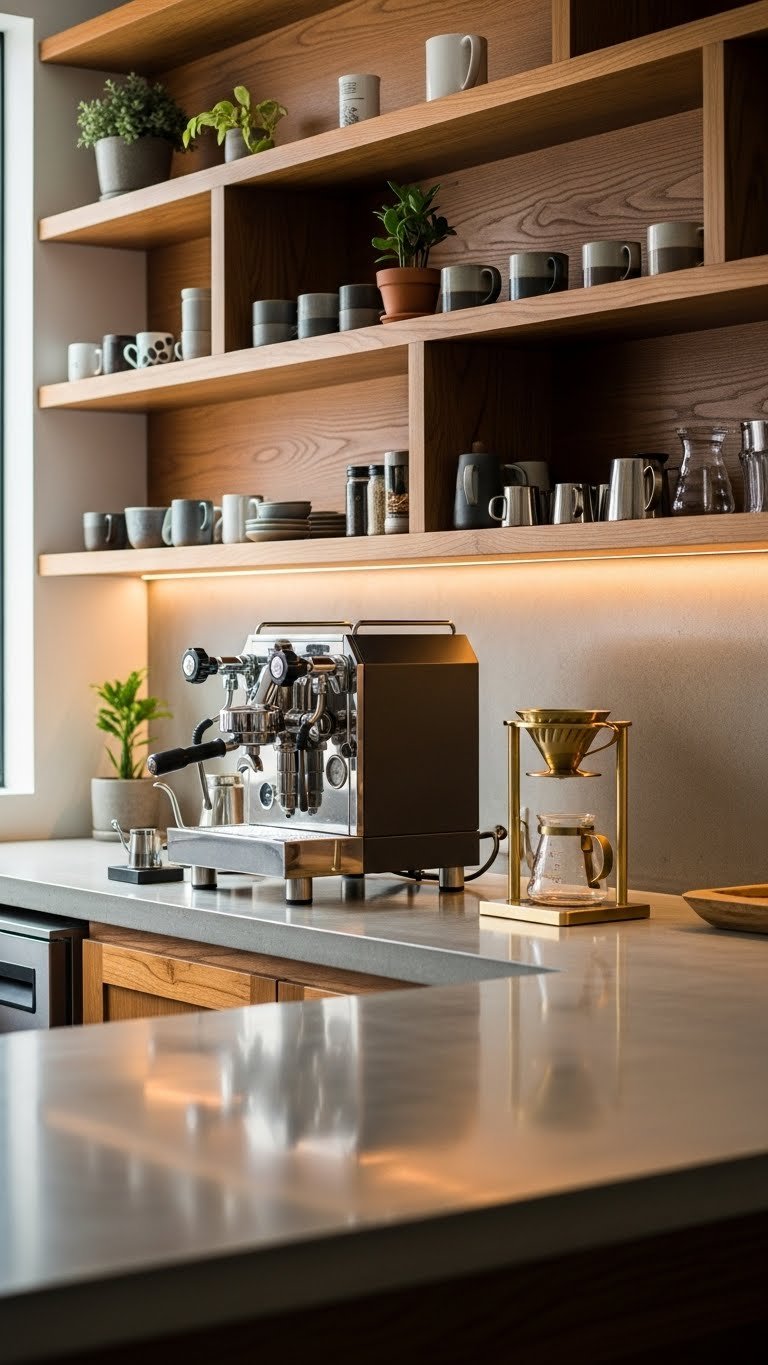
    Open shelving makes your coffee bar visible and accessible, plus it looks way more café-like than closed cabinets. You see your favorite mugs, your coffee selection, and everything you need at a glance.

    Budget option ($0): Use existing shelves or shelving you already own. Mid-range ($50-$150): Install simple floating wooden shelves from IKEA or Home Depot—they mount easily to drywall with brackets and take about 30 minutes. Investment ($150-$300): Have a carpenter install custom shelves tailored to your space.

    Display your prettiest mugs, stack coffee bags facing forward, and add small plants or candles for visual interest. Keep the arrangement clean and organized—too much clutter defeats the purpose.

    Open shelving transforms your coffee bar into a styled focal point that you’ll want to show off to friends.

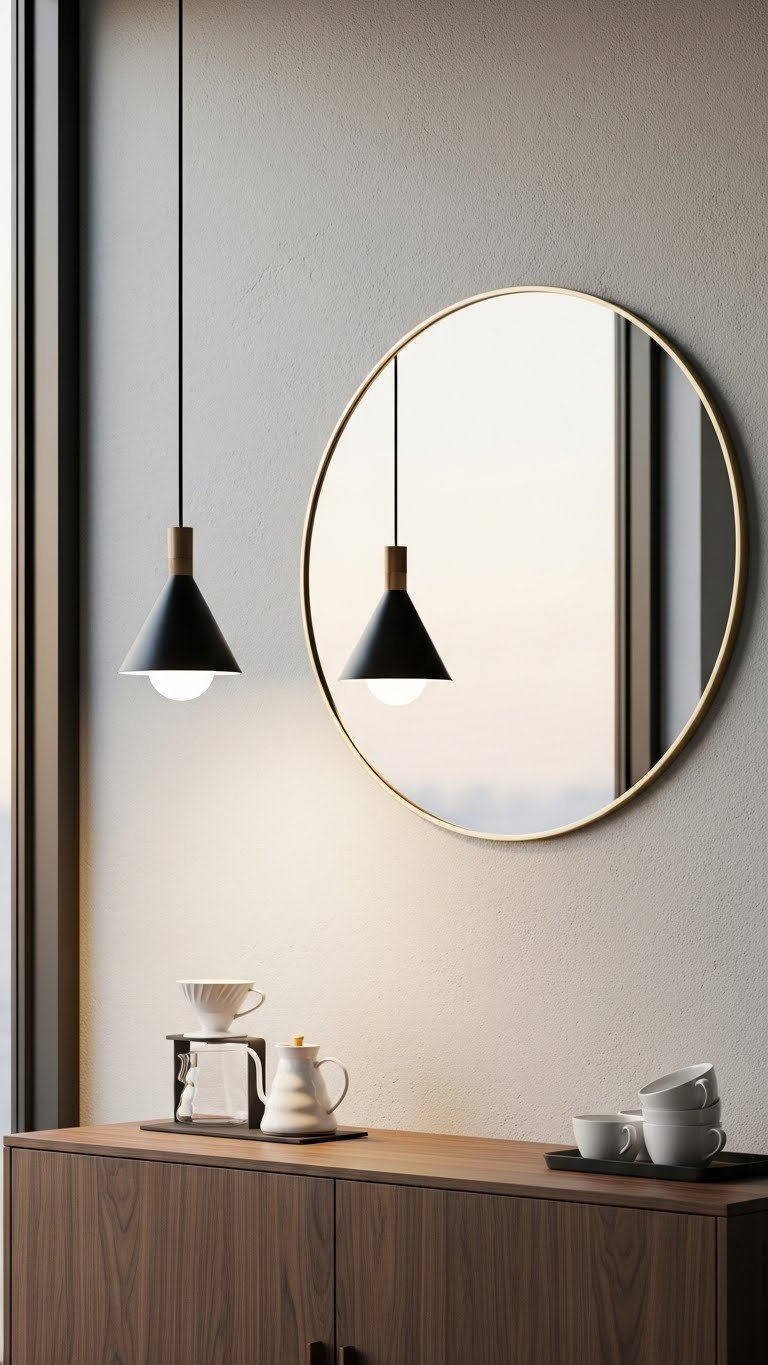
    4. Add Statement Lighting Overhead

    Lighting is the secret weapon of café-core design. The right fixture changes the entire mood and makes your coffee bar feel like a destination worth visiting.

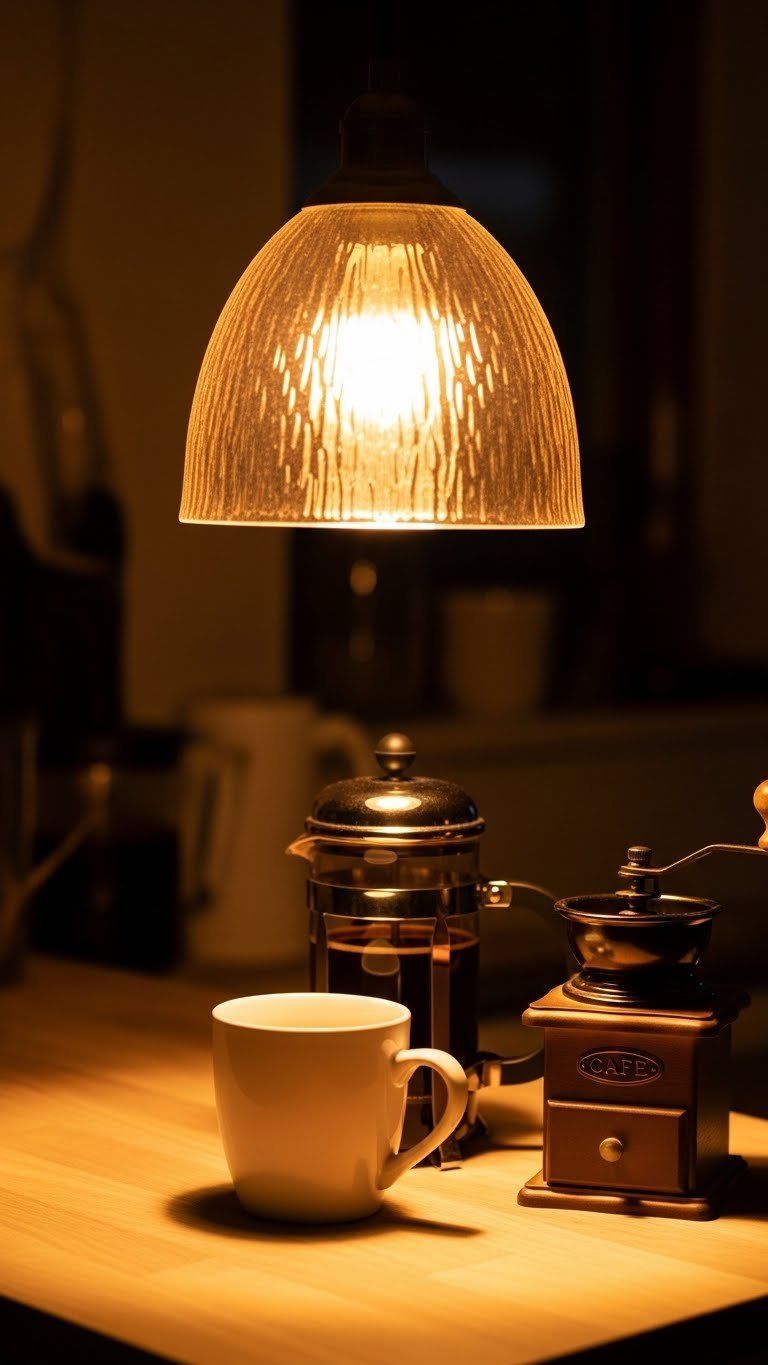
    A pendant light ($30-$150) in brass, matte black, or natural wood instantly feels more intentional than overhead lights. Hang it 24-30 inches above your counter for the best effect. Options from IKEA, Wayfair, and Amazon give you lots of affordable choices. If you rent and can’t install permanently, use a plug-in swag lamp ($20-$60) that hangs from a hook.

    Look for warm-toned bulbs (2700K color temperature) to match the cozy vibe you’re creating.

    The right light makes morning coffee feel like a ritual rather than a routine task, and it photographs beautifully too.

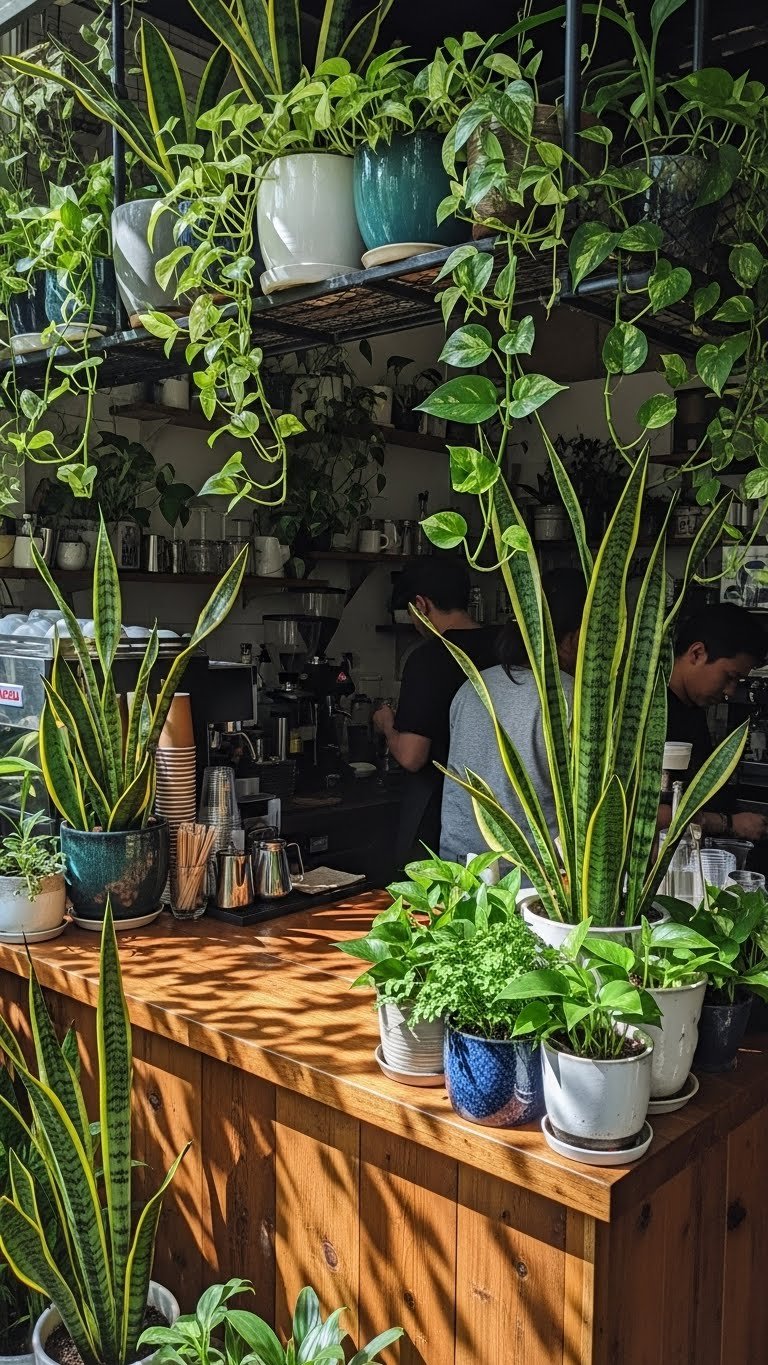
    5. Bring in Biophilic Elements With Plants

    Plants make spaces feel alive and connected to nature—plus they look stunning in photos. A plant-forward coffee bar feels wellness-focused and naturally photogenic.

    Add 3-5 low-maintenance plants ($5-$30 each): snake plants, pothos, or ZZ plants thrive in most light conditions and need minimal care. Arrange them at different heights using small stands or shelves. Water once every two weeks and you’re done. If you don’t trust yourself with plants, faux plants ($10-$40 each) look remarkably realistic now and require zero maintenance.

    Group plants in odd numbers for visual balance, and choose pots in neutral colors (white, terracotta, or matte black) so they don’t compete with your coffee equipment.

    Adding greenery makes your coffee bar feel like a peaceful retreat and increases the sensory experience beyond just caffeine.

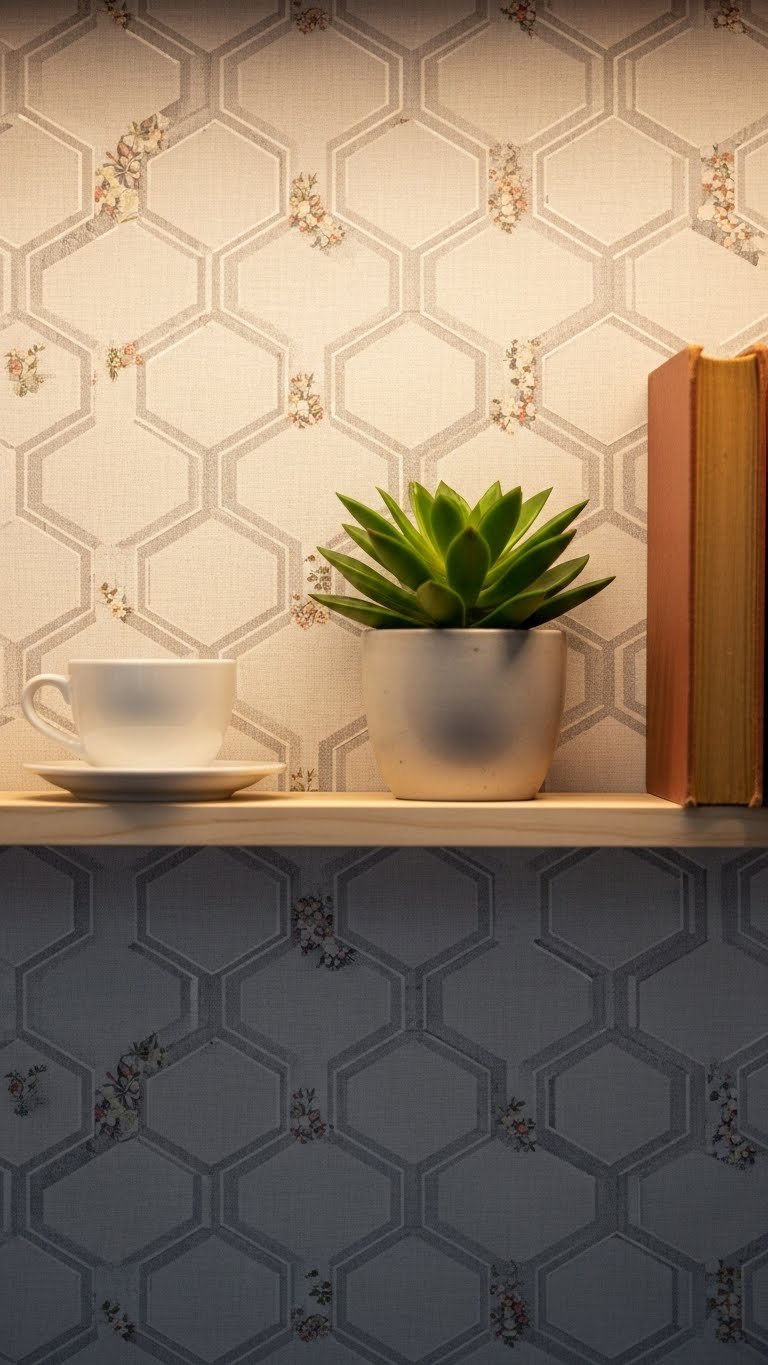
    6. Create an Instagrammable Nook With Textured Wallpaper

    An Instagrammable nook doesn’t require professional styling—just an interesting texture or pattern behind your coffee bar that gives photos depth and character.

    Use peel-and-stick wallpaper ($20-$50 for a small section) in a subtle geometric, floral, or textured design. Apply it to just the wall behind your coffee area for maximum impact without overwhelming the space. Brands like Spoonflower, Amazon, and Wayfair have thousands of café-inspired patterns. Installation takes 30-45 minutes and removes cleanly when you leave.

    Keep the pattern subtle so it complements your equipment rather than stealing attention.

    A textured backdrop makes every photo of your morning coffee look magazine-worthy, which might inspire you to use the space even more.

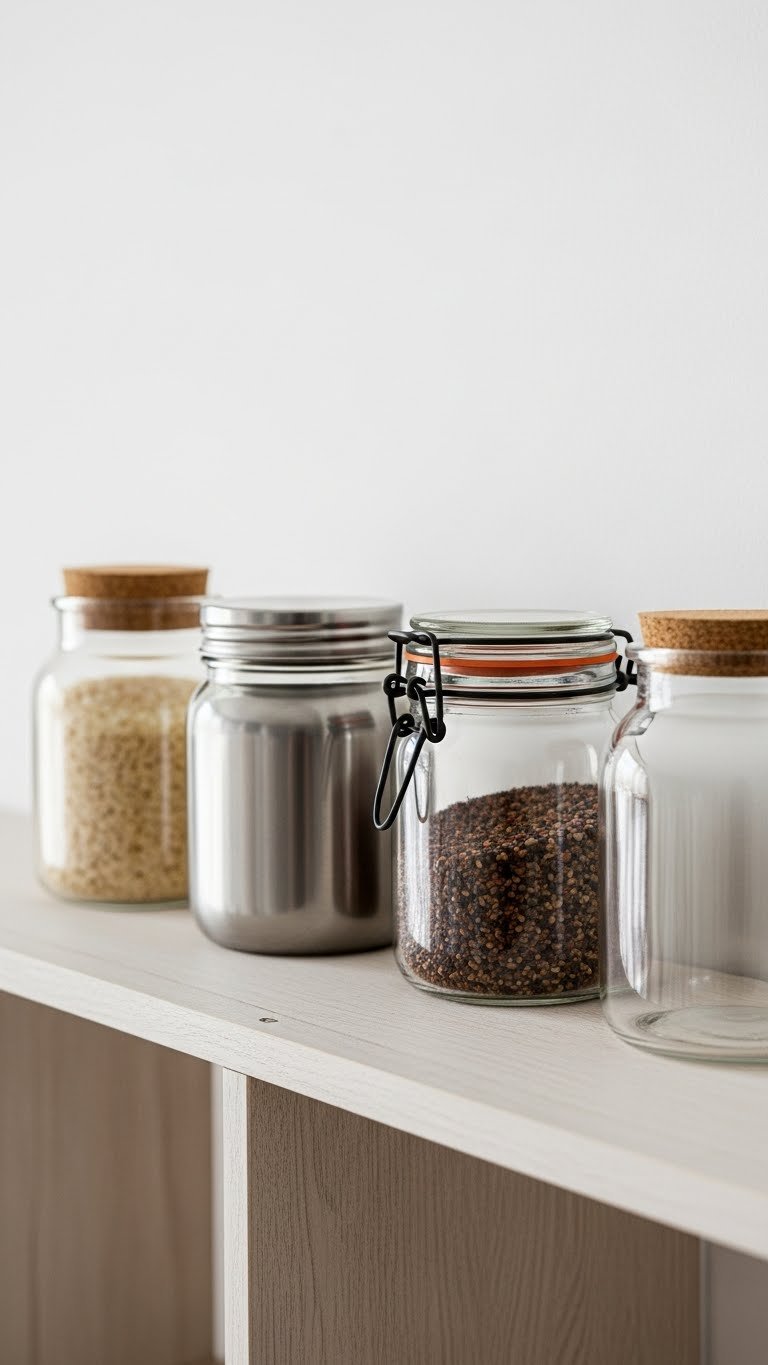
    7. Organize Supplies in Matching Glass Jars

    Clear containers are a game-changer for organization that looks intentional. Matching jars make everything visible and accessible while keeping the aesthetic cohesive.

    Buy a set of matching glass jars ($25-$50 for a set of 4-6) from Target, IKEA, or Amazon. Fill them with coffee beans, ground coffee, sugar, coffee filters, and any other supplies. Add simple labels using chalkboard stickers or printed tags ($5-$10). This takes 15 minutes to set up but saves you from digging through bags and boxes every morning.

    Use jars with cork or metal lids for an elevated look that beats plastic containers every time.

    Organized supplies mean you actually know what you have, you’re not buying duplicates, and your coffee bar looks like a curated storefront rather than cluttered.

    8. Mix Wood and Metal for Tactile Texture

    Materials matter. Mixing textures—wood, metal, concrete, brass—creates depth and makes your coffee bar feel more sophisticated and intentional than a single material throughout.

    Don’t overthink this: choose one or two base materials for your surface (wood counter or shelf, concrete, or white marble-look laminate $50-$150 to add or upgrade). Then introduce accent metals through equipment and accessories (a brass pour-over stand $30-$60, matte black coffee maker $80-$200, or copper canister $15-$40). Pair with natural wood open shelving or a small wooden bar cart.

    The key is balance—don’t try to include every material. Stick with 3-4 complementary finishes.

    Mixed materials create a sophisticated, layered look that feels more intentional than flat surfaces, and it’s more interesting to touch and interact with.

    9. Add a Small Bar Stool for Seating

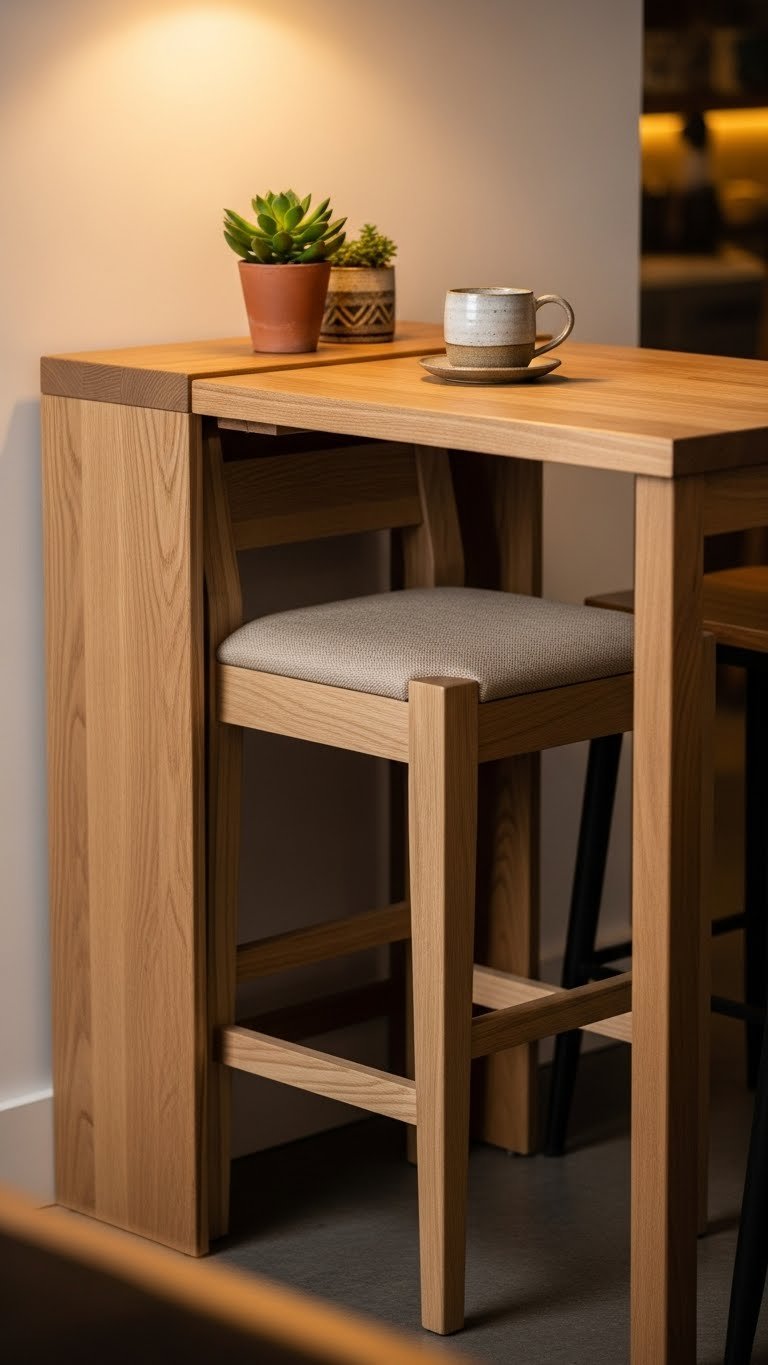
    Even a small coffee bar benefits from a place to sit and linger. A single bar stool transforms the space from utility to experience.

    Choose a compact stool ($50-$150) that fits your space—look for wooden frames with natural or rattan seats from IKEA, Wayfair, or Target. Adjust the height based on your counter (typically 24-26 inches for standard counters, 30-32 inches for bar height). If space is tight, find a stool that tucks completely under the counter when not in use.

    A stool with natural materials (wood, rattan, linen) keeps the café vibe consistent.

    Having a dedicated seat invites you to slow down and enjoy your coffee rather than just grabbing and going, which is the whole point of a cozy coffee bar.

    10. Use Warm Dimmable Lighting Bulbs

    Lighting color temperature matters more than people realize. Warm light (2700K) feels cozy and welcoming, while cool light (5000K+) feels harsh and institutional.

    Switch to warm dimmable bulbs ($8-$20 for quality LED bulbs) in all fixtures around your coffee bar. Pair with a dimmer switch ($15-$30) if possible so you can adjust brightness depending on time of day. Warm, dimmable lights make morning feel ritual-like and evening feel relaxing.

    Check your existing fixtures to confirm they’re dimmable before buying dimmable bulbs—not all are compatible.

    The right lighting color transforms how you feel in the space, turning a functional corner into somewhere you actually want to spend time.

    11. Create a Coffee Bean Display Wall

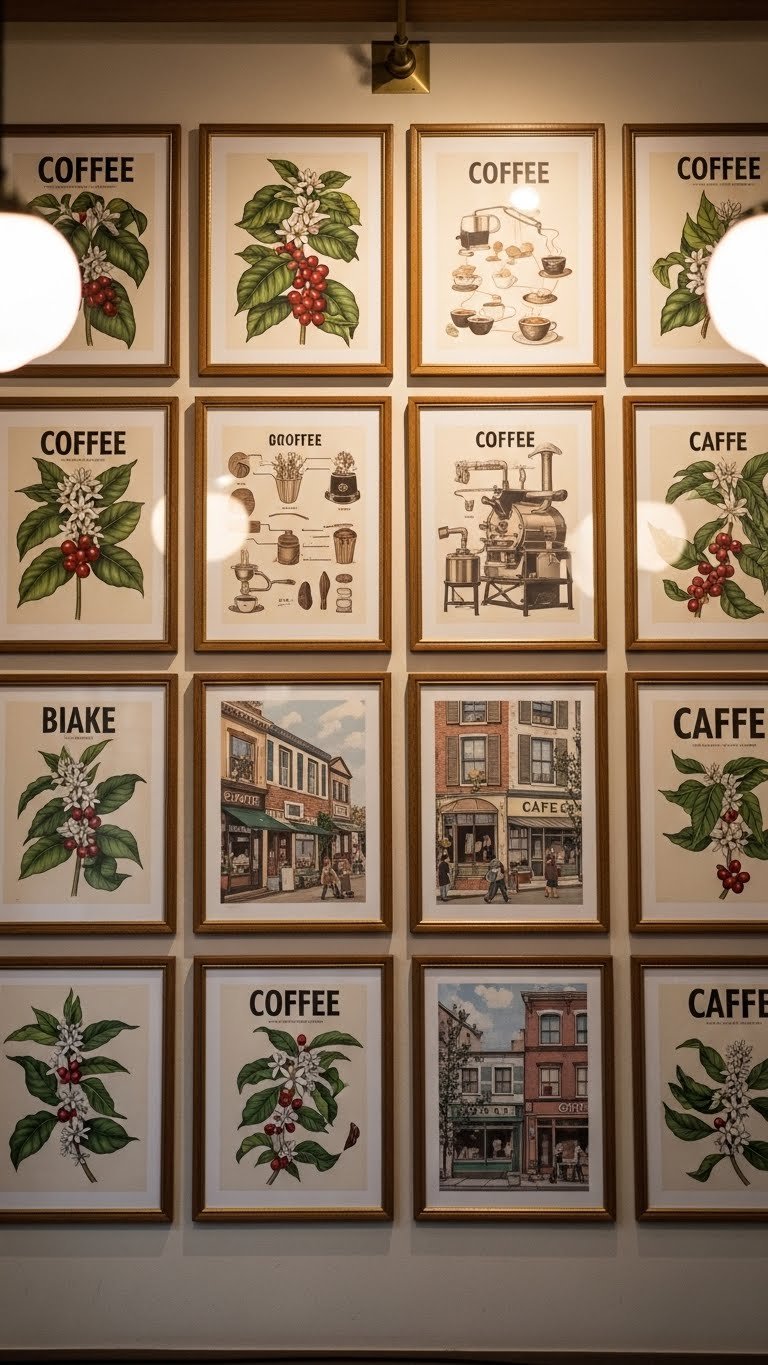
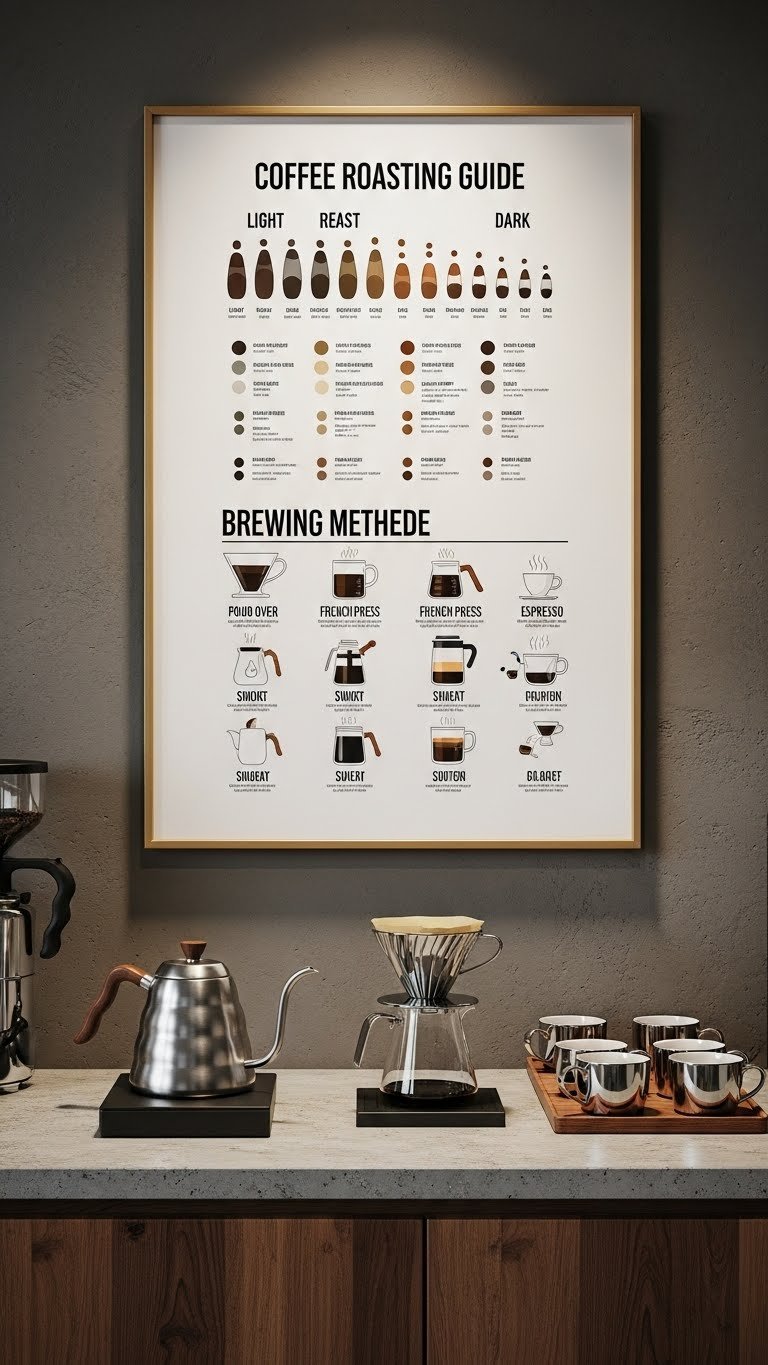
    Coffee bean art and educational prints add personality and reinforce the café aesthetic without requiring functional storage.

    Print coffee-themed artwork ($0 if DIY, $10-$30 if from Etsy or Print shops) and frame in affordable frames ($5-$15 each from Target, IKEA, or dollar stores). Create a gallery wall above your coffee bar or on an adjacent wall. Mix in roasting guides, coffee plant illustrations, or quotes about coffee culture. Arrange in a grid or salon-style layout.

    Alternatively, buy ready-made coffee wall art sets ($20-$50) that come pre-coordinated for easy hanging.

    A gallery wall communicates that your coffee bar is a space you’ve thought about and invested in, and it sparks conversation with guests.

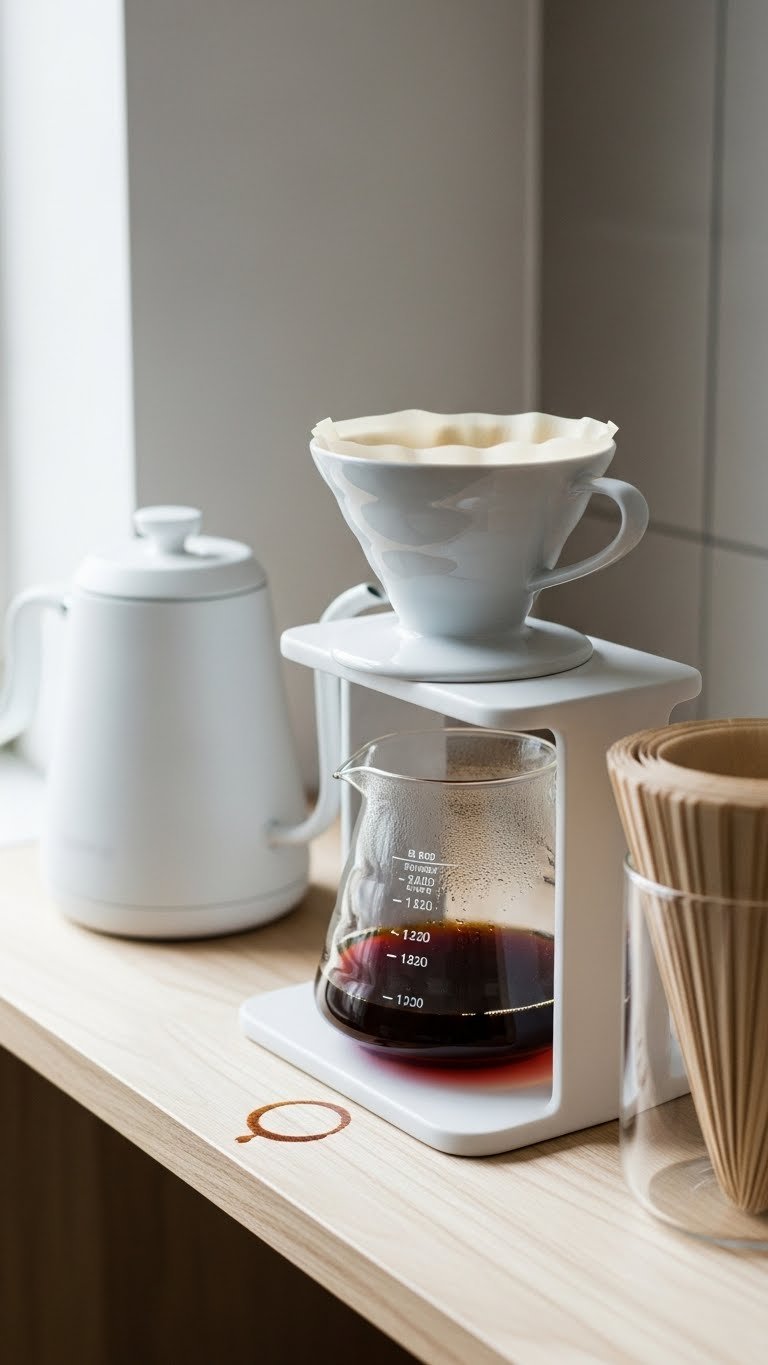
    12. Set Up a Filter Coffee Station

    If you prefer lighter coffee or want a backup brewing method, a pour-over or filter coffee station offers variety and a slower, more mindful brewing ritual.

    Pour-over equipment costs $20-$80 total: a ceramic or glass dripper ($10-$25), filters in matching jars ($5-$10), and a gooseneck kettle ($20-$40). Arrange on an open shelf so the ritual is visible and accessible. This takes less space than an espresso machine and is quieter.

    Pour-over enthusiasts love the control and ceremony of the process, and watching it steep is oddly meditative.

    A secondary brewing method gives your coffee bar more personality and invites slower mornings or afternoon tea ceremonies with friends.

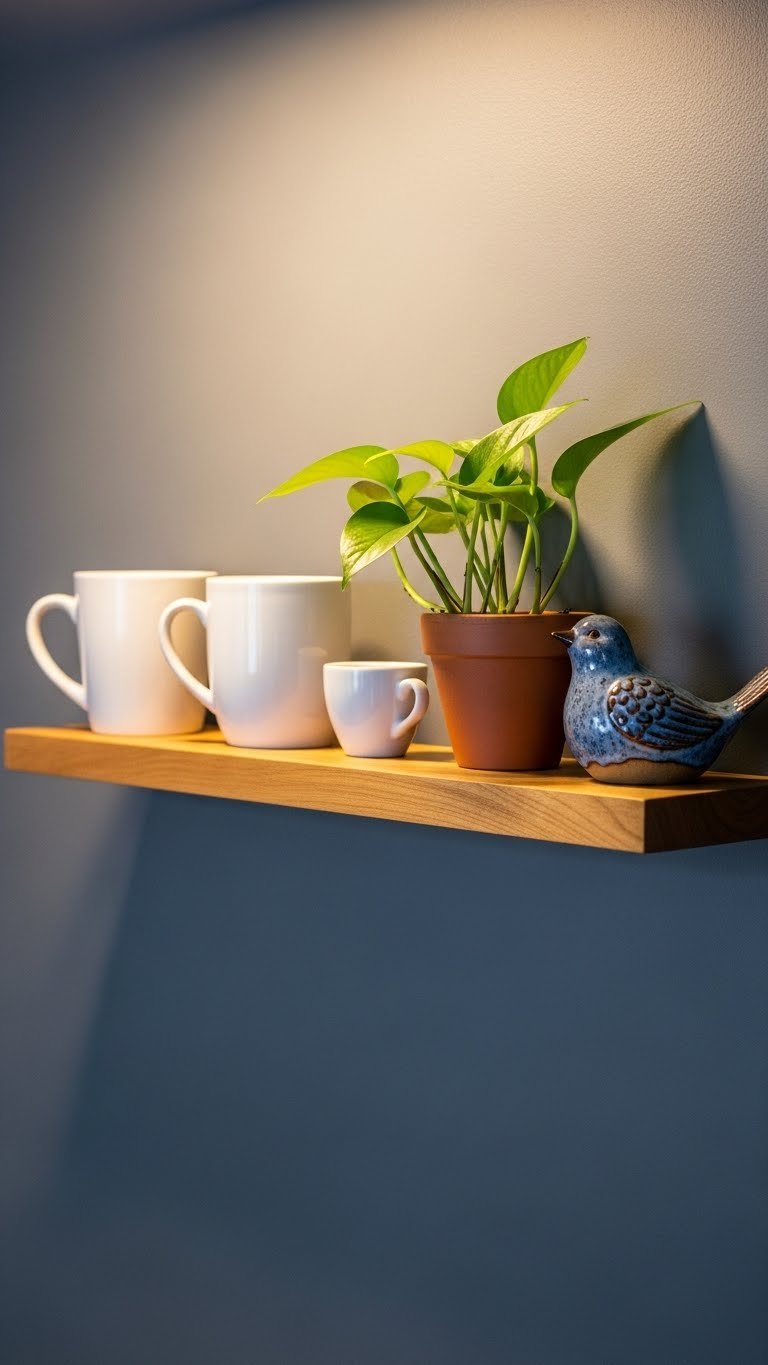
    13. Hang a Small Wall-Mounted Shelf for Height Variation

    Height variation makes displays more interesting and prevents everything from looking flat. A single floating shelf solves this instantly.

    Install a small 24-36 inch floating shelf ($20-$60) at about eye level above your main counter or bar surface. Mount it with simple brackets and hardware. Display your favorite mug collection, a plant, or a decorative object. This adds dimension without requiring lots of space.

    Renter option: Use removable adhesive shelves ($10-$20) that require no drilling.

    Even one elevated shelf completely changes how a coffee bar looks—it creates visual interest and makes the space feel more curated.

    14. Add a Small Rug to Define the Space

    A rug is an underrated way to define a dedicated coffee bar zone and add warmth underfoot. It signals “this is a special corner” even if the coffee bar is in your kitchen.

    Choose a small rug ($30-$100) in neutral natural fibers like jute, wool, or sisal. Keep it 2×3 feet or smaller so it fits in your corner without dominating. Natural textures pair beautifully with café-core design and hide stains from spills better than light colors.

    Place it under your cart, under your stool, or directly in front of your counter to anchor the space.

    A rug instantly makes your coffee bar feel intentional and separate from the rest of the room, which encourages you to treat it as a ritual space rather than just a functional corner.

    15. Mount a Small Mirror to Amplify Light

    Mirrors amplify natural light and make small spaces feel bigger—two huge wins for a coffee bar in a compact area.

    Hang a small mirror ($25-$80) on the wall above or beside your coffee bar in a simple frame that matches your aesthetic (brass, natural wood, or matte black). Position it to reflect light from nearby windows or from your pendant light. Installation takes 10 minutes with a stud finder and small nails.

    The right placement of a mirror makes a dark corner feel brighter and more spacious without adding any functional items.

    Amplifying light makes your morning coffee experience more uplifting and your coffee bar more inviting to sit in for longer stretches.

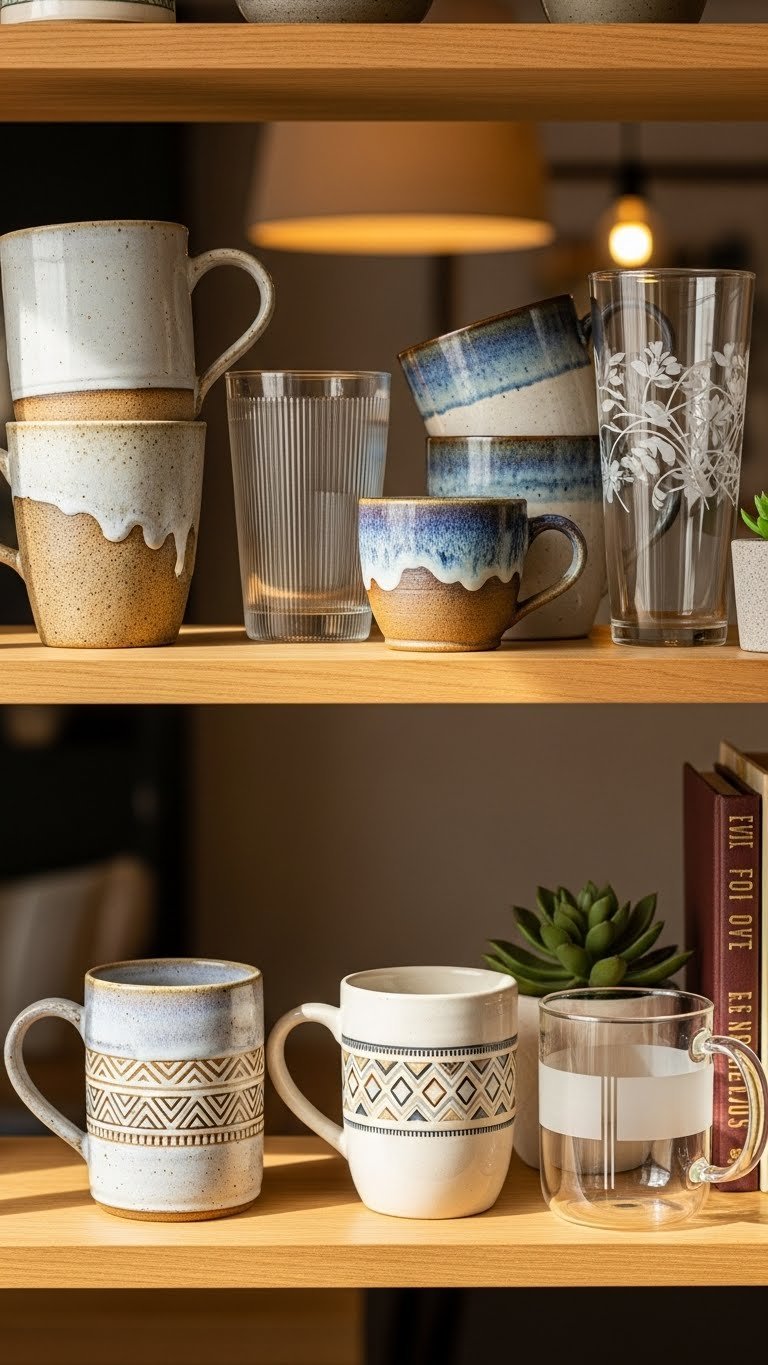
    16. Stock Your Favorite Mugs and Drinkware

    Your mug collection is part of your coffee bar’s aesthetic. Intentional drinkware choice makes each cup feel special.

    Invest in 4-8 quality mugs that you actually love ($8-$20 each). Mix sizes (latte cups, espresso cups, regular coffee mugs) and styles so you have options depending on your mood. Look for natural glazes, subtle patterns, or interesting shapes. Keep only your favorites displayed on open shelves so you’re reminded to use them daily.

    Don’t clutter with mugs you don’t love—every piece should feel intentional.

    Using a beautiful mug elevates the entire ritual and makes you look forward to morning coffee. Plus, guests notice when you’re serving them drinks in vessels you clearly care about.

    17. Create a Coffee Subscription Display

    Rotating specialty coffee selections turns your bar into a micro-café experience where you’re constantly discovering something new.

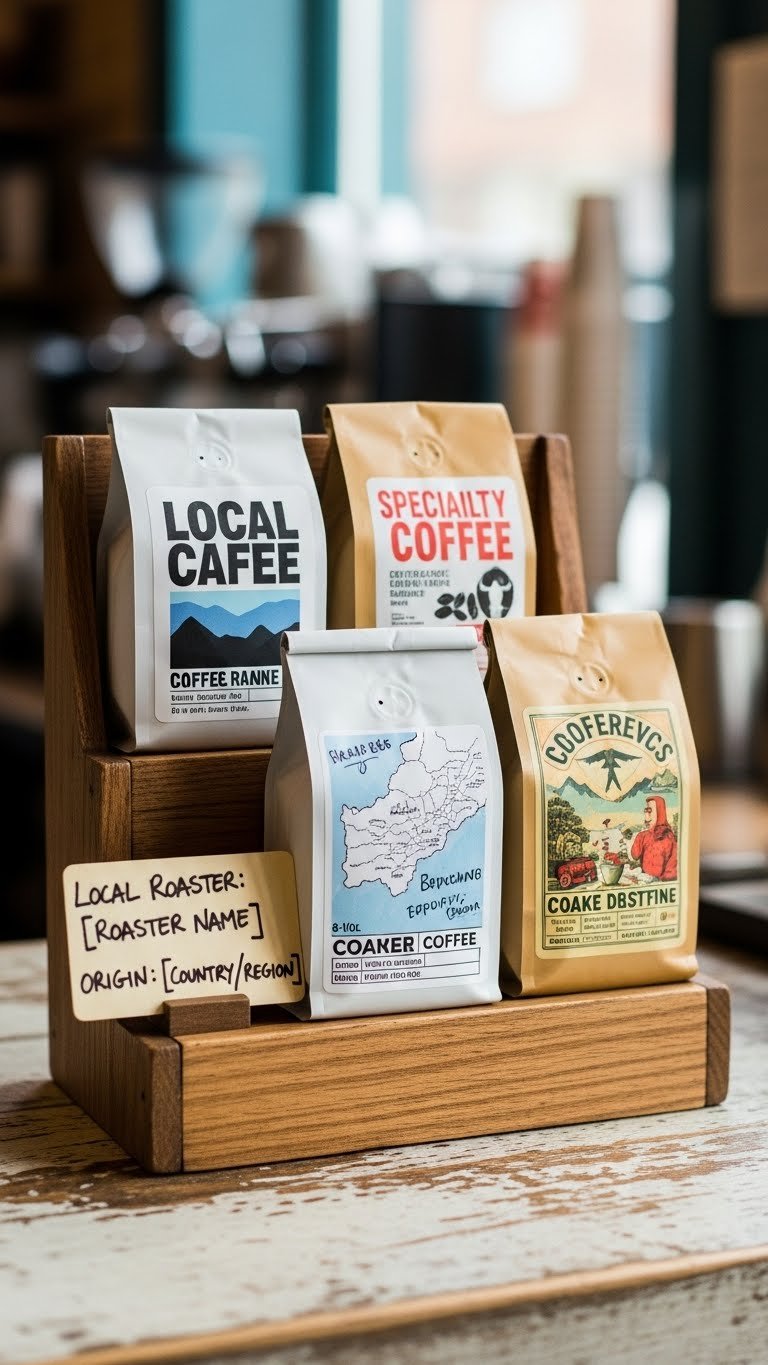
    Subscribe to a coffee service ($15-$40 per bag, delivered monthly) from local roasters like Blue Bottle, Intelligentsia, or regional favorites. Display new bags on a small shelf or card stand with a handwritten note about the origin and tasting notes. Switch out the selection monthly so your bar feels fresh and you have something to look forward to.

    This requires zero installation and adds novelty while supporting small businesses.

    A rotating selection keeps your coffee bar interesting and gives you permission to try new things, which prevents the space from feeling static or boring.

    18. Add Acoustic Panels for Comfort and Noise

    Sound matters for that café feeling. Acoustic panels soften noise and make the space feel more luxurious without requiring expensive renovation.

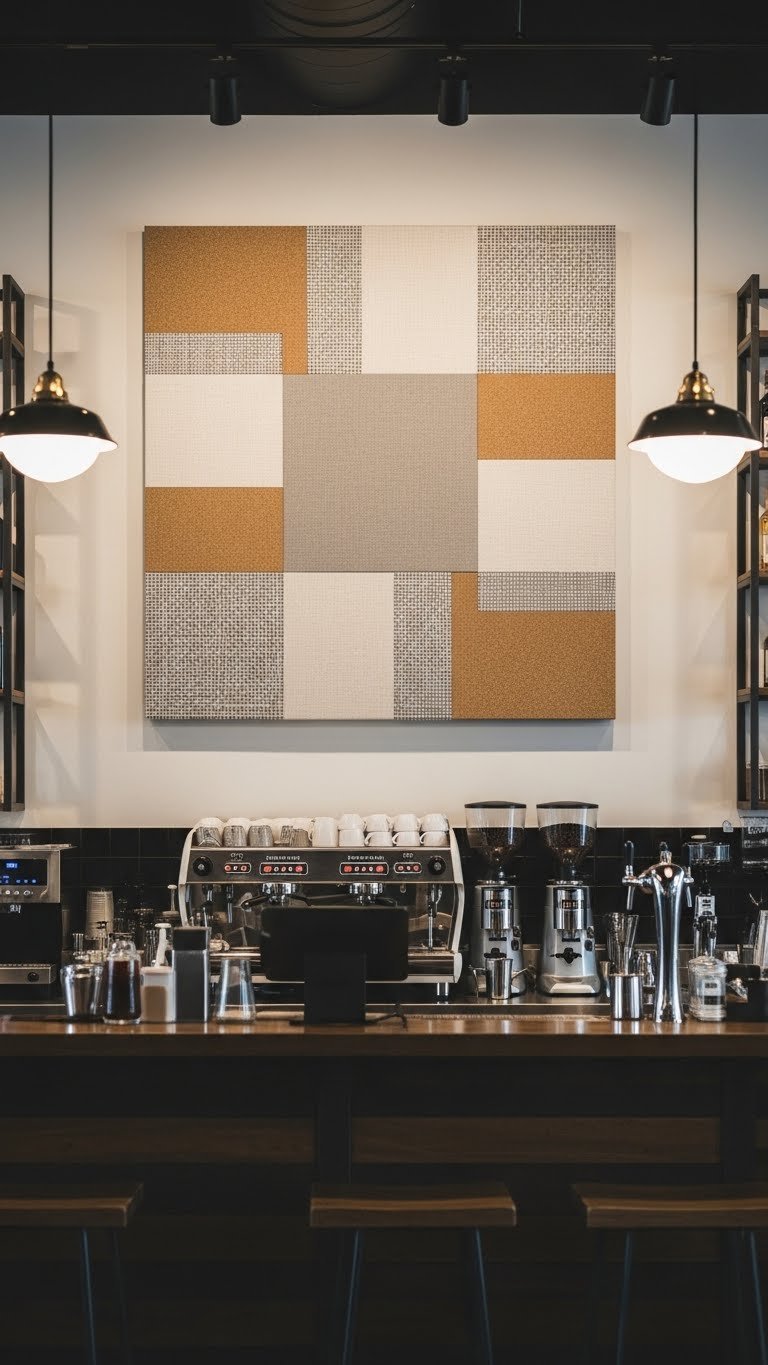
    Install decorative acoustic panels ($40-$100 each) on the wall behind your coffee bar. Choose neutral colors in natural linen, cork, or fabric that complements your design. Mount with simple hardware—no special installation needed. One or two panels absorb sound enough to make a difference in a small space.

    Look for aesthetic designs that double as décor so they’re intentional, not industrial-looking.

    Reduced noise makes your coffee bar feel calmer and more peaceful, encouraging you to linger longer instead of rushing through your coffee.

    19. Style With Coffee Table Books and Reading Material

    A coffee bar naturally pairs with reading material. Books add visual interest and signal that this is a place to slow down and think.

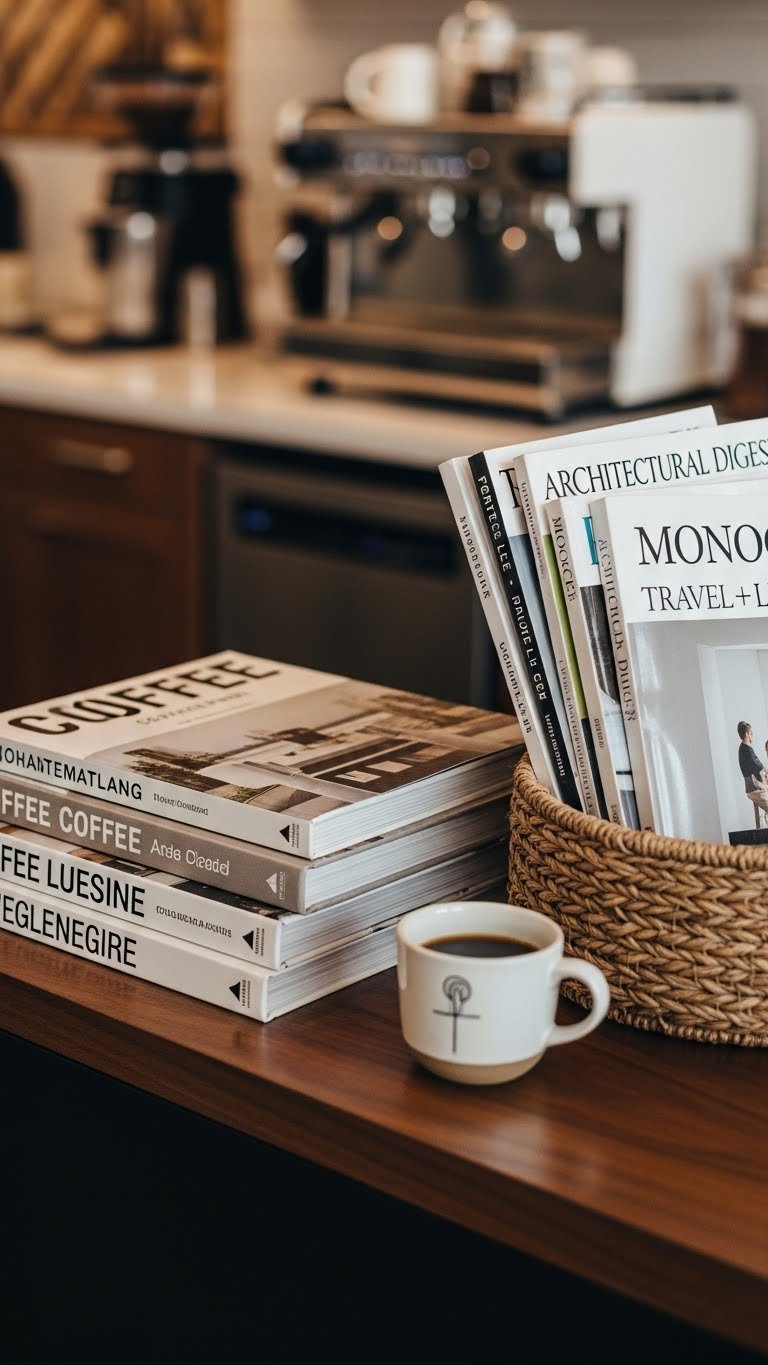
    Choose 2-4 coffee table books ($15-$35 each) about coffee culture, travel, or design that genuinely interest you. Stack them or display standing up on a shelf near your coffee bar. Add a small woven basket ($10-$30) to hold magazines or newspapers so they’re accessible but not cluttered.

    Only keep books you actually love—they’re décor, but they should feel authentic to your interests.

    Books reinforce the intention of your coffee bar as a place for rituals, quiet, and thought rather than just caffeine consumption.

    20. Install Under-Shelf Lighting for Drama

    Under-shelf lighting is an easy, inexpensive upgrade that completely changes the vibe and highlights your setup.

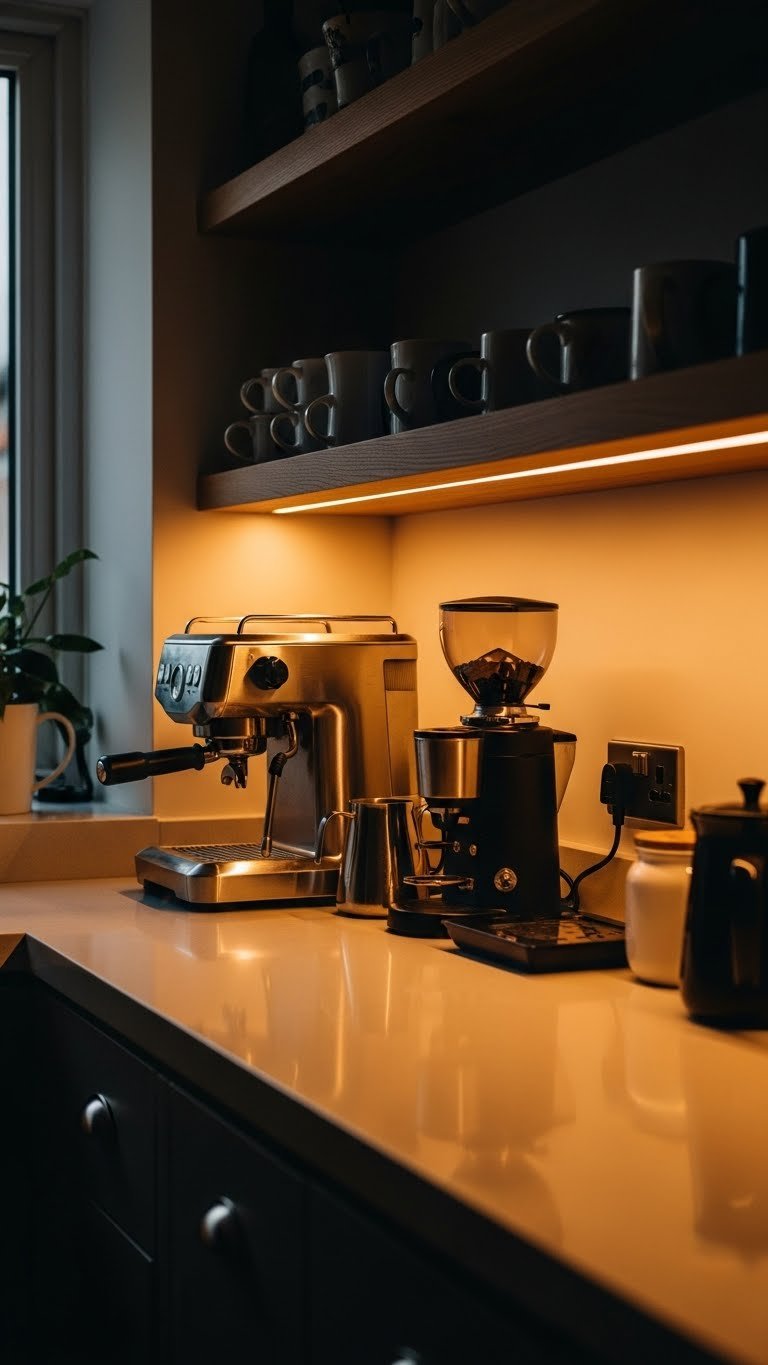
    Install adhesive LED strip lights ($15-$40) underneath open shelves. Choose warm white (2700K) for that café feel. Simply peel and stick the strips, plug into a nearby outlet, and adjust brightness. Installation takes 10 minutes. This works even if you rent since no drilling is needed.

    Look for strips with a dimmer feature so you can adjust the intensity depending on the time of day or mood.

    Under-shelf lighting adds drama and sophistication to your coffee bar while highlighting your displayed items, making the space feel more intentional and expensive-looking than it is.

    21. Create a Baking Corner Attachment

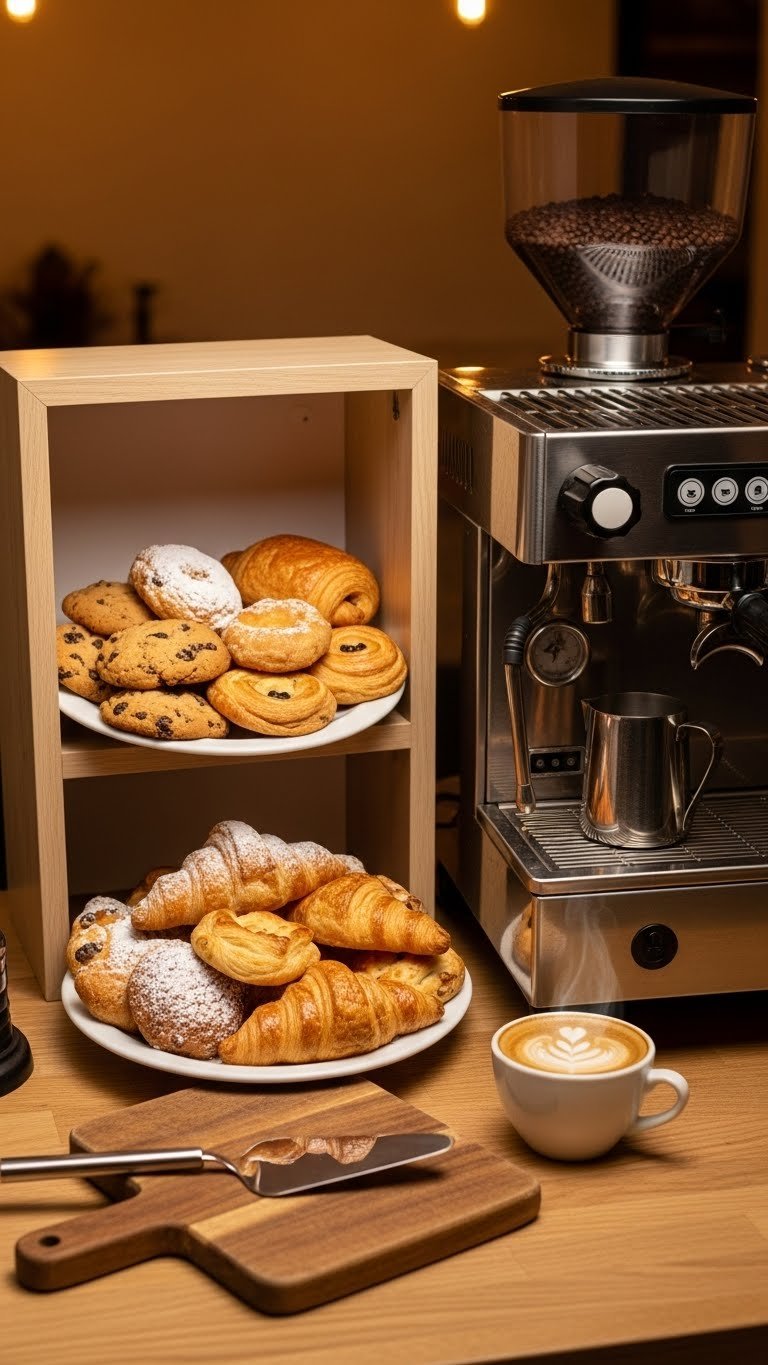
    A café isn’t complete without pastries or baked goods. A dedicated baking corner attachment makes the experience feel more whole.

    Set aside a small shelf or counter space ($0 if using existing space) for pastries, cookies, or baked goods. Display in simple ceramic dishes ($10-$25), wooden boards, or a small tiered stand ($20-$50). Stock with homemade bakes, local bakery finds, or quality store-bought options. Rotate seasonally for visual interest.

    This doesn’t require cooking—buying pastries from a good local bakery and displaying them nicely elevates the experience.

    A food component transforms your coffee bar from a beverage station into a complete café experience, making it feel like a destination worth visiting multiple times a day.

    22. Use Floating Countertop to Save Floor Space

    If floor space is tight, a floating countertop gives you a full coffee bar footprint without taking up precious square footage.

    Install a floating countertop ($50-$200) at standard counter height (36 inches). Use simple brackets and mount directly to wall studs. Top with your coffee maker, grinder, and accessories. This works in apartments, small kitchens, or corner spaces where a rolling cart or freestanding counter won’t fit.

    A professional carpenter can install this, or handy DIYers can handle it with basic tools. Renter-friendly option: use a tall console table ($50-$150) that mimics the floating effect without permanent installation.

    A floating setup saves precious floor space while making your coffee bar look built-in and intentional.

    23. Add a Coffee Bean Roasting Chart Print

    A roasting chart or brewing guide adds educational charm and signals that your coffee bar is about quality, not just convenience.

    Print a coffee roasting chart or brewing guide ($0 DIY, or $10-$25 from Etsy) and frame in a simple 8×10 frame ($5-$15). Hang at eye level so it’s readable and serves as both décor and reference. Options include roasting level guides, pour-over instructions, or coffee origin maps.

    This is a subtle way to celebrate coffee culture and gives guests something interesting to look at while they wait.

    An educational print reinforces that your coffee bar is a considered space and gives you conversation starters with anyone who visits.

    24. Set Up a Small Beverage Cart for Variety

    Your bar doesn’t have to be coffee-only. A small beverage station with tea, milk options, and syrups lets guests customize their drinks and makes your setup feel like a real café.

    Dedicate a small shelf or cart section ($0 if existing) to tea options, alternative milks (oat, almond, coconut), and syrups. Store in matching bottles and jars ($20-$50 for a full set) with simple labels. Include honey, agave, or other sweeteners. This takes 30 minutes to organize but makes your coffee bar feel complete.

    Keep everything visible and easy to access so guests (and you) can customize without hunting.

    Offering variety signals that your coffee bar welcomes different preferences and invites people to linger and experiment with flavors.

    25. Use Natural Wood Open Shelving for Warmth

    Wood is the foundation of café-core design. Open wooden shelving instantly adds warmth and a natural feel that no other material matches.

    Install wooden floating shelves ($30-$100 per shelf) in natural wood finishes (oak, walnut, or pine). Mount 12 inches apart at varying heights for visual interest. Fill with intentionally displayed items—not everything you own, just the pieces you love and use regularly.

    DIY option: Use reclaimed wood planks ($20-$50) with simple brackets for a more rustic, authentic look.

    Natural wood feels organic and welcoming, which is exactly the vibe that makes you want to spend time at your coffee bar instead of just rushing through your morning.

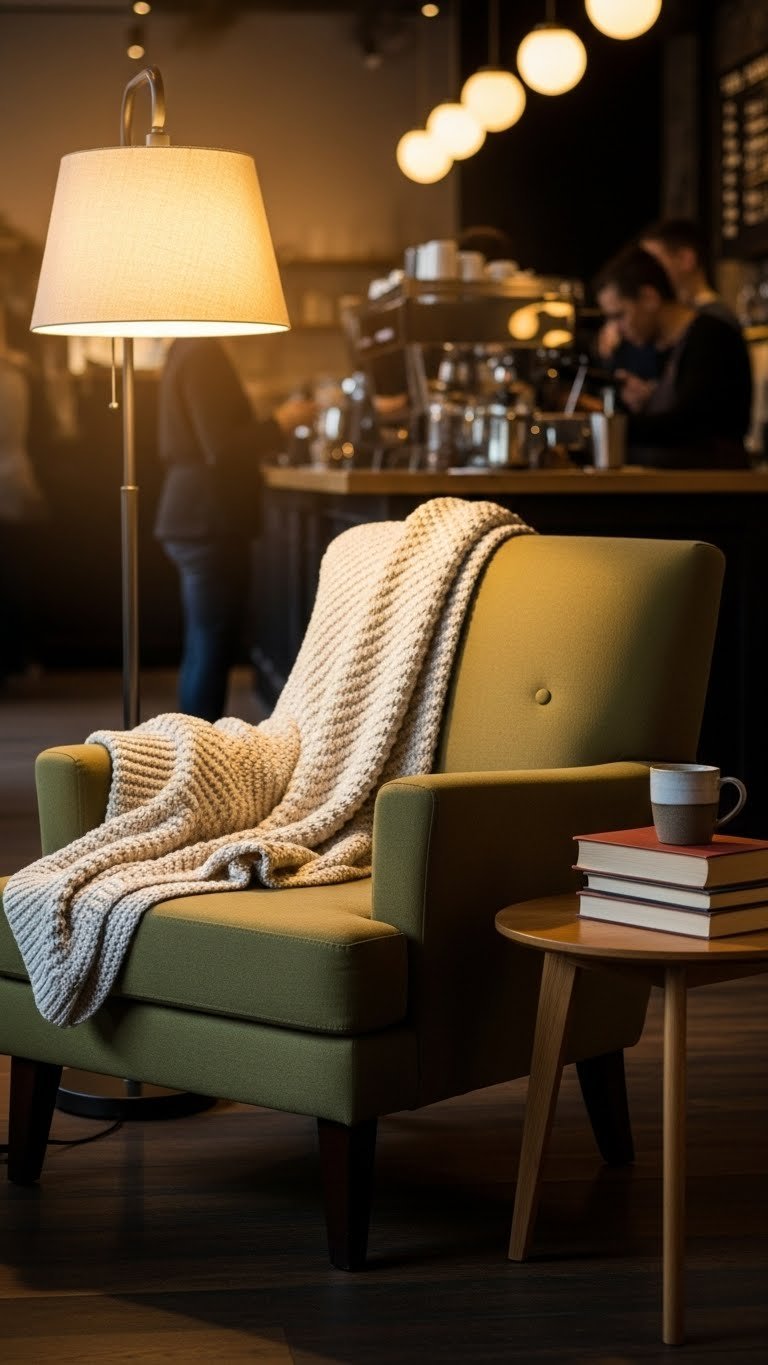
    26. Create a Cozy Reading Nook Nearby

    The ultimate coffee bar experience includes a place to sit and linger with a good book. A small reading nook transforms your coffee bar from utility to lifestyle.

    Add a comfortable chair or bench ($100-$300) positioned near your coffee bar with a small side table ($30-$80) within arm’s reach. Layer with a soft throw ($20-$50) and a reading lamp ($30-$80). This creates an inviting spot that makes you (and guests) want to stay longer.

    Renter-friendly option: Use a quality cushion on a bench or already-owned chair instead of investing in new furniture.

    A cozy reading nook transforms your coffee bar from a grab-and-go station into a destination where you actually sit down, breathe, and enjoy quiet moments.

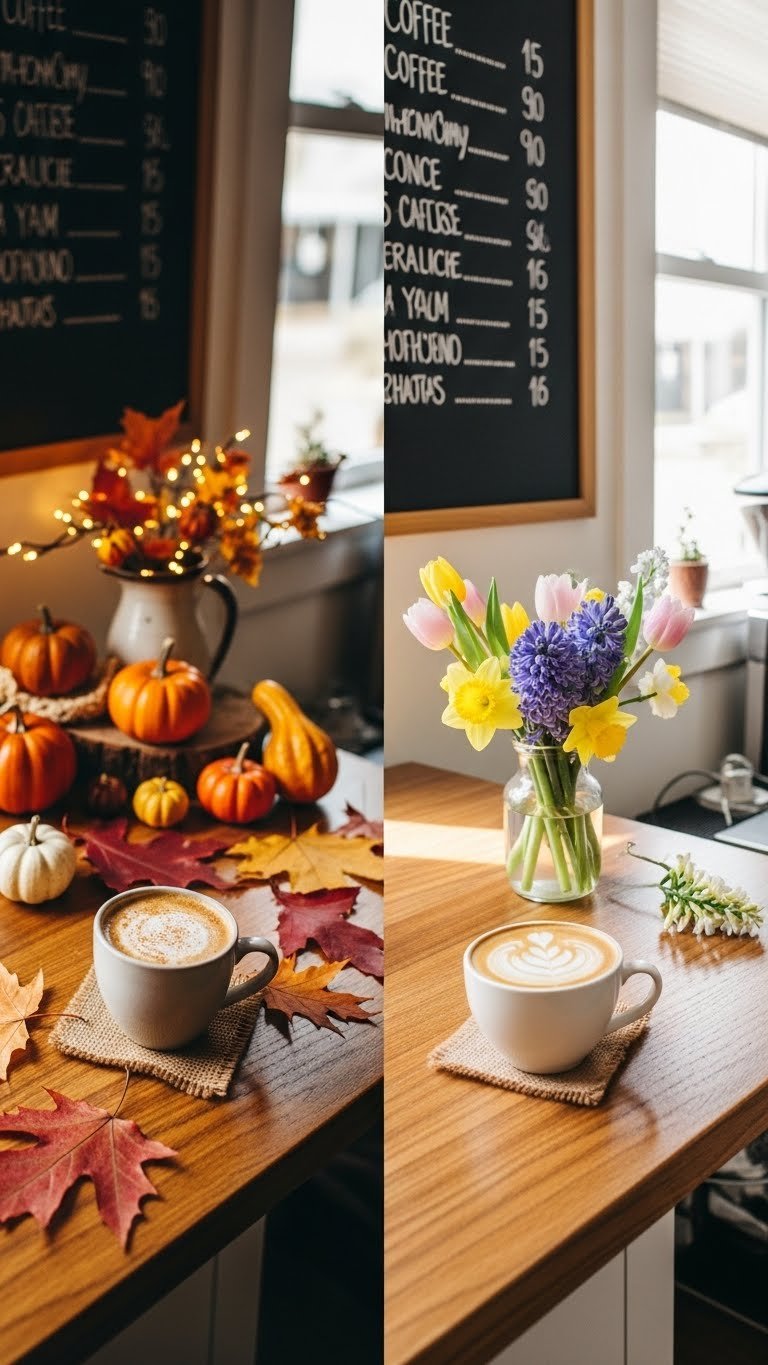
    27. Rotate Seasonal Styling and Decor

    Keeping your coffee bar fresh throughout the year doesn’t require major changes—just seasonal rotation of small décor elements keeps the space feeling new and relevant.

    Every 6-8 weeks, swap out small items ($0-$30 depending on what you buy): seasonal flowers, different throw blanket colors, holiday decorations, or thematic artwork. Keep the core setup constant (your shelves, equipment, lighting) but refresh accessories. This costs almost nothing but keeps the space from feeling static.

    Shop seasonal sections at Target, IKEA, or dollar stores for inexpensive seasonal pieces that look intentional without breaking the bank.

    Seasonal refresh keeps your coffee bar feeling alive and gives you a reason to visit it with renewed interest, which means you actually use the space you’ve created instead of it becoming scenery.


    Save this post for when you’re ready to start your coffee bar refresh. Pick just one or two ideas to tackle this weekend—you’ll be surprised how quickly even small changes make the space feel completely different. Which idea will you try first?

  • 25 Budget-Friendly Upgrade Ideas That Make Any Small Space Pop

    25 Budget-Friendly Upgrade Ideas That Make Any Small Space Pop


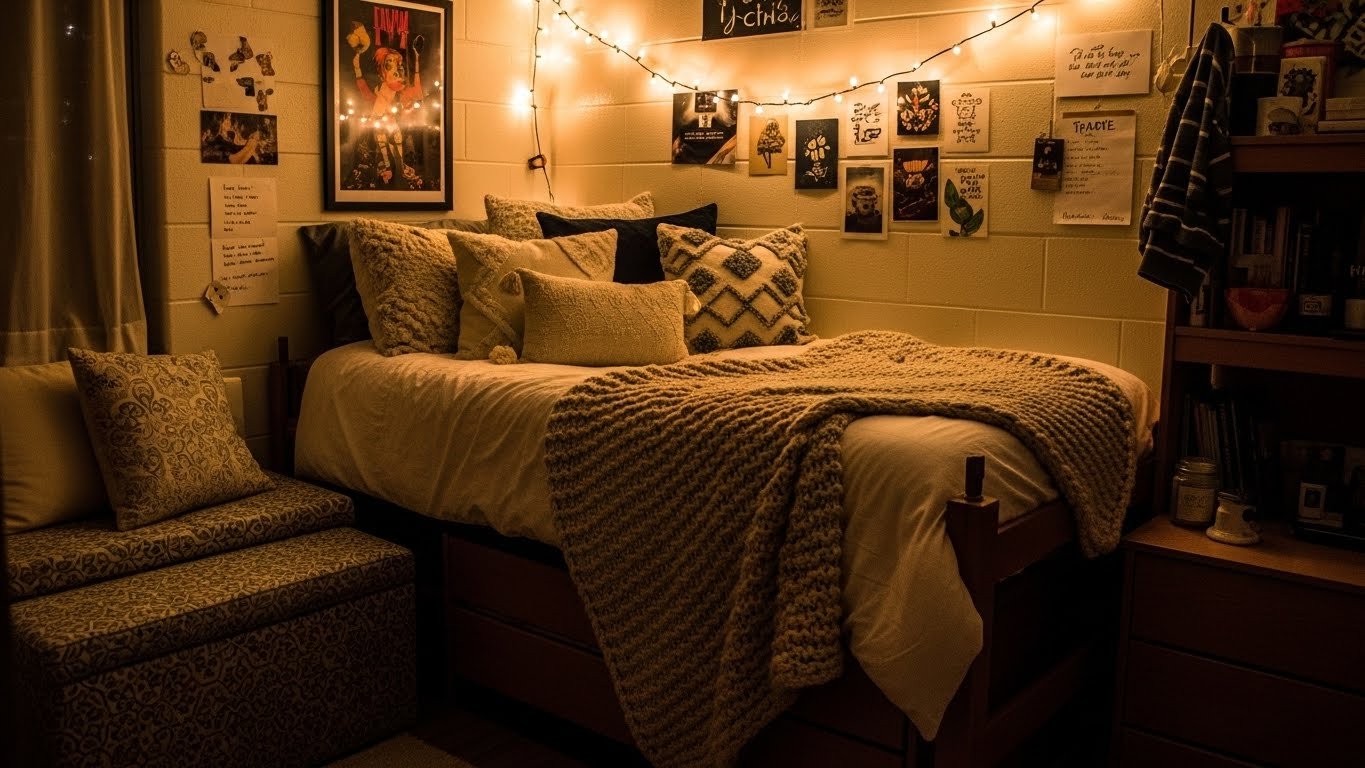
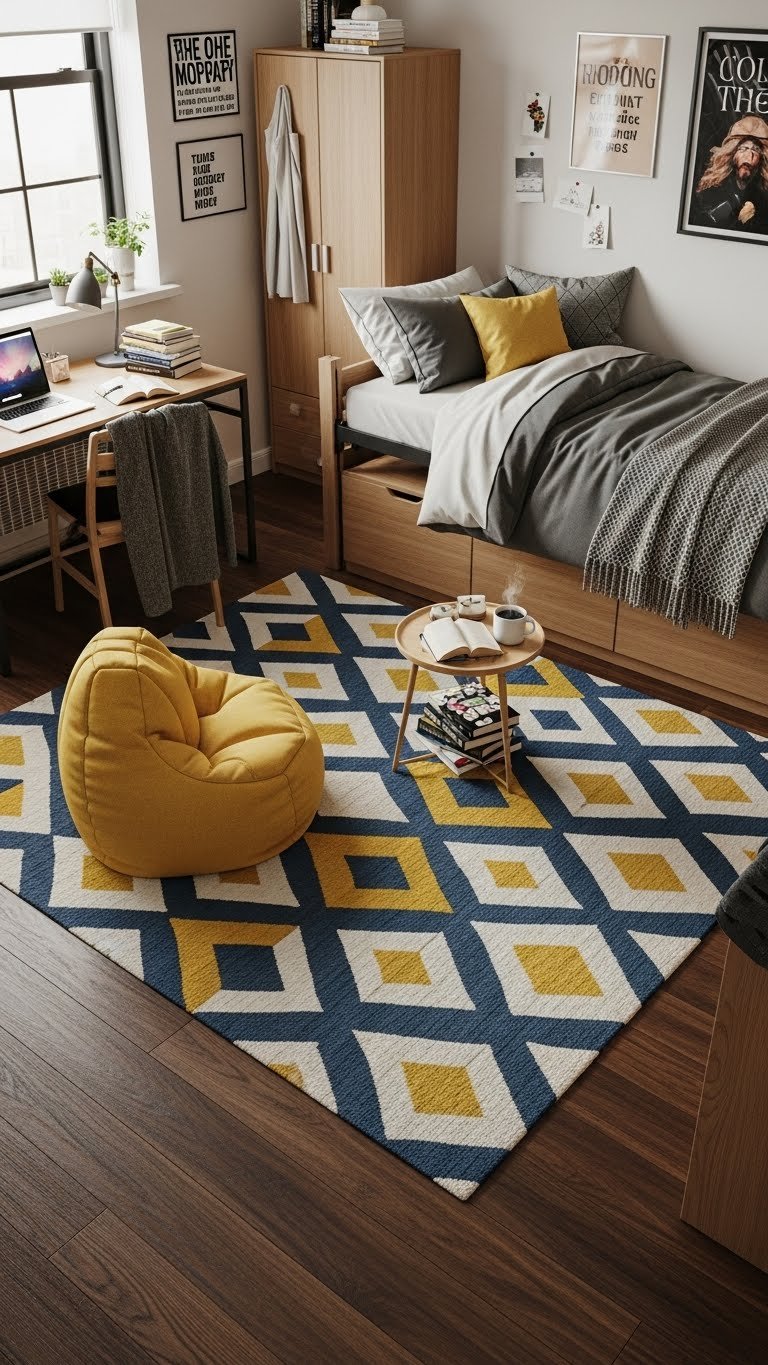
    Your dorm room doesn’t need to feel like a temporary afterthought. Whether you’re working with a shoebox-sized space or awkward furniture placement, small rooms have huge potential when you know where to focus your energy and budget. The right upgrades can make your space feel intentional, comfortable, and genuinely yours—without requiring landlord permission or breaking the bank. We’ve gathered 25 realistic ideas that deliver major impact for minimal investment. From renter-friendly wall tricks to smart storage that actually holds your stuff, these tips work for every style and budget level. Ready to make your room feel way bigger and way better? Let’s dive in.


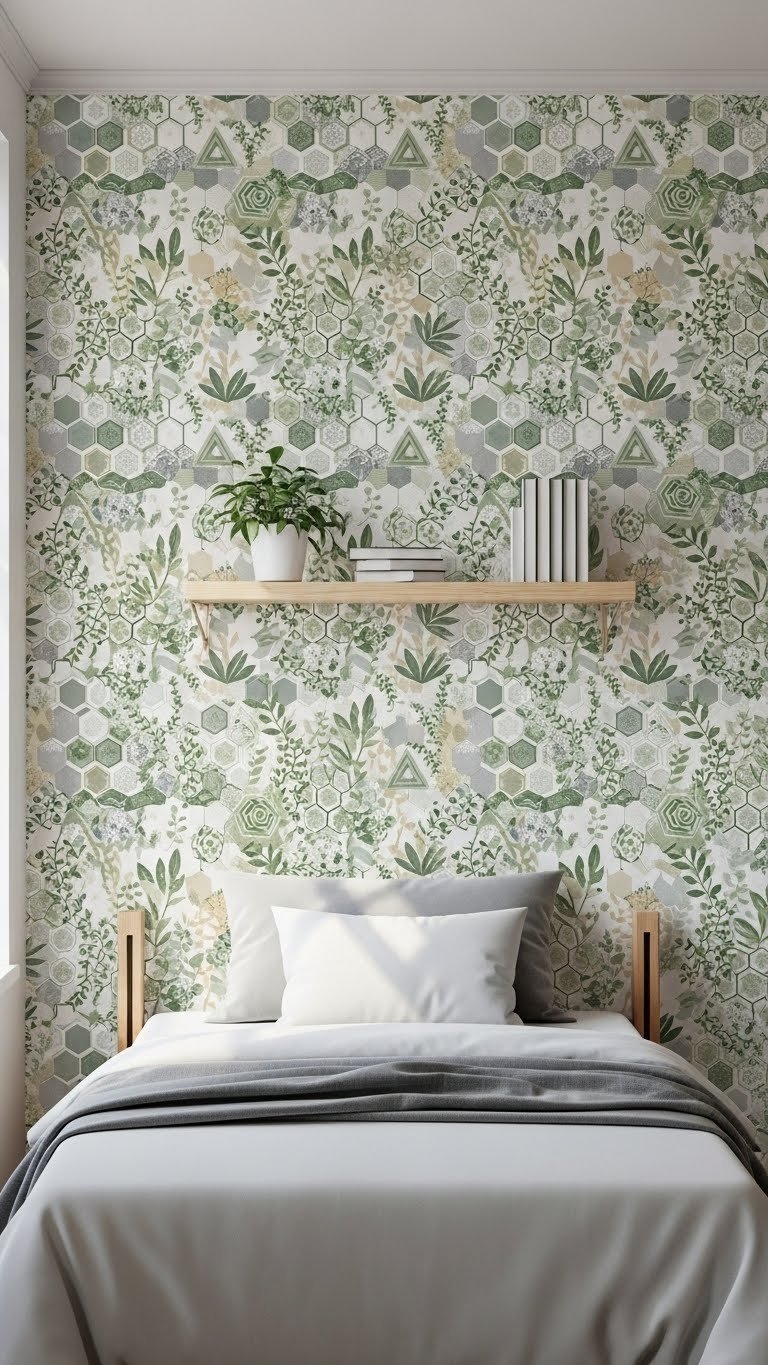
    1. Layer Peel-and-Stick Wallpaper on One Accent Wall

    Peel-and-stick wallpaper gives you a total accent wall without the commitment or damage deposits. One patterned wall completely changes how the whole room feels, and you’re not drilling holes or touching actual drywall. Most designs stick cleanly to flat surfaces and peel off without residue—game-changing for renters.

    Measure your wall carefully and order from Wayfair, Amazon, or Spoonflower. Geometric patterns, botanical prints, or subtle texture work well in small rooms without overwhelming the space. Installation takes about 30-45 minutes and costs $25-$60 depending on coverage. Smooth the air bubbles as you go, and take your time along the edges—rushing here shows. You can even layer a second, complementary wallpaper pattern on a smaller section for more visual interest.

    The result? Your room instantly looks designed instead of default. Plus, when you move out, removal takes under 10 minutes and leaves no marks behind.

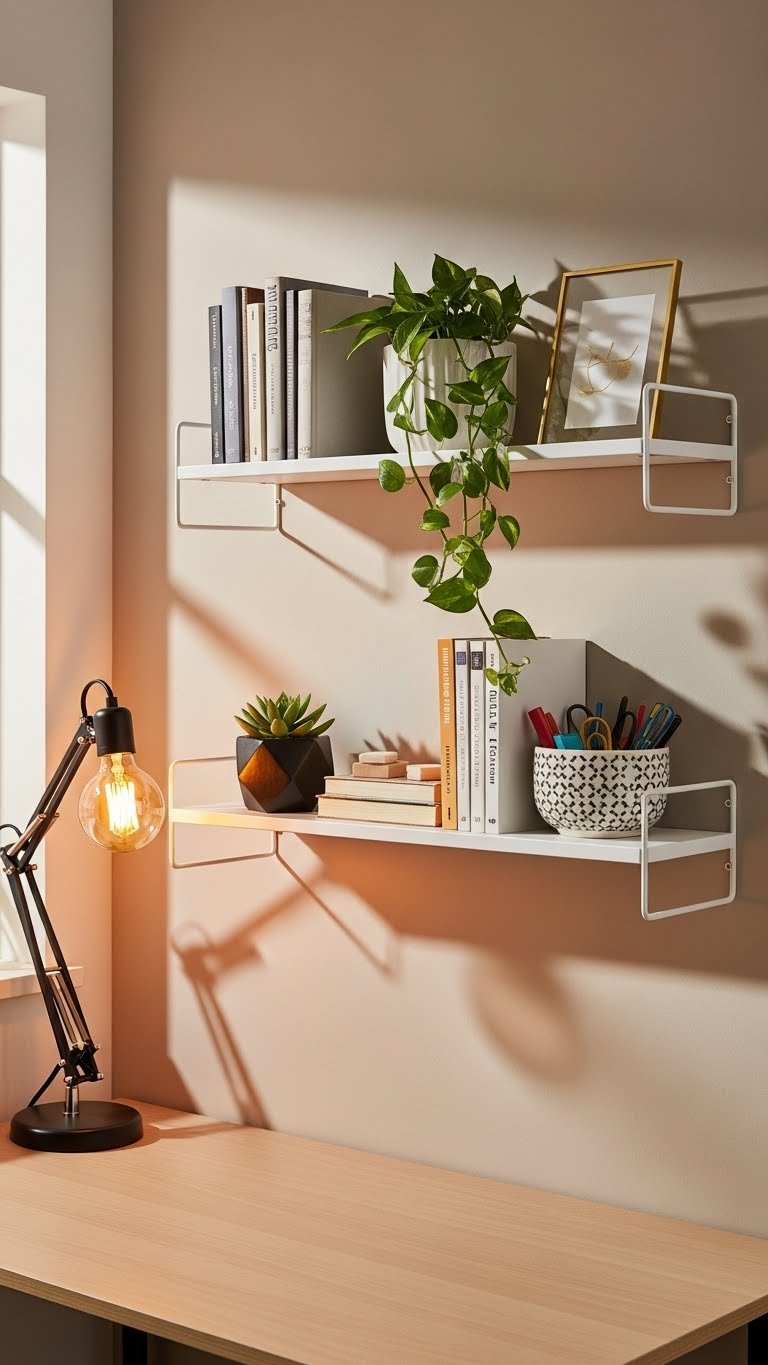
    2. Install Floating Shelves Above Your Desk or Bed

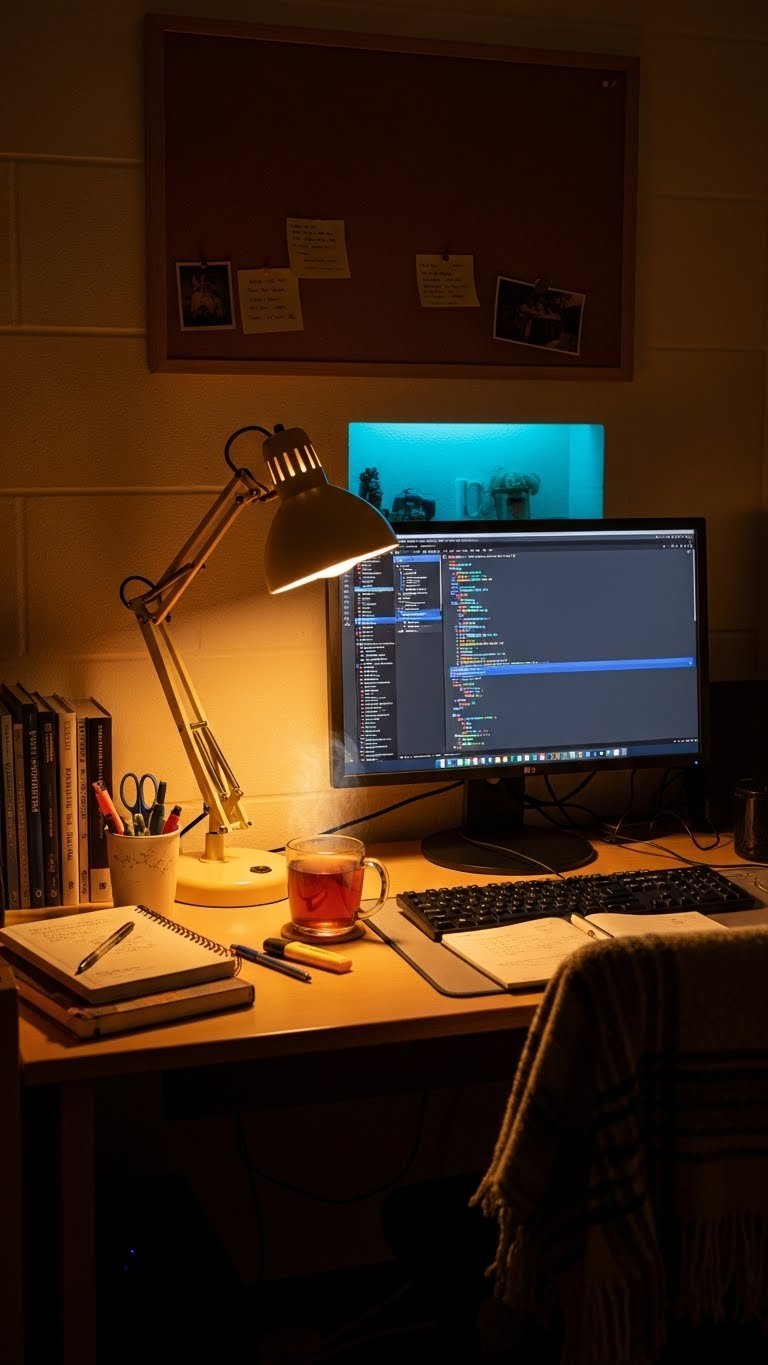
    Floating shelves solve the “I have nowhere to put my stuff” problem while keeping floor space clear. They’re especially valuable in tiny rooms where every inch counts, and they work on any wall type. You can mount them above your bed for nighttime storage or behind your desk to keep supplies visible and accessible.

    Pick shelves 12-24 inches long from IKEA, Target, or Home Depot—costs run $15-$40 per shelf plus bracket hardware. Installation requires a level and stud finder (or toggle bolts for drywall), taking about 20-30 minutes per shelf. Load them with books, plants, photos, and small baskets to add personality while staying organized. Layer items at different heights so they don’t look flat or cluttered.

    You’ll reclaim cubic feet of storage without eating into floor space. This change makes your room feel intentional, and visitors notice the storage innovation immediately.

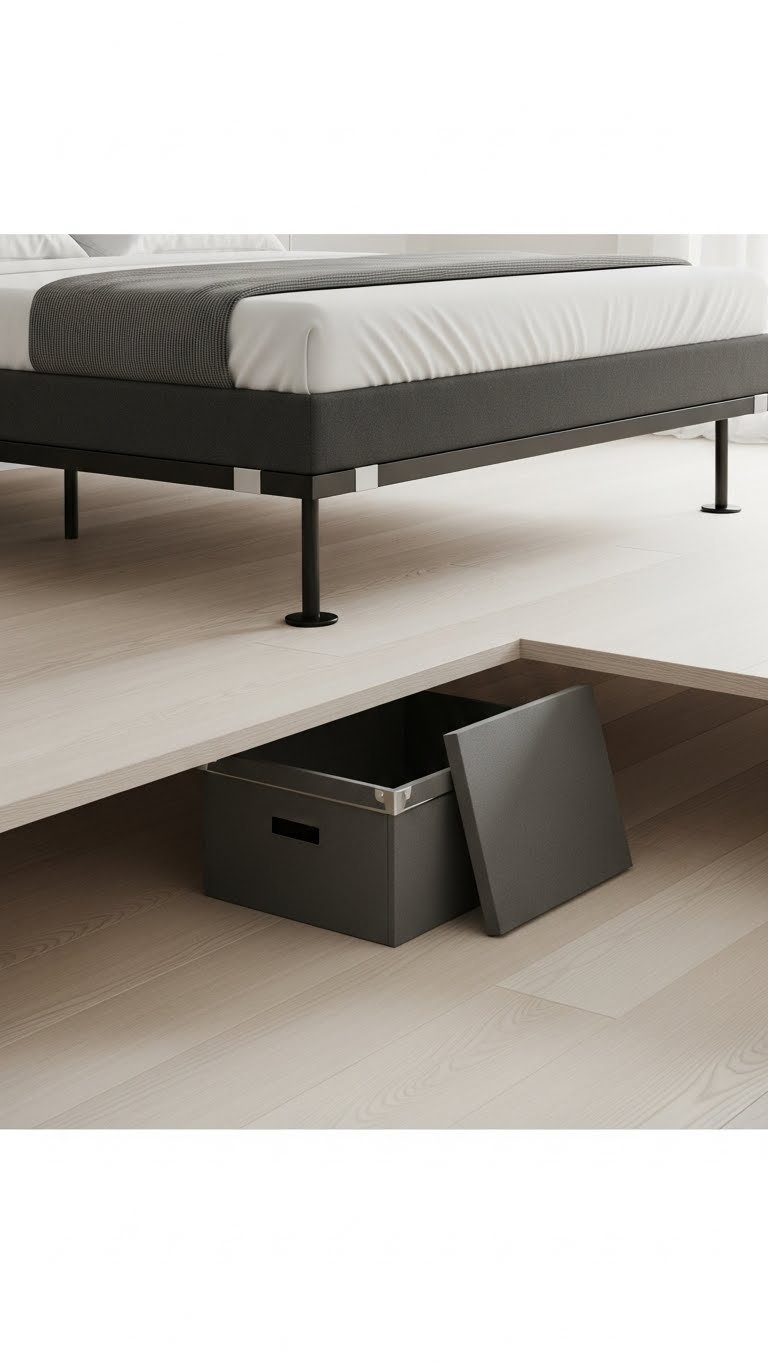
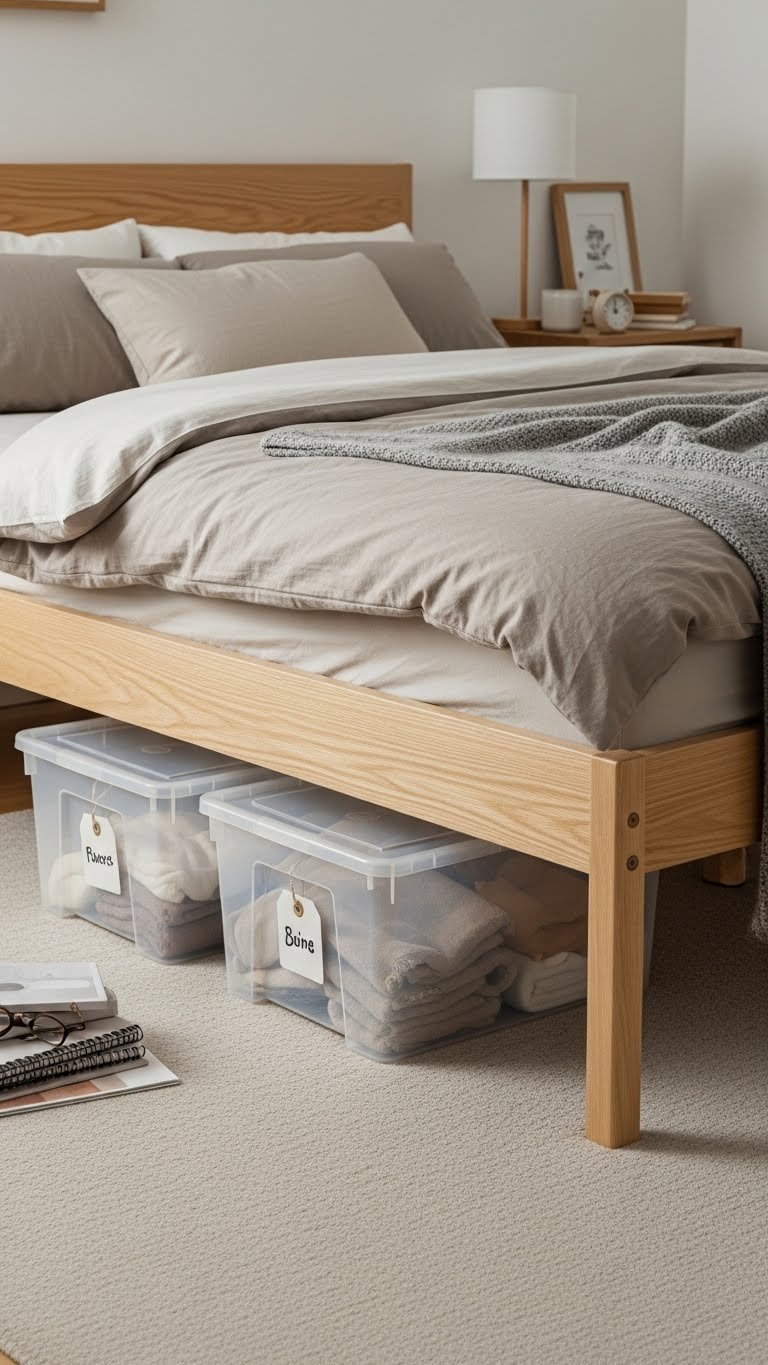
    3. Use Under-Bed Storage Bins to Maximize Hidden Space

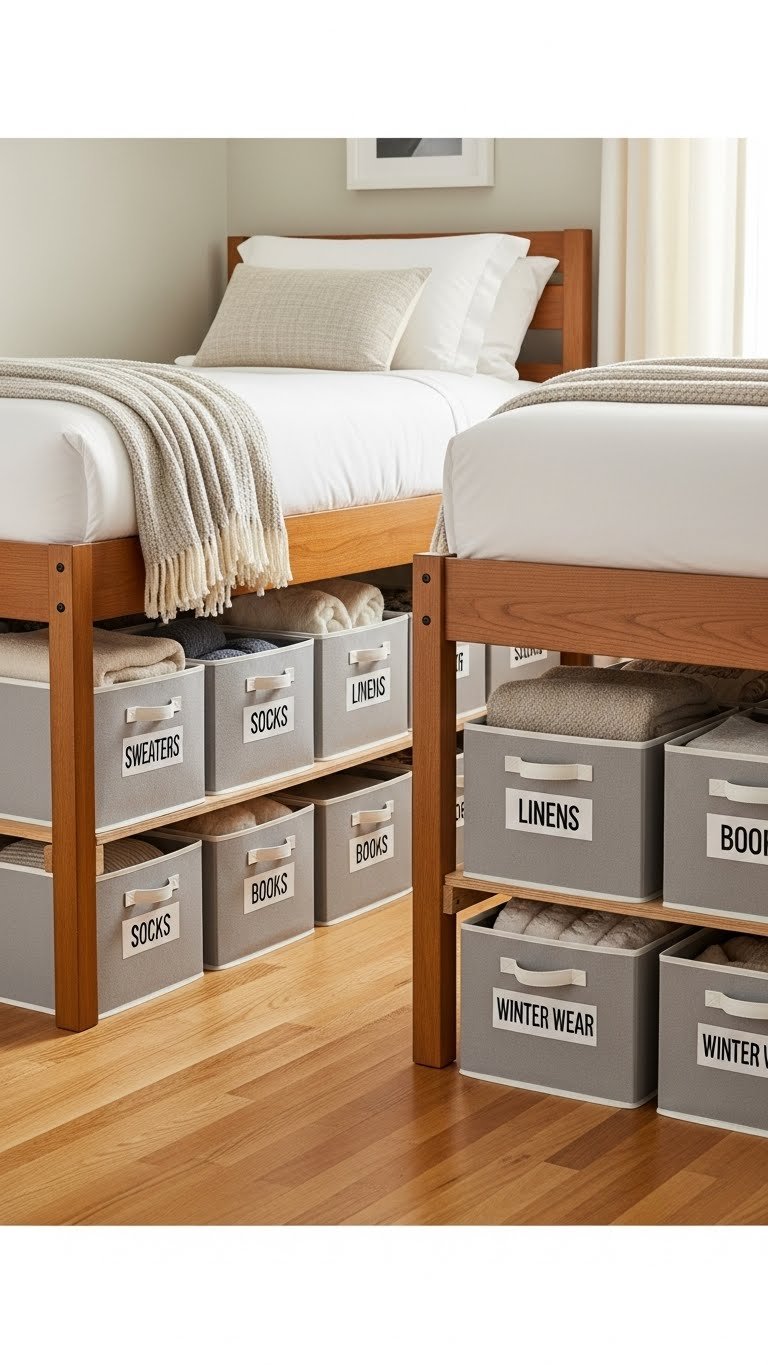
    Under-bed storage is the oldest trick in the tiny-space playbook, but it works because it actually works. Clear plastic bins let you see what’s inside without pulling everything out, and they slide easily in and out as needed. This is where seasonal clothes, extra bedding, and off-season décor go to live.

    Buy clear stackable storage containers from Container Store, Target, or Amazon for $10-$25 per bin. Standard twin-bed clearance works with low-profile bins up to about 6 inches tall. Label each bin on the front so you don’t forget what’s stored inside. Use a wheeled cart underneath if you want something extra moveable, especially when it’s time to deep-clean or switch out seasons.

    The payoff? Your floor looks cleaner, your closet isn’t bursting, and you actually know where your things are. Plus, pulling out a bin takes literally two seconds—no digging through a mountain of stuff.

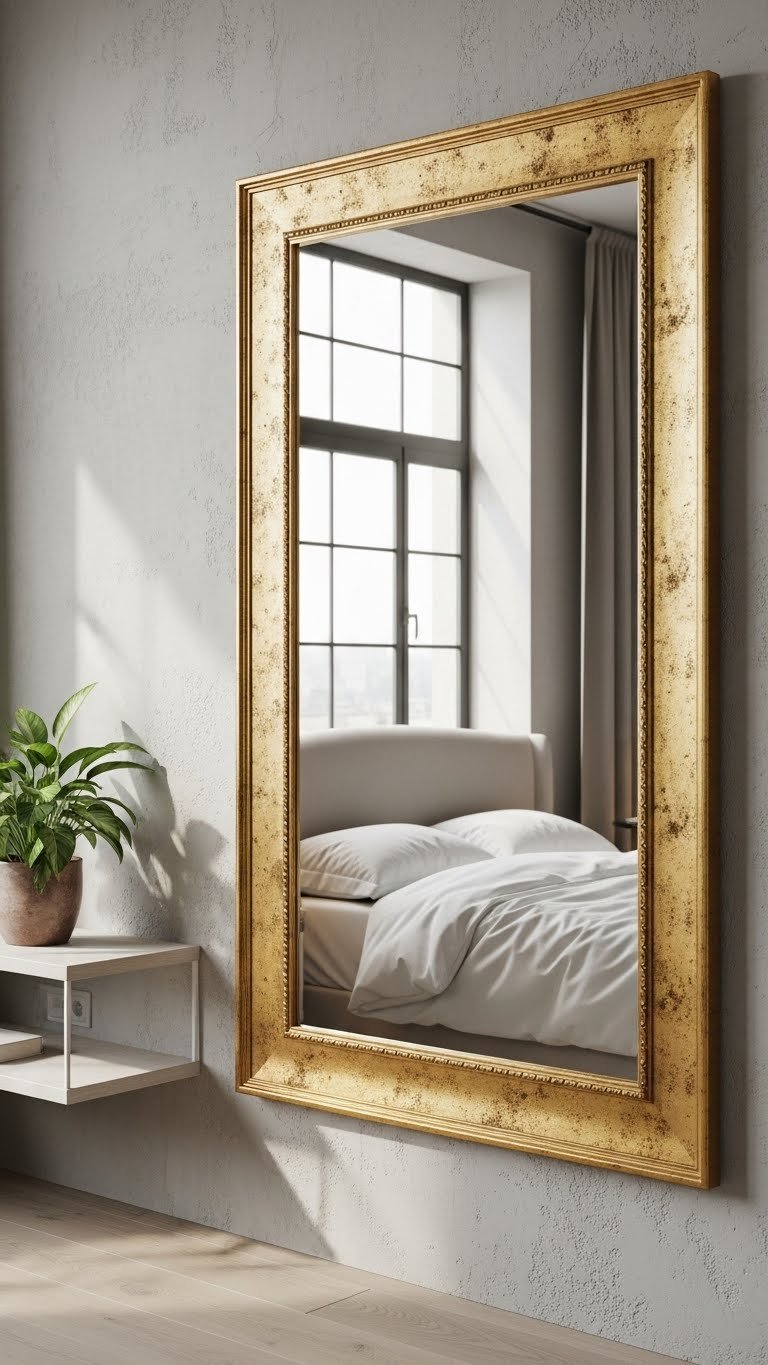
    4. Hang a Large Statement Mirror to Reflect Light and Space

    A strategically placed mirror bounces light around and makes cramped rooms feel exponentially larger. It’s pure optics, but it works every single time. Position your mirror across from a window or light source to maximize its reflective power, and suddenly your 100-square-foot room reads as roomy.

    Pick a mirror with an interesting frame from Wayfair, Urban Outfitters, or IKEA—prices range $30-$150 depending on size and material. A 24-30-inch mirror works best for most dorm rooms. Mount it securely with appropriate hardware (not just adhesive), taking about 15 minutes. Avoid placing it directly behind your bed, as that can feel odd spatially. Instead, mount it on a wall perpendicular to your bed or opposite your main seating area.

    The result is immediate: your room looks brighter, bigger, and more polished. Plus, you get practical value from it daily—your actual mirror for getting ready.

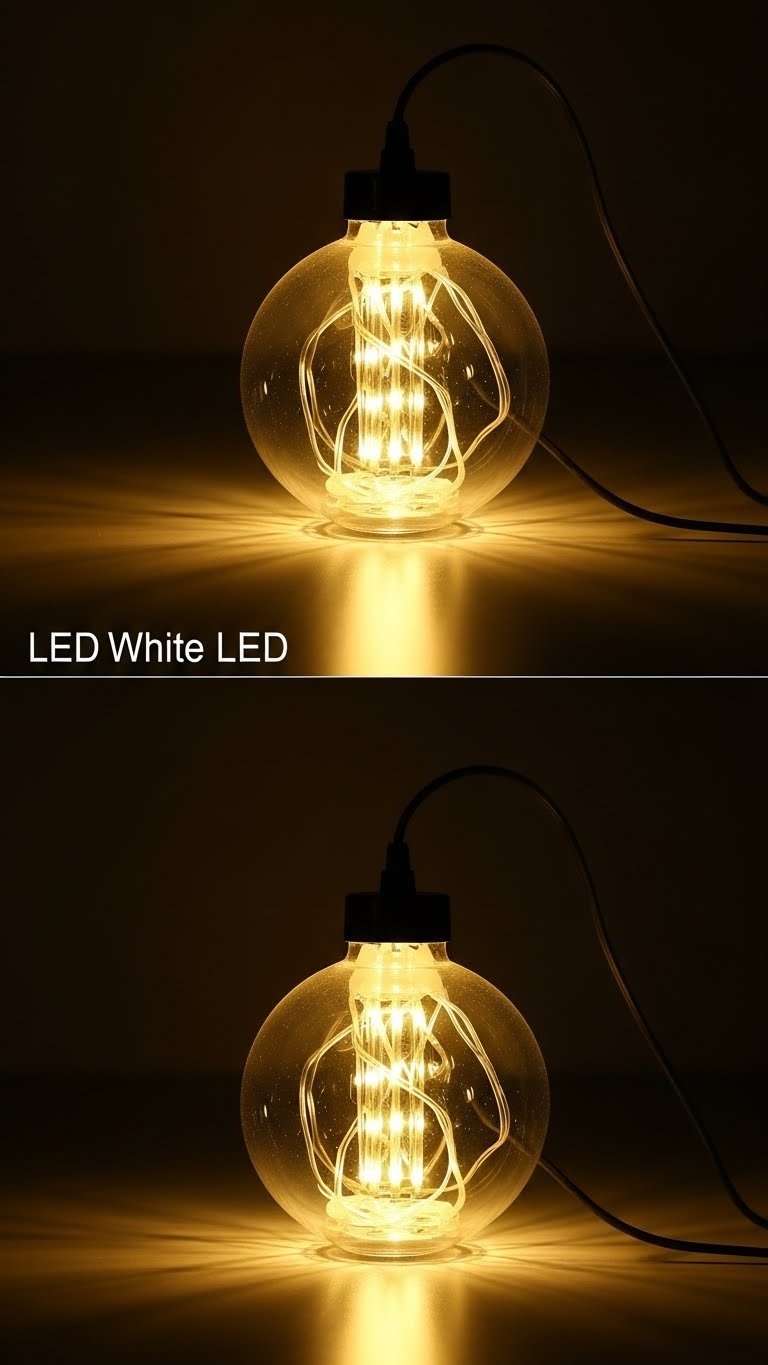
    5. Swap Your Overhead Light for a Soft, Dimmable LED Option

    Overhead dorms lights are institutional and harsh—they drain your energy and make your room feel temporary. A single upgrade to a dimmable LED fixture or smart bulb changes your entire vibe and gives you control over your environment. You can work during the day with bright light, then dim everything down for relaxation or sleep.

    Install a dimmable ceiling fixture ($20-$40) or swap in a smart LED bulb like LIFX ($15-$25) that works with most standard sockets. If you can’t modify the fixture (strict housing rules), plug-in pendant lights or a track light are alternatives. No installation needed for smart bulbs—just screw and go. The whole setup takes 5-10 minutes and requires zero contractor skills.

    You’ll sleep better with dimmer evening light, focus better during study sessions with brightness, and your room suddenly feels like a place you actually want to be. Color temperature matters more than people realize.

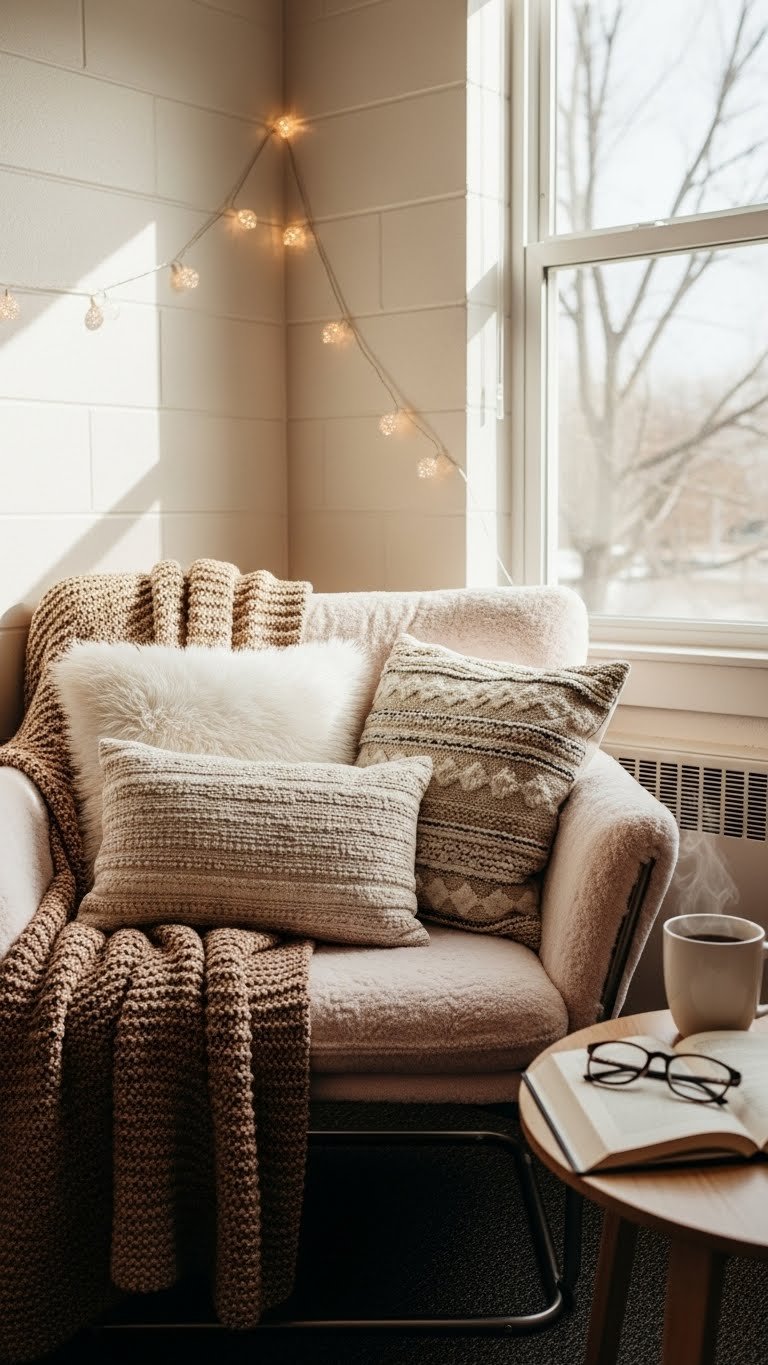
    6. Create a Cozy Reading Nook with a Small Chair and Throw Blanket

    A dedicated relaxation corner makes your room do double duty—study zone and sanctuary. Even a 2-foot-by-3-foot corner works when you use vertical space and layered textures. This becomes your mental reset button when studying gets intense or you need five minutes to decompress.

    Pick a compact chair like a faux fur saucer chair ($40-$80 on Amazon or Urban Outfitters) or a simple pouf ($25-$50). Add a throw blanket ($15-$30) and a tiny side table ($20-$40). String lights or a clip-on reading lamp overhead complete the mood. Total setup costs $100-$200 and takes about 30 minutes to arrange.

    Layer in pillows, keep a book or journal there, and suddenly you have a retreat within your room. You’ll actually use it—this isn’t decorative. It becomes the place you go to recharge between classes and social commitments.

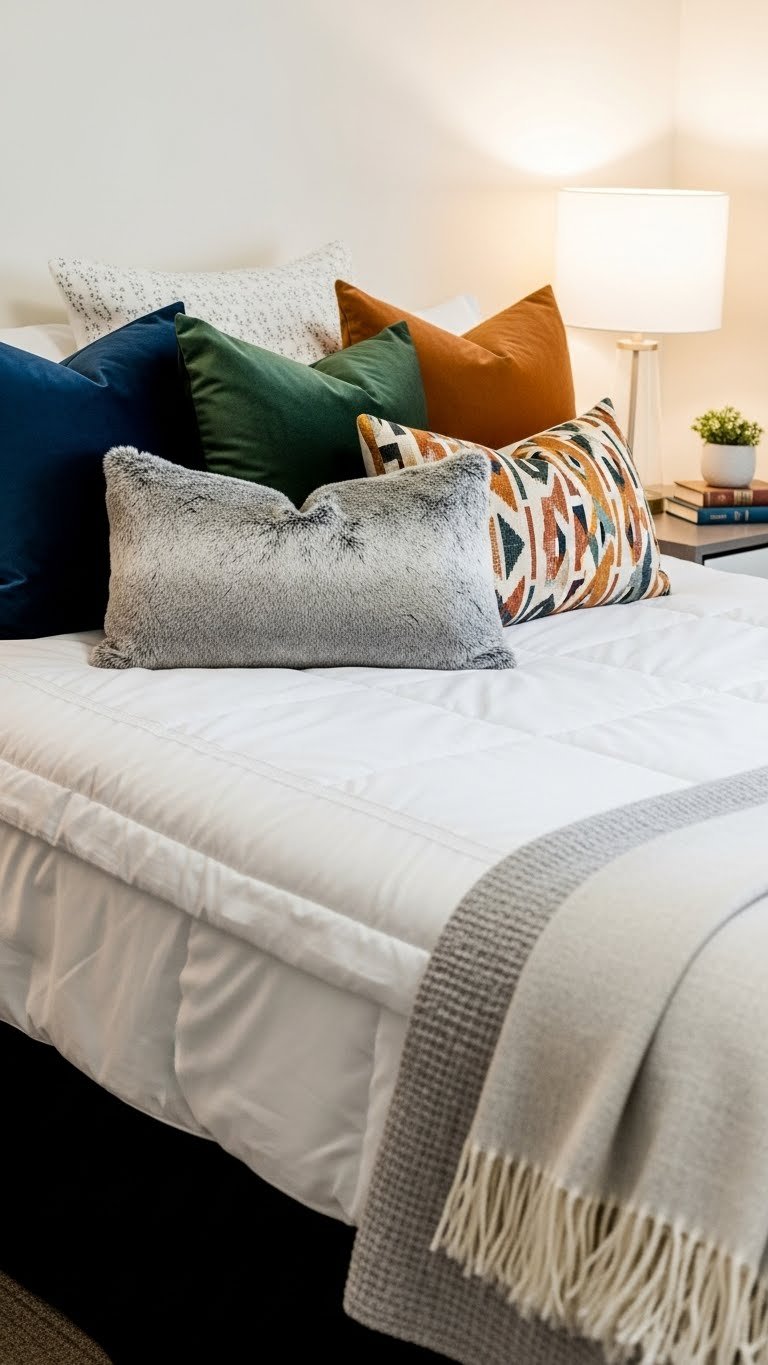
    7. Add Velvet or Textured Throw Pillows to Your Bed

    Throw pillows are the easiest way to add luxury, depth, and personality to your bed setup. Mix textures—velvet, faux fur, soft cotton—to create visual interest that elevates an otherwise plain bed. They’re also incredibly Instagrammable, which matters if your dorm room shows up in your content.

    Buy 2-4 throw pillows from Target, Amazon, or West Elm (prices: $15-$50 each depending on quality). Mix sizes, shapes, and textures to avoid a matchy-matchy look. Stick with a color palette (2-3 main colors plus neutrals) so it feels cohesive instead of chaotic. Arrange them on your bed during the day, pile them on a shelf at night if space is tight.

    Your bed transforms into a focal point that looks intentional and curated. Guests notice immediately, and you feel like you’re sleeping in a real room, not a college dorm. This one change makes the biggest visual difference for the lowest investment.

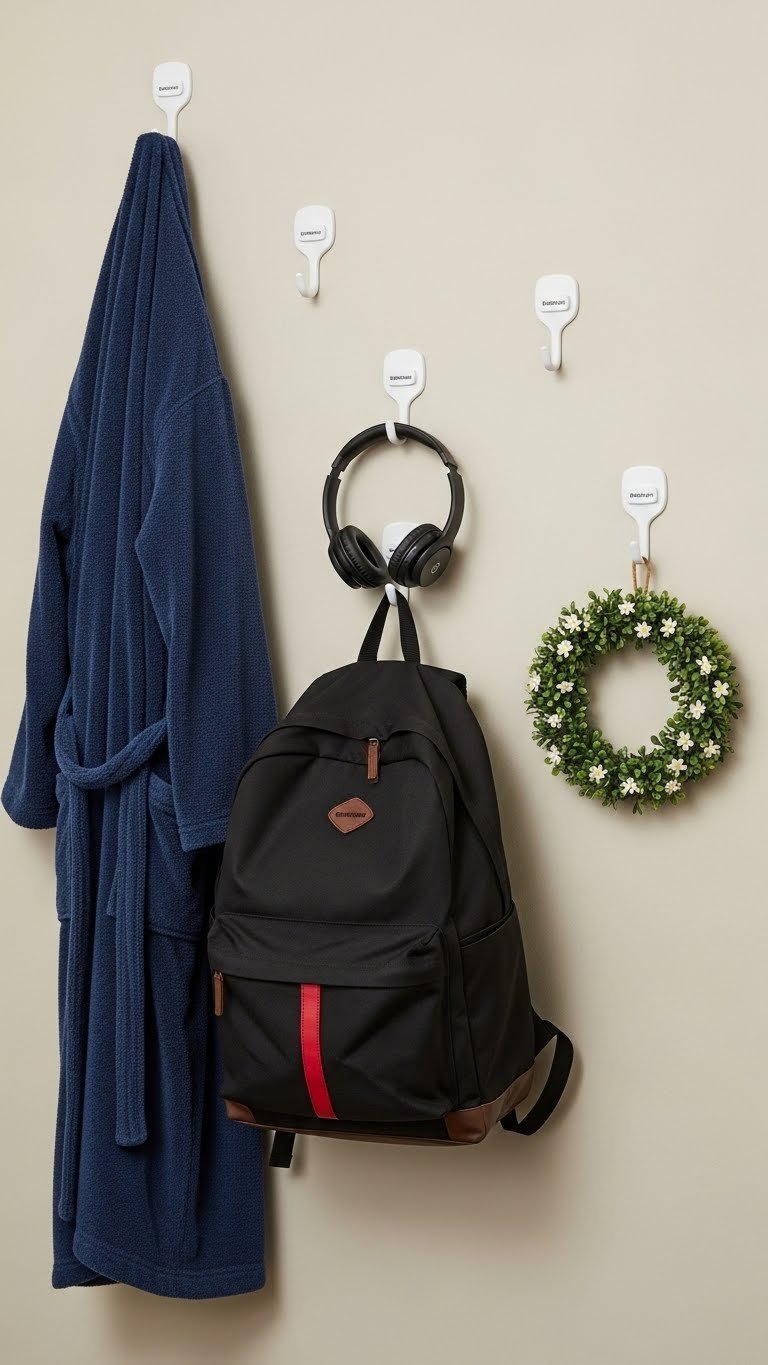
    8. Use Removable Command Hooks for Hanging Without Holes

    Command hooks are your renter’s best friend because they actually come off clean. Unlike cheap adhesive hooks that strip paint, these are designed for damage-free removal. Use them to hang bags, belts, headphones, hats, and lightweight decor—instantly clearing floor clutter and adding functional organization.

    Buy a multi-pack of Command hooks ($10-$15 per pack) from Amazon, Target, or Home Depot—you’ll get assorted sizes. Installation takes literally one minute per hook: clean the wall, peel, and press. They hold surprisingly well (up to 7.5 lbs per hook depending on the style), and removal leaves zero residue. Place them at different heights to create visual interest and maximize coverage.

    Your floor stays cleaner, your bags have homes, and your walls stay intact. This is one of those “why didn’t I do this sooner?” upgrades that costs almost nothing.

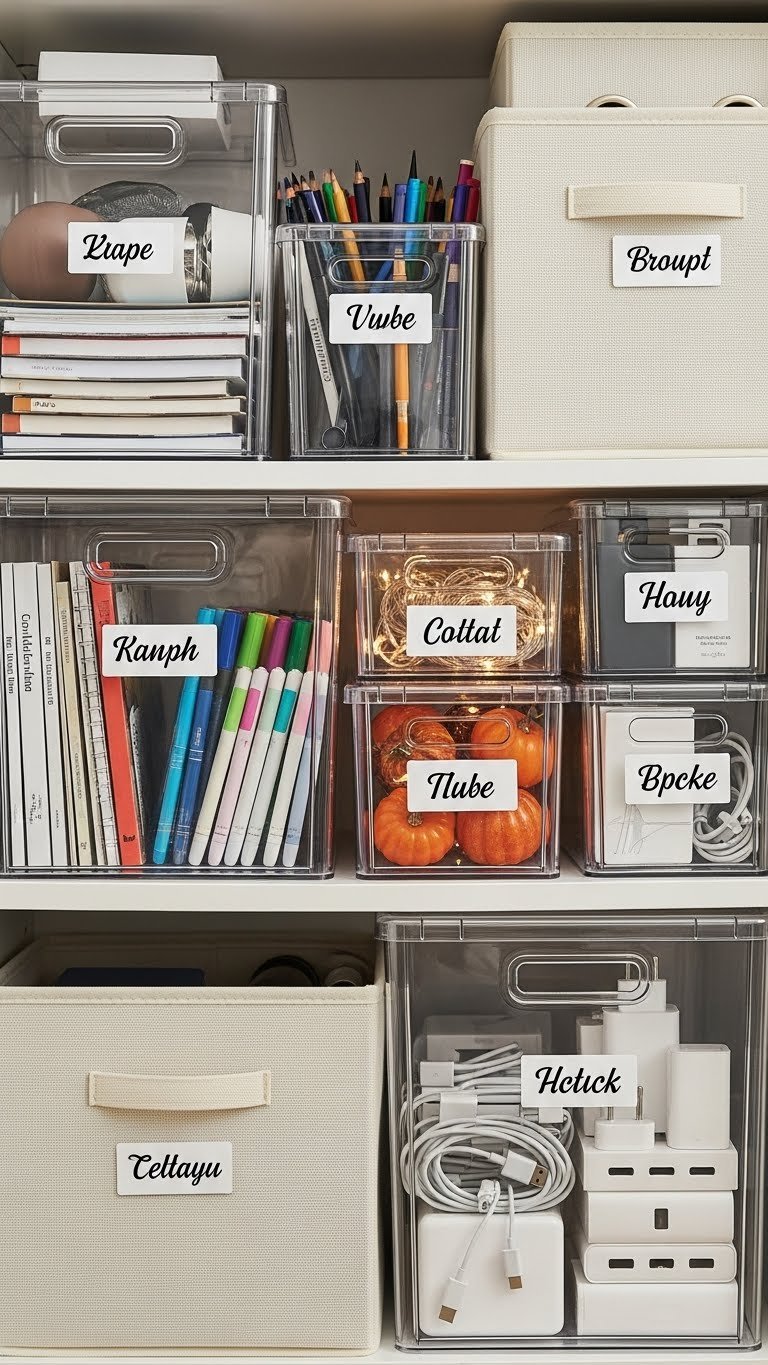
    9. Organize with Labeled Storage Boxes and Clear Containers

    Organization looks good and makes your life easier—when you can find things, you waste way less time searching. Clear containers let you see what’s inside without opening everything, while labels prevent the “I know this is in here somewhere” panic. This system compounds in value as the semester goes on.

    Invest in a set of clear storage boxes ($20-$40 for a multi-pack) and a label maker ($15-$25) from Container Store, Target, or Amazon. Alternatively, handwrite labels on white sticker tape for a personal touch. Sort by category: school supplies, tech, seasonal, gifts, hobby items. Take 30-45 minutes to set up the system the first time, then it maintains itself. Color-code bins if you want extra visual organization (blue for tech, white for documents, etc.).

    Everything you own has a designated spot, so your room stays tidy even when you’re busy. Plus, you’ll stop buying duplicates of things you already own because you can actually see your inventory.

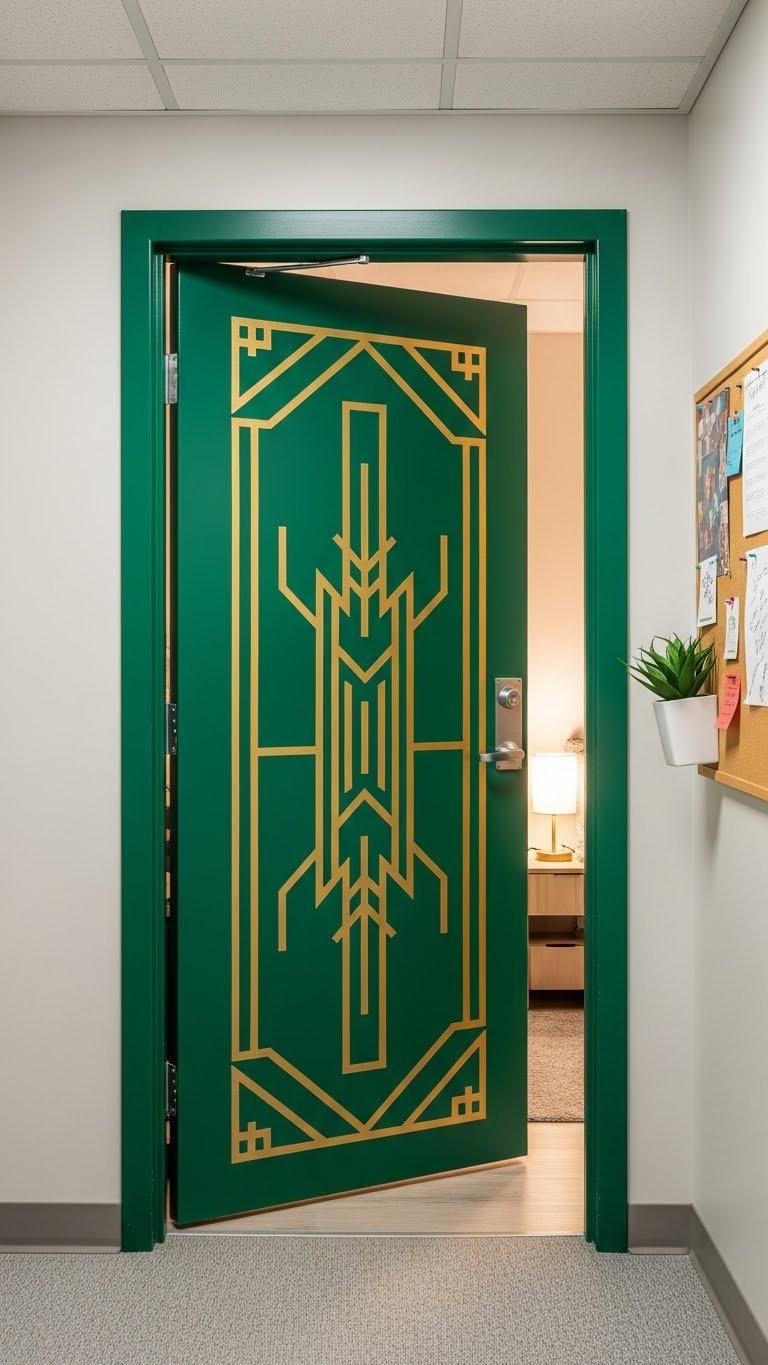
    10. Paint Your Door or Wall With Removable Wallpaper Patterns

    Your door is a huge, easy-to-modify surface that most people ignore. Painting it or covering it with peel-and-stick wallpaper creates an instant focal point and signals that your room is intentional, not default. It’s especially effective in otherwise neutral spaces.

    If painting: use removable wall paint (like Tempaper or Clare Paint, $50-$80 per gallon) that peels off cleanly, or ask your RA about temporary paint options. If wallpaper: apply peel-and-stick patterns ($15-$40 per roll) over existing door. Painting takes 1-2 hours (including drying time), while wallpaper takes 20-30 minutes. Both give you a bold statement without permanent damage.

    Your room instantly reads as “someone who has taste lives here.” The door becomes a conversation piece, and the whole space feels more curated because of one strategic choice.

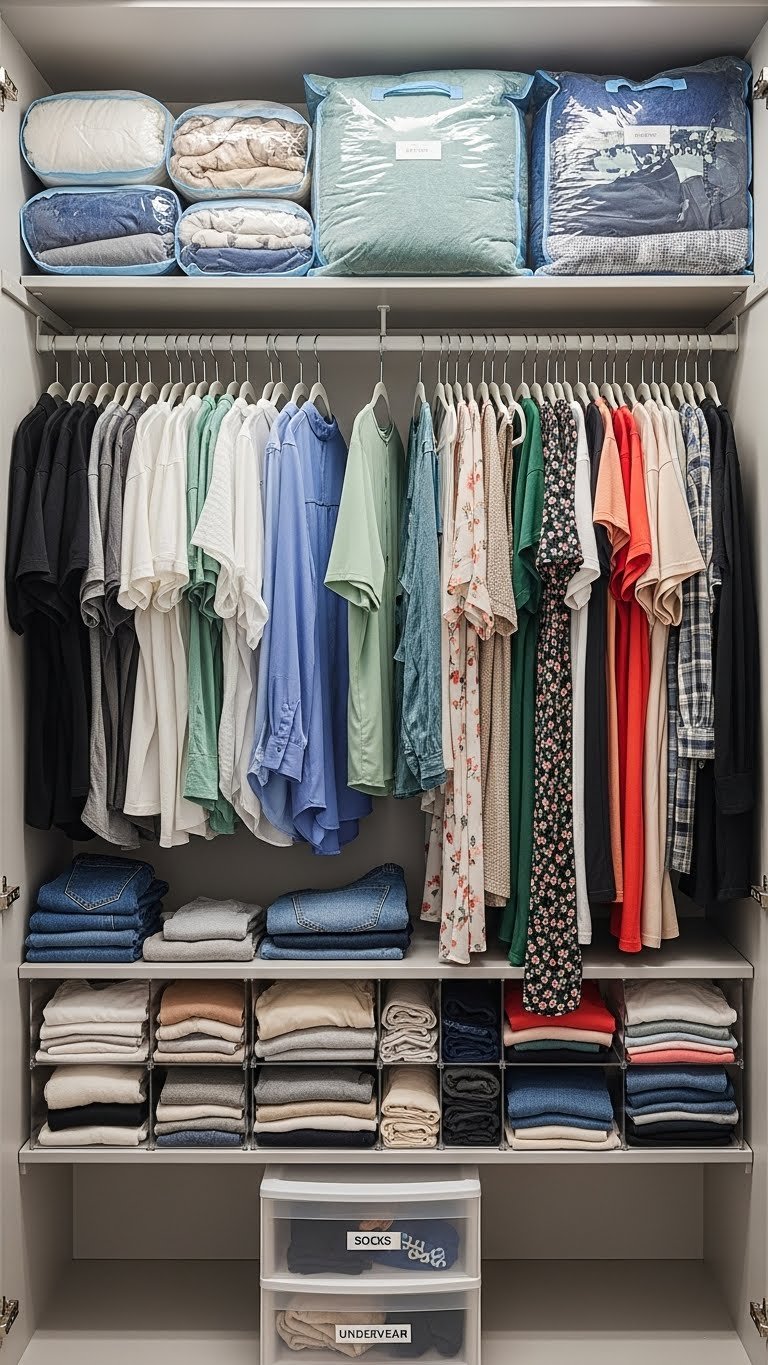
    11. Maximize Closet Space With Slim Hangers and Shelf Dividers

    Closet space in dorms is criminally small, so every inch needs to work hard. Slim hangers free up horizontal space, shelf dividers prevent the “pile avalanche” when you pull one thing out, and smart folding maximizes vertical storage. This system actually lets you find and wear more of your clothes.

    Buy velvet slim hangers ($10-$20 per pack of 10) from Target or Amazon—they prevent clothes from sliding off and take up half the space of chunky plastic hangers. Add shelf dividers ($8-$15 per pair) to keep stacks from toppling. Use vacuum storage bags ($10-$15 for a set) for off-season items on your top shelf. Total investment: $40-$60, setup time: 45-60 minutes.

    You’ll suddenly discover clothes you forgot you owned. Getting ready becomes faster because you can see your actual options, and your closet doesn’t turn into chaos when you’re in a rush.

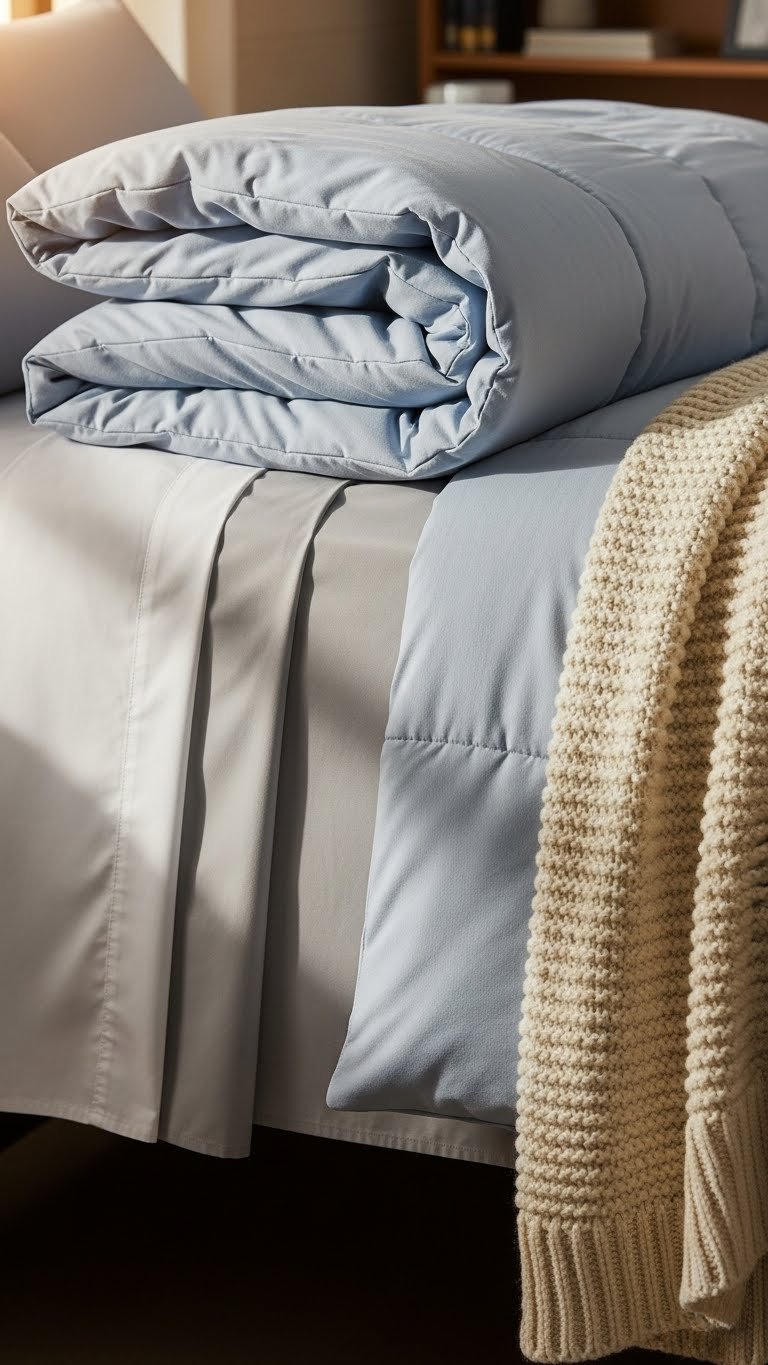
    12. Layer Your Bedding for Maximum Texture and Impact

    Layering bedding adds visual depth, practicality, and a sense of luxury that transforms how your bed reads. Instead of a flat comforter, you build a story with textures—crisp sheets, a warm blanket, a soft throw draped across the foot. It’s the easiest upgrade for the biggest visual payoff.

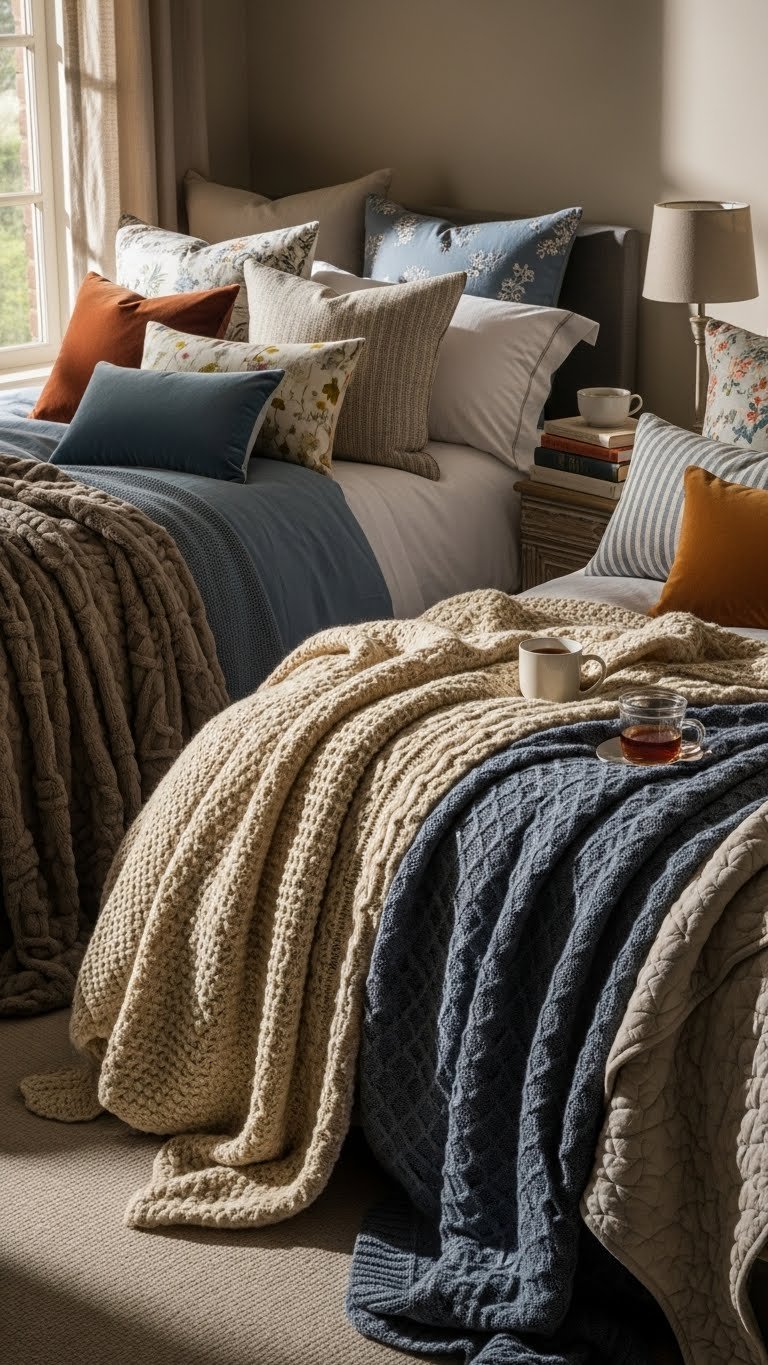
    Start with quality sheets ($25-$50 per set) in a neutral color—Egyptian cotton or a microfiber blend that feels good. Add a lightweight quilt or comforter ($40-$80). Layer on a textured throw blanket ($20-$40) draped over the foot or end. Mix finishes: matte, velvet, linen, cotton. Total spend: $85-$170, but you’re upgrading comfort too, not just looks.

    Your bed becomes the focal point of your room instead of just a place to sleep. This layering trick photographs beautifully and makes your space feel intentional and curated. You’ll also sleep better with the layering options for different seasons.

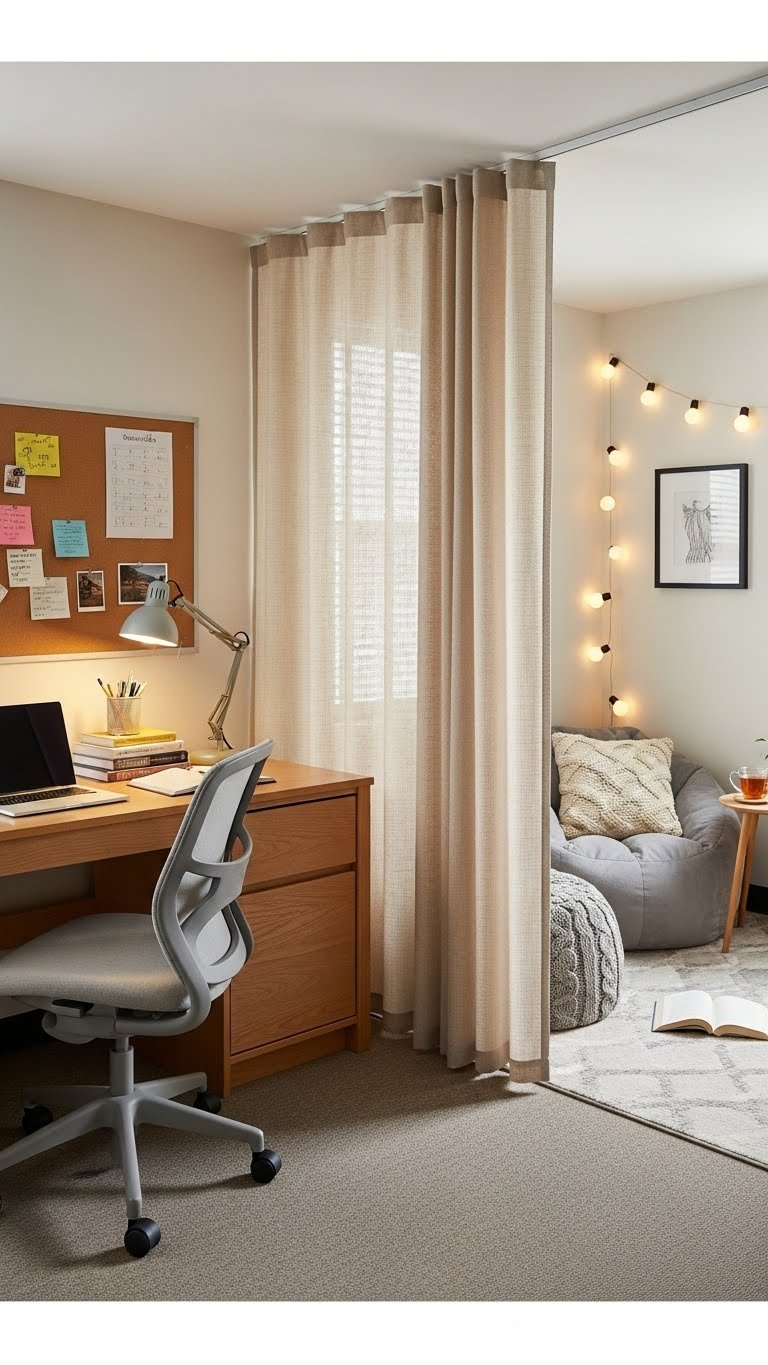
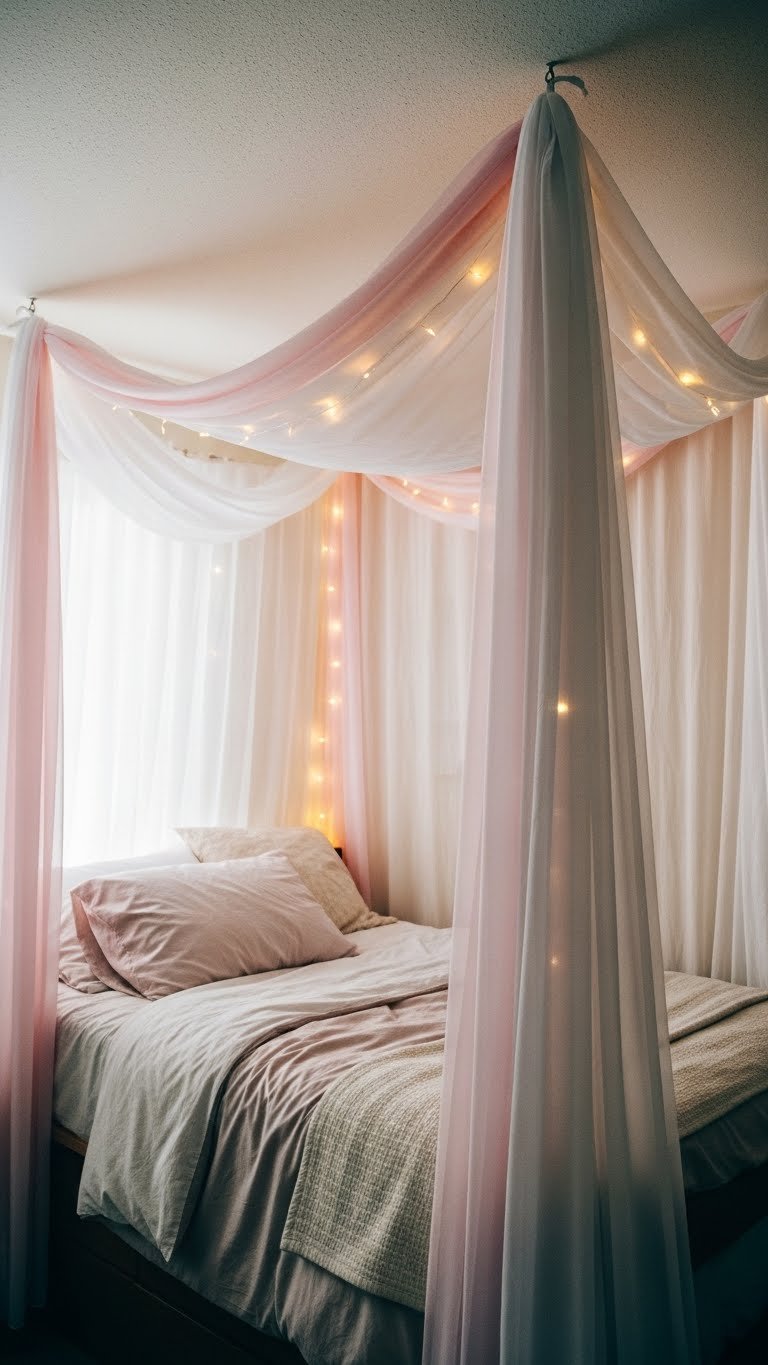
    13. Install a Tall Tension Rod Curtain Divider for Extra Privacy

    If you’re sharing a tiny room or want visual separation between zones, a tension rod curtain divider is genius. It costs almost nothing, takes five minutes to install, and instantly makes your room feel bigger psychologically. Use it as a backdrop behind your bed or to create a separate study zone.

    Pick a tension rod ($15-$25) from Target or Amazon that fits your space. Choose curtain fabric ($20-$40 for enough to divide your room) in a color or pattern that complements your room. Installation takes literally 5 minutes—no tools required. Use sheer fabric to filter light without fully blocking it, or heavier linen for more privacy and drama.

    Your room functionally becomes two spaces, which is huge when space is limited. You can study without your sleep area being visible, and you can relax without visual clutter from your workspace. It’s a psychological game-changer.

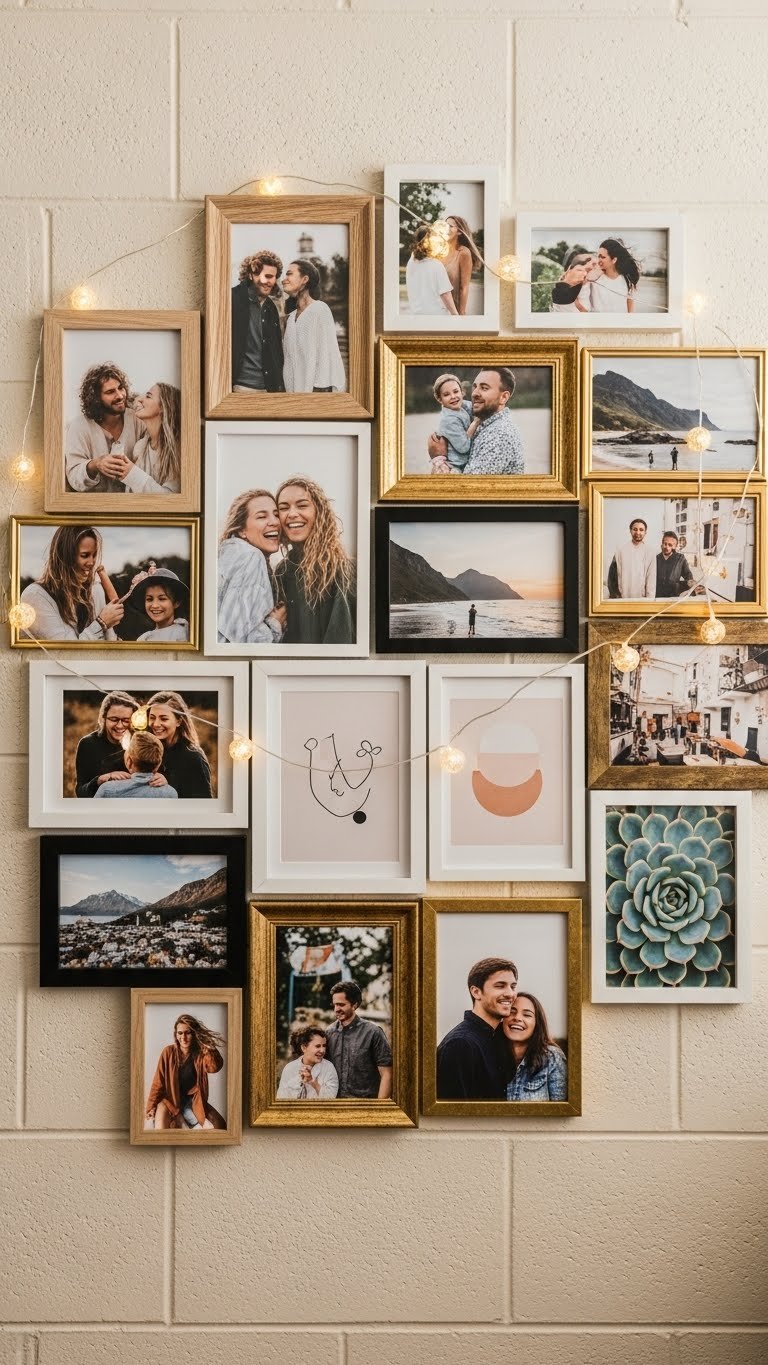
    14. Create a Photo Wall or Collage Display With Peel-and-Stick Frames

    A photo wall makes your room feel personal and lived-in—it’s an instant mood boost and conversation starter. Peel-and-stick frames mean zero wall damage, and mixing frame sizes and styles creates visual interest. This is one of the easiest ways to “own” your temporary space.

    Buy assorted peel-and-stick frames ($15-$30 for a pack of 8-12) from Amazon, Urban Outfitters, or IKEA. Print photos from your phone ($0.15-$0.50 each at Walgreens or CVS, or print at home). Arrange frames on your wall in a loose grid or organic cluster, then swap photos seasonally. Takes 30-45 minutes to install and arrange. This costs $30-$50 total and requires zero drilling.

    Your room instantly feels like yours instead of generic dorm space. Plus, you have a visual reminder of people and places you love, which matters during stressful times.

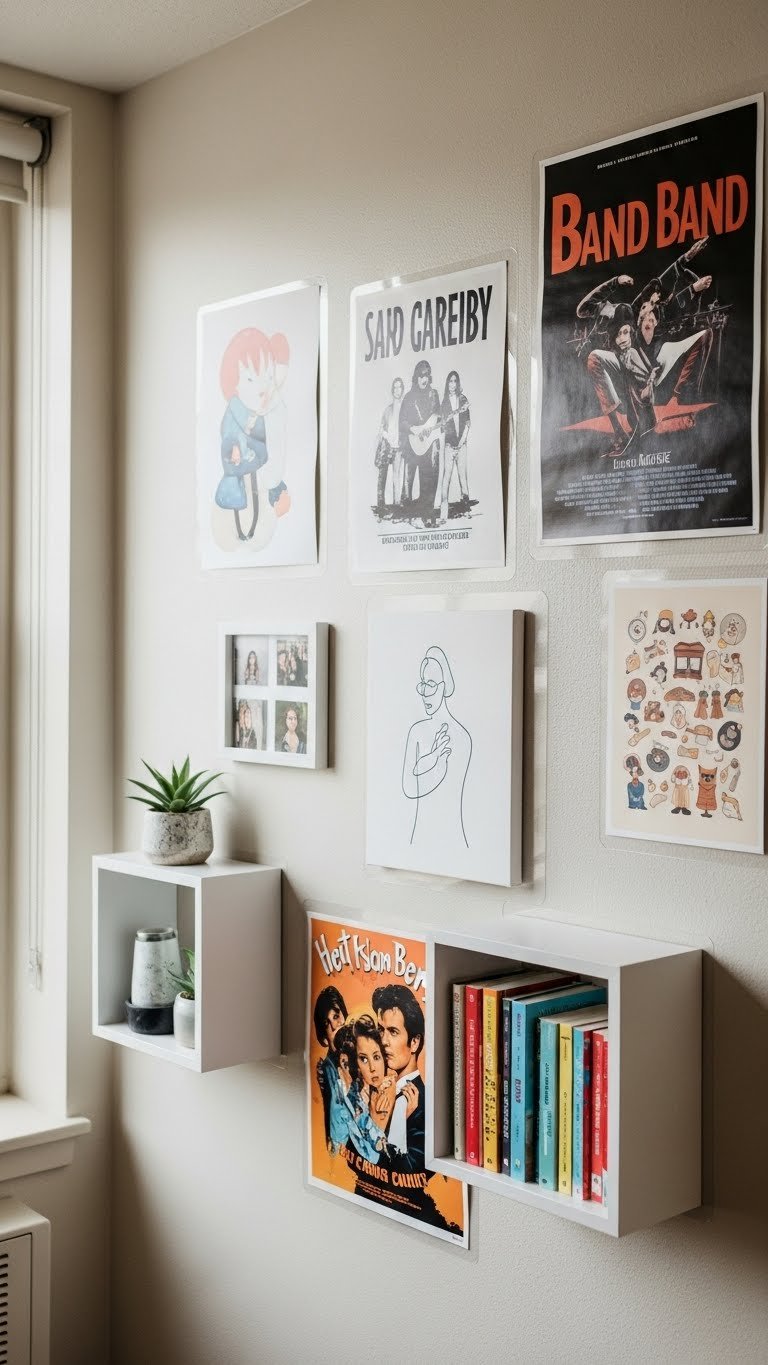
    15. Use Adhesive Caulk to Hang Lightweight Décor on Any Surface

    If peel-and-stick doesn’t work for your specific items, adhesive caulk (like Poster Putty or removable caulk) holds posters and lightweight decor safely without holes. It’s stronger than typical putty and releases cleanly when you leave. This opens up decorating options beyond peel-and-stick products.

    Buy a pack of removable caulk ($5-$10) from Amazon or Target. Apply small dots to the back of posters, prints, or lightweight shelving. Press firmly and let cure for 24 hours. It holds surprisingly well—up to 8 lbs in some cases. Removal is clean: just peel off slowly and any residue wipes away.

    You now have endless décor flexibility without any permanent commitment. Posters, prints, lightweight tapestries, and small shelves all stay secure. It’s the renter’s secret weapon for personalizing walls.

    16. Hang Sheer Fabric From the Ceiling to Create a Canopy Effect

    A fabric canopy creates a cozy nest and transforms your bed into a focal point. Unlike a permanent canopy, you’re just hanging lightweight fabric from the ceiling, which creates visual magic without structural changes. It instantly makes your room feel more designed and intimate.

    Get sheer fabric ($10-$20 per yard) from a craft store or use lightweight curtain material. Buy adhesive hooks ($5-$10 per pack) to hang from ceiling corners. Drape and arrange fabric loosely, letting it flow naturally rather than looking stiff. Add string lights or fairy lights ($15-$25) strung through for extra ambiance. Total investment: $40-$80, installation time: 20-30 minutes.

    Your bed becomes a sanctuary and the most inviting spot in your room. This tiny change has an outsized impact on how comfortable and personal your space feels. Plus it photographs beautifully for social media.
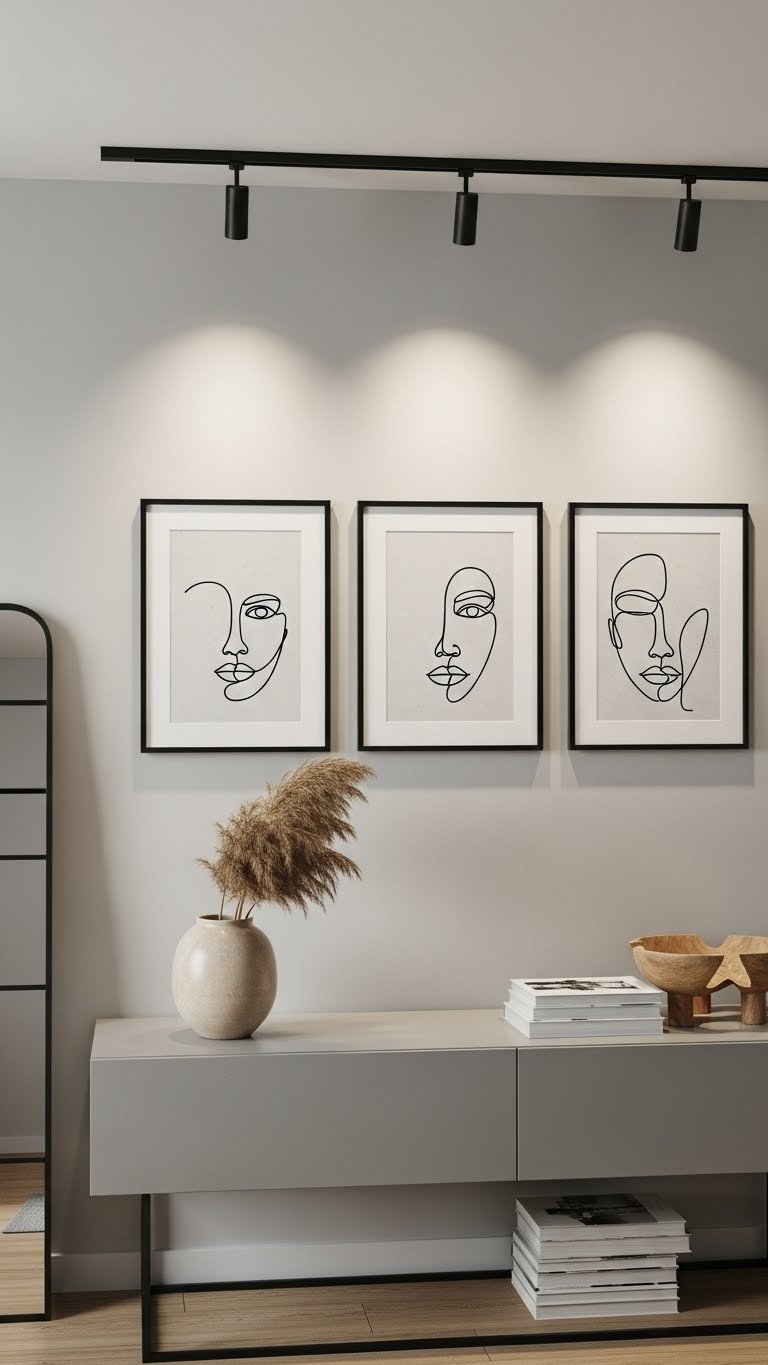
    17. Set Up a Desk Lamp and Task Lighting to Improve Focus and Mood

    Desk lamps are practical and emotional—they make focusing easier and create ambiance that overhead lights can’t match. A good desk lamp transforms your study space from institutional to intentional. Plus, proper task lighting actually reduces eye strain and helps you work longer without fatigue.

    Pick a modern desk lamp ($25-$60) from Target, IKEA, or Amazon. Look for warmish tones (2700K color temperature) to avoid that harsh fluorescent feeling. LED bulbs are cheaper to run and last longer. Mount it to the side of your desk (not directly behind your monitor), taking about 5 minutes to set up and adjust the angle.

    Your study sessions become more productive, your eyes feel less strained, and your desk area looks way more intentional. This one tool alone makes a noticeable difference in how long you can comfortably work.

    18. Use Washi Tape to Create Geometric Patterns on Plain Furniture

    Washi tape is the perfect no-commitment decoration hack for dorm furniture. It costs almost nothing, looks intentional when applied thoughtfully, and peels off cleanly if you want to change it. Use it to hide dings in furniture or create geometric patterns that look custom-designed.

    Buy assorted washi tape ($10-$15 for a multi-pack) from Target, Michaels, or Amazon. Plan your pattern (stripes, geometric shapes, or borders work best), then apply tape carefully along edges or across surfaces. Takes 15-30 minutes depending on complexity. This costs practically nothing and looks like you spent way more effort than you did.

    Your basic dorm furniture suddenly looks intentional and stylish. It’s especially effective on plain desks, dressers, and shelving to hide institutional vibes. Plus, if you hate it, you peel it off with zero consequences.

    19. Create a Small Plant Corner for Freshness and Visual Interest

    Plants do triple duty: they look beautiful, purify air, and give you something to nurture. Even small dorm rooms have room for 2-3 small plants. Low-maintenance varieties like pothos, snake plants, and ZZ plants thrive in dorm conditions and don’t require green thumbs.

    Buy small plants ($5-$15 each) from a local nursery, Trader Joe’s, or Target. Pick small pots ($5-$10 each) that match your aesthetic. Find a spot with natural light (south or west-facing windows are ideal, or use a grow light for $20-$40). Water when soil is dry to the touch—most dorm-friendly plants are forgiving.

    Your room instantly feels fresher and more mature. Plus, caring for plants is weirdly grounding during stressful semesters. This is self-care disguised as decoration.

    20. Swap Plain Curtains for Textured or Patterned Panels

    Curtains frame your window and set the tone for your entire room. Upgrading from basic dorm-issue to textured or patterned panels is an easy swap that completely changes your vibe. They also help with light control and provide insulation (extra cozy in winter).

    Measure your window and find curtain panels ($20-$50 per panel) from Target, Urban Outfitters, or Wayfair in a pattern or texture you love. Installation takes 15-20 minutes—just hang the rod and insert panels. You don’t need permanent fixtures; tension rods work in rental situations.

    Your window becomes a design feature instead of an afterthought. The right curtains anchor your whole room’s aesthetic and make the space feel polished and intentional. Bonus: they help regulate temperature and light for better sleep and focus.

    21. Combine Your Desk and Nightstand Into One Multi-Functional Surface

    In tiny rooms, furniture that does double duty is non-negotiable. A desk-nightstand combo or a floating shelf that works for both functions saves crucial floor space. This trick makes rooms feel bigger because you’re using fewer pieces to accomplish more.

    Pick a compact desk ($80-$150) from IKEA or a floating shelf system ($40-$80) that can stretch the width of your bed or beside it. This becomes your study surface by day and your bedside hub by night. Takes about 30-45 minutes to set up and mount. Organize it so school supplies are on one end and personal items on the other.

    You cut down on furniture clutter while keeping everything accessible. Your room feels less crowded, and you’re using your limited square footage smarter. It’s a practical upgrade that also looks intentional.

    22. Use Gradient or Ombré Lighting to Create Depth and Mood

    Layered lighting with different colors and brightness levels makes rooms feel more spacious and allows you to adjust the vibe for different activities. This is the “grown-up dorm room” secret that nobody talks about. Smart bulbs or LED strips let you shift from study mode to chill mode instantly.

    Invest in smart LED bulbs ($20-$40 each) or LED light strips ($15-$30) from Amazon or Best Buy. Set up at least three light sources: overhead ambient light, warm desk lamp, and optional accent lighting. Costs run $50-$100 total for a comprehensive system. Installation takes 30-40 minutes depending on complexity.

    Your room becomes infinitely more functional—bright for studying, warm for relaxing, colorful for socializing. You feel like you actually control your environment instead of being stuck with institutional lighting.

    23. Arrange Your Furniture in a Corner Layout to Create Zones

    How you arrange furniture impacts how big your room feels. Pushing pieces into corners and creating clear zones (sleep area, work area, chill area) makes the space feel intentional and bigger. It also improves traffic flow when friends visit.

    Sketch a layout before moving heavy items (takes 5-10 minutes to plan). Push your bed, desk, and dresser into corners or against walls, leaving the center of the room more open. Try an L-shaped setup with your bed along one wall and desk along another. Rearrange takes 30-60 minutes depending on what you’re moving.

    The psychological impact is huge—your room feels airier and more intentional immediately. Plus, you have a visual hierarchy that guides guests and creates a natural flow when multiple people are in the space.

    24. Add a Rug to Define Space and Add Texture Underfoot

    A rug instantly adds warmth and defines space. Even a small 5-by-7-foot rug makes your room feel more intentional and homey. It also dampens noise, adds texture underfoot, and anchors your furniture arrangement. This is one of those upgrades that affects how the room feels, not just how it looks.
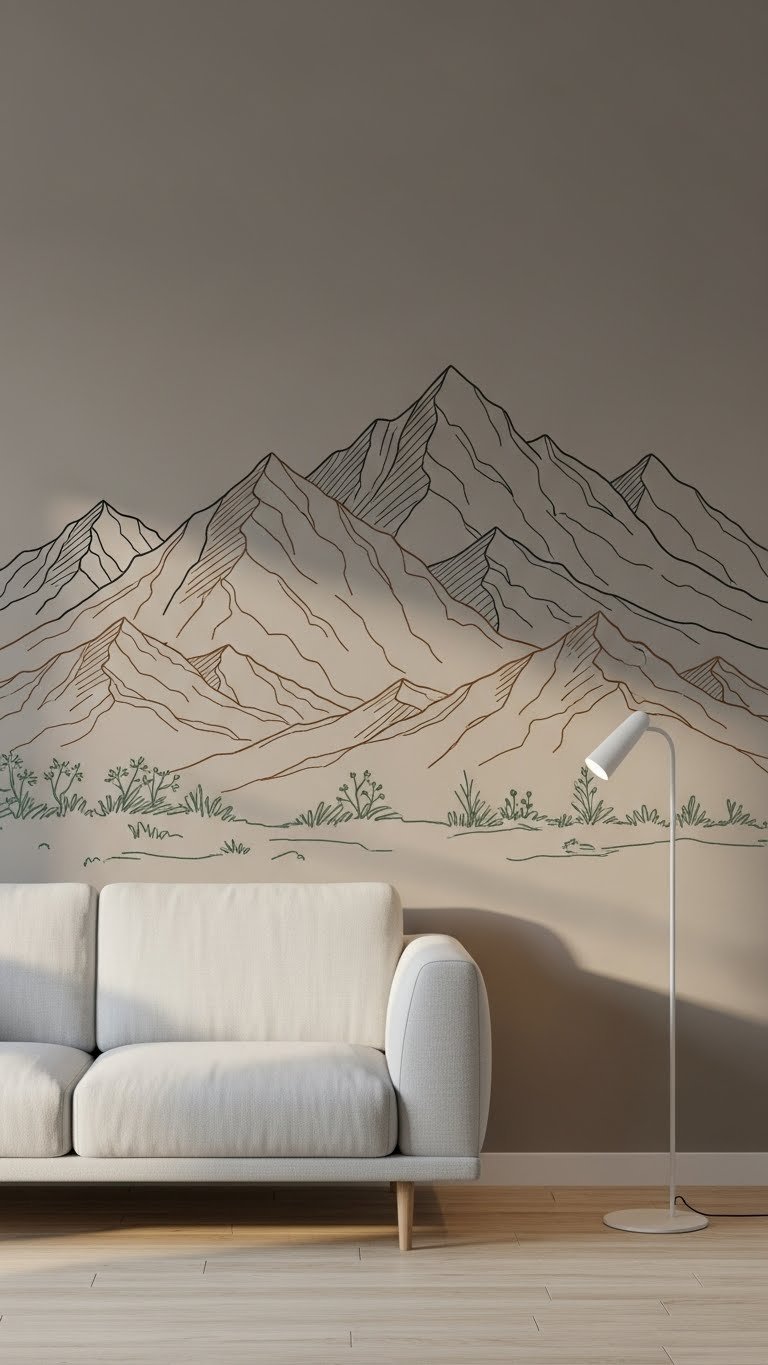
    Pick a durable rug ($30-$80) from Target, IKEA, or Wayfair in a color that complements your palette. Size matters: go for 5×7 or 6×8 for small dorm rooms so it doesn’t overwhelm the space. Place it where you want to define a zone—under your bed, in front of your desk, or in a sitting area. No installation needed; just lay it down.
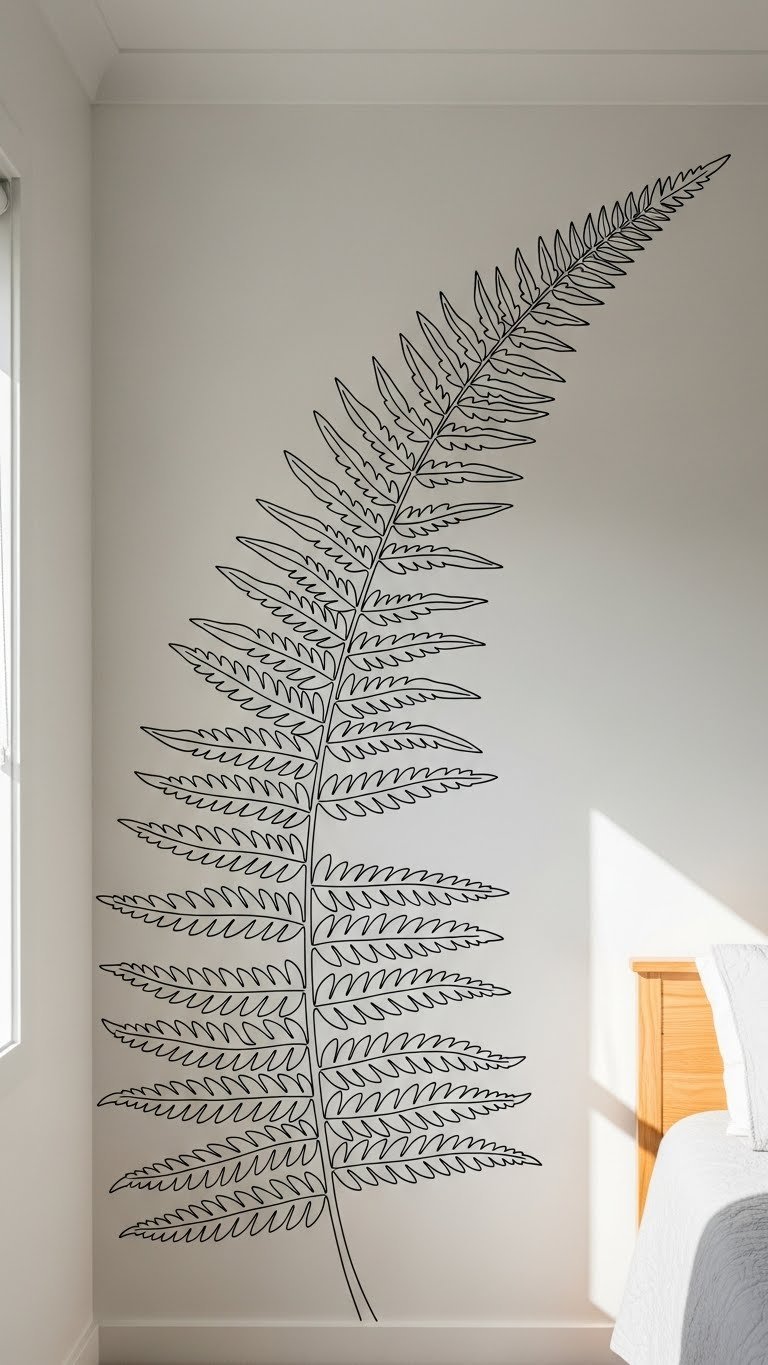
    Your floor instantly feels warmer and more intentional. The rug grounds your furniture arrangement and makes the space feel complete. Plus, hardwood dorms are loud, so this is a practical upgrade disguised as decoration.

    25. Create a “Getting Ready Station” With Mirror and Organized Drawers

    A dedicated getting-ready station keeps all your personal items in one accessible spot, making mornings faster and your room less cluttered. This is especially valuable when you’re sharing a tight space and need everything within arm’s reach of your mirror.

    Designate a small dresser or floating shelf ($40-$100) as your station. Add a desk mirror ($20-$40) or use an existing wall mirror. Organize items in small open containers or drawer organizers ($10-$20 total). Arrange items by category: jewelry, hair stuff, skincare, daily accessories. Setup takes about 30 minutes the first time.

    Getting ready becomes faster and easier because everything is exactly where you need it. Your room feels more organized, and you’re not scrambling for things on rough mornings. This station becomes your favorite corner of the room.

    26. Use LED Marquee Letters or Signs for Personalized Ambiance

    LED marquee letters add personality, ambiance, and a touch of whimsy that photographs beautifully. They’re the TikTok darling of dorm décor for a reason—they’re customizable, relatively affordable, and they create instant mood. Use them to spell your name, an initial, or a favorite word.

    Buy LED marquee letters or signs ($20-$50 per letter) from Amazon, Urban Outfitters, or West Elm. Plug them in and arrange on a shelf, desk, or wall. Some come with color-changing options; stick with warm white for a cozy vibe. Takes about 5 minutes to unbox and plug in. You can rearrange them or swap letters if you want to change it up seasonally.

    Your room gets an instant personality boost and a piece that genuinely works as both décor and lighting. Visitors comment on these immediately, and they photograph so well that your room becomes the backdrop for better social media posts.


    Save this for your next room refresh and try just one idea this weekend. Pick whichever speaks to you first—whether that’s the practical storage hack or the cozy lighting vibe—and watch how one small change shifts everything about how your space feels.

  • 25 Kitchen Cabinet Design Ideas That Transform Your Entire Space

    25 Kitchen Cabinet Design Ideas That Transform Your Entire Space

    Your kitchen cabinets set the tone for your entire home—but updating them doesn’t have to mean a full renovation or breaking the bank. Whether you’re renting, working with a small space, or ready to invest in custom pieces, these 25 ideas range from free styling tricks to smart upgrades that’ll make your kitchen feel brand new. You’ll discover budget hacks that take an afternoon, trending color combos that actually work, and storage solutions that’ll change how you use your space. The best part? Most of these ideas work whether you own or rent, and you can start with just one. Let’s dig in.

    1. Pair Two-Tone Cabinets for Visual Impact

    Two-tone cabinets instantly add personality and depth without a complete overhaul. Pairing a light shade on top with a darker base (or vice versa) creates visual interest and makes your kitchen feel intentional and curated.

    You can achieve this look in several ways: paint existing cabinets if you own, use peel-and-stick contact paper for a renter-friendly option ($20–$40 per roll from Target or Amazon), or swap out cabinet doors if you’re ready to invest ($200–$500 total). The contrast draws the eye upward, making ceilings seem higher in small spaces. Choose complementary colors like white + sage, cream + charcoal, or even pale yellow + deep green.

    Pro tip: Start with lower cabinets in bold color—they hide spills better and feel less committal than painting everything.

    This combo makes your kitchen feel designed and polished. You’ll notice how much more personality your space gains from this one change alone.

    2. Install Handleless Push-to-Open Cabinets

    Handleless cabinets create that seamless, spa-like look trending everywhere—and they actually reduce visual clutter. By removing hardware, you get clean lines and a more spacious feel, even in tiny kitchens.

    If you own, replacing cabinet doors with handleless options costs $300–$800 depending on your cabinet count. For renters, this isn’t viable, but you can remove existing hardware and fill holes with wood filler and paint for a smoother appearance. Handleless cabinets use a soft-close push mechanism or finger indent design, so they’re surprisingly practical—no more handles to grab with wet hands or bump into.

    Look for these at IKEA (budget-friendly), Wayfair, or Home Depot for mid-range options.

    Pro tip: Pair handleless cabinets with motion-sensor LED lighting inside to make them feel high-tech and functional.

    Your kitchen instantly looks more modern and intentional. Daily use becomes easier, and you’ll love how uncluttered the visual feel becomes.

    3. Add Open Shelving in One Accent Spot

    Open shelving makes kitchens feel airier and gives you a chance to display items you actually love. Instead of replacing all cabinets, try adding open shelves to just one wall—it’s a designer trick that costs way less.

    Floating shelves run $40–$150 per shelf depending on materials and length. Installation is DIY-friendly if you have a stud finder and drill ($30–$50 total for tools you’ll use forever), or hire a handyperson for $100–$200. The key: style intentionally with cookbooks, plants, and dishware you’d want photographed. Keep clutter-prone items behind closed doors.

    Measure your wall space and choose shelves that match your cabinet finish (walnut, white, natural oak) for cohesion.

    Pro tip: This works beautifully as a renter if you use removable adhesive shelf brackets—no wall damage.

    Your kitchen instantly feels more luxe and personal. You’ve created an Instagram-worthy focal point without the cost of a full cabinet refresh.

    4. Choose Warm Wood Tones Over Cool Whites

    The shift from stark white to warm woods (oak, walnut, cherry) is one of 2025’s biggest trends—and for good reason. These tones feel cozier, more connected to nature, and hide wear better than white over time.

    If you’re ordering new cabinets, specify warm wood finishes; custom options run $3,000–$8,000+. Already have cabinets? Staining or refinishing costs $400–$1,200 and can be DIY if you’re patient. MINWAX or Varathane stains ($15–$25 per can) work well on existing wood—test on a hidden area first. This change pairs beautifully with gold or brushed brass hardware for an elevated look.

    Warm woods work in modern, farmhouse, transitional, and traditional styles, making them incredibly versatile.

    Pro tip: Pair warm cabinets with light countertops to keep the space feeling open and balanced.

    Your kitchen gains warmth and character instantly. The space feels more inviting, and you’ve tapped into biophilic design principles that make kitchens feel like retreats.

    5. Use Budget-Friendly RTA (Ready-to-Assemble) Cabinets

    Ready-to-assemble cabinets have become seriously good—and they’re often 40–50% cheaper than semi-custom or custom options. RTA cabinets arrive flat-packed and ready for you to assemble, making them perfect for renters, budget-conscious homeowners, and quick updates.

    Quality RTA brands like IKEA, Wayfair, and Amazon Basics run $50–$200 per cabinet box depending on size and finish. Assembly takes 30–90 minutes per cabinet with basic tools (a drill is helpful but not required). You can DIY completely or hire a handyperson for $50–$100 per cabinet to handle assembly. The styles have evolved dramatically—you’ll find handleless, two-tone, and even textured options.

    Pro tip: Measure twice before ordering. RTA cabinets typically can’t be returned after assembly.

    You get a fresh kitchen look without the years-long wait or five-figure price tag. This option makes cabinet updates accessible for anyone, which is why it’s surging in popularity.

    6. Install LED Under-Cabinet Lighting for Function & Ambiance

    Under-cabinet lighting does double duty: it makes cooking easier and completely changes your kitchen’s mood at night. This is one of the highest-ROI upgrades you can make, and it’s surprisingly affordable.

    LED strip lights cost $15–$60 per kit and install in minutes with adhesive backing (no wiring needed for plug-in versions). Hardwired options ($100–$300 professionally installed) look cleaner and work with smart dimming. Warm white (2700K) creates ambiance while bright white (4000K) is better for prep work. Many versions are now motion-activated, turning on when you approach the counter.

    Check Amazon, Home Depot, or IKEA for popular brands like Philips Hue or basic stick-on options.

    Pro tip: Pair motion-sensor lighting with handleless cabinets for a kitchen that feels genuinely high-tech.

    Your counter becomes properly lit for cooking, and you’ve created restaurant-quality ambiance for evening entertaining. You’ll wonder how you ever cooked without this.

    7. Paint Cabinet Doors a Bold Moody Color

    Matte and moody finishes (deep greens, charcoals, navy, eggplant) are everywhere—and they photograph beautifully. A bold paint color transforms your kitchen’s personality without structural changes.

    Cabinet-grade paint costs $20–$50 per quart; you’ll typically need 1–2 quarts depending on cabinet size. Remove doors (takes 30 minutes), prime with bonding primer, then apply two coats of paint designed for cabinets (Benjamin Moore, Sherwin-Williams, or BEHR Cabinet & Trim Paint). Plan for 3–5 days total with drying time. This is totally doable as a weekend DIY project or hire a painter ($400–$800 for full kitchen).

    Pro tip: Stick with matte or satin finishes for cabinets—they’re more forgiving than gloss finishes for hiding imperfections.

    Your kitchen becomes a statement-maker. Friends and family will immediately notice how intentional and designed your space feels.
    8. Swap Handles & Hardware for an Instant Refresh

    Sometimes the cheapest update that creates the biggest change is swapping out hardware. New handles and knobs shift your kitchen’s entire vibe in minutes.

    Cabinet hardware costs $3–$15 per piece; a full kitchen refresh (20–40 pieces) runs $100–$400. It’s a 15-minute DIY project with just a screwdriver—no special skills needed. Brass and gold tones feel warm and elevated, while matte black hardware adds modern edge. Mix and match metals (brass on upper cabinets, matte black on lower) for contemporary style.

    Shop Wayfair, Amazon, Rejuvenation, or even Target for budget-friendly options.

    Pro tip: Keep old hardware in a labeled bag—you might need it if you move or want to restore original cabinets later.

    Your cabinets look refreshed without any real effort. This small change proves that sometimes the biggest design impact comes from thoughtful details.

    9. Incorporate Eco-Friendly Bamboo Cabinets

    Bamboo cabinets have surged 34% in preference as homeowners seek sustainable options—and bamboo is genuinely better for the planet (it regrows in 3–5 years versus 25+ years for hardwood trees). It’s also naturally antimicrobial, making it hygiene-friendly for kitchens.

    Bamboo cabinets cost slightly more than standard wood—expect $2,500–$6,000 for semi-custom or $4,000–$10,000+ for custom options. Full kitchen cabinet projects typically require contractor installation ($1,500–$3,000). If you’re updating existing cabinets, bamboo veneer sheets ($30–$50 per sheet) can cover cabinet boxes as a renter-friendly option (though results vary).

    Look for FSC-certified bamboo—it guarantees sustainable harvesting practices.

    Pro tip: Bamboo works especially well with modern or minimalist kitchen designs due to its clean grain lines.

    You’re making an eco-conscious choice without sacrificing style or durability. Your kitchen becomes part of a larger commitment to sustainable living.

    10. Create a Hidden Pantry Behind Cabinet Doors

    Hidden pantries keep clutter completely out of sight while maximizing storage—perfect for small spaces or open-concept kitchens where you want everything looking clean. This is a game-changer for maintaining visual serenity while storing way more than you’d think.

    A single tall cabinet with pull-out shelves costs $300–$600 installed, or DIY pull-out organizers ($30–$80 from IKEA or Amazon) work in existing cabinets. Add interior LED lighting ($20–$50) so you can actually see everything inside. Use clear labeled containers to maximize visibility and prevent forgotten items.

    This works brilliantly as a renter if you use removable adhesive-backed shelving organizers.

    Pro tip: Measure your cabinet depth precisely—pull-out shelves need at least 16–18 inches of space to function smoothly.

    Your kitchen looks perpetually clean and organized. You’ll love opening a cabinet to find everything you need without visual chaos.

    11. Mix Cabinet Styles (Shaker + Frameless Fusion)

    Blending classic Shaker style (inset doors, raised panel detail) with modern frameless elements creates a hybrid look that feels both timeless and contemporary. This trend appeals to homeowners who want personality without commitment to one era.

    Custom cabinets combining styles run $4,000–$10,000+. Semi-custom options through Wayfair or Home Depot let you mix-and-match styles for $2,000–$5,000. If you’re DIY-inclined, you can paint existing Shaker cabinets in two tones and add frameless open shelving in one spot ($100–$400 total for materials).

    Pro tip: Keep the color palette cohesive when mixing styles—it prevents the look from feeling chaotic.

    You get a personalized kitchen that reflects your design taste. The combination feels intentional and creates visual rhythm throughout your space.

    12. Add Glass Front Cabinet Doors for Display

    Glass-front cabinets transform your kitchen into a gallery—they work especially well for displaying dishware you love or creating visual interest in minimalist kitchens. The openness feels airy while still keeping dust off your items.

    Replacing standard doors with glass-front options costs $100–$300 per door depending on material (basic glass versus beveled or frosted). Full kitchen might run $1,500–$4,000. DIY-friendly alternative: stick adhesive frosted film ($10–$20 per roll from Amazon) on lower cabinet sections for privacy while maintaining the glass-door aesthetic.

    Choose interior LED lighting to make displays glow softly at night.

    Pro tip: Style displays intentionally with matching dishware, cookbooks turned spine-out, and a few decorative items—not everything you own.

    Your kitchen becomes a mini gallery that celebrates your style. Guests notice the design intention immediately.

    13. Refinish Cabinets With Cabinet Paint Systems

    Cabinet refinishing (not replacing doors, actually repainting existing cabinets) has become wildly popular because it costs a fraction of full replacement. Modern cabinet paint systems create durable, professional-looking finishes in any color you want.

    DIY refinishing costs $200–$500 in materials and takes a weekend (or two). Professional cabinet painters charge $800–$2,500 for a full kitchen. SHERWIN-WILLIAMS Cabinet & Trim Paint or BENJAMIN MOORE Advance are industry standards. The process: light sanding, primer, two paint coats, then hardware installation. Results last 7–10+ years with proper care.

    Pro tip: Hire professionals if you don’t have good ventilation or steady painting technique—results matter here.

    Your cabinets look freshly renovated for a fraction of replacement cost. You can’t tell these aren’t new cabinets unless you look closely.

    14. Go Frameless for Seamless Modern Minimalism

    Frameless cabinets (also called European-style) eliminate the face frame that sits between cabinet boxes and doors, creating that seamless, ultra-modern look. They maximize interior storage space by about 10% and feel incredibly clean.

    Frameless cabinets are typically higher-quality options: expect $3,000–$8,000 for semi-custom or $5,000–$15,000+ for fully custom kitchens. IKEA’s SEKTION line offers budget frameless options around $1,500–$3,000 for smaller kitchens. Quality matters here—frameless cabinets need excellent construction to hang properly and align perfectly.

    Look for soft-close hinges and quality hardware when shopping.

    Pro tip: Pair frameless cabinets with handleless design for the ultimate minimalist kitchen.

    Your space looks sleekly designed and intentional. The seamless cabinet lines create visual calm in your kitchen.

    15. Use Fluted & Textured Finishes for Tactile Appeal

    Fluted and textured cabinet finishes add sophistication and dimension without clashing with minimalist design. These details make cabinets feel more expensive and interesting while staying visually clean.

    Fluted cabinet doors typically cost $150–$300 per door depending on material and depth of texture. You can also add fluting with adhesive-backed panels ($20–$50 per sheet from specialty suppliers) on existing cabinets. Textured finishes include everything from subtle grain patterns to hand-carved details—each adds tactile interest that photographs beautifully.

    Popular textures: vertical fluting, subtle waves, or linear patterns that complement modern interiors.

    Pro tip: Texture works best on large cabinet faces—don’t over-texture smaller cabinet sections or it feels busy.

    Your cabinets gain visual interest and high-end appeal. The tactile quality makes people want to touch and explore your kitchen design.

    16. Invest in Smart Storage Solutions & Dividers

    Smart storage isn’t just about looking neat—it’s about actually using your cabinet space efficiently. Dividers, pull-out shelves, and tiered organizers make your daily life easier while maximizing every inch.

    Quality pull-out organizers ($40–$120 per unit) and cabinet dividers ($15–$50 each) transform chaos into function. Popular solutions: pull-out spice racks, tiered shelf raisers, utensil dividers, and deep drawer organizers. These work in existing cabinets—no installation required for many options. Brands like Rev-A-Shelf, Hafele, and even IKEA’s VARIERA series offer excellent solutions under $30–$60 per item.

    Pro tip: Measure your cabinet interior precisely before ordering organizers—sizing is everything.

    You’ll actually know what you have and where to find it. Cooking becomes faster because ingredients and tools are organized logically.

    17. Create Indoor-Outdoor Cabinet Continuity

    Extending your cabinet style outdoors creates a sophisticated flow between spaces. Matching or complementary outdoor kitchen cabinetry makes your home feel designed as a complete environment.

    Outdoor kitchen cabinets cost more ($150–$400+ per cabinet) because they require weather-resistant finishes and materials. TEAK, marine-grade plywood, and specially treated woods resist moisture and UV damage. You can start small: add a single outdoor cabinet or bar unit ($500–$1,500) that echoes your kitchen’s style. Paint, hardware, and color should coordinate even if materials differ slightly due to weather requirements.

    Pro tip: Work with an outdoor kitchen specialist if building from scratch—weatherproofing is crucial.

    Your home gains a resort-like feel. You’ve created an intentional design through both spaces that makes entertaining seamless and stylish.

    18. Experiment With Horizontal Grain & Soft Minimalism

    Horizontal grain patterns and linear details create calm, grounded energy—perfect for contemporary kitchens seeking sophistication over fussiness. This subtle detail shifts a kitchen from plain to purposeful.

    Custom cabinets with horizontal grain details run $3,500–$9,000+ for full kitchens. Budget option: use peel-and-stick wood veneer sheets ($15–$30 per sheet) featuring horizontal patterns on cabinet fronts. Paint cabinets in soft, muted colors (greige, pale blue, warm gray) and add thin linear hardware for that seamless horizontal effect.

    This works beautifully with minimalist or Scandinavian design aesthetics.

    Pro tip: Balance horizontal elements with vertical open shelving or tall glass cabinets for visual variety.

    Your kitchen gains zen-like calm and modern sophistication. The subtle linear details make your space feel consciously designed.

    19. Customize With AI-Designed & CNC-Cut Cabinetry

    Cutting-edge technology like AI design tools and CNC (computer numerical control) machining create hyper-customized cabinets with precision you can’t achieve by hand. This is the future of personalized kitchen design—and it’s becoming more accessible.

    AI design platforms (like those offered by some custom cabinet makers) typically cost $200–$500 for design consultation, then cabinet pricing depends on complexity ($4,000–$12,000+). CNC-cut details add $300–$1,000+ depending on intricacy. The advantage: you get exactly what you envision, with zero guesswork or expensive mistakes.

    Brands like Blum and Hafele integrate smart technology into hardware, while designers use AI visualization for perfect layouts before production.

    Pro tip: Use digital design tools to preview your exact cabinet layout before ordering—it prevents expensive errors.

    You’re getting genuinely custom cabinetry tailored to your exact specifications. This technology makes high-end customization more efficient and more affordable than ever.

    20. Apply Low-VOC & Non-Toxic Cabinet Finishes

    Low-VOC (volatile organic compound) and non-toxic finishes protect your family’s health while respecting the environment. These finishes have improved dramatically—they now perform as well as traditional finishes without off-gassing.

    Low-VOC paints cost $30–$60 per gallon (similar to standard paint) and work in all cabinet applications. Brands like AFM, Ecos, and even BENJAMIN MOORE’s eco-friendly line offer excellent durability. Finish your existing cabinets with these paints for zero additional cost beyond the paint itself. Finishes cure faster now (3–7 days instead of weeks), so your kitchen is back in action quickly.

    Look for Green Guard Gold or similar certifications when shopping.

    Pro tip: Proper ventilation during application is crucial—crack windows and use fans even with low-VOC products.

    You’ve made a health-conscious choice for your family. Your kitchen smells fresh, not chemically sharp, and you’re reducing indoor air pollution.

    21. Design a Shaker Variation With Modern Twists

    Shaker cabinets are timeless for a reason—their clean lines and inset panels work with virtually any design style. Modern interpretations add two-tone color, minimalist hardware, or textured panels for contemporary appeal.

    Custom Shaker cabinets run $3,000–$8,000 for full kitchens; semi-custom options through Wayfair or Home Depot start around $1,500–$4,000. You can update existing Shaker cabinets by painting doors ($50–$200 in materials), swapping hardware ($100–$300), and adding interior lighting ($50–$150). This blend of classic form and modern updates feels instantly elevated.

    Pro tip: Pair traditional Shaker style with contemporary hardware (brass knobs or long pulls) for a hybrid aesthetic.

    Your cabinets feel timeless yet current. You’ve chosen a style that will remain appealing for years, not just this season.

    22. Use Negative Space & Open Floor Plans Intentionally

    Embracing negative space—leaving parts of your kitchen intentionally open—creates visual calm and makes small spaces feel larger. This contrasts beautifully with traditional full-cabinet kitchens.

    You don’t need to buy anything for this approach—it’s about rethinking what stays versus what goes. If you’re ordering new cabinets, choose fewer base cabinets and more open shelving or counter space. This saves money ($500–$2,000 compared to full cabinetry) while creating a gallery-like aesthetic. Open counters also make kitchens easier to clean and less cluttered-feeling.

    Pro tip: When using negative space, ensure remaining countertops are organized and visually clean.

    Your kitchen becomes a calm, intentional space rather than a cluttered workspace. The openness makes your kitchen feel twice its actual size.

    23. Incorporate Motion-Sensor Lighting & Gadget Upgrades

    Motion-activated lighting transforms your kitchen into a genuinely smart space—lights turn on as you approach and turn off automatically, saving energy while creating hands-free convenience.

    Motion-sensor LED systems run $100–$300 depending on how many cabinets you’re outfitting. Installation takes 1–2 hours if you’re handy, or pay $150–$300 for professional setup. Pair this with other smart upgrades: voice-activated spice racks ($60–$120), soft-close hinges with built-in dampers ($40–$80 per hinge), or smart fridge-integrated cabinet systems ($500–$1,500 high-end options).

    These gadgets make your kitchen feel futuristic without being complicated.

    Pro tip: Start with motion lighting in one cabinet to test before committing to your entire kitchen.

    Your kitchen feels genuinely high-tech and responsive. You’ll appreciate the convenience every time you cook.

    24. Blend Materials (Wood + Concrete + Metal) for Texture

    Mixing materials (wood, concrete, metal, matte finishes) adds sophistication and depth—it’s the secret to kitchens that feel designed by professionals. This approach prevents your space from feeling one-note.

    Material blending happens naturally through cabinet colors, countertops, hardware, and open shelving. A natural wood cabinet with matte black hardware, concrete countertops, and metal shelving creates instant visual interest. You don’t need to spend extra for this—it’s about intentional choices. Mix warm and cool tones, glossy and matte finishes, and natural and industrial materials.

    Pro tip: Choose three primary materials and stick to them—more becomes chaotic instead of curated.

    Your kitchen gains sophisticated depth and personality. Visitors notice the thoughtful design immediately.

    25. Maximize Vertical Storage With Floor-to-Ceiling Cabinetry

    Floor-to-ceiling cabinets eliminate wasted space above standard cabinets while making kitchens feel intentional and complete. This maximizes storage without expanding square footage—perfect for small spaces.

    Full-height cabinet systems run $2,000–$6,000+ depending on your kitchen size and materials. The investment pays off immediately through added storage—you can store everything from everyday dishes to seasonal items. Measure ceiling height precisely; some kitchens need custom tops to fit correctly. Add a decorative ladder or pull-down shelves to access high areas safely and stylishly.

    Pro tip: Reduce visual heaviness by using glass doors or open shelving in upper cabinets—it keeps the look light.

    You’ve reclaimed wasted vertical space and created a complete, polished kitchen design. Storage becomes abundant without sprawling cabinets throughout your home.

    26. Start Small With a Single Cabinet Accent Piece

    Sometimes the best approach is starting small: update just one cabinet or section to test colors, styles, or trends before committing to a full refresh. This reduces financial risk while letting you explore new directions.

    A single statement cabinet costs $100–$500 depending on whether you’re painting existing cabinetry or swapping one door. Test bold colors, textures, or finishes on a smaller scale before full commitment. Use this piece as a creative outlet—it’s where you can take design risks. A painted pantry cabinet, textured island base, or two-tone section works as an accent that makes your entire kitchen feel updated.

    Pro tip: This is the perfect strategy for renters testing colors before investing in permanent changes.

    You’ve made a bold design move at minimal cost. If you love it, you know exactly how to move forward. If not, you’ve learned something valuable.

    Ready to transform your kitchen? Save this post and pick just one idea to tackle this weekend—start small or go big, whatever fits your space and budget. Share this with anyone planning a kitchen refresh; I’d love to know which idea inspires you most.

  • 27 Timeless Kitchen Cabinet Ideas That Never Go Out of Style

    27 Timeless Kitchen Cabinet Ideas That Never Go Out of Style

    Your kitchen cabinets are one of the biggest investments in your home—so it makes sense that you’d want them to look good for years to come. The good news? Timeless cabinet styles never go out of style, which means you won’t feel that regret creeping in three years later when trends shift. In this guide, we’re breaking down 27 cabinet ideas that blend classic appeal with modern practicality. Whether you’re planning a full remodel, refreshing your current setup, or just looking for inspiration, you’ll find budget-friendly tweaks, DIY hacks, and investment-worthy upgrades that will genuinely last. Let’s dig in.

    1. Go Classic with Shaker Cabinet Doors

    Shaker cabinets are the vanilla ice cream of kitchen design—and that’s a compliment. These five-panel doors with their simple, geometric frames work in farmhouse, modern, transitional, and traditional kitchens alike.

    The reason Shaker cabinets endure? They’re straightforward and honest. No busy details or ornamental trim to collect dust or feel dated. You can find them pre-made at home improvement stores like Home Depot or Lowe’s for $40–$100 per cabinet, or invest in custom builds from brands like iCabinetry Direct ($150–$400 per cabinet). Installation takes a weekend if you’re replacing existing cabinets. Paint them white for farmhouse charm, stain them walnut for warmth, or go bold with navy or charcoal for modern edge.

    The best part? Shaker doors pair beautifully with nearly any countertop, backsplash, or hardware style you choose later. Your kitchen stays relevant through multiple design cycles.

    2. Embrace White Cabinetry for Brightness

    White cabinets make kitchens feel larger, brighter, and more open—a benefit that doesn’t fade with trends. This is especially smart if you’re in a smaller space or a home with limited natural light.

    White cabinets are available everywhere and in every price tier. Home Depot and Wayfair carry stock options starting at $30–$50 per cabinet, while custom makers run $150–$350. Choose semi-gloss or satin finishes over high-gloss to hide fingerprints and reduce that slick, dated look. Pair white cabinets with warm wood countertops, open shelving, or mixed hardware materials to avoid an overly sterile feel. Pro tip: If you already have white cabinets, consider painting just the island a contrasting color instead of replacing everything.

    You’ll notice how white cabinets absorb less visual clutter, making your kitchen feel calmer and more intentional. They’re a safe bet that works across decades.

    3. Invest in Inset Shaker Doors for Warmth

    Inset Shaker doors are the cousin of standard Shaker cabinets—the doors sit inside the frame rather than flush against it, creating subtle shadow lines and dimension. This style bridges farmhouse and transitional design beautifully.

    Inset cabinetry is more time-intensive to build, so expect to invest $200–$500+ per cabinet from custom makers like RTG Cabinets or local woodworkers. Stock options with inset styling are rare but available through specialty retailers ($100–$150 per cabinet). A full kitchen typically costs $8,000–$20,000+ depending on size and finish. The craftsmanship is visible in the detail, and that extra investment translates to durability and a more premium feel.

    The result? Your kitchen feels intentional and high-quality without screaming trendy. These cabinets work in homes that are decades old and homes built today.

    4. Mix Wood Stain and Paint for Two-Tone Drama

    Two-tone cabinets represent 40% of new kitchen installations, according to industry data—and for good reason. Pairing a painted color with natural wood (or two contrasting paint colors) adds personality without overwhelming the space.

    The classic combo: white or cream uppers with dark walnut or charcoal lowers. Start with your existing cabinets if you have them—painting is $30–$100 per cabinet depending on prep and can be a DIY project over two to three weekends. Pre-made two-tone cabinet sets from Wayfair, IKEA, or iCabinetry run $3,000–$12,000 for a full kitchen. Custom two-tone builds cost $8,000–$25,000+. Hire a pro painter if you want a polished finish (adds $500–$2,000 in labor).

    You’ll immediately feel how two-tone cabinets add sophistication and visual interest. They draw the eye and make your kitchen feel more intentional than a single color ever could.

    5. Choose Matte or Satin Finishes Over Gloss

    High-gloss cabinet finishes look slick and dated by now. Matte and satin finishes feel modern, hide fingerprints better, and work with nearly every style from minimal to traditional.

    If you’re painting existing cabinets, choose Benjamin Moore, Sherwin-Williams, or Behr cabinet paint in matte or satin ($35–$60 per quart). For a full kitchen of cabinets, plan on 3–4 quarts and $200–$400 in paint alone. Professional refinishing runs $2,000–$5,000. Pro tip: Satin finishes are more durable than matte for high-traffic areas like lower cabinets and around the stove.

    The finish you choose affects how light reflects in your kitchen. Matte and satin finishes feel calmer and more sophisticated than the glossy look from the early 2000s.

    6. Add Open Shelving Alongside Closed Cabinets

    Open shelving looks too trendy when it’s all you have, but mixing open shelves with closed cabinets gives you the best of both worlds: display space for beautiful items and hidden storage for clutter.

    Install floating shelves from Amazon, Home Depot, or IKEA ($20–$80 per shelf), or have custom shelves built by a carpenter ($150–$400 per shelf installed). A typical kitchen might add 2–4 shelves for $100–$400 DIY or $800–$2,000 installed. Pro tip: Keep open shelves styled with white dishes, cookbooks, and plants—save bulky small appliances for closed storage below. This takes about a day to install if you’re comfortable with a drill.

    Your kitchen immediately feels more open and personalized when open shelving breaks up solid cabinetry. Guests see beautiful items you’re proud of instead of closed boxes everywhere.

    7. Go Frameless (Euro-Style) for Clean Minimalism

    Frameless cabinets (also called “European-style”) eliminate the frame around each door, creating a seamless look. This style is perfect if you love minimalist design and clean lines.

    Frameless cabinets require more precise installation but offer a contemporary look that feels current. iCabinetry Direct, Ultracraft, and local custom makers build frameless cabinetry starting at $150–$400 per cabinet. Stock options from IKEA and Wayfair run $50–$150 per cabinet. A full kitchen averages $6,000–$20,000+. Pair with handle-free push-to-open doors for maximum sleekness. Installation takes 2–3 days for a full remodel.

    You’ll notice how frameless cabinets make your kitchen feel larger and more contemporary. There’s no visual clutter from frames and trim lines.

    8. Paint Cabinets in Warm Earthy Tones

    Earthy tones like sage green, warm gray, soft taupe, and buttery cream are trending right now because they feel grounded and cozy without being dark or moody. These colors work in homes ranging from farmhouse to modern.

    Paint existing cabinets yourself with cabinet-specific paint in your chosen color ($40–$80 per quart). A full cabinet set takes 3–4 quarts and costs $150–$300 in paint alone plus your weekend. Hire a professional for $2,000–$4,500. Pro tip: Test samples on cardboard first—paint color looks different depending on your kitchen’s lighting. Soft greens are especially forgiving and timeless.

    Your kitchen becomes a retreat rather than just a functional room. Warm earthy tones create an atmosphere that feels intentional without trying too hard.

    9. Incorporate Hidden Pantry Cabinets

    Hidden pantry cabinets solve the storage problem that 78% of homeowners prioritize during remodels. Instead of exposed open shelving, a closed pantry hides mess and maximizes vertical space.

    Install a full-height cabinet (typically $200–$500 pre-made or $400–$1,000 custom) against one wall or in an awkward corner. Add adjustable shelving inside ($30–$100) to customize storage. This is a DIY-friendly project if you have basic carpentry skills—plan for a long weekend. Pro tip: Add a door-mounted spice rack or small baskets inside for extra organization.

    The transformation is immediate: your kitchen looks less cluttered while you gain serious storage capacity. You’ll notice you actually know what groceries you have because they’re organized in one place.

    10. Install Handle-Free Push-to-Open Doors

    Handle-free cabinets are growing in popularity with minimalist design lovers because they eliminate visual clutter and create a truly seamless look. The door opens with a gentle push and closes with a soft click.

    Retrofit existing cabinets with push-to-open hardware ($15–$40 per door from Amazon or specialty hardware sites). This is a DIY-friendly upgrade taking about 30 minutes per cabinet. Alternatively, order new frameless cabinets with push-to-open already installed (add $20–$60 per door). A full kitchen retrofit costs $300–$600 in hardware alone, or build new with the feature included for $150–$400 per cabinet.

    You’ll love how your kitchen feels less cluttered visually. Without handles, the eye moves to the cabinets’ color and finish instead of interrupting hardware lines.

    11. Use Natural Bamboo for Eco-Friendly Durability

    Bamboo cabinets are having a moment because bamboo grows rapidly (harvestable in 3–5 years versus 10–20 years for traditional hardwoods) and offers natural antimicrobial properties. Plus, it’s incredibly strong and beautiful.

    Custom bamboo cabinets start at $200–$500 per cabinet from makers like GoldenHome Global or local craftspeople. Stock bamboo options from Wayfair or iCabinetry Direct run $80–$200 per cabinet. A full kitchen averages $8,000–$20,000+. Bamboo has a warm, honey tone that works in modern, transitional, and Asian-inspired kitchens. Seal it properly to prevent water damage in humid climates.

    Choosing bamboo means your cabinets have a story—they’re sustainable, durable, and genuinely beautiful. You feel good about the environmental impact while enjoying a kitchen that looks premium.

    12. Create Visual Interest with Fluted or Textured Doors

    Fluted texture and mixed materials (like wood veneer mixed with painted panels) add sophisticated dimension without changing your cabinet layout. This works beautifully in modern and transitional kitchens.

    Pre-made fluted cabinet doors are harder to find but available through specialty retailers ($100–$250 per door). Custom fluted cabinets cost $250–$500 per cabinet. DIY texture can be added with paint techniques or specialty finishes ($50–$100 per cabinet in materials). This typically requires professional application for a polished look (add $500–$1,500 in labor). Pro tip: Fluting catches dust, so plan for slightly more frequent cleaning.

    Your kitchen immediately feels more high-end and thoughtfully designed. Textured surfaces add depth that solid flat panels can’t replicate.

    13. Mix Glass Fronts with Solid Cabinet Doors

    Glass-front cabinets are tempting but can look cluttered if overused. The solution: mix them strategically with solid doors to create visual rhythm and keep the space organized.

    Pre-made cabinets with glass fronts cost $60–$150 each from IKEA, Home Depot, or Wayfair. Retrofit existing cabinet doors with glass inserts ($30–$80 per door) through specialty hardware sites. A balanced mix might be 30–40% glass and 60–70% solid in your kitchen. Pro tip: Reserve glass fronts for beautiful dishware or cookbooks; hide food storage and bulky appliances behind solid doors. DIY glass inserts take about 20 minutes per door.

    You achieve the best of both worlds: display space for items you love and hidden storage for everyday clutter. Your kitchen looks curated, not chaotic.

    14. Paint an Island a Contrasting Color

    If replacing all your cabinets feels too big, paint just your island a contrasting color. This adds personality and visual interest without a full overhaul—and it’s completely reversible if you change your mind.

    Cabinet paint in a bold color costs $30–$60 per quart, and you’ll need 1–2 quarts for an island ($40–$120 total). This is a perfect DIY weekend project: prep with sanding and primer, then paint two coats. A professional painter charges $500–$1,500 for island painting. Go bold with charcoal, navy, forest green, or aubergine—these colors feel timeless rather than fleeting.

    Your kitchen instantly gains a focal point that feels intentional. Guests notice the thoughtful design detail, and you get a personalized touch without major expense.

    15. Install Adjustable Shelving Inside Cabinets

    Standard cabinet shelving is often fixed, which means wasted space if you need different heights for various items. Adjustable shelving lets you customize interior space to match what you actually store.

    Install adjustable shelf clips and rods ($20–$50 per cabinet from hardware stores) as a DIY project in about 30 minutes per cabinet. Alternatively, order new cabinets with adjustable shelving pre-installed (included in most modern cabinet builds). Pro tip: Use the shelves strategically—taller gaps for small appliances, smaller gaps for dishes and glasses. This maximizes usable storage and keeps everything accessible.

    You’ll immediately notice how much easier it is to store items efficiently. Adjustable shelves adapt to your actual kitchen needs instead of forcing you into fixed layouts.

    16. Add Soft-Close Hinges for Quiet, Smooth Closing

    Soft-close hinges eliminate the loud bang and last longer than standard hinges because they use hydraulics instead of a slam-and-stop mechanism. They feel luxurious and are surprisingly practical.

    Retrofit existing cabinets with soft-close hinges ($15–$40 per hinge). A kitchen with 20–30 cabinet doors needs 20–30 hinges ($300–$1,200 total). Installation takes about 10 minutes per door if you’re comfortable with a screwdriver. New cabinet builds typically include soft-close hinges at no extra cost or a $20–$50 upgrade per cabinet. Pro tip: Soft-close hinges extend cabinet lifespan by reducing wear on standard hinges.

    The difference is noticeable every single day. No more slamming cabinet doors, which is especially nice in the morning or when kids are cooking. Your kitchen feels quieter and more refined.

    17. Create a Warm Natural Wood Finish

    Natural wood cabinets never go out of style because they’re warm, organic, and improve with age. A walnut, oak, or cherry stain creates timelessness that paint colors can’t match.

    Pre-made wood cabinets start at $60–$150 per cabinet from Home Depot, Lowe’s, or IKEA. Custom wood cabinetry costs $200–$500 per cabinet from local makers or specialty retailers like RTG Cabinets. A full kitchen averages $6,000–$25,000+ depending on wood type and customization. Seal and protect with matte or satin polyurethane ($30–$60 per can). Maintenance includes occasional oiling or refinishing every 5–10 years.

    Your kitchen feels warm and grounded rather than cold or clinical. Wood cabinets age beautifully, developing character rather than looking dated.

    18. Combine Natural Wood with Painted Panels

    Mixing natural wood with painted cabinet doors combines the warmth of wood with the brightness of paint. This hybrid approach feels contemporary and balanced, not trendy.

    Natural wood lower cabinets with painted uppers is the classic combo. Paint existing wood cabinets with cabinet-specific paint ($40–$80 per quart) as a DIY project, or hire a pro ($1,500–$3,000). Alternatively, buy pre-made cabinet sets that already mix wood and paint ($150–$400 per cabinet). A full kitchen might run $8,000–$18,000+. Pro tip: Keep paint color neutral (white, cream, soft gray) so natural wood is the star.

    You get the best of both worlds: wood’s warmth and paint’s brightness. This combination feels sophisticated without being overly designed.

    19. Install Maximized Corner Storage Solutions

    Corner cabinets are notoriously hard to access and often waste space. Solutions like pull-out shelves, lazy Susans, or corner carousels make these tricky spots functional.

    Retrofit existing corner cabinets with pull-out shelf kits ($100–$300 per cabinet from Wayfair or Home Depot) or install a lazy Susan ($30–$80). Both are DIY-friendly and take about 1–2 hours per cabinet. Pre-made corner cabinets with built-in solutions cost $150–$400. This upgrade transforms wasted corner space into prime real estate for storing pots, pans, or small appliances.

    You’ll actually use your corner cabinets now instead of shoving items in there and forgetting them. Corner storage becomes the most organized part of your kitchen.

    20. Choose Warm Hardware That Complements Your Style

    Hardware is jewelry for cabinets—it’s one of the easiest ways to add personality and tie your kitchen’s style together. Warm metals like brass, gold, and copper feel timeless.

    Swap out existing hardware yourself in about 30 minutes with a screwdriver. New hardware costs $3–$15 per handle from Amazon, Wayfair, or specialty hardware stores. A kitchen with 25–40 cabinet doors needs 25–40 pieces ($75–$600 total). Pro tip: Mix metals intentionally (brass with matte black, or two-tone combinations) for a curated look rather than random mixing. Warm metals automatically feel more sophisticated than shiny silver.

    The right hardware transforms how your cabinets look and feel. You don’t need new cabinets—just the right finishing touches.

    21. Add Toe-Kick Lighting for Ambiance

    Under-cabinet lighting (also called toe-kick lighting) adds warmth and functionality. Warm LED strips create ambiance while making it easier to navigate your kitchen at night or early morning.

    Install LED strip lighting kits ($30–$100 from Amazon or hardware stores) as a DIY project in about 2–3 hours. Pre-made cabinet builds can include this wiring at the factory ($200–$500 add-on). Pro tip: Choose warm white (2700K) over cool white for coziness. Battery-operated LED options avoid electrical work if you’re renting ($20–$50).

    Your kitchen transforms at night with ambient lighting that feels upscale. This small addition creates atmosphere without major renovation costs.

    22. Use Tall Cabinets to Maximize Vertical Space

    Floor-to-ceiling cabinets maximize storage in ways standard cabinet heights can’t. This is especially smart in smaller kitchens or homes where storage is premium real estate.

    Full-height cabinet towers cost $200–$600 per unit pre-made or $400–$1,200 custom. A typical kitchen might use 2–4 tall cabinet towers ($1,600–$4,800 total). Installation is straightforward if you have existing wall space—add it to your next remodel or as a standalone upgrade. Pro tip: Use tall cabinets for items you don’t access daily (seasonal cookware, bulk pantry items) and lower cabinets for frequent-use items.

    You gain valuable storage without expanding your kitchen’s footprint. Tall cabinetry makes kitchens feel organized and intentional rather than cramped or cluttered.

    23. Install a Butcher Block or Wood Countertop

    A wood or butcher block countertop pairs beautifully with both painted and natural wood cabinets, adding warmth and grounding the space. Wood counters age beautifully when maintained properly.

    Butcher block countertops cost $30–$60 per linear foot pre-made ($800–$2,000 for a typical kitchen) or $50–$150 per linear foot custom. Installation adds $500–$1,500. Plan to reseal or refinish every 1–2 years with food-grade oil. Pro tip: Wood looks best paired with warm cabinet finishes (natural wood or warm paint colors like cream or green).

    Your cabinets and counters create a cohesive, warm aesthetic together. Wood surfaces make kitchens feel less clinical and more like gathering spaces.

    24. Paint or Wallpaper the Interior Walls Behind Open Shelving

    If you have open shelving, the wall behind it becomes decor. Painting or wallpapering that surface adds personality and makes displayed items look more intentional.

    Paint costs $30–$60 per quart, and you’ll need 1 quart ($30–$60 total) for a small wall section. Wallpaper runs $20–$50 per roll ($80–$200 for a typical shelf wall). This is a weekend DIY project: prep the wall, paint or wallpaper, and style. Pro tip: Choose colors that complement your cabinet color—soft sage with white cabinets, pale blue with wood tones, or classic white-on-white.

    Your open shelving immediately becomes a styled display rather than just storage. The background color makes everything you display look more curated and intentional.

    25. Mix Cabinet Heights and Door Configurations

    Instead of uniform cabinet doors across your kitchen, mixing heights and door configurations creates visual interest and works better for actual storage needs. A custom layout looks thoughtfully designed rather than cookie-cutter.

    This requires custom cabinet design or strategic shopping for mixed pre-made options. Work with a designer ($500–$2,000 design consultation) or use IKEA’s planning tool (free online). Custom cabinetry naturally includes varied heights and configurations ($200–$500 per cabinet). A custom kitchen with mixed elements runs $10,000–$30,000+.

    Your kitchen looks more interesting and personalized. Varied heights and door styles feel intentional rather than one-size-fits-all.

    26. Add Decorative Molding or Crown Trim

    Crown molding on top of cabinets adds architectural detail and finishes the look. It’s especially impactful in traditional or transitional kitchens but works in modern spaces too when kept minimal.

    Pre-made crown molding costs $2–$5 per linear foot ($50–$150 for a typical kitchen) from hardware stores. Custom millwork runs $10–$30 per linear foot. Installation takes a weekend and is DIY-friendly if you have basic carpentry skills, or hire a pro ($500–$1,500 labor). Pro tip: Paint molding to match cabinets for seamless integration or contrast it for architectural emphasis.

    Crown molding instantly adds polish and sophistication. Your kitchen feels finished and architectural rather than basic or incomplete.

    27. Maintain and Refresh Your Existing Cabinets

    Sometimes the most timeless choice is maintaining what you have. Cleaning, hardware swaps, and small refinishes extend cabinet life and save thousands compared to replacement.

    Clean cabinets monthly with wood cleaner or white vinegar solution ($5–$15). Annual maintenance includes checking hinges, tightening hardware, and addressing any water damage (DIY or $200–$500 pro tune-up). Small repairs like re-staining worn edges or touching up paint cost $30–$200 and extend cabinet life by years. Pro tip: Prevent damage with coasters, trivets, and proper ventilation around the stove.

    Well-maintained cabinets age gracefully. You’ll be surprised how much longer your cabinets can serve you with basic care instead of immediate replacement.


    Pin this for your next kitchen project. Whether you’re planning a full remodel or just refreshing what you have, pick one idea and try it this weekend. Small changes add up fast—save this post and come back to it as your kitchen evolves.

  • 27 Veneer Door Design Ideas That Add Texture & Elegance to Any Entryway

    27 Veneer Door Design Ideas That Add Texture & Elegance to Any Entryway

    Your front door is the first thing guests see—and it deserves to be memorable. Whether you’re renting or own your home, a veneer door is your secret weapon for adding texture, warmth, and undeniable elegance without a total overhaul. Veneer doors offer the look of solid hardwood, sustainable materials, and endless design possibilities at a fraction of the cost. From subtle wood grain patterns to bold geometric textures and two-tone finishes, there are so many ways to turn your entryway into something special. In this guide, you’ll discover 27 specific veneer door ideas that work with every style—minimalist, industrial, coastal, or cozy traditional. Pick one that speaks to you, and watch your entryway instantly become the statement piece your home deserves.

    1. Layer Matte Black Veneer with Brushed Gold Hardware

    Matte black veneer creates dramatic sophistication while staying timeless. Pair it with brushed gold or bronze hardware to elevate the look without breaking the bank.

    This combo works because the contrast between dark matte and warm metal feels high-end and intentional. Most veneer doors accept new hardware easily—just drill out the existing holes. Brushed gold handles run $30–$80 from IKEA, Wayfair, or Home Depot. Installation takes 15 minutes with a basic drill. The result? Your door looks like it belongs in an architect’s portfolio. Even renters can swap hardware back before moving.

    Pro tip: Choose geometric or minimalist handle shapes to match the modern vibe of matte finishes.

    2. Go Two-Tone with Warm Wood and Soft White

    Split finishes aren’t just for cabinets anymore. Divide your veneer door horizontally with warm wood on top and crisp white below for visual interest.

    This breaks up a tall entryway and feels intentional rather than trendy. Use painter’s tape to mark your midpoint precisely, then apply two coats of finish. This works best on flat veneer doors. Cost: $15–$40 for quality paint or stain. Time: one weekend including dry time. The two-tone effect adds dimension and makes narrow entries feel wider. You can also do this as a removable temporary look with contact paper for renters.

    Bonus: This styling photograph beautifully on social media and works with almost any home style.

    3. Embrace Natural Wood Grain with Matte Finish

    Skip the paint and let the wood speak. A matte-finish veneer door showcasing natural grain is warm, organic, and endlessly versatile.

    Matte finishes enhance grain visibility and hide fingerprints better than gloss. Most quality veneer doors come pre-finished this way, or you can sand and apply a matte topcoat yourself. If ordering new: $200–$500 installed. If refinishing an existing door: $30–$60 for materials, 4–6 hours labor. The appeal here is authenticity—it looks like real hardwood without the maintenance headaches of solid wood. Your entryway becomes warm and inviting without trying too hard.

    This pairs beautifully with either modern or traditional interiors.

    4. Add Linear Texture with Horizontal Slat Veneer

    Textured veneer doors with linear patterns create visual depth and architectural interest without being fussy. Horizontal slats feel contemporary and calm.

    These doors come from specialty manufacturers or you can commission a custom veneer with routed texture. Cost: $400–$700 for a quality textured veneer door. Pre-made options: $250–$400. Installation: hire a pro, $100–$200. The texture catches light differently throughout the day, so your door never looks flat or boring. It’s a bolder choice than solid color but still sophisticated. Renters: this works if your lease allows door replacement, or you could temporary-install with removable hinges.

    The result is a door that looks like it came from a high-end hotel or boutique retail space.

    5. Combine Vertical Grain with Deep Forest Green

    Deep jewel tones pair perfectly with visible wood grain. Forest green veneer feels earthy, sophisticated, and connects your entryway to nature.

    Forest green works on both modern and traditional homes. Start with a veneer door in natural wood, then stain it with quality wood stain in forest green ($10–$25 per can). Apply two thin coats. Time: 3–4 hours plus drying. You’ll see the grain pattern show through the colored stain beautifully. This finish hides dust and minor scratches well. The color feels intentional and curated, not accidental. Maintenance is minimal—just wipe down occasionally.

    Your guests will comment on this one every single time they visit.

    6. Create a Shiplap-Style Look with Vertical Veneer Segments

    Love the shiplap trend? Get the look with a custom veneer door featuring vertical board patterns without the maintenance of real wood.

    This style works beautifully in coastal, farmhouse, or modern-cottage homes. Order custom from specialty door makers or modify existing veneer with routed channels. Cost: $300–$600 for custom textured veneer. A whitewash or light-stain finish ($10–$30 in product) completes the look. Installation: $100–$150 by a pro. The effect is charming and photograph-worthy. Unlike real shiplap, veneer won’t swell or warp in humidity. Renters might struggle with this one—it’s permanent—but homeowners will love the coastal-cabin vibe.

    This transforms a basic entryway into somewhere guests want to linger.

    7. Mix Dark Wood Veneer with Frosted Glass Panels

    Combine the elegance of dark veneer with glass panels for light without sacrificing privacy. Frosted glass softens the drama of dark wood.

    This hybrid approach gives you the best of both worlds: statement color and brightness. Order semi-custom doors with frosted glass inserts, or retrofit existing veneer with adhesive frosted film ($20–$50 per sheet). Frosted glass diffuses light beautifully while keeping interiors private. Installation time: 30 minutes for film, 2–3 hours if replacing panels professionally. The contrast between matte dark wood and soft frosted glass reads as sophisticated and intentional. This works especially well in narrow entryways where you want to bounce light through without opening the space completely.

    Your door becomes both a practical light source and a design focal point.

    8. Stain Veneer in Warm Honey with Geometric Metal Inlay

    Take veneer texture to the next level with subtle metal inlays. Brass or copper geometric patterns against warm wood feel handcrafted and luxe.

    This is an investment piece, but the payoff is stunning. Commission custom veneer with routed channels, then inlay thin brass or copper stripping (available from specialty woodworkers). Total cost: $600–$900 installed. Alternatively, apply brass geometric tape as a temporary overlay for $30–$50. The metal reflects light and adds visual movement. This approach works best with warm wood tones. It’s not for every home, but if you love architectural details, this is your statement.

    The finished look feels like a piece of functional art rather than just a door.

    9. Use Reclaimed-Look Veneer in Distressed Walnut

    Reclaimed wood vibes without the environmental impact or structural concerns. Distressed walnut veneer captures authenticity with stability.

    Manufacturers now create veneer with hand-scraped texture and color variation that mimics reclaimed wood. Cost: $300–$500 for quality distressed veneer doors. The surface shows knots, grain variation, and subtle color shifts that look genuinely aged. No special maintenance needed—the finish hides wear beautifully. Installation: $100–$150 by a pro. This style pairs perfectly with farmhouse, industrial, or cottage aesthetics. The door looks like it has a story without being fragile or needing constant care.

    Guests will swear it’s authentic reclaimed wood—you’ll just know better.

    10. Paint Veneer in Navy with a High-Gloss Finish

    Navy with high-gloss finish screams polished elegance. The shine adds formality and catches light dramatically.

    High-gloss finishes require prep work: sand the existing finish lightly, apply primer, then two coats of high-gloss paint. Cost: $40–$80 in quality paint. Time: full weekend including drying. Pro tip: use painter’s tape around hardware and trim for clean lines. High-gloss shows fingerprints more than matte, but it’s easier to wipe clean. Navy + gloss works especially well on traditional or coastal homes. Maintain the shine by buffing with a soft cloth occasionally. The result feels formal and timeless.

    Your door becomes an architectural detail people comment on for years.

    11. Layer Soft Greige Veneer with Woven Rattan Hardware

    Greige (gray + beige) is the neutral everyone’s obsessed with. Pair soft greige veneer with organic hardware for understated sophistication.

    Greige veneer works as a universal backdrop—it complements almost every interior style. Most veneer doors come in greige, or stain existing wood with greige-toned stain ($15–$30). Woven rattan handles ($40–$80) add warmth and texture. Time: 20 minutes to swap hardware, 4 hours if staining. The beauty here is that greige feels intentional without being bold. It’s calming and modern. This is perfect if you’re not ready for statement colors but want your door to feel designed.

    The combination of soft color and natural texture creates a welcoming, contemporary entryway.

    12. Create Drama with Black Matte Veneer and Hidden Hardware

    Minimalism taken to its peak: a black veneer door where hardware almost disappears. This reads as architectural and expensive.

    This look requires either a door designed with integrated hardware or careful placement of slim, flush-mount handles. Cost: $350–$600 for doors with design integration. Standard doors + slim hardware addition: $150–$250. Installation: $100–$150 by a pro. The payoff is a clean, gallery-like entryway. This style works best on larger doors where the scale allows hardware to feel intentional. It’s bold and not for everyone, but if you love the minimalist aesthetic, it’s perfect.

    Your entryway becomes an exercise in restraint and contemporary design.

    13. Mix Natural Cherry Veneer with Copper Accents

    Cherry veneer is warm, rich, and naturally sophisticated. Add copper hardware for an unexpectedly modern twist on tradition.

    Cherry wood has been around forever, but pairing it with contemporary copper hardware feels fresh. Order cherry veneer doors ($200–$450) or stain existing veneer with cherry stain ($15–$25). Copper hardware: $50–$100. Installation: $100–$150 for doors, 15 minutes for hardware. The warm reddish tones of cherry look especially beautiful in homes with brass fixtures or warm-toned walls. Copper will develop a patina over time, adding character. This isn’t trendy—it’s timeless with a slightly updated edge.

    The result is a door that feels both classic and subtly sophisticated.

    14. Apply Wood-Grain Contact Paper Over Solid Color Veneer (Renter-Friendly)

    Renters, this is your hack: apply peel-and-stick wood-grain contact paper over existing veneer for instant warmth without damage.

    Contact paper with realistic wood-grain patterns comes from Amazon, Target, or home improvement stores ($15–$30 per roll). Clean the door thoroughly, measure carefully, and apply smoothly using a squeegee. Time: 30–45 minutes. The quality has improved so much that it looks surprisingly authentic from a few feet away. When you move, peel it off—no landlord drama. This works best on flat doors without existing texture. The limitation is durability in high-traffic areas, but for most entryways, it lasts years.

    It’s the fastest, cheapest way to completely change your door’s vibe.

    15. Stain Veneer in Espresso with Tall, Slim Hardware

    Espresso stain is bolder than black—rich and warm with visible grain. Pair it with tall, linear hardware for a gallery-like look.

    Espresso stain ($15–$30) applied over existing light veneer requires light sanding and two coats. Time: 4–6 hours plus drying. The deep color hides dust and shows wood grain beautifully. Tall hardware (like a long bar handle, $40–$80) emphasizes vertical space and feels architectural. This combo transforms basic entryways into design statements. The espresso tone is dark enough for drama but warm enough to feel inviting. Maintenance: occasional dusting, maybe a re-seal every few years.

    Your door stops being background and becomes part of the story.

    16. Layer Light Oak Veneer with Woven Wall Hanging Above

    Veneer doors work with styling too. Light oak veneer + complementary wall decor create a curated entryway that feels intentional.

    Light oak veneer ($180–$350) pairs beautifully with natural materials and bohemian styling. Add woven wall hangings, sculptures, or textile art above ($40–$150). This approach turns your door into part of a larger design story. Time to install: 2 hours for door, 30 minutes for wall styling. The combination of warm wood grain and handmade textiles feels artisanal and thoughtful. This works especially well in homes with eclectic, maximalist, or bohemian aesthetics. You’re not just hanging a door—you’re creating an experience.

    Your entryway becomes an extension of your design personality.

    17. Use Ultra-Slim Profile Veneer with Oversized Clear Glass Panels

    Maximize light while keeping the sophistication of veneer. Use a veneer door with oversized glass panels and slim frame profiles.

    This hybrid approach works best on doors with panel inserts. Order semi-custom doors with minimal wood frame around large glass sections ($400–$700). The veneer frame can be any finish—greige, natural wood, or even matte black. Time: 2–3 hours for installation by a pro. The payoff is an incredibly bright, airy entryway that still feels designed and sophisticated. This style particularly suits modern homes or darker entryways needing more light. You get the visual interest of a designed door without blocking natural light.

    Your entry becomes the brightest, most welcoming room in the house.

    18. Paint Veneer in Warm Terracotta for a Layered Boho Look

    Terracotta isn’t just for pots—it’s a stunning entryway color. Warm, earthy terracotta veneer feels collected and artistic.

    Terracotta stain or paint ($12–$25) applied over existing light veneer creates warmth immediately. The color variation in natural terracotta finishes means no two doors look exactly identical—which adds charm. Time: 4–5 hours including two coats. Pair with rustic hardware or natural materials for a complete bohemian look. Terracotta works beautifully in Southwestern, Mediterranean, or eclectic homes. The warm tone is inviting and feels slightly unexpected. Maintenance is minimal—terracotta hides wear naturally.

    Your entryway instantly transports people to somewhere warm and welcoming.

    19. Create a Colorblocked Door with Painted Veneer Sections

    Colorblocking elevates your door from one-note to architectural. Use painter’s tape to divide veneer doors into geometric sections, then paint each differently.

    Choose 2–3 complementary paint colors and plan your blocks with tape. This requires precision but pays off dramatically. Paint cost: $30–$60 total. Time: full weekend. The trick is choosing colors that feel intentional together—try greige + terracotta, or navy + cream. This approach works best on flat panel doors without existing texture. It’s bold but modern, and unexpected enough that guests will immediately notice. This is perfect if you want statement without going all-in on one color.

    Your door becomes a miniature art installation rather than a background detail.

    20. Combine Blonde Wood Veneer with Sculptural Brass Hardware

    Blonde wood veneer feels Scandinavian and light. Sculptural brass hardware adds unexpected personality and craftsmanship.

    Blonde veneer doors come naturally light or can be achieved with whitewashed or cerused stain. Cost: $200–$400 pre-finished, or $20–$35 in stain product for existing doors. Sculptural hardware (look for artisan pieces on Etsy or specialty hardware sites) runs $60–$150 and becomes a conversation starter. Installation: 30 minutes for hardware, 4 hours if staining. The combination feels collected and thoughtful, not mass-produced. Blonde wood + brass creates warmth without heaviness. This works especially well in minimalist, Scandinavian, or light-filled homes.

    Your door becomes both functional and a small sculpture worthy of a design publication.

    21. Use Weathered Gray Veneer for a Coastal Modern Look

    Weathered gray veneer captures that coastal, driftwood aesthetic without the fragility of real weathered wood. It’s stable, sophisticated, and inherently stylish.

    Weathered gray veneer doors come pre-finished from manufacturers ($250–$450) or you can achieve the look with gray-blue stain over existing veneer ($15–$30). The finish typically includes hand-scraped or varied grain to mimic genuine weathering. Time to apply: 4–5 hours plus drying. Pair with silver or whitewashed hardware ($40–$80). The result feels like a beach cottage or modern coastal home. This color is forgiving—it hides dust and shows character over time. Maintenance is minimal.

    Your entryway instantly communicates calm, collected coastal style.

    22. Apply Geometric Laser-Cut Metal Overlay to Veneer Door

    Take texture to another level with laser-cut metal overlays. Geometric patterns cast shadows and create visual depth beyond the door itself.

    This is a premium option: commission custom laser-cut metal overlays from specialty makers or online platforms ($400–$800 installed). The overlay can be matte black, copper, or brass. Installation requires careful alignment but transforms the door into functional art. Time for installation: 2–3 hours by a pro. Maintenance is minimal—the metal is sealed. This works best on larger doors where the pattern scale reads clearly. It’s an investment piece but absolutely one-of-a-kind. Not for renters, but perfect for homeowners who want architectural drama.

    Your door becomes a sculptural element that changes throughout the day as light shifts.

    23. Pair Warm Walnut Veneer with a Modern Steel Frame

    Industrial-modern: walnut veneer within a steel frame. The contrast between organic wood and industrial metal feels contemporary and collected.

    This requires either ordering a semi-custom door with steel framing or retrofitting existing doors with a metal frame kit. Cost: $500–$800 installed. Walnut veneer ($200–$400) + steel frame ($200–$300) + installation labor ($100–$150). The steel frame emphasizes the door’s scale and creates a gallery-like presentation. This style suits modern, industrial, or loft-style homes. Walnut’s warmth softens the steel’s hardness, creating balance. Maintenance: occasional dust, and wipe the steel frame monthly to prevent dust buildup.

    Your door becomes an architectural statement that reads as intentional and designed.

    24. Stain Veneer in Rich Mahogany with Polished Bronze Hardware

    Mahogany veneer is warm, rich, and inherently elegant. Pair it with polished bronze for a refined, traditional aesthetic that never feels dated.

    Mahogany stain ($15–$30) applied to existing light veneer requires light sanding and two careful coats. Time: 5–6 hours plus dry time. Polished bronze hardware ($50–$120) ages beautifully and develops a darker patina over years. The combination reads as established, refined, and timeless. This works especially well in homes with traditional architecture or dark, moody interiors. Mahogany’s depth hides dust and minor scratches. Maintenance: occasional dusting and maybe a re-seal every few years.

    Your entryway feels like it belongs in a historic home or exclusive private club.

    25. Layer Soft Cream Veneer with Warm Brass Accents Throughout

    Cream veneer is a neutral that reads as soft and intentional. Repeat warm brass accents (hardware, house numbers, lighting) for a layered, curated look.

    Cream veneer ($180–$350) or cream stain ($15–$25) works as a universal backdrop. Layer warm brass throughout: handle ($60–$100), house numbers ($30–$60), porch light ($40–$80). The repeated metal creates visual continuity. Time: 2 hours to install door, 1 hour for coordinating hardware. This approach works with almost every design style. Cream is timeless and doesn’t compete with other design elements. The layered brass feels collected and sophisticated without being loud.

    Your entryway reads as intentionally designed and warm, not accidental.

    26. Use Textured Bark-Look Veneer for Organic Drama

    Bark texture veneer feels raw, organic, and architectural. It’s dramatically textured but still refined—not rustic-rough.

    Bark-textured veneer comes from specialty manufacturers and creates genuine three-dimensional surface variation. Cost: $350–$600 for quality bark-texture doors. Installation: $100–$150 by a pro. The texture photographs beautifully and feels like functional sculpture. This works best in contemporary, industrial, or nature-inspired homes. The surface hides dust and fingerprints naturally. Time commitment: just installation, no staining or painting needed. Maintenance is minimal—occasional dusting.

    Your door becomes a tactile, organic focal point that invites touch.

    27. Paint Veneer in Soft Blush Pink for Unexpected Elegance

    Blush pink is having a moment, and it’s sophisticated, not cutesy. Soft pink veneer feels modern, slightly unexpected, and endlessly elegant.

    Blush pink paint ($20–$35 per gallon) requires primer on existing veneer to ensure even coverage. Two coats recommended. Time: 4–5 hours including prep. The key is choosing a muted, dusty blush rather than bright pink—this reads as refined. Pair with minimal hardware (matte black or brushed nickel, $40–$80) to keep it sophisticated. This color works especially well in contemporary homes with mostly neutral interiors. The door becomes a subtle statement that guests comment on. Blush pink ages gracefully and feels current without being trendy.

    Your entryway becomes an unexpectedly elegant and welcoming introduction to your home.


    Save this post and try one idea this week. Whether you go bold with color, embrace natural wood grain, or layer hardware details, your veneer door is about to become the most-noticed feature in your entryway. Start with what speaks to you, and watch how quickly a single design choice changes everything.

  • 26 Statement Lighting Living Room Ideas That Transform the Entire Room

    26 Statement Lighting Living Room Ideas That Transform the Entire Room

    Introduction

    Lighting does more than illuminate your living room—it sets the entire mood of your space. The right fixtures and layering strategies can make a small room feel expansive, a dated layout feel contemporary, and a boring corner become your favorite gathering spot. Whether you’re working with natural light, struggling with dark corners, or just ready to upgrade basic overhead fixtures, statement lighting is one of the fastest ways to refresh your living room without major renovation.

    In this guide, you’ll discover 26 specific lighting ideas that work for renters and homeowners, tight budgets and investment pieces, and every skill level in between. Each idea includes exactly where to shop, how much it costs, and how long it takes to install. By the end, you’ll know exactly which lighting solutions match your space and style.


    1. Layer with Warm Pendant Lights Over Seating Areas

    Pendant lights create defined zones and add visual interest above seating clusters without needing ceiling work. They’re particularly effective over sofas or accent chairs because they provide task lighting for reading while adding a design statement.

    Look for brass, matte black, or frosted glass options at IKEA ($15-$40 per fixture), Wayfair ($30-$150), or West Elm ($80-$200). Installation takes 20-30 minutes with a basic socket adapter if you’re renting—no hardwiring required. Choose bulbs in warm white (2700K color temperature) to keep the mood cozy.

    Pro tip: Hang three pendants at staggered heights for visual depth, or use a single oversize pendant for bold simplicity. The key is positioning them low enough to create pools of light but high enough to see around comfortably.

    You’ll immediately notice how the room becomes more intentional and functional—plus reading actually becomes pleasant instead of eye-straining.


    2. Install Arc Floor Lamps to Reach Dark Corners

    Arc lamps solve the “dead corner” problem by casting light exactly where you need it without taking up wall or table space. They’re especially useful for reading nooks or spaces next to seating where floor lamps would get in the way.

    Budget options start at $40-$60 (Amazon, Target); mid-range brass or marble-base arcs run $80-$150 (West Elm, CB2). Investment pieces from Schoolhouse Electric or Apparatus ($200-$400) last decades and become instant focal points. Setup is plug-and-play—10 minutes with no installation needed. Choose a dimmable bulb (60-75W equivalent LED) for flexibility.

    The weighted base keeps the lamp stable even in high-traffic areas. If you’re renting, arc lamps are perfect because you just unplug and take them with you.

    This simple addition transforms a shadowy corner into an inviting retreat and instantly makes your room feel more designed and layered.


    3. Add Recessed Lighting with Peel-and-Stick LED Strips

    LED strip lights mimic recessed lighting without any permanent installation—perfect for renters and budget-conscious updates. They provide ambient background lighting that makes the whole room feel more intentional.

    Adhesive LED strips cost $15-$40 (Amazon, Home Depot). Installation takes 20-30 minutes and requires only a clean ceiling edge and an outlet or power strip nearby. Choose warm white (2700K) or tunable white strips that let you adjust color temperature via remote.

    Hide the power cord along your crown molding or behind furniture. Many strips are dimmable and controllable via smartphone app, so you can adjust brightness without getting up.

    The effect? Your room instantly gains depth and sophistication. Even a basic space with standard furniture looks more curated when you add this subtle ambient layer.


    4. Hang Brass Swing-Arm Wall Sconces for Flexible Task Light

    Swing-arm sconces let you direct light exactly where you need it—beside a reading chair, flanking a console table, or highlighting artwork. The adjustable arm means you control the light direction without moving the fixture.

    Expect to pay $50-$100 per sconce (IKEA, CB2, West Elm) for quality options, or $150-$300 (Restoration Hardware, Circa Lighting) for designer versions. Installation requires basic wall mounting—45 minutes to 1 hour if you’re comfortable with a drill, or hire an electrician ($100-$150) for hardwiring. Renter-friendly plug-in versions exist ($60-$120) but have visible cords.

    Pair matching sconces on either side of a fireplace or sofa for balanced style. The adjustability means they adapt as your room changes.

    You’ll notice how much easier reading becomes, and how the directional light creates dimension and drama in ways ceiling fixtures can’t.


    5. Create Warm Ambient Glow with Table Lamps on Dimmers

    Dimmers transform basic table lamps into a whole lighting system—you can go bright for cleaning or entertaining, then dial down to 30% for a relaxing evening. Multiple dimmers on different circuits give you complete control over mood.

    Budget table lamps with built-in dimmers start at $25-$50 (Target, Wayfair). For $15-$40, install smart bulbs (Philips Hue, LIFX) in any existing lamp—these let you dim via app or voice command. Hardwired dimmer switches cost $20-$50 at hardware stores; installation takes 1-2 hours if you’re comfortable with electrical work, or hire a pro ($200-$400 for multiple rooms).

    The simplest approach? Buy dimmable LED bulbs and plug lamps into basic smart plugs ($10-$15 each) that you control from your phone.

    This flexibility means your room adapts to every occasion, and you’ll sleep better thanks to the dimmer’s ability to reduce blue light in the evening.


    6. Use Uplighting Behind Artwork for Gallery Drama

    Uplighting behind or below artwork creates gallery-style drama and makes even modest prints feel museum-worthy. This technique also adds layers of visual interest to blank walls.

    Small uplighting fixtures run $20-$50 (Amazon, hardware stores) and plug into standard outlets. Position them on the floor or a low shelf, pointing upward. Installation is instant—5 minutes—just unplug and move anytime. Use warm white 2700K bulbs to match your other lights.

    This works especially well with textured paintings, black-and-white photography, or bold graphics. Adjust the angle to highlight the piece without creating glare.

    Your artwork instantly becomes a focal point, and guests will assume you’ve invested way more in design than you actually have.


    7. Install Floating Shelves with Integrated LED Lighting

    Lit shelves serve double duty—they organize your space and provide accent lighting that highlights decorative objects. The underlit effect is particularly flattering and creates visual depth.

    Floating shelves with built-in LED kits cost $30-$80 per shelf (IKEA, Target, Wayfair). Installation takes 1-2 hours for basic wall mounting with brackets (no electrical work required if you choose battery-powered LED strips). If you want hardwired options, expect 2-3 hours and possibly a pro installer ($150+).

    Style your shelves with plants, books, and small objects that photograph well and create interesting silhouettes when backlit.

    The result is a space that looks collected and intentional, with lighting that serves both function and aesthetic.


    8. Try Adjustable Track Lighting for Flexible Accent Light

    Track lighting gives you flexibility to highlight different zones without multiple permanent fixtures. Each light can rotate and adjust, perfect for emphasizing artwork, plants, or architectural details.

    Budget track systems start at $40-$80 (IKEA, Home Depot); mid-range designer options run $150-$300 (CB2, West Elm). Installation takes 2-3 hours with basic tools or about $200-$400 with a professional. The advantage? You can move the lights anytime without patching walls.

    Choose warm white LED bulbs (2700K) and dimmable options for maximum flexibility. Renter-friendly stick-on track options exist ($60-$100) but offer fewer adjustment possibilities.

    Once installed, you have control over which areas get highlighted, making your space feel intentional and gallery-like.


    9. Add Candlelight with Flameless LED Candles

    Flameless candles deliver cozy ambiance without fire hazard—perfect for living rooms where real candles feel risky or impractical. They layer beautifully with other lighting for special occasions or everyday coziness.

    LED candles cost $1-$5 per candle (Target, Amazon, Dollar stores) or splurge on designer versions with realistic flame effects ($15-$40 from CB2, Wayfair). Battery-powered options last 50-100+ hours per set of batteries. Set them out in minutes—0 setup time.

    Place them on console tables, mantels, or shelves. The key is grouping them in odd numbers (3, 5, 7) for visual interest.

    Your living room instantly feels more intentional and welcoming, with the warmth of candlelight without any of the worry.


    10. Mount Picture Lights Above Artwork for Museum Effect

    Picture lights are mounted directly above framed art and cast adjustable light down the piece—a timeless solution that makes any artwork feel important. This is especially effective with oil paintings or textured prints.

    Picture lights range from $40-$100 (Rejuvenation, Schoolhouse Electric, higher-end options) to budget versions at $20-$40 (Wayfair). Installation takes 30-45 minutes with basic wall mounting and wiring. Most hardwire into your wall power or plug into nearby outlets; professional installation costs $100-$200 if you’re not comfortable.

    The light should be positioned about 12-18 inches above the frame, angled slightly downward. Use warm white bulbs (2700K) to keep it gallery-appropriate.

    Your artwork becomes a true focal point, and the whole room gains a collected, curated feeling.


    11. Use Smart Bulbs for Customizable Color and Brightness

    Smart bulbs let you adjust brightness and sometimes color temperature (or even color) from your phone—no rewiring or new fixtures required. This is the easiest way to add lighting flexibility to any existing lamp.

    Quality smart bulbs cost $10-$25 per bulb (Philips Hue, LIFX, Wyze) with app control. Basic setup takes 5 minutes per bulb—just screw them in. Budget-friendly options like GE Cync ($8-$15) work similarly. Most connect via Wi-Fi or Bluetooth and let you set schedules, dimmers, and color temperatures via smartphone.

    Start with one smart bulb in your main reading lamp to test the system before investing in more.

    This flexibility means you can adjust your light for morning alertness, afternoon focus, or evening relaxation—all from your couch.


    12. Install a Statement Pendant Cluster Above Your Seating

    A cluster of varied pendant shapes and sizes creates drama and visual interest while providing functional task lighting over seating. This approach works especially well over large sofas or sectionals.

    Individual pendants range from $20-$100 each. A complete cluster of 5 might cost $100-$400 total depending on quality. Installation takes 1-2 hours with a basic plug adapter for renters or 2-3 hours for hardwiring. Choose 2-3 complementary styles rather than matching exactly—mix brass, matte black, and frosted glass for visual richness.

    Hang them at staggered heights (roughly 24-36 inches above seating) and use warm white bulbs for cohesion.

    The visual impact is striking and makes an otherwise basic living room feel intentional and designed.


    13. Create Ambient Light with Bias Lighting Behind Your TV

    Bias lighting behind a TV reduces eye strain during viewing, adds ambient light to the room, and creates a modern, sophisticated look. It’s a subtle but noticeable upgrade.

    LED bias light kits cost $15-$40 (Amazon, Best Buy, IKEA) and include adhesive strips plus a power adapter. Installation takes 15-20 minutes—just stick the LED strip to the back of your TV stand or directly behind the TV, then plug in. Most kits come with remote dimming.

    Choose warm white (2700K) for evening viewing; cooler white (4000K) works for daytime if you prefer brighter light.

    The result is a living room that looks more polished, plus your eyes feel less tired after longer TV sessions.


    14. Add Vintage Edison Bulbs for Cozy Industrial Aesthetic

    Edison bulbs with visible filaments add warmth and vintage character to any fixture. They work beautifully in pendant lights, chandeliers, or exposed-bulb fixtures and make a space feel intentionally curated.

    Quality Edison bulbs cost $8-$20 each (filament style) at hardware stores or online. Standard LED Edison bulbs ($5-$10) mimic the look with modern efficiency. Screw them into any existing fixture in 2 minutes. They work in everything from antique brass fixtures to modern minimalist designs.

    Choose 2200-2700K color temperature for authentic warm glow. The bulbs themselves become part of the design, so visible fixtures make sense.

    Your living room instantly gains character and warmth, with lighting that feels intentional rather than purely functional.


    15. Install Wall-Mounted Swing Lights for Reading

    Swing-arm wall lights clip light sources exactly where you need them for reading or detail work without taking up table or floor space. They’re perfect for tight corners and add a design accent simultaneously.

    Quality swing arms range from $40-$120 (CB2, West Elm, Rejuvenation) to budget options at $20-$50 (IKEA, Amazon). Installation takes 30-45 minutes with basic wall mounting. Plug-in versions ($50-$80) skip hardwiring but have visible cords.

    The adjustable arm swings out of the way when not in use, and the light reaches exactly where a book or project sits. Choose dimmable bulbs for comfort during evening reading.

    Reading becomes genuinely enjoyable again, and the fixture adds a subtle design touch beside your chair.


    16. Layer Light with Linen Lampshades for Softness

    Lampshade material dramatically affects how light spreads—linen and fabric shades diffuse light beautifully, while harder materials create sharper pools. Upgrading shades is one of the cheapest ways to improve your lighting quality.

    Replacement shades cost $15-$60 (IKEA, Target, Wayfair, specialty shade shops). Installation takes 5 minutes—just swap the old shade for the new one. Choose cream, white, or natural linen in sizes matching your lamp base. Avoid dark or metallic shades unless you want spotlighting rather than ambient light.

    This small change completely transforms how light distributes through your room, making it softer and more welcoming.

    The difference is noticeable immediately—your whole space feels warmer and less harsh.


    17. Use Dimmer Switches to Control Multiple Fixtures

    A single dimmer switch controlling multiple fixtures (ceiling lights, chandeliers, or track lights) gives you one-touch flexibility. This is more sophisticated than having all lights at full brightness.

    Dimmer switches cost $15-$40 at hardware stores. Installation takes 30-45 minutes if you’re comfortable with basic electrical work (turn off power, swap the switch), or hire an electrician ($100-$150 per switch). Most standard light fixtures work with dimmers, but check compatibility.

    Install in your main living area and any room where you want mood control. Quality dimmers have smooth sliders rather than toggles, for better control.

    You’ll immediately notice how much better your room looks at 60-70% brightness compared to blasting lights at full strength.


    18. Add Accent Lighting to Highlight Architectural Details

    Strategic accent lighting highlights your room’s best features—crown molding, exposed brick, built-in shelving, or interesting wall textures. This creates dimension and makes basic spaces feel more architectural.

    Small accent lights or LED strips cost $15-$50 and take 20-30 minutes to position and plug in. Choose warm white for traditional details, cool white for modern elements. Position lights to create shadows and depth rather than uniform brightness.

    This technique works especially well in rooms with interesting architecture that usually goes unnoticed.

    The result is a space that feels more designed and intentional, with visual interest that makes rooms appear larger and more expensive.


    19. Install a Chandelier for Instant Drama and Focal Point

    A chandelier transforms a basic room into a designed space instantly. It works in any style—from modern minimalist to maximalist—as long as scale and finish match your aesthetic.

    Chandeliers range from $50-$150 (IKEA, Wayfair) for simple styles to $300-$800+ (CB2, West Elm) for designer pieces. Installation takes 2-3 hours for hardwiring (or hire a pro for $150-$300). Plug-in swag chandeliers ($40-$100) work for renters but show a visible cord.

    Choose one with dimmable bulbs and ensure it’s proportional to your room size. A room that’s 12’x14′ works best with a chandelier roughly 24-30 inches in diameter.

    The dramatic focal point immediately elevates the entire room’s design, making it feel more intentional and sophisticated.


    20. Create Floating Light with Recessed Ceiling Fixtures

    Recessed lighting (downlights) creates the illusion of light floating from nowhere—a contemporary, clean look that works in minimalist and modern spaces. It also opens up visual ceiling space.

    Recessed light kits cost $80-$200 for 3-4 fixtures plus installation materials. Installation takes 3-4 hours with basic tools (drywall saw, wiring); hiring an electrician costs $300-$600 total depending on complexity. This requires ceiling access and is permanent, so best for homeowners rather than renters.

    Space fixtures 4-6 feet apart for even coverage. Use dimmable LED bulbs (2700K) that last 25,000+ hours.

    The result is sophisticated, gallery-like lighting that makes your ceiling feel higher and your room more contemporary.


    21. Use Lantern-Style Lights for Transitional Warmth

    Lantern-style lights blend traditional and contemporary aesthetics, working in transitional rooms where you want timeless appeal. They provide focused light while adding architectural interest.

    Lantern pendants cost $30-$80 (IKEA, Target, Wayfair) or $100-$250 (CB2, West Elm) for designer versions. Installation takes 20-30 minutes with a plug adapter (renter-friendly) or 1-2 hours hardwired. Hang them at eye level (about 72 inches from floor) on either side of a fireplace or console table.

    Glass panels allow light to spread while creating visual interest. Choose warm white bulbs for authentic charm.

    This lighting style adds elegance and works beautifully in rooms that mix old and new elements.


    22. Install Ribbon Lights for Subtle Overhead Glow

    Ribbon or tape lights create continuous ambient glow without individual fixtures—a contemporary alternative to recessed lighting. They’re renter-friendly and plug directly into outlets.

    Ribbon light kits cost $20-$60 and installation takes 30-45 minutes to stick around ceiling edges or behind crown molding. Use warm white (2700K) for living rooms. Most are dimmable via remote control ($5-$15 extra).

    This creates a base layer of ambient light that makes your room feel more designed. Pair it with task lighting for a complete system.

    Your space immediately feels more contemporary and intentional, with sophisticated lighting that goes beyond basic ceiling fixtures.


    23. Add Brass or Gold Fixtures to Warm Up Cool Spaces

    Metal finishes dramatically affect room temperature. Brass, gold, and copper add warmth, while chrome and nickel read as cool and contemporary. Warming up your fixtures instantly makes a space feel more inviting.

    Brass fixtures cost $20-$150 depending on style and source (IKEA, Target, West Elm, specialty shops). To warm up existing fixtures, you can paint metal with brass metallic spray paint ($8-$15 per can, Home Depot) or simply replace shades with warmer materials.

    Coordinate your metal finish across the room—mix brass wall sconces, pendants, and table lamp bases for cohesion. This doesn’t mean everything matches exactly, but the warm tone ties everything together.

    The warmth instantly makes your room feel more welcoming and sophisticated.


    24. Layer Light with Tiered Brightness Zones

    Creating different brightness zones—overhead layer, mid-level task lights, and accent lighting—gives you complete control over ambiance. This professional technique works in any room size.

    This requires no additional purchases if you already have fixtures; you just control them separately via different switches or dimmers ($15-$40 per switch). Setup takes 1-2 hours if adding new dimmer switches, or minutes if using smart bulbs ($15-$25 each).

    Layer your brightness: dim overhead lights to 50%, keep task lamps at full brightness, and add accent lights at 70-80% for reading areas.

    This sophisticated approach means your room looks good in every lighting situation—morning, evening, entertaining, or relaxing.


    25. Install Brass Or Matte Black Sconces Flanking a Mirror

    Sconces flanking a mirror or artwork create perfect symmetry and provide both functional and accent lighting. This arrangement works especially well in entryway-adjacent living rooms or behind a console table.

    Pairs of sconces cost $50-$150 or invest $200-$400 for designer options. Installation takes 1-2 hours with basic wall mounting or hire a pro ($150-$250 for hardwiring). Plug-in versions ($60-$120 per pair) work for renters.

    Position sconces roughly 60-72 inches from the floor, roughly 24-36 inches apart on either side of your mirror or focal point. Use matching finishes for intentional balance.

    The symmetry creates an instant sense of order and design, making even a basic console look like a styled magazine photograph.


    26. Use Color-Changing Smart Bulbs for Seasonal Mood Shifts

    Color-changing smart bulbs let you adjust not just brightness but actual color temperature or even RGB color—perfect for seasonal refreshes without any physical changes. In autumn use warm amber; in summer try crisp white; for cozy evenings dial down to 2200K.

    Quality color-changing smart bulbs cost $20-$40 per bulb (Philips Hue Color, LIFX Color). Setup takes 5 minutes per bulb—just screw them in and connect to your app. Basic options start at $15-$20. You control everything from your phone with preset scenes for different moods.

    Start with one smart bulb in your most-used lamp to test the system. Many apps let you create custom presets—”Movie Night,” “Reading,” “Party,” etc.

    This flexibility means your lighting adapts to your mood and the season without any physical changes to your space.


    Ready to brighten your living room? Pick one lighting idea this weekend—even a single new fixture or LED strip makes a noticeable difference. Save this post for whenever you need that next upgrade, and share it with anyone else who’s stuck with basic ceiling lights and flat lighting.

  • 27 Minimalist Bedroom Ideas That Create Calm & Clarity

    27 Minimalist Bedroom Ideas That Create Calm & Clarity


    Introduction

    Minimalism gets a bad rap for feeling cold and sterile, but it doesn’t have to be that way. The key to a calming bedroom isn’t about emptiness—it’s about thoughtful choices that let you breathe. You need a space that supports better sleep, reduces decision fatigue, and makes you actually want to be there. This guide walks you through 27 ideas that strip away the noise while keeping the warmth and personality. From free organizing tricks to smart furniture swaps, you’ll discover how to create a bedroom that feels like a real sanctuary, not a showroom. Ready to design a space where you can finally relax?


    1. Choose Creamy Neutrals Over Stark White

    Stark white walls can feel clinical and unwelcoming, even when you’re trying to keep things simple. Creamy beige, warm taupe, and soft greige create the calm you’re after without the bleakness.

    Paint your walls one of these warmer neutrals to anchor the room in comfort. Benjamin Moore’s Swiss Coffee or Sherwin-Williams’ Accessible Beige ($30–$50 per gallon) work beautifully and apply in a weekend afternoon. The shift is subtle but noticeable—your space goes from feeling bare to feeling intentional.

    Pro tip: Test samples on your walls for 48 hours to see how they shift with natural light at different times of day.

    Your bedroom now feels serene instead of sterile, and better sleep usually follows when you’re surrounded by warmth.

    2. Invest in Quality Basics Over Quantity

    Filling your bedroom with cheap multiples won’t relax you—quality staples will. One beautiful sheet set, two good pillows, and a lightweight throw beat a closet full of mediocre options.

    Spend $150–$300 on organic cotton or linen sheets (Parachute, Brooklinen, or Etsy makers offer solid options). Add pillows that actually support your neck ($80–$150 each) and a natural fiber throw. These pieces live on your bed every day, so they’re worth the investment.

    The trade-off: You’ll have less to choose from, which actually speeds up bedtime and reduces decision fatigue.

    Waking up and touching quality fabric changes how you feel about your space immediately.

    3. Embrace Raw Wood Nightstands

    Sleek nightstands are fine, but raw wood brings organic warmth that fits minimalism without coldness. Look for reclaimed or natural wood pieces that show grain and imperfections—that’s the point.

    Hunt thrift stores, Facebook Marketplace, or Etsy for used wood nightstands ($40–$150). If budget allows, West Elm or Article sell modern wood options ($200–$400). Refinish if needed, or leave patina as-is for character.

    One lamp, one small plant, one photo—that’s all your nightstand needs.

    The subtle texture grounds your minimal space in nature while keeping surfaces clear and calm.

    4. Install Floating Shelves Above Your Headboard

    Floating shelves give you storage without bulk and add visual interest to a plain wall. This works even in rentals with removable options.

    Mount 1–2 shelves 12–18 inches above your headboard using wall anchors or studs ($20–$40 for hardware). Keep them sparse: a few books you actually read, a small plant, maybe one candle. The rule is “fewer is better” in minimalism.

    Renters: Use Command shelves ($15–$25) that stick-and-peel without damage.

    Your bedroom gains function and style while walls stay visually calm and uncluttered.

    5. Use Under-Bed Storage to Hide Seasonal Items

    Minimalism isn’t about having nothing—it’s about storing what you have thoughtfully. Keep bulky seasonal items invisible by using under-bed storage.

    Buy flat plastic bins from IKEA or Target ($15–$30 each) that fit your bed height. Label them clearly and rotate contents with seasons. This keeps your bedroom clear of clutter while protecting linens and off-season clothes.

    Pro tip: Use a low bed frame (8–12 inches high) designed for storage, or add rolling bed risers ($20–$40) to old frames.

    Everything has a home, your floor stays clear, and your space stays visually minimal year-round.

    6. Install a Single Statement Light Fixture

    One well-chosen light fixture beats a clutter of lamps. A single statement piece becomes focal point and conversation starter without feeling busy.

    Skip the typical ceiling light and install a modern pendant or sculptural brass fixture ($80–$300 from IKEA, Article, or West Elm). Position it at the foot of your bed or off-center for visual interest. Add a dimmer switch ($15–$30) for mood control.

    Time: Professional installation ($100–$200) or DIY if comfortable with electrical.

    Your room gains sophistication and functionality through one intentional choice instead of scattered fixtures.

    7. Layer Raw Textures Like Marble and Cork

    Minimalism doesn’t mean texture-free—quite the opposite. Raw materials like marble, cork, and stone add warmth and interest while keeping the palette clean.

    Add a marble tray or small sculpture ($30–$80 from Anthropologie, CB2, or Etsy) and cork coasters ($10–$20). Layer a natural jute rug under your bed ($60–$150 from Rugs USA or West Elm). Each piece brings organic interest without visual chaos.

    These materials age beautifully and work with any minimal palette.

    Touching and seeing raw textures makes your calm space feel grounded and real, not sterile or cold.

    8. Add Soft Curves With Rounded Furniture

    Sharp lines feel tense; curves feel safe. Swap angular furniture for pieces with soft edges—this shift makes a major difference in how relaxed your space feels.
    Hunt for curved nightstands, oval mirrors, and round side tables ($100–$400 from IKEA, Article, West Elm, or vintage sources). A curved headboard ($200–$600) can become your room’s anchor. Even arc floor lamps ($80–$200) replace harsh straight lines softly.

    Mix curves with straight lines (like shelving) to keep things modern, not overly retro.

    Rounded shapes work on your nervous system—your bedroom becomes naturally more calming just through geometry.

    9. Choose One Accent Color and Stick With It

    Too many colors overwhelm; one accent color adds personality while keeping calm intact. Think forest green, warm terracotta, or soft aubergine—not neon.

    Paint one accent wall or add your color through one throw pillow, a small rug, or artwork ($20–$200 depending on choice). Repeat it nowhere else—let it breathe. This restraint is what makes minimalism feel intentional.

    Pro tip: Pair your accent color with creamy neutrals so it pops without competing.

    Your bedroom gains character and visual interest while staying serene and uncluttered.

    10. Declutter Your Closet as the Foundation

    You can’t have a calm bedroom if your closet is chaotic—visual chaos bleeds into mental space. Start here before decorating anything else.

    Keep only clothes that fit now and align with your actual life. Use slim velvet hangers ($20–$40 per set) to maximize space and organize by category. Donate or sell items you haven’t worn in a year.

    Time: A weekend project, but transformative.

    Your closet becomes functional, your bedroom stays uncluttered, and your mornings get simpler.

    11. Hang Large Artwork or One Focal Print

    One large, meaningful piece beats a gallery wall cluttered with tiny prints. Minimalism can be artistic—just edit ruthlessly.

    Choose one 36″ x 48″ print or canvas from Minted, Etsy, or a local artist ($60–$300). Frame it beautifully and hang it where it anchors the room—usually above a dresser or opposite your bed. Leave plenty of white wall space around it.

    Renters can use removable adhesive strips ($5–$10) on lightweight frames.

    Your space gains sophistication and creative energy without feeling overstimulated or busy.

    12. Minimize Lighting to One or Two Sources

    Harsh overhead lights and too many lamps create anxiety. Pare it down to one warm overhead light and one bedside lamp for reading.

    Install a warm-bulb dimmer switch ($15–$30) on your main light and choose a soft linen lampshade ($30–$80) for your nightstand lamp. Use warm white bulbs (2700K, $5–$15 each) that support sleep cycles.

    Dim lighting signals your body that it’s time to rest.

    Your bedroom becomes a retreat instead of a workspace, and your sleep quality often improves within days.

    13. Use Linen Curtains for Softness Without Fuss

    Heavy, patterned curtains feel fussy; simple linen diffuses light gently and adds texture without clutter. They also look effortlessly chic when slightly rumpled.

    Buy floor-to-ceiling linen curtains from IKEA, Target, or Etsy ($40–$120 per panel). Mount them on a simple rod ($20–$50) and let them puddle slightly on the floor. Minimal styling required—that’s the point.

    Pro tip: Layered sheer linen with a blackout lining ($80–$150 per panel) gives you light control without extra visual bulk.

    Your windows soften light while your room stays calm and clutter-free.

    14. Add One Small Plant for Life and Air Quality

    One plant brings life, color, and air-purifying benefits without overwhelming a minimal space. Choose something low-maintenance so it doesn’t create stress.

    Pick a snake plant, pothos, or monstera in a simple ceramic or concrete pot ($15–$40 total). Place it on a windowsill or in a corner where it catches indirect light. Water weekly or every two weeks depending on the plant.

    Avoid clutter: one plant, not a jungle.

    Your room gains a living element that improves air quality while adding subtle visual warmth.

    15. Invest in a High-Quality Mattress

    You can’t have a calm bedroom if you’re not sleeping well. Your mattress is the foundation of everything—don’t skimp here.

    Spend $800–$2000 on a quality mattress from Helix, Tuft & Needle, or Saatva. Online options often come with trial periods (60–100 nights). This is the one splurge worth making in a minimal bedroom.

    A good mattress lasts 7–10 years, so divide the cost across years and the investment shrinks.

    Better sleep transforms everything—your mood, energy, and ability to enjoy your calm space.

    16. Organize Nightstand Drawers With Dividers

    A cluttered nightstand drawer ruins the calm of a minimal bedroom. Use dividers to keep essentials organized and visible.

    Buy fabric drawer organizers ($10–$25 per set) from IKEA, Container Store, or Target. Keep only what you use nightly: phone charger, reading glasses, one notebook. Everything else lives elsewhere.

    Time: 15 minutes to organize.

    Your nightstand drawer stays functional and hidden, keeping your bedroom’s visual calm intact.

    17. Choose a Low-Profile Bed Frame

    High bed frames with thick frames feel heavy and cluttered; low platforms ground a room visually and make it feel larger.

    Buy a low platform bed from IKEA, Article, or West Elm ($300–$800). Look for designs with simple legs that let light pass beneath—this keeps the room airy. Skip ornate headboards unless that’s your focal point.

    Pro tip: A low bed also makes organization and under-bed storage easier to access.

    Your bedroom instantly appears larger and more restful without feeling like furniture dominates the space.

    18. Use Door Hooks to Hide What Doesn’t Belong

    Bedroom doors are perfect for one or two items you need quick access to. This keeps surfaces clear and makes your room look uncluttered.

    Install 2 simple hooks ($5–$15) on your door or wall for a robe, light jacket, or bag. That’s it—not a coat rack. Limit to one item per hook.

    Renters can use adhesive hooks ($3–$10) that peel off cleanly.

    What used to clutter your chair or floor now has a functional home, and your room stays peaceful.

    19. Create a Reading Nook With One Chair

    You don’t need much for a calming reading space—just one good chair, a small table, and light. This becomes your retreat within your retreat.

    Find a vintage armchair or modern accent chair ($150–$500 from thrift stores, Article, or West Elm). Add a small wooden side table ($50–$150) and a floor or clip lamp ($30–$80). Position near a window for natural light.

    Pro tip: Add a single linen throw ($30–$80) draped over the chair for warmth and texture.

    You’ve created a functional, intentional space that encourages rest and reading instead of screen time.

    20. Store Books Vertically on One Shelf

    Books add visual weight if scattered everywhere; shelf them intentionally on one display shelf to keep them calm and accessible.

    Keep only books you’ve read or genuinely plan to read on display—store the rest or donate them. Use a floating shelf or low bookcase ($50–$300) and arrange books vertically with spines facing out. Add one small object (plant, sculpture) for visual break.

    The rule: If it doesn’t add to your life, it doesn’t deserve shelf space in a minimal room.

    Your books become decor instead of clutter, and you’re more likely to actually read when they’re beautifully displayed.

    21. Use a Bedroom-Only Scent Strategy

    Multiple scents compete and overwhelm; one scent anchors your bedroom’s calm. This is a sensory anchor that costs almost nothing.

    Choose one candle scent (lavender, cedarwood, or unscented if you prefer) and burn it only in your bedroom, 1–2 evenings weekly. Or use a simple diffuser ($15–$40 from Target or Amazon) with a single essential oil. Keep scent subtle—you should barely notice it.

    Pro tip: Unscented is minimalist too—silence is a valid choice.

    A consistent bedroom scent trains your body to relax the moment you enter, improving sleep quality over weeks.

    22. Swap Duvets for Quality Quilts

    Heavy duvets feel suffocating; a lightweight quilt or two layered lets you adjust temperature and adds texture without bulk. Plus, quilts have stories—they’re inherently more personal.

    Hunt thrift stores or Etsy for vintage quilts ($30–$150) or invest in new artisan quilts ($200–$500 from makers on Etsy). Layer 1–2 depending on season instead of fighting with a duvet and cover.

    Washing is easier, and maintenance is simpler over time.

    Your bed looks softer, more lived-in, and honestly more inviting—while staying minimal and intentional.

    23. Paint Inside Closet Doors

    Inside closet doors rarely get noticed, so painting them a subtle contrast color adds personality without breaking minimalism. It’s a tiny detail that makes you smile.

    Paint your closet door interior in a color 1–2 shades different from your bedroom walls. Use the same quality paint ($30–$50 per gallon). This takes 2–3 hours and creates a small hidden joy every time you open the closet.
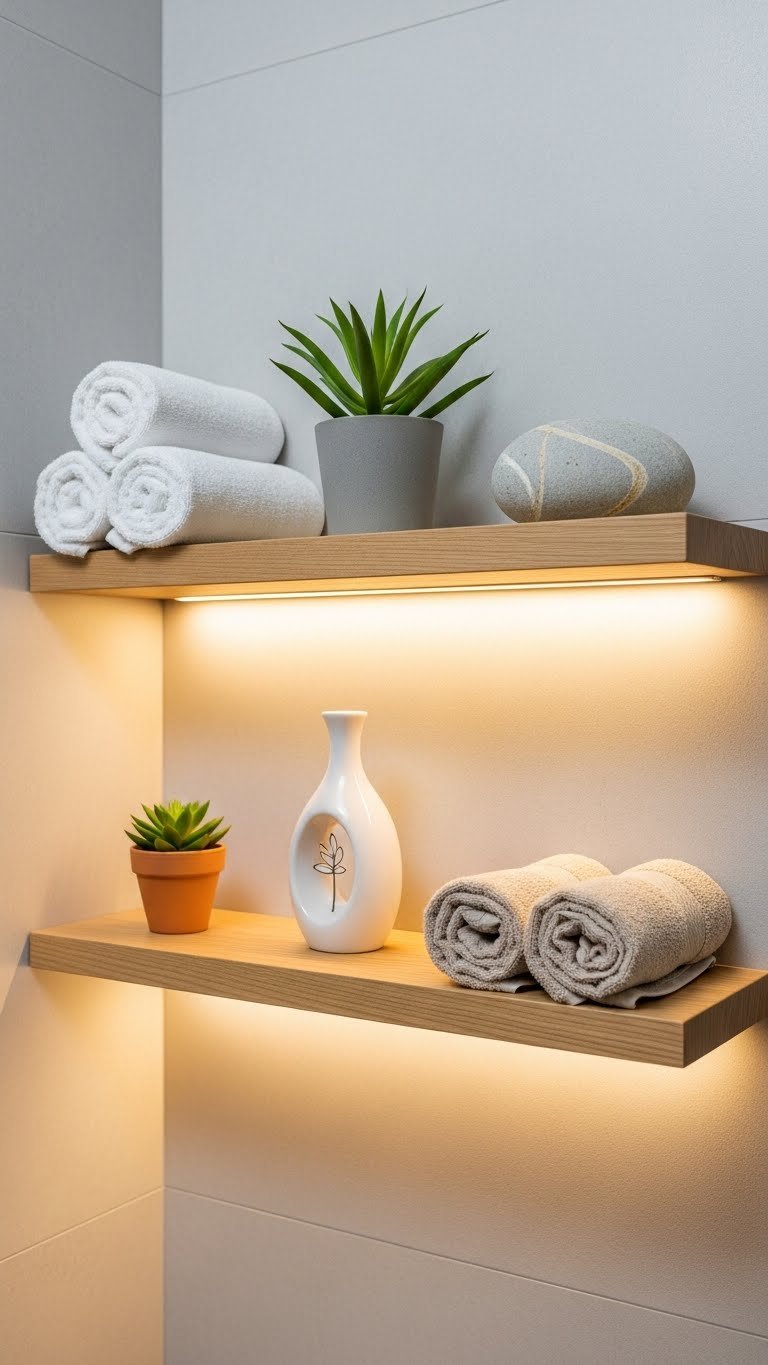
    Pro tip: Match it to your accent color for subtle reinforcement.

    You’ve added personality and thoughtfulness that only you fully appreciate—which is exactly what minimal design should do.

    24. Install Dimmer Switches on All Light Sources

    Bright light disrupts sleep cycles; dimmers let you adjust lighting to your circadian rhythm and mood. Install them on every fixture that matters.
    Add dimmer switches ($15–$30 each) to your main overhead light and bedside lamp. Pair with warm white bulbs (2700K). Use the lowest setting 1–2 hours before bed to signal your body it’s sleep time.

    Pro tip: Some smart bulbs ($15–$20 each) let you adjust light color from your phone—useful for gradual evening dimming.

    Your sleep quality improves, and you’ll use your bedroom more intentionally when lighting supports rest.

    25. Keep Only One Throw Blanket

    One quality throw beats a pile of mediocre blankets. This is minimalism with warmth and texture.

    Choose a merino wool, linen, or organic cotton throw in cream, gray, or your accent color ($60–$150 from **Parachute, Etsy, or *Woolroom*). Drape it at the foot of your bed or over a reading chair. That’s your only throw blanket.

    Real minimalism means owning fewer, better things—not refusing comfort.

    You have what you actually use, less decision fatigue, and a cozier room than you’d get from five cheap blankets.

    26. Create a Minimal Bedside Tray

    Trays corral nightstand clutter into one intentional arrangement. This keeps your space organized and styled without effort.

    Buy a simple brass, wood, or ceramic tray ($20–$60 from Target, IKEA, or CB2). Place it on your nightstand and keep only three items on it: lamp, water glass, and one current book. Everything else lives in the drawer.

    Time: 5 minutes to set up, then maintenance is automatic.

    Your nightstand looks intentionally styled and calm, and you know exactly where essentials are without hunting.


    Save this post and pick one or two ideas to tackle this weekend. Minimalism doesn’t mean cold or empty—it means choosing carefully what stays. Start small, and you’ll notice how even one change creates more room to breathe.

  • 23 Stylish Mirror Frame Ideas That Elevate Your Home Aesthetic

    23 Stylish Mirror Frame Ideas That Elevate Your Home Aesthetic

    Your mirror frames do more than reflect—they set the entire mood for a room. Whether you’re drawn to soft curves, bold geometry, or natural textures, the right frame can turn a functional piece into a statement that ties your whole aesthetic together. But here’s the catch: finding 23 genuinely different ideas that actually work in real homes (not just design magazines) takes time. We’ve pulled together actionable frame styles, budget hacks, and styling tricks that work for renters, homeowners, and everyone in between. From DIY painting projects to investment pieces, you’ll find options at every price point. Let’s dive in and find the frame that makes your space feel like you.

    1. Paint an Old Frame in Matte Black

    Matte black frames add instant modern edge to any room without the price tag. If you have an old mirror collecting dust in your garage or attic, this is your answer.

    Grab some matte black spray paint or brush-on acrylic (both around $8–$15 at hardware stores) and give your frame a fresh coat. It takes about 30 minutes plus drying time. Pro tip: Use a primer first if your frame is glossy or stained—it helps the paint stick. Once dry, the matte finish softens the industrial vibe, making it less harsh than a shiny black frame.

    You’ve just created a custom frame for under $20 that looks intentionally designed, not thrifted.

    2. Add Thin Gold Trim to Frameless Mirrors

    Frameless mirrors can feel a bit cold, but adding a thin gold outline transforms them into something special. This costs almost nothing and works in modern, glam, or even coastal spaces.

    Pick up metallic paint markers or gold leaf tape ($5–$12 from craft stores like Michaels or Joann). Carefully outline your mirror’s edge, or apply tape as a thin frame border. You can do this in about 15 minutes. If you prefer a more permanent option, use thin adhesive gold trim ($10–$20) available on Amazon—just stick it on. The slight shimmer catches light beautifully and makes your mirror feel intentional.

    Your bare mirror now has personality without committing to a full frame.

    3. Layer Wooden Frames for a Gallery Wall Effect

    One mirror is nice, but a cluster tells a story. This renter-friendly approach uses no wall damage and creates instant visual interest.

    Hunt for wooden-framed mirrors at thrift stores or IKEA (ranging from $8–$50 each depending on size). Choose 3–5 mirrors in varying sizes and wood tones—warm honey, natural, weathered oak, or even light pine. Lean them against your wall at different heights, overlapping slightly for that curated feel. You can also hang them if your lease allows. This project costs $30–$150 total, takes about an hour to arrange, and zero construction skills required.

    Suddenly, that empty wall becomes a curated focal point that photographs beautifully.

    4. Wrap a Frame in Rattan or Woven Seagrass

    Coastal vibes don’t require a beach house—add rattan wrapping to any existing frame. This DIY hack brings warmth and texture without replacing the whole piece.

    Grab rattan or seagrass ribbon ($8–$15 from craft stores) and some clear-drying adhesive or hot glue. Wrap it around your frame’s edges, overlapping slightly as you go. Takes about 30–45 minutes depending on frame size. The natural material softens harder finishes and adds organic interest. If rattan feels too boho for your space, try jute twine for a more subtle texture.

    Your mirror now whispers “relaxed elegance” instead of “just functional.”

    5. Create a Sunburst Frame with Wooden Dowels

    Sunburst mirrors are trending hard, but designer versions cost $300+. Make your own for under $40 with dowels and spray paint.

    Purchase wooden dowels ($15–$20 at Home Depot), a round mirror ($10–$20 from IKEA or Target), and gold or black spray paint ($8–$10). Cut dowels to varying lengths (from about 6 to 12 inches), arrange them in a circle, and hot-glue them to the mirror’s back or frame. Paint everything in one go using spray paint. This weekend project costs $35–$50 and creates a statement piece that rivals store-bought versions costing triple.

    You’ll have a dramatic focal point that anchors any room and sparks conversations.

    6. Use Wallpaper or Fabric Behind a Frameless Mirror

    Create the illusion of a frame without hardware by treating the wall behind your mirror. This works beautifully in renters’ spaces since the mirror does the hiding.

    Install your frameless mirror as usual, then apply peel-and-stick wallpaper or fabric ($15–$40) around it in a contrasting color or pattern. The wallpaper peeks out as a “frame.” Takes about 20 minutes and zero damage to walls when you use removable adhesive. This trick also works if you’re renting—just peel it off when you move.

    Now your mirror feels layered and intentional, like it was designed as part of the wall itself.

    7. Stain or Refinish a Thrifted Wood Frame

    Thrift stores are treasure troves of cheap mirror frames that just need a refresh. A little stain transforms them into custom pieces.

    Find a wooden-framed mirror at Goodwill or Facebook Marketplace ($3–$15). Pick up wood stain in your desired shade—walnut, ebony, or honey ($8–$12 at hardware stores). Sand the frame lightly with 120-grit sandpaper, apply stain with a brush, and let it dry per instructions (usually 24 hours). Total investment: $15–$30. Time: about 1 hour active work plus drying. You’ve essentially created a custom frame for the price of a coffee.

    That dated thrifted find is now a curated piece that matches your decor perfectly.

    8. Add Tassel or Rope Details Around the Frame Edge

    Tassels and rope add dimension and personality to plain frames in minutes. This is pure styling without commitment.

    Purchase decorative tassel trim or braided rope ($12–$25 per yard from fabric stores like Joann or online from Amazon). Use fabric glue or hot glue to attach it around your frame’s perimeter. Choose gold tassels for glam, cream for soft elegance, or jewel tones for drama. Takes about 20–30 minutes depending on frame size. If you change your mind later, peel it off and try something new.

    Your frame now has that handcrafted, intentional-looking detail that costs pennies but reads like luxury.

    9. Spray Paint a Metal Frame in Unexpected Colors

    Metal frames are durable and perfect for spray paint experiments. Go bold with color instead of sticking to neutrals.

    Find a metal-framed mirror you own or grab one used ($5–$20). Pick spray paint in jewel tones, dusty rose, sage green, or even terracotta ($8–$12 per can). Mask off the mirror glass with painter’s tape, and spray 2–3 thin coats in a well-ventilated area. Total cost: $15–$35. Takes about 1 hour including drying time. The finish is permanent and hardwearing, perfect for bathrooms and high-traffic spaces.

    An unexpected color choice turns a standard mirror into a design focal point that reflects your personality.

    10. Create a Faux Scalloped Edge with Trim

    Love the scalloped trend but don’t want to commit? Glue decorative trim to create the look instantly.

    Hunt for adhesive scalloped trim, ribbon, or lace ($10–$20 per roll on Amazon or craft stores). Clean your mirror frame thoroughly, then carefully glue the trim around all edges. This takes about 30 minutes and costs $10–$25. For a modern take, use thin geometric trim instead of traditional lace. If your mirror is frameless, build up a thin base layer of foam trim first, then add the scallops.

    Your mirror now has playful personality that photographs beautifully and feels intentionally styled.

    11. Mosaic Tile or Broken Glass Frame Border

    This DIY project adds serious artistic flair if you’re willing to spend a weekend on it. Upcycled glass or tiles make it more affordable.

    Collect small mosaic tiles, sea glass, or broken ceramic pieces (free if you salvage, $8–$15 for a premade mosaic kit). Use tile adhesive and grout ($10–$15). Arrange your pieces around the frame edges, glue them down, and grout the gaps. Takes 2–3 hours plus drying time. This one requires patience but results in a genuinely one-of-a-kind piece. Perfect if you’re artistic or enjoy mindful crafting.

    You’ve created a conversation piece that feels handmade and special, with zero factory-produced feel.

    12. Paint a Geometric Pattern Directly on the Frame

    If you’re handy with a paintbrush, go full artist and design your own pattern. This one’s pure creative expression.

    Use acrylic paint in 2–3 complementary colors ($8–$15 total). Sketch a light pencil design first, then paint in your pattern—stripes, triangles, checkerboard, or abstract shapes. Seal it with clear matte or glossy sealant ($6–$10) to protect from moisture. Takes 2–3 hours depending on complexity. This works best on wood frames with good surface area. Bonus: it’s totally renter-friendly since paint stays on the frame, not the wall.

    You now own a custom art piece that’s completely unique and matches no one else’s decor.

    13. Install LED Lighting Inside a Floating Frame

    Combine function and aesthetics with LED lights integrated into or around your frame. This elevates bathrooms and small bedrooms instantly.

    Purchase adhesive LED strip lights ($20–$40 from Amazon or Best Buy—look for warm white, dimmable options) and a thin-framed or frameless mirror ($30–$80). Install the LED strips inside the frame’s lip or directly on the wall around the mirror’s perimeter. Most are plug-in or battery-powered, taking 15 minutes to install. This is renter-friendly if you use removable strips and avoid permanent wiring.

    Your mirror becomes a functional light source and atmospheric focal point—practical and pretty.

    14. Wrap the Frame in Leather or Faux Leather Cord

    Leather wrapping adds sophistication and texture, especially in masculine or modern spaces. This looks more expensive than it costs.

    Get leather or faux leather cord ($8–$15 from craft stores) and contact cement or hot glue ($3–$8). Wrap the cord tightly around your frame starting at one corner, overlapping slightly as you go. Use glue at the start and end to secure. Takes about 45 minutes for a standard mirror. The result feels designer-quality with that structured, intentional look. Faux leather is cheaper and equally effective.

    Your mirror now has a sophisticated, grown-up aesthetic that anchors any room beautifully.

    15. Create a Double-Frame Look with Two Mirrors

    Double frames create visual depth without major construction. This architectural trick works in modern and eclectic spaces.

    Find two mirrors in similar or complementary styles ($20–$60 total). Use thin wood strips or metal spacers ($8–$15) to create distance between them. Attach the smaller mirror to the spacers, then attach that assembly to the back of the larger frame using strong adhesive or small brackets. Takes about 1 hour. This creates an intentional, layered look that reads expensive and curated.

    Your mirror now has architectural interest that makes the wall feel designed, not just decorated.

    16. Stencil a Border Pattern Around the Frame

    Stenciling lets you add pattern and detail without free-hand painting skills. Perfect for adding custom flair to plain frames.

    Purchase a decorative stencil ($5–$12 from craft stores) and metallic or acrylic paint ($6–$10). Tape the stencil around your frame’s edge and carefully paint through the cutouts using a stencil brush or sponge. Takes 30–45 minutes and dries quickly. Dozens of patterns exist—geometric, floral, Art Deco, boho. Choose one that matches your style.

    You’ve added custom detail that looks like it was always part of the design.

    17. Use Brass or Copper Leaf for a Luxury Finish

    Metal leaf creates a high-end, handcrafted look that costs far less than it appears. This technique works on wood frames best.

    Grab adhesive brass or copper leaf ($15–$25 from art supply stores), a sizing glue (usually included), and a soft brush. Apply sizing according to package directions, then carefully press leaf onto the frame surface. It adheres instantly and looks like real metal coating. Takes about 1–2 hours depending on frame size. The result rivals expensive designer frames, and the material is durable and long-lasting.

    Your mirror frame now has that handcrafted, gallery-quality finish that elevates your entire space.

    18. Add a Floating Shelf Below or Above the Mirror

    A floating shelf isn’t technically a frame modification, but it completes the frame’s visual impact by creating a styled vignette below or above.

    Install a thin floating shelf ($20–$50 depending on material—wood, metal, or composite) using heavy-duty wall anchors ($5–$10 for a renter option) or wall studs if permanent. Takes 30 minutes to 1 hour to install depending on your comfort level. Style it with small potted plants, candles, or curated objects. This trick makes your mirror feel intentional and gallery-like.

    Now your mirror isn’t just a reflection—it’s part of a designed vignette that brings the whole wall to life.

    19. Paint the Frame to Match Your Wall (Monochromatic Frame)

    This minimalist approach hides the frame while highlighting the mirror’s reflection. Perfect for keeping walls clean and uncluttered.

    Paint your frame with the same paint color as your wall ($20–$30 for a quart of paint). This might seem counterintuitive, but it creates a serene, intentional look where the frame “disappears” and your reflected room becomes the focal point. Takes about 1 hour including drying. Best on matte or eggshell finishes for true blending.

    Your space feels calmer and more cohesive, with the mirror functioning as a subtle design element rather than a statement.

    20. Attach Dried Flowers or Branches to a Frame

    Dried botanicals are trending, and they transform frames into organic art pieces. Plus, they’re wallet-friendly and won’t wilt.

    Collect or purchase dried flowers, pampas grass, or branches ($10–$25 from craft stores like Michaels or online). Use hot glue or floral adhesive to attach them around your frame’s perimeter or in corner clusters. Takes about 30–45 minutes. The dried materials last indefinitely and create a cottagecore or bohemian vibe. Great for renters since nothing damages walls.

    Your mirror now doubles as botanical art, bringing organic warmth to any room.

    21. Wrap the Frame in Linen or Canvas Fabric

    Fabric wrapping adds tactile softness and texture while maintaining a natural aesthetic. This works for any style from farmhouse to modern.

    Choose natural linen or canvas fabric ($15–$25 per yard from fabric stores) in a color that complements your space. Wrap it tightly around your frame, stapling it securely on the back side (nobody sees that). Use fabric glue to seal edges if preferred. Takes about 45 minutes. If you’re renting or want flexibility, use removable fabric glue instead of staples.

    Your frame now has organic softness that catches light beautifully and adds depth to your wall.

    22. Create a Statement Frame with Oversized Molding

    Oversized molding creates impact without spending a fortune. This architectural approach works in any style when you choose the right profile.

    Buy thick wooden molding ($30–$60 for 8–10 linear feet from Home Depot) in a profile that matches your style—ornate for traditional, sleek for modern. Cut it to frame your mirror, miter the corners, and attach with wood glue and nails ($5–$10). Paint or stain to finish. This is a weekend project if you’re handy or have access to a chop saw. If not, hire a handyperson ($100–$200).

    You’ve created a custom frame that looks built-in and substantially elevated your mirror’s presence.

    23. Use Removable Adhesive Decorative Borders

    For maximum flexibility, use removable adhesive borders. This is the ultimate renter hack and costs almost nothing.

    Purchase peel-and-stick decorative borders ($8–$18 from Target, Amazon, or IKEA) in your desired pattern. Clean your frame thoroughly, then carefully apply the border around all edges, smoothing out bubbles as you go. Takes 15 minutes and requires zero tools. When you move or want to refresh, peel it off cleanly. Endless options exist—gold stripes, geometric, floral, minimalist.

    Your mirror gets an instant upgrade that you can change anytime without commitment or damage.


    SAVE THIS POST for your next decorating refresh and try just one idea this weekend. Whether you’re on a shoestring budget or ready to invest, there’s a frame solution here that’ll make you smile every time you look in that mirror.