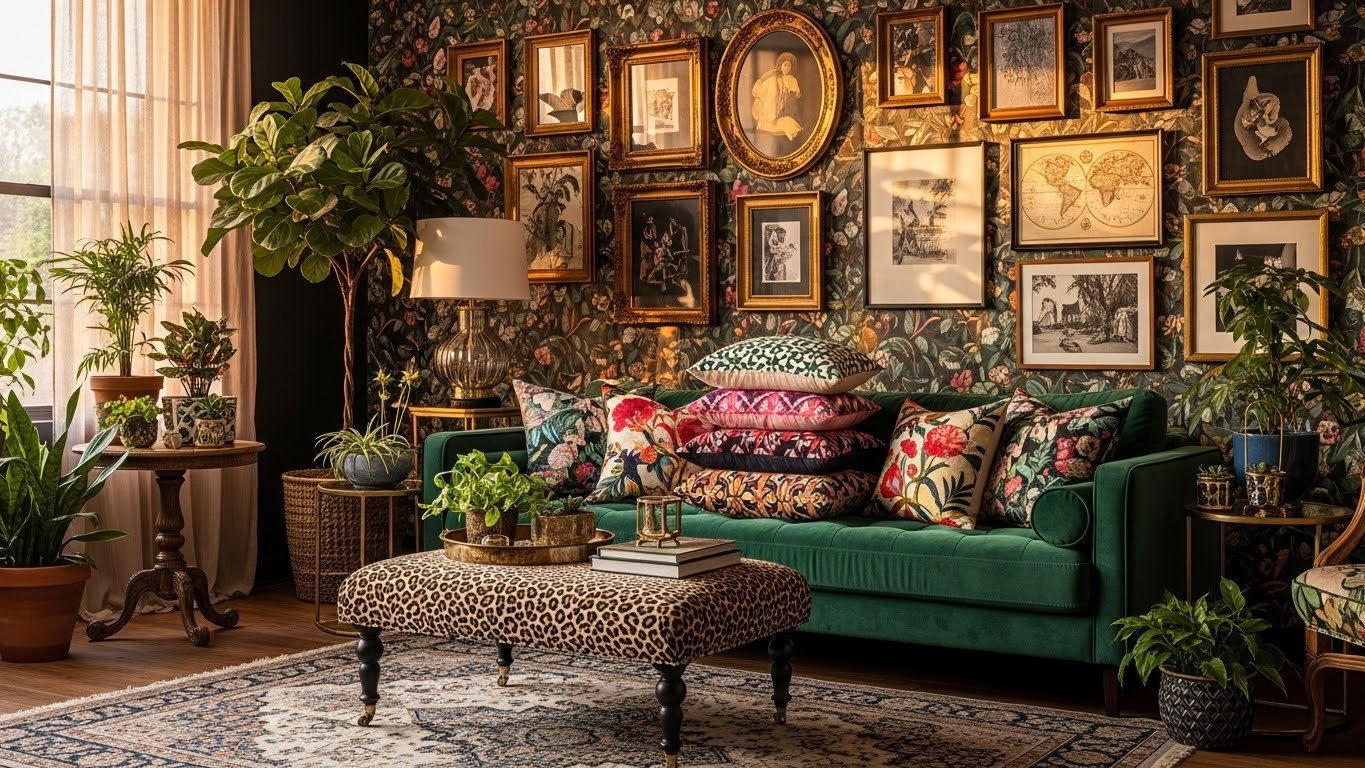
Forget playing it safe with neutral walls and minimalist furniture. Maximalism is your permission slip to fill your rooms with color, personality, and joy—and honestly, it’s way more fun than a blank slate. If you’re tired of boring spaces that lack character, these 25 ideas will show you exactly how to layer patterns, textures, and bold hues into rooms that actually feel like home. You don’t need a designer budget or a huge overhaul; most of these ideas work in small doses or can be tackled one weekend at a time. From color-drenched accent walls to thrifted vintage finds, you’ll discover how to build a maximalist space that feels intentional, not chaotic. Let’s dive into the specific ways to make your rooms sing.
1. Color-Drench One Wall for Full Impact
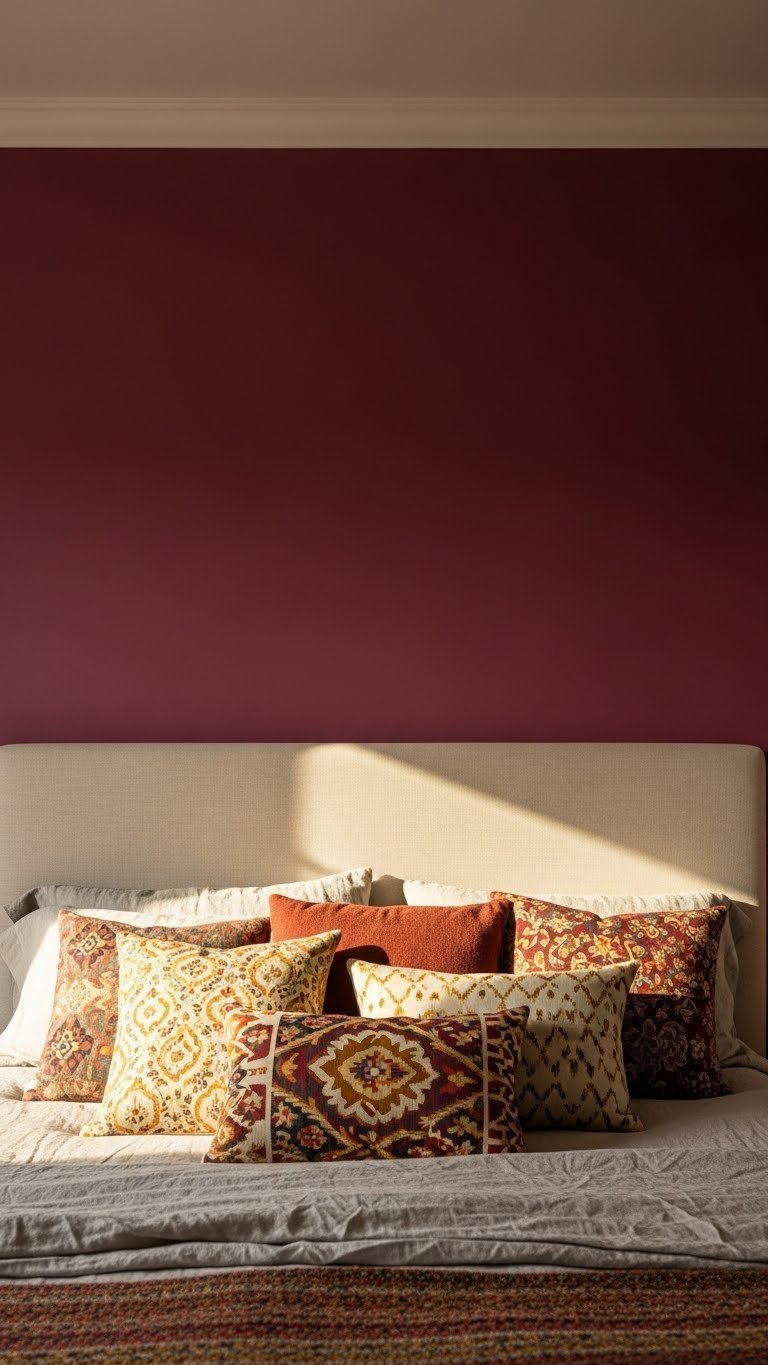
Painting a single wall in a bold, saturated color creates drama without overwhelming the whole room. Unlike trendy accent walls that often feel dated, color drenching that one surface makes it feel intentional and moody rather than like an afterthought.
Pick a wall that gets natural light—it’ll show off the color’s depth. Deep jewel tones like burgundy, forest green, or navy work best. Grab a couple of sample pots from Home Depot or Lowe’s ($5 each) and test them for a few days before committing. This takes a weekend with a paint roller and costs $30–$60 for quality paint. The trick? Use a primer first so the color looks rich and covers evenly.
Consider the room’s function: bedrooms look dreamy in darker shades, while living rooms might handle a slightly brighter version of that same hue.
Once dry, your room gains instant personality and becomes a backdrop that makes everything else—furniture, art, plants—look curated rather than random.
2. Layer Patterned Wallpaper Over Paint
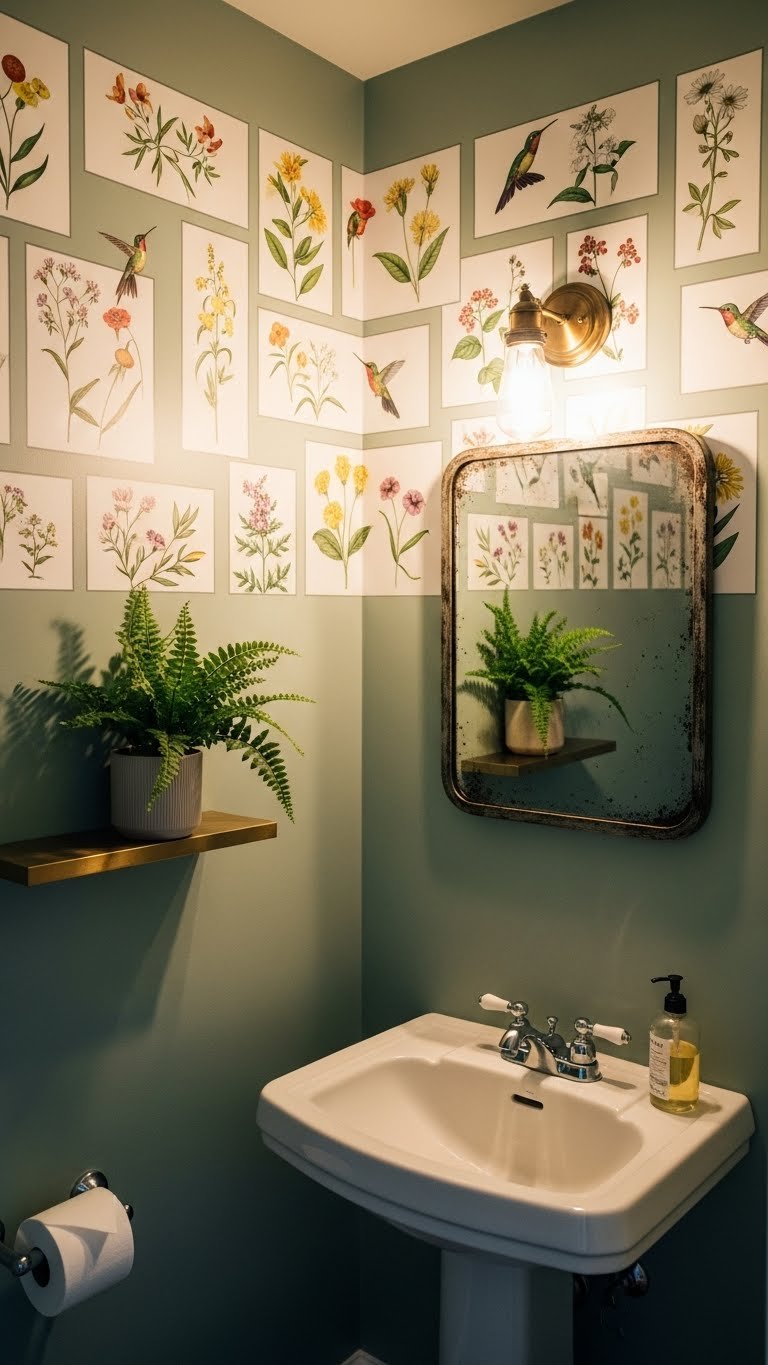
Removable wallpaper lets you test-drive pattern maximalism without a permanent commitment—perfect if you’re renting or indecisive. Layering it over a painted base color creates richness and prevents the pattern from feeling flat or busy.
Paint the lower half of your wall a solid earthy color (sage, warm taupe, chocolate brown), then apply patterned removable wallpaper to the upper section. Brands like Spoonflower and Peel & Stick wallpaper from Target cost $30–$80 per roll and cover roughly 28 square feet. You can install it in an hour with a squeegee and a steady hand. If you mess up, peel it off and reposition—no damage deposit risk for renters.
The best part: you can change it seasonally or whenever you’re ready for a refresh without guilt.
Your bathroom instantly gains a gallery-like quality that feels way more sophisticated than a single solid color.
3. Mix Vintage Furniture With Modern Pieces

Pairing sleek contemporary furniture with thrifted vintage finds creates a curated, collected-over-time aesthetic rather than a showroom look. The contrast keeps maximalism from feeling cluttered.
Scout Facebook Marketplace, Craigslist, or local thrift stores for solid mid-century or Art Deco pieces—look for good bones and structure, even if the upholstery needs work. A vintage wingback chair runs $50–$200 used; reupholstering costs $300–$600 if needed. Mix these with modern pieces from IKEA, Article, or Wayfair to balance vintage’s sometimes heavy vibe. Spend a weekend styling; arrange pieces at angles rather than against walls for a less formal layout.
Pro tip: Vintage leather or wood pieces age beautifully and develop a lived-in patina that new furniture can’t replicate.
This blend makes your space look intentional and editorial—like you’ve been hunting for the perfect pieces, not just filling a space with whatever matched.
4. Stencil Patterns Directly Onto Cabinets

Hand stenciling cabinet doors adds personality and artisanal charm without the cost or commitment of replacing them entirely. It’s a surprisingly achievable DIY project that screams “I have great taste.”
Grab cabinet-grade stencils from Michaels or Etsy ($15–$30), high-quality acrylic paint in your chosen color ($8–$15), and a dense stencil brush. Tape the stencil securely to clean, lightly sanded cabinet doors and dab paint using an up-and-down motion rather than brushing (prevents seeping). You can stencil 4–6 cabinet faces in an afternoon. Seal with polyurethane after drying for durability.
The lived-in charm comes from slight imperfections—they make it feel handmade, not manufactured.
Your kitchen instantly becomes a reflection of your style rather than a generic builder-grade space.
5. Create Zones With Rugs Instead of Walls
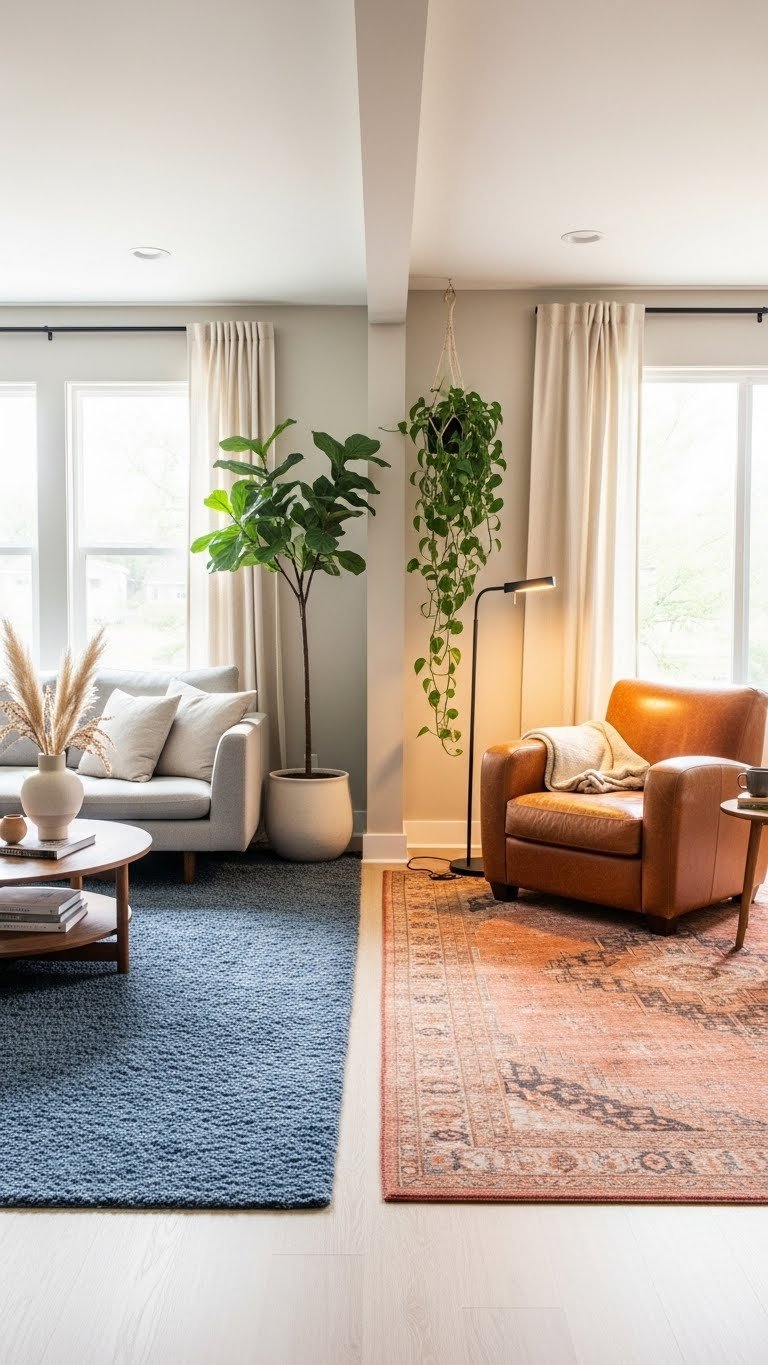
Open-concept layouts lack privacy and definition, but you can psychologically “zone” spaces using rugs, furniture arrangement, and lighting without structural changes. This creates multiple cozy areas within one large room.
Layer two rugs of different colors or patterns to visually separate seating zones. Anchor each area with a rug (or two overlapped), then arrange furniture on top facing inward. A quality wool or jute rug runs $150–$400 for a 5×8, but budget options from IKEA or Wayfair cost $50–$150. Pair with a floor lamp or pendant light hanging slightly to one side to further define the zone.
This trick works for renters since you’re not installing anything permanent.
Suddenly, one large room reads as multiple distinct spaces, each with its own purpose and atmosphere.
6. Go Bold With Leopard Print Upholstery
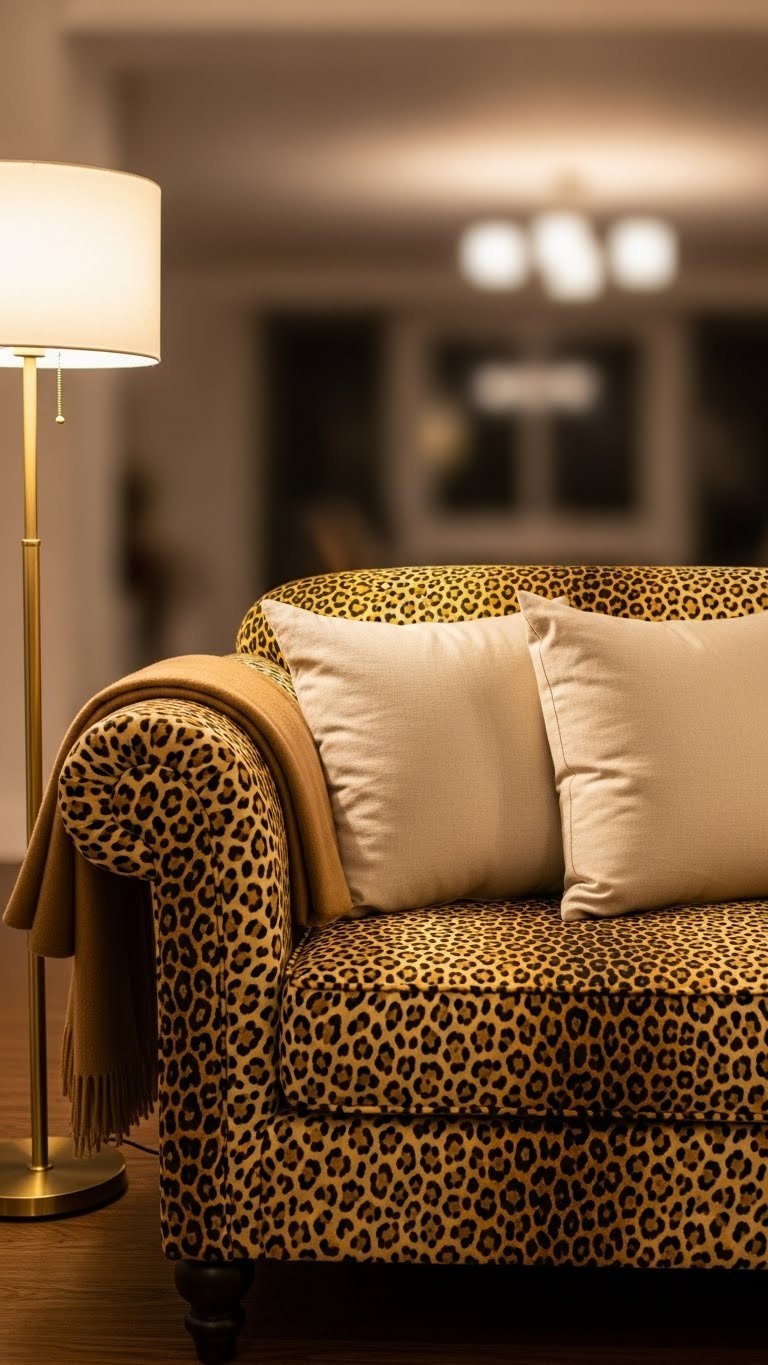
Leopard print reads as sophisticated maximalism when applied to statement furniture rather than scattered across many small pieces. A leopard-print sofa becomes the room’s focal point and grounds everything else.
Hunt for a vintage sofa or chair with good bones ($100–$300 used), then have it reupholstered in leopard print fabric from Spoonflower or Etsy ($20–$40 per yard; your upholsterer will calculate yardage needed). Reupholstering typically costs $400–$800 labor depending on complexity. Alternatively, buy a pre-upholstered piece from Wayfair or Article ($600–$1,500). Pair it with solid-colored accents in warm neutrals to let the print shine.
The trick: keep leopard print to one major piece so it anchors the room rather than competes for attention.
This bold choice immediately signals that you’re confident in your style and won’t bore easily.
7. Layer Textures With Throws and Pillows
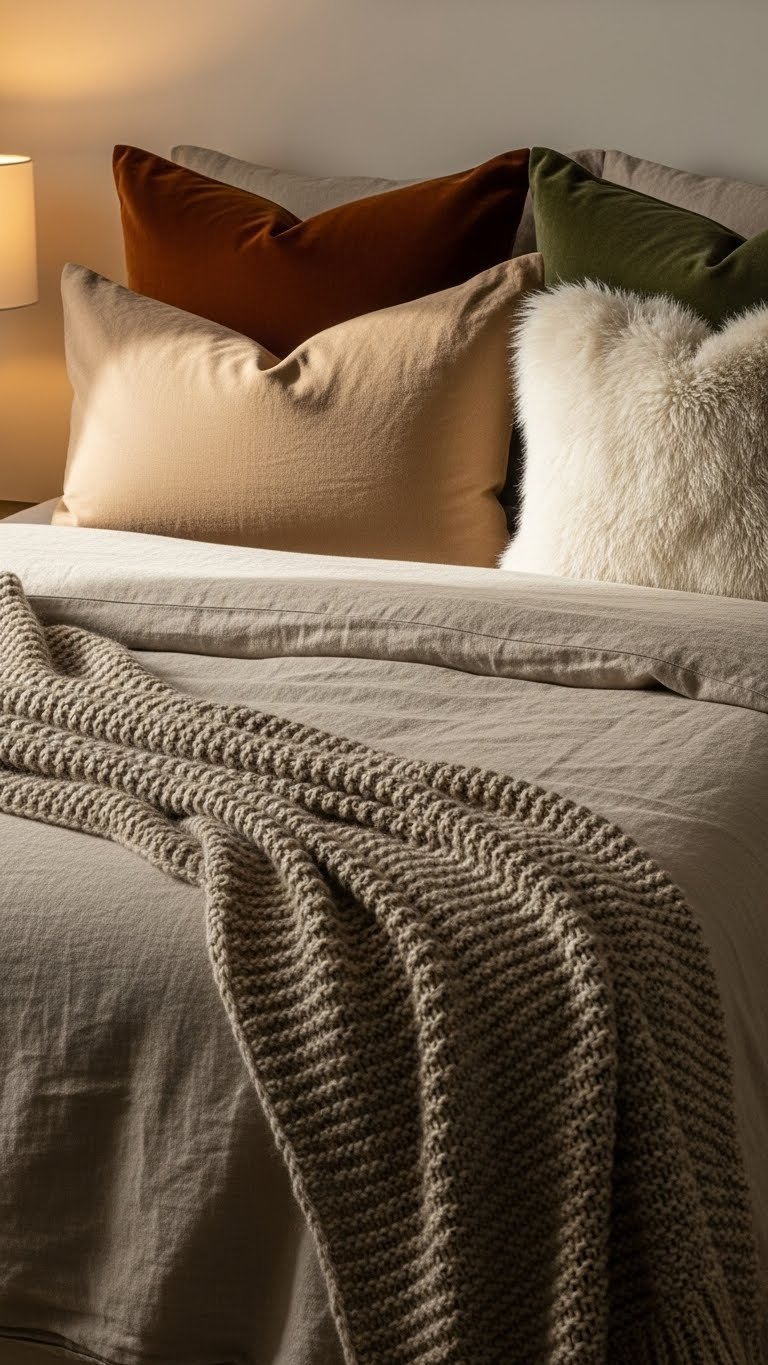
Texture creates tactile richness and visual interest without adding clutter—it’s the secret weapon of maximalism done right. Layering different materials makes a room feel collected and inviting rather than flat.
Combine at least three contrasting textures on your bed or sofa: linen, velvet, chunky knit, faux fur, or even a quilted fabric. Start with a base layer (duvet or throw), then add 2–3 pillows in different textures and one accent throw. Source pieces from Target ($20–$60 per item), IKEA ($15–$40), or splurge on quality linen from Etsy ($40–$100). Spend 10 minutes arranging them for maximum visual impact—lean some back, angle others, let some drape naturally.
Pro tip: Stick to a consistent color palette (all warm earth tones or cool jewel tones) so textural mixing feels intentional rather than chaotic.
Your sofa becomes a space you actually want to sink into, combining comfort and style in a way that photographs beautifully.
8. Paint Kitchen Cabinets a Jewel Tone

Cabinet color is hugely impactful and budget-friendly compared to replacement. Deep jewel tones—emerald, navy, rich teal—make kitchens feel high-end and intentional, especially when paired with warm metallic hardware.
Clean and lightly sand cabinets, apply primer, then use cabinet-grade paint in your chosen color (Benjamin Moore, Sherwin-Williams, or Rustoleum Cabinet Transformations, $30–$80). This takes a full weekend with multiple coats and drying time. New hardware from Amazon or Home Depot ($3–$8 per pull) costs $40–$100 for a full kitchen. Skip the professional refinisher ($1,000+) if you’re handy—DIY gives you the same result at a fraction of the cost.
The trick: use painter’s tape meticulously around hinges and edges for crisp, clean lines.
Your kitchen goes from builder-grade to “did they hire a designer?” in one weekend project.
9. Hang Gallery Wall With Mixed Frames
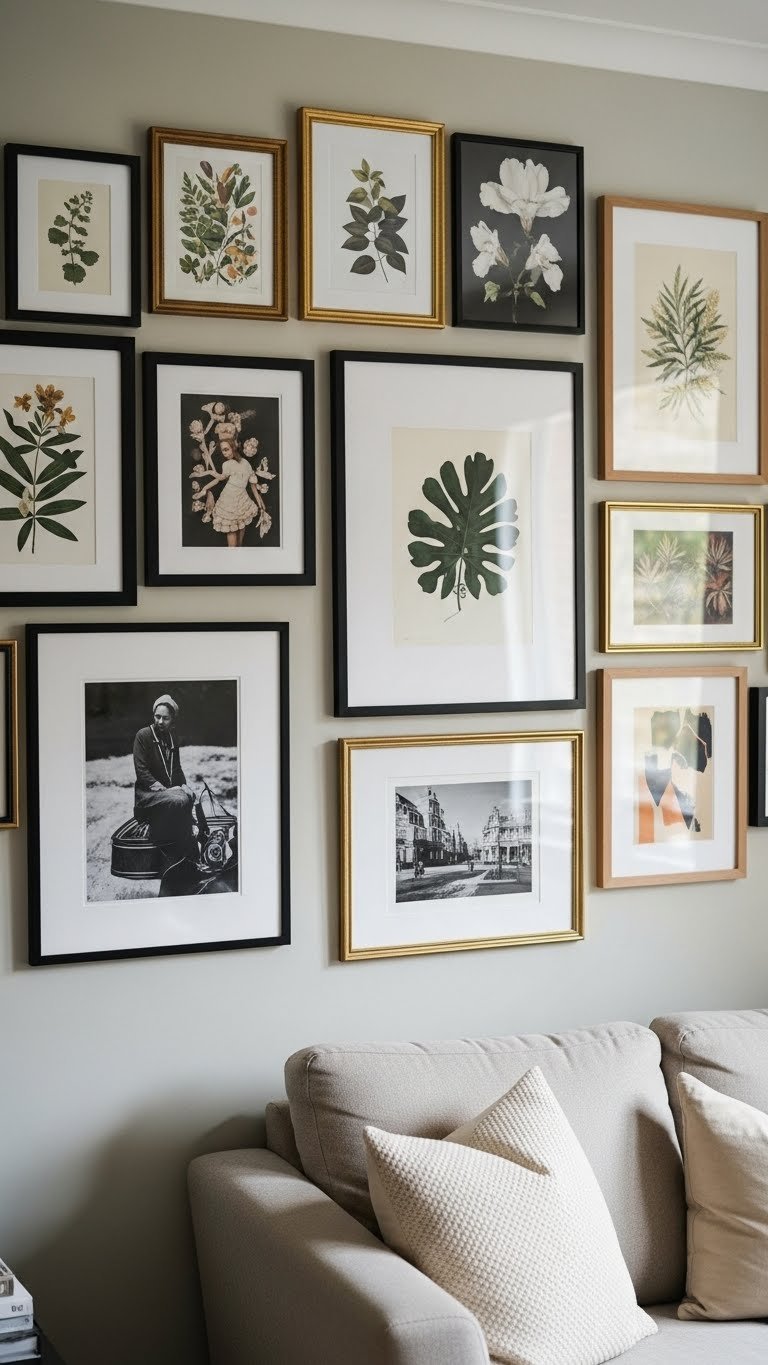
Gallery walls are the ultimate maximalist statement and a renter-friendly way to add instant personality. Mixing frame styles and artwork types creates visual richness and tells a story about your taste.
Collect frames from IKEA, Target, thrift stores, and Etsy—aim for 8–15 frames in varying sizes. Mix finishes: black, brass, natural wood, and even colored frames work together if your artwork ties them visually. Print artwork from Etsy ($2–$10 digitally downloadable), use family photos, or buy inexpensive prints from Minted or Society6. Lay everything on the floor first to plan your arrangement, then hang with painter’s tape templates ($20 total setup cost). The whole project takes 2–3 hours once you’ve gathered pieces.
Pro tip: Odd numbers and slightly irregular spacing feel more curated than perfectly symmetrical layouts.
Your gallery wall becomes a conversation starter and a visual representation of what you love.
10. Use Fabric to Create a Feature Wall
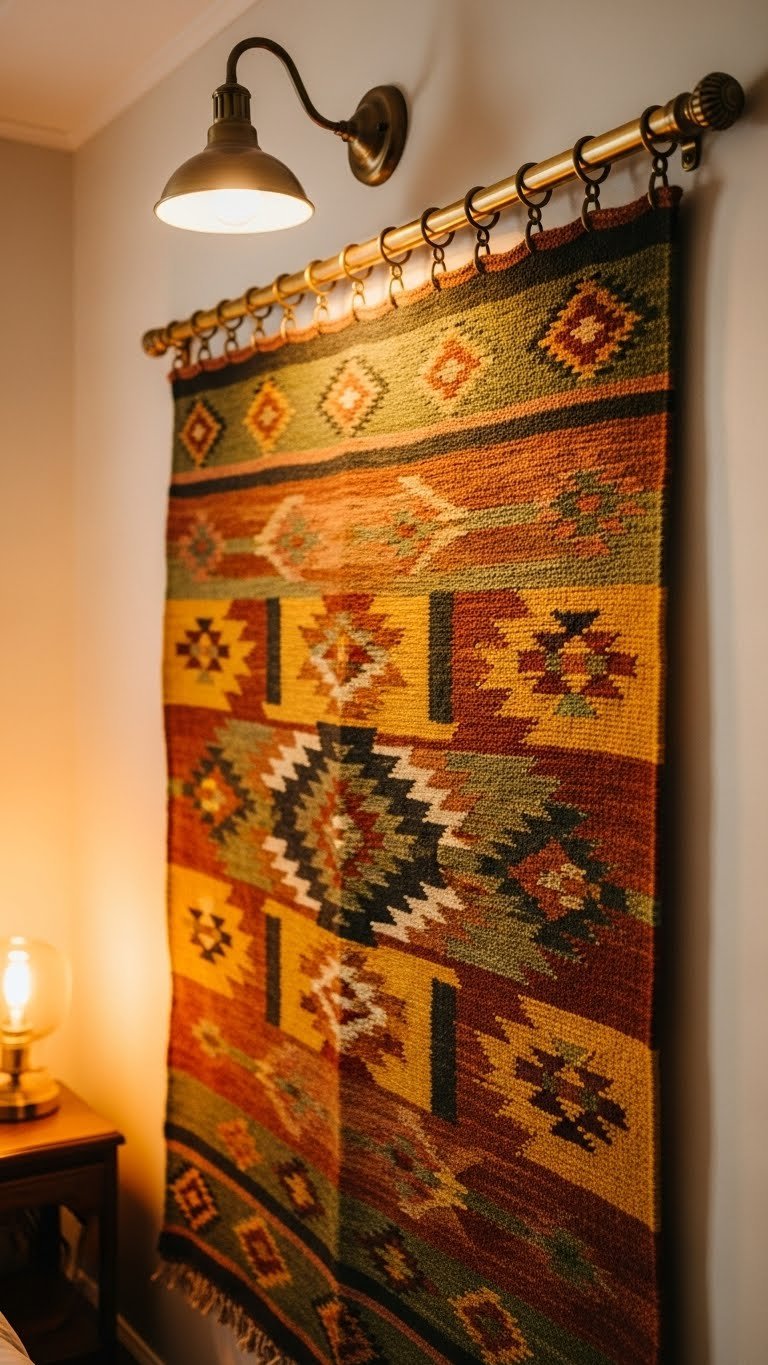
Instead of painting, hanging fabric or a tapestry creates texture and is completely removable. This works for renters and feels more bohemian than traditional paint.
Find a large tapestry or fabric from Urban Outfitters ($30–$80), Etsy ($20–$100), or even a vintage kimono from thrift stores ($10–$30). Install a simple curtain rod or wooden dowel at the top of your wall using command strips or adhesive hooks (renter-friendly) or light-duty wall anchors. Fabric-drape it and secure the bottom with removable hooks or even tacks if you’re okay with tiny holes. The entire project takes 30 minutes to an hour.
Layering patterned fabric with textured furniture and artwork prevents the space from feeling one-dimensional.
Your wall becomes a textile art installation that adds warmth and visual interest instantly.
11. Build a Patterned Throw Blanket Collection

Collecting throw blankets serves both function and style—they’re practical, affordable, and let you switch up your room’s vibe seasonally without commitment.
Buy 3–5 throw blankets in different patterns and colors from Target ($20–$40 each), H&M Home ($15–$35), or Etsy ($30–$60 for quality pieces). Choose a unifying color (all include rust, all include cream, etc.) so they read as intentional rather than random. Drape one over your sofa arm, fold and stack another on a chair, and hang one over a clothing rack if you have space. Swap them out seasonally or just rearrange for visual refresh. Total investment: $100–$250 for a rotating collection.
The trick: blankets feel even better when they’re high-quality and actually comfortable to use, not just decorative.
Your living room becomes more inviting and instantly gains a collected, lived-in quality.
12. Apply Marble or Patterned Wallpaper to Powder Room
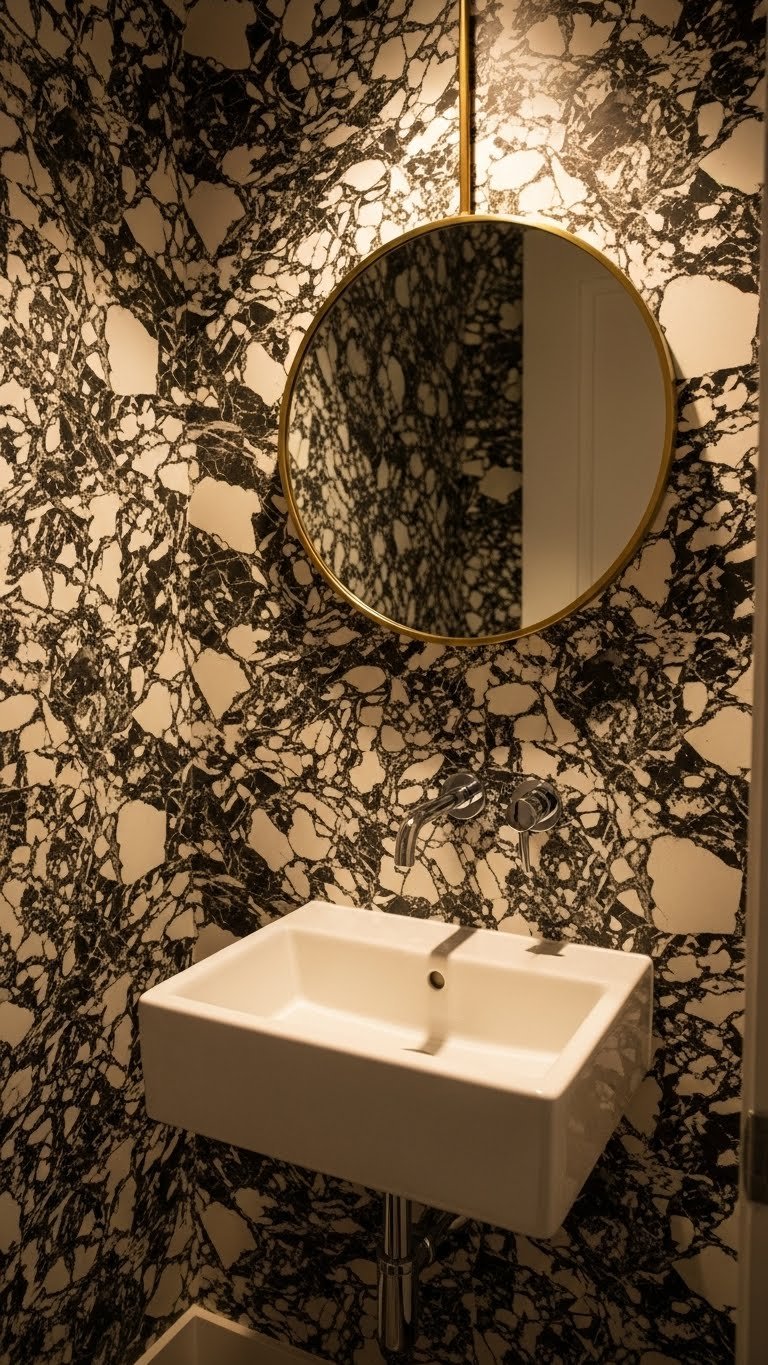
Powder rooms are the perfect testing ground for bold pattern drenching since they’re small and low-stakes. All-over patterned wallpaper makes a huge impact in a tiny space without overwhelming your home.
Choose removable patterned wallpaper in marble, geometric, or botanical prints from Spoonflower, Chasing Paper, or Etsy ($40–$100 per room depending on size). Apply it to all four walls for maximum immersion—this reads as intentional rather than hesitant. Installation takes 1–2 hours for a powder room. If you mess up with removable wallpaper, peel and reposition with no stress.
Pro tip: Start with a clean, smooth wall surface for the best adhesion and finished look.
Guests will genuinely comment on how thoughtful and designed your powder room feels.
13. Style Open Shelves With Books, Plants, and Ceramics
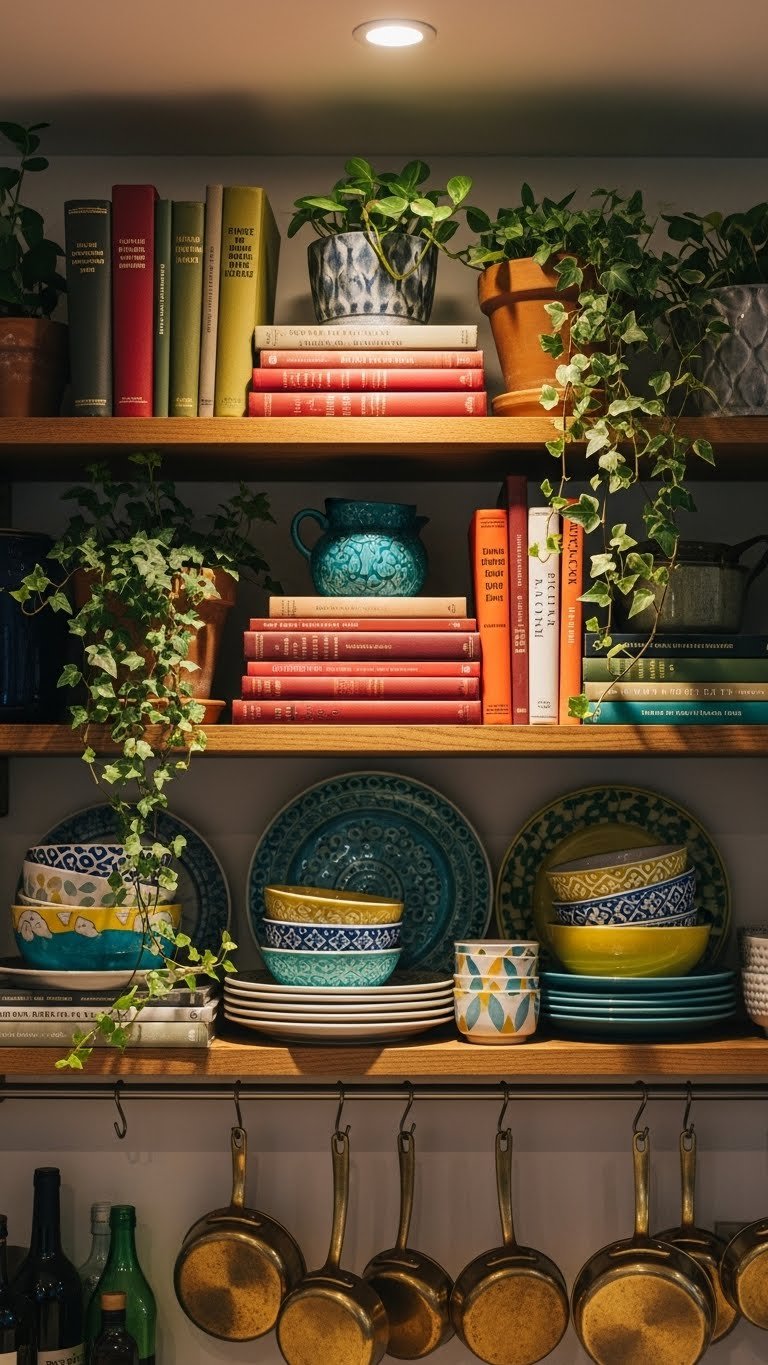
Open shelving requires thoughtful styling to look curated rather than cluttered. Mixing books, plants, and dishware in a color-coordinated way creates visual interest and functionality.
Arrange items in odd groupings of three: stack books horizontally, lean a few vertically, place a small plant on top. Vary heights using small stands or risers ($10–$20 from IKEA). Introduce warm metals—brass or copper—through utensil holders, plant stands, or serving pieces ($15–$40 each). Choose a loose color scheme (warm metallics + green plants + cream dishware, for example) and stick to it. Rearrange every few months to keep styling fresh without buying new items.
The key: negative space matters just as much as objects—don’t fill every inch.
Your open shelves read as intentional and editorial, and you’ll actually enjoy looking at your kitchen.
14. Mix Geometric and Floral Patterns in One Space
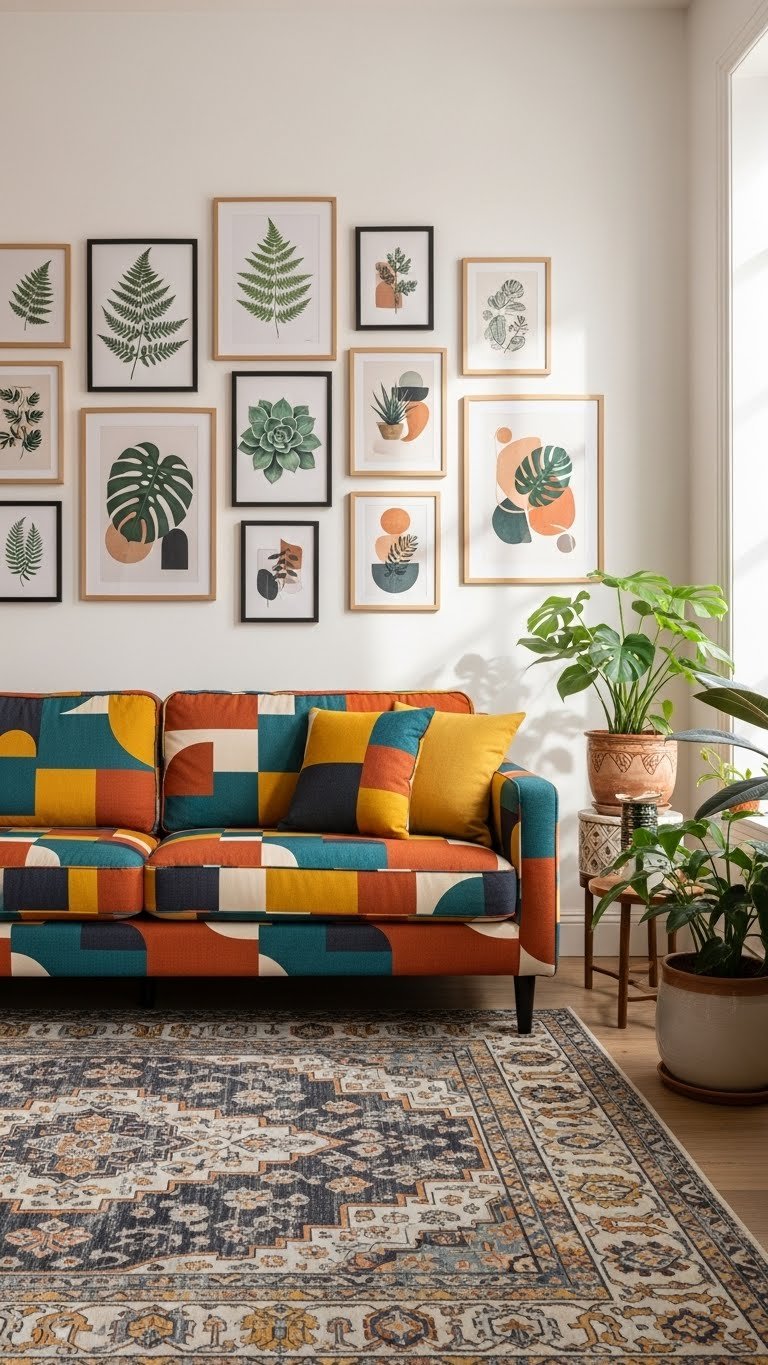
Mixing two contrasting pattern types—say, geometric and floral—feels bold and curated when they share a unifying color. This prevents pattern mixing from feeling chaotic.
Choose your unifying color first (rust, navy, cream, etc.), then find one geometric pattern and one floral pattern that both incorporate it. Apply one pattern to larger surfaces (sofa upholstery, a rug, or wallpaper) and use the contrasting pattern in smaller doses (pillows, artwork, a throw blanket). Keep wall paint neutral or in your unifying color to avoid competing for attention. Source pieces from wayfair, Article, Etsy, or thrift stores.
Pro tip: Print mood boards on Pinterest to see how your chosen patterns actually look side-by-side before committing to purchases.
Your room becomes a sophisticated pattern story rather than a random collection of pretty things.
15. Create a Vintage Bar Cart or Styling Station
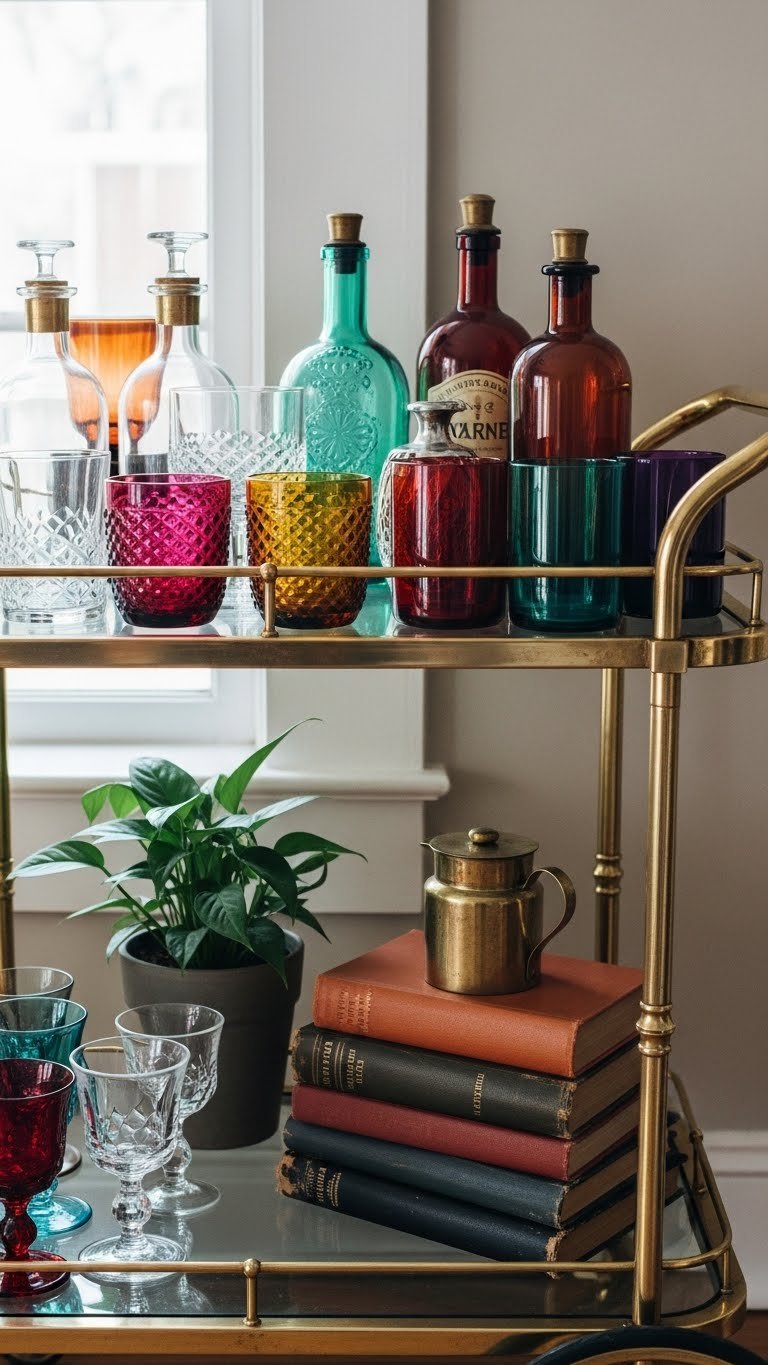
A styled cart serves as functional décor and becomes a focal point wherever you place it. Vintage finds make this affordable and more interesting than buying a pre-styled option.
Hunt for a brass or wood bar cart at thrift stores ($20–$60), then style it with found glassware, vintage bottles, potted succulents, and decorative objects in your color palette. Source items from thrift stores ($1–$10 each), IKEA ($5–$20), or Etsy ($10–$40). Arrange items in odd-numbered groupings, use risers or small stands to create height variation. The styling takes 30 minutes; the gathering takes longer but becomes a fun treasure hunt.
Bonus: this works for styling smaller spaces like bathrooms or bedrooms when placed on a table instead.
Your cart becomes both functional and visually striking—a conversation starter that doesn’t require wall space or permanent installation.
16. Drench Your Bedroom in Warm Burgundy or Deep Green

Full-room color drenching in a warm, saturated tone creates immersion and coziness that accent walls can’t achieve. This works especially well in bedrooms where the moody atmosphere feels intentional rather than dark.
Commit to painting all four walls and the ceiling the same deep color—forest green, burgundy, or navy all work beautifully. Use quality paint with good coverage (Benjamin Moore, Sherwin-Williams, $40–$70 per gallon). Two coats plus primer typically requires 2–3 weekends. Keep ceilings white if full-ceiling color feels too daring as a first step. Pair the walls with bright white or cream bedding and adequate lighting (layers of brass sconces, table lamps, and pendant lights) so the room feels cozy, not cave-like.
Embrace the moodiness—this color choice signals confidence and intentionality.
Your bedroom becomes a retreat rather than just a place to sleep—a cocoon that feels luxe without requiring renovation.
17. Source Vintage Brass and Copper Lighting

Soft metallic finishes in brass and copper add warmth and luxury without the cold edge of chrome or stainless steel. Vintage pieces cost less than new designer fixtures and carry more character.
Scout vintage brass or copper pendant lights, floor lamps, and table lamps from Etsy ($30–$150 each), thrift stores ($10–$40), or Facebook Marketplace ($15–$100). These are often original and haven’t been replaced with modern versions. If the cord or bulb socket feels sketchy, a handyman can refresh it ($50–$100) or replace the socket yourself ($10–$20 in hardware plus 15 minutes). Hang pendants at varying heights for visual interest and better task lighting.
Pro tip: Warm brass creates instant coziness, especially when paired with warm-toned bulbs (2700K color temperature).
Your lighting becomes both functional and beautiful—soft metallic glows that make every room feel intentionally designed.
18. Layer Patterned Rugs for Texture and Depth

Rug layering creates dimension and signals collected-over-time styling. This technique works in any room and instantly elevates the look beyond a single rug.
Start with a large neutral or solid-colored jute or wool rug as your base ($100–$300 for 8×10), then layer a smaller patterned rug on top ($50–$200 for 5×8). Choose patterns with a unifying color so they read as cohesive rather than clashing. This works in living rooms, bedrooms, and even dining areas. The layering takes 10 minutes to arrange; the entire investment can be under $300 if you source one vintage piece. Rugs from IKEA, Wayfair, or Etsy give you endless options.
The trick: layer an odd number of rugs (one, three) rather than two for a more intentional look.
Your floors become a designed element rather than an afterthought—layered textures that visually anchor the entire room.
19. Paint Doors and Trim a Contrasting Bold Color

Painting trim and doors in a bold, contrasting color adds drama and architectural interest without committing to full-room repaints. This is high-impact and totally manageable as a DIY project.
Choose a color that contrasts with your walls: if walls are cream, try deep teal or forest green on doors and trim. If walls are already bold, a crisp black or deep charcoal trim can look stunning. Grab cabinet-grade paint from Sherwin-Williams or Benjamin Moore ($30–$60), painter’s tape, and a high-quality brush. Tape meticulously where trim meets walls for crisp lines. This takes a weekend for an average home’s doors and trim. New hardware in brass or chrome ($3–$8 per knob, $40–$100 total) finishes the look.
Pro tip: Glossy or semi-gloss paint shows off color depth better than flat finishes on doors and trim.
Your entryway or hallway becomes visually striking—bold enough to feel intentional, contained enough to feel sophisticated rather than overwhelming.
20. Collect and Display Colorful Ceramics and Glassware
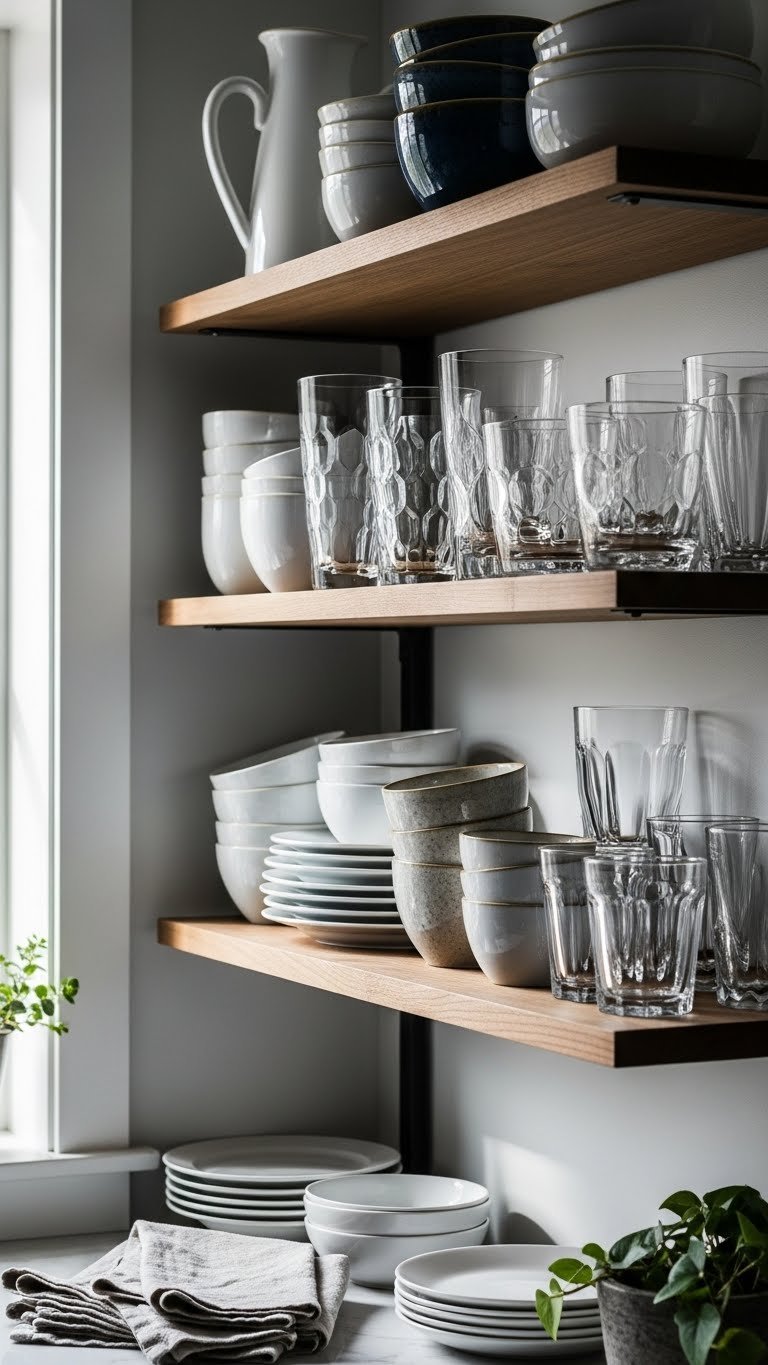
Displaying a curated collection of ceramics and glassware becomes a form of art and maximalist expression. Collections tell stories and make spaces feel lived-in and thoughtful.
Hunt for pieces at thrift stores ($1–$10 each), estate sales ($5–$50), and Etsy ($15–$60 for handmade pieces). Focus on a loose color palette (all warm earth tones, or all jewel-tone glassware, or mixed pastels) so the collection reads intentionally rather than randomly gathered. Display on open shelving, in a cabinet, or on a dedicated surface where pieces catch light. Rotate seasonal pieces or rearrange every few months to keep the display feeling fresh.
The key: quality over quantity—five beautiful handmade bowls feel more curated than twenty mismatched plastic cups.
Your collection becomes a visual representation of your taste and a conversation starter.
21. Use Scalloped or Curved Furniture Silhouettes
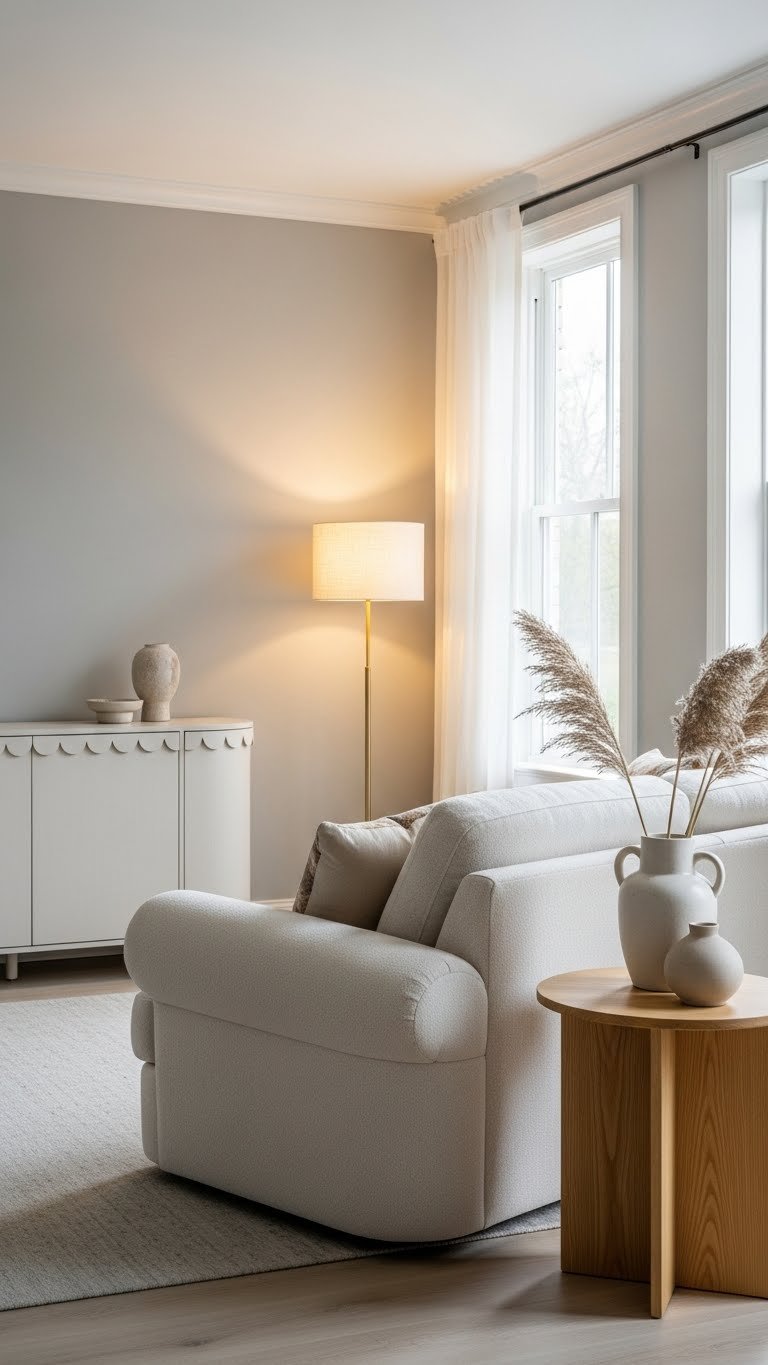
Curved and sculptural furniture adds softness and fluidity to a room, balancing bold patterns and colors. The organic shapes feel modern yet warm and approachable.
Invest in or source a curved sofa, scalloped credenza, or rounded armchair. Vintage pieces from thrift stores and Facebook Marketplace cost $100–$400; new options from Article or West Elm run $600–$2,000. Pair curves with angular pieces (a square-backed chair, a rectangular coffee table) to prevent the space from feeling too soft or undifferentiated. Even one curved furniture piece shifts the room’s entire energy.
Pro tip: Curved furniture photographs beautifully and makes spaces feel intentionally designed rather than functional.
The soft lines create visual interest and make your room feel more inviting and less corporate-looking.
22. Stencil or Hand-Paint Patterns on Accent Walls
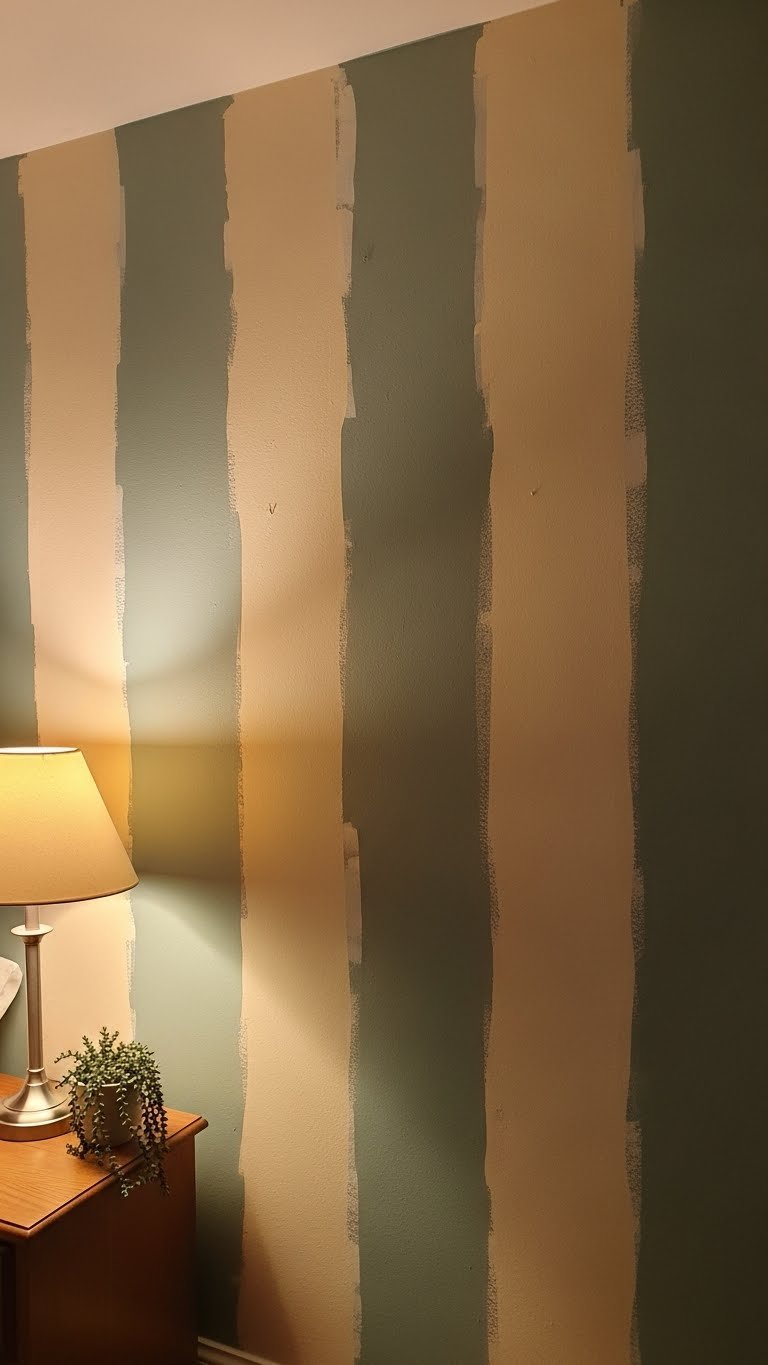
Hand-painted patterns add artisanal charm and can be way more affordable than wallpaper, especially if you DIY. The slight imperfections make spaces feel personal and authentic.
Sketch your pattern lightly in pencil first (stripes, geometric shapes, or abstract designs all work), then paint using a high-quality brush and acrylic or latex paint in your chosen colors. Tape off areas if you want crisp edges; leave some loose and imperfect for character. This takes 1–3 days depending on complexity and drying time. Paint costs $20–$40; supplies are $10–$20. Embrace the handmade look—slight unevenness is the point.
Renter-friendly alternative: Use removable stencils and acrylic paint, which you can carefully remove later without wall damage.
Your wall becomes a one-of-a-kind artwork that adds personality no store-bought piece can match.
23. Create a Plant Wall or Living Green Statement

Plant walls create living, breathing maximalism that’s both beautiful and air-purifying. Layering different plant types and planters adds texture and dimension.
Hang 8–15 plants of varying sizes using wall-mounted planters ($5–$30 each), macramé hangers ($8–$20), and shelves ($20–$60 per shelf). Choose plants that tolerate your light conditions and require similar watering (easier maintenance). Source plants from local nurseries ($3–$20 each) and affordable planters from IKEA, Target ($5–$25), or Etsy ($10–$40). Installation and arrangement takes a weekend; ongoing care is just regular watering.
Pro tip: Mix trailing plants (pothos, string of pearls) with upright plants (snake plant, calathea) for visual variety.
Your plant wall becomes a focal point that brings life and energy to the room while improving air quality.
24. Layer Bold Abstract Art With Vintage Photographs
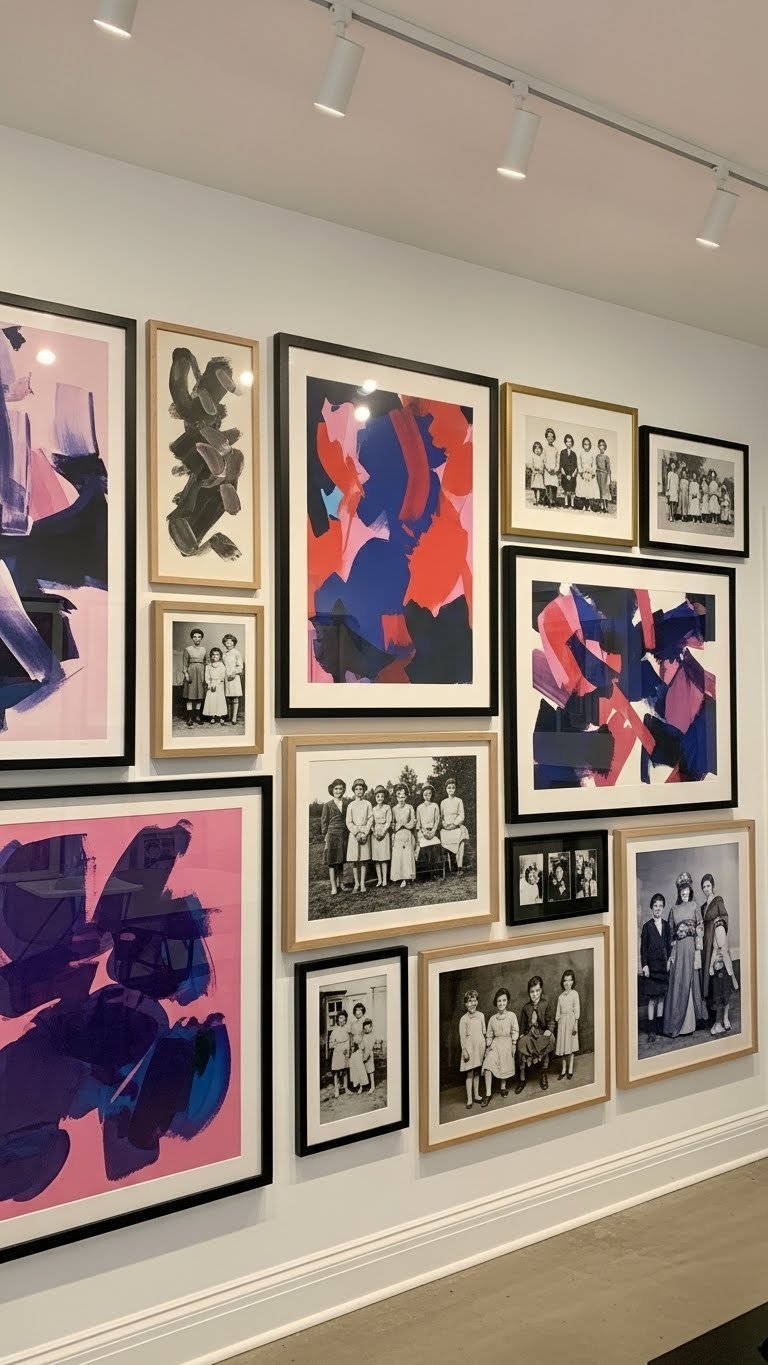
Mixing contemporary abstract art with vintage personal photographs creates emotional depth and prevents maximalism from feeling impersonal or over-designed. The contrast makes each piece feel more meaningful.
Source abstract prints from Minted ($40–$100), Society6 ($15–$60), or Etsy ($10–$50 for digital downloads). Mix with personal photographs either printed large ($10–$30 at local print shops or through Artifact Uprising) or smaller vintage photographs from thrift stores. Display in frames of varying finishes and sizes for visual richness. Hang in a salon-style gallery wall or scattered asymmetrically across one wall. Total project cost: $150–$400 depending on print size and frame investment.
The key: let the abstract pieces pull from colors in your room (walls, furniture, accents) so everything ties together visually.
Your art wall tells your story while looking intentionally curated and editorial.
25. Mix Vintage and New Bedding With Layered Textures

Bedding is the largest surface in a bedroom, making it the perfect place to showcase maximalist layering. Mixing vintage and new pieces creates character while ensuring comfort and functionality.
Start with a quality base (neutral linen duvet from Etsy, Parachute, or thrift stores, $100–$250). Layer with a vintage quilt or throw ($20–$80 from thrift stores or estate sales), then add 4–6 pillows in varying textures: linen, velvet, quilted, chunky knit. Stick to a unifying color palette so the mix feels intentional. Spend an hour arranging to find your ideal layered look. Source new pieces from Target ($20–$60 per item) or vintage pieces ($10–$40 each).
Pro tip: Odd numbers of pillows (5 rather than 4) feel more collected and less staged.
Your bed becomes a textural masterpiece that’s as beautiful to look at as it is comfortable to sleep in.
26. Paint Your Bathroom Vanity a Jewel Tone

Your vanity is the focal point of any bathroom, and painting it a saturated color creates dramatic impact with minimal effort. This draws the eye and makes even small bathrooms feel designed.
Clean and lightly sand your existing vanity, apply primer, then paint with cabinet-grade paint in your chosen jewel tone ($30–$60 for paint). Two coats take a full weekend including drying time. Upgrade hardware to brass or brushed gold knobs and pulls ($30–$80 for the whole vanity, installed in 30 minutes with a drill). Consider the countertop color: white marble or light wood complements jewel-toned vanities beautifully. This DIY project costs $75–$150 total and transforms the entire bathroom’s feel.
The trick: warm metallic hardware makes the bold color feel luxe rather than trendy.
Your bathroom becomes a spa-like retreat that feels far more expensive than the cost or effort required to achieve it.
Save this post and pick one idea to try this weekend. Start small—a single stenciled cabinet door or a patterned throw pillow—and see how good it feels to add personality to your space. Maximalism isn’t about chaos; it’s about surrounding yourself with things you genuinely love. Which idea are you trying first?
Leave a Reply