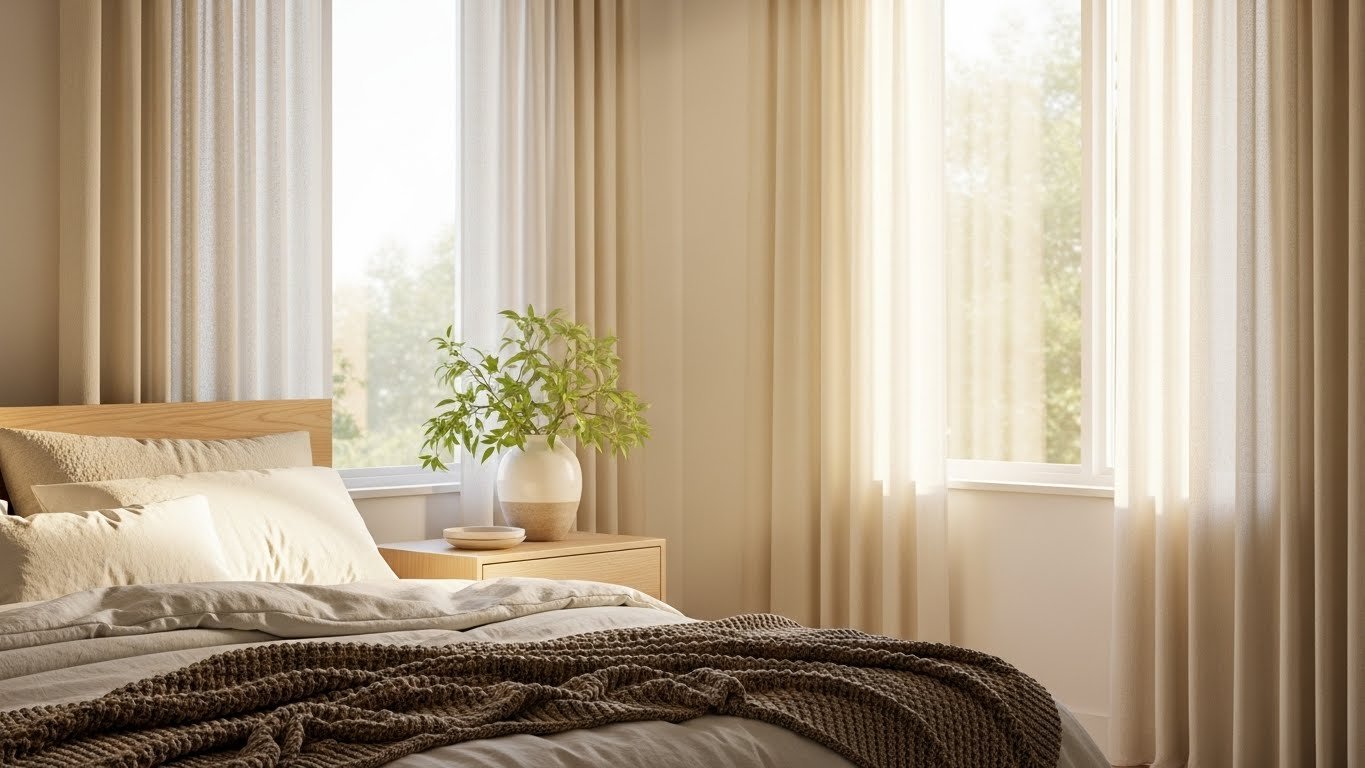
You know that feeling when you walk into a boutique hotel room and instantly want to stay forever? That effortless elegance, the thoughtful details, the way everything feels calm but curated—you can absolutely recreate that at home. The secret isn’t about spending thousands; it’s about understanding what makes hotel rooms feel so luxurious: layered textures, intentional lighting, quality basics, and a “less but better” approach to styling. We’ve rounded up 27 specific, actionable ideas you can implement this weekend or over the next month. Whether you’re renting, on a tight budget, or ready to invest in a few key pieces, you’ll find ideas that work for your situation. Let’s turn your bedroom into the retreat you actually want to spend time in.
1. Swap Your Duvet for a Layered Linen Approach
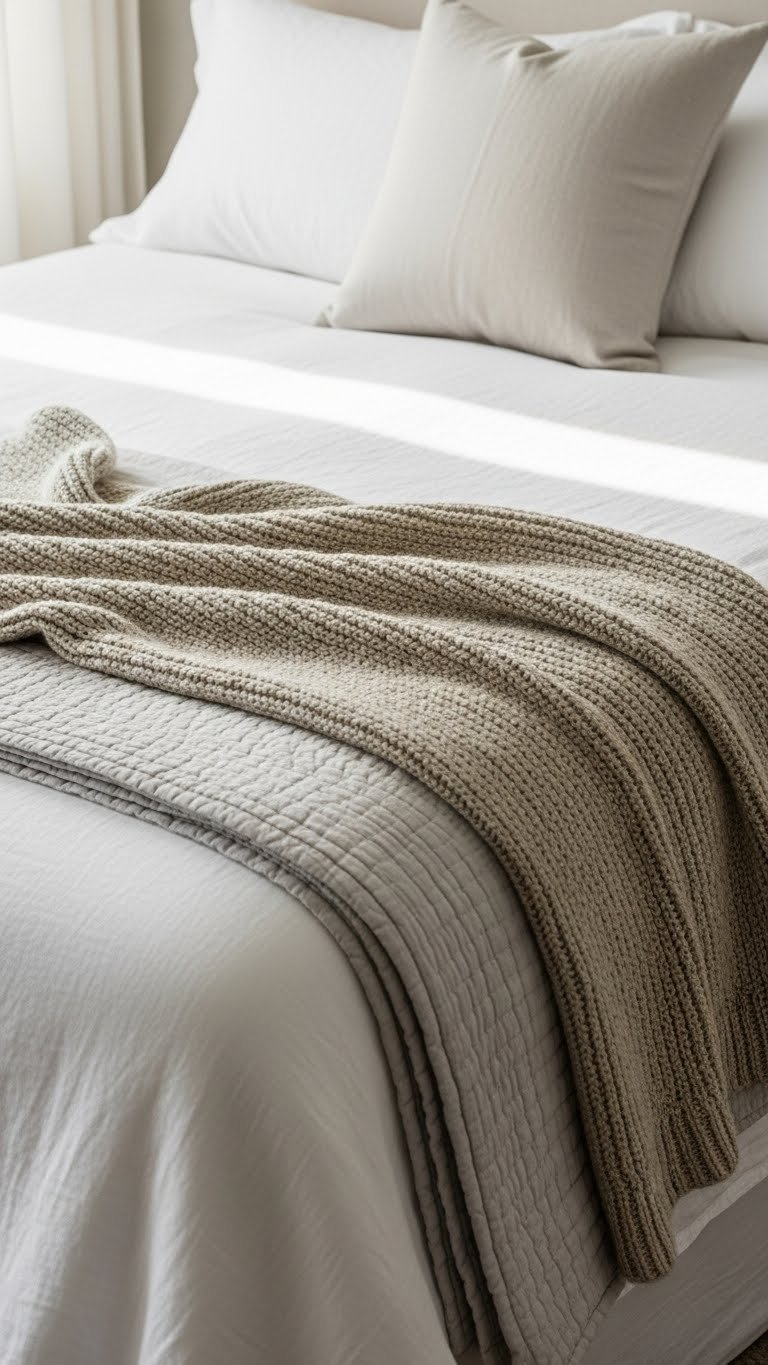
Hotels skip the bulky duvet in favor of layered linens that look intentional and feel premium. This approach lets you control warmth while creating visual interest and texture.
Start with high-quality linen sheets in cream or white (they get softer with washing). Layer a lightweight throw blanket or quilt on top instead of a puffy duvet. Add a chunky knit throw across the foot of the bed. You’re looking at $80–$150 for quality linen sheets (check Parachute, Brooklinen, or even Target’s Threshold line), $40–$100 for a throw, and a quilt if you want one. This takes zero time to implement—just swap what you have.
The result? Your bed looks intentionally styled, like someone who knows what they’re doing decorated it. Plus, layering makes it easy to adjust your comfort level without looking messy.
2. Install Floating Shelves Above Your Nightstand
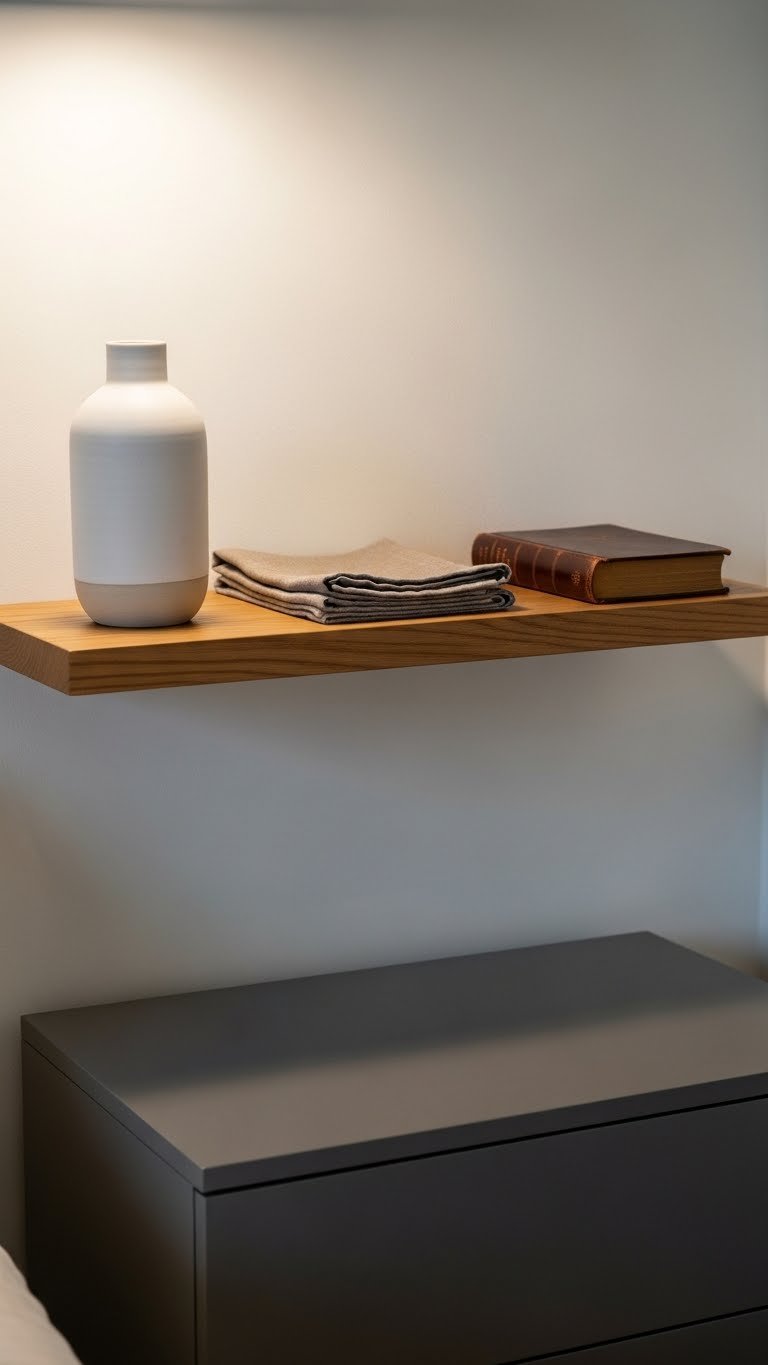
Hotels maximize vertical space and display curated objects rather than cluttering surfaces. Floating shelves give you that same high-end, gallery-like look while adding storage.
Purchase bracket shelves for $20–$60 at IKEA, Target, or Home Depot. Mount them 12–18 inches above your nightstand using a stud finder if mounting to drywall (15-minute job, or hire a handyman for $50–$100). Style with just three items: a small plant, a coffee table book, and a decorative object. The key is restraint—empty space is part of the design.
Your bedroom instantly feels more intentional. You get hidden storage, a spot to display items you love, and that curated hotel-room aesthetic without overstuffing surfaces.
3. Add a Textured Accent Wall (Without Paint)
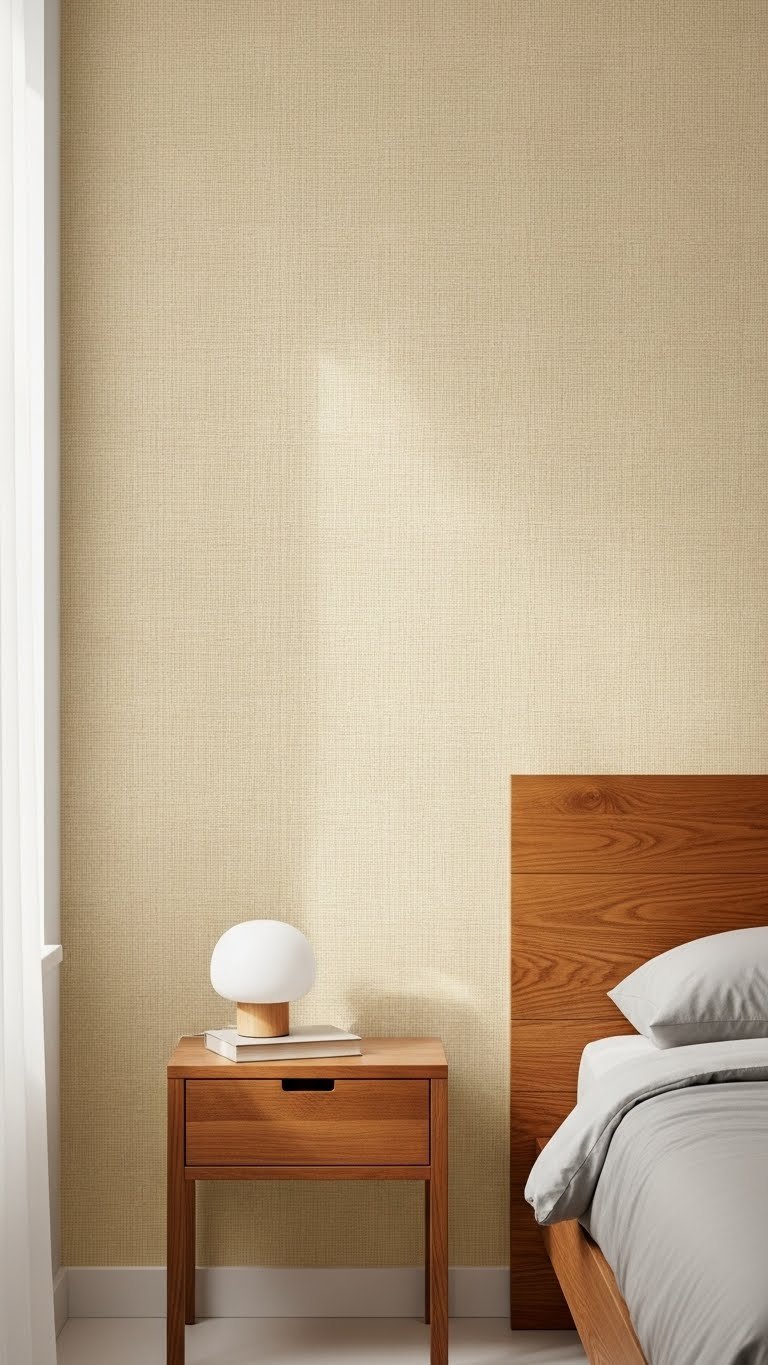
You don’t have to commit to paint or damage rental walls. Textured wallpaper or peel-and-stick panels create depth and warmth that plain drywall can’t match.
Try peel-and-stick textured wallpaper (search “linen texture” or “raw grasscloth” on Amazon or Wayfair; $25–$60 per roll) behind your bed or on one accent wall. Installation takes 1–2 hours with a partner—just measure, apply, and smooth out bubbles. Alternatively, buy fabric-backed wall panels from brands like 3D Wall Panels ($40–$80 per panel) and apply with adhesive.
The room gains instant sophistication and warmth. The texture catches light beautifully and makes the space feel more curated than flat walls, all while staying renter-friendly if you choose removable options.
4. Invest in Blackout Curtains with Sheer Overlay

Hotels layer curtains so you can control light and privacy while maintaining elegance. This setup lets you enjoy soft daylight or complete darkness without sacrificing style.
Get two tension rods ($15–$30 each) and hang sheer curtains in front, blackout curtains behind. Search “linen blackout curtains” on Wayfair or Amazon; expect $60–$120 per panel depending on size. Install in 30 minutes with a drill or just tension-mount them (renter-friendly). Use matte black or brushed brass rods for a high-end look.
You control exactly how much light enters your room, sleep better, and your bedroom looks intentionally layered rather than haphazard. The sheers soften harsh light during the day, and the blackouts guarantee rest at night.
5. Introduce Curved Furniture to Soften Hard Angles

Harsh straight lines read as cold; curves feel calming and high-end. Hotels use rounded furniture to create a sophisticated, approachable luxury.
Look for curved nightstands (West Elm, Article, IKEA; $150–$400), a rounded headboard bed frame ($400–$1200), or a curved accent chair ($300–$800). If budget is tight, start with one curved piece—a round side table or a curved mirror—and build from there. Check second-hand sites like Facebook Marketplace or Craigslist for vintage curved pieces at a fraction of the cost.
The shift is subtle but powerful: your room stops feeling geometric and starts feeling like a sanctuary. Curves naturally draw your eye and create flow, making the space feel more intentional and restful.
6. Layer in a High-Pile Area Rug

Hotels use plush rugs to add warmth underfoot and visually ground the room. A high-pile rug makes your bedroom feel more luxurious and comfortable instantly.
Purchase a large high-pile rug in cream, soft gray, or warm taupe; $150–$400 for a quality 8×10 from Rugs USA, Wayfair, or Article. Look for wool-blend or synthetic options that hide footprints (important for visual impact). Place it so the bed legs sit partially on it—this anchors the space. No installation needed; just unroll and let it settle for 24 hours.
The moment you step out of bed onto a plush rug, the room feels like a retreat. High-pile rugs also absorb sound, making the room feel quieter and more peaceful. Plus, the texture adds visual interest without requiring wall space.
7. Create a Nighttime Lighting Ritual with Dimmers
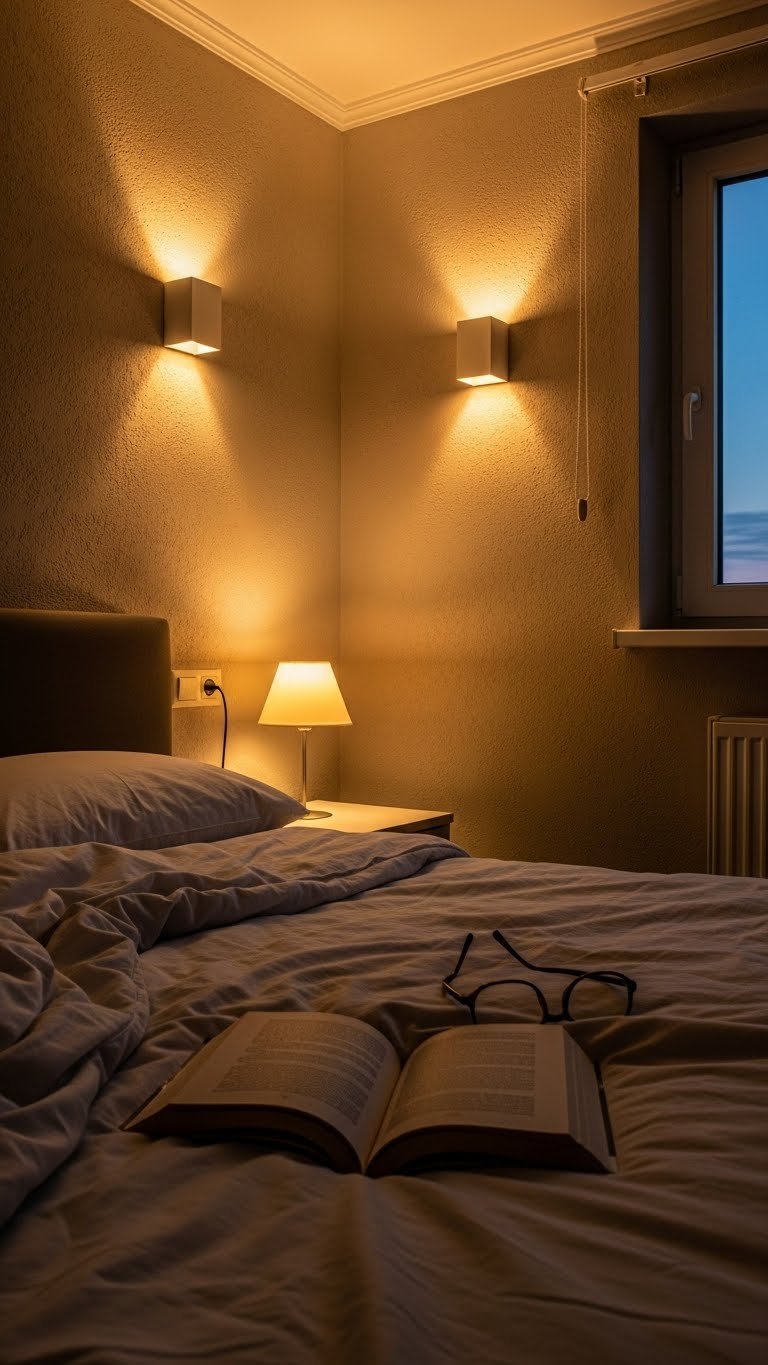
Hotels use layered, dimmable lighting to control mood. Your brain responds to warm, dimmed light before sleep—it’s both functional and luxurious.
Install a dimmer switch on your ceiling light ($15–$40, takes 20 minutes if you’re comfortable with electrical, or hire someone for $75–$150). Add warm-toned bedside lamps with bulbs rated 2700K color temperature (softer light). Alternatively, use plug-in smart bulbs ($10–$20 each) that let you dim without rewiring.
Your bedroom transforms based on time of day. Bright for mornings, soft for evenings—just like a hotel. The result is better sleep, a more relaxing wind-down, and a room that feels intentionally designed around your needs.
8. Display Artwork That’s Gallery-Quality

Hotels commission or display thoughtfully-chosen art. One large piece beats a cluster of small frames—it reads as more sophisticated and creates a focal point.
Choose a large print (24×36 or 30×40 inches) in a frame that complements your room. Search Etsy, Minted, or Displate for prints that match your palette. Frame it in black, natural wood, or gold ($60–$200 total for print plus frame). Alternatively, print a high-resolution image at a local frame shop. Hang it above your dresser or bed at eye level, centered on the wall.
One bold piece anchors the room better than a gallery wall ever could. It signals intentionality and sophistication. Your eye settles on it, and the room instantly feels more curated and less like a dorm room.
9. Switch to Hotel-Quality Pillows and Pillow Cases
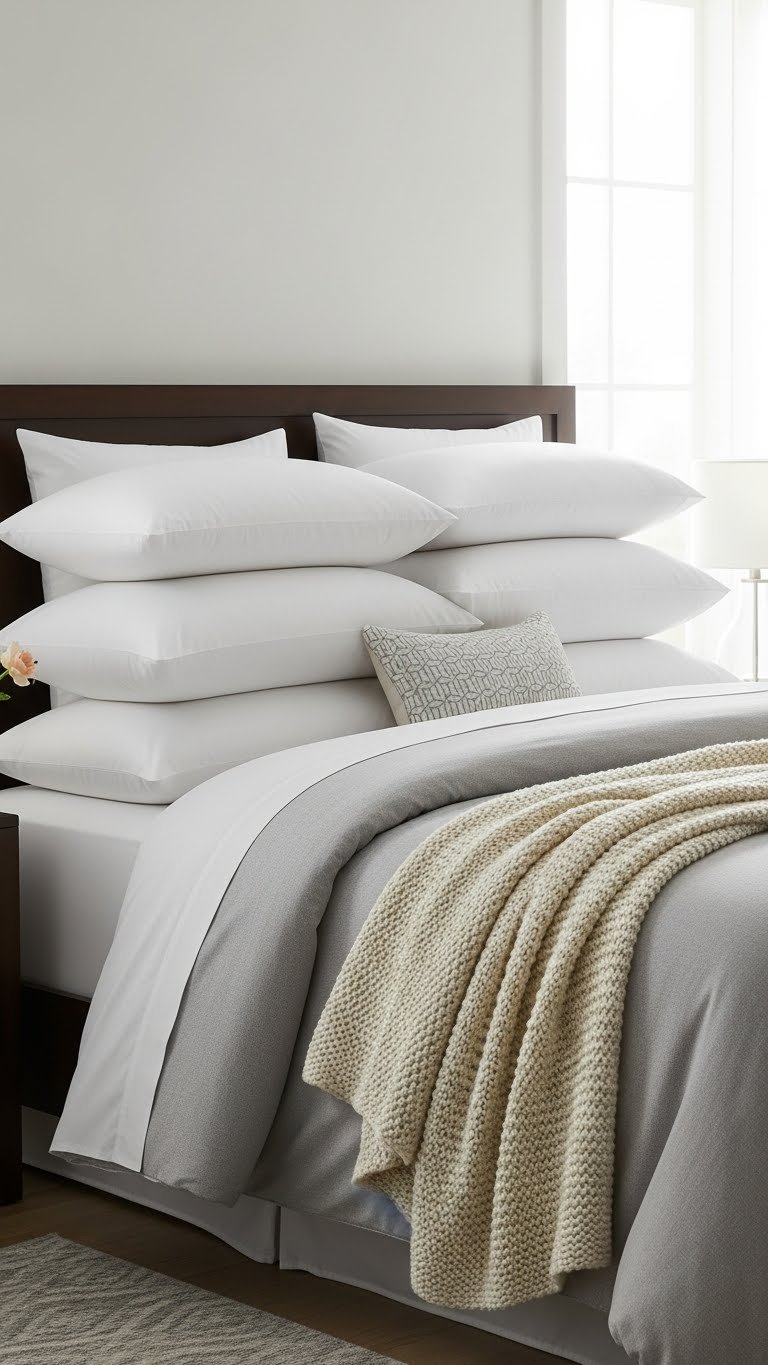
Hotels use high thread-count pillowcases and firm pillows that maintain their shape. Quality pillows are non-negotiable for that polished look and feel.
Invest in two–four quality pillows for $50–$150 each (Coop Home Goods, Brooklinen, Purple, or even Costco’s Kirkland brand are solid choices). Pair them with 400+ thread-count pillowcases in white, cream, or soft gray ($25–$60 per pair). Choose a mix of pillow heights for visual interest—one firm, one softer, one decorative.
Your bed looks magazine-ready, and more importantly, your head actually feels supported. The whole bedroom reads as more expensive because the bedding is elevated. It’s one of those changes that affects your daily comfort and the room’s aesthetic simultaneously.
10. Add Warm, Ambient Scent (Subtly)
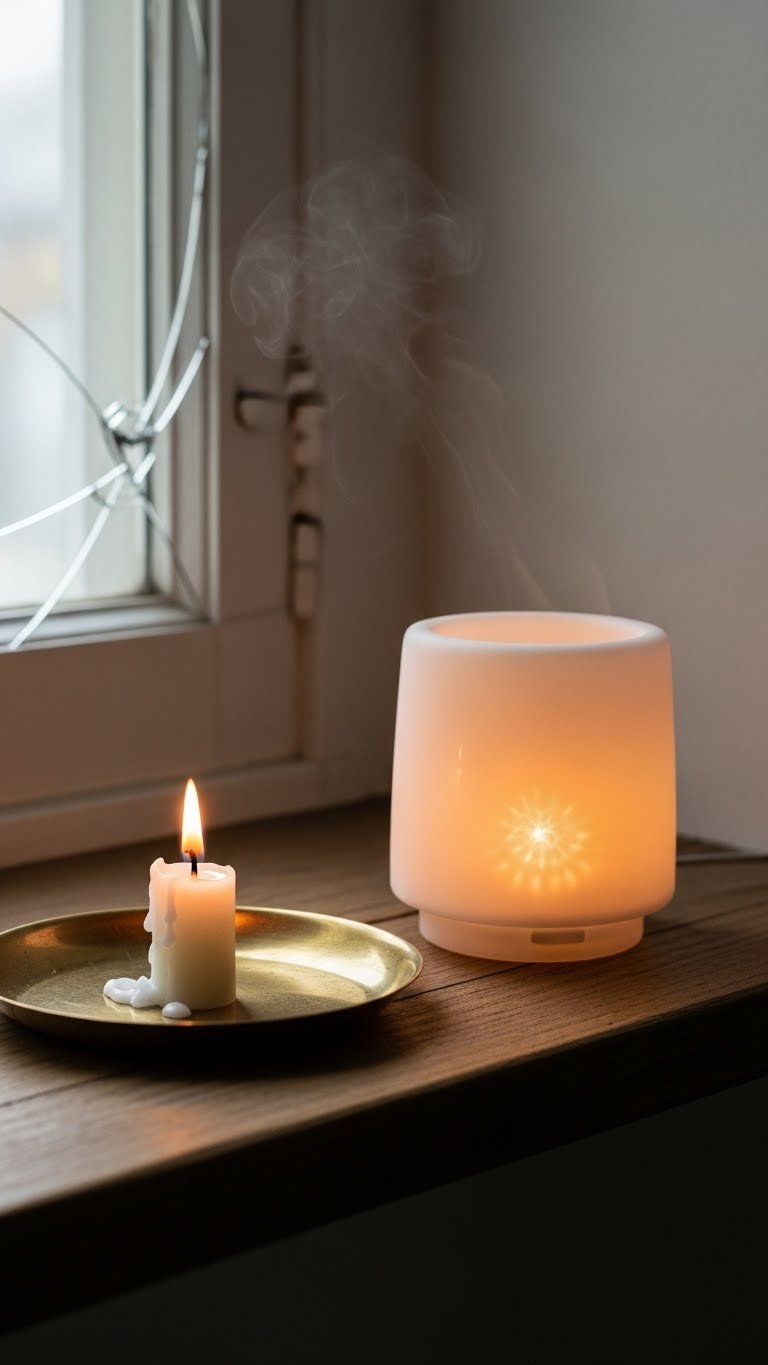
Hotels use subtle scent to create atmosphere without being overwhelming. A good scent activates the room emotionally and makes it feel more “designed.”
Choose a quality candle or diffuser in a scent that’s warm but not floral-heavy (search “clean scents” or “woody” on Jo Malone, Diptyque, or Target). Budget $20–$60 for a good candle, $30–$80 for a diffuser. Place it on a shelf or dresser, not on the nightstand where it might disturb sleep. Light it for 1–2 hours during the day or evening—overuse kills the luxury effect.
The room gains an extra sensory layer. Scent is incredibly powerful for making a space feel deliberate and premium. Your bedroom becomes a retreat not just visually but also olfactorily, which deepens the hotel-room illusion.
11. Hang a Statement Mirror with a Sculptural Frame
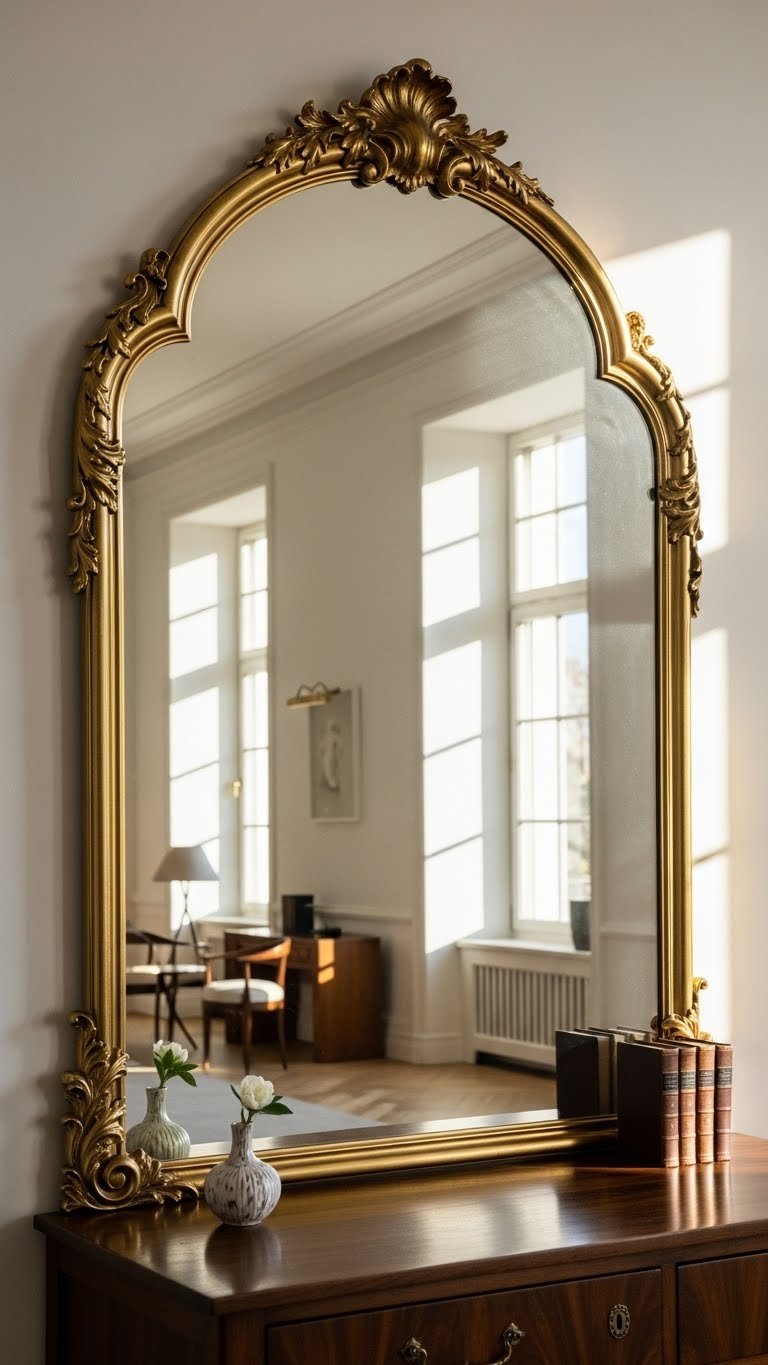
Mirrors amplify light and space, and a sculptural frame makes them furniture-like rather than purely functional. Hotels use mirrors to enhance perceived luxury.
Look for arched mirrors, brass-framed mirrors, or wooden mirrors at West Elm, Article, or Wayfair ($80–$300+). Alternatively, find a vintage frame at a thrift store and have a glass cutter make a mirror insert ($50–$120 total, fun weekend project). Mount or lean it opposite a window to bounce light around the room.
Your room looks bigger and brighter. The mirror becomes decor, not just a utility. Plus, catching morning light in a beautiful mirror is a small daily luxury that sets the tone for your day.
12. Introduce Raw, Natural Materials (Marble, Cork, Stone)
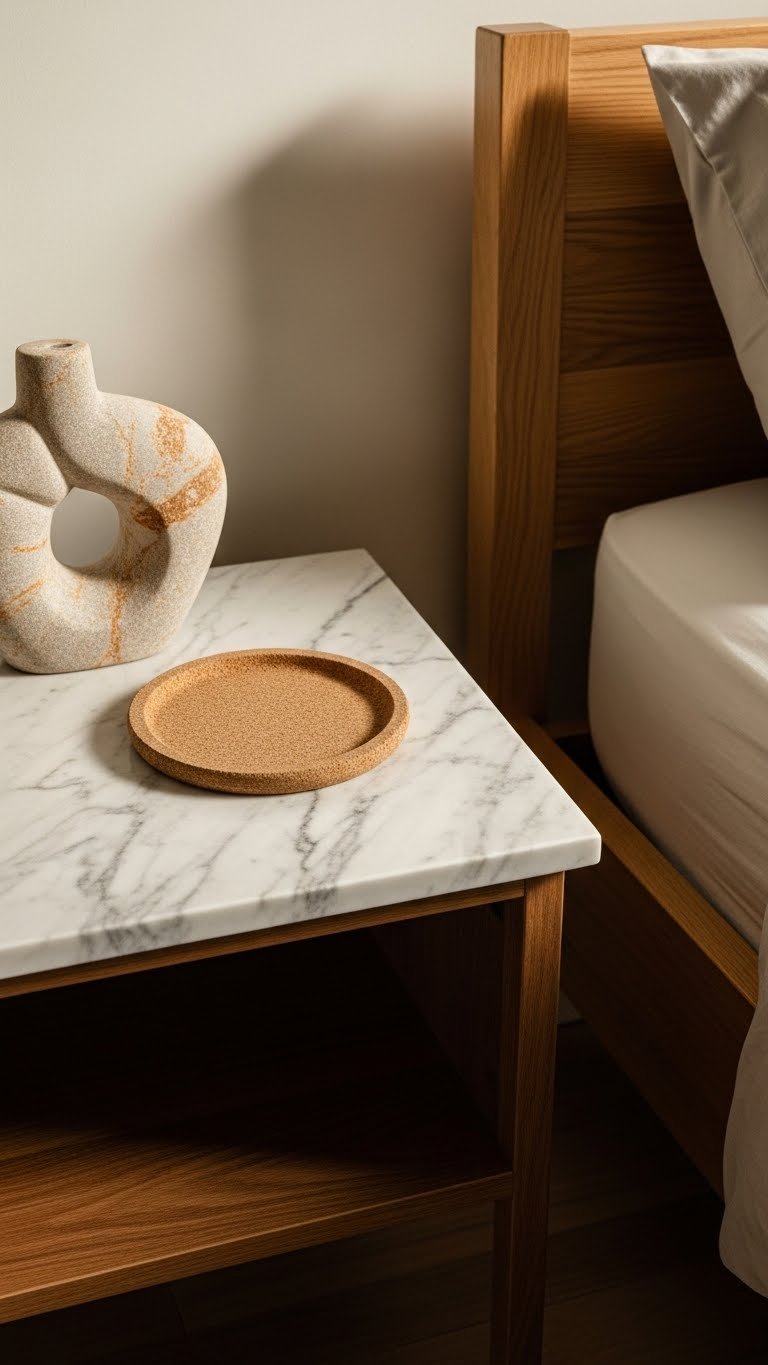
Raw materials read as expensive and intentional. Hotels use natural elements to create a sense of calm luxury.
Add marble or stone coasters ($10–$30), a cork desk pad for your vanity ($15–$40), or a small stone sculpture for your shelf ($20–$80). If you want to commit more, consider a marble nightstand ($200–$500) or cork wall panels for one accent wall. Start with small items and build from there.
These natural materials age beautifully and feel substantial. They ground your room in something real and tactile, which reads as luxury. Plus, natural materials don’t compete with other decor—they enhance it quietly.
13. Create a Reading Nook with Intentional Seating
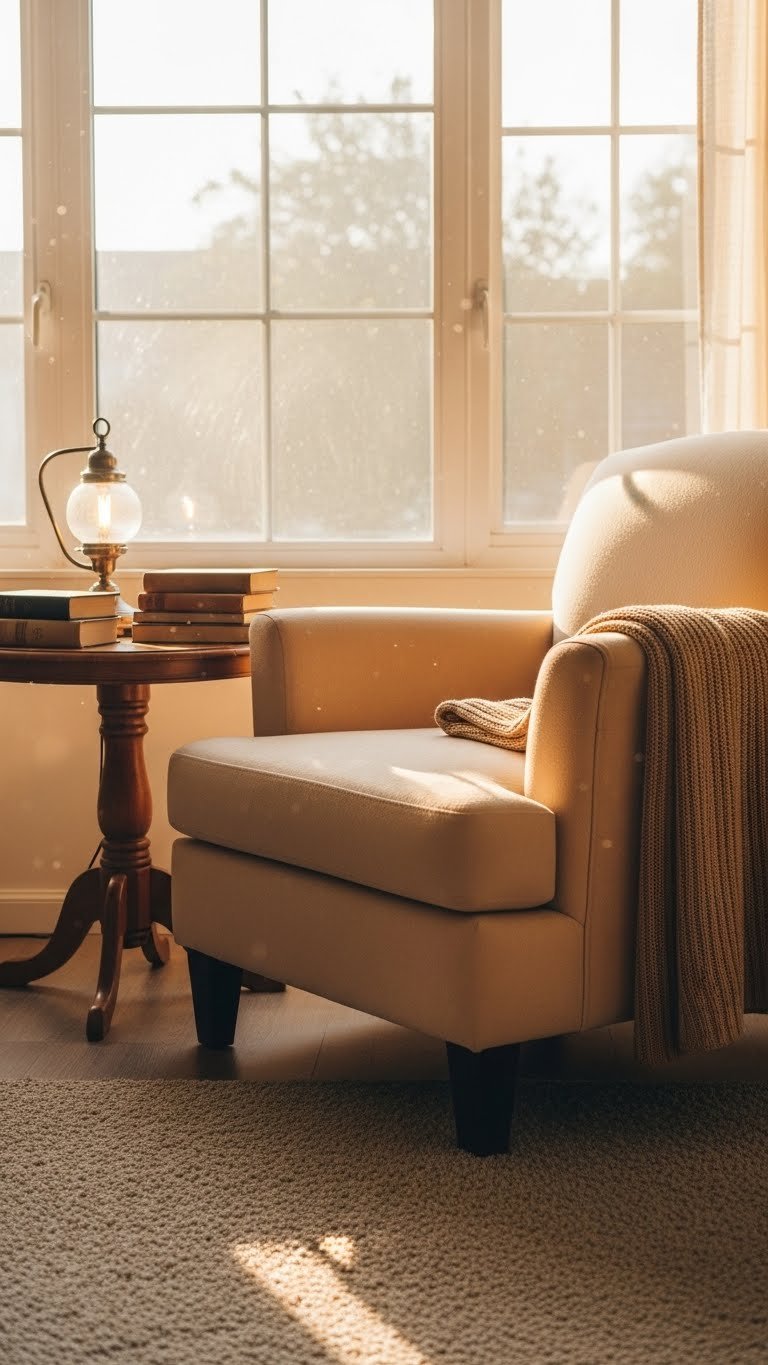
Hotels often have small seating areas that make the bedroom feel more like a suite. A reading chair signals that your bedroom is a haven, not just a place to sleep.
Find an upholstered chair at West Elm, Article, IKEA (around $200–$600) or second-hand ($50–$200). Angle it toward a window or toward the bed. Add a small side table ($40–$100) and a floor lamp with warm-toned bulbs ($30–$80). Place a throw blanket over the arm.
Your bedroom gains function and luxury simultaneously. You now have a dedicated space to read, journal, or decompress—something that separates this room from a simple sleeping space. This detail alone elevates the entire aesthetic to “curated retreat” rather than “bedroom.”
14. Layer Throw Blankets in Complementary Textures

Hotels layer blankets in different textures to create visual interest and depth. This costs very little but changes how elevated your bed looks.
Buy 2–3 throw blankets in different textures: one chunky knit ($30–$70), one linen ($25–$60), one faux fur or velvet ($40–$100). Place them over the foot of the bed or draped over a chair, letting them overlap slightly. This is totally budget-friendly if you hit thrift stores ($5–$15 per blanket).
Your bed instantly looks styled rather than sloppy. The layered textures catch light differently and create depth. The room feels more curated, and you have cozy options depending on your mood or season.
15. Paint Your Ceiling a Soft, Warm Shade
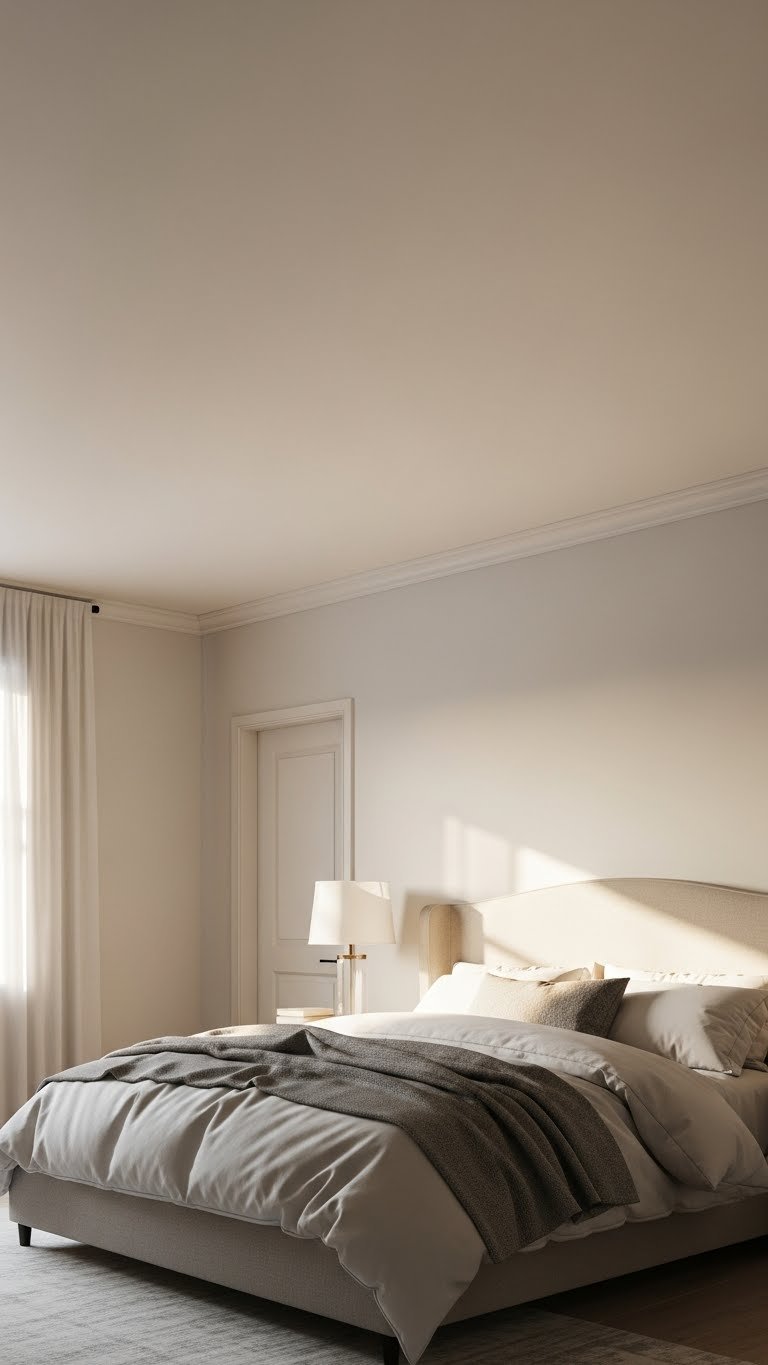
Most people ignore their ceiling, but hotels paint them in soft, warm tones to add coziness and visual interest without overwhelming the space.
Choose a warm white, cream, or pale taupe slightly warmer than your walls. Buy $15–$30 worth of paint and spend a Saturday afternoon (4–6 hours) painting, or hire a painter ($300–$600 depending on room size). Primer helps the paint adhere and cover better.
The effect is subtle but powerful. A warm ceiling makes the room feel cozier without being dark. It’s one of those design moves that makes your bedroom feel intentionally designed rather than left-as-is. Plus, it changes how light reflects around the room, often making it feel larger.
16. Curate Your Nightstand Like a Styled Magazine Shot
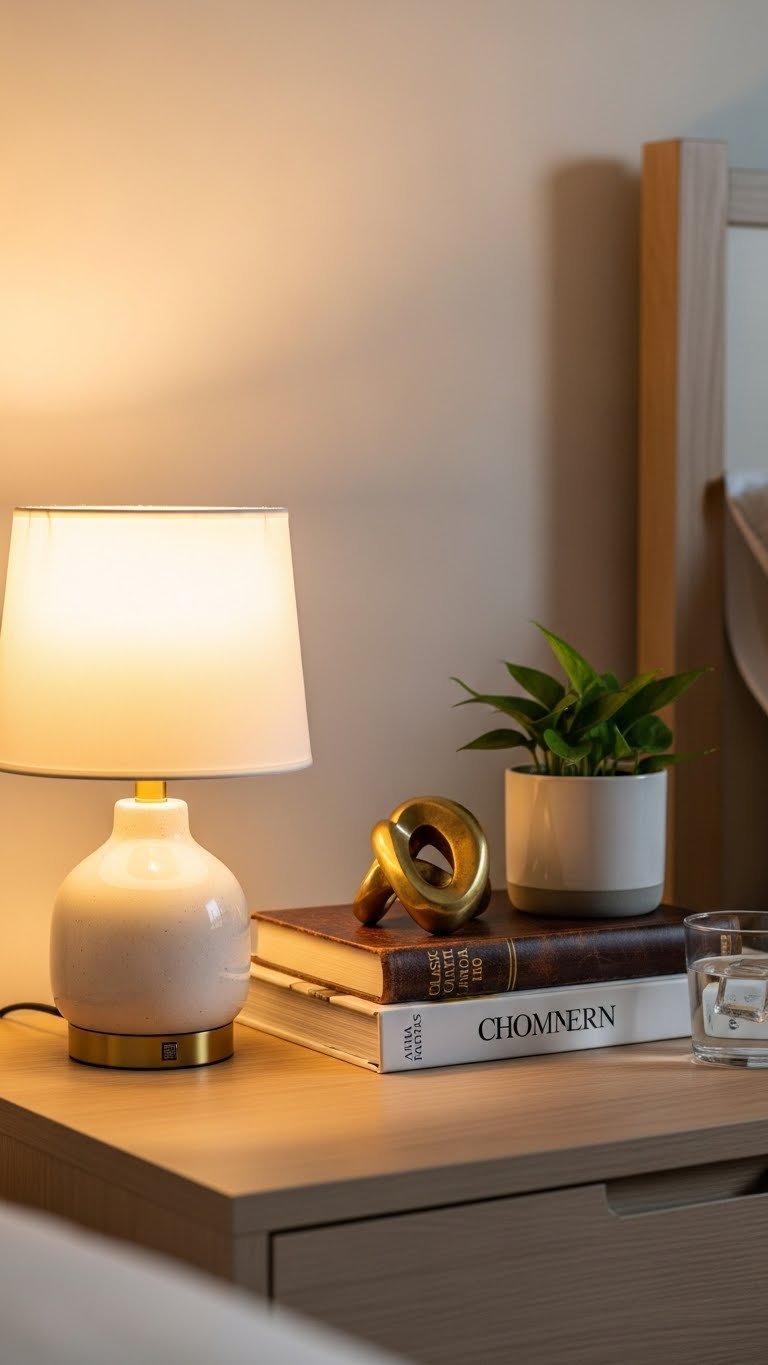
Hotels keep nightstands nearly empty—just a lamp, a water glass, maybe a book. This restraint signals luxury and sophistication.
Remove everything from your nightstand. Place back only: a bedside lamp ($30–$80), a water glass or mug, a small plant or sculptural object ($10–$30), and one book. That’s it. The key is negative space.
Your nightstand looks intentional instead of cluttered. You’ll sleep better with fewer distractions, and the room reads as more expensive. This one small change ripples through your entire bedroom aesthetic.
17. Install Wall Sconces Instead of a Single Overhead Light
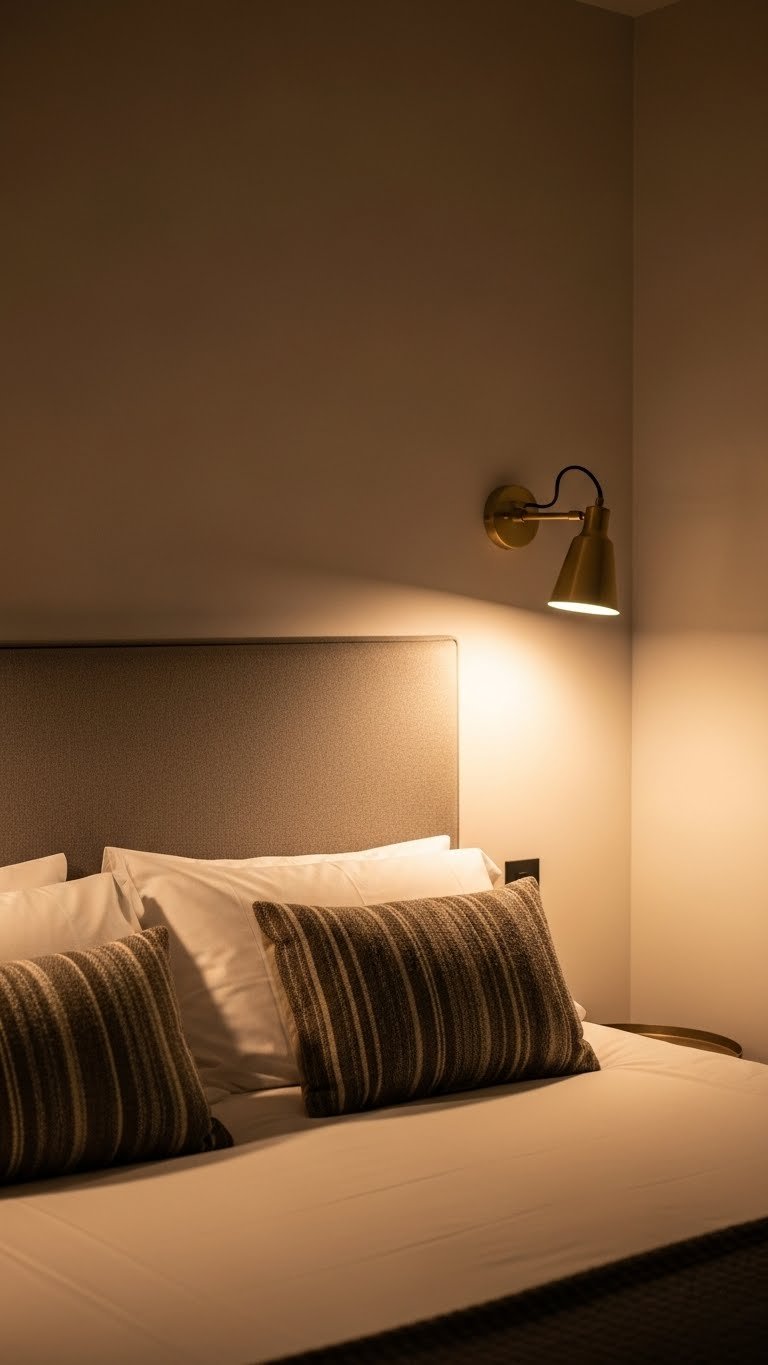
Overhead lights are harsh and unflattering. Hotels use layered sconces and lamps to create flattering, controllable light. This change is transformative.
Choose wall sconces in black, brass, or wood that match your room’s aesthetic ($40–$150 per sconce). Installation requires minimal electrical work (30–60 minutes) or hire an electrician ($100–$200). Mount them flanking the bed or above a dresser. Use warm-toned bulbs (2700K).
You eliminate harsh overhead lighting while creating spa-like ambiance. The room automatically feels more intentional and intimate. Guests notice this detail immediately—good lighting is the hallmark of a designed space.
18. Use a Quilted or Handmade Bedspread Instead of a Duvet
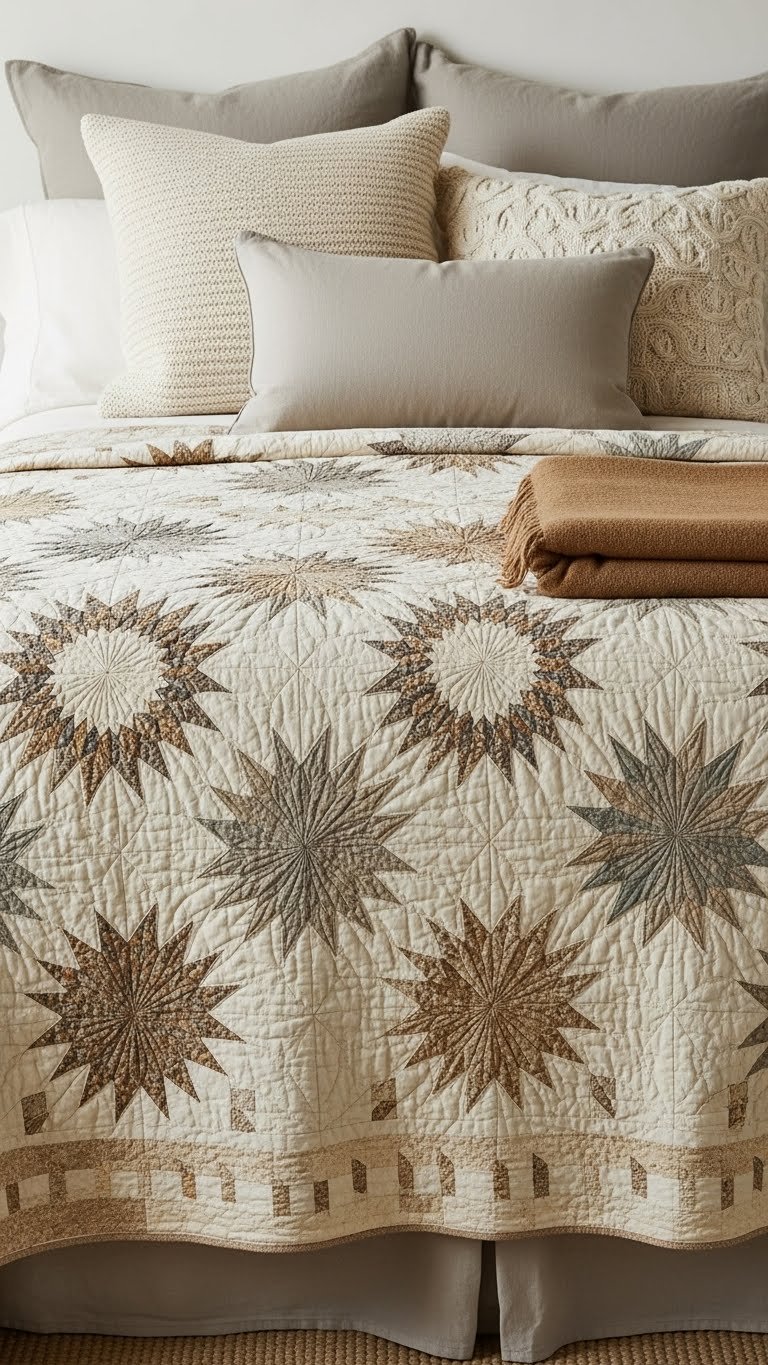
Handmade quilts feel more personal and high-end than mass-produced duvets. They tell a story and immediately elevate bedroom aesthetics.
Source a vintage quilt on Etsy, Craigslist, or from a local antique shop ($50–$300 for authentic pieces). Alternatively, commission a maker on Etsy ($200–$600) or buy a high-quality quilted bedspread from Pottery Barn or Restoration Hardware ($300–$800). Drape it over your sheets and add a throw on top for layering.
Your bed becomes a focal point with character. A quilt implies thoughtfulness and story, which reads as more expensive and intentional than a plain duvet. It’s the kind of detail that makes people ask, “Where did you find that?”
19. Introduce Warm Wood Tones Throughout
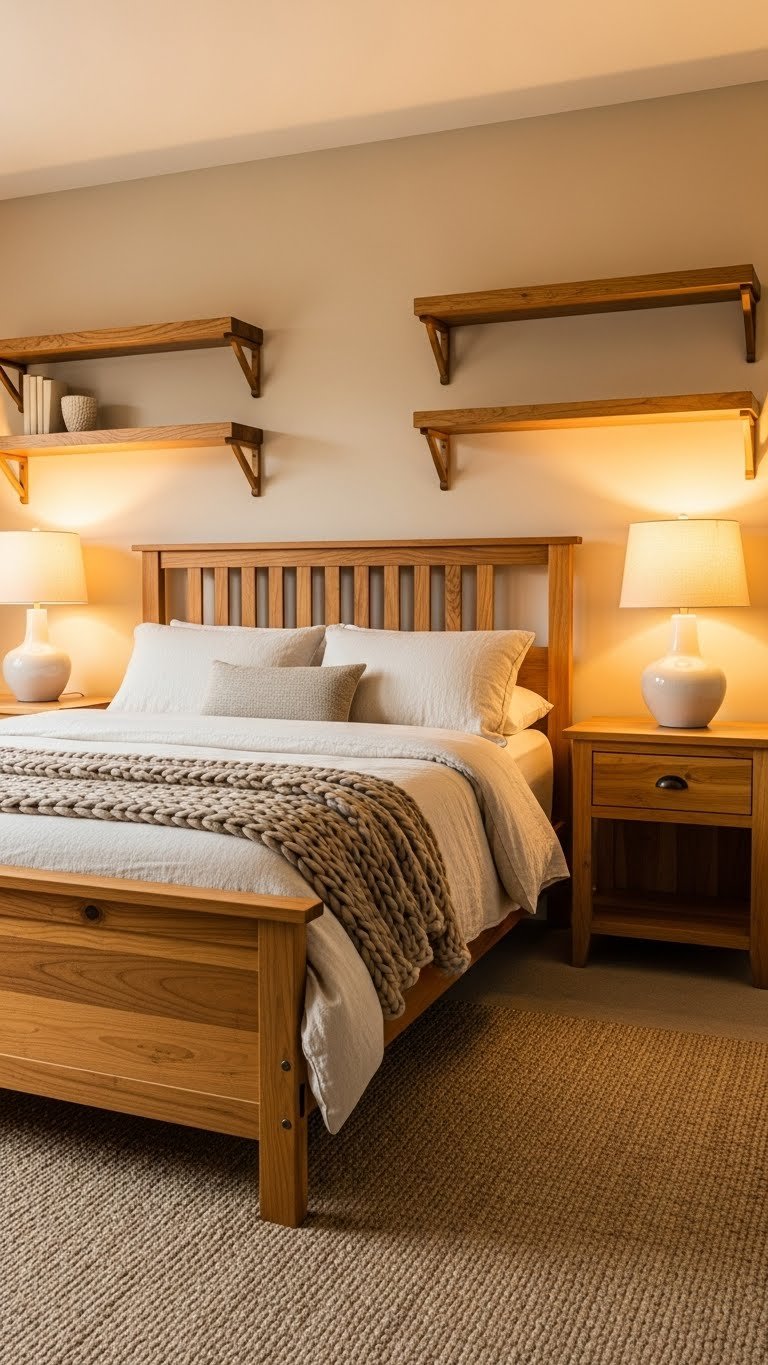
Hotels use warm wood to create coziness and sophistication. Cool gray modern interiors can feel cold; warm wood grounds a room emotionally.
Swap your nightstands for natural wood ($100–$300 each), choose a wood bed frame in walnut or honey tones ($400–$1200), or add wooden shelving ($50–$200 per shelf). If replacing furniture isn’t feasible, add wooden accessories like picture frames, a jewelry box, or a wooden tray ($10–$60 each).
Warm wood immediately makes your bedroom feel more inviting and sophisticated. The material softens modern aesthetics and creates visual warmth even in cool seasons. It’s a foundational design choice that makes everything else feel more intentional.
20. Introduce One Bold Statement Color (Thoughtfully)
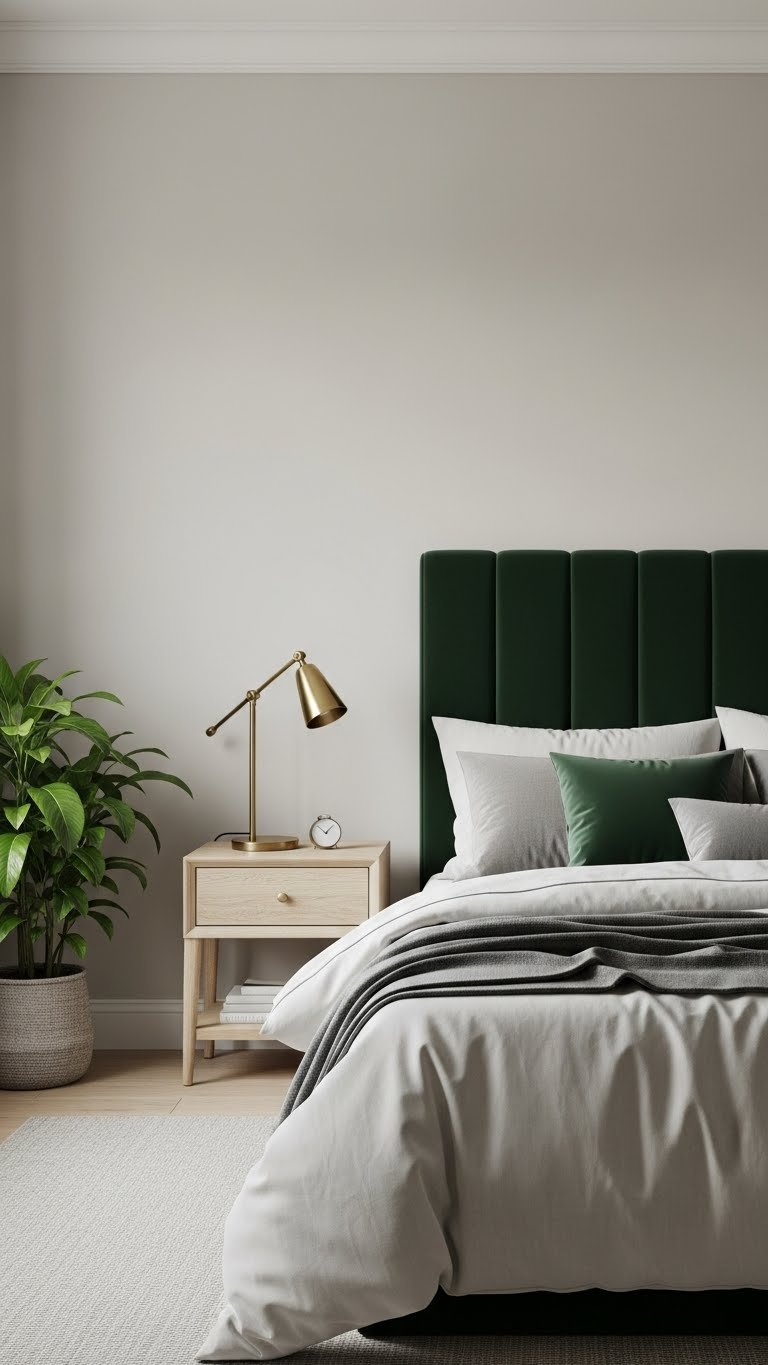
Hotels use one bold accent color rather than multiple colors, which reads as more controlled and luxurious.
Choose one statement piece in a rich tone like forest green, deep aubergine, or warm rust ($200–$800 for a statement chair or headboard). Keep walls and other furniture neutral (cream, taupe, soft gray). The boldness is anchored by restraint elsewhere, which makes it feel intentional rather than chaotic.
Your room gains personality without feeling busy. One well-placed bold color signals design knowledge. The rest of the room complements it, creating sophistication rather than visual chaos.
21. Swap Your Bed Frame for One with a Headboard (Or Add One)

Beds without headboards look unfinished; headboards anchor the room and make it feel complete and luxurious.
Find an upholstered headboard bed ($400–$1500) or buy a standalone headboard ($150–$500) that mounts to the wall behind your current frame. Choose linen, velvet, or leather in neutral tones. Installation is straightforward (1–2 hours with a partner).
This single addition makes your bedroom look intentionally designed. The headboard becomes an architectural feature, grounding the room visually and psychologically. Hotel beds always have substantial headboards—it’s a signature of the look.
22. Create a Cohesive Color Palette (And Stick to It)
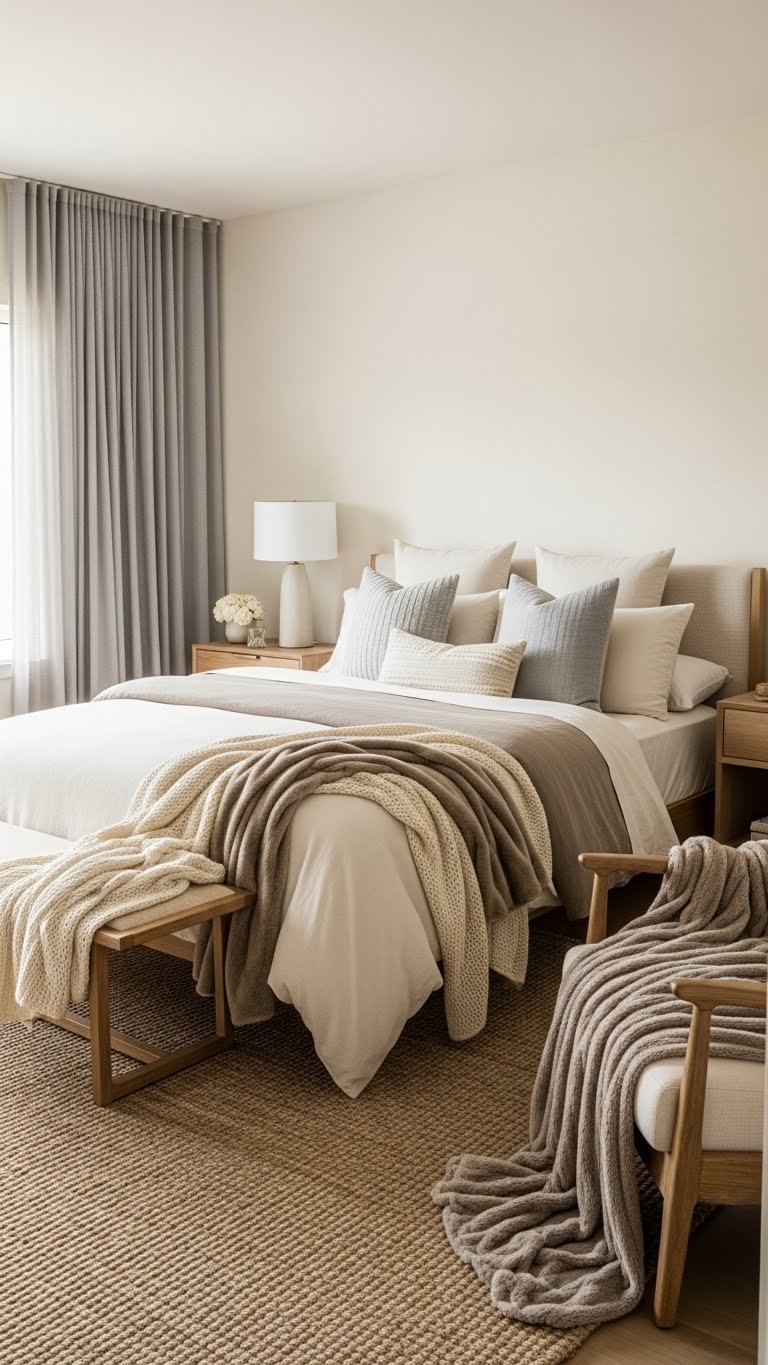
Hotels commit to a color palette and don’t deviate. This discipline makes rooms feel coherent and premium rather than random.
Choose 3–4 colors that work together: perhaps cream, warm taupe, soft gray, and natural wood tones. Before buying anything, test these colors together by collecting paint swatches, fabric samples, and photos. Commit to this palette across bedding, curtains, paint, and decor. Accent colors (like one bold piece) are fine, but the base palette should be consistent.
Your room stops looking like a collection of random purchases and becomes a cohesive space. Consistency reads as intentionality, which reads as luxury. People can’t quite put their finger on why it looks so put-together, but the unified color story is why.
23. Maximize Natural Light with Sheer, Layered Curtains

Natural light is free luxury. Hotels maximize it with sheer curtains that filter harshness without blocking views.
Hang sheer linen curtains in cream or white ($40–$100 per panel) on a simple rod in matte black or natural wood ($20–$40). Pair them with blackout curtains behind (as mentioned in tip #4) for night. Use tension rods for a renter-friendly install (15 minutes, zero damage).
Morning light becomes a design feature. Natural light is flattering, improves mood, and makes your space look brighter and more spacious. The room feels fresher and more connected to the outside world, which adds a layer of luxury—hotels near windows cost more for a reason.
24. Introduce Living Elements (Plants and Natural Forms)
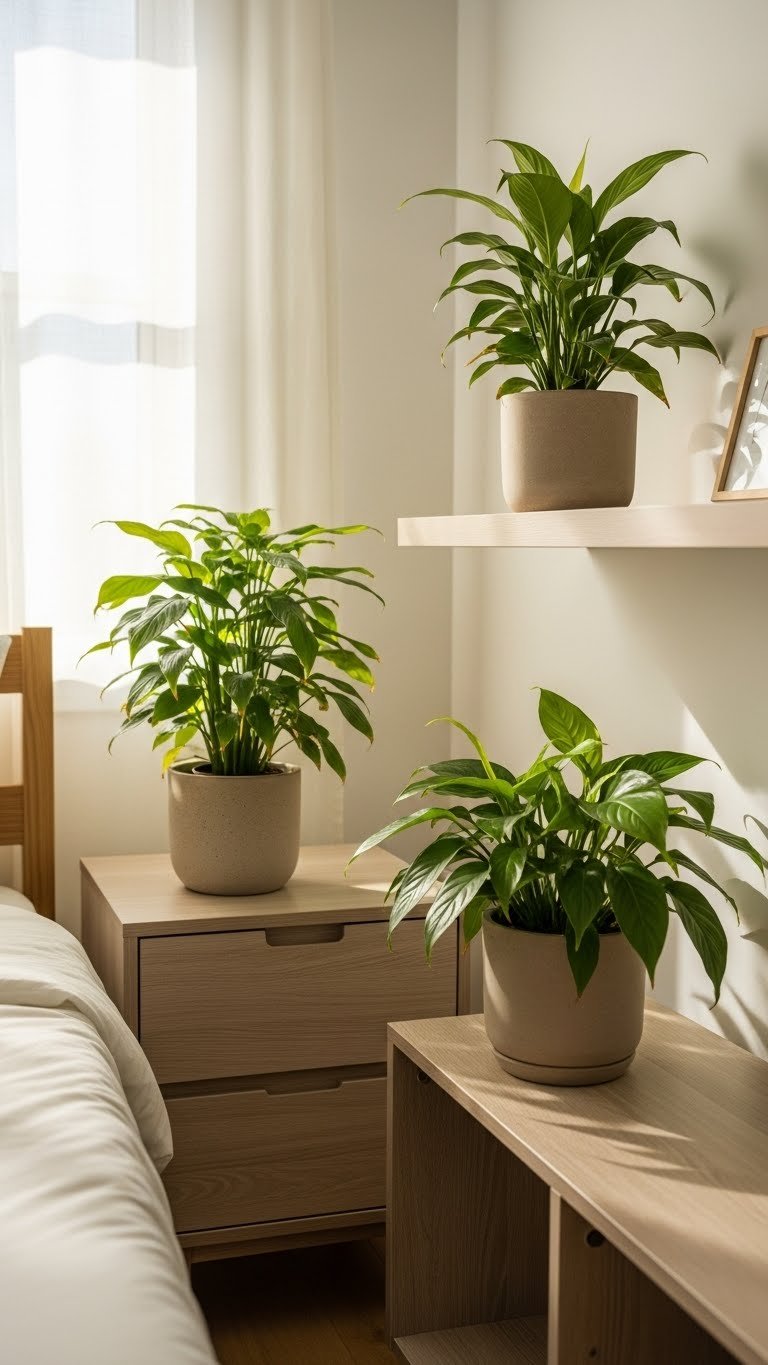
Hotels incorporate plants because they improve air quality, add visual interest, and create a sense of calm. Green is inherently luxurious-looking.
Buy 2–3 low-maintenance plants like snake plants, pothos, or pilea ($10–$40 each). Place them in neutral ceramic or concrete pots ($8–$25 each). Position them on shelves, nightstands, or in corners where they catch indirect light. Water weekly (or less for hardy varieties).
Plants make your room feel alive and restful. They’re visually interesting, improve air quality, and signal that someone cares for this space. The green tones complement neutral palettes, and the organic forms balance hard furniture edges. This is one of the easiest, cheapest ways to elevate a bedroom.
25. Add Texture Through Layered Wall Decor
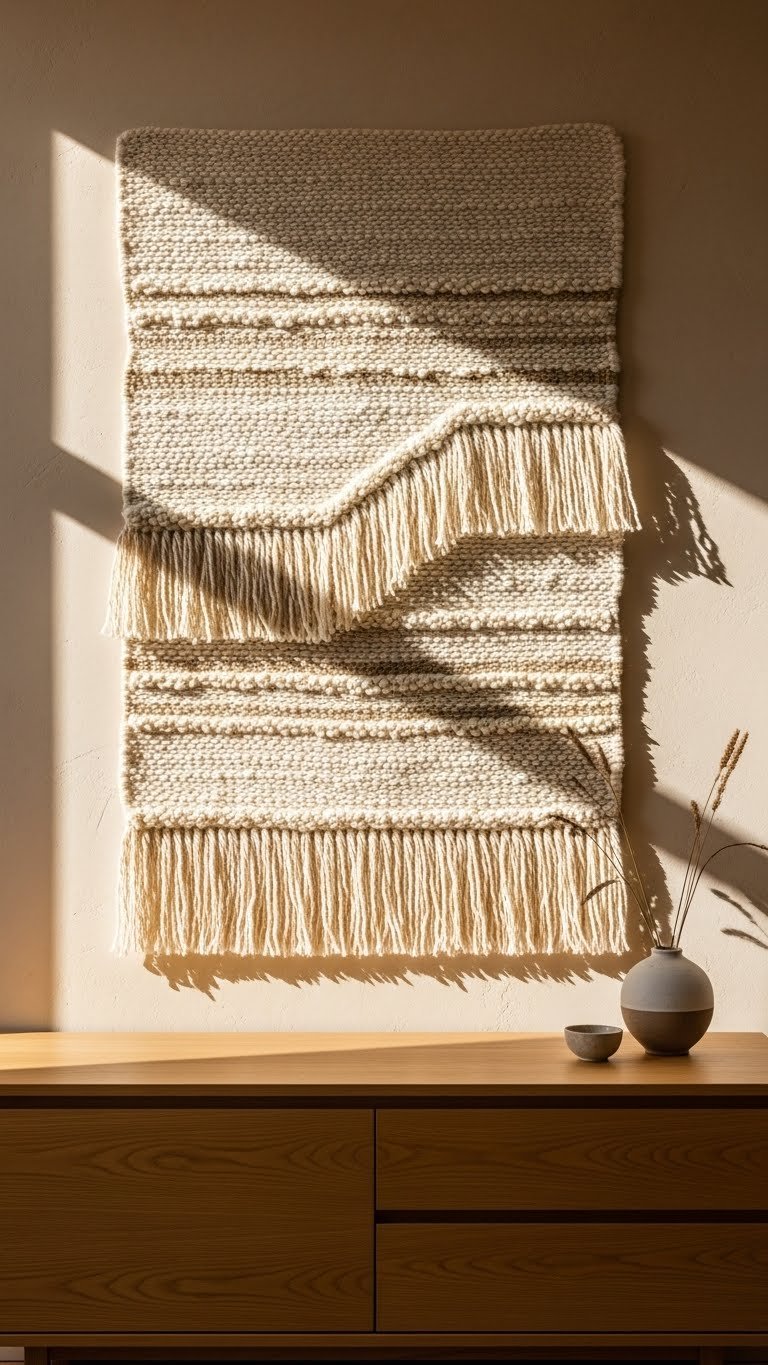
Flat walls feel unfinished. Textured wall decor (tapestries, woven hangings, textile art) adds dimension and warmth without being cluttered.
Find a large woven tapestry or textile art piece on Etsy or at a local craft market ($40–$200). Alternatively, buy a macramé wall hanging or a fabric tapestry from Urban Outfitters or Wayfair ($30–$150). Mount it above your dresser or bed using simple clips or a hanging rod. One large piece beats multiple small ones.
The wall gains texture and visual interest. The woven fibers catch light differently throughout the day, creating subtle movement. Your room feels more intentional and craft-focused, which reads as curated rather than sterile.
26. Establish a Capsule Nightstand (Only What You Need)
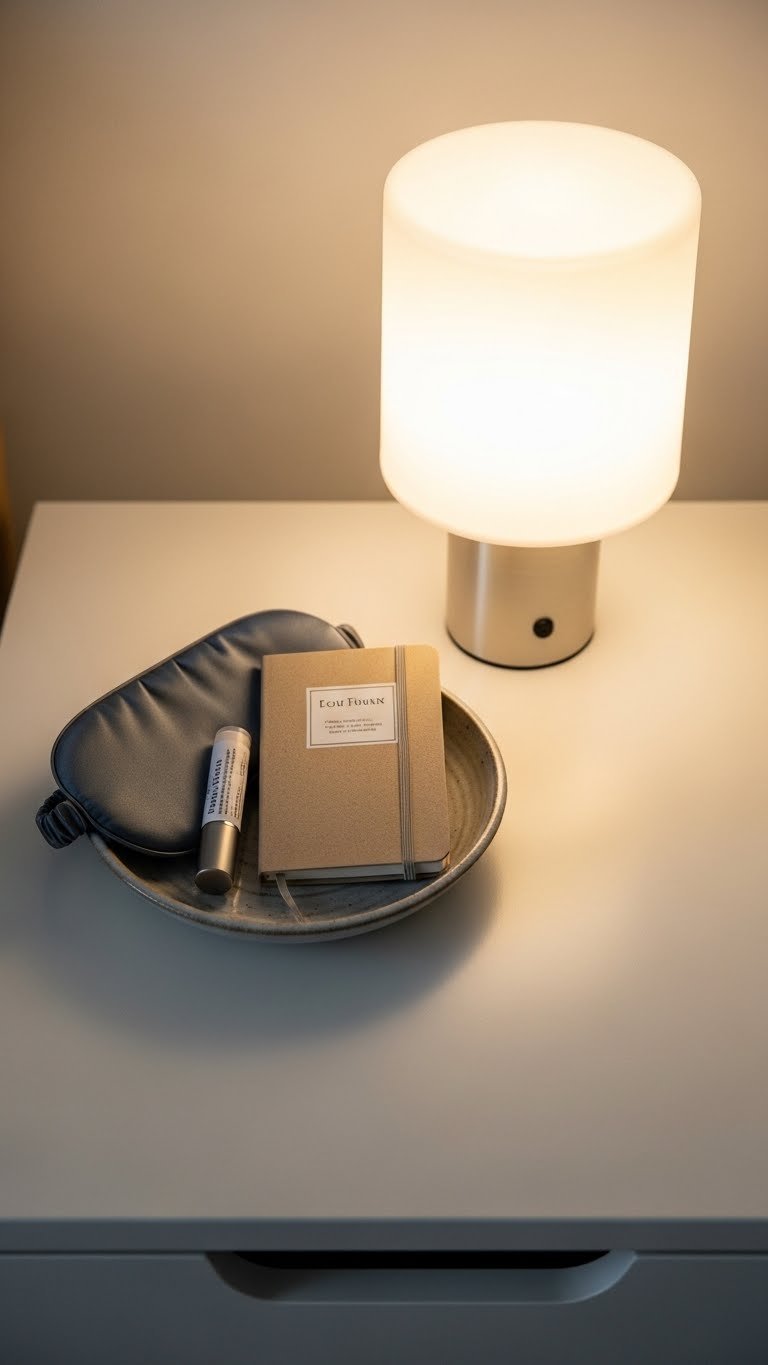
Clutter kills luxury. Hotels keep nightstands nearly bare. A “capsule nightstand” is renter-friendly, reduces stress, and looks sophisticated.
Keep only: a lamp, a water glass, and a small tray or dish for essentials (sleep mask, lip balm, phone on do-not-disturb). Everything else stays in a drawer or closet. Clear the surface weekly—make it a Friday night ritual.
A clear nightstand creates mental calm and makes your bedroom feel more spacious. It’s also incredibly practical: you can actually see what you need and move around easily. This small change affects how restful your bedroom feels and how intentional it appears.
27. Commission or Curate a Small Luxury Detail (Your Personal Touch)

Hotels have character through small luxury details that hint at the person who designed them. Your bedroom should too.
Choose one special item that feels meaningful: a vintage perfume bottle ($20–$100), a leather-bound journal ($15–$50), a framed photo with professional matting ($30–$80), or a small sculpture ($30–$200). Display it prominently on a shelf or nightstand where it catches light and draws the eye. This item should be something you love, not just “nice.”
This personal touch is what separates a designed room from a hotel room. It hints at who you are and makes the space feel lived-in rather than staged. Guests notice this kind of intentionality, and it makes your bedroom feel unique rather than like everyone else’s.
SOFT CTA:
Save this post for your next bedroom refresh. Start with just one or two ideas this weekend—even small changes compound quickly. Which detail will you tackle first? Share your results or tag us if you end up trying any of these ideas.
Leave a Reply