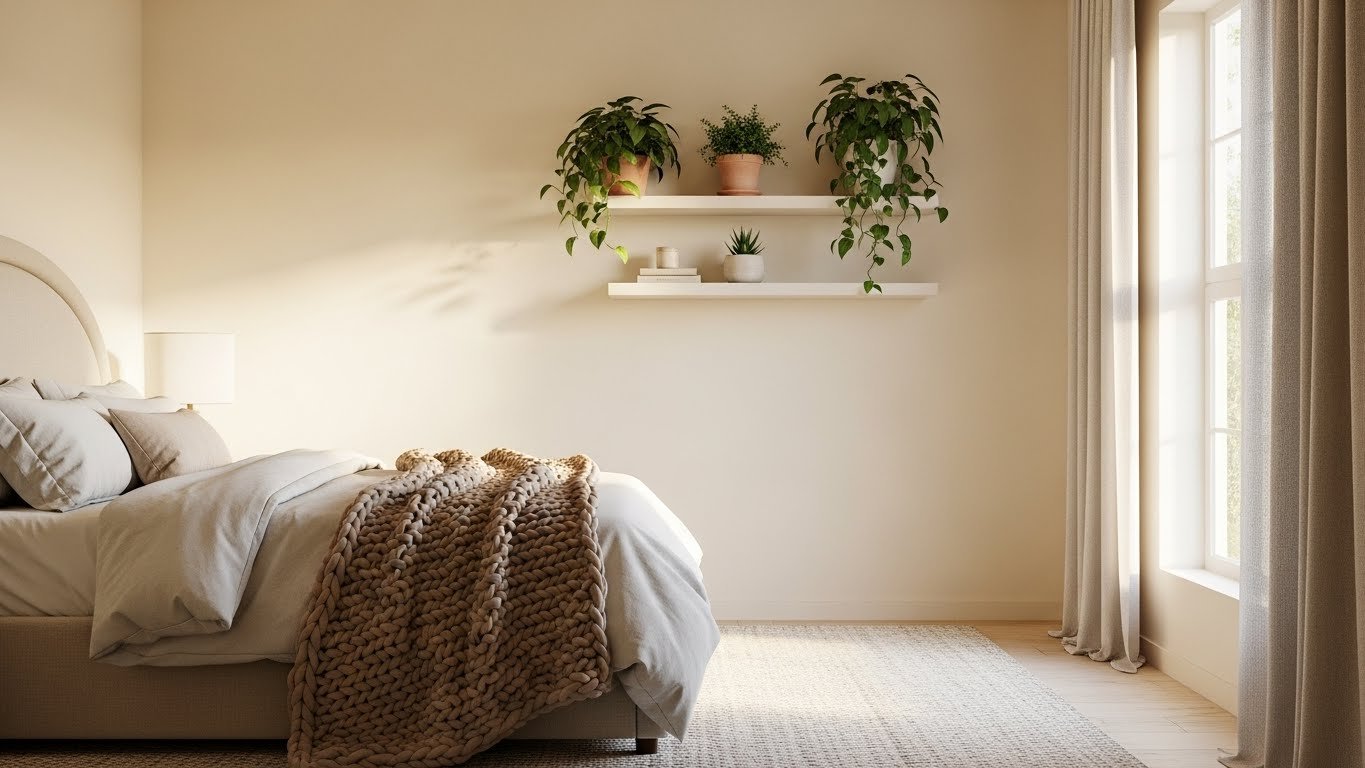
Your bedroom should feel like a retreat—a place where you can actually relax and sleep well. But if your space feels off, uninspired, or cramped, you don’t need a total overhaul to fix it. Sometimes the smallest shifts in color, texture, or layout create the biggest impact. Whether you’re renting, working with a tight budget, or simply ready for a refresh, these 24 ideas blend trending aesthetics (warm minimalism, biophilic design, and cozy layering) with practical solutions you can tackle this weekend or over the next month. Each idea includes real pricing, time estimates, and renter-friendly alternatives so you can pick what actually works for your space and lifestyle. Let’s dive in.
1. Swap Stark White Walls for Warm Neutrals
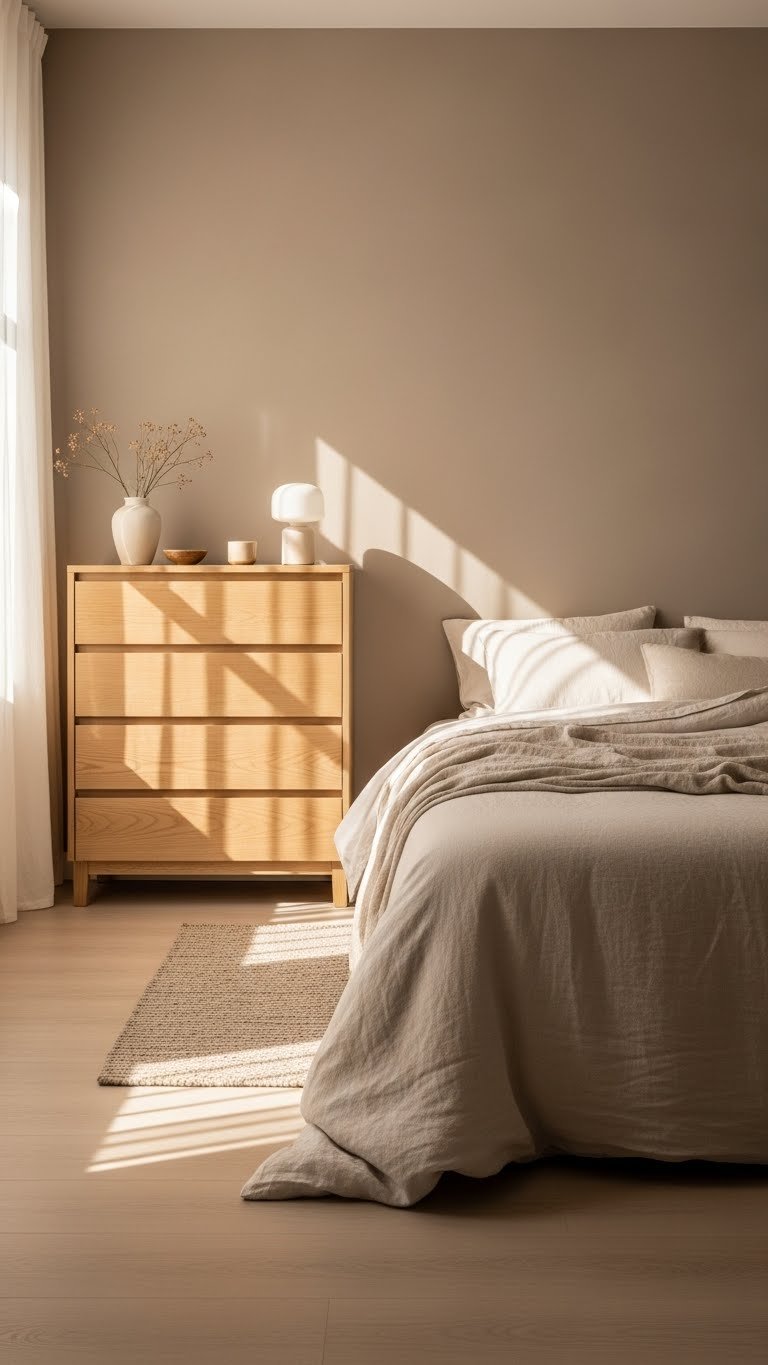
Harsh white walls can feel cold and sterile, draining the cozy factor from any bedroom. Switching to warm neutrals—soft beige, warm taupe, or creamy off-white—creates an instant sense of calm without feeling boring or dated.
Paint is one of the most cost-effective updates you can make. A gallon of quality paint runs $25–$40 at Home Depot or Sherwin-Williams. Rent or buy a basic roller kit for $8–$15. If you’re unsure about committing, grab sample pots ($3 each) and test swatches on different walls over 2–3 days to see how light changes them. Paint application takes a weekend for a standard bedroom. If you rent, check your lease first—some landlords allow paint with permission if you restore the original color when you leave.
The shift happens the moment you paint that first wall. Your room stops feeling like a basic box and starts feeling intentional.
2. Layer Textured Rugs for Depth and Coziness
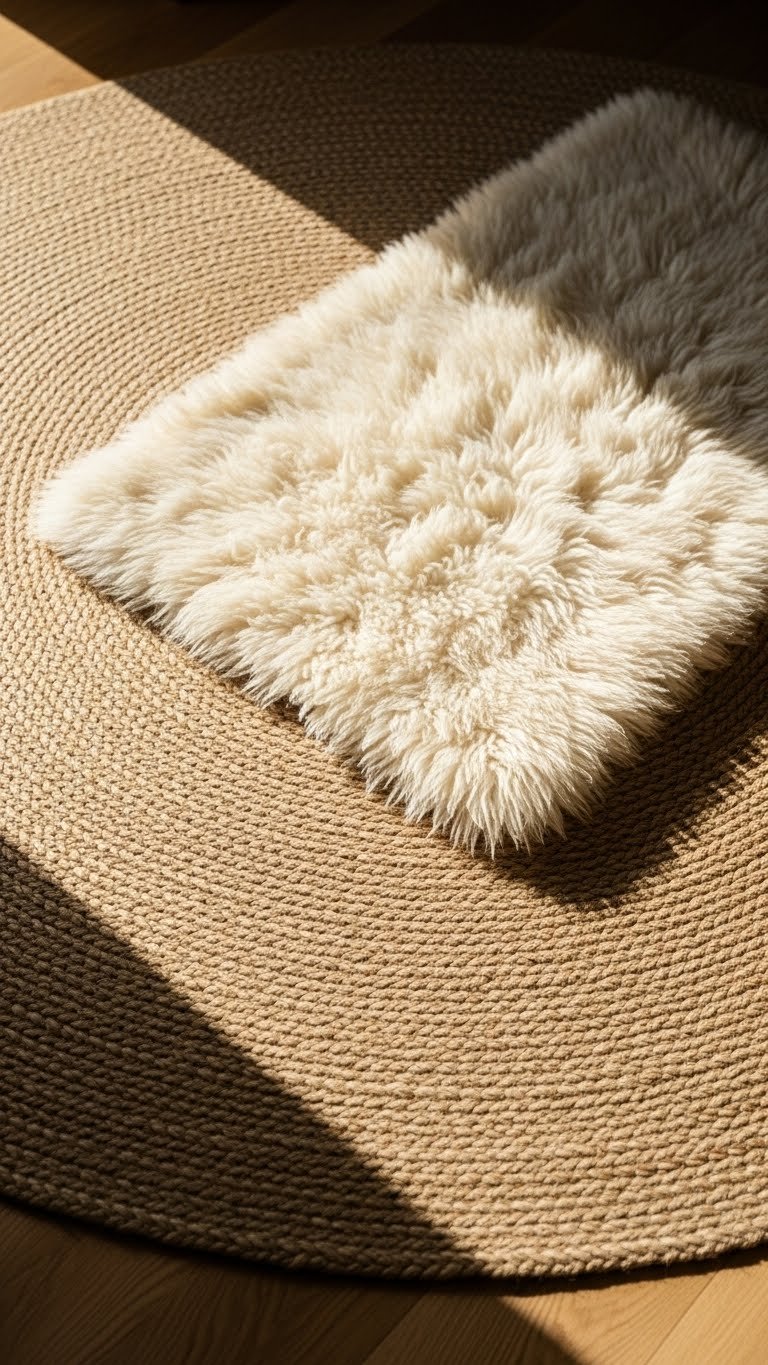
A single flat rug is functional, but layered rugs add visual interest and make your feet happy. Combining a natural jute or sisal base rug with a plush wool or high-pile accent rug on top creates depth and invites you to step barefoot into bed.
Base rugs run $50–$150 at IKEA, Wayfair, or Amazon. Wool or high-pile toppers cost $80–$200 depending on size. Buy or borrow an under-rug pad ($15–$25) to prevent slipping. Layering takes about 10 minutes. If you rent, use removable under-rug pads that won’t damage flooring. This approach works in tight spaces too—just ensure the smaller rug doesn’t cover the entire base rug; let the edges peek through.
You’ll notice the difference the first time you step out of bed. Soft layers make your bedroom feel like an actual sanctuary.
3. Add Floor-to-Ceiling Curtains for Height and Drama
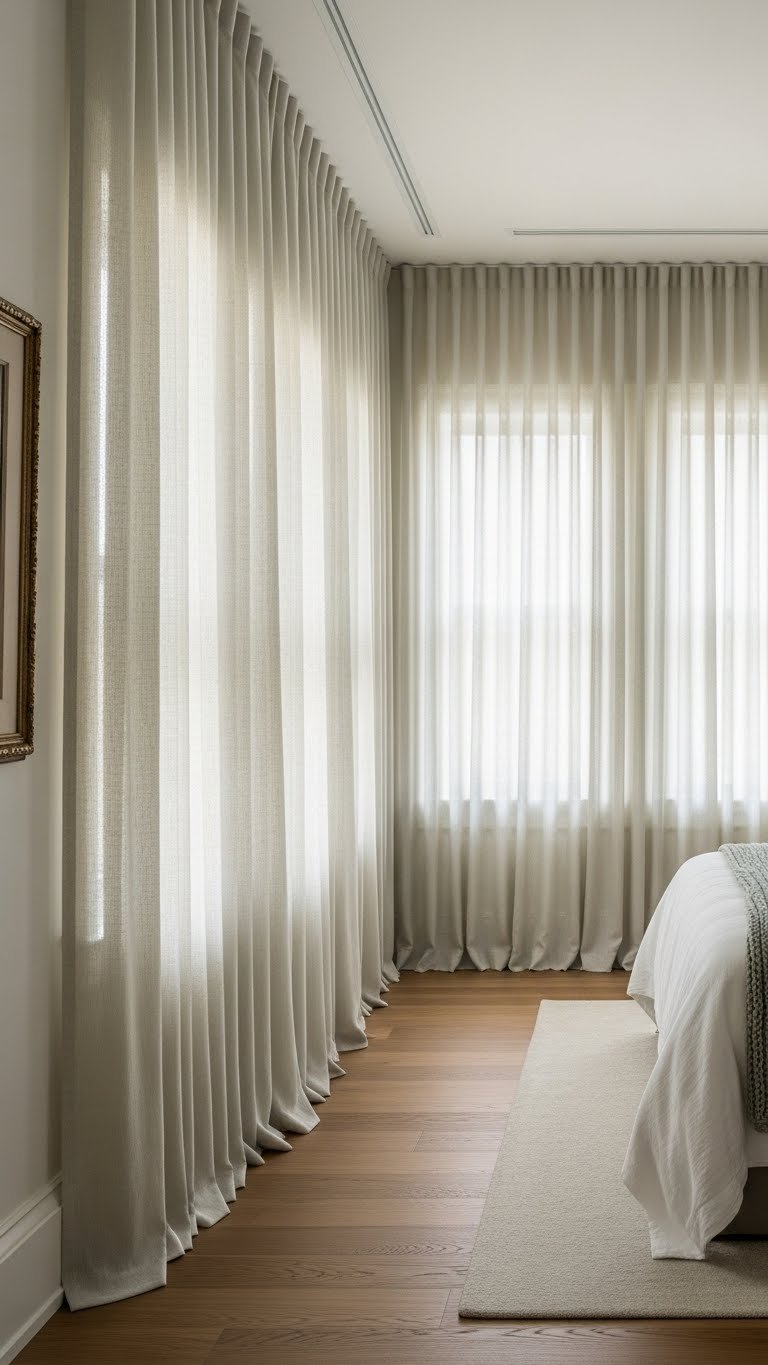
Short curtains that hit the windowsill are practical but don’t look intentional. Floor-to-ceiling curtains hung from the ceiling (not the window frame) make rooms feel taller and more polished while providing better insulation and light control.
Linen or cotton curtain panels cost $30–$80 per panel at Target, West Elm, or Wayfair. Add a ceiling-mounted rod ($20–$40) and basic hooks. If you rent, use tension or adhesive rods that don’t damage walls. Installation takes 30 minutes if you’re comfortable with basic tools; otherwise, handyman services run $50–$150. Measure from ceiling to floor (or 2 inches past) and add 4–6 inches of pooling fabric on the ground for visual drama.
The moment you hang them, your eye travels upward. Your space instantly looks more curated and expensive.
4. Create a Biophilic Bedroom with Real Plants
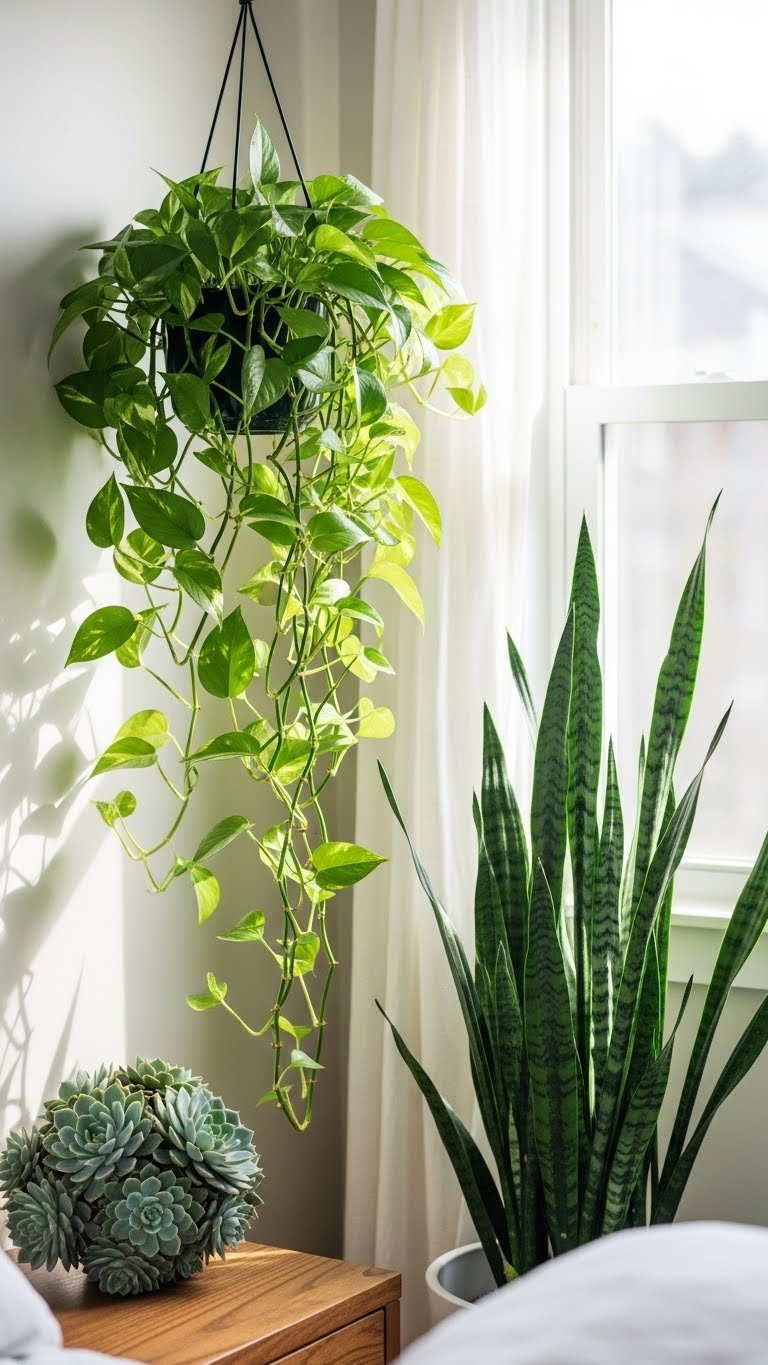
Plants do more than decorate—they improve air quality, boost mood, and connect your indoor space to nature. Low-light plants like pothos, snake plants, and ZZ plants are forgiving if you’re not a plant parent yet.
Plants themselves are cheap: pothos ($5–$15), snake plants ($10–$25), and succulents ($3–$10) are widely available at grocery stores, Home Depot, or Etsy. Pots cost $5–$30 depending on style. Hanging planters or wall-mounted shelves run $15–$50. Total investment: $50–$150 for a well-planted corner. Setup takes 30 minutes. Place plants near windows if possible, but most low-light varieties tolerate corners or north-facing walls.
Your bedroom becomes a living space. You’ll sleep better knowing you’re surrounded by air-purifying plants.
5. Invest in Quality Organic Bedding
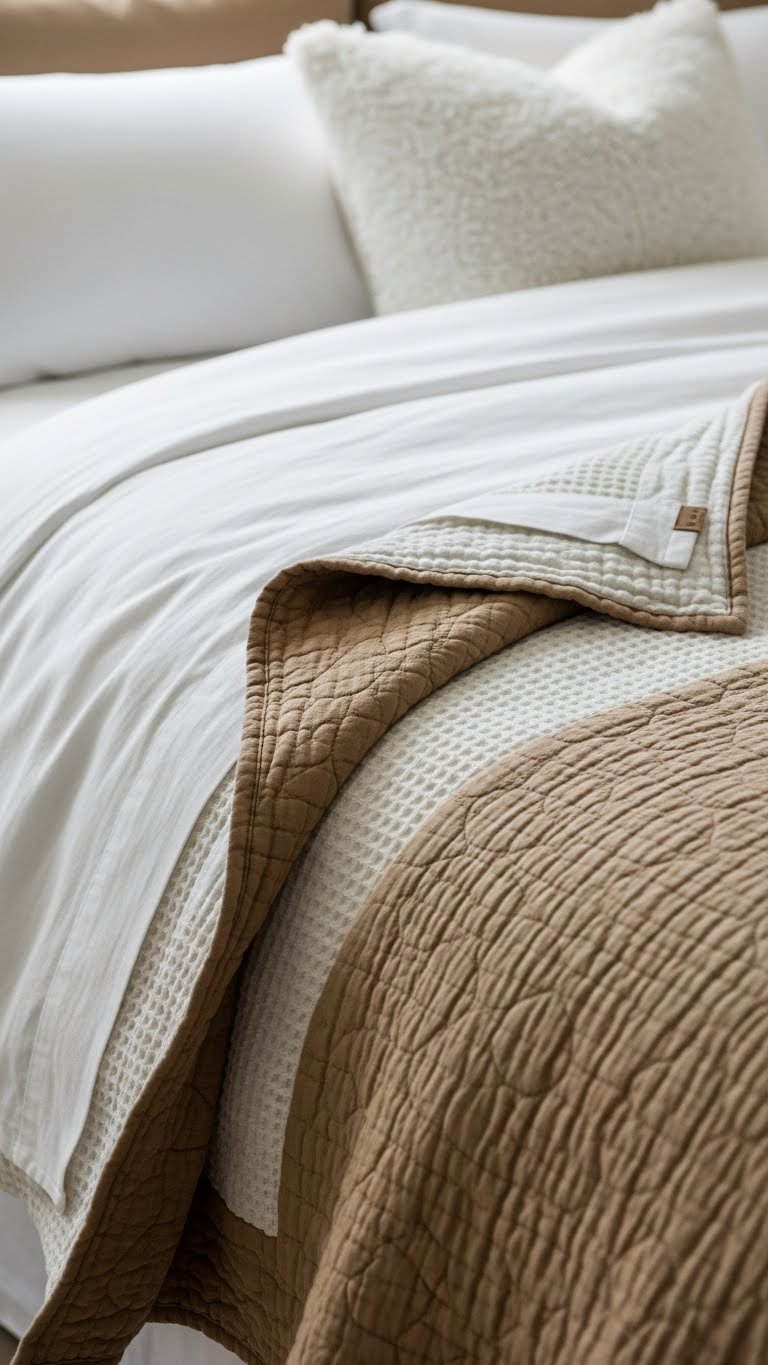
Synthetic bedding traps heat, wrinkles easily, and often feels cheap no matter the thread count. Organic cotton or linen bedding breathes better, feels softer over time, and supports your sleep quality—plus it’s sustainable.
Organic cotton sheet sets run $80–$150 at Parachute, Brooklinen, or Target’s Good & Gather line. Linen duvet covers cost $120–$250 depending on brand. A quality pillow ranges $60–$150. If budget is tight, start with one organic sheet set and build from there ($80–$120). Wash new bedding before use and expect the first few washes to soften the fabric. Organic textiles last longer and eventually feel better than cheaper alternatives.
You’ll notice the difference your first night—better airflow, cooler in summer, and a more restful sleep. It’s an investment in your health.
6. Use Statement Color as Intentional Accents
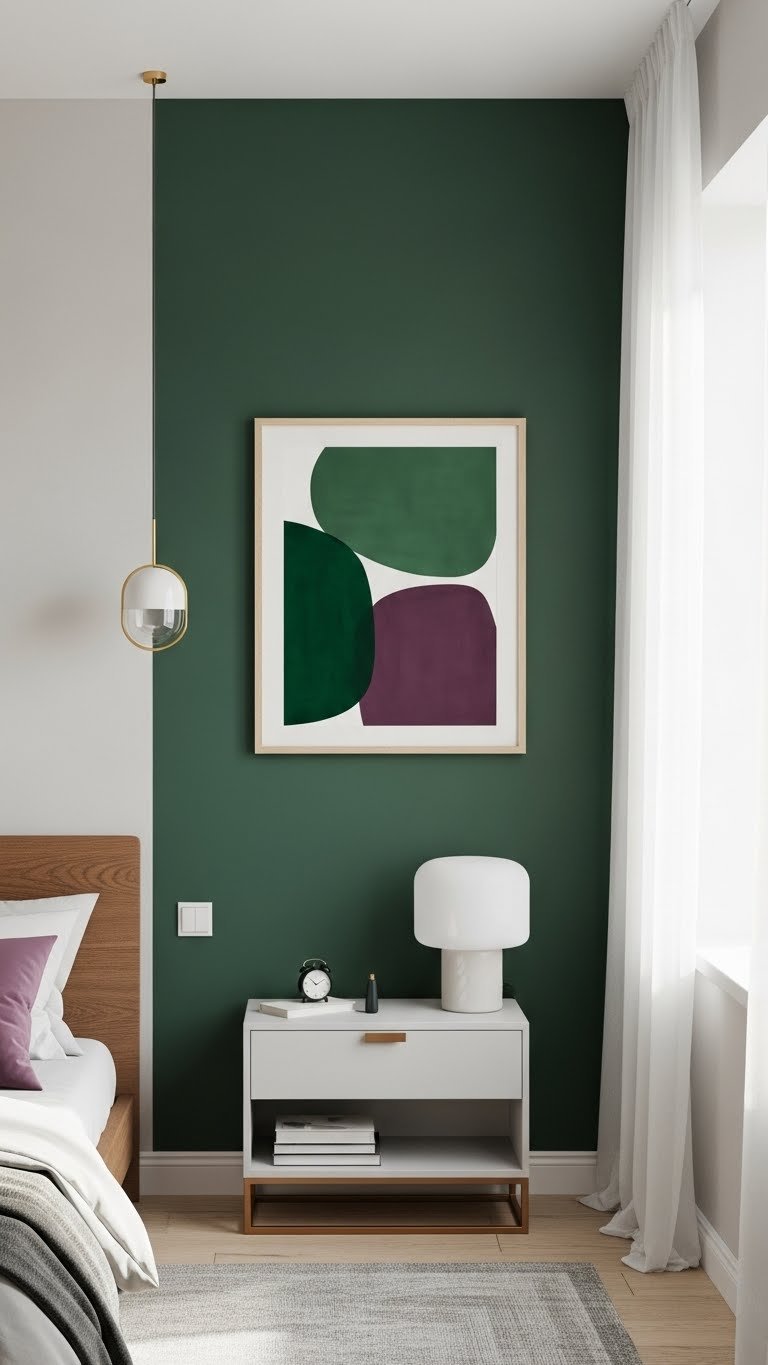
Bold colors work best when used strategically, not slapped on all four walls. Repeating one statement color in three places (accent wall, throw pillows, artwork) creates intentionality without overwhelming the space.
Choose your color first: jewel tones like forest green, aubergine, or midnight blue photograph beautifully and feel contemporary. Paint an accent wall ($25–$40 for paint plus labor if needed). Add throw pillows in the same color ($30–$60 total). Hang artwork or a tapestry with color echoes ($40–$100). Total cost: $100–$200. This approach works in rentals too—use removable wallpaper ($30–$50) instead of paint on that accent wall.
The room becomes visually cohesive and designed. You’re not following trends; you’re making intentional choices.
7. Build a Cherry-Coded Bedroom Aesthetic
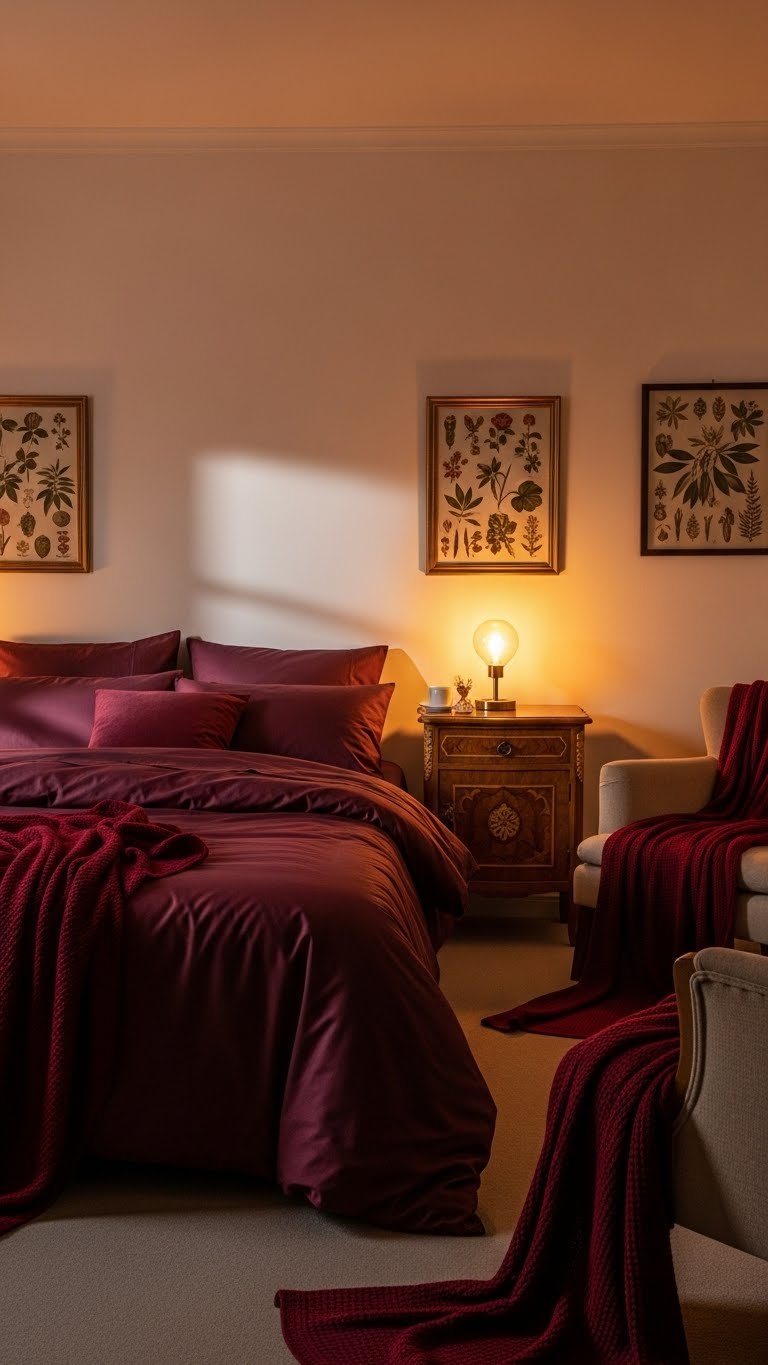
Pinterest is flooded with “cherry-coded” aesthetics—a warm, vintage-leaning look that mixes deep reds, burgundies, natural woods, and warm neutrals. It feels curated and nostalgic without being over-the-top.
Start with one core piece: a burgundy or deep red throw blanket ($30–$60), vintage wooden dresser (thrift stores: $50–$200), or burgundy bedding ($80–$150). Layer in warm neutrals and touches of natural wood. Add botanical prints or artwork ($20–$80). This isn’t about matching perfectly; it’s about building a cohesive mood. Shop vintage at Goodwill, Facebook Marketplace, or local antique stores to keep costs down and add personality.
Your room becomes Instagram-worthy without feeling staged. The cherry tones create a warm, intimate vibe that feels timeless.
8. Incorporate Raw Materials for Organic Modernism
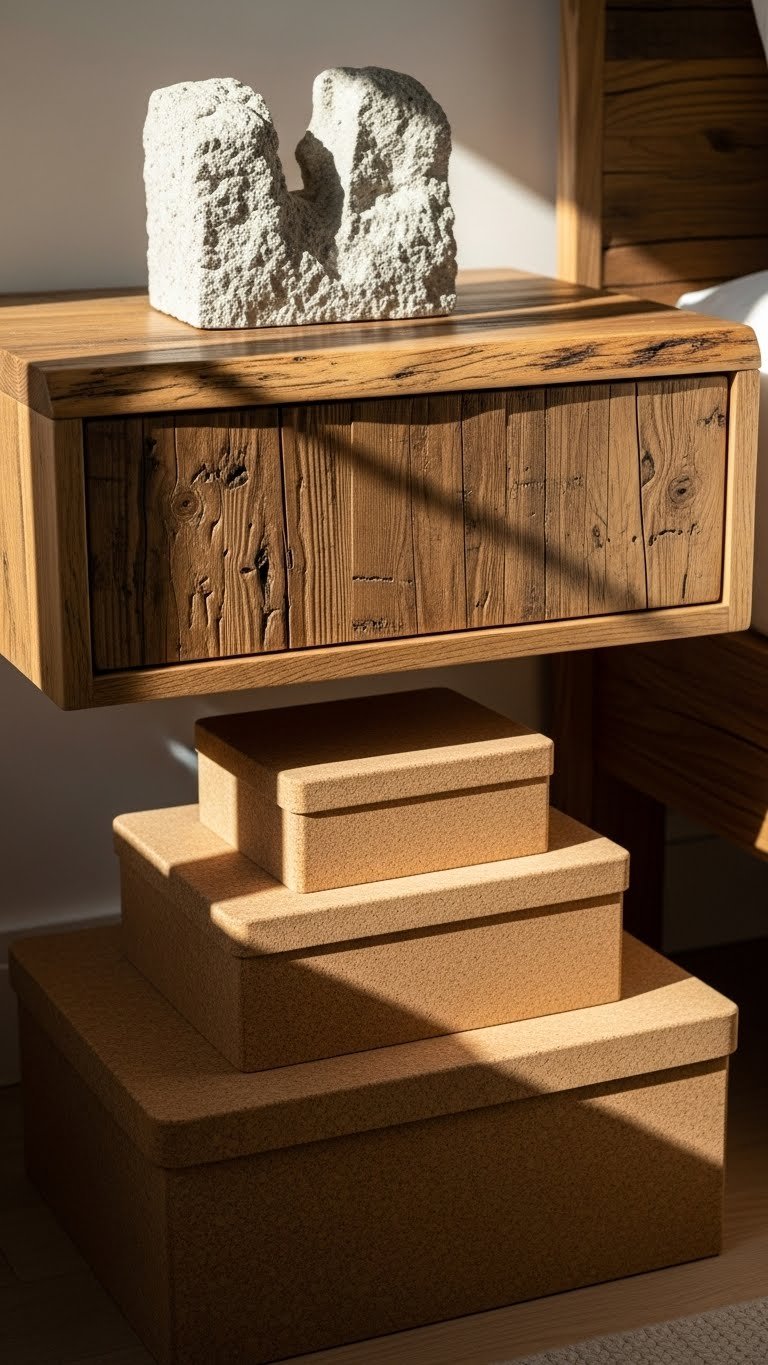
Raw materials—reclaimed wood, cork, unfinished stone, and natural fibers—bring tactile authenticity to modern spaces. They age beautifully and feel grounded in a way polished, synthetic materials don’t.
A reclaimed wood nightstand costs $80–$300 depending on where you source it (Etsy, local woodworkers, or antique markets). Cork storage boxes run $20–$50 for a set. Unfinished wooden shelving is $30–$80 per shelf. Concrete or stone decorative pieces are $15–$60. If budget is tight, start with one raw-material piece (a cork box or wooden shelf) and add others over time. These materials look better as they age, so buy thoughtfully.
Your space stops feeling generic and starts feeling like an actual home. Raw materials give a room character.
9. Switch to Rounded Furniture for Softer Spaces
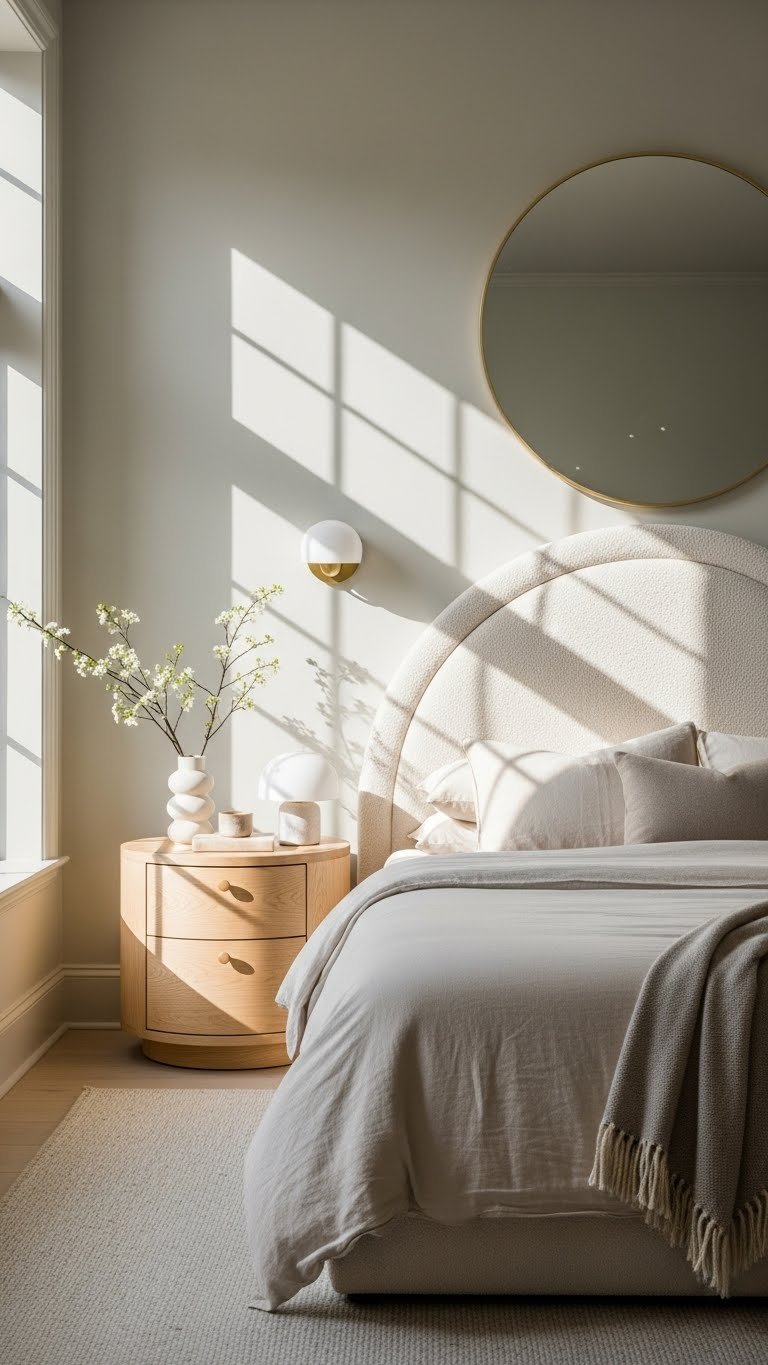
Sharp angles and straight lines feel modern and clean, but rounded furniture creates a gentler, more calming environment. Curved headboards, arched mirrors, and rounded dressers read as high-design but are increasingly affordable.
Curved headboards (upholstered, rattan, or wood) range $150–$500 at Wayfair, Article, or West Elm. Arched mirrors cost $60–$200. Round nightstands run $80–$250. If you can’t replace all your furniture, start with one curved piece—most impact comes from the headboard since you see it first when you enter. Renter-friendly option: buy a headboard-only piece ($80–$300) that leans against the wall without being mounted.
The moment you introduce curves, the room feels different—softer, more intentional, less corporate. Your bedroom becomes a retreat.
10. Hang Arched Mirrors to Amplify Light and Space
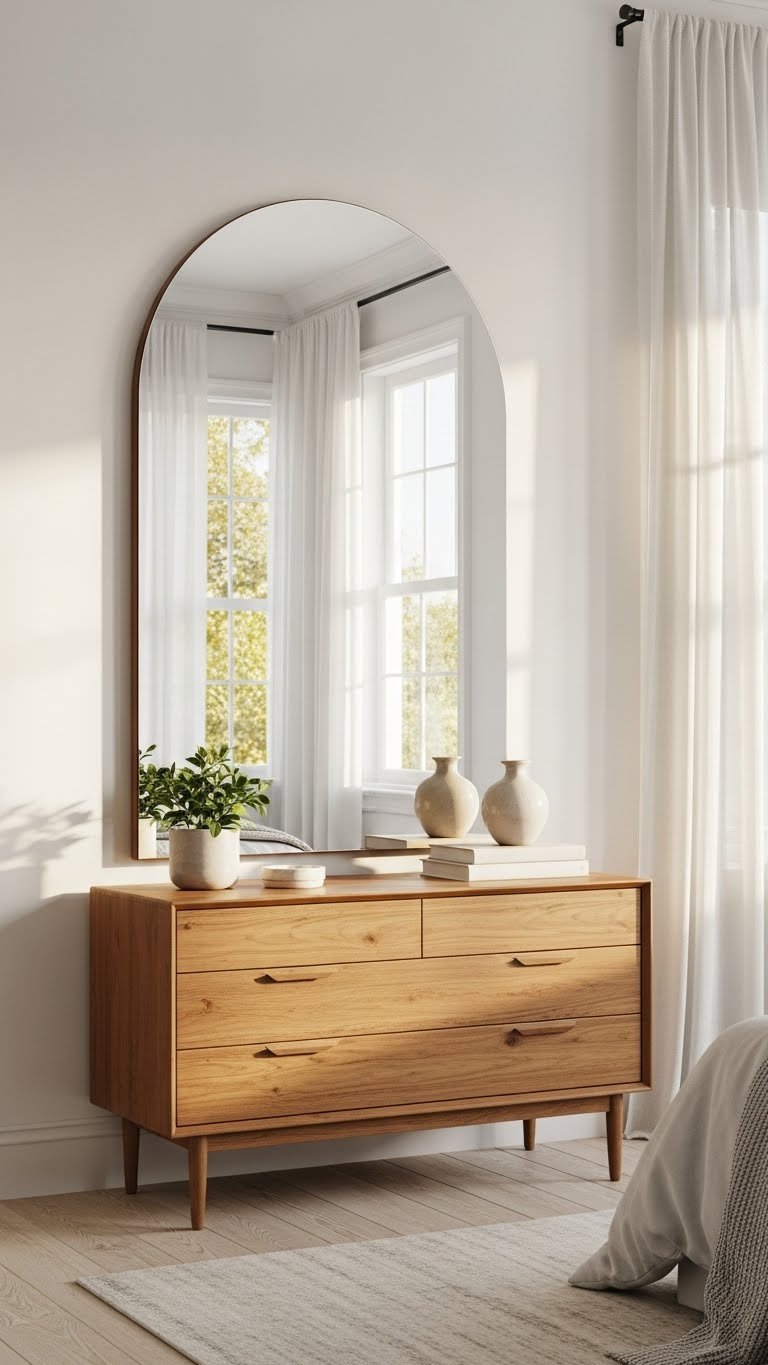
Arched mirrors are having a moment, and for good reason—they’re sculptural, reflect light to brighten dark corners, and make rooms feel bigger. Leaning a large arched mirror against a wall is renter-friendly and reads as intentional design.
Arched mirrors start at $50–$80 for basic styles (IKEA, Wayfair, Target) and go up to $200–$400 for higher-end versions (CB2, Article, West Elm). No installation required if you’re leaning it; just place it safely against a wall. If you want to hang it, a simple wall anchor works for renters ($5–$10). Lean your mirror opposite a window to bounce natural light around the room, or place it where it reflects the best part of your bedroom.
The light distribution changes immediately. Your room feels brighter, more open, and more deliberately styled.
11. Layer Textured Throw Blankets and Pillows
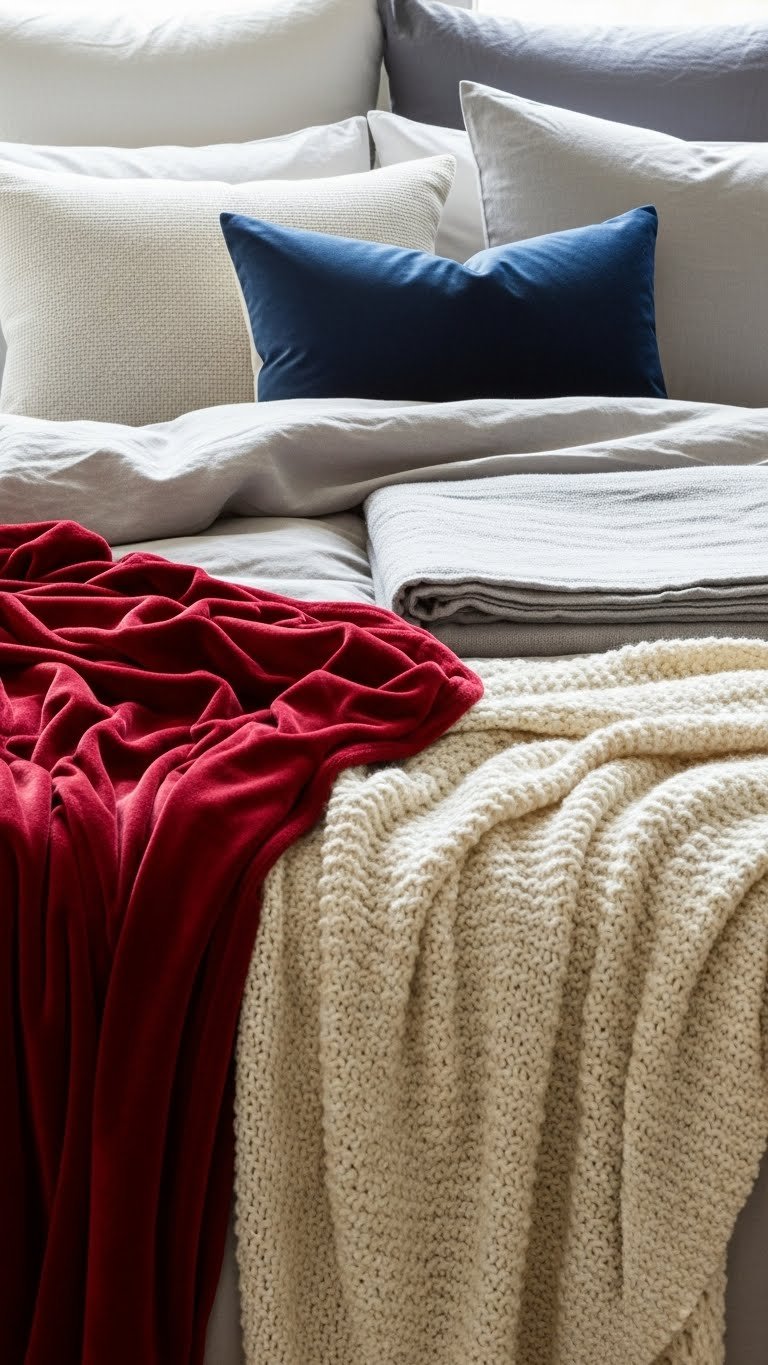
Textural variety is what separates a bland bedroom from a cozy one. Mixing velvet, chunky knit, high-pile, and linen creates depth and makes your bed irresistible.
Throw blankets range $20–$80 depending on material and brand (Target, Wayfair, Anthropologie). Textured pillows cost $15–$60 each. Buy three to four blankets and four to six pillows in a coordinated color palette for $150–$300 total. Mix shapes (square, lumbar, round) and fabrics (velvet, linen, knit). Layer them on your bed, but don’t overthink it—the goal is cozy, not styled to perfection.
Your bed becomes a tactile experience. Texture invites touch and makes the space feel luxurious without being expensive.
12. Create a Designated Work Nook in Small Bedrooms
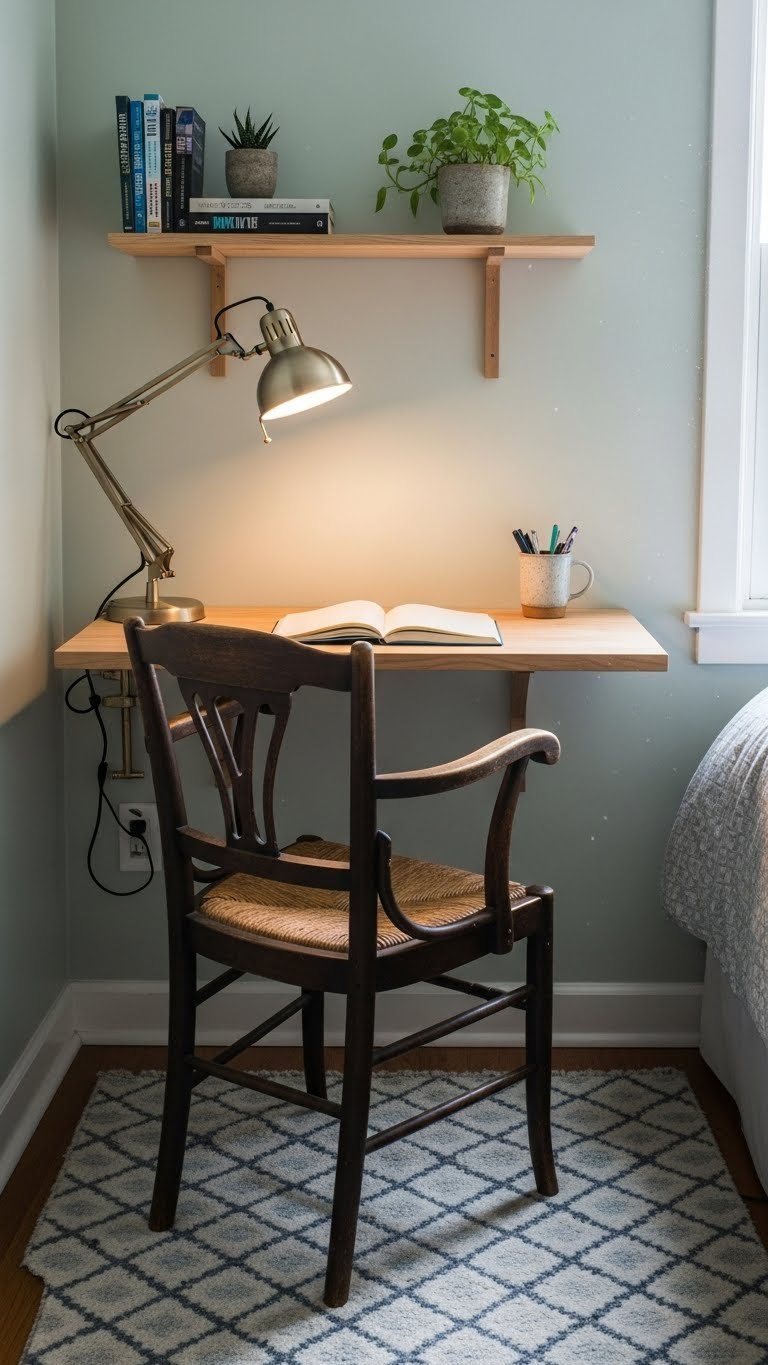
Working from your bed blurs boundaries and disrupts sleep quality. Carving out a small desk nook—even in a tiny bedroom—keeps work separate and helps you actually rest when you’re in bed.
A slim desk costs $40–$150 (IKEA’s Alex desk, Wayfair finds, or secondhand Craigslist scores). A task chair runs $60–$200. Add a floating shelf ($20–$50) for storage and task lighting ($20–$60). Define the zone with a small rug ($30–$80). Total investment: $170–$540 depending on how assembled vs. finished you want. Place it by a window for natural light if possible. If your bedroom is tiny, even a small fold-down desk or wall-mounted surface works.
You’ll sleep better knowing work has its own space. Your bed becomes a retreat again, not an office.
13. Use Vintage and Secondhand Pieces for Personality
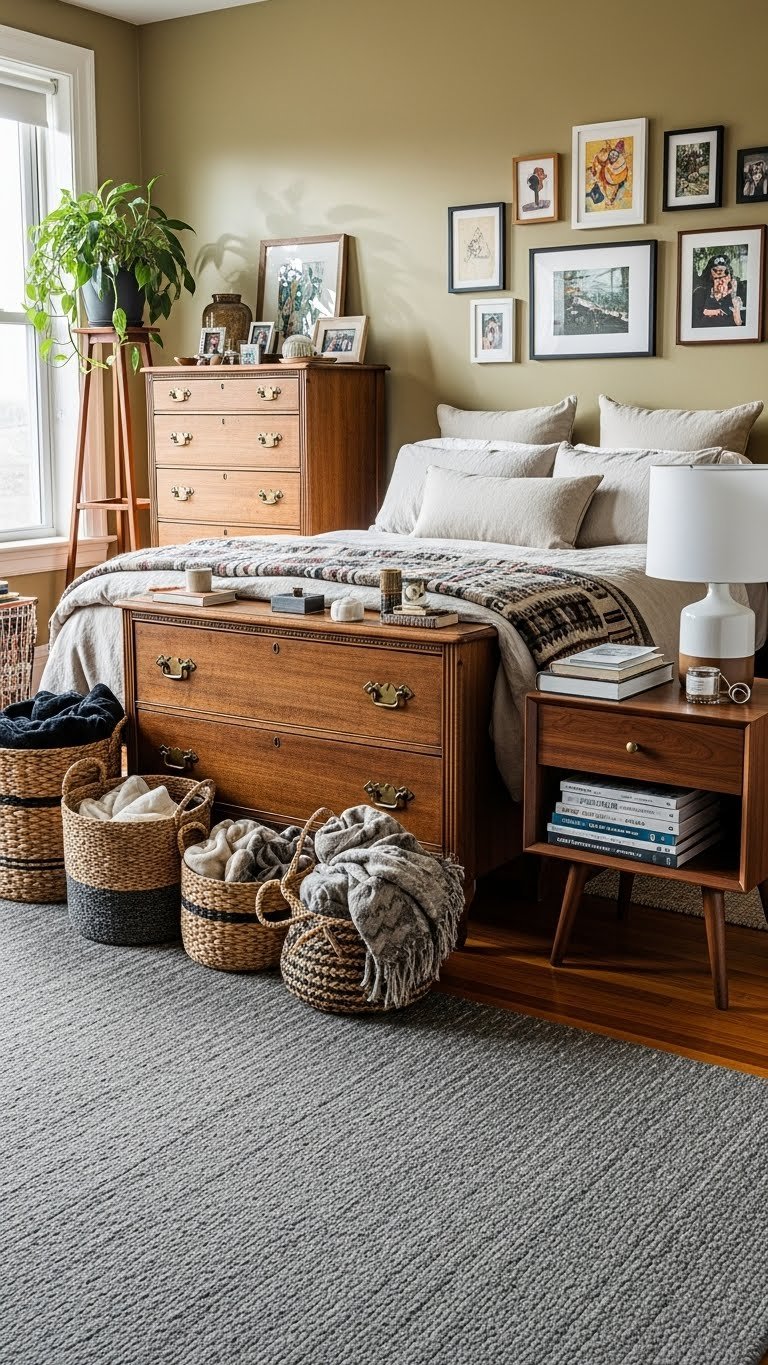
New furniture is fine, but secondhand pieces have character, history, and often better craftsmanship than mass-produced alternatives. Mixing vintage finds with modern pieces creates a collected, personal look.
Thrift stores yield dressers, nightstands, and mirrors for $30–$150 each. Facebook Marketplace and Craigslist offer larger pieces like bed frames for $50–$300. Etsy has curated vintage for higher prices ($100–$500+). Budget $200–$600 to furnish a bedroom with secondhand pieces. Shopping vintage takes time, but you’ll own fewer, better things with actual character. Check for structural integrity and treat wood with care if it needs refinishing.
Your bedroom tells a story instead of looking catalog-perfect. Vintage pieces become conversation starters.
14. Install Floating Shelves for Storage and Display
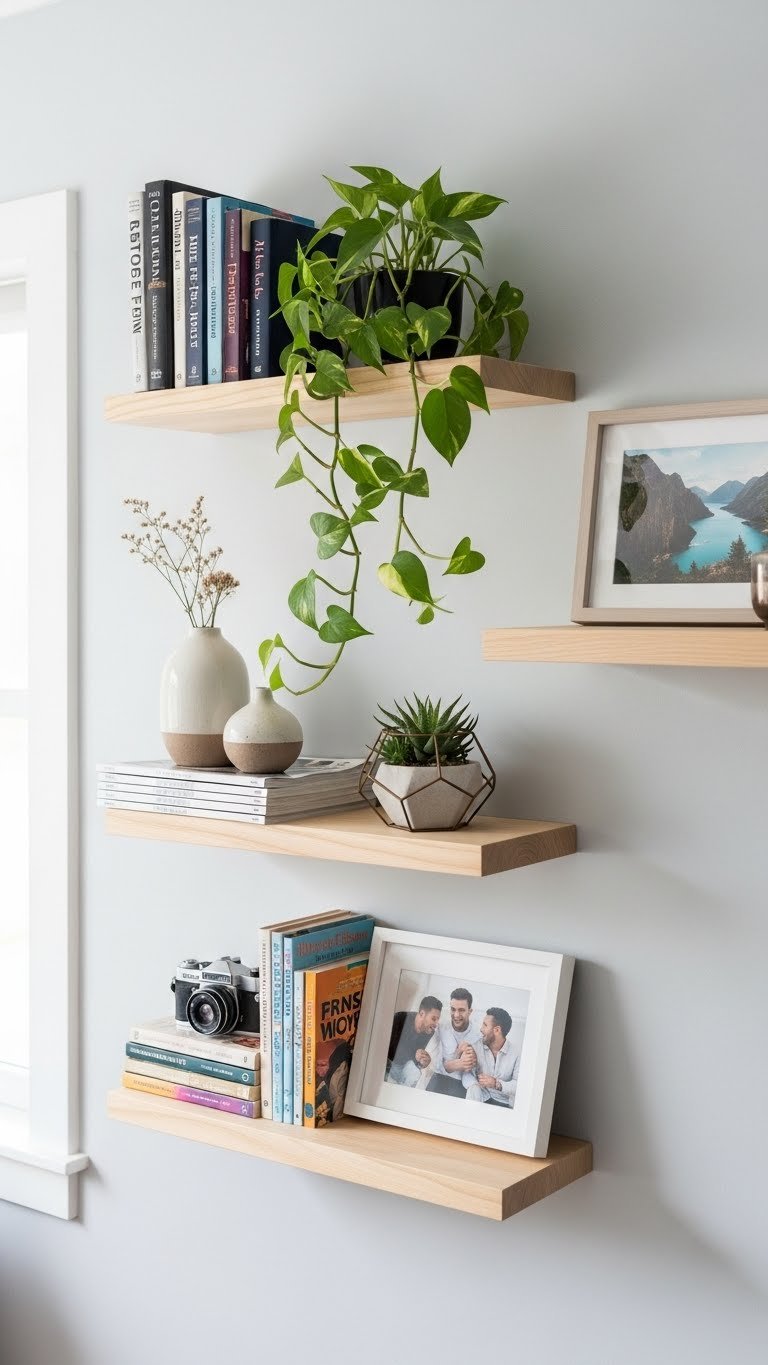
Floating shelves maximize wall space, provide storage without taking up floor room, and let you display the items that matter to you. They’re also renter-friendly if you use removable adhesive brackets.
Floating shelves cost $20–$60 per shelf depending on material and length. Brackets range $10–$30 per set. For renters, adhesive shelves ($20–$50 for a set of 3) avoid permanent damage. Installation takes 30 minutes to an hour with basic tools. Use shelves for plants, books, photo frames, or pretty storage boxes. Avoid overcrowding; negative space is part of the design.
You gain functional storage without a bulky dresser taking up floor space. Your walls become part of your bedroom’s personality.
15. Upgrade Your Pillows for Better Sleep
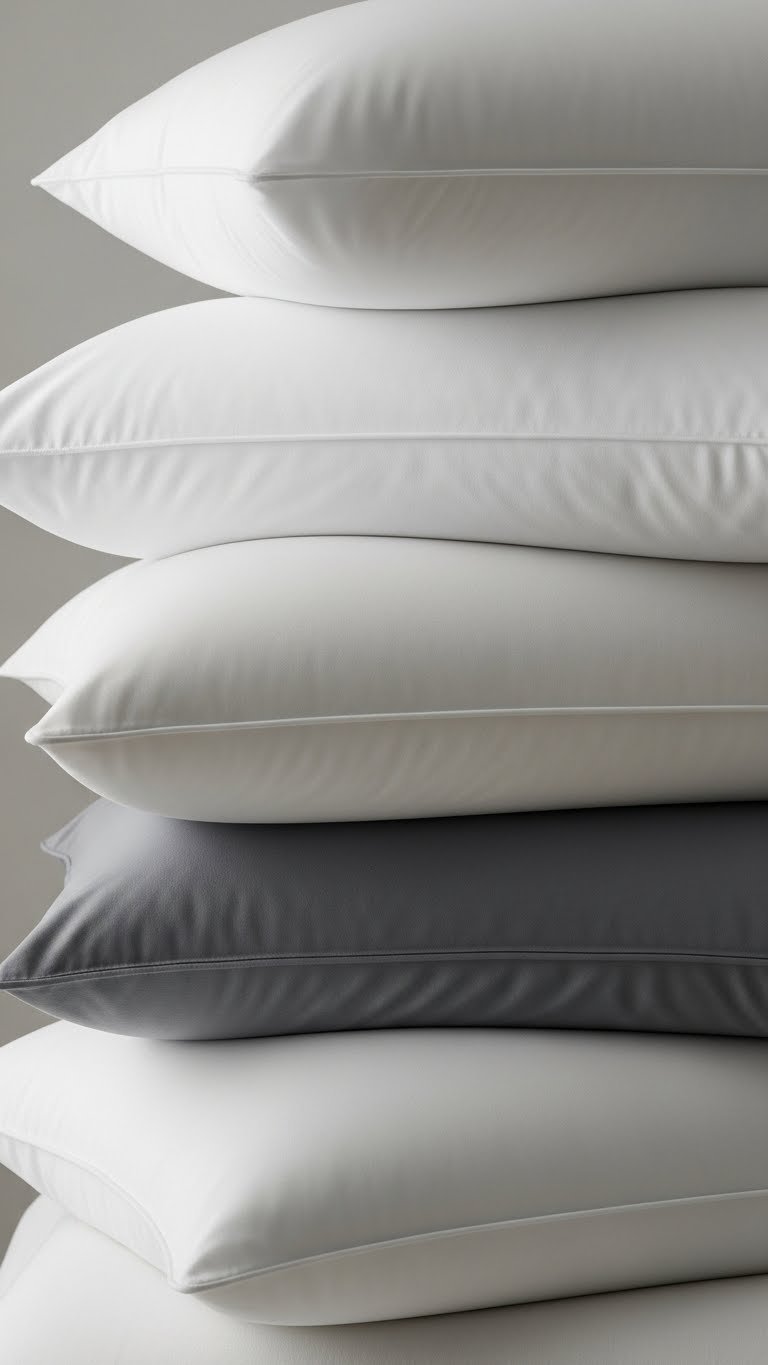
Your pillow matters more than most people realize. If your pillows are flat, lumpy, or unsupportive, you’re sabotaging your sleep. Upgrading to pillows that actually fit your sleep style transforms rest quality.
Quality pillows run $50–$150 each depending on fill (memory foam, down, hybrid, latex). A good starting point: one supportive pillow for sleeping ($80–$120) and one softer decorative pillow ($40–$80). Brands like Casper, Purple, and Brooklinen offer sleep trials so you can test before committing. Pillows last 1–2 years before they lose support; budget for replacement every 18 months.
Better pillows mean better sleep and fewer neck issues. This small investment has outsized impact on your daily life.
16. Paint Your Ceiling a Warm Neutral or Soft Color
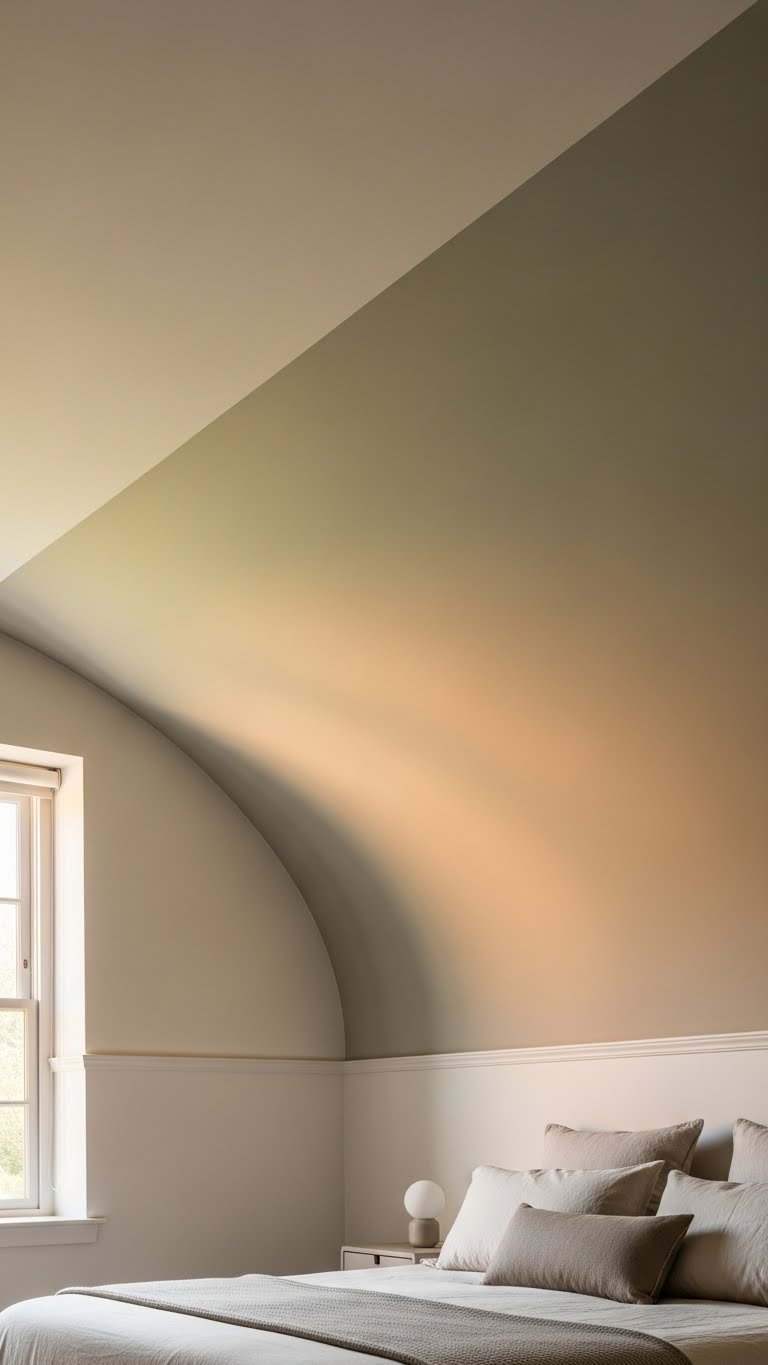
Most people paint ceilings white out of habit, but warm or soft-colored ceilings feel more intimate and visually interesting. You spend 8 hours a night looking at your ceiling—make it intentional.
Ceiling paint costs $30–$50 per gallon (same as wall paint). Roller extensions ($10–$20) make the job easier. A coat or two takes 2–3 hours of active work. Choose warm white, soft cream, pale taupe, or even a whisper of color (light sage or pale blue). Avoid dark colors unless your ceiling is very high; they can make rooms feel smaller. If you rent, check your lease first.
The finished look feels cohesive and designed. A painted ceiling elevates the entire room.
17. Create Visual Balance with Asymmetrical Layout
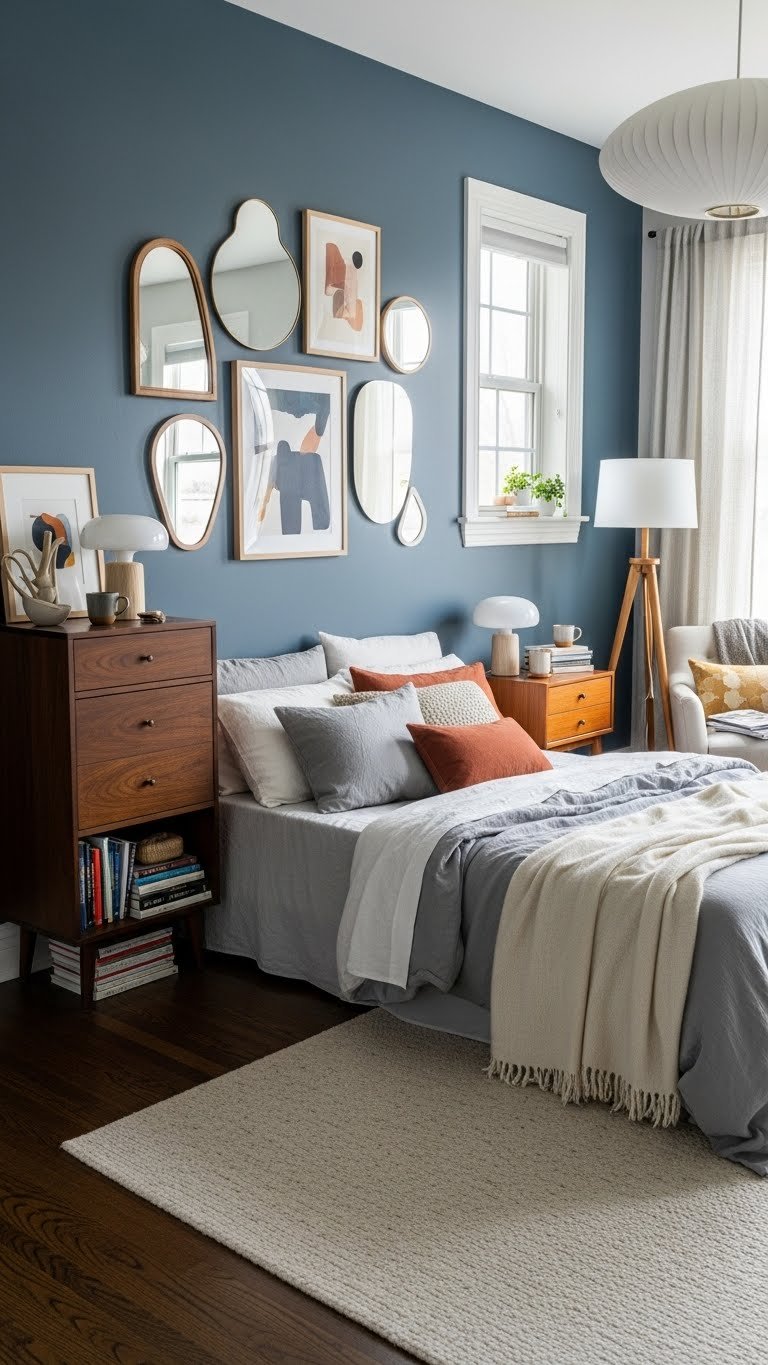
Perfectly symmetrical layouts feel sterile and boring. Asymmetrical arrangements feel collected, personal, and more visually interesting while still maintaining balance.
Rearrange furniture you already own to test asymmetry—shift your bed, angle a dresser, place nightstands at different heights. Add mirrors, artwork, and lighting at varying levels. Layer elements rather than matching them exactly. This costs nothing but time and observation. The goal is balance without matching: heavier visual weight on one side, offset by interest on another.
Your room stops looking staged and starts looking lived-in. Asymmetry creates personality.
18. Layer Vintage Quilts for Texture and Nostalgia
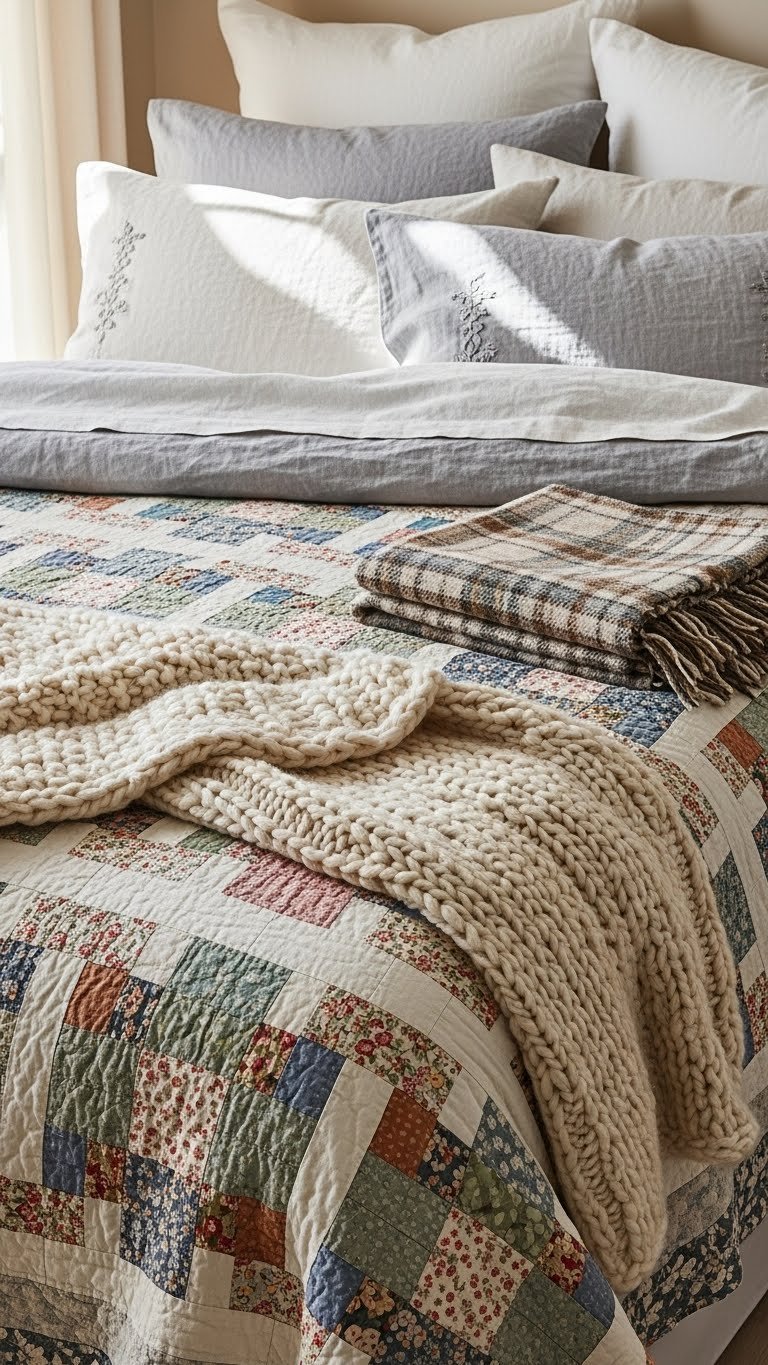
Handmade quilts are having a moment—they bring texture, pattern, and nostalgic warmth that mass-produced duvets can’t match. Layer a quilt as your primary bedding (like a duvet) and add throws for depth.
Vintage quilts run $30–$150 from thrift stores, Etsy, or antique markets depending on condition and pattern. New quilts cost $100–$300+. Use a quilt as your main layer (like a duvet) and style throws and pillows around it. Quilts look best when layered casually—don’t overcomplicate the styling. If your quilt is delicate, dry-clean occasionally or hand-wash gently.
Your bed becomes a textural focal point. Quilts feel handmade and intentional in a way synthetic bedding never does.
19. Use Wall Sconces Instead of Overhead Lights
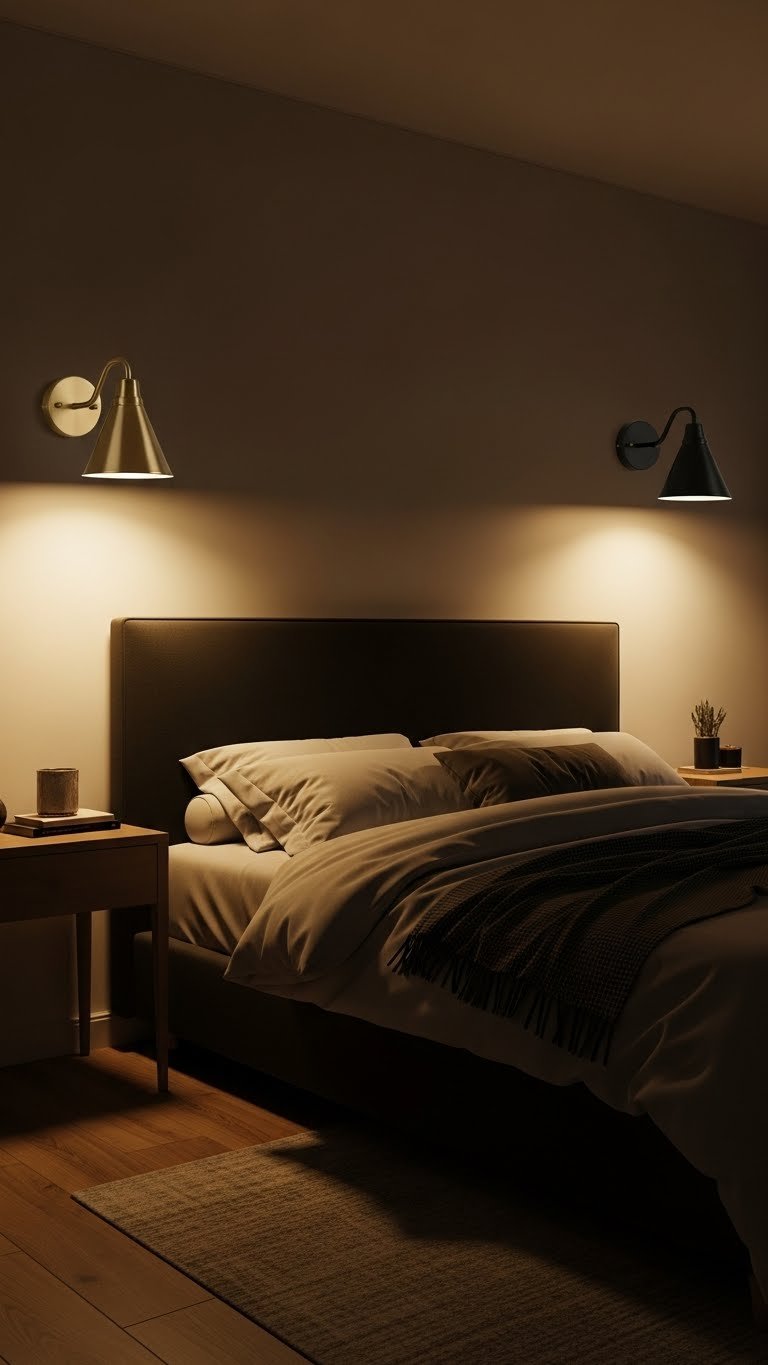
Overhead lights are harsh and unflattering. Paired wall sconces flanking your bed provide functional light for reading while creating a warm, intimate ambiance that overhead lights can’t achieve.
Sconces range $30–$80 each at Target, West Elm, and Wayfair (times two for a pair). Wiring and installation runs $100–$200 for a handyman; if you’re handy, DIY is cheaper. Total investment: $160–$360. For renters, plug-in sconces ($40–$80 each) avoid permanent installation. Position sconces at head height on either side of your bed, about 2 feet out from the headboard.
Your bedroom lighting becomes functional and beautiful. Sconce light feels luxurious and makes reading in bed a pleasure.
20. Add Dimension with Curved Nightstands

Curved nightstands are softer versions of standard rectangular tables. They take up similar floor space but read as higher-design and more contemporary.
Curved nightstands cost $80–$250 depending on material and brand (Wayfair, Article, CB2, West Elm). If budget is tight, look for curved options at IKEA ($50–$100) or hunt secondhand ($30–$80). You need them on both sides of a bed for balance, so budget for two. Curved edges also mean less shin-cracking when you navigate your room in the dark.
The bedroom feels immediately softer and more intentional. Rounded shapes create a calmer visual environment.
21. Hang Botanical Art or Large Canvas Above the Bed
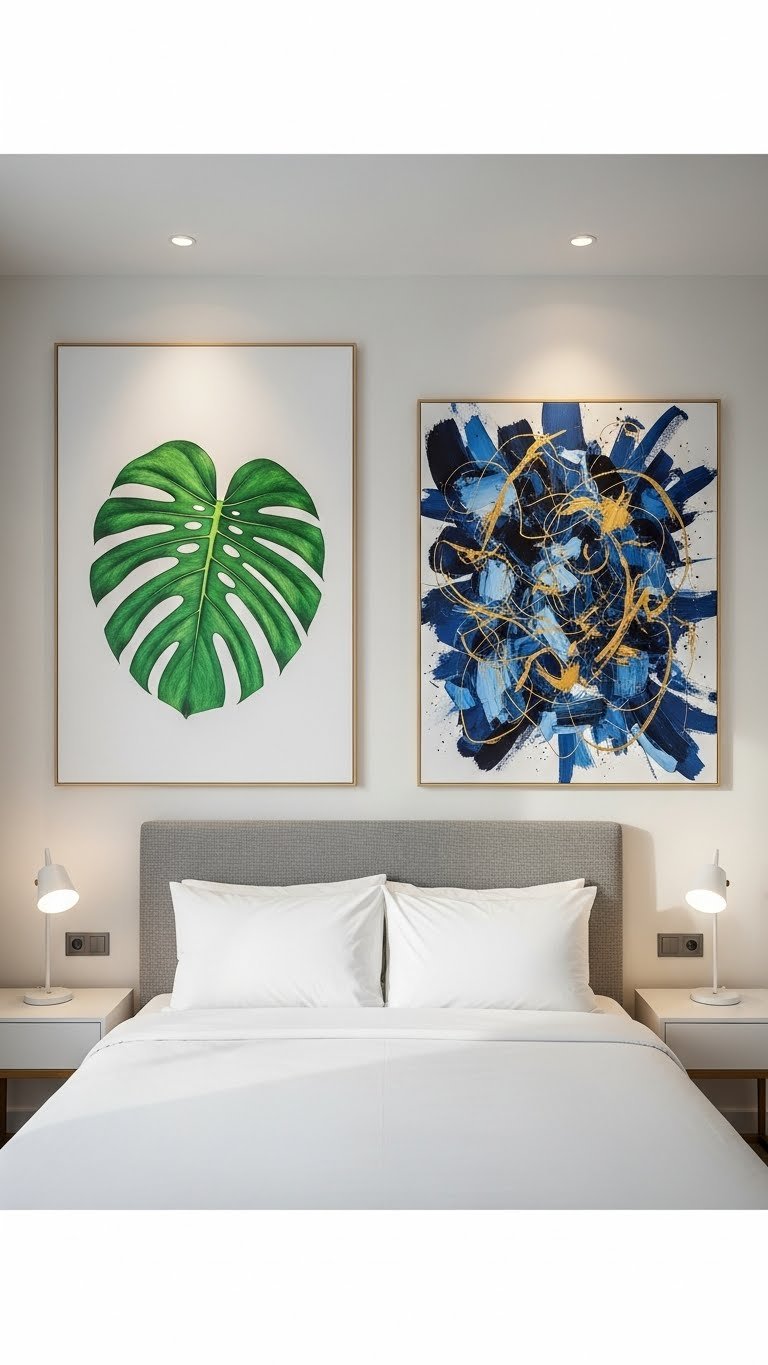
A blank wall above your bed is wasted real estate. A large piece of art—botanical prints, abstract canvas, or a gallery wall—serves as the bedroom’s focal point and sets the tone for the entire space.
Canvas prints cost $30–$100 (Etsy, Minted, or print-to-order services). Framed art runs $50–$200+ depending on quality and frame. A simple frame upgrade costs $20–$60. Hang art 8–12 inches above your headboard (or 60 inches from the floor if there’s no headboard). Choose art that makes you happy; this is personal space.
Your bed becomes a gallery moment. Art makes the room feel intentional and personal.
22. Organize Under-Bed Storage with Clear Containers
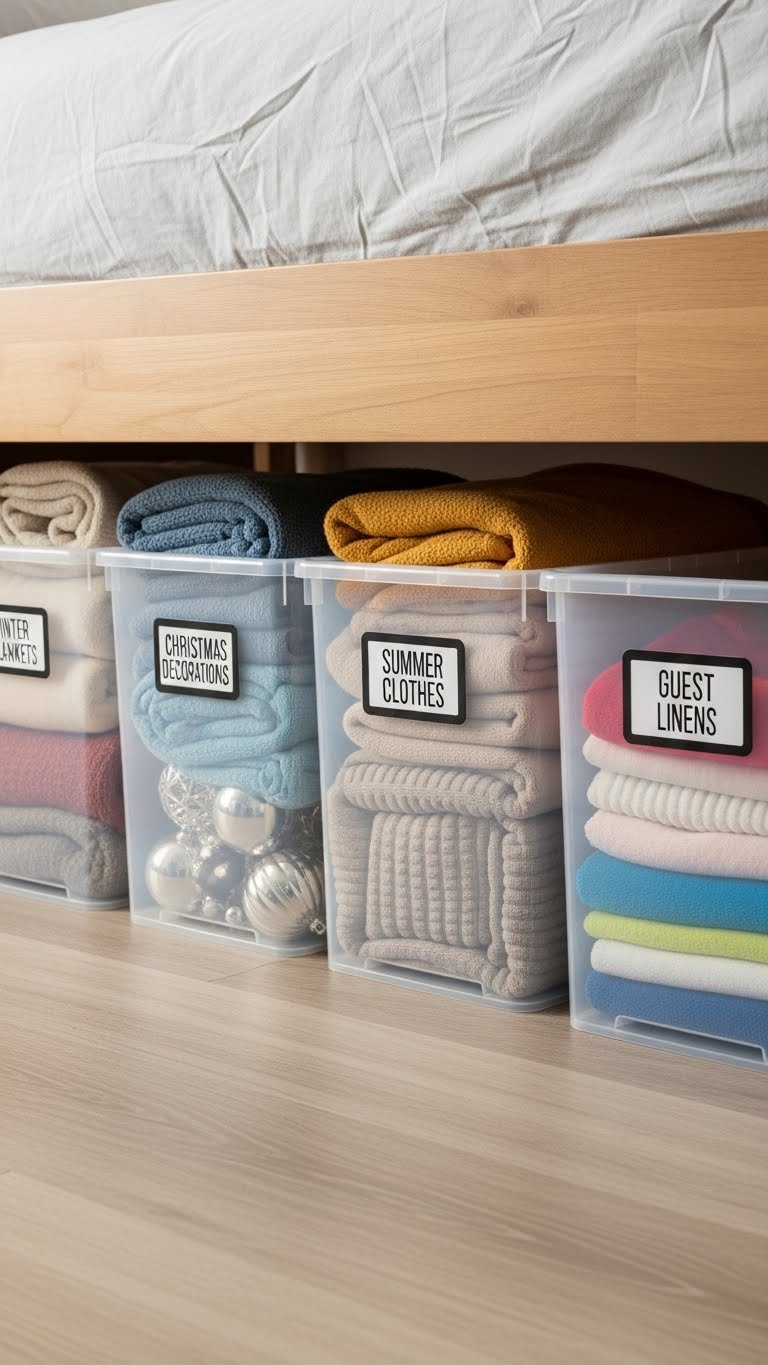
Under-bed storage is prime real estate, but stuffing it with random items defeats the purpose. Clear containers help you see what you have while keeping things organized and accessible.
Clear plastic storage containers cost $20–$50 for a set of 3–4. Bins from Container Store, Target, or Amazon vary in size. Label each container with a label maker ($15–$30) or masking tape. Store seasonal blankets, extra pillows, or off-season clothing. Total investment: $40–$80. This is especially useful in small bedrooms where closet space is limited.
You’ll actually know what’s under your bed. Organization makes the bedroom feel calm and intentional.
23. Create Ambient Light with Soft Overhead Options
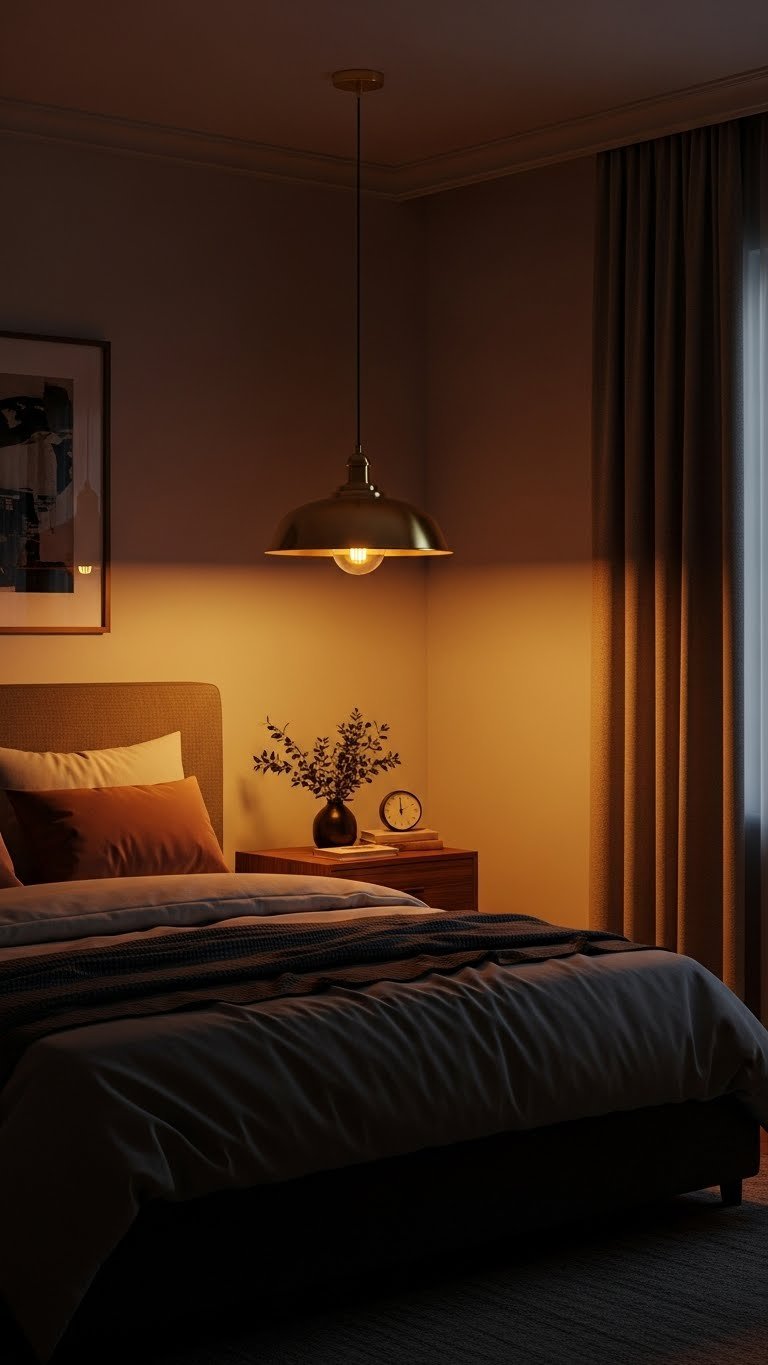
Harsh overhead lights ruin bedroom ambiance. Dimmable overhead options or soft-finish fixtures (brass, matte, warm tones) provide functional light while maintaining coziness.
Dimmers cost $15–$40 and work with most existing fixtures (electrician: $50–$150 to install). New fixtures in warm finishes run $50–$150 (pendant lights, drum lights, or chandeliers). Bulb choice matters too—use warm white (2700K) rather than bright white or cool tones. Total investment: $100–$300 for installation and fixtures.
You control the ambiance. Dimmers let you adjust light based on your mood and time of day.
24. Add a Statement Headboard or DIY One
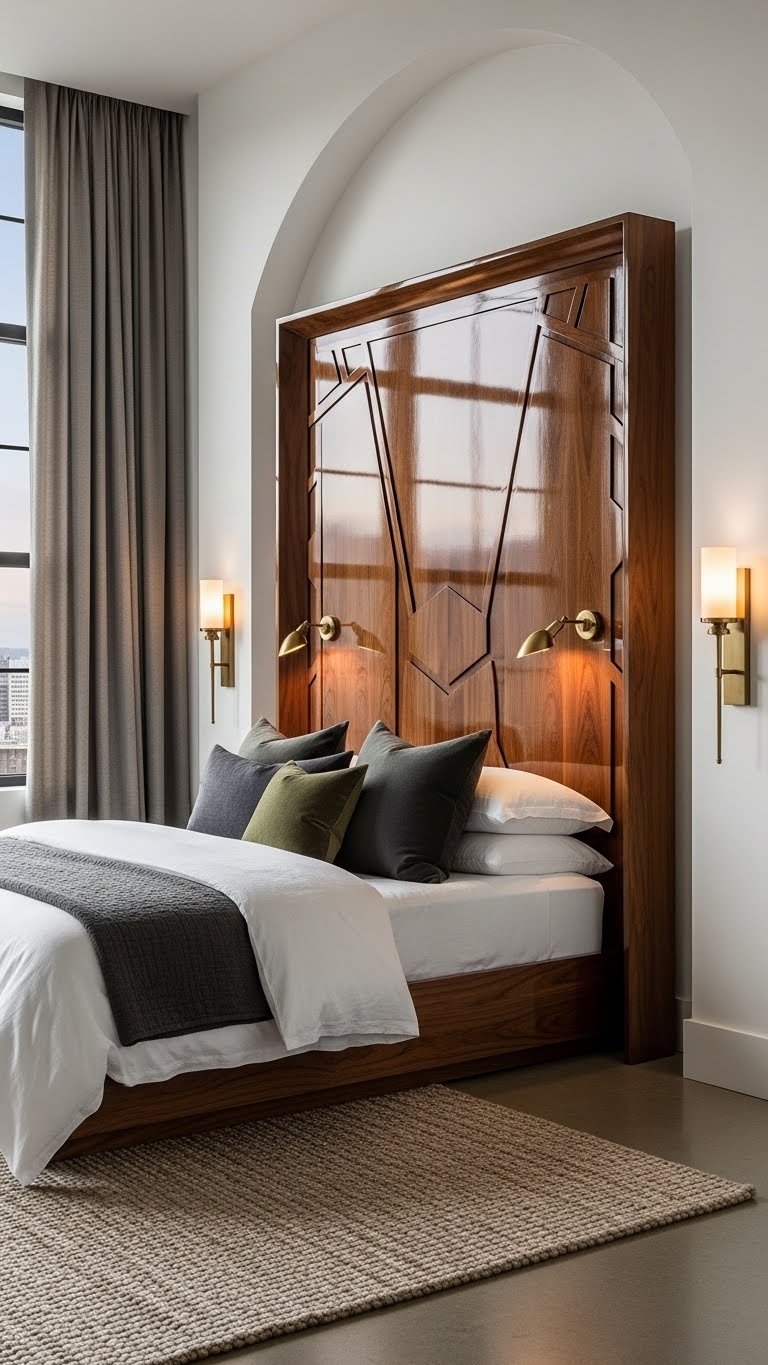
Your headboard is the first thing you see when you enter the bedroom and the last thing you see when you lie down. A statement headboard—upholstered, wood-slat, or built-in—anchors the entire space.
Upholstered headboards cost $200–$600 depending on size and fabric. Wood-slat or DIY headboards run $100–$400 if you’re building from reclaimed wood or plywood. If budget is tight, buy a headboard-only piece ($80–$300) that leans against the wall without mounting. DIY enthusiasts can build a simple slat headboard with lumber and a drill ($50–$150 in materials). For renters, lean a headboard-only piece against the wall or use removable adhesive strips.
The headboard becomes your bedroom’s anchor. The entire space feels more designed and intentional.
Pick one idea and tackle it this weekend. Whether it’s swapping pillows, adding plants, or painting an accent wall, small changes compound fast. Your bedroom deserves to be a retreat—not a to-do list. Save this post for later, and share it with any friends who need a bedroom refresh too.
Leave a Reply