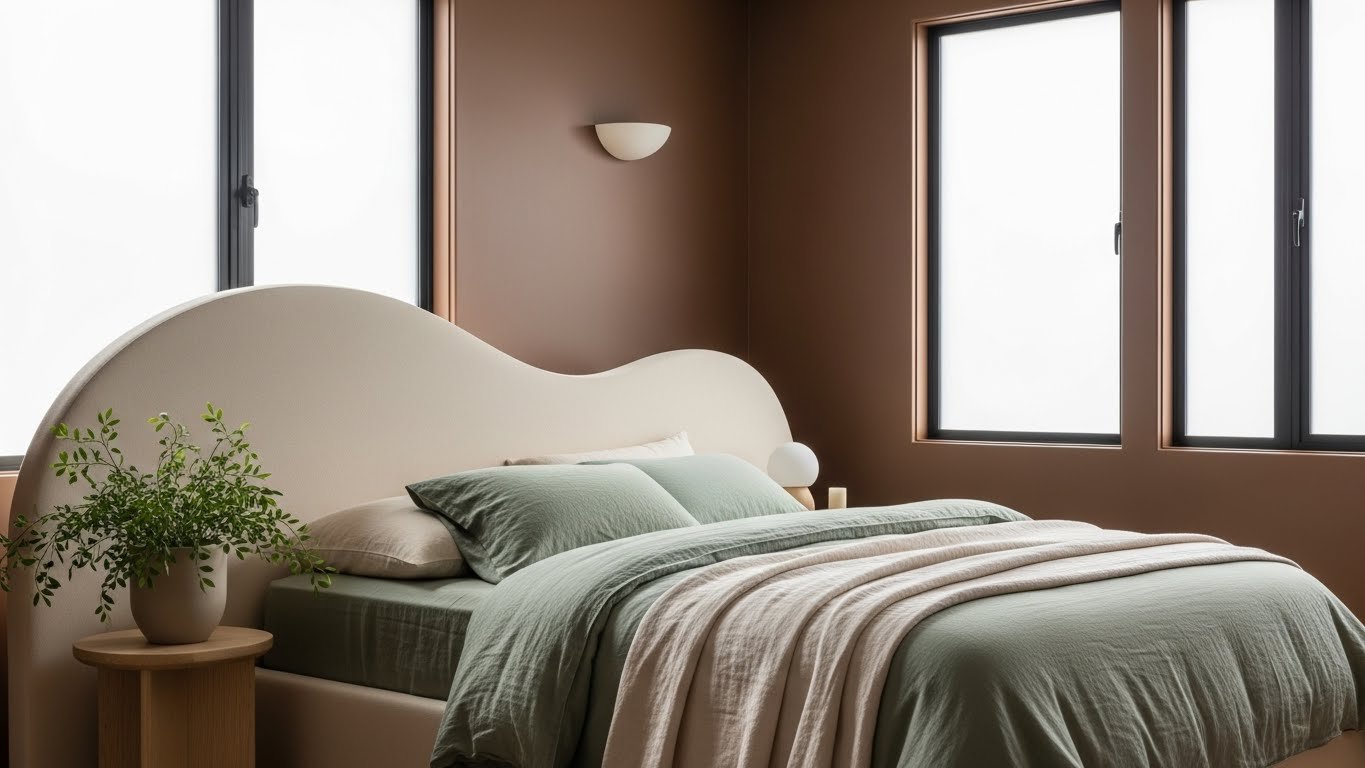
If you’re tired of bland, one-note rooms that don’t reflect who you are, you’re not alone. Whether you’re renting or own your home, creating an artistic, modern space doesn’t require a complete renovation or a huge budget. The key is layering small, intentional touches—color, texture, pattern, and sculptural pieces—that work together to tell your story. This guide gives you 26 concrete ideas to build a room that feels gallery-curated but lived-in, maximalist but balanced, and undeniably you. From color-drenching tricks to furniture styling hacks, you’ll find solutions for every budget and skill level. Let’s get started.
1. Drench Your Walls in a Single Rich Color
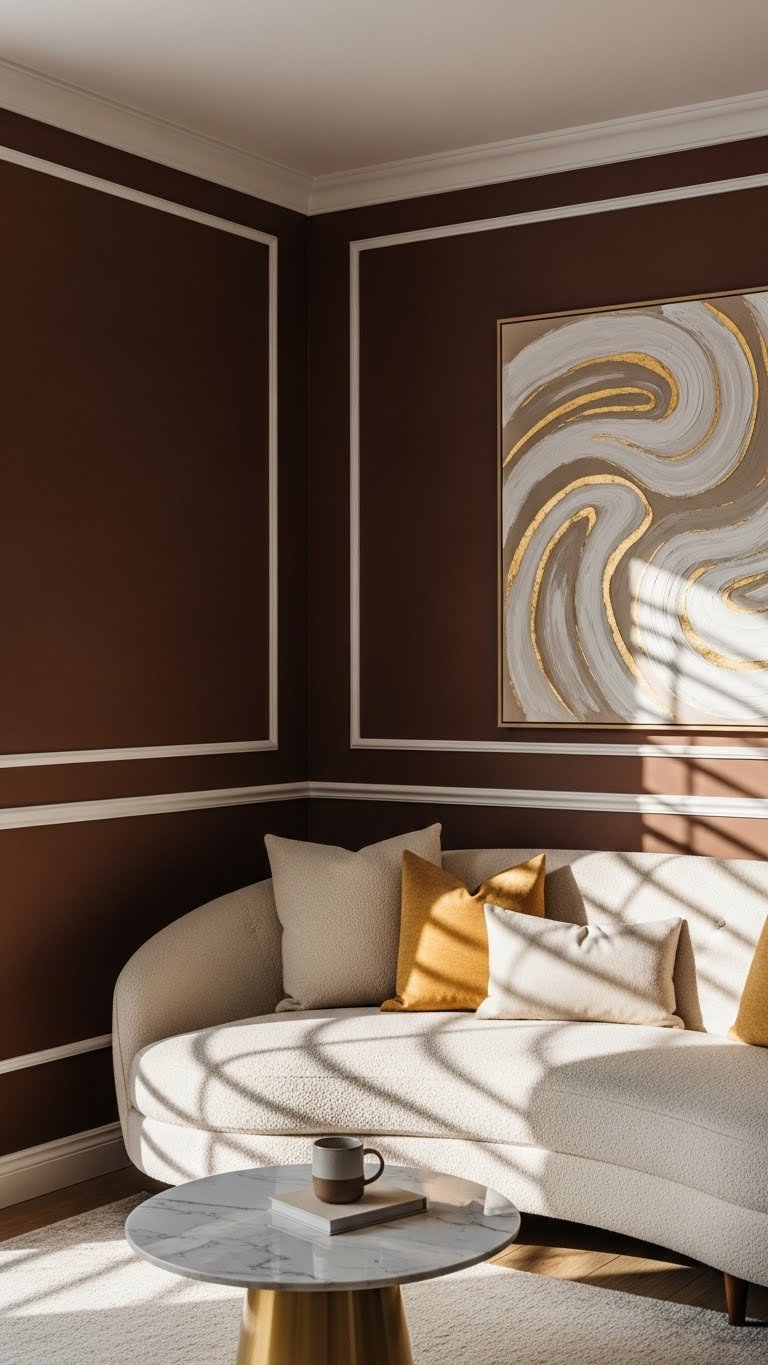
A single saturated wall color in every direction creates an immersive, gallery-like feeling that accent walls can’t match. Instead of limiting color to one wall, you’re committing to a full color experience—chocolate brown, sage green, or warm burgundy work beautifully for this trend.
Choose a color that speaks to you and paint all four walls and the ceiling the same shade. This costs $30–$80 in paint and takes a weekend, depending on room size. Consider Benjamin Moore, Sherwin-Williams, or budget-friendly Behr as starter options. The trick: lighter trim or white trim against the color makes walls feel intentional rather than dark or cave-like.
Pro tip: Test your color choice on a large poster board and observe it at different times of day before committing. If you’re renting, removable wallpaper in solid colors offers the same impact without permanent changes.
You’ll notice how this single decision anchors your entire room. Furniture and art suddenly feel more curated because they have a unified backdrop.
2. Layer Patterned Textiles to Build Maximalist Energy
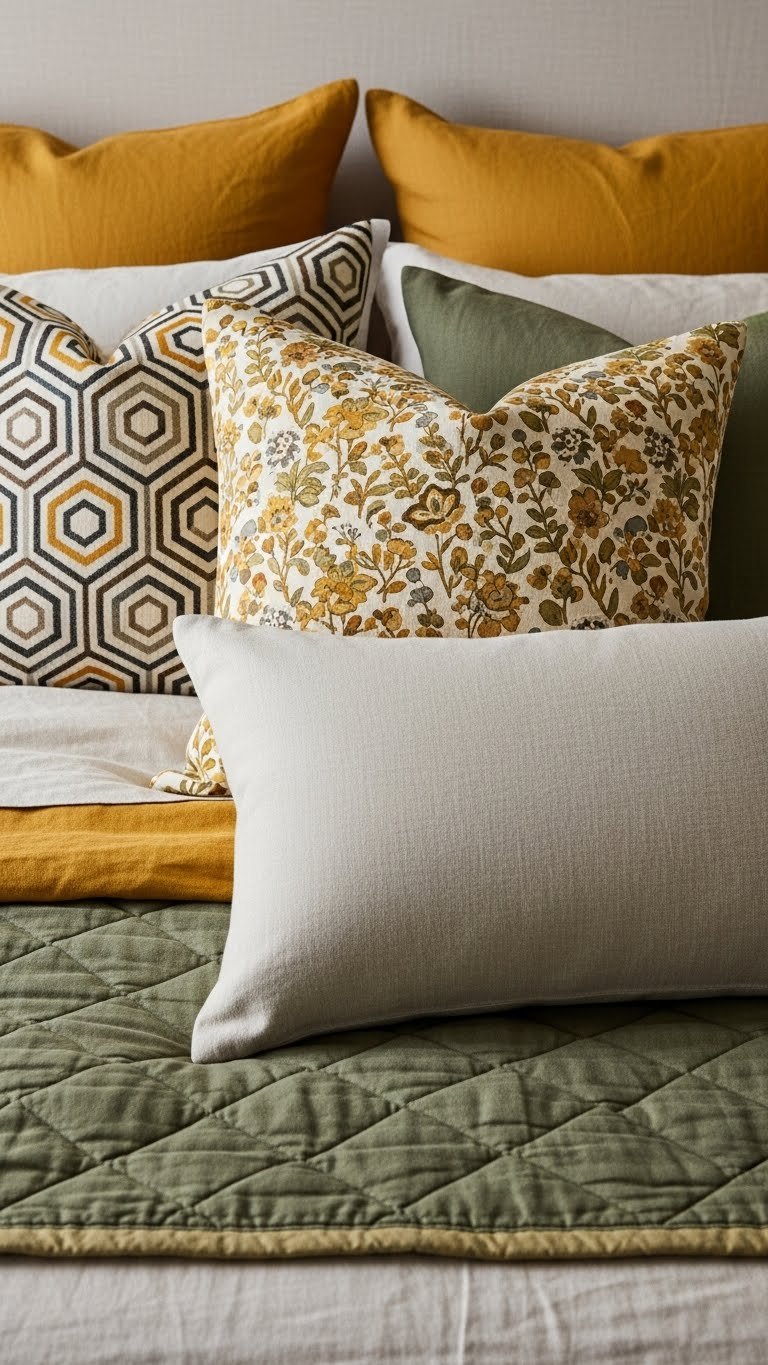
Maximalism thrives when patterns work together instead of fighting. Mix geometric prints, florals, and solids in a cohesive color palette so your room looks curated rather than chaotic.
Start with one main pattern (geometric or botanical) and layer in two supporting patterns in the same color family. Budget $40–$120 for three quality throw pillows from IKEA, West Elm, or Target. Add a textured throw blanket in a solid or subtle pattern ($30–$70). The key is limiting your color palette to 3–4 hues so patterns read as intentional.
Quick rule: If all your patterns have at least one color in common, they’ll harmonize even if they look different at first glance.
You’ll create a room that photographs beautifully and feels inviting rather than sterile. Guests will ask about your styling sense.
3. Paint Kitchen or Bathroom Cabinetry a Bold, Unexpected Shade

Painted cabinets instantly elevate a kitchen or bathroom without the cost of replacement. Deep sage green, warm charcoal, or even muted mustard add personality and warmth while staying sophisticated.
Sand your cabinets lightly (120-grit sandpaper), apply primer, then two coats of high-quality cabinet paint. Budget $60–$150 in materials and plan for a full weekend project, or hire a pro for $500–$1,500. Benjamin Moore Advance or Sherwin-Williams ProClassic are durable choices. Swap out hardware for brass or matte black pulls ($50–$150) to complete the refresh.
Alternative: If full cabinet painting feels overwhelming, paint just the inside of open shelving or the base cabinets for impact without full commitment.
Your kitchen transforms from dated to intentional with one bold move. Every time you open a cabinet, you’ll feel that personal touch.
4. Add Curved, Sculptural Furniture to Soften Hard Edges
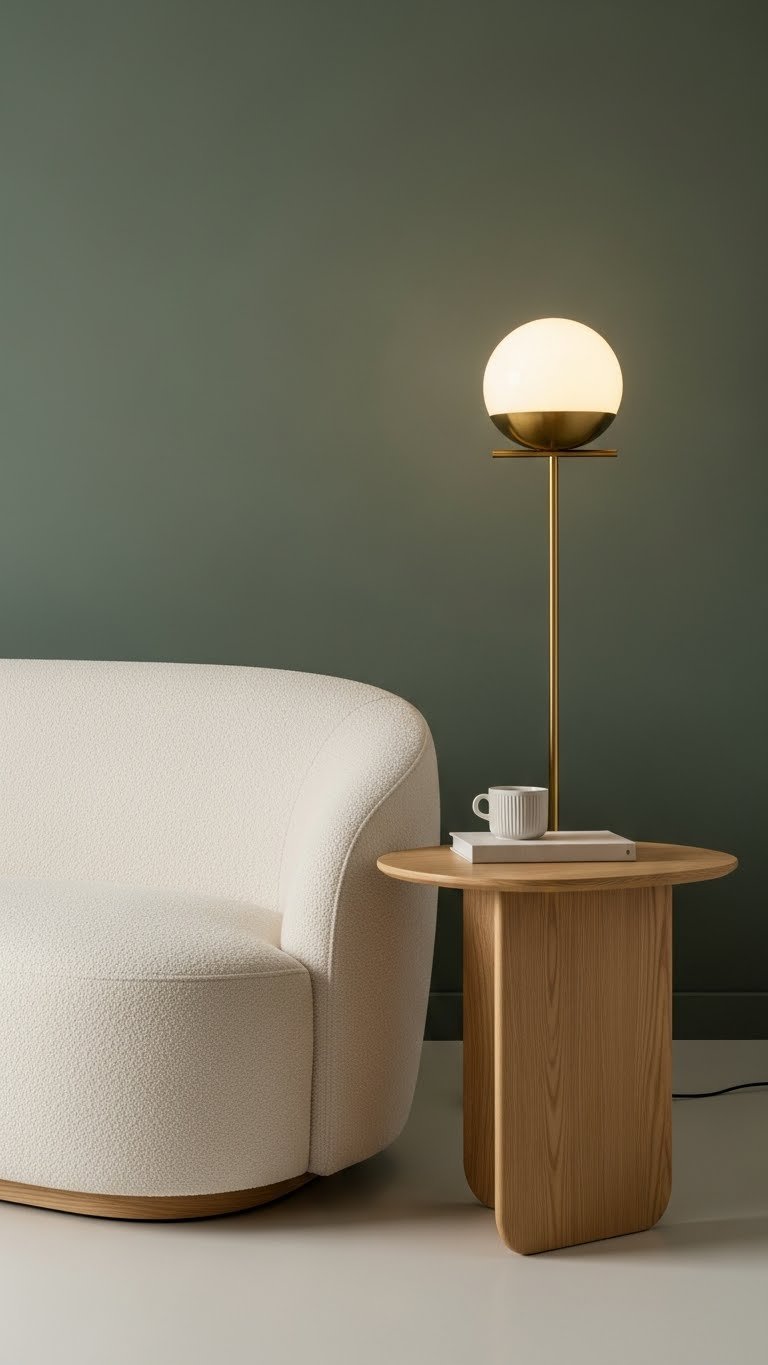
Curved furniture—sofas, chairs, tables, and ottomans—creates fluidity and comfort in ways sharp corners never do. These pieces instantly make a room feel more intentional and contemporary.
Look for curved accent chairs ($300–$800), rounded sofas ($800–$2,500), or curved side tables ($150–$400) from West Elm, CB2, or Article. Even a simple curved floor lamp ($100–$300) adds the sculptural effect. If budget is tight, start with a single curved chair or ottoman and build from there.
Renter hack: Round or curved rental-friendly pieces like poufs and side tables offer the same visual benefit without permanent commitment.
The softness of curved furniture makes your whole room feel more inviting and modern. Hard angles give way to a space that genuinely welcomes you and your guests.
5. Use Hand-Stenciling for Textured, Lived-In Charm
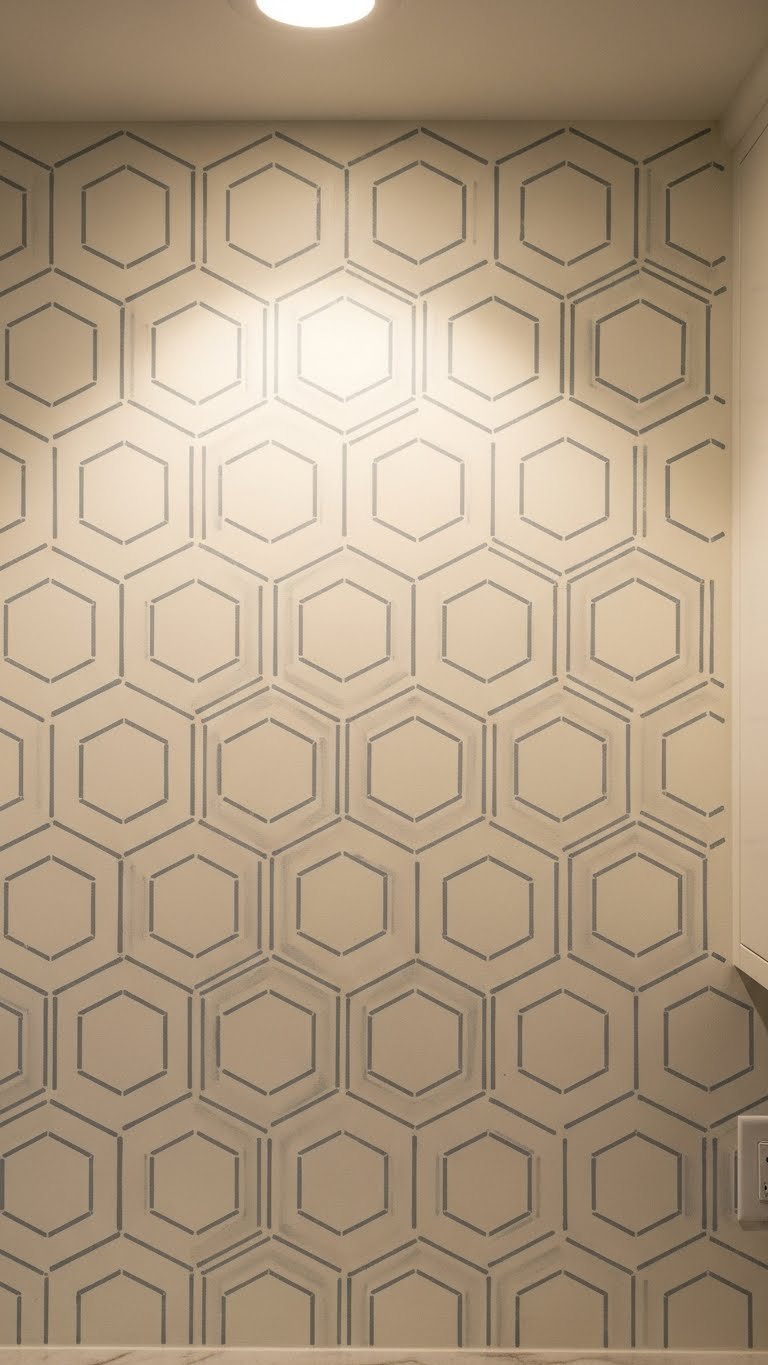
Hand-stenciled walls or cabinet fronts add artisan charm that feels personal and imperfect in the best way. Unlike pristine wallpaper, stenciling embraces slight variations that make spaces feel curated rather than manufactured.
Purchase a stencil pattern ($10–$30) from Etsy, Stencil Revolution, or craft stores. You’ll need stencil paint ($15–$25), brushes, and tape. Plan 4–6 hours to stencil a feature wall or cabinet set, depending on pattern complexity. The beauty of hand-stenciling is that imperfections add charm—slight variations read as artisanal.
Pro tip: Practice on cardboard first, or start with a small, less visible area to build confidence.
The result is a room that looks like you actually created it, not something pulled from a catalog. That human touch makes spaces feel alive.
6. Swap Out White Bedding for Layered, Curated Linens
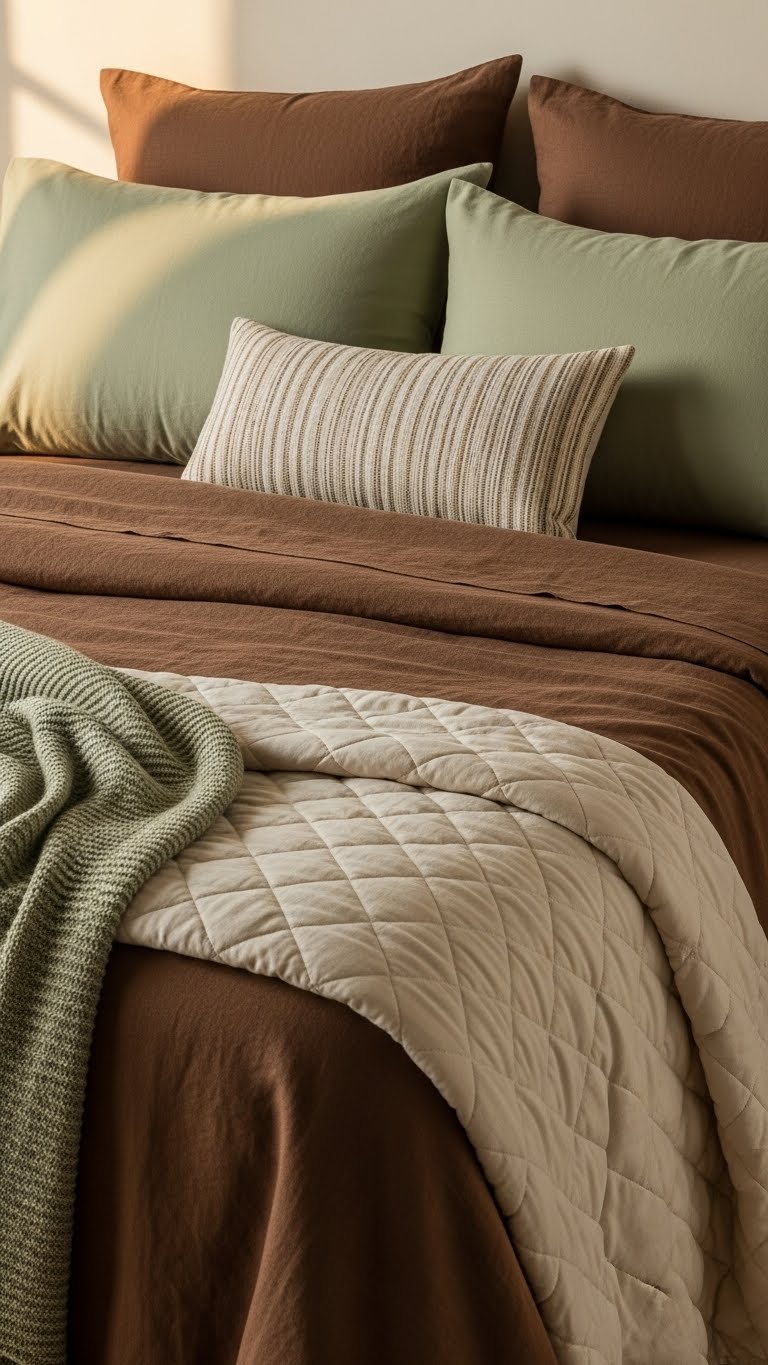
Curated bedding in warm, coordinated tones beats generic bed-in-a-bag sets. Layering different textures and shades creates a bedroom that looks intentional and spa-like.
Choose base sheets in a neutral (cream, warm white, or tan) and layer with a quilted coverlet in chocolate brown or sage green ($80–$200 total). Add throw pillows in complementary solids and one subtle pattern ($60–$120 for the set). Brands like Parachute, Brooklinen, or even Target’s Threshold offer quality options at varied price points.
Budget hack: Wait for sales at Target or West Elm to score discounts on bedding bundles, or mix affordable basics with one investment-quality piece.
Your bedroom becomes a retreat you actually want to spend time in. The tactile pleasure of quality layers makes sleep feel like a luxury ritual.
7. Install Black-Framed Windows or Window Film for Modern Edge
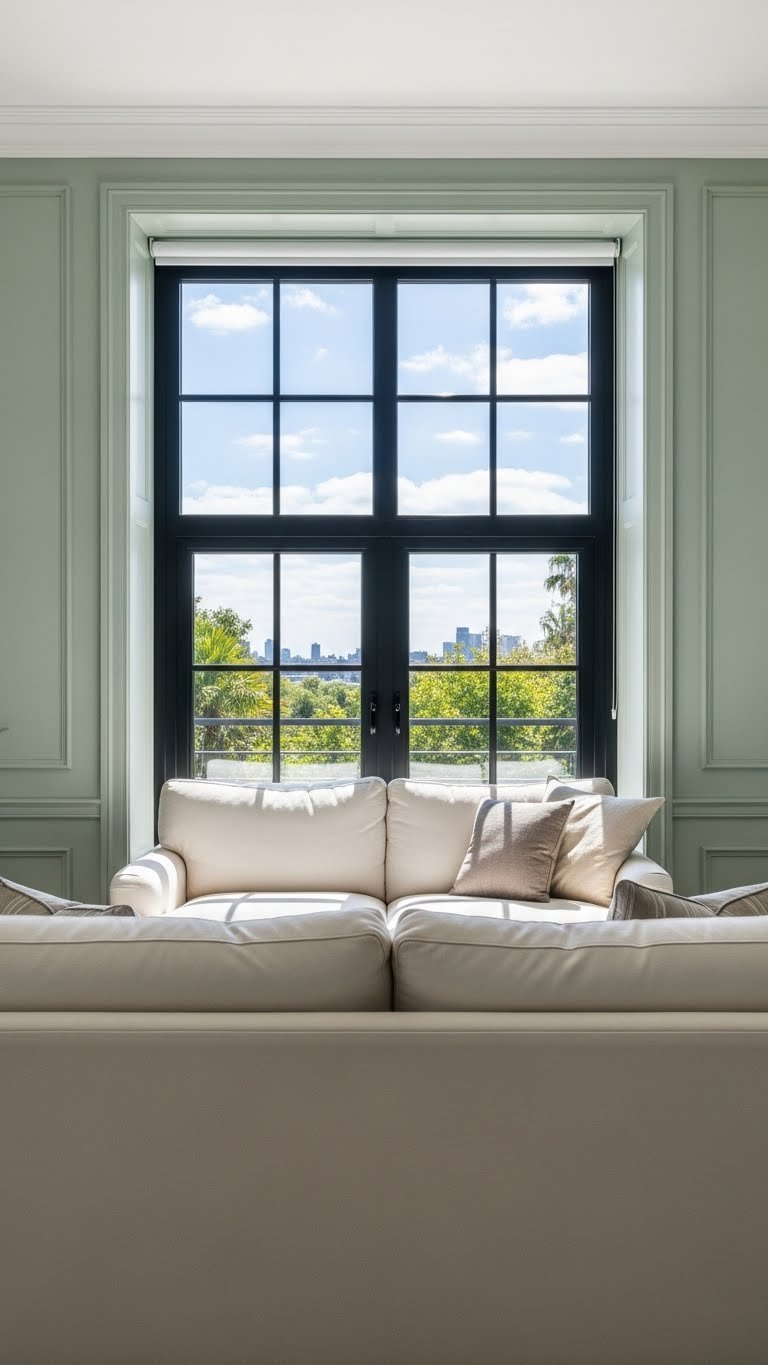
Black window frames—or black trim around existing windows—modernize cozy, cottage-core aesthetics while framing views like living artwork. This works for new homes and renters with removable film.
If your rental has standard white or clear frames, apply black window film ($15–$40 per window) for a temporary, damage-free update. Homeowners can install actual black-framed windows ($200–$500 per window installed) for permanent impact. Brands like Pella, Marvin, or local glaziers offer options.
Renter alternative: Black adhesive tape positioned around window panes (peeling off cleanly later) gives the illusion of black frames at zero cost.
Suddenly your windows become architectural features, not just functional openings. Natural light feels intentional and styled.
8. Create Defined Zones in Open-Concept Spaces with Furniture Arrangement
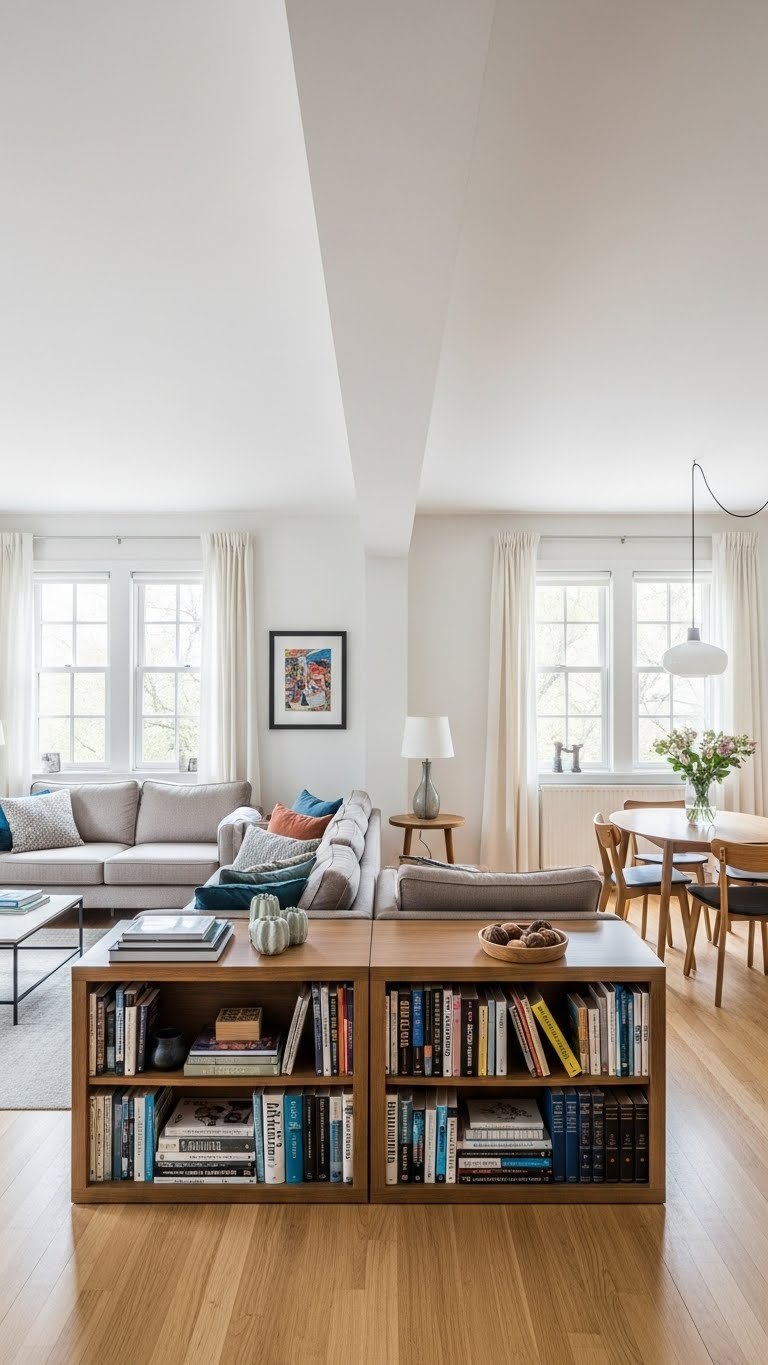
Open-concept layouts lack the privacy and defined purpose that make rooms feel intentional. Using furniture, rugs, and low dividers creates separate zones without closing off space.
Arrange a sofa to define a living area, place a console table or low bookshelf behind it to separate zones, and layer a large area rug (5’x8′ or larger, $100–$300) to anchor each space. This costs nothing if you’re rearranging existing pieces, or $200–$600 if you’re buying dividers or rugs.
Pro tip: Rugs are the cheapest way to visually “close” a zone. A rug signals “this is the living room,” while the adjacent space becomes a work or dining area.
You’ll reclaim privacy and functionality without renovating. Each zone feels purposeful instead of one sprawling, undefined space.
9. Mix Maximalist Patterns (Geometric, Floral, and Animal Prints) with Intention
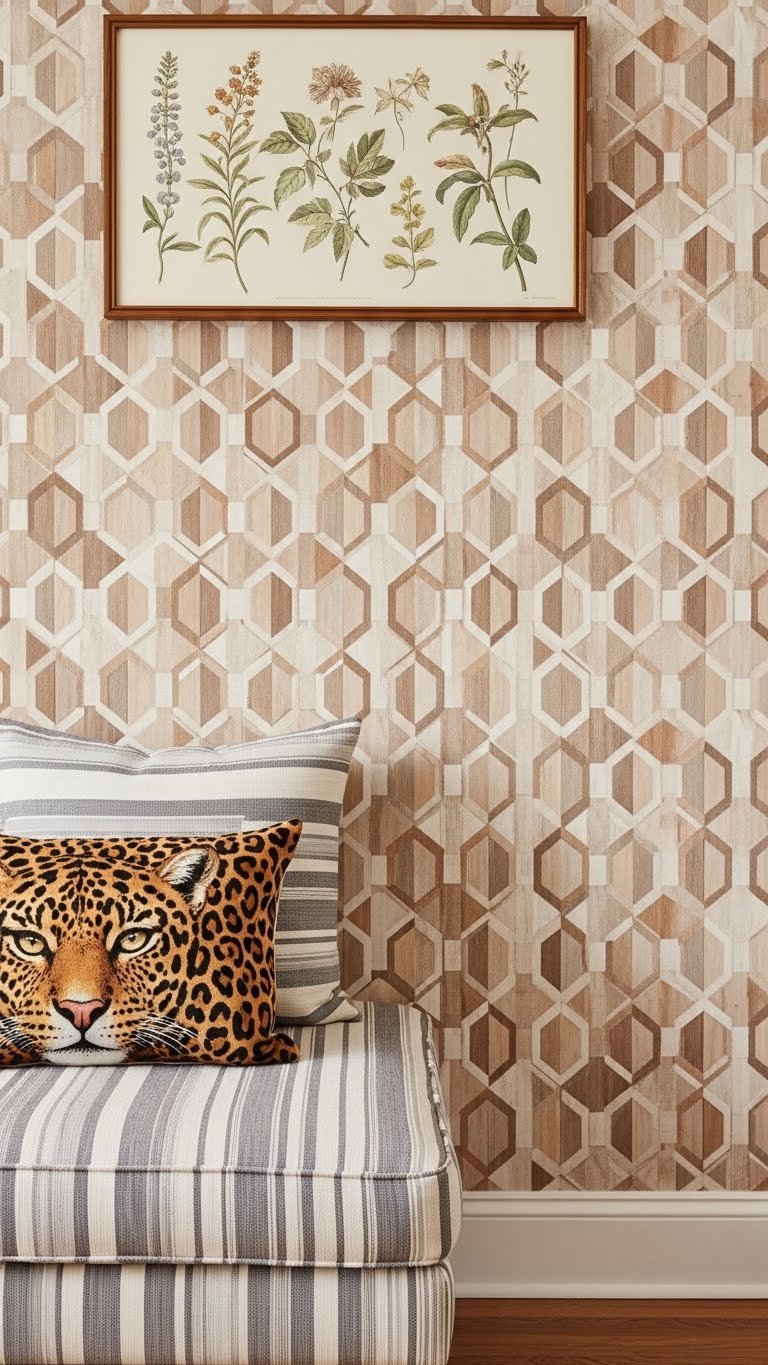
Maximalism isn’t about random chaos—it’s strategic layering where each pattern shares at least one color with its neighbors. This creates richness without visual noise.
Start with one dominant pattern (wallpaper, large art, or area rug) in your color palette. Layer in two supporting patterns (pillows, throws, or smaller art) that echo one or two colors from the main piece. Budget $50–$300 depending on whether you’re using wallpaper ($40–$100), pillows ($30–$80 each), or art ($50–$200).
Rule of thumb: 60% of your room should be one or two neutral colors, with patterns filling the remaining 40%. This prevents visual overwhelm.
Your room becomes a personality-filled sanctuary. Visitors will sense the intentionality and ask where you found everything.
10. Incorporate Skirted Furniture (Sofas, Ottomans) for Soft Drama
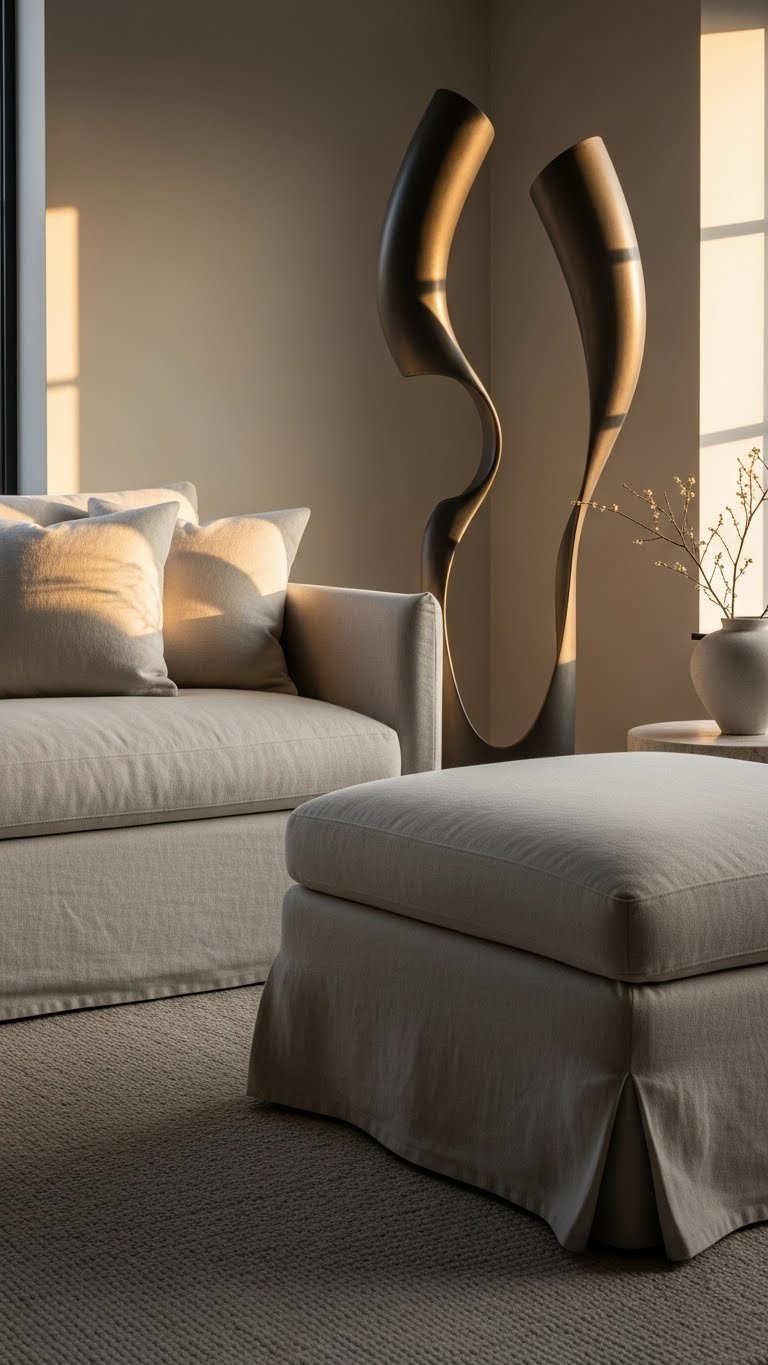
Skirted furniture—sofas and ottomans with fabric that drapes to the floor—adds cottage elegance and visual softness. This trend bridges minimalism and maximalism beautifully.
Hunt for skirted pieces at Article, CB2, or Wayfair ($400–$1,200 for a sofa, $200–$500 for an ottoman). If you already own pieces, add a slipcover with a gathered skirt ($150–$400 from Etsy designers or rental companies like Feather). Linen or cotton skirts work best and look intentional while hiding worn legs or dog damage.
Renter hack: Throw a large, gathered fabric (tablecloth or lightweight curtain panel) over a standard sofa back and let it drape to the floor for a removable skirt effect.
The softness changes how your room feels—less hard-edged and more inviting. There’s something undeniably luxe about furniture that touches the floor.
11. Create a Cohesive Earthy Color Palette with 3–4 Primary Shades
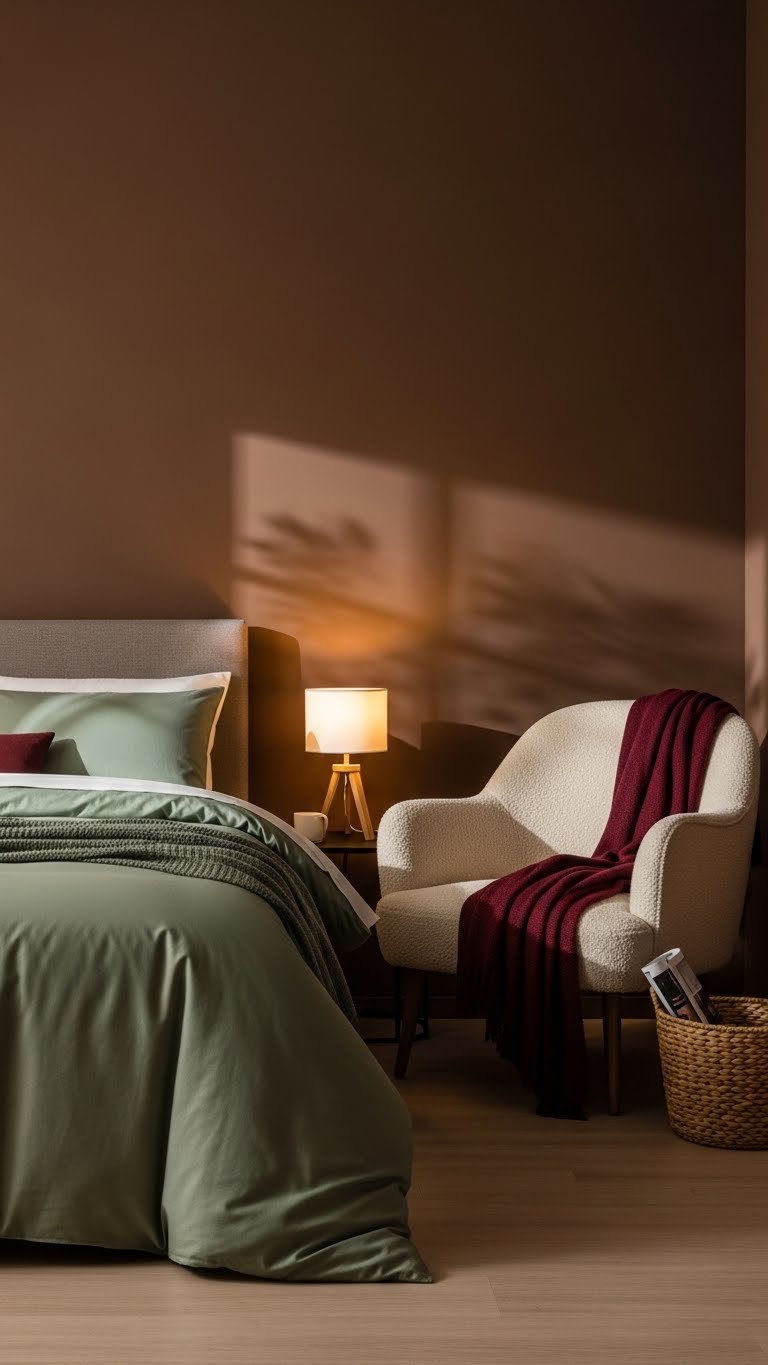
Building a room around 3–4 warm, earthy tones (chocolate brown, sage green, cream, burgundy) creates instant cohesion without feeling sterile. This palette works across furniture, walls, and textiles.
Choose your dominant color (walls), secondary color (large furniture like sofa or bed), accent colors (pillows, throws, art), and neutral (trim, bedding base). Start by collecting images on Pinterest of rooms using colors you love, then use a color-picking tool like Coolors to identify the exact shades.
Budget hack: Use what you already own as your starting point. If you have a burgundy sofa, build your palette around it with chocolate brown walls and sage green accents.
Your room feels instantly more designed because colors aren’t random—they’re deliberate. Cohesion reads as intentional and sophisticated.
12. Add a Statement Wallpaper Accent Wall or Removable Wallpaper
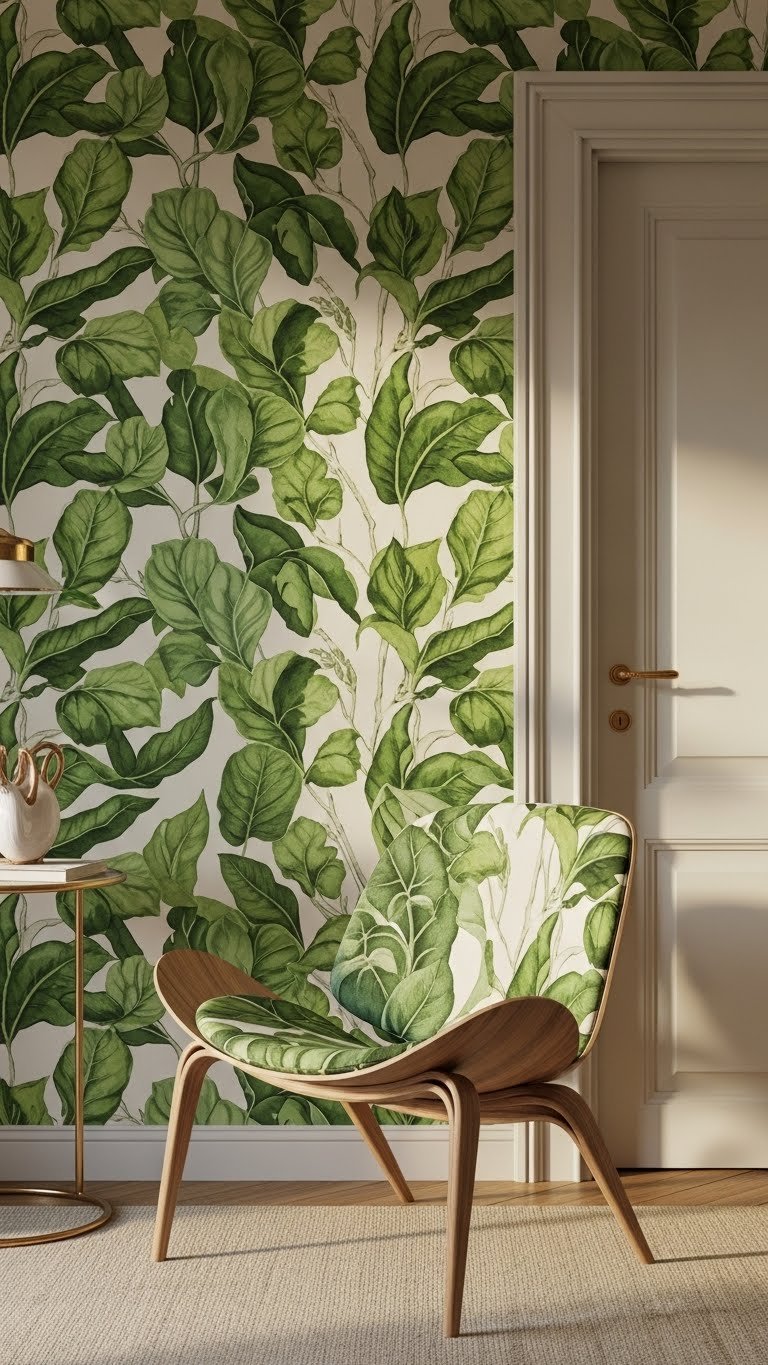
A single feature wall in bold pattern—botanical, geometric, or floral—anchors a room without overwhelming it. Removable wallpaper makes this accessible to renters.
Peel-and-stick wallpaper ($25–$75 per roll) from Spoonflower, Etsy, or Target applies to any wall in under an hour and removes cleanly. Traditional wallpaper ($40–$100 per roll) installed professionally ($200–$400) offers more durability. You’ll typically need 2–3 rolls for a standard wall.
Renter favorite: Removable wallpaper from brands like Wallternatives or Chasing Paper apply like stickers and leave no damage.
Your room gains personality and visual interest from a single bold choice. The accent wall becomes the conversation starter.
13. Use Warm Lighting to Create Ambiance and Depth
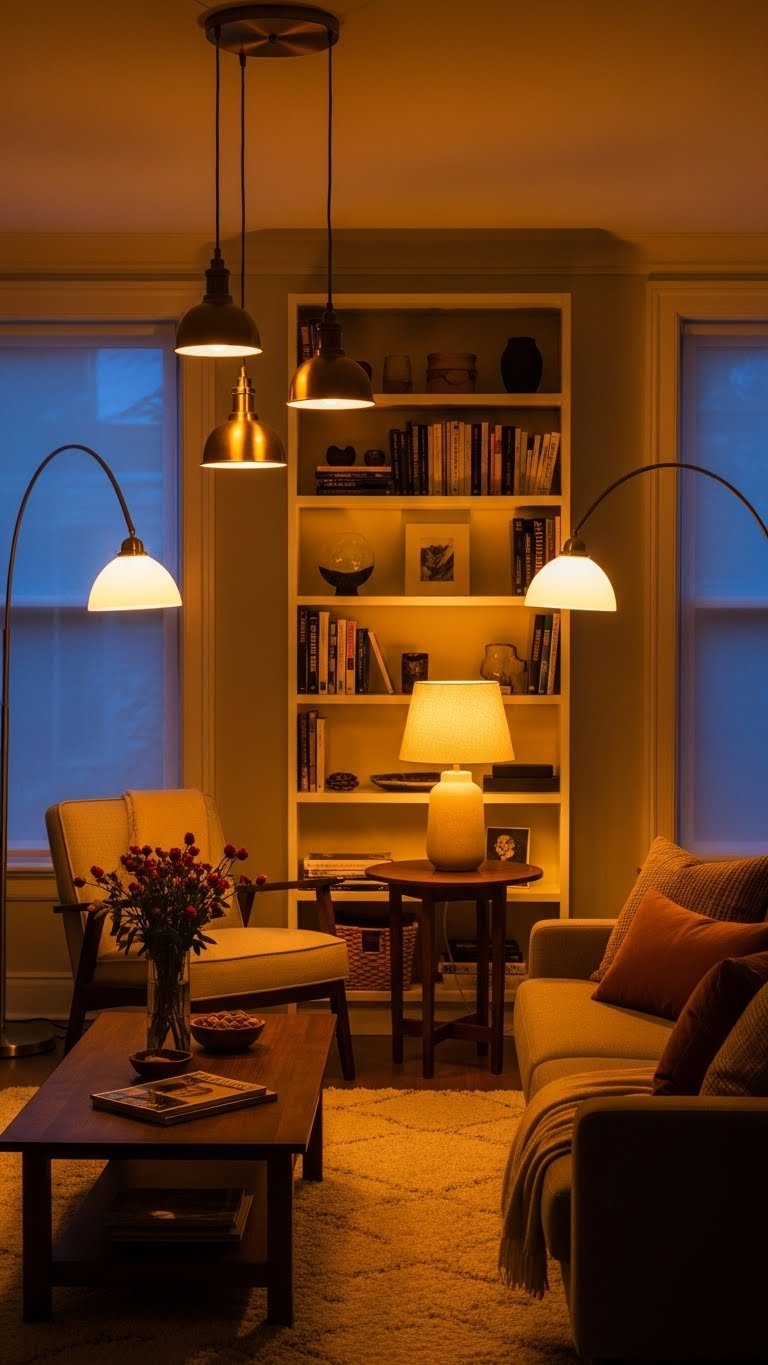
Lighting is the secret weapon for making rooms feel cozy and intentional. Warm, layered lighting (multiple sources at different heights) beats a single overhead fixture.
Swap harsh overhead lights for warm-toned options (2700K color temperature). Layer with table lamps ($50–$150 each), floor lamps ($100–$300), pendant lights ($150–$400), or string lights ($20–$50). Start with one good lamp and build your collection over time.
Pro tip: Brass, copper, or ceramic lamp bases feel more artistic than plastic. The base matters as much as the light it casts.
Your room transforms at night. Warm lighting makes everything feel intentional and inviting, turning even a small space into a sanctuary.
14. Style Open Shelving with Books, Objects, and White Space
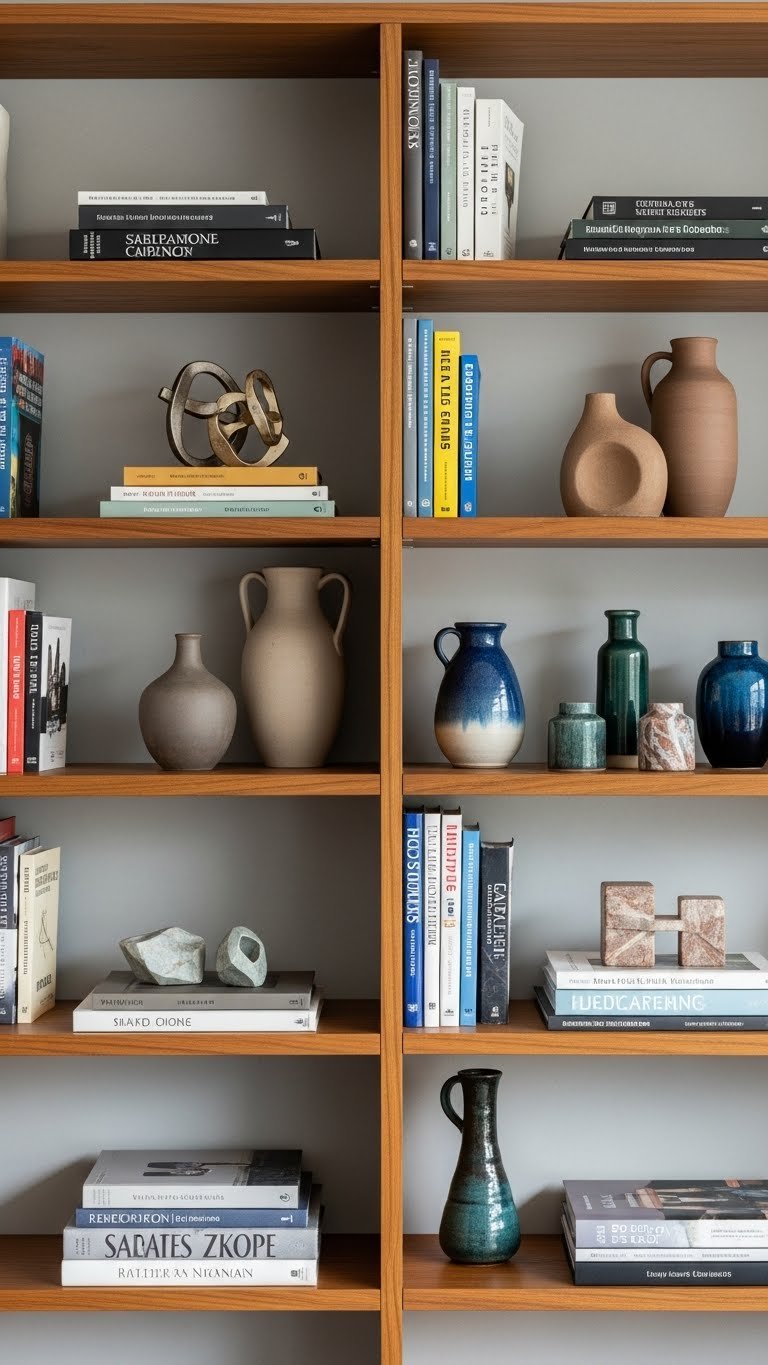
Open shelves invite styling opportunities, but they need balance: books, objects, and breathing room working together. The key is avoiding cluttered chaos.
Arrange books in mixed orientations (some stacked, some standing), add 2–3 decorative objects per shelf, and leave 20–30% of each shelf empty. This costs nothing if you’re styling existing items, or $50–$200 if buying a few statement pieces (vase, sculpture, or decorative object).
Styling trick: Odd numbers work. Three books, two vases, and one object per shelf feels more intentional than perfection.
Your shelves become functional art. They tell a story about what you value and read, making your space feel deeply personal.
15. Add Texture Through Woven Elements (Baskets, Rugs, Wall Hangings)
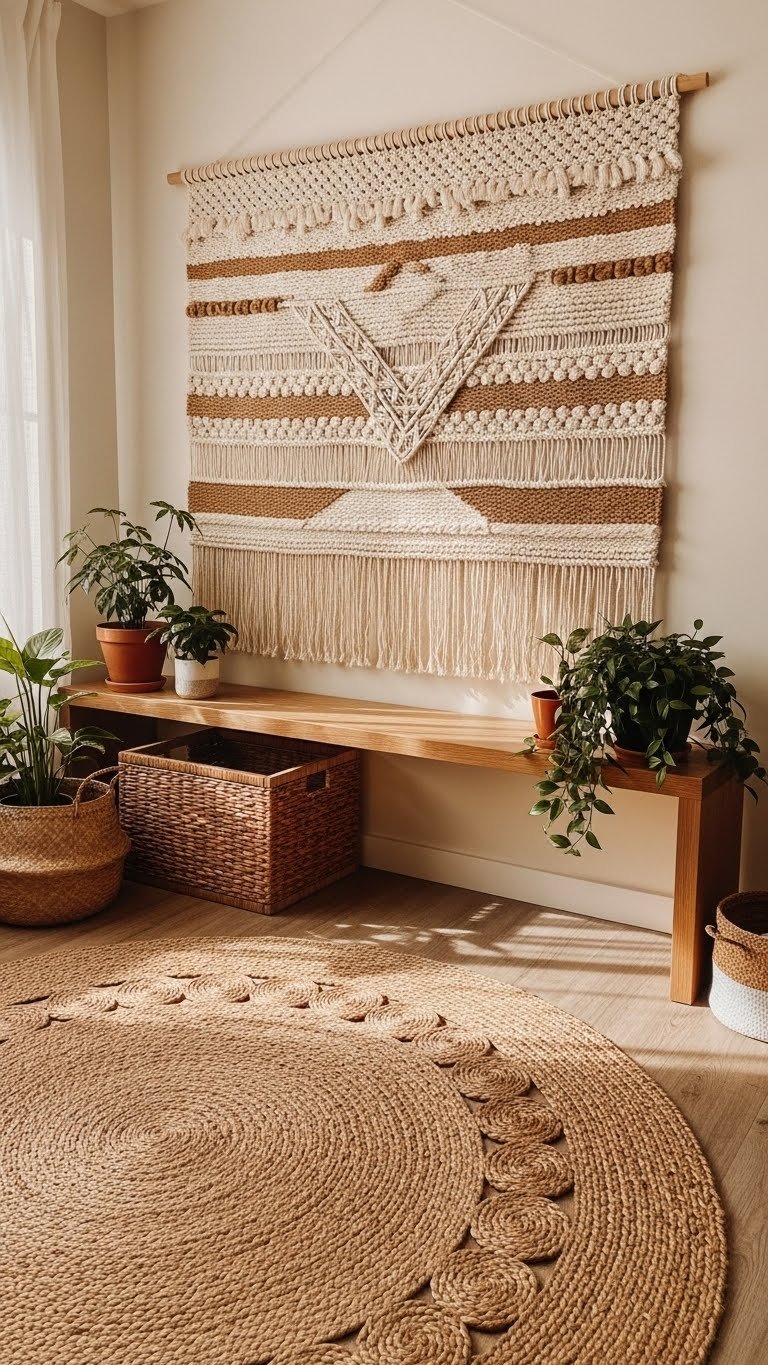
Woven elements—jute rugs, woven baskets, macramé wall hangings, or rattan accents—add tactile richness and organic warmth to any room. These pieces feel natural and crafted, not mass-produced.
Layer a jute or wool area rug ($80–$250), add a woven wall hanging ($30–$150), and tuck in a few storage baskets ($20–$80 each). These items work in any room and often improve with age.
Budget hack: Check thrift stores and estate sales for vintage woven baskets and textiles at a fraction of retail cost.
Your room gains depth and texture without adding clutter. Natural fibers warm up even modern, minimal spaces.
16. Incorporate Vintage or Nostalgia-Inspired Art Deco Lighting and Accessories
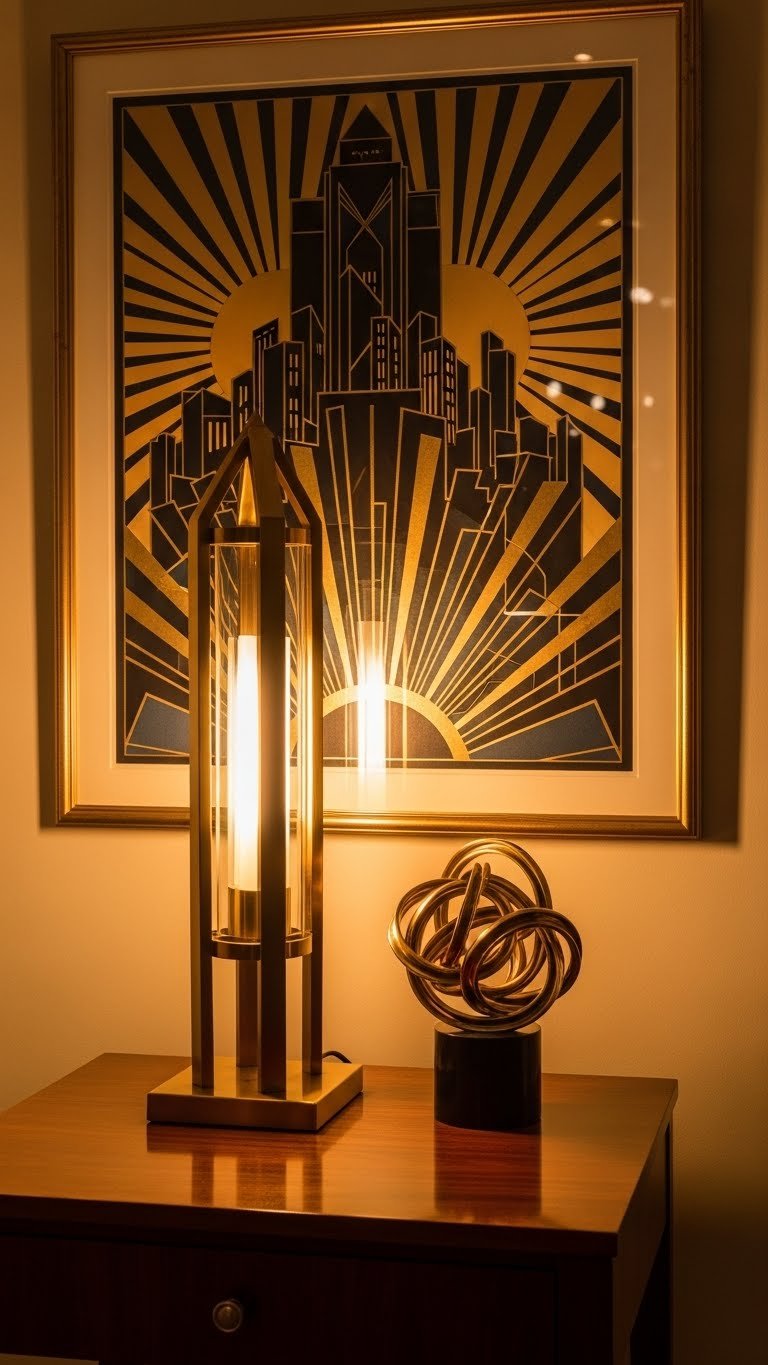
Art Deco’s geometric lines and brass finishes feel fresh in modern rooms. Incorporating nostalgic lighting and accessories adds sophistication without kitsch.
Hunt for brass pendant lights, sculptural lamps, or geometric mirror frames at Wayfair ($100–$400), West Elm ($150–$500), or thrift stores ($10–$50). Pair with Art Deco prints from Etsy ($20–$60 framed). Even a single statement piece anchors the trend.
Renter option: A brass floor lamp or sculptural object achieves the look without permanent installation.
Your room gains unexpected sophistication. Vintage-inspired touches make spaces feel curated and intentional, not derivative.
17. Use Furniture to Create Cozy Nooks in Underused Formal Spaces
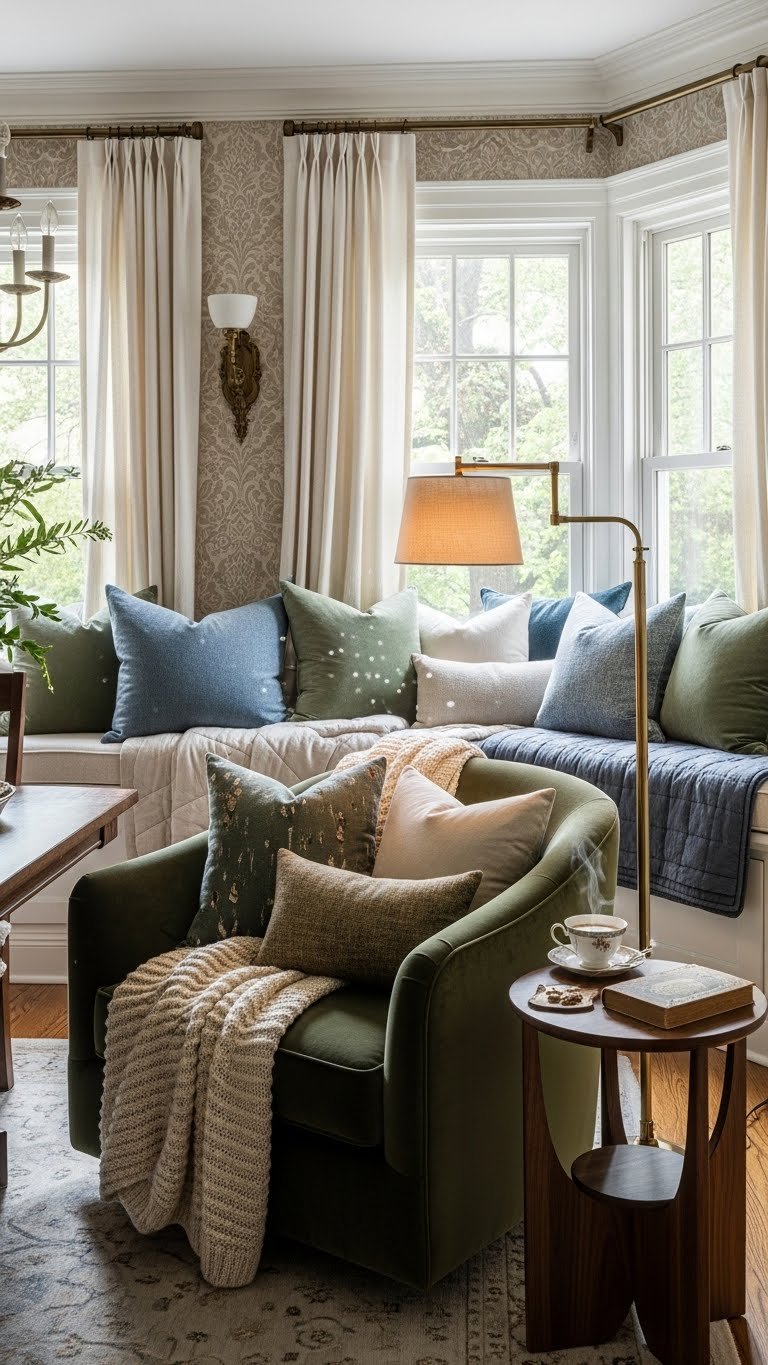
Formal spaces (dining rooms, media rooms) often go unused. Reclaim them by swapping formality for comfort: a reading nook, work zone, or gathering spot.
Swap a formal dining table for a curved sofa and side table ($600–$1,500), add layered textiles ($100–$300), and light with warm lamps ($100–$200). The room shifts from “occasions only” to daily-use retreat.
Alternative: Use a formal space for half its original purpose (one end of a dining room becomes a small office or reading corner) without abandoning the room entirely.
Your unused space becomes your favorite room. Comfort-first design makes you actually want to spend time there.
18. Blend Modern Cottage Core with Black Accents and Sleek Details

Modern cottage core—think rustic warmth meets contemporary clean lines—avoids dated farmhouse vibes by adding black accents, geometric touches, and minimalist elements.
Start with cream or warm white walls, add black-framed windows or prints, incorporate sleek furniture (curved not ornate), and layer with linen textiles ($100–$300 for bedding). Brass or black hardware instead of gold keeps the look current.
Pro tip: Black and cream is your friend here. It prevents cottage core from feeling dated or over-decorated.
Your room feels inviting and current, not stuck in a farmhouse trend. This balance honors cozy without sacrificing sophistication.
19. Create Visual Interest with Layered, Coordinated Area Rugs
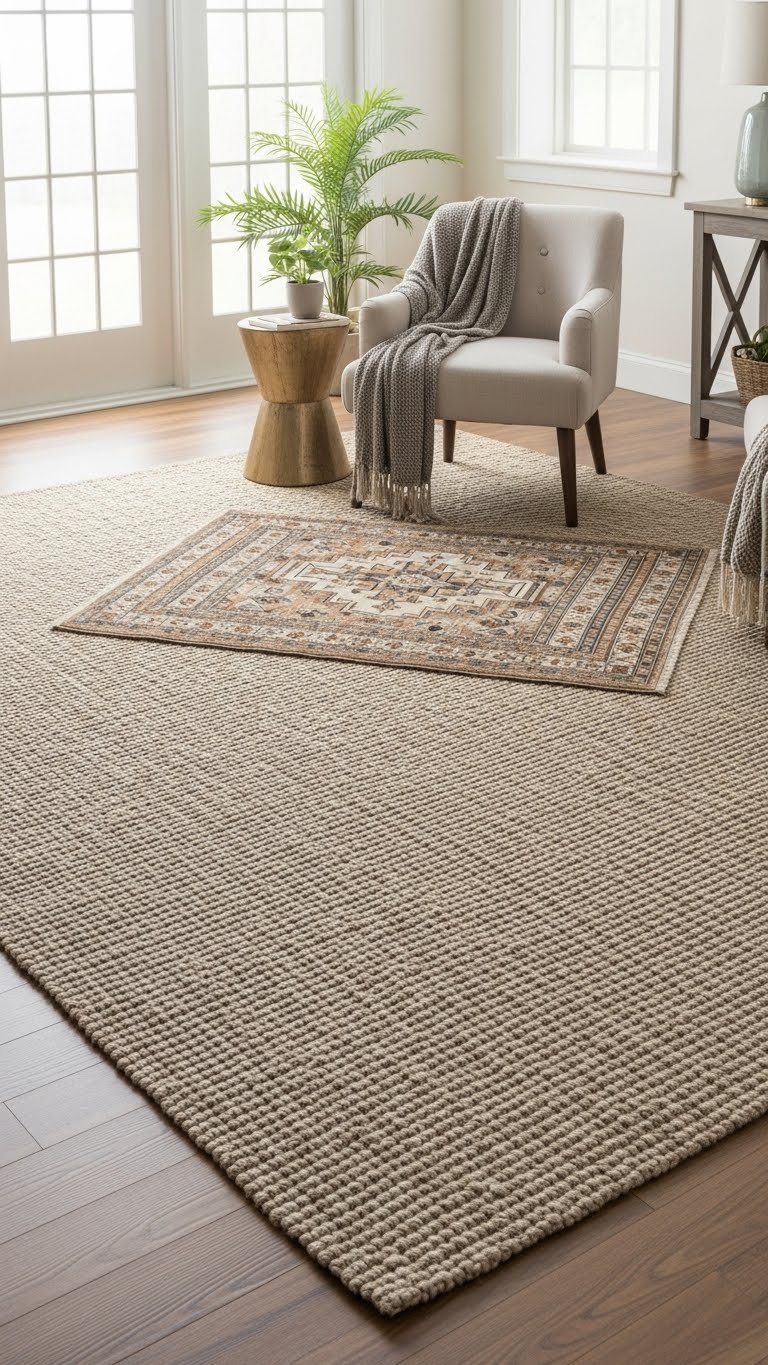
Layering two rugs—a large neutral base with a smaller patterned rug on top—defines space and adds dimension. This budget-friendly trick works in any room.
Start with a large, neutral rug ($100–$300, 8’x10′) and layer a smaller patterned rug ($50–$150, 4’x6′) on top. Angle the top rug slightly for visual interest. This costs $150–$450 total and takes five minutes to arrange.
Budget hack: One good rug matters more than two mediocre ones. Invest in the larger base rug; the patterned layer can be more affordable.
Your space gains depth and sophistication. Layered rugs signal intentional design without requiring renovation.
20. Embrace Color Drenching in a Small Room for Maximum Impact
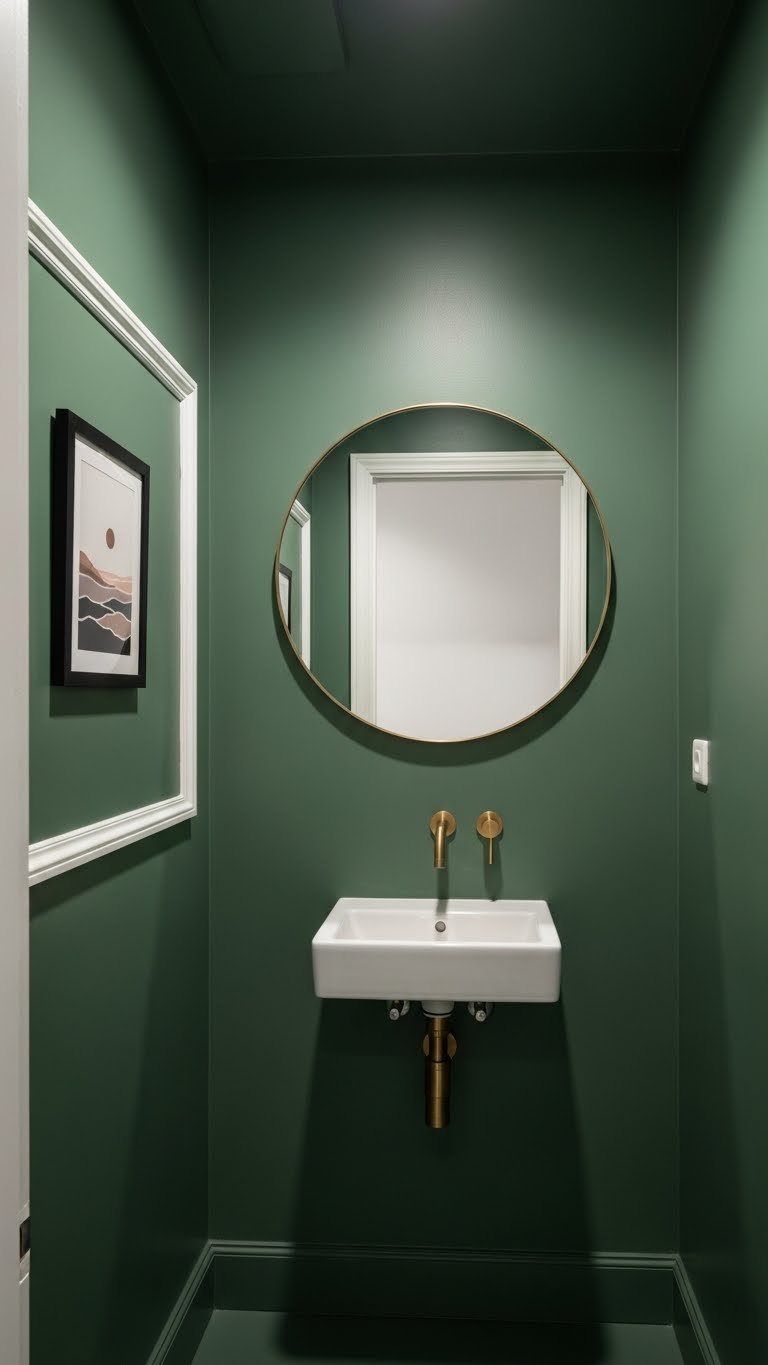
Color drenching—painting all four walls and the ceiling in one saturated shade—works especially well in small, intimate spaces like powder rooms, closets, or bedrooms. It creates immersive galleries.
Choose a deep, warm tone (chocolate brown, sage green, burgundy) and commit fully. Paint walls and ceiling the same color for maximum impact. Budget $30–$80 in paint and one weekend of work. The entire room becomes a cohesive experience instead of separate surfaces.
Pro tip: Lighter trim (white or cream) prevents drenched rooms from feeling oppressive.
A tiny powder room transforms into a sophisticated, memorable space. Guests will absolutely notice.
21. Display Art Collections as Salon-Style Walls
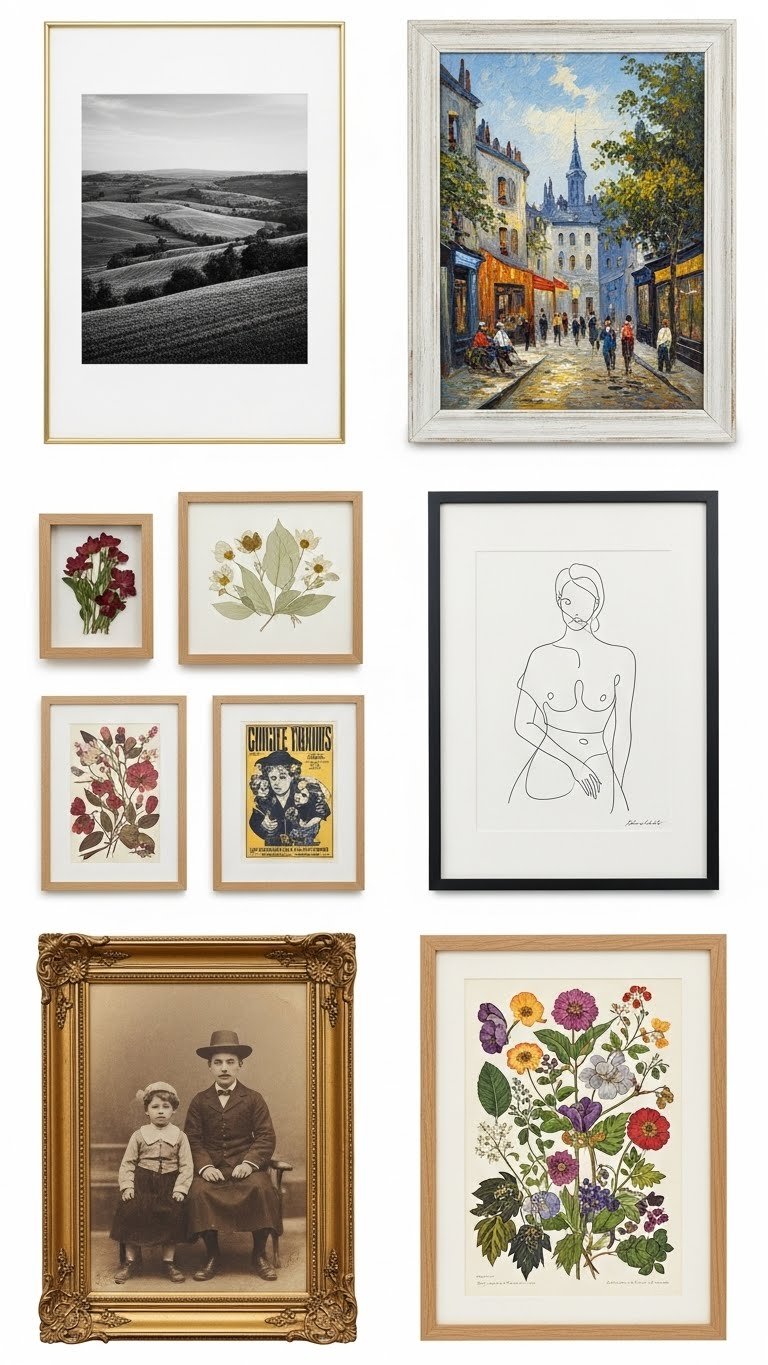
Salon-style gallery walls—multiple frames of varying sizes arranged purposefully—create a personalized, artistic backdrop without looking chaotic.
Start by collecting frames in 2–3 tones (black, brass, and white work well together). Print images or find affordable art on Etsy ($5–$30 per print), use your own photos, or mix both. Arrange on your wall first using kraft paper as templates before hanging. Budget $100–$400 depending on frame quantity and art choices.
Styling rule: Odd numbers and asymmetrical spacing feel intentional. Cluster frame sizes rather than alternating large-small-large.
Your wall tells a visual story and becomes a conversation starter. Salon walls feel undeniably curated and intentional.
22. Incorporate Statement Throw Pillows with Varied Textures and Patterns
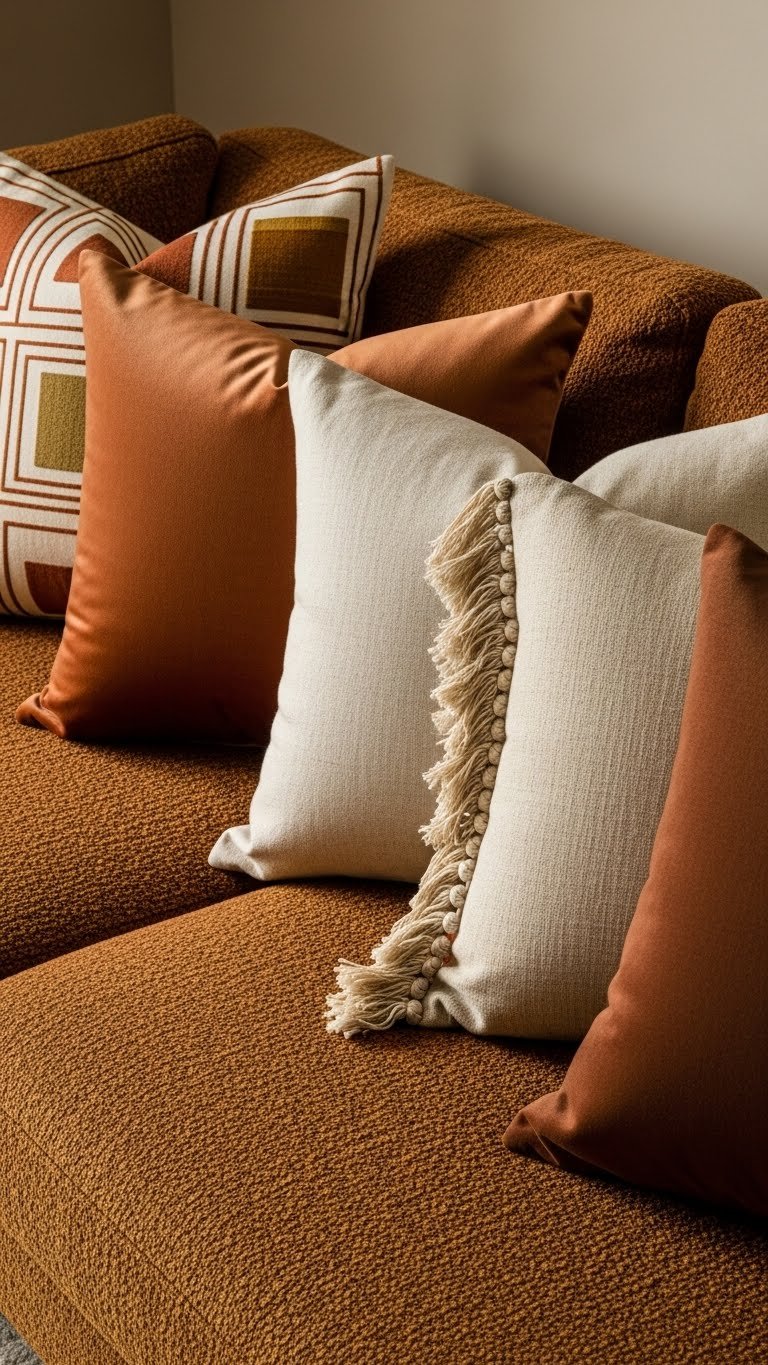
Throw pillows are the easiest way to layer patterns, textures, and personality. Mixing geometric, solid, velvet, and textured pillows creates richness.
Invest in 3–4 quality pillows ($25–$80 each from West Elm, CB2, or Etsy) in coordinating colors but different textures. Rotate them seasonally or rearrange frequently to keep your space feeling fresh.
Budget hack: Affordable pillows from Target or IKEA ($10–$20 each) work fine; invest your money in a larger piece like the sofa itself, then accessorize with cheaper pillows.
Your sofa (and bed) instantly look styled and magazine-worthy. Pillows are the quickest refresh when you’re craving change.
23. Add Sculptural Plants and Planters for Organic Energy
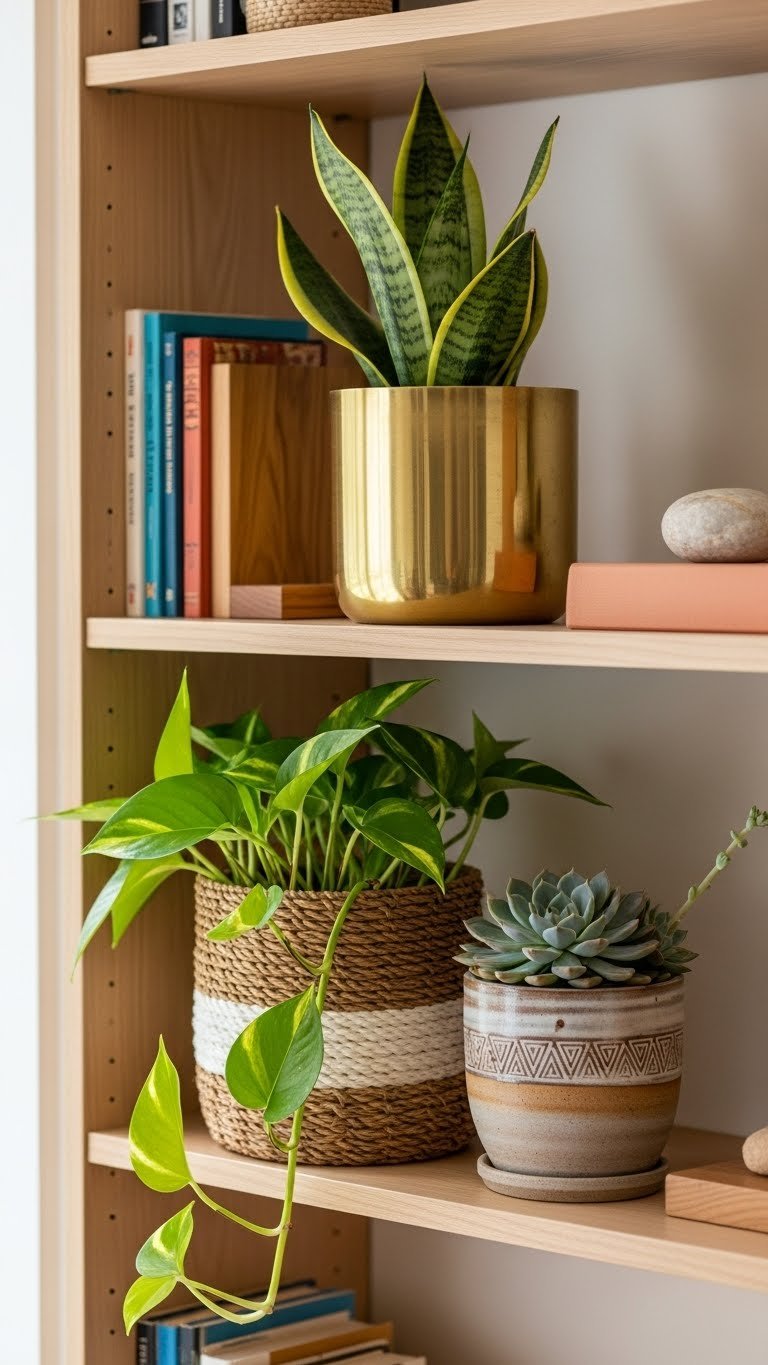
Living plants in sculptural or interesting pots add organic energy and visual height variation. Styling plants like objects (not just green accents) makes them part of your design.
Choose 2–3 plants that fit your light situation ($10–$30 per plant) and pot them in visually interesting vessels ($15–$50 each). Tall plants create vertical interest, trailing plants soften shelves, and low plants add weight to consoles.
Pro tip: Mismatched pots in coordinating finishes (ceramic, brass, woven) feel more intentional than matching sets.
Your room gains life and freshness. Plants add movement and organic shape that hard furnishings can’t provide.
24. Layer Window Treatments for Privacy and Softness (Curtains Plus Shades)
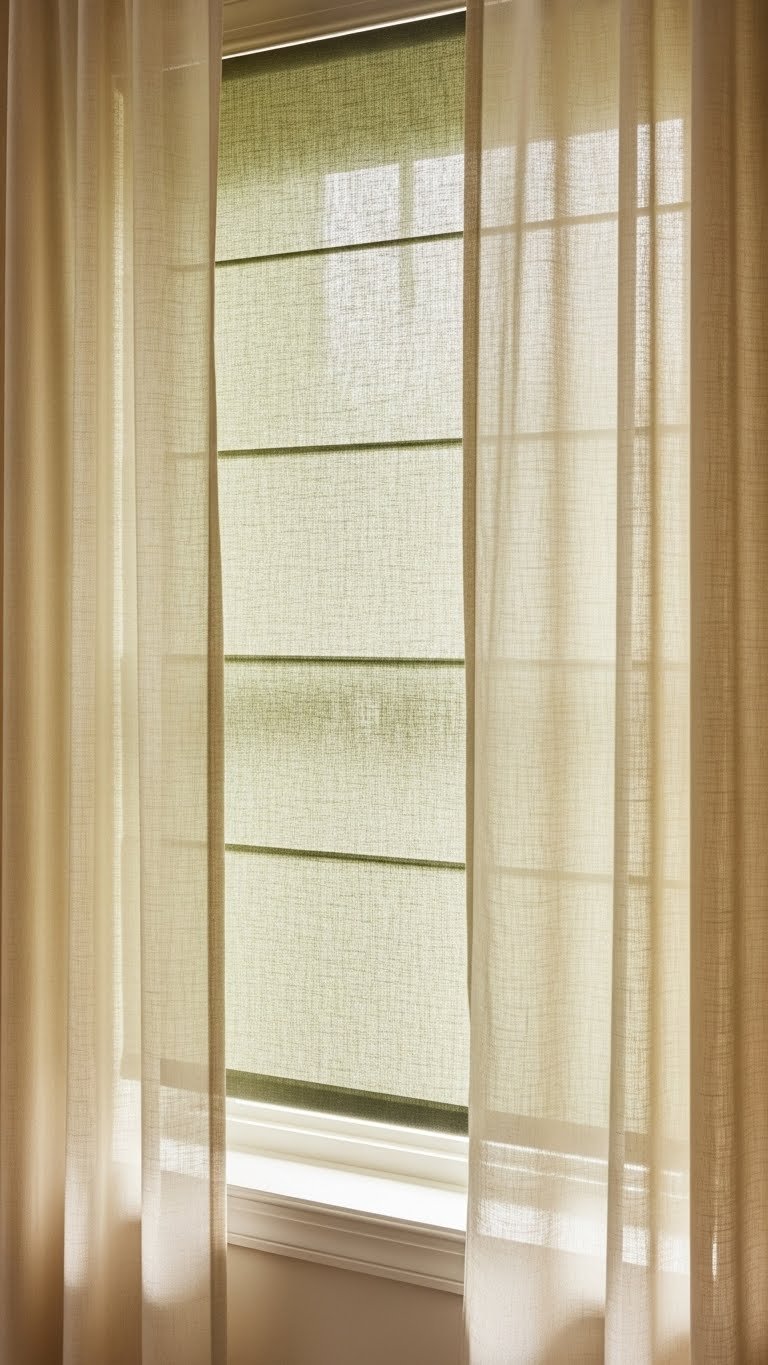
Layering curtains and shades—sheer plus solid, or patterned curtain plus simple shade—creates visual depth, privacy options, and softness that single treatments can’t match.
Add linen curtain panels ($40–$100 each, standard window) and a simple roller or roman shade ($50–$150). Warm neutrals or sage green coordinate with most palettes. This costs $150–$350 per window but completely changes how light and privacy feel.
Renter hack: Use tension rods with removable curtains and adhesive-backed shades to avoid damage deposit concerns.
Your windows become design elements, not just functional openings. Layered treatments feel intentional and sophisticated.
25. Commission Custom or Thrift One Large Statement Artwork
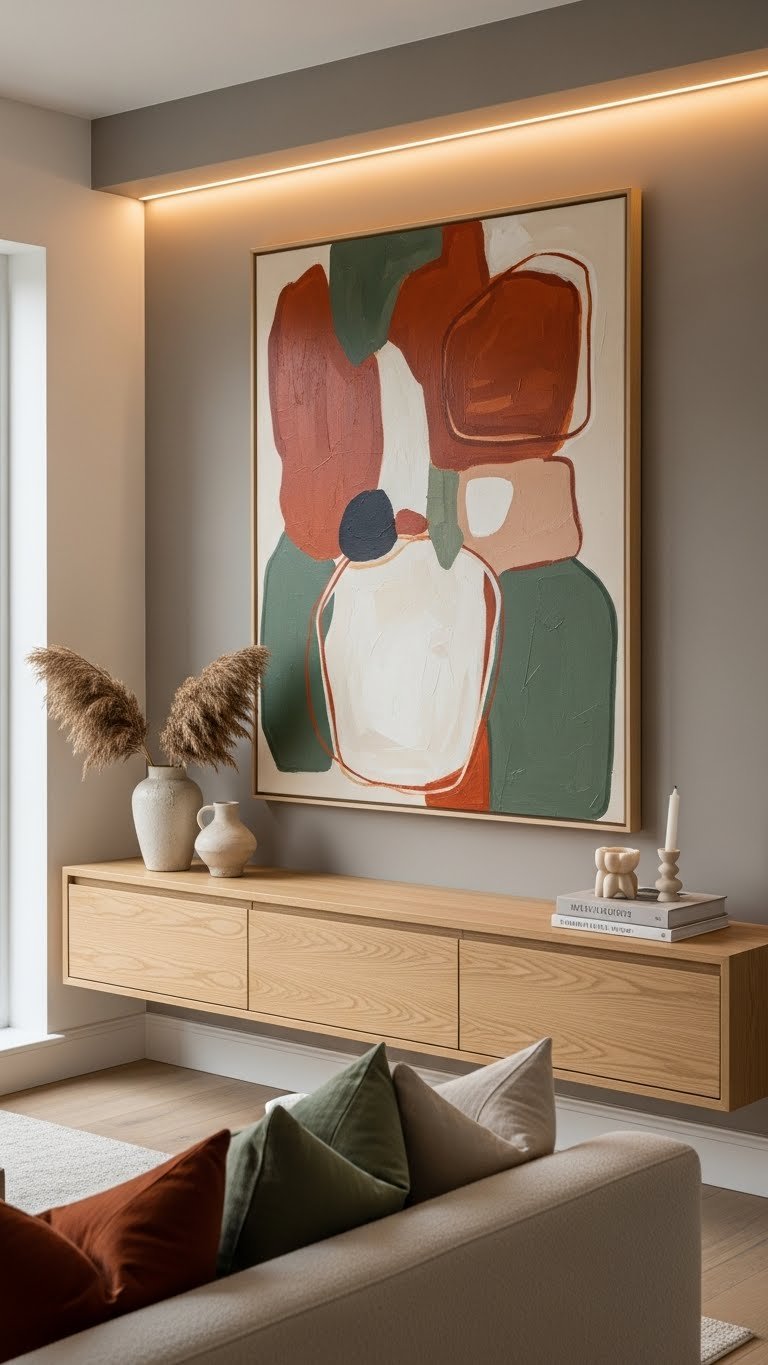
One large, meaningful artwork anchors a room better than a gallery of smaller pieces. Commissioning a piece or finding a substantial thrifted painting creates the focal point.
Commission an artist on Etsy ($200–$1,000 depending on size and complexity) for a custom painting, or hunt estate sales and thrift stores ($20–$200) for vintage originals. A 24″x36″ or larger piece makes real impact.
Budget option: A large, high-quality print ($30–$80 framed) from Etsy or Minted offers statement-making size at lower cost.
Your room gains a focal point that grounds everything else. One bold artwork makes a space feel curated and finished.
26. Use Matte Black Hardware and Fixtures to Modernize Any Room
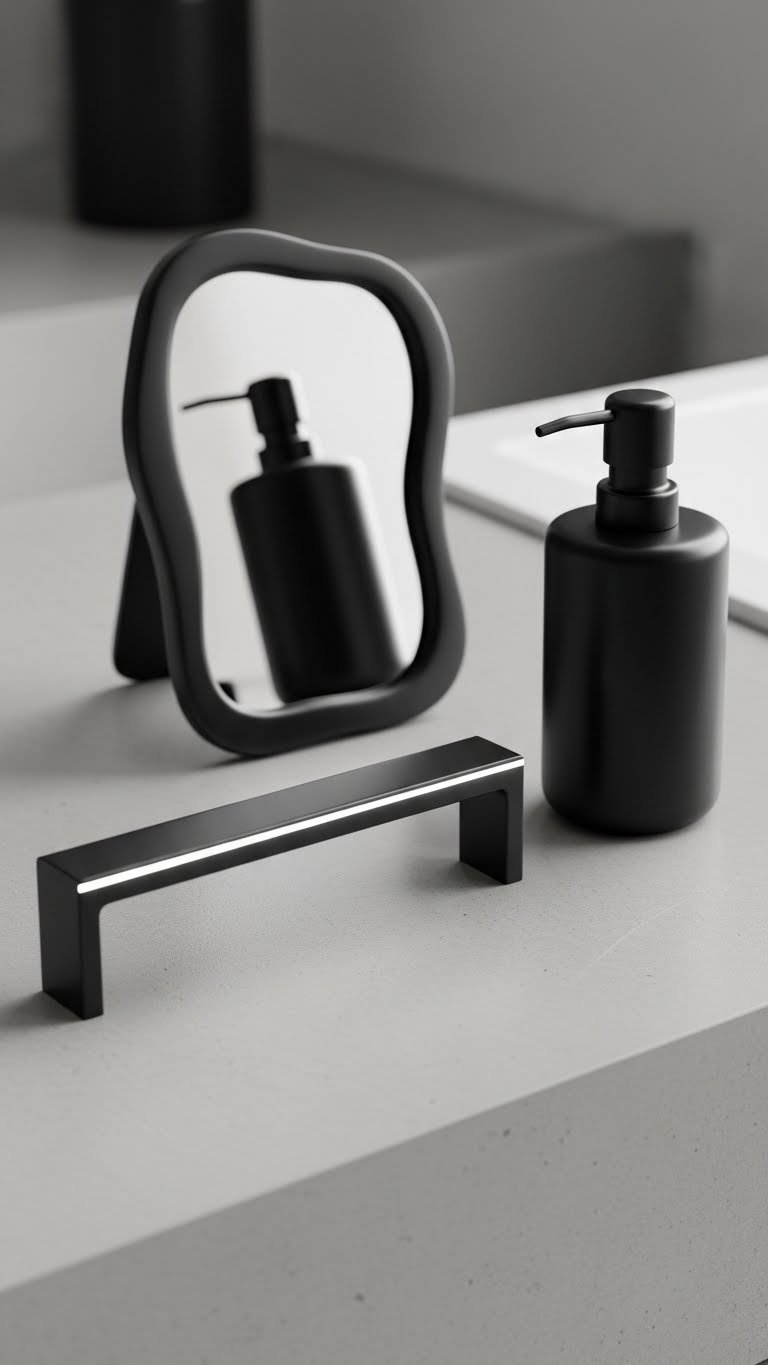
Swapping hardware—drawer pulls, cabinet knobs, faucet finishes, light switch plates—to matte black instantly modernizes dated spaces. This small change reads as intentional sophistication.
Replace existing hardware with matte black pulls ($1–$5 each from IKEA, Home Depot, or Wayfair). On kitchen cabinets with 15 pulls, budget $15–$75 in hardware. A faucet swap costs $150–$400 installed, or self-installation saves on labor.
Pro tip: Black hardware pairs beautifully with brass, warm wood, or sage green—pick metals that echo your palette.
Suddenly everything feels more considered. Modern hardware lifts even older rooms into contemporary territory.
Save this list and try just one idea this weekend. Pick the one that speaks to your room’s biggest challenge, and watch how one intentional change ripples through your entire space. Which idea will you tackle first?
Leave a Reply