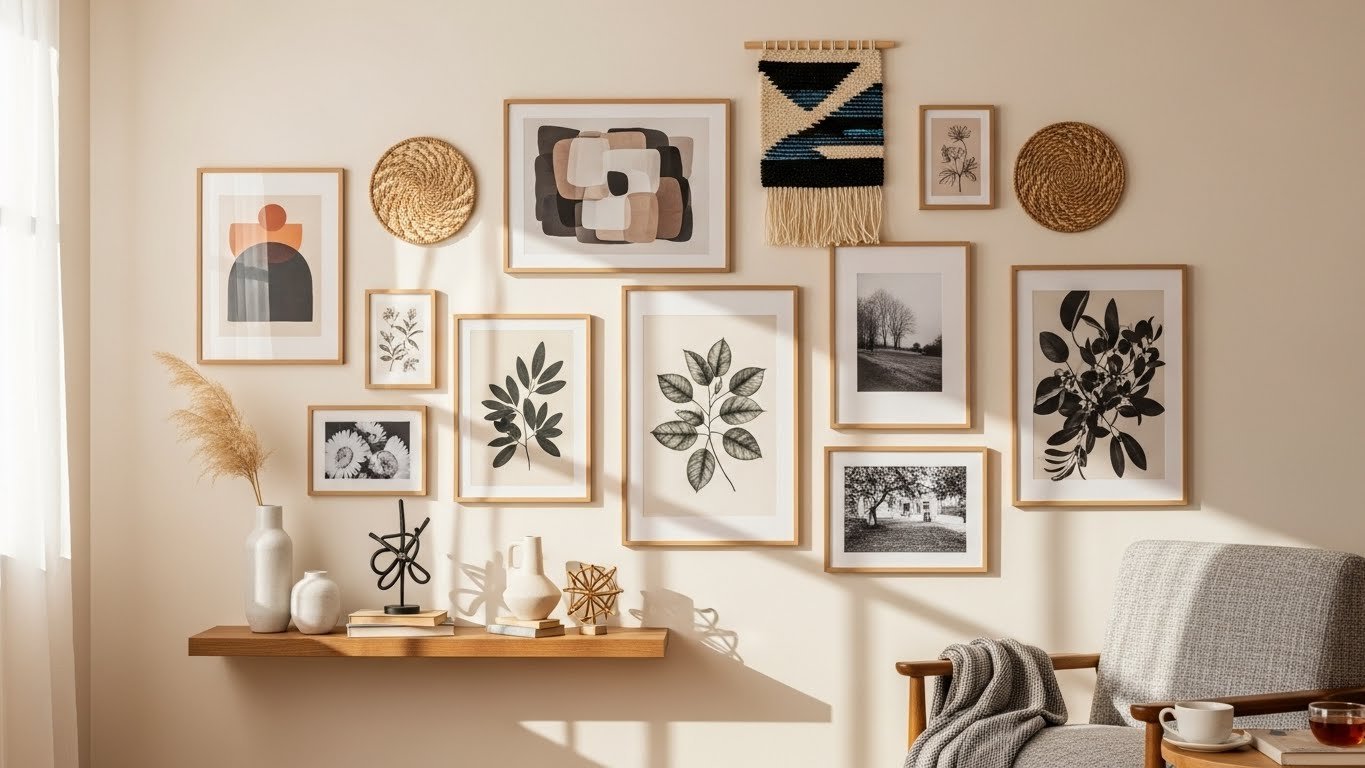
Your home has walls—but does it have a story? Generic blank surfaces don’t spark joy or showcase who you are. That’s where artistic accents come in. Whether you’re renting, on a tight budget, or ready to invest in statement pieces, these 25 ideas will show you how to turn empty corners into creative focal points that actually make you want to spend time in your space. From gallery walls to sculptural lighting, we’ve got ideas that work for every skill level and every budget. Ready to make your home feel like you? Let’s go.
1. Build a Gallery Wall Without Permanent Damage
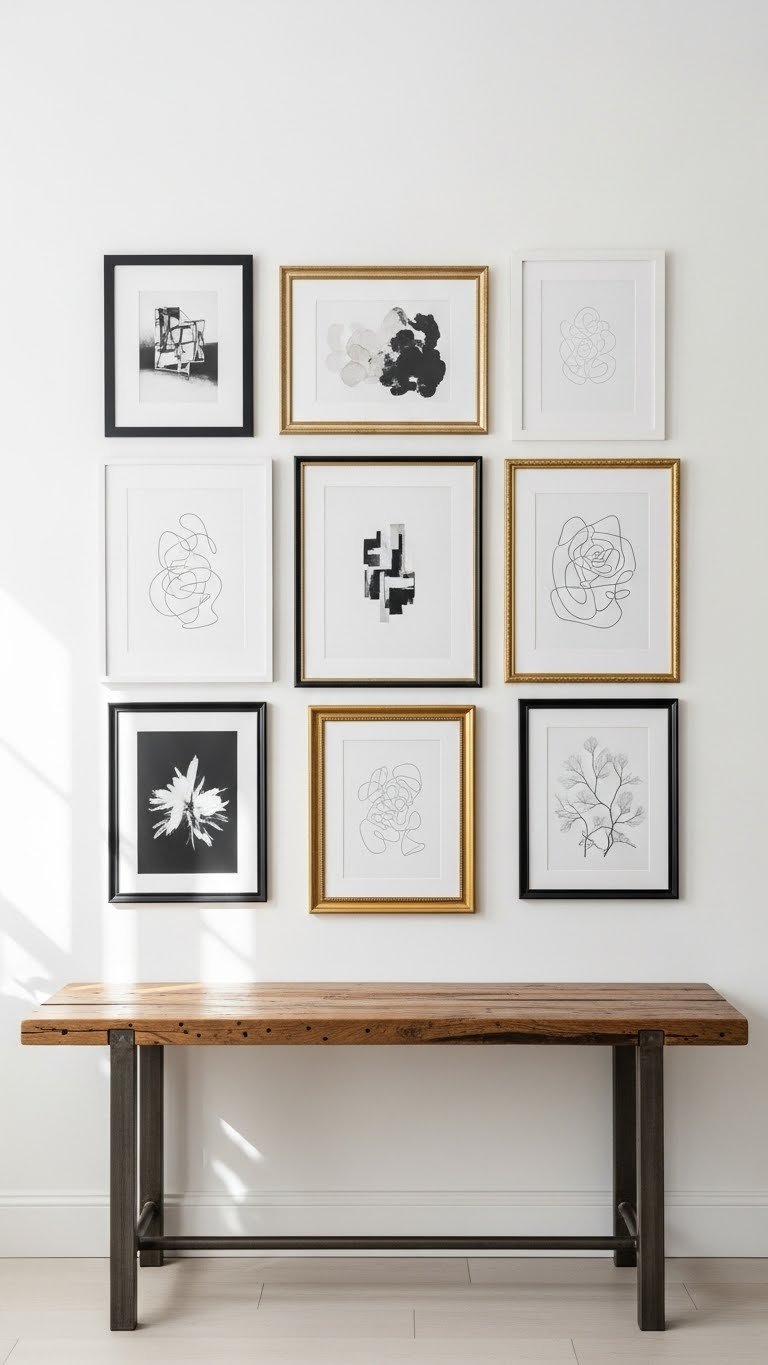
A gallery wall gives you instant artistry without looking bare or random. Mix frame styles—matte black, natural wood, gold metal—and combine prints, photographs, and fabric art for visual interest that photographs beautifully.
Gather 5–12 frames from IKEA (frames $3–$15), Target, or thrift stores. Lay everything on the floor first to plan your arrangement, then use removable hooks and nails ($10–$15 for a damage-free set). Print art from Etsy, Minted, or Unsplash (free) or buy affordable prints from Society6 or Redbubble ($10–$30 per print). Time investment: 1–2 hours for planning and hanging.
Pro tip: Keep frames at least 2–3 inches apart for a curated look, and include one or two pieces with texture (woven wall hanging, fabric art) to add dimension. The beauty of this approach is you can swap pieces seasonally or whenever you need a refresh—no wall damage, maximum flexibility.
2. Hang Woven Wall Art for Organic Texture

Woven textiles add warmth and visual complexity without shouting for attention. They work in any room and layer beautifully with other artwork.
Search Etsy for handmade woven hangings ($25–$150), browse Urban Outfitters, Anthropologie, or West Elm ($40–$200), or hit local craft markets for unique finds. Macramé pieces, jute wall hangings, and woven tapestries all work—choose based on your color palette and space. Hanging is simple: use a sturdy command hook or small nail ($5), and it takes 5 minutes to install.
Renter-friendly option: Use a damage-free adhesive hanging strip ($8 for a pack) if you want zero nail holes. The textured surface catches light beautifully and makes your space feel handcrafted and lived-in, not sterile.
3. Create a Floating Shelf for Rotating Art Display

Floating shelves are the perfect home for small sculptures, books, framed photos, and seasonal art—and they’re way easier to install than they look. You get display space plus the ability to rearrange whenever inspiration strikes.
Buy a floating shelf ($25–$60 at IKEA, Home Depot, or Wayfair) and use a wall stud finder and level ($10–$15) to install it properly. Installation takes about 30 minutes and requires just a drill and screwdriver. Style it with odd numbers of objects (3 or 5) grouped by height or color—this is what makes it look intentional rather than random.
Switch out your display every month or season. This approach keeps your walls fresh without committing to permanent artwork, and you can repurpose the shelf if you move.
4. Invest in Statement Lighting That Doubles as Art
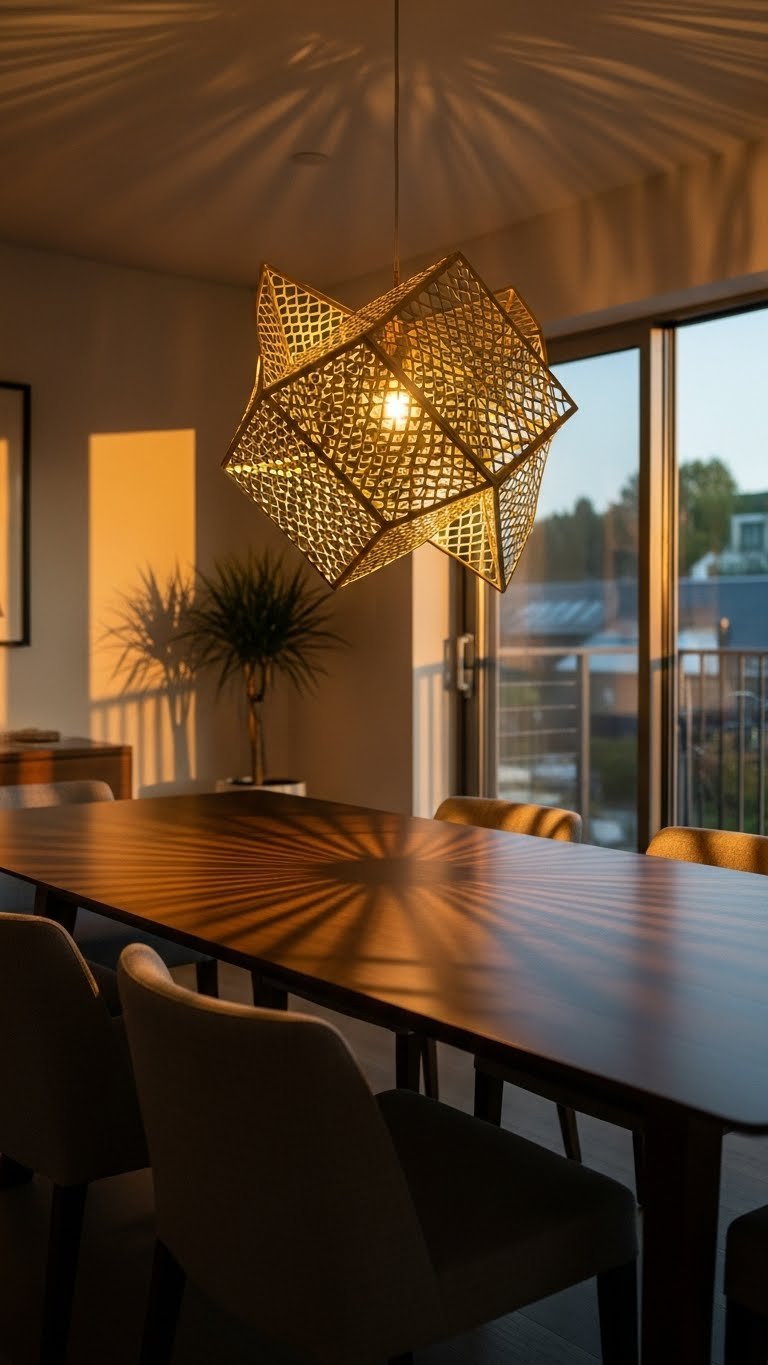
Unique lighting fixtures are functional art—they illuminate your space while adding personality and style. A statement light becomes a conversation piece instantly.
Look for sculptural pendant lights on Wayfair ($60–$300), Article ($80–$250), or 1stDibs ($100–$500+ for vintage pieces). Geometric brass, ceramic, or sculptural designs work well. If you’re renting, consider a plug-in pendant light ($40–$150) that hangs from existing fixtures—no rewiring needed.
Time estimate: 1–2 hours for installation if you’re hardwiring (hire an electrician for $100–$200 if uncomfortable). The payoff? Your space looks curated and sophisticated, plus you get better ambient lighting than standard overhead fixtures provide.
5. Layer Textural Throw Pillows on Seating
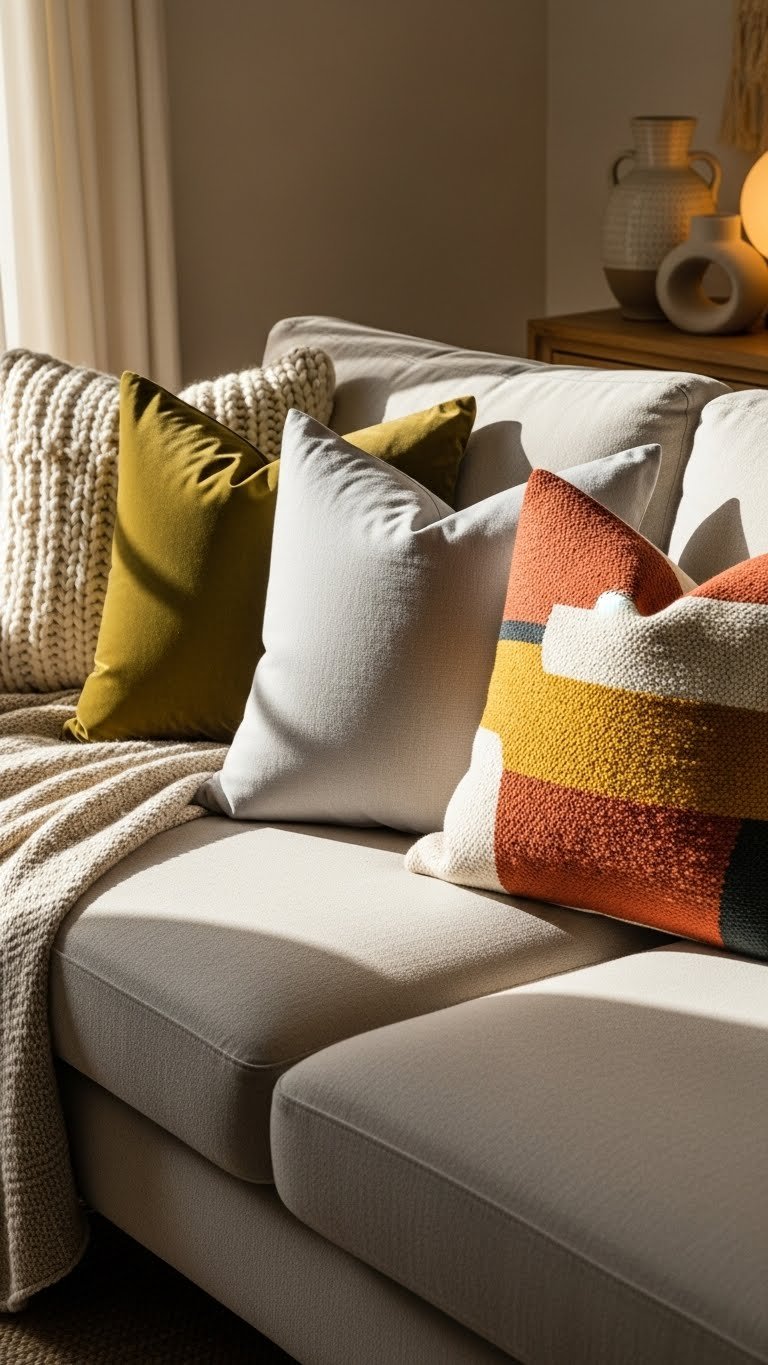
Pillows are affordable art for your furniture. Mix textures and weave in unexpected colors to create depth without overwhelming your space.
Buy throw pillows in mixed materials from Target ($15–$30), IKEA ($10–$25), Anthropologie ($40–$80), or Etsy ($20–$60). Aim for 4–5 pillows per sofa in a mix of solids, geometrics, and textured fabrics (velvet, chunky knit, linen, wool). Stick to a color palette—warm neutrals with one accent color works beautifully.
Budget option: Grab inexpensive pillow covers ($10 each) and use old scarves, fabric remnants, or thrifted textiles to stuff them. The beauty of pillows? They’re seasonal decor you can rotate in and out. Switch them for bolder colors in summer, cozy textures in winter.
6. Display Collections on Open Shelving
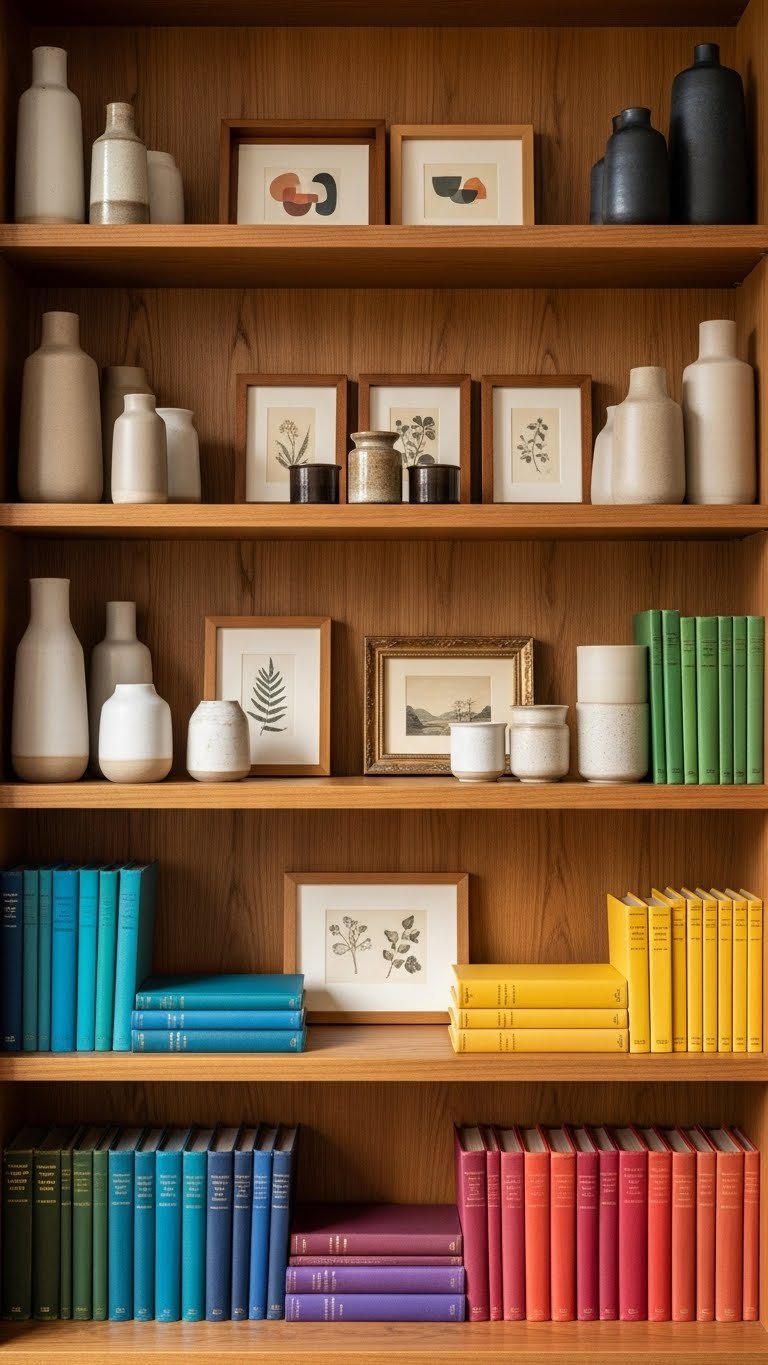
If you collect vintage plates, ceramics, books, or curiosities, displaying them on open shelves turns clutter into curated art. Collections tell your story.
Install floating shelves ($20–$60 each) at varying heights, then style them using the rule of odd numbers—group items in sets of 3 or 5. Mix tall and short pieces, include negative space, and arrange by color or theme. Leave about 30% of each shelf empty so it doesn’t feel cramped.
Pro tip: Use small museum putty ($8) to secure delicate items if you have kids or pets. This approach works in bedrooms, kitchens, living rooms, and home offices. Your collection becomes the focal point instead of looking like a hoard—the styling is what matters.
7. Paint an Accent Wall in a Saturated Jewel Tone
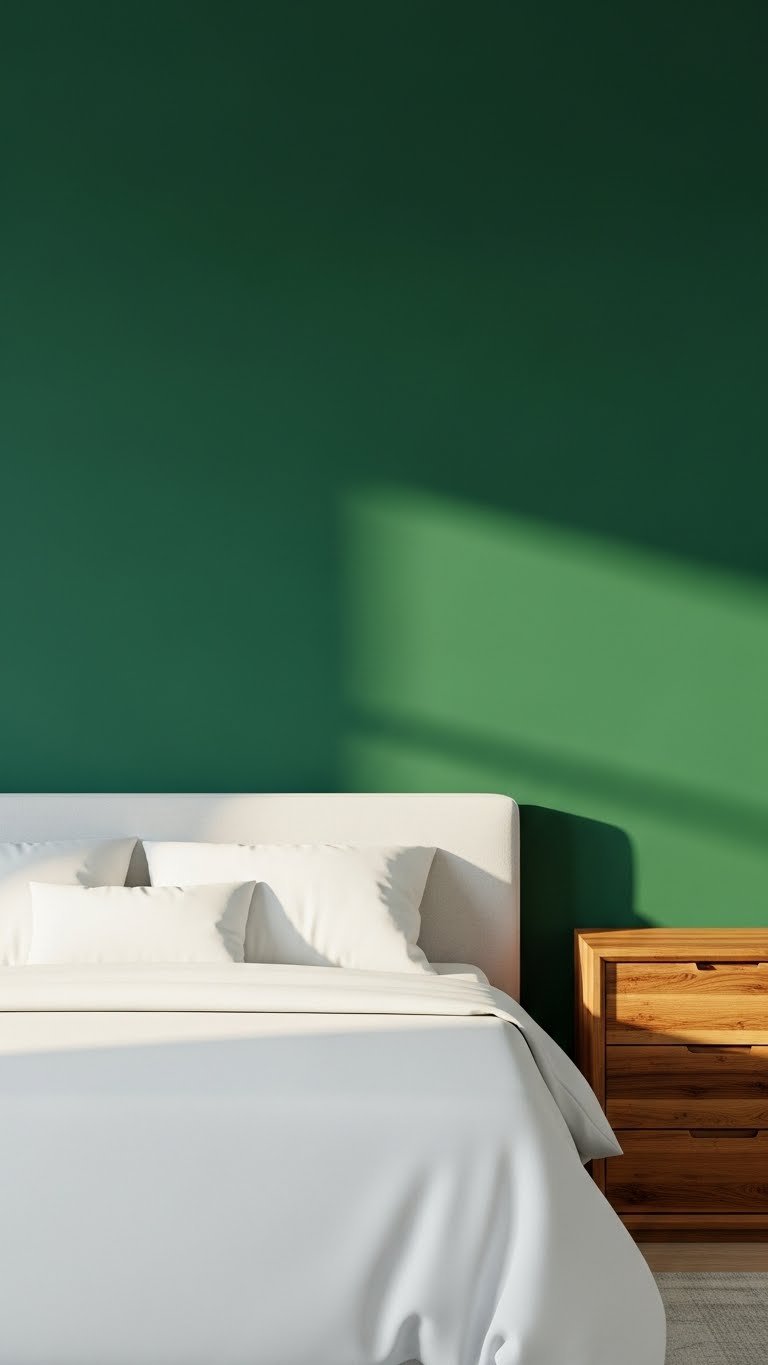
One accent wall in a bold color creates drama and focal point without overwhelming your entire room. Jewel tones like emerald, navy, terracotta, and deep plum are huge right now.
Choose a high-quality paint from Benjamin Moore, Sherwin-Williams, or Behr ($35–$50 per gallon). Paint the wall behind your bed or the wall you see first when entering a room—this placement maximizes impact. One gallon usually covers 350 square feet, and a DIY paint job takes 2–4 hours depending on wall size. Rent a paint sprayer ($20–$40) for faster, smoother coverage.
Renter-friendly alternative: Use peel-and-stick wallpaper ($40–$80 per roll) in the same bold color. The color shift instantly makes your space feel intentional and sophisticated—it’s the simplest way to add drama on a budget.
8. Mix Geometric and Organic Patterns in Wall Art
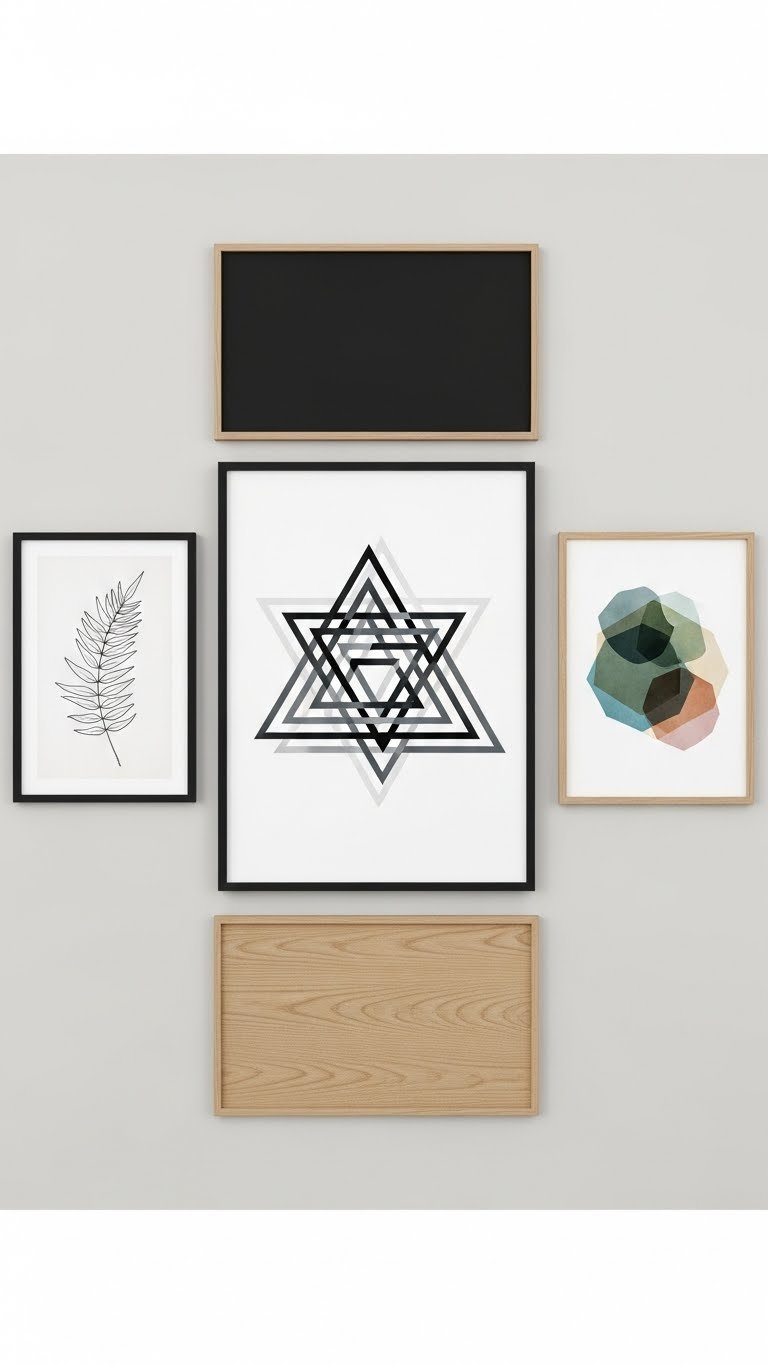
Pattern-mixing sounds intimidating but it’s actually the secret to rooms that feel curated rather than matchy. Combine geometric prints with organic shapes and botanical illustrations for visual rhythm.
Select prints that share 1–2 colors in common (helps them feel cohesive). Mix geometric designs from Etsy ($10–$25 per print), botanical illustrations from Minted ($20–$35), and abstract art from Society6 ($15–$40). Frame them in 2–3 coordinating finishes (matte black and natural wood work well together).
The rule: Let one pattern be bold, keep others more muted, and always include at least one piece in a solid or neutral tone. This balance prevents visual chaos. Your wall becomes an interesting focal point that draws eyes and conversation.
9. Hang Fabric Art or Vintage Tapestries
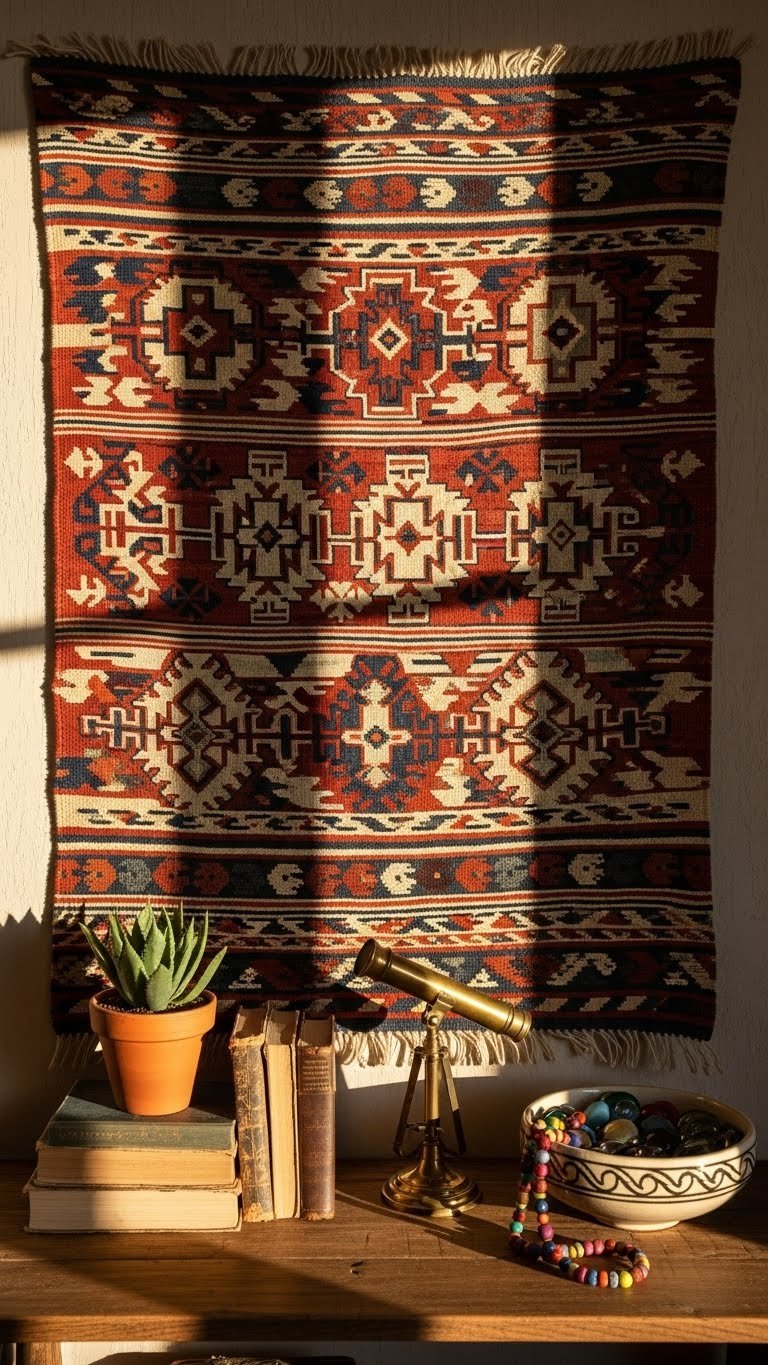
Vintage tapestries and fabric art add history, color, and texture simultaneously. They’re affordable, available everywhere, and work in any design style from bohemian to modern.
Hunt thrift stores, estate sales, and Etsy for vintage tapestries ($20–$100). Look for pieces with color that complements your palette but also adds visual interest. Hang using a tapestry rod ($15–$40), tension rod, or removable command hooks ($10–$15). Installation takes less than 15 minutes.
Pro tip: Vintage textiles often have interesting stories—if yours came from a specific place or era, include a small note next to it. This transforms it from decoration into a meaningful piece. Fabric art also softens hard walls and improves acoustics, making your space feel warmer and less echo-y.
10. Create a Shelf-Styling Moment with Books and Objects
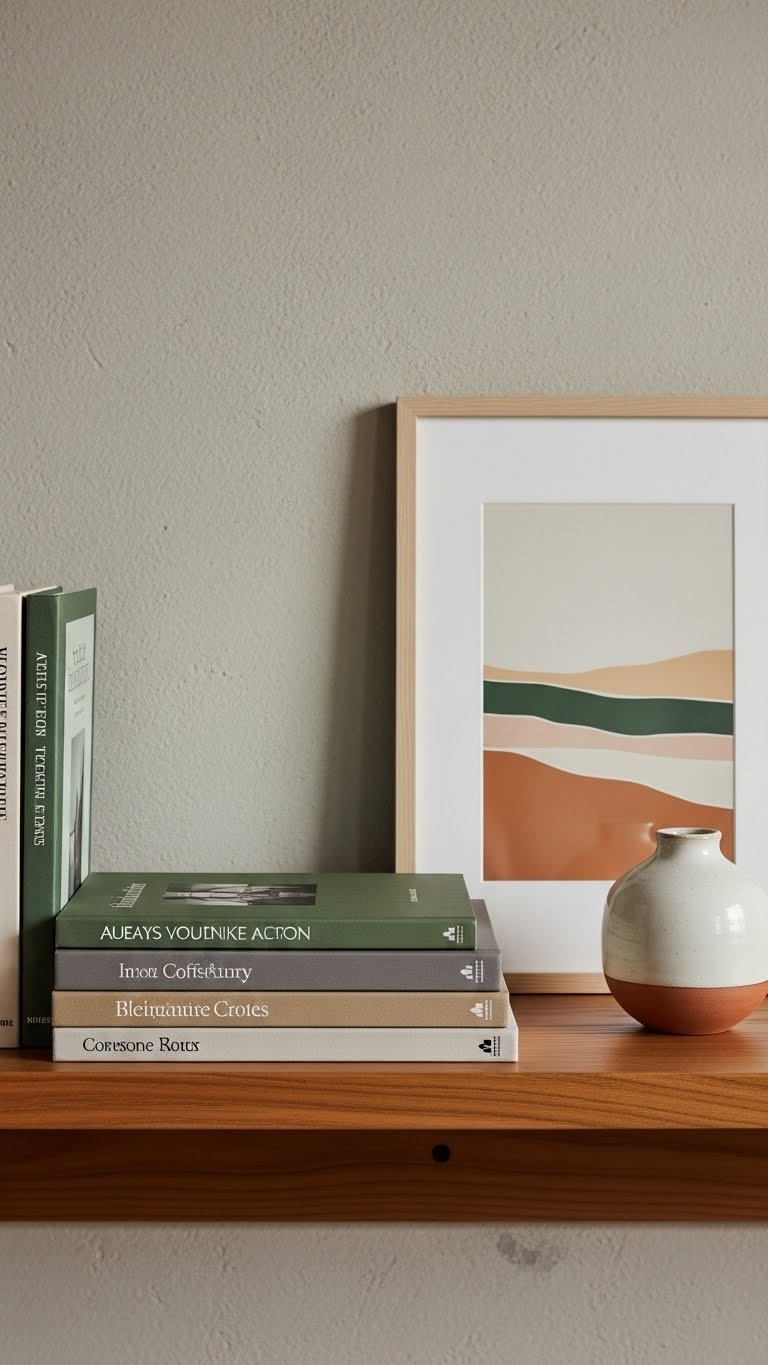
Styled shelves look like interior design—and you don’t need a design degree to pull it off. The secret is mixing books, objects, and negative space in intentional ways.
Gather coffee table books ($15–$40 each), small ceramics or sculptures ($10–$50), and one or two framed pieces ($10–$30). Stack books in groupings of 2–3 (mix horizontal and vertical for interest), add one small object per grouping, then leave breathing room. Repeat this pattern across the shelf so it feels balanced but not overcrowded.
Budget hack: Use library books you love (free) stacked temporarily while you hunt for permanent additions. Rearrange every few months to keep the look fresh. This styling trick works on floating shelves, bookcases, consoles, and kitchen shelving—it’s the fastest way to make any shelf look intentionally designed.
11. Introduce a Large-Scale Mirror as Wall Art
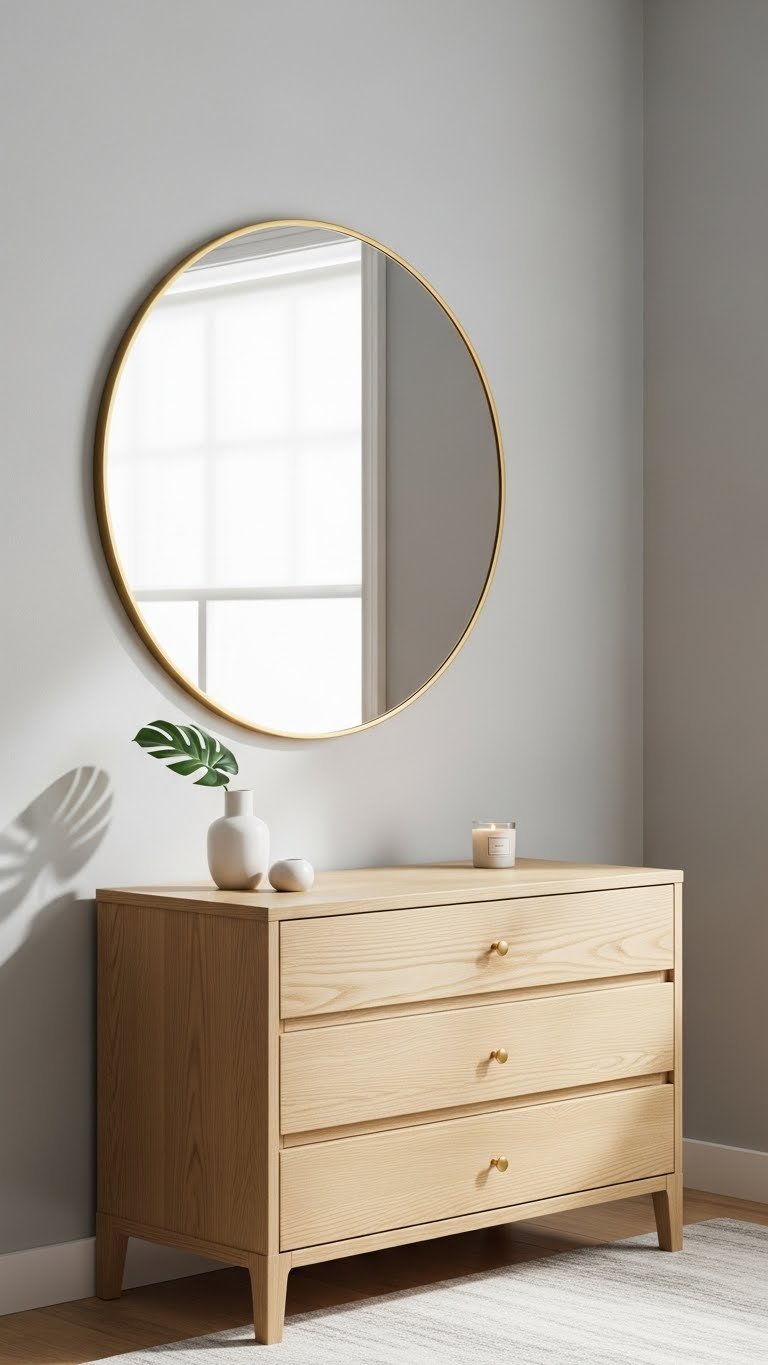
Mirrors aren’t just functional—they’re decorative art that bounces light around, expands perceived space, and adds shine and sophistication. A large statement mirror is a game-changer for small rooms.
Buy a round, rectangular, or arched mirror with an interesting frame ($60–$300 at West Elm, Article, IKEA, or Wayfair). Lean it (no hanging needed) or hang it at eye level above a dresser, console, or accent wall. Brass, wood, rattan, and black metal frames all look beautiful depending on your aesthetic.
Investment option: A large statement mirror from a designer brand ($300–$800) lasts decades and works in any home design you try next. The reflection doubles your natural light and makes even small spaces feel open and bright—it’s worth the splurge if you have the budget.
12. Display Sculptural Objects on Pedestals
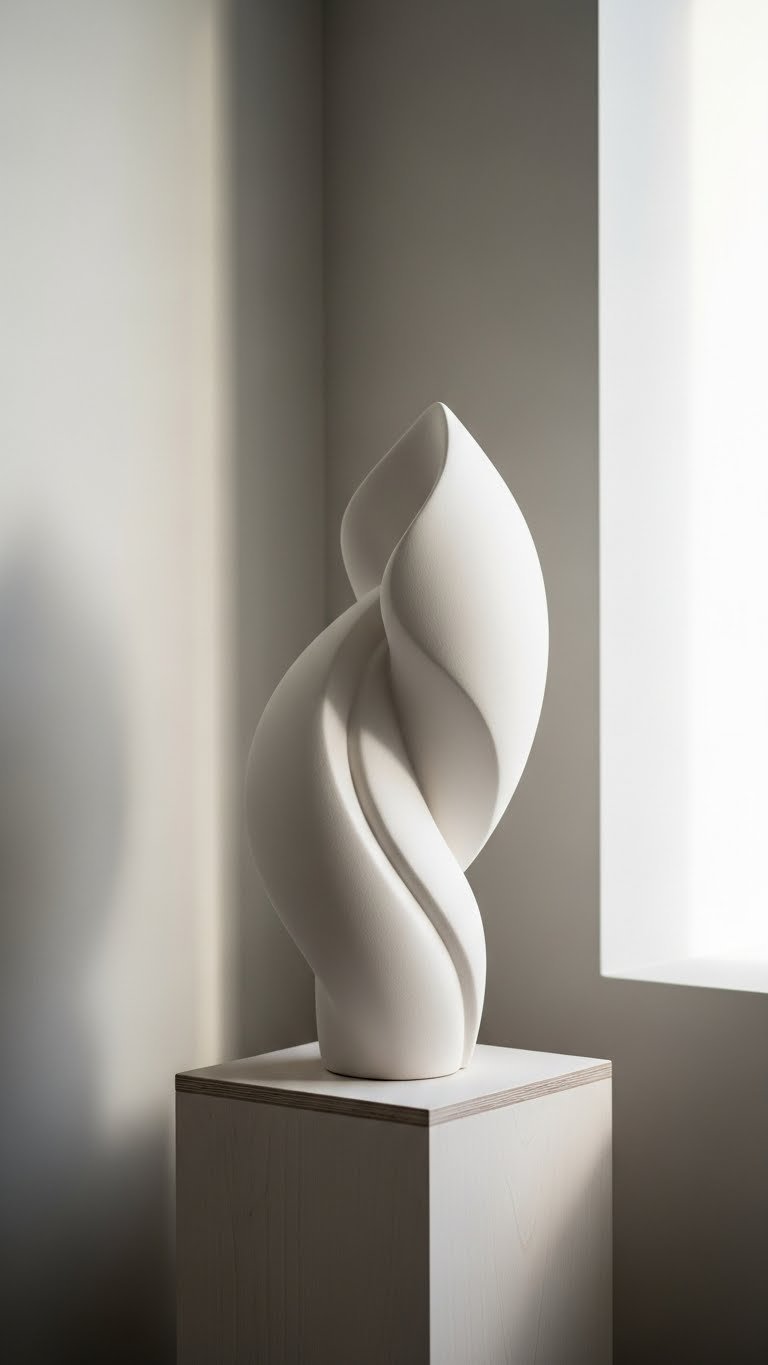
Standalone sculptures or objects on pedestals instantly elevate a corner from empty to gallery-like. One piece in the right spot becomes a focal point.
Hunt thrift stores ($5–$25), Etsy ($20–$80), or ceramic studios ($30–$150) for interesting sculptural pieces. Pair with a simple wooden or metal pedestal ($30–$100). Place in a corner that catches light or in a hallway where guests will notice it. This works especially well if you rotate pieces seasonally.
Renter-friendly tip: Use a stacked book pedestal or small table instead of a dedicated pedestal stand. The art is what matters, not the display method. This approach is perfect for small spaces—one sculptural piece takes up minimal floor space but adds serious visual interest.
13. Create a Photo Wall with Printed Memories
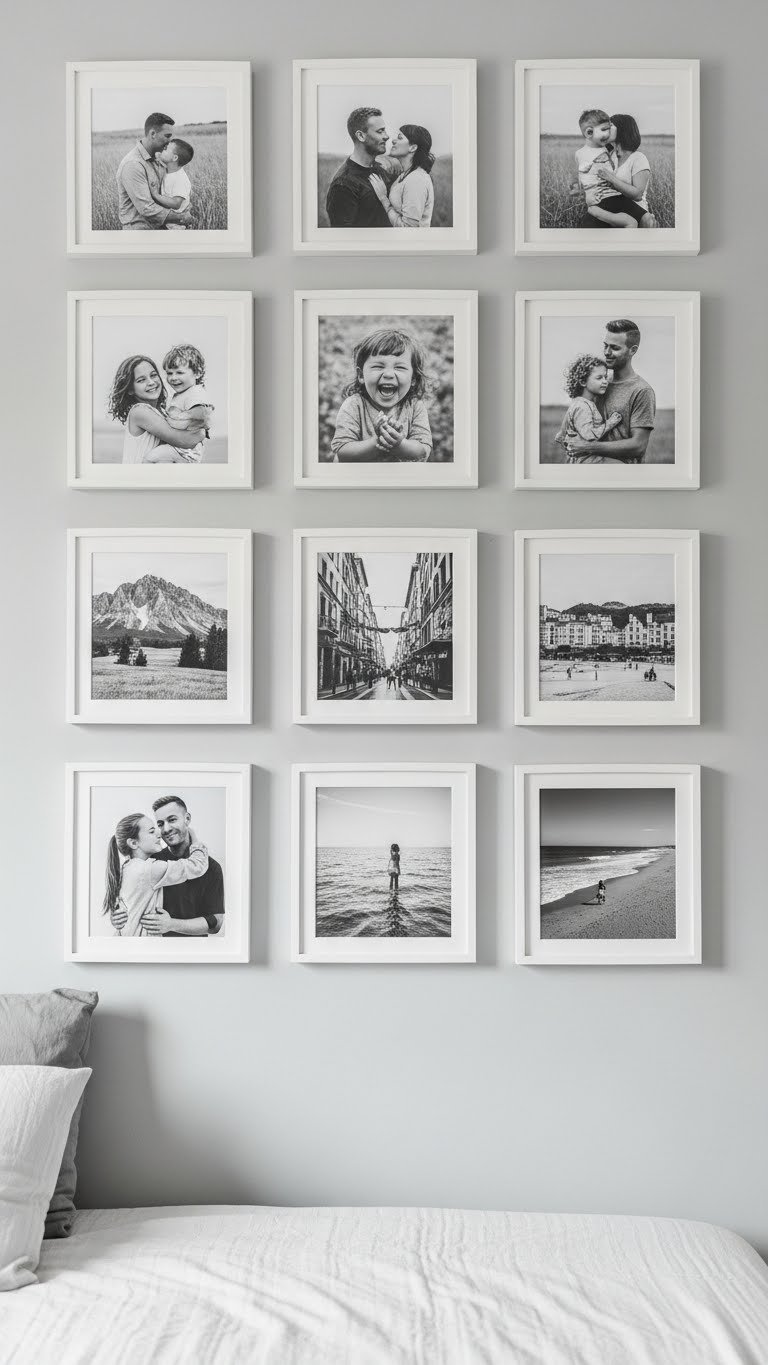
Photos are personal art. A wall of printed photos creates emotional connection and makes your space feel like home instead of a magazine spread.
Print your favorite photos from Shutterfly ($0.49–$2 per print), Artifact Uprising ($15–$40 for framed prints), or your local print shop ($1–$3 per print). Frame them in matching frames ($3–$10 each at IKEA) or mix frames for eclectic feel. Arrange in a grid (6–12 photos) or salon-style mix for visual interest.
Time estimate: 30 minutes for printing and framing, 1–2 hours for hanging and arranging. This is deeply personal work—people feel the warmth immediately when they enter your space. Update your photo wall twice yearly with new memories.
14. Hang Woven Baskets as Functional Wall Art
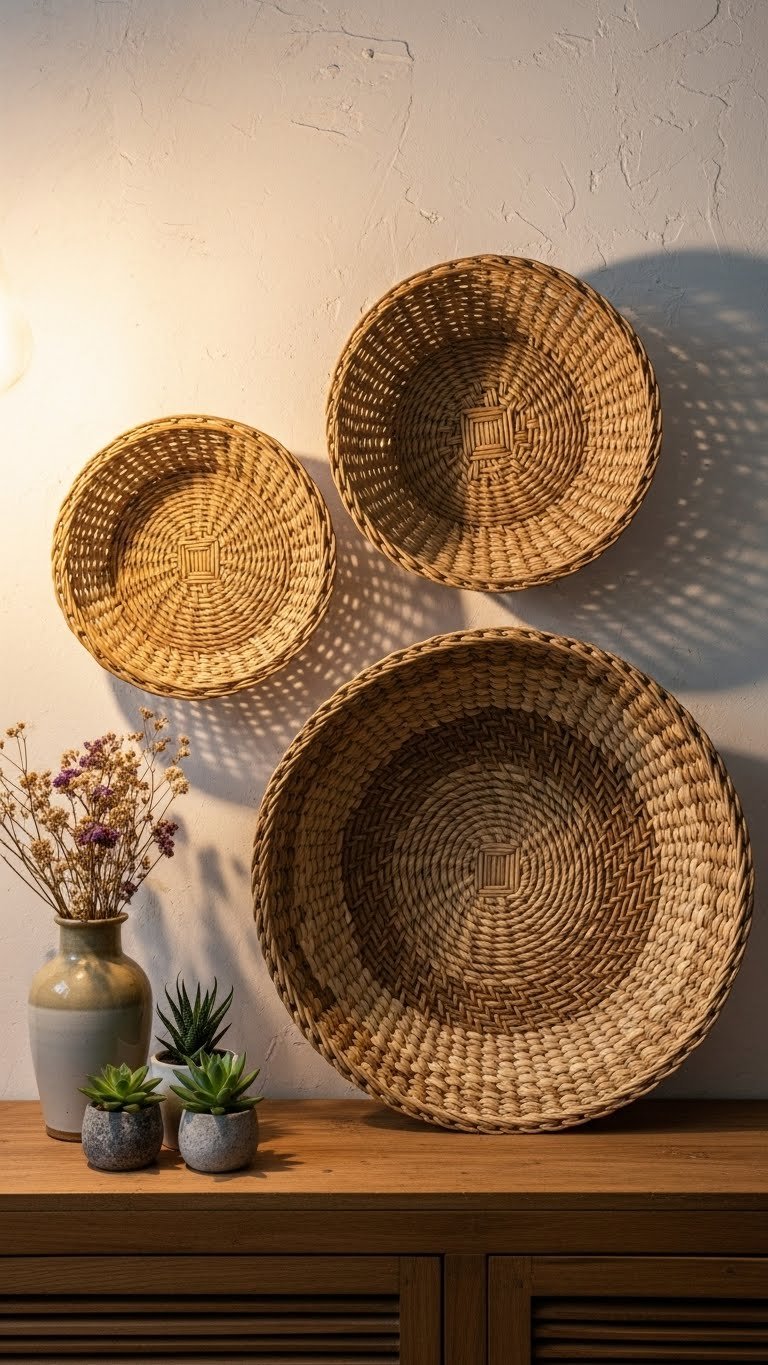
Woven baskets add texture, warmth, and storage all at once. They’re affordable, renter-friendly, and photograph beautifully—plus you can actually use them.
Buy woven baskets from IKEA ($5–$20), HomeGoods ($8–$25), Etsy ($15–$60), or thrift stores ($2–$10). Choose sizes in varying heights and arrange them on a wall in a cluster of 3–5. Use removable command hooks ($10–$15 for a pack of 6) to hang them without wall damage.
Pro tip: Group baskets by color family or texture for cohesion. Use them to store throws, magazines, or seasonal items—the art also serves a purpose. This layering of beauty and function is what makes a space feel intentional. Renter alert: This is one of the most damage-free decorating tricks.
15. Paint a Mural or Geometric Pattern on One Wall
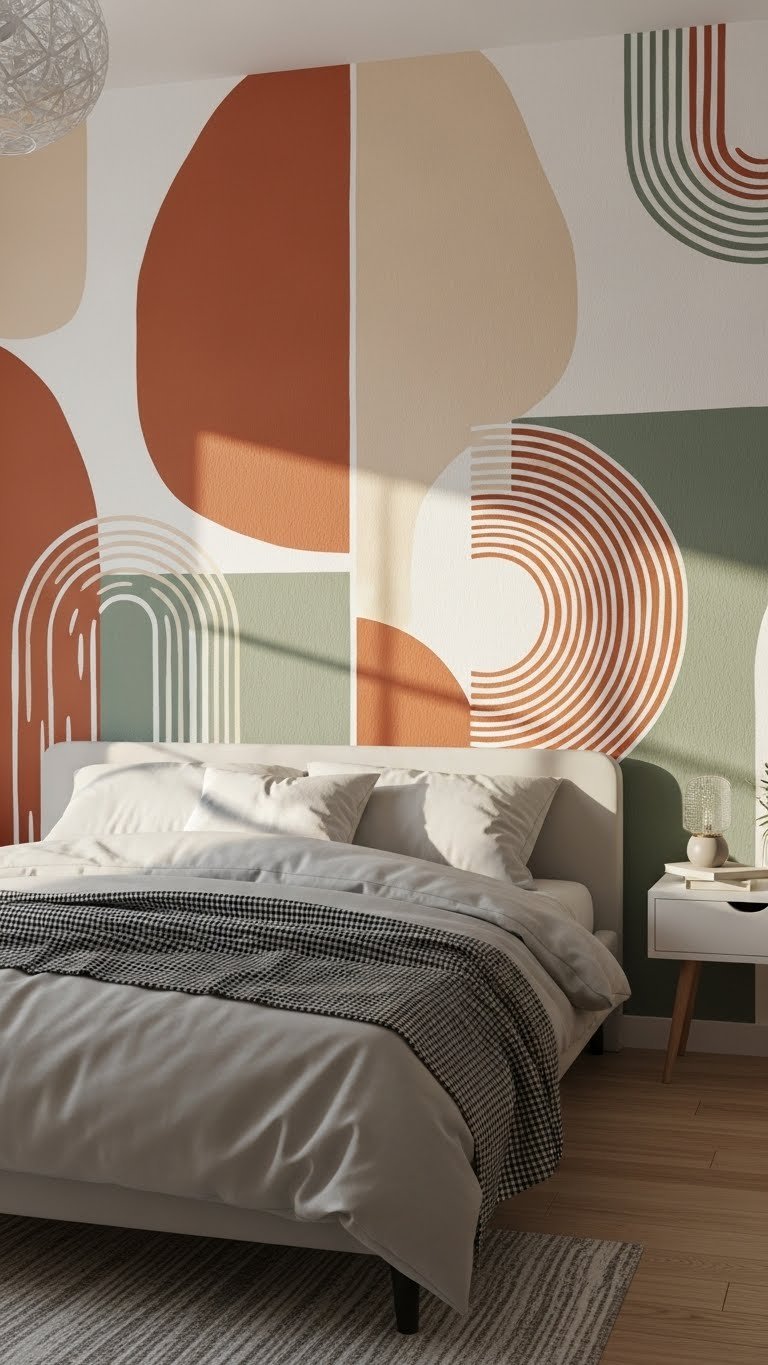
Hand-painted murals make your space one-of-a-kind. Whether geometric, botanical, or abstract, a mural becomes the conversation piece of your room.
Hire a local muralist ($800–$3,000 depending on size and complexity) or DIY with painter’s tape and acrylic paint ($15–$30 for quality paint). Plan your design on graph paper first or find a template online. Most DIY murals take 4–8 hours depending on complexity.
Budget option: Use painter’s tape to create a geometric pattern (triangles, stripes, color-blocking) and paint it yourself—this requires no artistic skill, just patience and tape. Pro tip: Photograph your mural before moving (it’s art worth documenting). If you’re renting, ask your landlord—some allow temporary murals that enhance the space.
16. Layer Artwork in Lean-to Arrangements

Leaning artwork against walls instead of hanging it creates a more relaxed, collected look—like a studio or gallery between installations. It also solves the renting dilemma (zero wall damage).
Gather framed prints, unframed canvas boards, or even book covers you love. Lean them against a wall or on a shelf in a slightly overlapping arrangement. Mix frame heights and styles for visual interest. This styling works beautifully in bedrooms, home offices, and living rooms.
Time estimate: 15 minutes to arrange once you have your pieces. The beauty here is flexibility—change the arrangement whenever you want without touching your walls. Artwork can move, rotate seasonally, or be swapped out in seconds. It’s perfect for renters, indecisive decorators, or anyone who likes to refresh regularly.
17. Commission Custom Art That Reflects Your Style
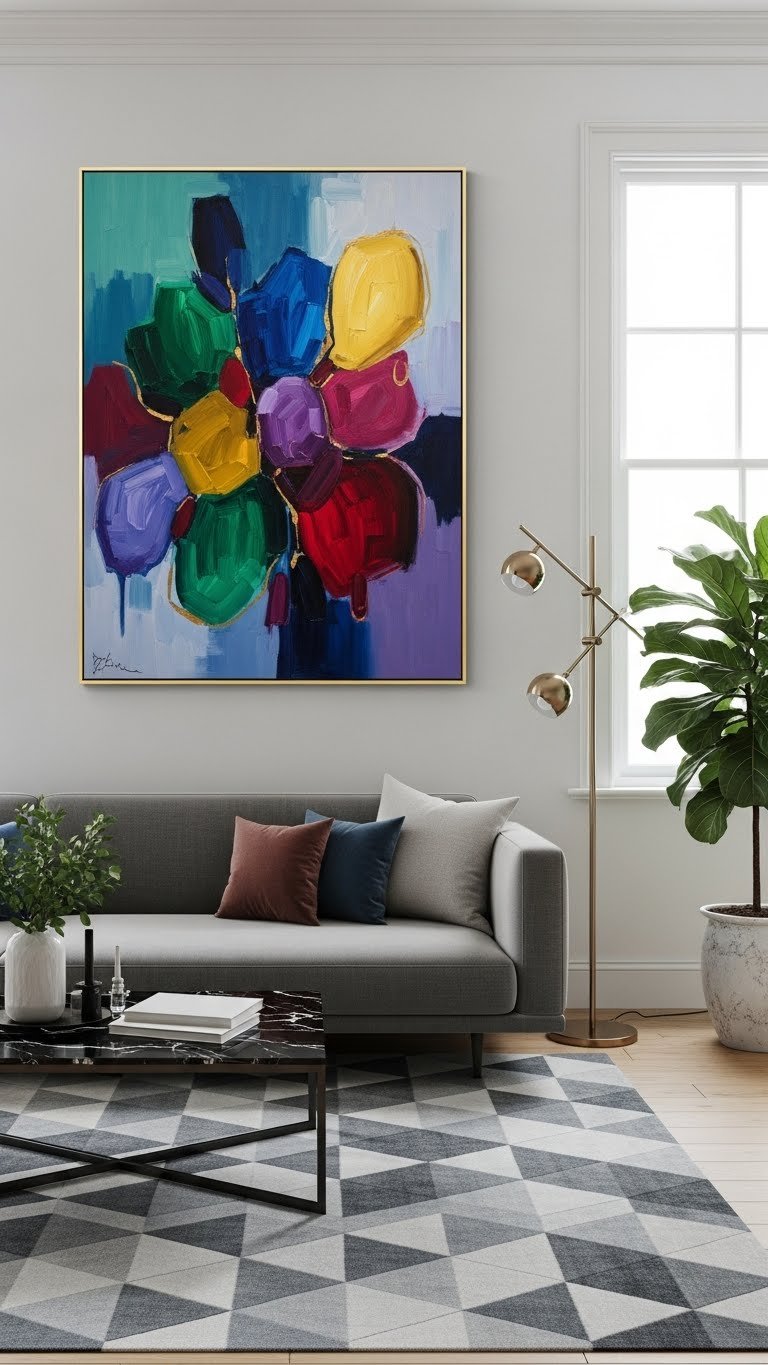
Custom artwork is an investment, but it’s uniquely yours—no one else will have it. Commissioning a piece supports artists and creates lasting meaning.
Find artists on Etsy, Instagram, or local art fairs. Budget $200–$1,000+ for original work, or $50–$200 for digital prints or smaller pieces. Share your space’s color palette, style preferences, and size needs with the artist. Most pieces take 4–8 weeks from commission to delivery.
Renter-friendly note: Even renters can commission affordable prints ($30–$100) that are framed and ready to hang. The joy of having art created specifically for you is that it feels personal and intentional in ways mass-produced pieces can’t match. It’s art that tells your story.
18. Style a Console Table as a Mini Gallery
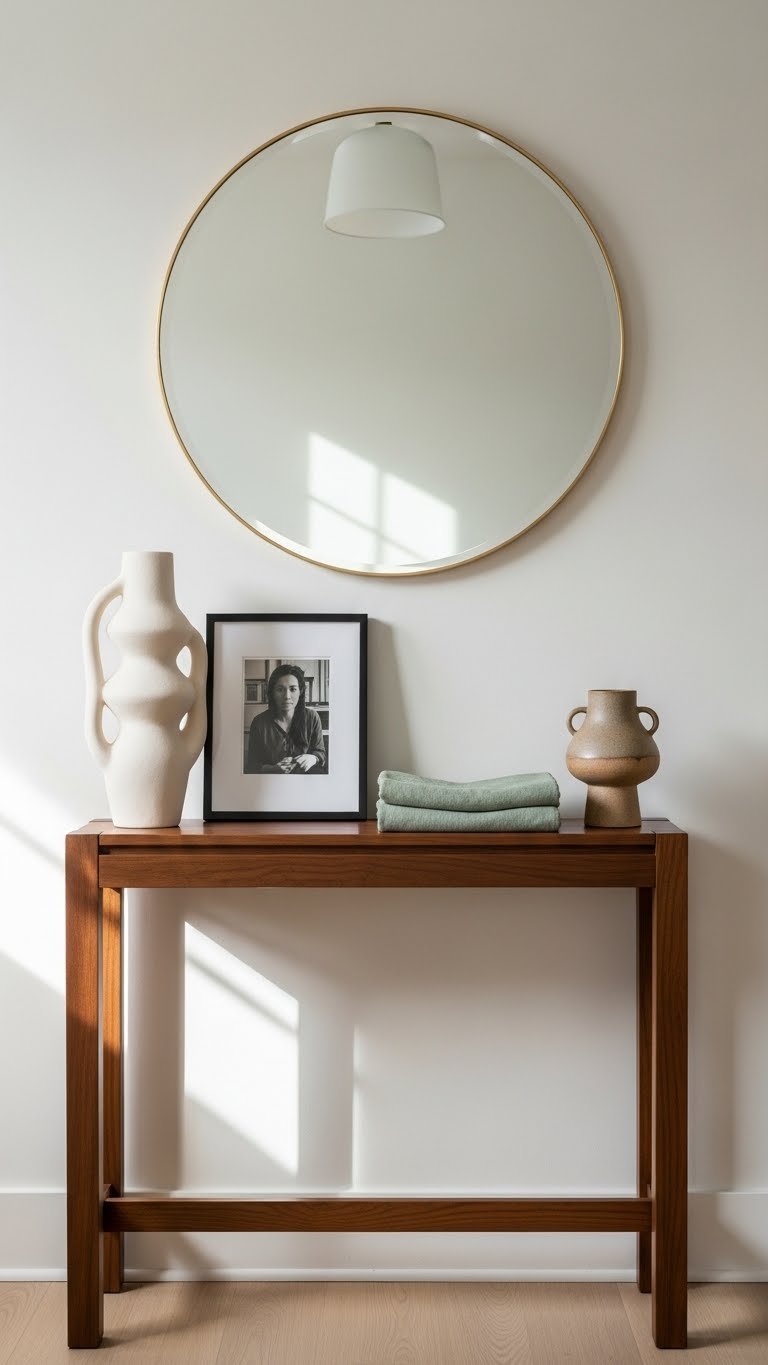
Your console table shouldn’t just hold mail—it can be a mini art installation. Style it thoughtfully and it becomes an entryway focal point.
Start with a statement mirror or large framed piece hung above the table. Below, arrange 3–5 objects: a tall vase or sculpture ($20–$80), framed photo ($10–$30), a folded throw or textile ($15–$50), and a small plant or candlestick ($8–$25). Keep the palette cohesive (same color family, complementary materials).
Pro tip: Let objects overlap slightly and vary their heights for interest. Leave some negative space so it doesn’t feel crowded. Rearrange seasonally to keep it fresh. This styling trick transforms an overlooked piece of furniture into intentional art that guests notice and compliment.
19. Hang Lightweight Art on Damage-Free Strips
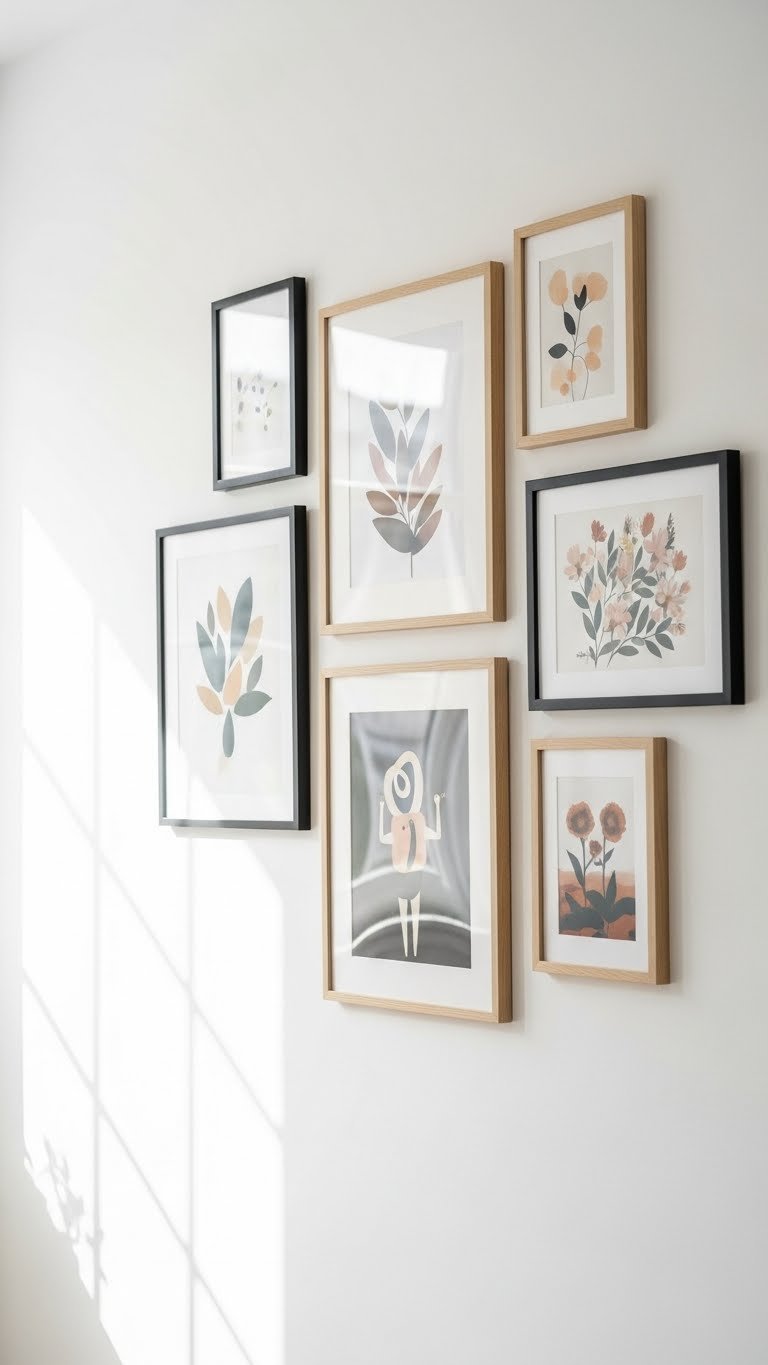
Renters, rejoice. Damage-free adhesive strips and hooks mean you can hang art without landlord drama. These strips work on most smooth walls and hold surprisingly well.
Use 3M Command Strips ($8–$15 for a variety pack) rated for your artwork’s weight. Most strips hold 5–10 pounds, which covers framed prints, lightweight canvases, and small mirrors. Installation is instant—no tools needed. Removal is clean (just peel), though always test first in an inconspicuous spot.
Time estimate: 5 minutes per piece. This is the most renter-friendly way to make your space feel like home without compromising your security deposit. You can rearrange whenever you want, no damage, no guilt. It’s genuinely game-changing for temporary living situations.
20. Layer Vintage and Modern Art Together
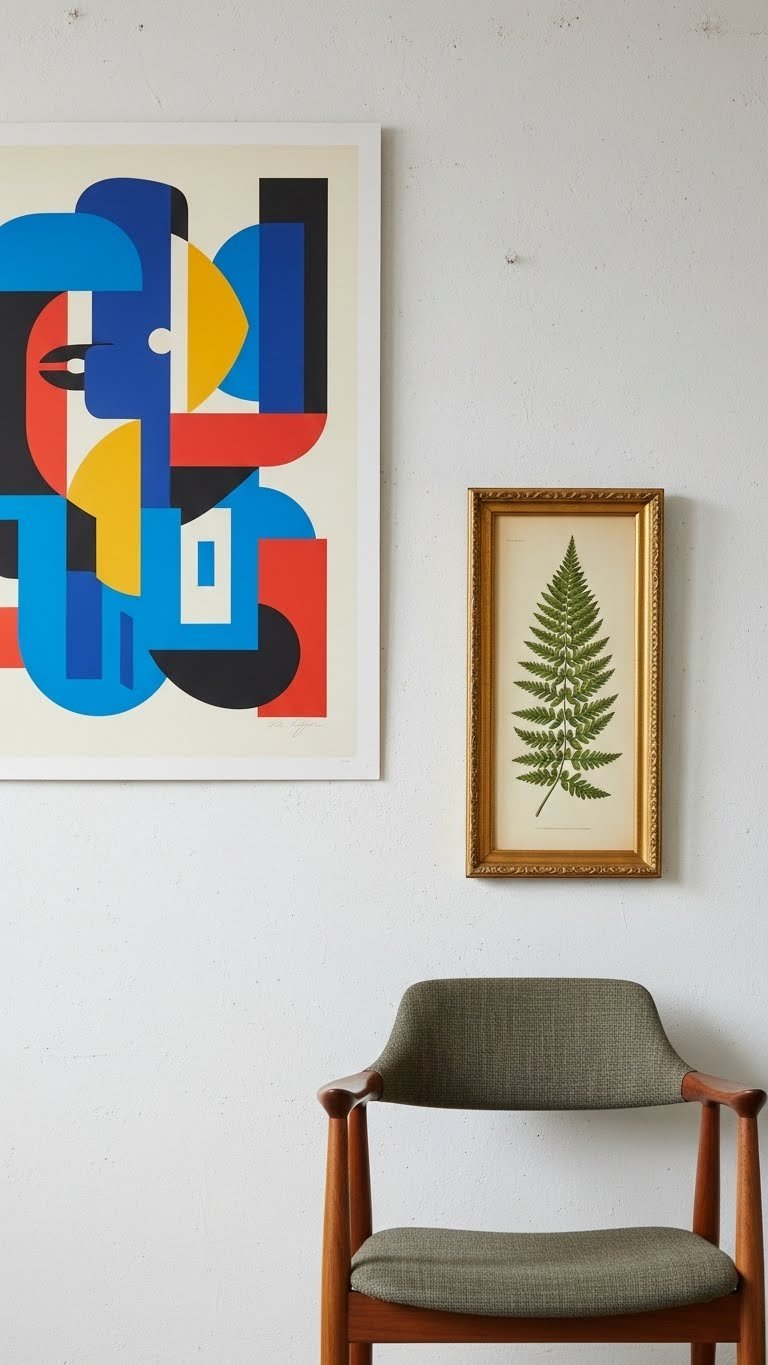
Mix old and new for visual richness and personality. Vintage pieces add history while contemporary art keeps things fresh. Together, they tell a more interesting story.
Hunt estate sales and thrift stores for vintage finds ($5–$50), then pair them with contemporary prints from Etsy or Minted ($15–$40). Frame both pieces in complementary finishes (natural wood with brass, or all matte black) to make them feel intentional rather than random.
Pro tip: Let one piece be bold and let the other be quieter—this balance prevents visual overload. The pairing works especially well in living rooms, bedrooms, and home offices where you want personality without chaos. This approach celebrates the best of both eras instead of choosing sides.
21. Install Floating Wooden Shelves and Style Minimally
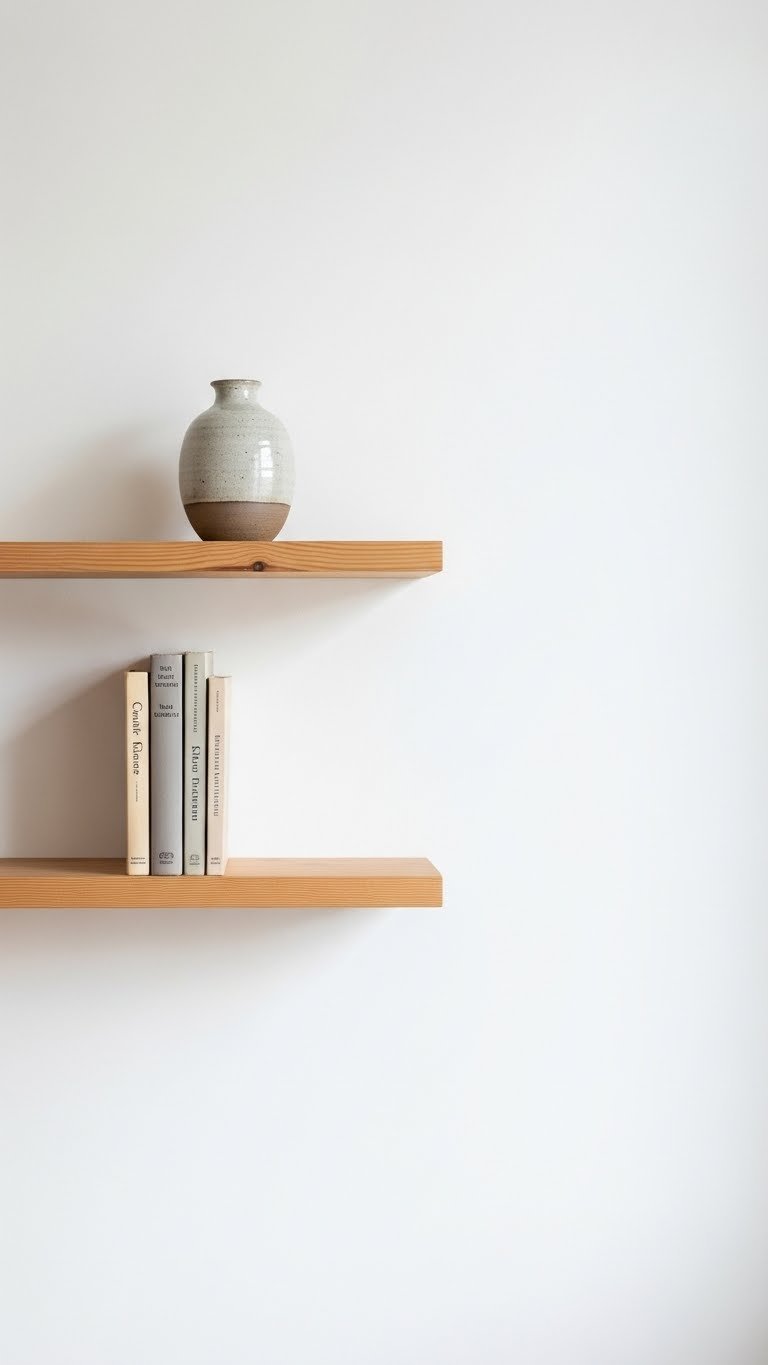
Minimalist shelving with just a few carefully chosen pieces feels expensive and curated. This approach works especially well in small spaces where you need to breathe.
Install wooden floating shelves ($20–$50 each) using a stud finder and level. Style each shelf with only 3–5 items maximum, leaving lots of negative space. Choose sculptural objects, coffee table books, or plants that bring you joy. The empty space is part of the design.
Time estimate: 1 hour for installation, 15 minutes for styling. This approach forces you to own things intentionally rather than accumulating stuff. Every object on your shelf should earn its place. The result feels peaceful, organized, and way more sophisticated than a crowded shelf.
22. Hang Textile Art in Unexpected Places

Art doesn’t belong only in living rooms. Bathrooms, kitchens, and hallways deserve beautiful textiles too. Unexpected placements surprise and delight visitors.
Use removable command hooks ($10–$15) to hang a textile, tapestry, or fabric art ($20–$80) in a powder room, bathroom, or kitchen. Choose a piece that complements the room’s existing colors. Lightweight fabrics work best in damp environments—avoid delicate pieces in high-moisture spaces.
Pro tip: Smaller textiles work better in smaller spaces like bathrooms. In kitchens, choose machine-washable fabrics or protect them from splashing. This approach adds personality to often-overlooked rooms. Guests will notice and comment—it’s the sign of intentional home design.
23. Build a Wall of Books as Living Art
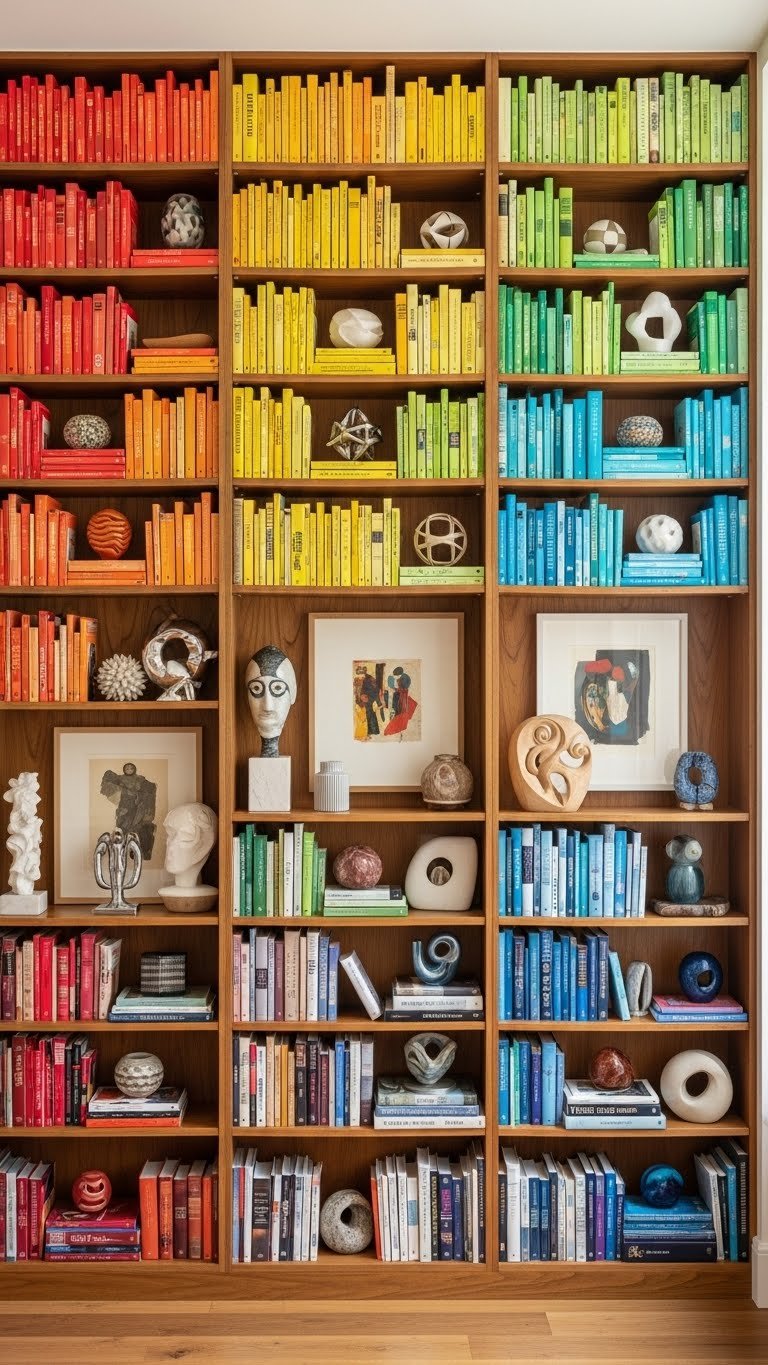
Books arranged by color aren’t just practical—they’re visual art. Your bookshelf becomes a design statement that also serves a purpose.
Gather books you actually own or hunt thrift stores ($1–$5 per book) and organize them by color family. Group warm tones (reds, oranges, yellows) together, then move through the spectrum. Break up solid colors with small sculptures, framed photos, or plants to add dimension.
Pro tip: Don’t worry about having “enough” books—even a quarter shelf can look beautiful when styled intentionally. Leave some shelves partially empty for visual breathing room. This approach transforms a boring bookshelf into gallery art that also stores your favorite reads. It’s a conversation starter and a mood boost every time you look at it.
24. Commission a Small Series of Local Artist Prints
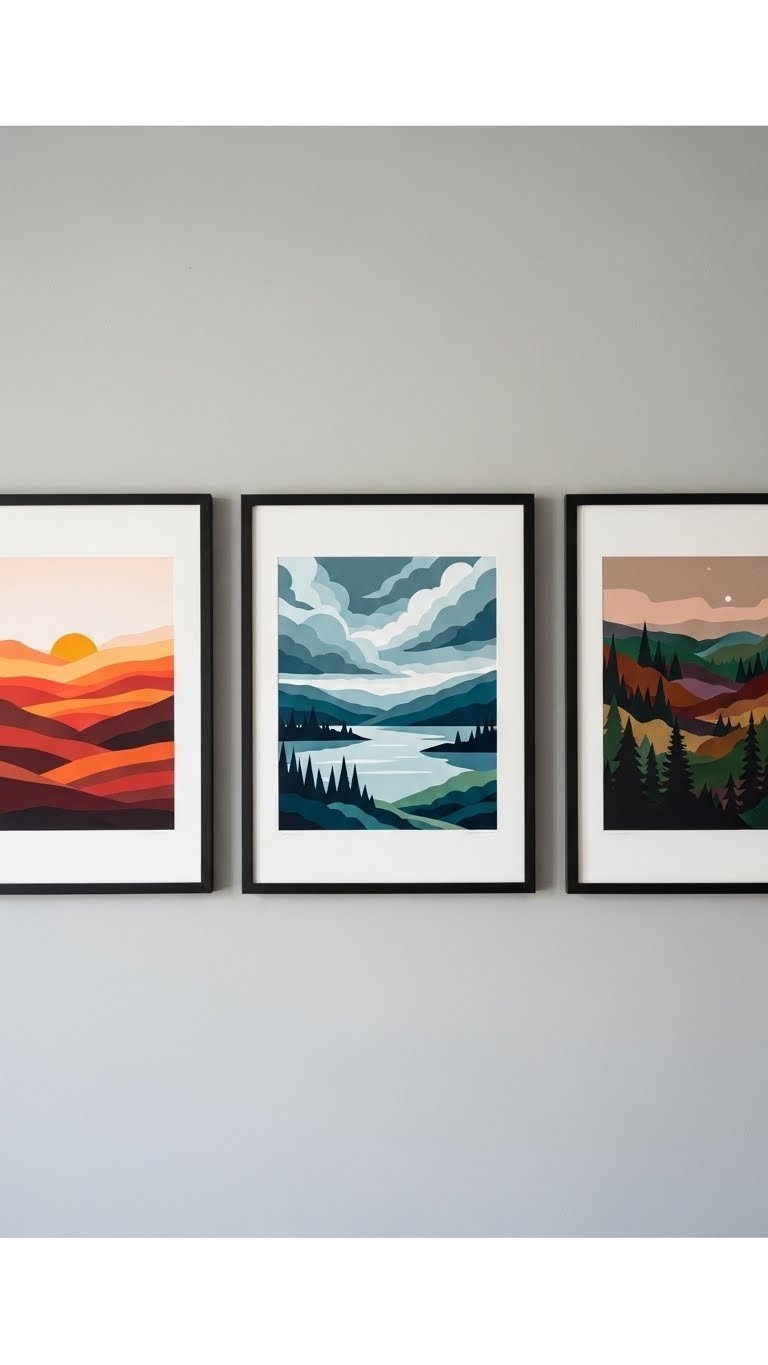
Supporting local artists while decorating your space is a win-win. A small series of prints by one artist feels more cohesive than random pieces.
Visit local art markets, galleries, or check Instagram for emerging artists. Commission 3–5 prints ($50–$150 per print) in related themes or styles. Frame them consistently so they feel like a collection rather than scattered art.
Time estimate: 4–6 weeks from commission to delivery depending on the artist. The payoff? You’re supporting someone’s creative practice, you get unique art, and your wall tells a story about your community and values. Plus, art from emerging artists often appreciates in value as they become more established. It’s decorating with purpose.
25. Create Dimension with Layered Wall Arrangements
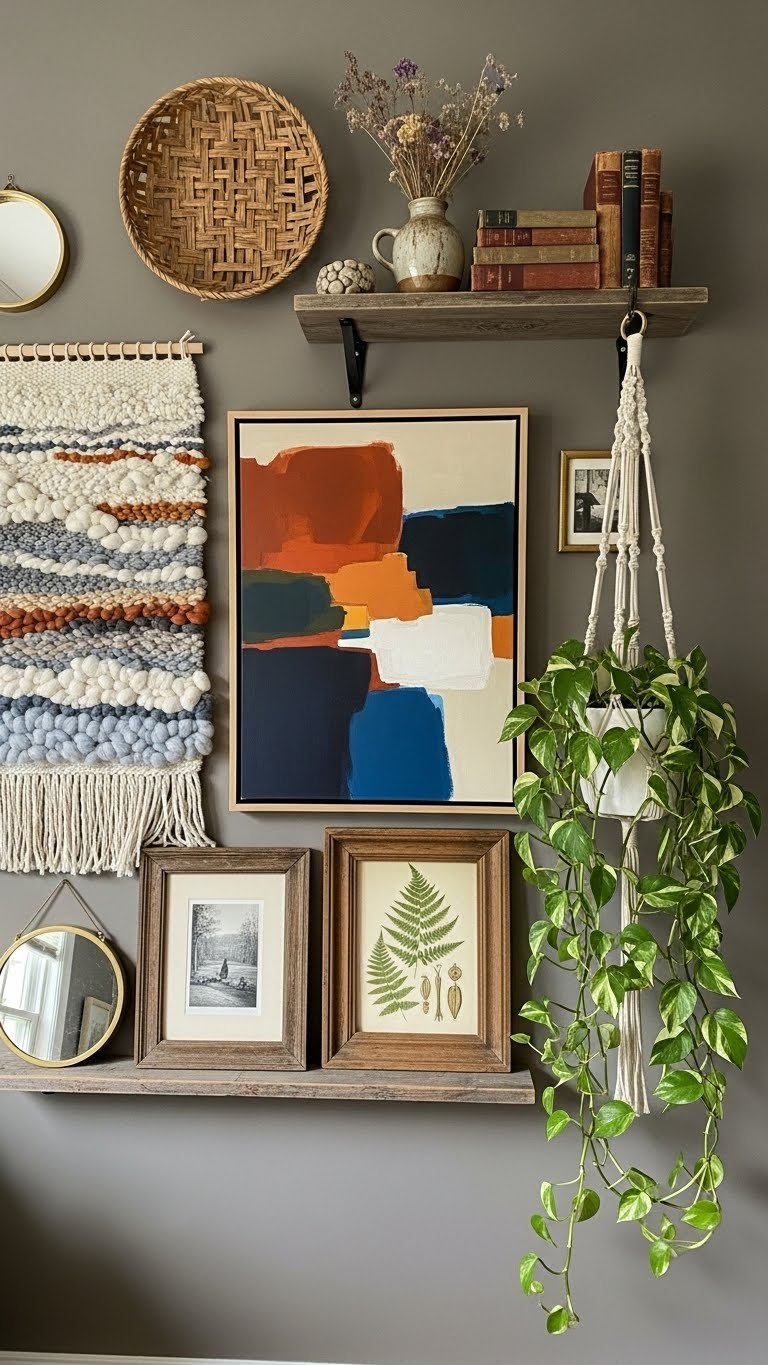
Dimension comes from layering pieces at different depths. Combine flat art, hanging textiles, floating shelves, and plants for a wall that feels three-dimensional and alive.
Start with framed art as your base layer, add a floating shelf ($30–$60) or woven hanging ($25–$80), then introduce hanging plants ($15–$50) in front. Use command hooks and damage-free strips ($10–$20 total) for easy installation. The key is varying the distance—some pieces hug the wall, others float forward.
Time estimate: 2–3 hours for planning and installation. This approach works beautifully in bedrooms, living rooms, or home offices. The layering creates visual richness that makes your space feel curated and alive. It’s more interesting than any single piece could be alone, and it photographs beautifully too.
26. Style a Mantel or Shelf as a Seasonal Art Display
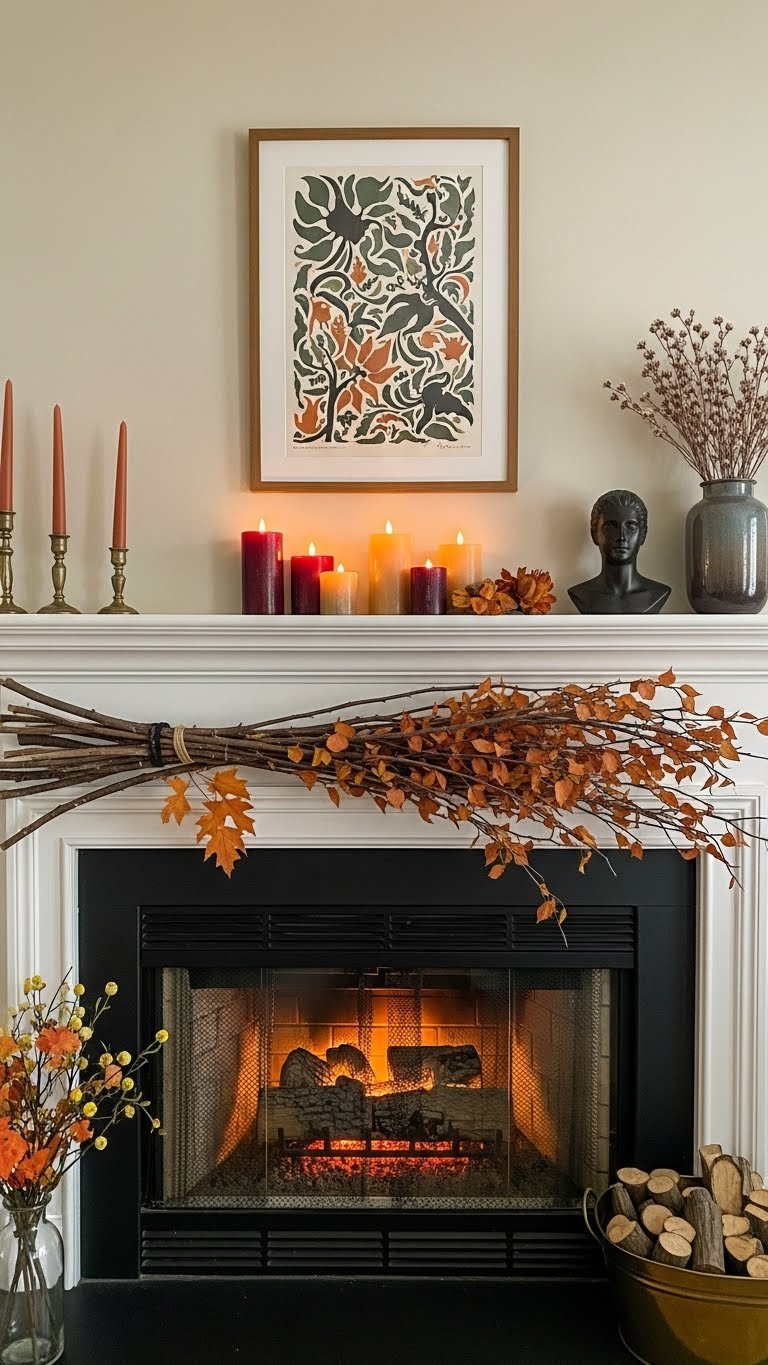
Seasonal styling keeps your art fresh and gives you permission to change things up regularly. Your mantel becomes a rotating gallery instead of static decoration.
Choose 5–7 pieces for each season: artwork, candles ($10–$30), branches or natural elements (free or $5–$15), sculptural objects ($15–$60), and one larger focal point. Group them in varying heights, color-coordinate by season, and let negative space breathe.
Fall: burnt orange, gold, dark green accents. Winter: silvers, cool whites, metallics. Spring: pastels, fresh greenery, light woods. Summer: bright colors, nautical or botanical themes.
Time estimate: 30 minutes to swap out seasonal decor. The beauty is that you’re constantly refreshing without buying new furniture. Guests notice and appreciate the thought behind seasonal details. It shows your home is alive and intentional, not stuck in one static aesthetic.
Save this post and try one idea this weekend—you’ll be surprised how fast your walls go from blank to beautiful. Whether you start with a gallery wall or invest in a custom piece, each addition tells a story about who you are. Which idea calls to you first?
Leave a Reply