Category: Kitchen Decor

  • 24 Very Small Kitchen Ideas That Maximize Tight Spaces

    24 Very Small Kitchen Ideas That Maximize Tight Spaces


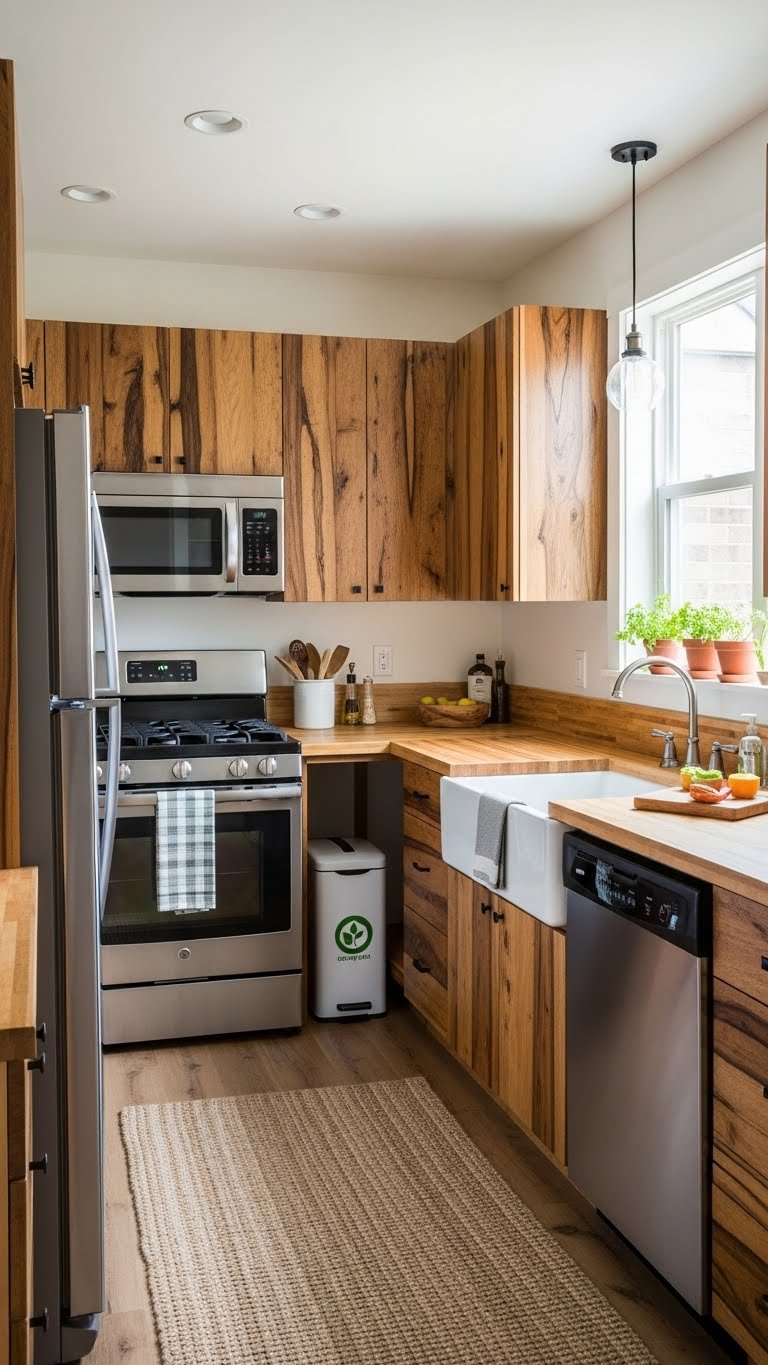
    Small kitchens don’t have to feel cramped or frustrating. With the right design choices, you can make every inch work harder—and feel bigger—without a major renovation. Whether you’re renting, living in a studio, or working with a galley kitchen, these 24 ideas combine practical storage solutions, visual tricks, and smart styling to maximize your tight space. You’ll learn budget-friendly hacks alongside investment pieces, plus renter-approved options that don’t require landlord permission. Let’s turn your small kitchen into a space that’s both functional and genuinely enjoyable to cook in.


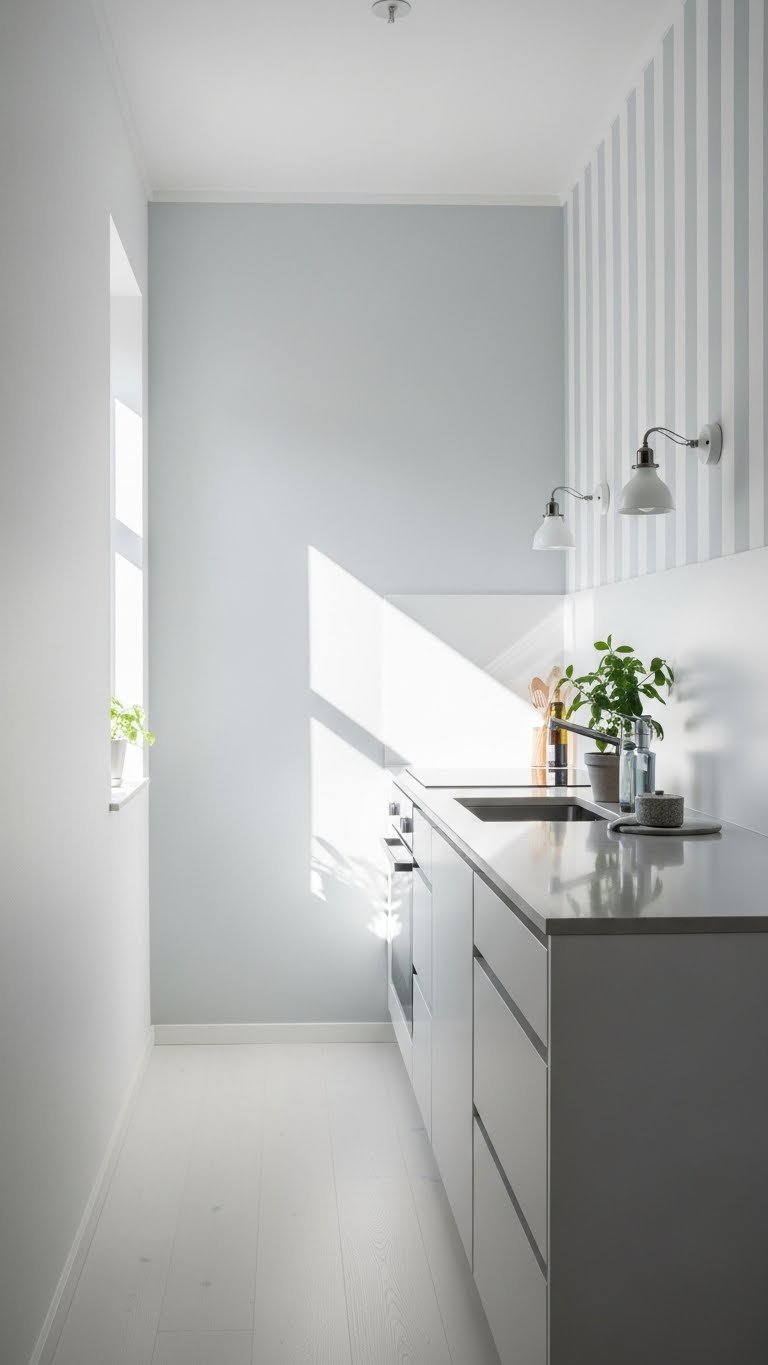
    1. Paint Walls Light to Expand Space

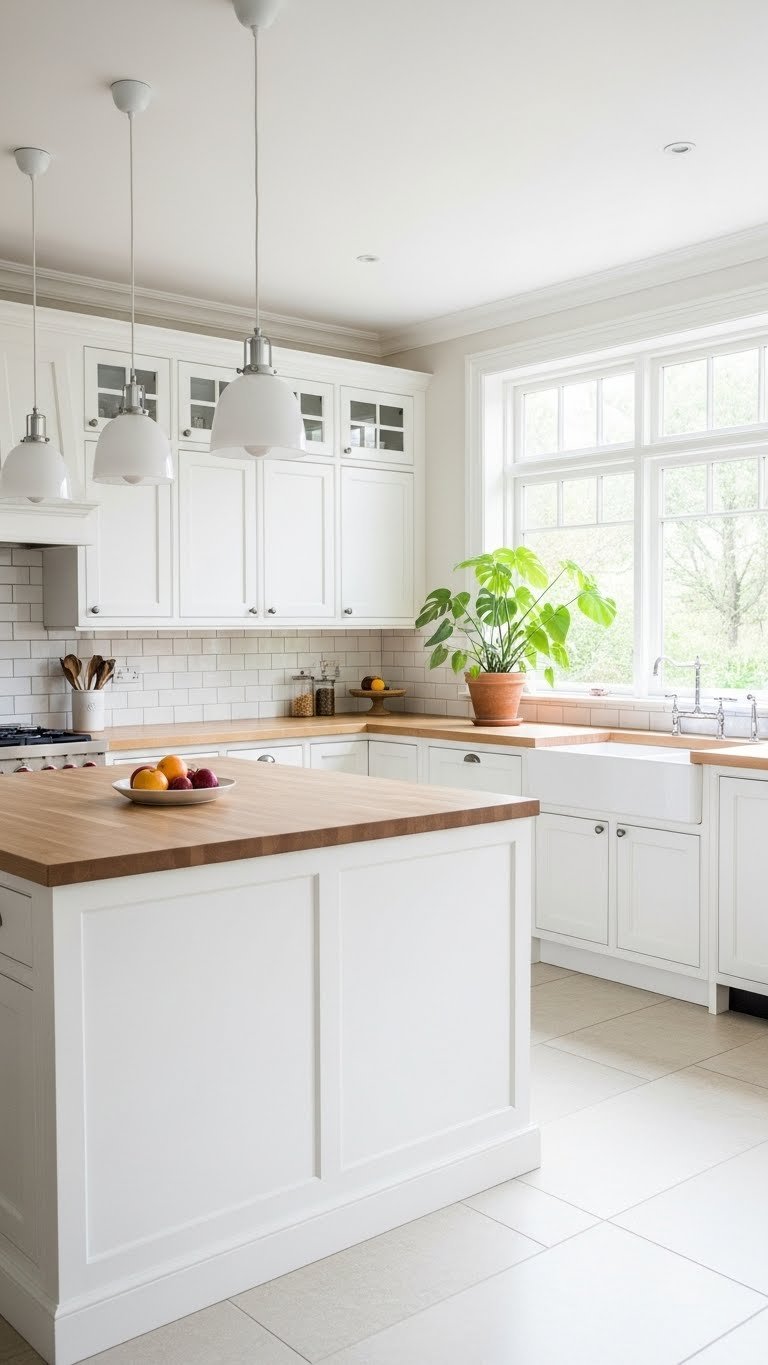
    Paint is the fastest way to make a small kitchen feel bigger—light colors literally bounce light around and create visual openness. Choose whites, soft grays, or pale cream for walls; these shades make the room breathe without feeling sterile.

    Go for a flat or eggshell finish to hide imperfections (glossy finishes can highlight flaws in small spaces). Benjamin Moore’s “Cloud White” or Sherwin-Williams’ “Alabaster” work beautifully and cost $25–$40 per gallon. A single-wall project takes 2–4 hours including prep. If you’re renting, peel-and-stick wallpaper in light tones offers the same effect without landlord pushback ($15–$30 per roll).

    The payoff is immediate: your kitchen opens up visually, and cooking feels less like working in a box.


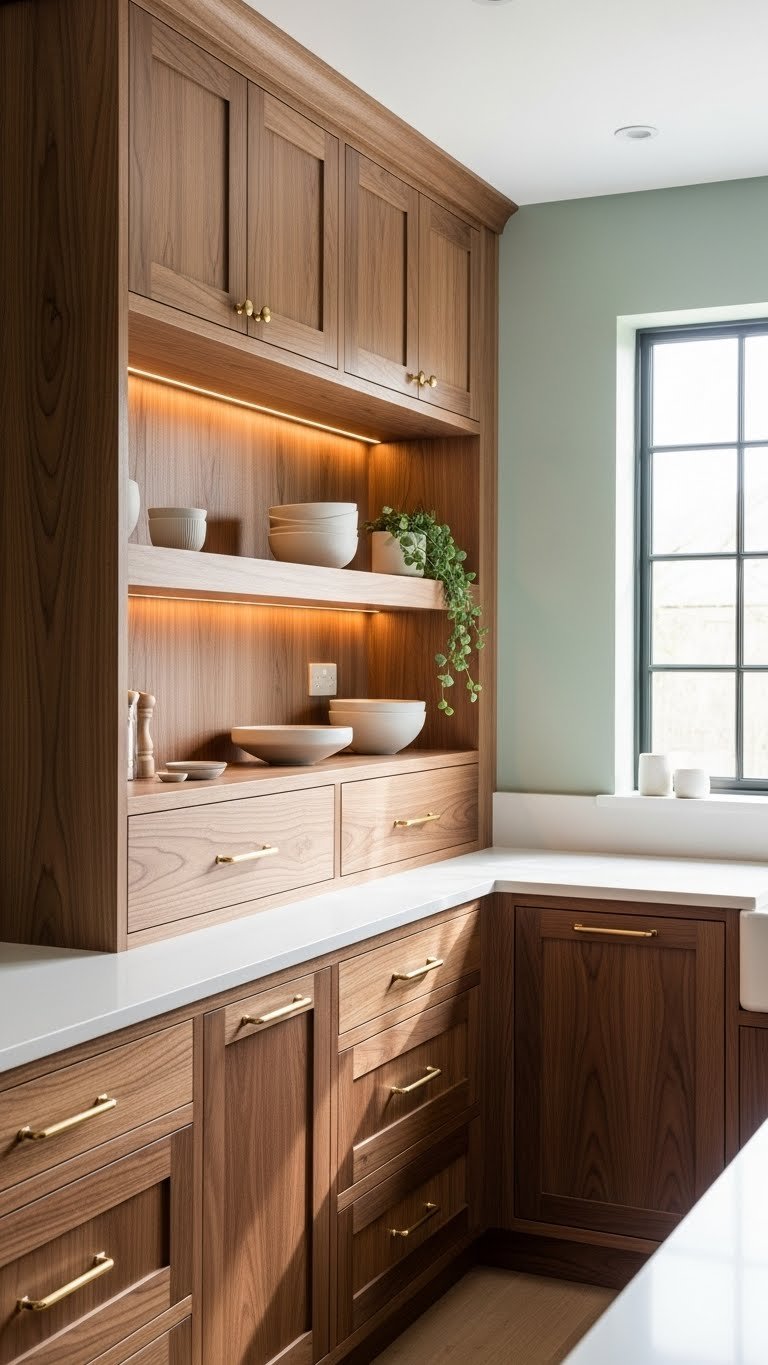
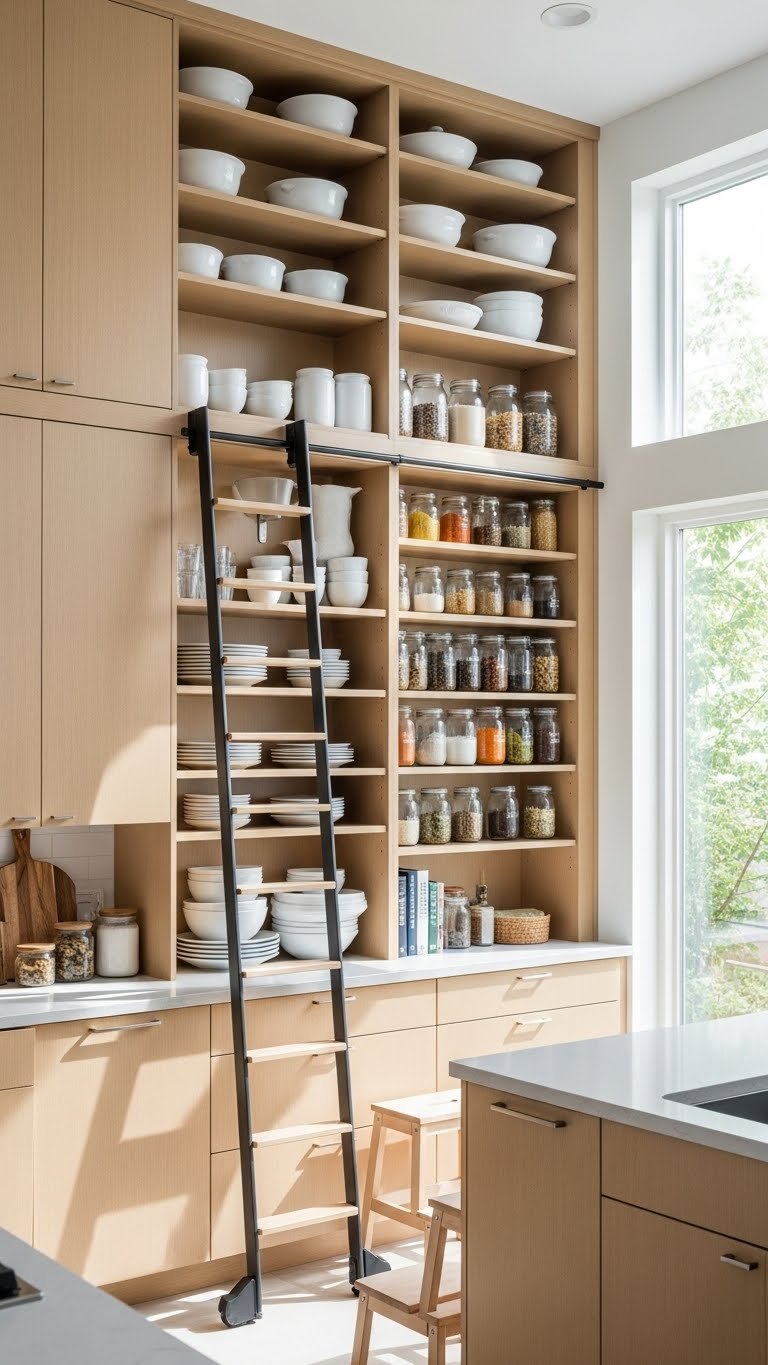
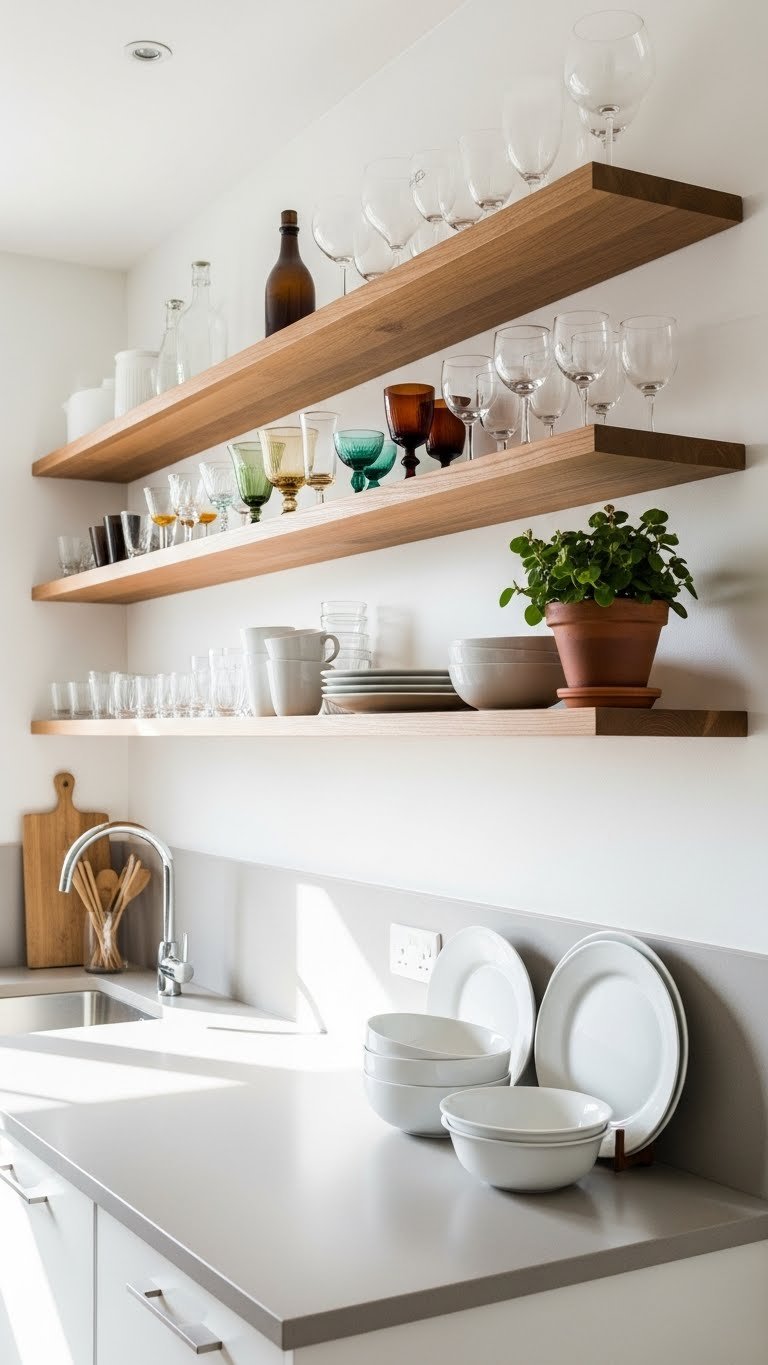
    2. Install Open Shelving Instead of Upper Cabinets

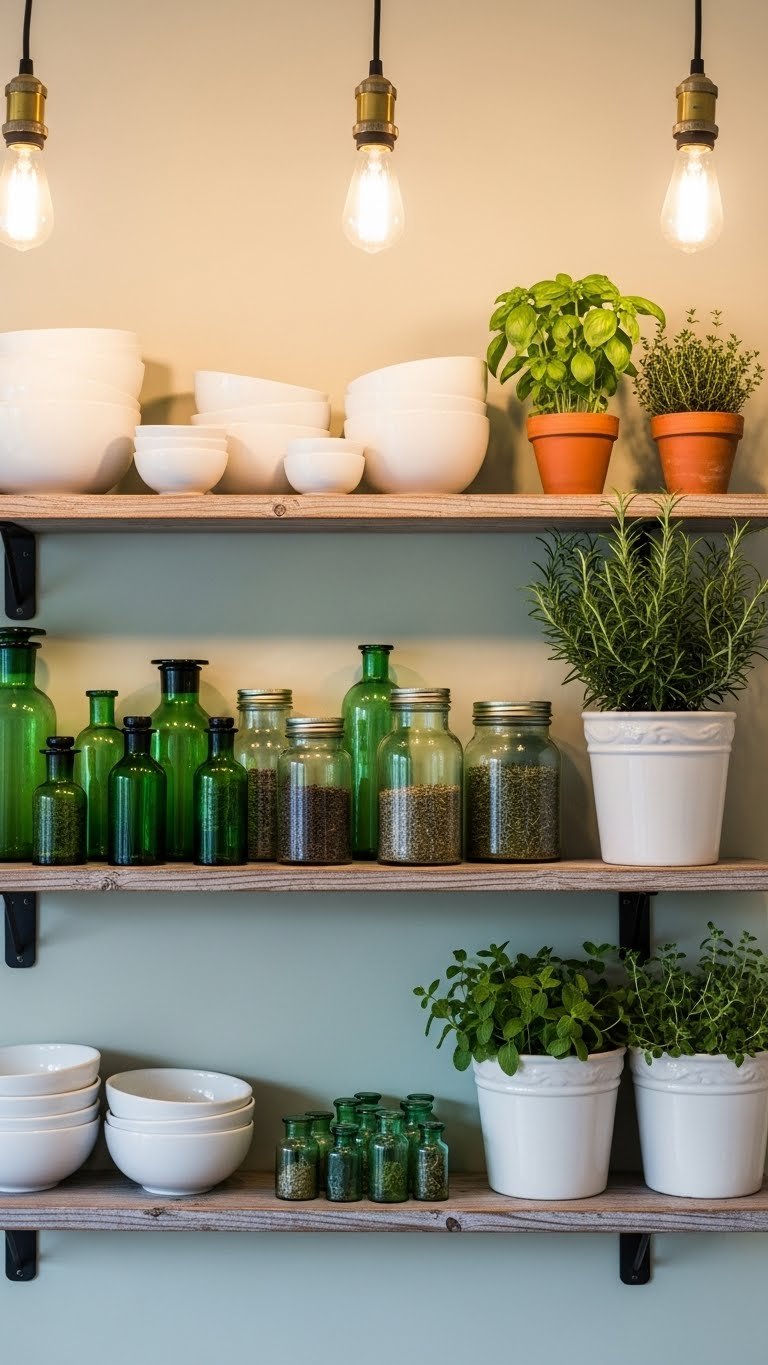
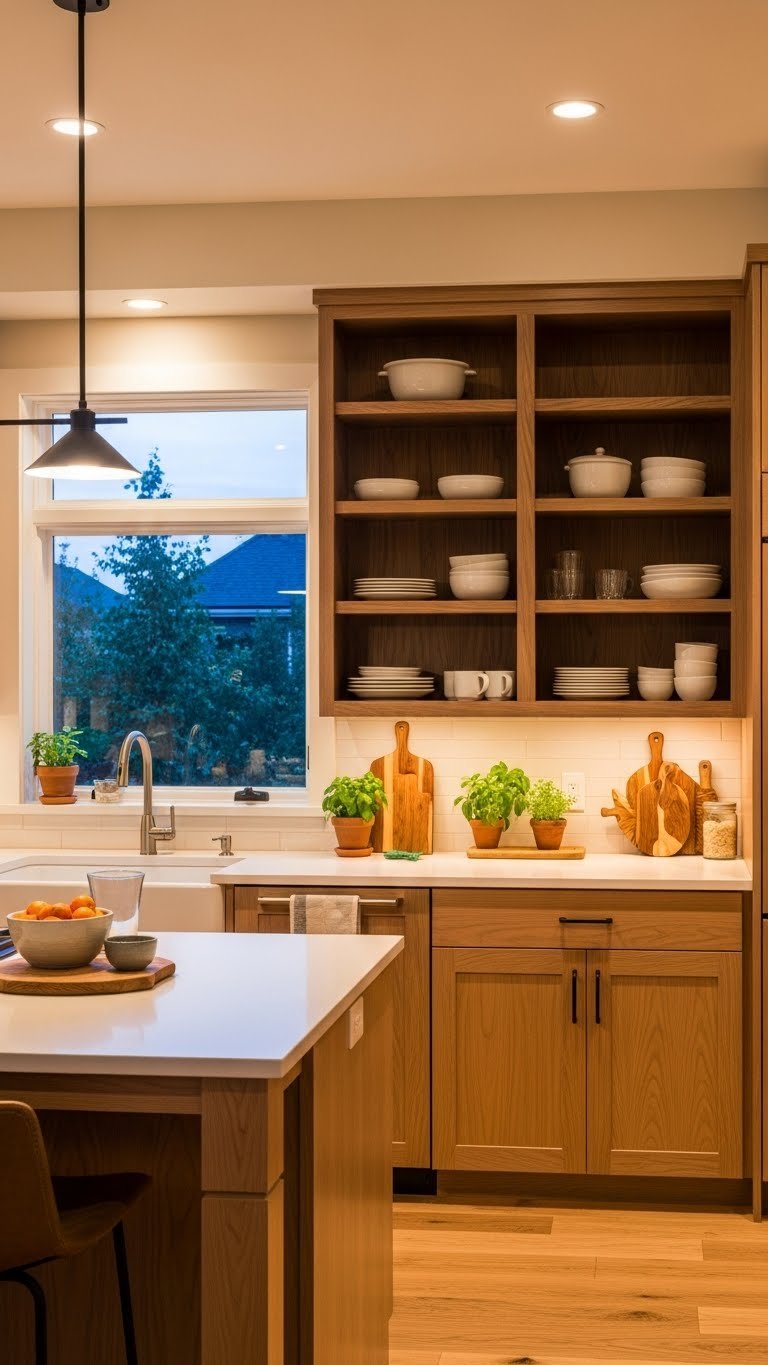
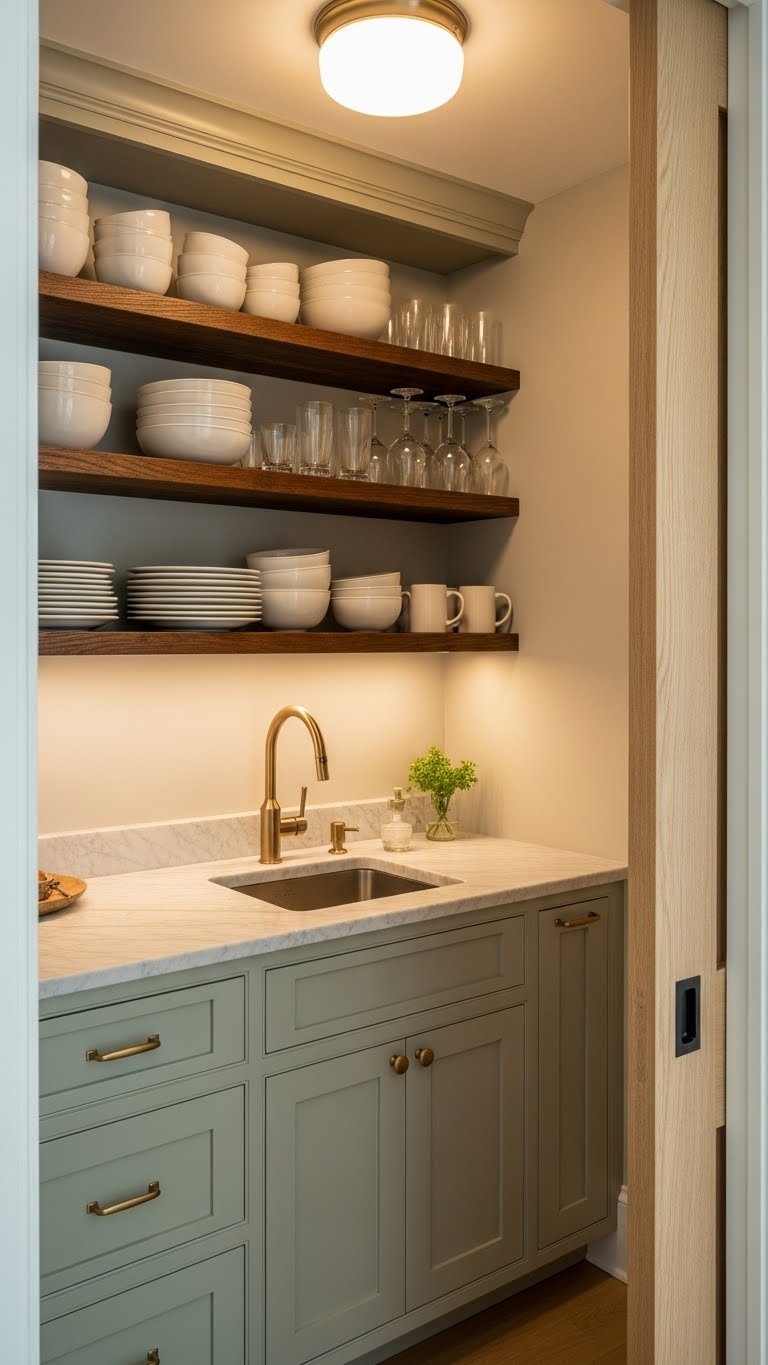
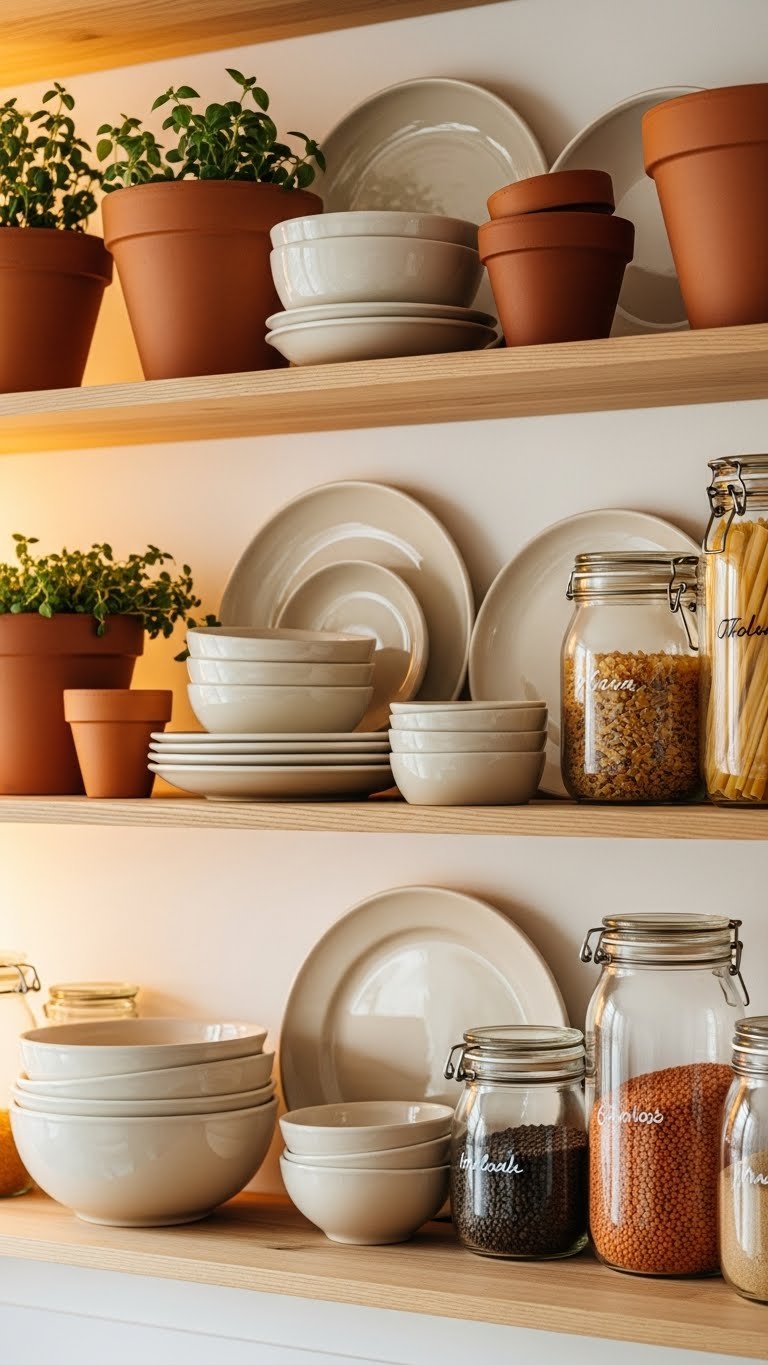
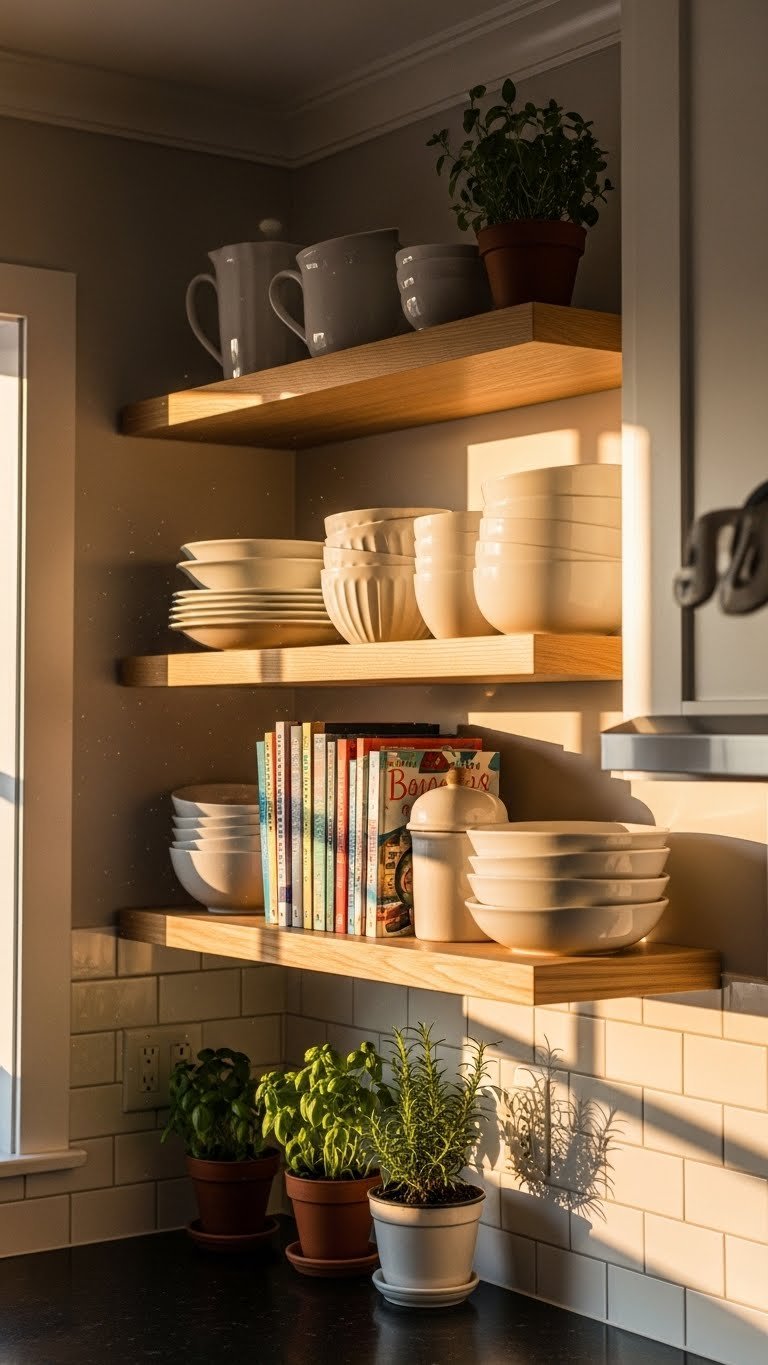
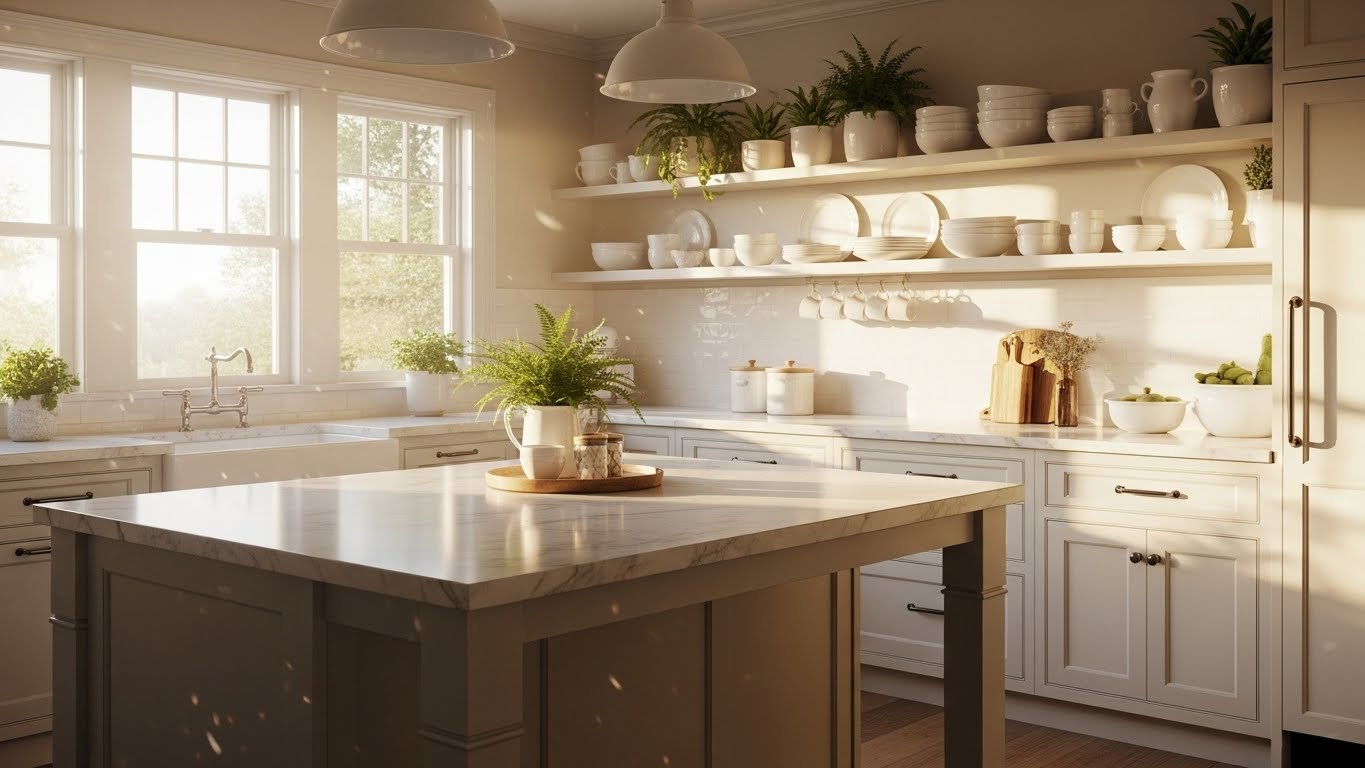
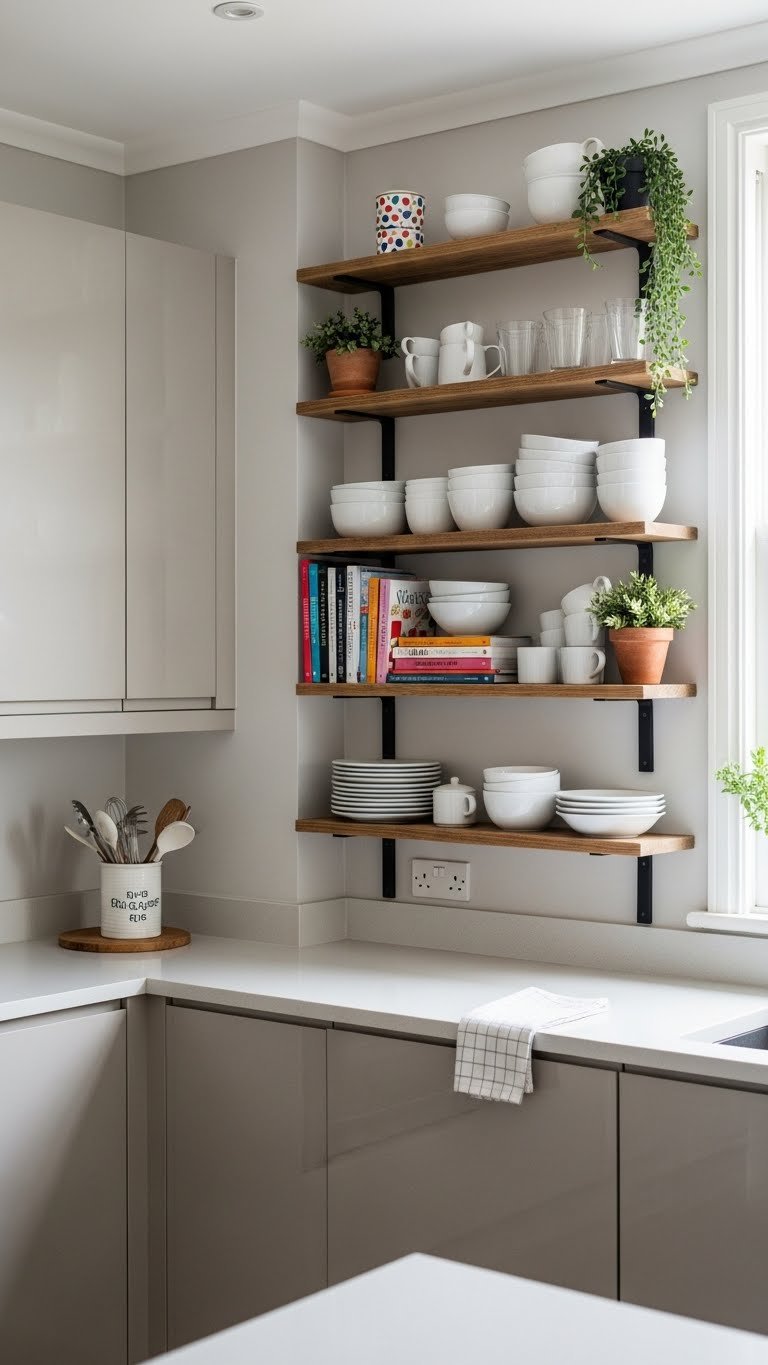
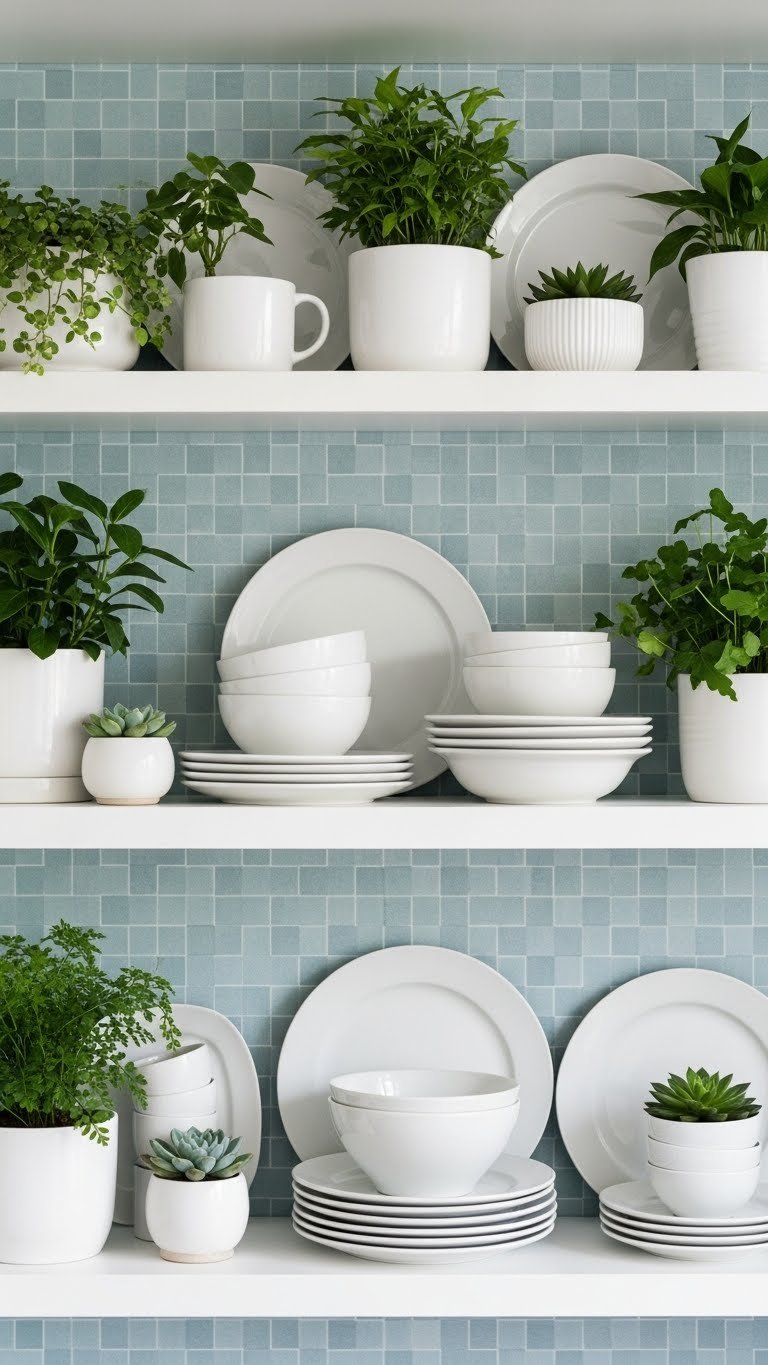
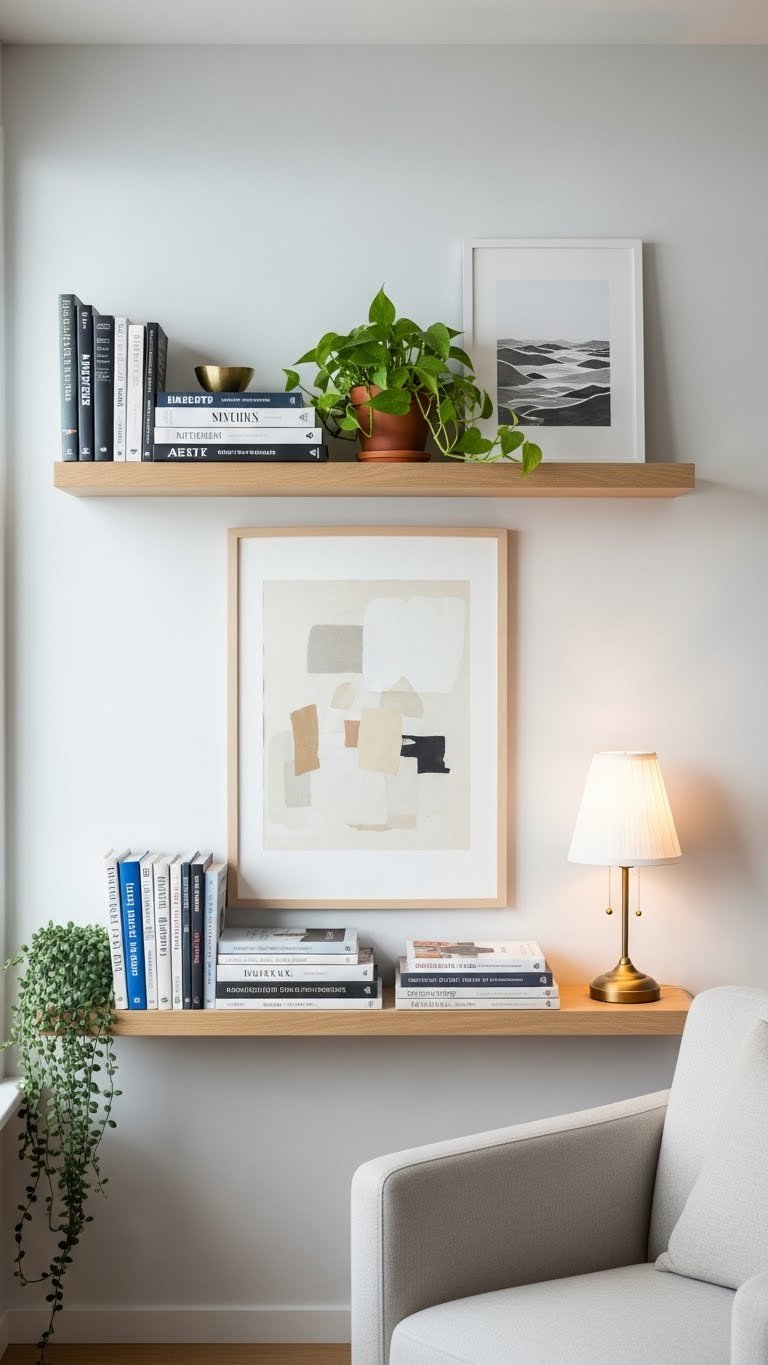
    Open shelving removes visual weight and makes small kitchens feel airier—plus you gain easy access to everyday dishes without door swings. This works especially well if you don’t have tons of clutter or if you’re willing to display only items you love.

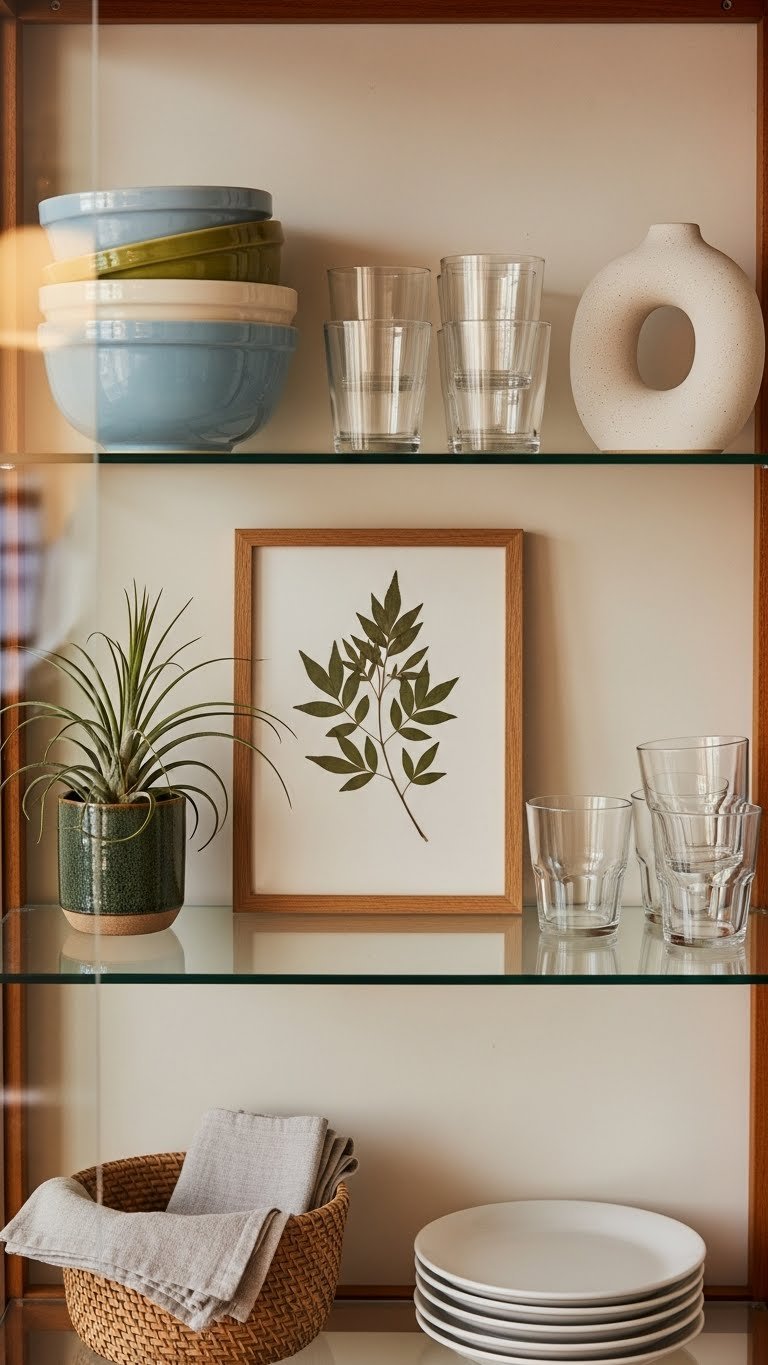
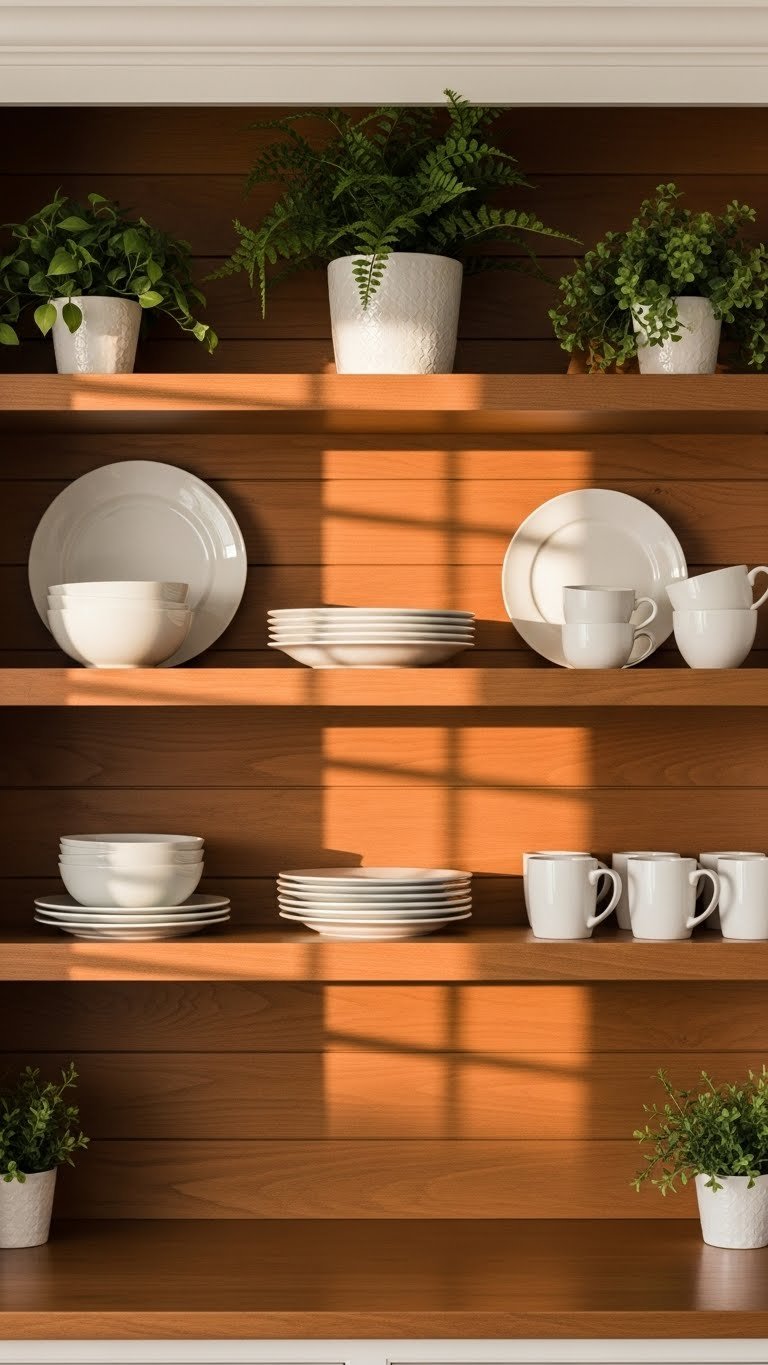
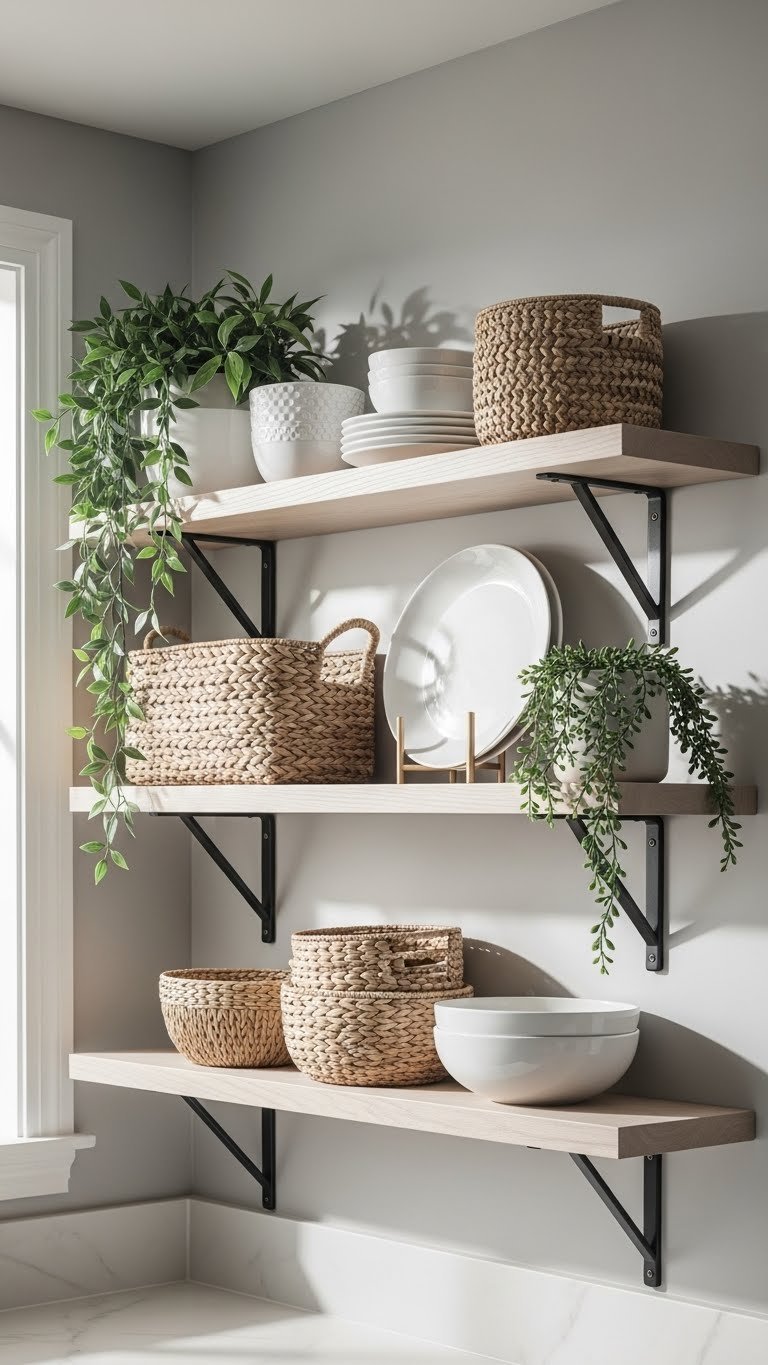
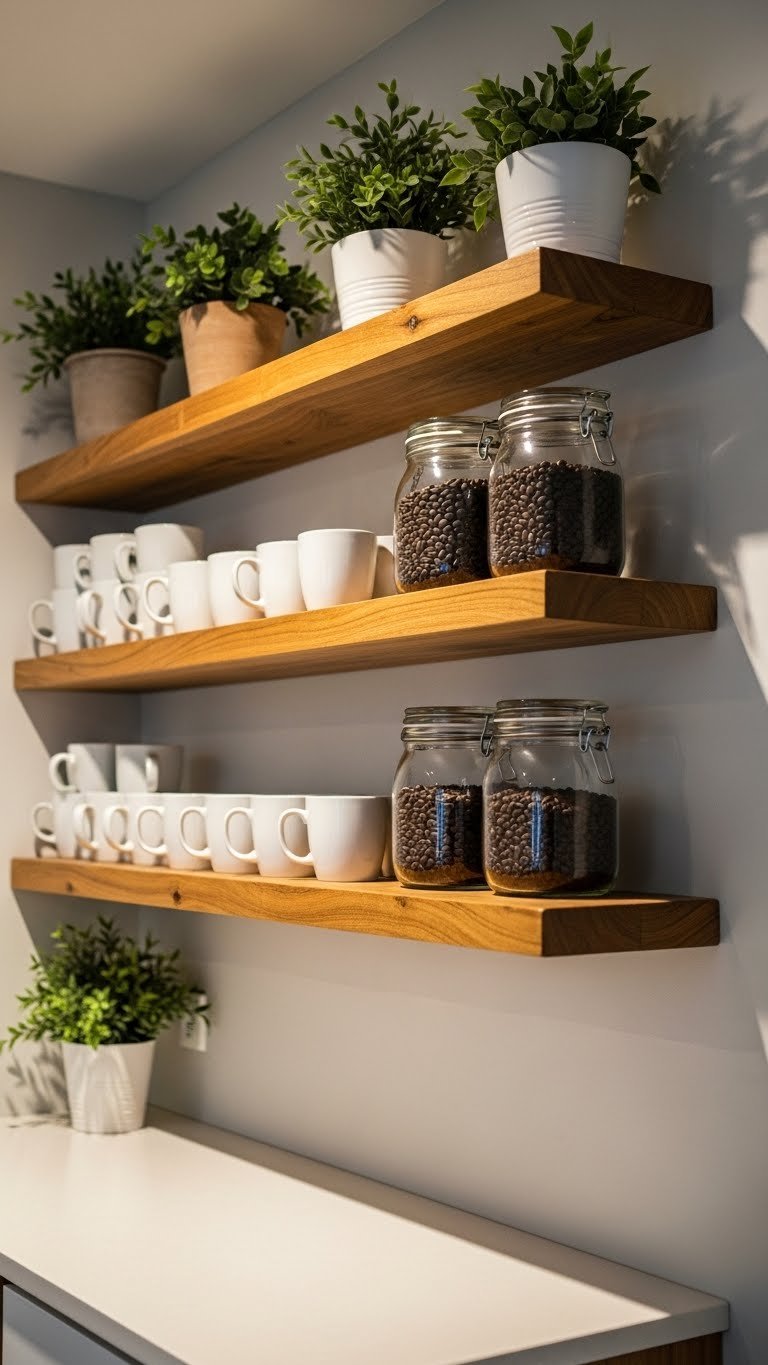
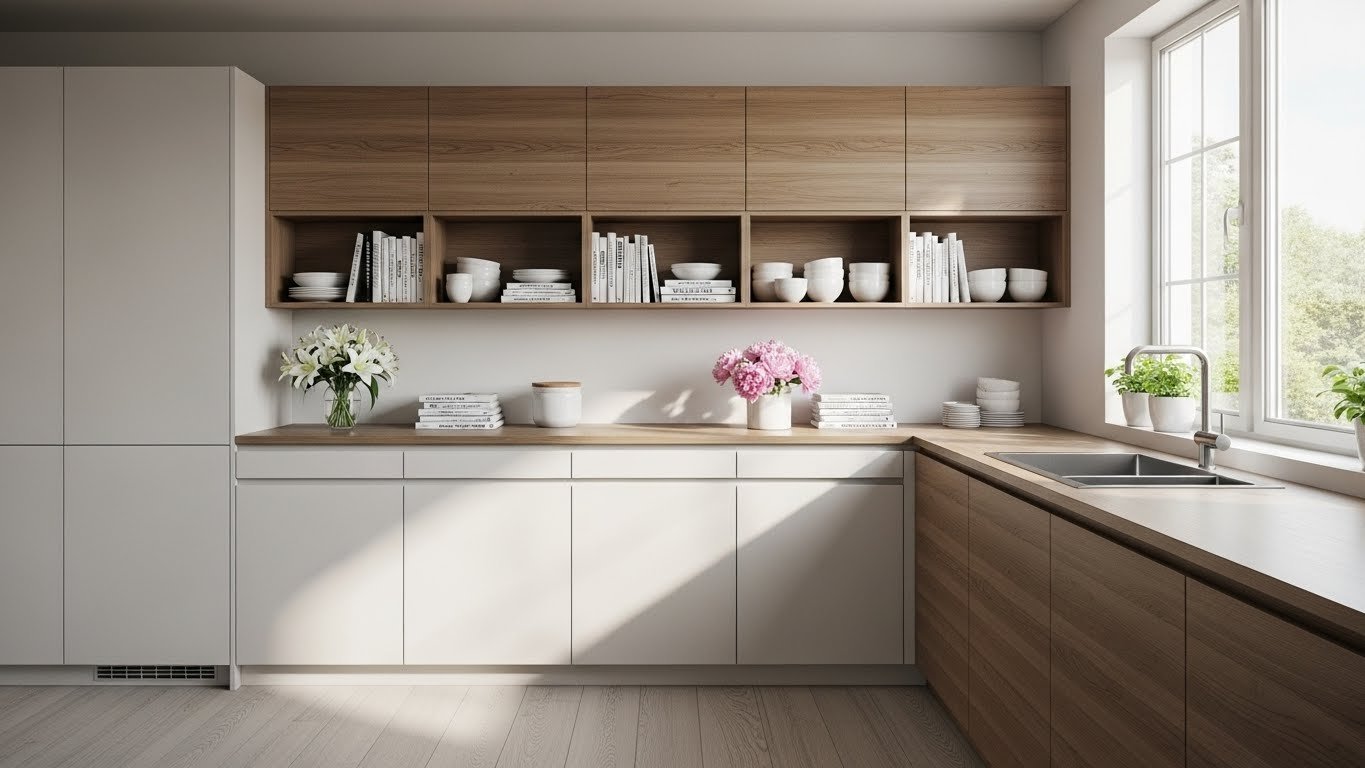
    Replace one or both upper cabinet runs with floating shelves (6–12 inches deep). Expect to pay $50–$150 per shelf installed, or $20–$60 for DIY floating shelves from IKEA or Home Depot. Installation takes 1–2 hours if you’re comfortable with a level and screws; hire help if you need wall studs located. Style with white dishes, a few cookbooks, and small plants—gaps matter here. Renter? Lean large shelves against walls and secure them with earthquake-proof brackets instead.

    You’ll instantly see how this opens up the room and makes daily cooking more streamlined.


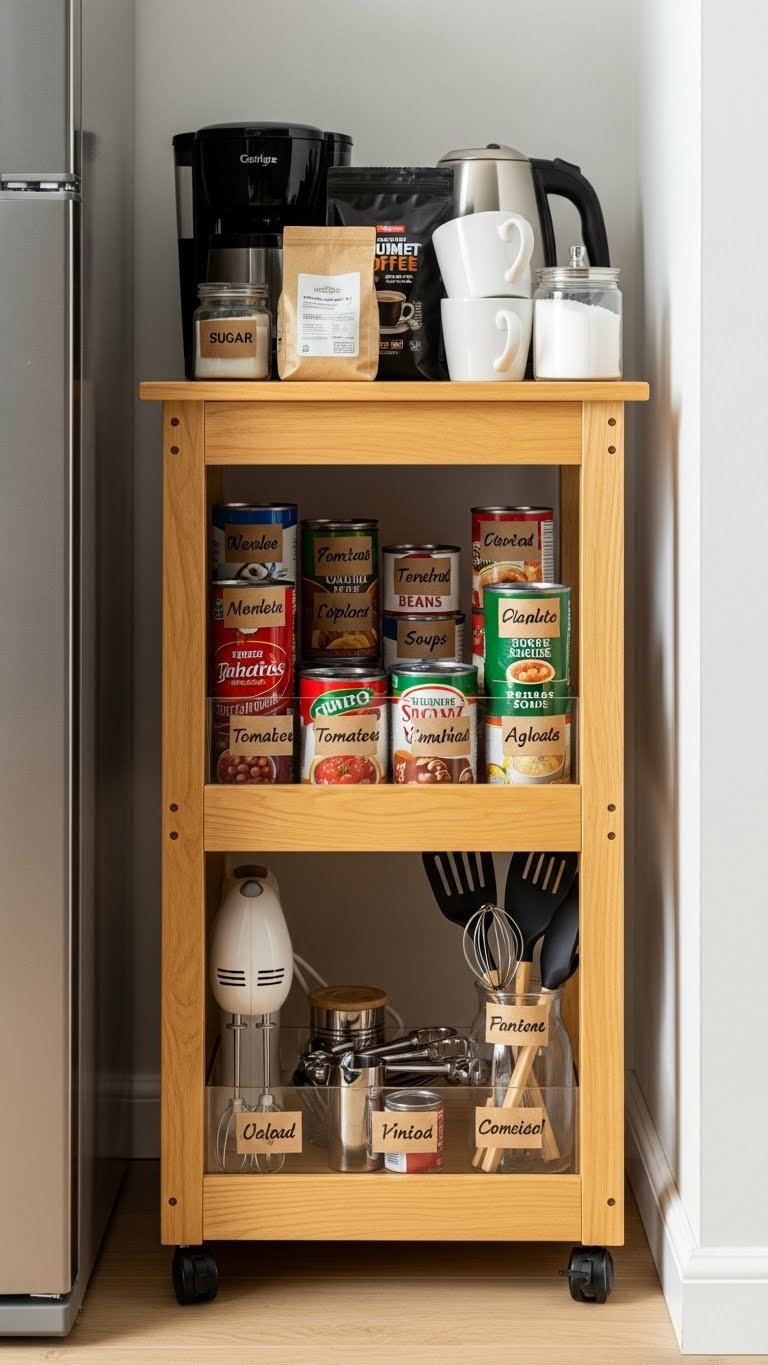
    3. Add a Narrow Rolling Cart for Extra Storage

    Rolling carts slide into gaps that cabinets can’t fit—between the fridge and a wall, next to the stove, or in a corner. They’re mobile, affordable, and perfect for small spaces because you move them around seasonally.

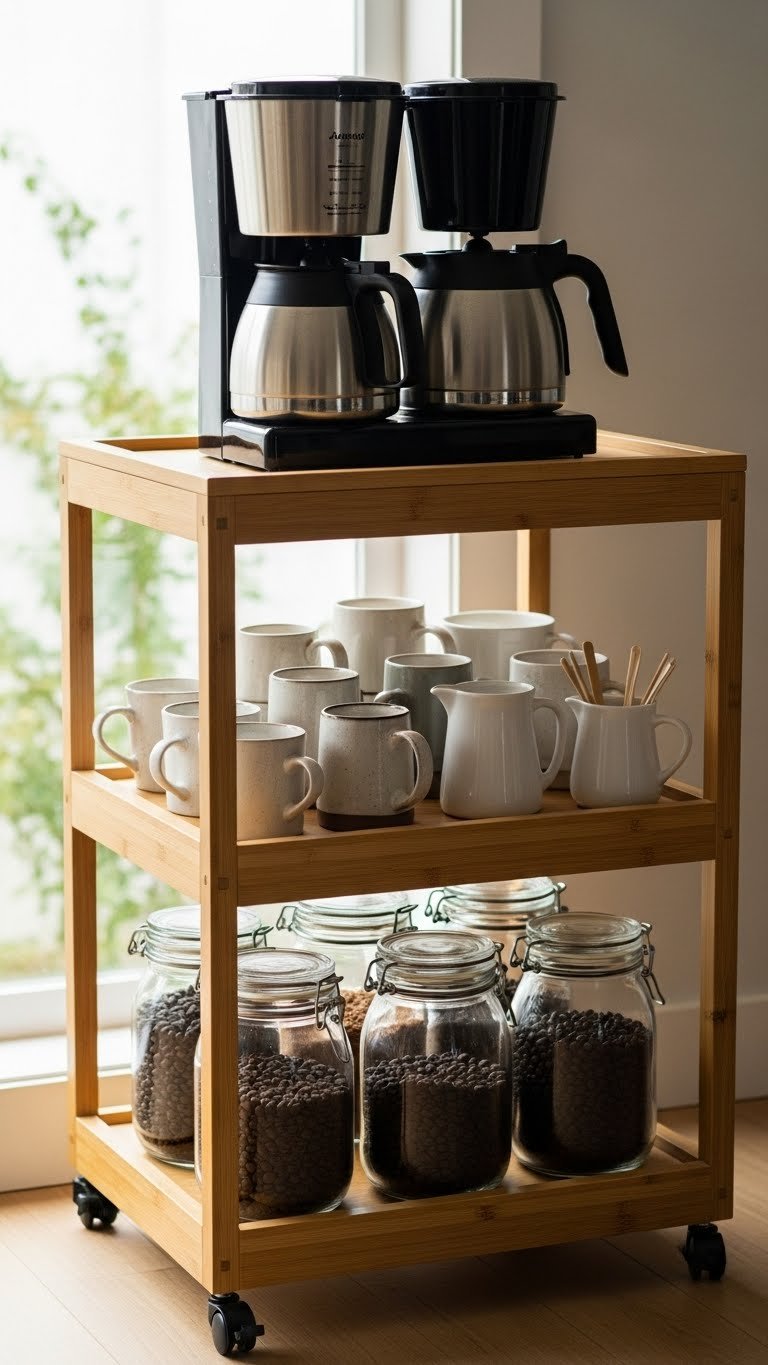
    Pick a 3-tier slim cart (12–16 inches wide) from IKEA Råskog ($30–$40), Target, or Amazon. Stock the top tier with frequently used items like oils and spices, the middle with canned goods, and the bottom with bulkier appliances like a slow cooker. Costs just $30–$60 and needs no installation. If you move or redecorate, take it with you—totally renter-friendly.

    This small addition gives you functional storage without eating into precious counter or cabinet real estate.


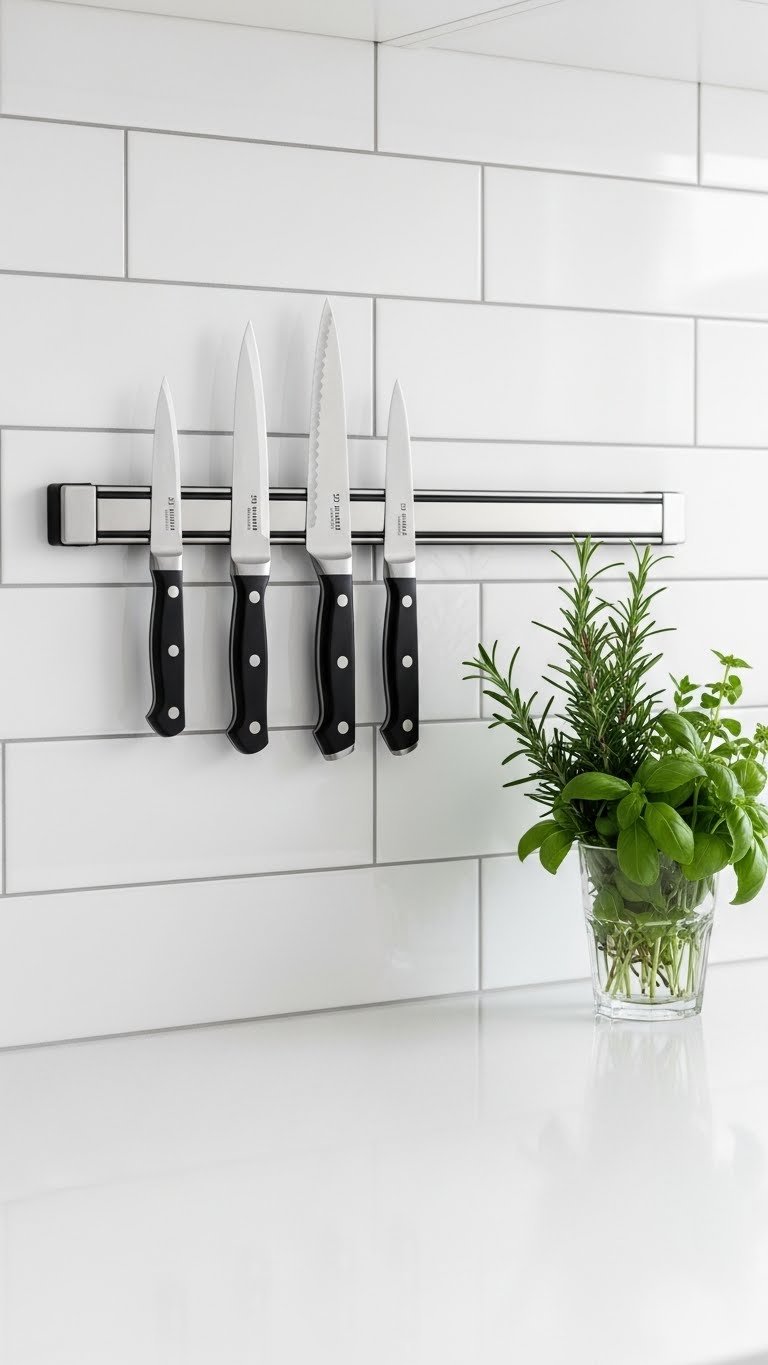
    4. Use Vertical Wall Space for Magnetic Knife Strips

    Knives taking up drawer space are wasted real estate in a small kitchen. A magnetic strip on the wall frees up drawer storage while keeping knives accessible and safely organized.

    Mount a stainless steel magnetic strip (18–24 inches) at eye level on your backsplash or wall. Zwilling J.A. Henckels or Victorinox strips run $20–$50 and install with two screws in 10 minutes (renter-friendly if you use removable adhesive strips instead, $8–$15). Only knives with metal blades stick, so stainless steel works best. Avoid mounting above a stove where heat might affect the magnet.

    You reclaim drawer space while giving knives a styled, functional home that looks great in photos.


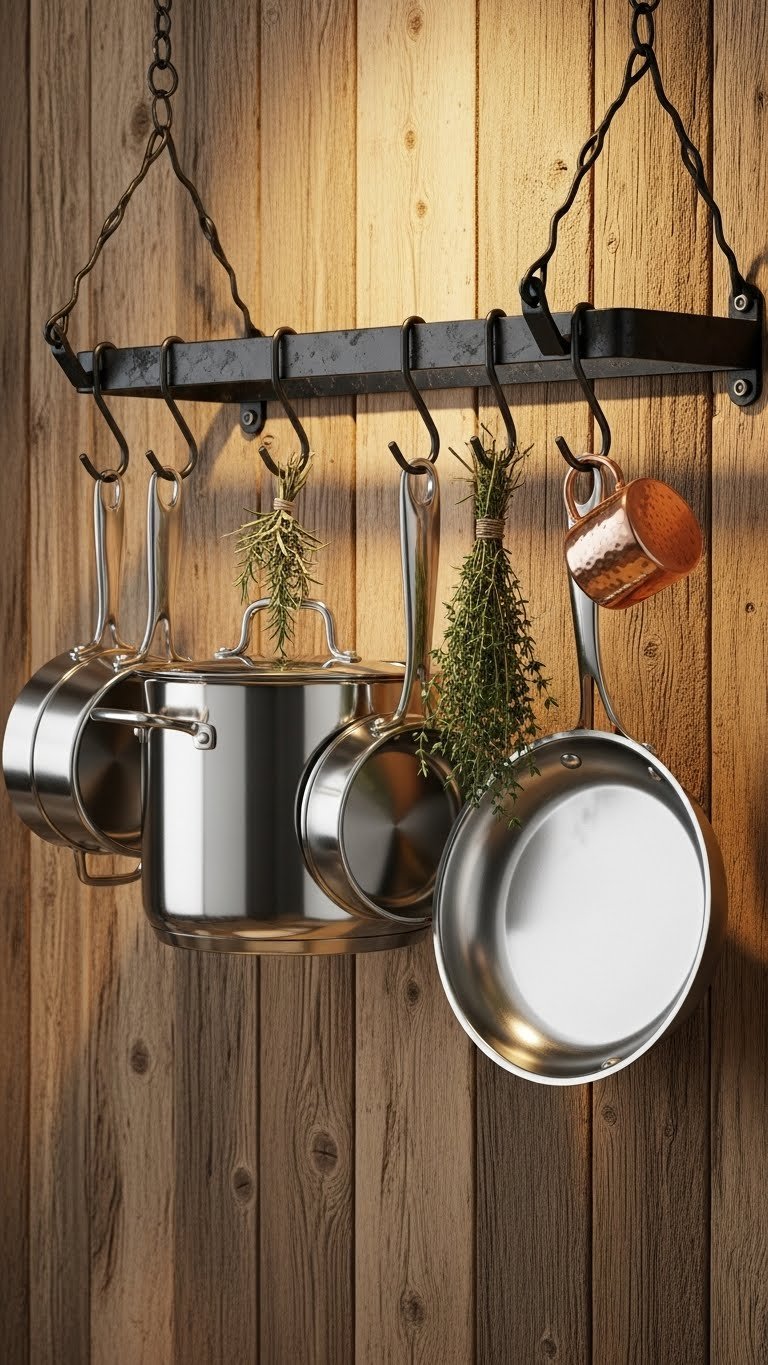
    5. Go Vertical with Wall-Mounted Pot Racks

    Pots and pans are bulky; wall-mounted or ceiling racks keep them visible and accessible without devouring cabinet space. This especially helps if your cabinets are already maxed out.

    Choose a wall-mounted or ceiling-hanging pot rack in black iron or brushed nickel ($40–$120 from IKEA, Home Depot, or Wayfair). Installation takes 1–2 hours with basic tools (or hire help for ceiling work—$100–$200 labor). Only hang cookware you use regularly; aesthetics matter since it’s visible. Renter? Adhesive wall hooks ($15–$30) can hold a few pans without drilling.

    Your cooking gear becomes décor while freeing up valuable cabinet inches below.


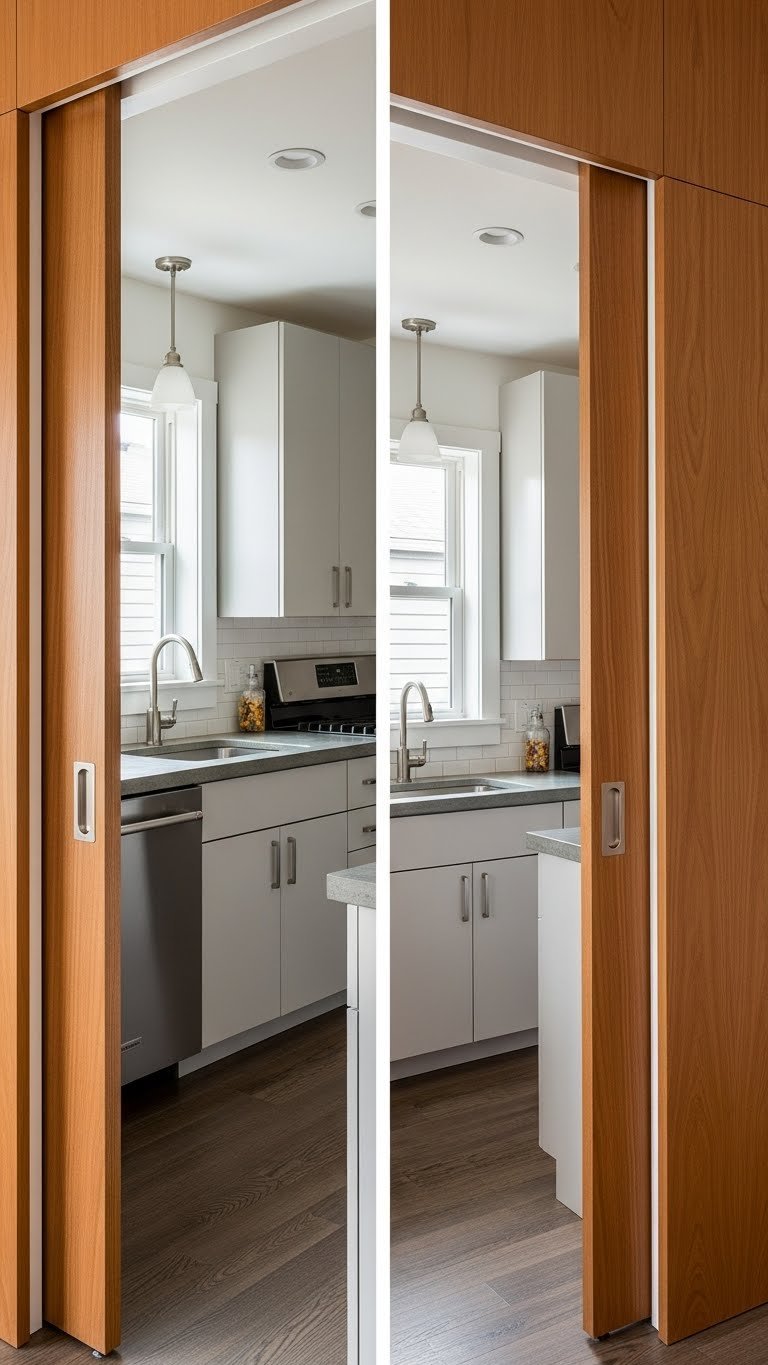
    6. Install Pocket Doors to Save Swing Space

    In tight kitchens, a door swing eats precious floor space. Pocket doors slide into walls instead, reclaiming inches.

    If your kitchen leads to another room via a traditional door, consider a pocket door installation ($500–$1,500 installed, depending on wall type). Installation takes a full day or two. This is a bigger project (not renter-friendly without landlord approval) but pays off immediately in how the space flows. Alternatively, replace a swinging door with a barn door on a track ($100–$300 DIY, 4–6 hours) for similar results with less structural work.

    The space you gain feels surprising—suddenly the kitchen opens up to the next room without a door constantly blocking your path.


    7. Choose Compact Appliances Sized for Small Spaces

    Standard appliances are too big for many small kitchens. Compact versions (24 inches instead of 30+) are designed for apartments and small homes and work just as well.

    Replace oversized appliances with 24-inch refrigerators ($600–$1,200), compact dishwashers ($400–$800), or slimline microwaves. Brands like GE, LG, and Samsung make quality compact lines. Measure your space first—this isn’t a quick project (budget half a day to a full day for removal and installation), and you’ll need professional help for gas or complex electrical ($200–$500 labor). Buying used saves money ($300–$700).

    Trading bulky appliances for right-sized ones changes everything—suddenly there’s actual counter space and the kitchen doesn’t feel like appliances with a sink attached.


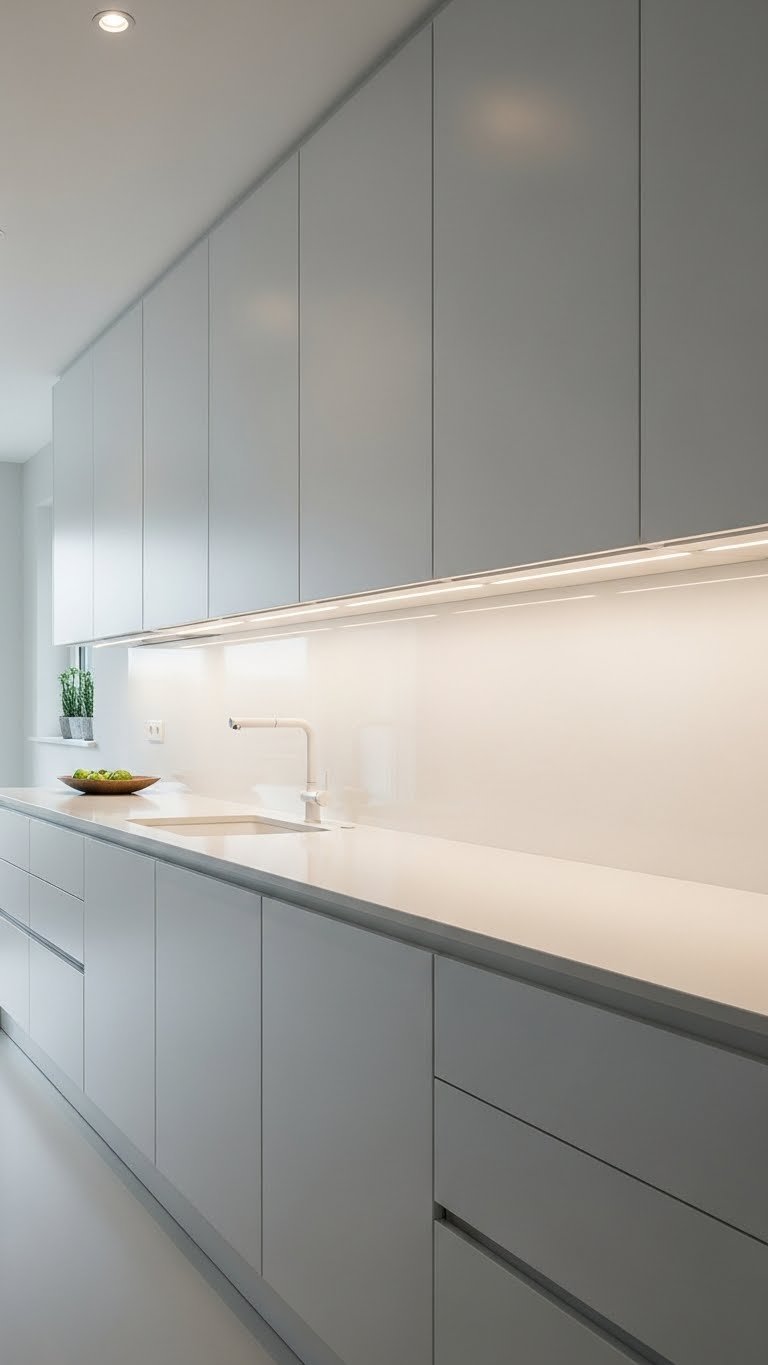
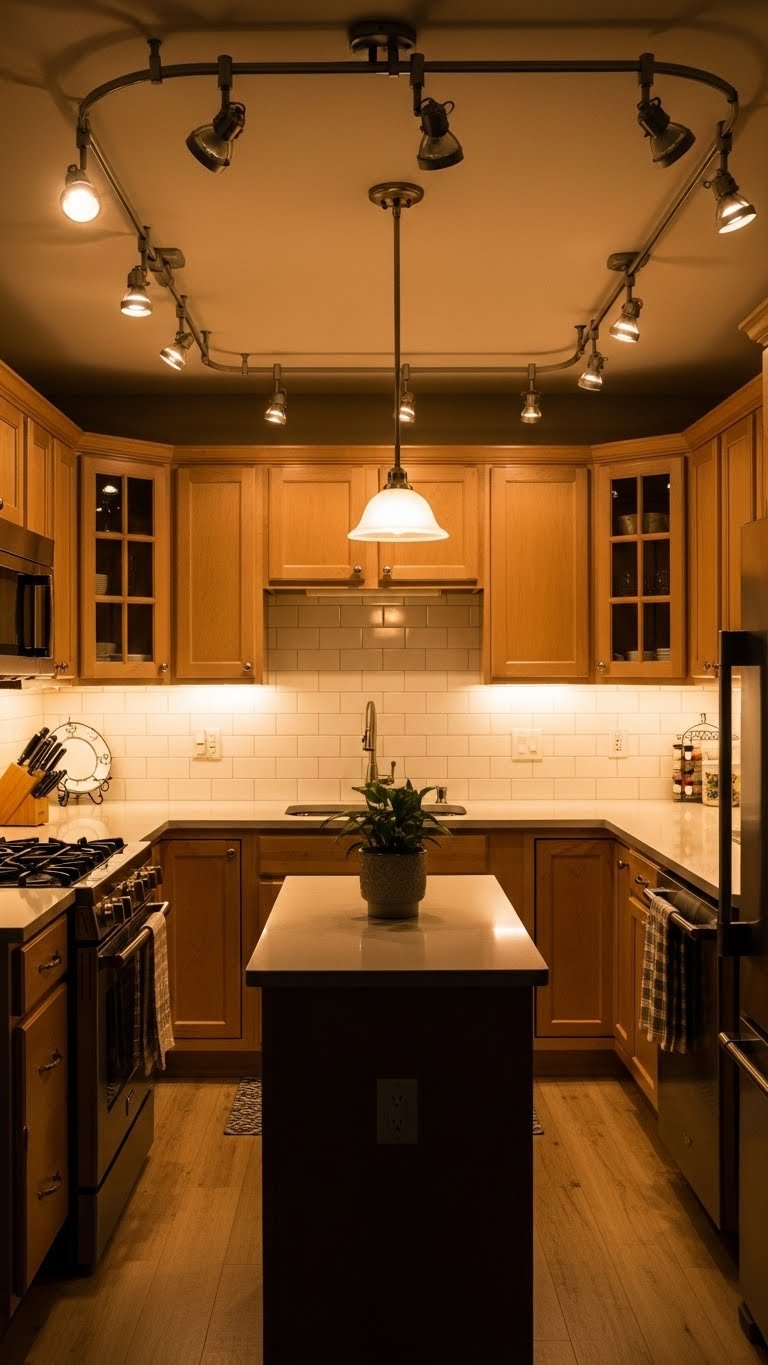
    8. Layer Lighting to Brighten Dark Corners

    Small kitchens often feel dark because they have fewer windows and less natural light. Layered lighting (overhead, task, and accent) makes the space feel bigger and more welcoming.

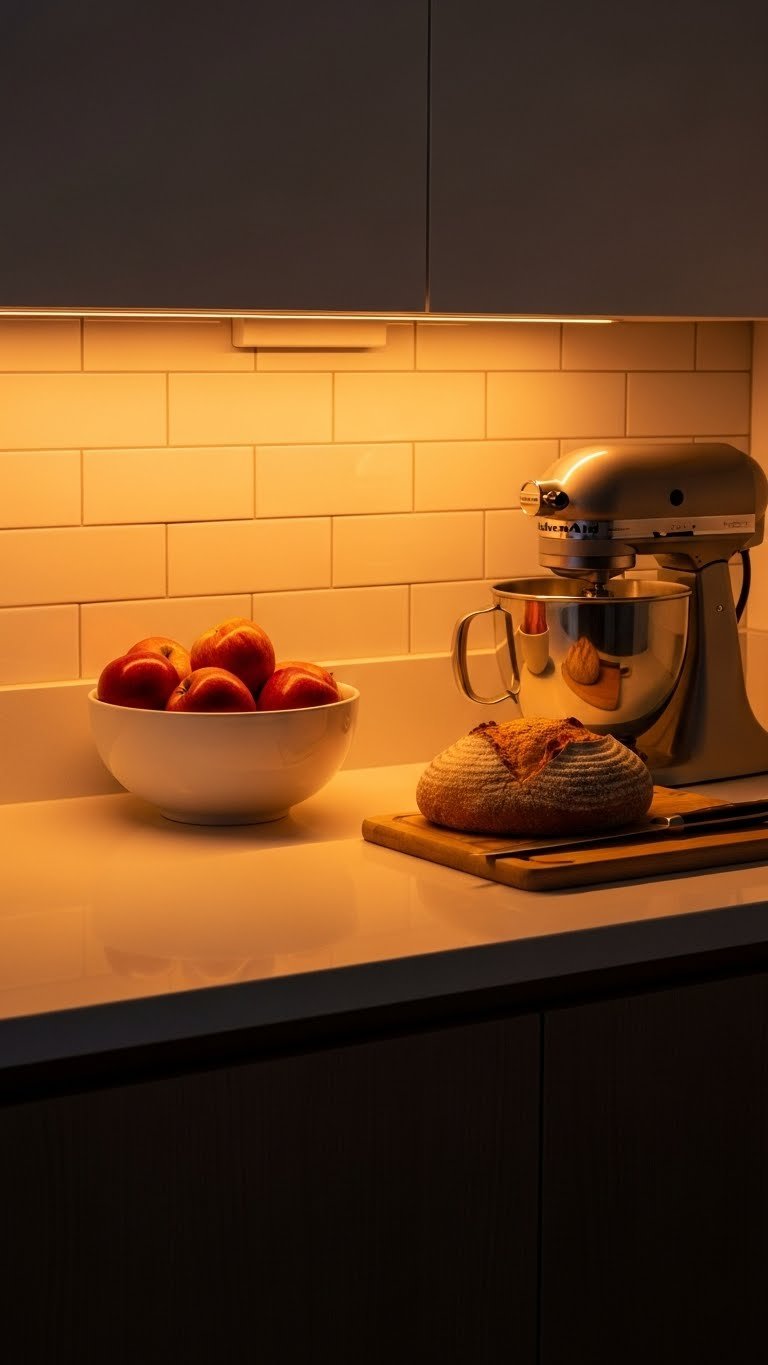
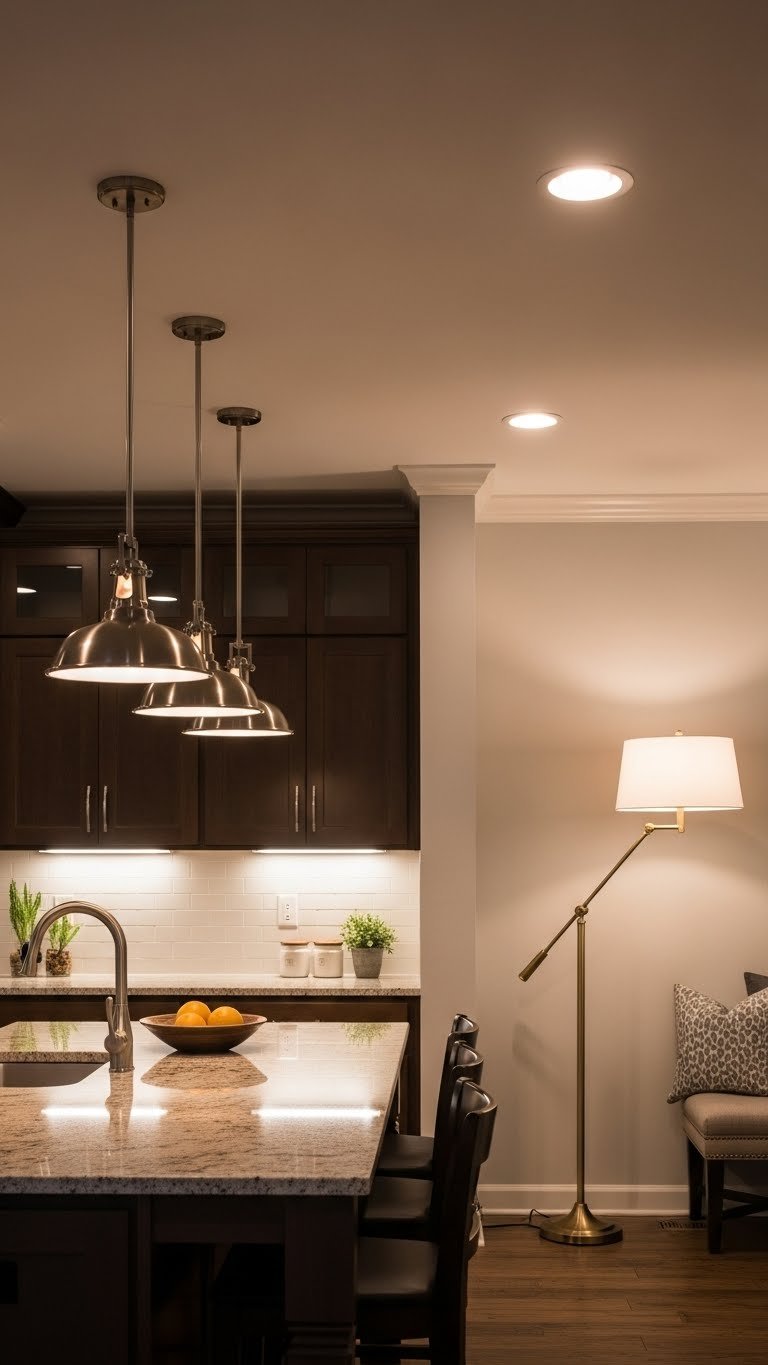
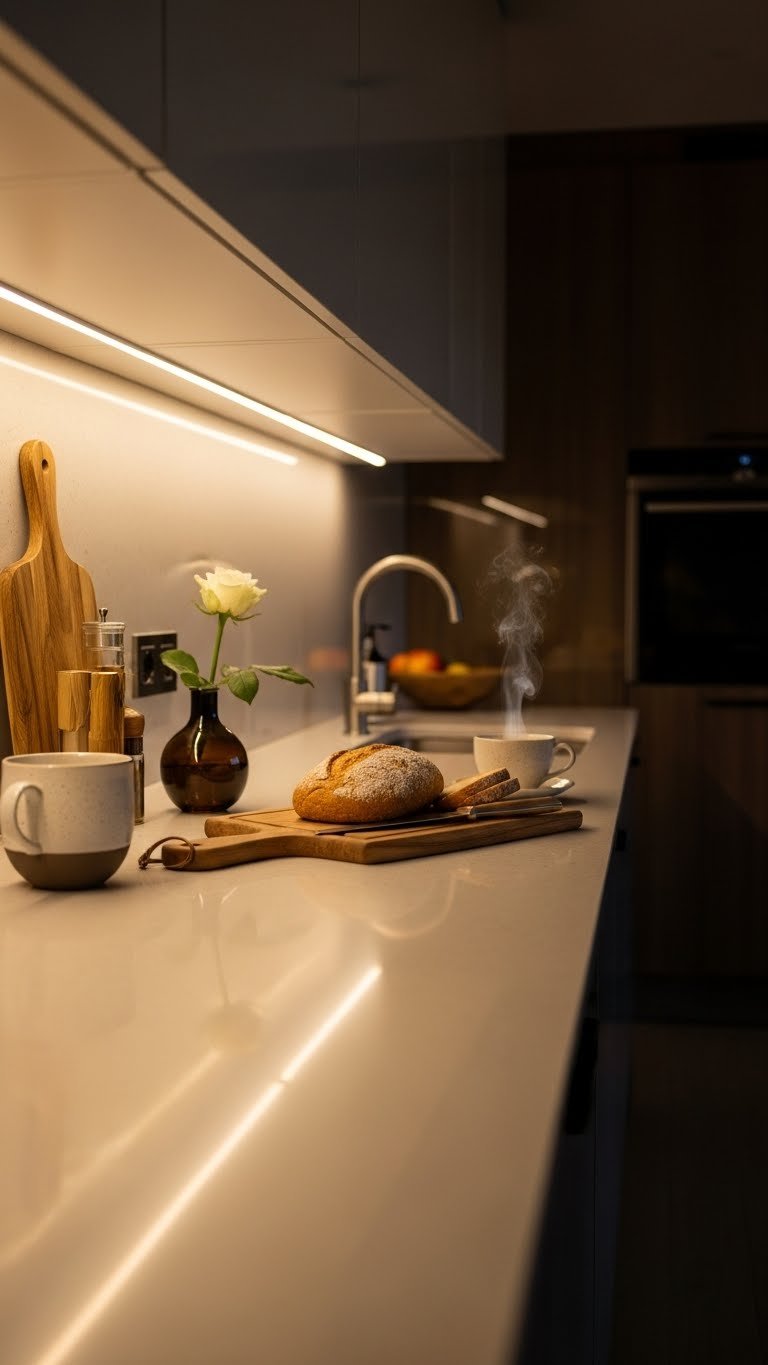
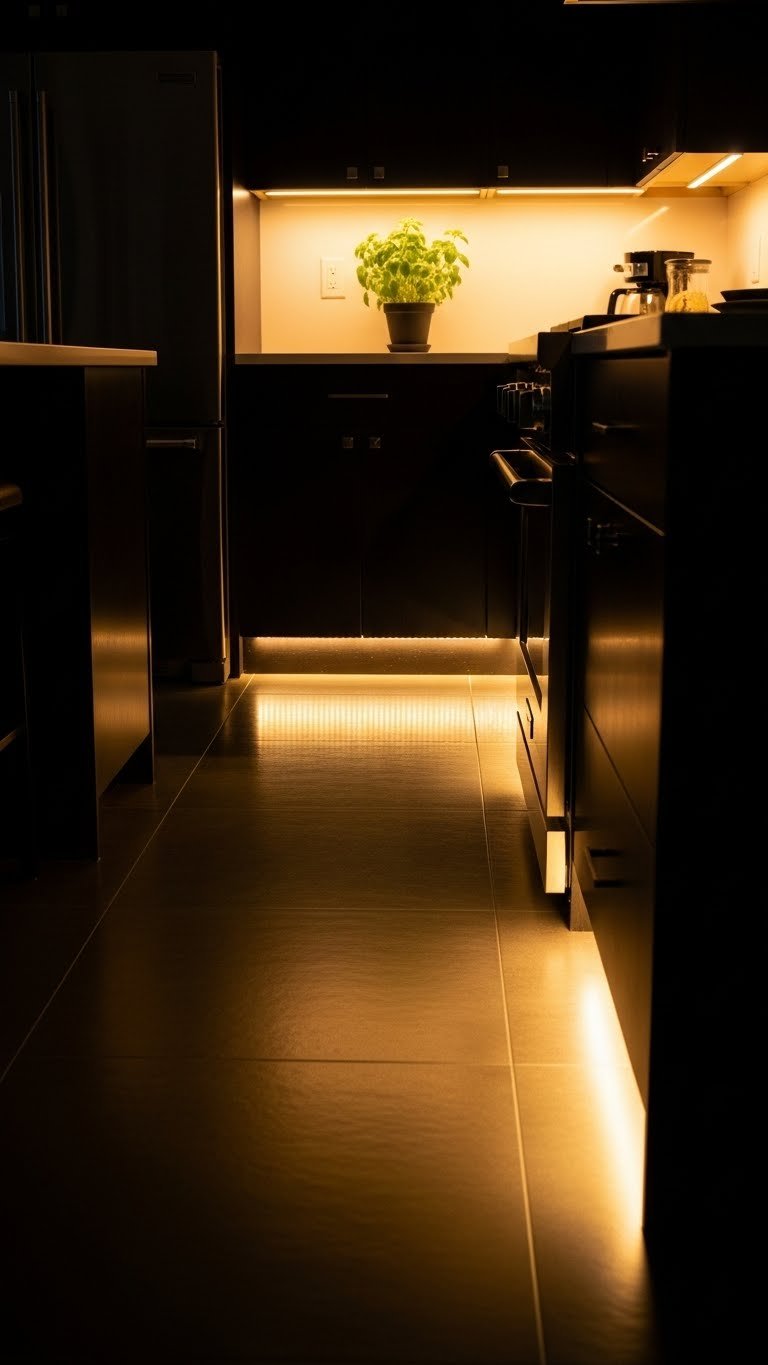
    Start with LED under-cabinet strips ($25–$60 for a kit, 20 minutes to install). Add track lighting or recessed lights overhead ($40–$100 per fixture, plus $200–$400 installation). Finish with pendant lights over an island or counter ($50–$150 each). All together, budget $300–$600 for a full lighting refresh. Use warm LED bulbs (2700K color temp) to keep the space feeling cozy rather than clinical.

    Better lighting makes counters visible, hides shadows, and transforms how spacious the kitchen feels.


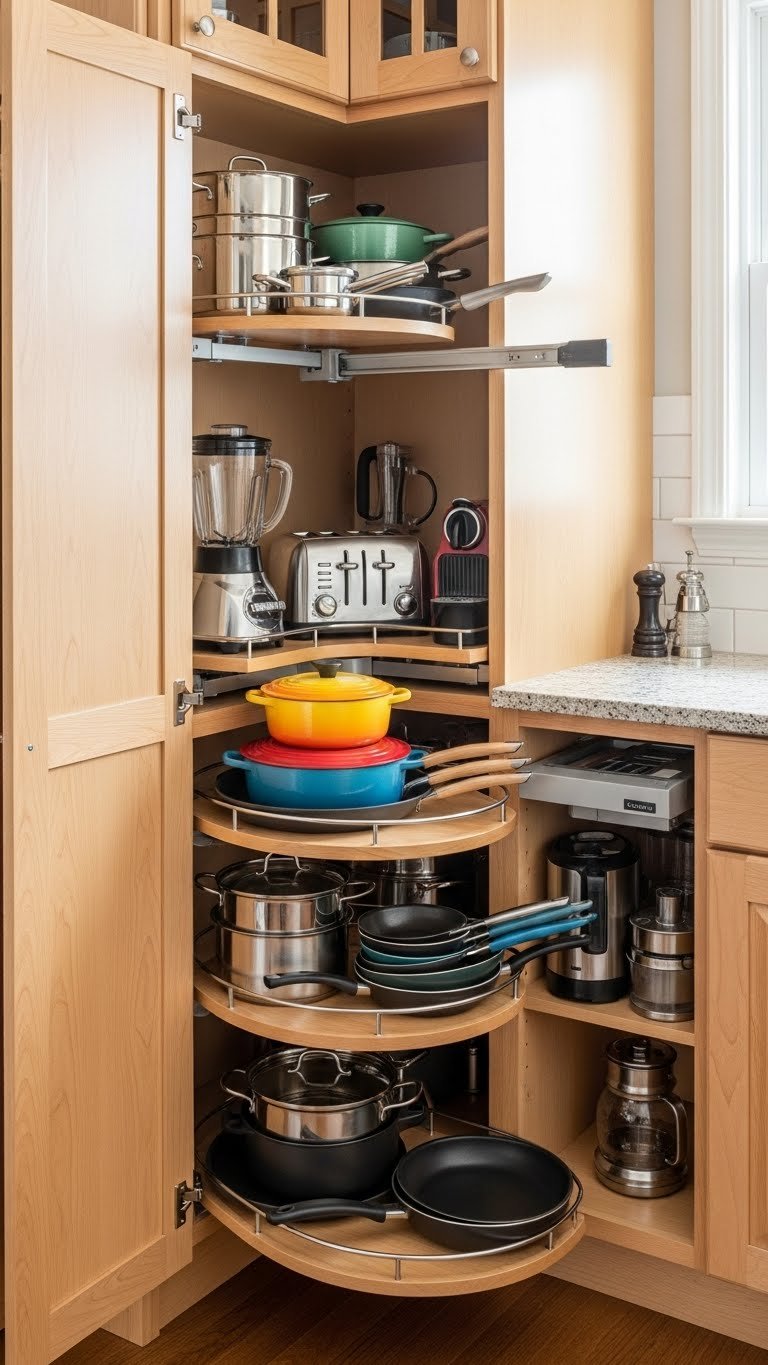
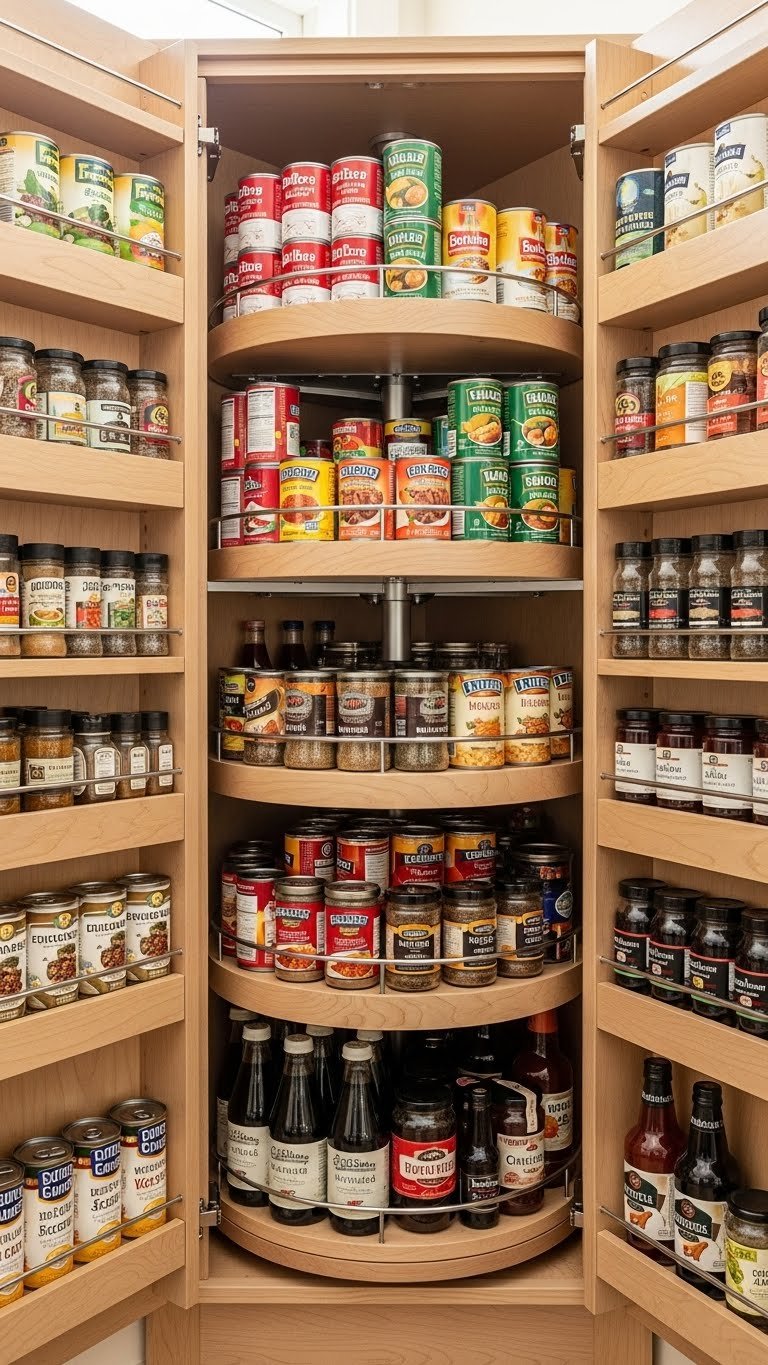
    9. Use Corner Organizers to Capture Wasted Space

    Corner cabinets are notorious storage black holes where things get lost. Organizers make that dead space actually useful.

    Install a lazy Susan turntable ($15–$30) or pull-out corner organizer ($40–$80) in existing corner cabinets. For upper cabinets, try stackable shelves or tiered risers ($20–$50). Most install in 15–30 minutes with no tools needed. Works for renters since you’re not modifying anything permanent. Stores like Target, Amazon, and The Container Store stock multiple options.

    Suddenly that useless corner becomes your go-to spot for spices, canned goods, or small appliances—no more reaching to the back of a dark cavity.


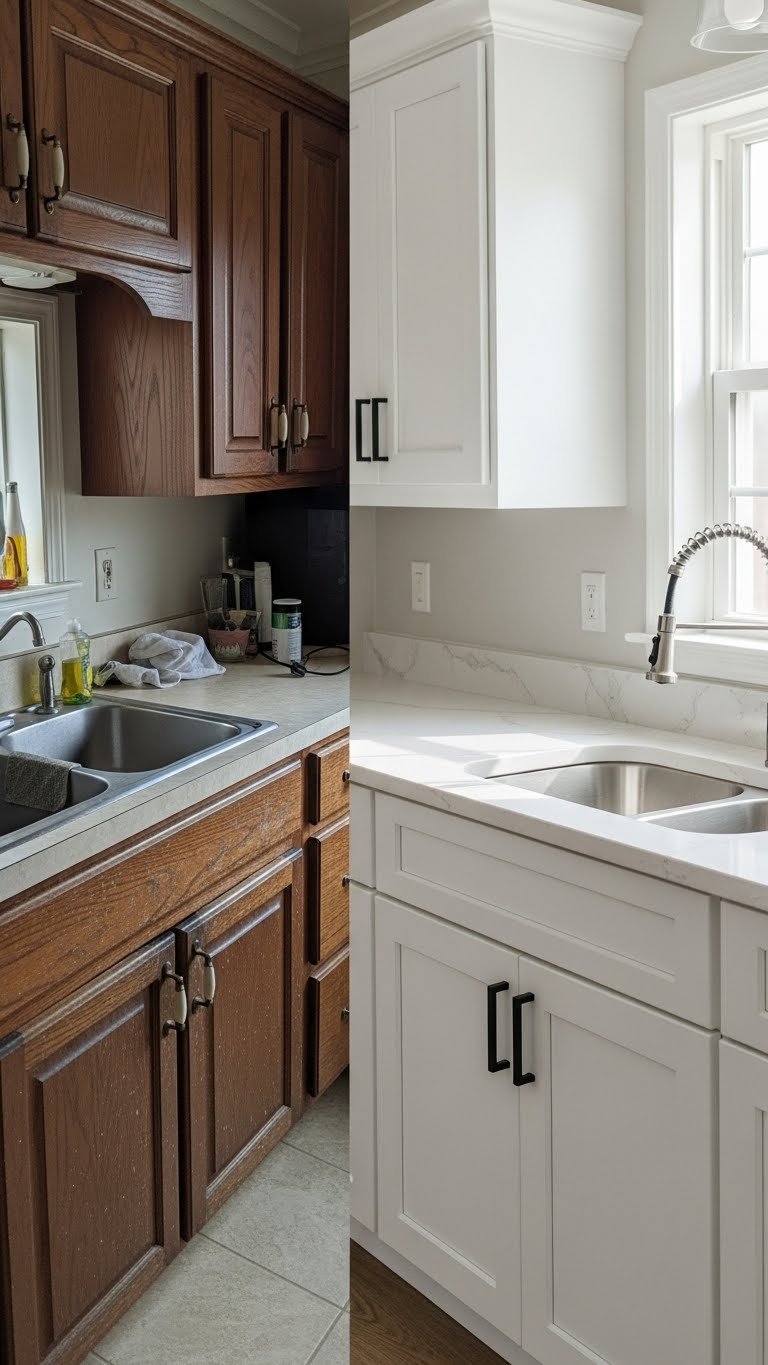
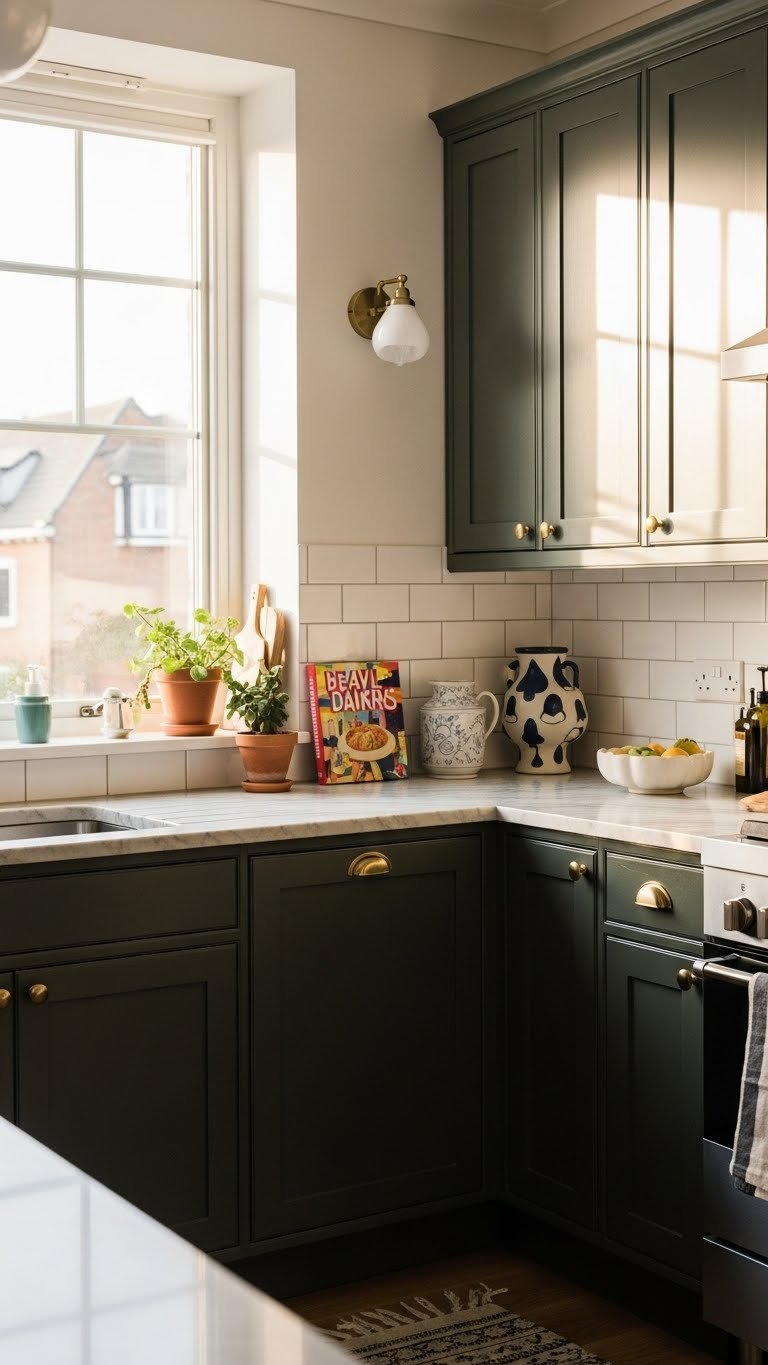
    10. Paint Cabinets a Bold Earth Tone

    All-white cabinets feel impersonal and, honestly, bland in 2025. A bold, warm color adds personality and surprisingly makes the space feel intentional rather than cramped.

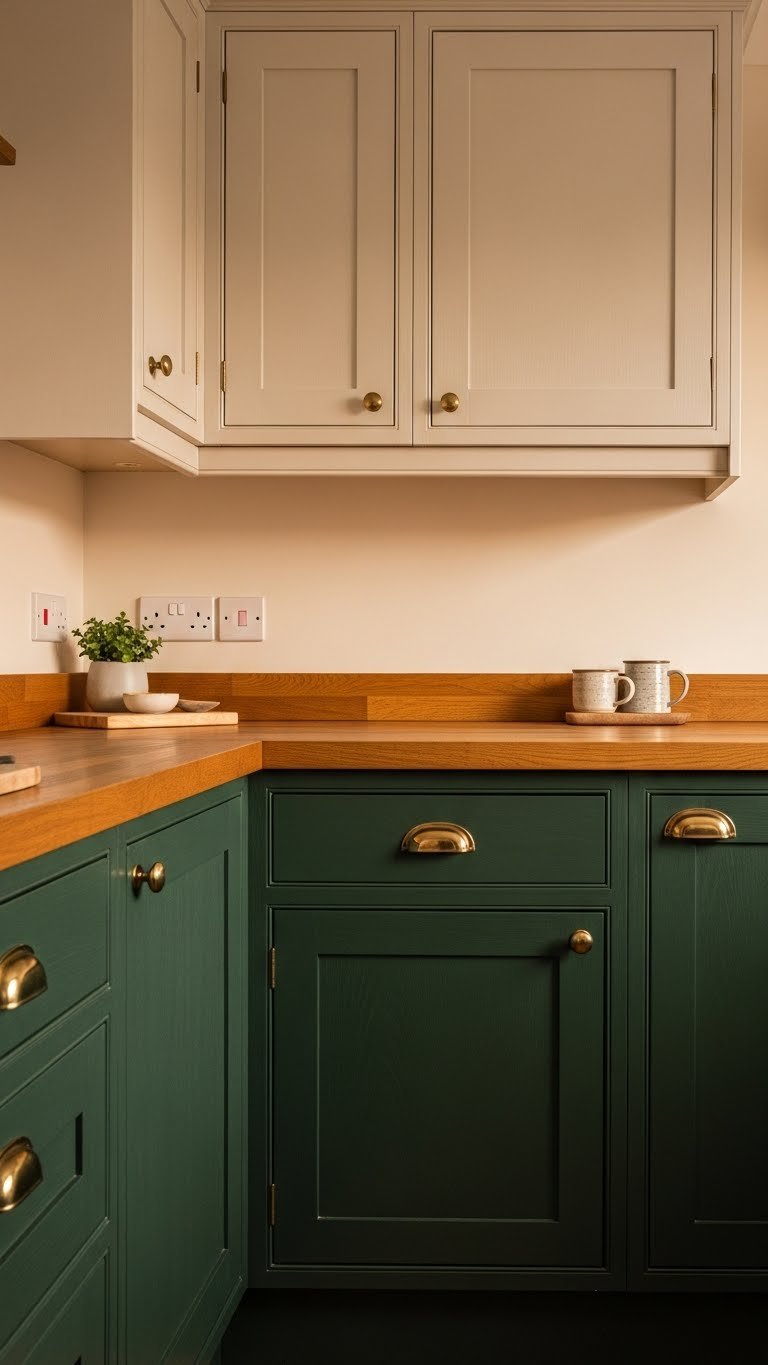
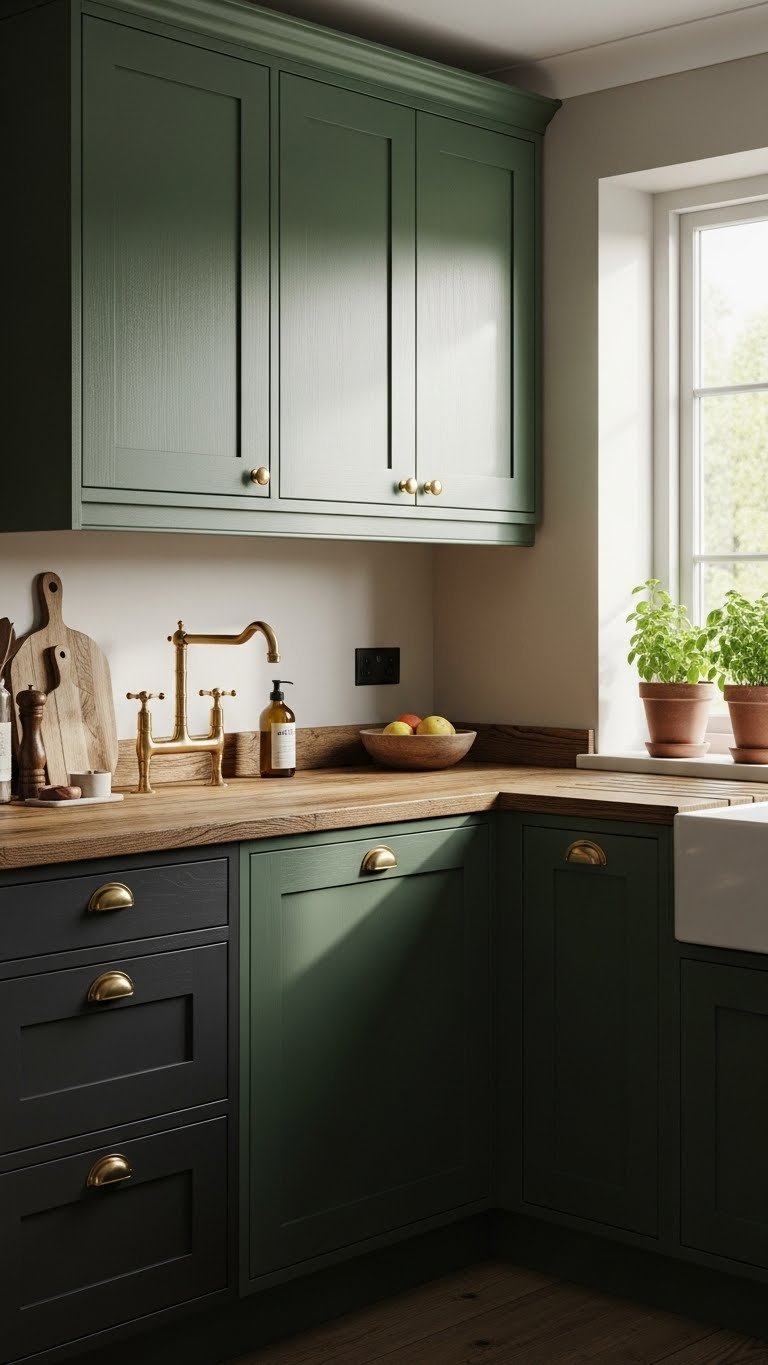
    Choose forest green, sage, deep navy, or warm brown for cabinets. Brands like Benjamin Moore, Farrow & Ball, or Sherwin-Williams have excellent earth-tone options ($30–$50 per quart). Paint takes a full day to a weekend depending on cabinet count and your skill level. Hire a painter for a polished finish ($800–$1,500). Renter? Use peel-and-stick cabinet film instead ($50–$150).

    Color choice makes your kitchen feel curated—like it actually has character—while keeping the space from feeling sterile or too small.


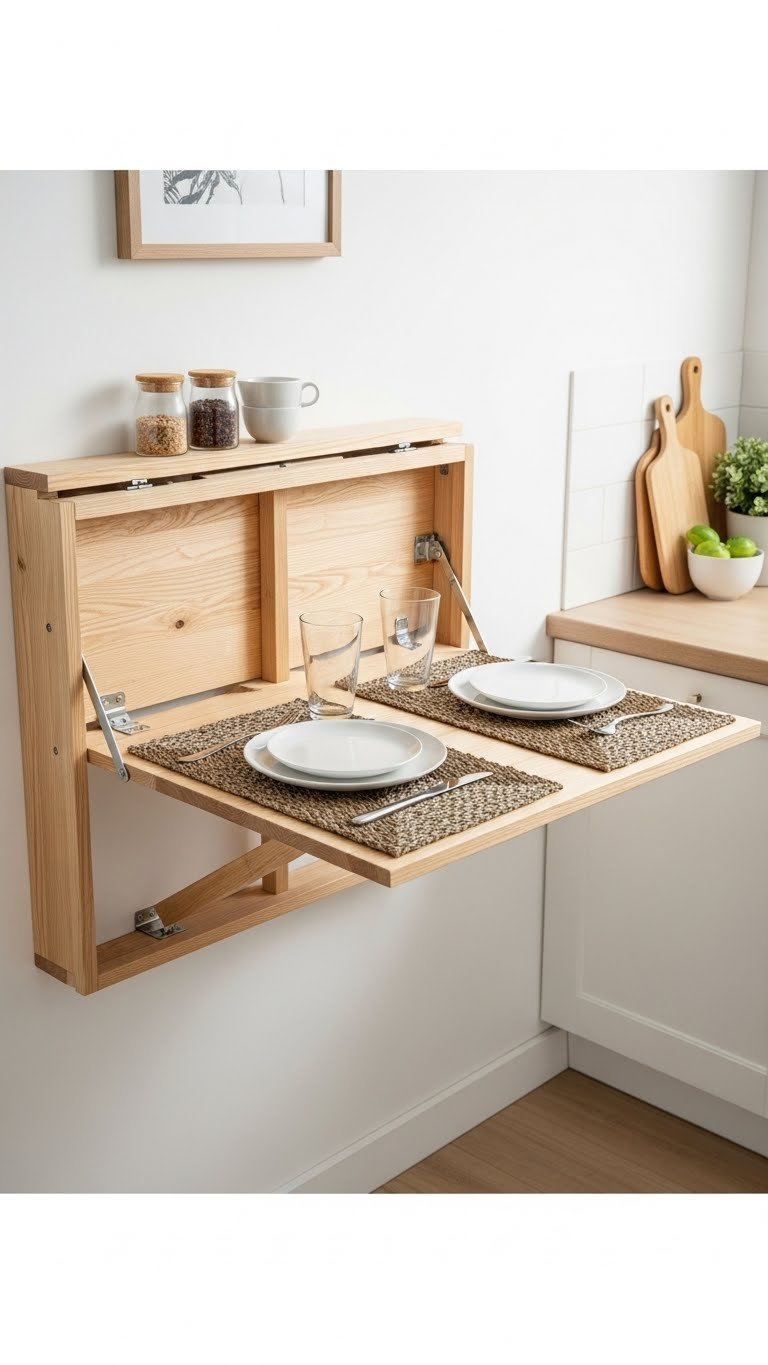
    11. Install a Fold-Down Wall-Mounted Table

    Small kitchens often lack dining space. A fold-down table gives you seating when needed and disappears when you don’t, freeing up floor space.

    Mount a wall-folding table (24–36 inches wide) at elbow height above a counter or against a wall. Options like IKEA Norberg cost $60–$80 and install in 1–2 hours with a level and basic tools. Sturdier wood versions run $100–$200. It seats two comfortably and folds flat against the wall. Perfect for renters using heavy-duty adhesive strips to avoid drilling.

    Suddenly you have dining seating that doesn’t take up real estate—you eat at a proper table instead of balancing bowls on the counter.


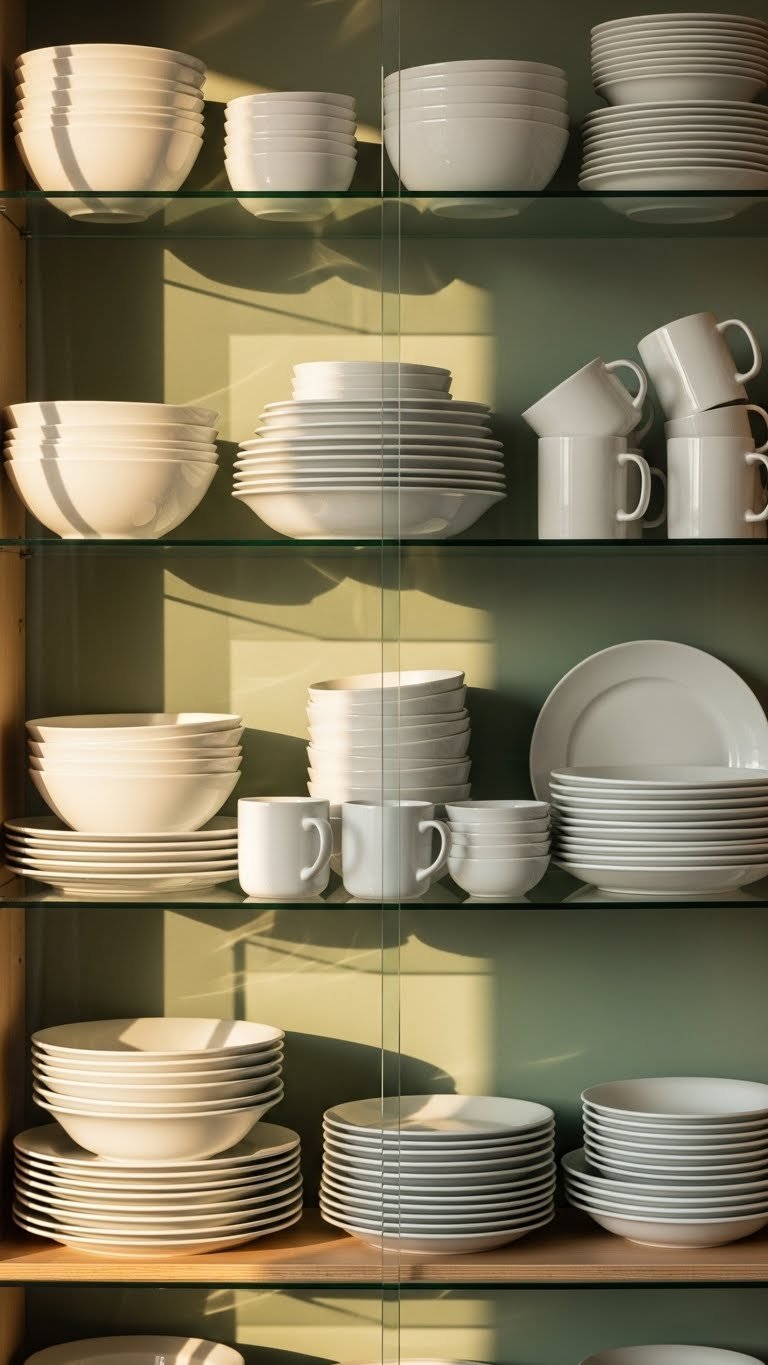
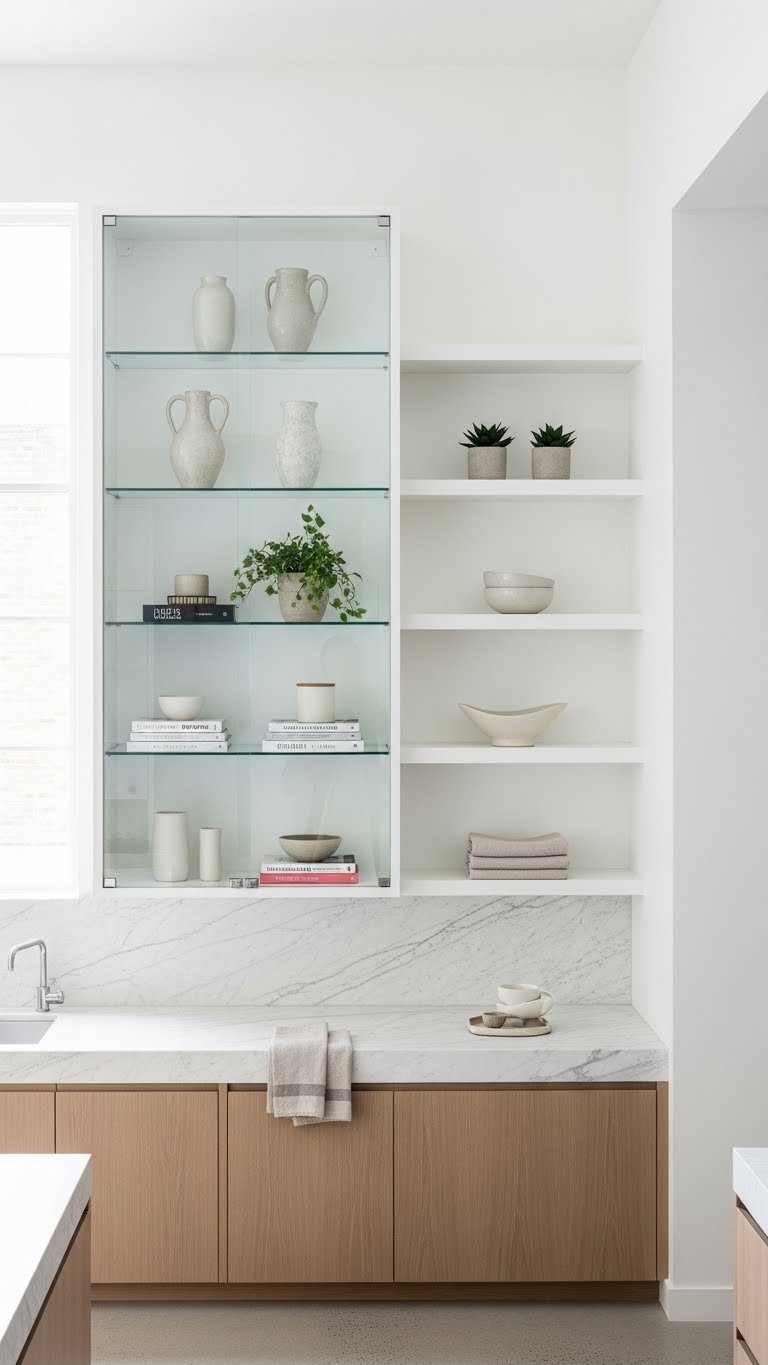
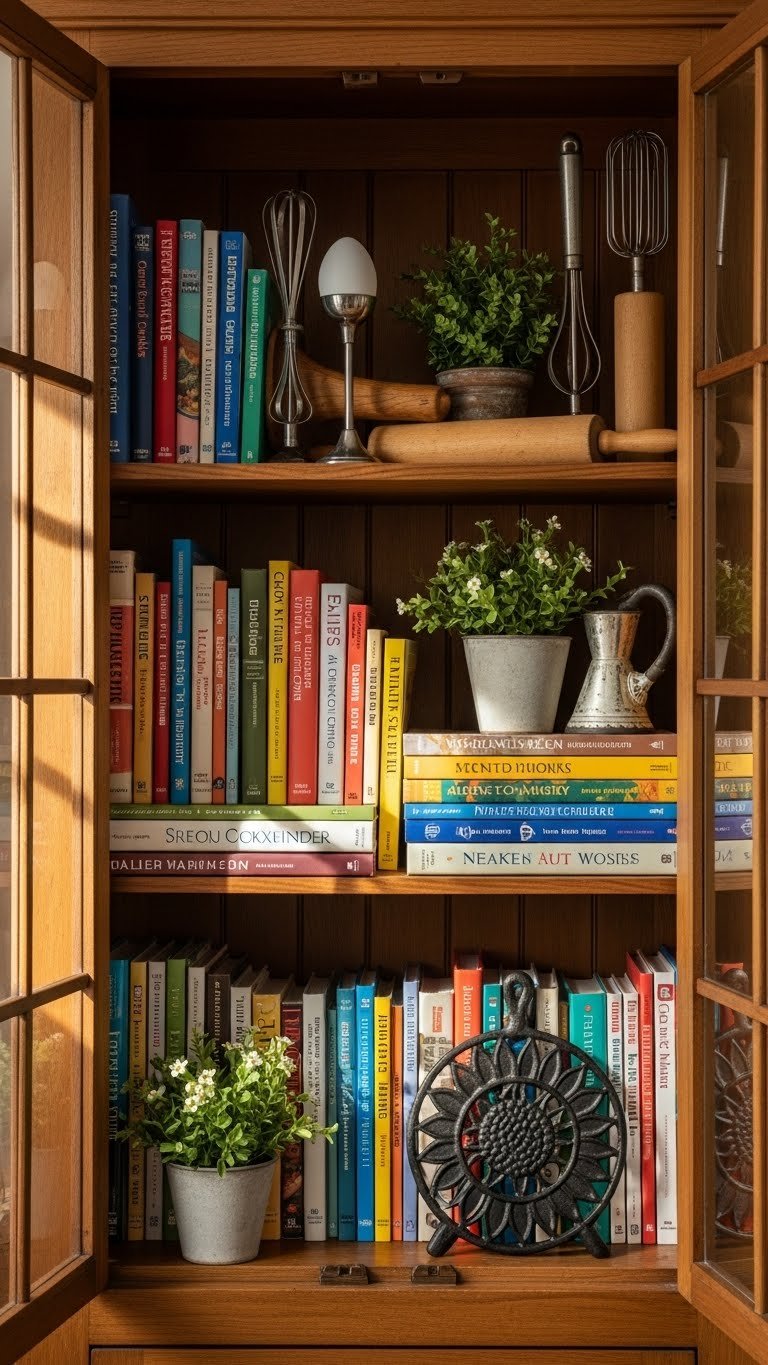
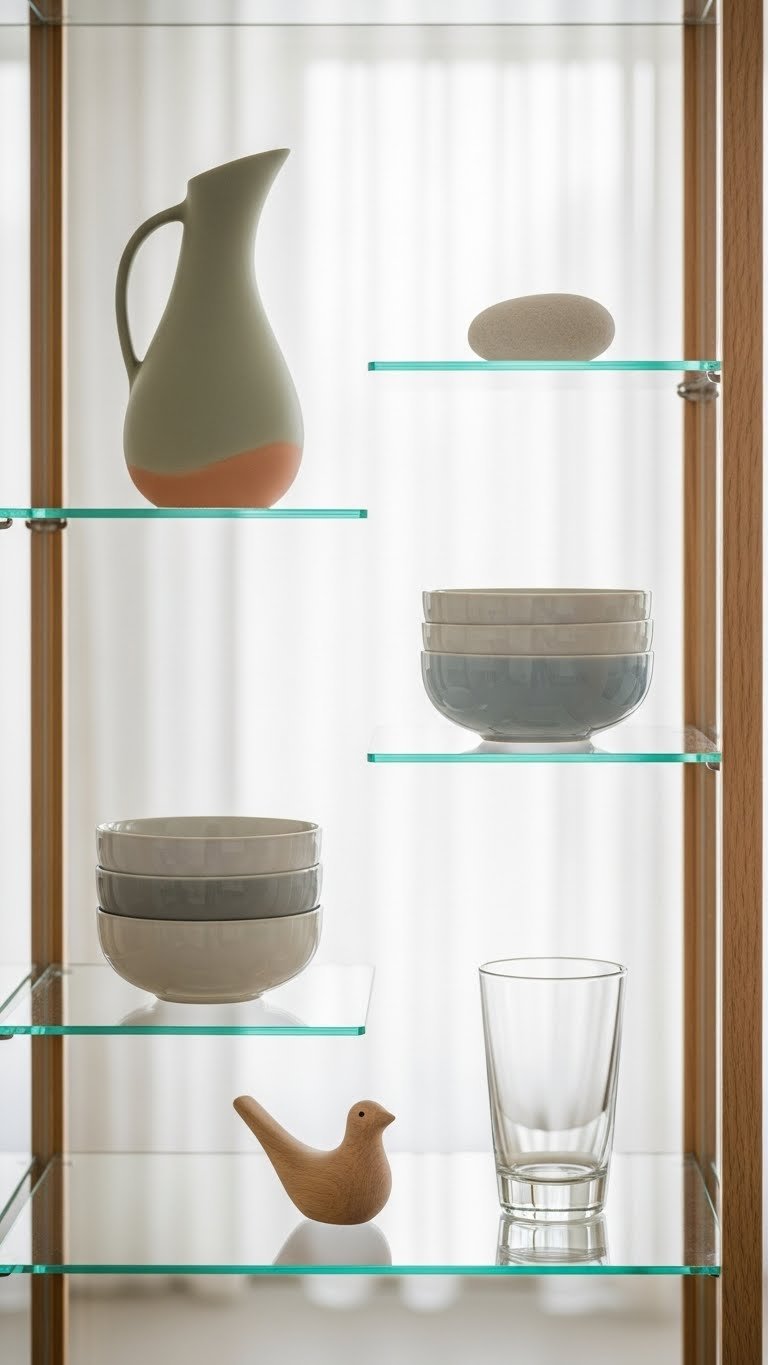
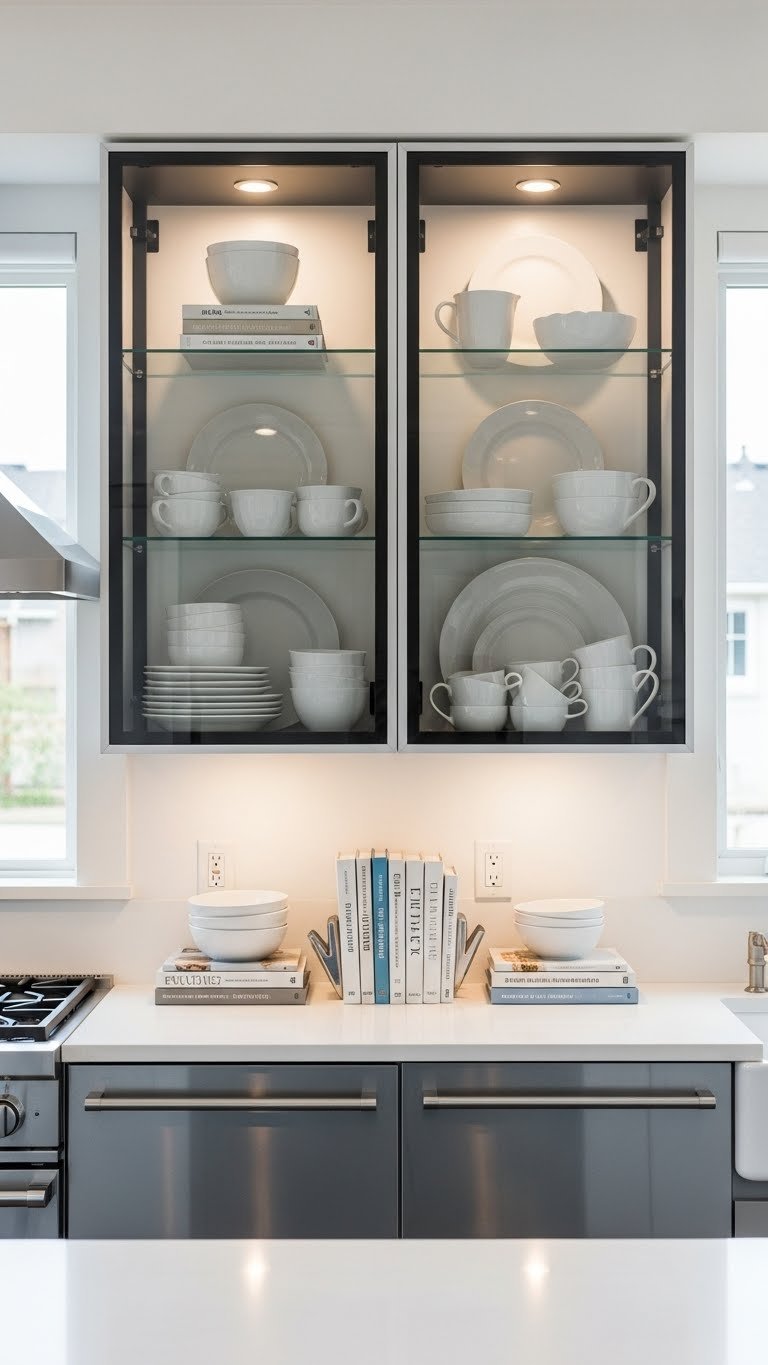
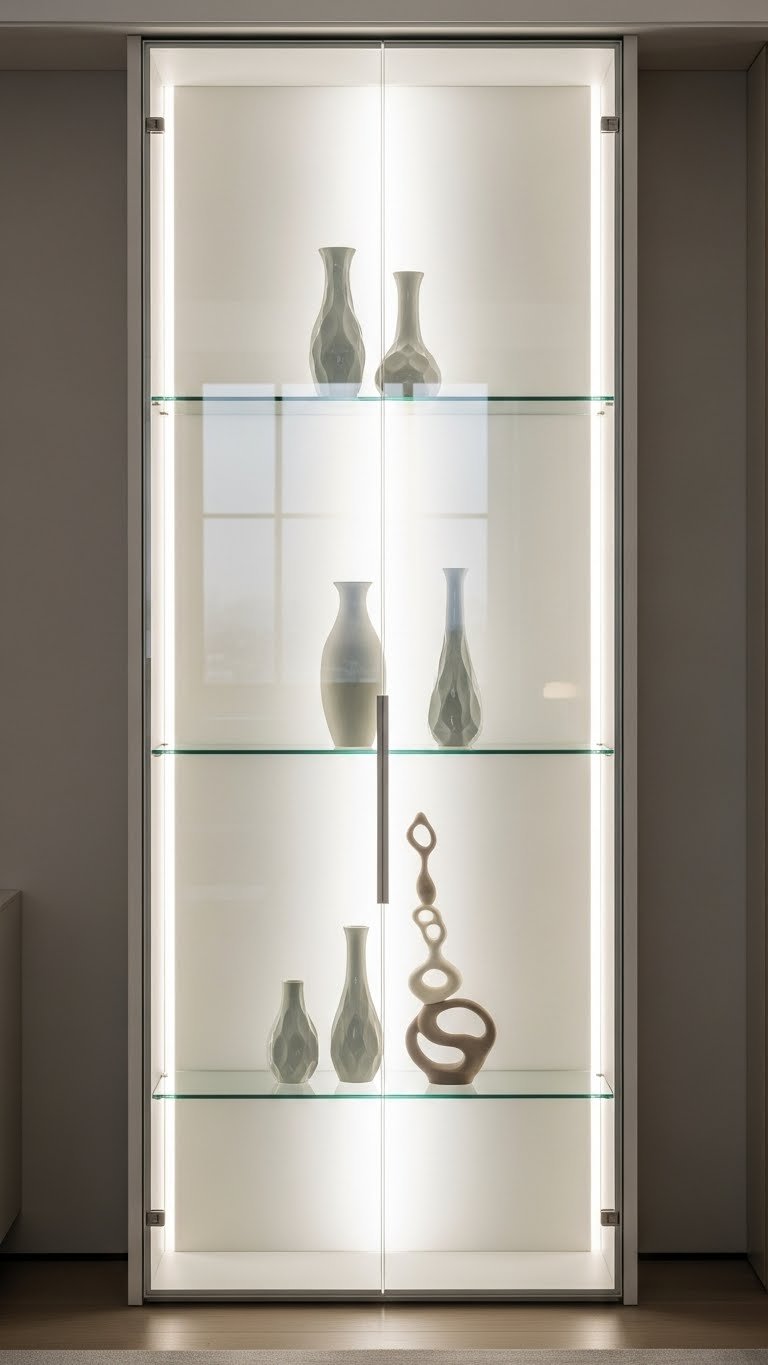
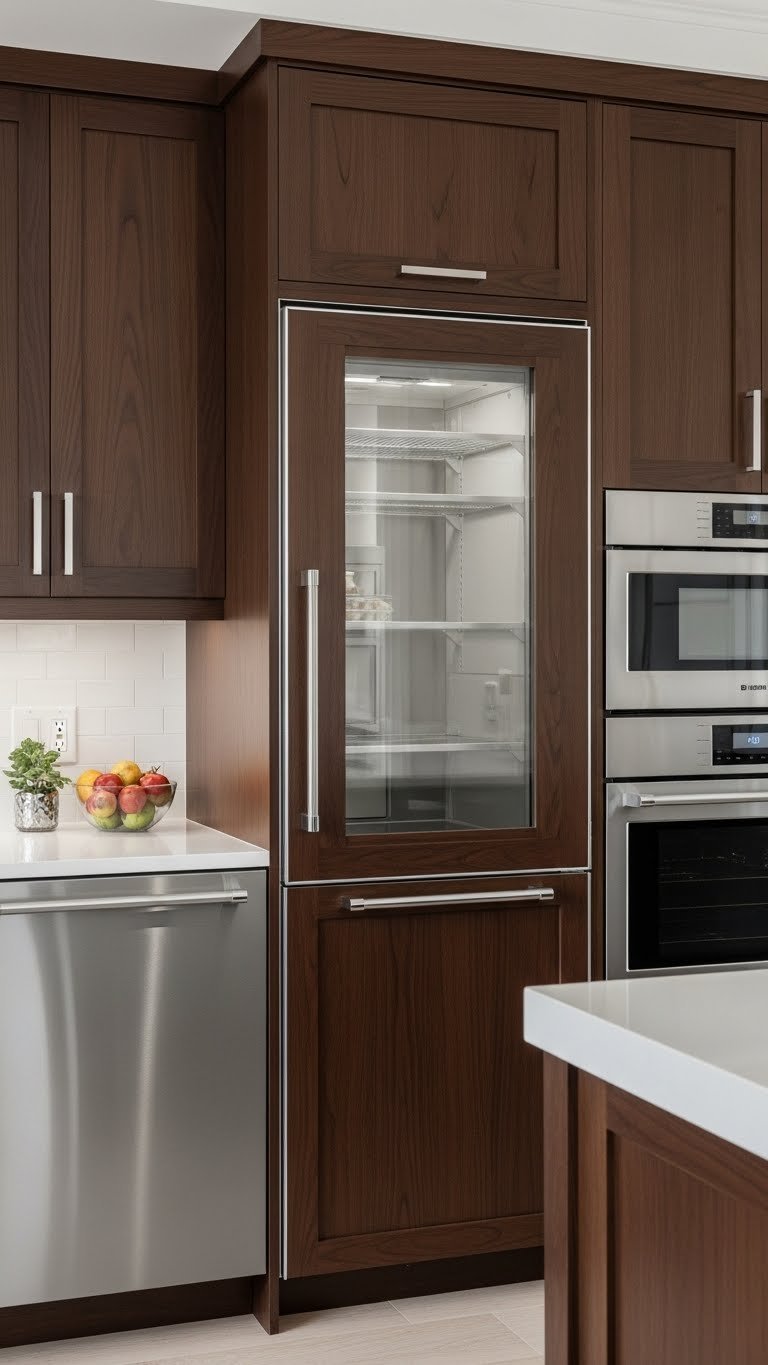
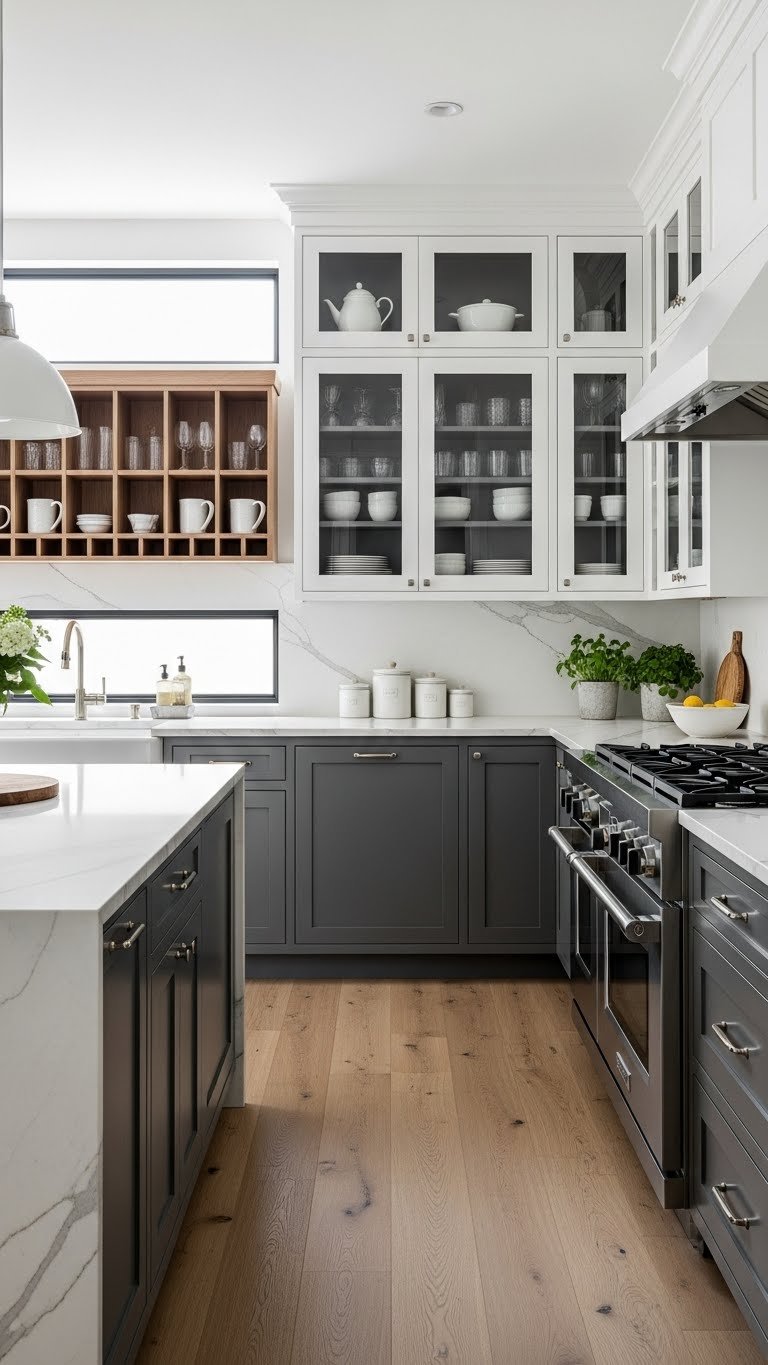
    12. Add Glass-Front Cabinet Doors for Openness

    Glass-front cabinet doors let light pass through and create visual openness—even though there’s stuff inside, you see through rather than at solid wood.

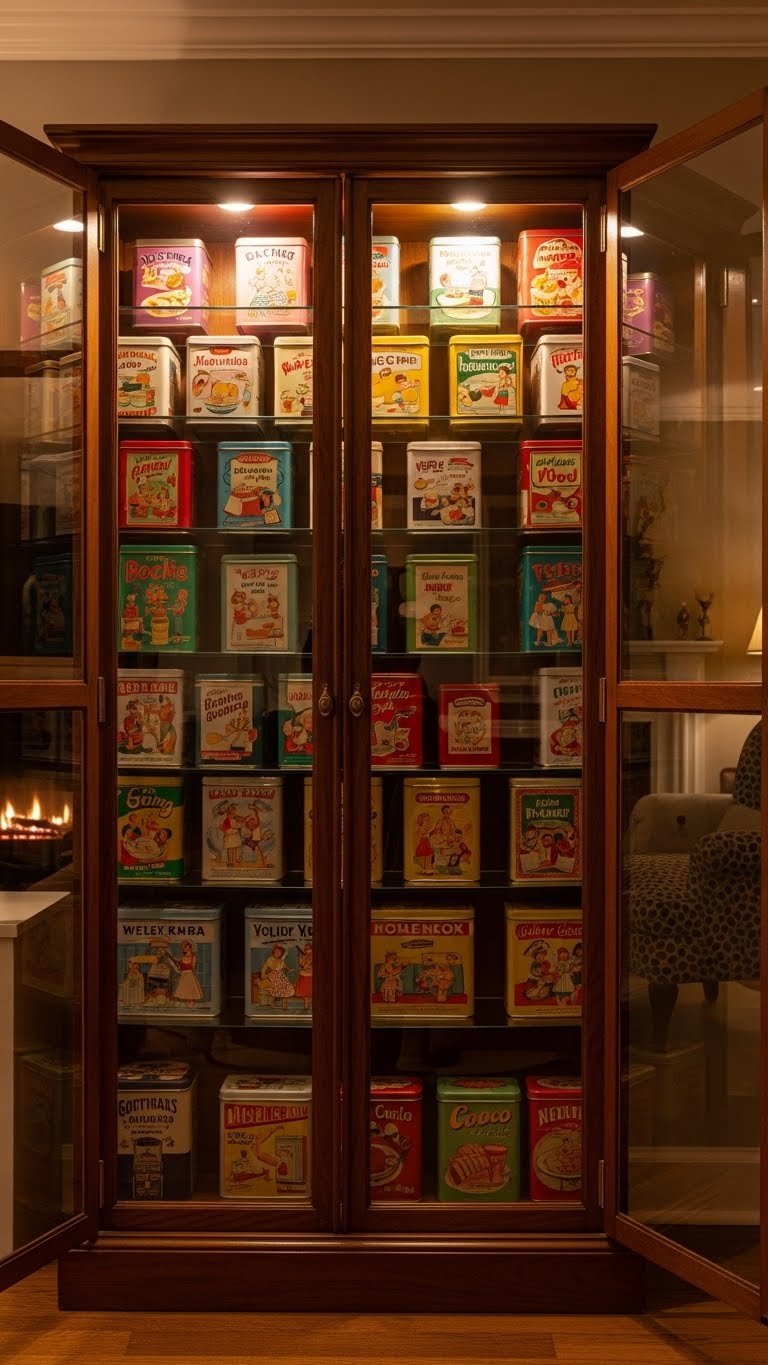
    Replace some solid cabinet doors with glass-front doors. Custom doors run $50–$150 each, but IKEA has budget options ($25–$40 each). Handles or hinges often need upgrading ($10–$30 per piece. Installation takes 2–4 hours depending on your skill level. Only do this if you’re happy with what’s inside—style matters. You must keep dishes and items organized and visually appealing.

    The kitchen opens up visually while you gain the ability to see what you have at a glance—less fumbling through cabinets.


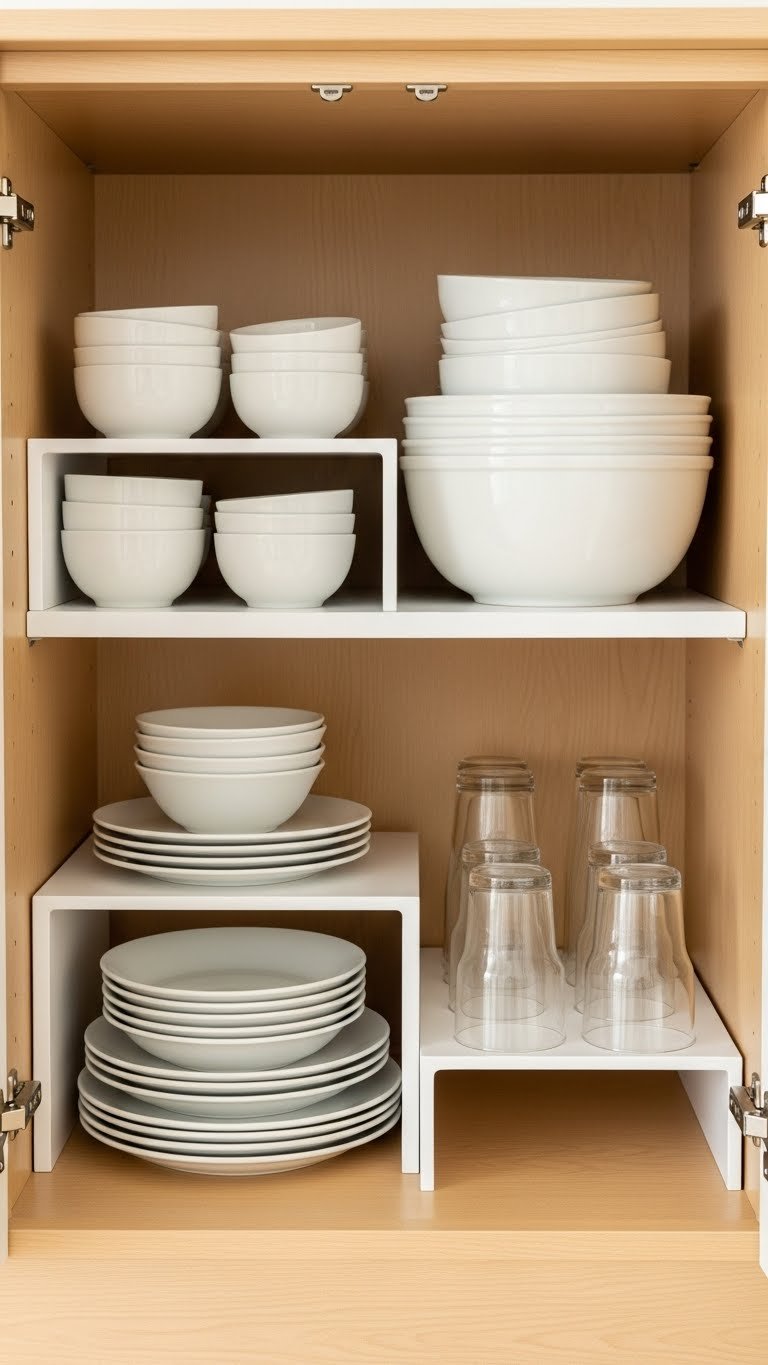
    13. Use Tiered Shelf Risers to Double Cabinet Space

    Tall stacks of plates and bowls waste vertical cabinet space. Tiered risers let you store more in the same footprint.

    Buy stackable shelf risers ($15–$40 per set) from The Container Store, Target, or Amazon. These sit inside existing cabinets and create a second tier—no installation needed, takes 5 minutes to arrange. Works for dishes, glasses, bowls, and canned goods. Renters love these since you’re not modifying anything.

    You’ll store roughly twice as much in the same cabinet space, opening up drawers and lower cabinets for other items.


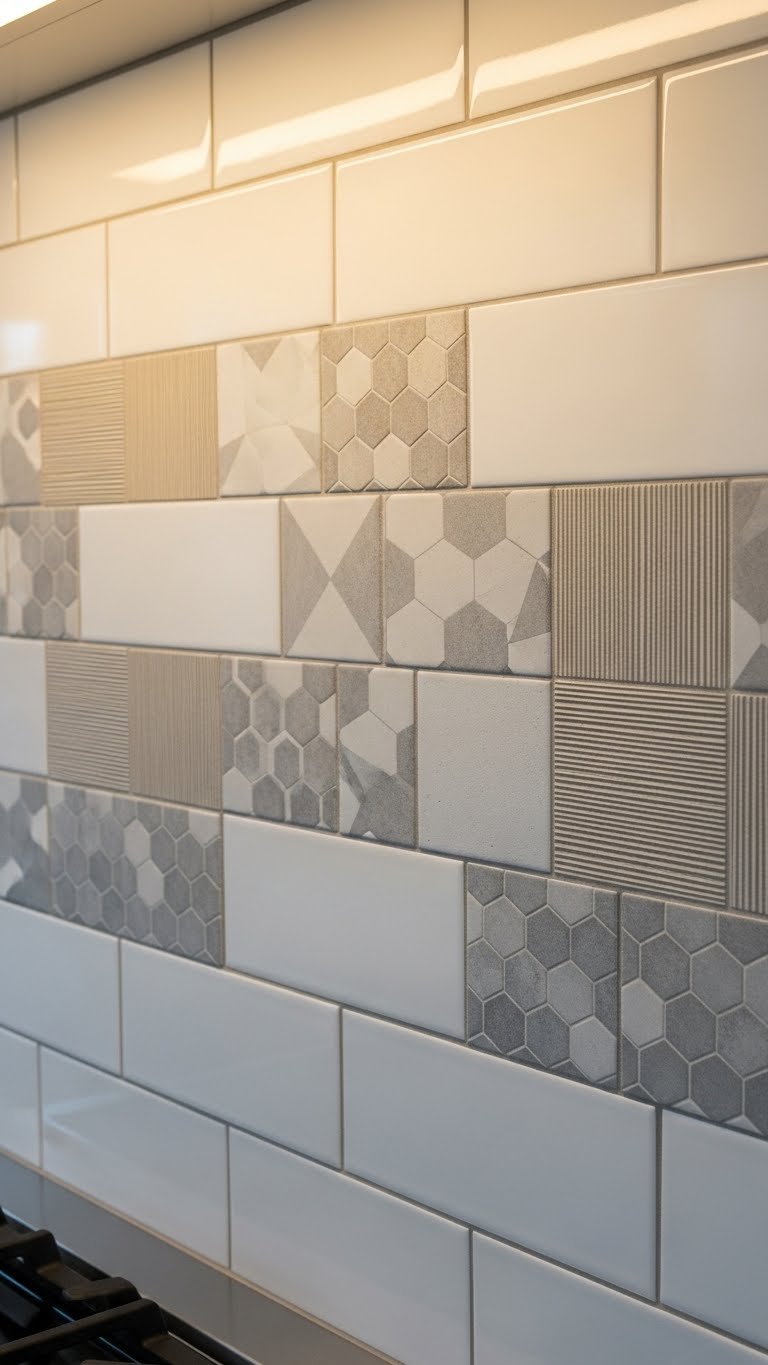
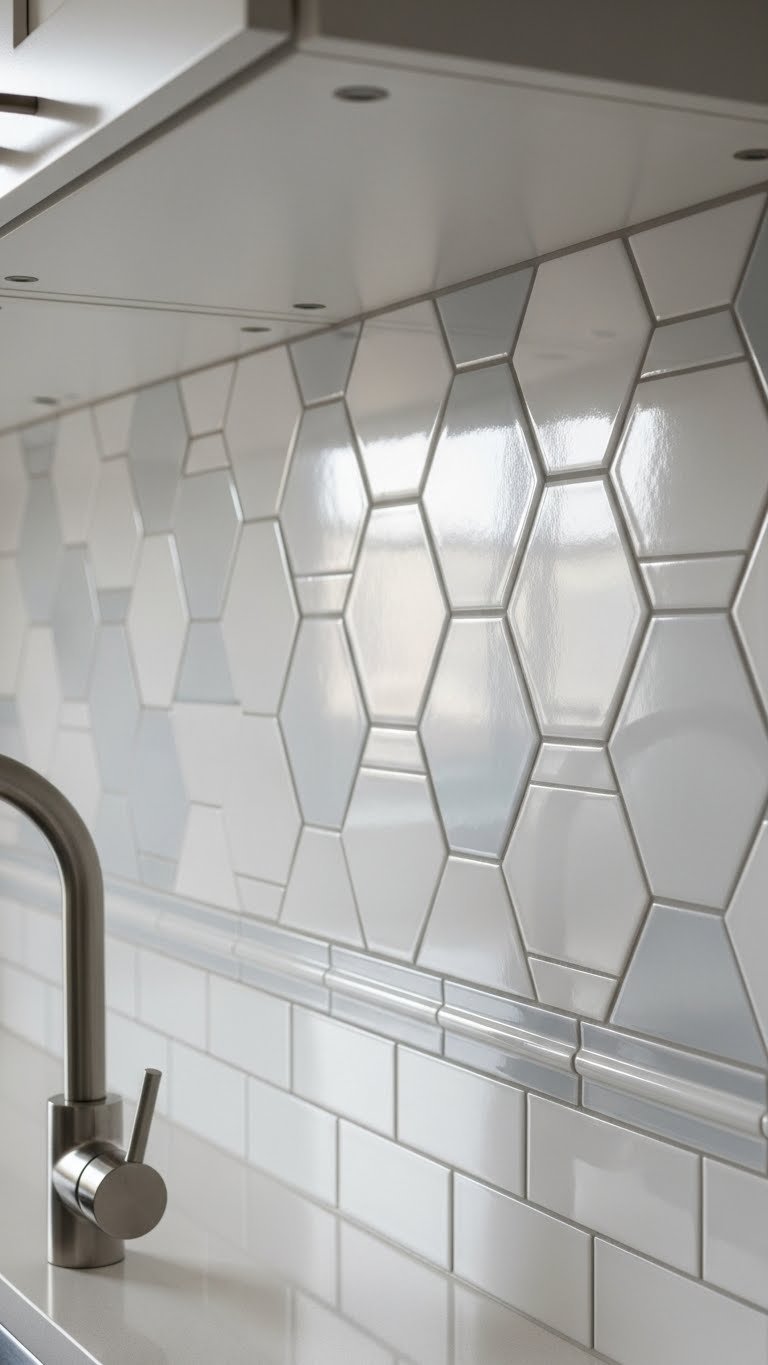
    14. Install a Backsplash with Texture or Pattern

    A textured or patterned backsplash adds visual depth to a small space—it’s like wall art but functional. Tile also protects against splashes.

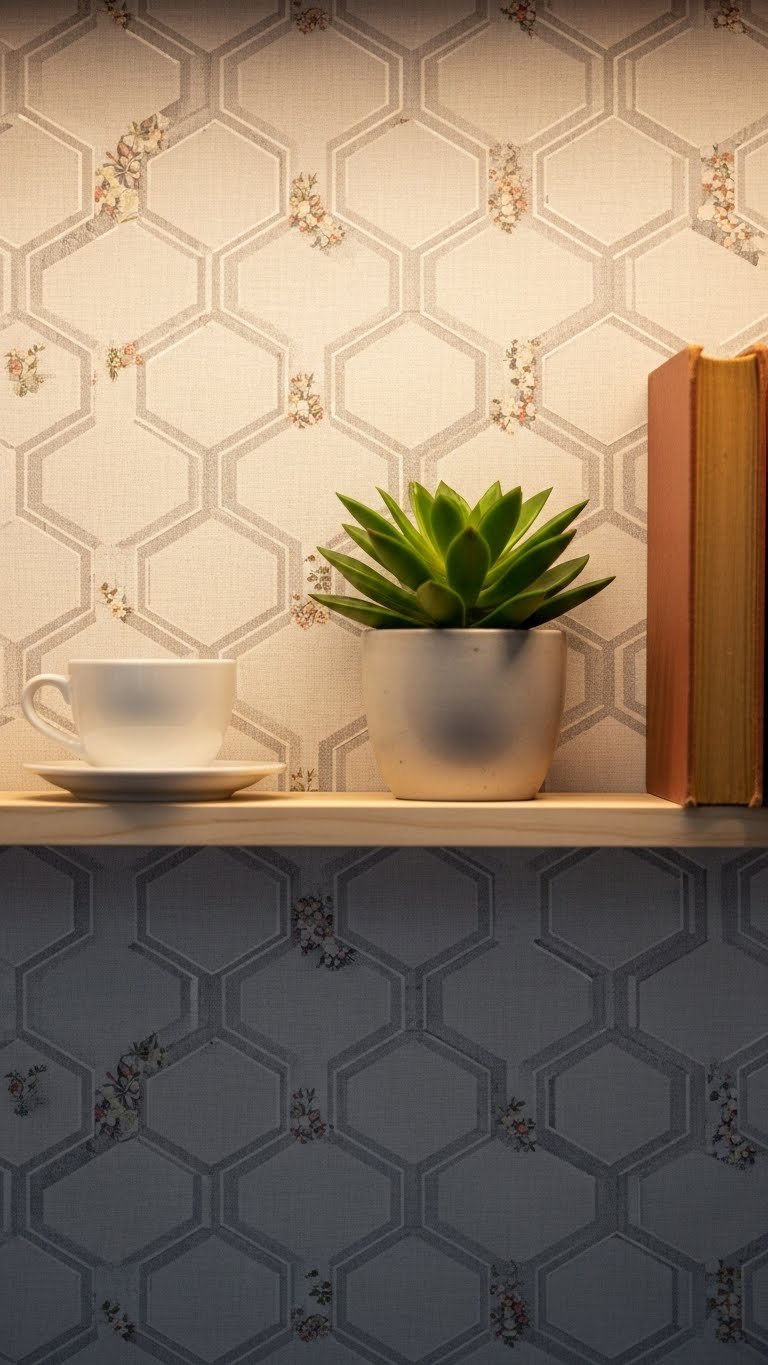
    Choose small tiles like subway tiles, hexagons, or mosaics in whites, soft grays, or pale greens ($2–$8 per square foot. DIY tiling takes 6–10 hours for a small kitchen; hire pros for $800–$2,000 installed. Budget $300–$600 total materials and labor for a basic backsplash. Peel-and-stick tile alternatives exist ($30–$80) if you’re renting and want a temporary upgrade.

    A detailed backsplash draws the eye upward and creates visual interest, making the kitchen feel intentional rather than sparse.


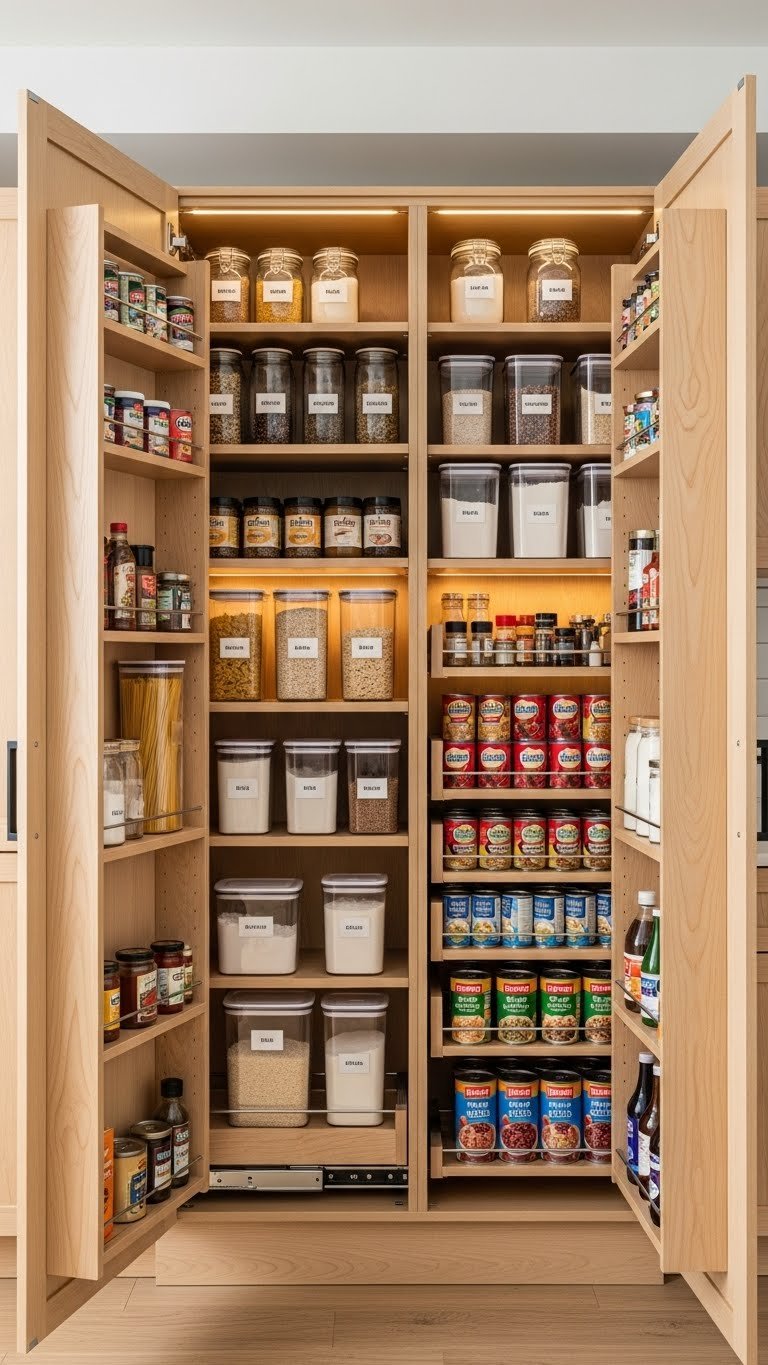
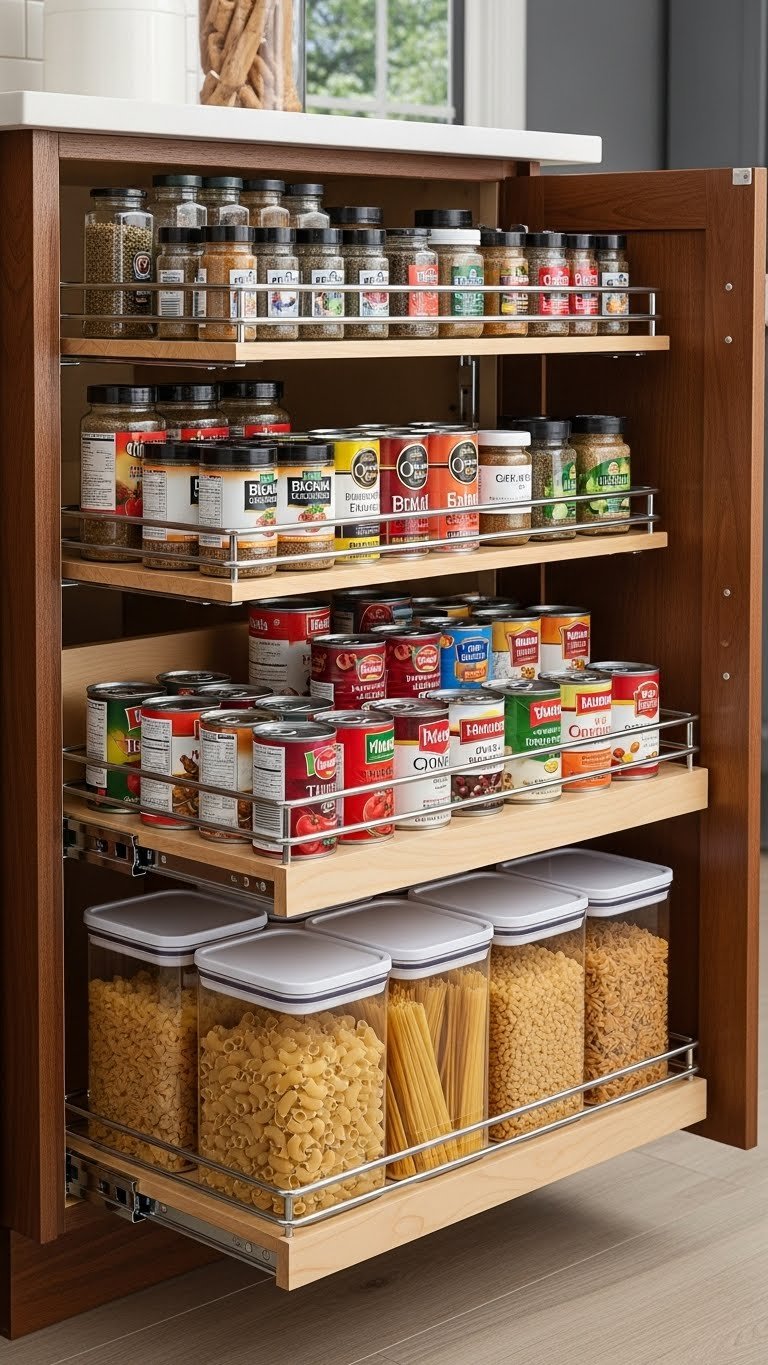
    15. Create Pull-Out Pantry Shelves for Deep Cabinets

    Deep cabinets hide things at the back where you forget about them. Pull-out shelves bring everything forward.

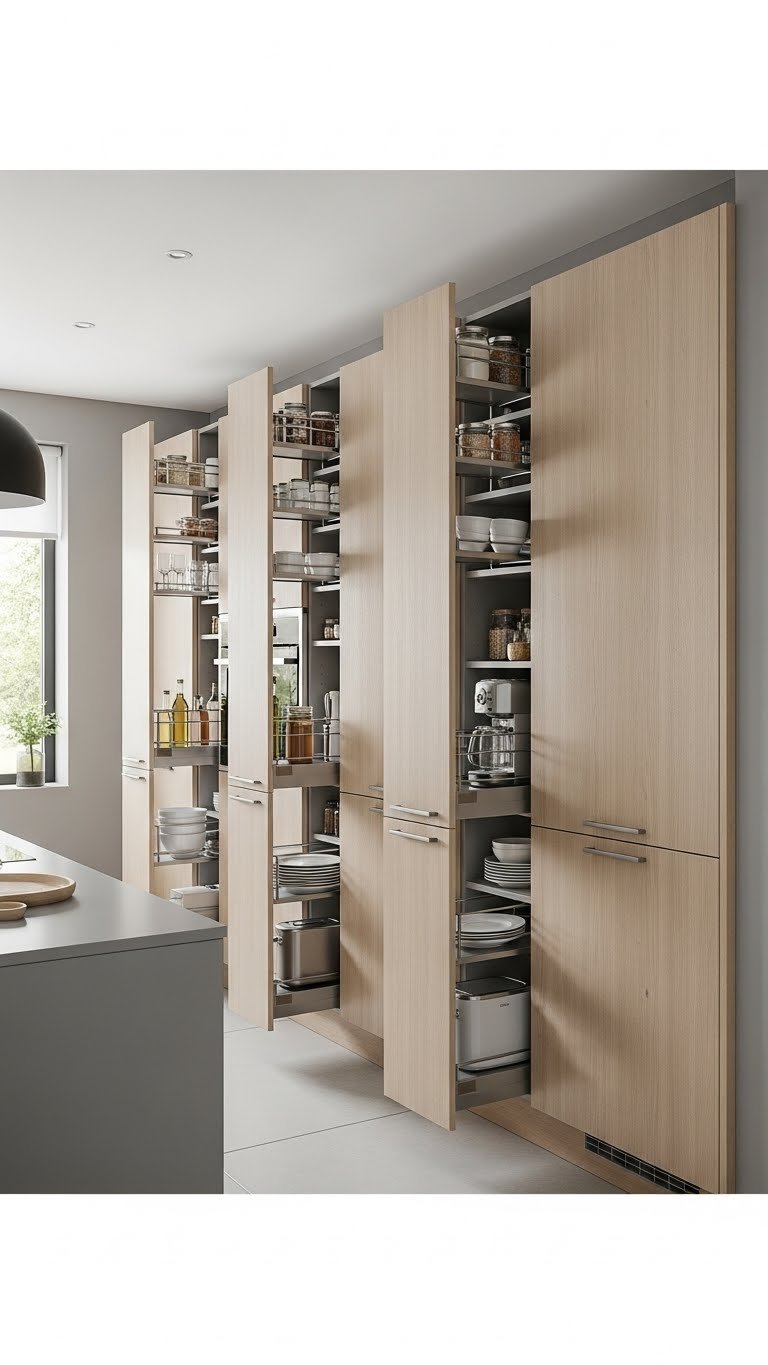
    Install pull-out or sliding shelf kits ($40–$100 per set) inside existing cabinets. These take 2–4 hours to install with basic tools and create multiple accessible storage levels. Brands like Rev-A-Shelf or Knape & Vogt offer durable options. Renters can use pull-out shelving trays ($15–$40 each) that sit inside cabinets without modification.

    Everything you store becomes visible and reachable—no more digging to the back or forgetting about half-full containers.


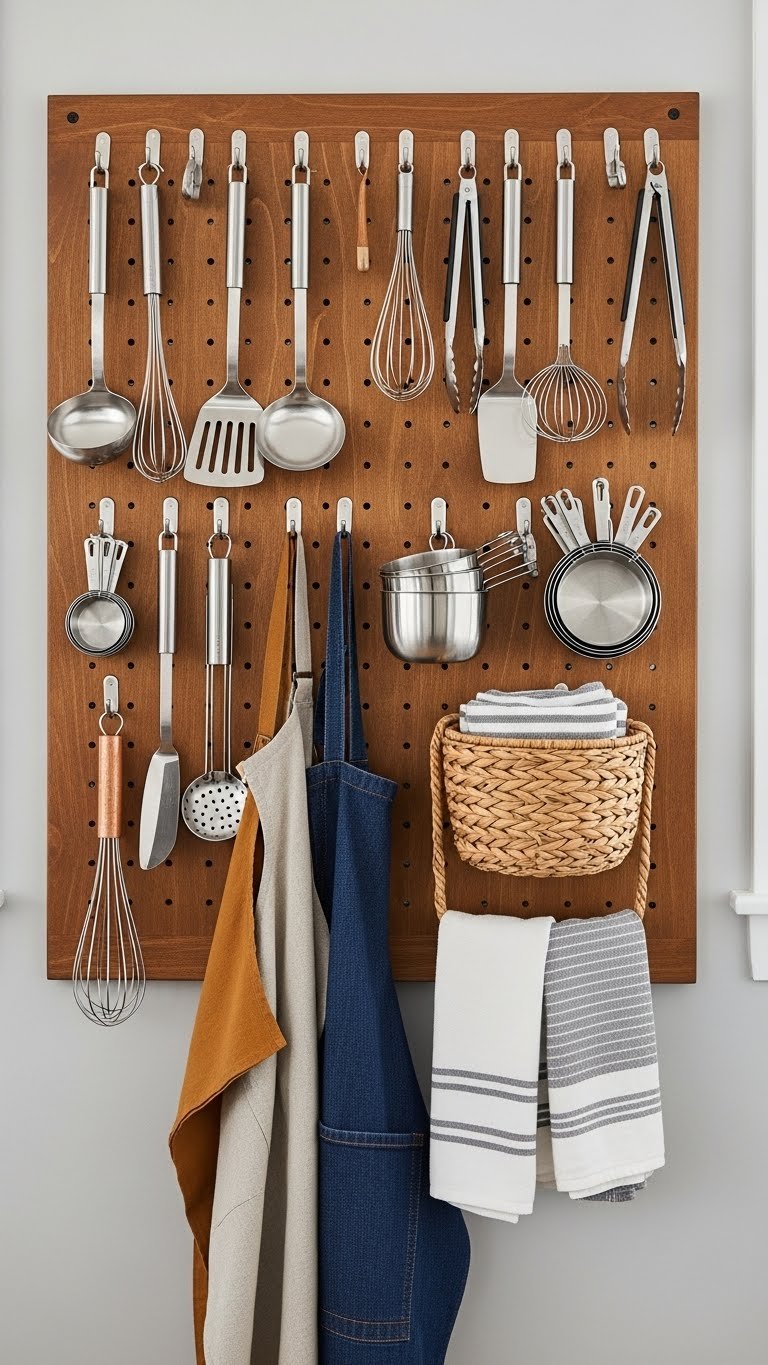
    16. Mount a Pegboard for Hooks and Hanging Storage

    Pegboard is affordable, customizable, and visually interesting—perfect for small kitchens where wall space is the only space left.

    Buy a pegboard sheet (4’x2′ or 4’x4′, $15–$30) and hooks ($10–$25 for a set) from Home Depot or Lowe’s. Paint or stain it first for a finished look. Installation takes 1–2 hours with basic wall anchors (no studs needed for light items). Style with cooking utensils, measuring cups, kitchen towels, and small baskets. Super renter-friendly if you use adhesive strips to avoid drilling.

    You reclaim wall space for storage while creating a styled, industrial-chic feature that works harder than regular walls.


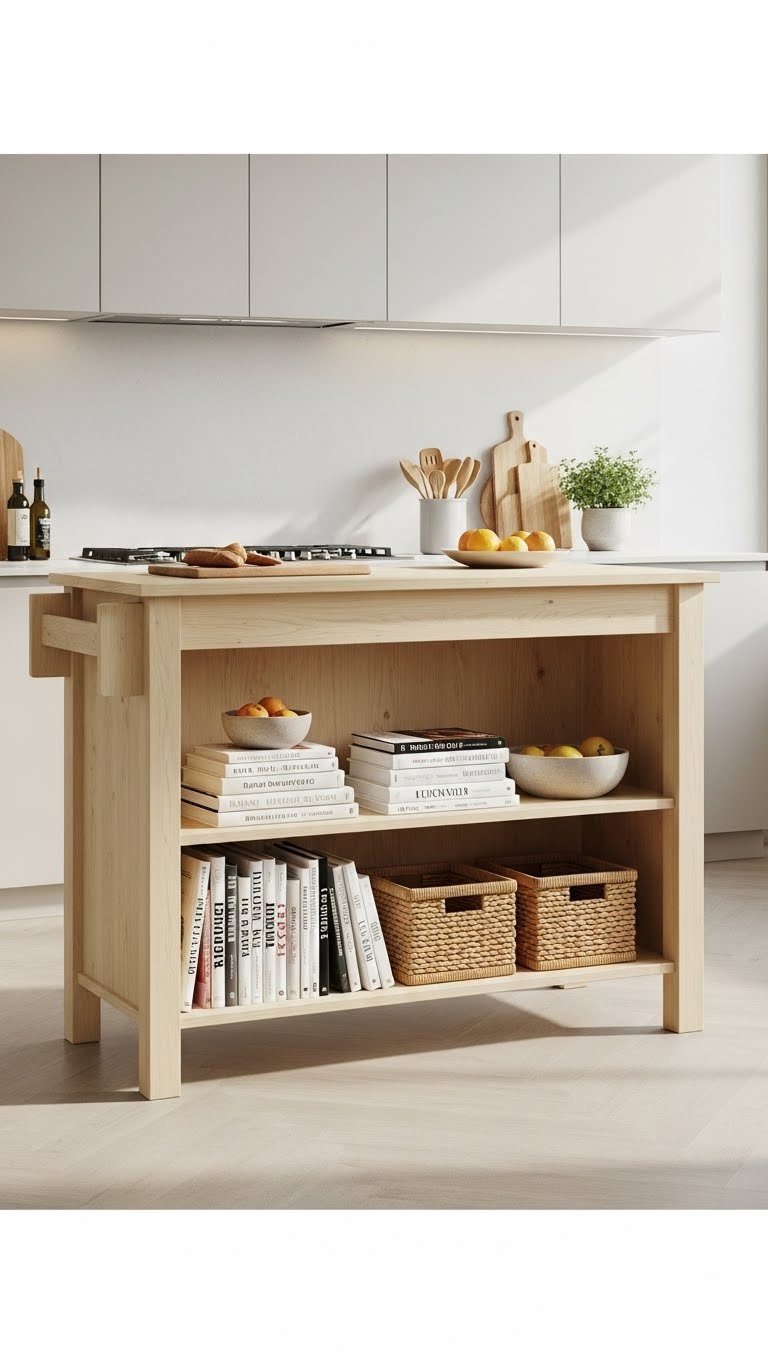
    17. Choose a Slim Island with Open Shelving Below

    Islands can overwhelm small kitchens, but a slim version with open storage underneath works. You get counter space and storage without blocking sightlines.

    Opt for 24–30-inch-wide islands (narrower than standard) with open shelving or legs instead of solid bases ($200–$600 from IKEA, Wayfair, or local builders). This costs more than a cart but feels more permanent and built-in. Leaves 36+ inches on either side so you can move around. Renter? Skip the island; use a narrow cart instead ($40–$80).

    An open-base island adds counter workspace and storage without making the kitchen feel cramped—you can still see across the room.


    18. Add a Narrow Wine Rack or Beverage Cooler

    Beverage storage often overflows cabinets. A compact wine rack or small cooler handles it while adding a style accent.

    Choose a narrow wine rack (6–12 inches wide, $30–$60) or compact beverage cooler (18–24 inches, $150–$400). Both install in corner gaps or under counters. Wine racks attach to walls or sit on counters (no installation). Coolers need an outlet but fit where standard cabinets won’t. Budget accordingly based on style and size.

    Your everyday bottles stay accessible, out of cabinets, and on display—turning a functional item into a décor accent.


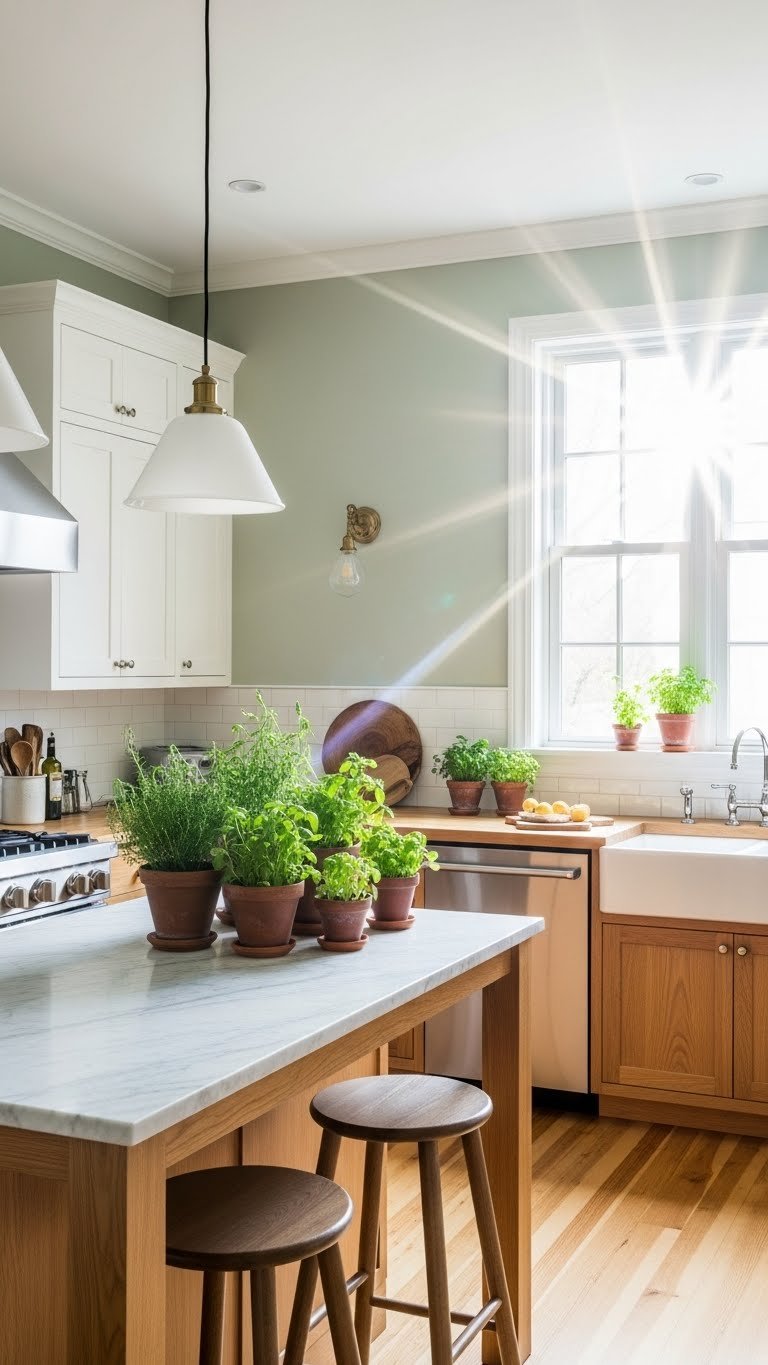
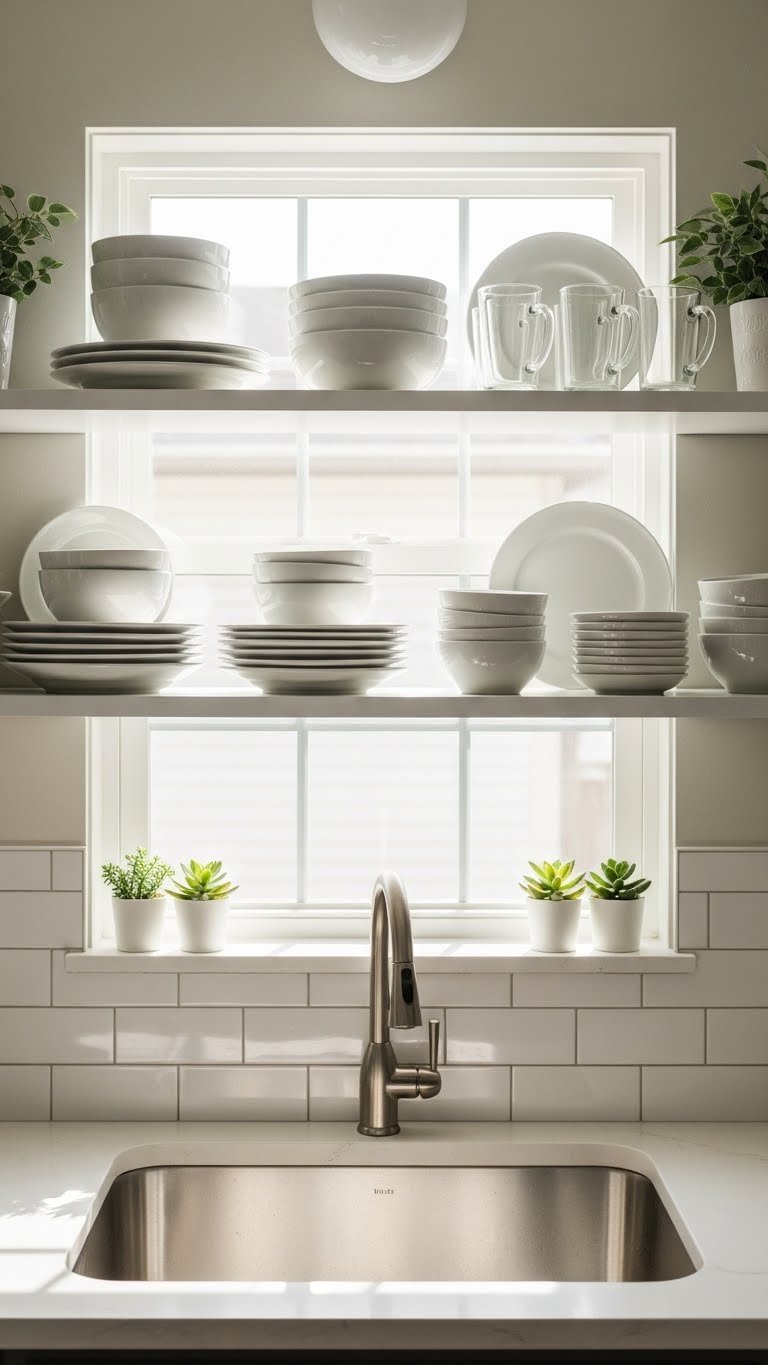
    19. Install a Narrow Open Shelf Above the Sink

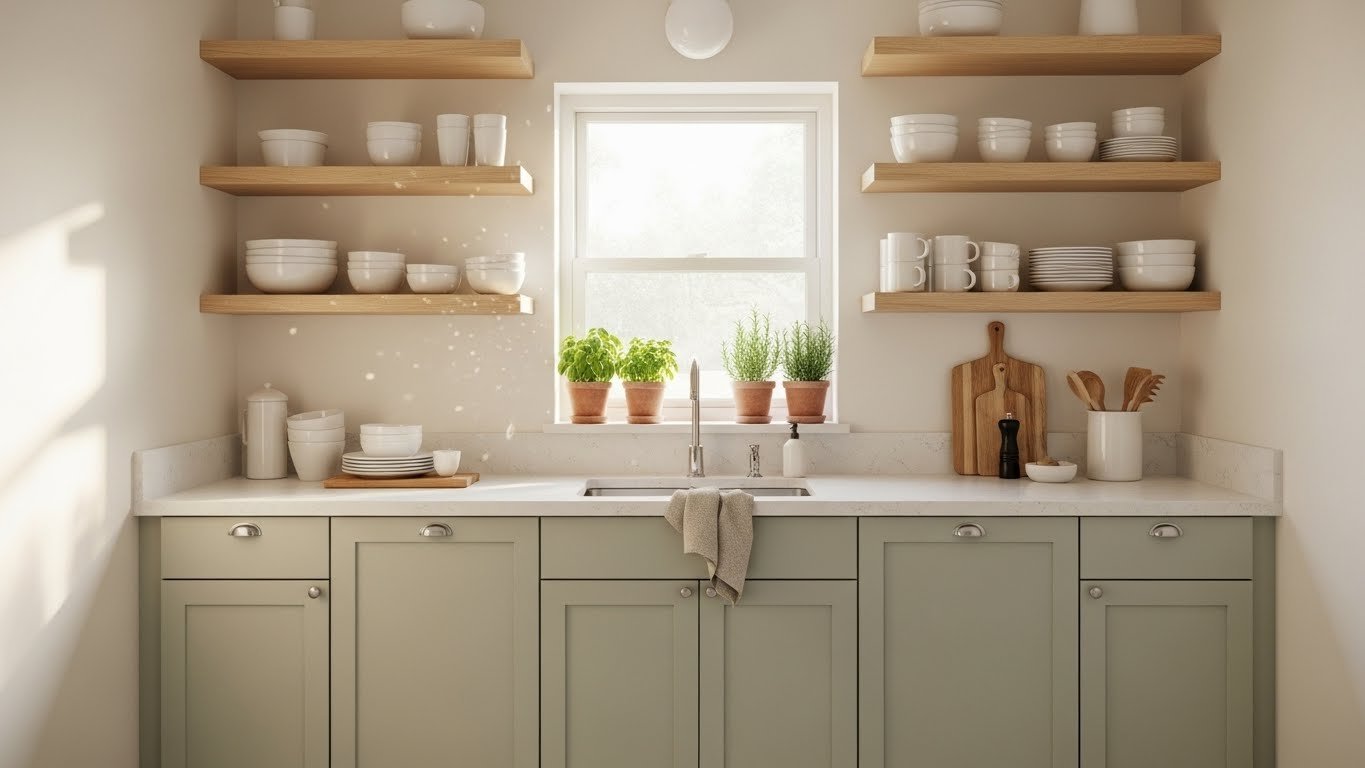
    Above the sink is prime real estate—easy access to water for rinsing and watering, plus it catches natural light if you have a window.

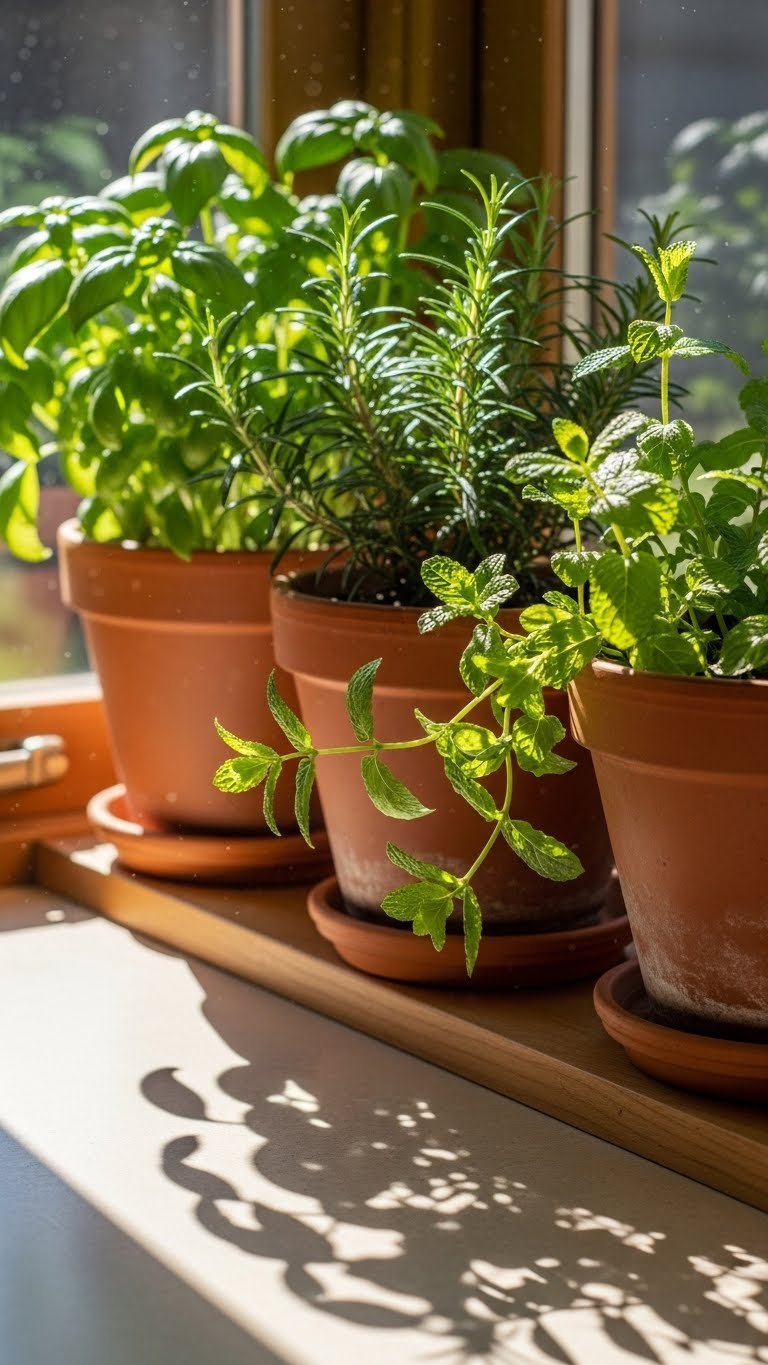
    Mount a 12–18 inch floating shelf ($20–$40) directly above the sink at comfortable reach height. Installation takes 1–2 hours. Style with small potted herbs, a soap dispenser, and glasses. This makes the mundane space feel intentional and garden-like. Renter? Use adhesive strips ($10–$15) instead of drilling into walls.

    You gain functional storage in a spot you use constantly, and herbs on the shelf feel fresh and inviting—plus you water them while washing dishes.


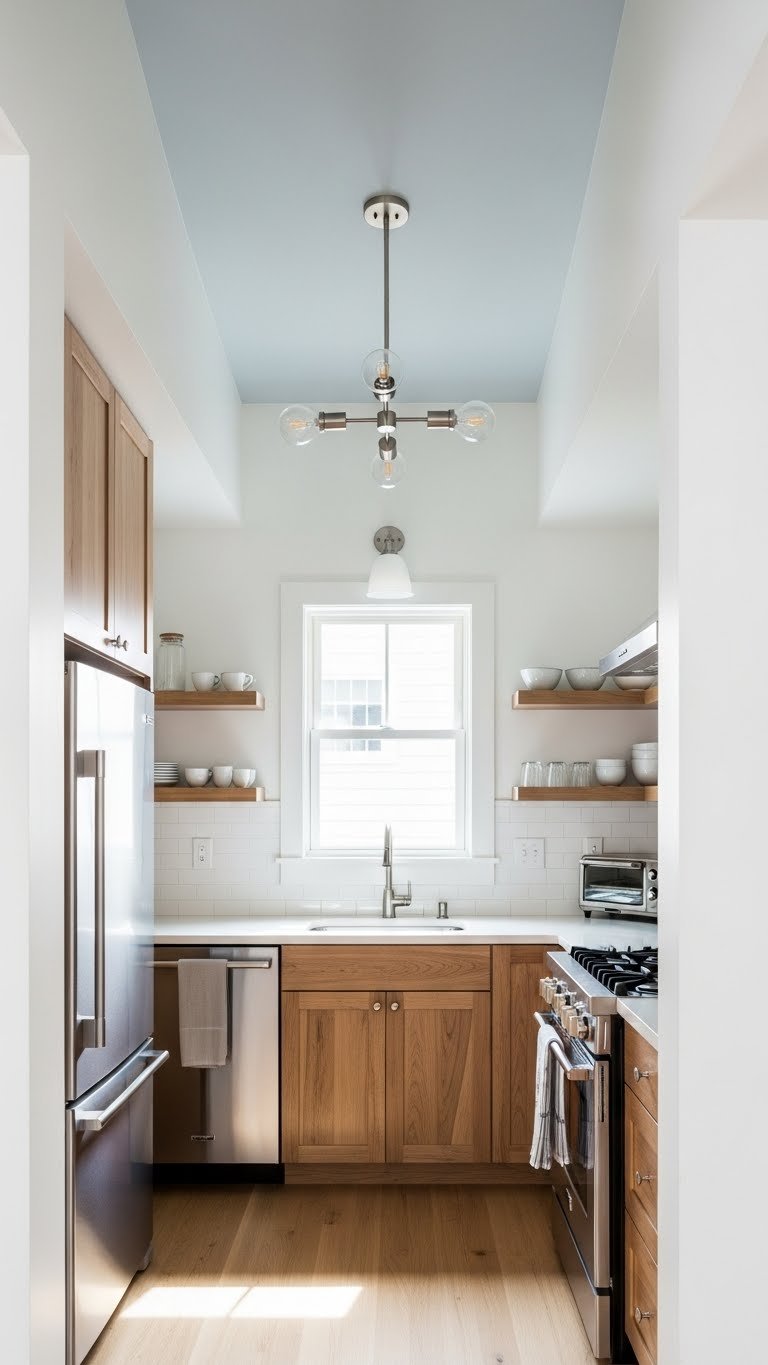
    20. Paint the Ceiling a Soft Color to Feel Taller

    White ceilings can make small kitchens feel boxed-in. A soft, subtle color on the ceiling draws the eye upward and creates perceived height.

    Paint the ceiling the same color as walls but 20% lighter, or try soft gray, pale blue, or warm cream. Use ceiling paint (it hides imperfections better than wall paint) from Benjamin Moore or Sherwin-Williams ($25–$40 per gallon). Painting takes 2–4 hours depending on room size. Renter? Skip this; it’s too involved.

    This small color choice makes the room feel less compressed—your eye travels up instead of stopping at the ceiling.


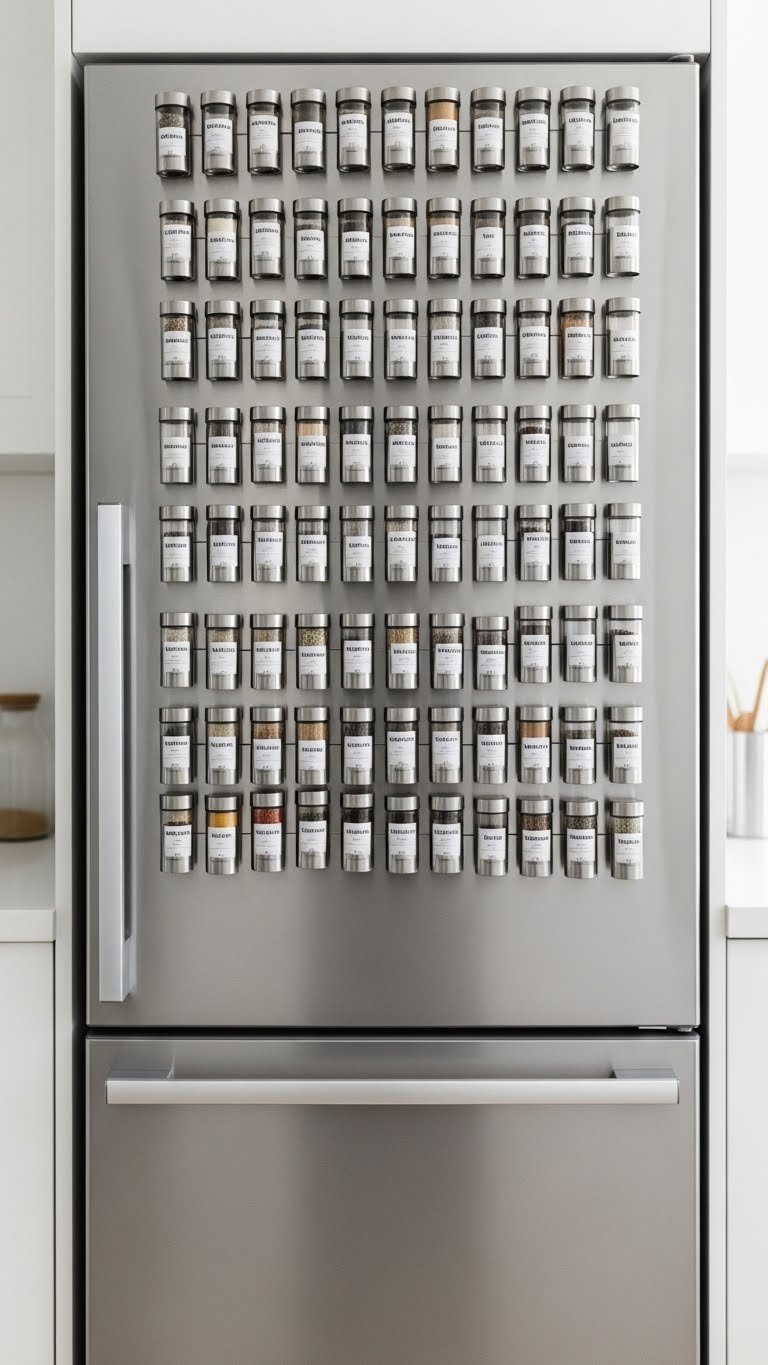
    21. Use Magnetic Spice Jars on the Fridge

    Spices take up significant drawer and cabinet space. Magnetic containers on the fridge put them inches away while cooking.

    Buy magnetic spice jars (20–30 count sets, $30–$60) from Amazon or specialty kitchen stores. Fill with your most-used spices and label clearly. Installation takes 10 minutes—just stick them on the fridge side. Works only if your fridge has a metal surface (most do). Budget-friendly and renter-perfect.

    Your most-grabbed spices become instantly accessible at eye level, freeing up tons of cabinet or drawer space.


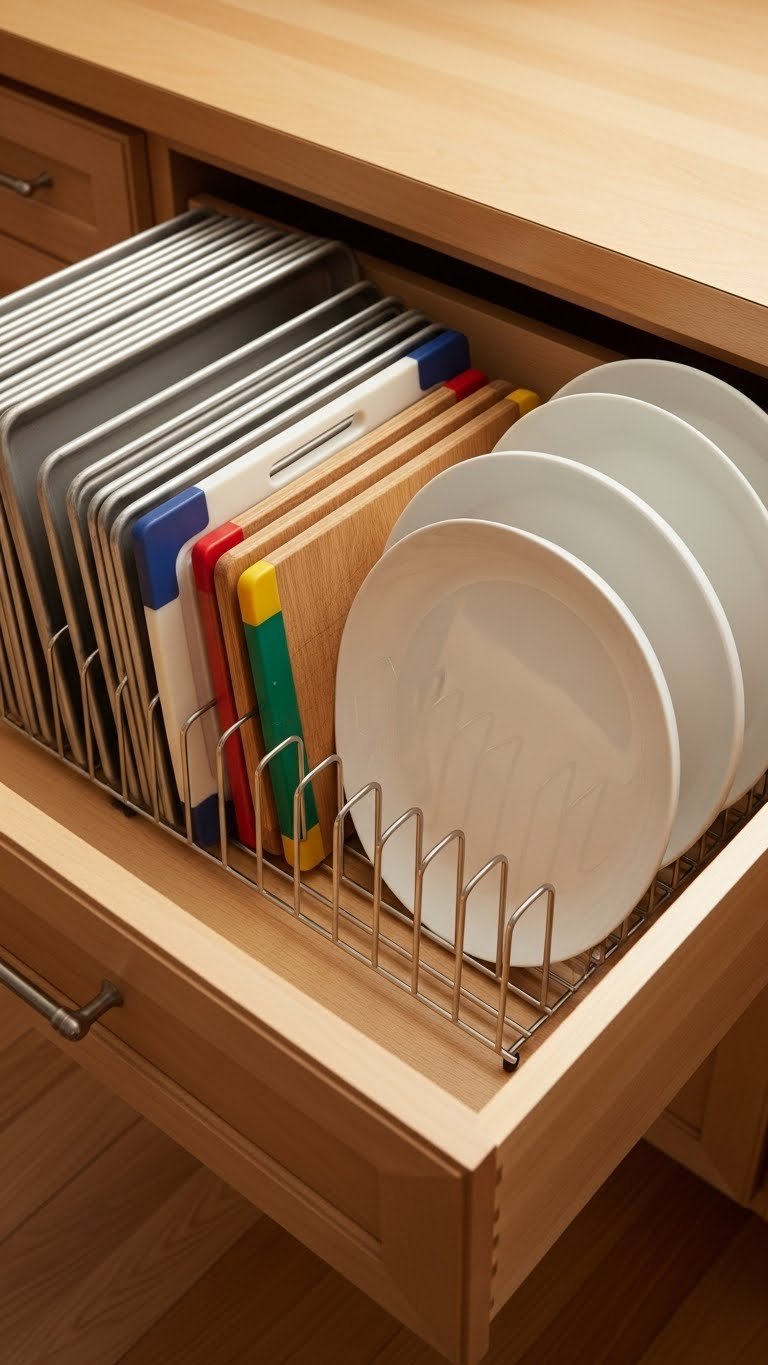
    22. Install a Dish Rack Drawer Organizer

    Plates, baking sheets, and cutting boards slide around in cabinets and waste space. Vertical dividers keep them organized and maximize storage.

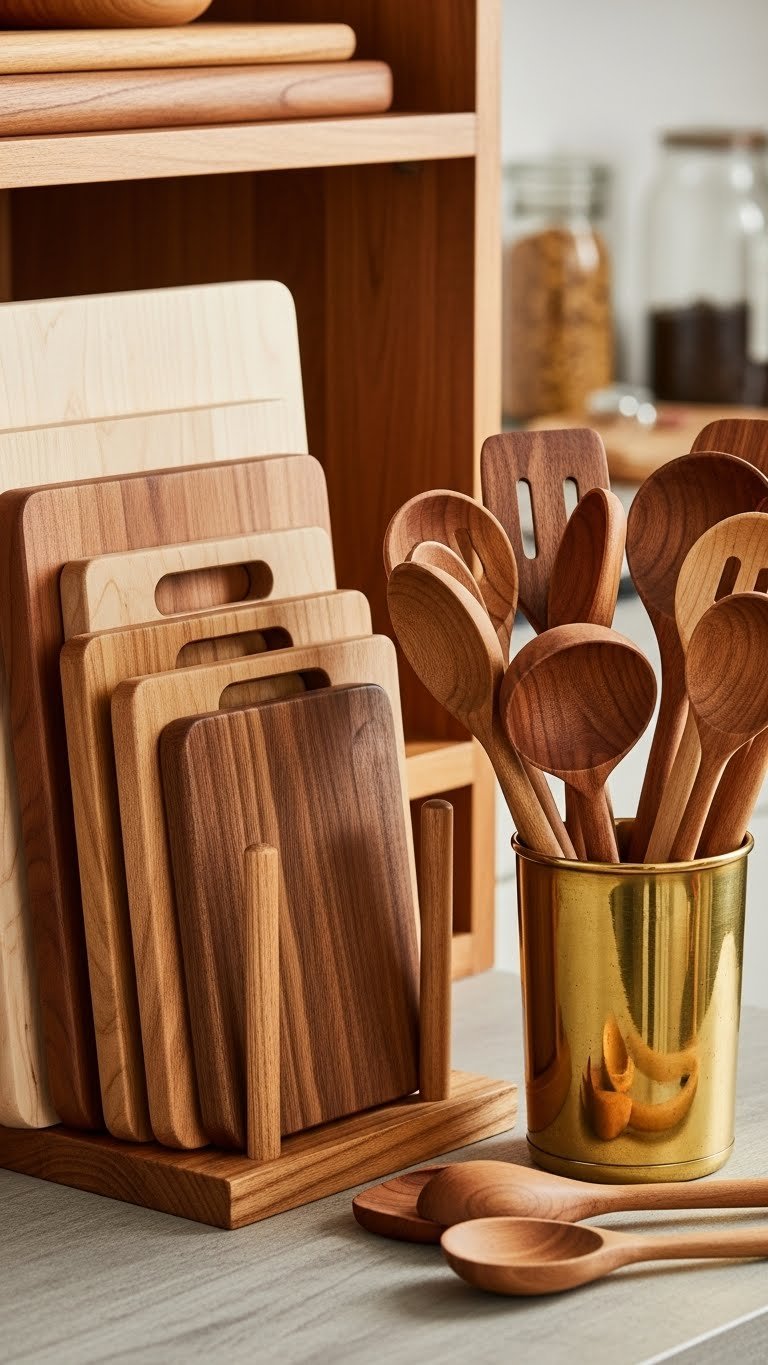
    Buy a vertical divider shelf organizer ($20–$50) from IKEA, Target, or The Container Store. Install inside a cabinet or large drawer—takes 10 minutes with no tools. Fits plates, cutting boards, baking sheets, and serving platters upright so you see what you have and grab what you need easily.

    This single purchase makes one cabinet feel twice as organized, and you stop digging through stacks.


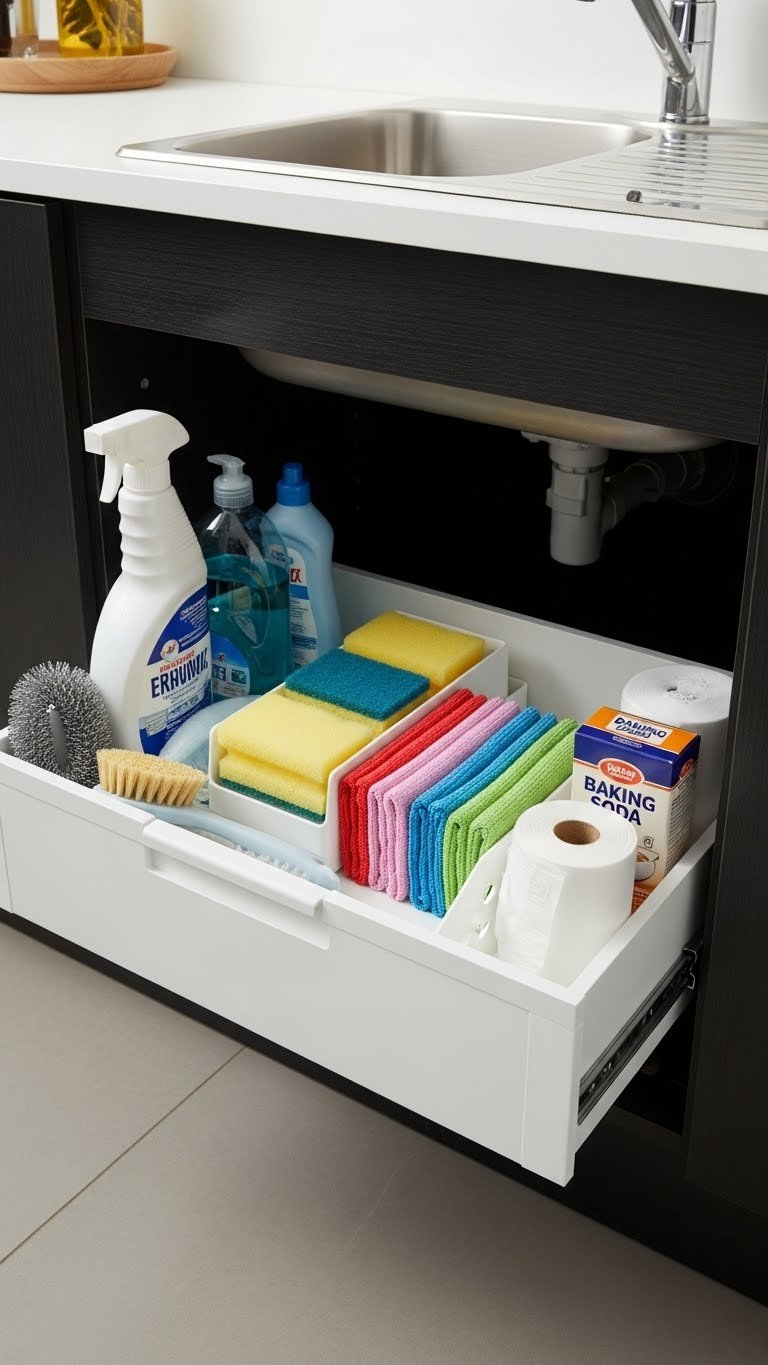
    23. Add a Under-Sink Sliding Drawer Organizer

    The under-sink cabinet is usually a chaotic jumble of supplies. A sliding drawer organizer brings everything forward and out of the way.

    Install a under-sink sliding drawer organizer ($30–$60) designed to work around plumbing. Brands like Rev-A-Shelf make versions specifically for this space. Installation takes 20–30 minutes. Store cleaning supplies, sponges, trash liners, and extra soap here. Renter-friendly if you choose adhesive-mount options.

    You’ll actually know what you have under there instead of a mystery zone where bottles disappear.


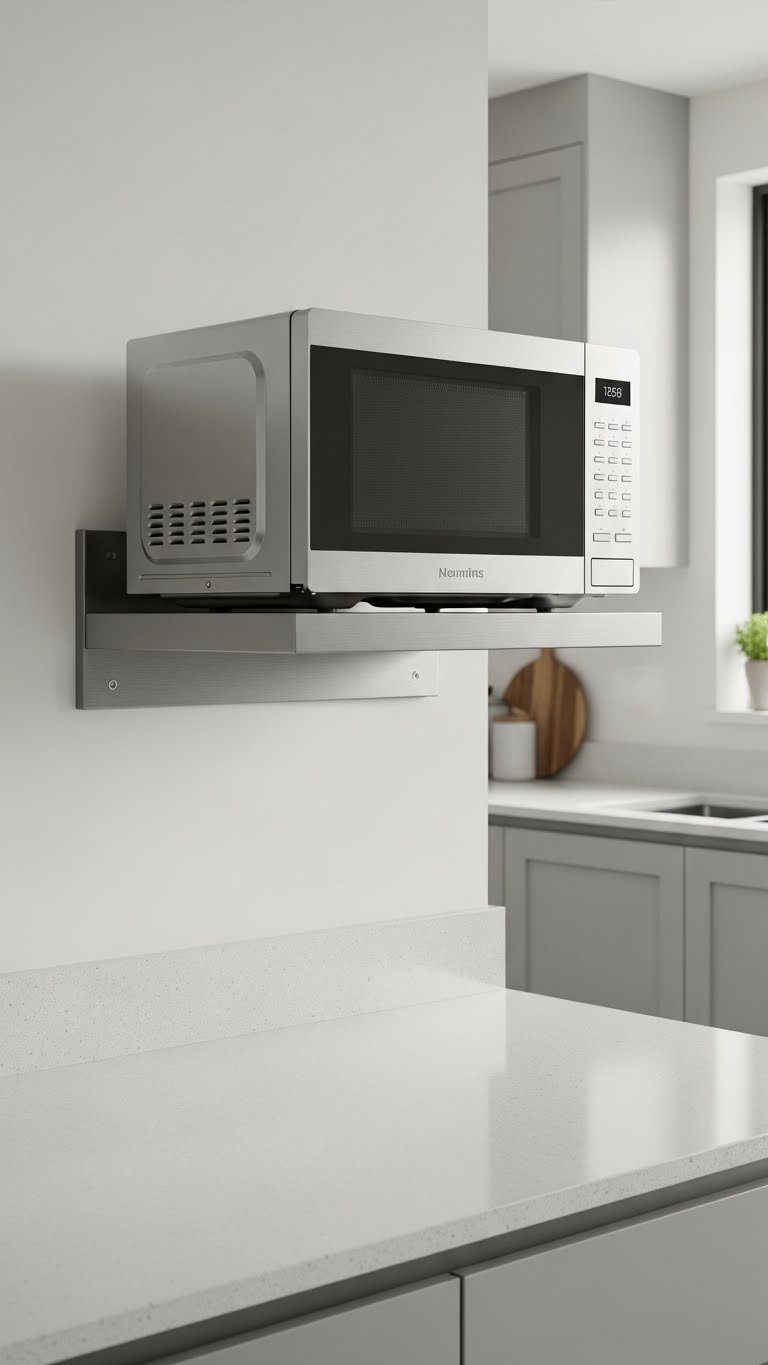
    24. Float Your Microwave on a Shelf Above Counter

    Microwaves dominate counters in small kitchens. A floating shelf mounts it at a comfortable height and reclaims real estate.

    Install a floating shelf ($20–$40) at elbow to shoulder height and place a compact microwave on top. Budget 1–2 hours installation time. Only works if you have wall space and the shelf can support the microwave weight (most can, but verify). This frees up significant counter space below for prep work or appliances. Make sure it’s accessible but not dangerously high—you don’t want to reach past your head.

    You reclaim several linear feet of counter space while keeping the microwave at a comfortable working height.


    Save this for your next kitchen refresh. Pick one idea this weekend—even the smallest change makes a surprising difference in how your space works and feels.

  • 24 Black & White Kitchen Ideas That Look Bold & Timeless

    24 Black & White Kitchen Ideas That Look Bold & Timeless

    Black and white kitchens never go out of style—but they don’t have to feel cold or sterile either. Whether you’re renovating or renting, these 24 ideas prove that a monochromatic palette can feel warm, sophisticated, and totally livable. From bold accent walls to subtle hardware swaps, you’ll find inspiration at every budget level. These ideas work in tiny apartments, sprawling farmhouses, and everything in between. Ready to create a kitchen that’s both timeless and unmistakably yours? Let’s dive in.

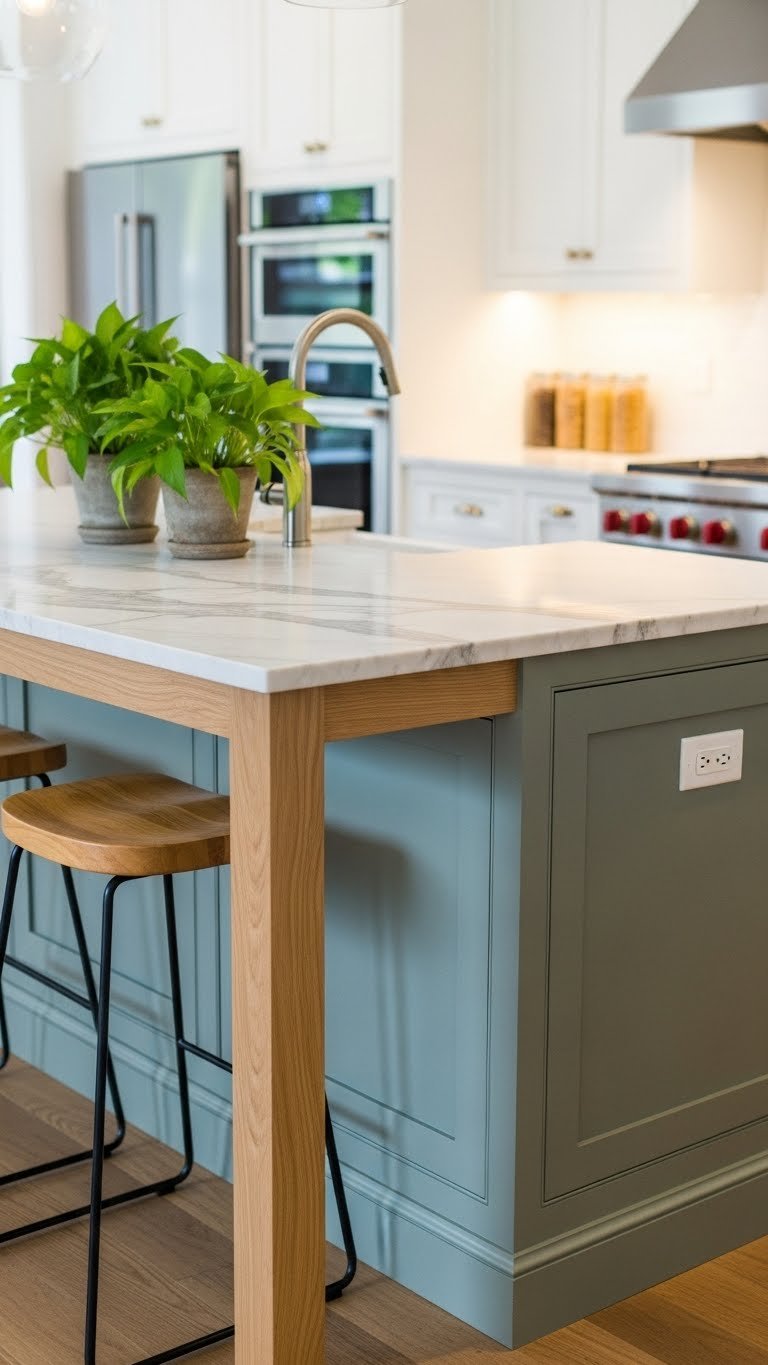
    1. Paint Your Island a Statement Black

    A black island instantly becomes the focal point without requiring a full kitchen overhaul. Paint existing cabinetry with high-quality cabinet paint like Sherwin-Williams Tricorn Black ($30–$40 per quart) or Benjamin Moore Onyx ($28–$35 per quart). You’ll need 2–3 quarts depending on size, plus primer. This is a renter-friendly option if you use peel-and-stick contact paper designed for furniture instead.

    The whole project takes one weekend. Prep is everything—sand, prime, then apply two coats with 24 hours between. Home Depot and Lowes stock all supplies. Add new hardware in brass, matte black, or brushed gold ($15–$60 per set of handles) to complete the look. Your kitchen gains instant polish and a perfect place to gather.

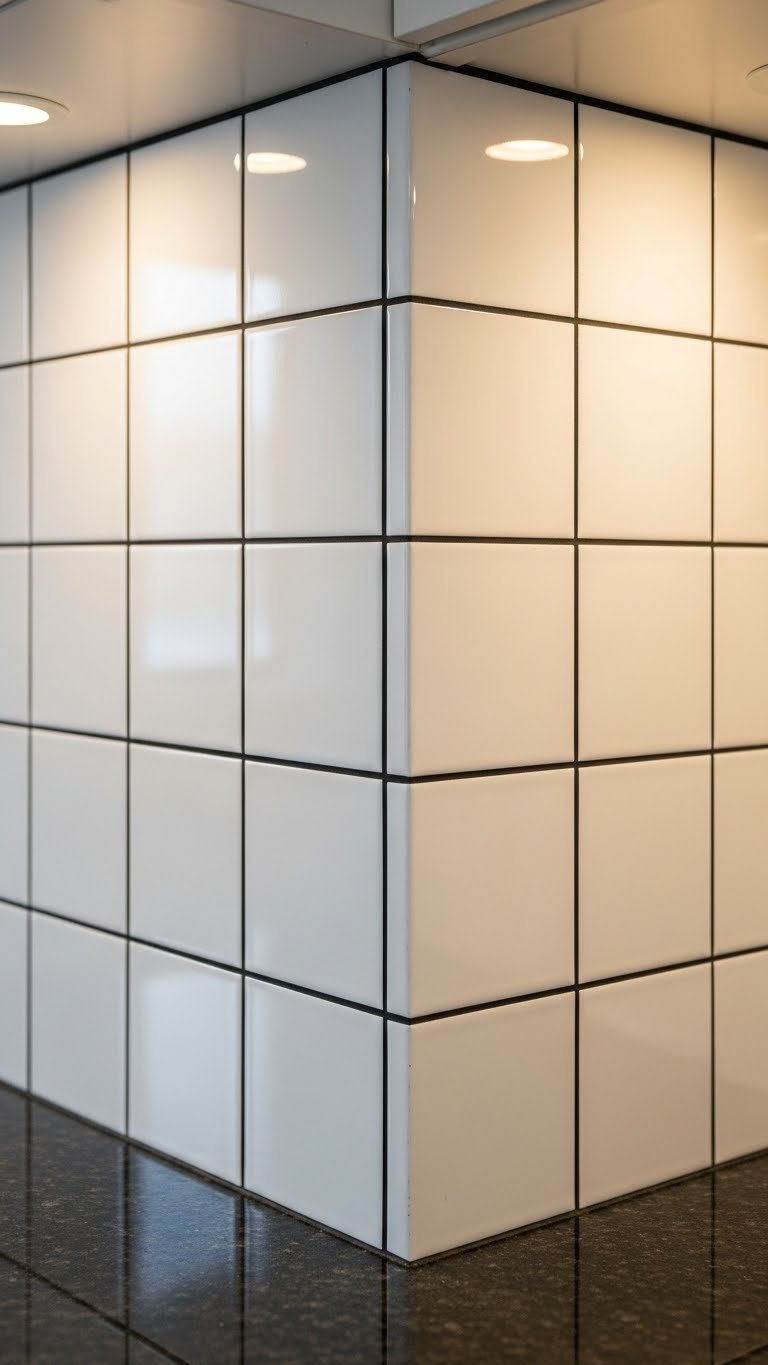
    2. Install Black Grout for Dramatic Tile Work

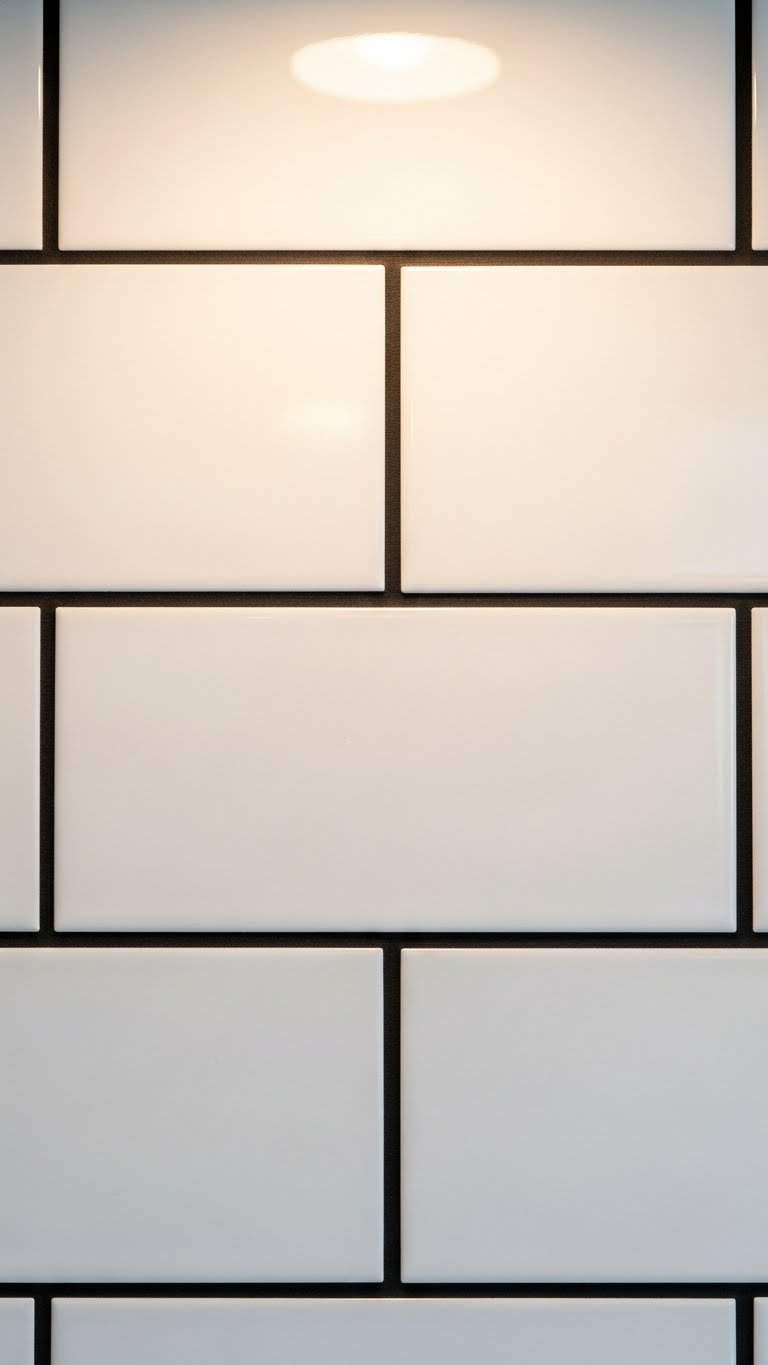
    Black grout transforms standard white subway tiles into something architectural and intentional. Choose epoxy or urethane-based grout—it resists staining better than unsanded grout ($20–$50 per bag). Grout sealer ($15–$25) is essential for keeping it pristine.

    If you’re tiling yourself, budget one full weekend for backsplash work. Hire a pro if you’d rather skip the learning curve ($300–$600 for materials and labor on a standard backsplash). The contrast creates visual interest without adding color chaos. Your eye naturally follows those clean lines, making the kitchen feel more intentional and modern even if everything else stays simple.

    3. Add Black Window Frames for Architectural Pop

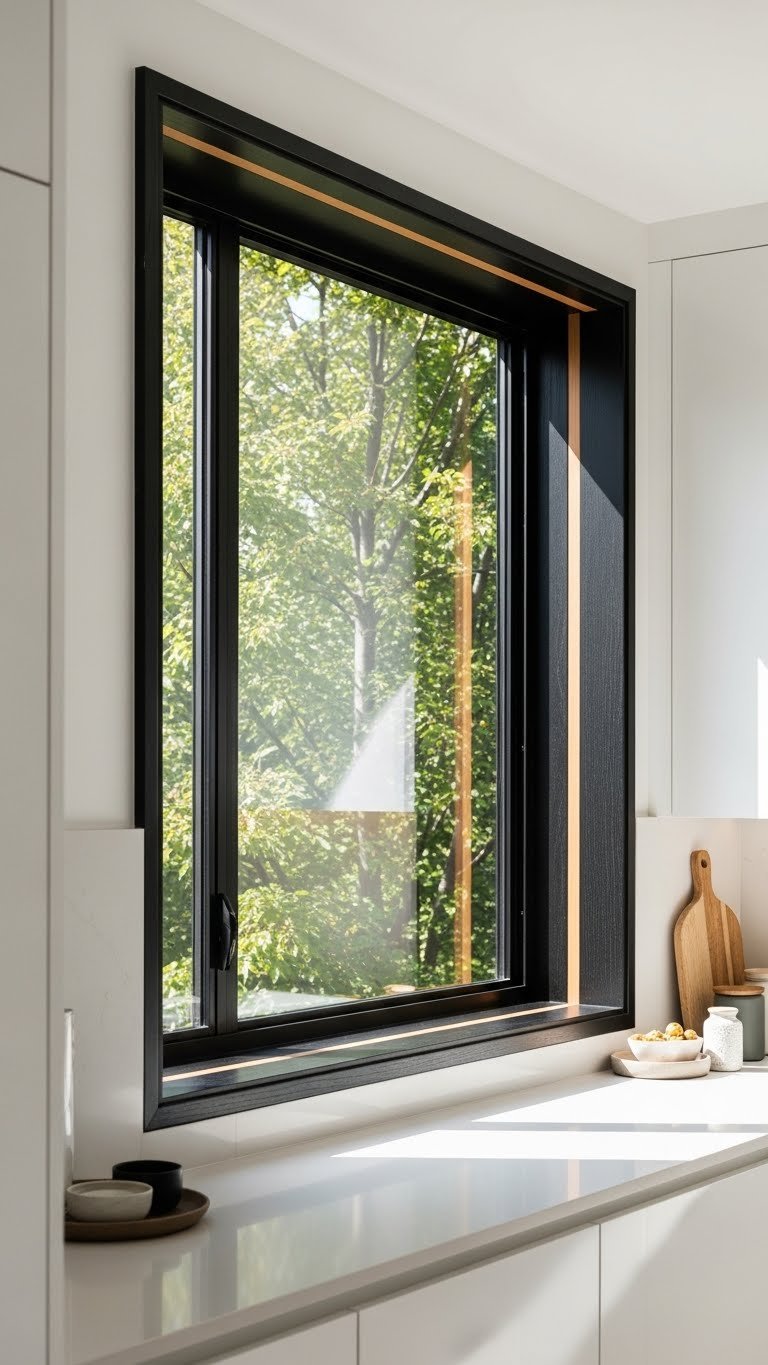
    Black window frames or pella frames create instant architectural interest and frame your view like art. If you have existing windows, painting the trim ($60–$150 in paint plus materials) is doable. True black window frame installation runs $200–$500 per window depending on size and whether you replace or overlay existing frames.

    This project is best left to a pro—improper installation leads to drafts and leaks. But the payoff is huge. Every time sunlight hits those frames, they create clean geometric lines that ground the entire space. It’s a designer touch that costs far less than other major updates.

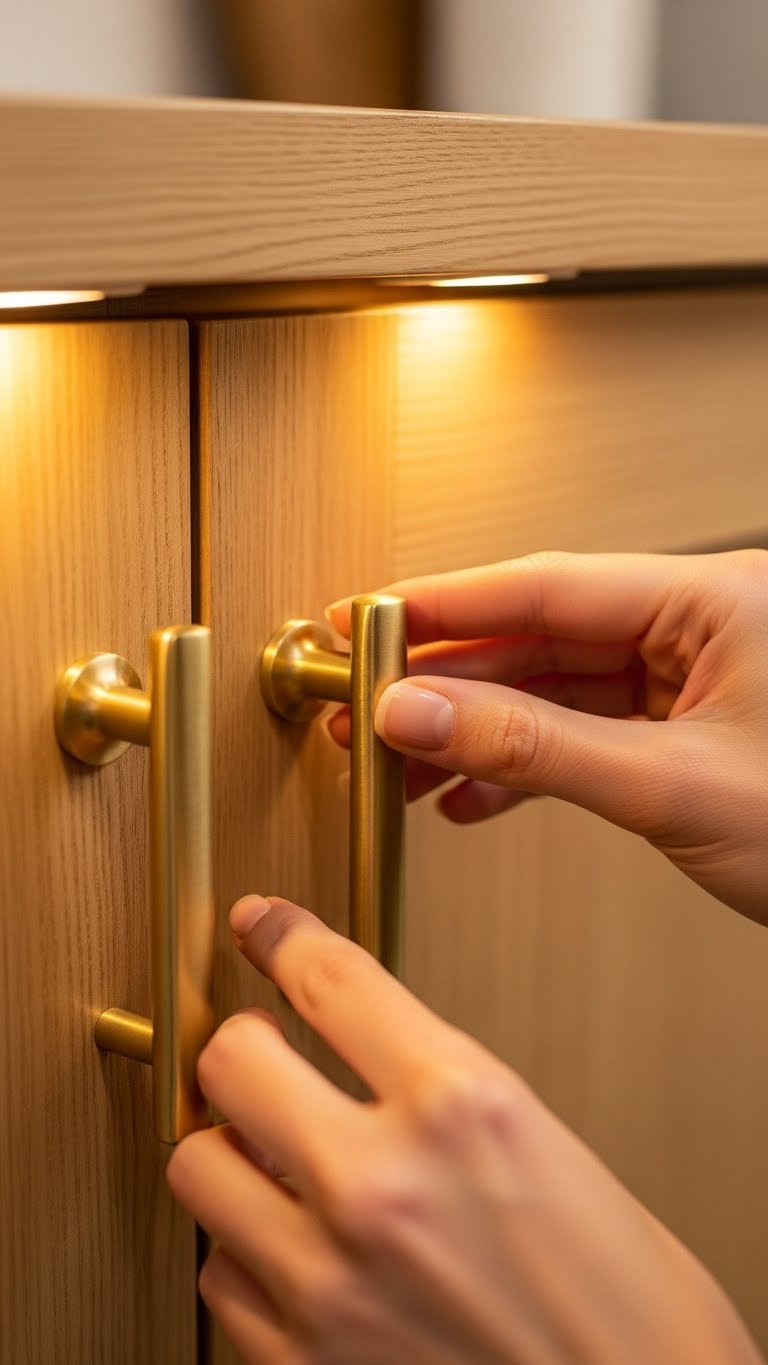
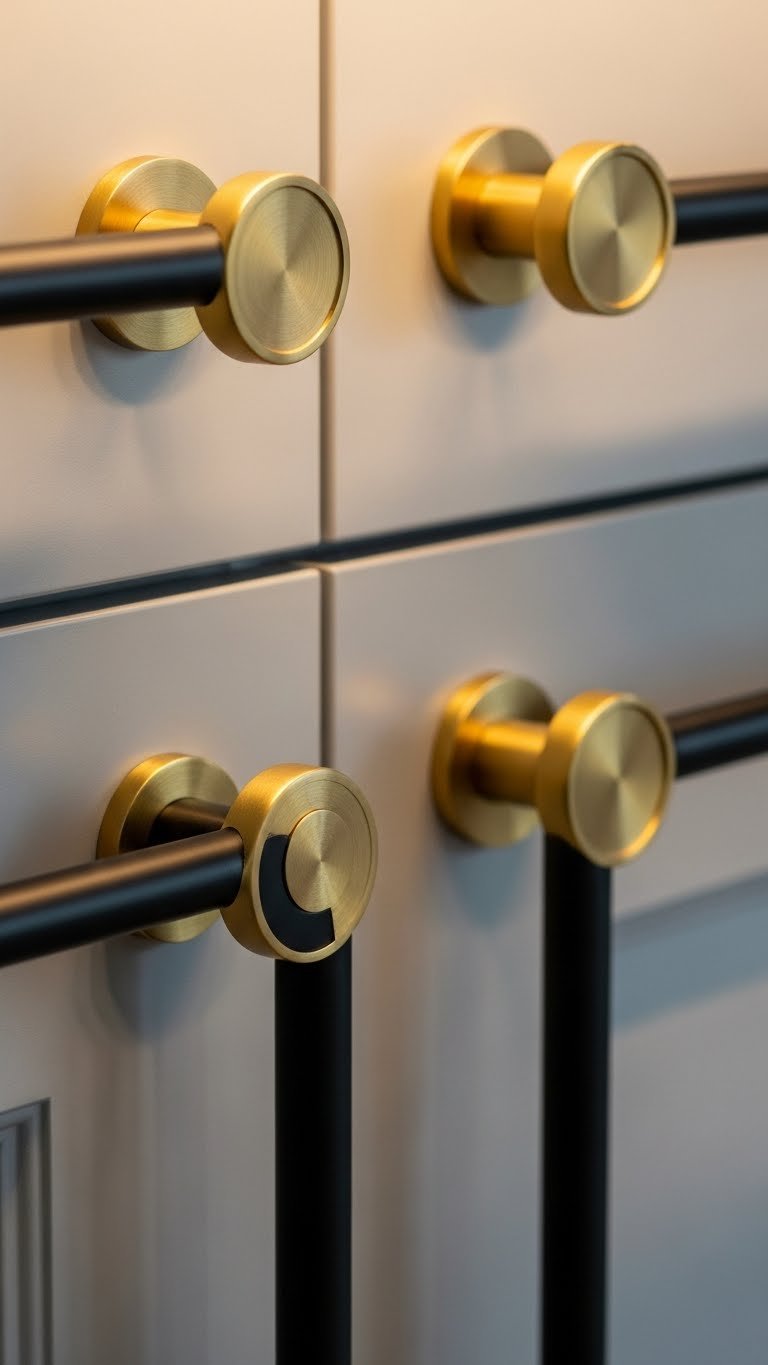
    4. Swap Hardware to Matte Black or Brushed Brass

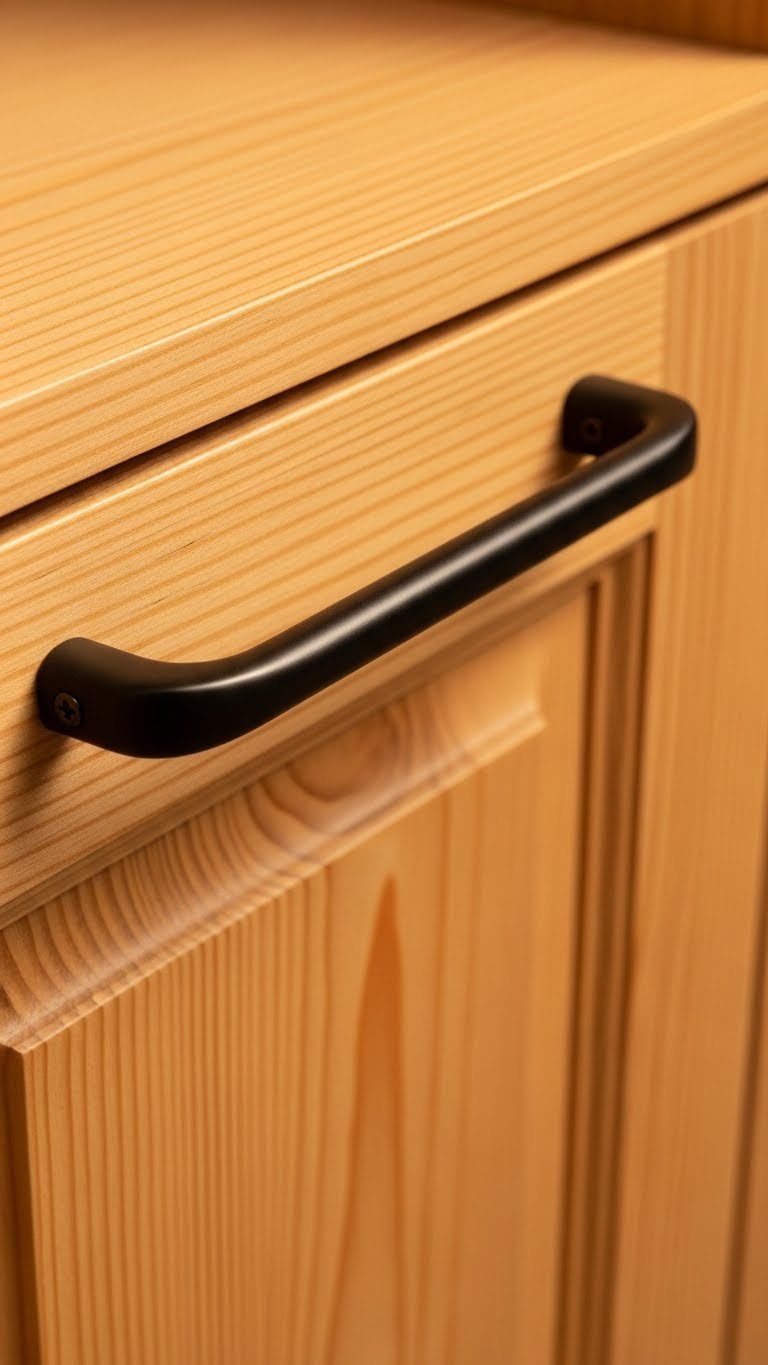
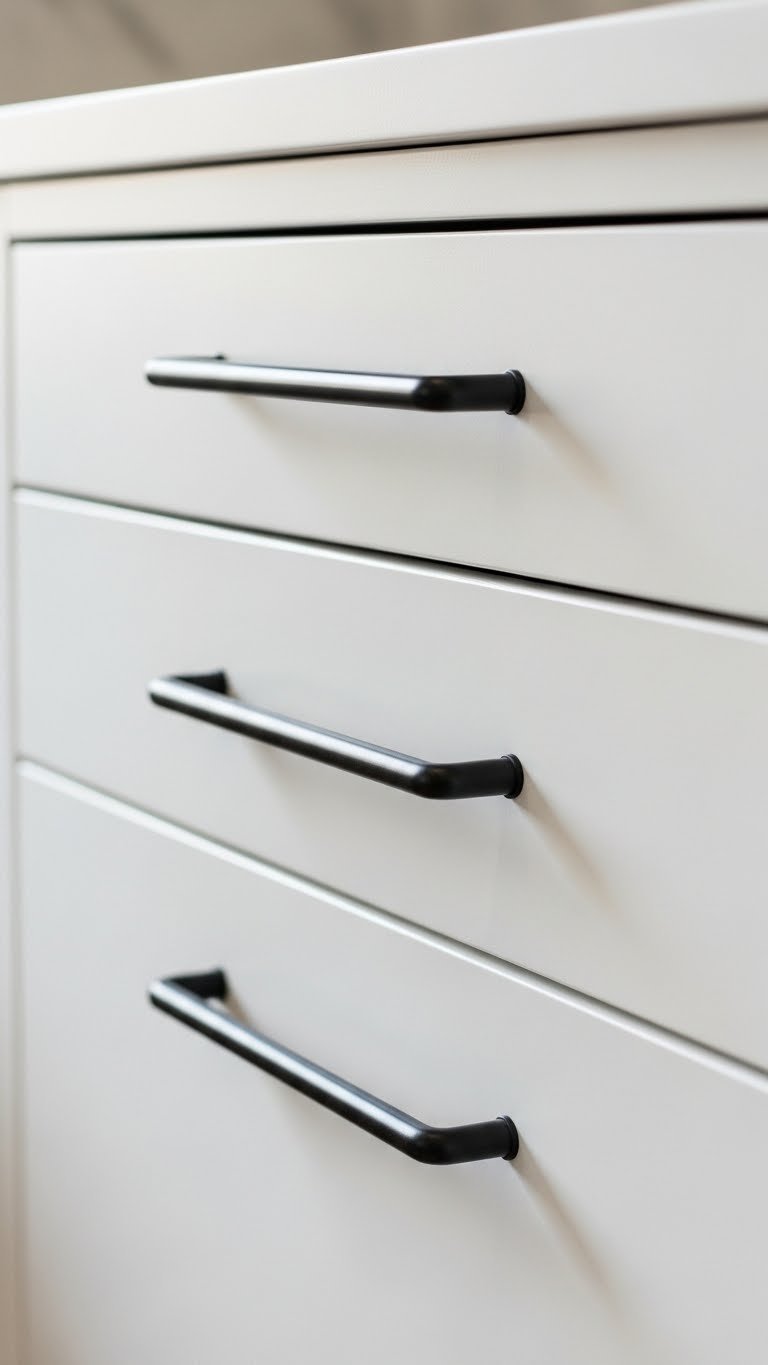
    Hardware might seem small, but it completely changes how a kitchen reads. Swap builder-grade silver handles for matte black ($8–$25 per handle) or mix black with brushed brass ($12–$30 per handle). A typical kitchen needs 15–25 handles and knobs.

    Shop Wayfair, Amazon, or Home Depot for budget options; West Elm and CB2 carry higher-end pieces. Installation takes 1–2 hours with just a power drill. No drilling needed if new holes align with old ones. This renter-friendly swap costs $120–$500 total but feels like a full renovation. Suddenly everything looks intentional and current.

    5. Create a Black and White Striped Accent Wall

    Stripes sound bold but read sophisticated in a black and white kitchen. Measure your wall and plan stripes 4–6 inches wide (easier to execute than thinner stripes). Tape off sections with painter’s tape ($5 per roll), then paint alternating stripes in white and black.

    Two days of work, one quart of each color ($30–$40 each). The result is a geometry lesson that makes your kitchen memorable. It photographs beautifully and works especially well on the wall behind open shelving or your dining area. This idea is totally renter-approved if you use removable wallpaper in stripe patterns instead ($20–$50 per roll).

    6. Install Open Shelving with Black Metal Brackets

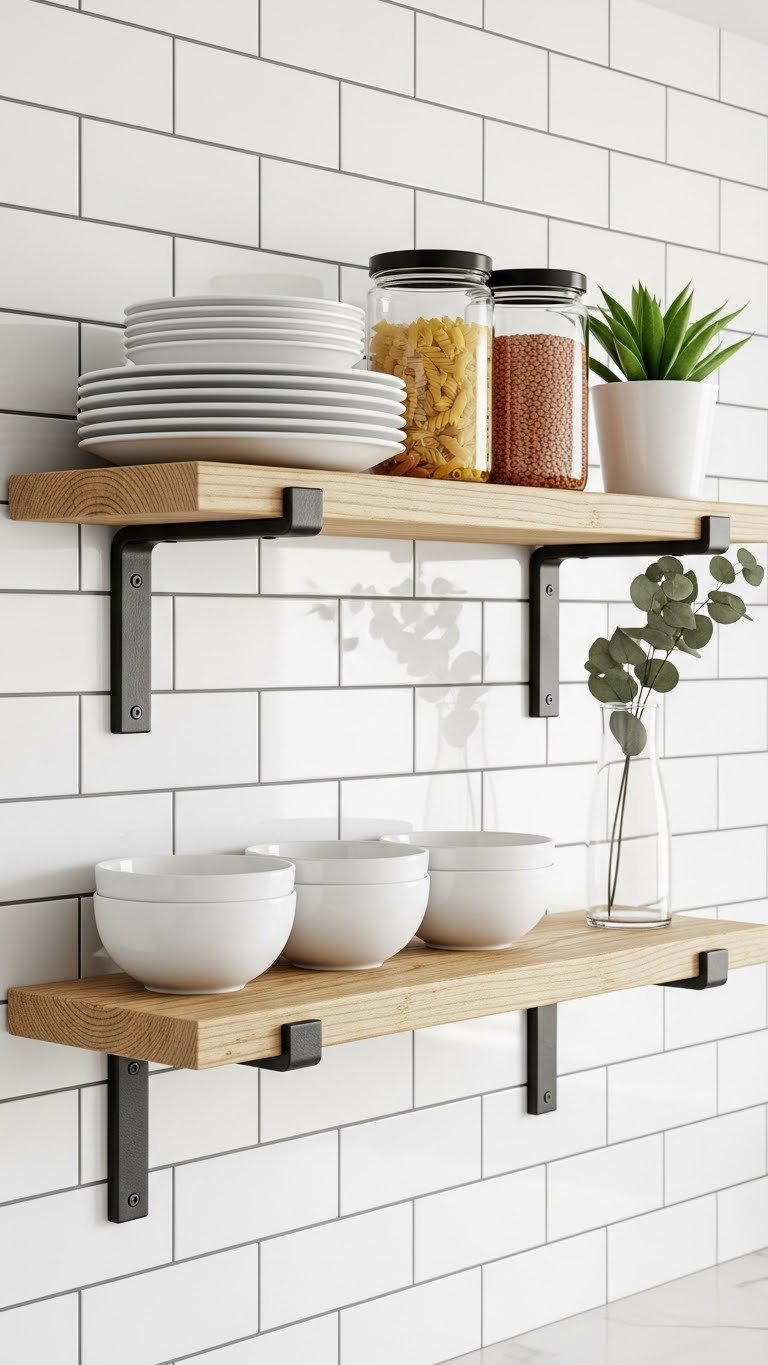
    Open shelving with black brackets creates that expensive, boutique kitchen feel for way less than built-ins. Floating shelves run $30–$80; quality black steel brackets cost $20–$60 per pair. You’ll need 2 pairs per shelf for proper support.

    Installation requires a stud finder ($20) and a drill. One afternoon of work if you’re comfortable with basic tools; hire a handyperson for $100–$150 if not. The beauty is flexibility—easy to remove if you rent, easy to adjust if you rearrange. Style shelves with white dishware, glass jars, and minimal green plants. You get storage that’s functional and Instagram-worthy.

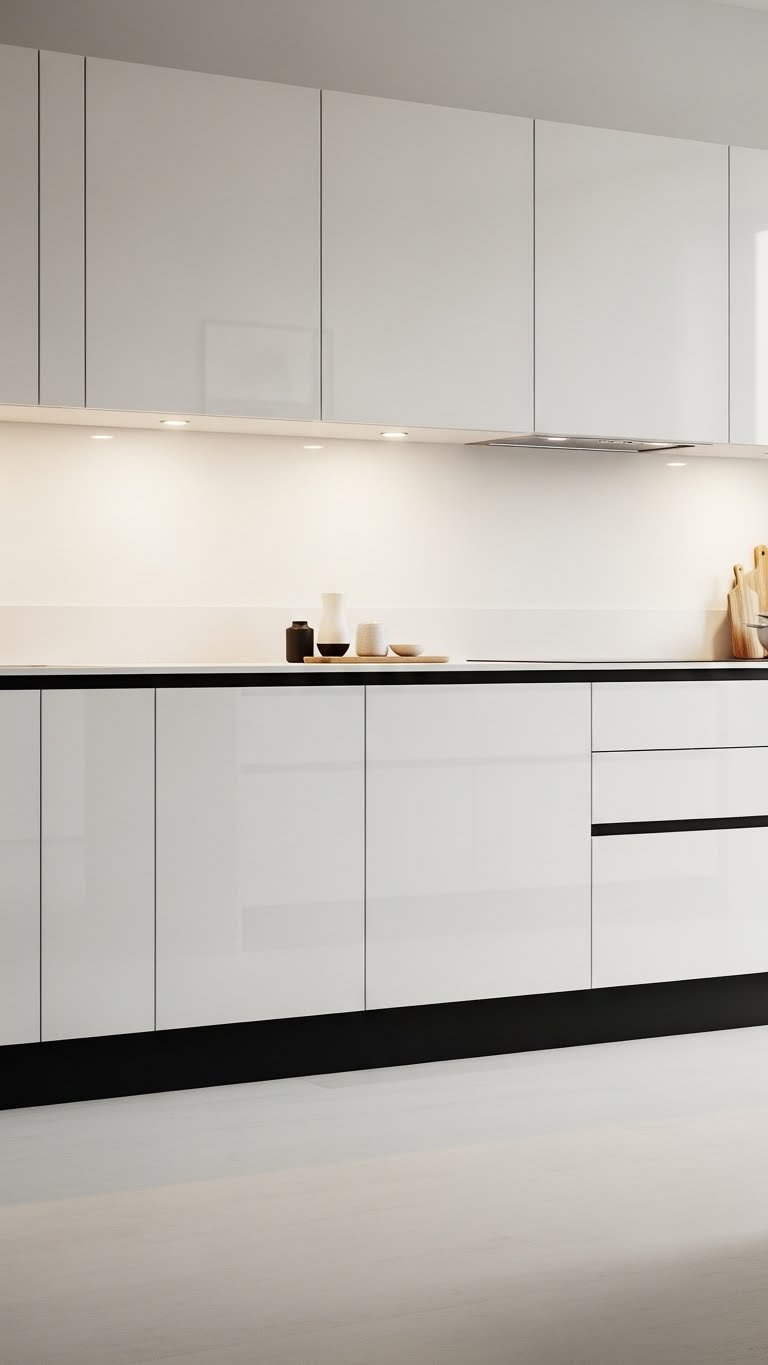
    7. Paint Your Lower Cabinets Black While Keeping Uppers White

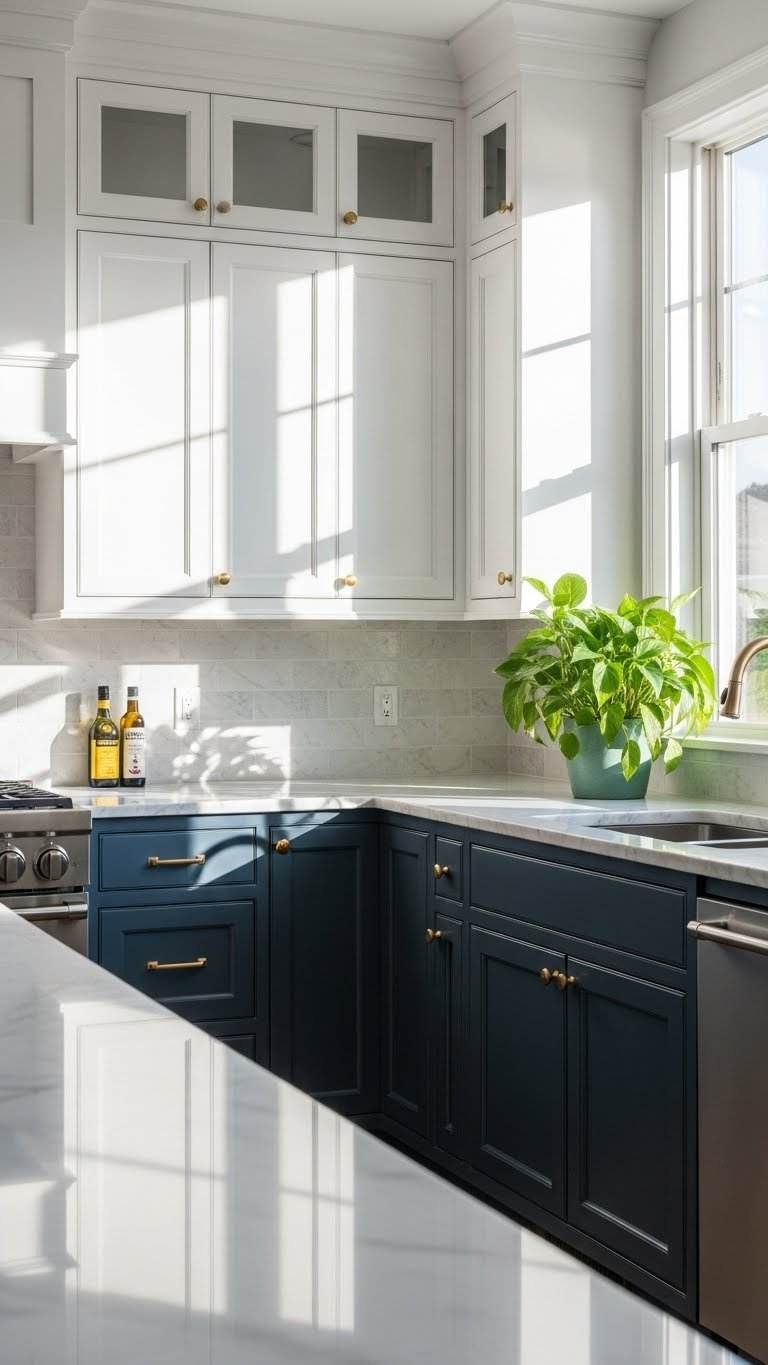
    Two-tone cabinetry feels modern without being trendy-dated. Keep uppers white and paint lowers black (or vice versa) to break up visual weight and add definition. Black cabinet paint: $30–$50 per quart, primer included. You’ll need 2–3 quarts.

    This is a solid weekend project or a $400–$700 investment from a pro painter. The line where colors meet becomes a visual anchor—place your most-used appliances there for practical appeal. Two-tone also makes tall kitchens feel less towering. It’s the perfect amount of drama without committing to full black cabinetry.

    8. Use Black Peel-and-Stick Tile to Refresh Backsplash Without Renovation

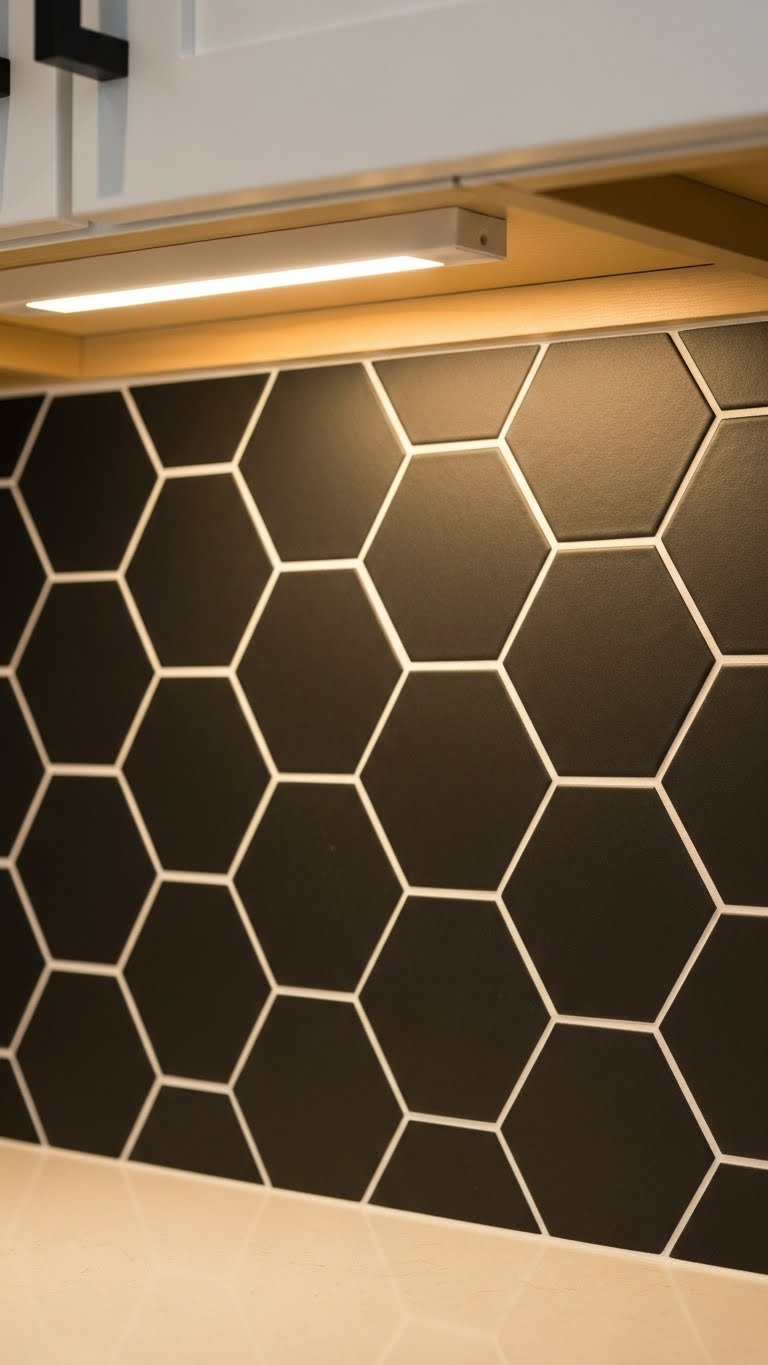
    Peel-and-stick tiles are game-changers for renters and commitment-phobes. Patterns like black hexagons with white grout detail ($25–$50 per pack) instantly mature a basic kitchen. One pack typically covers 10–15 square feet.

    Simply clean your wall, measure carefully, and apply tiles straight. Zero experience needed. Most stick-on tiles last 3–5 years before peeling, but you can refresh by reapplying. They peel off cleanly without damage, making them renter-perfect. Suddenly your backsplash is a design statement instead of an afterthought.

    9. Frame Your Mirror or Artwork in Black

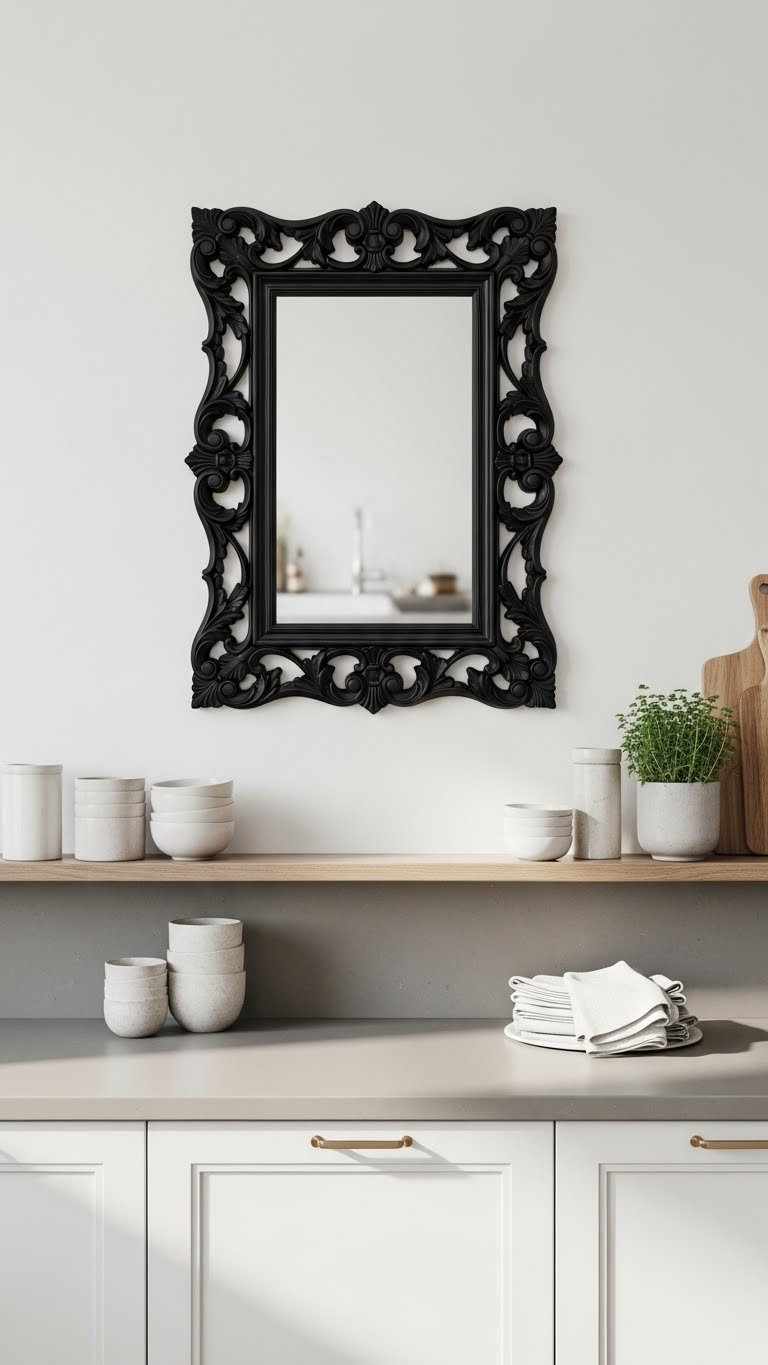
    A single black-framed mirror or art piece becomes an accent without overwhelming the space. Look for 24–36 inch mirrors with black metal frames ($40–$120 at Wayfair, Target, or IKEA). Abstract black and white kitchen art runs $30–$80.

    Hanging takes 10 minutes and a level. Choose a prominent wall—above the sink, open shelving, or against a blank expanse. That single focal point ties together your color story and makes the kitchen feel curated. It’s especially effective in smaller kitchens where one strong visual anchor feels intentional rather than cluttered.

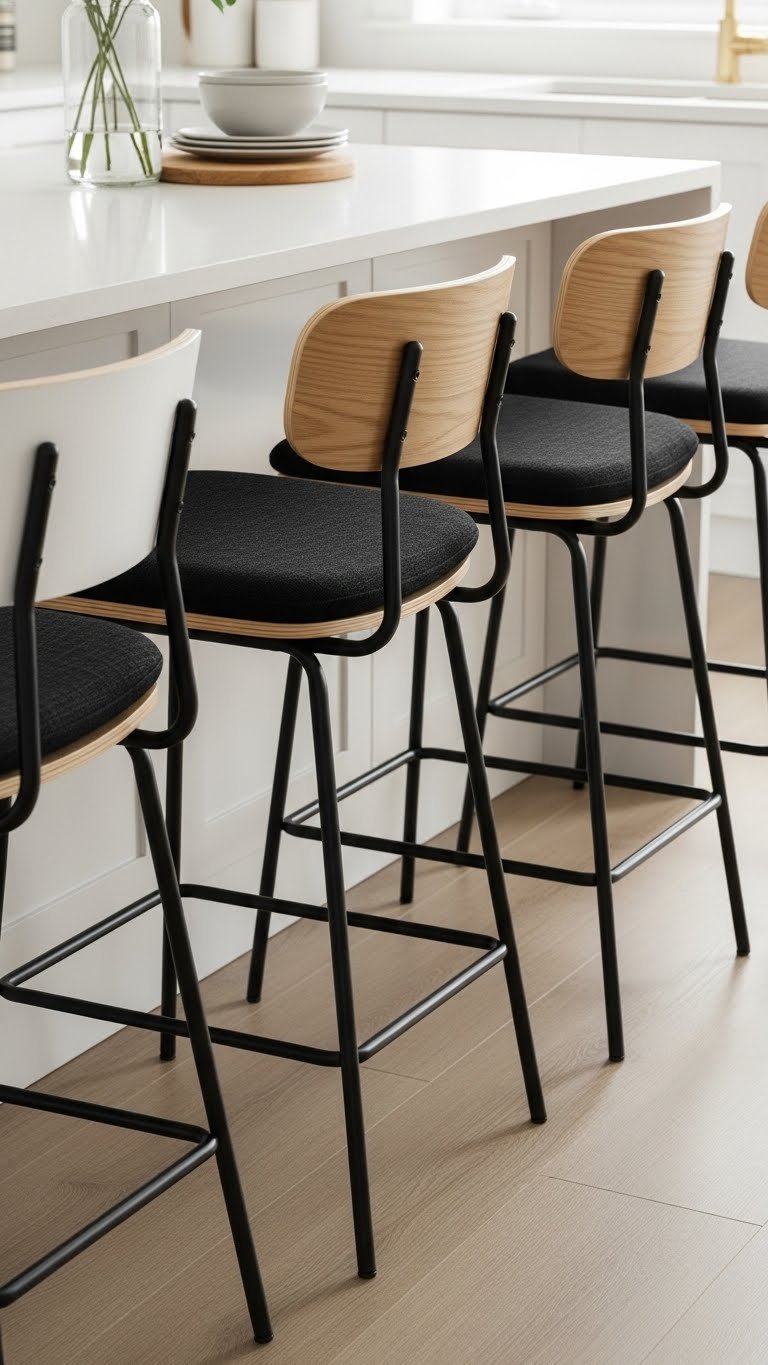
    10. Add Black Metal Bar Stools to Your Island

    Bar stools in matte black metal ($60–$150 each at West Elm, CB2, or IKEA) add function and style simultaneously. Choose seats in light wood, white, or natural linen to keep the palette open. For a kitchen island, budget $180–$450 for three stools.

    Pick stools with foot rails for stability and comfort. Counter height (24–26 inches) works for most standard islands; measure your overhang first. Black metal legs ground the kitchen and tie into other black accents you’ve added. Suddenly your island feels like a gathering spot, not just counter space.

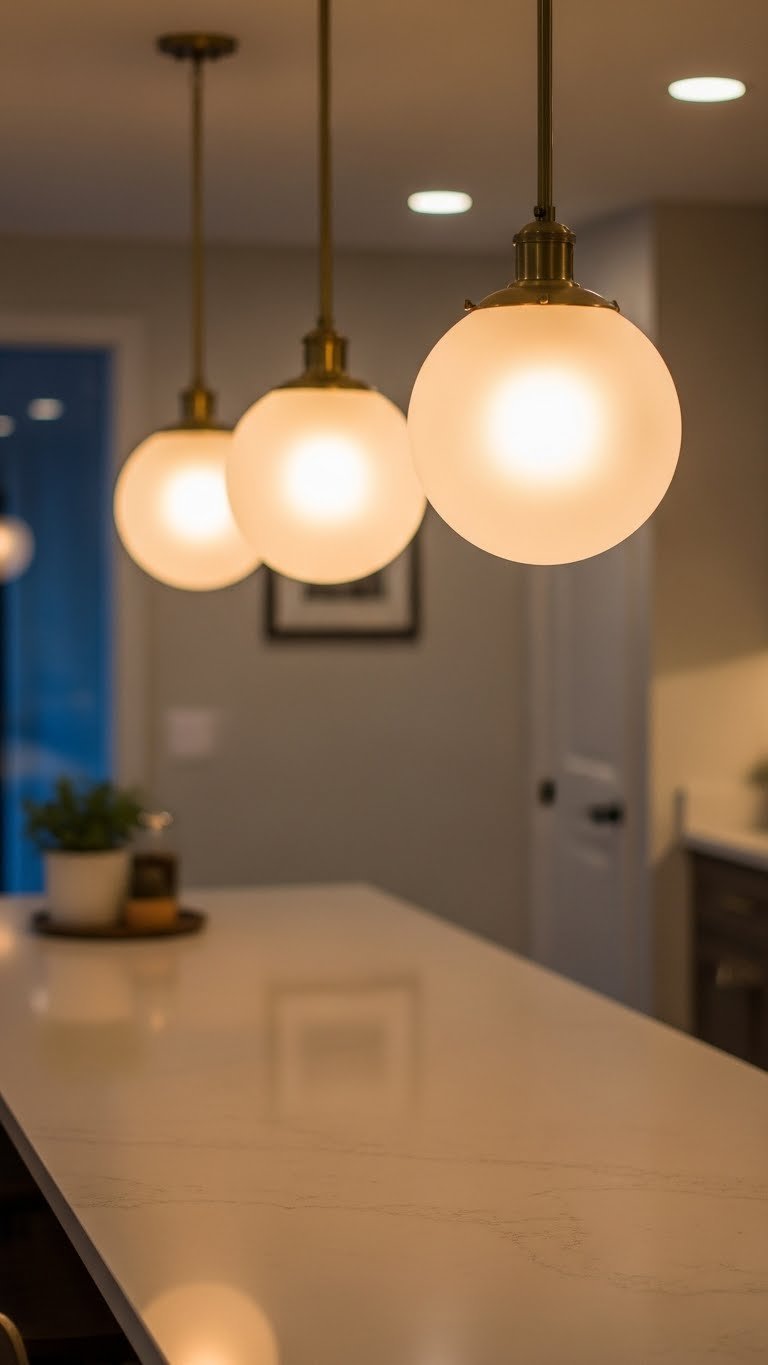
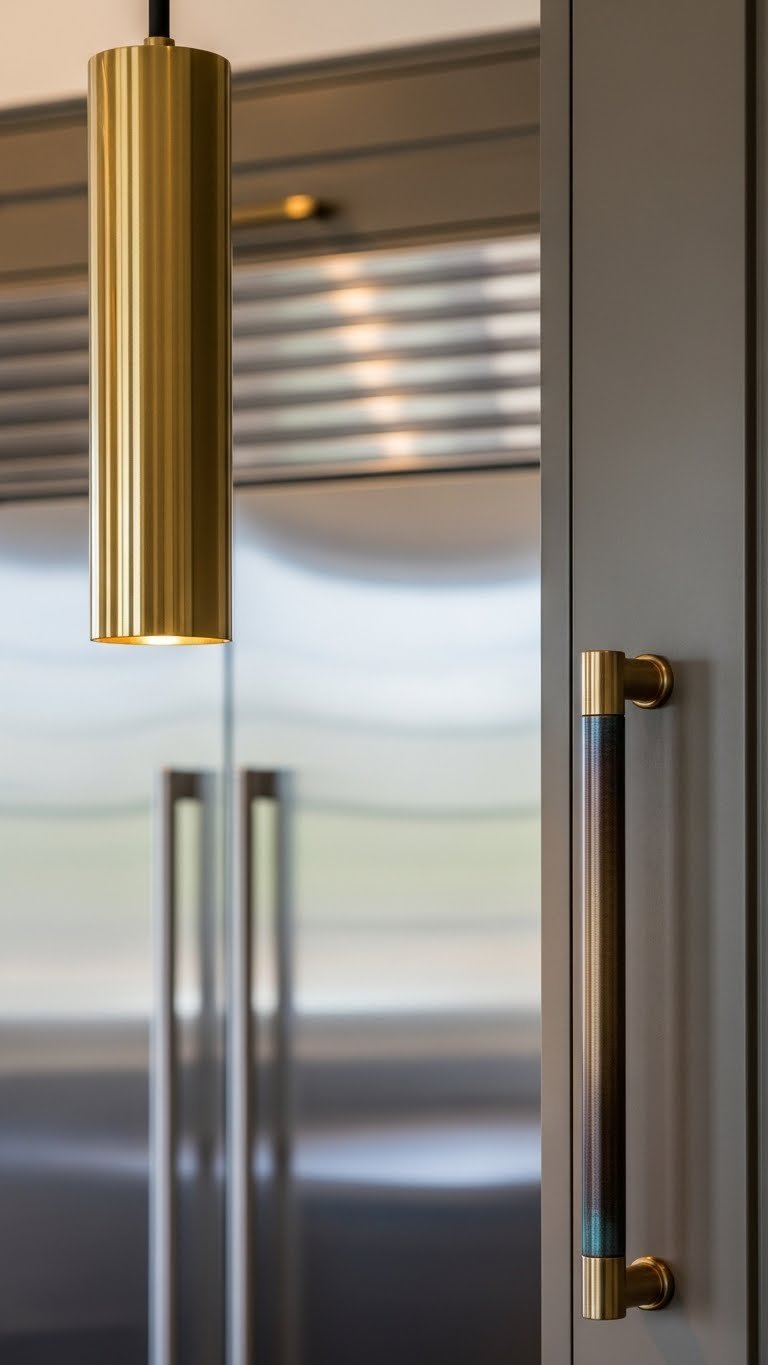
    11. Install Black Pendant Lights Over Your Sink or Island

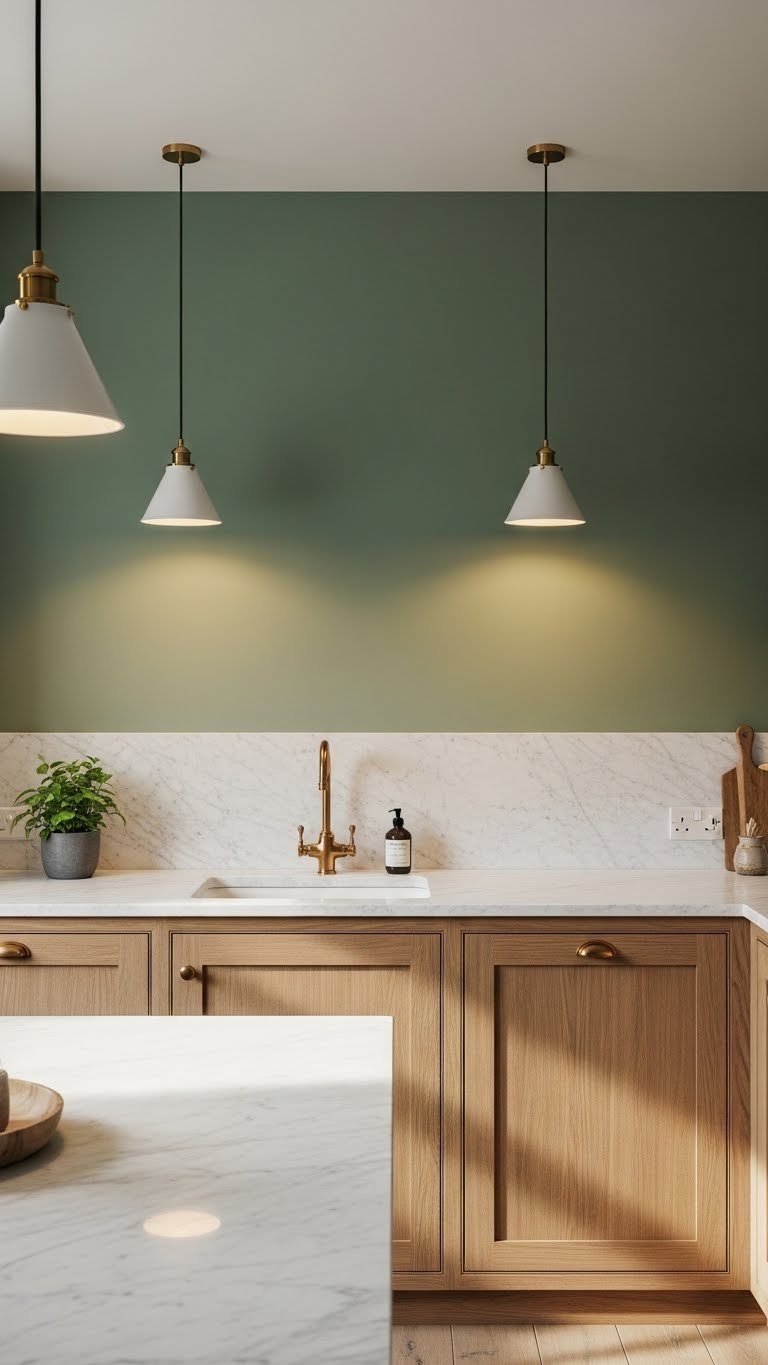
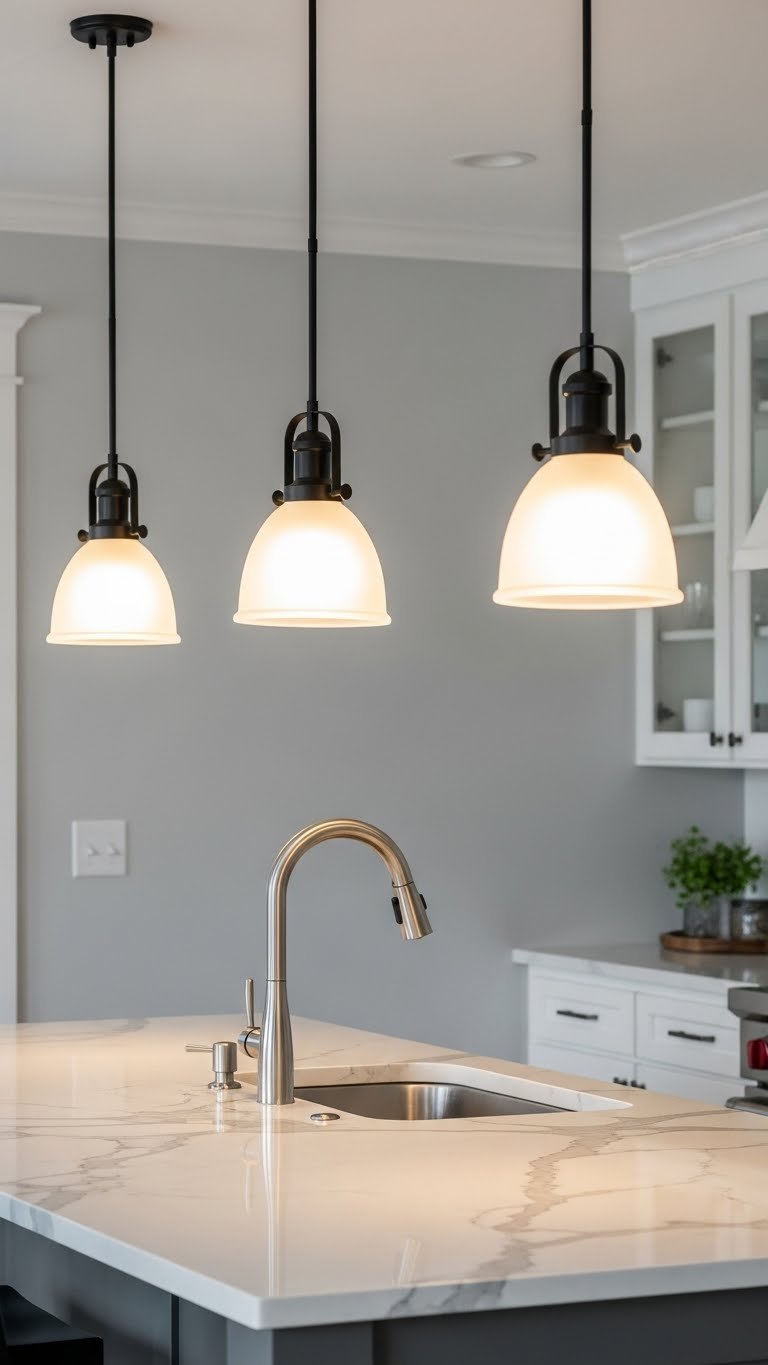
    Statement lighting is where black and white kitchens get personality. Matte black pendant lights ($40–$150 each) create drama without shouting. Pair them with frosted, clear, or white glass shades for visual softness.

    Installation requires basic electrical knowledge or a licensed electrician ($200–$400). Buy fixtures from IKEA ($50–$80), Wayfair ($60–$120), or CB2 ($100–$200). Hanging lights over an island creates visual rhythm and makes the space feel intentional. Bonus: they’re one of the few elements every guest notices and remembers about your kitchen.

    12. Create a Black and White Checkerboard Floor (Peel-and-Stick Option)

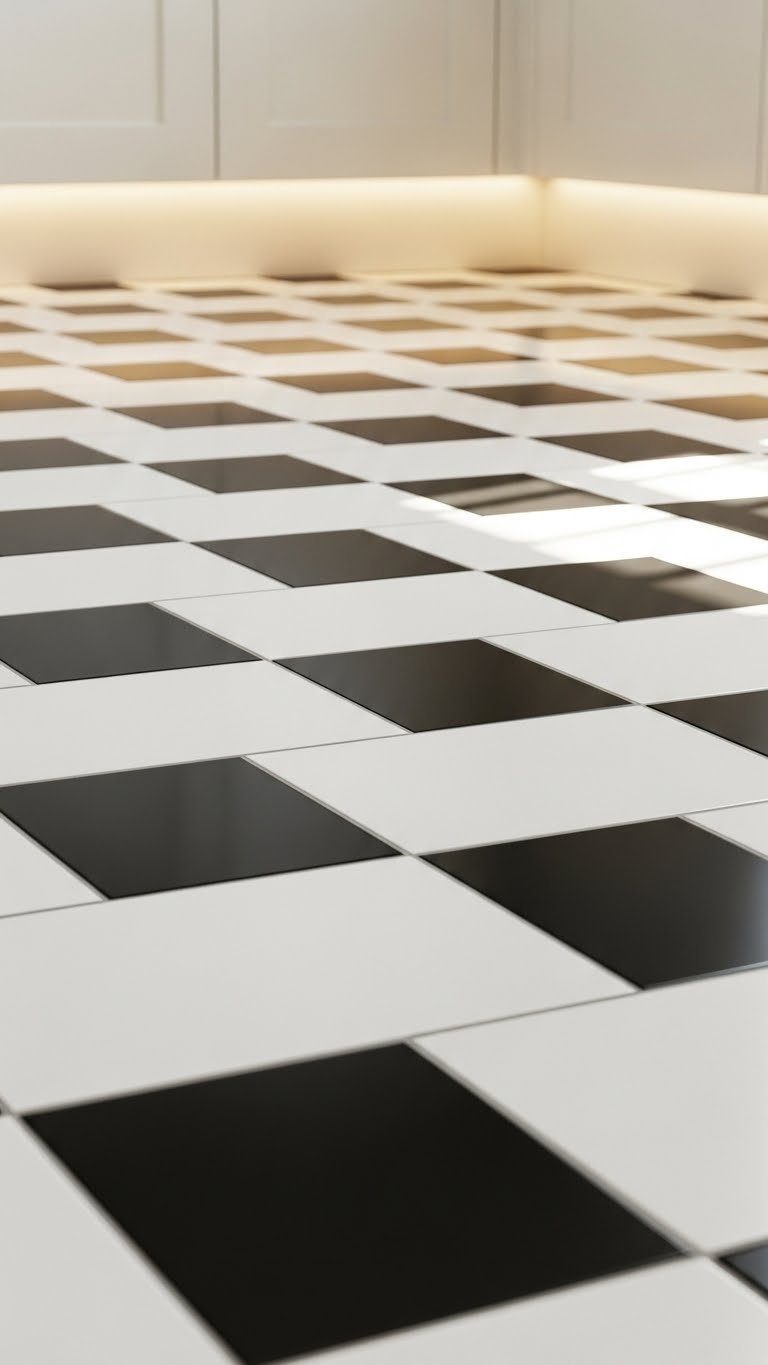
    A checkerboard floor is playful yet timeless. Peel-and-stick vinyl tiles ($30–$60 per pack) let you achieve this look without permanent commitment. Most packs cover 25–30 square feet.

    Calculate your floor size, find your starting center point, and work outward in both directions. Lay tiles straight and use a roller to seal edges ($5–$10). Full installation takes 3–5 hours depending on floor size. The payoff is massive—a checkerboard reads as intentional design and breaks up the monotony of solid color floors. It photographs beautifully and works in both modern and vintage kitchen styles.

    13. Paint Cabinet Interiors Black for a Surprise Element

    This is the designer move nobody sees coming. Paint interior cabinet walls black ($15–$25 in paint per cabinet) to create depth and drama when doors open. It works especially well if you remove a few cabinet doors to create open shelving.

    One afternoon of work. You’re only painting interior surfaces, so it’s forgiving. The payoff is subtle but impactful—anyone opening a cabinet gets a small design moment. It also makes dishware and glassware pop visually. This detail reads expensive and intentional even though it costs almost nothing.

    14. Add a Black Leather or Linen Barstool Cushion

    Cushions soften hard bar stools and add comfort plus visual warmth. Black linen or faux leather cushions ($20–$60 each) tie into your color story while feeling different from solid metal. Choose 2–4 inches thick for comfort.

    Buy cushions pre-made from Wayfair or Amazon, or have them custom-made by a local upholsterer ($40–$80 per cushion). Installation is as simple as placing them on the seat—most have non-slip bottoms. Suddenly your island seating feels inviting rather than purely utilitarian. Bonus: if they get worn, swap them out for fresh ones.

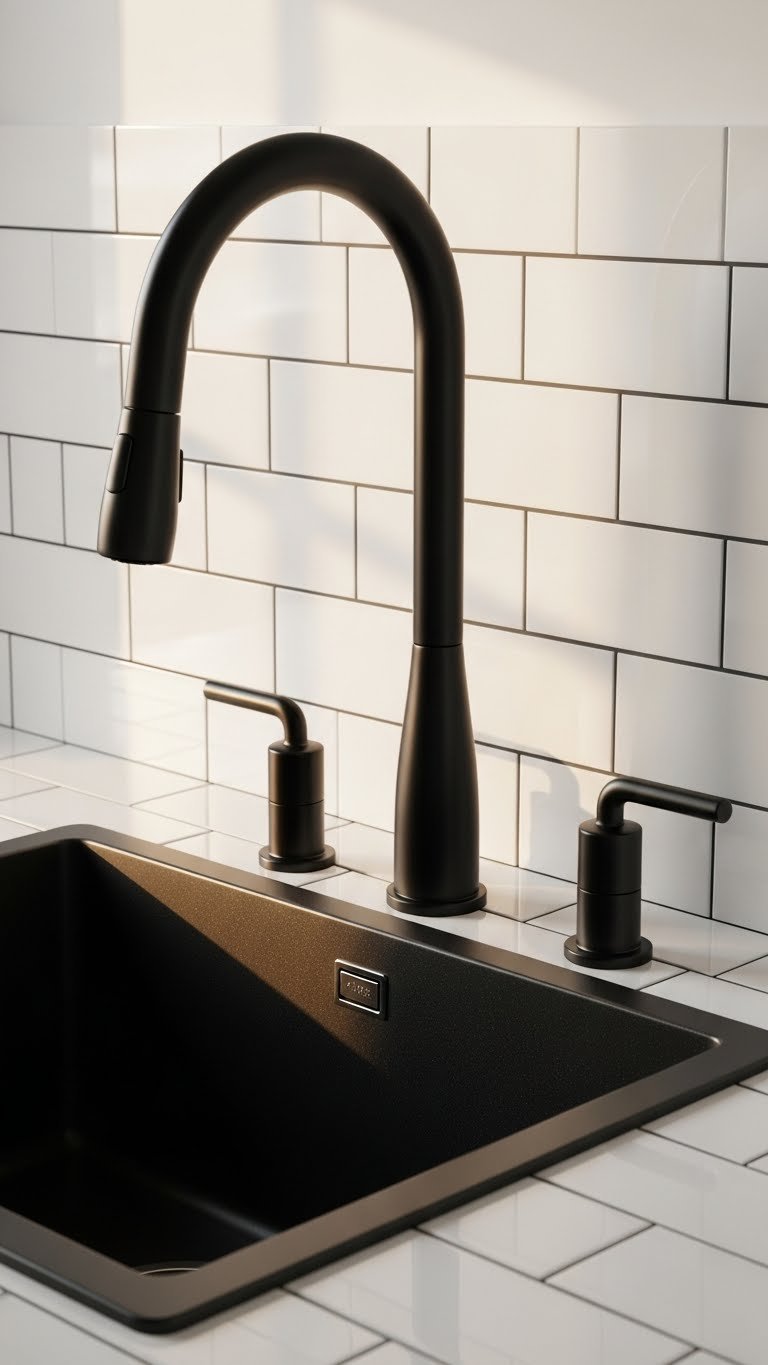
    15. Install Black Faucet and Sink Hardware

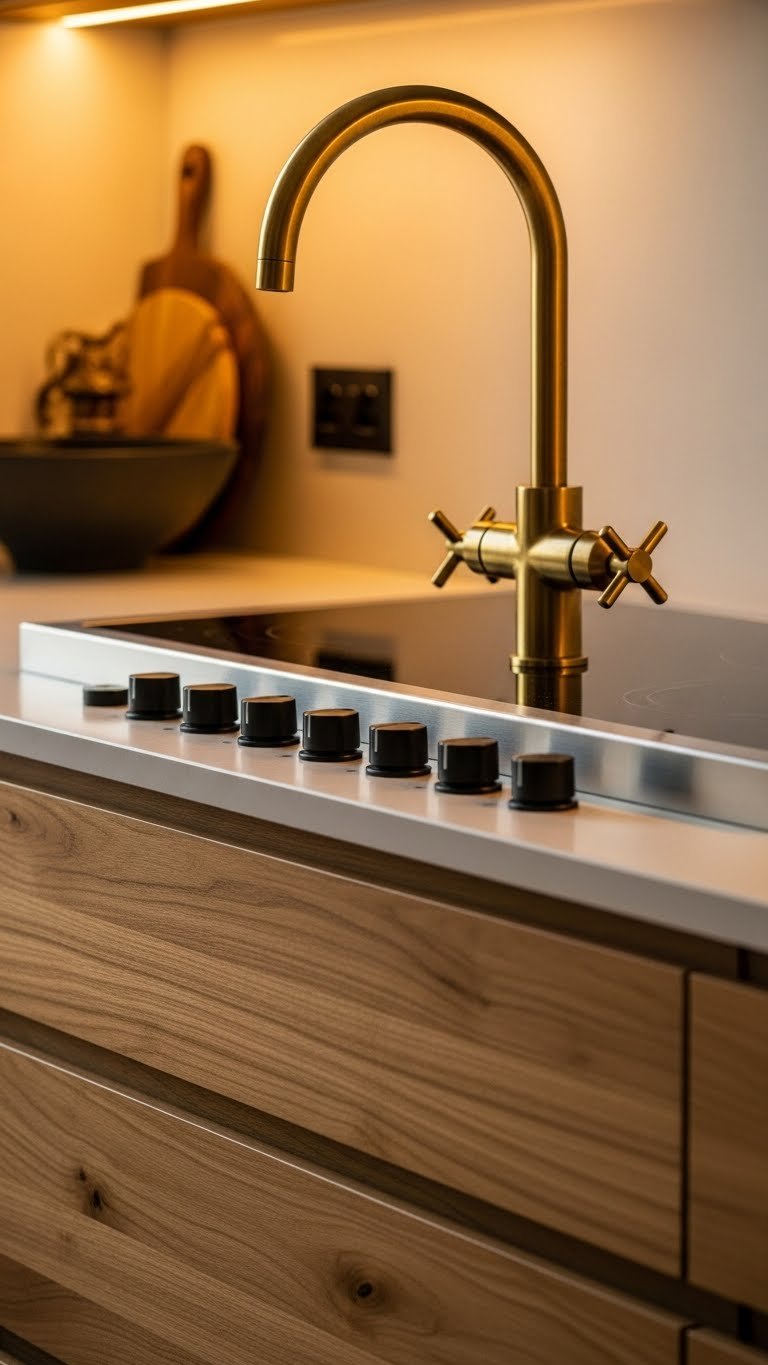
    A matte black faucet ($80–$250) is a signature piece that ties your whole aesthetic together. Brands like Moen, Delta, and Kohler all make stylish black options at various price points. Higher-end faucets from design brands run $250–$500.

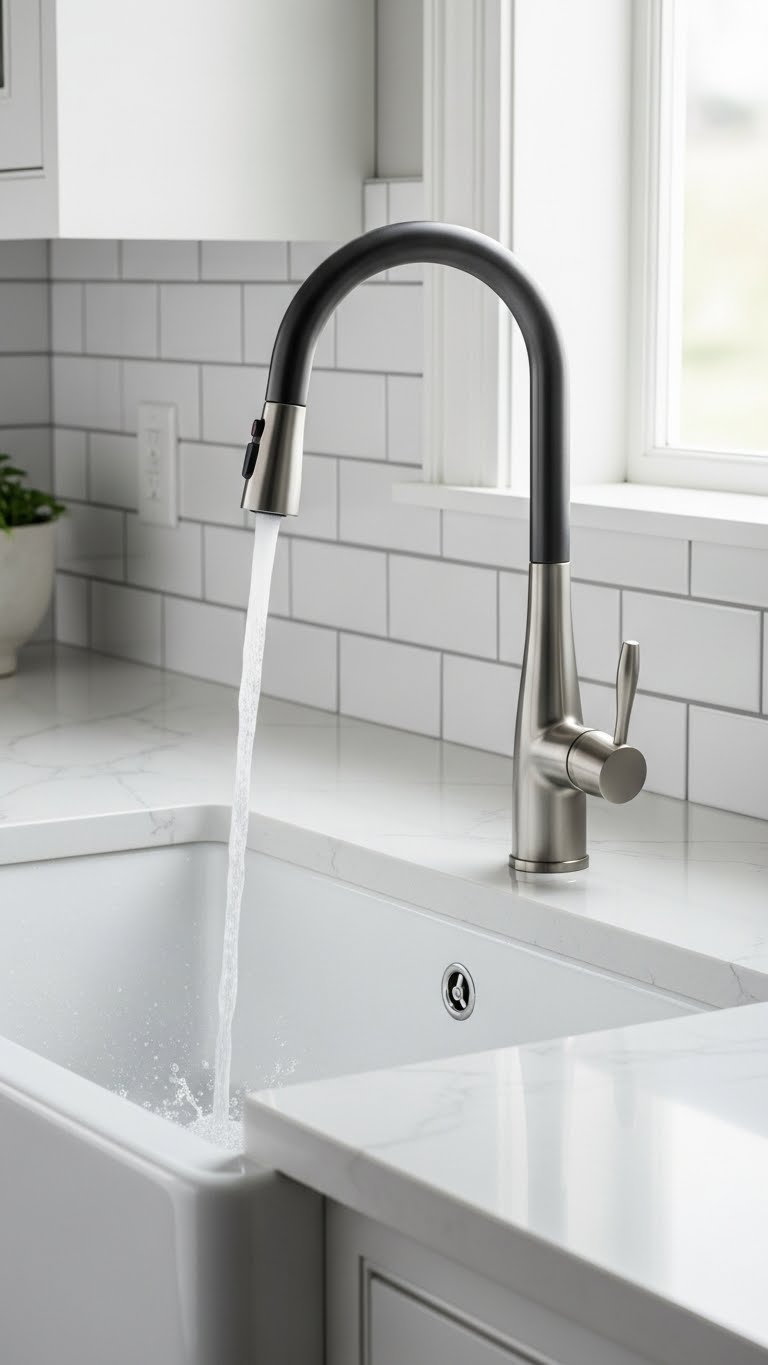
    Installation requires a plumber if you’re replacing existing fixtures ($150–$300 in labor). It’s worth it—faucets are one of the most-touched surfaces in your kitchen, so they need to work perfectly. Black hardware catches the eye and makes your kitchen feel considered and current. Every time you wash dishes, you’ll notice the upgrade.

    16. Use Black Caulk to Define Tile Edges and Seams

    Black caulk ($5–$10 per tube) is the secret weapon of polished kitchens. Apply it along backsplash edges, where tile meets counter, and between tile and cabinet. It’s cheaper than regrout and way easier to apply.

    One afternoon project with a caulk gun ($8–$15) and a wet finger for smoothing. Select paintable silicone caulk—it stays flexible and resists mildew. The result is visual precision that makes your entire backsplash read as intentional. It’s the kind of detail that makes people think you hired a professional designer.

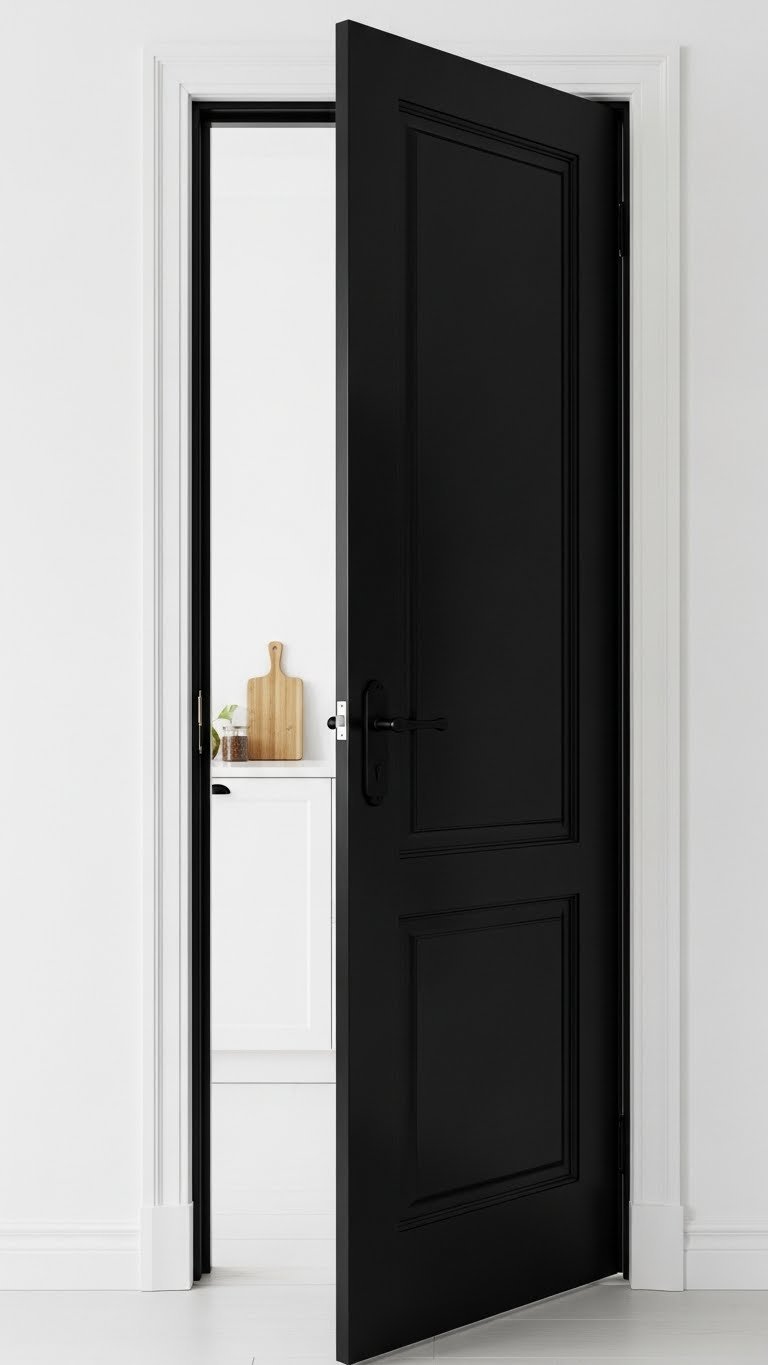
    17. Paint Your Kitchen Door in Glossy Black

    A single painted door becomes a statement piece. Choose glossy black paint ($25–$40 per quart) to catch light and add sophistication. One quart covers most standard doors.

    Remove the door, sand, prime, and paint in two coats—one full day project. Glossy finish shows drips and dust more than matte, so work in a clean environment and use quality brushes. The result is a perfectly framed entryway that announces your style before anyone even enters. If you rent, this might not be an option—but check with your landlord; many allow paint if you use renter-friendly primer.

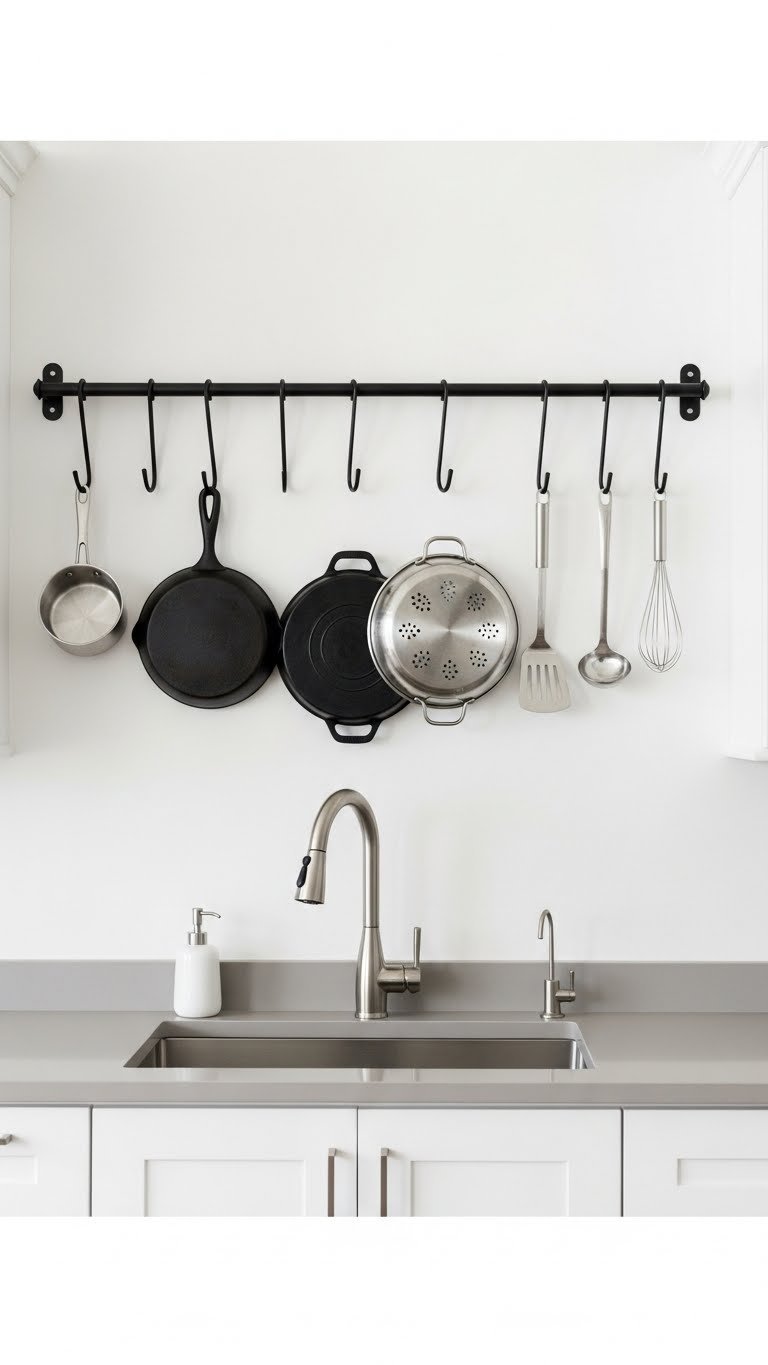
    18. Add Black Steel Pot Rack or Wall Hooks

    A black steel pot rack ($50–$150) or a simple row of black hooks ($3–$8 each) keeps cookware accessible and turns it into décor. Wall-mounted racks work great for small kitchens that lack cabinet space.

    Installation requires wall studs and heavy-duty anchors. Rent a stud finder ($20) or hire someone for $50–$100. The payoff is twofold: you free up cabinet space and create a functional design element. Choose cookware you love—stainless steel pots and copper-bottomed pans look beautiful displayed.

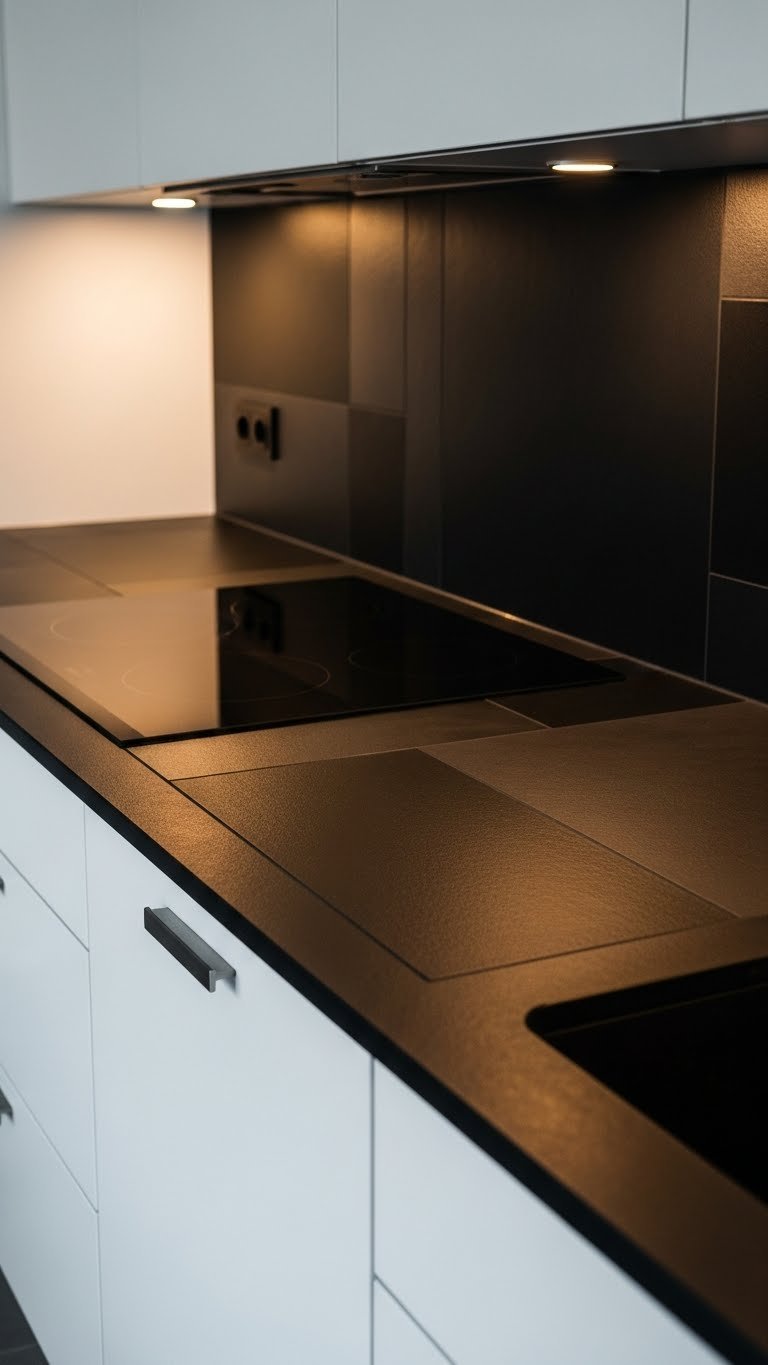
    19. Mix Black Textured Countertop Materials

    Mixing black countertop materials creates visual depth without chaos. Combine matte black quartz ($60–$120 per square foot installed) with textured black tile ($25–$60 per square foot) or concrete sections ($40–$100 per square foot). The cost is comparable to solid counters but way more interesting.

    This is definitely a pro-installer project ($400–$1,200 depending on kitchen size). The result is a counter that feels custom and intentional. Texture catches light differently, making the kitchen feel less flat and two-dimensional. It’s a solid middle ground between totally bold and completely safe.

    20. Paint or Stain Wooden Floating Shelves Black

    Black-stained or painted floating shelves create drama without overwhelming if you keep styling minimal. Stain ($8–$15 per can) soaks into wood grain; paint ($12–$20 per quart) sits on top for a more modern finish. Either way, one coat is usually enough.

    DIY: sand shelves, apply stain or paint, dry 24 hours, then install with brackets. Installation takes 2–3 hours total. The advantage of dark shelves is they hide dust and make styling easier—white dishes and clear glass look perfect against them. It’s an affordable way to add luxury without breaking the bank.

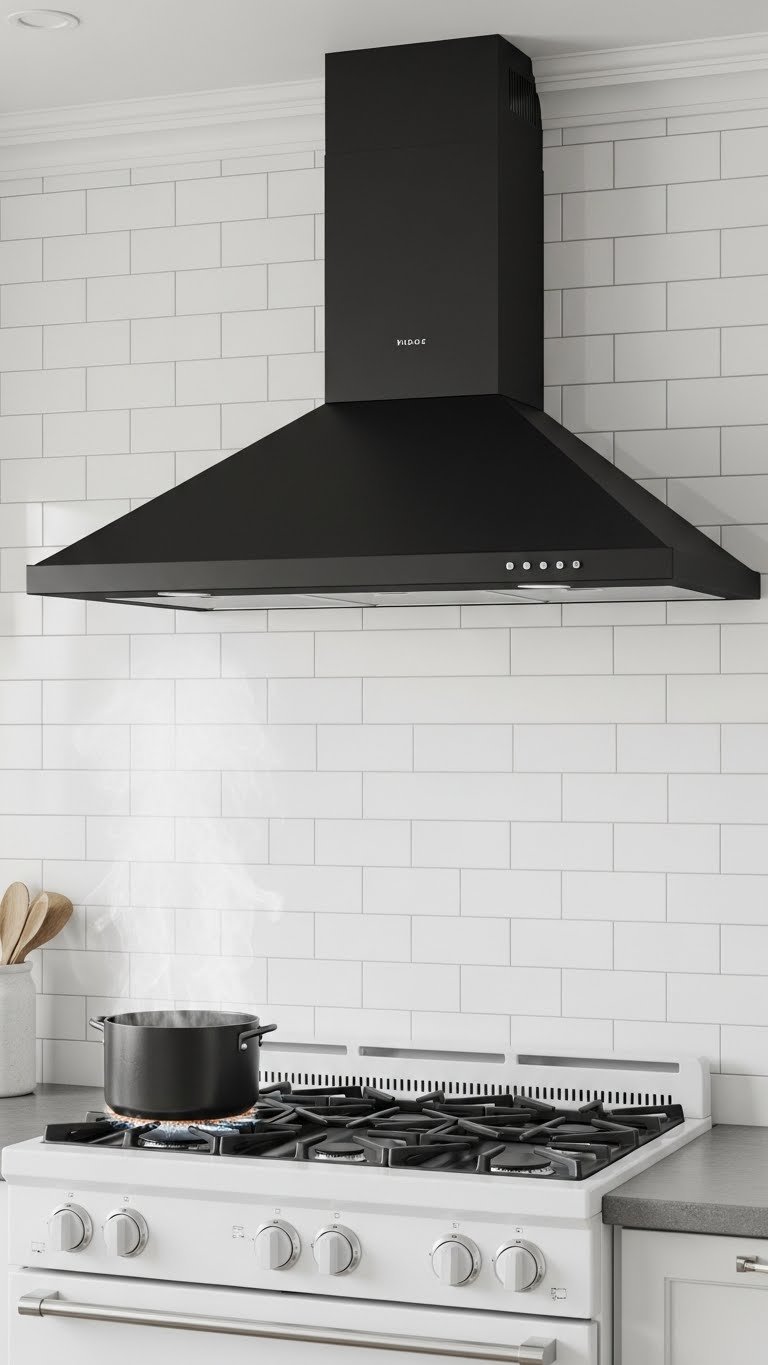
    21. Install a Black Range Hood or Vent Cover

    A matte black range hood ($300–$800 for stainless steel with black exterior) becomes your kitchen’s star. Brands like IKEA offer budget options ($200–$400); design brands like Zephyr or Electrolux run $600–$1,200.

    Installation requires ventilation work—hire a pro ($300–$500). The result is a show-stopping focal point that handles odors and steam. If you rent or want to avoid installation, stick-on black vent covers ($30–$60) fake the look temporarily. A statement hood grounds the kitchen and tells everyone you take cooking seriously.

    22. Use Black Grout Pen to Refresh Existing Grout Lines

    If replacing grout sounds overwhelming, a black grout pen ($8–$15 per pen) refreshes tired grout lines instantly. Brands like Grout Eez or similar make pens specifically for this.

    Simply apply along grout lines like a marker—takes one hour for a backsplash. Results last 1–2 years before fading, then you reapply. This renter-friendly option costs under $20 total and transforms dated-looking tile into something current. It’s the easiest way to test-drive the black grout trend.

    23. Paint Kitchen Cabinet Kickboards or Toe Kicks Black

    The toe kick (space at the bottom of cabinets) is often overlooked but super impactful. Painting it black ($10–$15 in paint) creates a grounding visual line that makes cabinetry feel intentional.

    One afternoon project. Sand lightly, prime, and paint two coats. This detail is seen in high-end kitchens but costs almost nothing. Suddenly your cabinetry looks built-in and designed rather than builder-grade. It’s one of those sneaky tricks that makes everything feel more polished.

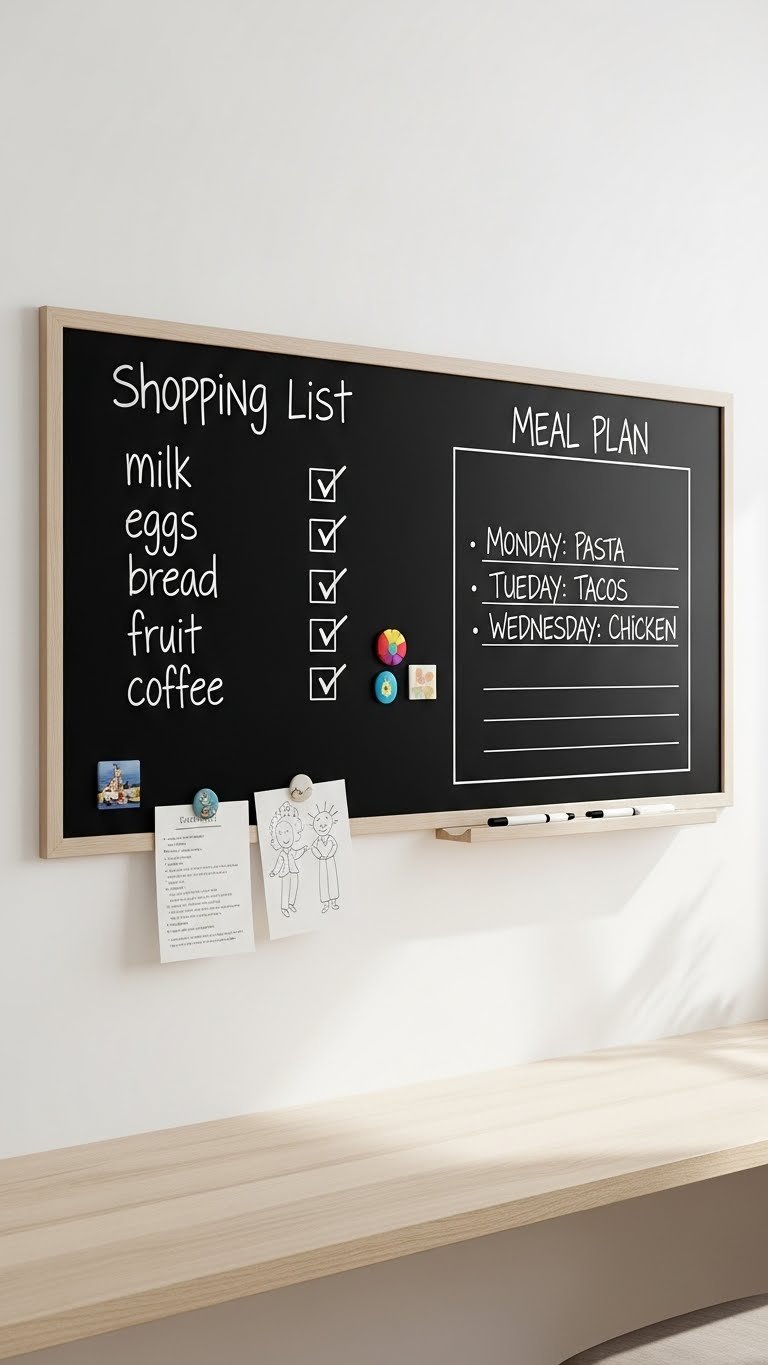
    24. Add a Black Chalkboard or Magnetic Board for Kitchen Organization

    A black chalkboard ($20–$50) or magnetic board ($30–$80) serves both function and design. Brands like Pottery Barn, CB2, and IKEA have stylish options that don’t feel purely utilitarian.

    Mount it on a blank wall with basic hardware—10 minutes of work. Use white chalk pens or magnetic letters to write your meal plan, shopping list, or notes. It’s a perfect place for practical information that doesn’t clutter your counters. Guests love having a functional art piece, and you love the organization. Win-win.


    Save this guide and pick one idea to tackle this week. Start small—a hardware swap or grout pen refresh takes an afternoon but completely shifts how your kitchen reads. Which black and white upgrade speaks to you?

  • 27 Mini Café Ideas You Can Create Right Inside Your Home

    27 Mini Café Ideas You Can Create Right Inside Your Home

    27 Mini Café Ideas You Can Create Right Inside Your Home

    Introduction

    You don’t need a reservation or a commute to enjoy café vibes. With the right setup, your home can become that perfect spot where you actually want to spend time—whether it’s sipping coffee before work, hosting friends, or just having a quiet afternoon. The best part? You don’t need to renovate or spend a fortune to make it happen.

    These 27 ideas range from free styling tweaks to budget-friendly finds to thoughtful investments that’ll make your space feel like a professional café you designed yourself. Whether you live in a tiny apartment or have extra room to play with, you’ll find something here that clicks. We’re talking cozy seating, mood lighting, practical storage, nature touches, and those small details that make people actually want to linger. Let’s turn your home into the café you’ve been craving.


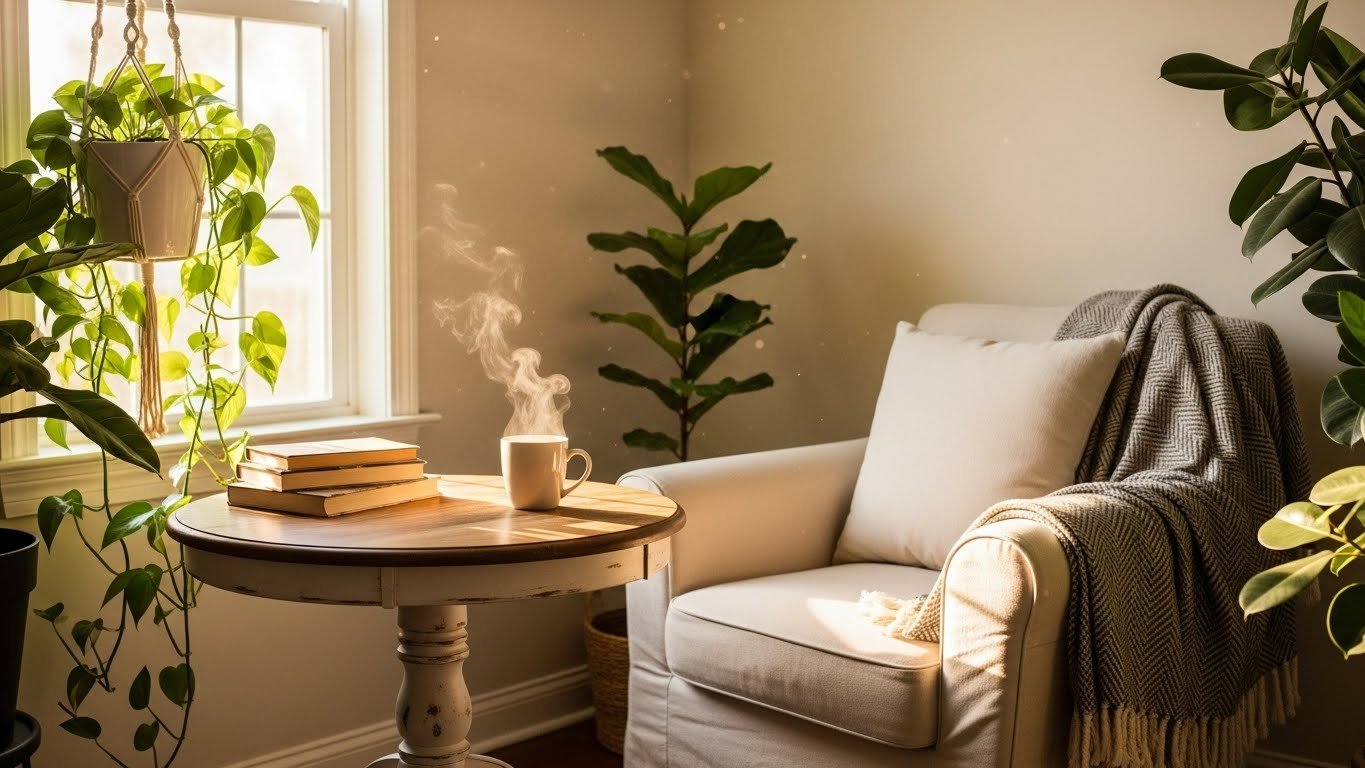
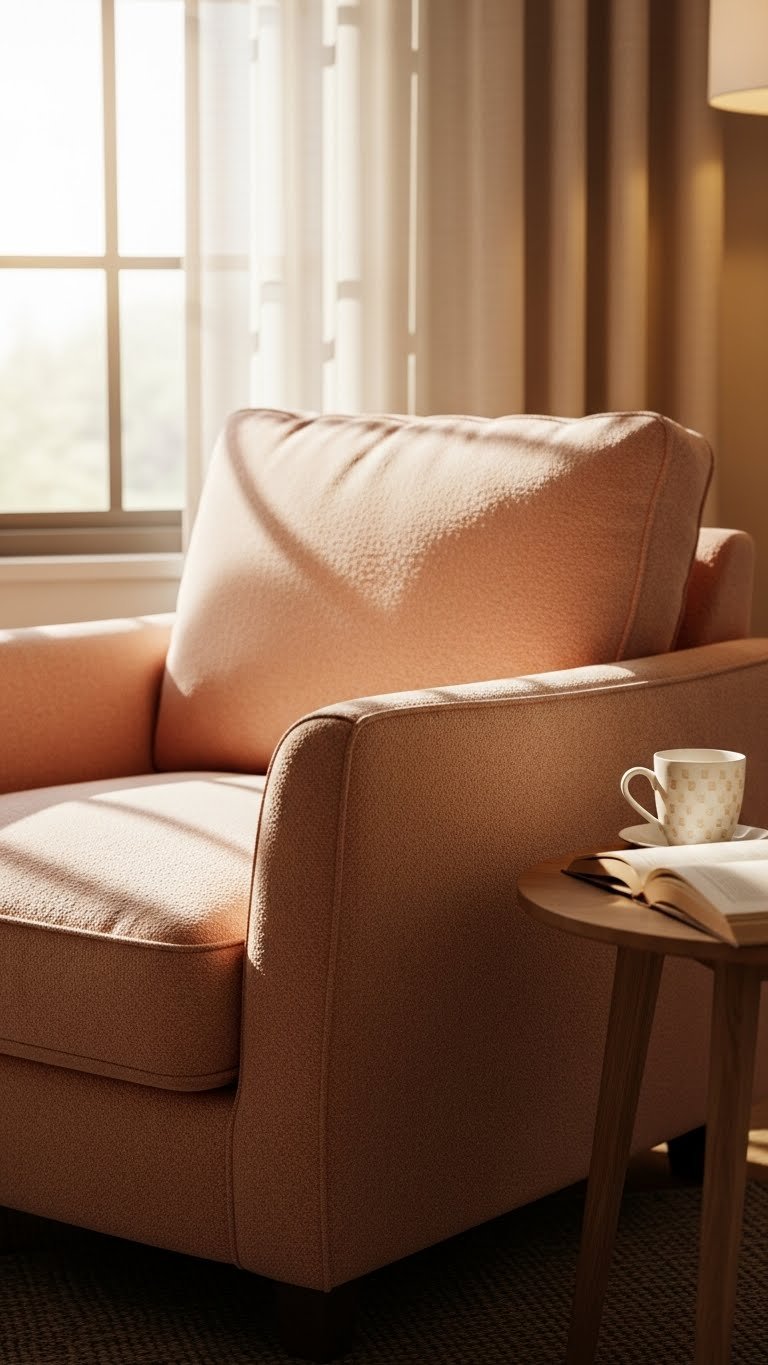
    1. Start with One Statement Armchair

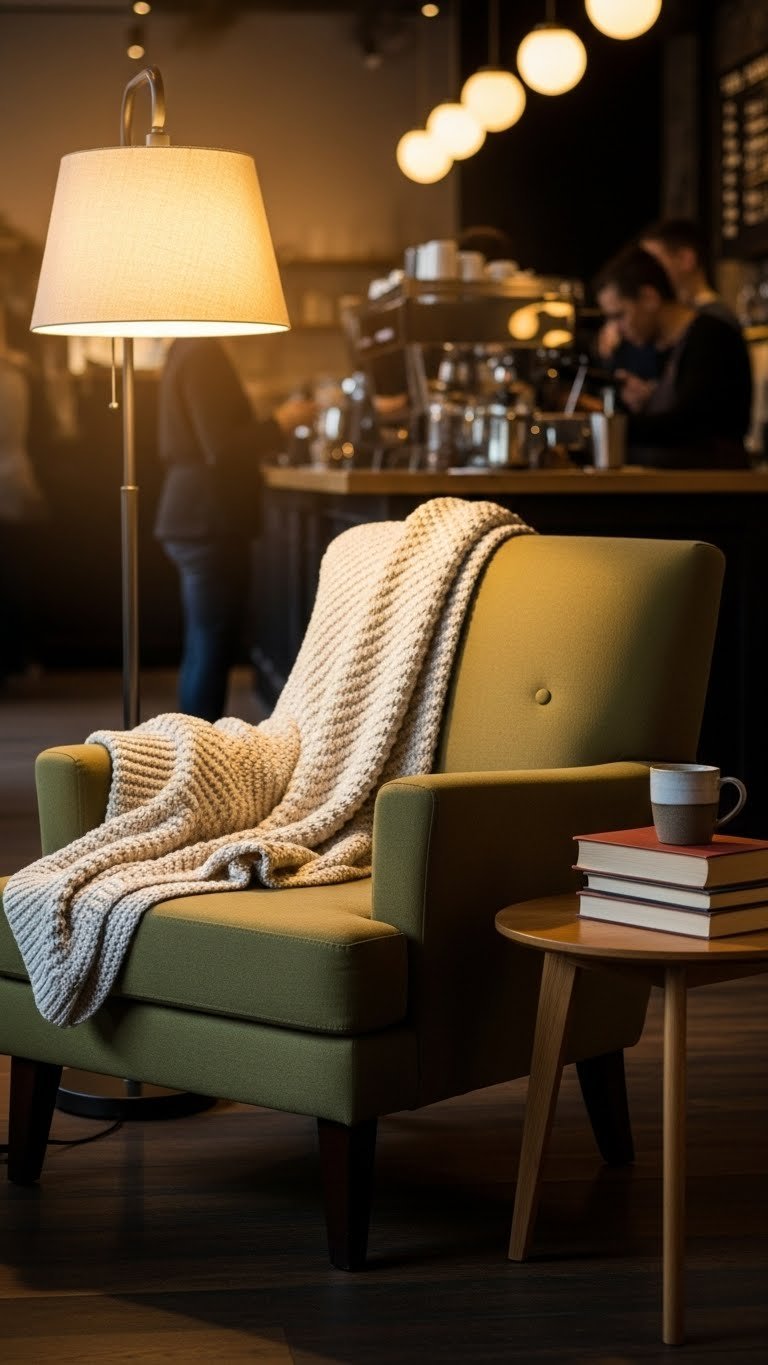
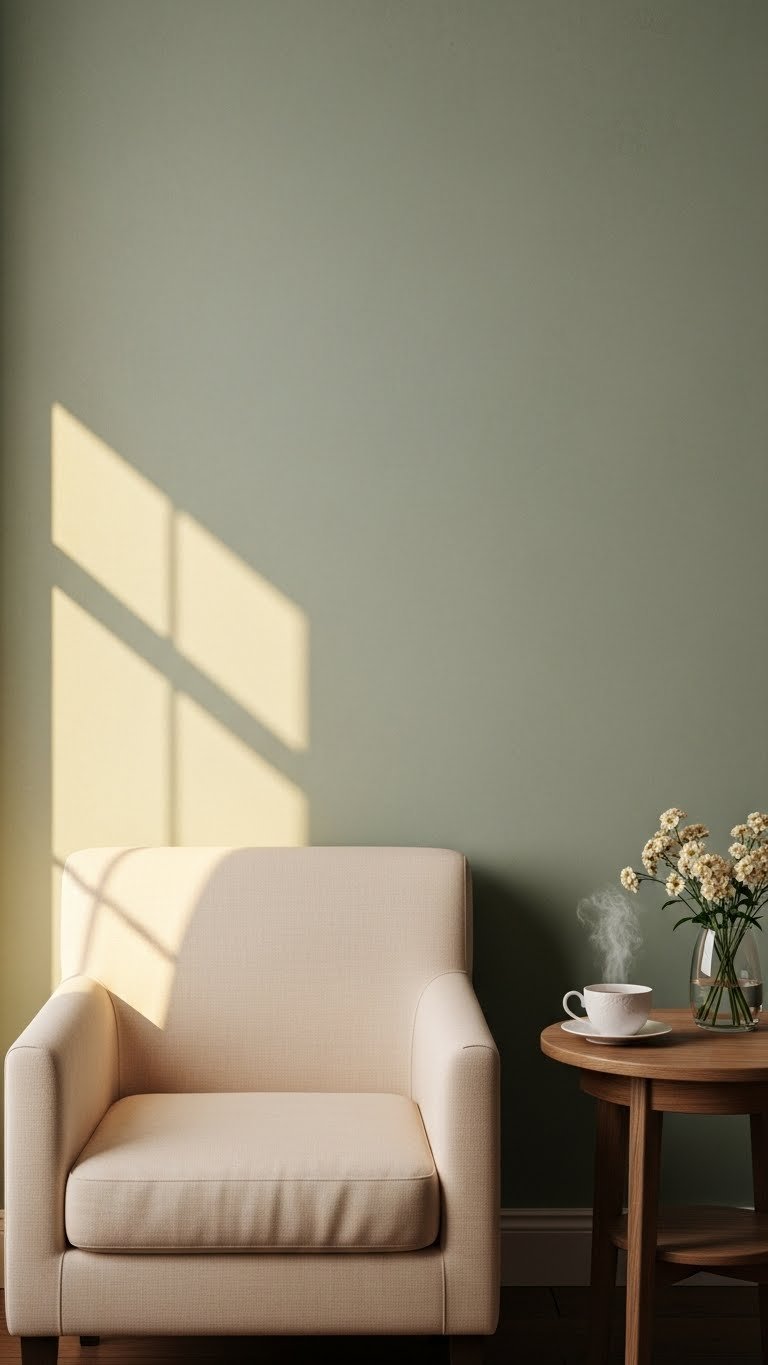
    A comfortable, good-looking chair is the anchor of any café corner. This isn’t about matching a set—it’s about picking one piece that makes you want to sit there for hours.

    Look for secondhand vintage options on Facebook Marketplace, Craigslist, or local thrift shops. Budget options exist at West Elm, Article, or even IKEA’s higher-end selections ($150–$400). Alternatively, splurge on a really nice vintage mid-century piece ($300–$800) from specialty shops. Measure your space first and test the depth and height if possible—café seating should feel like a hug, not a squeeze.

    Pro tip: Pick a warm neutral (cream, warm gray, terracotta, or sage) so it photographs well and pairs with any aesthetic shift later.

    Once you sink into that chair with a hot drink, you’ll realize how much it changes the vibe of your whole morning routine.


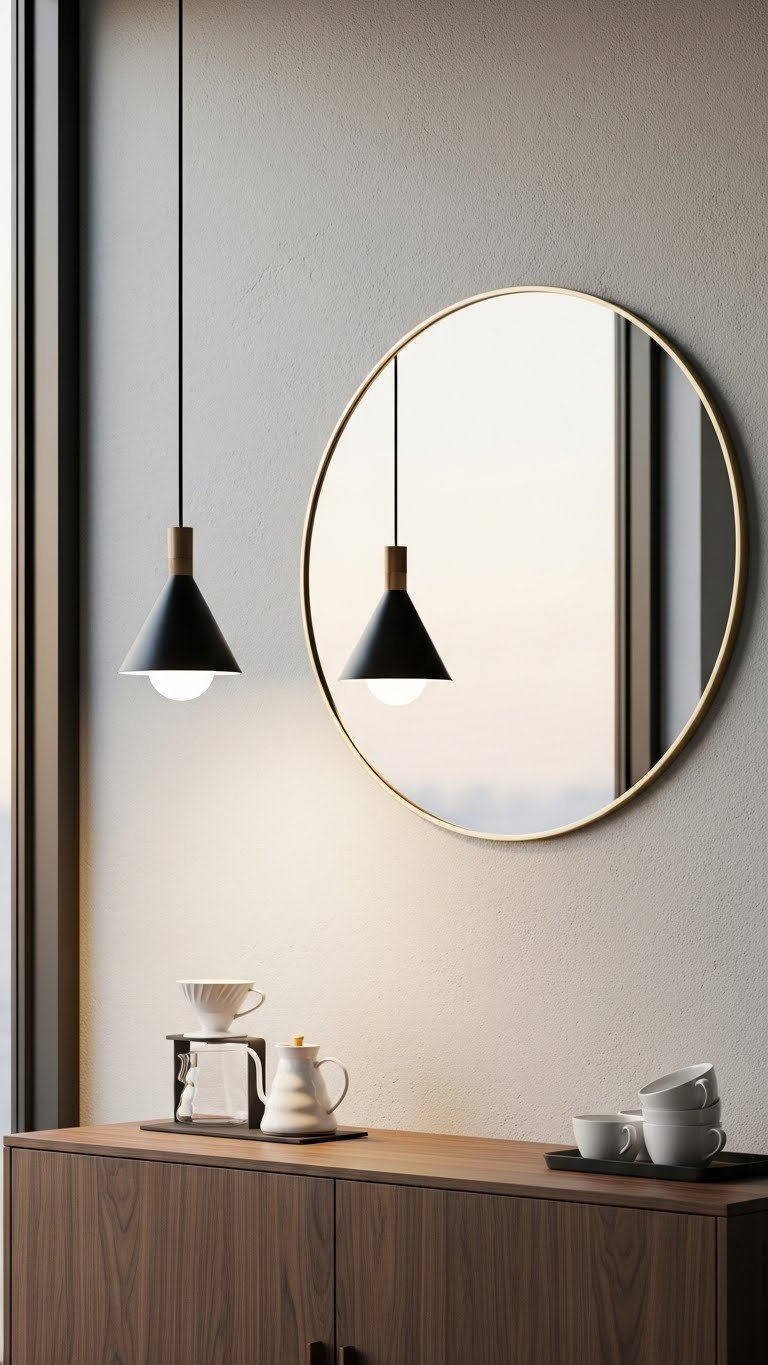
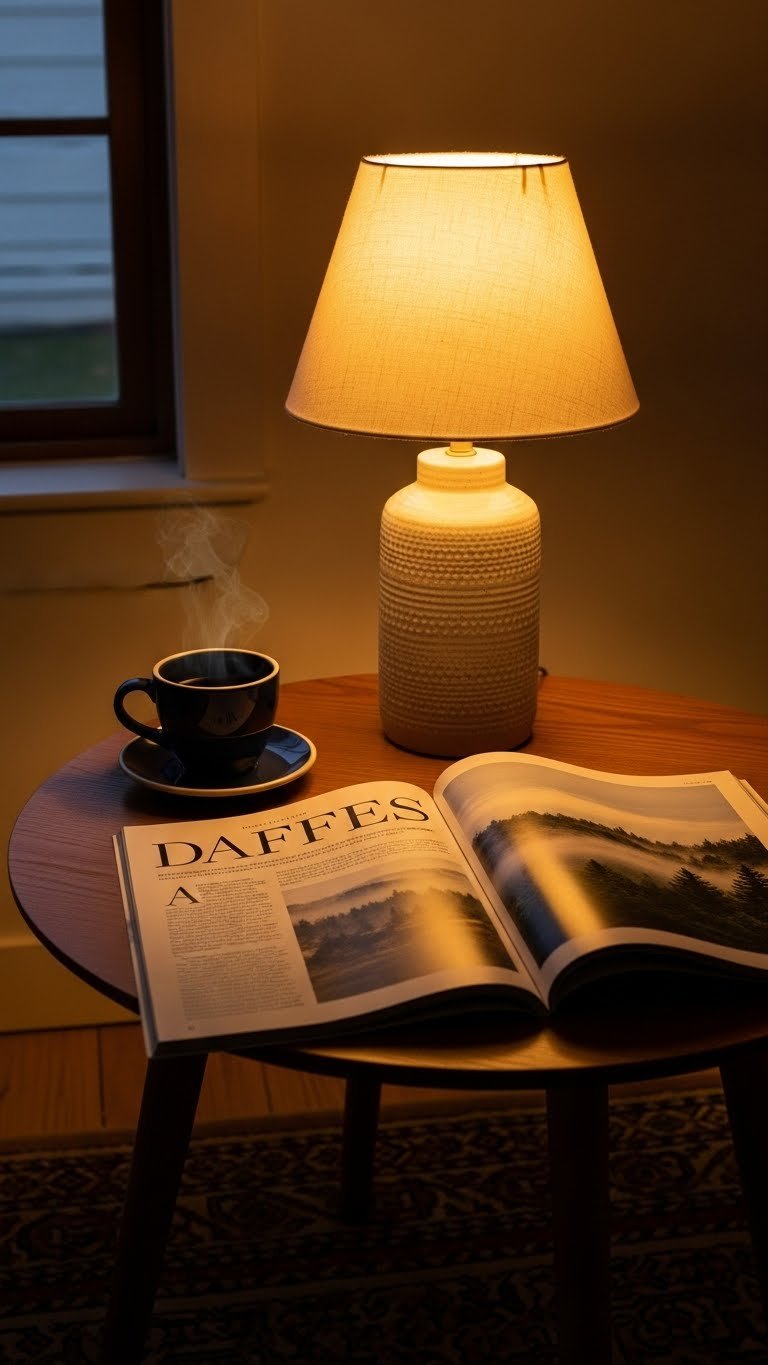
    2. Layer in Warm Lighting with Table Lamps

    Overhead lighting kills café vibes instantly. Layered, warm lighting is what makes a space feel like somewhere you want to linger.

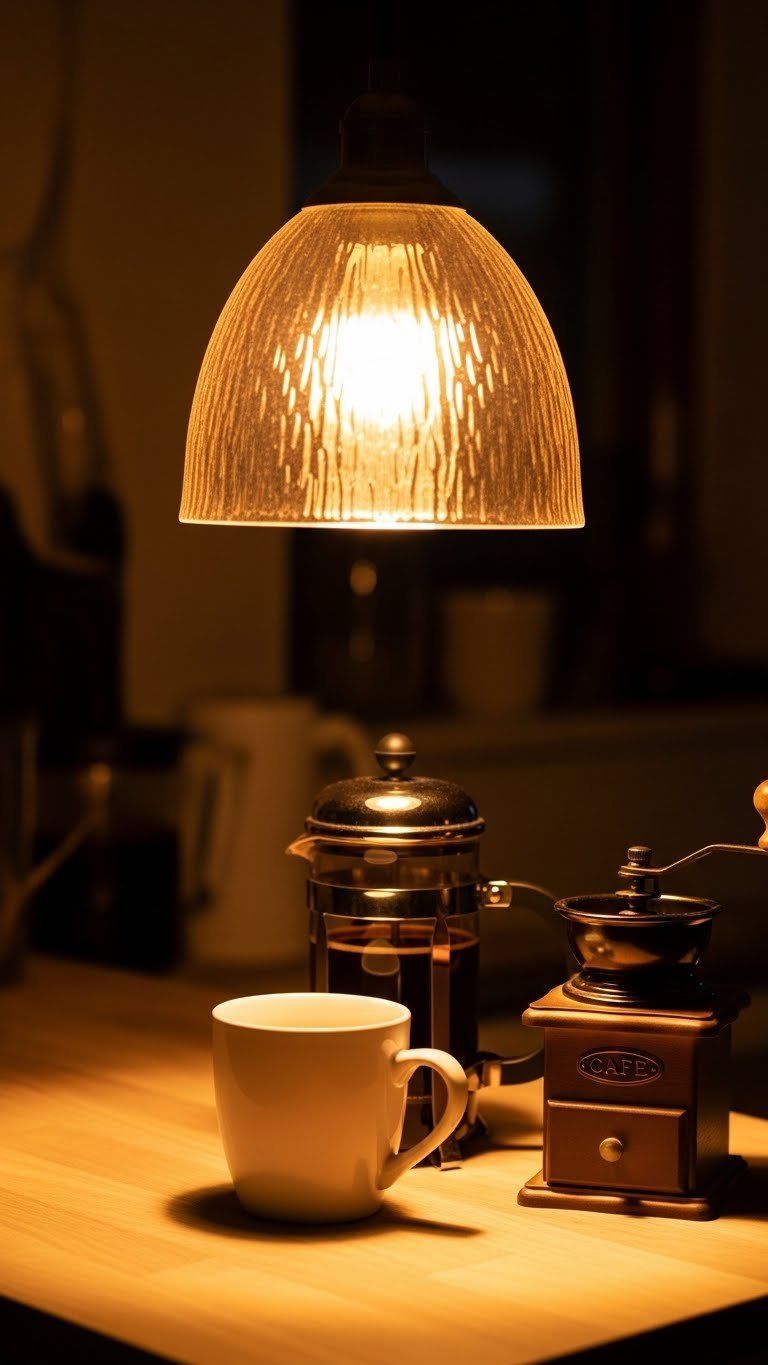
    Grab 1–2 table lamps in brass, ceramic, or wood finishes ($30–$80 each from Target, IKEA, or Amazon). Go for warm bulbs rated around 2700K color temperature. Position them at different heights around your café zone so light feels natural and moodier than bright. If you’re renting, plug-in options work perfectly—no hardwiring needed.

    Pro tip: Add a dimmer plug adapter ($10–$15) so you can adjust brightness throughout the day.

    You’ll notice the space feels instantly more relaxing and café-like once that softer glow replaces harsh ceiling light. It’s the single biggest mood shifter.


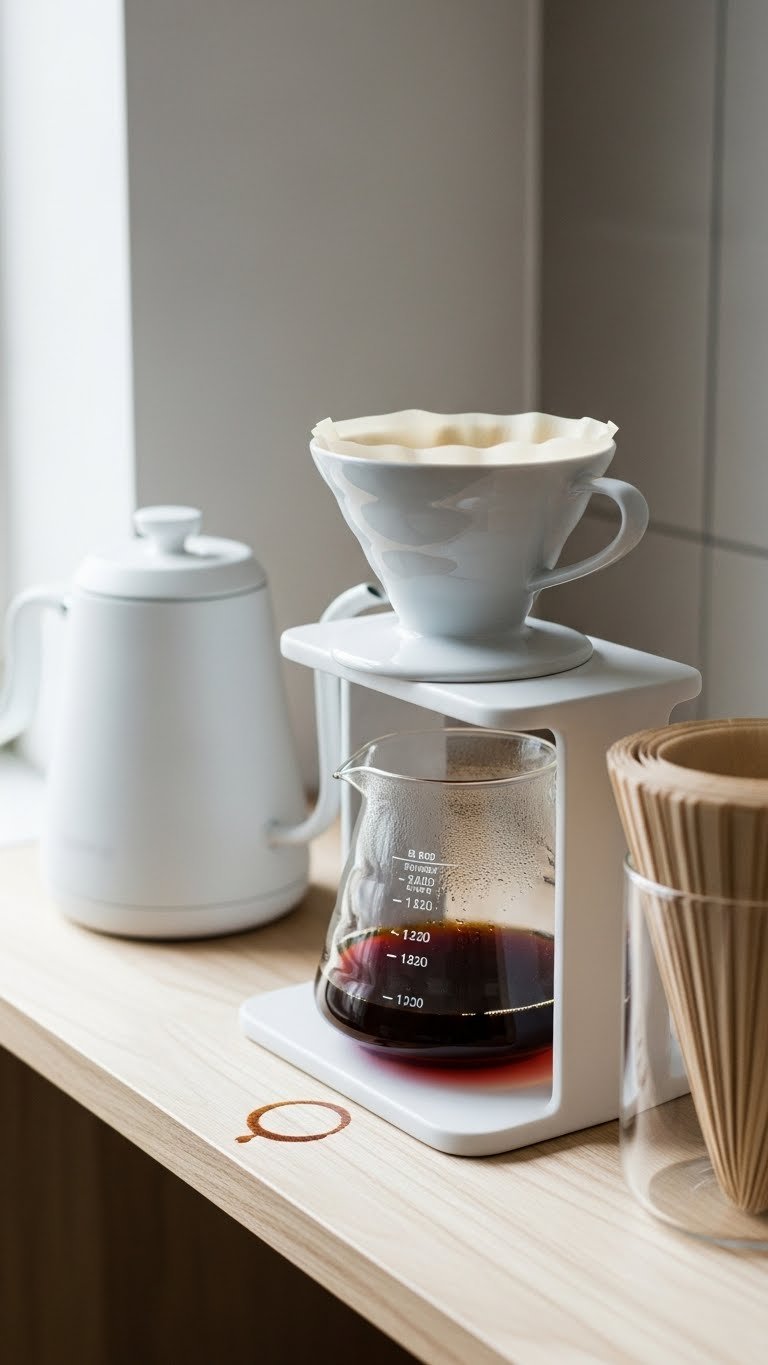
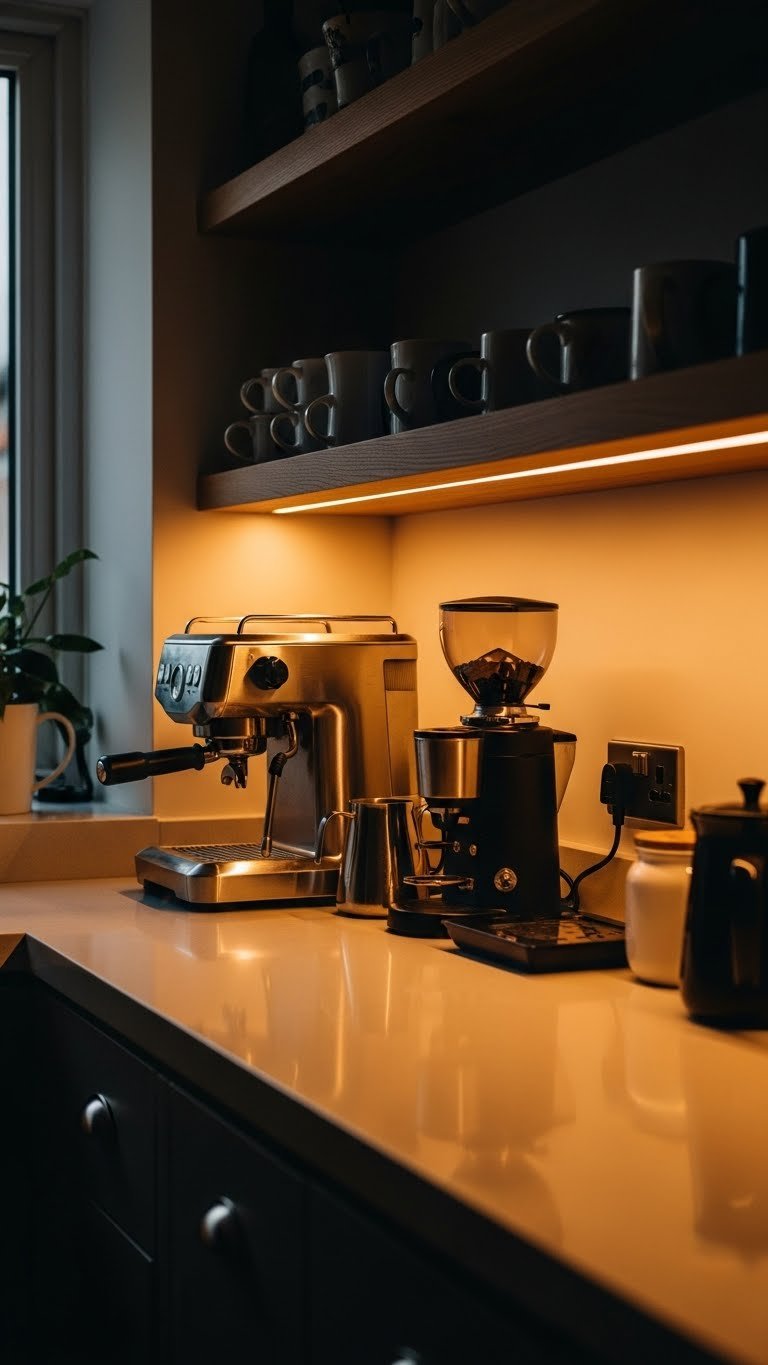
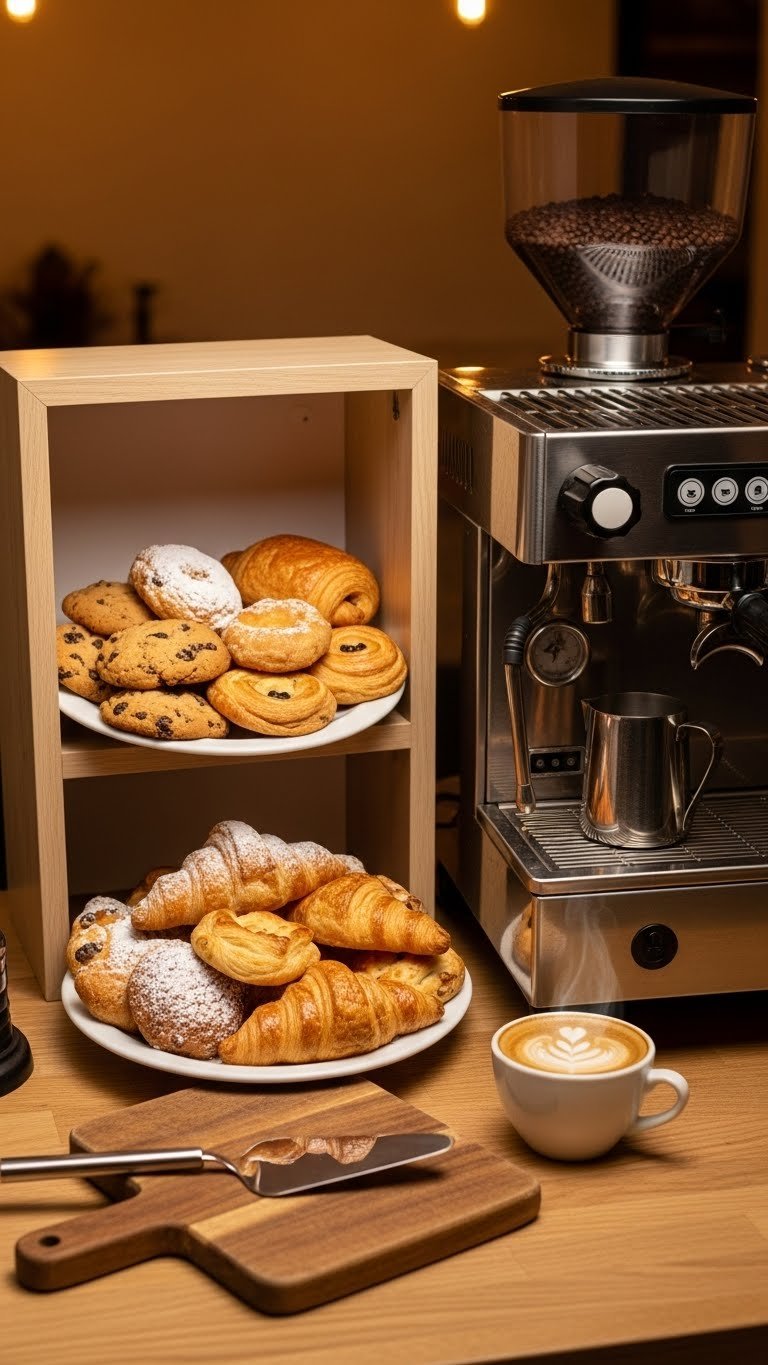
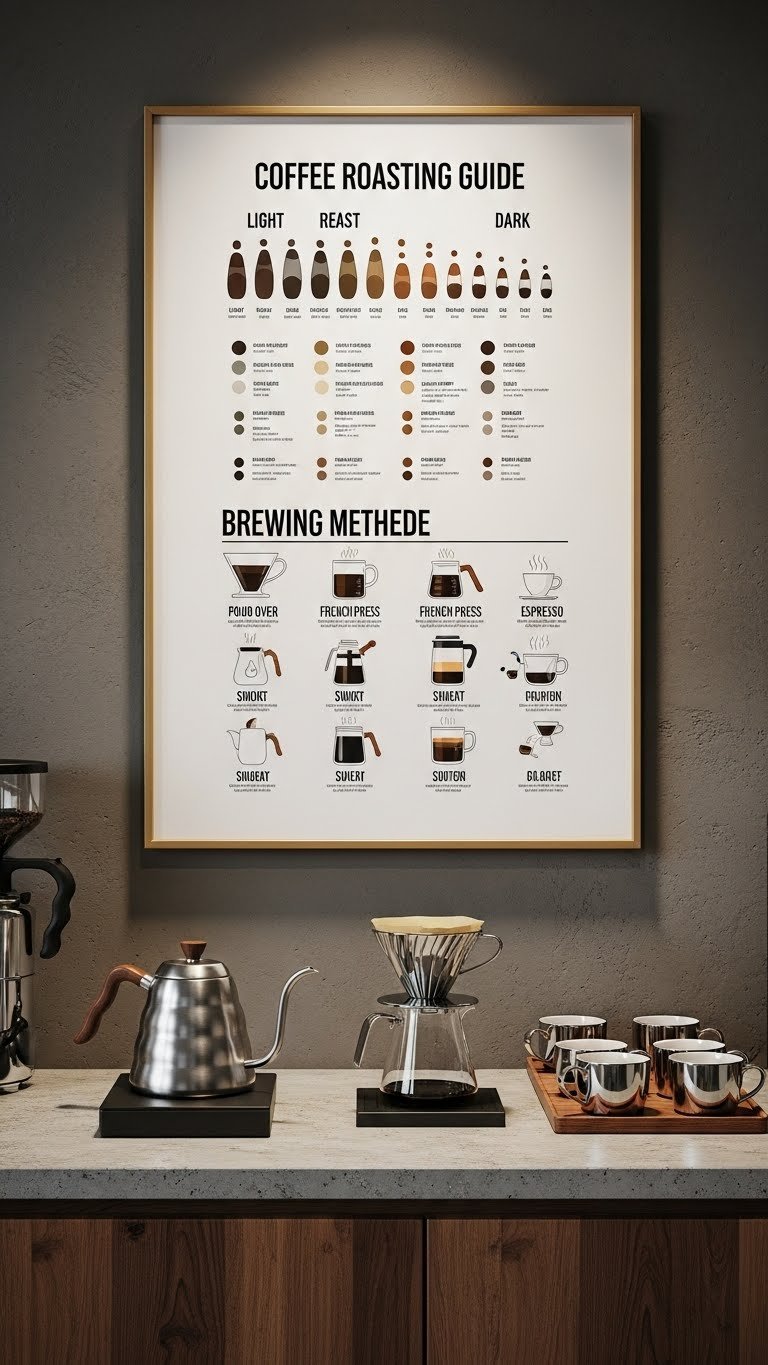
    3. Create a Dedicated Coffee Station

    A dedicated spot for coffee prep makes the ritual feel special instead of rushed. You’re creating a mini barista corner right at home.

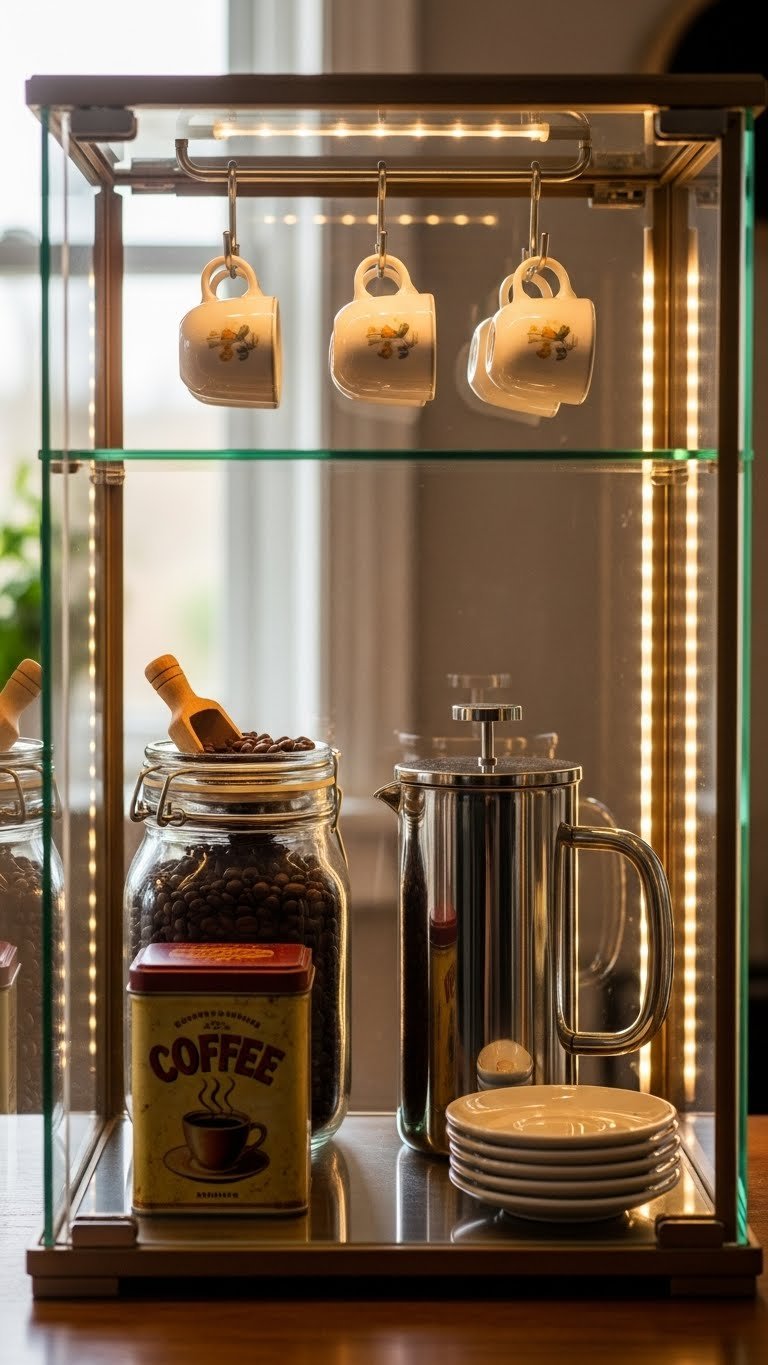
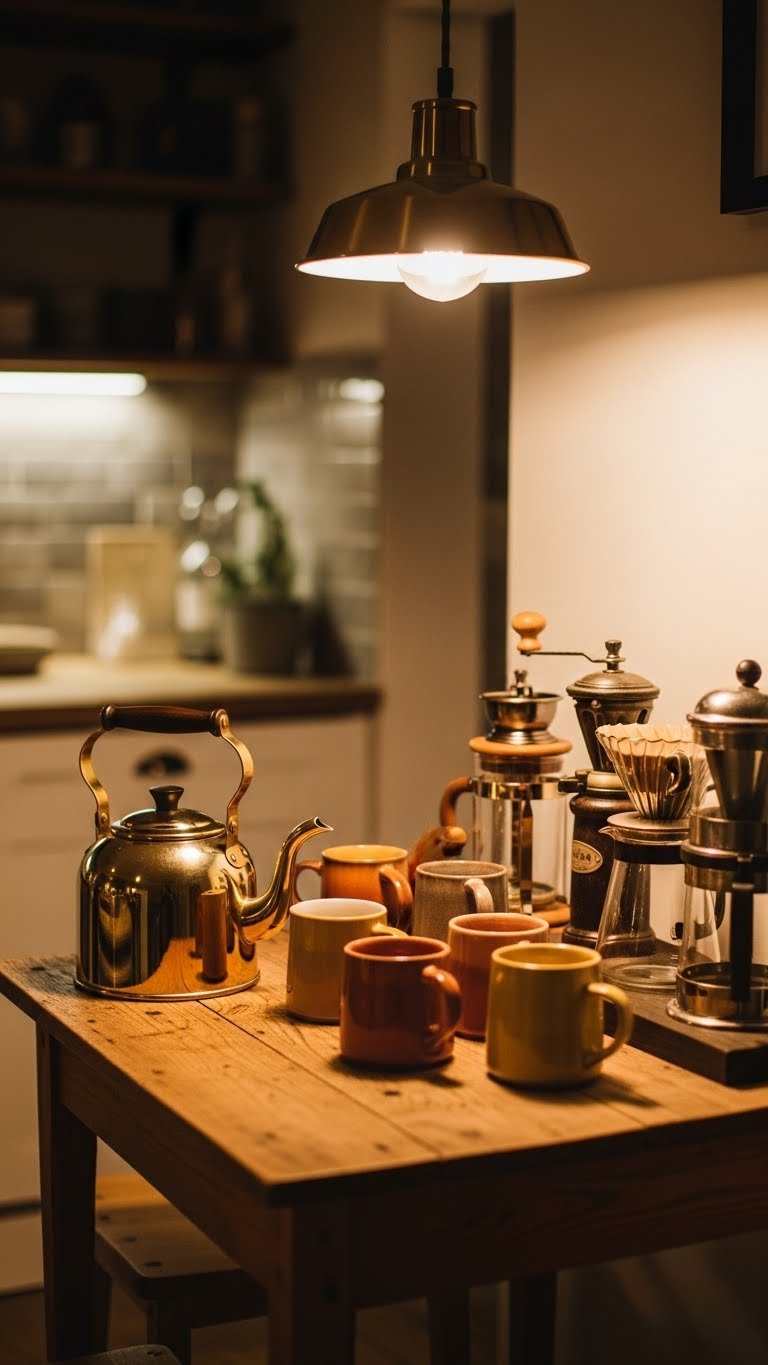
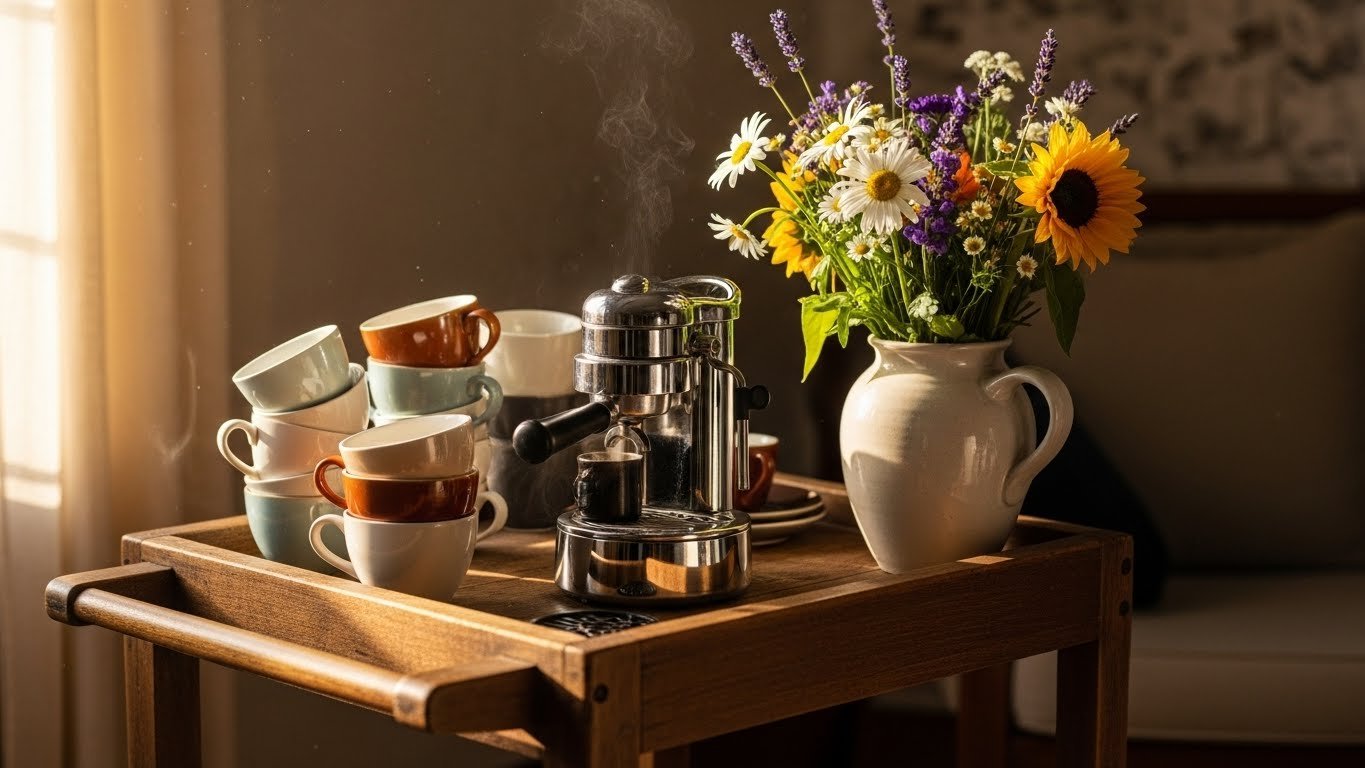
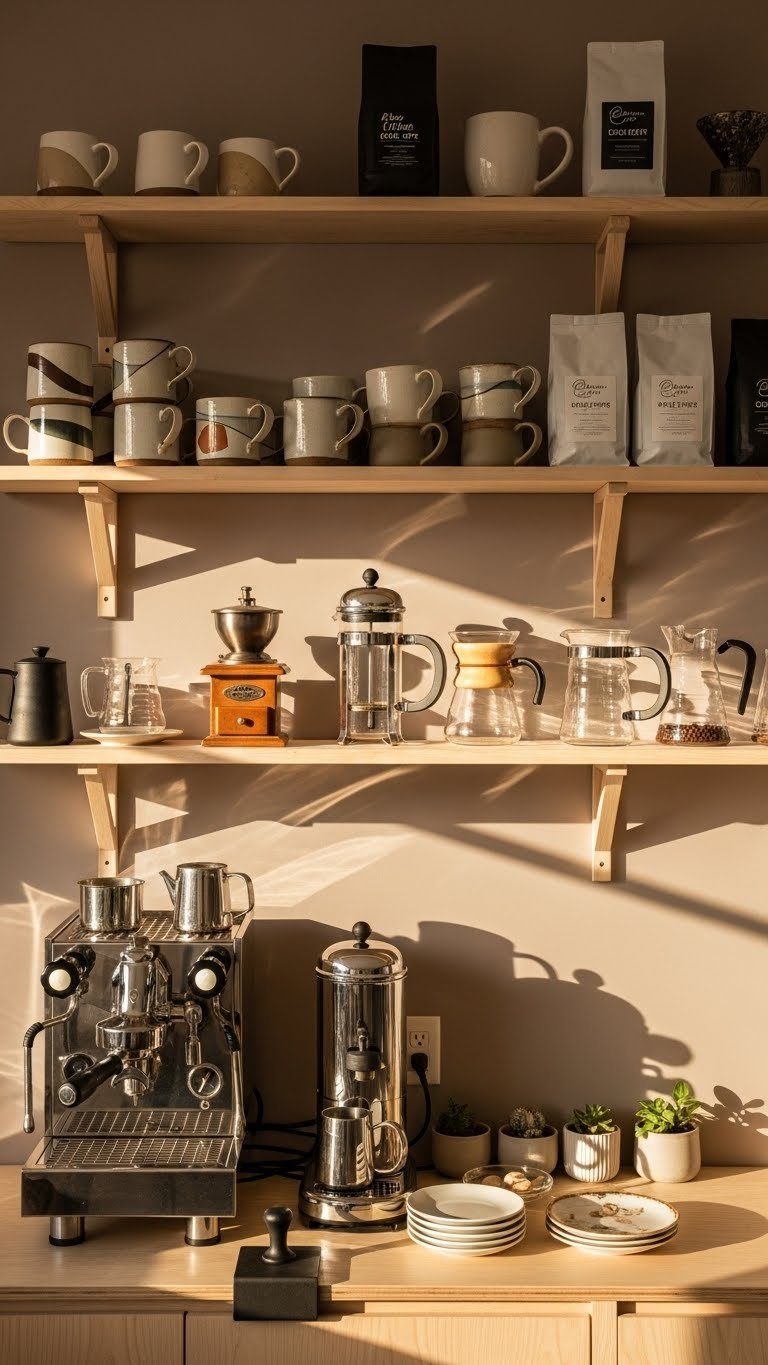
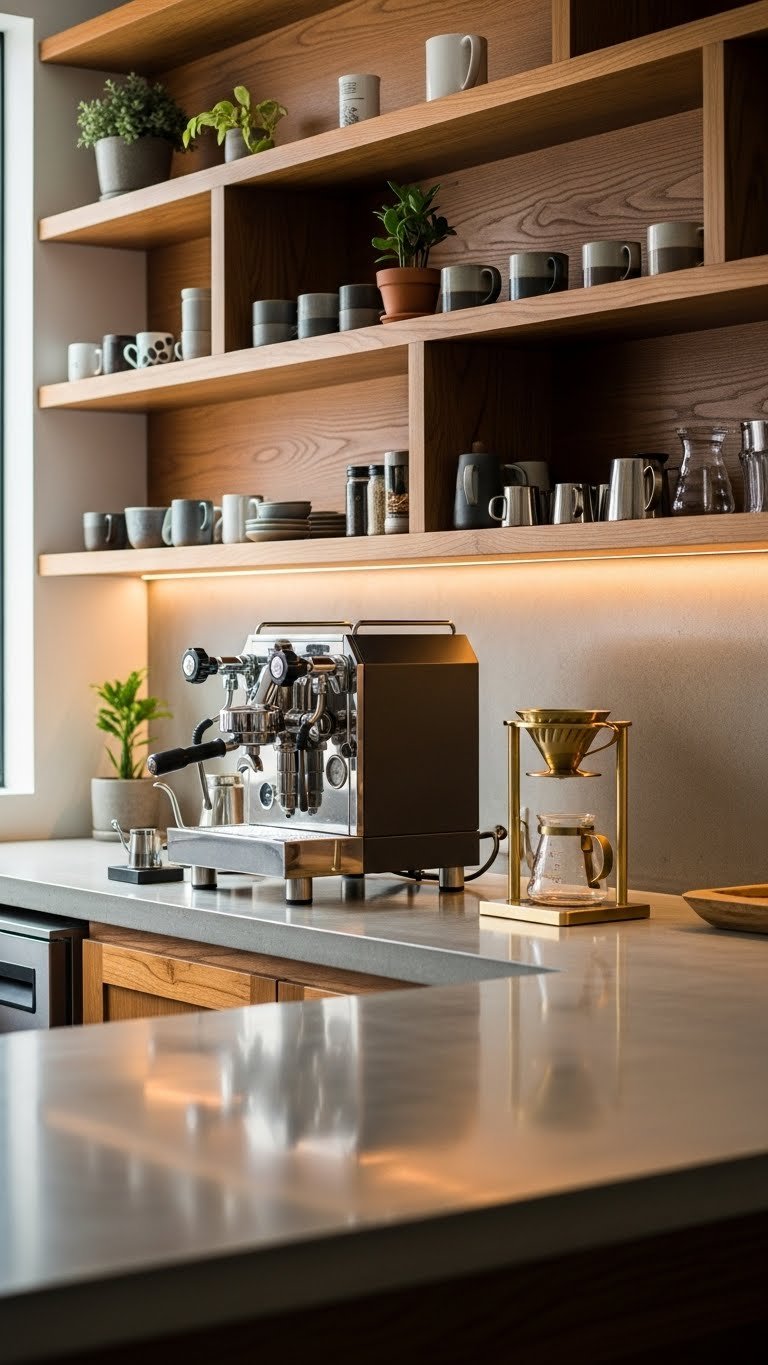
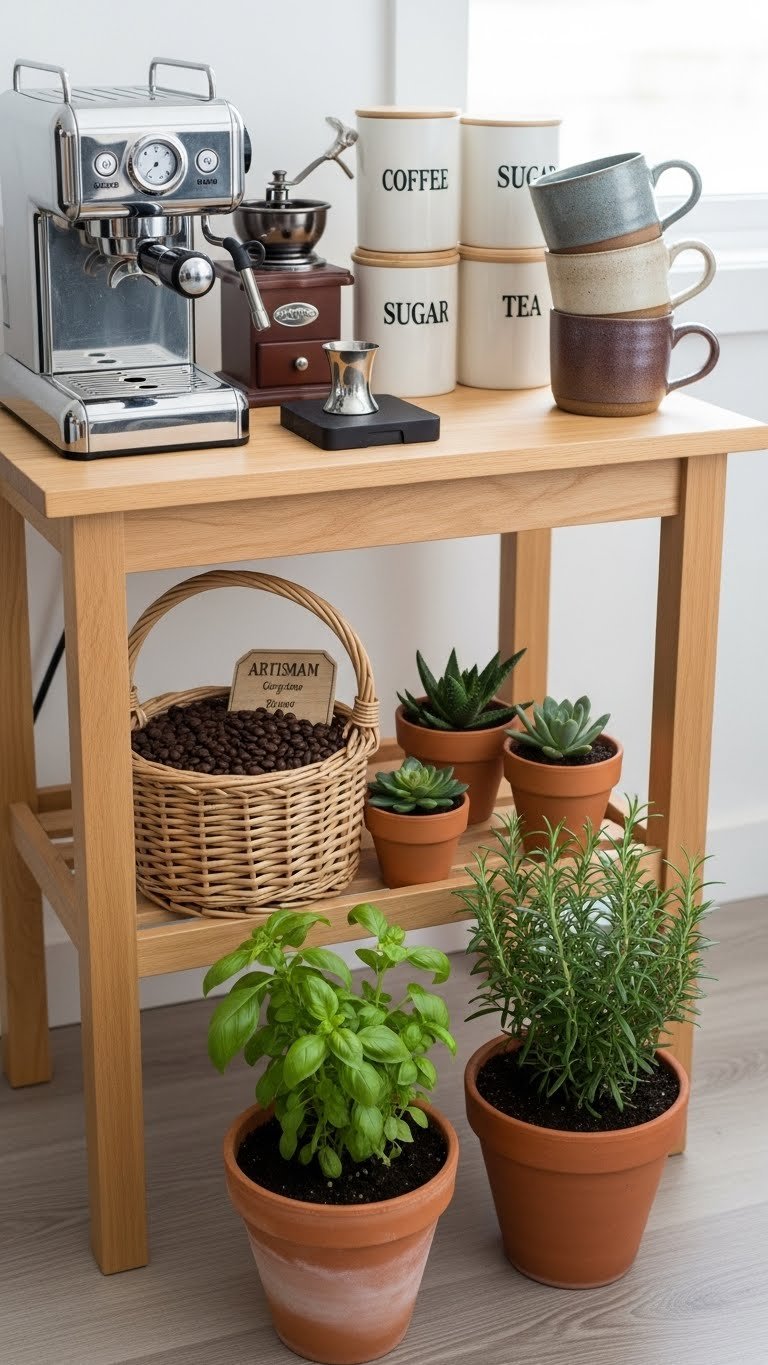
    Use a small cart ($40–$100), floating shelf ($30–$80 installed), or repurposed side table. Stock it with your coffee maker, grinder, favorite mugs, and a small canister or two for beans and sugar. Add a tiny bamboo or marble tray underneath to corral smaller items. This takes about an hour to set up and costs $50–$200 depending on what you already own.

    Pro tip: Keep mugs at eye level on open shelving or hanging hooks so reaching for your cup becomes part of the ritual.

    Now your morning coffee feels like a deliberate café experience instead of a grab-and-go moment. It’s the small ceremony that makes all the difference.


    4. Add Low-Maintenance Potted Plants

    Plants bring life, color, and that wellness vibe without the need for constant fussing. They’re the difference between a basic corner and a genuinely inviting retreat.

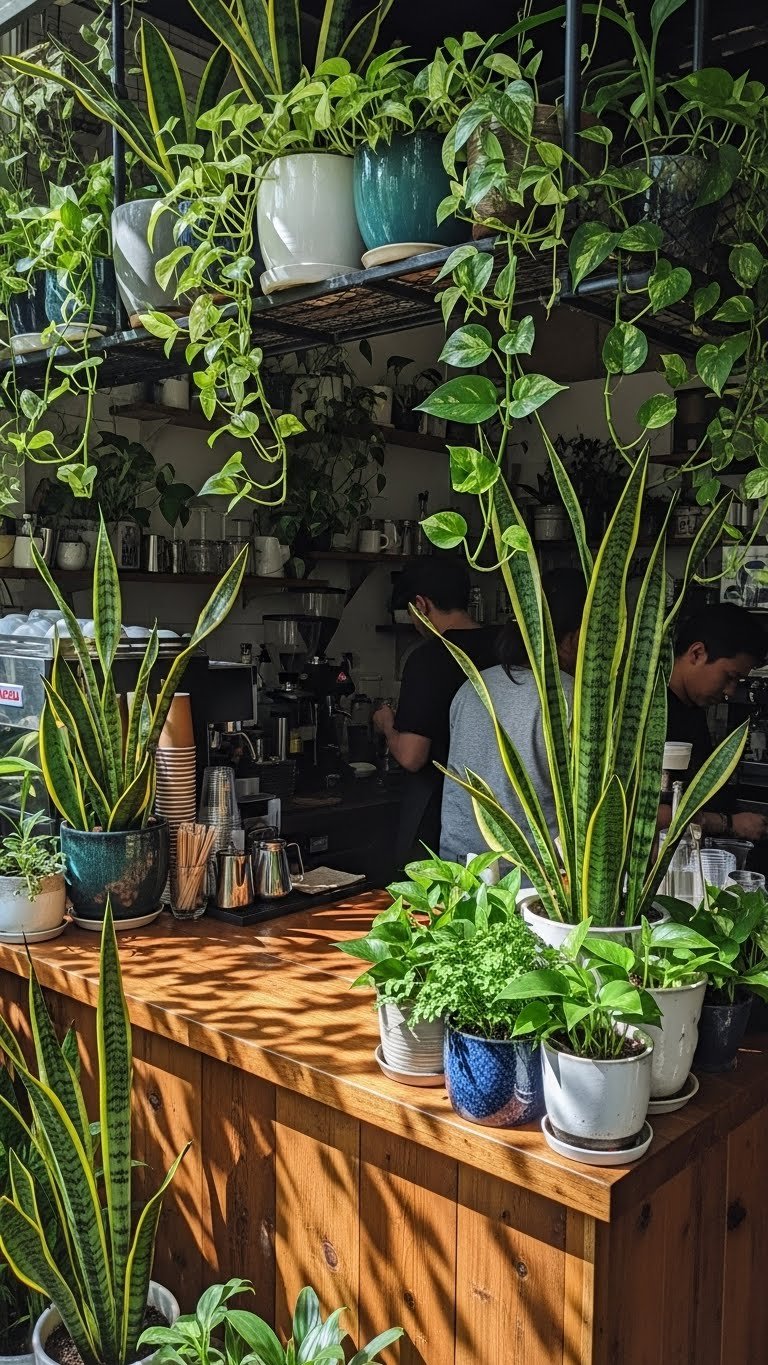
    Start with low-care options: pothos, snake plants, ZZ plants, and rubber plants ($10–$30 each). Place them on shelves, windowsills, or the floor in corners. You only need to water once every 1–2 weeks. Grab affordable terra cotta or ceramic pots from IKEA, Target, or local garden centers ($8–$20 each).

    Pro tip: Cluster 3–4 plants of varying heights to create visual interest without cluttering the space.

    You’ll notice the air feels fresher and your corner starts to feel less like a room and more like a sanctuary. The green also photographs beautifully for pins and social media.


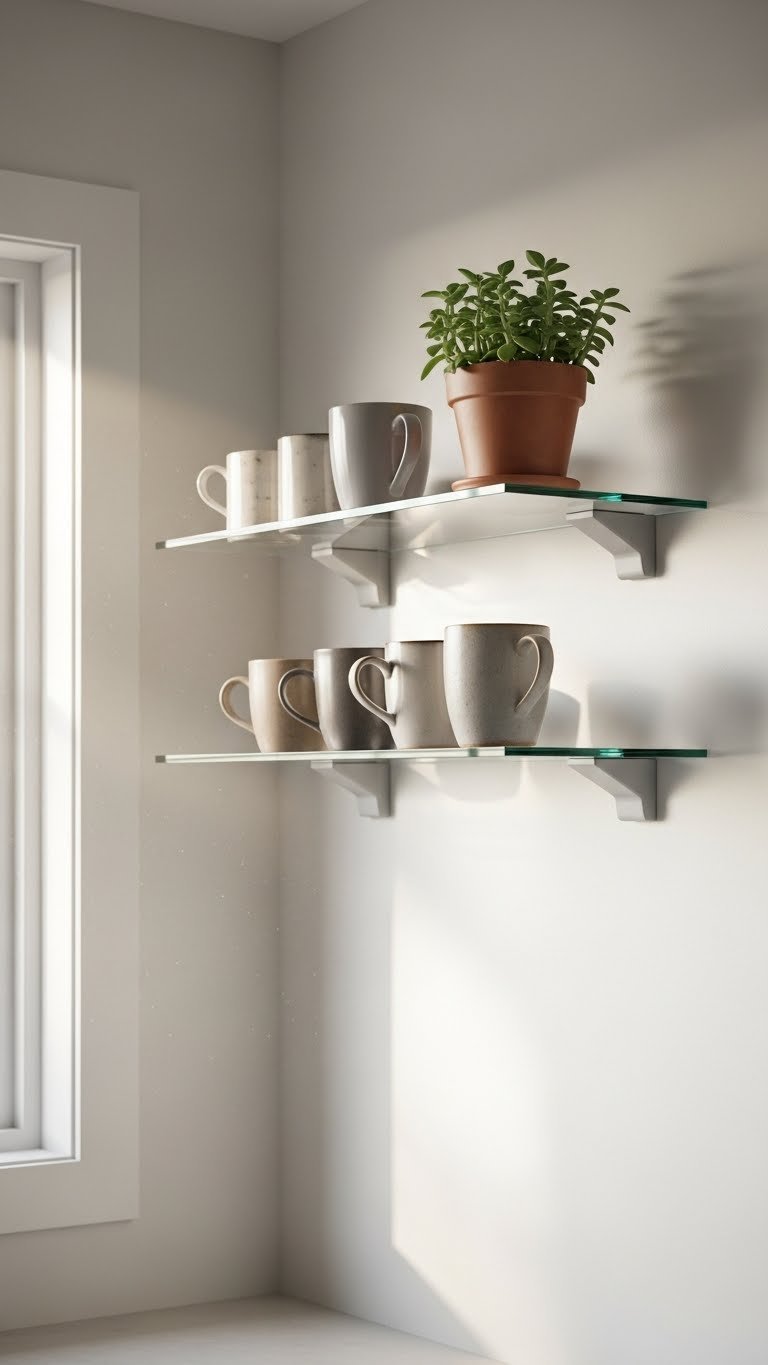
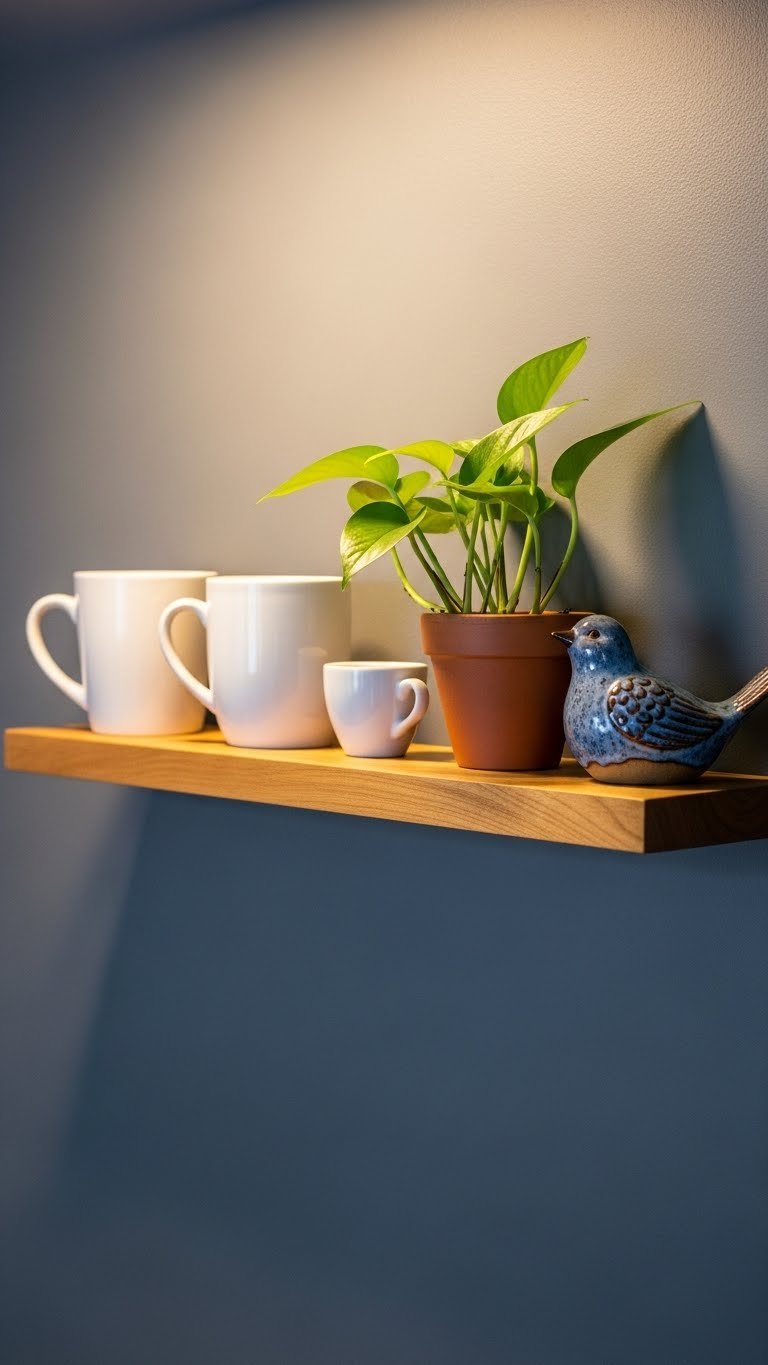
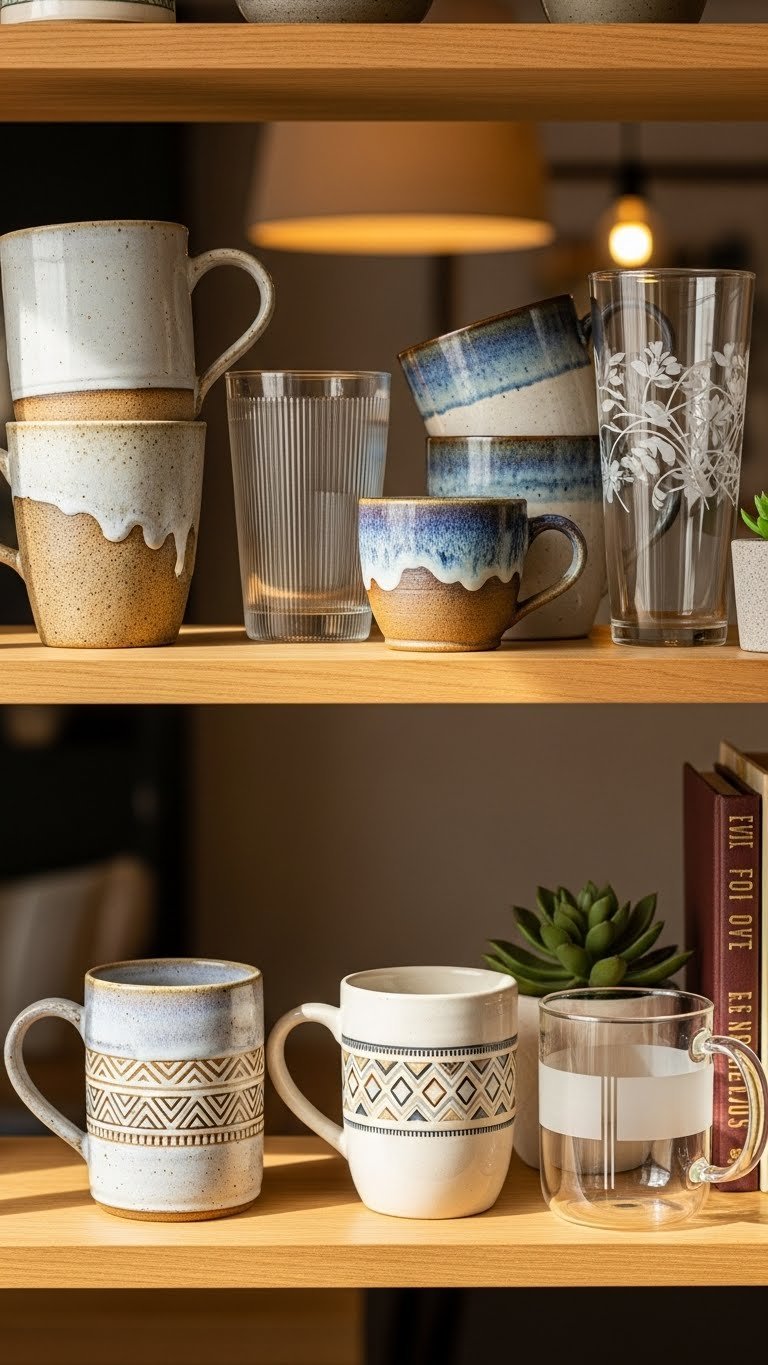
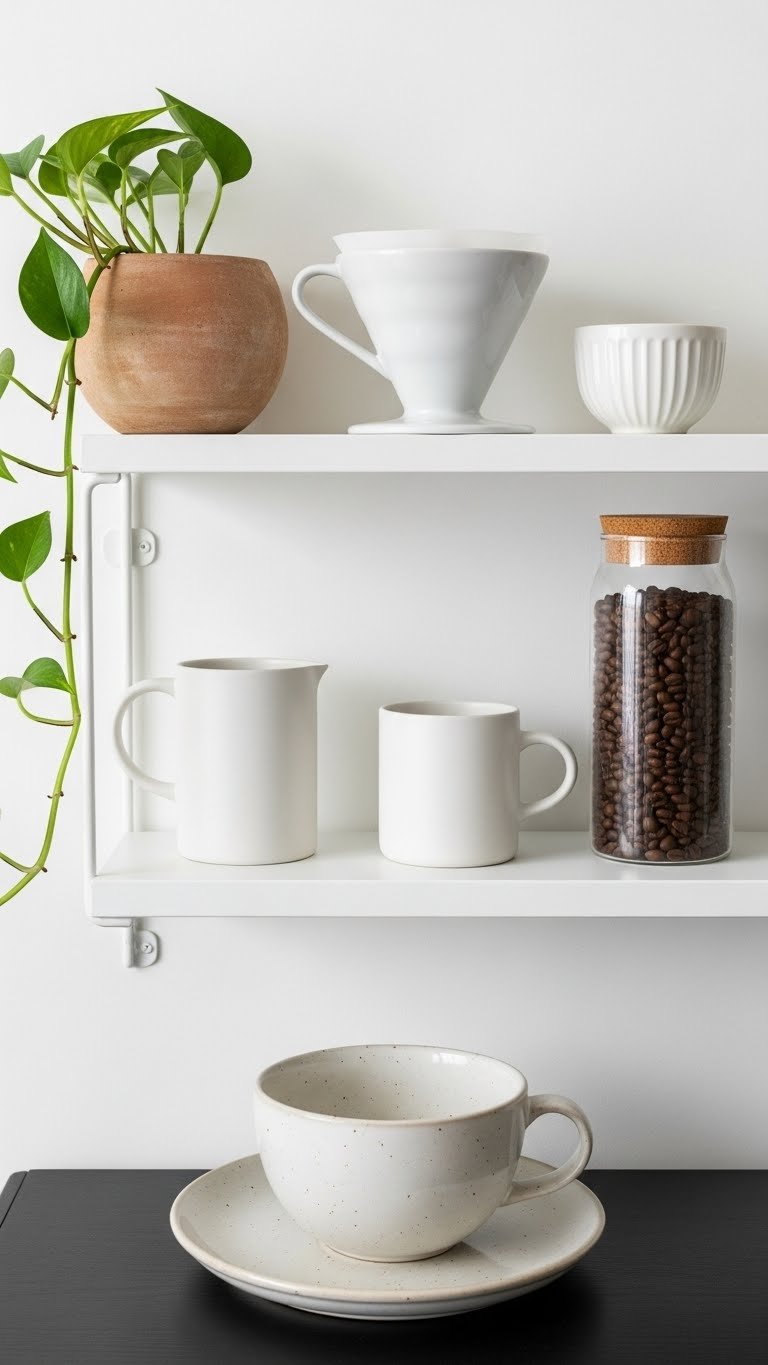
    5. Hang Open Shelving for Mug Display

    Open shelving puts your favorite mugs on display and makes the space feel intentional rather than cluttered. It’s both practical and aesthetic.

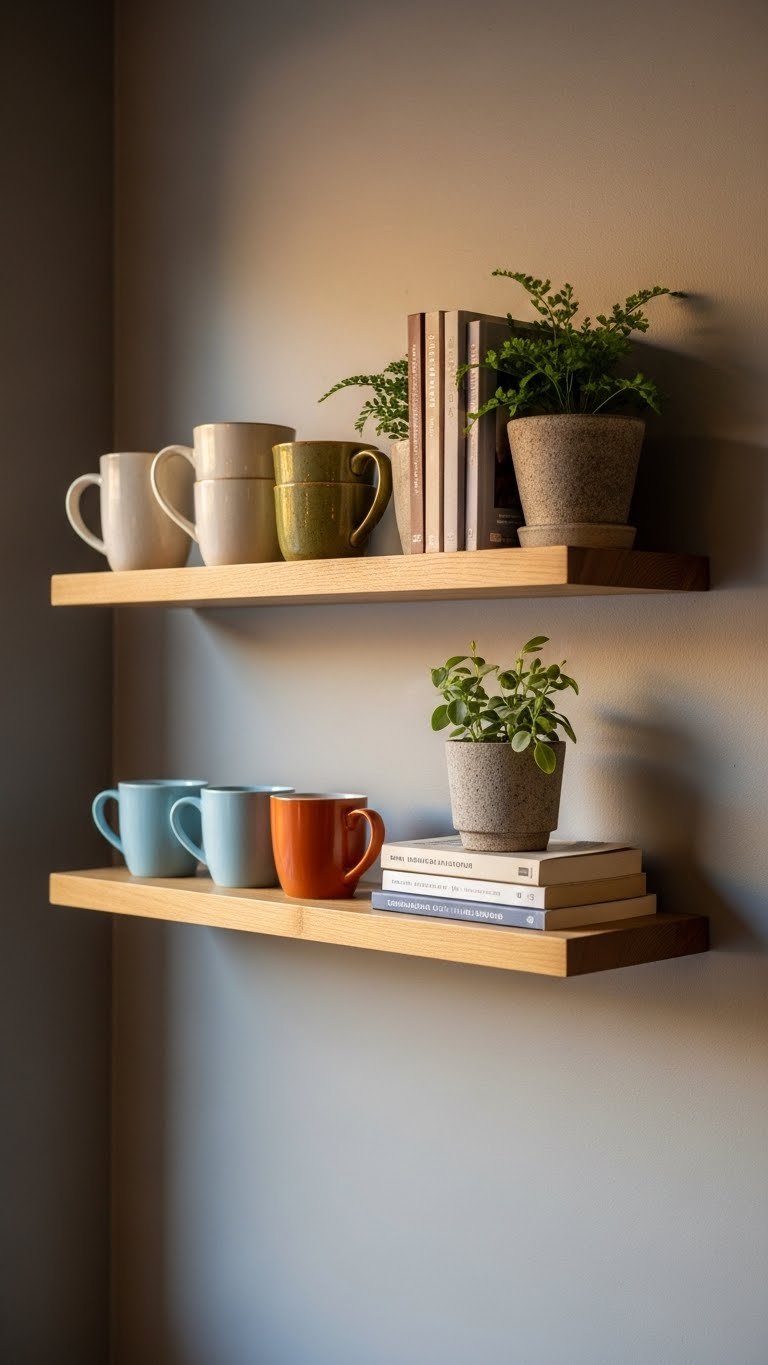
    Install 2–3 floating shelves ($20–$60 each, hardware included) above your coffee station or seating area. Arrange mugs, small plants, and a few books in a loose, lived-in way—not military-neat. This project takes 30–45 minutes with basic tools. If you’re renting, use adhesive damage-free shelves ($15–$30) instead of drilling.

    Pro tip: Mix mug heights and colors (whites, creams, earth tones, one fun pattern) so it looks curated, not random.

    Your café corner suddenly looks more considered and intentional. Every time you grab a mug, it feels special instead of utilitarian.


    6. Paint an Accent Wall in Soft Green or Dusty Pink

    Color sets the entire mood. Soft, nature-inspired hues make spaces feel calm and café-like without being trendy or fleeting.

    Choose a high-quality paint in soft sage, muted eucalyptus, dusty rose, or warm beige ($30–$50 per gallon). Primer ($15–$25) helps you get true color. Budget one weekend for prep and two coats. If you’re hesitant, test with removable wallpaper ($20–$40 for a small section) first. Professional painters cost $300–$600 for a single wall, but it’s a doable DIY with a brush and some patience.

    Pro tip: Paint is reversible and renter-friendly if you check your lease. Some landlords approve neutral accent colors.

    That one wall becomes the anchor of your whole café aesthetic. The right color makes everything else feel like it belongs there.


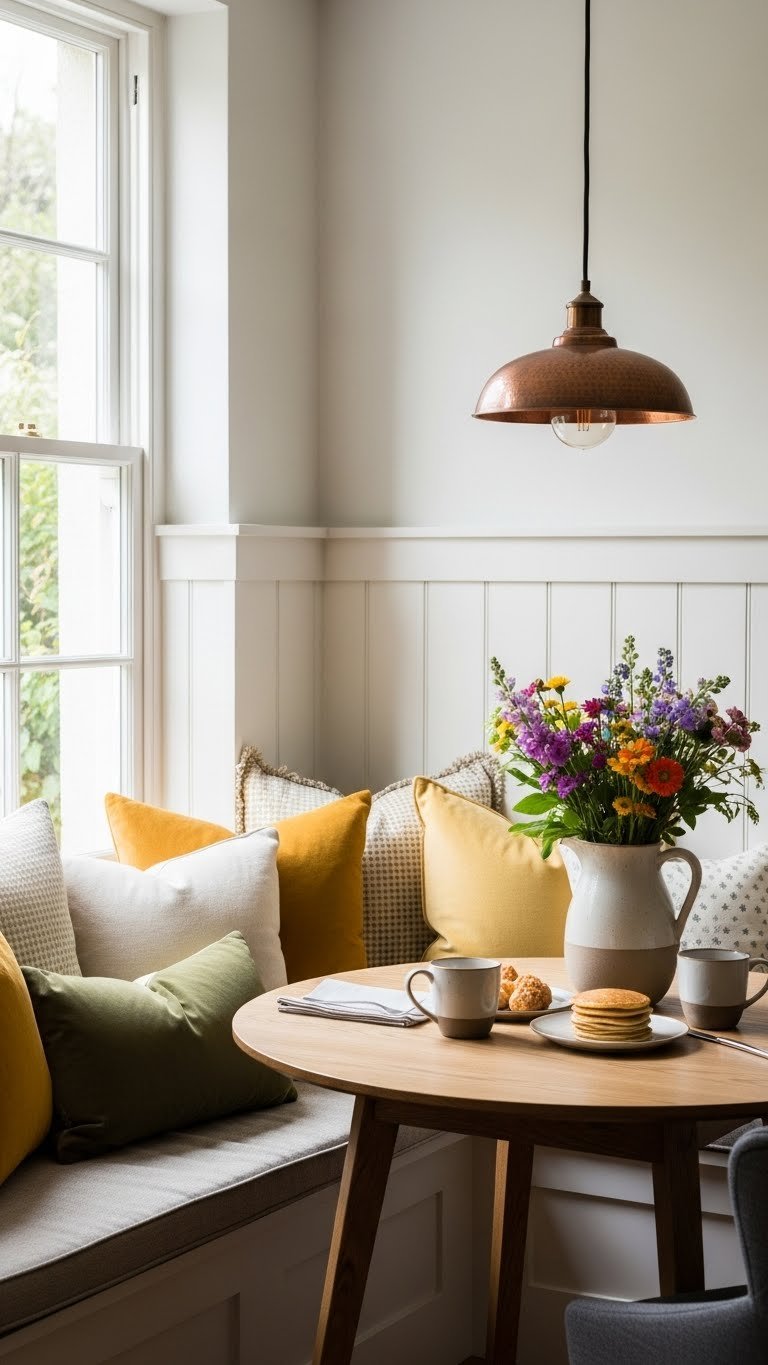
    7. Use a Small Round Table as Your Centerpiece

    A small round table screams café and forces an intimate, social vibe that a large rectangular table never will. Even in a tiny space, a round table feels intentional.

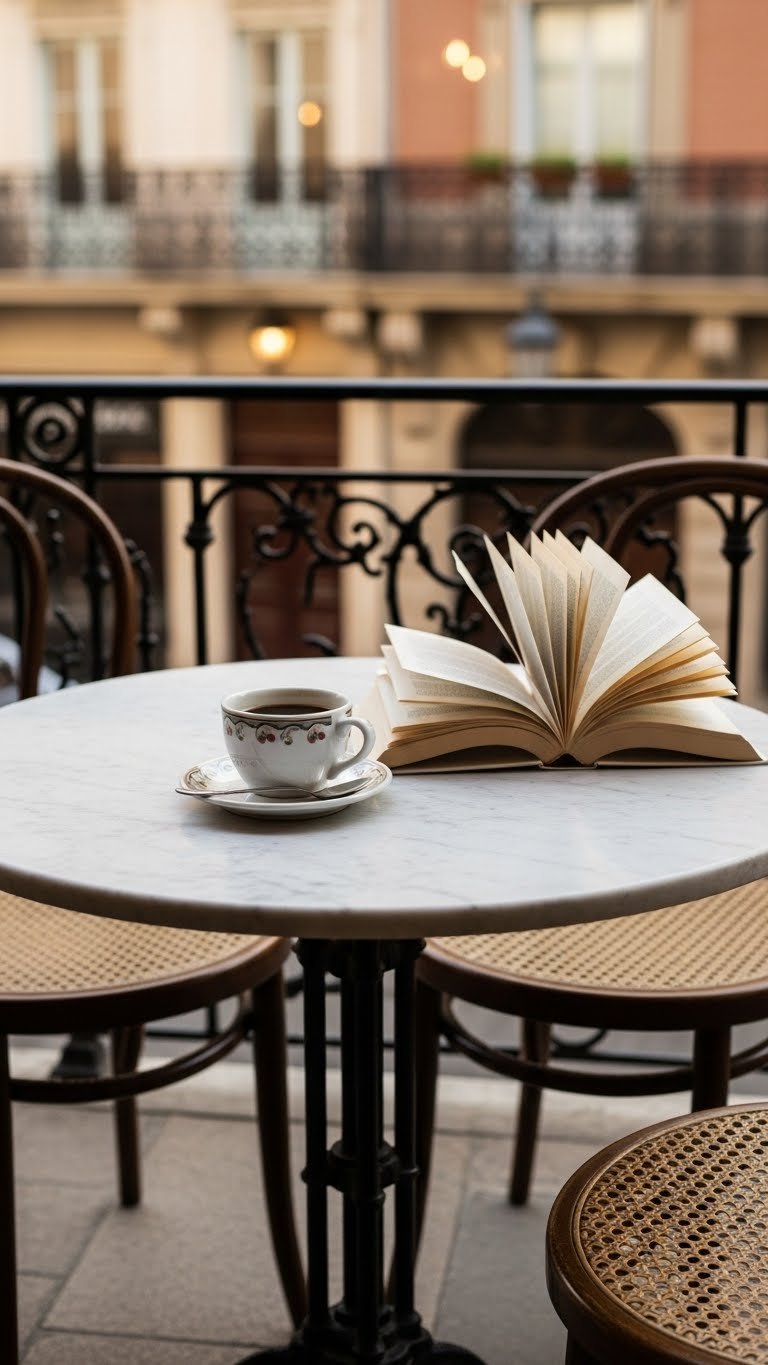
    Hunt for vintage round tables ($50–$200) at thrift stores, estate sales, or Facebook Marketplace. New options from IKEA ($70–$150), Target, or West Elm work too. Pair with 2–4 simple café-style chairs. A 2.5-foot table works for couples or solo work; upgrade to 3–4 feet if you have guests over regularly.

    Pro tip: Marble, wood, or even vintage metal tops photograph exceptionally well and feel more café-authentic than plastic.

    You’ve just created the visual centerpiece of your entire café space. It immediately communicates “this is where we sit and linger.”


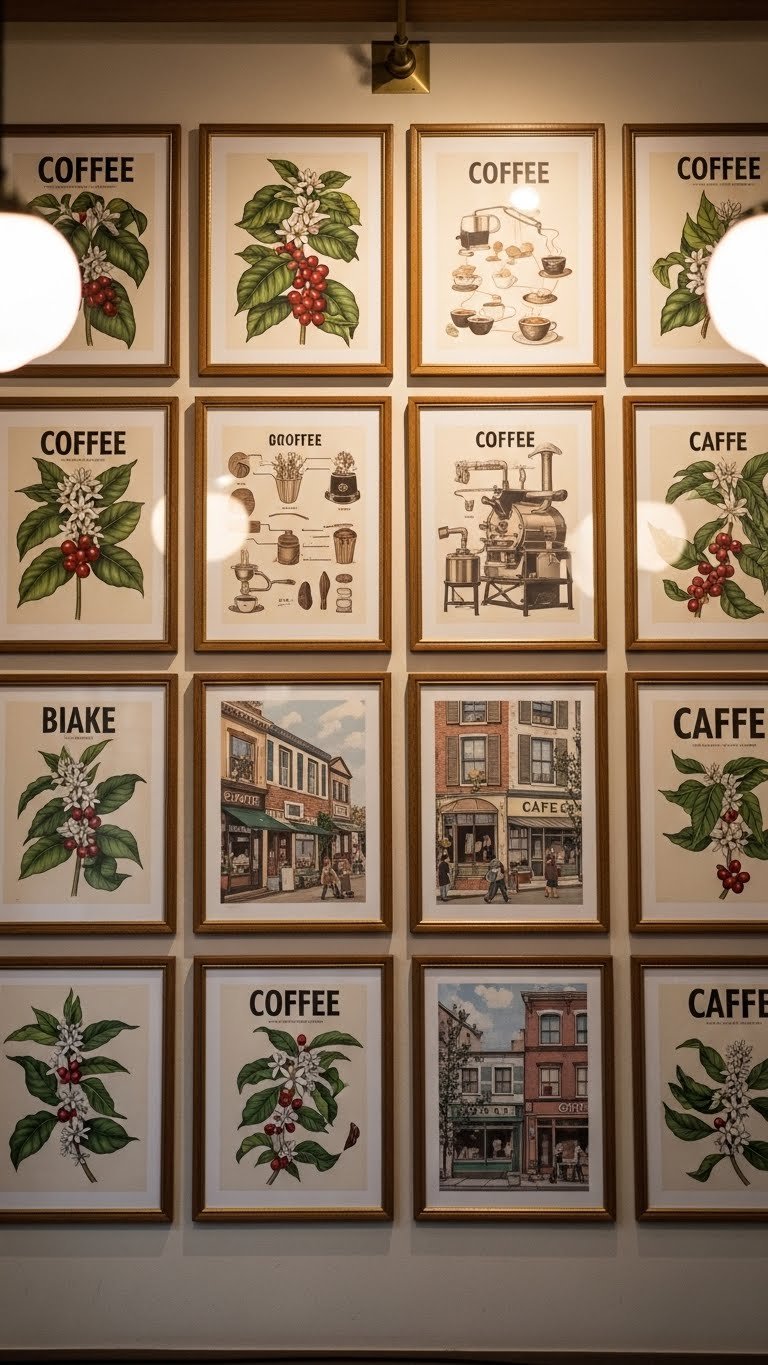
    8. Hang Vintage or Local Art on One Wall

    Art makes spaces feel personal and gallery-like. Local or vintage pieces add character that mass-produced décor just can’t match.

    Buy prints ($10–$30 each) from local artists, Etsy, or vintage shops like Chairish. Frame in mismatched thrifted frames ($5–$15 each) or match frames from Target/IKEA ($10–$25 each). Arrange in a gallery wall using painter’s tape first so you get placement right. This takes a weekend and costs $80–$200 total depending on frame quality.

    Pro tip: Go for art that makes you smile—landscapes, abstract, vintage café posters, or local community artwork.

    Your corner now has a story and personality. Guests notice the intentionality immediately, and you’ll love looking at pieces you actually connect with.


    9. Add a Small Bookshelf for Coffee Table Books

    Books create visual texture and give people something to browse during quiet moments. Coffee table books about art, travel, or design feel very café-like.

    Grab a small bookshelf ($50–$150) from IKEA, Target, or secondhand. Fill it with coffee table books from thrift stores ($2–$10 each), your own collection, or library holds. Mix books with small plants and a candle for visual balance. This takes 30 minutes to style and costs $50–$200 depending on book budget.

    Pro tip: Stack books horizontally and vertically in a loose, organic way rather than all spine-out. It feels more curated and browsable.

    Now your café corner has depth and personality. People naturally gravitate to picking up a book and settling in for longer.


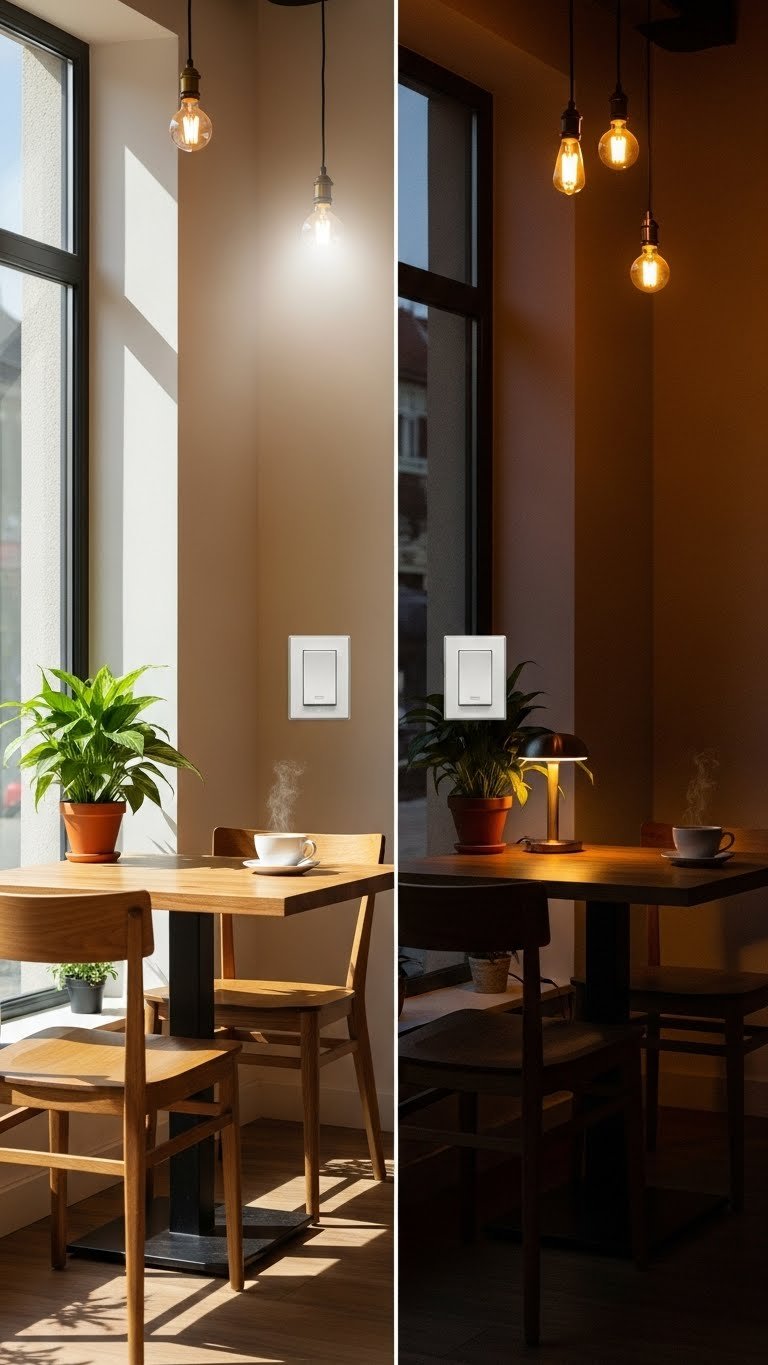
    10. Install a Dimmer Switch for Adaptive Lighting

    Dimmers let you shift the vibe from functional morning space to relaxing evening retreat without changing bulbs or lamps.

    Swap your existing wall switch for a dimmer ($15–$30 from hardware stores) in about 15 minutes if you’re comfortable with basic electrical work. Otherwise, hire an electrician ($100–$200 for a single room). Alternatively, use smart plugs ($15–$30 each) on your table lamps for remote dimming without any installation.

    Pro tip: Pair a dimmer with warm-toned bulbs (2700K) so the whole atmosphere shifts, not just brightness.

    You’ll adjust the lighting throughout the day naturally—bright and energizing in the morning, cozy and inviting in the evening. One switch changes everything.


    11. Drape a Soft Throw Blanket Over Your Chair

    A thrown blanket signals “this is a comfort zone” instantly. It’s the café equivalent of a fireplace invite.

    Find a good linen, wool, or cotton blend throw ($30–$100) from West Elm, Target, or ethical brands like Everlane. Drape it loosely over the back and arm rather than folding it perfectly. If budget is tight, a cozy vintage blanket from a thrift store ($5–$15) works beautifully and often has more character.

    Pro tip: Neutral tones (cream, oatmeal, soft gray, warm tan) work with any aesthetic and photograph better than bold patterns.

    When you settle into your chair, that blanket makes the space feel protective and intentional. It’s the small gesture that says “you’re meant to stay awhile.”


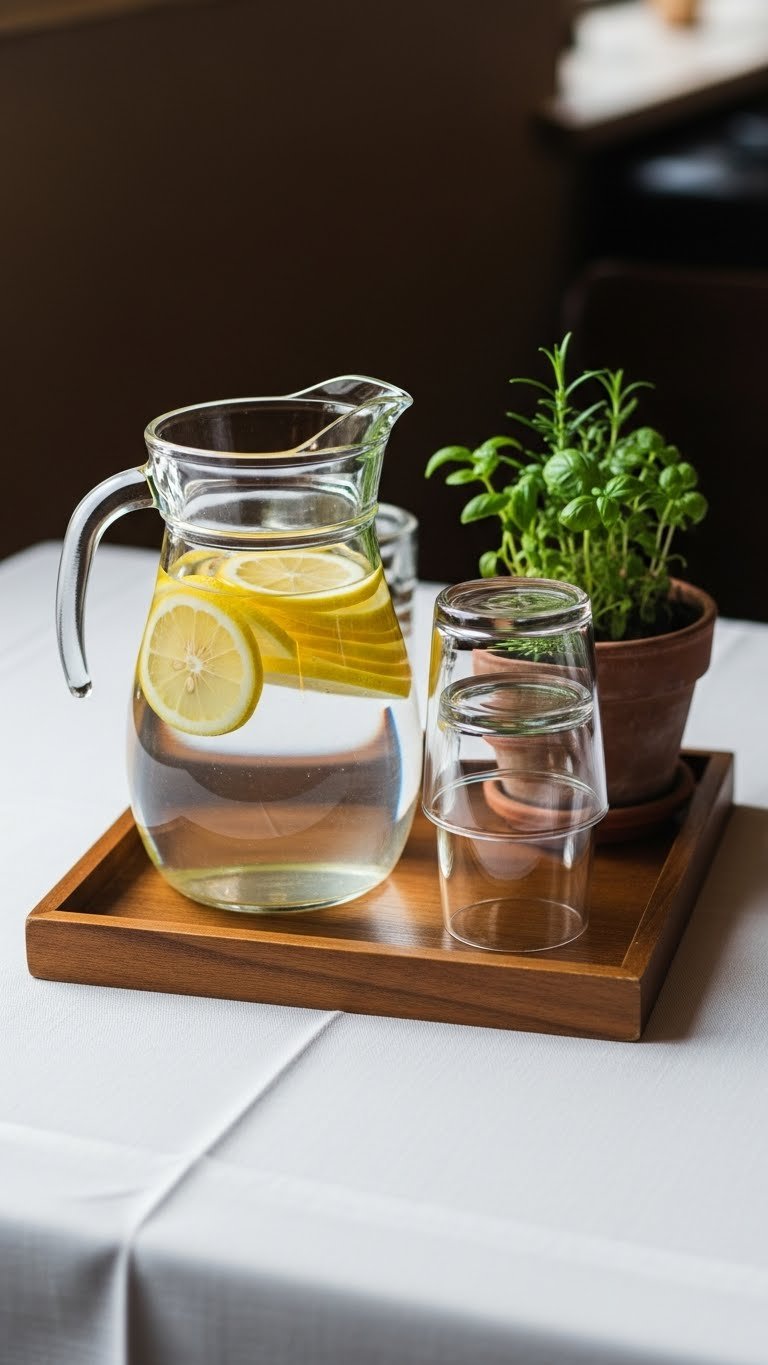
    12. Set Up a Small Water Station with Glasses

    A water station feels sophisticated and makes guests feel genuinely cared for. It’s a small detail that elevates the whole experience.

    Use a simple wooden tray ($15–$30), a glass pitcher ($10–$25), and 4–6 matching glasses ($20–$40 for a set). Add fresh lemon slices, cucumber, or mint from your garden or grocery store. Keep it near your seating area or coffee station. Setup takes 10 minutes.

    Pro tip: Keep a small potted mint plant nearby so you have fresh herbs on hand. Mint is nearly impossible to kill and looks charming.

    Offering a guest a real glass of water in a nice pitcher instead of a plastic cup changes how they perceive your hospitality. It’s a café gesture that costs almost nothing.


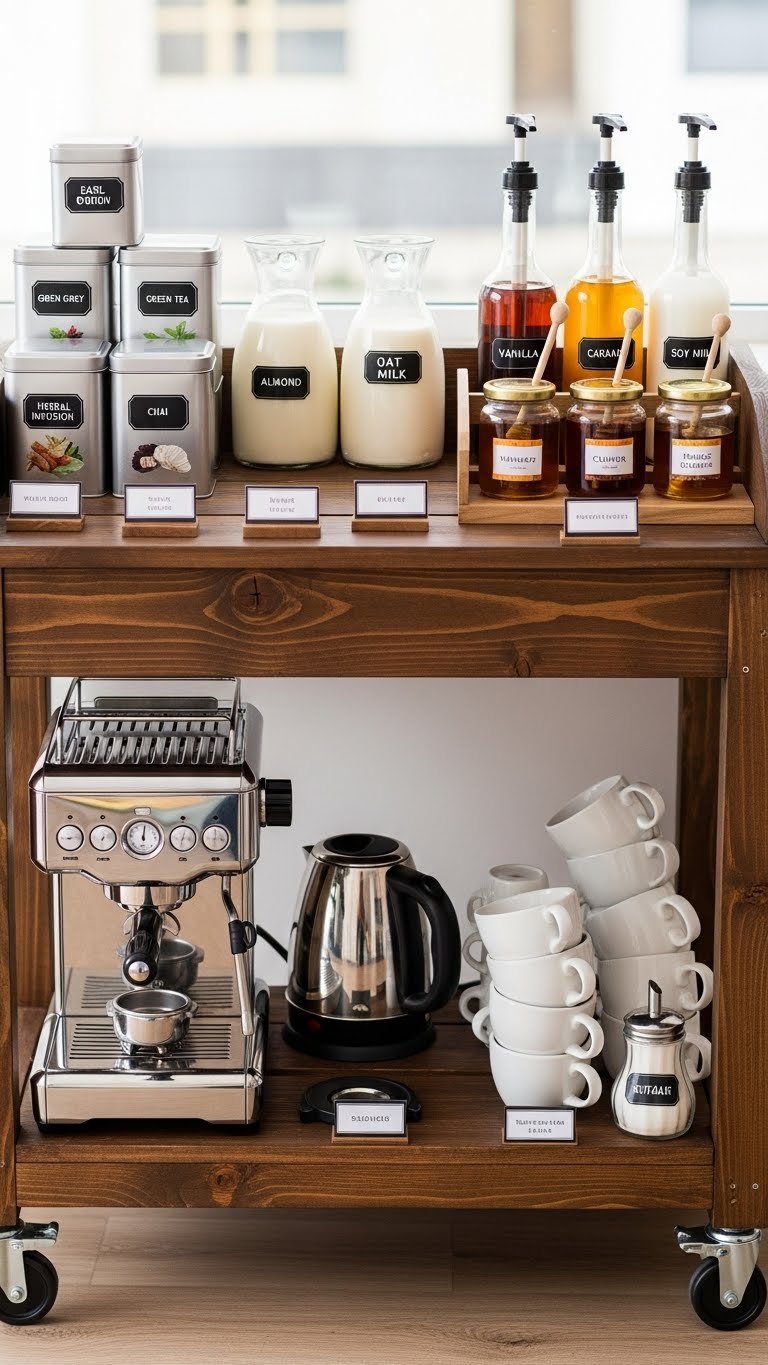
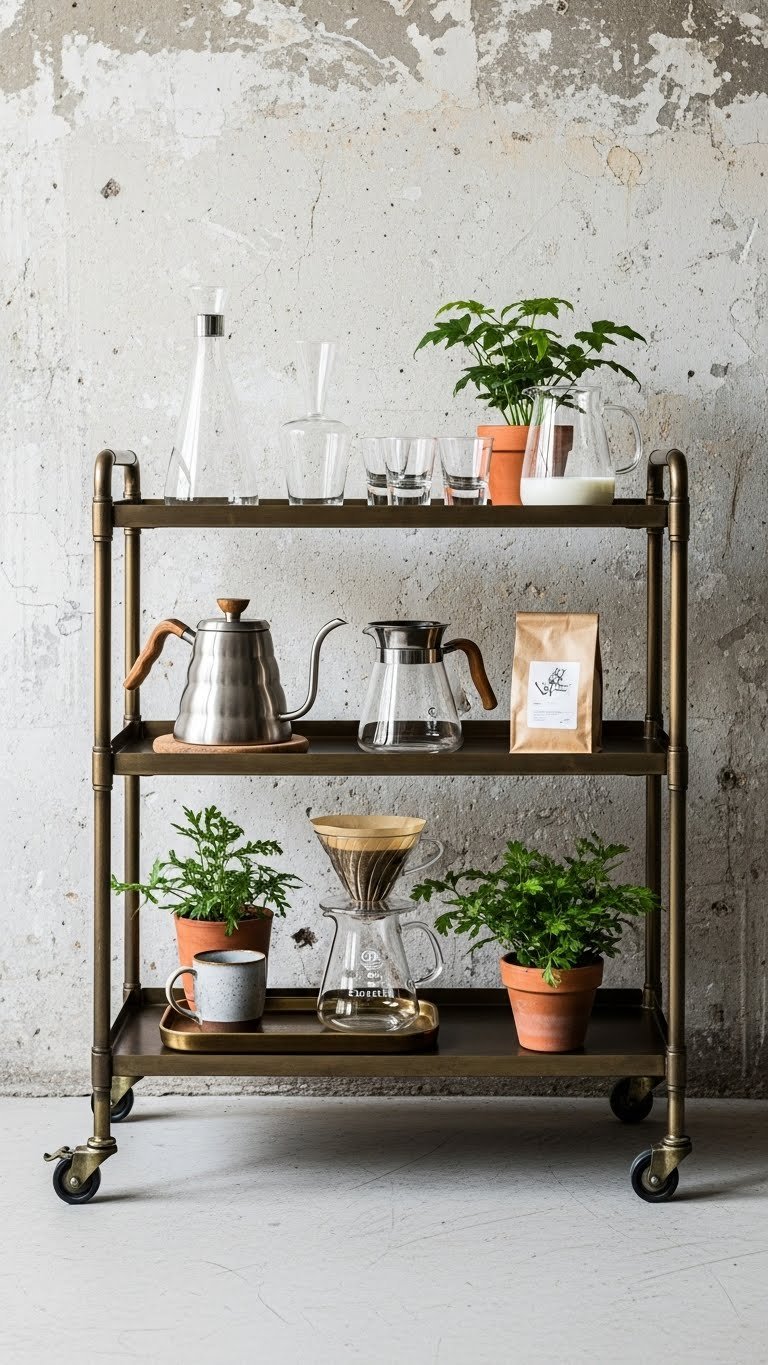
    13. Use a Metal Shelving Unit as a Bar Cart Alternative

    A metal cart or shelving unit gives you mobile storage and that industrial-café aesthetic all at once. It’s flexible, too—move it around as your needs change.

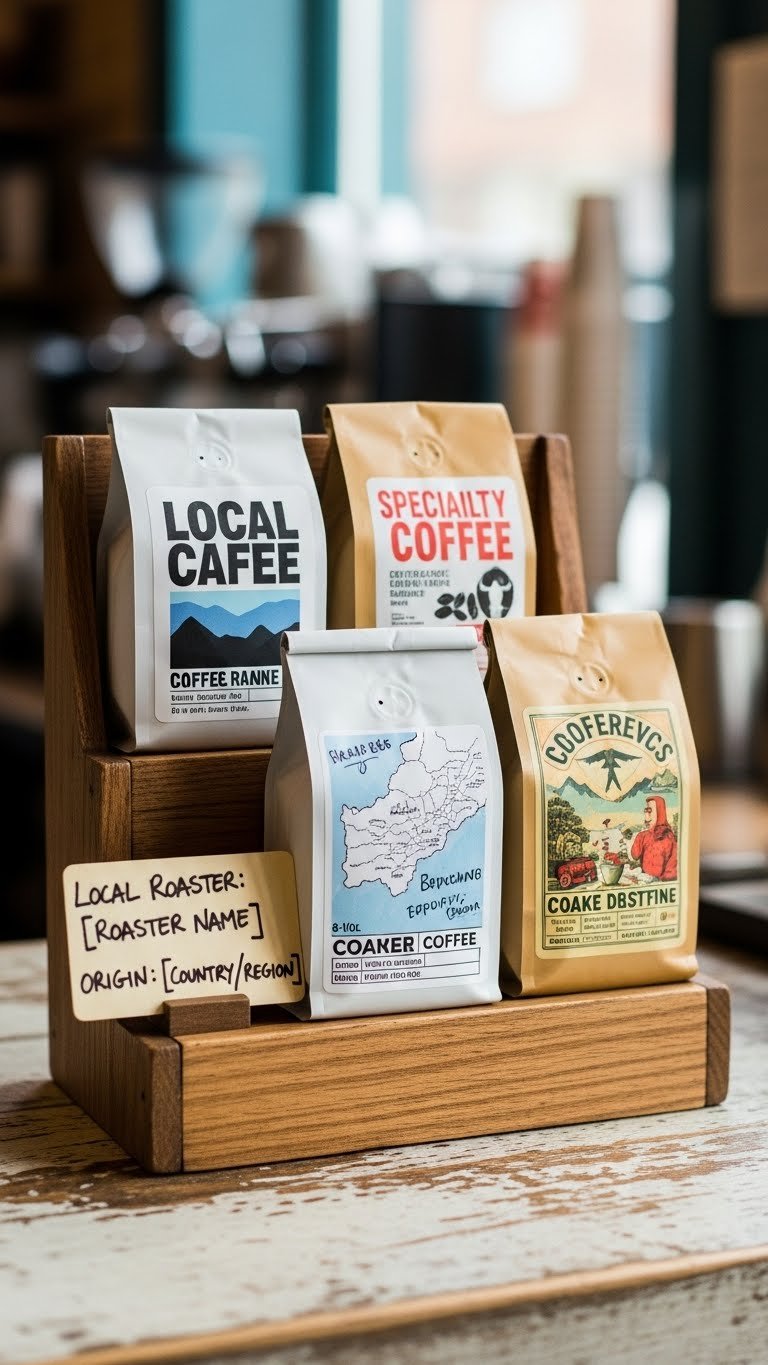
    Pick up a metal cart from IKEA ($30–$80), Target, or vintage shops. Stock it with coffee beans, sugar, cream, syrups, pretty glasses, and a plant or two. Keep it in your café zone as a stylish, functional focal point. Takes 20 minutes to style.

    Pro tip: Use small baskets or wooden boxes on the shelves to corral supplies and add warmth to the industrial look.

    Now you have a café supply station that doesn’t require built-in infrastructure. It’s also incredibly photogenic for social media.


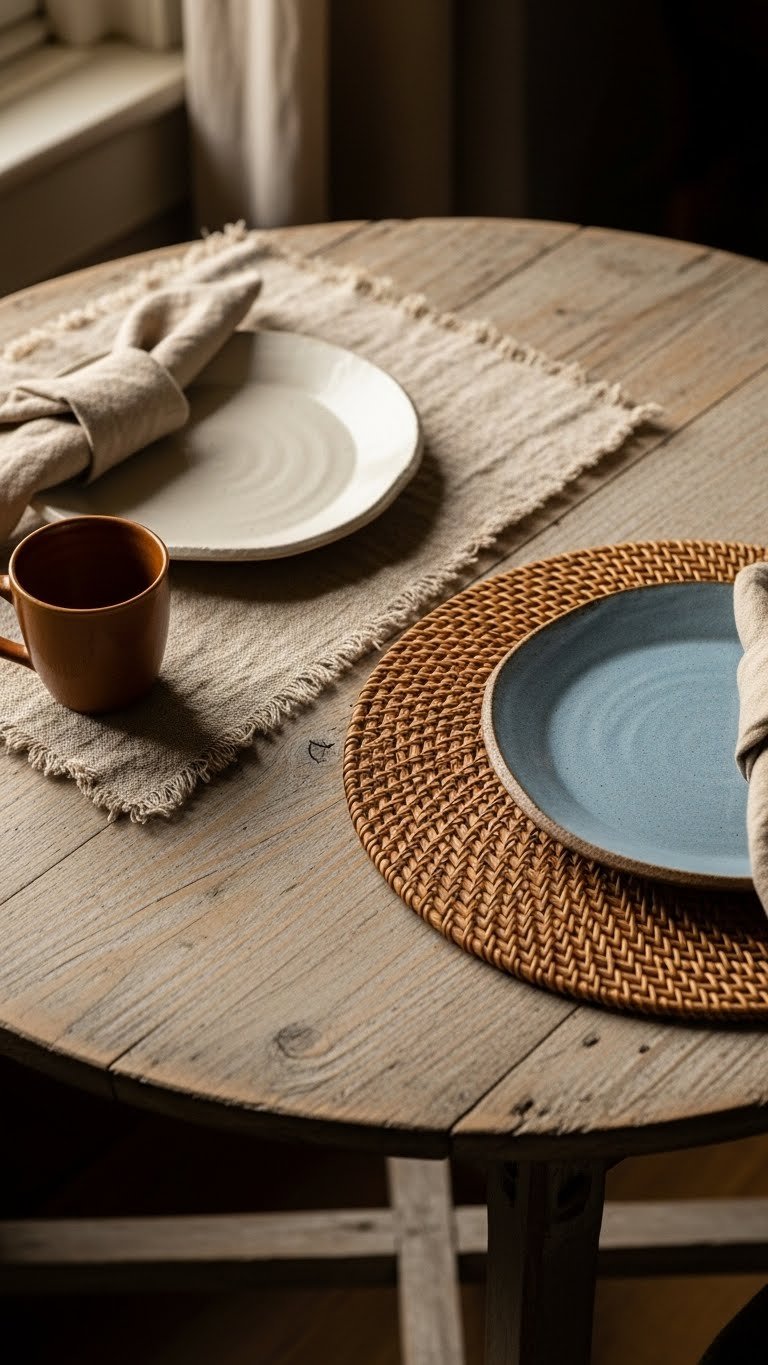
    14. Layer in Textural Elements with Woven Placemats

    Texture makes spaces feel intentional and café-like. Woven materials add warmth and visual interest to bare tables.

    Grab a set of 4 linen or rattan placemats ($20–$40) from Target, IKEA, or Etsy. Add natural linen napkins ($10–$20 for a set). Place them under your cup and plate to create a mini place setting that feels restaurant-quality. This takes five minutes to style.

    Pro tip: Mix materials—linen, rattan, and natural wood together—so it looks collected rather than matchy.

    Your table suddenly looks like a place where you’d want to linger over breakfast. Small details like placemats signal care and intentionality.


    15. Create Ambiance with a Scented Candle

    Scent is one of the most powerful mood-setters. The right café candle makes your space smell as good as it looks.

    Invest in a quality candle ($20–$40) from brands like Jo Malone, Diptyque, or local makers. Budget-friendly options from Target or Amazon ($8–$15) work too. Choose scents that feel café-appropriate: coffee, vanilla, warm spice, or fresh linen. Light it about 30 minutes before your café time so the scent fills the space gently.

    Pro tip: Rotate 2–3 scents seasonally so your café never feels stale. Coffee in winter, citrus in spring.

    The moment you walk in and smell that candle, your brain shifts into café mode. It’s a sensory trigger that makes the whole experience feel intentional.


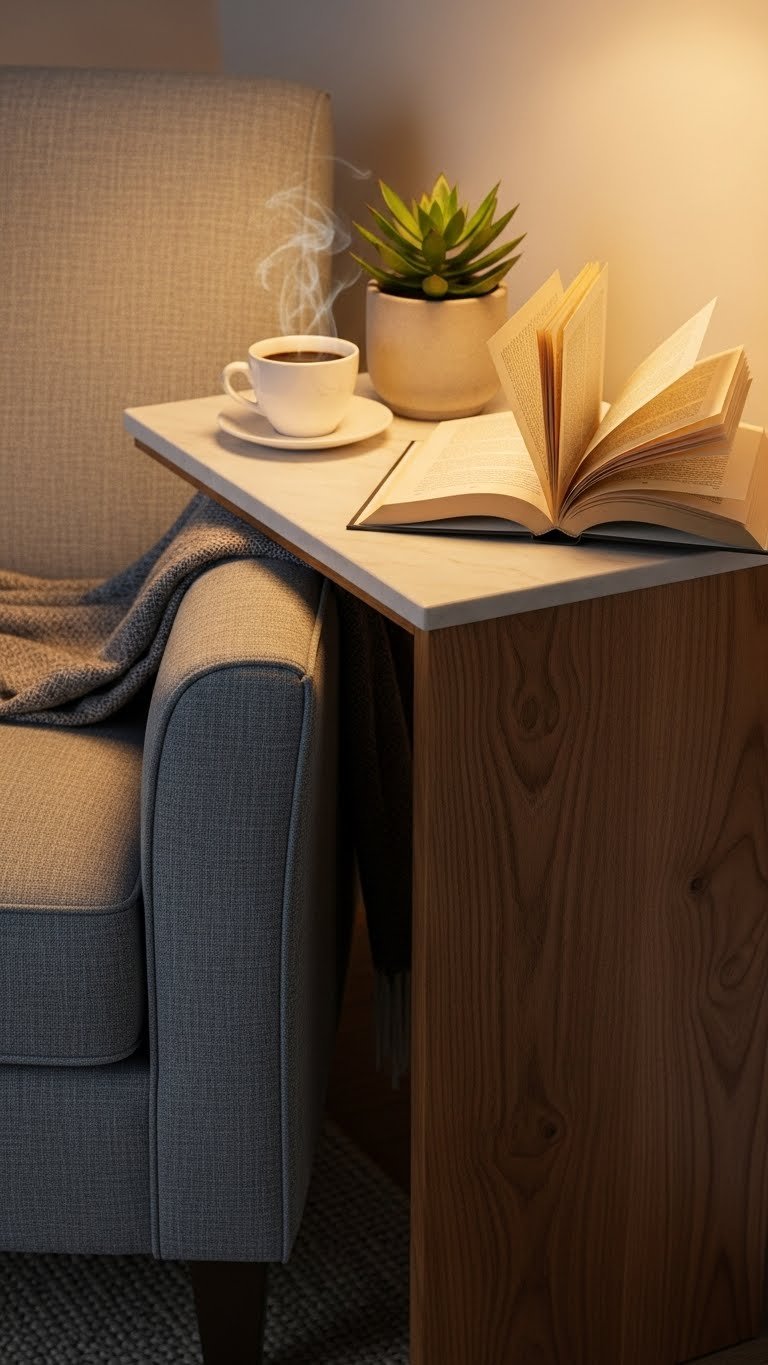
    16. Add a Small Side Table for Books and Drinks

    A tiny table next to your main chair gives you a place to set your cup, books, and phone without reaching awkwardly. It’s the functional detail that completes the setup.

    Find a small side table ($30–$100) from IKEA, Target, thrift stores, or vintage shops. Narrow console tables or even a vintage plant stand work beautifully. Position it within arm’s reach of your armchair. This takes five minutes to set up.

    Pro tip: Choose a height that lines up with the arm of your chair so setting a cup down feels natural and unforced.

    Now your café corner has a place for everything. Books, drinks, candles—all within reach without breaking the cozy momentum.


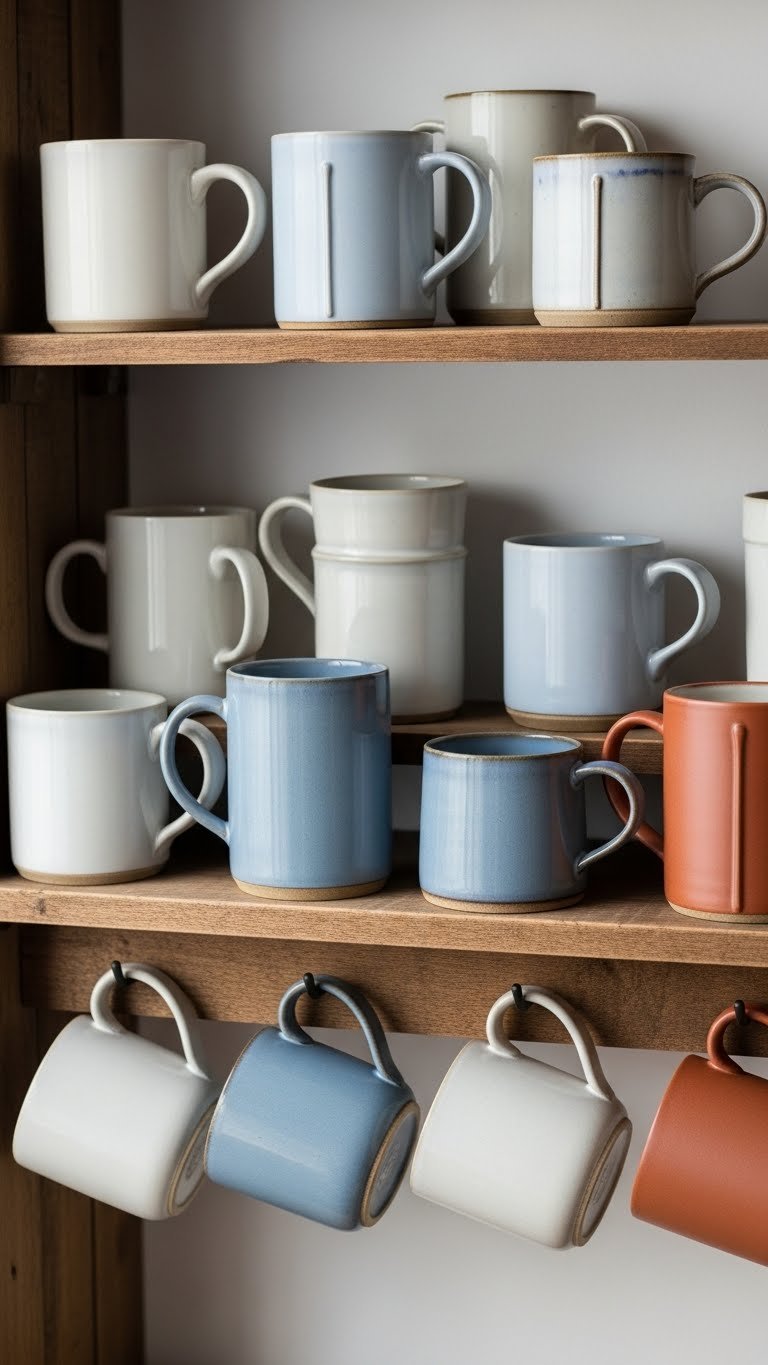
    17. Display Ceramic Mugs in a Curated Collection

    A mug collection feels very café. Even a small curated group (5–8 mugs) in coordinated colors looks intentional and inviting.

    Collect mugs over time from thrift stores ($2–$5 each), farmers markets, travel, or ethical brands. Choose mugs within a loose color palette—creams, grays, earth tones—so they look cohesive. Display them on open shelves, a mug rack ($10–$30), or hanging from hooks. This is a slow build rather than a weekend project, which makes it more fun.

    Pro tip: Mix ceramic, stoneware, and even glazed pieces. Slight variations in finish and tone make collections look more authentic.

    Every time you reach for a mug, you’re picking from a collection that feels intentional and personal. It’s the small luxury of choice.


    18. Paint Wooden Crates for Storage and Display

    Painted wooden crates give you storage with personality. They’re affordable, customizable, and feel very intentional.

    Grab untreated wooden crates from craft stores or Amazon ($8–$15 each). Paint them in soft colors that match your palette using acrylic paint ($5–$15). Stack them in your café zone or use them individually as shelving. This takes a weekend and costs $40–$80 total.

    Pro tip: Leave the interiors natural wood—it looks more authentic than painting inside and out.

    You’ve just built custom storage that looks like a designed piece rather than a storage hack. Everything has a place, and it all looks intentional.


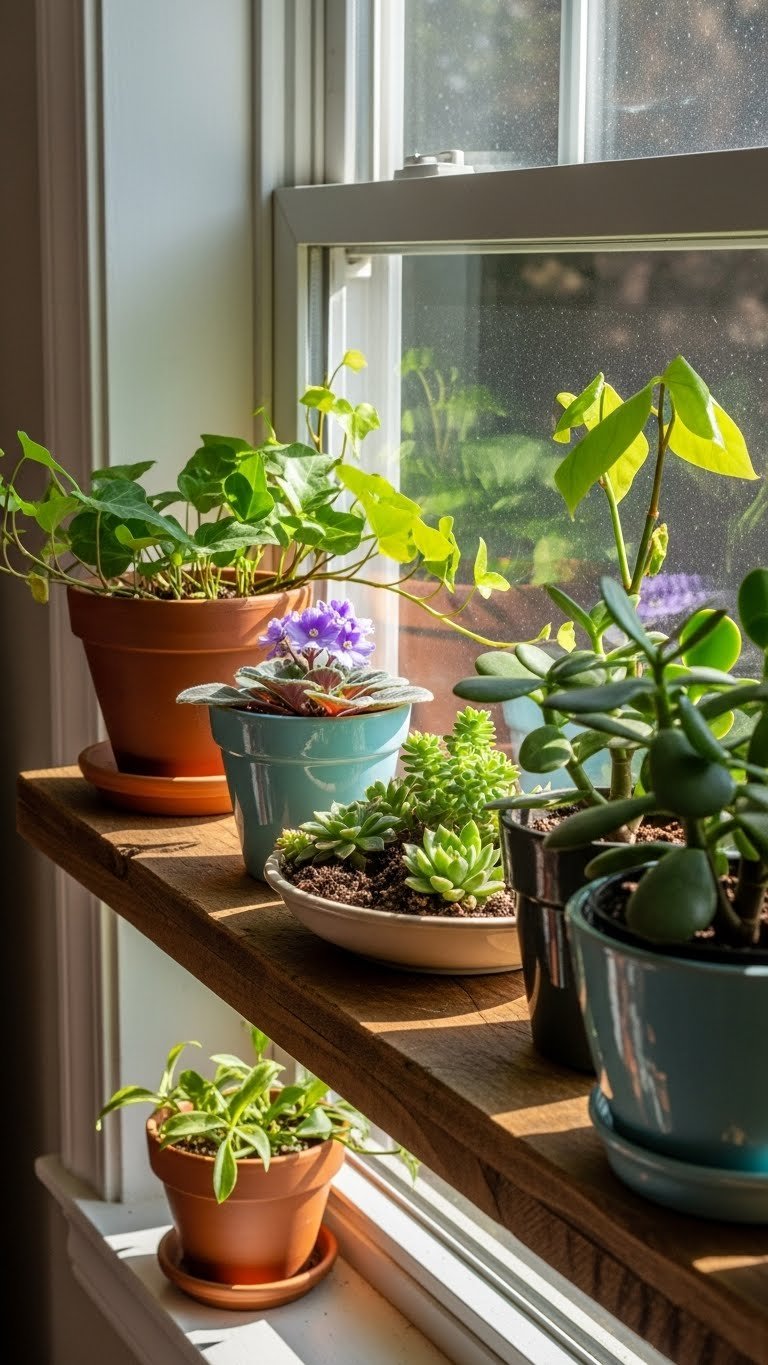
    19. Install a Window Shelf for Plant Display

    Window shelves maximize natural light for plants while creating a living frame for your café corner. It’s both functional and beautifully visual.

    Install a narrow floating shelf ($20–$50) inside your window frame if space allows. Add 4–6 small potted plants ($10–$30 total). Ensure the shelf is sturdy enough and doesn’t block too much light. This takes 30 minutes to install and 20 minutes to style.

    Pro tip: Use trailing plants like pothos or string of pearls so they cascade over the edge of the shelf naturally.

    Natural light + green plants = a café corner that feels both alive and restful. It’s the most photogenic detail you can add.


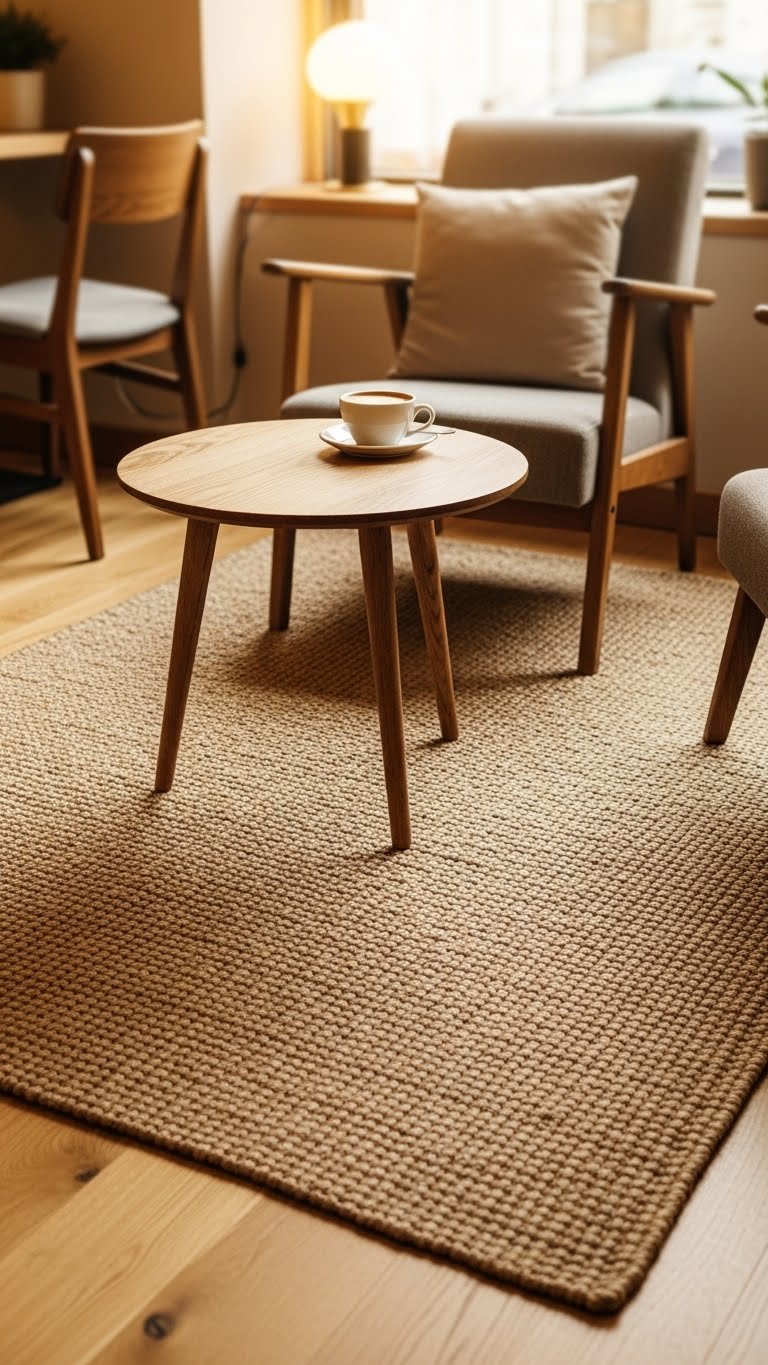
    20. Layer in Texture with a Jute or Linen Rug

    A rug defines your café zone and adds warmth and texture. Even a small rug makes a big difference in a room that’s part of a larger space.

    Find a jute, sisal, or natural linen rug ($50–$200 depending on size) from IKEA, Target, Wayfair, or vintage shops. A 4×6 or 5×7 size works for most home café setups. Layer it under your main seating area. If you’re renting, removable rugs on non-slip pads ($10–$20) work perfectly.

    Pro tip: Jute and natural fibers photograph beautifully and feel very café-appropriate without being trendy.

    The rug anchors your whole café space and makes it feel more like a room within a room. You’ve defined the zone.


    21. Create a Coffee Menu Display

    A fun menu board adds personality and makes your café feel like a playful, intentional space rather than just somewhere you grab coffee.

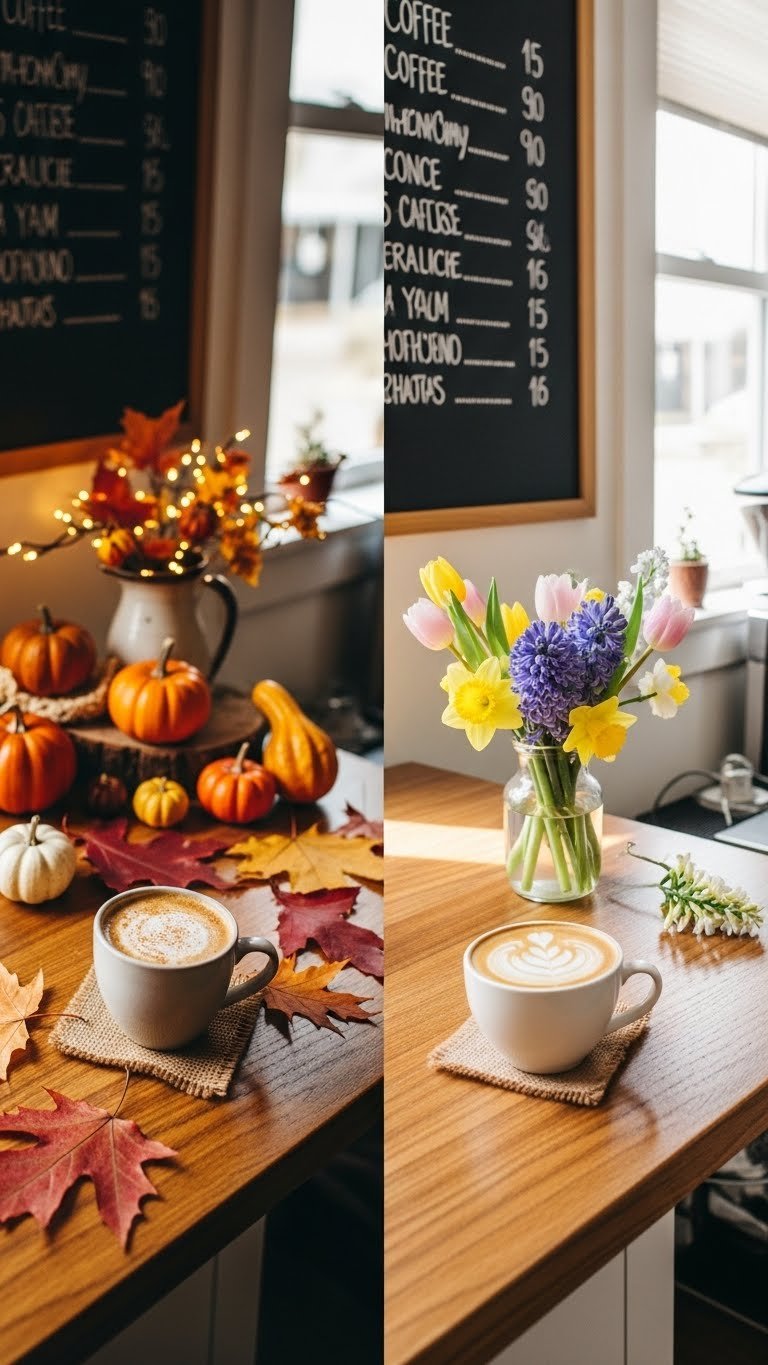
    Make a menu on a small chalkboard ($15–$30), whiteboard ($10–$20), or print one on cardstock and frame it ($10–$25). List 3–5 drinks you make (latte, cappuccino, cold brew, etc.) with silly or clever names. Keep it lighthearted. Takes 30 minutes to design and 10 minutes to write/print.

    Pro tip: Update it seasonally or when you learn a new drink. It becomes a charming detail that guests notice and comment on.

    Your café now has a playful touch that makes the whole thing feel like a real space with thought behind it. Guests love seeing a menu they can browse.


    22. Use Vintage Glass Jars for Dry Goods Storage

    Glass jars with dry goods visible inside look intentional and café-like. They’re also practical and more sustainable than packaging.

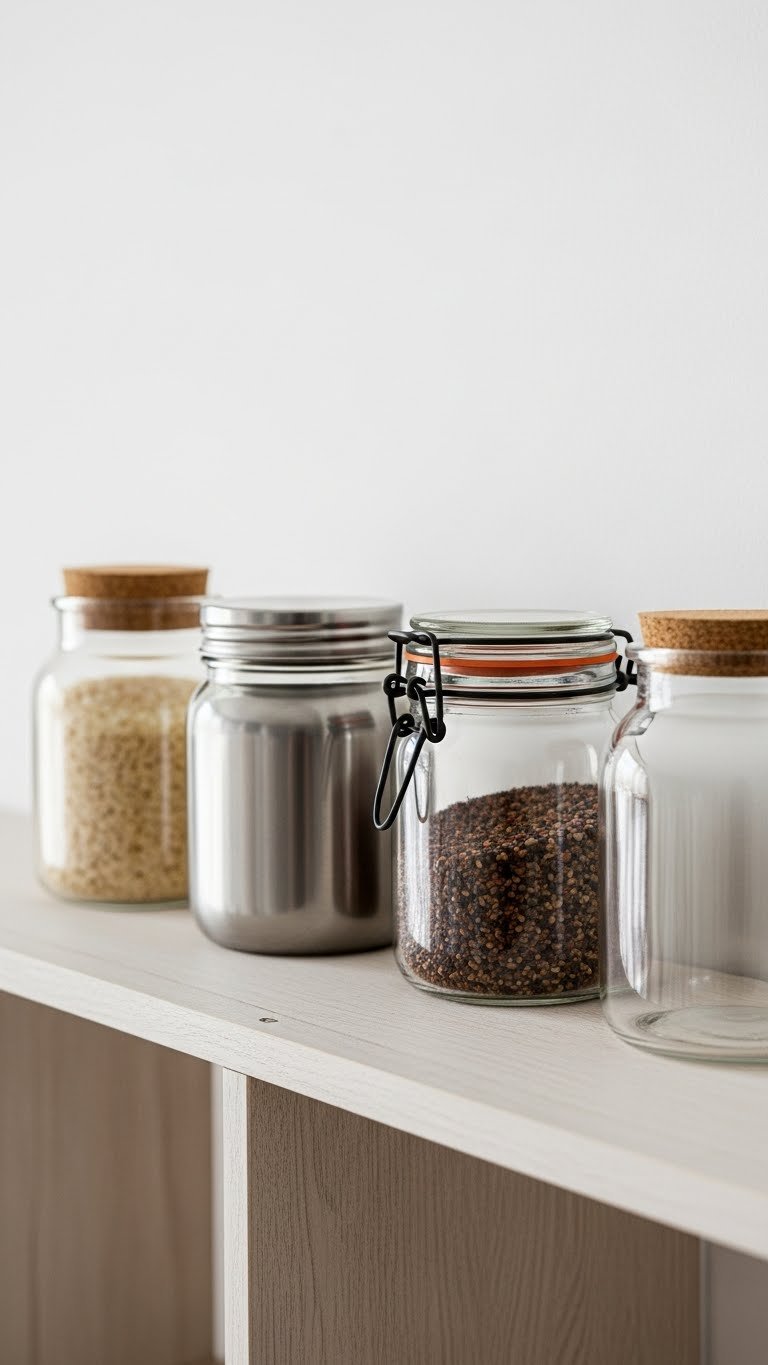
    Collect vintage glass jars from thrift stores ($2–$8 each) or buy new ones ($5–$15 each from Target or IKEA). Fill with coffee beans, sugar, loose tea, and cocoa powder. Label them with hand-written tags ($2–$5). Arrange on open shelving. Takes 30 minutes to fill and style.

    Pro tip: Clear glass so contents are visible creates visual interest. Vintage jars in mismatched sizes look more curated than matching sets.

    Now your coffee station looks styled and intentional. Clear jars also make it easy to see when you’re running low on supplies.


    23. Hang Floating Shelves Above Your Seating Area

    Floating shelves above your chair add vertical interest and storage without taking up floor space. They frame your seating area beautifully.

    Install 2–3 floating shelves ($20–$60 each) at varying heights above your main armchair or seating area. Style them with a mix of books, plants, small art prints, and a small lamp. Takes 45 minutes to install and 30 minutes to style.

    Pro tip: Leave negative space—don’t crowd the shelves. A few carefully chosen items look better than a full display.

    You’ve turned blank wall space into a curated gallery that frames your café corner. It feels like a designed space now.


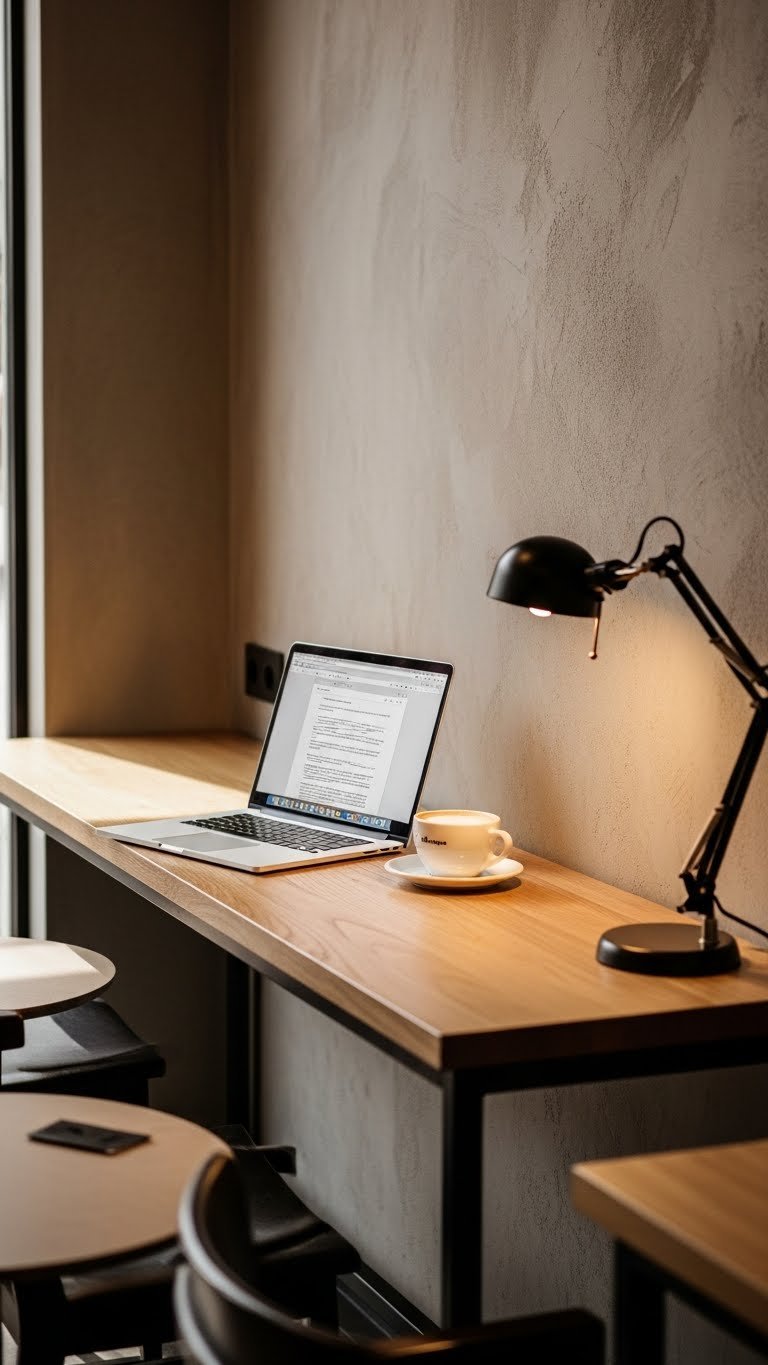
    24. Add a Small Desk or Console for Remote Work

    If you want your café space to double as a work zone, a small desk integrates seamlessly without feeling office-like.

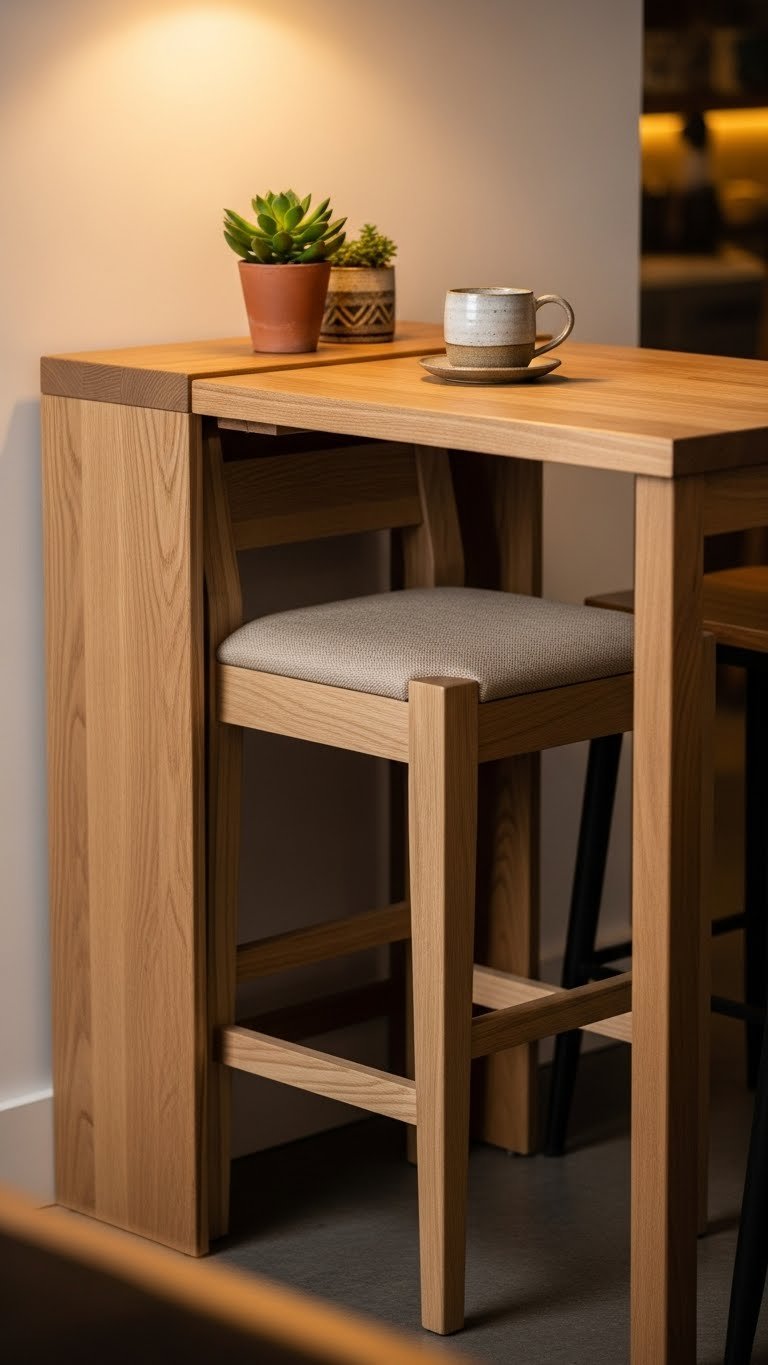
    Find a slim console table ($80–$200) or small desk from IKEA, Wayfair, or vintage shops. Position it near your café setup so you share lighting and atmosphere. Add a comfortable stool ($40–$100) that complements your armchair. This creates a flexible space for coffee and work.

    Pro tip: Choose a desk in the same wood tone or finish as your other furniture so it looks intentional, not like random pieces.

    Now your café corner works overtime. You can linger over coffee with a laptop nearby for the days you want both comfort and productivity.


    25. Style a Beverage Station with Syrups and Creamers

    A styled beverage station makes drink prep feel like an experience rather than just grabbing supplies. It’s a detail that elevates the whole ritual.

    Gather small glass bottles for syrups ($10–$25 for a set), a cream pitcher ($10–$20), honey pot ($8–$15), and latte art pitcher if you steam milk ($15–$30). Display on a wooden tray ($15–$30) near your coffee maker. Takes 20 minutes to arrange.

    Pro tip: Label bottles with small tags so guests know what flavors you have. It makes the experience feel intentional.

    Drink prep becomes a mini-ritual. Guests feel like they’re at a real café where they can customize their order. It’s a small gesture with big impact.


    26. Install a Pegboard Wall for Tool and Mug Storage

    A pegboard combines storage and display in one. You can hang mugs, small tools, and even art for a functional-meets-decorative look.

    Mount a pegboard ($30–$60) in your café zone and paint it to match your palette ($10–$20 in paint). Add hooks and shelves ($20–$40 total). Hang mugs, measuring spoons, small plants, and framed prints. Takes 1–2 hours to install and style.

    Pro tip: Leave space between items. A full pegboard can feel cluttered; strategic spacing looks more curated.

    You’ve created a wall that’s both functional storage and visual art. It’s the kind of detail people photograph and want to recreate themselves.


    27. Layer Window Treatments for Soft Diffused Light

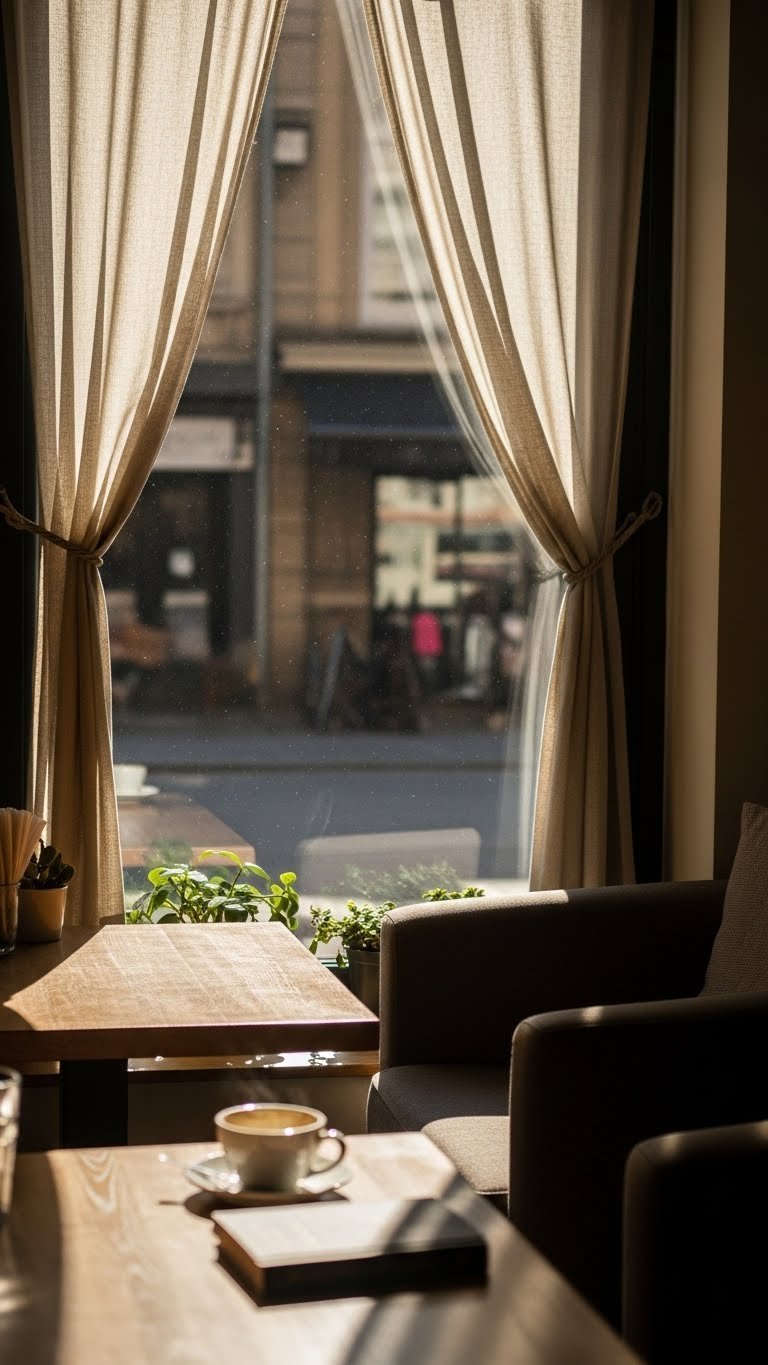
    The right window treatment filters harsh light into soft, café-quality illumination while maintaining privacy. It’s the finishing touch that ties everything together.

    Add sheer linen curtains ($40–$100), gauzy fabric panels ($30–$80), or cellular shades ($50–$150) that diffuse light without blocking it. Install in about an hour or hire a professional ($100–$300). Renter-friendly tension rods ($15–$40) work too.

    Pro tip: Choose warm cream, soft gray, or natural linen tones so light filters warmly rather than starkly.

    With these in place, natural light now works for your café aesthetic instead of against it. The whole corner glows differently—warmer, softer, more café-like.


    Save this guide and try one idea this weekend. Even just adding a good chair and warm lighting changes how your whole morning feels. Which idea will you tackle first?

  • 26 Deep Drawer Organization Ideas That Keep Everything Accessible

    26 Deep Drawer Organization Ideas That Keep Everything Accessible

    Deep drawers are both a blessing and a curse. You get tons of storage space, but everything disappears into a black hole the moment you close it. Suddenly you’re digging through layers of stuff just to find a simple spatula or that one tea towel you know is in there somewhere. The good news? With the right organization system, your deep drawers become your most-used and most-loved storage spots in your kitchen. We’ve rounded up 26 practical, budget-friendly, and genuinely doable ideas to keep everything accessible, visible, and within arm’s reach. Whether you’re working with kitchen utensils, linens, office supplies, or random gadgets, these solutions work for renters and homeowners alike. Ready to finally open a drawer without the avalanche?
    1. Use Tiered Shelf Risers for Double-Decker Storage

    Tiered risers instantly multiply your usable space without adding clutter. They create a second level in your drawer, letting you store twice as much while keeping everything visible and reachable.

    Grab tiered shelf risers (often called expandable shelf risers or drawer risers) from IKEA, Target, or Amazon for $12–$25. They usually expand to fit your drawer width and come in adjustable heights. Place heavier items below, lighter or frequently-used items on top. This works especially well for kitchen drawers holding utensils, tea towels, and small gadgets.

    Pro tip: Choose risers with a lip or guard to prevent items from sliding off when you open the drawer quickly.

    You suddenly have twice the storage without stacking things dangerously high or losing access to what’s underneath.

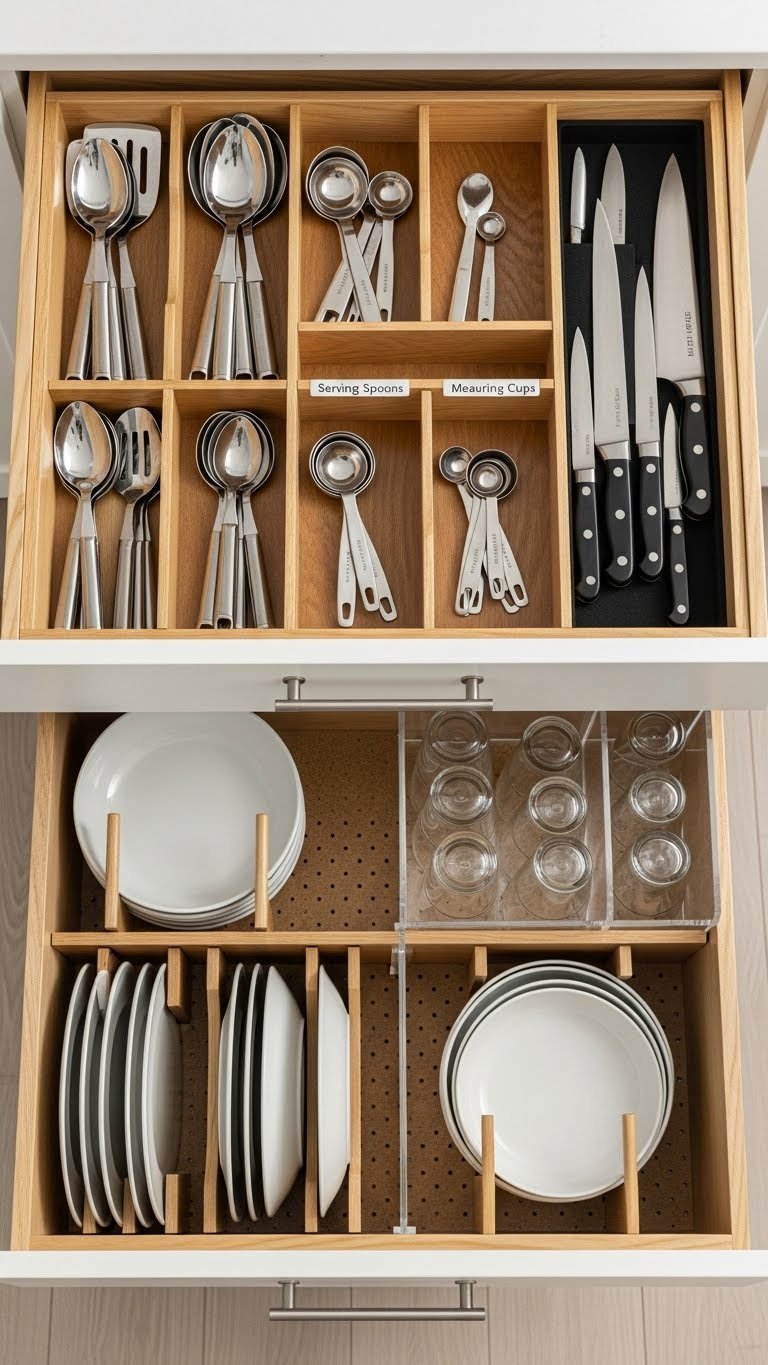
    2. Divide with Custom-Fit Drawer Dividers

    A good divider system is the foundation of any organized drawer. It stops everything from shifting around and keeps categories separate so you actually know where to find things.

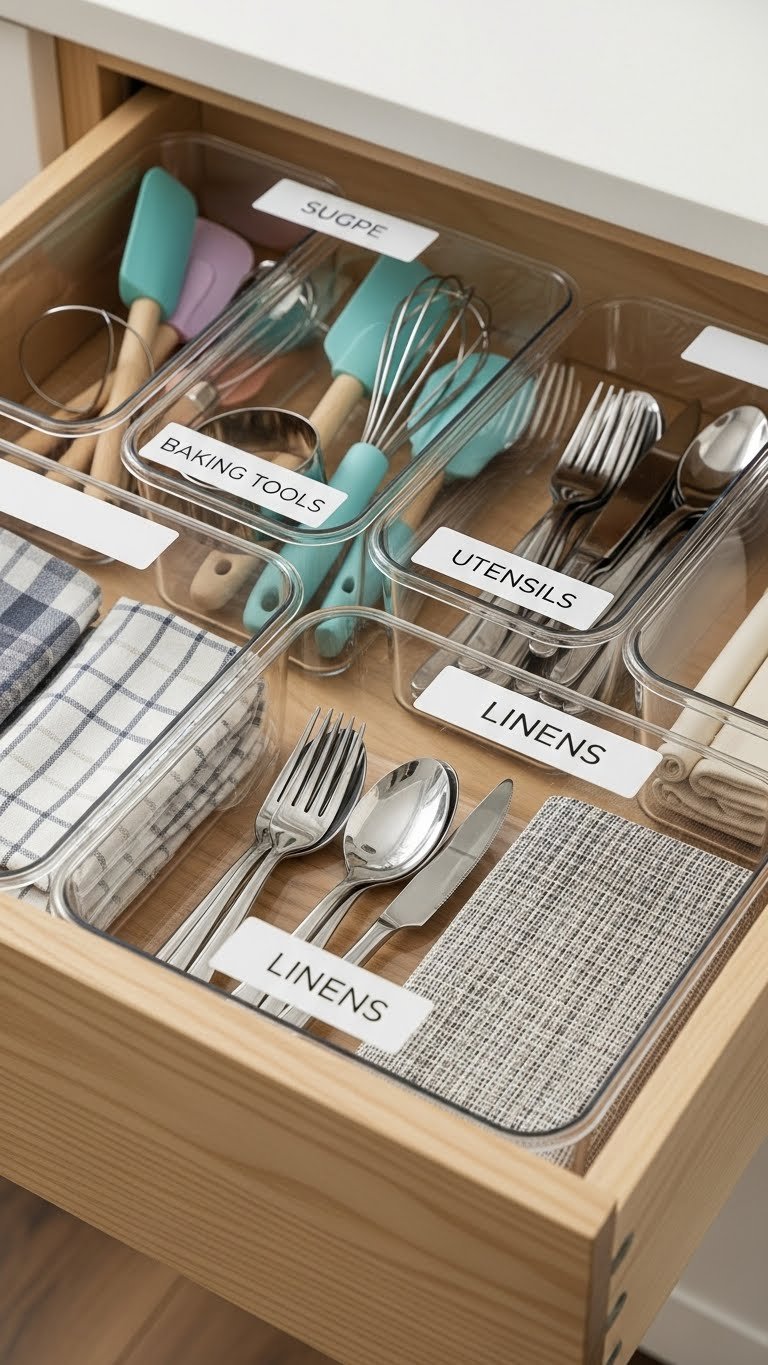
    Measure your drawer depth and width, then choose adjustable dividers ($20–$40 from The Container Store, IKEA, or Amazon). Wood dividers look prettier, plastic ones are more affordable and waterproof. Set them up to match how you naturally use the drawer—utensils in one section, tools in another, linens in their own spot. You can rearrange them anytime as your needs change.

    Renter hack: Use tension rods or cardboard dividers if you can’t install permanent ones.

    Suddenly opening the drawer feels peaceful instead of chaotic, and you’ll find exactly what you need in seconds.

    3. Label Everything with Clear, Durable Labels

    Labels sound basic, but they’re the difference between organized and organized-looking-for-30-seconds. They make it obvious where things belong and help everyone in your household put stuff back correctly.

    Grab a label maker ($20–$40) or use printable adhesive labels ($5–$10). Brother and Epson label makers are reliable. Write or print clear category names, then stick labels on containers, dividers, or basket fronts. Use laminated labels if your drawer gets damp (like kitchen or bathroom drawers).

    Pro tip: Label drawer dividers on the front edge so you can see categories at a glance without opening the drawer fully.

    You’ll actually want to put things back where they belong, and finding items becomes effortless.

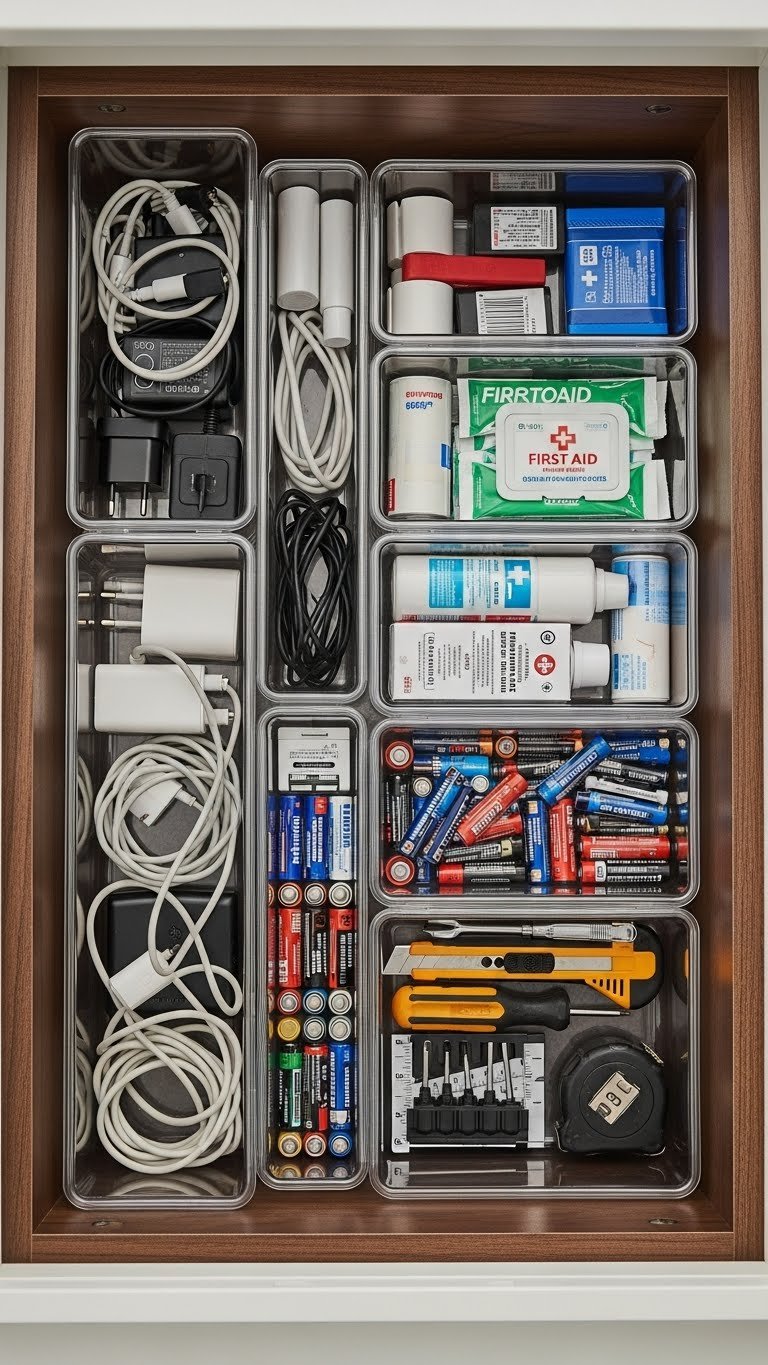
    4. Stack Like Items in Clear Containers

    Clear containers do the heavy lifting in any organized space. You see what’s inside without rummaging, they stack neatly, and they protect delicate items from getting crushed.

    Grab a set of drawer-sized clear containers ($15–$35 from The Container Store, IKEA, or Target). Look for stackable designs with lids, about 4-6 inches deep. Fill each one with a specific category: cooking tools, tech cables, first-aid supplies, beauty products, whatever you store in that drawer. Leave a finger-width of space around edges so items don’t jam when you slide containers.

    Budget option: Repurpose takeout containers or small plastic storage boxes you already own.

    Your drawer suddenly looks curated instead of crammed, and you’ll use the space 10 times more efficiently.

    5. Install a Sliding Drawer Organizer Tray

    A sliding organizer tray lets you access items stacked two levels deep without removing everything. It’s like having a secret drawer within your drawer.

    Look for drawer organizer trays ($25–$50 from IKEA, Wayfair, or Amazon). These typically have handles and roll side-to-side or forward-back. They work best for deep kitchen drawers or office supply drawers. Measure your drawer depth first—you need at least 18 inches for this to be practical. Use the tray for small tools, office supplies, or tea accessories, and store heavier items underneath.

    Renter-friendly: Choose trays that sit on top rather than install permanently.

    You get access to two full layers of storage without the frustration of a black hole drawer.

    6. Use Drawer Liners to Protect and Define Spaces

    A good liner protects your drawer from spills and defines the visual “bottom” so items feel contained rather than floating. It’s a small touch that makes everything feel more intentional.

    Grab drawer liners ($8–$20 from IKEA, Target, or Dollar Tree). Choose non-slip or rubber-backed liners so containers don’t slide around. You can go simple (white or clear) or patterned if you want a design detail. Cut to fit your drawer and lay it flat before adding containers or dividers. Replace every 12-18 months or if it gets sticky.

    DIY option: Use contact paper or wrapping paper taped to the bottom for a temporary solution.

    The drawer looks more organized instantly, and everything moves less when you pull containers in and out.

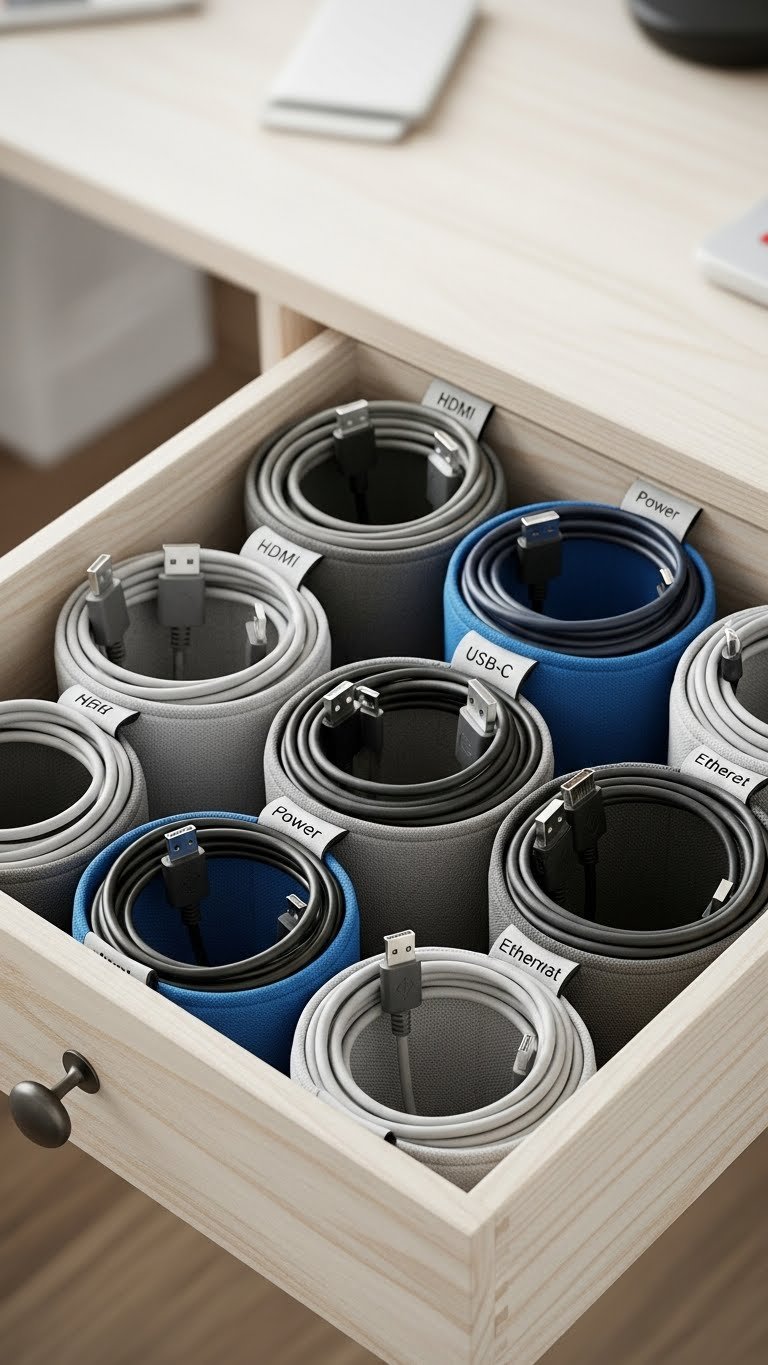
    7. Create a Cable and Charger Zone with Cord Organizers

    Tech cables breed like rabbits in drawers. Cord organizers keep them from tangling into an impossible knot you’ll never solve.

    Buy cord organizer clips or boxes ($10–$20 from Amazon, Best Buy, or Target). Velcro cable ties work too. Coil each cable loosely and secure it with one tie, then place all cords in a small container or stack them vertically in your drawer divider. Label each cable if your household has multiple chargers. Keep frequently-used chargers in the front, backups in the back.

    Pro tip: Take a photo of each cable’s connection end before coiling it. Screenshot and save to your phone so you can identify cables without unwrapping them.

    You’ll actually be able to grab the right charger without a 5-minute archaeology expedition.

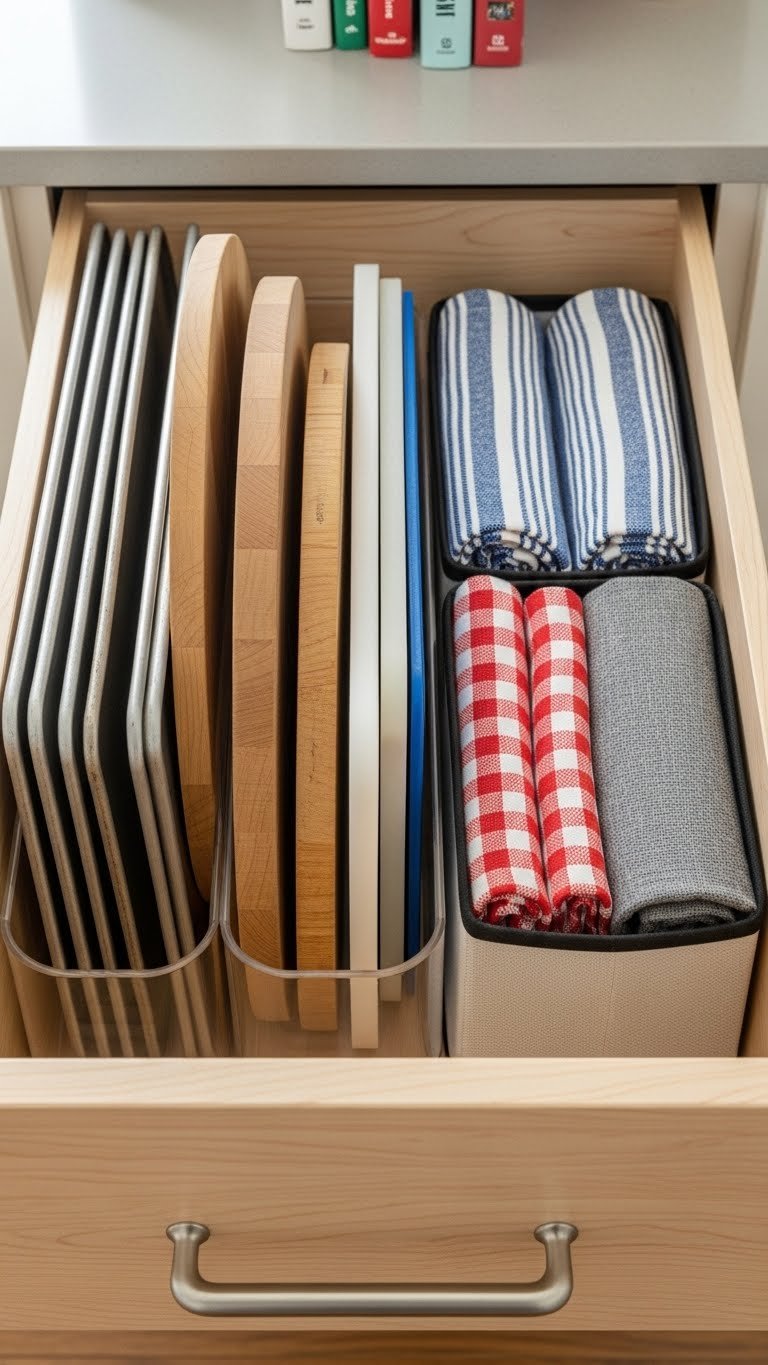
    8. Go Vertical with Drawer Divider Boxes

    Vertical storage means you see everything without moving anything. File-style divider boxes work beautifully for flat items like linens, tea towels, placemats, or baking sheets.

    Pick up vertical drawer divider boxes ($20–$40 from IKEA, Container Store, or Amazon). These look like file organizers but designed for drawers. They’re perfect for linens because you can pull out the exact one you need without disturbing the stack. They also work for baking sheets, cutting boards, and large flat tools.

    DIY: Make dividers from sturdy cardboard boxes cut to drawer height.

    Instead of stacking linens five-high and searching for one specific towel, you grab it in seconds without disrupting the others.

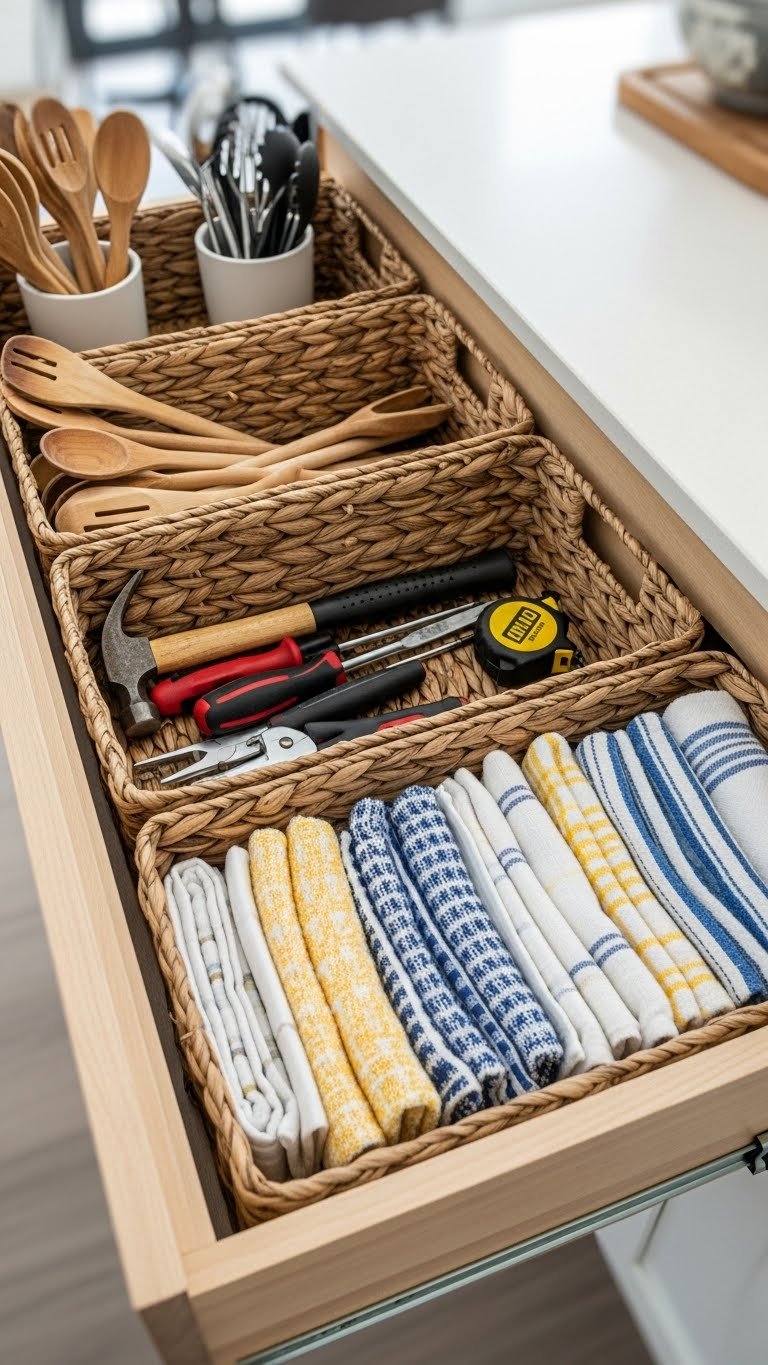
    9. Use Small Baskets for Grouped Categories

    Baskets add softness to a drawer and create portable categories. When you need to grab multiple items, just pull the whole basket out.

    Find small drawer baskets ($10–$25 each from Target, IKEA, or Wayfair). Woven seagrass, fabric, or plastic all work—choose what fits your drawer aesthetic. Group related items: cooking utensils in one basket, kitchen gadgets in another, linens in a third. This system is genius for households where multiple people use the same drawer.

    Renter-friendly: Baskets require zero installation and look intentional even in unfurnished spaces.

    Baskets make the drawer look styled, and grabbing what you need becomes foolproof instead of frustrating.

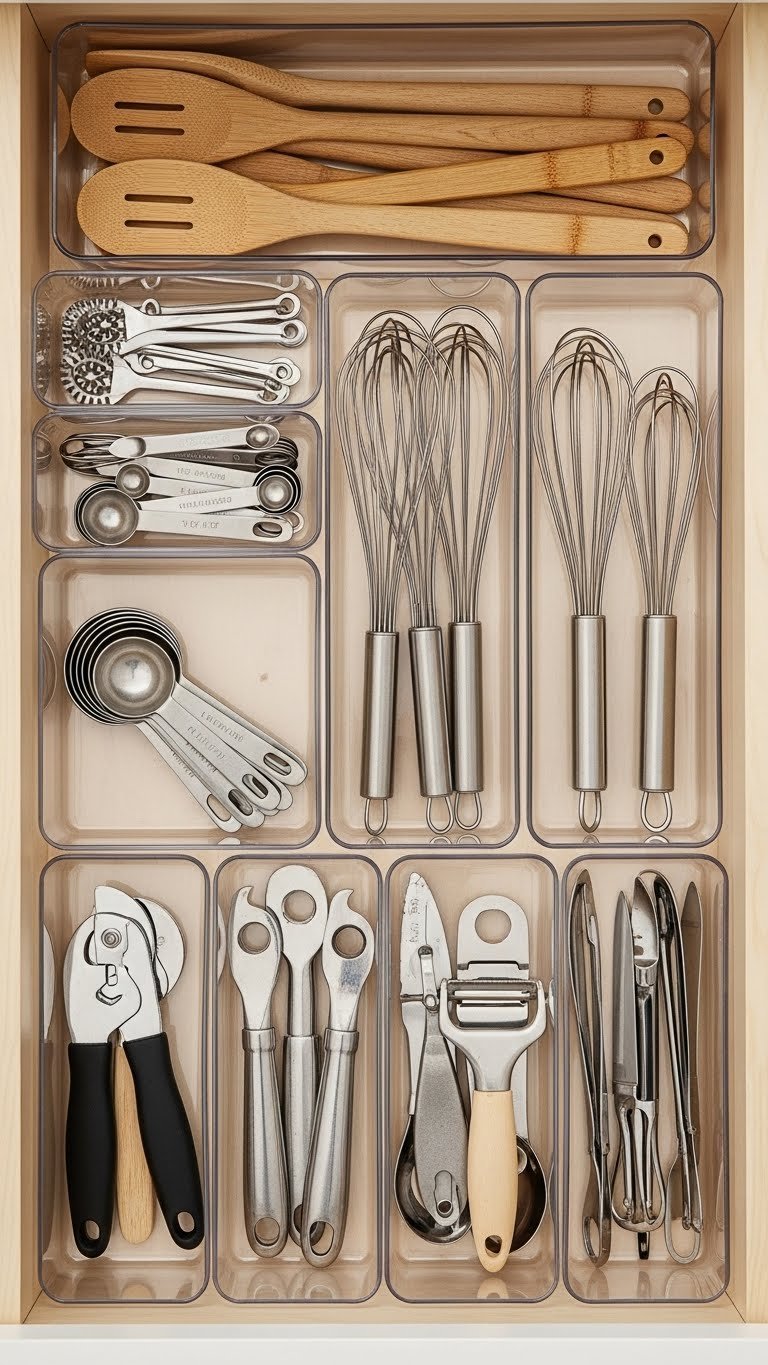
    10. Create a Utensil Sorter with Stackable Containers

    A stackable utensil organizer keeps cooking tools separated and stackable, so you can fit way more in your drawer without a tangled mess.

    Buy stackable utensil organizers ($15–$30 from Oxo, Target, or Amazon). These usually have 3-4 compartments in each tier and stack up to 5-6 containers high. Fill each compartment by utensil type: wooden spoons, metal spoons, whisks, measuring tools. Stack them in order of what you use most frequently on top.

    Pro tip: Choose organizers with non-slip feet so stacked containers don’t shift when you open and close the drawer.

    You get drawer space that actually looks like a shop display, and your favorite utensils are always front-and-center.

    11. Repurpose a Silverware Tray for Small Items

    A silverware tray is the original drawer organizer—and it’s cheaper than buying a new system. It creates instant compartments for small, loose items that otherwise roll around.

    Find wooden or plastic silverware trays ($8–$15 at thrift stores, HomeGoods, or online). Look for ones with adjustable dividers so you can customize the compartment sizes. Use it for tea bags, small tool bits, office supplies, clips, or anything tiny that migrates around your drawer. It’s particularly great for junk drawers because it forces you to think about categories while using something vintage-looking.

    Budget hack: Check thrift stores or Facebook Marketplace—you’ll find these for $2–$5.

    Suddenly your drawer has structure and style, and small items actually stay where you put them.

    12. Add Drawer Liners with Built-In Compartments

    Some liners come with raised compartments built in. They divide your drawer automatically while protecting the bottom from spills.

    Search for compartmentalized drawer liners ($15–$25 from Container Store, Amazon, or Wayfair). These have raised dividers molded into the liner itself, creating 6-12 sections depending on the style. Lay it flat and fill each compartment with a category. It’s a one-step solution that looks cleaner than separate dividers floating around.

    Renter-friendly: These roll up and move with you to your next place.

    Your drawer automatically feels organized the moment you place items in pre-made compartments.

    13. Use Tension Rods to Create Shelf Dividers

    Tension rods sound like a shower hack, but they’re genius for dividing drawer space too. They’re adjustable, removable, and super affordable.

    Grab tension rods in small sizes ($5–$12 per rod from Target, IKEA, or Amazon). Install them horizontally across your drawer to create dividers for flat items like baking sheets, cutting boards, or placemats. Tension rods take 10 seconds to install and zero seconds to remove—perfect for renters. You can space them however works for your items.

    Pro tip: Use rods with rubber grips so items don’t slide off easily.

    You’ve created custom shelving without damaging your drawer or spending more than $20 total.

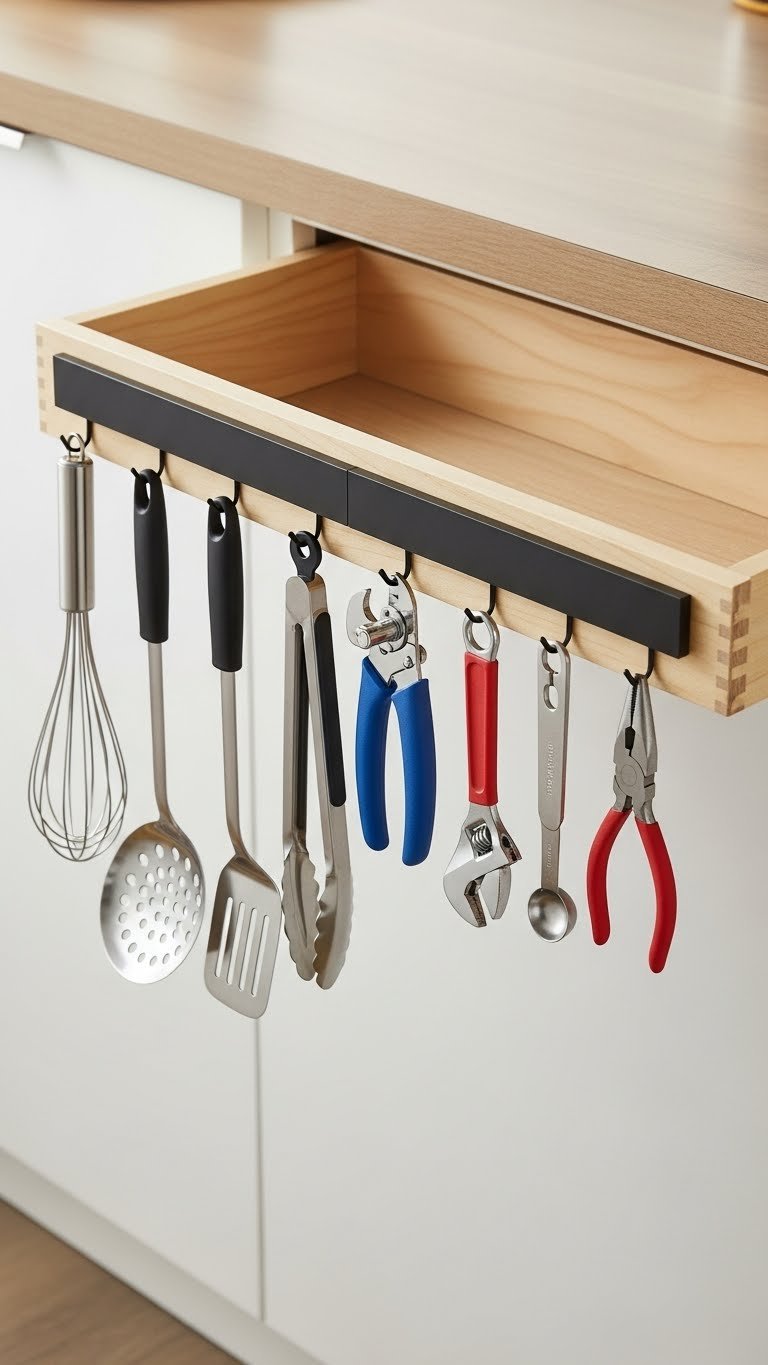
    14. Install Magnetic Strips for Metal Tool Storage

    If your drawer holds metal utensils or tools, magnetic strips mount items to the side of the drawer, opening up floor space entirely.

    Pick up self-adhesive magnetic strips ($10–$20 from Amazon, IKEA, or hardware stores). Mount them vertically on one side or end of your drawer. Hang metal utensils, scissors, or small tools from them. This works especially well for deep drawers where space is at a premium. Make sure your utensils are actually magnetic first (most metal ones are, but not all).

    Renter option: Choose removable adhesive strips that won’t damage the finish.

    You’ve gained drawer floor space and items are visible without being buried under layers.

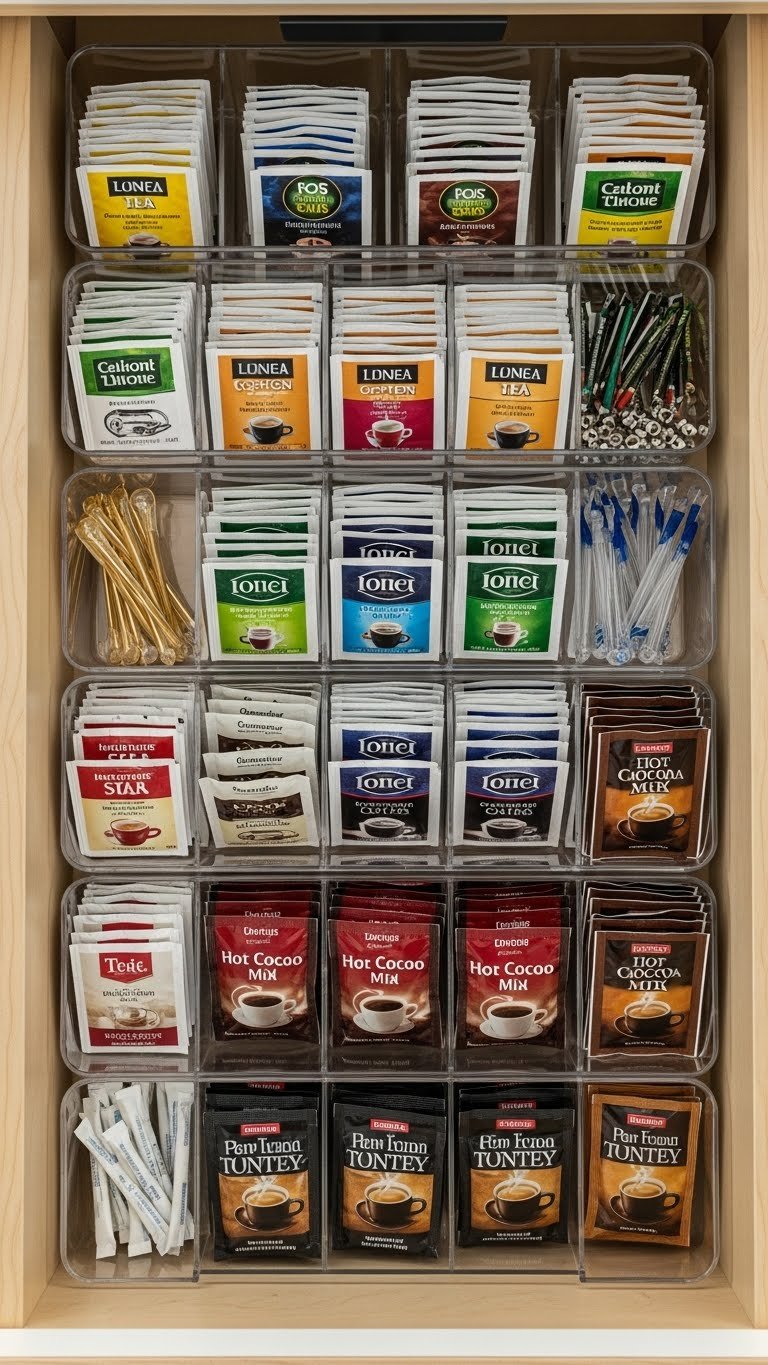
    15. Create a Beverage Station with Tiered Containers

    If you have a beverage-heavy drawer, tiered containers let you see everything at a glance without moving things around.

    Grab tiered drawer organizers ($15–$30 from The Container Store or Amazon). These are often used for cosmetics but work perfectly for tea, coffee, hot cocoa, and stirring supplies. Each tier is visible even when the drawer is closed if you leave it open slightly. You could also use small glass jars with labels for a prettier kitchen look.

    Pro tip: Keep frequently-used beverages on the middle tier for easiest reach.

    Your beverage drawer becomes a functional display that actually encourages you to use the nice tea you keep forgetting about.

    16. Use Drawer Divider Cards for Last-Minute Organization

    Sometimes you need instant organization without buying special equipment. Divider cards are literally cardboard walls for your drawer—cheap, flexible, and totally temporary.

    Make your own with sturdy cardboard ($0 if you have boxes at home) or buy divider cards ($8–$15 from Dollar Tree or Amazon). Cut cardboard to drawer height and width, then stand them upright to create sections. This is perfect if you’re renting, testing a drawer layout before committing to permanent dividers, or just need something today. They’re also lightweight and easy to adjust.

    DIY: Repurpose cereal boxes, gift boxes, or shipping boxes you already have.

    You’ve organized your drawer in 10 minutes with stuff you probably already own.

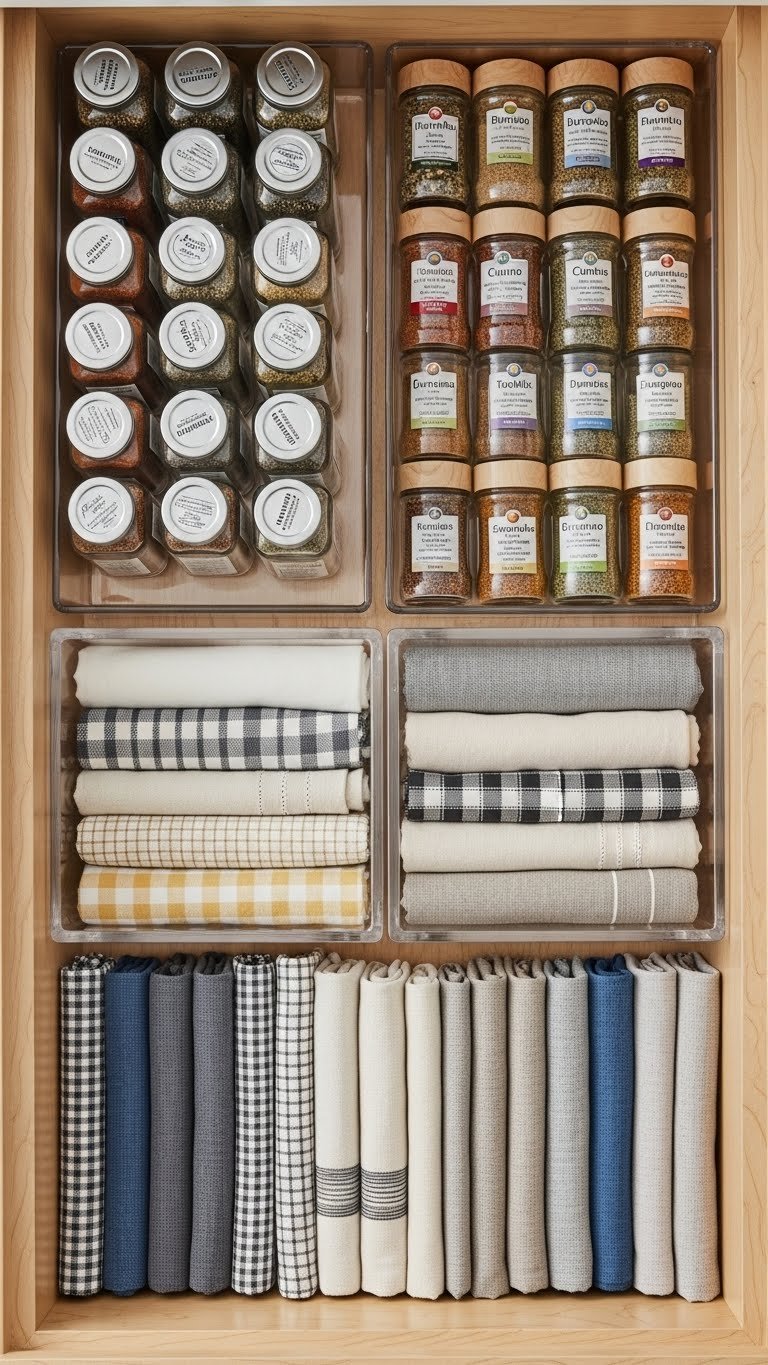
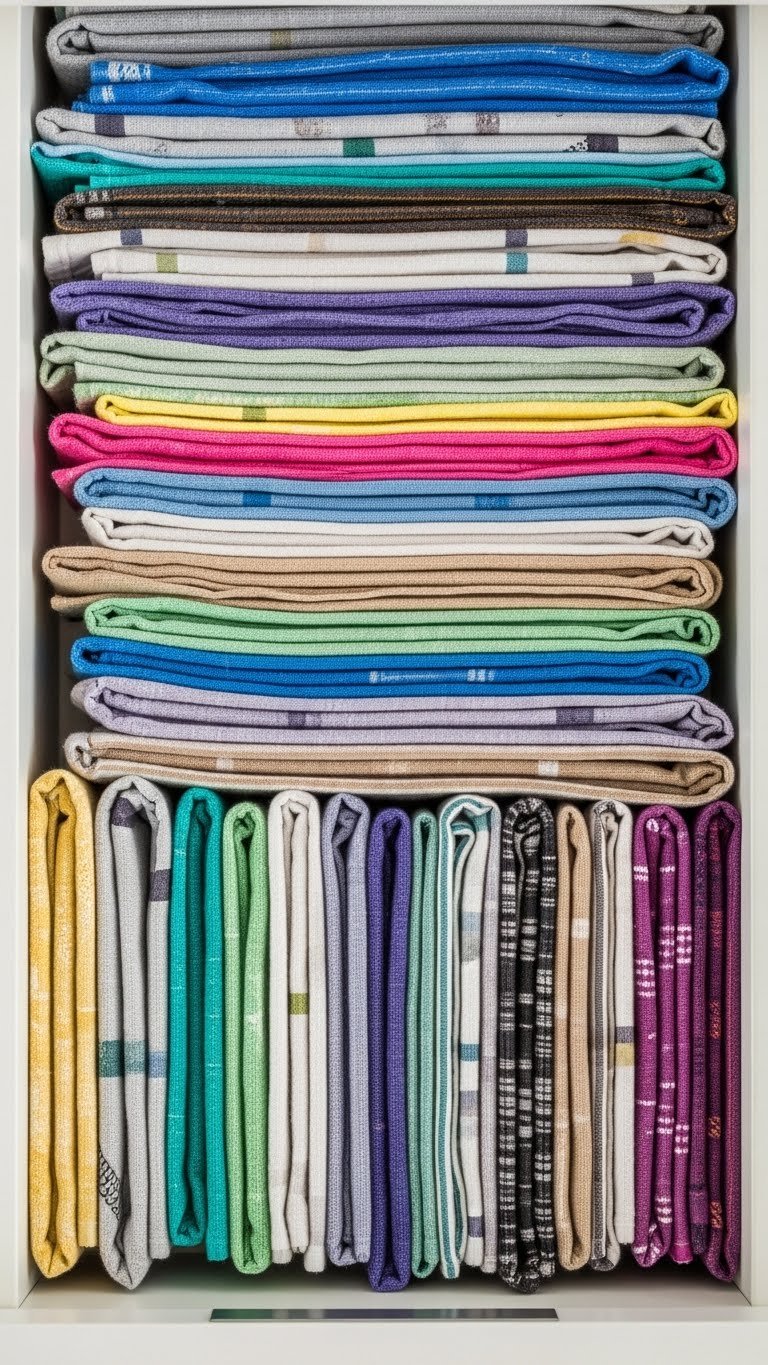
    17. Stack Tea Towels Vertically for Easy Selection

    Vertical stacking of linens is a game-changer. Instead of unrolling five towels to find the one you want, you see spines like a bookshelf.

    Fold tea towels or kitchen linens to a uniform size (usually 5-6 inches wide), then stand them vertically in your drawer like files. This works if you have a divider card, a small box, or drawer dividers to hold them upright. If your drawer is deep, you might fit 15-20 folded towels in the space a traditional stack would take 8.

    Pro tip: Fold towels into thirds lengthwise, then in half or thirds widthwise. Practice until you can fold them quickly.

    You’ll actually use your nice linens because you can see options without excavating the drawer.

    18. Use an Over-the-Door Shoe Organizer Inside Your Drawer

    If you have a deeper-than-normal drawer, an upright shoe organizer creates instant pockets for organization.

    Find a small fabric shoe organizer ($10–$18 from Target or Amazon)—look for slim models 12-15 inches tall that fit inside your drawer rather than on a door. Stand it upright in your drawer and fill each pocket with categories. This is brilliant for tool drawers, office supply drawers, or bathroom drawers with tons of small items.

    Renter-friendly: Totally removable and takes the organizer with you.

    Suddenly you have 12-18 small pockets instead of one open space, and everything has a home.

    19. Create a Charging Station with Cable Management Sleeves

    Cable management sleeves wraps all your cords as one bundle instead of individual tangles. They look clean and make plugging in less frustrating.

    Get a fabric cable management sleeve or neoprene sleeve ($12–$22 from Amazon or Best Buy). Feed all your cables through it, then coil the whole bundle and place it in a drawer. Label the bundle if you have multiple types of cables. The sleeve keeps them from tangling and protects the cables from damage.

    Budget option: Use a rolled-up fabric scrap, old t-shirt sleeve, or pipe insulation from a hardware store ($2-3).

    Your chargers look like one organized unit instead of a rat’s nest, and grabbing what you need takes seconds.

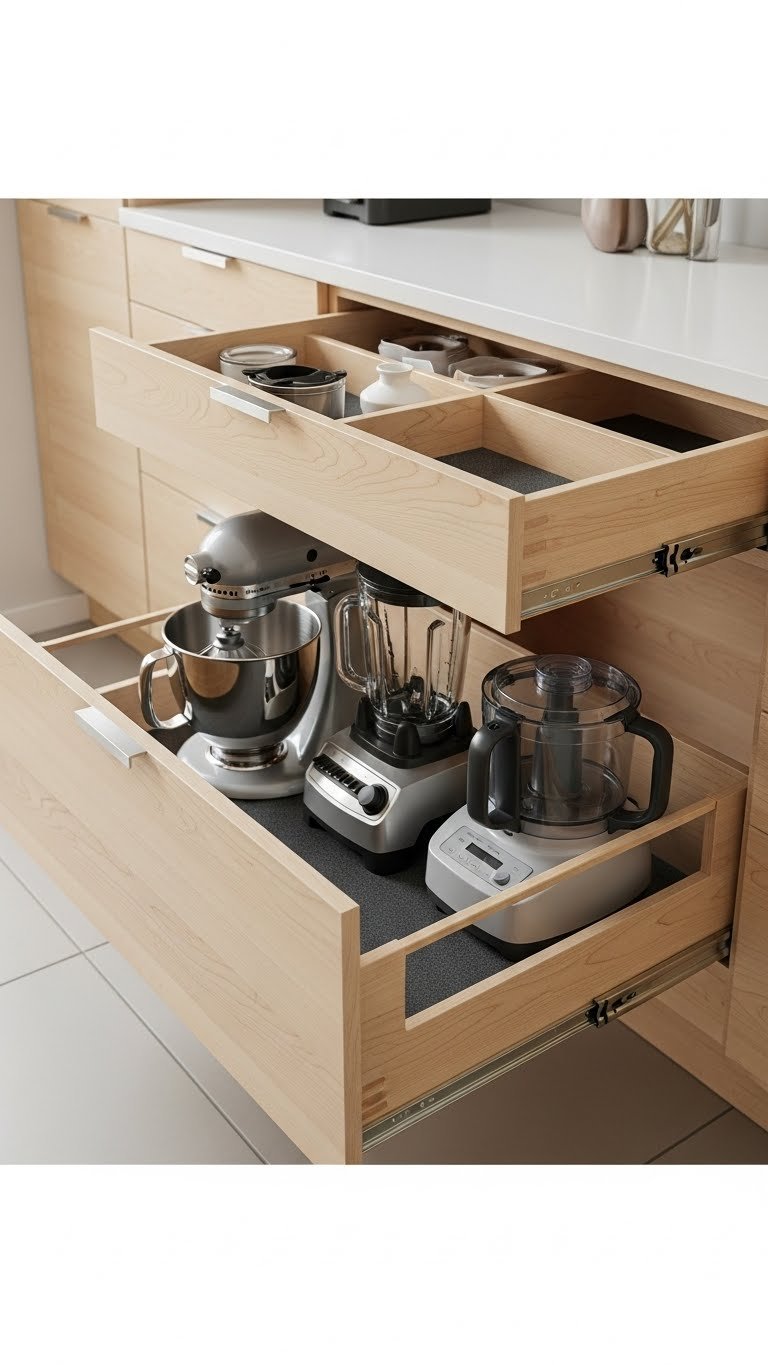
    20. Install Drawer Slides for Heavy Appliance Storage

    If you store heavy appliances in a deep drawer, full-extension slides mean you can access items in the back without pulling everything forward.

    Install full-extension drawer slides ($30–$60 per pair from Home Depot, Lowe’s, or online). This is one of the few organization ideas that requires actual installation, but it’s absolutely worth it if you regularly store heavy items. Slides mean the drawer glides smoothly and you can see and grab anything in the drawer without strain.

    When to DIY vs hire: This is an easy DIY if you’re mechanically comfortable, but totally fine to pay a handyperson $75-$150 to install.

    You can finally access items in the back of the drawer without the awkward reaching and potential strain.

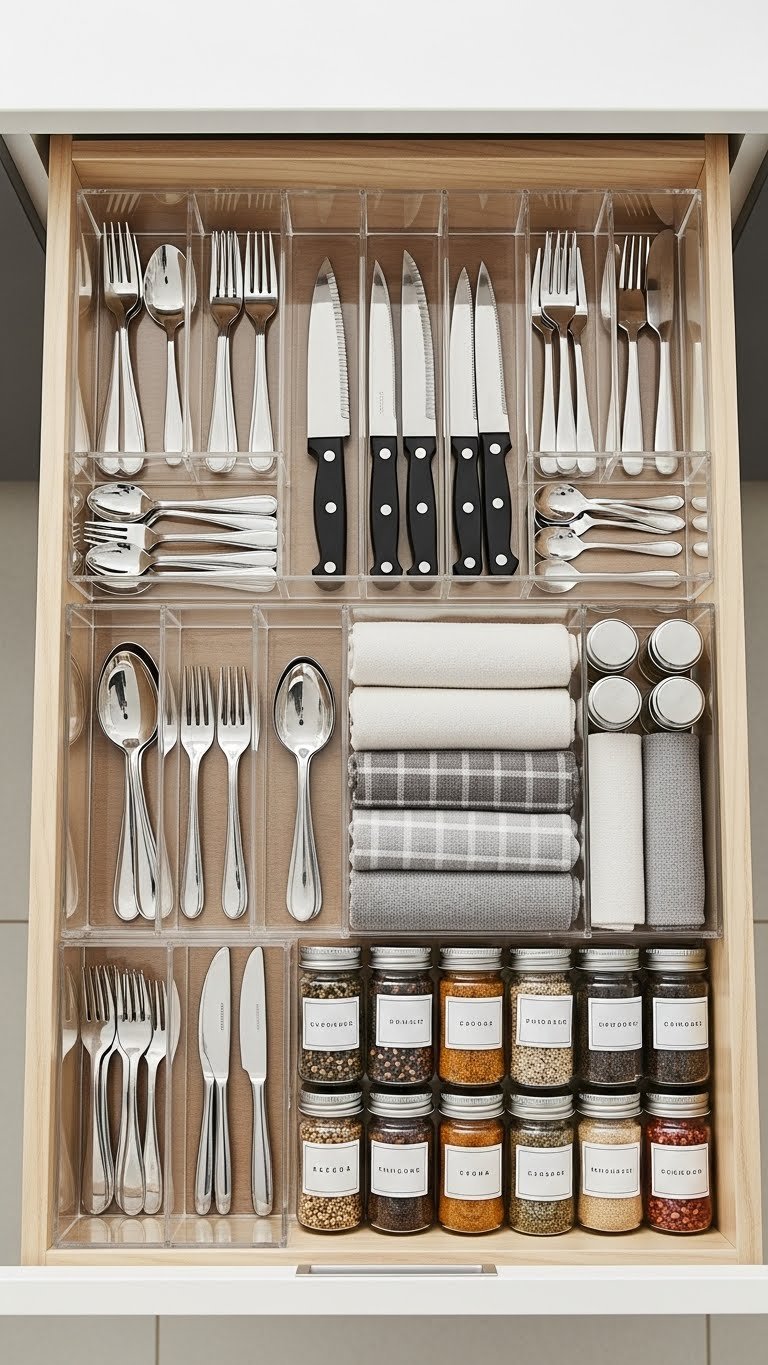
    21. Use Acrylic Drawer Dividers for a Modern Look

    Acrylic dividers are invisible yet functional—they organize without visually cluttering your drawer the way opaque dividers sometimes do.

    Find acrylic drawer dividers ($15–$35 from Container Store, Amazon, or Design Within Reach). They’re adjustable, durable, and won’t discolor over time like some plastics do. They work especially well in modern kitchens or if you have a light-colored drawer. Mix clear acrylic with a few labeled wooden dividers for visual interest.

    Pro tip: Acrylic can be slippery; choose dividers with grips or pair them with a non-slip liner.

    Your drawer stays organized while looking intentional rather than overcrowded with organization stuff.

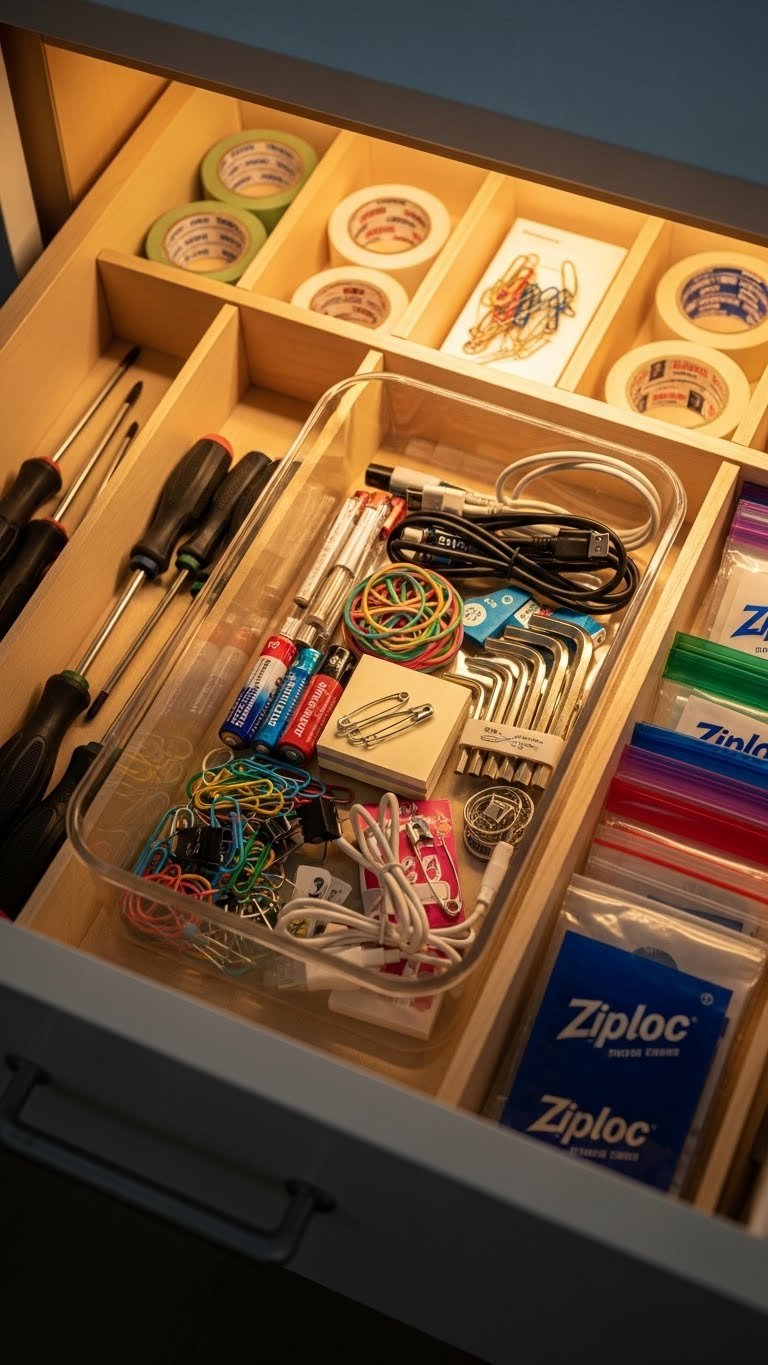
    22. Designate a Junk Drawer Container Within Your Deep Drawer

    Not everything fits a category. Instead of letting random items scatter through the drawer, corral them in one visible container.

    Place a medium clear container ($8–$15) inside your larger drawer. Use it as your official “junk drawer” section—clips, batteries, safety pins, random hardware, all in one spot. This keeps chaos contained while giving it a legitimate home. Your brain stops wandering why you can’t find rubber bands because you know exactly where the miscellaneous container lives.

    Renter hack: This takes zero installation and works in any drawer type.

    You’ve contained the chaos without denying that random stuff exists. Best of both worlds.

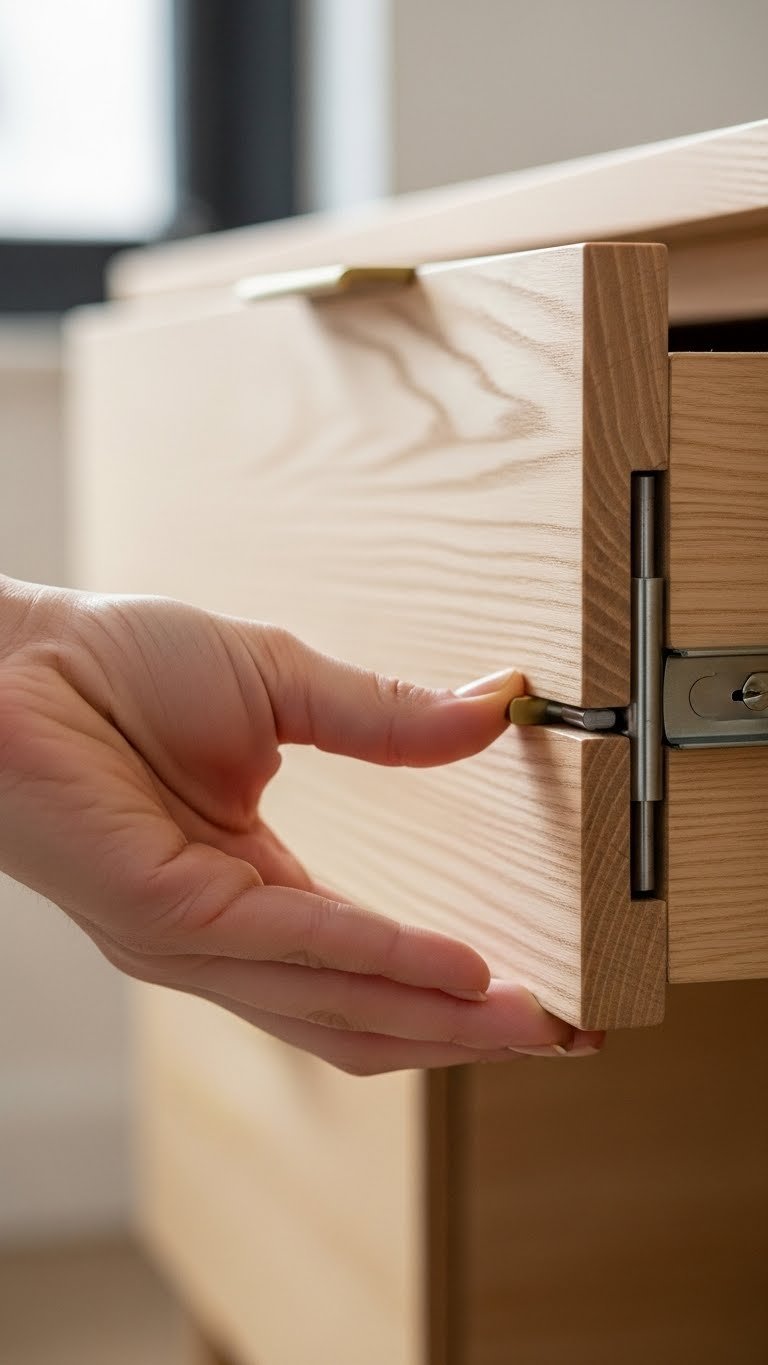
    23. Add Soft-Close Drawer Slides for Peaceful Organization

    If your drawer currently slams shut or sticks, soft-close slides change the entire experience of using that space.

    Install soft-close drawer slides ($40–$80 per pair, installation $75–$150 from a handyperson). This is an investment but dramatically changes how often you actually use the drawer and how carefully you organize it. A smooth-closing drawer encourages you to use your organization system because there’s no bang or jam. It also protects your stored items from shifting when the drawer closes.

    When to splurge: This is worth the investment in a drawer you use multiple times daily.

    You’ll be amazed how a silent, smooth close makes you actually want to organize and use that drawer.

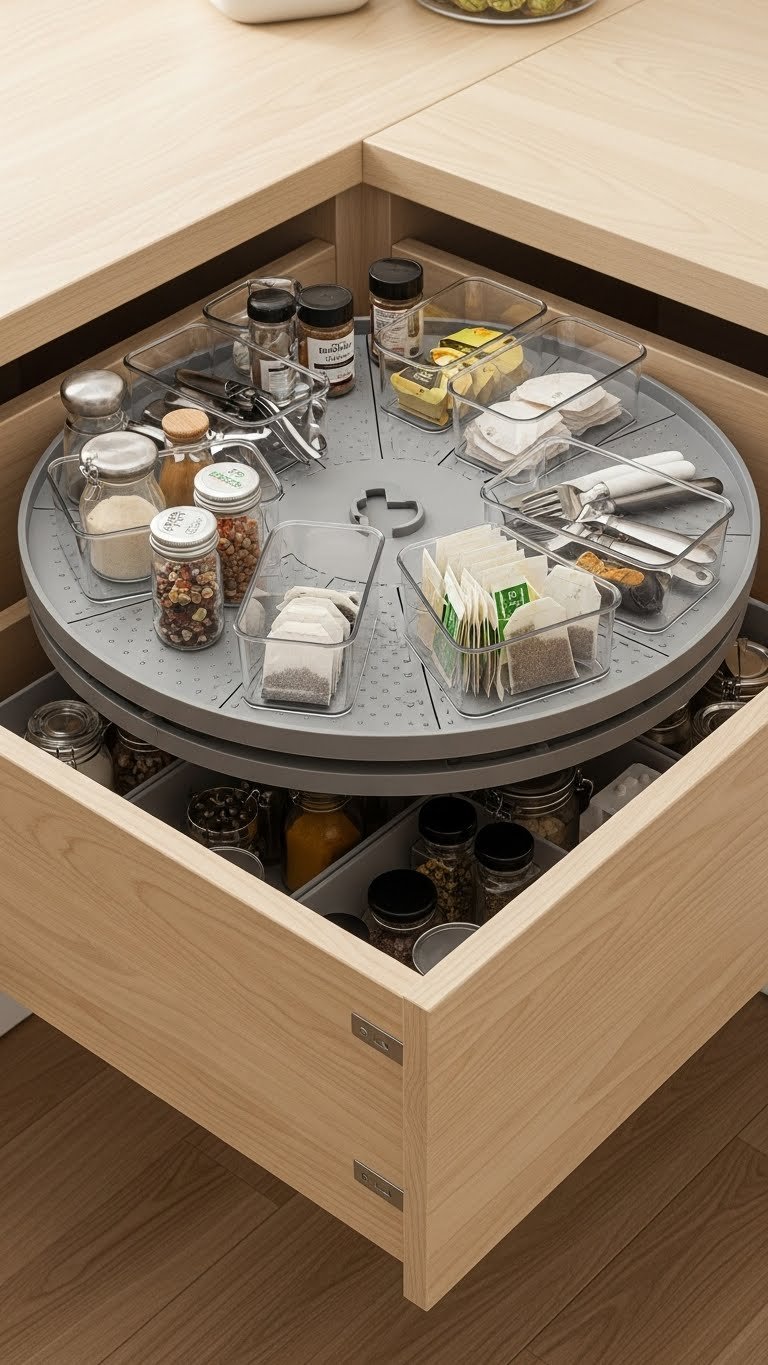
    24. Use Rotating Organizers for Corner Drawers

    Corner drawers are awkward—you can’t reach the back without contorting. A rotating organizer solves this.

    Install a rotating drawer turntable or Lazy Susan ($20–$40 from Container Store, IKEA, or Amazon). These sit on ball bearings and let you spin to access the entire corner. Fill it with containers of frequently-used items. Spin to grab what you need. This works brilliantly for kitchen corners or bathroom vanity drawers where back access is nearly impossible.

    Renter option: Choose turntables that sit on top rather than install to the base.

    You’ve finally made your corner drawer accessible instead of a dark storage void you ignore.

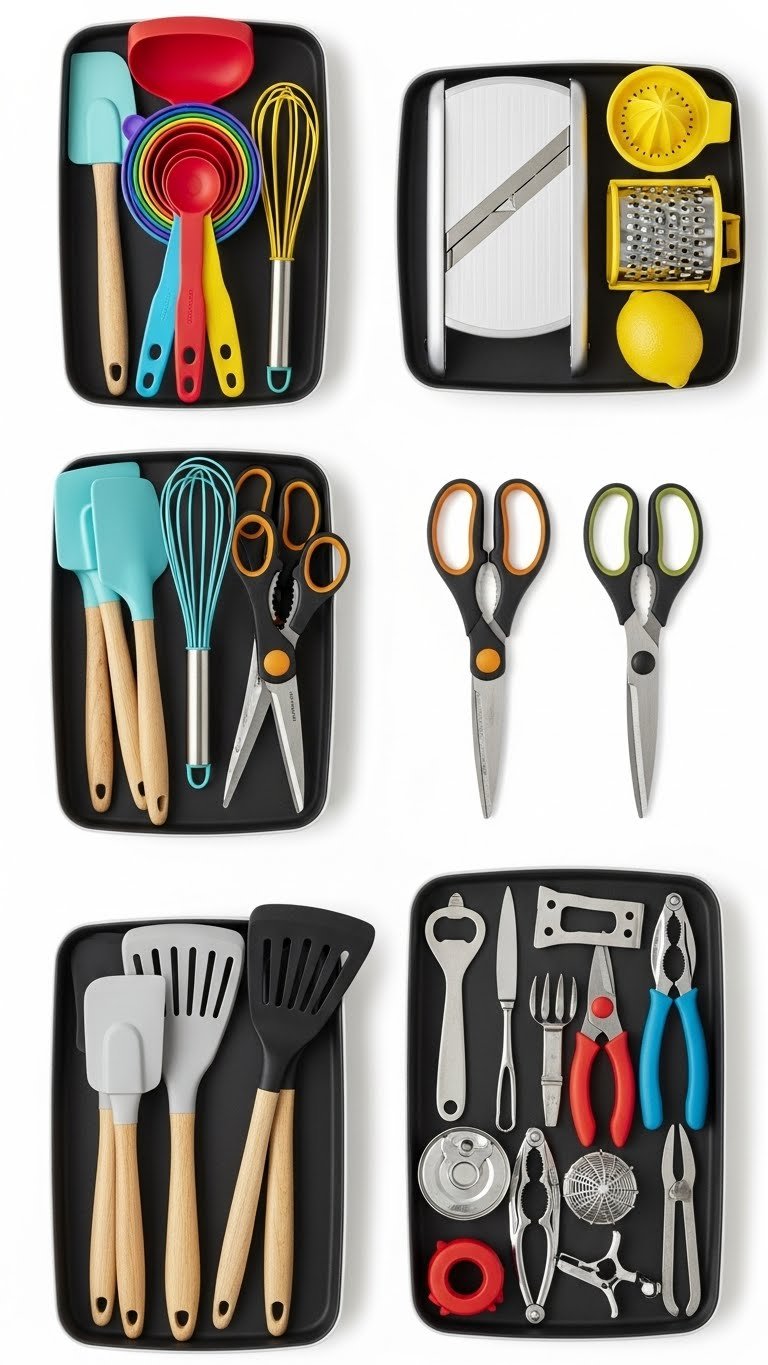
    25. Create a Meal-Prep Station with Divided Containers

    If you use your drawer for cooking or meal-prep, compartmentalized containers keep everything for one task grouped together.

    Fill divided containers ($12–$25 from Oxo, OXO, or Target) with items grouped by cooking task: one for baking, one for pasta prep, one for grilling, etc. When you’re ready to cook, grab the whole container instead of hunting through your drawer. This system is especially helpful for anyone who cooks regularly or batch-preps meals.

    Pro tip: Label containers by dish or cooking method instead of ingredient type.

    You’ve turned your drawer into a functional prep station where everything you need for one meal is already grouped together.

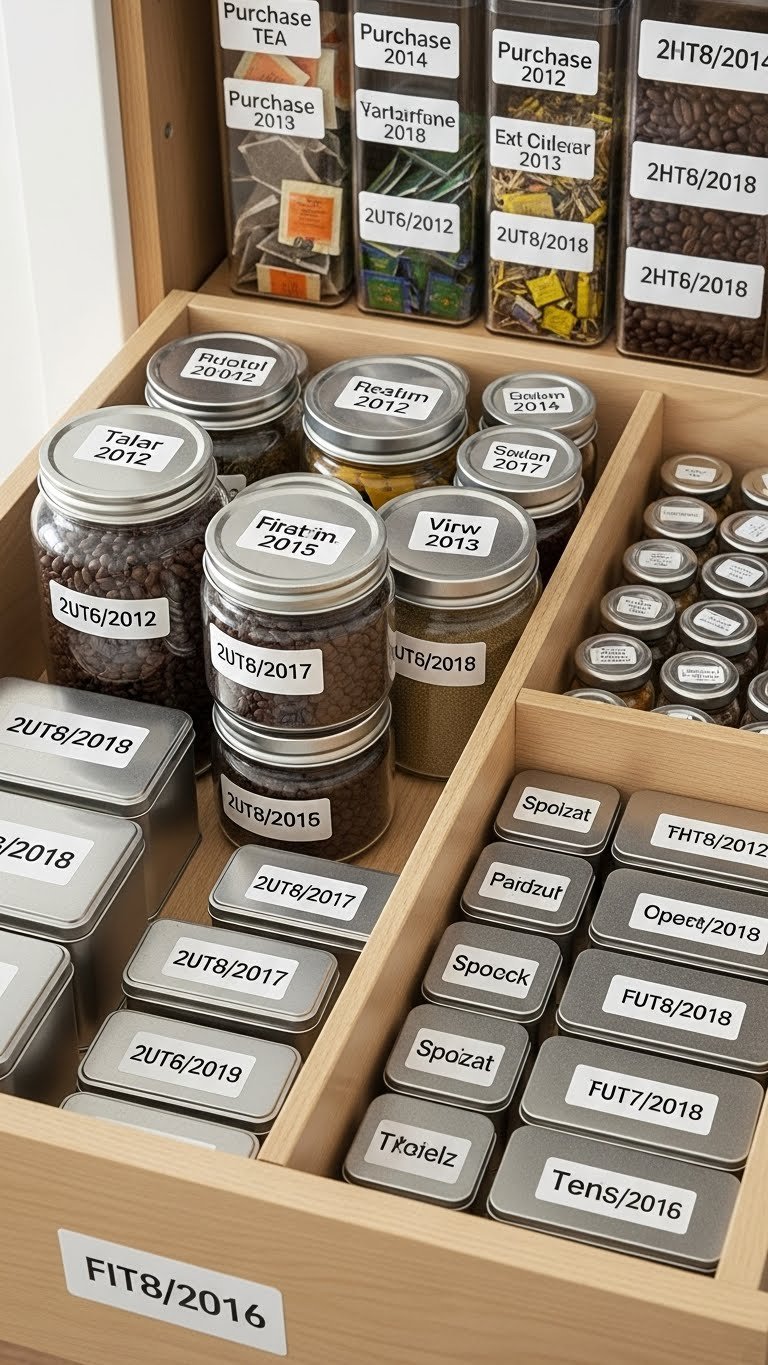
    26. Stack and Label Specific Items by Expiration Date

    For food items or supplies with expiration dates, date-based organization means older items get used first.

    Use a label maker or permanent marker to write the purchase date or expiration date on top of containers, boxes, or bags. Stack them with oldest on top, newest on bottom—this forces rotation. This is crucial for tea, spices, supplements, medications, or anything that loses potency over time. Check dates quarterly and toss expired items.

    Pro tip: Use a rotation system (FIFO: First In, First Out) so nothing ever expires.

    You’ll actually use older items before they expire, saving money and reducing waste.

    SOFT CTA:

    Save this post for your next weekend project and try at least one idea today. Start with whatever frustrates you most about your current drawer—cables tangled? Linens buried? Pick that problem and solve it with one of these 26 solutions. Your drawers (and your sanity) will thank you.
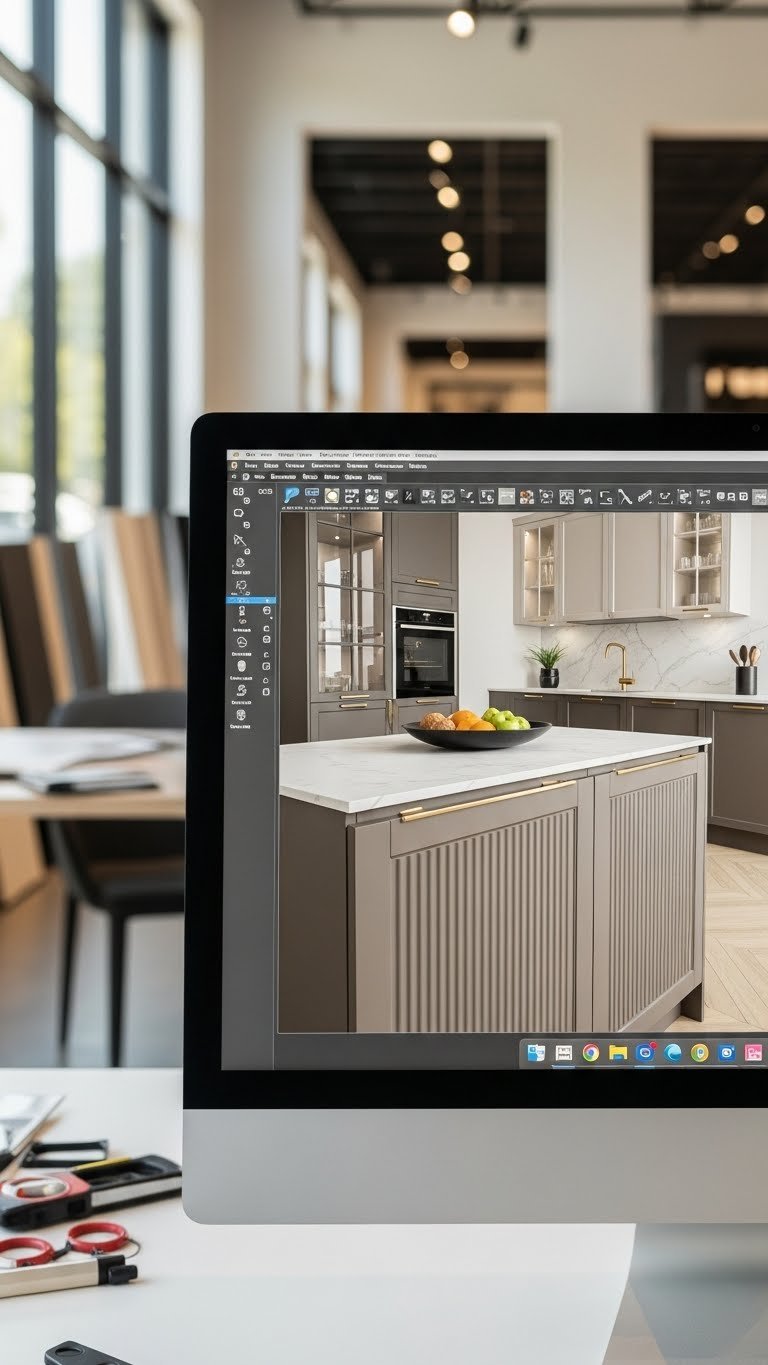
  • 23 Simple Kitchen Cabinet Ideas That Make Small Spaces Feel Bigger

    23 Simple Kitchen Cabinet Ideas That Make Small Spaces Feel Bigger

    Small kitchens don’t have to feel cramped. With the right cabinet strategies, smart storage solutions, and clever design choices, you can make your limited space feel open, functional, and beautiful. Whether you’re renting, renovating, or just tired of kitchen clutter, these 23 ideas will help you maximize every inch. From budget-friendly hacks to game-changing upgrades, you’ll discover exactly how to refresh your cabinets and transform your cooking space into something that feels bigger, brighter, and more organized than ever before.

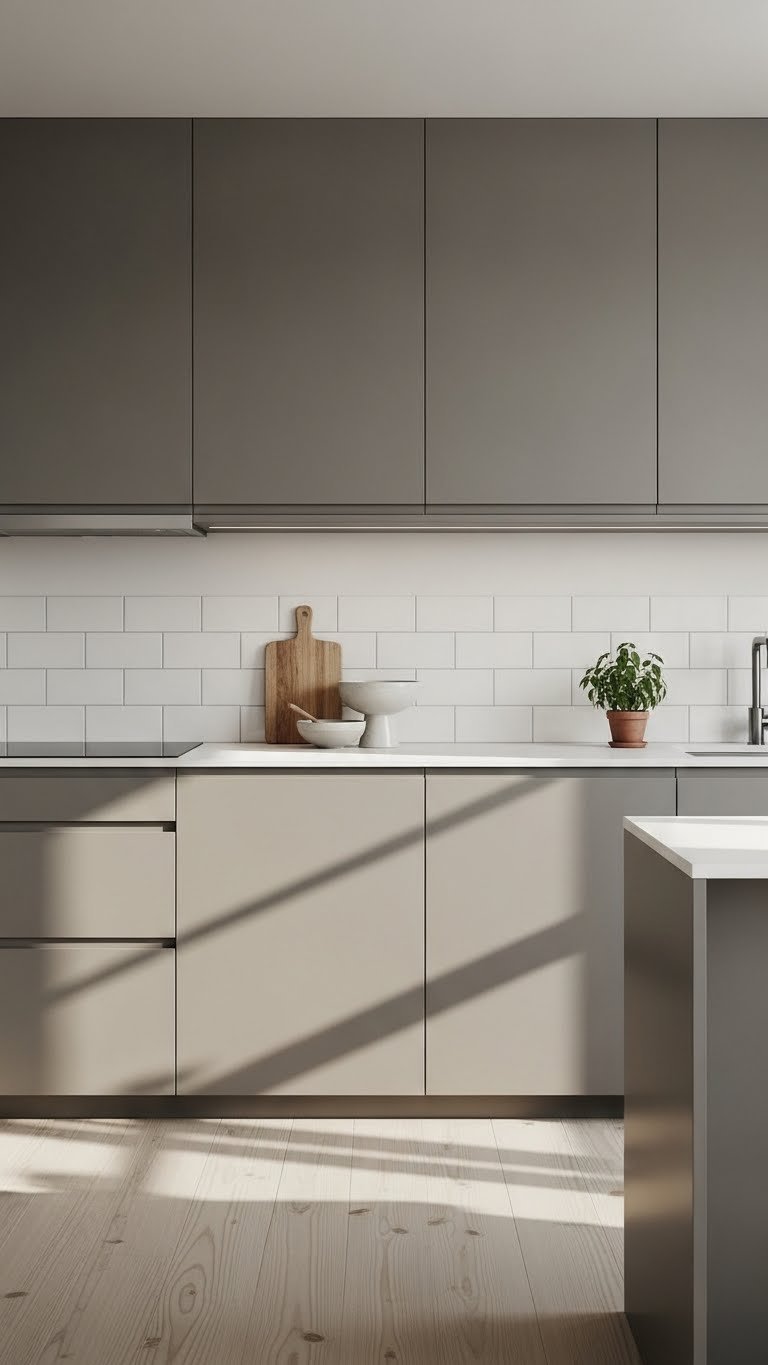
    1. Go Frameless for a Seamless Look

    Frameless cabinets eliminate the visual clutter that framed doors create, making your kitchen appear wider and more open. They’re also easier to clean and offer more interior storage space since there’s no frame taking up room.

    Choose frameless styles with simple, flat-front doors and minimal hardware. Brands like IKEA, Home Depot, and Wayfair offer frameless options starting around $200-$400 per cabinet or go high-end with custom frameless builds at $800-$1,500+. Installation takes one weekend with a handy friend or a professional. If you’re renting, look for stick-on door fronts that swap onto existing cabinets (around $100-$300).

    The result is a kitchen that looks intentionally minimal and surprisingly spacious, even if your actual square footage hasn’t changed.

    2. Paint Cabinets Light Colors to Expand Space

    Light cabinet colors bounce light around your kitchen, creating an illusion of openness that dark or bold colors simply can’t match. This works especially well in kitchens with limited windows.

    Use semi-gloss or satin-finish cabinet paint in whites, soft grays, or pale creams. Quality cabinet paint costs $50-$150 per gallon and covers multiple cabinets. You’ll need primer, paint, and 2-3 days for prep, painting, and drying time. Pro tip: Paint just the visible cabinet doors first to test the color before committing to everything. Renter? Use removable contact paper in light colors as a temporary alternative (under $20).

    You’ll immediately notice how much brighter and more spacious your kitchen feels, even without adding a single square foot.

    3. Install Open Shelving to Break Up Density

    Solid cabinet banks visually weigh down small spaces. Open shelving breaks up that heaviness and makes the room feel less cluttered, even if you’re storing the same amount.

    Floating shelves in wood or metal cost $40-$150 per shelf from IKEA, Home Depot, or Wayfair. Installation takes 1-2 hours with a drill and level. Mix open and closed storage—use shelves for beautiful pieces (dishes, plants, cookbooks) and keep cabinets for less attractive items (pots, pantry overflow). Pro tip: Keep shelves less than 75% full; empty space is your friend in small kitchens.

    Your kitchen now has visual breathing room, making it feel less boxed-in and more curated.

    4. Use Two-Tone Cabinets for Visual Interest Without Overwhelming

    Two-tone cabinets (different colors on uppers and lowers) add visual depth and interest without making the space feel chaotic. This trend works beautifully in compact kitchens because it creates intentional focal points.

    Paint lower cabinets a neutral tone (white, cream, or soft gray) and upper cabinets a complementary color—think pale green, dusty blue, or warm taupe. Cabinet paint runs $50-$150 per color plus primer. DIY painting takes 3-4 days with proper drying time; hire a pro for $400-$800. Start with just one color group to test before committing. Renter-friendly: Use removable peel-and-stick wallpaper or contact paper for a no-commitment trial.

    The contrast keeps your eye moving and makes the kitchen feel more intentional and designed, even in tight quarters.

    5. Choose Handleless Cabinets for Clean Lines

    Handleless cabinets eliminate visual clutter by removing hardware entirely. Your eye travels smoothly across the cabinet fronts, making the space feel more organized and spacious.

    Push-to-open cabinets use spring mechanisms or finger grooves (no handles needed). Budget options from IKEA or Amazon start around $150-$300 per cabinet; high-end handleless builds run $600-$1,200+. Installation is straightforward if replacing existing doors (1-2 hours). Pro tip: Make sure you test the push mechanism—some are sensitive, others require firm pressure. If handleless feels too risky for your style, minimalist bar handles (thin, recessed profiles) offer similar clean aesthetics.

    You’ll appreciate how much sleeker your kitchen looks without visual hardware clutter competing for attention.

    6. Add LED Under-Cabinet Lighting for Practical Brightness

    Small kitchens often lack adequate task lighting, making them feel darker and smaller. Under-cabinet LED strips add brightness to work surfaces while creating an ambiance that makes the space feel intentional.

    Adhesive LED strip kits cost $30-$80 from Home Depot, Lowes, or Amazon and install in 15-20 minutes—just peel, stick, and plug in. Choose warm white (2700K) for cozy vibes or daylight white (5000K) for maximum brightness. Hardwired options run $100-$200 and require an electrician but look more polished. Pro tip: Dimmable LEDs add flexibility for different moods.

    Your kitchen instantly becomes brighter and more functional, while cooking prep becomes significantly easier on your eyes.

    7. Maximize Vertical Space with Tall Cabinets

    Most small kitchens waste vertical space. Tall cabinets that reach the ceiling draw the eye upward, making ceilings feel higher and spaces feel taller.

    Invest in or DIY a tall pantry cabinet (24″-36″ wide, floor-to-ceiling) for $300-$800 depending on material and customization. IKEA’s PAX system ($400-$600) works beautifully for renters. Installation takes 2-4 hours and is easier than it looks. Reserve top shelves for seasonal items or décor; keep everyday items at eye level. Renter tip: Leaning tall cabinets against walls (secured to studs) offer similar benefits without permanent installation.

    Suddenly your kitchen has storage you forgot existed, and your ceiling appears dramatically higher.

    8. Install Adjustable Shelving for Flexible Storage

    Fixed shelves waste space when your items vary in size. Adjustable shelving lets you customize spacing to fit what you actually own.

    Adjustable shelf kits cost $40-$100 per cabinet from Home Depot or Lowes and install in 30-45 minutes. Measure your cabinet interior carefully before ordering. Metal adjustable shelves hold more weight than plastic and look more intentional. Start with fewer, wider shelves to make the space feel less compartmentalized. Pro tip: Leave at least one completely empty shelf to avoid visual overload.

    You’ll fit significantly more in the same cabinet space, and everything stays accessible because it’s customized to your actual needs.

    9. Use Glass-Front Doors to Display and Expand

    Glass-front cabinets create visual transparency, making even packed spaces feel less dense. Your eye travels through to the back wall, expanding the sense of depth.

    Replace cabinet doors with glass-front versions ($150-$400 per door from Home Depot, Wayfair, or custom shops) or use stick-on frosted glass film for renters ($20-$50 per sheet). Installation takes 1-2 hours for door swaps or 30 minutes for film. Only display your prettiest items—use solid doors for clutter. Frosted or seeded glass creates visual interest while hiding less attractive contents. Pro tip: Back your glass cabinets with wallpaper or light-colored paint for added depth.

    Your small kitchen suddenly feels more open because light passes through instead of stopping at solid doors.

    10. Go Modular and RTA for Budget Flexibility

    Ready-to-assemble (RTA) cabinets cost 30-50% less than stock or custom options, and they’re often better quality than people expect. You can upgrade gradually as budget allows.

    RTA brands like IKEA, Amazon Basics, and Overstock offer complete kitchen setups starting around $1,500-$3,000 for a full kitchen. Individual cabinets run $80-$300 depending on size and finish. Assembly takes one weekend with basic tools and patience. Start with your most-used cabinets and expand over time. Pro tip: Many stores offer assembly services for $50-$150 per cabinet if DIY feels overwhelming.

    You get designer-quality cabinets at a fraction of the cost, and the satisfaction of building them yourself is a bonus.

    11. Paint Inside Cabinet Walls Light Colors

    Most cabinet interiors are dark or unfinished. Painting them light colors bounces light into the cabinet and makes contents more visible.

    Use semi-gloss cabinet paint or peel-and-stick wallpaper in white or pale colors. Budget paint runs $15-$30 per quart; stick-on wallpaper costs $20-$50 per roll. Prep takes 30 minutes per cabinet, paint dries overnight. This subtle move has an outsized impact on how spacious interiors feel. Renter? Wallpaper is your best bet since it’s completely removable.

    Opening your cabinets now reveals bright, organized interiors that make the space feel more curated and intentional.

    12. Remove a Few Cabinet Doors for Open Display

    You don’t have to commit to all-open shelving—removing just one or two cabinet doors creates visual openness while keeping the rest of your storage hidden.

    This costs nothing if you already have the cabinets. Simply unscrew hinges and set doors aside (keep them in case you change your mind). Takes 15 minutes per door. Display only items you love and use daily. Pro tip: Paint the inside back wall a contrasting or complementary color to add intentional depth.

    Your kitchen instantly looks less fortress-like, and you’ve created a styling opportunity without renovating.

    13. Install a Corner Carousel or Lazy Susan Cabinet

    Corner cabinets are notoriously hard to access and often become black holes. A rotating carousel system makes corner storage actually usable.

    Lazy Susan cabinet inserts cost $80-$200 and install in 30-45 minutes with a drill. IKEA and Home Depot carry affordable options. This is transformative for corner dead space—suddenly everything is accessible without reaching to the back. Pro tip: Use tiered carousels for maximum storage in narrow corners.

    You’ll reclaim storage real estate you’ve been wasting, and your kitchen feels better organized overnight.

    14. Use Shallow Wall Cabinets Above Narrow Counters

    Deep wall cabinets can feel heavy and oppressive in small spaces. Shallow cabinets (8-10 inches) provide storage without visual bulk.

    Shallow wall cabinets cost $150-$400 from IKEA, Home Depot, or custom builders. Mounting takes 1-2 hours. These work beautifully above narrow counters or in tight corners where standard-depth cabinets would jut into your workspace. Pair with open shelving for variety. Pro tip: Keep contents minimal—empty space is more valuable than extra storage in small kitchens.

    Your walls gain storage without closing off the space, and the kitchen maintains an open, breathing aesthetic.

    15. Paint Walls Around Cabinets in Contrasting Colors

    Instead of white-on-white, paint walls a subtle, complementary color. This makes your cabinets the focal point while creating depth through color layering.

    Interior paint costs $30-$60 per gallon; two coats take one day with a roller. Choose soft, muted tones (sage, dusty blue, warm gray) rather than bold colors in a small space. Pair light cabinets with slightly deeper walls, or vice versa. Renter? Removable wallpaper in soft tones works beautifully ($20-$50 per roll).

    Your small kitchen suddenly feels designed rather than generic, and the color contrast adds intentional depth.

    16. Add Drawer Dividers for Visible Organization

    Messy drawers make cabinets feel chaotic and smaller. Dividers create order, which mentally expands your perceived space.

    Drawer divider kits cost $15-$40 from Target, Container Store, or Amazon and install in 10-15 minutes—just drop them in or use adhesive pads. Customize compartment sizes to match what you store. This is the cheapest way to transform cabinet interiors. Pro tip: Use this as motivation to declutter—if something doesn’t fit your new organized system, it can probably go.

    Opening your drawers reveals pleasing organization, which makes your entire kitchen feel more controlled and spacious.

    17. Go Minimalist with Natural Wood Finishes

    Solid natural wood creates visual warmth and feels less clinical than painted cabinets, making small spaces feel cozier rather than cramped. The grain adds visual interest without clutter.

    Solid wood semi-custom cabinets from brands like Kraftmaid or Wellborn run $200-$500 per cabinet. Full custom wood kitchens range $500-$1,500+ per cabinet. RTA wood options are available around $100-$300 per cabinet. Keep hardware simple (minimal or recessed knobs) to avoid visual clutter. Pro tip: Lightly sand and restain existing wood cabinets for $200-$400 in materials.

    Your kitchen feels warmer and more intentionally designed, with organic materials that age beautifully rather than looking dated.

    18. Install Sliding Barn Doors Instead of Swing Doors

    Swing-out cabinet doors take up floor space. Sliding doors open horizontally, saving precious clearance in tight kitchens while adding farmhouse or modern aesthetic.

    Sliding door hardware kits cost $80-$200 per door set from Amazon, Etsy, or Home Depot. Converting existing doors takes 2-3 hours with basic tools. This works beautifully for one or two statement cabinets (not every cabinet). Go natural wood or matte black for timeless style. Pro tip: Hang a small sign or label on the door to add personality.

    Your kitchen gains floor space and a design feature that people actually notice and comment on.

    19. Use Vertical Dividers in Base Cabinets

    Baking sheets and cutting boards stacked flat waste space and become hard to access. Vertical dividers let you stand items up, maximizing storage and making everything grabbable.

    DIY vertical dividers from wood strips cost $20-$40 in materials and take 45 minutes to cut and install. Pre-made kits run $30-$70 from Amazon or Container Store. Measure your cabinet depth precisely before installing. This simple hack transforms useless horizontal space into highly functional vertical storage. Pro tip: Label dividers so everyone knows what goes where.

    You’ll fit three times as many items in the same space, and everything stays accessible instead of buried.

    20. Choose Warm, Muted Cabinet Colors Over Stark White

    Pure white cabinets can feel cold and clinical in small spaces. Warm neutrals like cream, soft taupe, or greige create a cohesive, inviting environment that feels more spacious.

    Cabinet paint in warm tones costs the same as white ($50-$150 per gallon). If you’re buying new cabinets, brands offer warm neutral finishes as standard options. DIY painting takes 3-4 days with drying time. The warmth makes the space feel intentional rather than institutional. Pro tip: Match cabinet color to your countertop undertones for maximum cohesion.

    Your kitchen feels warmer and more inviting, which paradoxically makes tight spaces feel more comfortable and spacious.

    21. Install Inside-Cabinet Lighting for Hidden Storage

    Most cabinet interiors are dark black holes where items disappear. Interior lighting makes everything visible and accessible, plus it’s safer when reaching into dark spaces.

    Stick-on battery LED pucks cost $15-$40 for a set of 3-4 from Amazon or Target; hardwired strips run $80-$150 installed by a pro. Battery pucks install in 5 minutes with just an adhesive strip. Choose warm white for ambiance. Even if you rarely use this feature, it makes the interior feel intentional and designed. Renter? Battery pucks are completely portable.

    You’ll use your cabinets more efficiently because you can actually see what’s inside, and searching for items becomes effortless.

    22. Mix Cabinet Finishes for Intentional Variety

    Matching cabinet finish throughout can feel monotonous in small spaces. Mixing finishes (matte and gloss, two paint colors, wood and white) creates visual interest while maintaining cohesion.

    Paint or order multi-finish cabinetry—budget an extra $50-$150 if mixing finishes on the same order. The mix should follow a pattern (uppers one color, lowers another; or solid cabinets with open shelving variety). Avoid more than three finishes or it feels chaotic. Pro tip: Use a color wheel or Pinterest board to ensure finishes feel intentional.

    Your kitchen looks more curated and designed, like someone thought through every detail rather than grabbing whatever was available.

    23. Create a Floating Pantry Cabinet for Extra Storage

    Small kitchens often lack dedicated pantry space. A single tall floating cabinet tucked in a corner or beside the fridge adds serious storage without eating floor space.

    Floating pantry cabinets cost $200-$600 from IKEA, Wayfair, or custom builders. Professional installation runs $100-$300. A 24-36″ wide cabinet holds remarkable amounts of dry goods, oils, and small appliances. Mount to wall studs carefully—pantry cabinets are heavy when full. Renter? Tall freestanding cabinets ($300-$500) slide into tight spaces and don’t require wall mounting.

    You’ve essentially added a pantry without renovating, gaining storage that makes your daily cooking infinitely easier.


    Save this for your next kitchen refresh and try at least one idea this month. Small spaces deserve thoughtful design, and these cabinet upgrades prove that big impact doesn’t require big renovations—just smart choices. Share this with anyone tackling a compact kitchen project. Which idea are you trying first?