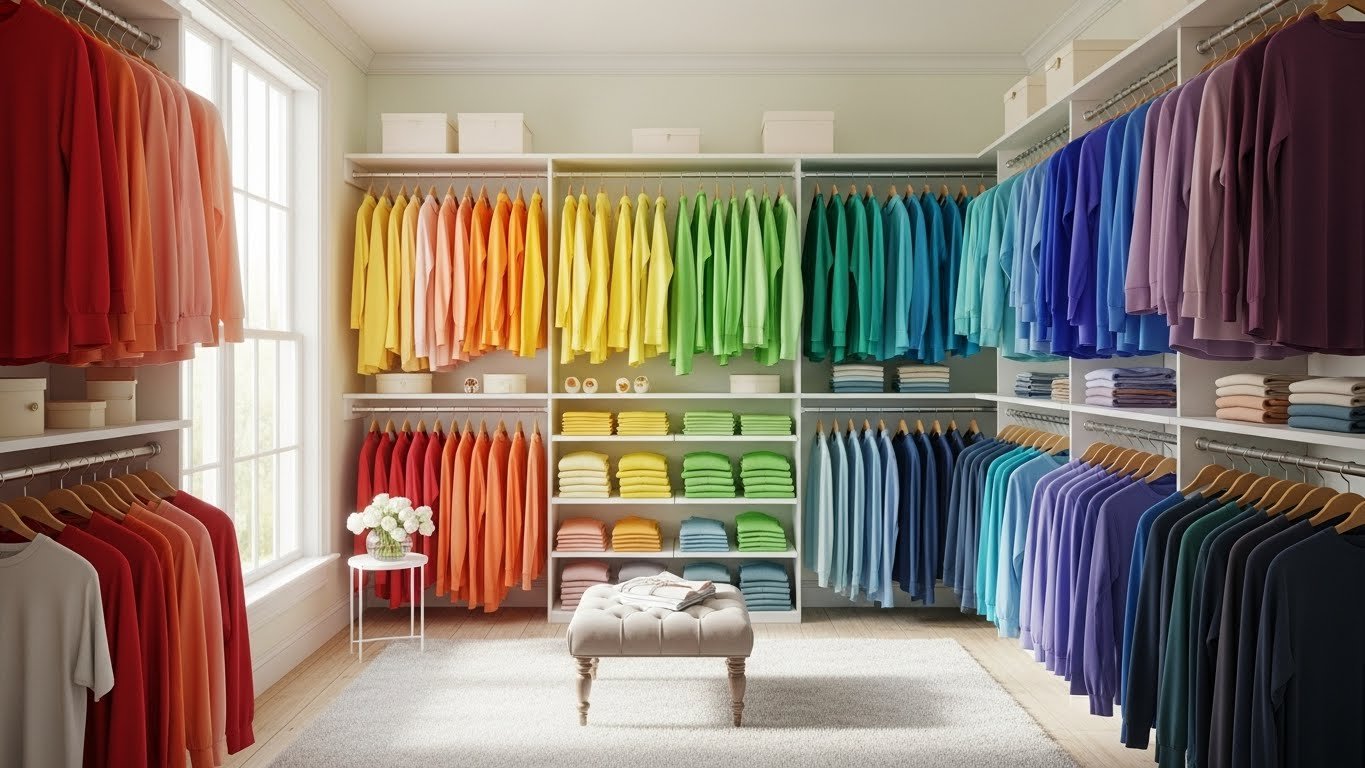
Color-coding your closet sounds like a luxury move, but it’s actually one of the smartest organizational strategies you can adopt—and it costs almost nothing. When your clothes are arranged by color, getting dressed becomes faster, you’ll wear more of what you own, and your space instantly looks more curated and intentional. Whether you’re working with a tiny bedroom closet or a sprawling walk-in, these 24 color-coded arrangement ideas will help you build a system that works with your lifestyle, your budget, and your personal style. You’re about to discover that the most efficient closets aren’t about having less stuff—they’re about knowing exactly where everything is. Let’s dive in.
1. Arrange by Rainbow Order
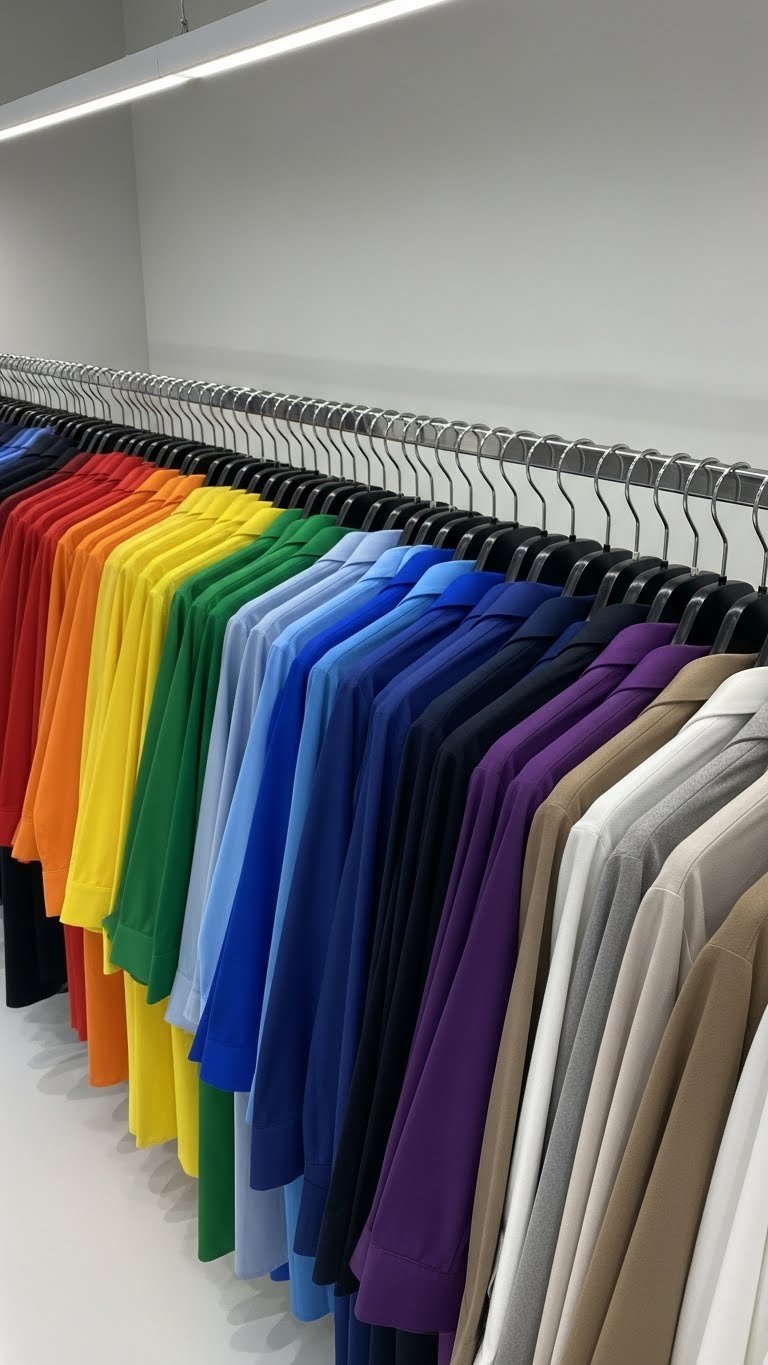
The rainbow method is the most intuitive color system because your brain already recognizes it from childhood. Start with reds and warm tones on one end, transition through yellows and greens, then move into blues, purples, and finish with neutrals (blacks, whites, grays, beiges).
This takes about 2-3 hours to reorganize your entire closet and requires zero budget—just your existing hangers. Use wooden or slim velvet hangers (you probably have these already) to keep clothes from slipping. The beauty here is that any guest or family member can instantly find what they’re looking for, making borrowed clothes less of a mystery. Group by color first, then by item type within each color zone if your closet is deep enough.
Your morning routine becomes a visual scan instead of a guessing game, and you’ll rediscover pieces you forgot you owned.
2. Create Monochrome Sections with Clear Labels
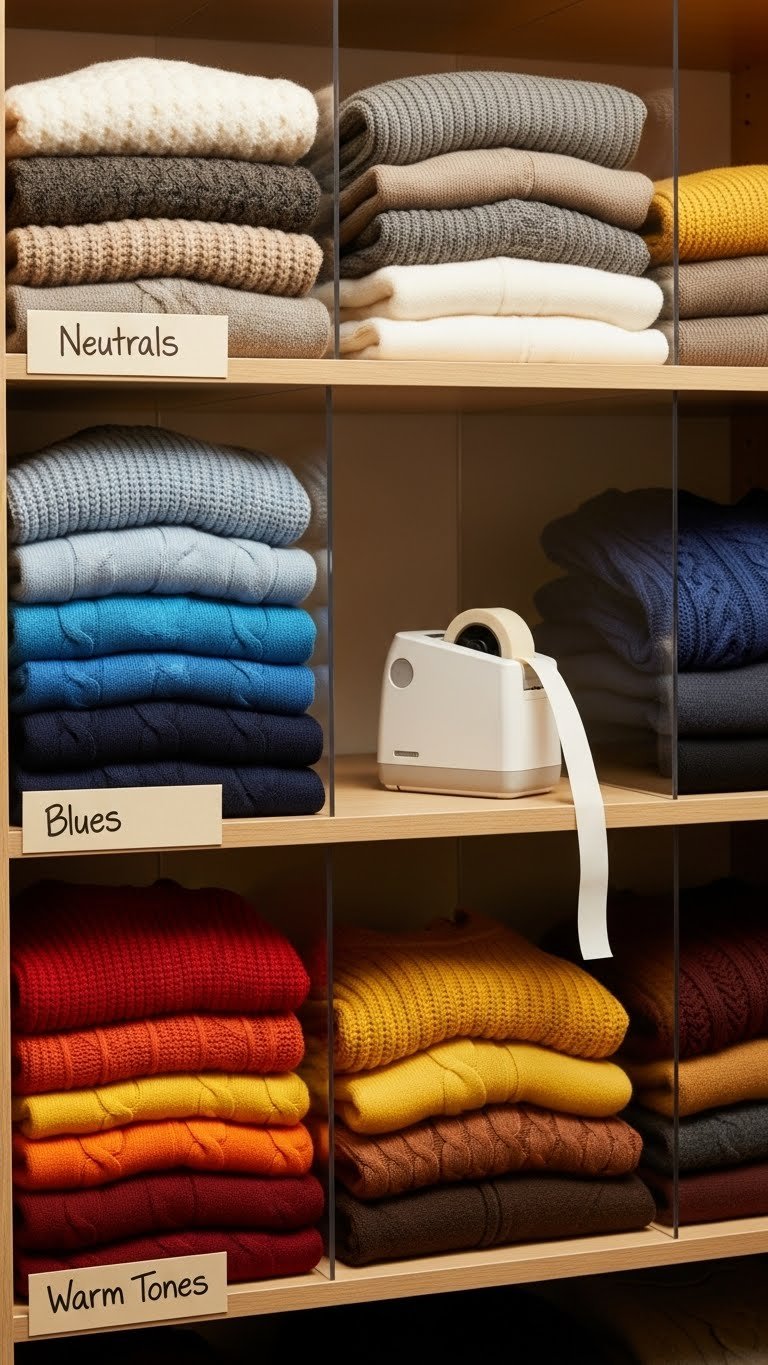
Labels are your closet’s best friend, and they work even better when paired with monochrome grouping. Designate sections of your closet to specific color families: one zone for blacks and grays, another for whites and creams, a third for jewel tones, and a fourth for warm colors like oranges and rust.
Grab a label maker ($15-$25 at Target or Amazon) or use painter’s tape and a permanent marker. This method works brilliantly for families or roommates because everyone immediately knows the rule. It takes one evening to set up but saves you countless minutes daily. If you have drawer space, use the same system—label each drawer or section so you’re not hunting through multiple compartments.
This system makes accountability easier and keeps everyone’s clothes respected and organized.
3. Sort Neutrals from Jewel Tones
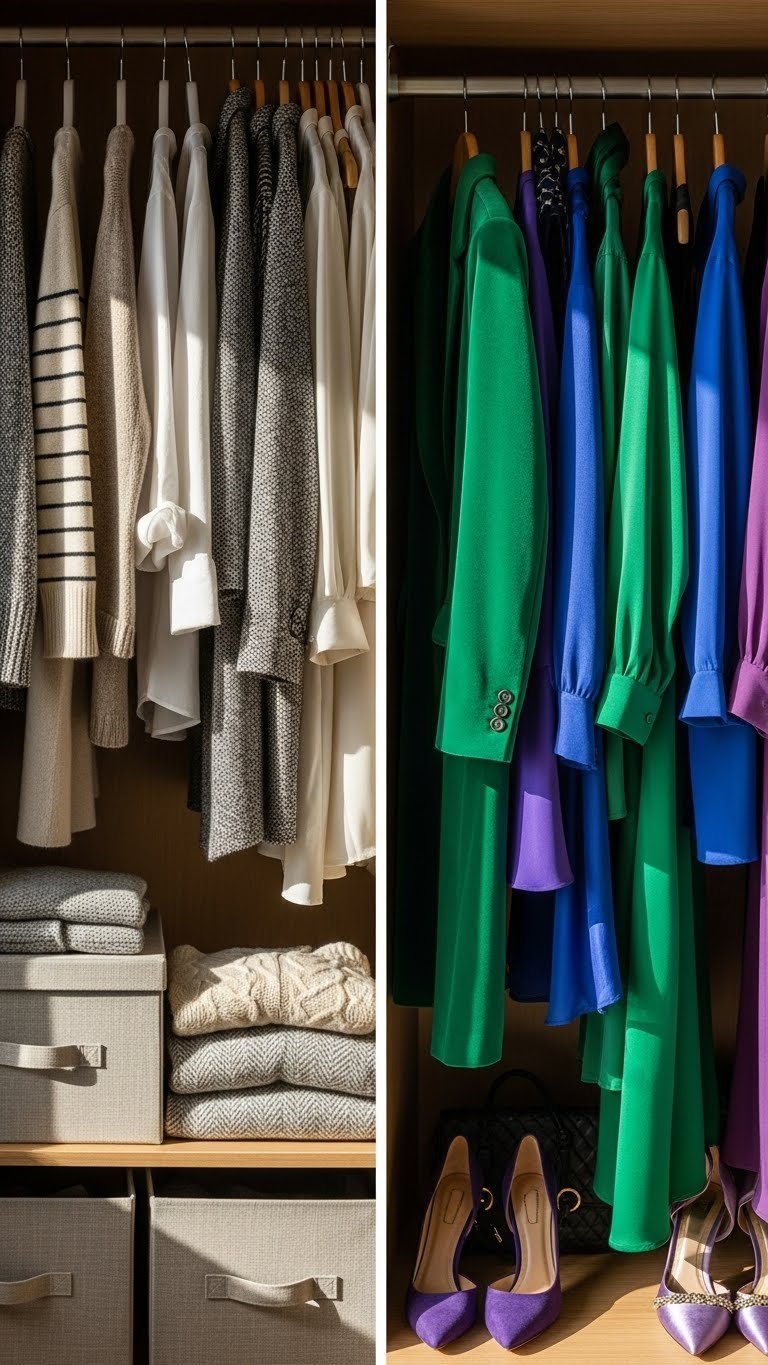
This is the easiest two-zone system for people who love mixing basics with statement pieces. Group all your neutrals—blacks, whites, grays, beiges, tans, and navies—in one section. Put all your jewel tones (emeralds, sapphires, amethysts, deep teals) and bright colors in another.
Zero budget required—just rearrange what you have. This method takes 45 minutes to one hour and immediately creates visual calm because you’ve essentially halved your color complexity. Your eye knows where to go when you want a bold piece versus a foundational one. Within each section, you can still organize by item type (tops, bottoms, dresses) if that helps further.
This approach works especially well if you’re someone who builds outfits around one statement piece and fills in with neutrals.
4. Use Color Blocking by Shelf
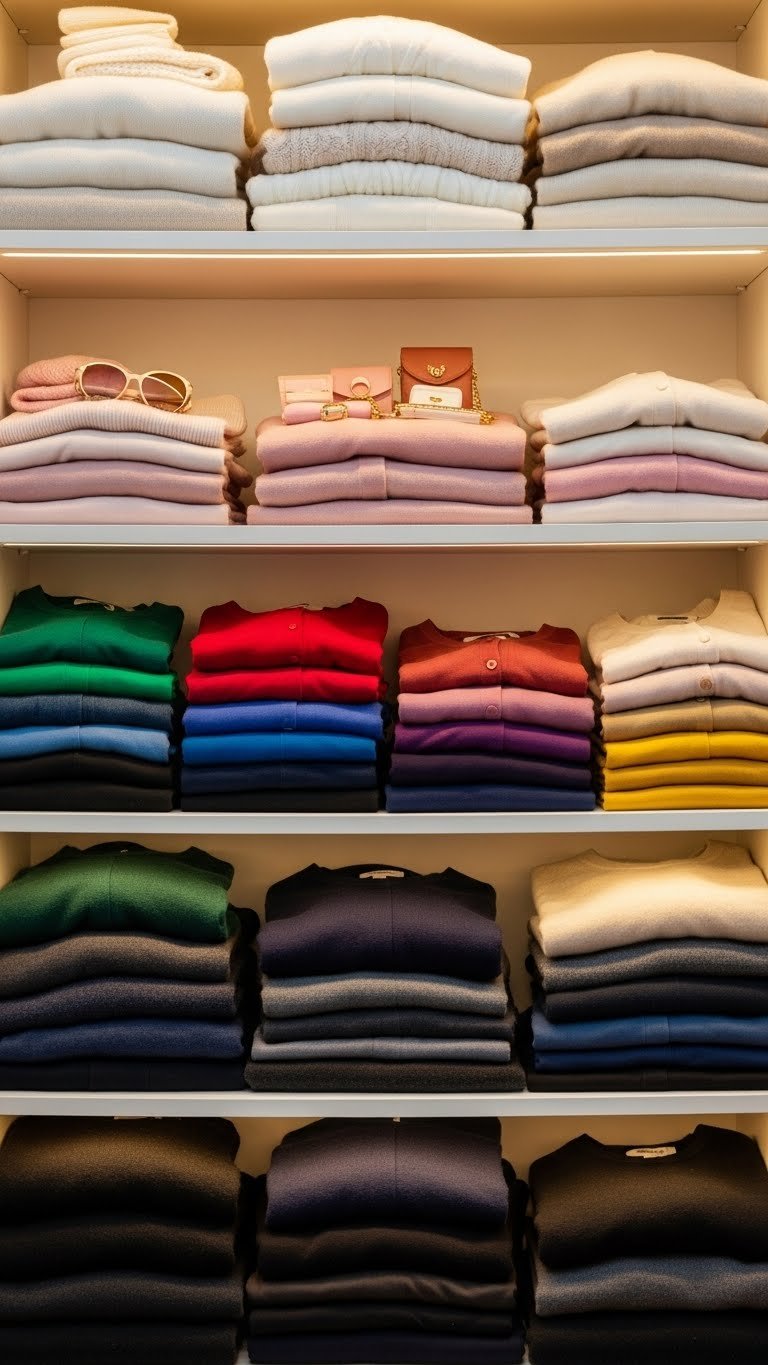
If you’re more of a folder than a hanger person, color-blocking by shelf is your answer. Each shelf gets its own color family, creating visual sections that feel organized without being rigid.
Grab three to four open shelves or storage boxes ($20-$60 from IKEA, Wayfair, or a budget retailer). This takes 2-3 hours to sort and implement. Stack similar items together—all your cream sweaters on the top shelf, all your burgundy knits on the second, and so on. Use file-folding or a drawer organizer ($10-$15) to keep stacks from toppling.
The best part? You can see everything at a glance and the uniform stacks make your closet look almost retail-ready.
5. Create a Seasonal Color Rotation System
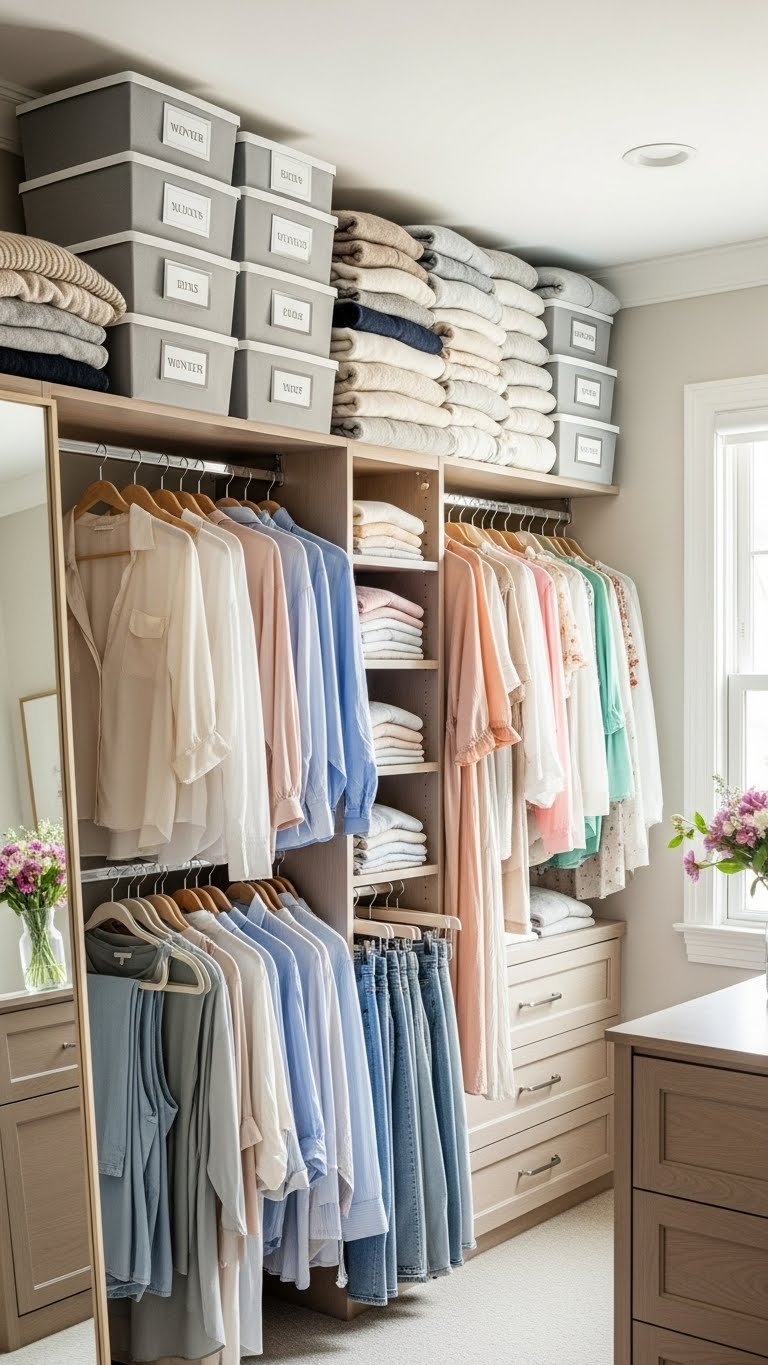
Seasonal color rotation means keeping your current season’s dominant colors at eye level and storing off-season colors up high or in bins. In spring, showcase your pastels and bright whites. In fall, pull forward your warm rusts, ochres, and deep oranges.
Use clear storage bins ($8-$15 each) to house off-season items, labeling each bin with the season and main colors it contains. This takes one weekend to establish but saves closet space year-round. You’ll need 4-6 bins depending on your wardrobe size. Store these under the bed, in a guest room, or on high shelves.
Your active closet stays lean and seasonally relevant, which makes getting dressed faster and your space feel less overwhelming.
6. Pair Colors with Outfit-Ready Hangers
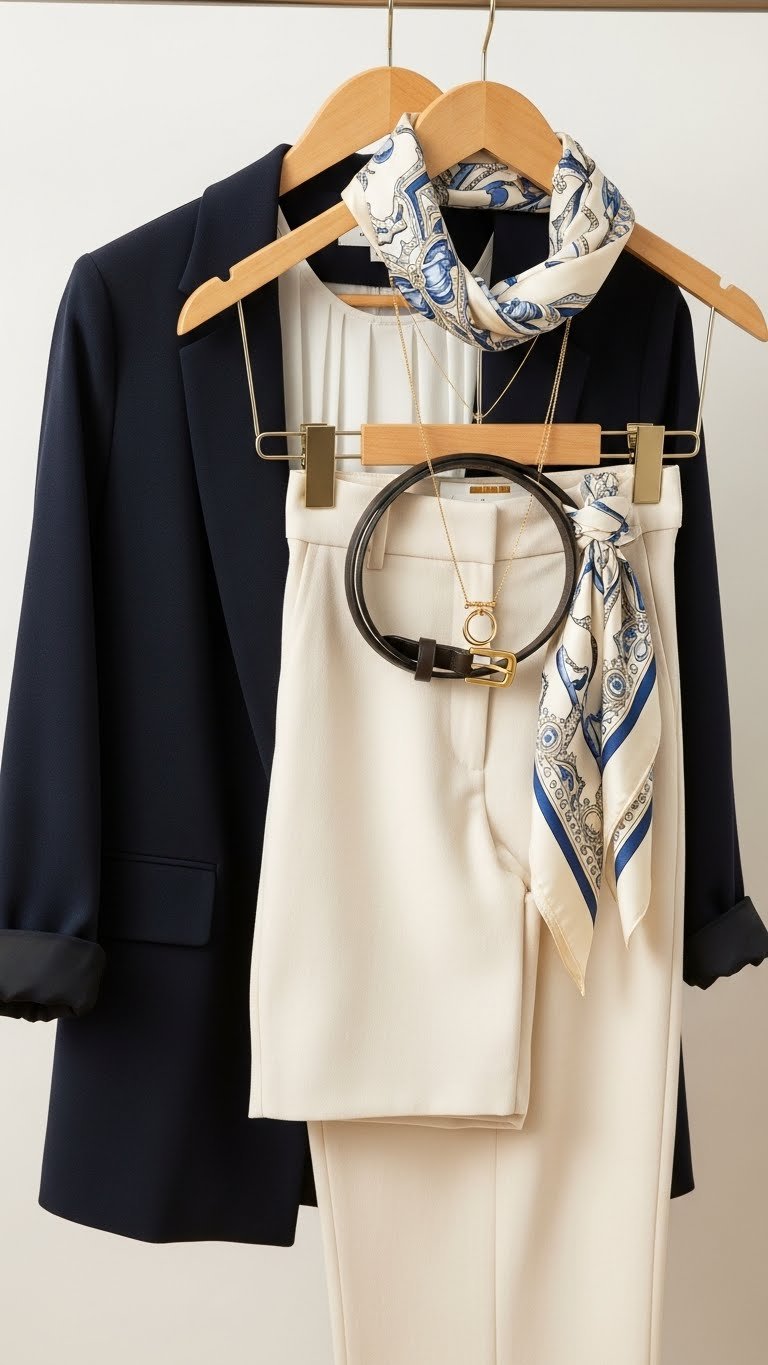
Instead of hanging items by color alone, group complete outfits together using multi-hanger clips or simply hanging related pieces on the same spot. Keep your white blouse, black pants, and blazer together. Hang your denim jacket next to your favorite white tee.
Use multi-hanger clips ($8-$12 for a set) available on Amazon or at container stores, or simply hang clothes close together on the same rail. This takes one to two hours to set up and requires you to think through your outfit pairings once. You still maintain color organization at a macro level, but within each color section, you’ve pre-planned outfits.
On rushed mornings, you literally grab one unit and you’re done—no second-guessing whether that emerald top goes with those pants.
7. Use Color + Texture to Define Sections
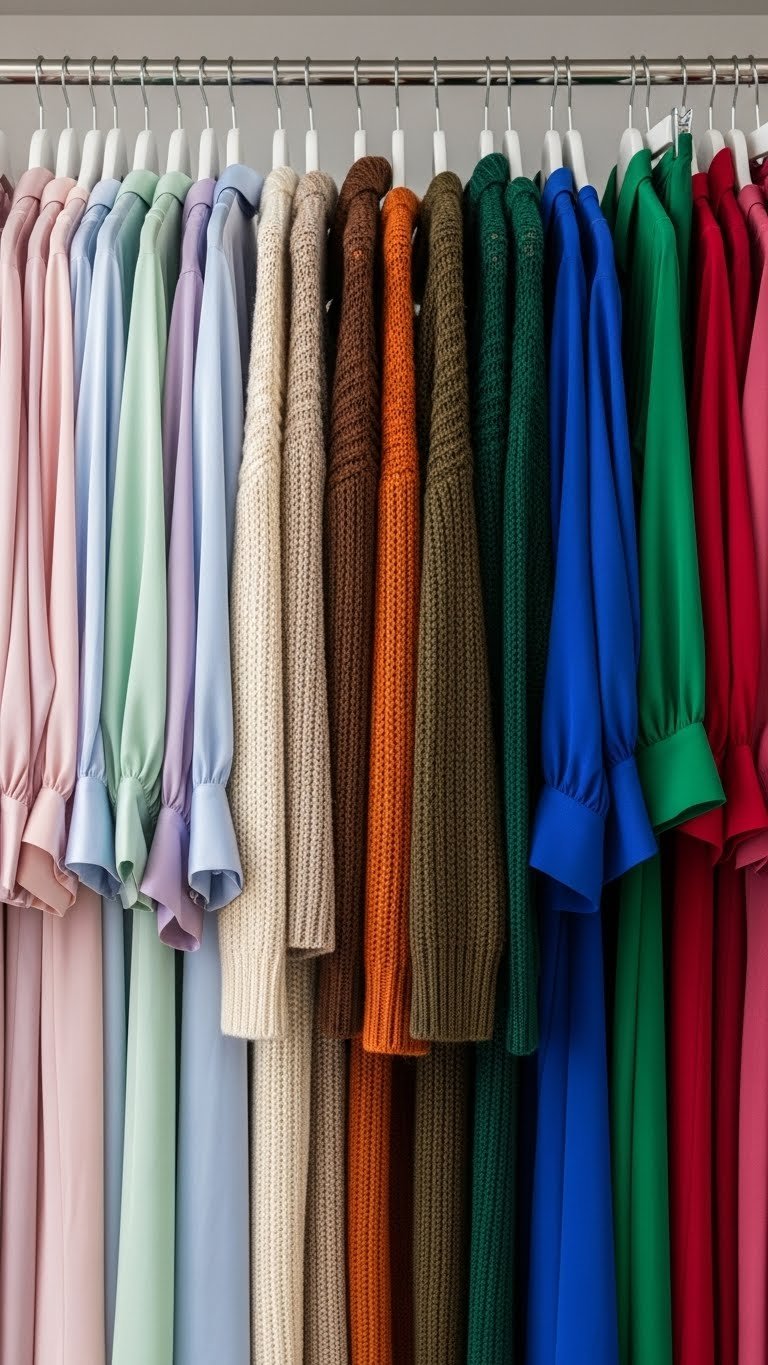
Combine color organization with texture grouping for a boutique-level closet. Keep all your silky, lightweight pieces in cool tones together. Bunch your chunky knits in warm colors. Hang flowing fabrics in jewel tones separately from structured pieces.
Zero budget—this is about smart arrangement. This reorganization takes 2-3 hours and requires you to notice the feel of your pieces, not just their color. You’re essentially creating micro-zones within color families. When you grab that emerald silk blouse, you know it’s in the “jewel-tone delicate” section, not mixed randomly among all emerald items.
Your closet starts feeling curated and high-end because each section has both visual and tactile harmony.
8. Build a Capsule Within Your Color System
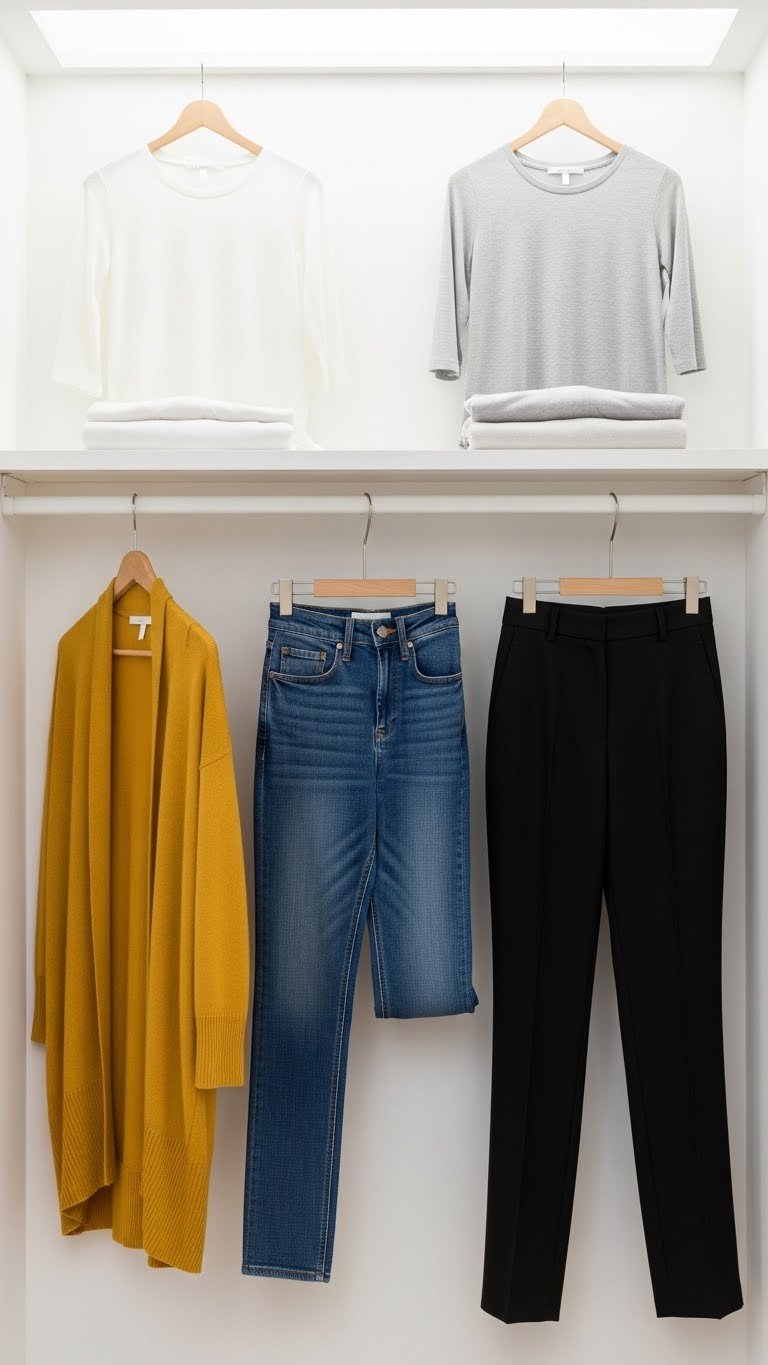
Create a color-coordinated capsule wardrobe section that you rotate with the seasons. Choose one neutral base color (white, black, or beige) and add three supporting colors that you love and that work with your skin tone.
Use existing hangers and shelf space—no investment needed. Spend one afternoon identifying your capsule pieces. This system prevents decision fatigue because you know every piece in that section works together. Photograph your capsule pieces and keep the photo on your phone as a shopping reference so you don’t accidentally buy something that breaks your color harmony.
You’ll notice you reach for these pieces more often and feel more confident in what you’re wearing.
9. Color-Code by Work, Weekend, and Sleep
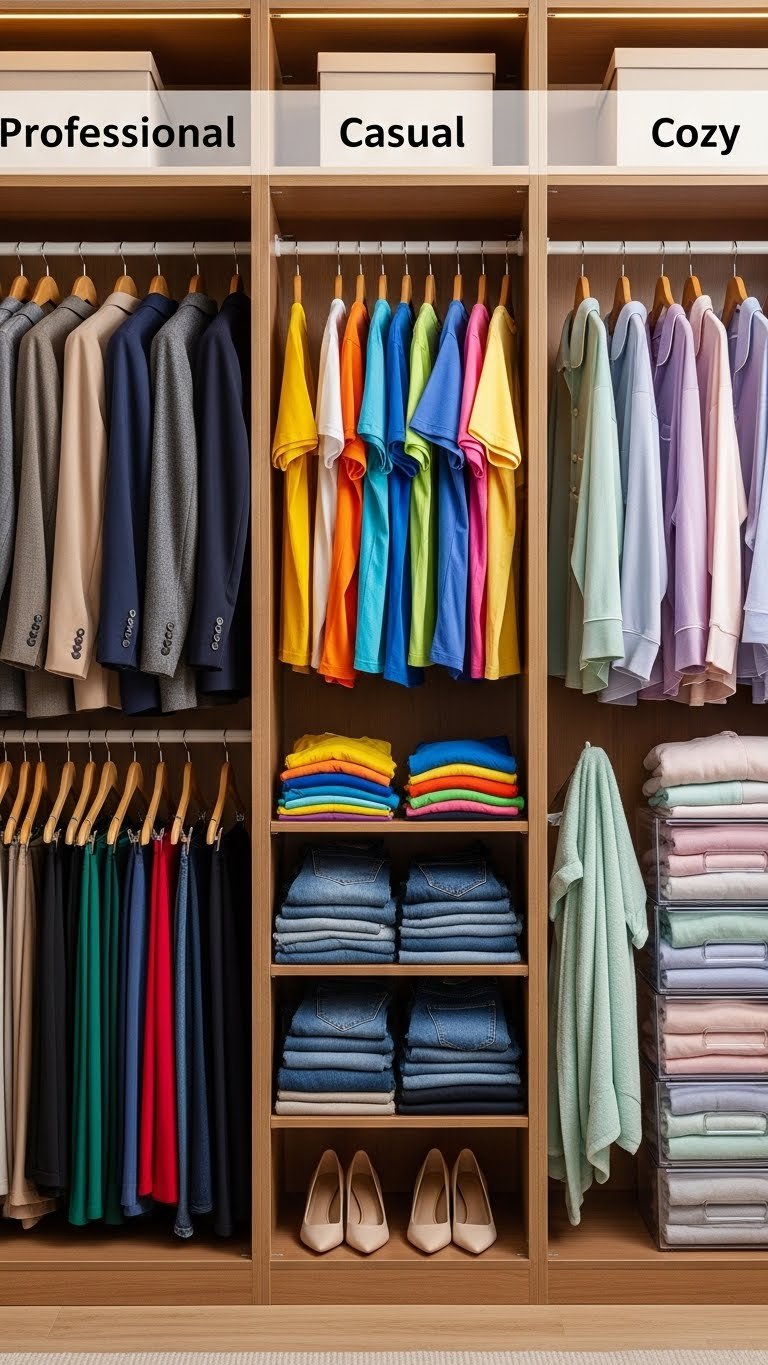
Organize by lifestyle category first, then by color within each. Keep your work clothes (in professional colors) in one zone, casual weekend pieces in another, and sleep/lounge wear in a third. This prevents you from accidentally grabbing your favorite Saturday sweater when you need something for Monday.
Zero budget required—just rethink your layout. This takes 2-3 hours and works especially well if you have room to create distinct zones or use different shelves for different purposes. Within each lifestyle section, maintain your color order (rainbow, monochrome, or whatever system you prefer).
Getting dressed for the right occasion becomes automatic—you’re not hunting across your entire closet for “work clothes” because you know exactly where that section is.
10. Use Open Shelving to Showcase Color
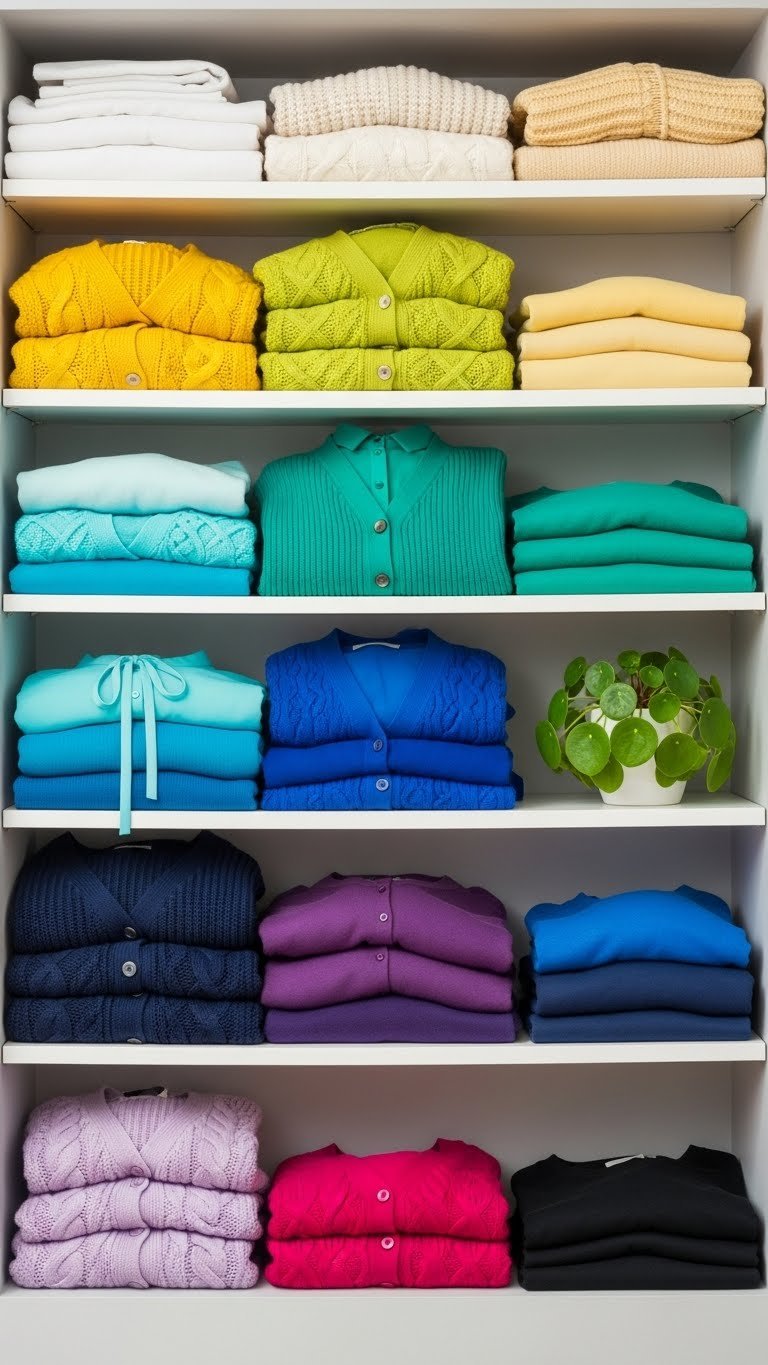
Open shelving is a color-coder’s dream because every piece is visible. Display your favorite or most-worn pieces by color in an intentional arrangement that doubles as decor.
Install floating shelves ($30-$80 per shelf from IKEA, Home Depot, or Amazon) or use existing shelving. This project takes half a day to one full day if you’re also installing shelves, or just one hour if you already have shelves. Fold your items using the KonMari method or file-fold to keep them stable and visible. Stick to a maximum of three to four colors per shelf so it doesn’t look chaotic.
Your closet transforms into something that looks intentional and gallery-like, and you’re more likely to actually wear what you display because you see it every day.
11. Create Color Gradients Within Each Hue
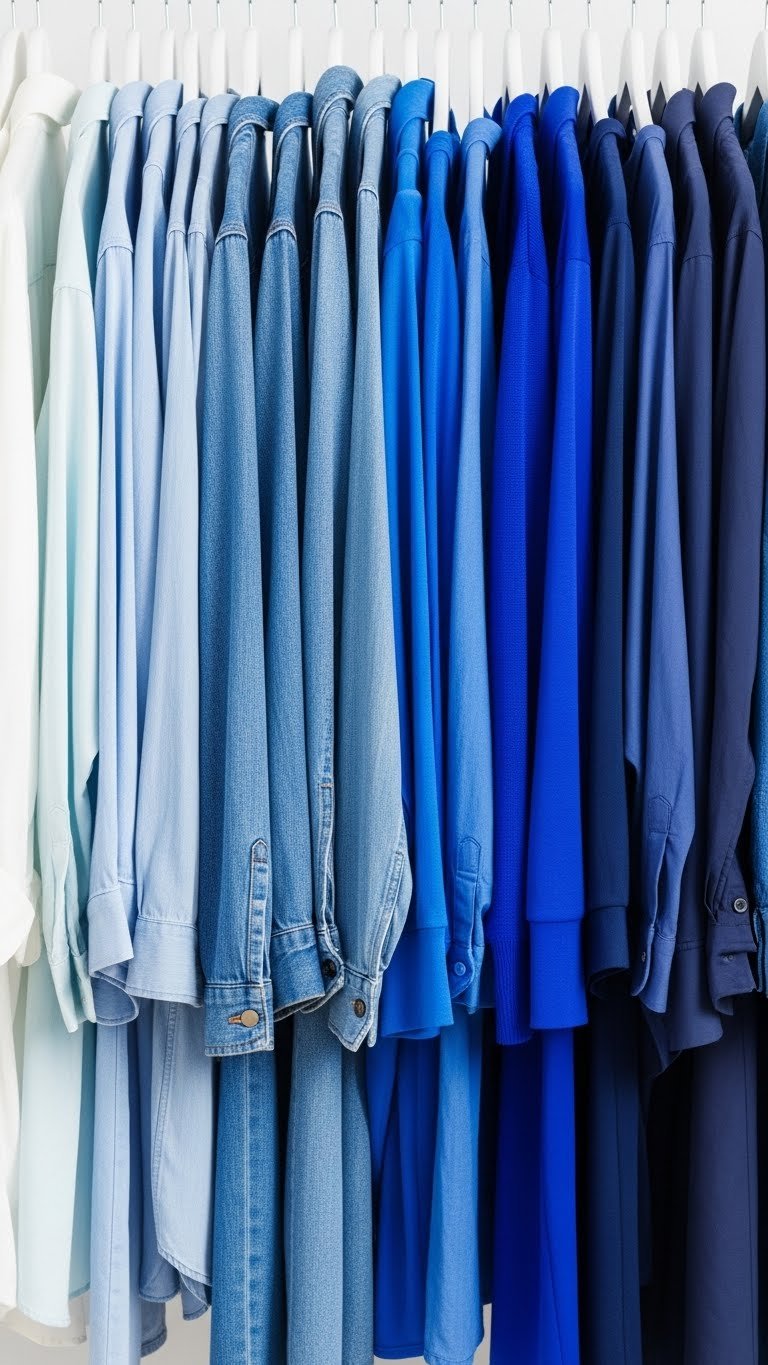
Instead of jumping from one color family to the next, create gradients within each primary color. All your blues go together, but arranged from lightest to darkest. All your reds progress from coral through burgundy to wine.
Zero budget—this is pure rearrangement. This takes 3-4 hours for a full closet because you’re being very intentional about color placement, but the result feels incredibly polished. You’ll need good natural or overhead lighting to see the subtle differences between shades.
Your closet looks like a professional boutique because the eye can follow a smooth color journey instead of jumping around randomly.
12. Use Color-Coded Hangers to Reinforce Organization
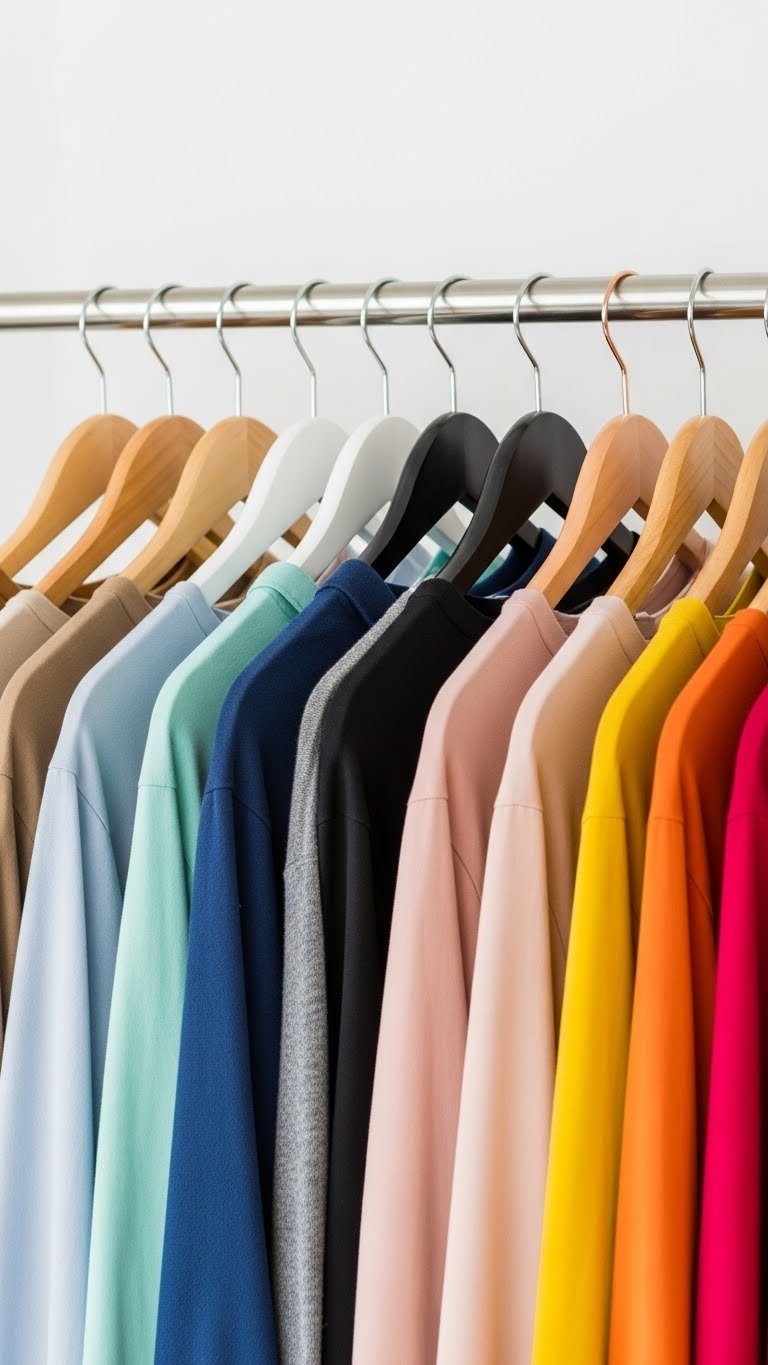
Assign different hanger colors or finishes to different clothing categories within your color organization. All your neutrals hang on natural wood hangers, all your jewel tones on rose gold, all your brights on white.
Buy matching hanger sets in 2-3 finishes ($15-$40 for a mixed set from Amazon, Target, or IKEA). This takes one to two hours to implement and adds a subtle organizational layer that you’ll instantly see. Your eye catches the hanger color before it registers the clothing, so you can quickly navigate your space.
The secondary layer of organization makes your system more foolproof and your closet feel intentionally designed.
13. Group Similar Colors to Maximize Outfit Options
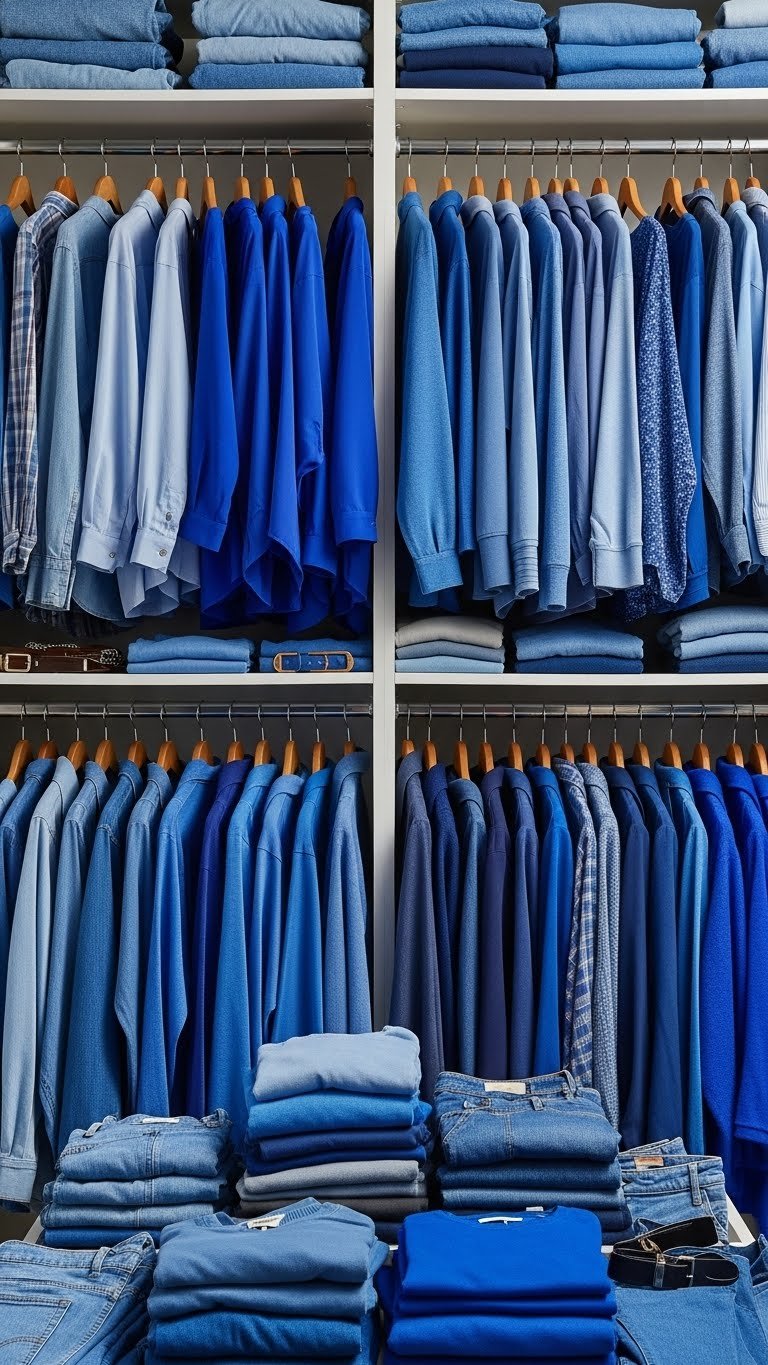
Instead of spreading similar shades across different areas, bunch all your variations of one color family together. Put every shade of blue you own—from sky to navy—in one section, even if that means mixing tops and bottoms and dresses.
Zero budget—pure rearrangement. This takes 2-3 hours depending on closet size. When you do this, you suddenly realize you have three pairs of blue jeans and five blue tops, which means unlimited outfit combinations from just one color family. You’re more likely to wear these pieces because you see all the options at once.
Your closet becomes a source of creativity because you realize the outfit possibilities within colors you already loved.
14. Create a “Color” Shelf for Accessories
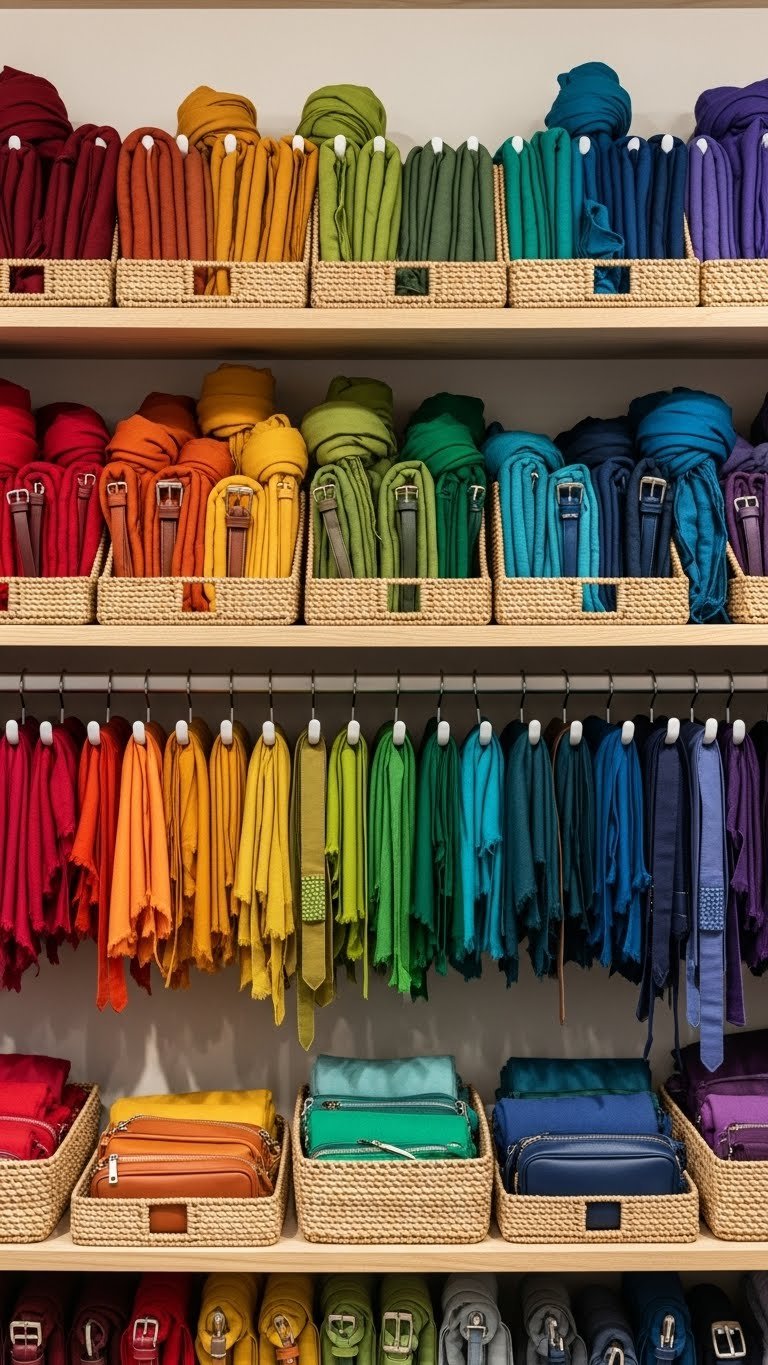
Dedicate one shelf or section to color-coordinated accessories that complement your main closet colors. Organize your belts, scarves, bags, and shoes using the same color system as your clothing.
Use small baskets, a hanging organizer, or adhesive hooks ($5-$20 total). This project takes 30 minutes to one hour. Keep similar items together—all your scarves in one basket by color, all your belts on a small rack by color. This prevents that dreaded moment when you’ve got the perfect outfit but can’t find the right accessory to finish it.
Your accessories actually get worn more because they’re visible and easy to find, which immediately multiplies your outfit options.
15. Use Transparent Storage Boxes for Off-Season Items

Keep off-season items visible by storing them in clear, labeled boxes. Sort by color within each season, so your winter bins contain all your reds together, all your jewel tones together.
Buy clear plastic storage containers ($8-$15 each, available at Target, Amazon, or Walmart). This takes one to two hours to organize properly. Label each box with the season and main colors it holds. You’ll need 4-6 boxes depending on your wardrobe, stored on high shelves or under the bed.
You can actually remember what off-season items you own instead of being surprised when you pull them out, and you’re less likely to buy duplicates.
16. Organize Shoes by Color to Match Your Clothes
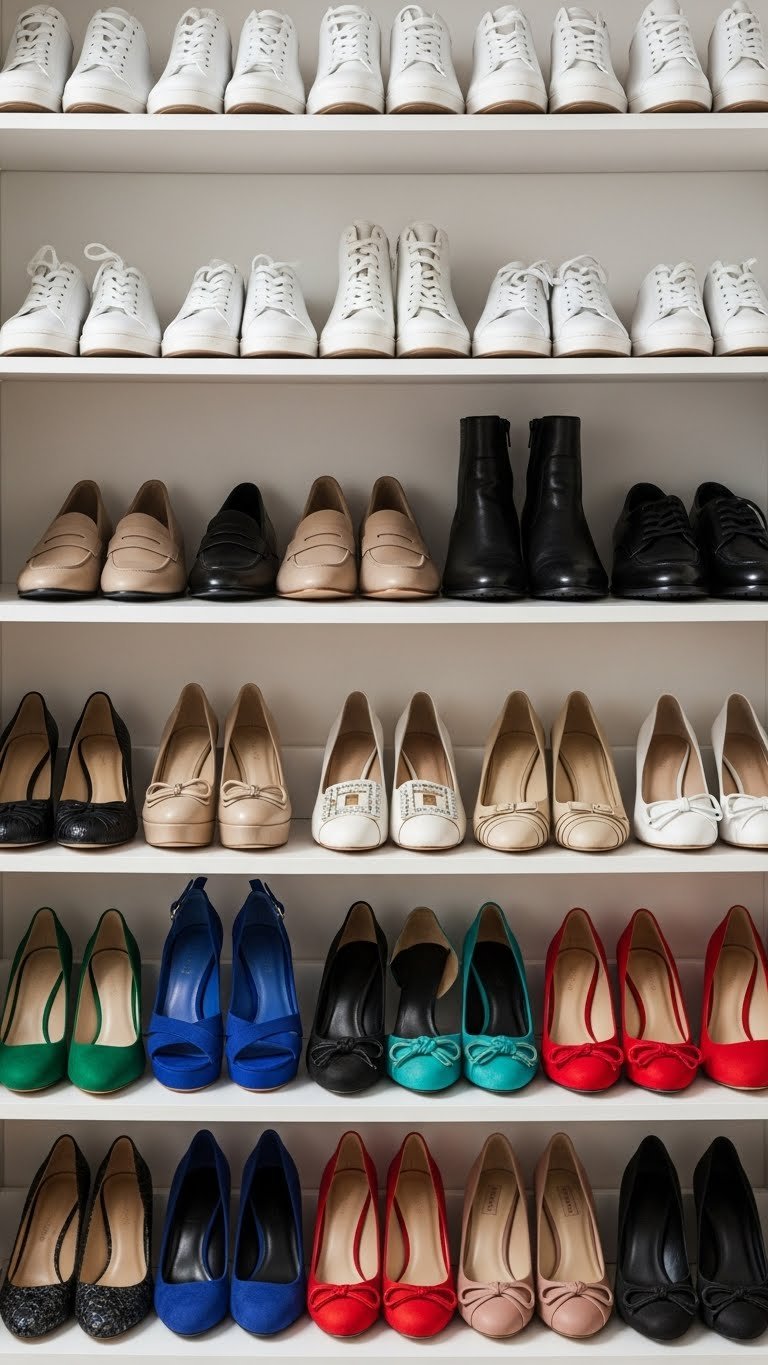
Your shoe collection should reflect and support your color-coded closet, not work against it. Organize shoes the same way—neutrals together, then jewel tones, then accent colors.
Use a shoe rack, shelving, or clear shoe boxes ($20-$60 depending on your shoe quantity). This takes one to two hours to implement. If you have limited space, use clear over-the-door shoe organizers ($10-$15) to maximize vertical space. Keep shoes visible so you remember what you have.
Getting dressed becomes seamless because your shoe color options are instantly obvious without digging through a jumble.
17. Create a “Visual Anchor” Piece in Each Color Zone
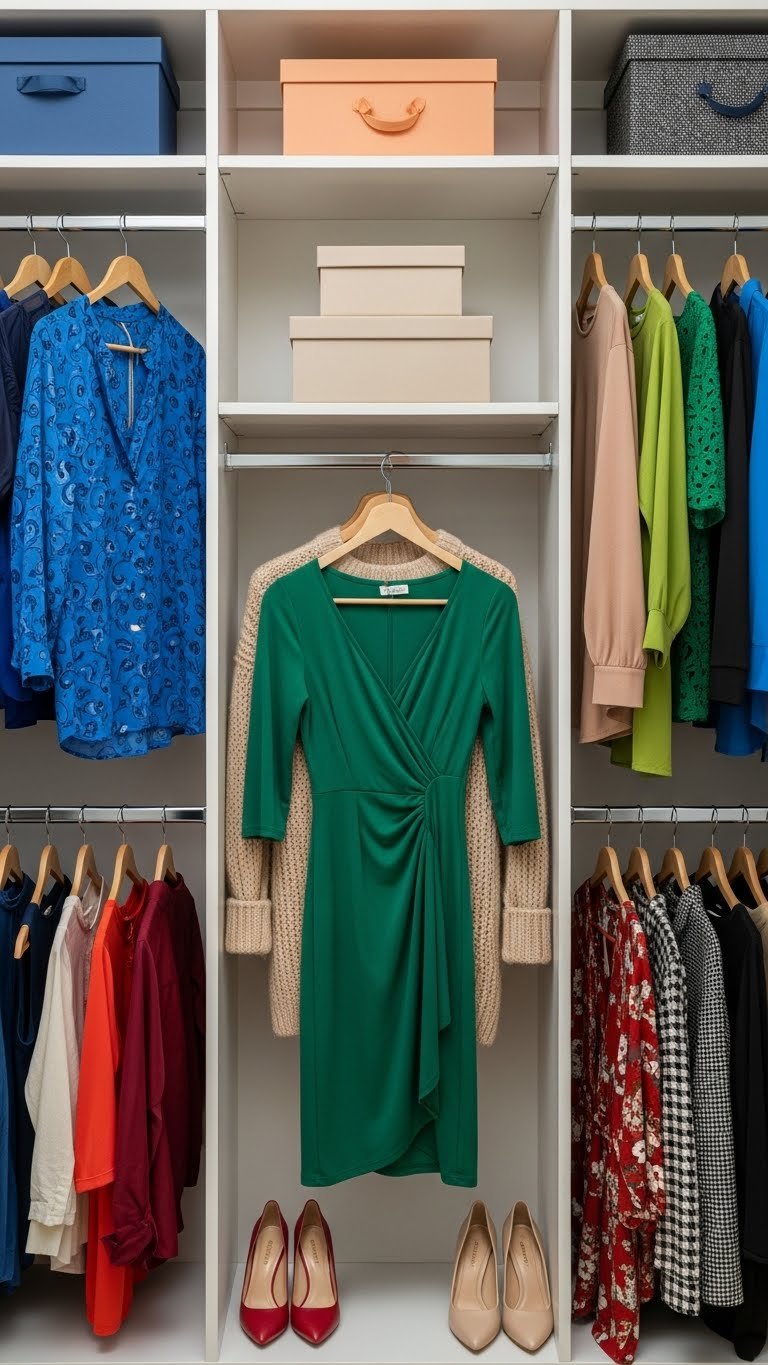
Within each color zone, identify one favorite or most-worn piece and hang it prominently. This becomes your visual anchor that reminds you of the color family and encourages you to build outfits around it.
Zero budget—just intentional placement. This takes 30 minutes once you’ve organized by color. Your eye naturally lands on these anchor pieces when you’re getting dressed, and you’re more likely to wear them. This system also prevents that problem of having a favorite piece buried in the back.
You’ll reach for these pieces more often and build more creative outfits because they’re visible and celebrated in your space.
18. Use Velvet Hangers in Color-Coordinated Sets
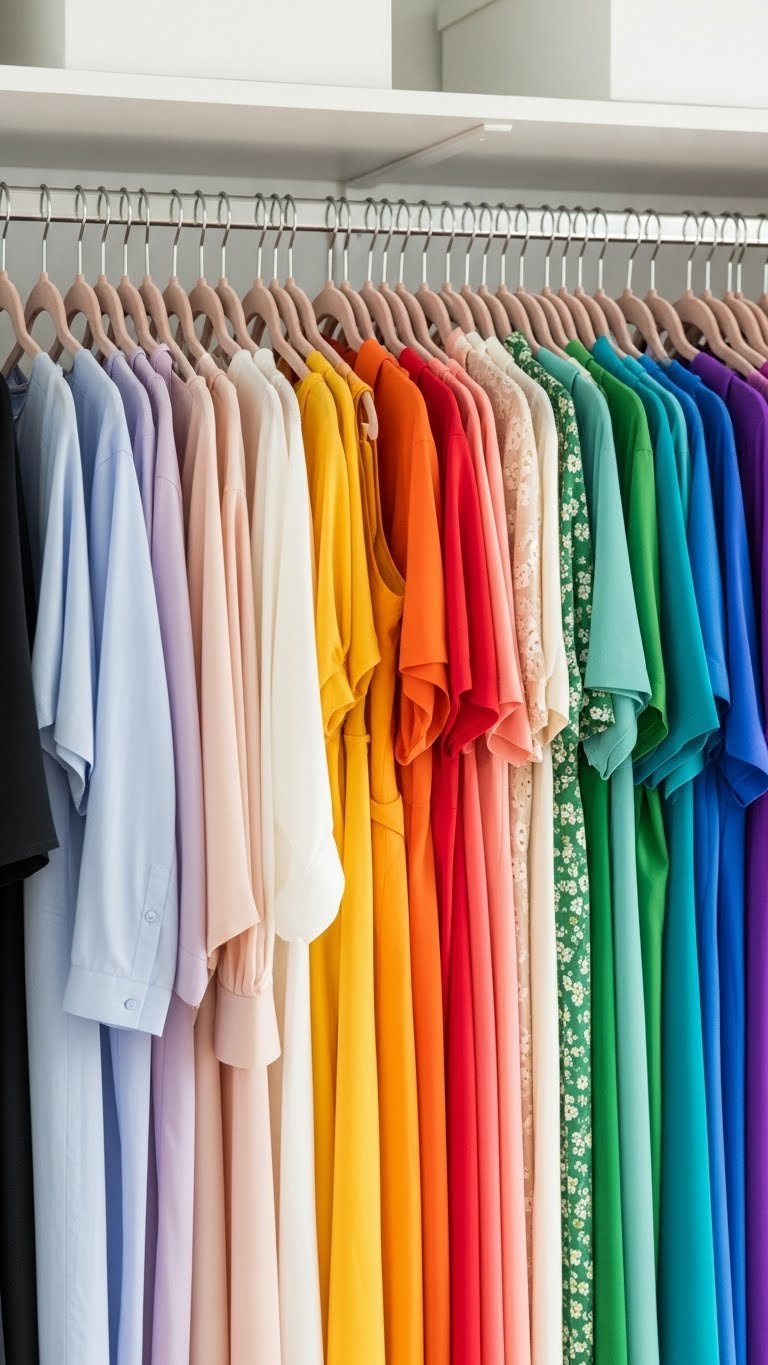
Switch to all matching hangers in one coordinated tone (blush, soft gray, rose gold, or champagne gold) to make your color-coded system feel more intentional and boutique-like.
Buy a set of 20-30 velvet hangers ($25-$50 from Amazon, Wayfair, or The Container Store). This takes one to two hours to switch out all your hangers but the visual impact is immediate. Velvet hangers also keep clothes from slipping, which is a bonus. Choose a hanger color that complements your wall color or bedroom aesthetic.
The uniform hangers make your color-coded clothing the visual focus, and your closet automatically looks more high-end.
19. Build Color Stories Around Your Lifestyle
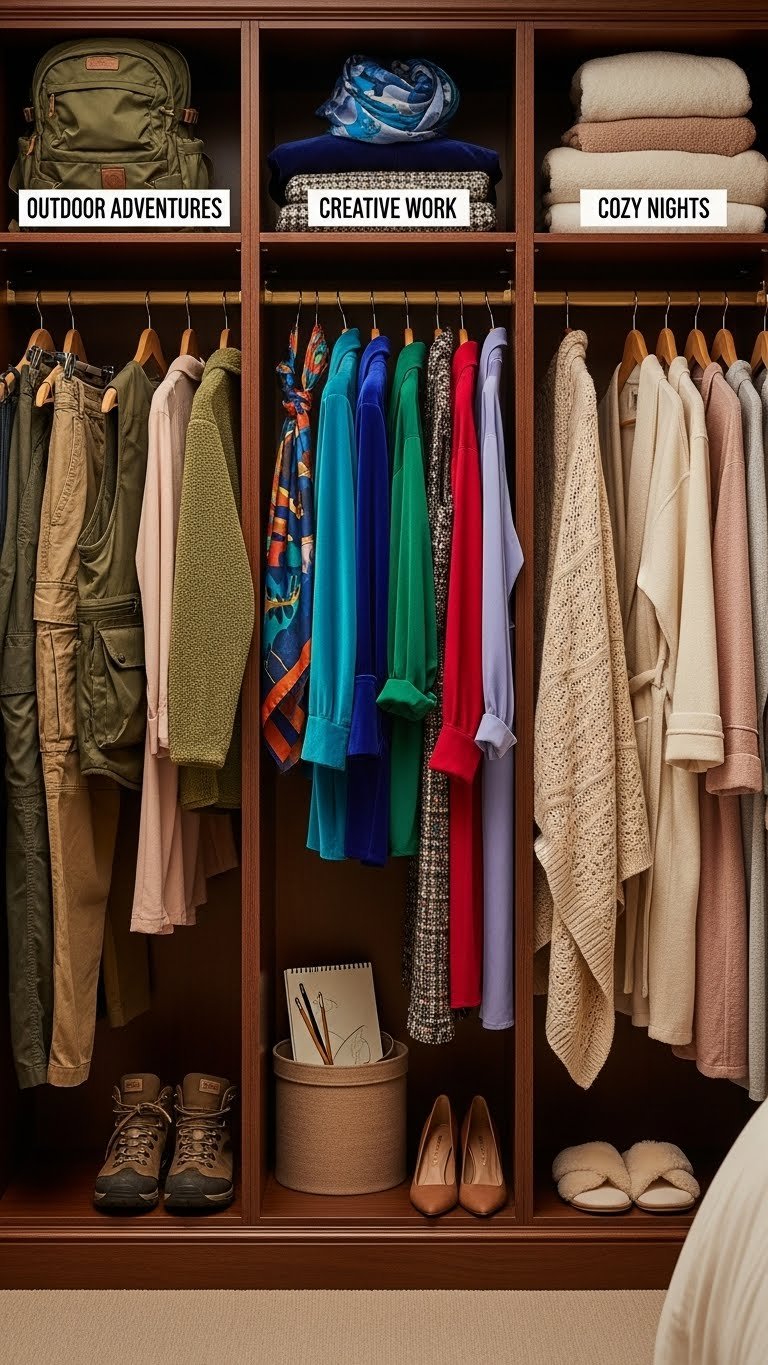
Instead of pure color organization, assign colors to lifestyle stories or seasons of your life. Create one color palette for your “outdoor adventures” life, another for your “creative work” life, a third for your “cozy home” self.
This takes two to three hours of honest reflection and rearrangement, and costs zero dollars. Choose three to four colors per lifestyle story and stick mostly to that palette. You might find your “outdoor” pieces are olive, khaki, and brown. Your “creative work” pieces are jewel tones and interesting textures. This system works brilliantly for visual decision-making.
Getting dressed becomes about channeling the version of yourself you want to be that day, not just grabbing anything clean.
20. Create a Color Reference Chart for Your Phone
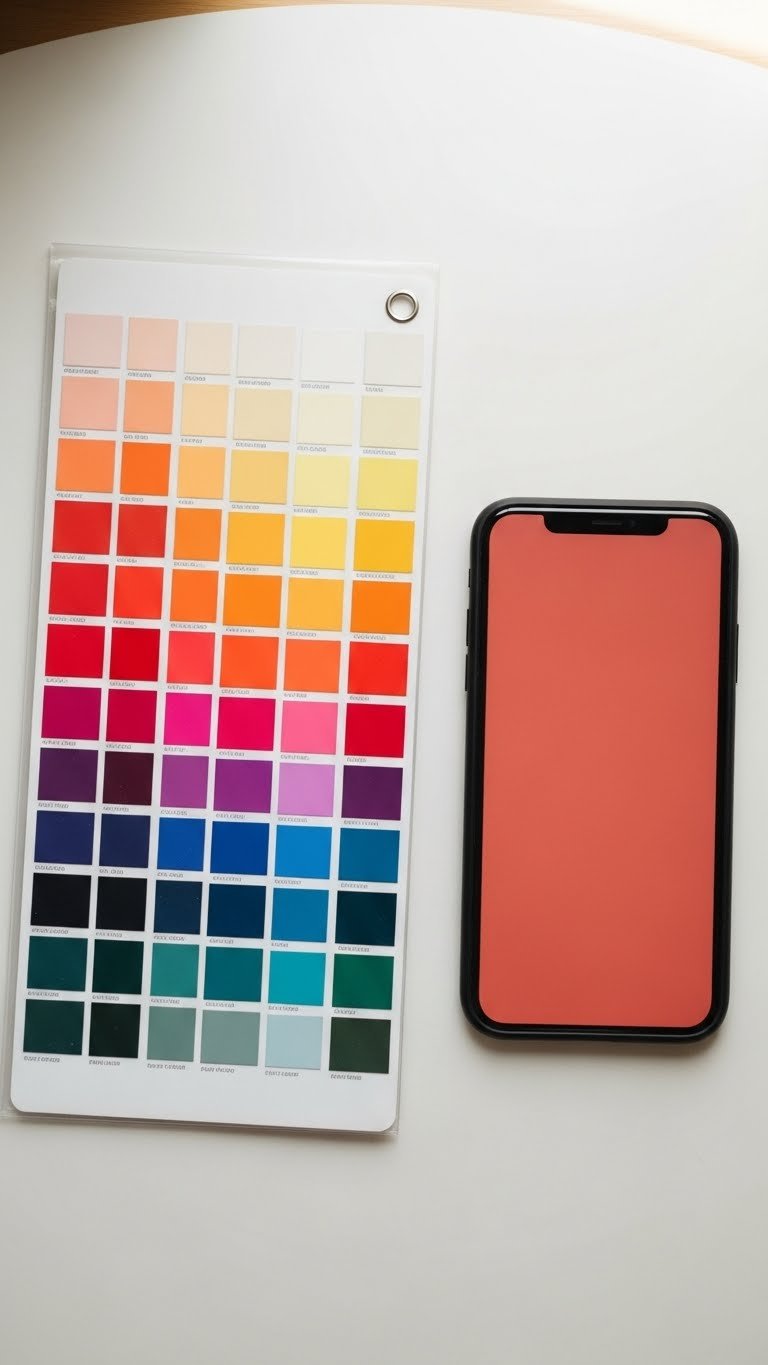
Photograph color swatches from your organized closet and keep them on your phone as a shopping reference. Snap small samples of your neutral base, your accent colors, and your jewel tones from actual pieces you own.
Grab a small notebook or print out your photo ($0-$5). This takes 15 minutes. When you’re shopping (online or in stores), pull up your phone and match new purchases to your existing palette. This prevents those “I thought this was the right blue at home” situations.
You’ll shop more intentionally and stop buying pieces that don’t actually work with your existing closet ecosystem.
21. Use Lighting to Showcase Your Color Organization
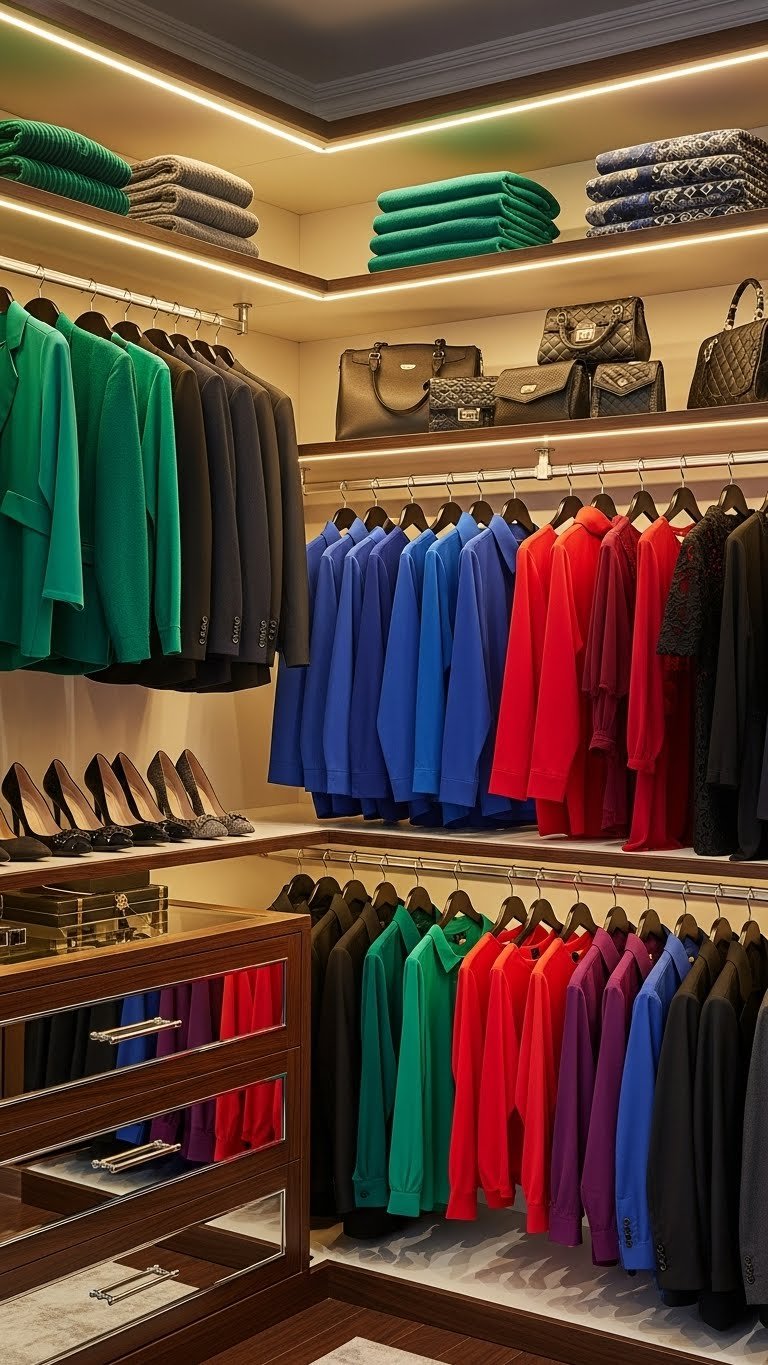
Good lighting elevates any color-coded closet from “neat” to “boutique.” Install LED strip lights or small puck lights ($15-$50 from IKEA, Amazon, or hardware stores) inside your closet to brighten dark corners and highlight your color work.
This project takes 30 minutes to one hour if you’re just sticking on adhesive-backed LED strips, or a few hours if you’re wiring permanent fixtures. Warm white light ($2700K-$3000K) is most flattering to clothing colors. Good lighting also makes it easier to actually see colors and prevents grabbing the wrong shade in dim conditions.
Your closet becomes genuinely functional and feels like a luxury space you actually want to spend time in.
22. Adopt the “One Color, One Day” Outfit Challenge
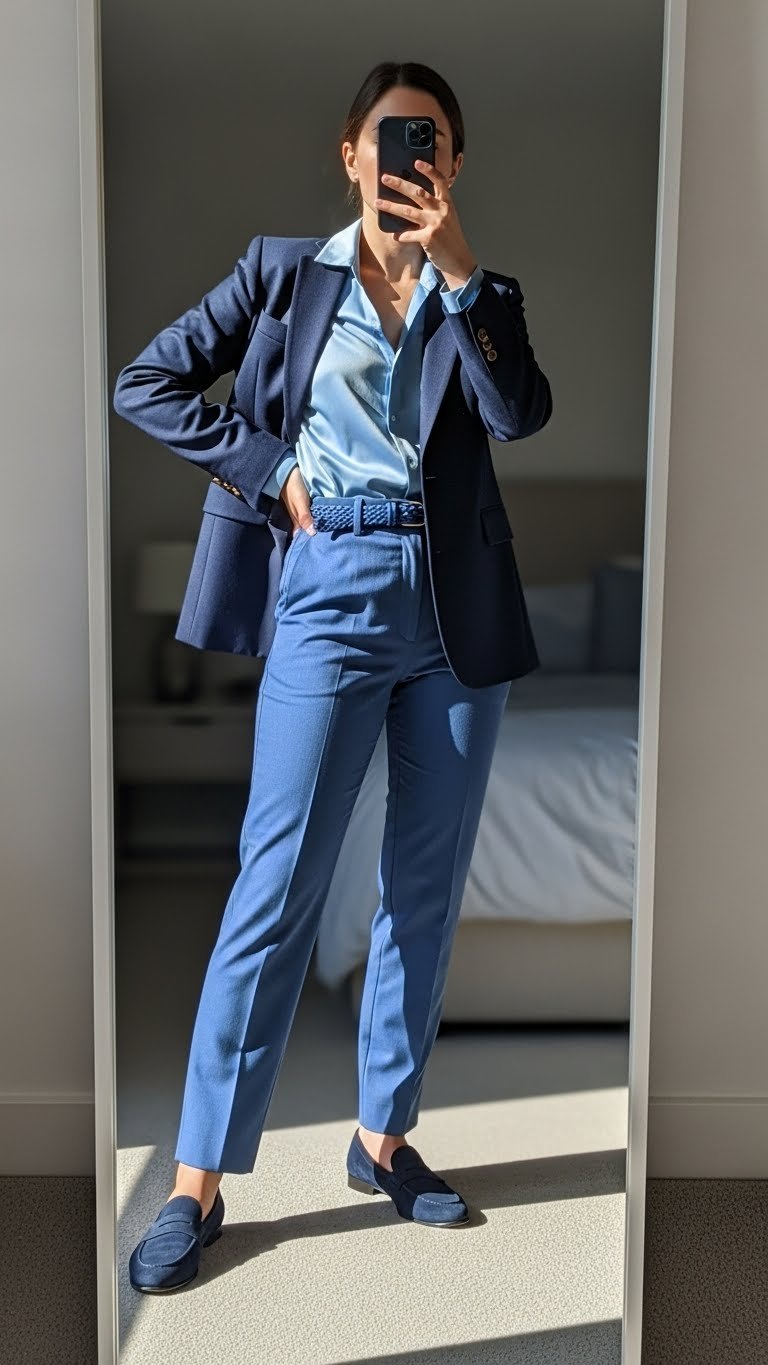
Once your closet is color-coded, challenge yourself to build monochrome outfits one day a week by using different shades within a single color family. All blues one day, all neutrals another, all warm tones another.
This costs zero dollars but takes 10-15 minutes per outfit attempt. You’ll discover depth and sophistication in shades you might not have considered as “matching.” When you do this regularly, you’re essentially pre-testing endless outfit combinations.
You’ll have more confidence in your personal style and realize how many pieces you already have that work beautifully together.
23. Use Dividers to Maintain Color Sections
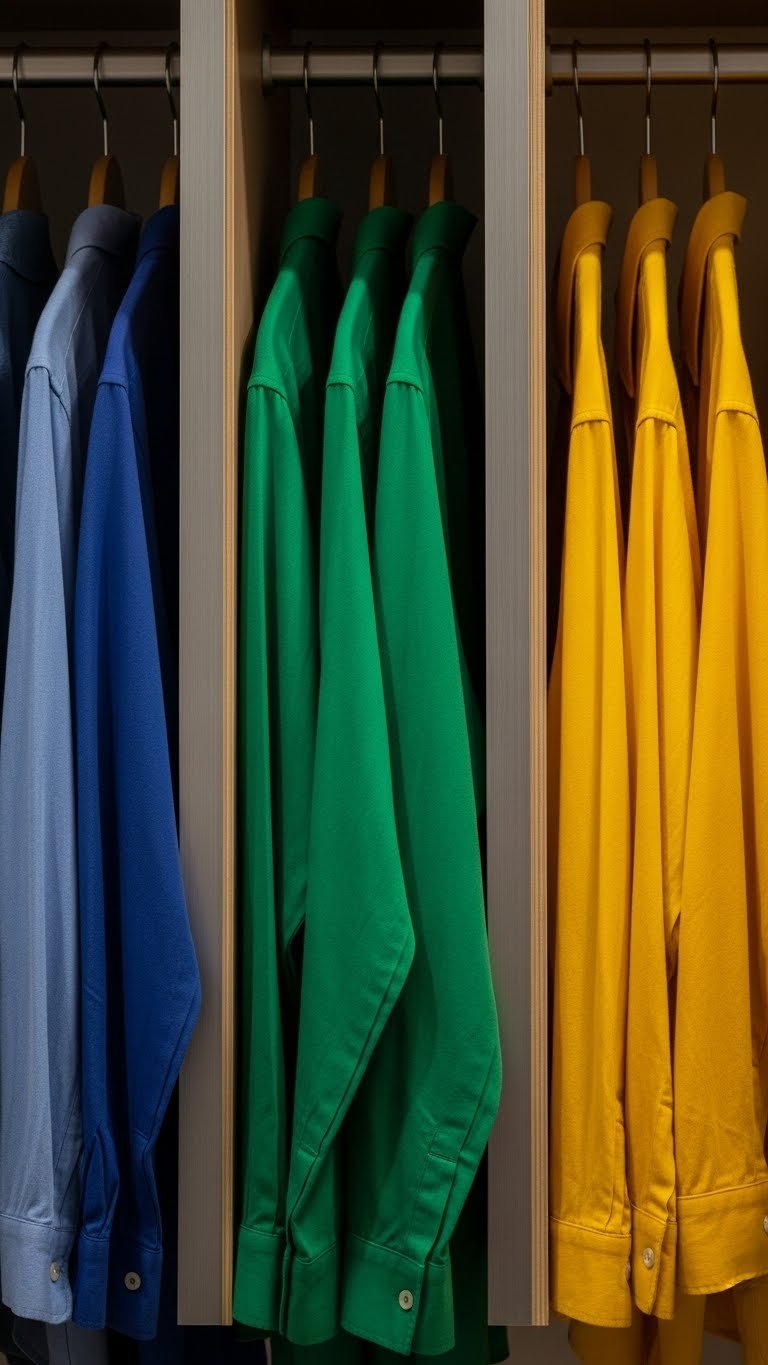
Add shelf dividers or hanging dividers to physically separate your color zones, making it harder for the system to slip back into chaos.
Buy closet rod dividers or shelf dividers ($10-$30 from The Container Store, Amazon, or IKEA). This takes 15-30 minutes to install or position. Dividers are especially useful if you share a closet or have kids who might not respect your color organization system. They make the boundaries clear and make it easier to put things back correctly.
Your system stays intact longer and requires less maintenance, because the physical dividers remind everyone where things belong.
24. Maintain Your Color System with a Monthly Reset
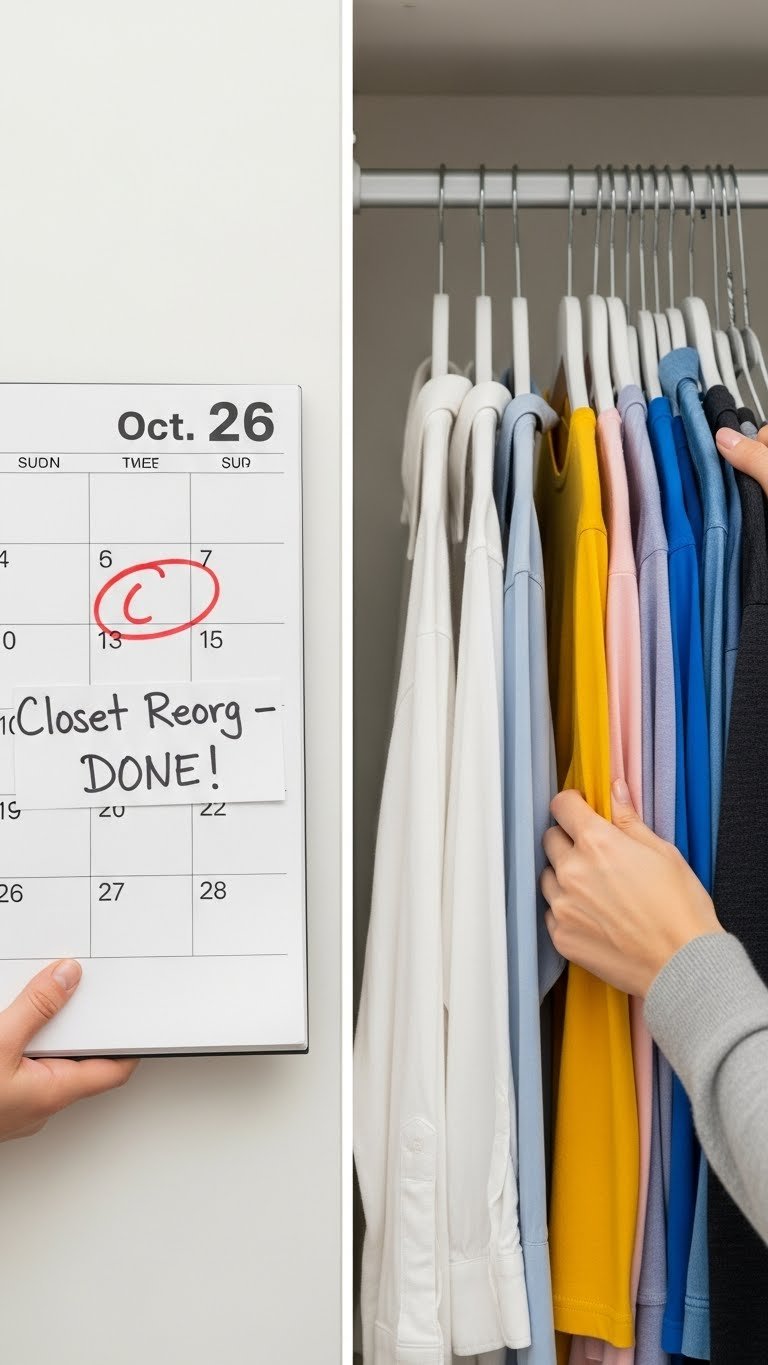
Schedule a monthly 15-30 minute reset where you quickly rescan your color zones and put anything back in its proper place. This takes just one Sunday afternoon per month.
Use a calendar reminder or app to prompt you, and time yourself to keep it quick. You’re not deep-organizing, just straightening and repositioning. This prevents the slow creep back into chaos and keeps your system functional.
Your color-coded closet stays visually organized and functional without requiring constant babying, and you maintain the momentum of actually wearing your clothes intentionally.
Save this post and try implementing at least one color-coding idea this week—even small shifts make a massive difference. Your closet will feel more organized, and you’ll get dressed with more confidence and speed. Which approach speaks to you most?
Leave a Reply