
If your kitchen feels sterile and disconnected from nature, you’re not alone. After years of all-white minimalism, homeowners are craving spaces that feel alive, warm, and grounded. The good news? Bringing earthy, natural elements into your kitchen doesn’t require a full renovation or a designer budget. From introducing soft greens and warm wood tones to adding living plants and natural textures, these 23 ideas will help you create a kitchen that feels like a retreat—not just a functional space. Whether you’re renting or own your home, you’ll find simple swaps and budget-friendly projects that bring the calm of nature indoors. Let’s explore how to make your kitchen feel like the peaceful, connected space you’ve been wanting.
1. Paint Walls in Soft Sage Green
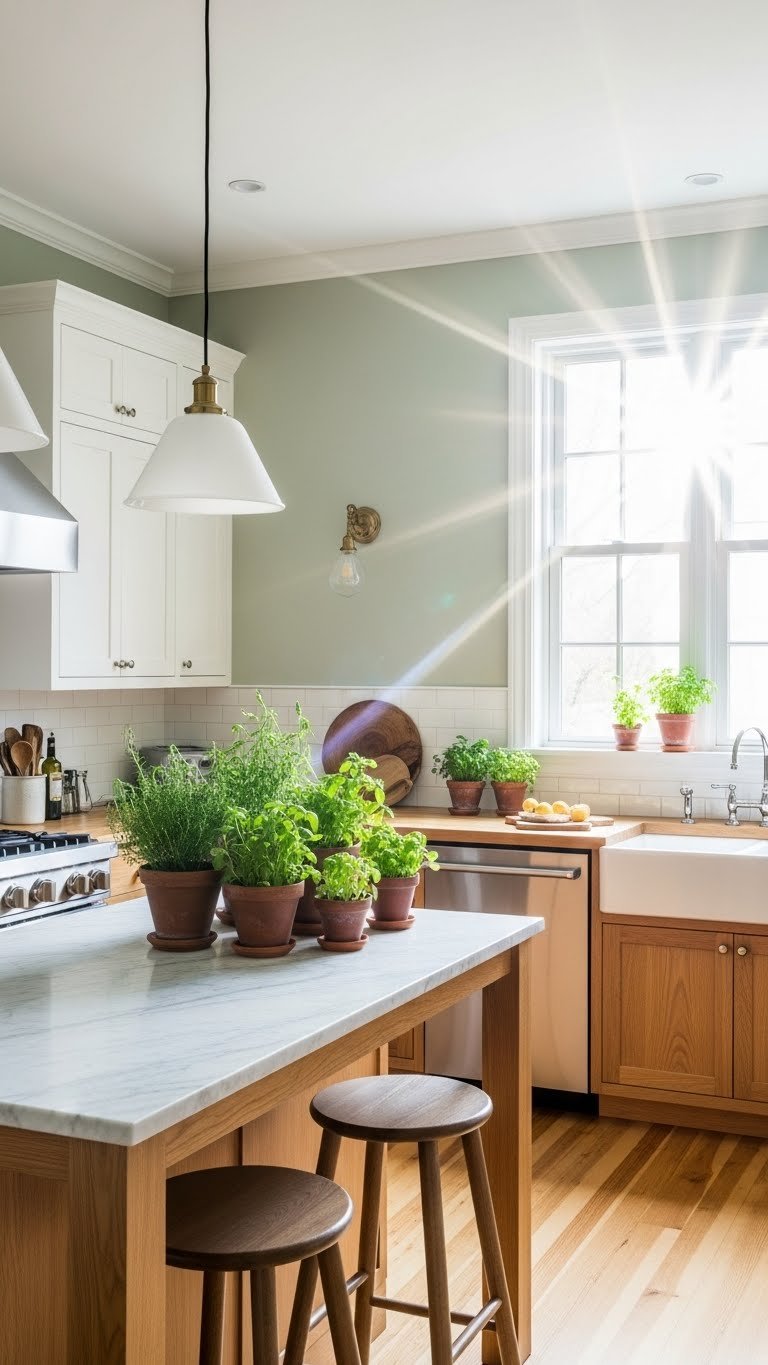
Soft sage green creates an instant calming effect without feeling bold or trendy. This muted tone pairs beautifully with warm metals and natural wood, making your kitchen feel both serene and intentional.
Pick a mid-to-pale sage (not forest green for smaller spaces). Benjamin Moore’s “Healing Aloe” or Sherwin-Williams’ “Sea Salt” are popular choices. Cost: $30–$100 for paint. Spend a weekend painting—it’s a straightforward DIY project if you prep walls properly. If walls feel too permanent, removable peel-and-stick wallpaper offers the same effect for renters. Apply painter’s tape carefully and use two coats for best coverage.
You’ll notice the room feels more spacious and peaceful immediately. The soft backdrop makes everything else—your counters, appliances, and decor—feel more curated and thoughtful.
2. Swap Out Hardware for Warm Brass
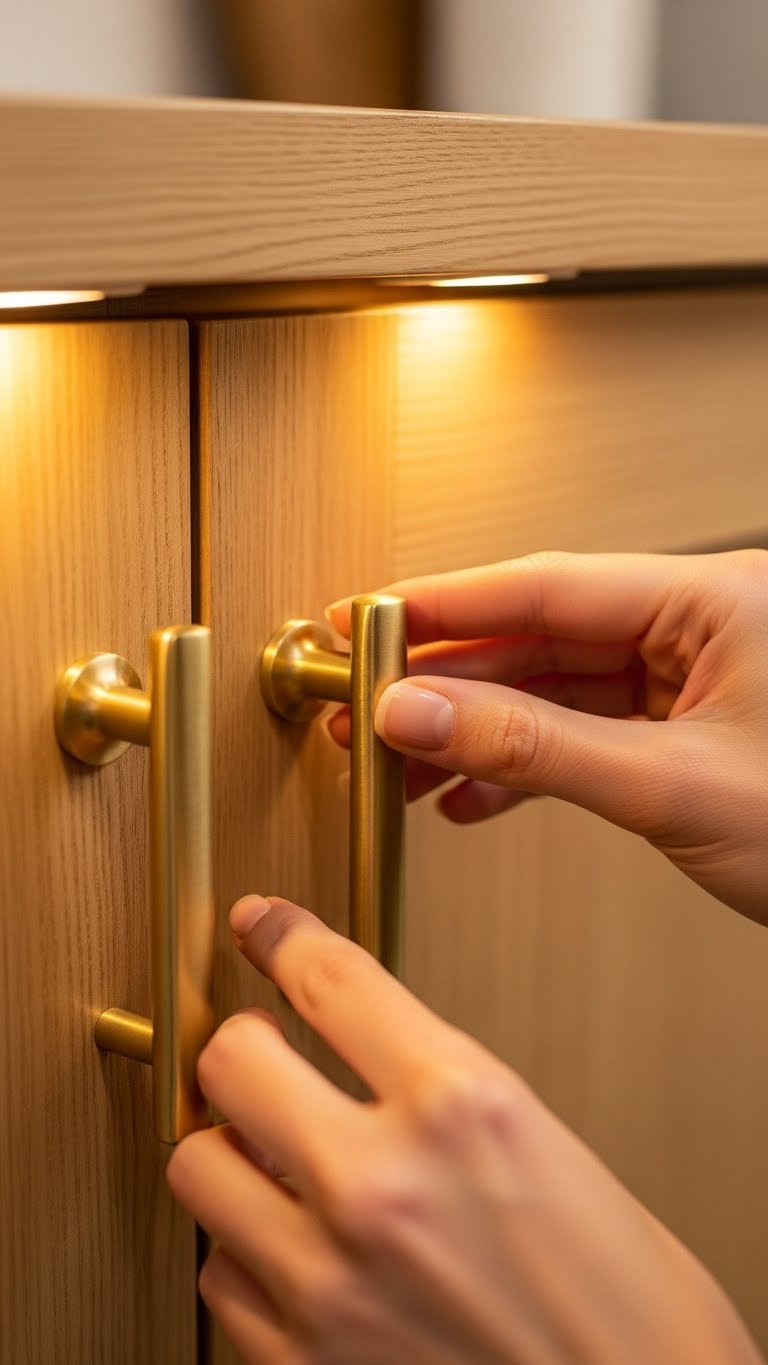
Warm brass instantly elevates cabinetry and bridges the gap between modern and natural materials. It catches light beautifully and feels less sterile than chrome or stainless steel.
Measure your cabinet door spacing and order brushed brass knobs or pulls (not shiny) from Anthropologie, West Elm, or Amazon. Cost: $30–$150 depending on quantity. Installation takes 2–3 hours with just a screwdriver. If your cabinets aren’t sturdy enough for holes, adhesive metal accents work on drawers. Collect hardware from existing pieces before replacing—you might discover a hidden treasure underneath.
Cabinet fronts look immediately warmer and more cohesive. This small change has outsized impact on how sophisticated your kitchen feels without needing expensive renovations.
3. Add Open Wood Shelving for Display
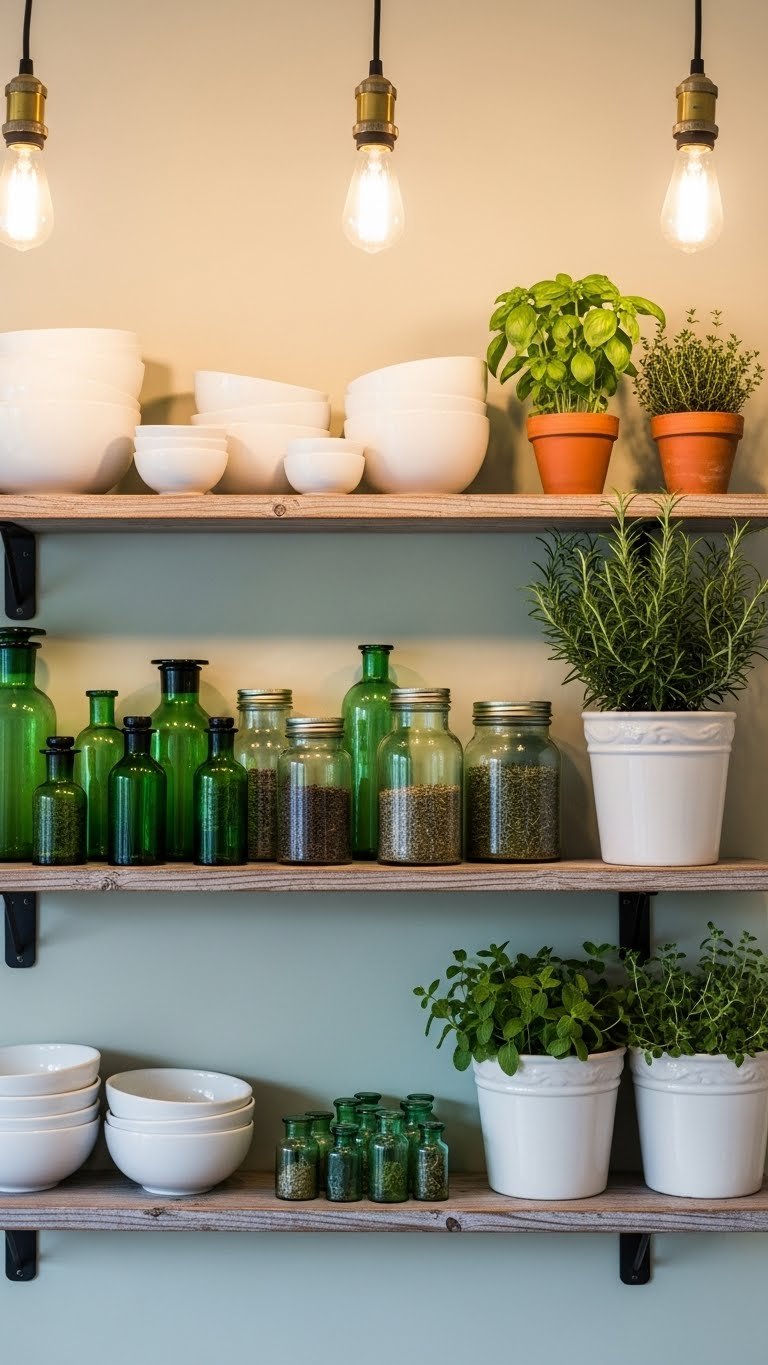
Open wood shelving brings visual warmth and connects your kitchen to nature through raw material. It also gives you flexibility to rearrange and personalize your display without committing to cabinetry.
Install solid wood shelves or reclaimed wood planks from Home Depot, IKEA, or Wayfair. Cost: $50–$300 depending on size and material. One weekend installation with basic tools (level, drill, brackets). Style with white ceramics, glass jars, and small potted plants—keep it simple so shelves don’t feel cluttered. Renters can use floating command strips designed for heavier loads as a temporary solution.
Your kitchen gains a designer-curated look. Display becomes functional art, and you see your favorite pieces every day instead of hiding them behind cabinet doors.
4. Introduce a Green Island with Natural Wood Legs
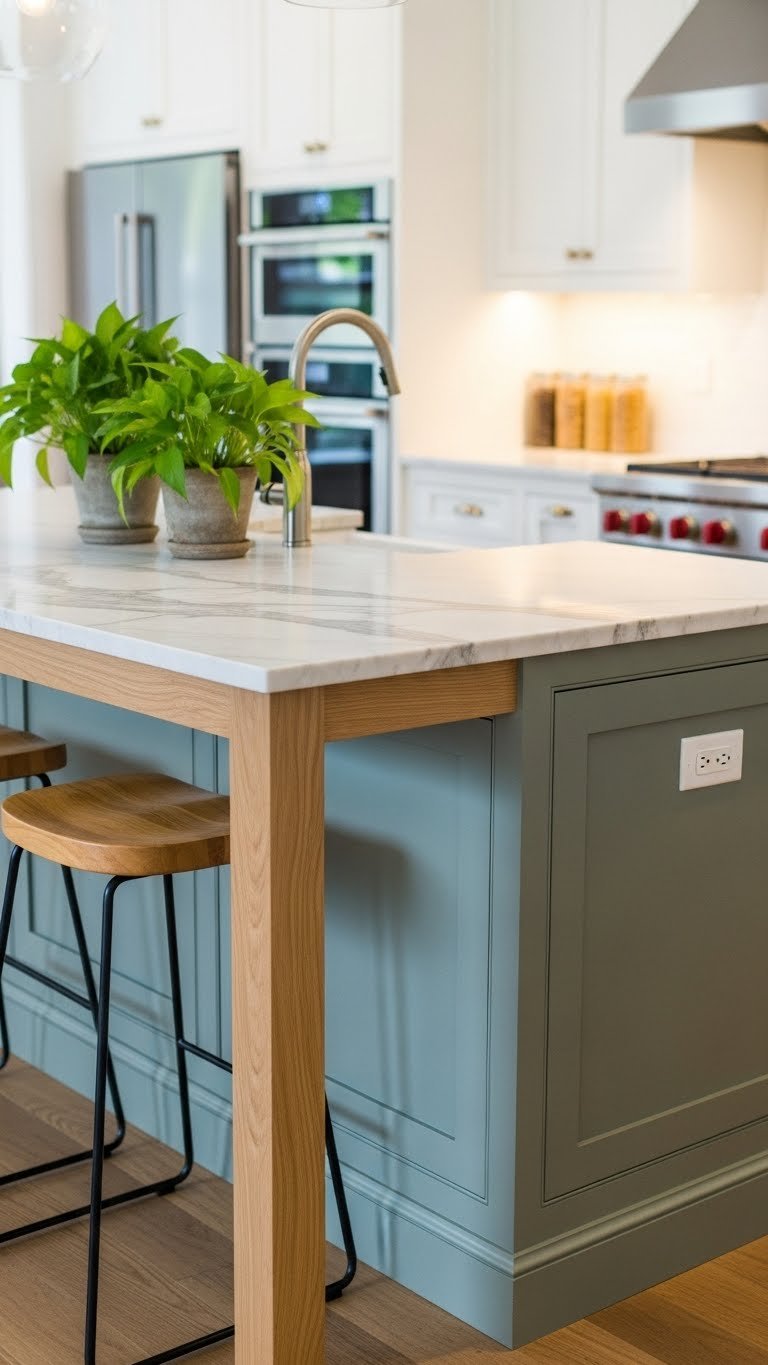
A green island serves as a bold focal point while maintaining that connection to nature through color and material blending. This breaks up monotone cabinetry and creates visual interest instantly.
Paint existing island cabinetry or order a pre-made green island from Wayfair or custom builders. Add turned wood legs (farmhouse-style) if replacing an older island. Cost: $200–$800 depending on size and whether you’re painting existing or buying new. DIY painting takes one weekend; professional installation varies. Pair with stools in natural wood or woven materials to enhance the biophilic feel. Ensure there’s open legroom so the island doesn’t feel heavy.
Your kitchen gains a statement piece that encourages gathering. The green feels intentional rather than all-over, and natural wood grounds the whole space.
5. Layer Different Wood Tones Instead of Matching
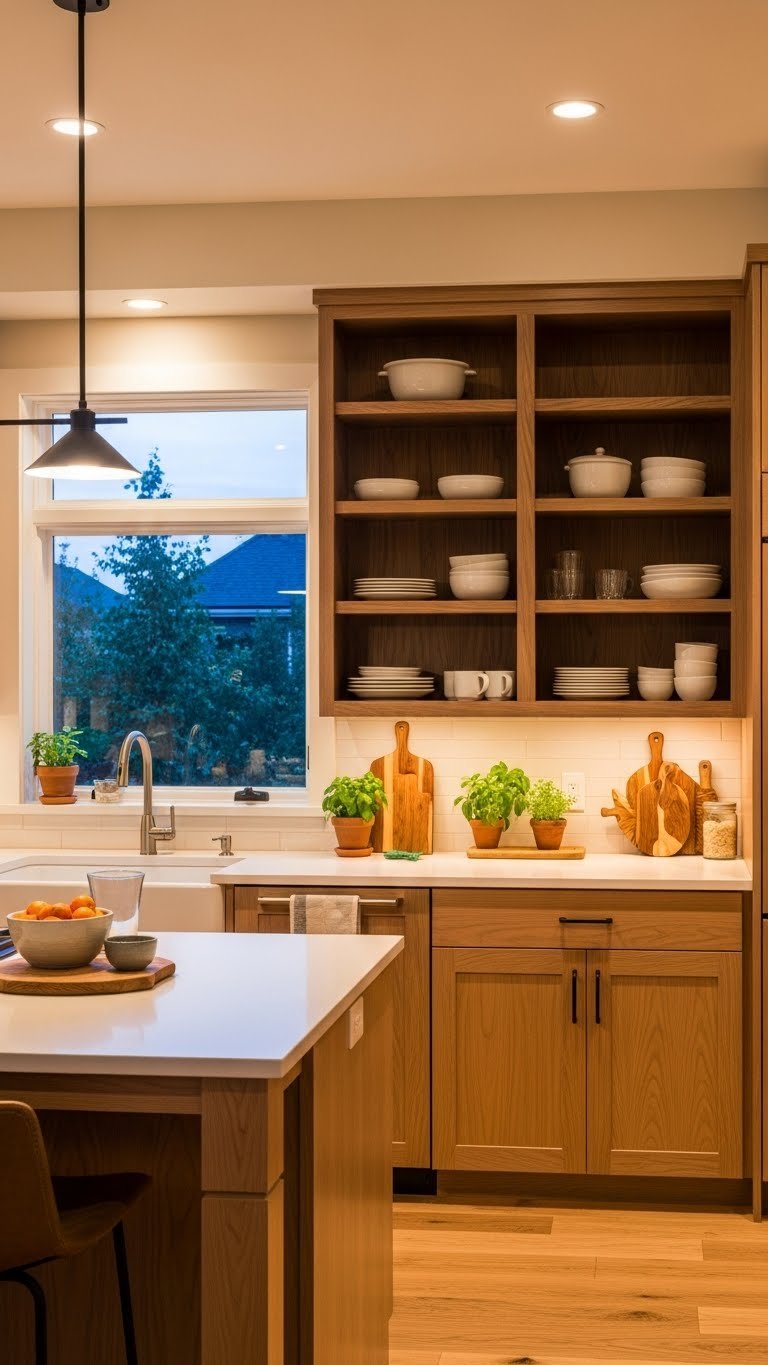
Matching wood tones feels dated and safe. Intentionally mixing light, medium, and dark woods creates depth, visual interest, and a collected, curated aesthetic.
Combine three wood tones: light cabinetry (white oak), darker shelving (walnut), and a mid-tone island (cherry or maple). If you have existing cabinets, add shelving or an island in a contrasting wood. Cost: $200–$2,000 depending on whether you’re DIY adding pieces or replacing cabinetry. This works over time as you gradually add pieces. The key is keeping grout, paint, or metal consistent so varied woods feel intentional, not mismatched. Warm lighting ties everything together visually.
The result feels like an evolved, personal kitchen rather than a showroom. You see how design elements relate without being identical, which reads as more sophisticated and human-scaled.
6. Install a Full-Wall Slab Backsplash in Light Marble

A marble slab backsplash feels seamless and sculptural—it’s a far cry from tiny subway tiles. The natural movement in stone brings organic beauty and becomes a quiet focal point.
Order honed (matte) light marble slabs like Calacatta or Statuary from tile suppliers or Wayfair. Cost: $800–$2,500 including installation. Installation requires professional help (2–3 days of work). Honed finishes hide water spots better than polished for daily practicality. Alternatively, large-format quartz slabs mimic marble at half the cost ($400–$1,200) and are more stain-resistant if you cook frequently. Seal marble annually if you choose it.
Your kitchen gains a gallery-like quality. Behind-stove views feel refined and intentional rather than an afterthought. This investment creates visual calm and backdrop beauty.
7. Bring in Live Plants and Herb Gardens
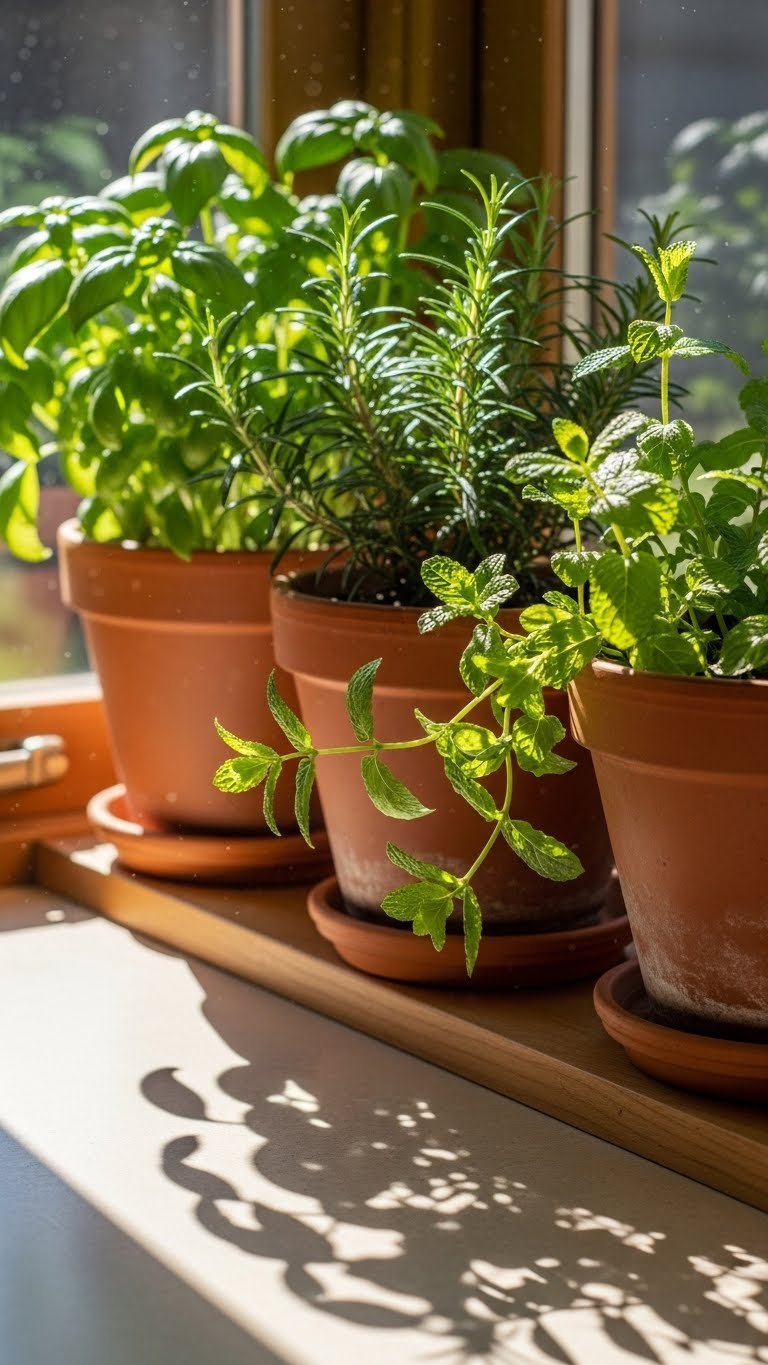
Living plants connect you to nature daily and literally purify the air in your kitchen. Fresh herbs at arm’s reach make cooking feel more intentional and grounded.
Start with low-maintenance herbs: basil, rosemary, mint, and oregano in 4-inch terra-cotta pots from a nursery or Home Depot. Cost: $5–$15 per plant. Place on sunny windowsills or shelves. Water 2–3 times weekly depending on sunlight. Add larger fiddle leaf figs or pothos in corners ($15–$40 each) for height and air quality. If your kitchen lacks natural light, use grow lights ($20–$50) on shelves or under cabinets. Renters can display pots without any permanent changes.
Your kitchen smells fresher and feels alive. You’ll notice the difference in daily mood—subtle but real—plus herbs at hand make cooking more accessible and fun.
8. Switch to Warm Edison Bulbs or Globe Pendants
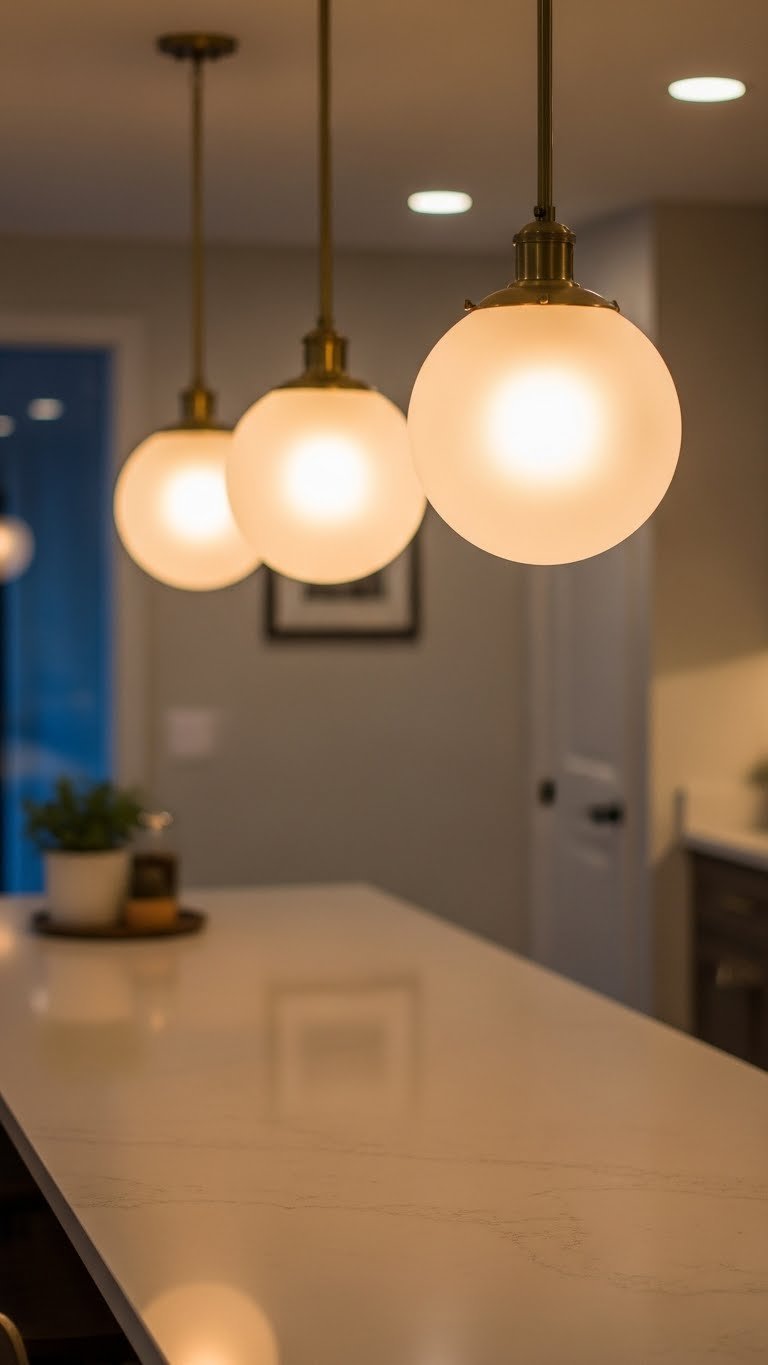
Lighting sets the entire mood of a space. Warm Edison bulbs create that golden, cozy glow that makes even functional areas feel intentional and welcoming.
Replace overhead recessed lights or pendant fixtures with warm Edison bulbs (2700K color temperature). Cost: $10–$40 per bulb. If you want new fixtures, globe pendants or farmhouse-style lights run $50–$300 per fixture from IKEA, West Elm, or Wayfair. Installation is straightforward if replacing existing fixtures; hardwiring new ones may need an electrician ($100–$300). Layer lighting with under-cabinet LED strips ($30–$80) for functional task lighting plus ambiance.
The kitchen becomes a place you want to linger. Warm light makes food look delicious, skin looks better, and the overall atmosphere shifts from clinical to cozy.
9. Create a Compost or Waste Sorting Station
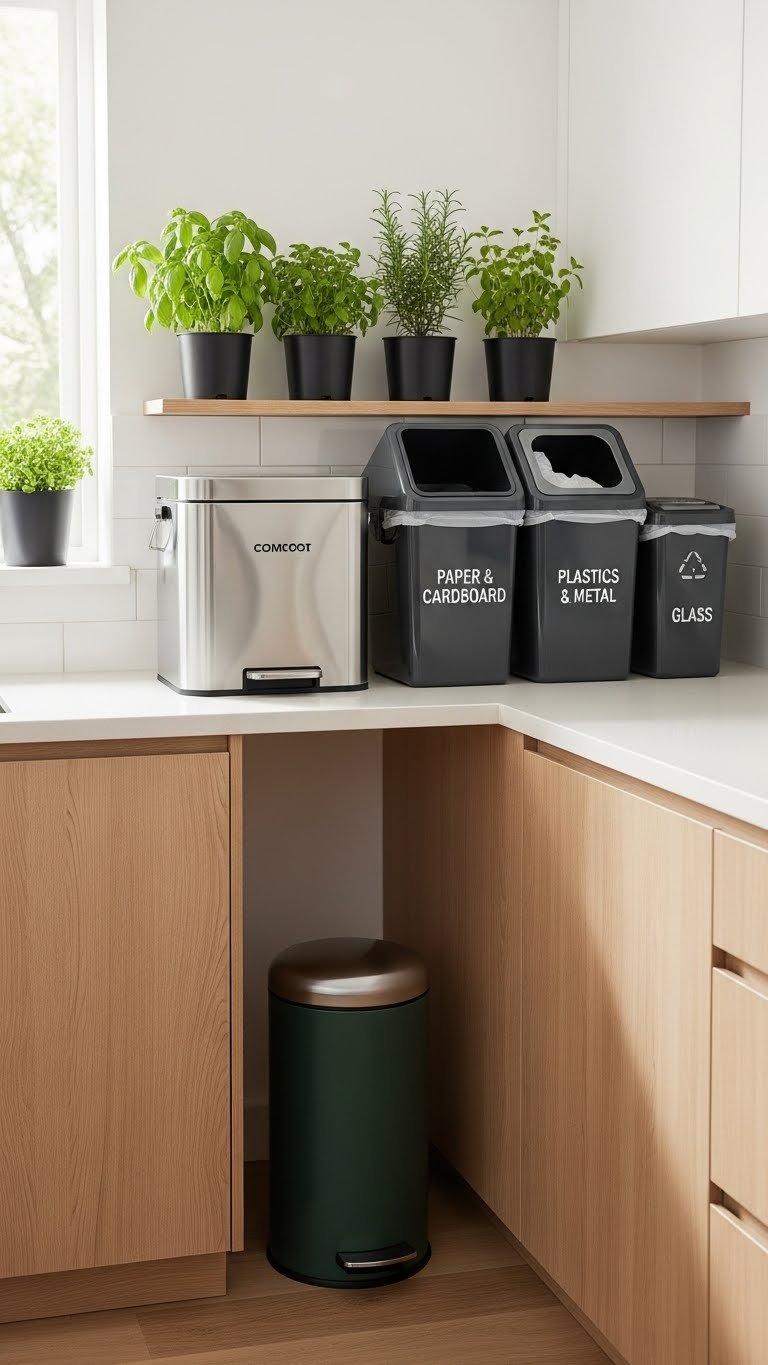
A dedicated waste station aligns your kitchen with sustainable living and reduces guilt about disposal. It’s practical, visible, and reinforces values you likely already hold.
Install a three-bin system (trash, recycling, compost) under the sink or in a corner with a rolling cart. Options from IKEA ($30–$50), Wayfair ($40–$100), or custom-built under-counter units ($200–$500). Compost bins from companies like Lomi or Vitamix ($150–$400) break down scraps faster for small spaces. Label everything clearly so family members use it correctly. Place near prep areas so composting feels natural, not hidden.
You’ll feel more aligned with your values daily. Composting reduces waste guilt and creates a visible reminder of intentional living—something you literally see every time you cook.
10. Add Texture with a Fluted or Plaster Range Hood

Textured range hoods move beyond stainless steel and add an architectural element that feels like functional art. Fluting or plaster creates movement and catches light beautifully.
Custom plaster hoods from artisans or specialist contractors range from $800–$3,000+. Pre-made fluted or textured hoods from premium brands like Lacanche run $1,500–$4,000. For budget-friendly texture, apply peel-and-stick plaster-effect wallpaper to an existing hood ($20–$50). Installation requires a contractor unless you’re skilled with finish work. The texture photographs beautifully and becomes an Instagram-worthy focal point without being trendy.
Your kitchen gains a sophisticated, intentional edge. The hood becomes a design statement rather than just mechanical equipment—guests notice it, and you feel the craftsmanship daily.
11. Layer Warm and Cool Metals (Brass + Black + Wood)
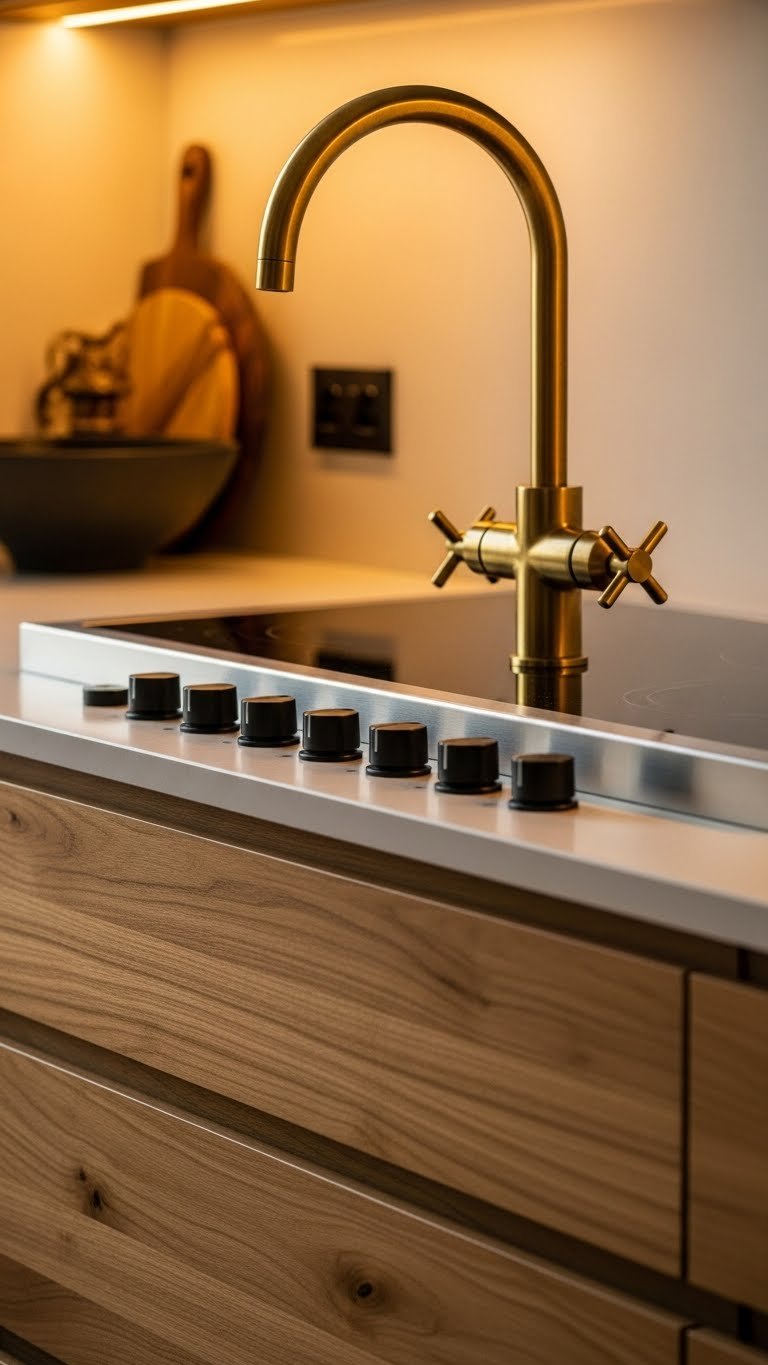
Mixing metals feels more evolved and collected than sticking to one finish. Brass, black, and warm wood create a sophisticated, intentional palette.
Start with one warm metal (brass) and one cool metal (matte black). Add hardware, faucet, or light fixtures in these finishes intentionally. Brass costs $20–$150, matte black $15–$100 depending on item. The key is proportion—if 60% of your metals are brass, 30% black, and 10% copper, it feels intentional. Mix on cabinet hardware, faucet, hood, and lighting to tie the palette together. Avoid equal percentages of each metal, which reads as indecisive.
Your kitchen feels designed by someone with taste rather than assembled from a catalog. The mixed metals create visual richness and sophistication that’s hard to achieve with matchy finishes.
12. Incorporate Stone or Quartz Countertops with Warm Undertones

Countertops cover significant visual real estate. Warm-toned stone connects to natural materials while remaining practical for daily kitchen use.
Quartz with warm undertones (buttery beige, soft taupe, warm gray) costs $60–$120 per square foot installed. Natural stone like honed limestone or travertine runs $50–$100 per square foot. Avoid cold gray quartz; instead choose colors with names like “Sparkling White,” “Cambrian Black,” or “Stellar White” that lean warm. Installation typically takes 1–2 weeks. Quartz requires no sealing; natural stone needs annual sealing ($100–$200). The warm tone paired with brass and wood creates a cohesive, grounded palette.
Your countertops stop feeling utilitarian and start feeling like a design anchor. The warm undertones tie everything together and make your kitchen feel intentional rather than generic.
13. Use Warm Linen or Canvas for Cabinet Hardware Wraps
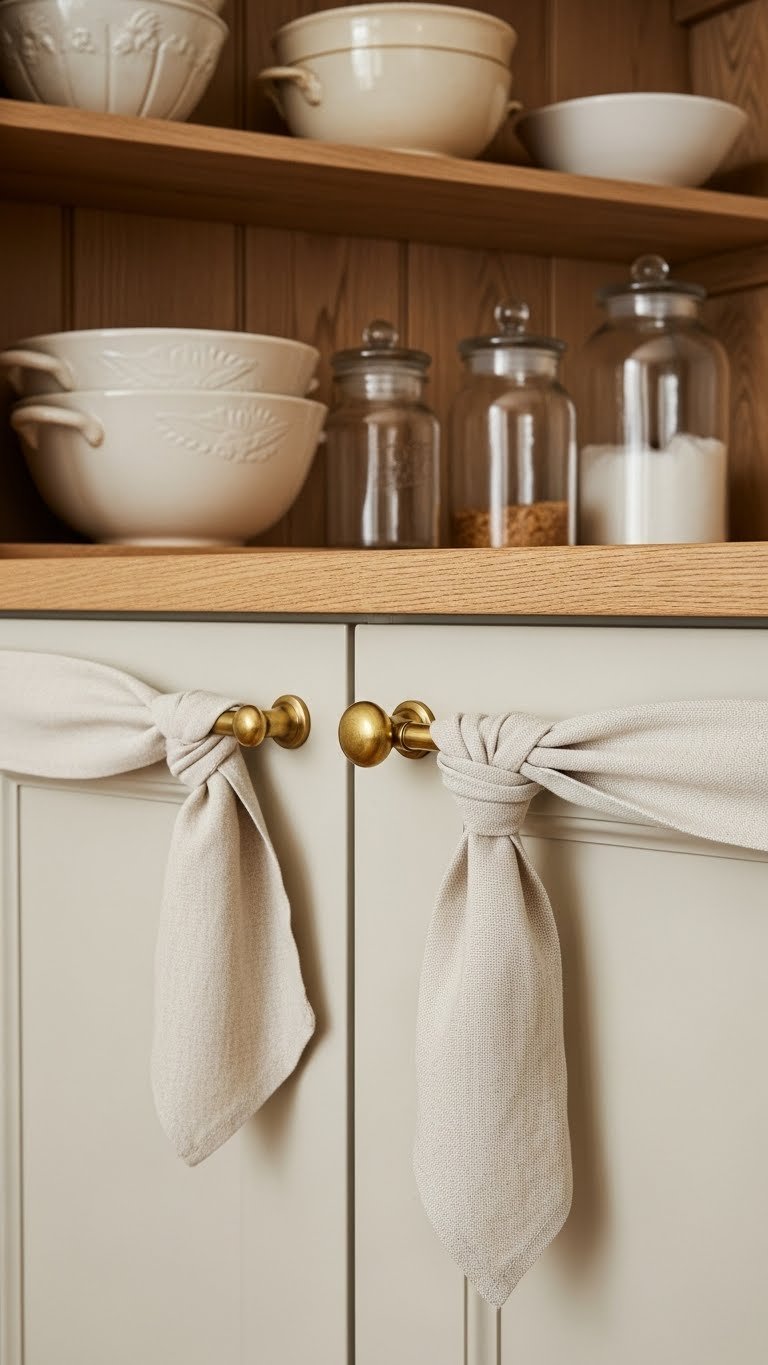
Wrapping hardware with natural textiles adds an unexpected layer of warmth and breaks up hard metal finishes. It’s unconventional and signals thoughtful design.
Wrap brass or metal hardware with natural linen, canvas, or leather cord. Use twine, strips of fabric, or simple leather wraps available on Etsy or Amazon for $5–$20 per wrap. This works beautifully on open shelving, bar stools, or pot handles. Change wraps seasonally or let them age naturally for a vintage feel. It’s completely reversible if you change your mind. This trick works in rental kitchens with zero permanent changes.
Your kitchen gains texture and a handmade, intentional quality. The fabric softens hard materials and shows personality in an unexpected, sophisticated way.
14. Paint Lower Cabinets a Deep Green or Blue
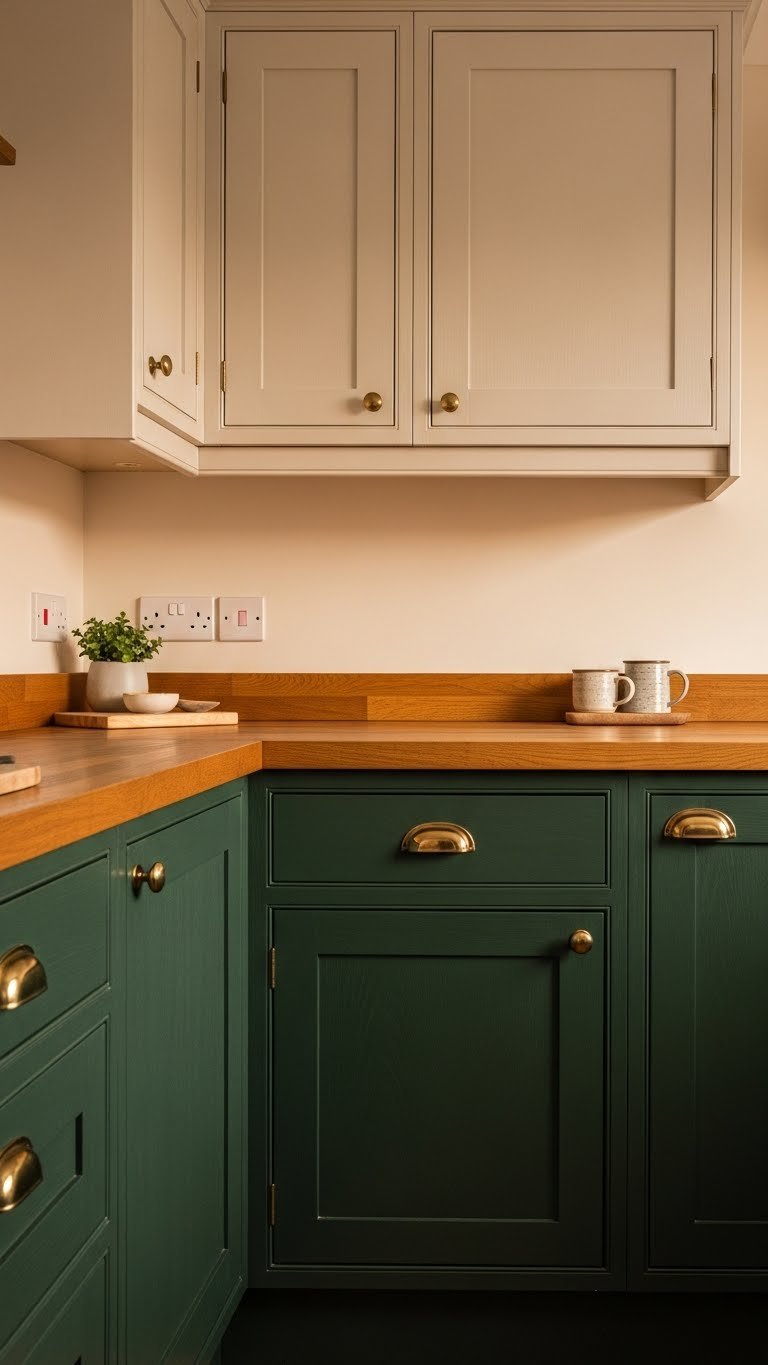
Two-tone cabinetry with a deeper color below creates visual weight and sophistication. Dark green or blue grounds the space while keeping uppers light and airy.
Paint lower cabinets in deep green (forest or hunter) or deep blue (navy or midnight). Upper cabinets stay white, cream, or light wood. Paint costs $40–$100; professional painting $300–$800 depending on cabinet quantity. DIY takes one long weekend with proper surface prep and primer. Use quality paint formulated for cabinets (Benjamin Moore Advance or Sherwin-Williams ProClassic). The depth of color below creates visual balance—lighter uppers prevent the kitchen from feeling heavy.
You get high-impact, designer-level impact without replacing everything. The two-tone approach feels current and sophisticated, and it’s less overwhelming than fully dark cabinetry.
15. Add Open Shelving with Brass or Wood Brackets

Visible brackets aren’t hidden—they’re design elements. Brass or wood brackets add character while displaying shelves as intentional, beautiful storage.
Install floating wood shelves with exposed brass L-brackets (not hidden). Brackets from Wayfair or hardware stores cost $15–$40 per pair. Wood shelves run $30–$100 depending on length. Installation takes 2–3 hours with a level and drill. Make sure shelves display items thoughtfully—white ceramics, glass, small plants, and cookbooks. Brass brackets catch light and create visual interest that hidden hardware doesn’t. This approach works in rentals if you use command strips rated for heavier loads instead of drilling.
Your shelves look intentional and curated rather than makeshift. Visible brackets become part of the design story, showing you’ve thought through every detail.
16. Introduce a Butler Pantry or Hidden Scullery
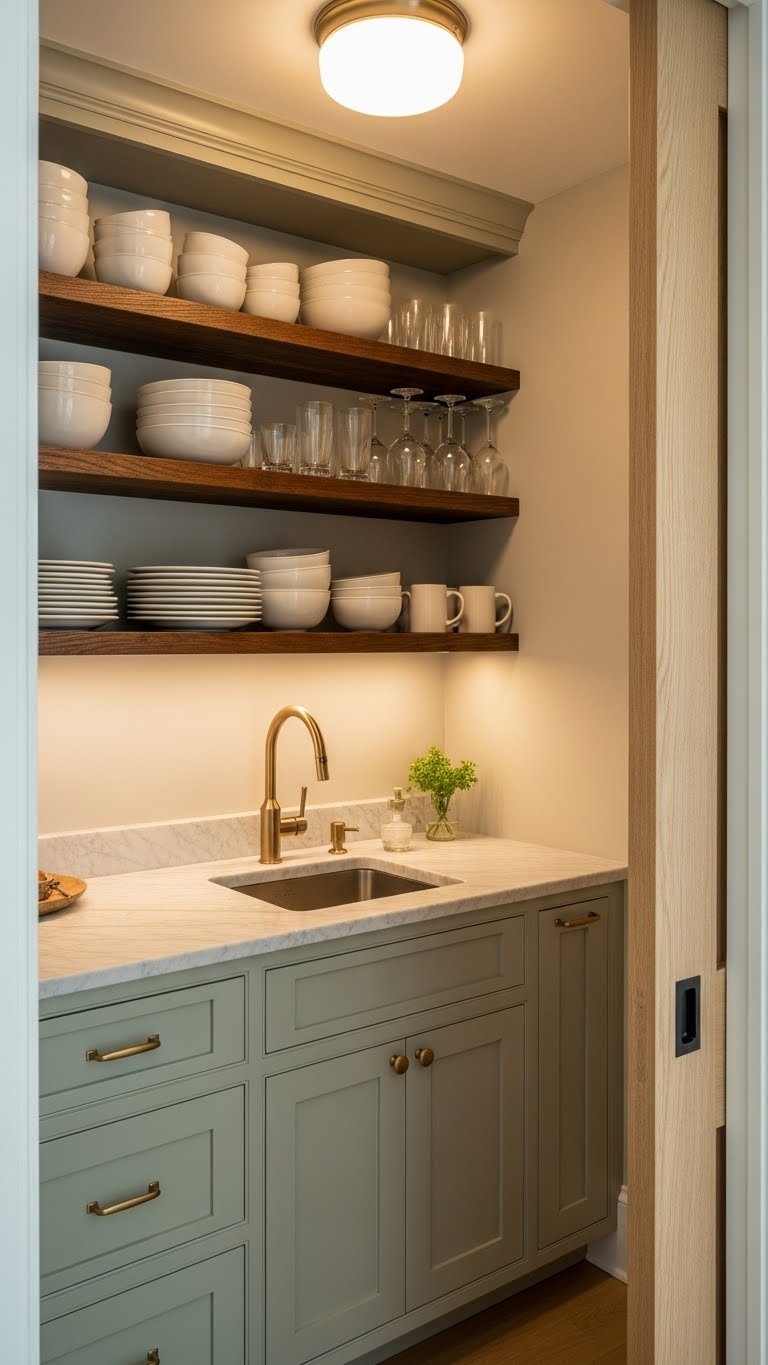
A butler pantry (or scullery) hides cooking mess and clutter while keeping your main kitchen looking serene. It’s a game-changer for people who cook frequently or host.
If you have a spare closet or hall space, install shallow cabinets, open shelving, and a small sink ($1,000–$3,000 for basic install). Alternatively, use a standalone pantry cabinet or rolling cart ($200–$800) tucked into a corner or closet to create hidden storage. Paint it in a complementary color or leave it natural wood. Stock with dishes, pantry items, and prep supplies so the main kitchen stays clutter-free. This works best in homes with extra space, but even a deep closet converted becomes functional.
Your main kitchen stays visibly calm and intentional. Mess and preparation happen behind closed doors, so guests see only the serene, designed space you want them to see.
17. Switch Faucets to Brushed Brass or Matte Black

Faucets are tiny but visible constantly. Warm brass or matte black reads as intentional and ties into your metal palette while being highly functional.
Replace your faucet with brushed brass or matte black versions from Wayfair, Home Depot, or Kohler. Cost: $150–$400 depending on style and features. Installation by a plumber takes 1–2 hours ($100–$200 labor). DIY is possible if you’re comfortable with plumbing, but hiring someone prevents leaks. Choose motion-sensor faucets ($200–$500) for a smart tech upgrade—hands-free operation feels luxe and sanitary. Go for a curved or gooseneck style in brass rather than a straight modern shape for warmth.
Your faucet becomes a design detail rather than an afterthought. Warm brass catches light and elevates the entire sink area from purely functional to intentional and beautiful.
18. Add Wooden Cutting Boards and Serving Boards on Open Display
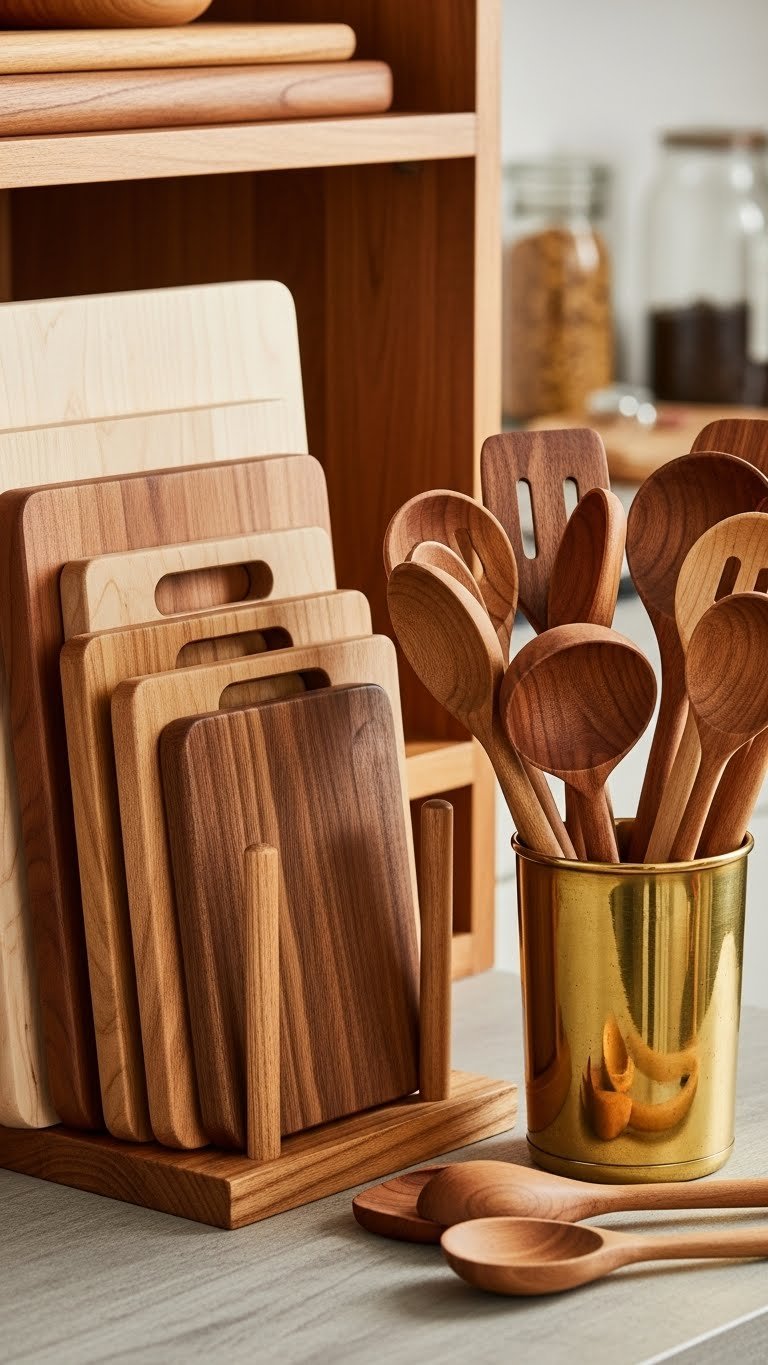
Wooden boards are beautiful, functional, and connect to natural materials. Displaying them makes them decor rather than hidden in a drawer.
Collect wooden cutting and serving boards from thrift stores ($5–$15 each), IKEA ($15–$30), or artisan makers on Etsy ($30–$100). Prop them against shelving, stack them in a corner, or use a wooden board stand ($20–$50). Choose boards in various wood tones and sizes for visual interest. This styling costs almost nothing if you use boards you already own. It’s completely renter-friendly and takes minutes to arrange.
Your kitchen gains warm, natural texture. Boards become part of your decor while staying functional—you see them daily and feel connected to the materials you cook with.
19. Install Under-Cabinet Lighting with Warm Tones
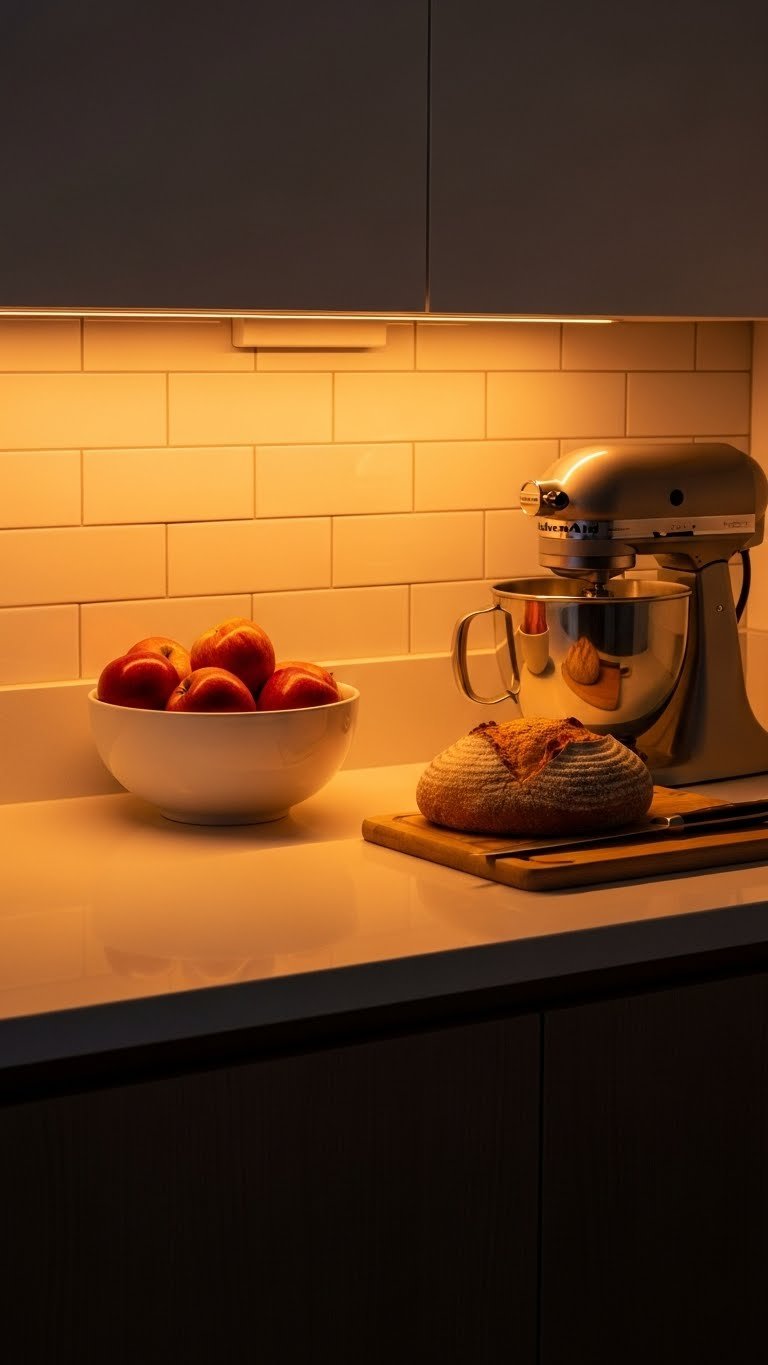
Under-cabinet lighting is practical and instantly transforms ambiance. Warm-toned LEDs create a spa-like quality while providing task lighting for food prep.
Install LED strip lights rated 2700K (warm white) from Amazon or Home Depot. Cost: $30–$80 depending on length and brightness. Installation takes 1–2 hours—clean the underside of cabinets, remove backing, and stick strips in place. Plug into an outlet or hire an electrician to hardwire ($100–$300). Dimmer switches ($20–$50) let you adjust ambiance. Warm LEDs feel intentional; cool white LEDs feel clinical by comparison.
Your kitchen gains functional beauty. You’ll notice the difference during evening cooking—the warm glow makes the space feel intentional and sophisticated while making it easier to see what you’re doing.
20. Layer Terra-Cotta and Ceramic Vessels for Textural Interest
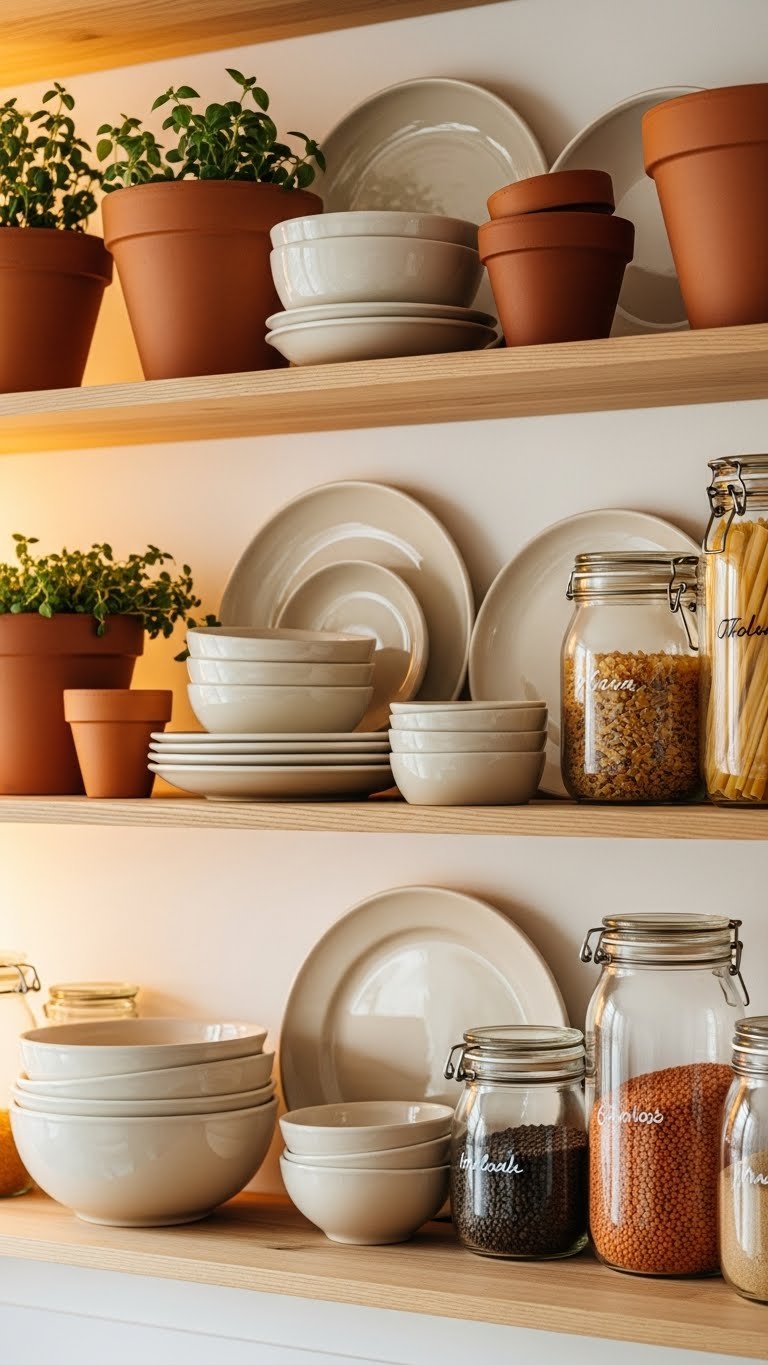
Textural variety in displayed items creates visual richness. Terra-cotta, ceramic, and glass together feel artisanal and collected.
Gather terra-cotta pots, ceramic bowls, and glass jars from thrift stores ($3–$10 each), HomeGoods ($5–$20), or Wayfair ($10–$40). Display on open shelving or counters in loose arrangements. Don’t worry about matching—varied tones and finishes read as intentional. Mix high and low: pair thrifted terra-cotta with one or two nicer ceramic pieces. This costs almost nothing if you’re thrifting and is completely renter-friendly.
Your shelves feel curated and alive. The mix of textures creates visual interest without feeling cluttered, and each piece tells a story. It’s a design move that signals personality and thoughtfulness.
21. Use Warm Wood Paneling or Shiplap on a Single Accent Wall
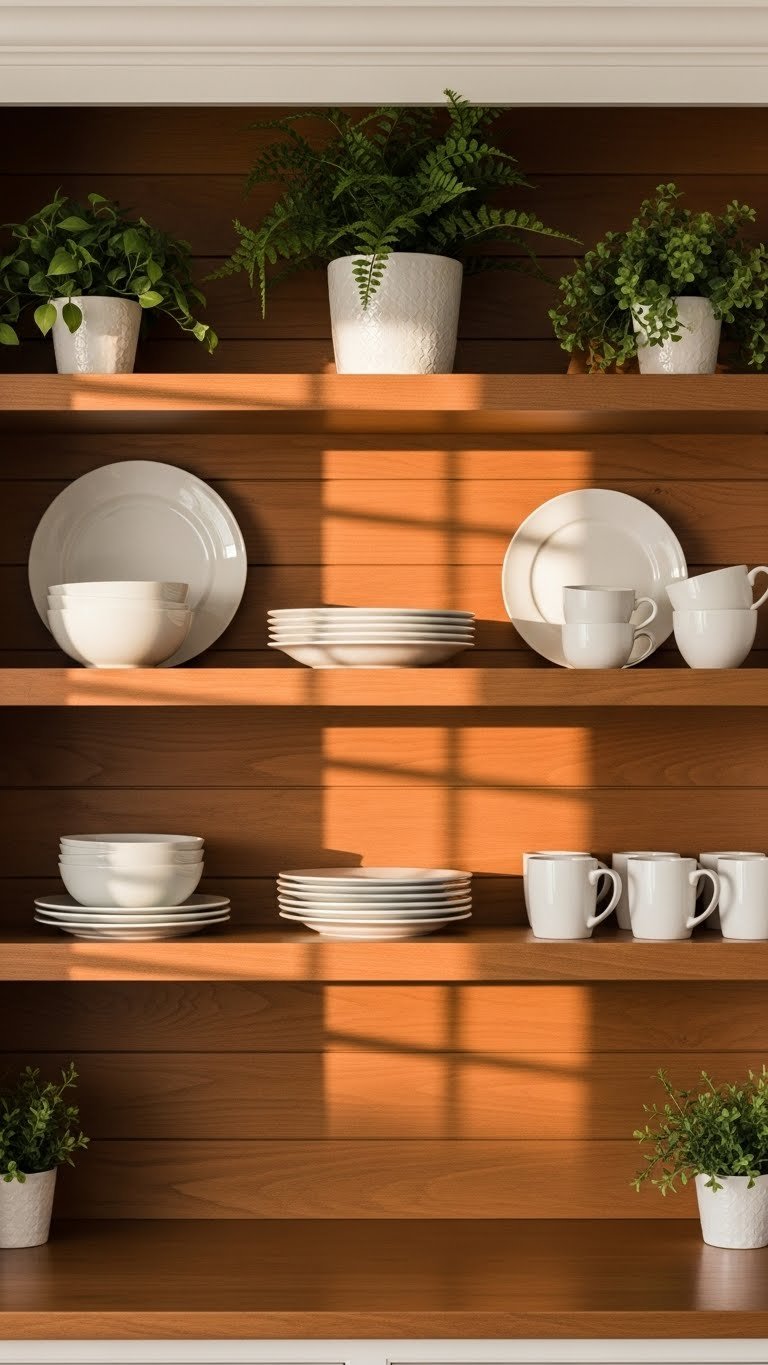
Accent walls in warm wood add architectural interest without overwhelming the space. Shiplap or paneling feels farmhouse-inspired yet timeless.
Install warm wood shiplap or paneling (pine, oak, or reclaimed) on one wall using 1×6 or 1×8 boards from Home Depot. Cost: $100–$300 for materials; DIY takes one weekend or hire help for $200–$500. Alternatively, use peel-and-stick wood paneling ($40–$100) for a temporary, renter-friendly solution. Paint paneling in a warm white or leave natural. Horizontal installation feels modern; vertical is more traditional.
Your kitchen gains warmth and architectural detail. The wood paneling creates a focal point and cottage-like coziness without needing wallpaper or paint.
22. Create a Beverage or Coffee Station with Warm Metals
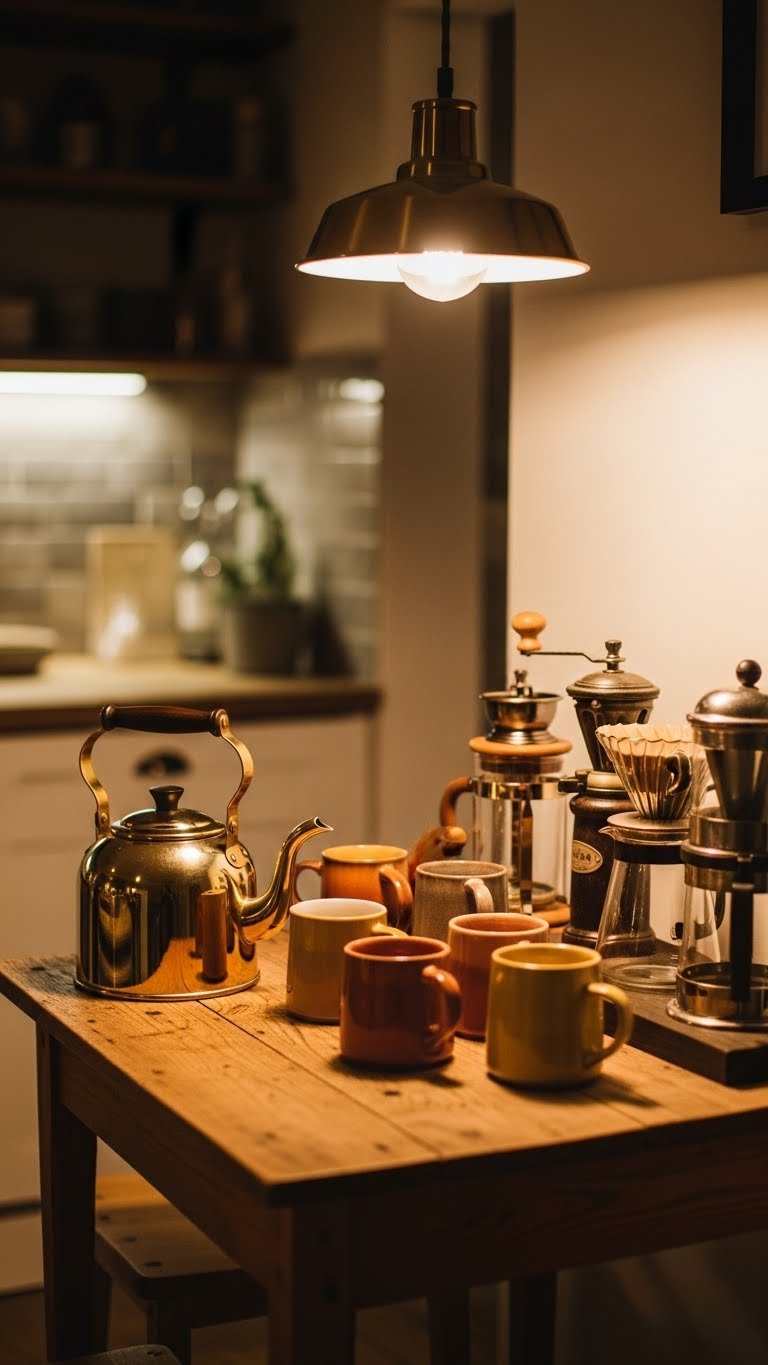
A dedicated beverage station creates a specific, intentional moment in your kitchen. It’s both functional and communicates that you value rituals.
Set up a small table, cart, or corner shelf with coffee or tea equipment. Use brass kettles and accessories ($20–$100), ceramic mugs from HomeGoods or thrift stores ($3–$15 each), and a small wooden tray ($15–$50). Add a warm brass or pendant light above ($40–$150) to create ambiance. Stock with your favorite coffees, teas, and sweeteners. This takes one afternoon to style and costs as little as $50 if thrifting.
Your kitchen gains a designed, intentional feel. A dedicated station signals that you value morning rituals, and it becomes a cozy gathering point rather than a scattered counter mess.
23. Layer Natural Fibers in Textiles and Rugs

Natural fiber textiles ground your kitchen and connect to biophilic design. Rugs, towels, and placemats in jute, sisal, and linen add texture and warmth.
Add a jute or sisal runner rug in front of the stove or sink ($30–$150 depending on size) from IKEA, Wayfair, or HomeGoods. Swap cotton kitchen towels for linen versions ($5–$15 each) in cream, natural, or soft green. Use woven placemats and table runners ($10–$30 each) in natural fibers. All are easy to clean (shake out or wash) and completely changeable for renters. Layer these intentionally rather than going all-natural—too much texture feels chaotic.
Your kitchen feels warmer underfoot and in hand. Natural fibers create sensory coziness—you notice the difference when washing dishes or standing at the stove. Everything works together to create that grounded, nature-connected feeling.
Save this post and try one idea this weekend. Start with something small—a plant, new cabinet hardware, or warm lighting—and you’ll feel the difference immediately. Which change will you tackle first?
Leave a Reply