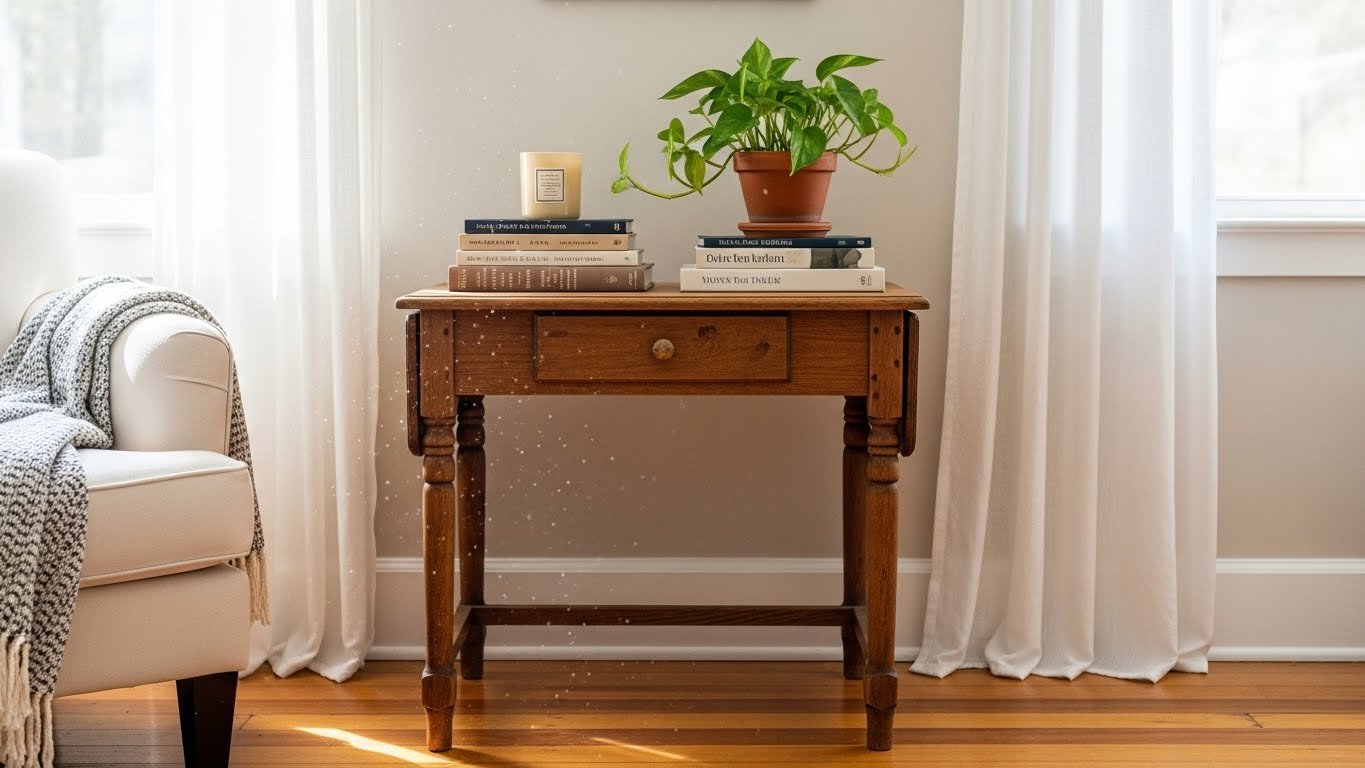
You know that feeling when you walk into someone’s home and instantly think, “How did they make this look so polished?” It’s not about having the biggest budget or the fanciest furniture—it’s about knowing how to style spaces so they feel intentional and put-together. Whether you’re working with a tiny apartment, a rental with strict rules, or just want to elevate what you already have, these 26 ideas will show you exactly how to make every room look professionally designed. We’re talking real strategies used by interior stylists, budget-friendly hacks that don’t look cheap, and small changes that deliver major impact. Let’s dive into the ideas that actually work.
1. Layer Your Walls With Textured Plaster in Deep Colors
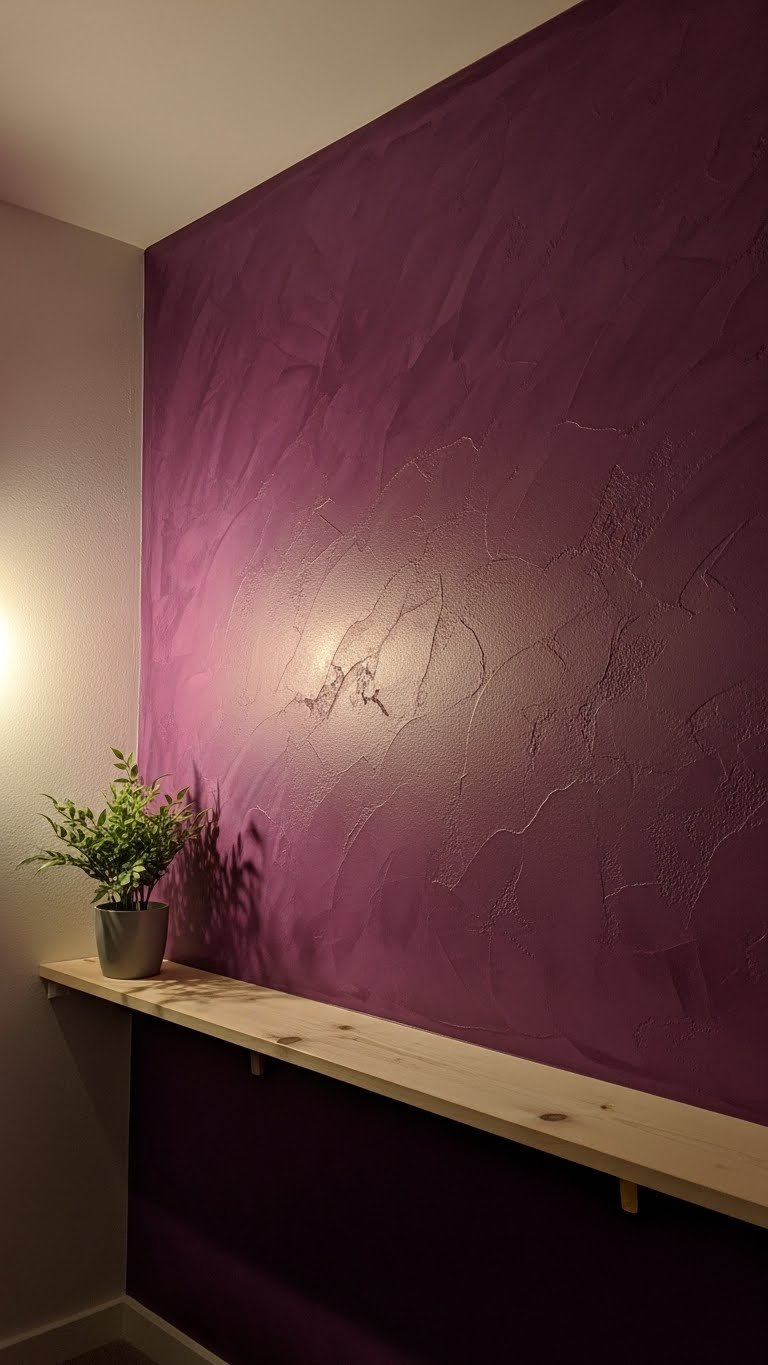
Bold, textured walls are having a major moment, and limewash plaster in deep jewel tones like aubergine, forest green, or navy is the move that designers are using. This technique adds depth and character that flat paint simply cannot match—it photographs beautifully and makes rooms feel curated, not sterile.
You can hire a professional to limewash walls ($200–$600 for a bedroom accent wall), or DIY with a limewash kit from Home Depot ($30–$50 per gallon). Application takes about 2–3 hours per wall. The beauty of limewash is its organic, slightly imperfect finish—flaws actually add to the charm. Brands like Portola Paints make quality limewash that’s easier to apply than traditional plaster.
The result? Your space immediately gains sophistication and texture. Visitors will ask where you got the idea, and you’ll have a wall that becomes a conversation starter.
2. Invest in One Statement Curved Sofa or Armchair
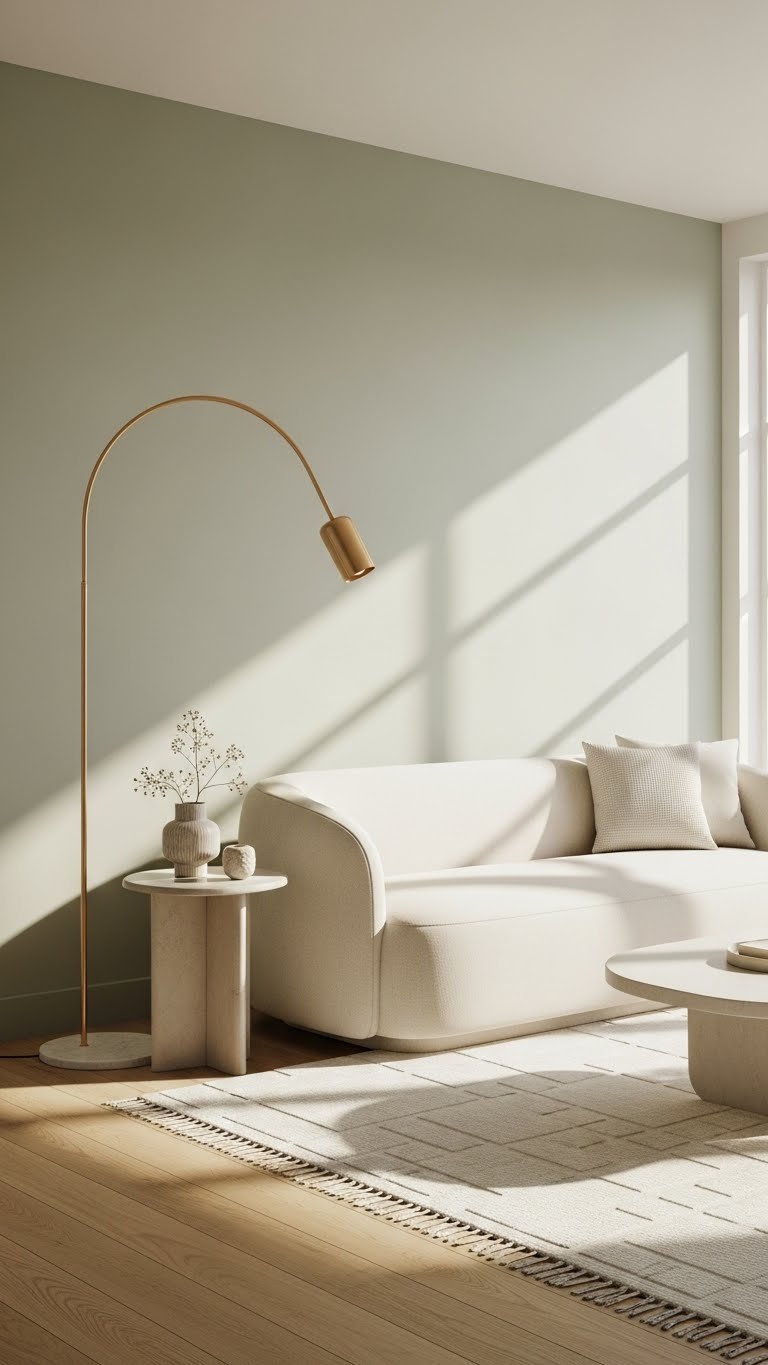
Curved furniture is replacing boxy pieces everywhere, and investing in one curved sofa, armchair, or chaise makes your entire room feel more intentional and modern. Those soft, rounded edges create visual flow and make spaces feel less angular and more inviting.
Look for curved pieces at Article, West Elm, or IKEA’s newer collections ($300–$1,200 for a quality armchair, $800–$2,500 for sofas). Wayfair and Facebook Marketplace also have solid curved options at mid-range prices. Wait for seasonal sales (January and Labor Day are best) to snag quality pieces at 20–30% off. If you rent, a curved accent chair under $500 from Target or Wayfair is a game-changer.
This one piece ties a room together and instantly elevates your style without needing to overhaul everything else.
3. Mix Checks and Stripes Without Looking Chaotic
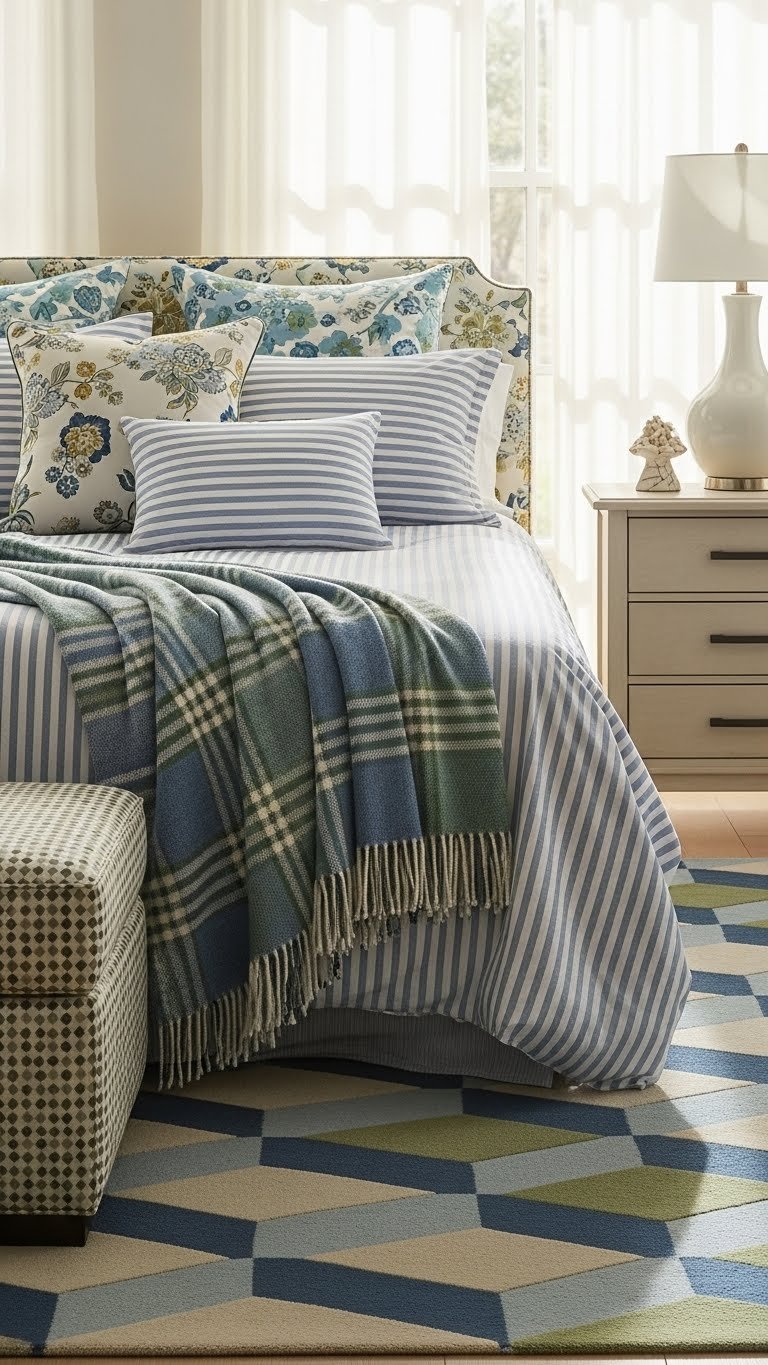
Checks are up +5,000% in Google searches, and pairing them with stripes and other geometric patterns is how stylists create rooms that feel fashion-forward, not cluttered. The key is keeping your color palette tight—typically 2–3 colors maximum.
Choose one base color (like cream or soft gray), then layer in checks and stripes using that color family. Mix a blue-check pillow with a blue-striped throw, then add a geometric rug that echoes both patterns. Start with affordable pieces from Target, IKEA, or Ruggable ($20–$80 for pillows, $40–$150 for throws). The beauty of pattern-mixing is it looks intentional and editorial, not accidental.
You’ll have a bedroom or living room that feels styled by a designer, and you did it in one afternoon shopping.
4. Paint Kitchen Cabinets a Bold, Saturated Color

Minimalist beige kitchens are officially over—bold cabinet colors like deep navy, forest green, or even terracotta are what’s trending. This is the easiest way to completely refresh your kitchen without gutting it.
If you own your home, hire a pro painter for a full kitchen ($1,500–$3,000) or DIY with cabinet paint from Sherwin-Williams or Benjamin Moore ($100–$300 in supplies). The process takes 3–4 days with prep and drying time. For renters, removable cabinet film from Spoonflower ($50–$150) achieves a similar look without commitment. Benjamin Moore’s “Hale Navy” and “Chelsea Green” are go-to colors that feel both bold and timeless.
Your kitchen becomes the star of your home, and you’ve just increased the perceived value of your space significantly.
5. Style Floating Shelves With the Rule of Three
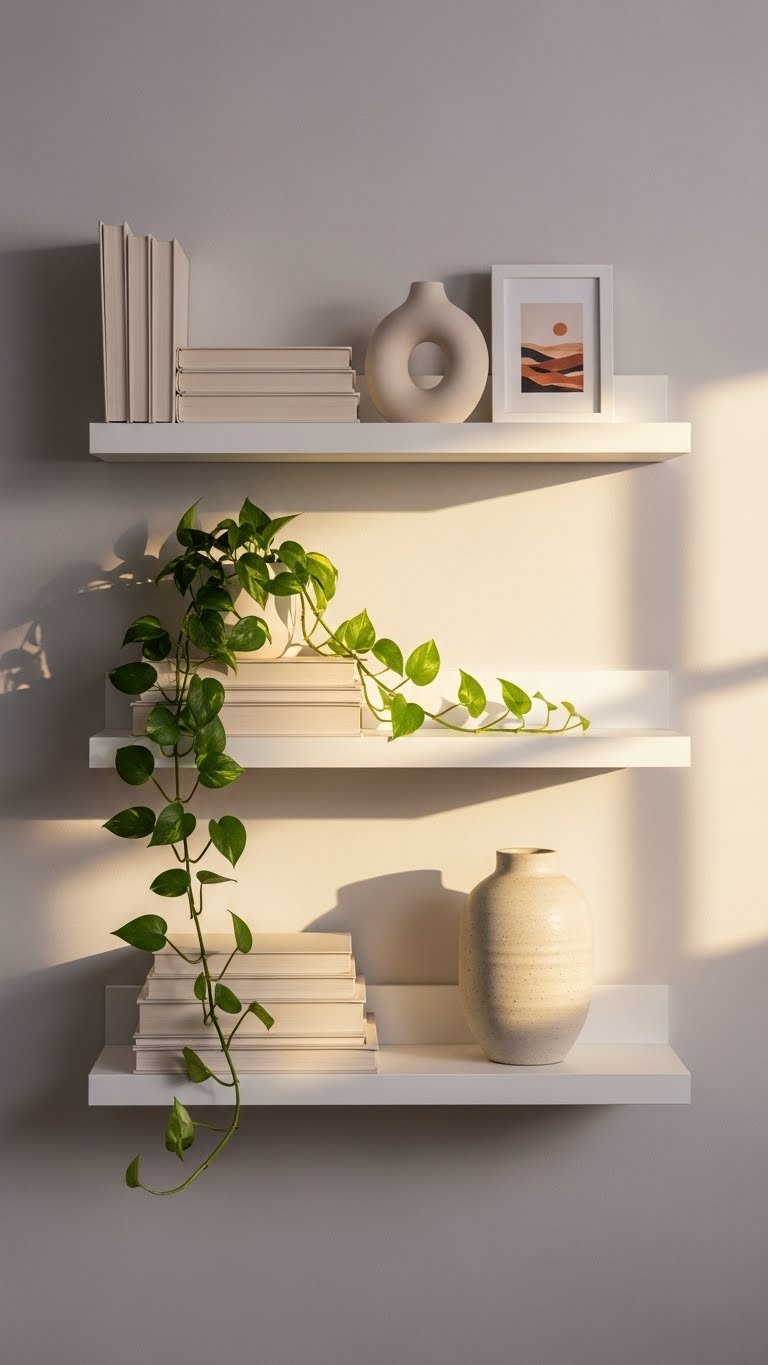
Floating shelves look professional when styled, not just when you cram stuff on them. The “rule of three” means grouping items in odd numbers and leaving negative space—this creates visual interest without looking cluttered.
Install floating shelves (IKEA, $15–$30 per shelf; hardware included) or splurge on solid wood shelves from Etsy makers ($50–$150 per shelf). Arrange items in groupings of 3: a stack of books, a single plant, and a decorative object. Vary heights and sizes so your eye moves around. This styling takes 20 minutes, and you can change it whenever you want.
Now your shelves look intentional and gallery-like, not like storage overflow.
6. Add Sconce Lighting for Instant Sophistication
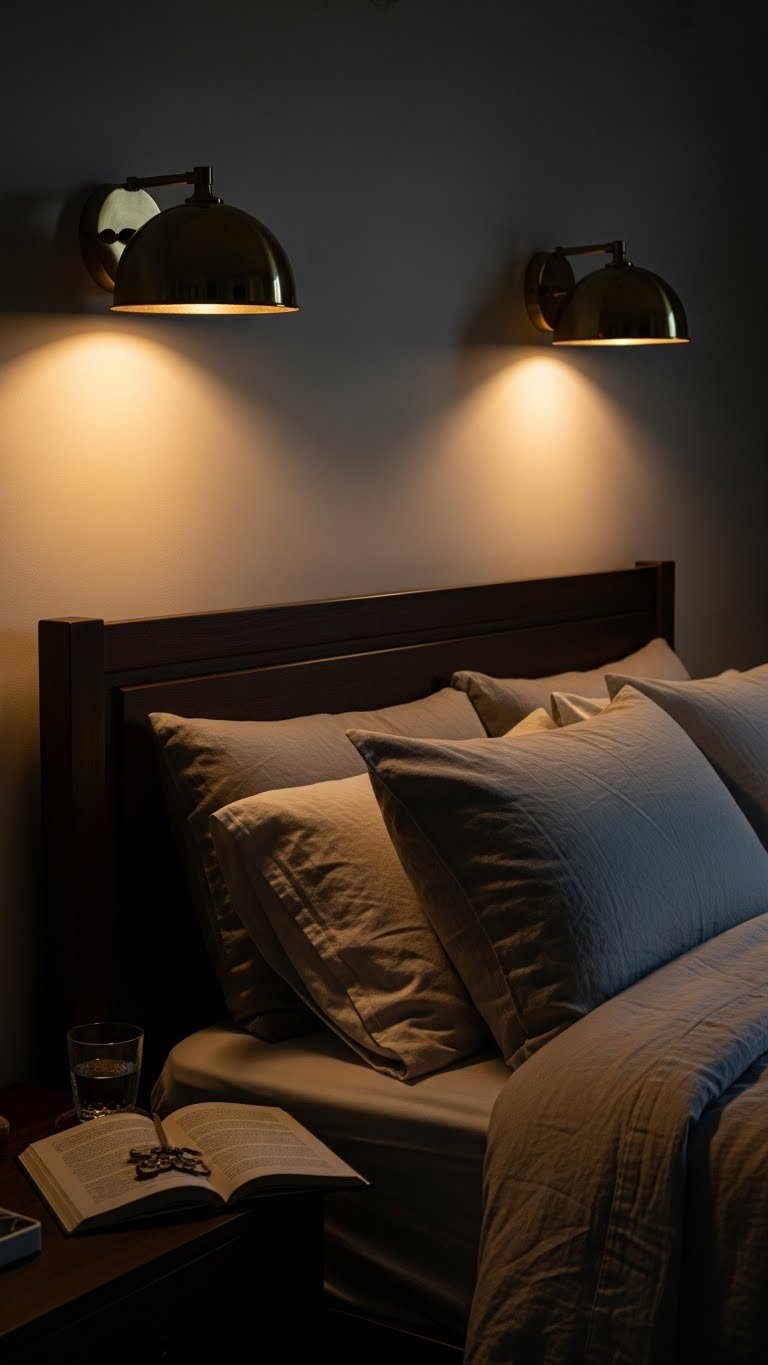
Overhead lighting is harsh and unflattering, but sconces flanking your bed or bathroom mirror instantly make a space feel high-end and intimate. Lighting is one of the most underrated styling tools, and this single change elevates everything.
Choose sconces from IKEA ($30–$60 each), Target ($25–$70), or Wayfair ($40–$150+). Installation requires basic wall mounting (or hire an electrician for $150–$300 if you’re unsure). Pair them with warm bulbs (2,700K color temperature) for a cozy glow. Brass or matte black finishes feel most current.
Your room now has sophisticated layered lighting that works for both practical use and mood-setting.
7. Create a Kitchen Nook With Built-In Bench Seating

Kitchen nooks are making a comeback because they’re functional and they create defined, cozy spaces in open-concept homes. Even if you don’t have an existing nook, you can DIY one.
Option 1: Repurpose a corner with a storage bench ($150–$400 from IKEA or Wayfair), add a small bistro table ($80–$250), and two matching chairs ($100–$200 each). Total investment: around $500–$900 for a complete nook. Option 2: Hire a carpenter to build custom seating ($1,500–$3,000) if you want something that feels built-in. This project takes one weekend for the DIY route or 2–3 weeks for custom builds.
You’ve just created a dedicated dining space that makes your kitchen feel intentional and adds seating for guests.
8. Hang Artwork at Eye Level in Clusters
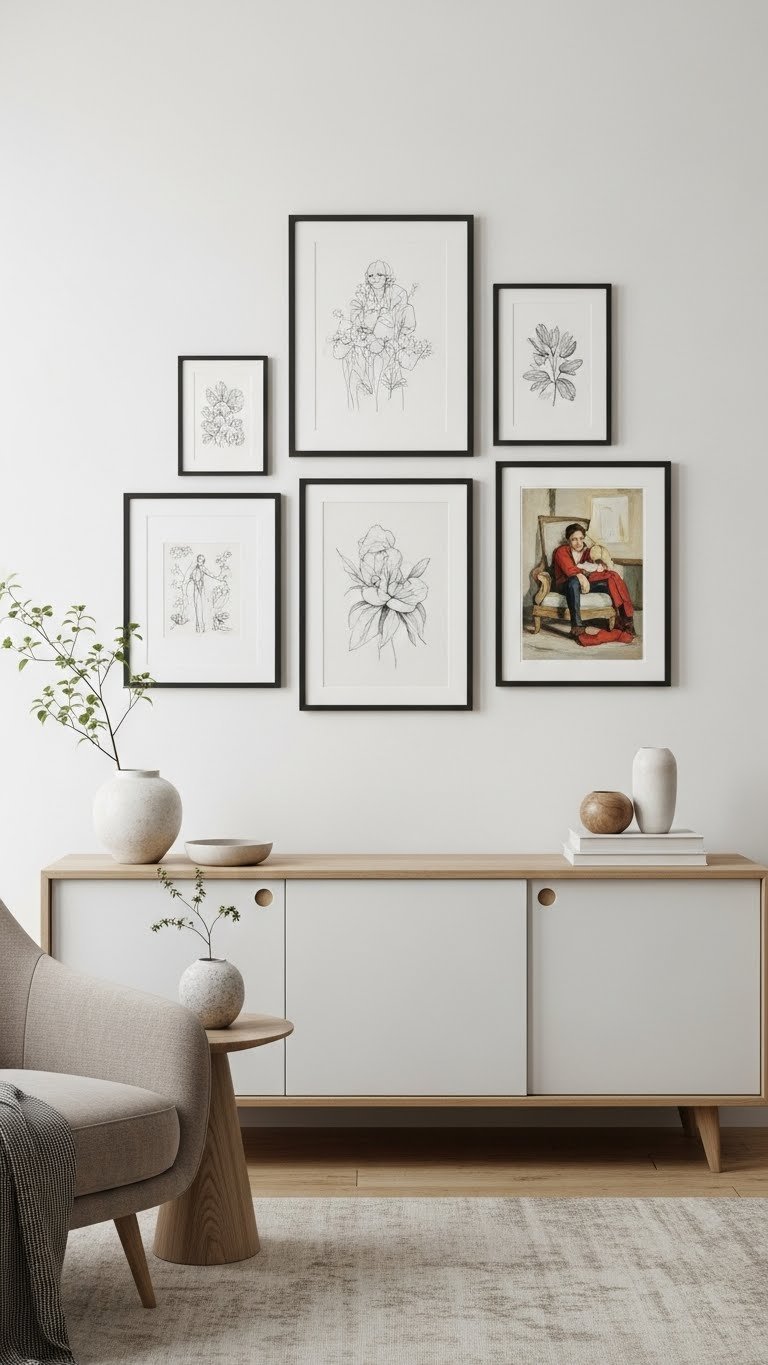
Artwork hung too high is a dead giveaway that a space isn’t professionally styled. When you hang pieces at eye level (57–60 inches from the floor to the center of the artwork) and cluster them together, suddenly your room feels curated and intentional.
Gather frames and prints from IKEA ($5–$25 per frame), Minted ($30–$80 per print), or Etsy ($20–$60 per print). Mix frame styles but keep finishes consistent (all matte black or all natural wood). Arrange on the floor first to determine spacing, then mark and hang. This takes about 1–2 hours, and it’s one of the biggest visual impact upgrades you can make.
Your wall becomes a focal point that guests will actually notice and compliment.
9. Layer a Jute Rug Under a Colorful Runner
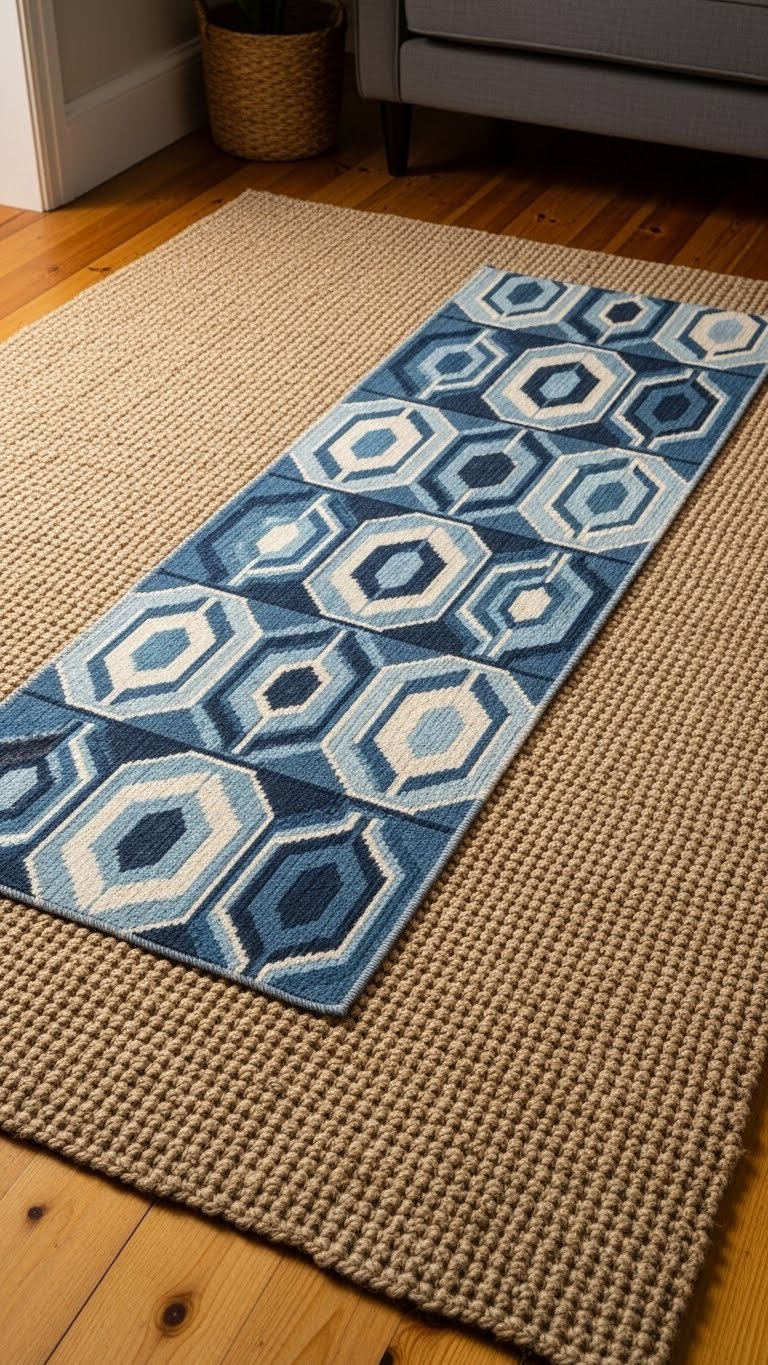
Layering rugs is how designers add depth and visual interest while keeping costs lower than buying one expensive rug. A jute rug ($50–$200) anchors the space, and a patterned runner or smaller rug ($40–$150) on top adds color without overwhelming.
Start with a jute 8×10 base from IKEA, Ruggable, or Wayfair. Then layer a 5×8 patterned runner on top. The combination costs $100–$350 and creates a look you’d find in a design magazine. Jute is also a sustainability-focused choice, which resonates with conscious buyers.
Your floor becomes a design statement that ties the entire room together and adds warmth.
10. Style Open Shelving With a Mix of Functional and Decorative Items
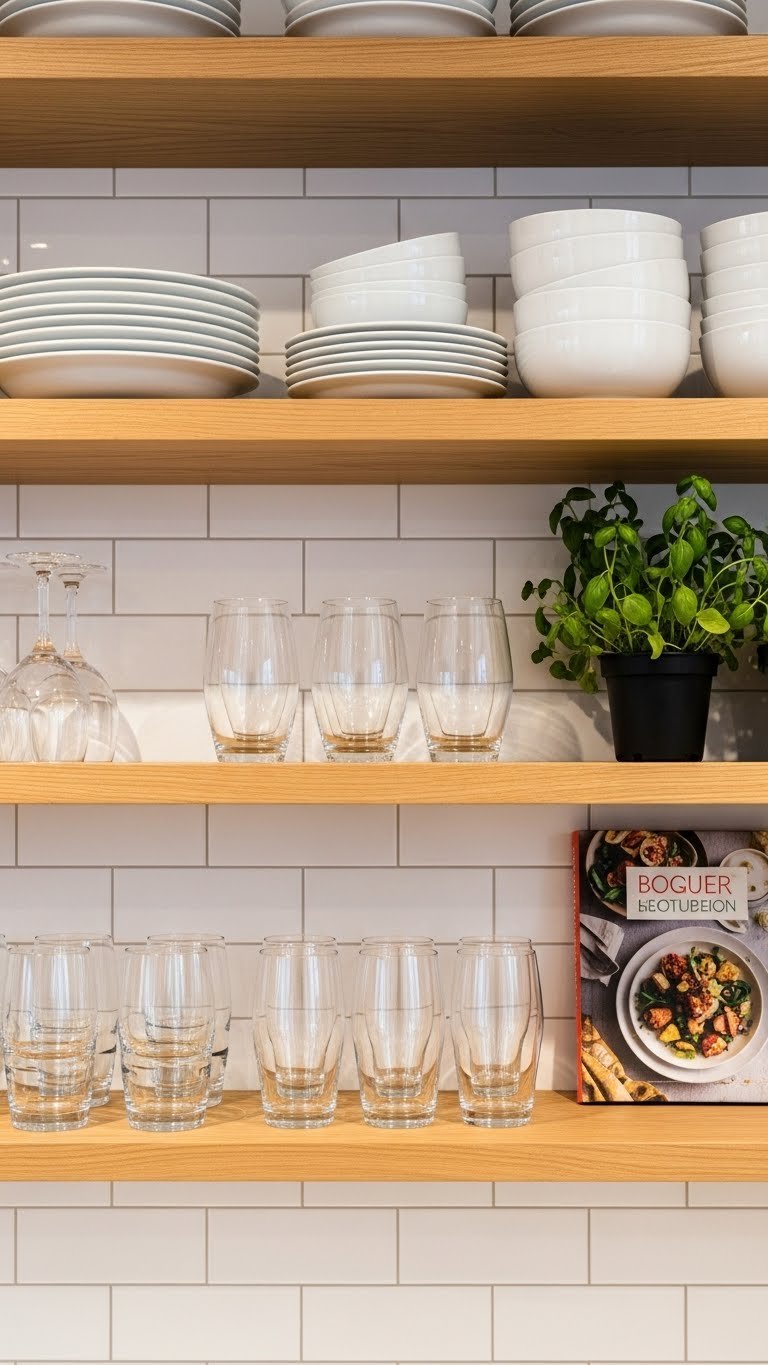
Open shelving can look either chaotic or magazine-worthy—the difference is intentional styling. Mix functional items (plates, glasses) with decorative pieces (plants, books, a small vase) in a 70/30 ratio.
On each shelf, create “zones”: one section for stacked plates, one for glasses, one for a single plant or book. Leave breathing room between items. If you’re renting or want to test this first, use removable shelving from IKEA ($20–$50 per shelf) before committing to wall-mounted shelves.
Your kitchen now looks both functional and stylish—like someone actually lives there but also like they have it all together.
11. Swap Out Hardware With Brass or Matte Black Handles
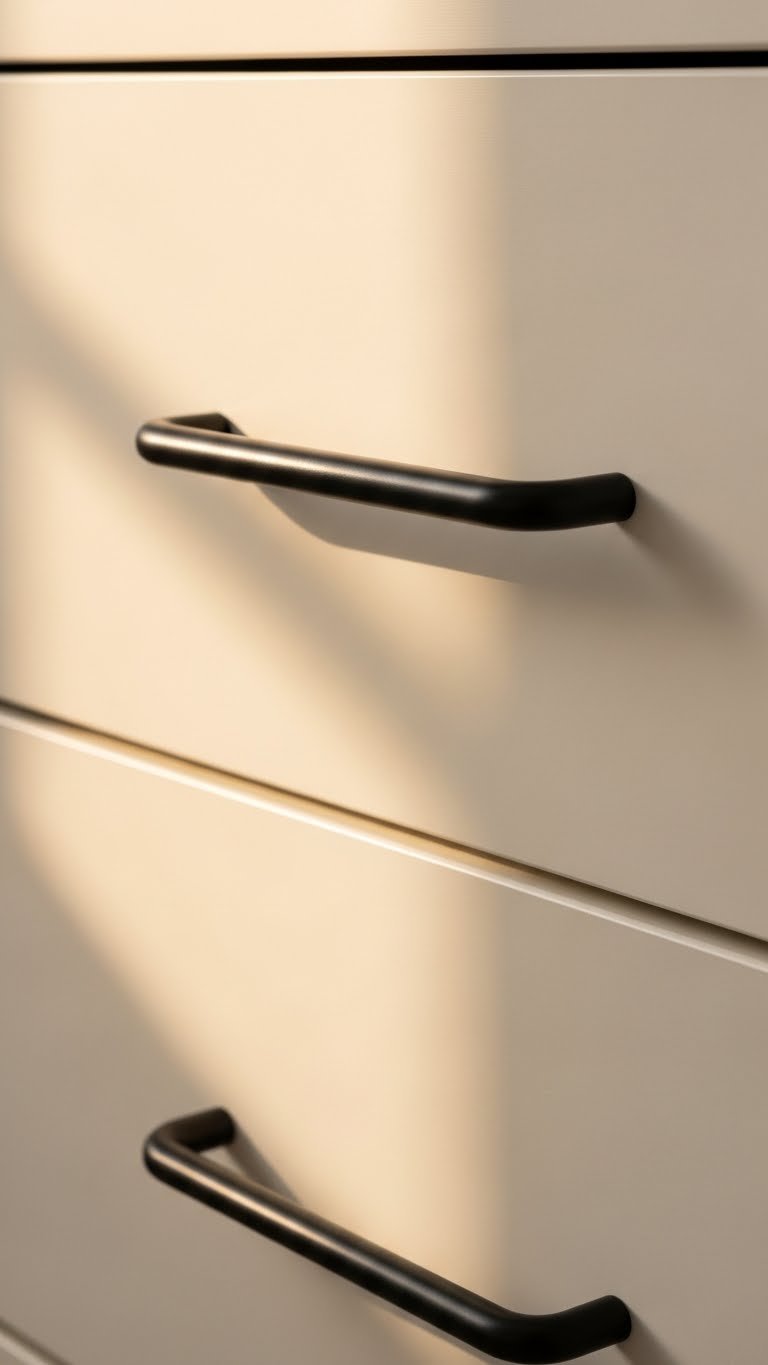
Hardware is a small detail that makes a massive difference. Replacing cabinet handles and drawer pulls with brass, matte black, or stainless steel instantly modernizes any piece of furniture without refinishing it.
Buy hardware in bulk from Etsy ($2–$8 per handle), Amazon ($3–$10 per handle), or specialty hardware stores ($5–$15 per handle). Changing handles on a dresser or kitchen cabinets takes 30–45 minutes. A full kitchen cabinet hardware swap (20–30 handles) costs $50–$150 in materials and looks like you spent thousands updating your cabinets.
Suddenly, your old furniture or cabinets look current and intentional, not dated.
12. Create Defined Zones in Open-Concept Spaces

Open-concept homes feel directionless and impersonal. Creating visual boundaries with furniture, rugs, and mirrors makes spaces feel intentional and gives each area its own identity.
Use a console table ($150–$400) to divide spaces, a rug ($100–$300) to define seating zones, and a room divider ($80–$250) or tall bookcase ($200–$500) as a visual boundary. These elements cost far less than building walls and create the feeling of separate rooms. Arrange furniture to create natural flow between zones.
Now your open space feels organized and sophisticated, not like one big room where everything blends together.
13. Display Books With Spines Facing Inward on Some Shelves
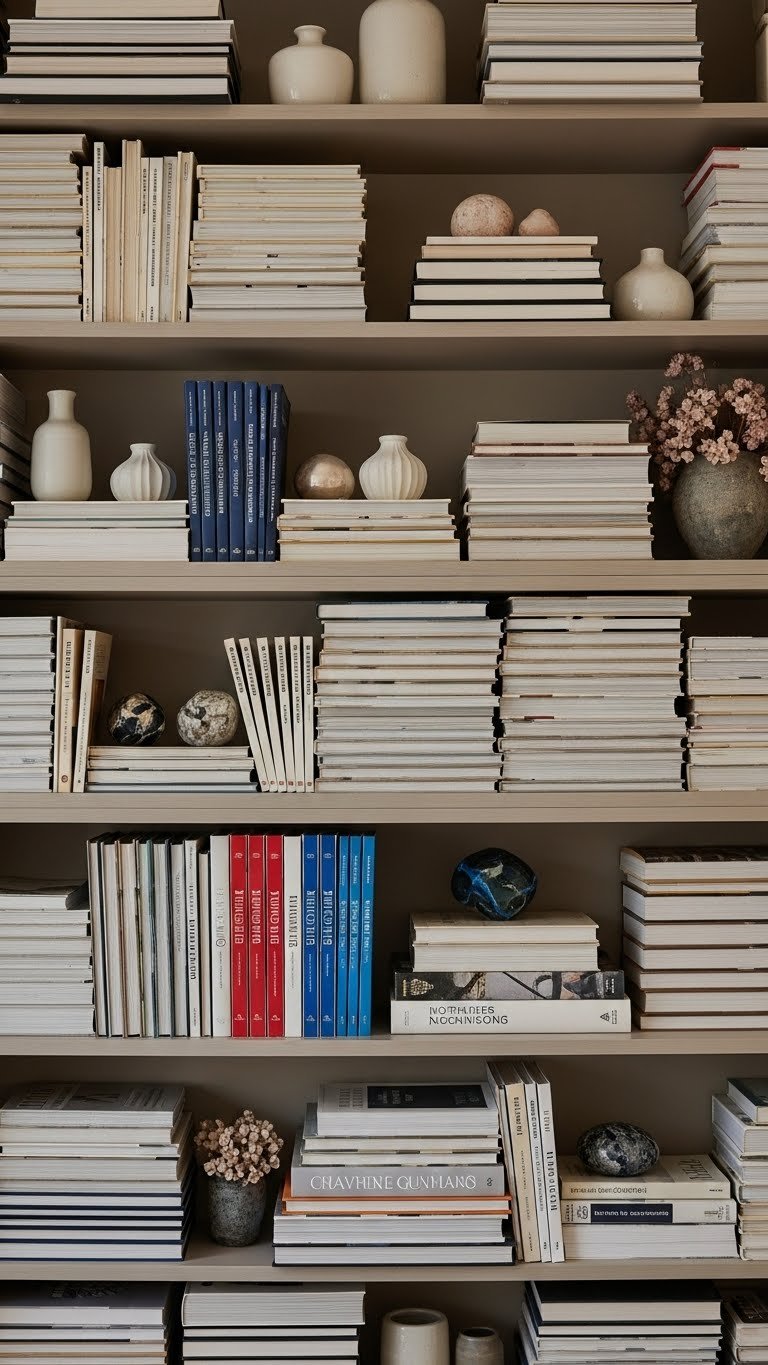
You don’t have to hide books on open shelves—style them intentionally by mixing forward-facing spines with stacked books and turning some spines inward to create a cohesive look. This creates visual calm and makes shelving feel more sophisticated.
Place books spine-inward in groupings, stack others horizontally, and add one decorative item (a small plant or object) on top to break it up. This takes 15–20 minutes on existing shelves. No cost, just styling.
Your shelves feel curated and calm, not cluttered with colorful chaos.
14. Incorporate One Large Statement Mirror
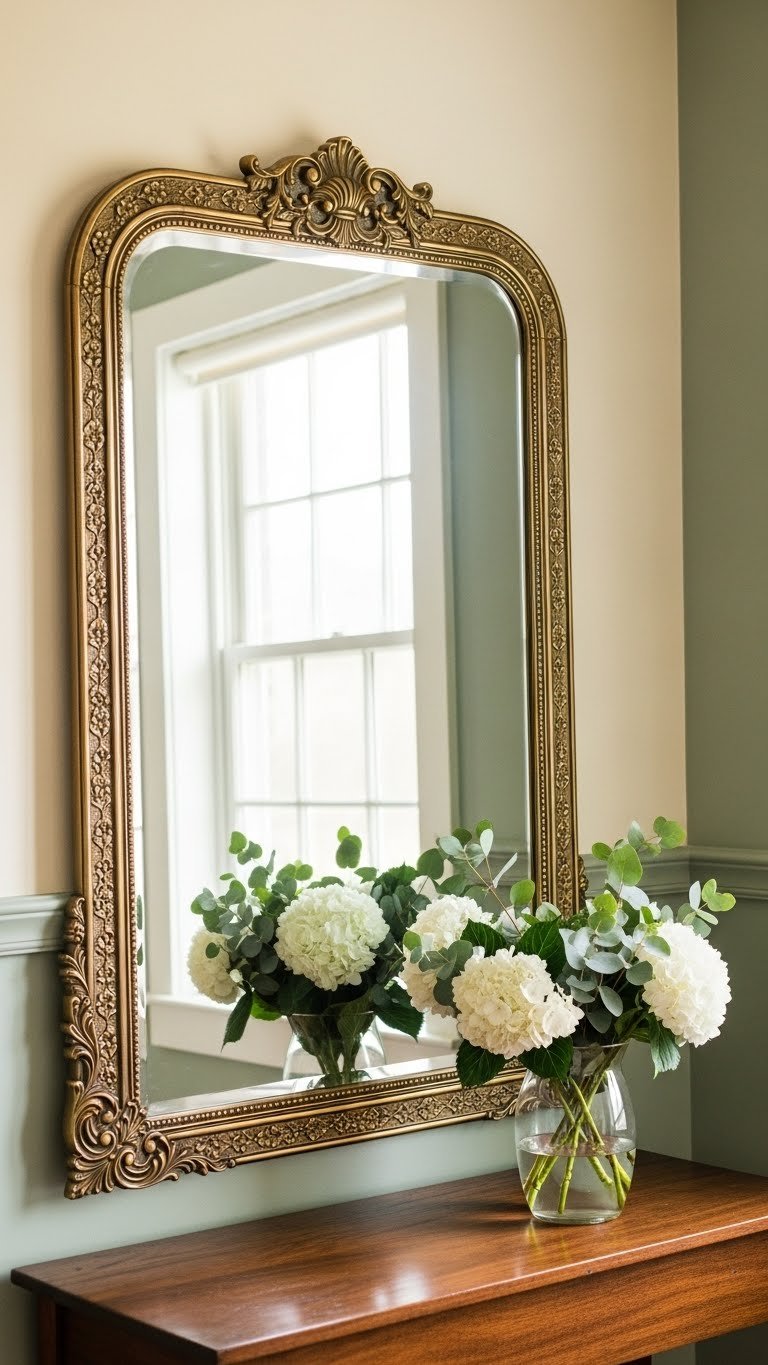
A large mirror (36 inches or bigger) bounces light around the room, makes spaces feel bigger, and immediately feels like a design investment. It’s one of the easiest ways to add impact without much effort.
Find statement mirrors at Wayfair ($100–$400), West Elm ($150–$500), or Etsy ($80–$300). Hang it or lean it against a wall above a console table. Even a 48-inch mirror under $200 can feel luxe and designer-approved. Brass, gold, and natural wood frames feel current and sophisticated.
Your room feels brighter, bigger, and immediately more professionally styled.
15. Add Throw Pillows in Varying Sizes and Textures

Throw pillows are the quickest way to layer color and texture, and varying sizes (16×16 inches, 20×20 inches, 12×20 inches lumbar) creates visual interest that uniform pillows can’t achieve. Mix materials—linen with velvet, wool with cotton—for depth.
Buy pillow covers from Target ($8–$25 each), West Elm ($30–$80 each), or Etsy ($15–$50 each). Purchase three to five pillows for a sofa, mixing solids and patterns in your color palette. Total investment: $50–$250 for a complete pillow styling refresh that takes 10 minutes to arrange.
Your seating area now looks styled and intentional, not like you just threw whatever was around onto the couch.
16. Paint an Accent Wall in a Saturated Color
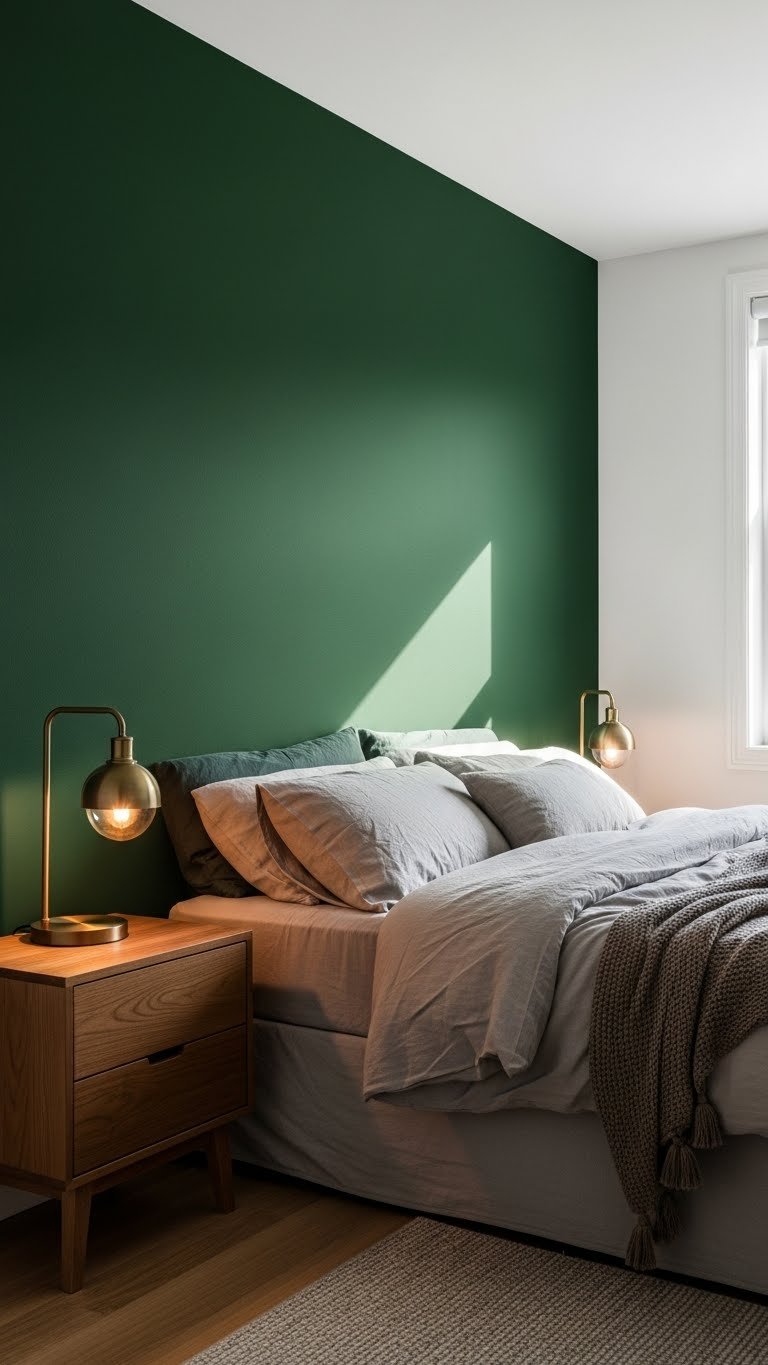
One accent wall in a rich color (deep green, navy, terracotta, or charcoal) instantly makes a room feel more sophisticated and design-forward than an all-neutral space. This is less commitment than painting the whole room but still makes major impact.
Use Benjamin Moore, Sherwin-Williams, or Behr paint ($30–$60 per gallon). Plan for 2–3 hours if you’re DIYing or $300–$500 if hiring a pro for one wall. Pair it with neutral furniture so the wall stays the hero. Test the color on your wall first—it looks different in various lighting.
Your bedroom or living room instantly feels intentional and curated, not generic.
17. Incorporate Plants of Varying Heights

Plants add life and visual interest, and grouping them in varying heights creates a professional, curated look. Tall plants draw the eye up, small plants fill gaps, and trailing plants add movement.
Choose easy-care plants like snake plants, pothos, and fiddle leaf figs ($15–$50 each from local nurseries or Etsy). Invest in three to five plants for $50–$150 total. Repot them into matching or complementary planters ($10–$40 each) for a cohesive look. Arrange at different heights using plant stands or shelving.
Your space now feels alive, fresh, and thoughtfully decorated—not sterile or corporate.
18. Layer Lighting With Table Lamps, Floor Lamps, and Candles
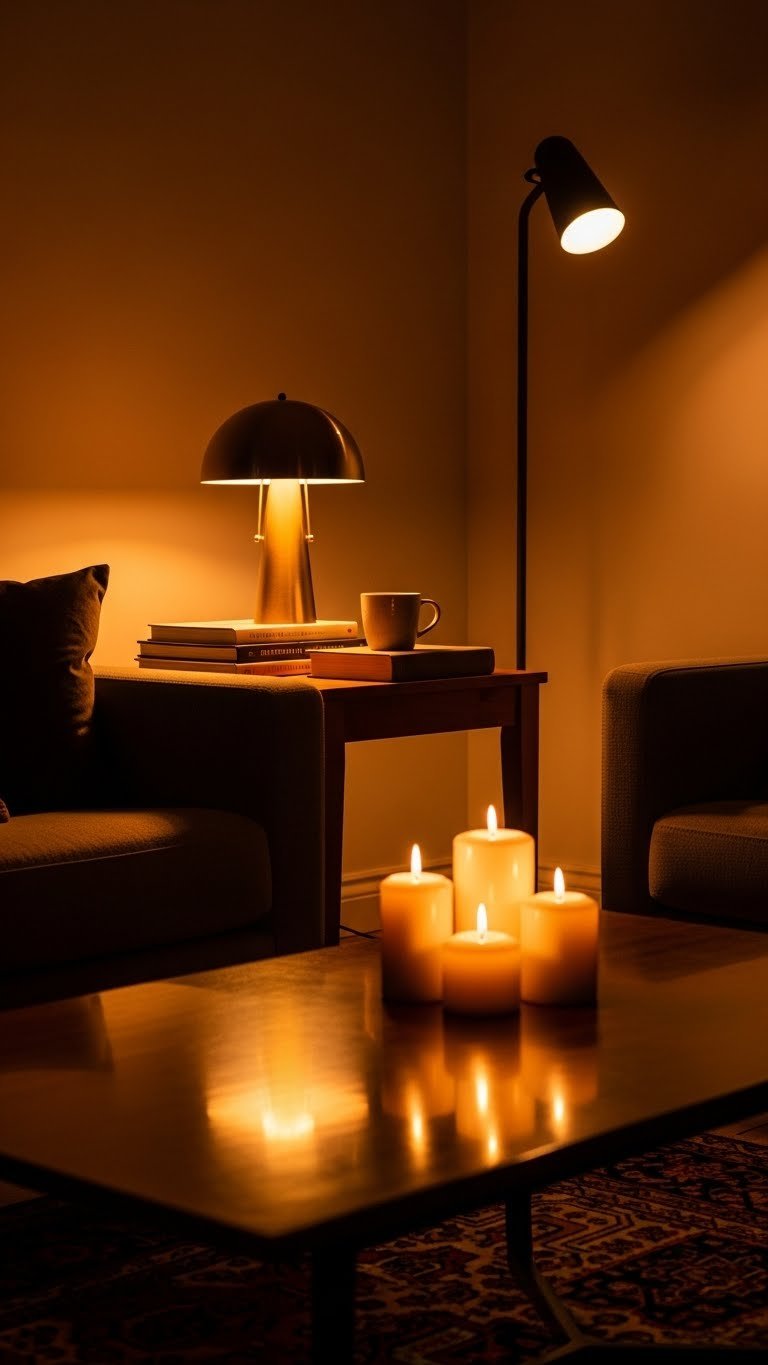
Professional spaces use layered lighting (ambient, task, accent) rather than a single overhead light. Combining table lamps, floor lamps, and candlelight creates a sophisticated atmosphere that feels intentional and cozy.
Invest in a quality floor lamp ($60–$200) and one or two table lamps ($40–$100 each). Add candles ($10–$40 for quality scented candles from Diptyque, Jo Malone, or Target’s Good & Gather line). Use warm-toned bulbs (2,700K). Total investment: $150–$350 for dramatic impact.
Your room transforms from harsh and uninviting to sophisticated and welcoming, perfect for both daily living and entertaining.
19. Curate a Styled Entryway Console
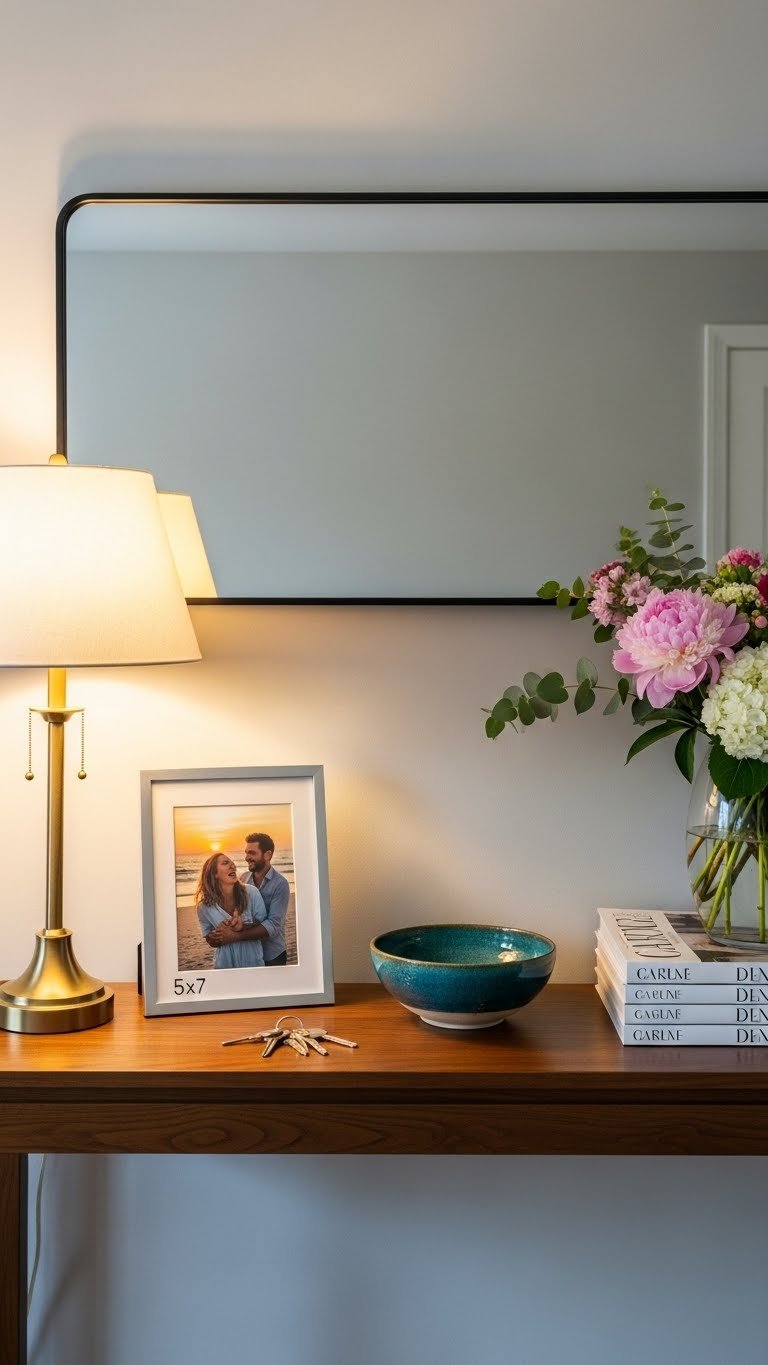
An entryway sets the tone for your entire home, and a styled console table is the fastest way to create that impression. Even a small 36-inch table becomes a focal point when intentionally styled.
Find a console from IKEA ($60–$150), Target ($80–$250), or Wayfair ($100–$400). Style it with: a table lamp, a mirror above it, a small tray for keys, fresh flowers, and one or two decorative objects. Takes 30 minutes to style and costs $200–$500 total.
Guests are immediately impressed by your entryway, and you have a dedicated space to corral everyday items.
20. Invest in Quality Bedding That Lasts
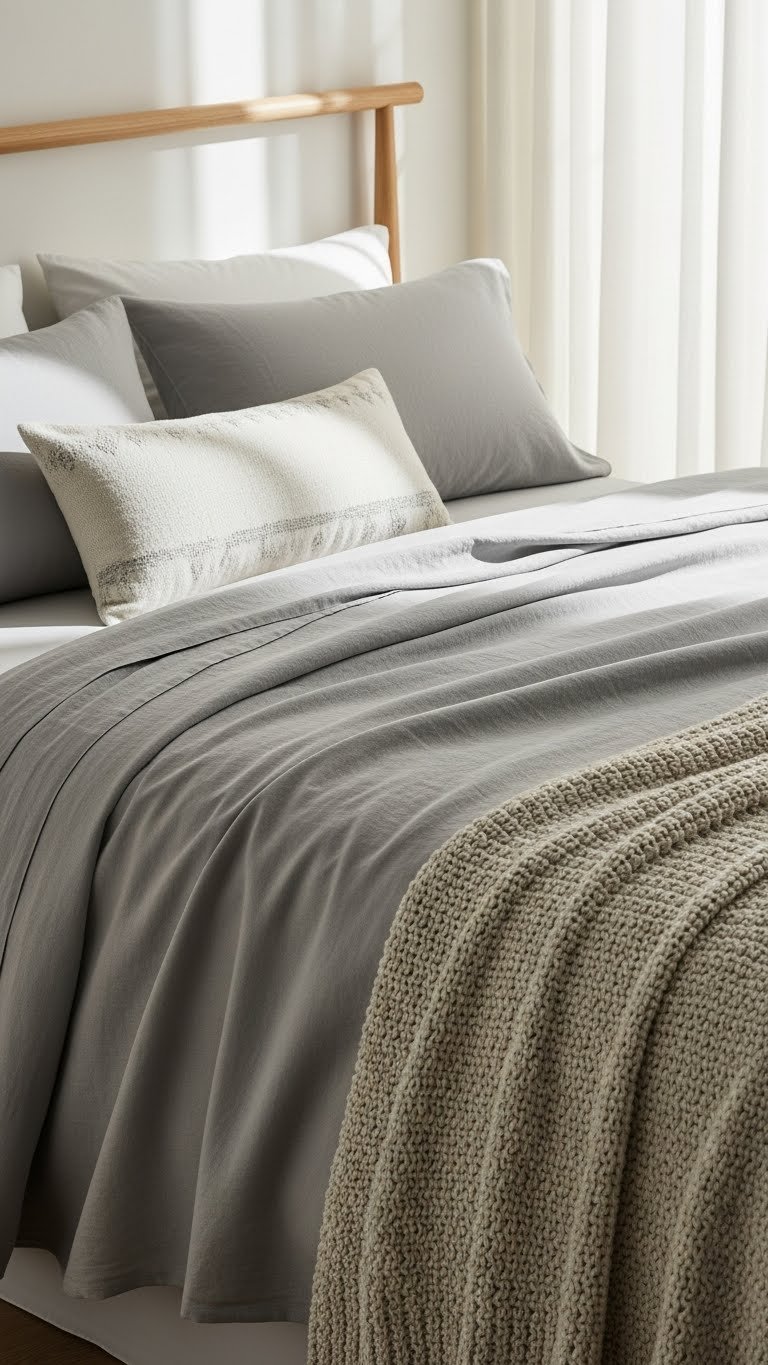
Quality bedding is worth the investment because you spend eight hours a night in it, and it’s one of the first things people notice about your bedroom. High-thread-count linen or cotton feels luxe and lasts years.
Splurge on sheets from Parachute ($100–$175 per set), Brooklinen ($85–$150 per set), or Target’s Threshold line ($40–$60 per set). A quality comforter or duvet runs $150–$400. Yes, this is an investment, but quality bedding doesn’t pill, fades beautifully, and feels incredible—it’s worth every penny for daily comfort.
Your bed becomes a sanctuary, and your bedroom immediately feels more sophisticated and comfortable.
21. Use Textiles to Add Warmth and Layering

Textiles like throws, blankets, and runners add texture, color, and warmth that hard surfaces can’t provide. Layering different textile patterns and weights creates depth and visual interest that feels intentional.
Mix a chunky knit throw ($30–$80) with a linen blanket ($40–$100) and patterned pillows ($15–$50 each). Drape throws over chair arms or the end of your bed—this looks both styled and functional. Total textile refresh: $100–$250 for major visual impact.
Your space feels warm, inviting, and intentionally designed—not cold or corporate.
22. Paint Ceiling or Door Frames a Contrasting Color
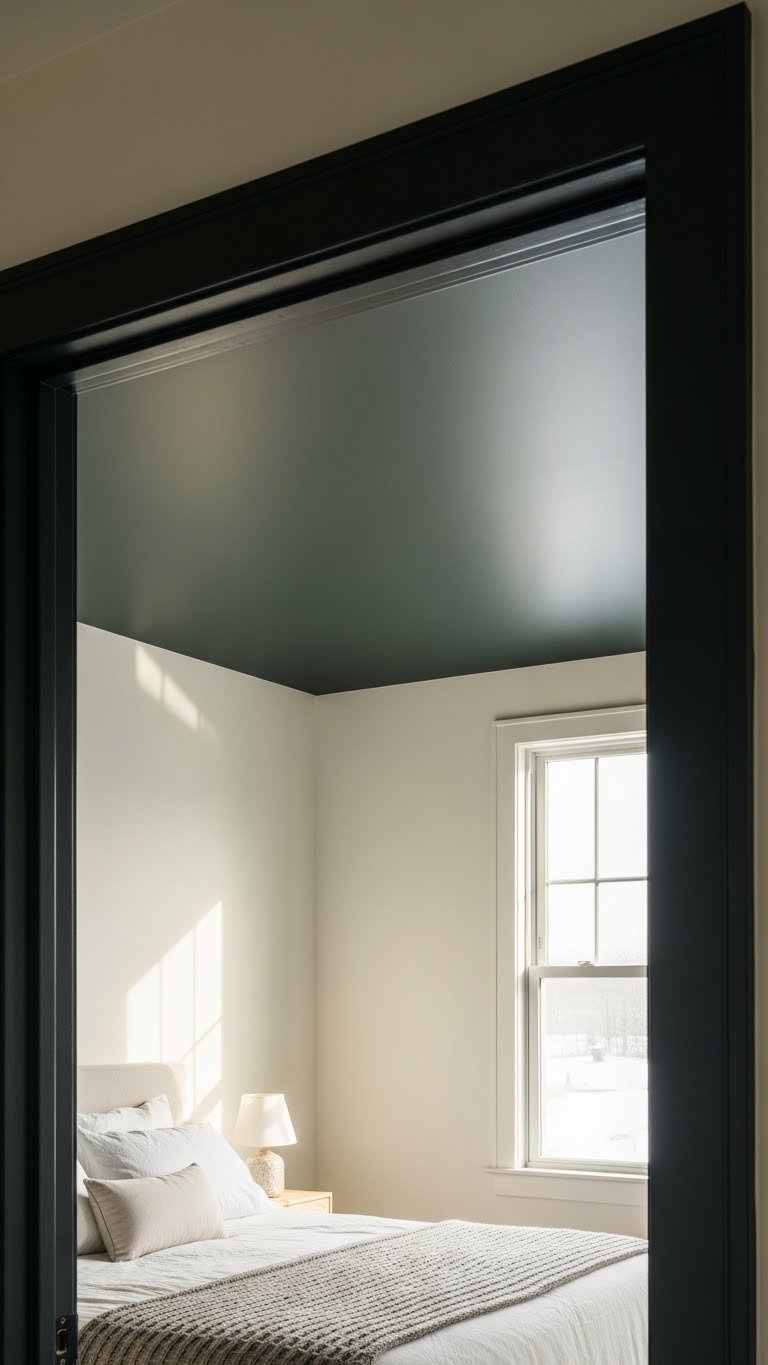
Painting ceilings or door frames in a color that contrasts with your walls is a sophisticated design move that most people never think of. It draws the eye up and creates visual interest that feels designer-level.
Use leftover paint from your accent wall or buy a gallon for $30–$50. Painting a ceiling or trim takes 3–4 hours DIY or $200–$400 with a pro. Deep green, navy, or charcoal ceilings look sophisticated; white trim on colored walls keeps spaces feeling fresh.
Your space immediately feels more thoughtfully designed and less basic.
23. Hand-Paint or Decoupage Existing Furniture Pieces

You don’t need new furniture—hand-painting old pieces with premium furniture paint creates that vintage maximalism vibe that’s trending and gives thrifted finds new life. Imperfect brushwork adds character, not mistakes.
Find a secondhand dresser or table from Facebook Marketplace, Goodwill, or a thrift store ($20–$80). Paint it with Chalk Paint, Annie Sloan paint, or Benjamin Moore Advance paint ($40–$70 per quart). A small piece takes 4–6 hours including drying, and you’ve created a one-of-a-kind statement piece that cost under $150 total.
Your room feels curated and personalized, not like everything came from one store.
24. Install Open Shelving in the Bathroom
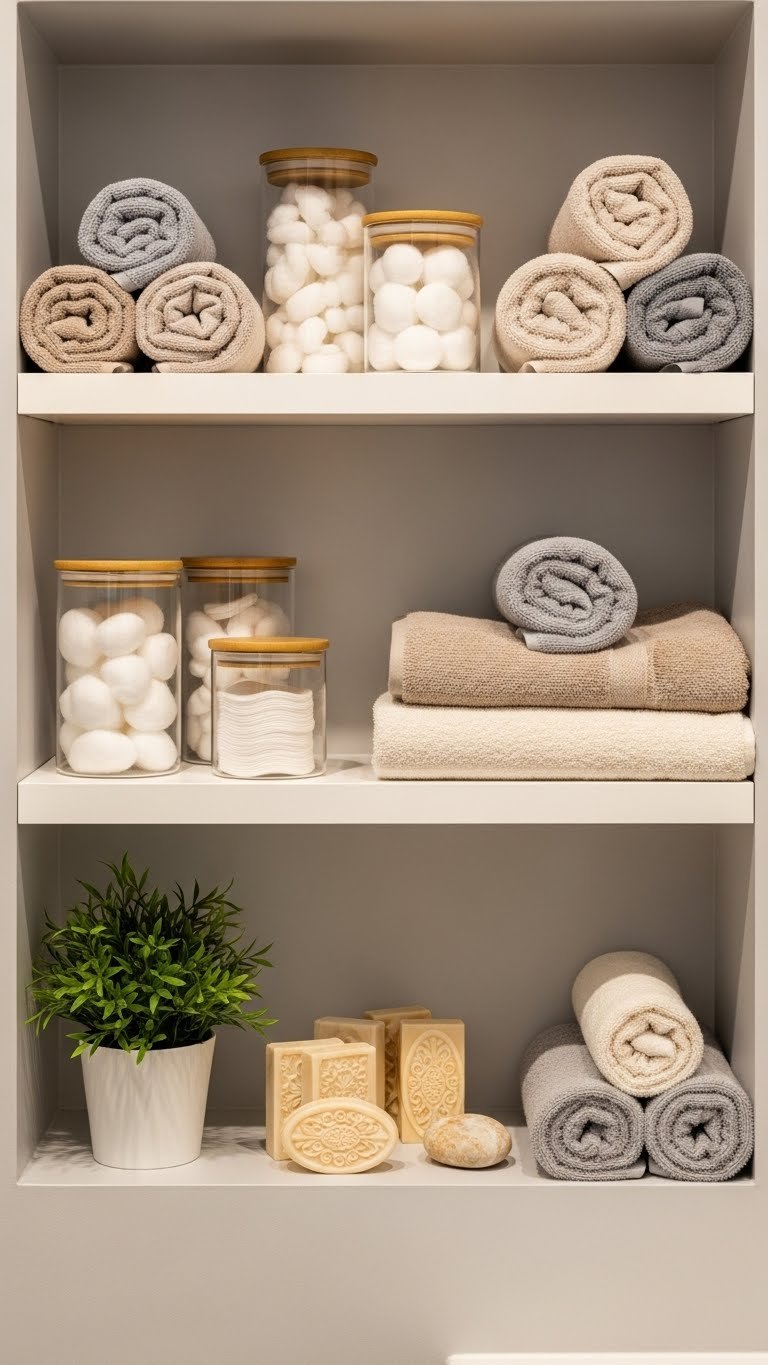
Bathroom open shelving is both practical and beautiful when styled correctly. It keeps essentials accessible and makes your bathroom feel spa-like and intentional rather than cluttered.
Install floating shelves from IKEA ($15–$30 each) or a specialty hardware store ($50–$150 each). Add storage solutions: glass jars ($5–$15 each), woven baskets ($15–$40 each), and matching towels ($8–$25 each). Style takes 1 hour and costs $100–$250 total.
Your bathroom transforms from a utilitarian space into a curated, spa-like retreat where you actually want to spend time.
25. Add Scented Candles to Every Room
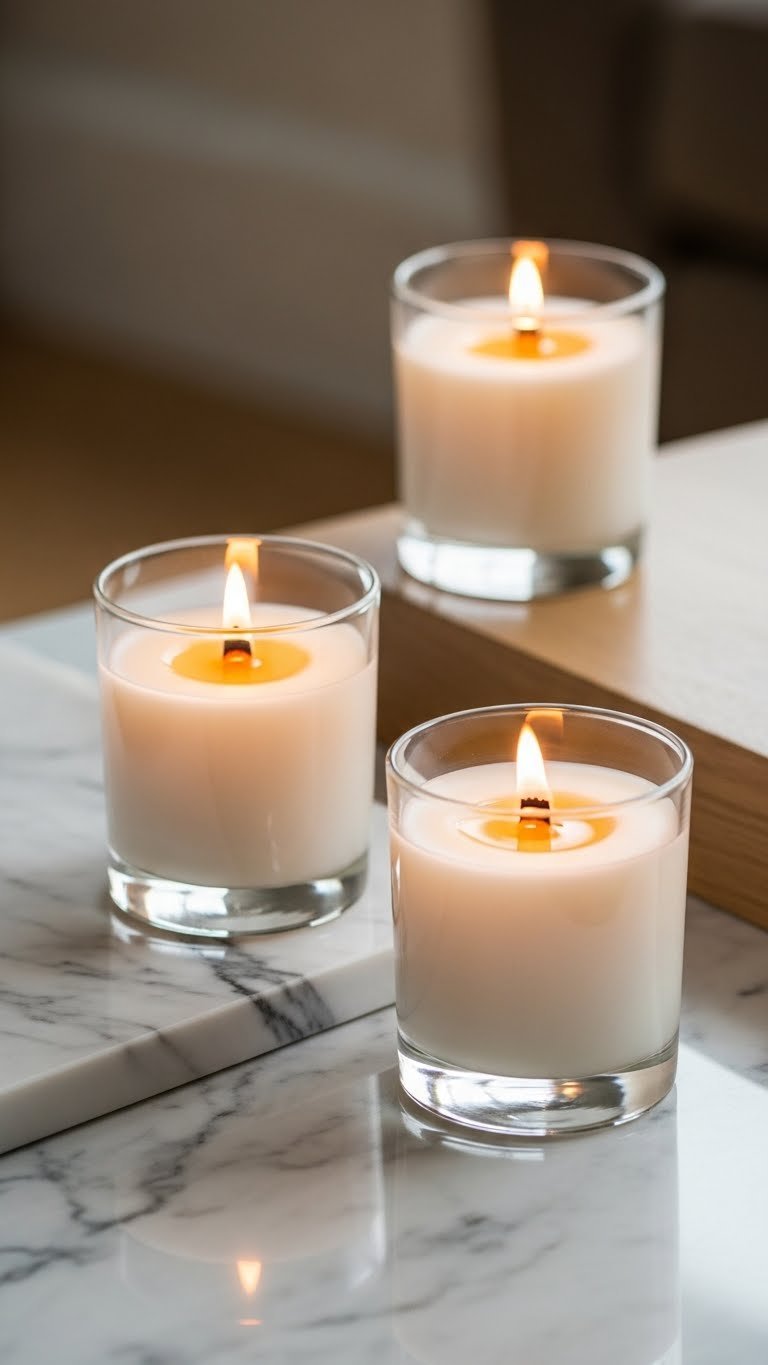
Scented candles aren’t just decorative—they create atmosphere and make a space feel complete and intentional. Quality candles are a hallmark of styled, high-end spaces. The candle market is at $11.51B because people recognize this.
Invest in quality candles from Jo Malone ($45–$65), Diptyque ($60–$85), or Target’s Good & Gather line ($10–$20). Place one in each main living area—bedroom, bathroom, living room. A three-candle rotation costs $30–$60 at budget-friendly retailers. Light them during evening hours or when guests arrive for instant ambiance.
Your home smells incredible and feels welcoming, turning ordinary moments into cozy, intentional experiences.
26. Create a Gallery Wall Above a Bed or Console
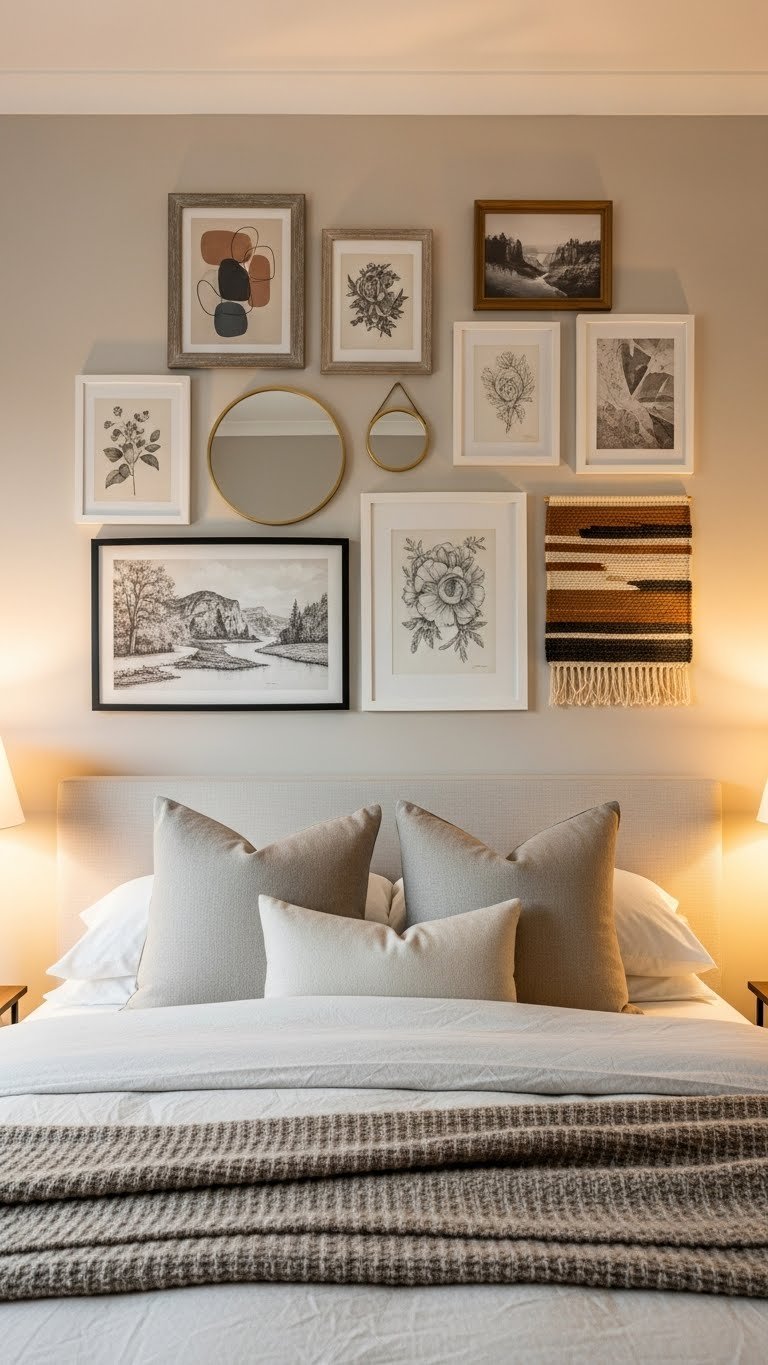
A gallery wall anchors a space and becomes the focal point that ties a room together. Above a bed or console table, it creates visual interest and makes a room feel curated and intentional.
Mix frames in wood, black metal, and brass ($5–$25 per frame from IKEA, Target, or Etsy). Include a mix of prints ($15–$60 each), a small mirror, and even a textured textile or woven piece. Arrange 6–12 pieces in a grid or organic cluster. Takes 2–3 hours including layout and hanging. Total investment: $100–$300 for a statement that looks like professional design.
Your bedroom or living area becomes a visual masterpiece that guests will admire and you’ll love waking up to.
Save this for your next refresh and try just one idea this weekend—you’ll be amazed how a single styling shift changes the way your whole room feels.
Leave a Reply