
If your home feels cold, sterile, or like something’s missing, you’re not alone. That bland, mass-produced feeling is exactly what’s pushing designers toward warmth and personality in 2025. The good news? You don’t need a huge budget or a designer’s eye to create a space that feels authentically yours. These 25 ideas blend trending styles—Art Deco revivals, organic modernism, and vintage maximalism—with practical, renter-friendly solutions. Whether you’re refreshing one room or reimagining your entire home, you’ll find quick wins, weekend projects, and investment pieces that actually make a difference. Ready to trade generic for genuine? Let’s go.
1. Layer Handpainted Furniture for Instant Personality
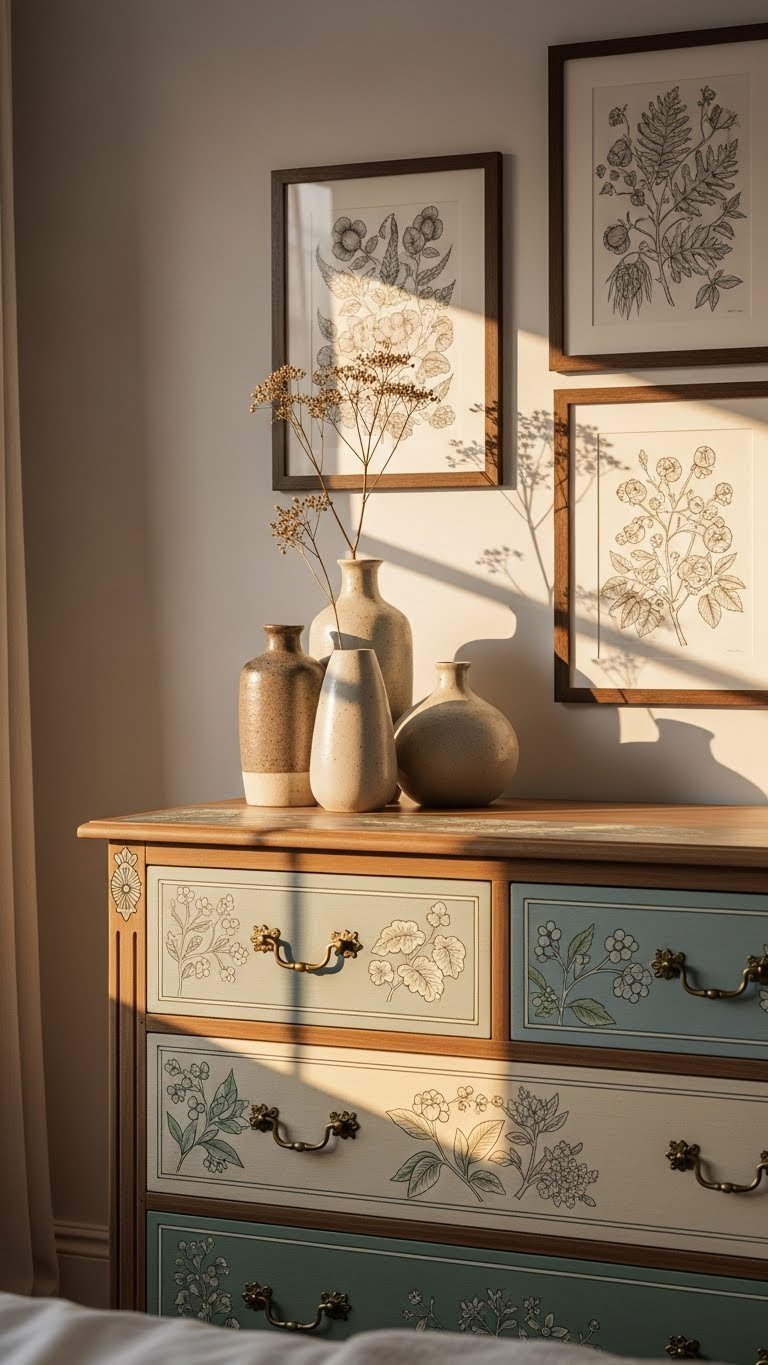
Handpainted furniture has jumped 135% in search popularity because it screams personality in a way IKEA flatpacks never will. This doesn’t mean you need to hire an artist—simple, imperfect brushstrokes actually look more authentic and charming.
Start with a thrifted piece: a nightstand, dresser, or side table from Facebook Marketplace or 1stDibs ($30–$150). Grab acrylic paint in soft, trendy colors—sage green, dusty blue, or terracotta—from any craft store. Sketch a simple design (geometric shapes, florals, or abstract strokes work best) with pencil first, then paint over it. Use a matte topcoat to protect your work. Total time: 2–4 hours spread over a weekend. Cost: paint and supplies under $25.
The beauty? Imperfect brushwork looks intentional and artisanal, not amateur. Your bedroom or living room suddenly has a focal point that cost less than a store-bought accent piece.
2. Swap Cool Grays for Warm Wood Tones Everywhere
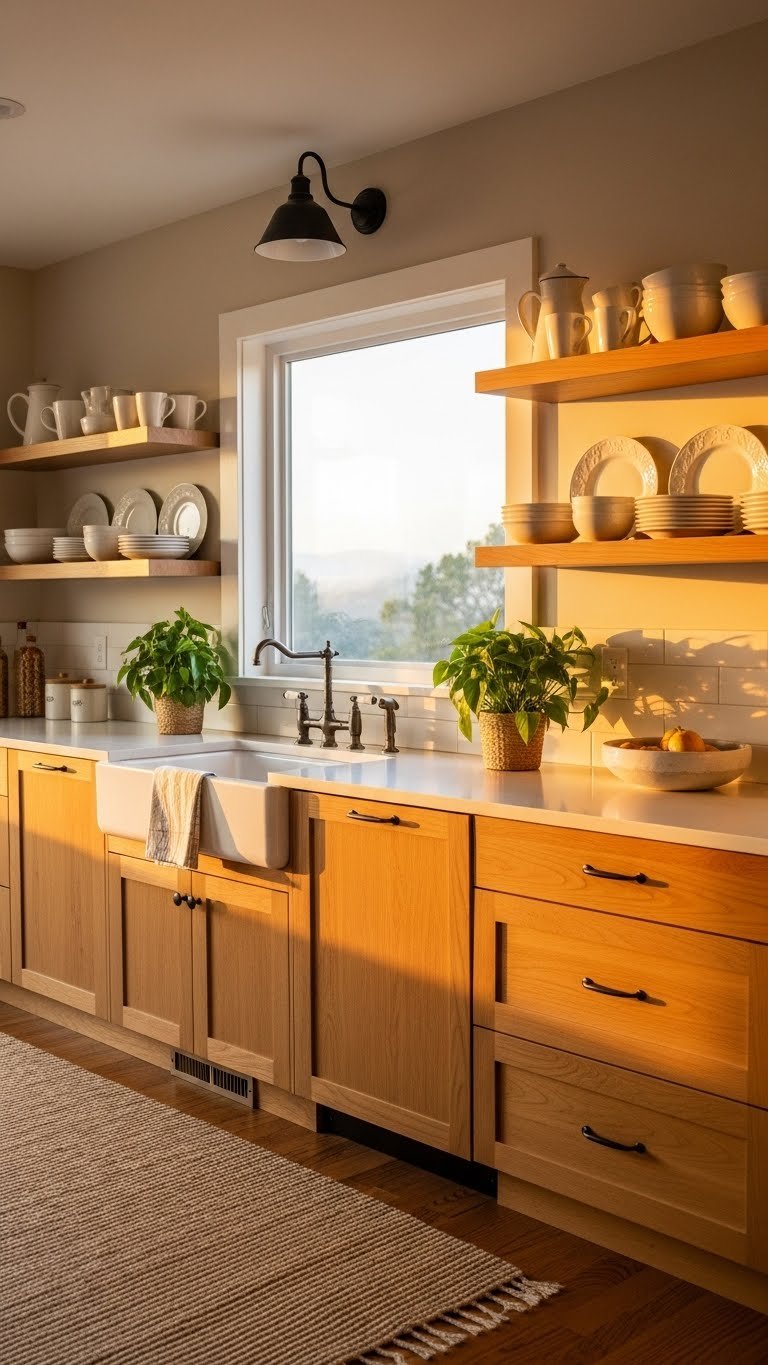
Cool gray has dominated interiors for five years straight—and people are officially tired of it. Warm woods (oak, walnut, pine) create what designers call “architectural warmth,” making spaces feel instantly more inviting and less corporate.
If you’re renting or can’t replace cabinets, start small: swap out hardware for brass or wood knobs ($2–$8 per knob), add open shelving with natural wood boards above your kitchen counter, or introduce a wood-topped console table ($100–$400). If you own your space, consider cabinet refinishing or staining—yes, it’s an investment ($1,500–$4,000 for a kitchen), but it outlasts trends. Paint walls in warm neutrals: warm white, cream, or soft taupe instead of greige.
Pro tip: Layer warm wood with brass accents and cream textiles to avoid a heavy, dark feeling. The shift happens fast—your space goes from sterile to serene in weeks.
3. Add Blue Ceramic Tiles for Modern Edge

Blue ceramic tiles surged 470% in search traffic, and for good reason. They’re bold without being trendy-risky, photograph beautifully, and work in kitchens, bathrooms, and even accent walls.
Go full statement: replace a bathroom backsplash or kitchen splashback with blue tiles ($3–$12 per tile; installation $200–$800 professionally, or DIY for $50 in materials plus effort). Go subtle: use them as a single accent row or corner detail. Pair them with brass or warm gold fixtures (not chrome) to ground the look. Home Depot, Wayfair, and specialty tile shops like Bedrosians have deep collections. Mixed with white grouting or intentionally “imperfect” joints (now trendy!), they look European and collected.
You’ll notice it the moment you walk in—suddenly your bathroom or kitchen feels curated, not cookie-cutter.
4. Introduce Rounded Furnishings for Organic Flow

Hard, boxy furniture is giving way to curves and rounded edges—think rounded sofas, curved coffee tables, and arched shelving. This shift toward “organic modernism” makes spaces feel less rigid and more inviting.
Hunt for curved pieces at Wayfair ($400–$1,200 for a rounded sofa), Article, or secondhand via Craigslist and 1stDibs ($200–$600 for vintage finds). A simple curved side table ($80–$250) pairs beautifully with angular art or plants. Even rounded bookshelf ends ($150–$400) soften a room’s energy. If you’re renting, add a curved floor mirror ($100–$300) or round poufs ($40–$120) to signal the shift.
The result? Your eye moves more smoothly through the room, and sharp corners no longer break up the visual flow. Space instantly feels calmer and more contemporary.
5. DIY Woven Cabinet Fronts for Textural Depth
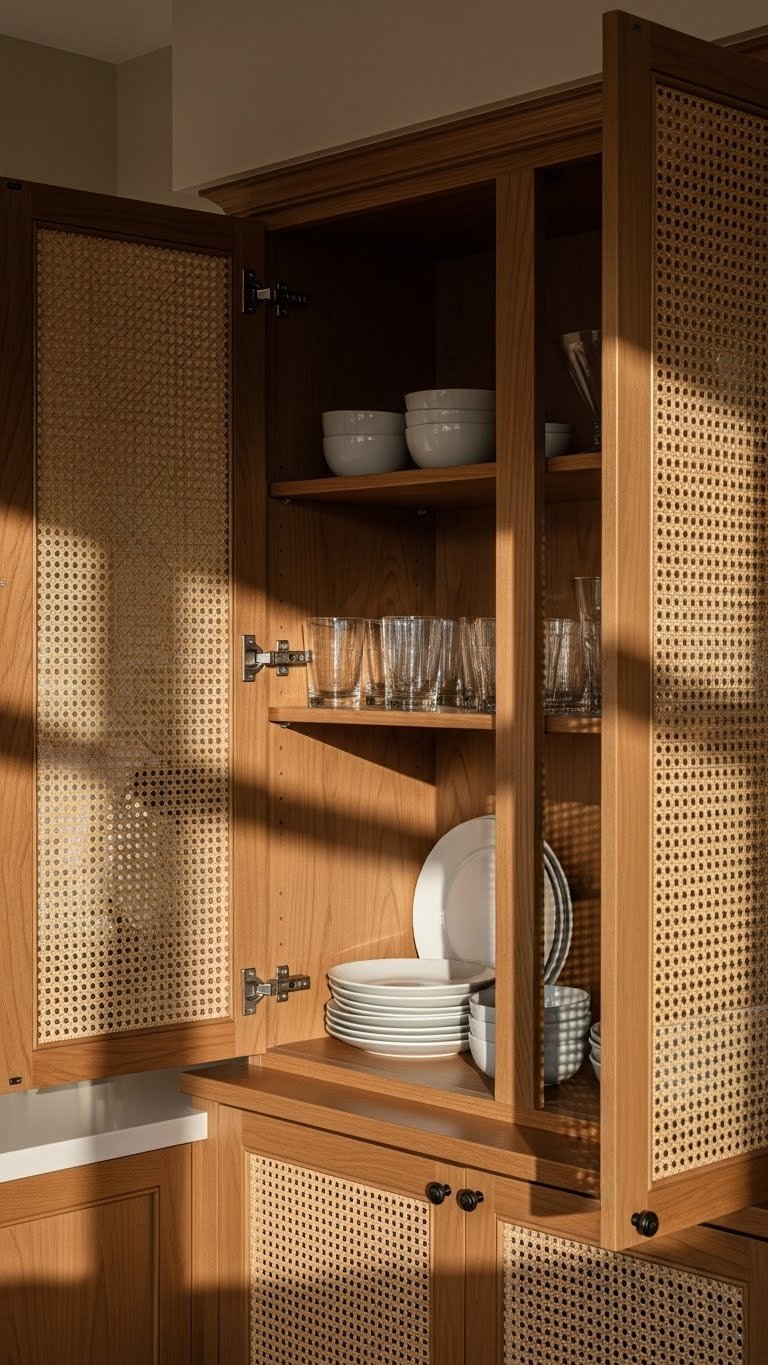
Woven or mesh cabinet fronts are having a moment—they add texture, let you display pretty dishware or kitchen items, and feel handcrafted without requiring actual skill.
Measure your cabinet doors and order pre-made mesh or woven panels from Etsy ($20–$60 per panel) or DIY with rattan webbing from craft stores ($15–$40). Pop out the cabinet door insert if your cabinets have removable panels, swap in the weave, and secure with small nails or adhesive. Takes 30 minutes per cabinet. No tools? Order ready-made woven cabinet fronts online ($150–$400 per cabinet) and have them installed by a handyperson ($50–$100/hour).
This small change makes your kitchen instantly feel more artisanal and less sterile—like you actually curated your space.
6. Hang Architectural Arches for Budget-Friendly Curves
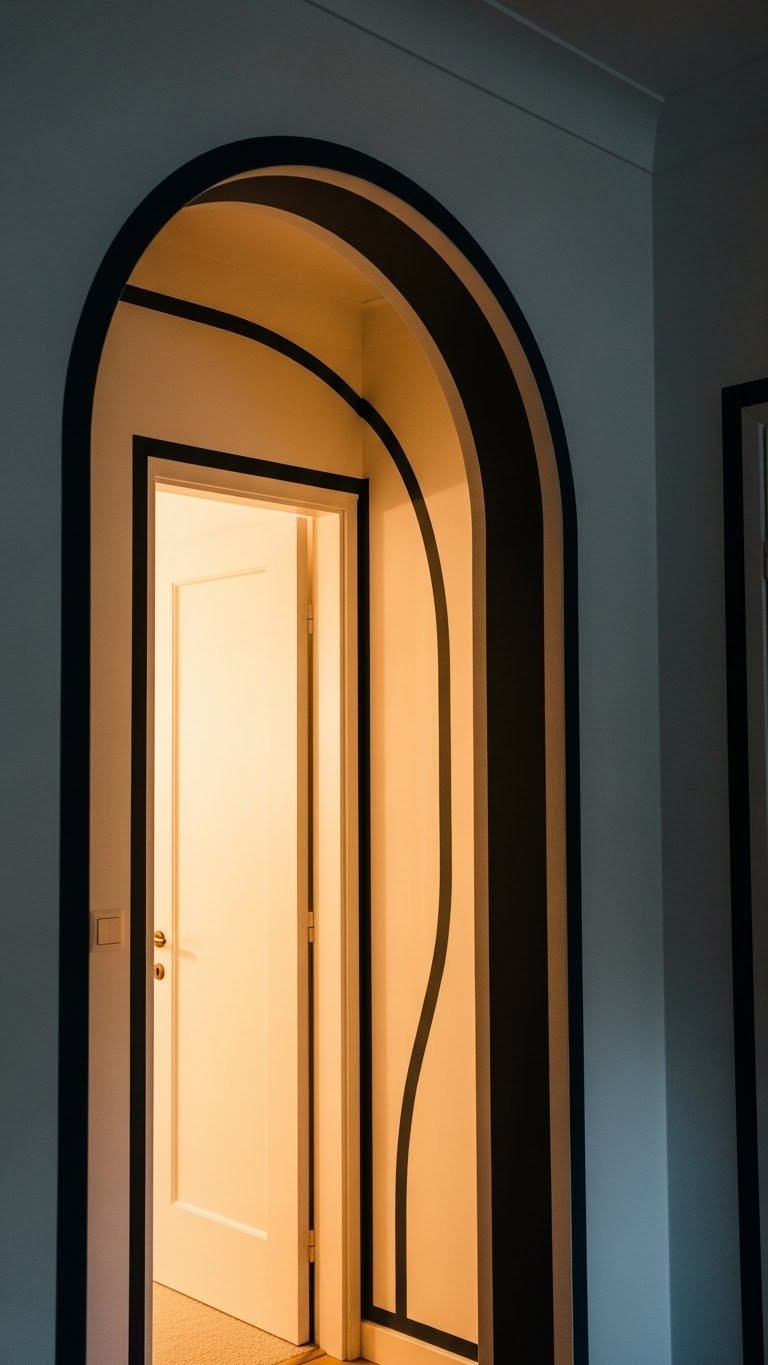
Arches are trending everywhere, and the smart part? You can add them for under $100. They soften hard corners, add architectural interest, and make rented spaces feel intentional.
Mark out an arch shape above a doorway or on a feature wall using a curved template or flexible curve tool. Paint along the line with a contrasting color (white arch on warm walls, dark arch on light walls). No painting skills? Use removable wallpaper or peel-and-stick arch decals ($20–$50 from Amazon or Etsy). DIY time: 1–2 hours. For a permanent option, hire a handyperson to add a plaster or drywall arch ($300–$800), which elevates your home’s architectural character forever.
Your hallway or entryway transforms from plain to gallery-worthy with a single curved line.
7. Layer Vintage Maximalism with Intentional Repetition
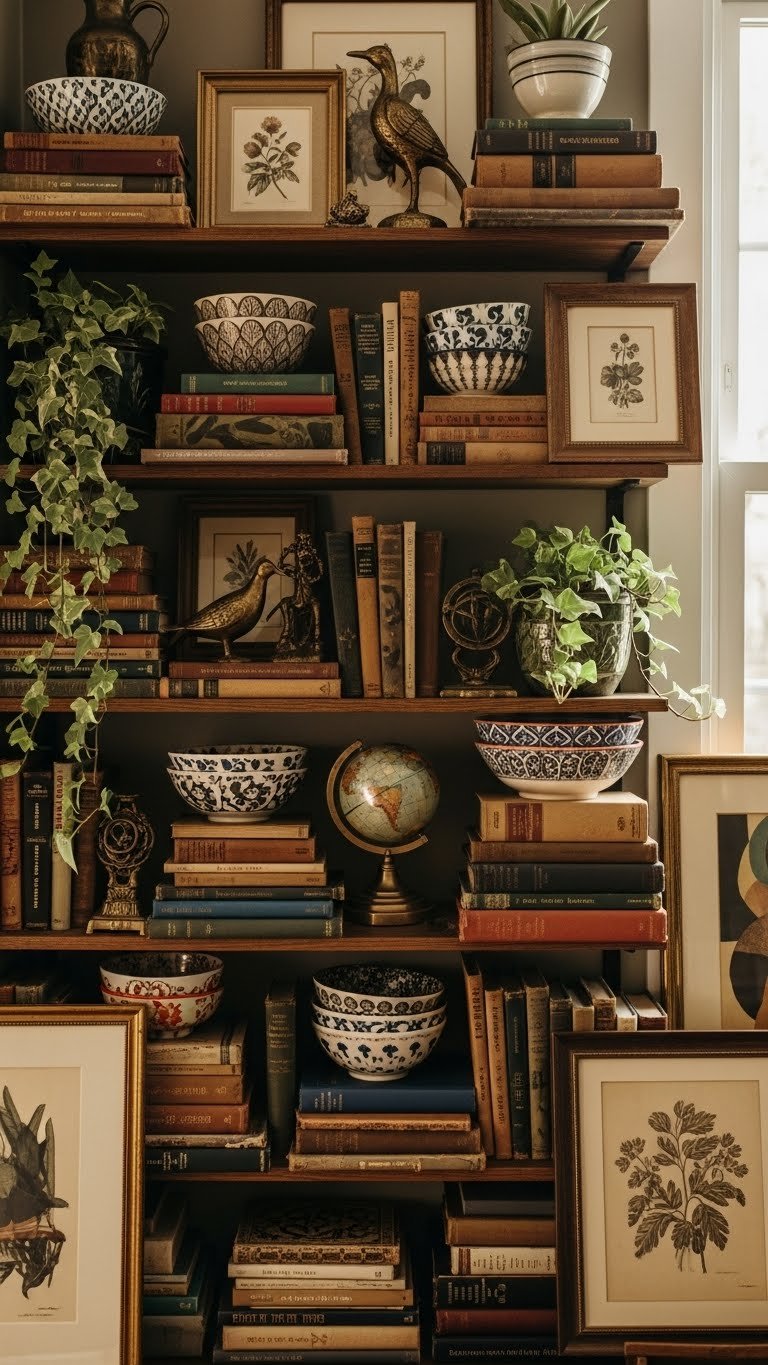
Vintage maximalism isn’t chaos—it’s thoughtful layering. Searches are up 260% because people crave personality over sterile minimalism. The trick is repetition and a cohesive color palette.
Choose 3–4 colors (dusty blue, cream, gold, green) and layer pieces within that palette. Mix vintage finds ($5–$50 each from thrift stores, 1stDibs, or Facebook Marketplace) with 2–3 modern anchor pieces. Layer books horizontally and vertically, add small plants, brass candleholders, and patterned ceramics. Spend a weekend sourcing; styling takes 2–3 hours. Total investment: $100–$400 for a well-styled bookshelf or console table.
The best part? It looks collected and intentional, not accidental or hoardy. People will ask where you found everything.
8. Paint a Feature Wall in Warm, Earthy Tones
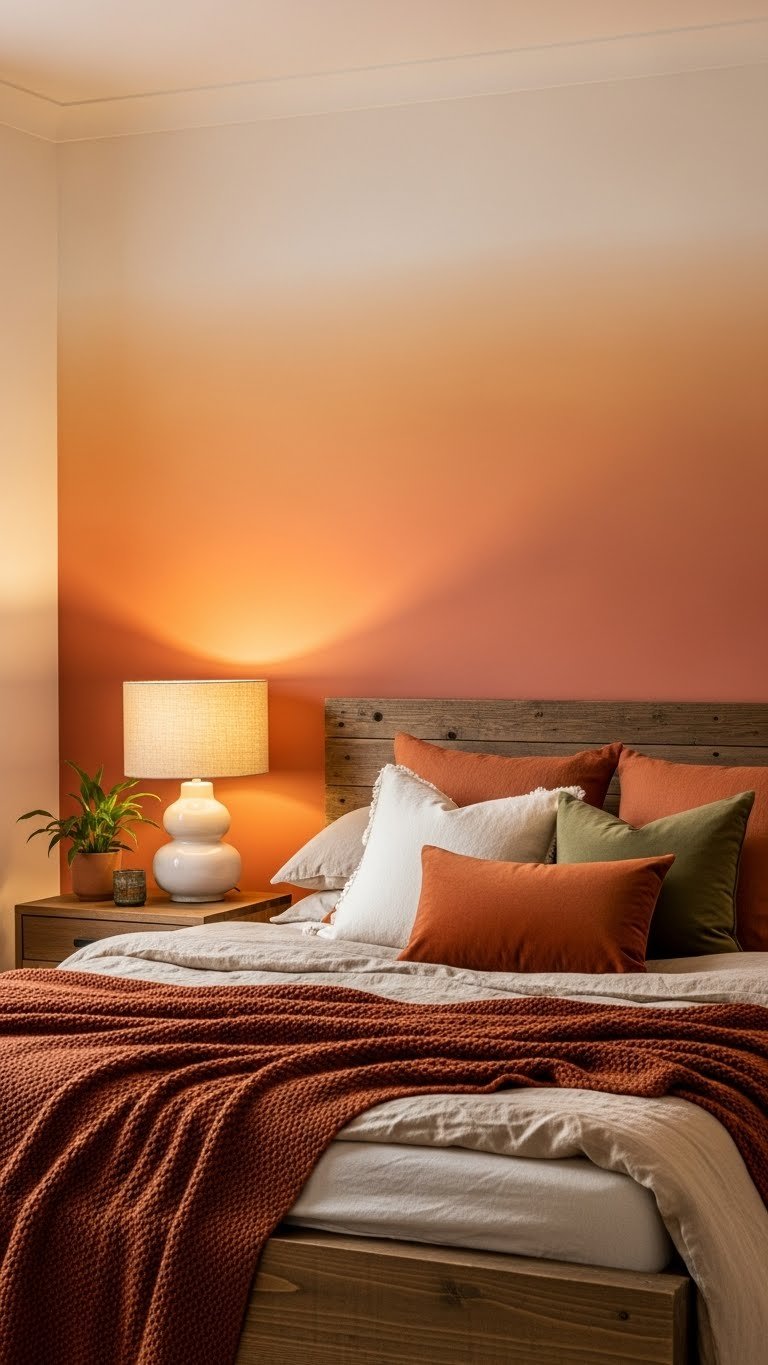
One painted feature wall changes a room’s entire energy without a major commitment. Warm, earthy tones (terracotta, ochre, warm taupe, sage) ground a space and feel so much more current than cool grays.
Pick one wall—usually the wall behind your bed or above your sofa. Choose a warm paint from Benjamin Moore, Sherwin-Williams, or Farrow & Ball ($40–$60 per gallon). Paint yourself on a weekend ($0 labor, just supplies and time) or hire a painter ($200–$500). Pair the warm wall with light, neutral furniture and plenty of natural wood or brass accents.
Your room goes from anonymous to intentional instantly, and the psychological warmth is real—visitors comment on how “cozy” the space feels.
9. Source Statement Lighting for Ambient Warmth
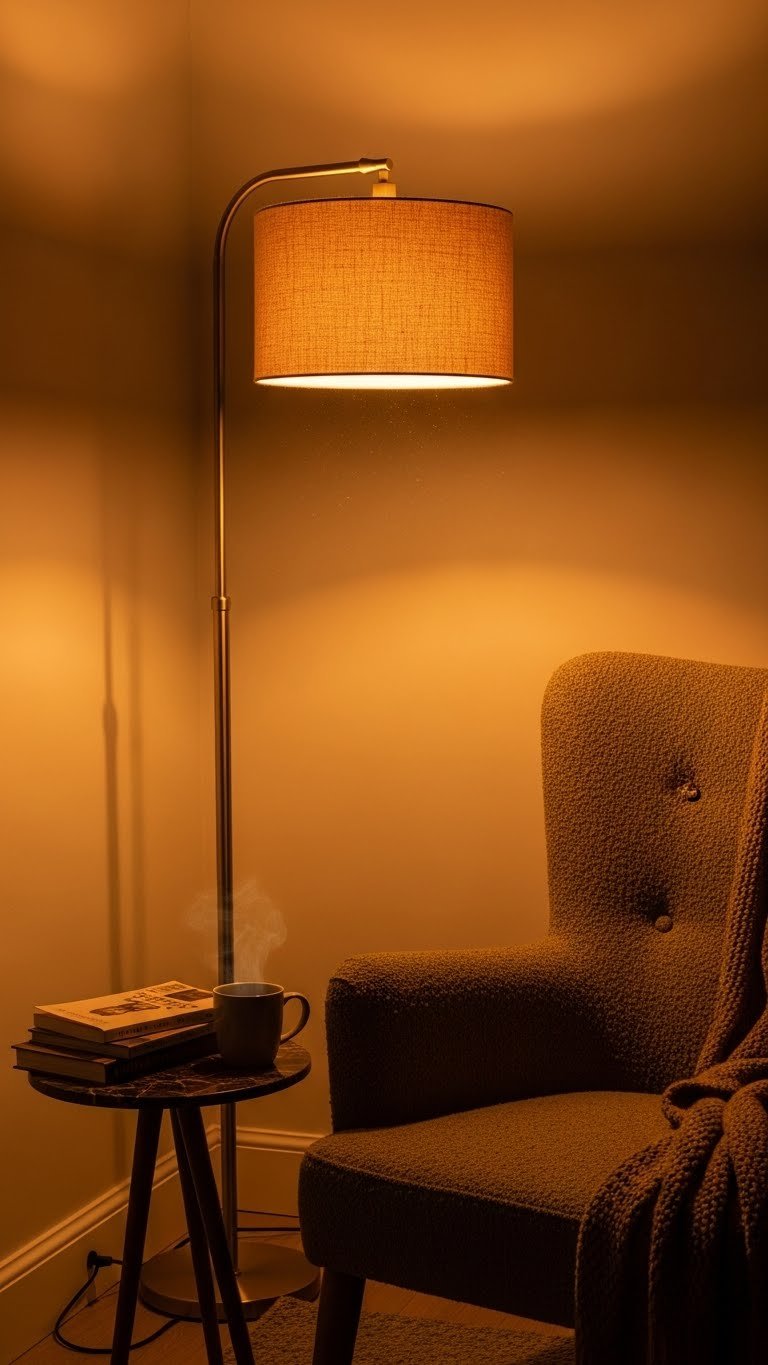
Lighting isn’t decor—it’s the foundation of warmth. Swap out clinical overhead lights and add layered, warm-toned ambient lighting with vintage-inspired pieces that actually look good.
Hunt 1stDibs, Etsy, or Facebook Marketplace for brass or sculptural vintage lamps ($40–$200). Add warm-white LED bulbs (2700K color temperature) instead of cool whites ($5–$15 each). Layer: a floor lamp in the corner, table lamps on side tables, and wall sconces ($50–$300 per sconce). Budget option: add cordless LED candles ($10–$30) and a simple brass swing-arm lamp ($80–$150). Install time: 30 minutes to 2 hours depending on complexity.
Warm light literally makes everything feel better—your skin looks better, your space feels more luxurious, and the whole room changes vibe.
10. Curate an Antique-Hunting Strategy for Authentic Pieces
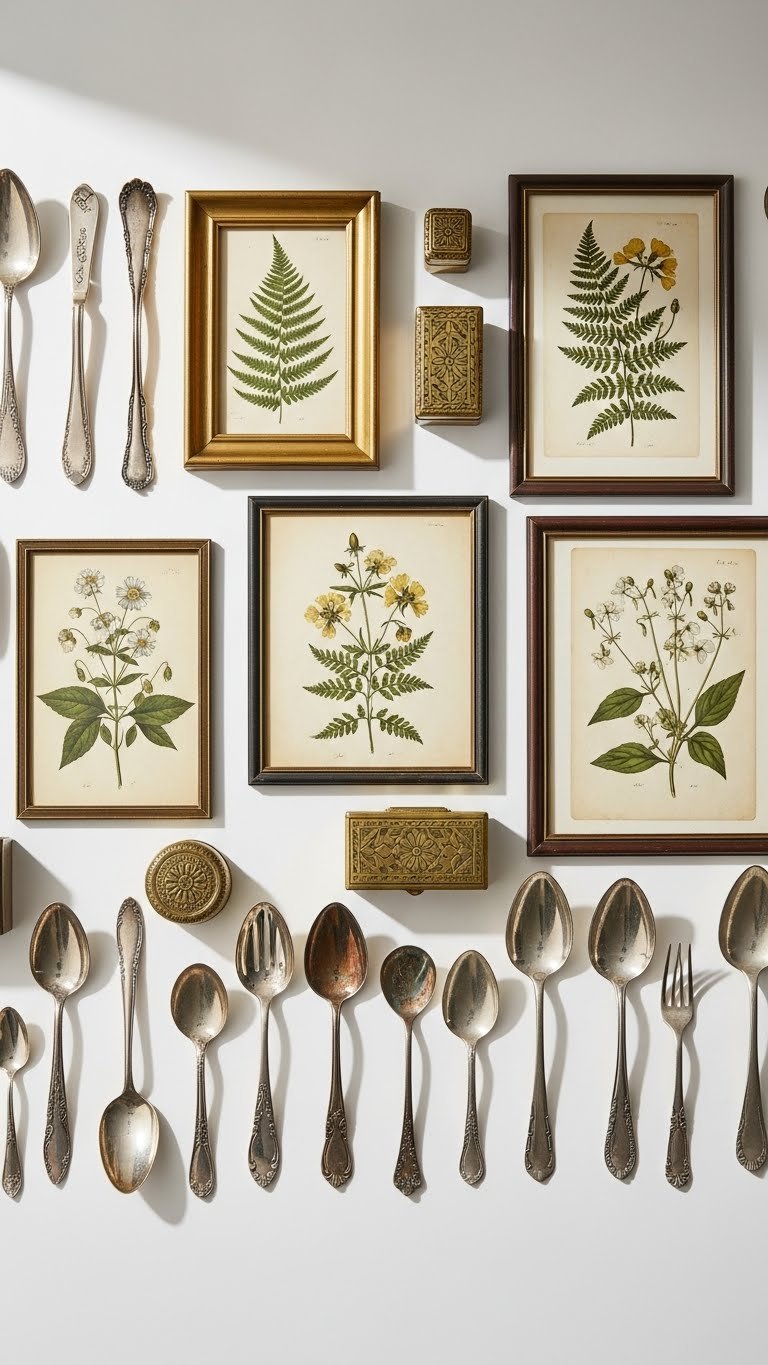
62% of designers will shop for antiques in 2025 because secondhand pieces beat mass-produced junk every time. But hunting can feel chaotic without a strategy.
Start with a specific hunt: “I need a brass three-tier plant stand” or “warm wood side table under $150.” Then hit 1stDibs, Etsy, Chairish, Ruby Lane, or Facebook Marketplace with those exact terms. Set alerts. Check Facebook Marketplace and Craigslist daily—the best finds sell fast. Join local Buy Nothing groups for free treasures. Visit actual antique malls ($0 cost, 2–3 hours of browsing) and thrift stores weekly. Spend $10–$50 per hunt; one great piece per month builds a curated home.
Your home stops looking like a catalog and starts looking like your life—because it literally is filled with pieces you intentionally chose.
11. Invest in Quality Rugs and Layering Textiles

The rug market hit $51.87B in 2025 because textiles are the fastest way to add warmth and personality. Rugs aren’t just functional—they’re statement pieces.
Invest in one large, quality rug ($300–$1,000) in a warm-toned pattern or natural fiber (jute, wool, sisal). Layer a smaller rug on top if you’re feeling bold. Add throw pillows ($30–$100 each) in complementary colors, and drape a chunky knit throw ($50–$200) over your sofa or chair. Mix textures: linen, wool, cotton, and hand-woven materials. Shop Ruggable for washable options, Anthropologie for pattern, or Etsy for vintage finds.
This layering creates visual depth and actual coziness—you’ll notice how much softer and more inviting your space feels underfoot and to the eye.
12. Style Open Shelving with Personality, Not Perfection
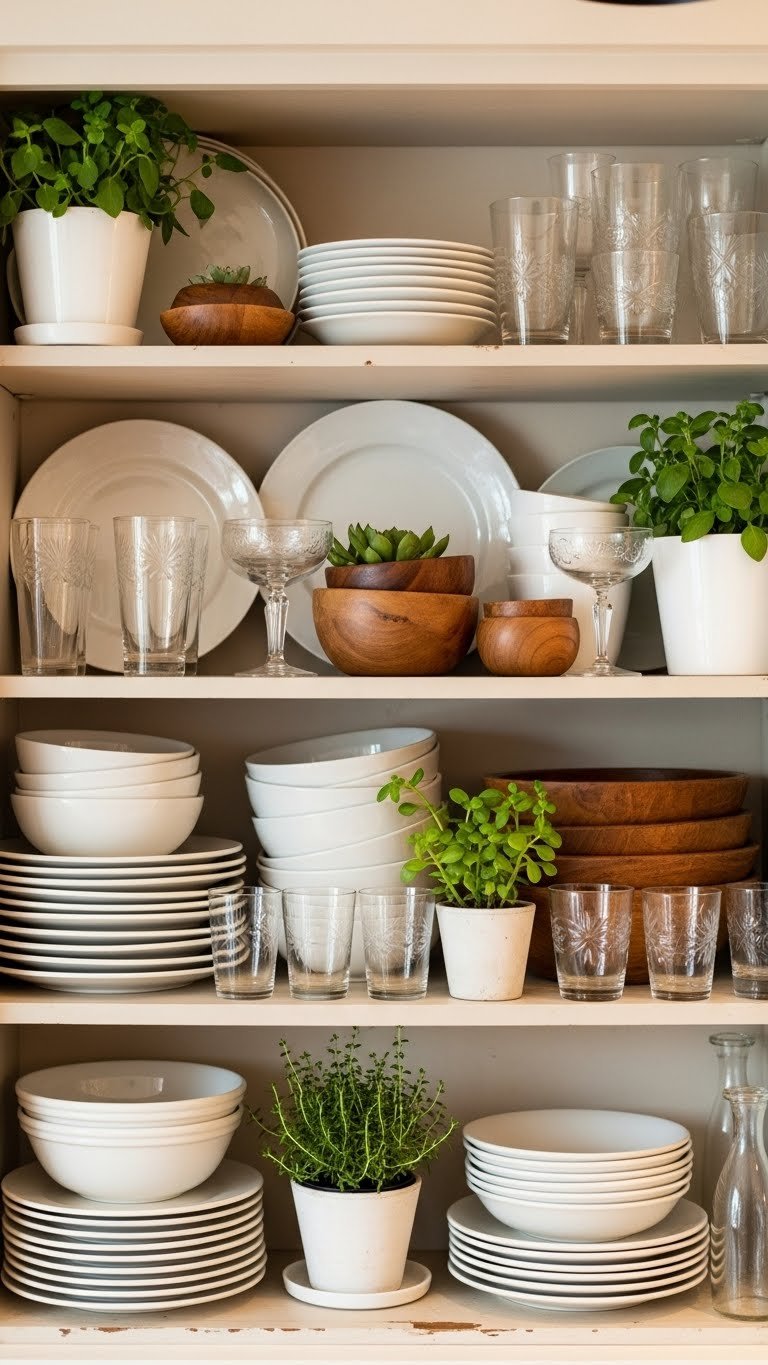
Open shelving is only as good as what you display. The shift toward “imperfect” styling means showing actual items you use and love, not showroom-perfect rows.
Choose 3–4 neutral staples (white plates, natural wood bowls, clear glassware) and mix with colorful or patterned pieces. Add small plants, cookbooks, and a few decorative objects. Vary heights and cluster items in odd numbers (3 or 5, not 4). Style takes 1–2 hours; cost depends on what you already own. If starting fresh: $150–$400 for quality basics.
Pro tip: Leave breathing room. Overstuffed shelves look cluttered, not curated. When people see your shelves, they think “that person has good taste,” not “that person is obsessive.”
13. Create a Luxe Home Office with Ergonomic Beauty
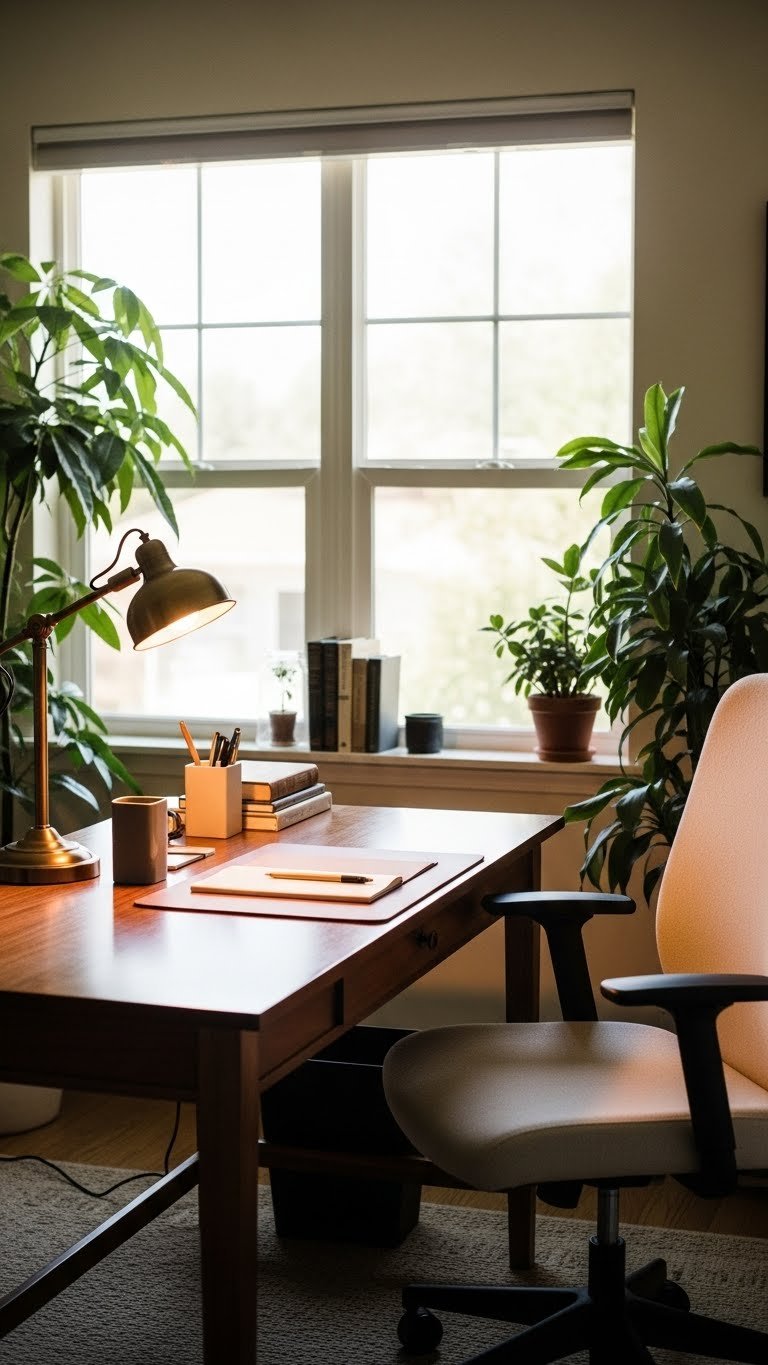
“Luxe office” searches jumped 2,766%—because working from home deserves a space that feels intentional and inspiring, not like a cramped corner.
Start with a solid wood or marble desk ($200–$800). Add an ergonomic chair upholstered in warm fabric ($300–$1,000; IKEA has budget options under $200). Layer: warm desk lighting ($80–$300), a small plant ($15–$40), and natural wood organizers ($20–$80). If you’re renting or budget-constrained, a simple desk ($100–$300) plus a good chair ($150–$400) and plants ($30–$60) totally shifts the energy. Spend a weekend organizing cables and styling—time: 3–4 hours.
You’ll actually want to spend time in your office instead of avoiding it. Work feels like a choice, not a chore, when your environment supports you.
14. Add Artisanal Candles for Scented Styling
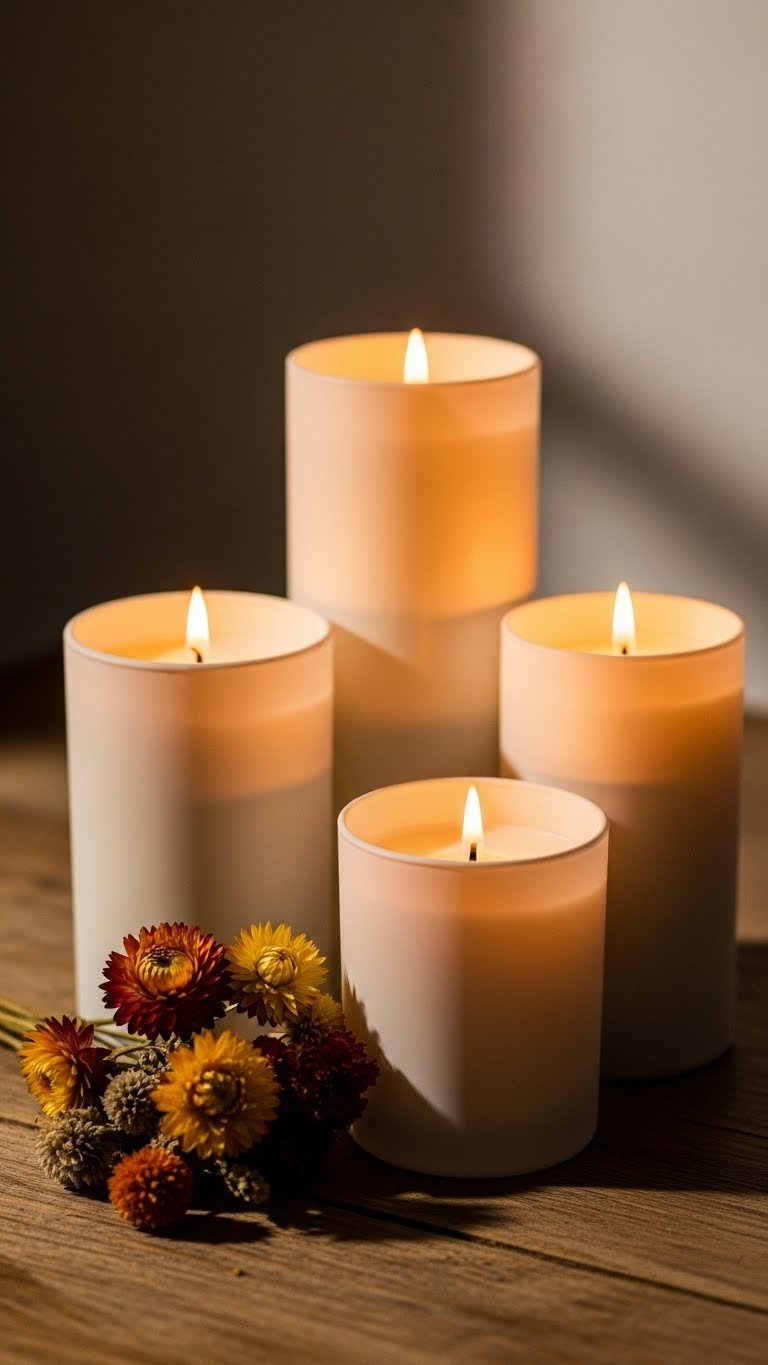
Candles hit $11.51B in 2025 because they’re simultaneously decor, scent, and ambiance. Artisanal candles double as styling objects that actually make your space smell good.
Invest in 2–3 quality candles ($15–$40 each) from makers like P.F. Candle Co., Diptyque, or Etsy small businesses. Display them grouped (odd numbers!) on a tray or console with dried flowers, books, or small ceramics. Soy or beeswax candles burn cleaner and last longer than paraffin. Light them during work calls or evenings to shift your space’s sensory impact. Budget: $50–$120 for a well-curated candle collection.
The combination of warm light, subtle scent, and beautiful vessels makes your home feel cared-for without trying. People notice immediately.
15. Mix Metals for Visual Interest Without Clashing
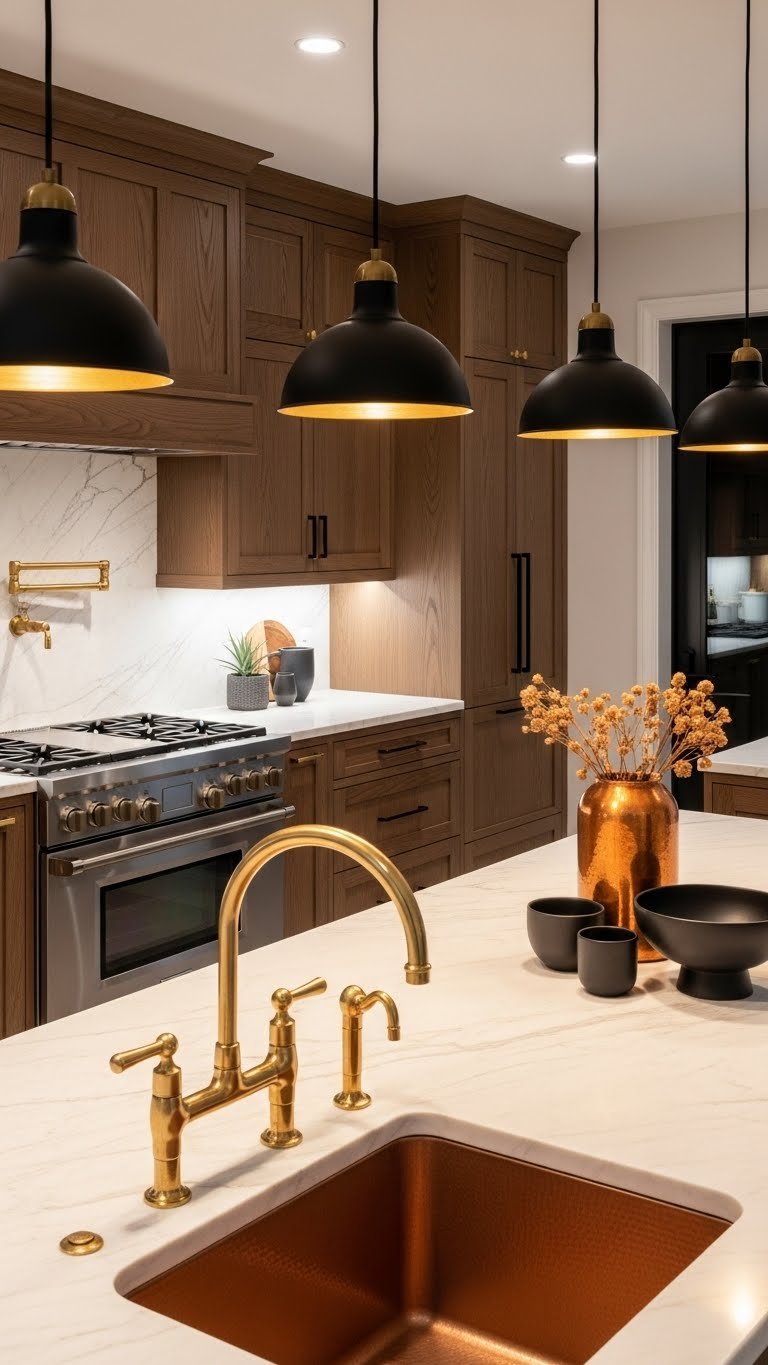
Matching all your metals to one finish is actually boring now. Intentional mixing—brass with matte black, rose gold with warm copper—feels curated and modern.
Start by auditing existing fixtures: hardware on cabinets, faucets, light fixtures, and handles. Replace mismatched pieces gradually. Swap cabinet hardware from chrome to brass ($2–$8 per knob; DIY install, 30 minutes for a full kitchen). Mix finishes: brass handles, matte black hinges, copper fixtures. The key is intentionality—don’t randomly mix. Stick to warm metals (brass, copper, rose gold) or cool metals (chrome, brushed nickel, matte black), not both. Budget: $50–$300 depending on how many pieces you swap.
Your kitchen or bathroom feels more sophisticated instantly. Mixing metals signals you know what you’re doing, even if you got there by accident.
16. Display Art and Frames for Affordable Personality

Art doesn’t have to be expensive or come from a gallery. Mixing affordable prints, personal photos, and thrifted frames creates a gallery wall that feels deeply personal.
Search Etsy or Minted for prints ($10–$50 each). Mix in personal photos ($0). Hunt thrift stores or Facebook Marketplace for frames ($2–$15 each) in coordinating finishes. Arrange on your wall first using painter’s tape to finalize layout. Hang at eye level, mixing frame sizes and orientations. Total time: 2–3 hours. Budget: $100–$300 for a full wall.
Pro tip: Use frames in 2–3 finishes (natural wood, brass, black) to avoid monotony. Your wall tells your story in a way mass-produced art never will.
17. Invest in Natural Wood Shelving Units
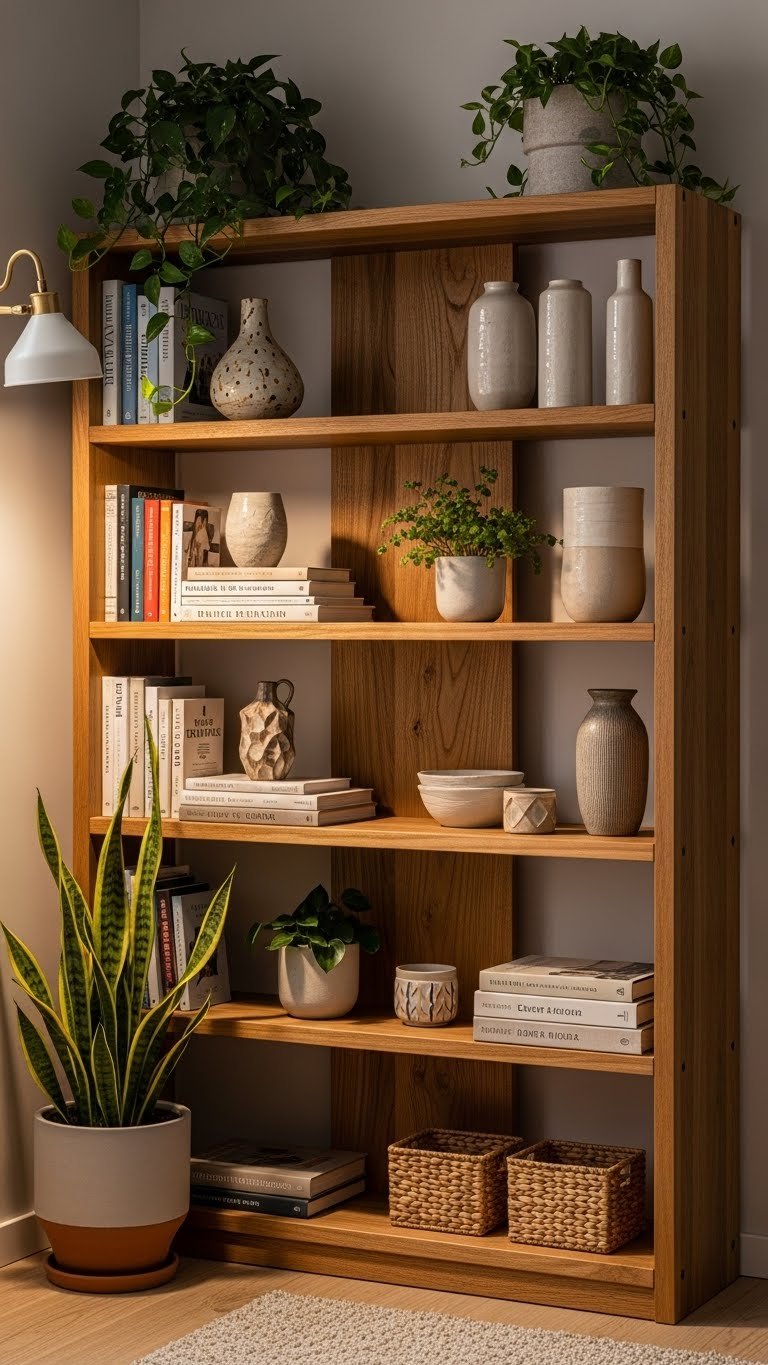
Wooden shelving—especially open shelving—is one of the best ROI investments for warmth and function. Unlike furniture, they change the architecture of your space.
Shop Article, Wayfair, or West Elm for mid-range options ($200–$600). For investment pieces, check Etsy for handmade or vintage ($300–$1,200). DIY option: buy shelving boards from a hardware store ($30–$60 each) and floating shelf brackets ($20–$40), install yourself in one afternoon. The magic happens when you fill them thoughtfully—don’t overstuff. Wood’s grain, color variation, and warmth become part of your decor. Cost: $100–$1,000 depending on size and quality.
Wooden shelving stops feeling temporary and becomes part of your home’s permanent bones—literally.
18. Layer Textures with Woven and Macramé Accents
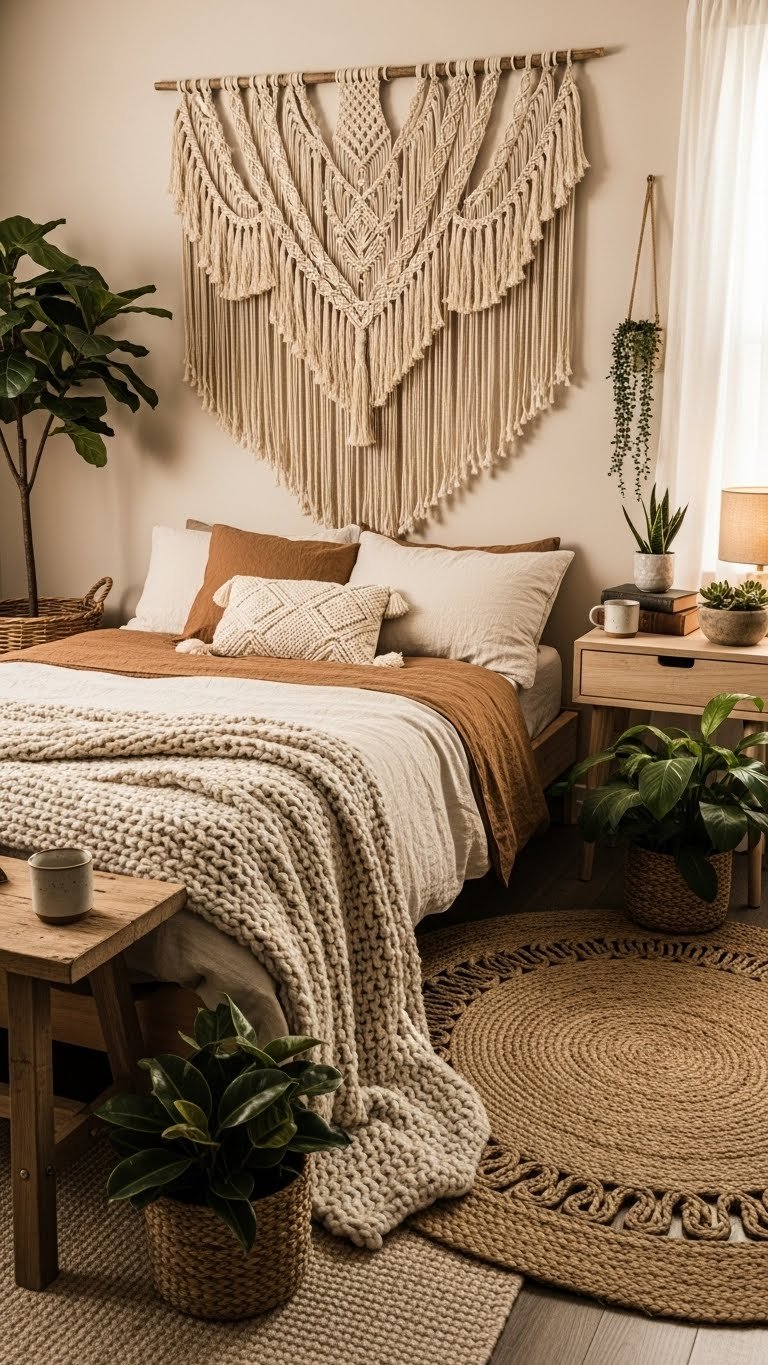
Texture is the secret ingredient designers use to make spaces feel expensive and lived-in. Layering woven, macramé, and natural fiber pieces adds dimension without clashing.
Add a macramé wall hanging ($20–$80 from Etsy or Urban Outfitters), woven wall baskets ($15–$60 each), or a jute rug ($50–$200). Layer a textured throw ($40–$150) over seating. Mix smooth ceramics with rough woven pieces. All these materials should feel natural and touchable. Spend one weekend styling; total investment: $150–$400.
When people enter your space, they might not know why it feels special—but they’ll feel the texture subconsciously. Your brain registers “thoughtful” and “cozy.”
19. Create a Personalized Gallery Moment with Thrifted Finds
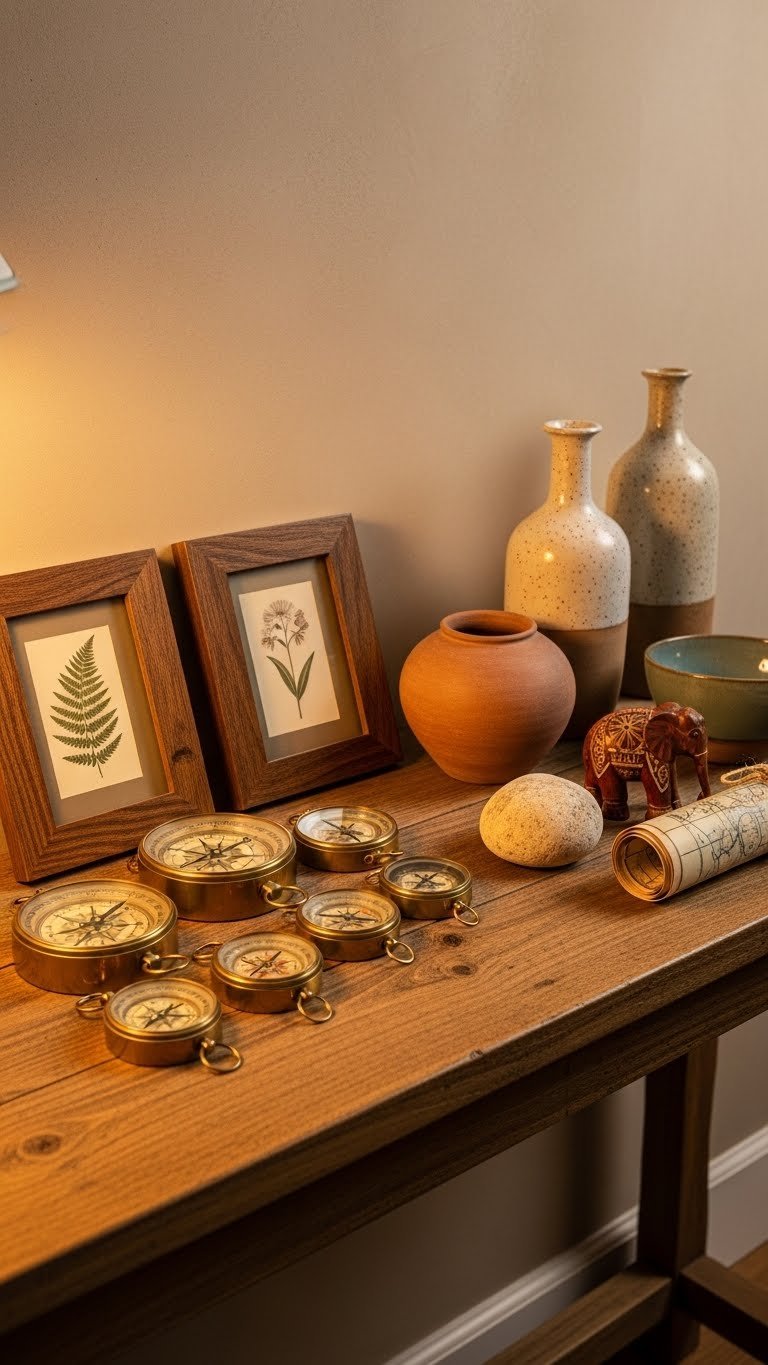
The shift away from mass-produced decor means showing your actual interests and travels. A personalized collection beats ten identical store-bought objects.
Dedicate a console table, shelf, or wall to items you genuinely love: thrifted brass objects ($5–$20 each), small framed prints ($10–$30), ceramics from local makers ($20–$80), or travel souvenirs. Arrange in clusters of 3–5. Vary heights and create visual rhythm. Time: 2–3 hours. Budget: $100–$300 for a well-curated collection (or $0 if using items you own).
Your shelf becomes a conversation starter because it’s actually about you, not about trends.
20. Introduce Handmade Ceramics for Artisanal Warmth
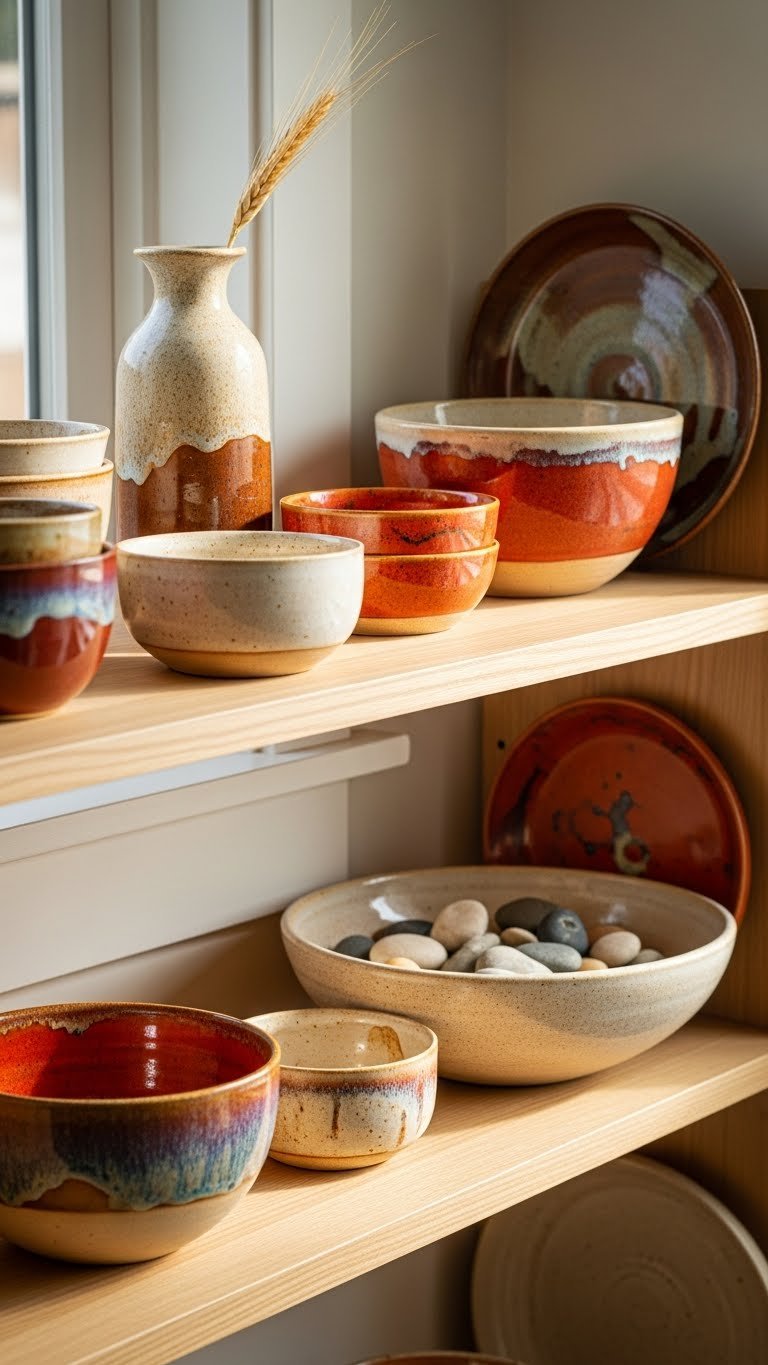
Handmade ceramics are having a moment because the slight imperfections and color variations feel authentic. Unlike factory ceramics, each piece tells a story.
Support small makers on Etsy, local pottery studios, or ceramicists at farmers markets. Expect to spend $20–$80 per piece for quality handmade ceramics. Start with functional items: a serving bowl ($30–$60), mugs ($15–$30), or a vase ($25–$70). Display them openly so the glaze and handmade details show. Incorporate 3–5 pieces into your kitchen or dining area styling.
Using handmade pieces—even just a few—signals that you value craftsmanship over convenience. People will ask where you got them.
21. Design a Cozy Reading Nook with Layered Comfort

Every home needs at least one intentional cozy spot—not just sitting space, but an actual retreat that says “pause here.”
Find a corner, window seat, or section of your sofa. Add a high-quality cushion ($50–$200), layer 3–4 pillows in coordinating textures ($30–$80 each), and drape a chunky knit throw ($60–$150). Add a small side table ($40–$150) for tea or books. One warm lamp ($60–$200). Spend an afternoon styling; investment: $300–$800. Renter hack: use a floor cushion ($40–$100) instead of a permanent cushion.
This space becomes your favorite room instantly because it was designed for actual comfort, not just looks.
22. Swap Out Hardware for Instant Cabinet Refresh
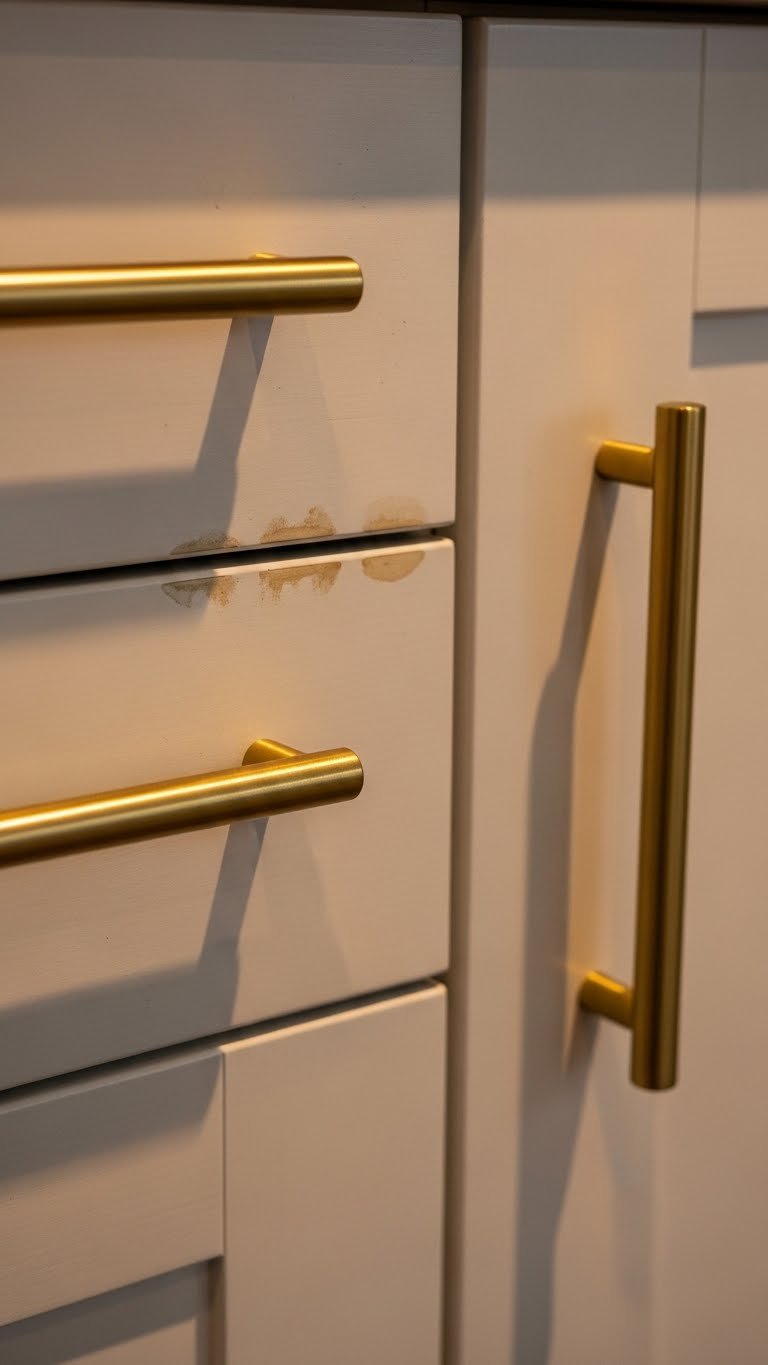
Changing cabinet hardware is the easiest, cheapest way to update a kitchen or bathroom without renovation. You can literally swap 30 handles in one afternoon.
Unscrew old hardware (usually 2 screws per handle), measure the hole distance, and order new hardware in brass, wood, or matte black ($2–$10 per knob). Screw in new handles. Time: 15–30 minutes for a full cabinet run. Cost: $50–$300 depending on quantity. Shop Hardware Hut, Anthropologie, or Etsy.
Your kitchen or bathroom suddenly looks intentional and updated, and it cost less than takeout for two people.
23. Bring in Trailing Plants for Living, Breathing Warmth
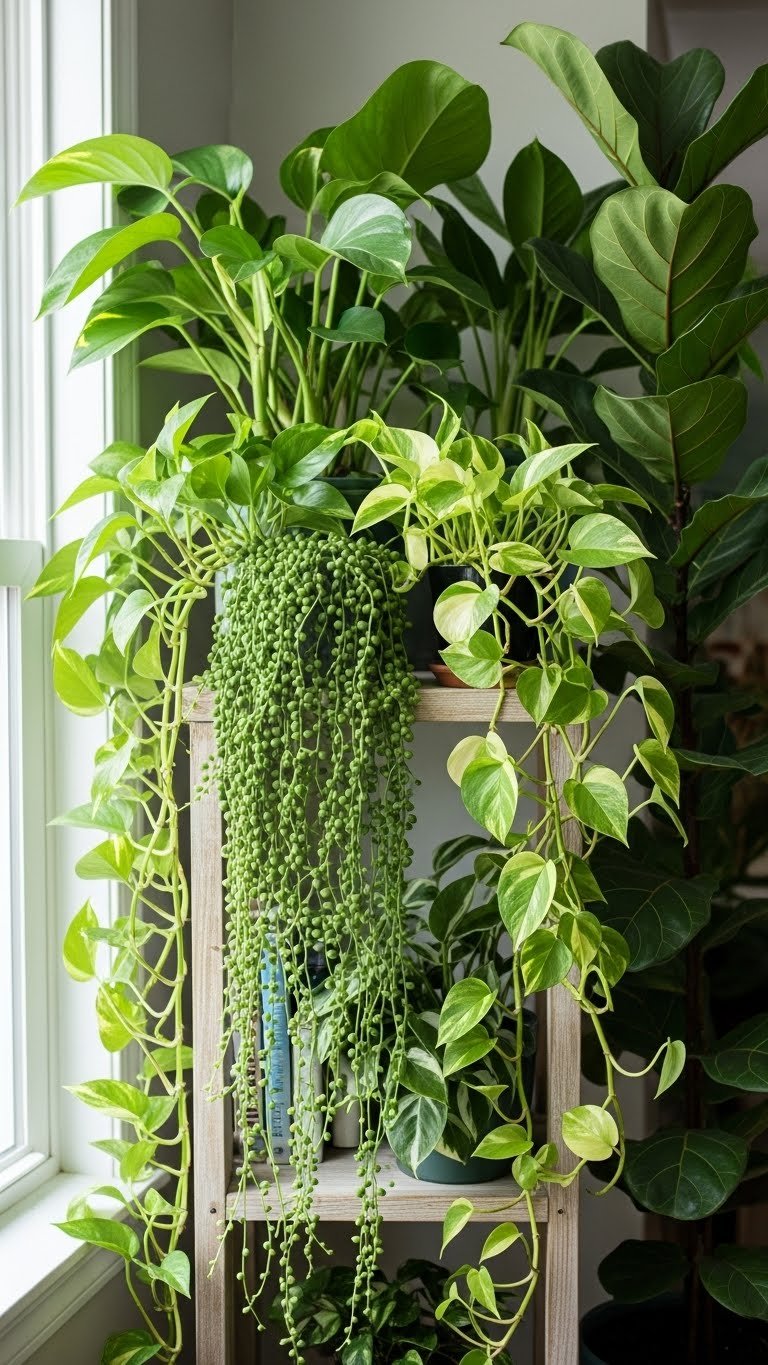
Living plants instantly warm up a space and improve air quality. Trailing plants especially add organic flow without taking up floor space.
Choose easy, low-maintenance plants: pothos ($10–$20), string of pearls ($15–$30), or trailing philodendron ($15–$25). Place pots in warm ceramic or terracotta vessels ($10–$40 each). Let vines trail from shelves or hang macramé plant hangers ($15–$40 per hanger). Water weekly; spend 5 minutes per week on care. Budget: $100–$300 for a well-planted collection.
Plants literally breathe life into your space—and the act of caring for them adds a ritual that grounds your day.
24. Create Intentional Vignettes on Every Surface
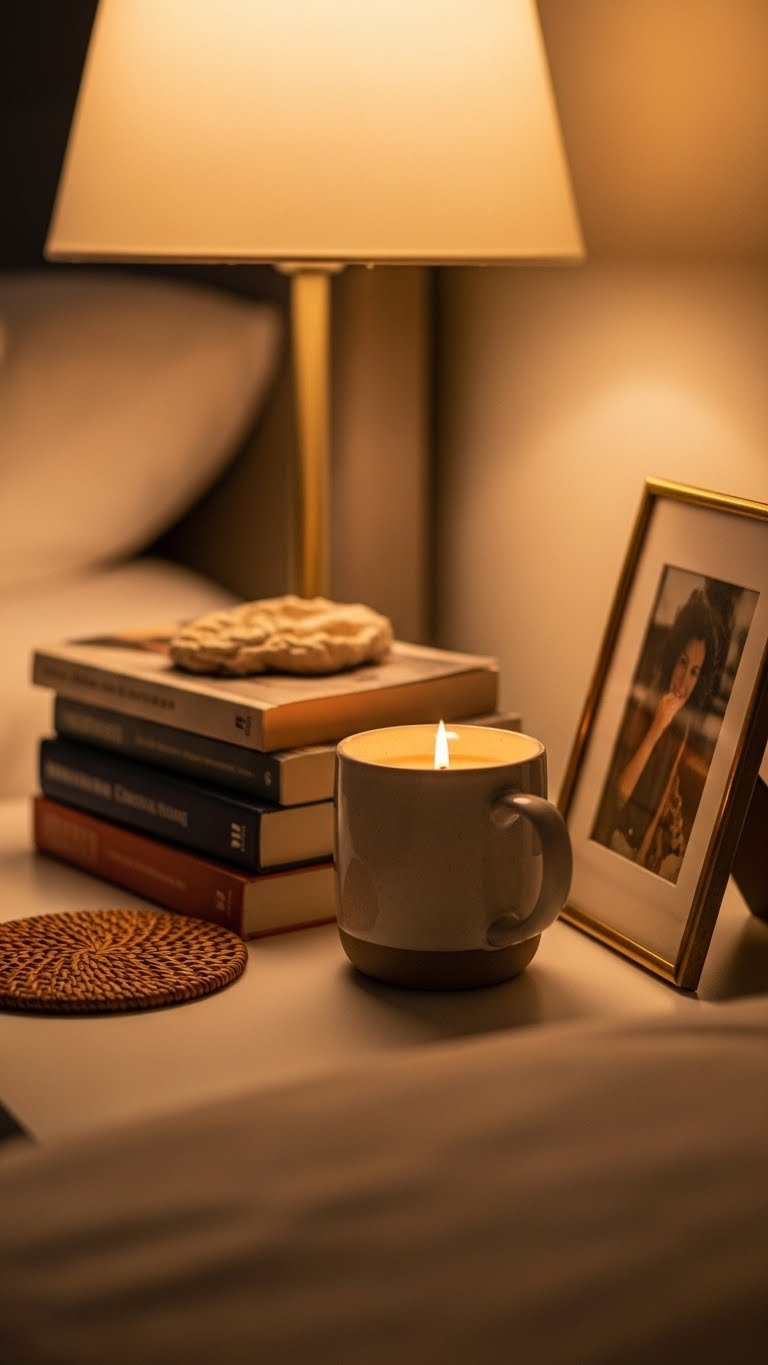
Instead of random objects, design small “vignettes”—intentional groupings of 3–5 items on nightstands, dressers, or console tables. This is how magazines style homes, and you can do it too.
Choose a color palette (warm metals, warm woods, cream ceramics). Gather 5–7 objects: a candle, a small plant, a book, a frame, a decorative object. Arrange in a triangle or line, varying heights and textures. Leave breathing room. Rearrange monthly as items or interests shift. Time: 30 minutes per vignette. Cost: $50–$150 per vignette depending on what you already own.
Your home suddenly feels intentional everywhere—not just one showcase room. It’s the difference between “nice home” and “wow, their taste is impeccable.”
25. Commit to Warm Lighting Temperature Everywhere
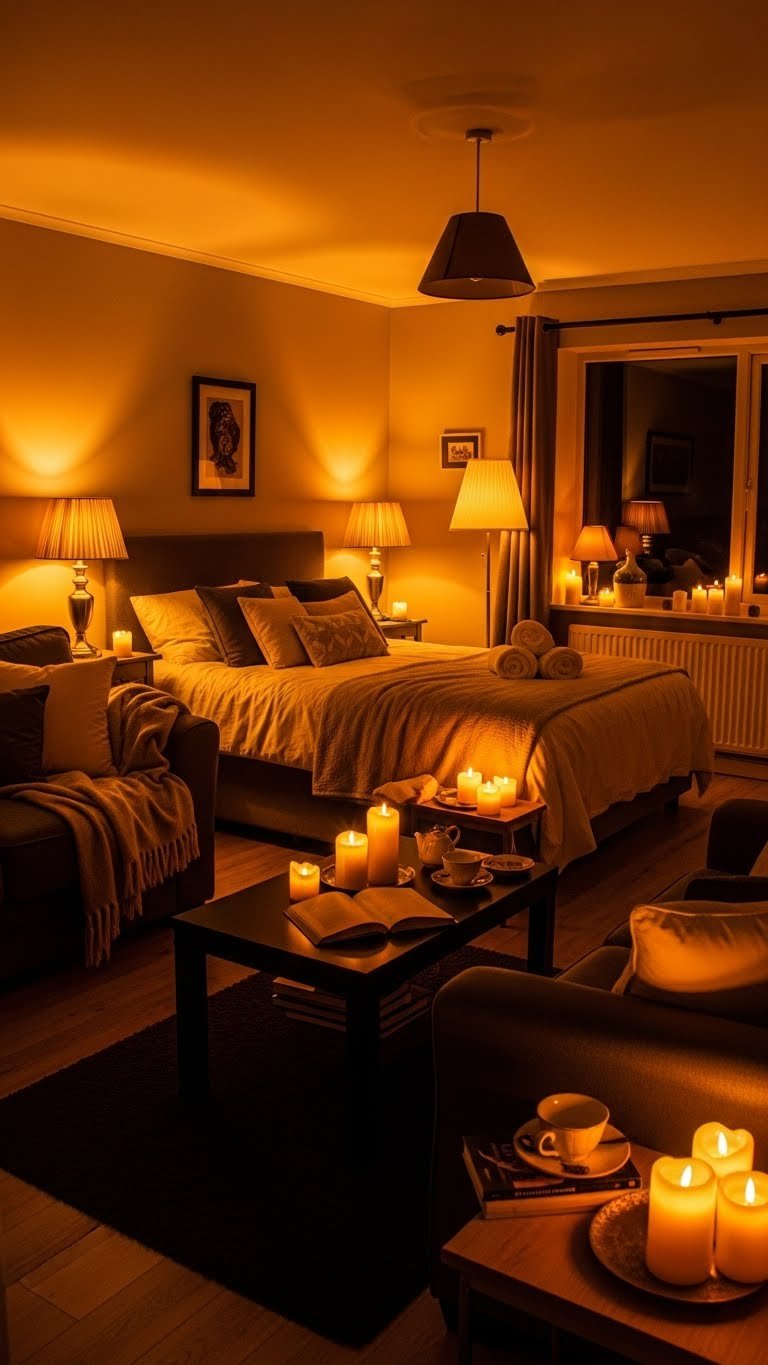
The single most impactful change: swap out all overhead lights and cool-white bulbs for warm-toned ambient lighting. It changes everything.
Replace every bulb in your home with 2700K warm-white LEDs ($5–$15 per bulb). Remove or rarely use overhead ceiling lights. Layer lamps throughout rooms instead: floor lamps ($60–$250), table lamps ($40–$200), wall sconces ($80–$300), and string lights for bedrooms ($20–$50). Install dimmers on existing lights ($15–$40 per switch). Time: an afternoon. Cost: $200–$800 depending on how many lamps and switches you add.
The psychological effect is immediate—your space feels more luxurious, more intimate, and warmer. Everything looks better under warm light, including you.
Save this post and try just one idea this weekend—you’ll be shocked how much warmth and personality one small change brings to your space. Which tip are you tackling first?
Leave a Reply