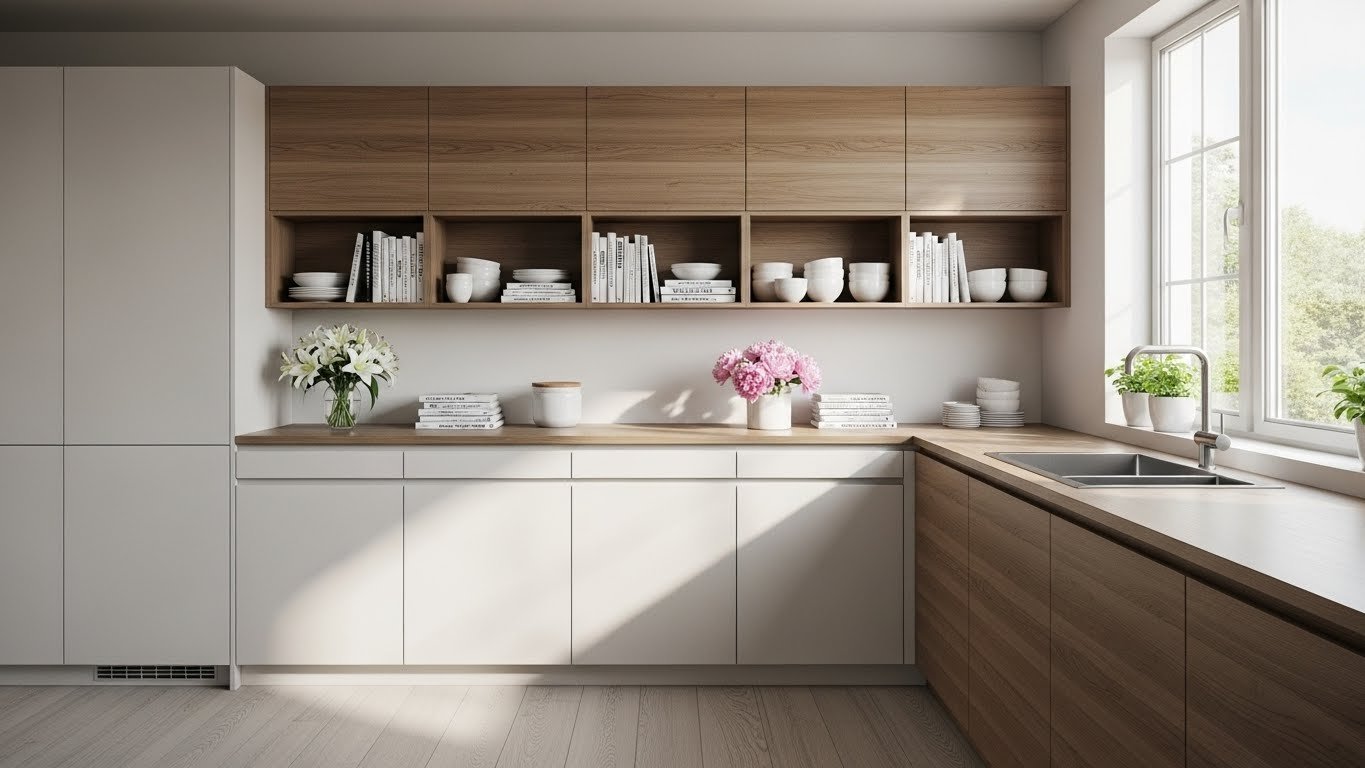
Your kitchen cabinets set the tone for your entire home—but updating them doesn’t have to mean a full renovation or breaking the bank. Whether you’re renting, working with a small space, or ready to invest in custom pieces, these 25 ideas range from free styling tricks to smart upgrades that’ll make your kitchen feel brand new. You’ll discover budget hacks that take an afternoon, trending color combos that actually work, and storage solutions that’ll change how you use your space. The best part? Most of these ideas work whether you own or rent, and you can start with just one. Let’s dig in.
1. Pair Two-Tone Cabinets for Visual Impact
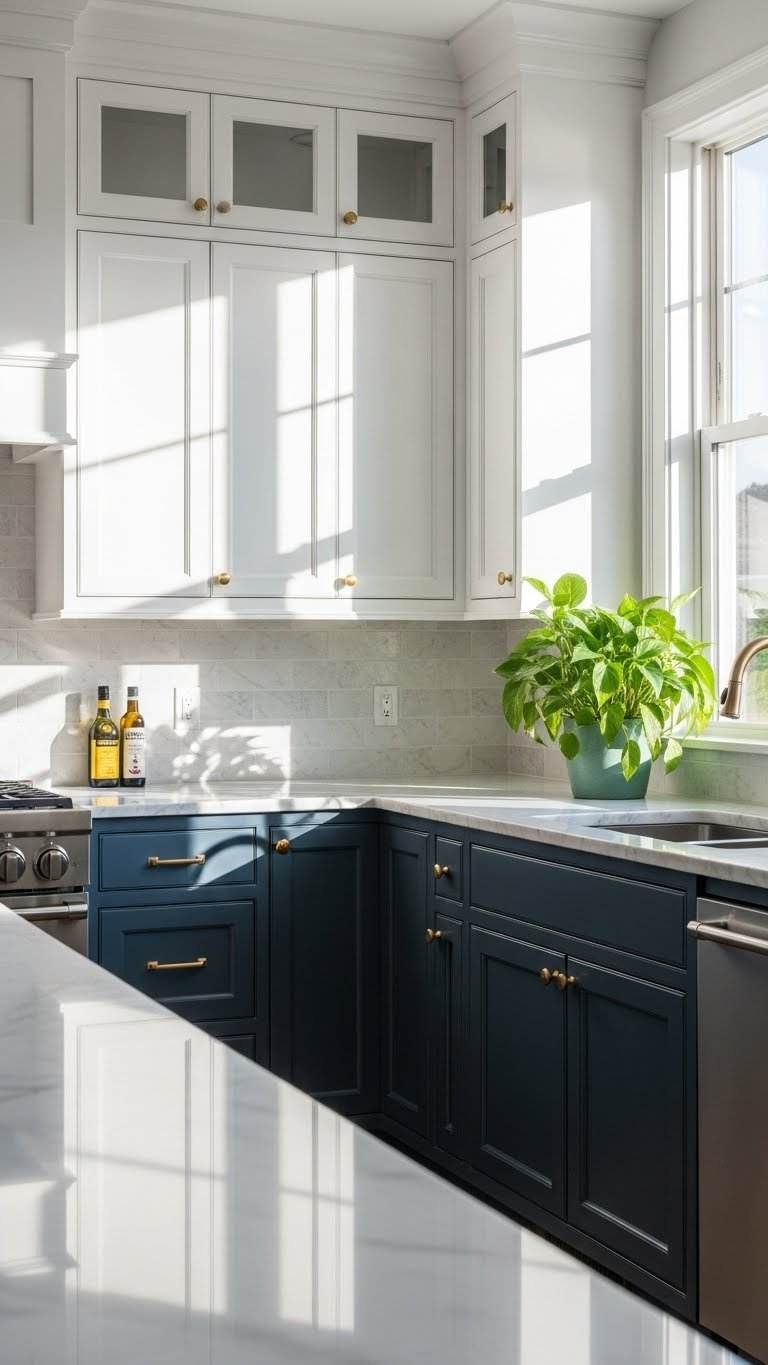
Two-tone cabinets instantly add personality and depth without a complete overhaul. Pairing a light shade on top with a darker base (or vice versa) creates visual interest and makes your kitchen feel intentional and curated.
You can achieve this look in several ways: paint existing cabinets if you own, use peel-and-stick contact paper for a renter-friendly option ($20–$40 per roll from Target or Amazon), or swap out cabinet doors if you’re ready to invest ($200–$500 total). The contrast draws the eye upward, making ceilings seem higher in small spaces. Choose complementary colors like white + sage, cream + charcoal, or even pale yellow + deep green.
Pro tip: Start with lower cabinets in bold color—they hide spills better and feel less committal than painting everything.
This combo makes your kitchen feel designed and polished. You’ll notice how much more personality your space gains from this one change alone.
2. Install Handleless Push-to-Open Cabinets
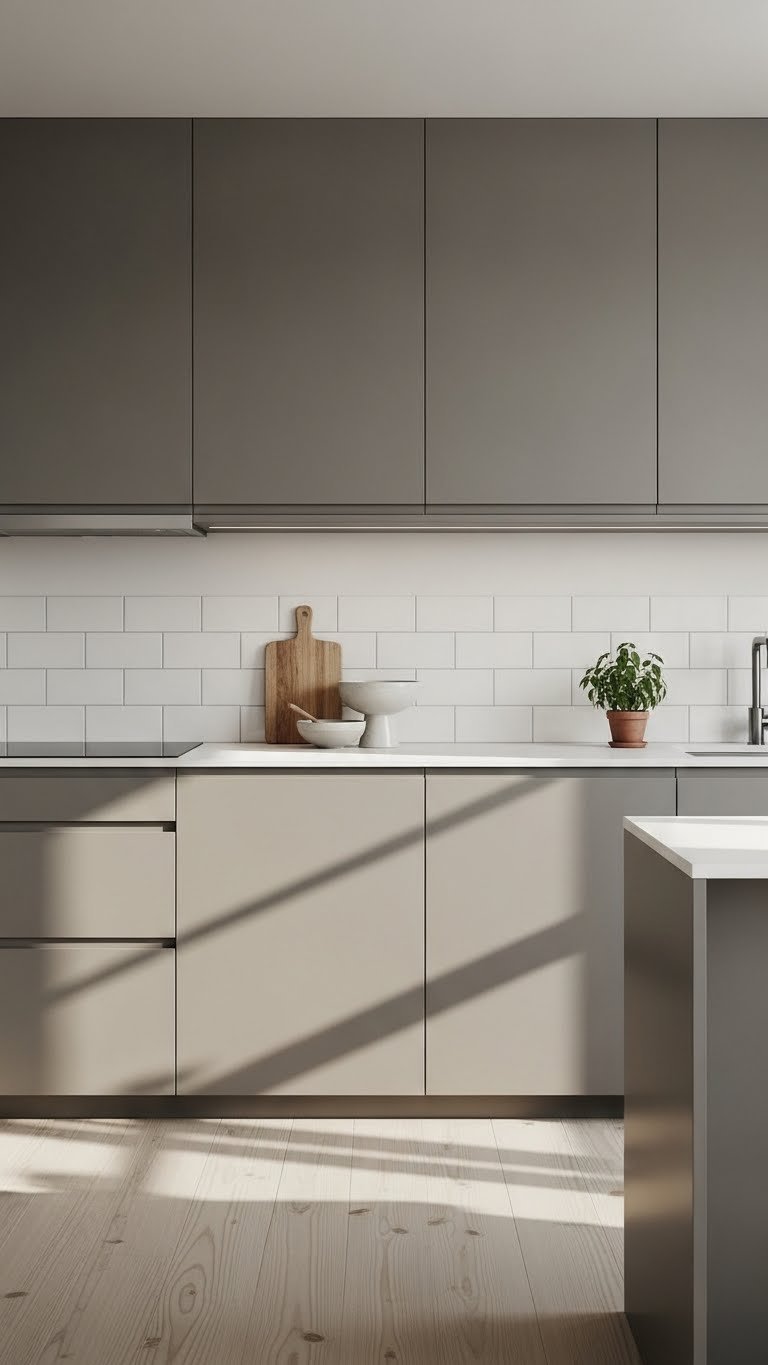
Handleless cabinets create that seamless, spa-like look trending everywhere—and they actually reduce visual clutter. By removing hardware, you get clean lines and a more spacious feel, even in tiny kitchens.
If you own, replacing cabinet doors with handleless options costs $300–$800 depending on your cabinet count. For renters, this isn’t viable, but you can remove existing hardware and fill holes with wood filler and paint for a smoother appearance. Handleless cabinets use a soft-close push mechanism or finger indent design, so they’re surprisingly practical—no more handles to grab with wet hands or bump into.
Look for these at IKEA (budget-friendly), Wayfair, or Home Depot for mid-range options.
Pro tip: Pair handleless cabinets with motion-sensor LED lighting inside to make them feel high-tech and functional.
Your kitchen instantly looks more modern and intentional. Daily use becomes easier, and you’ll love how uncluttered the visual feel becomes.
3. Add Open Shelving in One Accent Spot
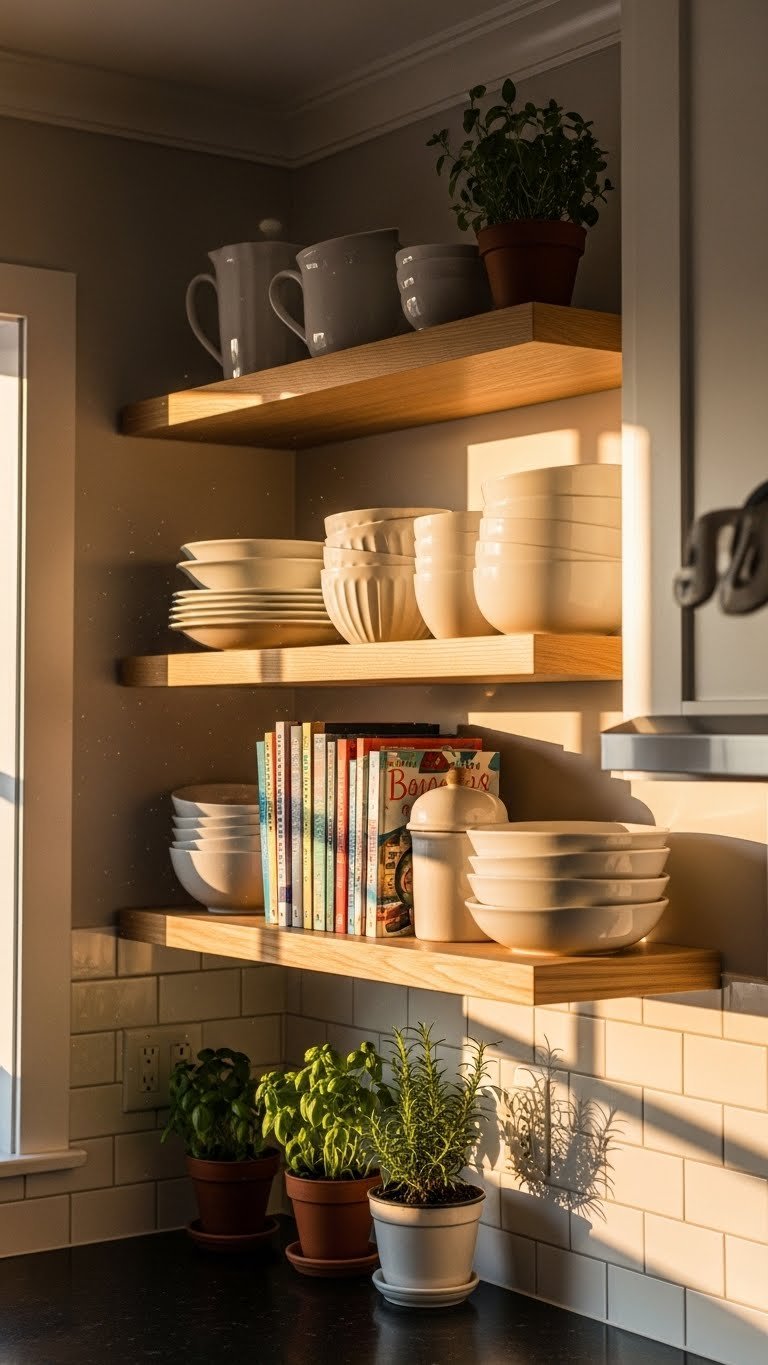
Open shelving makes kitchens feel airier and gives you a chance to display items you actually love. Instead of replacing all cabinets, try adding open shelves to just one wall—it’s a designer trick that costs way less.
Floating shelves run $40–$150 per shelf depending on materials and length. Installation is DIY-friendly if you have a stud finder and drill ($30–$50 total for tools you’ll use forever), or hire a handyperson for $100–$200. The key: style intentionally with cookbooks, plants, and dishware you’d want photographed. Keep clutter-prone items behind closed doors.
Measure your wall space and choose shelves that match your cabinet finish (walnut, white, natural oak) for cohesion.
Pro tip: This works beautifully as a renter if you use removable adhesive shelf brackets—no wall damage.
Your kitchen instantly feels more luxe and personal. You’ve created an Instagram-worthy focal point without the cost of a full cabinet refresh.
4. Choose Warm Wood Tones Over Cool Whites
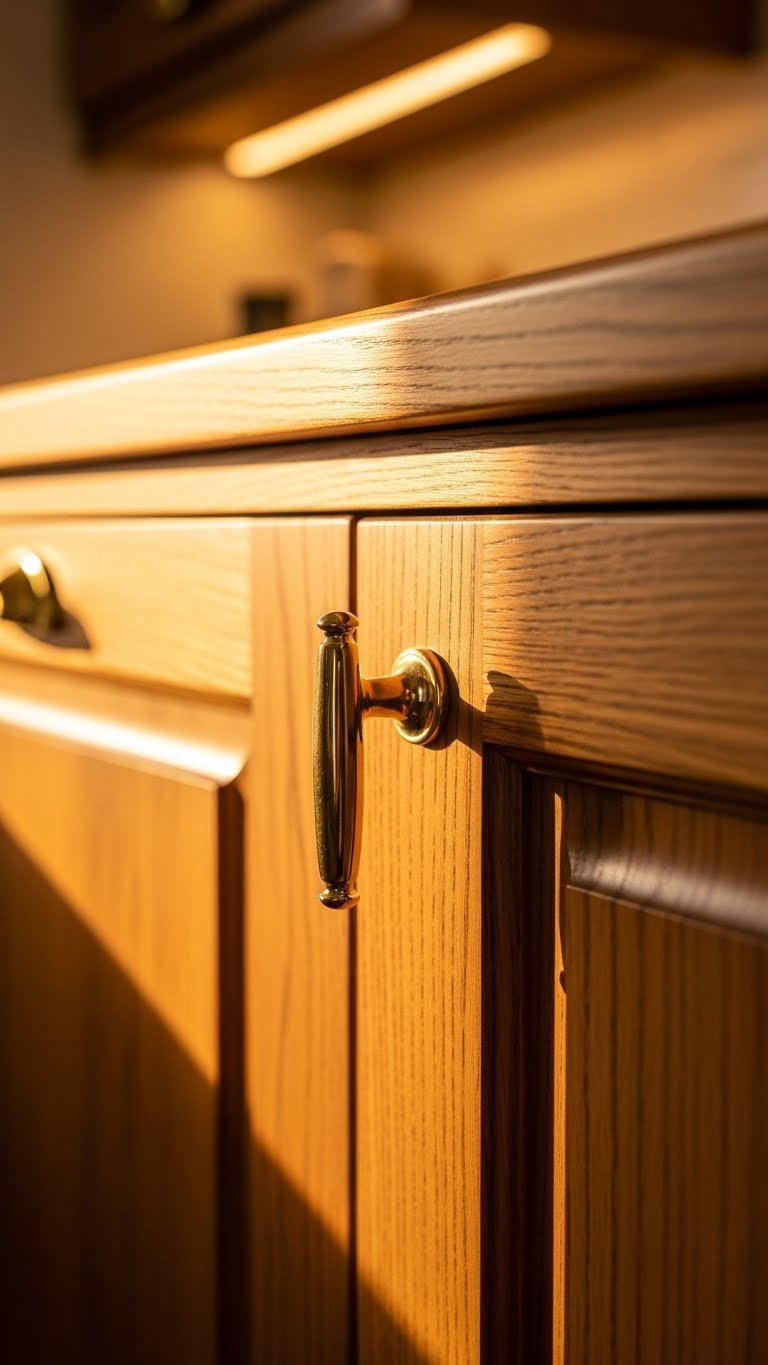
The shift from stark white to warm woods (oak, walnut, cherry) is one of 2025’s biggest trends—and for good reason. These tones feel cozier, more connected to nature, and hide wear better than white over time.
If you’re ordering new cabinets, specify warm wood finishes; custom options run $3,000–$8,000+. Already have cabinets? Staining or refinishing costs $400–$1,200 and can be DIY if you’re patient. MINWAX or Varathane stains ($15–$25 per can) work well on existing wood—test on a hidden area first. This change pairs beautifully with gold or brushed brass hardware for an elevated look.
Warm woods work in modern, farmhouse, transitional, and traditional styles, making them incredibly versatile.
Pro tip: Pair warm cabinets with light countertops to keep the space feeling open and balanced.
Your kitchen gains warmth and character instantly. The space feels more inviting, and you’ve tapped into biophilic design principles that make kitchens feel like retreats.
5. Use Budget-Friendly RTA (Ready-to-Assemble) Cabinets
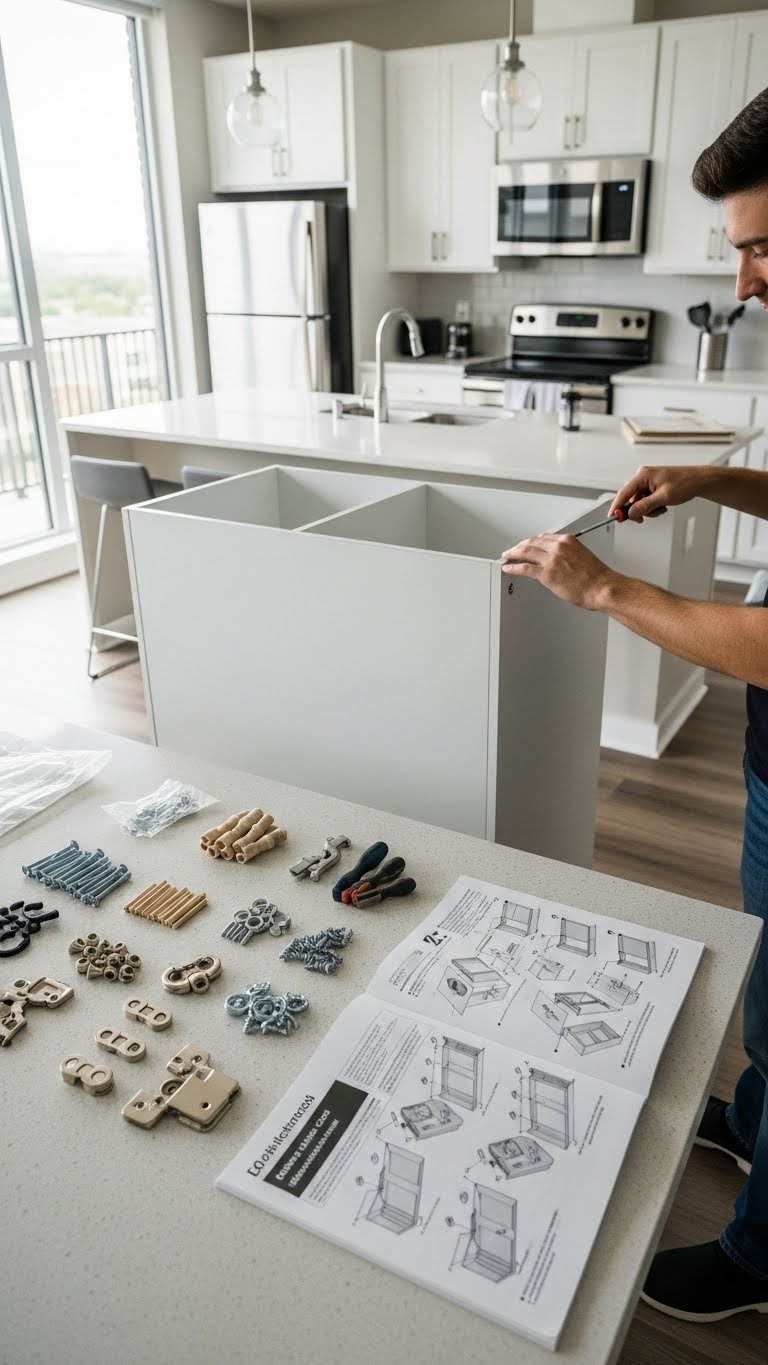
Ready-to-assemble cabinets have become seriously good—and they’re often 40–50% cheaper than semi-custom or custom options. RTA cabinets arrive flat-packed and ready for you to assemble, making them perfect for renters, budget-conscious homeowners, and quick updates.
Quality RTA brands like IKEA, Wayfair, and Amazon Basics run $50–$200 per cabinet box depending on size and finish. Assembly takes 30–90 minutes per cabinet with basic tools (a drill is helpful but not required). You can DIY completely or hire a handyperson for $50–$100 per cabinet to handle assembly. The styles have evolved dramatically—you’ll find handleless, two-tone, and even textured options.
Pro tip: Measure twice before ordering. RTA cabinets typically can’t be returned after assembly.
You get a fresh kitchen look without the years-long wait or five-figure price tag. This option makes cabinet updates accessible for anyone, which is why it’s surging in popularity.
6. Install LED Under-Cabinet Lighting for Function & Ambiance
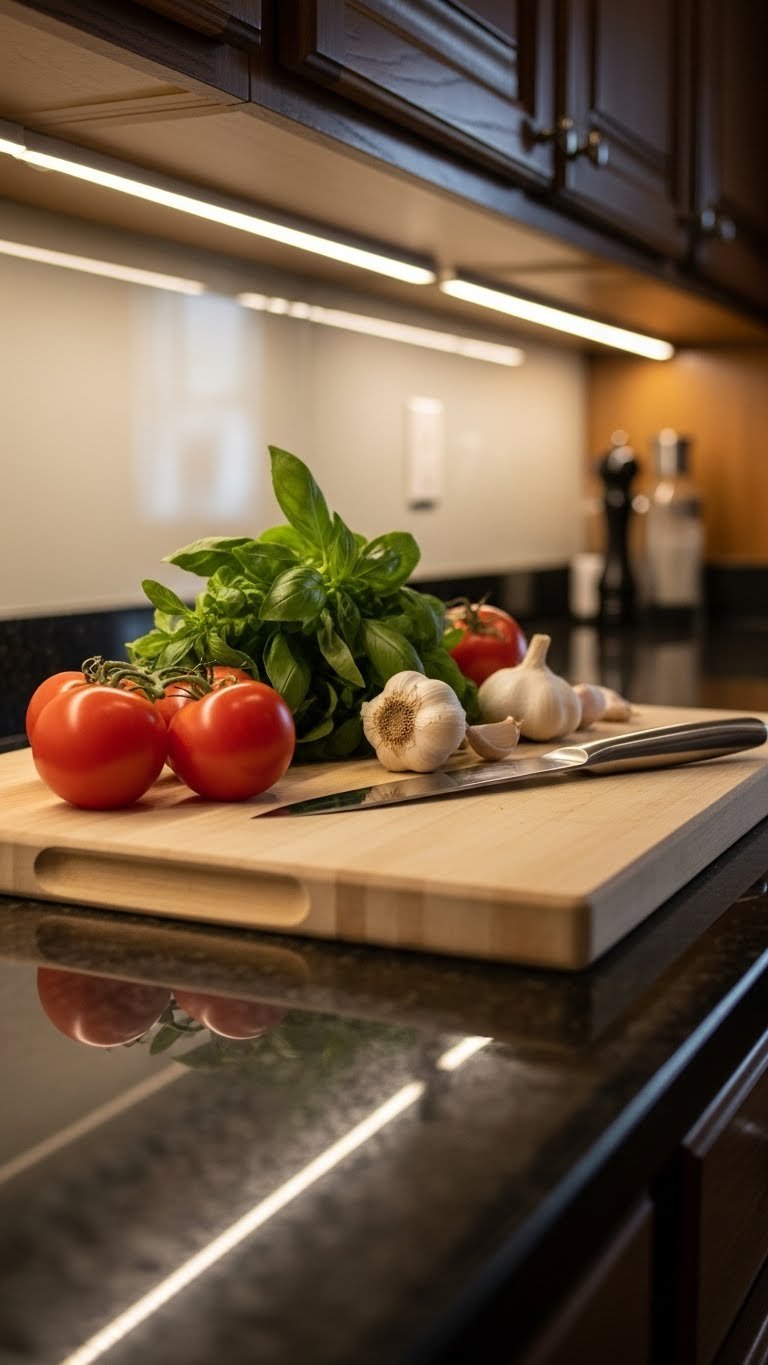
Under-cabinet lighting does double duty: it makes cooking easier and completely changes your kitchen’s mood at night. This is one of the highest-ROI upgrades you can make, and it’s surprisingly affordable.
LED strip lights cost $15–$60 per kit and install in minutes with adhesive backing (no wiring needed for plug-in versions). Hardwired options ($100–$300 professionally installed) look cleaner and work with smart dimming. Warm white (2700K) creates ambiance while bright white (4000K) is better for prep work. Many versions are now motion-activated, turning on when you approach the counter.
Check Amazon, Home Depot, or IKEA for popular brands like Philips Hue or basic stick-on options.
Pro tip: Pair motion-sensor lighting with handleless cabinets for a kitchen that feels genuinely high-tech.
Your counter becomes properly lit for cooking, and you’ve created restaurant-quality ambiance for evening entertaining. You’ll wonder how you ever cooked without this.
7. Paint Cabinet Doors a Bold Moody Color
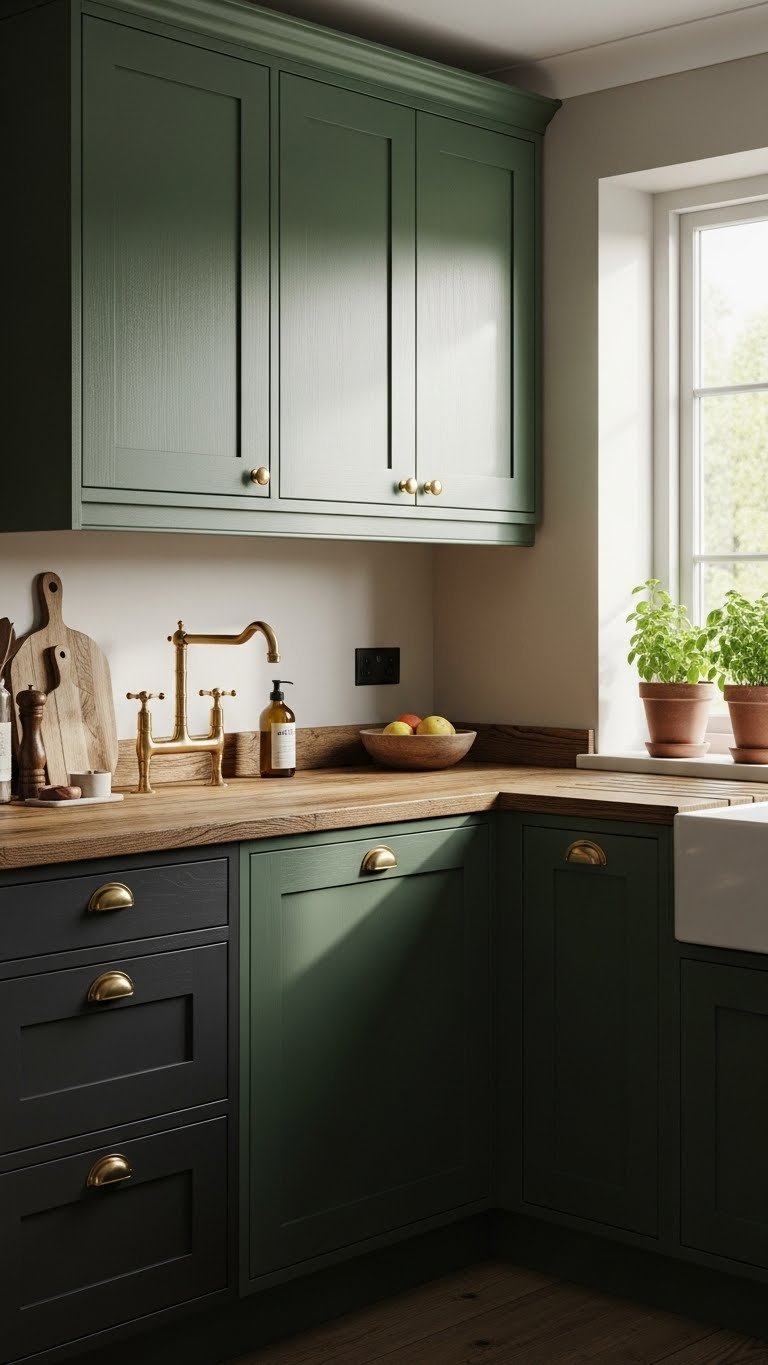
Matte and moody finishes (deep greens, charcoals, navy, eggplant) are everywhere—and they photograph beautifully. A bold paint color transforms your kitchen’s personality without structural changes.
Cabinet-grade paint costs $20–$50 per quart; you’ll typically need 1–2 quarts depending on cabinet size. Remove doors (takes 30 minutes), prime with bonding primer, then apply two coats of paint designed for cabinets (Benjamin Moore, Sherwin-Williams, or BEHR Cabinet & Trim Paint). Plan for 3–5 days total with drying time. This is totally doable as a weekend DIY project or hire a painter ($400–$800 for full kitchen).
Pro tip: Stick with matte or satin finishes for cabinets—they’re more forgiving than gloss finishes for hiding imperfections.
Your kitchen becomes a statement-maker. Friends and family will immediately notice how intentional and designed your space feels.
8. Swap Handles & Hardware for an Instant Refresh
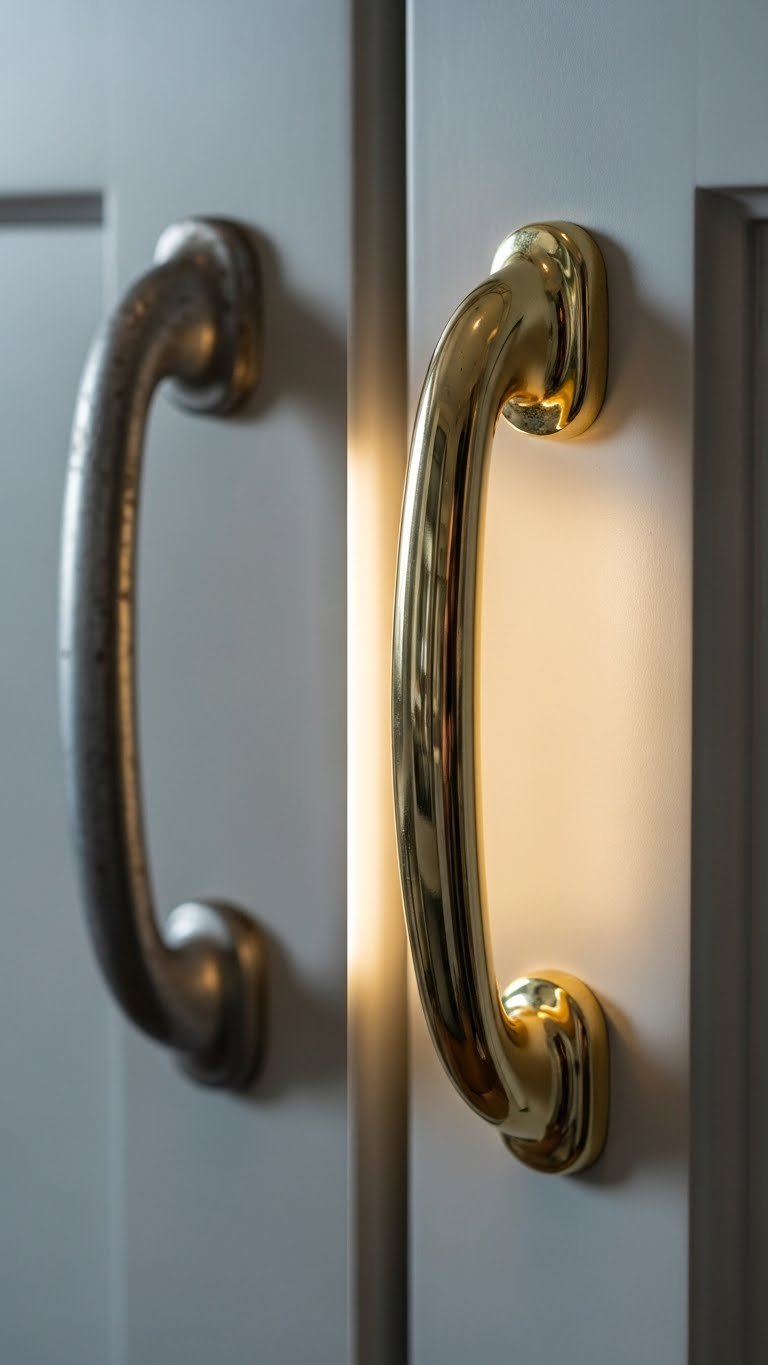
Sometimes the cheapest update that creates the biggest change is swapping out hardware. New handles and knobs shift your kitchen’s entire vibe in minutes.
Cabinet hardware costs $3–$15 per piece; a full kitchen refresh (20–40 pieces) runs $100–$400. It’s a 15-minute DIY project with just a screwdriver—no special skills needed. Brass and gold tones feel warm and elevated, while matte black hardware adds modern edge. Mix and match metals (brass on upper cabinets, matte black on lower) for contemporary style.
Shop Wayfair, Amazon, Rejuvenation, or even Target for budget-friendly options.
Pro tip: Keep old hardware in a labeled bag—you might need it if you move or want to restore original cabinets later.
Your cabinets look refreshed without any real effort. This small change proves that sometimes the biggest design impact comes from thoughtful details.
9. Incorporate Eco-Friendly Bamboo Cabinets
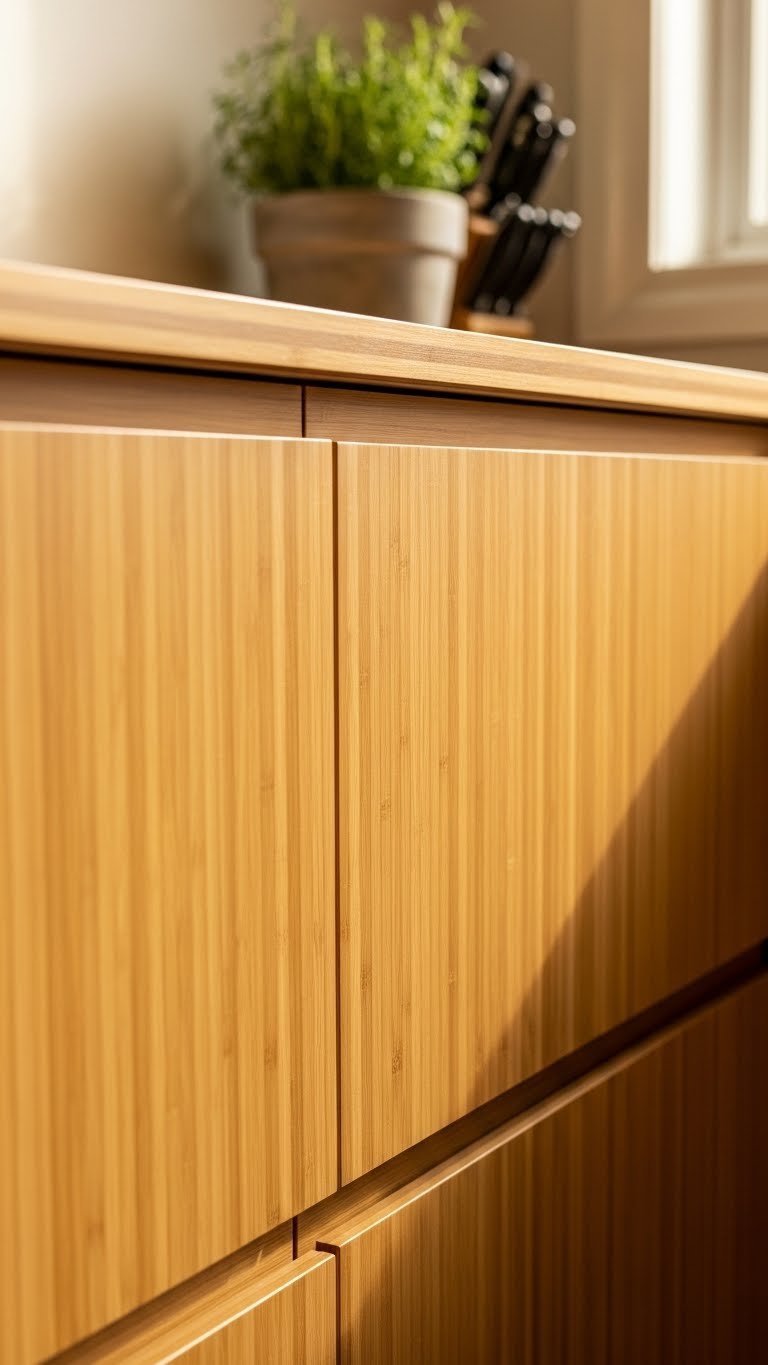
Bamboo cabinets have surged 34% in preference as homeowners seek sustainable options—and bamboo is genuinely better for the planet (it regrows in 3–5 years versus 25+ years for hardwood trees). It’s also naturally antimicrobial, making it hygiene-friendly for kitchens.
Bamboo cabinets cost slightly more than standard wood—expect $2,500–$6,000 for semi-custom or $4,000–$10,000+ for custom options. Full kitchen cabinet projects typically require contractor installation ($1,500–$3,000). If you’re updating existing cabinets, bamboo veneer sheets ($30–$50 per sheet) can cover cabinet boxes as a renter-friendly option (though results vary).
Look for FSC-certified bamboo—it guarantees sustainable harvesting practices.
Pro tip: Bamboo works especially well with modern or minimalist kitchen designs due to its clean grain lines.
You’re making an eco-conscious choice without sacrificing style or durability. Your kitchen becomes part of a larger commitment to sustainable living.
10. Create a Hidden Pantry Behind Cabinet Doors
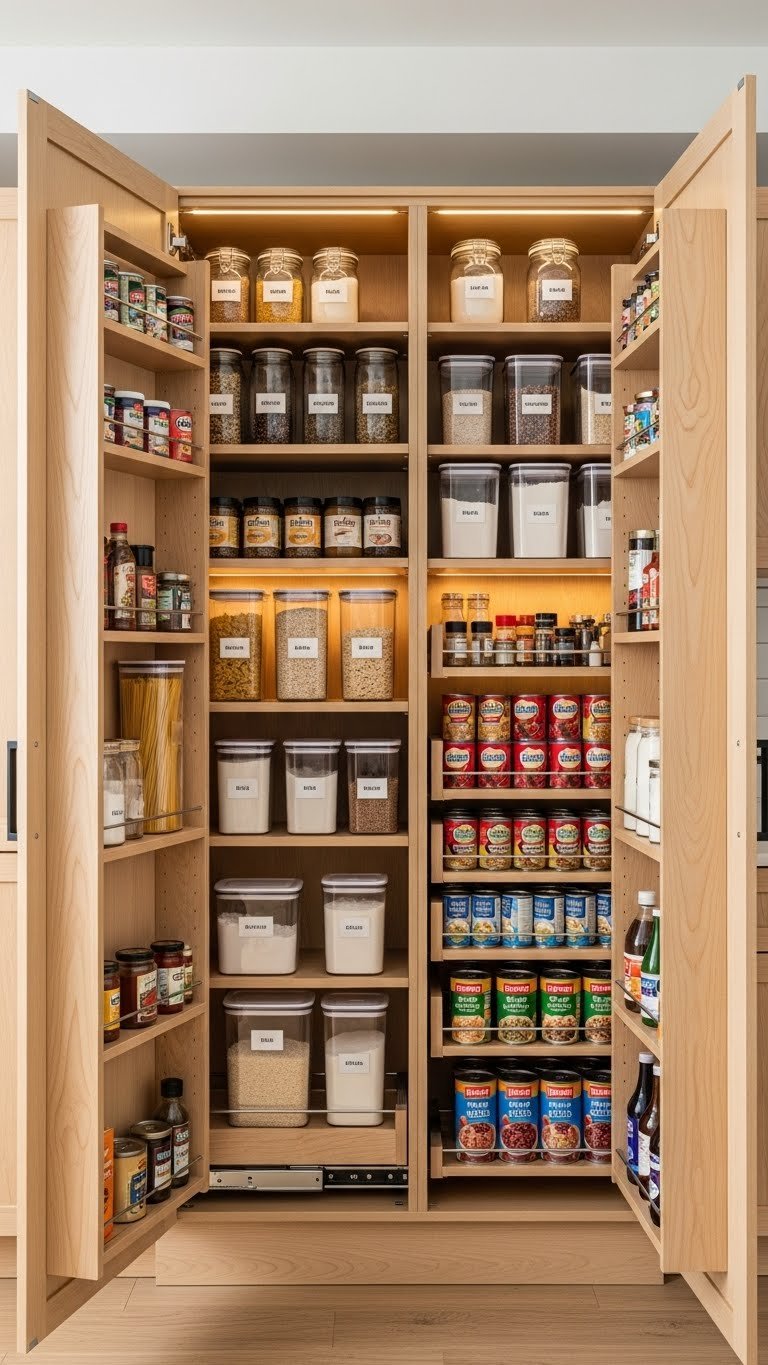
Hidden pantries keep clutter completely out of sight while maximizing storage—perfect for small spaces or open-concept kitchens where you want everything looking clean. This is a game-changer for maintaining visual serenity while storing way more than you’d think.
A single tall cabinet with pull-out shelves costs $300–$600 installed, or DIY pull-out organizers ($30–$80 from IKEA or Amazon) work in existing cabinets. Add interior LED lighting ($20–$50) so you can actually see everything inside. Use clear labeled containers to maximize visibility and prevent forgotten items.
This works brilliantly as a renter if you use removable adhesive-backed shelving organizers.
Pro tip: Measure your cabinet depth precisely—pull-out shelves need at least 16–18 inches of space to function smoothly.
Your kitchen looks perpetually clean and organized. You’ll love opening a cabinet to find everything you need without visual chaos.
11. Mix Cabinet Styles (Shaker + Frameless Fusion)
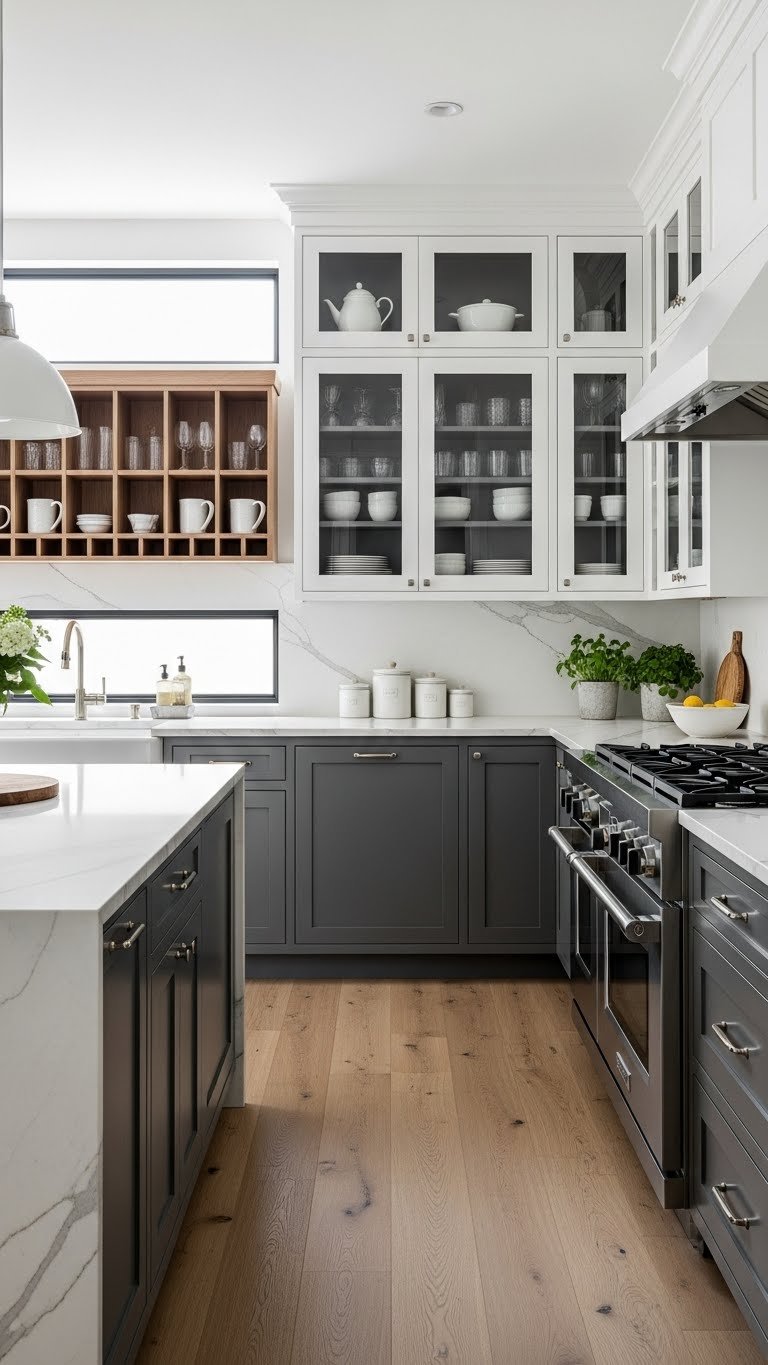
Blending classic Shaker style (inset doors, raised panel detail) with modern frameless elements creates a hybrid look that feels both timeless and contemporary. This trend appeals to homeowners who want personality without commitment to one era.
Custom cabinets combining styles run $4,000–$10,000+. Semi-custom options through Wayfair or Home Depot let you mix-and-match styles for $2,000–$5,000. If you’re DIY-inclined, you can paint existing Shaker cabinets in two tones and add frameless open shelving in one spot ($100–$400 total for materials).
Pro tip: Keep the color palette cohesive when mixing styles—it prevents the look from feeling chaotic.
You get a personalized kitchen that reflects your design taste. The combination feels intentional and creates visual rhythm throughout your space.
12. Add Glass Front Cabinet Doors for Display

Glass-front cabinets transform your kitchen into a gallery—they work especially well for displaying dishware you love or creating visual interest in minimalist kitchens. The openness feels airy while still keeping dust off your items.
Replacing standard doors with glass-front options costs $100–$300 per door depending on material (basic glass versus beveled or frosted). Full kitchen might run $1,500–$4,000. DIY-friendly alternative: stick adhesive frosted film ($10–$20 per roll from Amazon) on lower cabinet sections for privacy while maintaining the glass-door aesthetic.
Choose interior LED lighting to make displays glow softly at night.
Pro tip: Style displays intentionally with matching dishware, cookbooks turned spine-out, and a few decorative items—not everything you own.
Your kitchen becomes a mini gallery that celebrates your style. Guests notice the design intention immediately.
13. Refinish Cabinets With Cabinet Paint Systems
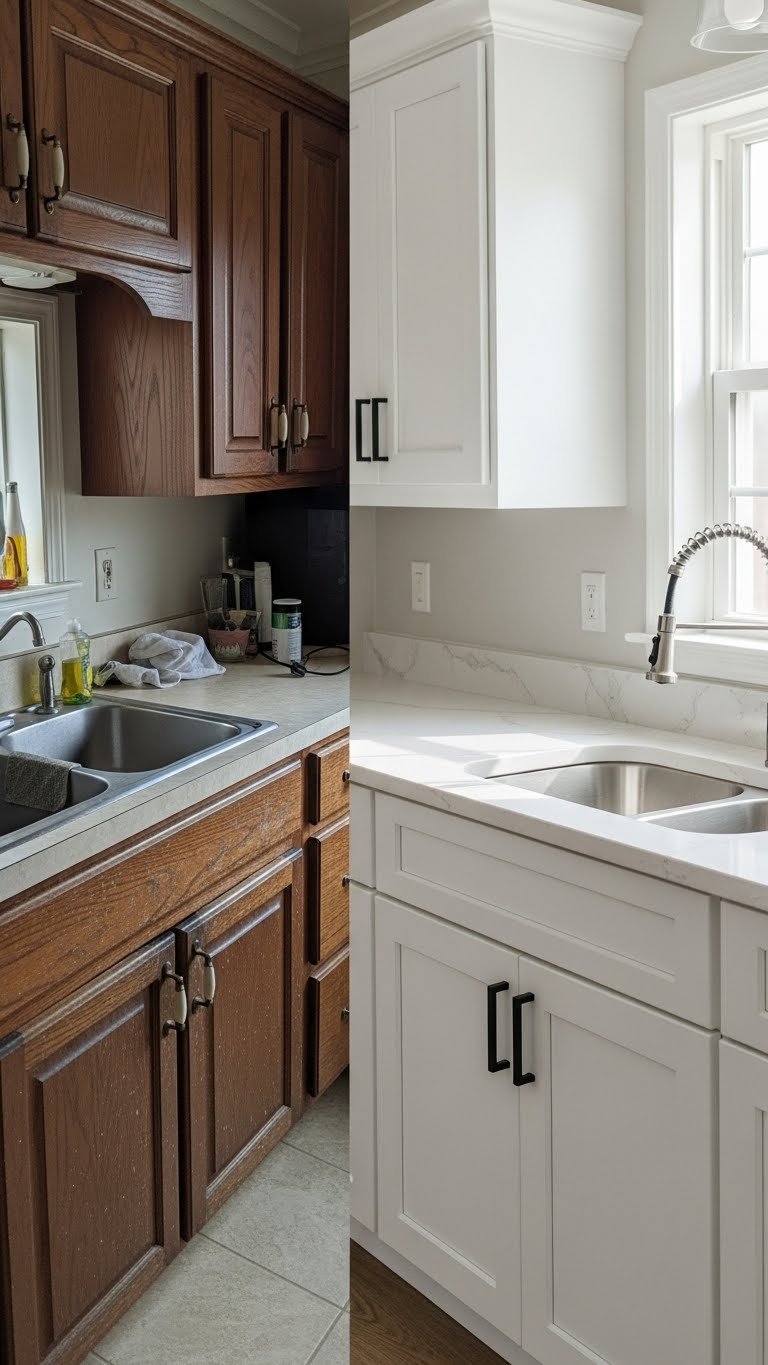
Cabinet refinishing (not replacing doors, actually repainting existing cabinets) has become wildly popular because it costs a fraction of full replacement. Modern cabinet paint systems create durable, professional-looking finishes in any color you want.
DIY refinishing costs $200–$500 in materials and takes a weekend (or two). Professional cabinet painters charge $800–$2,500 for a full kitchen. SHERWIN-WILLIAMS Cabinet & Trim Paint or BENJAMIN MOORE Advance are industry standards. The process: light sanding, primer, two paint coats, then hardware installation. Results last 7–10+ years with proper care.
Pro tip: Hire professionals if you don’t have good ventilation or steady painting technique—results matter here.
Your cabinets look freshly renovated for a fraction of replacement cost. You can’t tell these aren’t new cabinets unless you look closely.
14. Go Frameless for Seamless Modern Minimalism
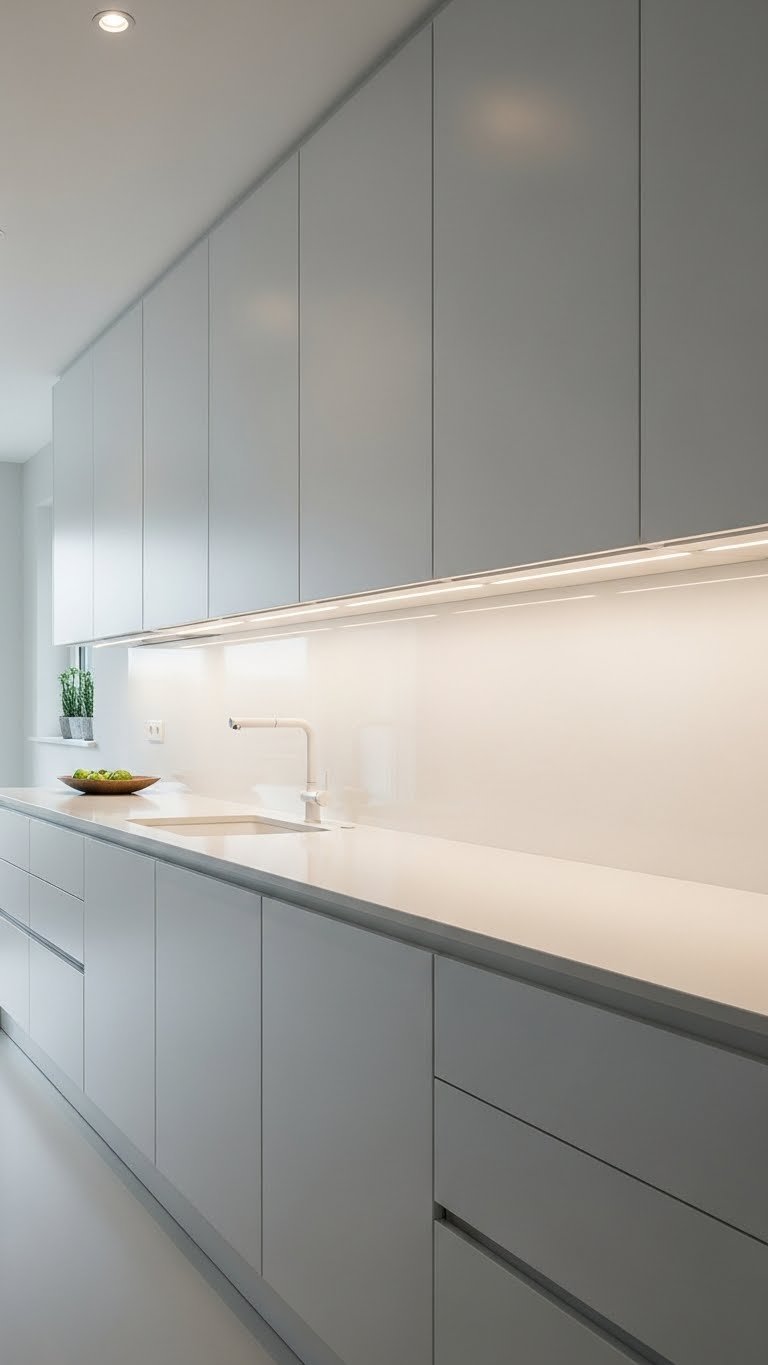
Frameless cabinets (also called European-style) eliminate the face frame that sits between cabinet boxes and doors, creating that seamless, ultra-modern look. They maximize interior storage space by about 10% and feel incredibly clean.
Frameless cabinets are typically higher-quality options: expect $3,000–$8,000 for semi-custom or $5,000–$15,000+ for fully custom kitchens. IKEA’s SEKTION line offers budget frameless options around $1,500–$3,000 for smaller kitchens. Quality matters here—frameless cabinets need excellent construction to hang properly and align perfectly.
Look for soft-close hinges and quality hardware when shopping.
Pro tip: Pair frameless cabinets with handleless design for the ultimate minimalist kitchen.
Your space looks sleekly designed and intentional. The seamless cabinet lines create visual calm in your kitchen.
15. Use Fluted & Textured Finishes for Tactile Appeal
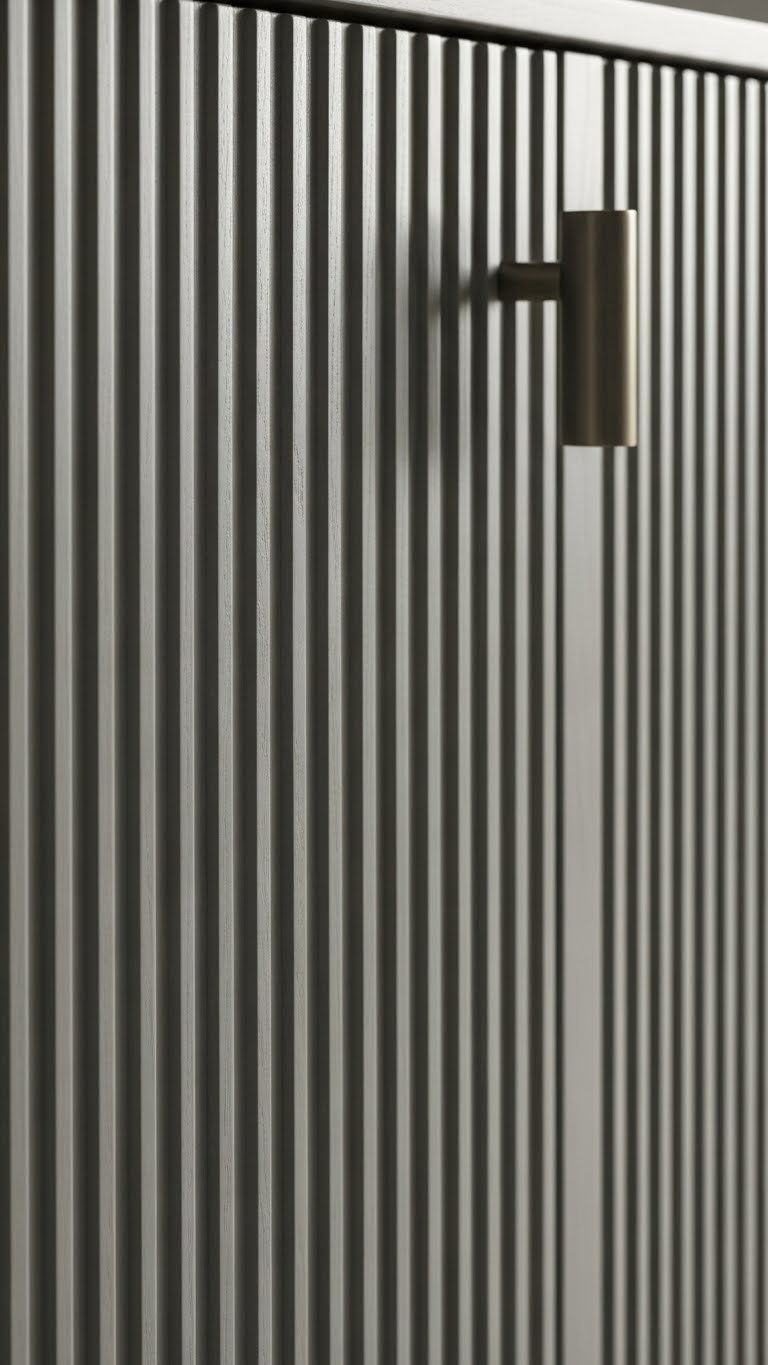
Fluted and textured cabinet finishes add sophistication and dimension without clashing with minimalist design. These details make cabinets feel more expensive and interesting while staying visually clean.
Fluted cabinet doors typically cost $150–$300 per door depending on material and depth of texture. You can also add fluting with adhesive-backed panels ($20–$50 per sheet from specialty suppliers) on existing cabinets. Textured finishes include everything from subtle grain patterns to hand-carved details—each adds tactile interest that photographs beautifully.
Popular textures: vertical fluting, subtle waves, or linear patterns that complement modern interiors.
Pro tip: Texture works best on large cabinet faces—don’t over-texture smaller cabinet sections or it feels busy.
Your cabinets gain visual interest and high-end appeal. The tactile quality makes people want to touch and explore your kitchen design.
16. Invest in Smart Storage Solutions & Dividers
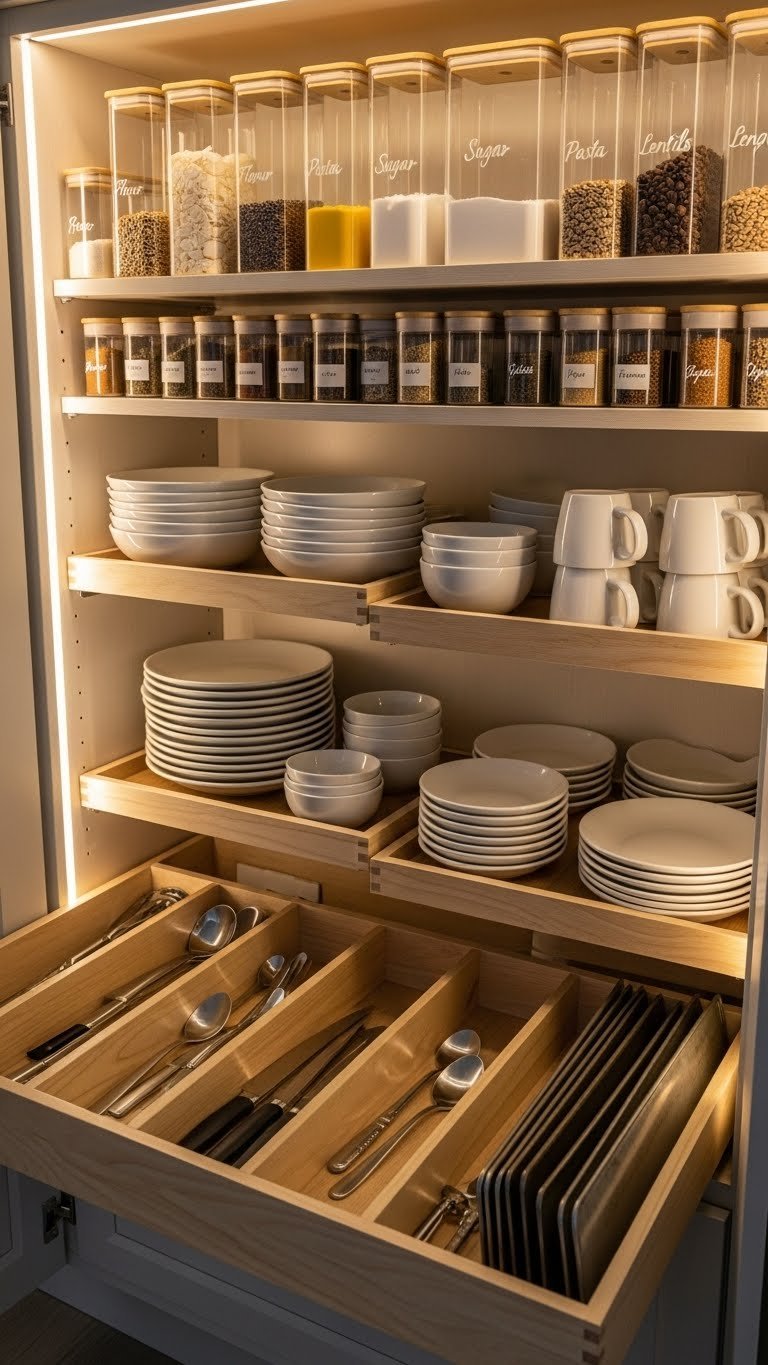
Smart storage isn’t just about looking neat—it’s about actually using your cabinet space efficiently. Dividers, pull-out shelves, and tiered organizers make your daily life easier while maximizing every inch.
Quality pull-out organizers ($40–$120 per unit) and cabinet dividers ($15–$50 each) transform chaos into function. Popular solutions: pull-out spice racks, tiered shelf raisers, utensil dividers, and deep drawer organizers. These work in existing cabinets—no installation required for many options. Brands like Rev-A-Shelf, Hafele, and even IKEA’s VARIERA series offer excellent solutions under $30–$60 per item.
Pro tip: Measure your cabinet interior precisely before ordering organizers—sizing is everything.
You’ll actually know what you have and where to find it. Cooking becomes faster because ingredients and tools are organized logically.
17. Create Indoor-Outdoor Cabinet Continuity

Extending your cabinet style outdoors creates a sophisticated flow between spaces. Matching or complementary outdoor kitchen cabinetry makes your home feel designed as a complete environment.
Outdoor kitchen cabinets cost more ($150–$400+ per cabinet) because they require weather-resistant finishes and materials. TEAK, marine-grade plywood, and specially treated woods resist moisture and UV damage. You can start small: add a single outdoor cabinet or bar unit ($500–$1,500) that echoes your kitchen’s style. Paint, hardware, and color should coordinate even if materials differ slightly due to weather requirements.
Pro tip: Work with an outdoor kitchen specialist if building from scratch—weatherproofing is crucial.
Your home gains a resort-like feel. You’ve created an intentional design through both spaces that makes entertaining seamless and stylish.
18. Experiment With Horizontal Grain & Soft Minimalism
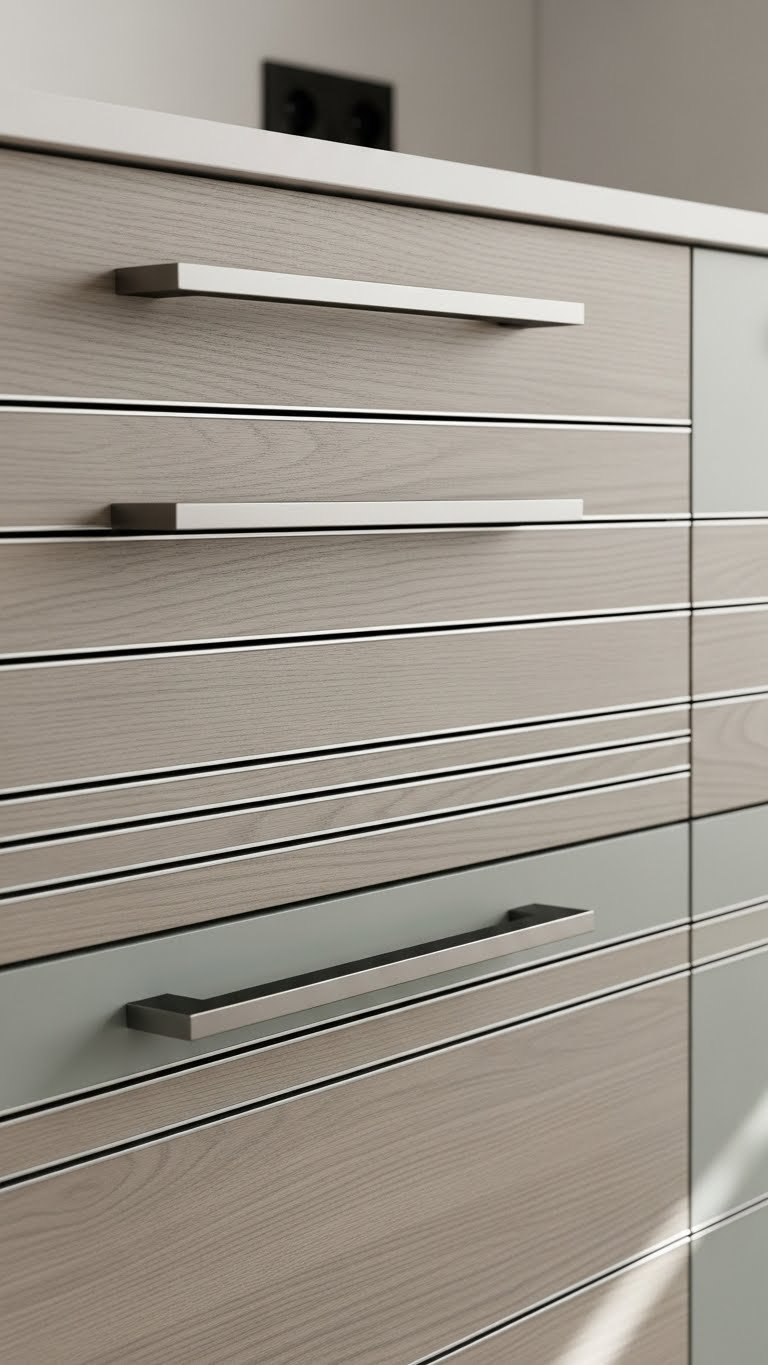
Horizontal grain patterns and linear details create calm, grounded energy—perfect for contemporary kitchens seeking sophistication over fussiness. This subtle detail shifts a kitchen from plain to purposeful.
Custom cabinets with horizontal grain details run $3,500–$9,000+ for full kitchens. Budget option: use peel-and-stick wood veneer sheets ($15–$30 per sheet) featuring horizontal patterns on cabinet fronts. Paint cabinets in soft, muted colors (greige, pale blue, warm gray) and add thin linear hardware for that seamless horizontal effect.
This works beautifully with minimalist or Scandinavian design aesthetics.
Pro tip: Balance horizontal elements with vertical open shelving or tall glass cabinets for visual variety.
Your kitchen gains zen-like calm and modern sophistication. The subtle linear details make your space feel consciously designed.
19. Customize With AI-Designed & CNC-Cut Cabinetry
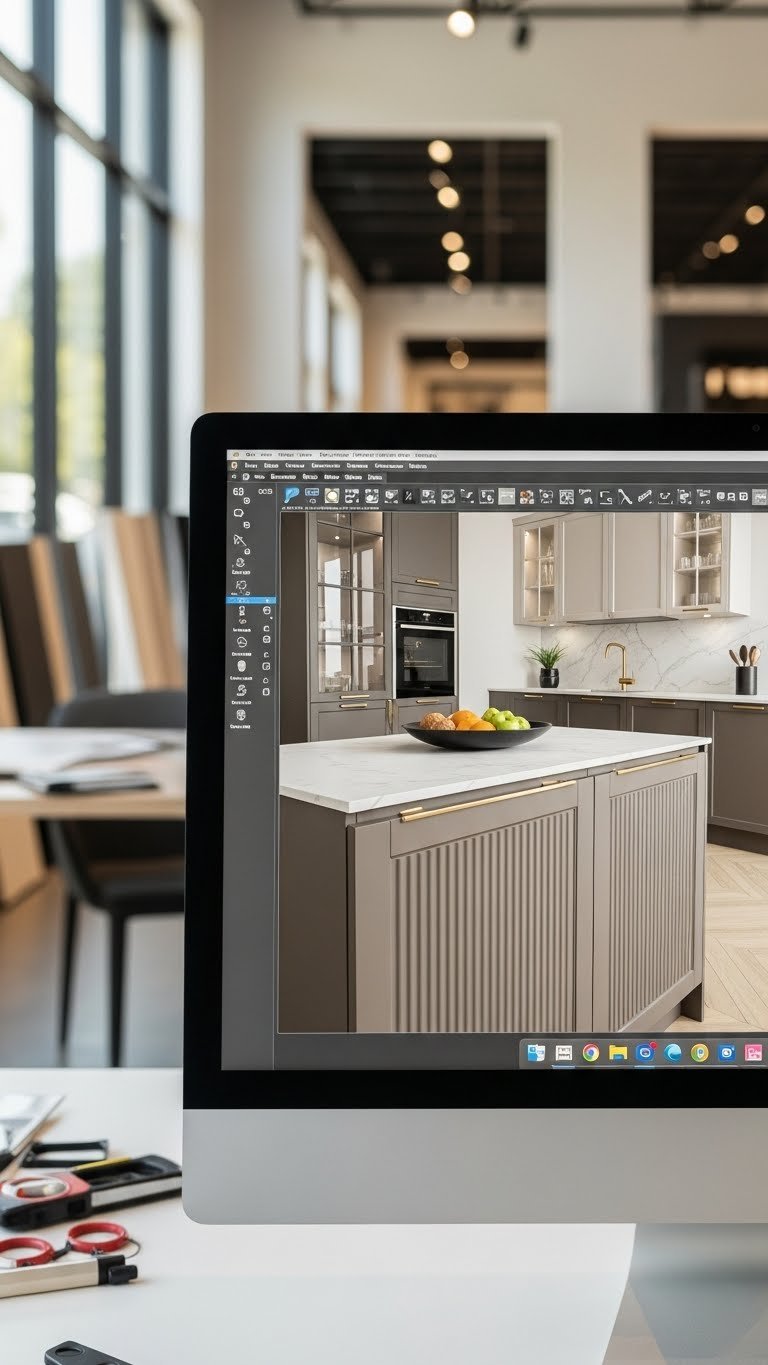
Cutting-edge technology like AI design tools and CNC (computer numerical control) machining create hyper-customized cabinets with precision you can’t achieve by hand. This is the future of personalized kitchen design—and it’s becoming more accessible.
AI design platforms (like those offered by some custom cabinet makers) typically cost $200–$500 for design consultation, then cabinet pricing depends on complexity ($4,000–$12,000+). CNC-cut details add $300–$1,000+ depending on intricacy. The advantage: you get exactly what you envision, with zero guesswork or expensive mistakes.
Brands like Blum and Hafele integrate smart technology into hardware, while designers use AI visualization for perfect layouts before production.
Pro tip: Use digital design tools to preview your exact cabinet layout before ordering—it prevents expensive errors.
You’re getting genuinely custom cabinetry tailored to your exact specifications. This technology makes high-end customization more efficient and more affordable than ever.
20. Apply Low-VOC & Non-Toxic Cabinet Finishes
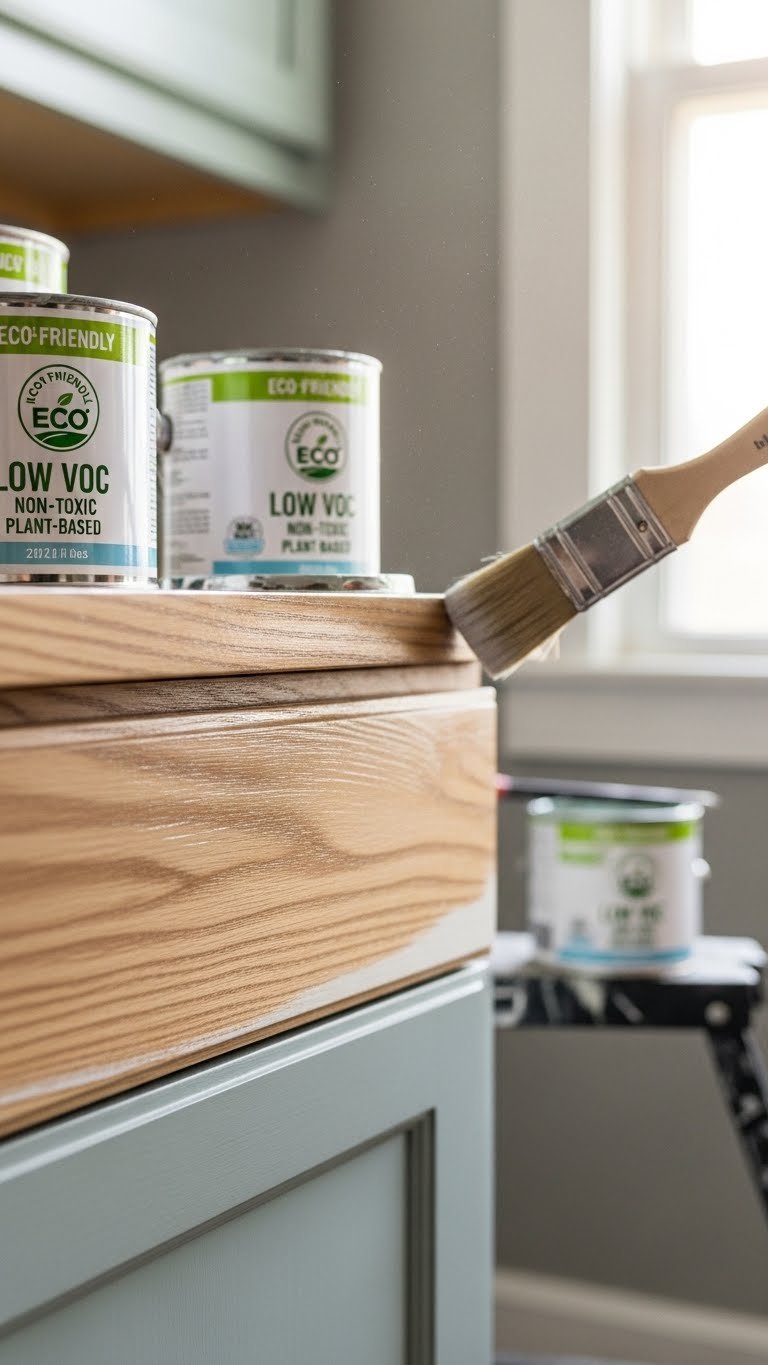
Low-VOC (volatile organic compound) and non-toxic finishes protect your family’s health while respecting the environment. These finishes have improved dramatically—they now perform as well as traditional finishes without off-gassing.
Low-VOC paints cost $30–$60 per gallon (similar to standard paint) and work in all cabinet applications. Brands like AFM, Ecos, and even BENJAMIN MOORE’s eco-friendly line offer excellent durability. Finish your existing cabinets with these paints for zero additional cost beyond the paint itself. Finishes cure faster now (3–7 days instead of weeks), so your kitchen is back in action quickly.
Look for Green Guard Gold or similar certifications when shopping.
Pro tip: Proper ventilation during application is crucial—crack windows and use fans even with low-VOC products.
You’ve made a health-conscious choice for your family. Your kitchen smells fresh, not chemically sharp, and you’re reducing indoor air pollution.
21. Design a Shaker Variation With Modern Twists
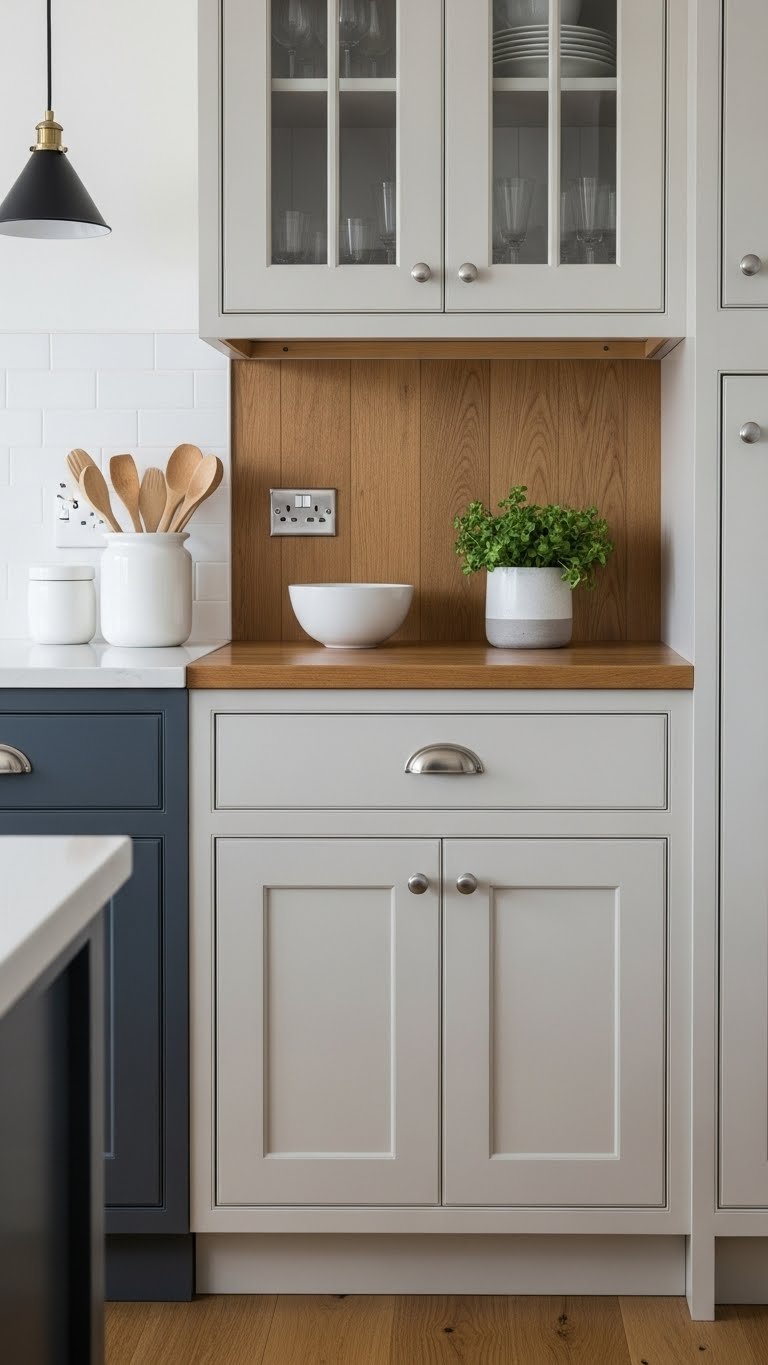
Shaker cabinets are timeless for a reason—their clean lines and inset panels work with virtually any design style. Modern interpretations add two-tone color, minimalist hardware, or textured panels for contemporary appeal.
Custom Shaker cabinets run $3,000–$8,000 for full kitchens; semi-custom options through Wayfair or Home Depot start around $1,500–$4,000. You can update existing Shaker cabinets by painting doors ($50–$200 in materials), swapping hardware ($100–$300), and adding interior lighting ($50–$150). This blend of classic form and modern updates feels instantly elevated.
Pro tip: Pair traditional Shaker style with contemporary hardware (brass knobs or long pulls) for a hybrid aesthetic.
Your cabinets feel timeless yet current. You’ve chosen a style that will remain appealing for years, not just this season.
22. Use Negative Space & Open Floor Plans Intentionally
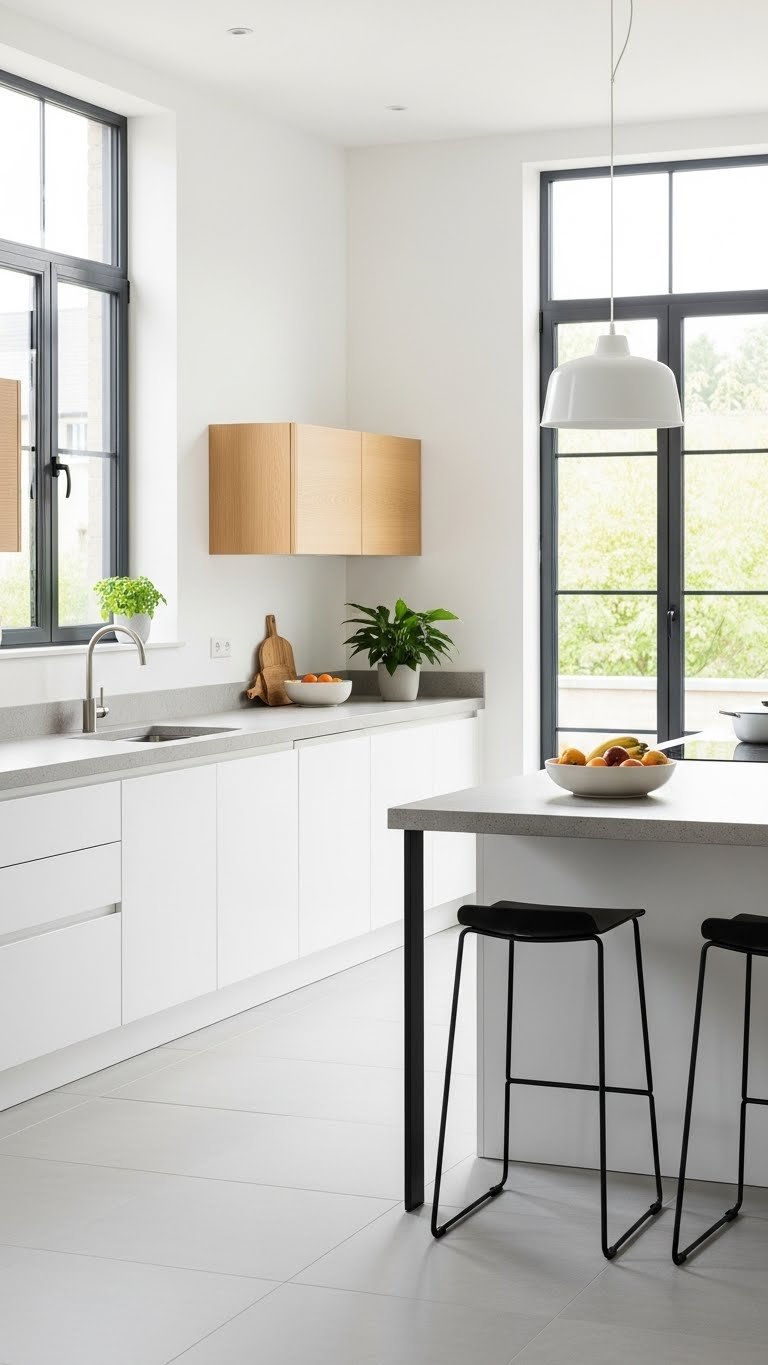
Embracing negative space—leaving parts of your kitchen intentionally open—creates visual calm and makes small spaces feel larger. This contrasts beautifully with traditional full-cabinet kitchens.
You don’t need to buy anything for this approach—it’s about rethinking what stays versus what goes. If you’re ordering new cabinets, choose fewer base cabinets and more open shelving or counter space. This saves money ($500–$2,000 compared to full cabinetry) while creating a gallery-like aesthetic. Open counters also make kitchens easier to clean and less cluttered-feeling.
Pro tip: When using negative space, ensure remaining countertops are organized and visually clean.
Your kitchen becomes a calm, intentional space rather than a cluttered workspace. The openness makes your kitchen feel twice its actual size.
23. Incorporate Motion-Sensor Lighting & Gadget Upgrades
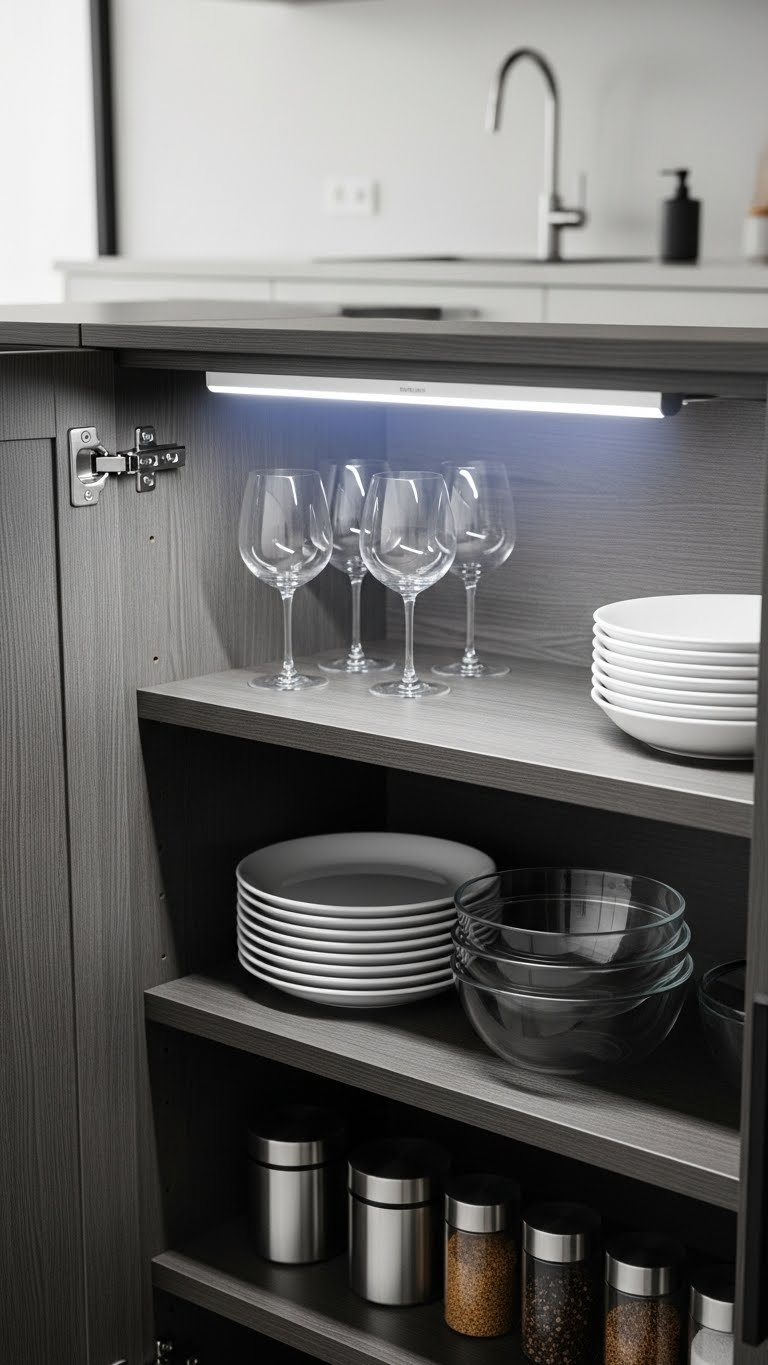
Motion-activated lighting transforms your kitchen into a genuinely smart space—lights turn on as you approach and turn off automatically, saving energy while creating hands-free convenience.
Motion-sensor LED systems run $100–$300 depending on how many cabinets you’re outfitting. Installation takes 1–2 hours if you’re handy, or pay $150–$300 for professional setup. Pair this with other smart upgrades: voice-activated spice racks ($60–$120), soft-close hinges with built-in dampers ($40–$80 per hinge), or smart fridge-integrated cabinet systems ($500–$1,500 high-end options).
These gadgets make your kitchen feel futuristic without being complicated.
Pro tip: Start with motion lighting in one cabinet to test before committing to your entire kitchen.
Your kitchen feels genuinely high-tech and responsive. You’ll appreciate the convenience every time you cook.
24. Blend Materials (Wood + Concrete + Metal) for Texture
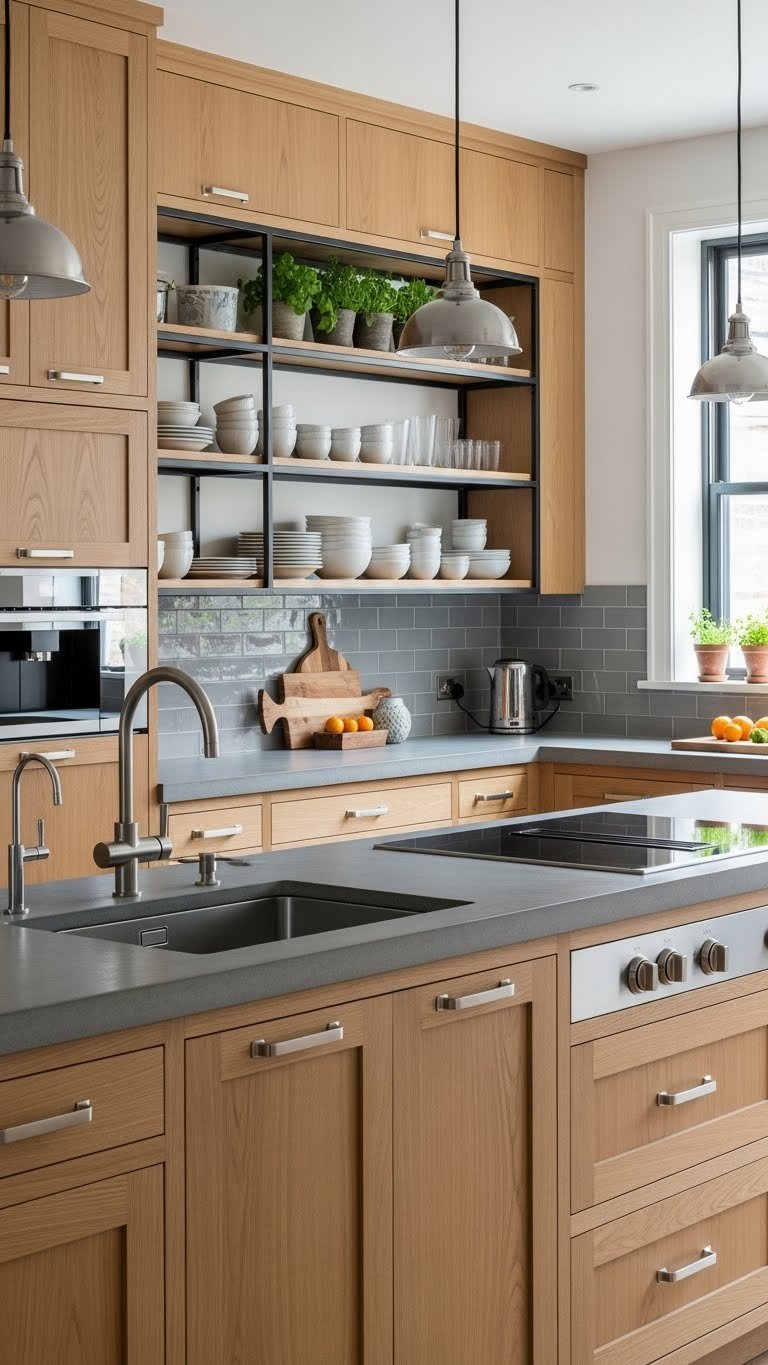
Mixing materials (wood, concrete, metal, matte finishes) adds sophistication and depth—it’s the secret to kitchens that feel designed by professionals. This approach prevents your space from feeling one-note.
Material blending happens naturally through cabinet colors, countertops, hardware, and open shelving. A natural wood cabinet with matte black hardware, concrete countertops, and metal shelving creates instant visual interest. You don’t need to spend extra for this—it’s about intentional choices. Mix warm and cool tones, glossy and matte finishes, and natural and industrial materials.
Pro tip: Choose three primary materials and stick to them—more becomes chaotic instead of curated.
Your kitchen gains sophisticated depth and personality. Visitors notice the thoughtful design immediately.
25. Maximize Vertical Storage With Floor-to-Ceiling Cabinetry
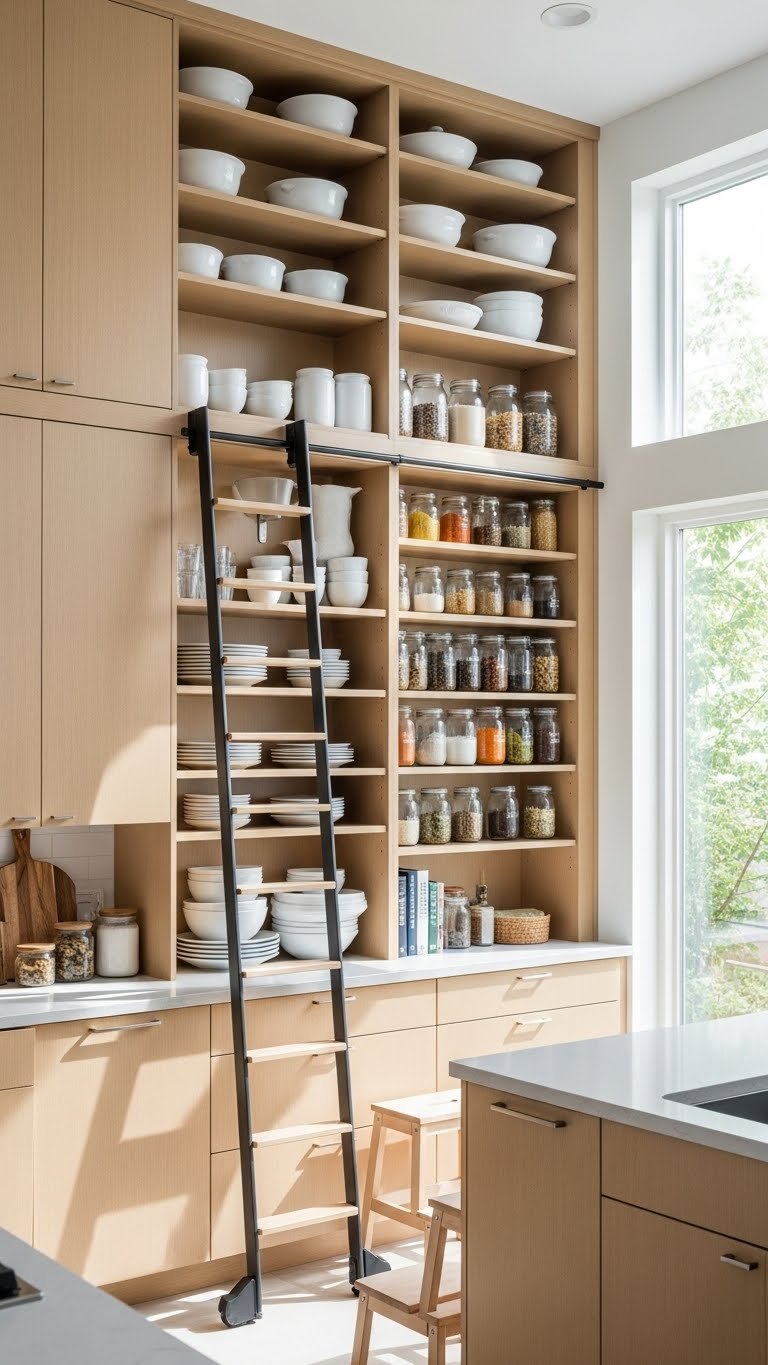
Floor-to-ceiling cabinets eliminate wasted space above standard cabinets while making kitchens feel intentional and complete. This maximizes storage without expanding square footage—perfect for small spaces.
Full-height cabinet systems run $2,000–$6,000+ depending on your kitchen size and materials. The investment pays off immediately through added storage—you can store everything from everyday dishes to seasonal items. Measure ceiling height precisely; some kitchens need custom tops to fit correctly. Add a decorative ladder or pull-down shelves to access high areas safely and stylishly.
Pro tip: Reduce visual heaviness by using glass doors or open shelving in upper cabinets—it keeps the look light.
You’ve reclaimed wasted vertical space and created a complete, polished kitchen design. Storage becomes abundant without sprawling cabinets throughout your home.
26. Start Small With a Single Cabinet Accent Piece
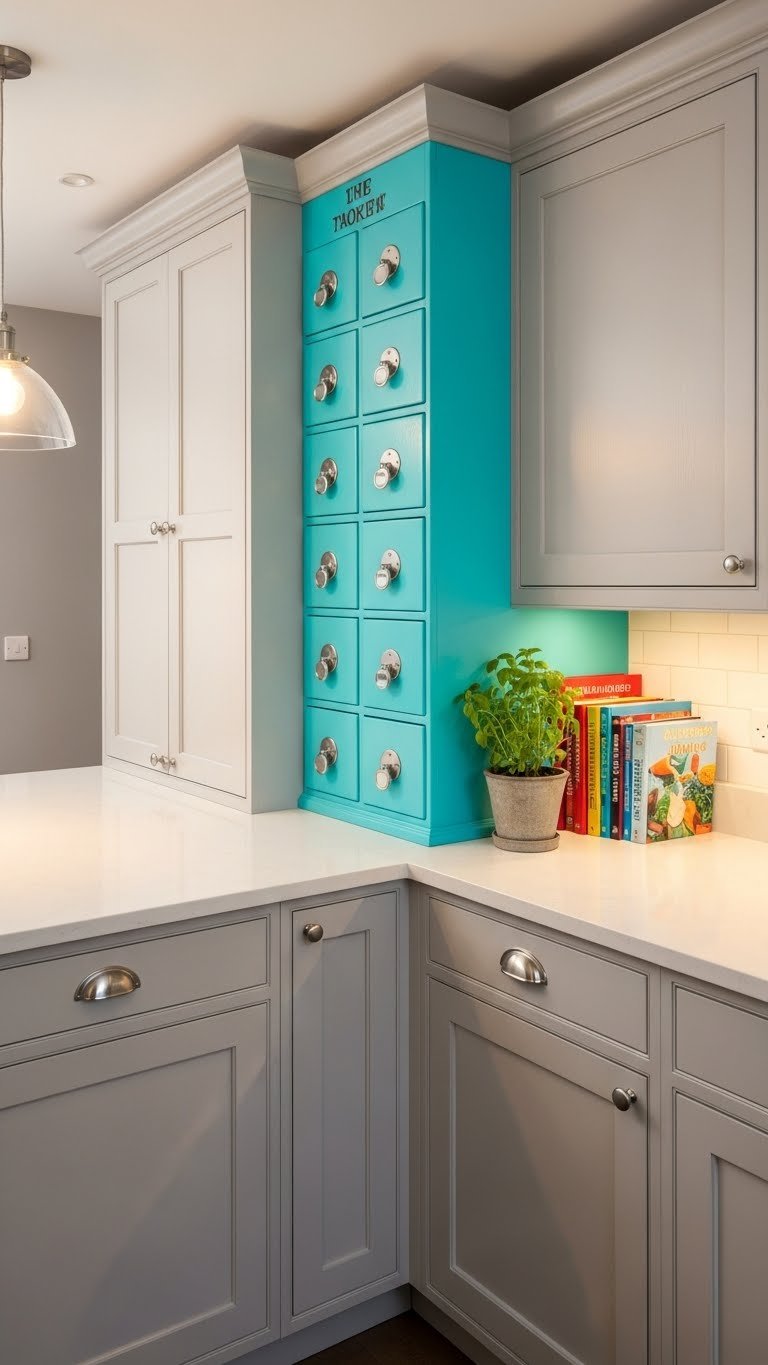
Sometimes the best approach is starting small: update just one cabinet or section to test colors, styles, or trends before committing to a full refresh. This reduces financial risk while letting you explore new directions.
A single statement cabinet costs $100–$500 depending on whether you’re painting existing cabinetry or swapping one door. Test bold colors, textures, or finishes on a smaller scale before full commitment. Use this piece as a creative outlet—it’s where you can take design risks. A painted pantry cabinet, textured island base, or two-tone section works as an accent that makes your entire kitchen feel updated.
Pro tip: This is the perfect strategy for renters testing colors before investing in permanent changes.
You’ve made a bold design move at minimal cost. If you love it, you know exactly how to move forward. If not, you’ve learned something valuable.
Ready to transform your kitchen? Save this post and pick just one idea to tackle this weekend—start small or go big, whatever fits your space and budget. Share this with anyone planning a kitchen refresh; I’d love to know which idea inspires you most.
Leave a Reply