INTRODUCTION
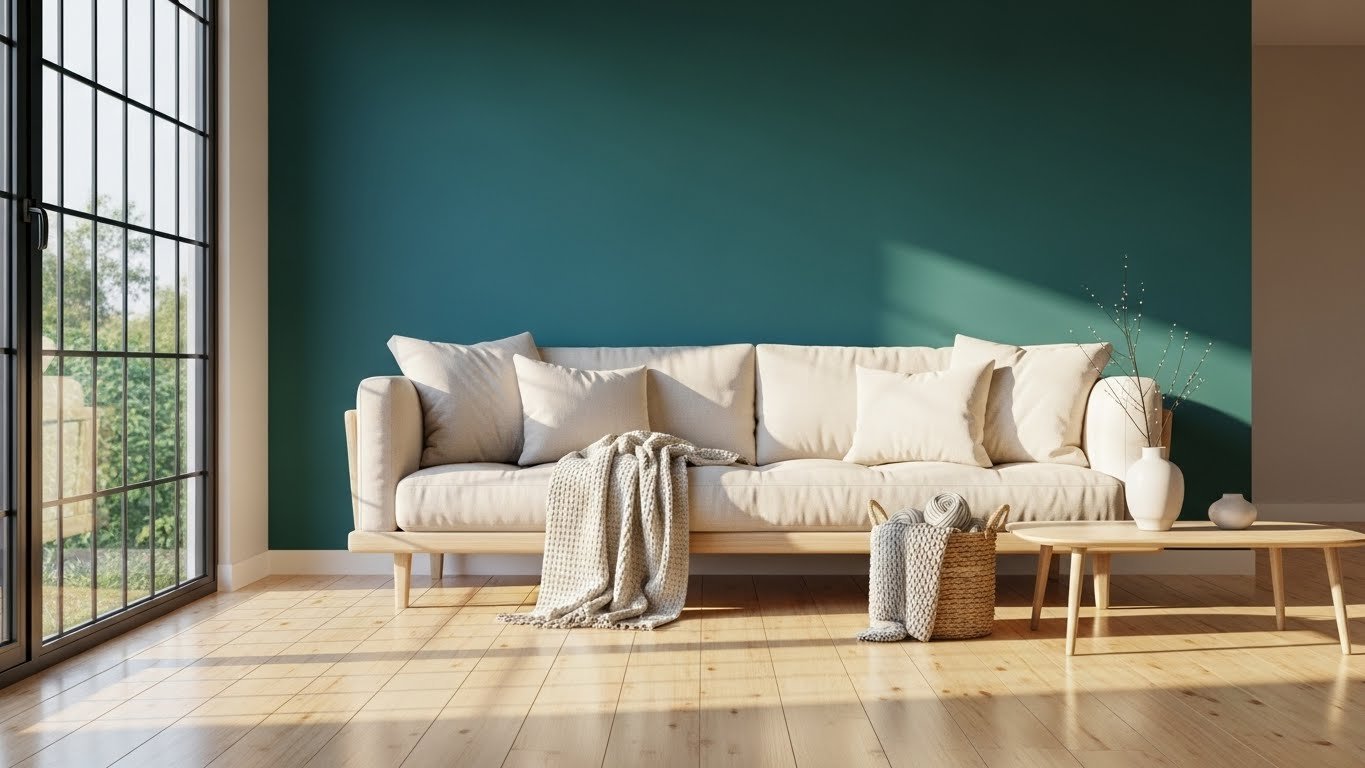
You want a living room that feels both peaceful and full of personality—but most advice pushes you toward either stark minimalism or chaotic maximalism. The truth? You don’t have to choose. The best living rooms in 2025 blend restraint with character, using bold color accents, curved furniture, smart zoning, and thoughtful layering to create spaces that feel calm but never boring. Whether you’re working with 200 square feet or 2,000, these 26 ideas show you how to balance serenity with soul using real-world solutions, budget-friendly hacks, and styling tricks that actually work. Let’s build a room you love living in.
1. Choose Low-Profile Furniture to Anchor Openness
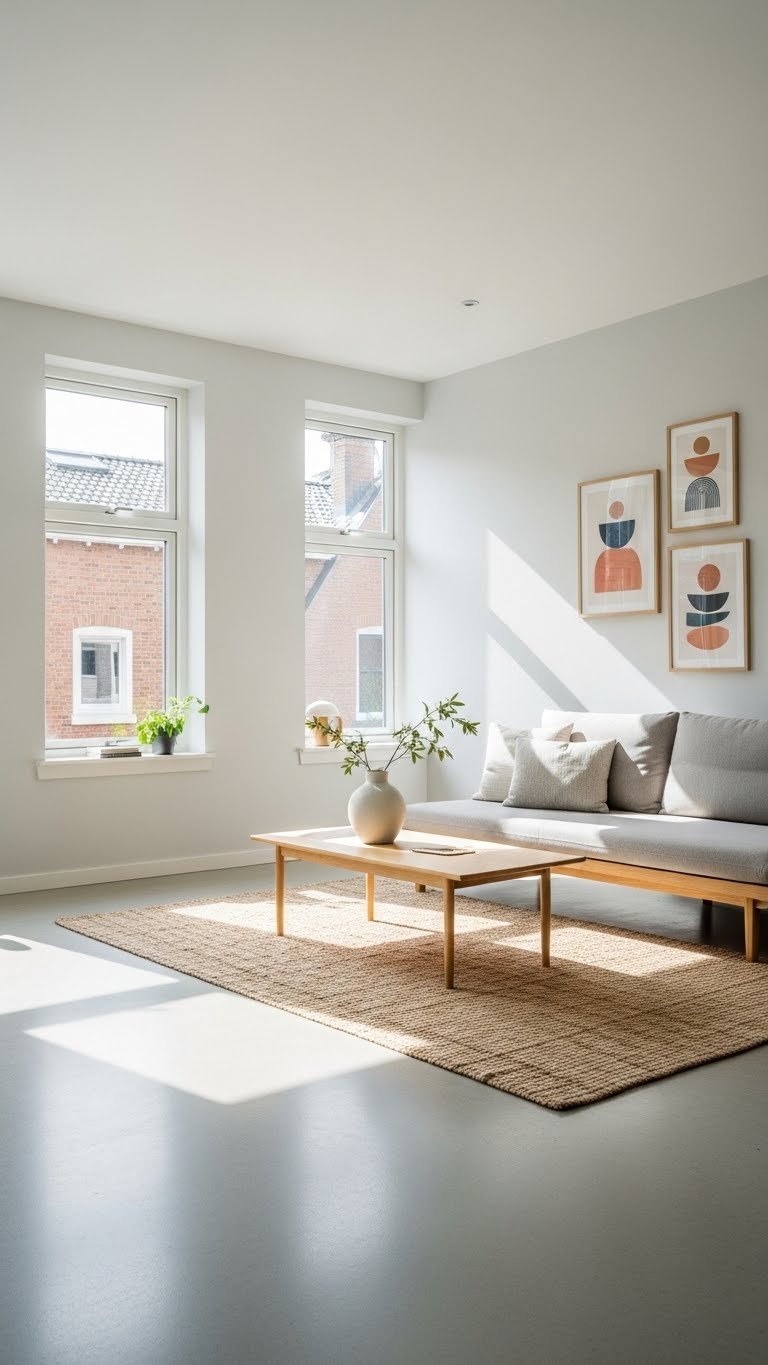
Low furniture pieces visually expand any room by keeping sightlines clear and floor space visible. This simple shift transforms even cramped layouts into airy-feeling sanctuaries without major renovation.
Start by swapping heavy, high-backed sofas for pieces under 32 inches tall. Look at IKEA’s Kivik collection ($300–$500), Article’s low-profile options ($400–$800), or thrifted mid-century pieces. Pair with slim tables and floating shelves rather than chunky cabinets. The investment pays off: your room feels 20% larger instantly, and natural light bounces lower across surfaces.
Pro tip: If you love a statement sofa, go low but textured—skirted hems or curved arms add personality without height.
This change makes your space breathe. You’ll notice ceiling heights seem taller and movement flows naturally throughout the room.
2. Paint One Accent Wall in a Moody Jewel Tone
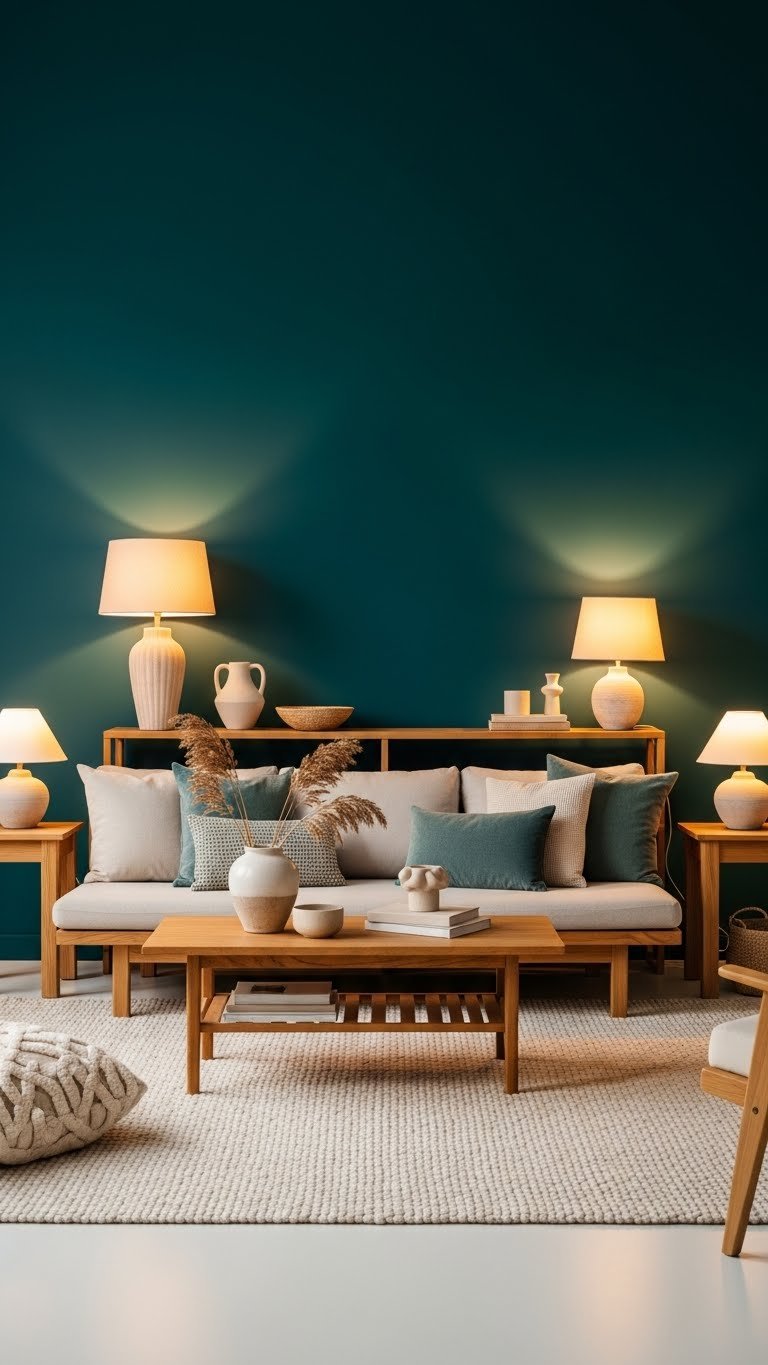
A single bold wall adds drama and focus without overwhelming small spaces. Ochre, oxblood, teal, and deep sage are 2025’s most-loved moody shades, and they anchor a room beautifully.
Choose the wall behind your main seating area or opposite windows (bold colors look rich when backlit). Sherwin-Williams Naval (deep navy), Urbane Bronze, or Tricorn Black are favorites; Benjamin Moore’s Caliente and Newburyport Blue also work. Budget $30–$60 for paint and supplies. DIY application takes one weekend; hire a painter for $200–$400. The impact? Your room gains instant sophistication and depth.
Renter-friendly option: Peel-and-stick wallpaper from Spoonflower ($100–$150) mimics paint drama without commitment.
Your space stops feeling generic the moment that color goes up. Suddenly, every piece of furniture has somewhere to “land” visually and your room feels designed, not decorated.
3. Layer Curved Furniture to Soften Hard Angles

Curved forms break up boxy spaces and add sculptural interest while maintaining calm, approachable aesthetics. Rounded edges feel friendlier than sharp corners.
Hunt for curved sofas, side tables, and ottomans—brands like Article, West Elm, and Wayfair now offer affordable curved pieces ($300–$1,200 for sofas). Even budget retailers like Target carry curved coffee tables and accent chairs. Mix curves across scales: a round mirror, curved console, and C-shaped side table create harmony without looking matchy.
Budget hack: Thrifted round tables ($20–$80) and curved seating ($50–$300) at estate sales offer savings.
These softer shapes make your room feel welcoming and effortless. Movement through the space becomes intuitive, and the overall vibe shifts from rigid to relaxed.
4. Create Defined Zones With Rugs and Low Shelving
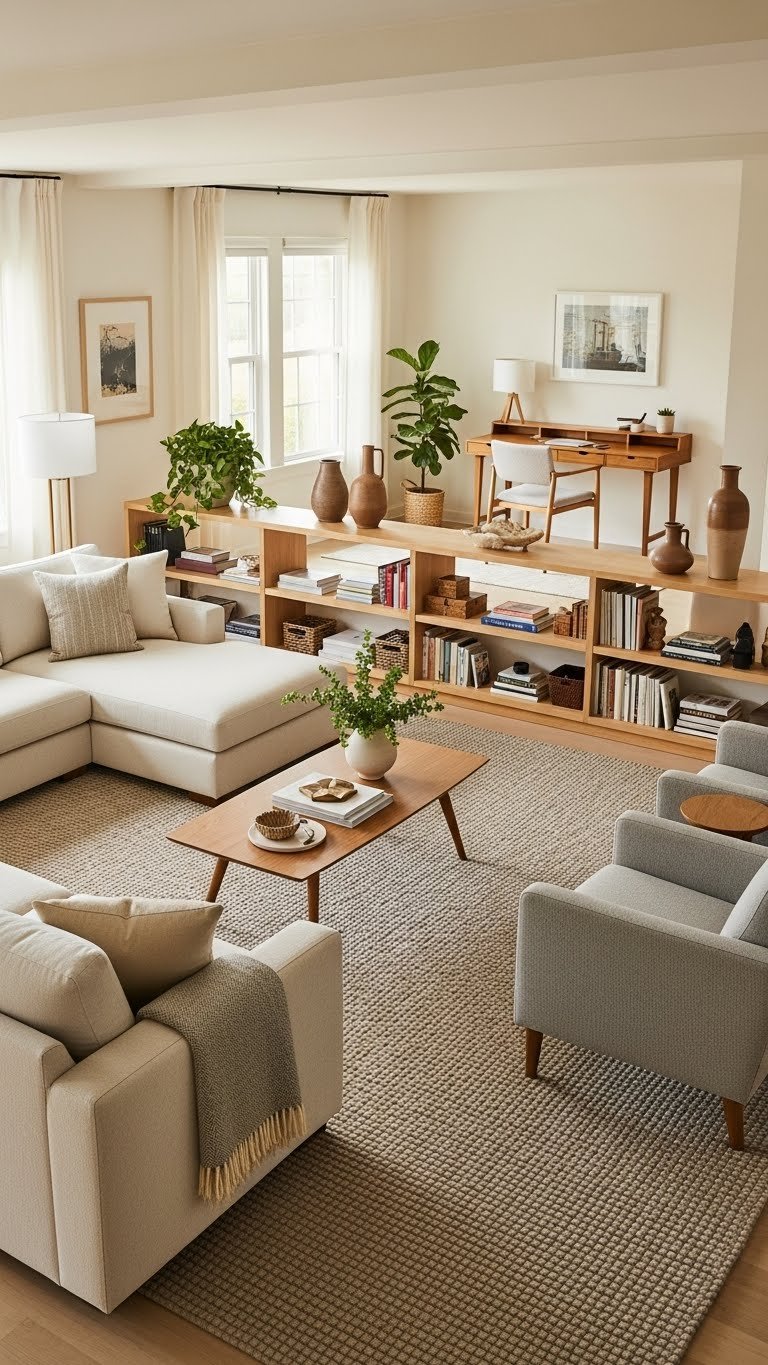
Open-concept spaces need invisible boundaries—rugs and low barriers organize without walls, keeping sightlines open while creating functional zones.
Layer a large area rug (8×10 or bigger) under seating to anchor that zone. Add a low console table or 36-inch-tall bookshelf behind the sofa as a subtle divider. Budget $100–$500 for a quality rug, $150–$400 for shelving. Home Depot, IKEA, and Article stock affordable options. Time estimate: two hours to arrange and style. The magic happens when you can see all zones but they feel distinct—your brain reads it as organized.
Pro tip: Use complementary colors in adjacent zones so flow feels intentional, not accidental.
Each area now has purpose and personality. You and guests immediately understand the room’s flow, making everything feel more purposeful and peaceful.
5. Mix Vintage Finds With Modern Minimalist Pieces
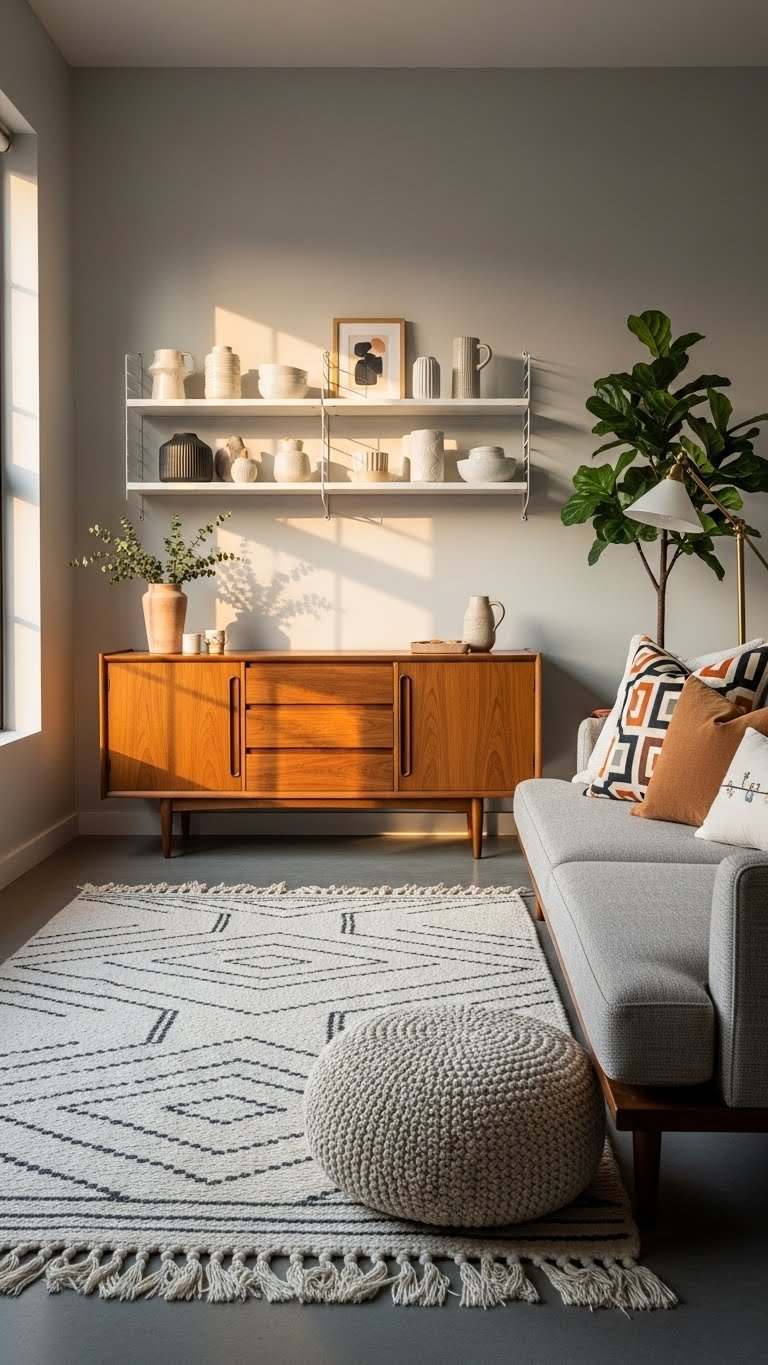
Pairing vintage items with clean, modern pieces creates depth and character while keeping spaces from feeling cluttered or dated.
Hit thrift stores, Facebook Marketplace, and estate sales for one or two statement vintage pieces (credenzas, side tables, lamps) at $30–$300 each. Pair with neutral modern basics from IKEA, Target, or Wayfair. The contrast tells a story: mid-century lines next to contemporary simplicity feel curated, not random. Spend concentrated time on two or three pieces rather than filling every corner.
Time estimate: A weekend of thrift hunting yields better pieces than rushed online shopping.
Your room gains narrative and intrigue. Guests notice the thoughtful mix, and you feel like your space reflects actual taste, not catalog staging.
6. Use Natural Materials to Ground Bold Color
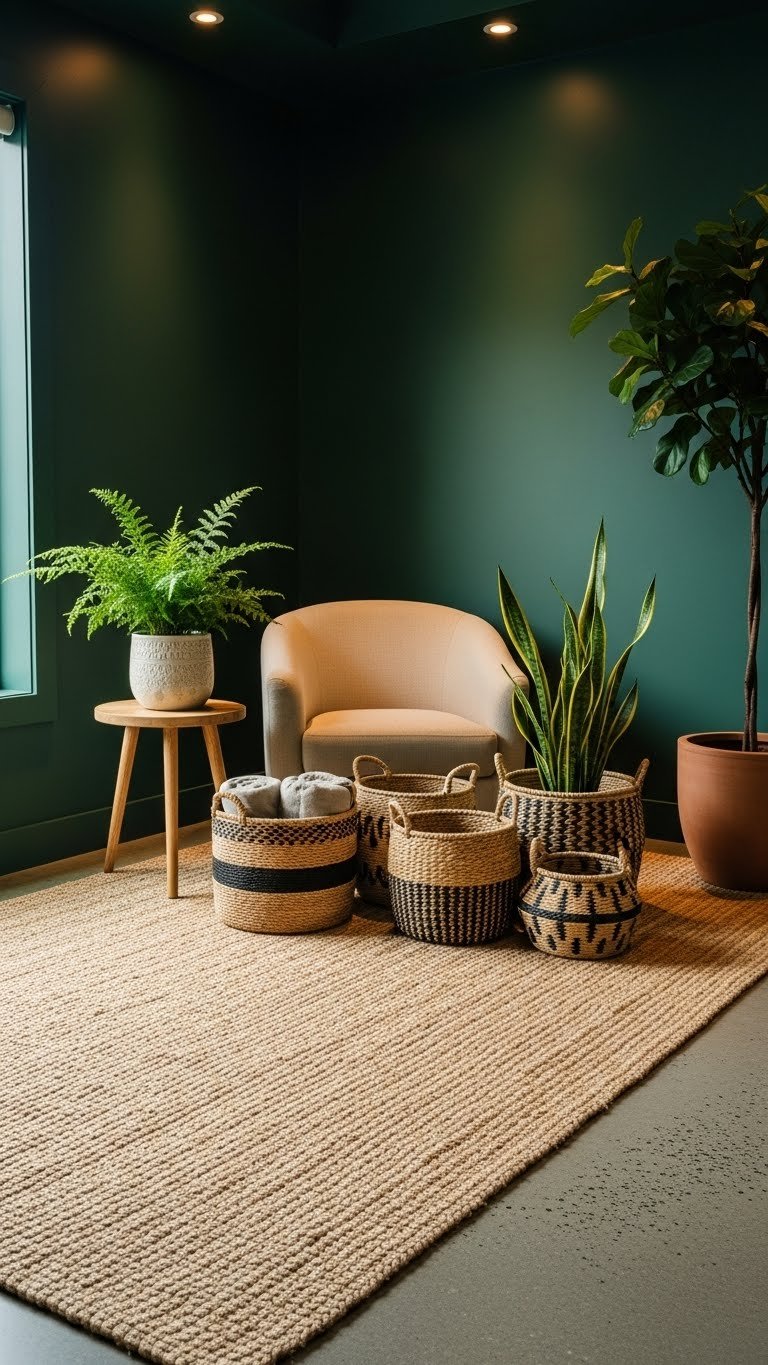
When you go bold on color, anchor it with organic materials—wood, jute, linen, wool—to avoid feeling sterile or artificial.
Choose one natural material as your “anchor”: jute rugs, wood side tables, or linen sofas work beautifully. Add woven baskets, leather accents, or stone surfaces. Budget $150–$400 for quality natural-fiber pieces; thrifted wood furniture runs $20–$150. Natural textures temper bold hues and create visual relief, especially in small spaces.
Pro tip: Mix wood tones (light oak with dark walnut) rather than matching—it feels more authentic and design-forward.
The room stops feeling like a paint chip sample and becomes a real, livable space. That textural variety keeps your eye moving and prevents color fatigue.
7. Add Skirted Furniture for Cozy, Collected Appeal

Skirted furniture is having a major comeback—skirted sofas, ottomans, and chairs add collected elegance and hide awkward legs while increasing comfort appeal.
Look for skirted pieces at Article ($600–$1,200 for sofas), Wayfair ($300–$900), or vintage stores. Bonus: skirted bases hide storage, pet toys, or unmatched feet beautifully. Mix skirting styles—pleated, gathered, fringed—for visual interest. Budget $200–$500 for a quality skirted ottoman alone; DIY skirting kits cost $30–$100.
Time estimate: Installing a DIY skirt takes about 45 minutes once pieces arrive.
Your space gains instant sophistication and lived-in charm. Skirted pieces photograph beautifully and feel more “designer” than standard furniture, even at mid-range price points.
8. Layer Lighting With Task, Ambient, and Accent Lights
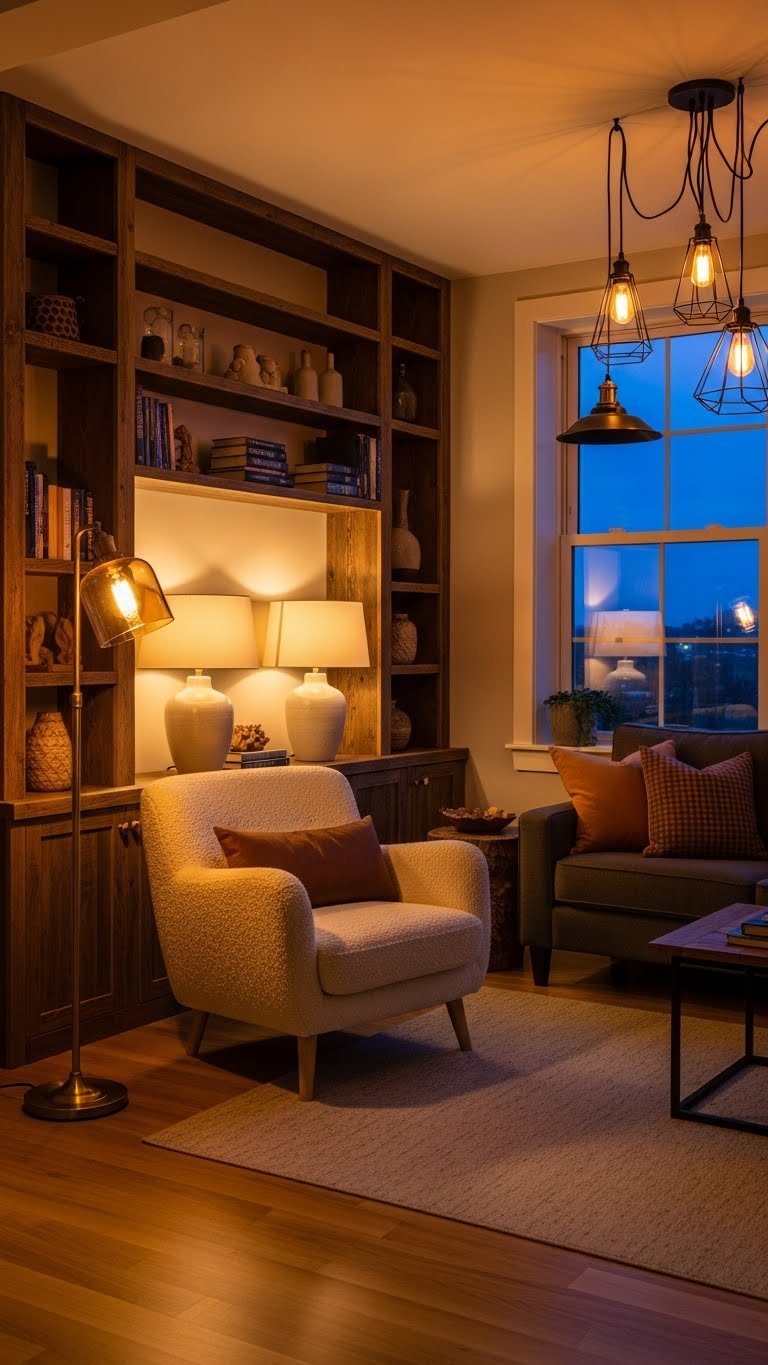
Three-layer lighting (task, ambient, accent) is the secret to rooms that feel calm during day and cozier at night—and it improves mood and functionality dramatically.
Install overhead ambient lighting (dimmer switches if possible), task lighting by seating (floor lamps, $40–$200), and accent lighting on shelves or walls (string lights, $15–$60). Choose warm bulbs (2700K color temperature) to boost serotonin and feel relaxing. Start with one quality floor lamp ($80–$150) and layer upward. Home Depot, West Elm, and Article stock excellent options.
Renter hack: Plug-in floor lamps and peel-and-stick shelf lights require zero installation.
Suddenly your room adapts to your mood: bright for tasks, warm for relaxation, dramatic for entertaining. You control the entire atmosphere with a few switches.
9. Style Shelves With Negative Space and Intentional Gaps
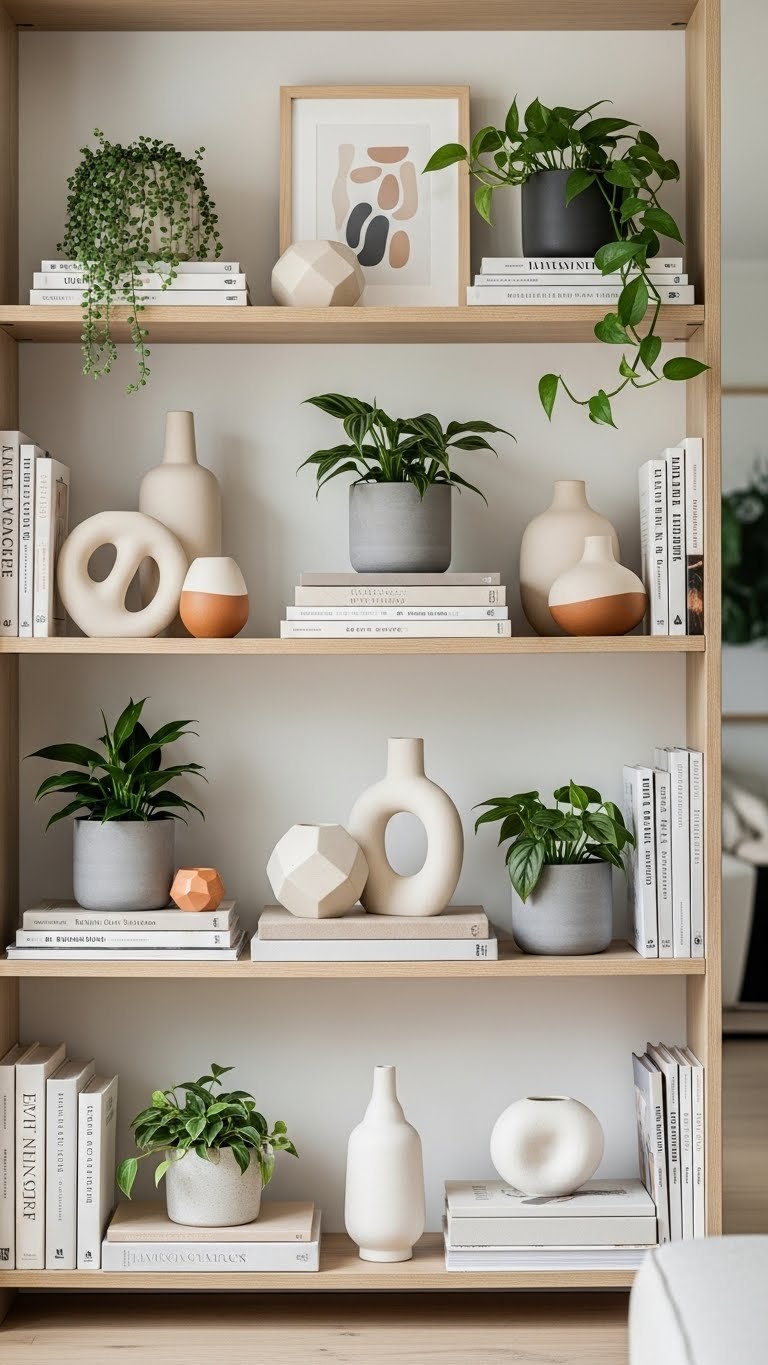
Overstuffed shelves create visual chaos; strategic negative space calms the eye and makes rooms feel intentional and edited.
Group items in odd numbers (three books, two plants, one art piece) and leave gaps between clusters. Use the “rule of thirds”: fill one-third of shelf space, leave two-thirds breathing room. Alternate vertical and horizontal stacking, and vary heights with books, boxes, and stands. Budget depends on what you already own—rearrange free items first, then add $30–$100 for gaps-filling pieces if needed.
Pro tip: Hide cords and clutter behind woven baskets (search “decorative basket shelf” for $20–$60 options).
Your shelves stop looking like storage and start looking like design. The calm arrangement makes your entire room feel more thoughtful and less overwhelming.
10. Paint Cabinets or Built-Ins a Contrasting Hue
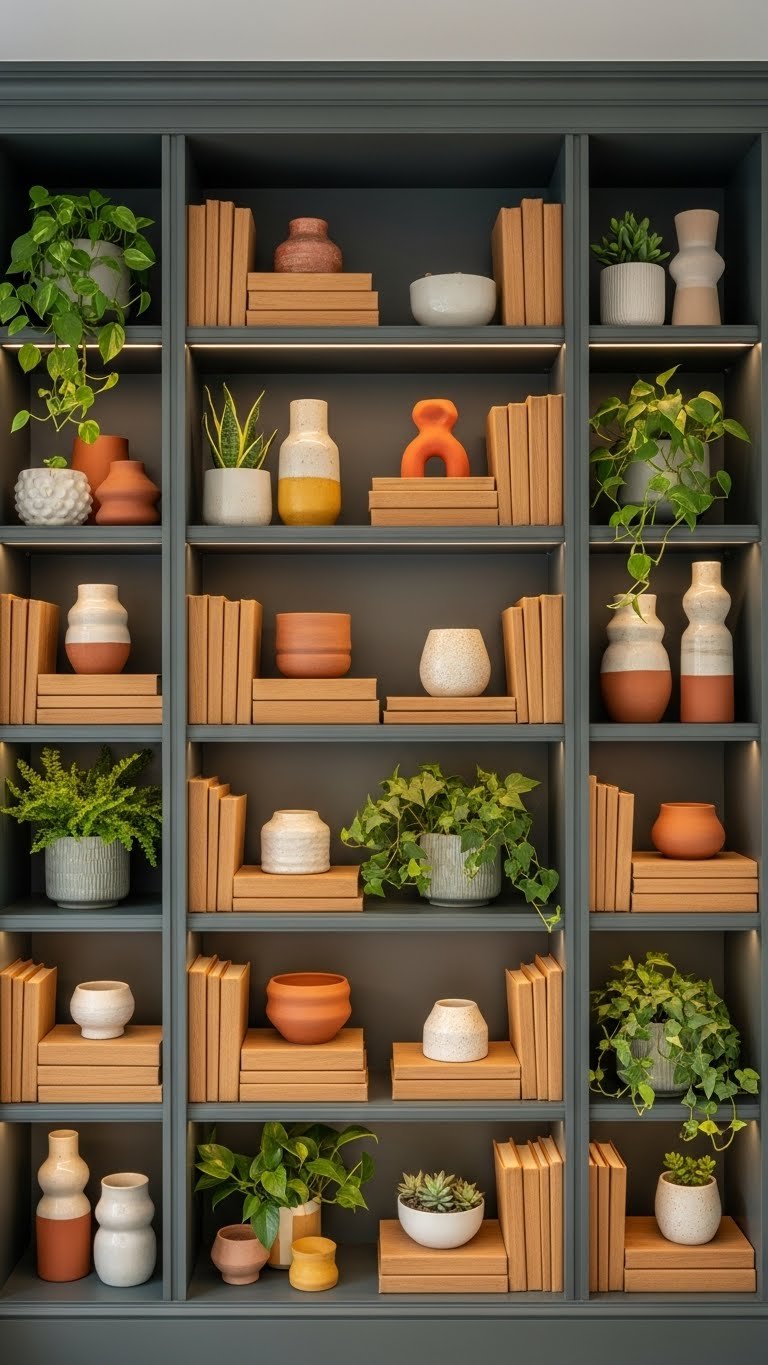
Painting existing cabinetry or built-ins transforms them from invisible to architectural features, adding depth for under $200.
Choose a color that contrasts with your wall color: if walls are warm, try cool sage or charcoal; if walls are neutral, try warm taupe or ochre. Budget: $30–$80 for paint and supplies. Prep (sanding, cleaning) takes two hours; painting takes one weekend. Use quality paint (Benjamin Moore Advance or Sherwin-Williams ProClassic) for durability. No built-ins? Paint a standard bookcase ($40–$150 from IKEA or thrift stores) the same way.
Renter option: Removable peel-and-stick cabinet paint ($40–$80) mimics the effect without permanent damage.
That painted backdrop instantly becomes a focal point and frames your curated items beautifully. The contrast draws attention upward and makes small rooms feel intentionally designed.
11. Introduce Biophilic Elements With Layered Planters

Living plants reduce stress, boost serotonin, and add organic texture—layering them in varying sizes and vessels creates a living backdrop without feeling like a jungle.
Start with three easy plants: pothos, snake plants, or ZZ plants ($5–$20 each). Add pots in complementary colors or textures ($10–$50 each). Cluster on shelves, tables, or create a corner “plant moment” with varying heights using plant stands ($20–$60). Budget $50–$150 to start; expand over time. Low-light options exist for any room.
Time estimate: Styling a plant cluster takes 30 minutes; maintenance is minimal for hardy varieties.
Your room gains instant freshness and life. The green tones balance bold accent walls, and you’ll feel the psychological shift toward calm every time you see growing plants.
12. Choose Pattern Drenching Over Scattered Prints

Using one bold pattern repeatedly (walls, sofa, pillows, art) creates intentional impact rather than chaotic visual noise.
Pick a pattern you love—florals, geometric, abstract—and repeat it across multiple elements at varying scales. Example: botanical wallpaper on one accent wall, botanical pillow covers ($30–$80), botanical art print ($20–$60), botanical throw ($40–$100). Tie it together with a solid neutral sofa and opposite wall. This costs $150–$300 but feels curated and magazine-worthy.
Pro tip: Match pattern saturation levels across pieces—keep all prints similarly bold or similarly subtle.
Instead of feeling random, your room gains a clear personality and narrative. Pattern repetition creates calm cohesion, oddly—your brain reads it as intentional design rather than decorating chaos.
13. Swap Out Standard Wall Art for a Salon Wall

A salon-style gallery wall lets you layer personality without feeling overwrought—mixing frame styles, artwork types, and sizes creates visual intrigue and feels authentically collected.
Gather 8–12 pieces: buy prints from Etsy ($10–$30 each), use family photos, add affordable framed art from Target or IKEA ($5–$40 per frame). Mix frame colors (gold, black, natural wood) and layouts. Budget $80–$250 total. Arrange on the floor first, then hang. Template stickers ($15–$25) guide placement.
Time estimate: Arranging and hanging takes two hours; rearranging is free and encouraged.
Your wall becomes a conversation starter and a true reflection of your taste. The collected-over-time feeling makes your space feel more personal and lived-in than any single statement piece.
14. Create an Entertainment Zone With Floating Shelves

Floating shelves around your TV create organized functionality without heavy media consoles, keeping sight lines open while hiding clutter.
Install 3–5 floating shelves ($50–$200 for the set) around your TV using a stud finder ($15). Style with media boxes ($20–$60 each for cable/device storage), plants, and decorative objects. Cable management boxes ($10–$30) hide wires. Total cost: $150–$400 installed. Time: one weekend for prep and installation.
Renter option: Furniture-grade media stands ($150–$400) mimic shelving without drilling holes.
Your entertainment area stops looking like clutter and starts looking intentional. Cable management and organized shelving make the whole room feel more curated and expensive than it is.
15. Layer Textiles in Complementary Textures and Tones
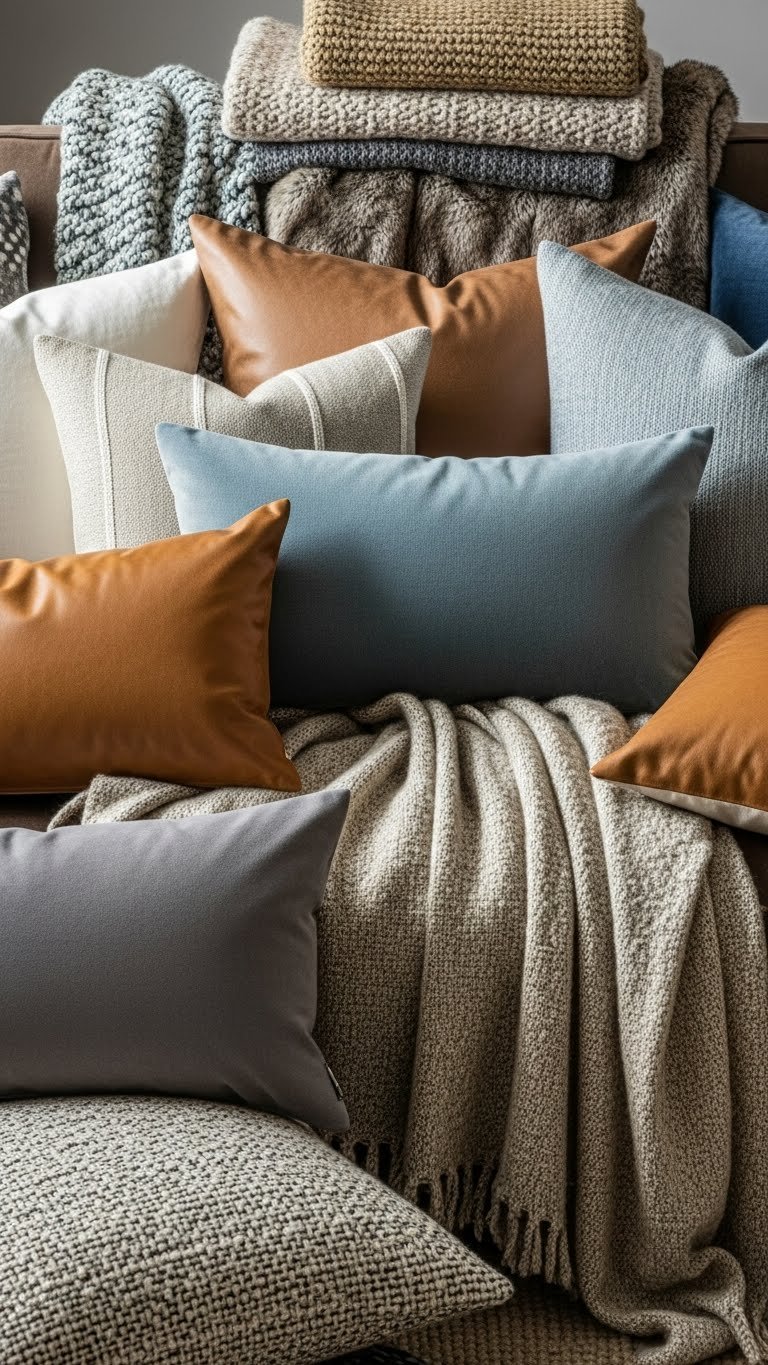
Mixing textile textures—linen, velvet, wool, knit, leather—creates visual depth and tactile richness while keeping a cohesive color story.
Start with a base color (cream, taupe, navy), then add 3–4 coordinating shades in varied textures. Example: cream linen pillow, taupe velvet pillow, cream-and-taupe striped knit pillow, leather accent ($30–$100 per pillow). Add layered throws in complementary fibers ($40–$120 each). Budget $200–$400 for a fully styled sofa. Mix high and low prices—thrifted vintage textiles ($5–$30) pair beautifully with new pieces.
Pro tip: Odd numbers (3, 5, 7 pillows) read as more intentional than even numbers.
Your sofa stops looking basic and becomes a textural experience. That layered depth makes your whole room feel designer-curated and inviting.
16. Install a Linear Fireplace or Fireplace Accent
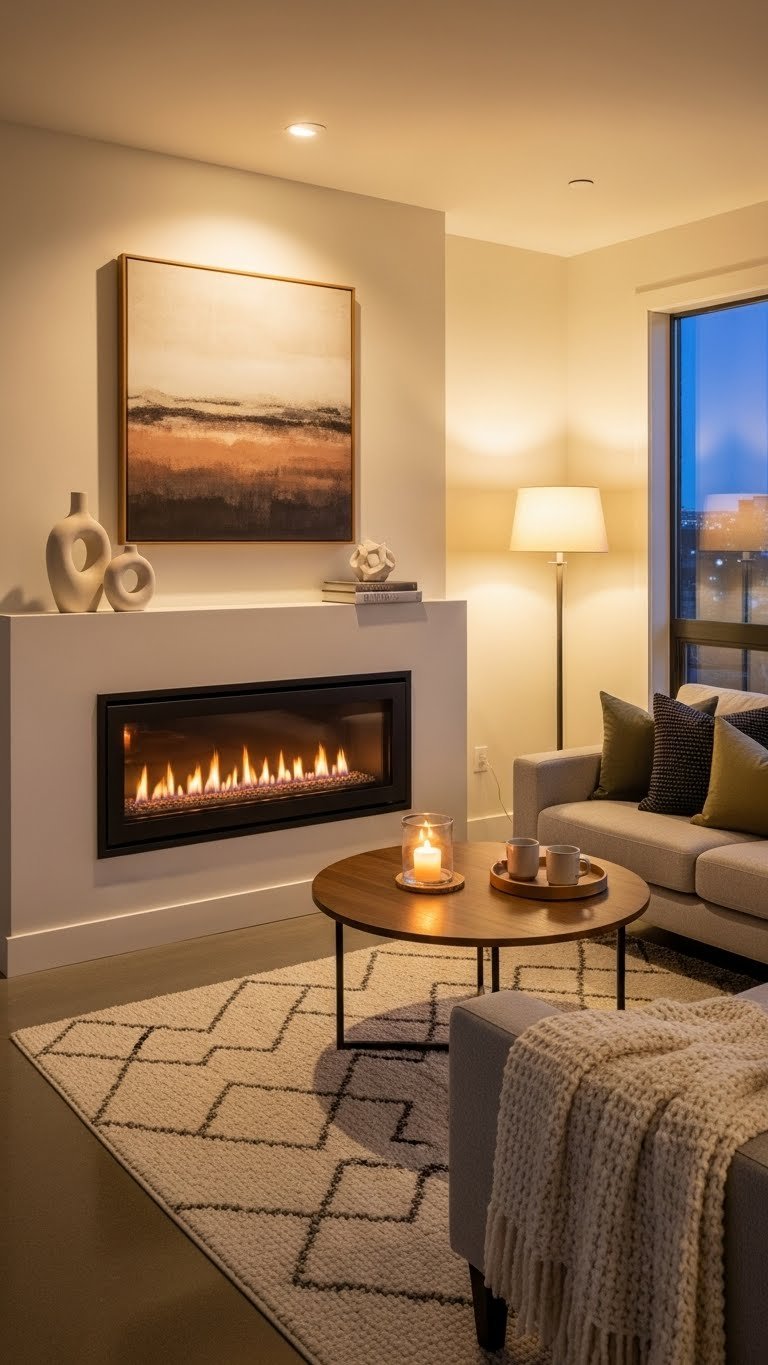
Linear or recessed fireplaces add focal-point drama, ambient warmth, and wellness benefits—and they work in apartments and homes without traditional chimneys.
Electric linear fireplaces (most renter-friendly) run $200–$1,500 and require only outlet access. Recessed wall-mounted models need installation ($500–$3,000 professional). Minimal styling on the surround—skip heavy mantels—keeps it modern. Place artwork above or beside to anchor the wall.
Renter option: Tabletop fireplace inserts ($50–$200) mimic ambiance without installation; ethanol models create real flames.
The warmth and glow change your room’s entire mood. Evening time becomes automatically cozier, and you’ve created a natural gathering point without major renovation.
17. Use Negative Wall Space to Anchor Quiet Corners

Perfectly styled corners don’t need to be crowded; often the best seating nooks feature only one chair, a small table, and significant empty wall space for visual calm.
Choose a corner near natural light. Add a comfortable low chair ($150–$500), a small side table ($40–$150), and one soft throw. Leave walls mostly bare—one small artwork or mirror is enough. Budget for the chair primarily; the magic is in restraint, not spending. This cost-effective approach teaches the power of negative space.
Pro tip: Pair minimal styling with quality natural light to create a meditative reading nook without fussiness.
You’ve created a visual escape within your room—a space that signals calm just by looking at it. That peaceful corner becomes your sanity anchor.
18. Style Your Coffee Table With Layered Styling and Negative Space
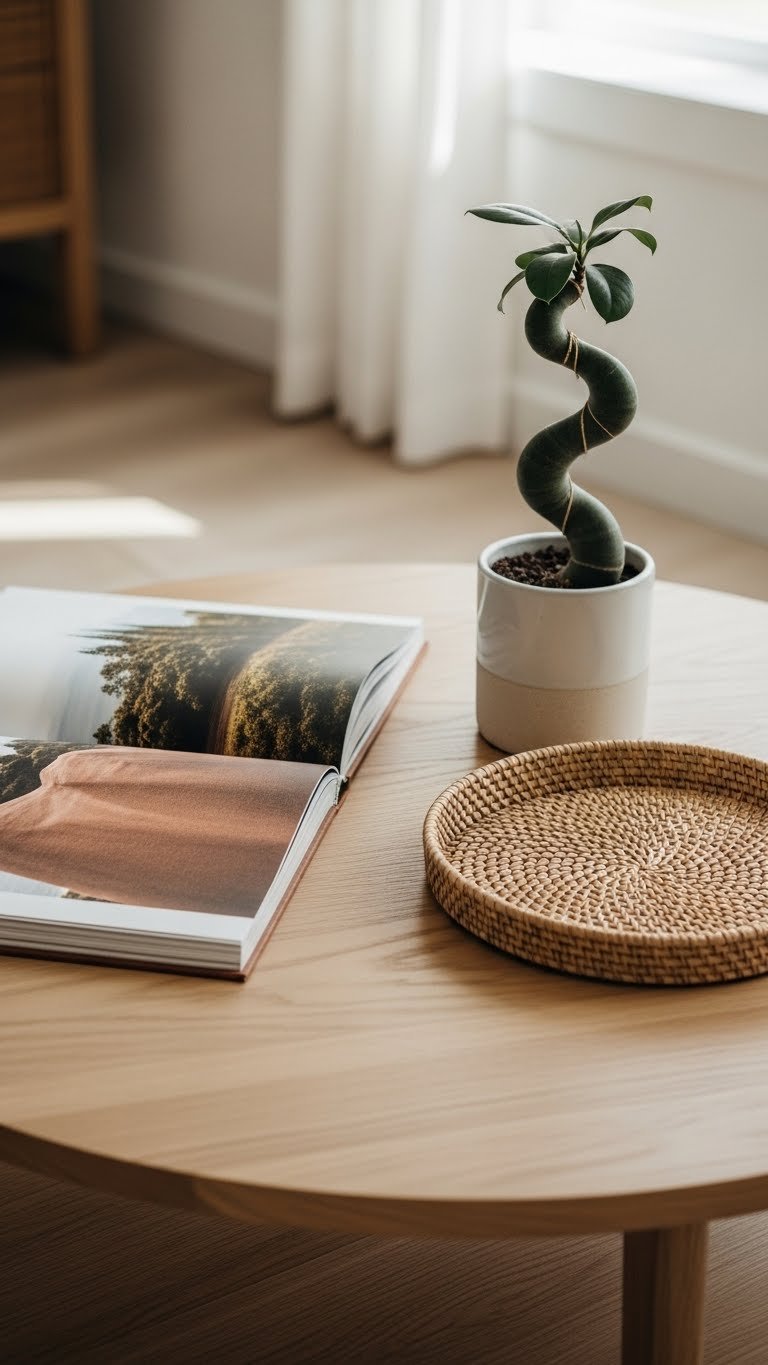
Coffee tables often become junk drawers, but strategic styling with negative space makes them feel intentional while keeping functionality.
Choose 2–4 items: a coffee table book or two ($15–$40), a plant ($10–$30), a decorative box or tray ($20–$60). Arrange with gaps between clusters. Rotate seasonal books or objects quarterly. Keep surfaces 60% clear. Budget $50–$150 depending on what you already own. Most styling requires zero spending—just editing.
Time estimate: Restyling takes 10 minutes and requires zero skills.
Your table stops looking like a landing pad for chaos and becomes part of your design story. That curated arrangement signals that your entire room is thoughtfully put together.
19. Add a Statement Mirror to Amplify Light and Space

A large decorative mirror reflects light, expands perceived space, and adds architectural interest—essential for small rooms or dim spaces.
Choose a 36–48-inch mirror with a statement frame: brass ($100–$400), black metal ($80–$300), ornate wood ($100–$500), or modern sculptural ($150–$600). Lean against a wall or hang opposite windows to bounce natural light. Budget $80–$600 depending on statement level. This single piece costs less than furniture but impacts the room enormously.
Renter option: Leaning mirrors require zero installation; peel-and-stick mirror tiles ($30–$80) work too.
The room suddenly feels brighter and larger. That mirror becomes an unexpected focal point while solving real problems—dim corners brighten, tight spaces expand.
20. Create Modular Seating for Flexibility and Conversation
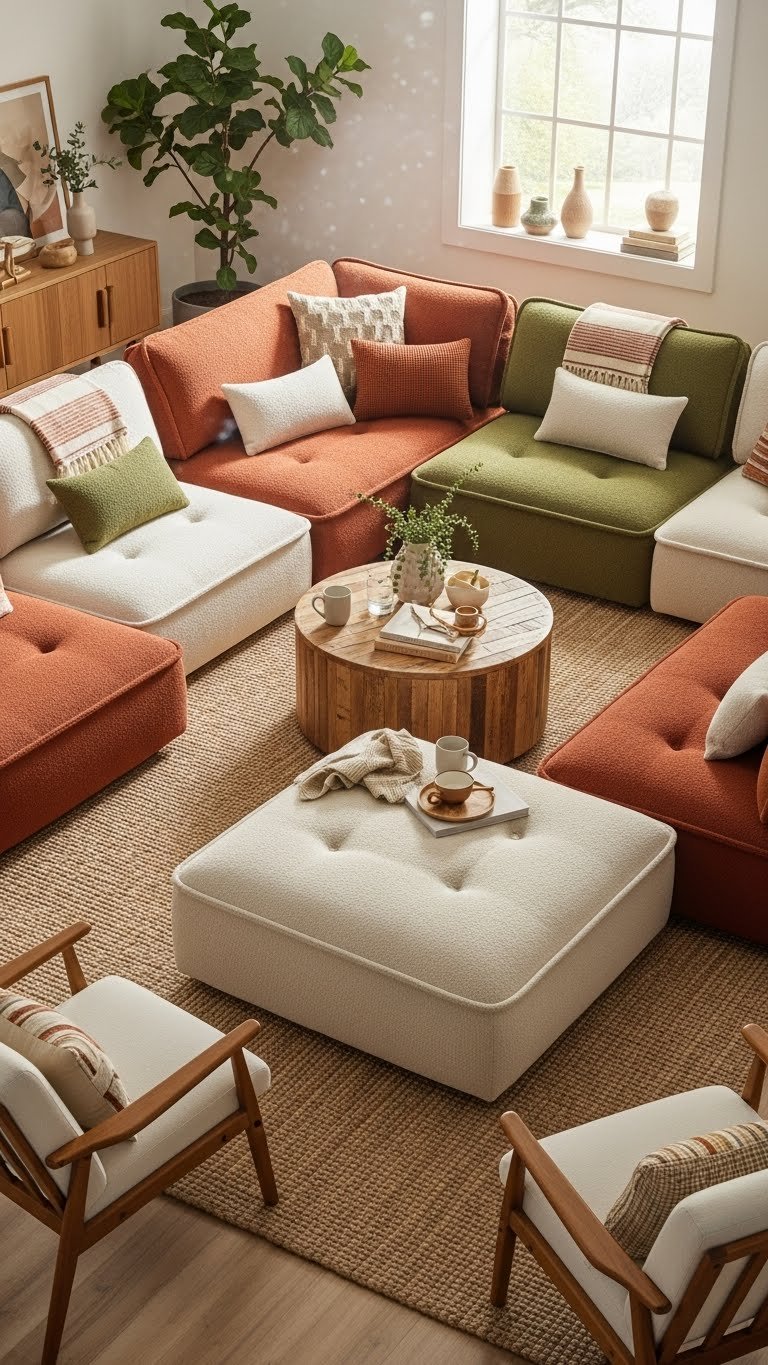
Modular or mix-and-match seating adapts to your lifestyle—dinner parties, movie nights, rearranging when you’re bored—while maintaining calm aesthetics.
Look for modular sofas from IKEA, Article, or West Elm ($600–$2,000 for multi-piece sets) that click together and reconfigure. Alternatively, buy two accent chairs and one ottoman instead of a traditional sofa ($300–$1,200 combined) for more flexibility. Budget varies widely, but modular pieces provide investment value through adaptability.
Renter option: Using three standalone chairs instead of a sectional offers infinite rearrangement options.
Your room becomes infinitely adjustable to your actual needs—game nights, reading marathons, hosting friends. That flexibility makes the space feel more useful and less rigid than traditional furniture arrangements.
21. Paint Your Ceiling a Soft Contrasting Tone

A subtly tinted ceiling (not stark white) adds dimensionality without claustrophobia—pale gray, soft sage, or warm white feel intimate and intentional.
Choose a color one shade lighter or slightly different in tone from your walls. Sherwin-Williams Accessible Beige (ceiling version), Benjamin Moore Chantilly Lace with a hint of their wall color, or soft Swiss Coffee all work beautifully. Budget $30–$60 for paint; DIY takes one weekend or hire help for $200–$400. This subtle move makes ceilings feel lower (cozier in tall spaces) or intentional (interesting in standard-height rooms).
Pro tip: Ceiling paint is optional during a refresh, but it completes intentional design better than white.
Your room gains architectural interest you didn’t know it needed. That overhead color draws the eye upward and makes spaces feel more finished and designed.
22. Define Comfort Zones With Throw Blankets and Layered Seating

Layered throws and pillows create visual texture and signal “sink in here”—they’re inexpensive comfort boosters that also look designer-curated.
Drape 2–3 throws ($30–$100 each) over your sofa or chair in complementary colors and textures. Stack 4–6 pillows in varying patterns and sizes ($20–$80 each). Mix thrifted and new pieces. Total styling cost: $150–$400. Budget hack: thrifted vintage textiles from estate sales ($5–$20) pair beautifully with new pieces.
Time estimate: Styling takes 30 minutes and feels instantly gratifying.
Your seating area becomes a tactile invitation. People naturally gravitate toward that layered corner, and the room feels instantly warmer and more welcoming.
23. Use Vertical Wall Storage to Free Up Floor Space

Vertical storage keeps your floor feeling open and spacious while organizing belongings beautifully—essential for small living rooms.
Install floating shelves ($50–$200 per set), wall-mounted cabinets ($100–$400), or tall narrow bookcases ($80–$300). Cluster on one wall rather than spreading thin. Style with books, boxes, and objects using the “rule of thirds” for negative space. Budget $150–$500 to start. Time: one weekend for installation.
Renter option: Tall freestanding bookcases ($100–$400) anchor a wall without drilling.
Your floor space opens up dramatically. That clear floor makes the room feel larger, more organized, and less cluttered—even though you’ve actually added storage.
24. Mix Warm and Cool Tones for Visual Interest

Blending warm and cool tones prevents rooms from feeling one-dimensional or flat—think warm wood against cool paint, or cool upholstery with warm accessories.
Start with a cool wall color (pale gray, soft blue, sage) and balance with warm wood furniture, brass accents ($50–$200 for decor), and warm-toned textiles. Or reverse: warm walls with cool-toned metals and upholstery. The mix feels more sophisticated than all-warm or all-cool schemes. Budget: apply to decisions you’re already making (paint, furniture purchases) rather than an additional expense.
Pro tip: Use your lighting as temperature control—warm bulbs (2700K) enhance warm tones; cool bulbs feel modern but can feel cold.
Your room gains visual sophistication and depth. The balanced temperature keeps the eye moving and prevents the space from feeling flat or boring.
25. Create a Media-Friendly Wall Without Center-Mounted TV
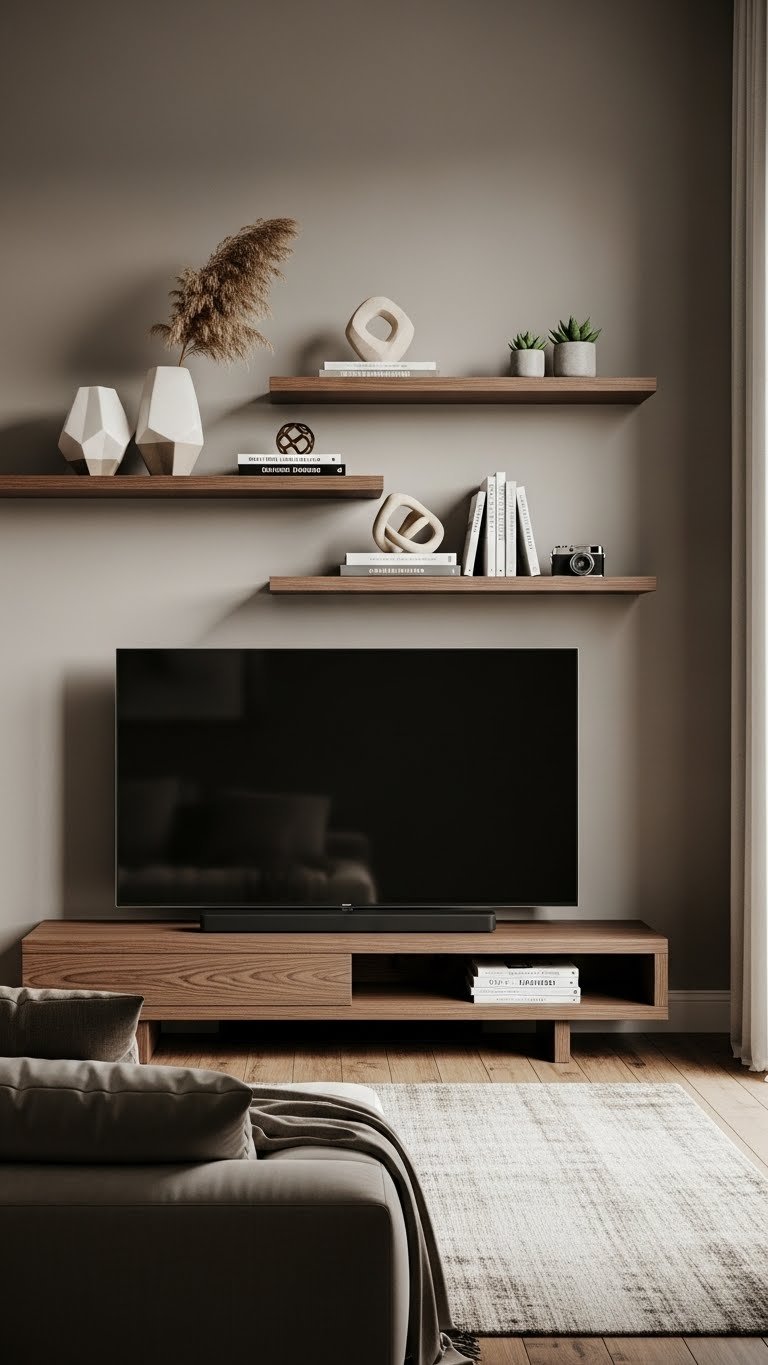
Moving TV off the wall and onto a low console makes it part of your design rather than the dominant focal point—your room becomes less “media room” and more “room that happens to have a TV.”
Choose a low media console ($200–$800) or DIY shelving setup. Style around it with plants, baskets, and objects. Hide cables in management boxes ($10–$30). The TV becomes one element among many rather than the room’s command center. Budget $300–$1,000 total for console and styling pieces.
Renter option: Leaning a TV on a console (with proper safety bracing) avoids wall damage.
Your living room feels like an actual living room instead of a media theater. That subtle shift means guests sit and talk instead of default-staring at the screen.
26. Layer Seasonal Styling for Year-Round Freshness
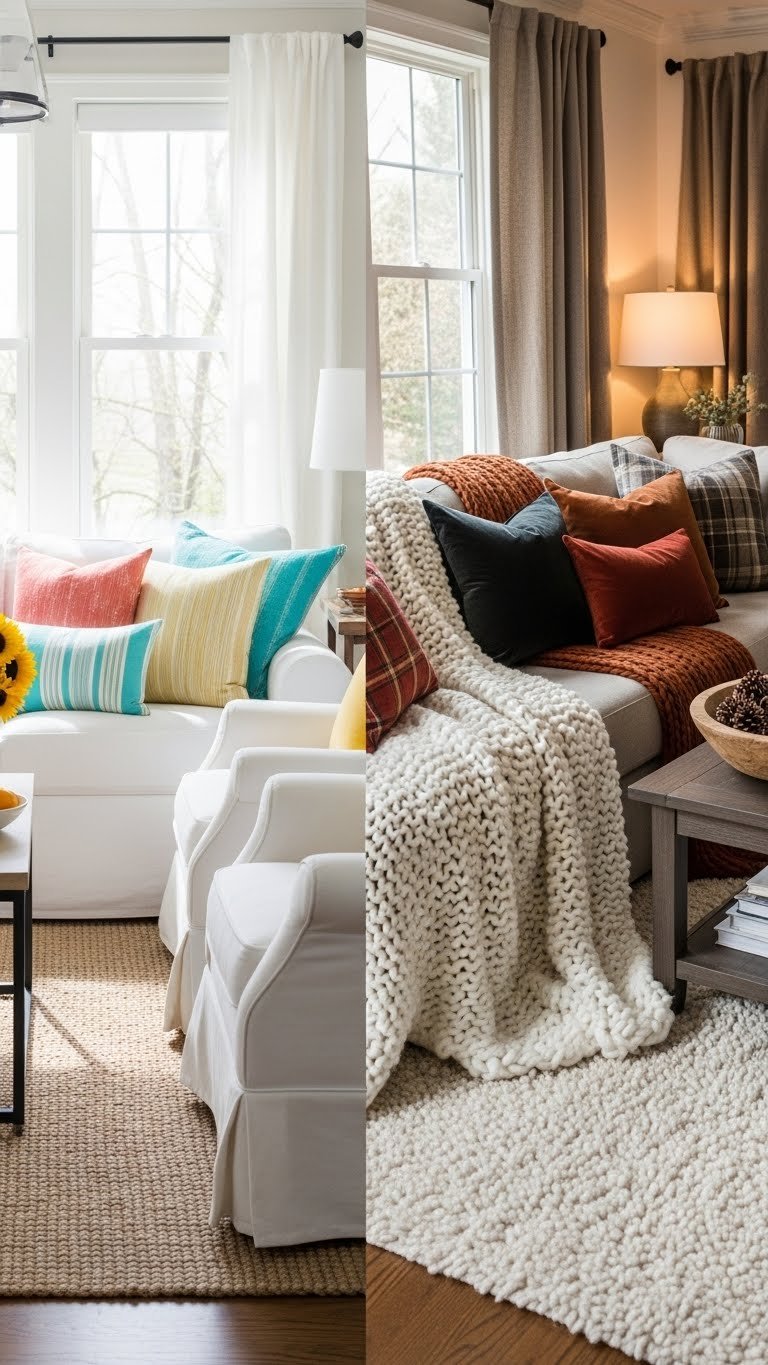
Seasonal styling (swapping pillows, throws, and accessories quarterly) keeps your room fresh and lets you use budget-friendly pieces creatively across the year.
Pick 2–3 accessories to swap: throw pillows ($30–$80 each), throws ($40–$120 each), and wall art ($20–$80). Buy spring/summer versions in light colors and fabrics; fall/winter in warm tones and textures. Budget $150–$300 per season if buying intentionally. Rotate every three months. This strategy extends the visual life of your furniture and your excitement about your room.
Time estimate: Seasonal swaps take 30 minutes and cost nothing if you’re rotating existing pieces.
Your room stays interesting and season-appropriate throughout the year. That regular refresh keeps you engaged with your space instead of getting bored, and guests notice the updated feel.
Save this post for your next living room refresh. Pick one or two ideas and tackle them this weekend—mixing calm with character doesn’t require a total overhaul, just strategic choices that work together.
Leave a Reply