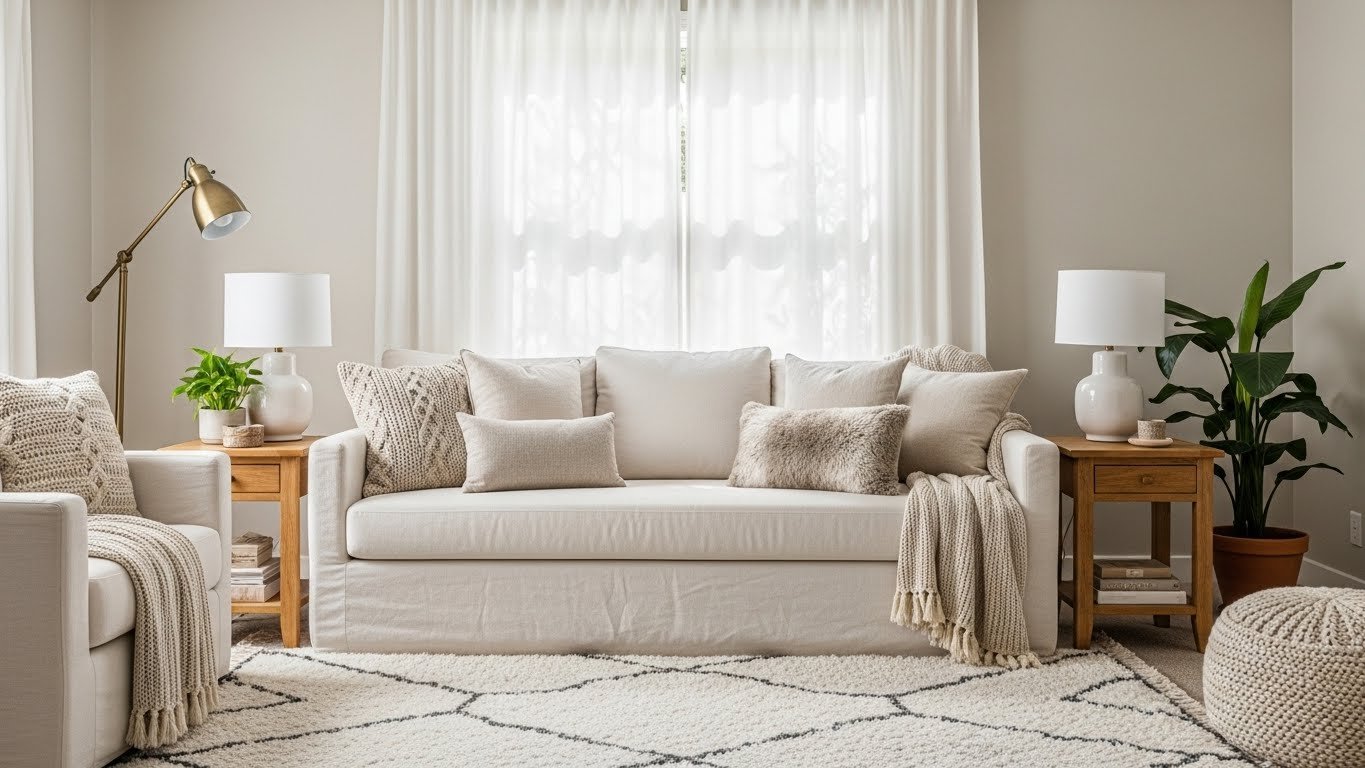
There’s something magical about a home where every room feels like it belongs to the same peaceful story. If your space feels scattered—mismatched colors in every room, styles that clash, a vibe that keeps shifting—you’re not alone. The good news? You don’t need a full redesign or a huge budget to pull everything together. Neutral doesn’t mean boring; it means creating a backdrop so calming and cohesive that your whole home feels like a retreat.
Whether you’re renting or own your place, a designer on a budget or just starting to think about flow, these 24 ideas will help you build a home where every corner feels intentional, connected, and genuinely peaceful. You’ll learn specific color combos that work everywhere, small swaps that have outsized impact, and how to tie rooms together without spending a fortune. Let’s get started.
1. Choose One Neutral as Your Anchor Color
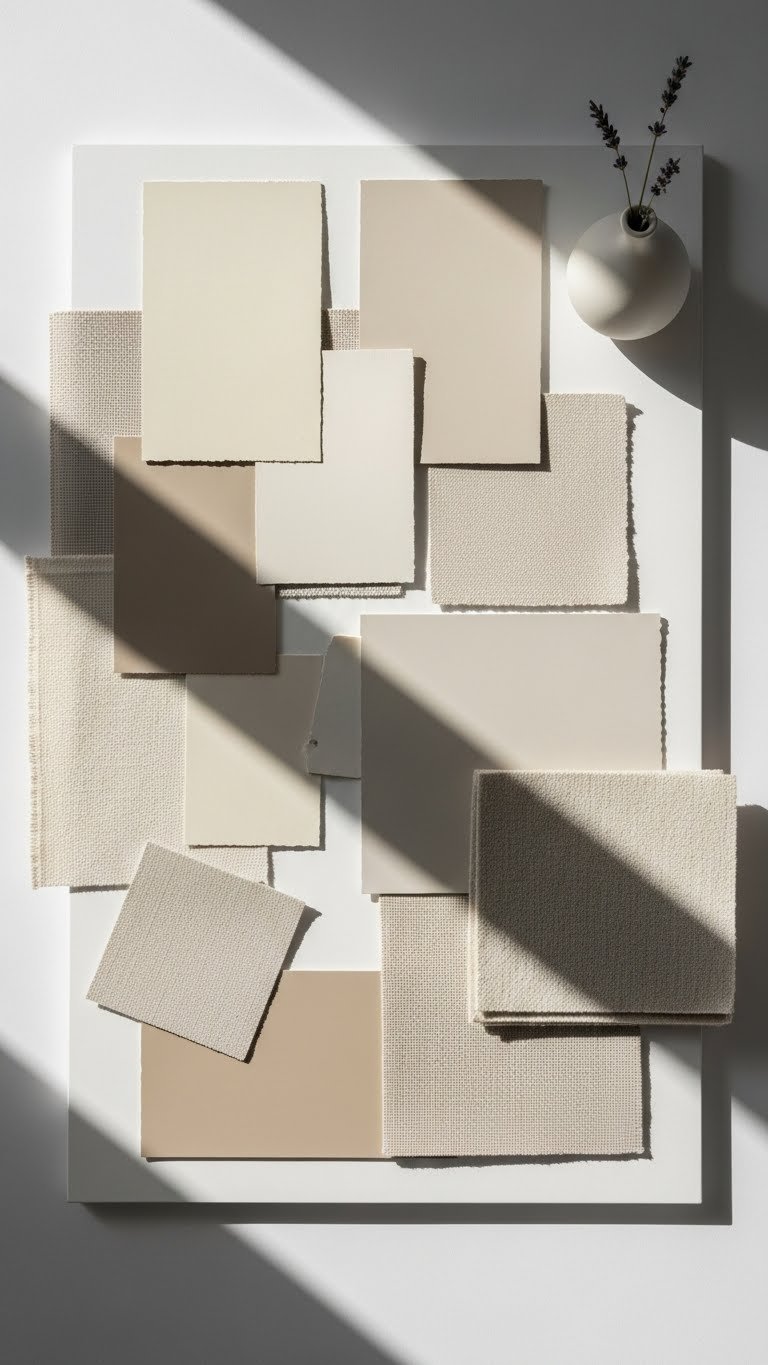
Your anchor color is the hero shade that appears in at least 60% of your home—walls, large furniture, or textiles. Warm greige (a gray-beige blend), soft cream, or warm white works in almost every room and ties spaces together instantly. Pick one and use it consistently across hallways, living rooms, and bedrooms.
Start by grabbing paint samples from hardware stores like Home Depot or Sherwin-Williams ($5-$8 for sample pots). Paint large swatches on your walls and live with them for a few days—colors shift dramatically depending on natural light and time of day. Once you’ve chosen, commit to it. Use this shade as your wall color or primary upholstery choice.
The magic happens when every room starts with the same foundation. Visitors unconsciously register the flow because their eyes aren’t jarred by clashing colors from room to room. Your home immediately feels more luxe and intentional.
2. Add Warmth With Wood Tones in Every Room
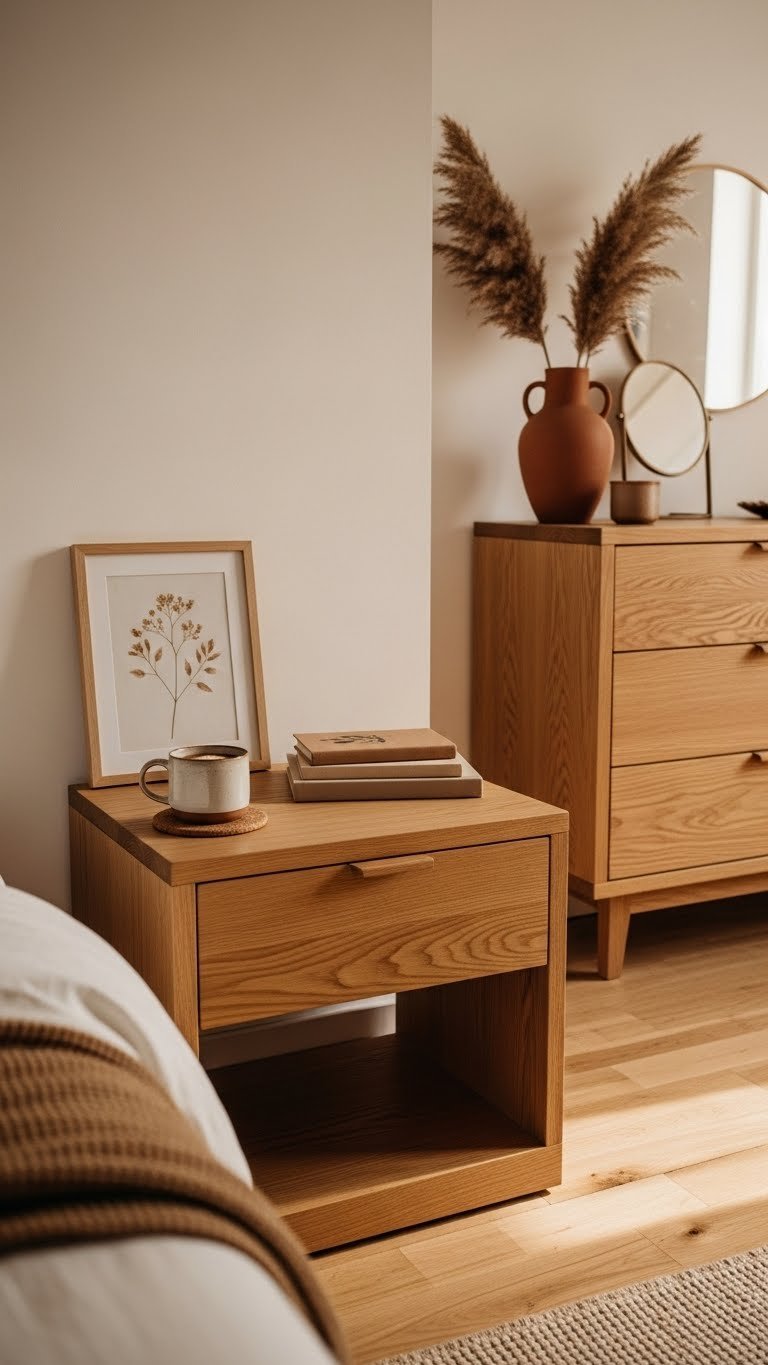
Wood is a neutral that actually warms up a space. Instead of mixing different wood finishes (dark walnut, cool oak, light pine), commit to one warm tone—honey wood, golden oak, or warm walnut—and repeat it throughout your home.
You don’t need to replace furniture. Start with one statement piece: a wooden bed frame, dining table, or dresser in your chosen tone. Then layer in smaller wooden items gradually—a nightstand ($80-$200 from IKEA or Wayfair), wooden shelving ($40-$150), or even a wooden mirror frame ($30-$100 from Target or Amazon). Thrift stores and Facebook Marketplace are goldmines for affordable wood pieces if you’re patient.
This creates an invisible thread connecting rooms. Your eye follows the consistent wood tones and perceives the space as more curated and calm.
3. Use Soft Whites and Creams for Trim and Doors
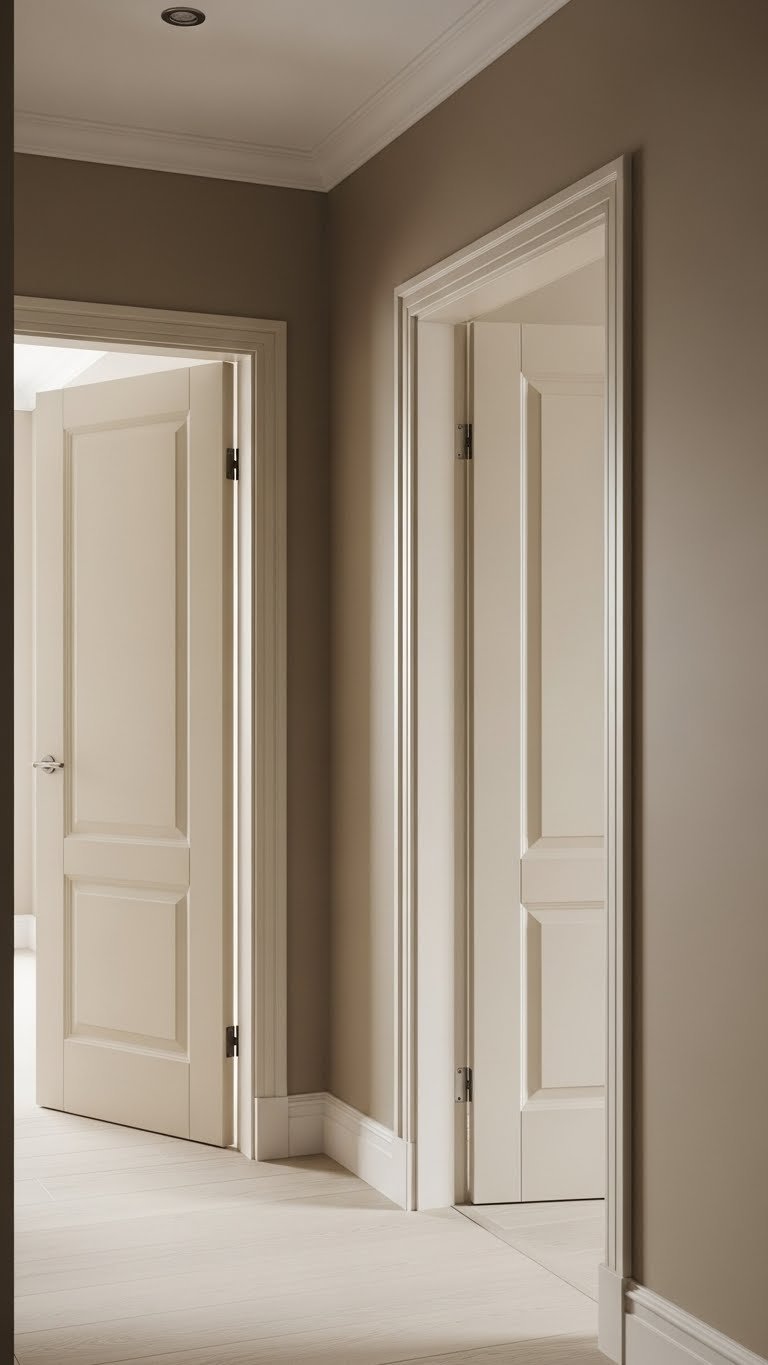
Don’t overlook trim, baseboards, and doors—they make up a huge visual footprint. Paint them all in soft white or warm cream (not stark white, which can feel clinical). This creates a subtle frame around each space without the jarring contrast of bright white against warm walls.
If you’re renting and can’t paint, focus on what you can control: doors (removable peel-and-stick primer and paint work on some rental doors), or simply keep existing trim clean and fresh. For homeowners, a weekend project painting trim pays massive dividends. Budget $200-$600 depending on room size, or DIY for just paint costs ($30-$50 per gallon).
When trim isn’t fighting with your walls, everything feels quieter and more intentional. Spaces visually flow into one another without jarring contrasts.
4. Invest in Neutral Bedding Across All Bedrooms
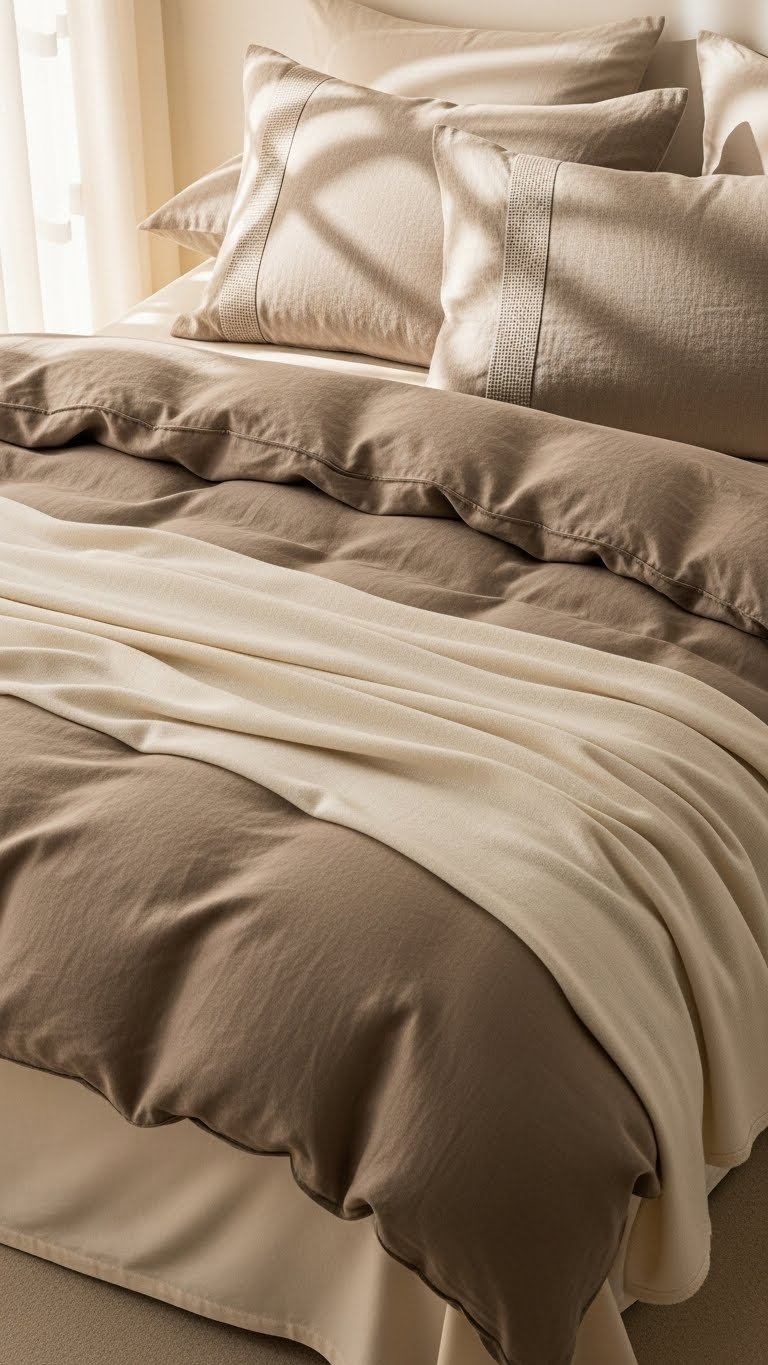
Quality neutral bedding in cream, oatmeal, or soft taupe becomes the calm foundation for every bedroom. Choose a consistent color palette so all bedrooms feel like they’re part of the same home story.
Splurge on quality sheets ($40-$80 per set from brands like Brooklinen, Parachute, or even target-upmarket Target lines). They last years and make a real difference in comfort. Layer in neutral blankets and throws ($30-$150 per piece). You can mix cream, taupe, and soft gray without confusion because they’re all in the same family.
When guests move between bedrooms or you’re lying in bed, the consistency feels calming rather than chaotic. Your brain registers continuity, and everything feels more spa-like and intentional.
5. Create Texture With Layered Throw Pillows
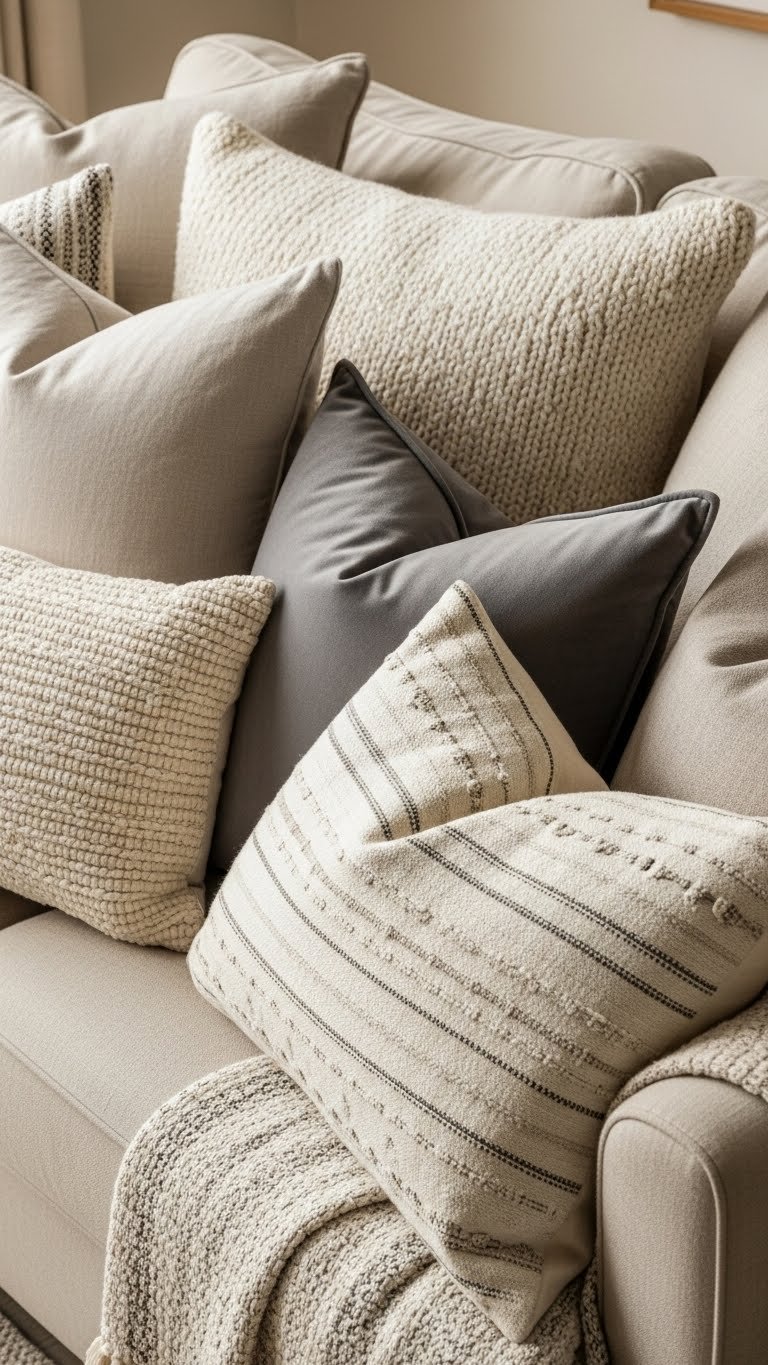
Texture is where neutrals become interesting. Instead of buying matching pillows, layer different textures in your neutral palette: linen, chunky knit, velvet, leather, woven cotton, and faux fur. The key is keeping the color family consistent (creams, taupes, soft grays, warm whites).
Start with basics from IKEA ($10-$20 per pillow), then upgrade with one or two high-quality statement pillows ($40-$80 each). Mix sizes: 24″ pillows with 18″ pillows with 16″ lumbar rectangles. Arrange them asymmetrically—three on one side, two on the other, offset—so it looks styled rather than matchy.
This approach costs less than a sofa but transforms it visually. Different textures catch light differently, adding visual interest and depth that reads as intentional and expensive, even on a budget.
6. Use Sheer Curtains for Diffused, Calm Light
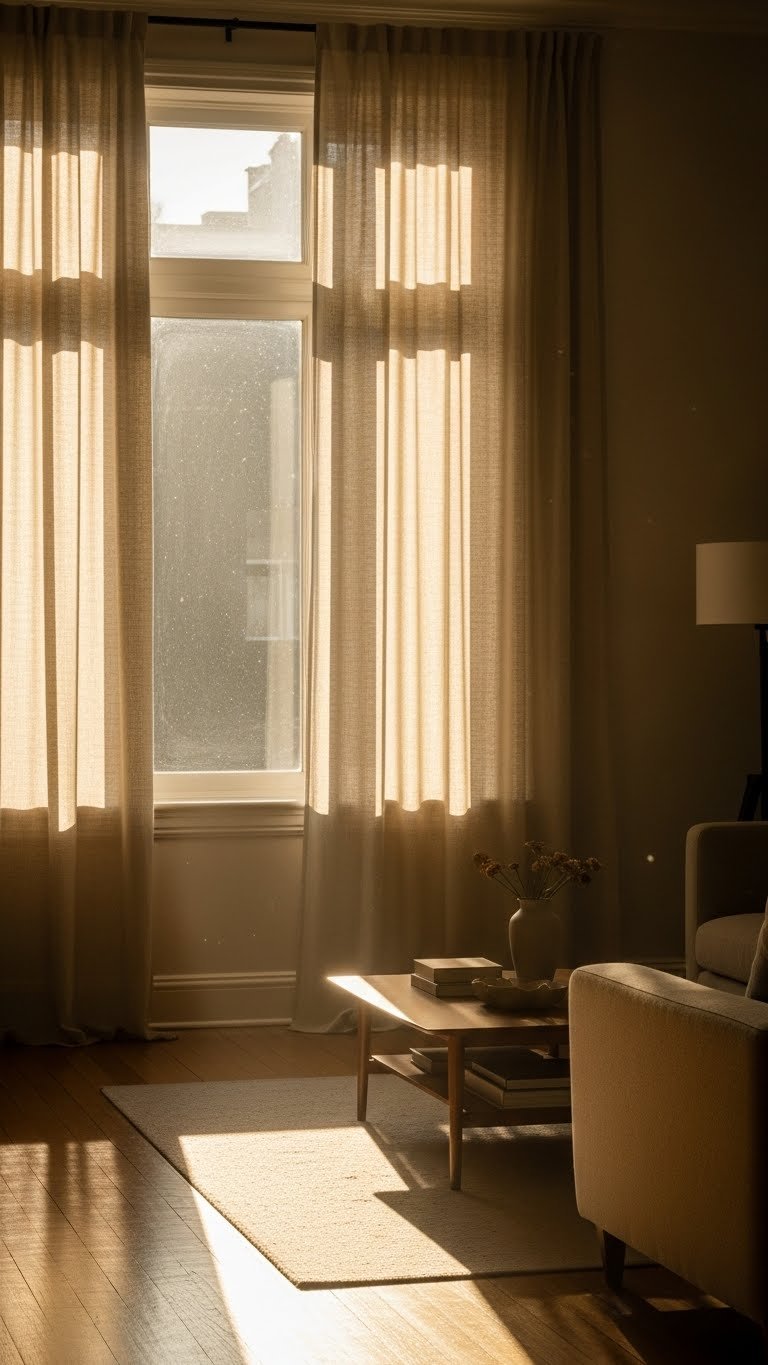
Harsh light breaks calm. Sheer curtains in cream, ivory, or warm white diffuse sunlight into soft, even glow without darkening rooms. They’re renter-friendly and create an immediate spa-like feeling.
Pick up affordable sheer panels ($15-$30 per panel from IKEA, Target, or Amazon). Hang them from a simple wooden or neutral metal rod ($20-$50). If you need privacy at night, add blackout liners or pair sheers with lightweight linen panels in your anchor neutral color.
Layered this way, you control light throughout the day. Morning sun feels gentle and welcoming, not glaring. Your home immediately feels calmer and more considered.
7. Paint a Feature Wall in Deep Taupe or Soft Sage
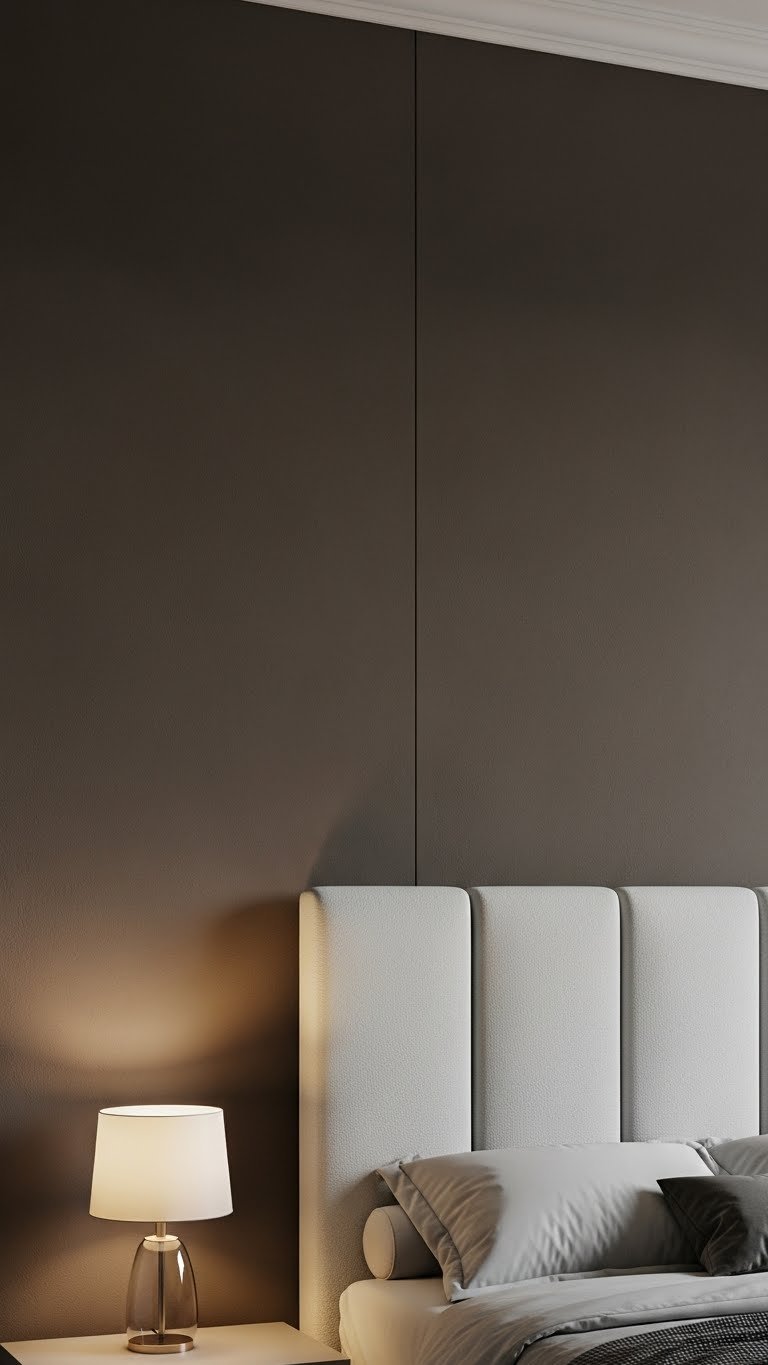
One feature wall in a deeper neutral shade adds depth and sophistication without abandonment of calm. Deep taupe, soft sage, or warm greige work perfectly. Keep the other three walls in your lighter anchor color.
Paint just one wall yourself ($30-$50 in paint) or hire help ($300-$600 depending on your area). Choose a wall that’s a focal point—behind a bed, sofa, or across from the entry. The deeper shade creates perceived depth and makes spaces feel larger while maintaining the calm, connected vibe.
This one change can make a room feel intentionally designed rather than blank. It costs minimal money but reads as thoughtful and expensive.
8. Hang Neutral Artwork in Consistent Frames
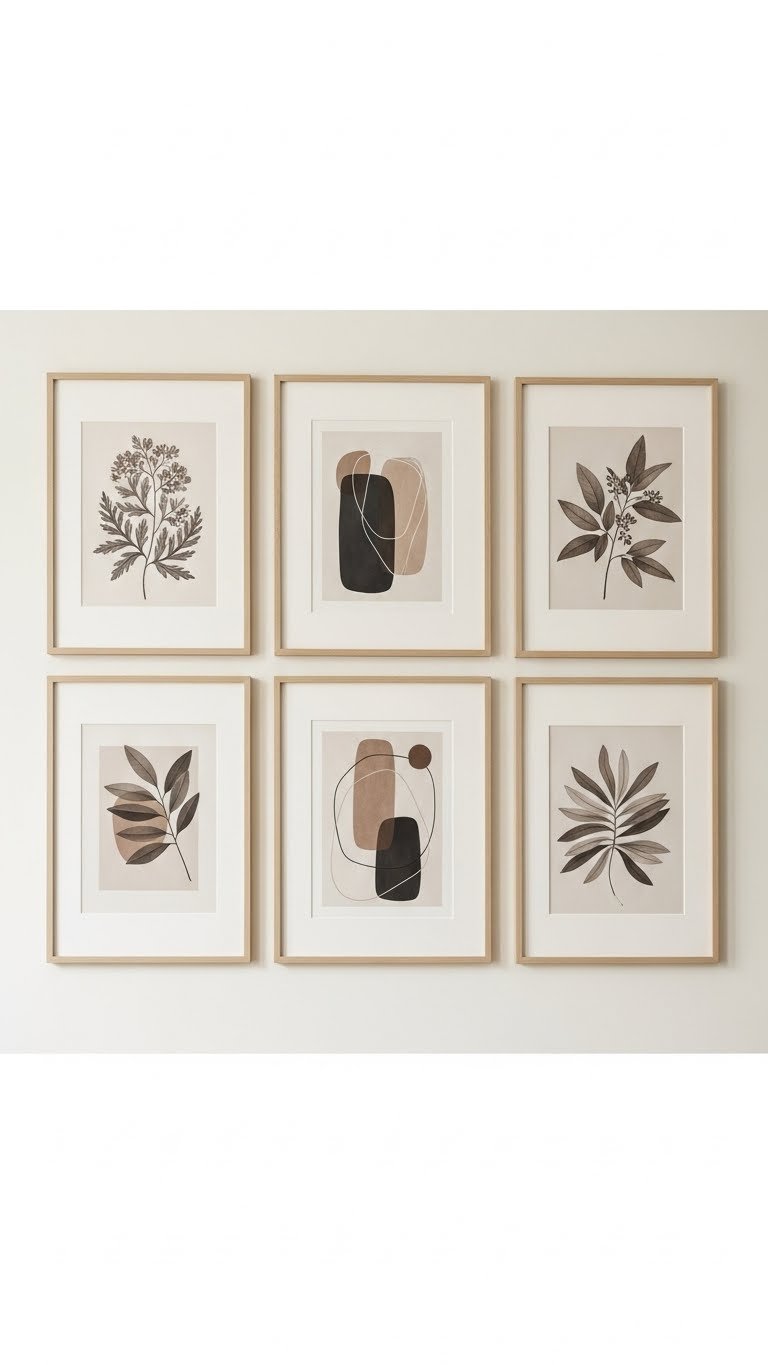
Mismatched art creates visual chaos, even if colors are neutral. Commit to one frame finish (natural wood, black, white, or brass) and one mat color (cream, soft gray, or natural linen). This doesn’t mean every piece is identical—vary the art inside—but the frame should be consistent.
Build a simple gallery wall or hang pieces individually with the same frames. Buy frames in bulk from IKEA ($8-$20 each), Framebridge ($30-$100 per frame for custom quality), or thrift stores. Mix botanical prints, abstract art, and black-and-white photography—they all feel cohesive when framed the same way.
When artwork is visually tied together, walls feel intentional and calm rather than randomly decorated. Guests notice the sophistication without knowing why.
9. Swap Out Hardware for Brushed Brass or Matte Black
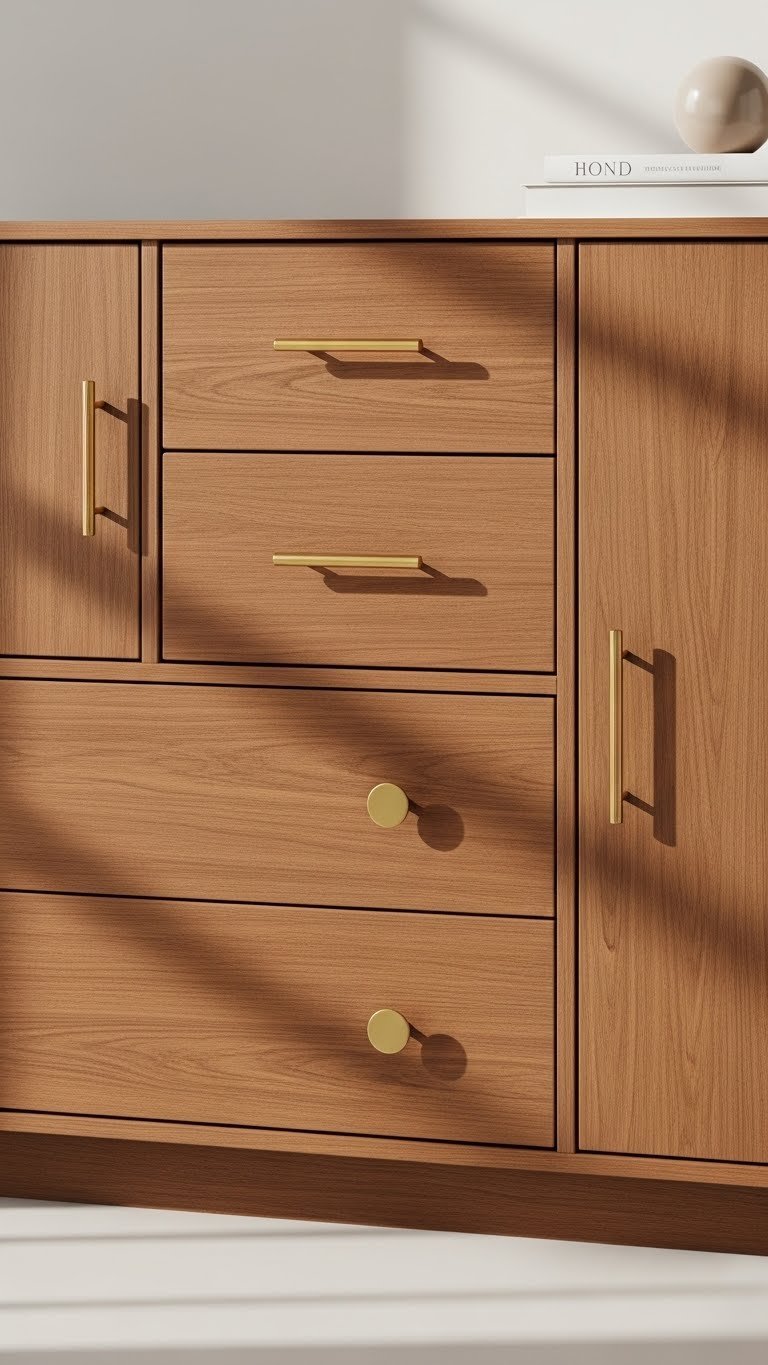
You probably haven’t thought much about cabinet hardware, but it’s visible throughout your home and signals intentionality. Mismatched handles and pulls make spaces feel accidental. Pick one finish—brushed brass, matte black, or brushed nickel—and replace hardware on cabinets, dressers, and bathroom vanities.
Hardware kits cost $15-$50 per drawer or cabinet online (Amazon, Wayfair, Etsy). If your furniture doesn’t have hardware yet, this is a perfect small upgrade that costs $10-$100 total per piece. It’s a 15-minute DIY project that doesn’t require tools beyond a screwdriver.
This tiny detail creates massive visual cohesion. When hardware is consistent, rooms feel designed and premium, even if everything else is budget-friendly.
10. Choose One Accent Metal and Repeat It
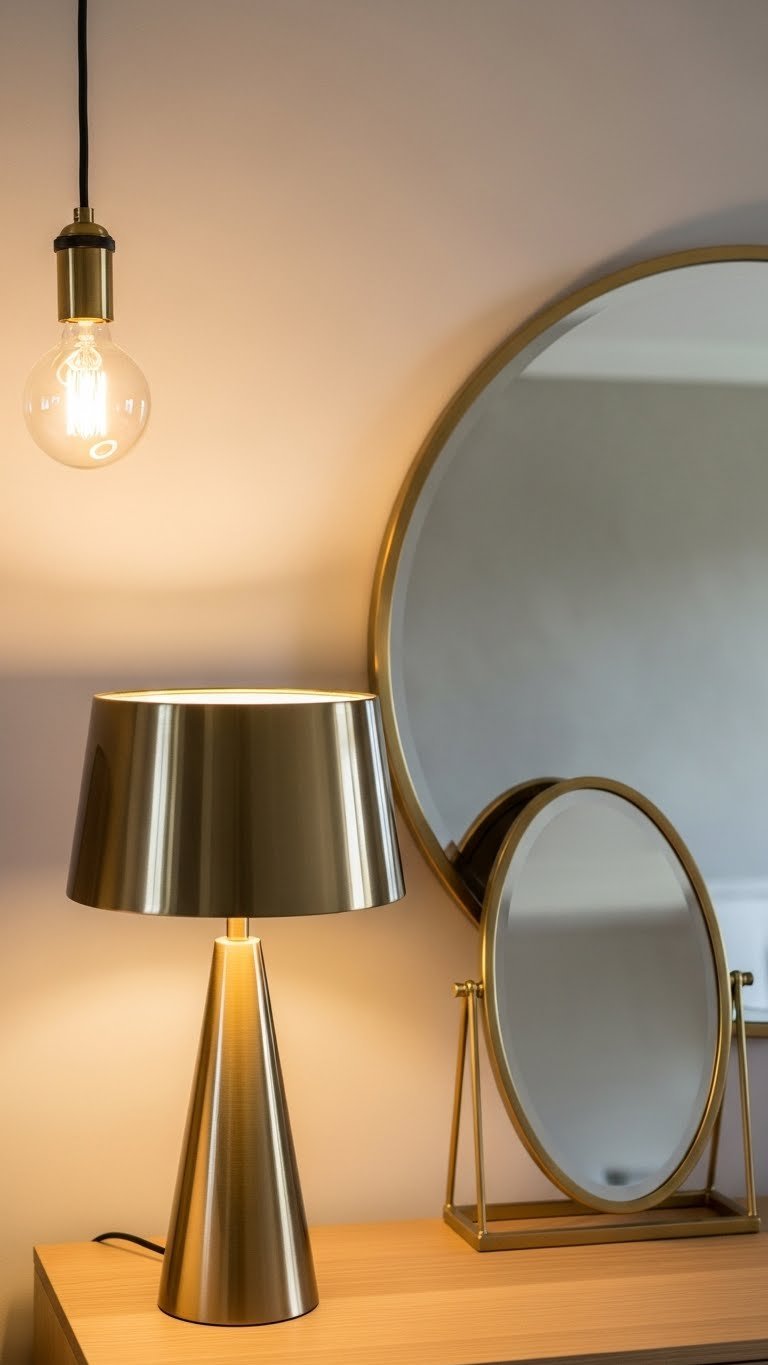
Just as wood tones need consistency, metals do too. Choose between brass, brushed gold, matte black, or brushed nickel and use it consistently across lighting fixtures, mirrors, hardware, and accessories. Don’t mix—one metal throughout creates instant cohesion.
Start with one statement piece like a pendant light ($40-$150) or floor lamp ($60-$200). Then repeat that finish in smaller items: a mirror frame ($30-$100), picture frames ($8-$20 each), or desk accessories ($5-$30). Thrift stores often have affordable vintage pieces in brass or black metal if you’re patient.
When metallic finishes are consistent, a room reads as carefully curated. It’s a designer trick that costs surprisingly little but creates huge visual impact.
11. Layer Neutral Area Rugs to Define Spaces
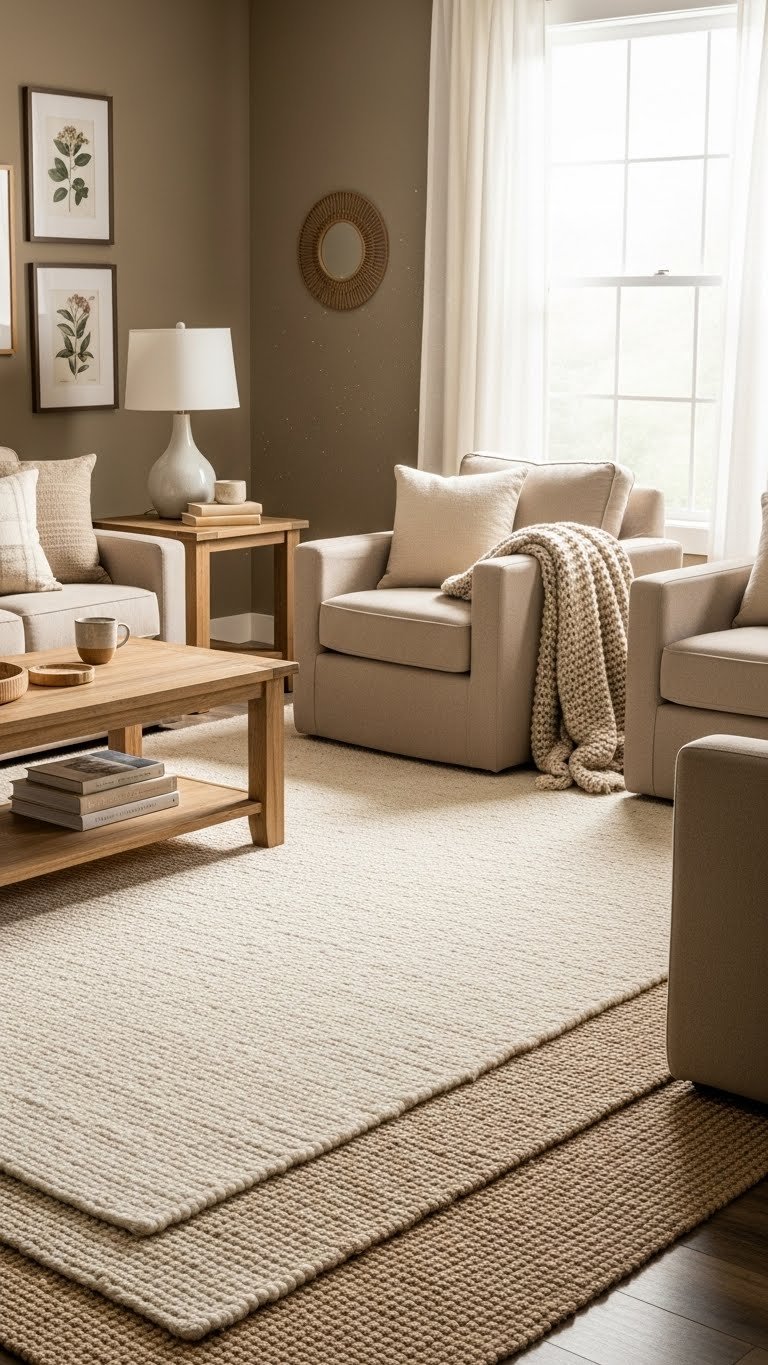
Area rugs are your second-largest decorative purchase after furniture, and they’re crucial for tying spaces together. Choose one neutral rug color (cream, warm gray, or oatmeal) and stick with it. Layer rugs by texture: a wool base with a jute runner on top, for example.
A quality 8×10 neutral wool rug costs $200-$600 (West Elm, Wayfair, Rugs USA). Budget options run $80-$200. Layering adds visual interest without color chaos. A 5×7 base rug under furniture with a 3×5 jute rug layered on top creates depth and sophistication.
Rugs anchor rooms and make them feel intentional. When they’re neutral and layered, spaces feel designer-curated and calm.
12. Bring in Greenery for Organic, Breathing Calm
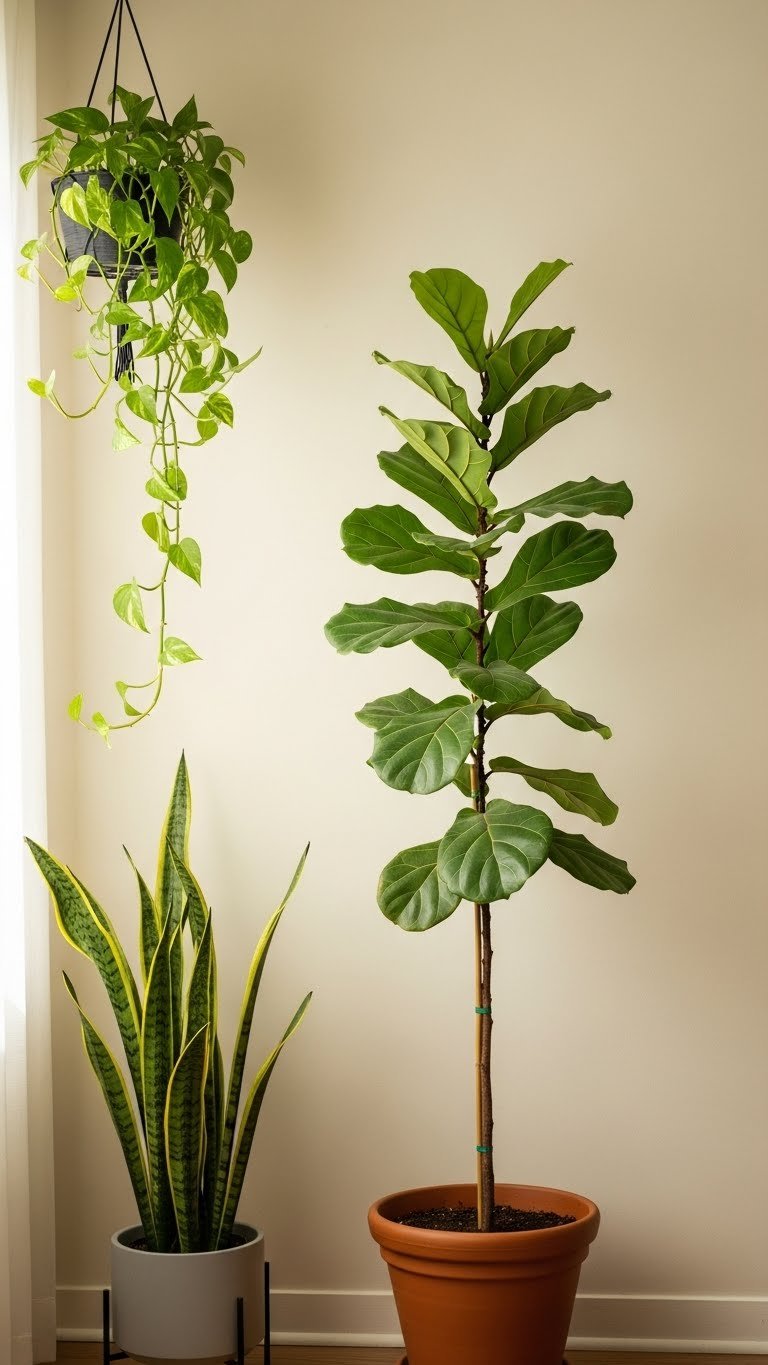
Plants add life and movement to neutral palettes without color chaos. Stick to green foliage plants in simple neutral pots—cream, white, terra cotta, or natural wood. Avoid colorful blooms or patterned pots, which interrupt the calm.
Low-maintenance options: pothos ($5-$15 for a starter plant), snake plants ($8-$20), fiddle leaf figs ($20-$60), and rubber plants ($15-$40). Buy simple pots from IKEA, Target, or thrift stores ($5-$30 each). Group plants in odd numbers (one tall, two small) for visual interest.
Plants naturally soften neutral spaces and make them feel alive rather than sterile. They improve air quality too, which contributes to that spa-like feeling.
13. Display Books Spine-Out and Spine-In Strategically
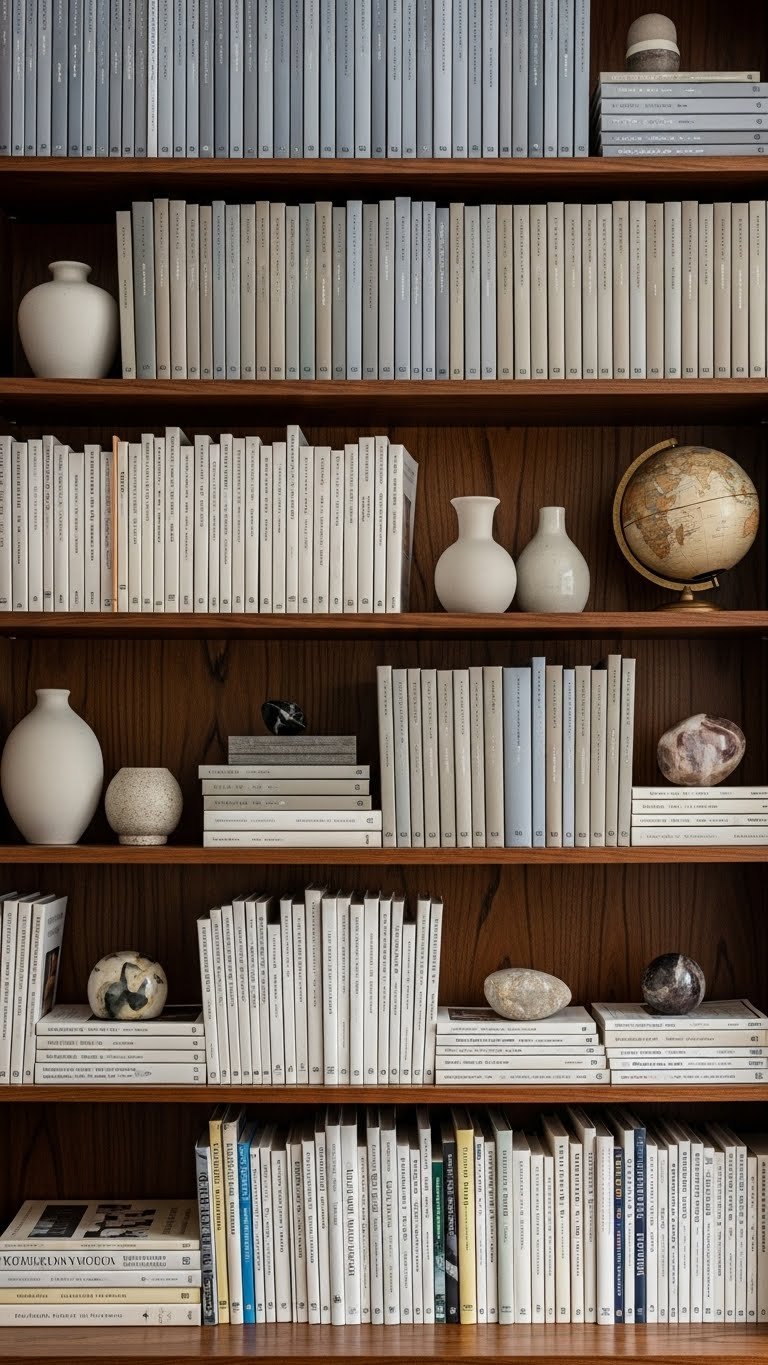
Bookshelves are major design real estate, but chaotic book spines create visual noise. Arrange books intentionally: group neutral-spined books together (cream, white, gray covers), layer some spine-in (showing only the pages), and break it up with small objects like plants, candles, or sculptures.
This costs nothing—you’re just rearranging what you have. If your books have bright spines, slip covers in cream or kraft paper ($0.50-$2 per book) instantly neutralize them.
A intentional bookshelf signals taste and calm. Even in a small space, a well-arranged shelf becomes a focal point that reads as expensive and thoughtful.
14. Use Matching Baskets for Hidden Storage
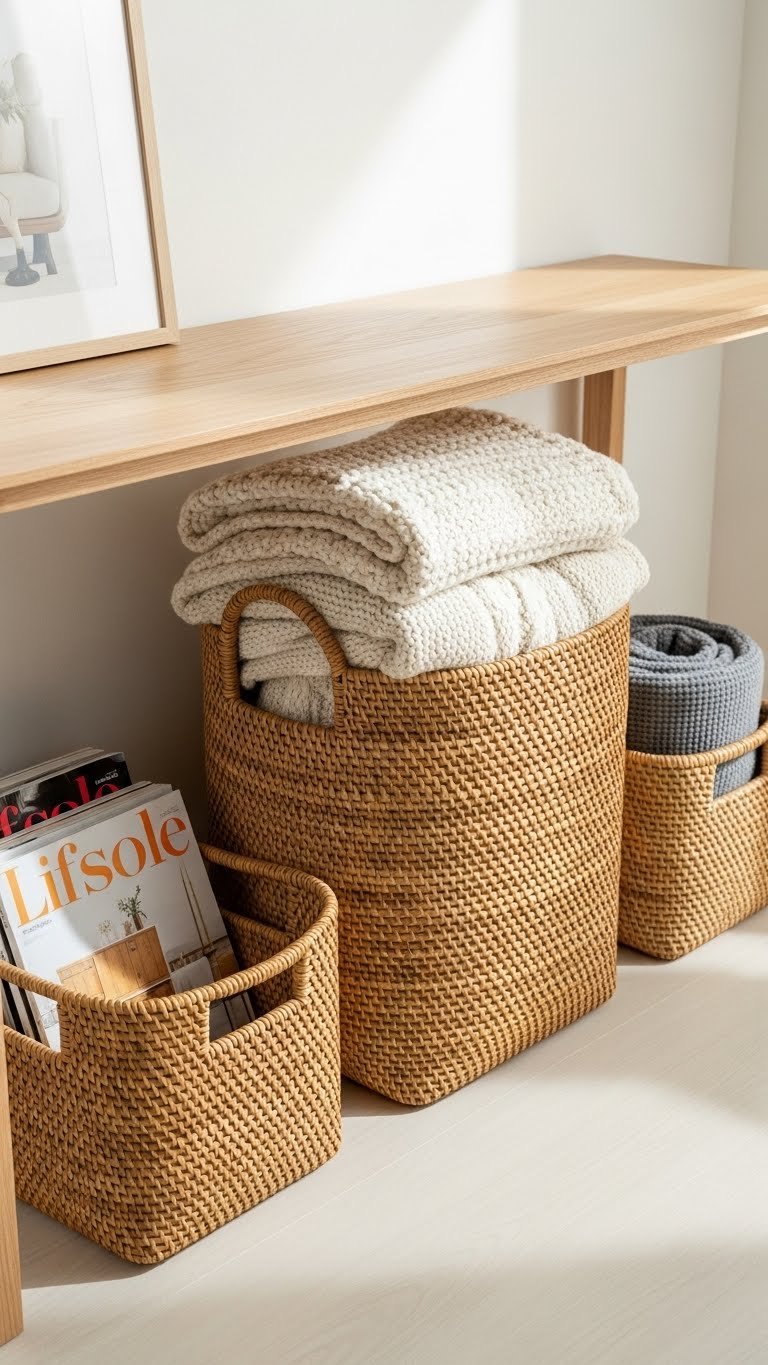
Open shelving and visible clutter break calm instantly. Invest in matching storage baskets in natural materials—rattan, woven seagrass, or woven cotton—all in similar neutral tones. Use them under side tables, in closets, or on shelves to corral items and reduce visual chaos.
A set of three matching baskets costs $30-$100 total (IKEA, Target, Wayfair). They’re functional and beautiful enough to display, unlike plastic containers. Label them discreetly with small tags if you need to remember what’s inside.
Hidden storage instantly makes spaces feel calmer and more intentional. It’s one of the simplest ways to create a peaceful home.
15. Paint Interior Door Frames in Soft Sage or Warm Gray

Instead of leaving interior door frames plain white, paint them in a soft neutral that echoes your palette—warm gray, soft sage, or greige. This creates subtle visual interest while maintaining calm and connection.
This is a beginner-friendly DIY: tape off the frame, paint two coats ($10-$20 in paint), done. Takes a few hours and costs almost nothing. If you rent, ask your landlord or skip this step.
Painted door frames create sophistication and intention without visual noise. It’s a tiny detail that signals a thoughtfully designed home.
16. Mix Throw Blankets in Complementary Neutral Textures
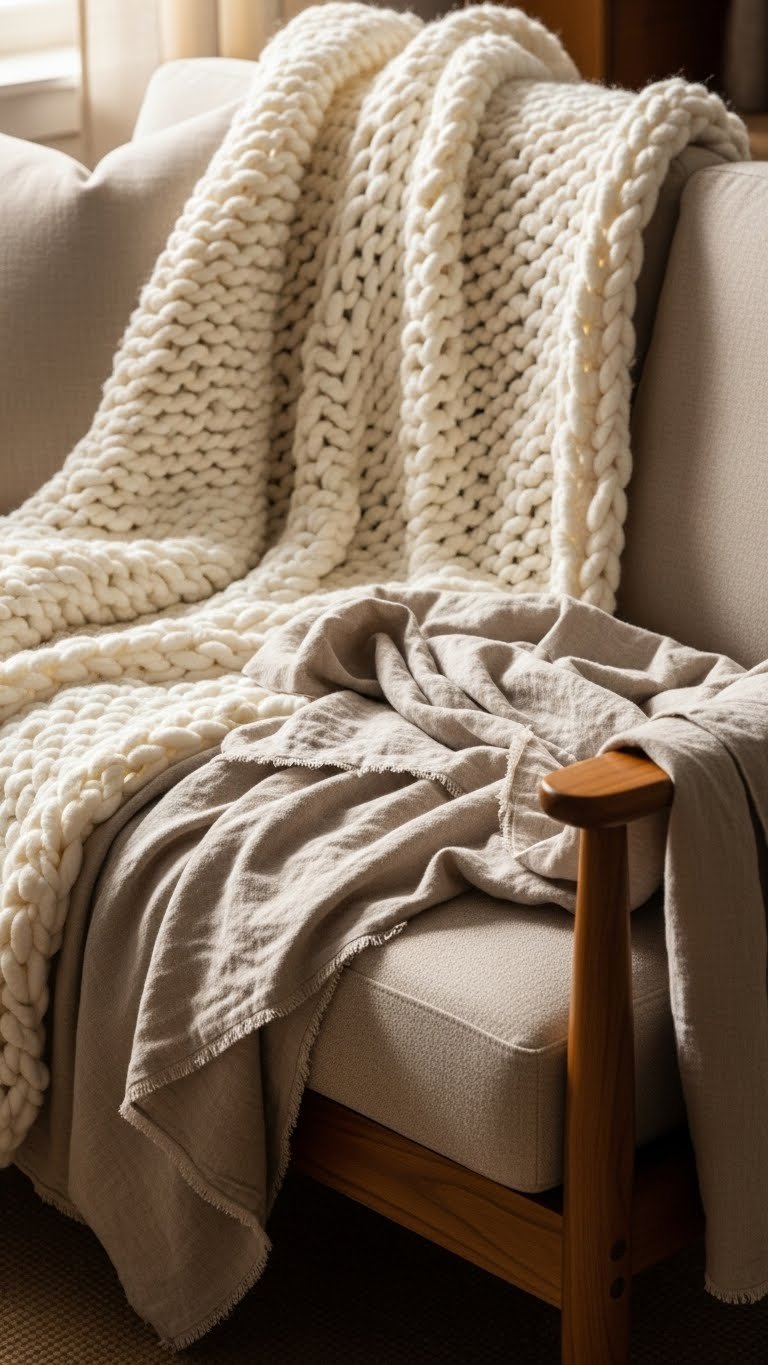
A sofa with one throw blanket feels bare. Layer two or three in complementary neutral textures: pair a chunky knit cream blanket with a linen taupe throw and a waffle-weave ivory blanket. The textures create visual interest and tactile coziness.
Quality throws run $30-$80 each (Target, West Elm, Parachute). You can find affordable options at IKEA ($20-$40) and thrift stores ($5-$15). Drape them asymmetrically—one over the arm, one folded on the back, one over the seat.
Layered throws make spaces feel warm and lived-in rather than sterile. They photograph beautifully for Pinterest, too.
17. Install Floating Shelves in Light Wood
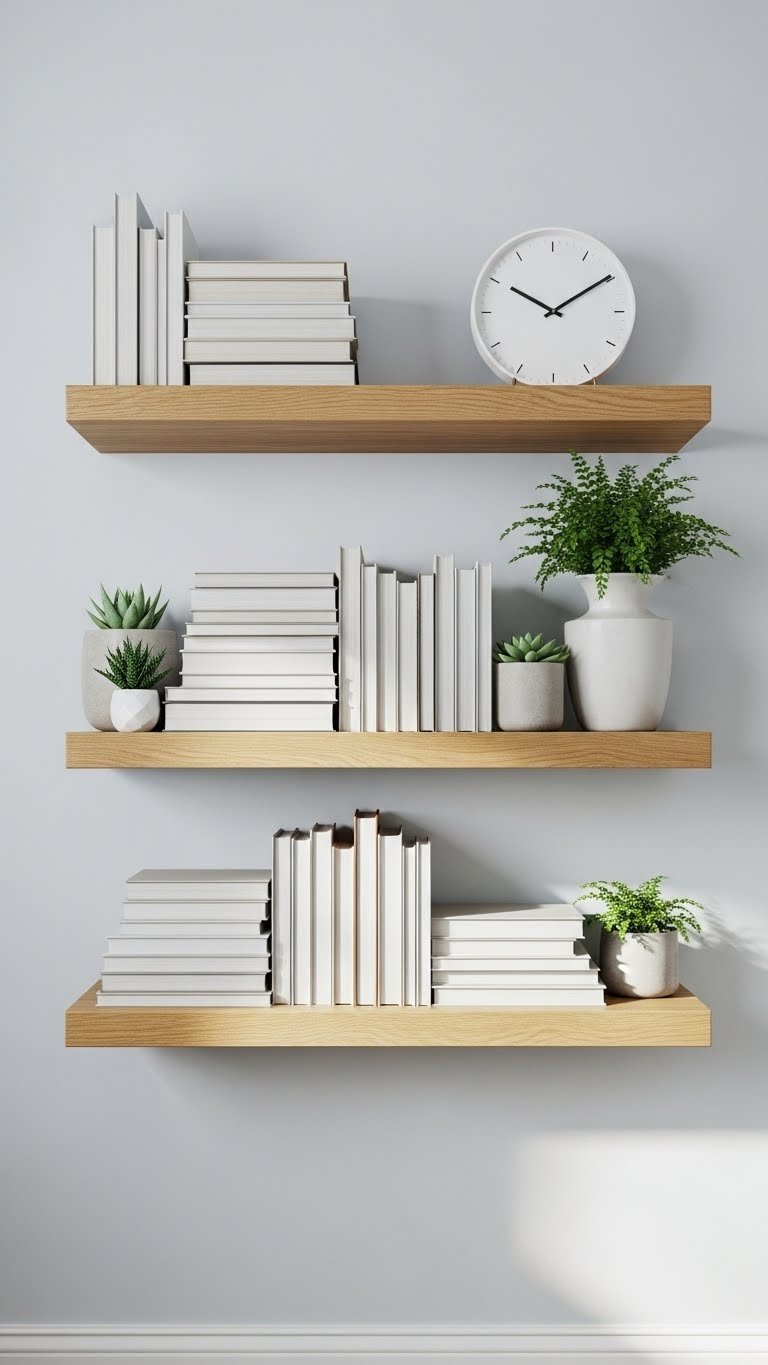
Floating shelves in your chosen wood tone add storage and visual interest without bulk. They’re perfect in bedrooms, kitchens, or hallways and immediately make spaces feel more designed.
Floating shelf kits cost $20-$80 per shelf (IKEA, Home Depot, Wayfair). Installation takes an afternoon if you’re comfortable with basic tools, or hire a handyperson ($50-$150 per shelf installed). Decorate sparsely with plants, books, and one or two objects to maintain calm.
Well-decorated shelves signal intention and style. They’re functional art that transforms walls instantly.
18. Use Linen Upholstery for Cohesive Seating
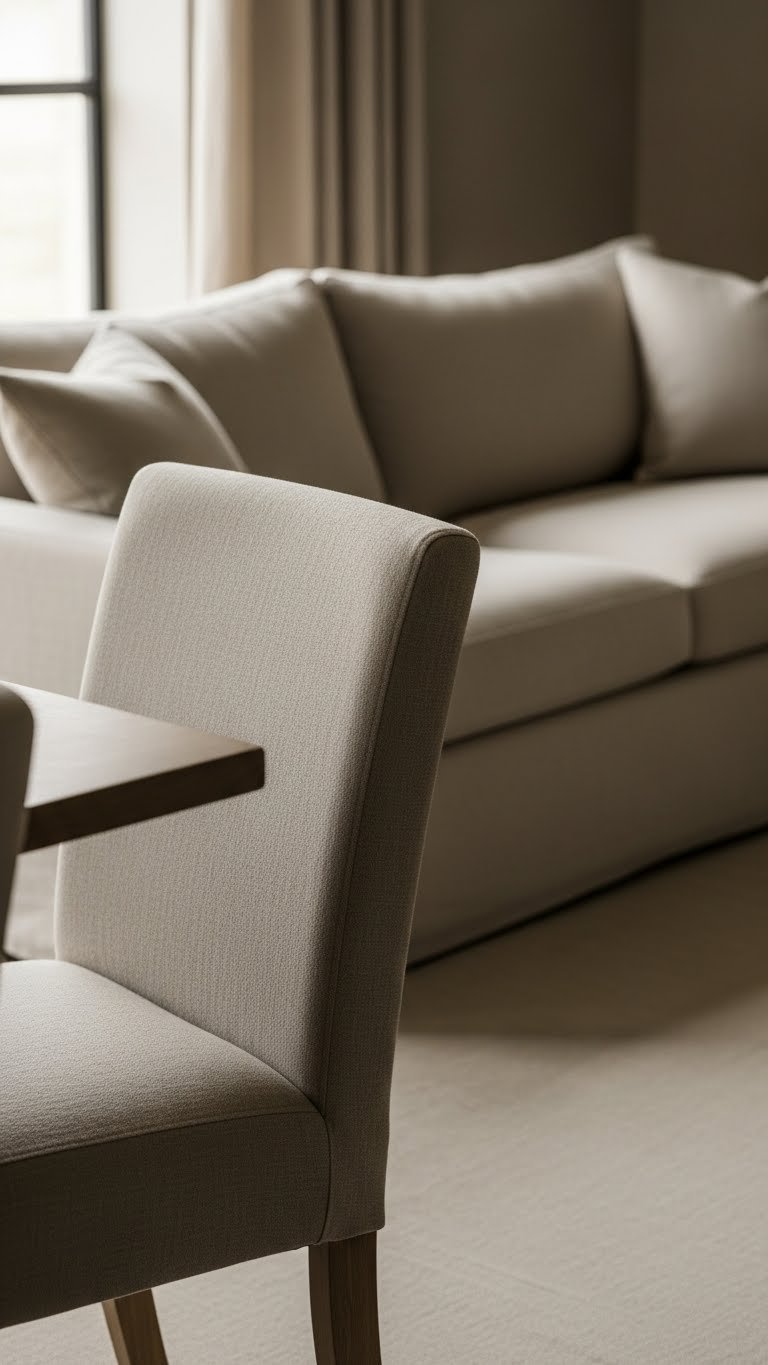
Upholstered furniture is one of the biggest visual anchors in your home. If you have multiple seating pieces (sofa, chairs, dining chairs), choosing the same neutral upholstery—like natural linen or linen blend—ties everything together instantly.
New upholstered pieces in linen run $300-$1,200+ (IKEA basics to higher-end brands). If you have existing furniture, reupholstering one piece costs $400-$800 and can transform it. Look for sales: IKEA, Article, and West Elm often have 20-30% discounts.
When seating is upholstered in the same neutral, rooms feel planned and calm. It’s the foundation that makes everything else work.
19. Keep Countertops Clear Except for Three Key Items
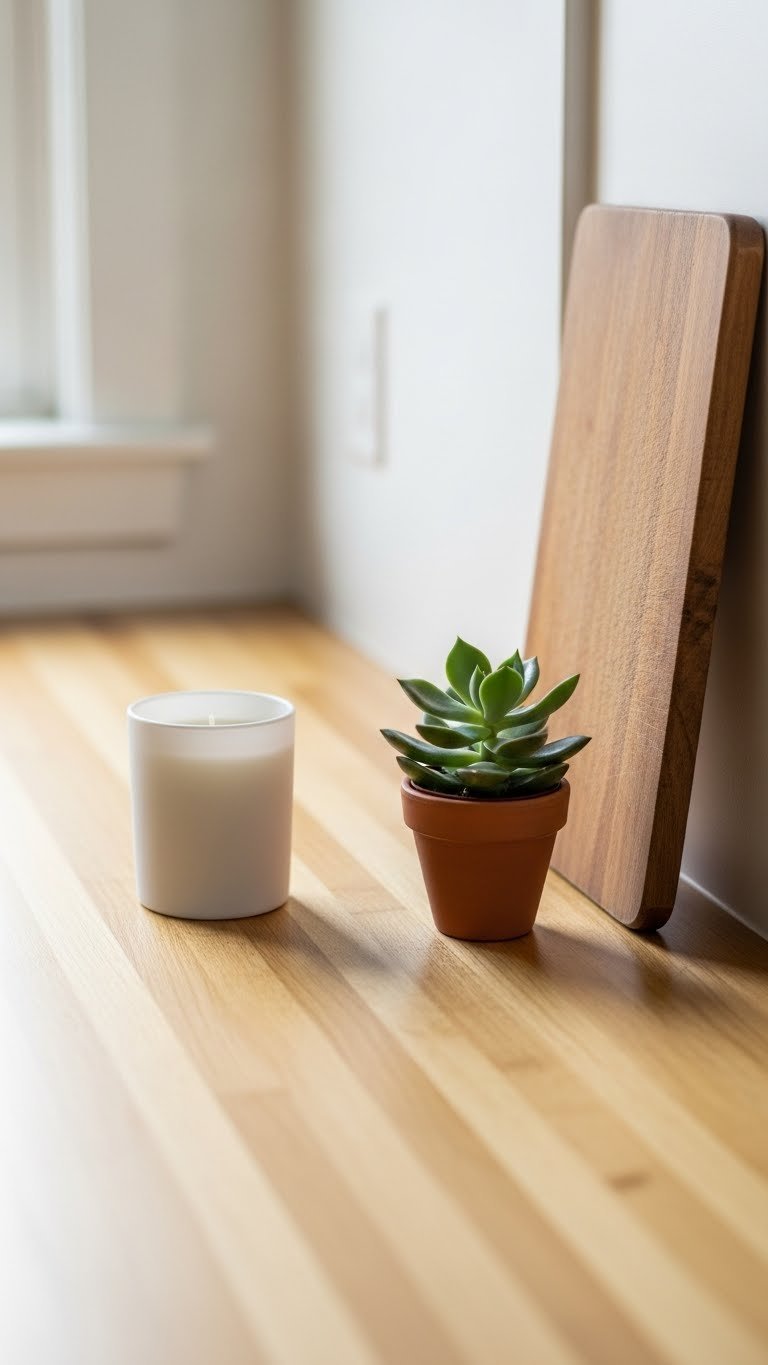
Visual clutter is the enemy of calm. Commit to keeping countertops—in kitchens, bathrooms, and bedrooms—almost completely clear. Display only three items: perhaps a candle, a plant, and one functional item. Everything else lives in closed storage.
This costs nothing but intention. Use matching canisters, jars, or covered containers to hide everyday items. Baskets slide under sinks or into cabinets.
A clear counter instantly makes a whole room feel calmer and more spacious. It’s the quickest way to create a spa-like vibe.
20. Swap Busy Shower Curtains for Solid Neutral Linen

Shower curtains with patterns or busy prints disrupt calm in what should be your most peaceful room. Swap for a solid linen or linen-blend curtain in cream, oatmeal, or soft gray. Keep towels matching.
A quality linen shower curtain costs $30-$60 (Parachute, H&M Home, West Elm). Budget options run $15-$30. Towels in matching neutrals cost $5-$15 each. If you have existing patterned curtains, donate or repurpose them.
A serene bathroom is life-changing. This one swap makes a huge difference in how calm your mornings feel.
21. Add Soft, Warm Lighting With Edison Bulbs
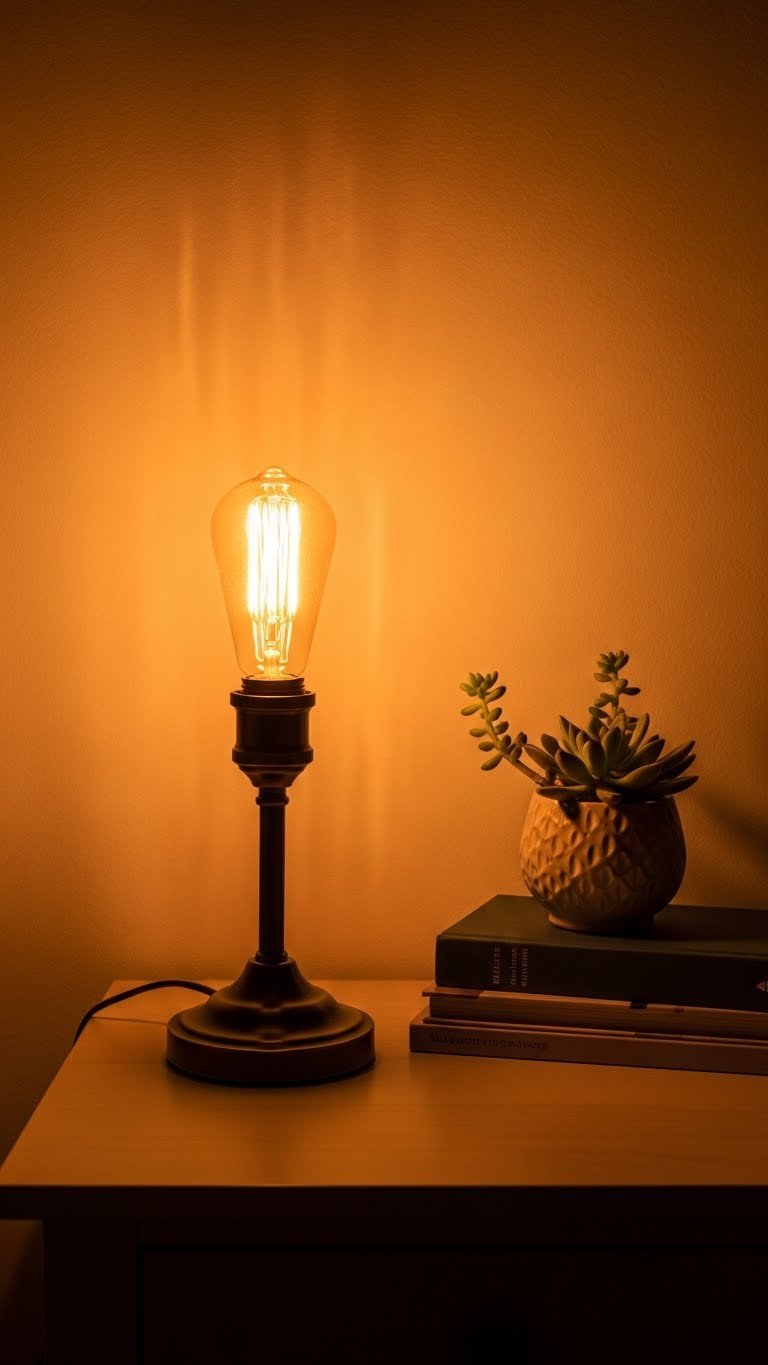
Harsh overhead lighting kills calm instantly. Replace with warm Edison bulbs (2700K color temperature) in lamps throughout your home. They emit golden, sunset-like light that’s inherently soothing.
Edison bulbs cost $5-$15 each (IKEA, Target, Amazon, Home Depot). You can install them in existing lamps immediately—no electrician needed. Add dimmer switches ($20-$40 per switch) to have even more control over light intensity and mood.
Warm lighting transforms how a home feels. People relax visibly in spaces with soft, golden light. It’s one of the easiest upgrades with the biggest impact.
22. Hang a Large Neutral Mirror to Reflect Light
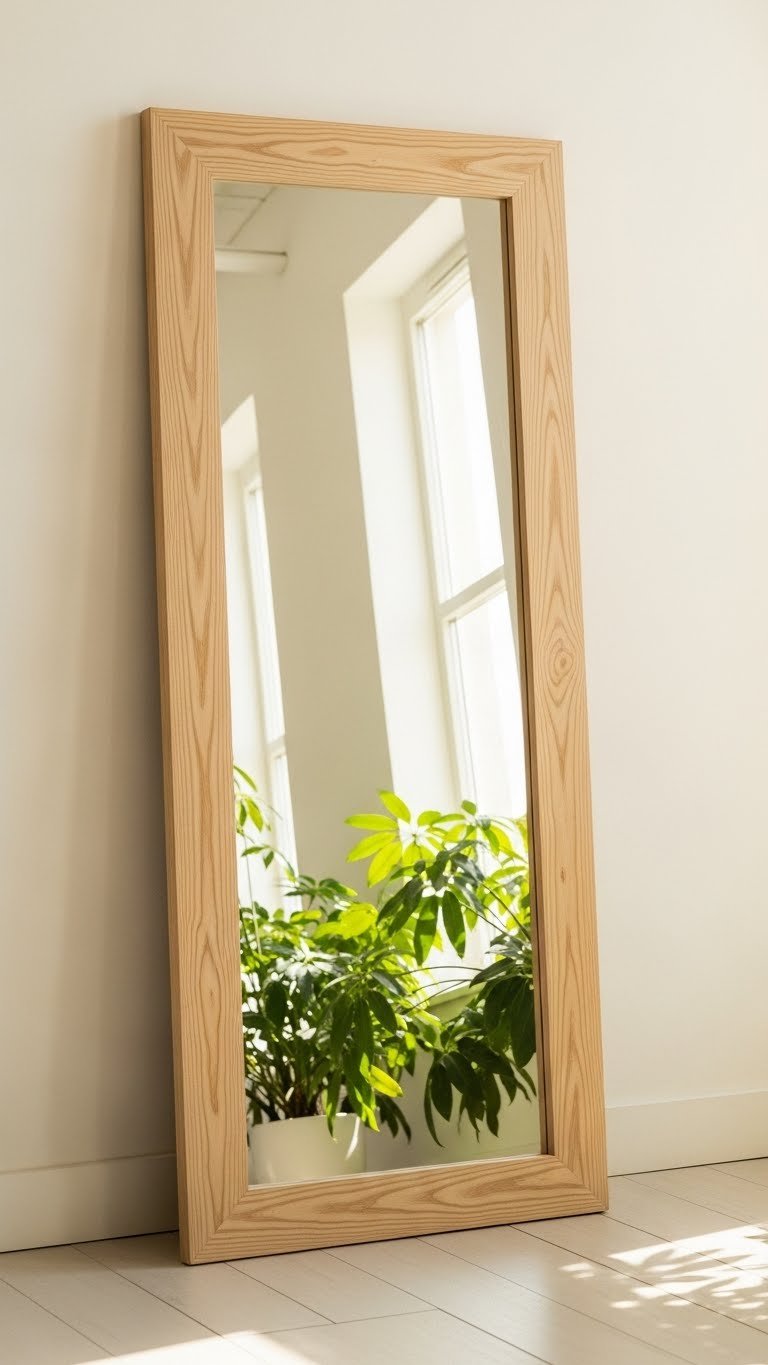
Mirrors bounce light around and make spaces feel bigger while maintaining calm. Choose one large mirror with a frame in your chosen wood tone or metal finish rather than multiple small mirrors in different styles.
Leaning mirrors cost $80-$300 (West Elm, Wayfair, IKEA). Wall-mounted mirrors with frames run $60-$250. Position across from a window to maximize light reflection.
A strategically placed mirror expands a room visually and amplifies the natural light that contributes to calm. It’s functional design that immediately improves the whole space.
23. Create a Scent Profile With Unscented and One Signature Candle
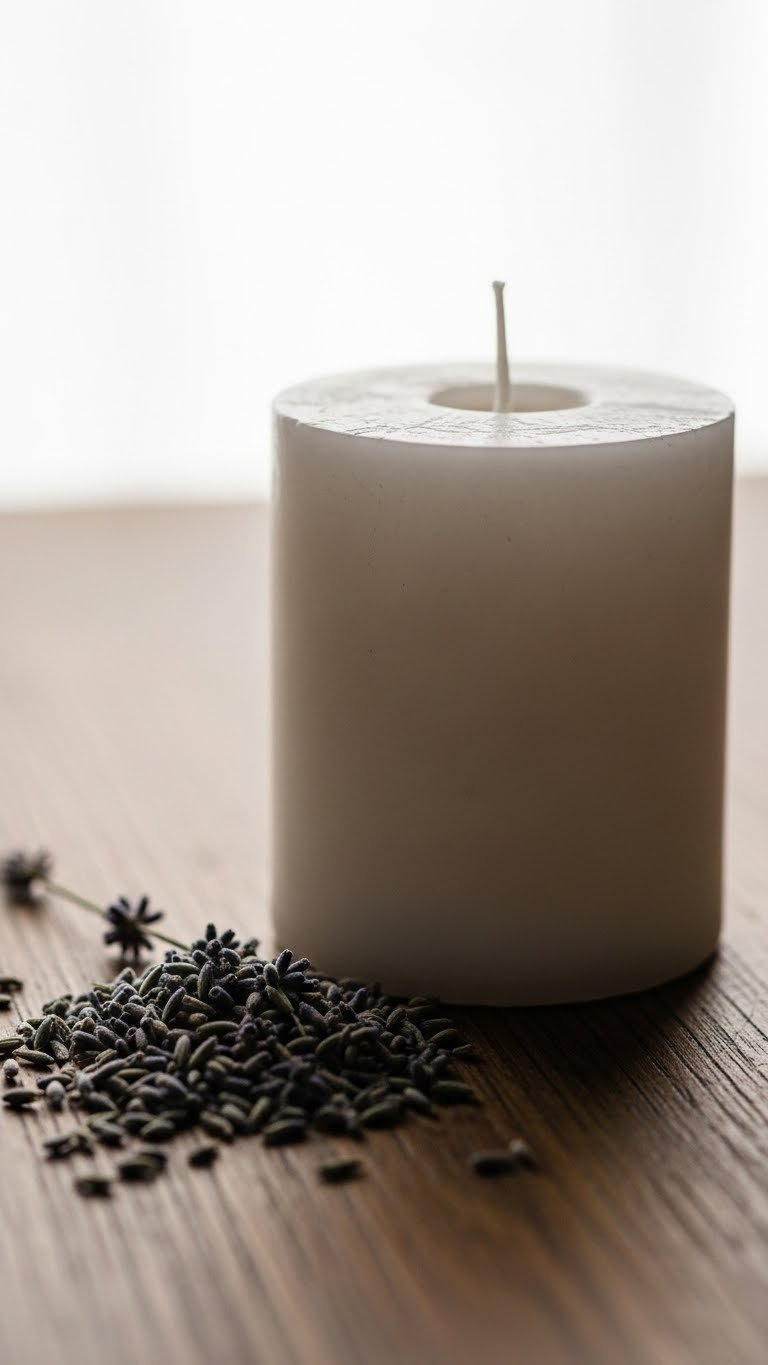
Competing scents create mental chaos even if you don’t consciously notice it. Choose one signature scent—lavender, cedarwood, or vanilla—and use it consistently in candles, diffusers, and room spray. Keep everything else unscented (cleaning products, laundry detergent).
Quality candles cost $20-$40 (Jo Malone, Diptyque, or mid-range options like Target’s Threshold line at $10-$15). A reed diffuser runs $20-$50. Candles last weeks, so the investment is small.
A consistent scent profile creates subtle continuity throughout your home. Your brain registers the familiar scent and feels calm and grounded.
24. Arrange Furniture to Create Natural Flow and Conversation
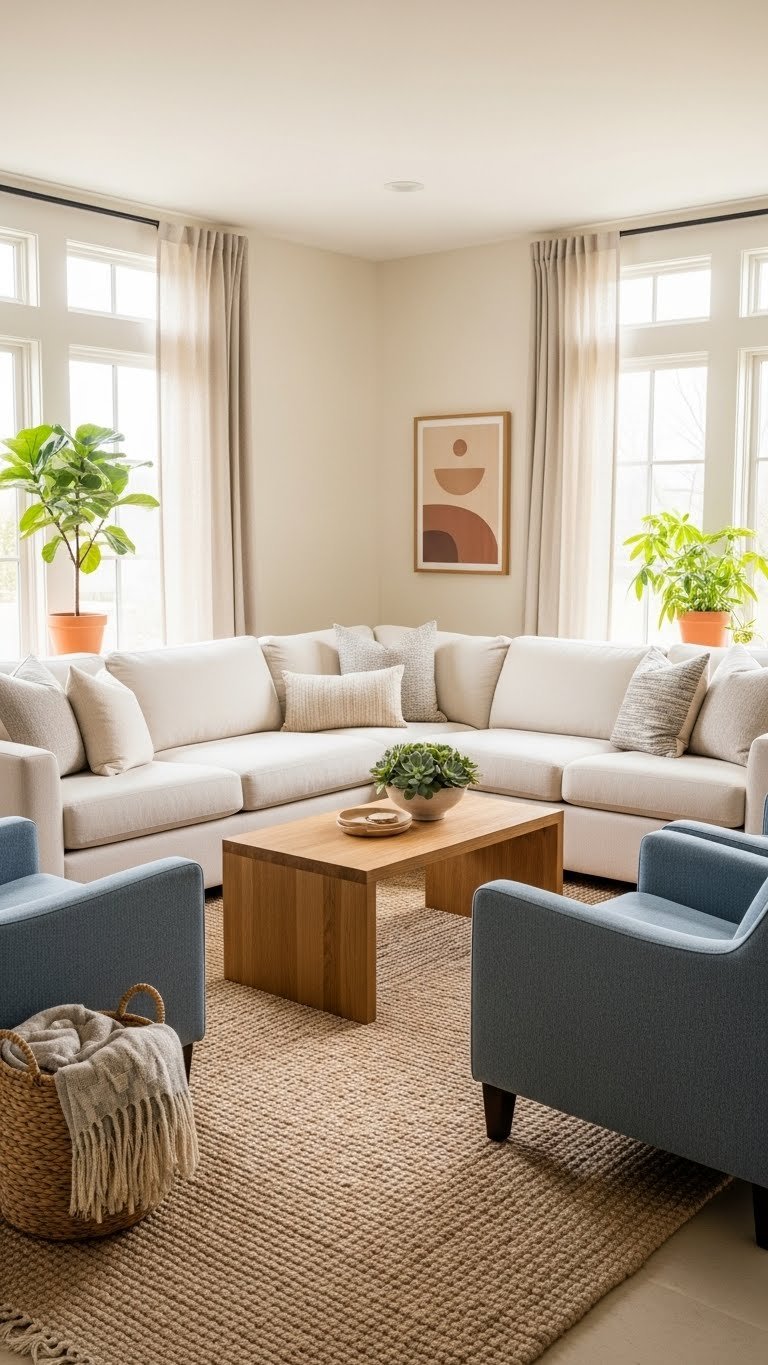
How furniture is arranged affects how a room feels emotionally. Instead of pushing everything against walls, create conversation groupings: a sofa and two chairs facing each other with a low table between them. This creates intimate, calm spaces and better flow.
This costs nothing—you’re just rearranging. Measure your space first and try a few configurations before moving heavy pieces. Take photos of each layout to compare.
Intentional furniture arrangement makes a room feel purposeful and calm. It naturally slows people down and creates conversation rather than chaos.
Pin this for later and try just one idea this weekend. Small changes compound faster than you’d expect—pick your anchor color, grab one throw in a complementary texture, or swap out your shower curtain, and notice how your whole mood shifts. Which tip will you start with?
Leave a Reply