Blog

  • 24 Coffee Shelf Decor Ideas That Add Style & Convenience

    24 Coffee Shelf Decor Ideas That Add Style & Convenience

    Your coffee shelf deserves to be both beautiful and functional. Whether you’re working with a tiny corner of a kitchen shelf or a dedicated coffee bar cart, these 24 ideas blend style with everyday convenience. You’ll discover budget-friendly styling tricks, smart organizational hacks, and investment pieces that make your morning routine feel intentional—without requiring a major renovation. From renter-friendly decor swaps to DIY storage solutions, these ideas work whether you’re a casual coffee drinker or a pour-over enthusiast. Let’s turn that shelf into a space you actually want to spend time at.

    1. Stack Vintage Coffee Cans for Instant Charm

    Vintage coffee cans add character and actually store your beans or grounds in style. Hunt for them at thrift stores, estate sales, or online—most cost $3–$8 each. You can stack them, arrange them by size, or mix heights for visual interest.

    Fill them with whole beans or grounds, or leave them empty as pure decor. The vintage aesthetic photographs beautifully and signals that coffee matters here. If you can’t find real vintage cans, stainless steel or ceramic reproductions from Amazon ($15–$25 for a set of 3) work just as well and are dishwasher-safe.

    This simple swap takes 10 minutes and gives your shelf instant personality without any commitment—renters love this approach.

    2. Create a Mini Plant Wall Above Your Shelf
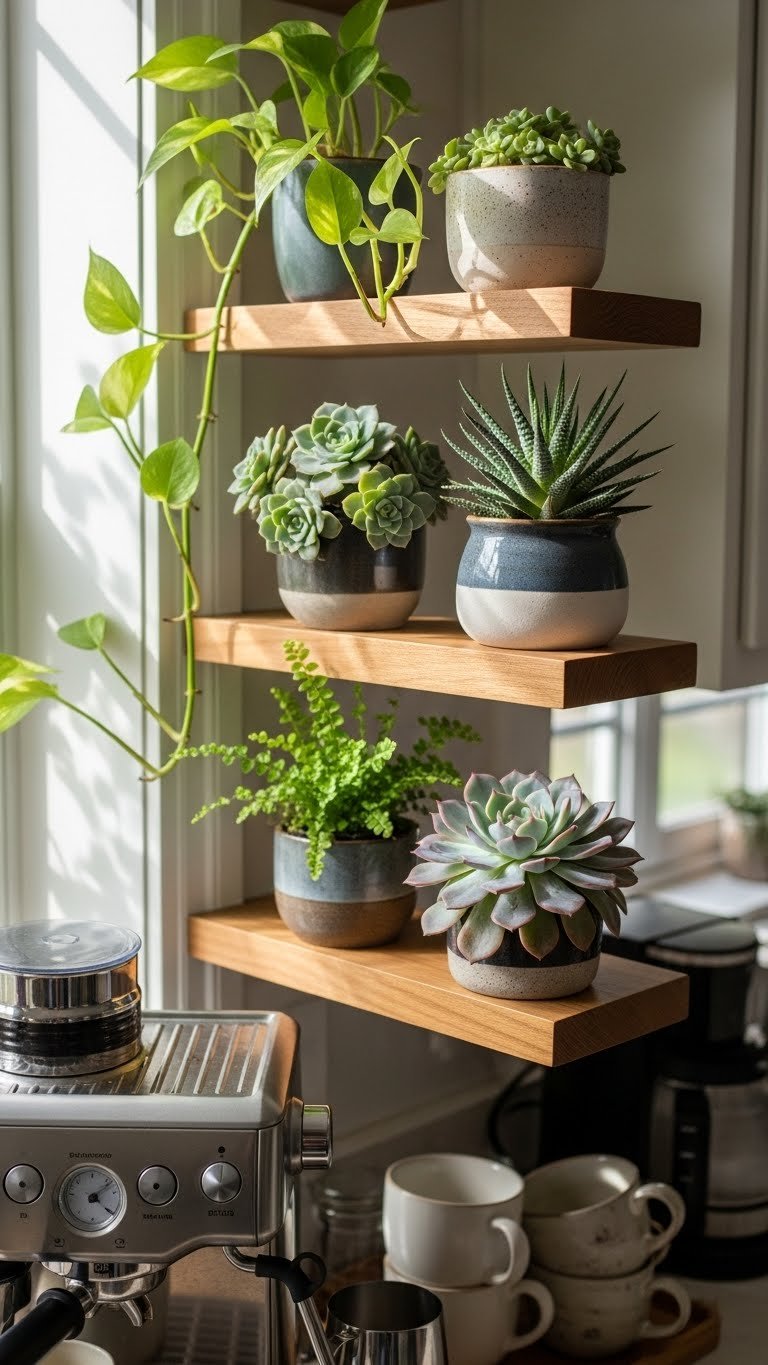
    Living plants make any coffee corner feel intentional and add natural air-purifying benefits. Stick with low-maintenance varieties: pothos, snake plants, or small succulents ($5–$15 each from garden centers or big-box stores).

    Use small ceramic pots or hanging planters and space them so they don’t crowd your coffee equipment. Water on a simple schedule—most of these need water only every 7–10 days. Rotate them occasionally so they grow evenly. The green backdrop makes your shelf a focal point and gives you something living to care for.

    Your morning coffee ritual gains a fresh, calming element that actually improves your space’s air quality. This takes one afternoon to set up and minimal ongoing effort.

    3. Use Floating Shelves to Double Your Display Space
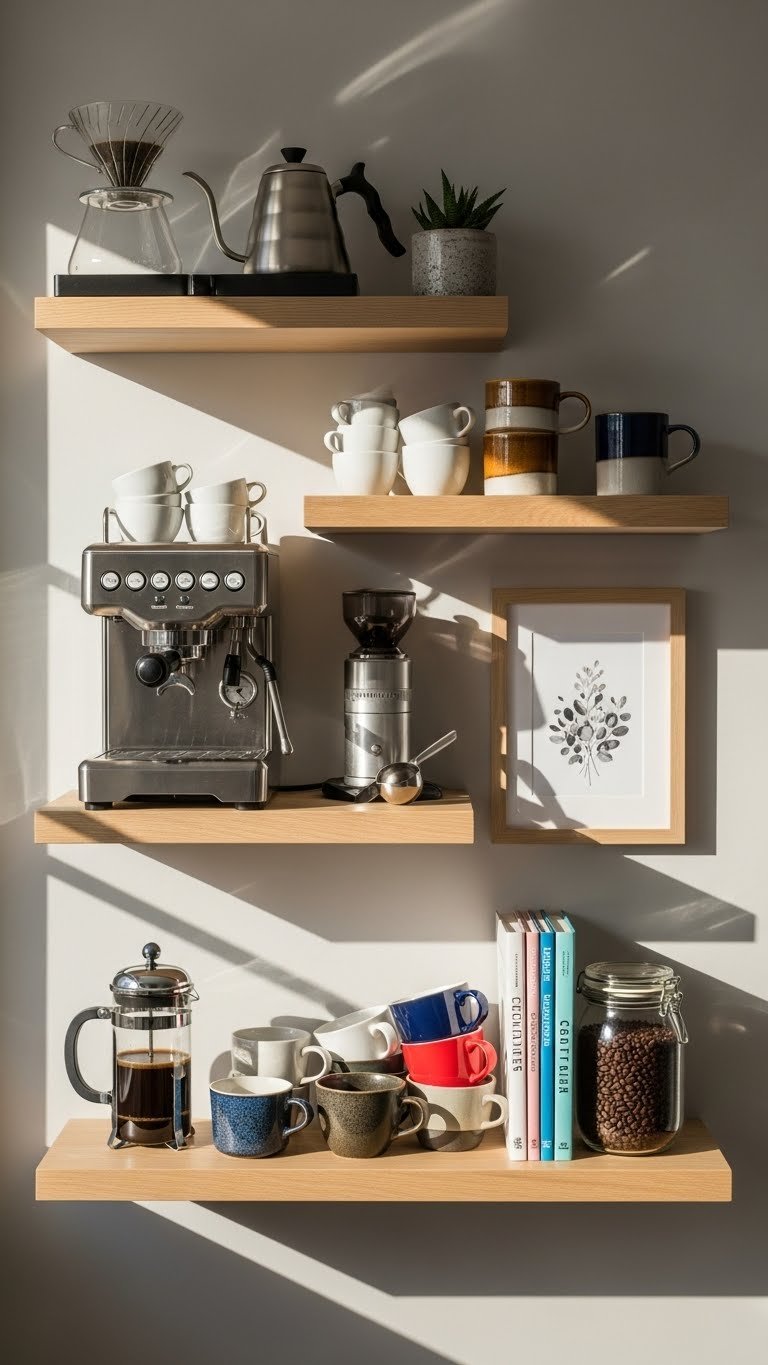
    Floating shelves let you build upward without floor clutter—game-changing for small kitchens or apartments. IKEA’s LACK shelves ($15–$30 each) or Wayfair’s wood options ($40–$100) are solid choices that won’t break the budget.

    Install 2–3 shelves at varying heights above an existing counter or between wall studs. You’ll need a stud finder ($15) and basic hardware. If renting, adhesive-backed shelves (Command Heavy Duty from Target, $12–$18) work without wall damage. Space items so there’s breathing room—not everything needs to be visible at once.

    You’ve created a custom coffee display that looks built-in but actually adds up to 3–5 square feet of usable storage.

    4. Swap Mismatched Mugs for a Curated Collection
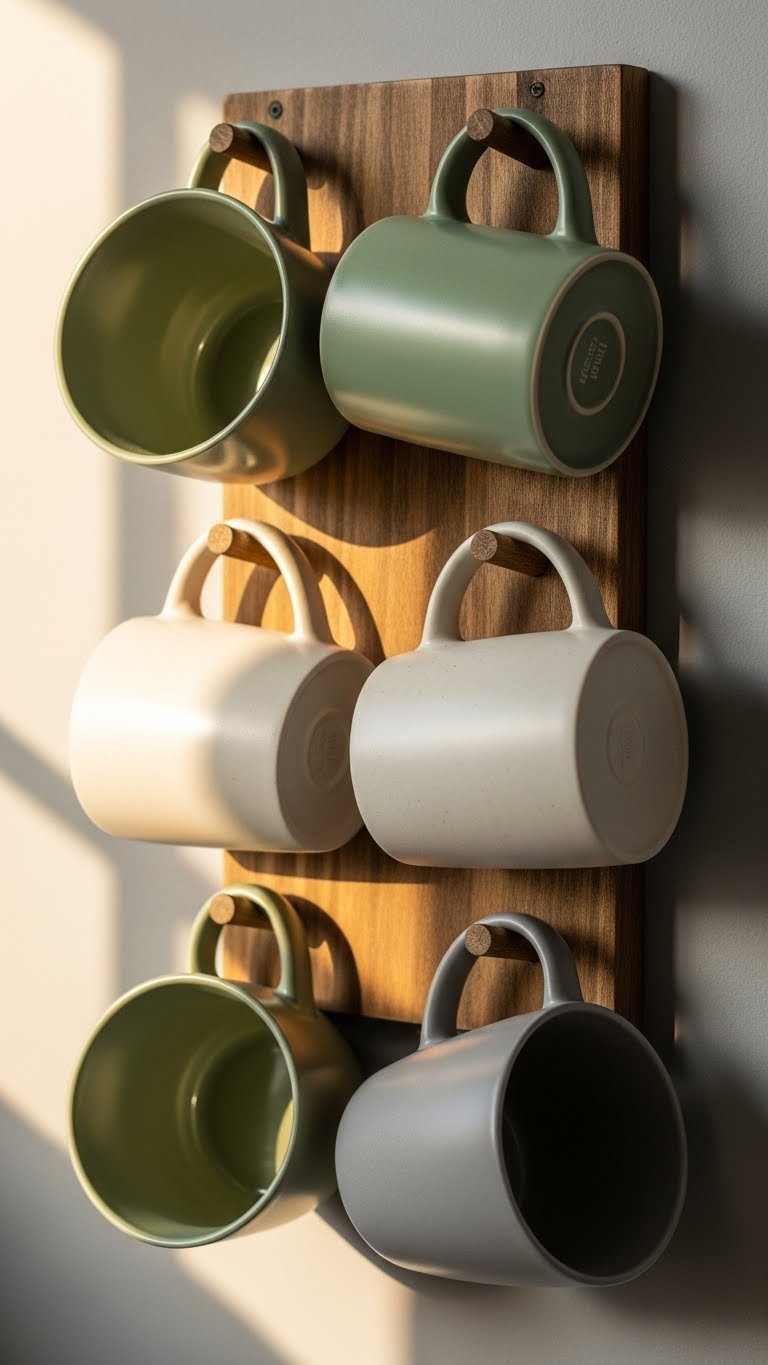
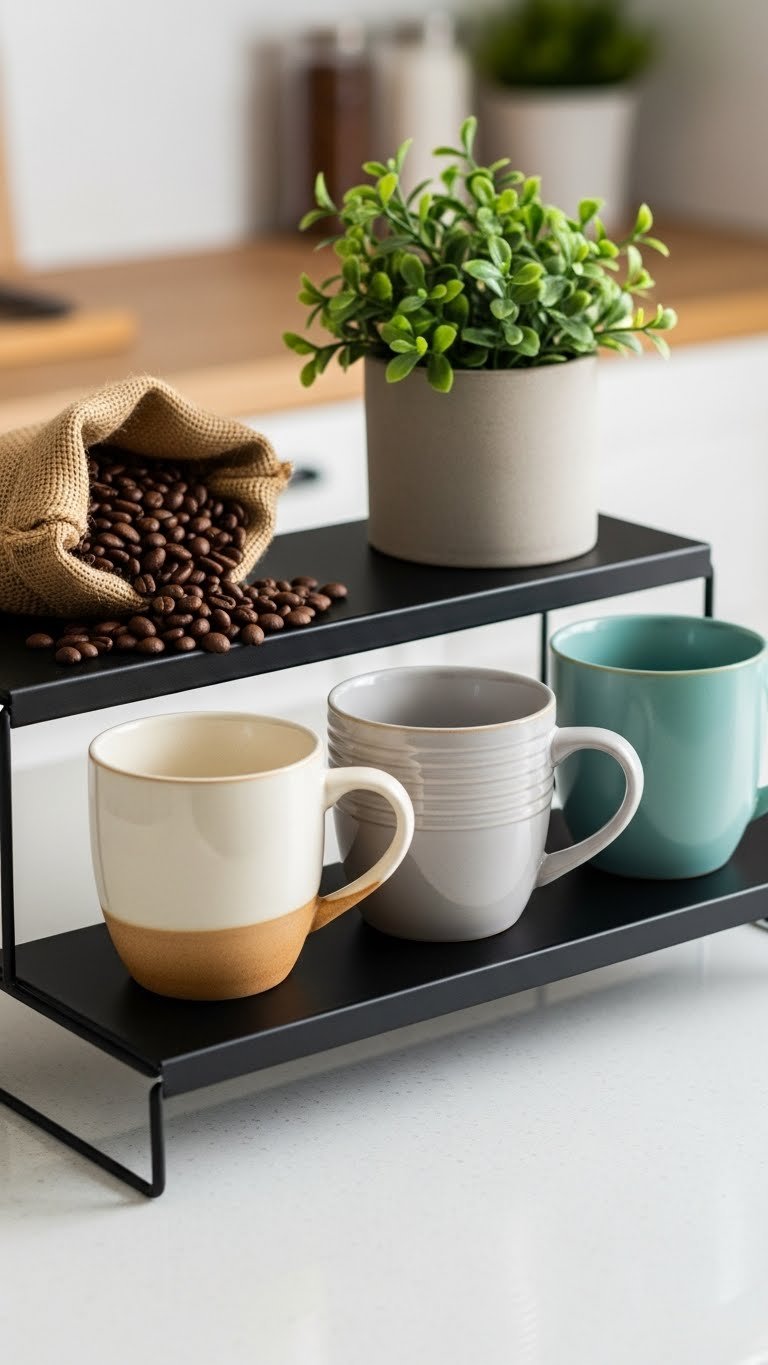
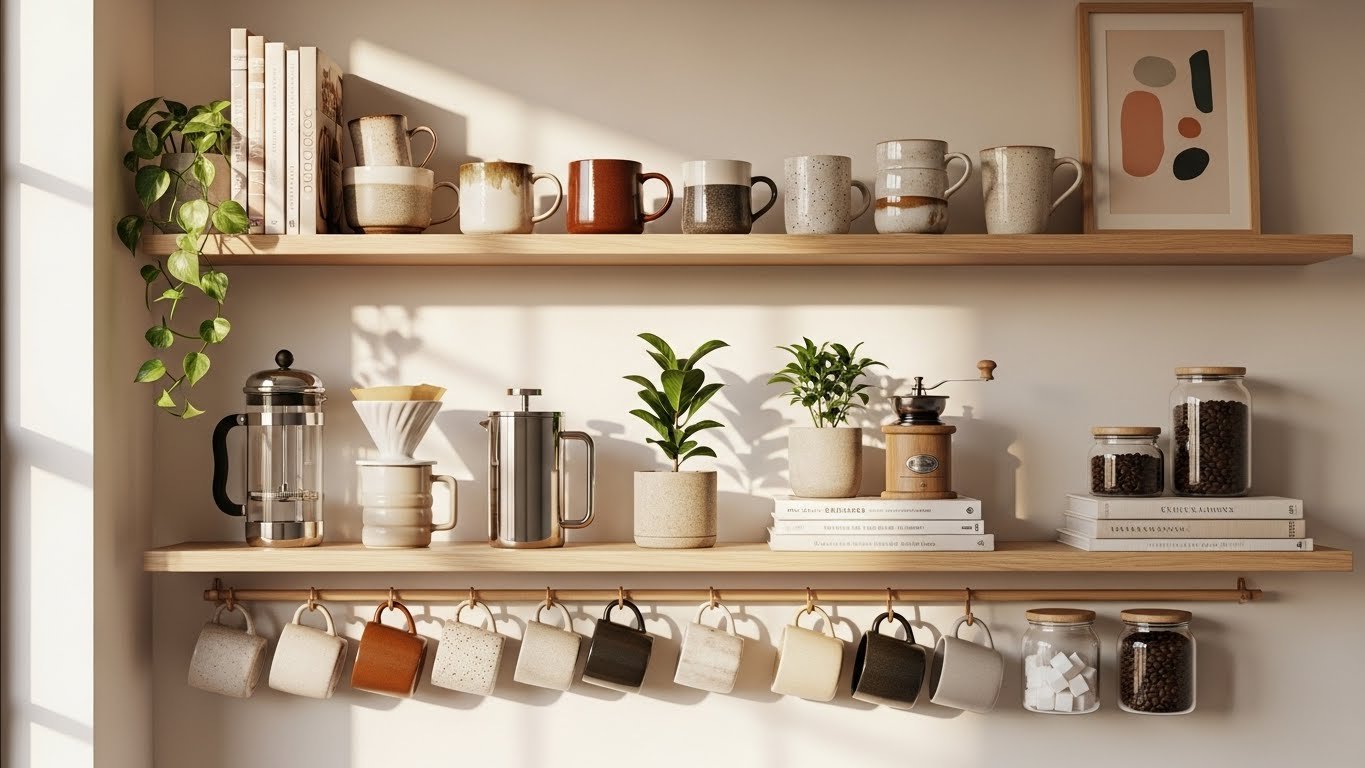
    A consistent mug collection looks more intentional than random matching sets. Choose 6–8 mugs in a color palette you love: cream and neutrals, jewel tones, or pastels. Hunt thrift stores for budget-friendly finds ($1–$3 each) or invest in a few quality ceramic mugs ($8–$15 from boutique coffee shops).

    Hang them from a wooden peg rack ($20–$40) or simple hooks ($5–$10). Arrange them by color or size for maximum visual appeal. You’ll actually reach for the mug you want instead of digging through a cabinet. This changes how your shelf photographs and makes your morning routine feel more curated.

    5. Build a Budget Bar Cart for Mobile Coffee Setup
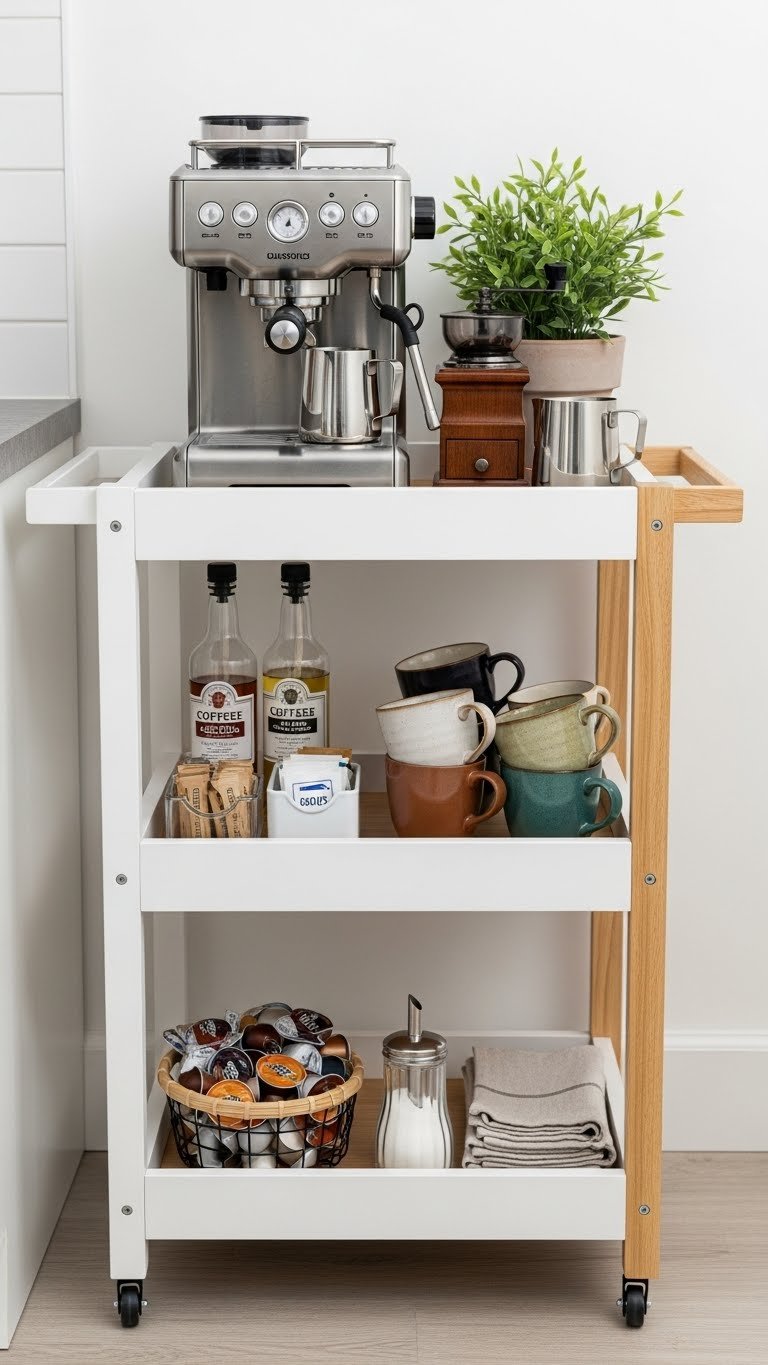
    A coffee bar cart gives you flexibility—roll it to the kitchen counter, dining table, or balcony. IKEA’s SUNNERSTA ($40) or Target’s basic carts ($50–$80) work perfectly for renters.

    Stock the top tier with your coffee maker and grounds, the middle with mugs and accessories, and the bottom with napkins and extras. The key is leaving space so items are accessible without unstacking. This setup takes 20 minutes to assemble and zero wall installation.

    You get a complete coffee station that moves with you and looks polished parked in a corner.

    6. Add Open Shelving Labels for a Curated Look
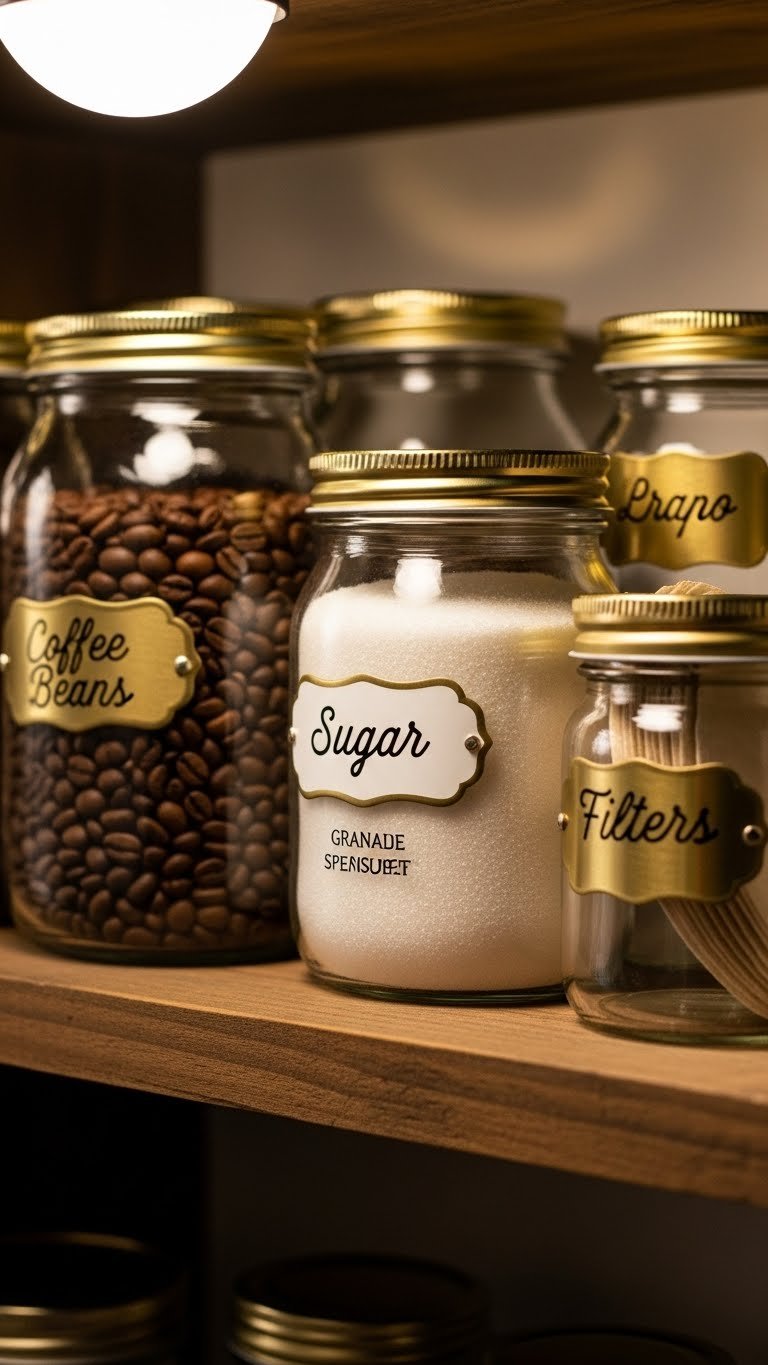
    Labels transform random jars into a styled display. Use adhesive labels ($5–$10 per set), engraved brass tags ($15–$25), or handwritten kraft labels ($2–$5) from craft stores.

    Label everything: “Espresso Beans,” “Cold Brew,” “Sugar,” “Filters.” Spend 30 minutes organizing matching glass jars (thrift them for $0.50–$2 each) or use ones you already own. This visual clarity makes your shelf look intentional and makes finding what you need faster.

    The finished look photographs beautifully and gives your coffee station a boutique-store vibe that costs almost nothing.

    7. Install a Small Wooden Shelf Riser for Height Variation
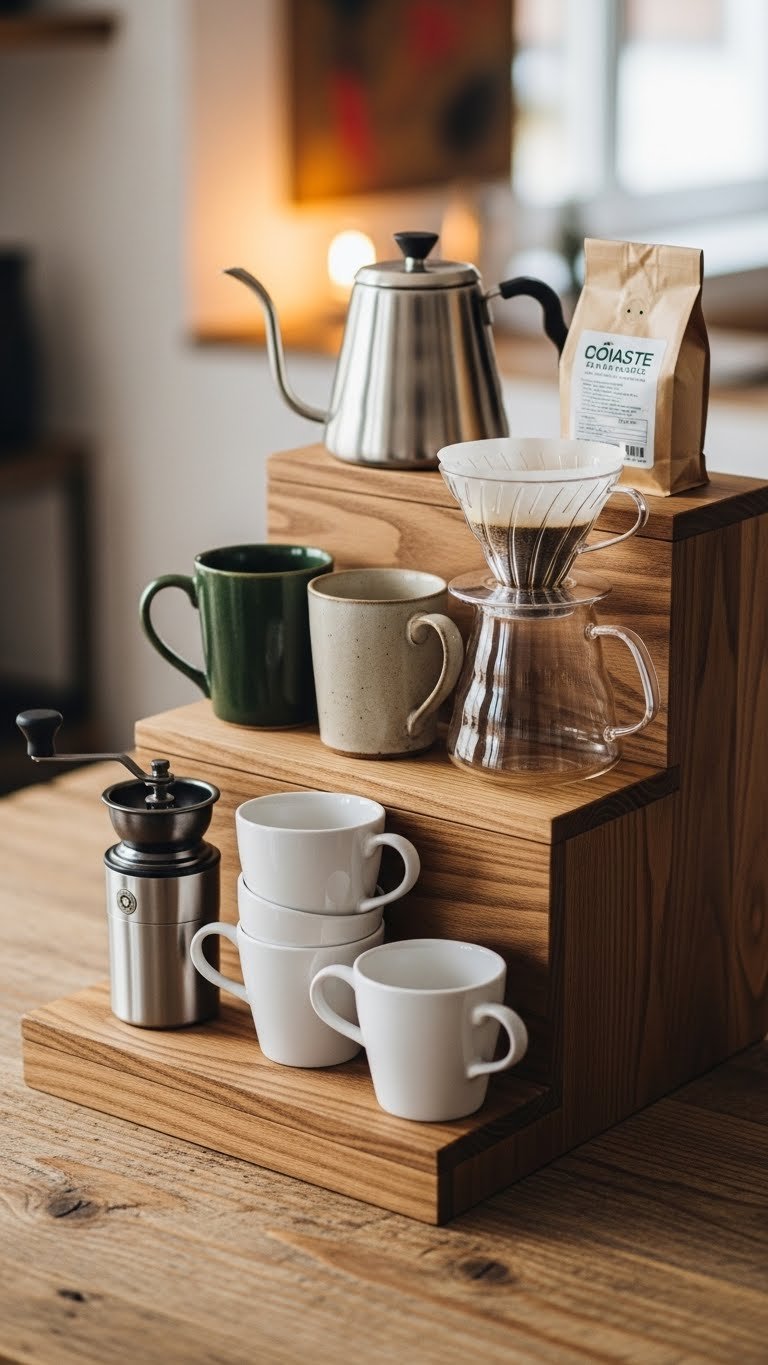
    A shelf riser creates layers without adding more shelves—perfect for small spaces. Use a wooden step stool ($15–$35 from IKEA or Target), a stack of books, or DIY one from scrap wood ($0–$20).

    Arrange tall items (coffee maker) in back and shorter items (sugar jar, small plant) in front so everything’s visible. This trick makes your shelf feel more dynamic and magazine-worthy without needing additional wall space.

    Your coffee setup looks professionally styled with depth and dimension in just the footprint you already have.

    8. Hang a Small Pegboard for Equipment Storage
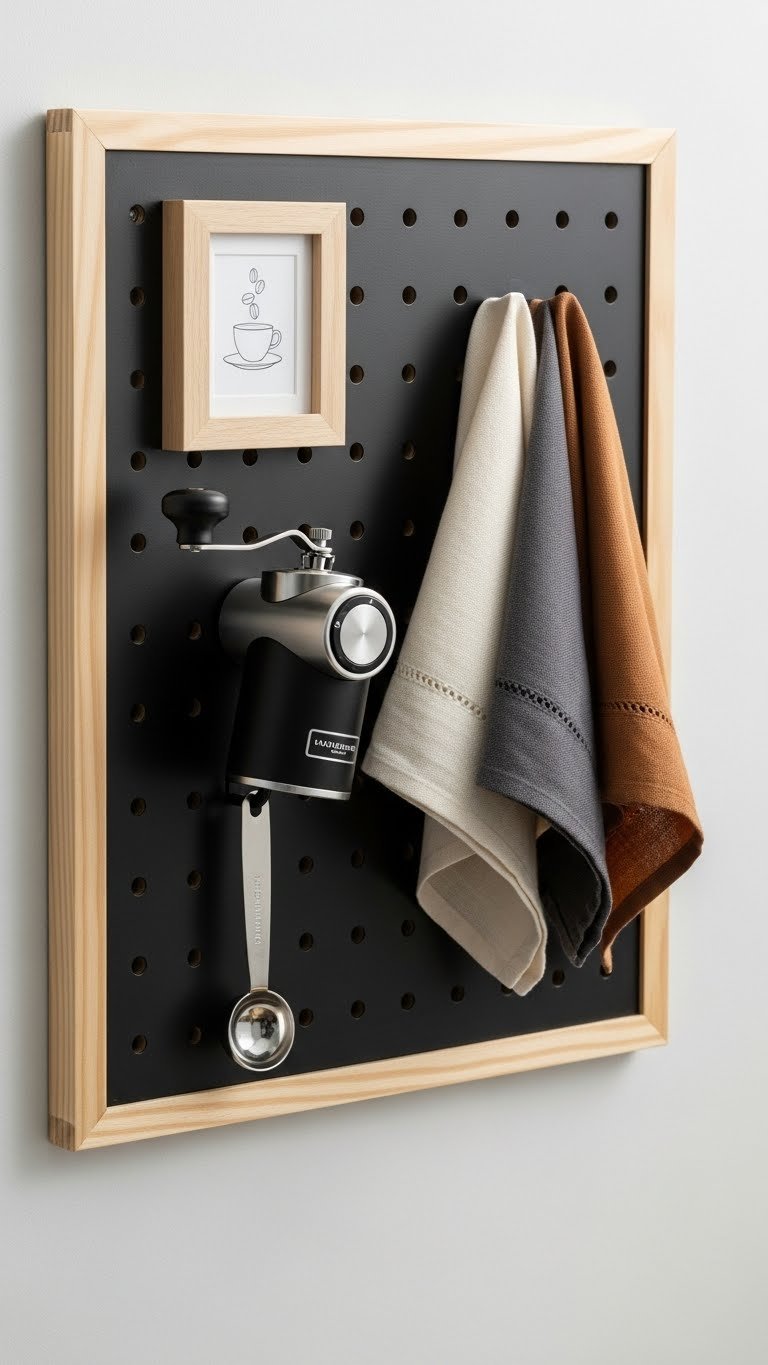
    A small pegboard organizes your tools while keeping them visible and accessible. IKEA’s pegboards ($15–$25) or wooden options from craft stores ($10–$30) keep costs down. Paint it to match your kitchen or leave it natural.

    Use small hooks ($2–$5) to hang your grinder, cloth napkins, measuring spoons, and scales. Arrange with breathing room so it’s not cluttered. Takes about 30 minutes to install and arrange. This saves cabinet space and makes your morning routine faster since you can grab what you need without digging.

    Your coffee tools become part of the display instead of hidden away.

    9. Display Coffee Bags as Wall Art

    Coffee bags from local roasters are beautiful and tell a story. Prop them on your shelf or stick them to a small cork board ($10–$15) with washi tape.

    Feature different roasts as seasons change or as you try new local roasters. It’s a conversation starter and free rotating art. Arrange by color or roaster name for a cohesive look. This takes five minutes to refresh and costs nothing if you’re already buying coffee.

    Your shelf celebrates local makers while staying organized and photograph-ready.

    10. Group Small Baskets for Hidden Storage
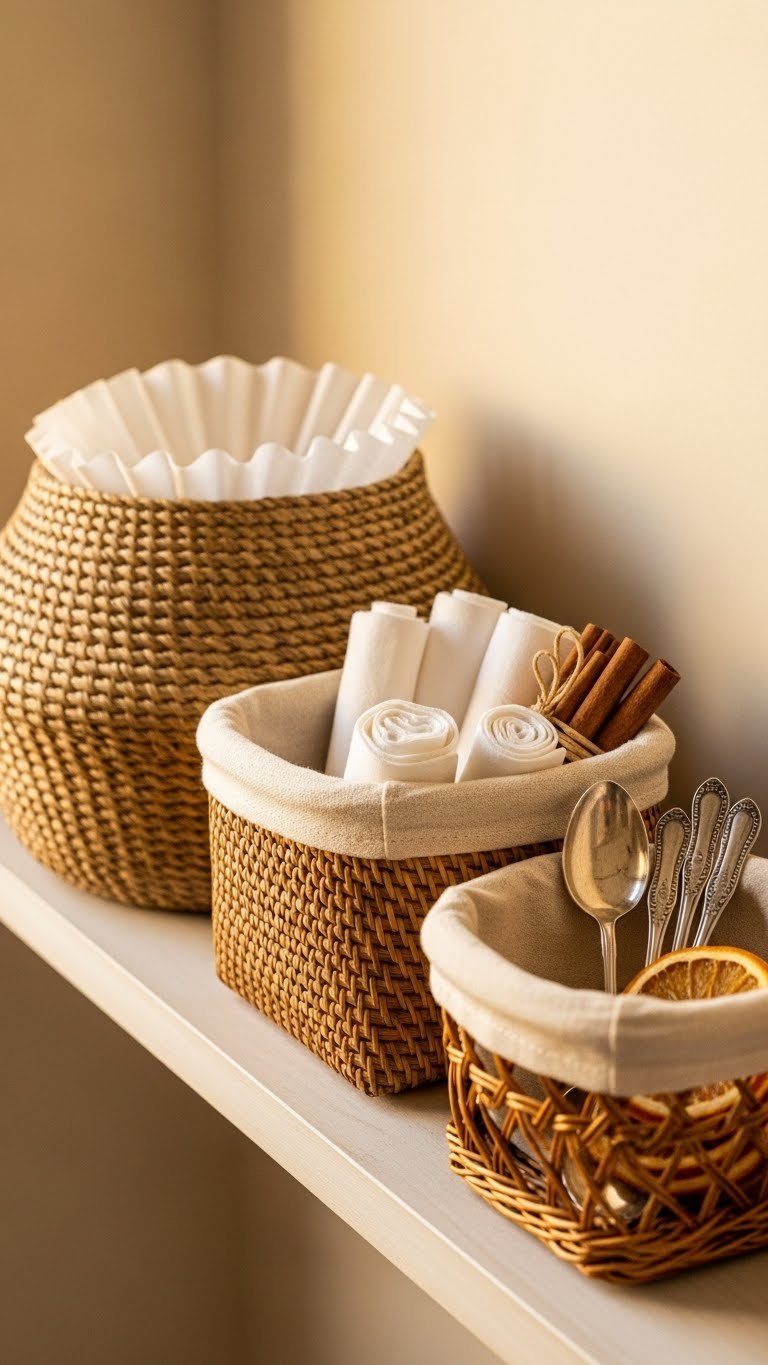
    Baskets hide the less-photogenic stuff while adding texture and warmth. Thrift woven baskets for $2–$5 each or buy new from IKEA ($8–$15) or Target ($12–$25).

    Use them to store coffee filters, sweeteners, extra napkins, or your grinder attachment. Label them with small tags if you like, or leave them mystery boxes. This works great if your shelf is open and you need to corral clutter without cabinet doors. Takes 20 minutes to set up.

    Everything’s accessible but not visually loud—your shelf looks intentional even if it’s holding plenty.

    11. Add a Small Mirror to Reflect Light and Space
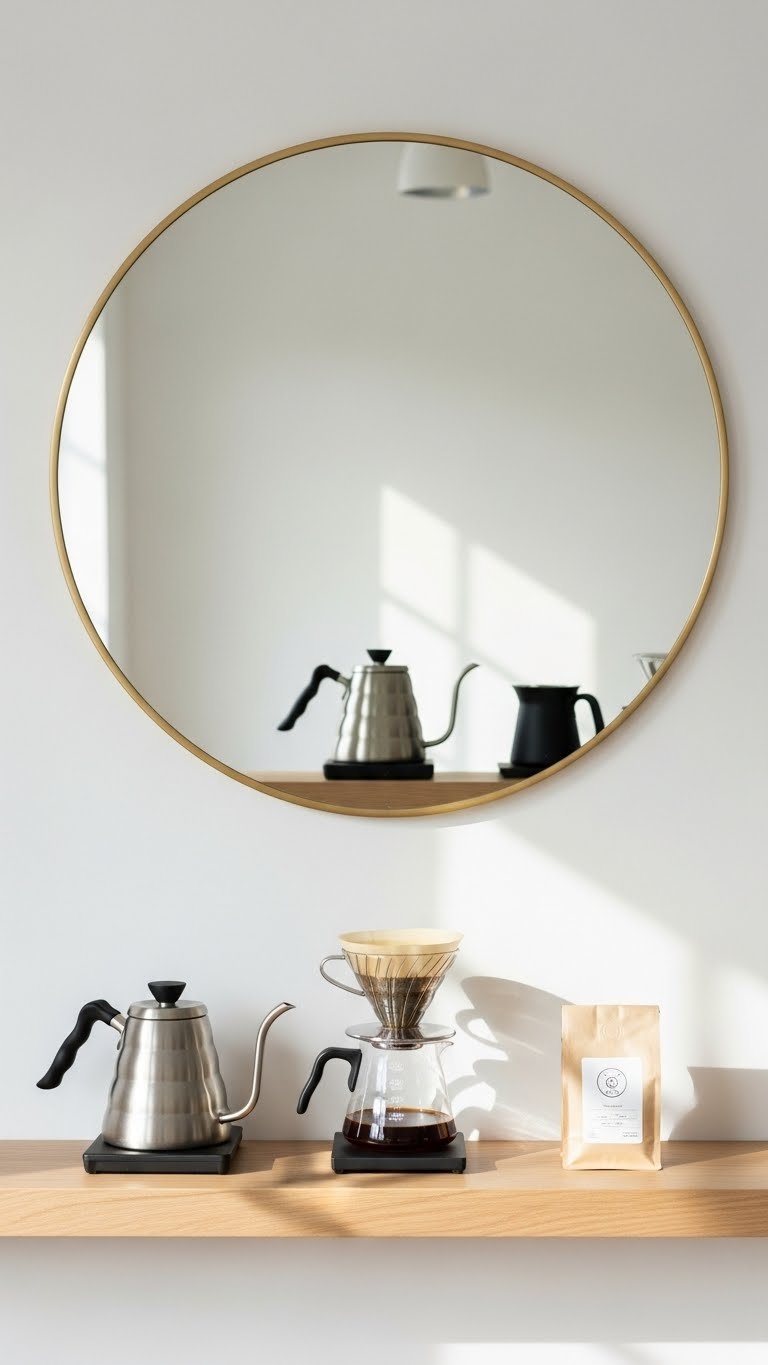
    A small mirror brightens a dark corner and makes the space feel bigger. Round mirrors from IKEA ($10–$20), Target ($15–$30), or thrift stores ($2–$5) work perfectly.

    Lean it against the wall or hang it above your coffee shelf. Position it to catch light from a window. This simple addition makes a cramped coffee nook feel open and airy. Install time is five minutes if hanging, zero if just leaning it.

    Your shelf gets instant brightness and perceived spaciousness without rearranging anything.

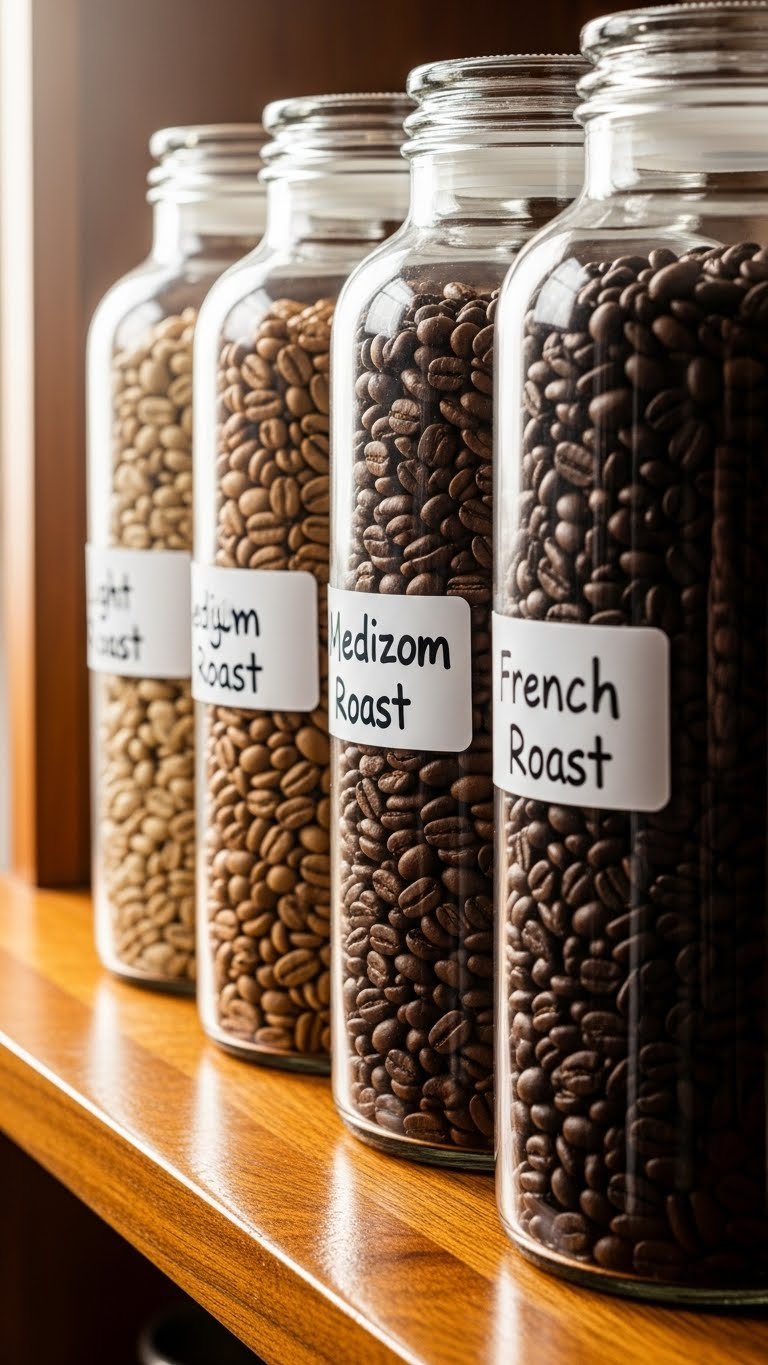
    12. Use Clear Glass Jars to Show Off Coffee Beans

    Displaying beans in clear jars is both practical and beautiful—you see exactly what you have. Glass jars from thrift stores ($0.50–$1.50) or batch-buy clear ones from container stores ($2–$4 each).

    Fill them with different roasts, origins, or blend types. Label the front so you know what’s what. Arrange them in size order or by roast color. The beans create a warm, inviting color palette that photographs gorgeously. Takes 15 minutes to organize and labels are optional.

    Your morning coffee choice becomes a visual decision, and your shelf looks like a specialty coffee shop.

    13. Install a Narrow Shelf Inside a Cabinet Door
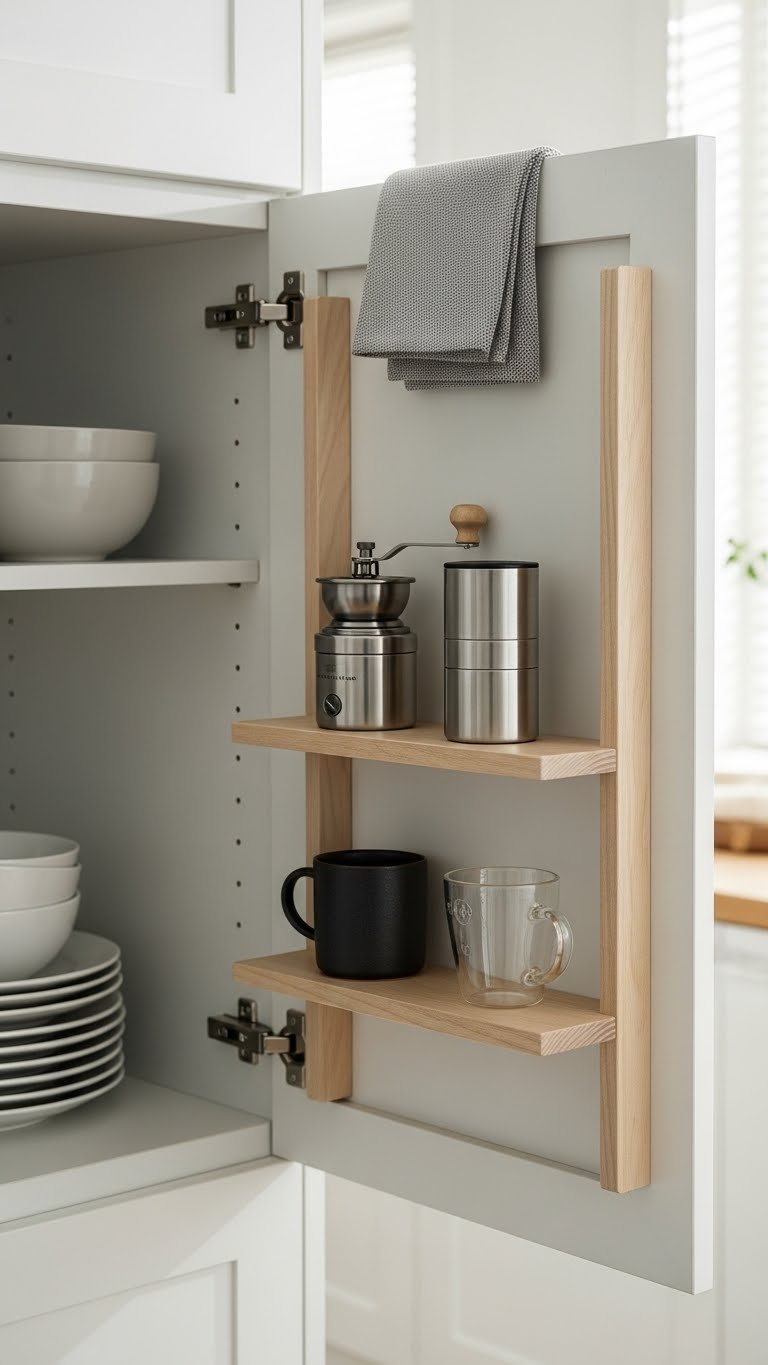
    This trick maximizes unused space if you have cabinet doors near your main coffee shelf. Mount a narrow floating shelf ($15–$25) or adhesive shelf ($10–$20) inside the door.

    Use it for your grinder, espresso machine, or overflow mugs. Everything stays close by and hidden when you close the door but instantly accessible when you open it. Installation takes 30 minutes and no wall damage if you use adhesive. This is perfect for renters or anyone with limited counter space.

    You’ve created a second storage zone without sacrificing any floor or counter real estate.

    14. Style a Coffee Corner with Matching Linens
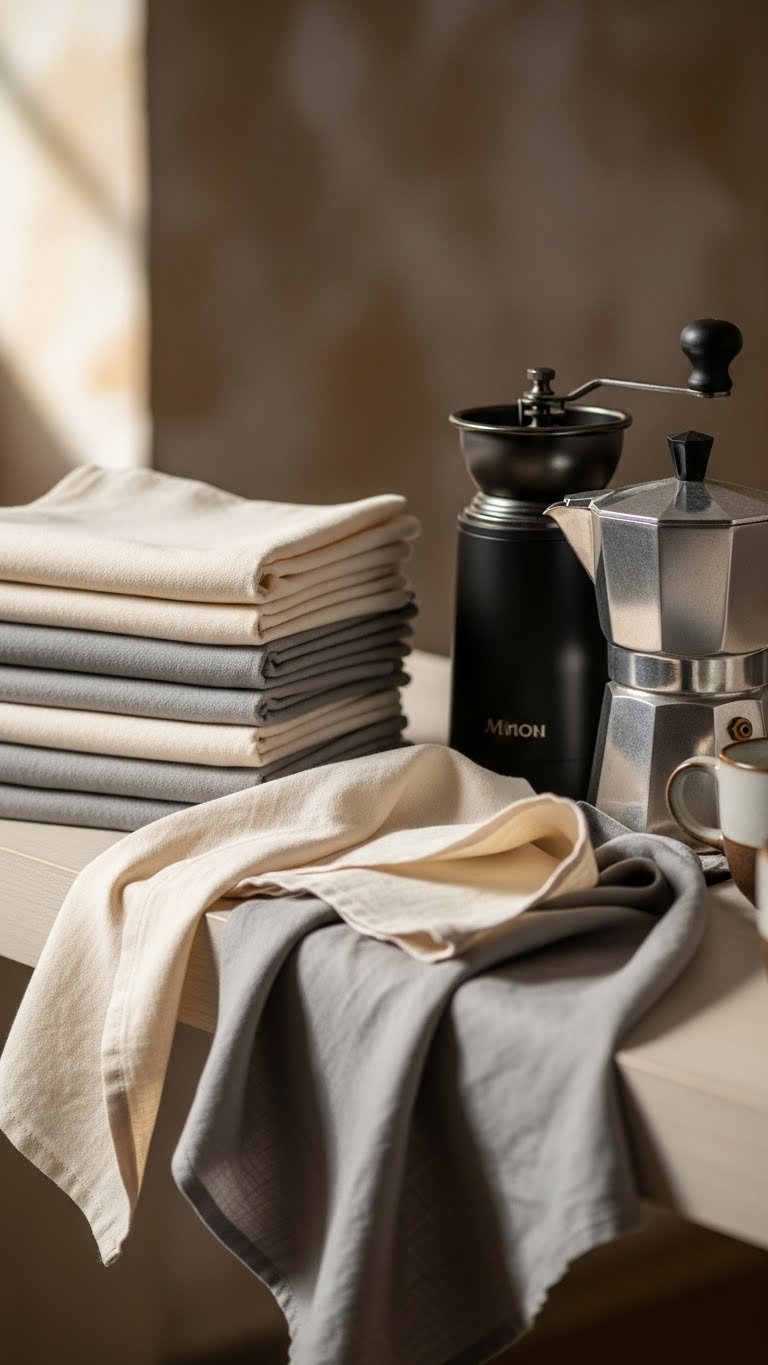
    Cloth napkins or small linens add softness and signal hospitality. Use linen napkins from Target ($12–$20 for a set) or thrifted ones ($1–$2 each).

    Fold them simply or roll them and tie with twine. Place them near your mugs or on a small shelf. They’re practical for spills and beautiful as decor. Choose neutral colors that complement your mug palette. Takes 10 minutes to fold and style.

    Your coffee setup suddenly feels more thoughtfully put together, like you’re ready to share coffee with a guest.

    15. Create a Tiered Mug Rack Using Cookbooks

    Cookbooks do double duty as risers and decor. Prop them at angles to create height variation for mugs. Thrift vintage cookbooks for $1–$3 each or use ones gathering dust on your shelf.

    Arrange tall mugs in back and smaller ones on the stepped risers. This visual trick makes a single shelf feel complex and curated without needing more space. Takes 10 minutes to arrange and rearrange as needed. Photograph it well and feels very Pinterest-ready.

    Your setup looks designed by someone with excellent taste, not slapped together.

    16. Add Adjustable Shelf Dividers for Organization

    Shelf dividers create zones on one shelf so items don’t tip over and everything has a home. Metal dividers from IKEA ($8–$15) or adhesive-backed organizers ($5–$10).

    Divide your shelf into sections: mugs here, beans there, equipment in the third zone. Everything stays put and photographs cleaner. Takes 15 minutes to install and arrange. This works great if you have limited shelf space and need maximum functionality.

    Your coffee shelf now operates like a curated store display instead of a catch-all.

    17. Incorporate a Small Chalkboard for Daily Specials

    A tiny chalkboard adds personality and functionality—perfect for rotating your daily coffee selection. Small chalkboards from craft stores ($5–$12) or Dollar Tree ($1.25).

    Update it daily with your featured blend, a coffee quote, or a fun note. Lean it on your shelf or hang it above. This detail makes your setup feel like an actual cafe and is a perfect photo prop. Takes two minutes to write and erase. Change it whenever you like for instant freshness.

    Your coffee shelf becomes interactive and tells a story beyond just holding coffee.

    18. Use Brass or Gold Accents for Warmth

    Brass and gold hardware elevate a coffee shelf instantly. Swap out any existing silver hooks or hardware for brass versions ($2–$10 each) from hardware stores or online.

    Add a brass plant stand, a gold-rimmed mug, or brass shelf brackets. These warm metals catch light beautifully and photograph well. You don’t need much—just a few touches create cohesion. Takes 20 minutes to make swaps. This works especially well if your kitchen has other brass or gold elements.

    Your coffee corner feels thoughtfully coordinated and higher-end than it actually is.

    19. Build a Coffee Filter Storage Box from Scrap Wood
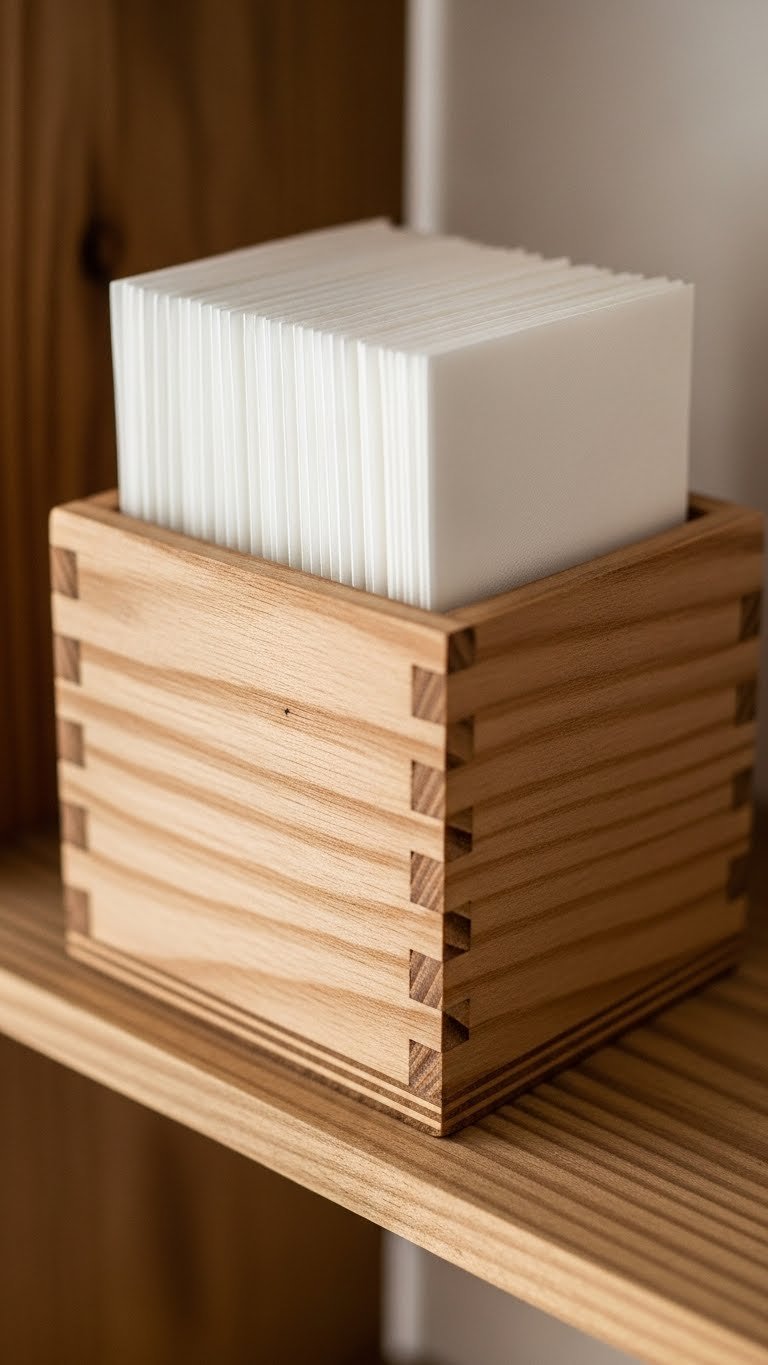
    A wooden filter holder keeps filters organized and doubles as decor. DIY one from scrap wood ($0–$15) or buy a ready-made holder ($15–$30) from home stores.

    Cut or purchase a small box, sand it smooth, and stain or paint if desired. Store filters standing upright so you grab them easily. Position it on your shelf where you prep coffee. Total cost under $15 if DIY, takes one afternoon if you enjoy woodworking or one minute if you buy pre-made.

    Your filters go from messy bag to intentional storage, and your shelf looks more boutique coffee shop than random kitchen.

    20. Layer Your Shelf with Varying Container Heights

    Visual interest comes from height variation—don’t line everything up in a row. Mix tall glass jars ($2–$5), short ceramic canisters ($5–$10), and medium bottles ($3–$8).

    Arrange them so the eye moves across different heights—short, tall, medium, short creates a pleasing pattern. Leave some shelf space bare so it doesn’t feel packed. This takes 10 minutes to arrange and makes your shelf feel intentional and styled. Rearrange seasonally to keep it fresh.

    Your coffee shelf becomes something you pause to look at instead of just functional storage.

    21. Hang Tiny Floating Shelves for Vertical Storage

    Micro shelves add storage without visual weight—perfect for tiny apartments. Wall-mounted shelves from IKEA ($8–$15) or thin adhesive shelves ($5–$10) work beautifully.

    Mount 2–3 in a vertical line above your main coffee station. Use each one for a single item: one mug, one plant, one coffee scoop. This creates a sculptural display that photographs like gallery-style art. Takes 30 minutes to install with a level and drill. Zero visual clutter despite adding storage.

    Your vertical space becomes functional art and you’ve tripled your display area without a bigger footprint.

    22. Add a Cork or Felt Backing Board Behind Your Shelf
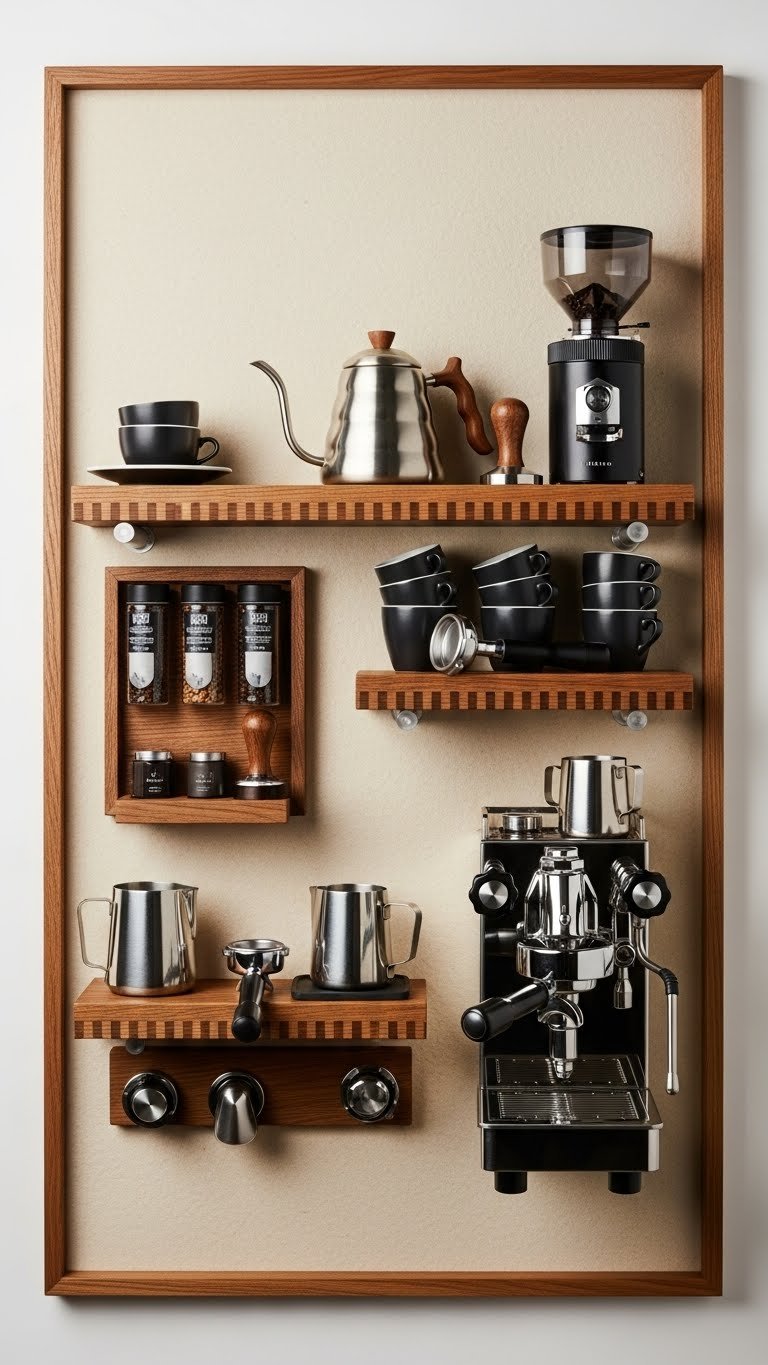
    A backing board frames your display and adds dimension. Mount cork board ($15–$25) or self-adhesive felt ($10–$15) behind a floating shelf or on the wall directly.

    Use it as a subtle backdrop for your coffee equipment or add small hooks to hang items. This simple addition transforms a regular shelf into an intentional display that looks more curated. Takes 20 minutes to measure and install. It’s especially effective if your shelf floats away from the wall.

    Your coffee station suddenly looks professionally designed instead of randomly assembled.

    23. Organize Supplies in a Rolling Utility Cart Underneath

    A rolling cart beneath your main shelf creates tiered storage for bulk items and backups. IKEA’s cart ($30–$50) or basic metal utility carts ($25–$40) hide less-gorgeous supplies while keeping them accessible.

    Stock it with backup coffee bags, extra filters, cleaning supplies, and equipment you don’t display. Roll it into a pantry or corner when it’s not in use. This gives you plenty of space without cluttering your main shelf display. Takes 30 minutes to set up and organize.

    You get function without sacrificing style—the pretty stuff displays, and the practical overflow stores neatly below.

    24. Frame a Simple Coffee Artwork or Quote
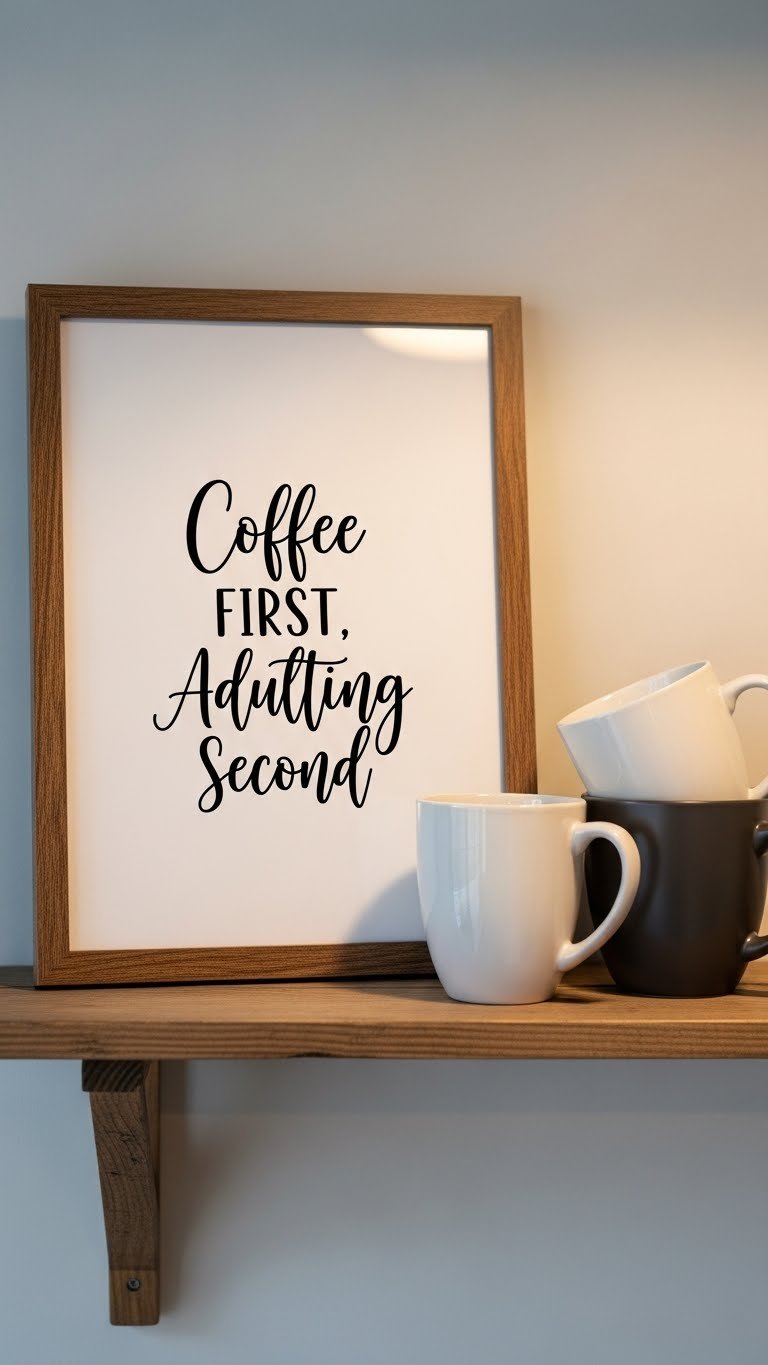
    A small framed print adds personality without fuss. Buy pre-made coffee prints ($15–$30) online or frame a quote yourself using printables ($2–$5 and your home printer).

    Use a simple frame in white, black, or brass to match your shelf aesthetic. Prop it between two tall jars or hang it above your shelf. This adds a finishing touch that shows your coffee passion. Costs under $10 if you DIY, takes five minutes to arrange.

    Your coffee shelf now has a focal point that ties everything together and speaks to your style.

    Save this post for your next shelf refresh and try just one idea this weekend—start with whichever speaks to you most, whether that’s the plants, the organizing system, or the styling touches. You’ll be amazed at how quickly your coffee corner becomes a space you actually enjoy lingering in.
  • 24 Countertop Coffee Area Ideas That Keep Everything Organized

    24 Countertop Coffee Area Ideas That Keep Everything Organized


    Introduction

    Your countertop coffee area probably feels chaotic—coffee grounds scattered, mugs piled up, supplies shoved in random corners. The good news? You don’t need a massive overhaul to create a functional, beautiful coffee station that actually stays organized. Over the next 24 ideas, you’ll discover smart storage solutions, styling tricks, and budget-friendly hacks that transform even the tiniest counter space into a place where everything has its spot. Whether you’re working with 2 feet or 20, renting or owning, these ideas work together or standalone to make your morning ritual smoother and your kitchen prettier in the process.


    1. Use a Slim Rolling Cart for Movable Storage

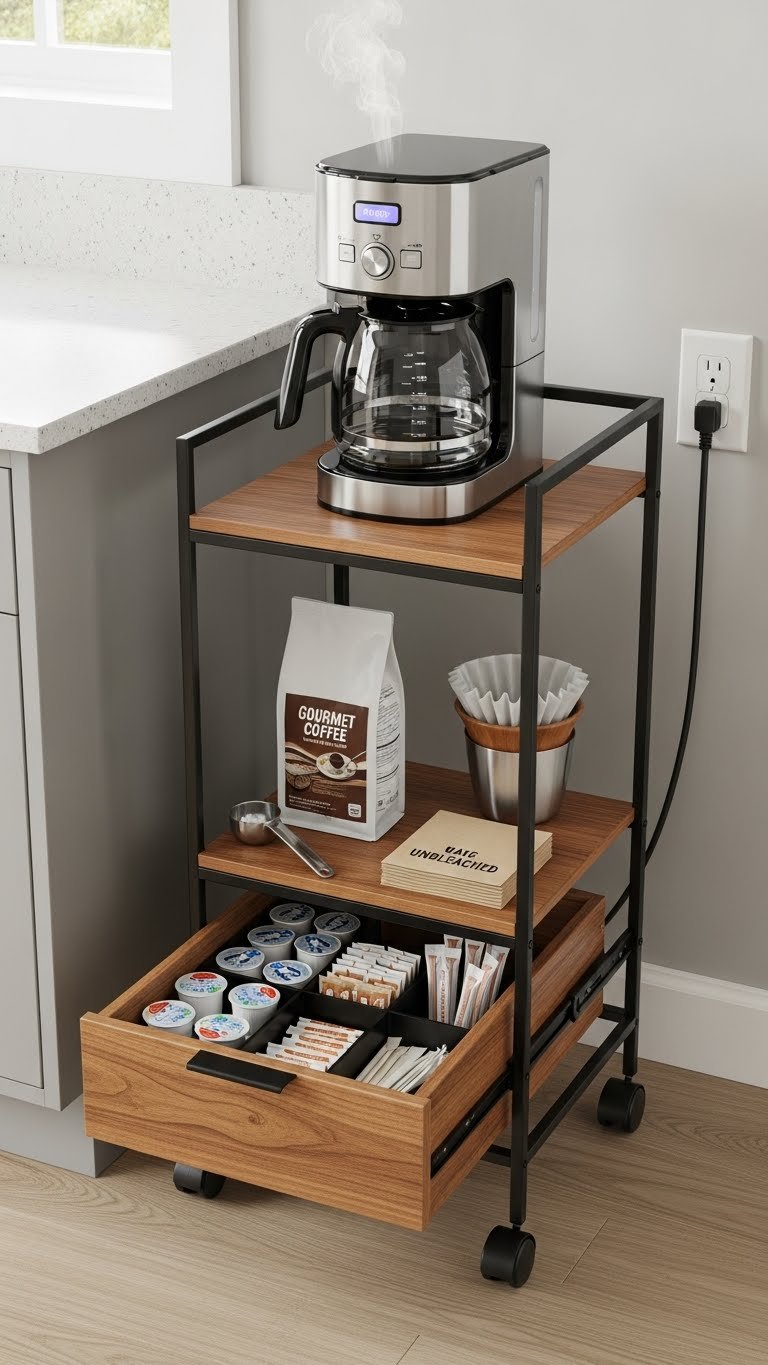
    A rolling cart gives you dedicated coffee real estate without stealing permanent counter space. You can pull it out when you need it and tuck it into a corner or beside the fridge when guests arrive—perfect for renters who can’t commit to fixed storage.

    Choose a slim cart 15–18 inches wide from IKEA (Raskog, $30–$50) or Target. Arrange your coffee maker on the top shelf for easy access, filters and beans on the middle tier, and mugs or supplies below. Add casters with locks so it won’t slide when you’re reaching for things. The whole setup takes under 10 minutes to assemble.

    The best part? You can redecorate or relocate your entire station in seconds. If you move, it goes with you.


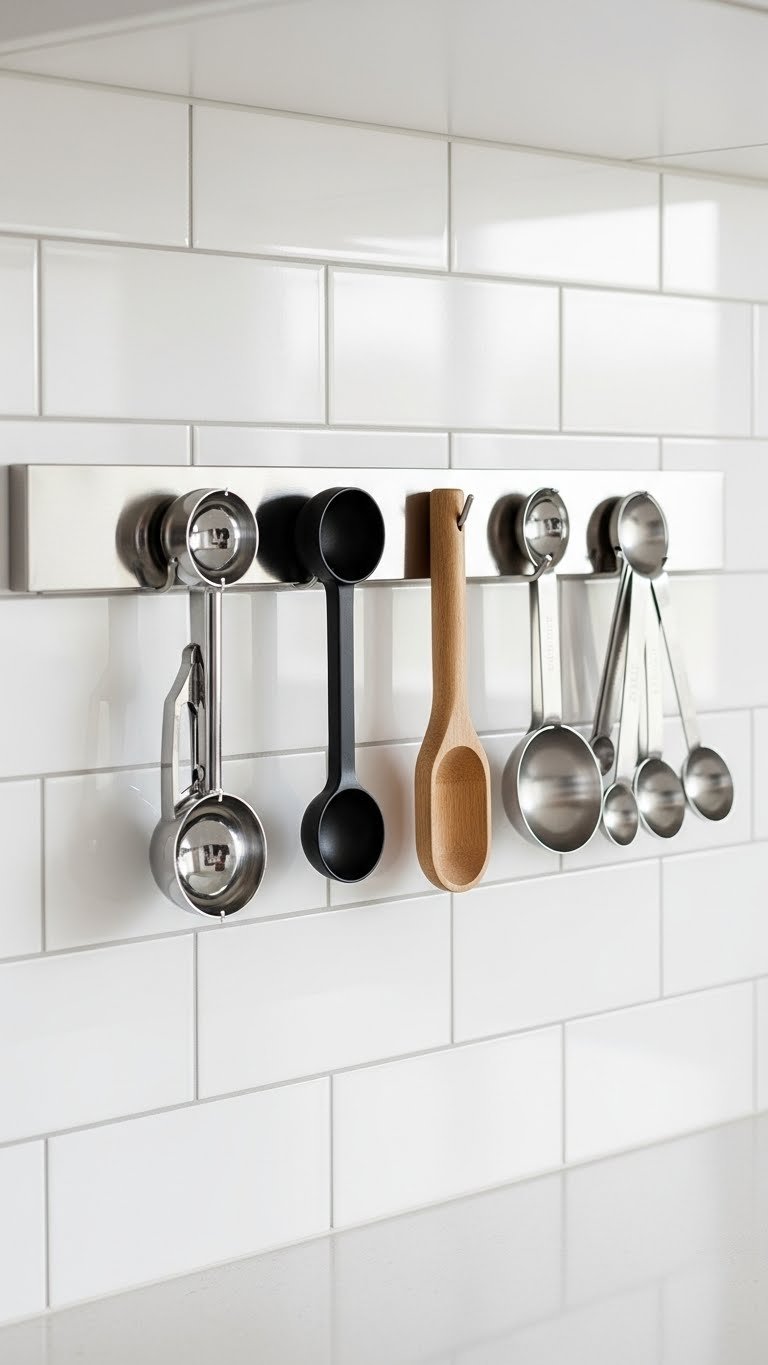
    2. Install a Magnetic Knife Strip for Coffee Scoops and Spoons

    Magnetic strips aren’t just for knives—coffee scoops, spoons, and measuring clips stick right to them, freeing up drawer space. Mount one 12–18 inches above your counter with included screws ($8–$15 from Amazon or Home Depot).

    Installation takes 15 minutes. Use a level to ensure it’s straight, drill pilot holes first if your walls are plaster, and secure with wall anchors if you hit studs. Make sure your scoops and spoons are stainless steel or have metal components—test them with a magnet before buying.

    Now every tool you reach for is visible and within arm’s reach. Your drawers finally have breathing room.


    3. Organize Beans in Airtight Glass Containers with Labels

    Clear containers let you see when you’re running low on beans, and airtight seals keep them fresh. Three matching containers cost $20–$40 at Container Store, Bed Bath & Beyond, or Amazon. Grab a label maker ($15–$30) or use white adhesive labels and a pen.

    Transfer whole beans or grounds into containers, seal them tight, and label with the roast name and purchase date. Arrange them on a shelf or cart in order by roast level or purchase date. This setup takes 20 minutes and works for ground coffee too.

    Your counter looks curated, and you’ll know exactly what you have without opening five bags.


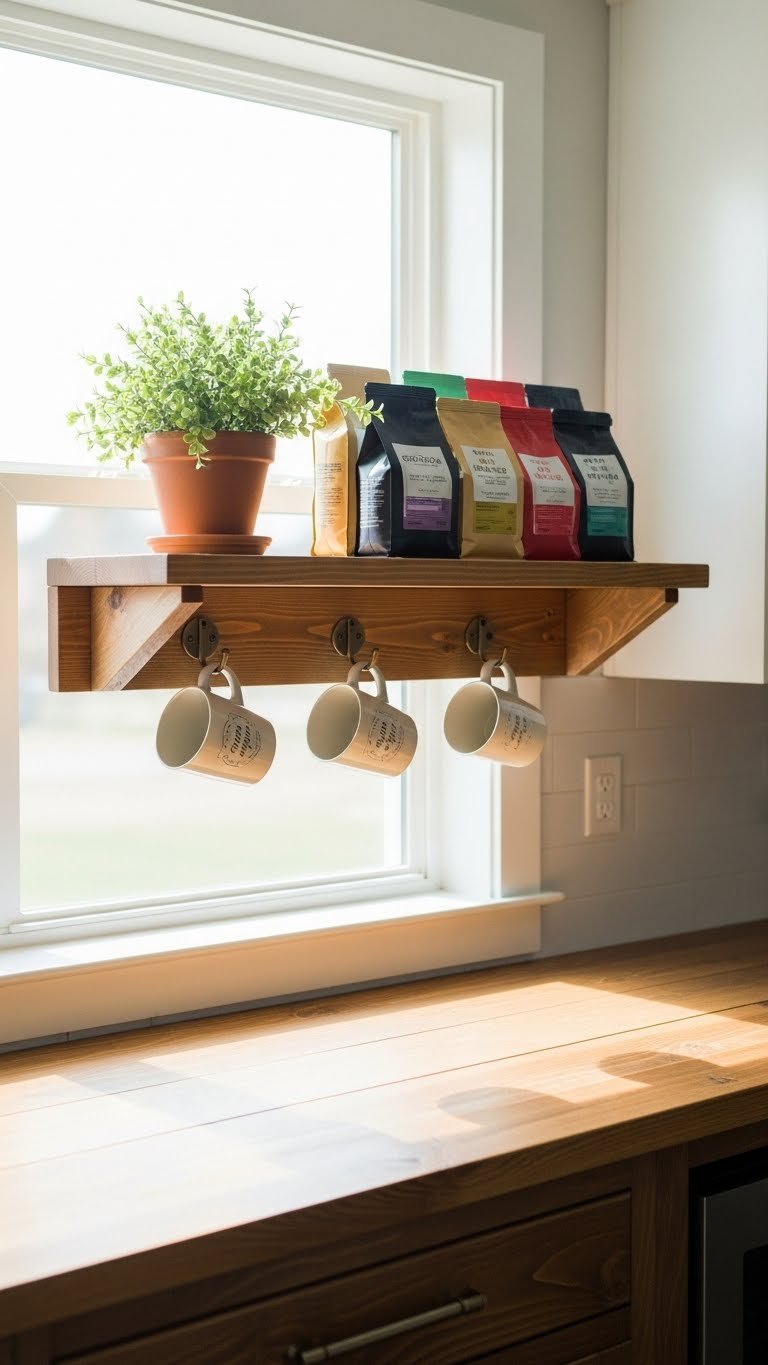
    4. Mount a Wall-Mounted Shelf Above the Station

    Wall space is prime real estate—use it to keep your counter clear. Install a 24–36 inch floating shelf ($30–$80 from IKEA, Home Depot, or Wayfair) about 18 inches above your countertop station.

    Use a stud finder to locate wall studs, mark holes, and secure shelf brackets with heavy-duty screws. Most shelves arrive with installation hardware. The whole job takes under 30 minutes (or hire a handyperson for $50–$100 if you’re not comfortable drilling).

    Hang mugs from hooks, stack coffee bags, or display a small plant. Your counter stays clear, and you’ve created a focal point.


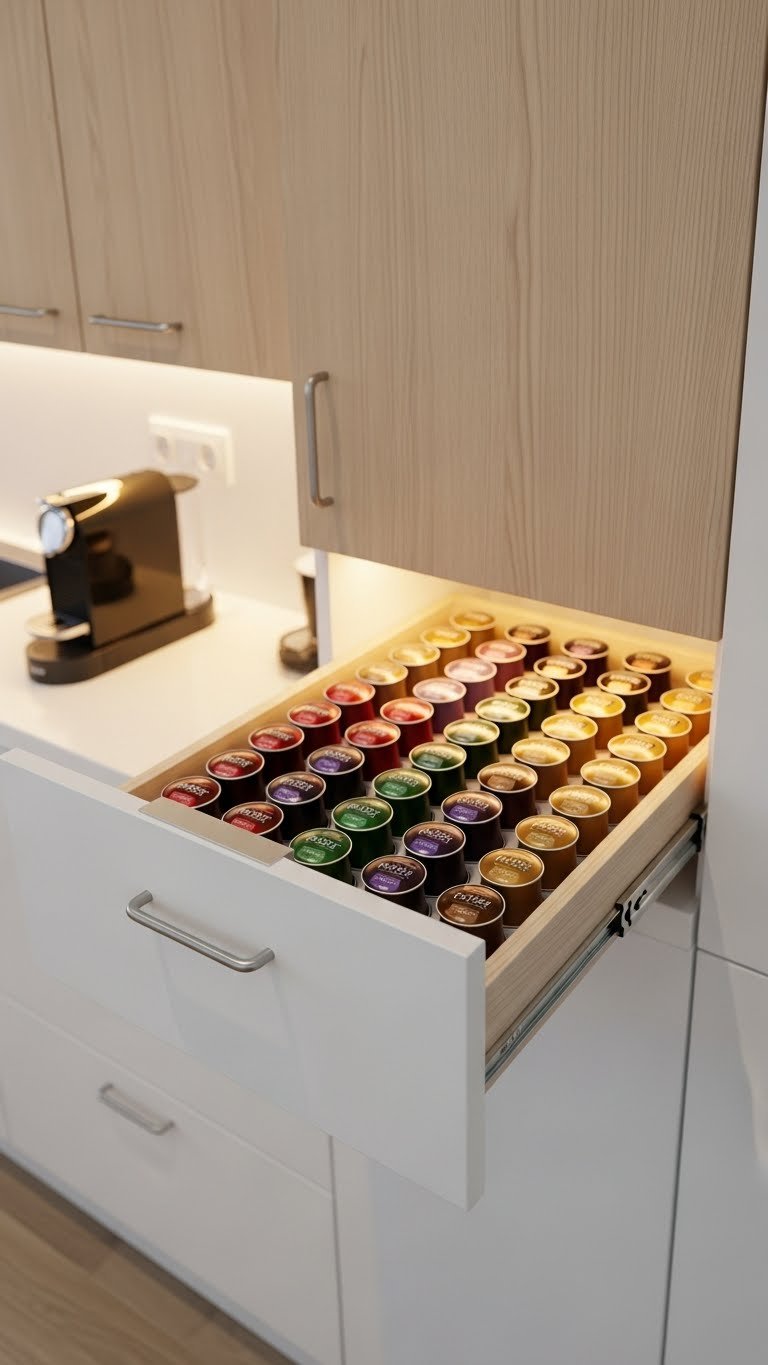
    5. Use Drawer Dividers to Organize Coffee Pods or Filters

    Filters, pods, and paper sleeves multiply fast in drawers. Bamboo dividers ($12–$20 on Amazon) create instant organization without removing anything from your counter.

    Measure your drawer depth and width, choose dividers that fit snugly, and assign one section to each supply: filters in one, pods in another, sweeteners or cream packets in another. No sliding around, and you’ll grab what you need in seconds.

    This $15-minute project eliminates “where are the filters?” moments forever.


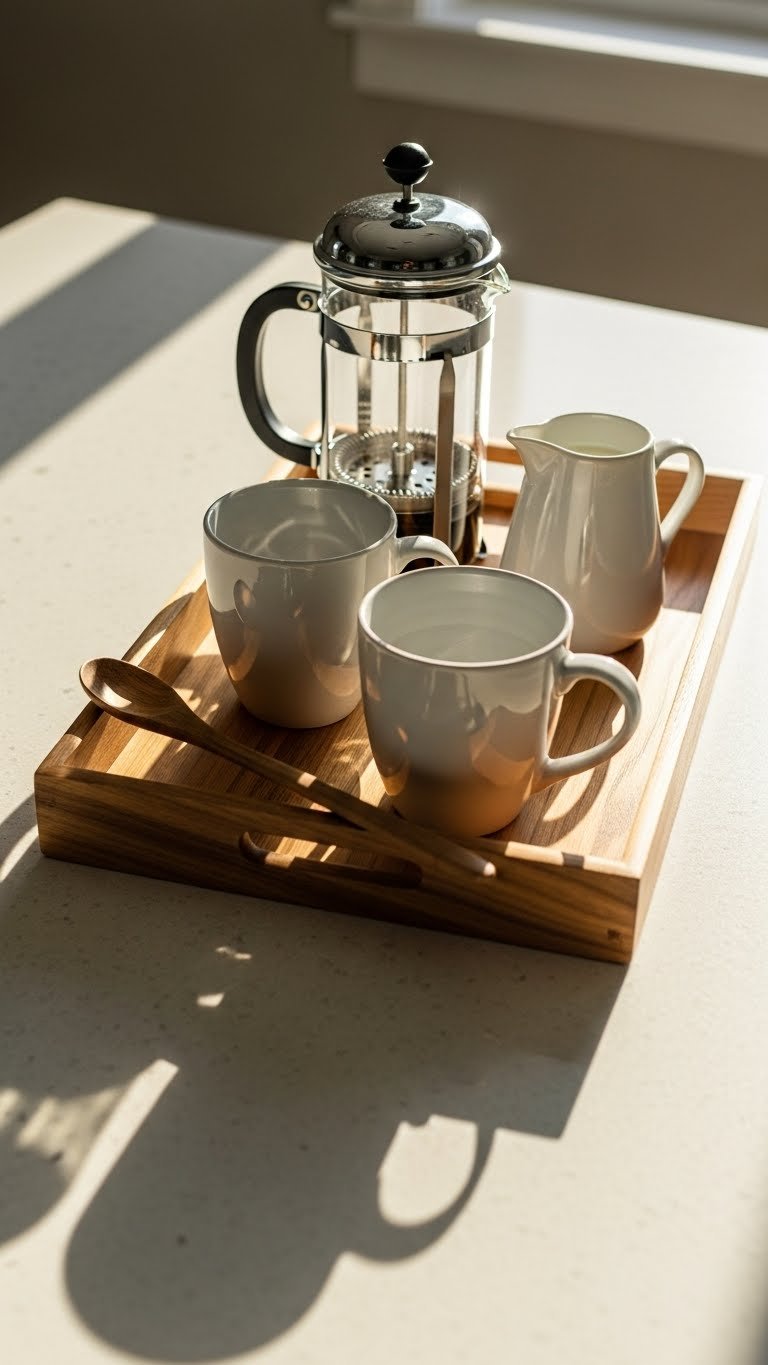
    6. Create a Coffee Prep Station with a Small Tray

    A tray contains everything in one visual space and moves easily if you need to reset your counter. Grab a wooden or metal tray ($15–$40 from Target, West Elm, or HomeGoods) that’s at least 18 by 12 inches.

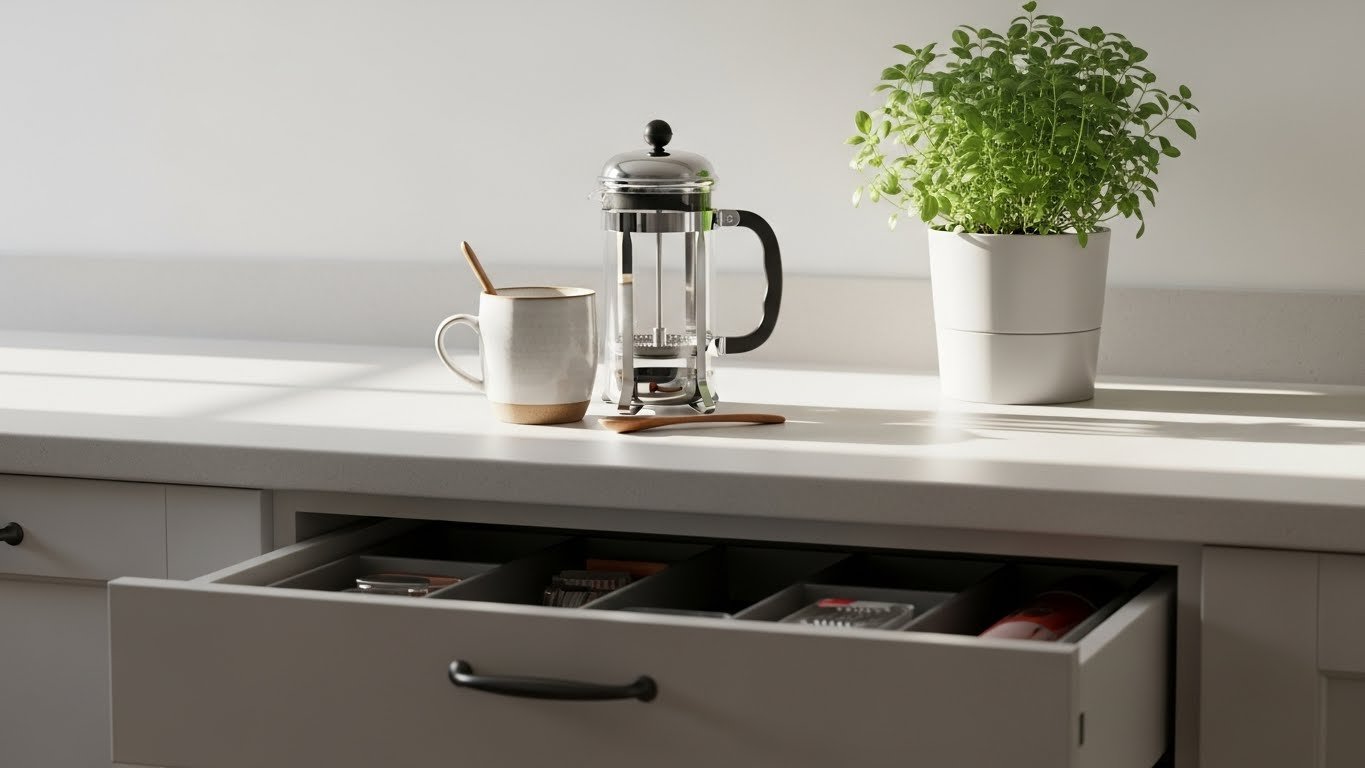
    Group your daily-use items on it: French press, one to two mugs, a small spoon, sugar bowl. Leave other supplies in drawers or on shelves. The tray becomes your “coffee zone”—organized, portable, and beautiful. If you spill something, you’re containing the mess.

    Everything your morning needs sits in one spot, and your kitchen looks intentional.


    7. Install a Pegboard for Customizable Storage

    Pegboards let you arrange storage however you want and adjust it as your needs change. Grab a 24 by 24 inch pegboard ($15–$30 from Home Depot or Lowe’s), paint it to match your kitchen ($5–$10 for primer and paint), and install it with wall anchors.

    Add wooden pegs ($10–$15 for a set) and hang small baskets, hooks, or cups. Hang your coffee scoop, a cloth, measuring cups, or small supply containers. Arrange them at eye level above your counter station. Installation takes under an hour, and rearranging takes minutes.

    Your coffee tools are visible, accessible, and you’ve created a gallery-worthy wall.


    8. Use Tension Rods Under Shelves to Add a Second Tier

    Tension rods fit inside existing shelves or cabinets, giving you an instant second tier for mugs or supplies. Grab two to four rods ($8–$15 each from Amazon, Target, or Home Depot) and adjust them to fit your shelf width.

    Pop them in place, and you’ve instantly doubled shelf capacity. Slide stacked mugs or small containers underneath. No tools required—it’s renter-friendly and reversible. This 5-minute setup costs under $30.

    You’ve squeezed more storage out of existing space and didn’t drill a single hole.


    9. Label Everything with a Label Maker for Instant Organization

    Labels prevent the “I know we had these” scramble and make it easy for family or guests to find what they need. A label maker ($15–$30 from Amazon or Target, or free if you use a pen and adhesive labels) is the fastest way to create uniform, professional-looking organization.

    Print labels for all your containers, drawers, and shelves. Use consistent fonts and sizing. It takes 20 minutes and transforms a chaotic setup into something that looks curated. Even renting spaces benefit from removable labels.

    Now you have a system anyone can follow, and your counter looks magazine-ready.


    10. Store Mugs Vertically with a Mug Rack or Shelf

    Vertical mug storage frees counter space and turns your collection into decor. Install a mug rack or shelf ($20–$50 from IKEA, West Elm, or HomeGoods) at eye level near your coffee station.

    Mount it with wall anchors (no stud needed for lightweight racks), arrange mugs by color for a cohesive look, and leave two to three empty spots for rotation or guests. The installation takes 20 minutes, and you’ve reclaimed 2–3 square feet of counter.

    Your favorite mugs are always visible and ready to grab, and you’ve created a focused coffee corner.


    11. Use a Bamboo Utensil Holder for Spoons and Scoops

    A bamboo utensil holder corrals small tools in one spot and costs just $8–$15 from Target, IKEA, or Amazon. Grab one that’s at least 4 inches tall and 3 inches in diameter.

    Fill it with your coffee scoop, measuring spoons, small stirring spoons, and measuring clips. Place it right beside your coffee maker or on your prep tray. It takes 2 minutes to set up and immediately declutters your counter.

    Everything you need is within arm’s reach, standing upright and easy to spot.


    12. Mount a Small Shelf for Cream and Sweetener Bottles

    A slim shelf or ledge ($15–$40) mounted right at counter height keeps bottles off the surface and visible. Install it 12–18 inches above your main coffee prep area using wall anchors or studs.

    Arrange cream, sweetener, and syrup bottles on it in order of how often you use them. This works especially well for small kitchens where counter space is precious. Installation takes 15 minutes.

    Your bottles are visible, accessible, and your counter suddenly feels twice as big.


    13. Repurpose a Small Vintage Cabinet as a Coffee Bar

    A small vintage or thrifted cabinet ($30–$100 from Facebook Marketplace, thrift stores, or Craigslist) creates an entire self-contained coffee station. Look for cabinets with a flat top and shelves inside.

    Place your coffee maker, beans, mugs, and supplies inside, and close the doors when you’re done. This café core approach works beautifully in small kitchens or studio apartments. You’ve essentially created a coffee nook that takes up no visual counter space when closed.

    Your kitchen looks curated, and you’ve given your morning ritual its own dedicated “room.”


    14. Use Clear Acrylic Containers to Stack and Display Supplies

    Stackable acrylic containers ($20–$35 for a set of three from Container Store, Target, or Amazon) let you stack supplies vertically while keeping everything visible. Choose containers with snap lids to protect contents from moisture.

    Fill each tier with different supplies: pods or beans on top, filters in the middle, napkins or sweeteners below. Stack them neatly on a shelf or corner of your counter. This arrangement takes 10 minutes and saves significant counter real estate.

    Your supplies are stacked efficiently, nothing gets lost, and the clear containers look intentional and clean.


    15. Install a Over-the-Door Shoe Organizer for Coffee Pods

    An over-the-door organizer ($10–$20 from Amazon, Target, or Dollar Tree) transforms cabinet doors into storage real estate. Choose one with 12–16 pockets.

    Hang it on the inside of a cabinet door or a wall-mounted frame, and fill each pocket with a different pod variety, filters, or supplies. You’ve created vertical storage that’s completely hidden when the door closes. Installation takes 5 minutes—just adhesive strips or a few small nails.

    This renter-friendly hack holds a huge volume of supplies in a space that was previously wasted.


    16. Create a Coffee Station in a Small Corner with a Corner Shelf

    Corner shelves ($30–$60 from IKEA, Wayfair, or Home Depot) make use of dead space most kitchens ignore. Install a corner shelf unit with two to three tiers.

    Mount it 18–24 inches above your counter using wall anchors in both walls. Arrange your coffee maker on the top shelf, mugs on the middle tier, and supplies or decor below. This approach works in kitchens where counter space is extremely limited. Installation takes 30 minutes if you’re comfortable with a level and drill; otherwise, hire help for $50–$75.

    You’ve claimed an overlooked corner and created a focused coffee zone that feels special.


    17. Use a Tiered Shelf Riser to Add Vertical Display Space

    A tiered shelf riser ($20–$40 from Container Store, Target, or Amazon) adds visual depth and storage to a countertop without eating into counter real estate. Look for risers that are 12–15 inches tall.

    Place your daily-use mugs in front, supplies or decor in back. The riser creates visual interest, makes your station look intentional, and lets you fit more in the same footprint. No installation needed—just place and arrange. Setup takes 10 minutes.

    Your coffee area now has dimension and style, and nothing’s actually taking up more space.


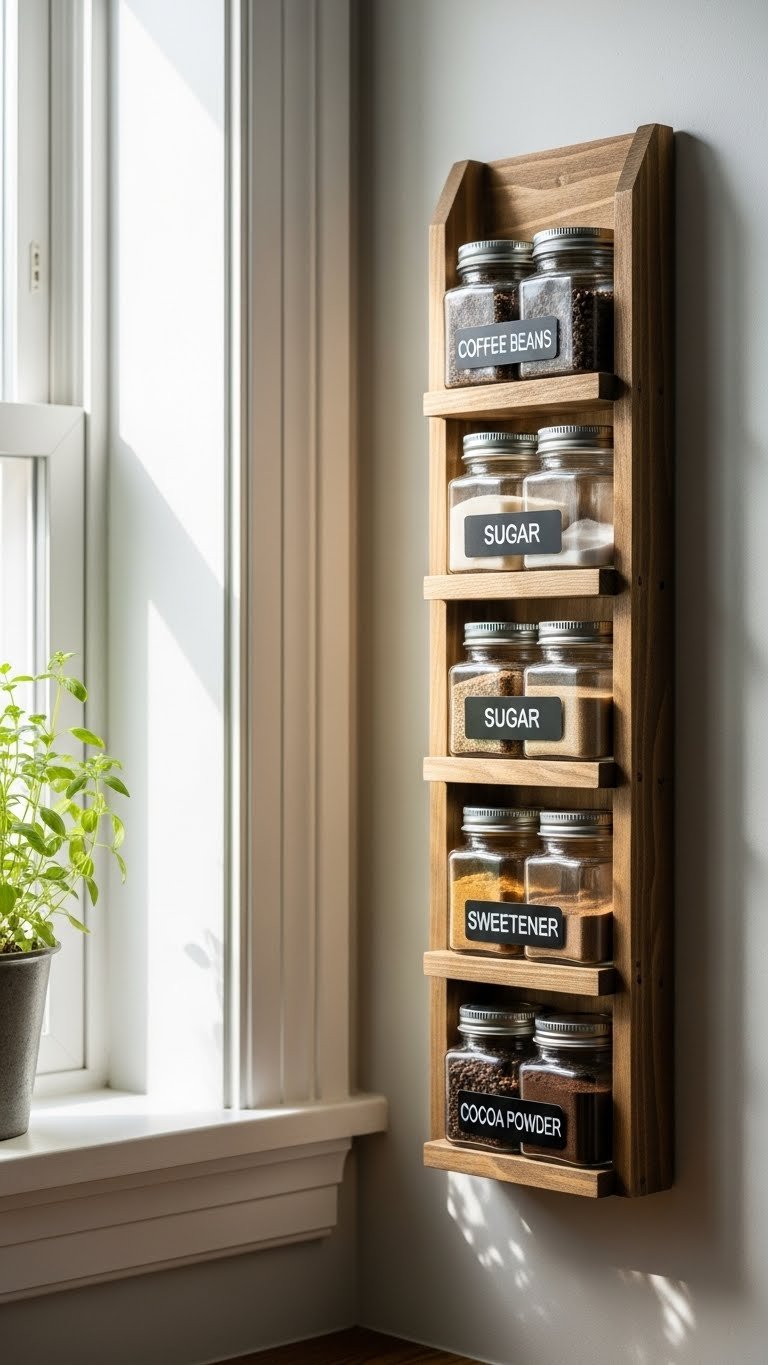
    18. Mount a Slim Spice Rack for Coffee and Extras

    A thin wall-mounted spice rack ($15–$30 from IKEA, Target, or Amazon) holds small jars of beans, sugar, and sweetener in a footprint that’s only 4–6 inches wide. Look for racks with three to five shelves.

    Install it above your counter or beside your main station using wall anchors. Fill small glass jars with supplies and label them. This approach works beautifully in tiny kitchens. Installation takes 15 minutes.

    You’ve created an organized, vertical coffee supply zone that looks like part of your kitchen design, not a haphazard collection.


    19. Use Lazy Susan Turntables for Easy Access to Supplies

    Lazy susans ($15–$30 for a set from Target, Amazon, or HomeGoods) let you rotate supplies to the front without digging. Choose ones that are 10–12 inches in diameter.

    Place one at your prep station holding cream, sweetener, and syrups. Place another beside it for mugs or filters. Spin them to reach what you need—no more stretching or fishing. They work beautifully on small counters or carts. Setup takes 3 minutes.

    Now every supply rotates into reach, and your station feels more functional and easier to navigate.


    20. Install Adhesive Under-Cabinet Lighting for Visibility

    Under-cabinet LED strips ($25–$50 from Amazon, Home Depot, or IKEA, often wireless and rechargeable) brighten your prep area and make it feel like a dedicated café corner. Choose warm white bulbs for a cozy vibe.

    Apply adhesive strips under your cabinet and turn them on during morning prep. Many versions are rechargeable and don’t require electrical work—perfect for renters. Installation takes 10 minutes, and you’ve created ambiance and functionality at once.

    Your coffee station now has its own lighting, feels intentional, and looks Instagram-ready even at 6 a.m.


    21. Use Clear Magazine Holders to Corral Coffee Bags

    Clear magazine holders ($10–$20 for a set of three from Container Store, Target, or Amazon) keep coffee bags upright, visible, and protected. The vertical filing system works like a mini filing cabinet for beans.

    Stand bags vertically so you see the label immediately and can grab one without toppling others. Place holders on a shelf or high counter spot. This method takes 5 minutes to set up and prevents bags from crumpling or getting lost in the back of a cabinet.

    Your coffee bean rotation becomes clear, and you’ll use beans before they go stale.


    22. Add Hooks Under Shelves or Cabinets for Tea Towels

    Adhesive or screw-mounted hooks ($8–$15 for a set from Amazon or Home Depot) hang cloths and aprons right at your station. Choose hooks that complement your kitchen style.

    Mount three to four hooks under your cabinet or shelf, and hang tea towels, cloths, or aprons for quick cleanup. Screw-mounted hooks are sturdier; adhesive hooks work on most surfaces and require no drilling. Installation takes 10 minutes.

    You’ve created a cleanup station within your coffee zone, and cloths are always within reach instead of buried in a drawer.


    23. Create a Coffee Caddy with a Divided Wooden Box

    A wooden caddy or divided box ($15–$35 from IKEA, HomeGoods, or Etsy) combines storage and portability. Look for caddies with four to six compartments.

    Fill each section with a different supply or tool: beans in one, filters in another, sweetener and spoon in others. The entire station becomes portable—you can move it to a different counter or table if needed. It takes 5 minutes to fill, and you’ve created a self-contained coffee bar.

    Your supplies are organized by category, the setup looks curated, and you can move your whole station if you need more counter space for cooking.


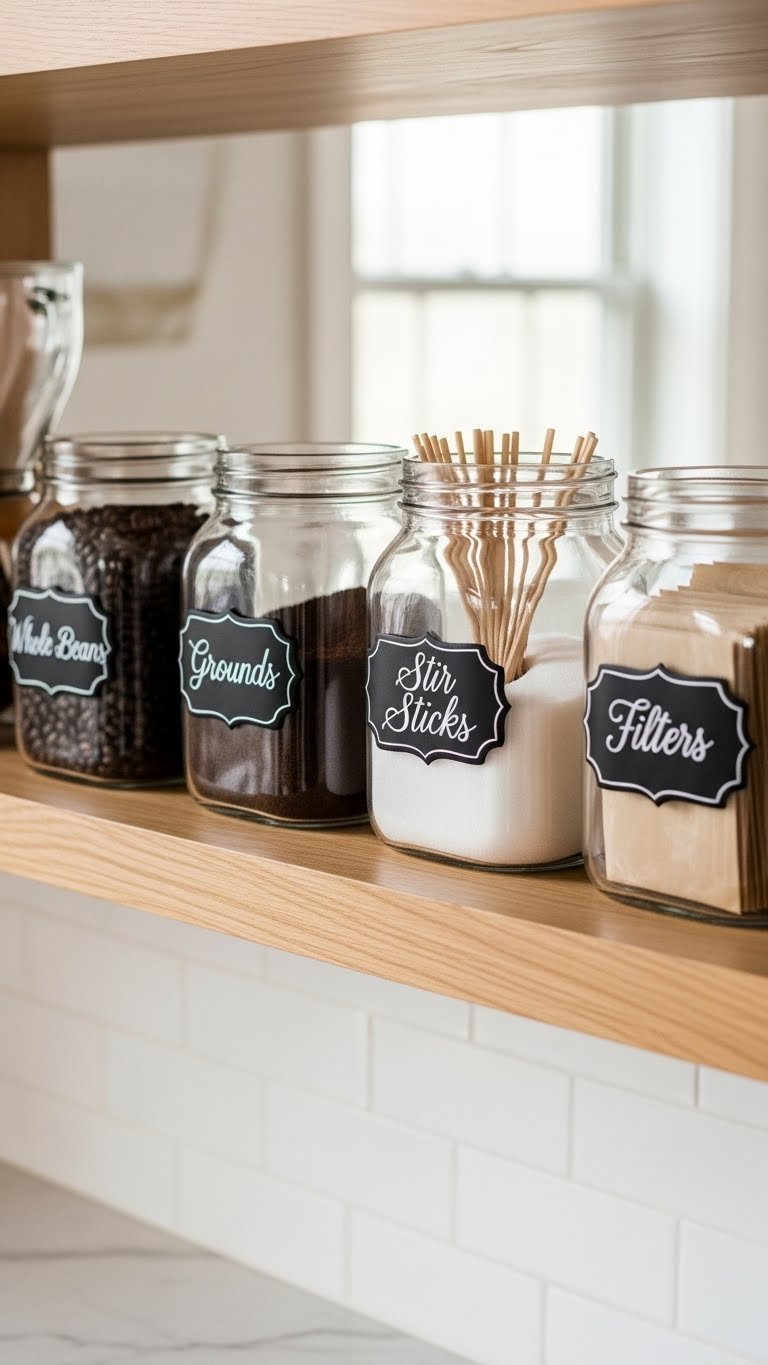
    24. Use Jar Labels and Matching Containers for a Cohesive Look

    Matching jars and coordinated labels ($25–$50 for a starter set from Container Store, Target, or Amazon) create a cohesive, intentional look. Choose a style that matches your kitchen: glass and wood, clear with concrete lids, ceramic, whatever resonates.

    Fill jars with beans, grounds, sugar, sweetener, and extras. Use chalkboard labels, printable tags, or hand-lettered stickers. Arrange them in size or color order. This entire project takes 30 minutes and transforms a functional setup into décor.

    Your countertop looks curated and intentional, like you’ve actually designed a coffee zone—because you have.


    25. Install a Small Under-Cabinet Drawer for Pod Storage

    An under-cabinet pull-out drawer ($40–$80 from Amazon, Home Depot, or Wayfair) adds storage without eating counter space. Choose one that’s shallow (3–4 inches deep) to fit under most cabinets.

    Mount it with the hardware provided (usually 15–20 minutes), and fill it with pods, filters, or supplies. Pull it open when you need something, and close it away. It’s a renter-friendly option if you use removable adhesive strips.

    You’ve added storage capacity without changing your counter footprint.


    26. Layer Your Station with a Wooden Serving Board as a Visual Base

    A wooden serving board ($20–$40 from Target, West Elm, or IKEA) creates a visual anchor for your station and defines the space. Choose one that’s at least 18 by 24 inches.

    Arrange your coffee maker, one to two mugs, a small spoon, and supplies on top of it as if you’re styling a table. The board visually contains your setup, makes it feel intentional, and looks beautiful even when things are slightly messy. It takes 3 minutes to style.

    Your coffee corner now looks gathered, curated, and purposeful—like you planned it, not just threw things on the counter.


    Save this post and tackle one idea this weekend. Pick something small if you’re starting out—mounting labels or grabbing a utensil holder takes 10 minutes and makes a noticeable difference. Your morning ritual deserves a corner that’s as organized as it is beautiful.

  • 27 Bookcase Design Ideas That Elevate Any Home Office

    27 Bookcase Design Ideas That Elevate Any Home Office

    Your home office should make you want to sit down and get work done. Yet so many of us end up with cramped, cluttered spaces that feel chaotic instead of creative. The good news? Your bookcase is the secret weapon. A well-designed bookcase doesn’t just store books—it anchors your whole room, reflects your personality, and actually boosts your productivity. Whether you’re working with a tiny corner or an entire wall, we’ve gathered 27 practical bookcase design ideas that work for any budget, any space, and any style. From DIY hacks to statement pieces, you’ll find something that makes your office feel like a place you actually want to spend eight hours a day.

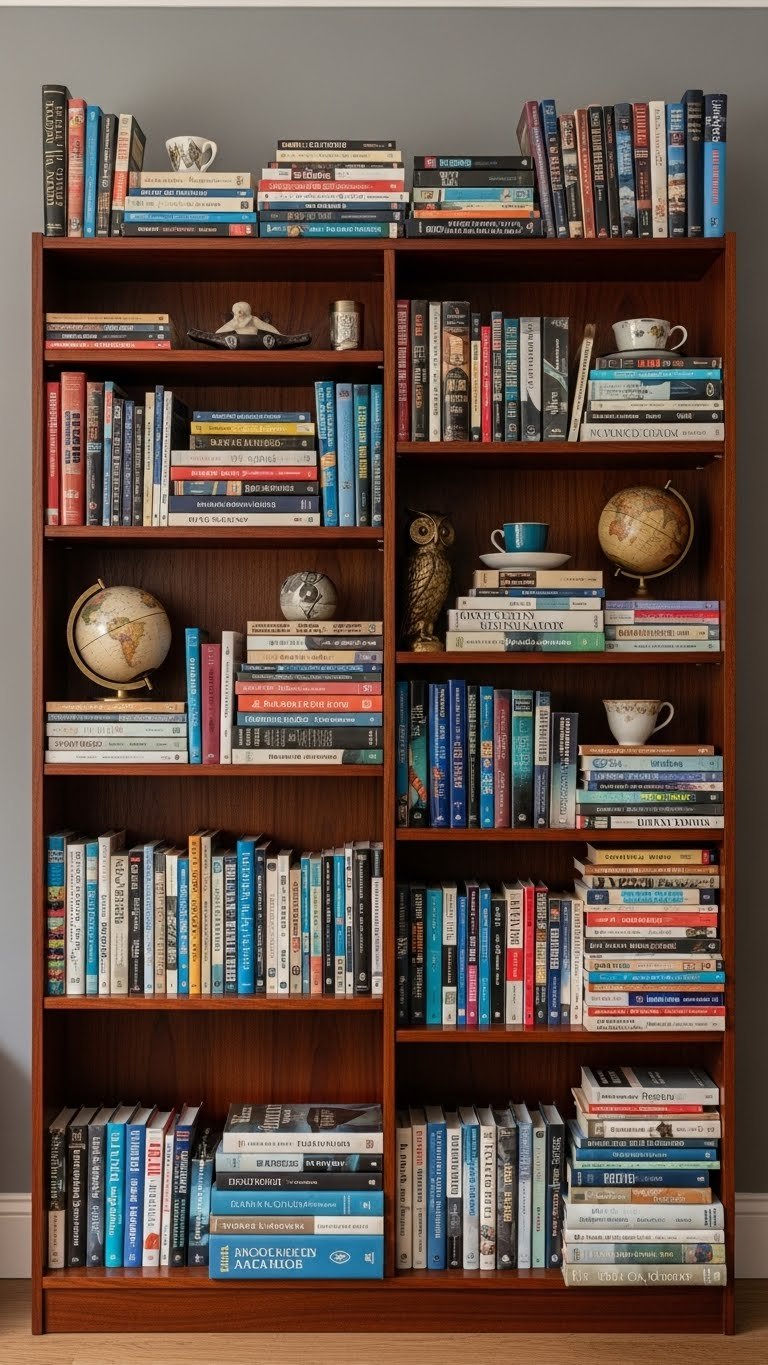
    1. Float Shelves for a Modern, Minimalist Look

    Floating shelves give you that high-end designer vibe without eating up precious floor space. They work in tight corners or along dead wall space that traditional bookcases can’t reach.

    Install floating shelves using heavy-duty wall brackets and a stud finder (about $30–$100 per shelf including hardware). IKEA, Home Depot, and Amazon all carry affordable options. The install takes about 30 minutes per shelf if you’re comfortable with basic drilling. No drilling skills? Many hardware stores offer installation services for a small fee. Pro tip: Stagger them at different heights to create visual interest and maximize storage without looking rigid.

    Your office instantly gains sophistication. The open design keeps the room feeling airy even when packed with books, and you can access everything at eye level without bending or reaching.

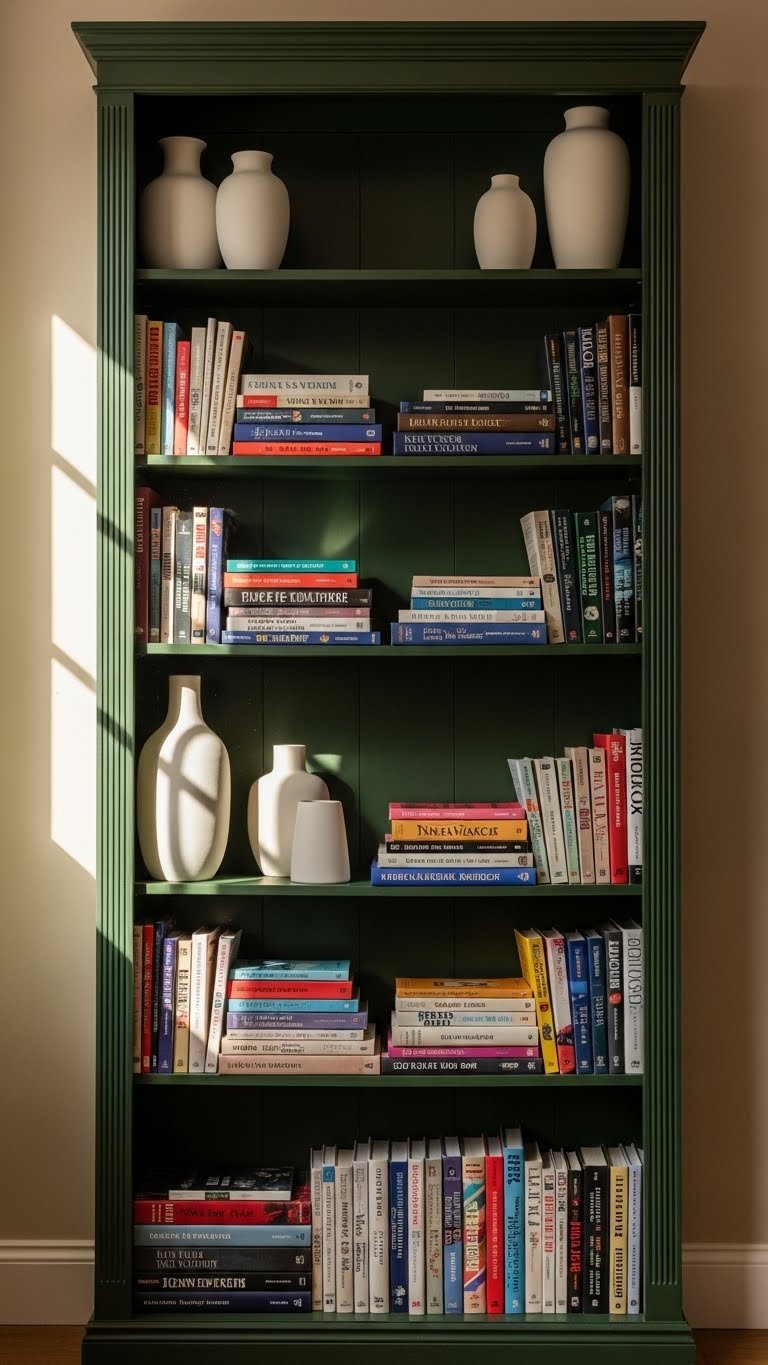
    2. Paint Your Bookcase a Bold Accent Color

    A painted bookcase becomes a focal point that anchors your entire office aesthetic. Instead of a boring wood tone, bold color creates instant personality.

    Choose a semi-gloss or satin finish paint in jewel tones (emerald, navy, terracotta) or soft pastels (sage, cream). Budget $15–$40 for paint and supplies. Use painter’s tape, primer, and two coats for a professional finish. The whole project takes a weekend and requires zero woodworking skills. Renting? Use a removable peel-and-stick paint alternative (about $25–$60) that protects your deposit.

    This single change makes your office feel intentional and curated. A bold bookcase backdrop photographs beautifully for video calls, too.

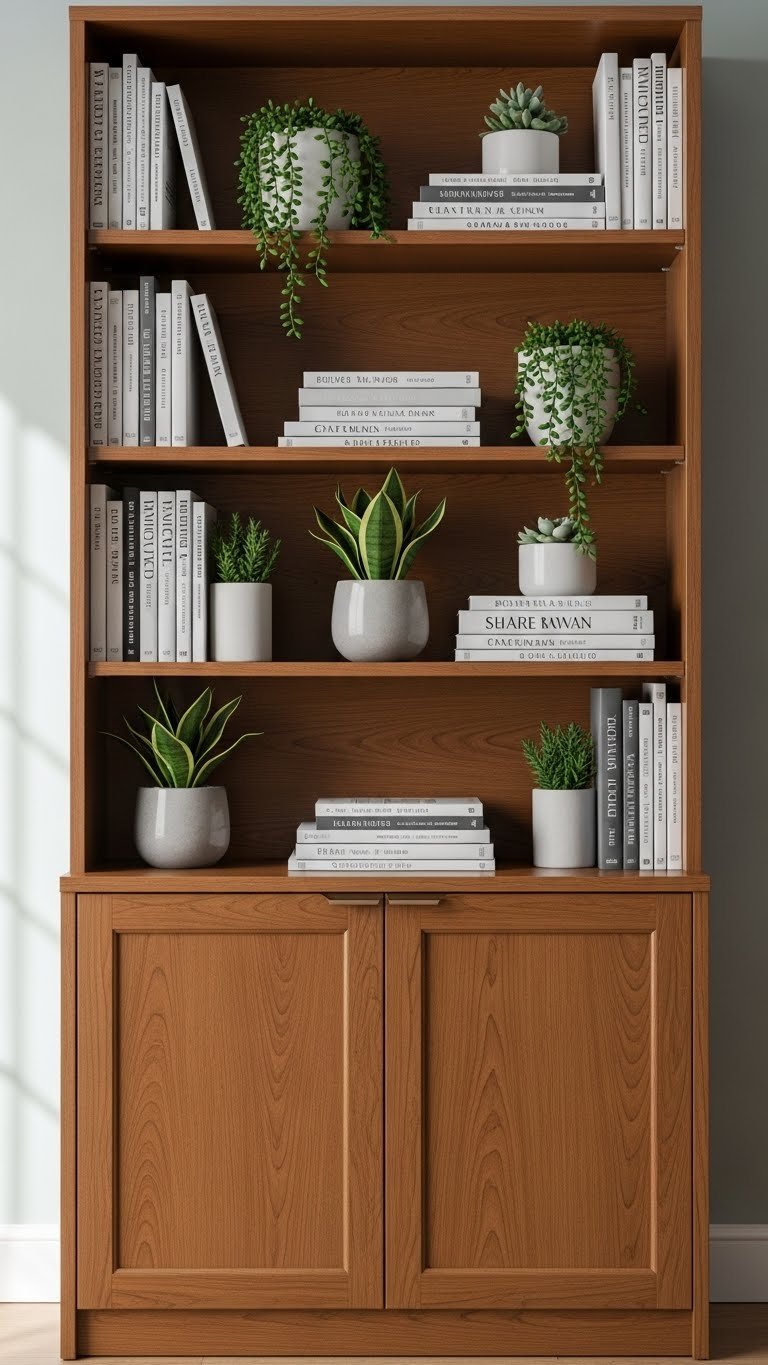
    3. Mix Open Shelving with Closed Cabinet Storage

    Open shelves look beautiful but require constant styling. Closed storage keeps the chaos hidden. Combining both gives you the best of everything.

    Look for open-and-closed bookcase hybrids (IKEA’s Billy with doors, $80–$200, or Wayfair’s designer options). The open top lets you display your best books and decor, while lower cabinets hide supplies, cords, and things you don’t want guests to see. Install in about 1–2 hours with basic tools. No assembly skills? Hire a handyman for $50–$100.

    You get a styled, editorial look on top with practical storage below. Your office looks polished, and you have a place for everything.

    4. Create a Two-Tone Bookcase with Paint and Stain

    Two-tone bookcases add sophistication without requiring major investment or construction skills. The contrast makes your space feel designed, not default.

    Paint the back panel of your existing bookcase while leaving the frame stained wood (budget $10–$30 for paint). Use painter’s tape for clean edges. The project takes 3–4 hours including drying time. Alternatively, buy a two-tone bookcase from West Elm ($400–$800) or IKEA ($150–$300) if you prefer new.

    This layered approach creates visual depth. Your bookcase becomes a piece of furniture rather than just storage, elevating your whole workspace.

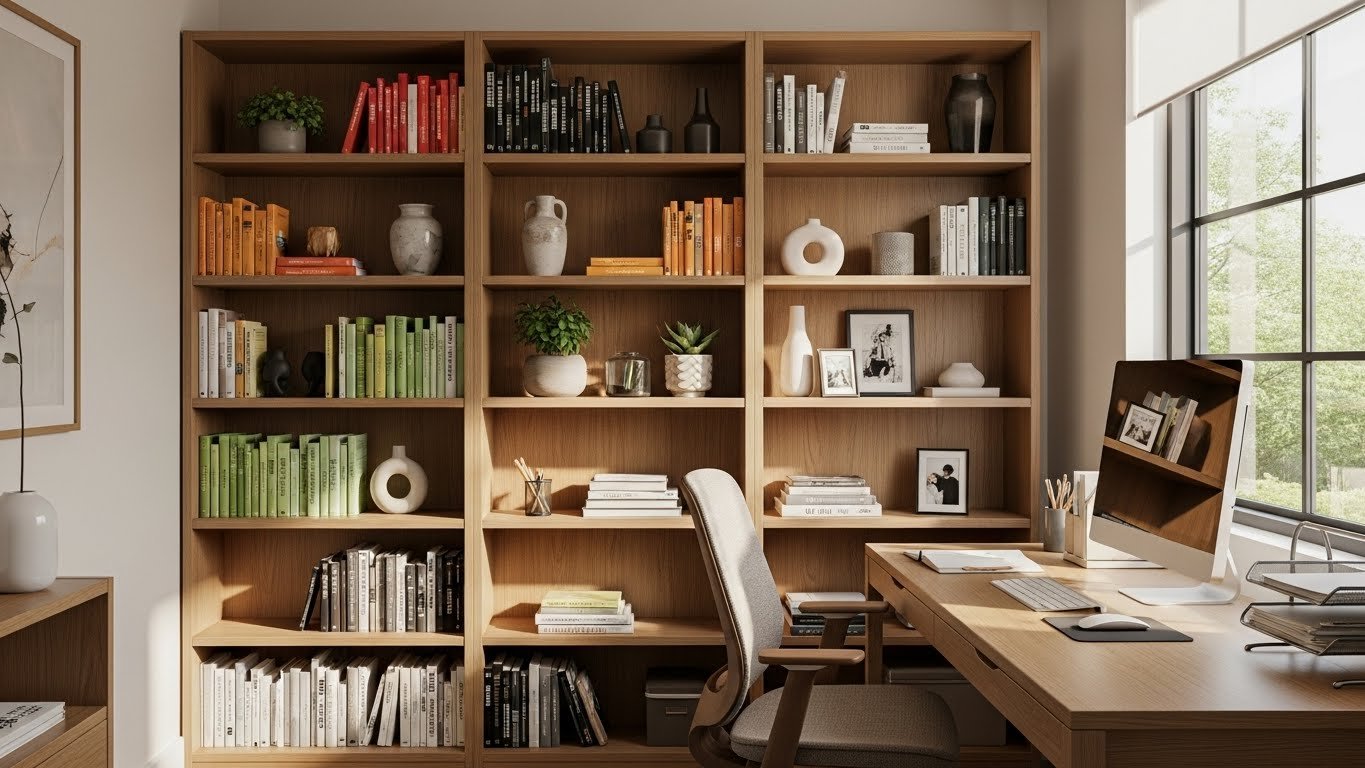
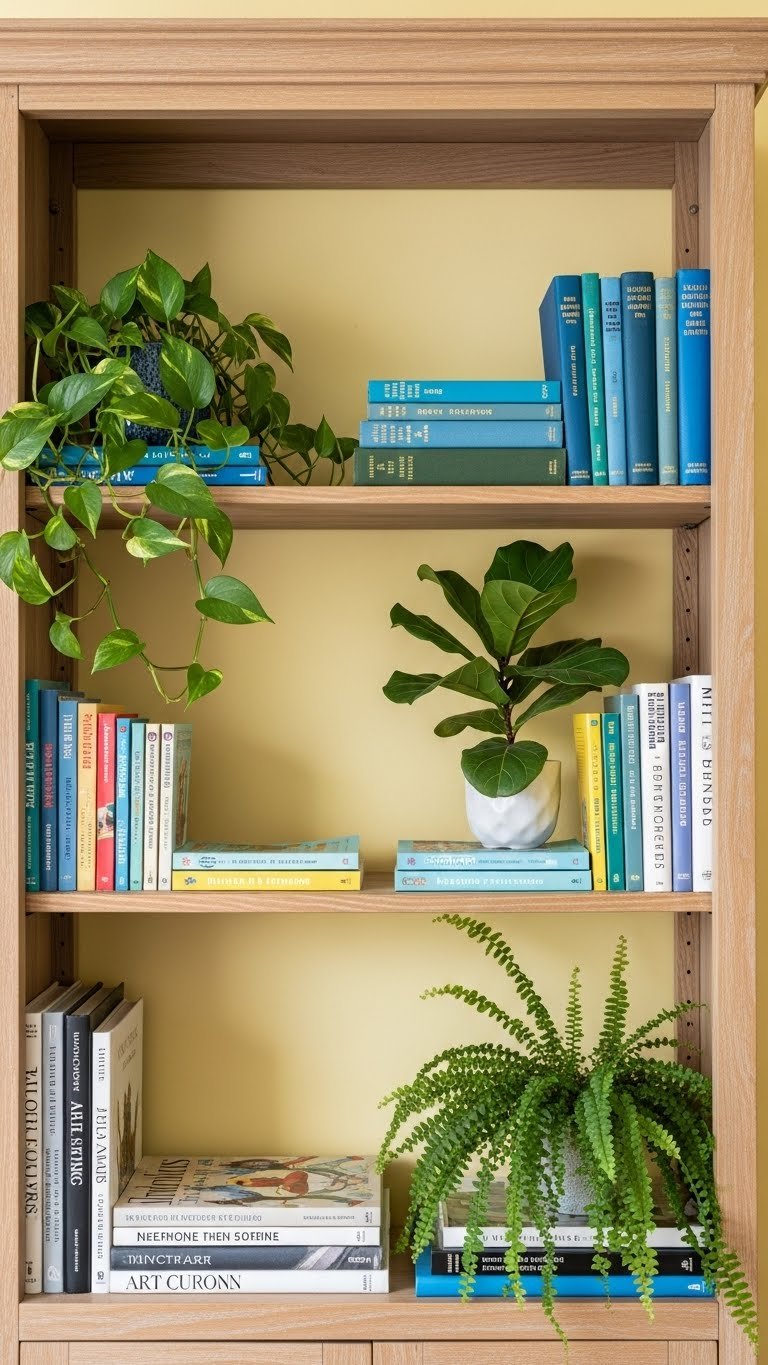
    5. Organize Books by Color for a Magazine-Worthy Display

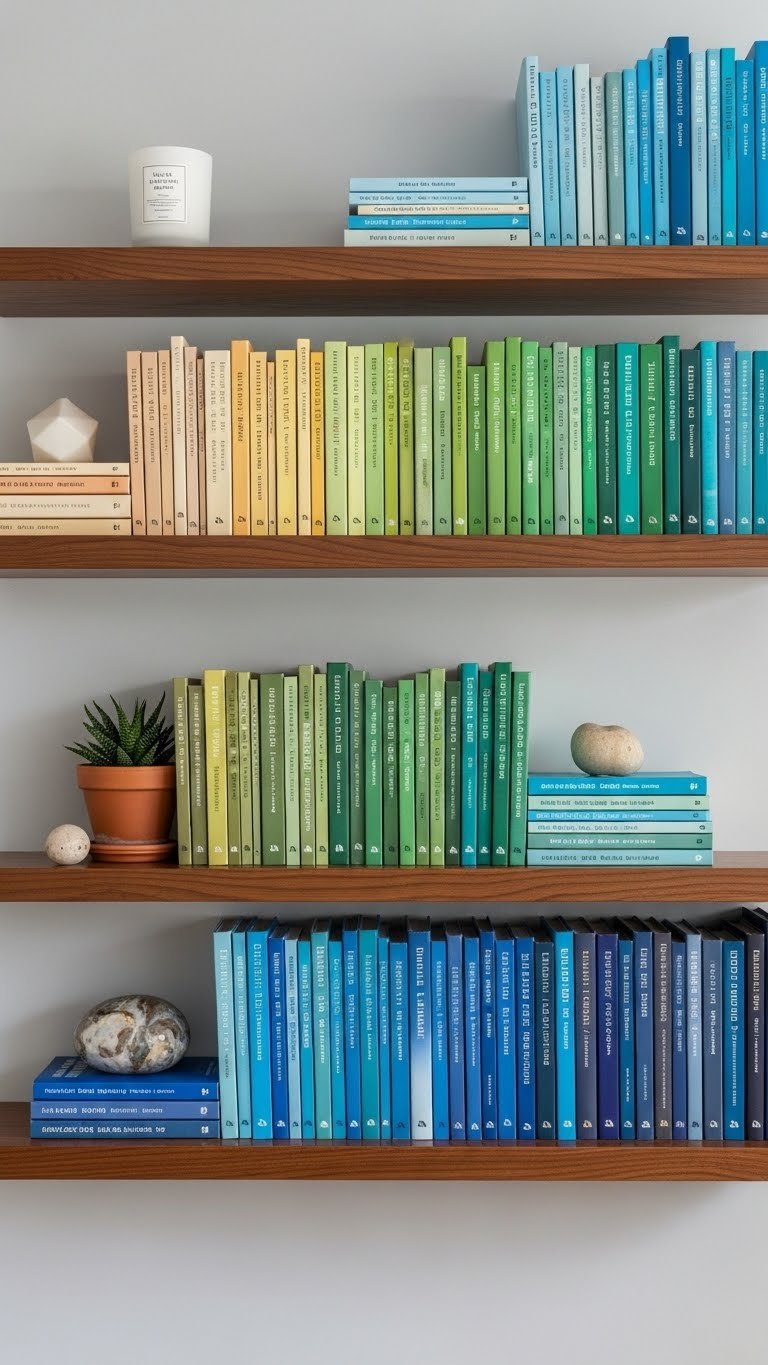
    Rainbow-organized books look stunning and actually make it easier to find titles visually. It’s the “bookshelf wealth” aesthetic that’s taking over social media for good reason.

    Sort your existing books by color (free) or buy a few coordinating titles from thrift stores or used sections ($10–$30 total). Arrange them spine-out for visual impact. Add 1–2 small decor pieces per shelf (plant, framed photo, small sculpture) to break up the color blocks. This takes about 1–2 hours to arrange and photograph well.

    Your bookcase becomes a visual asset that makes your home office feel curated and intentional. Video call backgrounds suddenly look professional and personal.

    6. Install Adjustable Shelving for Flexible Storage

    Standard bookcases force you into fixed shelf heights that waste space. Adjustable shelving lets you customize spacing for your actual stuff.

    Buy adjustable wall-mounted shelving systems like Elfa (Container Store, $100–$300 per unit) or Slingsby modular systems ($80–$250). Installation takes 1–2 hours with basic tools. These systems let you add, remove, or raise shelves anytime without tools. Budget-friendly alternative: Buy a traditional bookcase with adjustable pegs ($60–$150 from IKEA or Wayfair).

    You’ll stop wasting vertical space and actually use every inch. When your needs change, just adjust—no furniture replacement needed.

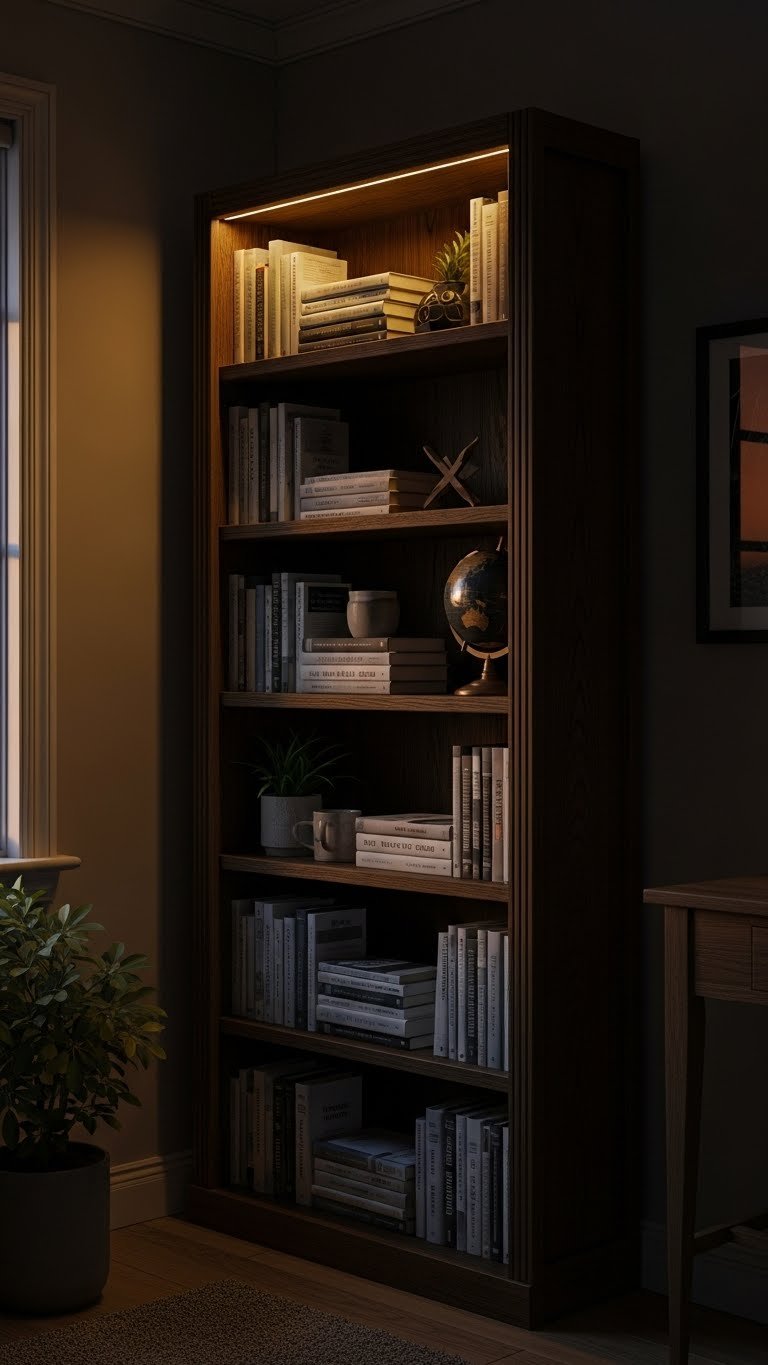
    7. Add LED Strip Lighting Behind Shelves

    Shelf lighting serves double duty: it makes your bookcase look like a high-end display and provides practical task lighting for your desk below.

    Install adhesive LED strip lights ($15–$40 on Amazon) along the top edge or behind shelves. Warm white (2700K) feels professional; cool white (5000K) energizes. Takes 10 minutes to install and plug in. Plug into a smart outlet ($15–$25) to control brightness via your phone.

    Your office gains upscale ambiance instantly. The warm glow makes late afternoon work sessions feel less draining, and your bookcase becomes a beautiful focal point, especially on video calls.

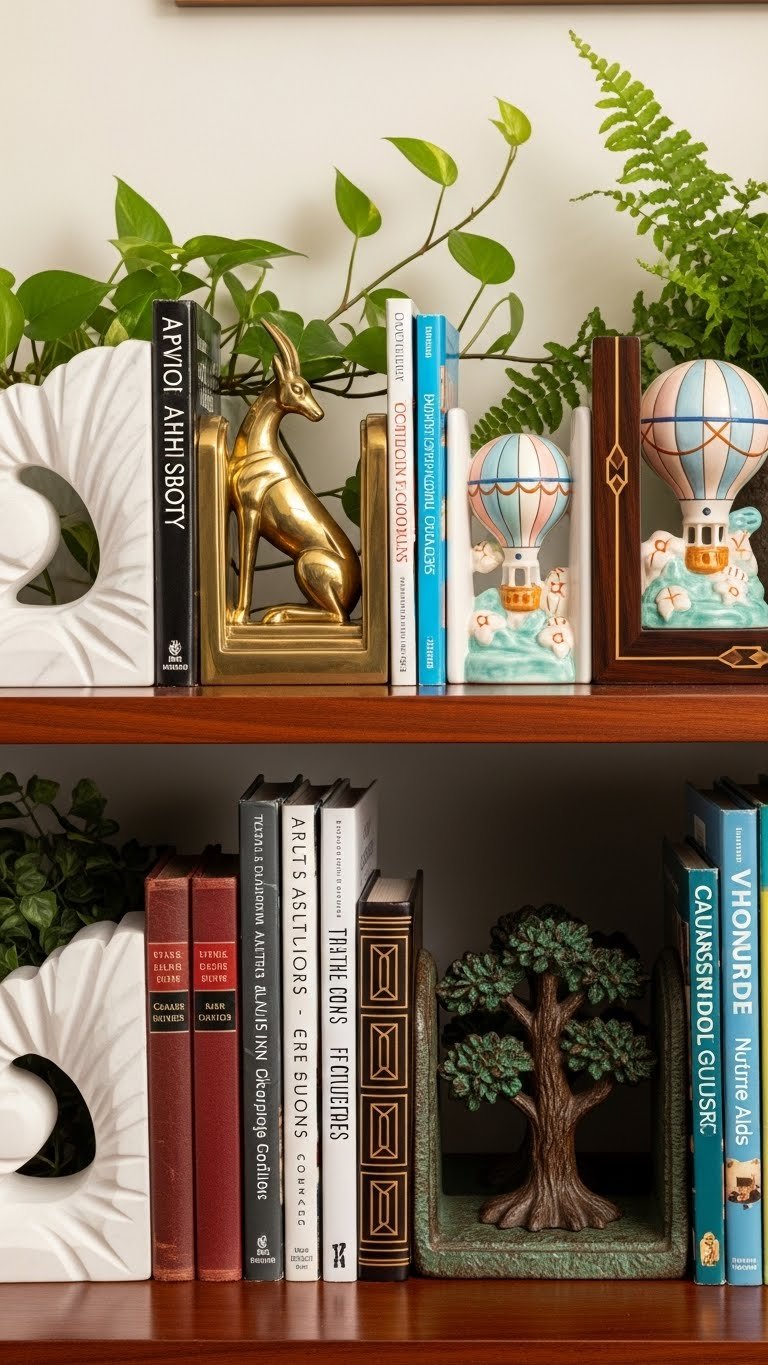
    8. Use Bookends as Decorative Styling Tools

    Bookends aren’t just functional—they’re miniature sculptures that break up visual monotony and add personality to your shelves.

    Collect mixed bookends in marble, brass, ceramic, or wood ($8–$20 per pair from Target, World Market, or West Elm). Buy 3–5 pairs in complementary finishes for $30–$100 total. Mix metals (no matching sets) for a curated gallery vibe. Arrange books in staggered heights using bookends to create rhythm.

    Your shelves instantly look styled and intentional. Bookends become conversation pieces that reflect your taste without taking up much space.

    9. Style Shelves in Threes for Visual Balance

    The “rule of three” is a design principle that makes any shelf arrangement look polished and intentional, not random or chaotic.

    For each shelf, create three distinct groupings: a stack of 3–5 books, one taller object (plant, vase, frame), and one smaller decorative piece. Use this pattern across multiple shelves. Source items from what you already own (free) or add 1–2 pieces per shelf from thrift stores or Target ($10–$30 per shelf). Arranging takes 30 minutes per bookcase.

    Suddenly your shelves look like they belong in a design magazine. This simple principle works whether you’re decorating a $50 budget bookcase or a $500 designer piece.

    10. Create a Reading Nook Around Your Bookcase

    Your bookcase can anchor a mini retreat space within your office. Add a chair, and your bookcase becomes the backdrop to actual relaxation.

    Place a small armchair ($150–$400 from Article, West Elm, or IKEA) or reading chair directly in front of your bookcase. Add a throw blanket ($20–$60) and side table ($40–$100) for your coffee or tea. This setup requires about 4 square feet of space but gives you a mental break zone without leaving your office.

    You create a psychological separation between work and rest even in a small space. A quick 10-minute reading break actually improves focus for the next work block.

    11. Display Collections Alongside Books

    Books aren’t your only option for shelf styling. Collections (vintage cameras, pottery, figurines) add personality and tell your story.

    Mix books with collected items from your interests or travels (free—use what you already own). Dedicate one shelf to a cohesive collection or scatter pieces throughout. Thrift stores are goldmines for affordable collectibles ($2–$10 per item). Arrange at varying heights for visual interest. This takes 30–60 minutes to arrange thoughtfully.

    Your bookcase becomes a gallery of your life, not just storage. Clients and colleagues see personality, making your office feel human and approachable.

    12. Install a Bookcase Ladder for Style and Function

    A library ladder isn’t just for show—it makes tall bookcases actually functional while adding undeniable style and character.

    Buy a decorative library ladder (brass, wood, or metal) from Wayfair ($150–$400), Etsy ($200–$600), or Target ($80–$150). Install takes 15–20 minutes (most come with hardware). Choose one that complements your bookcase material—brass for modern, wood for traditional. Budget this as a long-term investment but totally doable for maximizing a floor-to-ceiling bookcase.

    You gain actual access to upper shelves without a step stool. More importantly, the ladder becomes a design feature people notice—it makes your office feel intentional and literary.

    13. Incorporate Woven Baskets for Hidden Storage

    Baskets hide paperwork, cables, and office supplies while adding warmth and texture that pure books can’t provide alone.

    Buy 2–4 decorative woven baskets in various sizes ($15–$40 each from IKEA, Target, or Wayfair). Nestle them into shelf spaces where they fit snugly. Use them to corral pens, files, charging cables, and overflow supplies. No assembly needed—just place and fill. Budget $50–$150 total depending on how many you buy.

    Your bookcase gains visual warmth and texture. Everything stays organized and accessible without cluttering your desk surface.

    14. Use the Back Wall as a Backdrop for Styling

    If your bookcase sits away from the wall, the back becomes a hidden design opportunity. Paint or wallpaper it for surprising visual impact.

    Paint the area directly behind your bookcase in a complementary color ($10–$25 for paint) or apply removable peel-and-stick wallpaper ($20–$50, renter-friendly). Choose a soft shade that pops slightly—dusty pink, sage, or warm gray work beautifully. Paint or apply in 1–2 hours.

    When colleagues see your bookcase from the side, they notice the surprising color backdrop. It signals that you’ve thought about your space, elevating the whole aesthetic.

    15. Create Symmetry with Matching Bookcase Pairs

    Two matching bookcases create a statement-making, intentional look that feels designed rather than assembled.

    Buy two identical bookcases ($100–$300 each depending on size) and position them on either side of your desk, window, or door. Fill them with similar book layouts and matching decor (two matching planters, two identical frames) for visual balance. This works beautifully even in small spaces—two slim bookcases side-by-side create a focal wall. Assembly and styling takes 2–3 hours total.

    Your office instantly feels more put-together and professional. The symmetry creates calm and order, which actually boosts focus.

    16. Go Minimalist with a Single-Shelf Floating Display

    Not every office needs a massive bookcase. Sometimes a single floating shelf creates more impact than overwhelming storage.

    Install one long floating shelf ($30–$80 including hardware) and display only your favorite 5–10 books plus one meaningful decor item. This works especially well in small offices or studio apartments where a full bookcase would overwhelm the space. Installation takes 30 minutes.

    You get the psychological benefit of organized, curated storage without cramming. Your office feels intentional and calm rather than cluttered.

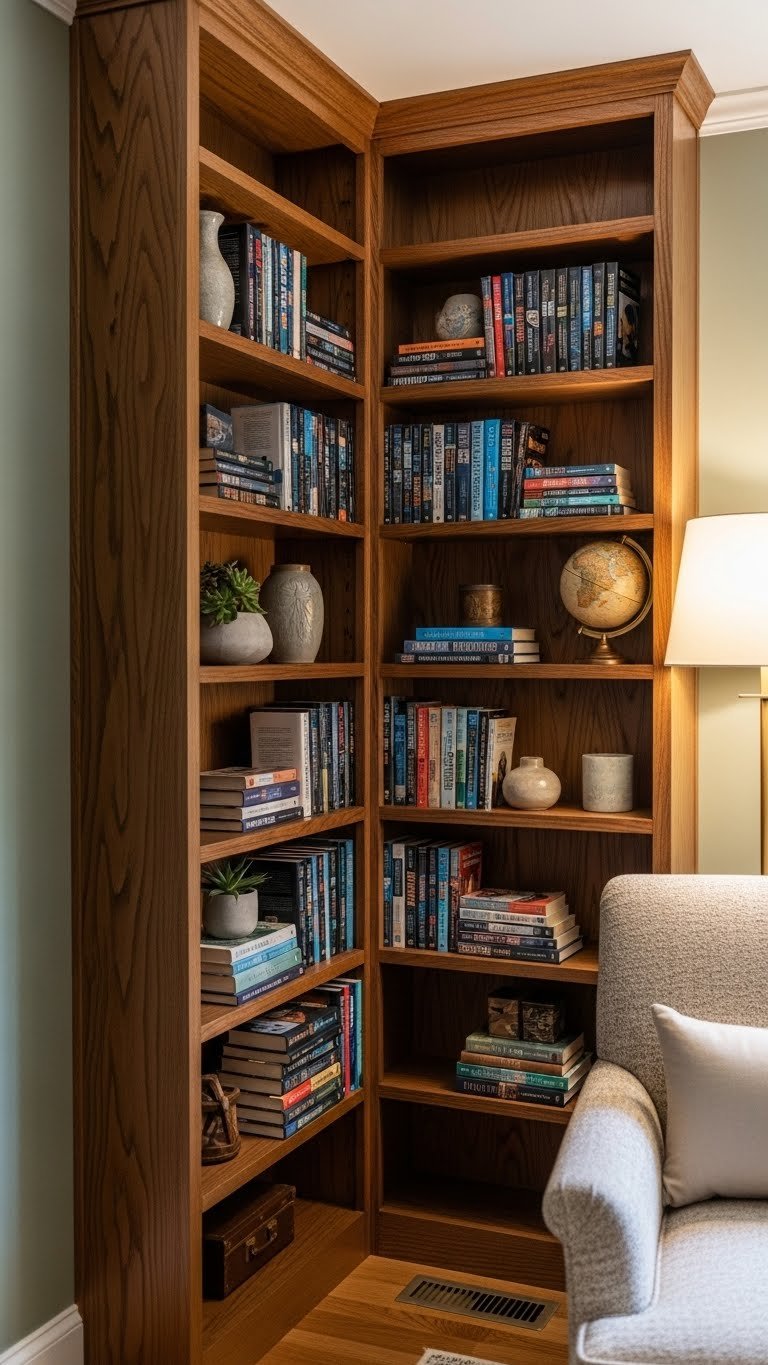
    17. Use Corner Bookcases to Maximize Tight Spaces

    Corners are dead space in most offices. A corner bookcase transforms wasted real estate into functional storage.

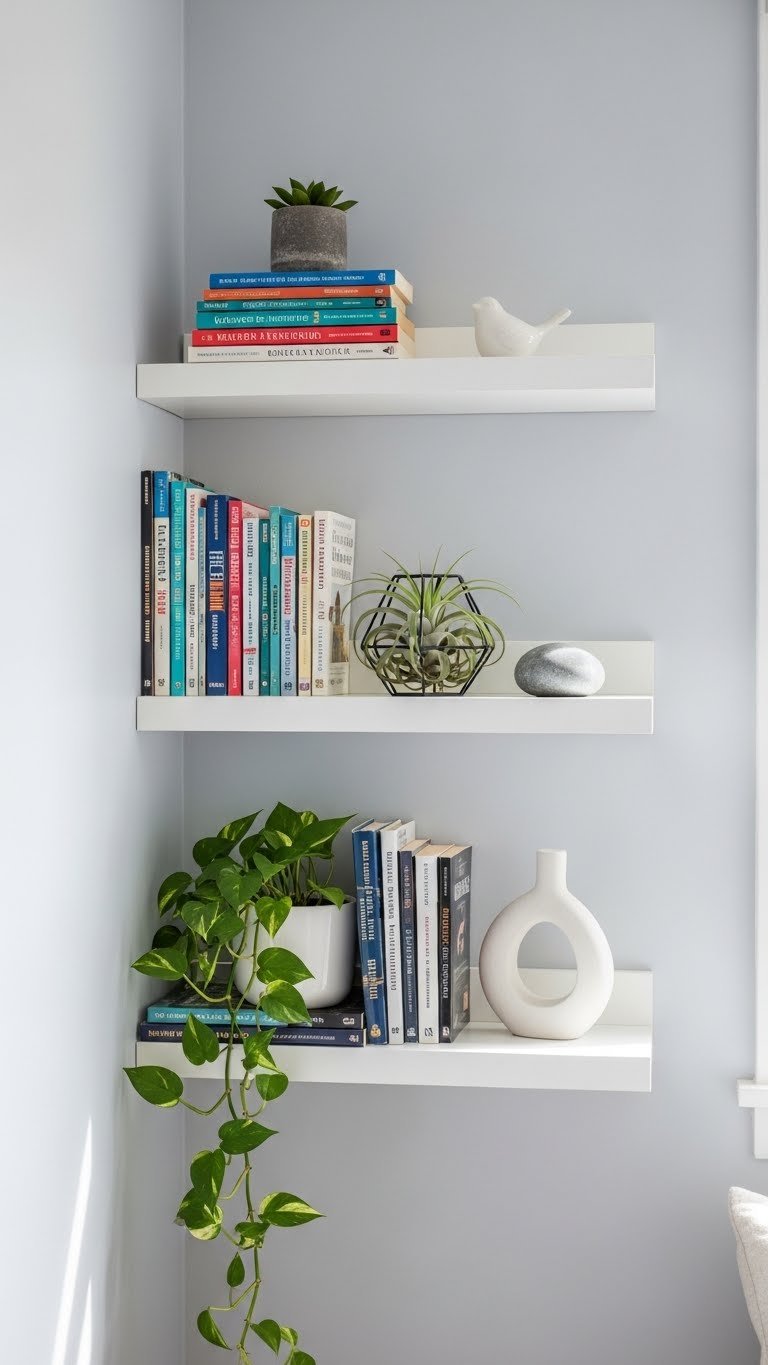
    Buy a corner-specific bookcase ($80–$250 from IKEA, Wayfair, or specialty retailers) or use corner floating shelves ($40–$100 total for a set of three). These maximize vertical space without claiming precious floor area. Install takes 1–2 hours depending on configuration. Renter-friendly tip: Some corner bookcases stand freely without wall installation ($100–$200).

    You’ve created usable storage from nothing. Small offices suddenly feel better organized without furniture taking up extra space.

    18. Mix Books Horizontally and Vertically for Visual Texture

    Stacking some books horizontally breaks up the monotony of all vertical spines and creates natural visual interest without extra styling effort.

    Stack 3–5 books horizontally on one shelf, stand others vertically. Place a decorative object on top of horizontal stacks (small plant, frame, sculpture). This costs nothing if you use existing books and requires just 15 minutes of rearranging. The “rule” is roughly 70% vertical, 30% horizontal for balance.

    Your shelves look styled and intentional, like you’ve thought about every placement. This simple technique works with any color scheme or bookcase style.

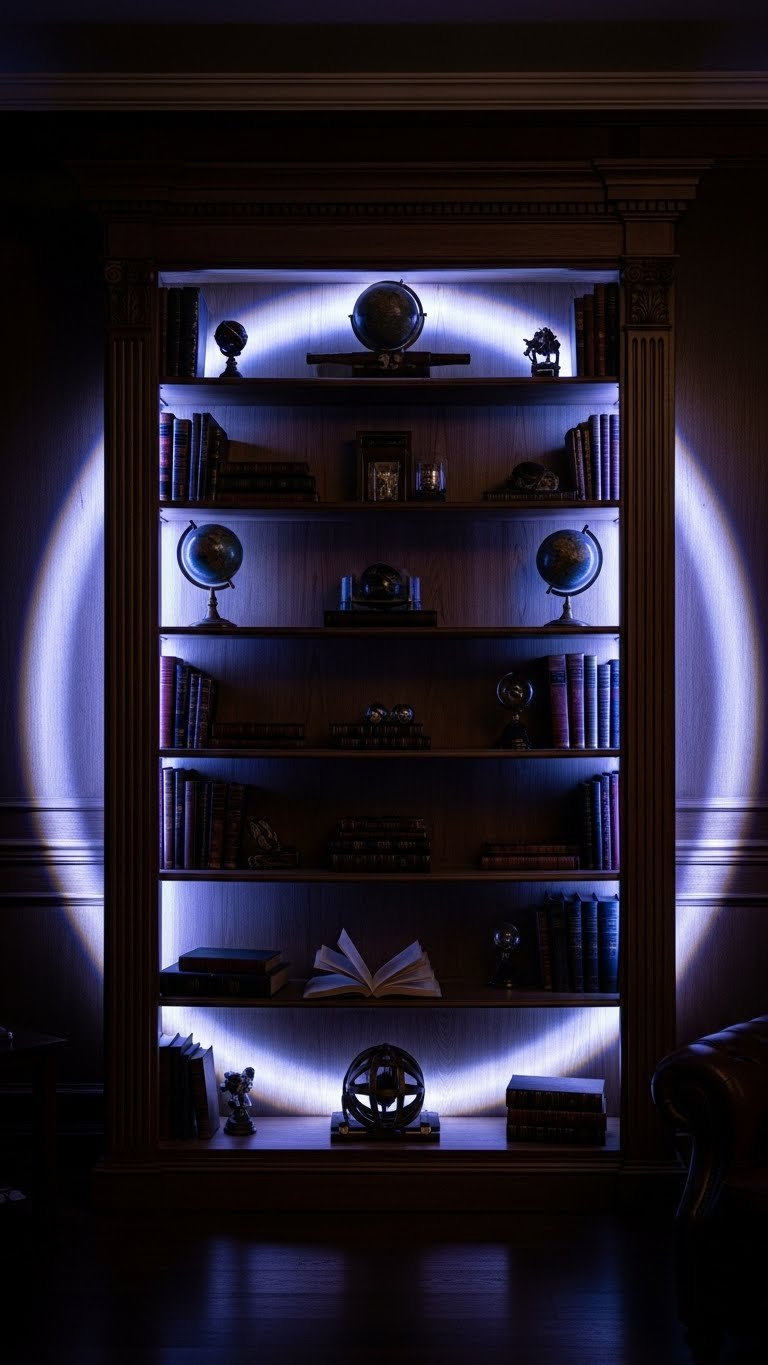
    19. Install Bias Lighting Behind Your Bookcase

    Bias lighting goes beyond function—it creates ambiance that transforms your office into a space you actually want to spend time in, especially for evening work sessions.

    Install RGB LED strip lights ($20–$50 on Amazon) along the top back edge of your bookcase, or run them down the sides. Choose warm white for professionalism or play with soft colors (blue, amber) for mood. Plug into a smart controller ($10–$20) to adjust brightness and color. Installation takes 15 minutes.

    Your office transforms into a high-end hotel workspace aesthetic. The ambient light makes late-night work sessions feel intentional rather than draining, and your bookcase becomes a beautiful focal point.

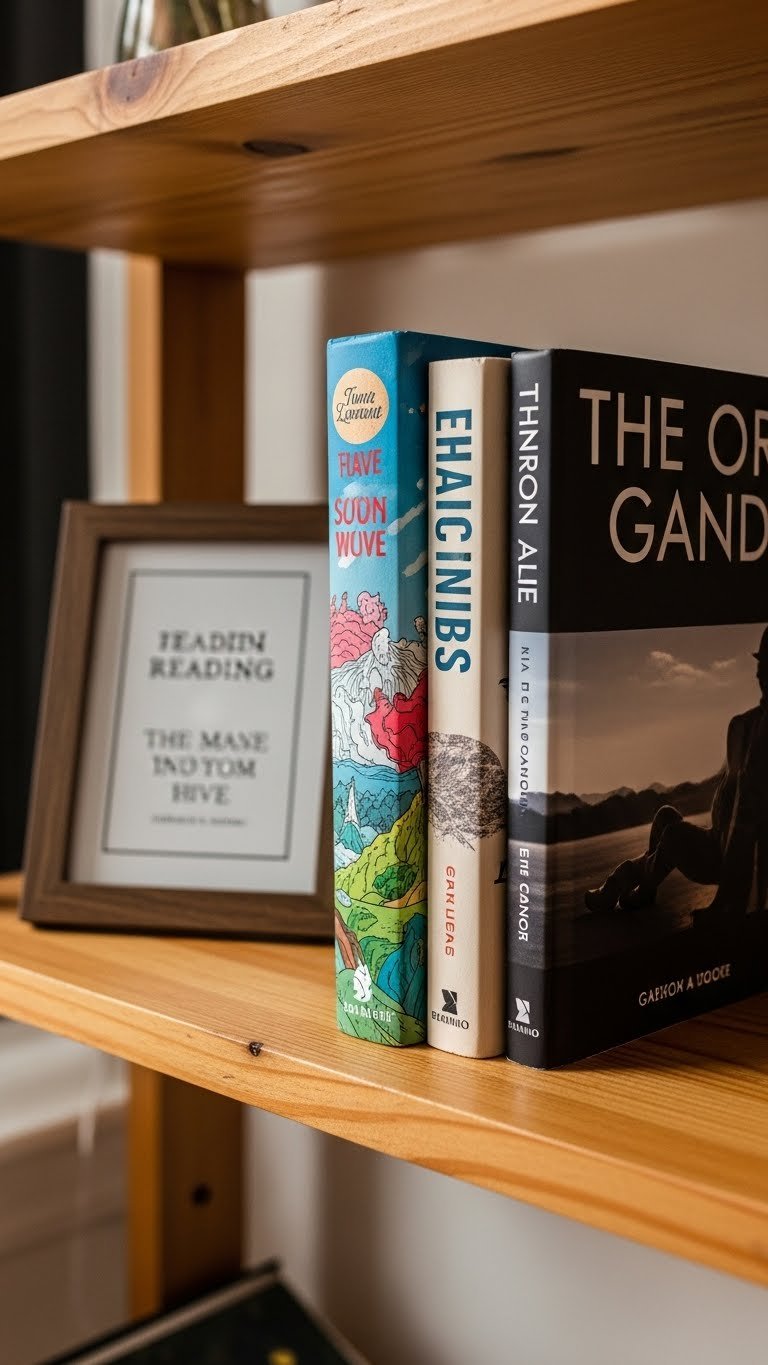
    20. Create a “Current Reads” Display Shelf

    Most books hide their covers on spines. Dedicating one shelf to face-out displays celebrates the actual design while creating a mini bookstore vibe.

    Pick one shelf (preferably at eye level) to display 3–5 books face-out. Rotate them monthly or weekly. This works especially well for books you’re currently reading or your absolute favorites. Costs nothing—you’re just rearranging. Takes 10 minutes to set up and maintain.

    This simple change makes your bookcase feel alive and curated. It signals that you actually read and have interests, not just decoration.

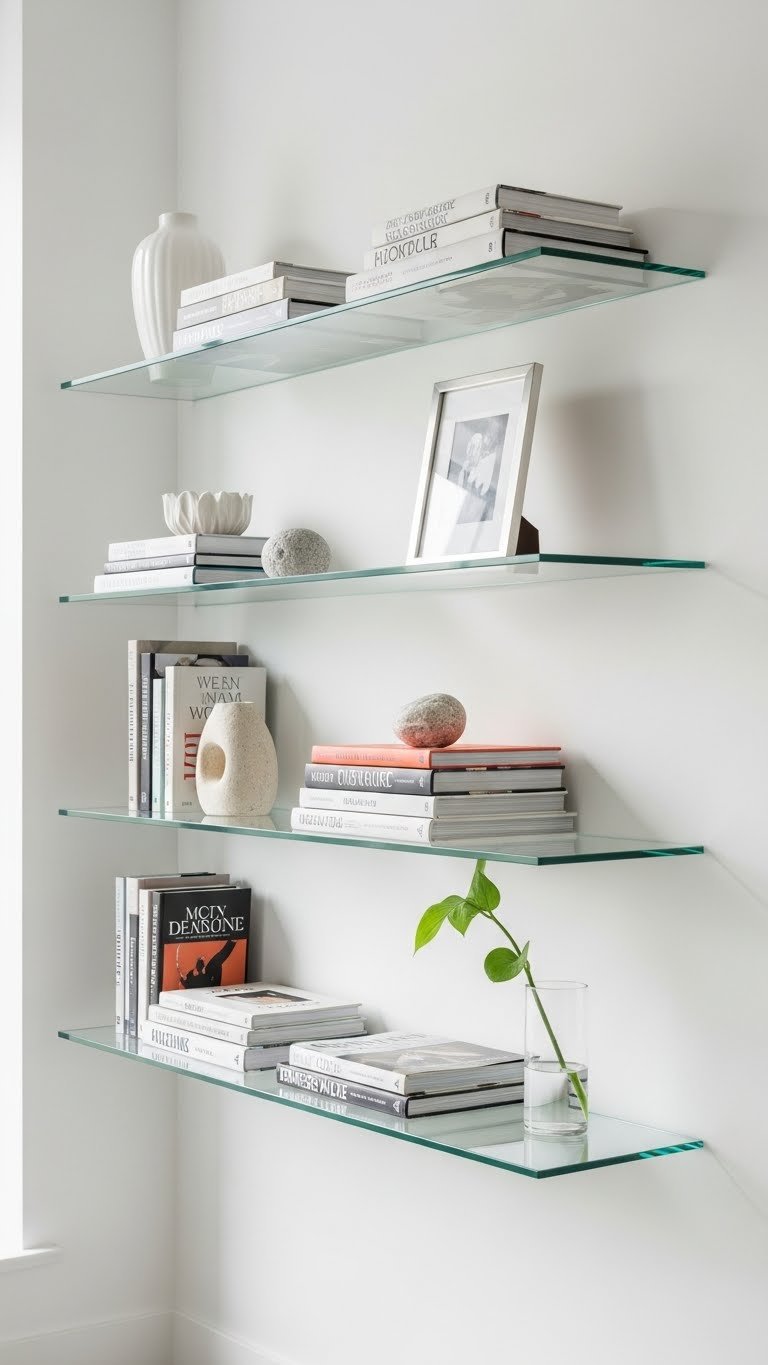
    21. Add Glass Shelving for a Light, Modern Feel

    Glass shelves create an illusion of floating storage without visual weight. They work beautifully in small offices or modern aesthetics.

    Install glass floating shelves ($40–$100 each from IKEA, CB2, or Wayfair). These require secure wall anchoring, so hire a handyman if uncertain ($50–$100). They’re maintenance-intensive (dust and fingerprints show), so they work best in offices where you don’t share space. Install takes 1–2 hours.

    Your office gains a sophisticated, gallery-like quality. Glass creates openness even when shelves are full, making small spaces feel larger.

    22. Use Pegboard Backing for Flexible, Modular Display

    Pegboard backing lets you change your bookcase configuration anytime without tools. It’s also a major current design trend that photographs beautifully.

    Install pegboard ($15–$30 per sheet) on the back wall behind your bookcase or inside the bookcase if it’s open-backed. Add pegboard shelves, hooks, and accessories ($20–$50 total). Rearrange anytime depending on your storage needs. Installation takes 2–3 hours but offers endless flexibility afterward.

    You get a designer-approved look that’s totally customizable. Your bookcase setup evolves with your needs instead of staying static.

    23. Style with Meaningful Decor, Not Just Books

    Bookcases that display only books feel sterile. Adding personal items tells your story and makes your office feel human.

    Intersperse books with meaningful items: framed photos ($5–$20 each), plants ($5–$30), art prints ($10–$40), candles ($8–$20), or travel souvenirs (free if you already have them). Spend 1–2 hours arranging until it feels balanced. Aim for roughly 60% books, 40% decor.

    Your bookcase becomes a conversation starter. When clients or colleagues see photos, plants, and personal touches, they see a human, not just a professional—and that builds connection.

    24. Create a Digital Archive Tag System for Organization

    If you actually use your books (not just display them), a subtle tagging or color-coding system keeps everything findable without looking chaotic.

    Use small colored stickers ($5–$10) to tag books by category (work, fiction, design, etc.) or white labels ($8–$15) to mark by author’s last name. Keep tags small and subtle so they don’t ruin the aesthetic. Takes about 30 minutes to tag an average bookcase. This works best if you have 100+ books.

    You actually use your bookcase instead of just staring at it. Finding that one book you need becomes instant, and your office functions better.

    25. Combine Bookcase with Desk Space for an All-in-One Workstation

    Instead of separate furniture, buy a bookcase with integrated desk space (often called a “bookcase desk” or “shelving unit desk”). These maximize every square inch, especially for small offices.

    Look for combination bookcase-desk units ($200–$600 from IKEA, Wayfair, or Amazon) that attach a desk surface to a bookcase base. These work beautifully in studio apartments or small home offices. Assembly takes 2–3 hours or hire help ($75–$150). You’ll also need a task chair ($100–$300).

    Your whole workspace becomes one cohesive, intentional unit. You save floor space, create visual continuity, and everything you need sits right in front of you.

    26. Paint the Interior of an Open Bookcase Back Panel

    Even if you can’t paint the wall behind your bookcase, painting the bookcase’s interior back panel creates the same premium effect.

    If your bookcase has a removable back panel, paint it with semi-gloss paint in a contrasting shade ($8–$20 for paint). If it’s built-in, paint directly on it. Choose colors that make your book covers pop—deeper tones (navy, forest green, charcoal) work beautifully with colorful books. Takes about 2–3 hours including dry time.

    The painted interior frames your collection beautifully. Even with the same books, the background color completely changes the shelf’s visual impact, making it look professionally designed.

    27. Rotate Seasonal Decor on Your Shelves

    Your bookcase doesn’t have to stay static all year. Seasonal rotation keeps your office feeling fresh and intentional as seasons change.

    Every 6–8 weeks, swap out 2–3 decor items (seasonal plants, themed items, color-coordinated books) without moving everything. Spring: pastels and fresh plants. Fall: warm tones and dried botanicals. Winter: deep jewel tones and cozy textures. Summer: bright, light combinations. Costs nothing if you use existing items; refresh takes 30 minutes.

    Your office evolves subtly throughout the year. You stay engaged with your space, and it never feels stale or ignored.


    Save this post and pick one idea to try this weekend—whether it’s painting a back panel, adding lights, or just rearranging your books by color. Small changes add up fast, and your home office deserves to feel like a place you’re excited to work in.

  • 27 Multi-Use Furniture Ideas Every Student Should Try

    27 Multi-Use Furniture Ideas Every Student Should Try

    Your dorm room is about 200 square feet of real estate—and you need it to be a bedroom, study zone, lounge, and storage unit all at once. Multi-use furniture isn’t just a nice-to-have; it’s your secret weapon for fitting everything you actually need without feeling cramped. We’ve rounded up 27 furniture ideas that pull double (or triple) duty, designed specifically for renters and budget-conscious students who refuse to sacrifice style for function. From ottomans that hide storage to beds that create extra seating, these pieces solve the space puzzle while looking intentional. Ready to make every inch count? Let’s dive in.

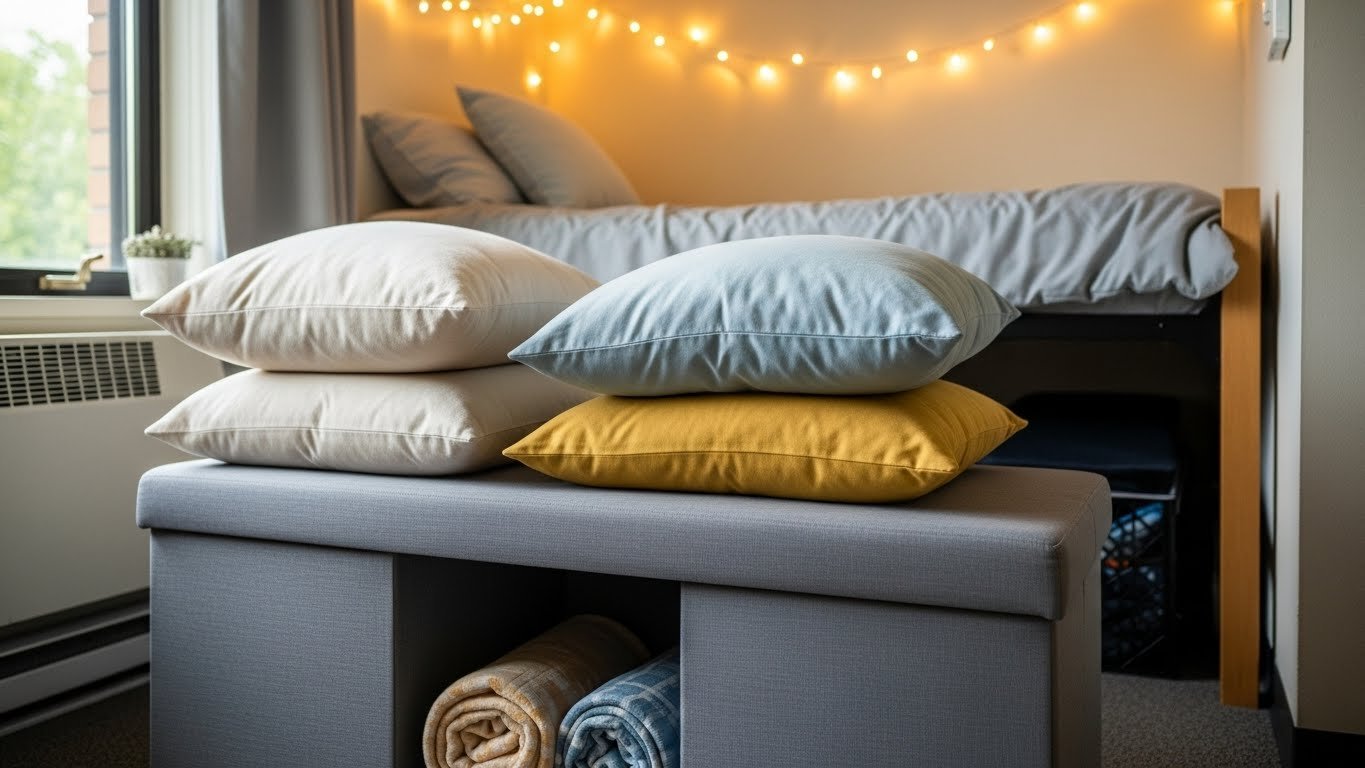
    1. Invest in a Storage Ottoman That Works as Seating

    An ottoman is your MVP piece—it’s seating, a footrest, a coffee table, and hidden storage in one compact item. When you open the lid, you get instant access to extra bedding, seasonal clothes, or supplies you don’t need daily. Look for ottomans with soft-close lids (so they don’t slam your fingers) and sturdy construction that can handle regular weight.

    Brands like IKEA’s EKTORP ($80–$120), Amazon’s Ornavo Home Ottoman ($60–$90), and Wayfair’s West Elm collection ($150–$250) offer renter-friendly options that don’t require assembly skills. Measure your doorway before ordering—larger ottomans won’t fit through narrow dorm entrances. Installation is literally just unboxing; softer upholstery hides stains better than leather finishes.

    You get a seat for friends, a soft landing spot for your feet after class, and hidden storage for everything else.

    2. Choose a Lofted Bed Frame to Unlock Floor Space

    A lofted bed lifts your mattress 4–5 feet high and opens up an entire room-sized area underneath for a desk, seating nook, or storage unit. This is the single biggest space-multiplier for tiny dorms. You essentially gain a second room on your floor without adding square footage.

    Metal lofted frames run $150–$400 depending on weight capacity and adjustability. IKEA’s TUFFING frame ($180–$220) is student-approved and assembly-takes-two-people-and-two-hours. Amazon carries dozens of options with safety railings and built-in shelves. Check your dorm’s weight limits and clearance from the ceiling before purchasing. Some dorms restrict lofting entirely, so verify with your housing office first.

    Once installed, you’ve doubled your usable room layout and eliminated the cramped feeling completely.

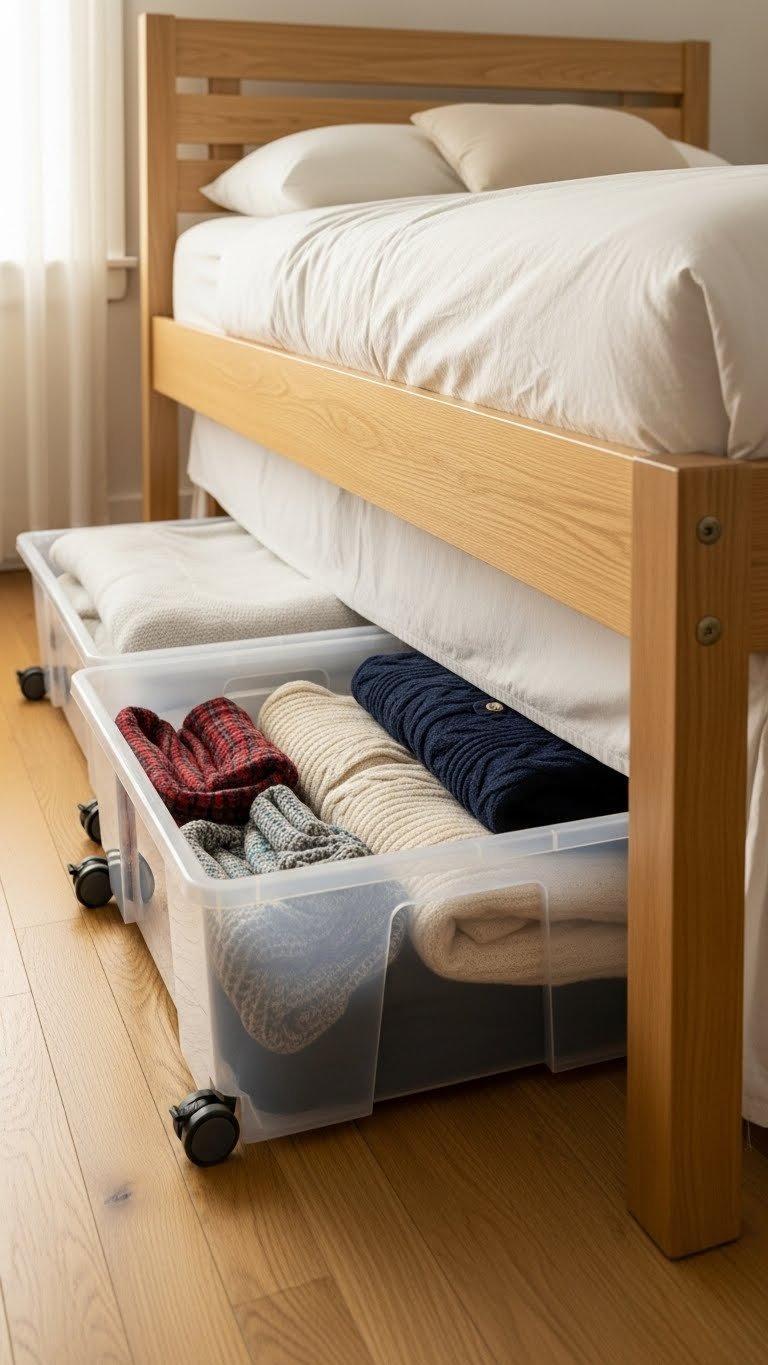
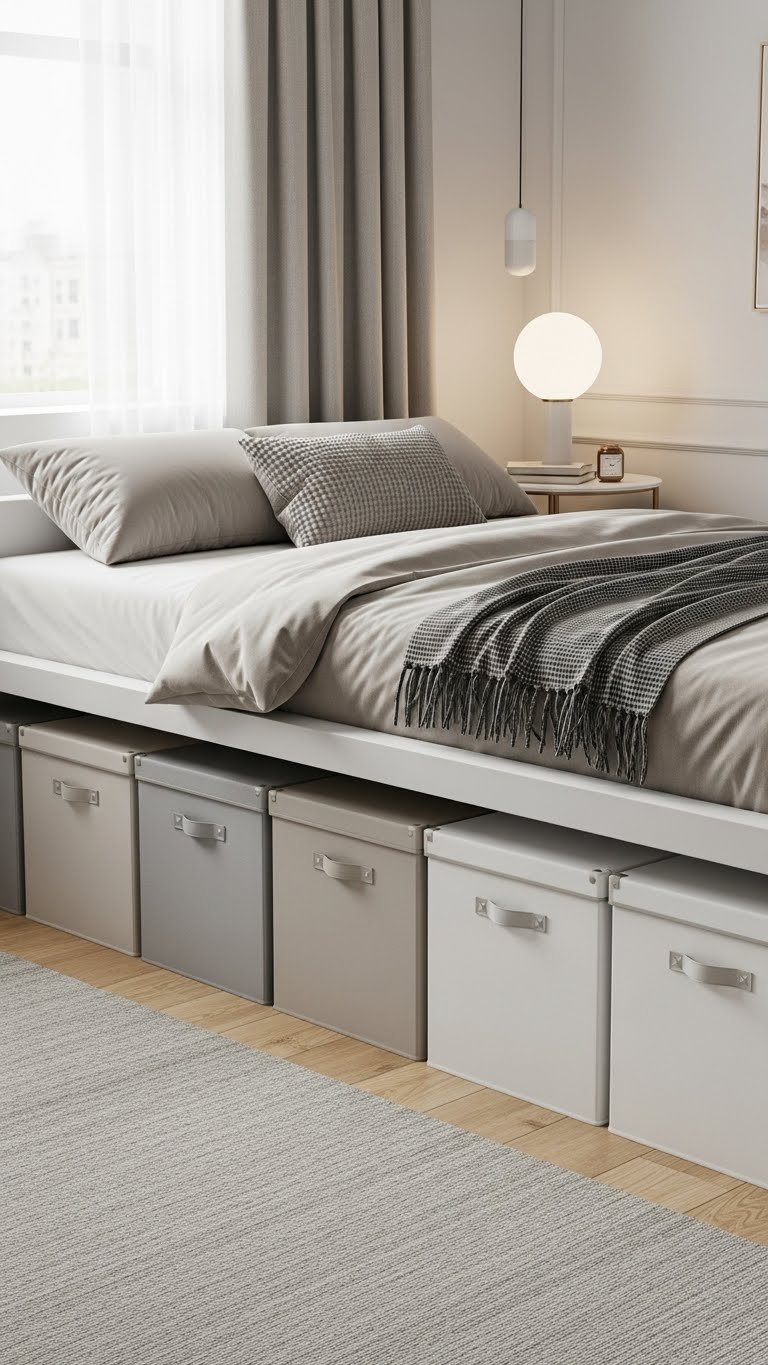
    3. Add Rolling Storage Bins Under the Bed

    You already have square footage under your bed—you just haven’t claimed it yet. Flat rolling bins slide in and out smoothly, store more than you’d think, and cost almost nothing. Unlike boxes that get stuck, wheels mean you can actually access what’s inside.

    Grab IRIS weathertight bins ($25–$40 per bin) or Target’s Room Essentials collection ($15–$30) in whatever size fits under your bed frame. Buy two for full coverage. Label each bin’s contents on a small tag so you’re not hunting around blind. The investment is under $50–$80 total, and you’ve created storage for an entire season’s worth of clothes without buying furniture.

    Your off-season wardrobe and extra bedding finally have a home, and your floor stays clutter-free.

    4. Use a Hanging Organizer for Wall Space Storage

    Over-the-door organizers give you 10–15 pockets of storage without drilling, nailing, or taking up floor space. Use them for charging cables, snacks, stationery, hair products, or anything small that usually ends up in a pile. They’re renter-gold because they hang on any door and remove cleanly.

    Target’s SturdyMax collection ($12–$18), Amazon’s Homz over-the-door organizer ($10–$20), and IKEA’s fabric pockets ($8–$15) are all solid options. Installation takes two minutes: hang the hooks and slide the organizer on. The key is not overstuffing—heavier items should go in lower pockets to prevent tipping.

    Your essentials are visible, accessible, and organized. No more digging through drawers or losing chargers under the bed.

    5. Swap Your Dresser for a Tall Wardrobe Cabinet

    Traditional dressers take up tons of floor space and require a ton of drawer management. A wardrobe cabinet with hanging rods combines closet functionality with furniture storage—and takes up roughly the same footprint as a dresser.

    IKEA’s DOMBAS wardrobe ($120–$180), Wayfair’s simple cabinets ($150–$250), and Amazon’s portable closet solutions ($80–$140) all work. Look for styles with both a hanging rod and shelves so you can store pants, jackets, and folded items in one piece. Assembly usually takes 45 minutes with the instructions clearly laid out. Measure your ceiling height first—tall cabinets won’t fit in rooms with low ceilings.

    You’ve replaced two pieces of furniture with one, gained hanging space for proper garment storage, and made your dorm feel less cluttered instantly.

    6. Get a Bed Frame with Built-In Drawers

    Instead of treating the space under your bed as wasted real estate, choose a frame with built-in drawers from day one. These frames combine bedding, storage, and support in one thoughtful design. You don’t need a separate storage solution—it’s already there.

    IKEA’s MALM frame with drawers ($180–$280), Wayfair’s solid wood platforms ($200–$350), and Amazon’s upholstered frames ($150–$280) all include drawer systems. They cost more upfront than basic frames, but you’re avoiding the purchase of separate storage bins. Assembly ranges from 30–90 minutes depending on complexity. Make sure to measure your doorway before ordering.

    Built-in storage means everything has a designated spot, and your under-bed space is actually usable.

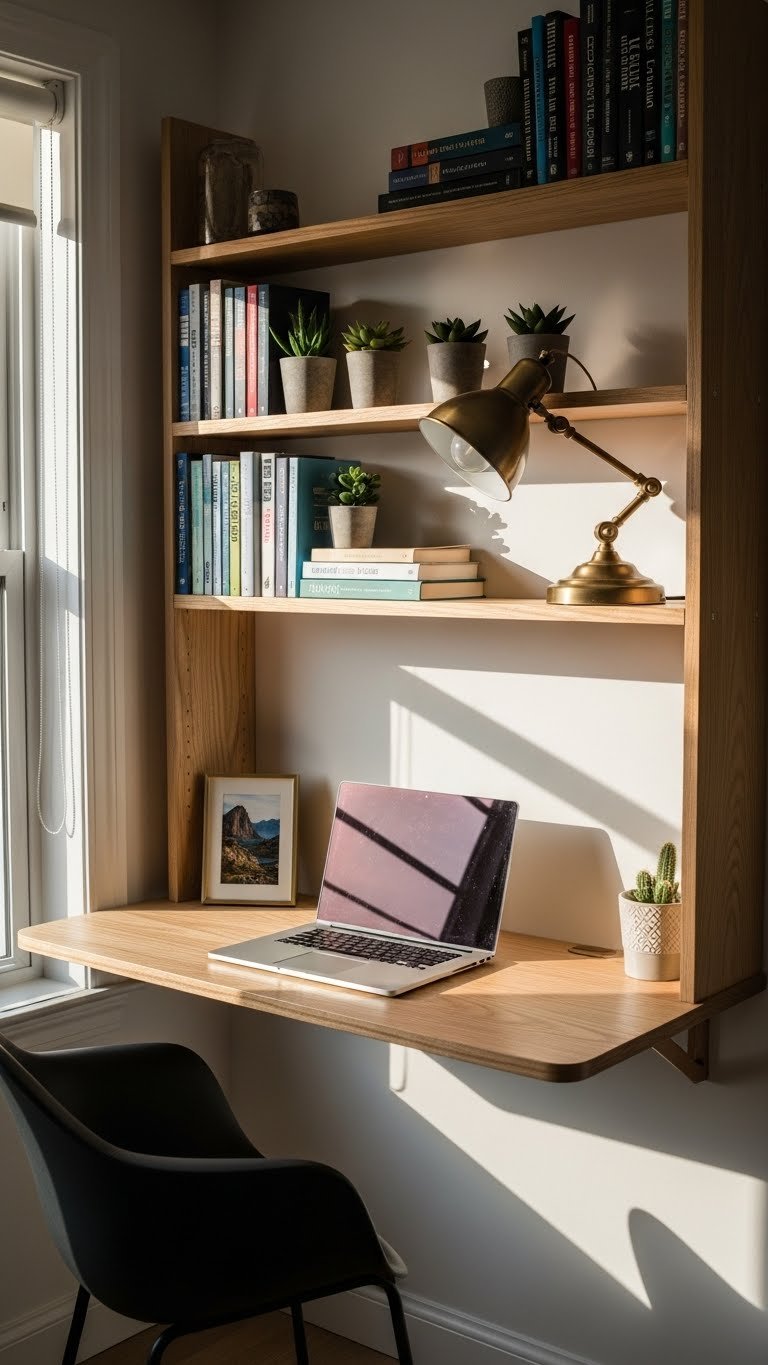
    7. Layer a Desk-Shelf Combo Unit for Study + Display

    A desk with shelves above it combines your work surface and display space without sprawling across your room. It’s perfect for small dorms where a traditional desk takes up half the floorplan.

    IKEA’s LISABO desk with shelves ($200–$300), Wayfair’s ladder-style combinations ($150–$250), and Amazon’s wall-mounted options ($100–$200) let you work while keeping books, plants, and inspiration visible. Some styles are floating (no visible legs), which makes the room feel more open. Installation takes 1–2 hours if you’re comfortable with basic tools. Use a stud finder to locate wall support before mounting anything permanent—or ask your dorm’s maintenance team for help.

    Your study area looks intentional, organized, and functional. No more papers scattered around because you had nowhere to put them.

    8. Choose a Chair That Doubles as Guest Seating and Storage

    A saucer chair or papasan seat isn’t just comfy—it’s the perfect guest furniture that also works as a bedroom anchor. Some styles have hidden storage underneath. It gives you casual seating that’s way more stylish than a generic folding chair.

    Urban Lifestyles Faux Fur Saucer Chair ($60–$100), Target’s comfy chair collection ($80–$150), and Amazon’s papasan options ($50–$120) come in fabric options that hide dirt and match most dorm aesthetics. If you want the storage bonus, look for models with ottomans that have zippered bases. Most assemble in 10–15 minutes.

    Your room now has multiple seating options, making it feel more like a hangout spot than a solo sleeping quarters.

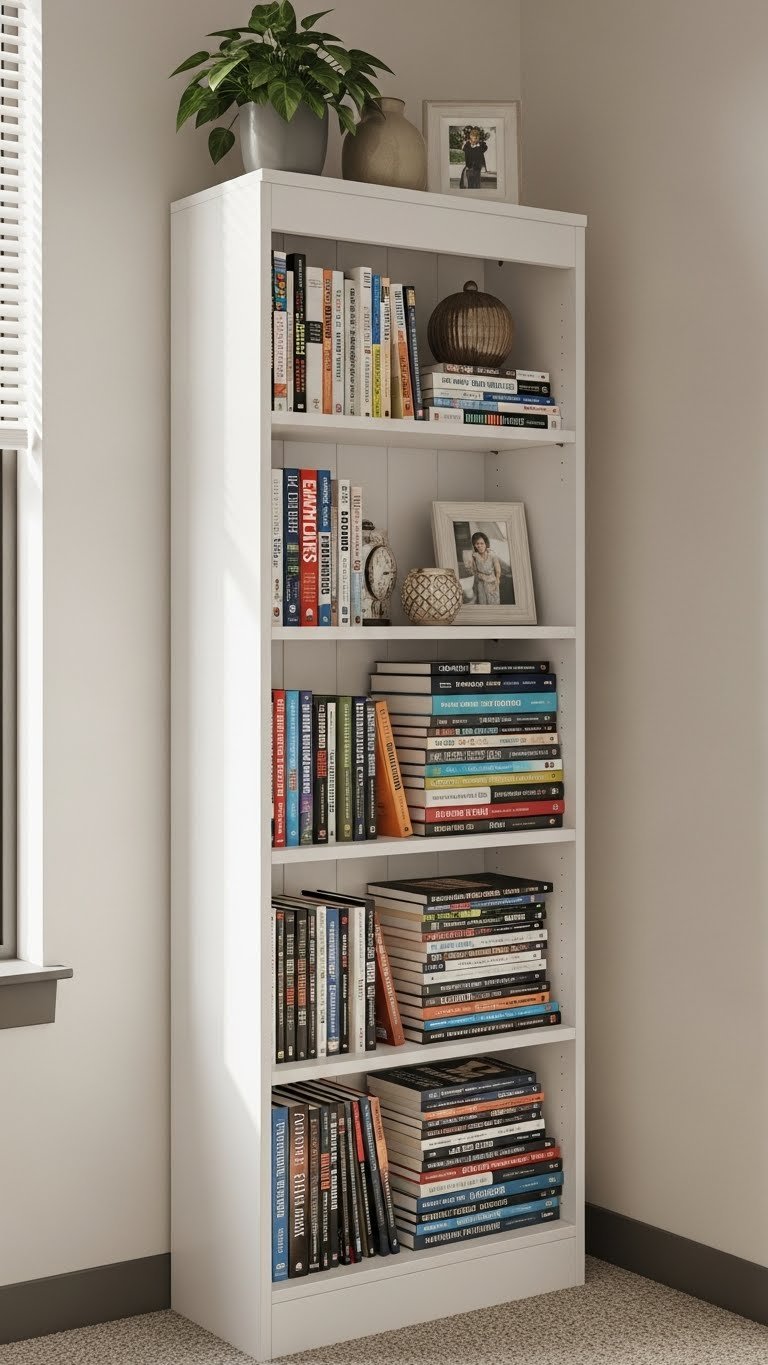
    9. Add a Compact Bookcase for Vertical Storage

    Bookcases force you to use vertical space instead of spreading stuff across your floor. A tall, narrow style takes up minimal footprint but stores a shocking amount. Style it with textbooks, decor, and personal items for a curated look.

    IKEA’s BILLY bookcase ($30–$80), Target’s tall narrow options ($50–$120), and Wayfair’s industrial styles ($100–$200) all work in small rooms. Choose a design no wider than 24 inches to avoid overcrowding your space. Assembly is usually 15–30 minutes. Anchor it to the wall if you’re putting heavy textbooks on multiple shelves—unanchored tall furniture can tip over.

    Your books and keepsakes have a proper home instead of stacking on your nightstand and desk.

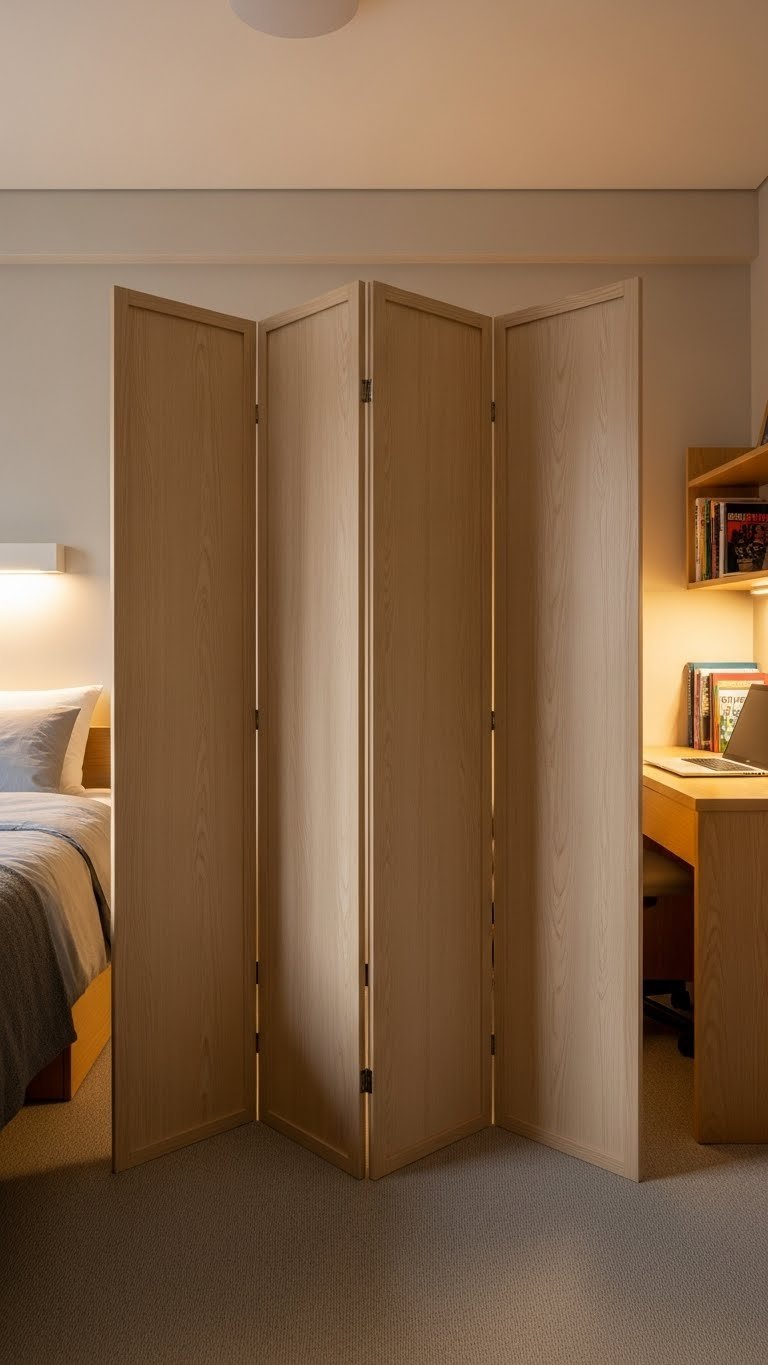
    10. Use a Folding Room Divider to Create Zones

    A folding divider creates psychological separation between your sleep and work zones without taking up permanent space like a wall would. It’s renter-safe, movable, and instantly makes your room feel more organized. Bonus: it can hide a messy corner during video calls.

    Target’s room dividers ($40–$80), IKEA’s folding screens ($30–$60), and Amazon’s fabric panels ($35–$100) come in styles from minimalist to patterned. Most weigh under 10 pounds and assemble in seconds. Choose a height that matches your bed (usually 5–6 feet) so it actually creates a visual break.

    Your dorm feels less like one box and more like distinct areas for different activities.

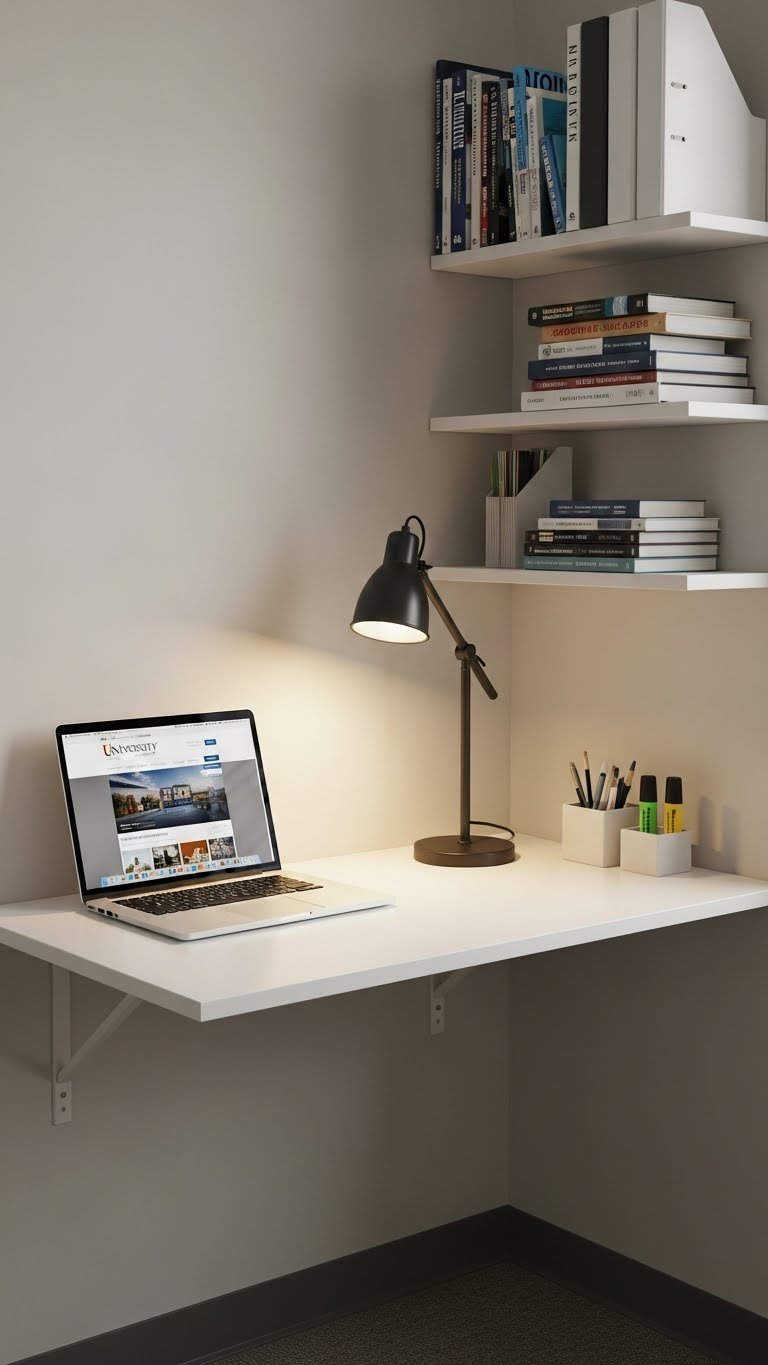
    11. Opt for a Floating Desk to Save Floor Real Estate

    Floating desks are wall-mounted surfaces that leave your floor completely open underneath. They create a dedicated work zone without eating into your already-limited square footage. They look minimal and modern while being super functional.

    IKEA’s NORBERG floating desk ($60–$100), Wayfair’s wall-mounted options ($80–$150), and Amazon’s simple shelves ($40–$90) are solid budget choices. Installation requires finding wall studs and using proper anchors—this is one situation where asking maintenance for help is completely reasonable. Floating desks support 25–50 pounds depending on the model, so check weight capacity before loading it with a monitor and supplies.

    You’ve claimed a work zone without giving up any floor space, and your room instantly looks less cramped.

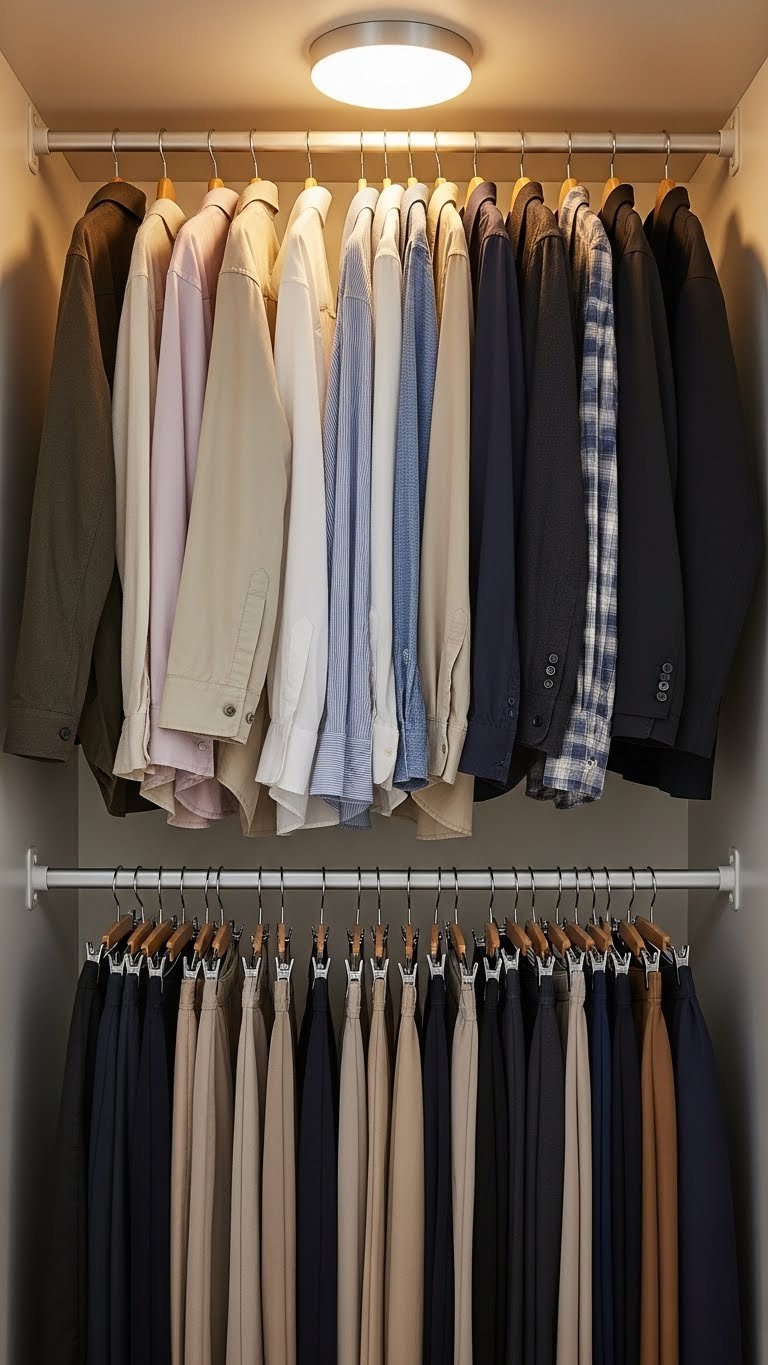
    12. Pick an Expandable Closet Rod to Maximize Hanging Space

    Your dorm’s standard closet rod probably maxes out around 12 hanging items before it’s slammed. An expandable second rod doubles your hanging capacity in seconds and costs almost nothing. It’s one of the easiest upgrades you can make.

    Simple expandable rods cost $8–$20 at Target, IKEA, and Amazon. Installation takes two seconds: expand it to fit your closet width and slide it onto the existing rod, creating two tiers. It holds about 20–25 pounds per rod, which is enough for everyday clothes. The lower rod will hang about 3 feet down, so make sure that height works for your closet layout.

    Your hanging closet suddenly fits twice as many clothes without buying a single new piece of furniture.

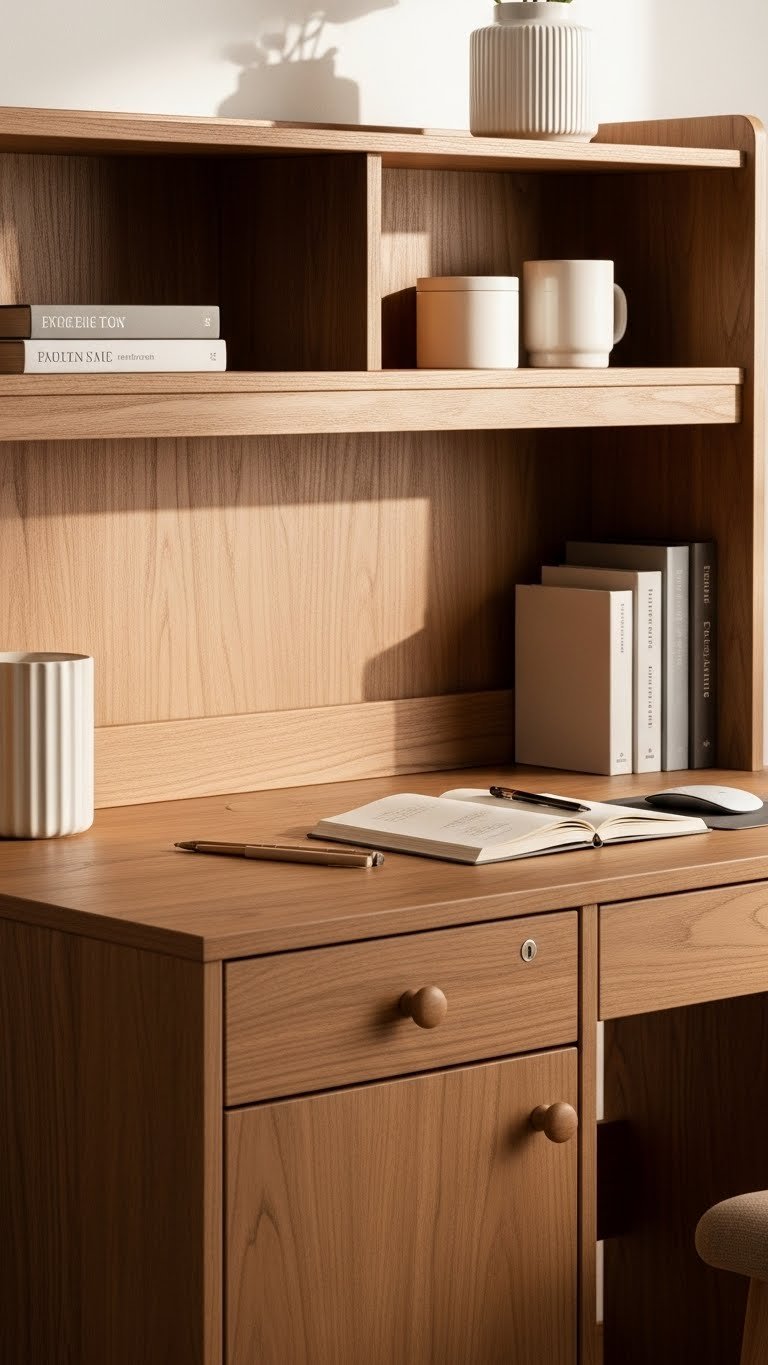
    13. Invest in a Desk Hutch for Overhead Storage and Organization

    A desk hutch sits on top of your desk or is wall-mounted above it, creating overhead storage that keeps your work surface clear. It’s perfect for organizing supplies, books, and decor without sprawling sideways across your desk.

    IKEA’s MÖRBYLÅNGA hutch ($150–$250), Wayfair’s floating options ($120–$220), and Amazon’s compact hutches ($80–$150) range in size and style. Some mount to the wall; others sit on top of an existing desk. Assembly usually takes 45–60 minutes. Make sure your desk surface can support the hutch weight before installing—many are designed to sit directly on wood without additional fastening.

    Your desk becomes an actual work zone instead of a catch-all surface, and you’ve added storage without buying a second piece of furniture.

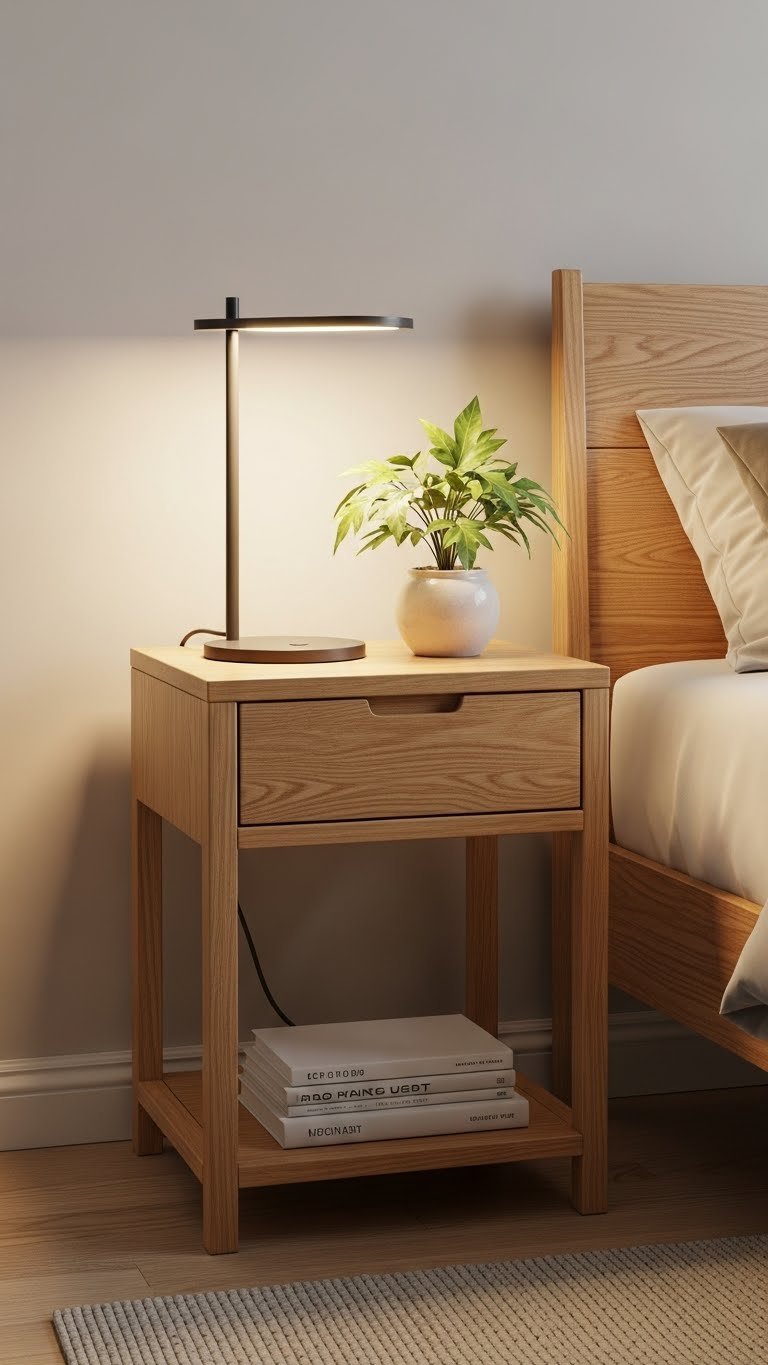
    14. Use a Nightstand with Built-In Shelves or Drawers

    A nightstand should earn its real estate by doing more than holding your lamp. Look for models with shelves, drawers, or both so it becomes a catch-all for books, phone chargers, skincare, and other bedside essentials.

    IKEA’s RAST nightstand ($30–$50), Target’s multi-shelf options ($40–$80), and Wayfair’s drawered styles ($60–$120) all combine style with functionality. Choose an open-shelf version if you want your items visible and accessible, or go with drawers if you prefer a cleaner aesthetic. Assembly is usually under 20 minutes. Measure the space between your bed and wall first—some nightstands are deeper than you’d expect.

    You’ve consolidated your bedside clutter into one organized spot, and your room doesn’t feel like stuff exploded everywhere.

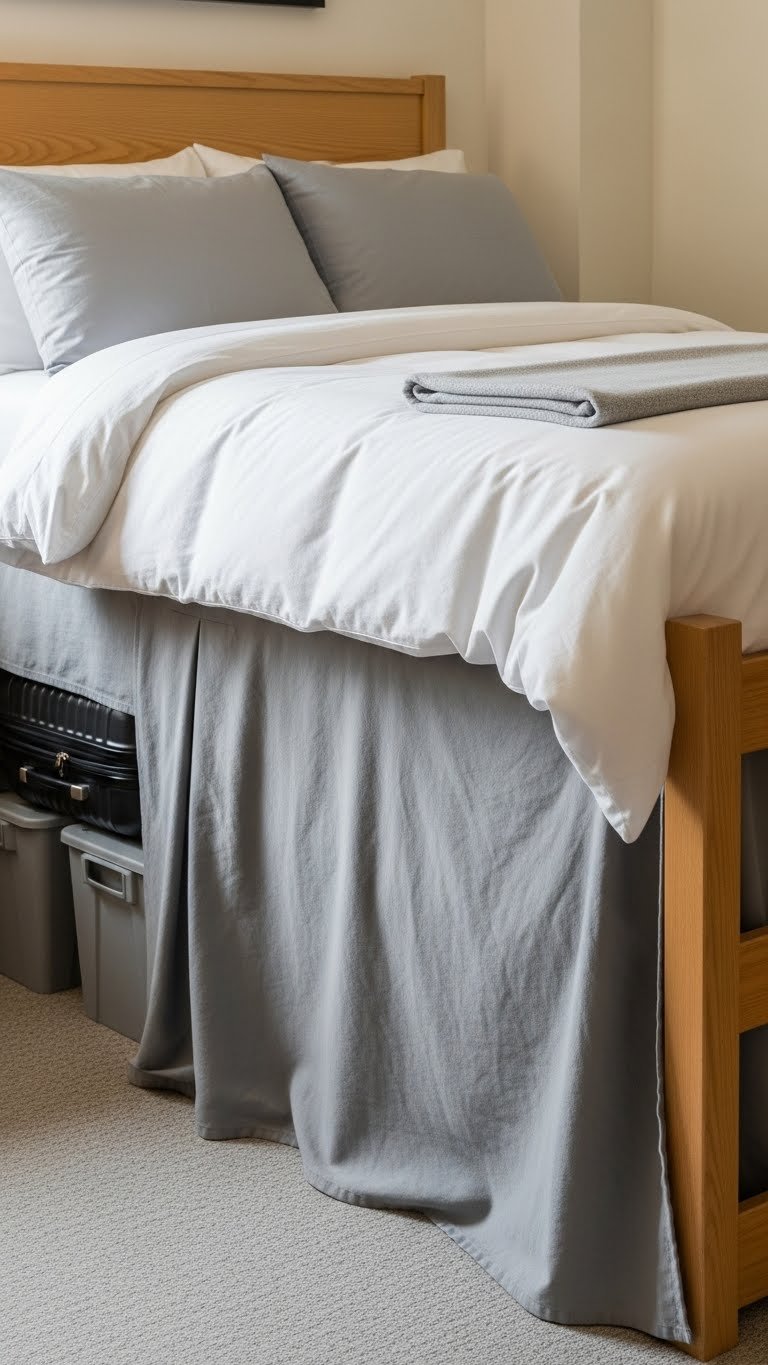
    15. Try a Bed Skirt to Hide Under-Bed Chaos

    A bed skirt isn’t just decor—it’s the disguise that hides all your storage containers and under-bed mess while making your bed look intentional and styled. It’s one of the easiest visual upgrades in your room.

    Basic bed skirts run $15–$40 from Target, IKEA, and Amazon. Choose a length that drapes to the floor (usually called “drop” or “fall”) to fully hide whatever’s underneath. Most are just elastic and fabric, so installation is literally sliding it under your mattress. Pick a color that matches your bedding or complements your aesthetic. Natural linen or cotton hides dust better than synthetics.

    Your messy under-bed storage becomes invisible, and your room looks significantly more organized from the ground up.

    16. Add a Rolling Cart for Mobile Storage and Display

    A rolling cart is storage that moves with you. Use it as a nightstand, mini kitchen for snacks, textbook holder, or style display. When you need the space, just roll it to the side or closet. It’s perfect for renters who can’t commit to permanent furniture placement.

    IKEA’s RÅSKOG cart ($30–$50), Target’s options ($25–$45), and Amazon’s multicolor selections ($20–$40) are all under $60 and worth every penny. Most are lightweight and roll smoothly, even on thick carpet. You can access items from three sides, so nothing is hidden in the back. Some come with brakes so it won’t accidentally roll during video calls.

    Your storage becomes mobile, flexible, and instantly more stylish than a pile of bins in the corner.

    17. Use Wall-Mounted Shelves to Create Open Display Storage

    Wall-mounted shelves create storage and display space without using your floor. They’re perfect for showing off books, plants, photos, and decor while keeping items accessible and visible.

    IKEA’s LACK shelves ($8–$15 per shelf), Wayfair’s floating styles ($20–$60 per shelf), and Amazon’s brackets and boards ($30–$80 for a set) are all installation-friendly. Floating shelves look seamless but require finding wall studs for proper support—don’t skip this step or they’ll sag. Shelf brackets are usually included. Mix different shelf depths to create visual interest. Stagger heights so it doesn’t look institutional.

    Your vertical wall space becomes functional and beautiful at the same time, multiplying your storage capacity without eating floor space.

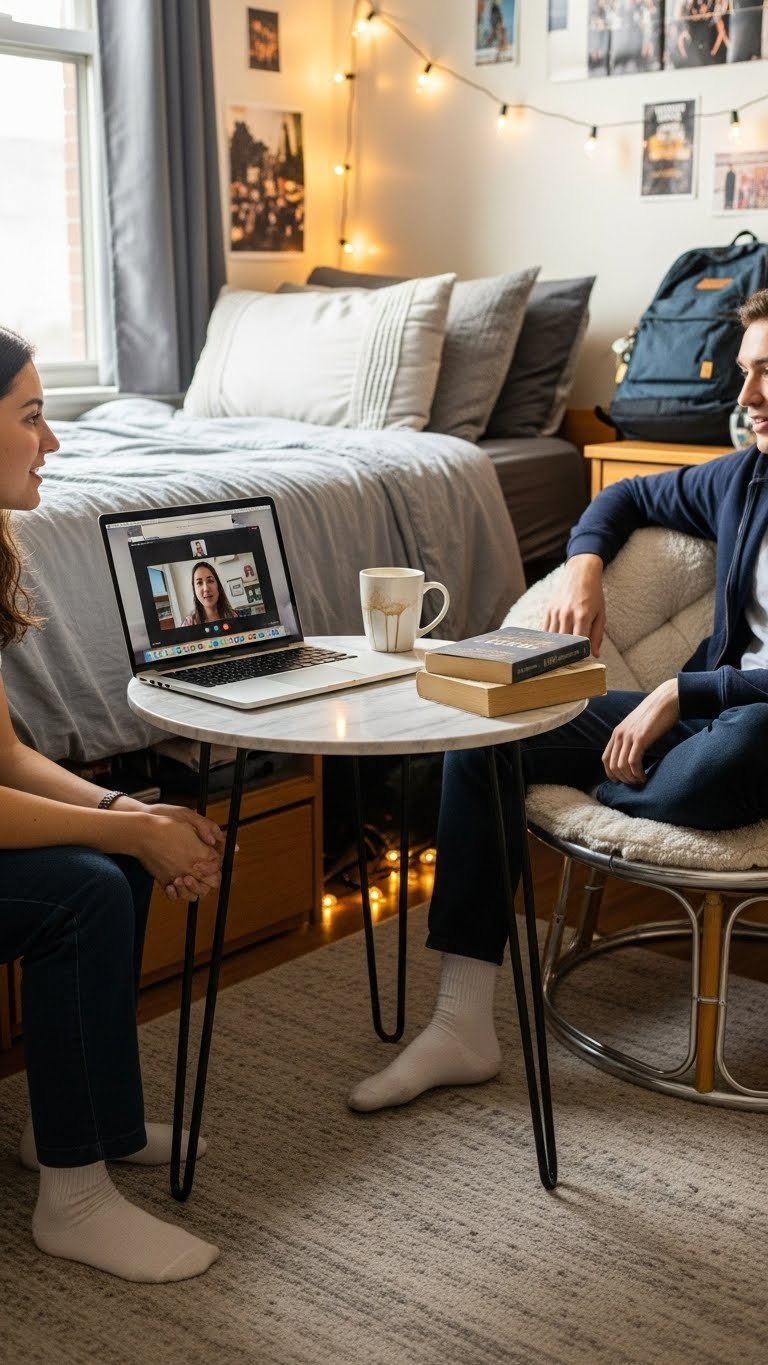
    18. Choose a Compact Coffee Table for Your Lounge Area

    If your dorm allows it, a small coffee table or side table creates a lounge focal point in your room. Choose compact styles that don’t dominate the space but add functionality and style to your seating area.

    IKEA’s GLADOM table ($30–$50), Target’s marble options ($40–$80), and Wayfair’s compact designs ($50–$120) work for tight spaces. Look for tables with shelves underneath for hidden storage, or choose simple tops if you prefer minimal visual weight. Most are under 24 inches square, so they don’t overwhelm a dorm. Check your lease to make sure furniture isn’t restricted before bringing one in.

    Your room now has a casual gathering spot, and that small table becomes the heart of your hangout area.

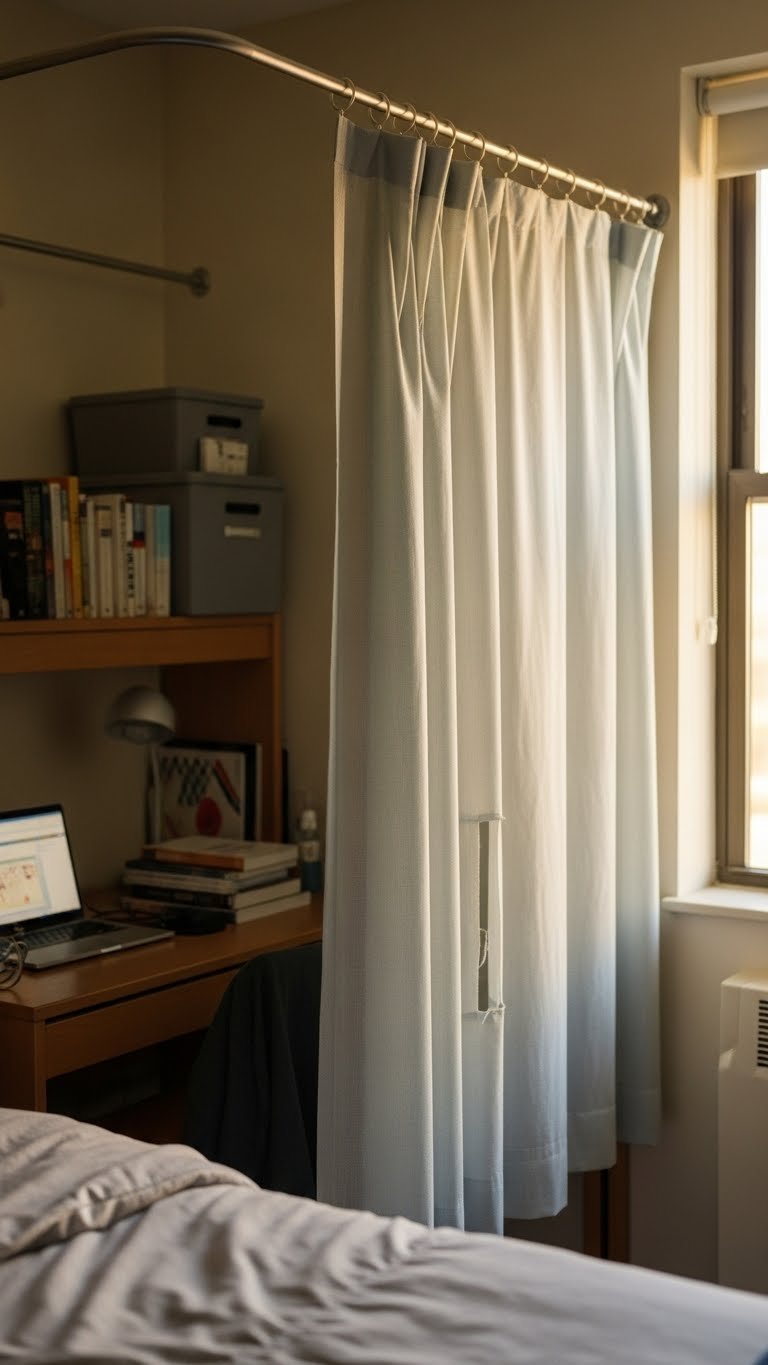
    19. Install a Tension Rod Curtain Divider for Privacy Without Commitment

    A tension rod and lightweight curtain create temporary partitions for changing, storage, or privacy without damaging walls. It’s renter-safe and adjustable if your room layout changes.

    Basic tension rods cost $8–$20, and a lightweight curtain panel runs $10–$30. Installation takes two minutes: extend the rod to fit your doorway or corner width and hang it. Choose a tension rod with a diameter that fits your window width or wall width exactly—measure twice. Pair it with a semi-sheer or solid fabric that complements your aesthetic. The rod stays up with tension alone, no nails required.

    You’ve created a private zone without permanent damage and can remove it instantly when you move out.

    20. Get a Ladder Shelf Unit for Angled Storage and Style

    Ladder shelves are narrow, angled, and incredibly space-efficient. They work well in corners or along walls and hold a surprising amount of stuff while looking intentional and styled rather than cluttered.

    IKEA’s PINNIG ladder shelf ($20–$40), Target’s leaning designs ($50–$100), and Wayfair’s tiered options ($40–$90) are all compact. The angled design means items won’t slide off as easily as straight shelves, and they photograph well for social media. Assembly usually takes 15 minutes. Since they lean rather than mount to the wall, they’re renter-safe and can be repositioned whenever you want.

    You get substantial storage in a small footprint, plus a decor element that looks way more intentional than random shelving.

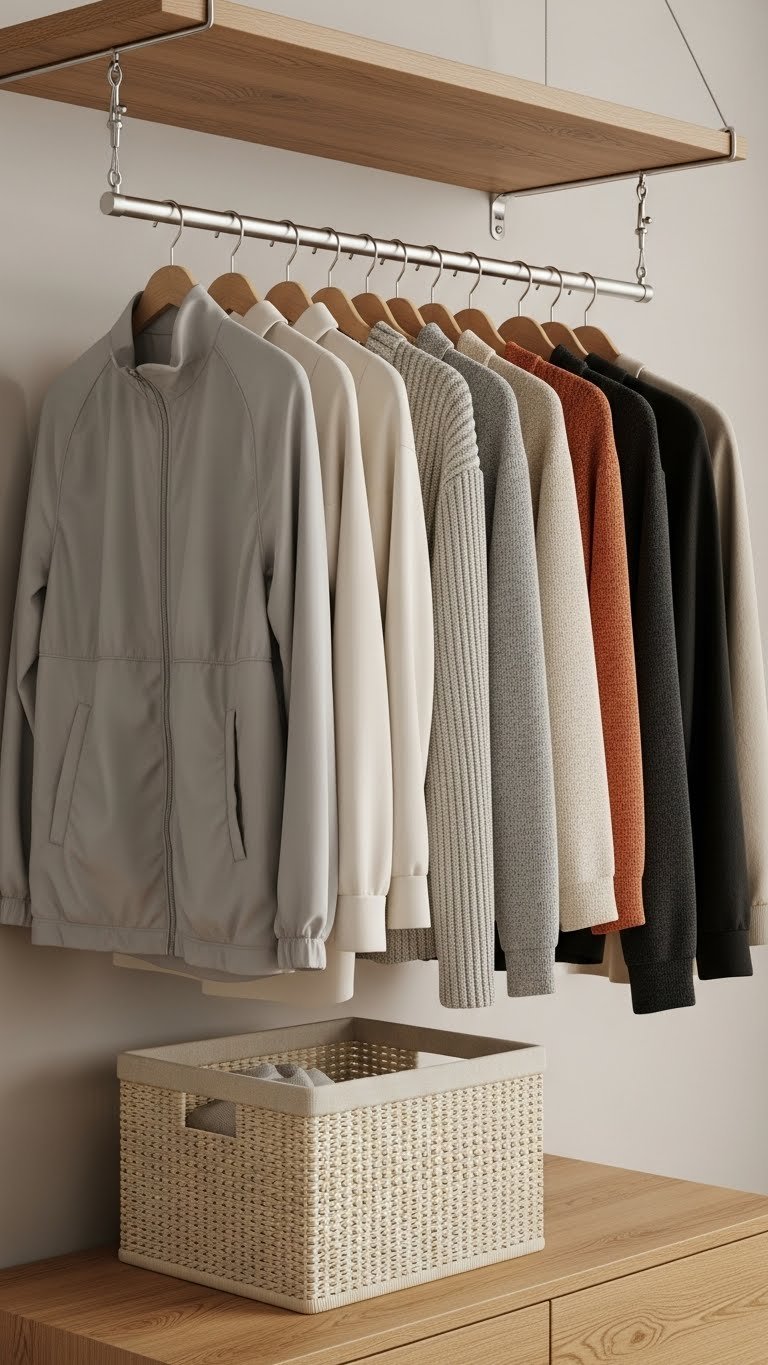
    21. Add a Hanging Closet Rod for Extra Garment Storage

    If your dorm’s closet is tiny, a hanging rod clipped to existing furniture or suspended from the ceiling adds immediate garment storage. It works great for seasonal items, jackets, or everyday clothes you want accessible but not taking up closet space.

    Hanging rods with clips cost $15–$35 and are available at Target, Amazon, and IKEA. Some clamp to bunk beds or shelves; others mount to the ceiling with hooks. Installation is super quick—usually just tightening a clamp or hanging hooks. Make sure whatever you’re suspending it from can handle the weight (usually 20–40 pounds depending on the rod). Check your dorm rules before ceiling mounting anything.

    You’ve doubled your accessible clothing storage without sacrificing closet space or taking up floor real estate.

    22. Use an Underbed Drawer System on Wheels for Seasonal Swaps

    Unlike static bins under your bed, rolling drawer systems slide out smoothly and give you easy access to seasonal clothes without moving your entire bed or digging around blind.

    Flat rolling drawers cost $30–$60 each and are sold at IKEA, Target, and Amazon. Buy two to use the full space under your bed. Look for models with smooth-rolling casters and reinforced bottoms that can handle heavy textbooks or winter coats. Label each drawer clearly so you know what’s inside without opening it. The investment is under $100 for a pair, and they’ll outlast your college years.

    Your off-season wardrobe stays organized and accessible, and you don’t have to disturb anything to get to items you need.

    23. Invest in a Desk Organizer System with Multiple Compartments

    A desktop organizer keeps your desk functional by giving every small supply a specific spot. It prevents the desk-as-junk-drawer situation and keeps you from losing pens and chargers.

    IKEA’s desk organizers run $10–$25, and Target’s compartment systems cost $15–$35. Choose something with 5–8 compartments for pens, pencils, chargers, sticky notes, and miscellaneous small items. Some are stackable so you can add a second tier if needed. Look for materials that match your desk aesthetic—natural wood blends better than plastic if you care about cohesion.

    Your desk becomes a functional work space instead of a catch-all, and you can actually find what you need instantly.

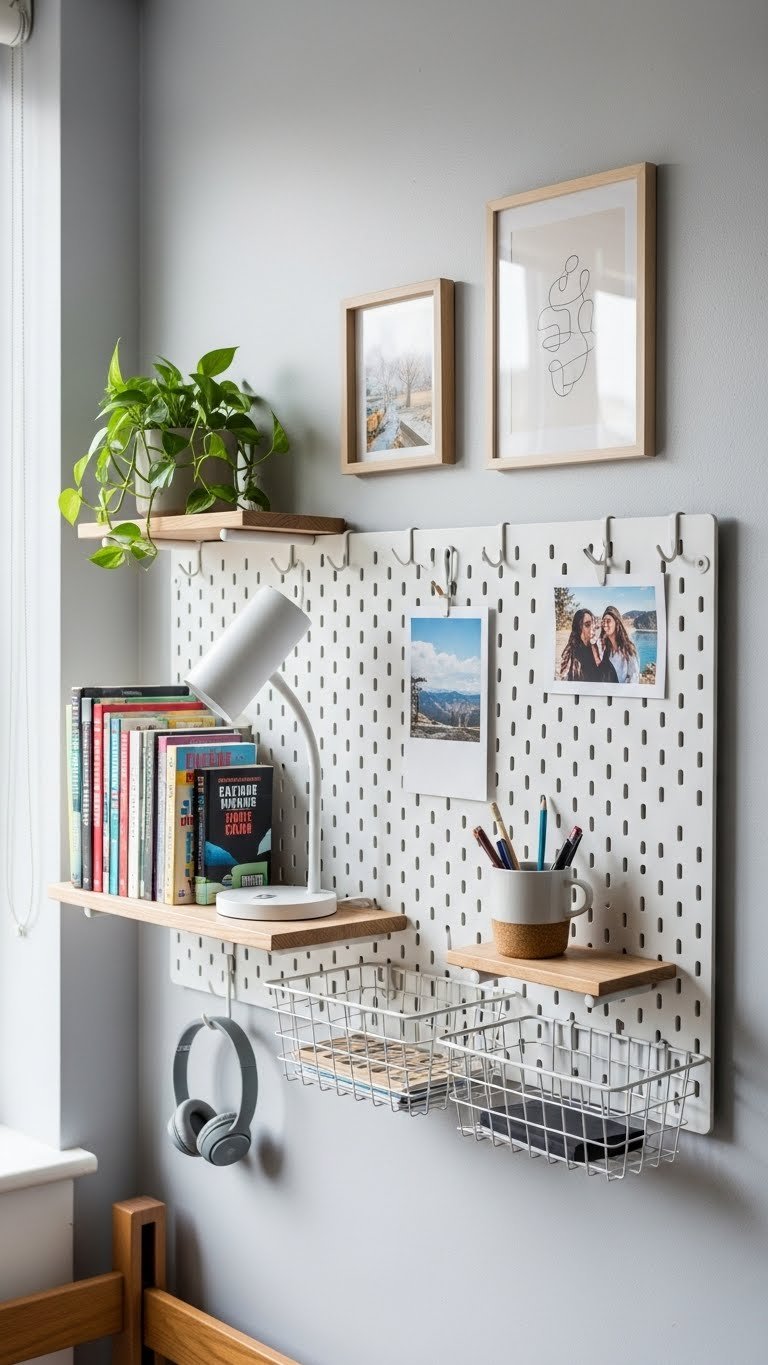
    24. Add a Pegboard Wall for Customizable Storage and Display

    A pegboard lets you arrange and rearrange storage and display to match your changing needs. It’s visual, functional, and super customizable—plus it’s renter-safe if you use damage-free wall strips.

    Pegboards themselves cost $15–$40 depending on size, and hooks and baskets run $2–$8 each. IKEA, Target, and Amazon all carry them in various colors and sizes. Mount it using damage-free strips if you’re renting, or small nails if you own your space. Start with a basic set of hooks and add specialty pieces (shelves, baskets) as you figure out what you actually need.

    You have customizable storage that adapts as your needs change throughout the semester and across years.

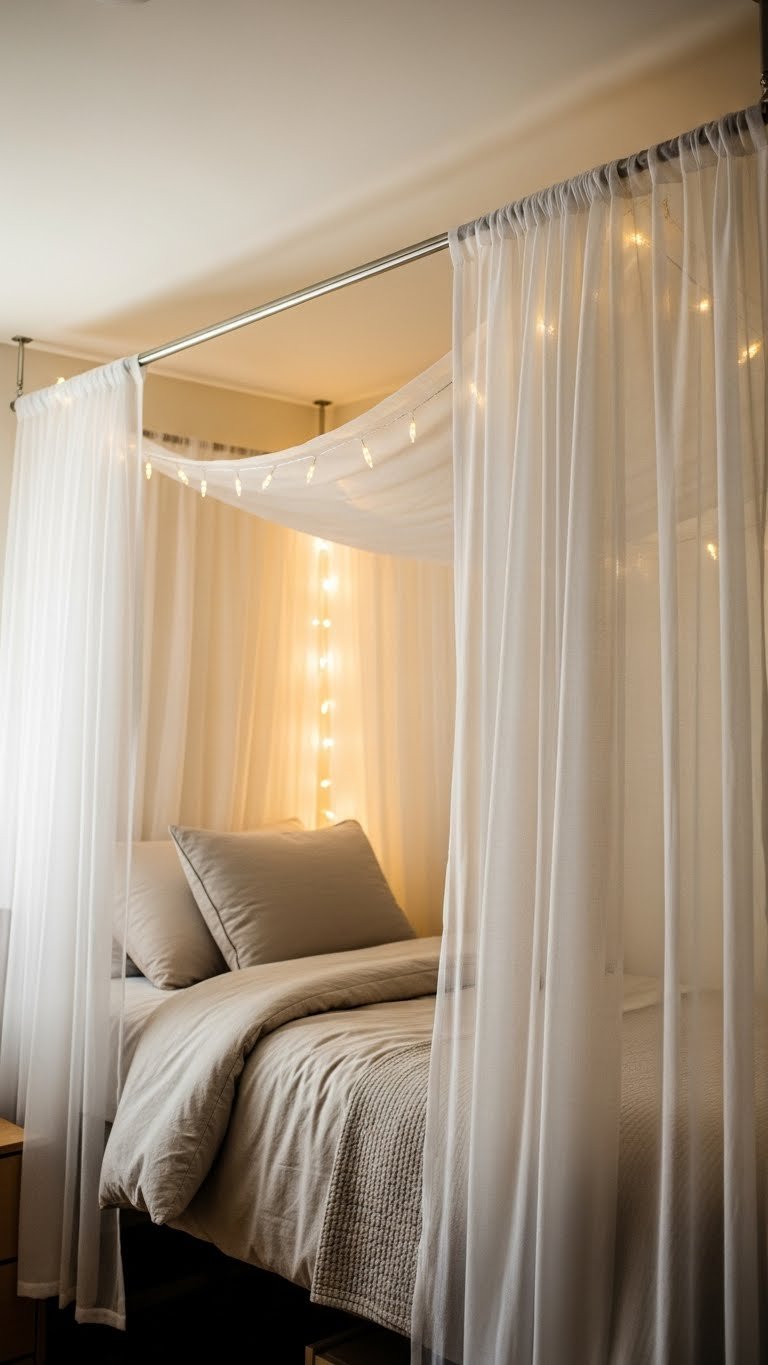
    25. Try a Bed Canopy or Curtain Rod for Cozy Separation

    A bed canopy or curtain rod frame creates a cozy cocoon above your bed and can hold lightweight storage or decor. It’s purely optional but adds major style points and makes your sleep space feel distinct from the rest of your room.

    Simple curtain rods cost $20–$40, and fabric draping materials run $15–$35. Some styles are adjustable tension rods that don’t require any mounting. Pair with lightweight gauze, cotton, or tulle fabric. You can clip string lights to the rod for ambient lighting that’s cheaper than replacing your ceiling fixture. Installation takes 10 minutes for tension rods, longer if you’re mounting to walls.

    Your bed becomes a retreat within your room, and the visual separation makes your sleep space feel special and intentional.

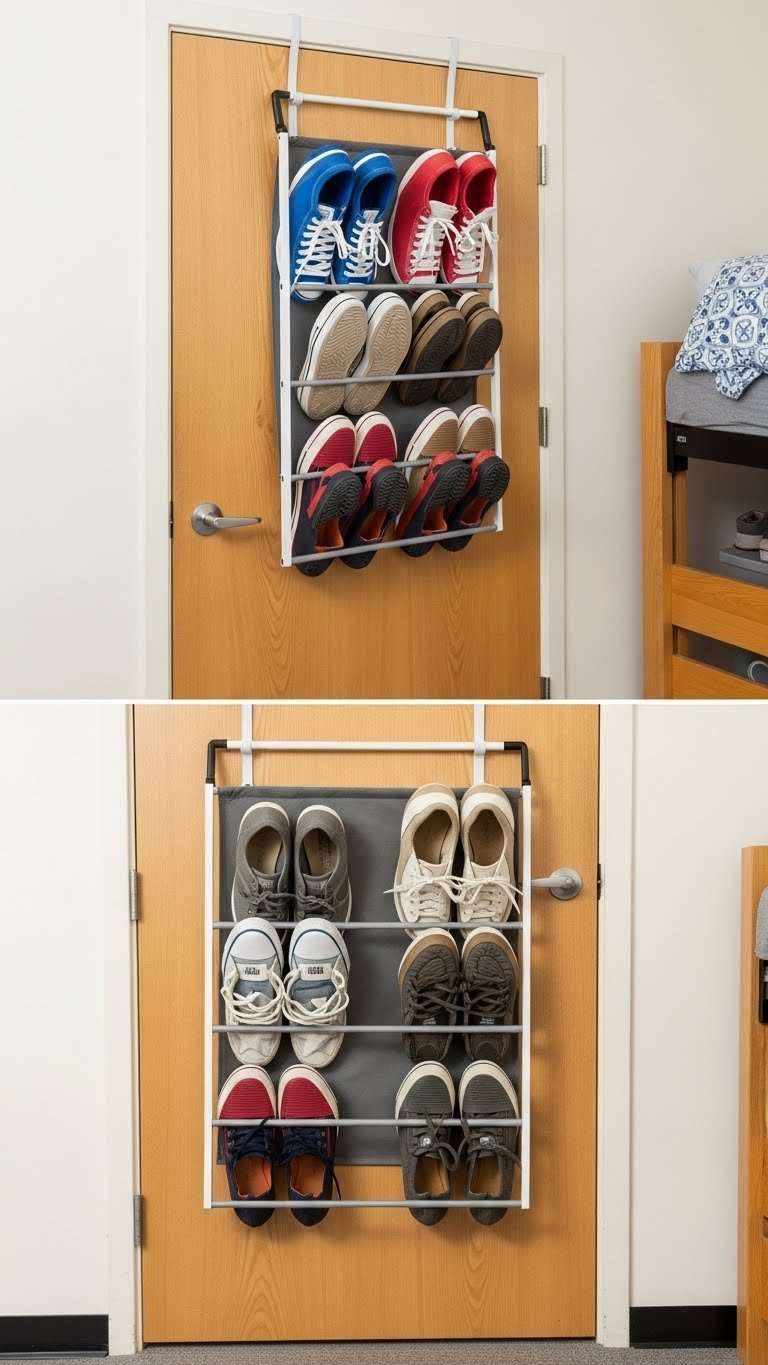
    26. Add a Compact Shoe Rack or Organizer Behind the Door

    Shoes take up a ton of floor space, but an over-the-door or behind-the-door rack keeps them organized, visible, and off your carpet. It’s one of the best space-saving hacks for footwear storage.

    Over-the-door shoe racks cost $12–$25 and are widely available at Target, IKEA, and Amazon. Choose a style with clear pockets so you can see all your options at a glance. Most hold 8–12 pairs depending on shoe size. Installation takes two minutes: hang it on your door and slide shoes into pockets. Check the weight capacity before loading it—some maxes out around 10 pounds.

    Your shoes are organized, visible, and using space that would otherwise be wasted behind your door.

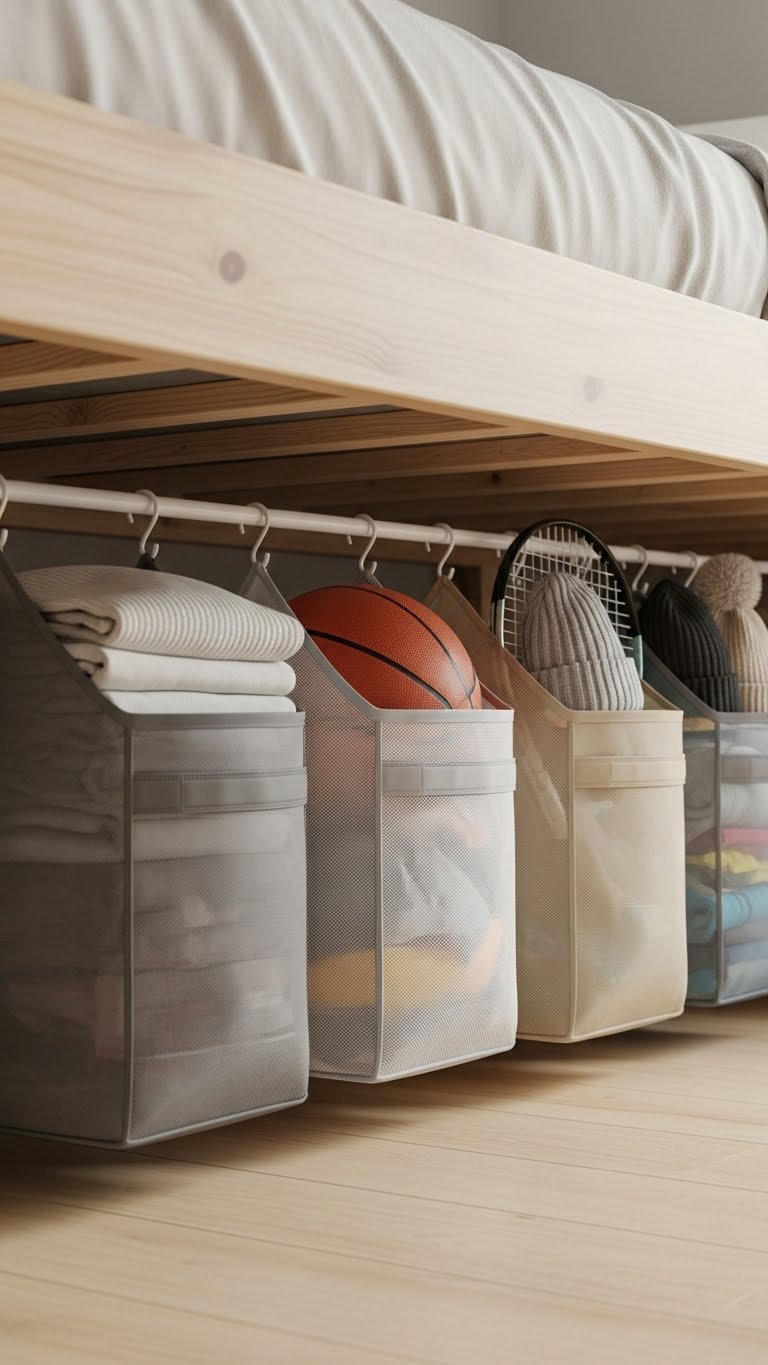
    27. Use a Tension Rod Under Your Bed for Hanging Storage

    If your bed is raised high enough (lofted or platform style), a tension rod under the frame creates hanging storage for lightweight bags or garments. It’s genius for storing things you need to keep but don’t access constantly.

    Basic tension rods cost $8–$15, and lightweight hanging storage bags run $15–$30 each. Measure the width and height under your bed frame first to ensure the rod fits and leaves enough clearance. Install the rod by extending it to fit snugly between two support beams. Load it with seasonal clothes, gym gear, or lightweight items only—heavy bags will sag and make sleep uncomfortable.

    You’ve utilized dead space that usually just collects dust, adding substantial storage without buying furniture.

    Ready to maximize your space? Pick one or two ideas that match your current setup and budget, then start this weekend. Even small changes add up fast when every piece pulls double duty. Which idea are you trying first?

  • 23 Relaxation Corner Setups That Turn Any Space Into a Retreat

    23 Relaxation Corner Setups That Turn Any Space Into a Retreat

    Introduction

    Your bedroom should be a place where stress melts away the moment you step inside—but most bedrooms feel more like storage units than retreats. Between clutter, harsh lighting, and uninspiring décor, it’s hard to feel truly relaxed in your own space. The good news? You don’t need a major renovation or a huge budget to create a corner that actually soothes you. These 23 ideas range from free styling tweaks to strategic purchases that work whether you rent or own, and most take just a weekend to pull together. By the end, you’ll have multiple ways to carve out your own slice of calm, no matter how small your room or tight your timeline.


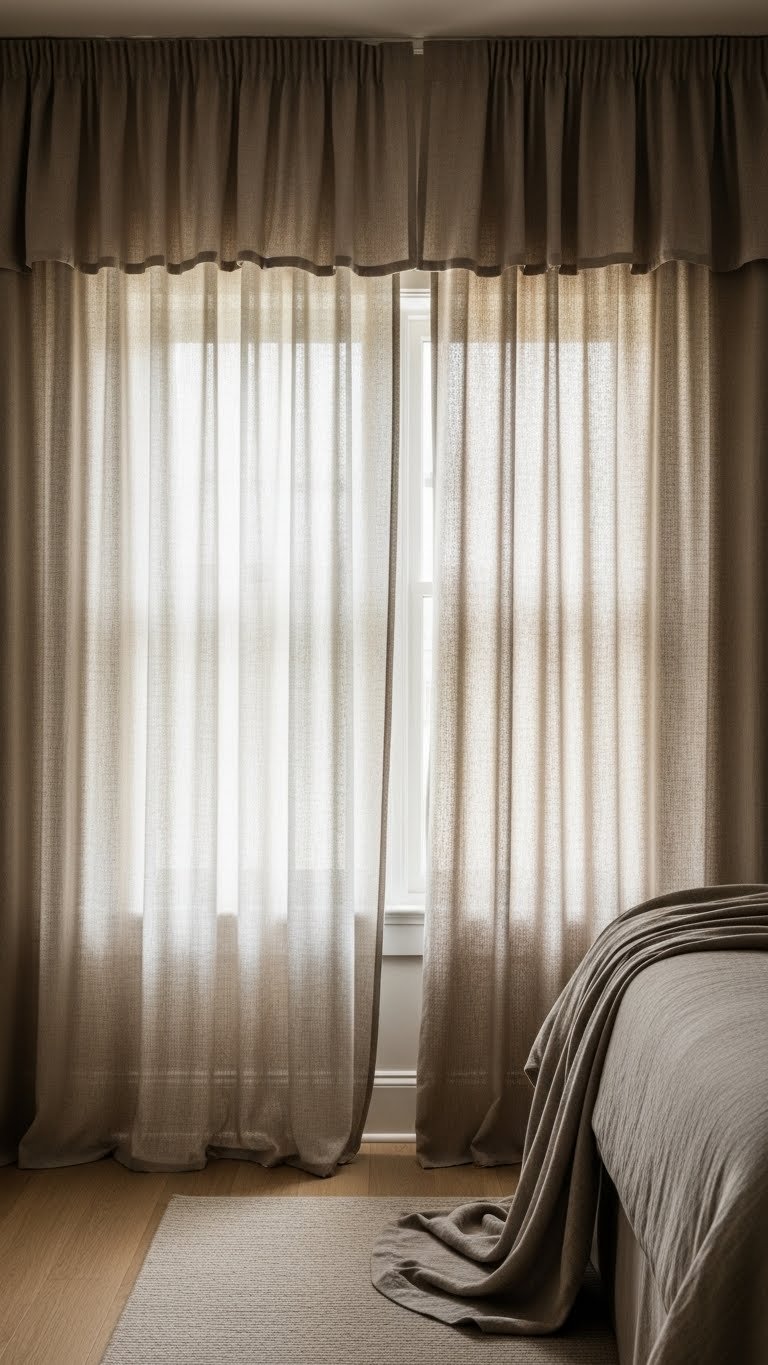
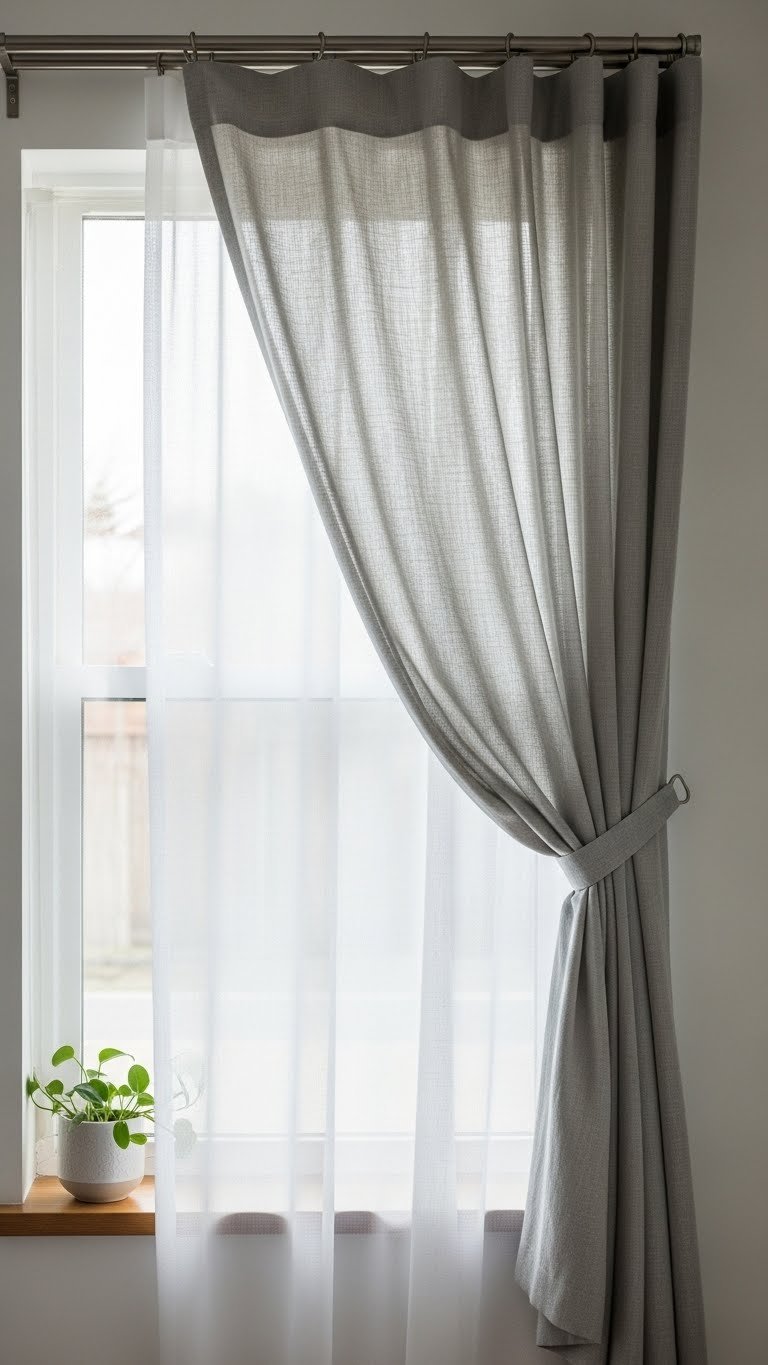
    1. Layer Window Treatments for Soft, Diffused Light

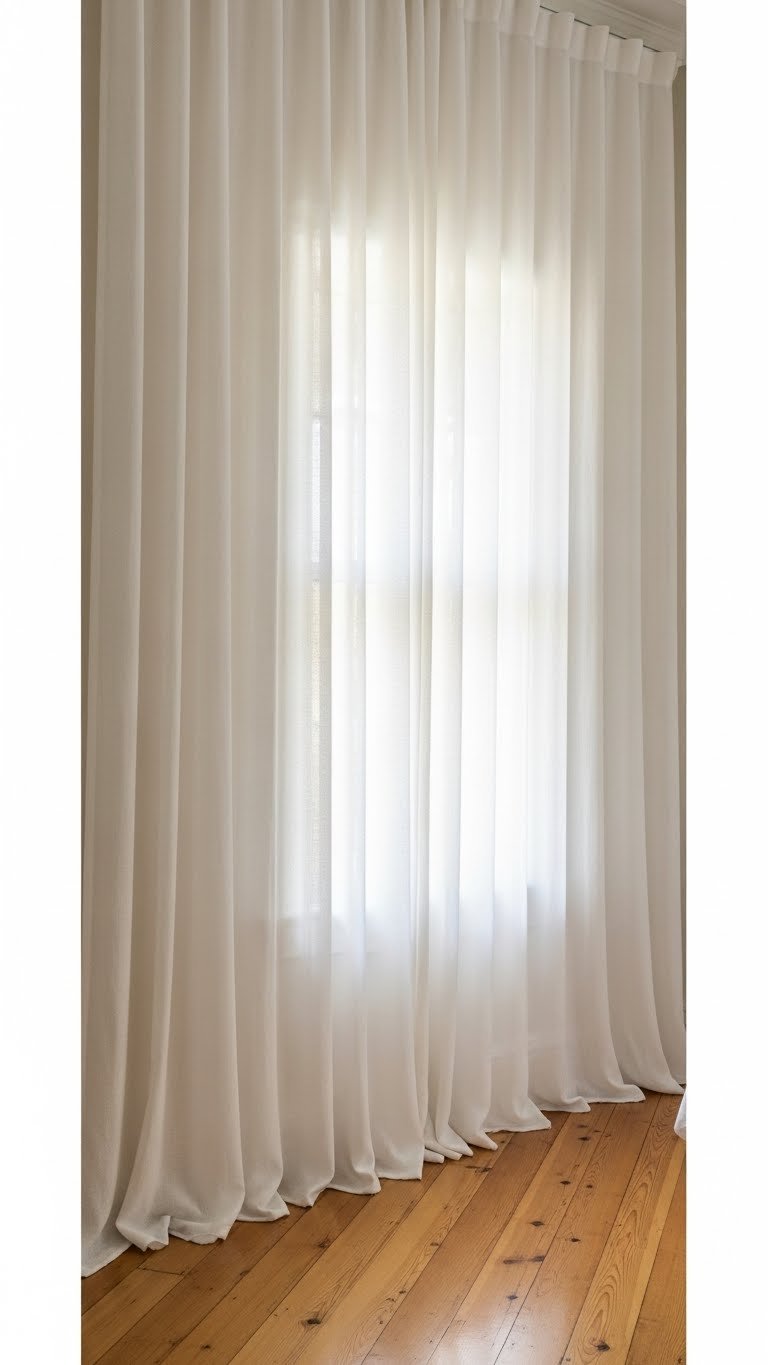
    Harsh, unfiltered daylight kills relaxation instantly. Layering a sheer curtain under solid panels gives you control—filter bright sun when you need rest, or pull them fully open for fresh air and natural warmth.

    Start with a sheer linen or cotton curtain from IKEA ($20–40) or Target ($30–50), hung on a simple rod at the window frame. Layer a heavier linen or linen-blend curtain on an outer rod. This setup takes about 30 minutes to install if you have basic hardware already. The result is adjustable lighting that feels intentional and spa-like, not like you’re hiding from the world.

    Pro tip: If you rent, use tension rods to avoid drilling holes. Most landlords won’t object, and you can take them with you.

    Your room now filters light exactly how you want it, turning midday into a calm afternoon any time.


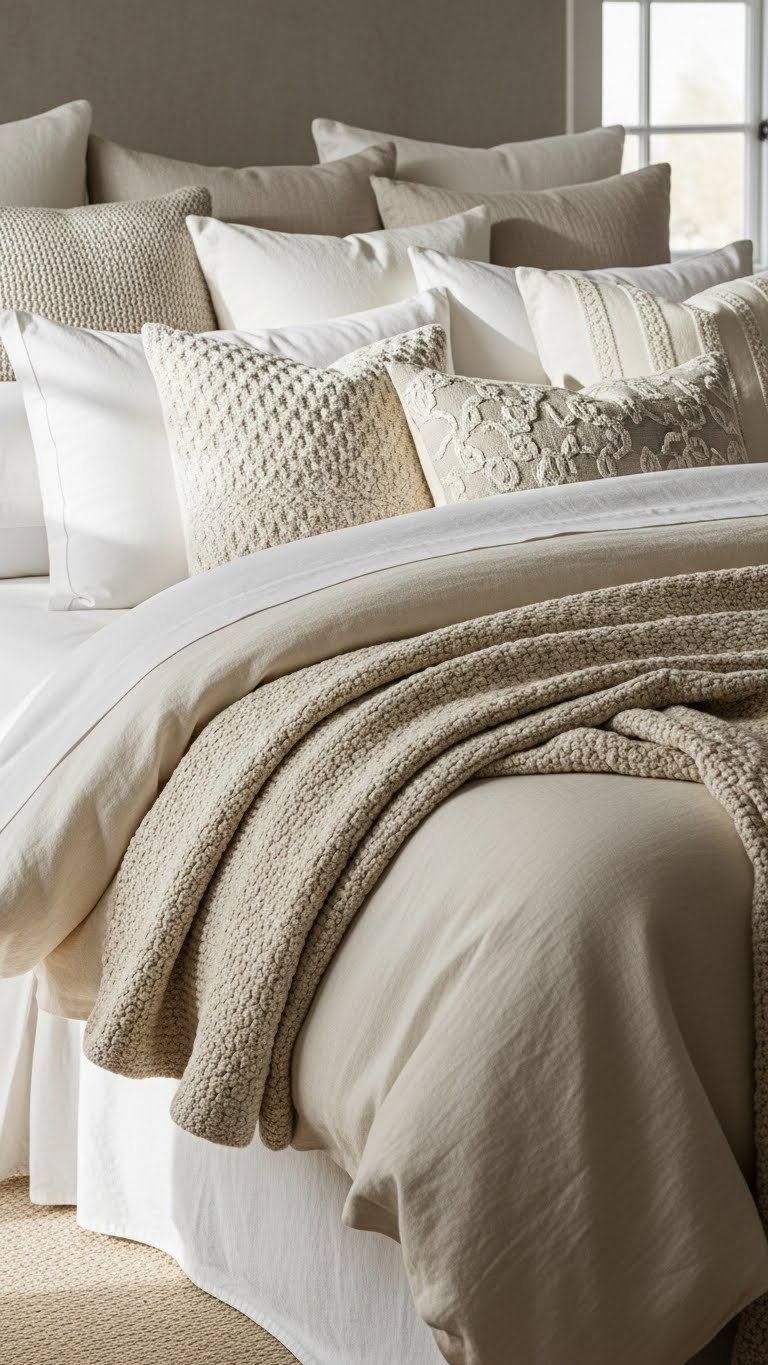
    2. Invest in Quality Bedding That Actually Feels Good

    You spend a third of your life in bed, so mediocre sheets are a false economy. Good bedding—crisp cotton, breathable linen—signals your brain that this space is worth caring about and makes you want to get into bed.

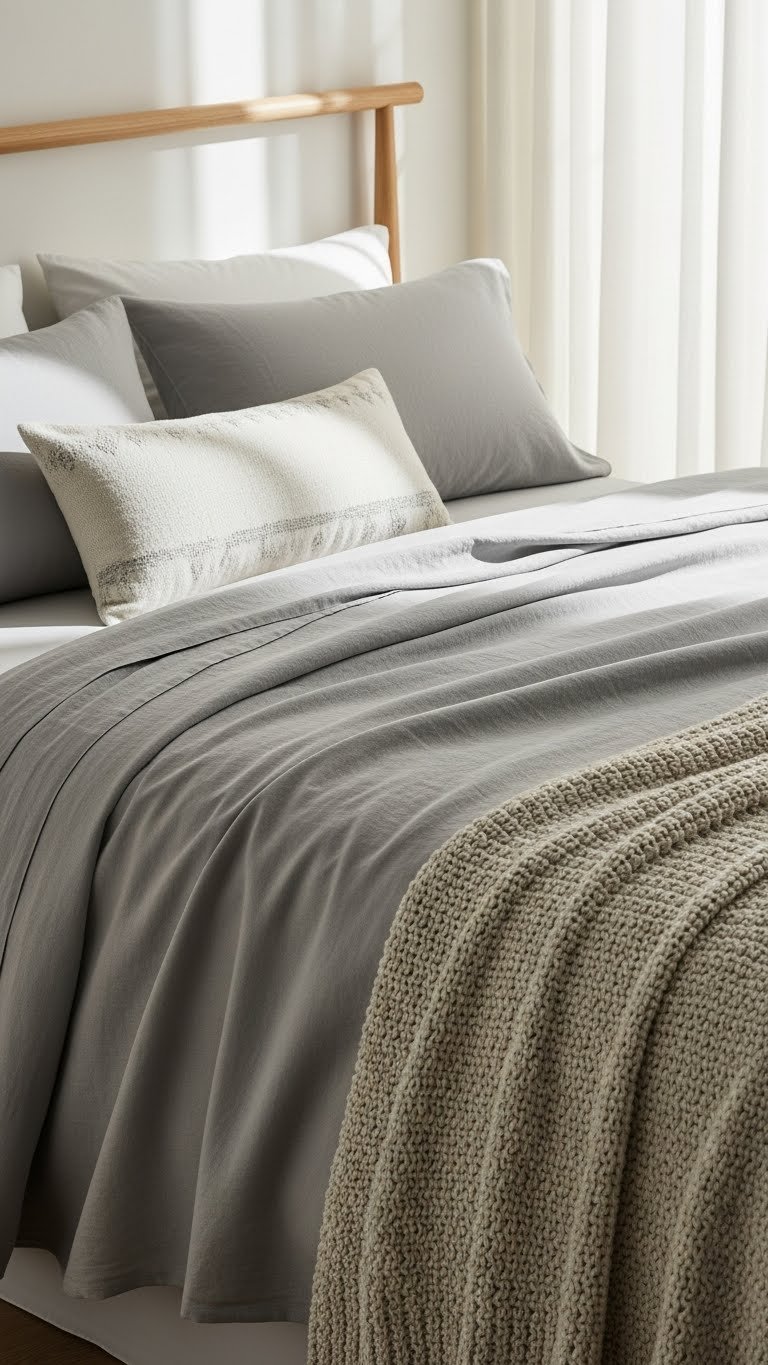
    Look for 100% cotton sheets (at least 300 thread count) or linen blends from brands like Parachute ($100–150 per set), Target ($40–80), or Amazon Basics ($30–50). A quality duvet cover in neutral tones lets you swap looks seasonally. Budget about one weekend to find your preferences (ordering online, testing in-store if possible). The payoff is immediate: crawling into genuinely soft sheets feels like a small luxury every single night.

    Splurge on the sheets, save on pillowcases initially—you can upgrade those later.

    This one change makes your bed feel like a hotel upgrade, not just a place to sleep.


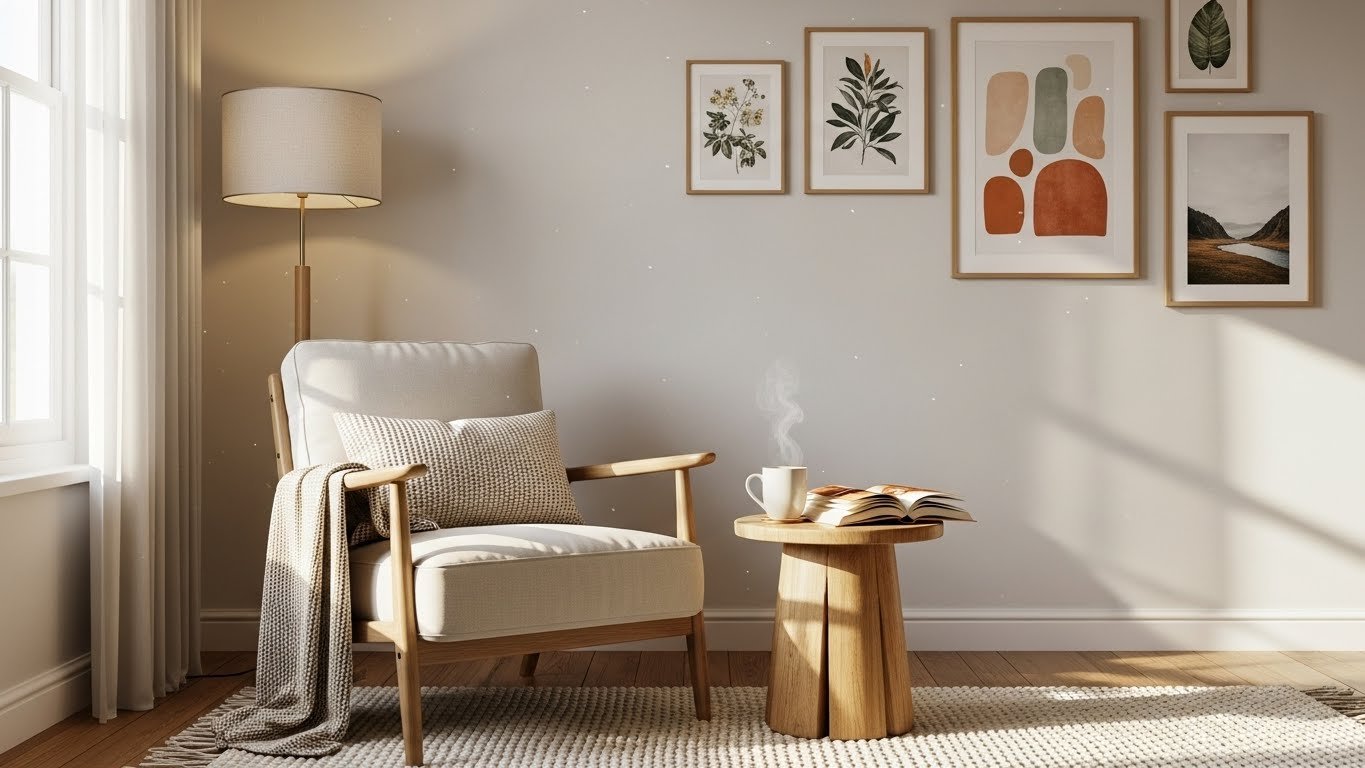
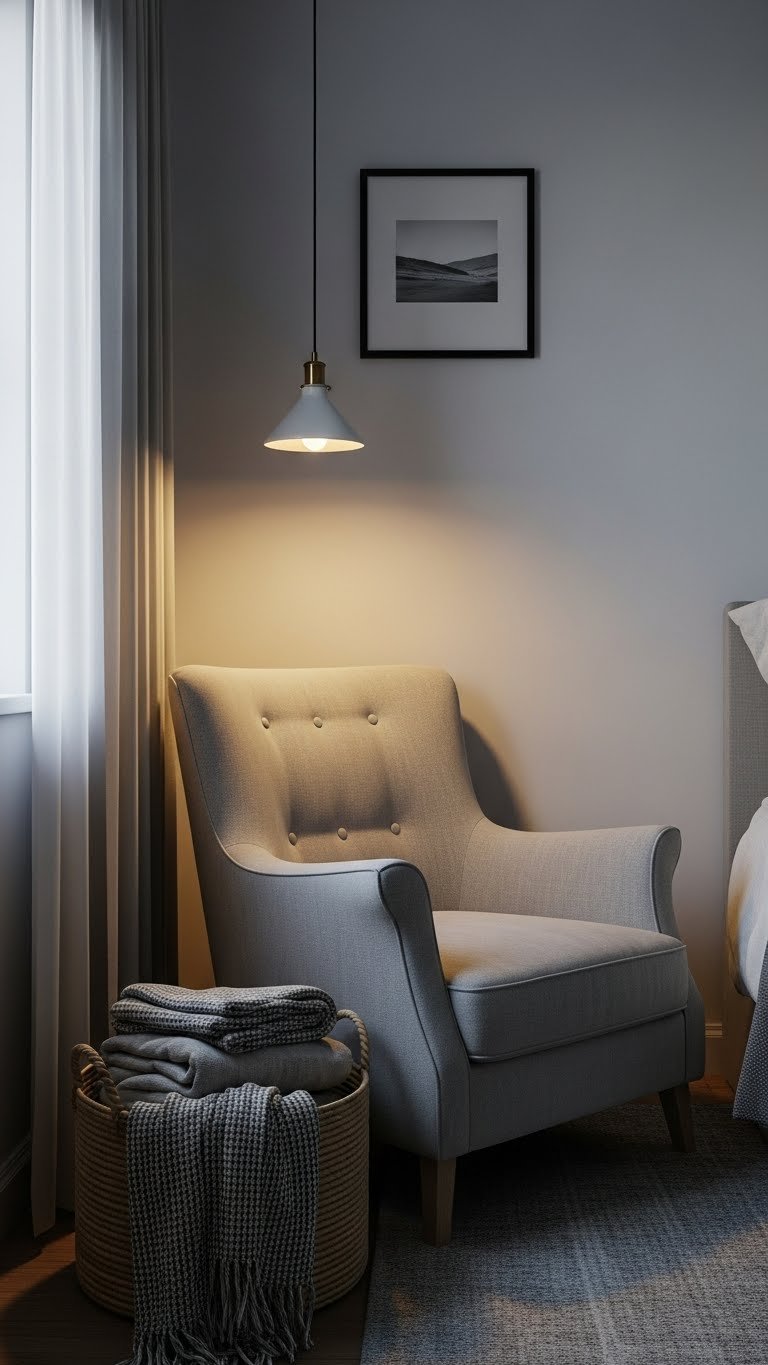
    3. Create a Reading Nook With Layered Textiles

    A dedicated spot for reading or quiet reflection doesn’t need much space—just a chair, good light, and textures that make you want to stay there. This becomes your mental escape hatch.

    Find an affordable chair (IKEA Strandmon, $120–150; Target accent chairs, $150–250; thrift stores, $20–80) and layer it with throws and pillows. Add a small side table ($30–80 from IKEA or Target) and a floor lamp with a warm bulb ($40–100). Total time: a Saturday afternoon to source and arrange. The key is layering—one pillow looks bare, but three in different textures (velvet, linen, knit) makes it feel intentional and inviting.

    Shop estate sales or Facebook Marketplace for vintage chairs—you’ll find unique pieces at half retail price.

    You’ve now built a corner that genuinely pulls you away from your phone and into calm, focused time.


    4. Hang Tapestries or Textured Wall Art for Depth

    Bare walls feel sterile and cold. A large tapestry or woven wall hanging adds visual interest, warmth, and a sense of enveloping comfort without requiring permanent changes—perfect for renters.

    Look for vintage tapestries on Etsy ($30–80), Urban Outfitters ($40–70), or thrift stores ($5–20). Hang it behind your bed, or drape it asymmetrically for a modern twist. A tension rod or removable hanging system takes 10 minutes. For a renter-friendly option, use 3M damage-free strips rated for the weight. The trick: let it slightly disappear behind your headboard for an old-world, layered aesthetic rather than obvious wall art.

    Mix botanical, geometric, or solid patterns based on your existing palette.

    This addition instantly adds personality and makes your bedroom feel collected, not catalog-like.


    5. Use a Dimmer Switch for Mood Lighting Control

    Overhead lights set to full brightness feel utilitarian and tense. A dimmer gives you control over mood—bright for cleaning or getting dressed, soft for winding down and relaxing.

    If you’re handy or own your home, install a dimmer switch in place of your standard switch (hardware store, $15–30; takes 20 minutes with basic tools). If you rent, use smart bulbs ($15–30 each from LIFX or Philips Hue) that dim via app or voice command—no wiring needed. Add warm-toned bulbs (2700K color temperature) for a cozy feel. The investment is small but the impact on your nightly routine is substantial.

    Pair dimmers with a bedside lamp and you’ll never want harsh ceiling light again.

    Now your lighting matches your mood instead of forcing you into alertness when you want to decompress.


    6. Add Indoor Plants for Living, Breathing Calm

    Plants improve air quality, add visual softness, and create a biophilic sense that nature is nearby. They’re especially powerful in bedrooms where calm is the goal.

    Start with low-maintenance varieties: pothos, snake plant, or monstera. Buy from Target, Home Depot, or a local nursery ($10–40 per plant). Cluster them at different heights on shelves or floor for visual interest. Water once a week (or less for snake plants), and you’re done. Even if you kill one occasionally, the act of tending plants signals self-care. Total setup: 30 minutes to arrange and water.

    If you have limited light, try pothos or snake plants—they thrive in indirect, even low light.

    Your room now feels alive and breathing, not static—a subtle shift that deeply affects how rested you feel.


    7. Swap Pillowcases for Seasonal Pattern Rotation

    Pillows are an easy, affordable way to refresh your bedroom without replacing anything. Rotating seasonal pillowcases keeps the space feeling intentional and prevents monotony.

    Buy sets of pillowcases ($12–25 per pair from Target, West Elm, IKEA) in 2–3 neutral tones and textures (linen, cotton, linen-blend). Mix and match as seasons change: warm terracottas and rust tones in fall, cool creams and sage in spring. Swap them in 5 minutes whenever you want a refresh. Over a year, you’ll have invested $50–100 for an ever-changing look that keeps your space from feeling stale.

    Thrift or buy sample pillowcases from HomeGoods or TJ Maxx ($5–15) for affordable variety.

    This simple trick makes your bedroom feel curated and fresh without requiring you to buy a new bed or furniture.


    8. Install Floating Shelves for Display and Storage

    Floating shelves add storage without visual heaviness and give you space to style small objects that bring you joy. They’re the midpoint between bare walls and cluttered surfaces.

    Install shelves using a stud finder and bracket kit ($30–80 from Home Depot or IKEA). If you rent, removable adhesive shelves ($20–50) work for lightweight items. Style them with books, plants, a small lamp, or candles—aim for 40% empty space so it doesn’t feel cluttered. Installation takes 1–2 hours for a beginner. The payoff is a personalized display that gives your room character.

    Start with one shelf if you’re unsure; you can always add more.

    These shelves turn blank wall space into a curated corner that reflects your taste and keeps nightstands clear.


    9. Use Blackout Curtains for Restorative Sleep

    Even small amounts of light—streetlamps, early sunrise—interrupt deep sleep. Blackout curtains block 99% of light and offer a psychological shift toward serious rest, not just napping.

    Look for room-darkening or blackout curtains ($40–100 per panel from Target, IKEA, Amazon). Thermal-lined versions also insulate and reduce noise. Hang them on a simple rod, or layer them under sheer curtains for daytime style. Installation takes 30 minutes. If you rent, check with your landlord about the rod—most allow non-permanent window hardware.

    Blackout curtains also create the illusion of a smaller, cozier nest.

    You’ll sleep deeper and wake less frequently, noticing the difference within the first week.


    10. Arrange a Low-Profile Console or Writing Desk

    A desk or console gives you a productive corner without taking over the room. Even renters can use slim, freestanding options that move easily between homes.

    Find a narrow desk or console table ($50–150 from IKEA, Target, or thrift stores). Position it under a window or along a wall where you can see the room, not into a corner. Add a chair, a small warm lamp, and a plant. This becomes your spot for journaling, paying bills, or creative work—separate from your bed, which stays sacred for sleep and relaxation. Setup takes an afternoon.

    A simple folding desk ($30–60) works if space is extremely tight.

    Now you have a distinct zone for productivity, keeping your bed and relaxation corner feeling purely restful.


    11. Layer a Large Area Rug for Warmth and Texture

    A bare floor feels cold and disconnected. A large rug grounds the room, adds texture underfoot, and defines your sleep space as separate and special.

    Invest in a 8×10 or 9×12 rug in natural fibers (jute, wool, or jute-blend) from Wayfair, IKEA, or Ruggable ($100–300). Layer a smaller throw rug on top for extra texture and contrast ($50–150). Jute has an earthy feel; wool adds softness. Position the bed so it sits partially or fully on the rug for a cohesive, grounded look. Budget a weekend to shop and arrange. Rugs anchor a room psychologically—they say “this space is intentional.”

    Budget option: Use a smaller rug ($50–100) if full-size is out of reach; layering still works.

    Your feet now sink into softness instead of cold floor, signaling relaxation the moment you step into your room.


    12. Install a Swing Arm Sconce for Flexible Bedside Light

    Overhead lights and bright lamps create glare on your pillow. A swing arm sconce pivots to direct light exactly where you need it—perfect for reading, journaling, or winding down without waking a partner.

    Install a swing arm sconce ($40–100 from Schoolhouse Electric, Rejuvenation, or Amazon) at the bedside using a standard wall bracket. If you rent, use a plug-in swing arm ($50–80) that requires no wiring. Pair it with a warm-toned bulb (2700K). Installation takes 30 minutes for a permanent mount. The benefit: targeted light that won’t shine in your face or across the room, making bedtime routines feel more spa-like than utilitarian.

    A swing arm sconce replaces multiple bedside lamps, actually saving space.

    You’ll read or journal comfortably without harsh light, and the ability to angle the light makes it feel personalized to your needs.


    13. Create a Scent Ritual With Candles or Diffusers

    Scent is powerfully connected to relaxation and memory. A consistent bedtime scent ritual tells your brain it’s time to unwind, even on stressful days.

    Choose a signature scent: candles ($10–30 from P.F. Candle Co., Jo Malone, or Target), an essential oil diffuser ($20–50 from Vitruvi or Amazon), or a room spray ($10–20). Light or diffuse it the same time each evening. After two weeks, your brain will anticipate calm when you catch that scent. The investment is minimal but the psychological payoff is real. Scents like lavender, cedarwood, or chamomile are especially soothing.

    For renters: candles or diffusers require zero installation and move with you.

    Your bedroom now has a sensory anchor that signals rest—even on chaotic days.


    14. Hang String Lights or Fairy Lights for Soft Ambiance

    String lights feel whimsical but also deeply calming. They provide functional light without the harshness of ceiling fixtures, and they’re renter-friendly and removable.

    Buy warm LED string lights ($15–40 from Target, Amazon, or Urban Outfitters). Drape them around your headboard, along a shelf, or across a corner using removable clips or hooks. Plug into an outlet or use battery-operated versions ($20–35) for absolute flexibility. Setup takes 15 minutes. The warm glow creates an intimate, almost campfire-like feeling—psychologically very different from overhead light, which keeps your mind alert.

    Avoid bright white lights; choose 2700K warm white or amber for best results.

    Your room now has a soft, dreamlike quality that makes you want to stay in it longer.


    15. Layer Window Seat Cushions for Luxury Perching

    If you have a windowsill or bench, turning it into a cushioned retreat spot requires minimal investment and creates major coziness. This becomes your daytime reading or meditation corner.

    Get a custom cushion cut at a fabric store ($40–80) or buy a pre-made one ($30–60 from Target or IKEA). Layer it with 2–3 throw pillows ($15–40 each) and a lightweight throw ($25–50). Arrange it so you can curl up and gaze out the window without being visible from the street. Install takes 20 minutes. This corner becomes intensely personal—a spot you retreat to without leaving your room.

    DIY option: Use a yoga mat or pool float covered with a pretty sheet for a zero-cost cushion.

    You’ve created an intimate viewing platform that makes even quiet moments feel like a mini-vacation.


    16. Paint Walls in Warm Neutrals for a Calming Backdrop

    Wall color sets the emotional tone for your entire room. Cool whites feel clinical; warm neutrals feel safe and enveloping. A fresh coat of paint is one of the highest-impact changes you can make.

    Choose warm neutrals like cream, warm greige, soft terracotta, or pale sage (brands like Benjamin Moore, Sherwin-Williams, Behr). A quart of high-quality paint runs $15–25; a gallon $30–50. Primer is included in premium paints. One coat typically covers well; two coats ensure depth. Painting takes a weekend—one evening to prep, one evening to paint. If you rent, check your lease; most landlords allow neutral wall colors. Renting? Use peel-and-stick wallpaper ($30–60 per roll) for a similar effect without paint.

    Test samples on your wall and observe in morning, afternoon, and evening light before committing.

    Your room now has a sophisticated, soothing foundation that makes everything else—furniture, textiles, accessories—look intentional.


    17. Arrange Books by Color for Visual Calm and Display

    Books are natural décor, but chaotic stacks feel stressful. Arranging by color (a trend called “rainbow shelving”) creates visual order that calms the eye and makes your room feel designed, not haphazard.

    Pull your books and sort by color: warm neutrals, blues, greens, jewel tones. Stand them vertically or lay stacks horizontally. Add small objects (candles, plants, framed photos) to break up visual heaviness. This takes an hour or two but the payoff is a shelf that looks like intentional design. You’ll also discover books you forgot you had, which feels like free novelty in your space.

    No books? Use decorative boxes ($10–30 each) stacked by color for the same effect.

    Your shelves now feel curated and restful instead of chaotic, making your whole room appear more organized.


    18. Use Vintage or Thrifted Furniture for Unique Character

    Mass-produced furniture feels soulless. Vintage and thrifted pieces add character, story, and uniqueness that no new piece can replicate—plus they’re usually cheaper and more sustainable.

    Shop Facebook Marketplace, local thrift stores, estate sales, and Craigslist for furniture with bones—don’t worry about upholstery or finish. A mid-century dresser ($50–200) or vintage chair ($30–100) can be refreshed with paint, new fabric, or simply by pairing with fresh accessories. Hunting takes time but is genuinely fun, and you’ll end up with one-of-a-kind pieces. Budget a few weekends to source strategically.

    One statement vintage piece instantly makes a room feel like someone thoughtful lives there.

    Your bedroom now tells a story—not just visually, but emotionally. It feels collected and lived-in, not decorated.


    19. Install a Headboard or Fabric Wall Hanging for Focal Point

    A headboard anchors your bed as the room’s focal point and creates an enveloping sense of rest. It doesn’t need to be expensive or permanent.

    Buy a fabric headboard panel ($100–300 from West Elm, Wayfair) or DIY one using reclaimed wood ($50–150) and basic tools. For renters, use peel-and-stick wallpaper ($40–80) or a fabric hanging ($50–100) behind the bed—removable and zero commitment. This setup takes an afternoon to install and instantly elevates the room’s entire aesthetic. The bed becomes a sanctuary, not just furniture.

    Alternatively: Hang a large tapestry or old quilt behind the bed for instant headboard effect.

    Your bedroom focal point now communicates comfort and intention, making the space feel designed rather than default.


    20. Create Layered Nightstands With Small Plants and Lighting

    Nightstands set the tone for sleep and morning routine. Styling them thoughtfully signals that this bedroom is a priority space, not an afterthought.

    Place a small table ($30–80 from IKEA, Target, thrift stores) on each side of your bed. Layer each with: a warm lamp ($25–60), a small plant ($10–20), a candle ($10–20), and your current book or journal. Keep drawers clear of clutter (use drawer organizers, $5–15). This takes 30 minutes to set up and instantly makes your bedroom feel like a hotel suite. The repetition on both sides creates visual balance and calm.

    Use matching or complementary lamps for a cohesive look; plants can differ slightly for personality.

    Your nightstands now function as both practical and beautiful, supporting your nightly wind-down ritual.


    21. Add a Full-Length Mirror for Space and Light Reflection

    Mirrors expand space and bounce light around, making even small bedrooms feel larger and brighter. They’re practical for getting ready and psychologically calming in how they open up a room.

    Install a full-length mirror ($40–120 from IKEA, Target, West Elm) leaning against a wall or hung beside your bed. Position it to reflect a window or light source for maximum brightening. Mounting takes 15 minutes if wall-hung; leaning takes zero setup. The trick is angle—tilt it slightly so light bounces across the room rather than straight back at you. Even a $40 IKEA mirror creates a surprising shift.

    Hang a frame around a simple mirror ($30 DIY frame kit) for a finished look.

    Your room now feels airier and brighter, with doubled natural light making it appear larger and more open.


    22. Use Soft Area Lighting to Eliminate Dark Corners

    Dark corners feel claustrophobic and uninviting. Strategic lighting eliminates shadows and creates cozy, safe-feeling zones throughout your room.

    Add floor lamps ($40–100 from Target, IKEA, West Elm), table lamps ($25–80), and string lights ($15–40) in corners that feel dark or empty. Aim for warm-toned bulbs (2700K). Arrange so light pools rather than glares—indirect lighting feels calmer than direct. This setup takes an evening to arrange and costs $50–200 total, but transforms the entire room’s atmosphere. You’ve essentially added multiple “rest zones” rather than one harsh center light.

    Use LED bulbs (last longer, run cooler, save money) across all new lighting.

    Every corner of your room now feels safe and intentional, with no harsh shadows to create psychological unease.


    23. Style Your Bed With Layered Textiles and Mixed Textures

    Your bed is the focal point, so styling it with intention makes your room feel magazine-worthy and deeply inviting. Layering textures creates visual and tactile richness that reads as luxury.

    Start with quality sheets ($40–80 per set), add a duvet or comforter ($80–200), layer a throw blanket ($30–100), and finish with 4–5 pillows in different sizes and textures ($15–40 each). Mix velvet, linen, knit, and cotton for tactile variety. Vary pillow sizes (euro, standard, lumbar) and styles (patterned, solid, textured). The bed should look plush and inviting, not sparse. Styling takes an afternoon and costs $200–400 total, but your bed becomes a genuine sanctuary you’ll want to climb into every night.

    Start small: one good pillow per style category, then add over time.

    Your bed now looks hotel-level inviting and genuinely feels as good as it appears—a place you can’t wait to crawl into.


    Save this post and pick one idea to tackle this weekend. Whether it’s new lighting, a single shelf, or fresh pillowcases, small changes compound fast—and your bedroom deserves to feel like the retreat you actually want to be in.

  • 25 Really Small Bedroom Ideas That Feel Surprisingly Spacious

    25 Really Small Bedroom Ideas That Feel Surprisingly Spacious


    Small bedrooms don’t have to feel cramped or suffocating. The trick isn’t making your space bigger—it’s making it feel bigger. With the right design moves, a modest bedroom can look surprisingly open, peaceful, and even luxe. Whether you’re working with 80 square feet or 120, these 25 ideas use light, color, smart furniture choices, and clever layering to create the illusion of space. You’ll discover budget-friendly hacks, renter-approved solutions, and a few investment pieces that anchor a room beautifully. Ready to make your bedroom feel like a personal sanctuary instead of a shoebox? Let’s go.


    1. Paint Walls Light to Expand Space Visually

    Light walls are your secret weapon for making compact bedrooms feel open and airy. Pale creams, soft whites, barely-there blues, and warm neutrals reflect light and push visual boundaries outward. The trick is consistency—paint at least three walls the same light shade to maximize the effect.

    Choose Benjamin Moore Cloud White, Sherwin-Williams Alabaster, or budget-friendly options from IKEA or Home Depot ($25-$40 per gallon). One gallon typically covers a small bedroom. Grab a sample pint first ($5-$8) and test it in your room’s actual lighting—what looks white in the store might read cold or yellowy at home. Paint takes a weekend if you’re a beginner. If you’re renting, ask your landlord or use removable wallpaper as an alternative (peel-and-stick options run $15-$40).

    Your space immediately appears deeper and more open. Light walls also make furniture stand out more, which helps you style intentionally.


    2. Use Floor-to-Ceiling Curtains for Height Drama

    Floor-to-ceiling curtains trick the eye into seeing a taller room, plus they control light beautifully. Skip standard-length options and hang rods near the ceiling, letting panels flow all the way to the floor—or even pool slightly for drama.

    Hang curtain rods 6-12 inches above the actual window frame using a drill (15 minutes, $0 if you have one, or hire a handyman for $50-$100). Linen or lightweight cotton curtains run $30-$80 per panel from IKEA, Target, or Amazon. White, cream, or soft greige work best for small spaces. For renters, removable adhesive hooks ($5-$10) and tension rods offer a no-damage alternative, though they’re less stable for heavier fabrics.

    Your bedroom looks taller and more polished. The vertical line draws the eye upward, adding perceived height without any actual construction.


    3. Float Your Bed to Define Space Zones

    Instead of pushing your bed against the wall, pull it out into the room. This creates visual separation between sleeping and other zones—and paradoxically makes the room feel bigger by showing you have intention and breathing room.

    You’ll need just 12-24 inches of space behind the bed. Add a slim console table ($80-$150 from West Elm, Wayfair, or IKEA) behind it for storage and visual interest, or a narrow floating shelf ($40-$80). Layer a small area rug (4×6 feet, $50-$150) under the bed to anchor it. This works in rentals too—no permanent changes needed.

    Your bedroom gains architecture and purpose. The floating bed makes even a tiny room feel thoughtfully designed rather than cramped.


    4. Install Floating Shelves for Storage Without Bulk

    Floating shelves give you storage without eating up precious floor space or adding visual weight. Mount them above your desk, nightstand, or around a feature wall to keep clutter off surfaces.

    Install shelves using a stud finder ($15-$30) and wall anchors rated for your items’ weight. Basic white shelves (24 inches) cost $20-$50 from IKEA, Target, or Home Depot. Installation takes 30-45 minutes with a drill. Renters can use removable adhesive strips rated for 15-25 pounds each ($8-$12 per pack), though they work better for lighter displays. Aim for 2-3 shelves maximum so your room doesn’t feel cluttered.

    You gain practical storage and vertical visual interest. Styled shelves become part of your room’s personality rather than hiding clutter away.


    5. Choose a Round Bed or Curved Headboard

    Sharp 90-degree angles make small rooms feel boxy and tense. Curved or round beds soften the space instantly and align with 2025’s organic modernism trend—and they actually take up similar floor space while looking more luxe.

    A curved headboard ranges from $300-$800+ depending on materials, or go DIY with a curved upholstered panel ($150-$300 in fabric plus padding). Round beds are pricier ($500-$1,500) but create incredible visual drama. Wayfair, Article, and West Elm carry modern curved options. For renters or budget seekers, add a curved headboard using fabric and a frame ($80-$150 project).

    Your bedroom feels calmer and more intentional. The organic shape brings personality without eating more square footage.


    6. Layer Textured Walls for Cozy Depth

    Textured walls add depth and coziness without overwhelming a small space. Think linen wallpaper, subtle geometric patterns, or textured paint finishes that catch light beautifully.

    Apply textured wallpaper ($15-$40 per roll) using paste or peel-and-stick options—both are renter-friendly. Textured paint finishes like “orange peel” or “knockdown” run $30-$50 per gallon and take one weekend to apply with a spray gun or roller. Brands like Sherwin-Williams and Benjamin Moore offer low-VOC options. Focus texture on one accent wall to avoid sensory overload in tight quarters.

    Your space gains warmth and dimension. Light plays off textures, making the room feel intentionally designed rather than basic.


    7. Add a Statement Plant for Biophilic Calm

    A large statement plant brings the outdoors in, improves air quality, and makes even a tiny room feel like a retreat. Plants naturally calm the nervous system—perfect for better sleep.

    Choose low-maintenance options: fiddle leaf figs, monsteras, snake plants, or pothos tolerate indoor light and irregular watering. Buy mature plants ($30-$60) from garden centers or plant delivery services. Place in a corner or by a window to maximize light without taking up floor space. Use a woven basket planter ($20-$40) to tie it into your decor. Renter-friendly: move it anytime, and caring for it builds a daily wellness ritual.

    You gain natural color and life in your bedroom. The green backdrop creates a calming, nature-connected vibe that helps you sleep better.


    8. Use Mirrors Strategically to Bounce Light

    Mirrors reflect light and multiply visual space—place them strategically to bounce natural light around your room. A large mirror opposite a window works magic.

    Leaning mirrors ($40-$150 from Target, IKEA, or Wayfair) are renter-friendly and stylish. Mounted mirrors ($50-$200) work too if you’re comfortable drilling. Avoid placing mirrors directly opposite your bed (old feng shui wisdom, but also they can feel unsettling at night). Instead, position them on walls perpendicular to windows. Gold, brass, or wood-framed mirrors add warmth; black or chrome frames feel modern and clean.

    Your bedroom brightens noticeably without adding any light source. Morning sun spreads further, making early hours feel more spacious.


    9. Invest in a Narrow Nightstand or Shelf

    Standard nightstands eat up precious floor space in tight bedrooms. A narrow console or shelf (6-8 inches deep) holds essentials without crowding.

    Look for wall-mounted shelves ($30-$80 from IKEA, Target, or Wayfair) or sleek nightstands ($100-$300). Wood, metal, or a mix of materials all work. If wall-mounting isn’t an option, a slim sofa table ($80-$200) works as a bedside alternative. Make sure your chosen height matches your mattress (ideally within 2 inches of the top).

    You preserve walking space and sightlines. A narrow nightstand leaves room to move comfortably around your bed—huge in a compact bedroom.


    10. Choose a Low-Profile Bed Frame

    Low-profile or platform beds sit closer to the floor, visually expanding the room by showing more floor space underneath. They also feel contemporary and less bulky than traditional frames with legs.

    Platform beds range from $200-$800+ depending on material and size. IKEA’s MALM or TARVA lines ($300-$500) offer minimalist Scandinavian style. Article, West Elm, and Wayfair carry designer options ($500-$1,500). Assembly takes 1-2 hours. If budget-conscious, a simple wood platform ($100-$300 DIY) works too. For renters, a bed frame on a low foundation gives similar visual effect.

    Your room gains floor visibility and open sightlines. The low profile makes even a 10×10 bedroom feel airy rather than stuffed.


    11. Style Your Bed with Layered Textures, Not Volume

    Instead of piling on oversized comforters, layer thinner, varied textures. A quilt, throw, and thoughtfully arranged pillows create visual interest without overwhelming a small bed.

    Start with quality sheets ($40-$100 for percale or linen), add a lightweight quilt ($80-$200, or search Etsy for vintage quilts at $50-$150), layer a chunky knit throw ($40-$80), and arrange 3-4 pillows in coordinating textures ($20-$60 each). Mix patterns subtly—stripes with florals, solid with texture. This approach uses fewer overall pieces but looks richer and more intentional than one heavy comforter.

    Your bed becomes a styled focal point that photographs beautifully. Layering tricks the eye into seeing abundance without clutter.


    12. Paint the Ceiling a Soft Warm Tone

    Most people paint ceilings white or skip them entirely. A soft warm white, cream, or pale warm gray makes ceilings feel lower (cozier) while staying light and open.

    Paint ceilings the same color as your walls or one shade warmer ($25-$40 per gallon, same brands as walls). Warm undertones (Benjamin Moore’s Cloud White has slight warmth; Sherwin-Williams’ Alabaster is more neutral) feel inviting. You’ll need a painter’s pole and tray—borrow or buy for $15-$25. Budget 4-6 hours for a small room’s ceiling. This detail is often skipped but makes a surprising difference in perceived warmth.

    Your room feels intentional and cozy. A warm ceiling anchors the space without closing it in visually.


    13. Go Vertical with Tall, Slim Shelving Units

    Tall, narrow shelving units draw the eye upward and store a lot in minimal footprint. Choose units 12-18 inches deep and 5-6+ feet tall.

    IKEA’s BILLY or KALLAX shelves ($60-$150) are budget-friendly and stackable. Wayfair and Target carry slim mid-century and modern styles ($150-$400). Fill with books, plants, and decorative objects, but follow the “rule of three” for styling—group items in threes to avoid visual chaos. Assembly takes 30-60 minutes; most units don’t require wall mounting (though tall ones benefit from stabilizer brackets for safety).

    Your room gains storage and architectural interest without eating floor space. The vertical emphasis makes ceilings feel higher.


    14. Use Peel-and-Stick Wallpaper for One Accent Wall

    Peel-and-stick wallpaper adds personality without permanent commitment—perfect for renters and small spaces where a bold move can feel risky.

    Quality peel-and-stick runs $15-$50 per roll depending on design. Brands like Spoonflower, Tempaper, and Etsy sellers offer custom and pre-designed options. Choose one accent wall (typically behind your bed) to avoid visual overwhelm. Prep the wall with a primer ($8-$12) to help adhesion. Application takes 1-2 hours for a first-timer. Removal is damage-free when done correctly.

    Your bedroom gains instant personality without permanent commitment. A single wallpapered wall becomes the room’s focal point and conversation starter.


    15. Opt for a Bed Without a Footboard

    A footboard eats visual and actual floor space. Skip it entirely or choose an open-frame design that lets sightlines flow through.

    Most platform and modern beds come without footboards naturally, or you can remove one from an existing frame (might take 30 minutes with basic tools). If you want the footboard look without bulk, add a simple wooden bench at the foot ($80-$200) that’s easy to move. This gives you seating and style without permanent visual clutter.

    Your room breathes more freely. Removing the footboard opens up sightlines and leaves floor space for movement or a small chair.


    16. Create a Cozy Reading Nook with One Chair

    A single comfortable chair turns a small bedroom into a multi-functional sanctuary. You gain a reading spot, extra seating, and visual interest without needing much space.

    Choose a compact chair (35-36 inches wide) that fits your corner—look for accent chairs at Target ($150-$250), IKEA ($200-$400), or Wayfair ($200-$600). Add a small side table ($40-$100 from IKEA or thrift stores) for a lamp and book stack. Layer a blanket over the chair back ($30-$80) for texture and coziness. Pair with a wall-mounted reading light ($25-$80) to avoid taking up lamp table space.

    Your bedroom becomes a retreat with distinct zones. The reading corner invites relaxation and gives you a reason to linger instead of rushing to sleep.


    17. Hang a Linen Canopy (No Frame Required)

    A fabric canopy (no frame needed) adds drama and height without structural complexity. Hang lightweight linen from ceiling hooks using fishing line or soft rope.

    Buy 3-4 yards of linen ($25-$50 per yard from fabric stores) in white, cream, or soft greige. Use ceiling hooks rated for lightweight loads ($3-$5 each) and fishing line ($5). Installation takes 30 minutes. For renters, adhesive hooks work if your ceiling allows (test on a small area first). This creates a focal point and nesting feeling without bulk.

    Your room gains romance and visual interest. The draped canopy draws the eye upward and makes your bed feel like a sanctuary.


    18. Skip a Dresser—Use Wall-Mounted Storage Instead

    A traditional dresser takes up significant floor space. Wall-mounted shelves, cubbies, or pegboards store clothes and keep them visible and accessible.

    Floating shelves ($20-$50 each) work well; add labeled woven baskets ($15-$30 each) for folded items. IKEA’s EKET or KALLAX systems offer modular storage ($40-$150) that mounts to walls. For ultimate customization, install a pegboard ($15-$25) and add baskets and hooks ($5-$15 each). Assembly takes 1-2 hours for a full wall system.

    You reclaim floor space dramatically. Wall-mounted storage makes your room feel less crowded and actually showcases your things intentionally.


    19. Layer Two Different Paint Colors Horizontally

    Dividing a small room horizontally with two soft colors creates visual interest and can make ceilings feel higher when the upper half is lighter.

    Paint the lower two-thirds one soft neutral ($25-$40), upper third another pale tone ($25-$40). Tape a clean horizontal line using painter’s tape ($5-$10). Use matte finish for soft appearance. Choose colors close in tone for subtlety—pale cream below, soft greige above, for example. This takes one weekend and costs under $100 total.

    Your room gains dimension and modern edge. The horizontal division creates a sense of architecture without structural changes.


    20. Use Under-Bed Storage (But Keep it Accessible)

    Under-bed storage is practical, but only if you actually use it and it stays organized. Invest in attractive rolling bins or low-profile boxes you’ll actually access regularly.

    Flat storage boxes ($15-$40 each) from Target, IKEA, or Wayfair slide under platform beds. Rolling bins ($20-$50) make pulling things out easier. Label everything clearly ($3-$8 for a label maker). Store off-season clothes, extra bedding, or items you don’t use often. Avoid cluttering under the bed with random stuff—it makes the space feel chaotic even if hidden.

    You maximize every inch without visual clutter above the bed. Organized under-bed storage keeps your room calm and functional.


    21. Swap Heavy Blackout Curtains for Light-Filtering Layers

    Heavy blackout curtains block space visually. Instead, layer lightweight fabrics that filter light softly and maintain sightlines when open.

    Use sheer white linen ($20-$40 per panel) paired with lightweight opaque linen in soft greige or cream ($30-$80 per panel). Hang both on the same rod. Sheer alone filters harsh light; fully closed, the two together darken sufficiently for sleep. This layering approach looks intentional and modern while preserving visual openness.

    Your windows stay functional and stylish. The layered approach creates depth and sophistication without visual bulk.


    22. Add Warmth with Brass or Warm Wood Accents

    Cool metals and light woods can feel sterile in small spaces. Warm brass, gold, or rose gold metallics paired with warm wood tones create coziness instantly.

    Add warm-toned accents through affordable pieces: a brass floor lamp ($40-$100), wooden dresser ($150-$400), or warm gold mirror frame ($50-$200). Even small touches like brass drawer pulls ($2-$5 each) shift the room’s warmth. Mix warm brass with natural wood for organic modern vibes. These accents don’t take up extra space but change the entire feeling.

    Your room feels warmer and more inviting. Warm metallics and wood catch light beautifully and create a sophisticated, cohesive palette.


    23. Hang Art at Varying Heights for Visual Interest

    A single art piece feels lonely. Gallery walls with pieces at varying heights create visual richness and draw the eye around the room.

    Choose 3-5 prints or paintings ($20-$100 each) in coordinating frames ($10-$30 each). Arrange them on one wall with the center point at eye level; hang pieces at different heights for dynamism. Use a level, painter’s tape, and nails for installation (30 minutes). For renters, adhesive picture hangers ($5-$10) work for lighter pieces. Mix frame styles slightly for modern eclectic feel, or keep them uniform for clean gallery vibes.

    Your room becomes a personal gallery that sparks joy every day. Varied heights create visual movement and personality.


    24. Incorporate Organic Shapes in Furniture and Decor

    Sharp 90-degree angles feel constraining in small spaces. Furniture and decor with organic, rounded, or wavy edges calm the nervous system and feel more luxe.

    Look for curved nightstands ($100-$300), wavy-edge mirrors ($50-$150), and round side tables ($80-$200) from Wayfair, Article, or West Elm. Even small touches count—a curvy picture frame, oval planter, or rounded tray. This 2025 trend aligns with biophilic design and surprisingly costs about the same as angular alternatives.

    Your bedroom feels softer and more intentional. Organic shapes create a sophisticated, modern sanctuary that promotes calm and better sleep.


    25. Display Your Best Textiles Visually Instead of Storing

    If you have beautiful quilts, throws, or blankets, display them instead of storing. Styled textiles become decor and make your room feel warm and collected.

    Use a wooden ladder ($40-$80 from Target or Wayfair), a decorative rod ($20-$50), or simple wall-mounted bars ($15-$30) to hang textiles. Style 2-3 pieces maximum to avoid clutter. Mix patterns and textures—solid with striped, linen with knit. This approach celebrates beautiful things while taking up zero floor space.

    Your bedroom gains warmth and personality instantly. Displayed textiles add coziness and tell a story without any storage trade-off.


    26. Add Ambient Lighting at Multiple Heights

    Bright overhead lights flatten small rooms and feel harsh. Layered ambient lighting creates depth, coziness, and makes a compact space feel intentional and spa-like.

    Install a dimmer switch on overhead lighting ($15-$30 total with installation), add a soft table lamp on your nightstand ($30-$100), and consider a wall sconce ($40-$120) or string lights ($20-$50) for ambient warmth. Use warm white bulbs (2700K color temperature) throughout. This takes a weekend if you’re adding a sconce; otherwise, mostly just swapping bulbs and adding lamps.

    Your room transforms from clinical to cozy with the flip of a switch. Multiple light sources let you adjust mood from energizing to restful.


    Save this guide and try one idea this weekend—start with whichever speaks to you most. Small changes stack up fast, and your bedroom truly can feel spacious and peaceful.

  • 25 Maximalist Room Styling Ideas Filled With Color & Energy

    25 Maximalist Room Styling Ideas Filled With Color & Energy

    Forget playing it safe with neutral walls and minimalist furniture. Maximalism is your permission slip to fill your rooms with color, personality, and joy—and honestly, it’s way more fun than a blank slate. If you’re tired of boring spaces that lack character, these 25 ideas will show you exactly how to layer patterns, textures, and bold hues into rooms that actually feel like home. You don’t need a designer budget or a huge overhaul; most of these ideas work in small doses or can be tackled one weekend at a time. From color-drenched accent walls to thrifted vintage finds, you’ll discover how to build a maximalist space that feels intentional, not chaotic. Let’s dive into the specific ways to make your rooms sing.

    1. Color-Drench One Wall for Full Impact

    Painting a single wall in a bold, saturated color creates drama without overwhelming the whole room. Unlike trendy accent walls that often feel dated, color drenching that one surface makes it feel intentional and moody rather than like an afterthought.

    Pick a wall that gets natural light—it’ll show off the color’s depth. Deep jewel tones like burgundy, forest green, or navy work best. Grab a couple of sample pots from Home Depot or Lowe’s ($5 each) and test them for a few days before committing. This takes a weekend with a paint roller and costs $30–$60 for quality paint. The trick? Use a primer first so the color looks rich and covers evenly.

    Consider the room’s function: bedrooms look dreamy in darker shades, while living rooms might handle a slightly brighter version of that same hue.

    Once dry, your room gains instant personality and becomes a backdrop that makes everything else—furniture, art, plants—look curated rather than random.

    2. Layer Patterned Wallpaper Over Paint

    Removable wallpaper lets you test-drive pattern maximalism without a permanent commitment—perfect if you’re renting or indecisive. Layering it over a painted base color creates richness and prevents the pattern from feeling flat or busy.

    Paint the lower half of your wall a solid earthy color (sage, warm taupe, chocolate brown), then apply patterned removable wallpaper to the upper section. Brands like Spoonflower and Peel & Stick wallpaper from Target cost $30–$80 per roll and cover roughly 28 square feet. You can install it in an hour with a squeegee and a steady hand. If you mess up, peel it off and reposition—no damage deposit risk for renters.

    The best part: you can change it seasonally or whenever you’re ready for a refresh without guilt.

    Your bathroom instantly gains a gallery-like quality that feels way more sophisticated than a single solid color.

    3. Mix Vintage Furniture With Modern Pieces

    Pairing sleek contemporary furniture with thrifted vintage finds creates a curated, collected-over-time aesthetic rather than a showroom look. The contrast keeps maximalism from feeling cluttered.

    Scout Facebook Marketplace, Craigslist, or local thrift stores for solid mid-century or Art Deco pieces—look for good bones and structure, even if the upholstery needs work. A vintage wingback chair runs $50–$200 used; reupholstering costs $300–$600 if needed. Mix these with modern pieces from IKEA, Article, or Wayfair to balance vintage’s sometimes heavy vibe. Spend a weekend styling; arrange pieces at angles rather than against walls for a less formal layout.

    Pro tip: Vintage leather or wood pieces age beautifully and develop a lived-in patina that new furniture can’t replicate.

    This blend makes your space look intentional and editorial—like you’ve been hunting for the perfect pieces, not just filling a space with whatever matched.

    4. Stencil Patterns Directly Onto Cabinets

    Hand stenciling cabinet doors adds personality and artisanal charm without the cost or commitment of replacing them entirely. It’s a surprisingly achievable DIY project that screams “I have great taste.”

    Grab cabinet-grade stencils from Michaels or Etsy ($15–$30), high-quality acrylic paint in your chosen color ($8–$15), and a dense stencil brush. Tape the stencil securely to clean, lightly sanded cabinet doors and dab paint using an up-and-down motion rather than brushing (prevents seeping). You can stencil 4–6 cabinet faces in an afternoon. Seal with polyurethane after drying for durability.

    The lived-in charm comes from slight imperfections—they make it feel handmade, not manufactured.

    Your kitchen instantly becomes a reflection of your style rather than a generic builder-grade space.

    5. Create Zones With Rugs Instead of Walls

    Open-concept layouts lack privacy and definition, but you can psychologically “zone” spaces using rugs, furniture arrangement, and lighting without structural changes. This creates multiple cozy areas within one large room.

    Layer two rugs of different colors or patterns to visually separate seating zones. Anchor each area with a rug (or two overlapped), then arrange furniture on top facing inward. A quality wool or jute rug runs $150–$400 for a 5×8, but budget options from IKEA or Wayfair cost $50–$150. Pair with a floor lamp or pendant light hanging slightly to one side to further define the zone.

    This trick works for renters since you’re not installing anything permanent.

    Suddenly, one large room reads as multiple distinct spaces, each with its own purpose and atmosphere.

    6. Go Bold With Leopard Print Upholstery

    Leopard print reads as sophisticated maximalism when applied to statement furniture rather than scattered across many small pieces. A leopard-print sofa becomes the room’s focal point and grounds everything else.

    Hunt for a vintage sofa or chair with good bones ($100–$300 used), then have it reupholstered in leopard print fabric from Spoonflower or Etsy ($20–$40 per yard; your upholsterer will calculate yardage needed). Reupholstering typically costs $400–$800 labor depending on complexity. Alternatively, buy a pre-upholstered piece from Wayfair or Article ($600–$1,500). Pair it with solid-colored accents in warm neutrals to let the print shine.

    The trick: keep leopard print to one major piece so it anchors the room rather than competes for attention.

    This bold choice immediately signals that you’re confident in your style and won’t bore easily.

    7. Layer Textures With Throws and Pillows

    Texture creates tactile richness and visual interest without adding clutter—it’s the secret weapon of maximalism done right. Layering different materials makes a room feel collected and inviting rather than flat.

    Combine at least three contrasting textures on your bed or sofa: linen, velvet, chunky knit, faux fur, or even a quilted fabric. Start with a base layer (duvet or throw), then add 2–3 pillows in different textures and one accent throw. Source pieces from Target ($20–$60 per item), IKEA ($15–$40), or splurge on quality linen from Etsy ($40–$100). Spend 10 minutes arranging them for maximum visual impact—lean some back, angle others, let some drape naturally.

    Pro tip: Stick to a consistent color palette (all warm earth tones or cool jewel tones) so textural mixing feels intentional rather than chaotic.

    Your sofa becomes a space you actually want to sink into, combining comfort and style in a way that photographs beautifully.

    8. Paint Kitchen Cabinets a Jewel Tone

    Cabinet color is hugely impactful and budget-friendly compared to replacement. Deep jewel tones—emerald, navy, rich teal—make kitchens feel high-end and intentional, especially when paired with warm metallic hardware.

    Clean and lightly sand cabinets, apply primer, then use cabinet-grade paint in your chosen color (Benjamin Moore, Sherwin-Williams, or Rustoleum Cabinet Transformations, $30–$80). This takes a full weekend with multiple coats and drying time. New hardware from Amazon or Home Depot ($3–$8 per pull) costs $40–$100 for a full kitchen. Skip the professional refinisher ($1,000+) if you’re handy—DIY gives you the same result at a fraction of the cost.

    The trick: use painter’s tape meticulously around hinges and edges for crisp, clean lines.

    Your kitchen goes from builder-grade to “did they hire a designer?” in one weekend project.

    9. Hang Gallery Wall With Mixed Frames

    Gallery walls are the ultimate maximalist statement and a renter-friendly way to add instant personality. Mixing frame styles and artwork types creates visual richness and tells a story about your taste.

    Collect frames from IKEA, Target, thrift stores, and Etsy—aim for 8–15 frames in varying sizes. Mix finishes: black, brass, natural wood, and even colored frames work together if your artwork ties them visually. Print artwork from Etsy ($2–$10 digitally downloadable), use family photos, or buy inexpensive prints from Minted or Society6. Lay everything on the floor first to plan your arrangement, then hang with painter’s tape templates ($20 total setup cost). The whole project takes 2–3 hours once you’ve gathered pieces.

    Pro tip: Odd numbers and slightly irregular spacing feel more curated than perfectly symmetrical layouts.

    Your gallery wall becomes a conversation starter and a visual representation of what you love.

    10. Use Fabric to Create a Feature Wall

    Instead of painting, hanging fabric or a tapestry creates texture and is completely removable. This works for renters and feels more bohemian than traditional paint.

    Find a large tapestry or fabric from Urban Outfitters ($30–$80), Etsy ($20–$100), or even a vintage kimono from thrift stores ($10–$30). Install a simple curtain rod or wooden dowel at the top of your wall using command strips or adhesive hooks (renter-friendly) or light-duty wall anchors. Fabric-drape it and secure the bottom with removable hooks or even tacks if you’re okay with tiny holes. The entire project takes 30 minutes to an hour.

    Layering patterned fabric with textured furniture and artwork prevents the space from feeling one-dimensional.

    Your wall becomes a textile art installation that adds warmth and visual interest instantly.

    11. Build a Patterned Throw Blanket Collection

    Collecting throw blankets serves both function and style—they’re practical, affordable, and let you switch up your room’s vibe seasonally without commitment.

    Buy 3–5 throw blankets in different patterns and colors from Target ($20–$40 each), H&M Home ($15–$35), or Etsy ($30–$60 for quality pieces). Choose a unifying color (all include rust, all include cream, etc.) so they read as intentional rather than random. Drape one over your sofa arm, fold and stack another on a chair, and hang one over a clothing rack if you have space. Swap them out seasonally or just rearrange for visual refresh. Total investment: $100–$250 for a rotating collection.

    The trick: blankets feel even better when they’re high-quality and actually comfortable to use, not just decorative.

    Your living room becomes more inviting and instantly gains a collected, lived-in quality.

    12. Apply Marble or Patterned Wallpaper to Powder Room

    Powder rooms are the perfect testing ground for bold pattern drenching since they’re small and low-stakes. All-over patterned wallpaper makes a huge impact in a tiny space without overwhelming your home.

    Choose removable patterned wallpaper in marble, geometric, or botanical prints from Spoonflower, Chasing Paper, or Etsy ($40–$100 per room depending on size). Apply it to all four walls for maximum immersion—this reads as intentional rather than hesitant. Installation takes 1–2 hours for a powder room. If you mess up with removable wallpaper, peel and reposition with no stress.

    Pro tip: Start with a clean, smooth wall surface for the best adhesion and finished look.

    Guests will genuinely comment on how thoughtful and designed your powder room feels.

    13. Style Open Shelves With Books, Plants, and Ceramics

    Open shelving requires thoughtful styling to look curated rather than cluttered. Mixing books, plants, and dishware in a color-coordinated way creates visual interest and functionality.

    Arrange items in odd groupings of three: stack books horizontally, lean a few vertically, place a small plant on top. Vary heights using small stands or risers ($10–$20 from IKEA). Introduce warm metals—brass or copper—through utensil holders, plant stands, or serving pieces ($15–$40 each). Choose a loose color scheme (warm metallics + green plants + cream dishware, for example) and stick to it. Rearrange every few months to keep styling fresh without buying new items.

    The key: negative space matters just as much as objects—don’t fill every inch.

    Your open shelves read as intentional and editorial, and you’ll actually enjoy looking at your kitchen.

    14. Mix Geometric and Floral Patterns in One Space

    Mixing two contrasting pattern types—say, geometric and floral—feels bold and curated when they share a unifying color. This prevents pattern mixing from feeling chaotic.

    Choose your unifying color first (rust, navy, cream, etc.), then find one geometric pattern and one floral pattern that both incorporate it. Apply one pattern to larger surfaces (sofa upholstery, a rug, or wallpaper) and use the contrasting pattern in smaller doses (pillows, artwork, a throw blanket). Keep wall paint neutral or in your unifying color to avoid competing for attention. Source pieces from wayfair, Article, Etsy, or thrift stores.

    Pro tip: Print mood boards on Pinterest to see how your chosen patterns actually look side-by-side before committing to purchases.

    Your room becomes a sophisticated pattern story rather than a random collection of pretty things.

    15. Create a Vintage Bar Cart or Styling Station

    A styled cart serves as functional décor and becomes a focal point wherever you place it. Vintage finds make this affordable and more interesting than buying a pre-styled option.

    Hunt for a brass or wood bar cart at thrift stores ($20–$60), then style it with found glassware, vintage bottles, potted succulents, and decorative objects in your color palette. Source items from thrift stores ($1–$10 each), IKEA ($5–$20), or Etsy ($10–$40). Arrange items in odd-numbered groupings, use risers or small stands to create height variation. The styling takes 30 minutes; the gathering takes longer but becomes a fun treasure hunt.

    Bonus: this works for styling smaller spaces like bathrooms or bedrooms when placed on a table instead.

    Your cart becomes both functional and visually striking—a conversation starter that doesn’t require wall space or permanent installation.

    16. Drench Your Bedroom in Warm Burgundy or Deep Green

    Full-room color drenching in a warm, saturated tone creates immersion and coziness that accent walls can’t achieve. This works especially well in bedrooms where the moody atmosphere feels intentional rather than dark.

    Commit to painting all four walls and the ceiling the same deep color—forest green, burgundy, or navy all work beautifully. Use quality paint with good coverage (Benjamin Moore, Sherwin-Williams, $40–$70 per gallon). Two coats plus primer typically requires 2–3 weekends. Keep ceilings white if full-ceiling color feels too daring as a first step. Pair the walls with bright white or cream bedding and adequate lighting (layers of brass sconces, table lamps, and pendant lights) so the room feels cozy, not cave-like.

    Embrace the moodiness—this color choice signals confidence and intentionality.

    Your bedroom becomes a retreat rather than just a place to sleep—a cocoon that feels luxe without requiring renovation.

    17. Source Vintage Brass and Copper Lighting

    Soft metallic finishes in brass and copper add warmth and luxury without the cold edge of chrome or stainless steel. Vintage pieces cost less than new designer fixtures and carry more character.

    Scout vintage brass or copper pendant lights, floor lamps, and table lamps from Etsy ($30–$150 each), thrift stores ($10–$40), or Facebook Marketplace ($15–$100). These are often original and haven’t been replaced with modern versions. If the cord or bulb socket feels sketchy, a handyman can refresh it ($50–$100) or replace the socket yourself ($10–$20 in hardware plus 15 minutes). Hang pendants at varying heights for visual interest and better task lighting.

    Pro tip: Warm brass creates instant coziness, especially when paired with warm-toned bulbs (2700K color temperature).

    Your lighting becomes both functional and beautiful—soft metallic glows that make every room feel intentionally designed.

    18. Layer Patterned Rugs for Texture and Depth

    Rug layering creates dimension and signals collected-over-time styling. This technique works in any room and instantly elevates the look beyond a single rug.

    Start with a large neutral or solid-colored jute or wool rug as your base ($100–$300 for 8×10), then layer a smaller patterned rug on top ($50–$200 for 5×8). Choose patterns with a unifying color so they read as cohesive rather than clashing. This works in living rooms, bedrooms, and even dining areas. The layering takes 10 minutes to arrange; the entire investment can be under $300 if you source one vintage piece. Rugs from IKEA, Wayfair, or Etsy give you endless options.

    The trick: layer an odd number of rugs (one, three) rather than two for a more intentional look.

    Your floors become a designed element rather than an afterthought—layered textures that visually anchor the entire room.

    19. Paint Doors and Trim a Contrasting Bold Color

    Painting trim and doors in a bold, contrasting color adds drama and architectural interest without committing to full-room repaints. This is high-impact and totally manageable as a DIY project.

    Choose a color that contrasts with your walls: if walls are cream, try deep teal or forest green on doors and trim. If walls are already bold, a crisp black or deep charcoal trim can look stunning. Grab cabinet-grade paint from Sherwin-Williams or Benjamin Moore ($30–$60), painter’s tape, and a high-quality brush. Tape meticulously where trim meets walls for crisp lines. This takes a weekend for an average home’s doors and trim. New hardware in brass or chrome ($3–$8 per knob, $40–$100 total) finishes the look.

    Pro tip: Glossy or semi-gloss paint shows off color depth better than flat finishes on doors and trim.

    Your entryway or hallway becomes visually striking—bold enough to feel intentional, contained enough to feel sophisticated rather than overwhelming.

    20. Collect and Display Colorful Ceramics and Glassware

    Displaying a curated collection of ceramics and glassware becomes a form of art and maximalist expression. Collections tell stories and make spaces feel lived-in and thoughtful.

    Hunt for pieces at thrift stores ($1–$10 each), estate sales ($5–$50), and Etsy ($15–$60 for handmade pieces). Focus on a loose color palette (all warm earth tones, or all jewel-tone glassware, or mixed pastels) so the collection reads intentionally rather than randomly gathered. Display on open shelving, in a cabinet, or on a dedicated surface where pieces catch light. Rotate seasonal pieces or rearrange every few months to keep the display feeling fresh.

    The key: quality over quantity—five beautiful handmade bowls feel more curated than twenty mismatched plastic cups.

    Your collection becomes a visual representation of your taste and a conversation starter.

    21. Use Scalloped or Curved Furniture Silhouettes

    Curved and sculptural furniture adds softness and fluidity to a room, balancing bold patterns and colors. The organic shapes feel modern yet warm and approachable.

    Invest in or source a curved sofa, scalloped credenza, or rounded armchair. Vintage pieces from thrift stores and Facebook Marketplace cost $100–$400; new options from Article or West Elm run $600–$2,000. Pair curves with angular pieces (a square-backed chair, a rectangular coffee table) to prevent the space from feeling too soft or undifferentiated. Even one curved furniture piece shifts the room’s entire energy.

    Pro tip: Curved furniture photographs beautifully and makes spaces feel intentionally designed rather than functional.

    The soft lines create visual interest and make your room feel more inviting and less corporate-looking.

    22. Stencil or Hand-Paint Patterns on Accent Walls

    Hand-painted patterns add artisanal charm and can be way more affordable than wallpaper, especially if you DIY. The slight imperfections make spaces feel personal and authentic.

    Sketch your pattern lightly in pencil first (stripes, geometric shapes, or abstract designs all work), then paint using a high-quality brush and acrylic or latex paint in your chosen colors. Tape off areas if you want crisp edges; leave some loose and imperfect for character. This takes 1–3 days depending on complexity and drying time. Paint costs $20–$40; supplies are $10–$20. Embrace the handmade look—slight unevenness is the point.

    Renter-friendly alternative: Use removable stencils and acrylic paint, which you can carefully remove later without wall damage.

    Your wall becomes a one-of-a-kind artwork that adds personality no store-bought piece can match.

    23. Create a Plant Wall or Living Green Statement

    Plant walls create living, breathing maximalism that’s both beautiful and air-purifying. Layering different plant types and planters adds texture and dimension.

    Hang 8–15 plants of varying sizes using wall-mounted planters ($5–$30 each), macramé hangers ($8–$20), and shelves ($20–$60 per shelf). Choose plants that tolerate your light conditions and require similar watering (easier maintenance). Source plants from local nurseries ($3–$20 each) and affordable planters from IKEA, Target ($5–$25), or Etsy ($10–$40). Installation and arrangement takes a weekend; ongoing care is just regular watering.

    Pro tip: Mix trailing plants (pothos, string of pearls) with upright plants (snake plant, calathea) for visual variety.

    Your plant wall becomes a focal point that brings life and energy to the room while improving air quality.

    24. Layer Bold Abstract Art With Vintage Photographs

    Mixing contemporary abstract art with vintage personal photographs creates emotional depth and prevents maximalism from feeling impersonal or over-designed. The contrast makes each piece feel more meaningful.

    Source abstract prints from Minted ($40–$100), Society6 ($15–$60), or Etsy ($10–$50 for digital downloads). Mix with personal photographs either printed large ($10–$30 at local print shops or through Artifact Uprising) or smaller vintage photographs from thrift stores. Display in frames of varying finishes and sizes for visual richness. Hang in a salon-style gallery wall or scattered asymmetrically across one wall. Total project cost: $150–$400 depending on print size and frame investment.

    The key: let the abstract pieces pull from colors in your room (walls, furniture, accents) so everything ties together visually.

    Your art wall tells your story while looking intentionally curated and editorial.

    25. Mix Vintage and New Bedding With Layered Textures

    Bedding is the largest surface in a bedroom, making it the perfect place to showcase maximalist layering. Mixing vintage and new pieces creates character while ensuring comfort and functionality.

    Start with a quality base (neutral linen duvet from Etsy, Parachute, or thrift stores, $100–$250). Layer with a vintage quilt or throw ($20–$80 from thrift stores or estate sales), then add 4–6 pillows in varying textures: linen, velvet, quilted, chunky knit. Stick to a unifying color palette so the mix feels intentional. Spend an hour arranging to find your ideal layered look. Source new pieces from Target ($20–$60 per item) or vintage pieces ($10–$40 each).

    Pro tip: Odd numbers of pillows (5 rather than 4) feel more collected and less staged.

    Your bed becomes a textural masterpiece that’s as beautiful to look at as it is comfortable to sleep in.

    26. Paint Your Bathroom Vanity a Jewel Tone

    Your vanity is the focal point of any bathroom, and painting it a saturated color creates dramatic impact with minimal effort. This draws the eye and makes even small bathrooms feel designed.

    Clean and lightly sand your existing vanity, apply primer, then paint with cabinet-grade paint in your chosen jewel tone ($30–$60 for paint). Two coats take a full weekend including drying time. Upgrade hardware to brass or brushed gold knobs and pulls ($30–$80 for the whole vanity, installed in 30 minutes with a drill). Consider the countertop color: white marble or light wood complements jewel-toned vanities beautifully. This DIY project costs $75–$150 total and transforms the entire bathroom’s feel.

    The trick: warm metallic hardware makes the bold color feel luxe rather than trendy.

    Your bathroom becomes a spa-like retreat that feels far more expensive than the cost or effort required to achieve it.


    Save this post and pick one idea to try this weekend. Start small—a single stenciled cabinet door or a patterned throw pillow—and see how good it feels to add personality to your space. Maximalism isn’t about chaos; it’s about surrounding yourself with things you genuinely love. Which idea are you trying first?

  • 27 Home Design Decor Ideas That Make Every Room Look Professionally Styled

    27 Home Design Decor Ideas That Make Every Room Look Professionally Styled

    You know that feeling when you walk into someone’s home and instantly think, “How did they make this look so polished?” It’s not about having the biggest budget or the fanciest furniture—it’s about knowing how to style spaces so they feel intentional and put-together. Whether you’re working with a tiny apartment, a rental with strict rules, or just want to elevate what you already have, these 26 ideas will show you exactly how to make every room look professionally designed. We’re talking real strategies used by interior stylists, budget-friendly hacks that don’t look cheap, and small changes that deliver major impact. Let’s dive into the ideas that actually work.

    1. Layer Your Walls With Textured Plaster in Deep Colors

    Bold, textured walls are having a major moment, and limewash plaster in deep jewel tones like aubergine, forest green, or navy is the move that designers are using. This technique adds depth and character that flat paint simply cannot match—it photographs beautifully and makes rooms feel curated, not sterile.

    You can hire a professional to limewash walls ($200–$600 for a bedroom accent wall), or DIY with a limewash kit from Home Depot ($30–$50 per gallon). Application takes about 2–3 hours per wall. The beauty of limewash is its organic, slightly imperfect finish—flaws actually add to the charm. Brands like Portola Paints make quality limewash that’s easier to apply than traditional plaster.

    The result? Your space immediately gains sophistication and texture. Visitors will ask where you got the idea, and you’ll have a wall that becomes a conversation starter.

    2. Invest in One Statement Curved Sofa or Armchair

    Curved furniture is replacing boxy pieces everywhere, and investing in one curved sofa, armchair, or chaise makes your entire room feel more intentional and modern. Those soft, rounded edges create visual flow and make spaces feel less angular and more inviting.

    Look for curved pieces at Article, West Elm, or IKEA’s newer collections ($300–$1,200 for a quality armchair, $800–$2,500 for sofas). Wayfair and Facebook Marketplace also have solid curved options at mid-range prices. Wait for seasonal sales (January and Labor Day are best) to snag quality pieces at 20–30% off. If you rent, a curved accent chair under $500 from Target or Wayfair is a game-changer.

    This one piece ties a room together and instantly elevates your style without needing to overhaul everything else.

    3. Mix Checks and Stripes Without Looking Chaotic

    Checks are up +5,000% in Google searches, and pairing them with stripes and other geometric patterns is how stylists create rooms that feel fashion-forward, not cluttered. The key is keeping your color palette tight—typically 2–3 colors maximum.

    Choose one base color (like cream or soft gray), then layer in checks and stripes using that color family. Mix a blue-check pillow with a blue-striped throw, then add a geometric rug that echoes both patterns. Start with affordable pieces from Target, IKEA, or Ruggable ($20–$80 for pillows, $40–$150 for throws). The beauty of pattern-mixing is it looks intentional and editorial, not accidental.

    You’ll have a bedroom or living room that feels styled by a designer, and you did it in one afternoon shopping.

    4. Paint Kitchen Cabinets a Bold, Saturated Color

    Minimalist beige kitchens are officially over—bold cabinet colors like deep navy, forest green, or even terracotta are what’s trending. This is the easiest way to completely refresh your kitchen without gutting it.

    If you own your home, hire a pro painter for a full kitchen ($1,500–$3,000) or DIY with cabinet paint from Sherwin-Williams or Benjamin Moore ($100–$300 in supplies). The process takes 3–4 days with prep and drying time. For renters, removable cabinet film from Spoonflower ($50–$150) achieves a similar look without commitment. Benjamin Moore’s “Hale Navy” and “Chelsea Green” are go-to colors that feel both bold and timeless.

    Your kitchen becomes the star of your home, and you’ve just increased the perceived value of your space significantly.

    5. Style Floating Shelves With the Rule of Three

    Floating shelves look professional when styled, not just when you cram stuff on them. The “rule of three” means grouping items in odd numbers and leaving negative space—this creates visual interest without looking cluttered.

    Install floating shelves (IKEA, $15–$30 per shelf; hardware included) or splurge on solid wood shelves from Etsy makers ($50–$150 per shelf). Arrange items in groupings of 3: a stack of books, a single plant, and a decorative object. Vary heights and sizes so your eye moves around. This styling takes 20 minutes, and you can change it whenever you want.

    Now your shelves look intentional and gallery-like, not like storage overflow.

    6. Add Sconce Lighting for Instant Sophistication

    Overhead lighting is harsh and unflattering, but sconces flanking your bed or bathroom mirror instantly make a space feel high-end and intimate. Lighting is one of the most underrated styling tools, and this single change elevates everything.

    Choose sconces from IKEA ($30–$60 each), Target ($25–$70), or Wayfair ($40–$150+). Installation requires basic wall mounting (or hire an electrician for $150–$300 if you’re unsure). Pair them with warm bulbs (2,700K color temperature) for a cozy glow. Brass or matte black finishes feel most current.

    Your room now has sophisticated layered lighting that works for both practical use and mood-setting.

    7. Create a Kitchen Nook With Built-In Bench Seating

    Kitchen nooks are making a comeback because they’re functional and they create defined, cozy spaces in open-concept homes. Even if you don’t have an existing nook, you can DIY one.

    Option 1: Repurpose a corner with a storage bench ($150–$400 from IKEA or Wayfair), add a small bistro table ($80–$250), and two matching chairs ($100–$200 each). Total investment: around $500–$900 for a complete nook. Option 2: Hire a carpenter to build custom seating ($1,500–$3,000) if you want something that feels built-in. This project takes one weekend for the DIY route or 2–3 weeks for custom builds.

    You’ve just created a dedicated dining space that makes your kitchen feel intentional and adds seating for guests.

    8. Hang Artwork at Eye Level in Clusters

    Artwork hung too high is a dead giveaway that a space isn’t professionally styled. When you hang pieces at eye level (57–60 inches from the floor to the center of the artwork) and cluster them together, suddenly your room feels curated and intentional.

    Gather frames and prints from IKEA ($5–$25 per frame), Minted ($30–$80 per print), or Etsy ($20–$60 per print). Mix frame styles but keep finishes consistent (all matte black or all natural wood). Arrange on the floor first to determine spacing, then mark and hang. This takes about 1–2 hours, and it’s one of the biggest visual impact upgrades you can make.

    Your wall becomes a focal point that guests will actually notice and compliment.

    9. Layer a Jute Rug Under a Colorful Runner

    Layering rugs is how designers add depth and visual interest while keeping costs lower than buying one expensive rug. A jute rug ($50–$200) anchors the space, and a patterned runner or smaller rug ($40–$150) on top adds color without overwhelming.

    Start with a jute 8×10 base from IKEA, Ruggable, or Wayfair. Then layer a 5×8 patterned runner on top. The combination costs $100–$350 and creates a look you’d find in a design magazine. Jute is also a sustainability-focused choice, which resonates with conscious buyers.

    Your floor becomes a design statement that ties the entire room together and adds warmth.

    10. Style Open Shelving With a Mix of Functional and Decorative Items

    Open shelving can look either chaotic or magazine-worthy—the difference is intentional styling. Mix functional items (plates, glasses) with decorative pieces (plants, books, a small vase) in a 70/30 ratio.

    On each shelf, create “zones”: one section for stacked plates, one for glasses, one for a single plant or book. Leave breathing room between items. If you’re renting or want to test this first, use removable shelving from IKEA ($20–$50 per shelf) before committing to wall-mounted shelves.

    Your kitchen now looks both functional and stylish—like someone actually lives there but also like they have it all together.

    11. Swap Out Hardware With Brass or Matte Black Handles

    Hardware is a small detail that makes a massive difference. Replacing cabinet handles and drawer pulls with brass, matte black, or stainless steel instantly modernizes any piece of furniture without refinishing it.

    Buy hardware in bulk from Etsy ($2–$8 per handle), Amazon ($3–$10 per handle), or specialty hardware stores ($5–$15 per handle). Changing handles on a dresser or kitchen cabinets takes 30–45 minutes. A full kitchen cabinet hardware swap (20–30 handles) costs $50–$150 in materials and looks like you spent thousands updating your cabinets.

    Suddenly, your old furniture or cabinets look current and intentional, not dated.

    12. Create Defined Zones in Open-Concept Spaces

    Open-concept homes feel directionless and impersonal. Creating visual boundaries with furniture, rugs, and mirrors makes spaces feel intentional and gives each area its own identity.

    Use a console table ($150–$400) to divide spaces, a rug ($100–$300) to define seating zones, and a room divider ($80–$250) or tall bookcase ($200–$500) as a visual boundary. These elements cost far less than building walls and create the feeling of separate rooms. Arrange furniture to create natural flow between zones.

    Now your open space feels organized and sophisticated, not like one big room where everything blends together.

    13. Display Books With Spines Facing Inward on Some Shelves

    You don’t have to hide books on open shelves—style them intentionally by mixing forward-facing spines with stacked books and turning some spines inward to create a cohesive look. This creates visual calm and makes shelving feel more sophisticated.

    Place books spine-inward in groupings, stack others horizontally, and add one decorative item (a small plant or object) on top to break it up. This takes 15–20 minutes on existing shelves. No cost, just styling.

    Your shelves feel curated and calm, not cluttered with colorful chaos.

    14. Incorporate One Large Statement Mirror

    A large mirror (36 inches or bigger) bounces light around the room, makes spaces feel bigger, and immediately feels like a design investment. It’s one of the easiest ways to add impact without much effort.

    Find statement mirrors at Wayfair ($100–$400), West Elm ($150–$500), or Etsy ($80–$300). Hang it or lean it against a wall above a console table. Even a 48-inch mirror under $200 can feel luxe and designer-approved. Brass, gold, and natural wood frames feel current and sophisticated.

    Your room feels brighter, bigger, and immediately more professionally styled.

    15. Add Throw Pillows in Varying Sizes and Textures

    Throw pillows are the quickest way to layer color and texture, and varying sizes (16×16 inches, 20×20 inches, 12×20 inches lumbar) creates visual interest that uniform pillows can’t achieve. Mix materials—linen with velvet, wool with cotton—for depth.

    Buy pillow covers from Target ($8–$25 each), West Elm ($30–$80 each), or Etsy ($15–$50 each). Purchase three to five pillows for a sofa, mixing solids and patterns in your color palette. Total investment: $50–$250 for a complete pillow styling refresh that takes 10 minutes to arrange.

    Your seating area now looks styled and intentional, not like you just threw whatever was around onto the couch.

    16. Paint an Accent Wall in a Saturated Color

    One accent wall in a rich color (deep green, navy, terracotta, or charcoal) instantly makes a room feel more sophisticated and design-forward than an all-neutral space. This is less commitment than painting the whole room but still makes major impact.

    Use Benjamin Moore, Sherwin-Williams, or Behr paint ($30–$60 per gallon). Plan for 2–3 hours if you’re DIYing or $300–$500 if hiring a pro for one wall. Pair it with neutral furniture so the wall stays the hero. Test the color on your wall first—it looks different in various lighting.

    Your bedroom or living room instantly feels intentional and curated, not generic.

    17. Incorporate Plants of Varying Heights

    Plants add life and visual interest, and grouping them in varying heights creates a professional, curated look. Tall plants draw the eye up, small plants fill gaps, and trailing plants add movement.

    Choose easy-care plants like snake plants, pothos, and fiddle leaf figs ($15–$50 each from local nurseries or Etsy). Invest in three to five plants for $50–$150 total. Repot them into matching or complementary planters ($10–$40 each) for a cohesive look. Arrange at different heights using plant stands or shelving.

    Your space now feels alive, fresh, and thoughtfully decorated—not sterile or corporate.

    18. Layer Lighting With Table Lamps, Floor Lamps, and Candles

    Professional spaces use layered lighting (ambient, task, accent) rather than a single overhead light. Combining table lamps, floor lamps, and candlelight creates a sophisticated atmosphere that feels intentional and cozy.

    Invest in a quality floor lamp ($60–$200) and one or two table lamps ($40–$100 each). Add candles ($10–$40 for quality scented candles from Diptyque, Jo Malone, or Target’s Good & Gather line). Use warm-toned bulbs (2,700K). Total investment: $150–$350 for dramatic impact.

    Your room transforms from harsh and uninviting to sophisticated and welcoming, perfect for both daily living and entertaining.

    19. Curate a Styled Entryway Console

    An entryway sets the tone for your entire home, and a styled console table is the fastest way to create that impression. Even a small 36-inch table becomes a focal point when intentionally styled.

    Find a console from IKEA ($60–$150), Target ($80–$250), or Wayfair ($100–$400). Style it with: a table lamp, a mirror above it, a small tray for keys, fresh flowers, and one or two decorative objects. Takes 30 minutes to style and costs $200–$500 total.

    Guests are immediately impressed by your entryway, and you have a dedicated space to corral everyday items.

    20. Invest in Quality Bedding That Lasts

    Quality bedding is worth the investment because you spend eight hours a night in it, and it’s one of the first things people notice about your bedroom. High-thread-count linen or cotton feels luxe and lasts years.

    Splurge on sheets from Parachute ($100–$175 per set), Brooklinen ($85–$150 per set), or Target’s Threshold line ($40–$60 per set). A quality comforter or duvet runs $150–$400. Yes, this is an investment, but quality bedding doesn’t pill, fades beautifully, and feels incredible—it’s worth every penny for daily comfort.

    Your bed becomes a sanctuary, and your bedroom immediately feels more sophisticated and comfortable.

    21. Use Textiles to Add Warmth and Layering

    Textiles like throws, blankets, and runners add texture, color, and warmth that hard surfaces can’t provide. Layering different textile patterns and weights creates depth and visual interest that feels intentional.

    Mix a chunky knit throw ($30–$80) with a linen blanket ($40–$100) and patterned pillows ($15–$50 each). Drape throws over chair arms or the end of your bed—this looks both styled and functional. Total textile refresh: $100–$250 for major visual impact.

    Your space feels warm, inviting, and intentionally designed—not cold or corporate.

    22. Paint Ceiling or Door Frames a Contrasting Color

    Painting ceilings or door frames in a color that contrasts with your walls is a sophisticated design move that most people never think of. It draws the eye up and creates visual interest that feels designer-level.

    Use leftover paint from your accent wall or buy a gallon for $30–$50. Painting a ceiling or trim takes 3–4 hours DIY or $200–$400 with a pro. Deep green, navy, or charcoal ceilings look sophisticated; white trim on colored walls keeps spaces feeling fresh.

    Your space immediately feels more thoughtfully designed and less basic.

    23. Hand-Paint or Decoupage Existing Furniture Pieces

    You don’t need new furniture—hand-painting old pieces with premium furniture paint creates that vintage maximalism vibe that’s trending and gives thrifted finds new life. Imperfect brushwork adds character, not mistakes.

    Find a secondhand dresser or table from Facebook Marketplace, Goodwill, or a thrift store ($20–$80). Paint it with Chalk Paint, Annie Sloan paint, or Benjamin Moore Advance paint ($40–$70 per quart). A small piece takes 4–6 hours including drying, and you’ve created a one-of-a-kind statement piece that cost under $150 total.

    Your room feels curated and personalized, not like everything came from one store.

    24. Install Open Shelving in the Bathroom

    Bathroom open shelving is both practical and beautiful when styled correctly. It keeps essentials accessible and makes your bathroom feel spa-like and intentional rather than cluttered.

    Install floating shelves from IKEA ($15–$30 each) or a specialty hardware store ($50–$150 each). Add storage solutions: glass jars ($5–$15 each), woven baskets ($15–$40 each), and matching towels ($8–$25 each). Style takes 1 hour and costs $100–$250 total.

    Your bathroom transforms from a utilitarian space into a curated, spa-like retreat where you actually want to spend time.

    25. Add Scented Candles to Every Room

    Scented candles aren’t just decorative—they create atmosphere and make a space feel complete and intentional. Quality candles are a hallmark of styled, high-end spaces. The candle market is at $11.51B because people recognize this.

    Invest in quality candles from Jo Malone ($45–$65), Diptyque ($60–$85), or Target’s Good & Gather line ($10–$20). Place one in each main living area—bedroom, bathroom, living room. A three-candle rotation costs $30–$60 at budget-friendly retailers. Light them during evening hours or when guests arrive for instant ambiance.

    Your home smells incredible and feels welcoming, turning ordinary moments into cozy, intentional experiences.

    26. Create a Gallery Wall Above a Bed or Console

    A gallery wall anchors a space and becomes the focal point that ties a room together. Above a bed or console table, it creates visual interest and makes a room feel curated and intentional.

    Mix frames in wood, black metal, and brass ($5–$25 per frame from IKEA, Target, or Etsy). Include a mix of prints ($15–$60 each), a small mirror, and even a textured textile or woven piece. Arrange 6–12 pieces in a grid or organic cluster. Takes 2–3 hours including layout and hanging. Total investment: $100–$300 for a statement that looks like professional design.

    Your bedroom or living area becomes a visual masterpiece that guests will admire and you’ll love waking up to.


    Save this for your next refresh and try just one idea this weekend—you’ll be amazed how a single styling shift changes the way your whole room feels.

  • 25 Latest Sofa Set Designs That Refresh Your Space in Style

    25 Latest Sofa Set Designs That Refresh Your Space in Style

    Your living room might feel stuck in yesterday’s design trends. Sofas have evolved far beyond generic rectangles, and the right one can completely reshape how your space looks and feels. Whether you’re working with a small apartment, a sprawling open floor plan, or somewhere in between, there’s a sofa style that matches both your lifestyle and your vision. This guide walks you through 25 of the latest sofa designs that are actually doable—from budget-friendly finds to splurge-worthy investment pieces. You’ll discover curves, colors, configurations, and styling tricks that designers are using right now to create living rooms people actually want to hang out in.

    1. Go Curved for a Softer, Modern Aesthetic

    Curved sofas are having a major moment because they soften up any room instantly. Instead of sharp corners that make spaces feel rigid, curves create flow and invite people to actually sit close together.

    You can find curved sofas at Living Spaces (starting around $1,200–$3,000), Wayfair ($800–$2,500), and custom options through What A Room (typically $1,500–$4,000+). Look for curved sectionals in L-shaped or U-shaped configurations if you want maximum seating impact. The styling bonus: curved sofas work as a natural focal point, so you don’t need a ton of extra furniture competing for attention.

    Pro tip: If you’re renting or unsure about commitment, check out curved loveseats or smaller sectionals first to test the layout before going full-size.

    The curved silhouette creates natural conversation zones that make your living room feel more social and intentional. You’ll notice guests naturally gravitate closer together—it changes the whole vibe.

    2. Choose Modular Sectionals for Ultimate Flexibility

    Modular sofas are the smart choice if you move frequently, have pets, or just like rearranging your space. Each piece works independently, so you can add, remove, or reconfigure without replacing the entire sofa.

    Brands leading the modular trend: Article ($600–$1,500 per module), Hem ($900–$2,000), and IKEA’s Kivik series ($400–$1,000 per section). Most modular pieces come with connector plates, so reassembly takes about 30 minutes. Pricing is usually per section, so budget accordingly—a three-piece configuration typically costs $1,200–$2,500 total.

    Pro tip: Choose a neutral base color (camel, gray, charcoal) and add personality with modular ottomans or accent pieces you can swap out seasonally.

    This setup means you’re not locked into one layout—rearrange based on your mood, season, or whenever guests need extra seating. The flexibility alone is worth it for anyone who gets bored easily.

    3. Invest in Oversized Deep-Seated Comfort

    If comfort is non-negotiable, oversized deep-seated sofas are where it’s at. These aren’t your grandmother’s formal couches—they’re basically furniture you can get lost in.

    Look for sofas with seat depths of 30–36 inches (standard is 24–26). Brands like Restoration Hardware ($3,000–$8,000), Article ($1,200–$2,800), and budget-friendly Wayfair and Target ($1,000–$2,000) all offer deep-seated options. You’ll pay more for extra depth, but the trade-off is that you’ll actually use your sofa instead of wishing you were in bed.

    Pro tip: Test the depth in person if you can—what feels deep to one person might not feel right for another. Video calls with store associates are surprisingly helpful here.

    A genuinely comfortable sofa changes your whole relationship with your living room. You’ll find yourself relaxing there instead of retreating to the bedroom, which is the real win.

    4. Try Low-Profile Silhouettes for Airy Modern Spaces

    Low-profile sofas create the illusion of more floor space because you can see underneath them. They’re perfect for smaller rooms or anyone who wants that sleek, Scandinavian-design vibe.

    These work best when paired with modern décor. Try IKEA’s Kivik ($500–$900), Article’s Ceni or Sven lines ($900–$1,600), or splurge on Design Within Reach ($2,000–$5,000). Installation is quick—most arrive flat-pack or assembly-ready within 1–2 hours. The lower profile does mean less under-sofa storage for things like throw blankets, so plan your organization around that.

    Pro tip: Renter-friendly tip: low-profile sofas are easier to move through doorways than chunky traditional styles.

    Your room looks noticeably larger and more open once you swap out a bulky couch for something lean and grounded. The visual breathing room makes the whole space feel less cramped.

    5. Embrace Earthy Neutrals as Your Canvas

    Earthy neutrals—camel, clay, warm beige, oatmeal—are trending because they photograph beautifully and pair with everything. They’re the opposite of boring; they’re actually the most flexible foundation for personal style.

    Where to find them: Virtually every major furniture retailer now offers earthy tones. West Elm ($1,200–$3,000), Restoration Hardware ($2,500–$6,000), and budget options like Wayfair ($600–$1,500) have extensive neutral selections. The price point depends way more on fabric quality than color.

    Pro tip: Neutral sofas are your investment piece—you can change accent décor without re-buying furniture.

    Once you go neutral, you realize how much creative freedom it gives you. Your sofa stops fighting for attention and becomes the perfect backdrop for whatever style direction you want to go next.

    6. Select Performance Fabrics for Real-Life Living

    Performance fabrics are woven with synthetic fibers that resist stains, fading, and wear—basically, they’re designed for chaos. If you have kids, pets, or just eat on the couch, these are game-changers.

    Top picks: Crypton, Sunbrella, and Revolution fabrics from brands like Restoration Hardware ($2,000–$5,000), Article ($1,200–$2,500), or Wayfair’s performance-fabric options ($800–$1,800). Performance fabrics usually cost 15–25% more than standard upholstery, but they’ll last 2–3 times longer. Most are water and stain-resistant and cleanable with just a damp cloth or mild soap.

    Pro tip: Ask specifically for performance fabric options when shopping—not all retailers highlight them.

    You’ll actually feel relaxed on a performance-fabric sofa instead of anxious about spills. That peace of mind alone is worth the small upcharge.

    7. Add a Statement Blue or Green for Wellness Vibes

    Moody blues and muted greens are trending hard because they’re calming without being cold. Sage, olive, and soft teal connect us to nature and create spaces that genuinely feel restorative.

    Where to find them: Living Spaces has extensive color options ($1,200–$3,500), as does West Elm ($1,200–$3,000), Article ($900–$2,000), and Bellona USA color guides suggest pairing with warm wood tones and soft textures. These colors work best with warm lighting (avoid overly bright white bulbs). Budget for a dimmer switch or warm LED bulbs if your lighting feels harsh.

    Pro tip: Look at color samples in your actual space during different times of day before committing.

    This color choice makes your living room feel like a personal retreat instead of just a furniture arrangement. You’ll notice the difference the moment you sit down—it’s more restorative than you’d expect.

    8. Go Bold with Pattern and Color (Skip Safe Neutrals)

    Statement sofas with patterns or bold colors are for people who are done blending in. Florals, stripes, geometric prints, and jewel tones make your sofa the hero instead of background furniture.
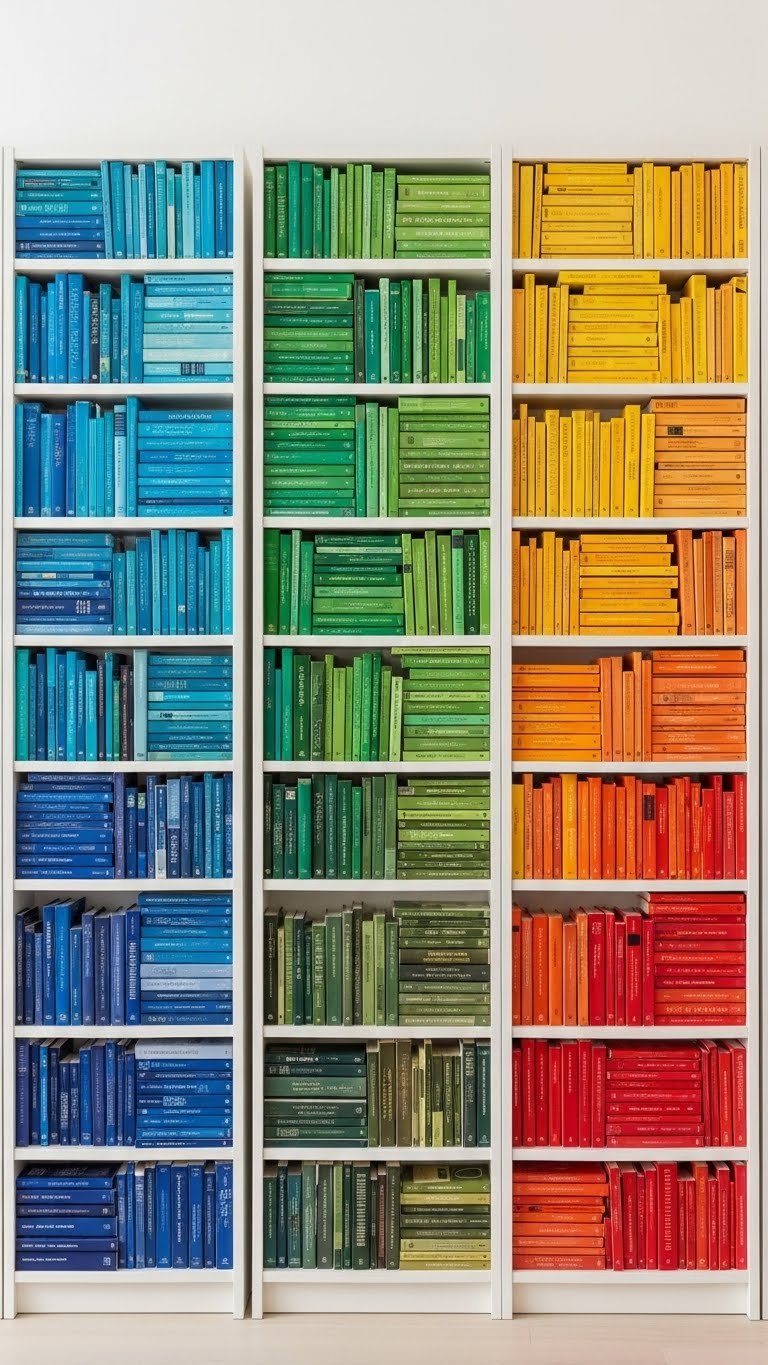
    Designer picks: What A Room specializes in custom patterned options ($2,000–$5,000), while Wayfair and West Elm carry patterned collections ($1,200–$3,000). Bold choices photograph incredibly well (hello, Pinterest-worthy living rooms) and make small spaces feel intentional rather than cramped. The trade-off: patterns are trickier to style around, so plan your accent colors carefully.

    Pro tip: If you’re nervous about commitment, try a bold patterned loveseat or sectional corner piece first to test your comfort level.

    A patterned or boldly colored sofa stops being furniture and becomes a conversation starter. Your living room immediately feels like it reflects who you actually are.

    9. Layer Textures for Depth and Coziness

    Mixing textures—velvet, boucle, linen, leather—makes a living room feel way more curated and inviting. Flat, single-texture sofas can feel one-note, but layering different materials creates visual and tactile interest.

    Start with your sofa as the base and add: a linen throw, a velvet pillow, a boucle accent piece, and maybe a leather ottoman. Budget $50–$200 for quality throw blankets and $30–$100 per pillow from places like Target ($20–$80), West Elm ($40–$150), or Wayfair ($25–$120). The texture combinations are endless, and you can swap them seasonally.

    Pro tip: Stick to a cohesive color palette when mixing textures—three colors maximum prevents it from looking cluttered.

    Layered textures make your sofa look expensive and intentional, even if the base piece is budget-friendly. Your space automatically feels more sophisticated.

    10. Use L-Shaped Modularity to Zone Open Homes

    In open-plan homes, an L-shaped sectional acts as a built-in room divider without closing off the space. It creates natural zones that define the living area and make the layout feel intentional.

    Designer Brynna Evans from Living Spaces recommends positioning the longer side parallel to the wall and the corner piece angling into the room. This strategy works with modular pieces ($1,500–$3,500) or built L-shapes ($1,200–$4,000). The setup usually takes an afternoon to arrange and typically takes up 8–12 linear feet of wall space.

    Pro tip: Measure your space first—account for traffic flow so the layout doesn’t feel cramped or awkward.

    Once you zone your open plan with the right sofa, both spaces feel more purposeful. Your living area looks designed instead of just filled with furniture.

    11. Choose Charcoal or Gray for Modern, Moody Interiors

    Dark sofas are having a comeback because they feel modern and create sophisticated, moody spaces. Charcoal and deep gray work especially well in homes with concrete, metal, or industrial-inspired elements.

    Options: West Elm ($1,200–$3,000), Article ($900–$2,500), Wayfair ($700–$2,000). Dark colors hide wear better than light neutrals, which is a practical bonus. The main challenge: dark sofas can make small rooms feel smaller, so pair them with light walls and good lighting to balance the space.

    Pro tip: Use a combination of table lamps, floor lamps, and warm accent lighting to prevent the room from feeling cave-like.

    A well-styled dark sofa creates a sophisticated, retreat-like atmosphere. It’s the opposite of living-room-as-showroom feeling—it’s curated and intentional.

    12. Explore Scandinavian-Inspired Low-Maintenance Pieces

    Scandinavian design prioritizes function and simplicity—no unnecessary details, just solid construction and thoughtful details. These sofas often double as sleepers or have hidden storage, making them perfect for small homes.

    Brands: IKEA leads here ($400–$1,200), but Article’s Scandinavian collection ($800–$2,000) and Urban Natural ($1,000–$2,500) offer higher-end options. Scandinavian sofas are usually upholstered in durable linen or performance fabric and come with minimal assembly. The wood frames are typically birch or oak, designed to last decades.

    Pro tip: These pieces age beautifully—they often look better after a few years of use than brand new.

    Scandinavian sofas feel timeless instead of trendy. You’re not constantly wondering if the style is “still in”—good design just works forever.

    13. Incorporate Sleeper Sofas for Multipurpose Rooms

    Sleeper sofas have evolved beyond rickety metal frames and uncomfortable plastic mattresses. Modern sleeper mechanisms are actually comfortable and hide completely when the sofa is in seating mode.

    Look for sofas with pull-out queen mattresses (easiest to sleep on) from Wayfair ($900–$2,000), Article ($1,200–$2,500), or splurge on Restoration Hardware’s sleeper options ($2,500–$5,000). Quality matters here—test the mattress comfort in person if possible. Check for easy-pull mechanics and memory foam mattresses (way better than basic innerspring). Budget an extra 15 minutes to pull out and put away.

    Pro tip: Pair with quality bedding designed for sleeper sofas—it stores neatly in a basket beside the sofa.

    You get a full living room sofa plus an actual guest bed when you need it. That dual-purpose flexibility saves space and money compared to buying separate furniture.

    14. Select Plush Boucle or Velvet for Textured Luxury

    Boucle and velvet fabrics create an immediate sense of richness and comfort—they feel expensive and photograph beautifully. These materials are trending hard because they satisfy both the comfort and style quotas.

    Where to find them: West Elm ($1,500–$3,500), Restoration Hardware ($2,500–$6,000), Article ($1,200–$2,800), or Wayfair’s higher-end options ($1,200–$2,500). Boucle is more durable than velvet for high-traffic households, but velvet creates a more luxurious aesthetic. Both require occasional brushing to maintain, and neither is ideal for homes with shedding pets. Budget $200–$400 for professional cleaning if something spills.

    Pro tip: Boucle in cream or camel is more forgiving than darker velvet if you’re worried about showing dust.

    These textures make your living room look magazine-worthy without trying too hard. Guests notice immediately—it’s the first thing people comment on.

    15. Add Custom Sizing for Perfect Fit

    Custom sofas are the solution when standard sizes don’t fit your space. Whether your room has awkward angles, weird doorways, or you need exact dimensions, custom is worth the investment.

    Custom specialists: What A Room offers 3D renderings and swatch samples ($2,000–$5,000+), while Design Within Reach ($3,000–$8,000) and select West Elm locations offer limited customization. The process usually takes 12–16 weeks, so plan ahead. You’ll typically pay 20–40% more for custom than off-the-shelf, but you get exactly what you need.

    Pro tip: Order samples before committing—see the fabric and color in your actual lighting before finalizing.

    A sofa built for your exact space feels like it was always meant to be there. No more compromising with “close enough” sizes that never quite work.

    16. Create Conversation with Serpentine Curved Designs

    Serpentine sofas take curves further—they flow and wind, creating multiple seating zones in one sculptural piece. They’re less common than standard curves, which means your living room genuinely stands out.

    Where to find them: These are specialty pieces through What A Room ($3,000–$6,000), Design Within Reach ($4,000–$8,000), or high-end retailers. They’re more installation-intensive (consider professional delivery), and they require more floor space. But the architectural impact is unmatched—these pieces become the room’s focal point immediately.

    Pro tip: Serpentine designs work best in spaces at least 14 feet long with open floor plans.

    A serpentine sofa stops being furniture and becomes a design statement. It changes how people move through and interact with your space.

    17. Mix Neutral Bases with Bold Accent Pops

    The safest way to try bold color without full commitment: neutral sofa base with rotating bold accent pieces. This strategy lets you update your look seasonally without replacing furniture.

    Start with a neutral sofa ($800–$2,500), then budget $15–$50 per pillow for accent colors. Target ($20–$60 per piece), Wayfair ($25–$80), and West Elm ($40–$120) cycle through seasonal colors constantly. You can completely change your room’s vibe by swapping four pillows—takes 10 minutes and costs under $100.

    Pro tip: Stick to a color story (jewel tones, pastels, warm spices) so accent pieces feel coordinated instead of random.

    This approach gives you creative freedom while keeping your biggest furniture investment neutral and timeless. You get variety without the risk.

    18. Opt for Nesting Armchairs with Curved Sofas

    Curved sofas pair beautifully with nesting armchairs that echo the silhouette. This creates intentional seating groups and makes your living room feel deliberately curated.

    Set options: Article’s curved sectional + matching chairs ($2,000–$4,000 total), West Elm’s curved bundles ($2,500–$5,000), or mix brands if you find pieces that complement each other. The nesting strategy works especially well in open-plan spaces where you want to define a sitting area. Budget about two weeks for delivery if ordering coordinating pieces.

    Pro tip: Armchairs don’t have to match exactly—same color and shape matter more than identical upholstery.

    Intentional seating groupings make your living room feel like an actual designed space. It’s instantly more inviting and conversational.

    19. Use Oversized Floor Cushions as Flexible Seating

    Floor cushions are the flexible seating hack that works with any sofa setup. They add extra seating for gatherings, can be stored easily, and cost way less than adding another piece of furniture.

    Options: Target ($30–$80 each), Wayfair ($40–$100), West Elm ($60–$150), or high-end Article ($80–$200). Look for cushions with removable covers so you can wash them. Quality outer covers in performance fabric make them durable enough for regular use. Budget $100–$300 for a set of three cushions that coordinates with your sofa.

    Pro tip: Store cushions in a woven basket next to the sofa for instant rustic charm and accessibility.

    You get flexible seating that actually stores away, plus your living room feels casual and welcoming. Guests appreciate the relaxed vibe.

    20. Try Removable, Washable Slipcovers for Easy Updates

    Slipcovers let you change your sofa’s look seasonally and protect the upholstery underneath. They’re renter-friendly, budget-conscious, and surprisingly effective.

    Where to find them: Target has basic options ($80–$150), Wayfair ($100–$300), or custom slipcover services like Etsy creators ($200–$600). Most are machine-washable and take 20 minutes to apply. The trade-off: slipcovers wrinkle and shift slightly over time, so they look best on sofas that stay relatively stationary.

    Pro tip: Order two sets—one in use while the other is being washed keeps your sofa always looking fresh.

    Slipcovers give you the flexibility of a new sofa without the cost or commitment. You can literally change your room’s color scheme on laundry day.

    21. Prioritize Wide, Deep Cushions for Ultimate Comfort

    The difference between an okay sofa and a genuinely comfortable one comes down to cushion depth and density. Aim for cushions at least 5 inches thick with high-density foam that doesn’t compress flat after a year.

    Check before buying: Press on cushions in stores—good quality bounces back immediately. Budget $1,500+ for thick, durable cushioning. Brands known for this: Restoration Hardware ($2,500–$6,000), Article ($1,200–$2,800), West Elm ($1,500–$3,500). Cheaper options ($600–$1,000) often have lower-density foam that feels great for three months, then flattens.

    Pro tip: Ask specifically about foam density ratings (35+ pounds per cubic foot is ideal for longevity).

    A genuinely comfortable sofa with quality cushioning becomes your favorite place in the house. You’ll use it constantly instead of wishing you were elsewhere.

    22. Select Sustainable, Made-to-Order Options

    Sustainable, made-to-order sofas support slow manufacturing and reduce waste. You’re getting a piece built specifically for you instead of mass production, plus supporting better labor practices.

    Sustainable brands: Article’s sustainably sourced options ($1,000–$2,500), What A Room ($2,000–$5,000), Seven Seating ($2,500–$4,500), or Etsy’s artisan makers ($1,500–$4,000). Production takes longer (12–20 weeks), so plan ahead. These pieces are designed to last 10+ years with minimal replacement needs.

    Pro tip: Look for certifications like FSC (Forest Stewardship Council) for wood frames and eco-fabrics like linen or organic cotton.

    You get a unique piece that supports responsible manufacturing. That matters more to many people than having the trendy option immediately.

    23. Layer Warm Lighting Around Dark Sofas

    Dark sofas need smart lighting strategy—otherwise, they can make rooms feel gloomy. Layer warm-toned lights (2700K color temperature) around the sofa to keep it feeling open and inviting.

    Lighting setup: Add floor lamps flanking the sofa ($60–$200 each from Target, West Elm, IKEA), install a dimmer switch ($30–$100 including installation), and add warm overhead lighting. Total budget typically $200–$500. The warm color temperature prevents that clinical, overly bright feel that makes dark sofas look cave-like.

    Pro tip: Brass or gold-toned fixtures warm up the space better than chrome or steel finishes.

    Good lighting makes your dark sofa feel cozy and sophisticated instead of heavy. The difference is immediate—people comment on how welcoming the space feels.

    24. Mix High and Low Furniture Around Your Sofa

    Varying furniture heights around your sofa creates visual interest and prevents the space from feeling flat. Pair a high sectional with a low table, or a low-profile sofa with taller accessories.

    Strategy: If you have an oversized deep sofa, use a lower coffee table (12–16 inches high) so sightlines aren’t blocked. With a low-profile sofa, go higher with side tables (20–24 inches). Mix vintage finds (Facebook Marketplace, thrift stores, $50–$200) with new pieces for collected, curated energy. The mixing actually makes everything look more intentional.

    Pro tip: Stand back and look at the silhouettes—vary high, medium, and low throughout the arrangement.

    Mixed heights create architectural interest that makes your living room feel thoughtfully designed. It’s the difference between “furniture in a room” and “a curated space.”

    25. Create a Sofa-Centric Room Layout

    Instead of treating your sofa as one piece among many, design your whole room around it. This strategy makes everything feel cohesive and intentional.

    Process: Choose your sofa first (not last), then build everything else around its style, color, and scale. If it’s a statement piece, keep other furniture simple. If it’s neutral, bring in bold accessories. This approach works whether you’re building a room from scratch ($3,000–$8,000) or refreshing an existing space ($500–$2,000 for updates). The effort required is mainly just intentionality—actual costs depend on what else you’re buying.

    Pro tip: Pinterest boards help visualize how your chosen sofa works with different room styles before buying other pieces.

    When your sofa is the intentional centerpiece, the whole room comes together more naturally. Everything has purpose instead of feeling random.

    26. Explore Dual-Tone or Color-Block Upholstery

    Dual-tone or color-blocked sofas create sophisticated visual interest without being loud. Think cream paired with taupe, or soft gray with charcoal—subtle contrast that reads as intentional.

    Finding them: Custom options through What A Room ($2,500–$5,500), Design Within Reach ($3,000–$6,000), or select West Elm pieces ($1,800–$3,500). Some ready-made options exist, but custom usually gives you more color combinations. The construction takes longer (14–18 weeks) since it requires different fabric cuts, but the result is genuinely unique.

    Pro tip: Choose colors that are only one or two shades apart so the blocking looks intentional rather than mismatched.

    A color-blocked sofa signals that you have a distinct design perspective. It’s subtle sophistication that people notice but can’t quite name.


    Save this post for your next sofa shopping mission—whether you’re replacing your old one or refreshing what you’ve got. Even if you try just one idea (like adding a slipcover or rearranging with a modular piece), you’ll see how much a thoughtful sofa choice changes your whole living room.

  • 26 Minimal Maximal Living Room Ideas That Balance Calm & Character

    26 Minimal Maximal Living Room Ideas That Balance Calm & Character


    INTRODUCTION

    You want a living room that feels both peaceful and full of personality—but most advice pushes you toward either stark minimalism or chaotic maximalism. The truth? You don’t have to choose. The best living rooms in 2025 blend restraint with character, using bold color accents, curved furniture, smart zoning, and thoughtful layering to create spaces that feel calm but never boring. Whether you’re working with 200 square feet or 2,000, these 26 ideas show you how to balance serenity with soul using real-world solutions, budget-friendly hacks, and styling tricks that actually work. Let’s build a room you love living in.


    1. Choose Low-Profile Furniture to Anchor Openness

    Low furniture pieces visually expand any room by keeping sightlines clear and floor space visible. This simple shift transforms even cramped layouts into airy-feeling sanctuaries without major renovation.

    Start by swapping heavy, high-backed sofas for pieces under 32 inches tall. Look at IKEA’s Kivik collection ($300–$500), Article’s low-profile options ($400–$800), or thrifted mid-century pieces. Pair with slim tables and floating shelves rather than chunky cabinets. The investment pays off: your room feels 20% larger instantly, and natural light bounces lower across surfaces.

    Pro tip: If you love a statement sofa, go low but textured—skirted hems or curved arms add personality without height.

    This change makes your space breathe. You’ll notice ceiling heights seem taller and movement flows naturally throughout the room.


    2. Paint One Accent Wall in a Moody Jewel Tone

    A single bold wall adds drama and focus without overwhelming small spaces. Ochre, oxblood, teal, and deep sage are 2025’s most-loved moody shades, and they anchor a room beautifully.

    Choose the wall behind your main seating area or opposite windows (bold colors look rich when backlit). Sherwin-Williams Naval (deep navy), Urbane Bronze, or Tricorn Black are favorites; Benjamin Moore’s Caliente and Newburyport Blue also work. Budget $30–$60 for paint and supplies. DIY application takes one weekend; hire a painter for $200–$400. The impact? Your room gains instant sophistication and depth.

    Renter-friendly option: Peel-and-stick wallpaper from Spoonflower ($100–$150) mimics paint drama without commitment.

    Your space stops feeling generic the moment that color goes up. Suddenly, every piece of furniture has somewhere to “land” visually and your room feels designed, not decorated.


    3. Layer Curved Furniture to Soften Hard Angles

    Curved forms break up boxy spaces and add sculptural interest while maintaining calm, approachable aesthetics. Rounded edges feel friendlier than sharp corners.

    Hunt for curved sofas, side tables, and ottomans—brands like Article, West Elm, and Wayfair now offer affordable curved pieces ($300–$1,200 for sofas). Even budget retailers like Target carry curved coffee tables and accent chairs. Mix curves across scales: a round mirror, curved console, and C-shaped side table create harmony without looking matchy.

    Budget hack: Thrifted round tables ($20–$80) and curved seating ($50–$300) at estate sales offer savings.

    These softer shapes make your room feel welcoming and effortless. Movement through the space becomes intuitive, and the overall vibe shifts from rigid to relaxed.


    4. Create Defined Zones With Rugs and Low Shelving

    Open-concept spaces need invisible boundaries—rugs and low barriers organize without walls, keeping sightlines open while creating functional zones.

    Layer a large area rug (8×10 or bigger) under seating to anchor that zone. Add a low console table or 36-inch-tall bookshelf behind the sofa as a subtle divider. Budget $100–$500 for a quality rug, $150–$400 for shelving. Home Depot, IKEA, and Article stock affordable options. Time estimate: two hours to arrange and style. The magic happens when you can see all zones but they feel distinct—your brain reads it as organized.

    Pro tip: Use complementary colors in adjacent zones so flow feels intentional, not accidental.

    Each area now has purpose and personality. You and guests immediately understand the room’s flow, making everything feel more purposeful and peaceful.


    5. Mix Vintage Finds With Modern Minimalist Pieces

    Pairing vintage items with clean, modern pieces creates depth and character while keeping spaces from feeling cluttered or dated.

    Hit thrift stores, Facebook Marketplace, and estate sales for one or two statement vintage pieces (credenzas, side tables, lamps) at $30–$300 each. Pair with neutral modern basics from IKEA, Target, or Wayfair. The contrast tells a story: mid-century lines next to contemporary simplicity feel curated, not random. Spend concentrated time on two or three pieces rather than filling every corner.

    Time estimate: A weekend of thrift hunting yields better pieces than rushed online shopping.

    Your room gains narrative and intrigue. Guests notice the thoughtful mix, and you feel like your space reflects actual taste, not catalog staging.


    6. Use Natural Materials to Ground Bold Color

    When you go bold on color, anchor it with organic materials—wood, jute, linen, wool—to avoid feeling sterile or artificial.

    Choose one natural material as your “anchor”: jute rugs, wood side tables, or linen sofas work beautifully. Add woven baskets, leather accents, or stone surfaces. Budget $150–$400 for quality natural-fiber pieces; thrifted wood furniture runs $20–$150. Natural textures temper bold hues and create visual relief, especially in small spaces.

    Pro tip: Mix wood tones (light oak with dark walnut) rather than matching—it feels more authentic and design-forward.

    The room stops feeling like a paint chip sample and becomes a real, livable space. That textural variety keeps your eye moving and prevents color fatigue.


    7. Add Skirted Furniture for Cozy, Collected Appeal

    Skirted furniture is having a major comeback—skirted sofas, ottomans, and chairs add collected elegance and hide awkward legs while increasing comfort appeal.

    Look for skirted pieces at Article ($600–$1,200 for sofas), Wayfair ($300–$900), or vintage stores. Bonus: skirted bases hide storage, pet toys, or unmatched feet beautifully. Mix skirting styles—pleated, gathered, fringed—for visual interest. Budget $200–$500 for a quality skirted ottoman alone; DIY skirting kits cost $30–$100.

    Time estimate: Installing a DIY skirt takes about 45 minutes once pieces arrive.

    Your space gains instant sophistication and lived-in charm. Skirted pieces photograph beautifully and feel more “designer” than standard furniture, even at mid-range price points.


    8. Layer Lighting With Task, Ambient, and Accent Lights

    Three-layer lighting (task, ambient, accent) is the secret to rooms that feel calm during day and cozier at night—and it improves mood and functionality dramatically.

    Install overhead ambient lighting (dimmer switches if possible), task lighting by seating (floor lamps, $40–$200), and accent lighting on shelves or walls (string lights, $15–$60). Choose warm bulbs (2700K color temperature) to boost serotonin and feel relaxing. Start with one quality floor lamp ($80–$150) and layer upward. Home Depot, West Elm, and Article stock excellent options.

    Renter hack: Plug-in floor lamps and peel-and-stick shelf lights require zero installation.

    Suddenly your room adapts to your mood: bright for tasks, warm for relaxation, dramatic for entertaining. You control the entire atmosphere with a few switches.


    9. Style Shelves With Negative Space and Intentional Gaps

    Overstuffed shelves create visual chaos; strategic negative space calms the eye and makes rooms feel intentional and edited.

    Group items in odd numbers (three books, two plants, one art piece) and leave gaps between clusters. Use the “rule of thirds”: fill one-third of shelf space, leave two-thirds breathing room. Alternate vertical and horizontal stacking, and vary heights with books, boxes, and stands. Budget depends on what you already own—rearrange free items first, then add $30–$100 for gaps-filling pieces if needed.

    Pro tip: Hide cords and clutter behind woven baskets (search “decorative basket shelf” for $20–$60 options).

    Your shelves stop looking like storage and start looking like design. The calm arrangement makes your entire room feel more thoughtful and less overwhelming.


    10. Paint Cabinets or Built-Ins a Contrasting Hue

    Painting existing cabinetry or built-ins transforms them from invisible to architectural features, adding depth for under $200.

    Choose a color that contrasts with your wall color: if walls are warm, try cool sage or charcoal; if walls are neutral, try warm taupe or ochre. Budget: $30–$80 for paint and supplies. Prep (sanding, cleaning) takes two hours; painting takes one weekend. Use quality paint (Benjamin Moore Advance or Sherwin-Williams ProClassic) for durability. No built-ins? Paint a standard bookcase ($40–$150 from IKEA or thrift stores) the same way.

    Renter option: Removable peel-and-stick cabinet paint ($40–$80) mimics the effect without permanent damage.

    That painted backdrop instantly becomes a focal point and frames your curated items beautifully. The contrast draws attention upward and makes small rooms feel intentionally designed.


    11. Introduce Biophilic Elements With Layered Planters

    Living plants reduce stress, boost serotonin, and add organic texture—layering them in varying sizes and vessels creates a living backdrop without feeling like a jungle.

    Start with three easy plants: pothos, snake plants, or ZZ plants ($5–$20 each). Add pots in complementary colors or textures ($10–$50 each). Cluster on shelves, tables, or create a corner “plant moment” with varying heights using plant stands ($20–$60). Budget $50–$150 to start; expand over time. Low-light options exist for any room.

    Time estimate: Styling a plant cluster takes 30 minutes; maintenance is minimal for hardy varieties.

    Your room gains instant freshness and life. The green tones balance bold accent walls, and you’ll feel the psychological shift toward calm every time you see growing plants.


    12. Choose Pattern Drenching Over Scattered Prints

    Using one bold pattern repeatedly (walls, sofa, pillows, art) creates intentional impact rather than chaotic visual noise.

    Pick a pattern you love—florals, geometric, abstract—and repeat it across multiple elements at varying scales. Example: botanical wallpaper on one accent wall, botanical pillow covers ($30–$80), botanical art print ($20–$60), botanical throw ($40–$100). Tie it together with a solid neutral sofa and opposite wall. This costs $150–$300 but feels curated and magazine-worthy.

    Pro tip: Match pattern saturation levels across pieces—keep all prints similarly bold or similarly subtle.

    Instead of feeling random, your room gains a clear personality and narrative. Pattern repetition creates calm cohesion, oddly—your brain reads it as intentional design rather than decorating chaos.


    13. Swap Out Standard Wall Art for a Salon Wall

    A salon-style gallery wall lets you layer personality without feeling overwrought—mixing frame styles, artwork types, and sizes creates visual intrigue and feels authentically collected.

    Gather 8–12 pieces: buy prints from Etsy ($10–$30 each), use family photos, add affordable framed art from Target or IKEA ($5–$40 per frame). Mix frame colors (gold, black, natural wood) and layouts. Budget $80–$250 total. Arrange on the floor first, then hang. Template stickers ($15–$25) guide placement.

    Time estimate: Arranging and hanging takes two hours; rearranging is free and encouraged.

    Your wall becomes a conversation starter and a true reflection of your taste. The collected-over-time feeling makes your space feel more personal and lived-in than any single statement piece.


    14. Create an Entertainment Zone With Floating Shelves

    Floating shelves around your TV create organized functionality without heavy media consoles, keeping sight lines open while hiding clutter.

    Install 3–5 floating shelves ($50–$200 for the set) around your TV using a stud finder ($15). Style with media boxes ($20–$60 each for cable/device storage), plants, and decorative objects. Cable management boxes ($10–$30) hide wires. Total cost: $150–$400 installed. Time: one weekend for prep and installation.

    Renter option: Furniture-grade media stands ($150–$400) mimic shelving without drilling holes.

    Your entertainment area stops looking like clutter and starts looking intentional. Cable management and organized shelving make the whole room feel more curated and expensive than it is.


    15. Layer Textiles in Complementary Textures and Tones

    Mixing textile textures—linen, velvet, wool, knit, leather—creates visual depth and tactile richness while keeping a cohesive color story.

    Start with a base color (cream, taupe, navy), then add 3–4 coordinating shades in varied textures. Example: cream linen pillow, taupe velvet pillow, cream-and-taupe striped knit pillow, leather accent ($30–$100 per pillow). Add layered throws in complementary fibers ($40–$120 each). Budget $200–$400 for a fully styled sofa. Mix high and low prices—thrifted vintage textiles ($5–$30) pair beautifully with new pieces.

    Pro tip: Odd numbers (3, 5, 7 pillows) read as more intentional than even numbers.

    Your sofa stops looking basic and becomes a textural experience. That layered depth makes your whole room feel designer-curated and inviting.


    16. Install a Linear Fireplace or Fireplace Accent

    Linear or recessed fireplaces add focal-point drama, ambient warmth, and wellness benefits—and they work in apartments and homes without traditional chimneys.

    Electric linear fireplaces (most renter-friendly) run $200–$1,500 and require only outlet access. Recessed wall-mounted models need installation ($500–$3,000 professional). Minimal styling on the surround—skip heavy mantels—keeps it modern. Place artwork above or beside to anchor the wall.

    Renter option: Tabletop fireplace inserts ($50–$200) mimic ambiance without installation; ethanol models create real flames.

    The warmth and glow change your room’s entire mood. Evening time becomes automatically cozier, and you’ve created a natural gathering point without major renovation.


    17. Use Negative Wall Space to Anchor Quiet Corners

    Perfectly styled corners don’t need to be crowded; often the best seating nooks feature only one chair, a small table, and significant empty wall space for visual calm.

    Choose a corner near natural light. Add a comfortable low chair ($150–$500), a small side table ($40–$150), and one soft throw. Leave walls mostly bare—one small artwork or mirror is enough. Budget for the chair primarily; the magic is in restraint, not spending. This cost-effective approach teaches the power of negative space.

    Pro tip: Pair minimal styling with quality natural light to create a meditative reading nook without fussiness.

    You’ve created a visual escape within your room—a space that signals calm just by looking at it. That peaceful corner becomes your sanity anchor.


    18. Style Your Coffee Table With Layered Styling and Negative Space

    Coffee tables often become junk drawers, but strategic styling with negative space makes them feel intentional while keeping functionality.

    Choose 2–4 items: a coffee table book or two ($15–$40), a plant ($10–$30), a decorative box or tray ($20–$60). Arrange with gaps between clusters. Rotate seasonal books or objects quarterly. Keep surfaces 60% clear. Budget $50–$150 depending on what you already own. Most styling requires zero spending—just editing.

    Time estimate: Restyling takes 10 minutes and requires zero skills.

    Your table stops looking like a landing pad for chaos and becomes part of your design story. That curated arrangement signals that your entire room is thoughtfully put together.


    19. Add a Statement Mirror to Amplify Light and Space

    A large decorative mirror reflects light, expands perceived space, and adds architectural interest—essential for small rooms or dim spaces.

    Choose a 36–48-inch mirror with a statement frame: brass ($100–$400), black metal ($80–$300), ornate wood ($100–$500), or modern sculptural ($150–$600). Lean against a wall or hang opposite windows to bounce natural light. Budget $80–$600 depending on statement level. This single piece costs less than furniture but impacts the room enormously.

    Renter option: Leaning mirrors require zero installation; peel-and-stick mirror tiles ($30–$80) work too.

    The room suddenly feels brighter and larger. That mirror becomes an unexpected focal point while solving real problems—dim corners brighten, tight spaces expand.


    20. Create Modular Seating for Flexibility and Conversation

    Modular or mix-and-match seating adapts to your lifestyle—dinner parties, movie nights, rearranging when you’re bored—while maintaining calm aesthetics.

    Look for modular sofas from IKEA, Article, or West Elm ($600–$2,000 for multi-piece sets) that click together and reconfigure. Alternatively, buy two accent chairs and one ottoman instead of a traditional sofa ($300–$1,200 combined) for more flexibility. Budget varies widely, but modular pieces provide investment value through adaptability.

    Renter option: Using three standalone chairs instead of a sectional offers infinite rearrangement options.

    Your room becomes infinitely adjustable to your actual needs—game nights, reading marathons, hosting friends. That flexibility makes the space feel more useful and less rigid than traditional furniture arrangements.


    21. Paint Your Ceiling a Soft Contrasting Tone

    A subtly tinted ceiling (not stark white) adds dimensionality without claustrophobia—pale gray, soft sage, or warm white feel intimate and intentional.

    Choose a color one shade lighter or slightly different in tone from your walls. Sherwin-Williams Accessible Beige (ceiling version), Benjamin Moore Chantilly Lace with a hint of their wall color, or soft Swiss Coffee all work beautifully. Budget $30–$60 for paint; DIY takes one weekend or hire help for $200–$400. This subtle move makes ceilings feel lower (cozier in tall spaces) or intentional (interesting in standard-height rooms).

    Pro tip: Ceiling paint is optional during a refresh, but it completes intentional design better than white.

    Your room gains architectural interest you didn’t know it needed. That overhead color draws the eye upward and makes spaces feel more finished and designed.


    22. Define Comfort Zones With Throw Blankets and Layered Seating

    Layered throws and pillows create visual texture and signal “sink in here”—they’re inexpensive comfort boosters that also look designer-curated.

    Drape 2–3 throws ($30–$100 each) over your sofa or chair in complementary colors and textures. Stack 4–6 pillows in varying patterns and sizes ($20–$80 each). Mix thrifted and new pieces. Total styling cost: $150–$400. Budget hack: thrifted vintage textiles from estate sales ($5–$20) pair beautifully with new pieces.

    Time estimate: Styling takes 30 minutes and feels instantly gratifying.

    Your seating area becomes a tactile invitation. People naturally gravitate toward that layered corner, and the room feels instantly warmer and more welcoming.


    23. Use Vertical Wall Storage to Free Up Floor Space

    Vertical storage keeps your floor feeling open and spacious while organizing belongings beautifully—essential for small living rooms.

    Install floating shelves ($50–$200 per set), wall-mounted cabinets ($100–$400), or tall narrow bookcases ($80–$300). Cluster on one wall rather than spreading thin. Style with books, boxes, and objects using the “rule of thirds” for negative space. Budget $150–$500 to start. Time: one weekend for installation.
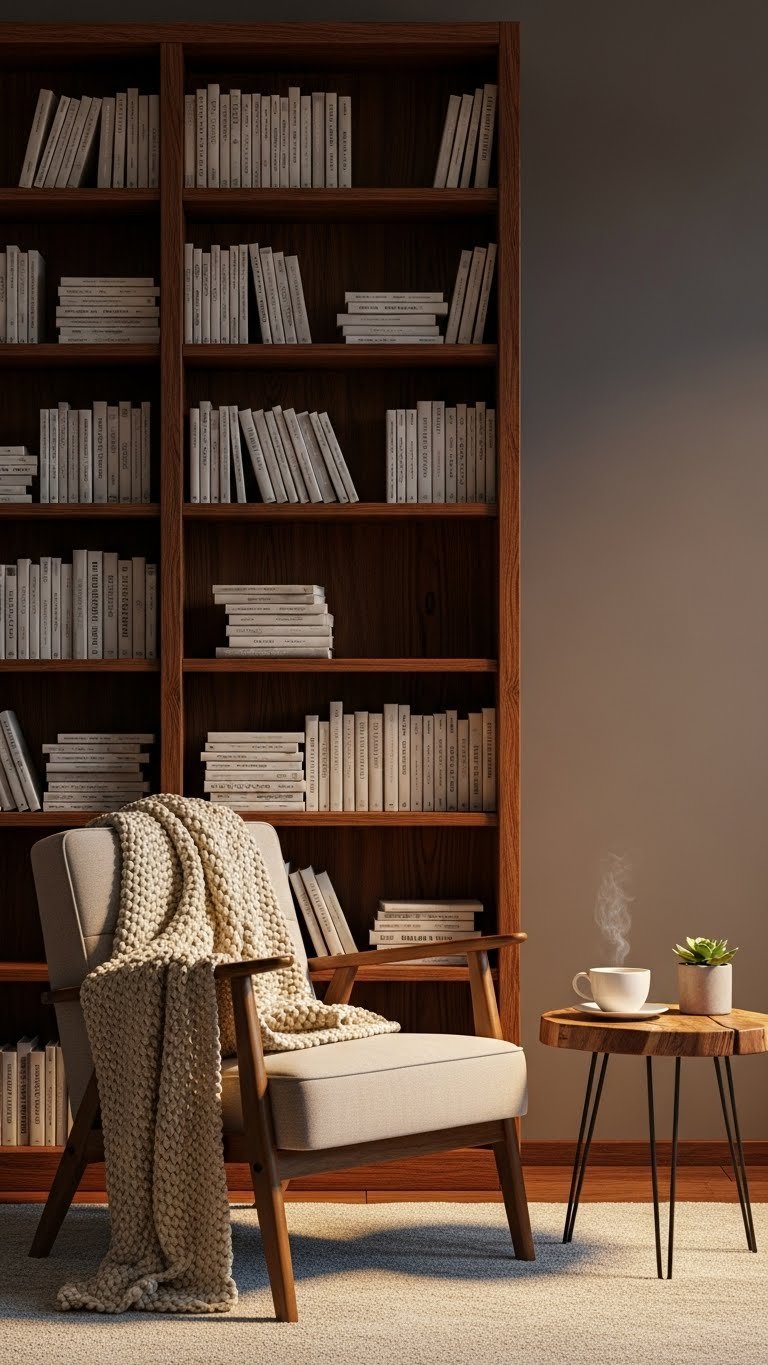
    Renter option: Tall freestanding bookcases ($100–$400) anchor a wall without drilling.
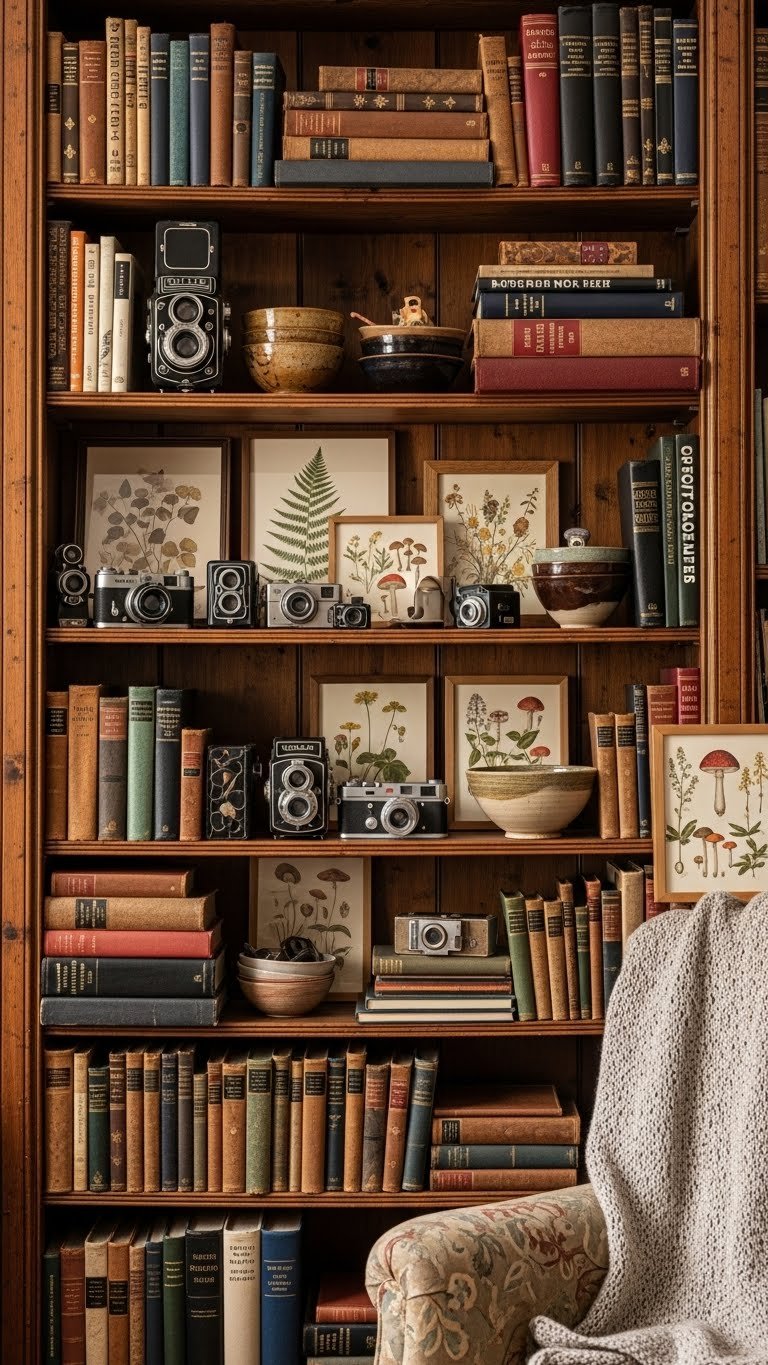
    Your floor space opens up dramatically. That clear floor makes the room feel larger, more organized, and less cluttered—even though you’ve actually added storage.


    24. Mix Warm and Cool Tones for Visual Interest

    Blending warm and cool tones prevents rooms from feeling one-dimensional or flat—think warm wood against cool paint, or cool upholstery with warm accessories.

    Start with a cool wall color (pale gray, soft blue, sage) and balance with warm wood furniture, brass accents ($50–$200 for decor), and warm-toned textiles. Or reverse: warm walls with cool-toned metals and upholstery. The mix feels more sophisticated than all-warm or all-cool schemes. Budget: apply to decisions you’re already making (paint, furniture purchases) rather than an additional expense.

    Pro tip: Use your lighting as temperature control—warm bulbs (2700K) enhance warm tones; cool bulbs feel modern but can feel cold.

    Your room gains visual sophistication and depth. The balanced temperature keeps the eye moving and prevents the space from feeling flat or boring.


    25. Create a Media-Friendly Wall Without Center-Mounted TV

    Moving TV off the wall and onto a low console makes it part of your design rather than the dominant focal point—your room becomes less “media room” and more “room that happens to have a TV.”

    Choose a low media console ($200–$800) or DIY shelving setup. Style around it with plants, baskets, and objects. Hide cables in management boxes ($10–$30). The TV becomes one element among many rather than the room’s command center. Budget $300–$1,000 total for console and styling pieces.

    Renter option: Leaning a TV on a console (with proper safety bracing) avoids wall damage.

    Your living room feels like an actual living room instead of a media theater. That subtle shift means guests sit and talk instead of default-staring at the screen.
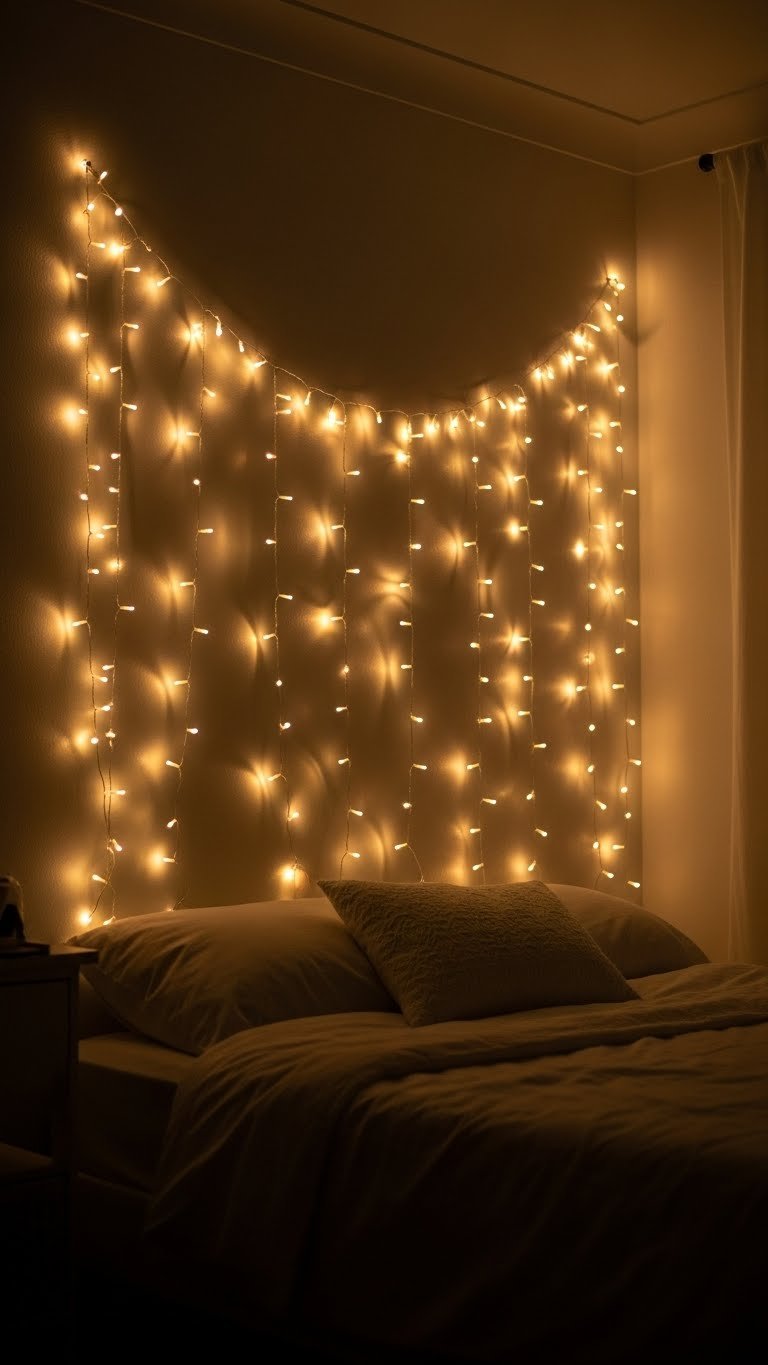

    26. Layer Seasonal Styling for Year-Round Freshness
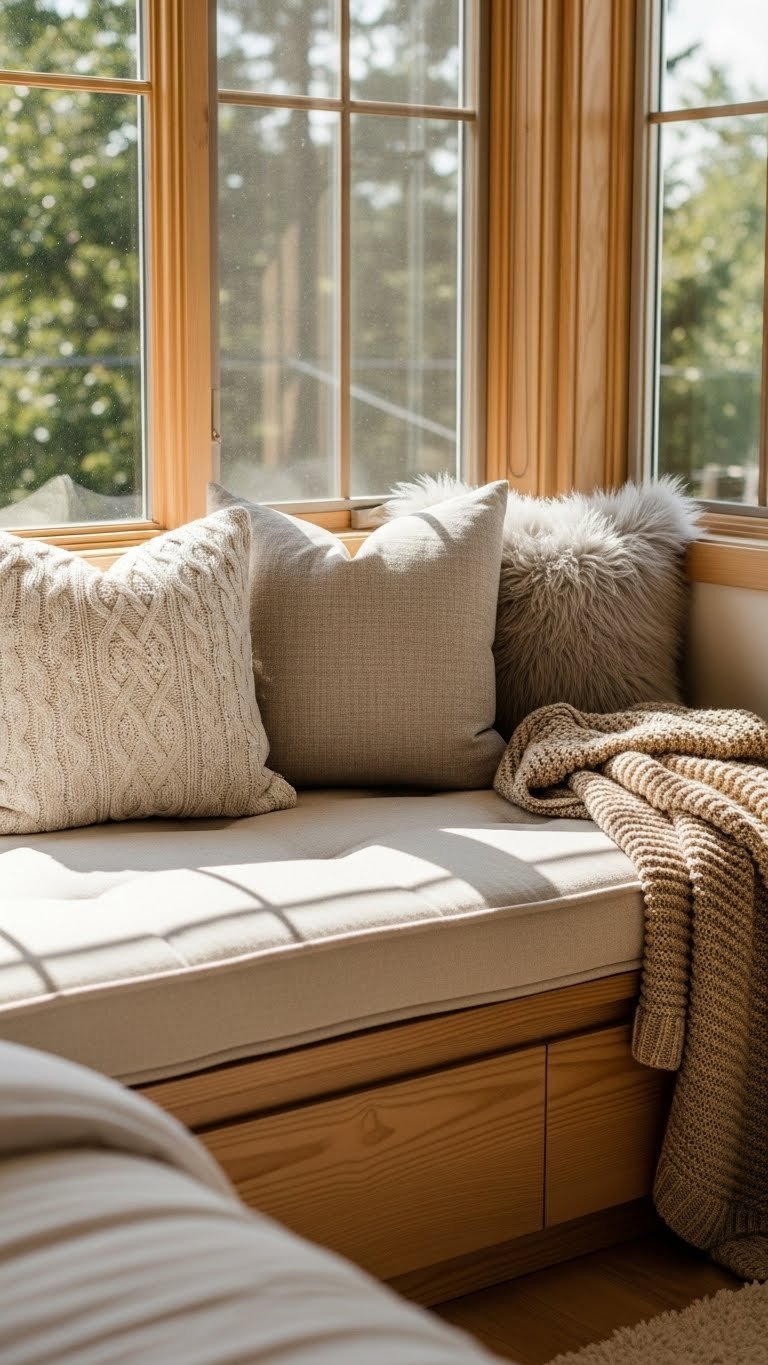
    Seasonal styling (swapping pillows, throws, and accessories quarterly) keeps your room fresh and lets you use budget-friendly pieces creatively across the year.

    Pick 2–3 accessories to swap: throw pillows ($30–$80 each), throws ($40–$120 each), and wall art ($20–$80). Buy spring/summer versions in light colors and fabrics; fall/winter in warm tones and textures. Budget $150–$300 per season if buying intentionally. Rotate every three months. This strategy extends the visual life of your furniture and your excitement about your room.

    Time estimate: Seasonal swaps take 30 minutes and cost nothing if you’re rotating existing pieces.

    Your room stays interesting and season-appropriate throughout the year. That regular refresh keeps you engaged with your space instead of getting bored, and guests notice the updated feel.


    Save this post for your next living room refresh. Pick one or two ideas and tackle them this weekend—mixing calm with character doesn’t require a total overhaul, just strategic choices that work together.