Blog

  • 22 Luxury Bed Styling Tips That Make Your Bedroom Look Expensive

    22 Luxury Bed Styling Tips That Make Your Bedroom Look Expensive

    Your bedroom should feel like a retreat, not just a place to sleep. The difference between a basic bedroom and one that looks genuinely expensive isn’t about spending thousands—it’s about smart styling choices that create visual richness and comfort. We’re talking textured layers, thoughtful color palettes, and pieces that anchor the room. Whether you’re renting or own your home, these 22 tips will show you exactly how to elevate your bed styling so your bedroom looks curated, calm, and undeniably beautiful. Ready to make your space feel like a luxury hotel? Let’s dive in.

    1. Invest in Quality Sheets and Layer Them Smart

    High-quality sheets are the foundation of an expensive-looking bed, and the secret is layering different textures. Start with luxury cotton sheets (Egyptian or Pima) as your base—expect to spend $80–$200 for a quality set. Layer a linen duvet on top for visual interest and that coveted lived-in softness. Add a quilted throw at the foot of the bed for dimension.

    The key is mixing weaves: smooth cotton, textured linen, and perhaps a velvet throw. You’re not adding bulk; you’re creating visual depth that photographs beautifully and feels amazing to touch. Look for sets at Target, IKEA, or Brooklinen. A solid weekend project to swap out, and the difference is immediately noticeable in how polished your bed looks.

    Your bed becomes the focal point of the entire room—no fussy styling needed.

    2. Choose a Curved Headboard for Softness

    Sharp angles feel harsh; curved lines feel calm. A curved headboard instantly softens your bedroom aesthetic and adds that organic modernism trend everyone’s gravitating toward. Look for upholstered options in neutral fabrics like linen or velvet.

    Budget options: IKEA’s curved upholstered headboards run $150–$300. Mid-range: Wayfair and Article have beautiful curved headboards in $300–$600 range. Splurge-worthy: West Elm and custom upholsterers offer stunning pieces from $600–$1,500+. If you rent, consider a curved wooden headboard you can take with you.

    Installation is simple (about 30 minutes with a basic drill), and renter-friendly adhesive strips work for lightweight versions. The curved silhouette makes your bed—and your whole room—feel more intentional and designed.

    Your bedroom immediately looks more thoughtfully styled.

    3. Add Textured Throw Pillows in Odd Numbers

    Magazines always style beds with odd numbers of pillows, and there’s a reason: it looks more collected and less sterile. Grab 3–5 throw pillows in different textures and heights to create visual interest.

    Mix materials: pair a soft faux fur pillow with a chunky knit, add a linen one, and throw in a velvet square. Price varies wildly—$15–$50 each at Target or IKEA, or splurge on $75–$150+ designer pillows from Anthropologie. Swap them seasonally to refresh your bed without a full redesign.

    Prop them against your headboard asymmetrically—don’t line them up like soldiers. This casual, collected approach looks expensive because it mimics how actual designers style beds in high-end magazines.

    The bed instantly looks more thoughtful and layered.

    4. Layer a Linen Duvet Over Your Comforter

    Linens have that coveted expensive, lived-in look because they wrinkle naturally—and that’s the whole appeal. Layer a linen duvet over your regular comforter for texture and that casual luxury vibe.

    A quality linen duvet runs $150–$400 depending on brand (try Parachute, Brooklinen, or Etsy for organic linen options). The beauty is you can wash it and let those wrinkles stay—no ironing required. This works especially well if your base comforter is plain or cheaper quality; the linen layer elevates the whole bed.

    Installation is instant: just drape and adjust. Works for renters too since you’re not altering anything permanent.

    Your bed looks like it belongs in a design magazine, not a showroom.

    5. Use Warm Lighting to Make Everything Look Better

    Lighting is the secret weapon that makes or breaks bedroom aesthetics. Harsh overhead lights flatten textures and drain warmth; warm, layered lighting makes everything look expensive and inviting.

    Install warm brass or gold bedside lamps (IKEA has them for $25–$50, or splurge at West Elm for $100–$200+). Add a dimmer switch to your overhead light (easy DIY, $20–$40 at Home Depot) so you can control ambiance. Consider string lights or a small plug-in light fixture above your headboard for extra softness.

    The goal is having at least three light sources: overhead (dimmed), bedside lamps, and accent lighting. Your textures actually show now, and the warm glow makes fabrics look rich and expensive.

    Everything on your bed suddenly photographs beautifully.

    6. Style Your Nightstands with Intention

    Styled nightstands ground an expensive-looking bed. This isn’t about perfection; it’s about intentional curation. Each side should have roughly the same visual weight but feel organic.

    The formula: one table lamp ($30–$150), a small plant (any living plant under $25), a stack of 2–3 beautiful books (free if you already have them), and perhaps a ceramic catchall or small vase ($10–$40). Leave some negative space—you want breathing room, not clutter.

    Shop nightstands at Target, IKEA, or Facebook Marketplace. Vintage wood nightstands from thrift stores work beautifully and cost $20–$60. The key is balance: visual interest without overwhelming the space.

    Your bedroom feels designed, not accidentally decorated.

    7. Add a Vintage Quilt or Throw Blanket at the Foot

    Vintage quilts and throws tell a story and add immediate warmth. A well-placed vintage quilt at the foot of your bed reads as collected, intentional, and expensive—like you have history in your home.

    Hunt for vintage quilts at thrift stores ($10–$40), Facebook Marketplace, Etsy ($40–$150+), or even estate sales. Look for quality stitching and interesting patterns—grandmillennial aesthetics make mixing old and new incredibly on-trend right now. If vintage feels too committed, a beautiful throw blanket ($40–$120 from Parachute or Etsy) gives the same effect.

    Fold it loosely, don’t drape it too neatly. This casual placement is what makes it look expensive rather than staged.

    Your bed gains character and visual warmth instantly.

    8. Paint Your Walls a Warm, Muted Tone

    Bedroom walls deserve color. Stark white or gray can feel cold and uninspiring, but jumping to bold jewel tones requires confidence. The sweet spot? Warm, muted tones like sage green, warm taupe, soft terracotta, or dusty blue.

    A gallon of quality paint costs $30–$50, and you can DIY this in a weekend (or hire help for $200–$500). Renter-friendly option: peel-and-stick wallpaper in muted tones runs $30–$100 and requires zero damage. The color envelops you, makes your bedding pop, and shifts the entire mood from sterile to intentional.

    Choose colors with LRV (light reflectance value) above 40 to keep things from feeling too dark. Test samples on your wall before committing.

    Your bed and all those textures suddenly look like they belong in a curated room.

    9. Hang Floor-to-Ceiling Curtains

    Floor-to-ceiling curtains are the quickest way to add drama and elegance. They make rooms feel taller, more intentional, and genuinely expensive—even in a rental.

    Measure from ceiling to floor (or 4–6 inches past for that pooled look) and grab linen or heavyweight cotton curtains ($40–$120 per panel at Target, IKEA, Wayfair). Splurge on quality for $150–$300+ per panel from Parachute or Etsy. Hang from a brass rod ($20–$80) rather than plastic for immediate upgrade.

    Renter option: tension rods work beautifully and require zero holes. Hang them high and wide—the higher and wider you go, the more expensive they look. Installation takes an hour.

    Your bedroom suddenly feels like a hotel suite.

    10. Mix Metals Intentionally

    Mixing metals used to be a design no-no, but now it’s a hallmark of expensive design. The key is intentionality—pick two or three metals and repeat them throughout the room.

    Common combinations: brass and wood, gold and copper, brushed nickel and warm brass. Choose metals for your lamp bases ($25–$150), drawer pulls on nightstands ($5–$20 each), mirrors ($40–$200), and picture frames ($10–$50). They should feel warm, not cold, to keep the bedroom cozy.

    Mix them by repeating: if your lamp is brass, add brass to your mirror frame or drawer hardware. This creates visual harmony without looking matchy-matchy, which reads as cheap.

    The metallic repeats create subtle sophistication throughout the room.

    11. Add a Large Piece of Wall Art Above Your Bed

    A statement piece of art anchors the room and makes everything else feel intentional. A large painting or print above your bed—roughly two-thirds the width of your bed—creates a focal point that screams expensive.

    Look for original art on Etsy ($50–$300+), prints from Minted or Society6 ($30–$150 framed), or vintage pieces from thrift stores ($10–$50). The key is choosing art that coordinates with your color palette but doesn’t match exactly—cohesion without boredom.

    Hang it 6–12 inches above your headboard. Add a small picture light or just use your bedside lamp to illuminate it gently.

    Your bedroom feels designed by someone with taste, not thrown together.

    12. Layer a Textured Rug Under the Bed

    A rug under your bed anchors it in space and adds warmth. Choose natural, textured materials like jute, wool, or sisal for that organic modernism vibe.

    Look for 8×10 or 9×12 rugs ($50–$200 at IKEA, Target, or Wayfair; splurge rugs from Ruggable or Schoolhouse Electric run $300–$700+). The rug should extend 2–3 feet on each side of the bed and at least 2 feet at the foot—this defines the space and makes it feel intentional.

    Renter tip: low-pile or flat-weave rugs are easiest to remove without damage. Layer a smaller accent rug on top for extra texture.

    Your bed feels grounded and the room more cohesive.

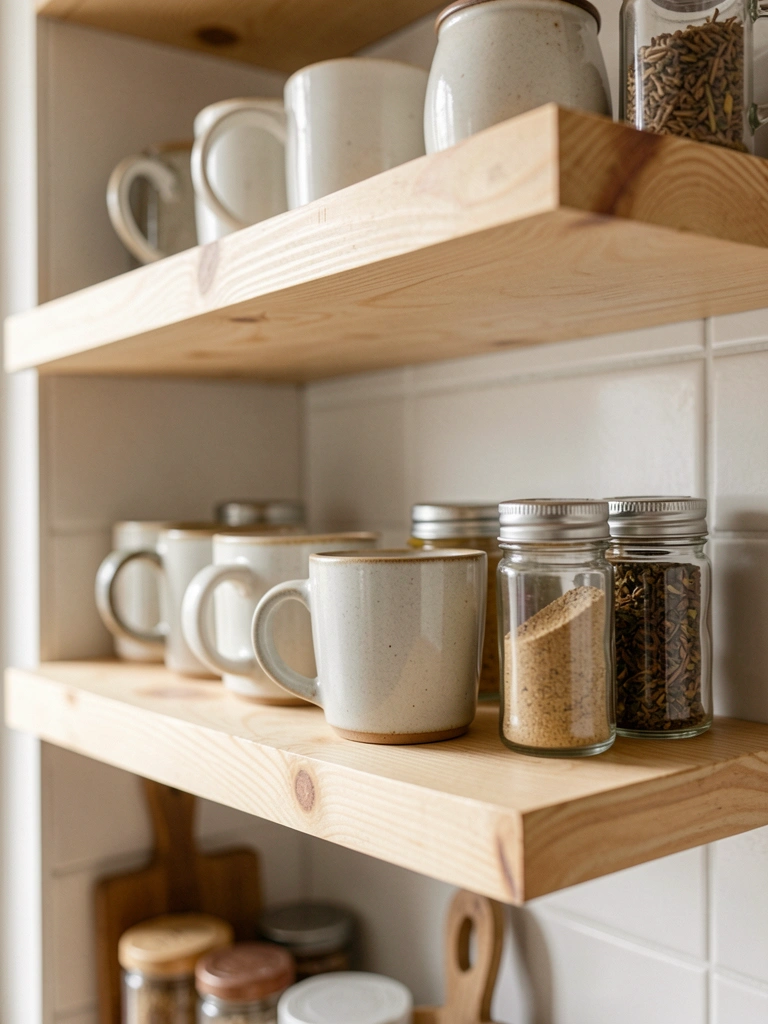
    13. Install Floating Shelves for Style and Storage

    Floating shelves beside your bed add storage, visual height, and a place for intentional styling. They’re a game-changer for small bedrooms or anyone wanting to add architectural interest.

    Install simple wooden floating shelves ($30–$80 per shelf at IKEA or Home Depot) with brass brackets ($10–$30 each). Installation requires a stud finder and basic tools ($30 one-time investment). Renter option: adhesive shelves exist but require testing first to ensure they won’t damage walls.

    Style them with folded linens, small plants, and 1–2 meaningful objects per shelf. Aim for roughly 60% styled, 40% empty space.

    Your bedroom gains functional luxury and visual sophistication.

    14. Incorporate Natural Materials Like Cork or Marble

    Raw, natural materials read as expensive and organic. Cork and marble are trending heavily in 2025 bedroom design and feel undeniably luxe.

    Cork nightstands or wall panels ($100–$400 for furniture or DIY cork wall panels for $60–$150) add warmth and that earthy vibe. Marble accents like trays, lamps bases, or small shelving ($40–$250 depending on size) add cool sophistication. Mix them together for balanced visual interest.

    Shop at CB2, West Elm, or Etsy. Marble is pricier but even small accents make an impact. Cork is more affordable and incredibly tactile.

    Your bedroom feels grounded in natural luxury, not mass-produced.

    15. Style Your Pillows in Descending Height

    How you arrange pillows makes a massive difference in the polished factor. Arrange them in descending height—tallest in back, smallest in front—and they’ll look like they belong in a design magazine.

    Grab 2 king pillows ($60–$150 for quality), 2 standard pillows ($40–$100), and 2–3 decorative throw pillows ($20–$80 each). Position them pyramid-style against your headboard. Lean them slightly forward, don’t stand them straight up—this casual tilt reads as expensive.

    Mix textures within this pyramid: a quilted king pillow in back, linen standards in the middle, velvet throw pillows in front.

    Your bed becomes a styled showstopper, not just where you sleep.

    16. Add a Bed Frame with Visual Interest

    Your bed frame is foundational. A basic metal frame reads cheap; a wooden frame with character reads invested and intentional. Look for frames with interesting details: carved headboards, curved elements, or beautiful wood grain.

    Budget option: IKEA’s wooden frames ($200–$400) look more expensive than they are. Mid-range: $500–$1,200 at Target, West Elm, or Wayfair gets you quality wood with personality. Investment pieces from Room & Board or custom makers run $1,500–$3,000+.

    Wood should be warm—oak, walnut, or cherry tones feel cozier than white-washed. A solid frame makes everything else you’ve styled look intentional because it’s clearly the anchor.

    Your entire bed feels like a designed piece, not an afterthought.

    17. Drape a Vintage Paisley or Floral Throw

    Vintage throws with pattern add the grandmillennial touch that’s so hot right now—mixing old and new. A faded paisley or floral throw feels collected and expensive.

    Hunt Etsy, thrift stores, or Facebook Marketplace for vintage throws ($15–$60). Look for natural fibers and colors that have faded beautifully (that’s the appeal, not a flaw). Drape it casually over the foot or one side of the bed—not neatly folded, but placed with intention.

    This works especially well if your main bedding is neutral. The pattern adds visual interest without overwhelming.

    Your bed looks like it’s been thoughtfully styled over time, not decorated overnight.

    18. Install Brass Picture Lights Above Your Headboard

    Picture lights are a small detail with massive impact—they’re used in high-end hotels and galleries for a reason. They add functional light, highlight your wall art, and look undeniably expensive.

    Install brass picture lights ($40–$100 each) above your headboard or artwork. This requires basic wiring knowledge or a handy friend (30 minutes to 1 hour). Renter option: clip-on picture lights ($30–$60) attach to the frame itself, no wall damage.

    Turn them on in the evening and suddenly your bedroom feels like a luxury retreat. They’re also perfect for reading in bed.

    Your bedroom gains sophisticated ambient lighting instantly.

    19. Choose Quality Wood Nightstands Over Metal

    Metal nightstands feel industrial and cheap; solid wood feels expensive and timeless. If you’re investing in any furniture for your bedroom, make it the nightstands.

    Look for solid wood (not veneer) in warm tones: oak, walnut, cherry, or maple ($200–$400 per nightstand at IKEA, Target, or Wayfair). Vintage wooden nightstands from thrift stores or Facebook Marketplace are often better quality and cheaper ($50–$150 each).

    Pair with warm metal hardware—brass drawer pulls ($5–$20 each) make a massive difference. The wood anchors the entire bed and makes everything else look more curated.

    Your bedroom feels warm, grounded, and intentionally designed.

    20. Layer In a Cashmere or Merino Throw

    A cashmere or merino wool throw is an investment that reads immediately as expensive. It’s the textile equivalent of quality—visible and tangible.

    Cashmere throws run $150–$400 from Everlane, Uniqlo, or luxury brands. Merino wool is slightly cheaper ($80–$200) but equally luxe. Both are sustainable, soft, and improve with age. Look for quality weights around 2–3 lbs so it drapes beautifully without being heavy.

    Fold it loosely at the foot of your bed or drape it over one corner. It serves double duty as a styling element and something genuinely lovely to snuggle into on cold nights.

    Your bed looks and feels like a luxury hotel room.

    21. Create a Bedside Reading Nook with Storage

    If your bedroom is large enough, a small reading nook beside the bed adds function and visual interest. It signals luxury—space dedicated purely to comfort.

    Add a comfortable chair ($100–$400 at IKEA, Target, or Facebook Marketplace), a small wooden side table ($40–$150), a reading lamp ($30–$100), and floating shelf ($30–$80) for books. The total investment is roughly $200–$600, but it transforms your bedroom into a retreat.

    Stack books visibly, add a throw, include a plant. The nook doesn’t need to be large—even a corner that’s 4×4 feet works beautifully.

    Your bedroom gains function and that aspirational lived-in luxury feeling.

    22. Mix Statement Colors with Soft Neutrals

    Bold accent colors make expensive design feel curated and intentional. The trick is balancing them with soft neutrals so they feel luxe, not overwhelming.

    Choose one statement color like cherry red, aubergine, forest green, or deep teal, and incorporate it through accent pillows ($30–$80 each) or a throw blanket ($40–$150). Keep your base bedding neutral: cream, white, warm gray, or soft taupe. This ratio—roughly 80% neutral, 20% statement color—looks expensive because it shows restraint.

    Repeat your statement color in one additional place: a picture frame, a plant pot, or wall art. This creates cohesion without overdoing it.

    Your bedroom feels designed with confidence and taste.


    Save this post for your next bedroom refresh—pick just one or two ideas this weekend and you’ll be shocked how much more expensive your bed suddenly looks. Share this with anyone you know who’s ready to elevate their sleep space.

  • 25 Textured Living Room Accent Ideas That Add Depth & Warmth

    25 Textured Living Room Accent Ideas That Add Depth & Warmth


    Stark, flat living rooms lack personality—and they’re exhausting to look at. But you don’t need a full renovation to add depth and visual interest. The secret? Layering textures that engage your senses and make your space feel intentional and warm.

    From wallpaper tricks to fabric mixing to DIY wall treatments, these 25 ideas show you exactly how to build dimension without overwhelming your space. Whether you’re renting, working with a tight budget, or ready to invest in statement pieces, you’ll find actionable solutions that work for your situation. Let’s add some real texture to your living room—starting today.


    1. Layer Wood Tones in Unexpected Places

    Wood isn’t just for furniture. Mixing different wood finishes on shelving, accent tables, and wall-mounted storage creates visual rhythm without cluttering your space. The key is varying the tones rather than matching them perfectly.

    Hunt for wood pieces at thrift stores (IKEA and Facebook Marketplace are goldmines). A light oak shelf, walnut side table, and honey-toned coffee table work beautifully together when the rest of your palette stays neutral. This takes about 30 minutes to style once pieces are in place. The layers catch light differently throughout the day, creating movement.

    Your room suddenly looks collected and curated rather than randomly decorated. Wood grain becomes a visual texture your eye naturally follows.


    2. Add a Woven Wall Hanging for Instant Dimension

    A statement woven hanging does heavy lifting—it’s art, texture, and focal point all in one. Macramé, rattan wall panels, or woven tapestries add organic, tactile interest without needing nails or installation.

    Look for $30–$80 options on Etsy, West Elm, or Target. If you DIY, rope and a wooden dowel cost under $15 and take 1–2 hours to weave a simple pattern. Hang it slightly off-center for a modern, less-formal look. Pair with greenery on either side to amplify the natural texture story.

    This single piece anchors your space and gives your eye somewhere meaningful to land. Guests notice the craftsmanship immediately.


    3. Create Depth with Stacked Stone or Textured Fireplace Surrounds

    If you own and have a fireplace (or are planning renovations), stacked stone or shiplap creates a focal point that’s all texture. Ribbon stone, stacked slate, or even faux stone options add legitimate depth and character.

    Real stone installation runs $1,500–$4,000 with a pro, but peel-and-stick stone veneers cost $150–$400 and are renter-friendly. Stick them yourself in a weekend afternoon. The shadow lines between stacked pieces create visual drama that flat paint simply can’t match.

    Your fireplace becomes the room’s anchor. Everything else supports it visually and texturally.


    4. Mix Velvet and Linen in Pillow Combinations

    Pillow mixing is an easy, affordable way to layer texture without commitment. Velvet catches light differently than linen, linen feels different than knit, and mixing all three creates a sensory experience.

    Grab $15–$40 pillows from IKEA, Target, or Wayfair in coordinating colors but contrasting fabrics. Aim for one satin or velvet, one textured weave (linen, burlap, canvas), and one chunky knit. Toss them casually—symmetry feels stiff. This takes 15 minutes to style and costs under $150 for a full sofa set.

    Your seating instantly looks more luxe and feels more inviting to actually relax in. The tactile variety makes people want to touch and settle in.


    5. Apply Textured Wallpaper to One Accent Wall

    Textured wallpaper (not smooth, patterned paper) adds dimension that paint can’t deliver. Grasscloth, cork, embossed geometric, or subtle 3D patterns work especially well in living rooms where you’ll see them daily.

    Budget $50–$150 per roll; most accent walls need 3–5 rolls. Professional installation is $200–$400, but renters and confident DIYers can apply it in 6–8 hours with a partner. Prep the wall properly (sanding, primer) for best results. Removable peel-and-stick textured wallpaper ($40–$80 per roll) is perfect if you’re unsure.

    The wall becomes a tactile backdrop rather than a flat surface. Even plain furniture in front of it looks more designed.


    6. Layer Area Rugs for Depth and Softness

    Rug layering is trend-forward and surprisingly functional. A large neutral base (jute, wool, cotton) with a smaller patterned rug layered on top creates visual interest and defines your seating zone.

    Buy a $100–$200 base rug from IKEA or Wayfair, then layer a $80–$250 patterned rug on top. The pattern should complement but not match your wall or furniture color. This takes 5 minutes to arrange and completely changes how a room feels. Opt for natural fiber bases (jute, sisal) for organic texture.

    Layering rugs creates a collected, intentional look. It also gives you flexibility—swap the top rug seasonally for a budget refresh.


    7. Install Shiplap or Paneling on Lower Walls

    Shiplap adds architectural texture and visual interest—especially when done as wainscoting (lower half paneled, upper half painted). It’s not just farmhouse anymore; modern shiplap in white, gray, or even dark tones feels contemporary.

    DIY shiplap costs $200–$600 for a room; pro installation runs $800–$1,500. Expect a weekend project for DIYers. For renters, peel-and-stick shiplap panels ($100–$300) apply in a day without damage. Paint the upper half a complementary color to make the texture pop visually.

    The dimensional play between horizontal lines and paint creates depth without adding objects to your space. It also hides marks and scuffs on lower walls.


    8. Hang Floating Shelves with Varied Depths

    Floating shelves at different depths create visual rhythm and texture through dimensional layering. Mix material finishes: reclaimed wood, live-edge, painted wood, or even concrete.

    Install shelves yourself for $50–$150 per shelf (hardware and materials); pro installation adds $50–$100 per shelf. A DIY installation takes 30 minutes per shelf with basic tools. Arrange items asymmetrically (odd numbers, varying heights) to maximize the depth effect.

    Shelves become sculptural elements that showcase your style while adding legitimate texture through their varied surfaces and shadows.


    9. Layer Textured Throw Blankets on Seating

    Throw blankets are functional art. Layering three different textures (chunky knit, linen, faux fur, or cable knit) on your sofa creates visual interest and tactile appeal.

    Grab $25–$60 throws from Target, IKEA, or Wayfair. Mix a chunky knit, a lightweight cotton or linen, and one luxe option (cashmere-blend, velvet, or faux fur). Drape them casually (not perfectly folded) over your sofa arms and back. This costs $75–$180 total and takes 5 minutes to style.

    Your seating looks inviting and lived-in rather than showroom-perfect. Guests see texture and comfort immediately.


    10. Use Cork or Cane Wall Panels as Modular Accents

    Modular wall panels in cork, cane, or woven rattan are sculptural texture. They’re lighter and more flexible than full shiplap but deliver serious visual interest.

    Peel-and-stick cane or cork panels cost $30–$80 each; most accents use 6–12 panels. Arrange them in a grid, staggered, or asymmetrical pattern for $200–$600 total. Installation takes 2–3 hours DIY with no damage if you use peel-and-stick. Mix panel heights and orientations for maximum dimension.

    The wall becomes a gallery of texture and natural material. It’s modern, sustainable, and works with almost any color palette.


    11. Paint Walls in Textured Finishes (Venetian Plaster or Matte)

    Paint finish matters more than most people realize. Matte finishes, Venetian plaster, or suede-textured paints create depth that glossy paint can’t match. Light plays across textured finishes, creating shadow and movement.

    Textured paint runs $30–$50 per gallon (vs. $20–$30 for standard). A pro painter costs $500–$1,200 per room; DIY takes a weekend with practice. Apply in thin layers with a specialty roller for best results. Venetian plaster is pricier but stunningly dimensional.

    Your walls stop being flat and start being architectural. The texture feels intentional and adds sophistication without pattern.


    12. Add a Jute or Sisal Rug Base Layer

    Natural fiber rugs (jute, sisal, seagrass) are texture workhorses. A large base rug anchors your space and adds organic warmth that synthetic materials struggle to deliver.

    Jute or sisal rugs cost $200–$600 for a large size from IKEA, Wayfair, or Home Depot. They’re durable and renter-friendly. Layer a smaller patterned rug on top ($80–$200) for visual interest without overwhelming the space. Delivery and placement takes one day.

    The natural fiber catches light and creates texture through its weave. Your space immediately feels warmer and more grounded.


    13. Arrange Books Horizontally and Vertically on Shelves

    Book arrangement sounds simple, but it’s a powerful texture tool. Mixing horizontal stacks, vertical arrangements, and horizontal + object combos creates visual movement and layers.

    This costs nothing if you already own books. Hit thrift stores for cheap volumes to fill gaps ($1–$3 each). Arrange so spines face forward and backward (not all matching), and tuck small objects between stacks for dimension. Rearranging takes 30–45 minutes.

    Your shelves become curated gallery spaces rather than mere storage. The varied heights and directions create rhythm your eye enjoys following.


    14. Install Decorative Wall Molding or Trim

    Architectural molding adds dimension and formality. Modern geometric patterns, simple trim frames, or traditional crown molding work depending on your style.

    DIY trim installation costs $200–$500 for a room (materials); pro installation runs $800–$2,000. A weekend DIY project if you have basic carpentry skills. Paint it to match walls for subtle dimension or in contrast for dramatic effect. Peel-and-stick molding ($50–$200) is renter-friendly.

    The molding creates visual frames and breaks up flat walls. Your space suddenly looks more architecturally considered.


    15. Layer Patterned Fabric Wall Tapestry Over a Solid Base

    Combining a solid-painted wall with a layered tapestry is texture through contrast. The flat background makes the textile’s texture and pattern stand out.

    Paint your wall a neutral ($50–$150 per room DIY). Layer a $40–$150 patterned tapestry (Etsy, Urban Outfitters, West Elm) on top. Hang slightly off-center or asymmetrically for modern appeal. This takes one weekend to complete and costs under $200.

    The layering effect is more sophisticated than either element alone. Your eye moves between the solid base and textile detail.


    16. Use Exposed Beams or Faux Beam Installation

    Beams add serious architectural texture, especially if stained or painted a deep tone. Real beams are pricey; faux beams ($200–$800) deliver 80% of the visual impact at a fraction of the cost.

    Real beam installation costs $2,000–$6,000+ and requires professional help. Faux beams (foam or lightweight wood) cost $200–$800 and take a weekend to install DIY. Stain or paint them to match your décor. The shadows they cast are the real magic.

    Beams draw your eye upward and add instant character. They make generic spaces feel purposeful and designed.


    17. Create a Textured Accent Wall with Wallpaper Patterns

    Pattern wallpaper paired with texture creates depth on overdrive. Geometric, abstract, or botanical patterns in rich colors anchor a room while adding visual and textural interest.

    Patterned wallpaper costs $25–$75 per roll; expect 3–5 rolls for one wall. Professional installation is $200–$400; DIY takes 6–8 hours with patience. Removable options ($40–$100 per roll) are renter-friendly. Pair with solid furniture to let the wall shine.

    One textured, patterned wall transforms your entire space. It becomes a focal point you’ll love looking at daily.


    18. Add Concrete or Stone Side Tables

    Concrete and stone tables add industrial texture and unexpected tactile interest. Lightweight concrete is affordable; real stone is pricier but stunning.

    Concrete side tables run $100–$300 (Target, CB2, Wayfair); reclaimed stone or slate tables cost $300–$800. Both materials develop character over time. A concrete DIY project takes a full day if you want to make your own ($50–$100 in materials). Position beside your sofa or chair for visual impact.

    These tables feel heavy and grounded compared to typical wood or glass options. They anchor your space while adding textural interest.


    19. Layer Ceramic, Glass, and Metal Objects on Display Shelves

    Object mixing is texture through material variety. Ceramics, glass, metals, wood, and plants together create visual richness without clutter.

    Thrift stores, HomeGoods, and Amazon offer affordable options ($5–$30 per object). Collect 8–12 pieces in varying heights and materials. Arrange with negative space (don’t crowd items). This costs $40–$150 total and takes 30 minutes to style.

    Your shelves become mini galleries. The variety of materials and textures makes even simple objects look intentional and collected.


    20. Install Acoustic or Textured Ceiling Panels

    Ceilings are often forgotten texture opportunities. Acoustic panels, wooden slats, or textured finishes add dimension and improve acoustics while looking intentional.

    Acoustic panels cost $30–$80 each (budget 8–15 for a room = $250–$1,200). Wooden slat ceiling panels run $50–$150 each. Professional installation is $800–$2,000; ambitious DIYers can tackle this in a weekend or two. Partial coverage (not full ceiling) feels modern and less overwhelming.

    Your eye moves upward, making rooms feel taller. Texture on the ceiling is unexpected and sophisticated.


    21. Mix Velvet and Leather Seating for Tactile Contrast

    Pairing velvet (soft, reflective) with leather (sleek, durable) creates visual and tactile contrast. Both materials add luxury and texture in different ways.

    A quality velvet sofa costs $800–$2,000; leather chairs run $400–$1,500. Look for sales at Article, West Elm, or Wayfair. Thrift stores sometimes have leather pieces for $100–$300. Mix jewel-tone velvet with natural leather for maximum contrast. Budget-conscious option: velvet and faux-leather pieces.

    The interplay between soft and sleek textures makes your seating area feel thoughtfully composed. It’s comfortable and looks intentional.


    22. Use Textured Wall Sconces and Statement Lighting

    Lighting is texture often overlooked. Sculptural sconces, textured lampshades (macramé, woven, pleated), or statement fixtures add dimension and drama through shape and shadow.

    Wall sconces cost $50–$300 each; textured pendant lights run $80–$400. Professional electrical installation is $100–$200 per fixture; renters can use plug-in sconces. Choose brass, wood, ceramic, or natural materials for maximum texture. One or two statement pieces (not matching pairs) feel modern.

    Lighting becomes decorative, not just functional. Shadows cast by textured fixtures add movement to your walls throughout the day.


    23. Apply Textured Paint Technique: Sponging or Ragging

    Textured paint techniques (sponging, ragging, stippling) create organic depth with just paint and tools. It’s budget-friendly and surprisingly easy to DIY.

    Buy two complementary paint colors ($20–$30 each). Grab a natural sponge or lint-free cloth ($5–$10). Follow YouTube tutorials (30 minutes prep, 2–4 hours application). Practice on cardboard first. The result is unique and handmade-looking.

    Your walls gain personality and movement. The layered color effect is far more interesting than flat paint.


    24. Arrange Mixed-Height Planters with Varied Textures

    Plant styling is texture through both pot material and foliage variety. Mixing ceramic, woven, concrete, and terracotta pots with different leaf shapes and sizes creates visual and tactile richness.

    Planters cost $10–$60 each; plants run $5–$40 depending on size. Budget $100–$250 for a small plant corner. Thrift stores have affordable pots. Arrange at different heights using small stands or shelves. This takes one afternoon to style.

    A plant-filled corner feels alive and sophisticated. The varied textures and materials make even a small collection look intentionally curated.


    25. Install Jute Rope or Macramé Wall Details

    Jute rope and macramé add organic, bohemian texture without committing to wallpaper or paint. Frame a mirror, create geometric wall art, or outline shelving.

    Jute rope costs $10–$25 per bundle (Amazon, craft stores). Macramé kits or pre-made pieces run $20–$80. DIY rope projects take 1–2 hours. Use strong adhesive or small nails for permanent placement; removable hooks work for renters. The result feels crafted and intentional.

    These details add soul to your space. Guests immediately sense the care and creativity in your décor.


    26. Layer Textured Wallpaper Under Framed Artwork

    Pairing textured wallpaper with layered artwork creates sophisticated depth. The wallpaper becomes a textured backdrop for your art rather than competing for attention.

    Textured wallpaper costs $50–$150 per roll (3–4 rolls = $150–$600). Frames and artwork run $20–$100 each; budget $200–$500 for 4–6 pieces. Arrange artwork asymmetrically for modern appeal. DIY installation takes one weekend.

    The layered approach feels curated and gallery-like. Texture supports your art rather than overwhelming it.


    Save this post and pick just one idea to start with this weekend. Texture builds gradually—add one element, see how it feels, then build from there. Your living room deserves to feel as good as it looks.

  • 24 Tall Window Exterior Ideas That Add Height & Elegance

    24 Tall Window Exterior Ideas That Add Height & Elegance

    Introduction

    Tall windows aren’t just about letting in light—they fundamentally change how your home looks from the street and feels inside. Whether you’re working with a compact cottage or a sprawling contemporary, strategic window placement and styling can add visual height, create architectural interest, and make your exterior feel intentional and polished. The good news? You don’t need a full renovation to achieve this. We’ve gathered 24 actionable ideas that work whether you’re a renter, a DIYer, or ready to invest in your home’s curb appeal. From budget-friendly styling tricks to larger upgrades, you’ll find solutions that fit your space, timeline, and wallet. Let’s explore how tall windows can become your home’s most striking design feature.


    1. Install Black Window Frames for Instant Contrast

    Black frames create a striking focal point that draws the eye upward and makes windows appear taller. This classic pairing works on any siding—white, stucco, brick, or earth tones—and immediately modernizes a dated exterior.

    Paint existing frames with exterior-grade matte black paint (Benjamin Moore Soot or Sherwin-Williams Iron Ore, $35–$50 per gallon) or upgrade to actual black aluminum frames during a window replacement ($300–$800 per window installed). If you’re renting, removable black frame stickers or adhesive trim tape ($15–$25 per set on Amazon) mimic the look without commitment.

    The time investment depends on your approach: painting takes a weekend for a handy DIYer, while professional installation takes 1–2 days. Pro tip: pair black frames with white or cream siding for maximum contrast, or use them on just the upper windows to emphasize height.

    Now your home looks deliberately styled, not accidental. Passersby will notice the intentional design immediately.

    2. Add Vertical Wood Paneling Around Windows

    Vertical paneling creates the illusion of height by naturally drawing the eye upward, and it adds warmth that pure glass and siding can’t achieve alone. This trend works beautifully on modern farmhouse, contemporary, and transitional homes.

    Install exterior-grade wood paneling or shiplap around your tall windows using weatherproof caulk and stainless steel fasteners. Budget $15–$30 per linear foot for materials plus labor if hiring a contractor ($50–$75/hour). DIY installation on a single window wall takes one full weekend. Alternatively, use pre-made exterior wood trim kits ($200–$400 per set) that bolt on without construction experience.

    Choose cedar, pine, or composite materials that resist rot. Stain in warm grays, natural wood tones, or even paint white or charcoal for contrast. Pro tip: stop the paneling just above the windows to emphasize their height rather than boxing them in.

    Your facade gains architectural depth that photographs beautifully and makes the windows feel like intentional design features, not afterthoughts.

    3. Use Geometric Color Blocking Above & Below Windows

    Horizontal color blocking balances your facade while making tall windows the focal point where the two colors meet. This technique works especially well with earth-tone palettes (olive + cream, brown + tan, charcoal + beige).

    Paint your lower facade in a deeper, saturated color and your upper facade in a lighter tone, allowing the window line to become the natural dividing point. Use exterior-grade paint ($40–$60 per gallon) and painter’s tape to create crisp lines. One full facade typically requires 2–3 gallons and takes a weekend to paint, or hire professionals for $800–$1,500.

    For renters, this doesn’t apply unless you own, but you can achieve a similar effect with vertical landscape staging—darker plantings below, lighter architectural elements above. Pro tip: the color-blocking line should align with your windows’ midpoint to maximize the visual impact.

    Your home looks curated and modern, like you’ve thought through every detail. The windows become the star rather than just functional openings.

    4. Frame Windows with Climbing Vines & Native Plants

    Living frames soften tall windows while adding natural texture and supporting local ecosystems. Climbing vines like clematis, climbing hydrangea, or native varieties draw the eye vertically and make windows feel integrated into your landscape.

    Choose climbing vines suited to your climate—clematis (Zones 3–11), climbing hydrangea (Zones 4–9), or native options like Virginia creeper (check native plant guides for your region, $10–$20 per plant). Plant at the base of windows in spring or fall, secure with lightweight trellising ($30–$50), and water consistently for 6–8 weeks until established.

    This takes one afternoon to plant and costs $50–$150 total. Most climbing vines are low-maintenance once established. Pro tip: plant in clusters of three for visual impact rather than single specimens, and choose non-invasive varieties to protect your siding and gutters.

    Your windows transform from stark architectural elements into organic features that ground your home in its surroundings. The effect becomes richer each growing season.

    5. Install Interior Sheer Curtains Visible from Outside

    Visible interior sheathing adds depth, softness, and an instantly curated appearance. Sheer curtains make windows appear taller by filling the entire glass area with fabric, and they hint at a styled interior that draws viewers’ eyes.

    Hang white, cream, or soft gray linen sheers on a minimalist rod positioned just inside the window frame to maximize visibility from outside. Options include IKEA Räcka rods ($15–$25), Pottery Barn sheers ($50–$100 per panel), or Amazon basics ($20–$40 per pair). This is a renter-friendly solution that takes 30 minutes to install and costs $50–$150 total.

    Choose natural fabrics that diffuse light beautifully—linen and cotton look more intentional than synthetic sheers. Pro tip: pair with outdoor-visible black rods for definition, or go invisible with matching rods to emphasize the fabric.

    Your windows instantly look styled and intentional, suggesting a thoughtfully decorated interior. The effect is especially striking at dusk when interior light warms the glass.

    6. Paint a Tall Accent Wall Behind Windows (Indoor-Visible)

    What’s inside matters too. A bold accent wall visible through tall windows adds mystery and visual interest to your facade. Deep teals, forest greens, charcoal, or burgundy create the most impact.

    Paint the wall directly behind your windows in a saturated, bold color using indoor paint (since it won’t weather). Choose colors like Sherwin-Williams Urbane Bronze, Benjamin Moore HC-172 (Black), or Behr Ultra Premium Plus in deep teal ($30–$50 per gallon). One wall takes 3–4 hours and costs $50–$100 in materials. This works for renters with permission or as a reversible update if using removable paint.

    Keep furniture and decor minimal and intentional on that wall—an art piece, a simple chair, or floating shelves—to give viewers something to appreciate. Pro tip: ensure your windows are clean so the interior view is actually visible (this matters more than you’d think).

    Passersby unconsciously register the curated interior, reading your home as thoughtfully designed and lived-in, not sterile or empty.

    7. Create Layered Window Trim with Wood & Metal

    Layered trim adds dimensional depth that reads as high-end and intentional. The combination of materials—wood with metal accents—reflects the trending mixed-materials aesthetic while emphasizing window height through vertical emphasis.

    Install an outer frame of cedar or composite trim (1.5–2 inches wide, $3–$8 per linear foot) and an inner frame of brushed aluminum or steel ($2–$5 per linear foot). Professional installation runs $200–$400 per window, or DIY with basic carpentry skills ($100–$150 in materials per window, full weekend time commitment).

    For renters or budget constraints, use adhesive trim tape in wood-grain and metal finishes ($15–$25 per set) that creates the layered effect without permanent installation. Pro tip: the outer frame should extend 2–3 inches beyond the window opening to create visual weight and presence.

    Your windows become architectural focal points that suggest investment and thought. The eye catches the interplay of materials and textures, making windows memorable from the street.

    8. Extend Windows Vertically with Architectural Trim

    You can’t always replace windows, but you can make them look taller through strategic trim. An extended pediment above the window or floor-to-sill detailing creates the visual illusion of height without the cost of replacement.

    Install decorative exterior trim (wood or composite) extending 12–18 inches above the window frame and optionally down toward the foundation. Materials cost $30–$100 per window for basic trim, or $150–$300 for ornate options. Professional installation adds $200–$400 per window, or DIY with intermediate carpentry skills ($150–$250 materials, half-day to full-day project).

    Paint trim to match your siding or choose a contrasting color for emphasis. Composite trim ($80–$150 per window) resists rot better than wood, though it costs more upfront. Pro tip: position trim to create vertical lines rather than horizontal ones to maximize the height illusion.

    Now your windows feel like intentional architectural features rather than functional cutouts. The eye travels upward, making your facade feel taller and more sophisticated.

    9. Install Tall Planters at Window Base

    Tall, narrow planters mirror window proportions and frame them beautifully. Positioned on either side, they create symmetry and anchor windows while adding vertical emphasis to your entrance or facade.

    Choose tall planters 24–36 inches high in neutral tones (cream, gray, concrete, black) from retailers like Wayfair ($50–$150 each), Target ($30–$80), or local garden centers. Fill with tall ornamental grasses, evergreens, or bamboo varieties ($15–$30 per plant). This costs $120–$300 for a pair of planted planters and takes one afternoon to arrange and plant.

    Renters can use lightweight resin planters that move easily. Choose plants suited to your climate’s sunlight—full sun, partial shade, or full shade planters are available everywhere. Pro tip: keep planters consistently watered during growing season and deadhead flowers to maintain a polished look.

    Your windows gain architectural grounding and visual weight. The symmetry signals intentional design, making your entrance feel welcoming and curated.

    10. Add Interior Pendant Lights Visible Through Glass

    Pendant lights visible through tall windows add warmth, depth, and a welcoming quality to your facade. At dusk and evening, the glowing fixtures become part of your external aesthetic, suggesting a thoughtfully lit interior.

    Hang pendant lights just inside windows or in rooms directly behind them, positioning them so they’re visible from outside. Choose styles that look attractive from the exterior too—Edison bulbs, sculptural ceramic, or minimalist metal work ($50–$200 per fixture from IKEA, West Elm, or lighting specialty shops). Ensure they’re hung high enough to create vertical emphasis. Installation takes 30 minutes per fixture if you have existing electrical, or hire an electrician for $150–$300 if running new circuits.

    This is renter-friendly if you use clip-on or magnetic fixtures instead of hard-wiring. Pro tip: use warm white bulbs (2700K color temperature) for a welcoming glow that photographs beautifully at dusk.

    Your facade glows with intention, especially appealing to evening viewers or social media photography. The interior light hints at the lifestyle within.

    11. Use Wide Board Exterior Siding with Window Breaks

    Wide siding boards (8–12 inches) create bold horizontal lines, but tall windows break that pattern and create dynamic visual interest. The siding-to-window interplay emphasizes the window’s vertical height through contrast.

    Install exterior wood siding in boards 8–12 inches wide or choose composite siding that mimics wide boards ($8–$15 per square foot installed). Leave windows as negative space, allowing them to interrupt the board pattern. Full facade installation runs $5,000–$15,000 professionally, or $2,000–$4,000 in materials for DIY on a smaller wall. Expect 2–4 weeks for a full home.

    Composite or low-maintenance siding ($10–$18 per square foot) costs more upfront but eliminates painting and rot concerns. Pro tip: ensure window openings align cleanly with siding lines—no boards awkwardly cutting through window frames—for a polished appearance.

    Your facade reads as modern and intentional, with windows as deliberate design breaks rather than random openings. The wide siding creates visual stability while tall windows provide dynamic contrast.

    12. Paint Windows a Contrasting Color (Modern Trend)

    Painting windows themselves (specifically the glass or visible interior frame) is an emerging trend that adds personality and makes windows true design features. Soft greens, blues, grays, and even blush tones work beautifully on contemporary and cottage-style homes.

    Apply exterior-grade glass paint or frost finish ($20–$40 per can from Home Depot or Benjamin Moore) or hire professionals ($300–$600 for multiple windows). The paint adheres to glass and creates a subtle tint visible from outside. Application takes 2–3 hours for multiple windows and is semi-permanent (lasts 2–3 years before repainting). For a less permanent option, use removable glass paint or window film ($15–$30 per roll) that’s renter-friendly.

    Choose muted, natural tones that don’t look garish in daylight—sage, soft gray, dusty blue, or pale blush work best. Pro tip: test a small pane first or apply to one window to ensure you love the effect.

    Your windows become a signature design element, unexpected and memorable. The subtle color glow catches light beautifully and photographs wonderfully on social media.

    13. Install Arched or Curved Window Toppers

    Arched toppers add softness and elegance to tall rectangular windows, creating visual interest that reads as intentional and design-forward. This detail works beautifully on farmhouse, cottage, and transitional exteriors.

    Install curved architectural elements (wood, composite, or PVC) above existing windows, creating an arch that extends 6–12 inches above the frame. Materials cost $50–$150 per window from architectural salvage shops or custom fabricators. Professional installation adds $150–$300 per window, or DIY with carpentry skills ($75–$200 materials, half-day per window).

    Composite arches ($100–$200) resist rot better than wood and require no maintenance. For renters or renters-adjacent situations, temporary arch trims with adhesive backing don’t exist yet, but you could commission a custom painted arch mural above windows for $100–$300 instead. Pro tip: keep arch color and material consistent with your window frames and surrounding trim.
    Your facade gains unexpected elegance and personality. The curved lines break up rectilinear siding and create a focal point that feels intentional and polished.

    14. Frame Windows with Stone or Brick Banding

    Horizontal stone or brick banding around windows creates visual grounding and emphasizes height through contrast. This mixed-material trend adds texture and architectural interest while making tall windows feel integrated into your home’s structure.

    Install a horizontal band of thin brick, stone veneer, or composite stone ($10–$20 per square foot) running continuously through the window frames. Full installation on a facade runs $2,000–$5,000 professionally, or DIY with masonry skills ($1,000–$2,000 materials). Expect 2–3 weeks for professional completion.

    Thin brick ($8–$15/sq ft) and stone veneer ($12–$25/sq ft) are your main options. Composite stone mimics real stone for less ($6–$12/sq ft) and weighs less. Pro tip: ensure the banding aligns with window sill and header lines for a seamless, intentional look.

    Your windows gain architectural weight and sophistication. The banding creates visual continuity that reads as intentional design rather than random features.

    15. Add Exterior Window Boxes (Functional or Decorative)

    Window boxes instantly add charm, color, and verticality to tall windows while being genuinely renter-friendly and affordable. They create visual interest at eye level and make windows feel cared-for and intentional.

    Install painted wooden or metal window boxes ($20–$80 each from Home Depot, Wayfair, or Etsy) using sturdy brackets ($10–$20 per pair). Fill with seasonal flowers, trailing ivy, ornamental grasses, or evergreens depending on your climate and sunlight. Total investment per window: $50–$120. Installation takes 15 minutes per box, and planting takes 30 minutes.

    Choose box colors that complement your facade—white boxes on dark siding, dark boxes on light backgrounds, or natural wood in neutral tones. Renters: look for non-permanent bracket systems or adhesive-backed boxes. Pro tip: use lightweight potting mix and trailing plants to prevent window box sag.

    Your windows instantly look lived-in and cared-for. The color and cascading foliage add organic warmth that pure architecture can’t achieve alone.

    16. Paint Exterior Siding a Deep, Saturated Color

    Deep, saturated facade colors make tall windows stand out and add sophistication that pale or neutral palettes can’t match. This bold approach pairs beautifully with light-framed windows to create maximum contrast.

    Paint your entire facade in a deep, saturated color like forest green (Sherwin-Williams Rookwood Dark Green), charcoal (Benjamin Moore HC-172), deep blue (Sherwin-Williams Naval), or burgundy ($40–$60/gallon for quality exterior paint). Full home exterior painting costs $3,000–$8,000 professionally or $1,500–$3,000 in materials for DIY (2–3 week project). The payoff is enormous for curb appeal and making windows focal points.

    Pair deep facade colors with white, cream, or light gray window frames for maximum contrast. Matte finishes look more sophisticated than glossy. Pro tip: test large paint samples on your facade in different lights before committing, as deep colors shift dramatically with sun angle and time of day.

    Your home reads as intentional and design-forward. Tall windows become natural focal points because they contrast so dramatically with the rich background.

    17. Install Metal Grilles or Muntins in Windows

    Grilles (muntins) add visual complexity, classic charm, or modern geometric interest depending on style. They make windows feel taller by creating visual lines that emphasize verticality, and they add character instantly.

    Install interior or exterior grilles in traditional (9-light, 6-light patterns) or modern (geometric, asymmetrical designs) styles. Options include: adhesive grille tape ($15–$30 per window from Amazon), removable interior grilles ($30–$80 per window), or actual muntins installed by window professionals ($300–$600 per window). Grille tape takes 20 minutes to apply and is renter-friendly; actual installation takes 1–2 days.

    Choose grille styles that match your home’s architecture—traditional grilles for cottage or farmhouse, geometric for modern, industrial styles for contemporary. Pro tip: muntin style should echo other architectural details on your home (railings, door frames) for cohesion.

    Your windows gain instant character and visual depth. The added line work makes windows read as more sophisticated and intentional than plain glass.

    18. Layer Window Treatments Visible from Street

    Layered interior window treatments (sheer curtains + roman shades or shutters) add sophistication and visual depth visible from your street. This styling technique reads as intentional and curated.

    Layer sheer curtains ($40–$100) with roman shades or fold-up shutters ($50–$150) positioned to be visible from outside. Choose materials in white, cream, or soft naturals. Total investment: $100–$250 per window. Installation takes 1–2 hours per window and is entirely renter-friendly if using removable rods.

    Prioritize windows visible from your front entrance or street-facing side only—layering every window in your home can feel visually busy. Pro tip: ensure interior layers are cleanly tailored and wrinkle-free, as external viewers will notice any sloppiness.

    Your windows appear thoughtfully dressed and intentionally styled. The layering creates visual interest and hints at an interior that’s just as well-designed as your curb appeal.

    19. Create Vertical Garden Walls Around Windows

    Vertical gardens frame tall windows in living greenery while supporting biophilic design trends. This dramatic approach creates a wow factor and makes windows feel integrated into a thriving natural environment.

    Install vertical trellises ($50–$150 each) or modular living wall panels ($200–$500 per section) flanking windows. Plant with climbing ivy, clematis, climbing hydrangea, or wall-trained shrubs ($10–$30 per plant). Total cost: $200–$800 for a striking effect. Setup takes one full day, and ongoing care involves monthly watering and seasonal pruning.

    Lighter-weight options include wall-mounted planters arranged vertically ($100–$300 total) filled with trailing succulents or ivy. Pro tip: position vertical gardens to frame windows rather than block them—place them on either side, not directly in front.

    Your facade transforms into a living artwork. The lush framing makes tall windows feel like natural focal points within a thriving ecosystem, adding organic beauty that’s unforgettable.

    20. Upgrade to Energy-Efficient Glass Tinting

    Modern tinted or low-E glass makes windows look contemporary and performs beautifully. The subtle tint visible from outside reads as high-end and intentional while reducing heat and UV damage.

    If upgrading windows, choose low-E or tinted glass options (cost $100–$300 per window additional for quality replacements). For existing windows, apply window film in neutral gray, blue, or bronze ($5–$15 per window from Home Depot or Goo Gone). Film application takes 30 minutes per window and is entirely removable, making it renter-friendly.

    Tinted glass reduces glare, improves energy efficiency (lowers cooling costs by 10–15%), and makes windows feel intentionally designed. Pro tip: test film on one small or obscured window first to ensure you love the effect; mistakes are fixable but require removal.

    Your windows gain a sophisticated, high-tech appearance. The subtle tint catches light beautifully and reads as premium design rather than just functional glass.

    21. Install Cantilevered or Floating Window Shelves

    Floating shelves beneath tall windows create visual interest, break up large window expanses, and provide styling opportunities. They read as contemporary and intentional while being surprisingly functional for displaying plants or outdoor decor.

    Install cantilever shelves (1–2 shelves per window, $30–$150 each from IKEA or specialty hardware stores) using heavy-duty brackets into solid wall studs or masonry. Professional installation runs $100–$200 per window if you’re uncomfortable with drilling, or DIY in 1–2 hours per shelf ($50–$100 in materials). This is permanent but looks polished and intentional.

    Style shelves minimally with potted succulents, sculptural ceramics, or books. Renters can use adhesive corner shelves ($20–$50) for a temporary option. Pro tip: keep shelves uncluttered—3–5 carefully chosen objects per shelf look intentional; cramming feels chaotic.

    Your windows gain architectural interest and purposeful styling. The shelves provide visual breaks in large glass expanses and create Instagram-worthy photo opportunities.

    22. Add Exterior Architectural Lighting Highlighting Windows

    Strategic lighting design makes tall windows dramatic focal points, especially at dusk and evening. Uplighting, spotlighting, or accent lighting highlights architectural details and creates visual interest after sunset.

    Install low-voltage exterior lights ($50–$200 each, available at Home Depot or specialty lighting) positioned to uplight windows, illuminate trim, or wash window surfaces with warm light. Professional installation adds $300–$600, or DIY with low-voltage kits (relatively simple, no electrical experience required). This costs $300–$1,000 total for meaningful impact but transforms evening curb appeal dramatically.

    Choose warm white bulbs (2700K) for welcoming light, avoid overly bright spotlights that read as security-focused, and position lights subtly so you see the effect, not the fixture. Pro tip: use timers or smart home controls to automate lighting—no manual switching needed.

    At dusk and evening, your facade glows with sophistication. The lighting draws attention to windows and makes your home feel intentionally designed and welcoming.

    23. Paint Siding a Neutral Base, Windows Bold Contrast

    Flipping the typical color scheme—neutral siding with bold window frames—makes windows undeniable focal points. This approach works beautifully for modern farmhouse, contemporary, and cottage aesthetics.

    Paint siding in a soft neutral (greige, pale sand, soft gray, $40–$60/gallon) and window frames in a saturated, bold color (teal, sage, charcoal, navy, burgundy, $35–$50/gallon). Siding repainting runs $2,000–$5,000 professionally or $800–$2,000 in materials for DIY. Frames take 1–2 days to paint yourself with careful tape-work or hire professionals for $300–$600.

    Use painter’s tape meticulously to prevent paint bleed on the neutral siding—this detail matters more than you’d think. Pro tip: choose window color from existing architectural inspiration—maybe echoing a stone banding, door color, or landscape accent.

    Your windows become undeniable design features. Passersby’s eyes go directly to the bold frame color, making your home memorable and intentionally designed.

    24. Mix Window Styles Intentionally Across Facade

    Breaking the “all matching windows” rule and mixing styles intentionally creates visual interest and contemporary appeal. Varying window shapes (tall and narrow, wide rectangles, arched tops, porthole windows) unified by consistent frame color reads as design-forward rather than chaotic.

    Replace or upgrade windows with intentional variety—perhaps two tall narrow windows flanking a wider central window, or mixing rectangle and arch-top styles. Window replacement costs $300–$800 per window installed; mixing styles within that budget requires planning during replacement. This is a larger investment ($3,000–$10,000+ for a facade) best done during planned window upgrades.

    Keep all frames in the same color and material to create cohesion despite varied shapes. Pro tip: sketch your facade to plan window arrangement before committing to replacements—visual balance matters.

    Your facade reads as thoughtfully designed with architectural character. The intentional window variety suggests a homeowner who cares about design details, making your home stand out positively.


    Ready to elevate your curb appeal? Pick one idea that speaks to your style and budget, then tackle it this weekend. Whether it’s paint, plants, or architectural details, tall windows deserve to be your home’s showstopper—save this post and refer back as you refresh your exterior.

  • 25 Cozy Bathroom Ideas That Turn Small Spaces Into Relaxing Retreats

    25 Cozy Bathroom Ideas That Turn Small Spaces Into Relaxing Retreats

    Small bathrooms don’t have to feel cramped or stressful. In fact, some of the most relaxing retreat spaces start in tight quarters—it just takes the right tweaks. Whether you’re renting, working with an awkward layout, or simply tired of your bathroom feeling more functional than fun, these 25 ideas will help you create a spa-like oasis without needing a total renovation. From budget-friendly hacks to splurge-worthy upgrades, you’ll find solutions that work with your space and your wallet. Let’s turn that bathroom into somewhere you actually want to linger.

    1. Paint Walls a Soft, Light Color

    Color is the cheapest way to completely change how a space feels. Light, cool-toned walls (soft sage, pale blue, warm white, or barely-there gray) make even the tiniest bathroom look and feel bigger while creating that calm, retreat-like vibe.

    Pick a paint in a finish that handles moisture well—satin or semi-gloss works best in bathrooms. One gallon covers about 400 square feet, so you’ll likely need just one can. Aim for quality paint from Sherwin-Williams, Benjamin Moore, or Behr ($30–$50 per gallon). You can paint this yourself in an afternoon with a small roller and brush. Pro tip: primer isn’t always necessary if you’re going light over light, but it helps coverage.

    The moment you step in after painting, you’ll notice how much more spacious and calm the room feels. Light walls bounce natural and artificial light around, making your bathroom look less boxy.

    2. Add Warm Layered Lighting

    Harsh overhead lighting ruins spa vibes instantly. Layer your lighting with soft, warm sources at different heights to create a relaxing mood that still lets you get ready.

    Install a dimmer switch (around $15–$30) on your existing overhead light. Add a mirror light fixture with LED bulbs rated 2700K color temperature for warm light ($40–$150 depending on style). If you have counter space, a small LED candle ($5–$15) or real candle adds final warmth. Most fixtures take 30 minutes to install if you’re comfortable with basic wiring; otherwise, hire an electrician ($75–$150 per hour). Renter? Stick with plug-in options and battery candles.

    Layered lighting transforms your bathroom from clinical to cozy. You get bright light when you need it and soft glow when you want to wind down—your bathroom becomes useful and restful.

    3. Install Floating Shelves for Open Storage

    Open shelving keeps small bathrooms from feeling cramped while giving you stylish storage that’s actually accessible. Floating shelves create the illusion of more floor space and let you display pretty items instead of hiding everything away.

    Floating shelves cost $25–$80 per shelf depending on material (wood, metal, or composite). Installation takes 30–45 minutes with basic tools or a drill. Mount them at varying heights—one above the toilet, one above the sink, one near the shower—for visual interest and function. Fill them with rolled towels, glass jars with cotton balls or bath salts, and a few small plants. Target and IKEA have affordable options; Wayfair and Amazon offer higher-end designs.

    Your bathroom looks curated and intentional instead of cluttered. You can reach what you need, guests see a styled space, and the open feeling makes everything seem bigger.

    4. Swap in a Pedestal Sink or Slim Vanity

    If your current vanity hoards visual clutter, switching to a pedestal sink or narrow vanity instantly opens up the room. Less furniture = more breathing room, especially in tight spaces.

    A basic pedestal sink runs $100–$300; a slim wall-mounted vanity (12–18 inches wide) costs $150–$500. Installation typically requires plumbing adjustments ($150–$300 if you hire help). You lose under-sink storage, so pair this idea with #3 (floating shelves) for compensation. Home Depot and Wayfair have good selections. Pedestal sinks work best in rentals since they require fewer modifications than removing cabinetry.

    Your floor becomes visible, light flows freely, and the space stops feeling cluttered the moment you walk in. It’s one of the fastest ways to make a bathroom feel intentional and spa-like.

    5. Hang a Large Mirror to Bounce Light

    A large mirror doesn’t just serve a practical purpose—it visually doubles your space by reflecting light and creating depth. This is especially powerful in small or windowless bathrooms.

    An oversized mirror (36–48 inches) costs $40–$200 depending on frame style. Round, arched, or irregular shapes feel more interesting than rectangles. Mount it directly on the wall with heavy-duty adhesive (rental-friendly) or use existing hardware holes if available. Brass, matte black, and natural wood frames work with most aesthetics. Check Target, IKEA, CB2, and Article for affordable statement mirrors.

    Light bounces around the room more effectively, and the mirror creates an optical illusion of depth. Your bathroom feels twice as spacious, and you get better lighting for daily routines without installing new fixtures.

    6. Bring in Soft Textiles and Towels

    Towels, mats, and linens add texture and warmth that makes a bathroom feel like a retreat instead of a utility space. Soft textures are visually soothing and make the room more inviting.

    Invest in 100% cotton or linen towels in neutral or muted tones ($15–$40 per towel set). A plush bath mat ($20–$60) and a small hand towel ($8–$15) complete the look. Roll towels and stack them on open shelves, floating shelves, or in a wooden ladder rack for visual interest. Stores like Bed Bath & Beyond alternatives, Target, West Elm, and Amazon have great options.

    Your bathroom immediately feels warmer and more inviting. Soft textures trigger relaxation, and rolling towels instead of folding them creates that hotel-spa aesthetic that makes daily routines feel special.

    7. Add Plants for Life and Freshness

    Plants bring life to small spaces, improve air quality, and create a natural, retreat-like feeling. Even tiny bathrooms have room for 2–3 small plants that thrive in humidity.

    Pick low-light or humidity-loving plants like pothos, snake plant, bamboo palm, or ferns ($5–$20 per plant). Small pots cost $3–$10. Place them on the windowsill, floating shelves, or on the back of the toilet. Most bathroom plants need water only once or twice a week since humidity is high. Home Depot, Lowe’s, and local nurseries have affordable options.

    The moment you add living green, your bathroom stops feeling sterile. Plants create a sense of calm and connection to nature—you’ll notice yourself relaxing more and rushing less through your routine.

    8. Replace Your Shower Curtain with a Spa-Like Option

    Your shower curtain sets the tone for the entire room. Swapping a thin plastic one for quality fabric instantly upgrades the whole vibe from utilitarian to spa-like.

    A linen or cotton shower curtain costs $30–$80; pair it with brushed brass or matte black hooks ($2–$8 each) for a cohesive look. Choose neutral, solid colors (cream, soft gray, pale blue) or simple patterns. Most dry-clean only, but you can rinse gently in cool water. Stores like West Elm, Parachute, Amazon, and Anthropologie have beautiful options. Get a liner ($10–$20) to protect your curtain from mildew.

    Your bathroom instantly feels more curated and intentional. A quality shower curtain elevates the entire space and makes you feel like you’re stepping into a boutique hotel every time you shower.

    9. Install a Rainfall Showerhead

    A rainfall (or rain) showerhead transforms your daily shower into a spa experience. The wider spray coverage and gentle cascade make a small shower feel more luxurious and enveloping.

    Quality rainfall showerheads cost $40–$150; budget options start around $20. Most install in 20–30 minutes by removing the old head and screwing on the new one—no tools or plumbing knowledge needed. Look for water-efficient models (2.0 GPM) to keep your water bill down. Check Amazon, Home Depot, Wayfair, and Hansgrohe for reliable options. Renters should confirm landlord approval first.

    Stepping into a gentle rain of water feels like a retreat instead of a quick rinse. This one upgrade makes your daily shower feel like self-care, not just a chore—you’ll find yourself lingering and actually relaxing.

    10. Create Hidden Storage with Floating Cabinets

    Storage is everything in small bathrooms. Floating cabinets hide clutter while maintaining an open, airy feel—they look like art but function as storage.

    Floating wall cabinets with doors cost $60–$200 depending on size and material. Install one above the toilet, above a corner, or on unused wall space. Installation takes 30–60 minutes with basic tools. IKEA’s Godmorgon line, Wayfair, and Target have affordable options; Restoration Hardware and West Elm offer high-end designs. Renters can use adhesive mounts if drilling isn’t allowed.

    Everything stays tucked away but accessible, and your bathroom maintains that calm, uncluttered feeling. You get function without sacrificing the spa-like aesthetic you’re building.

    11. Use a Bathroom Ladder Rack for Towel Display

    A ladder rack adds rustic charm, saves wall space compared to traditional racks, and lets you display pretty towels as décor. It’s a budget-friendly way to add height and visual interest to a small room.

    A wooden or metal ladder rack costs $25–$80. You can lean it against a wall (no installation) or secure it for stability. Fill it with rolled towels in neutral tones and tuck a small basket on the bottom rung for extra supplies. IKEA, Target, Wayfair, and HomeGoods have good options. Renters: this is perfect since zero installation is required.

    Your towels become part of the décor instead of hidden away, and the ladder adds vertical visual interest without taking up floor space. Your bathroom immediately looks styled and intentional.

    12. Paint or Update Your Vanity Hardware

    Tiny hardware changes create disproportionate impact. Swapping cabinet knobs and pulls from basic chrome to brushed brass, matte black, or gold instantly elevates your vanity and ties together your aesthetic.

    Vanity handles cost $3–$15 each depending on material and style. A 30–60 minute DIY project if you have the right screwdriver. Mix metals for visual interest (brass + black, for example) or keep cohesive. Check Wayfair, Amazon, Home Depot, CB2, and Anthropologie for styles that match your vibe. Renter? Many vanities have removable hardware—you can swap it back before moving.

    This small update makes your vanity feel curated and intentional. Upgraded hardware catches light and draws the eye, making your whole bathroom feel more designed and thoughtful.

    13. Add a Heated Towel Rack

    A heated towel rack is the ultimate comfort upgrade—warm towels feel genuinely spa-like, and the rack doubles as a discreet space heater in chilly bathrooms. It’s a “small luxury” that justifies itself fast.

    Electric heated racks cost $50–$200 depending on size and finish. Most plug into a standard outlet (no installation required), though hardwired options exist. They use minimal electricity—about as much as a lightbulb. Look for models with adjustable heat settings and timers. Amazon, Wayfair, Home Depot, and Rejuvenation have good options. Renters: plug-in versions are perfect.

    Wrapping yourself in a warm towel after a shower feels indulgent and luxurious. This one upgrade makes your daily routine feel like a treat, and guests will notice the spa-like detail immediately.

    14. Use Drawer Dividers and Organizers

    Organization isn’t glamorous, but it’s the foundation of a calm, retreat-like bathroom. Drawer dividers keep small spaces from descending into chaos and make everything easy to find.

    Bamboo or plastic drawer dividers cost $10–$30 for a set. Small containers and bins ($5–$20) corral loose items. This is a weekend project—empty your drawers, sort items into categories, and install dividers. Adjust as needed. Target, IKEA, Container Store, and Amazon have tons of affordable options. Bonus: organized drawers make your bathroom feel bigger because you’re not visually drowning in clutter.

    Opening a neat drawer is genuinely calming. When everything has its place, your bathroom feels like a sanctuary instead of a storage disaster—you’ll feel more peaceful every time you brush your teeth or do your skincare routine.

    15. Install LED Strip Lighting Around Your Mirror

    Mirror lighting is functional and mood-setting. LED strips around your mirror provide flattering light for grooming while adding a modern, high-end feel that’s totally DIY-able.

    LED strip lights cost $15–$50 for a quality set. Most come with adhesive backing—just clean the mirror frame and stick them on. Plug into an outlet and adjust brightness as needed. Many are dimmable and adjustable color temperature. Amazon and LIFX have reliable options. Installation takes 10 minutes. Renters: these stick-on strips are damage-free.

    Your bathroom lighting becomes flattering and adjustable instead of harsh and fixed. You get better light for daily routines, and the subtle glow adds that spa-resort quality everyone’s chasing.

    16. Declutter with a Small Caddy or Shelf Unit

    A narrow shelf unit or corner caddy maximizes vertical space in small bathrooms, keeping daily essentials accessible without counter clutter.

    Slim shelf units cost $30–$100 depending on material (wood, metal, or composite). Corner caddies run $15–$50. Most install with simple brackets or lean against walls. IKEA, Target, Wayfair, and Home Depot have compact options designed specifically for small bathrooms. Renters: freestanding units need zero installation.

    Your countertop opens up, and everything you need is within arm’s reach. A clean counter makes the entire bathroom feel bigger and calmer—you’ll actually look forward to getting ready instead of feeling overwhelmed by clutter.

    17. Upgrade to Low-Flow, Water-Saving Fixtures

    Water-efficient fixtures cut your bills while supporting your eco-friendly goals. Modern low-flow faucets and showerheads are engineered to feel luxurious while using less water—no sacrifice required.

    Low-flow faucets cost $50–$200; efficient showerheads run $30–$150. Installation takes 20–45 minutes for faucets (or hire a plumber for $75–$200). Look for fixtures labeled WaterSense—they use 20% less water but maintain pressure. Home Depot, Wayfair, Lowe’s, and Hansgrohe have beautiful, efficient options.

    Your water bill drops noticeably, and you’re making an environmental impact without compromising quality. Modern low-flow fixtures deliver impressive pressure—you won’t notice the difference except when the bill arrives.

    18. Add Aromatherapy with Essential Oils and a Diffuser

    Scent completes the spa experience. A small essential oil diffuser fills your bathroom with calming aromas—eucalyptus, lavender, or citrus—making every visit feel like a retreat.

    Ultrasonic diffusers cost $15–$50. Essential oils run $8–$20 per bottle (budget longer with a diffuser than candles). Plug it in, add water and a few drops of oil, and let it run. Most have auto-shutoff and run 6–8 hours per tank. Amazon, Target, and specialty stores like Saje have quality options. Pro tip: diffusers also add humidity, which is beneficial for skin and hair.

    The moment you step into your bathroom, calming scents wrap around you. This sensory addition transforms your space from functional to genuinely retreat-like—you’ll catch yourself lingering just for the aroma and calm vibes.

    19. Frame Your Mirror with Molding or a DIY Border

    A framed mirror looks 10 times more intentional and high-end than a bare one. Adding molding or trim is one of the cheapest ways to elevate your bathroom’s entire aesthetic.

    Molding costs $1–$3 per linear foot; a gallon of paint ($30) finishes everything. This is a weekend DIY project: cut molding to size, attach with adhesive or small nails, and paint. You’ll need basic tools like a miter saw (or ask Home Depot for cuts) and a level. YouTube has countless tutorials. Alternatively, peel-and-stick trim ($10–$25 per roll) offers a no-damage option.

    Your mirror suddenly looks architectural and intentional instead of generic. This small detail elevates your entire bathroom aesthetic and makes the space feel more designed and polished.

    20. Create a Spa Corner with a Small Stool or Bench

    A small stool or bench creates a spa-corner that’s both functional and aesthetic. It gives you a place to sit, storage for towels, and a focal point that elevates your bathroom’s vibe.

    Compact stools cost $25–$80 depending on material (wood, woven, or upholstered). Look for styles with hidden storage. Place it in a corner, top with rolled towels, a small candle, and a plant. This creates an intentional, spa-like moment. Target, West Elm, IKEA, and CB2 have great compact options.

    Your bathroom gains personality and function. That little corner becomes a visual anchor—a spot you actually want to look at—and guests immediately notice the intentional styling that makes your bathroom feel curated.

    21. Install a Rainfall Recessed Light or Skylight Alternative

    If your bathroom lacks natural light, recessed ceiling lights or flush-mount fixtures create soft, distributed illumination that makes the space feel bigger and more open.

    Recessed light kits cost $20–$50 per fixture. Installation takes 1–2 hours with basic electrical knowledge or hire an electrician ($150–$300 total). For renters, flush-mount or semi-flush fixtures ($30–$100) attach to existing ceiling hardware with no rewiring needed. Look for warm color temperatures (2700K). Home Depot and Wayfair have tons of affordable options.

    Even-distributed ceiling light eliminates shadows and makes your bathroom feel larger and more open. You get the brightness you need without harsh zones, and the space feels more like a sanctuary than a storage closet.

    22. Use Sealed Woven Storage Baskets

    Woven baskets add texture and warmth while hiding clutter. They’re perfect for small bathrooms where open shelves need organization without looking chaotic.

    Bathroom-safe woven baskets (sealed or waterproof-lined) cost $15–$50 each depending on size. Fill them with extra towels, cleaning supplies, or bath essentials. Stack or line them on open shelves or the floor. Look for seagrass, water hyacinth, or plastic-lined woven options. Target, West Elm, Wayfair, and Container Store have beautiful choices.

    Clutter disappears into pretty baskets, and your bathroom maintains that calm, retreat-like feel. Baskets add warmth and texture without taking up extra space—everything looks intentionally styled instead of randomly stored.

    23. Add a Small Corner Shelf for Plants or Candles

    Corners are usually wasted space in small bathrooms. A simple corner shelf makes use of that area for plants, candles, or styling while adding vertical visual interest.

    Corner shelves cost $20–$60 depending on material and size. Installation takes 15–30 minutes with a drill and level. Fill with small plants, a pillar candle, rolled washcloths, or a stack of design books. IKEA, Target, Wayfair, and Home Depot have affordable options. Renters: adhesive corner shelves exist but work best on tile.

    Your corner transforms from dead space into a styled, functional focal point. Adding life and visual interest to every inch makes your bathroom feel more intentional and spa-like.

    24. Invest in a Small Heated Floor Mat

    Stepping onto cold tile is the opposite of spa vibes. A heated floor mat ($50–$150) costs less than most upgrades and delivers outsized comfort—especially in winter or chilly mornings.

    Plug-in heated mats come in various sizes (2×3 feet is standard for bathrooms). Most have auto-shutoff after 30–60 minutes and adjustable heat settings. They use minimal electricity. Place in front of your sink or shower. Amazon, Wayfair, and specialty sites like Radiant Heat have quality options. Installation: none—just plug in.

    The moment your bare feet touch a warm mat after a shower, you’ll feel the luxury of this small upgrade. Warmth signals comfort and care to your brain—this one investment makes your bathroom feel genuinely spa-like.

    25. Create a Minimalist Toiletry Station on a Small Tray

    A small styling tray corrals daily essentials and creates a curated, boutique-hotel look. It makes your bathroom counter feel intentional instead of cluttered, and it’s endlessly adjustable.

    A simple tray costs $10–$40 depending on material (brass, wood, ceramic, or marble). Fill it with your essential bottles (transfer to matching pump bottles for cohesion—$8–$15 each), a small candle, and a rolled washcloth. Swap items seasonally. This takes zero installation and works for renters. Target, West Elm, IKEA, and Anthropologie have beautiful options.

    Your bathroom counter becomes a styled vignette instead of a chaos pile. Everything you need is accessible, intentionally displayed, and ready for use. The moment you see your curated tray, you feel like you’re in a designer space.

    Save this post and pick your first three ideas—maybe lighting, a new shower curtain, and a simple organization hack. Your bathroom refresh can start this weekend, and even one change will shift how your space feels. Which idea are you trying first?

  • 24 Beige Curtain Ideas That Create a Soft, Neutral Look

    24 Beige Curtain Ideas That Create a Soft, Neutral Look

    Introduction

    Beige curtains are the quiet MVP of any living room—they don’t shout, they whisper. If you’re tired of curtains that feel too bold or too boring, beige offers the perfect middle ground. It pairs with literally everything, won’t fight with your wall color, and creates a calm backdrop that lets your furniture and personality shine. Whether you’re renting, redesigning, or just ready for a refresh, these 24 beige curtain ideas will show you exactly how to use soft neutrals to create a sophisticated, welcoming space. From layering hacks to styling tricks that cost almost nothing, you’ll find practical solutions for every budget and style. Ready to discover how beige can be anything but bland?


    1. Layer Sheer Beige Over Blackout Linings

    Sheer beige curtains let light dance through your room while blackout linings give you control when you need it. This combination solves the constant battle between natural light and privacy—you get both without compromise.

    Pair lightweight linen or cotton sheers (around $25-40 per panel from IKEA or Target) with blackout-lined drapes in a matching or slightly deeper beige tone ($60-100 from Wayfair or Amazon). Install sheers on a lightweight rod closer to the window, then mount blackout panels on a standard rod about 2 inches higher. The whole project takes about 30 minutes per window. Pro tip: Use tension rods for renter-friendly installation with zero wall damage.

    The result feels purposeful and layered—not accidental. Mornings feel brighter, evenings feel private, and your room looks intentionally designed instead of hastily decorated.


    2. Go Floor-to-Ceiling for Instant Height

    Floor-length curtains create an optical illusion that makes even modest ceilings feel grand. Hanging curtain rods all the way to the top of your wall—not just above the window frame—tricks the eye into seeing more vertical space.

    Measure from your ceiling (not the top of the window frame) down to just above the floor, allowing for a 2-3 inch pool of fabric at the base. Order panels in that length from $40-80 each depending on width. Standard curtain rods work fine; just make sure the brackets can handle the weight ($15-30 for quality brackets). Install the rod as high as possible—even if it means drilling a bit. This takes about 45 minutes per window.

    Your living room immediately looks more elegant and spacious. This works in small apartments and large homes because the principle is the same: height creates drama and perceived openness.


    3. Match Curtains to Wall Color for Immersive Calm

    Color drenching—when your curtains match your walls—creates a cohesive, enveloping effect that feels like a luxury spa. Your eyes travel smoothly around the room instead of stopping at high-contrast edges.

    Paint your walls a soft beige like Benjamin Moore’s “Accessible Beige” or Sherwin-Williams “Urbane Bronze” (yes, it reads as warm beige). Then choose curtains in the exact same undertone—bring paint chips to the fabric store. Order $50-100 per panel in a natural linen or linen-cotton blend. Install standard rods and panels in 30 minutes. The subtle magic here is that your curtains become invisible architecture rather than a design statement.

    The space feels calming and intentional, not accidental. You’ll notice how much quieter the room feels—literally and psychologically. This approach works brilliantly in bedrooms, too.


    4. Add Texture with Linen for Organic Movement

    Linen isn’t just trendy—it’s practical. The natural weave catches light differently than smooth cotton, creating depth and visual interest without loud patterns. Plus, it’s breathable and hypoallergenic.

    Shop linen curtains at $60-120 per panel from Curtarra, West Elm, or Etsy sellers. Linen wrinkles are part of its charm—don’t fight it with heavy starch. Hang using standard rods in 15 minutes. The slight texture variations in beige linen read as sophisticated, not messy. Pro tip: Linen from sustainable producers costs only $10-20 more and often comes with transparency about manufacturing.

    The room gains character and feels more relaxed. Natural linen drapes create a lived-in elegance that stiff, synthetic fabrics can’t achieve. Your space looks thoughtfully curated, not decorator-perfect.


    5. Use Custom Side Panels with Blinds Underneath

    Pairing beige curtain panels just on the sides (like framing) with blinds in the center gives you maximum light control and a custom, high-end look for less money than full curtains.

    Install basic $15-30 roller blinds or cellular shades in cream or white in the window frame. Mount beige linen or linen-blend curtain panels on either side using standard rods. Order custom panels from Curtarra ($40-60 per panel) or use pre-made panels from Target and customize the width. Installation takes about 1 hour for two windows. This approach works in apartments and makes the room look professionally designed.

    You get clean lines, excellent light control, and a modern aesthetic. The side panels soften the look while blinds do the heavy lifting for privacy and temperature control. Budget-friendly and renter-friendly.


    6. Choose Subtle Stripes for Pattern Without Loudness

    If solid beige feels too plain but bold patterns seem risky, try beige-on-beige stripes. The pattern adds visual interest while staying completely cohesive with neutral decor.

    Look for subtle striped linen or linen-cotton at $50-90 per panel from retailers like Wayfair, IXA Curtains, or West Elm. The stripes should be thin and in closely matched beige tones—think oatmeal with cream, or taupe with sand. Hang using standard rods in 20 minutes. The vertical lines subtly draw the eye upward, making ceilings feel higher.

    The soft pattern reads as intentional design, not accidental plainness. Your curtains become a quiet anchor point that ties the whole room together without demanding attention. This works beautifully with minimalist and traditional styles alike.


    7. Install Motorized Beige Curtains for Hands-Free Living

    Smart motorized curtains sound luxurious, but they’re increasingly affordable and genuinely useful—especially if you have wide windows, mobility challenges, or just like the convenience factor.

    Brands like Lutron ($400-800 per window), Eve MotionBlinds ($100-150), or budget options from Amazon ($80-200) integrate with Alexa or Apple Home. You’ll need to hire an electrician for hard-wired systems ($150-300) or use battery-powered options yourself in 1-2 hours. Beige motorized curtains look identical to standard panels once installed.

    The wow factor is real, but the practical benefit is bigger—wake up to curtains opening automatically, close them without leaving the couch, or schedule them around sunset. It’s less about luxury and more about making your daily routine easier.


    8. Pair Beige Curtains with Decorative Trim Details

    A decorative trim or braid along the curtain edges instantly elevates beige from simple to statement-making. This revives the Austrian curtain trend without feeling costume-y.

    Purchase pre-made beige curtains ($40-70) and add trim yourself using fabric glue or basic hand-stitching, or order custom panels with trim from Curtarra or local seamstresses ($60-100 per panel). Choose trim in matching or complementary tones—cream braid, taupe velvet edging, or subtle fringe. This takes 30-45 minutes if you’re hand-gluing, or order it pre-trimmed to skip the work entirely.

    The result feels custom and intentional without breaking the bank. Your beige curtains become a design feature worth noticing, and guests will assume they cost far more than they did.


    9. Layer Beige with a Deeper Tone for Subtle Contrast

    Using two slightly different beige tones together creates dimension and visual interest while staying completely neutral. Light beige in front, warm taupe or greige behind—or vice versa.

    Order panels in two coordinating tones: lighter beige ($30-50) layered over medium taupe ($40-60) from IKEA, Target, or Wayfair. Install both on standard rods at slightly different depths so they overlap when drawn. Takes about 45 minutes total. The color difference should be subtle—you’re not going for contrast, just richness.

    The room gains complexity and elegance. What looks simple at first glance reveals thoughtful layering on closer inspection. This approach works especially well in formal living rooms or spaces where you want quiet sophistication.


    10. Use Beige Linen Sheers Alone for Minimalist Living

    Sometimes less really is more. Lightweight beige linen sheers hung alone create an airy, minimalist look that maximizes light while still providing soft privacy.

    Purchase linen or linen-cotton sheers at $25-50 per panel from IKEA, H&M Home, or Etsy. Hang on lightweight rods using simple hooks or rod pockets in 15 minutes. Linen sheers diffuse harsh sunlight into gentle, even illumination—no glare, no spots of brightness. The fabric choice matters here; thicker sheers look heavier and less elegant.

    Your room feels serene and intentionally sparse, not neglected or unfinished. This approach works brilliantly in bedrooms, studies, or any space where you want calm, natural light. The simplicity is actually more sophisticated than you’d expect.


    11. Incorporate Beige into a Modern Austrian Blind Setup

    Austrian blinds combine the softness of curtains with the functionality of blinds—beige linen versions offer the best of both worlds in a refined, European-inspired look.

    Order custom Austrian blinds from specialty retailers like Two Pages Curtains ($80-150) or seek local upholsterers who make them. Beige linen is ideal because it doesn’t look heavy when gathered. Installation takes 30-45 minutes or hire a professional for $50-100. This is a bigger investment but creates an architectural statement.

    The result feels polished and intentional. Austrian blinds suit both traditional and contemporary spaces when done in neutral linen. They’re especially gorgeous in formal living rooms or studies where you want elegance with function.


    12. Add Beige Curtains Over Existing Blinds for Softness

    If you already have blinds you like, add beige curtains in front for softness and visual interest without replacing anything. This is perfect for renters or anyone wanting a quick update.

    Measure your window frame and order simple beige panels in $20-40 per panel from budget retailers. Hang on lightweight rods mounted inside or outside the frame, depending on your preference. Installation takes 20 minutes per window. You get the light control of blinds plus the softness of curtains.

    The room instantly feels more finished and intentional. Functional blinds become part of a layered design rather than the only window treatment. This hack works in every room and costs almost nothing to implement.


    13. Use Taupe-Beige Curtains for Warmth with Sophistication

    Taupe—that perfect marriage of gray and brown—reads as more sophisticated than pure beige while staying equally neutral. It’s the beige for people who think beige is boring.

    Shop taupe-beige curtains at $40-80 per panel from Wayfair, West Elm, or IXA Curtains. Look for undertones that lean warm, not cool gray. Hang using standard rods in 20 minutes. Taupe pairs beautifully with gray accents, wood furniture, and art. It’s slightly more upscale than true beige without being trendy.

    Your space reads as thoughtfully designed and warm. Taupe curtains attract less dust visually and hide wrinkles better than bright white or pale beige. The sophistication factor is real, and guests will notice your good taste even if they can’t quite name the color.


    14. Create a Beige Ombré Effect with Two Panels

    Layer two similar but distinctly different beige tones so they overlap and create a gradient effect. It’s artistic, unique, and easier than it sounds.

    Order one panel in pale cream beige ($30-50) and one in warm sand beige ($40-60) from IKEA or Target. Install both on the same rod or use a double-rod setup so they overlap when closed. Position them so the color shift is visible. Takes 30 minutes to style properly. This creates custom, boutique-looking results for budget prices.

    The visual effect is elegant and intentional-looking. Your windows become an art installation, and the ombré catches people’s attention in a subtle way. This works especially well in spaces with good natural light where the color shift becomes most visible.


    15. Choose Sustainable Bamboo Fabric for Eco-Conscious Living

    Bamboo rayon is breathable, hypoallergenic, and produced more sustainably than cotton. Beige bamboo curtains have a gorgeous subtle sheen that feels luxe.

    Shop sustainable bamboo curtains at $50-90 per panel from Etsy makers, West Elm, or specialty eco-retailers. The fabric feels silky and drapes beautifully—it’s thinner than linen but more elegant. Hang on standard rods in 15 minutes. Bamboo requires gentle washing but looks amazing for years. Pro tip: Bamboo is ideal if anyone in your home has fabric sensitivities.

    The room gains an understated glamour. Bamboo’s sheen catches light differently than matte fabrics, making beige look richer and more intentional. You’re also supporting sustainable production, which feels good.


    16. Combine Beige Curtains with Wooden Rings for Casual Elegance

    Wooden curtain rings give beige panels a relaxed, intentional look that feels both casual and designer-approved. The natural materials complement each other beautifully.

    Purchase beige linen or linen-blend curtains ($40-70 per panel) and wooden or gold-finish rings ($15-25 per set of 12-15) from IKEA, West Elm, or Amazon. The rod stays visible (wood or black metal, $20-40), so presentation matters. Install in 30 minutes. This approach works in farmhouse, modern, and Scandinavian spaces.

    The look is polished but effortless—not fussy or over-decorated. Wooden rings add warmth that feels authentic and handmade. Your space looks like you have good design instincts, not like you hired an expensive decorator.


    17. Install Beige Curtains with Sheer Roman Shades Layered Behind

    Combine beige Roman shades with matching beige sheers for a layered, sophisticated look that offers flexibility you won’t get with curtains alone.

    Order sheer Roman shades in beige ($40-80) and pair with beige linen sheers ($25-50 per panel). Install the Roman shade on the inside of the window frame and mount curtain rods for sheers outside the frame. Takes about 1 hour total for one window. This setup looks expensive but costs less than motorized curtains.

    You have multiple light and privacy options—shades for total control, sheers for softness, both for maximum flexibility. The layered look is architectural and feels designed, not thrown together. This works beautifully in formal spaces where you want options.


    18. Use Beige Velvet Curtains for Warmth and Luxury

    Velvet is back, and beige velvet offers luxury without the boldness of darker jewel tones. It’s sumptuous, warm, and feels genuinely special.

    Shop beige velvet from IXA Curtains, West Elm, or specialty retailers at $70-120 per panel. Beige velvet feels less formal than deep burgundy or navy—it’s more intimate and inviting. Hang on sturdy rods because velvet is heavier than linen ($25-40 for quality hardware). Installation takes 30 minutes. Professional dry cleaning is recommended, adding to long-term costs, but the durability is excellent.

    Your room immediately feels cozier and more luxurious. Velvet’s texture adds depth and interest without requiring patterns. This works beautifully in formal living rooms, bedrooms, or any space where you want to feel indulged.


    19. Create Paneled Beige Curtains with Contrasting Tape

    Vertical tape or braid down the sides of beige panels adds structure and visual interest. This architectural detail elevates simple panels into something gallery-worthy.

    Order beige pre-made curtains ($40-70) and add contrasting tape using fabric glue or sew it on. Tape costs $5-15 per panel from craft stores or online. You can DIY this in 45 minutes per panel or hire a tailor for $20-30 per panel. Choose tape in cream, warm taupe, or subtle metallics—nothing too bold.

    The result looks intentional and tailored. The vertical lines subtly emphasize height and create a more formal, sophisticated aesthetic. This detail costs almost nothing but makes your beige curtains look custom-made.


    20. Pair Beige Curtains with Soft Metallic Accents

    Soft metallics—warm gold, brushed brass, champagne—are the neutral-friendly way to add luxury without color. They amplify beige’s warmth beautifully.

    Use gold or brass curtain rods ($30-60), rings ($15-25), and finials ($10-20) with your beige panels. The hardware becomes part of the design, so choose finishes thoughtfully. Install in 20 minutes. Warm metallics feel elevated without being showy. Avoid bright polished gold, which reads as dated.

    The metallic accents catch light and draw the eye upward, making the whole setup feel more intentional and polished. Your space reads as luxury without actually being expensive. This works across styles—modern, traditional, eclectic, or minimal.


    21. Use Asymmetrical Beige Curtain Panels for Modern Drama

    Asymmetrical arrangements break the traditional mold and feel more contemporary and artistic. Hang one full-length beige panel and pair it with a shorter one, or layer panels at different depths.

    Order two panels in different lengths: one floor-length ($40-70) and one to windowsill ($30-50) from IKEA or Wayfair. Use two separate rods or space hooks unevenly on one rod. Installation takes 30-40 minutes and requires a willingness to break the “rules.” This trend works better in modern and eclectic spaces than formal ones.

    The asymmetry reads as confident and intentional. You’re showing design know-how, not playing it safe. This approach works beautifully with minimalist decor and modern furniture.


    22. Layer Beige with Blackout Panels for Complete Light Control

    If you need serious light control (shift work sleep, sensitive to light), beige blackout panels layered with lighter sheers give you total flexibility while staying cohesive.

    Purchase lightweight beige sheers ($25-50) and beige or warm gray blackout panels ($60-100 per panel) from Wayfair or Amazon. Install sheers on an inner rod and blackout panels on an outer rod so you can use them independently. Takes about 1 hour for two windows. This is especially useful in bedrooms and media rooms.

    You get complete light control, excellent insulation, and a sophisticated layered look. The beige tones tie it all together so nothing feels clashing or chaotic. This functional approach doesn’t sacrifice aesthetics.


    23. DIY Beige Curtains from Linen Fabric for Custom Length

    Sewing your own beige curtains from linen yardage costs less than pre-made panels and lets you get exact lengths and widths. Plus, you control every detail.

    Purchase quality linen fabric at $12-18 per yard from local fabric stores or online retailers. For a standard window, plan on 4-6 yards per panel. Add basic rod pockets and hemming yourself if you sew, or pay a tailor $40-60 per panel. Total cost: $50-90 per panel versus $60-100 for pre-made. This takes a weekend project if you’re doing it yourself or a week if working with a tailor.

    Your finished curtains are perfectly fitted and often cost less than store-bought options. The customization is unbeatable, and DIY adds a special pride factor. This works especially well for oddly-sized windows where pre-made doesn’t fit.


    24. Combine Beige Curtains with Woven Wall Texture for Depth

    Pair beige curtains with textured walls or woven art to create depth without relying on color. Multiple textures in the same neutral family feel luxe and intentional.

    Hang beige linen curtains ($50-90 per panel) alongside woven wall hangings ($30-80), textured wallpaper ($20-30 per roll), or macramé pieces. These elements work together to create visual interest. Installation varies, but figure 1-2 hours total for window treatment plus wall styling. This approach is easier in spaces where you’re starting fresh.

    The room feels curated and rich, not sparse. Neutral textures layered together create the illusion of intentional design and wealth of detail. Your space reads as sophisticated and thoughtfully styled without any loud colors competing.


    25. Install Beige Curtains with Contrast Lining Peek

    Add a peek of contrasting or complementary lining visible at curtain edges and hem. This hidden-luxury detail is very designer-approved and costs almost nothing extra.

    Order beige curtains with contrast lining options from custom retailers like Curtarra ($60-100 per panel) or ask a tailor to add lining to store-bought curtains for $20-30 per panel. Choose lining in cream, soft gray, or warm white—colors that peek beautifully when curtains are drawn back. Installation takes 30 minutes.

    The contrast is a delightful surprise guests notice when curtains are open. It feels custom and expensive, proving you have design confidence. This detail works especially well with layered or asymmetrical curtain arrangements where the lining is most visible.


    26. Style Beige Curtains with Tiebacks in Coordinating Tone

    Tiebacks frame your window and let light in while adding a decorative, intentional touch. Beige-on-beige tiebacks feel cohesive and elegant.

    Purchase decorative tiebacks in coordinating beige tones ($10-30 per pair) from Target, IKEA, or Etsy, or make your own from linen scraps. Install tieback hooks $5-10 per pair about one-third down from the curtain rod for best proportions. Takes 15 minutes to install. Beige tiebacks in rope, braid, or fabric all work beautifully.

    Your curtains look styled, not just hung. Tiebacks add a finishing touch that signals intentionality and good taste. They’re also functional—you control how much light enters without fully opening curtains. This detail transforms a basic window treatment into a designed space.


    Save this post and try one idea this week—you might be surprised how much a single update elevates your entire room. Share it with anyone who needs a beige curtain confidence boost.

  • 24 Compact Study Zone Ideas That Boost Focus in Tight Spaces

    24 Compact Study Zone Ideas That Boost Focus in Tight Spaces


    Your dorm room probably feels like a shoebox, right? Finding space for a study zone that actually works can feel impossible when you’re juggling a bed, dresser, and social life in roughly 150 square feet. But here’s the good news: you don’t need a sprawling home office to focus better. These 24 compact study ideas are designed specifically for tight spaces—they maximize every inch without making your room feel cramped or chaotic. You’ll discover budget-friendly hacks, smart furniture choices, and styling tricks that turn even the tiniest corner into a productivity powerhouse. Whether you’re a renter, a minimalist, or someone who needs to balance work and relaxation in one space, there’s something here for you. Let’s build a study zone that actually inspires you to get things done.


    1. Claim a Corner with a Floating Desk

    A floating desk takes up zero floor space while giving you a dedicated work surface. This is a renter’s best friend because it saves you from buying a bulky desk that dominates your room. Wall-mounted options range from $40–$150 depending on size and material; IKEA’s Lack shelves work beautifully as budget alternatives.

    Mounting takes about 30 minutes with a drill and wall anchors (or ask your RA about pre-drilled dorm-safe options). Pair it with a small desk lamp and a single storage shelf above to keep supplies within arm’s reach. Position it near a window if possible—natural light boosts focus and makes the space feel less confined.

    You’ll gain precious floor space for movement while creating a professional-looking study nook that doesn’t scream “tiny dorm room.”


    2. Use a Rolling Cart for Mobile Storage

    Rolling carts are absolute game-changers for compact spaces because they move with you. Stash textbooks, notebooks, chargers, and supplies on the shelves, then roll it under your desk or into a corner when you need floor space back. $25–$60 at Target, IKEA, or Amazon for solid options in white, black, or metallics.

    Set it up in five minutes—no assembly required for most models. Label each tier or use small bins to keep categories separate (textbooks on one level, writing supplies on another). The beauty? You can roll it out during study sessions and tuck it away for parties or when you need breathing room.

    Your desk stays clutter-free, and you’ve got a mobile filing system that works harder than a stationary bookshelf.


    3. Install a Pegboard Above Your Desk

    Pegboards let you customize vertical storage while keeping everything visible and accessible. Hang your headphones, pens, sticky notes, and even a small mirror—whatever you grab most during study sessions gets a dedicated hook. Pegboards run $15–$40 at Home Depot or Wayfair, and hook packs are usually $5–$10.

    Installation takes 20–30 minutes and works on dorm walls using Command strips if you want to avoid holes. Paint it a soft color (white, cream, or pale blue all look calming) or leave it natural wood for a minimalist vibe. Group items by type so your brain knows exactly where to find that one pen you need at midnight.

    This setup keeps your actual desk surface clear while making supplies feel organized, not crammed.


    4. Create an Under-Desk Footrest with Storage

    An under-desk ottoman or storage bench gives you foot relief during long study sessions while hiding textbooks and supplies. This dual-purpose approach means you’re not sacrificing valuable real estate. Look for compact ottomans $30–$70 at Amazon, Target, or IKEA (Ornavo Home makes affordable fabric options).

    Most arrive ready to use—just slide it under your desk and load it up. Put heavy textbooks on the lower shelf and lighter supplies on top. When you need the space back, simply push it to the side. Cushioned versions feel nicer during study marathons, and fabric in cream or soft gray won’t feel jarring in a small room.

    Your feet get support, your floor stays clear, and you’ve essentially doubled your storage without taking up extra room.


    5. Mount Open Shelves for Visual Organization

    Open shelving makes a room feel bigger because you can see through to the wall behind. Mount 2–3 shelves at eye level when seated at your desk to keep reference books and frequent-use items in view. $40–$120 for a set of shelves at IKEA, Amazon, or Home Depot.

    Installation takes 45 minutes–1 hour with a drill and level. Organize by category: textbooks upright, supplies in a small basket, and one personal item (a plant, photo, or candle) for visual interest. Keep the styling clean—too much stuff defeats the purpose.

    Open shelves naturally encourage you to keep things tidy since everything’s on display, which creates a focused, distraction-free study environment.


    6. Use a Desk Pad to Define Your Study Space

    A desk pad does more than protect your surface—it psychologically defines your study zone in a compact room. It visually separates “work area” from “rest area,” which helps your brain switch into focus mode. Felt desk pads run $20–$50 in various sizes and colors; leather options are pricier but last longer.

    Lay it down and arrange your essentials on top. The bounded space naturally limits clutter because everything doesn’t fit, forcing you to keep only what you actively use during study sessions. Cream, gray, or soft blue pads work best in small rooms because they don’t feel heavy visually.

    This simple change signals to your brain that when you’re sitting here, it’s work time—not scrolling time.


    7. Add Task Lighting with a Swing-Arm Lamp

    Overhead dorm lighting is terrible for focused work, and lamps that take up desk space waste precious real estate. Swing-arm lamps mount to walls or desks and adjust to direct light exactly where you need it. $25–$80 depending on style; IKEA, Target, and Amazon all carry solid options.

    Mount it on a shelf just above eye level or on the wall behind your desk—installation takes 10–15 minutes. Choose warm-toned bulbs (2700K) for a calm focus vibe rather than harsh white light. The adjustable arm means you can angle light onto papers without creating shadows or desk glare.

    Better lighting reduces eye strain during late-night study sessions and makes your small space feel more intentional and less cave-like.


    8. Try a Lap Desk for Flexible Study Options

    When floor space is nonexistent, a lap desk lets you study from your bed, the common room, or even a couch without needing a dedicated desk. Cushioned lap desks with storage compartments run $25–$50 at Amazon and Wayfair. They’re lightweight and portable—throw it in a backpack.

    Set up is literally zero minutes; just place it on your lap and work. Some models have a clip to hold your laptop, slots for pens, and a storage pouch for charging cables. Use it when your desk is covered with laundry or when you want a change of scenery during a study marathon.

    You get flexibility in where you work without needing more furniture, plus you can study from anywhere in your dorm or library.


    9. Install Command Hooks for Cable Management

    Cables and chargers create visual chaos in tiny spaces and can strangle your productivity vibe. Command hooks (damage-free adhesive) and velcro cable ties transform a messy desk into a clean workspace. A bundle of Command hooks and cable ties costs $10–$20 and works on any surface.

    Spend 15 minutes organizing: bundle similar cables together with velcro, then use hooks to route them behind your desk or up the wall. Label each cable with a small tag if you have multiple devices. This prevents the “which charger is this?” panic during finals week.

    Your desk looks twice as big and more focused when cables aren’t tangling across your surface.


    10. Use a Small Bulletin Board for Visual Planning

    A compact bulletin board keeps your schedule, deadlines, and motivation in one glance without cluttering your desk. Choose a small size (12×18 inches) for $10–$25 at Target, Office Depot, or IKEA. Cork, fabric, or cork-rubber options all work.

    Mount it at eye level when seated; use pushpins or decorative pins to display your class schedule, assignment deadlines, and maybe one motivational quote. Color-code by class using different colored index cards. It takes five minutes to set up and becomes your visual command center.

    Instead of hunting through your phone for deadlines, you look up and know exactly what’s due and when—that kind of clarity reduces stress and boosts focus.


    11. Invest in a Monitor Stand with Desk Organization

    Elevating your monitor to eye level reduces neck strain (critical during all-nighters), and many stands have built-in storage underneath. Integrated storage monitor stands cost $40–$100 and come from Amazon, Best Buy, or IKEA. You’re essentially gaining a shelf while solving an ergonomics problem.

    Set it up in 10 minutes; most need zero installation. Slide your keyboard and mouse underneath, then stack small supplies or books on lower shelves. Your desk surface stays clear while your workspace becomes healthier and more organized.

    This upgrade pays dividends during intense study periods when you’re at your desk for hours—your neck will thank you, and you’ll have hidden storage.


    12. Create a Distraction-Free Zone with Headphones

    Noise-canceling headphones are essential for tiny dorms where roommates, hallway noise, and ambient chaos constantly interrupt focus. Budget options start at $30–$50 (Anker Soundcore), mid-range at $80–$150 (Sony WH-CH720N), and premium at $200–$400 (Apple AirPods Max). Most offer 20–40 hours of battery life.

    Pop them on with a lo-fi study playlist and you’ve created an acoustic bubble around your work. Many students study better with ambient sounds than total silence. Look for comfort features if you’ll wear them for 3+ hours straight—ear cup padding matters.

    The noise cancels not just sound but mental distractions, allowing you to sink into deep focus even in chaotic dorm environments.


    13. Organize Supplies in a Desktop Caddy

    A desk caddy corrals all your small supplies in one organized spot, preventing the scattered-pens-everywhere problem. Small caddies cost $10–$30 and come from Target, Amazon, or IKEA in plastic, wood, or metal. Look for models with multiple compartments so different items stay separated.

    Set it up in two minutes and load it with what you actually use: pens, highlighters, sticky notes, maybe a small pair of scissors. Position it in one corner so it’s accessible but not in the center of your working space. Keep only what you use weekly; other supplies live in your under-desk storage.

    Everything stays within arm’s reach during study sessions, and your desk stays clutter-free.


    14. Paint Your Desk in a Calming Color

    If you have an old desk or can paint a dorm-approved surface, a soft color choice (sage, soft blue, cream) makes your study nook feel like a retreat rather than a work zone. A quart of paint costs $8–$20 at any hardware store; you likely need primer too ($5–$15).

    Spend 2–3 hours prepping and painting (including drying time). Use a satin or matte finish for a calming vibe. Avoid bright whites or blacks in tiny spaces—soft neutrals feel roomier and less institutional. Check your dorm contract first; some allow paint on furniture but not walls.

    This small change shifts your mental association with your desk from “ugh, work” to “okay, I’m ready to focus.”


    15. Use Drawer Dividers to Organize Supplies

    Drawer dividers prevent supplies from sliding into a chaotic mess and make everything searchable. A set of adjustable dividers costs $10–$25 at Container Store, Target, or Amazon. They’re plastic or wood and fit most standard desk drawers.

    Installation takes 10 minutes: adjust the dividers to fit your drawer width, then sort supplies by type. Pens in one section, sticky notes in another, charging cables in a third. Now when you need something, you know exactly which compartment to open instead of digging through a jumbled drawer.

    This sounds small, but organized drawers reduce decision fatigue and help you stay focused during study sessions.


    16. Add a Small Area Rug to Ground Your Study Zone

    A compact rug visually anchors your study zone and signals “this is a focused space.” Small rugs (3×5 feet) cost $30–$80 at Target, Wayfair, or IKEA. Soft textures (wool blend, plush) feel nicer underfoot than thin synthetic options. Light colors (cream, gray, soft blue) keep small rooms from feeling cramped.

    Place it under or in front of your desk so your chair sits partially on it. This creates a subtle boundary between study space and rest space. A rug also deadens sound in concrete dorm floors, making focus easier.

    The texture underfoot and visual definition help train your brain that this specific spot means work time.


    17. Install a Wall-Mounted File Organizer

    Wall-mounted file organizers keep class materials sorted vertically without eating desk or floor space. $15–$40 at Office Depot, IKEA, or Amazon for models holding 3–5 folders. Look for metal or plastic versions that won’t feel heavy visually.

    Mount it at arm’s reach from your desk; installation takes 15 minutes. Label each slot by class (Math, English, Bio, etc.) and store current handouts, syllabi, and assignment sheets. No more shuffling through piles on your desk.

    Your papers stay organized and accessible, and your desk surface remains clear for actual studying.


    18. Use a Standing Desk Converter for Variety

    Standing desk converters elevate your laptop and keyboard to eye level while letting you alternate between sitting and standing—perfect for focus and circulation. Compact models cost $50–$150 and take up minimal desktop space. Brands like Flexispot and Fully make affordable small versions.

    Set it up in five minutes on top of your existing desk; no permanent installation needed. Stand for 20–30 minute study blocks, then sit. Movement combats the restlessness that comes with long study sessions, and your back will feel better. Renters love this because you take it with you.

    Alternating between sitting and standing keeps you alert and reduces the physical discomfort that kills focus during marathon study sessions.


    19. Mount a Message Board Above Your Desk

    A small whiteboard or chalkboard becomes your daily command center for tasks and motivation. $10–$25 at Office Depot or Target; magnetic whiteboards are also erasable and mess-free. Pair it with dry-erase or chalk markers ($3–$8).

    Mount it directly above your desk or on the wall beside it; takes 10 minutes. Write your daily focus goal, three top priorities, or a motivational reminder. Erase and rewrite daily. Handwriting to-do lists (vs. digital) actually improves memory and focus, so this tangible approach works better than your phone notes.

    Seeing your tasks written and visible reduces the mental overhead of remembering everything, letting you focus on actual studying.


    20. Organize Textbooks with a Book Stand

    Book stands prop your textbooks open at a readable angle so you’re not hunching over or balancing them awkwardly. Small stands cost $15–$35 at Amazon, IKEA, or Office Depot. Bamboo or metal options fit different aesthetics.

    Position your reference material on the stand beside your laptop so both are visible without craning your neck. Set it up in two minutes—no installation needed. You can fit 2–3 textbooks depending on stand size. This reduces strain and keeps your desk more organized than stacked books.

    Your ergonomics improve, your reference material stays visible, and your desk looks intentional instead of chaotic.


    21. Use Command Strips for Cable Routing

    Command Strip cable clips and adhesive cable channels organize wires running behind your desk without permanent damage—essential for renters. A pack of 10 cable clips costs $8–$12; longer cable channels run $10–$20 at Amazon or Home Depot.

    Spend 15 minutes routing: clip cables to the back of your desk or wall so they run neatly out of sight. Bundle similar cables with velcro strips. Now your desk looks clean from above and below. This also prevents tripping hazards and tangled cord disasters.

    A clutter-free cable situation visually simplifies your entire desk setup and prevents the “which charger goes where?” confusion that wastes focus time.


    22. Create a Study Playlist Station

    Curate 2–3 study playlists (lo-fi hip-hop, ambient, classical, nature sounds) and save them in one easily accessible spot. Free on Spotify, Apple Music, or YouTube Music—you likely have at least one subscription already.

    Spend 20 minutes creating playlists and testing which music helps you focus best. Some people need silence, others need lo-fi beats. The key is consistency: same playlist = brain knows it’s focus time. Add a playlist on your phone too so you can study in the library without resetting.

    Music becomes a habit trigger that signals to your brain “now we study,” accelerating how quickly you slip into focus mode.


    23. Mount a Small Mirror for Visual Expansion

    A small mirror reflects light around your study zone, making the space feel bigger and brighter—which reduces the cramped feeling that kills focus. Compact mirrors run $15–$50 and mount on walls with Command strips (renter-friendly) or hardware. Look for styles with simple frames that match your aesthetic.

    Mount it opposite a light source (window or lamp) so it bounces light across your workspace. Takes 10 minutes to hang. A mirror also makes your study area feel less cave-like and more intentional. Bonus: you can check that you don’t have spinach in your teeth before video calls.

    Better lighting and the illusion of more space combine to make your study zone feel like an actual retreat instead of a cramped corner.


    24. Use Vertical Wall Space for Inspiration Boards

    Transform one wall section into an inspiration board that combines your schedule, goals, and visual motivation. Gather your materials (images, printed quotes, washi tape, push pins, and maybe one small corkboard). Cost is basically free to $20 if you buy washi tape and pins.

    Spend 30 minutes arranging: pin your class schedule in the center, add motivational quotes, one or two inspiring images, and maybe a small photo of your goal. Use washi tape to create sections or borders. Avoid overcrowding; white space matters. Renters use Command strips instead of pins for damage-free hanging.

    Your workspace now displays your priorities visually, keeping you oriented toward your goals while you study.


    Save this post for your next study space refresh. Pick one idea this weekend—even something as simple as a desk pad or cable organizer makes a measurable difference in your focus and how your room feels.

  • 23 Small Bathroom Interior Ideas That Improve Layout & Flow

    23 Small Bathroom Interior Ideas That Improve Layout & Flow

    Small bathrooms don’t need to feel cramped or cluttered. With the right layout tweaks, storage solutions, and design choices, you can create a space that feels bigger, flows better, and actually works for your daily routine. Whether you’re renting, renovating on a budget, or just tired of your current setup, these 23 ideas range from free styling fixes to smart upgrades that maximize every inch. You’ll discover how floating vanities, strategic lighting, and clever corner usage can completely shift how your bathroom functions—without needing to knock down walls. Let’s dig into solutions that make small spaces feel open, organized, and genuinely enjoyable to spend time in.

    1. Install a Floating Vanity to Open Up Floor Space

    Floating vanities instantly make bathrooms feel bigger because you can see the floor underneath, creating visual continuity and real walking room. This is one of the smartest layout tricks for small spaces—it removes that heavy, grounded feeling that traditional pedestals or cabinets create.

    You can find pre-made floating vanity units at IKEA ($150–$400), Wayfair ($200–$600), or Home Depot ($300–$800). Installation takes a weekend with basic tools—you’ll need a stud finder, drill, and wall anchors. If you’re renting, ask your landlord about temporary options or mount-and-patch systems. For a budget hack, grab a reclaimed wood shelf ($40–$100) and pair it with wall-mounted faucet ($50–$150)—total under $200 if you DIY.

    The result? Your bathroom looks and feels 20% larger, movement flows easier, and cleaning underneath becomes simpler. Plus, the open shelving below naturally draws the eye downward, making ceilings seem higher.

    2. Upgrade to a Corner Shower to Reclaim Wall Space

    Corner showers eliminate the clunky bathtub-shower combo that dominates small bathrooms, freeing up an entire wall for storage or movement. By using corner real estate, you’re not sacrificing square footage—you’re redirecting it.

    Compact corner shower kits run $400–$1,200 installed or $200–$600 DIY. Look for models with low or no thresholds (the latest trend) at Home Depot or Wayfair. A standard corner unit fits a 3×3 or 4×4 space. For renters, frameless corner shower doors ($150–$300) can replace existing enclosures without permanent changes. The installation is a weekend project if you’re comfortable with basic plumbing; otherwise, hire a pro ($300–$600 labor).

    You’ll reclaim enough wall space for a medicine cabinet, shelving, or just open breathing room. The geometry of a corner shower also creates a natural visual anchor, making your bathroom layout feel intentional rather than improvised.

    3. Add Open Shelving Above the Toilet

    Toilets sit in the middle of wasted vertical real estate—the wall space above them is perfect for open shelving. This is free or nearly free storage that doesn’t eat floor space and actually looks intentional when styled well.

    Floating shelves cost $20–$80 each at Target, IKEA, or Amazon. Install 2–3 shelves about 12 inches apart using basic wall anchors (takes 30 minutes). Renter-friendly mounting strips like Command ($15–$25) work if walls are smooth. Style with rolled towels, small plants, or storage baskets to keep clutter hidden. A single shelf holds 20–30 pounds safely.

    Your bathroom gains valuable real estate for daily essentials without taking up an inch of floor or counter space. It’s especially smart in smaller bathrooms where wall storage is your only option beyond cabinets.

    4. Use Vertical Mirrors to Bounce Light and Space

    Mirrors are layout magic in small bathrooms—they bounce light around, making the space feel deeper and brighter than it actually is. A large vertical mirror can change how your entire bathroom functions, not just aesthetically.

    Mount a full-height mirror (24″–36″ wide) directly on one wall for $40–$150 at Target, Home Depot, or IKEA. Use a level and wall anchors for renters. If you want to go big, a ceiling-to-counter mirror ($100–$300) creates a stunning illusion of height. Alternatively, lean a frameless mirror against the wall for a temporary, renter-approved option ($50–$150).

    The result is brighter mornings, a visually spacious room, and honestly better selfies. Mirrors also reflect any plants or décor you add, multiplying their visual impact and making your bathroom feel less utilitarian.

    5. Paint Walls in Soft, Light Colors to Expand Perception

    Color sets the tone for how spacious a room feels. Light, muted shades like pale sage, soft gray, warm white, or seafoam trick the eye into perceiving more square footage. Dark colors in small spaces feel suffocating.

    Paint costs $30–$50 per gallon; one gallon covers a small bathroom. Choose eggshell or satin finish (more washable than flat). Brands like Benjamin Moore, Sherwin-Williams, or budget-friendly Behr (at Home Depot) offer hundreds of soft options. Paint it yourself in a Saturday afternoon or hire pros ($200–$400).

    Your small bathroom suddenly feels airier, lighter, and more like a retreat than a closet. This single change often makes people feel like they have more space without moving a single fixture.

    6. Install Recessed Lighting to Hide Fixtures

    Surface-mounted light fixtures and exhaust fans eat visual real estate in small bathrooms. Recessed lighting (can lights) sits flush in the ceiling, opening up sightlines and making ceilings feel higher.

    Recessed light kits cost $15–$40 per fixture; a small bathroom needs 3–4. Installation involves cutting holes in drywall and running wiring—this is a job for electricians ($300–$600 total) or confident DIYers. For renters or budget-conscious folks, stick-on LED ceiling spots ($20–$50) create a similar effect without wiring.

    The transformation is instant: your ceiling feels cleaner, higher, and the room breathes more. Combined with light-colored walls, recessed lighting makes compact bathrooms feel genuinely spacious.

    7. Replace a Bulky Vanity with a Pedestal Sink

    If your current vanity is oversized or cabinet-heavy, a pedestal sink frees up massive visual and physical space. Pedestals work beautifully in small bathrooms where floor space matters more than storage.

    Quality pedestal sinks run $150–$400; budget-friendly options exist at Home Depot or IKEA ($80–$250). Installation requires turning off water, removing the old vanity, and connecting new plumbing—a plumber charges $200–$400, or DIYers can handle it in 2–3 hours. You’ll lose under-sink storage, so pair this with wall cabinets or shelving elsewhere.

    Your bathroom feels 30% more spacious because the entire floor is visible. Pedestal sinks also have a timeless quality that photographs well and works with nearly any style, from vintage to modern.

    8. Add a Ladder Shelf for Stylish Vertical Storage

    Ladder shelves are renter-friendly, affordable, and brilliant for small bathrooms. They provide multiple storage tiers without wall-mounting holes, and they lean rather than hang, making them portable and temporary-friendly.

    Wooden ladder shelves cost $40–$120 at Target, IKEA, or Amazon. They take zero installation—just lean them against a wall or in a corner. Style each rung with rolled towels, small baskets, or plant pots. A standard ladder shelf holds 40–60 pounds across all rungs safely.

    This simple addition creates a focal point, adds storage, and uses awkward corner or wall space that otherwise goes unused. It’s the perfect solution if you’re not ready to commit to permanent shelving.

    9. Install a Wall-Mounted Faucet to Maximize Counter Space

    Countertop faucets eat into precious counter real estate. Wall-mounted faucets free up that space while creating a cleaner, more modern aesthetic. Plus, they’re easier to clean around.

    Wall-mounted faucets run $60–$200 at Home Depot, Wayfair, or Lowe’s (budget to luxury options available). Installation requires turning off water and drilling into tile or drywall—a plumber handles it in 1–2 hours ($150–$300), or confident DIYers can do it themselves. Choose brushed nickel or chrome for timeless appeal.

    You reclaim 6–12 inches of counter space and gain a designer touch that makes your bathroom feel intentional. The open counter feels luxurious and functional, even in the tiniest bathrooms.

    10. Use Drawer Dividers and Baskets for Hidden Organization

    Small bathrooms fill up fast. Drawer dividers and fabric baskets keep clutter contained so your space looks calm and organized. Hidden storage is key when every inch counts.

    Bamboo drawer dividers cost $10–$25; fabric storage baskets run $5–$20 each at Target, IKEA, or Amazon. Spend an hour organizing your existing drawers and cabinets with these tools. No installation needed—just place them in existing storage.

    Your bathroom instantly looks tidier, which makes it feel bigger. When visitors can see open counters and organized spaces, small bathrooms read as intentional and calm rather than cramped.

    11. Mount a Corner Medicine Cabinet for Double Duty Storage

    Corner medicine cabinets maximize space that normally goes unused. They provide storage and a mirror in one compact footprint, perfect for small bathrooms where square footage is precious.

    Recessed corner medicine cabinets cost $80–$250 at Home Depot or Amazon. Installation involves cutting into the wall (between studs in a corner) and securing the cabinet—a weekend project for handy DIYers or a job for a handyperson ($100–$200). The mirror doubles your reflection functionality while keeping essentials organized inside.

    You gain valuable storage without stealing counter or wall space. A single corner cabinet holds medications, skincare, grooming supplies, and first aid—everything out of sight but within arm’s reach.

    12. Add a Tension Rod Under the Sink for Hanging Storage

    The underside of your sink is wasted storage unless you use it strategically. A simple tension rod creates hanging space for spray bottles, cleaning supplies, or cloth towels, doubling your under-sink capacity.

    A tension rod costs $5–$15 at Target, IKEA, or Amazon. Install it under your sink in 5 minutes—just twist it to fit snugly between the cabinet walls. Use small hooks ($2–$5 each) to hang items.

    Your under-sink area transforms from chaotic to organized. Cleaning supplies are accessible but hidden, and spray bottles stay upright instead of rolling around. This $15 hack feels ridiculously effective in small bathrooms.

    13. Swap Out a Full Bathtub for a Shower-Only Layout

    If you rarely take baths, a shower-only layout reclaims 30–50% of your bathroom footprint. This is the single biggest layout shift for small bathrooms that don’t need dual functionality.

    Removing a tub and installing a shower runs $1,500–$4,000 professionally or $500–$1,500 DIY if you’re plumbing-confident. The payoff is enormous: you gain usable floor space, storage opportunities, and a bathroom that feels genuinely open. A simple shower enclosure ($200–$600) plus tile work ($300–$1,000) creates a functional, modern space.

    Your small bathroom becomes an efficient, spa-like retreat. Walking in feels less cramped, cleaning becomes faster, and the layout supports actual movement rather than squeezing around fixtures.

    14. Use a Sliding Barn Door Instead of a Swing Door

    Swing doors steal floor space every time you open them—critical wasted real estate in tiny bathrooms. Sliding doors slide flush against the wall, reclaiming those precious inches.

    Sliding barn door hardware kits run $40–$150 at Home Depot or Amazon; the door itself costs $50–$300 depending on material. Installation takes a weekend with basic tools. If you’re renting, removable track systems ($50–$100) exist but require landlord approval. The total project runs $100–$400 DIY.

    You immediately gain 2–3 feet of floor space because the door no longer swings into the room. Bathrooms with limited square footage feel noticeably more open, and sliding doors have a design appeal that adds character.

    15. Install a Wall Niche for Recessed Shower Storage

    Wall niches are built-in shower storage that doesn’t eat floor space. By recessing shelving into the shower wall itself, you create functional storage that feels like part of the architecture rather than clutter.

    Shower niches cost $60–$200 pre-made or $200–$500 installed if built custom. Installation involves cutting into the wall between studs and framing the niche—a job for plumbers or experienced DIYers. The payoff is huge: no shower caddies cluttering the tub, and bottles stay organized and accessible.

    Your shower looks intentional and organized. No hanging caddies means visual clean lines, making even tiny shower spaces feel luxurious and spa-like.

    16. Hang Towels Vertically on a Bar or Ladder Hook

    How you display towels dramatically changes bathroom perception. Vertical towel storage takes up less space than traditional towel bars and looks intentional rather than utilitarian when styled right.

    A tall vertical towel bar costs $15–$50 at IKEA or Target; ladder hooks run $8–$20. Installation is 15 minutes with basic wall anchors. Roll your towels tightly and stand them upright on a shelf or hang them on hooks. This takes 60% less visual space than draping towels flat.

    Your bathroom looks organized, spa-like, and bigger because rolled towels take up less footprint than traditional towel displays. It’s a simple styling trick that costs almost nothing but changes how your space reads.

    17. Create a Corner Caddy with Baskets and Hooks

    Corners are often dead space in small bathrooms. A targeted corner caddy system (shelves + hooks + baskets) transforms wasted square footage into organized, functional storage.

    Build a DIY corner caddy with two floating shelves ($30–$60), two hooks ($10–$20), and woven baskets ($20–$40). Installation takes 45 minutes with a drill and level. Alternatively, buy a corner shelf unit ($40–$100) at IKEA or Target.

    Your corner transforms from empty to intentional. Baskets hide clutter, hooks hold daily-use items, and the whole system feels designed rather than improvised. Corners suddenly work for you instead of against you.

    18. Install Grab Bars Styled as Towel Racks

    Grab bars serve safety and function, but modern styles now work as intentional design elements that hold towels. This dual-purpose approach saves space while adding a contemporary look.

    Modern grab bars cost $20–$60 each at Home Depot or Wayfair. Mount them at different heights (24″, 36″, 48″) to create a dynamic, interesting look while maintaining safety. Installation takes 30 minutes and requires wall anchors or studs.

    These bars serve multiple purposes—safety, towel storage, and visual interest—in a space where every element needs to earn its keep. They’re practical and look like intentional design, not an afterthought.

    19. Use Glass Shower Enclosures to Maintain Visual Flow

    Opaque shower curtains visually chop small bathrooms in half. Glass enclosures (clear or frosted) maintain sightlines, making the entire space feel bigger and brighter.

    Frameless glass shower doors run $300–$800 installed; semi-frameless units cost $200–$500. Installation is a half-day job for glass professionals. The investment pays off: light flows through the entire bathroom, and the space reads as one cohesive room rather than fragmented zones.

    Your small bathroom feels 20–30% larger because there’s no visual barrier breaking up the space. Frosted glass offers privacy while maintaining that open feel—the best of both worlds.

    20. Mount Shelves at Varying Heights for Visual Interest

    Shelves at the same height feel boring and don’t maximize small spaces. Staggered, varying heights create visual interest while allowing flexible storage for items of different sizes.

    Floating shelves cost $20–$80 each; install 4–6 at varying heights between 12″–72″ from the floor. Use a level and stud finder ($100–$200 total with hardware). Mix shelf sizes: a 24″ shelf below, then 36″ above, creating a dynamic pattern.

    Your bathroom looks intentional and modern rather than standard. The varied heights prevent the space from feeling monotonous and allow you to display items thoughtfully—baskets on lower shelves, decorative items on upper ones.

    21. Add a Small Stool or Bench for Seating and Storage

    A bench or ottoman serves dual purposes: seating (or a place to set items while bathing) and hidden storage. In small bathrooms, multifunctional pieces are non-negotiable.

    Compact storage benches cost $50–$200 at IKEA, Target, or Amazon (search “bathroom storage bench”). A woven stool with hidden storage runs $40–$120. Place it under a window, in a corner, or beside the toilet. Installation is none—just position it.

    You gain a functional, stylish piece that serves multiple needs without taking up dedicated space. It’s especially smart in bathrooms where you shower before bed (a place to set pajamas) or for spa rituals (a place to sit with a foot soak).

    22. Install a Slim, Wall-Mounted Toilet Brush Caddy

    Toilet brush holders on the floor eat space and look clunky. Wall-mounted versions ($10–$30) keep everything organized and off the floor, maintaining that open-air feeling critical to small bathrooms.

    Installation takes 10 minutes with adhesive or small wall anchors. Choose brushed nickel, chrome, or matte black to match your fixtures. The brush stays upright, dries properly, and looks intentional rather than like a necessary evil.

    This small detail keeps your bathroom visually clean and organized. When floor space is precious, keeping every item off it (even toilet brush holders) makes a cumulative difference.

    23. Create an Open-Concept Bathroom-Bedroom Flow with Glass Doors

    If you have an ensuite or walk-through bathroom, glass doors between the bedroom and bath maintain visual flow and light, making both spaces feel bigger. This is a niche upgrade for specific layouts but powerful for small homes.

    Frosted sliding glass doors cost $400–$1,200 installed; clear doors run similar prices depending on hardware. This is a contractor job requiring wall modification and proper framing ($1,000–$2,500 total). The investment opens up your entire suite visually.

    Your small bathroom and bedroom feel like one expanded space rather than separate boxes. Light flows through, visual continuity makes everything feel bigger, and the design feels intentional and modern.


    SAVE THIS FOR YOUR NEXT PROJECT. Pick just one or two ideas and tackle them this weekend—even small changes create a noticeably better bathroom. Which idea speaks to your space?

  • 27 Vintage Library-Inspired Bookshelf Ideas for Old-World Charm

    27 Vintage Library-Inspired Bookshelf Ideas for Old-World Charm


    There’s something undeniably appealing about stepping into a library that feels like it’s been collecting stories for centuries. If you love the idea of a bookshelf that whispers of antique bookstores, Victorian parlors, and well-traveled collectors, you’re not alone. The “bookshelf wealth” trend has sparked a deeper desire: not just curated shelves, but shelves with character—ones that look like they’ve been loved for generations.

    The good news? You don’t need an actual 200-year-old mansion to create this vibe. Whether you’re working with a small apartment or a dedicated library room, these 27 ideas will help you build that old-world charm on any budget. We’re mixing styling tricks, affordable finds, and a few splurge-worthy pieces that genuinely pay off. You’ll discover how to mix vintage with new, hunt down the right props, and arrange your books so they look like a collector’s dream—not a cluttered mess.

    Ready to create your own vintage literary sanctuary? Let’s dive in.


    1. Mix Leather-Bound Books with Modern Spines

    Leather-bound books are the foundation of old-world charm, but an all-leather shelf can look museum-like and untouchable. The secret is mixing them with modern, softer-spined books for visual interest and authenticity.

    Start by collecting affordable leather-bound editions from thrift stores, estate sales, or online marketplaces like Etsy or AbeBooks ($5–$30 per book). Intersperse them with 2–3 contemporary novels in neutral colors. The leather catches light differently than matte paper, creating natural dimension. Arrange books both spine-out and stacked flat so the leather details show. This takes about an hour to arrange properly and costs $0–$150 depending on how many vintage editions you source.

    Pro tip: Check your local library’s used book sales first—you’ll often find leather-bound classics for under $2 each. Goodwill and estate sales are goldmines too.

    The result is a shelf that looks collected over time, not purchased all at once. It reads as “I’ve been reading since childhood,” which is exactly the vibe old-world charm requires.

    2. Install Dark Wood Floating Shelves

    Dark wood shelving is the backbone of vintage library aesthetics. Unlike modern light oak or white shelves, deep walnut or mahogany-stained wood reads as established and timeless.

    If you’re renting or want a quick upgrade, floating shelves in dark walnut from IKEA ($35–$60 each) or Wayfair ($50–$150) install in under an hour with a stud finder and basic tools. Own your space? Invest in reclaimed dark wood shelves from local craftspeople or Etsy ($200–$600 per shelf) for authentic aged character—the imperfections and natural patina are the whole point.

    Install at varying heights (not perfectly aligned) to mimic how libraries evolved over time. This slight irregularity feels purposeful, not sloppy.

    The weight and color immediately ground your collection. Books pop against dark wood, and the shelves themselves become part of the design rather than disappearing into the background.

    3. Add Brass or Bronze Library Bookends

    Bookends do more than hold books upright—they’re the jewelry of your shelf. Vintage brass or bronze pieces signal “this collection matters.”

    Hunt for antique or vintage-style bookends on Etsy ($15–$50), AbeBooks, or local antique shops. Look for shapes like classical urns, lion heads, or art deco designs. Mix metals if you want—a brass bookend next to bronze adds richness. Even affordable brass bookends from Target or HomeGoods ($12–$30) read as intentional when styled correctly. You can also hunt thrift stores for solid brass pieces you can polish.

    Pair each bookend with a small stack of your most visually interesting books (leather-bound classics work beautifully). The metal catches light and draws the eye, immediately elevating the entire shelf. Budget 30 minutes to polish and position.

    This small detail makes the difference between “books on a shelf” and “a curated collection.” Guests will notice.

    4. Create a Dedicated Reading Nook Below Shelves

    The most charming libraries have a place to actually read your books. A reading nook below your shelves transforms your space from display-only to lived-in.

    If you have floor space, add a comfortable chair—a vintage wingback in velvet ($200–$600 from estate sales or Wayfair), a modern lounge chair ($150–$400 from IKEA or Article), or even an affordable upholstered armchair from Article or Wayfair ($200–$350). Pair it with a side table for your tea or reading glasses, and a floor lamp with a warm bulb ($30–$100). A throw blanket draped over the arm completes the scene.

    Even a small corner works. Budget two weekends to source pieces and arrange the space comfortably.

    You’ll actually use your library now instead of just looking at it. This is where old-world charm becomes functional luxury—the books are meant to be read, lived with, and enjoyed.

    5. Hunt for Vintage Book Collections at Estate Sales

    The most authentic vintage library shelves are built from real collections found over time. Estate sales and auctions are treasure troves of genuine old books.

    Sign up for alerts on EstateSales.net, Craigslist, or Facebook Marketplace in your area. Arrive early and look for boxes of books priced by the lot ($5–$50). Check the spines for interesting typography, faded gold lettering, and cloth bindings—these signal real age and character. Don’t worry if you haven’t read them; the visual authenticity matters more for a vintage aesthetic.

    Spend one Saturday morning hitting 2–3 sales. You’ll spend $20–$100 but walk away with 30–50 genuinely aged books that would cost 3–4x as much buying individually.

    Books sourced this way look earned, not curated by an algorithm. Your shelves will have the patina of a real collector’s library, not a staged Instagram set.

    6. Paint Shelves Cream or Deep Jewel Tones

    The wall color behind your books matters as much as the books themselves. Deep jewel-tone painted shelves feel like old library interiors.

    If you have built-in shelves, a coat of deep emerald, navy, or forest green paint instantly ages them (Benjamin Moore, Sherwin-Williams, or budget-friendly Rustoleum, $25–$50 per can). For maximum vintage impact, paint just the back wall of built-ins cream or soft white while the sides stay the jewel tone. This creates sophisticated depth.

    Rental? Paint the wall behind your shelves instead ($40–$80 for primer and paint). This creates the same visual effect without touching the shelves themselves.

    Allow 3–4 hours for painting plus drying time. The payoff is immense—suddenly your books have a gallery-like backdrop that makes them the stars.

    7. Display Vintage Globes and Maps Between Books

    Books alone, even beautiful ones, can feel flat. Vintage globes, maps, and natural objects break up the monotony and deepen that “well-traveled scholar” vibe.

    Scout Etsy, AbeBooks, antique shops, and thrift stores for small brass globes ($10–$40), vintage fold-out maps ($5–$25), or old botanical prints ($15–$60). You don’t need many—just 4–6 pieces strategically placed. Tuck a globe between stacks, lean a map against the back wall, rest a small framed print on top of a book stack.

    Budget an hour to style and $40–$150 for pieces. This creates visual interest without clutter.

    The effect is immediate: your shelf now tells a story of curiosity and exploration. It reads as a collector’s space, not just a repository for books.

    8. Mix in Decorative Boxes and Vintage Tins

    Decorative storage breaks up book spines and adds dimensional texture to your shelves. Vintage boxes and tins look expensive but cost almost nothing at thrift stores.

    Hunt Goodwill, Salvation Army, or local antique shops for small decorative boxes, leather boxes with brass corners, or vintage tins ($2–$8 each). Look for items with patina, worn leather, or interesting hardware. You can also find affordable options on Amazon ($10–$25) or Wayfair if hunting local feels like too much.

    Mix them into your shelves horizontally—place a box between stacks of books, or lean a small tin against the shelf backing. Budget an hour to integrate 4–6 pieces.

    This adds visual richness and practical storage for reading glasses, small journals, or bookmarks. Your shelf suddenly looks like it contains treasures, not just books.

    9. Incorporate Vintage Inkwells and Writing Tools

    Old-world library vibes are enhanced by touches of the writing life—inkwells, vintage pens, and journals scattered among reading material.

    Find antique or reproduction inkwells on Etsy ($15–$50), vintage fountain pens at pen shops or antique stores ($10–$100), and leather journals on Amazon or Barnes & Noble ($20–$60). You don’t need working inkwells—the visual authenticity is what matters.

    Arrange a small cluster: inkwell in the center, 2–3 pens nearby, journal leaning against a book stack. This takes 15 minutes to style and costs $40–$150 depending on what you source.

    Suddenly your shelf looks like the desk of a 19th-century novelist. It’s theatrical in the best way—it creates atmosphere and invites people to imagine the stories behind your collection.

    10. Stack Books Horizontally on Upper Shelves

    How you arrange books matters. The most sophisticated vintage libraries mix vertical and horizontal stacking to create rhythm and show off beautiful spines.

    Group 4–5 books of similar height and stack them flat on upper shelves. This displays the spine artistically and breaks up the visual line created by all-vertical arrangement. Place a small object on top—a globe, a small framed print, or a decorative object. Lower shelves stay spine-out for easy browsing.

    This rearrangement is free and takes 30 minutes.

    The visual effect is collected and intentional, like someone who knows good design lives here. It also feels less rigid than perfect rows—more human and real.

    11. Use Soft String Lights Behind Shelves

    Lighting transforms how vintage shelves look, especially in the evening. Warm string lights create that library ambiance without being dramatic or installation-heavy.

    String fairy lights or Edison bulb strands ($15–$40 from Amazon or Target) can be taped or clipped behind shelves if you’re renting. For permanent installations, have an electrician run low-voltage lighting ($150–$400) if you want built-in sophistication. Battery-operated options ($20–$30) work great as rentable alternatives.

    Budget 30 minutes to install and $15–$40 for a rental-friendly solution.

    Evening light transforms your shelf from daytime reading space into an atmospheric retreat. Books glow, metals catch the light, and the whole corner becomes inviting. This is when your vintage library truly shines.

    12. Frame Vintage Book Pages or Literary Quotes

    Literary quotes and aged book pages add intellectual depth to your shelves. They’re inexpensive to frame but read as curated and sophisticated.

    Find vintage book pages on Etsy ($5–$15), purchase plain wood or metal frames from IKEA or Michael’s ($5–$15 each after sales), or print literary quotes you love on aged paper ($2–$5 worth of specialty paper). Frame 2–4 pieces and hang above or within your shelves.

    Budget one afternoon and $25–$80 total.

    This transforms your shelf from book storage into a statement about what you value intellectually. Visitors immediately understand that this is a thoughtful, curated space.

    13. Invest in a Tall Bookcase with Glass Doors

    If you’re building a serious vintage library, an enclosed bookcase protects books from dust while displaying them beautifully. It reads as collector-grade immediately.

    Look for vintage glass-door bookcases at estate sales ($200–$800) or reproduction versions from Wayfair ($300–$800), West Elm ($400–$1,200), or Roche Bobois for investment pieces ($1,000+). IKEA has affordable glass-door units ($150–$300) that work in smaller spaces.

    This is a bigger investment ($150–$1,200+), but it’s a long-term piece. Install over a weekend and spend time styling the interior.

    Glass doors instantly elevate your collection and protect valuable or sentimental books. It says you’re serious about preservation, which is very old-world library.

    14. Arrange Books by Color in Sections

    While traditional libraries organize by subject, a vintage aesthetic often organizes by tone and color. This creates visual harmony and a gallery-like quality.

    Group books by color family: burgundy and brown on one shelf, greens and blues on another, creams and whites on a third. Use objects (brass bookends, boxes, globes) to transition between color sections. This takes 1–2 hours to arrange and costs nothing beyond what you already own.

    The result feels intentional and sophisticated. Color-coordinated shelves photograph beautifully and look more curated than mixed spines.

    15. Add Vintage Oil Paintings or Botanical Prints

    Framed artwork breaks up long rows of books and adds gallery-like sophistication to your vintage library aesthetic.

    Scout Etsy, estate sales, or antique shops for small vintage frames ($20–$80 each) and prints ($10–$40). You can also find affordable options at HomeGoods or Marshalls ($15–$40). Look for botanical drawings, landscape paintings, or portraits—anything that fits your aesthetic.

    Lean 2–3 frames against the back wall of your shelves or hang them slightly overlapping your book rows. Budget an hour and $50–$200 for 3–4 pieces.

    Suddenly your shelf reads as an art collection with books, not just a bookshelf. It becomes more room design, less storage solution.

    16. Create a Vintage Card Catalog Display

    A vintage library card catalog is pure nostalgic charm. Even a reproduction adds authentic old-world character to your book collection space.

    Hunt Etsy, eBay, or antique shops for actual card catalogs ($150–$600) or find reproduction versions online ($100–$300). Smaller drawers cost less ($50–$150) than full catalogs. Position on the floor beside your shelves or on a lower shelf as a functional piece.

    You can fill drawers with: hand-written book lists, literary notes, vintage postcards, or just leave them decoratively empty. Budget $100–$400 depending on what you find, plus a few hours arranging.

    This piece is a conversation starter and transforms your space into something truly special. It whispers “serious collector” immediately.

    17. Group Books by Genre with Small Brass Plaques

    Organizing by genre feels scholarly and old-library authentic. Small brass plaques mark each section beautifully.

    Order custom brass plaques from Etsy ($15–$40 each) with labels like “Classics,” “Poetry,” “Travel,” or “Mysteries.” Stick them to the front of your shelves with museum putty (renter-friendly) or mount with small nails. Organize your books accordingly below each label.

    Budget $30–$150 for plaques and one afternoon for organizing. This costs nothing if you skip the plaques and use handwritten kraft paper labels ($0–$5).

    Your shelves now read as intentionally curated and knowledgeable. It’s organized enough to feel scholarly, but stylish enough to look like design.

    18. Display Vintage Writing Boxes or Lap Desks

    Vintage writing boxes and lap desks add texture and evoke the life of literary pursuits. They’re both decorative and functional.

    Search Etsy ($30–$120), antique shops, or estate sales for wooden writing boxes with brass hardware or small lap desks. These pieces often have beautiful wood grain and real age. Even affordable versions from Amazon ($20–$50) work if you’re testing the concept.

    Position one on a middle shelf with books stacked around it. Budget $30–$100 and 15 minutes to integrate.

    This object immediately signals “this is a space for creativity and writing,” not just consumption. It deepens the narrative of your library.

    19. Hang a Vintage Library Ladder or Shelf Ladder

    A classic library ladder is pure old-world romance. Even if you don’t use it to reach top shelves, it’s a design statement.

    Find vintage wooden library ladders at estate sales or antique shops ($150–$500) or reproduction versions on Wayfair, Etsy, or Article ($200–$600). Smaller, budget-friendly versions exist ($80–$150) if you want to test the look first.

    Position against your tallest shelves. A weekend installation if mounting permanently, or it can simply lean for renters. Budget $150–$400.

    This single piece transforms your space into something aspirational. It says “this is a real library,” not just a shelf with books.

    20. Style Upper Shelves with Decorative Spines Out

    Upper shelves deserve careful styling. Showing beautiful spines prominently creates a gallery effect and draws the eye upward.

    Choose your most visually striking books—beautiful leather spines, interesting typography, or unique colors—and arrange spine-out on upper shelves, organized either by color gradient or size. Resist adding objects here; let the spines be the star. Lower shelves can have more mixed styling.

    This arrangement takes 30 minutes and costs nothing.

    The effect is sophisticated and intentional. Your eye travels upward, and the upper shelves feel like a curated collection, not overflow storage.

    21. Incorporate Vintage Bookplates and Labels

    Vintage bookplates and library labels add authentic detail and tell a story of previous ownership—very old-world charm.

    Find vintage bookplates on Etsy ($0.50–$3 each), or print reproduction bookplates for your own use ($10–$20 for a pack). Subtly display them by leaving a few books slightly open to show the bookplate, or stack books with visible labels.

    Budget $10–$30 and 15 minutes to incorporate naturally.

    These small details reward close inspection. They make viewers feel like they’re discovering secrets in your collection, which deepens the sense of authenticity.

    22. Create a Tiered Height Arrangement

    Vintage libraries evolved naturally over time with irregular heights and depths. Mimicking this randomness looks more authentic than perfect alignment.

    Vary your book stacks: place some flat, some vertically, some leaning. Position objects at different depths—some flush against the back, some pulled forward. This creates visual movement and texture. Takes 45 minutes to arrange and costs nothing.

    The result looks lived-in and collected, not designed. It reads as real, which is ultimately what old-world charm means.

    23. Add Candlesticks or Vintage Lamps to Shelves

    Candlesticks and small vintage lamps add warmth and functionality to styled shelves. They’re deeply old-world without being over-the-top.

    Hunt Etsy or antique shops for brass or bronze candlesticks ($15–$50), vintage brass lamps ($30–$80), or even newer brass pieces from HomeGoods ($20–$40) that read as vintage. Group a pair of candlesticks together with books stacked around them, or position a small lamp where it can cast light over a reading chair.

    Budget $30–$100 and 15 minutes to arrange. Battery-operated candles ($5–$10) add safety if you go the candlestick route.

    These objects make your shelf feel like a room rather than storage. They invite touch and use—whether lighting candles while reading or using a small lamp for task lighting.

    24. Display Vintage Bookmarks and Leather Journals

    Books about books deepen the literary narrative. Vintage journals, notebooks, and bookmarks add tactile, layered authenticity.

    Find vintage leather journals on Etsy ($20–$50), bookmarks at estate sales or antique shops ($2–$10), or modern reproduction journals from Leather Factory or Barnes & Noble ($15–$40). Position journals like actual books, let bookmarks peek from pages, and arrange naturally among your collection.

    Budget $30–$100 and 15 minutes to integrate.

    These objects create a sense that this is an active, lived-in collection—not a static display. They suggest reading, note-taking, and intellectual engagement.

    25. Mix Dark Wood Shelves with Light Backing

    Contrast between shelf color and wall color dramatically impacts vintage aesthetic. Dark shelves against light walls look gallery-like and intentional.

    Paint or wallpaper your wall in cream, soft white, pale sage, or dusty blue ($30–$80 for paint, $50–$150 for wallpaper). Install or keep your dark wood shelves. The contrast immediately becomes sophisticated.

    Budget $50–$200 for wall treatment and a few hours for painting or wallpapering.

    This simple decision elevates your entire collection. Books gain presence, metals catch light more effectively, and the whole shelf reads as more intentional than if everything blended together.

    26. Curate a Specific Literary Theme or Era

    The most compelling vintage libraries feel like they tell a specific story. Curating by theme—Victorian literature, 1920s first editions, nature writing—creates narrative depth.

    Start collecting intentionally around your chosen theme. Hunt estate sales, Etsy, and AbeBooks for books fitting your focus ($5–$50 each depending on rarity and condition). Build slowly; this might take several months or longer. Style supporting objects to echo your theme—period artwork, era-appropriate writing tools, or relevant decorative pieces.

    Budget $100–$500+ depending on your theme’s depth. This is a longer-term project, not a quick refresh.

    The result is a collection that feels serious and personally meaningful. Visitors immediately understand your passion, which is the deepest form of old-world charm.

    27. Frame and Display a Vintage Library Receipt or Card

    A framed vintage library card or receipt is nostalgia personified. It’s a small detail with enormous charm.

    Search eBay, Etsy, or ask at local antique shops for vintage library cards or library receipts ($5–$25). Frame in a simple wood or metal frame ($5–$15) and hang above your shelves or position on a shelf. Alternatively, frame a vintage library checkout card you create yourself ($0–$20).

    Budget $15–$40 total.

    This single piece ties your entire collection’s narrative together. It says “I love libraries, I love books, and I celebrate this love.” It’s deeply personal and deeply charming.


    Ready to build your vintage library? Start with one idea this weekend—maybe source a few leather-bound classics from an estate sale or paint that one shelf a deep jewel tone. Your space will surprise you with how quickly it transforms. Save this post and come back to it as you layer in more touches. Which vintage library element speaks to you most?

  • 23 Moody Bedroom Aesthetic Ideas for a Dark, Cozy Retreat

    23 Moody Bedroom Aesthetic Ideas for a Dark, Cozy Retreat

    Want a bedroom that feels like a sanctuary instead of just a place to sleep? You don’t need to gut your entire space or spend a fortune to create that moody, deeply cozy aesthetic that’s everywhere right now. Dark, rich colors paired with warm lighting and tactile layers can turn any bedroom into a retreat you actually want to crawl into at the end of the day. Whether you’re renting, starting fresh, or just ready for a vibe shift, these 23 ideas range from free styling tweaks to investment pieces that’ll anchor your whole look. Get ready to ditch the cold minimalism and embrace cozy depth that actually feels like you.

    1. Paint One Wall Deep Jewel Tone for Instant Moody Drama

    One accent wall completely changes your room’s personality without overwhelming the space. Deep jewel tones like aubergine, forest green, or dark teal are the biggest trend right now because they absorb light and create that cozy envelope feeling you’re after.

    Pick one wall behind your bed or across from a window—whichever you see first when you enter. Use Benjamin Moore, Sherwin-Williams, or Behr paint (about $35–50 per quart). You’ll need roughly 1–2 quarts for one wall. Primer helps jewel tones stick, so budget $15 extra if your wall’s light. This is a weekend DIY project if you’re handy; budget 2–3 hours including drying time. Renters: ask your landlord—most allow one accent wall, and it’s easy to paint back.

    The depth makes your room feel instantly more intentional and sophisticated. You’ll notice how the color shifts throughout the day, creating different moods with morning light versus evening lamp glow.

    2. Layer Your Lighting with Multiple Warm Sources

    Overhead lights are the enemy of moody vibes—ditch them entirely or save them for cleaning. Real coziness comes from layering multiple warm light sources at different heights and intensities.

    Invest in a bedside table lamp ($40–80 from IKEA, Target, or Wayfair), a small brass or ceramic accent lamp on your dresser ($30–60), and candles (bulk from Trader Joe’s or Amazon, $1–3 each). Add string lights or a plug-in wall sconce ($20–50) if you need ambient light. Bulbs matter too—use warm white (2700K) LED bulbs everywhere; they cost $2–5 but last forever. This takes 30 minutes to set up.

    Suddenly your room stops feeling clinical and starts feeling like a spa. You can adjust brightness based on your mood—bright when you need it, dim and dreamy before bed.

    3. Swap Your Duvet for a Quilted Throw Layering System

    Generic duvets feel sterile. A quilted throw on top of quality sheets creates visual depth and tells a story—especially if you thrift vintage quilts with real character.

    Layer a quality cotton sheet set ($50–100 from Brooklinen, Parachute, or Target) with a quilted throw ($60–150 new from Etsy or secondhand from thrift stores for $10–30). Add a chunky knit throw ($30–80) casually draped across the foot. Mix mismatched pillows in cream, taupe, and rust tones ($15–40 each). The layered approach takes 15 minutes to style but looks curated and expensive.

    Your bed becomes the focal point of the room instead of disappearing into bland bedding. The texture catches light beautifully and makes the space feel intentional.

    4. Bring in Curved, Organic Furniture to Replace Sharp Lines

    Straight edges and hard lines create visual tension your brain picks up on, even subconsciously. Rounded, organic shapes are scientifically calming and are everywhere in 2025 design.

    Replace or add curved pieces gradually: a curved headboard ($150–400 from Article, West Elm, or IKEA), a round nightstand ($100–250), or a curved lounge chair ($200–600). If buying new feels expensive, hunt Facebook Marketplace or Craigslist for vintage curved furniture ($50–150). Even a curved mirror ($40–100) softens hard corners. Prioritize what you see most—usually the headboard and seating.

    Your space starts feeling less chaotic and more calming. That curved headboard catches light differently than a flat one, adding subtle depth and luxury.

    5. Install Floor-to-Ceiling Curtains for Lush Drama

    Floor-to-ceiling curtains make even tiny windows feel grand and help control light for that moody aesthetic. Hanging them high and wide tricks the eye into thinking your room is bigger.

    Choose linen or linen-blend fabric in warm neutrals or deep tones ($12–25 per yard from Spoonflower, fabric.com, or JOANN Fabrics). You’ll need roughly 2–3 yards per panel depending on your window width. A tension rod or traditional curtain rod costs $15–50. This is a 2–3 hour DIY project if you can use a basic sewing machine or hand-stitch; otherwise, a tailor charges $40–80 per panel. Renters: adhesive rods work great and leave no damage.

    Suddenly your room stops feeling like a basic bedroom and feels like a styled magazine spread. Light control becomes your secret weapon for moody ambiance.
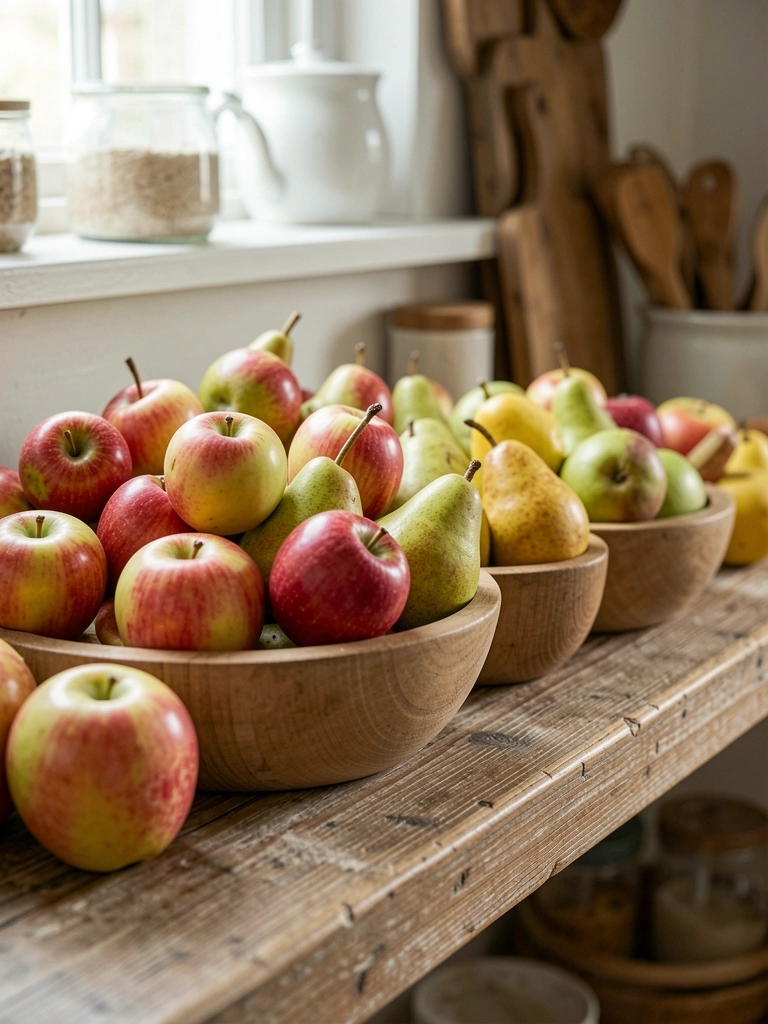
    6. Create a Feature Wall with Textured Wallpaper or Floral Patterns

    Textured or patterned wallpaper adds depth and personality without the commitment of paint. Grandmillennial designs (vintage florals meets modern minimalism) are huge right now.

    Use peel-and-stick wallpaper ($20–50 per roll from Spoonflower, Etsy, or Amazon) if you’re renting—zero damage, zero hassle. Traditional wallpaper ($15–40 per roll) needs professional installation ($200–400) or careful DIY work. Pick one wall and measure carefully; most rolls cover 28–33 square feet. Application takes 2–4 hours for a confident DIYer.

    Your room instantly gains visual interest and sophistication. Patterned walls photograph beautifully and give you a cohesive anchor for the rest of your décor.

    7. Layer Rugs to Define Space and Add Warmth Underfoot

    Cold hardwood or tile in a bedroom kills the cozy vibe. Layered rugs add warmth, define the space, and feel incredibly luxurious underfoot.

    Start with a jute or sisal base rug (5×7 or 6×9 feet, $80–150 from IKEA, Wayfair, or Article). Top it with a smaller high-pile wool or synthetic rug ($60–120) positioned under or beside the bed. Mix textures—smooth jute with plush wool feels intentional. This is a free styling project once you have the rugs; just arrange and enjoy.
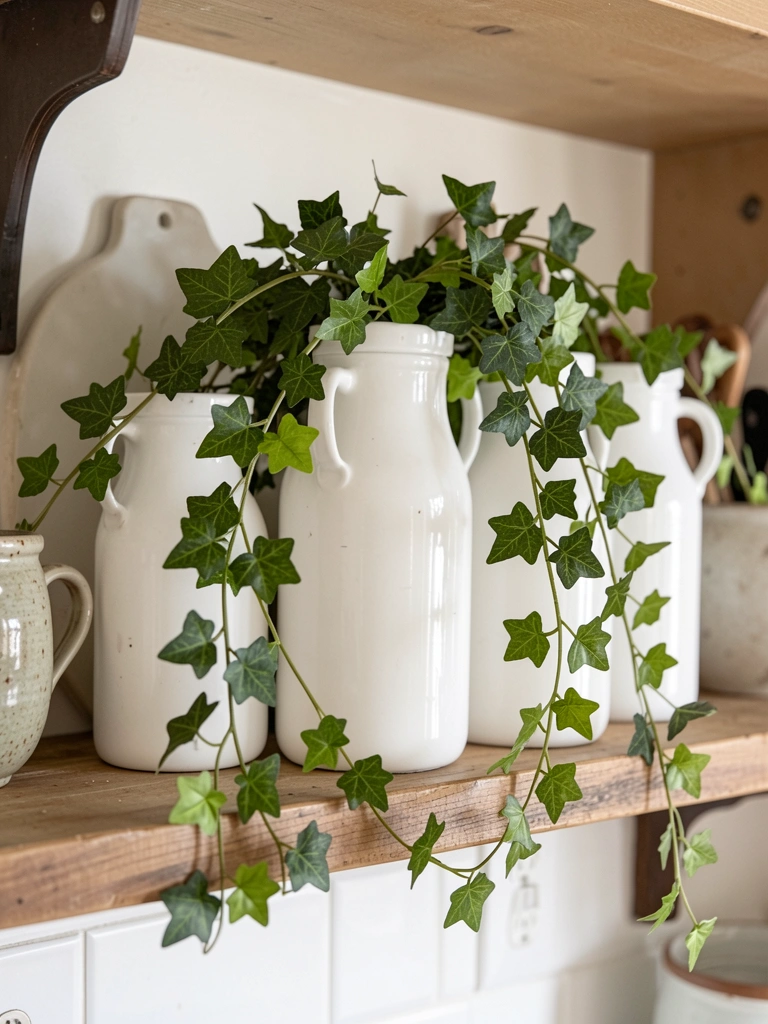
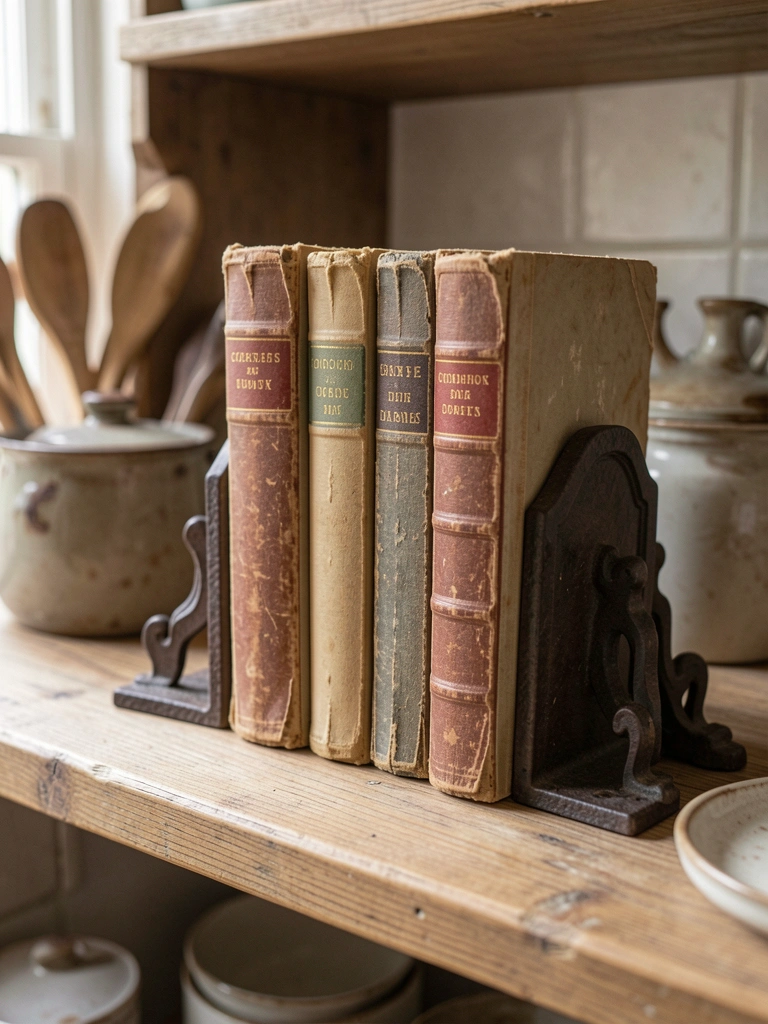
    You’ll notice the difference every morning when your feet hit soft rug instead of cold floor. The layered look feels designed and collected over time rather than generic.

    8. Add Plants and Greenery for Biophilic Calm

    Plants aren’t just pretty—they actively improve sleep quality and air, plus they satisfy that biophilic design trend everyone’s leaning into. Greenery adds life without clutter.

    Choose low-maintenance plants: pothos, snake plants, or ZZ plants ($5–20 each from local nurseries or online). Add a taller statement plant like a fiddle leaf fig ($20–50). Grab ceramic or terracotta pots ($10–40 each) that match your color scheme. Water weekly (or less for succulents) and enjoy immediate calm. Budget 30 minutes for initial setup and placement.

    Your room stops feeling sterile and starts feeling like a living space. Plants soften corners, add texture, and genuinely help you sleep better—plus they’re very Instagrammable.

    9. Incorporate Raw Materials Like Cork, Marble, or Reclaimed Wood

    Raw materials ground a space in nature and create that organic modernism trend designers are obsessed with. They add authenticity that mass-produced furniture can’t touch.

    Shop for cork or reclaimed wood nightstands ($100–300 from Article, West Elm, or Etsy), a marble or stone tray ($30–80), or raw wood floating shelves ($40–100). Even small accents work: a marble or concrete desk organizer ($15–30) or cork coasters ($5–10). Mix these with your existing furniture gradually—you don’t need to replace everything at once.

    Your space feels grounded and intentional instead of plasticky. Raw materials age beautifully and develop character over time, which feels way more personal than anything shiny and new.

    10. Hang Large-Scale Art That Anchors Your Color Scheme

    One large piece of art does more for a room’s vibe than ten small prints. Choose something that matches your color palette and feels personal to you.

    Commission a custom piece from Etsy artists ($50–300 depending on size), or buy gallery prints from Minted, Society6, or local art fairs ($40–200 framed). Thrift vintage prints or paintings ($5–50 from estate sales). Frame it with a simple black, walnut, or brass frame ($30–80 from Target, IKEA, or local framers). Hang it at eye level above your bed or dresser; a stud finder and hardware cost under $20.

    Suddenly your room feels collected and intentional rather than decorated. Large-scale art becomes the conversation starter and mood anchor of the whole space.

    11. Use Cherry Red Accents for a Pinterest-Worthy Pop

    Cherry red is exploding on Pinterest right now (searches are up 325% year-over-year). It’s sophisticated when paired with earth tones, not cheesy or overwhelming.

    Add cherry red through low-commitment pieces: a velvet pillow ($30–60), a throw blanket ($40–80), a framed print ($20–50), or curtain tiebacks ($15–30). Start small—one cherry accent is refined; three feels intentional; six feels cluttered. Shopping sources: Etsy, Anthropologie, West Elm, or Target. This takes 5 minutes to style and costs nothing if you’re repurposing items.

    A single cherry red element makes your space feel current and slightly bold without looking trendy-desperate. It’s the perfect excuse to be a little braver with color.

    12. Install a Water Feature for Soundscape and Serenity

    Water features aren’t just pretty—the sound actively reduces stress and masks outside noise. Even a small tabletop fountain transforms your sleep environment.

    Buy a small indoor fountain ($30–80 from Amazon, Target, or Urban Outfitters) or a larger stone or concrete version ($100–200) if you want a statement piece. Tabletop versions need an outlet and weekly water refills (literally 2 minutes). No installation required—just plug in and position on a dresser, shelf, or console. Budget 10 minutes for setup.

    You’ll sleep deeper knowing that gentle sound is working for you all night. Water features add humidity too, which is surprisingly helpful for skin and respiratory health.

    13. Layer Textural Elements Like Velvet, Linen, and Wool

    Texture is what makes a room feel expensive. Mixing velvet, linen, wool, and cotton creates visual depth and satisfies the human need to touch things.

    Invest in quality linen bedding ($100–200), add velvet pillows ($30–60 each), layer with a chunky wool throw ($60–120), and drape a quilted blanket ($50–150) for visual interest. Mix matte and subtle sheen finishes—linen’s matte, velvet’s shiny, wool’s nubby. This costs money upfront but lasts years if cared for. Styling takes 20 minutes and zero special skills.

    Your bedroom stops looking flat and two-dimensional. The layered textures catch light beautifully and make you want to actually touch everything—that’s when you know you’ve nailed it.

    14. Use Warm Lighting Film on Overhead Lights for Softness

    If overhead lights are unavoidable (rentals, apartment fixtures), warm lighting film softens and colors them to match your vibe without ripping them out.

    Purchase warm-tinted light filter film ($10–20 from Amazon) designed for bulbs or fixtures. Apply it according to instructions (usually 5 minutes per fixture) or use warm white bulbs exclusively ($2–5 each). This trick immediately shifts cool overhead light to cozy ambiance. Zero installation; zero landlord drama.

    You can still use overhead lights when you need them—say, for cleaning—but they’ll never ruin your moody aesthetic again. This hack transforms rentals instantly.

    15. Create a Vintage or Thrifted Nightstand Vignette

    Thrifted furniture has character mass-produced pieces never will. A vintage nightstand becomes a styling opportunity to display collected treasures.

    Hunt Facebook Marketplace, Craigslist, estate sales, or Goodwill for wooden nightstands ($20–60). Pair with a thrifted brass or ceramic lamp ($5–25), vintage books ($1–5 each), small ceramics or vessels ($2–10), and a framed photo or print ($5–15). Total spend: $40–100 for a fully styled nightstand that looks like you’ve been collecting for years. This takes 30 minutes to style and source.

    Your nightstand becomes the most personal, photographable corner of your room. Every object tells a story and sparks joy, which is the opposite of bland store-bought bedroom sets.

    16. Paint Baseboards and Trim a Slightly Darker Shade for Depth

    This architectural trick is so simple but changes everything: darker baseboards make walls feel taller and add sophistication that costs almost nothing.

    Use the same paint as your accent wall or one shade darker than your walls ($15–40 for a quart). Grab a small paint brush ($5), painter’s tape ($8), and drop cloth ($10–15). This is a 2–3 hour weekend project if your baseboards are clean. Edges matter—use tape and take your time. The result looks professionally designed.

    Suddenly your room feels intentional and high-end instead of generic. It’s an architectural detail that photographs beautifully and costs minimal time and money.

    17. Add a Bunk or Upholstered Daybed for Guest Appeal and Cozy Lounging

    If you’re considering how to use your bedroom space, a daybed or bunk adds functionality while boosting the cozy factor. Perfect for guest rooms, small spaces, or memory-making in family homes.

    Choose a upholstered daybed ($300–600 from Article or West Elm) or a wood or metal bunk ($200–400 from IKEA). Style it like seating during the day with throw pillows and a blanket; it sleeps guests at night. Budget one afternoon for assembly. Renters: some daybeds are modular and portable.

    You’ve just created a dual-purpose space that feels intentional and designed. A daybed makes your room feel more sophisticated than just a bed, and guests actually have somewhere comfortable to sit or rest.

    18. Hang a Brass or Wooden Clothing Rod for Open Storage and Styling

    Open clothing storage adds visual texture and personality while keeping things accessible. Styling visible pieces like sweaters and jackets is way easier than rifling through a crowded closet.

    Install a simple brass or wooden rod ($30–80 from IKEA, Urban Outfitters, or Etsy) using basic wall anchors and hardware ($15). Mount it at shoulder height using a stud finder and drill ($0 if you borrow, $50 if you buy). Takes 30 minutes to install and instantly adds intentional storage. Pair it with beautiful hangers ($2–5 each from IKEA or Target).

    Your room stops feeling cluttered and starts feeling like a curated closet space. You’ll actually want to look at the pieces you own, and styling becomes easier when everything’s visible.

    19. Apply Removable Wall Decals or Stenciled Patterns for Renters

    Renters rejoice: removable decals and stencils add pattern and personality without permanent damage. Modern stencil designs are sophisticated, not childish.

    Choose peel-and-stick decals ($15–40 from Etsy or Amazon) in geometric, botanical, or celestial designs. Or grab a stencil kit ($10–30), painter’s tape ($8), and craft paint ($5) to stencil patterns yourself. Application takes 1–2 hours for a featured wall. Decals come off clean; stenciled paint is washable if done carefully.

    Your walls gain visual interest and personality without breaking your lease. Stenciled patterns look sophisticated and custom, even though they’re totally temporary.

    20. Switch to Blackout Curtains or Layered Privacy Solutions

    Real darkness is essential for deep sleep. Layered curtains give you light control, privacy, and that moody aesthetic all at once.

    Pair blackout curtain panels ($40–100 per panel) with sheer lightweight panels ($20–40) for a layered look. Hang both on the same rod at different heights for visual interest. Use a sturdy curtain rod ($30–60) rated for the weight. This takes 2–3 hours to hang and style but dramatically improves sleep quality. Renters can use adhesive rods ($20–30) for damage-free installation.

    You’ll sleep deeper, wake less from light, and your room looks intentionally designed. This is one of the highest-impact changes you can make for both aesthetics and function.

    21. Create a Reading Nook with a Curved Chair and Warm Throws

    A reading nook elevates your bedroom from “place to sleep” to “personal retreat.” Dedicating even a small corner makes the space feel luxurious and intentional.

    Invest in a curved or barrel chair ($300–600 from Article, West Elm, or secondhand marketplaces), add layered throws ($40–100 total), a small side table ($50–150), and a brass or ceramic reading lamp ($40–80). Position near a window if possible. This takes an afternoon to arrange. If space is tight, even a small ottoman or floor cushion ($60–120) with throws works beautifully.

    Suddenly your room becomes a multi-functional haven instead of just where you sleep. You’ll actually want to spend time there during the day, which changes how the space feels entirely.

    22. Install Floating Shelves for Display and Storage in One

    Floating shelves add storage without the visual heaviness of cabinets. Styled right, they become rotating galleries for your favorite objects.

    Purchase wooden or metal shelves ($30–80 each from IKEA, Wayfair, or Home Depot). Install using heavy-duty wall anchors and studs ($20 in hardware). Mounting takes 1 hour per shelf with a drill. Style with books, plants, small ceramics, and photos—mix heights and depths for visual interest. Budget 2–3 hours for total styling.

    Your walls become functional art. Open shelving makes rooms feel bigger and more curated than closed storage. Plus, you get to rotate displays seasonally.

    23. Layer Scent with Candles, Diffusers, and Dried Flowers

    Scent is the most underrated element of ambiance. Layering multiple gentle scents creates atmosphere without being overwhelming—think moody and mysterious, not perfume-counter strong.

    Choose luxury candles ($20–50 from Jo Malone, DW Home, or local makers), a ceramic or brass diffuser ($30–70 from Etsy or Urban Outfitters), and dried flowers or pampas grass ($10–25). Pick complementary scents: woodsy candle + herbal diffuser + fresh florals creates depth. Swap scents seasonally. This costs money upfront but lasts months; styling takes 10 minutes.

    Your room engages all senses now—not just sight. The moment you step in, moody ambiance wraps around you through light, texture, and scent. That’s when your bedroom truly becomes a sanctuary.


    Save this post and pick just one idea to try this weekend—maybe start with layered lighting or one jewel-tone accent wall. Small changes add up faster than you’d think, and your bedroom deserves to feel like the retreat you’re already imagining. Which idea are you trying first?

  • 27 Floor-to-Ceiling Curtain Concepts That Make Rooms Feel Taller

    27 Floor-to-Ceiling Curtain Concepts That Make Rooms Feel Taller


    Ceiling height is one of the first things you notice when you walk into a room—and it affects how comfortable a space feels. If your living room has standard 8-foot ceilings, you might think you’re stuck with that constraint. But here’s the truth: the right curtain strategy can make your room feel significantly taller without any renovation or construction. These 27 ideas show you exactly how to use curtains, rods, colors, and styling techniques to visually expand your vertical space. Whether you’re renting, own your home, or working with tricky window sizes, you’ll find solutions that work with your budget and timeline. Let’s dive into the best ways to make your living room feel more spacious than it actually is.


    1. Hang Curtains at the Ceiling Line

    Mounting your curtain rod as high as possible is the single most effective trick for visual height. Most people hang rods 8-10 inches below the ceiling, which actually makes ceilings look lower. Instead, install the rod directly at or within 2 inches of the ceiling.

    Use a stud finder to locate wall studs and mount brackets there for proper support. Expect to spend $20–$60 on a basic rod and brackets from Target or Home Depot. This 30-minute DIY project (or one professional installation call) instantly adds perceived height without any other changes. If you’re renting, use removable adhesive strips rated for heavy weight, though ceiling mounting can be trickier—talk to your landlord about small nail holes first.

    The visual difference is stark. Your eye travels from floor directly to ceiling, making the room feel taller immediately.


    2. Choose White or Cream Curtains for Seamless Height

    When your curtains match or nearly match your wall color, your eye doesn’t stop at the curtain edge—it keeps traveling upward. This color continuity creates an unbroken vertical line that naturally makes rooms feel taller. White and cream are the safest bets, but soft grays and warm taupes work equally well.

    Look for linen or linen-blend curtains in white ($40–$100 per panel from IKEA, Wayfair, or Amazon). Pair them with white or off-white walls, and the effect is nearly invisible—in the best way. Your walls appear to extend higher than they actually do. The fabric still filters light beautifully, and you get texture without color interruption.

    Avoid bold or dark curtain colors if height is your goal; those visually “cut” the wall and lower the perceived ceiling line.


    3. Use Sheer Layering for Airiness Without Bulk

    Sheer curtains create visual lightness because you can see through them—they don’t feel like a heavy barrier. When you layer sheers over the window (rather than heavy fabric from top to bottom), the upper portion of your window stays visually open and airy, which extends the sense of ceiling height.

    Hang sheers from the ceiling rod using tension wire or a lightweight track ($15–$40, available at IKEA or hardware stores). Add a blackout panel on a separate lower rod for privacy and light control without sacrificing the vertical effect. This setup takes about an hour and works for renters if you use damage-free adhesive strips on the ceiling.

    The result? Your windows look taller because the sheer fabric appears to float rather than anchor the room downward.


    4. Paint Walls Light to Expand Visual Space Vertically

    Light wall colors create visual continuity from floor to ceiling, making rooms feel more spacious. Pale colors reflect light upward, which emphasizes height. Pair light walls with curtains in the same or slightly lighter tone for maximum effect.

    Repaint walls in soft white, pale gray, or warm taupe—this is a weekend project or a $200–$500 professional job depending on room size. Use quality paint like Benjamin Moore or Sherwin-Williams ($25–$50 per gallon) for better coverage and durability. The paint-to-ceiling effect is immediate and transformative without touching your curtains at all.

    If you’re renting and can’t paint, use large tapestries or removable wallpaper in light tones to achieve a similar effect.


    5. Avoid Horizontal Patterns; Choose Vertical Stripes Instead

    Patterns matter when you’re trying to maximize height. Horizontal stripes or geometric patterns naturally draw your eye across the room, which makes ceilings feel lower. Vertical patterns (thin stripes, linear motifs) guide your eye upward, reinforcing the sense of height.

    Hunt for vertical-striped curtains on Wayfair, West Elm, or CB2 ($60–$150 per panel). Alternatively, find solid curtains and add a thin vertical stripe using fabric paint and a ruler ($10 DIY, takes 30 minutes per panel for a smaller project). The vertical line you create becomes a visual elevator for your room.

    Avoid busy horizontal checks, large-scale horizontal florals, or bold color blocking that cuts the wall in half.


    6. Install Double Rods for Layered Styling Drama

    Double rods give you practical light control and visual layering that emphasizes height. You hang lightweight sheers on one rod and heavier panels on another, both extending floor to ceiling. This creates visual depth without bulk.

    Purchase a double-rod system ($40–$80 at Home Depot or Lowe’s) and hang it at ceiling height. Use sheer panels on the inner rod and your choice of heavier fabric on the outer rod. Installation takes about an hour with basic tools. The effect is layered and architectural—your window becomes a design feature that draws the eye upward.

    This approach is renter-friendly with damage-free adhesive strips on the ceiling for the bracket.


    7. Extend Curtains Beyond the Window Frame

    Hanging curtains wider than your actual window—not just taller—creates an optical illusion that makes both the window and the room feel larger. Mount the rod beyond the window edges on both sides, so the curtain panels extend fully across the wall space. This pulls the eye outward and upward.

    Measure your window width and add 12–24 inches total (6–12 inches on each side) when ordering curtain panels. A standard 96-inch panel costs $40–$100; larger custom panels run $100–$200. Installation is the same as regular curtains; just mount the rod wider. This is a renter option using adhesive-strip brackets as long as you use damage-free products.

    The wider-framed effect makes your window and ceiling line feel more prominent in the room’s overall design.


    8. Use Lightweight Fabric That Moves and Flows

    Heavy, stiff curtains feel anchored to the room. Lightweight, flowing fabrics feel weightless—which visually expands the sense of space. Linen, cotton voile, and lightweight linen blends create movement and airiness.

    Shop for linen or cotton curtains ($50–$120 per panel at IKEA, Target, or specialty retailers like Etsy). Heavier velvet or thermal-backed panels are wonderful for warmth but visually compress the room. If you want blackout capability, choose a lightweight linen paired with a separate blackout shade rather than a heavy all-in-one curtain. The flowing motion of the fabric creates visual height as it drapes naturally.

    Your eye follows the gentle folds of the fabric upward, reinforcing the sense of vertical space.


    9. Add a Subtle Ombré or Gradient Effect

    An ombré or gradient effect—where color subtly shifts from light at the top to slightly deeper at the bottom—creates a visual “lift.” Your eye follows the lighter color upward, which subconsciously extends the ceiling line.

    Custom ombré curtains are available from boutique retailers like Etsy or Spoonflower ($150–$300 per panel for high-quality fabric). DIY option: buy fabric dye ($10) and bleach two panels with different concentrations to create a gradient effect (6–8 hours of work). The subtle shift in tone feels sophisticated and modern while serving your height-maximizing goal.

    This technique is more advanced but creates a refined, intentional look that screams good design.


    10. Mount Curtains on Clear or Invisible Rods

    When your rod disappears visually, your curtains appear to float from ceiling to floor without interruption. Clear acrylic rods and near-invisible tension systems create this effect. Your eye sees only the fabric’s vertical line, not the hardware.

    Purchase clear acrylic rods or tension-wire systems ($30–$80 at IKEA, West Elm, or Container Store). Tension-wire systems are particularly effective because the wire is almost impossible to see at normal viewing distance. Installation takes 30–45 minutes and works for renters using ceiling-mounted brackets. The minimal visual interruption maximizes the sense of unbroken height.

    The result is a clean, modern look where the curtains feel like an integral part of the room’s architecture.


    11. Use Minimal or No Pleats for a Streamlined Look

    Pleated curtain styles (pinch pleats, pencil pleats) add visual weight and horizontal bulk at the top of the window. Flat panels or simple grommet-top curtains create unbroken vertical lines that emphasize height. The cleaner the top, the taller the room feels.

    Look for grommet-top curtains, tab-top panels, or simple linen curtains without decorative pleats ($40–$100 per panel from IKEA, Target, or Wayfair). These styles hang flat and clean, creating a modern look that naturally extends your eye from floor to ceiling. Grommet styles are also easy to install yourself in about 20 minutes.

    The minimalist silhouette reinforces the sense of open space and vertical stretch.


    12. Pair Curtains with Tall Floor Lamps and Vertical Mirrors

    It’s not just about the curtains—surrounding them with other tall, vertical elements reinforces the height effect. Floor lamps that reach toward the ceiling and large vertical mirrors repeat the upward visual line.

    Add a tall arc lamp ($80–$200 from Target, West Elm, or Article) and a large vertical mirror ($60–$150 from IKEA or Wayfair) next to your curtained window. These elements don’t have to be expensive; they just need to be vertical. The grouping creates a visual emphasis on height that works in concert with your floor-to-ceiling curtains.

    When your eye scans the room, it naturally travels upward because multiple design elements point in that direction.


    13. Choose Neutral Colors Over Dark Tones

    Dark colors (navy, charcoal, black) feel heavy and visually “ground” a room. They make ceilings appear lower because they create contrast and visual weight. Neutral tones (cream, beige, soft gray, warm taupe) feel lighter and allow your eye to travel upward without stopping.

    Choose neutral curtains in off-white, cream, or soft gray ($40–$120 per panel from IKEA, Target, Wayfair, or specialty retailers). If you love dark colors, use them sparingly—perhaps as an accent shade in a double-rod setup with neutrals in front. This one color choice has an enormous impact on the perceived ceiling height without any structural changes.

    Neutral doesn’t mean boring; texture, pattern, and layering keep the look interesting while maintaining that visual openness.


    14. Install Valances or Cornices Just Below the Ceiling

    A shallow cornice or valance mounted at the ceiling creates a visual “cap” that frames the height of the room rather than cutting it off. Unlike traditional heavy valances that shorten windows, a thin, minimal version keeps the room feeling tall.

    Install a slim wood cornice ($50–$150, DIY or professional installation) just below ceiling level, then hang your curtains below it. Paint the cornice the same color as your walls for continuity. This adds architectural detail and polish while preserving the sense of vertical space. DIY installation takes a weekend if you’re comfortable with basic carpentry; otherwise, hire a pro for 1–2 hours of work.

    The cornice becomes a subtle crown molding effect that enhances the room’s sense of structure and height.


    15. Avoid Cafe Curtains; Go Full Height Instead

    Cafe curtains (which cover only the bottom half of the window) are charming but visually cut your window—and your room—in half. They create a horizontal line that actually makes ceilings feel lower. Full-height curtains eliminate that interruption and allow your eye to travel the entire vertical span.

    Measure from ceiling to floor and order curtains in that length ($50–$150 per panel depending on your height). If you currently have cafe curtains and want height, remove them and install full-length panels instead. This simple swap (30 minutes of work) is transformative. Standard windows are 36–48 inches tall; measuring your actual space ensures proper proportions.
    The unbroken vertical line immediately makes your room feel more spacious and sophisticated.


    16. Use Metallic Rods or Hardware for Visual Lightness

    Matte black or heavy wood rods can feel weighty and grounding. Metallic hardware (brushed gold, polished chrome, stainless steel) catches light and reflects it, which creates visual lift. The reflective quality makes hardware feel less substantial even though it’s there.

    Shop for metallic rods at Target, West Elm, or Home Depot ($30–$80). Installation is identical to standard rods; you’re simply upgrading the material. Brushed gold and champagne tones feel warm and contemporary; polished chrome feels modern and sleek. The light-reflecting quality adds a subtle shimmer that draws your eye upward.

    This detail is small but psychologically significant—your eye perceives reflective surfaces as lighter and more elevated.


    17. Pair Curtains with Stacked Wood or Floating Shelves

    Vertical design elements throughout the room reinforce the height effect of your curtains. Floor-to-ceiling shelving, vertical artwork, or stacked storage creates a visual “ladder” that emphasizes ceiling height.

    Install floating shelves or tall bookcase units next to your curtained window ($100–$400 for a quality unit from IKEA, Article, or West Elm). Arrange books and objects vertically on the shelves to reinforce the upward visual line. The grouping of vertical elements—curtains, shelves, artwork—works together to make the room feel taller.

    When multiple vertical elements occupy the same space, the cumulative effect on perceived height is stronger than any single element alone.


    18. Choose Sheers That Glow Rather Than Block Light

    Sheers that allow light to pass through and glow create a sense of openness and weightlessness. Opaque sheers that block light while you can’t see through them feel heavier. Choose thin, translucent options that create a luminous effect.

    Look for lightweight ivory or pale gold sheers ($20–$50 per panel from IKEA, Target, or Wayfair). Avoid thick, textured sheers; stick with smooth, flowing options. When backlit by sunlight, glowing sheers create a warm, inviting atmosphere that makes the space feel more open. This works especially well on windows that get morning or afternoon sun.

    The luminous quality of light passing through the fabric creates an airy, weightless feeling throughout your entire living room.


    19. Add Subtle Border Trim to Frame the Height

    A thin vertical trim or border running down the sides of your curtains adds a sophisticated frame that emphasizes height. Unlike heavy horizontal hems that ground the look, vertical trim draws the eye upward.

    Purchase or order curtains with a subtle vertical trim ($70–$150 per panel, or add DIY trim for $10–$20 in supplies from a fabric store). DIY: buy grosgrain ribbon or trim ($10 per yard) and hand-stitch or fabric-glue it down both sides of your curtain panels (4–6 hours of work for a pair). The subtle detail feels designed and intentional without being over-the-top.

    This small touch transforms basic curtains into a polished, designer-looking feature that visually extends the window’s height.


    20. Install Curtains Across a Wider Wall Span

    Rather than hanging curtains just around your window frame, extend them to span most or all of your wall width. This creates a dramatic backdrop that makes the room feel wider and—visually—taller by association.

    Measure your entire wall width and mount rods accordingly, adding 6–12 inches beyond the window on each side ($40–$100 for an extended rod setup). You’ll need 2–3 panels per side to cover the full width ($100–$300 total). This approach works beautifully for large living rooms or accent walls you want to highlight. Installation takes 1–2 hours.

    The expansive curtain backdrop creates a gallery-like atmosphere that elevates the entire room’s sense of scale.


    21. Layer Curtains with Roman Shades Below

    Pairing full-height curtains with a Roman shade or roller blind below adds functional layering without visual confusion. The shade hides inside the window frame while your curtains extend floor to ceiling, maintaining the height effect while providing flexible light control.

    Hang floor-to-ceiling curtains ($60–$150 per panel) and add a coordinating Roman shade ($80–$150 from IKEA, Wayfair, or a custom maker). The shade clips up inside the window frame when you don’t need it, so it doesn’t interrupt your vertical line. Installation: mount the shade track to the window frame (30 minutes), then hang your curtains above (30 minutes). Renters can use temporary adhesive strips for both.

    You get the height benefit of full curtains plus the flexibility of adjustable light control without compromise.


    22. Choose Unlined or Semi-Sheer Curtains for a Floating Effect

    Unlined or semi-sheer curtains feel lighter and more ethereal than fully lined or blackout-backed options. When light passes through the fabric, it feels less solid and more like a design accent than a functional barrier.

    Shop for unlined linen curtains ($50–$120 per panel from IKEA, Wayfair, or specialty makers like Schoolhouse Electric). Pair them with a separate roller shade for privacy and light control if needed. Unlined curtains are typically 30–40% cheaper than lined versions and feel fresher and more contemporary. Installation is identical; you’re just choosing a lighter fabric weight.

    The semi-translucent quality makes your curtains feel like a floating design element rather than a heavy window treatment.


    23. Paint Curtain Rods the Same Color as Your Walls

    When your rod matches your wall color, it becomes nearly invisible—which means your eye sees only the continuous vertical line of the curtain fabric. This visual merging extends the sense of height.

    Paint your curtain rod with wall-matching paint ($15–$30 total, DIY in 20 minutes). Use the same paint sample or match your wall color at the hardware store. Even a basic rod becomes visually refined when it blends with its surroundings. This is one of the cheapest height-maximizing tricks available.

    The disappearing rod creates an almost floating effect where your curtains appear to emerge directly from the ceiling line.


    24. Use Longer-Than-Necessary Curtains (Slight Puddle Effect)

    Most curtains touch the floor. Adding an extra 2–4 inches so the fabric gently puddles emphasizes the full height of your window frame. The slight excess draws attention to the length while adding a touch of luxury.

    Order curtains 2–4 inches longer than your floor-to-ceiling measurement ($60–$150 per panel, custom length typically costs $5–$15 more). This small detail signals intentionality and polish. The subtle puddle (not dramatic pooling, which reads dated) is chic and modern. Installation is standard; you’re simply specifying a longer length when ordering.

    The extra length emphasizes every vertical inch of your window and draws the eye upward.


    25. Install a Statement-Making Color Ombré (Darker at Bottom)

    An inverted ombré—lighter at the top, deeper at the bottom—creates visual interest while still maximizing perceived height because it starts with a light color that makes the ceiling feel higher, then adds depth below.

    Order custom ombré curtains from specialty makers like Spoonflower or Etsy ($150–$300 per panel for quality). The gradient should be subtle enough that the bottom color doesn’t feel too heavy; think pale cream to soft gray or ivory to warm taupe rather than cream to black. This is more of an investment but creates a truly custom, artistic look.

    The color gradient becomes a subtle focal point that adds personality while still honoring the height-maximizing goal.


    26. Mount Rods on Recessed or Mounted Brackets (Not Flange)

    Flush-mount or recessed brackets make rods appear to float rather than protrude from the wall. Standard flange brackets create visual weight and interruption. Minimal brackets keep the focus on the curtains themselves and the vertical line they create.

    Purchase recessed or surface-mount brackets ($30–$60 from hardware stores or online retailers like Restoration Hardware). Installation is straightforward with a drill and stud finder (30 minutes). The minimal hardware makes the entire setup feel more architectural and refined. Renters can use ceiling-mounted adhesive strips for temporary installation.

    The streamlined bracket system makes your entire curtain setup feel more intentional and less utilitarian.


    27. Combine Multiple Height Tricks: The Ultimate Setup

    Using one trick helps; combining several creates a compounded effect. Pair ceiling-mounted rods, light-colored walls, neutral curtains, minimal hardware, vertical accessories, and layered sheers for a cohesive, intentional look that maximizes every inch of perceived height.

    Investment: $300–$800 total for rods, quality curtains, paint, and accessories depending on window size and room. Timeline: 2–3 weekend projects (painting, installation, styling). Start with the highest-impact changes—ceiling mounting, light walls, floor-to-ceiling panels—then layer in secondary details like mirrors, trim, and accessories. This comprehensive approach transforms your entire space.

    The combined effect is undeniable: your living room becomes a tall, open, gallery-like space that feels significantly larger than its actual dimensions.


    Save this guide to your Pinterest board and pick one idea to tackle this weekend—the ceiling-mounted rod or light wall color will give you the fastest result. Which technique speaks to your space? Try combining two or three for maximum impact.