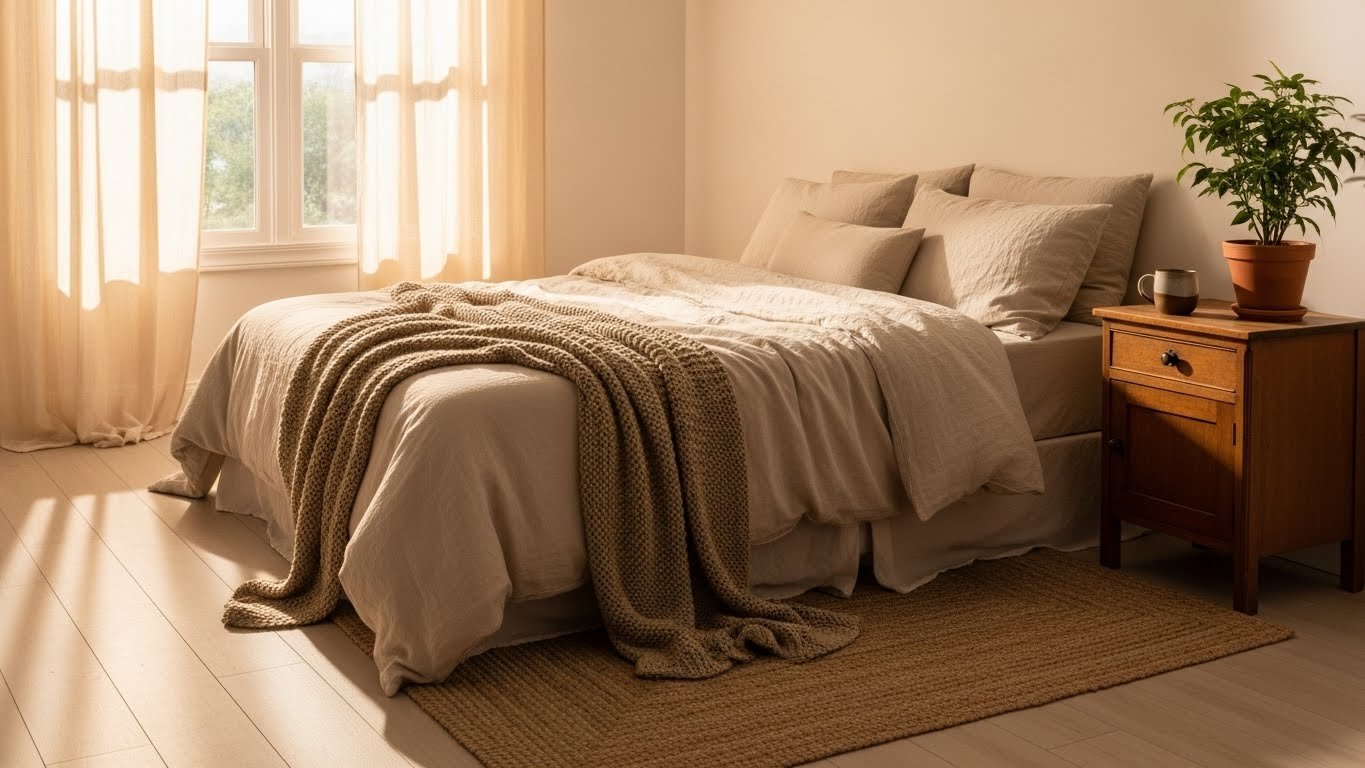
There’s a difference between a bedroom that looks nice and one that actually feels like a sanctuary. If your space feels sterile, cold, or just… blah, you’re not alone. The good news? You don’t need a complete overhaul to create that dreamy, warm bedroom you’ve been craving. Whether you’re working with a tiny studio or renting in a no-paint apartment, these 24 ideas blend the 2025 trends everyone’s loving—organic shapes, rich earth tones, textural layers, and vintage touches—into practical, achievable upgrades. Most of these you can do this weekend, many cost under $50, and all of them prioritize comfort without clutter. Ready to turn your bedroom into a retreat that actually feels like yours? Let’s get started.
1. Swap Hard Angles for a Curved Headboard

Harsh lines and sharp angles can unconsciously keep your nervous system on alert—not ideal for a sleep space. A curved headboard signals safety and calm, and it photographs beautifully too.
Replace your existing headboard or shop IKEA’s curved options (around $150–$300), Wayfair’s upholstered styles ($200–$500), or go DIY by padding an existing headboard with foam and fabric for under $80. The real magic? A rounded top edge makes the whole room feel softer. Installation is straightforward—most mount directly to your bed frame in about 30 minutes.
This one change makes bedtime feel less utilitarian and more like stepping into a hug. You’ll notice the difference the first night you look at it before sleep.
2. Layer in a Chunky Knit Throw (Not Just for Winter)
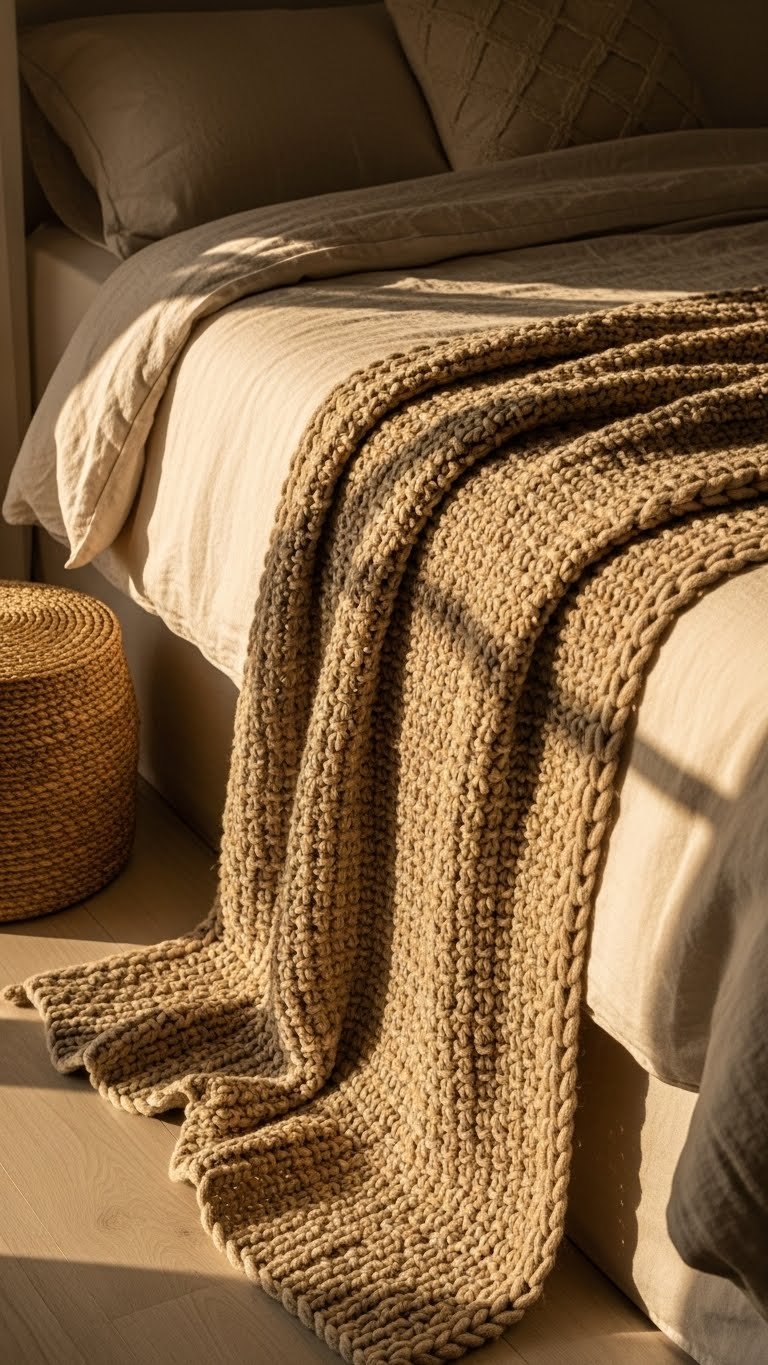
Texture is the secret ingredient that makes minimalist rooms feel cozy. A chunky knit throw adds visual interest, warmth, and that lived-in feeling without taking up real estate.
Woolroom, Etsy, or Target stock quality chunky knits for $60–$150. Look for natural wool or linen blends that feel substantial in your hands. Drape it across the foot of your bed or fold it over one corner—the casual styling actually enhances the dreamy vibe. Pro tip: cream, beige, and soft gray are easier to style than bold colors, and they work year-round.
You get instant texture and a functional layer you’ll actually use on cooler evenings. The casual drape also makes your bed look styled without effort.
3. Introduce Warm Earth Tones Through Paint or Peel-and-Stick Wallpaper

Cool grays have had their moment. Warm neutrals—terracotta, caramel, sage, warm taupe—are having a major moment in 2025, and they instantly make a room feel like home instead of a showroom.
Paint is the investment route ($30–$100 in supplies for a DIY job or $300–$800 hired out). For renters, peel-and-stick wallpaper from Spoonflower or Amazon ($40–$100 per roll) gives you the same warmth without permanence. One accent wall is enough; you don’t need to commit to the whole room. Most paint jobs take one to two evenings.
The psychological shift is real. Warm walls make you feel held. Your bedroom becomes the cozy refuge you imagined, and the color shift elevates every piece of furniture inside it.
4. Add a Woven Wall Hanging for Organic Texture
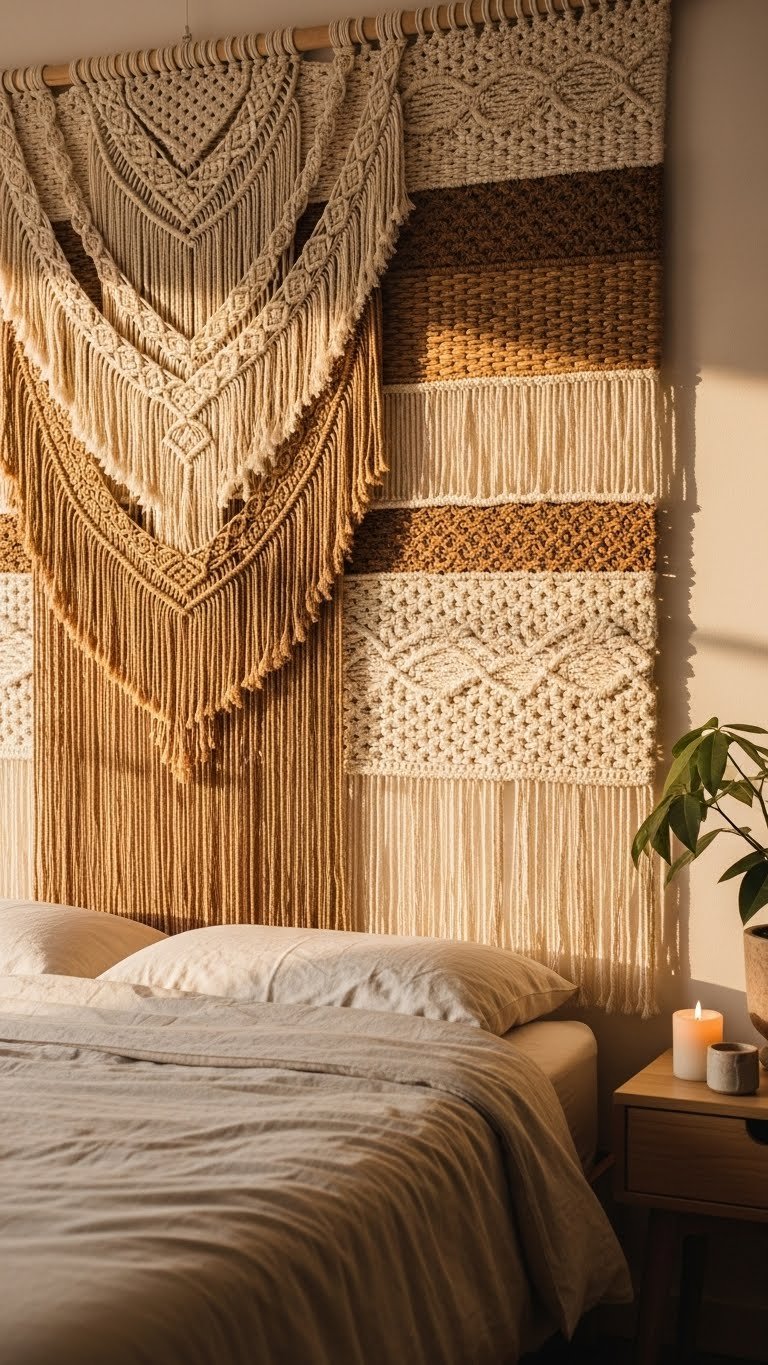
A statement wall hanging grounds the room, adds softness, and replaces harsh blank walls without the permanence of wallpaper. It’s the 2025 answer to minimalist wall art.
Shop Etsy, West Elm, or Anthropologie for woven pieces in the $40–$250 range. Macramé hangs easily (just needs a hook), and most pieces work well above the bed or on a feature wall. Installation takes five minutes. Look for natural fibers—jute, wool, cotton—that complement your color palette. A 24″–36″ width is usually perfect for above a standard bed.
This adds layers and interest while staying true to the warm, organic aesthetic. Your walls become part of the cozy feeling, not just backdrop.
5. Invest in Quality Linen Bedding That Actually Feels Good
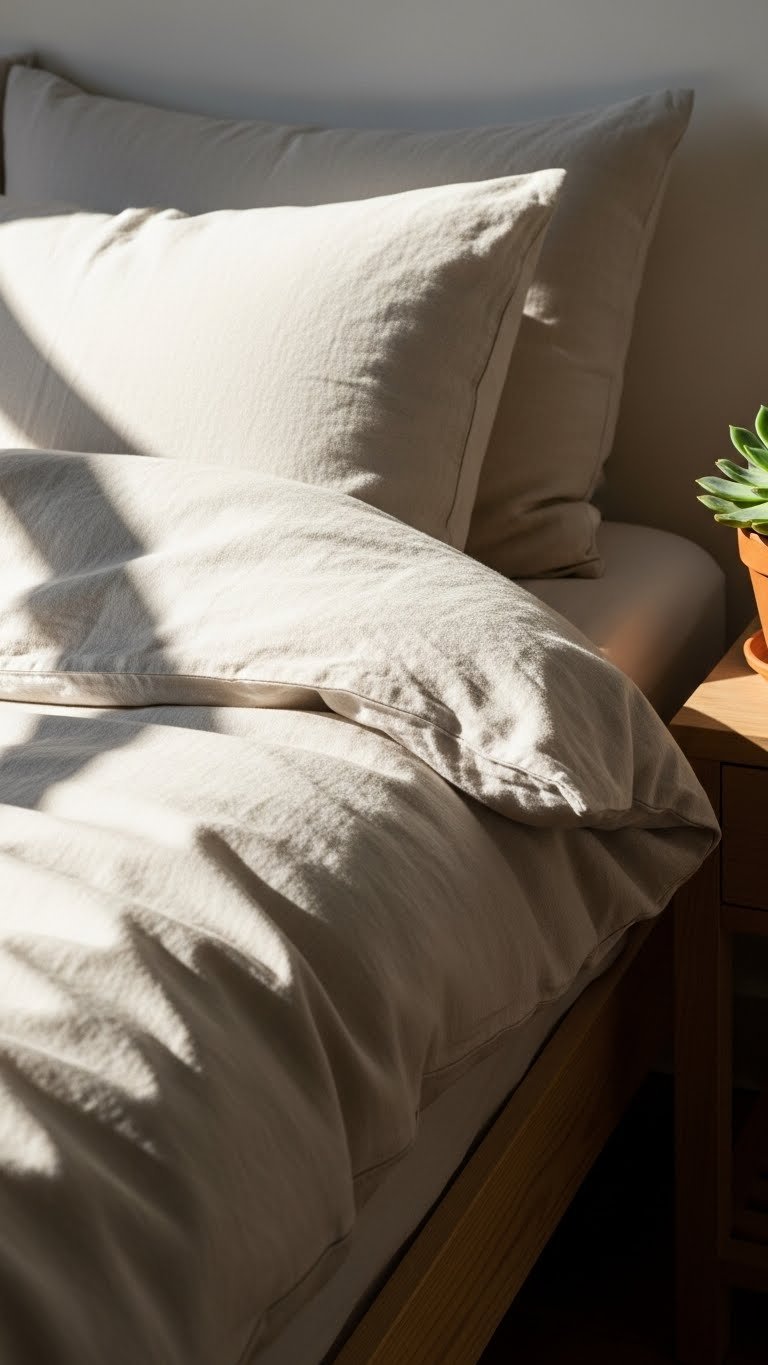
Cold, slippery polyester sheets won’t cut it if you’re building a sanctuary. Natural linen feels like luxury and gets softer with every wash.
Quality linen runs $150–$350 for a full set, but it lasts for years—Brooklinen, Parachute, and Etsy sellers all offer excellent options. The wrinkled texture is part of the charm, not a flaw. You literally just pull them out of the wash and put them on; no ironing required. Budget option: start with one set and invest as you can afford it.
You’ll sleep differently on linen. It breathes, it feels sensual, and it changes how you feel getting into bed. This is one investment that pays dividends every single night.
6. Display Quilts Over Your Dresser or Bed Rail

Quilts are having a major comeback as an alternative to duvets, and they tell a story in a way store-bought bedding never can. They’re practical and deeply soulful.
Thrift quilts for $10–$50 (check Etsy, Facebook Marketplace, local antique shops), or commission a custom one from Etsy makers for $200–$600. Hang one on a simple wooden quilt rack ($30–$80 from IKEA or Wayfair), drape it over a bed rail, or fold it at the foot of your bed. Each quilt has history and personality baked right in.
This approach makes your bedroom feel like a family heirloom space, not a hotel. The visual layering also adds dimension and warmth that mass-produced bedding can’t match.
7. Hang Floor-to-Ceiling Curtains on Budget
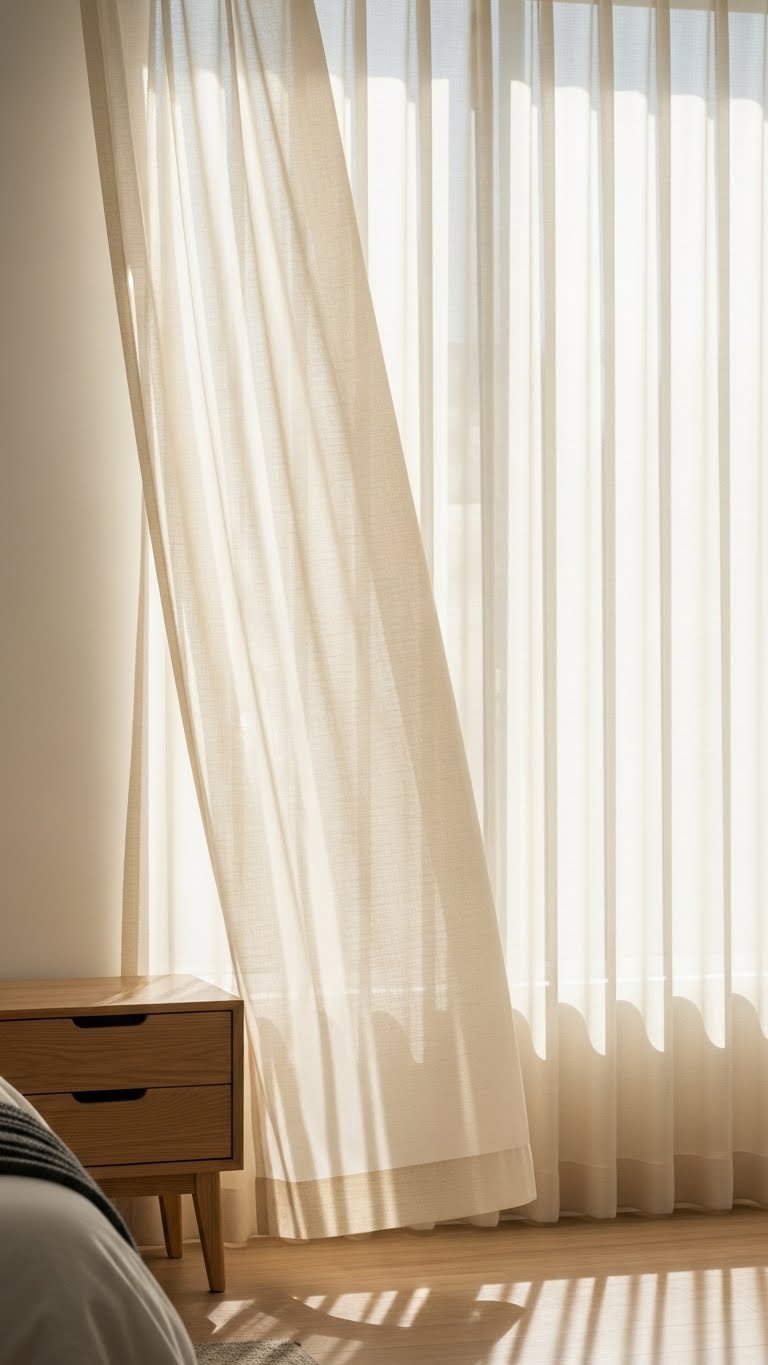
Floor-to-ceiling curtains create instant luxury and drama without actually requiring an expensive layout or professional installation. They’re a renter’s secret weapon too.
Skip the pricey versions from Restoration Hardware ($300–$800). Instead, grab affordable options from IKEA ($20–$50), Target ($30–$70), or Amazon ($25–$60 per panel). Pair them with a tension rod ($15–$30) from any hardware store for truly renter-friendly installation—no holes, no landlord drama. You need two to four panels depending on your window width. Measurement and hanging takes about an hour.
The visual effect is transformational. Your room immediately feels more curated and intentional. Bonus: sheer curtains filter harsh morning light, which improves sleep quality.
8. Create a Gallery Wall with Personal Art and Prints
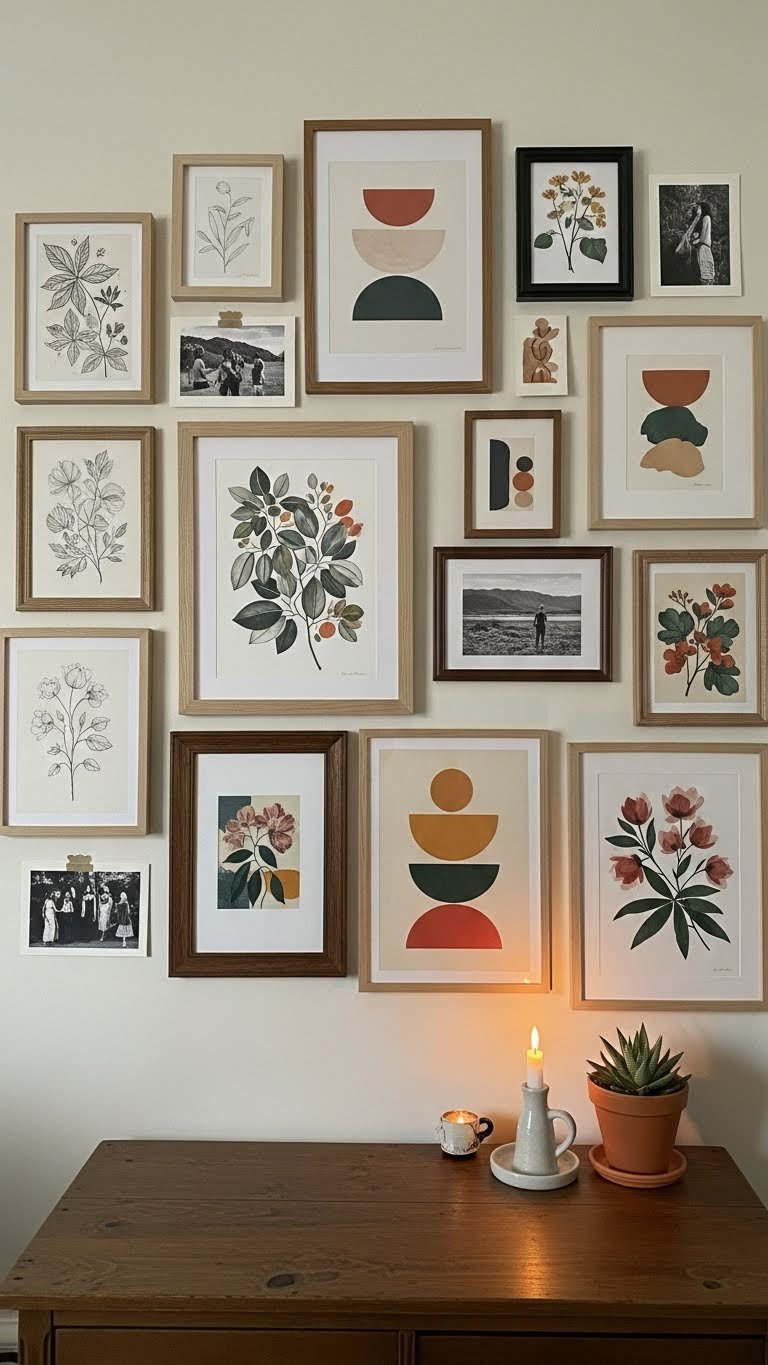
Generic art or bare walls don’t invoke feeling. A personal gallery wall—even a small one—tells visitors (and you) exactly who you are and what you love.
Start with affordable prints from Etsy ($8–$25 each), Minted ($12–$30), or even download and print your own from local print shops ($2–$5 per print). Frame them yourself using simple wood frames from IKEA or Michael’s ($5–$15 each). Mix frame styles, sizes, and finishes. Lay everything on the floor first to plan your layout, then hang with a level. Budget: $50–$150 for a 5–7 piece wall. Time: one evening.
Your art becomes the visual anchor of your room. Waking up to images you actually love makes your bedroom feel purposeful and uniquely yours.
9. Add Vintage or Thrifted Nightstands for Personality
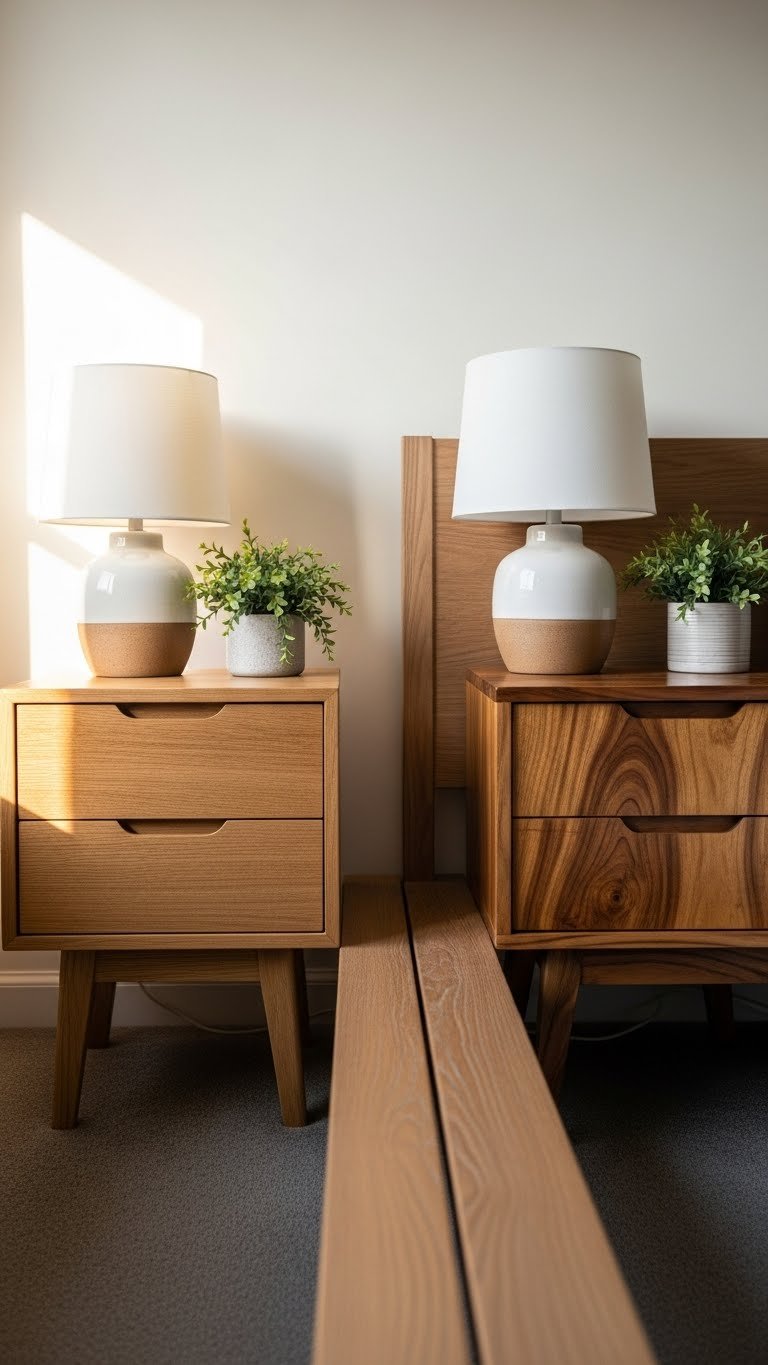
Mass-produced nightstands are forgettable. Thrifted pieces add character, are often better-built, and cost a fraction of retail price.
Hunt Facebook Marketplace, Craigslist, local thrift stores, and Etsy for wooden nightstands in the $20–$80 range per piece. Don’t worry if they’re slightly different—mismatched pairs are hugely on-trend. A fresh coat of paint ($10 in supplies) updates them instantly if needed, or embrace the patina. Look for pieces with one or two drawers and sturdy legs. Delivery or DIY transport takes planning but is worth it.
Your nightstands become conversation starters with real history. Plus, they’re built to last, unlike flat-pack alternatives. You get durability and soul in one purchase.
10. Layer Rugs to Define Your Sleep Zone and Add Warmth
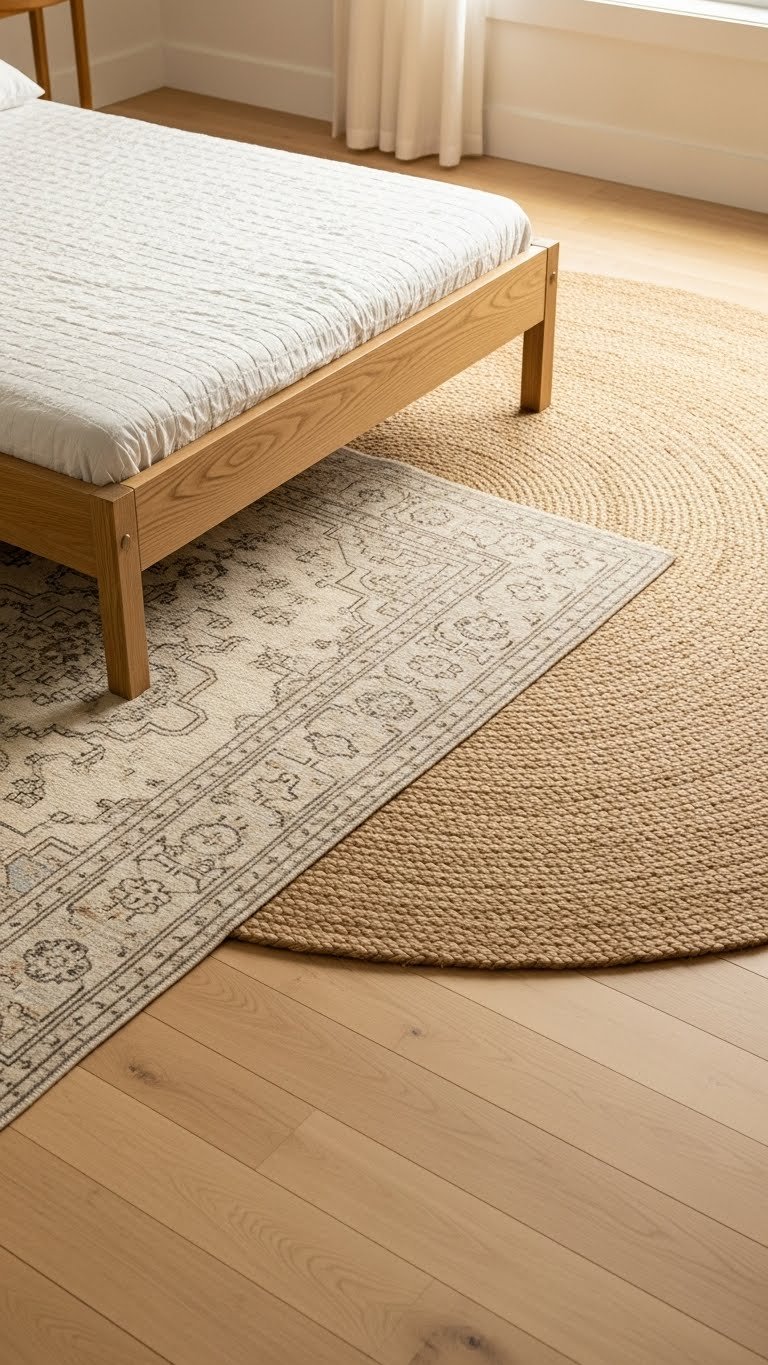
A single rug can feel cold and institutional. Layering two—a natural base layer plus a softer accent—creates intimacy and visual warmth without clutter.
Start with a jute base rug ($60–$200 from IKEA, Wayfair), then layer a smaller wool or vintage rug on top ($40–$150 from Etsy, thrift stores). Your top layer should be slightly smaller so both are visible. This combo adds insulation (floors feel warmer), visual interest, and a nested feeling. Takes five minutes to arrange once you have both pieces.
The layering technique makes your sleep zone feel intentionally designed, not accidental. Plus, it’s cozy underfoot during those first steps out of bed in the morning.
11. Install Warm Lighting with Dimmable Bulbs and Layered Fixtures
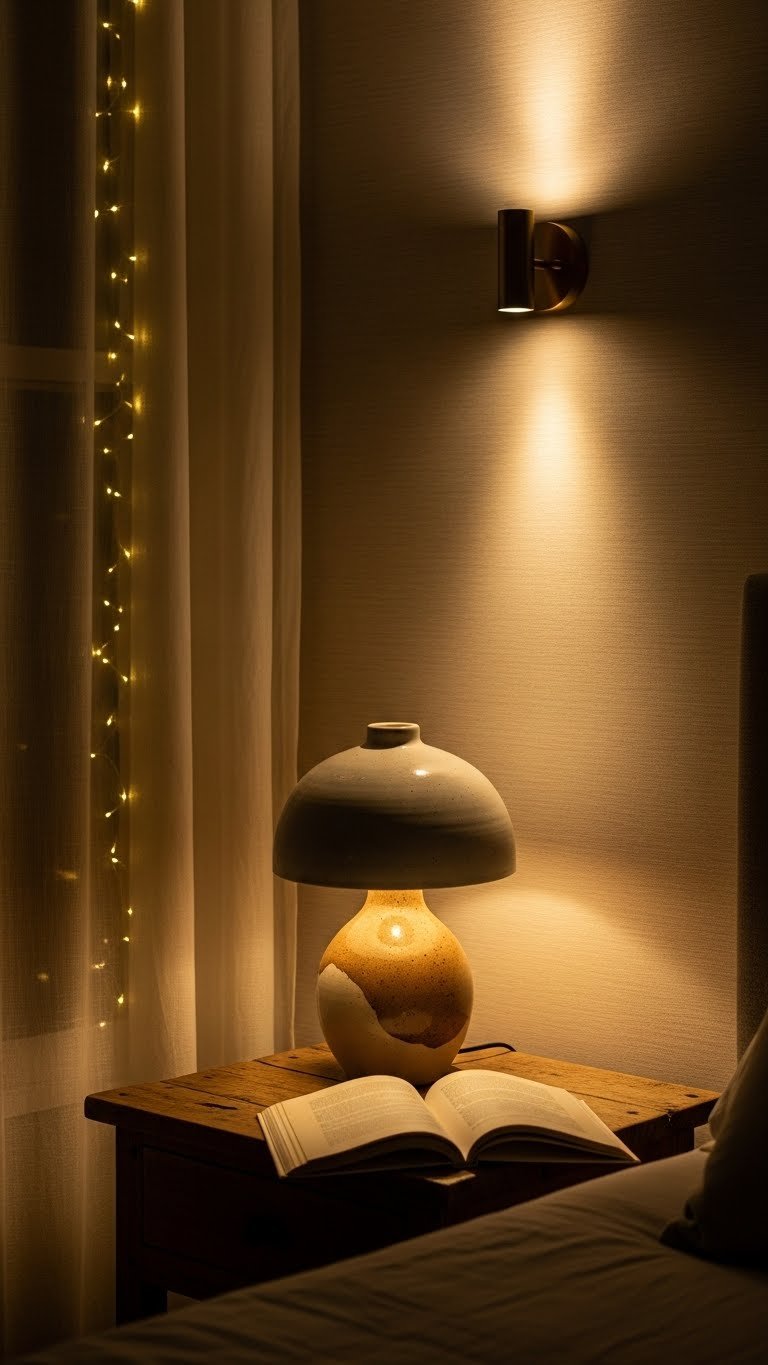
Harsh overhead lighting tanks your bedroom’s coziness factor. Warm, dimmable lighting is the fastest way to create that sanctuary feeling.
Replace all bulbs with warm-toned (2700K) LED bulbs ($5–$15 each from any hardware store). Swap your overhead fixture for a dimmer switch ($15–$30 at Home Depot) or add layered task lighting: a bedside lamp ($30–$100), a wall sconce ($40–$120), even string lights ($15–$30). Use bulbs that dim together for maximum control. Installation varies (dimmer is 30 minutes for handy folks; sconce might need an electrician at $150–$300).
The difference is immediate. Warm light makes your room feel like a resort, not an office. Dimming options mean you can adjust the mood for reading, winding down, or just cozying up.
12. Use Velvet or Textured Accent Pillows to Add Softness
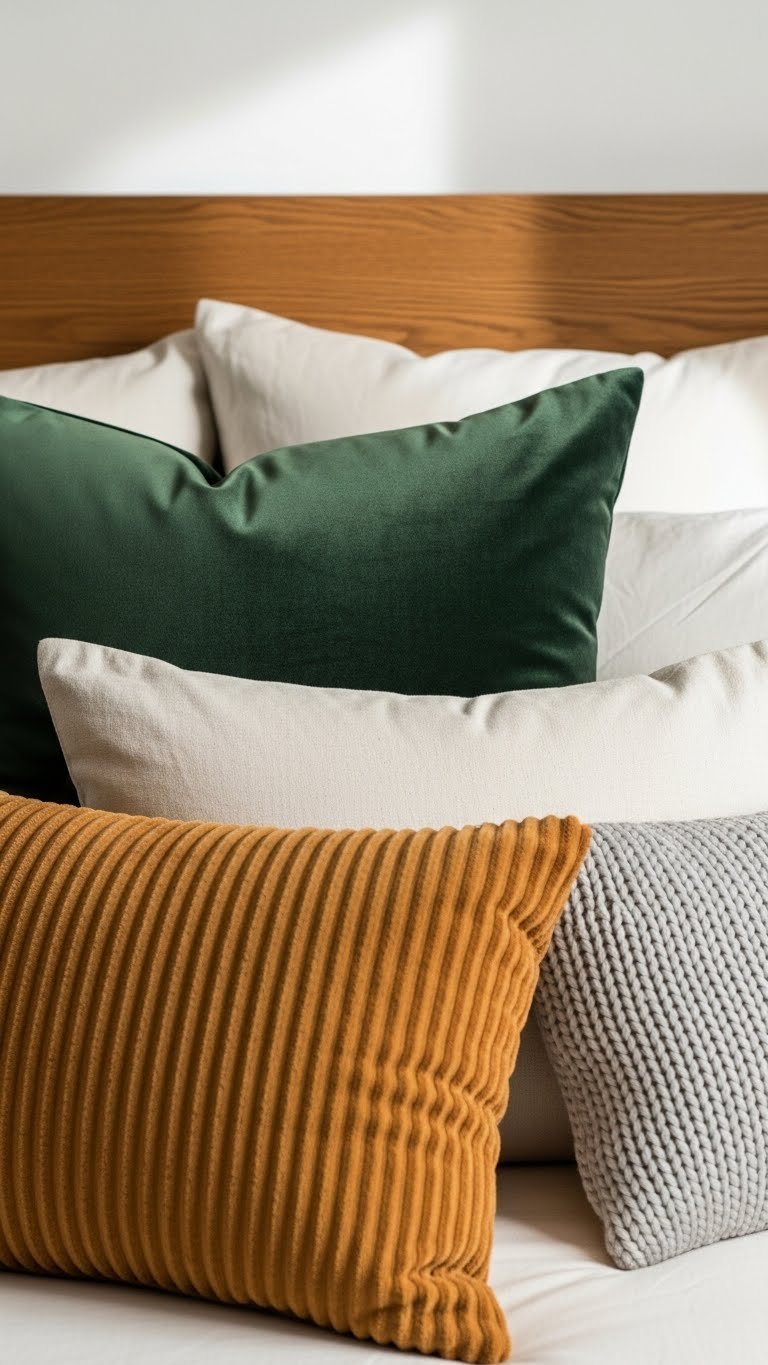
Flat, basic pillows miss the chance to add texture. Tactile pillows make your bed an actual place you want to sink into.
Shop Etsy ($20–$60), West Elm ($40–$80), or Target ($15–$40) for pillows in velvet, linen, corduroy, or knit textures. Aim for three to five pillows in coordinating neutral tones—cream, taupe, dusty sage, soft gray. Mix sizes and shapes (square, rectangular, round). Takes five minutes to style; no additional setup needed.
The tactile experience transforms how you feel about your bed. You’ll actually want to lounge there, not just sleep in it. Texture also photographs beautifully, which means your room looks intentional on camera too.
13. Add a Statement Mirror to Reflect Light and Expand Space

Mirrors reflect light, make small spaces feel bigger, and add architectural interest. A statement mirror is a non-permanent way to completely shift your room’s energy.
Look for mirrors with wood frames ($60–$250 from IKEA, West Elm, Wayfair) or hunt thrifted ornate mirrors for $20–$80. Go oversized—a 24″–36″ width makes the biggest impact. Lean it against the wall (renter-friendly, no hanging required) or mount it with brackets ($20–$40). Either way, installation is straightforward and takes under an hour.
Your room instantly feels brighter, bigger, and more refined. The light bounce also makes your space feel more energized during the day without any electrical changes.
14. Introduce Fresh Flowers or Faux Botanicals Weekly

Living (or beautiful faux) plants add life, improve air quality, and create that biophilic connection everyone craves. Fresh flowers change the mood instantly and cost less than you’d think.
Fresh grocery store flowers ($5–$15 from Whole Foods, farmer’s markets) last a week. Dried botanicals ($3–$15 per bunch from Etsy, Trader Joe’s) last months and look endlessly chic. Faux botanicals ($10–$30 from Target, IKEA) require zero maintenance and work if you travel. Invest in a few ceramic or glass vases ($10–$30 each) that you can reuse. Arrange fresh flowers on Sunday for an easy weekly refresh—takes five minutes.
A bedroom with greenery feels alive and nurturing instead of sterile. It’s a small weekly ritual that shifts your whole mood when you walk into the room.
15. Layer Sheers with Heavier Curtains for Control and Romance
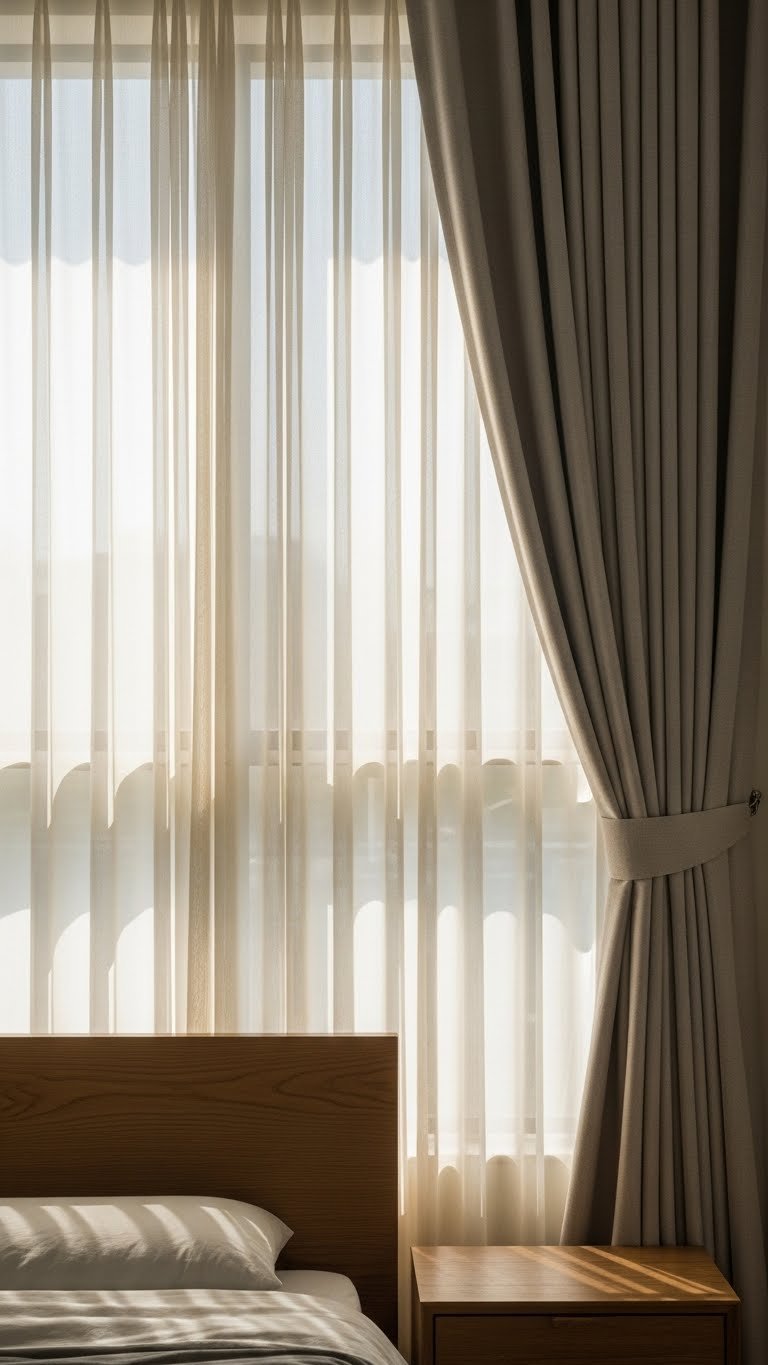
Sheer alone lets in harsh light and kills privacy. Layering sheers with blackout or heavier curtains gives you total control over light, mood, and your sanctuary feeling.
Buy sheer curtains ($20–$60 from IKEA, Target) and heavier linen curtains ($40–$150 from Wayfair, CB2). Hang sheers on one rod, heavier curtains on another (two rods side-by-side cost $30–$60 total). Use a tension rod for renter-friendly install (no holes). You now have complete light control without sacrificing softness. Setup takes about an hour.
This layering approach makes your room feel intentionally designed and gives you agency over your environment. You can wake to soft light or sleep in complete darkness—your choice.
16. Style Your Dresser Top Like a Hotel Nightstand
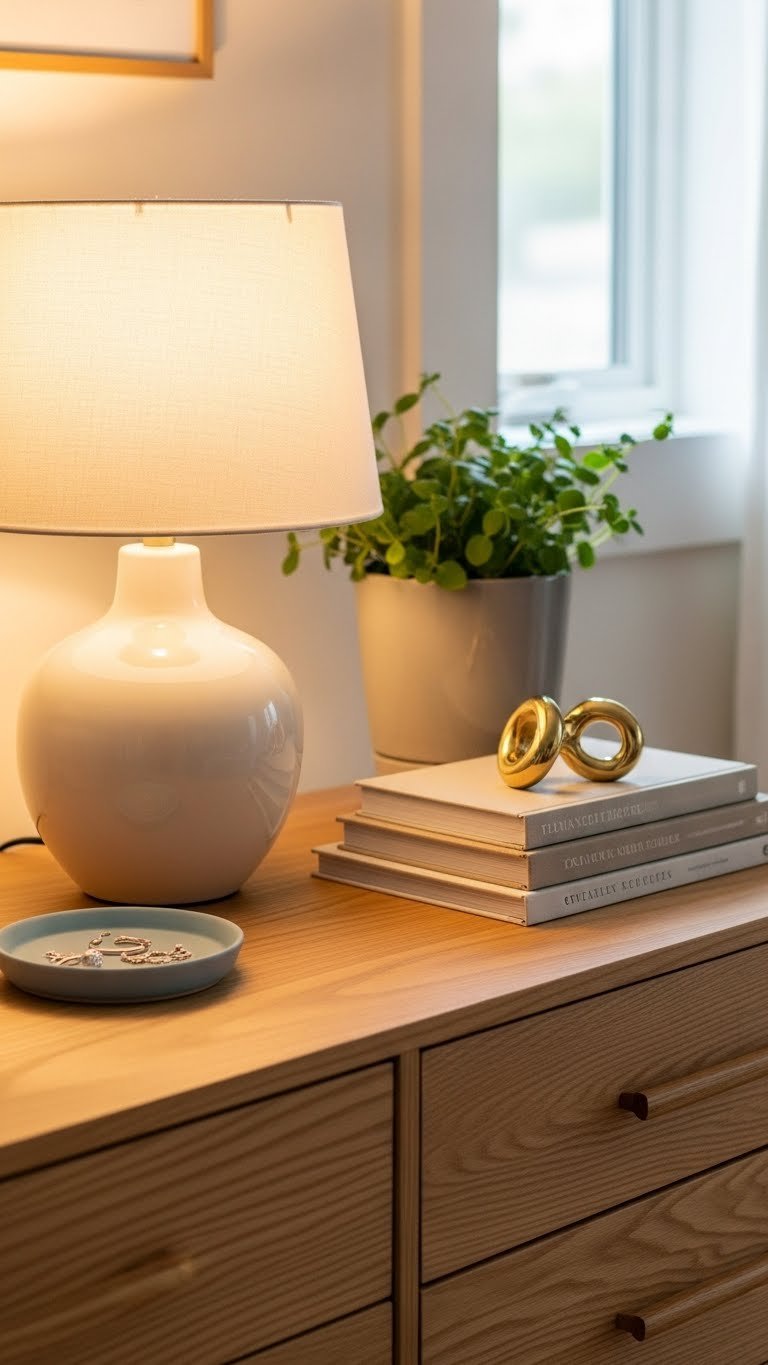
A cluttered dresser stresses you out. A styled dresser—even a simple one—makes your whole room feel more intentional and calming.
Keep your dresser top to five objects maximum: a lamp ($30–$80), a small plant ($5–$20), a stack of books ($0, from your shelf), a decorative dish or tray ($10–$30), and one candle ($5–$15). Swap items seasonally or monthly for freshness without clutter. Takes 10 minutes to style and makes your brain feel more at ease.
This small curation makes your room feel like a deliberate, adult space instead of a place where stuff accumulates. It’s also the easiest way to make your bedroom photograph well.
17. Hang a Fabric Canopy Above Your Bed for Dreamy Drama

A fabric canopy instantly makes your bedroom feel like a retreat. No commitment needed—it’s installed in minutes and renter-friendly.
DIY Canopy: Hang sheer fabric or muslin ($20–$50 from fabric stores, Amazon) from adhesive hooks ($10 for a set of 4) or command strips ($5). No drilling, no damage. Or buy a pre-made bed canopy frame ($80–$250 from IKEA, Wayfair) if you want structure. Installation takes 20–30 minutes and requires zero tools.
The canopy creates a cocooning effect that signals safety to your nervous system. You literally sleep better under one. It’s also the most Instagram-worthy bedroom detail for minimal effort.
18. Replace Metal Furniture with Warm Wood Pieces
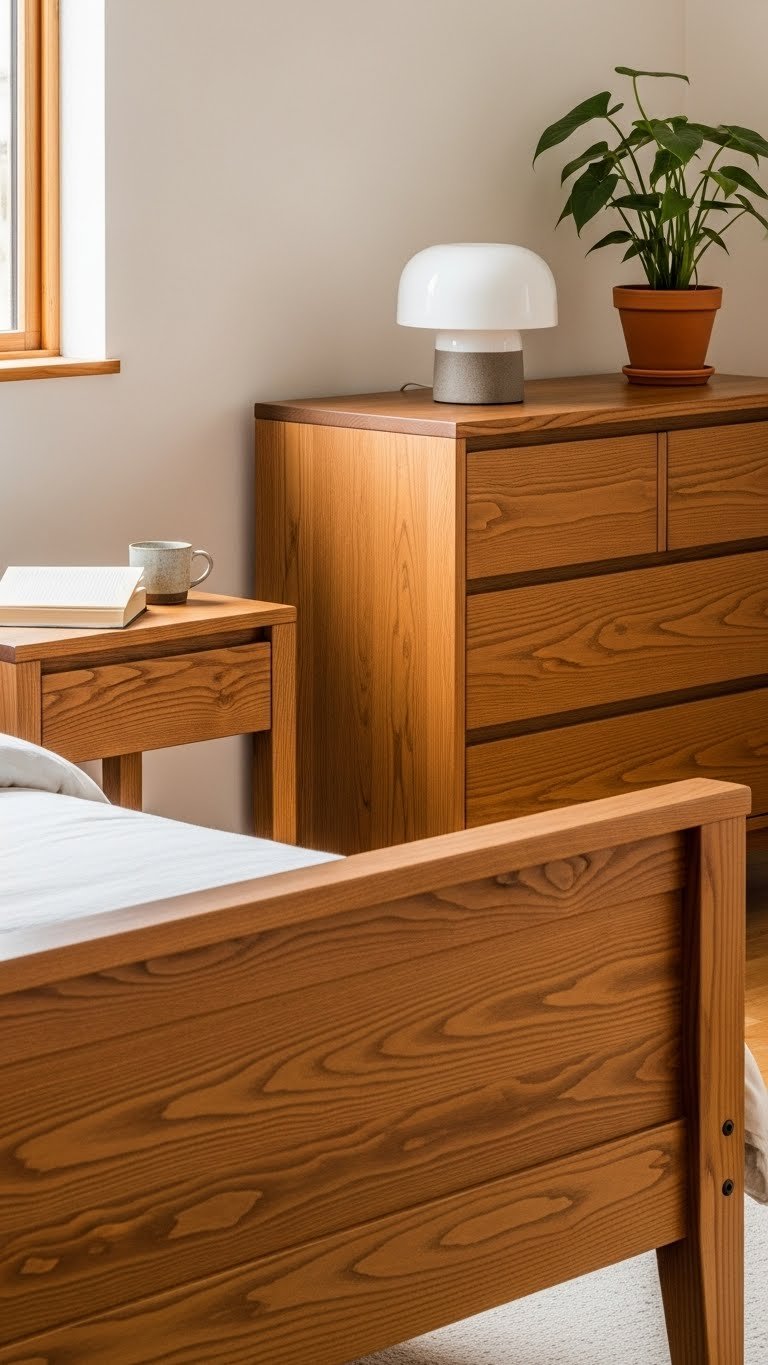
Metal furniture—especially chrome or industrial styles—feels cold in a bedroom. Warm wood creates the organic, grounding energy that 2025 is all about.
Gradually swap out metal pieces for wood versions from IKEA ($150–$500 for bed frames), Facebook Marketplace ($50–$300 thrifted), or invest in one statement piece like a wood dresser ($300–$800 new). You don’t have to replace everything at once; even swapping a metal nightstand for wood shifts the room’s vibe significantly. No installation needed beyond what you’d do anyway.
Wood grounds a room instantly. It feels stable, warm, and connected to nature—all things your nervous system craves before sleep. Plus, it ages beautifully instead of looking dated.
19. Create a Reading Nook with a Small Chair and Good Light
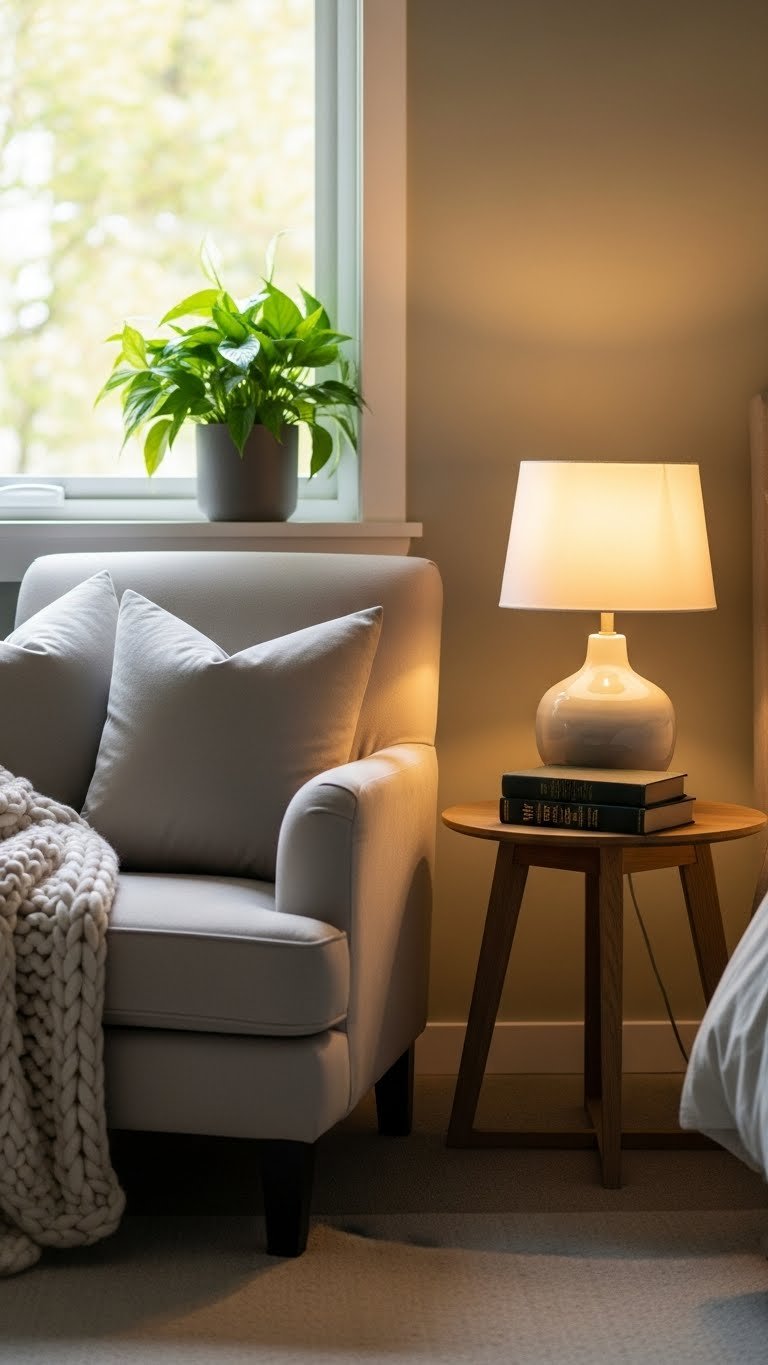
Your bed shouldn’t be your only place to relax. A cozy reading nook gives your bedroom function beyond sleep and adds visual interest.
Shop IKEA’s armchairs ($150–$300), Target ($100–$250), thrifted wooden chairs ($30–$100), or invest in a mid-century lounge chair ($300–$800 from Article, West Elm). Add a side table ($40–$100), a task lamp ($30–$80), and a throw. Position near a window if possible. Setup takes an afternoon.
This creates a secondary purpose for your bedroom—a place to journal, read, or simply sit with your thoughts. It also makes the room feel more layered and less like a furniture showroom.
20. Swap Your Comforter for Layered Bedding (Duvet + Throw)
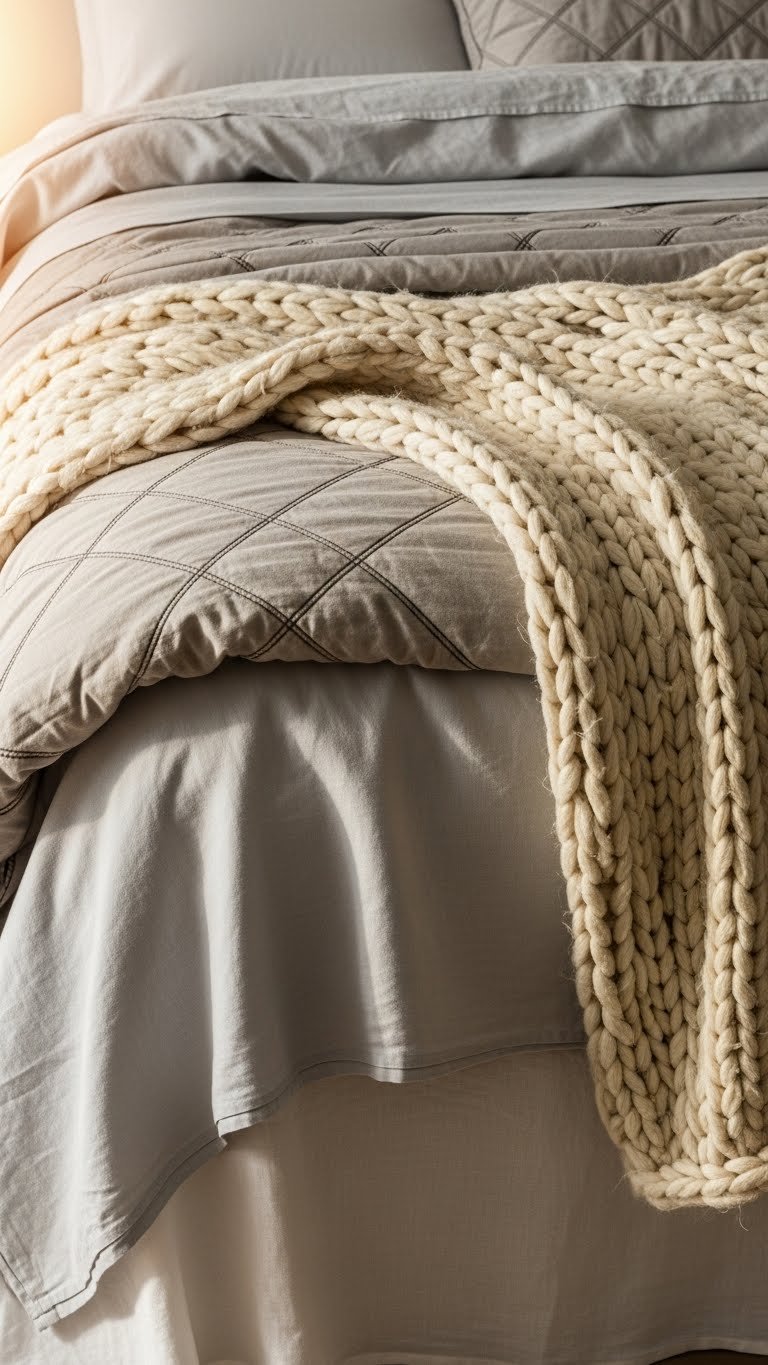
A single thick comforter looks flat and isn’t as flexible as layered bedding. Layers let you adjust warmth, look more intentional, and photograph better.
Start with fitted and flat sheets ($40–$80), add a lightweight duvet ($100–$250), then layer a throw blanket or quilt on top ($50–$150). Use a duvet cover so you can wash everything without destroying the duvet itself. This approach gives you flexibility for temperature changes and adds visual texture. Setup takes five minutes—literally just arrange pieces on the bed.
Your bed becomes a design focal point instead of just a place to sleep under one blanket. The visual layers also make your room feel more luxurious and intentional.
21. Add Cork or Rattan Drawer Pulls for Organic Details
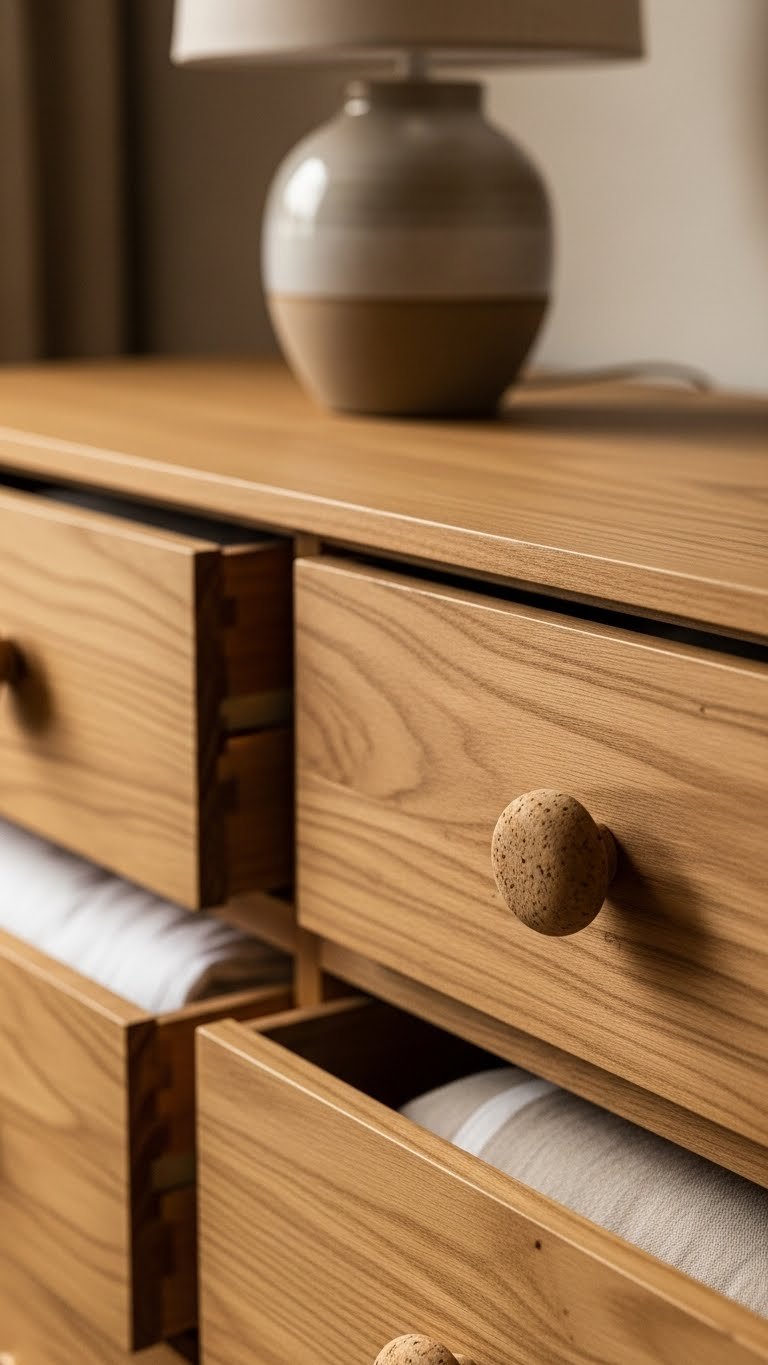
It’s the small details that make a room feel cohesive. Swapping out basic hardware for cork or rattan pulls takes five minutes and costs under $30.
Buy cork or rattan drawer pulls ($15–$30 for a set of 4–6 from Anthropologie, Etsy, Schoolhouse Electric). Unscrew your existing pulls and screw in the new ones—literally takes five minutes with a screwdriver. No other skill needed. Look for natural wood, cork, or rattan materials to match your warm aesthetic.
These small touches make your dresser look curated and intentional. They’re also completely reversible if you rent or change your mind down the line.
22. Bring in Warm Metallics (Brass, Copper) Instead of Silver
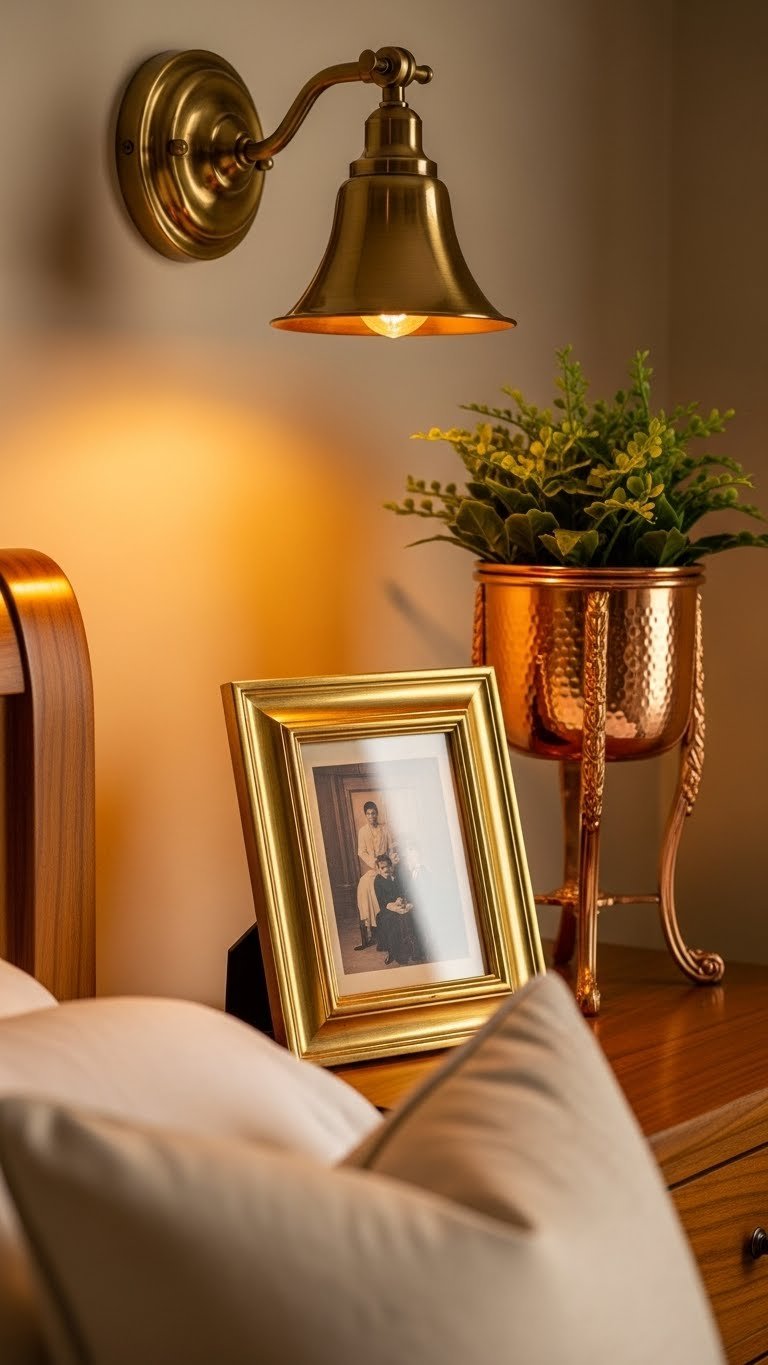
Cool silver and chrome metallics are out. Warm brass and copper metallics play beautifully with earth tones and add subtle luxury.
Replace light fixtures with brass versions ($50–$150), add brass wall sconces ($40–$120), swap your picture frames to copper or brass ($10–$30 each). Even small metal accents—a brass plant stand ($30–$60) or copper trinket dish ($15–$40)—shift your room’s warmth factor. Look for authentic brass or brass-plated options that won’t tarnish quickly.
These warm metallics catch light beautifully and make your space feel refined without trying too hard. They tie together all your warm wood and earth tone choices.
23. Display Books Horizontally and Stack with a Decorative Object

Open book stacks look messy. Horizontal stacks topped with a decorative object look intentional and take up less visual space.
Gather books you actually love ($0, from your shelf), find a small sculptural object ($10–$50 from Etsy, thrift stores, or home goods stores), and stack. Keep stacks to three to five books maximum and top with one object. This works on nightstands, dressers, or shelves. Takes five minutes to arrange and adds instant sophistication.
Book styling tells a story about who you are without feeling showy. It’s an easy way to add personality without clutter, and it invites conversation.
24. Install Blackout Curtain Liners to Improve Sleep Quality (Without Sacrificing Style)
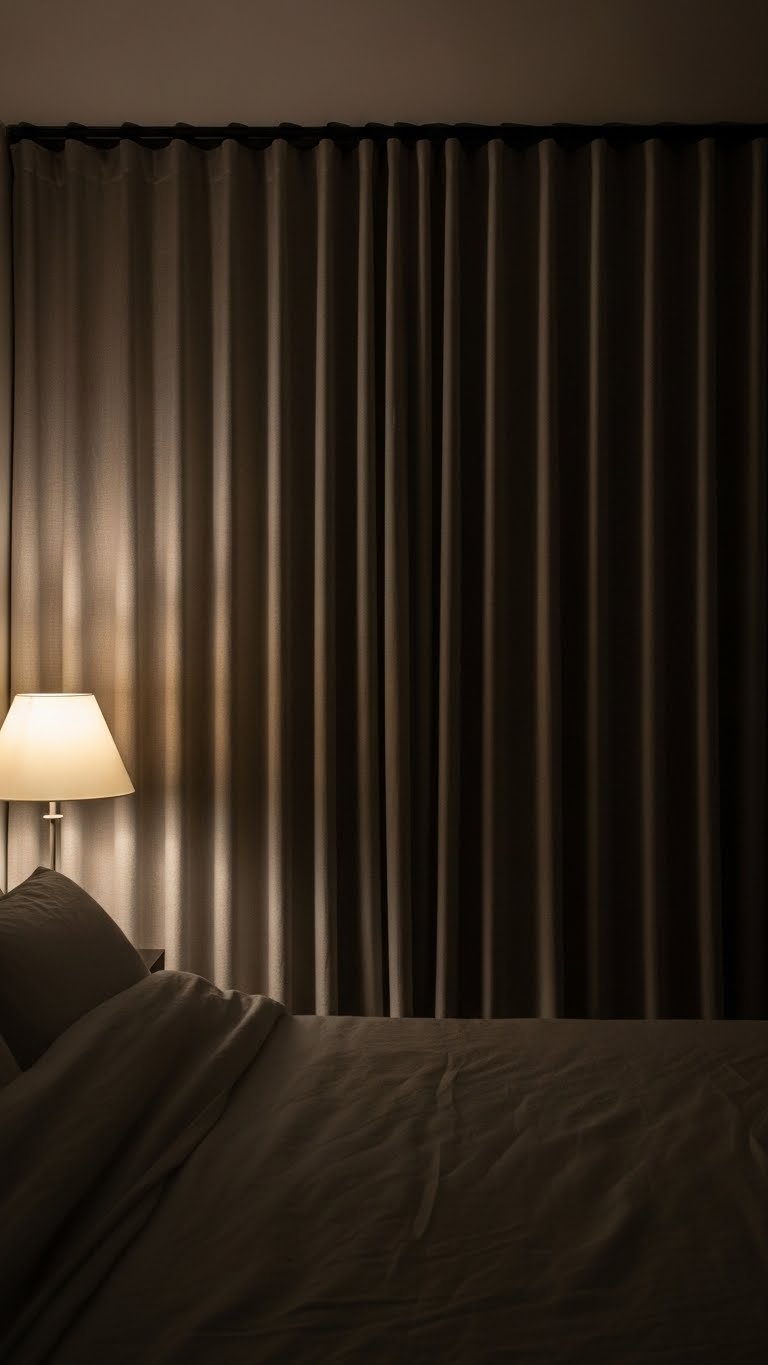
Dark rooms improve sleep quality significantly. Blackout liners let you keep your beautiful sheer or linen curtains while still getting complete darkness.
Buy blackout curtain liners ($20–$50 from IKEA, Amazon, Target) that attach to your existing curtains with tape or clips. No sewing required. Install takes 15 minutes and completely blocks light without changing the look of your curtains. Alternatively, use thermal-backed curtains ($60–$150 from Wayfair, West Elm) that look good and block light.
Sleep quality improves noticeably when your room is genuinely dark. This is a science-backed upgrade that feels luxurious and functional at the same time.
Save this post and pick one idea to tackle this week. You’ll be surprised how one small change shifts how you feel when you walk into your bedroom. Which one will you try first?
Leave a Reply