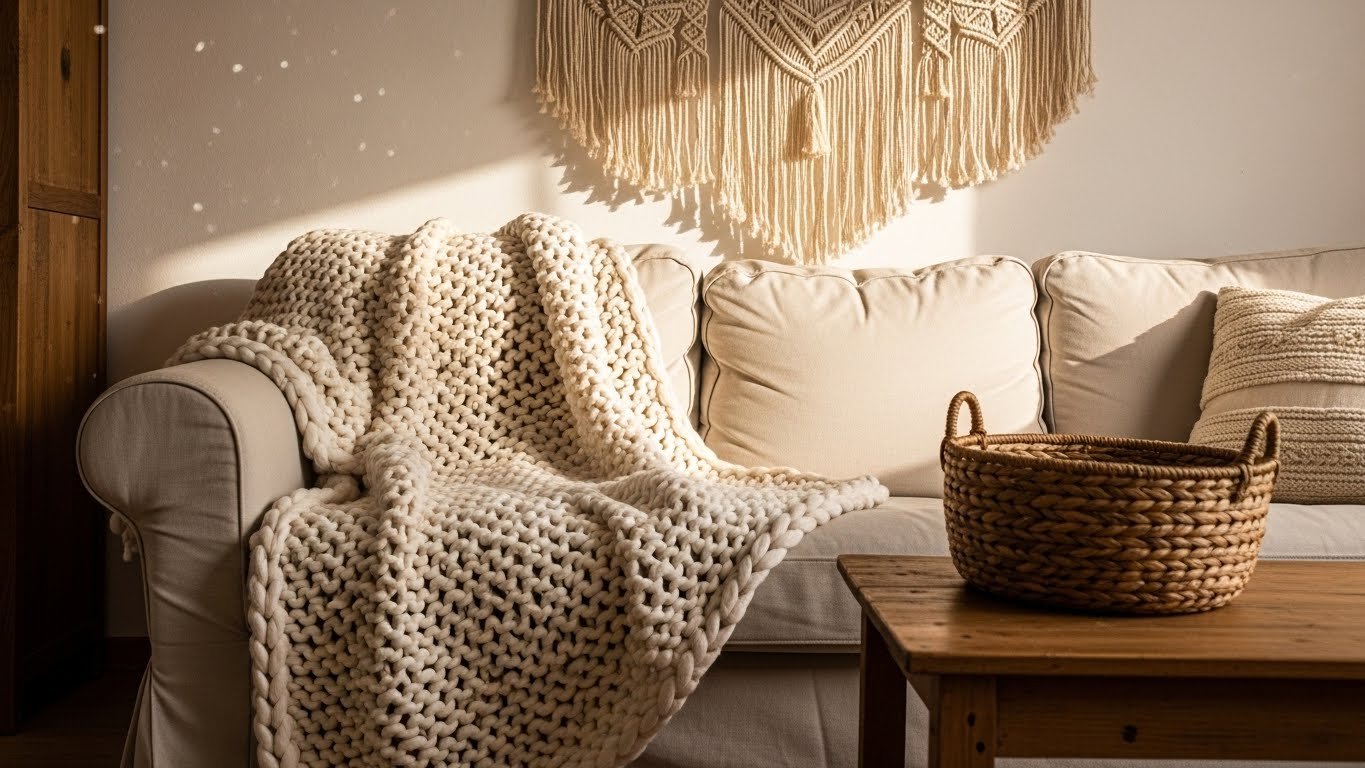
Stark, flat living rooms lack personality—and they’re exhausting to look at. But you don’t need a full renovation to add depth and visual interest. The secret? Layering textures that engage your senses and make your space feel intentional and warm.
From wallpaper tricks to fabric mixing to DIY wall treatments, these 25 ideas show you exactly how to build dimension without overwhelming your space. Whether you’re renting, working with a tight budget, or ready to invest in statement pieces, you’ll find actionable solutions that work for your situation. Let’s add some real texture to your living room—starting today.
1. Layer Wood Tones in Unexpected Places
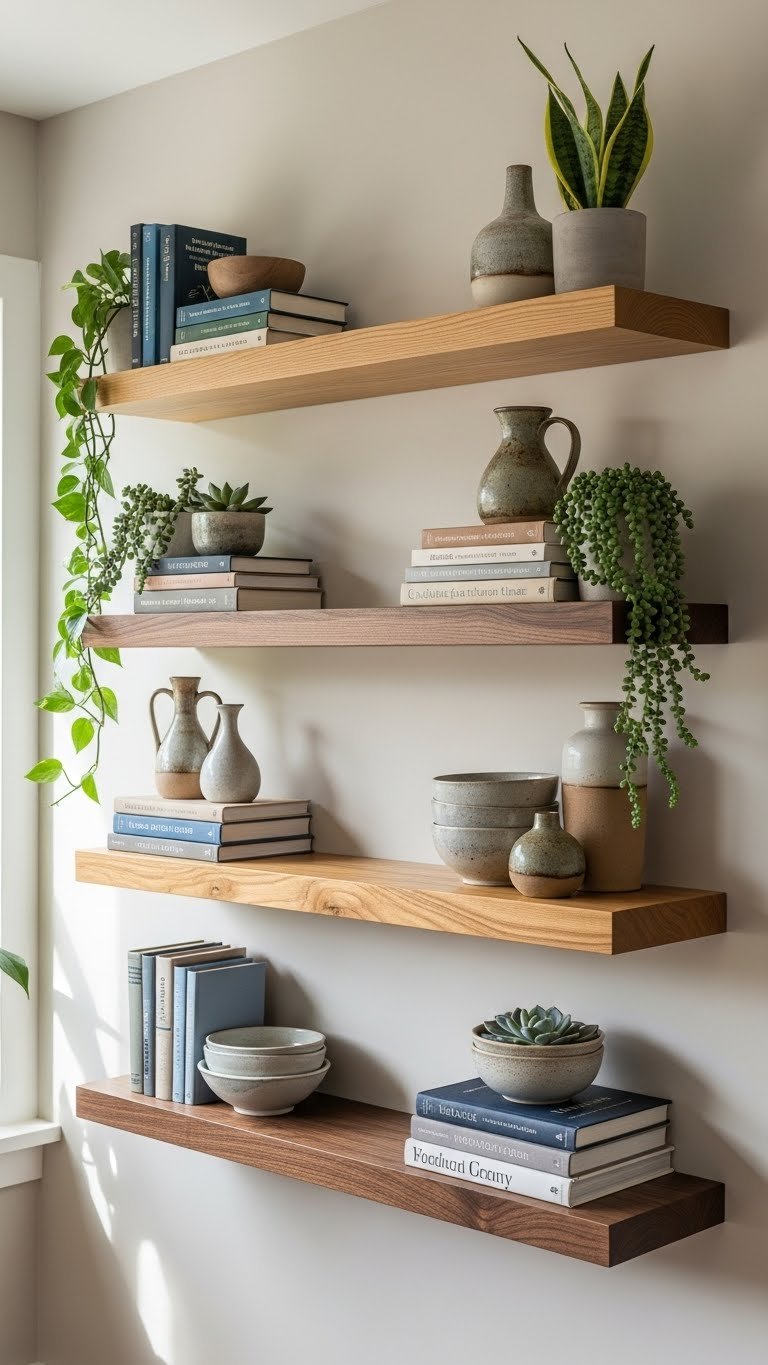
Wood isn’t just for furniture. Mixing different wood finishes on shelving, accent tables, and wall-mounted storage creates visual rhythm without cluttering your space. The key is varying the tones rather than matching them perfectly.
Hunt for wood pieces at thrift stores (IKEA and Facebook Marketplace are goldmines). A light oak shelf, walnut side table, and honey-toned coffee table work beautifully together when the rest of your palette stays neutral. This takes about 30 minutes to style once pieces are in place. The layers catch light differently throughout the day, creating movement.
Your room suddenly looks collected and curated rather than randomly decorated. Wood grain becomes a visual texture your eye naturally follows.
2. Add a Woven Wall Hanging for Instant Dimension
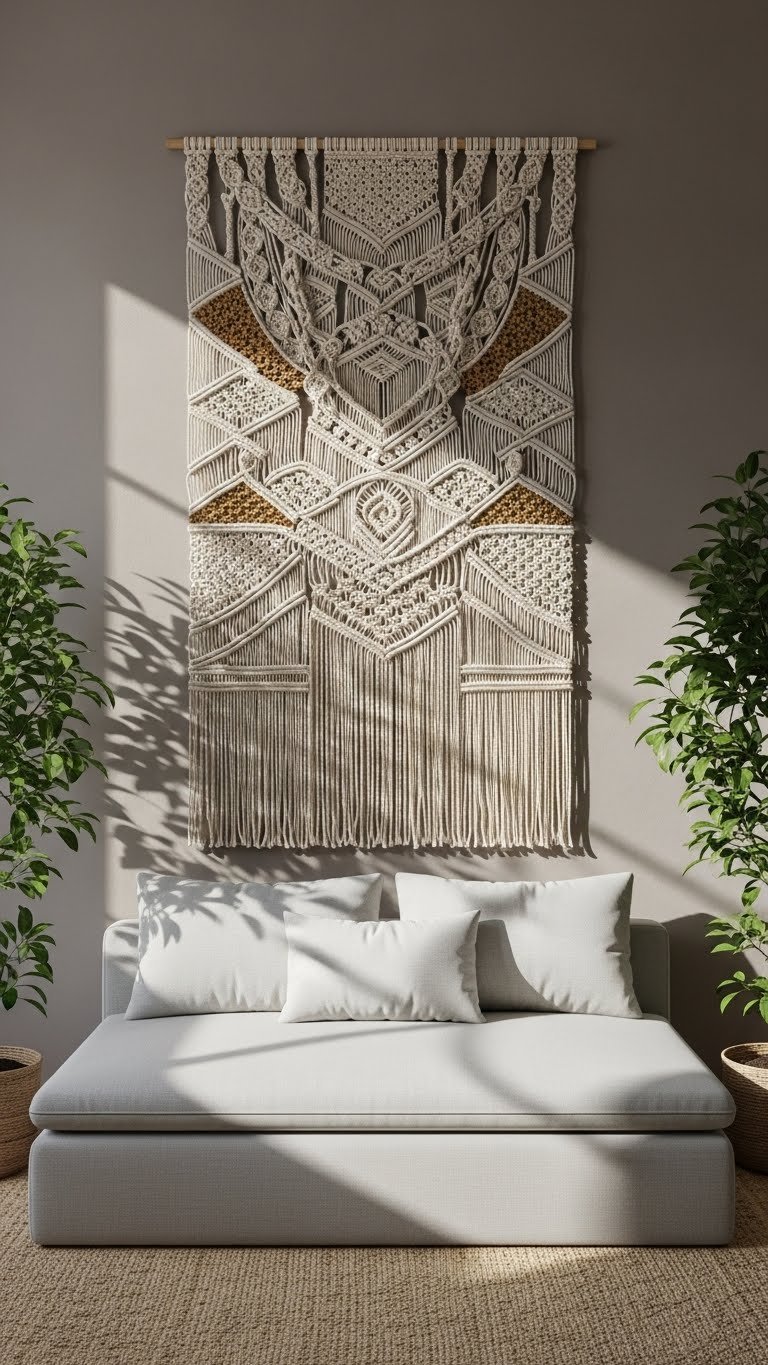
A statement woven hanging does heavy lifting—it’s art, texture, and focal point all in one. Macramé, rattan wall panels, or woven tapestries add organic, tactile interest without needing nails or installation.
Look for $30–$80 options on Etsy, West Elm, or Target. If you DIY, rope and a wooden dowel cost under $15 and take 1–2 hours to weave a simple pattern. Hang it slightly off-center for a modern, less-formal look. Pair with greenery on either side to amplify the natural texture story.
This single piece anchors your space and gives your eye somewhere meaningful to land. Guests notice the craftsmanship immediately.
3. Create Depth with Stacked Stone or Textured Fireplace Surrounds
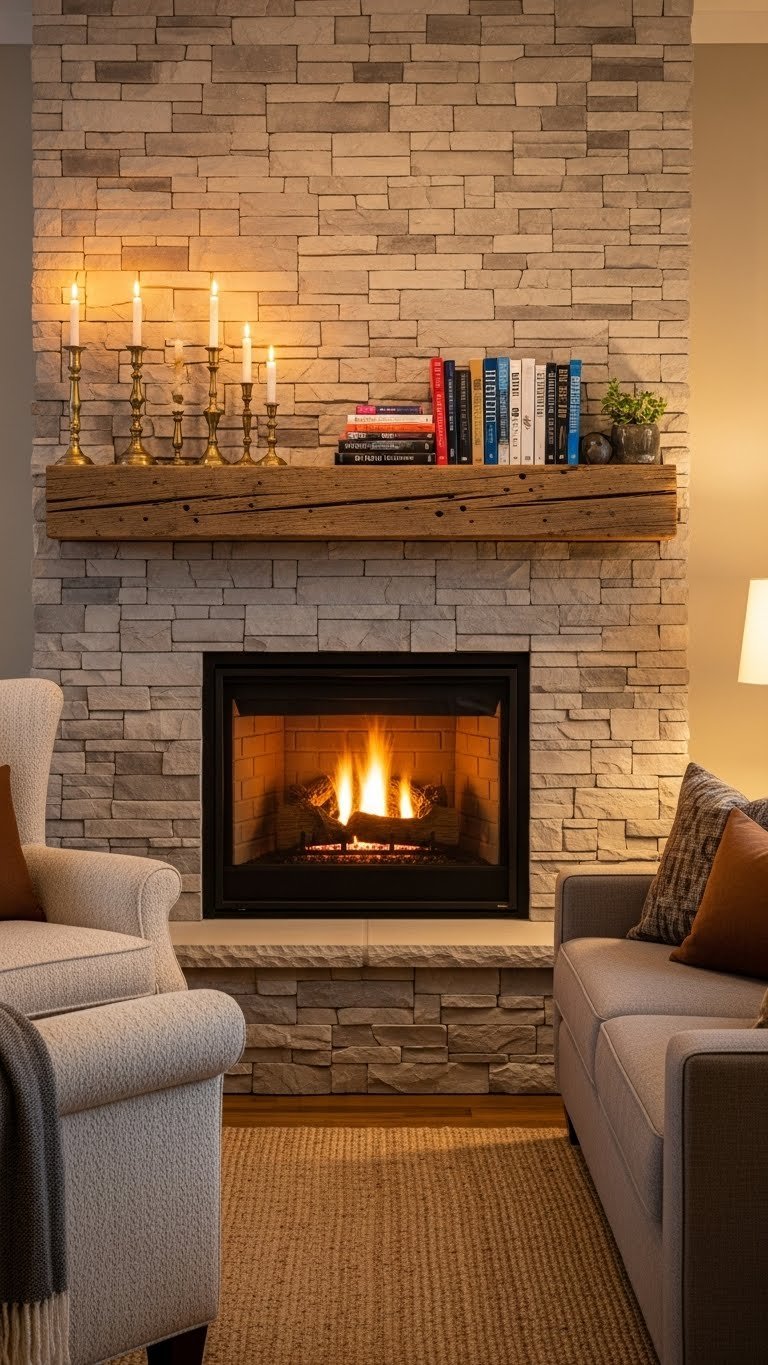
If you own and have a fireplace (or are planning renovations), stacked stone or shiplap creates a focal point that’s all texture. Ribbon stone, stacked slate, or even faux stone options add legitimate depth and character.
Real stone installation runs $1,500–$4,000 with a pro, but peel-and-stick stone veneers cost $150–$400 and are renter-friendly. Stick them yourself in a weekend afternoon. The shadow lines between stacked pieces create visual drama that flat paint simply can’t match.
Your fireplace becomes the room’s anchor. Everything else supports it visually and texturally.
4. Mix Velvet and Linen in Pillow Combinations
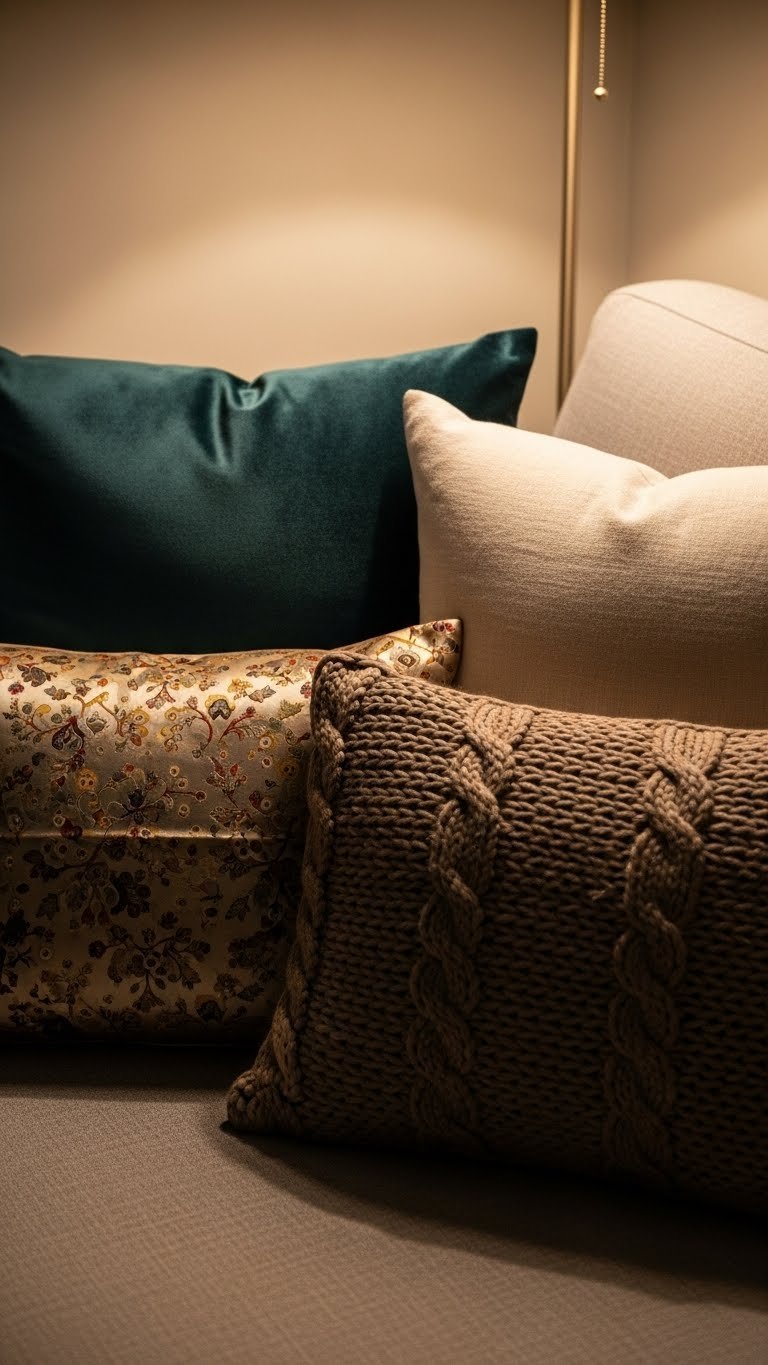
Pillow mixing is an easy, affordable way to layer texture without commitment. Velvet catches light differently than linen, linen feels different than knit, and mixing all three creates a sensory experience.
Grab $15–$40 pillows from IKEA, Target, or Wayfair in coordinating colors but contrasting fabrics. Aim for one satin or velvet, one textured weave (linen, burlap, canvas), and one chunky knit. Toss them casually—symmetry feels stiff. This takes 15 minutes to style and costs under $150 for a full sofa set.
Your seating instantly looks more luxe and feels more inviting to actually relax in. The tactile variety makes people want to touch and settle in.
5. Apply Textured Wallpaper to One Accent Wall
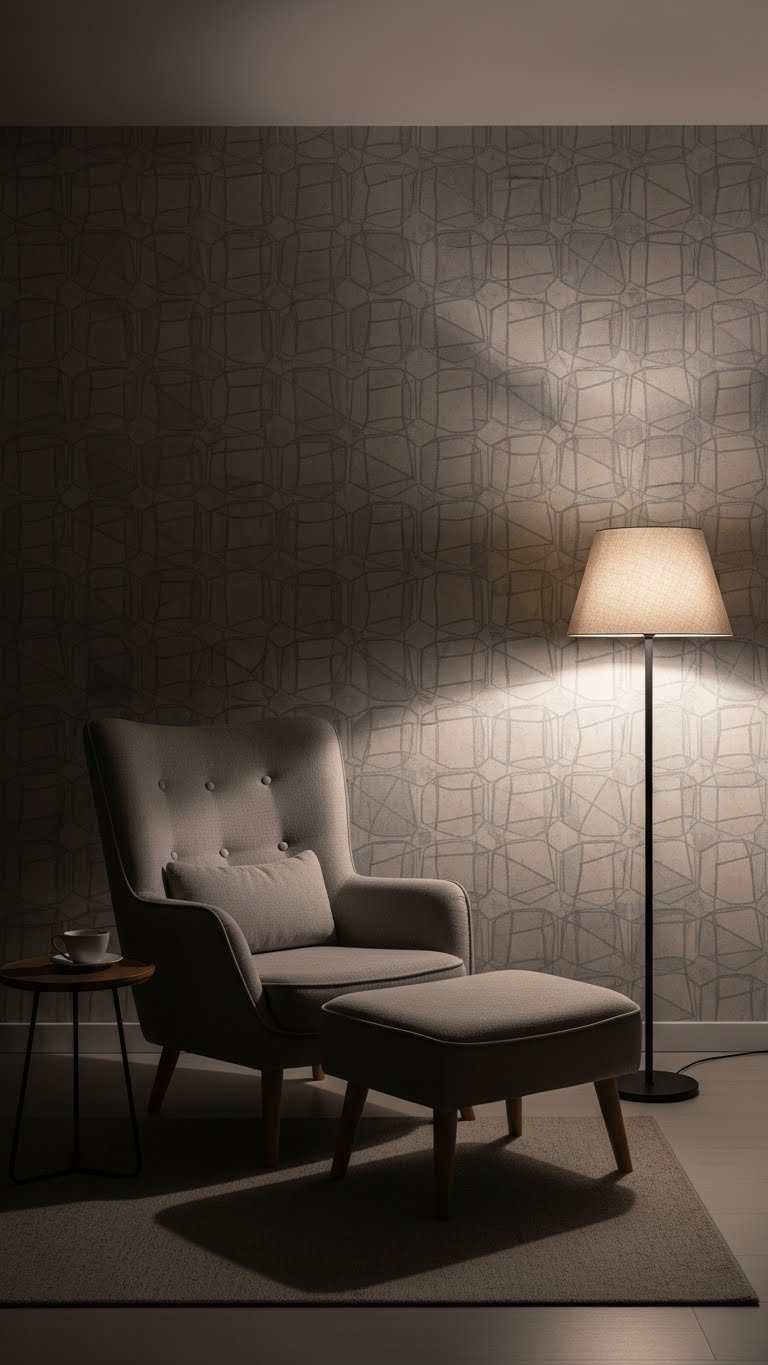
Textured wallpaper (not smooth, patterned paper) adds dimension that paint can’t deliver. Grasscloth, cork, embossed geometric, or subtle 3D patterns work especially well in living rooms where you’ll see them daily.
Budget $50–$150 per roll; most accent walls need 3–5 rolls. Professional installation is $200–$400, but renters and confident DIYers can apply it in 6–8 hours with a partner. Prep the wall properly (sanding, primer) for best results. Removable peel-and-stick textured wallpaper ($40–$80 per roll) is perfect if you’re unsure.
The wall becomes a tactile backdrop rather than a flat surface. Even plain furniture in front of it looks more designed.
6. Layer Area Rugs for Depth and Softness
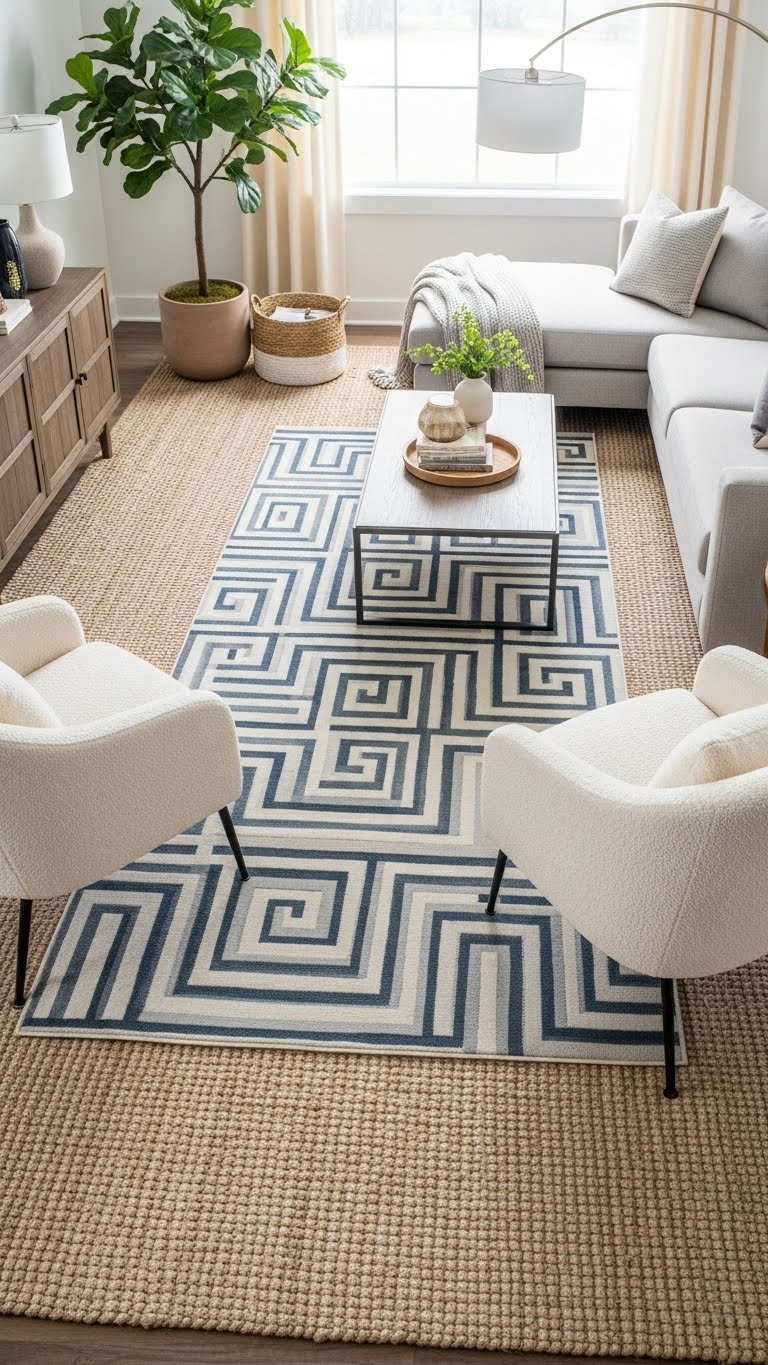
Rug layering is trend-forward and surprisingly functional. A large neutral base (jute, wool, cotton) with a smaller patterned rug layered on top creates visual interest and defines your seating zone.
Buy a $100–$200 base rug from IKEA or Wayfair, then layer a $80–$250 patterned rug on top. The pattern should complement but not match your wall or furniture color. This takes 5 minutes to arrange and completely changes how a room feels. Opt for natural fiber bases (jute, sisal) for organic texture.
Layering rugs creates a collected, intentional look. It also gives you flexibility—swap the top rug seasonally for a budget refresh.
7. Install Shiplap or Paneling on Lower Walls
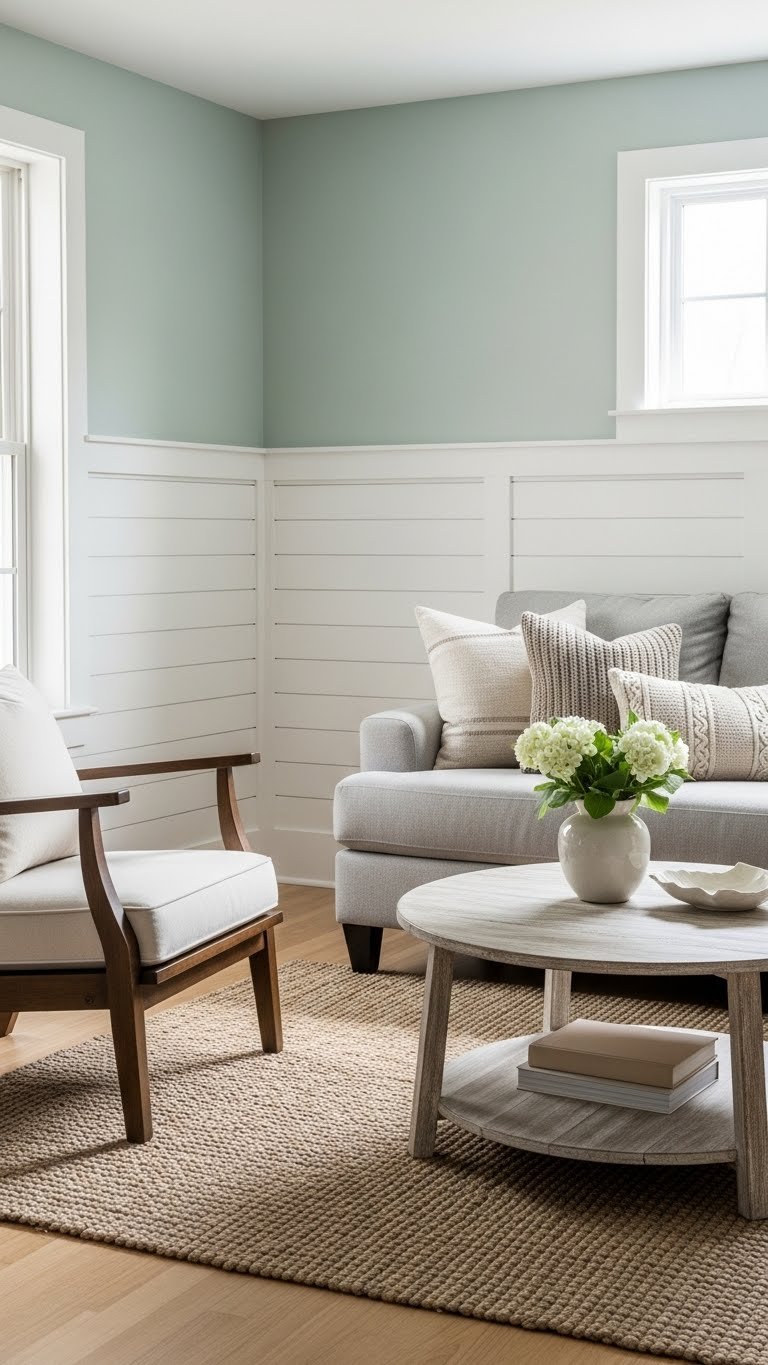
Shiplap adds architectural texture and visual interest—especially when done as wainscoting (lower half paneled, upper half painted). It’s not just farmhouse anymore; modern shiplap in white, gray, or even dark tones feels contemporary.
DIY shiplap costs $200–$600 for a room; pro installation runs $800–$1,500. Expect a weekend project for DIYers. For renters, peel-and-stick shiplap panels ($100–$300) apply in a day without damage. Paint the upper half a complementary color to make the texture pop visually.
The dimensional play between horizontal lines and paint creates depth without adding objects to your space. It also hides marks and scuffs on lower walls.
8. Hang Floating Shelves with Varied Depths
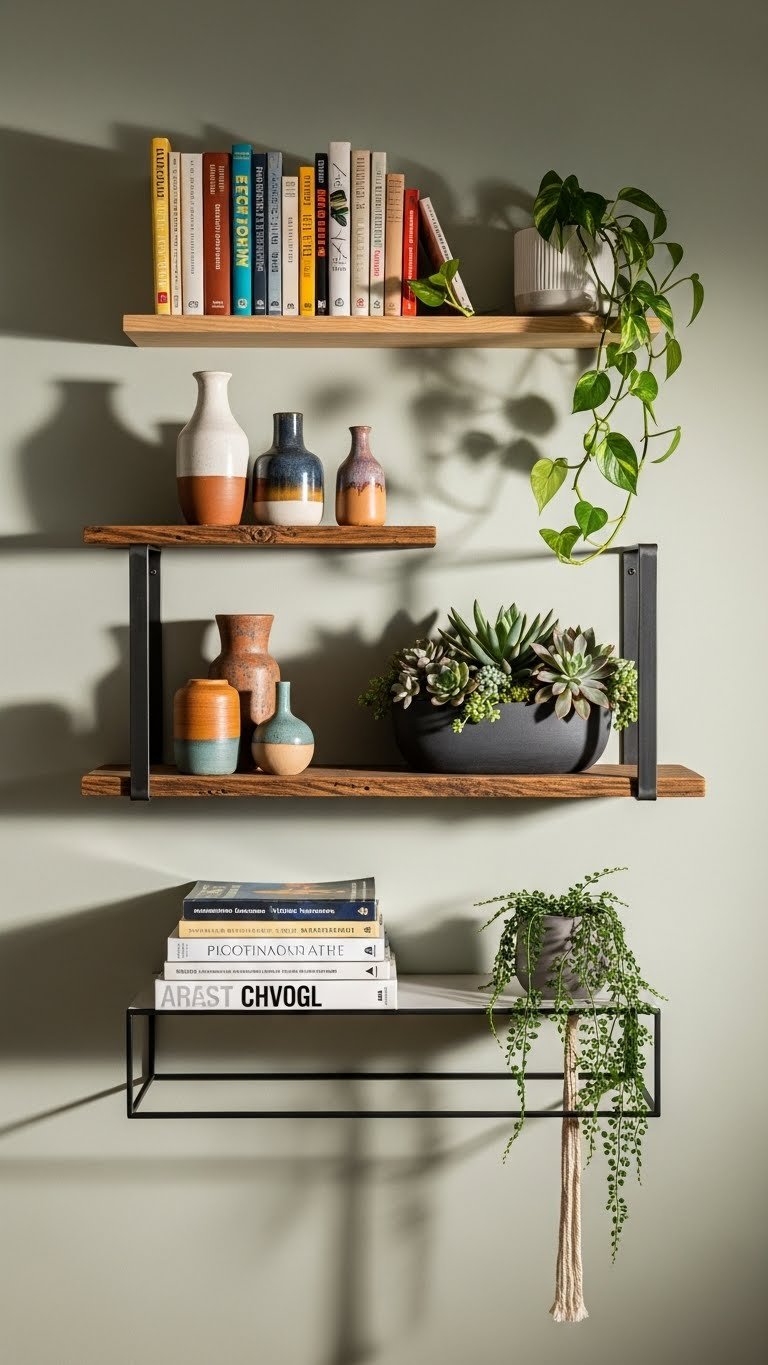
Floating shelves at different depths create visual rhythm and texture through dimensional layering. Mix material finishes: reclaimed wood, live-edge, painted wood, or even concrete.
Install shelves yourself for $50–$150 per shelf (hardware and materials); pro installation adds $50–$100 per shelf. A DIY installation takes 30 minutes per shelf with basic tools. Arrange items asymmetrically (odd numbers, varying heights) to maximize the depth effect.
Shelves become sculptural elements that showcase your style while adding legitimate texture through their varied surfaces and shadows.
9. Layer Textured Throw Blankets on Seating
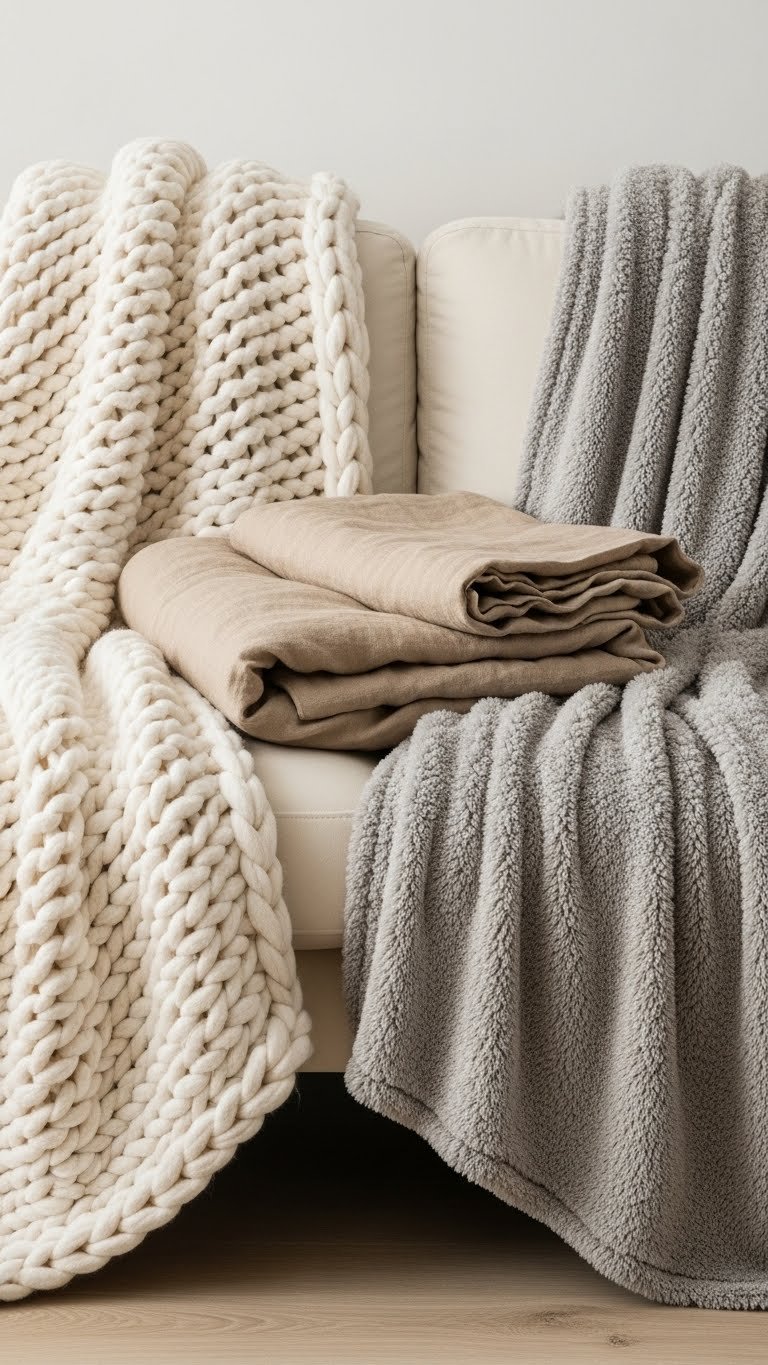
Throw blankets are functional art. Layering three different textures (chunky knit, linen, faux fur, or cable knit) on your sofa creates visual interest and tactile appeal.
Grab $25–$60 throws from Target, IKEA, or Wayfair. Mix a chunky knit, a lightweight cotton or linen, and one luxe option (cashmere-blend, velvet, or faux fur). Drape them casually (not perfectly folded) over your sofa arms and back. This costs $75–$180 total and takes 5 minutes to style.
Your seating looks inviting and lived-in rather than showroom-perfect. Guests see texture and comfort immediately.
10. Use Cork or Cane Wall Panels as Modular Accents
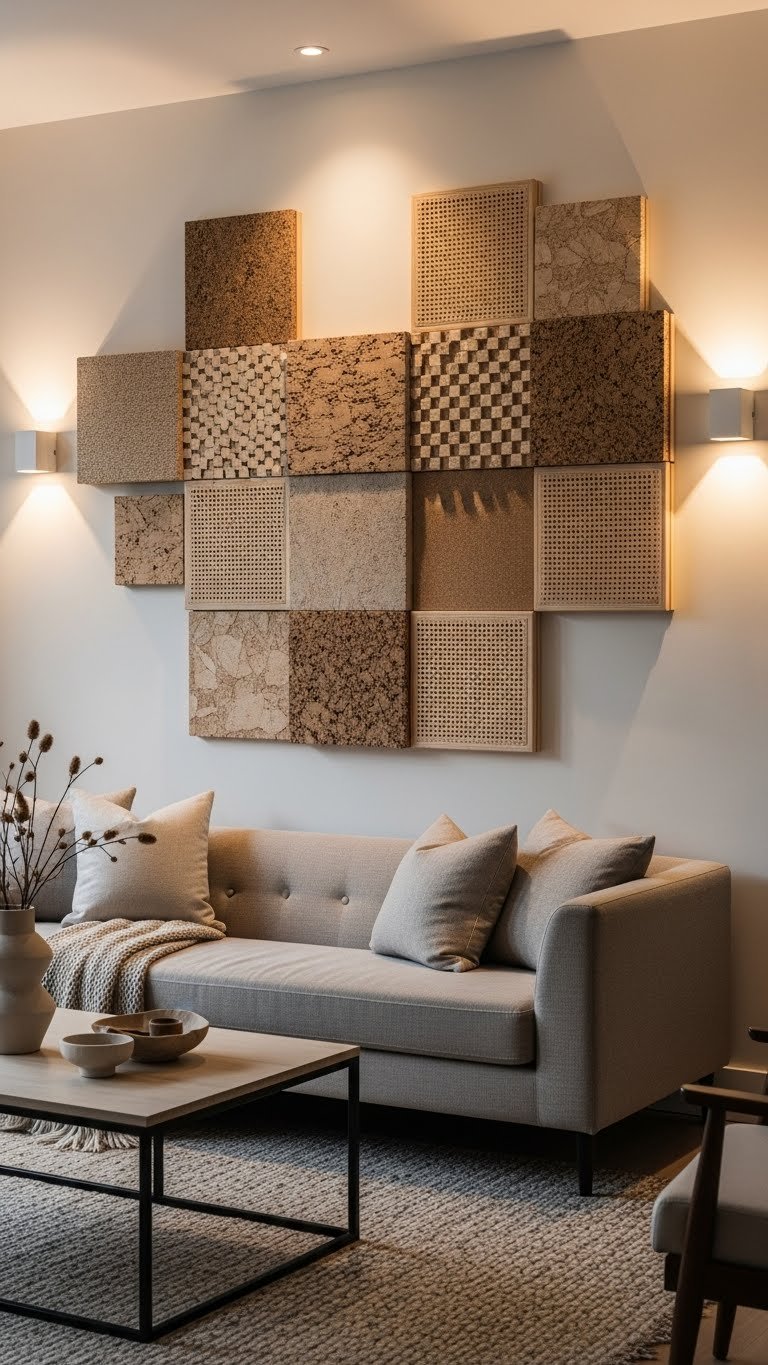
Modular wall panels in cork, cane, or woven rattan are sculptural texture. They’re lighter and more flexible than full shiplap but deliver serious visual interest.
Peel-and-stick cane or cork panels cost $30–$80 each; most accents use 6–12 panels. Arrange them in a grid, staggered, or asymmetrical pattern for $200–$600 total. Installation takes 2–3 hours DIY with no damage if you use peel-and-stick. Mix panel heights and orientations for maximum dimension.
The wall becomes a gallery of texture and natural material. It’s modern, sustainable, and works with almost any color palette.
11. Paint Walls in Textured Finishes (Venetian Plaster or Matte)
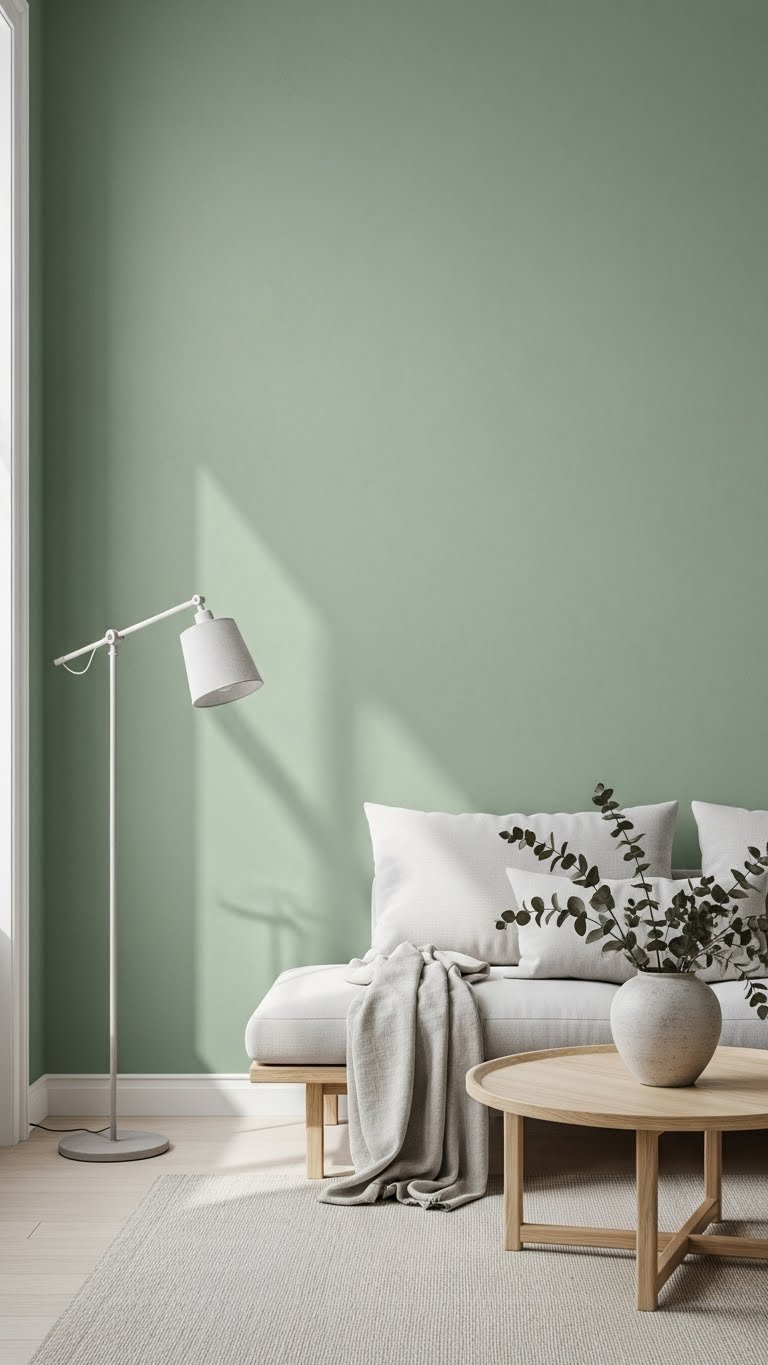
Paint finish matters more than most people realize. Matte finishes, Venetian plaster, or suede-textured paints create depth that glossy paint can’t match. Light plays across textured finishes, creating shadow and movement.
Textured paint runs $30–$50 per gallon (vs. $20–$30 for standard). A pro painter costs $500–$1,200 per room; DIY takes a weekend with practice. Apply in thin layers with a specialty roller for best results. Venetian plaster is pricier but stunningly dimensional.
Your walls stop being flat and start being architectural. The texture feels intentional and adds sophistication without pattern.
12. Add a Jute or Sisal Rug Base Layer
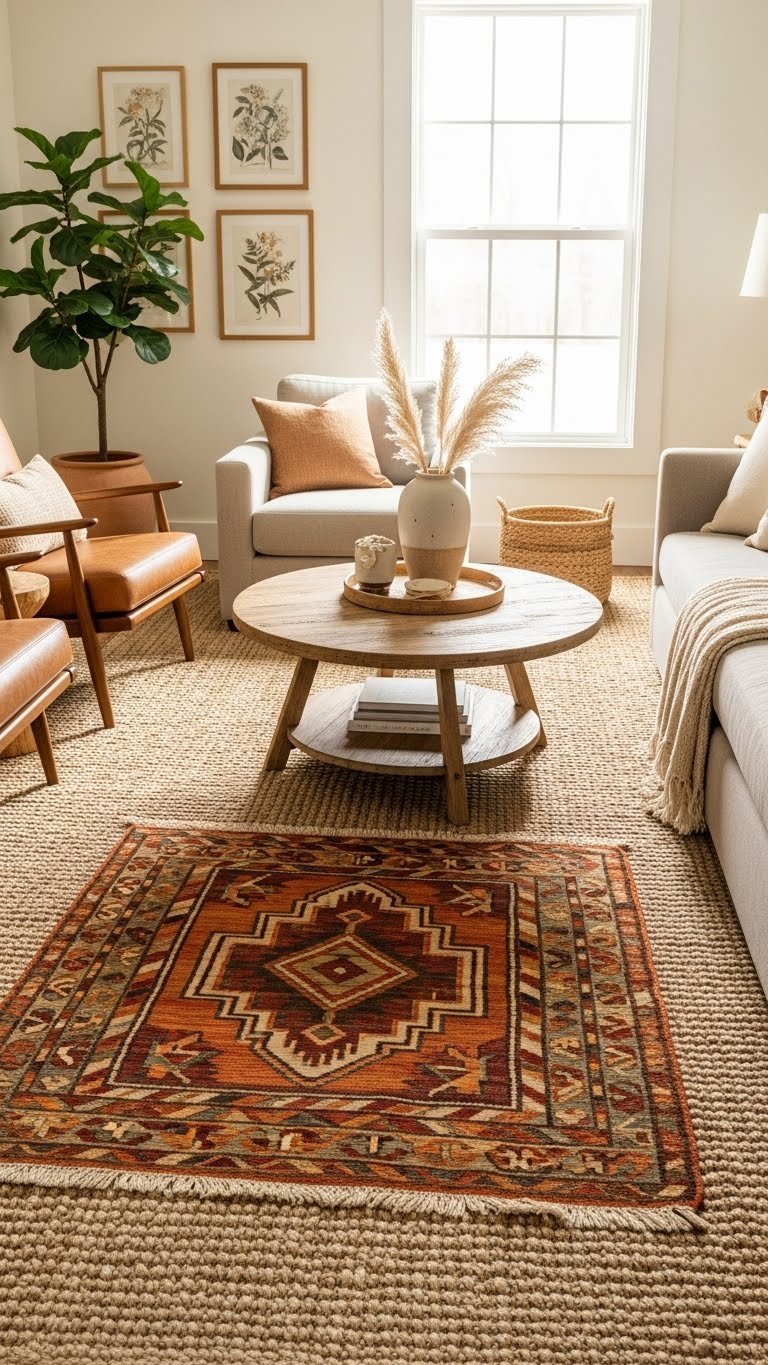
Natural fiber rugs (jute, sisal, seagrass) are texture workhorses. A large base rug anchors your space and adds organic warmth that synthetic materials struggle to deliver.
Jute or sisal rugs cost $200–$600 for a large size from IKEA, Wayfair, or Home Depot. They’re durable and renter-friendly. Layer a smaller patterned rug on top ($80–$200) for visual interest without overwhelming the space. Delivery and placement takes one day.
The natural fiber catches light and creates texture through its weave. Your space immediately feels warmer and more grounded.
13. Arrange Books Horizontally and Vertically on Shelves
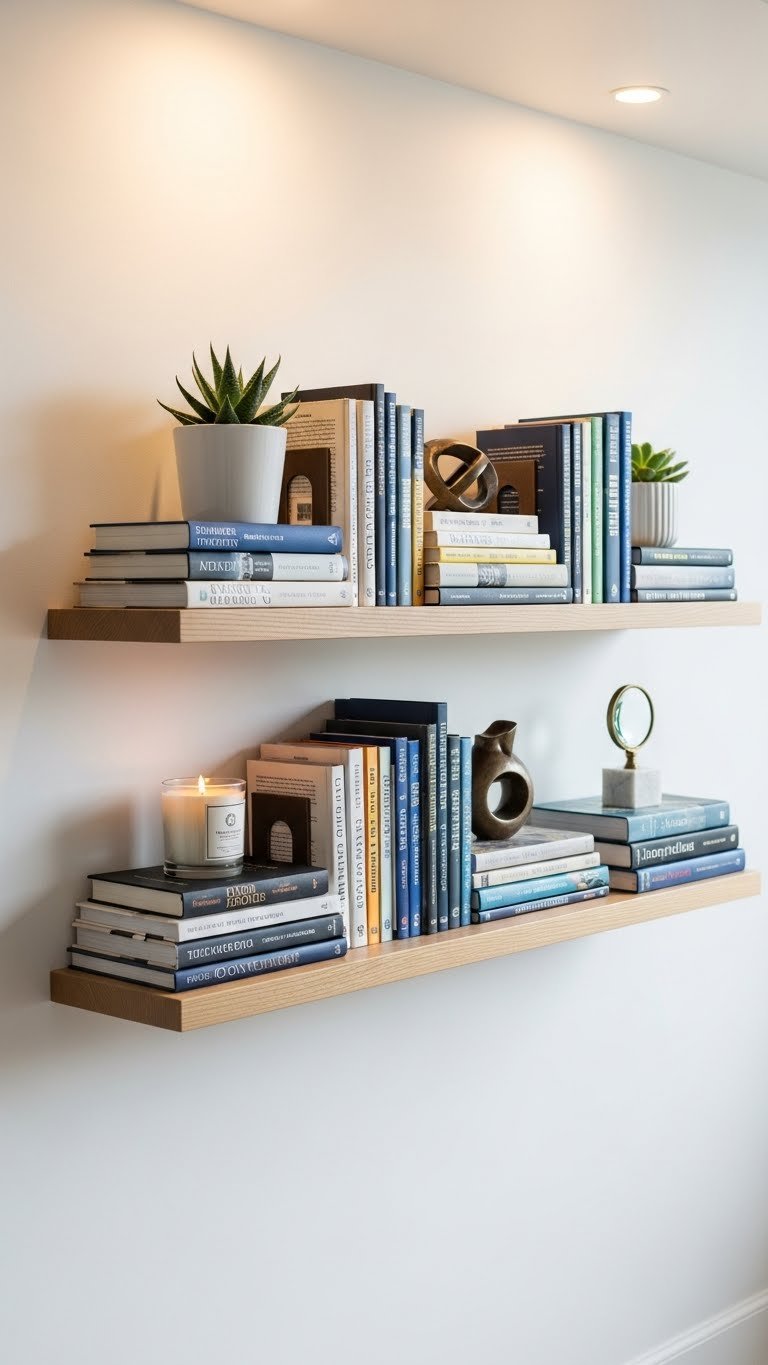
Book arrangement sounds simple, but it’s a powerful texture tool. Mixing horizontal stacks, vertical arrangements, and horizontal + object combos creates visual movement and layers.
This costs nothing if you already own books. Hit thrift stores for cheap volumes to fill gaps ($1–$3 each). Arrange so spines face forward and backward (not all matching), and tuck small objects between stacks for dimension. Rearranging takes 30–45 minutes.
Your shelves become curated gallery spaces rather than mere storage. The varied heights and directions create rhythm your eye enjoys following.
14. Install Decorative Wall Molding or Trim
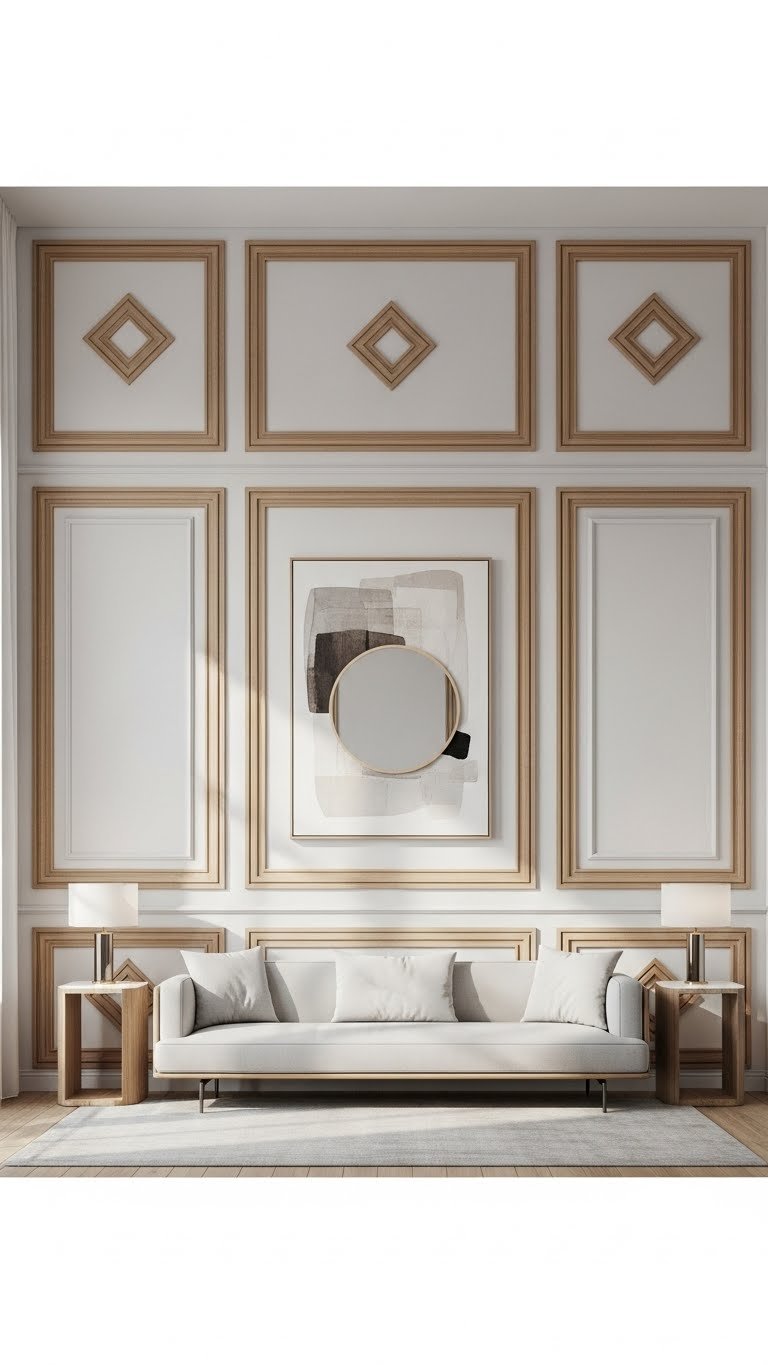
Architectural molding adds dimension and formality. Modern geometric patterns, simple trim frames, or traditional crown molding work depending on your style.
DIY trim installation costs $200–$500 for a room (materials); pro installation runs $800–$2,000. A weekend DIY project if you have basic carpentry skills. Paint it to match walls for subtle dimension or in contrast for dramatic effect. Peel-and-stick molding ($50–$200) is renter-friendly.
The molding creates visual frames and breaks up flat walls. Your space suddenly looks more architecturally considered.
15. Layer Patterned Fabric Wall Tapestry Over a Solid Base
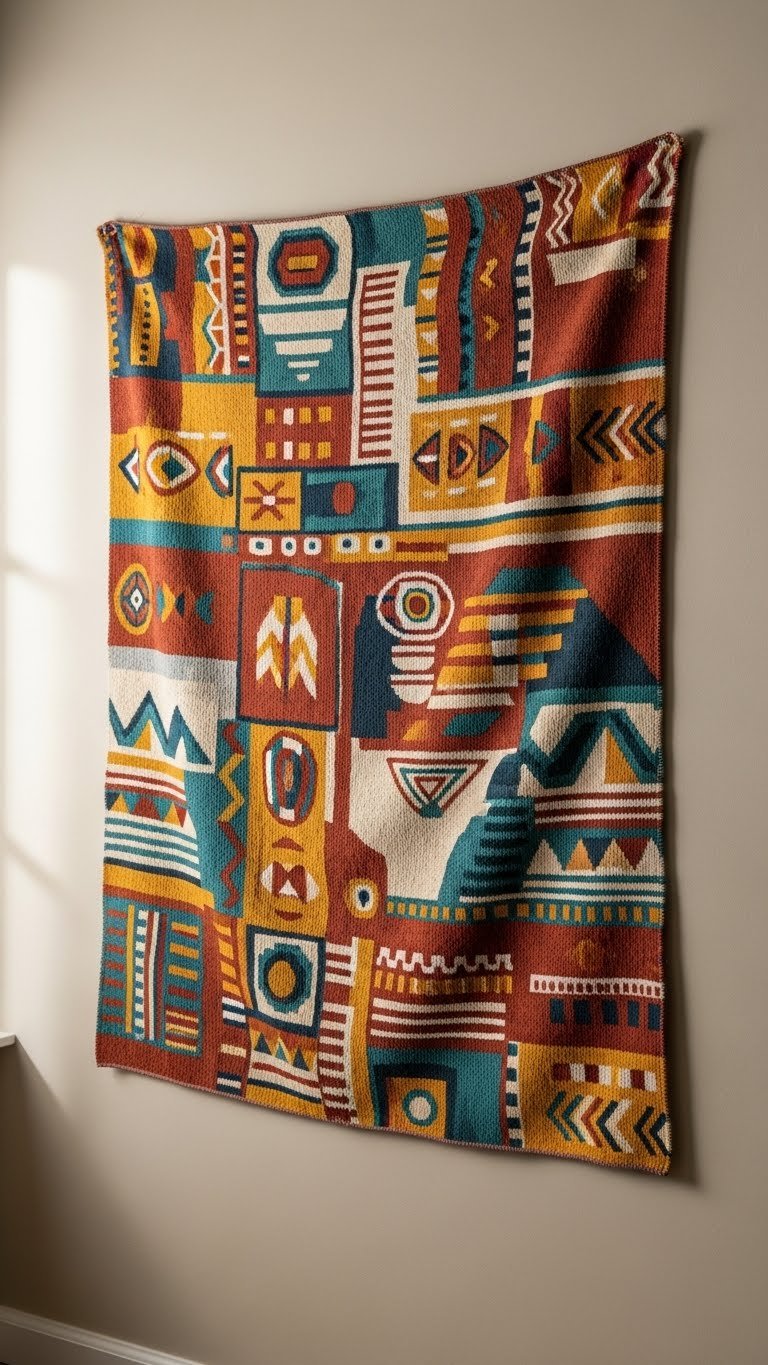
Combining a solid-painted wall with a layered tapestry is texture through contrast. The flat background makes the textile’s texture and pattern stand out.
Paint your wall a neutral ($50–$150 per room DIY). Layer a $40–$150 patterned tapestry (Etsy, Urban Outfitters, West Elm) on top. Hang slightly off-center or asymmetrically for modern appeal. This takes one weekend to complete and costs under $200.
The layering effect is more sophisticated than either element alone. Your eye moves between the solid base and textile detail.
16. Use Exposed Beams or Faux Beam Installation
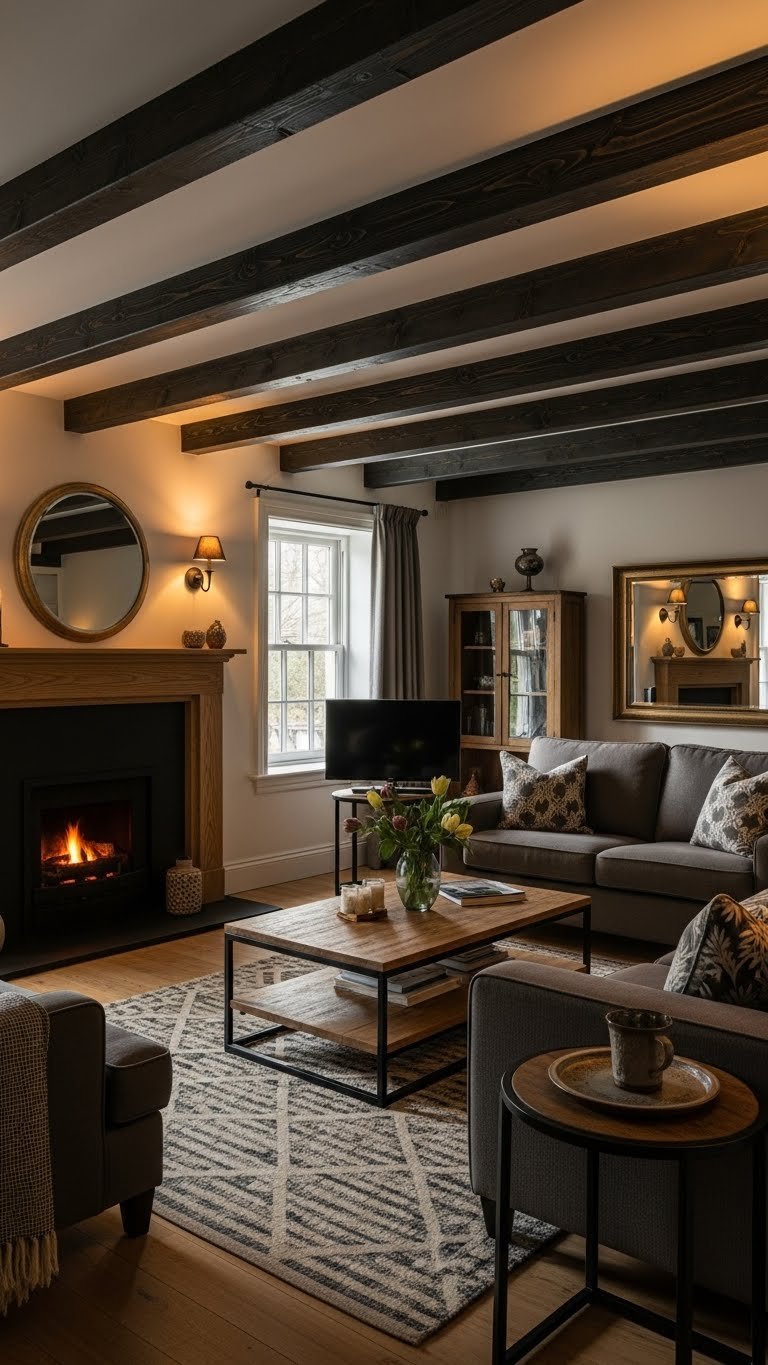
Beams add serious architectural texture, especially if stained or painted a deep tone. Real beams are pricey; faux beams ($200–$800) deliver 80% of the visual impact at a fraction of the cost.
Real beam installation costs $2,000–$6,000+ and requires professional help. Faux beams (foam or lightweight wood) cost $200–$800 and take a weekend to install DIY. Stain or paint them to match your décor. The shadows they cast are the real magic.
Beams draw your eye upward and add instant character. They make generic spaces feel purposeful and designed.
17. Create a Textured Accent Wall with Wallpaper Patterns
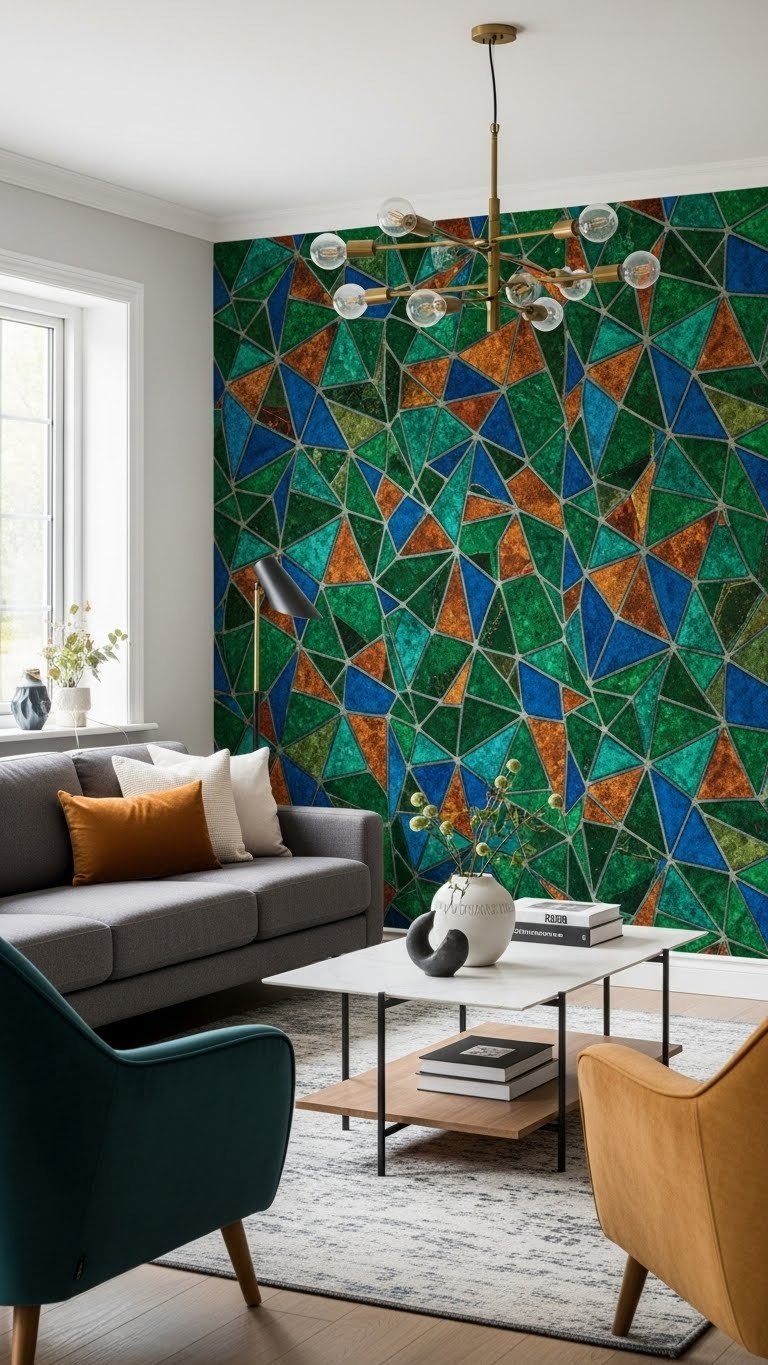
Pattern wallpaper paired with texture creates depth on overdrive. Geometric, abstract, or botanical patterns in rich colors anchor a room while adding visual and textural interest.
Patterned wallpaper costs $25–$75 per roll; expect 3–5 rolls for one wall. Professional installation is $200–$400; DIY takes 6–8 hours with patience. Removable options ($40–$100 per roll) are renter-friendly. Pair with solid furniture to let the wall shine.
One textured, patterned wall transforms your entire space. It becomes a focal point you’ll love looking at daily.
18. Add Concrete or Stone Side Tables
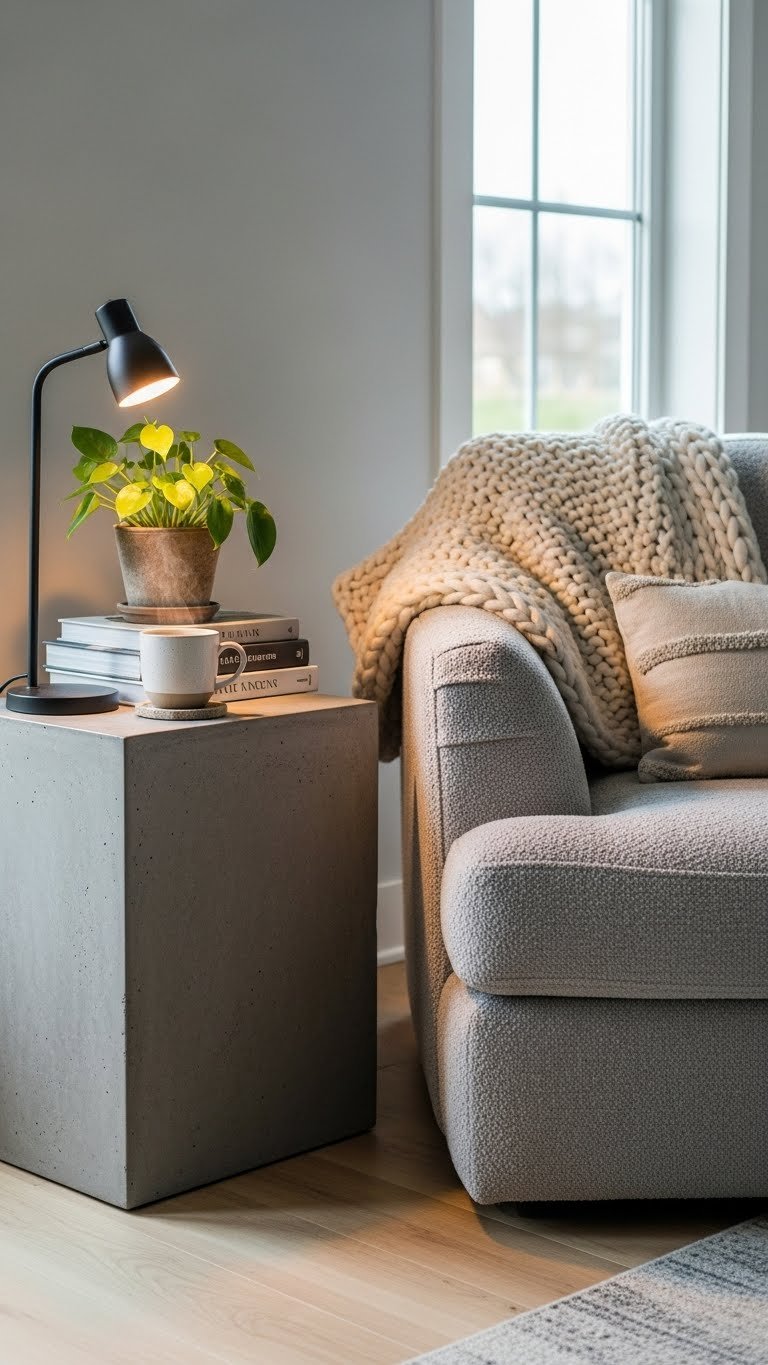
Concrete and stone tables add industrial texture and unexpected tactile interest. Lightweight concrete is affordable; real stone is pricier but stunning.
Concrete side tables run $100–$300 (Target, CB2, Wayfair); reclaimed stone or slate tables cost $300–$800. Both materials develop character over time. A concrete DIY project takes a full day if you want to make your own ($50–$100 in materials). Position beside your sofa or chair for visual impact.
These tables feel heavy and grounded compared to typical wood or glass options. They anchor your space while adding textural interest.
19. Layer Ceramic, Glass, and Metal Objects on Display Shelves
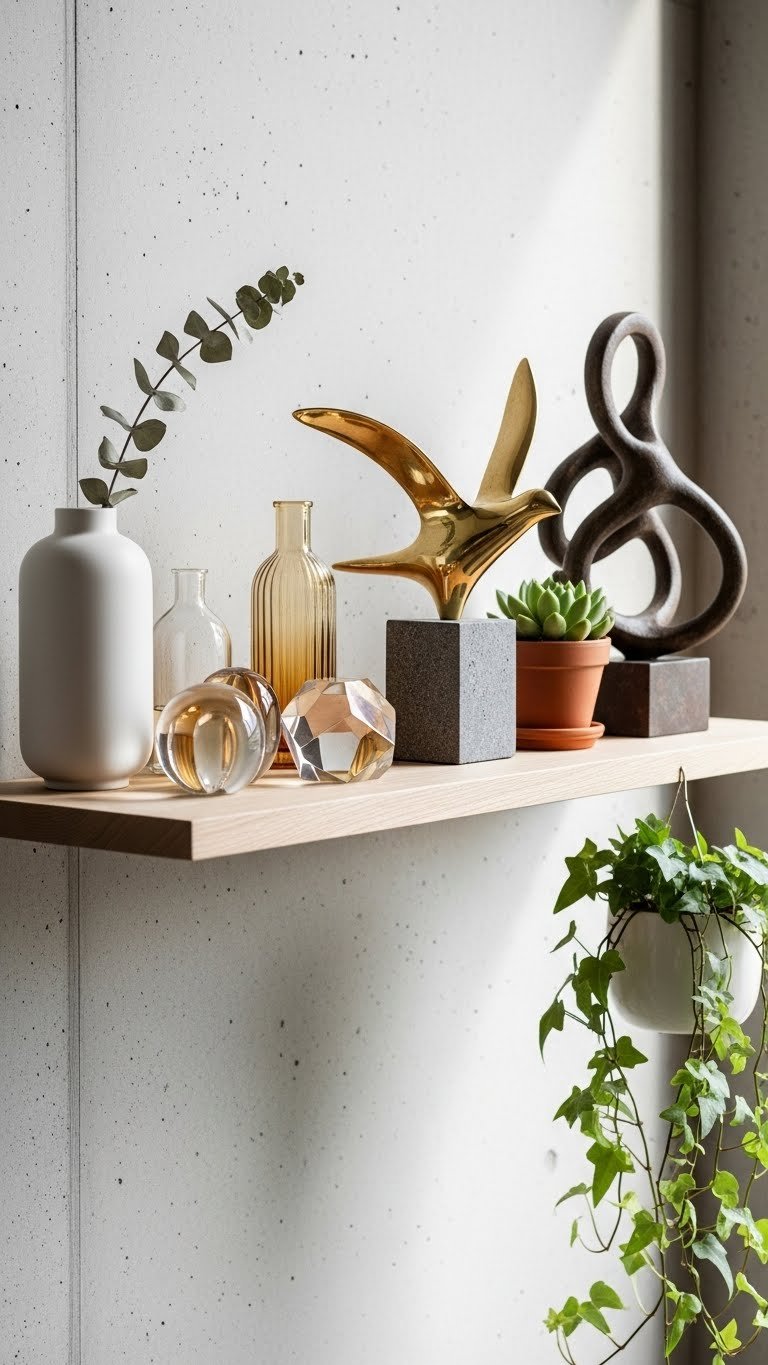
Object mixing is texture through material variety. Ceramics, glass, metals, wood, and plants together create visual richness without clutter.
Thrift stores, HomeGoods, and Amazon offer affordable options ($5–$30 per object). Collect 8–12 pieces in varying heights and materials. Arrange with negative space (don’t crowd items). This costs $40–$150 total and takes 30 minutes to style.
Your shelves become mini galleries. The variety of materials and textures makes even simple objects look intentional and collected.
20. Install Acoustic or Textured Ceiling Panels
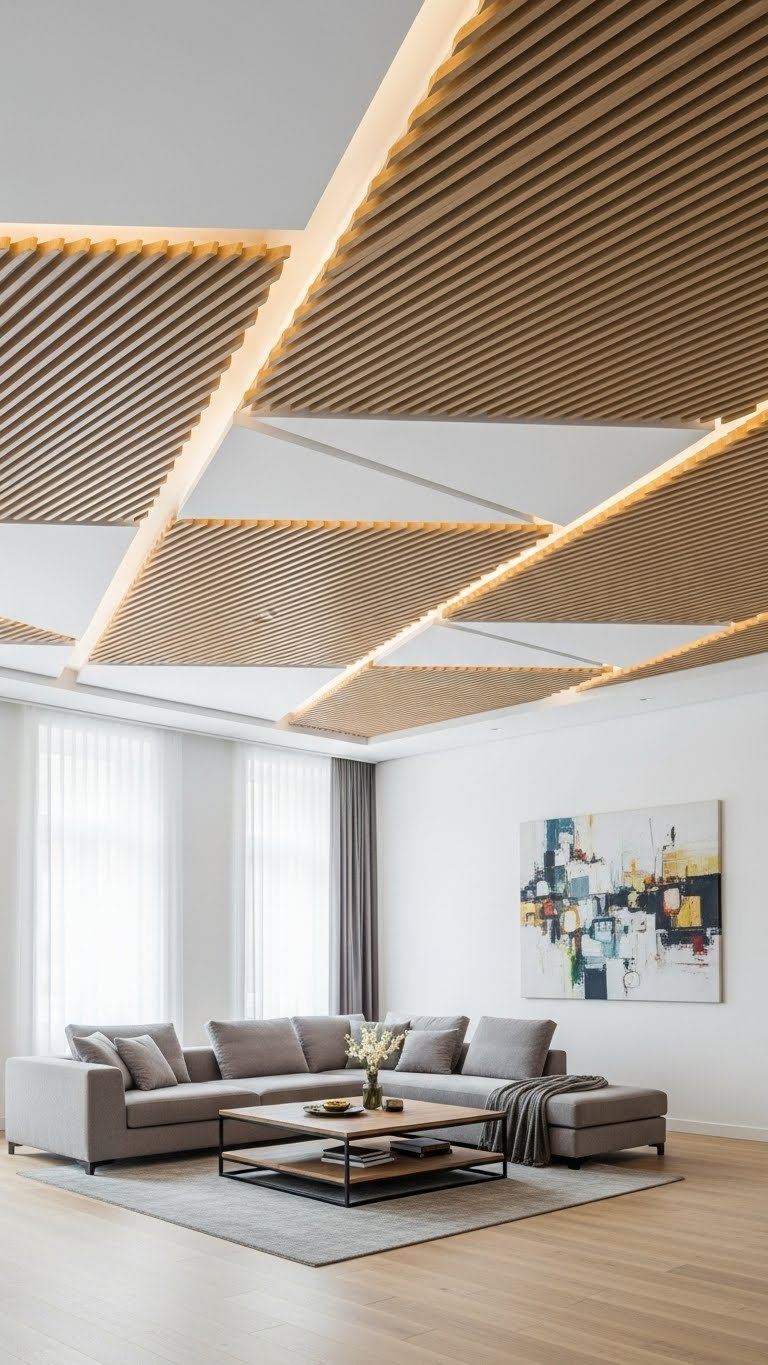
Ceilings are often forgotten texture opportunities. Acoustic panels, wooden slats, or textured finishes add dimension and improve acoustics while looking intentional.
Acoustic panels cost $30–$80 each (budget 8–15 for a room = $250–$1,200). Wooden slat ceiling panels run $50–$150 each. Professional installation is $800–$2,000; ambitious DIYers can tackle this in a weekend or two. Partial coverage (not full ceiling) feels modern and less overwhelming.
Your eye moves upward, making rooms feel taller. Texture on the ceiling is unexpected and sophisticated.
21. Mix Velvet and Leather Seating for Tactile Contrast
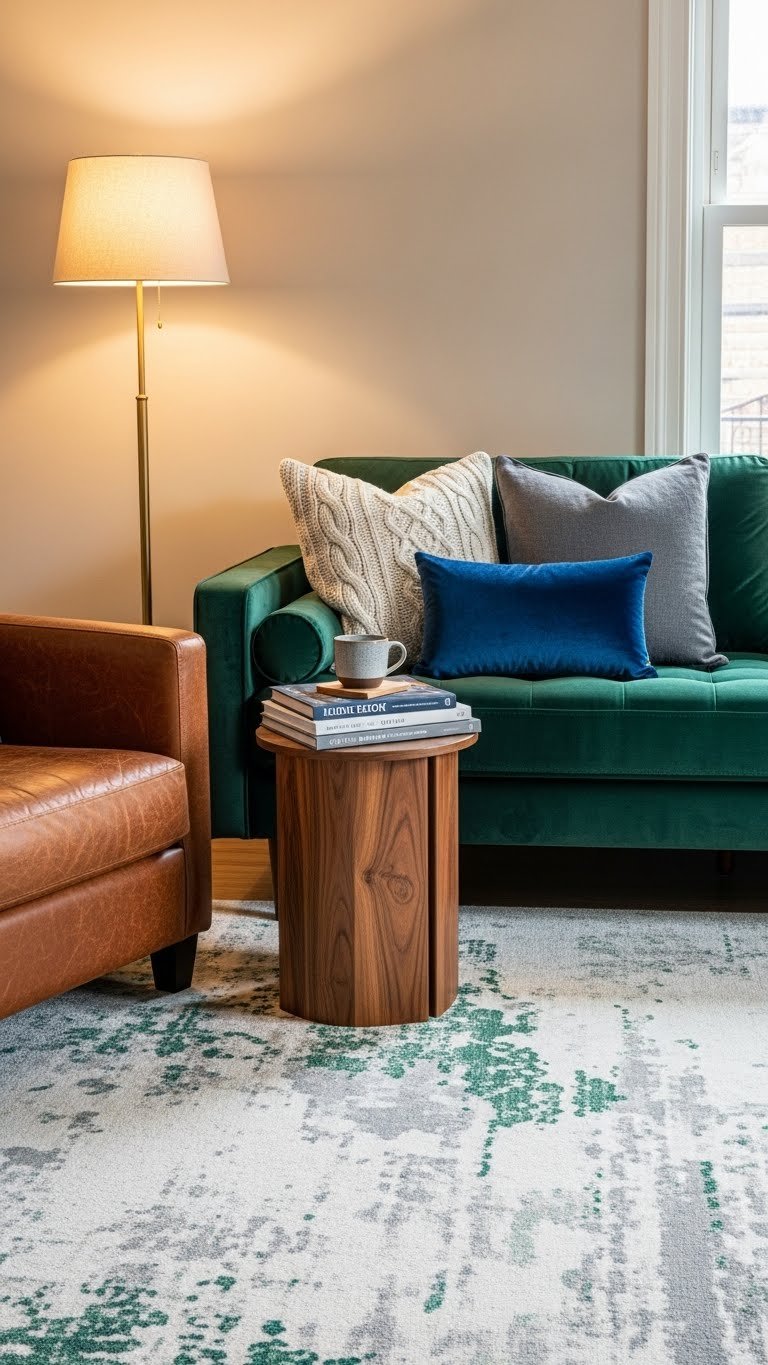
Pairing velvet (soft, reflective) with leather (sleek, durable) creates visual and tactile contrast. Both materials add luxury and texture in different ways.
A quality velvet sofa costs $800–$2,000; leather chairs run $400–$1,500. Look for sales at Article, West Elm, or Wayfair. Thrift stores sometimes have leather pieces for $100–$300. Mix jewel-tone velvet with natural leather for maximum contrast. Budget-conscious option: velvet and faux-leather pieces.
The interplay between soft and sleek textures makes your seating area feel thoughtfully composed. It’s comfortable and looks intentional.
22. Use Textured Wall Sconces and Statement Lighting
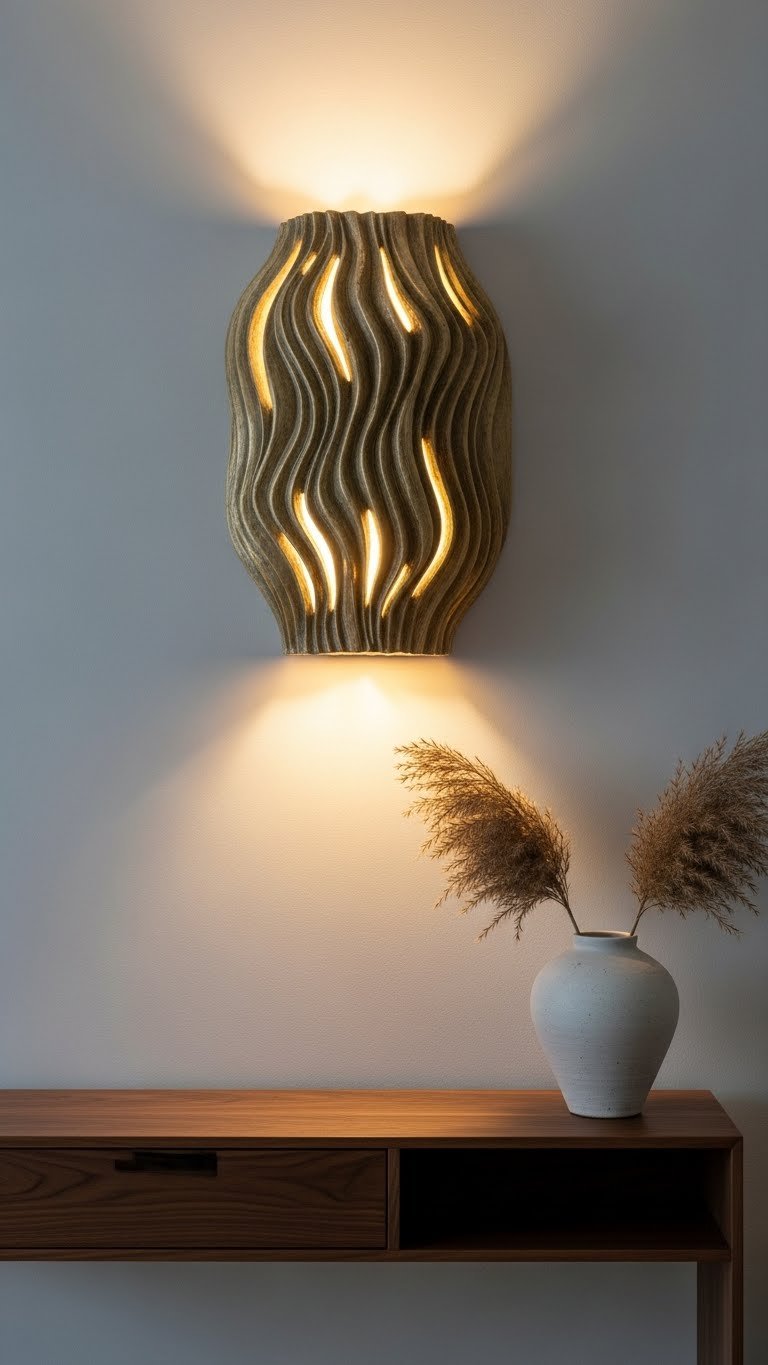
Lighting is texture often overlooked. Sculptural sconces, textured lampshades (macramé, woven, pleated), or statement fixtures add dimension and drama through shape and shadow.
Wall sconces cost $50–$300 each; textured pendant lights run $80–$400. Professional electrical installation is $100–$200 per fixture; renters can use plug-in sconces. Choose brass, wood, ceramic, or natural materials for maximum texture. One or two statement pieces (not matching pairs) feel modern.
Lighting becomes decorative, not just functional. Shadows cast by textured fixtures add movement to your walls throughout the day.
23. Apply Textured Paint Technique: Sponging or Ragging
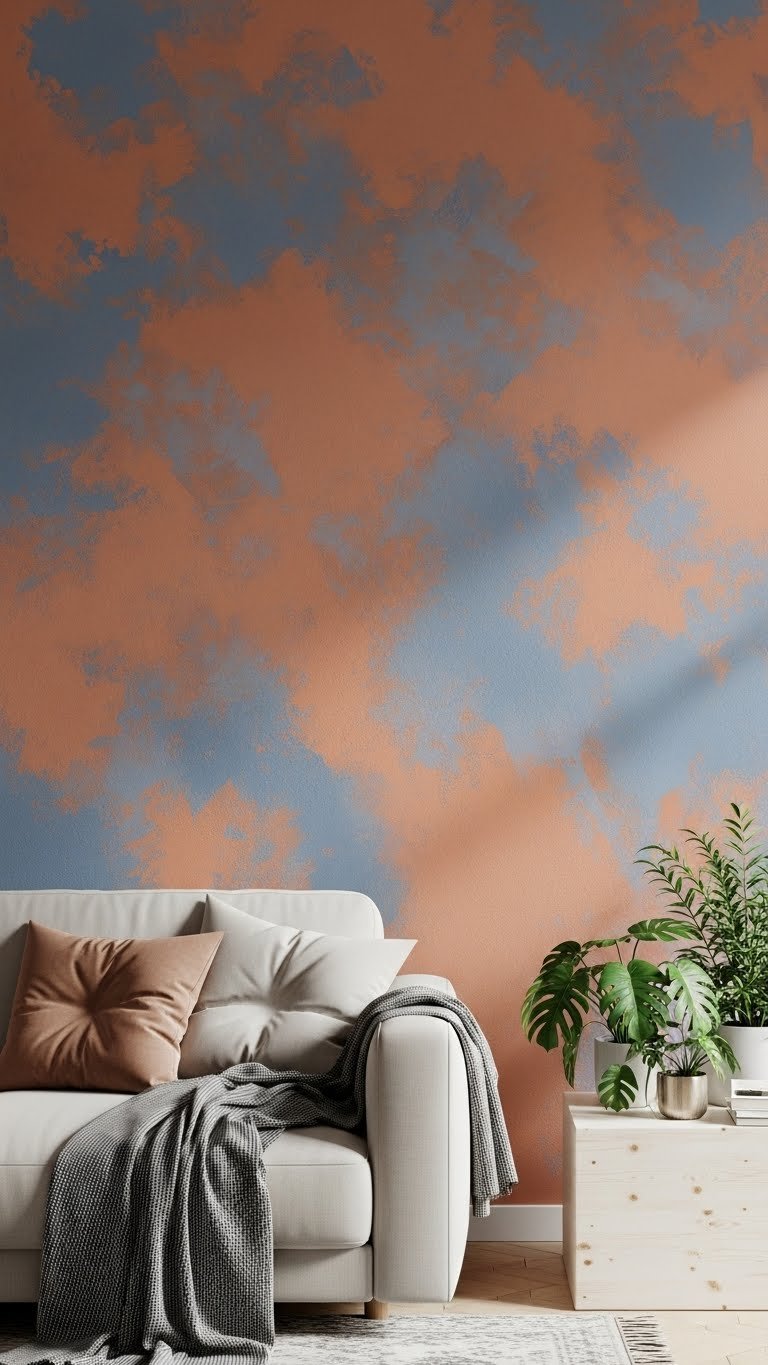
Textured paint techniques (sponging, ragging, stippling) create organic depth with just paint and tools. It’s budget-friendly and surprisingly easy to DIY.
Buy two complementary paint colors ($20–$30 each). Grab a natural sponge or lint-free cloth ($5–$10). Follow YouTube tutorials (30 minutes prep, 2–4 hours application). Practice on cardboard first. The result is unique and handmade-looking.
Your walls gain personality and movement. The layered color effect is far more interesting than flat paint.
24. Arrange Mixed-Height Planters with Varied Textures
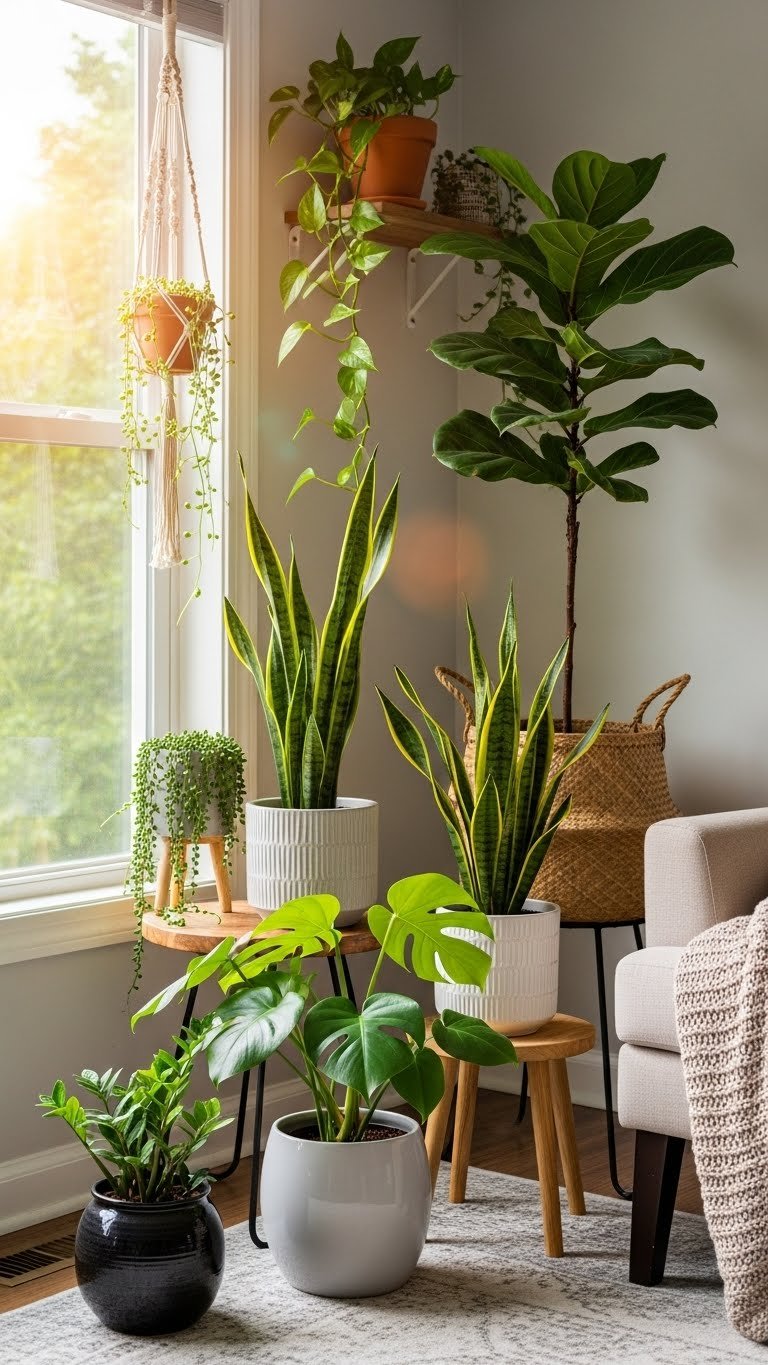
Plant styling is texture through both pot material and foliage variety. Mixing ceramic, woven, concrete, and terracotta pots with different leaf shapes and sizes creates visual and tactile richness.
Planters cost $10–$60 each; plants run $5–$40 depending on size. Budget $100–$250 for a small plant corner. Thrift stores have affordable pots. Arrange at different heights using small stands or shelves. This takes one afternoon to style.
A plant-filled corner feels alive and sophisticated. The varied textures and materials make even a small collection look intentionally curated.
25. Install Jute Rope or Macramé Wall Details
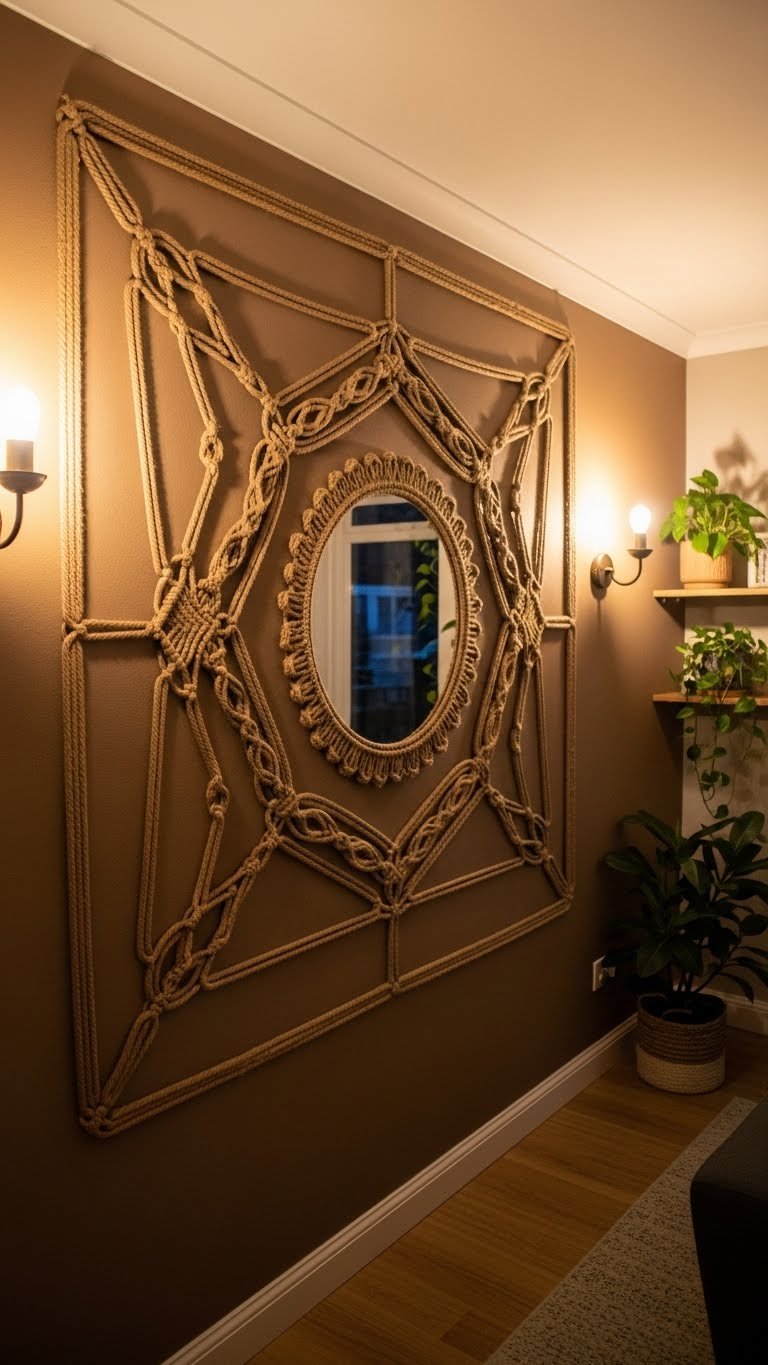
Jute rope and macramé add organic, bohemian texture without committing to wallpaper or paint. Frame a mirror, create geometric wall art, or outline shelving.
Jute rope costs $10–$25 per bundle (Amazon, craft stores). Macramé kits or pre-made pieces run $20–$80. DIY rope projects take 1–2 hours. Use strong adhesive or small nails for permanent placement; removable hooks work for renters. The result feels crafted and intentional.
These details add soul to your space. Guests immediately sense the care and creativity in your décor.
26. Layer Textured Wallpaper Under Framed Artwork
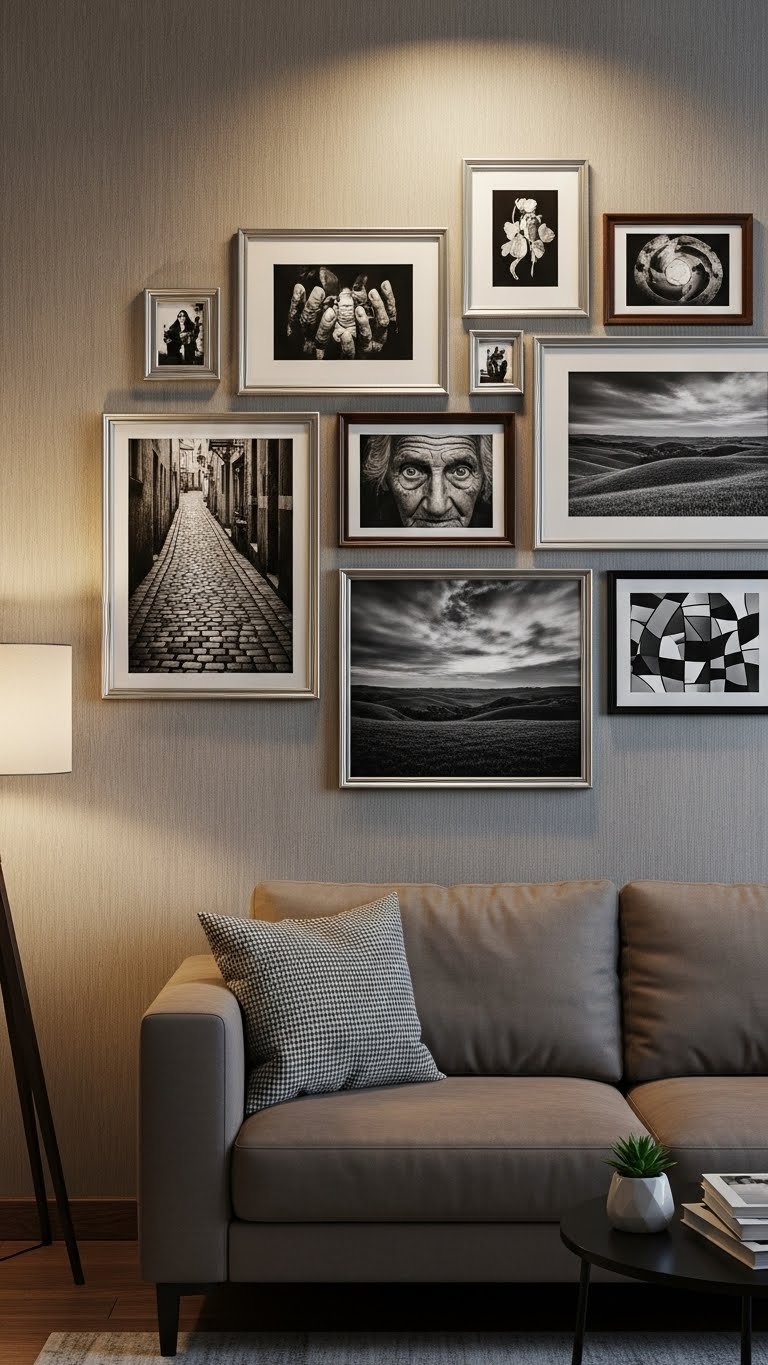
Pairing textured wallpaper with layered artwork creates sophisticated depth. The wallpaper becomes a textured backdrop for your art rather than competing for attention.
Textured wallpaper costs $50–$150 per roll (3–4 rolls = $150–$600). Frames and artwork run $20–$100 each; budget $200–$500 for 4–6 pieces. Arrange artwork asymmetrically for modern appeal. DIY installation takes one weekend.
The layered approach feels curated and gallery-like. Texture supports your art rather than overwhelming it.
Save this post and pick just one idea to start with this weekend. Texture builds gradually—add one element, see how it feels, then build from there. Your living room deserves to feel as good as it looks.
Leave a Reply