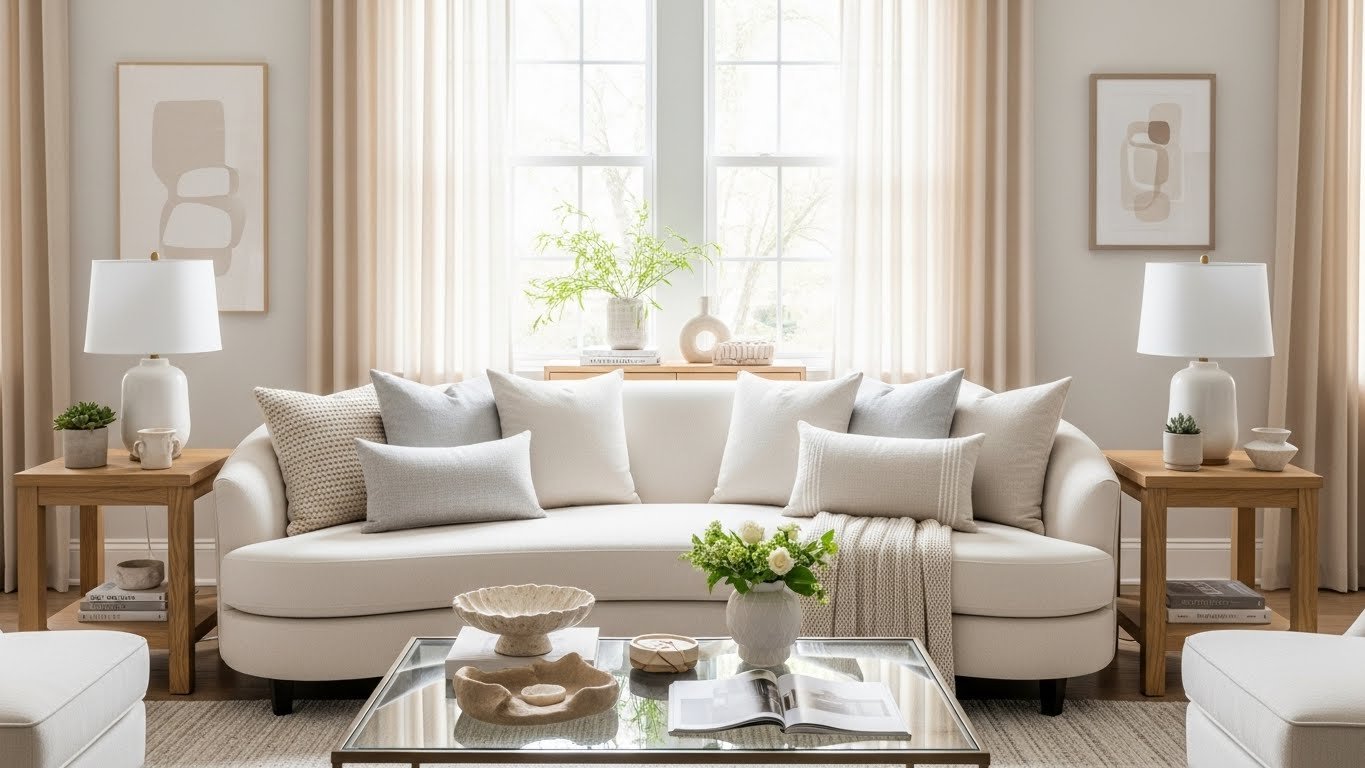
If you’ve been scrolling through design feeds lately, you’ve probably noticed sofas are having a major moment. Gone are the days of cold, minimal shapes—today’s sofas are curvy, colorful, and built for actually living. Whether you’re working with a tiny apartment or a sprawling open floor plan, there’s a sofa style that fits your life right now. We’ve rounded up 26 trending ideas that everyone’s saving, from bold jewel tones to modular game-changers that adapt as your needs do. Ready to refresh your space? These ideas will inspire you to rethink what your sofa can be.
1. Embrace Soft Curves Over Sharp Corners

Curved sofas are replacing boxy designs because they make rooms feel warmer and more intimate instantly. The rounded silhouette softens hard lines in modern spaces and creates a natural gathering spot that actually encourages conversation. Look for sofas with gently curved arms and organic shapes—brands like Article and Article+Madison offer curved sectionals ranging from $1,200–$2,500. If you’re renting, curved loveseats ($600–$1,000 at Wayfair or Article) give you the vibe without the commitment. The beauty here? Curved sofas photograph beautifully, so your living room becomes the kind of space friends want to hang out in.
2. Go Modular for Life’s Changes
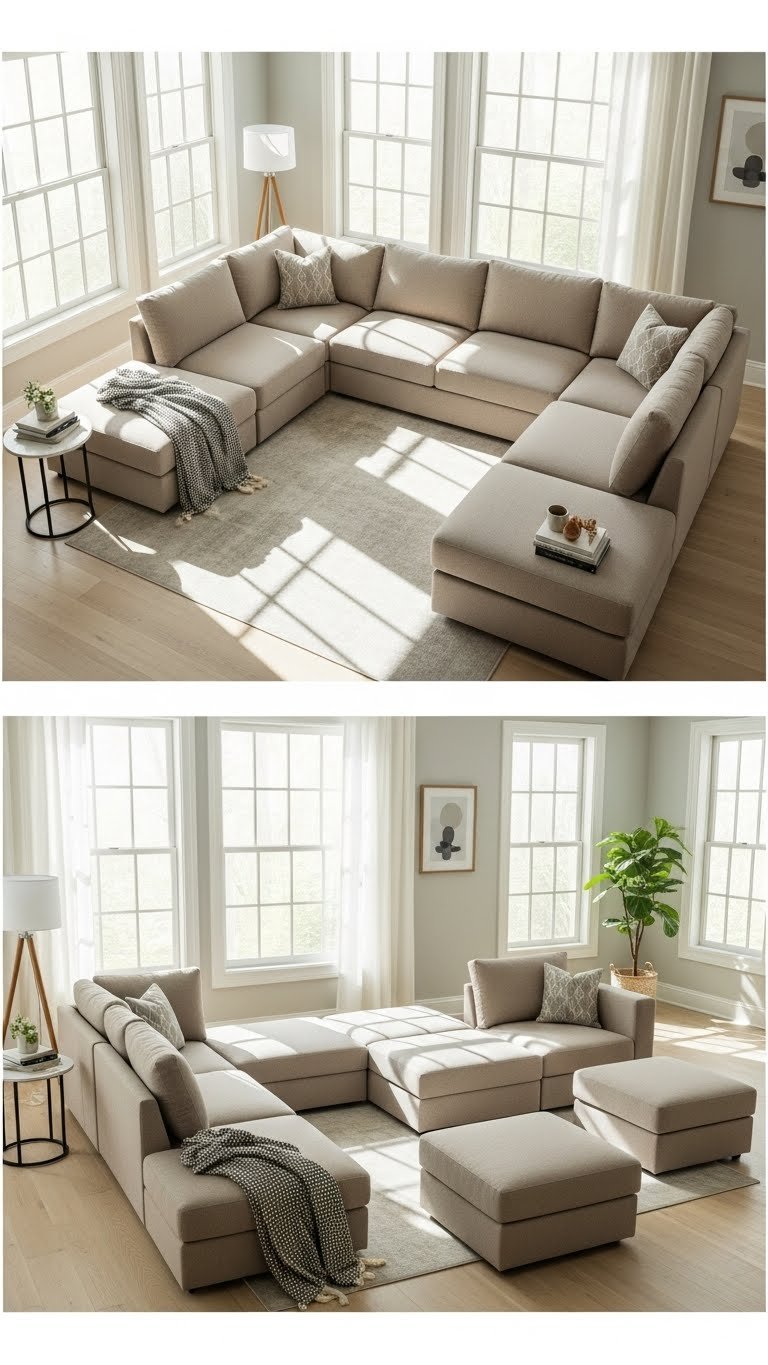
Modular sectionals are the adult equivalent of building blocks—they grow with your life whether you’re downsizing, expanding, or just rearranging. You can start with a simple two-piece and add chaise lounges, corner units, or ottomans as your space and budget allow. Brands like What A Room and Article specialize in customizable options starting around $1,500 for a base, with additional pieces running $300–$800 each. Most offer a free consultation to help you measure and plan. The game-changer? When life shifts—new job, new family member, new apartment—your sofa adapts instead of becoming expensive dead weight.
3. Choose Performance Fabric for Real Families
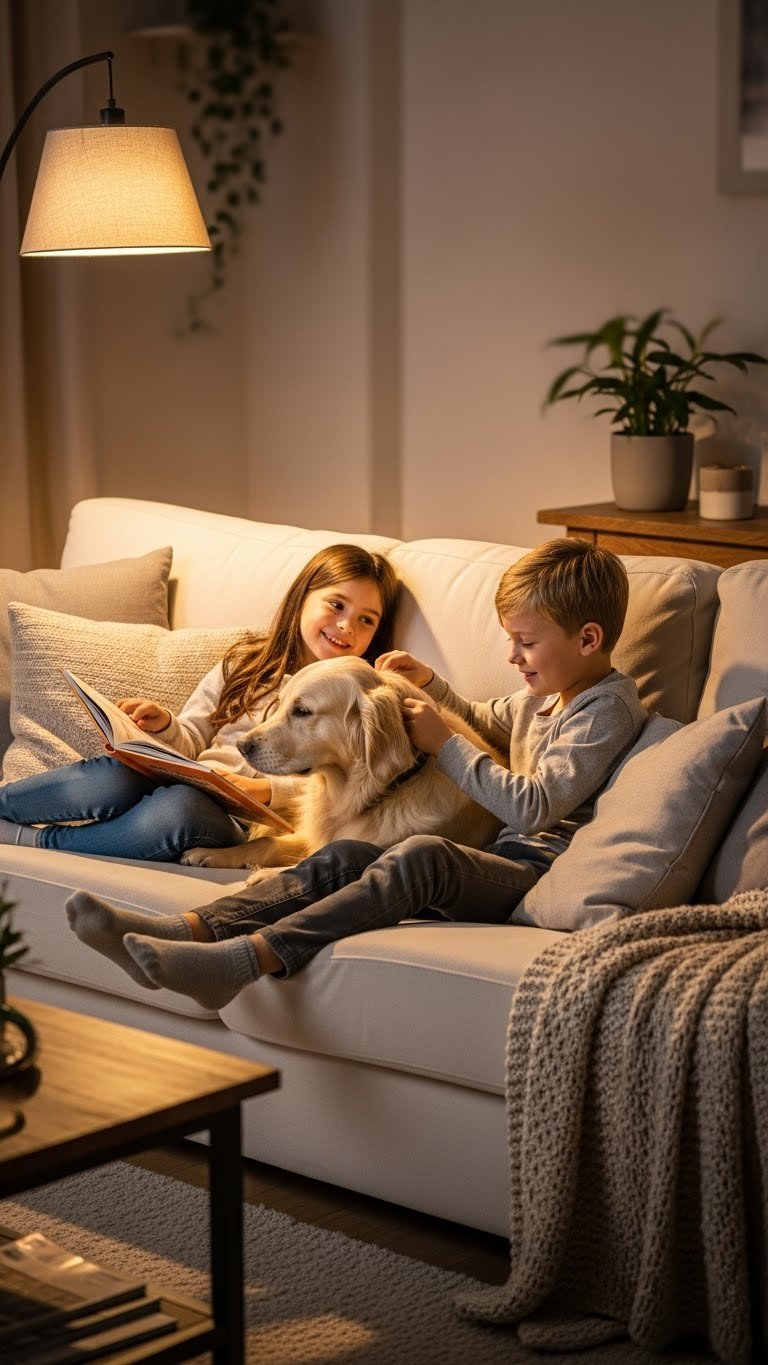
Performance fabrics look and feel luxurious but are built to handle spills, pet accidents, and daily chaos without staining or pilling. These aren’t the cheap, plastic-feeling materials of old—brands like Ethan Allen and Restoration Hardware now use high-tech weaves that repel liquids while keeping that soft, premium touch. Expect to pay $200–$400 more than standard upholstery, but the durability pays dividends over 5–10 years. Look for fabrics labeled as “crypton” or “solution-dyed”—they’re treated at the fiber level, not the surface. Your sanity is worth the upgrade, especially if you have kids, pets, or anyone who drinks wine on your sofa.
4. Explore Earth Tones Beyond Beige

Earth tones like camel, clay, terracotta, and warm taupe are replacing cool grays because they feel more inviting and forgiving of everyday wear. These colors ground a room while pairing beautifully with both minimalist and maximalist décor. Brands like Bellona USA and Interior Define offer rich earth-tone sofas in the $1,000–$2,000 range. The secret to styling them? Add one bold accent pillow or artwork to prevent the space from feeling flat—a jewel-tone pillow or emerald throw blanket makes earth tones sing. Your living room becomes a warm retreat instead of a showroom, and you’ll actually want to spend time there.
5. Try Oversized, Sink-In Comfort
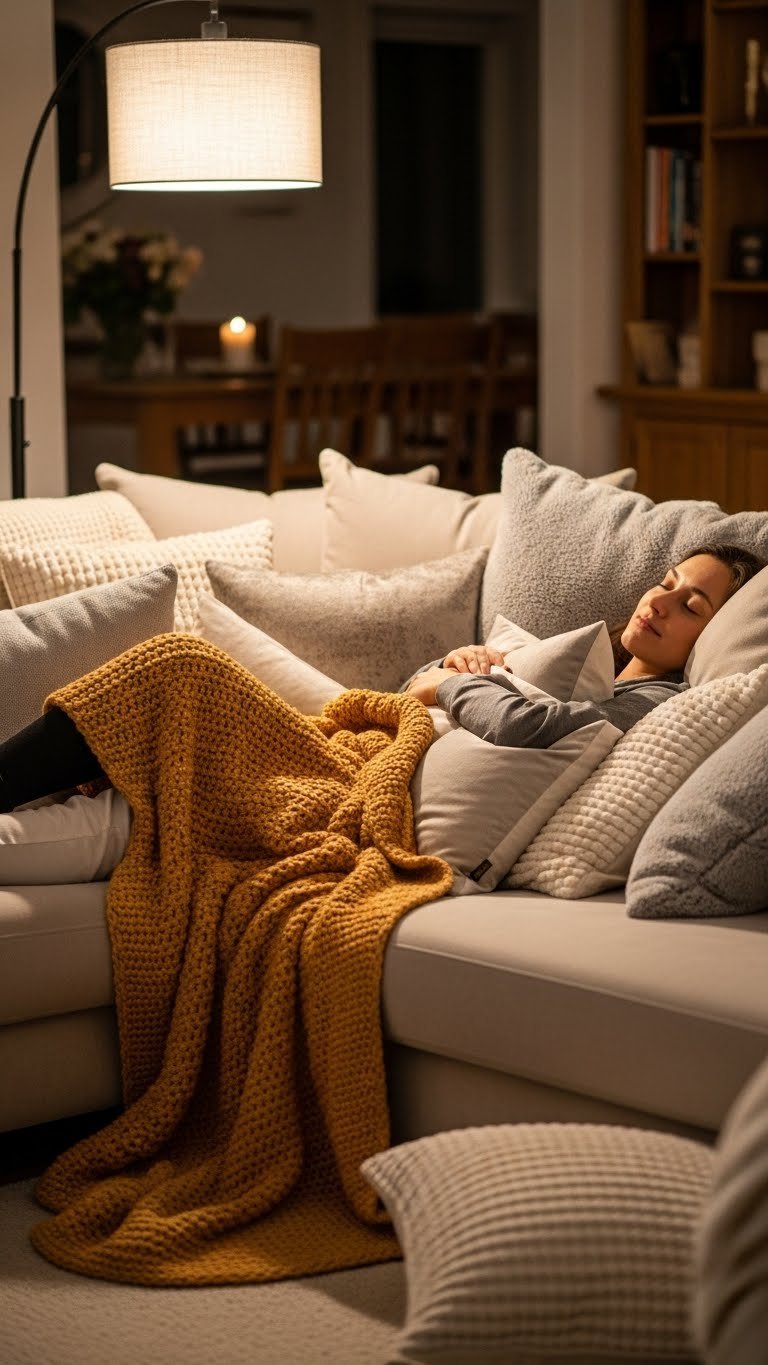
Oversized sofas with extra-deep seats (24–28 inches versus the standard 20–22 inches) are having a moment because people finally prioritized napping over impressing guests. These aren’t just bigger—they’re built for real relaxation with deeper seat depths and thicker cushioning. Look for sofas with seat depths listed explicitly; brands like Lovesac, Article, and IKEA’s Strandmon collection offer deep options starting at $800 and going up to $3,000+ depending on customization. Pair it with a good ottoman ($200–$600) to fully recline. The trade-off? They take up more floor space, so measure carefully. The payoff is 100% worth it—your sofa becomes your favorite place to be.
6. Layer Textures With Linen and Natural Fibers
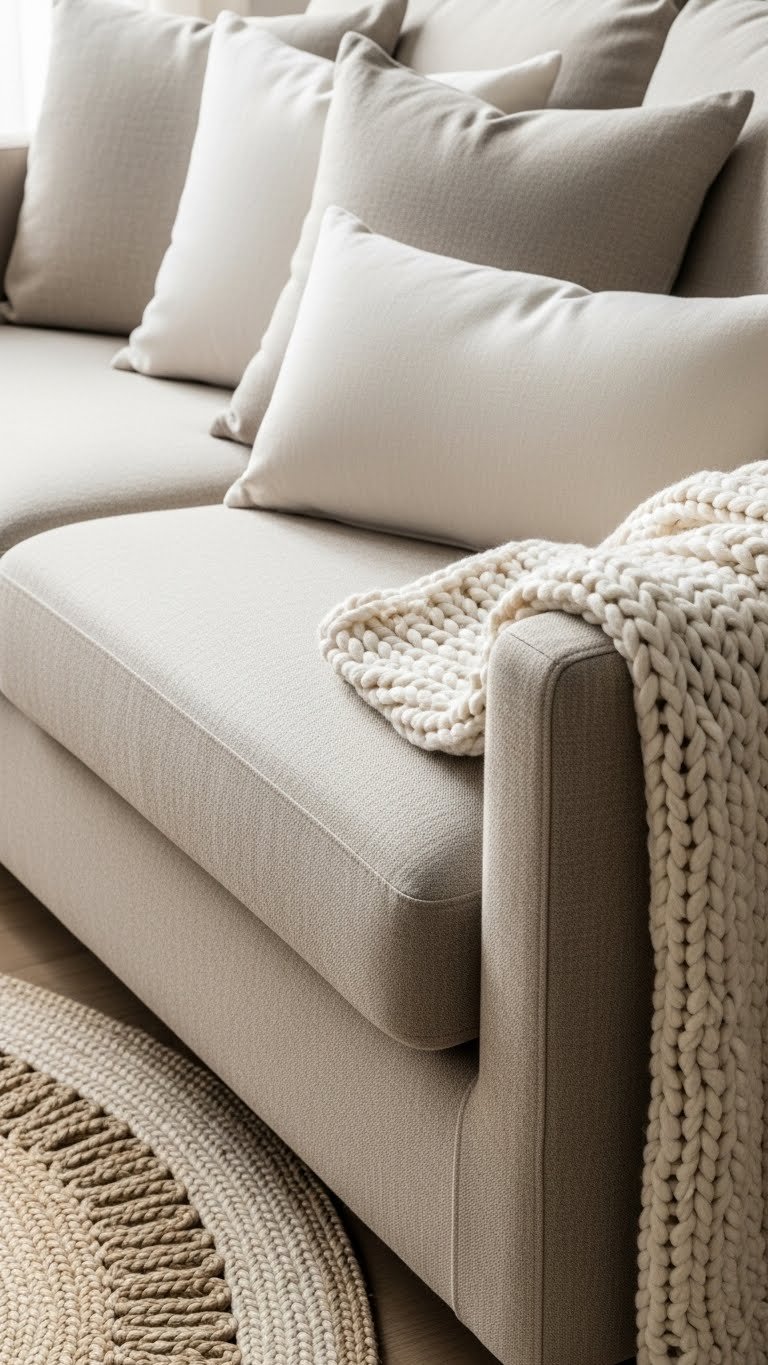
Natural fabrics like linen and cotton are trending because they age beautifully and feel authentic in a way synthetic materials don’t. Linen wrinkles slightly with use, but that lived-in quality is exactly what makes it feel real and approachable. Expect to pay $100–$300 more than synthetic blends, but linen lasts decades when cared for properly. Brands like Etsy vintage shops and contemporary makers like Schoolhouse Electric offer stunning linen sofas in the $1,200–$2,500 range. Pro tip: Linen can absorb spills, so pair it with a protective fabric spray ($15–$25) if you have kids or pets. Natural textures make your space feel intentional and grounded—like it was styled by someone with taste, not a catalog.
7. Add Jewel Tones for Moody Drama
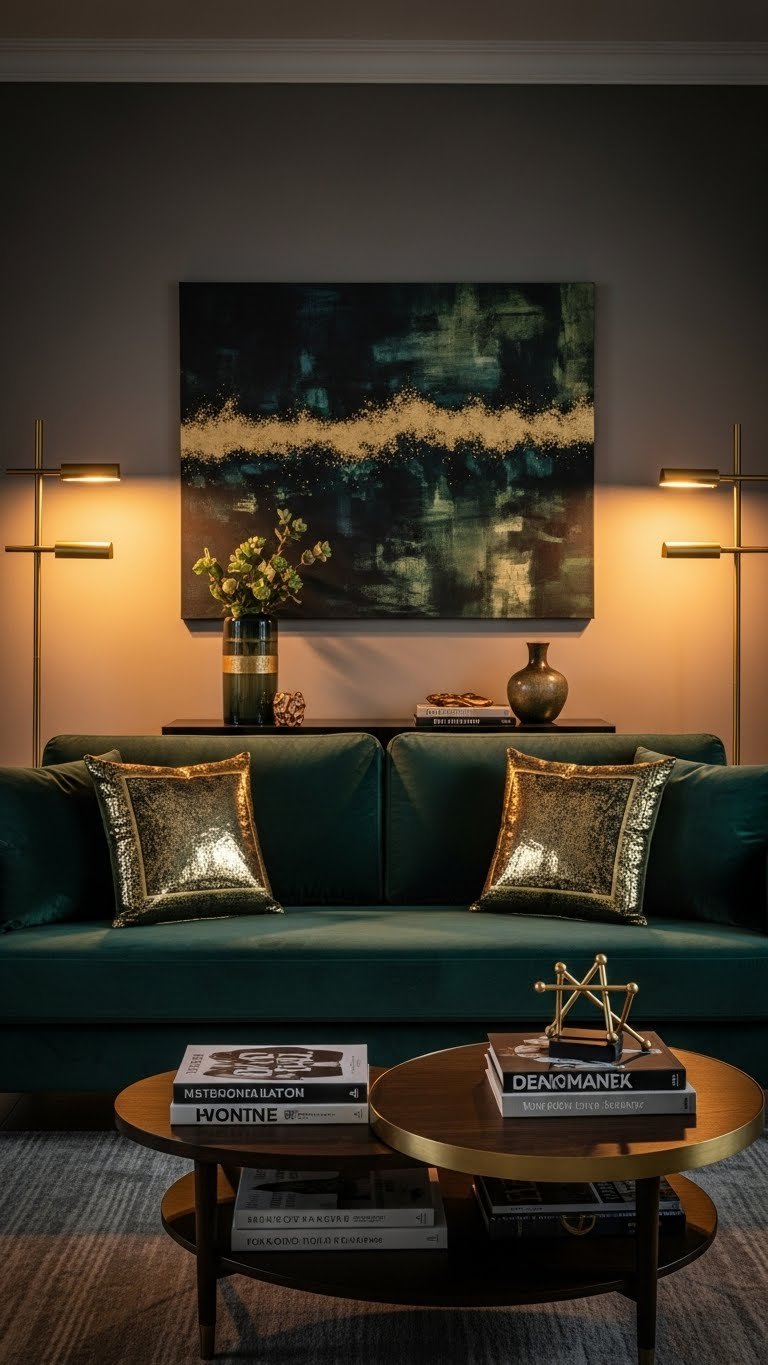
Jewel tones like emerald, sapphire, rich plum, and deep teal are replacing cautious neutrals because bold color makes a statement without being trendy or dated. These colors work best as a sofa statement piece paired with neutral walls and layered with gold or brass accents. Budget $1,500–$2,800 for a quality jewel-tone sofa from brands like Lulu & Georgia or Interior Define. Lighting matters—jewel tones need warm, ambient lighting to glow rather than feel dark. If you’re nervous about commitment, start with a jewel-tone velvet accent chair ($400–$800) to test the vibe. The transformation is immediate: your living room becomes a sophisticated retreat instead of a generic space.
8. Invest in Velvet for Tactile Luxury

Velvet is having a luxury renaissance because it feels incredible and photographs beautifully without being impractical for daily use—contrary to what people think. Modern velvet blends are more durable than you’d expect, especially if you choose solution-dyed options. Expect to invest $1,800–$3,500 for a quality velvet sofa from brands like Lulu & Georgia, Restoration Hardware, or Article. The color matters: chocolate brown, sage green, and warm charcoal hide wear better than lighter shades. Layer it with soft pillows and a chunky knit throw to balance the fabric’s richness. The payoff? Every time you sit down, you get a little hit of luxury. Your sofa becomes a comfort object and a conversation piece simultaneously.
9. Scale Sofas Properly for Your Space

Choosing the right sofa size is crucial and often gets overlooked—too big and it dominates the room; too small and it looks lost and uncomfortable. Measure your doorways, hallways, and room dimensions before ordering anything. Most sofas need at least 18 inches clearance on all sides for comfortable walking and furniture arrangement. A good rule: your sofa shouldn’t take up more than one-third of your room’s total floor space. Free tools like Modsy and Wayfair’s augmented reality app let you visualize sofas in your actual space—use them. If you’re buying online, confirm that delivery includes assembly and placement (often free with purchases over $1,000). Proper sizing means your space feels open and livable instead of cramped or scattered.
10. Go Low-Profile for Open, Airy Rooms
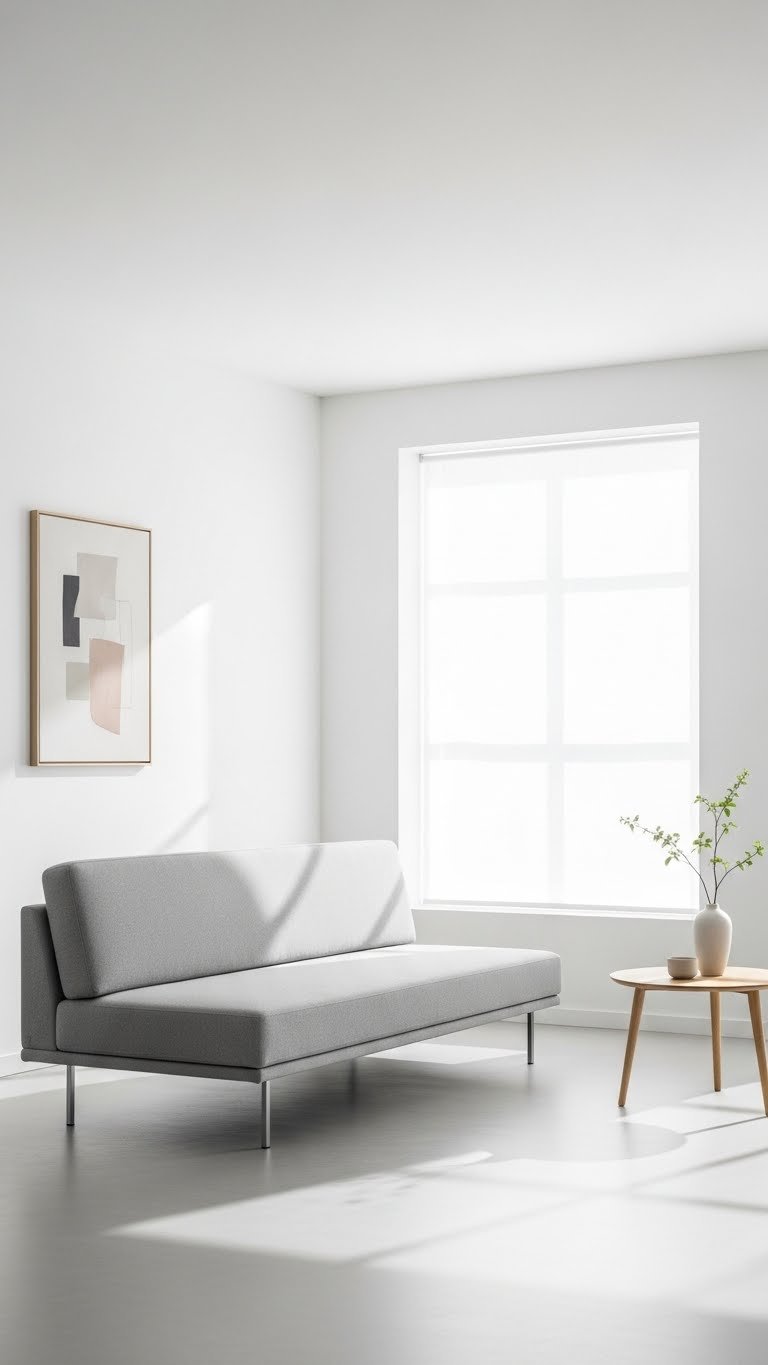
Low-profile sofas with visible legs and lower seat heights (typically 16–18 inches versus standard 20–22 inches) make rooms feel larger and more open—perfect for small apartments or minimalist aesthetics. They also look more contemporary and photograph beautifully. Brands like Article, IKEA (Kivik collection), and Blu Dot specialize in low-profile styles starting around $600 and going up to $2,200 for higher-end options. The trade-off? They’re not ideal for elderly people or anyone with mobility issues—consider a standard height if that matters. The benefit is enormous: even a small living room feels spacious and intentionally designed when your sofa doesn’t visually weigh the space down.
11. Style Neutral Bases With Bold Pillow Accents
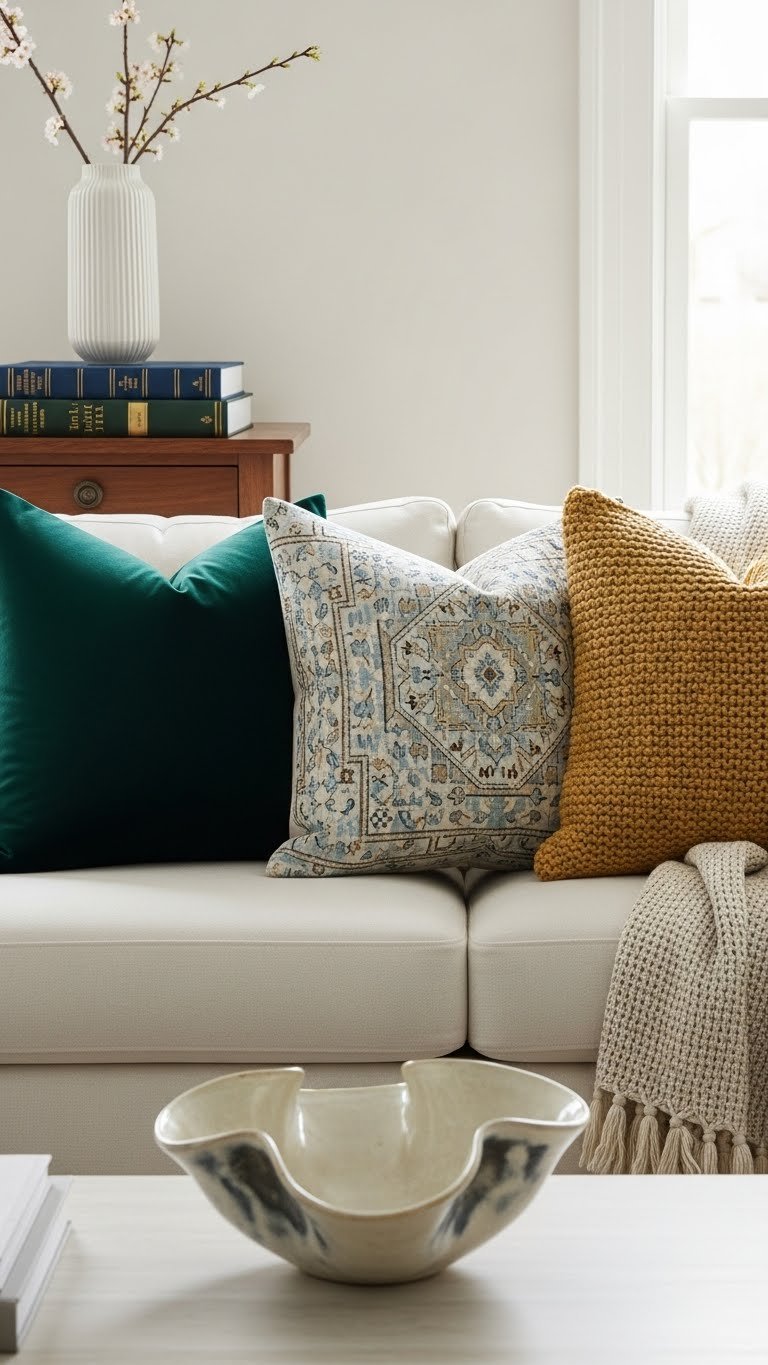
A neutral sofa is a wise investment, but styling it with strategic pillow accents makes it feel current and personal without the commitment of bold upholstery. Start with a neutral base sofa ($800–$2,000), then layer 2–3 accent pillows in jewel tones, patterns, or rich textures ($30–$100 each). Brands like Etsy, Schoolhouse Electric, and even Target’s Project 62 line offer gorgeous pillow options in all price ranges. Mix textures: pair a silk pillow with linen and velvet for depth. The genius move? When you want a refresh, swap the pillows instead of replacing the sofa. Your space stays current for the cost of a few pillows, and you keep your investment piece stable.
12. Bring Back Skirted Sofa Designs

Skirted sofas are experiencing a revival because they bring relaxed elegance and a touch of traditional style that feels fresh against modern minimalism. The skirt hides the legs and any under-sofa dust, making it feel more intentional and polished. Brands like Ethan Allen, Room & Board, and Restoration Hardware offer skirted options starting around $1,500 and going up to $3,500+ depending on fabric choice. The styling difference is noticeable—a skirted sofa feels more curated and old-school-cool than sleek legs. Pro tip: Match your skirt fabric to your upholstery for a seamless look, or choose a contrasting linen for visual interest. The result is a sofa that feels intentional and sophisticated, not trendy or disposable.
13. Mix Curved and Straight Lines Strategically

Pairing curved sofas with straight-edged furniture creates visual tension that’s interesting and modern without being chaotic. A curved sofa needs grounding—balance it with a rectangular coffee table, straight shelving, and linear artwork. This approach works best in open-concept layouts where the curved sofa becomes the focal point. Start with your curved sofa ($1,200–$2,500), then layer in a sleek coffee table ($200–$600) and straight-edged side tables ($100–$400 each). The mix prevents your space from feeling too soft or too sterile. Your room becomes visually dynamic while remaining functional and comfortable—the sweet spot between cozy and contemporary.
14. Choose Sustainable, Made-to-Order Options

Made-to-order sofas from sustainable brands are becoming mainstream as people prioritize longevity over disposability. Brands like Maiden Home, Burrow, and Etsy makers produce sofas with responsibly sourced materials and lower environmental impact. You pay $1,500–$3,000 for a custom-built sofa that arrives in 4–8 weeks, but you get exactly what you want and you’re supporting ethical manufacturing. Many offer transparent pricing that breaks down materials and labor. The payoff extends beyond the environment—a made-to-order sofa is an investment piece you’ll keep for decades, not a fast-furniture impulse. Knowing your sofa was built by people paid fairly for skilled work adds genuine value to your daily comfort.
15. Create Conversation Pits With Curved Arrangements
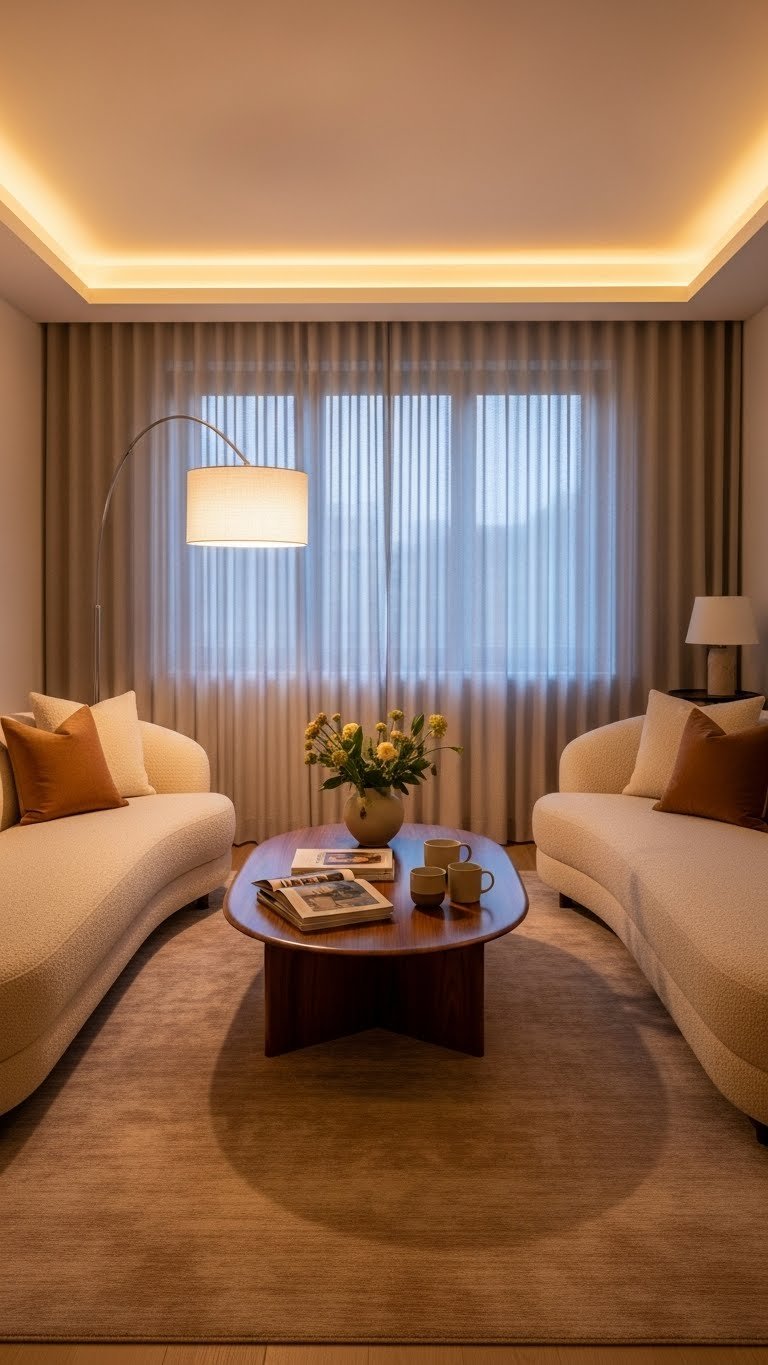
Curved sofas arranged in opposing arcs naturally create conversation zones and boost intimacy in open-concept spaces. This layout works beautifully in lofts or large living rooms where a single sofa might feel lost. Pair two curved sectionals ($2,400–$5,000 combined) with a round coffee table ($300–$800) for the ultimate conversation setup. The round shape echoes the sofa curves and keeps sight lines open. This arrangement screams intentional design—your space becomes purpose-built for connection instead of looking like furniture was just placed randomly. If two full sofas aren’t realistic, try one curved sofa paired with a curved accent chair ($500–$1,200) for similar effect on a smaller scale. The intimacy is immediate: guests actually face each other instead of staring at a TV.
16. Play With Pattern Strategically
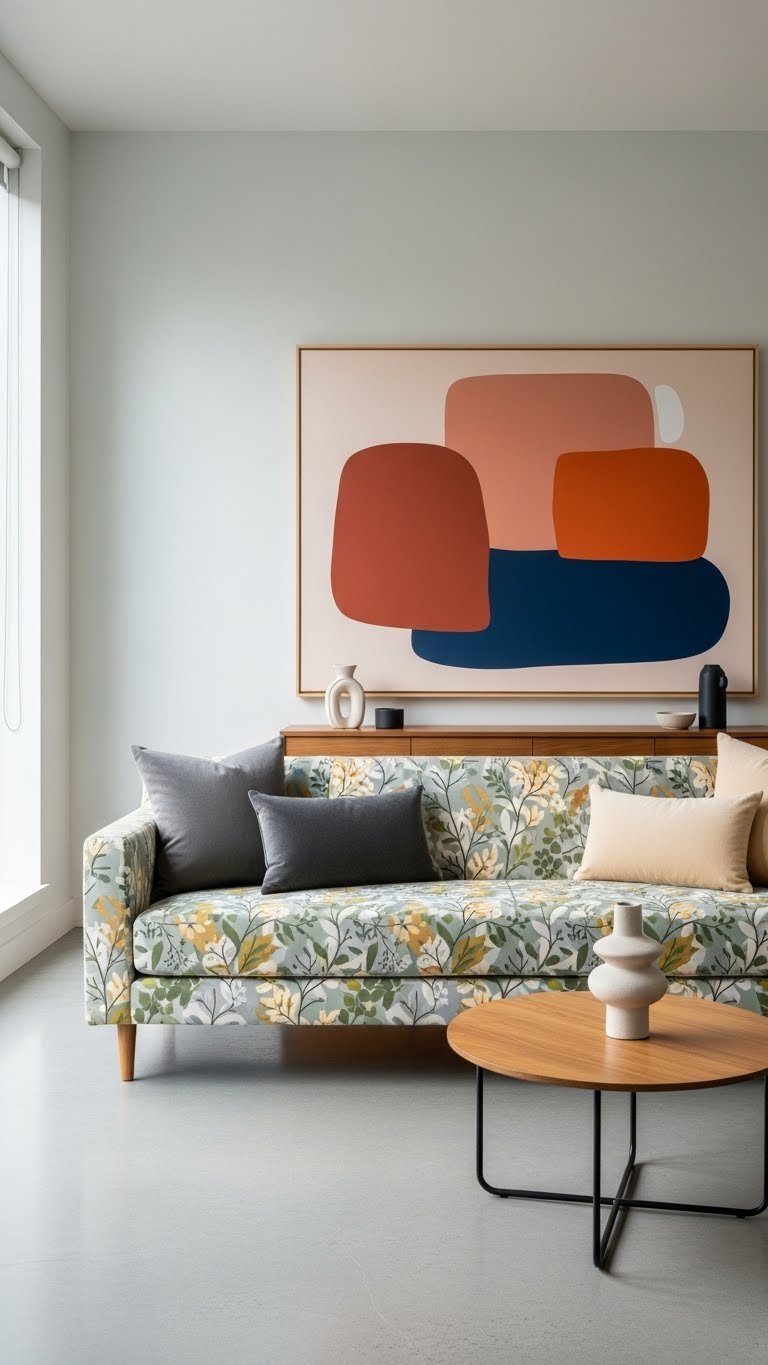
Patterned sofas are trending, but the key is choosing designs that feel timeless rather than trendy. Subtle geometric prints, botanical florals, and classic stripes work better than busy or overly colorful patterns. Look for sofas where the pattern is scaled proportionally to your space—large rooms handle bigger patterns; small rooms need smaller scales. Brands like Article, Schoolhouse Electric, and Interior Define offer patterned options starting around $1,000 and going up to $2,500. The styling rule: keep everything else neutral and let your patterned sofa be the focal point. Wall color, area rug, and accessories should recede. The effect is sophisticated and intentional—you’ve clearly thought about your space, not just accepted whatever showed up.
17. Layer Textured Throw Pillows for Depth
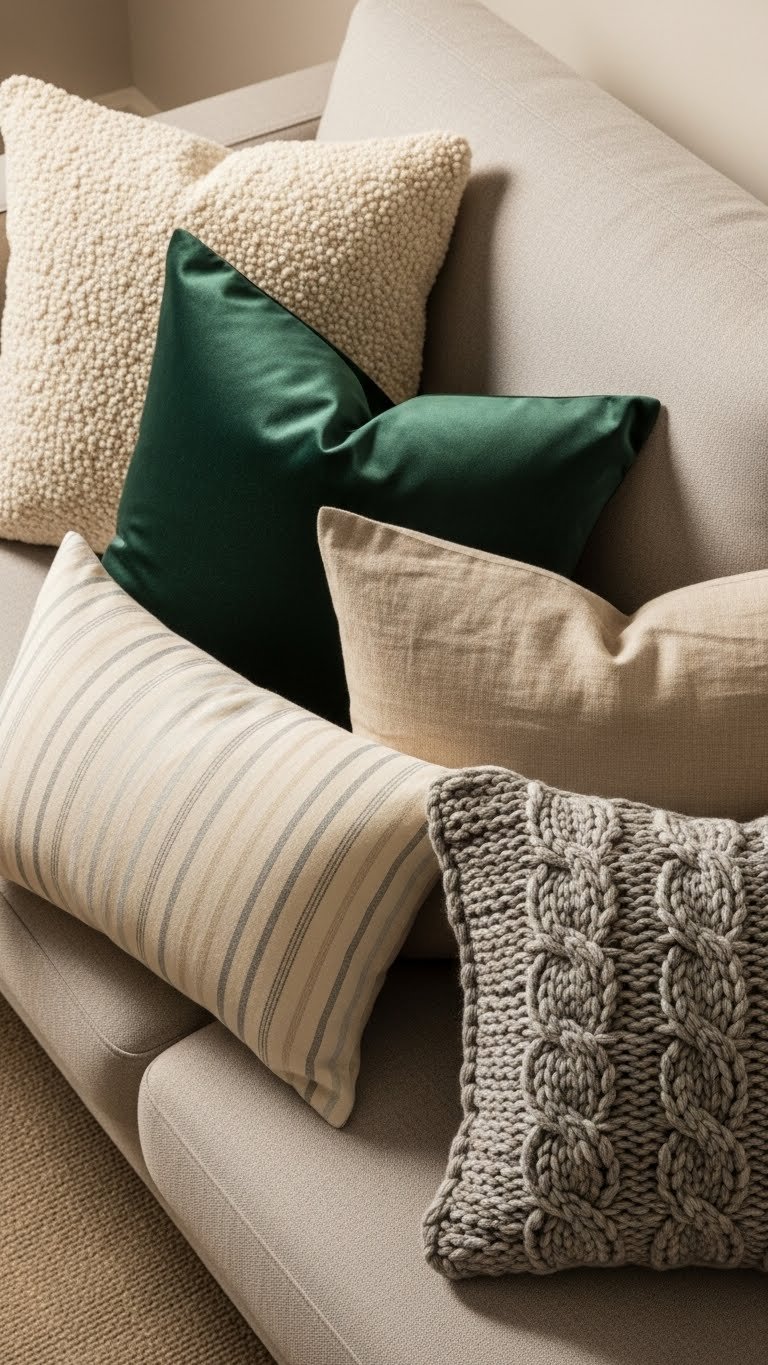
Layering pillows in different textures—bouclé, velvet, chunky knit, linen, and silk—creates visual depth and makes your sofa feel collected and intentional. This works best on oversized or sectional sofas where you have room to play. Start with a neutral base sofa (any price point) and invest in 4–6 quality pillows ranging from $25–$75 each. Mix textures rather than coordinating everything—the contrast is what creates visual interest. Hit brands like Etsy, Wayfair, and Article for texture variety. Pro tip: arrange pillows in odd numbers and vary heights for a styled-but-not-staged look. The transformation is immediate: your sofa looks like it belongs in a magazine instead of a furniture showroom.
18. Invest in Quality Cushion Cores

Cushion quality determines whether your sofa stays comfortable for five years or five months, yet most people overlook this crucial detail. High-density foam (at least 2.5 density rating) or down-wrapped cores outperform cheap polyester filling that compresses quickly. When shopping, ask about cushion specifications—good brands list them proudly. You might pay $200–$500 more for quality cushions, but they’ll maintain their shape for a decade versus losing support in 2–3 years. Brands like Article, Restoration Hardware, and Ethan Allen are transparent about cushion construction. Request this information upfront; if a retailer won’t share it, that’s a red flag. Quality cushions mean your investment actually feels good to sit on for years, not just looks good in photos.
19. Add Functional Ottomans for Flexibility
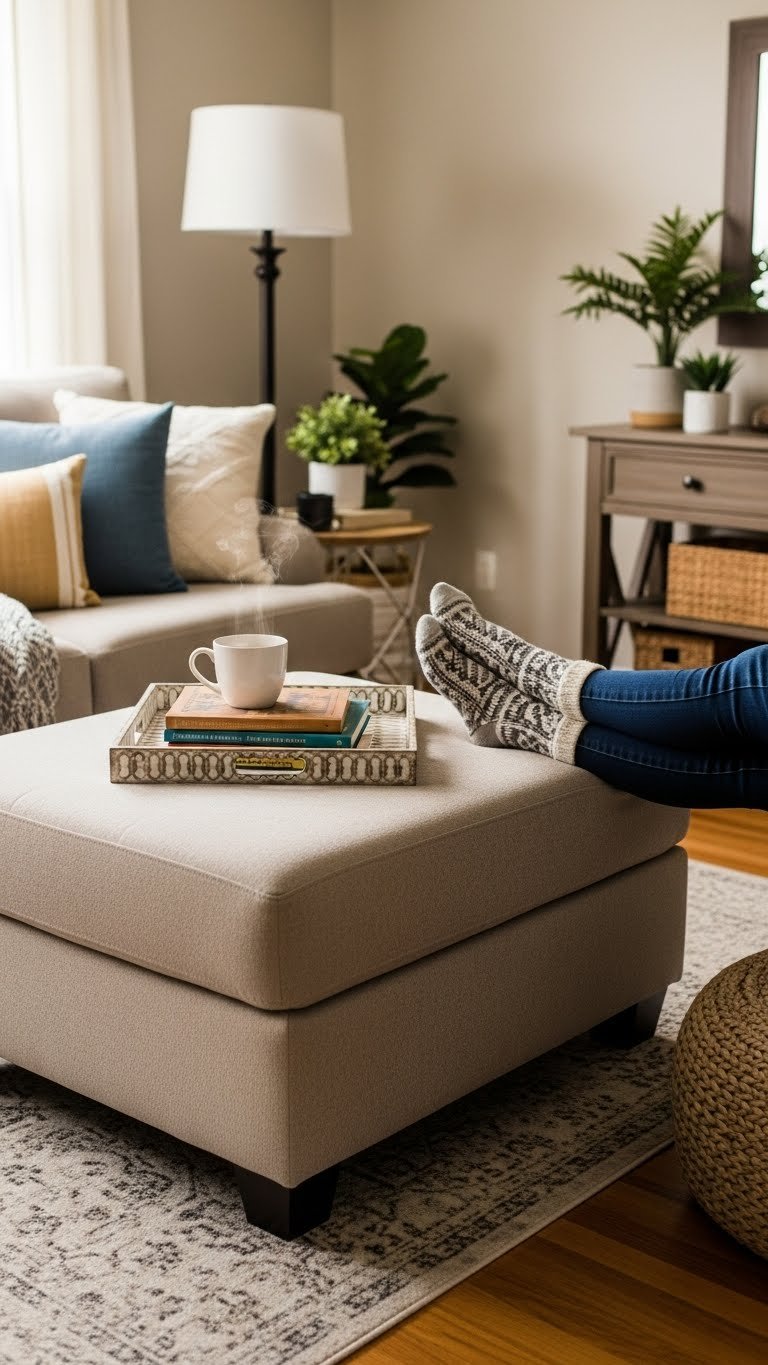
Ottomans are the underrated MVP of sofa styling—they provide extra seating, a footrest, hidden storage, or a makeshift side table depending on your needs. A storage ottoman ($200–$600) gives you hidden space for blankets, pillows, and clutter. A cube ottoman ($150–$400) works as a coffee table or extra seat. A tray-topped ottoman ($300–$800) becomes a functional coffee table with personality. Layer a tray on top and rotate seasonal decor for a styled look. Pair it with your sofa purchase or shop brands like Article, Wayfair, or West Elm. The genius move? An ottoman lets you adapt your living room’s function—cozy movie night becomes a footrest situation; friends visit and you’ve got extra seating. Flexibility like this makes your sofa investment more valuable.
20. Explore Arm-Optional and Legless Designs

Legless or low-arm sofas are trending for minimalist spaces because they blur the line between furniture and architecture. These designs feel more like built-in pieces and work beautifully in tight spaces or modern interiors. Expect to pay a premium—$1,500–$3,000—because these sofas require thoughtful engineering to maintain support. Brands like Blu Dot, Hay, and Muuto specialize in architectural sofa designs. The styling challenge is real: legless sofas need minimal styling around them to avoid looking cluttered. The payoff is huge: your space feels open, intentional, and contemporary—not crowded or dated. This works best if you genuinely love minimalist design, not just because it’s trendy.
21. Try Cream and Bouclé for Forgiving Neutrals
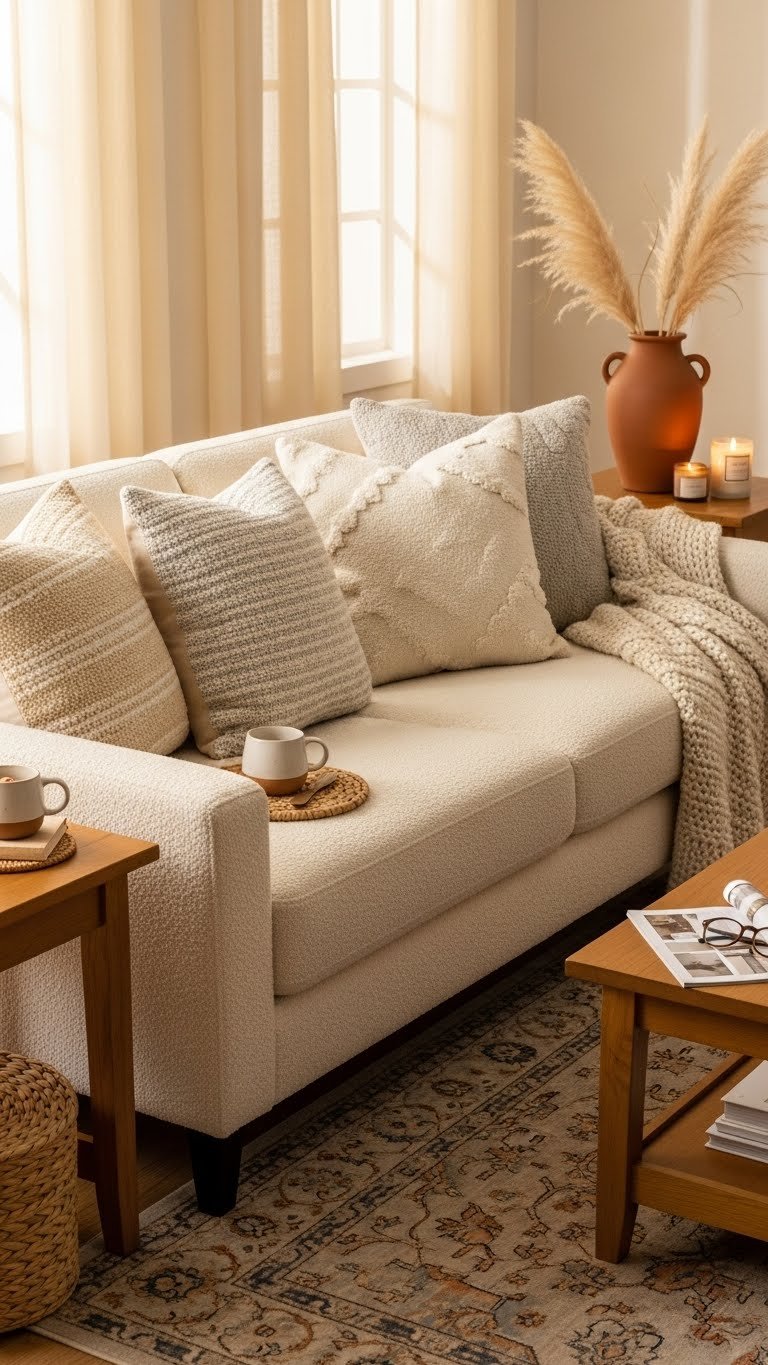
Cream and bouclé fabrics have quietly become favorites because they hide wear better than smooth finishes while remaining timelessly neutral. Bouclé’s nubby texture camouflages dust and pet hair while feeling textured and interesting—not flat or boring. Pair a cream or bouclé sofa ($1,000–$2,200) with warm wood tones for instant warmth. Brands like Article, Schoolhouse Electric, and Interior Define offer cream bouclé options. The styling secret? Add one jewel-tone accessory or artwork to prevent the space from feeling washed out. You get a neutral that works with almost any aesthetic while forgiving real-life dirt and mess. It’s the grown-up equivalent of choosing a color that just works.
22. Consider Sectionals for Open Floor Plans
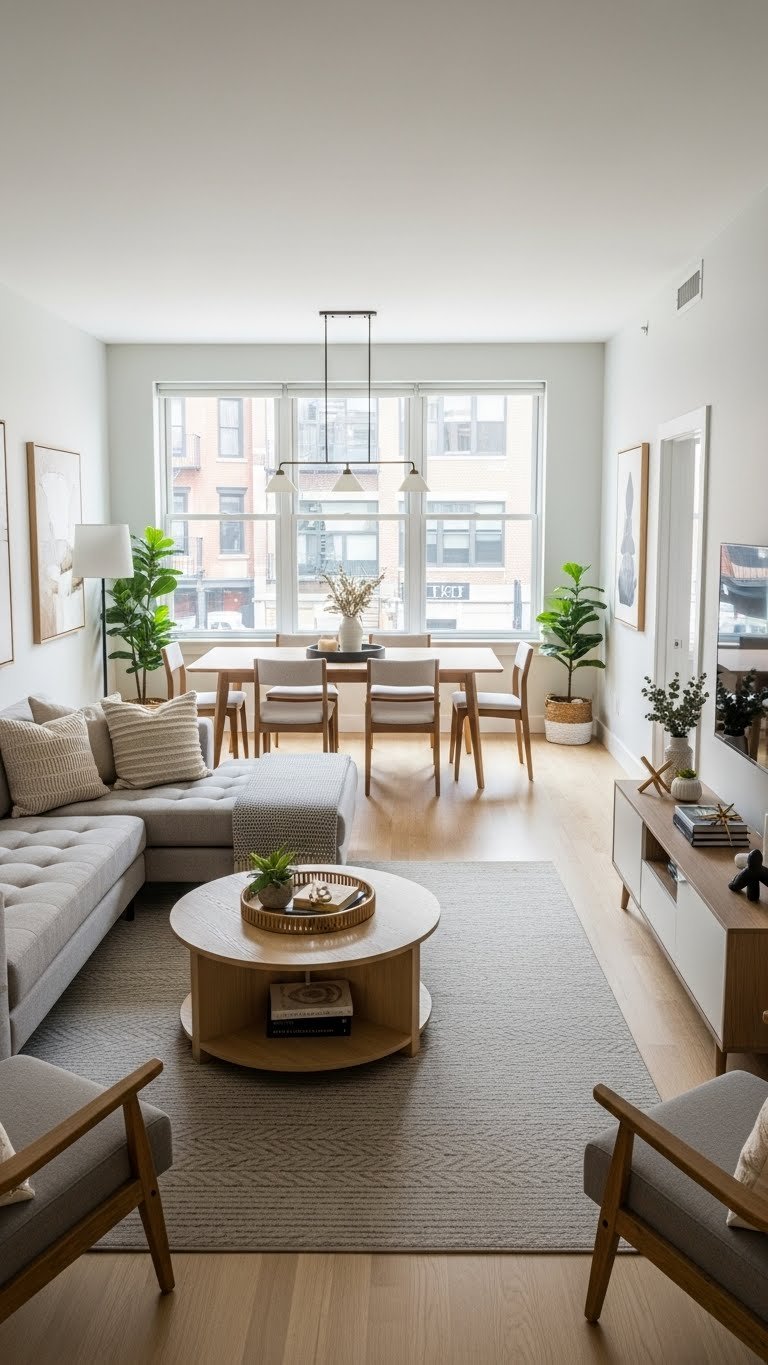
Sectionals are designed for open-concept living because they create zone definition without walls. An L-shaped or U-shaped sectional tells guests “this is the living area” while keeping sight lines open and maintaining flow. Look for sectionals with two feet of clearance on all sides for walkability. Budget $1,500–$3,500 depending on size and quality from brands like Article, West Elm, or Interior Define. Modular sectionals ($1,500–$2,500 for a base) offer flexibility if your layout needs change. The styling benefit is huge: your open space looks intentional and organized, not like furniture is just scattered around. An open floor plan with the right sectional becomes a luxury—you get spaciousness and defined zones simultaneously.
23. Add Rounded Corners for Safety and Softness
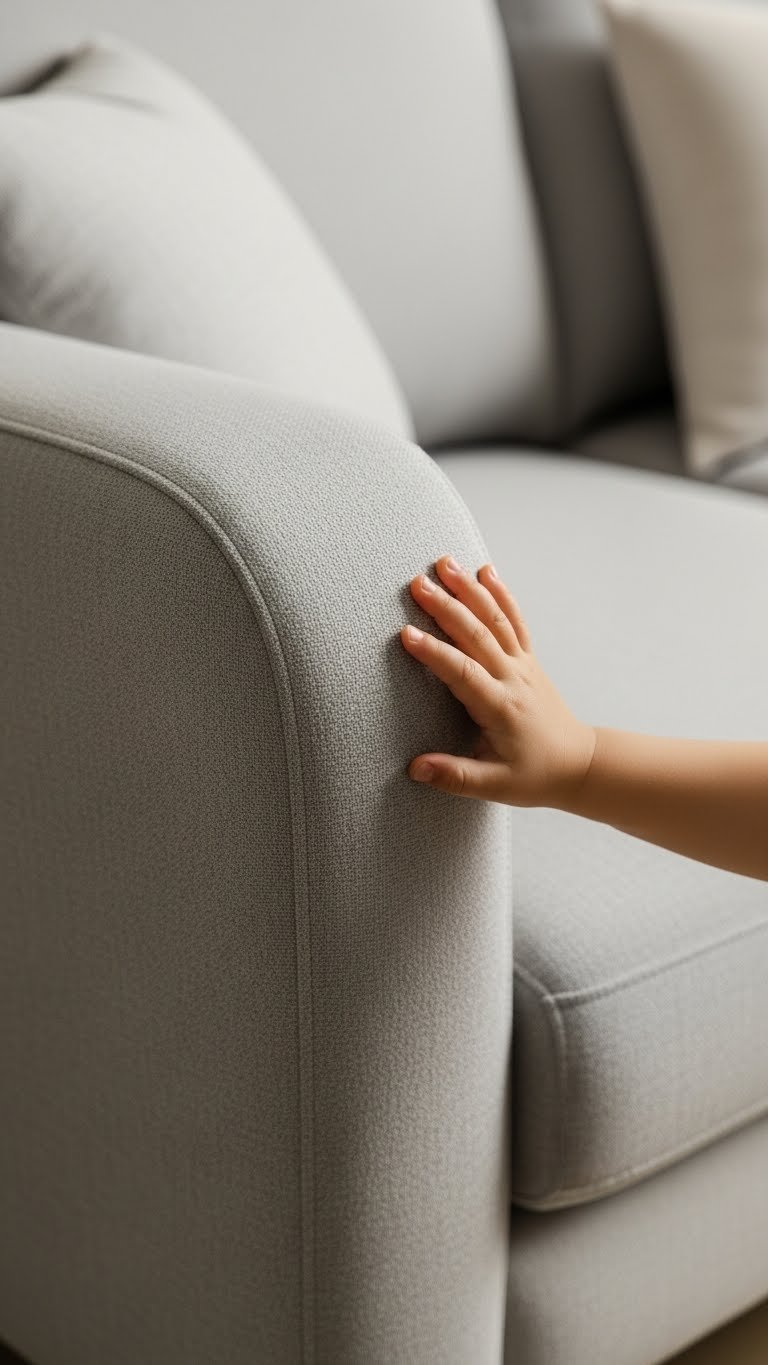
Rounded corners on sofa arms and frames are becoming standard in family-focused designs because they eliminate sharp edges that hurt when you bump your head or shins. This is particularly important if you have young kids or pets. Many modern sofas now prioritize safety without sacrificing style—brands like Article, Schoolhouse Electric, and Wayfair’s family collections all offer rounded designs. There’s no price premium; this is just smarter design. Pro tip: Look for sofas with generous arm heights (at least 8 inches) if you have kids who tend to climb. The effect is subtle but significant: your sofa becomes a safe gathering spot instead of a furniture hazard. Safety and style go hand-in-hand in 2025 design.
24. Build Your Own Sofa for Perfect Customization

Build-your-own sofa tools from brands like Burrow, Article, and Interior Define let you customize everything—size, fabric, color, leg style, and cushion firmness—so you get exactly what you want. This eliminates the compromise of accepting “close enough” when the perfect sofa is achievable. Most offer free virtual consultations to help you navigate options. Budget $1,200–$3,500 depending on customization and quality. The process takes 4–8 weeks from order to delivery, so plan ahead. Online tools show you fabric colors, leg options, and configurations in real-time—there’s no guessing. The payoff is that your sofa is built for your exact space and needs, not a generic compromise. You get a piece that feels genuinely yours.
25. Mix Neutrals and Jewel Tones Fearlessly
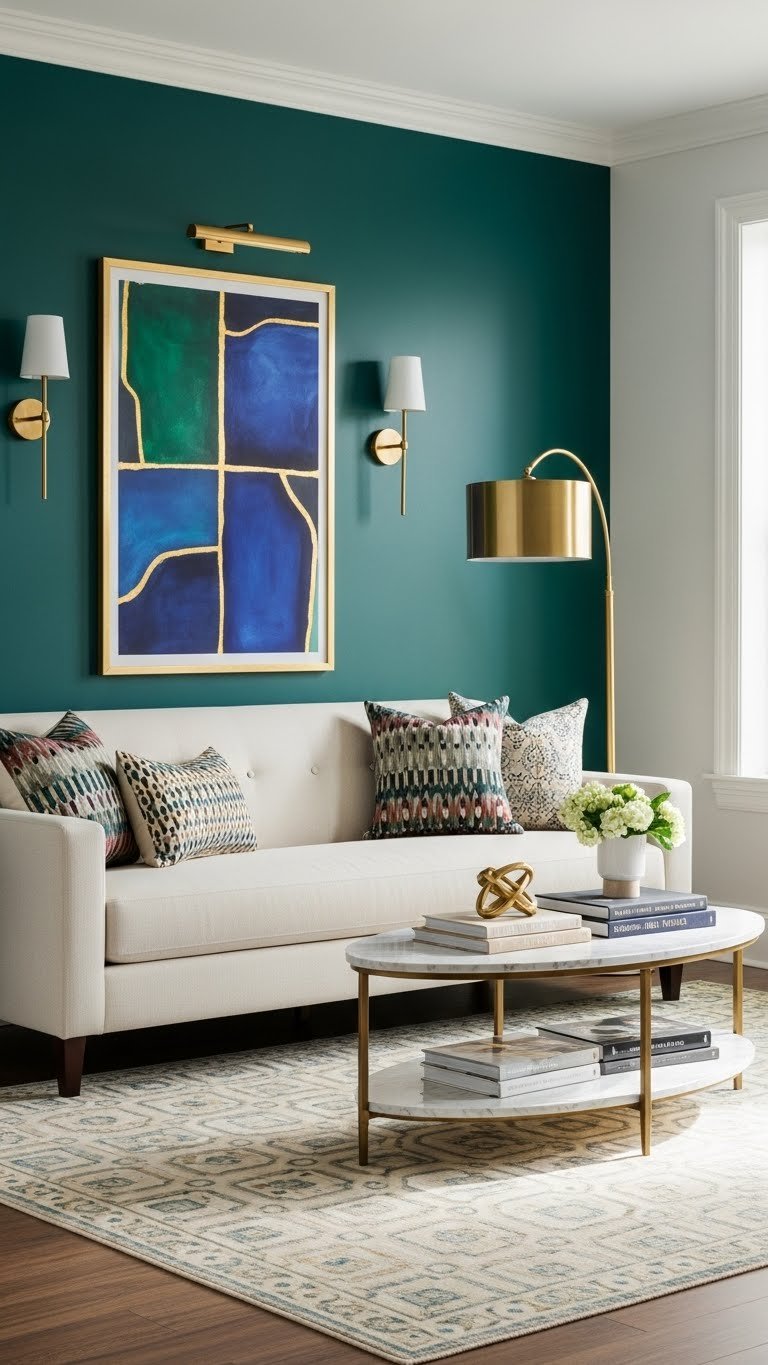
The best-designed spaces of 2025 mix rich neutrals (cream, warm taupe, light gray) with bold jewel-tone accents—it’s the Goldilocks zone between boring and overwhelming. Start with your neutral sofa as the foundation ($1,000–$2,500), then add jewel-tone paint, artwork, or textiles as accents. Layer in brass or gold hardware and warm lighting to tie it together. Brands like Bellona USA provide color guides for this exact combination. The styling rule: keep jewel tones to 20% of your visual space (one accent wall, several pillows, a bold artwork) while neutrals occupy the remaining 80%. The result is a sophisticated space that feels intentional and current without being trendy or dated. You’ve got visual interest and calm balance simultaneously.
26. Prioritize Sofa Placement for Maximum Impact

Where you place your sofa matters as much as which sofa you choose—it should anchor the room and create natural traffic flow. The best placement usually faces a window (for natural light and views), the TV, or a fireplace, depending on your priorities. Measure your doorways, windows, and architectural features before delivery day to avoid the awkward shuffle of moving a heavy sofa post-arrival. Pro tip: Place sofas 18–24 inches from a wall to create breathing room and prevent a cramped look. If you’re in a rental or uncertain about placement, get a furniture placement consultation (many designers offer virtual sessions for $50–$150). Perfect placement means your sofa becomes the natural gathering spot instead of just fitting in somewhere. Your space finally makes sense and your sofa investment looks intentional.
Save this post and pick one idea to act on this week. Whether it’s swapping pillows for instant impact or planning a bigger sofa investment, these trends prove that your living room doesn’t need a full renovation to feel current and comfortable. Share this with anyone ready to upgrade their sofa situation—starting today.
Leave a Reply