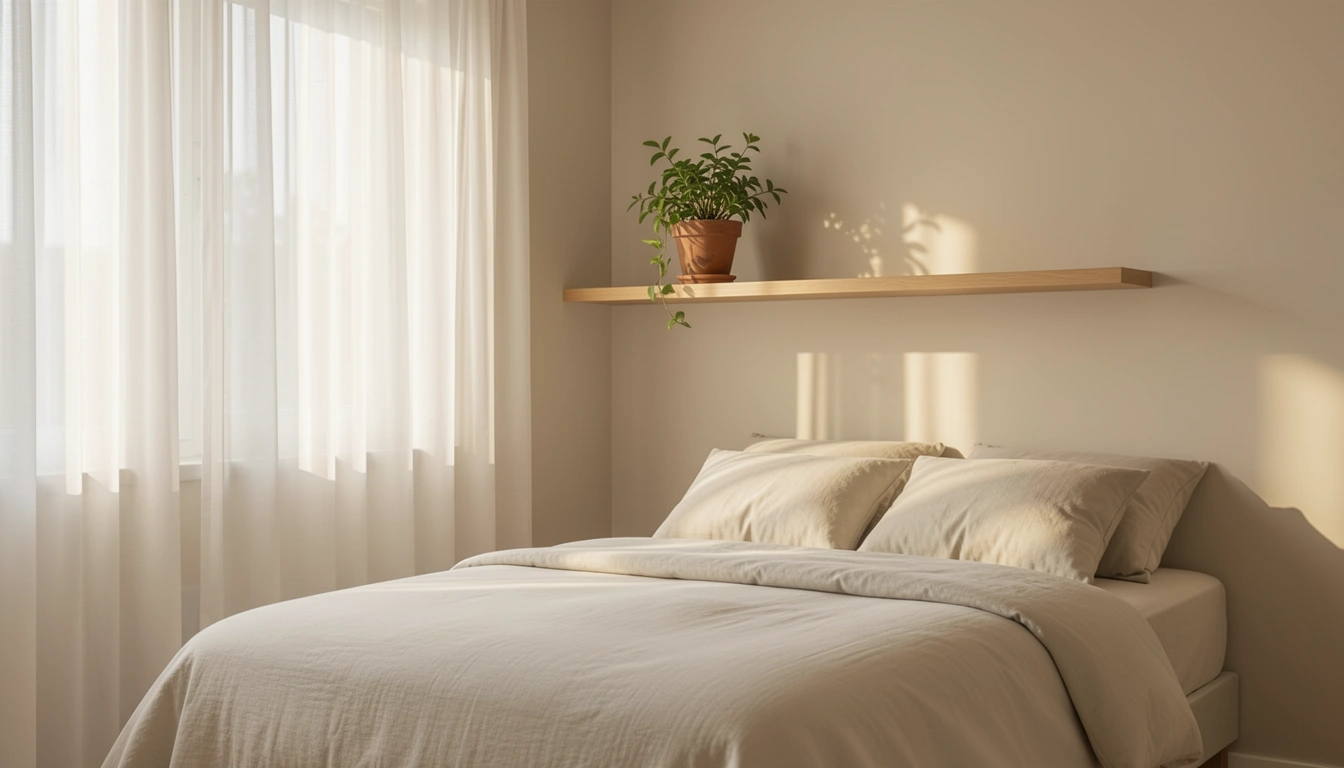
Clutter doesn’t just take up physical space—it steals your mental peace. Whether you’re juggling a small apartment or just tired of visual chaos, you don’t need a complete home overhaul to feel the difference. These 23 ideas blend practical organizing strategies, smart design choices, and budget-friendly hacks that work for renters and homeowners alike. You’ll discover how to eliminate unnecessary items, create hidden storage, choose furniture that earns its place, and style what remains so your home actually looks more beautiful with less stuff. Let’s get started.
1. Create a “One In, One Out” Rule for Guilt-Free Editing

The best way to stop clutter from returning is to prevent it in the first place. Every time you bring something new home, commit to removing something similar—whether it’s clothes, kitchen tools, or décor pieces.
This practice keeps your spaces proportional and forces intentional purchases instead of impulse buys. Set a calendar reminder once a month to audit one category (closet, kitchen, bedroom). You’re not throwing things away weekly—just being mindful about what enters your home. It takes 20 minutes per session and costs nothing. Many people find this habit naturally leads to fewer, higher-quality purchases over time.
The beauty? Your home stays edited without ever feeling spartan or cold. You end up surrounded only by things that genuinely serve you or bring joy—and that creates a baseline of calm you didn’t have before.
2. Use Vertical Wall Storage to Free Up Floor Space
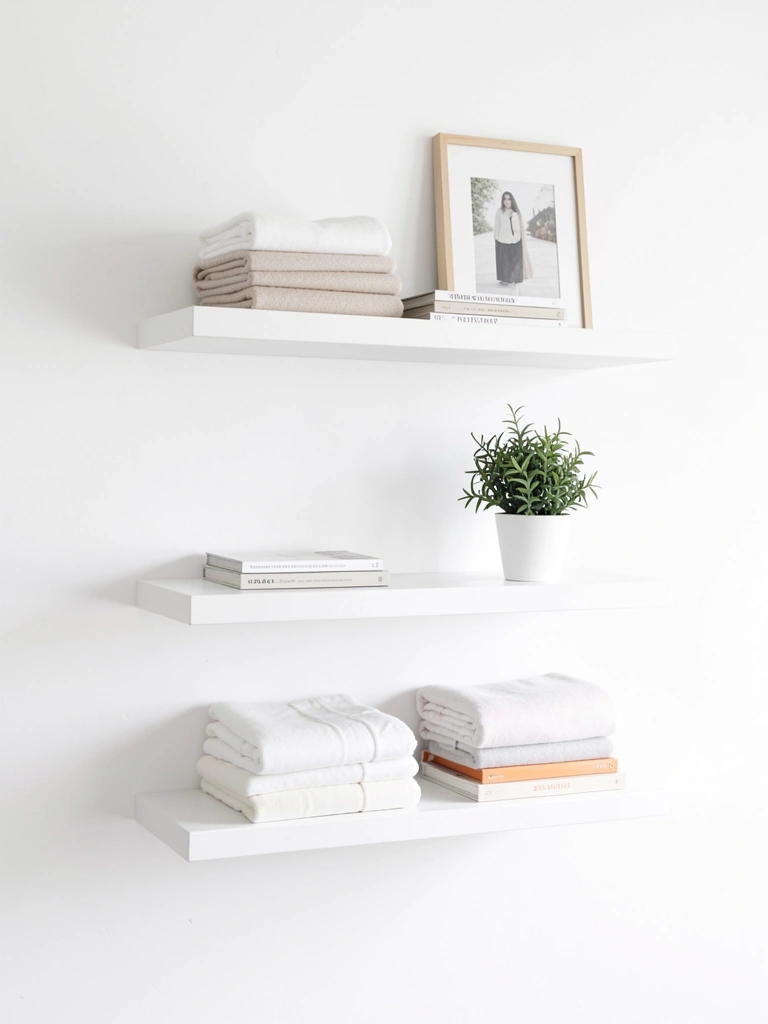
Walls are real estate you’re not using. Vertical storage instantly makes rooms feel larger because it pulls visual clutter off surfaces and floors.
Install floating shelves ($20-$60 each at IKEA, Home Depot) to store books, plants, folded linens, or display pieces. Alternatively, use wall-mounted pegboards ($15-$40) for kitchen tools, bathroom supplies, or garage items. Installation takes one to two hours if you’re handy, or hire someone for $50-$100. The key is being selective about what goes up—don’t just transfer clutter to shelves. Choose 5-7 meaningful items per shelf instead of cramming them full.
Your floor opens up instantly, sightlines clear, and rooms breathe. It’s one of the fastest ways to make a crowded space feel intentional.
3. Adopt a Clear Container System in Cabinets and Drawers
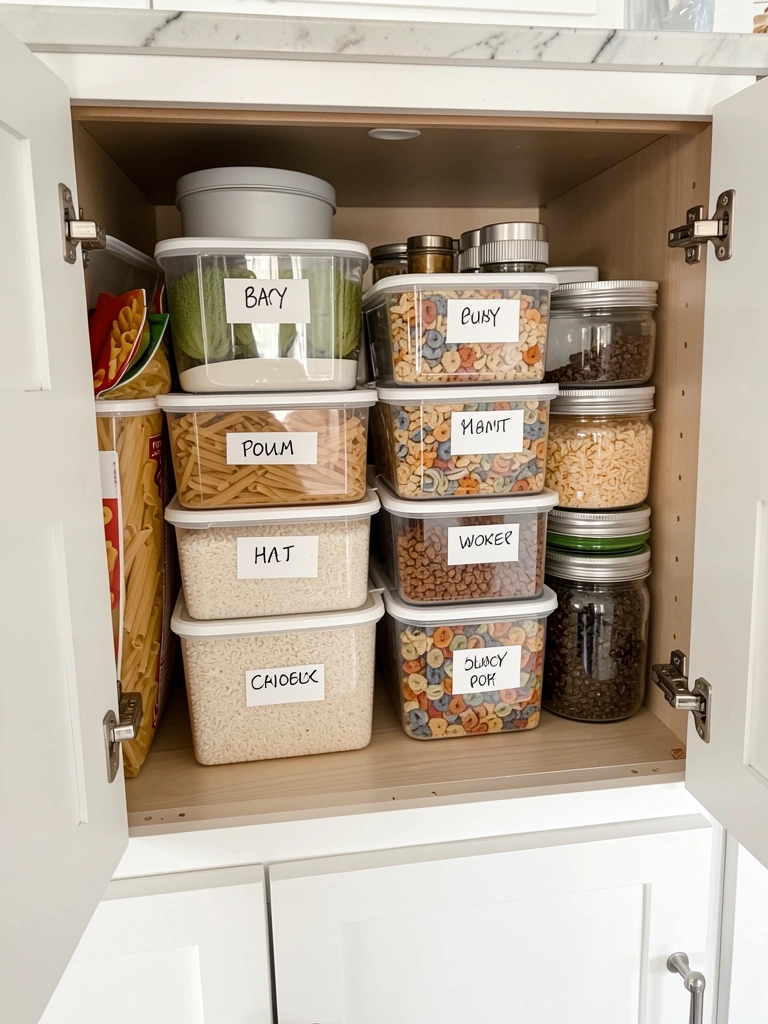
Clear storage containers might seem simple, but they’re game-changers for hidden clutter. When everything is visible and labeled, you stop buying duplicates and use what you already have.
Measure your cabinets and drawer space, then invest in matching clear containers ($25-$60 for a set at Target, IKEA, or The Container Store). Transfer dry goods, pantry items, or under-sink supplies into them. Label each container with a label maker ($15-$25) or white tape and marker. This takes one to two hours and immediately prevents forgotten items from piling up. You’ll know exactly what you have, so you shop smarter and waste less.
The organized look is a bonus—your cabinets become functional décor, and you’ll actually enjoy opening them instead of dreading what might fall out.
4. Declutter by Room Category, Not by Location
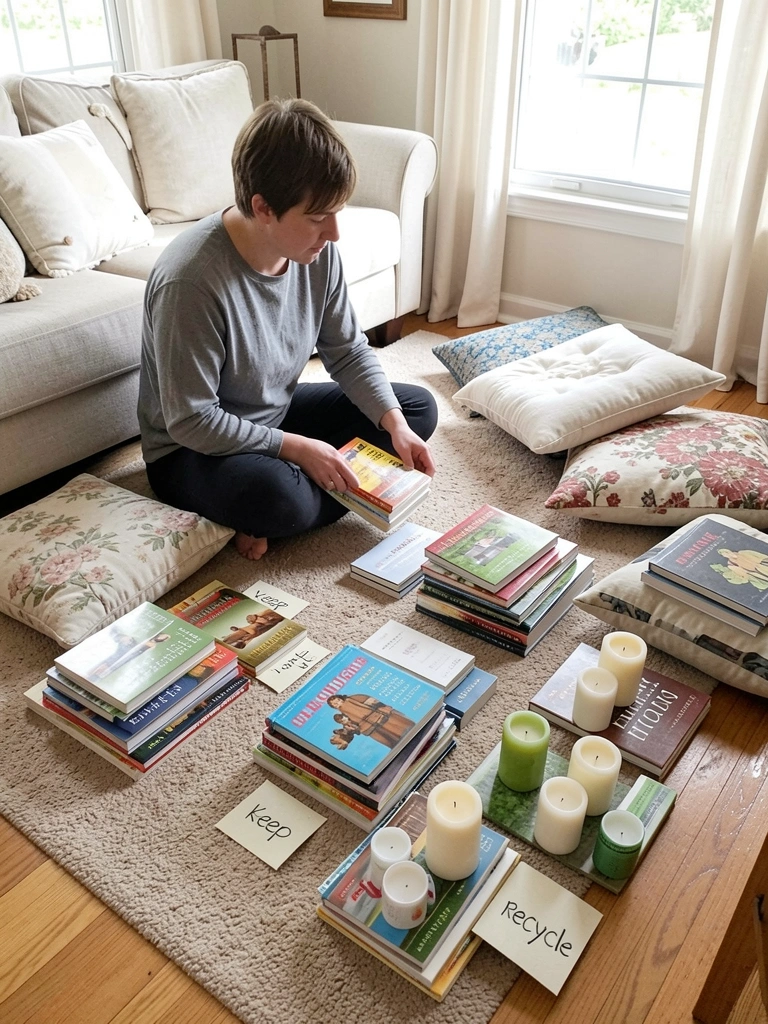
Marie Kondo’s category method actually works because your brain processes items differently when they’re grouped. Instead of decluttering your bedroom, then your kitchen, gather all your books, all your kitchen utensils, or all your linens in one spot.
Pick one category and spend one to three hours sorting everything you own into keep, donate, or trash. You’ll notice duplicates you didn’t know existed and realize how many items don’t serve you anymore. This approach prevents the “I might use this” trap because seeing five identical can openers forces a decision. Once you’ve edited, these categories stay smaller because you know what you have.
You’ll feel lighter and more in control—and your space naturally stays less cluttered because you’ve reset expectations about how much you actually need.
5. Invest in Furniture With Built-In Storage
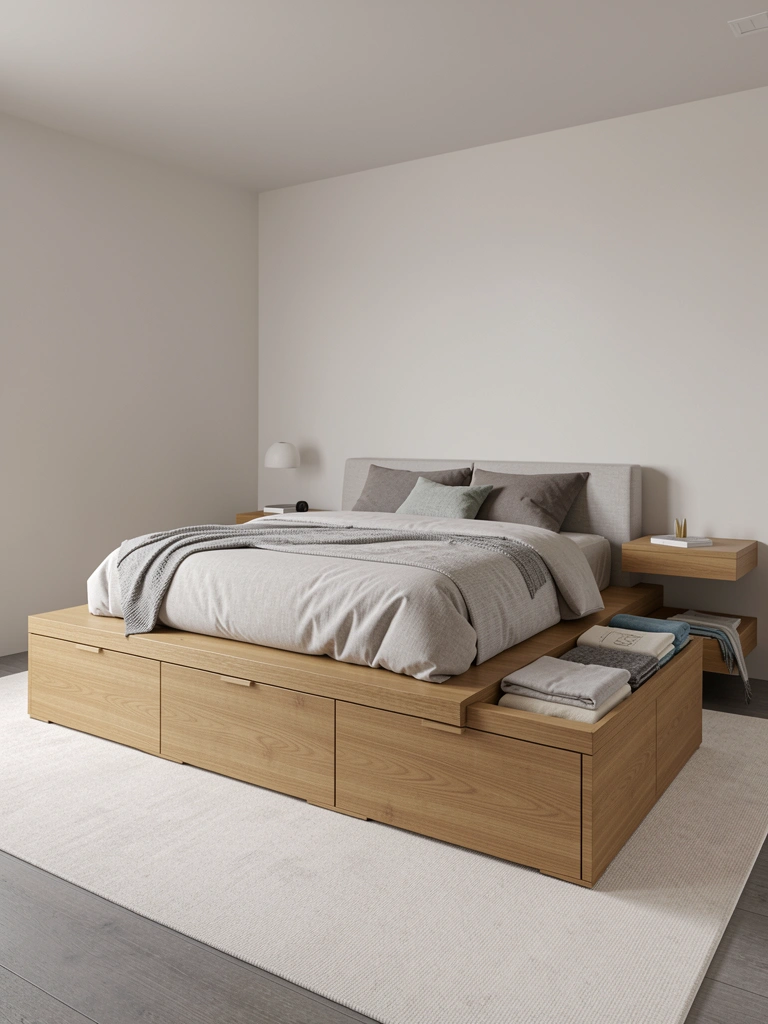
Multifunctional furniture is the secret weapon for small spaces and clutter prevention. Every piece should work overtime.
Shop for ottomans with hidden storage ($80-$200 at Wayfair, West Elm, or Article), beds with underbed drawers ($300-$800), or coffee tables with shelves ($150-$400). These pieces cost more upfront but eliminate the need for extra dressers, cabinets, or shelving units. Renter-friendly option: Look for beds with removable storage drawers or ottomans on wheels that slide under existing furniture. The investment pays off because you cut down on the total number of furniture pieces by 30-40%, leaving your floor plan open and room to move.
Your home looks curated instead of cluttered, and everything has a designated home—no more “stuff storage” taking up valuable real estate.
6. Use the “Close the Door” Test for Visible Spaces
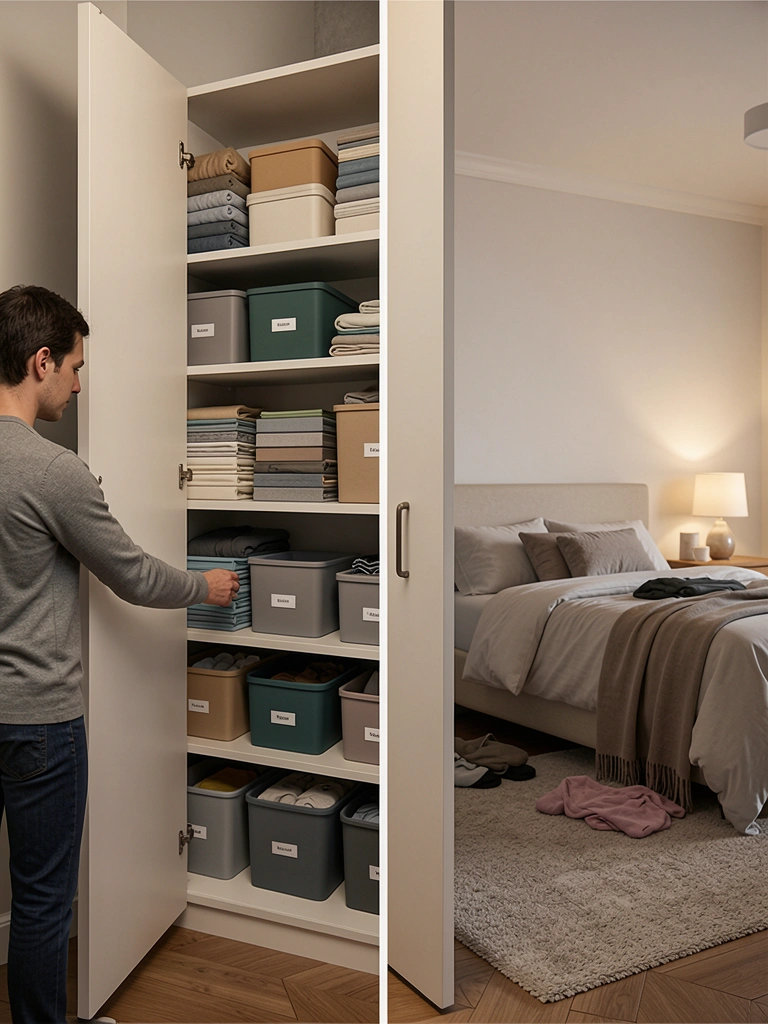
If you can close a door on it, it’s hidden clutter—which means you have freedom to store more in there than you’d dare leave out on display.
Deep closets, pantries, under-sink cabinets, and linen closets are for overflow storage. The rule: anything visible in open areas (shelves, counters, furniture surfaces) should follow stricter editing rules. Use closed storage for supplies, backups, seasonal items, and things you use regularly but don’t need to see. Organization systems cost $30-$150 depending on the space size. This mental shift stops you from moving clutter around—it gives you permission to store it properly instead.
Open areas become calm and curated. Closed spaces become efficient, and you don’t feel guilty about what’s behind the door because everything serves a purpose.
7. Edit Your Décor Collection to Your Actual Style
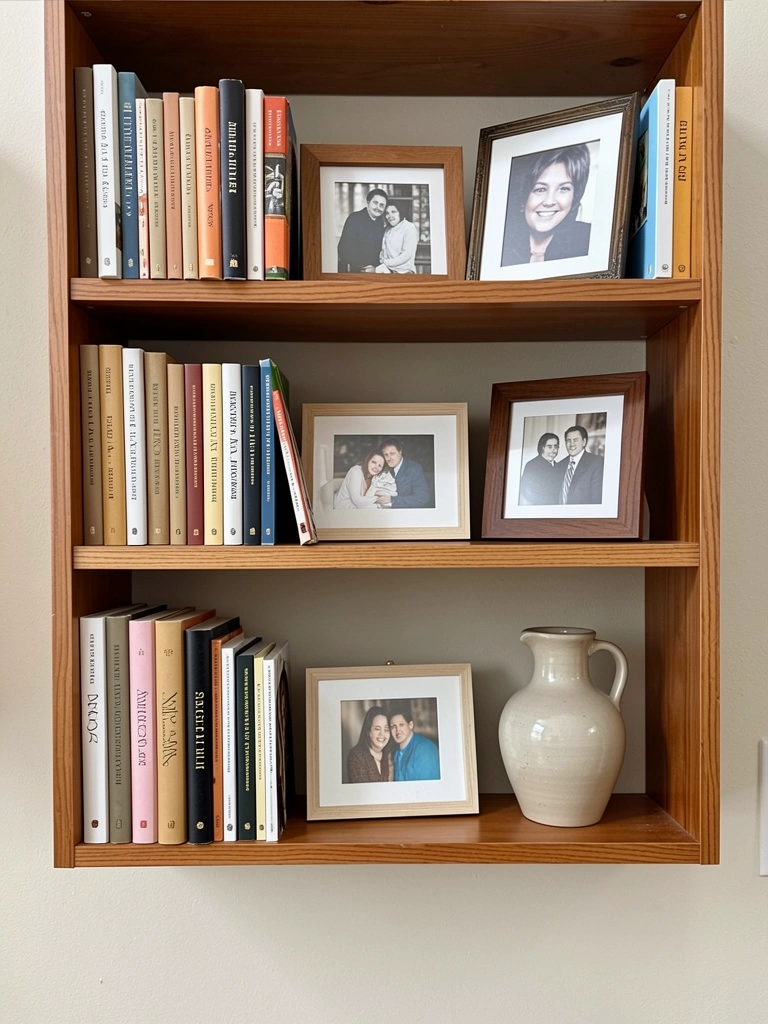
Most people own décor they’ve accumulated over time—gifts, impulse buys, things that matched old décor schemes. It all sits there visually competing for attention.
Gather every decorative object in your home and place them on your bed. Pick only items that genuinely match your current style and make you happy when you look at them. This takes two to three hours but costs nothing. Be ruthless: that decorative bird you got five years ago? If it doesn’t spark joy or fit your aesthetic now, it goes. Donate or sell extras on Facebook Marketplace or Goodwill. Suddenly your shelves, nightstands, and coffee tables look intentional and gallery-like instead of like a thrift store display.
With fewer pieces, each one gets visual prominence and your eye can finally rest. Décor becomes meaningful instead of noise.
8. Switch to Vertical Hangers for Double Closet Capacity
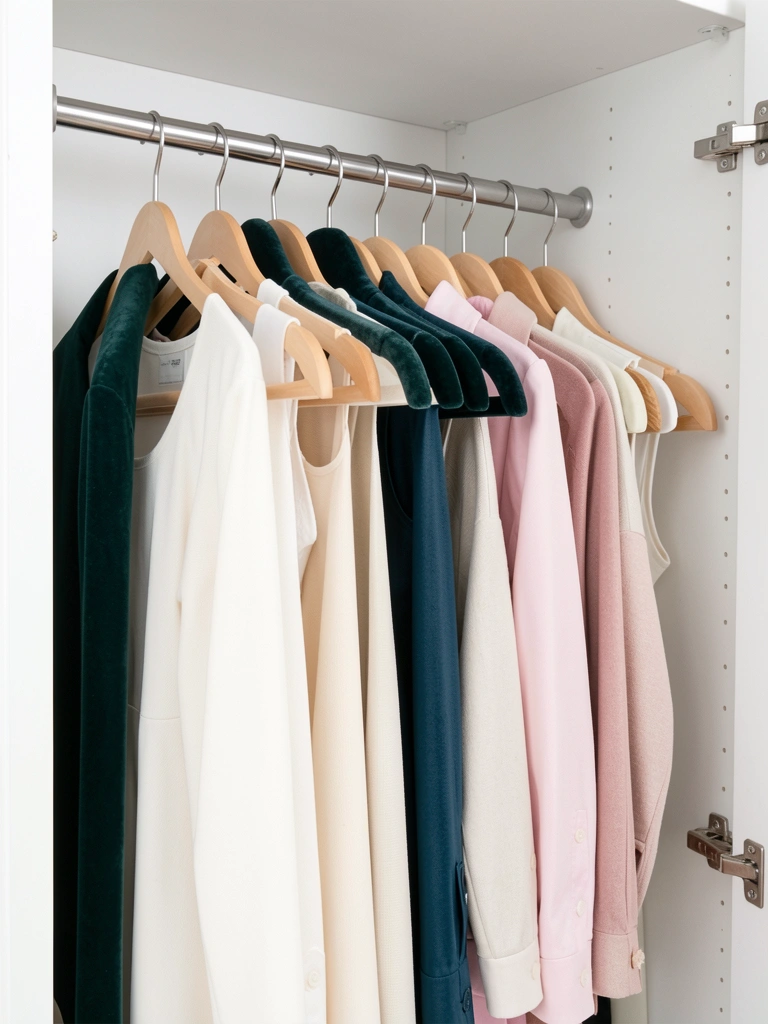
Traditional hangers waste massive amounts of closet space. Tiered or vertical hangers let you stack multiple items in the footprint of one.
Replace your current hangers with tiered velvet hangers ($20-$40 for a pack of 6-10 at IKEA, Target, or Amazon) or vertical cascade hangers ($15-$30). You’ll gain 40-50% more hanging space instantly—no closet reorganization needed. It takes 15 minutes to swap them out. Velvet hangers also prevent clothes from slipping, so everything stays organized and visible. Suddenly your closet feels spacious instead of jammed.
You see all your clothes at once, wear items more often, and stop buying duplicates because you remember what you own. It’s a tiny change that makes a massive difference in how you experience your space daily.
9. Create a “Donation Station” Box That Lives Year-Round
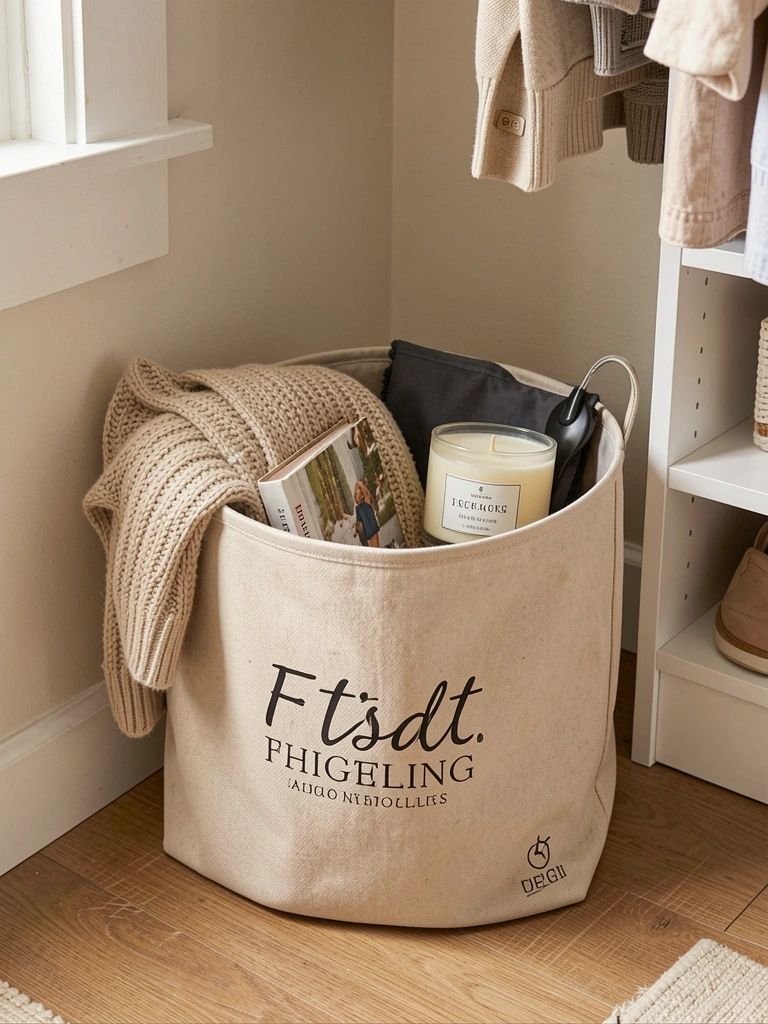
Instead of holding onto items “just in case” you’ll donate them, make donating friction-free by keeping a permanent donation box visible.
Place a labeled fabric bin or small shelf ($10-$25 at IKEA or Target) in your closet, bedroom, or mudroom. When something doesn’t fit, breaks, or you simply don’t use it anymore, it goes straight in the box instead of cluttering drawers. Once it’s full, schedule a monthly drop-off at Goodwill, Salvation Army, or a local shelter—takes 15 minutes. Knowing you have an immediate home for unwanted items stops you from justifying keeping them around. You edit more decisively because the guilt disappears.
Your space stays lighter, editing becomes a habit instead of a guilt-laden annual project, and nothing sits unused for months gathering dust.
10. Use Drawer Dividers to Prevent Chaos Creep
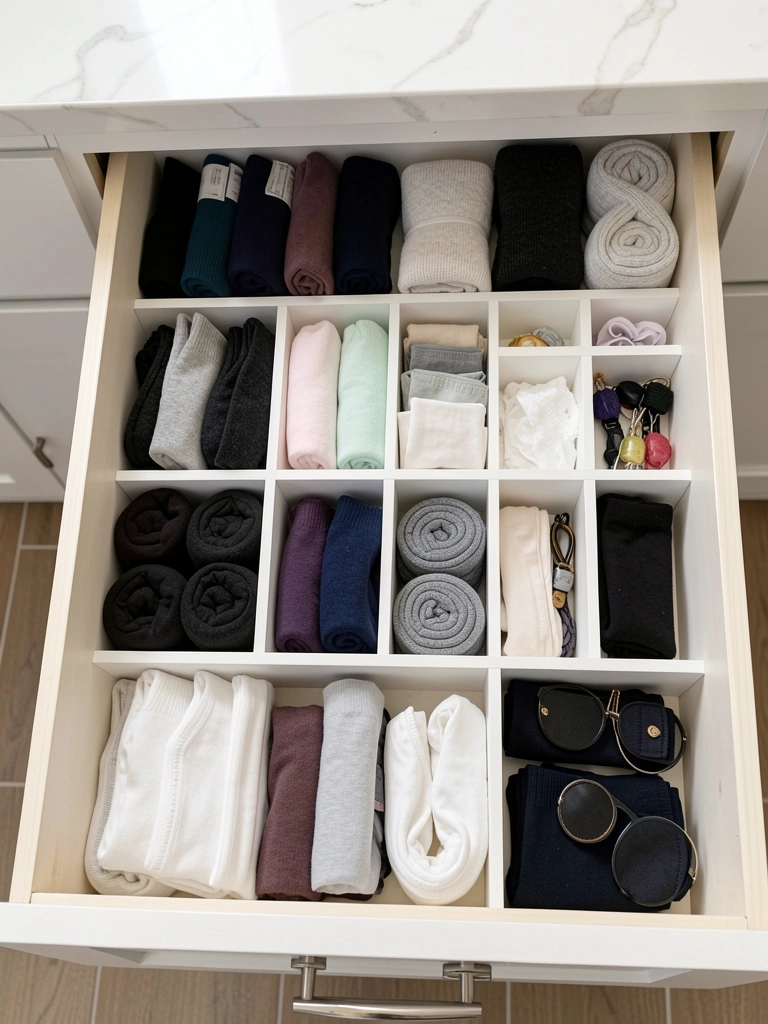
Drawers are where clutter goes to hide. One divider system prevents the messy pile that happens when everything tumbles together.
Install adjustable drawer dividers ($15-$40 for a set at IKEA, The Container Store, or Amazon)—they take 10-15 minutes to adjust and fit any drawer. Assign each section a category: socks, undergarments, accessories, tech cables, whatever you’re storing. Roll or fold items vertically so you see everything without digging. When each item has a zone, you use things more, spot duplicates faster, and maintain order without effort. Nothing crumbles into chaos again.
Your drawers become functional and pleasant to open. You stop rebought items you forgot you had, and mornings run smoother because everything is visible and accessible.
11. Adopt a “Inbox Zero” System for Mail and Papers
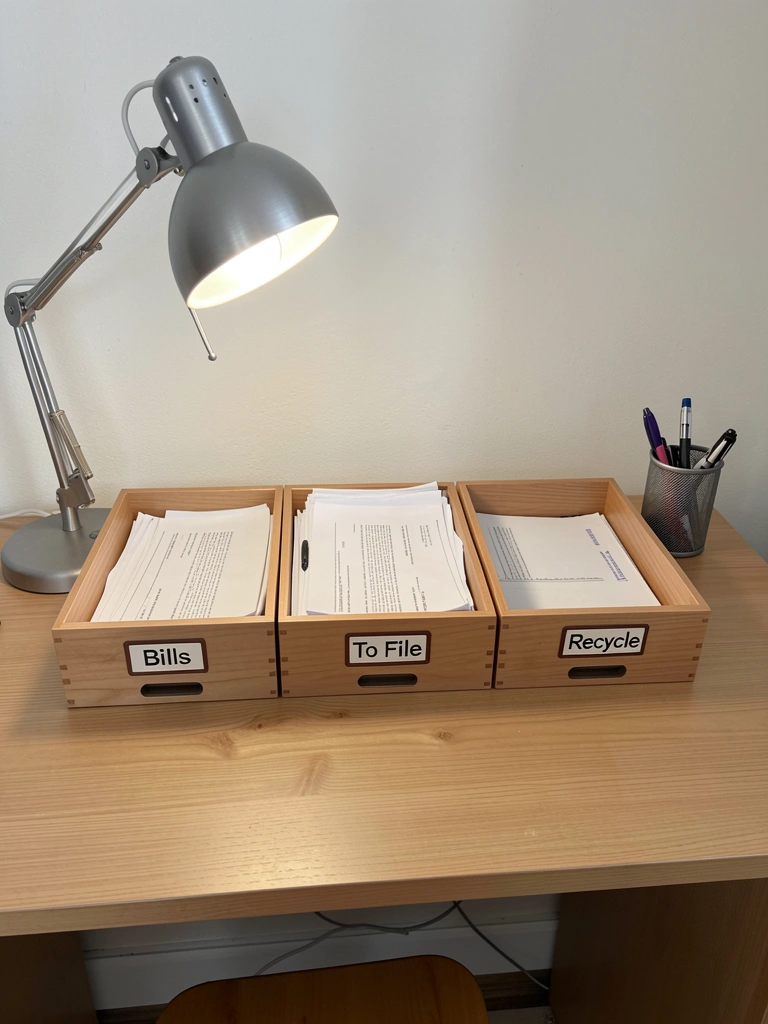
Paper clutter multiplies faster than anything else. Bills, receipts, letters, and junk mail pile up and make spaces look chaotic.
Set up a simple paper management system using three labeled file trays ($10-$20 at Target or Office Depot): one for bills to pay, one for items to file, and one for recycling. Check the trays once a week—takes 10 minutes. Pay bills, scan important documents and shred originals, recycle the rest. Go digital where possible: set up paperless billing, unsubscribe from catalogs, and file documents in a cloud system like Google Drive or Dropbox. Suddenly your surfaces are clear and your desk becomes a place to actually work instead of a filing system.
You’ll never lose an important bill again, mail stops being a source of stress, and your entire home looks more intentional when papers aren’t stacked everywhere.
12. Pare Down Your Kitchen Utensil Collection to Essentials
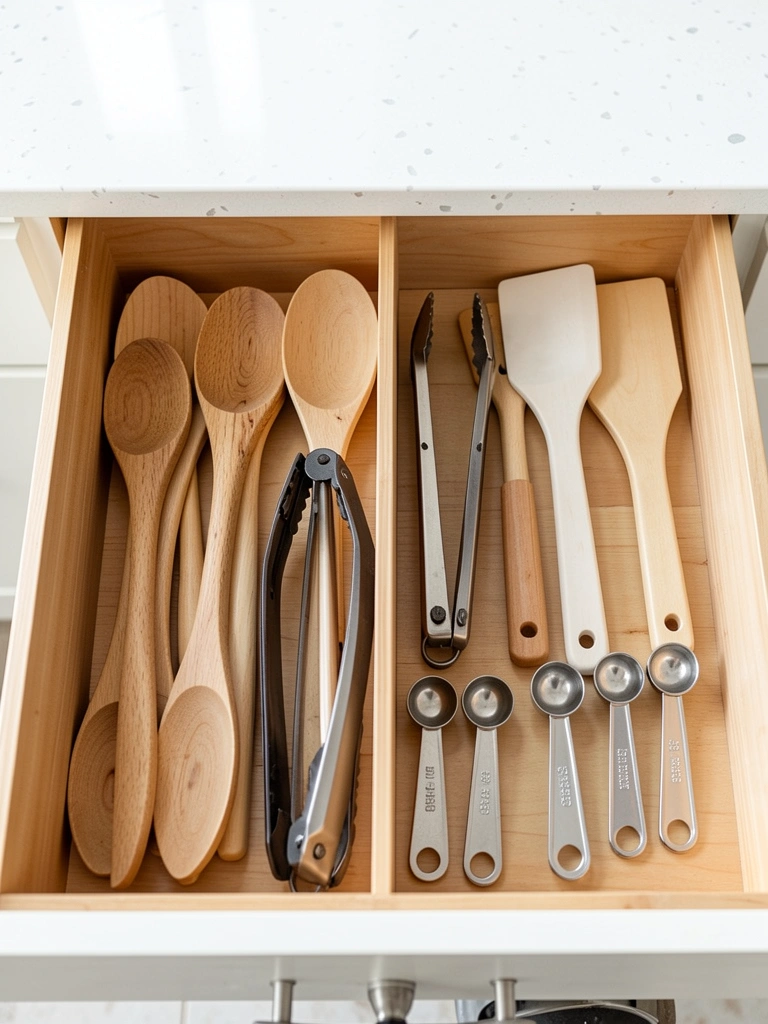
Most home cooks use about 15 utensils regularly. The other 30 in your drawer just take up space and make cooking annoying.
Gather every kitchen utensil, spatula, spoon, and gadget. Keep only the ones you’ve actually used in the past six months. Donate or sell the rest—takes one to two hours. Invest in quality multitasking tools ($40-$80 total): a sturdy wooden spoon, silicone spatula, good tongs, measuring spoons, and a couple of specialty pieces you genuinely use. Store them upright in a utensil holder ($15-$30) on your counter or in a divided drawer for easy access. No more digging through a tangled mess of single-use gadgets.
Cooking becomes more enjoyable because you can find what you need instantly. Your kitchen looks and functions better with 40% fewer items taking up real estate.
13. Go Minimal With Throw Pillows and Blankets
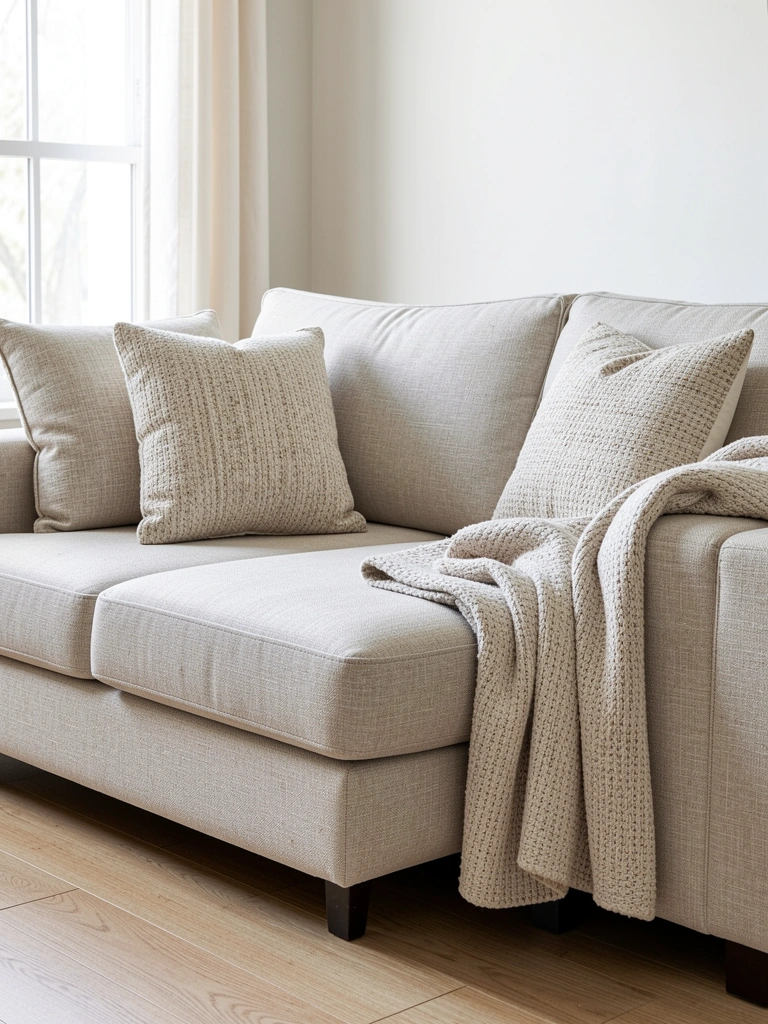
Throw pillows and blankets accumulate fast and make sofas look messy instead of cozy. Most people own 2-3 times more than they actually need.
Edit your collection to two to four pillows in coordinating colors ($15-$40 each at Target, West Elm, or Article) and one or two throws ($30-$80). Choose neutral or subtle patterns so they work with your décor long-term. Donate or sell extras. Store off-season blankets in a vacuum bag ($10-$15) under the bed or in a closet bin. Suddenly your sofa looks designed instead of cluttered, and the pillows actually enhance the space instead of competing for attention.
Guests notice the difference immediately—your living room becomes the inviting, calm space you imagined instead of looking like a throw pillow explosion.
14. Create a “Utility” Drawer for Miscellaneous Items
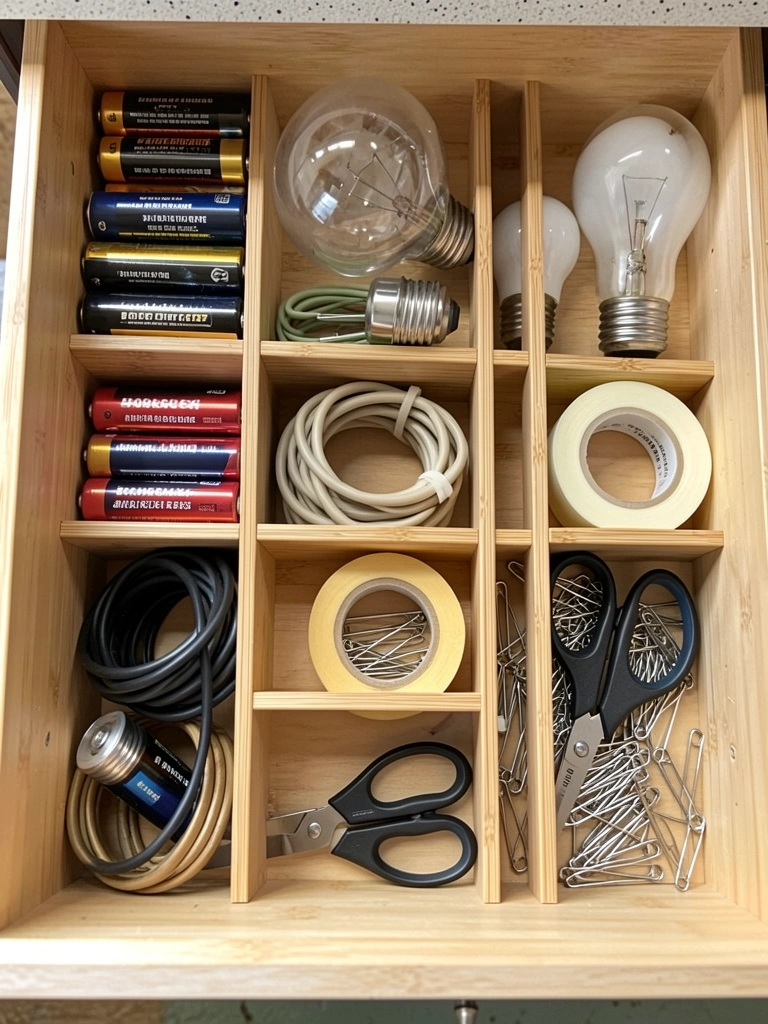
Every home needs a junk drawer. The trick is organizing it so it stays usable instead of becoming a black hole.
Use a large drawer organizer with multiple compartments ($20-$40 at IKEA, Target, or The Container Store) to create homes for batteries, lightbulbs, phone chargers, tape, scissors, and other miscellaneous essentials. Toss broken items and expired medications. Label each section so you know where things are and can find them without emptying the entire drawer. Check it quarterly—takes 15 minutes. Everything else cluttering your nightstands, bathroom counters, or kitchen junk spots gets categorized and stored here.
You’ll actually find what you’re looking for, your visible surfaces become cleaner, and you stop searching the whole house for a pair of scissors or a battery.
15. Digitize Photos and Declutter Physical Albums
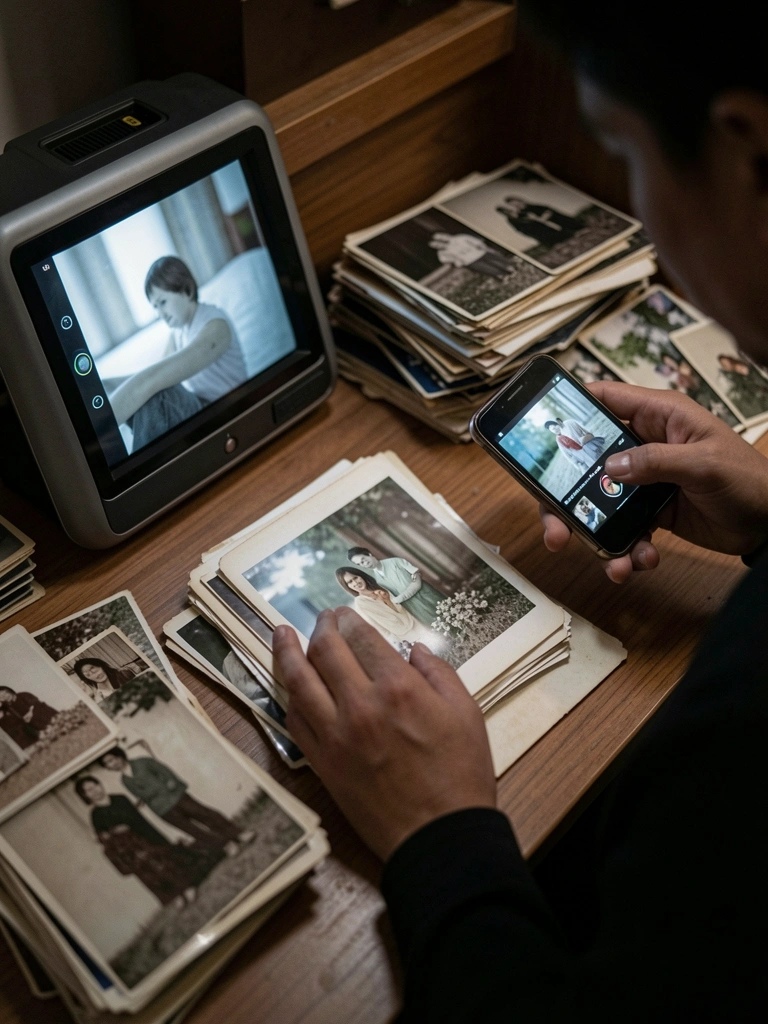
Physical photo albums, boxes of loose pictures, and old school photos take up surprising amounts of drawer and closet space.
Scan photos using a portable scanner ($50-$150 at Best Buy or Amazon) or simply photograph them with your phone. Upload them to Google Photos, Amazon Photos, or Shutterfly for free cloud storage and easy access. Scanning takes 2-4 hours depending on volume but you only do it once. Donate or recycle original photos after scanning—keep only a few sentimental physical prints in a single small album ($15-$25). Your drawers open up, and you have digital backup of memories that won’t fade or take up physical space.
You can access your photos anytime from any device, share them with family easily, and never worry about them getting damaged or lost. Plus, your home gains significant storage space back.
16. Use Shelf Risers to Double Cabinet Storage
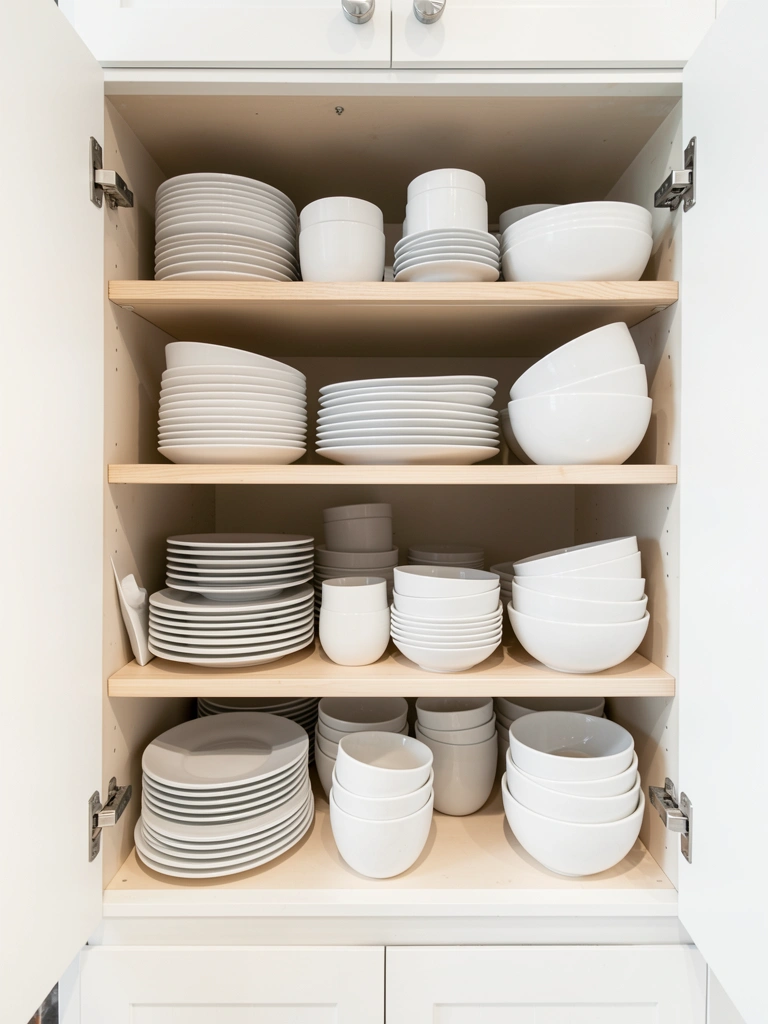
Under-cabinet and kitchen storage can always do more. Shelf risers create a second tier and double your usable space.
Install adjustable shelf risers ($15-$40 for a set at Target, IKEA, or Amazon)—takes 10 minutes and requires no tools. Stack plates, bowls, or glasses vertically on the lower shelf, then add another tier above. This trick works in bathrooms too: stack towels and supplies vertically instead of piling them flat. Suddenly you have room for things that were crammed in a nearby drawer or basket. Everything stays visible and accessible, and you stop playing cabinet Tetris every time you unload the dishwasher.
Your cabinets function beautifully, everything has a clear home, and you quit shuffling items around trying to make them fit.
17. Limit Pantry Items to What Fits One Shelf Deep
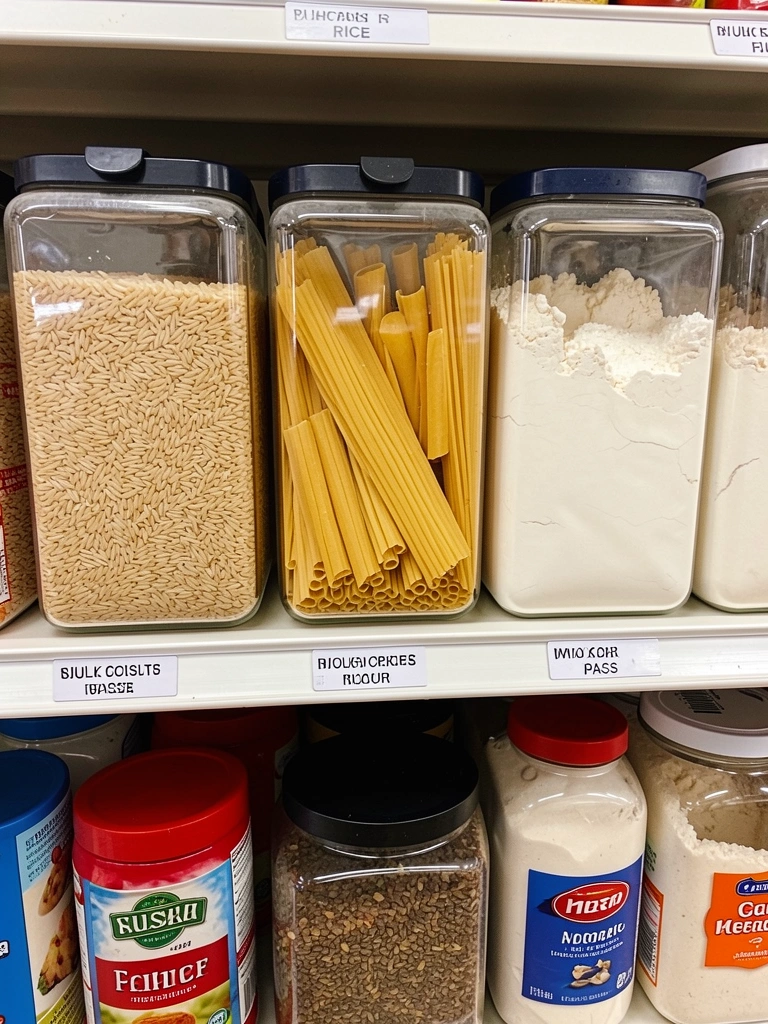
Double-stacking pantry items means duplicates hide and you buy what you already have. A simple “one shelf deep” rule eliminates waste and mystery inventory.
When organizing your pantry, arrange all items in a single row so you see everything at a glance. This forces you to use what you buy before replenishing and prevents the $40 mystery pasta stash. Use clear containers, label everything, and toss anything expired. This takes one to two hours the first time, then 15 minutes monthly to maintain. Your food costs drop immediately because you stop throwing away expired items or buying duplicates. Cooking becomes easier when you know exactly what’s available.
Your pantry becomes functional and you waste less money. The mental clarity of knowing exactly what you have—and not having hidden backup supplies—simplifies meal planning and grocery shopping.
18. Establish a Seasonal Storage Rotation System
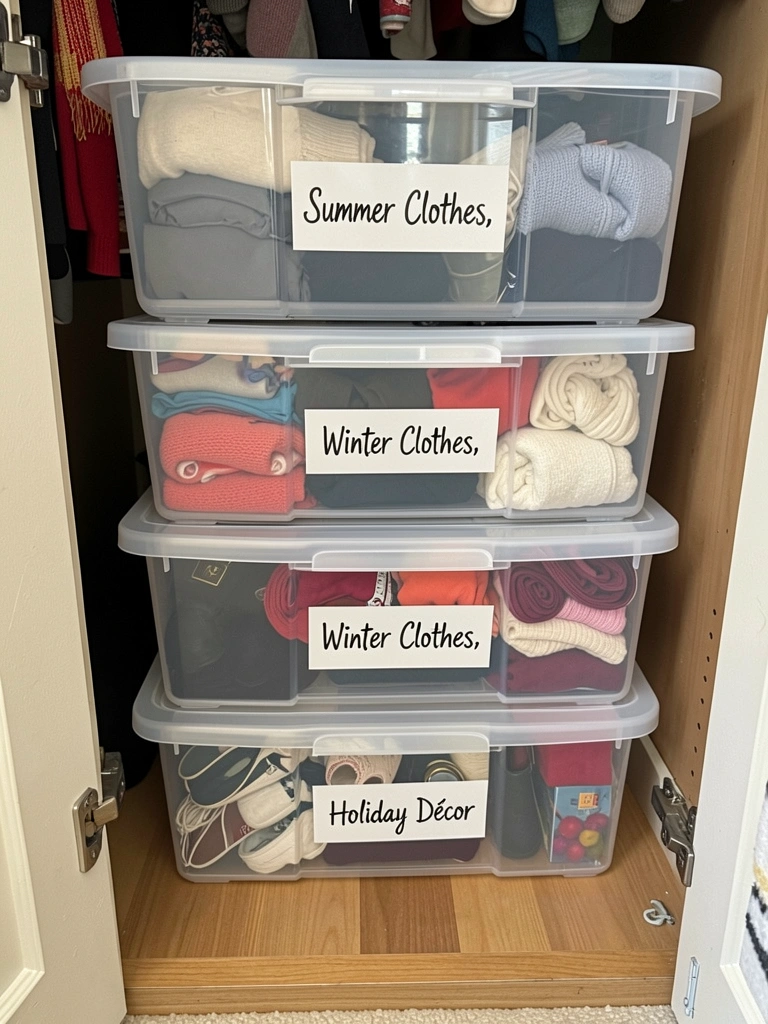
Seasonal items clogging your active closet and shelves create constant visual noise. Move them out, and your home automatically feels less cluttered.
Invest in clear storage bins ($10-$20 each) and a label maker ($15-$25). Sort seasonal clothing, holiday décor, and sports equipment into labeled bins. Store them on a high closet shelf, under the bed, or in a basement—somewhere out of daily view. Set phone reminders to rotate bins when seasons change—takes 30 minutes twice a year. Your active closet shrinks by 40%, your shelves open up, and your bedroom feels 10 pounds lighter just from the visual reduction. You enjoy current-season items more because they’re not competing for space with winter coats in July.
Your home looks intentional year-round, getting dressed becomes easier, and seasonal transitions feel fresh instead of chaotic.
19. Use “One Year” Rules for Sentimental Items and Clothes

Sentimental clutter is the hardest to release, but keeping things “just in case” often means they sit unused for years, taking up prime real estate.
For clothes: if you haven’t worn it in one year, it goes. For gifts or mementos: if you haven’t thought about it or used it in one year, donate it guilt-free. Take a photo of sentimental items before letting them go—you’ll feel less attached knowing you have the memory. This rule takes willpower but prevents your closets from becoming a graveyard of “maybe someday” items. Purge sessions take 1-2 hours quarterly. Suddenly your closet contains only pieces you actually wear, and your shelves hold only items you genuinely use or look at regularly.
Your space finally reflects your current life, not a version of yourself from five years ago. You move through your home with ease, and decision fatigue drops because clutter isn’t silently judging your choices.
20. Create a “Before Bringing Home” Purchase Checklist
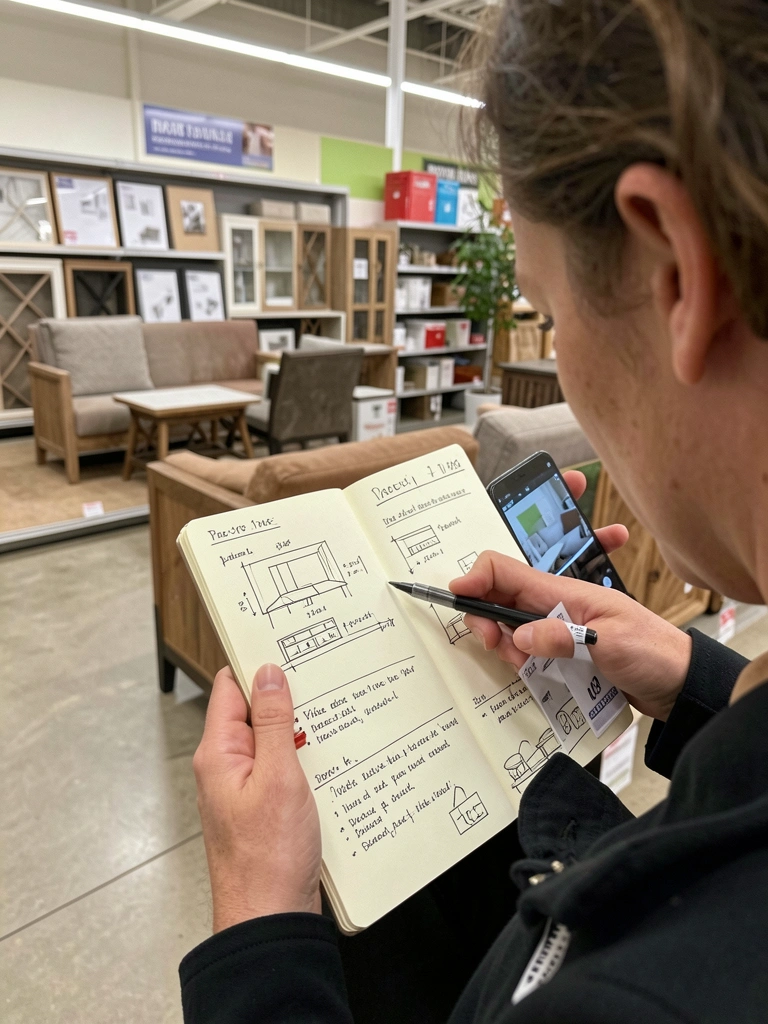
Impulse purchases are the number-one reason clutter creeps back in. A simple decision framework stops you from bringing home things that looked good in the moment but don’t fit your actual life.
Before buying anything new, ask: Do I have space for this? Does it match my current style? Will I use/wear it in the next three months? Where will it live permanently? If you answer “maybe” to any question, don’t buy it. Take a photo and save it to a “Someday” folder—you can revisit it in a month and often won’t care anymore. This five-minute practice saves hundreds in clutter-generating purchases annually. You stop bringing home things that seemed perfect in the store but sit unused on your dresser or in a corner gathering dust.
Your home stops accumulating random items, and your space stays curated because new things are intentional, not impulse-driven. Decision-making becomes easier when you have a framework.
21. Switch Kitchen Canisters to Matching Sets
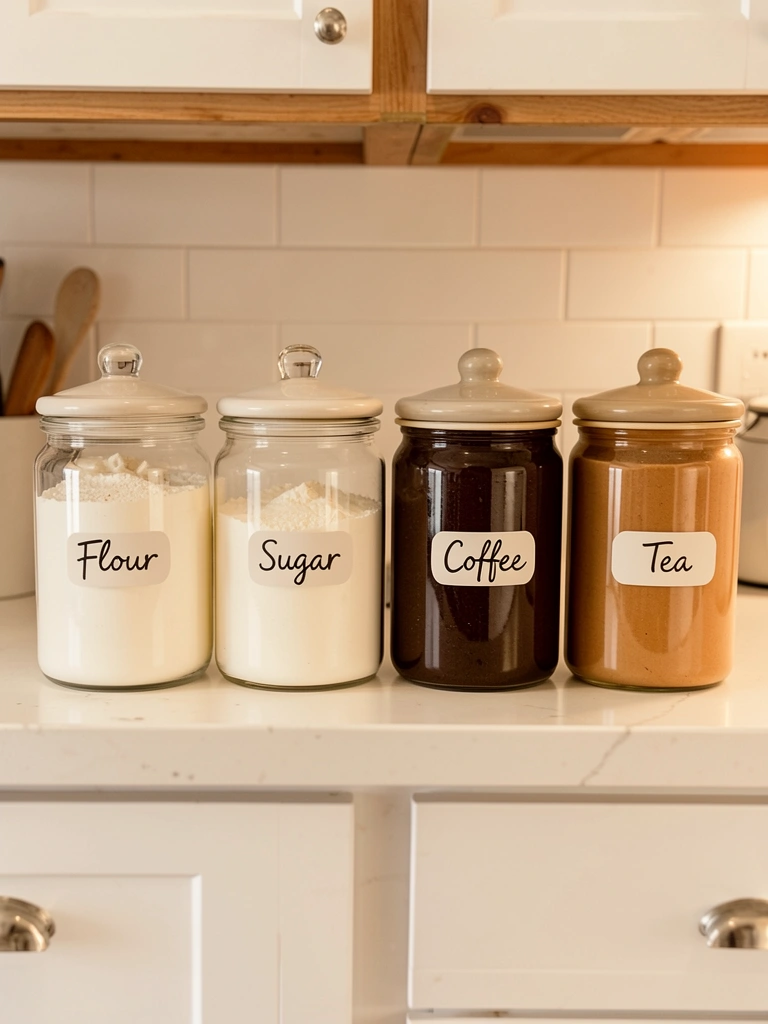
Mismatched containers and random jars on your counter create visual clutter even when items are organized. Matching canisters look intentional and calm.
Replace various food storage containers with a coordinated set of three to five glass or ceramic canisters ($30-$70 at Target, Williams Sonoma, or Amazon). Transfer dry goods into them and label each canister. Toss the original boxes and bags they came in. Takes one hour to set up. This visual edit instantly makes your kitchen look more curated and sophisticated—it’s a décor upgrade, not just organization. Your counter becomes more peaceful because the eye doesn’t bounce between five different containers in competing styles.
Your kitchen feels intentionally designed instead of accidentally organized. Guests notice the difference, and you feel more calm just looking at your counters.
22. Go Vertical With Closet Shelving for Folded Items
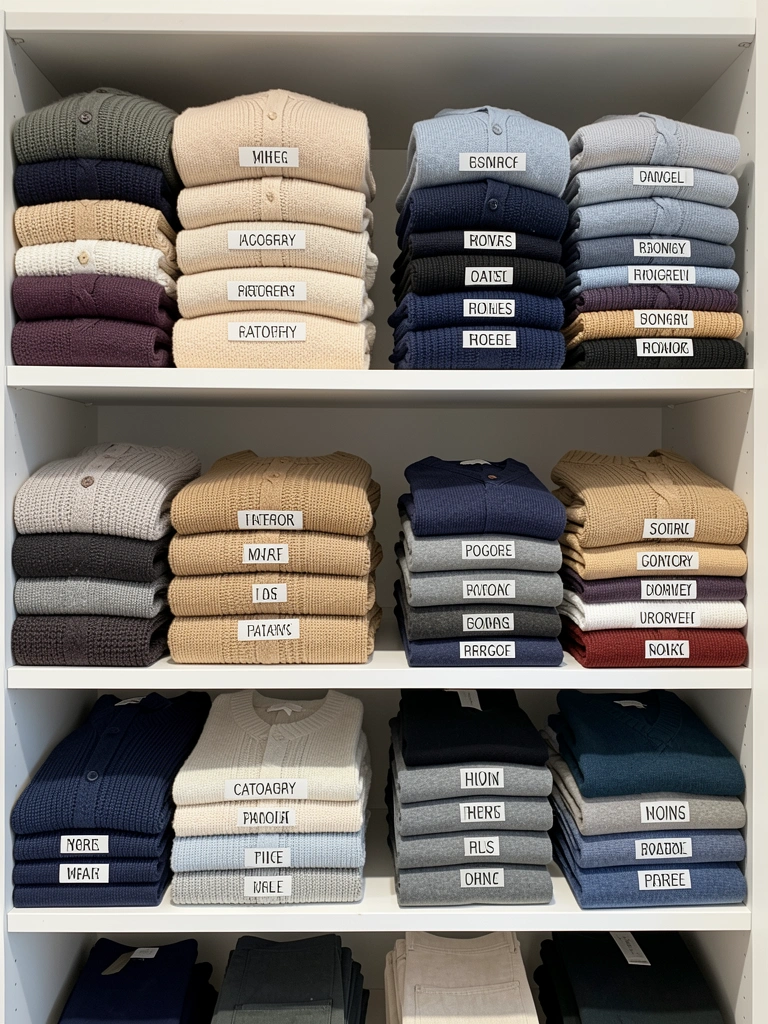
Stacking folded clothes flat creates towers that topple and hide items underneath. Vertical folding (like the KonMari method) keeps everything visible and accessible.
Fold each sweater or t-shirt into a small rectangle, then file them vertically in a bin or on a shelf—they stand up like files in a filing cabinet. This takes 30 minutes to learn and apply but changes everything about how you interact with your clothes. You see every item at once, grab what you need without disturbing the stack, and everything stays visible. Combine this with shelf dividers ($10-$15) to keep categories organized. Suddenly your closet feels spacious and your mornings are less stressful because you’re not fishing through piles.
Getting dressed becomes easier, you wear more variety because you remember what you own, and your closet looks like a boutique instead of a pile of clothes waiting to topple over.
23. Create an “Active Use” System for Paperwork and Mail
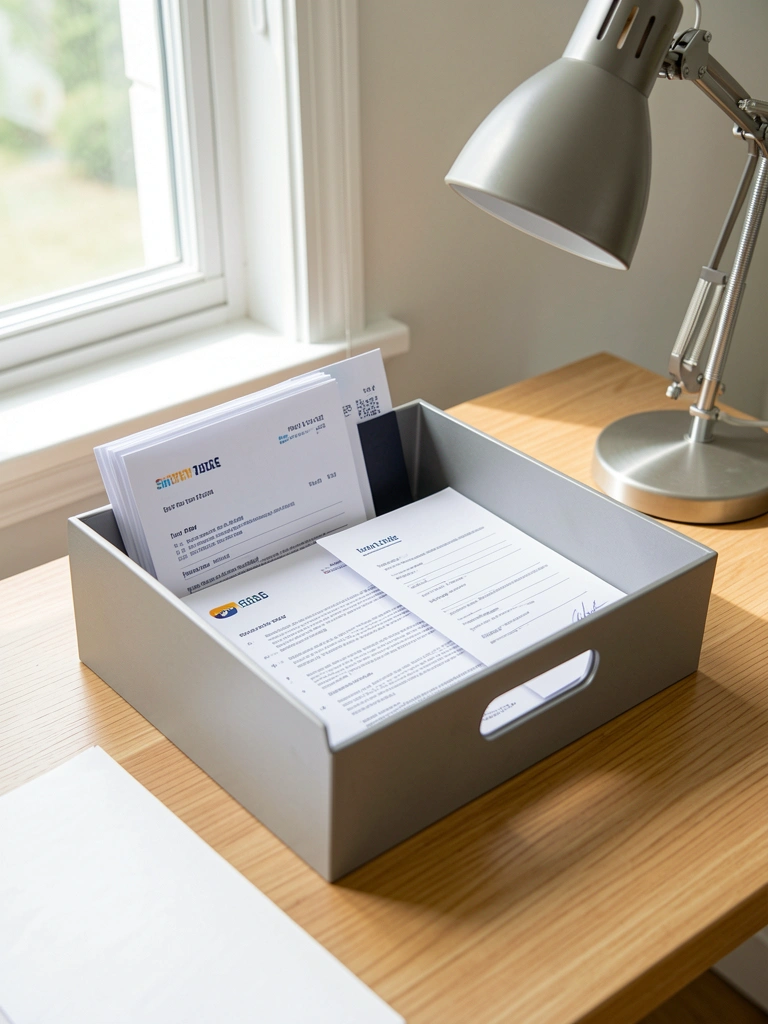
Instead of mail and papers scattered across your desk and kitchen counters, centralize active items into one clear inbox that you process weekly.
Use a single mail/inbox tray ($10-$25 at Target or Office Depot)—not multiple piles, just one designated spot for anything requiring action. Once weekly—takes 15 minutes on Sunday night—move bills to your payment system, sign forms, recycle junk mail, and file documents. Nothing sits in limbo longer than seven days. Keep important papers in a single accordion file or small filing cabinet ($20-$60) organized by category. This one-inbox approach works because it’s a bottleneck: if the tray is full, something isn’t being processed, and you immediately take action.
Your desk stays clear, your counters aren’t buried in paperwork, and you never miss a deadline again. The mental relief of knowing exactly where everything is removes constant background stress.
Save this post for your next decluttering session. Pick one idea this weekend—even the five-minute drawer divider swap makes a difference. Share this with anyone drowning in clutter and ready to change their space.
Leave a Reply