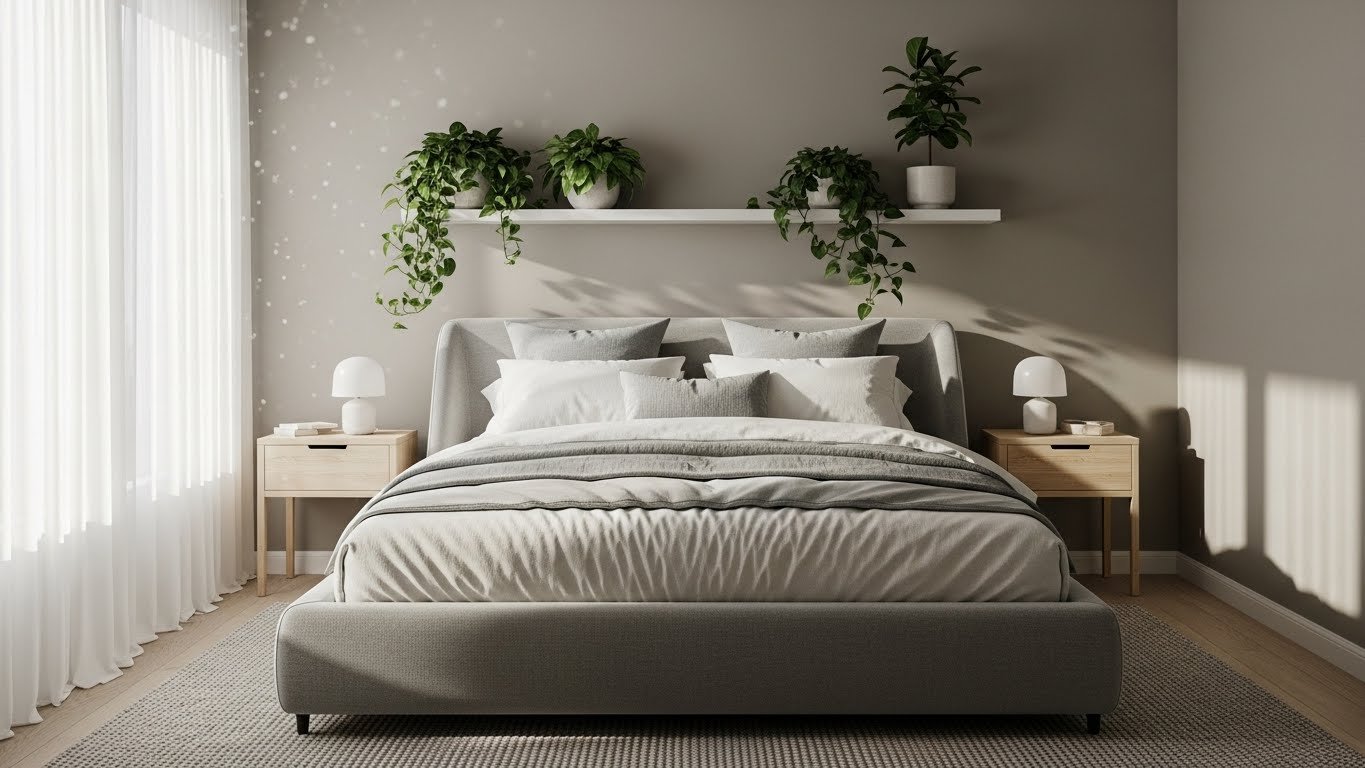
Your bedroom should be the one room where you can completely unwind. But if your bed setup feels dated, uncomfortable, or mismatched to your lifestyle, it’s hard to relax. Whether you’re dealing with a cramped urban apartment, back pain, a partner with different sleep preferences, or just furniture that doesn’t spark joy anymore, your bed is the perfect place to start fresh.
We’ve pulled together 25 bed design ideas that range from quick styling tweaks to thoughtful investments—all of which work for renters, homeowners, budget-conscious decorators, and anyone craving a bedroom refresh. You’ll find space-saving hacks, wellness upgrades, statement pieces, and surprisingly affordable ways to make your bed the focal point your room deserves. Let’s dive in.
1. Invest in a Curved Headboard for Softness

Curved headboards have moved from trendy to timeless—47% of design enthusiasts now prefer their organic, flowing lines over sharp corners. A curved headboard instantly softens a room’s geometry and creates a focal point that photographs beautifully.
Look for options in upholstered fabric, wood veneer, or even leather. IKEA’s HAUGA series ($120–$300), West Elm’s curved designs ($400–$800), and Wayfair’s budget-friendly alternatives ($80–$200) offer something for every price point. For renters, peel-and-stick wallpaper headboards shaped like curves ($30–$60) create the same visual effect without commitment. Most curved headboards take 1–2 hours to assemble or install.
This one change gives your bedroom an immediate sense of calm and contemporary polish that makes you want to stay in bed longer.
2. Add a Murphy Bed to Reclaim 50% of Your Space

If square footage is your enemy, a Murphy bed (wall bed) is your secret weapon. By day, it folds flush against the wall; by night, you pull it down for a full sleeping surface. This single swap gives you 50% more usable floor space—a game-changer for studios or guest rooms.
Budget versions from hardware stores run $300–$600 (DIY with plans from YouTube), while full built-in installations cost $1,500–$4,000. IKEA’s MURVAL ($500–$900) and specialist companies like Murphy Wall Beds offer mid-range options around $1,200–$2,000. Installation takes a weekend for DIY or 1–2 days for professionals. Measure your wall carefully and consider whether you need a desk, sofa, or shelving below.
You’ll suddenly have room for a seating area, home office, or just space to breathe in a small apartment.
3. Choose Performance Fabrics to Solve Hot-Sleeper Problems

Night sweats and overheating wreck sleep quality. Performance fabrics like BEDGEAR’s DryFit line and moisture-wicking polyester blends are engineered to wick sweat away from your skin and regulate temperature throughout the night.
BEDGEAR sheets ($80–$120 per set), Brooklinen performance options ($120–$150), and Amazon Basics performance blends ($40–$60) are all genuinely effective. Look for fabrics labeled “moisture-wicking,” “breathable,” or “temperature-regulating.” Unlike traditional cotton, these don’t absorb sweat—they move it away. Washing instructions are usually gentle cycle; they dry quickly, saving energy.
Wake up dry and refreshed instead of tangled in damp sheets, and you’ll sleep deeper through the entire night.
4. Install Smart Lighting for Mood Control

70% of homeowners prioritize smart lighting for its convenience and mood-setting ability—and for good reason. Dimmable smart bulbs let you shift from energizing morning light to sleep-inducing amber tones at night, supporting your circadian rhythm naturally.
Philips Hue bulbs ($15–$25 per bulb) and LIFX ($10–$18) work with voice commands and app control. A smart dimmer switch ($25–$50) replaces your existing switch and works with any bulb. Set up automation so lights gradually dim 30 minutes before bedtime, then brighten softly in the morning. Installation is 10 minutes for bulb-only options; switch installation takes 20 minutes if you’re comfortable with basic electrical work.
You’ll sleep better because your lighting actively supports your body’s natural sleep-wake cycle.
5. Layer Textured Walls with Paint or Wallpaper

Flat, blank walls feel impersonal. Adding texture—whether through paint finish, grasscloth wallpaper, or a removable textured treatment—instantly creates visual interest and makes your space feel designed.
Textured paint finishes ($30–$50 per gallon) include options like “popcorn,” “knockdown,” or linen-look finishes; application is DIY-friendly. Peel-and-stick wallpapers ($20–$40 per roll) offer texture without commitment (perfect for renters), while traditional wallpaper ($15–$35 per roll) with texture patterns adds permanence. Most walls need 2–4 rolls. Paint application takes one afternoon; wallpaper takes 3–4 hours.
Textured walls catch light beautifully and add architectural character that makes your bedroom feel intentionally designed.
6. Use Bunk Beds for Guest Rooms or Multi-Generational Spaces
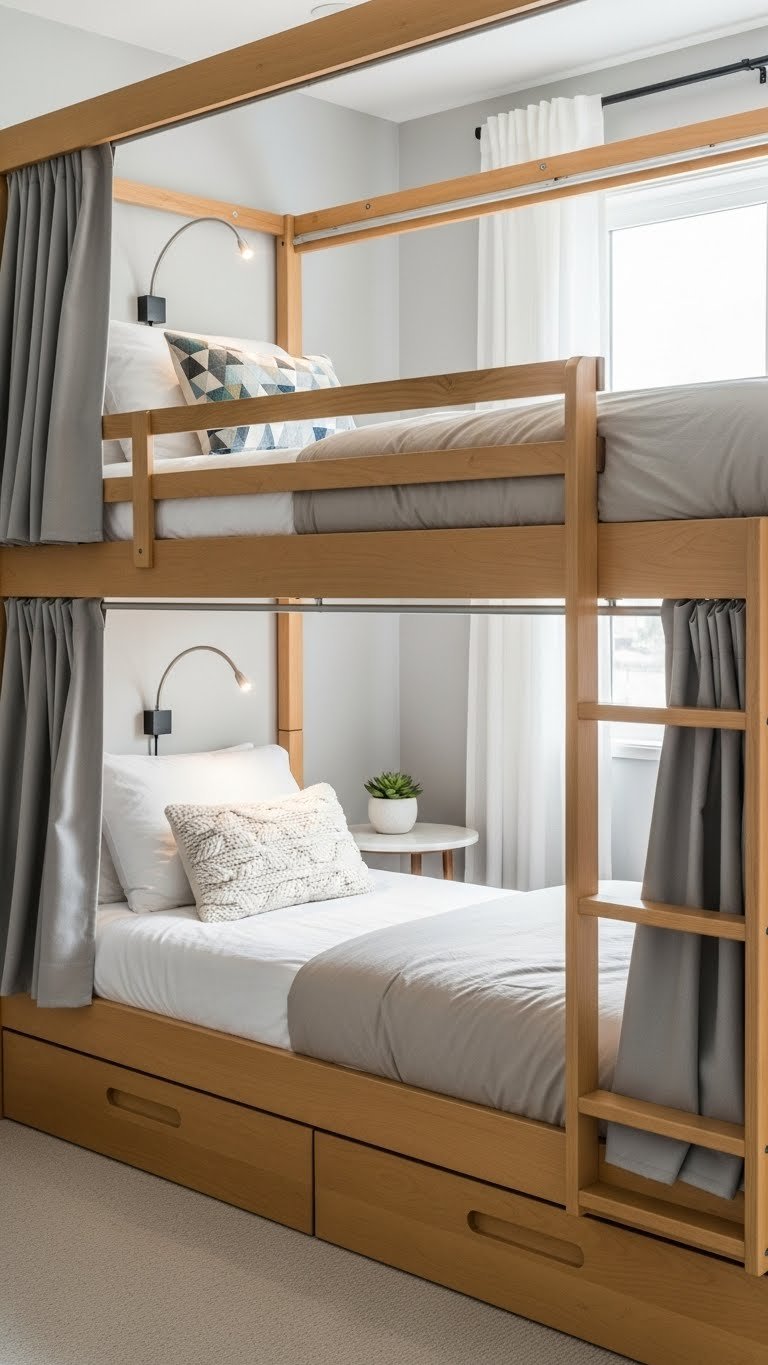
Bunk beds aren’t just for kids anymore. In vacation homes, guest bedrooms, or multi-generational living spaces, bunk beds maximize sleeping capacity while keeping the room feeling open and uncluttered.
Wooden bunk bed frames ($300–$800) from IKEA, Wayfair, and Facebook Marketplace range widely in style. For safety and comfort, pair bunks with quality mattresses ($150–$300 each) and individual reading lights ($20–$40 each). Add privacy curtains ($30–$60) if guests want separation. Assembly takes 2–3 hours; placement planning matters more than installation.
You can sleep four people comfortably in one bedroom, making your home ready for extended family visits without overflowing the guest room.
7. Bring Plants Indoors for Better Sleep and Air Quality
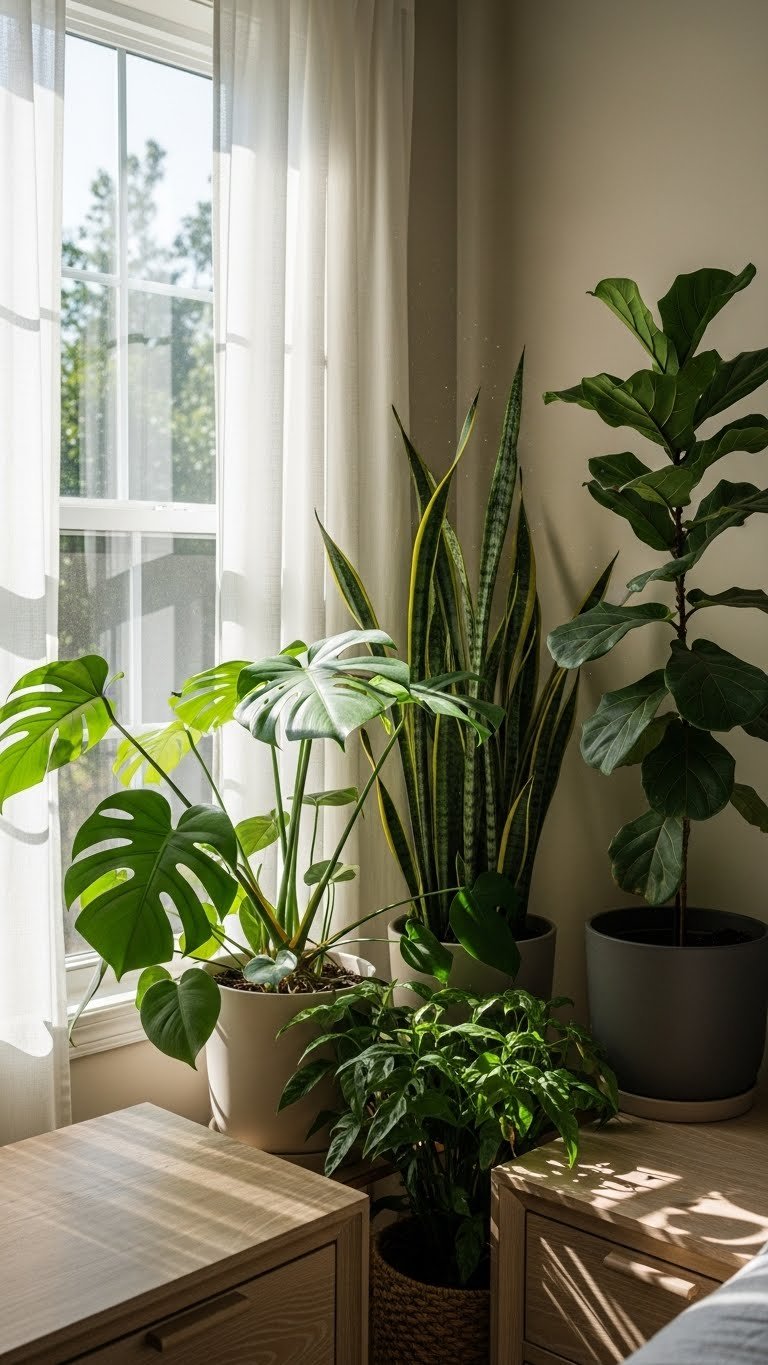
Biophilic design (surrounding yourself with nature) reduces stress and improves sleep quality. Plants aren’t just decoration; they filter air, absorb noise, and create a calm environment that supports rest.
Low-maintenance plants like snake plants, pothos, and ZZ plants ($10–$30) thrive in indirect light and need watering only every 2–3 weeks. Larger statement plants like monsteras or fiddle leaf figs ($30–$80) create visual impact. Get ceramic or wooden planters ($15–$40) that match your aesthetic. Start with one large plant or three smaller ones—no green thumb required.
You’ll notice deeper, more restorative sleep when your bedroom feels like a natural retreat rather than just a room with furniture.
8. Install an Adjustable Base for Personalized Comfort
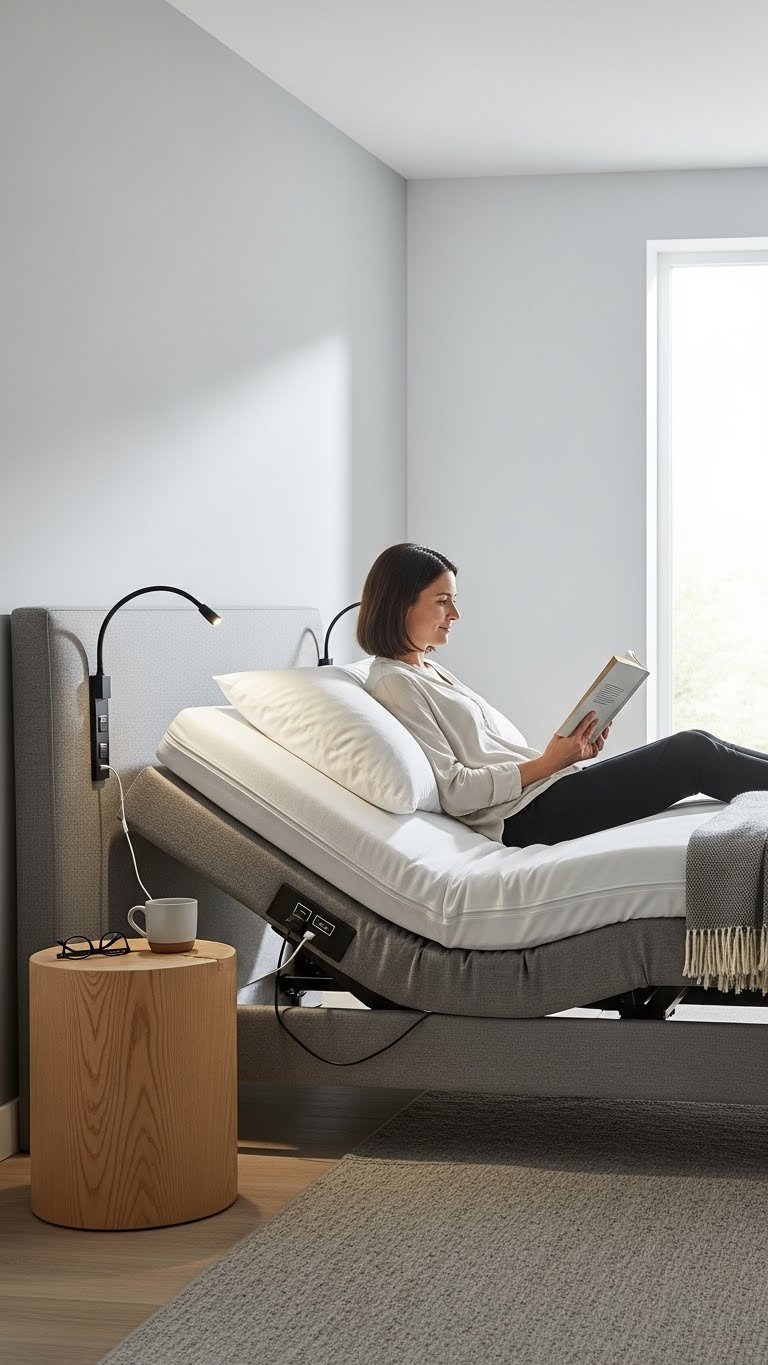
Adjustable bases let you customize your sleeping angle for better breathing, reduced back pain, and easier reading or TV watching. King Koil’s SmartLife line and BEDGEAR’s adjustable options include built-in USB ports and under-bed lighting—practical details that improve daily life.
Quality adjustable bases cost $500–$2,000 depending on features (massage, zero gravity, app control). Budget alternatives from Amazon and Wayfair run $300–$600. They work with most mattresses and require 1–2 hours of setup. Some offer 100-night trial periods, so test before committing.
You’ll suddenly have the flexibility to sit up in bed comfortably, which changes how you use your bedroom beyond just sleep.
9. Choose Natural Materials Like Wool and Linen for Sustainability
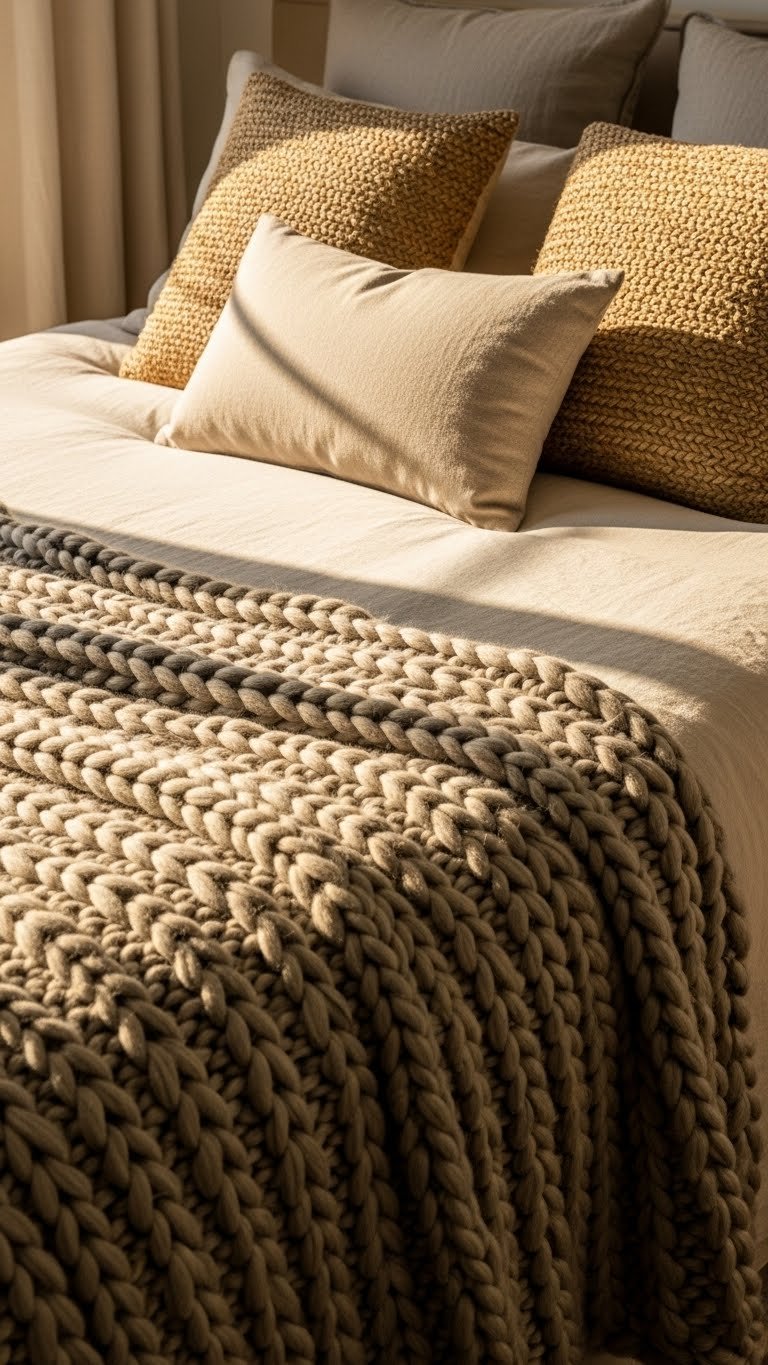
Synthetic bedding feels plastic-y and breaks down quickly. Natural fibers like 100% linen, organic cotton, and merino wool last longer, breathe better, and feel more luxurious—plus they’re better for the planet.
Woolroom’s organic bedding ($150–$300 per set) and Parachute’s linen sheets ($120–$180) cost more upfront but last 5–7 years versus 1–2 years for synthetic. Look for GOTS-certified organic cotton ($80–$150) to ensure sustainable farming. Add a wool throw ($60–$120) for texture and warmth. These pieces actually improve with washing, becoming softer over time.
Natural bedding feels noticeably better against your skin, and knowing your purchase supports sustainable practices adds peace of mind to your rest.
10. Create a Live-Edge Wood Bed Frame for Organic Warmth
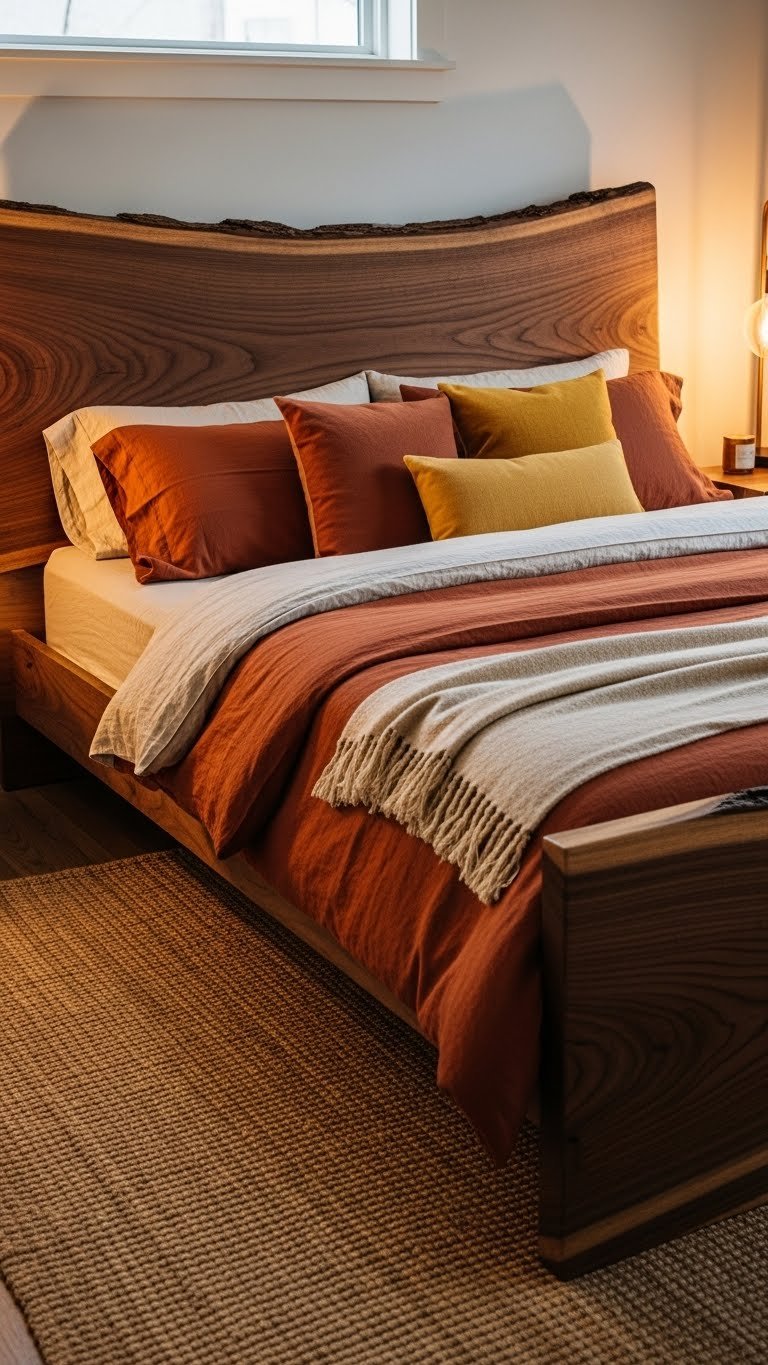
A live-edge wood bed frame—where one or more sides keep the tree’s natural, wavy edge—brings raw, organic beauty directly into your bedroom. This trend bridges rustic and modern aesthetics beautifully.
Custom live-edge frames run $800–$2,500 depending on wood type and size (walnut, oak, and ash are popular). Budget alternatives from Etsy or local carpenters cost $400–$1,000. If purchasing is out of reach, a live-edge headboard ($200–$600) pairs with any simple frame. Installation takes a full day; some craftspeople handle delivery and setup.
This investment piece becomes the visual anchor of your room and brings natural, grounding energy that makes your bedroom feel like a retreat.
11. Use Blackout Curtains and Ambient Lighting for Sleep Hygiene
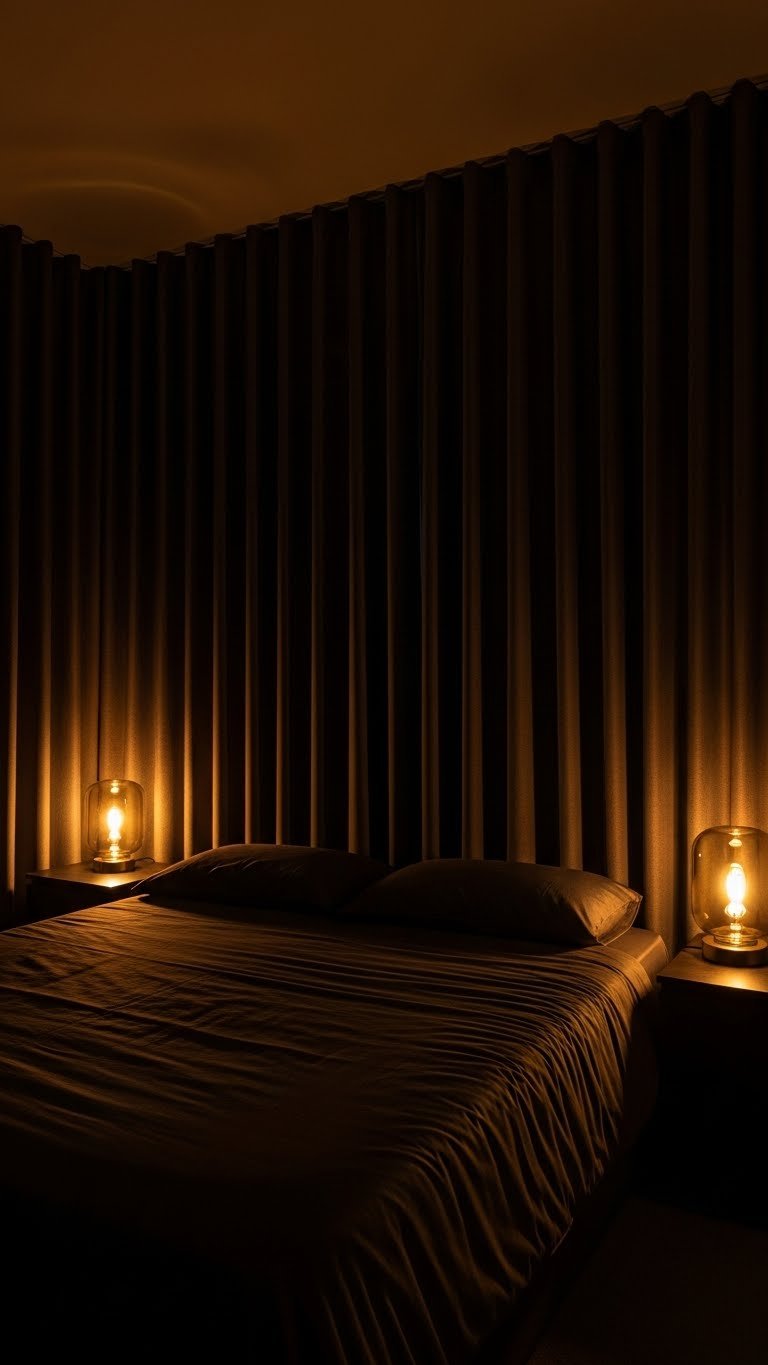
Light pollution destroys sleep quality. Blackout curtains block external light completely, while dimmed ambient lighting prevents the jarring brightness of overhead fixtures from disrupting your wind-down routine.
IKEA’s blackout curtains ($30–$60), Target’s affordable options ($25–$50), and Wayfair’s designer versions ($80–$150) all work effectively. Pair with warm-toned table lamps ($20–$80) on nightstands or wall sconces ($40–$120) for ambient light. Hanging blackout curtains takes 30 minutes; investing in good curtain rods ($20–$50) makes a difference in how professional they look.
You’ll fall asleep faster and wake less often when your room stays genuinely dark, and your sleep quality will noticeably improve within a week.
12. Add Statement Color in Earthy Tones Without Overwhelming

Bold color doesn’t have to be loud. Earthy statement colors like clay, eucalyptus, warm terracotta, and dusty olive create personality while remaining calming and sophisticated.
Paint colors from Sherwin-Williams, Benjamin Moore, or budget-friendly Behr ($30–$60 per gallon) cover one wall beautifully. Choose one accent wall behind your bed for maximum impact with minimum risk. Test a large patch first using paint sample pots ($5–$10) and observe how light changes the color throughout the day. Painting takes 2–4 hours including prep.
One wall in a beautiful earthy tone anchors your entire room’s aesthetic and makes the space feel intentionally designed rather than default.
13. Invest in Split Mattresses for Couples with Different Sleep Needs
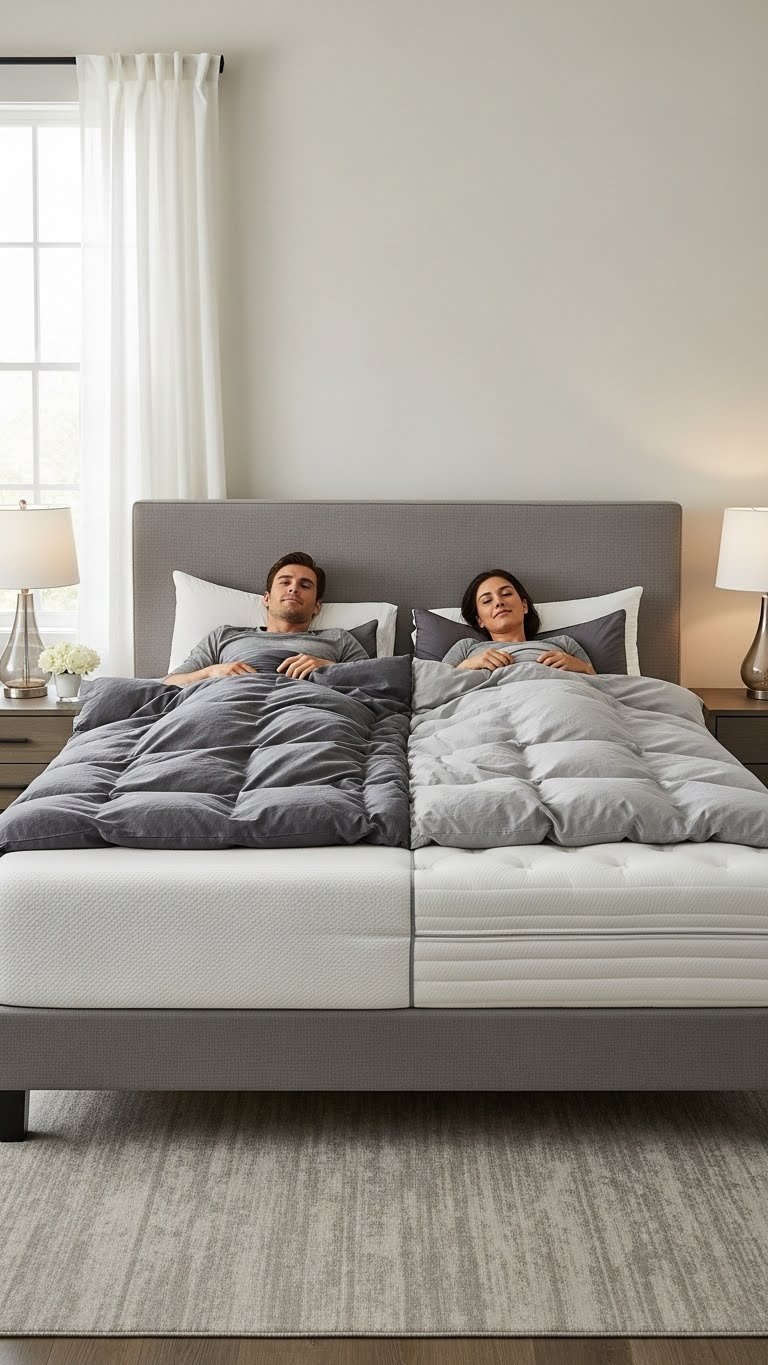
“Sleep divorce” is real: partners have different firmness needs, temperature preferences, and movement patterns. Split mattresses or two separate queen frames in a king-sized bed frame solve this elegantly.
King-sized split mattresses from BEDGEAR and King Koil ($1,200–$2,000) let each person customize their side. Alternatively, push two twin-XL mattresses together ($300–$600 each) with a king-sized frame ($200–$400)—this approach is cheaper and more flexible if one person wants to upgrade later. Some couples use individual duvets ($80–$150 each) instead of one shared blanket, preventing temperature battles. Setup takes 1–2 hours.
Each partner sleeps better when they’re not compromising on firmness or temperature, and you’ll both wake up happier.
14. Style with Vintage Quilts and Handmade Textiles
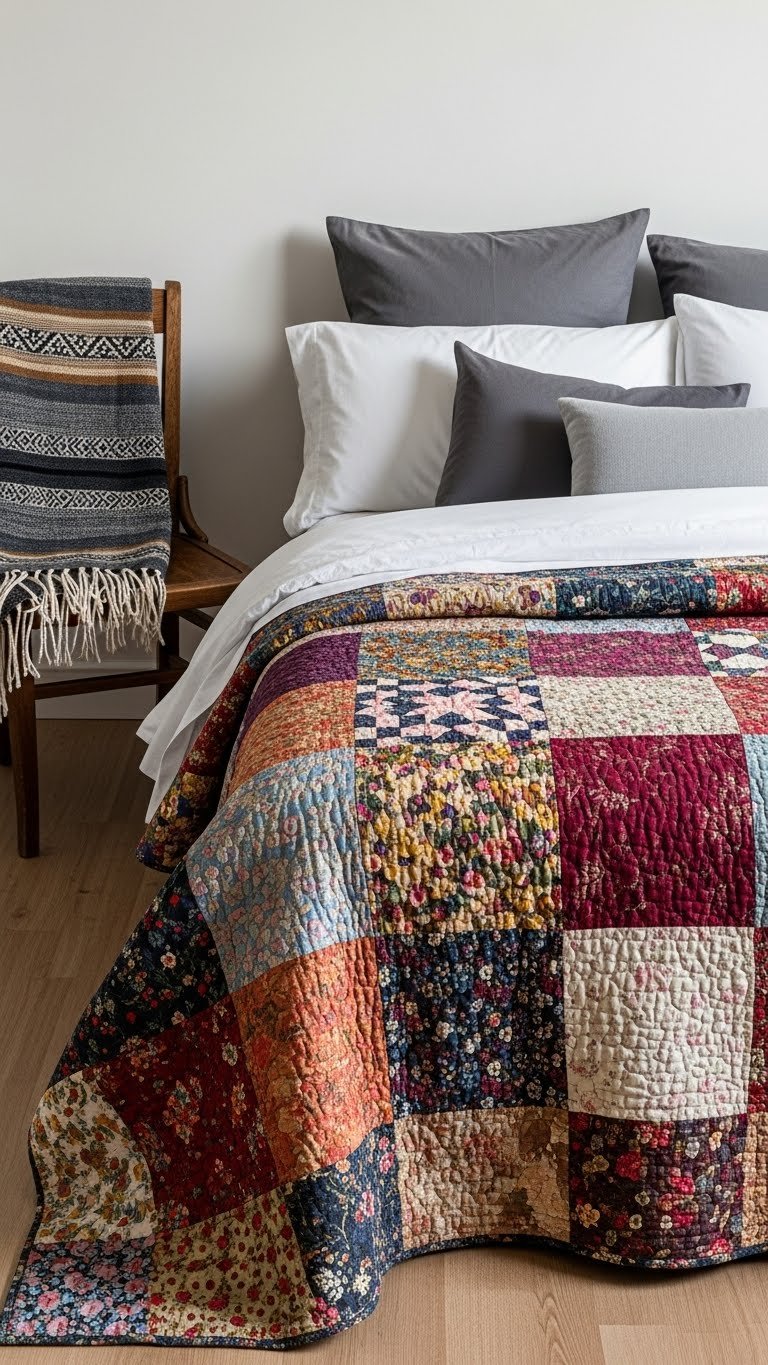
Mass-produced bedding feels impersonal. Layering with vintage quilts, handwoven throws, or thrifted textiles adds warmth, history, and one-of-a-kind character that ties your room’s personality together.
Authentic vintage quilts ($50–$200) from Etsy, estate sales, or antique shops pair beautifully with clean modern bedding. Handwoven throws from small makers ($60–$150) support independent artists. Start with one statement textile—say, a vintage quilt draped artfully—and build from there. Layer strategically: modern sheets, then the vintage piece, then modern throw pillows to balance old and new.
This mix makes your bedroom feel curated and personal rather than bought-all-at-once-from-one-store.
15. Try a Canopy Bed for Drama and Coziness
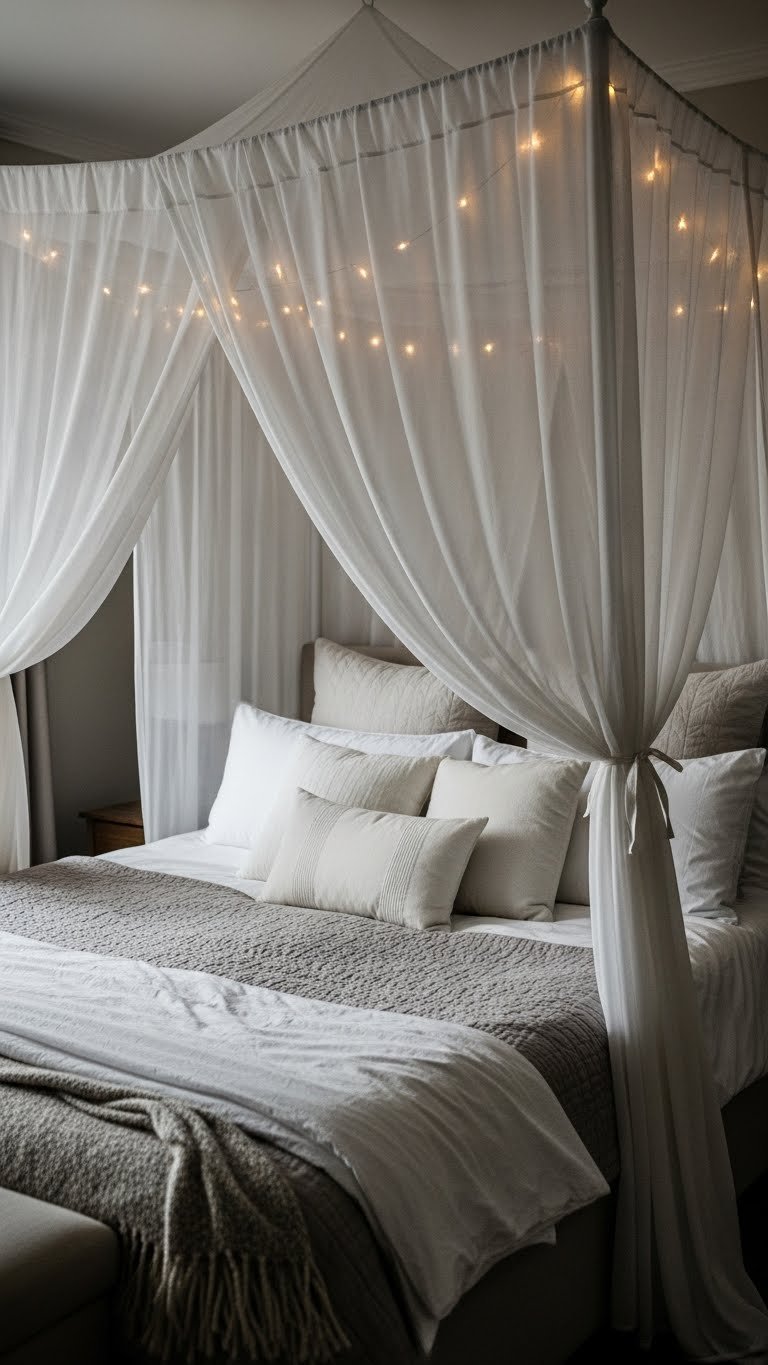
Canopy beds don’t have to feel fussy or over-the-top. Modern canopies use minimal fabric, clean lines, and moody colors to create an intimate sanctuary that’s both dramatic and contemporary.
Metal canopy frames ($200–$500) from IKEA, Wayfair, or Facebook Marketplace provide the structure. Add sheer or linen fabric ($30–$60 per yard, you’ll need 3–5 yards) hung loosely for an ethereal effect, or heavier linen ($50–$80 per yard) for a more enclosed feel. Installation takes 1–2 hours; fabric draping is pure styling—no sewing required if you use clips or fabric tape. String lights inside add a finishing touch ($15–$30).
A canopy bed transforms your sleeping space into a cozy retreat where you actually want to spend time.
16. Use Under-Bed Storage to Maximize Hidden Space

If you’re tight on closet space, under-bed storage keeps seasonal items, extra linens, and guest bedding accessible without cluttering your room. Raised bed frames (6+ inches high) make this possible.
Rolling storage bins ($15–$40 each) from Target, The Container Store, or Amazon maximize the space under standard beds. Bed risers ($20–$50) lift your existing frame another 6 inches if needed. Label everything with a label maker ($10–$20) to find items quickly. Setup takes 30 minutes; most people store 2–3 large bins underneath.
You’ll suddenly have 40–60% more storage without adding visible furniture, keeping your bedroom feeling calm and spacious.
17. Install a Loft Bed in a Compact Room
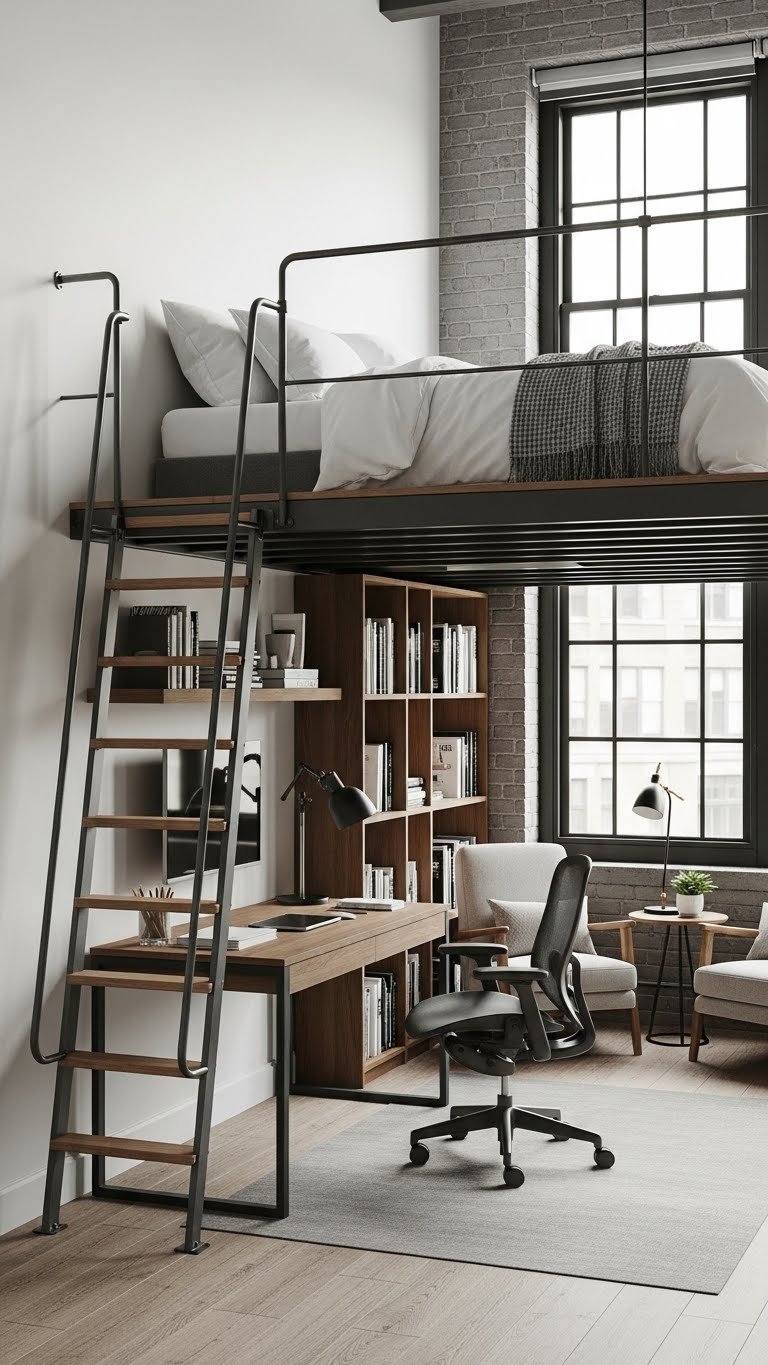
Loft beds aren’t just for dorm rooms. In small bedrooms, studios, or children’s rooms, a loft bed creates two separate functional zones (sleep above, work/relax below) in one footprint—similar space-saving power to a Murphy bed but with different aesthetics.
Loft bed frames cost $300–$800 from IKEA, Wayfair, or specialty retailers. Full wall-mounted loft systems ($1,000–$2,500) integrate shelving, desk, and storage below. Ensure ceiling height is at least 9 feet (you need 3+ feet under the bed to sit comfortably). Installation takes 2–4 hours depending on complexity. Add a small desk or seating under the loft to maximize the secondary space.
You’ll have a complete bedroom suite in a single compact footprint—perfect for urban apartments or guest rooms that do double duty.
18. Choose an Eames Lounge Chair for Bedroom Seating
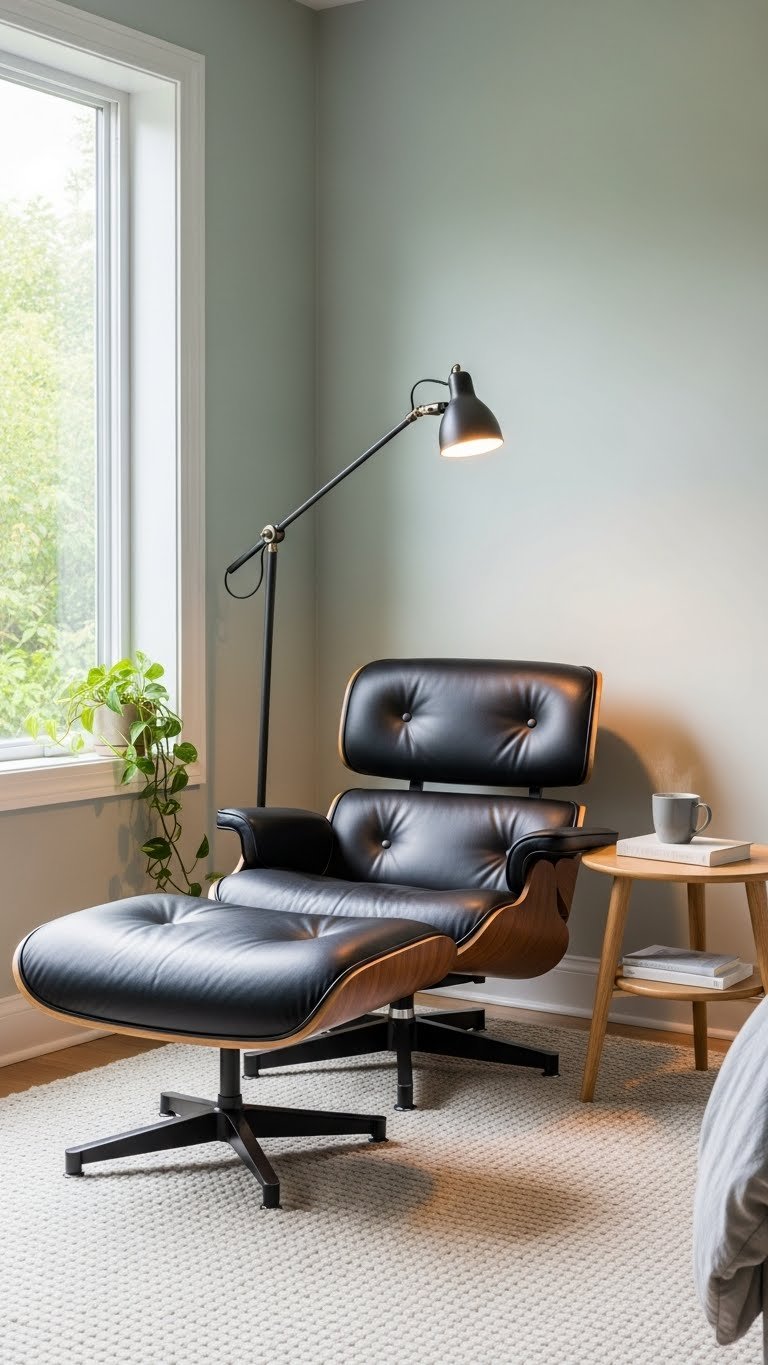
When you have space for seating in your bedroom, a statement chair elevates the entire room. The Eames lounge chair surged to 23% popularity among design lovers—and for good reason. It’s comfortable, iconic, and photographs beautifully.
The authentic Eames ($4,000–$6,000) is a lifetime investment. High-quality reproductions ($800–$1,500) from Wayfair or specialty retailers offer similar aesthetics without the designer price tag. Budget-friendly lounge-style chairs ($200–$500) capture the vibe if you’re not committed long-term. Place it beside a window or in a corner with a side table and reading light. Budget 2 hours for assembly.
A beautiful chair in your bedroom says “this is a retreat,” not just a place to sleep.
19. Embrace Art Deco Revival with Geometric Patterns and Brass
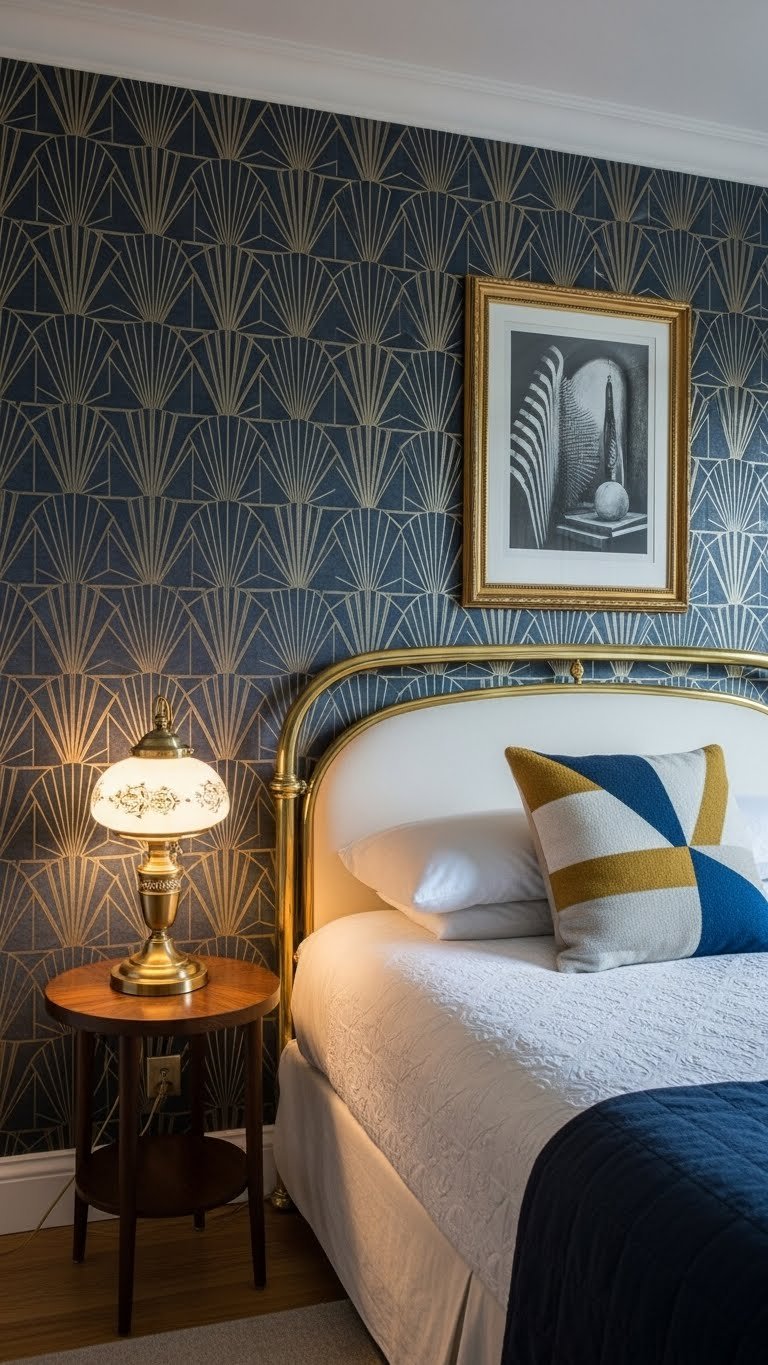
24% of designers plan to incorporate more Art Deco elements, and it’s easy to see why—the style is glamorous without being overwhelming, geometric without feeling cold, and works beautifully as a bedroom focal point.
Art Deco wallpapers ($20–$50 per roll) add visual impact; choose one accent wall or go full coverage. Layer with brass bed frames or headboards ($400–$1,000), geometric throw pillows ($30–$60 each), and vintage-style lighting ($80–$200). These elements already exist in your budget if you mix high and low—splurge on the wallpaper, mix in affordable accent pieces. Wallpaper installation takes 3–4 hours; the rest is styling.
Art Deco style makes your bedroom feel like a curated, intentional space rather than just a place to sleep.
20. Try Modular Mattress Systems for Customization
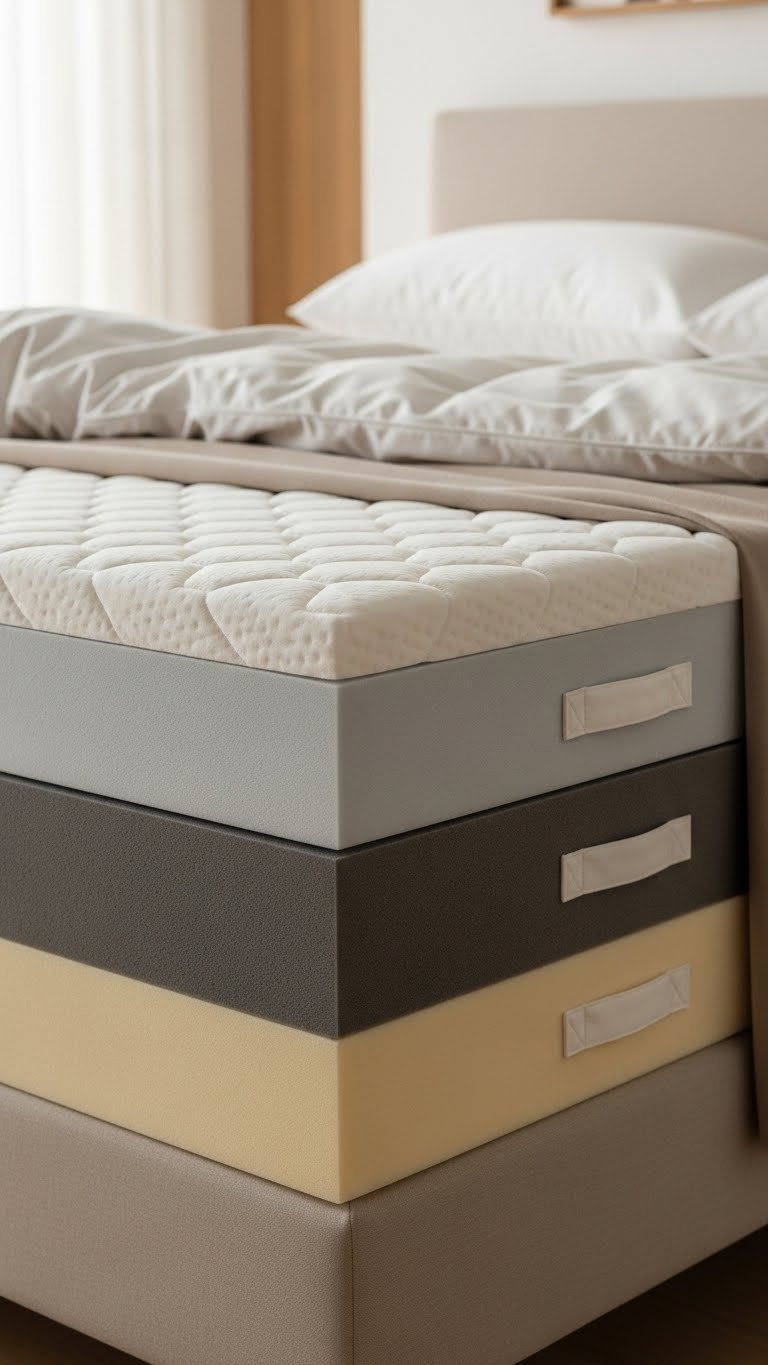
Not all sleepers want the same firmness level, and not all mattress options are one-size-fits-all. Modular mattresses let you customize firmness, adjust layers if your needs change, and even split sides for couples.
Modular mattress systems from companies like Helix and Purple ($1,000–$2,500) let you choose your firmness level and adjust later if needed. Some brands offer layer customization ($200–$400 per adjustment) if your preferences shift over time. This approach costs more upfront but saves money long-term since you’re not replacing the entire mattress. Delivery and setup typically take 24 hours (they remove old mattress in some cases).
You get a mattress that actually fits your body and needs instead of compromising on someone else’s design choice.
21. Create a Digital-Free Zone with Aromatherapy
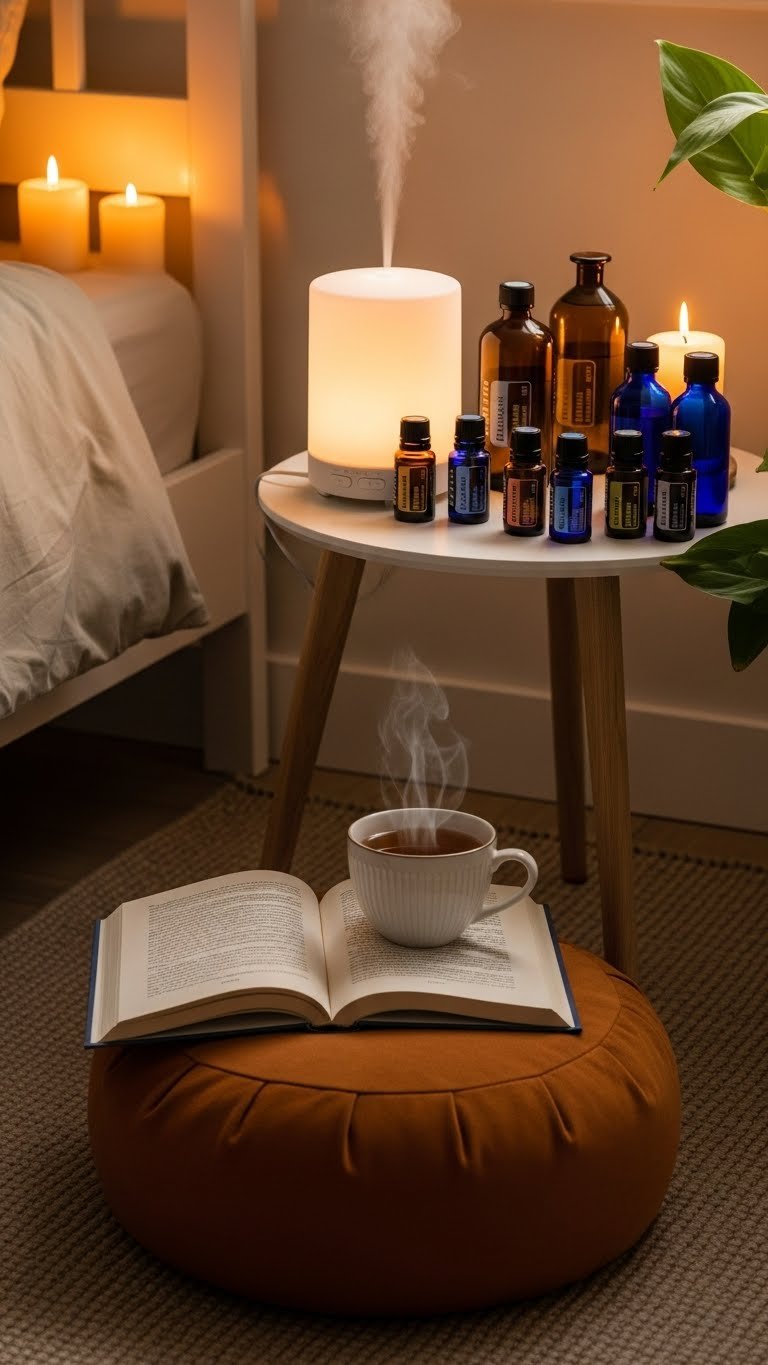
Phones and devices in the bedroom disrupt sleep quality and create temptation for late-night scrolling. Creating a phone-free zone with calming scents (lavender, chamomile, cedarwood) signals to your body that sleep is the priority.
Ultrasonic diffusers ($20–$50) from Amazon or health stores run quietly all night. Pure essential oils ($10–$30) last months when used in a diffuser. Create a charging station outside your bedroom so phones aren’t bedside. Add a real or battery-operated candle ($5–$40) for soft light instead of screens. This setup takes 20 minutes to establish as a new habit.
You’ll fall asleep faster and sleep deeper when your bedroom is a genuine refuge from notifications and blue light.
22. Layer Soft Organic Shapes with Curved Furniture
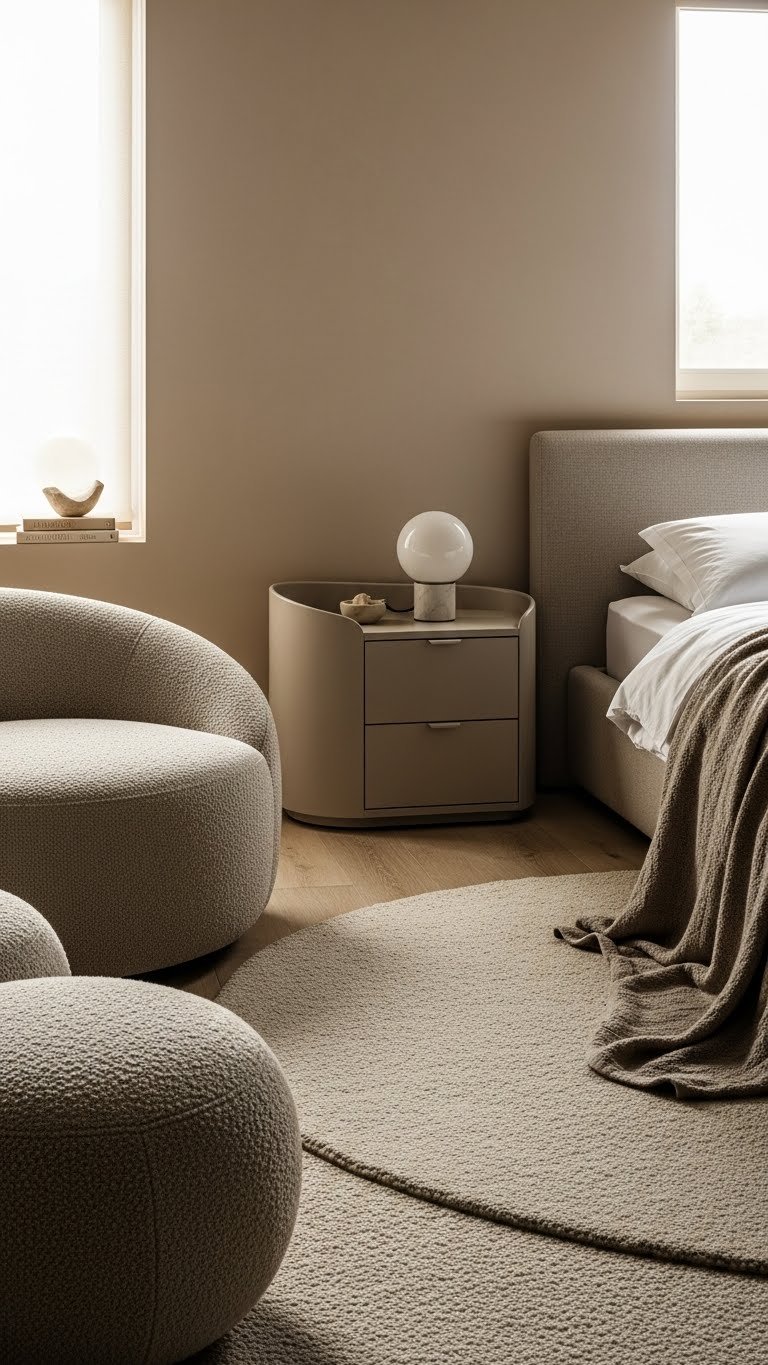
Harsh right angles create visual tension. By introducing multiple curved elements—rounded nightstands, soft poufs, curved chairs, organic wall shelving—your bedroom becomes a tactilely inviting retreat where everything feels approachable.
Start small: curved nightstands ($200–$500) or soft poufs ($50–$150) are less expensive than a full curved bed frame. Rounded mirrors ($80–$200) reflect light beautifully while softening lines. Curved side tables ($100–$300) add function without harshness. Mix curves with straight lines (a rectangular bed with curved nightstands, for example) so the room feels balanced rather than overly busy. No installation required for freestanding pieces.
A room full of soft shapes feels calming at a subconscious level, and you’ll notice yourself relaxing more quickly in this environment.
23. Add a Walk-In Closet or Boutique-Style Wardrobe Area

Walk-in closets top the list of luxury additions at 53% popularity—and they fundamentally change how you experience your bedroom. Getting dressed becomes a pleasure instead of a chore when you can see everything you own.
Custom walk-in closet installations ($2,000–$5,000) are ideal but expensive. Freestanding wardrobe systems ($500–$1,200) from IKEA, Wayfair, or specialty retailers give you 80% of the benefit at 20% of the cost. Clothing racks, open shelving, and labeled bins ($100–$400 total) let you create a curated display even without a dedicated room. Assess your available wall space first; even a corner nook works.
You’ll start enjoying your bedroom before bed and after waking because getting dressed feels like browsing a boutique instead of hunting through piles.
24. Install Floating Shelves Above Your Bed
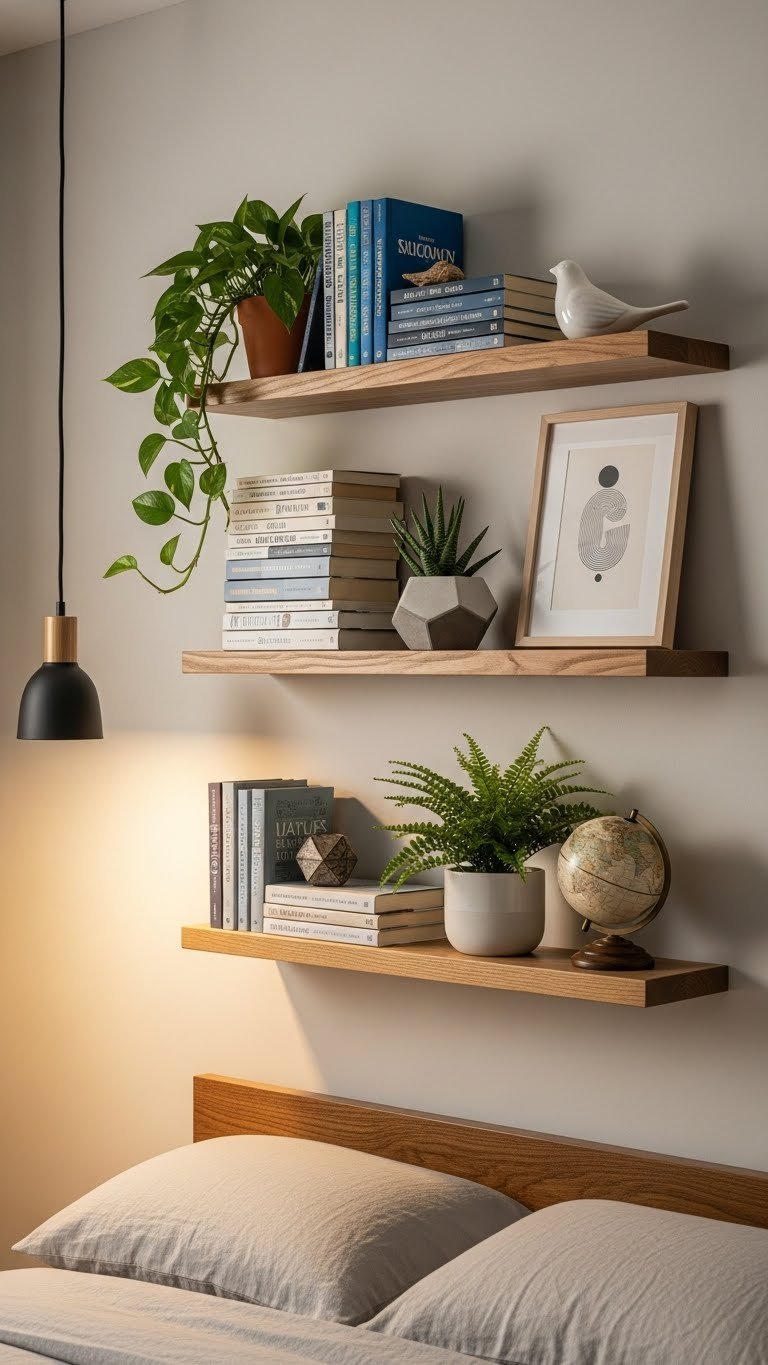
Floating shelves above your bed create visual interest and practical storage without taking up floor space. They’re perfect for displaying plants, books, artwork, and personal collections.
Floating shelf kits ($30–$80 per shelf) from hardware stores install with wall studs (use a stud finder, $10–$20). Each shelf takes 20–30 minutes to install. Decorative wooden shelves ($40–$100) look more finished than basic options. Style with 5–7 meaningful items rather than cluttering—a few books, one plant, a framed photo, a candle. Keep shelves away from your head (install to the side or lower) so nothing falls during sleep.
You gain storage and personality while drawing the eye upward, making even small bedrooms feel taller and more design-forward.
25. Invest in a Premium Bed Frame as Your Anchor Piece

Your bed should be the star of your bedroom. Instead of spreading budget across multiple mediocre pieces, choose one really beautiful, well-made bed frame and build everything else around it. This approach creates cohesion and ensures quality where it matters most.
Investment bed frames cost $800–$2,500 from brands like Restoration Hardware, West Elm, or Article. These pieces use quality wood, joinery, and upholstery that lasts 10+ years. Mid-range options ($400–$800) from Wayfair or Article offer similar durability without the premium markup. Delivery typically includes assembly; setup takes 2–3 hours. Choose a style that feels timeless rather than trendy so you won’t want to replace it in 3 years.
A beautiful bed frame makes your bedroom feel like it’s been thoughtfully designed, and you’ll want to spend time there—which actually means better sleep and rest.
Save this for your next bedroom refresh. Pick one idea this weekend—even something small like adding a plant or switching to blackout curtains makes a real difference. Which idea are you trying first?
Leave a Reply