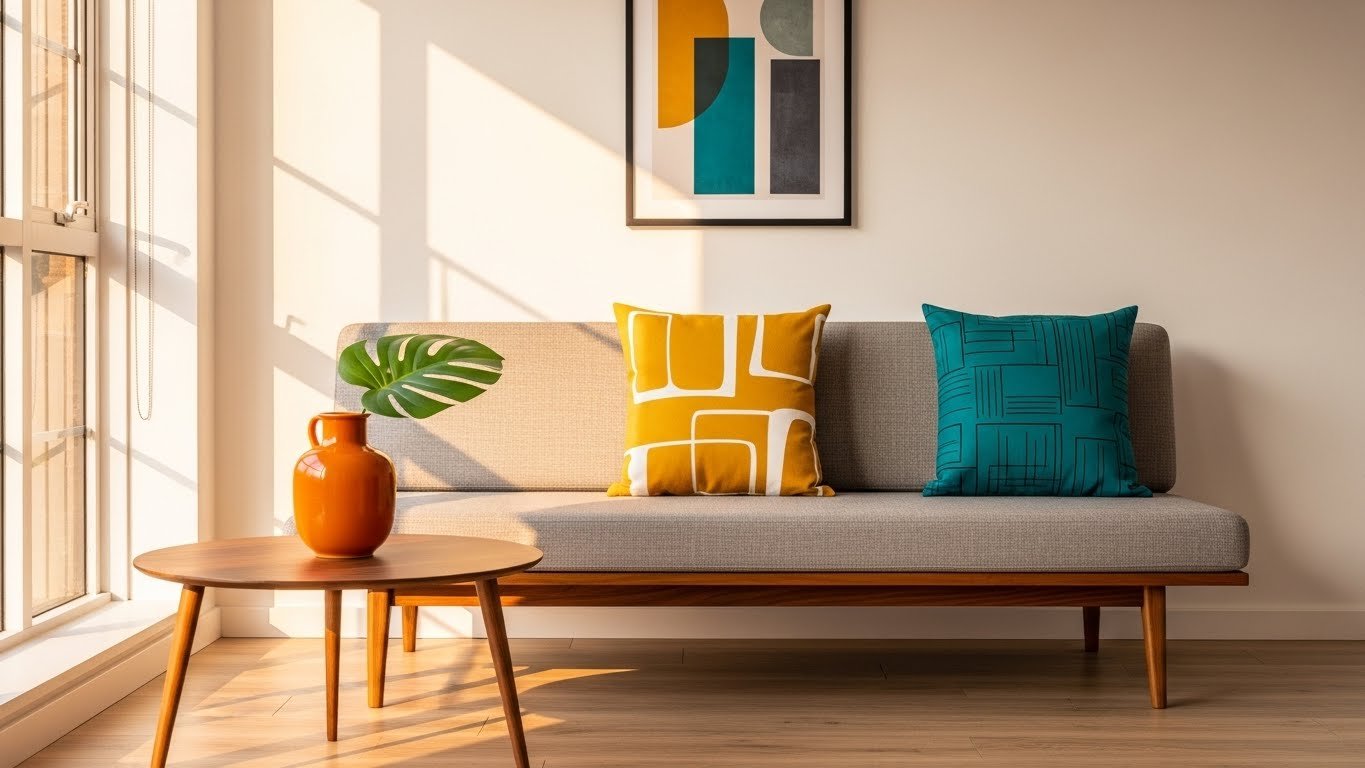
Remember when mid-century modern felt like the only style that mattered? If you’re ready to revisit that era’s best elements without feeling stuck in a design rut, you’re in the right place. Mid-century homes have a timeless appeal—clean lines, functional beauty, and warmth that photographs beautifully—but the key is mixing in modern sensibilities so your space feels fresh, not like a museum exhibit. These 27 ideas pull the most lovable parts of retro design and show you how to make them work for how you actually live today. Whether you’re starting from scratch or refreshing a single room, you’ll find budget-friendly hacks, weekend projects, and investment pieces that genuinely make a difference.
1. Choose a Sofa with Tapered Wooden Legs
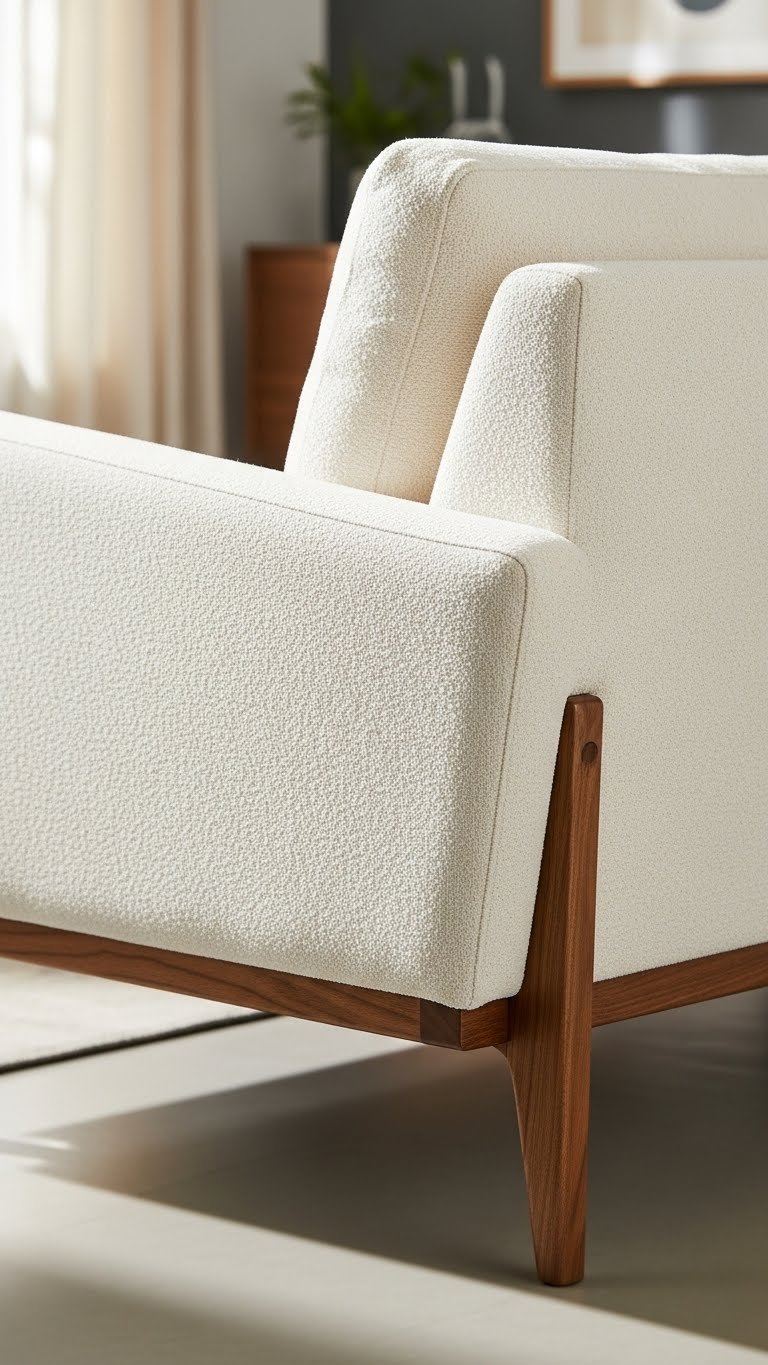
A sofa with tapered wooden legs is the anchor piece that defines mid-century style. These legs—usually angled outward slightly and crafted from walnut or teak—instantly elevate any living room and create visual lightness by showing floor space underneath.
Look for sofas at West Elm, Article, or Wayfair ($400–$1,200 range for quality reproduction pieces). If you’re on a tighter budget, IKEA’s Strandmon ($350–$500) offers clean lines and decent wood details. Vintage options at 1stDibs or local Facebook Marketplace often cost less but require more hunting and checking structural integrity.
Measure your doorway and hallways before purchasing—these statements sofas are tricky to maneuver. Installation takes 20 minutes if you’re assembling legs yourself.
The beauty of this investment? You’re not just buying a sofa; you’re creating the foundation for your entire room’s vibe. Everything else will arrange around those iconic legs, and suddenly your space looks intentionally designed rather than randomly furnished.
2. Add Brass or Copper Accent Lighting

Mid-century design loved metals—especially brass and copper—because they warm up a room while adding a touch of sophistication. Pendant lights, arc lamps, and table lamps in these metals became design icons for a reason.
Hunt for fixtures at Target ($40–$150), Amazon ($30–$200), or splurge at West Elm ($150–$400). A brass arc lamp works especially well in small spaces because it reaches over seating without eating up floor room. IKEA’s Ranarp ($50) delivers that vintage brass vibe at a fraction of the price.
Swapping out bulbs to warm white (2700K) takes two minutes and makes the biggest difference in how cozy the light feels. If you’re renting, plug-in arc lamps skip the hardwiring drama.
Suddenly your room glows instead of glares. That warm metallic shimmer against your walls creates depth and makes evenings feel restaurant-level inviting rather than fluorescent-office harsh.
3. Layer Geometric Throw Pillows in Jewel Tones
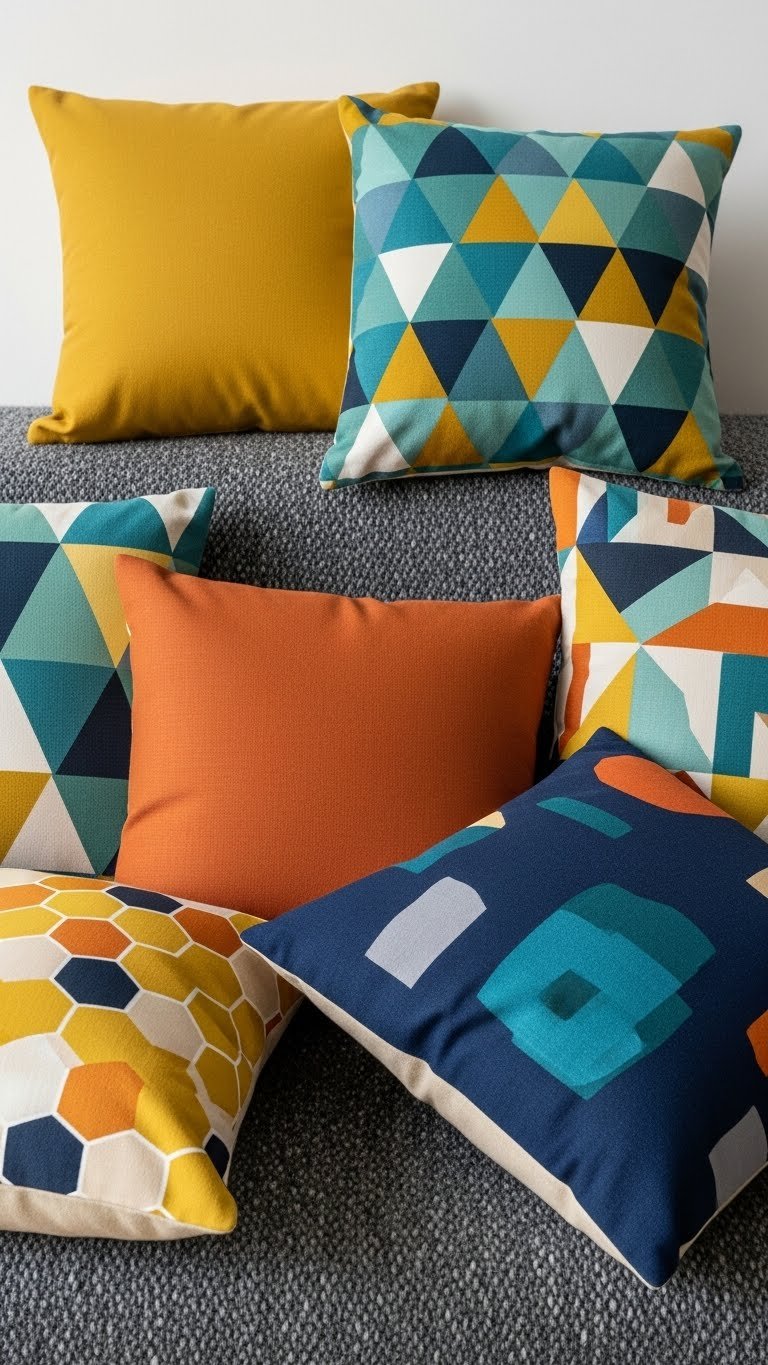
Geometric patterns were the thing in the ’50s and ’60s, and they’re back without apology. Throw pillows give you permission to experiment with bold colors and abstract shapes without committing to wallpaper or paint.
Start with one jewel-tone pillow ($15–$50 depending on quality) and add others over time. Etsy sellers, Target, and West Elm carry mid-century reproduction prints. Mix scales—one large geometric, one small-scale pattern, one solid accent color. Aim for odd numbers (3, 5, or 7) on a sofa; it’s more visually interesting than even pairs.
This costs nothing to rearrange, so experiment for 10 minutes until the mix feels right. Renter? Perfect—pillows are the easiest design change you can make.
You’ve just introduced color and personality without overwhelming the space. Mid-century maximalism thrives on mixing patterns, so lean into it.
4. Install Floating Shelves Above Your Sofa

Floating shelves above the sofa create a gallery-like backdrop and display space for the objects you actually love. Mid-century design celebrates honest materials and functional beauty, so this is your chance to show both.
IKEA shelves run $10–$30 each plus mounting hardware; Amazon has options from $25–$75; premium versions at CB2 or West Elm hit $80–$150. You’ll need a stud finder, level, and drill (or call a handyperson for $50–$100 installation). Time investment: one hour for three shelves if you DIY.
Decorate with a mix: books (spines facing out), small plants, vintage pottery, or a single large ceramic piece. Leave breathing room—empty space is part of the design.
Your wall transforms from blank backdrop to curated display. Guests notice immediately, and you finally have a home for those special objects that deserve visibility.
5. Paint an Accent Wall in Muted Sage or Charcoal
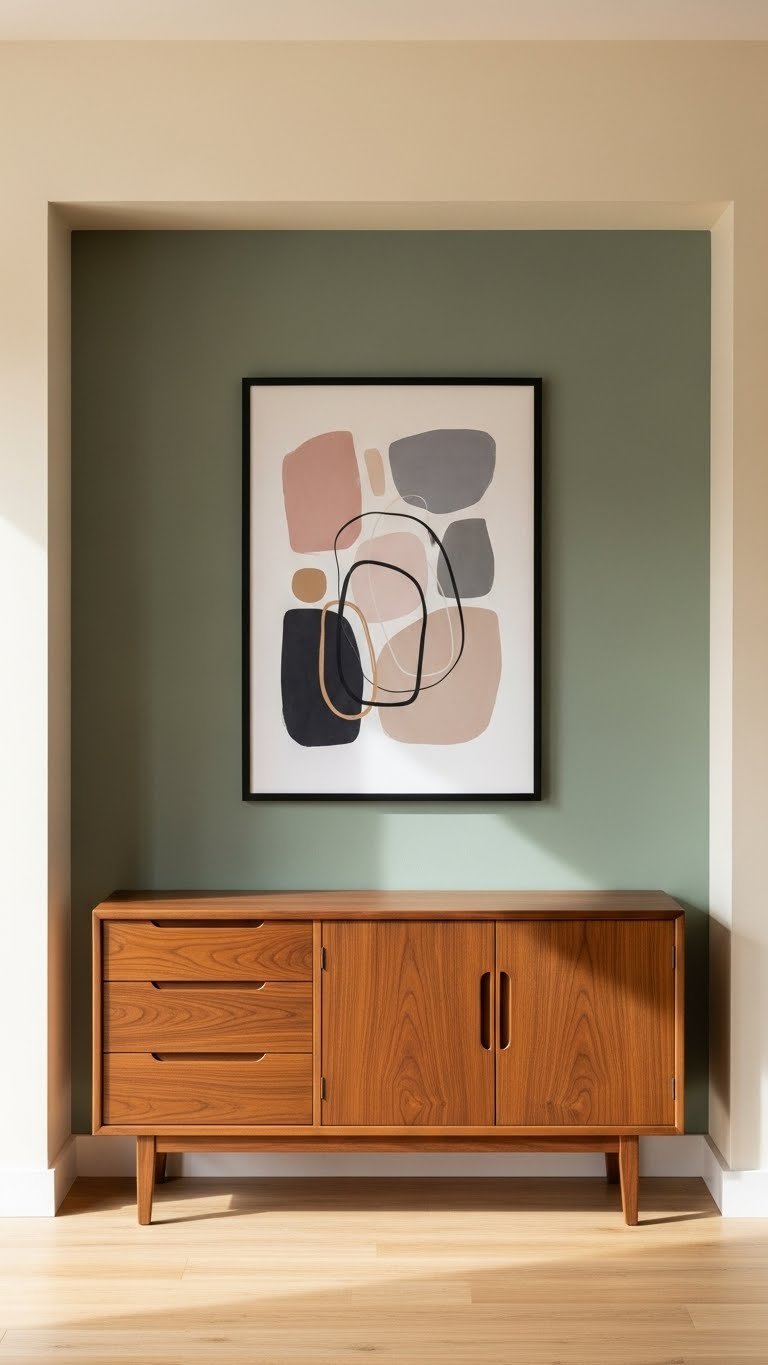
Instead of screaming bold, mid-century color runs understated. Muted sage, soft charcoal, dusty teal, or warm gray accent walls ground a room while keeping the focus on your furniture’s lines and materials.
Benjamin Moore, Sherwin-Williams, or Behr sell mid-century–inspired colors; grab a few sample pints first ($5–$8 each) to test on your wall in natural light. Plan to spend $30–$60 on paint plus brushes. One accent wall takes one afternoon (two hours active time, plus drying).
Pick the wall behind your sofa or the one you see when entering the room. Primer speeds up coverage, especially over existing color.
Suddenly the room has dimension. That single accent wall anchors your furniture, makes artwork pop, and makes the whole space feel intentionally designed rather than default white.
6. Swap Out Hardware on Kitchen Cabinets
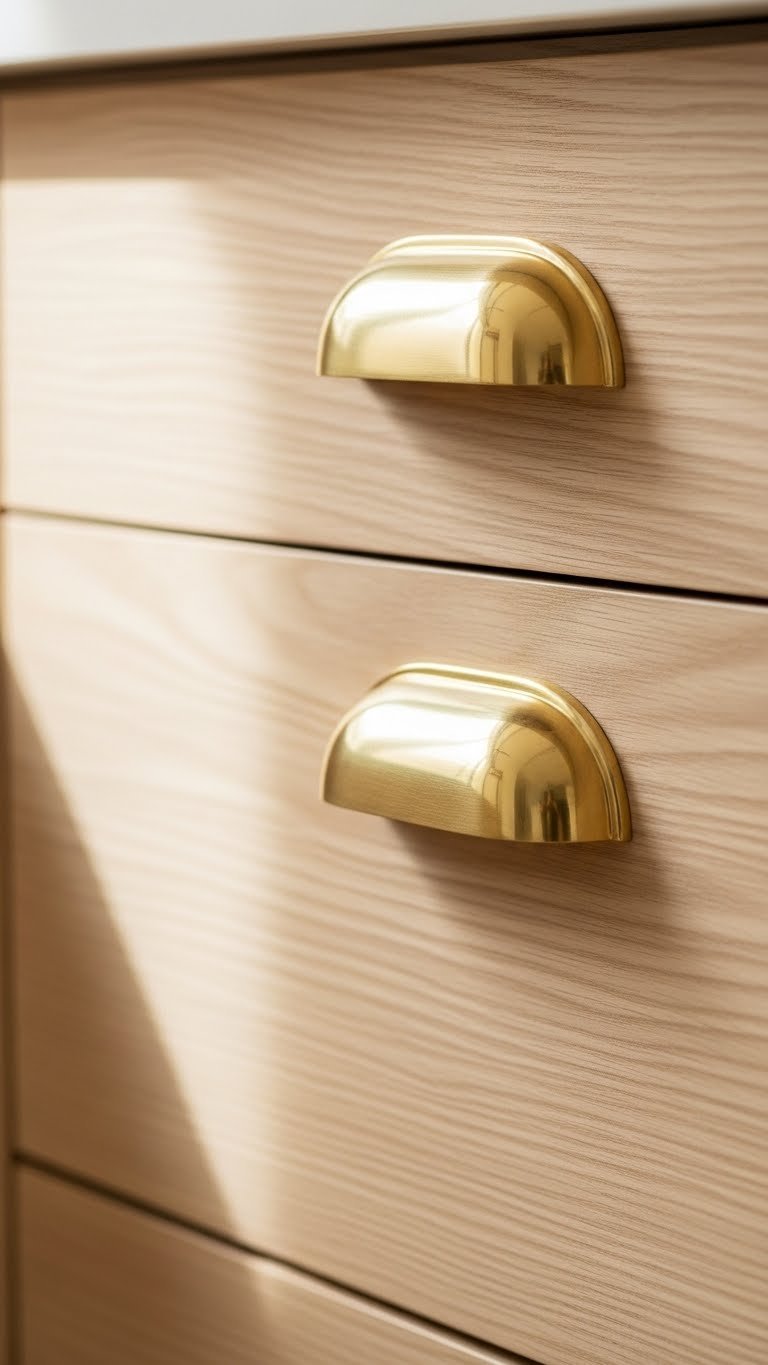
The cheapest style upgrade? Cabinet hardware. Brass, copper, or wood-and-brass pulls instantly age-shift your kitchen from 2010s-generic to mid-century timeless.
Amazon, Wayfair, and Etsy sell reproduction mid-century hardware for $3–$15 per pull. A typical kitchen needs 12–20 pulls, so budget $40–$300 depending on quality. You need only a screwdriver and 15 minutes. No skill required—just remove old hardware, fill old holes if they don’t match, and install new pulls.
This works for dressers, nightstands, and bathroom vanities too. Maximum impact, zero commitment.
Your kitchen suddenly feels cohesive and intentional. That small detail catches every eye, and for under $100, you’ve just refreshed an entire room’s vibe.
7. Display Vintage Pottery and Ceramics
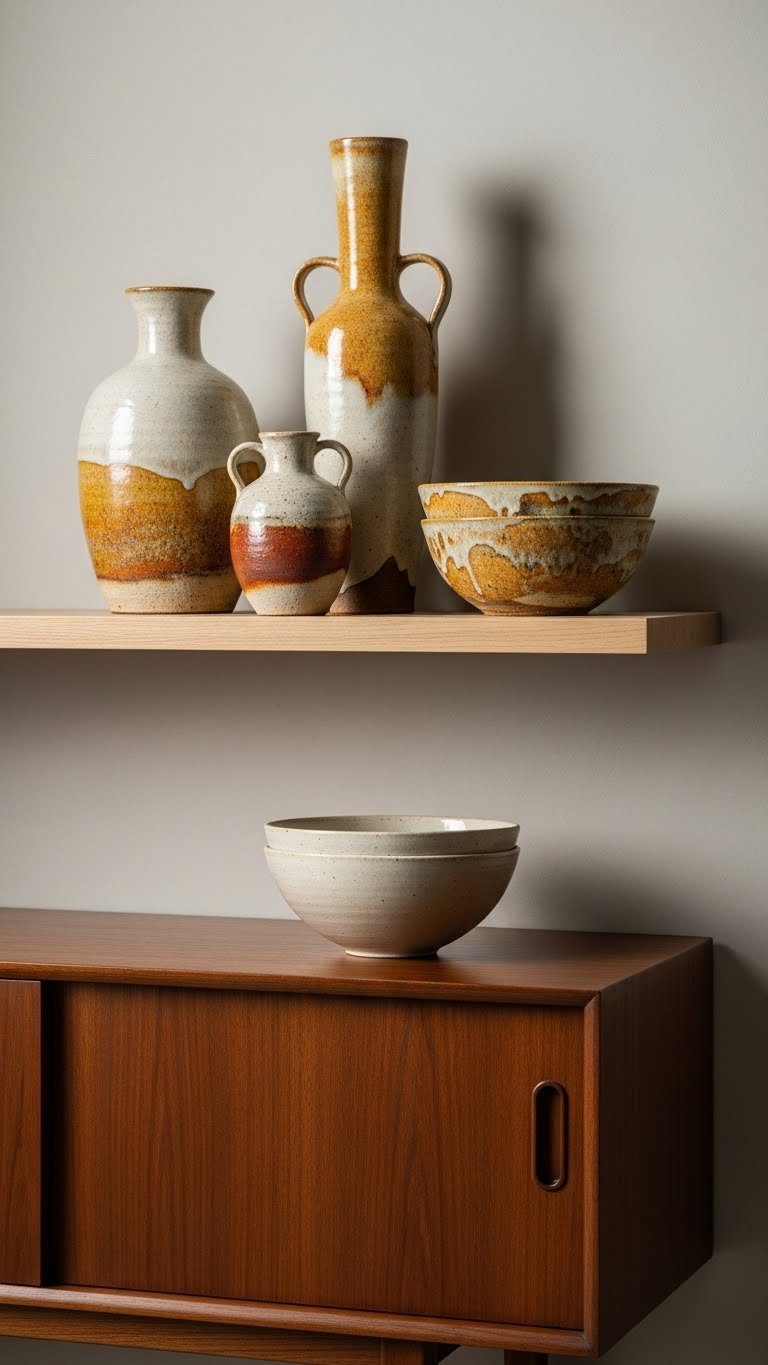
Mid-century designers celebrated handmade objects—especially pottery with visible glaze variations and imperfect surfaces. These pieces looked expensive, felt warm, and told a story.
Etsy, 1stDibs, and local antique shops sell authentic mid-century pottery ($20–$200 per piece depending on rarity). If budget’s tight, Target and West Elm offer modern reproductions that capture the vibe for $15–$80. Spend a weekend hunting at estate sales or thrift stores—you’ll find gems for $5–$20.
Display three to five pieces together in odd numbers for visual interest. Group by color or size for cohesion.
Suddenly your space tells a story beyond “stuff I bought new.” That handmade quality adds soul, and visitors ask where you found each piece—which means your design is working.
8. Bring in a Credenza for Storage and Style
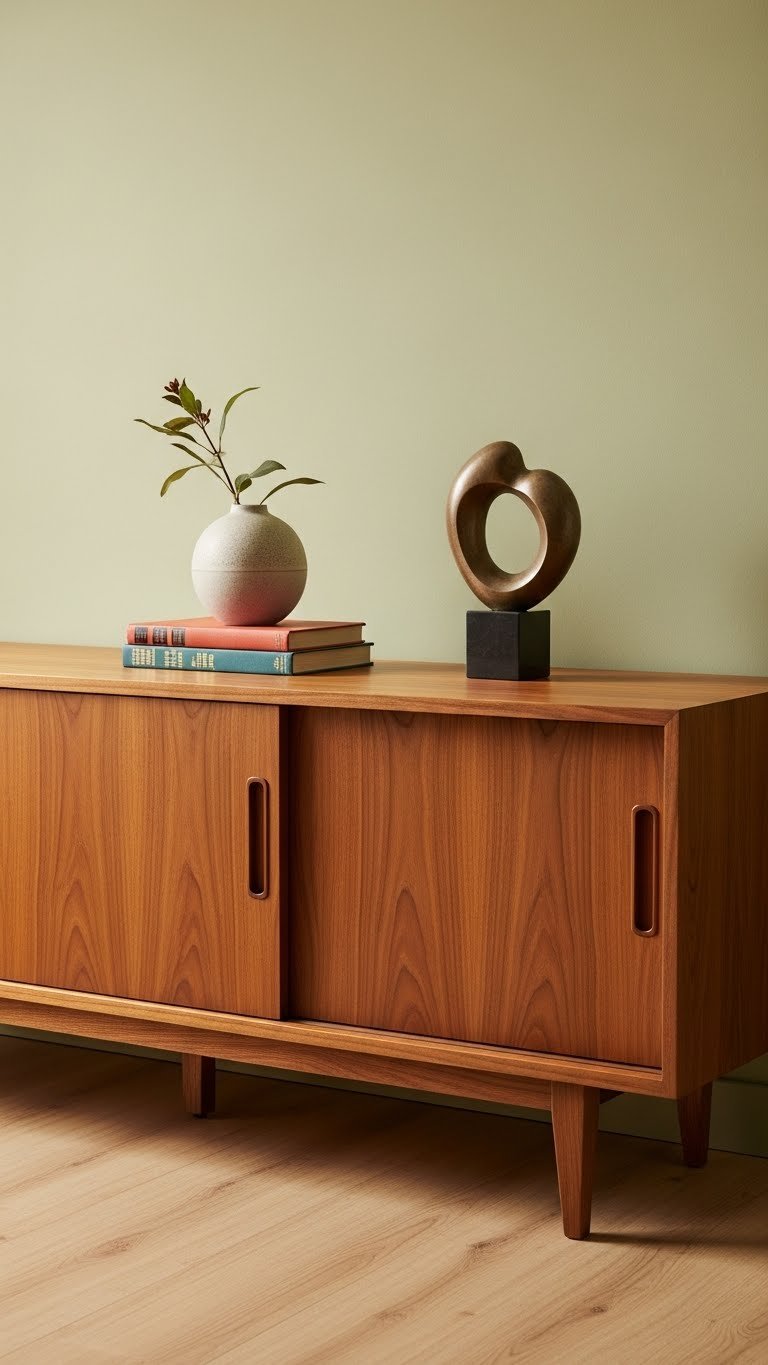
A credenza screams mid-century more than almost anything else—it’s functional, beautiful, and shows off those beloved tapered legs. Perfect for living rooms, bedrooms, or entryways to hide clutter while looking intentional.
New credenzas run $400–$1,200 at West Elm, Article, and Design Within Reach. Vintage finds at 1stDibs, Craigslist, and Facebook Marketplace often cost less ($200–$600) but require inspection for water damage and structural issues. IKEA’s Ivar system ($200–$400) offers a budget DIY route.
These are heavy—measure doorways and plan delivery or pick-up logistics. Assembly takes one to two hours.
Now you have stylish storage and a major design anchor. Your room instantly feels more curated, and suddenly all your stuff has a home that looks intentional.
9. Mix Metals in Your Decor (Don’t Match Everything)

Matching all your metals used to be a decorating rule. Mid-century design flipped that—mixing brass, copper, walnut, and even silver created visual interest and felt more collected over time.
You don’t need to buy anything new for this. Audit what you already own: lamps, picture frames, plant stands, hardware. Deliberately choose pieces with different metal finishes. As you shop, pick a primary metal (brass or copper) but let secondary pieces vary naturally.
This takes zero time—just intentional styling as you add pieces over the next few months.
Your room looks more sophisticated, collected, and personal. That mix of metals makes your space feel like it evolved naturally rather than ordered all at once from one catalog.
10. Hang a Large Abstract Art Print
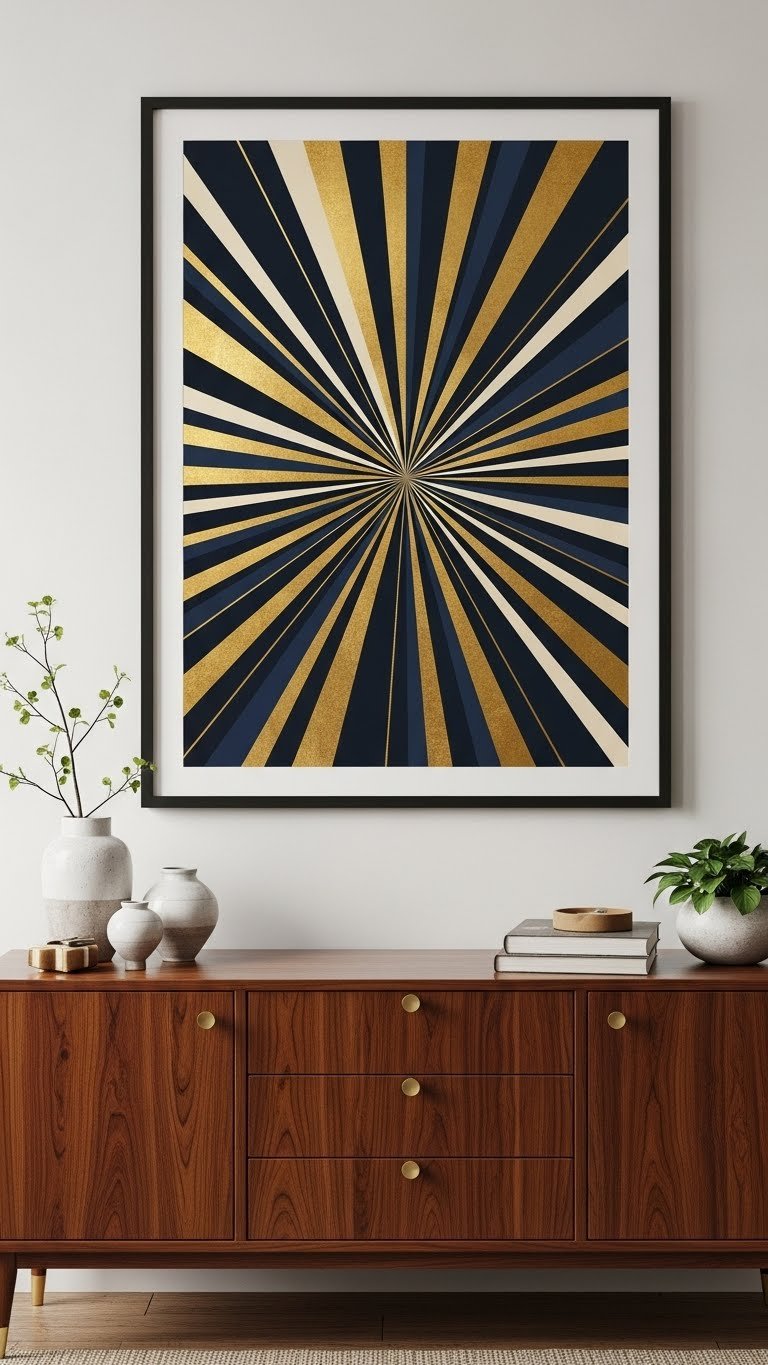
Mid-century abstract art—especially sunbursts, geometric shapes, and retro color blocks—became iconic for a reason. One large print anchors a wall and sets your room’s entire color palette.
Etsy, Amazon, and Society6 sell reproductions for $20–$80 unframed or $60–$200 framed. Authentic vintage pieces at 1stDibs run $100–$500+. IKEA’s framing service keeps costs down ($15–$40 for framing). Pick a print that matches your existing color scheme or use it to introduce your accent color.
Hanging takes 15 minutes with the right hardware. A stud finder prevents wall damage.
Suddenly you have a focal point. That single art piece elevates the entire room, justifies your color choices, and gives visitors a clear sense of your style.
11. Choose Furniture with Clean Lines and No Ornamentation
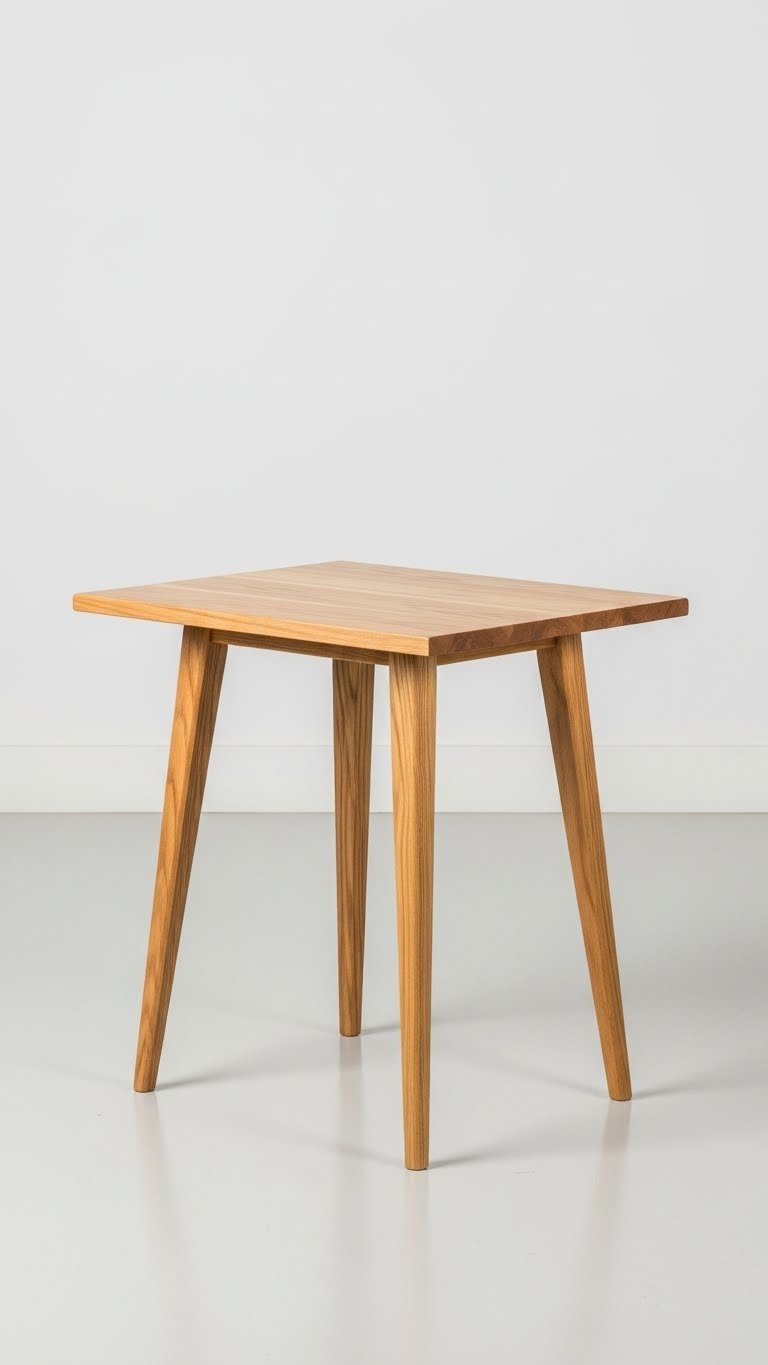
Mid-century design rejected ornate carved details—furniture spoke through proportion and material, not decoration. Clean lines make a room feel bigger, less cluttered, and more serene.
When shopping, look for zero carved details, tapered or angled legs, and simple joinery. Avoid rounded edges, curved legs, or decorative trims (that’s Victorian or Chippendale). IKEA, Article, Wayfair, and Target all carry modern pieces with mid-century bones at every price point.
This guideline applies to everything: dressers, nightstands, desks, dining tables. Consistency makes the room feel intentional.
Your space breathes. Without visual noise from ornamentation, your eye rests, and you focus on color, material, and the room’s overall proportion. It’s surprising how much calm comes from stripped-down furniture.
12. Add a Round Coffee Table

Round coffee tables became popular in mid-century design because they’re friendlier for conversation (no sharp corners) and feel less formal than rectangles. The circular shape also breaks up rooms dominated by straight lines.
Article, West Elm, and IKEA offer round tables from $150–$500 new. Thrift stores and Facebook Marketplace often have vintage options for $50–$200. Diameter matters—aim for 36–42 inches for living rooms so it’s proportional to your sofa.
This is a one-person delivery typically. Legs attach in 20 minutes.
A round table makes your seating area feel more intimate and less formal. Guests naturally gather closer, and the space suddenly feels warmer and more inviting.
13. Style a Bookshelf with the “Bookshelf Spine-Out” Method
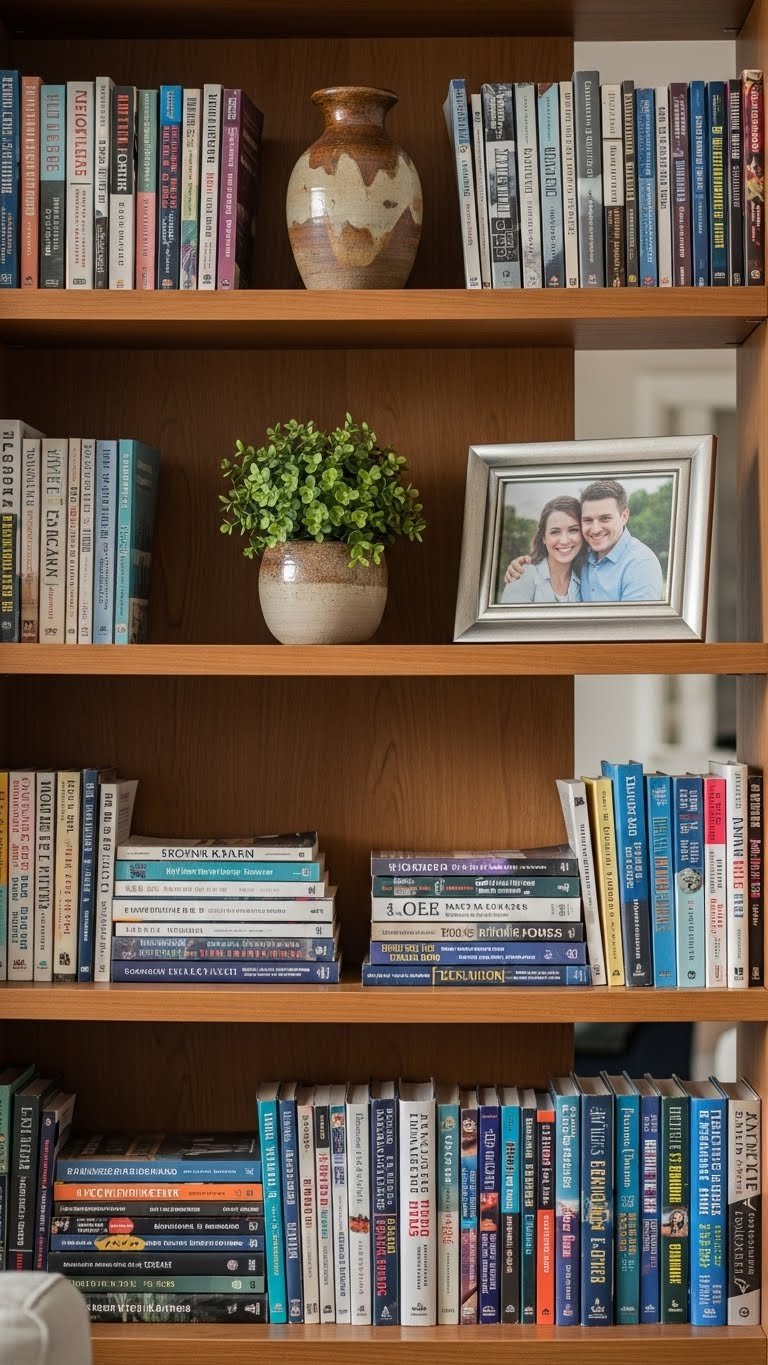
Instead of jamming books upright cover-to-cover, mid-century styling mixed spine-out books with horizontal stacks, objects, and negative space. This creates visual rhythm and makes your bookshelf look curated rather than library-ish.
You already own the books—this costs nothing. Spend 30 minutes experimenting with arrangement: place one shelf mostly spine-out, another with stacked horizontal books, and break the pattern with decorative objects (pottery, plants, photos).
Follow the “rule of thirds”—divide each shelf into thirds and vary what each section displays.
Suddenly your bookshelf becomes a design feature. That intentional arrangement makes the entire room look more sophisticated, and your collection looks valuable rather than random.
14. Invest in Quality Mid-Century Lighting
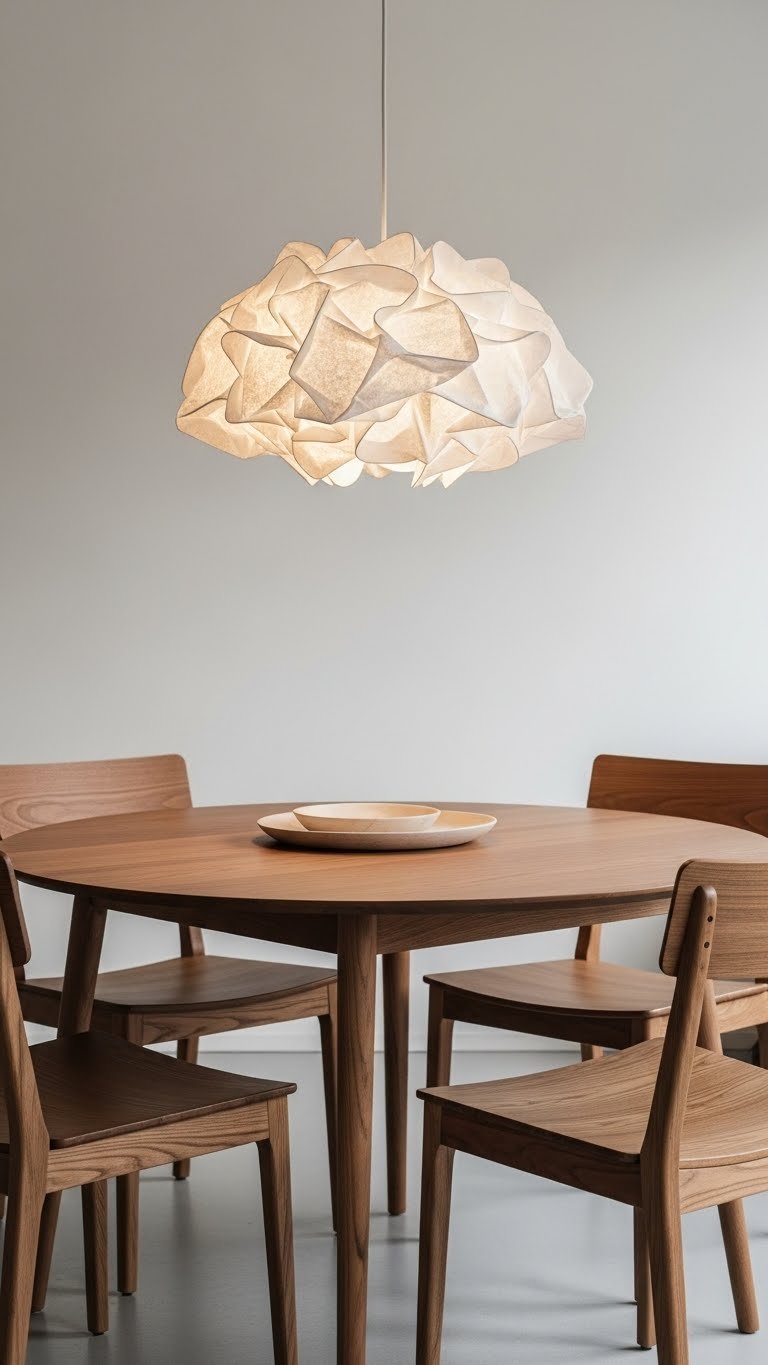
Mid-century lighting transcends function—iconic designs like the Saarinen tulip base, Nelson bubble lamps, and simple paper shades became art. Good lighting completely changes how a room feels.
Replica pendant lights run $50–$150 on Amazon or Wayfair. Authentic vintage pieces start at $200–$500 at 1stDibs or local antique dealers. For maximum impact, invest in one statement pendant ($150–$300) over the dining table or entryway rather than multiple cheap fixtures.
Professional installation costs $50–$150 if you need hardwiring (renting? ask your landlord first).
That single sculptural light becomes a conversation piece. Evenings suddenly feel intentional and beautiful rather than utilitarian.
15. Use Natural Wood Tones for Warmth
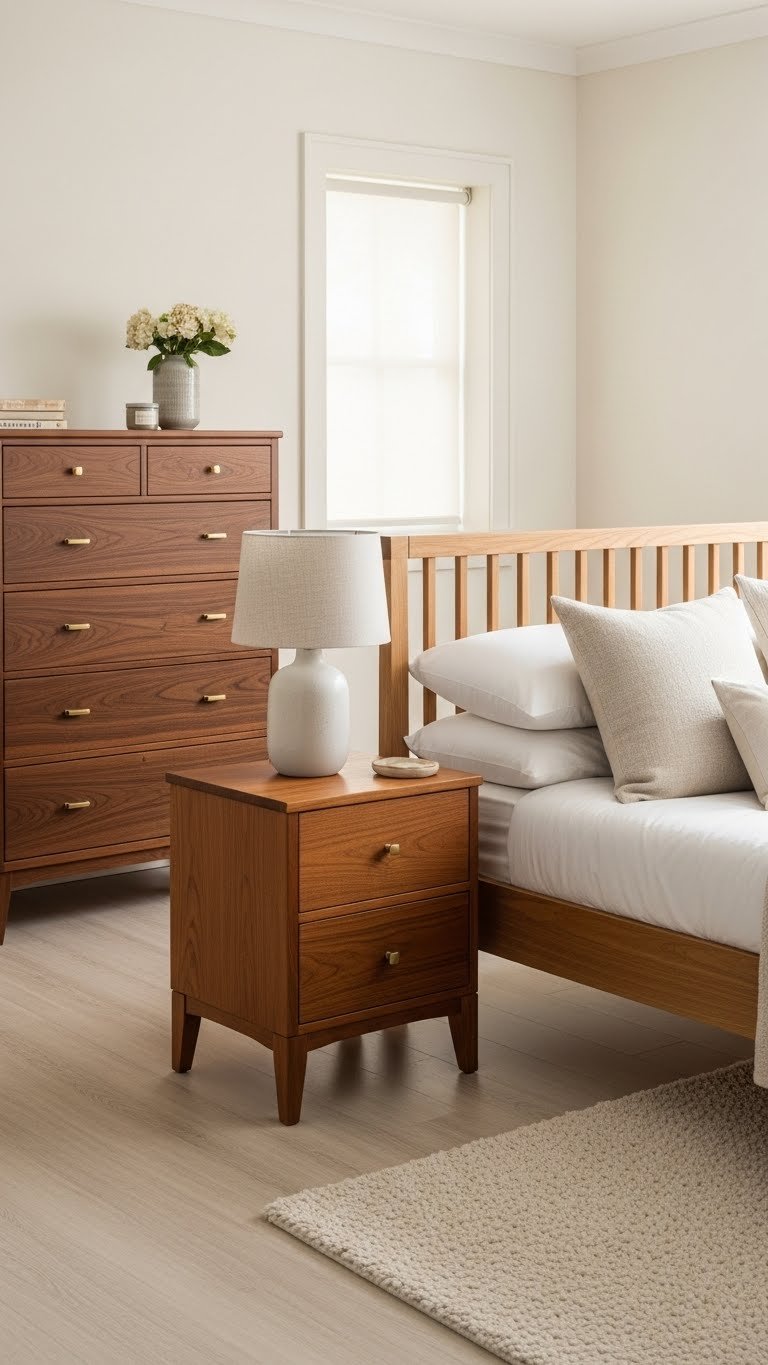
Mid-century design celebrated wood—walnut, teak, oak, and rosewood each had distinct characters. Mixing two or three wood tones (never matching everything) adds warmth and prevents the cold, sterile feel of all-white rooms.
Audit your existing furniture for wood tones. When adding new pieces, intentionally choose different woods rather than matching. Walnut + oak + teak create visual interest; all-matching wood feels stiff and thematic rather than designed.
Paint or stain existing furniture to match your palette if needed ($30–$100 for supplies, one weekend).
Your room stops feeling flat. That mix of warm wood tones creates depth, richness, and a sense of having collected beautiful things over time—which is exactly the mid-century vibe.
16. Place a Woven Wall Hanging or Macramé
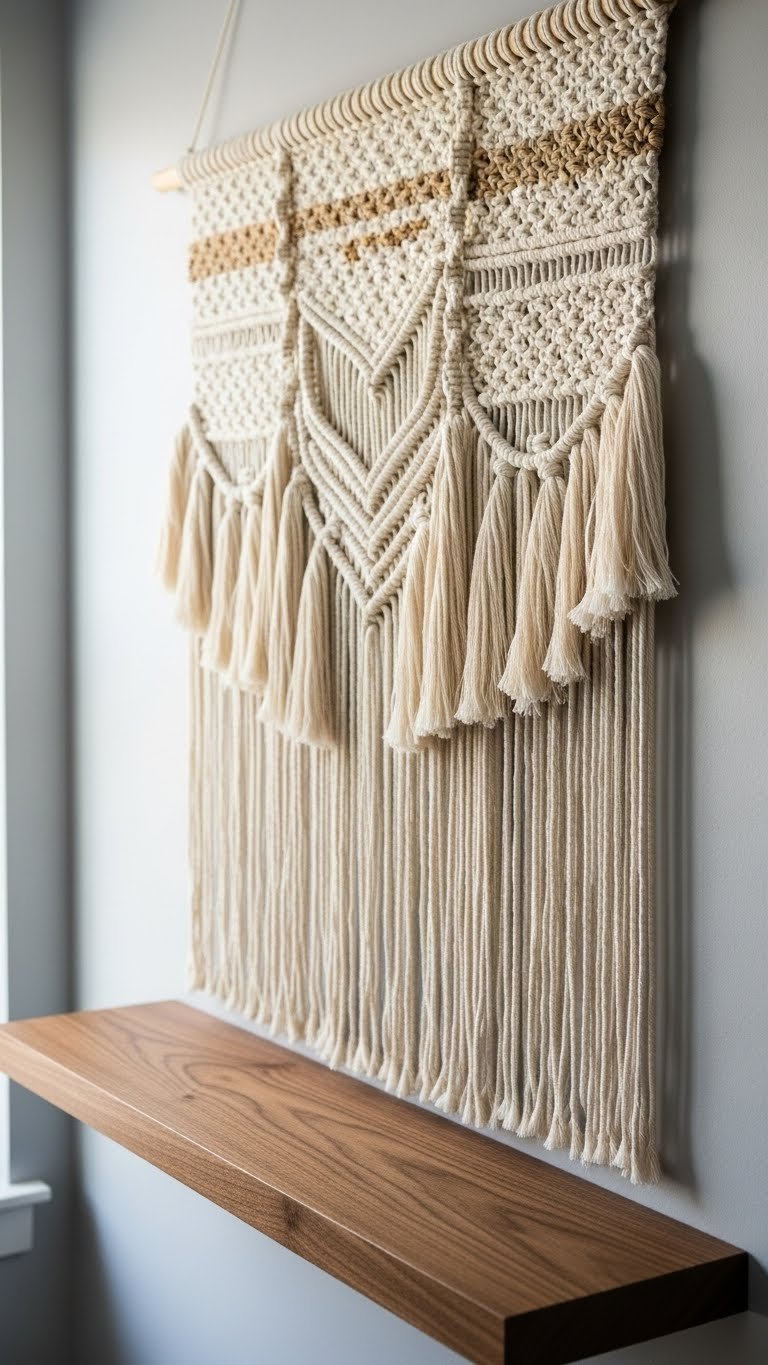
Woven textiles and macramé became popular in mid-century design, especially the ’60s and ’70s. They add texture, warmth, and that handmade quality that screams personality over mass production.
Etsy and Wayfair sell woven hangings from $30–$150. Vintage macramé at thrift stores costs $5–$30. You don’t need an expensive piece—even a simple woven hanging completely shifts a blank wall’s energy.
Mounting hardware takes five minutes; most hangings come with D-rings ready to hang.
Suddenly your wall has dimension and texture. That single woven piece makes the space feel more collected, personal, and intentionally designed—not sterile.
17. Swap Carpet for Hardwood or Refinish Existing Floors
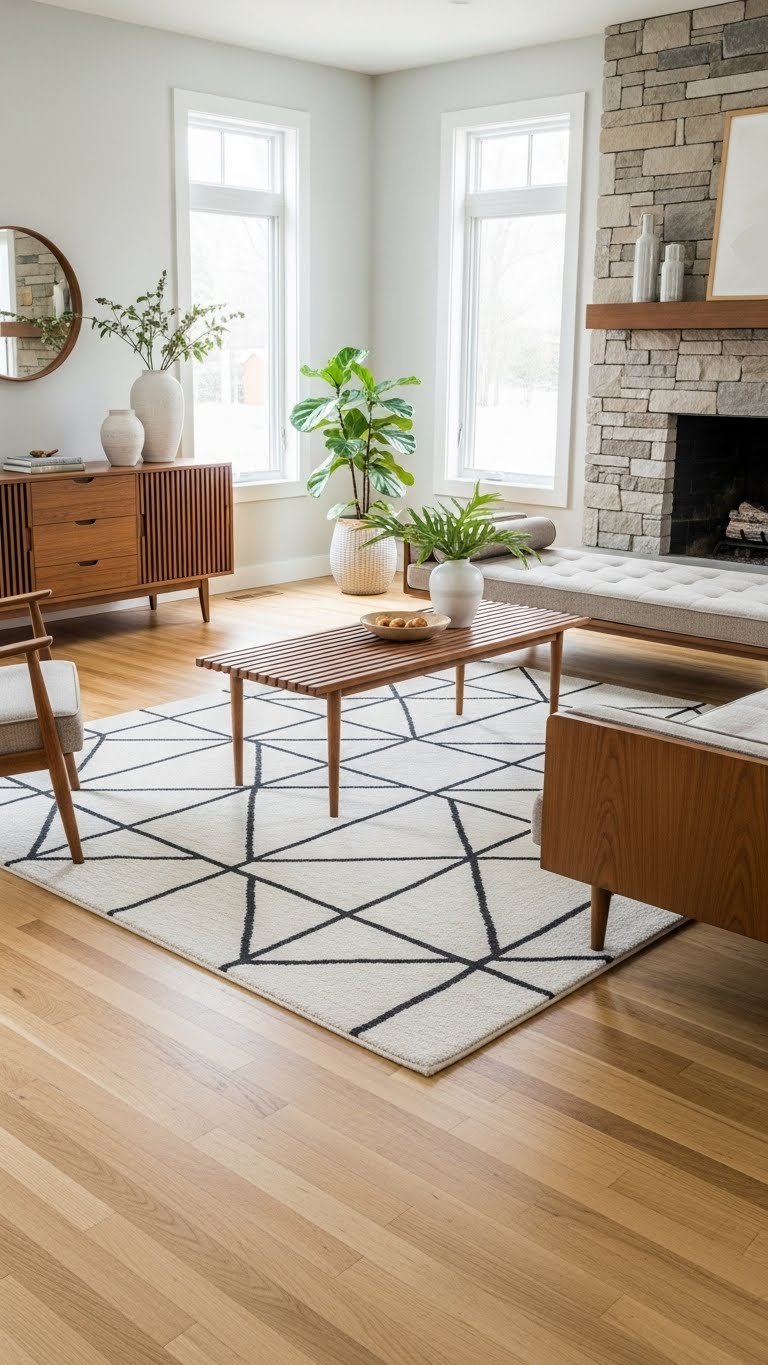
Mid-century design showcased flooring rather than hiding it. Hardwood was the standard, and area rugs defined spaces without covering everything.
If you’re renting, this isn’t an option. Homeowners: hardwood installation runs $5–$12 per square foot, so budget $2,000–$5,000 for a typical room. Refinishing existing floors costs $3–$8 per square foot ($1,500–$3,500). Laminate alternatives ($2–$5 per sq ft) capture the look affordably.
Projects take days professionally; plan accordingly.
Clean floors make rooms feel bigger and lighter. That wood grain becomes a design element, and suddenly your entire room has warmth and visual interest at ground level.
18. Create a Vignette on Your Nightstand
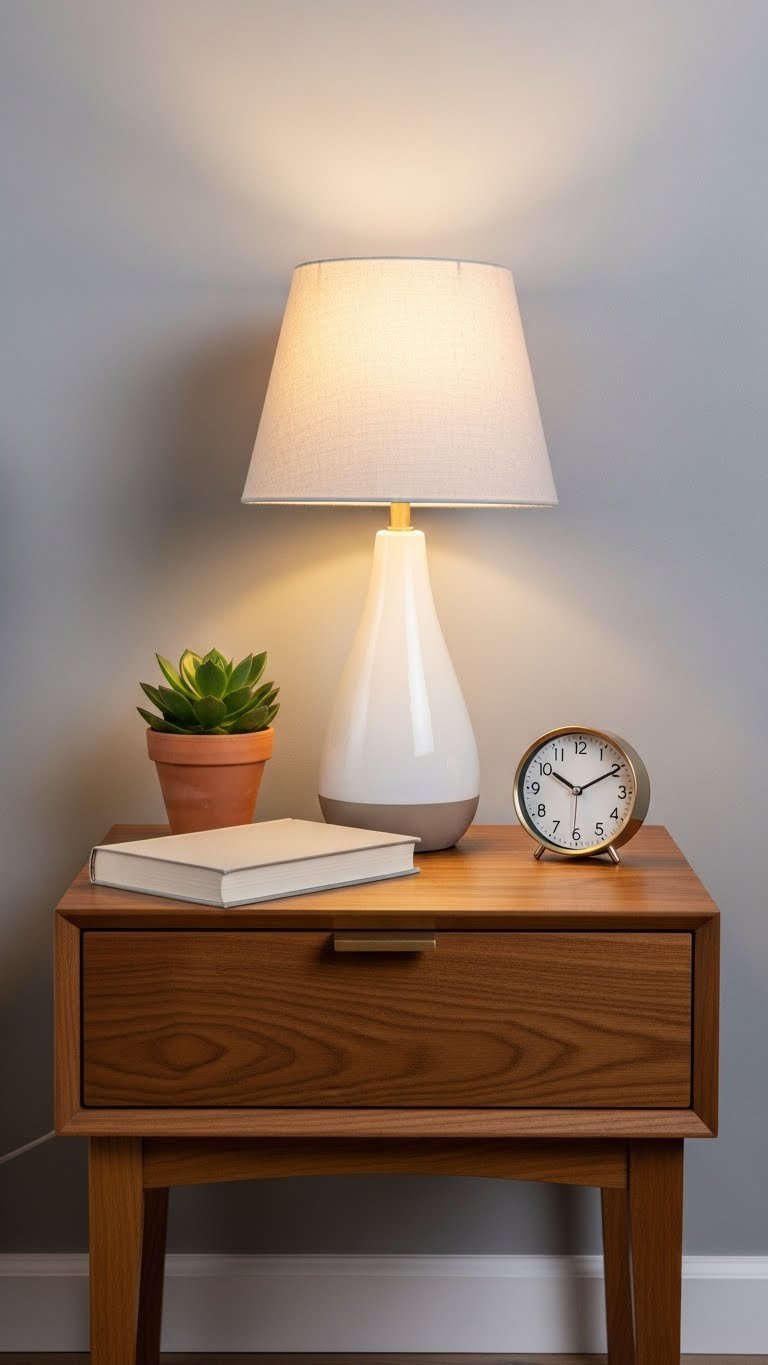
Mid-century stylists didn’t scatter items randomly—they grouped objects intentionally to create small scenes. Your nightstand is prime real estate for a tiny vignette.
Pull together three to five objects: a lamp, a small plant, a favorite book, a candle, a small bowl. Arrange them leaving space between items so each object breathes. This costs nothing if you’re using objects you own.
Spend 10 minutes styling. Rearrange seasonally to keep it fresh.
Suddenly your nightstand is a mini gallery rather than a junk drawer. That small intentional styling makes your bedroom feel more restful and sophisticated.
19. Hang Pendant Lights at Varying Heights
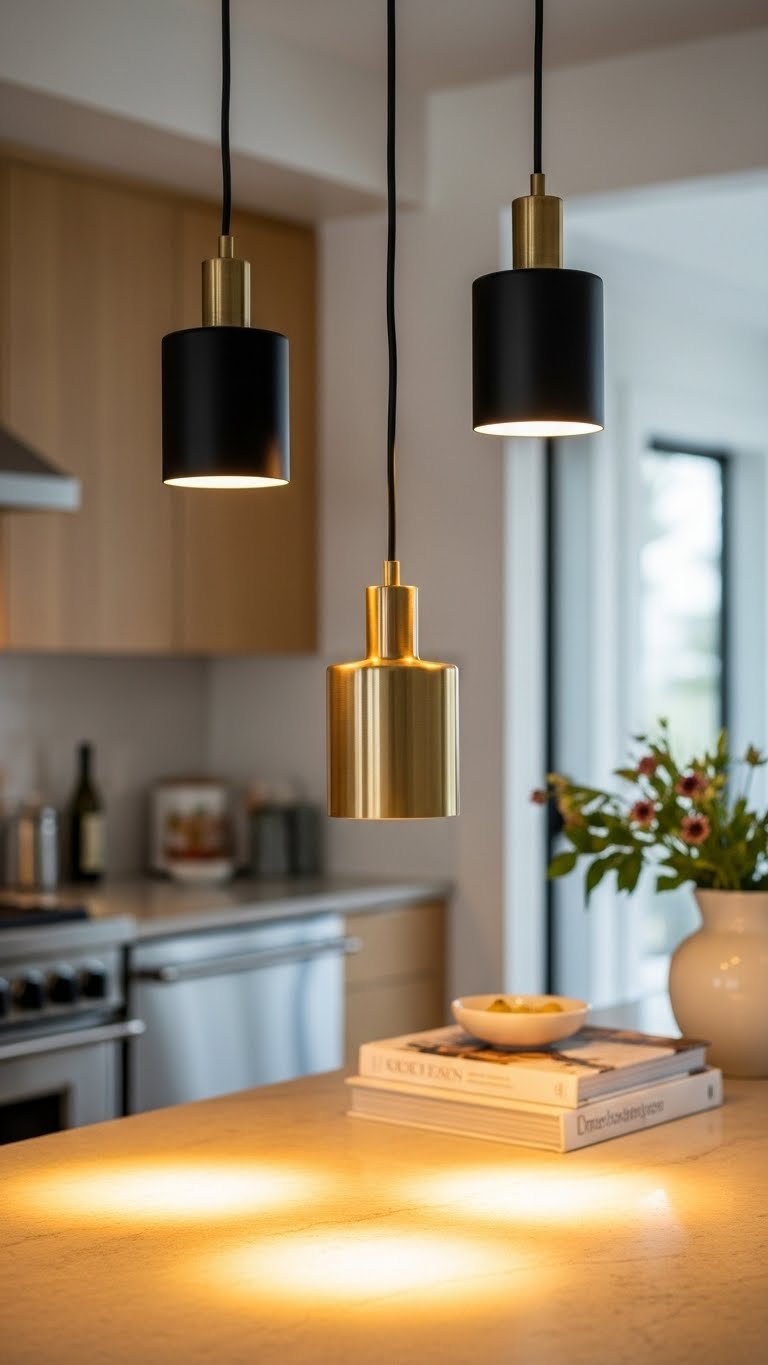
Instead of a single fixture or matching pairs, hanging pendants at staggered heights (24–36 inches apart vertically) creates visual interest and catches light differently from each angle.
IKEA and Amazon pendants ($25–$80 each) work great for this look. You’ll need an electrician for hardwiring ($100–$200) unless you’re using plug-in options for temporary rentals.
The key: stagger heights so no two pendants align horizontally. It looks intentional and modern instead of matchy.
Your kitchen counter transforms into a designed space. That subtle height variation makes a huge difference in how sophisticated the zone feels.
20. Introduce Pops of Color Through Accent Chairs
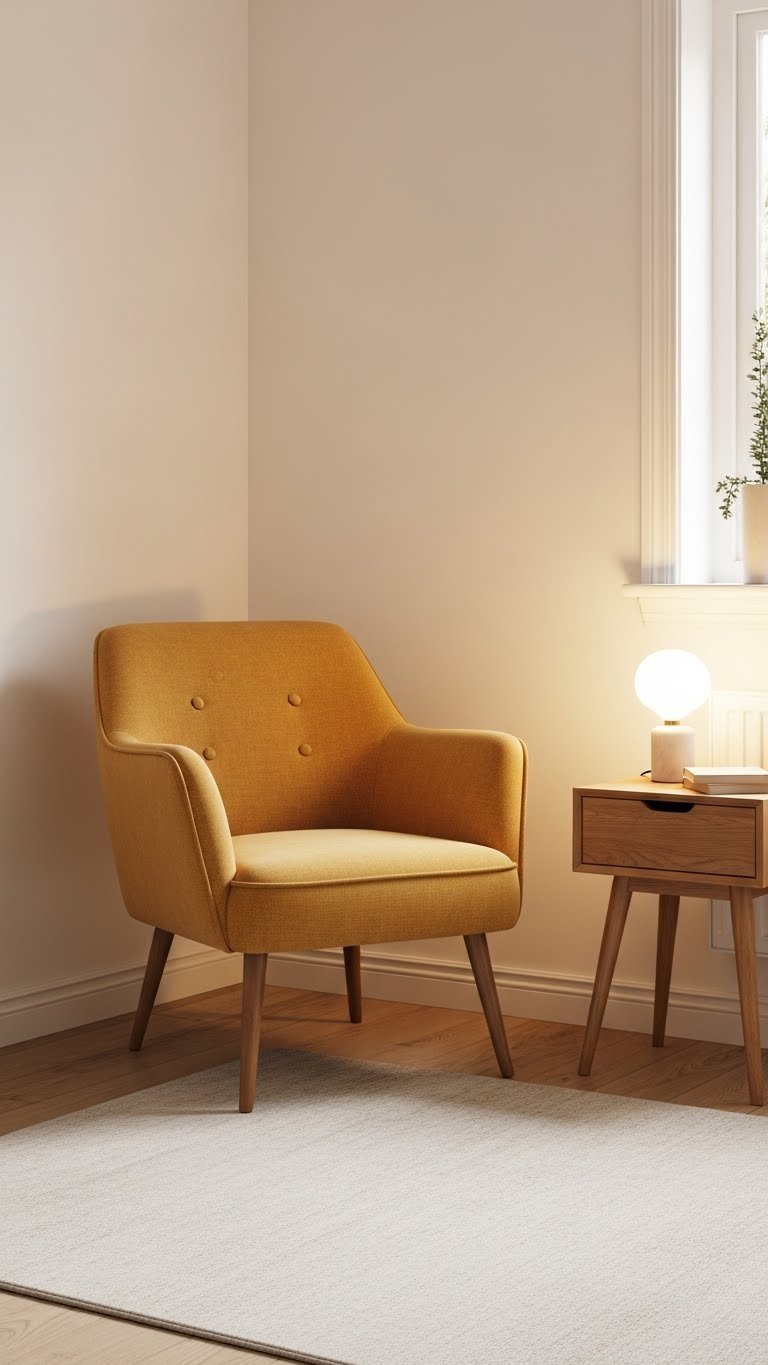
A single accent chair in jewel tone or warm accent color (mustard, teal, burnt orange, sage) becomes an instant focal point. Mid-century design loved color—just used it strategically in one or two pieces rather than everywhere.
Article, West Elm, and Wayfair have mid-century accent chairs at $300–$800. IKEA’s Strandmon ($250–$350) offers clean lines at budget prices. Thrift stores sometimes yield treasures for $50–$150.
An accent chair needs floor space—even small rooms can fit a 28–32-inch-wide chair in a corner. Assembly takes 30 minutes.
That single pop of color anchors your room’s palette and gives visitors a clear sense of your style. It’s surprising how one accent piece makes the entire space feel more intentional and designed.
21. Pair Your Sofa with a Simple Wooden Console
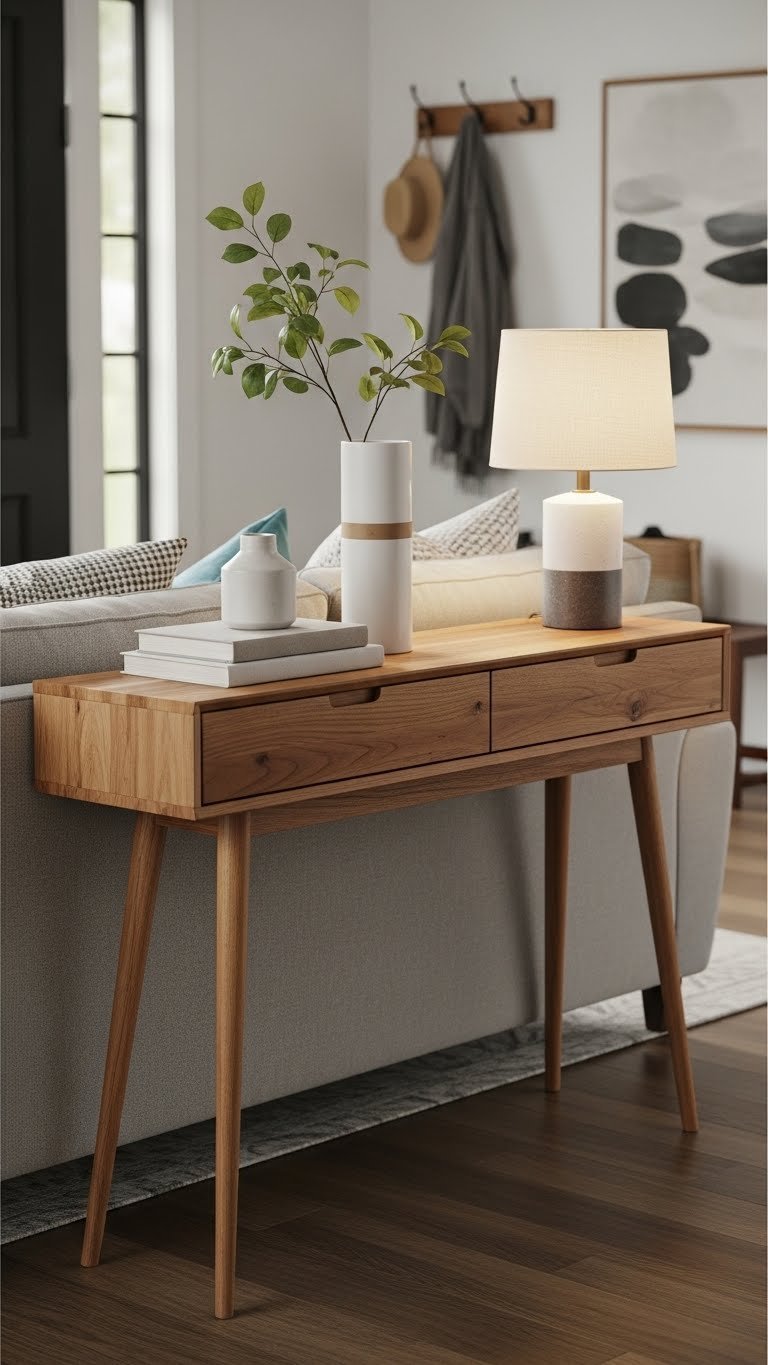
A console table behind your sofa serves dual purposes: it visually defines the seating zone and creates display space for styling objects. Mid-century design valued functional furniture that solved problems beautifully.
IKEA, Wayfair, and Article offer console tables from $100–$400. Thrift stores often have vintage options for $50–$150. Look for pieces 12–16 inches deep and 48–60 inches wide so they fit proportionally behind a sofa.
No installation needed—just position and decorate. Style with 3–5 objects: a lamp, small plant, framed photo, or vase.
Now your room feels intentional and zoned. That console creates visual separation, adds functional surface area, and makes your sofa arrangement look designed rather than randomly placed.
22. Select Window Treatments with Clean Geometry
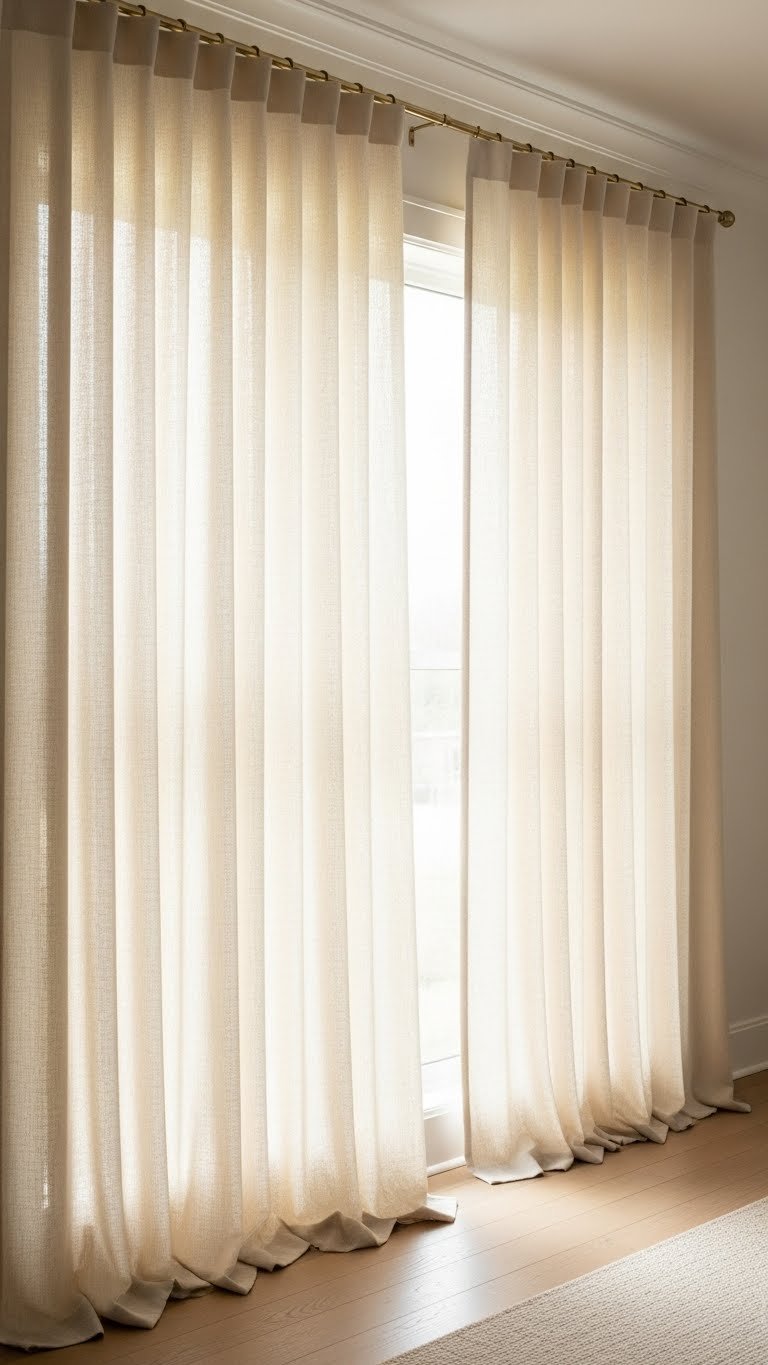
Mid-century window treatments favored simplicity: floor-to-ceiling curtains in solid colors or simple geometric patterns, mounted on slender metal rods. Heavy velvet and florals? Absolutely not.
Curtain rod cost: $20–$80; fabric: $30–$150 per window depending on size. IKEA’s Räcka rod ($15–$30) nails the minimal look. Simple linen or cotton in cream, gray, or soft color works best.
Mounting takes 20 minutes. If you’re renting, use tension rods ($10–$30) for damage-free installation.
Suddenly natural light isn’t fighting heavy curtains. That clean geometry frames your windows beautifully and makes the entire room feel more spacious and intentional.
23. Add a Small Side Table for Function and Style
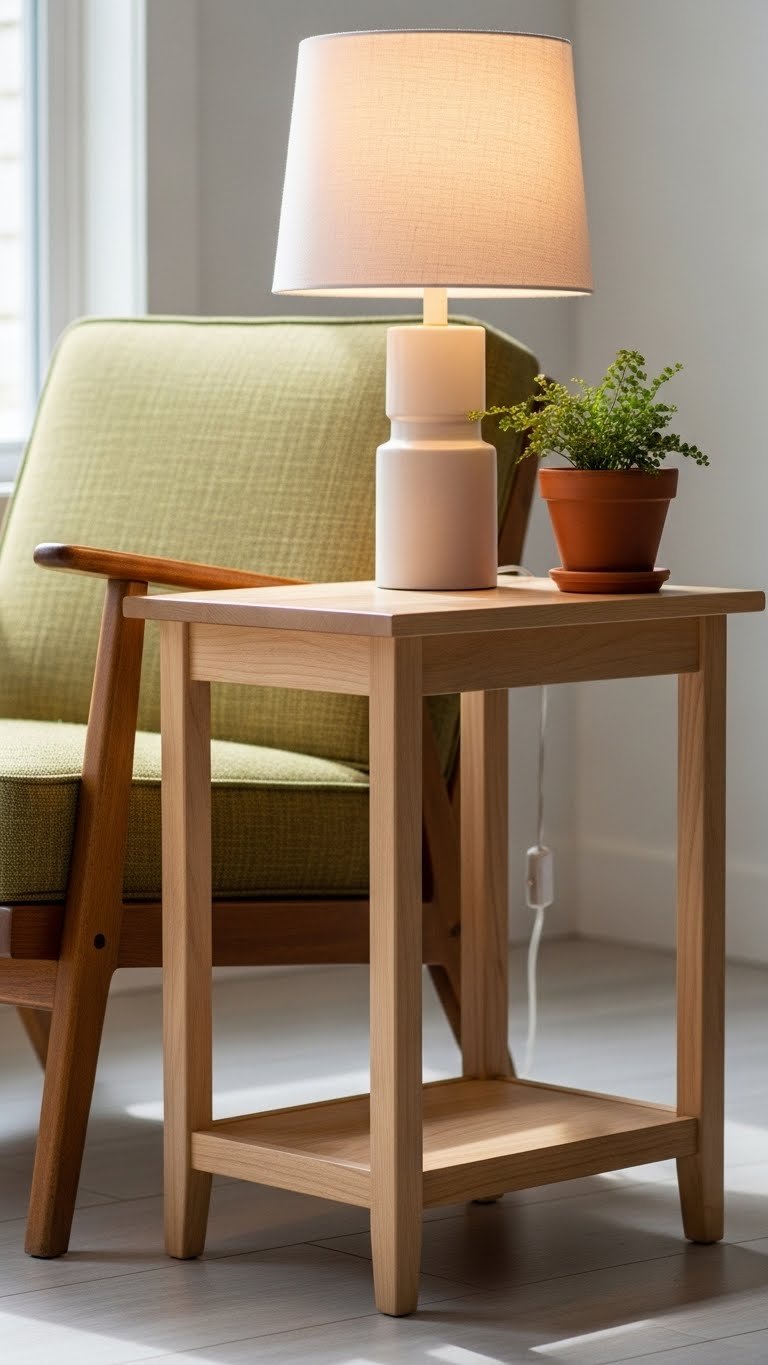
The best mid-century design moves—it has purpose. A side table beside your favorite chair isn’t decoration; it’s functional and becomes a design anchor for that corner.
IKEA, Article, and Target offer side tables from $80–$250. Thrift finds run $20–$80. Look for pieces 16–20 inches wide and 22–24 inches tall so they align with armrest height.
Assembly typically takes 15 minutes. Renter-friendly—just position and style.
Suddenly that corner feels purposeful. You have a place for your lamp, book, and morning coffee, making the space more livable and intentional.
24. Use Geometric Area Rugs to Define Zones
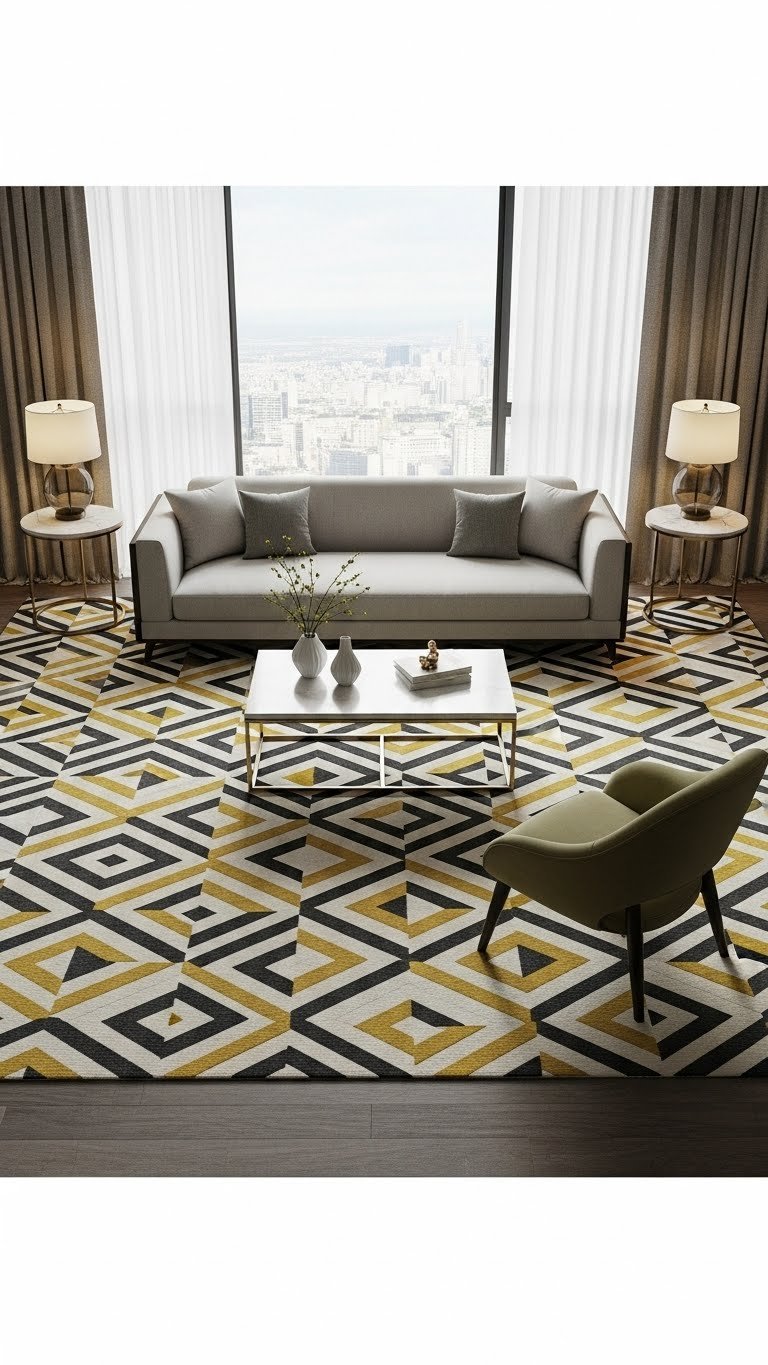
Area rugs serve mid-century design brilliantly—they define spaces (especially in open-plan homes), add color and pattern, and anchor your furniture arrangement. Geometric patterns feel authentically retro.
IKEA’s rugs ($50–$200), West Elm ($200–$500), and Etsy sellers ($80–$400) all carry mid-century patterns. Size matters: an 8×10 rug anchors a living room; 5×8 works for bedrooms or smaller spaces.
This costs nothing to rearrange. Test placement before fully committing.
Suddenly your room has visual structure. That rug defines your seating area, introduces pattern without overwhelming, and makes furniture arrangement feel intentional rather than random.
25. Frame Vintage Magazine Covers or Retro Travel Posters
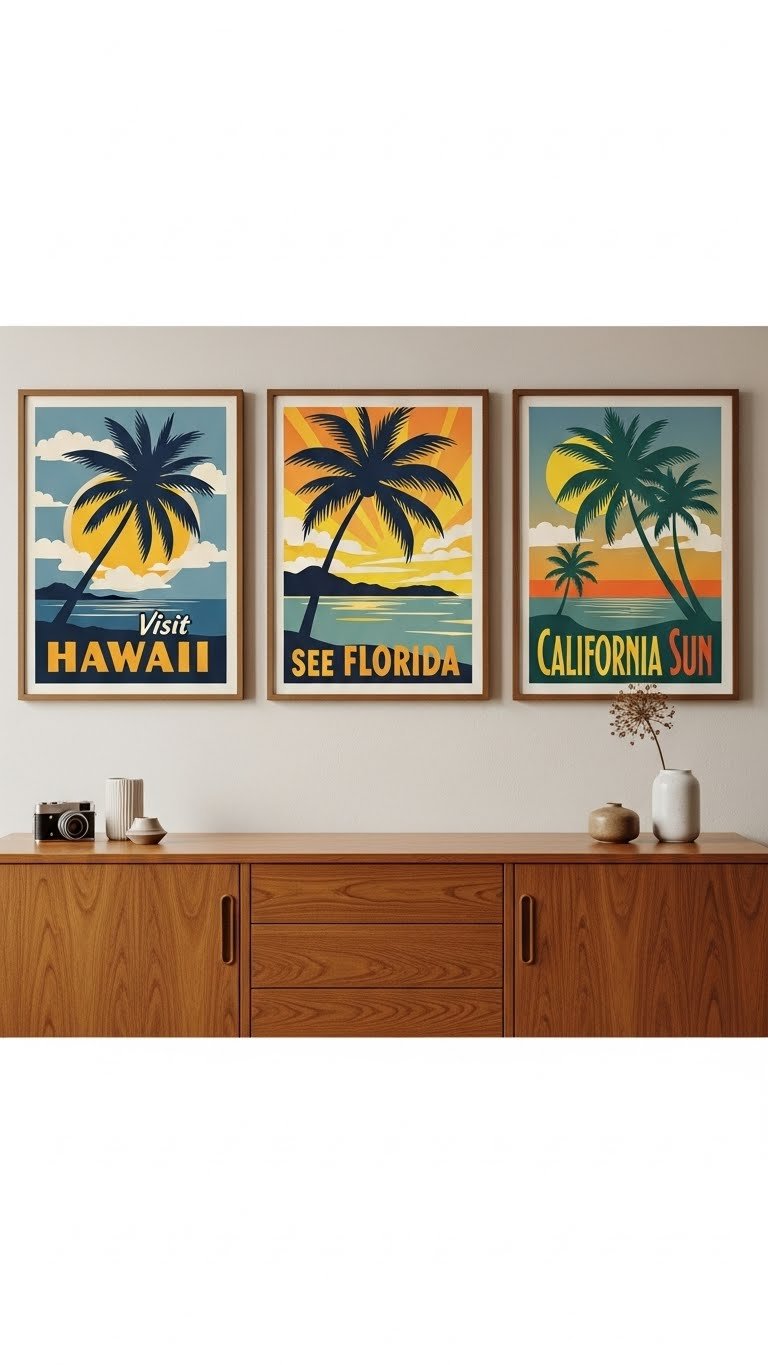
Vintage magazine covers and travel posters look like mid-century style because they’re literally from that era. Framing affordable reproductions creates impact without the restoration costs of authentic prints.
Etsy, Minted, and Society6 sell reproductions ($10–$30 unframed). IKEA frames ($3–$15 each) keep total cost low. Authentic vintage posters at 1stDibs start at $50–$200+.
Arrange three to five pieces in a gallery wall for maximum impact. Spacing should be even (2–3 inches between frames). Hanging takes 45 minutes with a level and stud finder.
Gallery walls become instant focal points. Those retro images anchor your room’s aesthetic and tell visitors exactly what era inspires you.
26. Incorporate Handpainted or Glazed Tiles
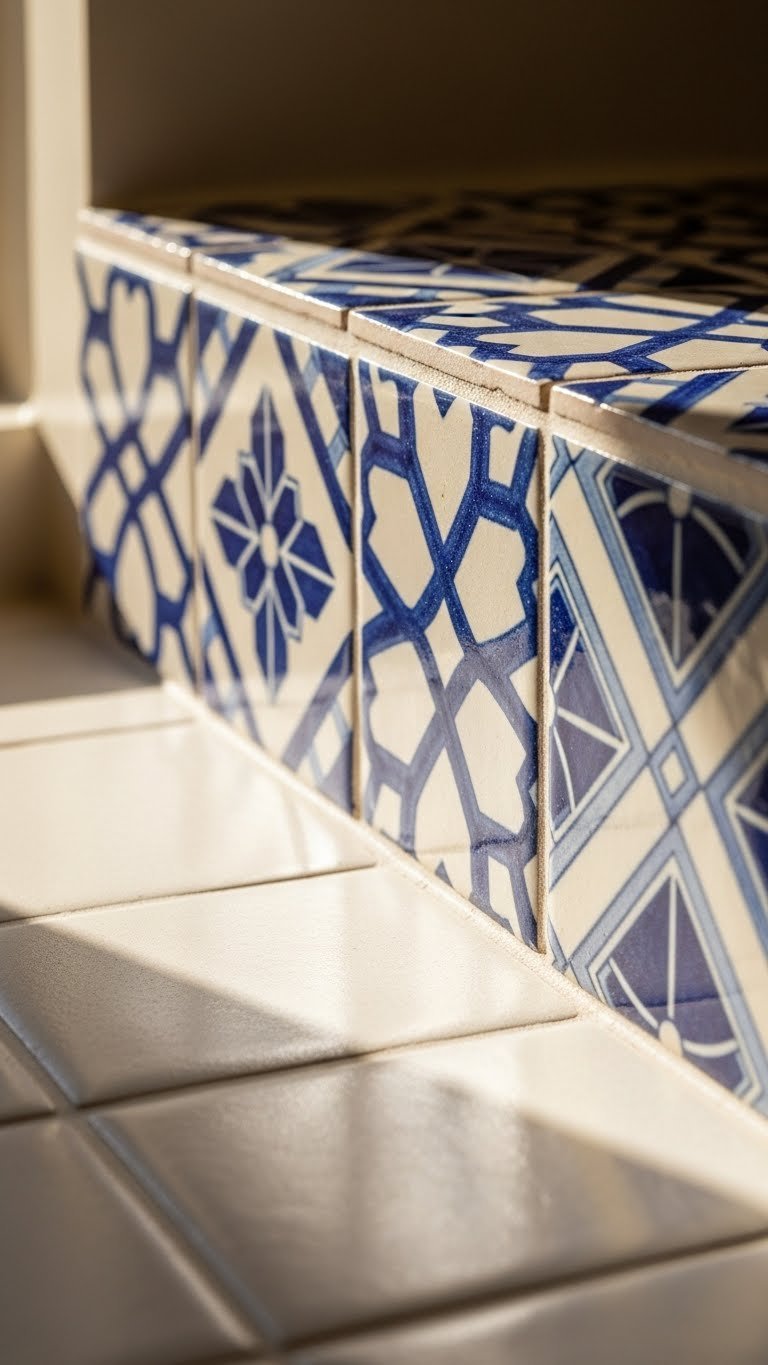
Handpainted tiles—especially with visible glaze variation and geometric patterns—scream mid-century craftsmanship. They add warmth and personality that mass-produced tiles can’t match.
Etsy sellers and specialty tile shops carry handpainted options ($5–$20 per tile). Installation runs $10–$20 per square foot labor. A small backsplash (30–50 tiles) costs $300–$500 installed; DIY saves labor costs if you’re handy.
This is a weekend project if you DIY or one-day install if professional. Prepare surface and use epoxy grout ($20–$40).
Suddenly your kitchen or bathroom feels artisanal and collected. Those imperfect tiles add character and warmth that make the space feel lived-in and intentional.
27. Curate a Mid-Century Vignette on Your Entryway Table

Your entryway is the first impression visitors get of your style—make it count. A curated vignette (4–6 objects arranged intentionally) creates instant personality and sets the mid-century tone for your entire home.
Gather objects you already own: a favorite vase, stacked books, a small plant, a decorative bowl. Spend 15 minutes arranging them with breathing room between items. This costs nothing.
Rearrange seasonally or whenever inspiration strikes to keep it fresh.
Visitors immediately sense that you’ve designed your home intentionally rather than furnished it randomly. That small entryway vignette communicates taste and thoughtfulness—setting expectations for the style they’re about to experience inside.
Save this post for your next refresh. Pick one or two ideas from this list and start this weekend—you’ll be shocked how quickly your space shifts from generic to intentionally retro-inspired. Share this with any friends obsessed with mid-century design; they’ll appreciate the actionable tips.
Leave a Reply