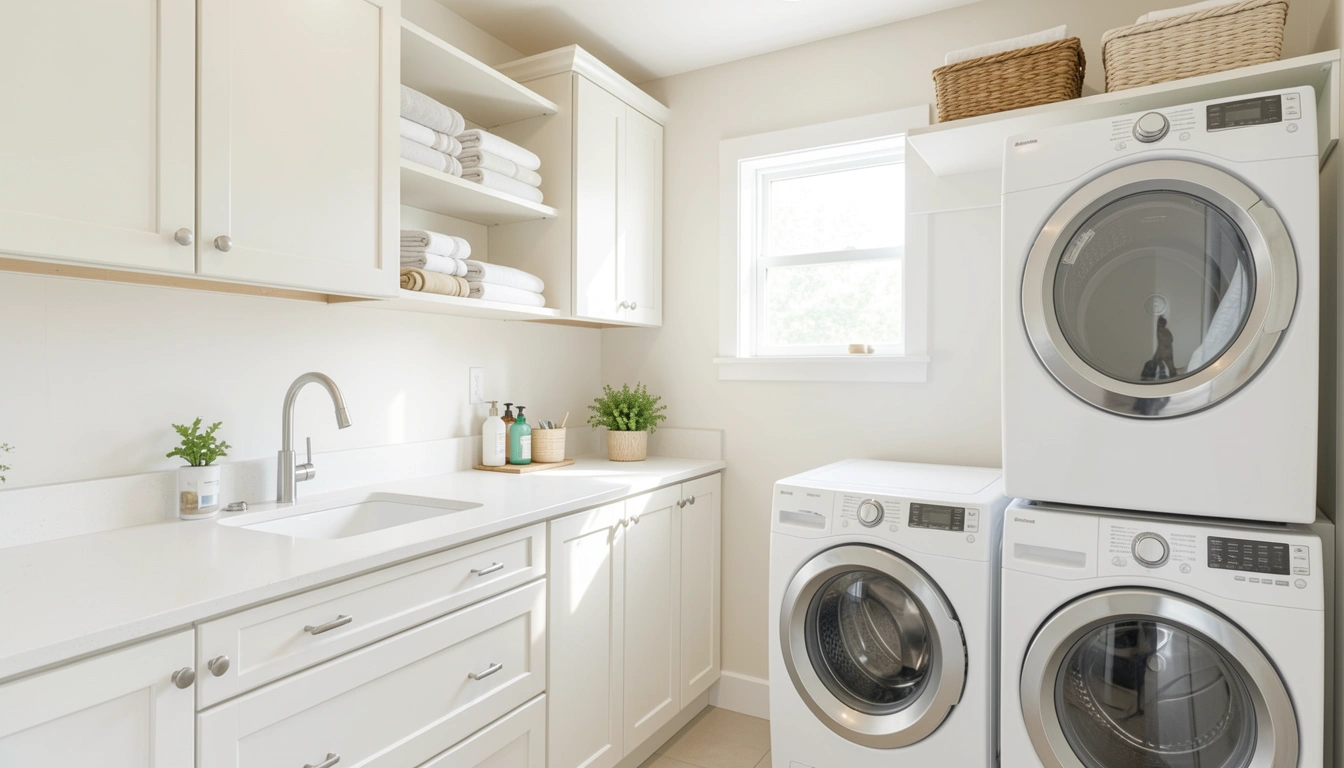
Your laundry room doesn’t have to be cramped, cluttered, or an afterthought. Whether you’re working with a closet-sized space, an awkward corner, or a basement room that feels cold and uninviting, smart design choices can make laundry day faster, easier, and even enjoyable. We’ve gathered 25 proven ideas that work in real homes—from free organizational hacks to budget-friendly upgrades and investment pieces that’ll last years. You’ll discover how to maximize vertical space, add storage without renovation, choose calming colors that make you want to linger, and blend functionality with style. Let’s turn your laundry room into a space that actually works for you.
1. Go Vertical With Floating Shelves
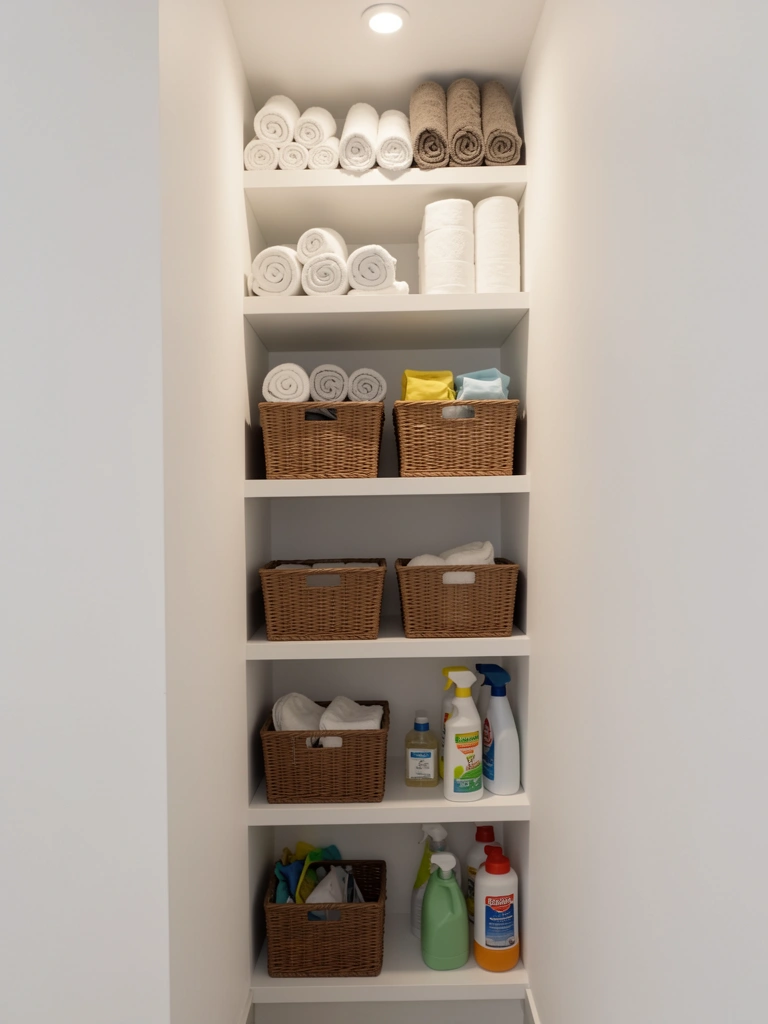
Floating shelves are one of the easiest ways to gain storage in a cramped laundry room without eating up floor space. They work beautifully above washers, dryers, or along unused walls, and they cost far less than built-in cabinetry.
Install shelves $30–$80 per shelf depending on depth and material (Home Depot and IKEA have solid options). A basic installation takes about an hour if you’re comfortable with a drill; hire a handyman for $50–$100 if you’d rather skip this step. Pair shelves with matching bins or baskets to keep supplies hidden and organized. The key is leaving a bit of breathing room between items—a cluttered shelf defeats the purpose.
You can rearrange items as your needs change, and floating shelves look clean and intentional without demanding space.
2. Add a Utility Sink for Pre-Treating Stains
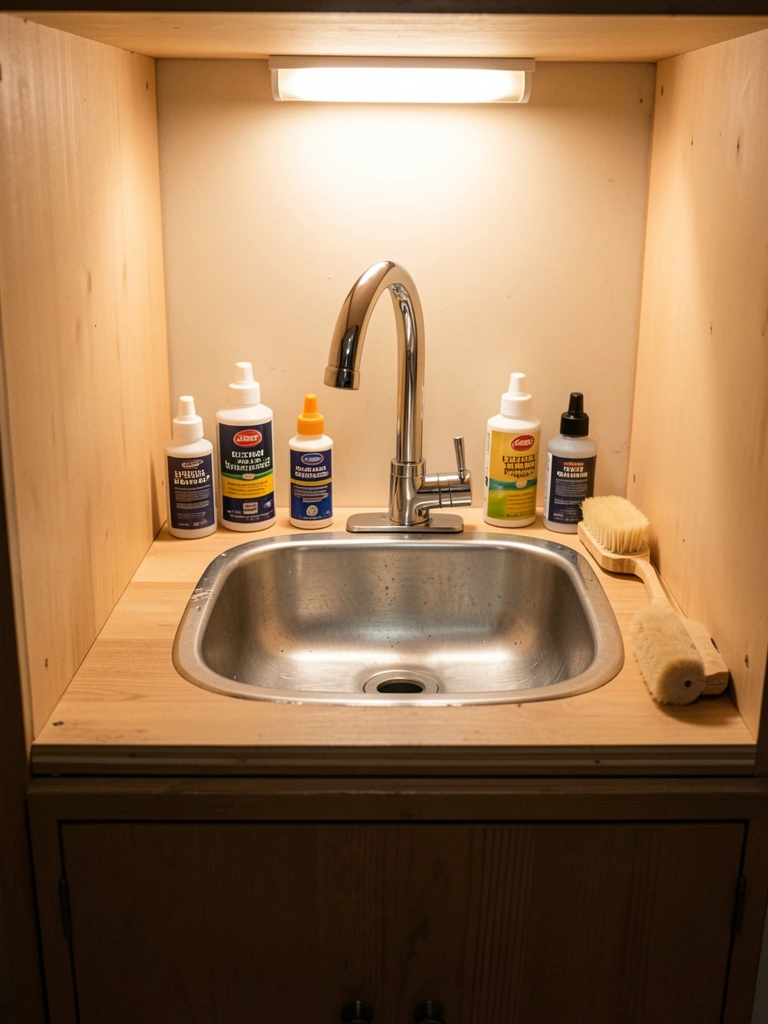
A utility sink is a game-changer for families who deal with dirt, grass, or stubborn stains before the wash cycle. It gives you a dedicated spot to soak, scrub, and rinse without tying up your kitchen sink.
Compact utility sinks (18–24 inches wide) run $150–$400 installed, and many homeowners tackle the plumbing themselves if they’re comfortable with PVC connections. Renters can opt for portable, countertop versions ($50–$150) that sit on a small table. Stock it with stain remover, a soft brush, and a few washcloths within arm’s reach. Positioning it near your washer saves steps and creates a logical workflow.
The result? Fewer stubborn stains make it to the dryer, clothes last longer, and you spend less time troubleshooting laundry disasters.
3. Install Ceiling-Height Cabinetry for Maximum Storage
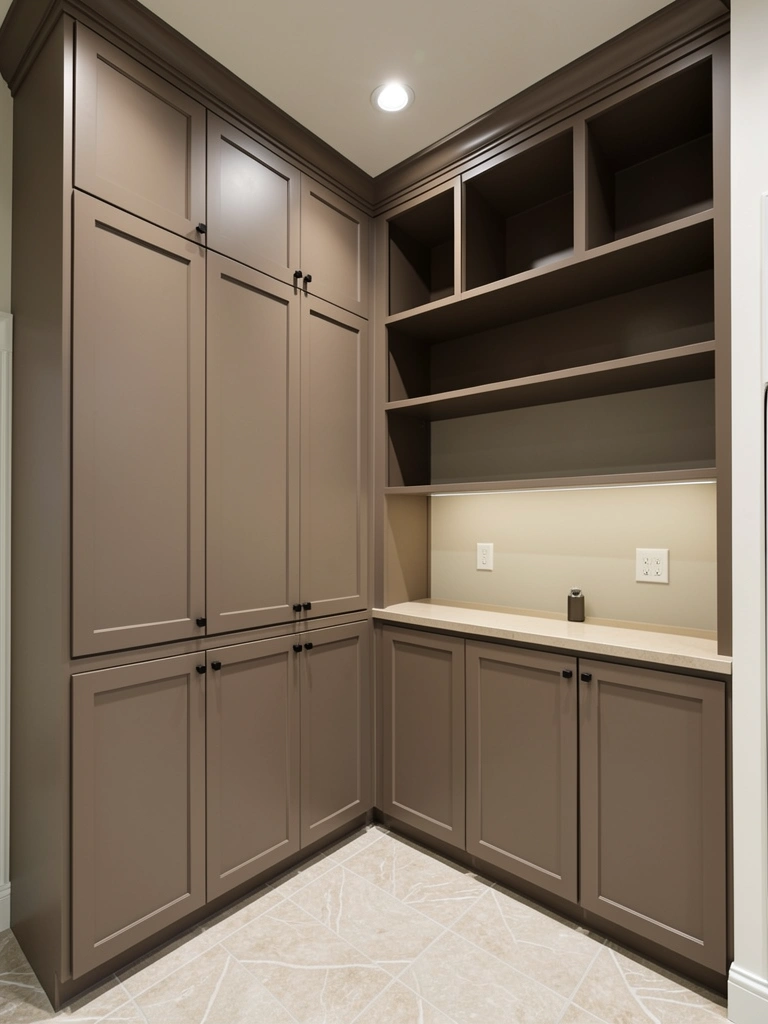
Ceiling-height cabinets make even a small laundry room feel larger and store nearly triple what standard wall cabinets do. Going vertical tricks the eye into perceiving more space while stashing supplies out of sight.
Custom cabinetry costs $1,500–$3,500+, but semi-custom options from IKEA, Wayfair, or Home Depot run $400–$1,200. If custom feels out of reach, stack two standard cabinet units and cap them with trim for a built-in effect ($300–$600). Choose bold colors like deep forest green, warm taupe, or charcoal gray—these feel more refined than sterile white and make the room feel intentional. Leave the top shelf open for decorative baskets or plants to soften the look.
Your supplies stay organized and accessible, and the room feels polished rather than purely utilitarian.
4. Paint Walls in Soft, Calming Colors
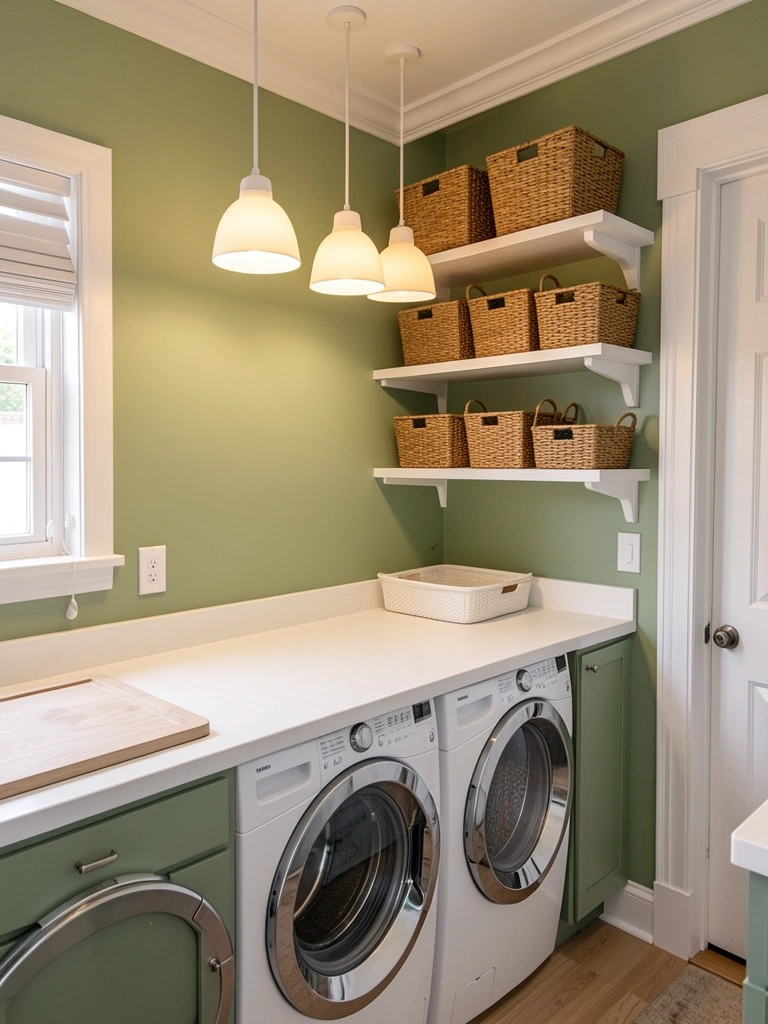
The typical sterile white laundry room doesn’t have to be your reality. Soft greens, warm taupes, pale blues, and buttery creams turn the space into a room you’ll actually want to spend time in.
A gallon of quality paint costs $25–$50 and covers a small laundry room in a few hours of DIY work. Benjamin Moore, Sherwin-Williams, and Behr all offer calming palettes specifically designed for utility spaces. Pair a soft wall color with crisp white or light gray trim to keep things fresh and clean-looking. Test your color choice with a sample pot first—lighting changes how colors look throughout the day.
You’ll be surprised how much a new paint color shifts the whole vibe from “chore station” to “peaceful routine.”
5. Use Pull-Out Hampers to Hide Clutter
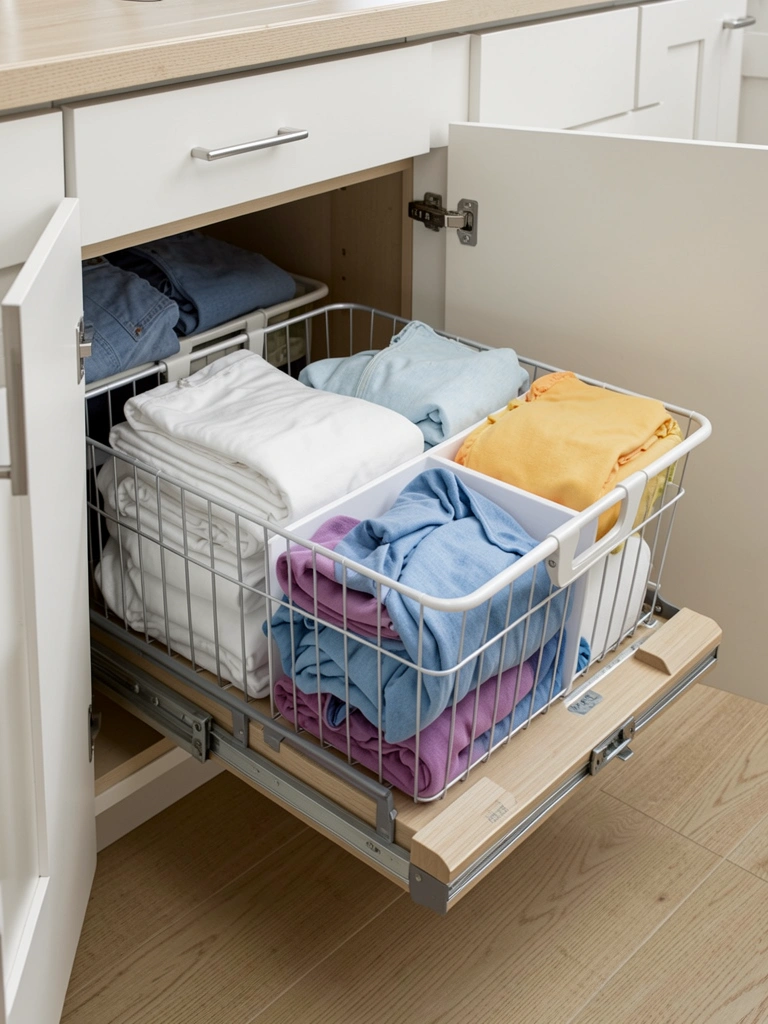
Pull-out hampers keep dirty laundry sorted and invisible until wash day, eliminating floor clutter and sorting headaches.
Most pull-out hampers fit inside standard 18-inch cabinets and cost $80–$250 depending on material and quality. Brands like Rev-A-Shelf and Closet Factory offer durable options; IKEA has budget-friendly versions ($40–$80). Install one under your folding counter or beside your washer. If you have multiple household members, choose a model with 2–3 sections so towels, darks, and colors stay separated before you wash.
Laundry practically organizes itself, and your room stays visually clean even when hampers are full.
6. Install Open Shelving With Decorative Baskets
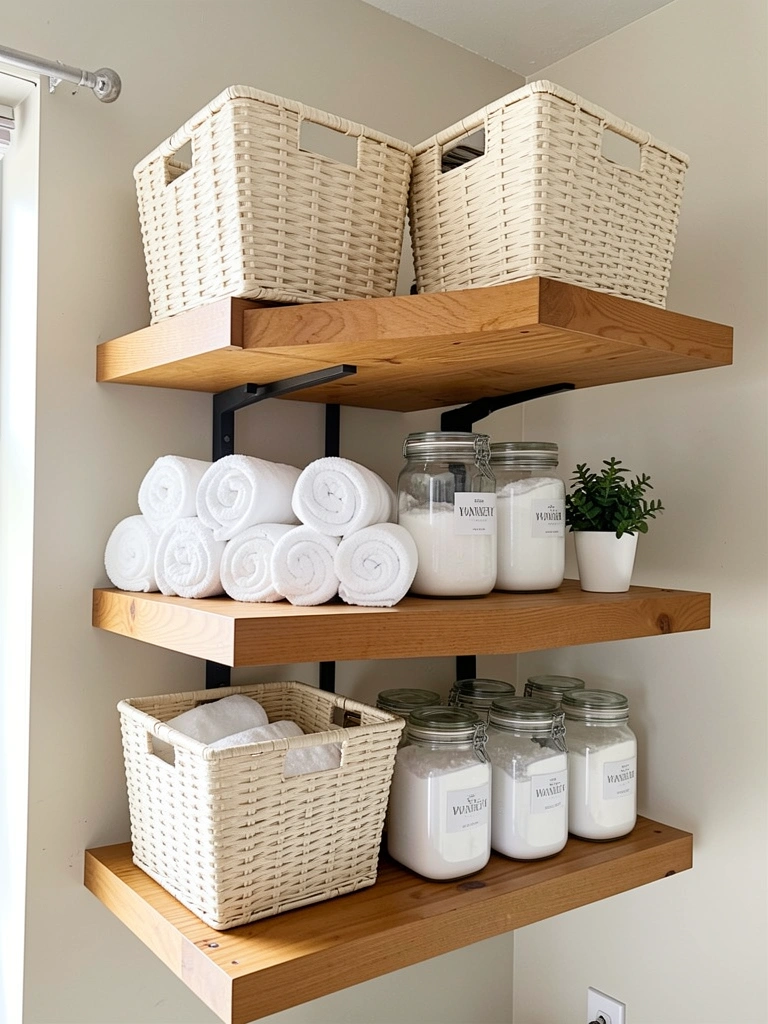
Open shelving makes a laundry room feel airy and lets you display pretty items alongside functional supplies. The key is mixing open storage (for attractive things) with closed baskets (for the messier stuff).
Shelves alone cost $30–$100 each; add wicker baskets ($15–$50 each) or fabric bins ($10–$40) for catchall storage. Group similar items together—all cleaning products on one shelf, linens on another—and use jars or labeled canisters for powders and pods. Leave a bit of white space (empty shelf space) so the room doesn’t feel cramped. This works especially well for renters since shelves mount with damage-free hardware.
Your laundry room becomes Instagram-worthy, and you can easily grab what you need without hunting through closed cabinets.
7. Choose Bold Cabinet Colors for Character
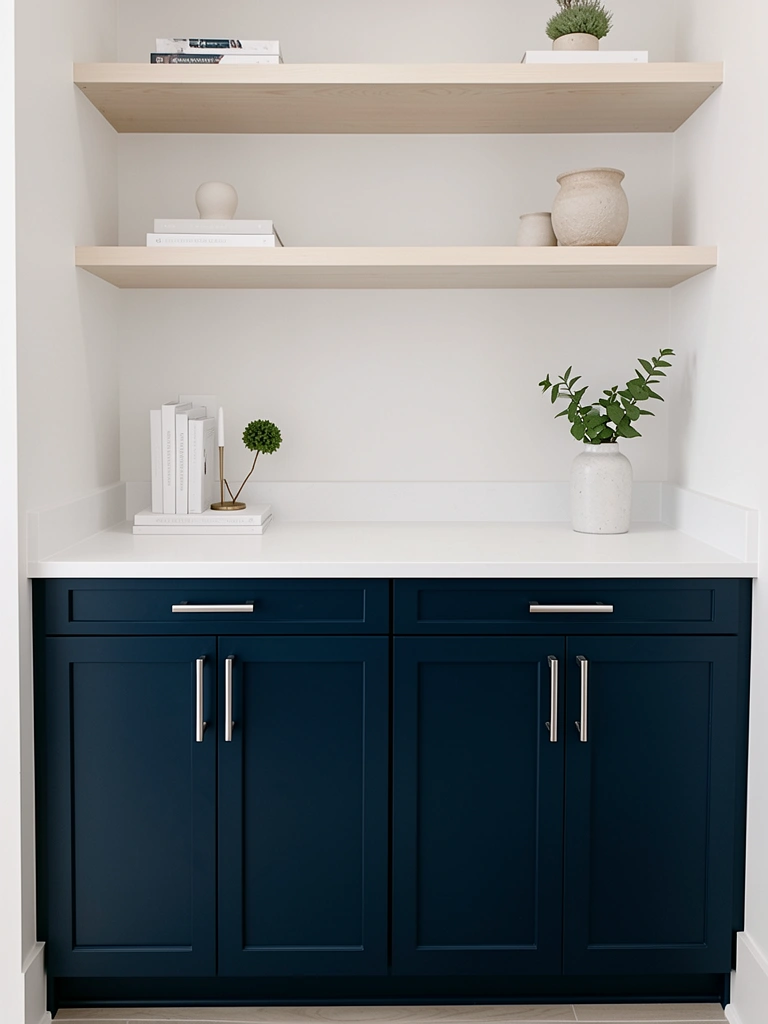
Boring beige cabinets have had their day. Deep navy, forest green, charcoal gray, or even warm terracotta make small laundry rooms feel intentional and sophisticated.
Cabinet paint or refinishing costs $300–$800 if you hire professionals, or $30–$100 in materials if you DIY. Use high-quality cabinet paint designed to withstand moisture and frequent cleaning. Pair bold cabinet colors with stainless steel or matte black hardware for a cohesive, modern look. If you’re renting or unsure about commitment, apply removable contact paper in bold colors ($15–$40) to existing cabinets for a temporary refresh.
A bold cabinet color elevates your entire laundry room and signals that this space matters as much as any other room in your home.
8. Add Luxury Pendant Lighting Over Work Zones
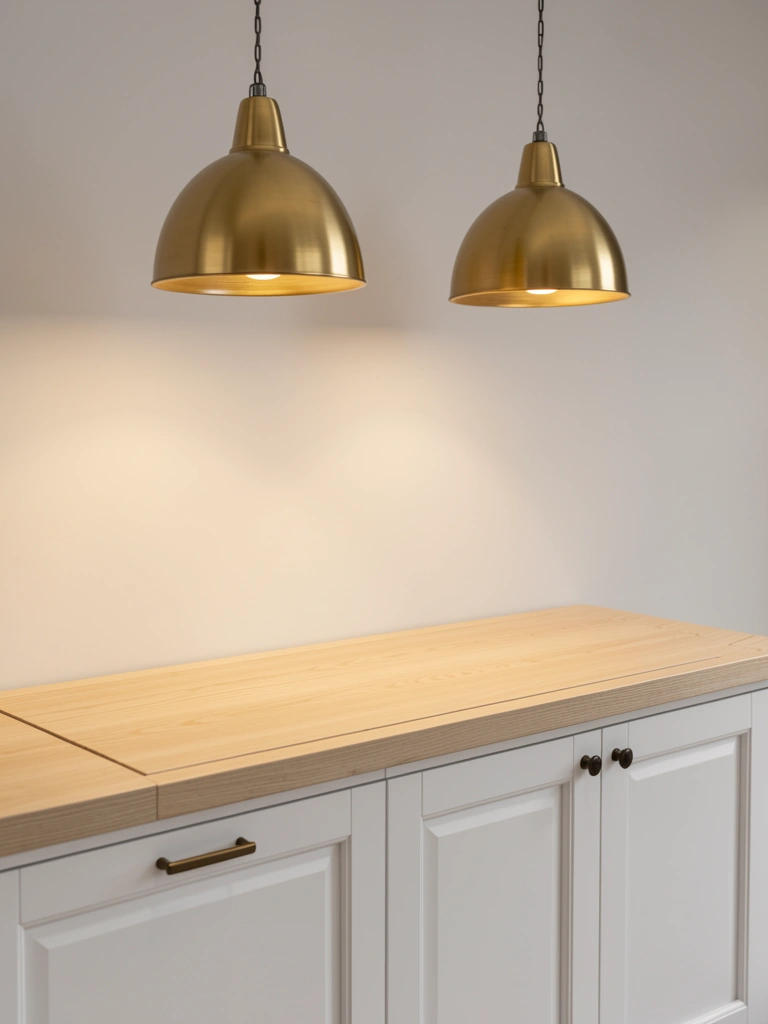
Harsh overhead lighting is the enemy of a welcoming laundry room. Pendant lights or LED strips over your folding area create task lighting while adding style and warmth.
Pendant lights run $30–$150 each from stores like West Elm, IKEA, or Target; hire an electrician ($100–$200) if wiring doesn’t exist. Alternatively, peel-and-stick LED strip lights cost $15–$40 and require zero installation—just stick them under shelves or cabinets for accent lighting. Choose warm white bulbs (2700K color temperature) to avoid the cold, clinical feel of standard laundry room lighting. Position lights directly over your folding counter or sink to reduce eye strain and make tasks easier.
Better lighting makes laundry feel less like a chore and more like intentional work.
9. Install Matte Black Fixtures for Modern Edge
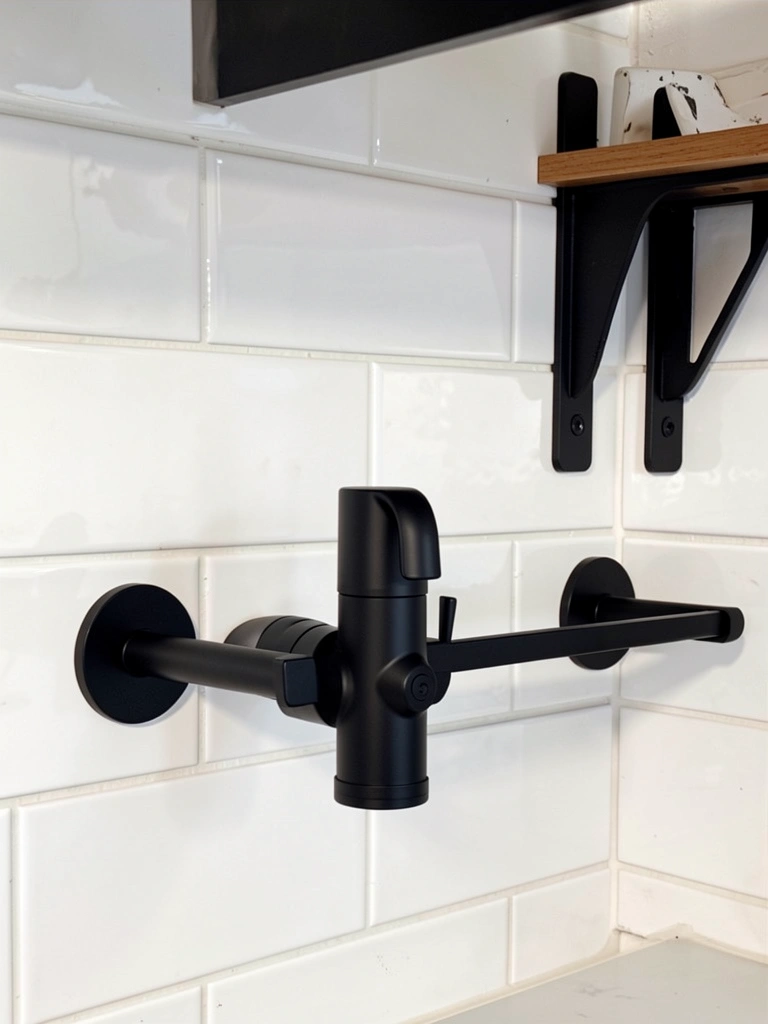
Matte black fixtures instantly modernize a laundry room and pair beautifully with warm wood, natural stone, or neutral cabinetry.
Matte black faucets cost $40–$120 (Amazon, Home Depot, and Wayfair have options); towel bars and hardware range $10–$40 each. The matte finish hides water spots and fingerprints better than shiny chrome, making maintenance easier. Mix matte black with warm brass or brushed nickel accents (one on faucet, one on hardware) for a curated, high-end look. This works even in small spaces—the dark tone recedes visually, making walls feel taller.
Your laundry room looks intentionally designed rather than assembled from whatever was available.
10. Create a Mudroom-Laundry Hybrid Space
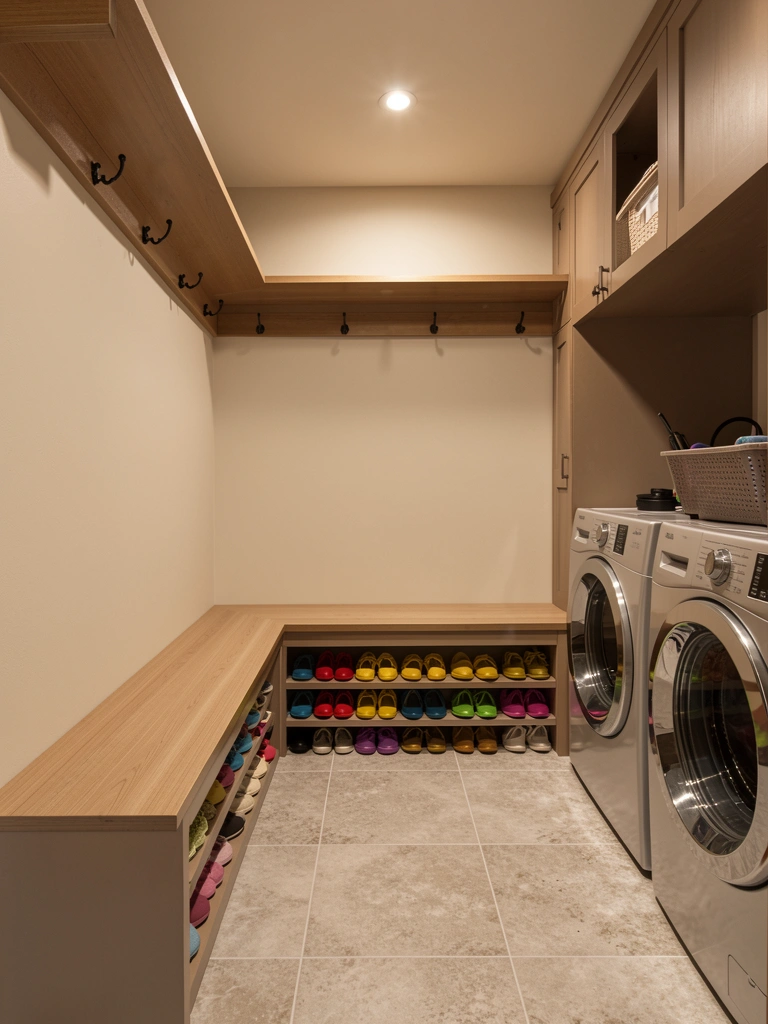
If you have a spare closet, hallway, or basement corner, combining laundry with mudroom functions maximizes the space and consolidates household chores to one zone.
This concept costs $500–$2,000+ depending on what you add (built-in bench, hooks, cubbies, appliances). Start simple: mount a rod and hooks for jackets and wet clothes, add a low bench with storage underneath, and position your washer nearby. Label each family member’s cubby or hook so items get washed and returned to the right place immediately. This setup works beautifully in homes with kids or active families who track in dirt.
Everyone’s dirty shoes, jackets, and workout clothes have a landing zone, and laundry moves straight from hamper to wash to storage.
11. Use Stackable or Compact Appliances to Free Up Floor Space
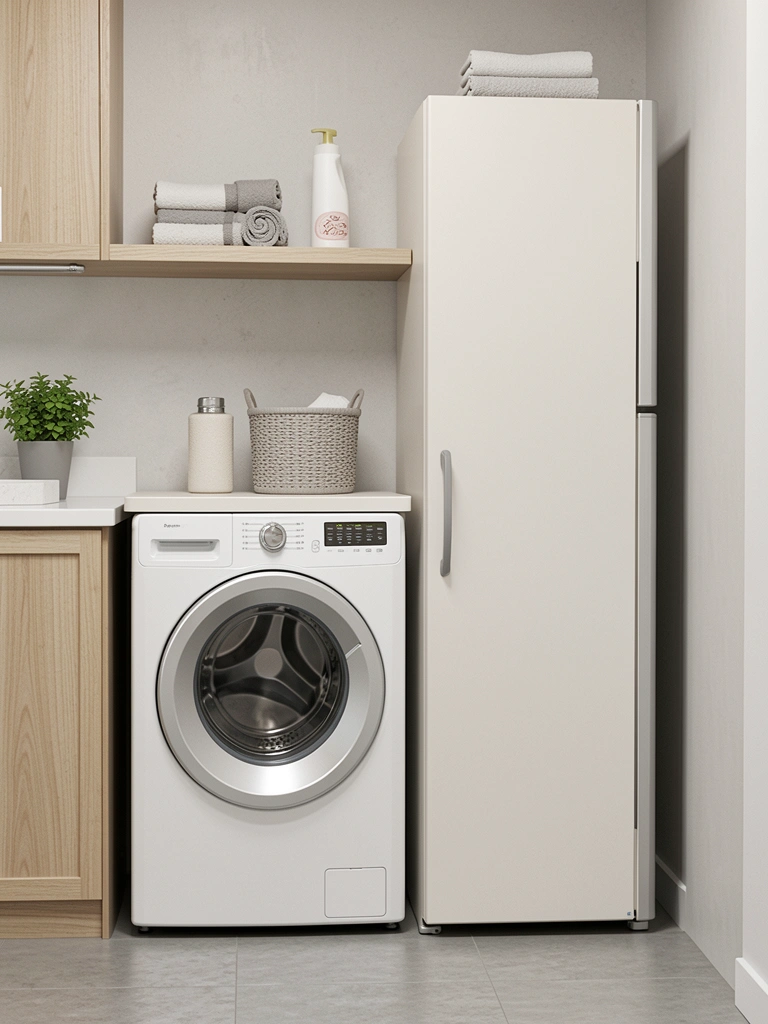
If your laundry room is tiny, stackable or slimline appliances free up floor space for a folding counter or utility sink without sacrificing function.
Compact washers and dryers cost $400–$900 each (LG, Electrolux, and Grundig make quality models); stacking kits run $50–$150. Some all-in-one washer-dryer combos ($700–$1,500) fit in a closet-sized space but take longer to dry. Check your space measurements carefully before purchasing, and verify water and electrical hookups align with your chosen unit. These work brilliantly for apartments, studios, and multi-story homes where basement space isn’t available.
You gain precious floor space for movement, folding, or future upgrades without sacrificing laundry capability.
12. Install Wall-Mounted Drying Racks to Save Floor Space
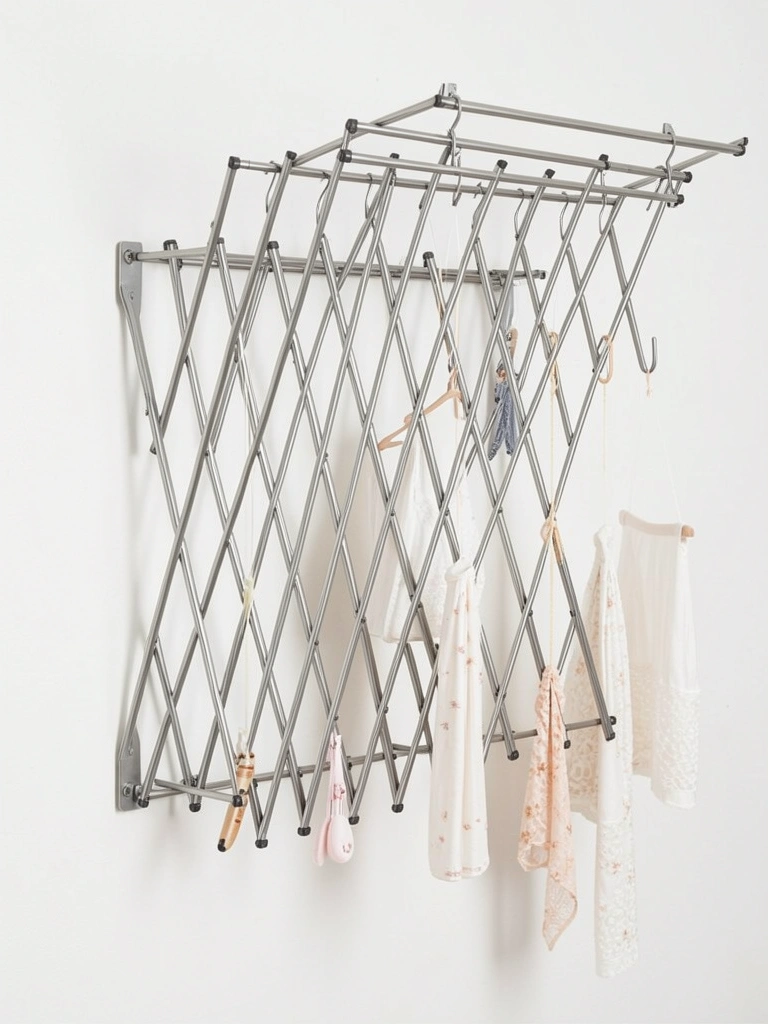
Wall-mounted drying racks eliminate the need for a bulky standalone rack and work beautifully for delicates, air-dry items, or families wanting to reduce dryer use.
Accordion-style wall racks cost $30–$80 and take 20 minutes to install; over-the-door racks ($15–$40) are renter-friendly with zero drilling. Position your rack near a window or vent if possible for air circulation. This setup pairs perfectly with a sustainability goal—air-drying cuts energy bills and extends fabric life. You’ll use your rack daily for delicates, workout gear, and sweaters, so place it somewhere accessible rather than in a back corner.
Wet items dry without eating floor space, and your energy bills drop noticeably each month.
13. Install Touchless Faucets for Hands-Free Convenience
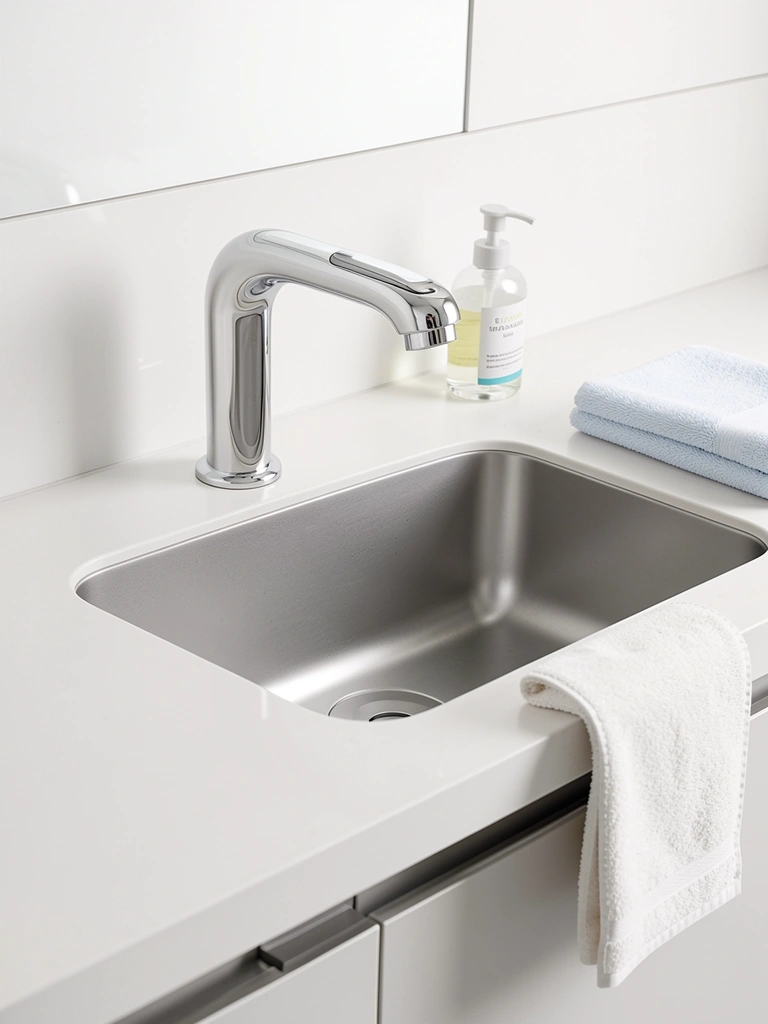
Touchless faucets prevent cross-contamination, reduce water waste, and feel incredibly convenient—you’re not touching a grimy faucet handle after handling dirty laundry.
Sensor faucets cost $50–$150 depending on quality and finish; installation is straightforward if plumbing exists ($0 DIY or $50–$100 with a plumber). Choose models designed for utility sinks, which handle lower water pressure better than kitchen faucets. Battery-operated versions work if hardwiring seems complicated. Once you try a hands-free faucet, you’ll wonder how you lived without one.
Grabbing water without touching the faucet feels like a small luxury that actually saves time and promotes hygiene.
14. Add a Rolling Utility Cart for Mobile Storage
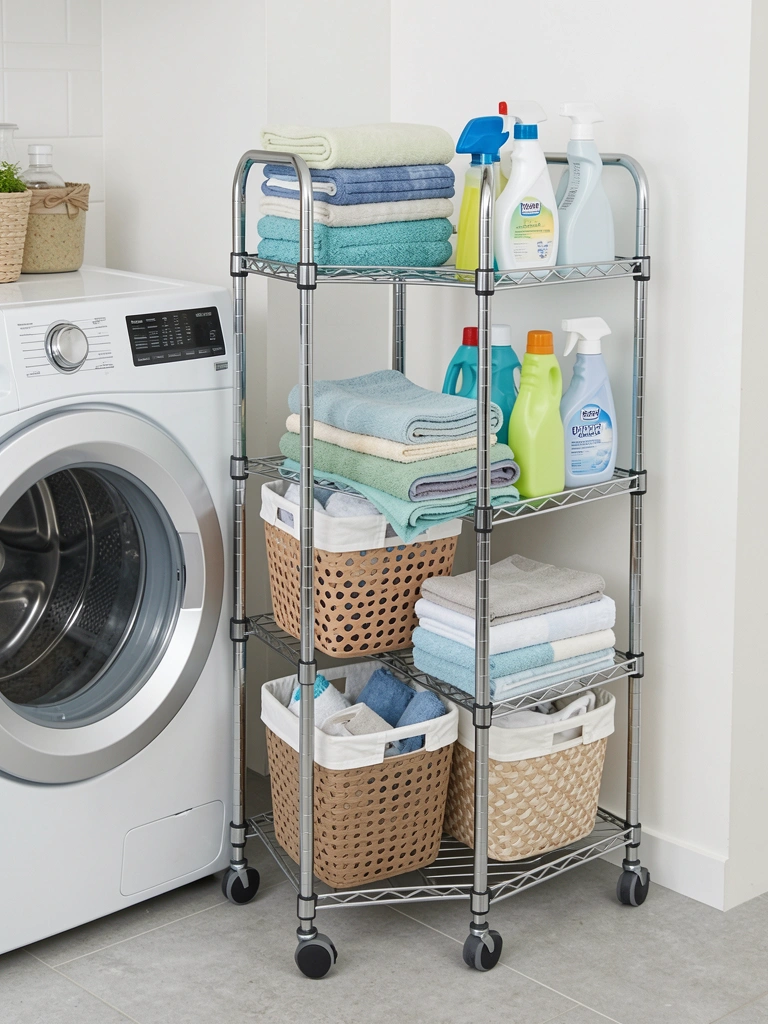
A rolling cart slides into tight spaces and moves with you as your laundry room layout evolves—perfect for renters or anyone who doesn’t want permanent fixtures.
Utility carts cost $40–$120 from IKEA, Target, or Amazon; look for models with deep shelves and sturdy wheels. Stock the top tier with frequently used items (stain remover, fabric softener), middle with supplies (detergent pods, bleach), and bottom with bulky items (clothesline, lint trap cleaner). Roll it to your folding counter during use, then tuck it into a corner or closet when you need floor space. Three-tier carts are deep enough to prevent items sliding off but narrow enough to fit between appliances.
Your supplies stay organized and portable, and you can reconfigure your space in seconds.
15. Install Custom Cabinetry Tailored to Your Lifestyle
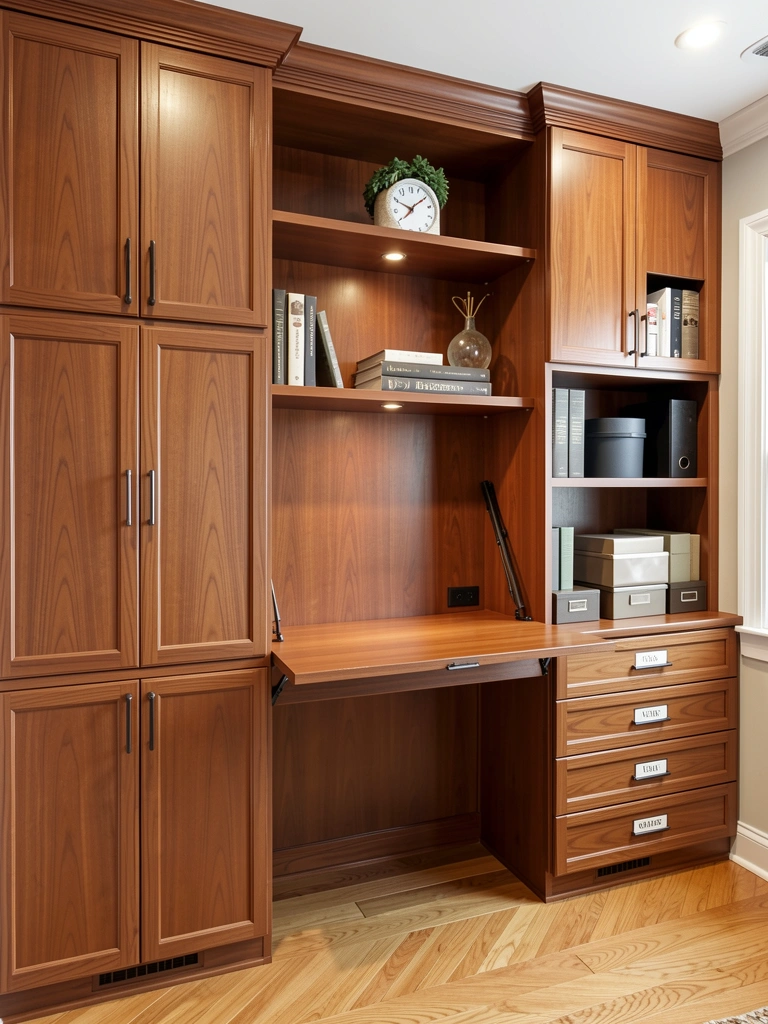
If you spend enough time in your laundry room to justify the investment, custom cabinetry solves layout challenges and creates exactly what you need.
Custom cabinetry costs $1,500–$4,000+ but lasts decades and often increases home value. Work with a designer to map out your workflow: Where does laundry arrive? Where does it get sorted? Where do you fold? Where do supplies live? Custom builders solve these questions with precision. Semi-custom options from Wayfair, Semihandmade, or local woodworkers run $500–$1,500 and offer flexibility. Include pull-out hampers, ironing board storage, and a dedicated spot for each family member’s folded laundry if your household is large.
Every inch of your laundry room works for you, and the space feels as curated as your kitchen or bedroom.
16. Use Reclaimed Wood or Stone for Textural Warmth
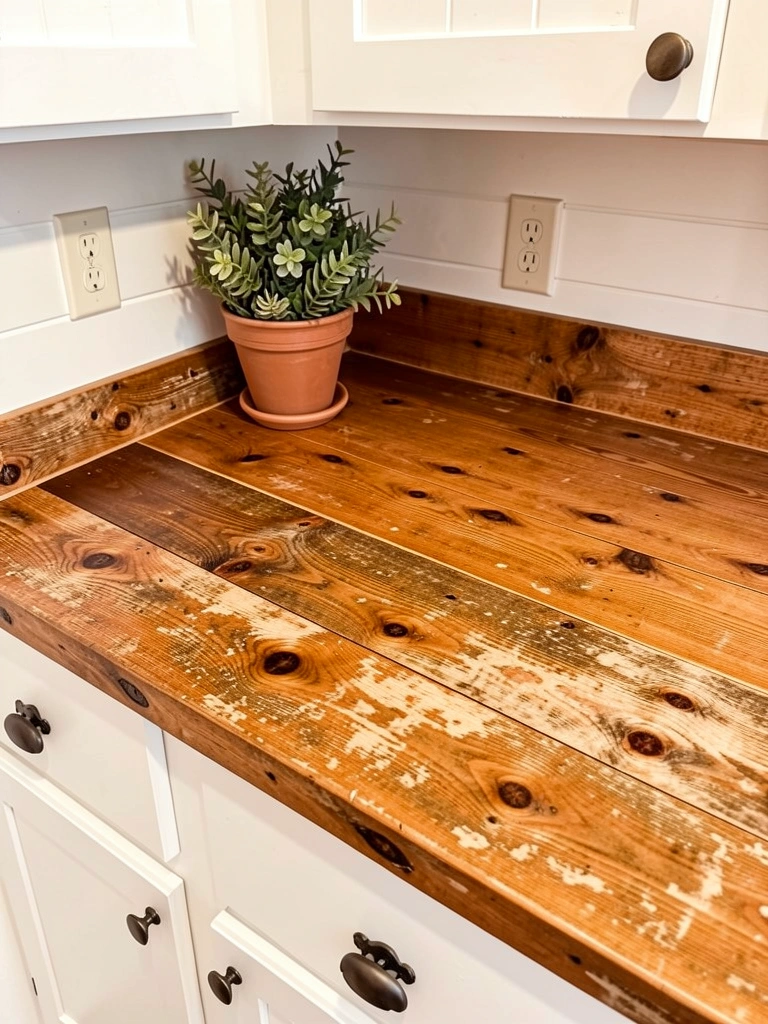
Reclaimed wood or stone countertops add character and warmth that new laminate can’t match, making your laundry room feel like a real room rather than a utility closet.
Reclaimed wood runs $60–$150 per linear foot installed; salvage shops and Etsy have beautiful pieces. Engineered wood ($30–$80 per foot) mimics the look for less. Stone or quartz countertops cost $80–$150 per foot but are extremely durable and low-maintenance. Even a small 4-foot countertop makes a dramatic difference. Seal wood properly to handle moisture and cleaning products. If cost is prohibitive, peel-and-stick wood-look contact paper ($20–$40) gives the aesthetic for temporary renewal.
Your laundry room gains warmth and visual interest, and you genuinely enjoy the space.
17. Create a Pet Washing Station Alongside Laundry
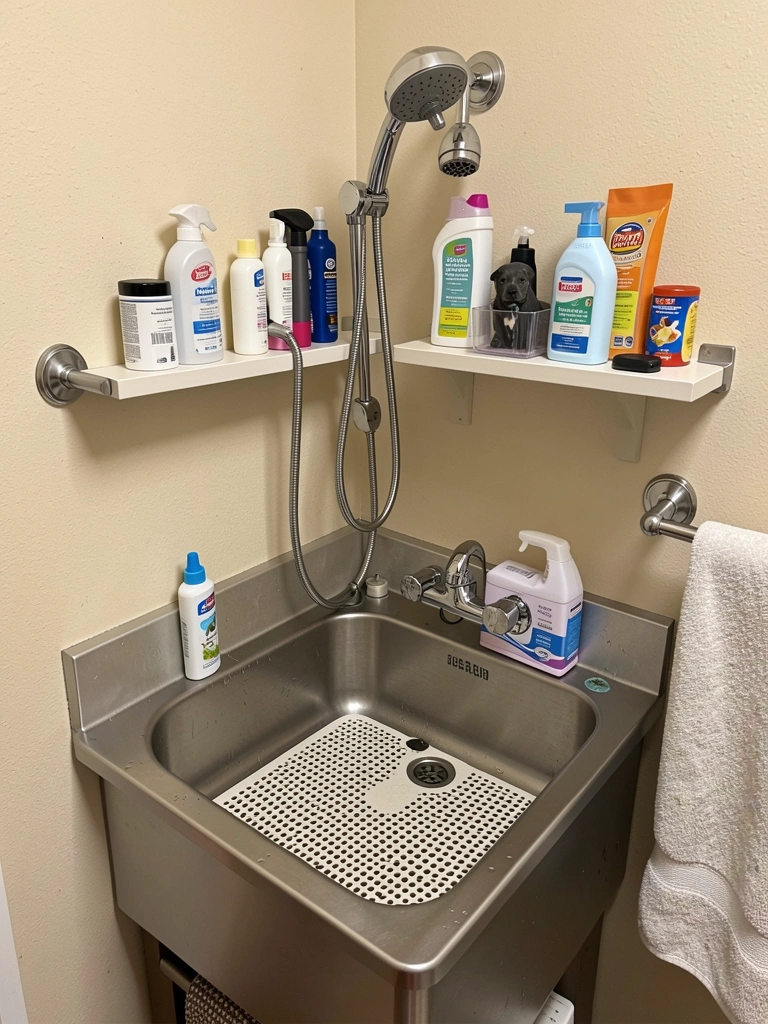
If you have pets, combining a dog washing station with your laundry room consolidates cleanup, saves water, and keeps pet messes contained in one space.
Install a pedestal sink with a high-arc or handheld faucet ($200–$500), or retrofit your existing utility sink with a handheld showerhead attachment ($30–$80). Place a non-slip mat in the basin to prevent slipping, and store grooming supplies—shampoo, brushes, towels—on a nearby shelf. Position the sink away from your laundry appliances to prevent water splashing on electronics. This works wonderfully in homes with muddy dogs or frequently-bathed pets since you’re already prepared with towels and water access nearby.
Muddy paw prints go straight to the wash station, and your bathroom stays pristine.
18. Mount Shelves Above Your Washer and Dryer
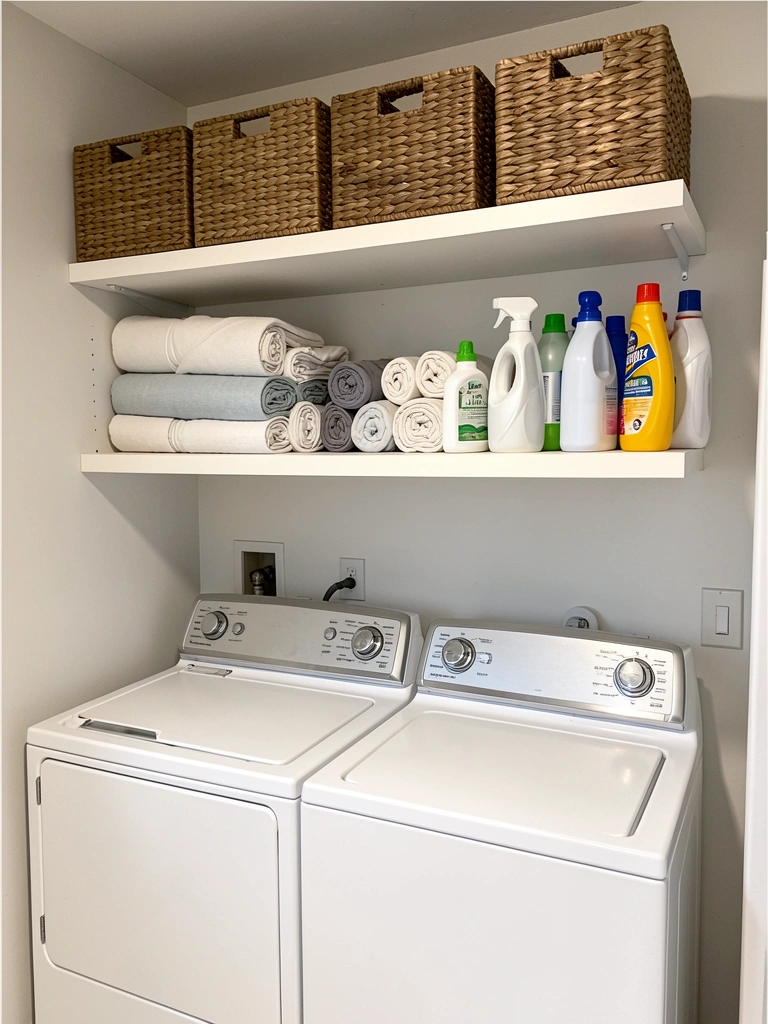
The wall space above your appliances is prime real estate. Shelves mounted securely above your washer and dryer add storage without taking floor space.
Shelves cost $30–$100 each; installation takes an hour if you’re comfortable with a drill or stud finder. Make sure shelves are installed per manufacturer specs and can handle weight safely (you don’t want supplies tumbling during a spin cycle). Avoid hanging anything directly above the washer opening where vibration could cause problems. Use this space for supplies you grab constantly: detergent, fabric softener, stain remover. Keep heavier items on lower shelves and lighter items higher up.
You gain significant storage without sacrificing floor space or mobility around your appliances.
19. Add an Ironing Station That Folds Up or Away
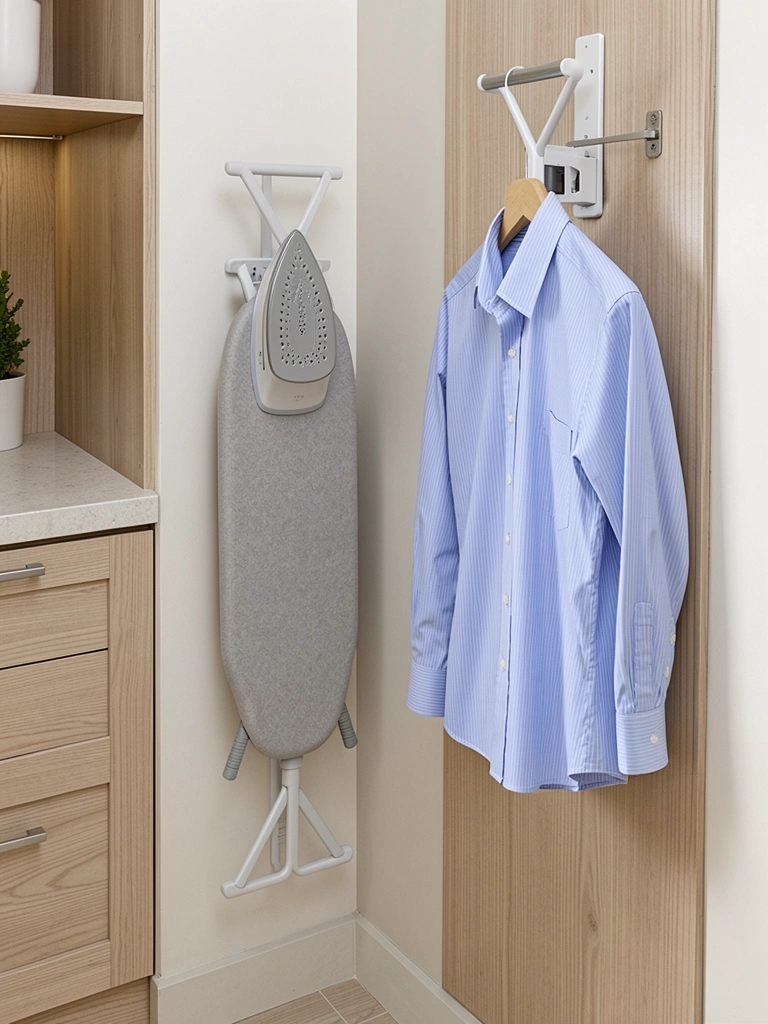
A fold-down ironing board means you never sacrifice laundry room real estate to an unwieldy ironing setup gathering dust in the corner.
Wall-mounted ironing boards cost $40–$120 and take 30 minutes to install; over-the-door models ($20–$50) work for renters. Position yours near a power outlet for an iron, and add a small shelf above for starch, spray bottles, and a pressing cloth. Some models include a small fabric catch or even hanging space for just-pressed items. When not in use, it flips flush against the wall. Pair this with a quality iron ($50–$150) with a temperature dial and steam function for wrinkle-free results without a professional pressing service.
Ironing becomes less of a project and more of a quick refresh you can do while folding other laundry.
20. Use Woven Baskets for Decorative and Functional Storage
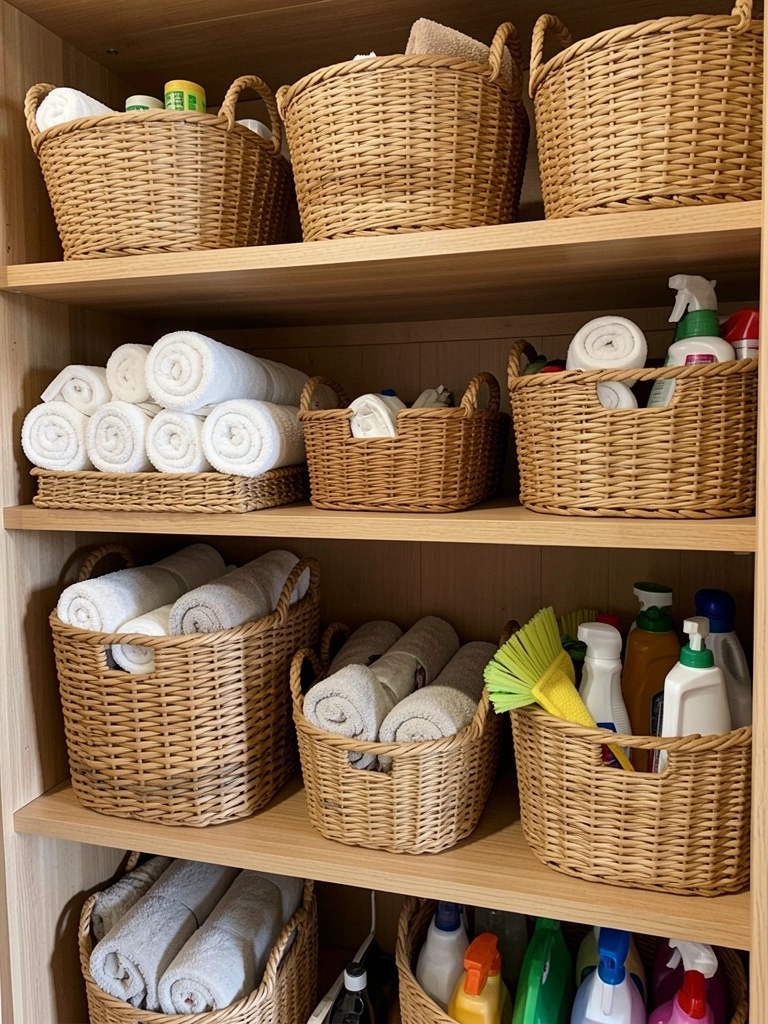
Woven baskets add texture and warmth while hiding clutter on open shelves—they make your laundry room feel intentional and designed rather than chaotic.
Wicker and rattan baskets range $15–$60 each depending on size and quality (IKEA, Target, and West Elm have excellent selections). Group baskets by size for visual cohesion, and label each one (even small labels make a difference): “Stain Removers,” “Softeners,” “Pet Supplies.” Mix basket colors slightly for depth—cream, light gray, and natural woven together feels more curated than all identical baskets. Baskets also protect open shelves from looking dusty since items stay partially hidden.
Your shelves look like a styled Instagram photo rather than a storage overflow zone.
21. Install Ergonomic Folding Counters to Reduce Strain
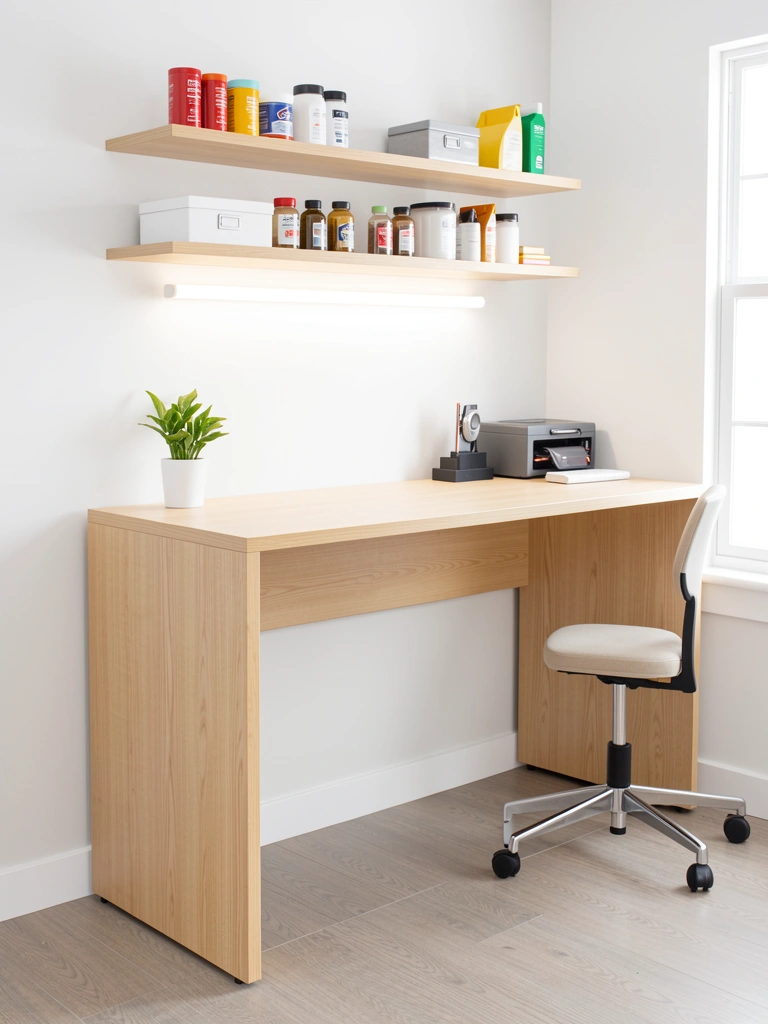
An ergonomic folding counter at the right height saves your back and makes laundry day significantly less physically taxing, especially if you fold large loads regularly.
A built-in folding counter costs $400–$1,200, but IKEA and Wayfair sell prefab options ($150–$400). Mount it at a height between 32–36 inches (roughly elbow-level when standing comfortably). Ensure the counter is at least 24 inches deep so you have room to work. Add task lighting directly above so you can see what you’re doing without shadow. If you have a small space, a pull-down or fold-away countertop ($100–$250) gives you work surface only when needed.
Folding clothes stops feeling like a back-breaking chore and becomes manageable routine work.
22. Incorporate Mixed Metal Finishes for Upscale Appeal
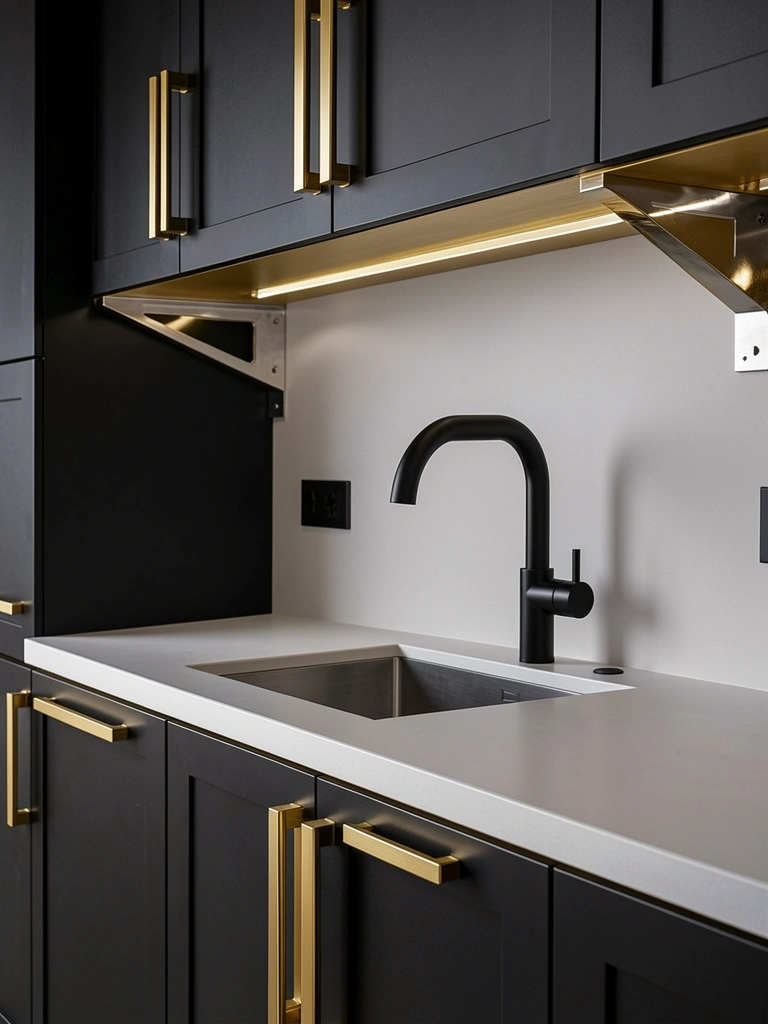
Mixing metal finishes (matte black, brushed gold, stainless steel) creates visual interest and a curated, expensive-looking aesthetic without premium pricing.
Mix two or three metals maximum to avoid looking chaotic. Choose one dominant finish (say, stainless steel) and accent with a secondary metal (brushed gold or matte black). Consistent finish on handles, faucets, and hardware is all you need. This approach works especially well if you’re updating hardware gradually—buy a few gold handles now, a black faucet later, and they’ll look intentional together. Mixing metals signals intentional design choices rather than “whatever was available.”
Your laundry room looks like you hired a designer even though you assembled it on your own timeline and budget.
23. Add Smart Washers and Dryers With App Control
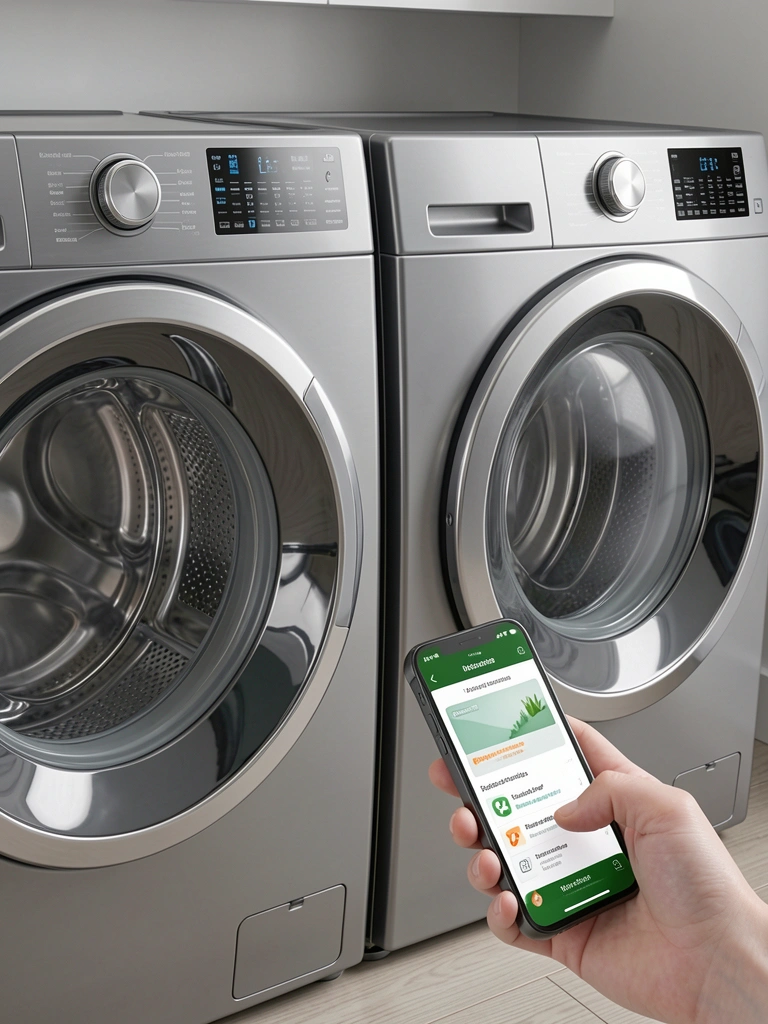
Smart appliances with app control, cycle notifications, and remote start transform laundry day—you can start a load from anywhere and get alerts when cycles finish.
Smart washers and dryers cost $900–$2,000+ per unit but often include energy-efficiency features that offset higher upfront costs. Brands like LG, Samsung, and GE offer app-controlled models with cycles customizable for fabric type and soil level. The real benefit? Start laundry before you leave work, get an alert when it’s done, and fold within minutes of arriving home. Some models diagnose issues remotely so you know whether to call a repair person. Smart dryers track energy use, helping you identify opportunities to line-dry instead.
The convenience of controlling laundry from your phone feels like a small luxury that saves time daily.
24. Install Under-Shelf LED Lighting for Accent Illumination
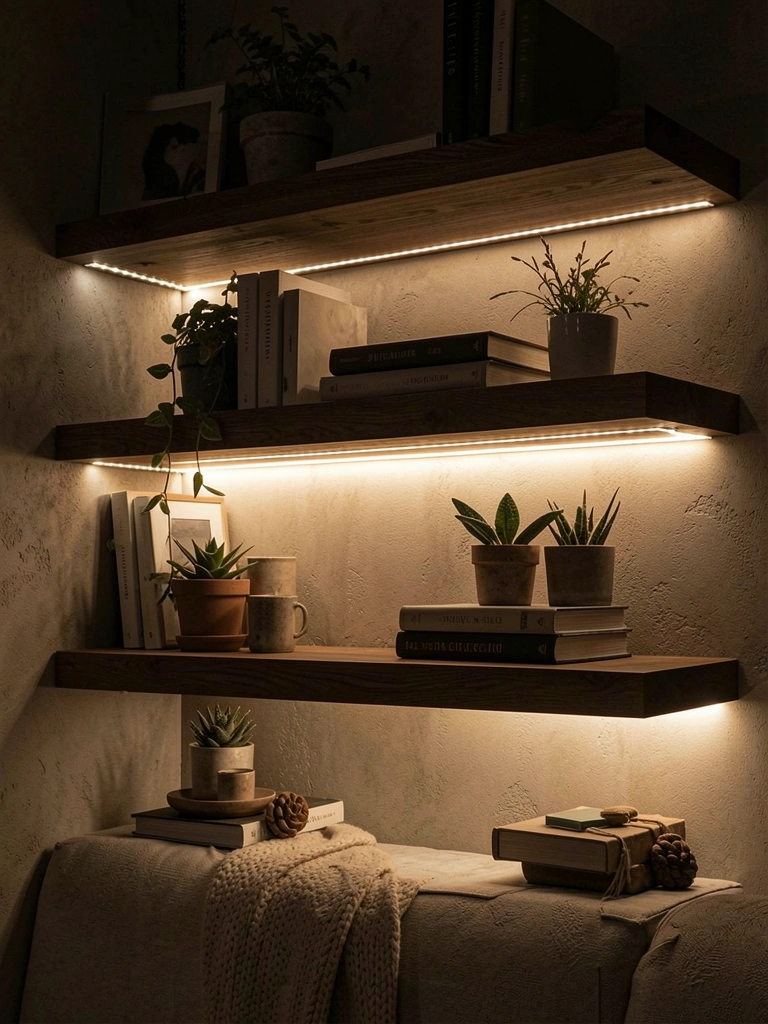
Under-shelf LED strips create layered lighting that’s both functional and atmospheric—tasks become easier while the space feels warm and welcoming.
Peel-and-stick LED strips cost $15–$40 and require zero installation expertise or wiring. Look for warm white lights (2700K) to match the cozy feeling you want. Measure your shelf width before ordering, cut strips to size if needed, and simply stick them underneath your shelves near the front edge. Battery-operated models work anywhere; plug-in versions need nearby outlets. A dimmer remote ($20–$40) lets you adjust brightness throughout the day.
Your laundry room becomes a space where you actually want to spend time rather than a fluorescent-lit utility zone.
25. Create Labeled Storage Zones for Each Family Member

Assigning each household member their own laundry zone—whether a basket, shelf, or cubby—eliminates confusion and ensures everyone grabs their own clean clothes without piles migrating around the house.
Set up zones using $50–$200 worth of baskets, labels, and small shelving, depending on your family size and existing storage. Label each zone clearly with a name, color, or number so items get returned to the right place every time. Kids learn responsibility when they know exactly where their clothes live. This system prevents “laundry mountains” on bedrooms because clothes have a designated landing zone. Include a “returns” basket for items that got lost or mixed up during sorting.
Everyone knows where their laundry belongs, and clean clothes actually make it to closets instead of living in baskets.
26. Invest in Energy-Efficient Appliances for Sustainability
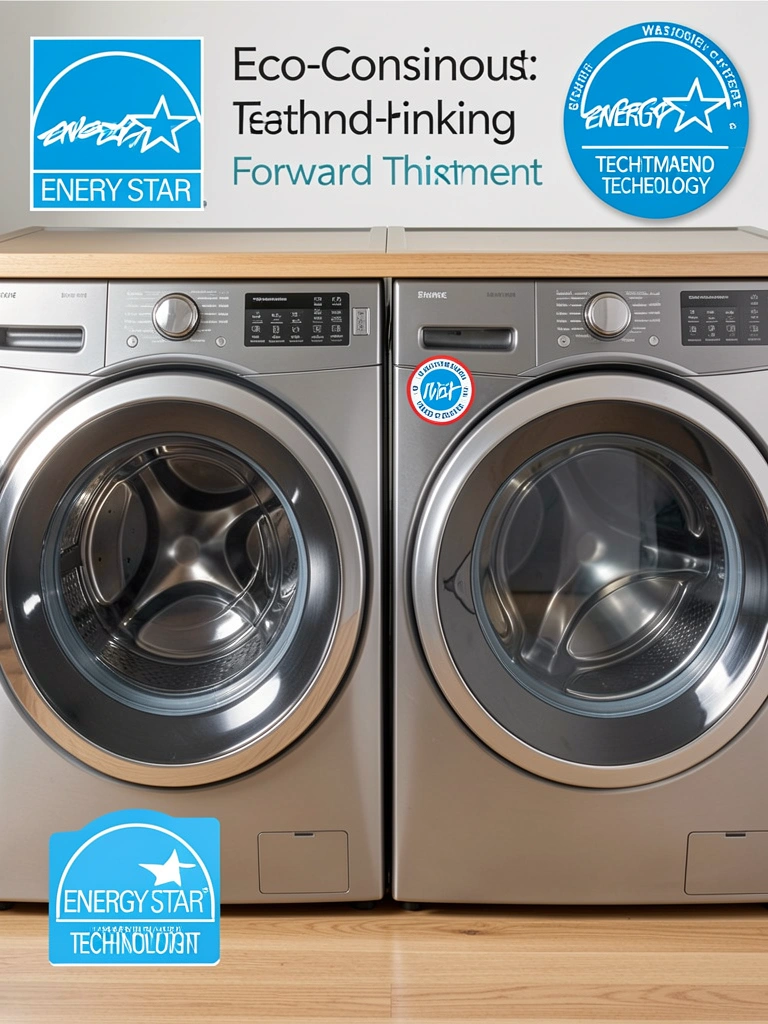
Energy-efficient washers and dryers use significantly less water and electricity while cleaning clothes just as well—small choices add up to meaningful savings and environmental impact.
ENERGY STAR-certified washers use 40% less water and 25% less energy than standard models. Front-loaders outperform top-loaders in efficiency. Upgrading from older appliances to efficient models costs $800–$2,000+ but reduces utility bills by $10–$25 monthly, paying for itself in 5–7 years. Look for models with multiple water level settings, temperature controls, and cycle options so you can adjust for each load. Some utilities offer rebates for efficient appliance purchases, further offsetting cost.
You save money long-term while reducing water and energy consumption—sustainability and budget-consciousness work hand-in-hand.
Save this post and try one idea this weekend. Whether you start with a simple color refresh or splurge on new appliances, every upgrade moves you closer to a laundry room you actually enjoy. Pick one solution that solves your biggest pain point first—then come back for the next.
Leave a Reply