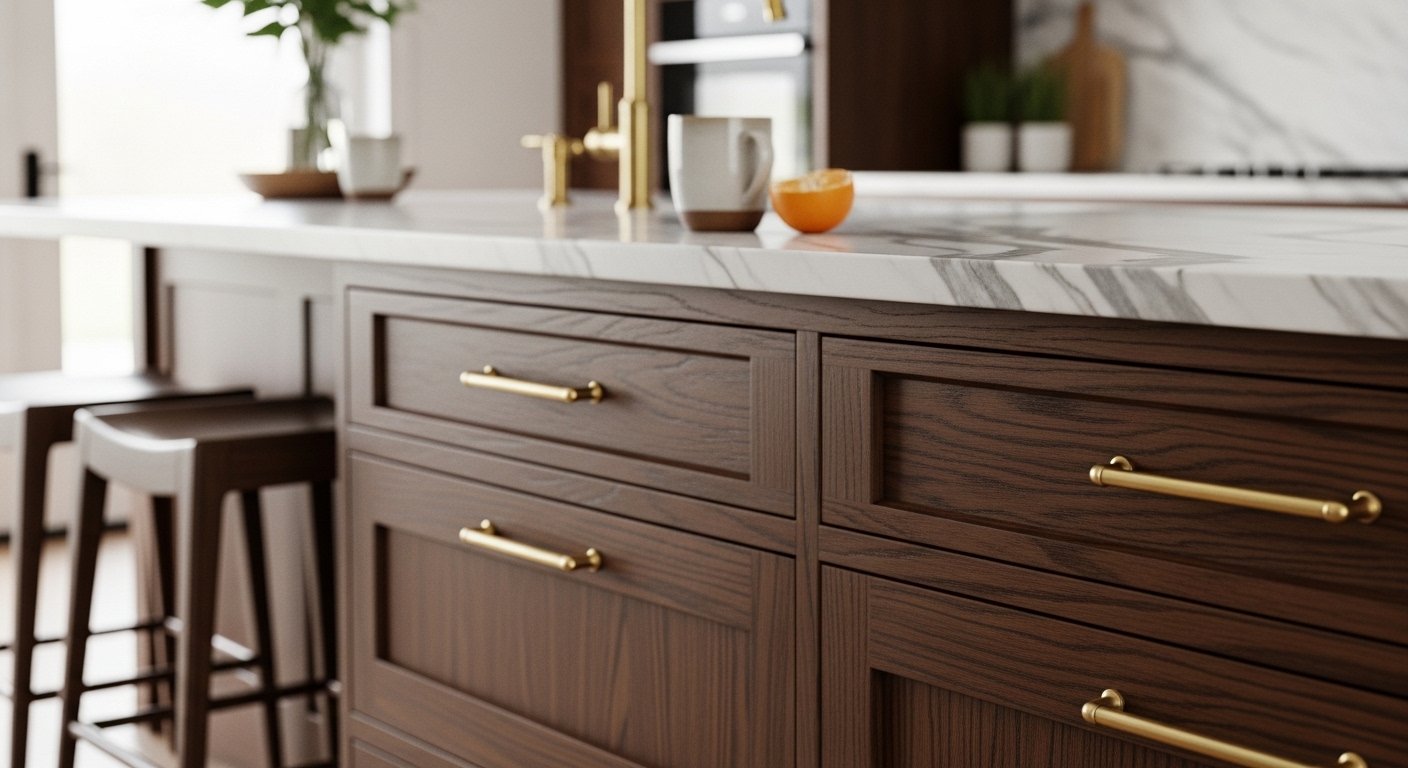
I used to think dark cabinets would make my kitchen feel closed in. Then I lived with them.
They grounded the room. They hid the smudges. They made the brass sing.
Here are real, usable ways I styled dark wood kitchen cabinets so the space reads high-end, not heavy.
29 Elegant Dark Wood Kitchen Cabinets For A High-End Look
These 29 ideas are practical and photographed in real homes.
I tested these choices myself.
You’ll find clear buys and honest tips for each.
1. White Marble Countertops for Contrast
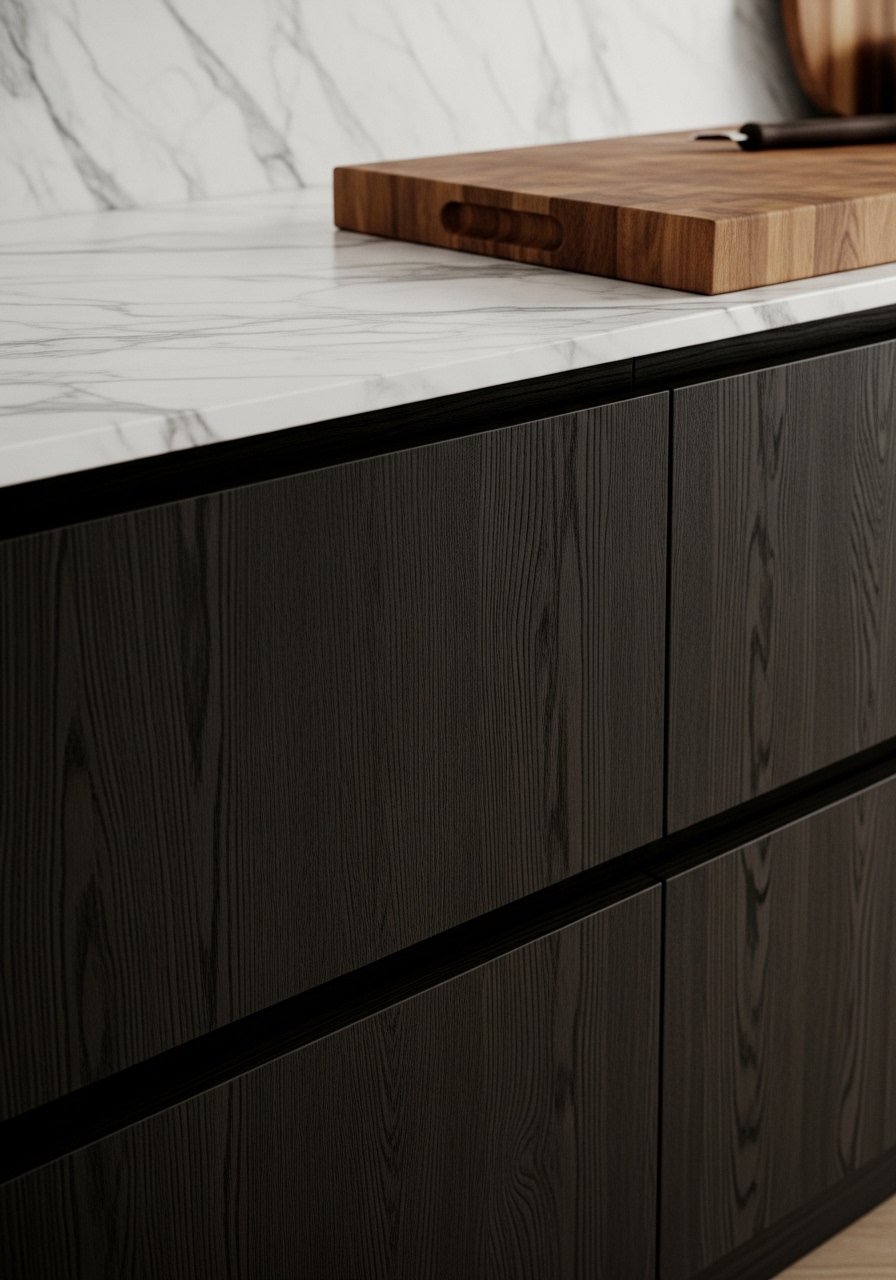
I installed white marble next to dark wood kitchen cabinets and felt the room breathe. The veins add movement against the deep grain. At first I loved the look and then panicked about stains. A little sealant and regular care fixed that.
Visually, marble brightens the work area. It also makes the cabinets feel intentional, not just dark.
Watch edges. Thin honed slabs read softer than glossy book-matched tiles.
What You’ll Need for This Look
2. Brass Hardware for Warmth
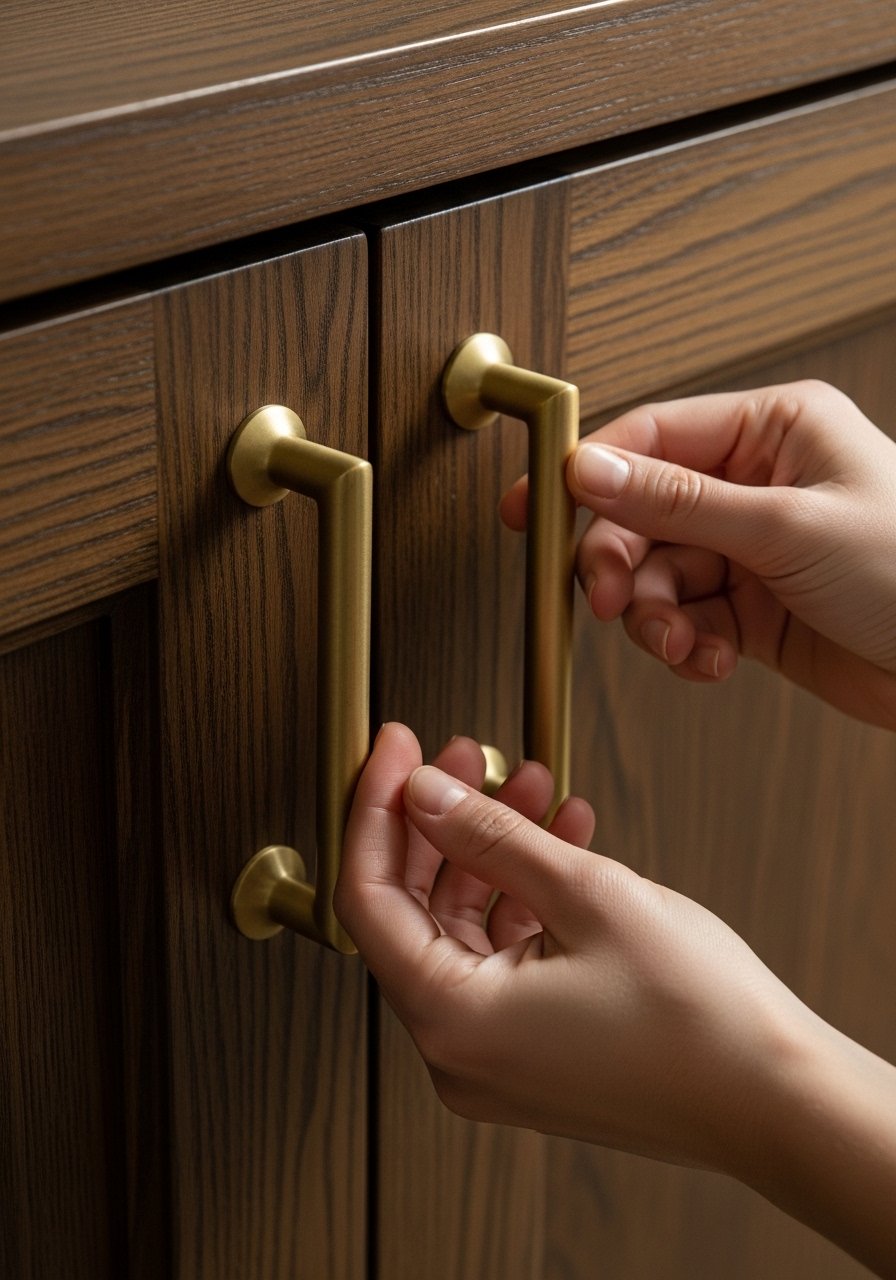
Brass made my dark wood kitchen cabinets feel warmer immediately. I swapped cheap knobs for solid brass pulls and the room stopped feeling somber. I once ordered shiny brass and returned it—too yellow. I prefer aged or satin brass now.
Small change. Big impact. The hardware catches light and looks expensive next to deep wood tones.
Pick consistent sizes so your eye rests, not jumps.
What You’ll Need for This Look
3. Open Shelving to Break the Mass
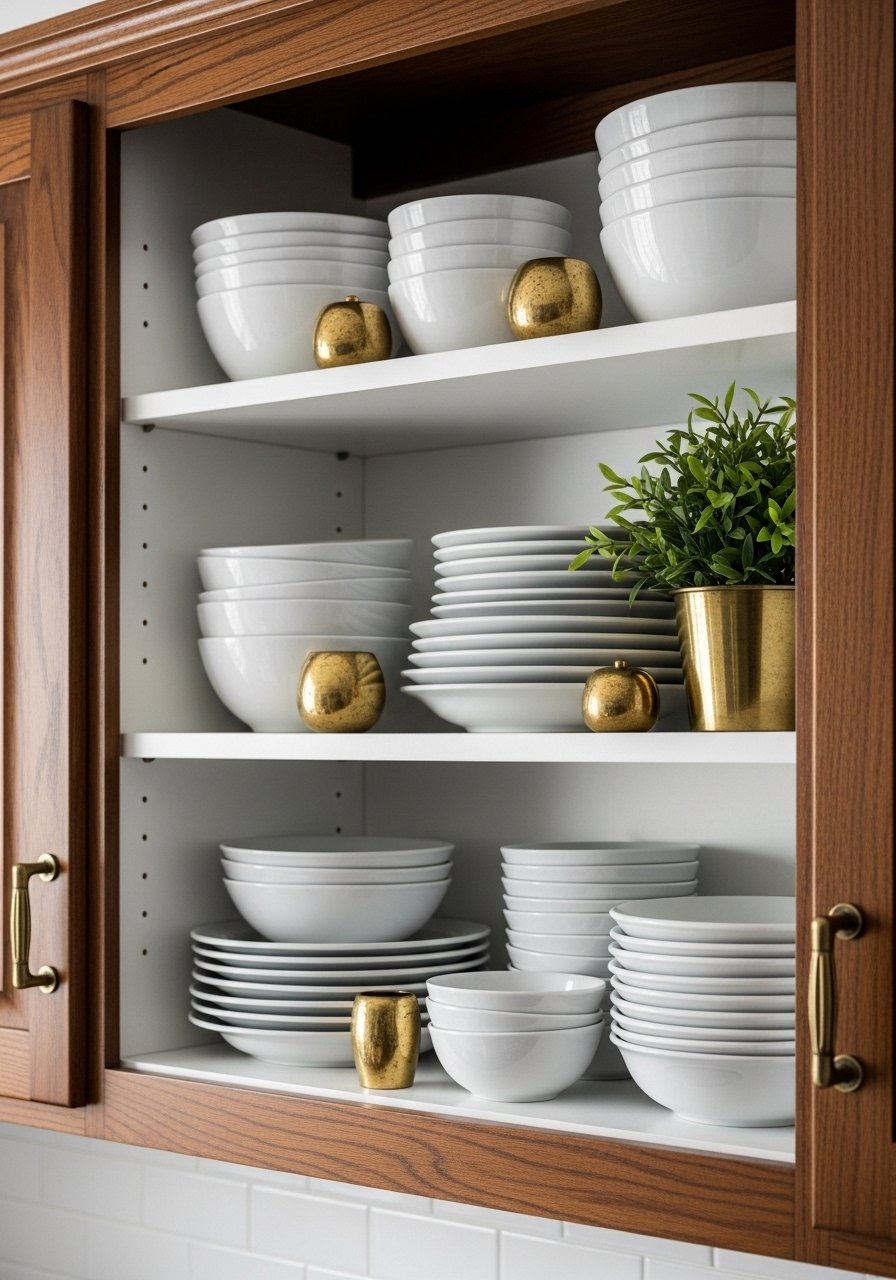
I cut a run of upper cabinets and added open shelving across dark wood kitchen cabinets. It immediately lightened the top third of the room. At first I over-styled the shelves and it looked cluttered. I learned that three spaced pieces per shelf reads calmer.
Shelves let you show white dishes and glassware that contrast with dark wood. They also give a place for herbs and everyday items.
Keep styling simple and rotate seasonally.
What You’ll Need for This Look
4. Warm Under-Cabinet LED Strips
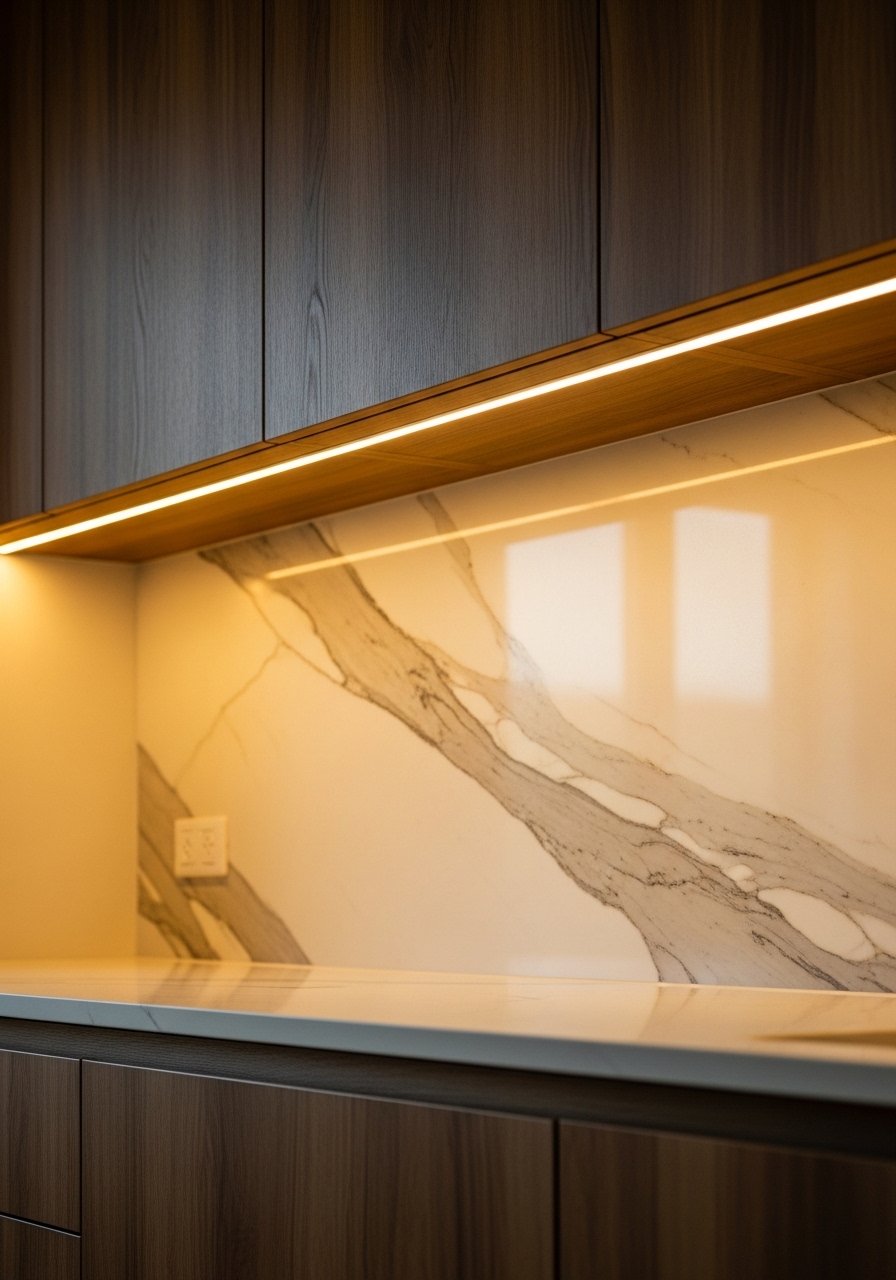
I added warm LED strips under my uppers and suddenly the counters read bright. They solve the “dark cabinet shadow” problem without changing cabinet color. My first strips were too cool—blue tones looked harsh against the wood. Warm 2700K to 3000K is the ticket.
They also make the space feel more usable at night. I hide strips behind a rail for a clean look.
Install dimmable lights if you want mood and task flexibility.
What You’ll Need for This Look
- Warm white LED strip lights (2700K)
- Aluminum channel diffuser for strips
- Dimmable LED controller with remote
5. Checkerboard or Patterned Tile Floor
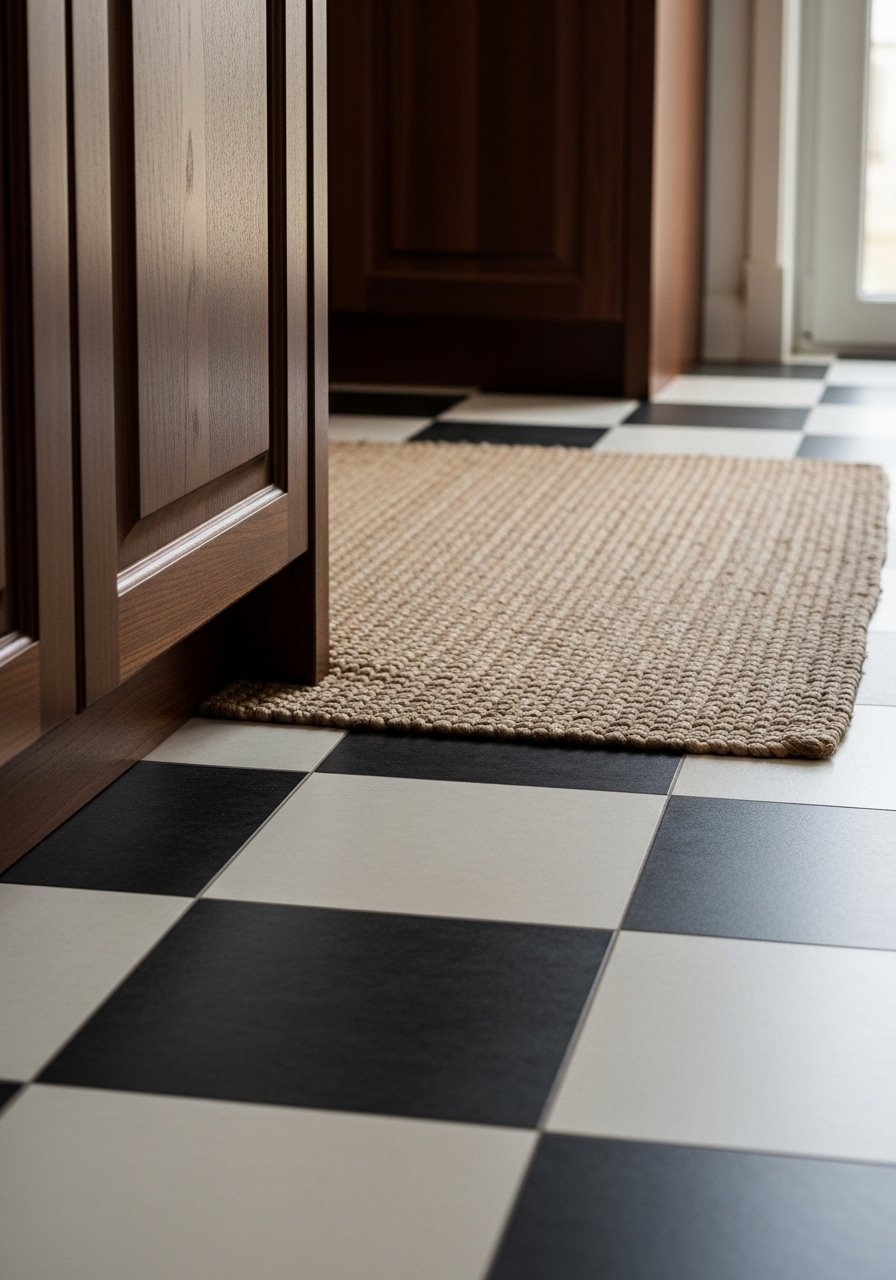
I installed a small checkerboard tile and it added personality next to dark wood kitchen cabinets. The floor pattern lifts the room, so the cabinets feel like part of a designed palette. I worried the pattern would fight with everything; it didn’t.
Pick a matte finish to hide wear. A small rug in front of the sink anchors the space and softens kitchen traffic.
Patterns can be bold without being loud if you limit other competing elements.
What You’ll Need for This Look
6. White Subway Backsplash with Dark Grout
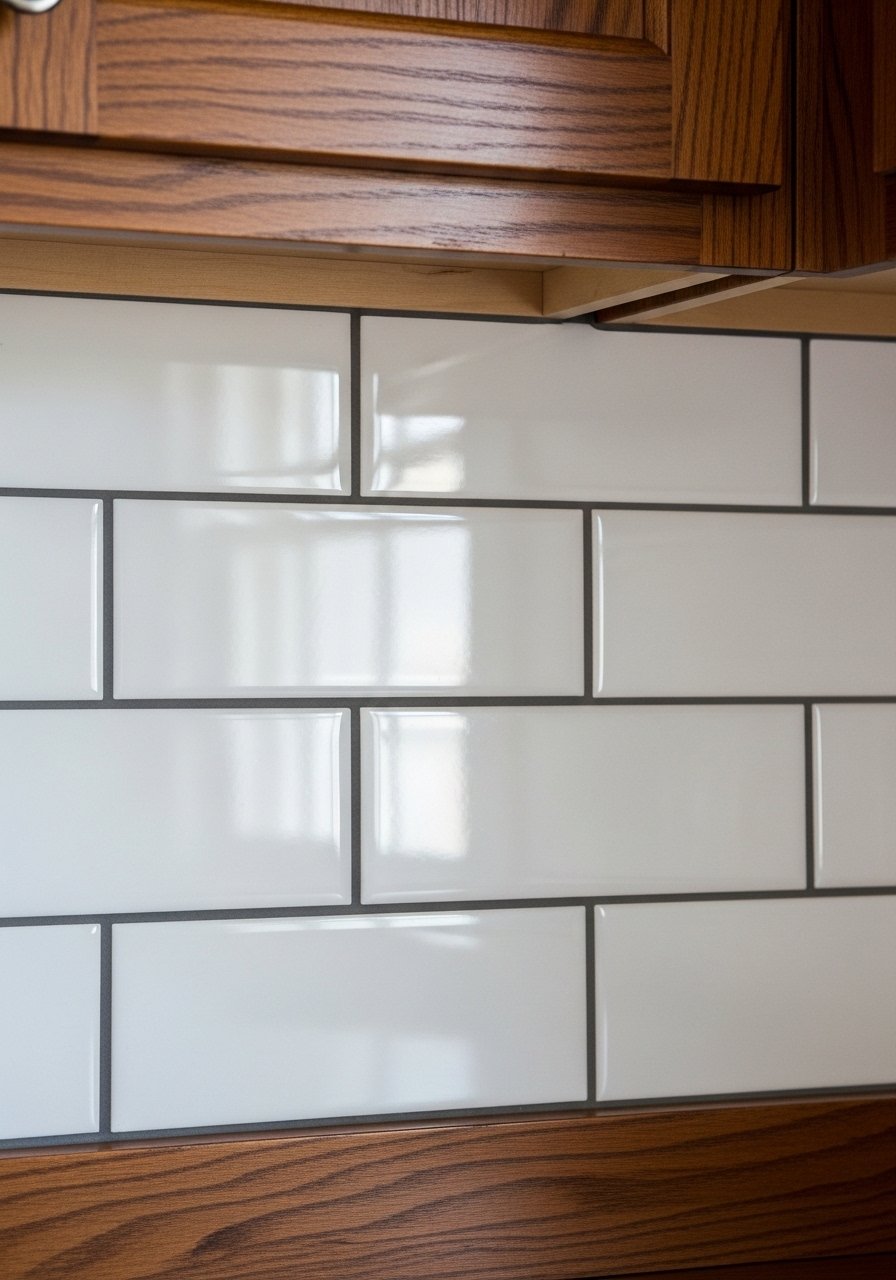
White subway tile reads classic next to dark wood kitchen cabinets. I used dark grout to hide splatters and it gave the wall a tailored grid that ties to the cabinet tone. My first grout choice was too light; stains showed quickly.
Dark grout makes grout lines a design feature instead of a maintenance worry. It’s an affordable way to look curated.
Keep tiles simple. Let the cabinet finish be the star.
What You’ll Need for This Look
7. Two-Tone Cabinets: Dark Lower, Light Upper
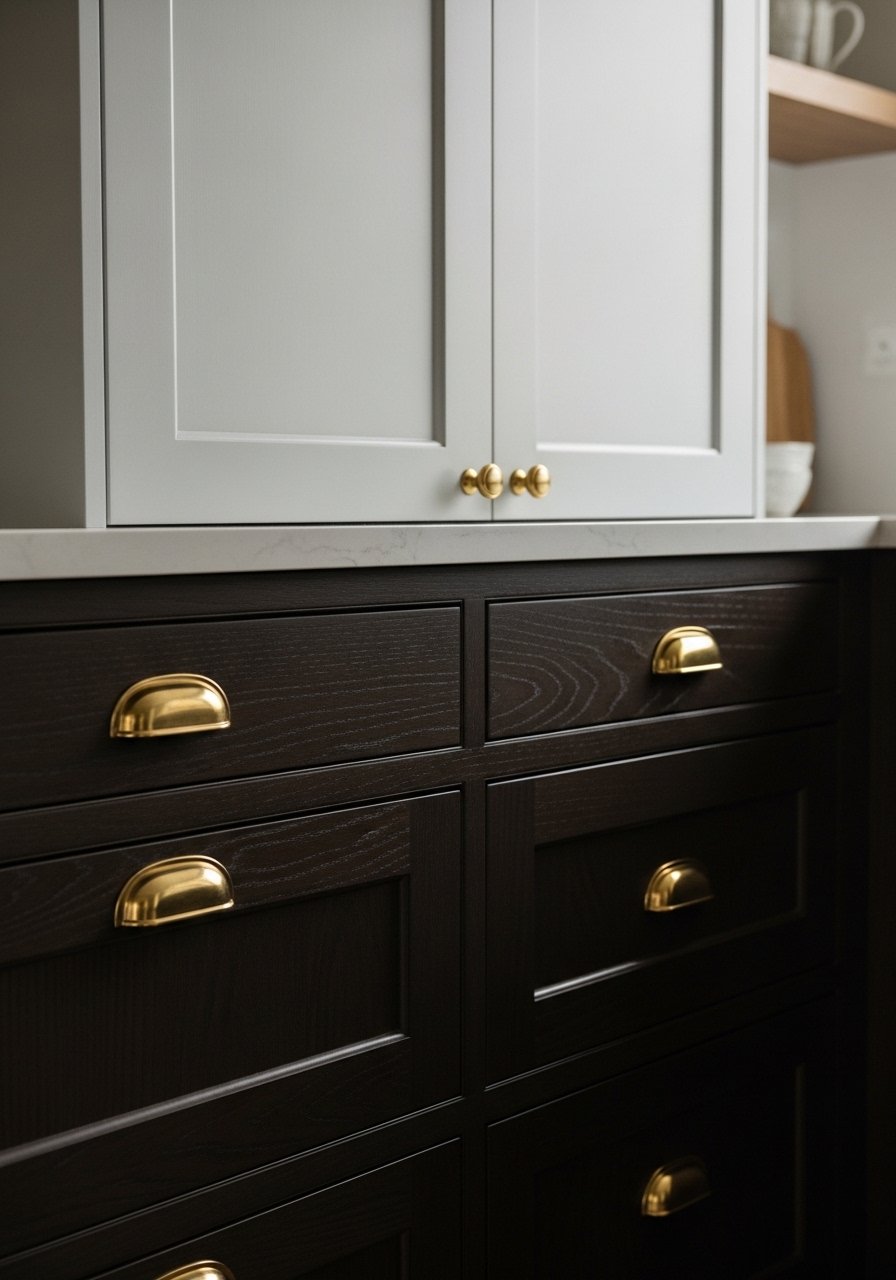
I painted my upper cabinets a creamy white and left the dark wood lowers. The result felt custom, not mismatched. It saved me the cost of replacing everything. I did try painting the lowers first and hated how the warmth vanished.
Two-tone keeps the room airy while preserving the richness of dark wood kitchen cabinets. It’s a compromise that feels deliberate.
Use a durable semi-gloss paint for uppers for easy cleaning.
What You’ll Need for This Look
8. Add Greenery and Herbs
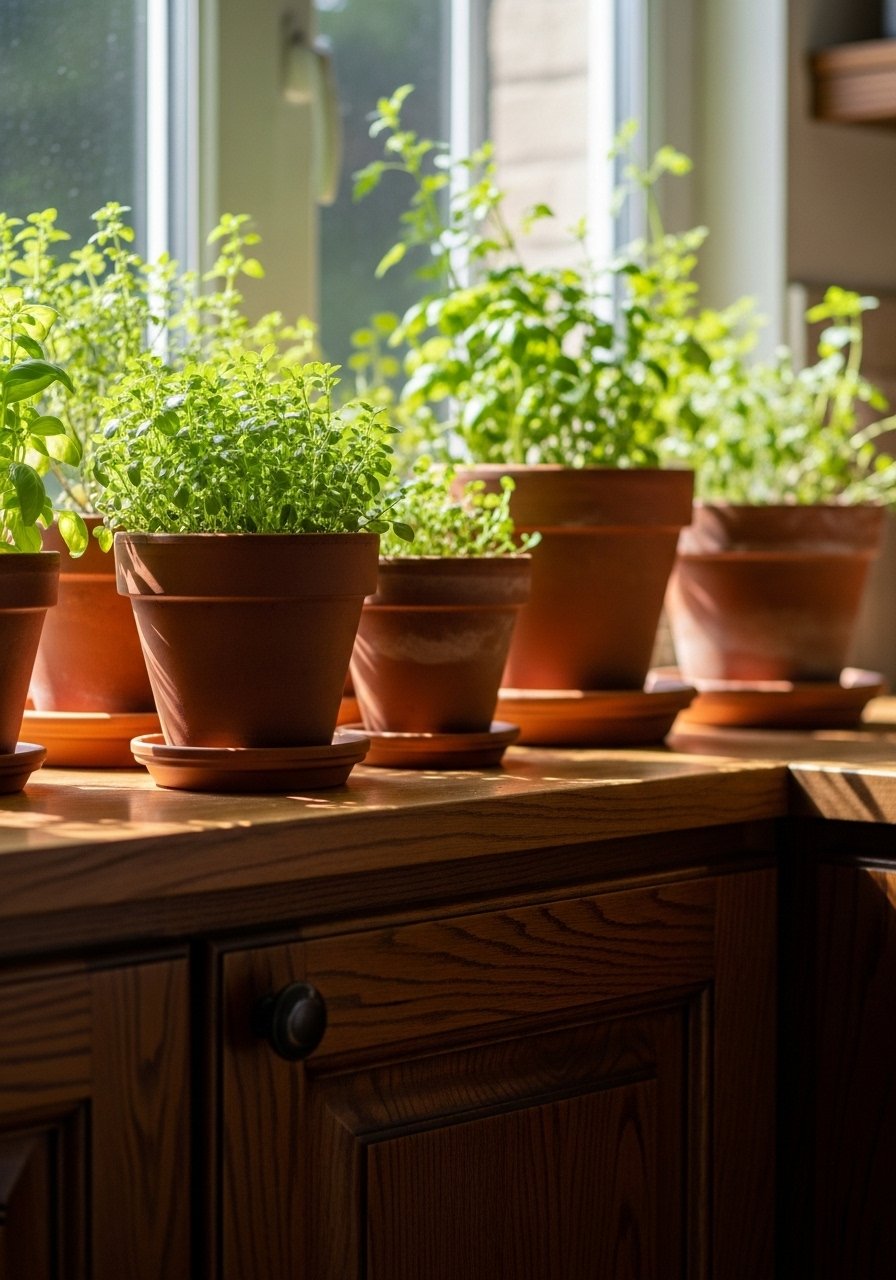
Plants soften the seriousness of dark wood kitchen cabinets. I keep basil and rosemary on the sill and a trailing pothos on a shelf. One summer I killed a few herbs (too much sun), but the low-light plants survived.
Plants bring texture and life. They also give a lived-in, casual look that balances luxe finishes.
Use varied pot sizes and natural materials for a cohesive feel.
What You’ll Need for This Look
9. Butcher Block Island Top for Warmth
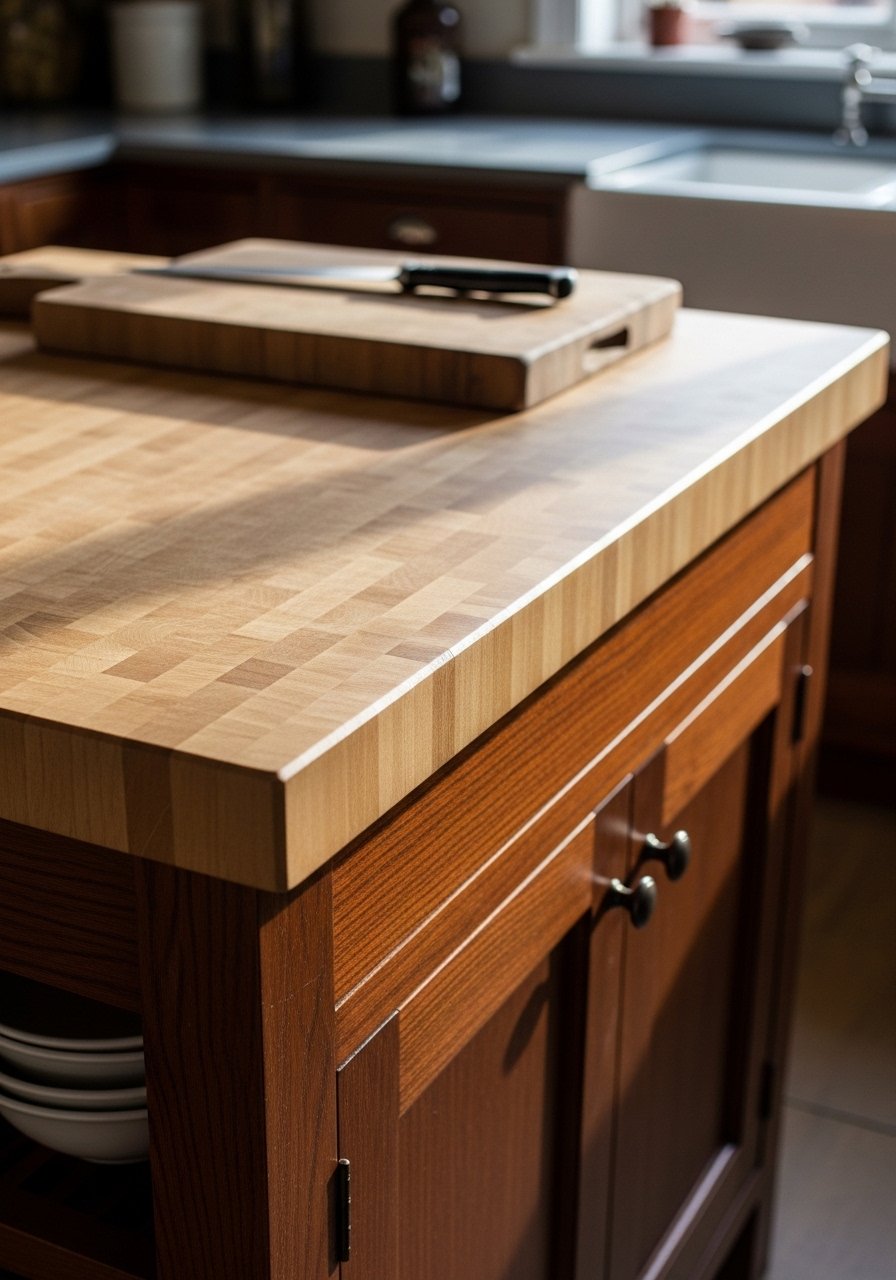
I swapped a stone island top for butcher block to warm up my dark wood kitchen cabinets. It made the island feel like a place to linger. I did nick it with a knife at first—lesson learned: use a cutting board.
Butcher block introduces a second wood tone that reads intentional, especially with lighter floors. It’s forgiving and ages nicely with oiling.
Choose a hardwood top and keep a maintenance oil handy.
What You’ll Need for This Look
10. Sleek Gold Pendant Lighting
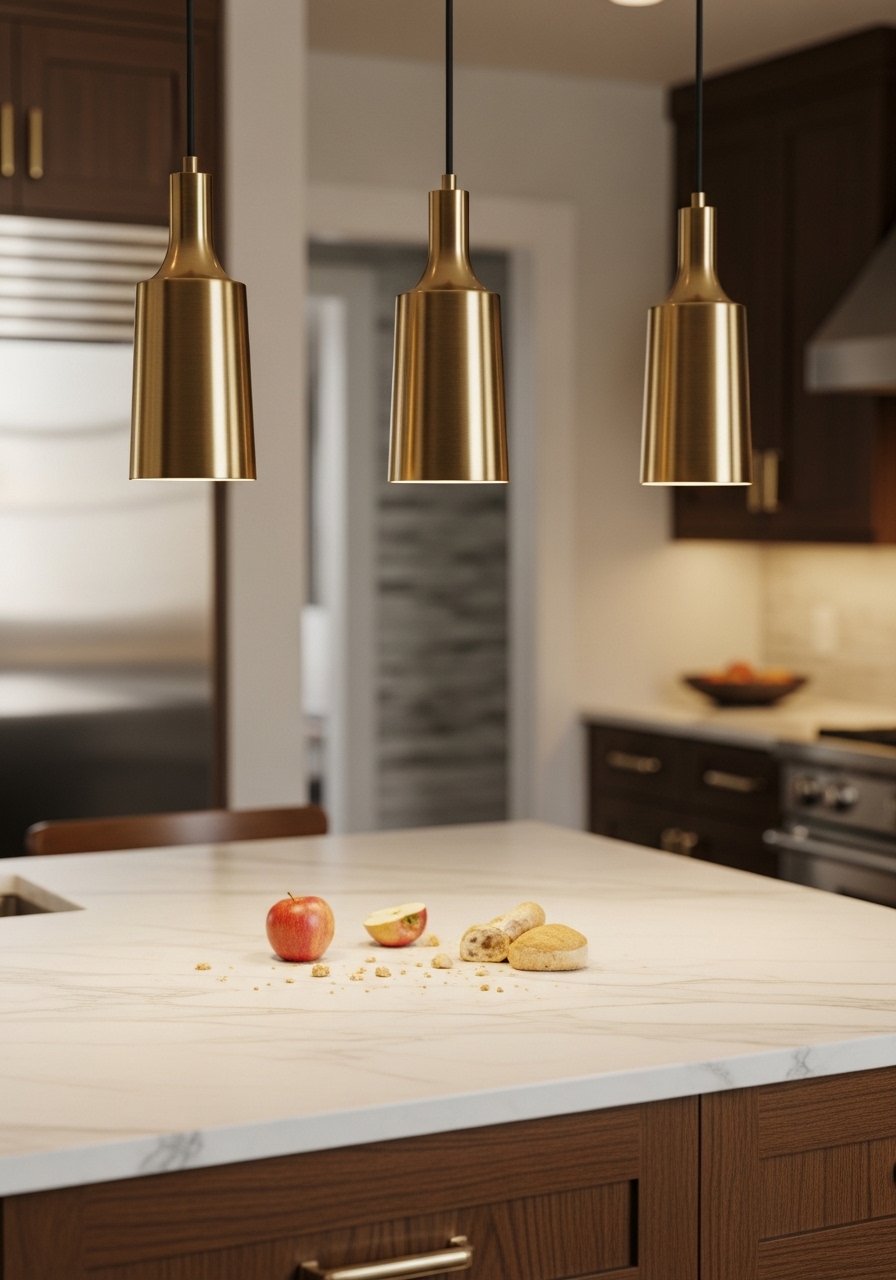
Pendant lights in brushed gold made my kitchen feel like a room you’d want to stay in. They add a metal tone that complements dark wood kitchen cabinets beautifully. I installed oversized shades once and they dominated the sightline—smaller, layered pendants work better.
Gold warms the palette and picks up the brass hardware. Choose low-glare finishes to keep the light soft.
Center pendants over prep zones for maximum effect.
What You’ll Need for This Look
11. Glass-Front Uppers with Warm Interiors
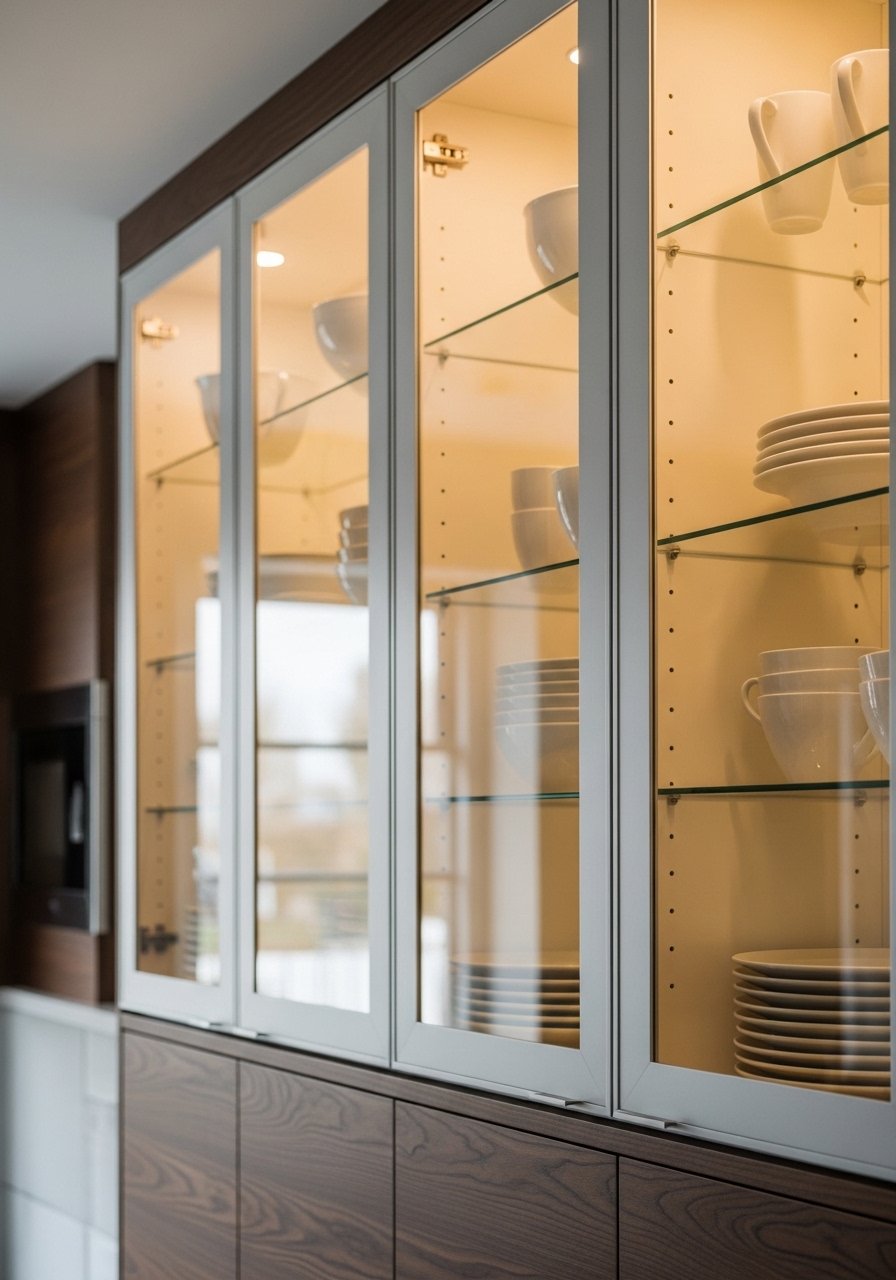
I swapped solid doors for glass-front uppers and lit the inside with warm bulbs. The cabinets instantly felt airy. At first I overfilled them with mismatched items. Now I keep just a few white plates and glassware.
Glass fronts highlight what you choose to display. They make dark wood kitchen cabinets feel curated and intentional, not heavy.
Stick to a simple color story inside.
What You’ll Need for This Look
12. Integrated Stainless Appliances for Balance
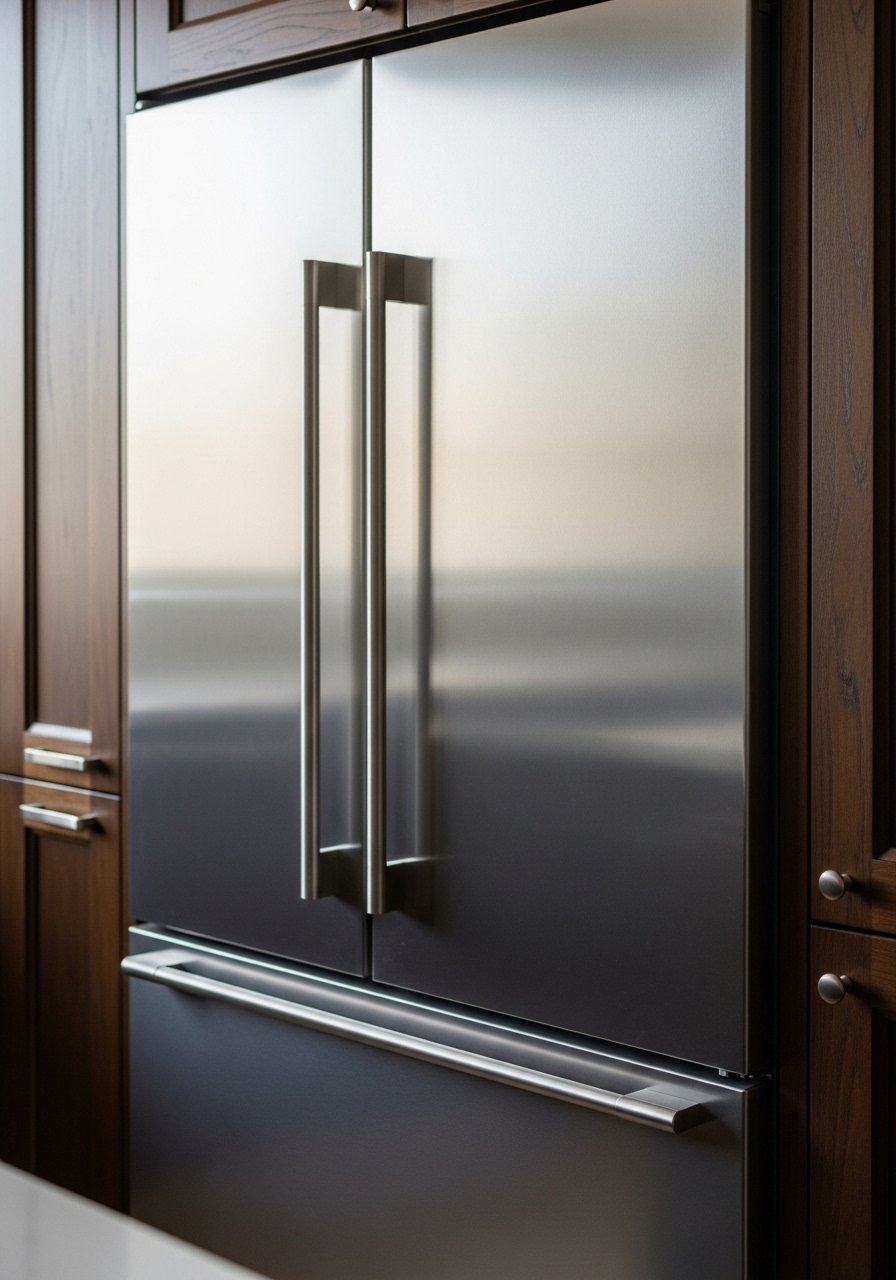
I brought in stainless appliances to break up the wood and add a modern edge. A built-in fridge with surrounding dark wood kitchen cabinets looks sleek. I once chose a fingerprint-prone finish—regret. Now I opt for smudge-resistant steel.
Stainless reads crisp against deep wood and pairs well with marble or concrete counters.
Keep visible seams tight for a high-end feel.
What You’ll Need for This Look
13. Fluted Island Panels for Texture
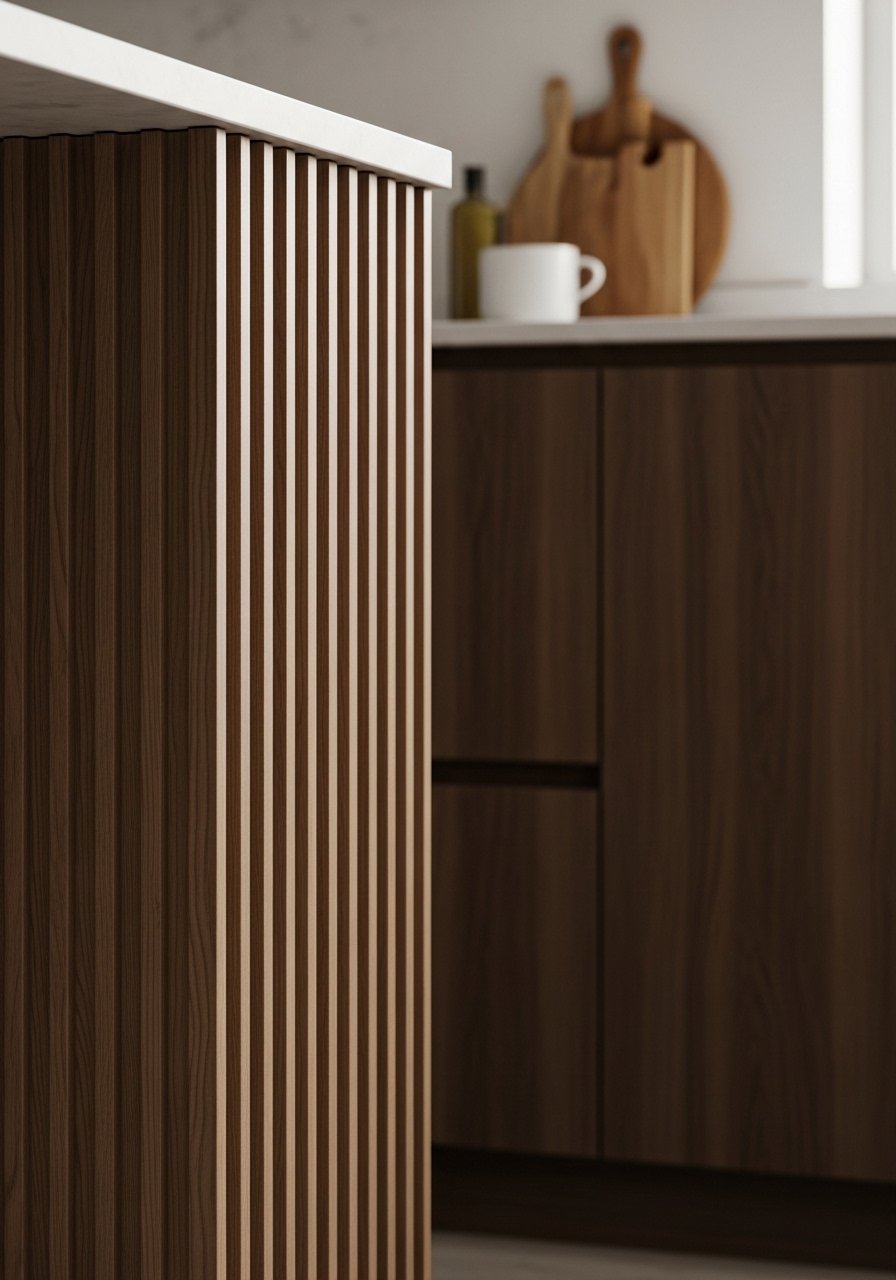
I added fluted panels to my island front and it made the whole kitchen feel custom. The vertical texture plays beautifully with the horizontal grain of dark wood kitchen cabinets. At first I thought fluting would feel trendy; it hasn’t aged that way in my space.
It’s an easy detail that reads like craftsmanship. Paint or stain the fluting in a coordinating tone for continuity.
Keep other surfaces simple so it can sing.
What You’ll Need for This Look
14. Brass Faucet and Sink Fixtures
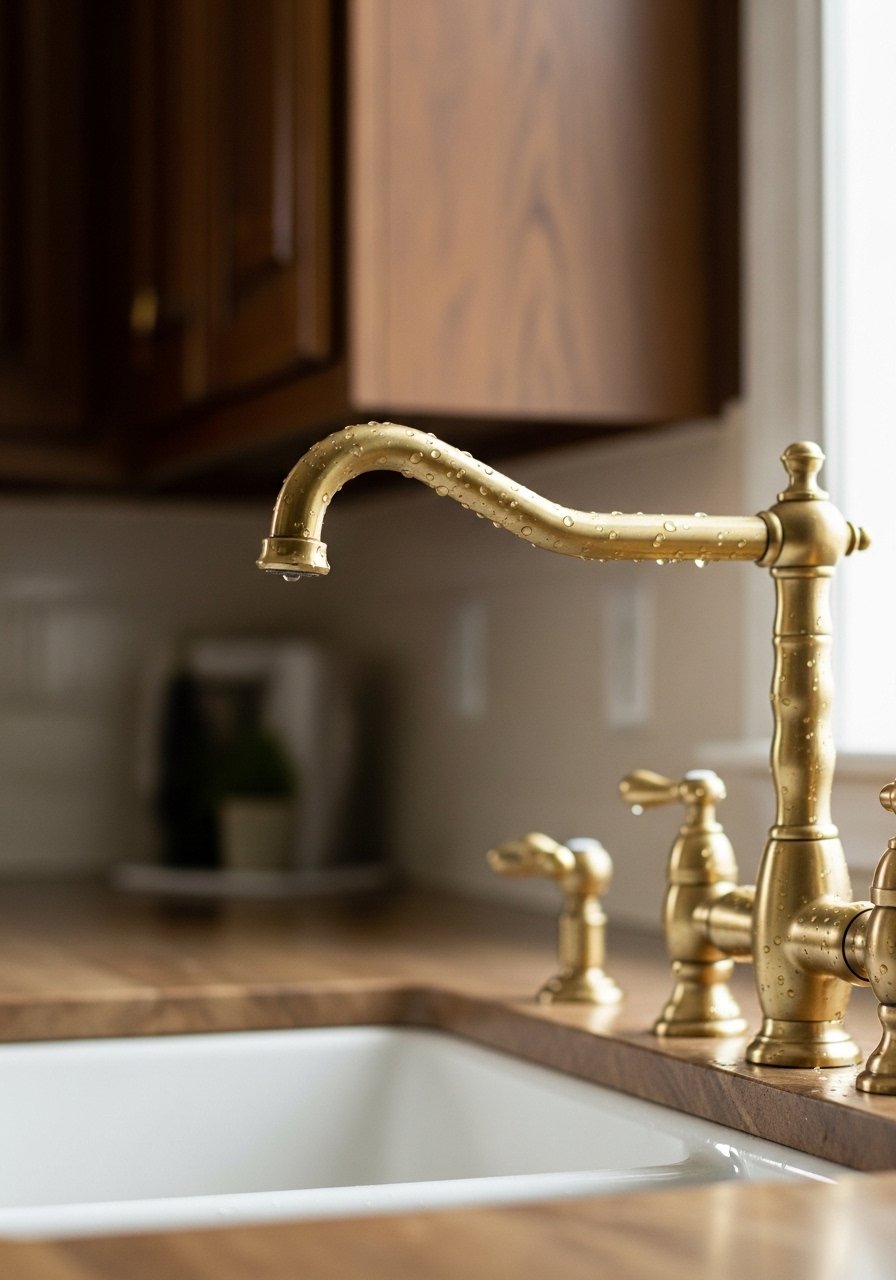
I swapped my chrome faucet for brass to tie into hardware on dark wood kitchen cabinets. The warm metal made the sink area glow. I initially bought a shiny brass and returned it for a softer finish—matte brass hides fingerprints better.
A statement faucet is functional jewelry. Pair it with a simple sink to avoid clutter.
Match finishes but vary textures for depth.
What You’ll Need for This Look
15. Statement Range Hood in Complementary Wood
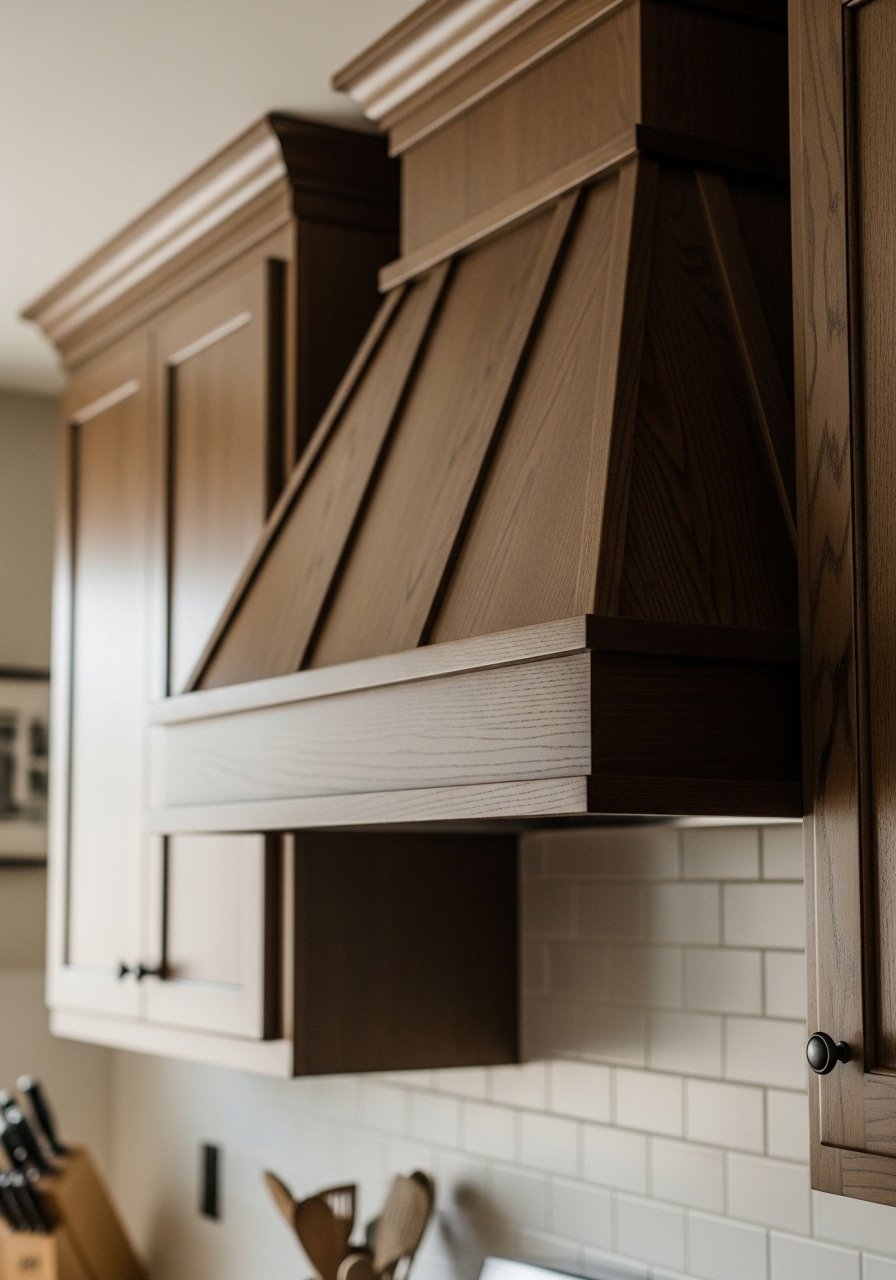
I had a plain metal hood and swapped it for a wood-clad one that echoes my dark wood kitchen cabinets. It made the cooking wall cohesive and less appliance-y. The first hood I ordered was too small—scale matters here.
A wood-clad hood reads like a built-in mantel and adds height. Keep it vented properly.
Add a slim stainless trim to avoid it feeling too heavy.
What You’ll Need for This Look
16. Layered Rug Runners for Comfort
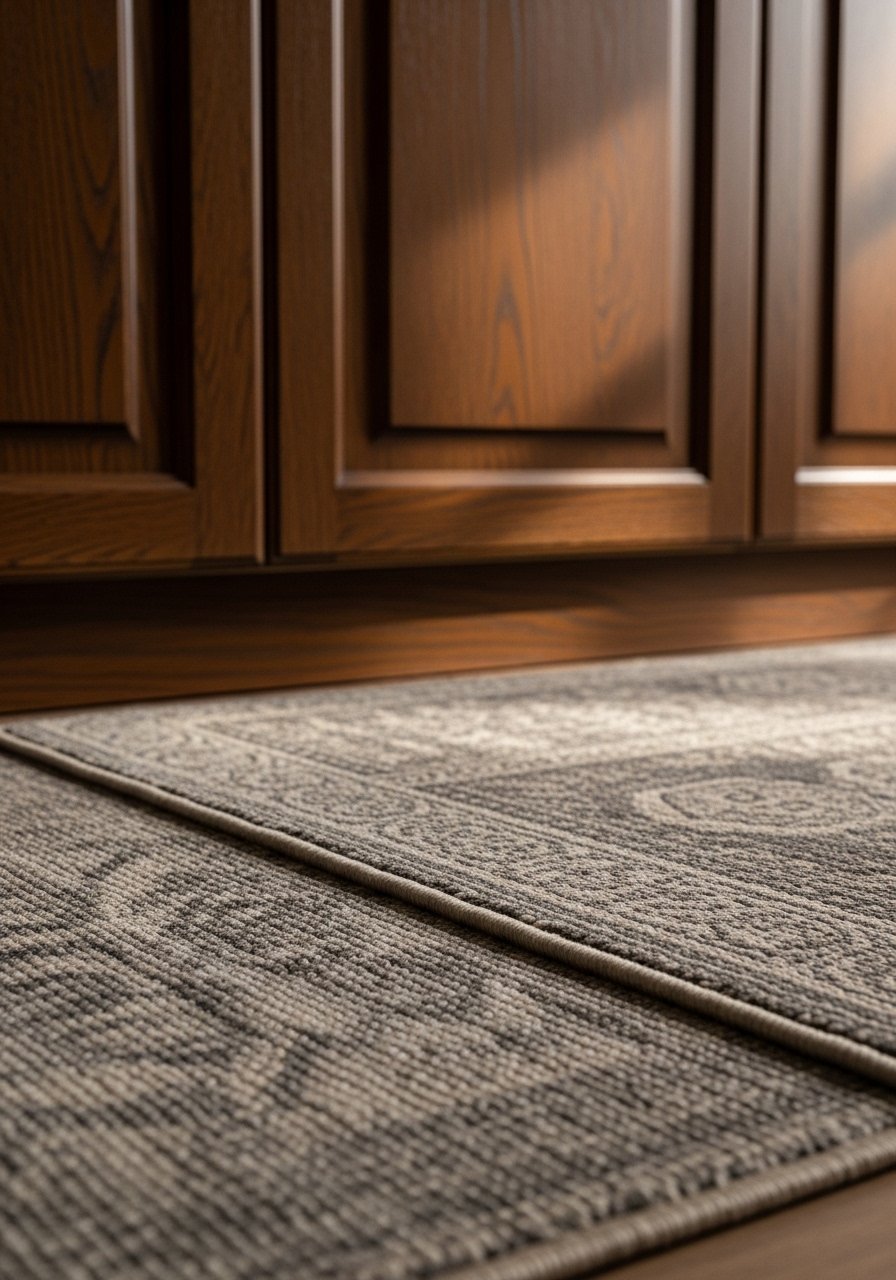
I layered a sisal rug under a patterned runner in front of my sink and it made the kitchen feel cozier. Dark wood kitchen cabinets read less severe with textiles underfoot. I did pick a runner that was too thin once—get non-slip backing.
Rugs break up hard floors and warm the palette. They also protect floors from water and wear.
Choose washable or easy-care fibers for longevity.
What You’ll Need for This Look
17. Leather Bar Stools for Texture
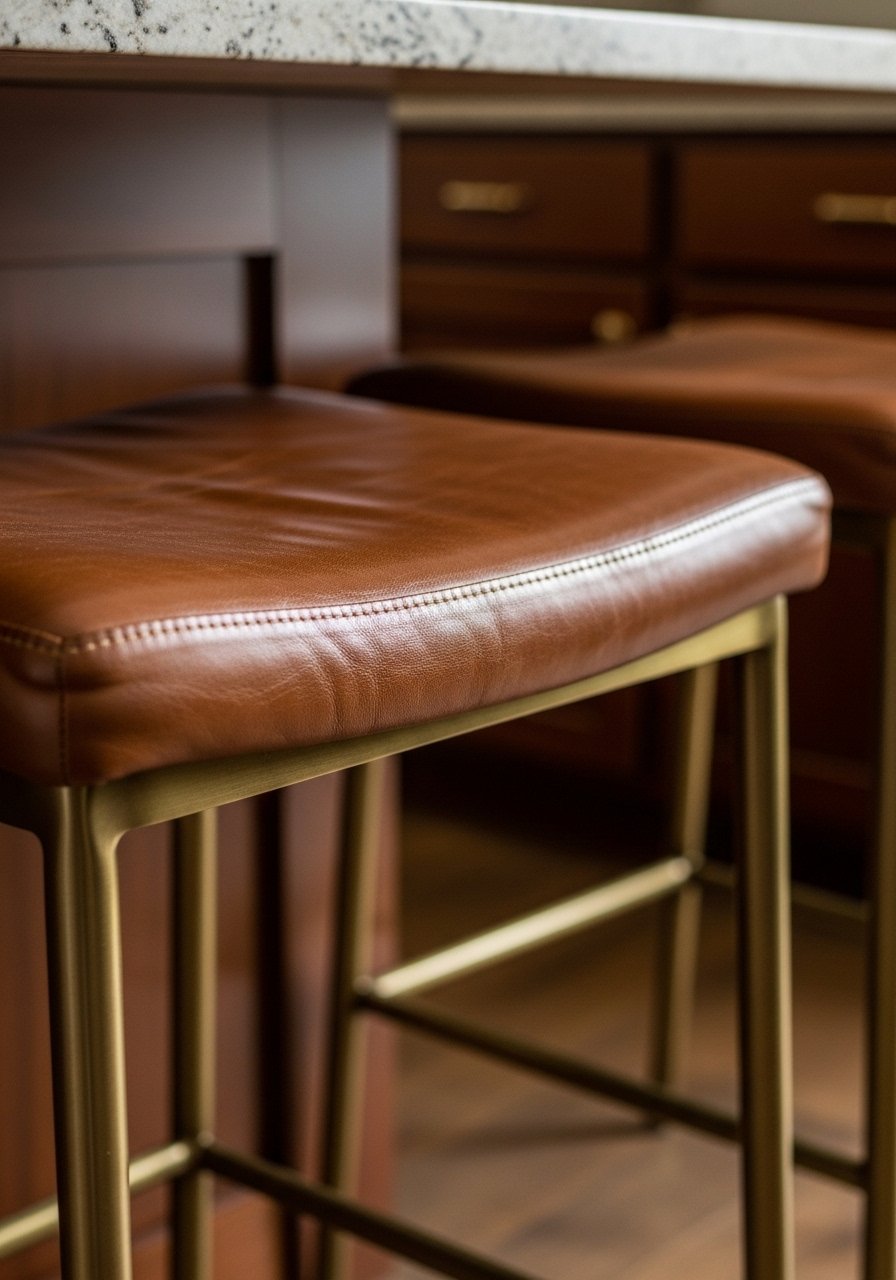
I swapped metal stools for leather-upholstered ones and the island area felt more grounded. Leather adds a slightly lived-in elegance next to dark wood kitchen cabinets. My first stools scratched the floor—get felt pads.
Choose warm brown or cognac leather to echo wood tones. It ages beautifully and hides small marks.
Balance the look with a simple metal base.
What You’ll Need for This Look
18. Matte Black Pulls for a Modern Edge
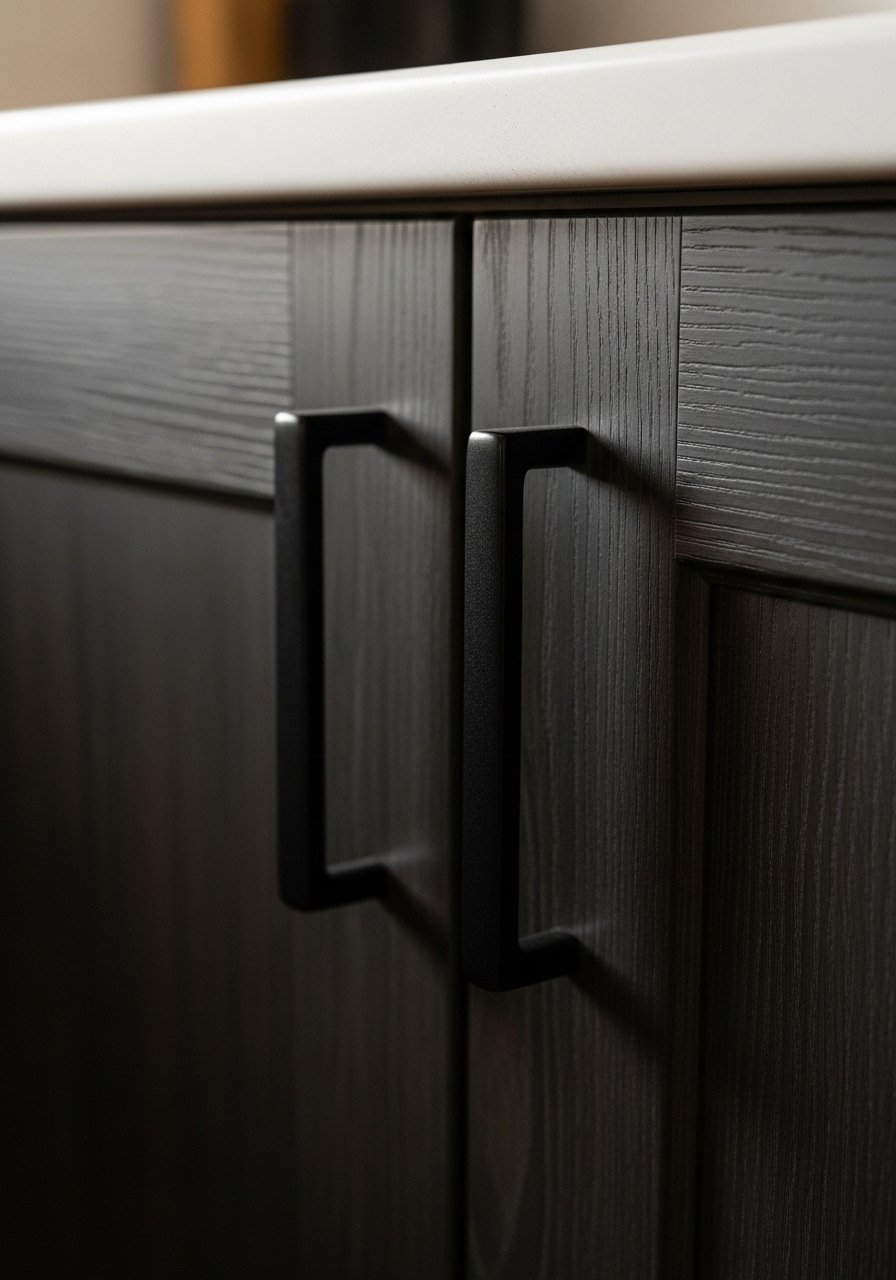
I tried matte black pulls when I wanted a modern counterpoint to my dark wood kitchen cabinets. The contrast felt clean and deliberate. Initially I mixed finishes and regretted it—pick one dominant metal.
Matte black reads contemporary and pairs well with white counters or brass accents. It’s a small detail with a crisp effect.
Make sure the pull size feels comfortable in hand.
What You’ll Need for This Look
19. Built-In Beverage Nook or Wine Fridge
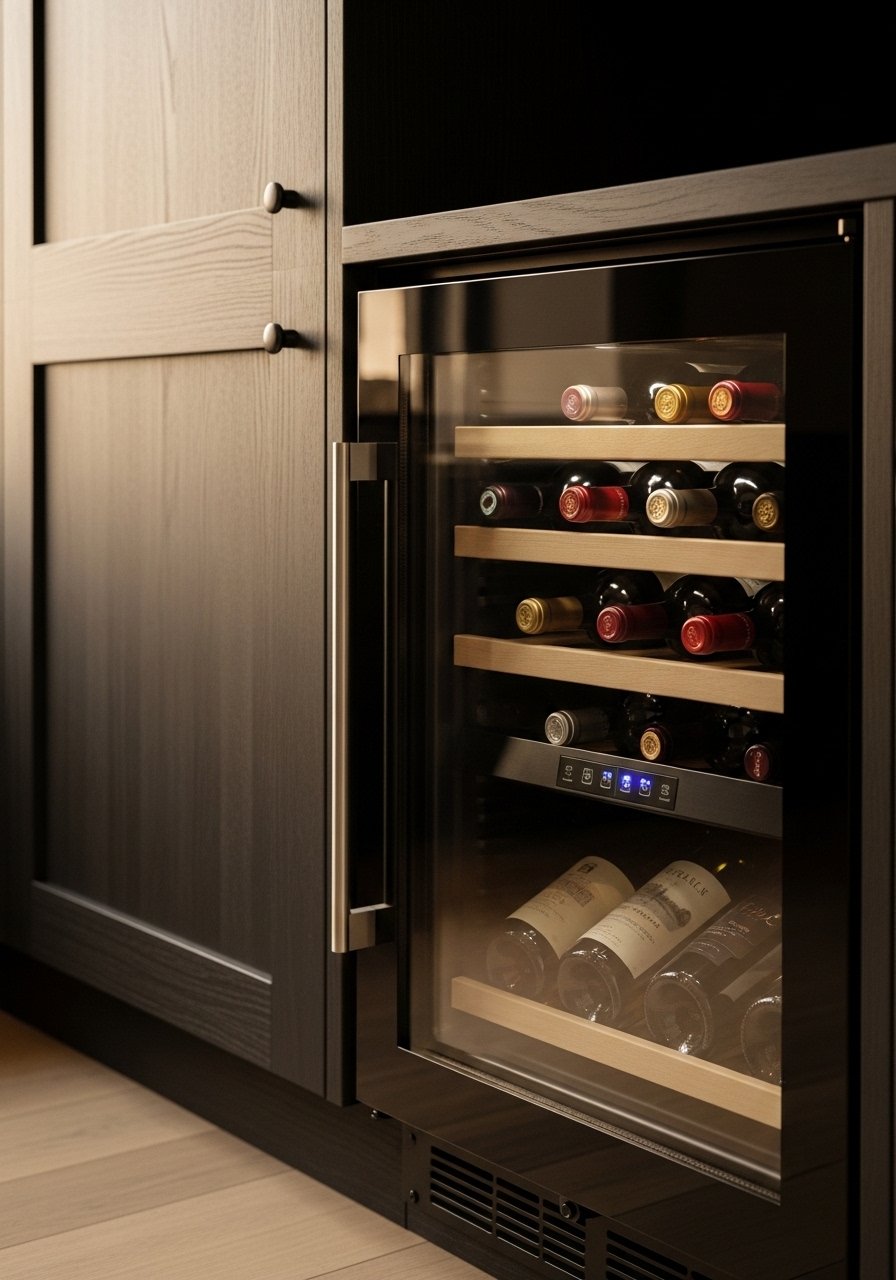
I carved a niche for a beverage fridge in a bank of dark wood kitchen cabinets. It created a focal point and usefulness. I once tried an open shelf for bottles and it looked messy. The fridge keeps everything tidy and cool.
A wine fridge reads custom and is surprisingly compact. Add a small countertop for prep and glassware.
Consider ventilation requirements for tight spaces.
What You’ll Need for This Look
20. Dark Granite or Soapstone Counters for Depth
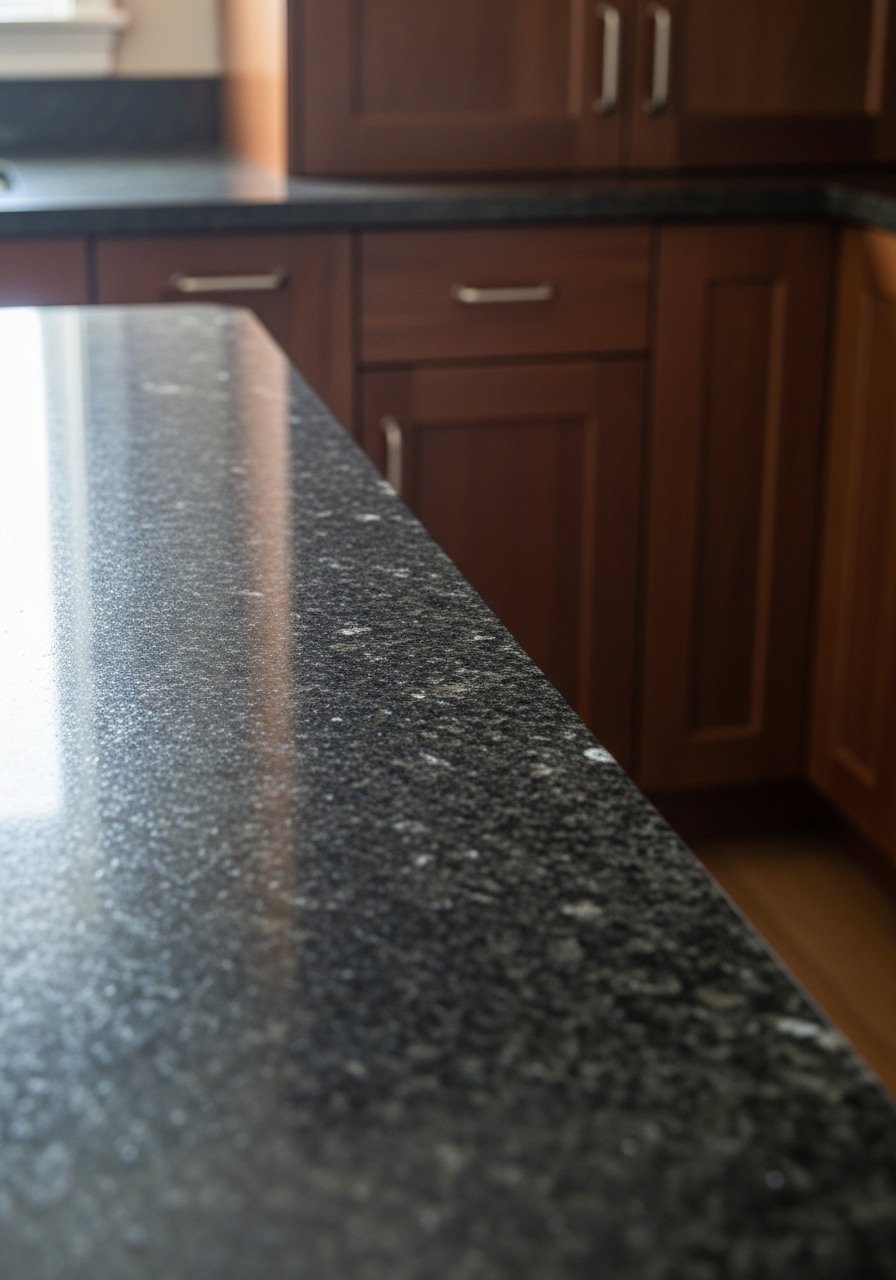
I used soapstone on one side of the kitchen to deepen the palette with my dark wood kitchen cabinets. It’s softer than granite and develops a patina that I love. At first I worried it was too dark, but the texture keeps it interesting.
Soapstone hides heat marks and looks professional. It’s a quieter alternative to high-contrast marble.
Keep cutting boards at hand to avoid scratches.
What You’ll Need for This Look
21. Use Light Walls to Balance the Darkness
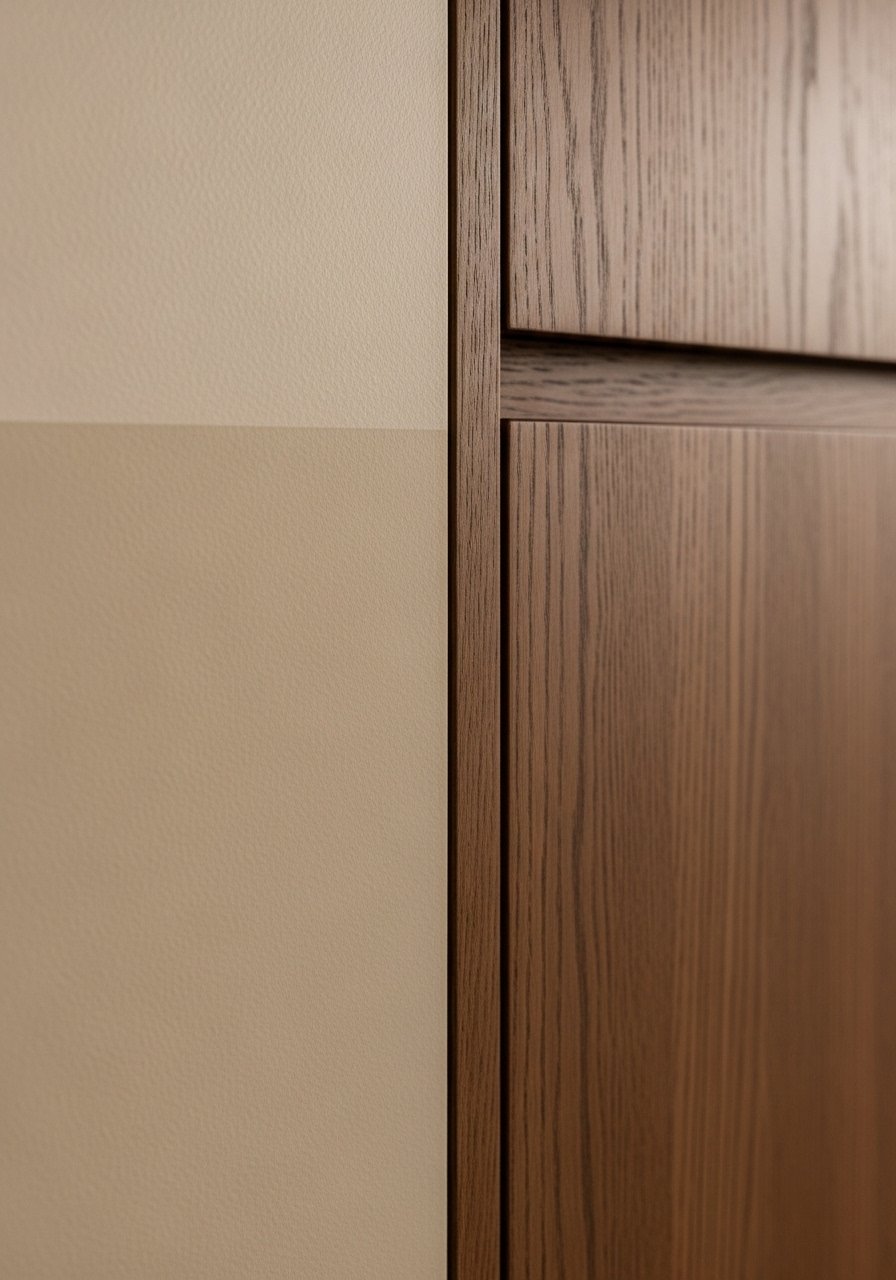
I painted my kitchen walls a soft warm white and it let my dark wood kitchen cabinets sing. Dark cabinets can feel heavy; light walls keep the room balanced. I tried cooler whites and they clashed with the wood tone.
A warm neutral warms the whole space and complements brass hardware.
Test big swatches near the cabinets before committing.
What You’ll Need for This Look
22. Toe-Kick Lighting for Subtle Ambience
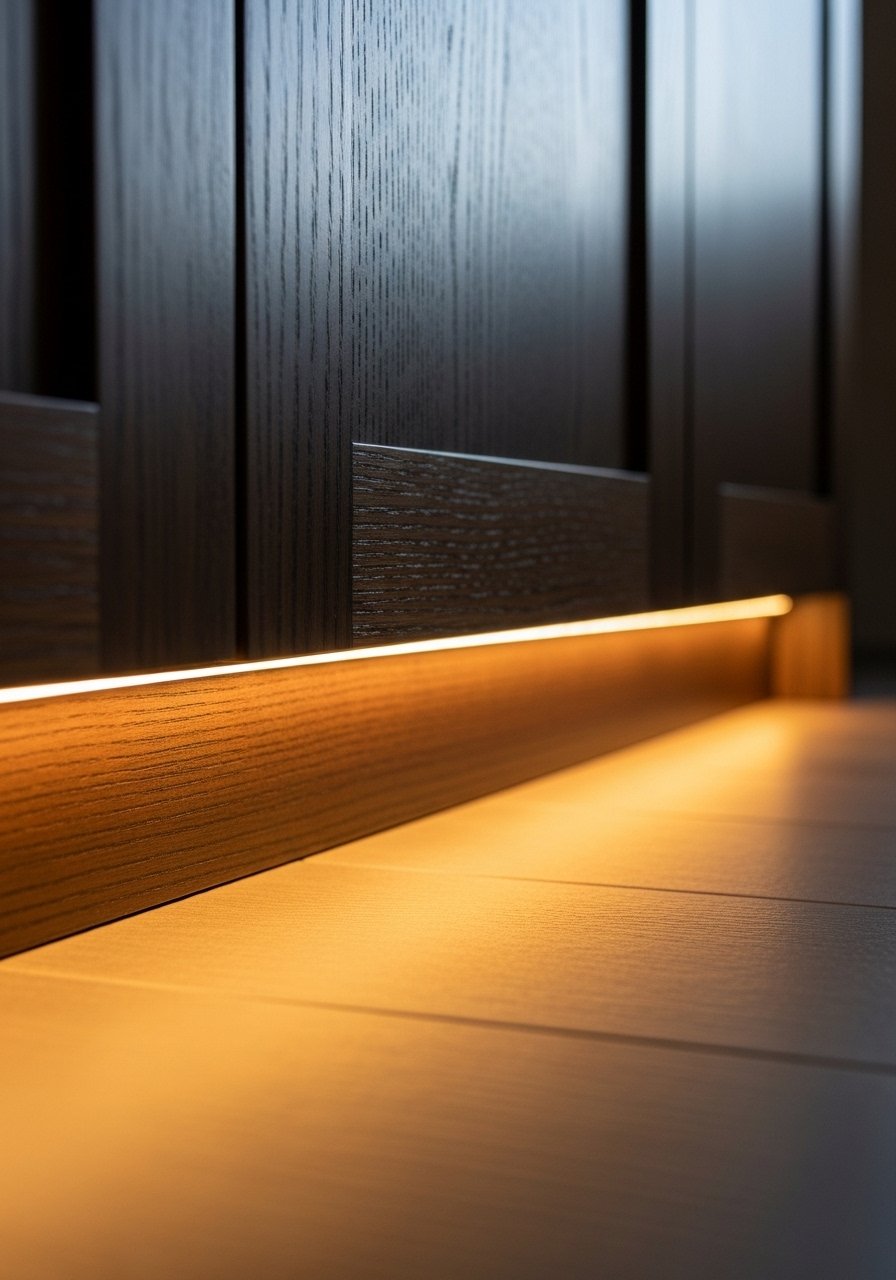
I installed toe-kick lighting under my dark wood kitchen cabinets and it added an unexpected layer of atmosphere. At night it’s a soft guide light. My first install was too cool and looked like a hospital; warm tone fixes that.
It’s a small luxury that reads expensive and is practical for late-night trips.
Use a recessed strip and dimmer for the best effect.
What You’ll Need for This Look
23. Crown Molding to Frame the Ceiling
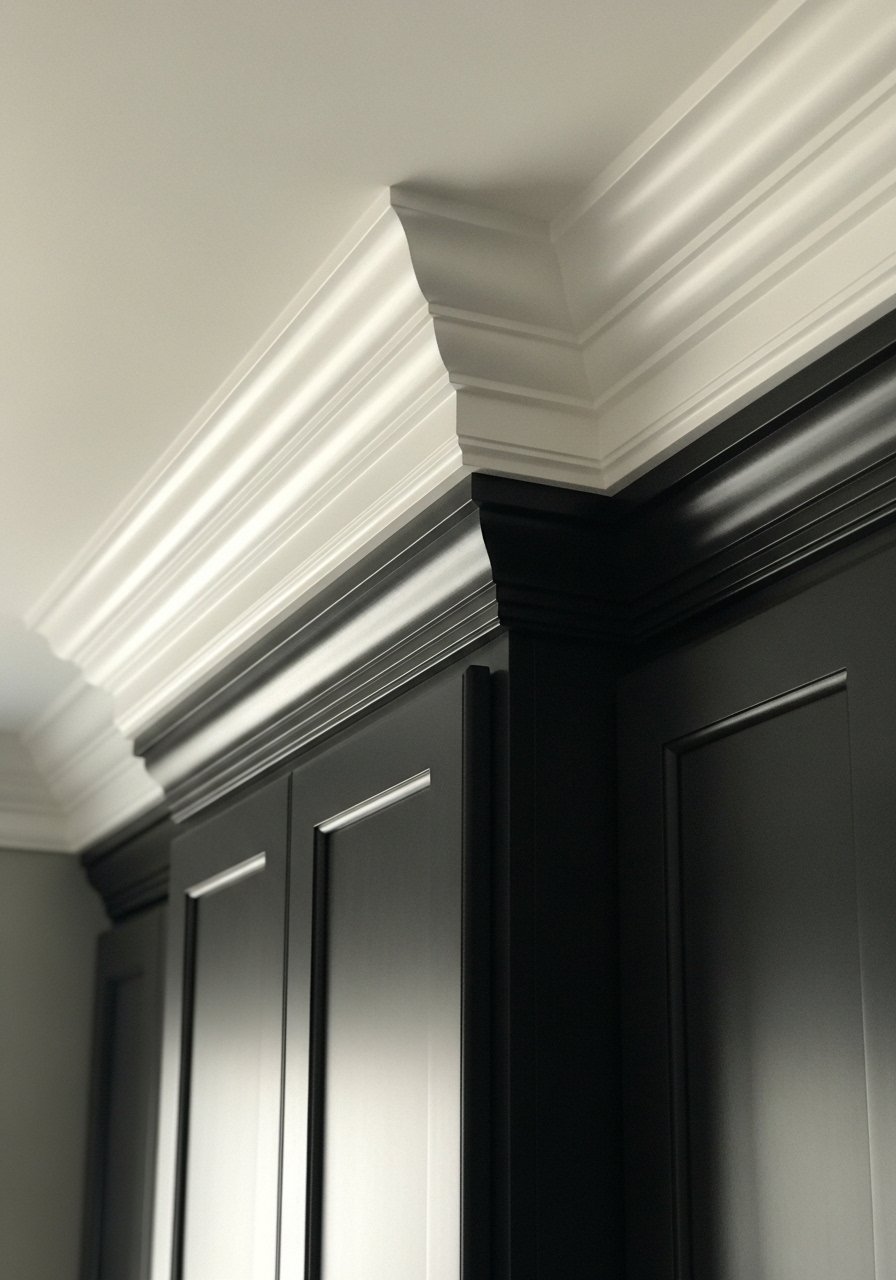
I added crown molding above my uppers and it finished the look of my dark wood kitchen cabinets. It read custom, not DIY. I did mis-measure one corner and fixed it—measure twice.
Crown molding gives vertical weight and ties cabinets to the ceiling architecture. It’s a subtle cue that the kitchen is intentional.
Choose a profile that matches your home’s style.
What You’ll Need for This Look
24. Hidden Appliance Garage for Counter Clutter
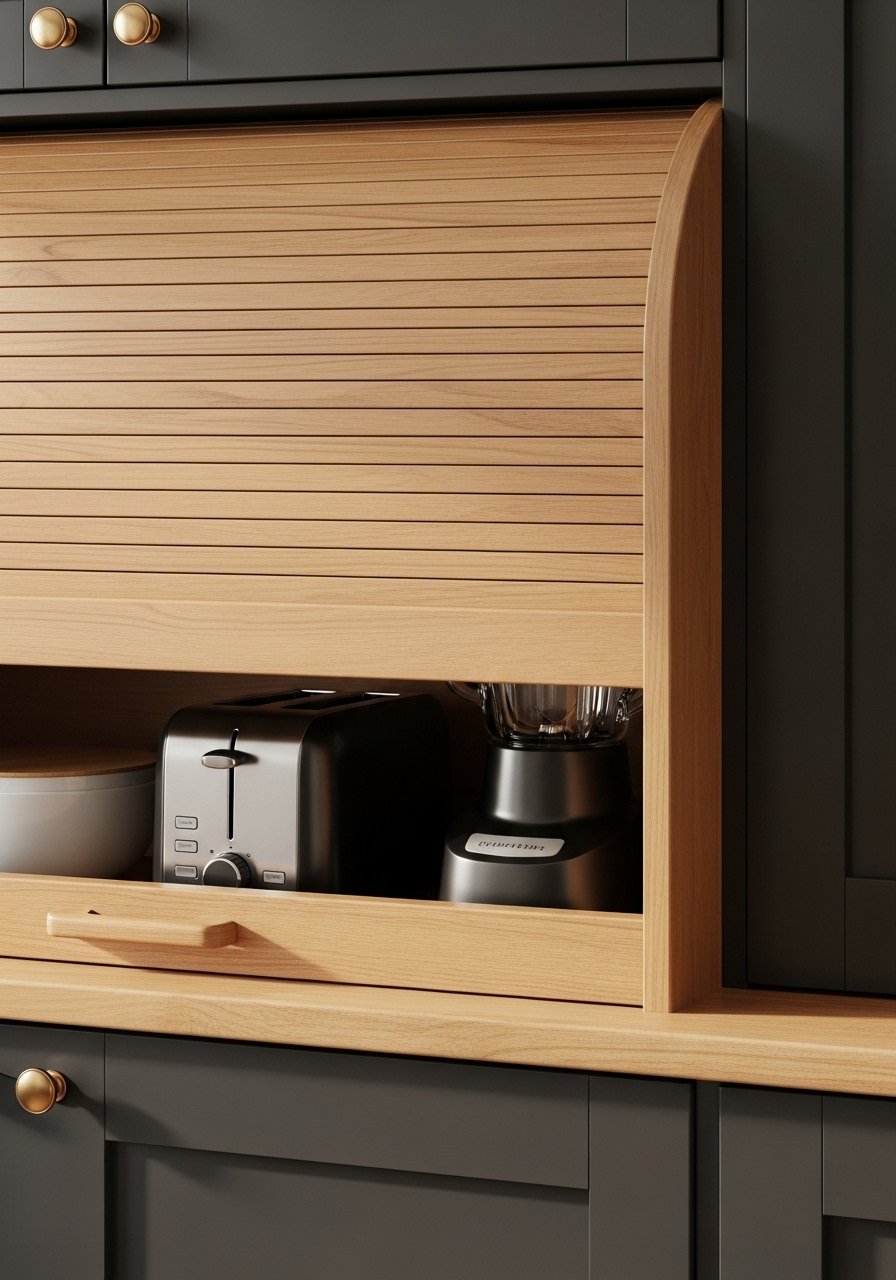
I built an appliance garage to tuck away the toaster and mixer. Dark wood kitchen cabinets can look cluttered if counters are full. The garage keeps daily tools handy without visual noise. My first door jammed—choose hardware rated for weight.
A roll-top or tambour door reads polished and keeps surfaces clean.
Match the garage finish to your cabinets for continuity.
What You’ll Need for This Look
25. Mix Light Floors with Dark Cabinets
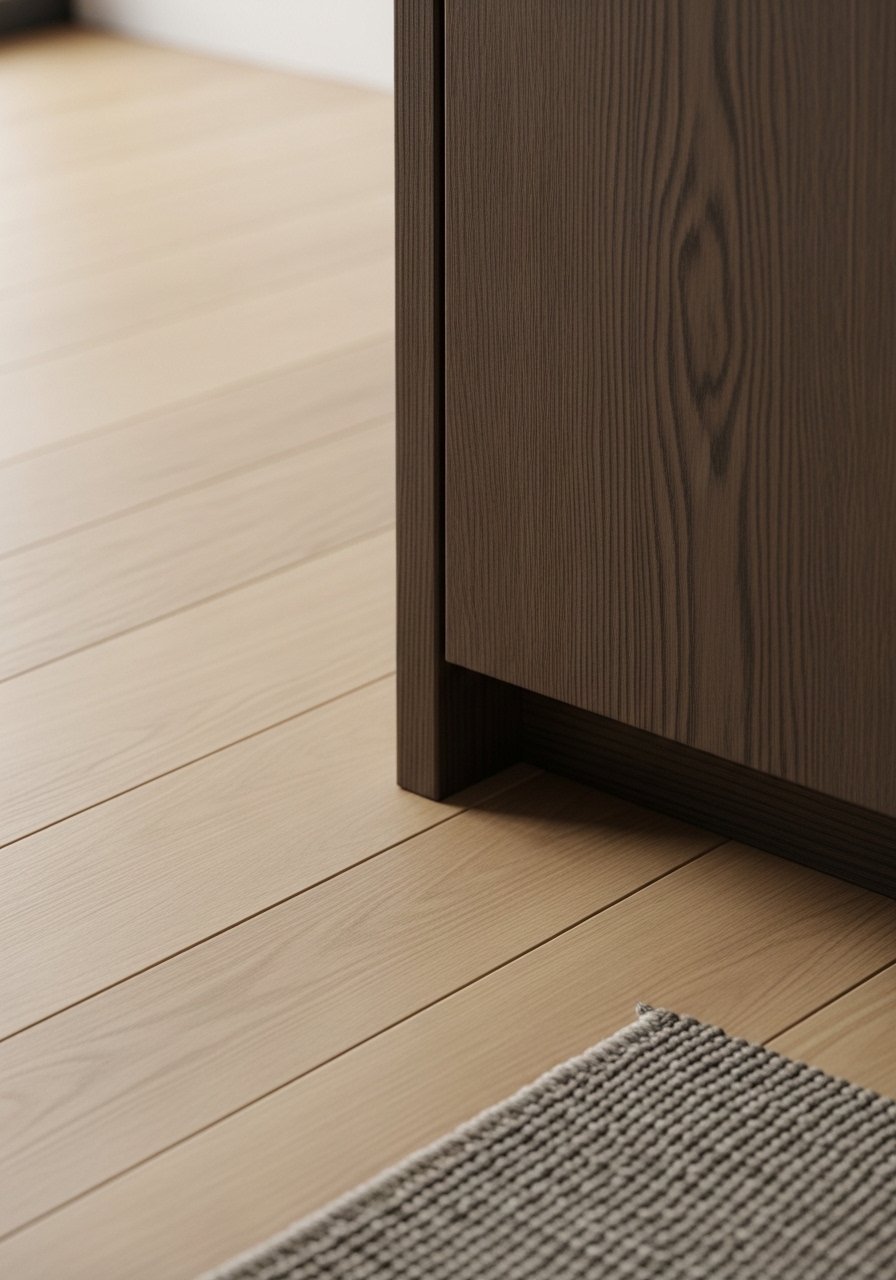
I painted my floors a light blonde and it offset my dark wood kitchen cabinets perfectly. The contrast keeps the room feeling contemporary and airy. At first I worried about maintenance; sealed wood floors have been forgiving.
Light floors reflect light and make the cabinets feel intentional. They also show crumbs more, so be prepared to sweep.
Pick a finish that resists scuffs.
What You’ll Need for This Look
26. Floating Microwave Shelf and Prep Nook
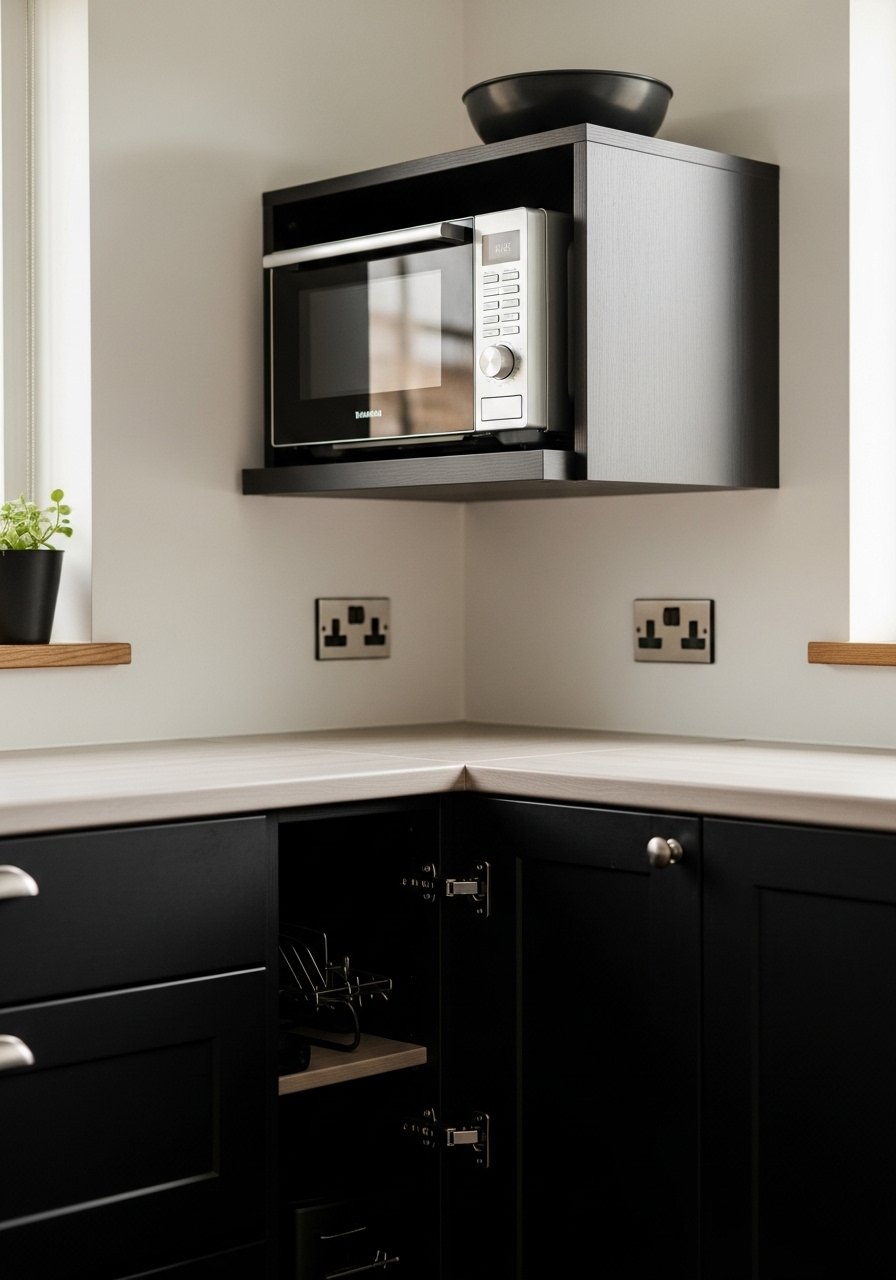
I freed up counter space by installing a floating shelf for the microwave within my dark wood kitchen cabinets. It made a tiny prep nook feel intentional. My first shelf was too low—measure clearance for doors.
A dedicated microwave shelf keeps counters clear and visually tidy. Use a vented shelf and anchored brackets.
This small tweak adds function without cost.
What You’ll Need for This Look
27. White Farmhouse Apron Sink
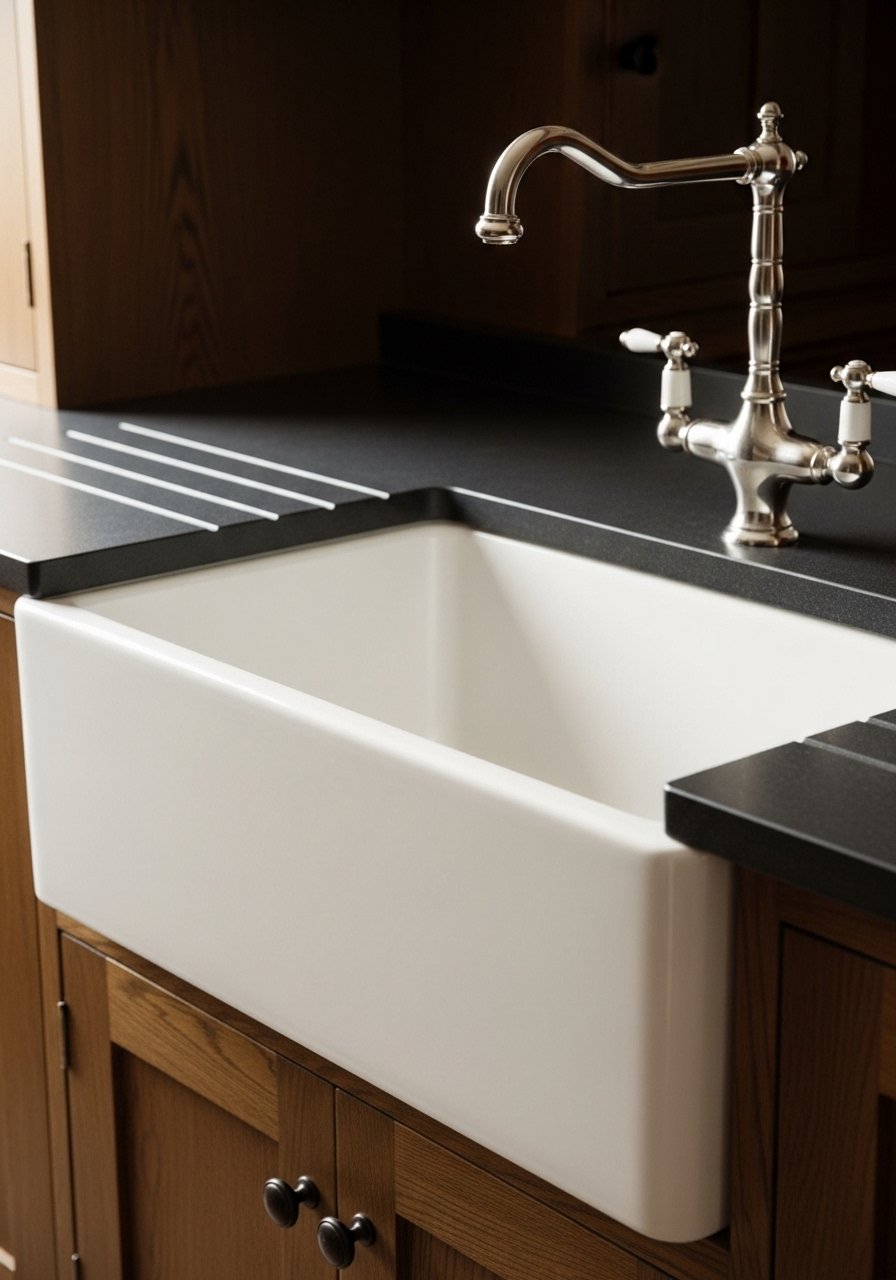
I replaced a stainless under-mount with a white apron-front sink and it softened my dark wood kitchen cabinets. The white sink creates a bright focal point and feels classic. I did scratch the porcelain once—avoid dropping heavy pans.
An apron sink pairs beautifully with brass or black faucets and adds a tactile contrast to dark wood.
Choose a deep basin for practical use.
What You’ll Need for This Look
28. Tall Pantry Cabinets with Pull-Outs
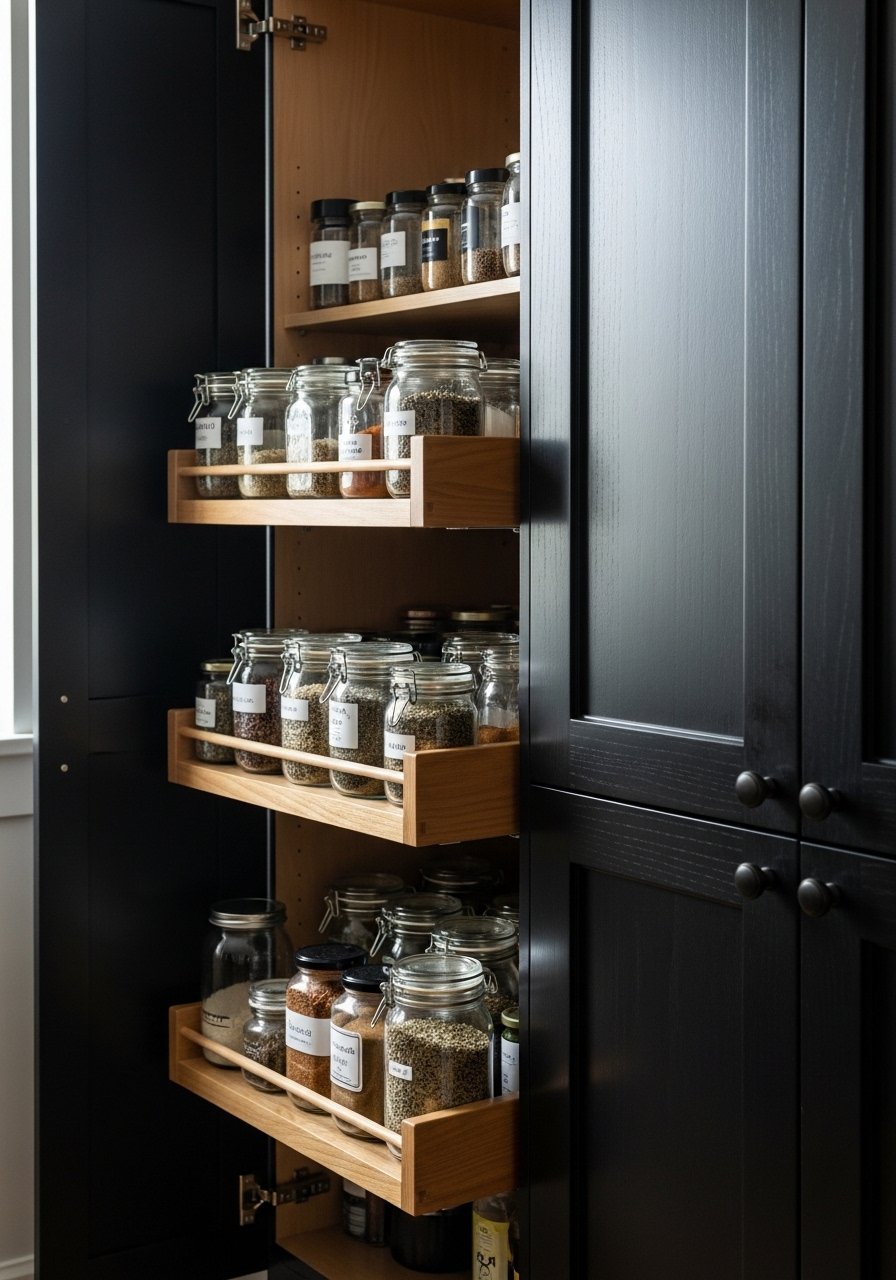
I added a tall pantry with pull-out shelves next to my dark wood kitchen cabinets and it changed daily life. Everything is reachable and neat. Initially I bought fixed shelving and regretted the wasted depth.
Pull-outs make deep spaces usable. They keep the visual lines uncluttered and help maintain the luxe look.
Invest in soft-close drawers for a refined feel.
What You’ll Need for This Look
29. Small Art and Countertop Vignettes
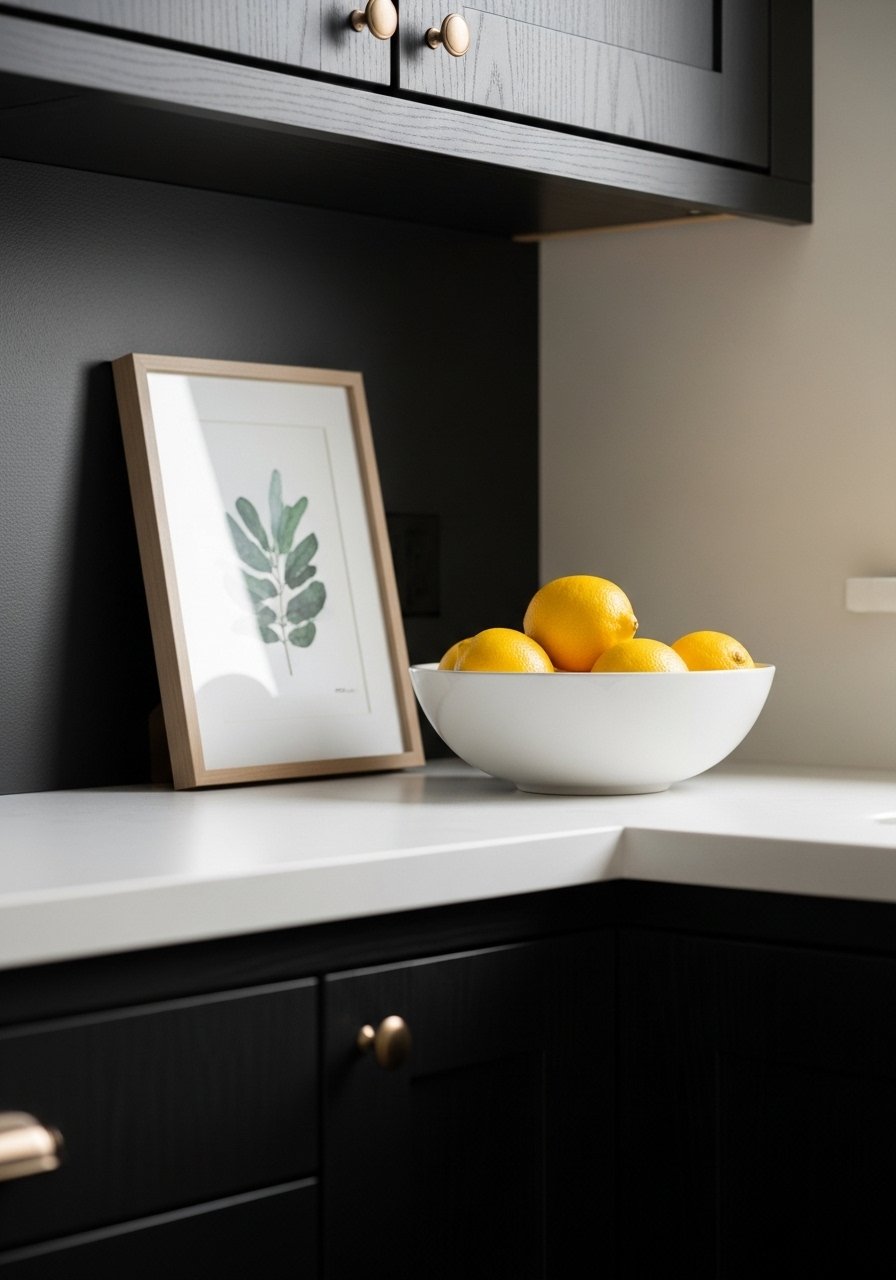
I stopped fighting the emptiness on my counters and started styling small vignettes. A framed print, a bowl of lemons, and a mortar and pestle sit nicely against my dark wood kitchen cabinets. I once did a huge sculpture—too heavy for the space.
Small curated items make the kitchen feel lived-in and intentional. Rotate pieces seasonally to keep it fresh.
Keep surfaces functional; style only where it won’t impede use.
What You’ll Need for This Look
Final Thoughts
Dark wood kitchen cabinets can feel high-end without being precious.
I learned by doing, returning, and living with choices.
Pick a few of these ideas and start there—small changes add up fast.
Leave a Reply