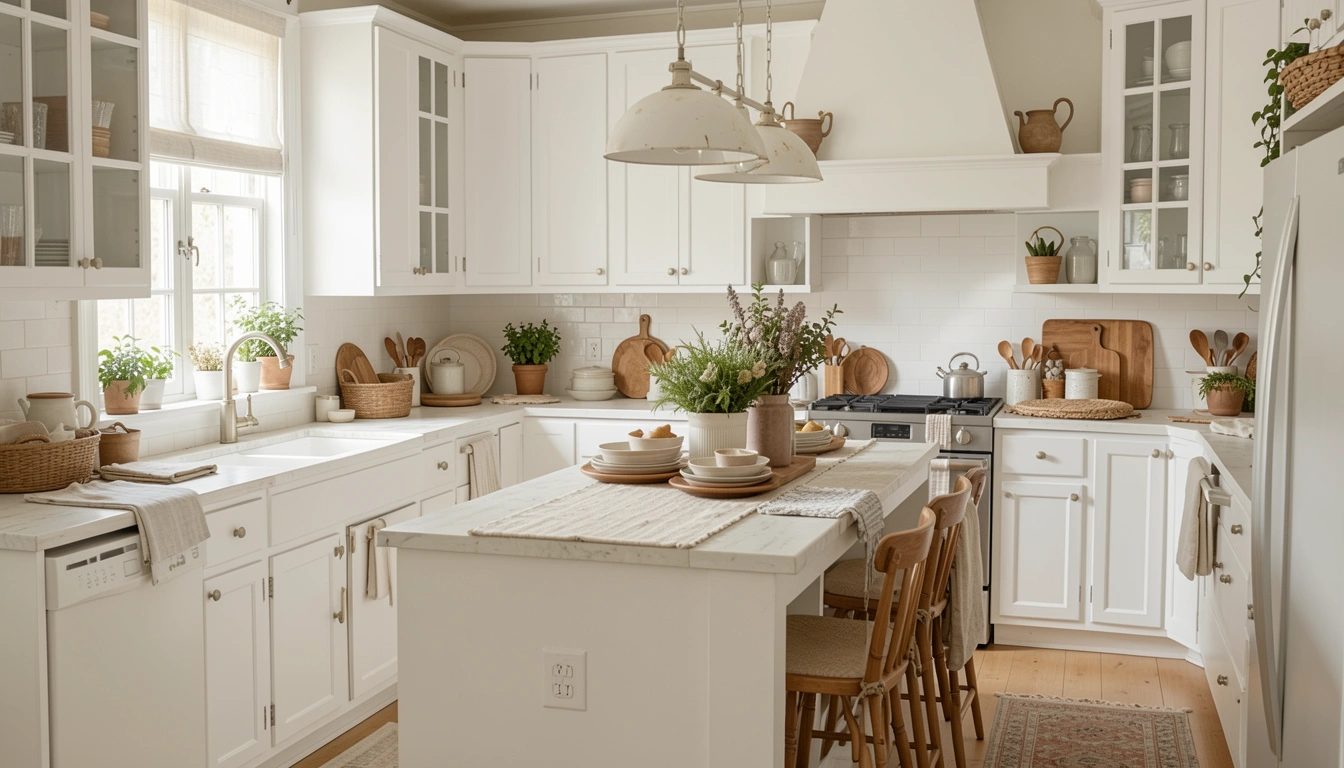
My white kitchen felt flat. All those clean cabinets and counters left it cold, like a showroom no one used. I’d eat breakfast there, but it never felt welcoming.
I tried paint at first. Didn’t help. Then I realized it wasn’t color—it was missing warmth from everyday things.
You know that feeling. Sterile space, no pull to linger.
How to Warm Up a White Kitchen with Decor
This shows you how I add warmth to a white kitchen using simple decor. It’s straightforward, no big changes. You end up with a space that feels comfortable and balanced, like it’s always been that way.
What You’ll Need
- Rustic wooden cutting board, 18×12 inches, acacia wood
- Woven cotton placemats, set of 6, neutral beige
- Ceramic herb planter, small, matte terracotta
- Brass candle holders, pair, 6-inch height
- Linen tea towels, set of 4, warm olive green
- Faux olive branch in vase, 12-inch stems
- Wicker basket, medium, for produce
- Warm wood tray, rectangular, 20×14 inches
Step 1: Start with Wood on the Counter
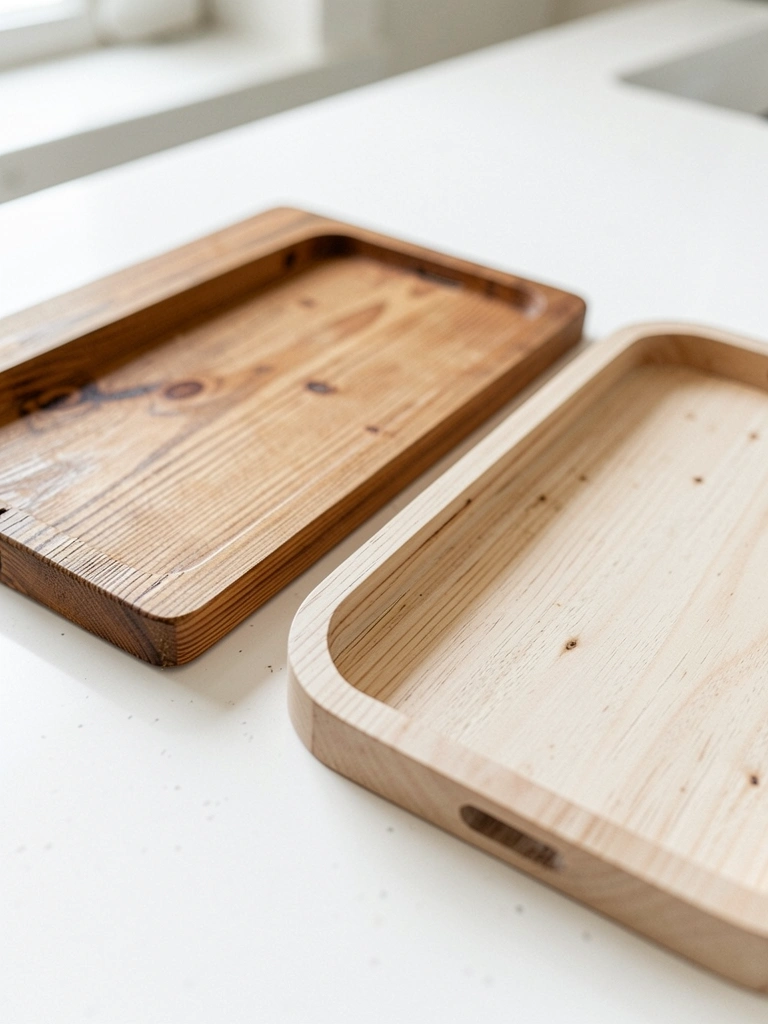
I place a wooden cutting board on the counter first. Not centered—off to one side, like I just used it. Wood brings earthiness that white lacks. It grounds the space right away.
Visually, the counter shifts from blank to lived-in. Shadows from the grain add depth.
People miss how one piece connects everything. Avoid stacking too neat; lean it casually.
Step 2: Layer Soft Textiles Nearby
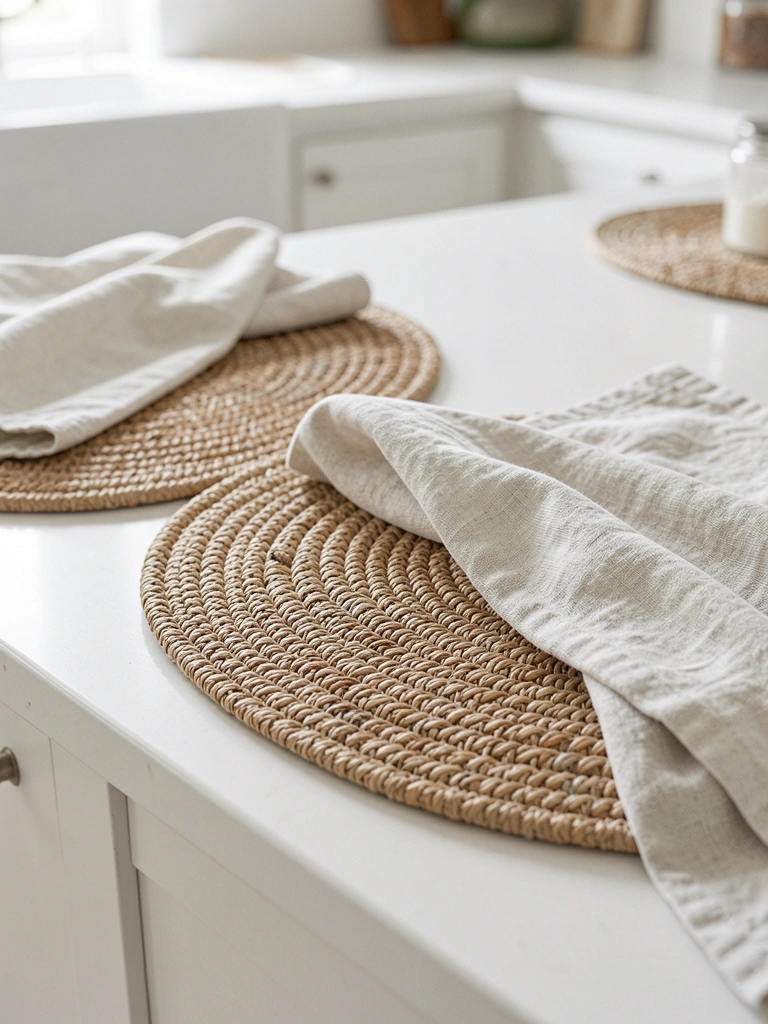
Next, I add woven placemats under the wood. Drape a linen towel nearby, folded loose. Textiles soften hard edges, making the kitchen feel touched.
The island looks balanced now, not empty. Warm tones pull your eye gently.
Most overlook folding loosely—crisp looks forced. Don’t match colors exactly; slight variation works best.
Step 3: Add Plants for Life
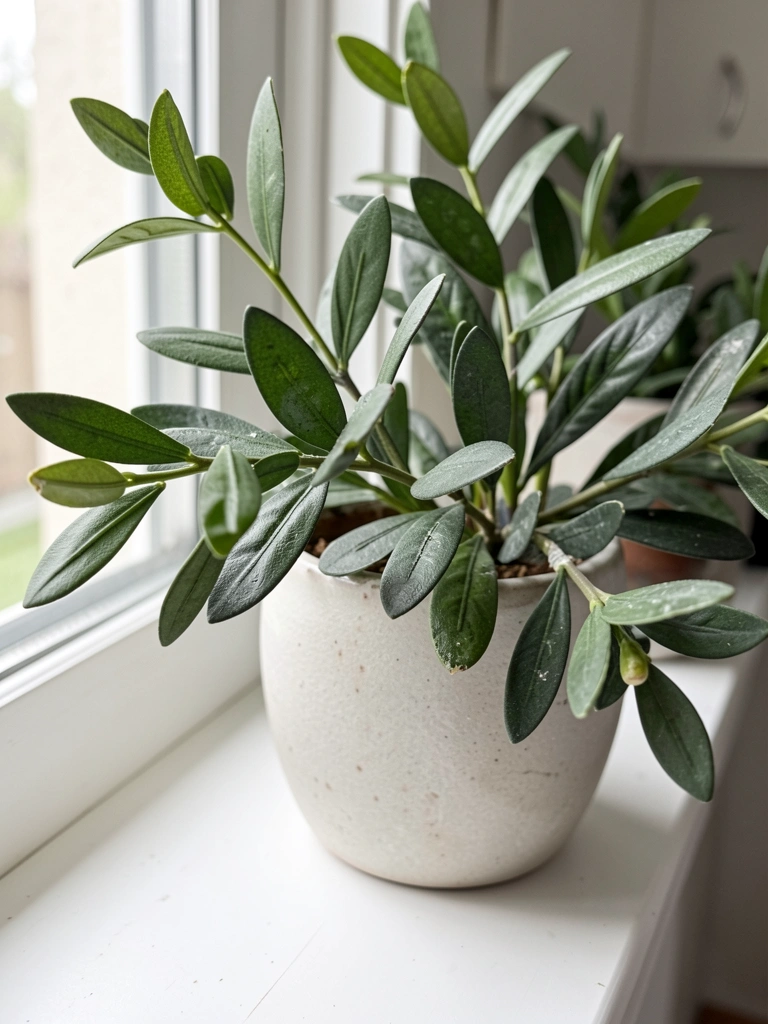
I set a herb planter by the sink, then tuck olive branches in a vase nearby. Plants breathe movement into still white surfaces.
Light filters through leaves, warming corners. The room feels fresher, less stark.
Folks forget height variety keeps it dynamic. Skip plastic pots; real texture matters.
Step 4: Introduce Warm Metals
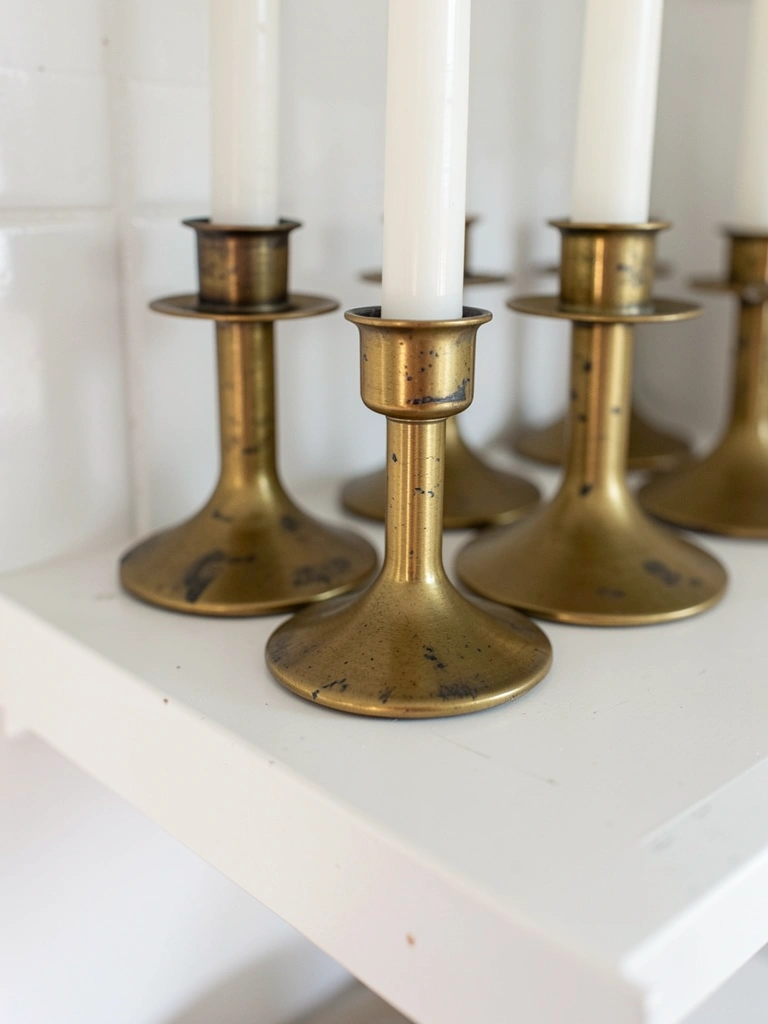
Brass candle holders go on an open shelf or tray. Group them odd-numbered, candles unlit. Metal adds subtle glow without shine.
Shadows play softer now, balancing cool whites. It feels intentional.
Beginners cluster too tight—space them for air. Unlit candles look real.
Step 5: Group in Baskets for Base
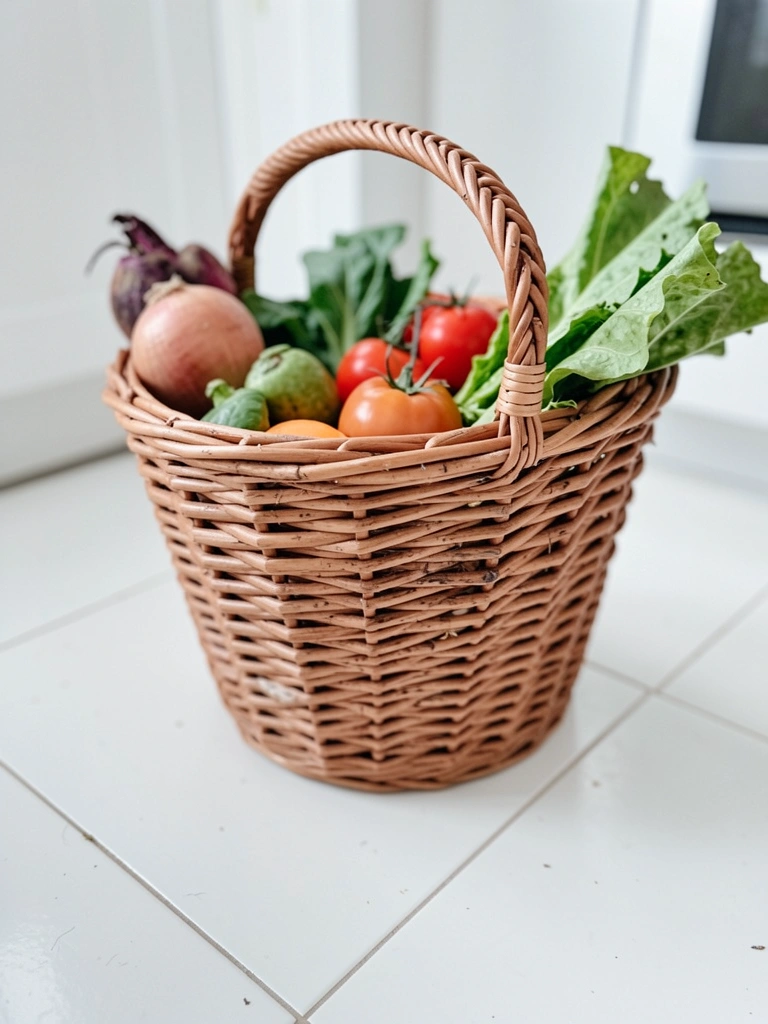
I fill a wicker basket with onions or bread, set under the island. It anchors the floor, pulling warmth down.
The whole kitchen settles, flow improves. No more floating feel.
People ignore floor level—counters alone fall short. Don’t overfill; half-full breathes.
Layering Without Overcrowding
I keep counters clear by grouping items. One tray holds three things max. It stays clean but warm.
- Wood base first
- One plant
- Draped textile
This builds balance. White shines through.
Picking Tones That Blend
I stick to warm neutrals—beige, olive, brass. They sit easy on white.
Test in your light. Morning sun changes everything.
Avoid cool grays; they fight the warmth.
Keeping It Fresh Over Time
Dust wood weekly. Swap herbs monthly.
It evolves naturally. Feels like home.
Final Thoughts
Start with one wood piece today. See how it shifts the feel.
You’ve got this—it’s just small placements.
Your kitchen will pull you in, comfortable and yours.
Leave a Reply