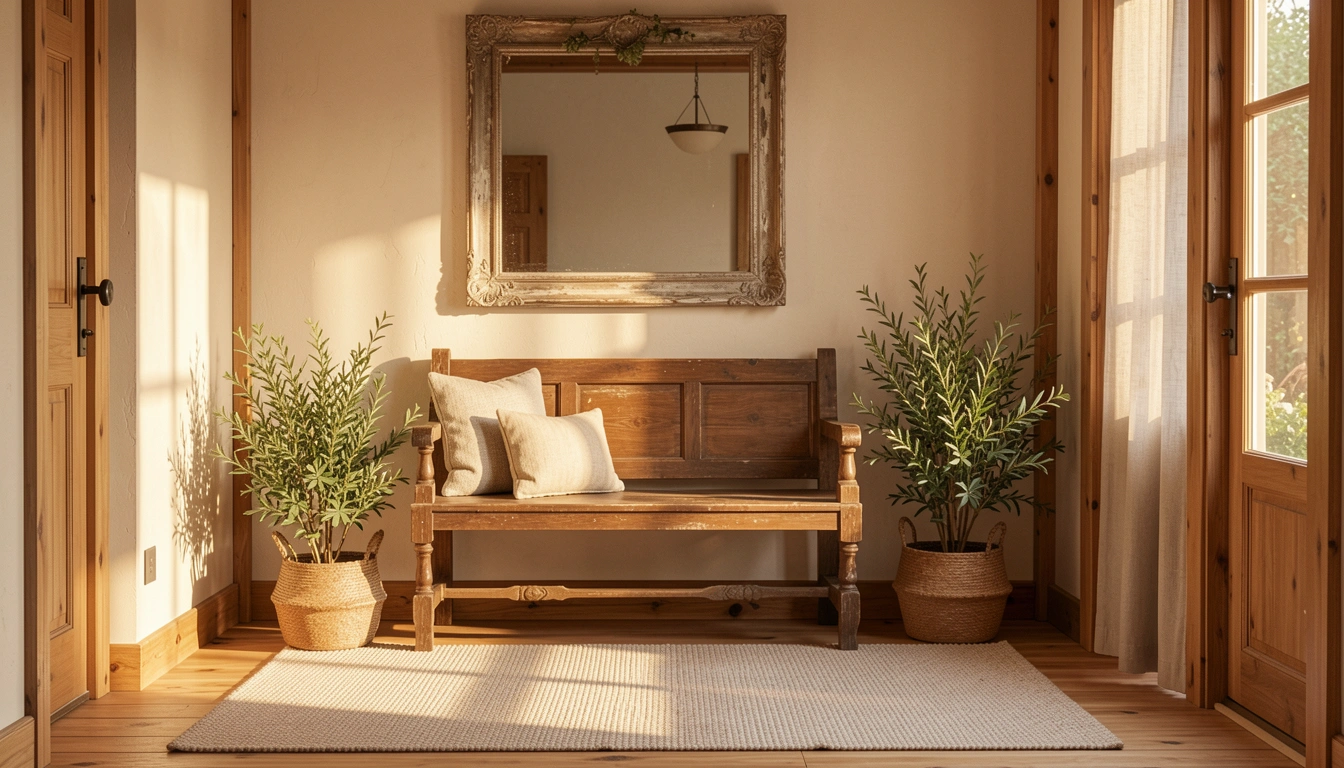
Your entryway is the first impression guests get of your home—and it should feel like a warm hug, not a stark hallway. If you’re craving that cozy, rustic vibe but don’t know where to start, you’re not alone. Many people default to minimalist, cold entryways when what they really want is something inviting and textured. The good news? You don’t need a major renovation or a huge budget to create an entryway that makes everyone who walks through your door feel welcome. These 27 ideas blend affordable DIY projects, smart shopping finds, and styling tricks that work for renters and homeowners alike. Whether you’re working with a tiny foyer or a generous landing, you’ll find actionable steps to build a rustic entryway that feels authentically yours.
1. Layer a Woven Bench with Textured Throws
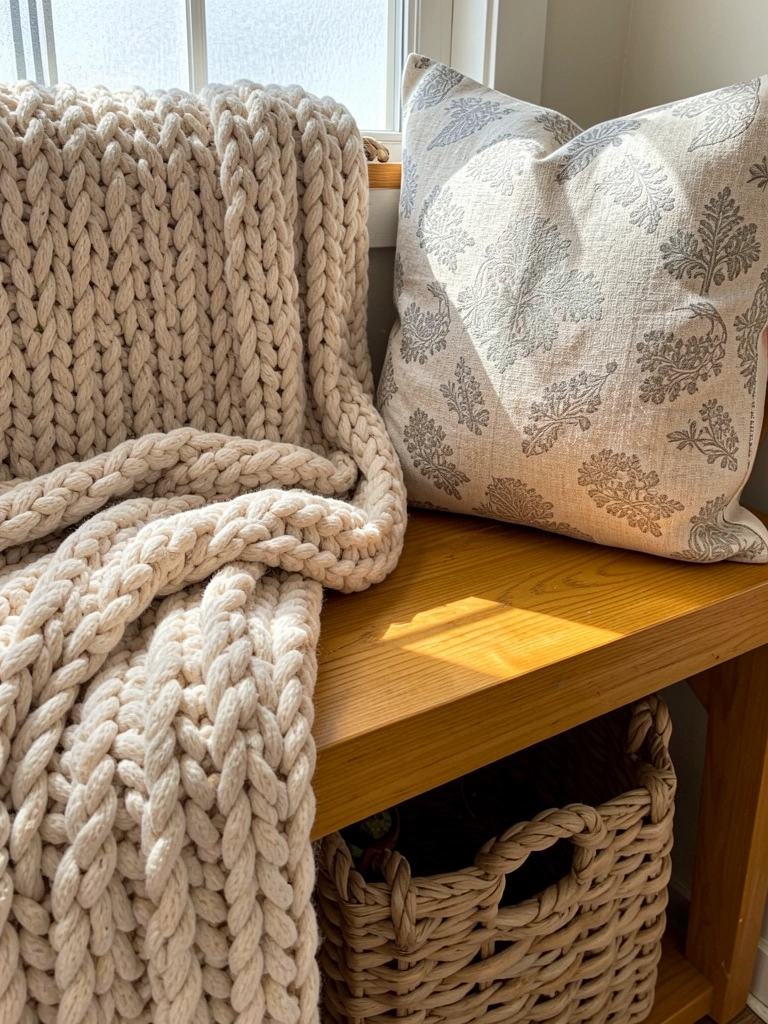
A wooden bench serves double duty as seating and a focal point—but it needs the right textures to feel rustic and inviting. Drape a chunky knit throw or linen blanket over the back, then add one textured pillow. This creates visual interest and signals to guests that they can actually sit down and stay awhile.
Hunt for benches at thrift stores, Facebook Marketplace, or IKEA’s PINNIG collection ($40–$100). Look for unfinished wood or pieces with visible grain and patina. Pair it with throws from Target ($20–$40) or Etsy ($30–$60) in cream, natural fibers, or soft rust tones. The whole project takes 30 minutes to style once you’ve gathered pieces.
Add a woven basket underneath for storing shoes or scarves—this anchors the setup and adds another layer of texture. Your entryway becomes an instant gathering spot instead of just a pass-through.
2. Install Shiplap or Shiplap-Style Wallpaper

Real shiplap transforms a plain wall into a farmhouse-ready backdrop, but the installation takes time and skill. If you’re renting or want a faster fix, shiplap-style wallpaper ($25–$50 per roll from Peel & Stick collections at Amazon or Wayfair) gives the exact same visual effect without commitment.
Install it on one accent wall above a console table or around your entryway door frame. Application takes 2–4 hours with two people. If you’ve never hung wallpaper, give yourself a full afternoon and watch a YouTube tutorial first—or hire a professional ($150–$300).
The texture catches light beautifully and ages like real wood, especially if you choose papers with slight color variation or weathered finishes. Your entryway gains instant architectural character and becomes a photo-worthy focal point.
3. Add a Rustic Wood Coat Rack with Hooks

Functional style starts with good coat storage—and a rustic wood coat rack does both beautifully. Choose reclaimed or distressed wood from Etsy ($40–$120), Home Depot’s farmhouse section ($30–$100), or salvage local wood pieces yourself if you’re handy.
Pair it with cast-iron hooks ($2–$5 each at hardware stores) for authentic rustic appeal. Mount it 60 inches from the floor so coats hang without dragging. Installation takes 20–30 minutes with a drill and level. Renter-friendly alternative: use a tension rod with S-hooks or a leaning ladder propped against the wall.
Suddenly your entryway has a home for everything—keys, bags, scarves, hats. Guests know exactly where to hang their coats, and your floor stays clutter-free. The visual weight of the wood also grounds the space and makes it feel less transitional.
4. Create a Welcome Bench with Storage Underneath
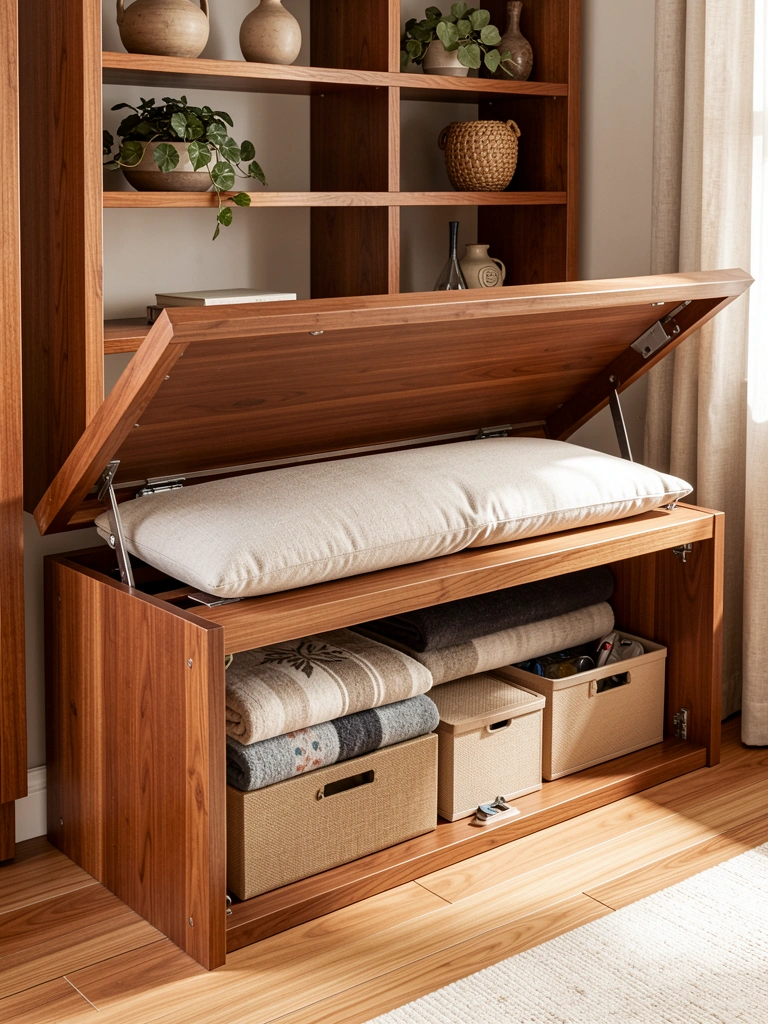
If you have the space and budget, a storage bench is the ultimate entryway workhorse. Look for Ottoman storage benches from IKEA, West Elm, or Wayfair ($150–$400). Choose one in natural wood, upholstered linen, or weathered finishes. Make sure the height is 16–18 inches so it’s actually comfortable to sit on while putting on shoes.
Line the interior with vintage fabric or kraft paper for a rustic feel. Fill it with seasonal blankets, shoe storage, scarves, or guest slippers. This project takes zero minutes if you buy ready-made, or 2–3 hours if you’re building a custom piece from reclaimed wood (DIY kits available on Etsy and YouTube).
Your entryway becomes organized, functional, and visually grounded. Guests see a thoughtfully designed space, not a dumping ground for coats and shoes.
5. Hang a Large Rustic Mirror with a Wood Frame
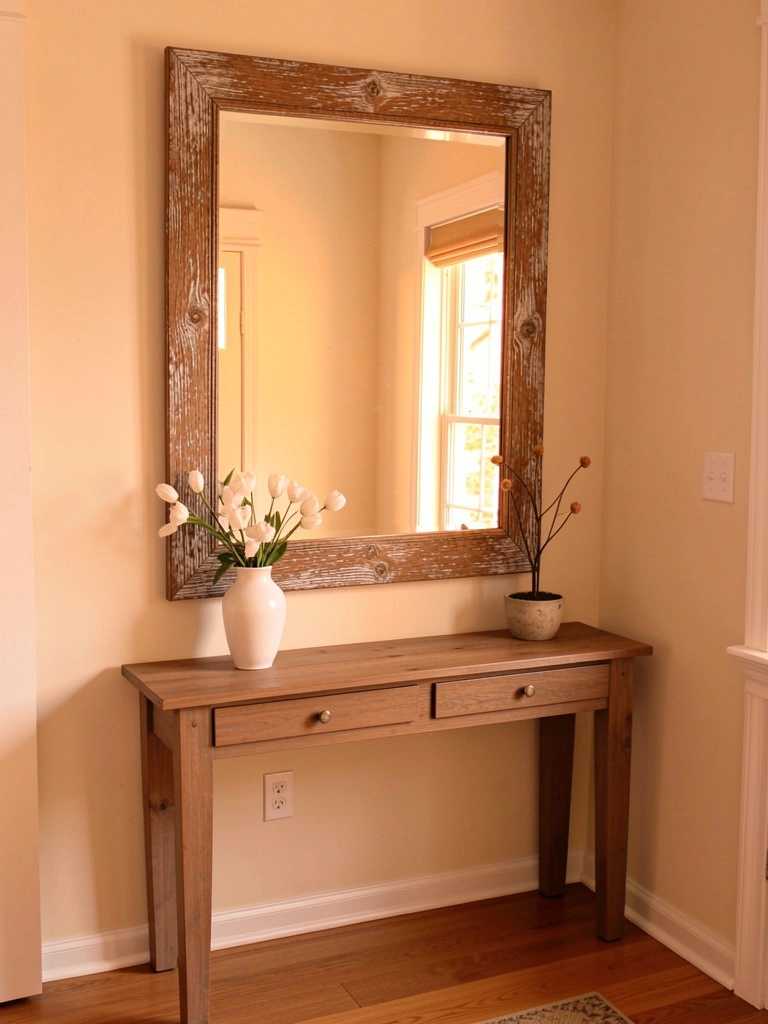
A large mirror makes tiny entryways feel spacious and bounces light around the room. Choose one with a chunky wood frame in natural, weathered, or whitewashed finishes. Look at Wayfair ($100–$300), Etsy ($80–$250), or thrift stores ($15–$50 for vintage finds).
Mount it at eye level (57–60 inches from the floor) above a console or dresser. If you’re renting, lean it against the wall on a decorative easel or secure it with heavy-duty picture hangers. Installation takes 15–20 minutes with a level and drill.
The space opens up visually, and guests see themselves before stepping further inside—a subtle but important detail in hospitality. The texture of the frame adds rustic character even when the mirror does most of the reflecting work.
6. Paint Your Door a Warm Jewel Tone
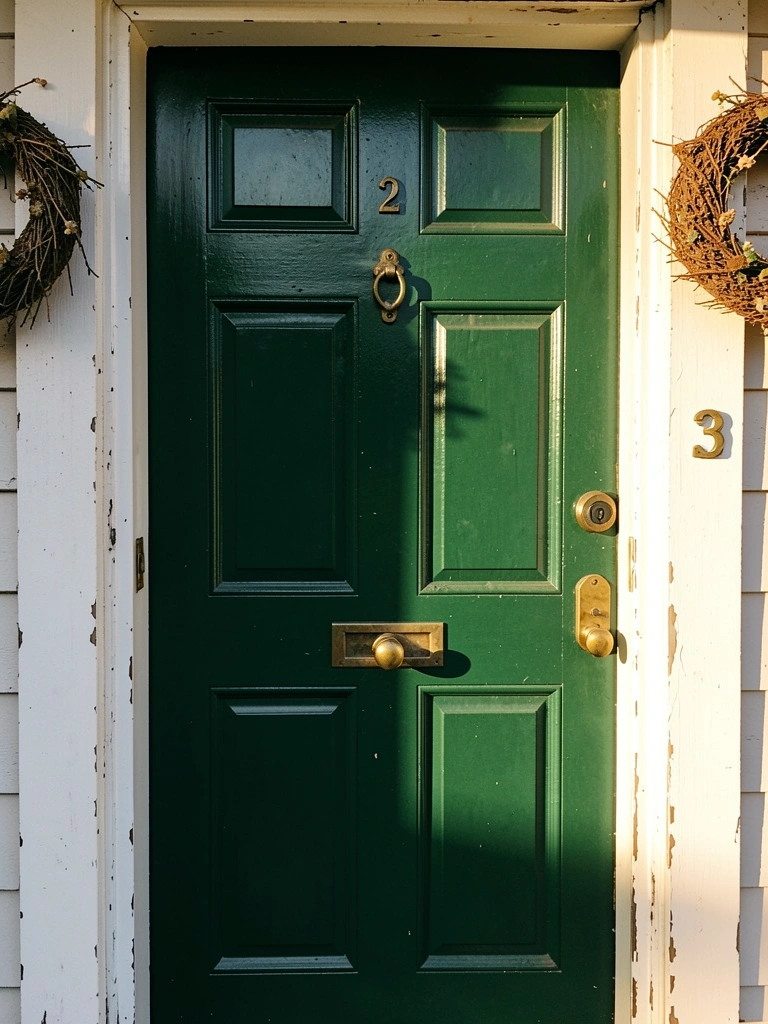
According to 2025 design trends, dark emerald and burgundy are dominating palettes (22% and 20% of designer preference respectively). Your front door is the perfect place to experiment with jewel tones since it’s high-impact but relatively contained.
Paint it deep emerald, rich burgundy, or dark forest green for rustic warmth. Use exterior-grade paint from Benjamin Moore, Sherwin-Williams, or Behr ($30–$50 per quart). One door takes one afternoon to paint—no experience needed, just tape the frame carefully and use two coats.
The color creates an instant focal point and signals personality before anyone even steps inside. Pair it with aged brass or black hardware for authentic rustic appeal. Your front door becomes a design statement rather than an afterthought.
7. Layer Rugs for Texture and Warmth
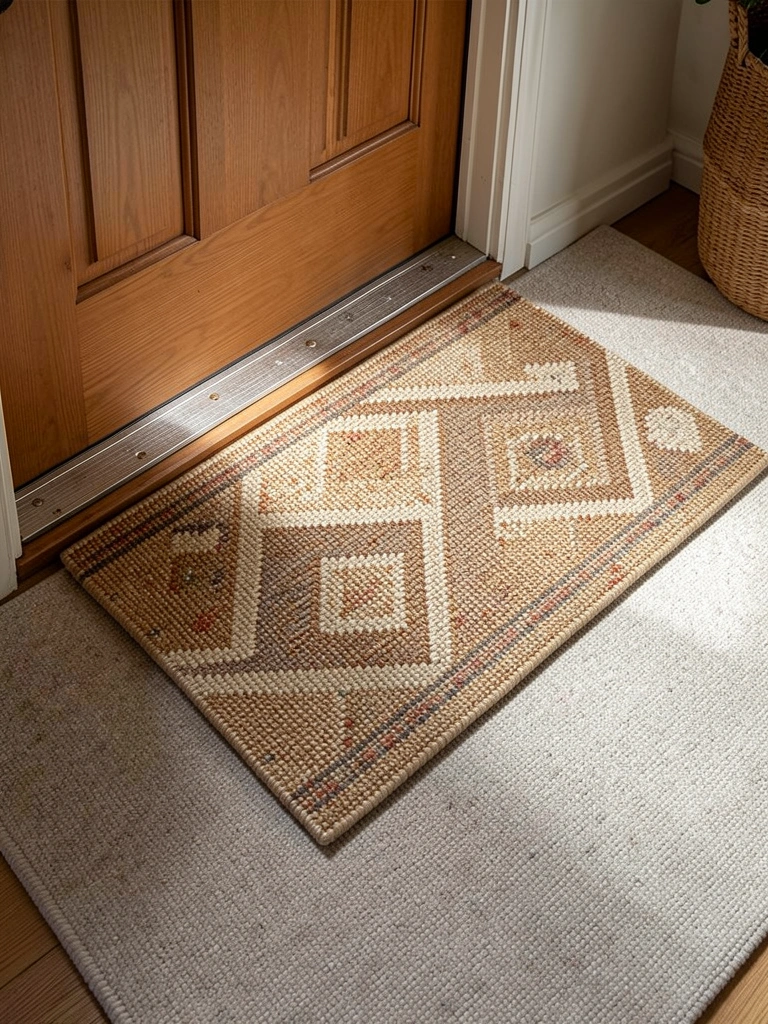
One flat rug feels corporate; layered rugs feel intentional and cozy. Start with a larger natural fiber base (jute, sisal, or untreated wool) in cream or tan, then layer a smaller patterned or textured rug on top in rust, forest green, or warm gray tones.
Search for options at IKEA ($15–$80), Ruggable ($40–$150), Etsy ($50–$200), or Home Depot. Jute rugs are budget-friendly; wool or vintage rugs add heirloom character. Layering takes 5 minutes. Secure the bottom rug with rug pads to prevent slipping.
The textured layers catch light, add visual interest, and define the entryway space. They also make the area feel warmer underfoot and less harsh—a subtle signal that this is a welcoming threshold, not a utility zone.
8. Display Potted Plants and Greenery
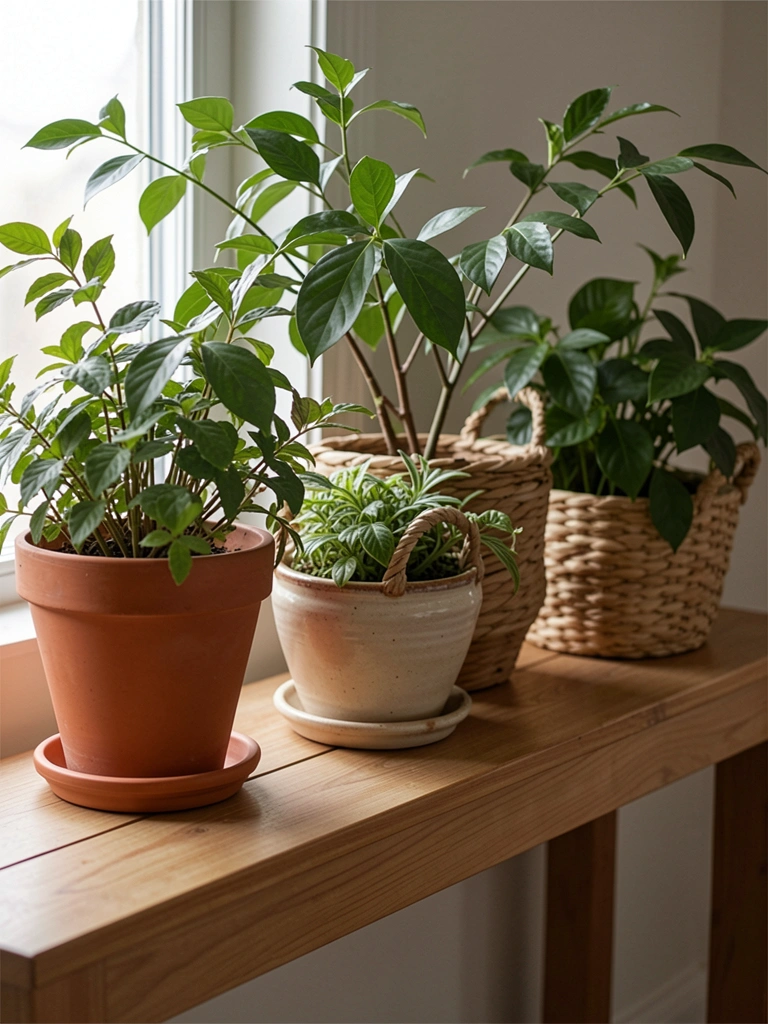
Living greenery brings warmth and life to an entryway without cost or commitment concerns (okay, low commitment if you pick hardy varieties). Group 3–5 potted plants of varying heights on a console, shelf, or floor beside a mirror.
Choose low-maintenance plants like pothos, snake plants, or ZZ plants ($5–$15 each at Lowe’s, Home Depot, or local nurseries). Mix terracotta, ceramic, and woven baskets for visual variety. Watering and placement takes 10 minutes; upkeep is minimal if you pick the right varieties.
Guests notice greenery immediately—it signals care and life rather than sterile emptiness. Plants also improve air quality as a bonus. The rusticity comes from the variety of pot textures, the natural leaf movement, and the organic feel they bring to an otherwise still space.
9. Use Vintage Baskets for Shoes and Scarves
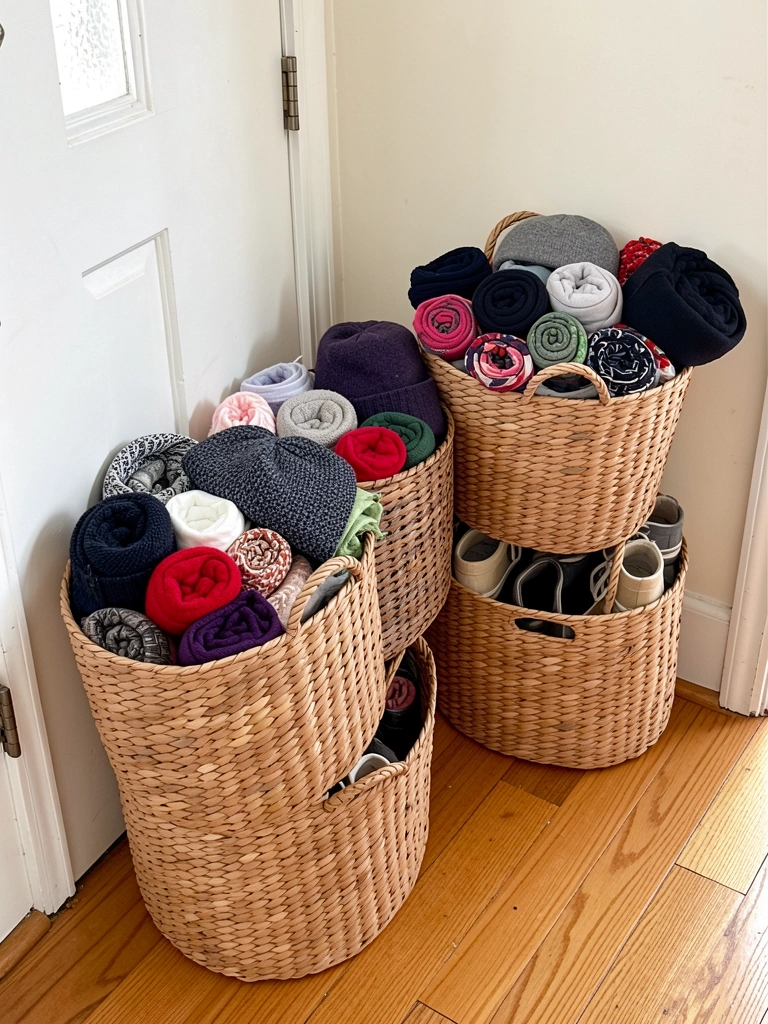
Storage doesn’t have to look organized to feel functional—vintage baskets add rustic character while hiding clutter. Hunt for woven baskets at thrift stores ($5–$20 each), IKEA ($10–$30), Target ($15–$40), or Etsy ($20–$50). Mix sizes, shapes, and materials: seagrass, rattan, woven reeds, and wicker all work.
Label them with small tags or tags painted with chalkboard paint if you want clarity (optional—the beauty is in the rustic ambiguity). Arrange them on the floor, on a shelf, or stacked for vertical storage. This project takes 15 minutes to gather and position.
Everything has a home without looking sterile or over-designed. The mixed textures and natural materials create authentic rustic charm, and you can actually use the space for its intended purpose: storing the things people need near the door.
10. Install Open Shelving Above a Console Table
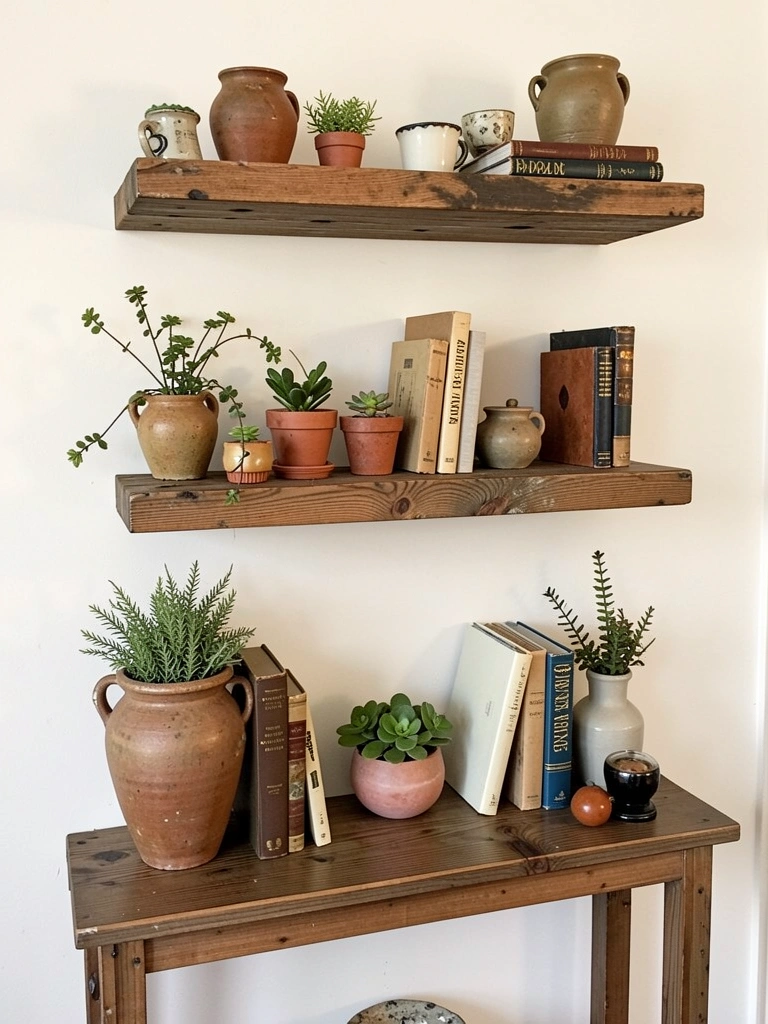
Open shelving adds architectural character and gives you room to display rustic decor without breaking the bank. Install 2–3 floating shelves ($40–$100 each from IKEA, Home Depot, or Wayfair) 12–18 inches above a console. Use reclaimed or barn wood for authenticity.
Installation takes 1–2 hours with a drill, level, and wall studs (or heavy-duty anchors for drywall). Style the shelves with a mix of pottery, small plants, stacked books, vintage finds, and negative space. Aim for a curated-but-lived-in look rather than gallery-perfect.
Your entryway gains vertical storage and becomes a display space for things you actually love. Guests see personality on those shelves—collections, memories, travels—not just generic decor. The shelves also break up wall space and prevent the entryway from feeling cramped or empty.
11. Add a Decorative Ladder for Blankets and Hats
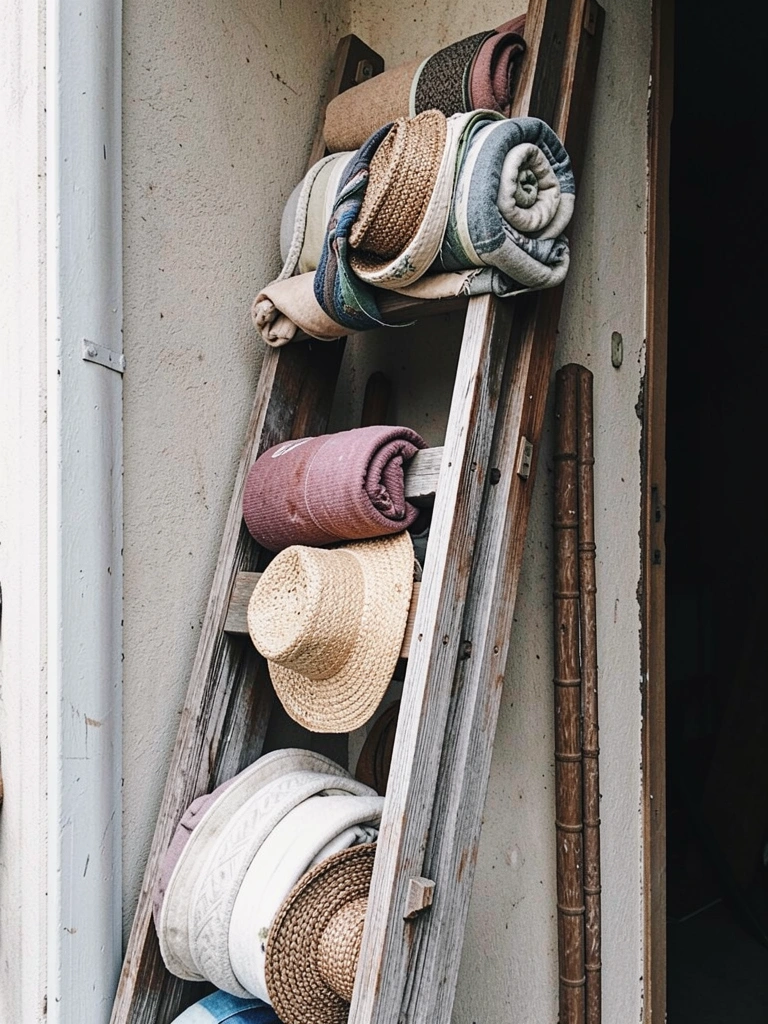
A leaning ladder is functional rustic decor—perfect for displaying blankets, scarves, hats, or lightweight baskets without permanent installation. Find vintage wooden ladders at thrift stores, Etsy ($60–$150), or Facebook Marketplace ($20–$50). Look for pieces with visible weathering or patina.
Drape chunky knit blankets or linen throws across the rungs, then tuck in rolled scarves, hats, or small baskets. The whole setup takes 10 minutes and requires zero tools. Lean it at a slight angle against the wall (it won’t fall over if you angle it right).
This adds vertical visual interest and makes your entryway look intentionally styled rather than hastily thrown together. The texture of the wood, blankets, and woven items creates a cozy vignette that actually serves a purpose.
12. Hang Vintage Hooks Along the Wall
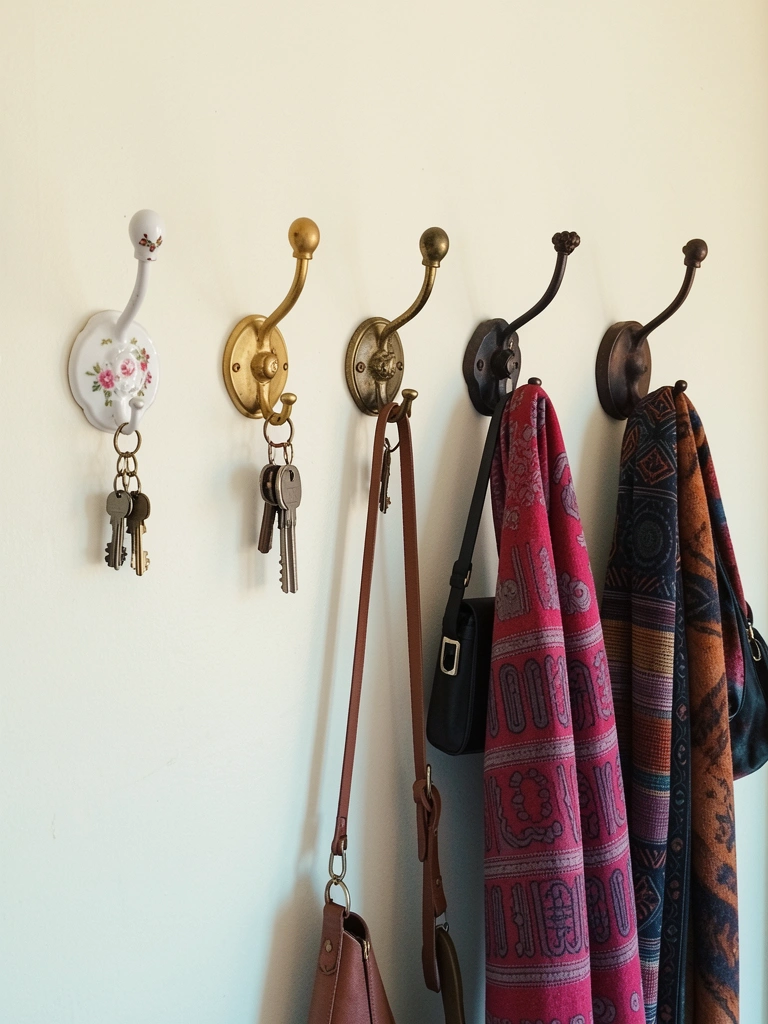
Mix vintage hooks of different styles, materials, and colors for authentic rustic character. Hunt at thrift stores ($1–$3 each), Etsy ($3–$8), and salvage shops ($5–$15). Porcelain, brass, wrought iron, and ceramic all work together when arranged thoughtfully.
Stagger them at varying heights (58–68 inches from the floor) for visual interest rather than lining them up perfectly straight. Installation takes 30–45 minutes with a drill, wall studs, and anchors. Paint the wall behind the hooks a soft warm tone (cream, pale terracotta, or sage) to make the hooks stand out.
Your entryway becomes a curated gallery of functional art. Each hook tells a small story, and the collection feels intentional rather than random. This is especially effective if you’re into vintage collecting—your hooks become part of the display, not hidden hardware.
13. Create a Rustic Console Table Styling
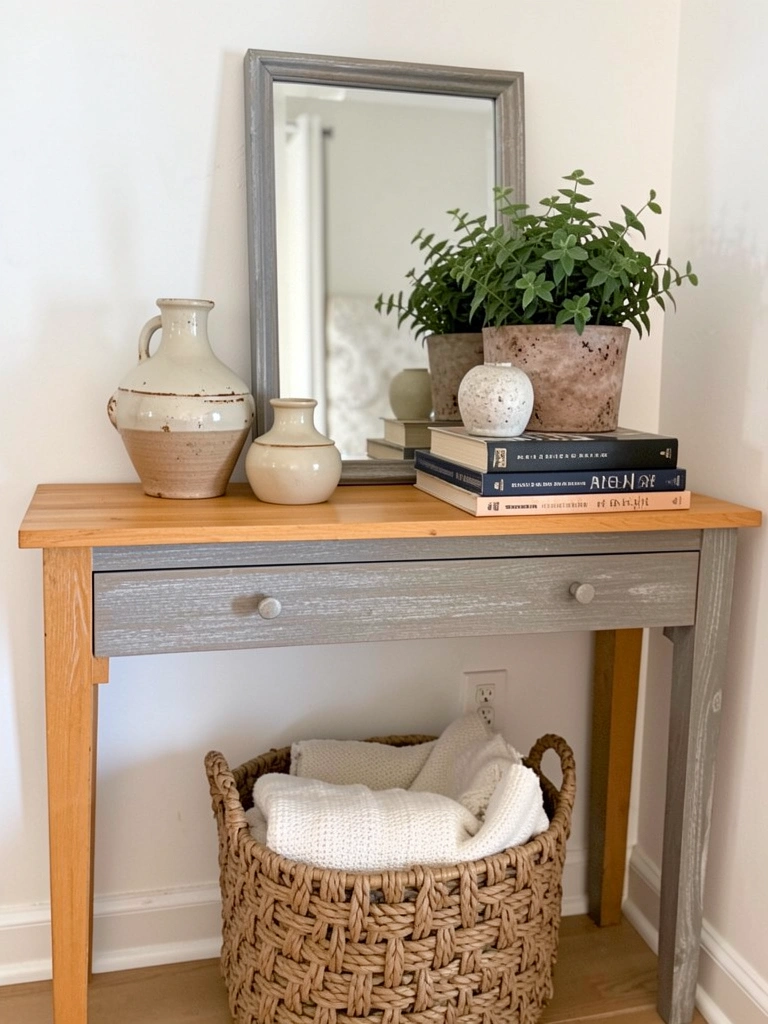
A well-styled console table becomes the anchor of your entryway and sets the tone for the whole space. Choose a table in natural wood, reclaimed finishes, or gray-washed tones ($100–$300 from IKEA, Wayfair, West Elm, or thrift stores).
Style the top with a layered mix: a small mirror leaning behind, one potted plant, 2–3 vintage ceramic pieces or books, and one sculptural object (driftwood, a candle, a brass vessel). Keep one side open for guests to set down keys or phones. Place a basket underneath for out-of-sight storage. Styling takes 20 minutes.
The console becomes the greeting point—a moment of calm and beauty that says “you’re welcome here.” The mix of heights, textures, and objects feels curated but not fussy, and guests subconsciously register all that intentional thought as hospitality.
14. Paint an Accent Wall in Warm Earth Tones
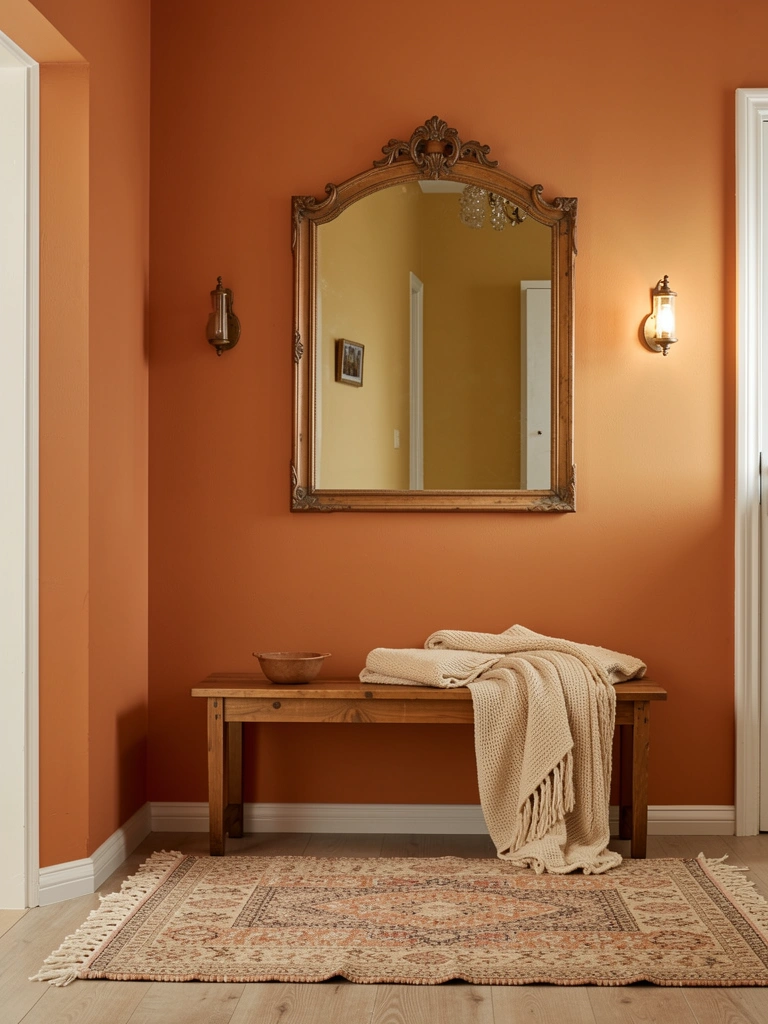
If jewel tones feel too bold, warm earth tones (terracotta, warm ochre, soft tan, or dusty rust) are equally rustic and more forgiving. Paint one wall as an accent to create intimacy without overwhelming the small space.
Use warm-toned paint from Sherwin-Williams, Benjamin Moore, or Behr ($25–$40 per gallon). Test samples on your wall first—colors shift dramatically depending on your lighting. Painting one wall takes 2–3 hours and requires minimal skill (tape, prime if needed, and apply two coats). Hire a painter for $150–$250 if you want professional results.
The warm backdrop instantly makes your entryway feel inviting and grounded. It also provides a rich canvas for displays—mirrors, artwork, and plants pop against these tones. Guests feel the warmth immediately upon entry, which is exactly what rustic design is about.
15. Mix Vintage and New for Authentic Charm
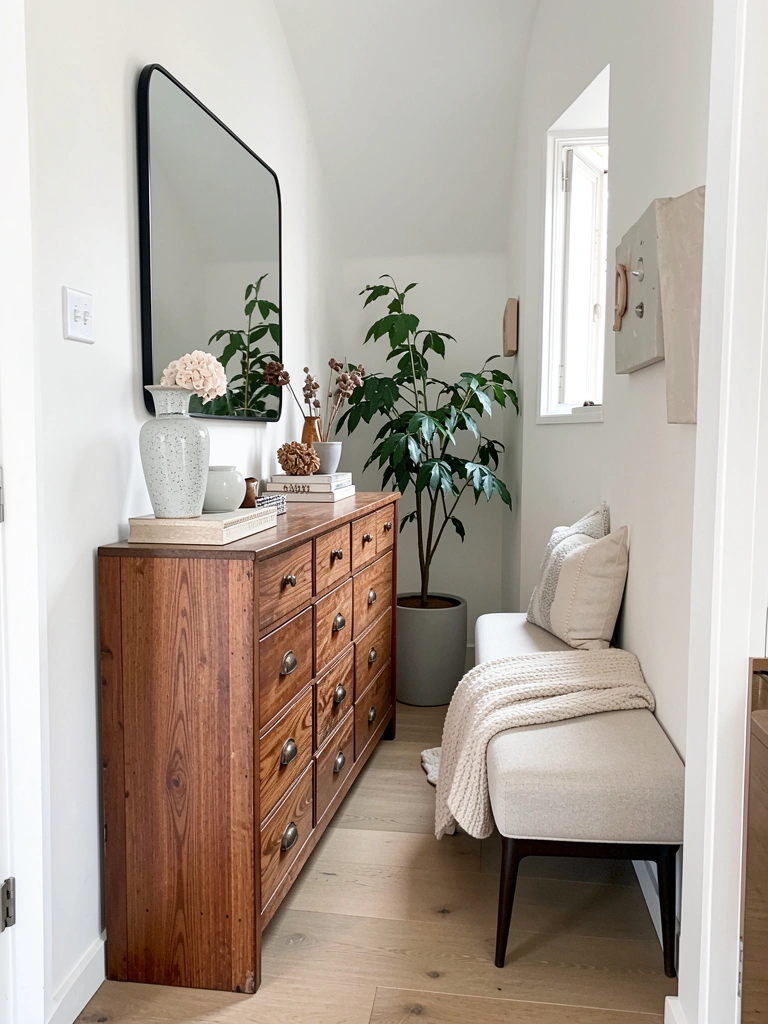
The “grandma chic” and vintage mash-up trend is huge in 2025—mixing old treasures with new pieces creates authentic rustic warmth. Pair a vintage dresser or chest ($40–$150 from thrift stores or Etsy) with a new upholstered bench ($150–$300) or swap a modern mirror above antique hooks.
The key is balance: hit 60% vintage and 40% new, or vice versa. Group items by material (wood, metal, woven) rather than era for visual cohesion. This styling approach takes 1–2 hours of thoughtful arrangement, but the payoff is a space that feels collected and intentional rather than matching-set sterile.
Your entryway becomes a conversation starter. Guests notice the mix of old and new and immediately sense that you’re not following a catalog design—you’re creating something genuinely yours. This approach also means you can update one or two new pieces without scrapping the whole look.
16. Install Limewashed Walls for Texture
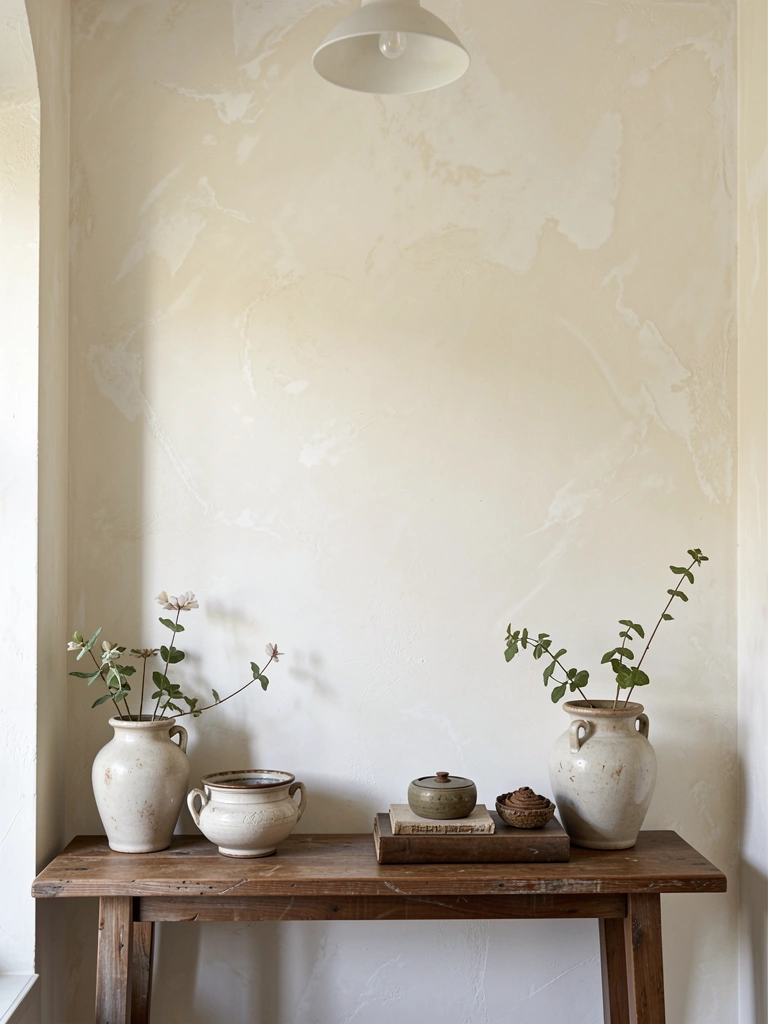
Limewashing creates rustic architectural texture without looking flat or sterile. The finish has natural color variation and ages beautifully. Apply limewash ($25–$40 for supplies) yourself with a brush for an intentionally imperfect finish, or hire a specialist ($300–$600 for one wall).
DIY takes 3–4 hours and looks better if you embrace the imperfection. Watch YouTube tutorials for technique—the key is applying in varied layers for authentic texture. The finish is also breathable, making it great for older homes.
Your entryway gains texture and depth that flat paint can never achieve. Limewashed walls look aged but fresh, creating a European countryside vibe. The finish also hides imperfections better than modern paint, which is a huge bonus if your walls aren’t perfect.
17. Add Vintage Signage and Typography
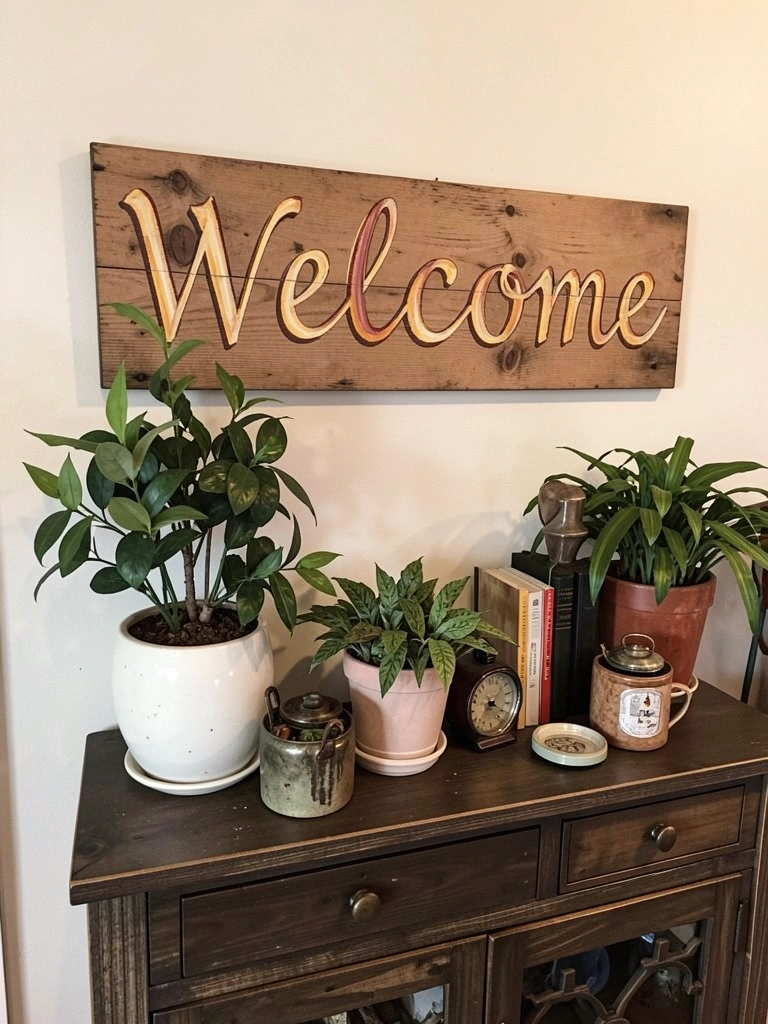
Custom or vintage signs add personality and direction to your entryway. Search Etsy ($25–$80) for hand-painted wooden signs reading “Welcome,” your family name, or a meaningful word. Or DIY one with a wooden board ($10), paint ($5), and stencils ($5).
Painting or stenciling a sign takes 1–2 hours. Mount it above your console or directly above the entry door at eye level (60 inches from the floor). If renting, lean it against the wall on a decorative stand.
The sign immediately communicates warmth and intention. Guests know they’re entering a space where people live and love, not just passing through. Signage also draws the eye upward, making the space feel taller and less cramped.
18. Style Open Shelving with Books and Objects
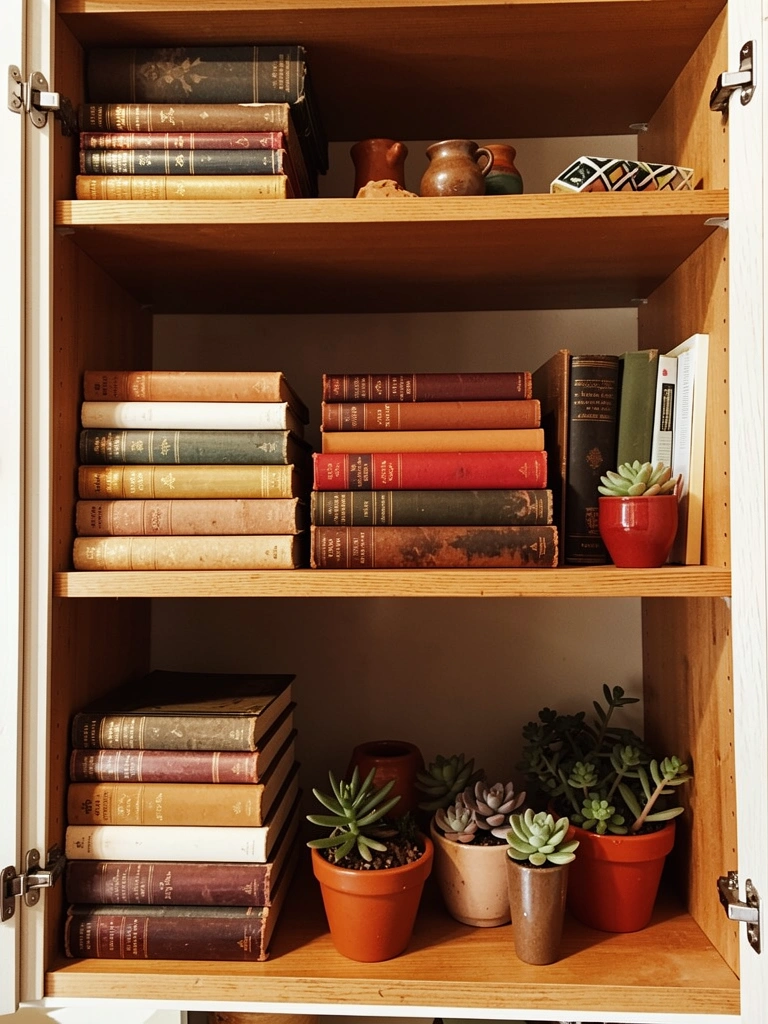
Open shelves need intentional styling so they read as curated rather than cluttered. The rustic-maximalist trend of 2025 embraces pattern drenching and intricate details—apply this by mixing stacked books, pottery, plants, and negative space on your shelves.
Arrange items in groups of three (odd numbers look more natural), stagger heights, and leave breathing room between clusters. Use vintage books in warm tones ($3–$10 each at thrift stores), ceramic vessels ($10–$30), and small potted plants ($5–$15). This styling takes 30–45 minutes but updates instantly if you rotate pieces.
Your shelves become a display of your taste and interests without looking overdone. The mix of objects, heights, and textures creates visual richness. Guests linger mentally when they see shelves styled this thoughtfully—it signals that your home is a place where beauty and personality matter.
19. Install Wallpaper on the Ceiling for Drama
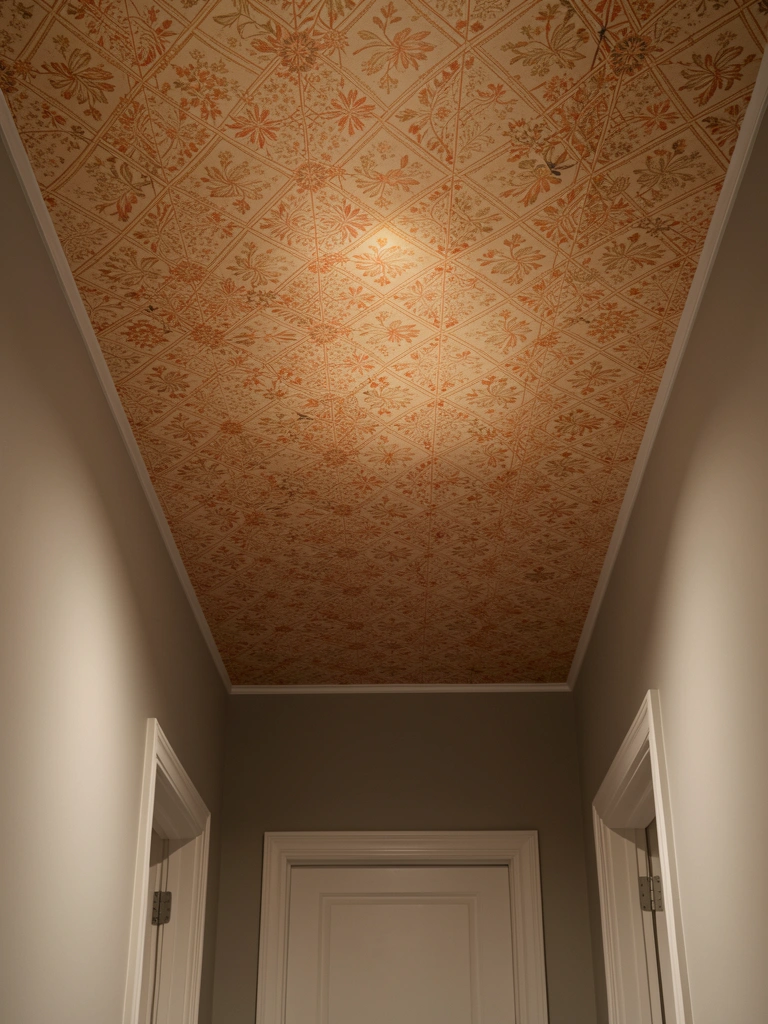
The 2025 trend of wallpaper on ceilings is perfect for rustic entryways. Choose a subtle geometric, botanical, or patterned design in warm tones (cream, tan, rust, forest green). Look at Ruggable, Spoonflower, or Wayfair’s ceiling collections ($30–$80 per roll).
Hire a professional for installation ($200–$400) unless you’re experienced with overhead wallpaper work. Application takes 4–6 hours depending on ceiling size. Keep walls neutral so the ceiling becomes the focal point.
This unexpected touch signals sophistication and intentional design. Guests look up (literally) and notice the detail—creating an “oh, I didn’t expect that” moment that makes your space memorable. The patterned ceiling also makes the space feel larger and more defined than a plain white ceiling.
20. Create a Mudroom Zone with Cubbies
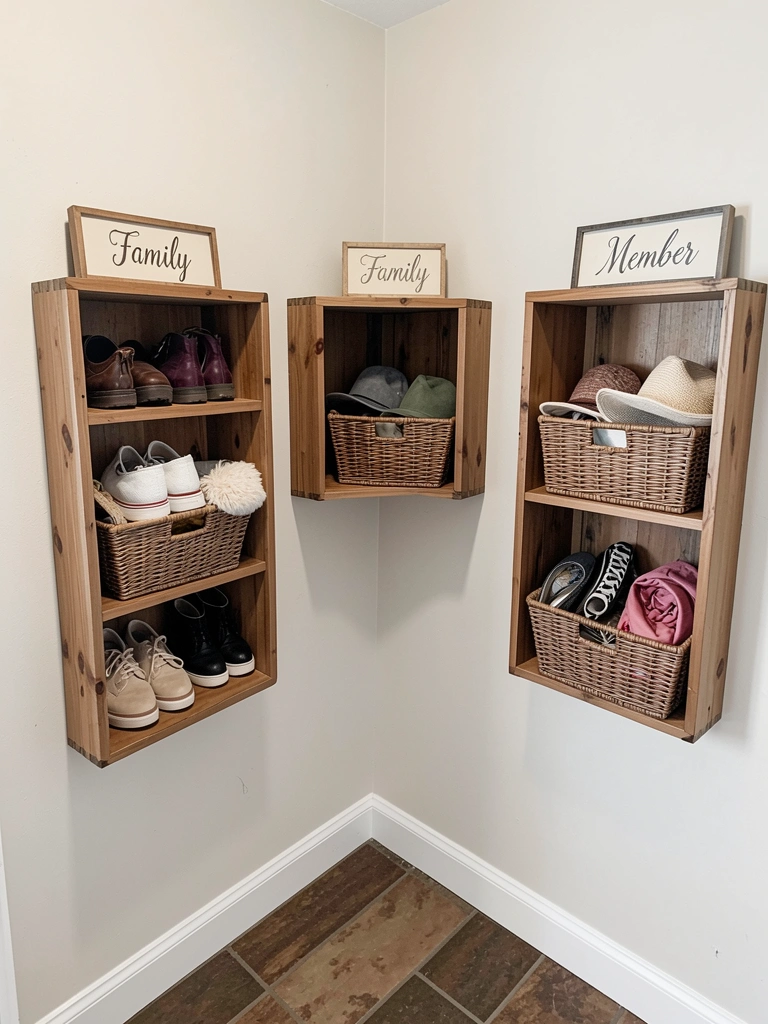
If you have even a small amount of wall space, cubbies solve the “where does everything go?” problem while looking intentionally designed. Build simple wooden cubbies ($150–$400 in materials for DIY, or $300–$800 for custom installation) or install a system from IKEA or Etsy ($100–$250).
Line each cubby with a woven basket, label it for family members, and fill with shoes, hats, gloves, and scarves. DIY construction takes one weekend; buying pre-made takes one afternoon to install. Renter-friendly: use over-door organizers or hanging fabric cubbies ($30–$60).
Every family member has a designated space, and your entryway stays organized and welcoming. The labeled cubbies add personal charm, and visitors immediately understand the system without asking. This functional design move also prevents the “coat pile” chaos that makes entryways feel chaotic.
21. Layer Textures with Woven Wall Hangings

Woven wall hangings add organic rustic texture without permanent commitment. Look for macramé wall hangings, woven tapestries, or fiber art on Etsy ($40–$120), Urban Outfitters ($50–$100), or thrift stores ($10–$30).
Hang one large piece as a focal point above your console, or group 2–3 smaller pieces for more impact. Installation takes 15 minutes with picture hangers. The woven fibers catch light beautifully and create depth.
The natural materials instantly elevate your entryway aesthetic. Guests see craftsmanship in the weaving, which signals that you value thoughtful, handmade things. The texture also softens the hard edges of walls and floors, making the space feel warmer.
22. Add a Vintage Mirror with Distressed Finish
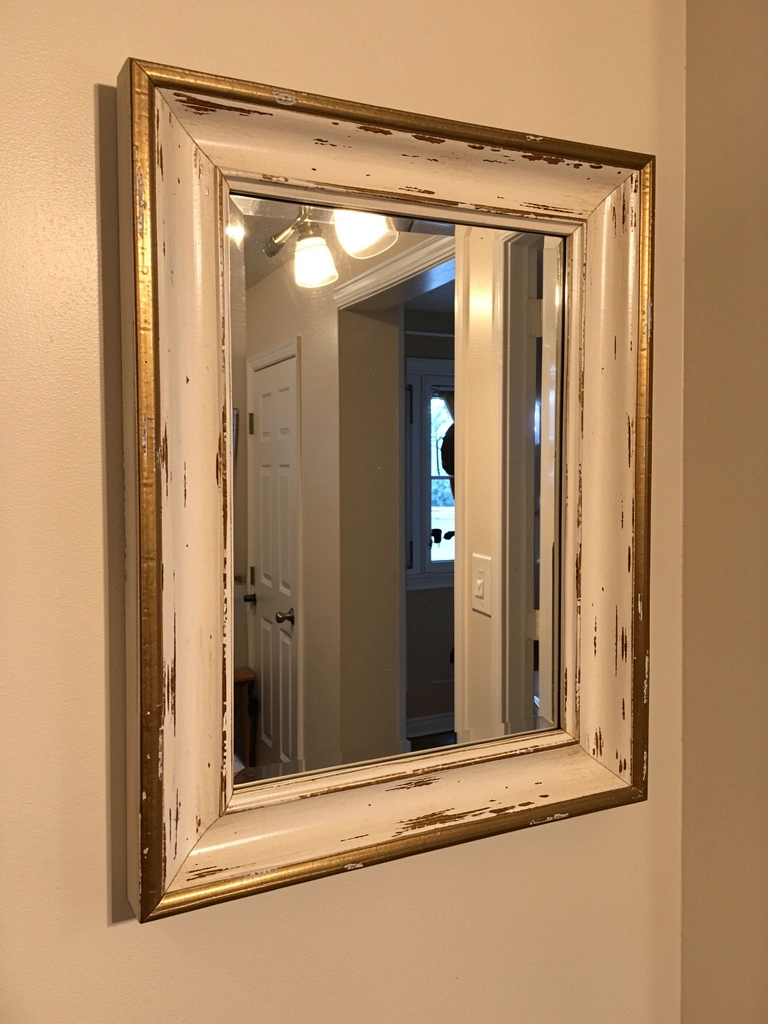
A distressed mirror adds rustic character and bounces light, making tight spaces feel more open. Hunt for heavily distressed or whitewashed mirrors at thrift stores ($15–$50), Wayfair ($80–$200), Etsy ($60–$150), or Pier 1 if available locally.
Choose irregular, weathered finishes over uniform distressing—the imperfection is the point. Mount at eye level (57–60 inches from the floor). Installation takes 15 minutes.
The weathered frame adds visual interest even when you’re not looking in the mirror. The reflection itself makes your entryway feel larger and brighter, while the rustic finish keeps it warm rather than cold. This is especially valuable in dark entryways or spaces without windows.
23. Hang Vintage Brass or Iron Sconces
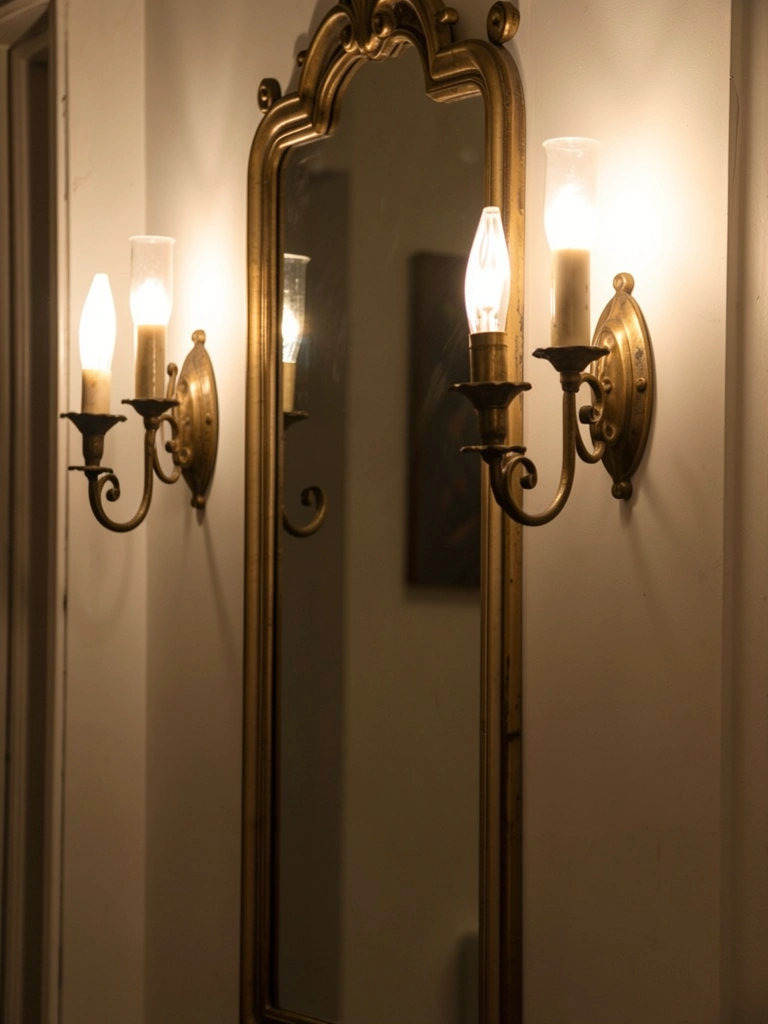
Vintage lighting adds warmth and functionality to a rustic entryway. Find brass or iron sconces at Etsy ($50–$150 each), thrift stores ($10–$40), or Anthropologie ($100–$200).
Install one on each side of a mirror or doorway for balanced visual weight. Electrical work takes 1–2 hours if you’re comfortable with wiring, or hire an electrician ($100–$200 per sconce). Renter-friendly option: use battery-operated sconces ($30–$60) with no wiring required.
The warm glow of vintage sconces creates instant ambiance. Guests feel welcomed by the lighting, which is psychologically linked to hospitality. The aged brass or iron also adds architectural character that modern lighting can’t match.
24. Display a Collection of Vintage Pottery

Rustic design celebrates handmade objects, and a collection of vintage pottery is the perfect vehicle for that. Thrift stores, Etsy, pottery studios, and estate sales have endless options ($5–$40 per piece). Look for cream, rust, or earth-toned ceramics with visible glazing imperfections—these add character.
Arrange in groups of 3–5 pieces, clustering by color or shape. Leave breathing room so each piece reads individually. Display on shelves, console tops, or floor groupings. This curating takes 30–45 minutes but creates a focal point that speaks volumes about your taste.
A pottery collection signals that you appreciate handmade, imperfect beauty. Guests notice the individual pieces and often ask about them—conversation starters are welcome in rustic entryways. The display also ages beautifully; you can add pieces over time.
25. Create Contrast with Bold Trim Painting
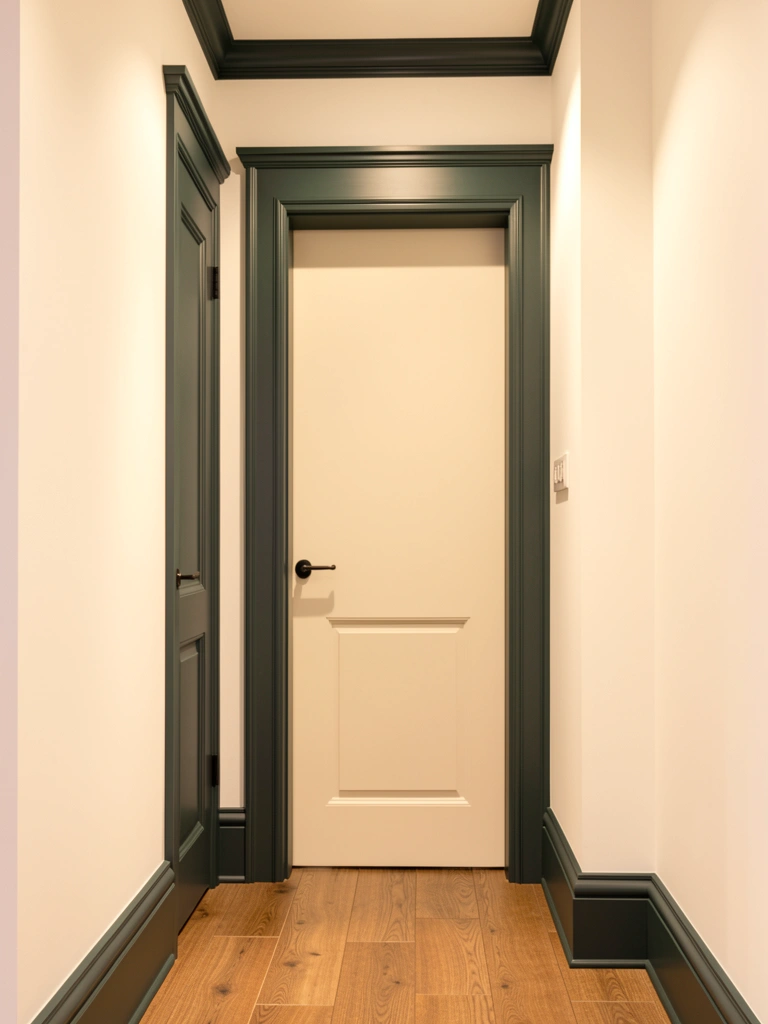
Contrasting trim creates rustic architectural interest without major renovation. Paint your walls one color (cream, soft white, warm tan) and your trim, baseboards, and doorframes in a darker tone (forest green, charcoal, deep navy, or rich brown).
Use quality trim paint from Benjamin Moore or Sherwin-Williams ($25–$40 per quart). Prep takes 2–3 hours; painting takes 1–2 hours. This is slightly more involved than wall painting but doable for most skill levels. Hire a painter for $300–$600 if you want perfection.
The contrast immediately reads as intentional and high-end. Trim becomes architecture rather than invisible background. This strategy also makes the space feel more defined and finished, even if everything else is minimal.
26. Layer Vintage Textiles as Wall Hangings
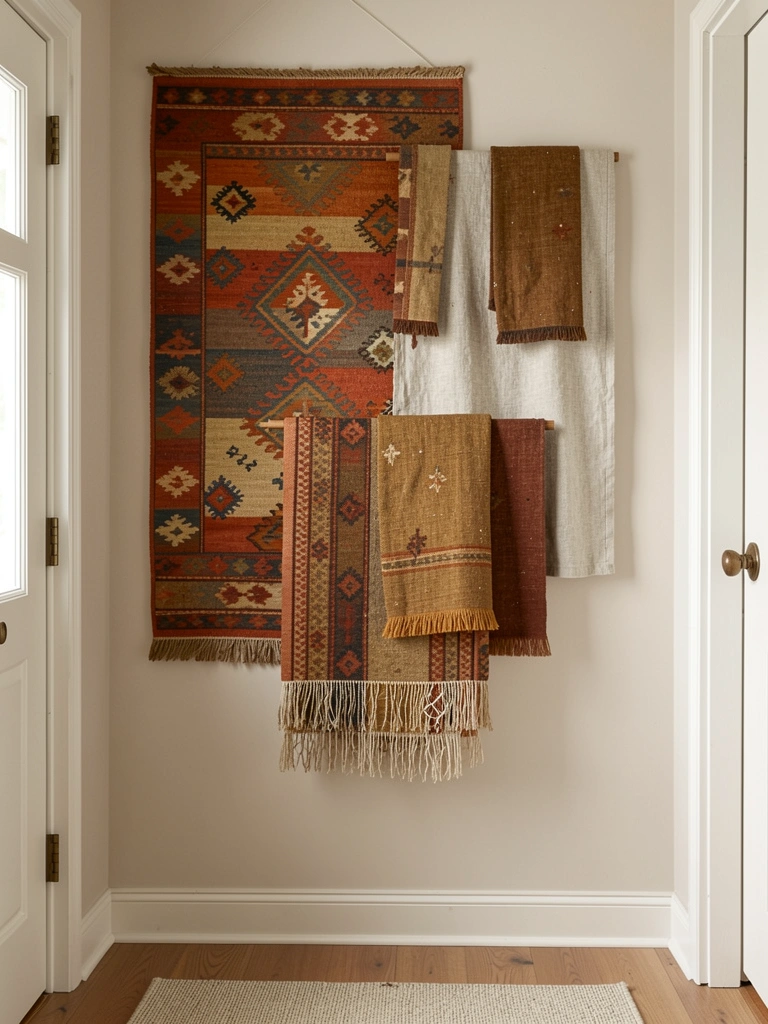
Textile wall hangings add warmth, pattern, and rustic texture without the commitment of wallpaper. Hang vintage kilim rugs, linen fabrics, or woven blankets ($20–$80 each from thrift stores, Etsy, or specialty shops) as living art.
Use simple wooden rods and brackets ($10–$30 per rod) or hang fabrics directly to the wall using painter’s tape and picture hangers for renter-friendly installation. Arrangement takes 30–45 minutes. Rotate seasonally to refresh the look.
The layered textiles create visual richness and warmth. Each piece tells a story—travel, heritage, craft—which makes the entryway feel like a collected home rather than a decorated showroom. The patterns also hide wall imperfections and break up large blank walls.
27. Install a Natural Wood Ceiling Beam
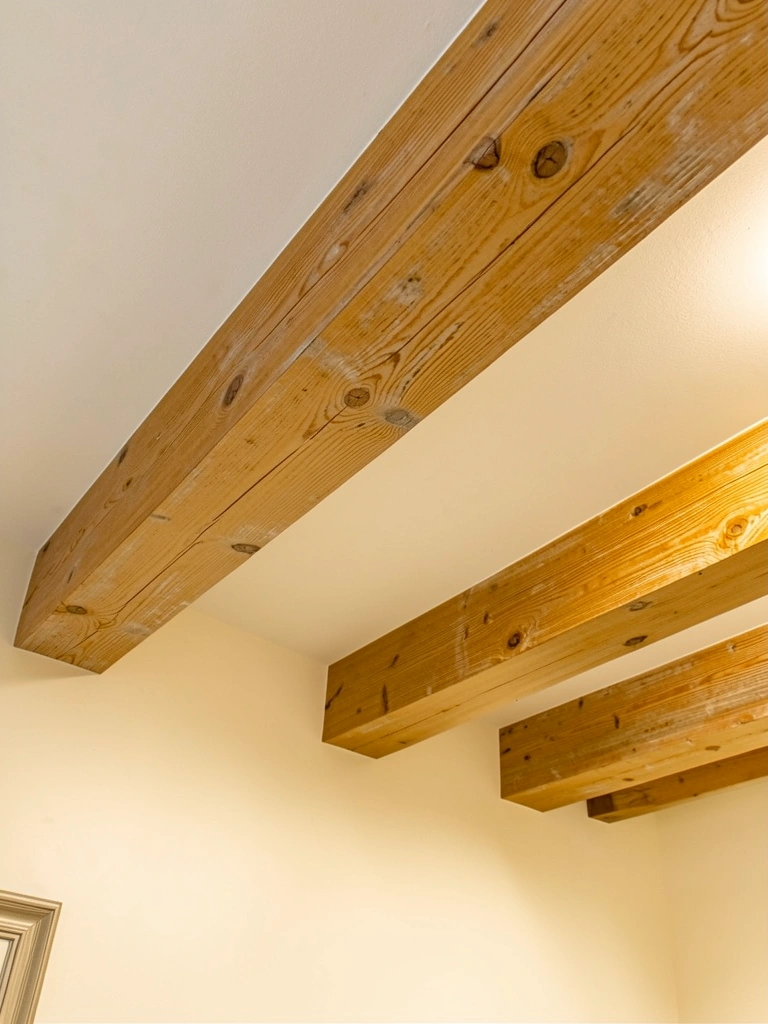
A ceiling beam—real or faux—creates instant rustic character and architectural drama. Real exposed beams cost $500–$2,000+ and require professional installation. Faux beams ($100–$300 from IKEA, Home Depot, or Wayfair) look surprisingly authentic and are DIY-installable in 2–4 hours with a drill and fasteners.
Real or faux, choose honey-toned wood or weathered finishes. Mount horizontally across your entryway or above the doorway for maximum visual impact. Renter-friendly: lean a decorative beam against the wall above your console (won’t work for all spaces, but adds temporary character).
A ceiling beam draws the eye upward, making the space feel taller and more architecturally interesting. It also signals craftsmanship and intentional design. Even a faux beam fools the eye convincingly and costs a fraction of real renovation.
Ready to warmth-up your entryway? Save this post and pick one idea that speaks to you—start with something small like a new mirror or basket setup, then layer in more texture over time. Which idea are you trying first?
Leave a Reply