Category: Bedroom Decor

  • 24 Bed Back Wall Decor Ideas That Create a Stunning Focal Point

    24 Bed Back Wall Decor Ideas That Create a Stunning Focal Point

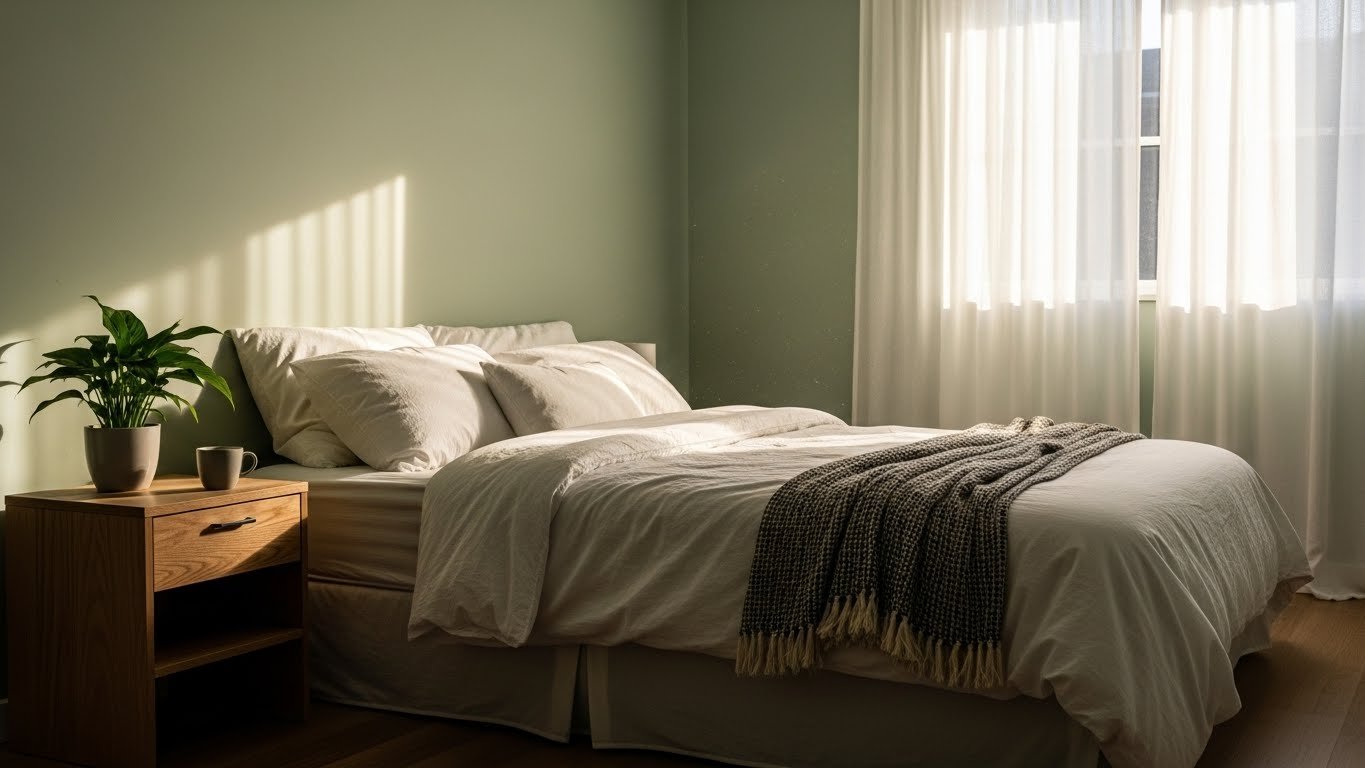
    Your bed’s back wall is prime real estate—it’s the first thing you see when you wake up and the focal point of your entire room. Yet so many of us leave it blank or default to boring paint. This is your chance to create a stunning backdrop that sets the tone for your whole space. Whether you’re renting, working with a small budget, or ready to invest in something special, these 24 ideas blend 2025’s hottest trends—textured layers, warm earth tones, biophilic touches, and personal style—with practical solutions you can actually execute. From DIY projects that take an afternoon to shopping-list upgrades, you’ll find inspiration to make your wall something you genuinely love. Ready to turn that blank space into your bedroom’s hero? Let’s dive in.

    1. Layer Textured Wallpaper With Woven Wall Hangings
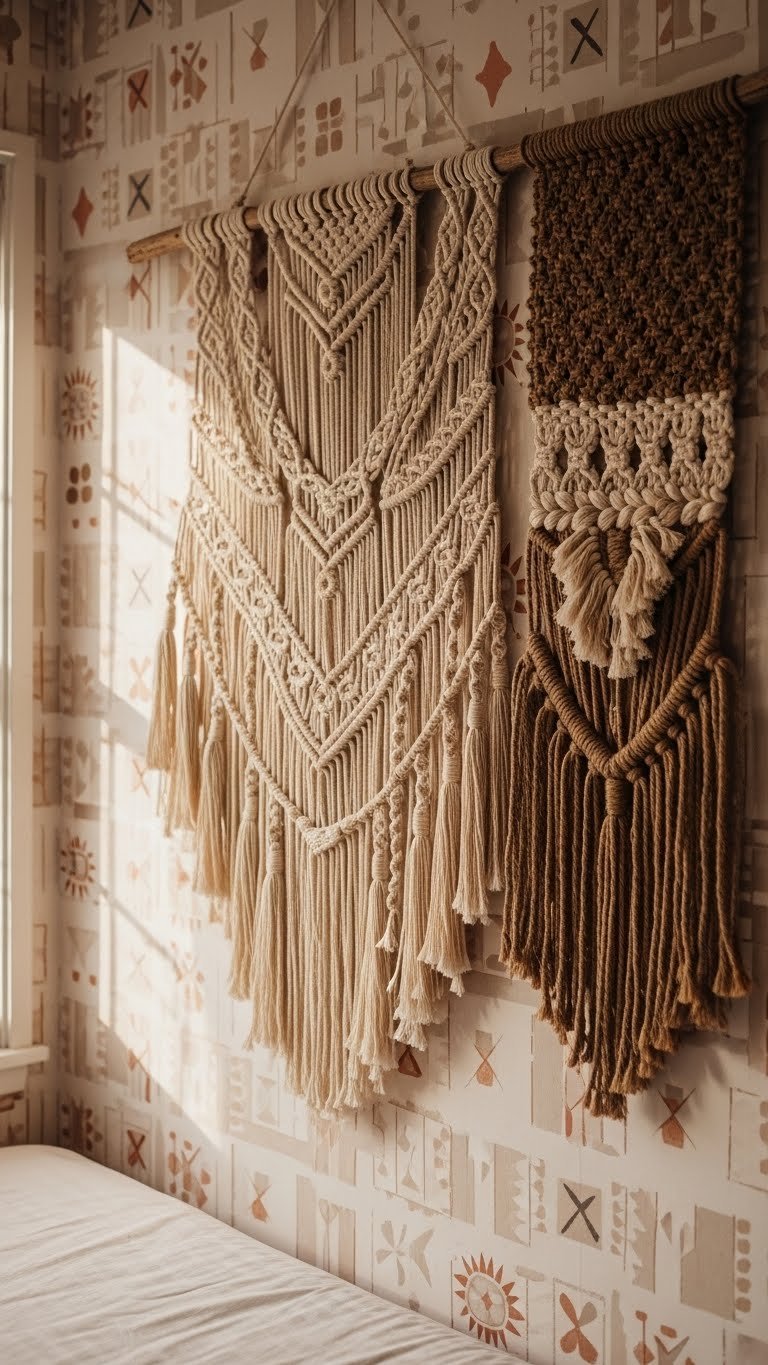
    Textured wallpaper alone is beautiful, but layering a woven piece on top adds unexpected dimension and personality. This combo is huge in 2025 design—it’s how you get that cozy, lived-in look without feeling chaotic.

    Start with a subtle textured wallpaper in cream, terracotta, or sage ($15–$40 per roll from Wayfair or Peel and Stick Wallpaper brands). Once it’s up, hang a large macramé or woven wall hanging (12–24 inches) dead center or slightly off-center above your headboard. Brands like Urban Outfitters, Etsy, and Article have options ranging from $30–$120. The installation takes about two hours for wallpaper (very renter-friendly if you use peel-and-stick), plus 10 minutes for the hanging.

    Pro tip: Choose a wall hanging in a complementary neutral tone—think cream, natural jute, or soft gray—so it enhances rather than competes with your wallpaper.

    This layering approach gives you textural depth that photographs beautifully and makes your wall feel intentional and curated.

    2. Paint a Warm Accent Wall in Deep Earth Tones
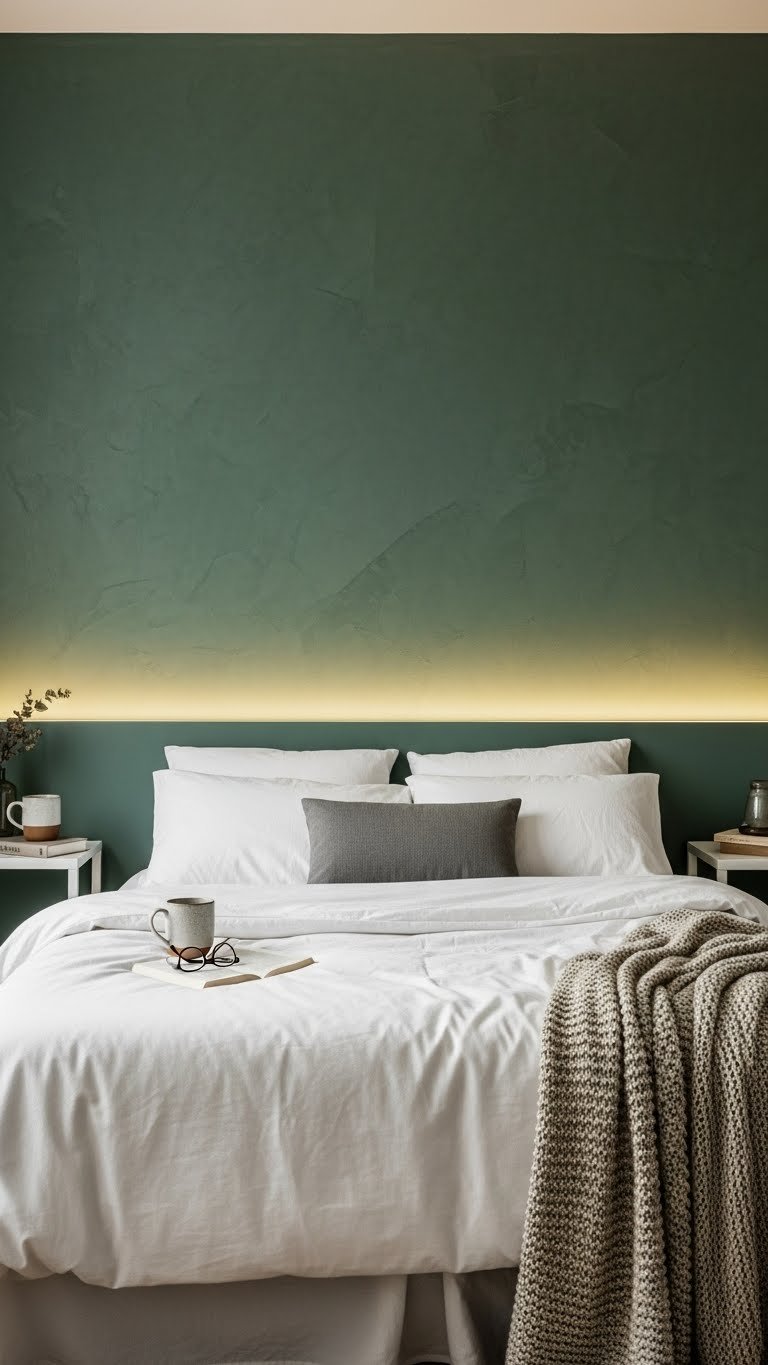
    Cool grays are officially out in 2025. Instead, designers are embracing warm earth tones that make you feel wrapped in comfort rather than cold minimalism.

    Choose a warm, saturated tone like terracotta, burnt sienna, forest green, or aubergine. Brands like Benjamin Moore, Sherwin-Williams, and Behr have color-match tools online (free) so you can preview before committing. Buy 2–3 cans of quality paint ($15–$30 per can) and painter’s tape ($5–$8). A single accent wall takes 4–6 hours for a first-timer, including prep and drying time between coats. If painting isn’t your style, hire a pro for $200–$400.

    Pro tip: Test your color choice on a large poster board first and place it on your wall at different times of day—colors shift with light.

    A rich accent wall creates instant drama and becomes a background so stunning you’ll want to keep your bedding simple and let the wall steal the show.

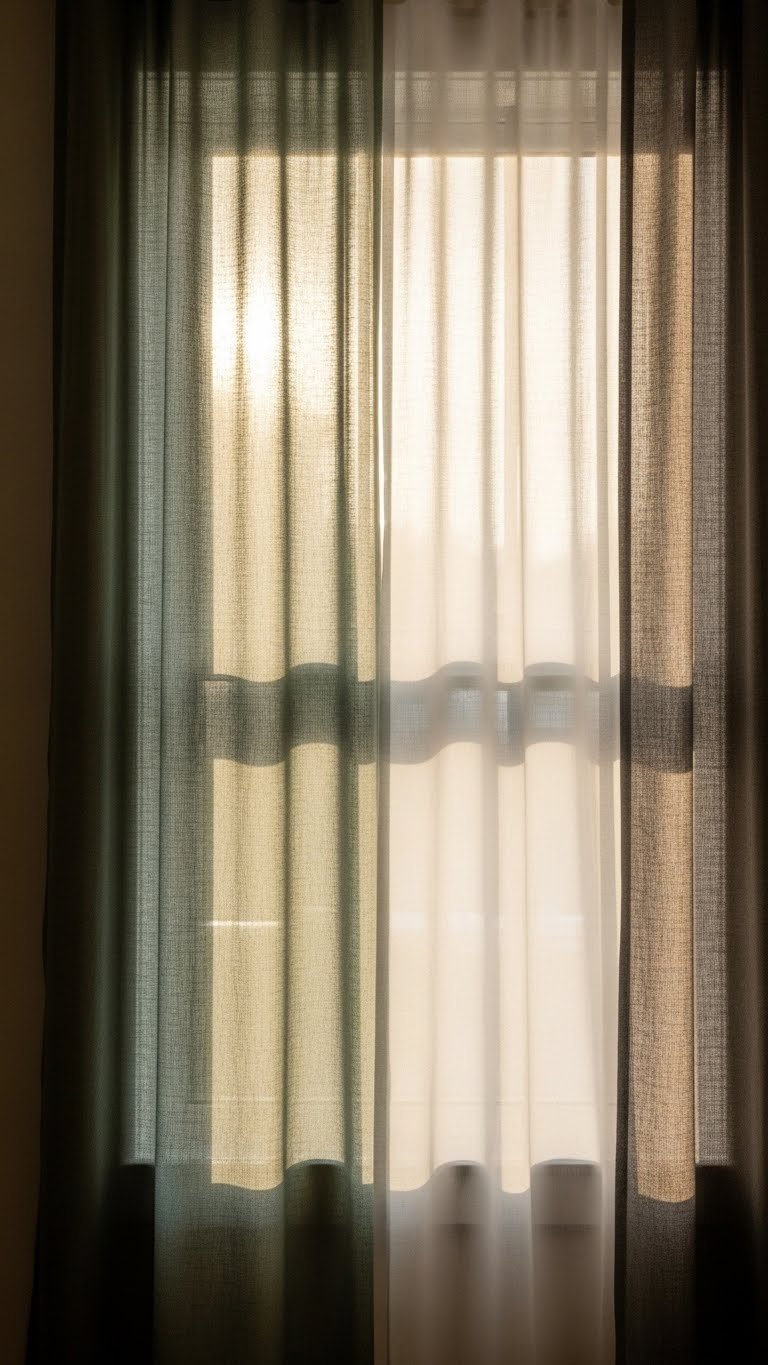
    3. Install Floor-to-Ceiling Curtains for Drama and Light Control
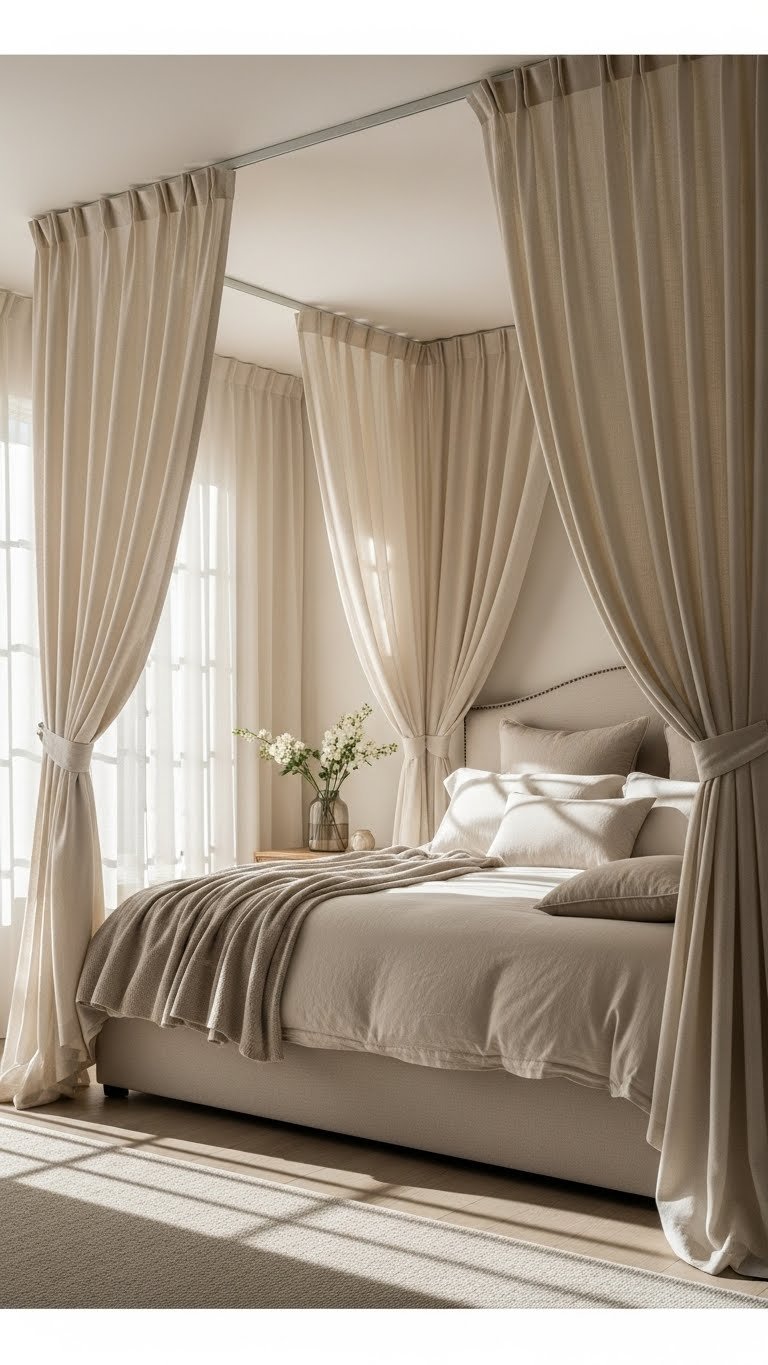
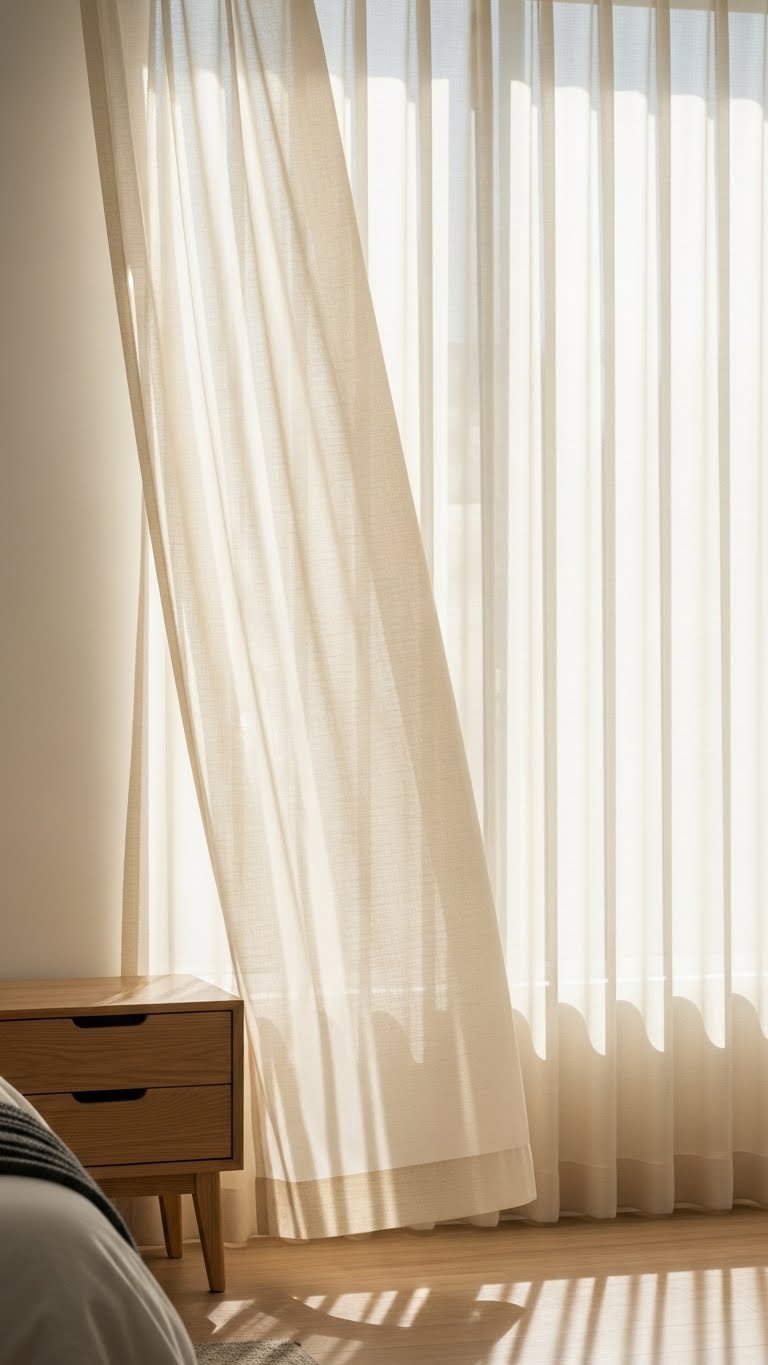
    Floor-to-ceiling curtains add architectural drama and solve a huge problem: light control without the harsh look of blinds. They also work beautifully for renters since you can hang them on tension rods.

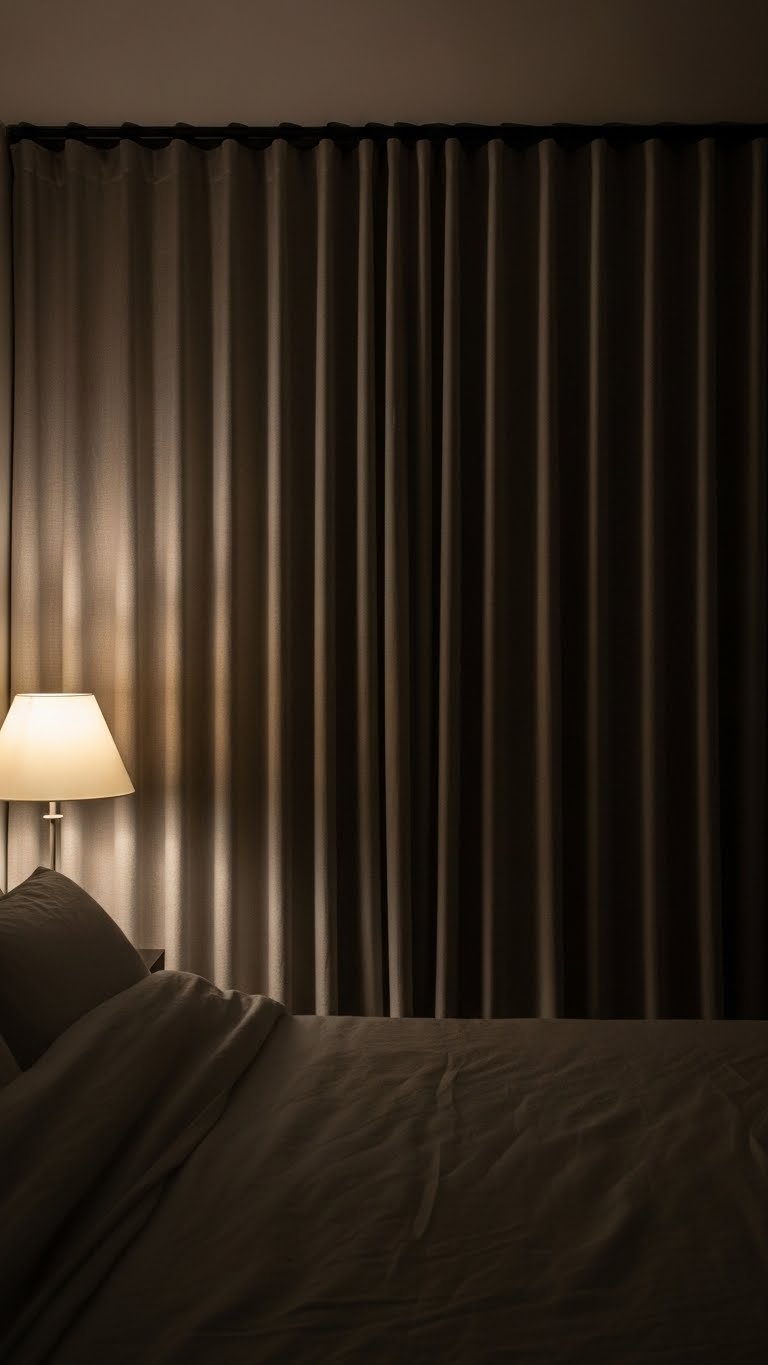
    Measure from your ceiling (or 6 inches above your window frame) all the way to the floor. Buy heavy linen, velvet, or blackout fabric in cream, warm gray, or charcoal ($12–$25 per yard from Fabric.com or Joann). You’ll need roughly 4–6 yards depending on width. Add a quality tension rod or standard curtain rod ($20–$80 from IKEA or Target). Total cost: $80–$200 for a professional look. Installation takes 1–2 hours, mostly hanging the rod and hemming (or use iron-on hem tape for a quick fix).

    Alternative: Skip custom sewing and order pre-made floor-to-ceiling panels from Wayfair or West Elm ($100–$300 per pair).

    Your wall gains height, sophistication, and the ability to control your sleep environment—plus the layered fabric adds texture that ties into 2025’s tactile trends.

    4. Create a Gallery Wall of Oversized Art Prints

    Art-led design is dominating 2025. Instead of one small print, go bold with a collection of larger pieces that tell a story and command attention.

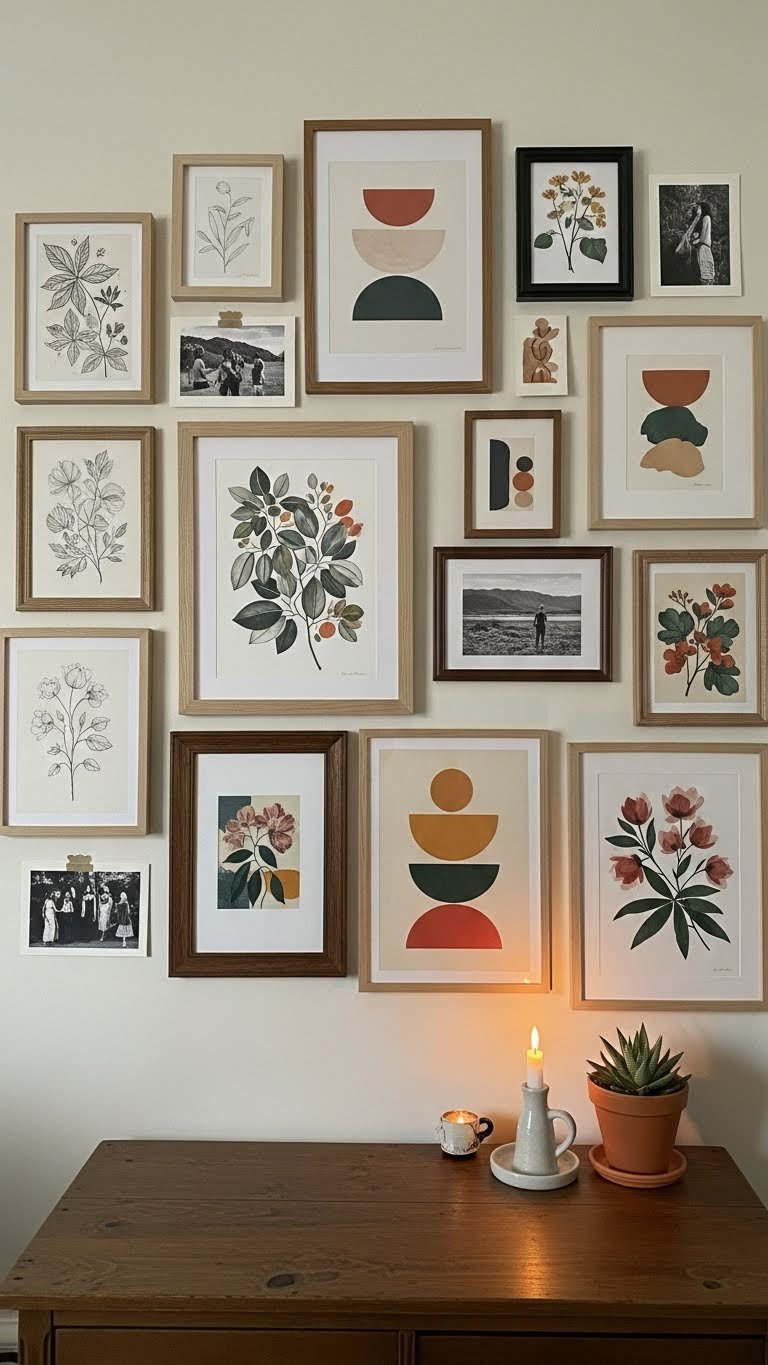
    Decide on your layout using a digital tool like Canva (free) or by taping kraft paper cutouts to your wall first. Choose 5–7 prints (8×10″ to 11×14″) in a cohesive color palette: think botanical prints, abstract art, or vintage photography. Sources: Etsy ($15–$40 per print), Minted ($20–$50), or even print-at-home options from Adobe Stock. Frames from IKEA, Target, or Wayfair cost $10–$30 each. Total investment: $150–$300. Hanging takes 1–2 hours, and it’s completely renter-friendly with removable wall anchors.

    Pro tip: Print larger-format pieces than you think—they create more impact and feel more intentional.

    A curated gallery wall becomes the conversation starter of your room and reflects your personality in a way a single poster never could.

    5. Add Raw Wood Floating Shelves With Natural Materials
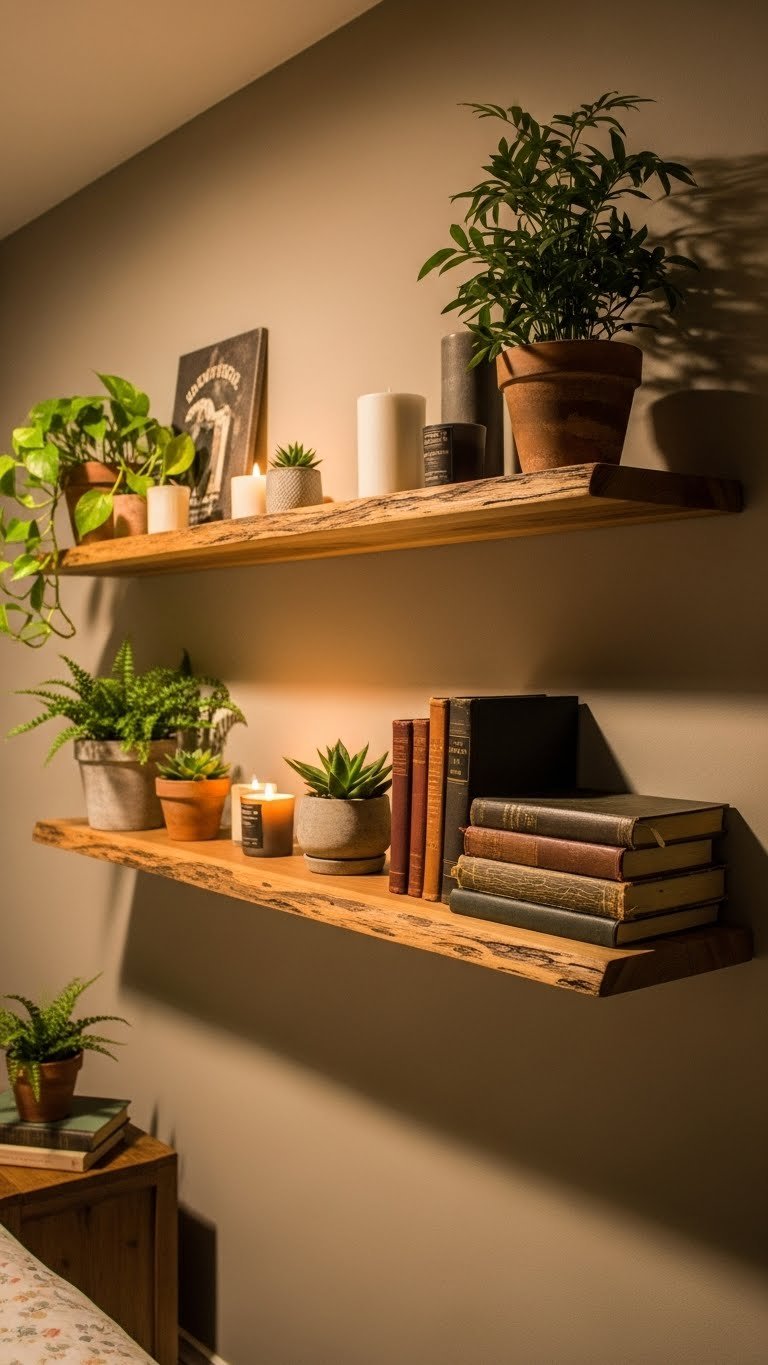
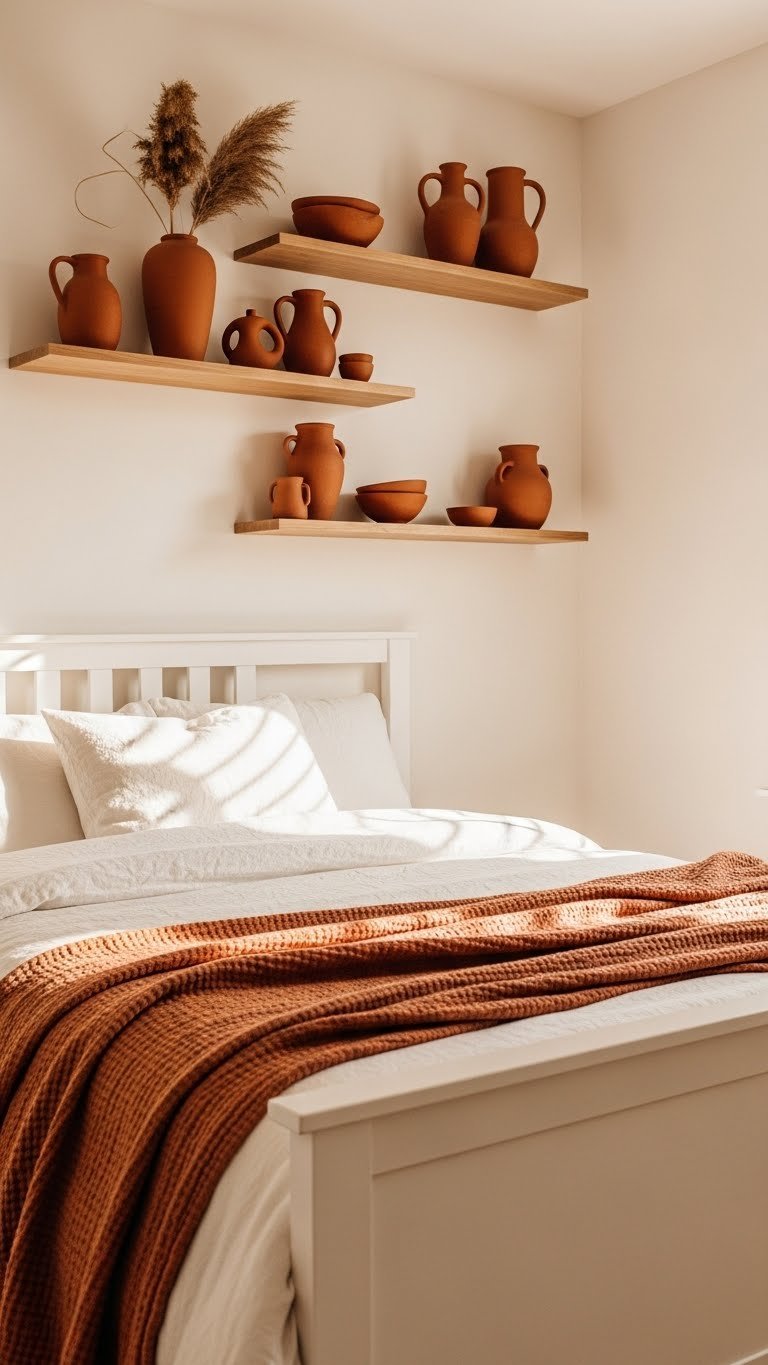
    Raw wood shelves tap into 2025’s biophilic and organic modernism trend while giving you functional display space that looks intentional, not cluttered.

    Install 2–3 floating shelves in untreated or lightly finished wood (12–18 inches deep, $40–$100 each from IKEA, Home Depot, or Etsy). Use a level and wall studs for secure installation—this takes 1–2 hours if you’re handy, or hire someone for $50–$150. Style each shelf sparsely: a small potted plant, a stack of 2–3 books, a candle, a framed photo. The beauty is in negative space.

    Alternative: Use salvaged wood shelves from Etsy or reclaimed wood retailers for a more rustic, authentic feel ($60–$150 each).

    Your wall gains visual interest and a place to display objects that matter to you—plus real wood instantly warms up the space and connects to nature-inspired design.

    6. Hang a Large Woven Wall Tapestry as a Headboard Alternative
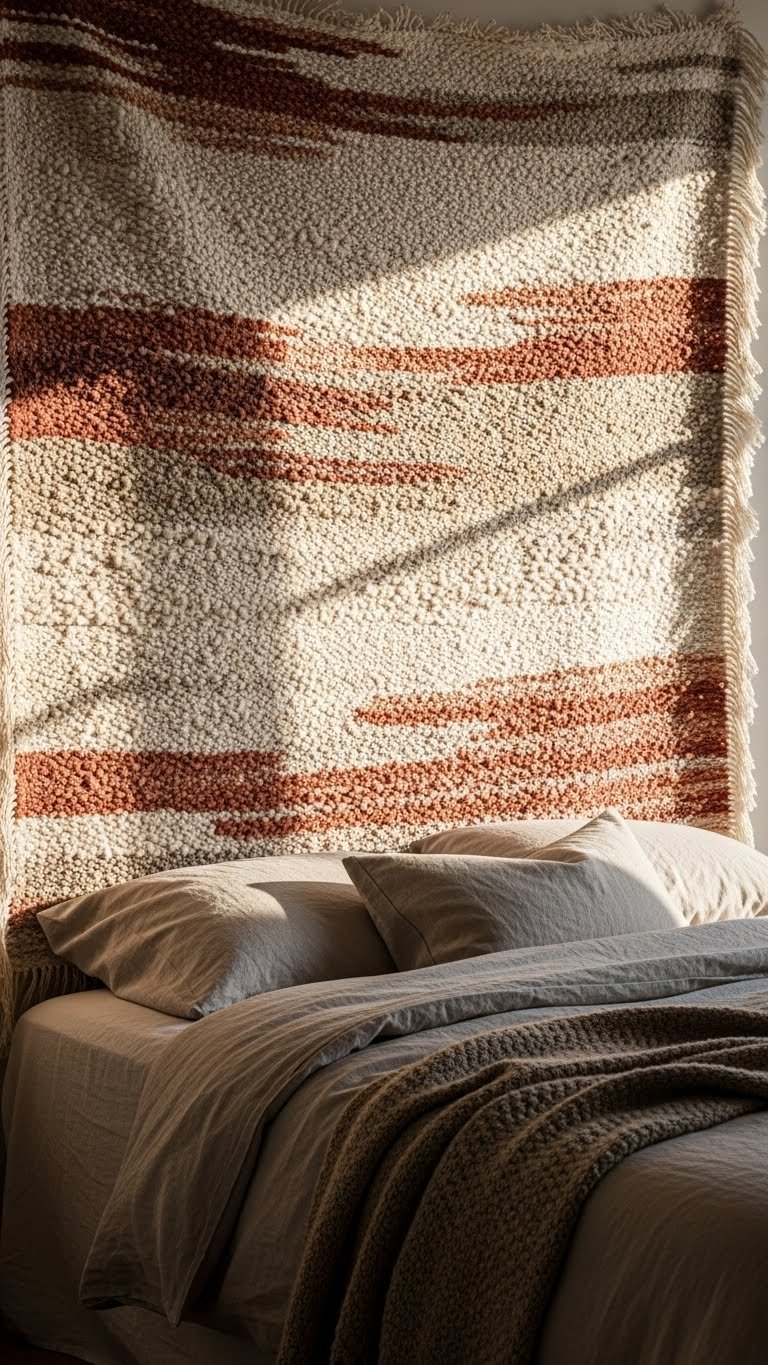
    A statement tapestry does the job of an expensive headboard at a fraction of the cost and brings serious texture and warmth to your wall.

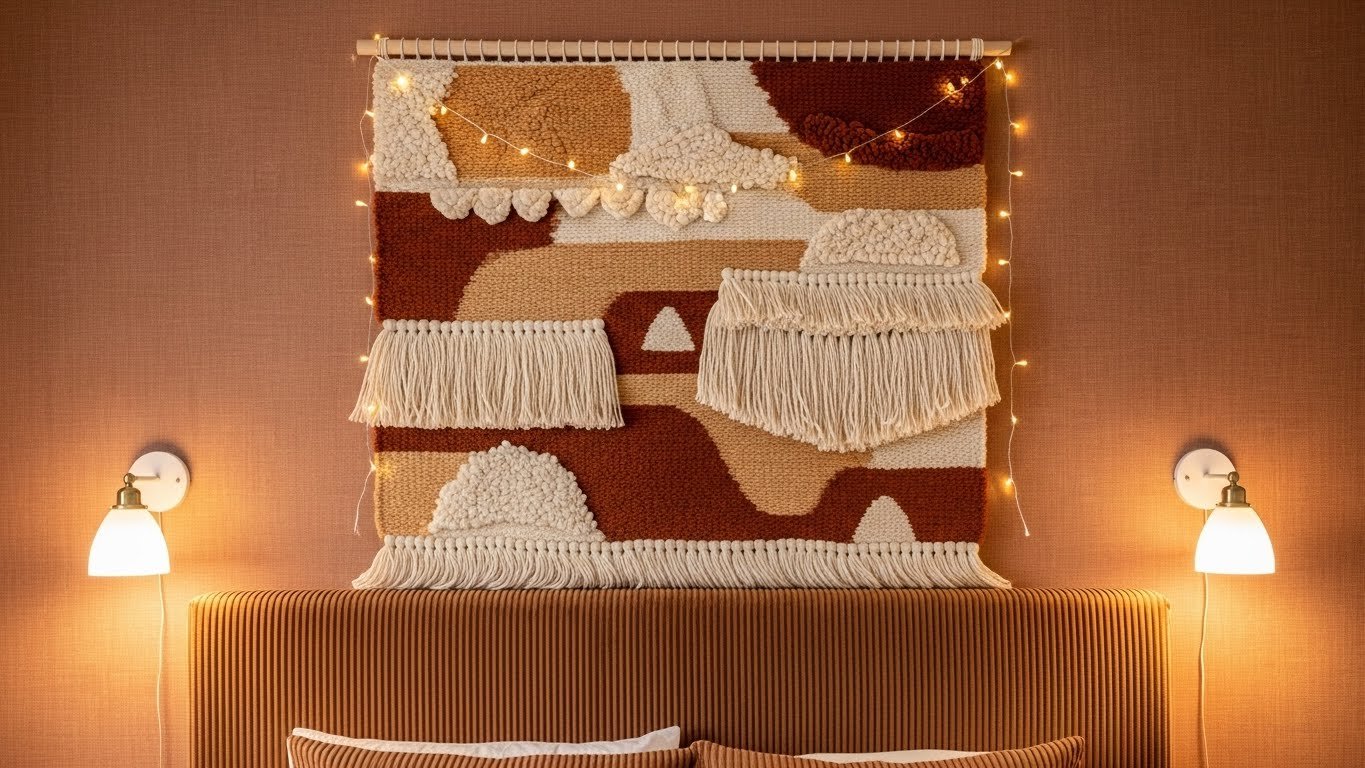
    Search for large woven tapestries (40–60 inches wide) on Etsy, Urban Outfitters, or Anthropologie in neutral or warm tones ($50–$150). Hang it using a tapestry rod (looks like a curtain rod but sturdier, $15–$30 from Amazon) or simple picture hooks. Installation takes 15 minutes. For renters, tension rods work too (though tapestries are heavy, so use appropriate anchors).

    Pro tip: Layer a smaller woven piece off to one side for visual interest without looking too “matchy.”

    A large tapestry becomes an instant focal point that adds warmth, texture, and bohemian elegance—plus it’s one of the easiest wall upgrades you can make.

    7. Install Shiplap or Peel-and-Stick Wooden Panels for Texture
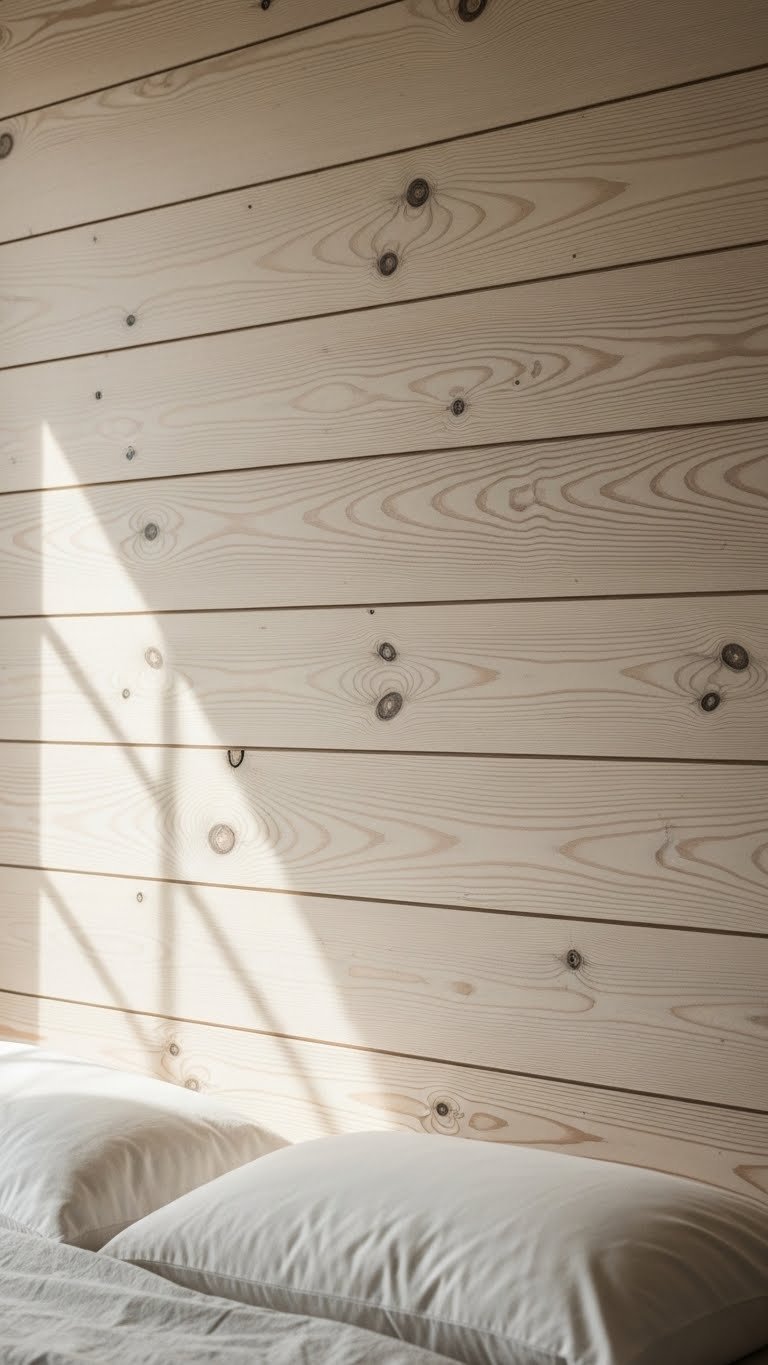
    Shiplap adds architectural interest and that cozy farmhouse warmth that pairs beautifully with 2025’s comfort-focused trends. The good news: peel-and-stick versions make it renter-friendly.

    Install real shiplap (labor-intensive, $200–$600 for one wall) or go the renter route with peel-and-stick wooden panels ($50–$150 for a 10×10 wall from Amazon, Home Depot, or Wayfair). The panels come pre-finished in white, light gray, or natural wood. Installation takes 3–4 hours for DIY; you just stick and trim to fit. No nails, no permanent damage.

    Alternative: Paint horizontal stripes to mimic shiplap for a budget-friendly ($20–$40 in paint) but less textured option.

    Your wall gains depth, character, and that cottage-core warmth that makes a bedroom feel like a retreat instead of just a sleeping space.

    8. Stencil a Botanical or Geometric Pattern
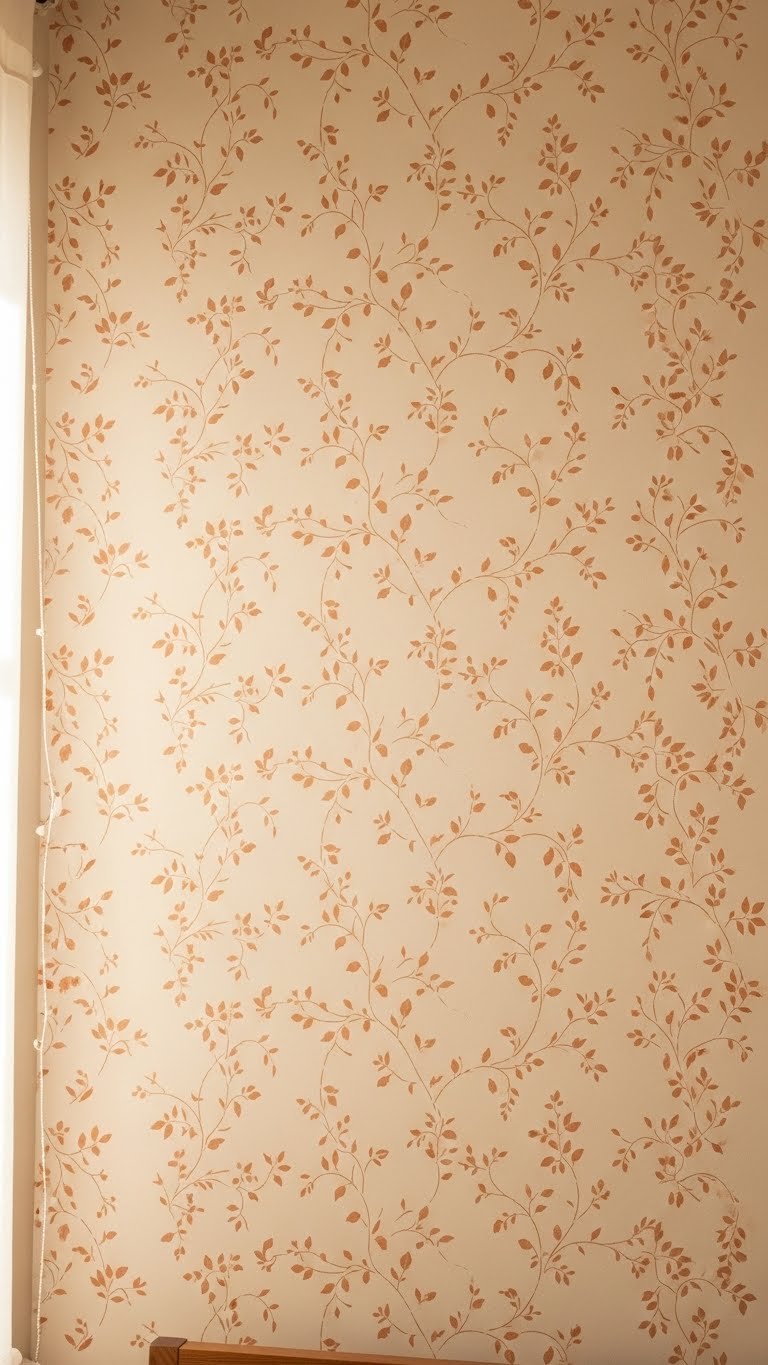
    Hand-stenciling lets you create a custom, artistic wall without the commitment of wallpaper or the cost of a mural artist. It’s also totally doable as a weekend DIY project.

    Buy a reusable stencil ($10–$30 from Etsy or Michaels) in a botanical, geometric, or mandala design. Choose one or two wall colors: a neutral base and an accent color for the stencil. Pick up stencil paint or regular acrylic paint ($5–$15 per pot). Apply painter’s tape to map out your pattern, then stencil one repeat at a time using a foam roller or brush. The entire wall takes 6–8 hours but is deeply meditative and totally customizable.

    Pro tip: Start with one accent wall to build confidence before committing to all four walls.

    A stenciled wall becomes a one-of-a-kind artistic backdrop that costs way less than hand-painted murals and feels like you commissioned something special.

    9. Mount a Statement Mirror With a Decorative Frame
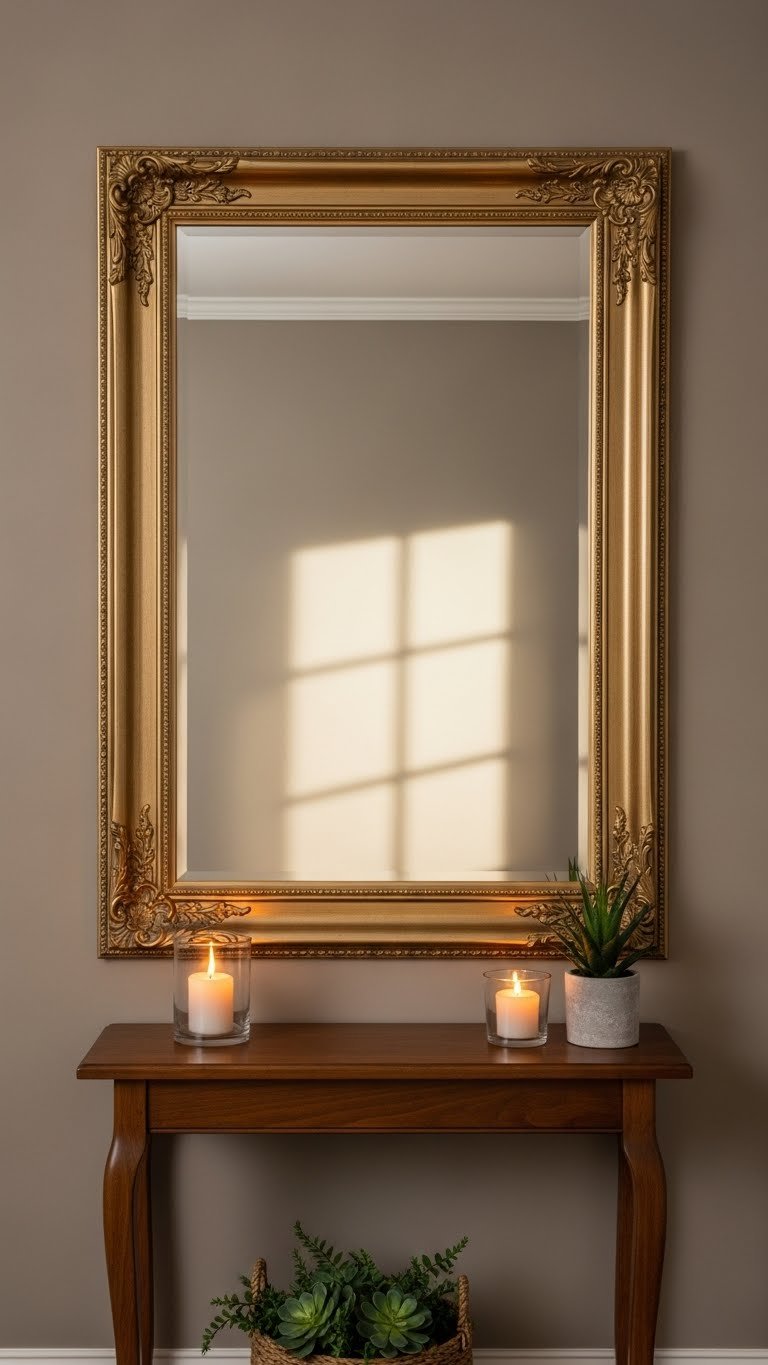
    A large, decorative mirror serves triple duty: it reflects light (making your room feel bigger), adds visual interest, and creates a practical getting-ready spot without taking up floor space.

    Find a statement mirror with a frame that matches your aesthetic—think black metal, natural wood, rattan, or ornate gold ($60–$250 from Article, West Elm, Wayfair, or Etsy). Mount it using heavy-duty wall anchors or into a stud. Hang a console table below it ($100–$300 from IKEA or Wayfair) and style with small plants, a candle, or trinket dishes.

    Alternative: Use a large round mirror for a softer look, or a rectangular one for a modern edge.

    Your wall becomes a functional beauty station that also opens up the entire room visually and adds another layer of style and sophistication.

    10. Commission or DIY a Large Canvas Painting
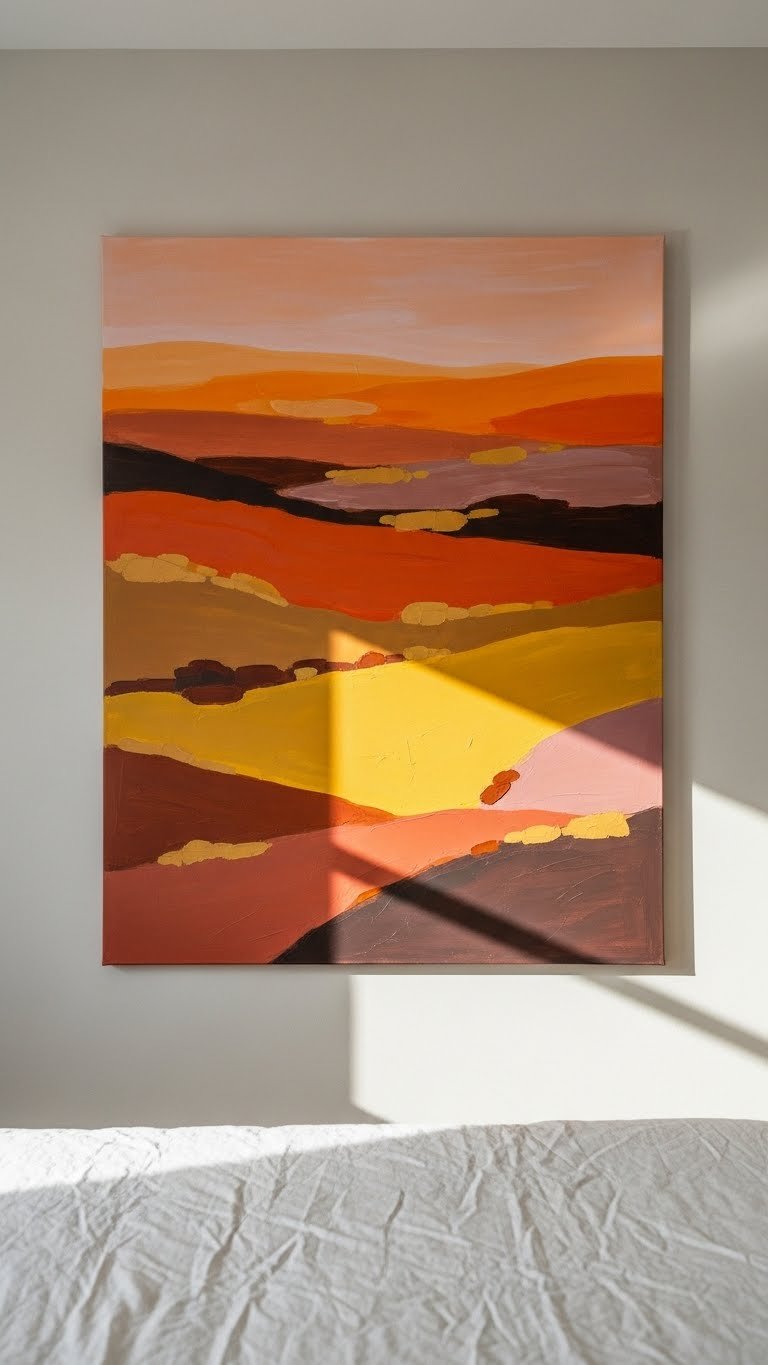
    An oversized canvas painting makes a statement without the gallery-wall complexity. Whether you paint it yourself or commission an artist, it becomes a deeply personal focal point.

    DIY option: Grab a large canvas (30×40″ or bigger, $30–$80 from Michaels or Blick Art Materials) and acrylic paint ($2–$5 per pot). Follow a YouTube tutorial or just let your creativity flow—abstract or nature-inspired work is forgiving. Cost: $50–$100. Time: 2–4 hours, plus drying time.

    Commission option: Hire an artist on Etsy or Fiverr to create a custom piece based on your style ($150–$500 depending on size and complexity).

    Hang using a large picture frame or wire and nails ($10–$30). Installation takes 15 minutes.

    A personally created or commissioned canvas makes your wall feel curated and artful—like you know exactly who you are and what you love.

    11. Layer Fabric Headboard With Decorative Throw Pillows
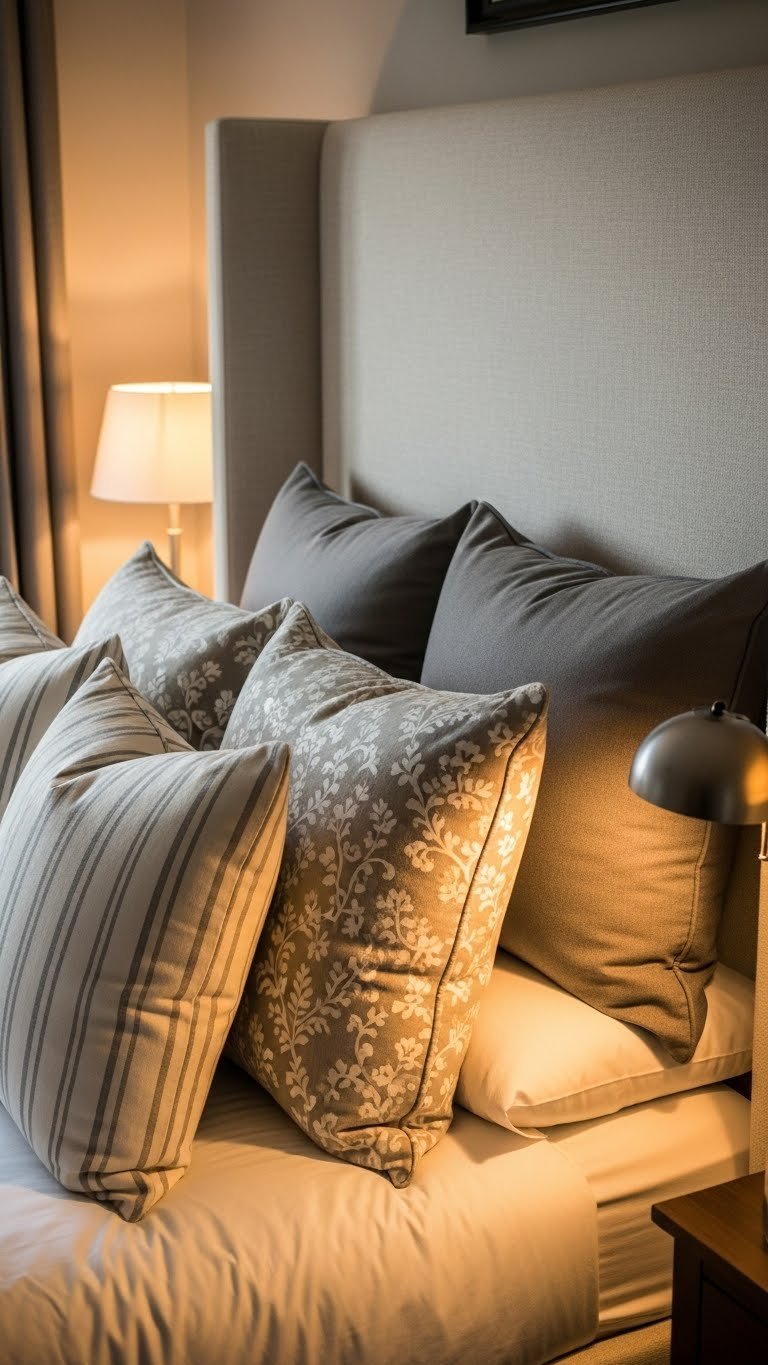
    An upholstered headboard instantly softens your wall and creates a cozy focal point. Pair it with layered pillows for textural richness that ties into 2025’s “layered comfort” trend.

    Buy a fabric headboard ($150–$400 from Wayfair, Article, or West Elm) or DIY one using plywood, batting, and fabric ($50–$100 in materials). Mount it behind your bed using a standard bed frame bracket or wall anchors. Add 3–5 throw pillows in varying sizes and textures: a large lumbar pillow, smaller decorative pillows, and maybe a faux fur or velvet accent. Mix patterns like florals, stripes, and solids in warm neutrals ($15–$60 each from Target, Anthropologie, or Etsy).

    Pro tip: Choose a mix of fabrics—linen, velvet, wool, cotton—to maximize texture without looking overdone.

    Your wall becomes an inviting focal point that says “this room is for rest and comfort,” and the layers give your space depth and personality.

    12. Install Statement Lighting Flanking the Headboard
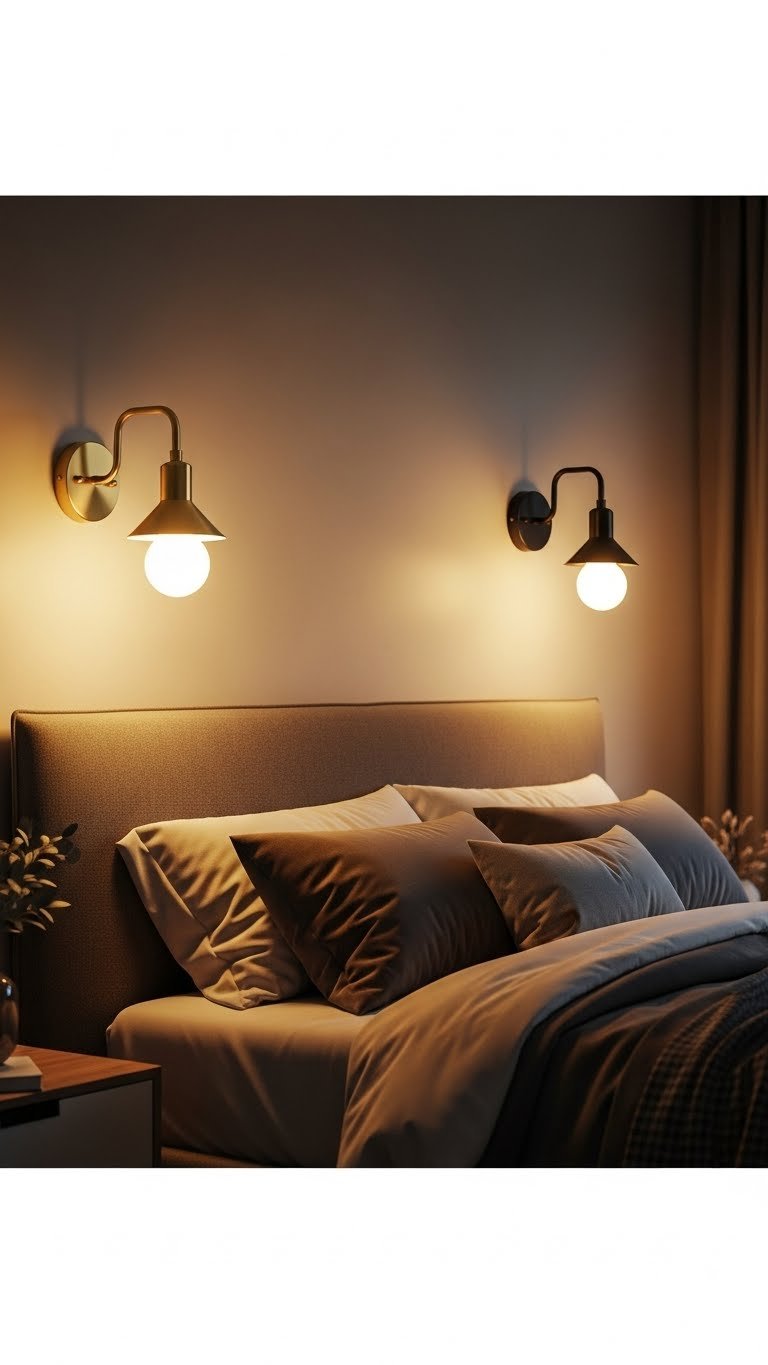
    Strategic lighting isn’t just functional—it’s a decor statement that frames your bed and creates instant ambiance. 2025 is all about warm, human-scale lighting, so skip the harsh overhead fixture.

    Choose wall-mounted sconces in a material that matches your aesthetic: brass, matte black, natural wood, or ceramic ($40–$100 each from IKEA, West Elm, or Wayfair). Install them at eye level (roughly 60–66 inches from the floor) on either side of your headboard. This requires drilling into studs and running simple wiring—hire an electrician for $100–$300, or DIY if you’re comfortable with wiring (watch tutorials first).

    Alternative: Use plug-in sconces with cord covers for a renter-friendly option ($30–$80 each).

    The right lighting transforms your entire room’s mood and gives your wall a layered, designed look that feels intentional rather than ad hoc.

    13. Hang a Vintage Quilt or Textile as Wall Art
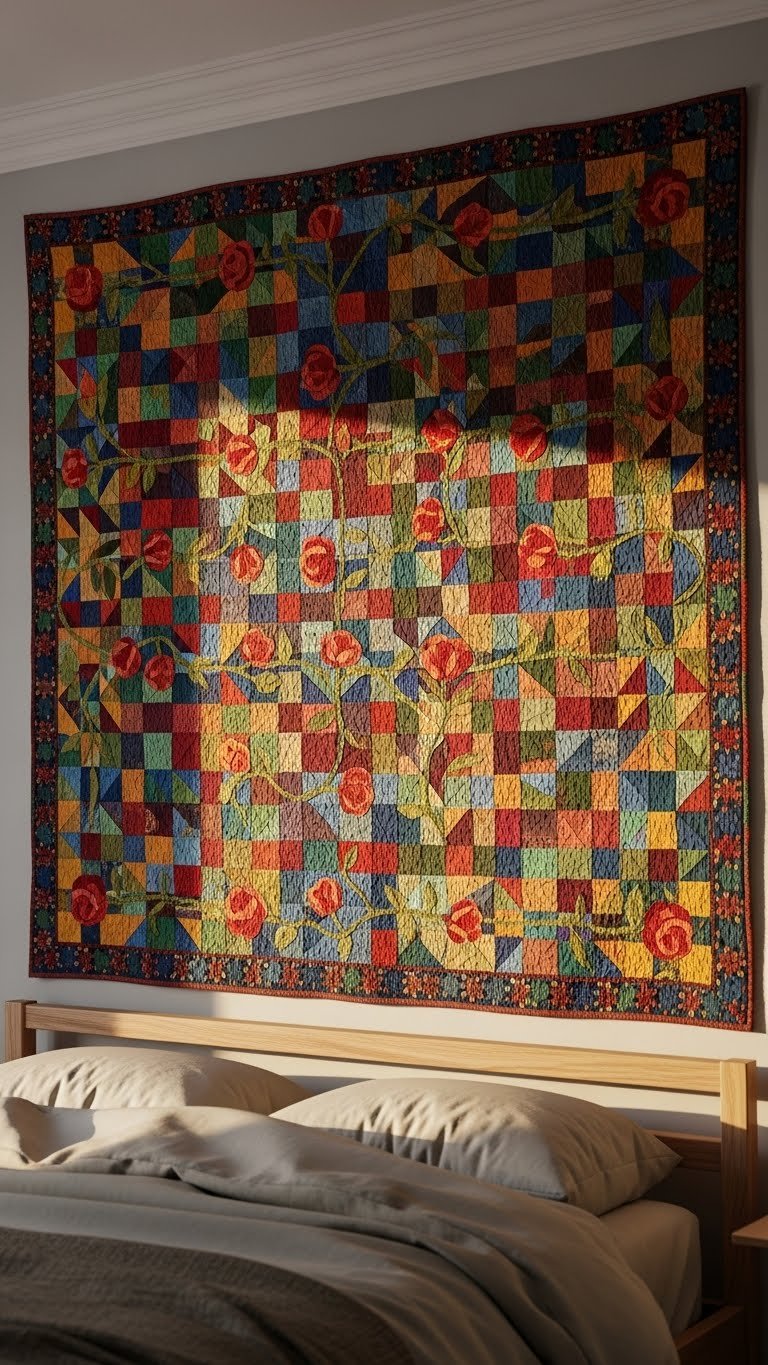
    Vintage quilts bring warmth, storytelling, and handmade authenticity—all huge in 2025’s “grandmillennial” trend that blends nostalgia with modern style. Hanging one elevates your wall instantly.

    Hunt on Etsy, estate sales, local thrift shops, or your grandmother’s closet for a quilt with colors and patterns that complement your room ($20–$100 for vintage, $50–$200 for handmade). Install a slim quilt hanging rod ($15–$25 from Amazon) or use museum-quality hanging clips ($30–$50 from conservation suppliers) to preserve the textile. Mounting takes 30 minutes and is totally renter-friendly.

    Pro tip: Pair your quilt with a small placard or card below explaining its origin—this adds storytelling to your space.

    A vintage quilt becomes a deeply personal focal point that honors craftsmanship and tells your story in a way new decor never could.

    14. Create a Warm Minimalist Wall With Creamy Textured Paint
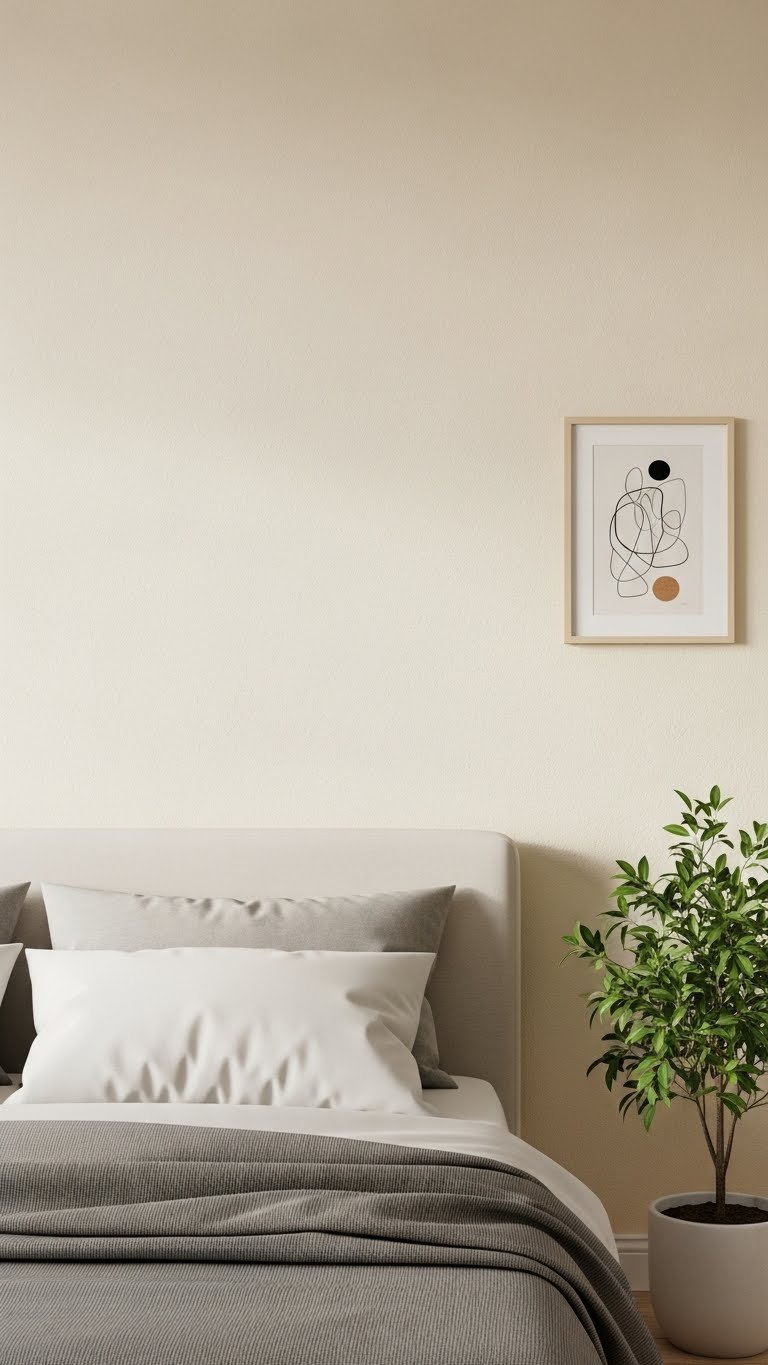
    Not all minimalism is cold. 2025’s “warm minimalism” trend keeps things simple but adds soul through color, texture, and thoughtful spacing.

    Paint your wall in a creamy, warm neutral: off-white, cream, warm greige, or soft taupe. Use quality paint with a subtle texture finish (matte, eggshell, or suede finish) that catches light and adds dimension. Benjamin Moore, Sherwin-Williams, and Behr all offer warm neutrals ($15–$30 per can). One coat of quality paint over a prepped wall takes 2–3 hours. Keep decorations minimal: maybe one framed piece, a small shelf, or a single plant. The beauty is in restraint.

    Pro tip: Use different sheens on trim versus walls to add subtle visual interest without clutter.

    A warm, textured neutral wall becomes a calming backdrop that lets you sleep better and frees up mental space—minus the soullessness of cool grays.

    15. Add Climbing Ivy or Large Potted Plants for Biophilic Design
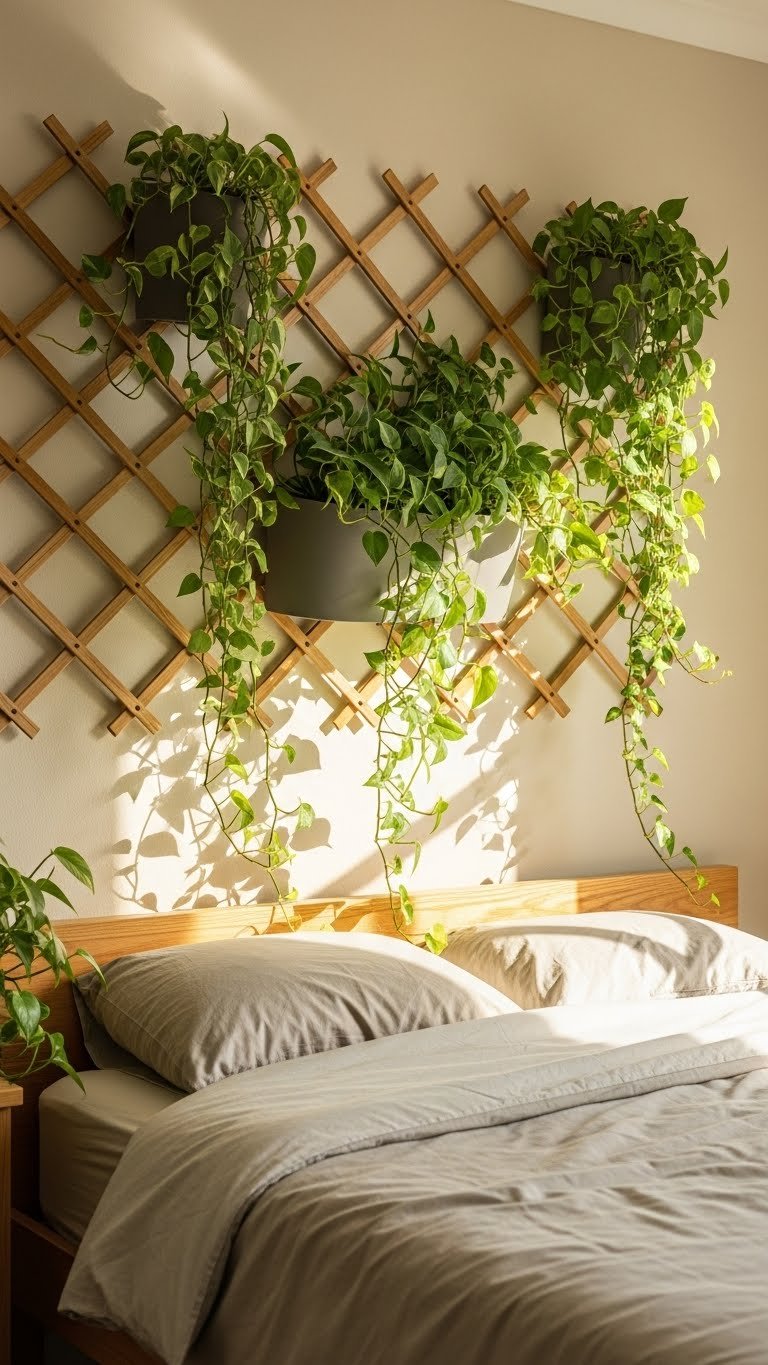
    Biophilic design—bringing nature indoors—is booming in 2025. Live plants on your wall transform it into a breathing, living focal point that improves air quality and well-being.

    Install a wooden trellis ($30–$80 from Home Depot or Etsy) and mount it using wall anchors. Choose low-maintenance climbing plants like pothos, philodendron, or climbing fig. Alternatively, mount multiple potted plants on shelves or use adhesive plant hangers ($10–$30 from Amazon). Water weekly and trim as needed.

    Alternative: Opt for faux plants ($20–$100 per plant) if you don’t have time for real plants—modern faux greenery is incredibly realistic now.

    Your wall becomes a living, breathing focal point that cleans the air, soothes the mind, and gives your bedroom the calm, retreat-like quality everyone craves.

    16. Paint a Mural or Geometric Wall Mural (DIY or Commissioned)
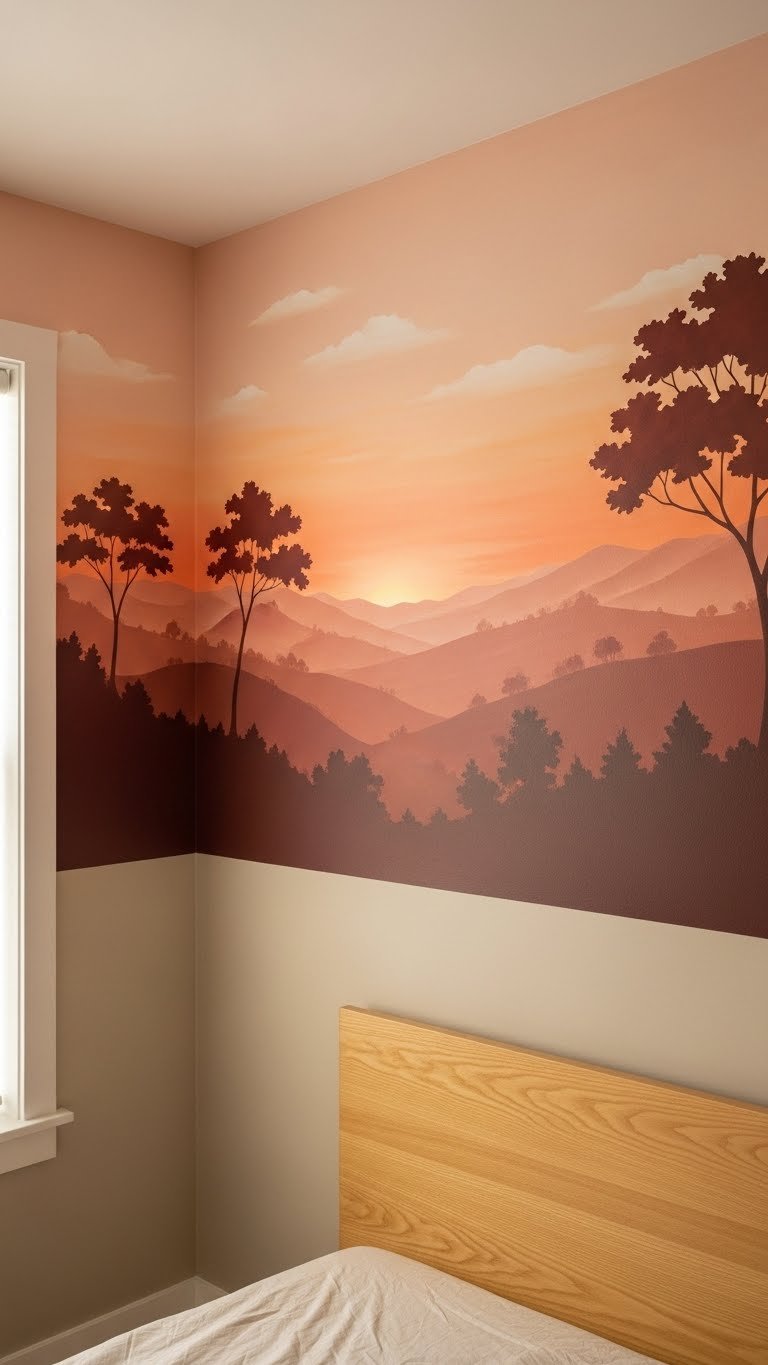
    A mural is the ultimate personalization—it’s 100% yours and becomes the conversation starter of your entire room. The good news: you don’t need to be an artist.

    DIY option: Sketch or project a design onto your wall using painter’s tape, grid method, or a projector. Paint freehand or by-numbers style using acrylics. Cost: $30–$80 in supplies. Time: 4–8 hours depending on complexity.

    Commission option: Hire a mural artist ($400–$1,500 depending on size and detail) on Etsy or through local artist networks. Most artists will work with you on design.

    Alternative: Use a large decal (essentially a sticker mural, $50–$150 from Etsy or Amazon) for instant art without painting.

    A mural transforms your wall from blank to bold and becomes a daily reminder of your creativity and individuality.

    17. Install Curved or Sculptural Wall-Mounted Shelving
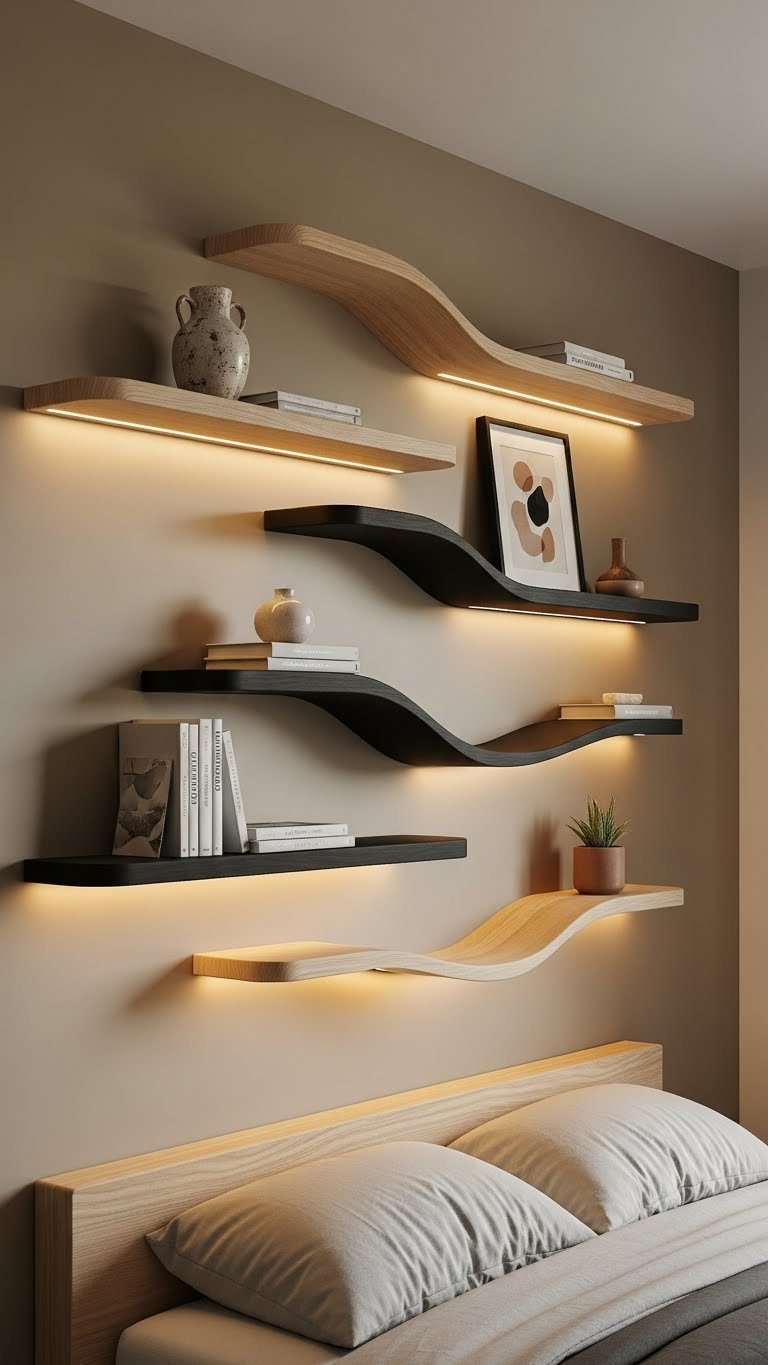
    Curved furniture replaces harsh lines in 2025—and that includes wall shelves. Sculptural shelving adds softness, visual interest, and storage without rigidity.

    Hunt for curved shelves on Etsy, Article, or Design Within Reach ($80–$200 each). Mount 2–3 shelves at varying heights using a level and wall studs. Style each shelf sparsely with 2–3 meaningful items: a small plant, a book, a ceramic piece. The curves themselves are the statement; don’t overcrowd.

    Alternative: Buy straight shelves and add curved brackets underneath ($30–$60 per bracket) to soften the look.

    Curved shelving adds organic, sculptural beauty that makes your wall feel designed and intentional—plus it’s a subtle nod to 2025’s move away from rigid minimalism.

    18. Drape a Vintage Fabric Scarf or Runner Across the Wall
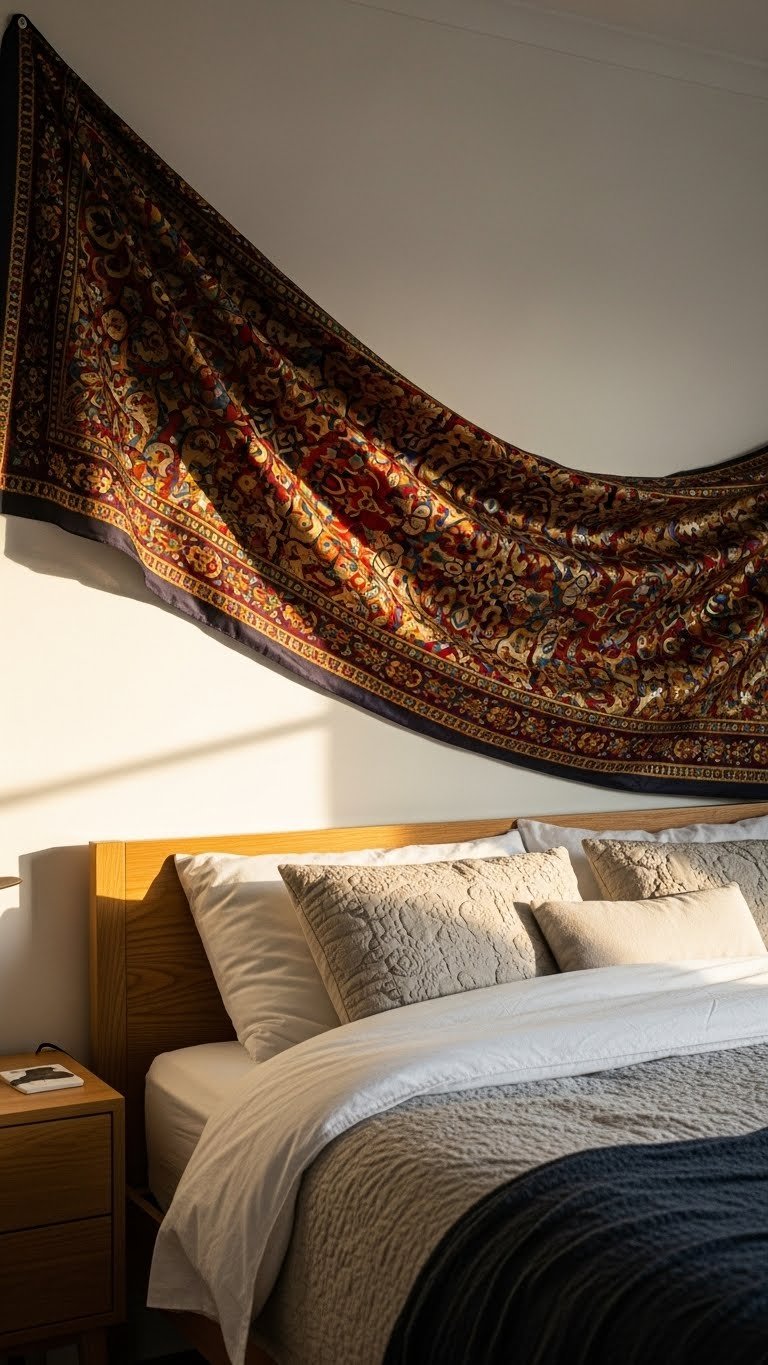
    A draped textile is the easiest, most renter-friendly way to add color, pattern, and luxury to your wall. Zero commitment, maximum impact.

    Find a large silk scarf, vintage runner, or fabric piece ($10–$50 from thrift shops, Etsy, or Goodwill). Use removable wall hooks or sticky adhesive strips ($5–$15 from Amazon) to anchor the corners. Drape it loosely for an effortless, artful look. Installation takes 10 minutes.

    Pro tip: Choose a fabric in warm tones or bold patterns that complement your bedding and paint color.

    A draped textile adds instant bohemian elegance and warmth—and if you want to change it, you simply swap it out. Zero regrets, maximum flexibility.

    19. Apply Removable Wallpaper in Floral or Geometric Patterns
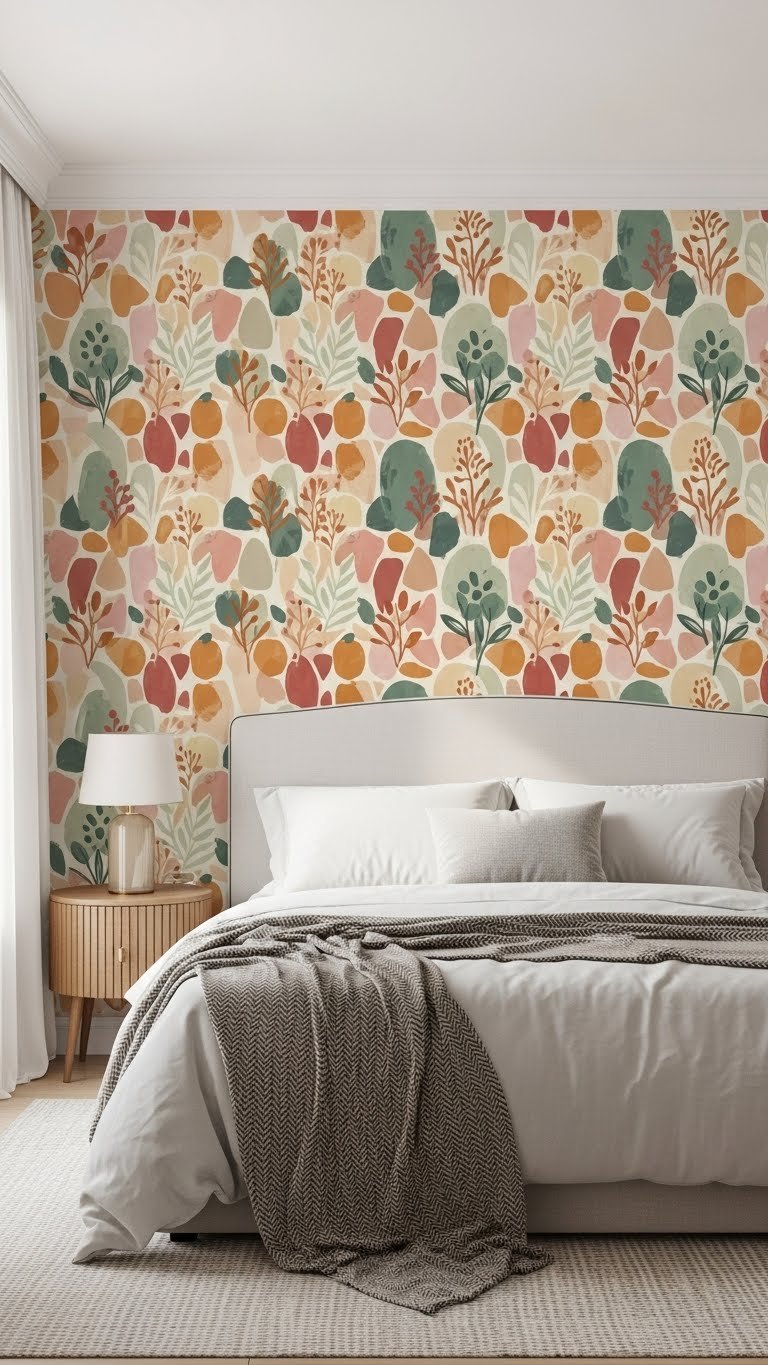
    Floral wallpapers are having a moment in 2025, blending nostalgia with modern minimalism. Peel-and-stick versions make them renter-approved and commitment-free.

    Choose a peel-and-stick wallpaper in a design you love: botanical florals, geometric patterns, or even abstract art ($15–$40 per roll from Wayfair, Amazon, or Spoonflower). Measure your wall, prep the surface (clean, smooth, and dry), then carefully apply one panel at a time. For a 10×10 wall, you’ll need 2–3 rolls. Total time: 2–3 hours for a first-timer.

    Pro tip: Order a sample first ($5–$10) to see how the pattern and colors look in your actual light.

    Your wall gains instant pattern and personality—and if you move or get tired of it, you simply peel it off with zero damage.

    20. Mount a Wooden Art Ledge for Rotating Display
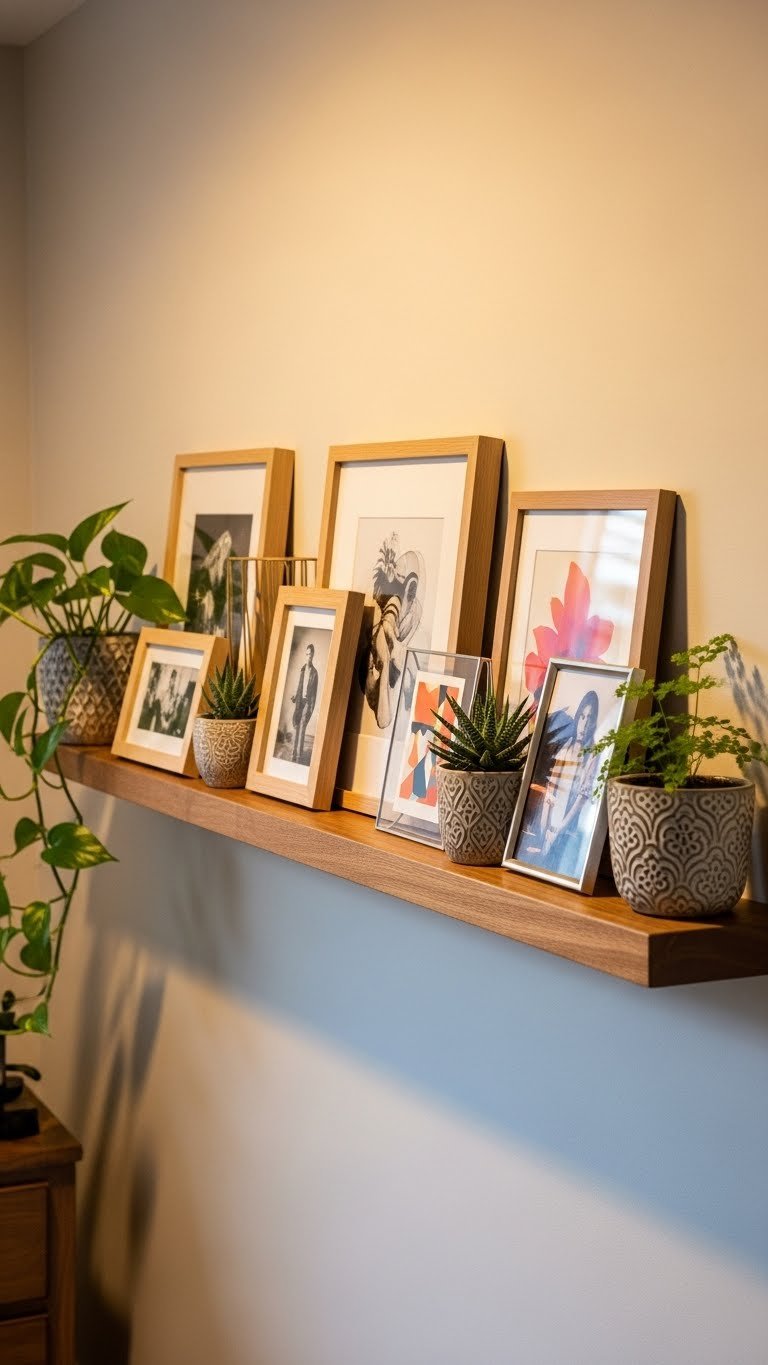
    An art ledge lets you rotate decor seasonally or as your mood shifts—it’s a gallery wall that doesn’t require commitment to every piece.

    Install a wooden ledge ($40–$100 from Etsy, IKEA, or West Elm) using wall studs and screws. The lip should be at least 2 inches deep to hold items safely. Arrange a mix of framed photos, small prints, small plants, and objects you rotate seasonally. Update your display every few weeks or months.

    Alternative: Use multiple narrow ledges (12 inches each) for a staggered, modern look ($30–$50 each).

    A ledge gives you permission to play with decor without committing—plus it displays items that might be lost in a crowded shelf.

    21. Paint Color Blocking or Geometric Panels Behind the Bed
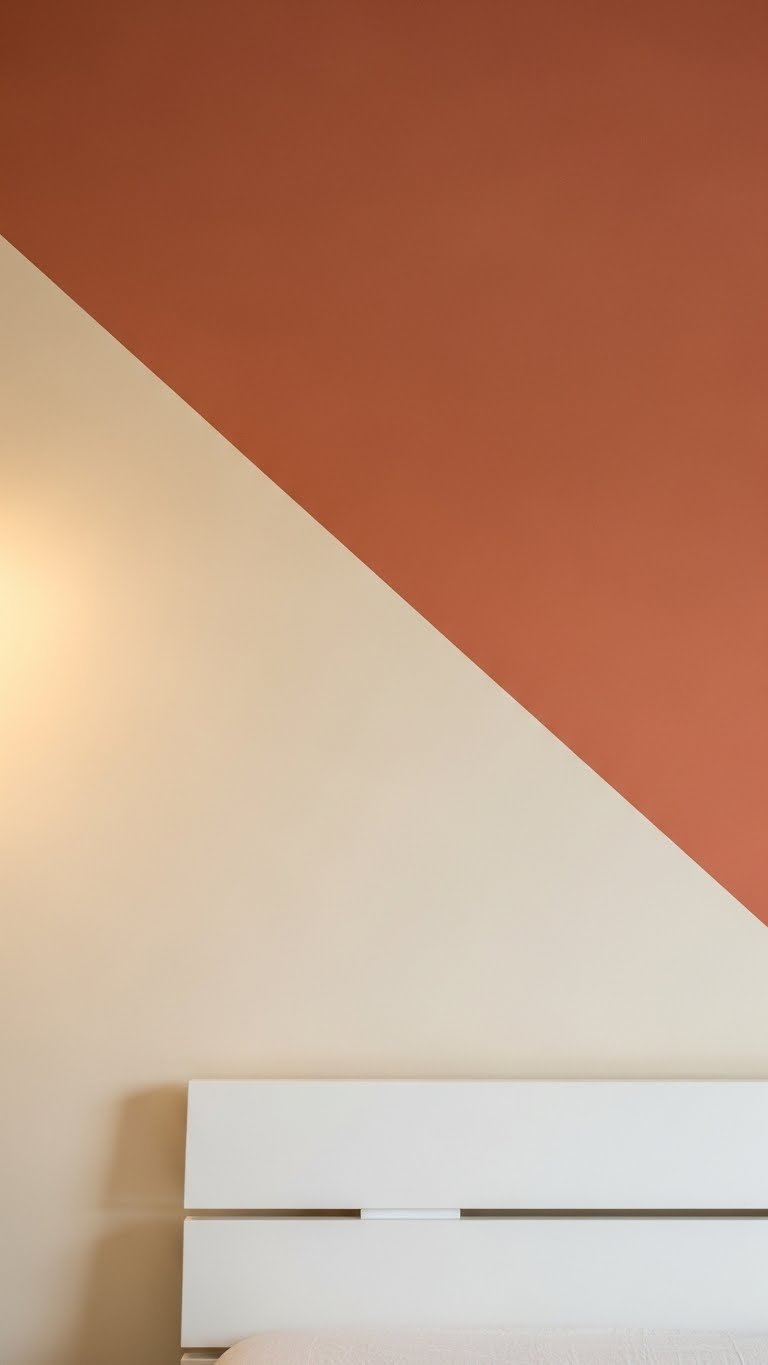
    Color blocking is a 2025-approved way to add visual interest and warmth without pattern overload. It’s graphic, modern, and totally doable with painter’s tape.

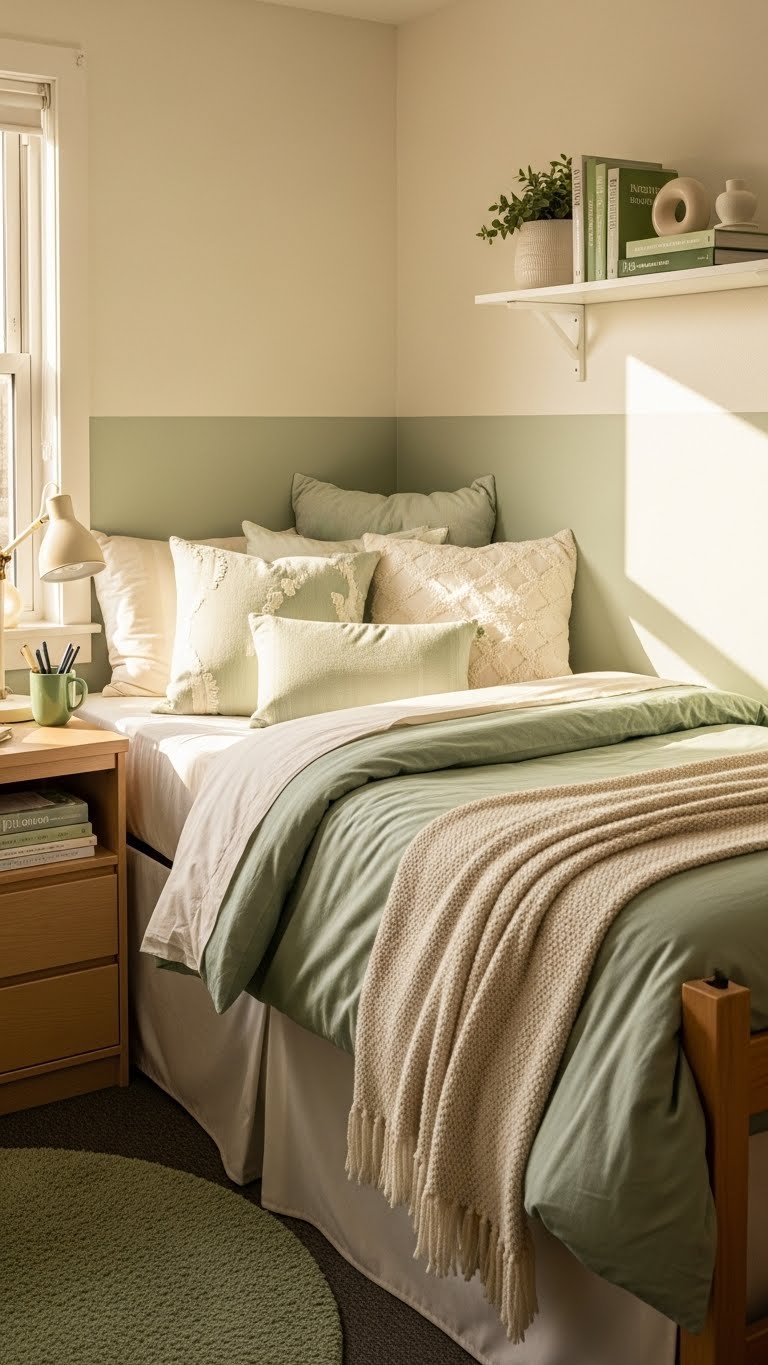
    Choose two warm, complementary colors: perhaps cream and terracotta, or soft green and cream. Use painter’s tape to create a clean horizontal, diagonal, or geometric division. Paint each section with quality paint ($15–$30 per can). The tape ensures crisp lines. Total cost: $40–$70. Time: 3–4 hours including tape removal (remove tape while paint is slightly tacky for best results).

    Pro tip: Use a laser level to ensure your line is perfectly straight.

    Color blocking adds intentional, modern style that photographs beautifully and makes your bedroom feel like you actually have a design plan.

    22. Hang a Leather or Macramé Wall Hanging With Shelf Space
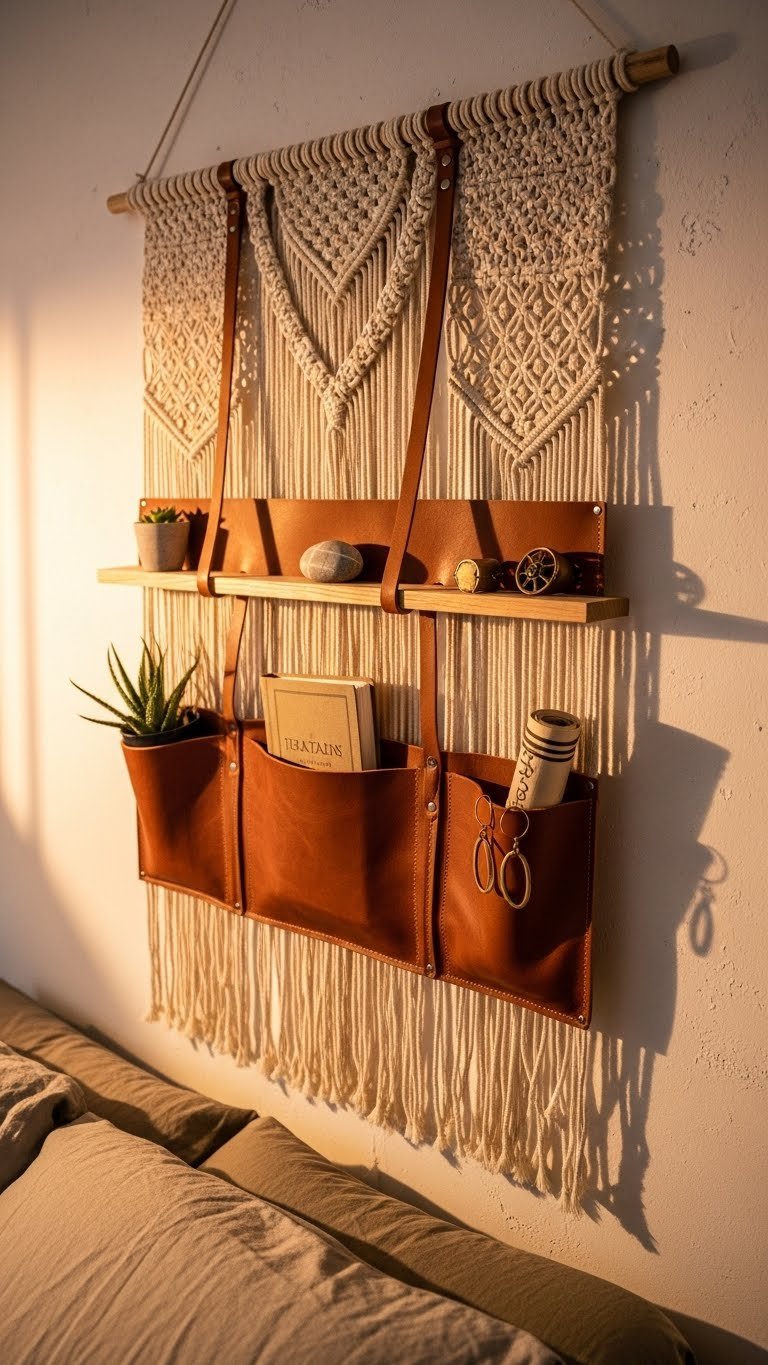
    Macramé and leather wall hangings are seeing a resurgence—but instead of chaotic boho, look for edited, sculptural pieces with built-in storage pockets.

    Search Etsy, Anthropologie, or Urban Outfitters for a macramé or leather wall hanging with integrated shelf pockets ($60–$150). These often have 2–4 pockets perfect for small plants, journals, or trinkets. Hang using a sturdy rod or hooks ($15–$30). Installation takes 20 minutes.

    Pro tip: Keep the hanging itself uncluttered and style with just 3–5 minimal items—that’s how you avoid boho overload.

    A sculptural wall hanging with storage adds functional beauty that doesn’t scream “cluttered bedroom”—it reads as intentional and edited.

    23. Layer Raw Wood Tones With Cork or Jute Accents
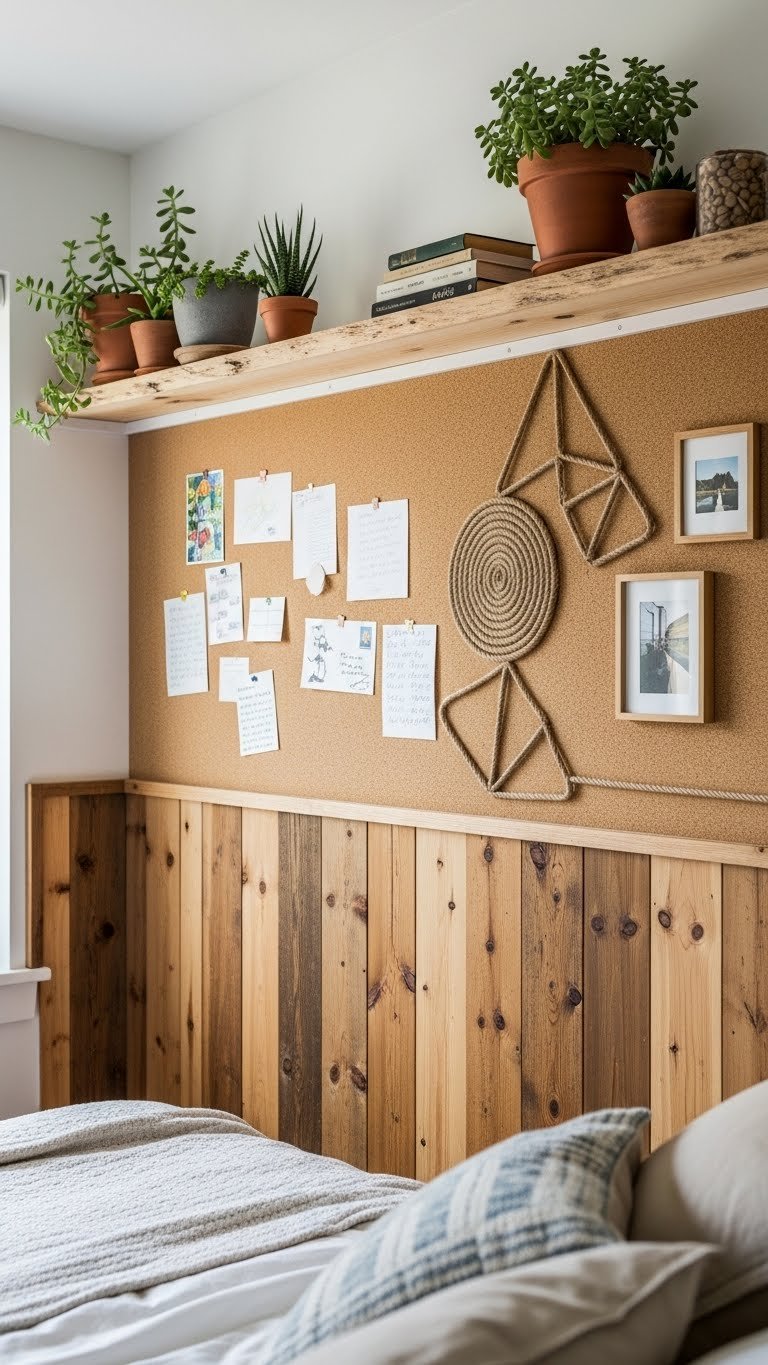
    Raw, natural materials are defining 2025’s biophilic trend. Combining raw wood with cork or jute adds texture, warmth, and a connection to nature.

    Install raw wood shelves or paneling ($50–$150 per shelf or $100–$300 for a wall treatment). Add a cork bulletin board or cork accessories ($20–$60 from IKEA or Etsy). Incorporate jute rope detailing ($10–$30 from craft stores) as a shelf edge or as a wall divider. Mix wood tones—raw, light, and dark—for visual interest.

    Pro tip: Let the raw materials be the star; keep decor minimal so their natural beauty shines.

    Your wall becomes a tactile, nature-inspired focal point that makes you feel grounded and connected—exactly what a bedroom should feel like.

    24. Create a Statement Headboard Wall With Texture and Lighting
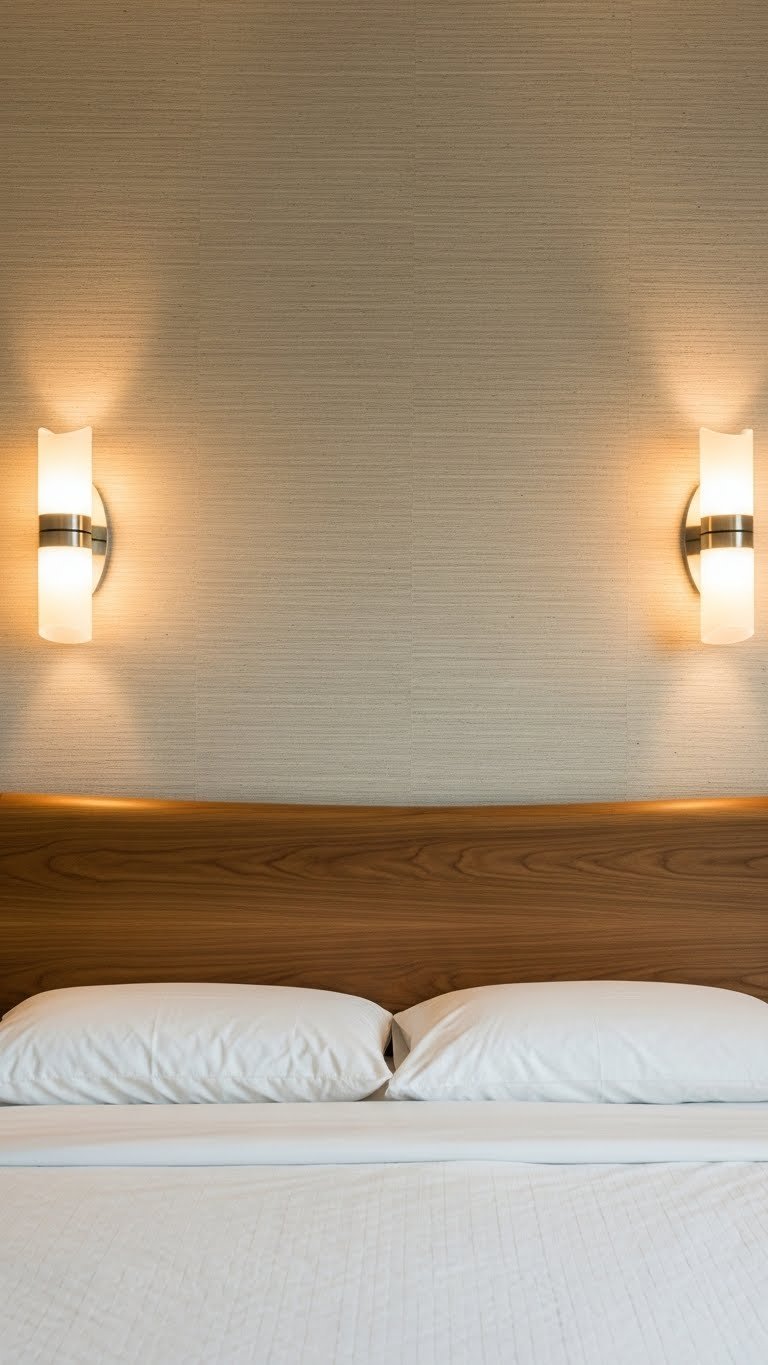
    Go all-in with a layered headboard wall that combines texture, lighting, and structure. This is the “investment” option that becomes the absolute hero of your room.

    Combine elements: textured wallpaper ($40–$80 for the wall) + a fabric or wood headboard ($200–$500) + wall sconces on either side ($80–$200 for the pair) + a floating shelf above for plants or decor ($50–$100). Total investment: $400–$900. Hire professionals for installation ($300–$600) or tackle it yourself over a weekend if you’re confident.

    Alternative: Build this over time, starting with wallpaper, then adding the headboard, then lighting.

    A complete headboard wall becomes the focal point of your entire bedroom—the kind of statement that makes you slow down, breathe, and appreciate your space every single day.


    Save this post and pick just one idea to start with this weekend. Whether you go simple (a draped textile, 15 minutes) or ambitious (a full headboard wall, a weekend project), your back wall deserves to be as thoughtful as the rest of your room. You’ll be amazed at how one wall can shift everything.
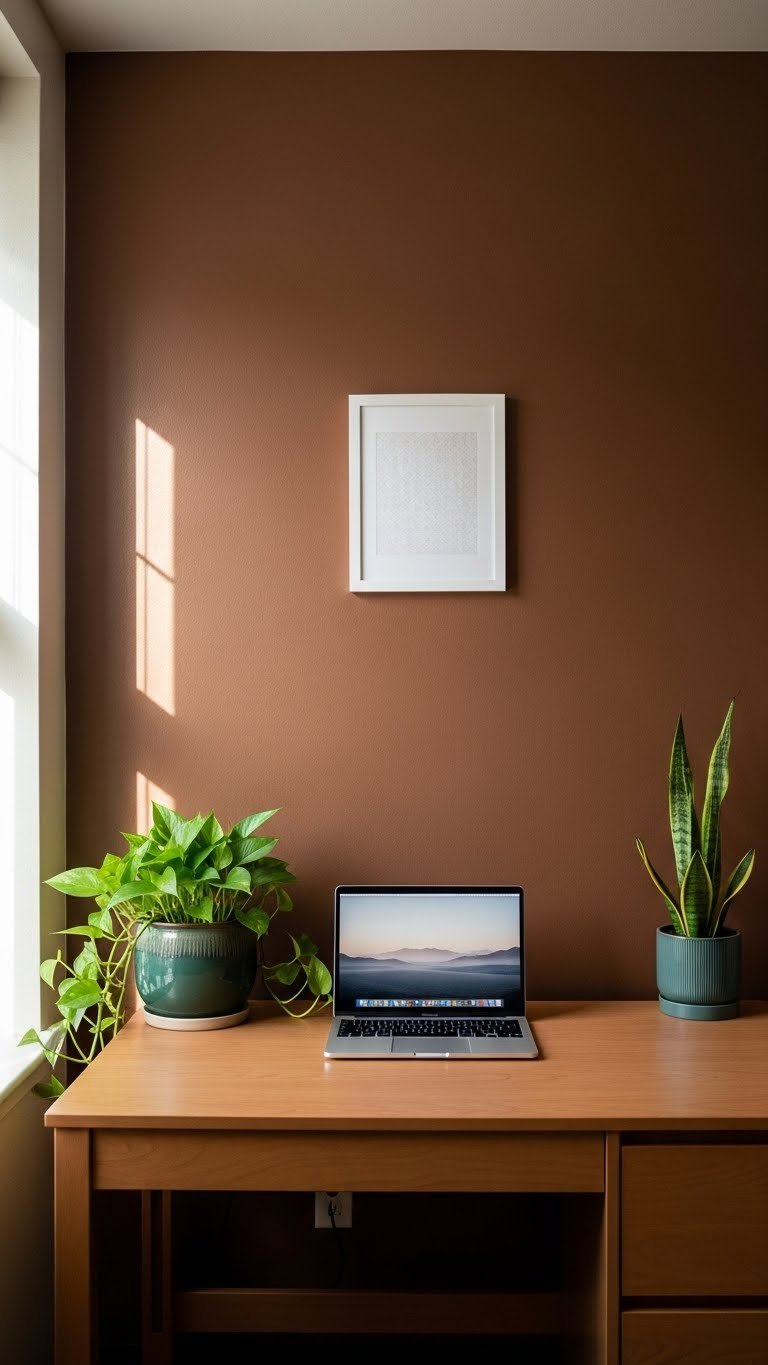
  • 27 Dorm Room Ideas That Make Your Space Feel Like Home

    27 Dorm Room Ideas That Make Your Space Feel Like Home

    Your dorm room doesn’t have to feel like a temporary hotel space. With the right mix of budget-friendly updates, smart organizing, and personality-packed styling, you can turn your dorm into a cozy sanctuary that actually feels like home. Whether you’re working with a tiny single or sharing a double, these 27 ideas blend today’s hottest design trends—warm earthy tones, defined zones, and maximalist flair—with real-world constraints like limited space, no-damage rental rules, and a student budget. You’ll find free solutions, quick weekend projects, and investment pieces that’ll make your room feel intentional and lived-in. Ready to stop counting down the days until you can redecorate? Let’s start here.

    1. Paint Your Walls with Warm Earthy Tones

    Forget white walls—they make dorm rooms feel sterile and impersonal. Warm earthy colors like chocolate brown, sage green, or soft burgundy create instant coziness and work as the perfect backdrop for everything else in your room.

    Paint is technically a dorm violation in many places, so check your contract first. If you get permission, use removable paint (brands like Tempaper make peel-and-stick options, $15-$30) or negotiate with your RA. If traditional paint is off-limits, adhesive fabric wallpaper or large tapestries ($20-$50) give you the same vibe without permanent changes.

    A single accent wall takes one afternoon. The payoff? Your entire room looks more sophisticated and grounded instantly.

    2. Use Color Drenching to Make Small Spaces Feel Intentional

    Color drenching means picking one warm tone and layering it throughout your room via walls, textiles, and decor instead of just one accent wall. It creates an immersive, curated feel that makes cramped quarters seem more intentional.

    Start with your wall color ($15-$30 for removable paint or fabric), then add matching or complementary bedding ($40-$80), throw pillows ($15-$25 each), and a rug ($30-$70). You’re not matching everything perfectly—vary the texture and shade slightly so it looks lived-in, not sterile.

    Your room becomes a cohesive retreat rather than a random collection of furniture. The continuity makes the space feel bigger and more sophisticated.

    3. Invest in Curved, Sculptural Furniture for Comfort and Flow

    Curved furniture pieces add softness and flow to angular dorm rooms while actually providing more comfort than rigid, modern shapes. A curved chair or rounded ottoman becomes a statement piece that makes your room feel less like a typical college setup.

    Shop for curved accent chairs at IKEA ($150-$250), Wayfair ($200-$400), or thrift stores ($30-$100 for vintage finds). If budget is tight, even a curved side table ($50-$100) or rounded mirror ($40-$80) introduces that sculptural vibe without taking up much space.

    These pieces look great in photos (major Pinterest energy) and actually create a more relaxed atmosphere where you want to study and hang out.

    4. Create Defined Zones Without Walls

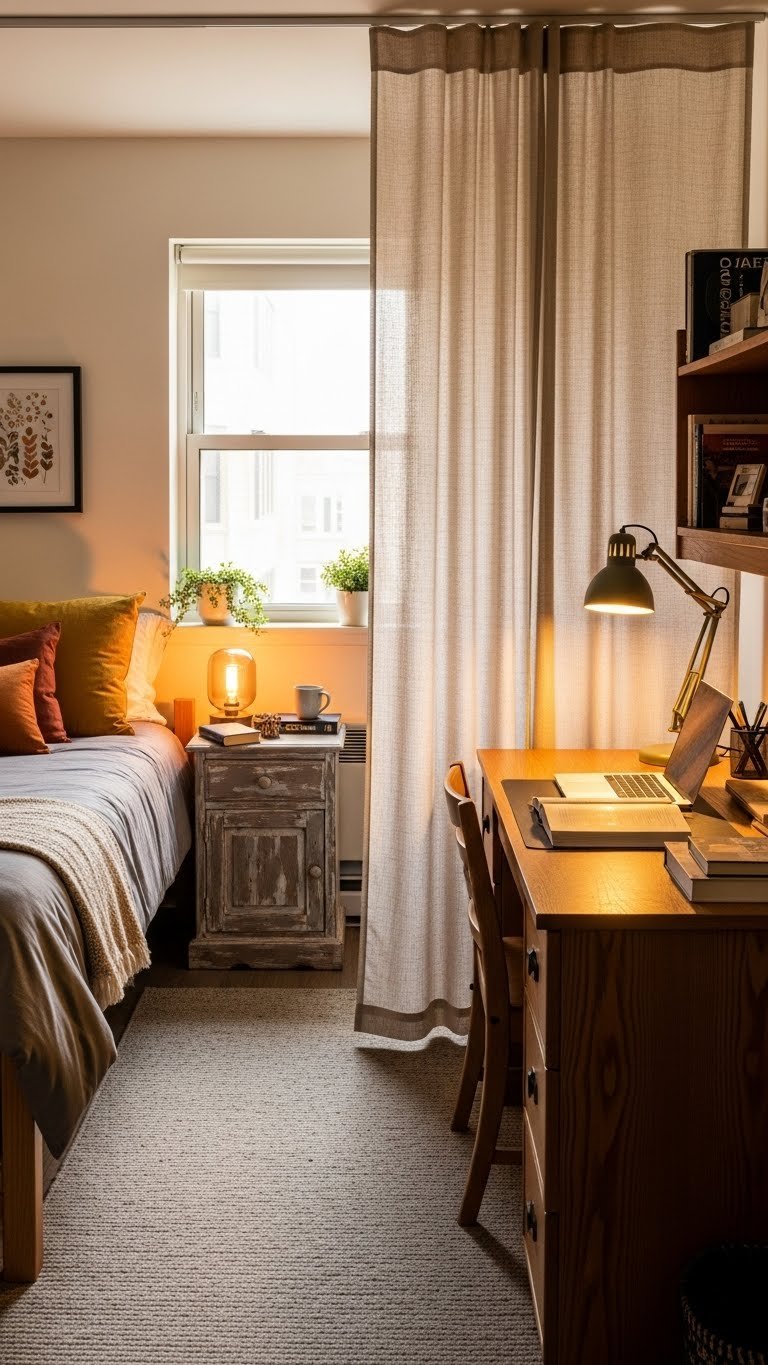
    Open-concept dorm rooms lack privacy and make it hard to separate sleep from study mode. Instead of asking for wall removal (obviously not happening), use sheer curtains, a decorative room divider, or a tall bookshelf to define sleeping, studying, and relaxing areas.

    A tension rod with lightweight curtain fabric costs $25-$50 and takes 10 minutes to install. Freestanding room dividers run $40-$120. Even a tall plant stand with trailing pothos ($20-$40) creates a subtle boundary without blocking light or views.

    You’ll find it easier to focus at your desk and actually feel like you have privacy in your own space. Roommates appreciate the boundary too.

    5. Layer Patterned Throw Pillows and Textiles for Maximalist Energy

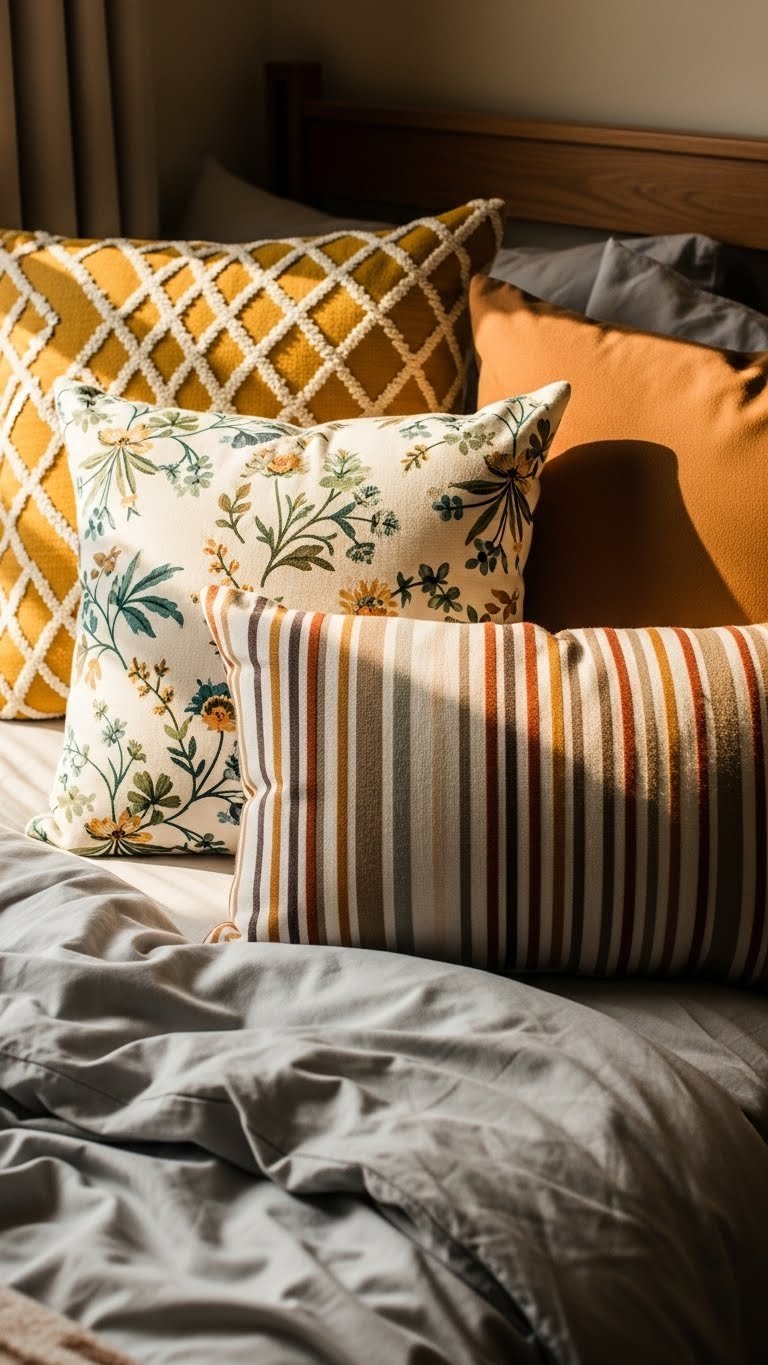
    Minimalist dorm rooms are boring. Maximalist rooms feel collected and personal—like someone actually lives there. Start with 3-5 throw pillows in different patterns (geometric, striped, floral) that share a color palette so they don’t clash.

    Buy pillows from Target ($10-$20 each), IKEA ($8-$15), or thrift stores ($2-$5). Mix new with vintage finds for authenticity. Add a chunky knit throw ($25-$50) draped over your chair or bed and suddenly your room looks styled.

    The layered texture and pattern mix creates visual interest and makes your space feel curated, not bare. Plus, all those pillows make your bed actually comfortable for studying and lounging.

    6. Add Vintage or Art Deco Lighting as a Centerpiece

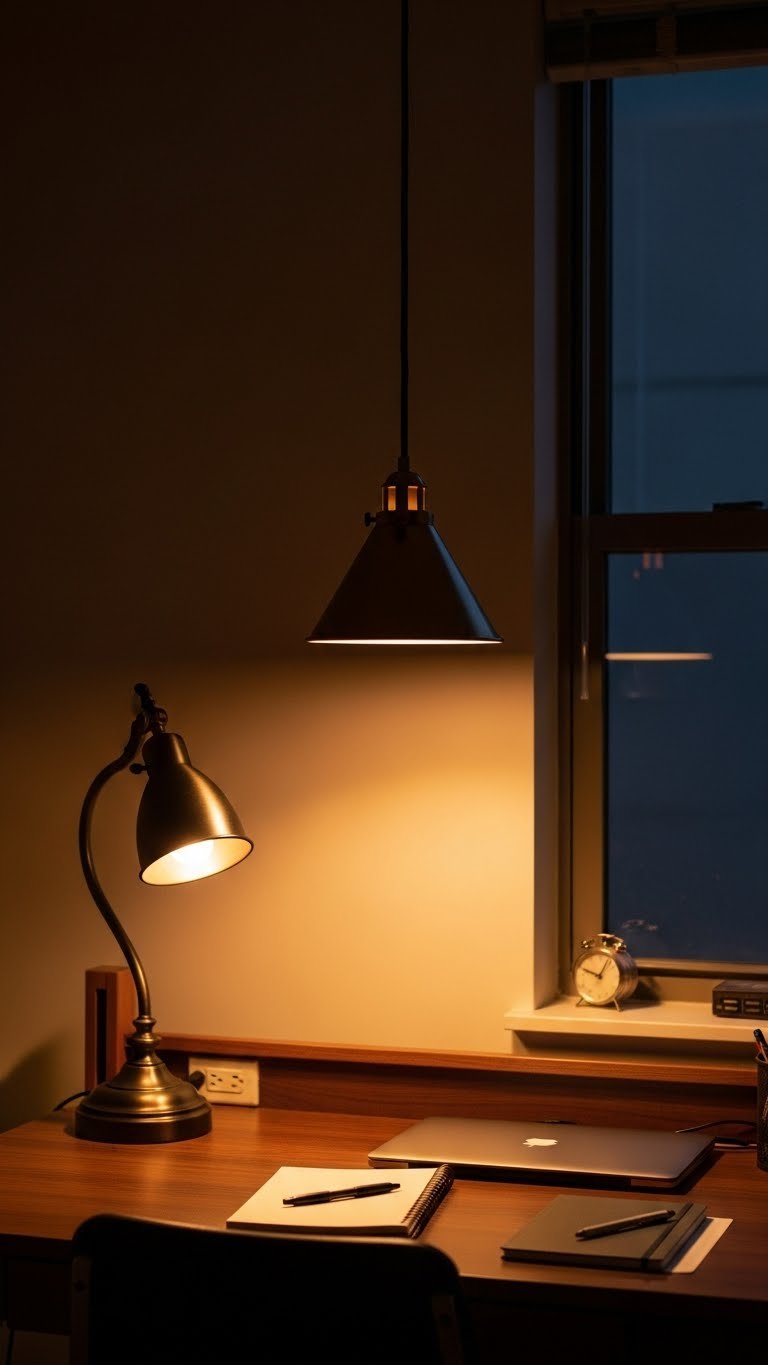
    Standard dorm lighting is harsh and unflattering. Vintage or Art Deco-style lighting (pendant fixtures, table lamps with brass or colored glass) elevates your entire room and creates the warm, intentional vibe you want.

    Hunt thrift stores for vintage brass lamps ($10-$30), or invest in a quality new pendant ($50-$120 from West Elm or Anthropologie). String lights ($15-$30) work too but feel more generic. Use a plug-in fixture if you can’t hardwire anything.
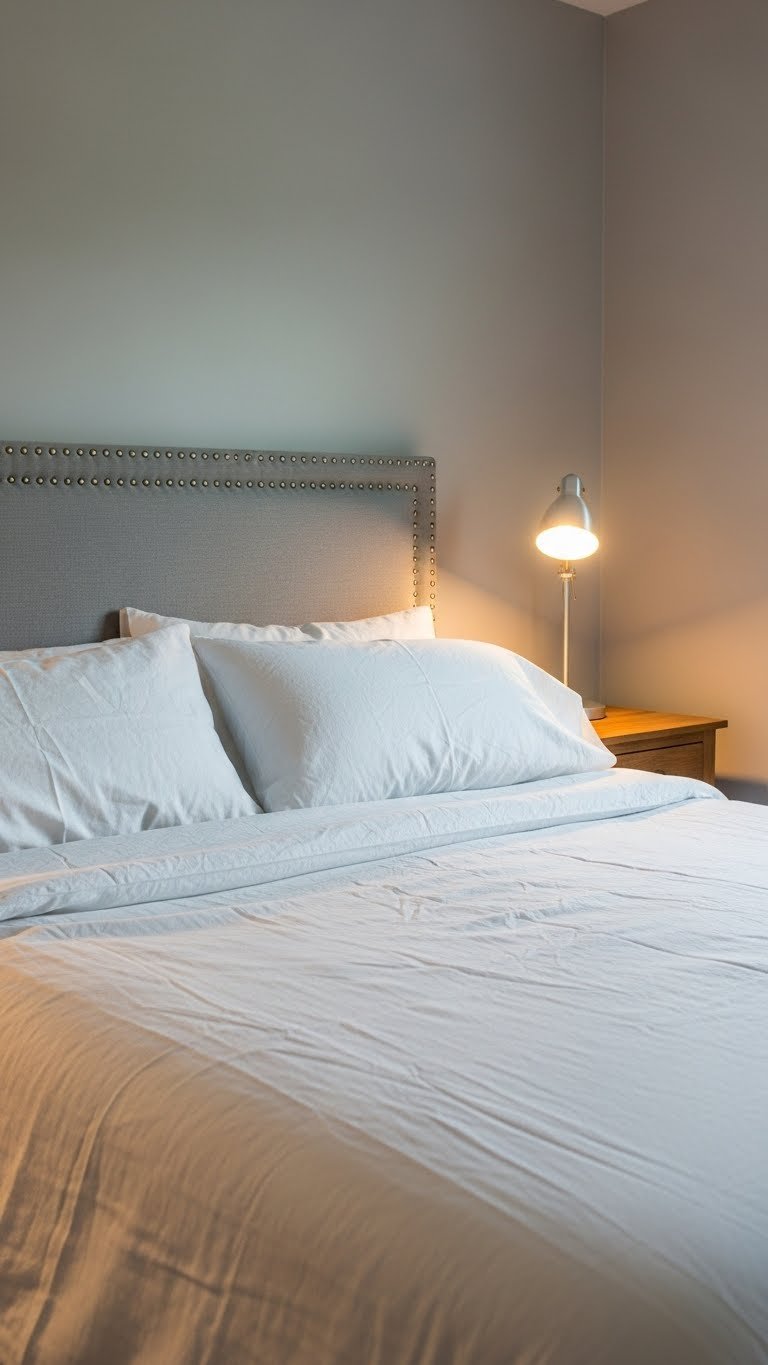
    Good lighting makes your room feel like a boutique hotel corner, not institutional housing. It’s also better for studying and makes you actually want to spend time in your space.
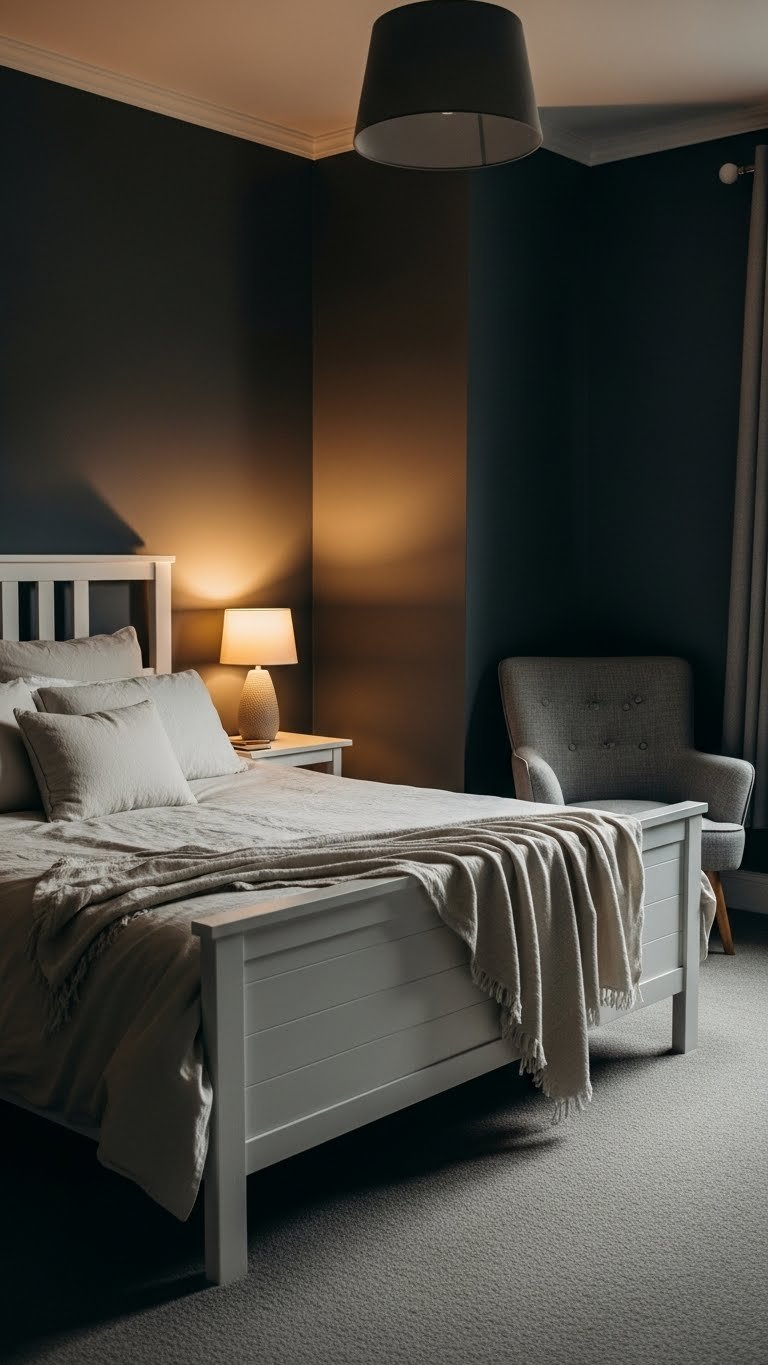
    7. Try Pattern Drenching for an Immersive Bedroom Retreat

    Pattern drenching goes a step beyond color drenching—you’re layering repeated motifs (florals, geometric shapes, abstract designs) throughout your room to create an immersive, almost cinematic feel. It’s bold but surprisingly sophisticated when done in a cohesive color palette.

    Use peel-and-stick wallpaper on one accent wall ($30-$60), add patterned bedding ($50-$100), and layer in patterned pillows or a rug. Keep your palette tight (two or three colors max) so patterns don’t feel chaotic.

    Your room becomes a distinct personality zone that’s impossible to ignore. Visitors immediately sense that someone thoughtful lives here, and you get a personal retreat that recharges you.

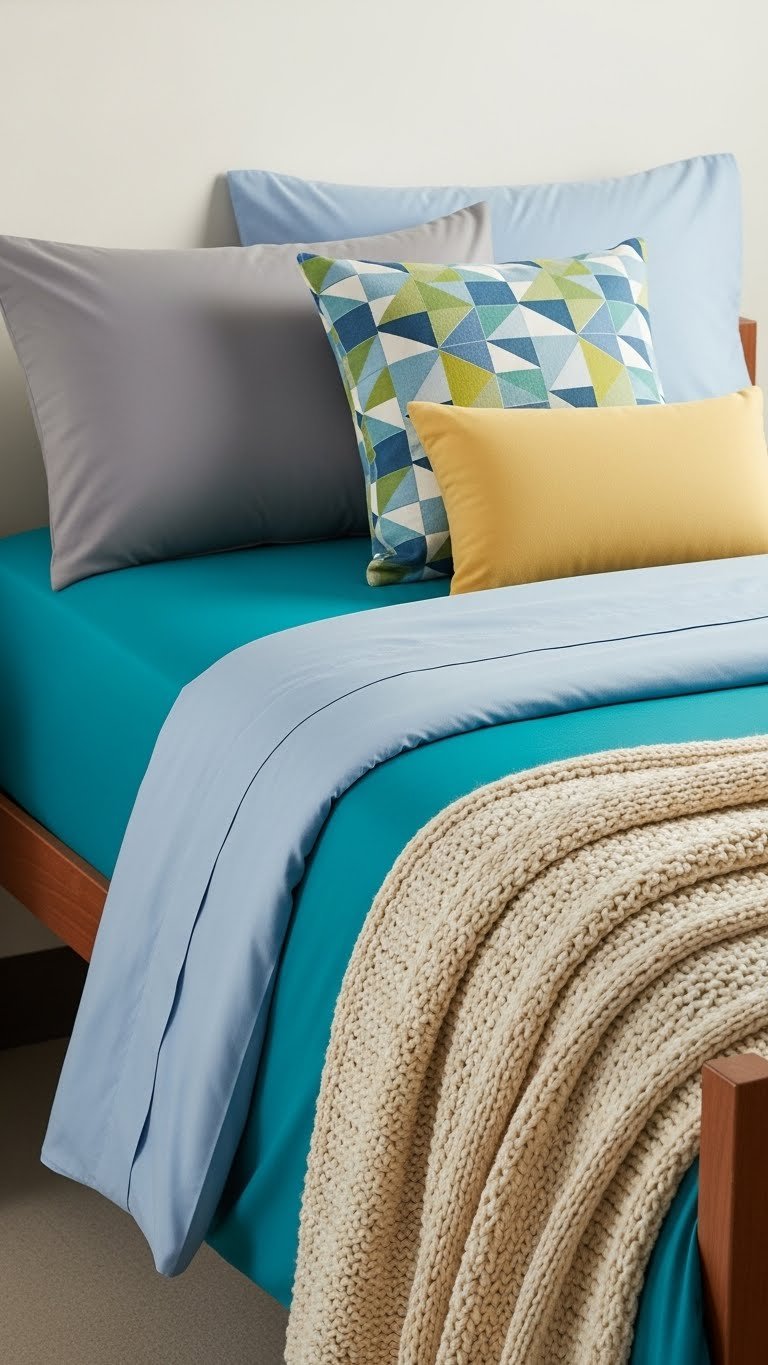
    8. Swap Generic Bedding for Curated, Layered Sheets and Blankets

    Those “bed-in-a-bag” sets are matchy and impersonal. Instead, curate your bedding by mixing fitted sheets, top sheets, blankets, and pillows in coordinating but distinct textures and tones. This approach looks more sophisticated and gives you options for different seasons and moods.

    Buy quality sheets from Target or Amazon ($15-$30 per set), add a weighted blanket ($40-$80) or chunky knit throw ($25-$50), and invest in good pillows ($30-$60 each). Total investment: $100-$200, but you’re not replacing it all next year.

    Your bed becomes the anchor of your room—a place you actually want to rest and read. Quality sleep setup means better rest during stressful exam weeks.

    9. Install Floating Shelves for Display and Storage

    Floating shelves add vertical storage without eating floor space, and they give you room to display books, plants, photos, and small decor that shows off your personality. No drilling required if you use adhesive shelves (though they’re less stable for heavy items).

    Adhesive shelves run $15-$40 per shelf; traditional floating shelves need installation but cost $20-$50. Arrange books, potted plants ($5-$20 each), and a small plant stand ($15-$30) on them to create a styled, intentional look.

    You’re maximizing your tiny wall space and creating a focal point that makes your dorm feel like an actual home office, not just a study desk crammed in a corner.

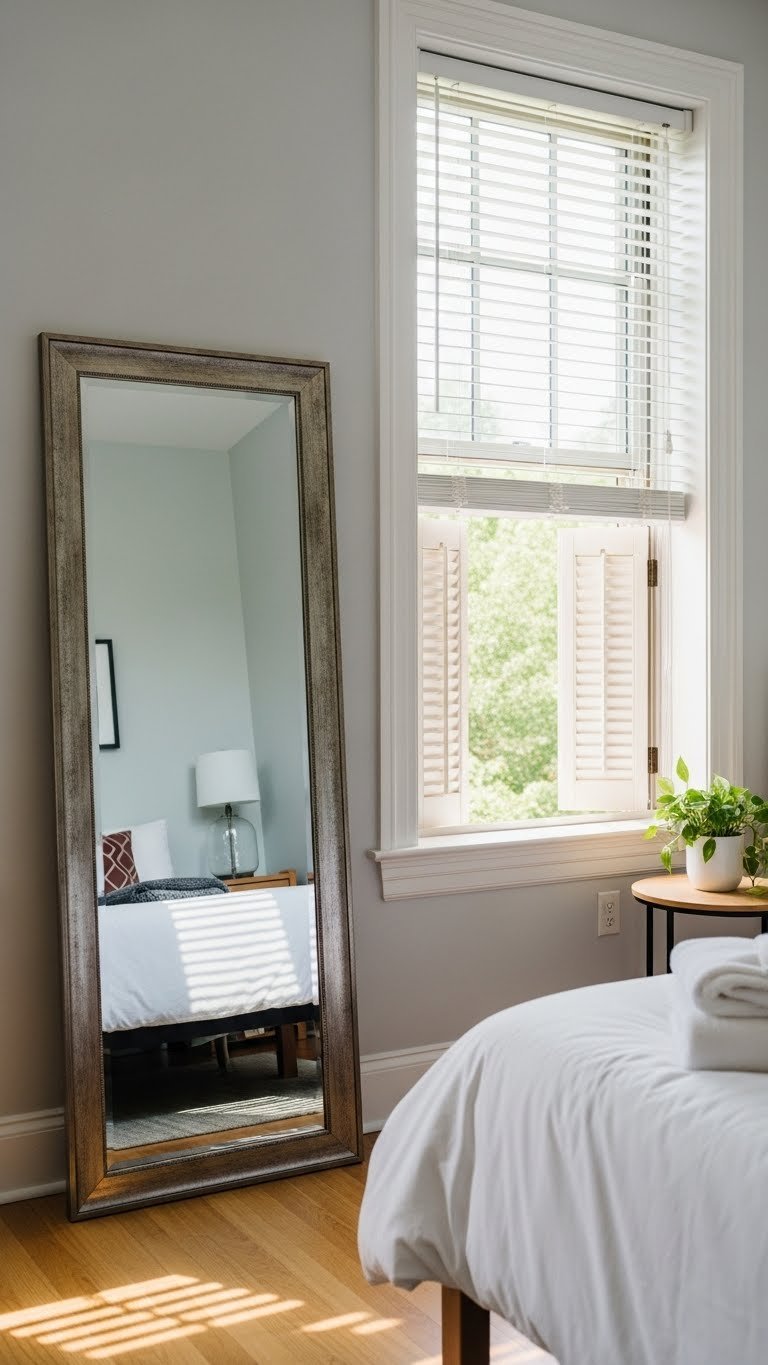
    10. Use a Large Mirror to Reflect Light and Expand Space

    Mirrors bounce light around small spaces and make dorm rooms feel bigger and brighter. A large statement mirror (especially one with a pretty frame) also serves as decor, not just a functional item.

    Leaning floor mirrors cost $30-$80 and don’t require installation. Wall-mounted mirrors in wooden or brass frames run $25-$60. Position it across from a window or light source to maximize its effect.

    Suddenly your room looks lighter, airier, and more spacious. You get a practical tool plus a design element that works hard for your space.

    11. Paint or Update Your Desk for a Personalized Workspace

    Generic particle-board desks come with the territory, but you can upgrade yours with paint, adhesive wood veneer, or a decorative desktop cover. A personalized desk makes studying feel less institutional and more intentional.

    Use removable paint ($15-$30), self-adhesive wallpaper or wood grain film ($20-$40), or even a large cork or fabric desktop cover ($30-$50). The whole project takes one weekend.

    You’ll actually enjoy sitting down to study when your workspace reflects your style. It’s a small change that impacts your daily life significantly.

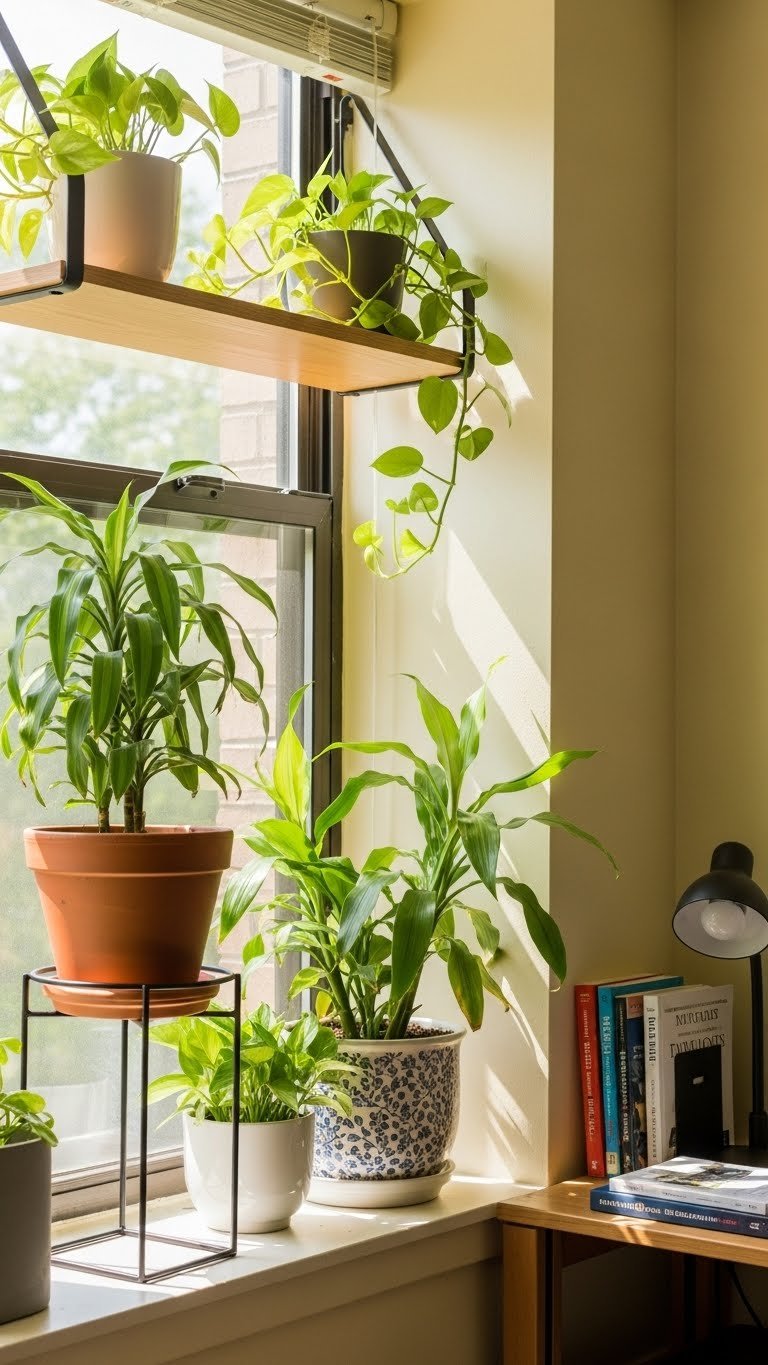
    12. Add Indoor Plants for Warmth and Air Quality

    Plants add life, texture, and warmth to dorm rooms while improving air quality. Low-maintenance varieties like pothos, snake plants, and monstera thrive even if you forget to water them regularly (perfect for student schedules).

    Buy small potted plants from grocery stores or garden centers ($5-$15 each) and add them to shelves, windowsills, and corners. A simple plant stand ($15-$30) creates a plant corner display.

    Your room instantly feels more organic and grounded. Plus, having greenery actually boosts mood and focus during long study sessions—it’s science.

    13. Create a Skirted or Draped Seating Area

    Skirted furniture adds drama and coziness while making basic pieces look more intentional. You can add a skirted slipcover to a chair or ottoman, or simply drape quality fabric over seating to create that upholstered, boutique feel.

    Pick up a plain chair or ottoman ($30-$80 secondhand) and add a fitted fabric skirt ($20-$40 from craft stores or Etsy). Alternatively, just drape a high-quality throw blanket for a similar effect without sewing.
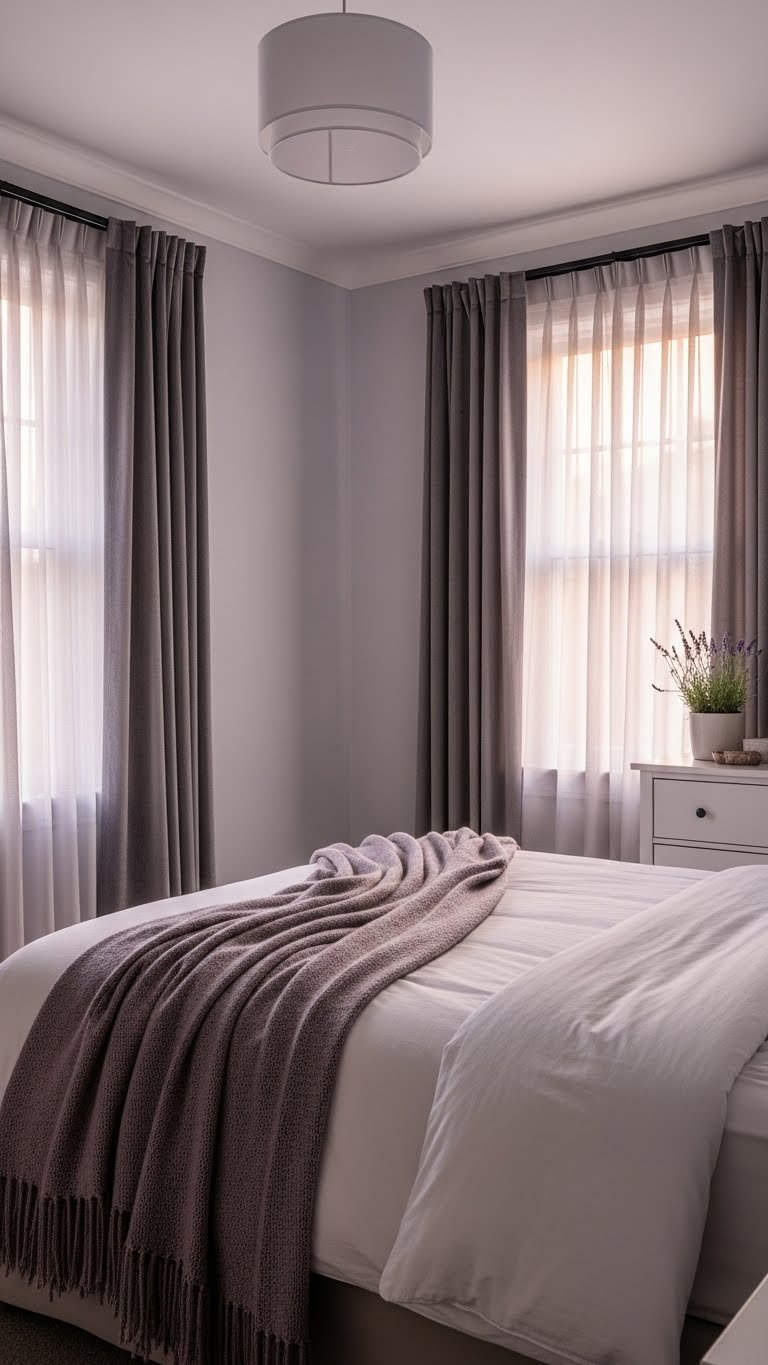
    Your seating area becomes a statement piece instead of something purely functional. It makes your dorm feel more grown-up and design-forward.

    14. Use Removable Wallpaper for Pattern Without Commitment

    Removable wallpaper ($20-$60 per roll) gives you all the pattern impact of traditional wallpaper without the permanent commitment or landlord drama. Modern options look just as good and stick to walls cleanly.

    Measure your wall, order enough for coverage with extra, and spend 2-3 hours installing. Peel & Stick wallpaper from Spoonflower, Etsy, or Target makes it accessible. Apply to one accent wall or even your closet door for surprise personality.
    You get a designer-level statement wall that comes off clean when you move. It’s the perfect compromise between boring dorm walls and actual rebelliousness.

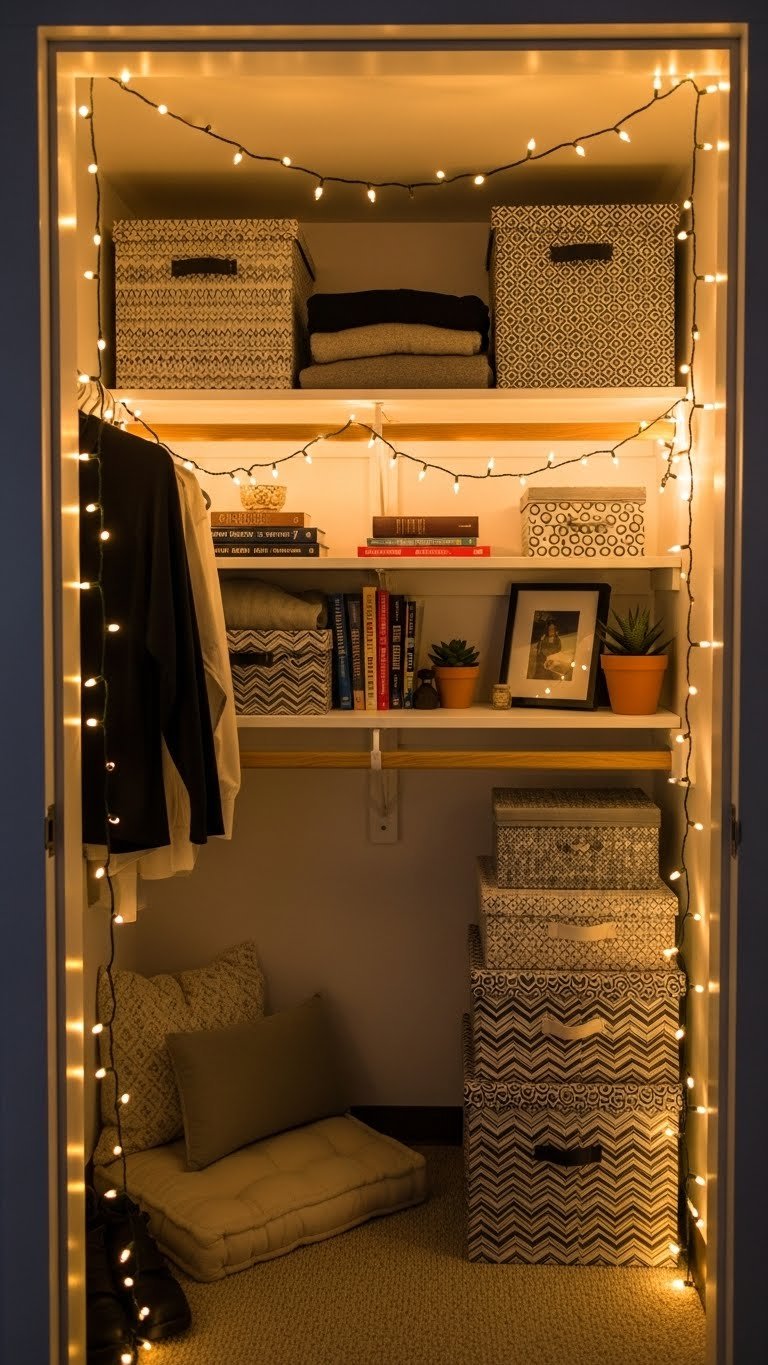
    15. Repurpose Your Closet Space as a Mini Retreat or Display Area

    Most dorm closets are small and cramped, but you can transform yours into a mini reading nook, meditation spot, or display area. Add lights, a small cushion, and organized storage to make it actually functional and inviting.

    String lights ($10-$20), adhesive shelves ($15-$30), and fabric storage bins ($5-$15 each) turn a dark closet into a styled space. Add a small cushion ($15-$30) and suddenly you have a quiet spot to escape.

    You’re maximizing every inch of your room and creating a hidden retreat that gives you privacy and peace during chaotic dorm life.

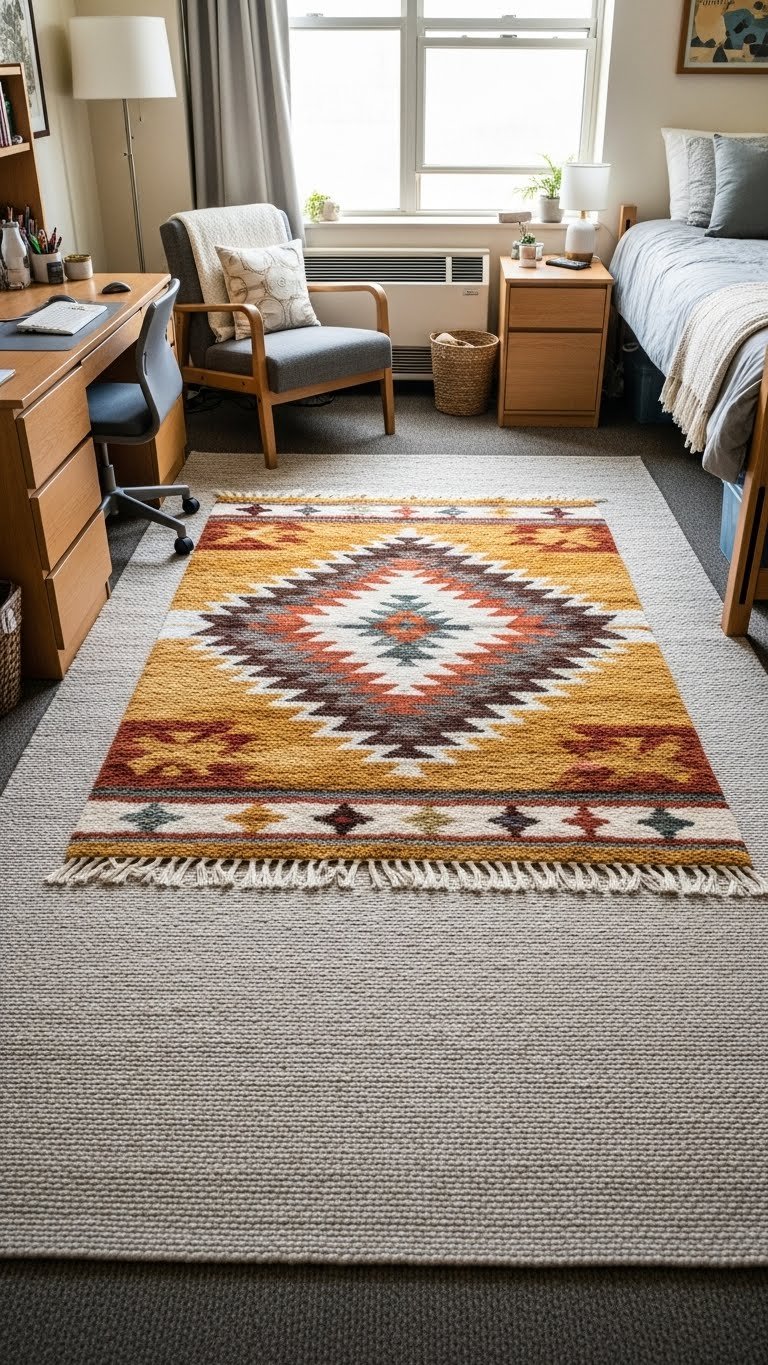
    16. Layer Rugs to Define Zones and Add Warmth

    Layering rugs (a large neutral base with a smaller patterned rug on top) defines zones, adds texture, and makes cramped dorm rooms feel more intentional. It’s a maximalist move that actually works in small spaces.

    Buy a large neutral rug ($30-$80) and layer a smaller runner or accent rug ($20-$50) on top. Look for natural textures like jute or wool to keep it warm and organic.

    Your floor becomes a design moment instead of just bare linoleum or carpet. The layering creates visual interest and makes your room feel curated and comfortable.

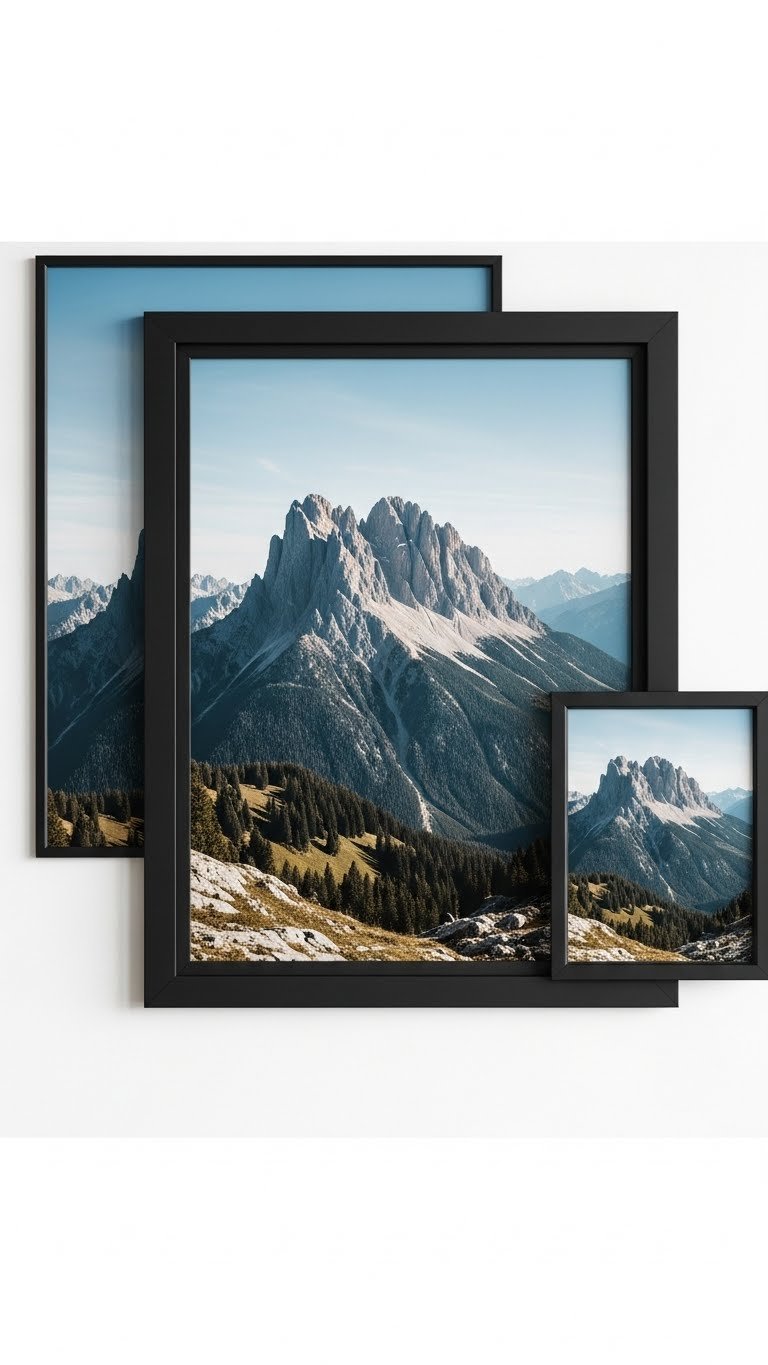
    17. Create a Gallery Wall with Framed Prints and Memories

    A gallery wall displays your personality and fills blank dorm walls without feeling chaotic. Mix framed prints ($5-$20 each), personal photos, and posters ($10-$30) in coordinating frames to create a cohesive, artistic focal point.

    Gather frames from thrift stores ($2-$8 each) or buy matching sets from IKEA ($5-$12). Print affordable art from Etsy or free sources, then arrange on your wall using the grid or salon layout method. Takes one afternoon, lasts the whole year.

    Your room looks intentional and mature. Visitors immediately know you have taste and personality, and you have a conversation starter that’s also deeply personal.

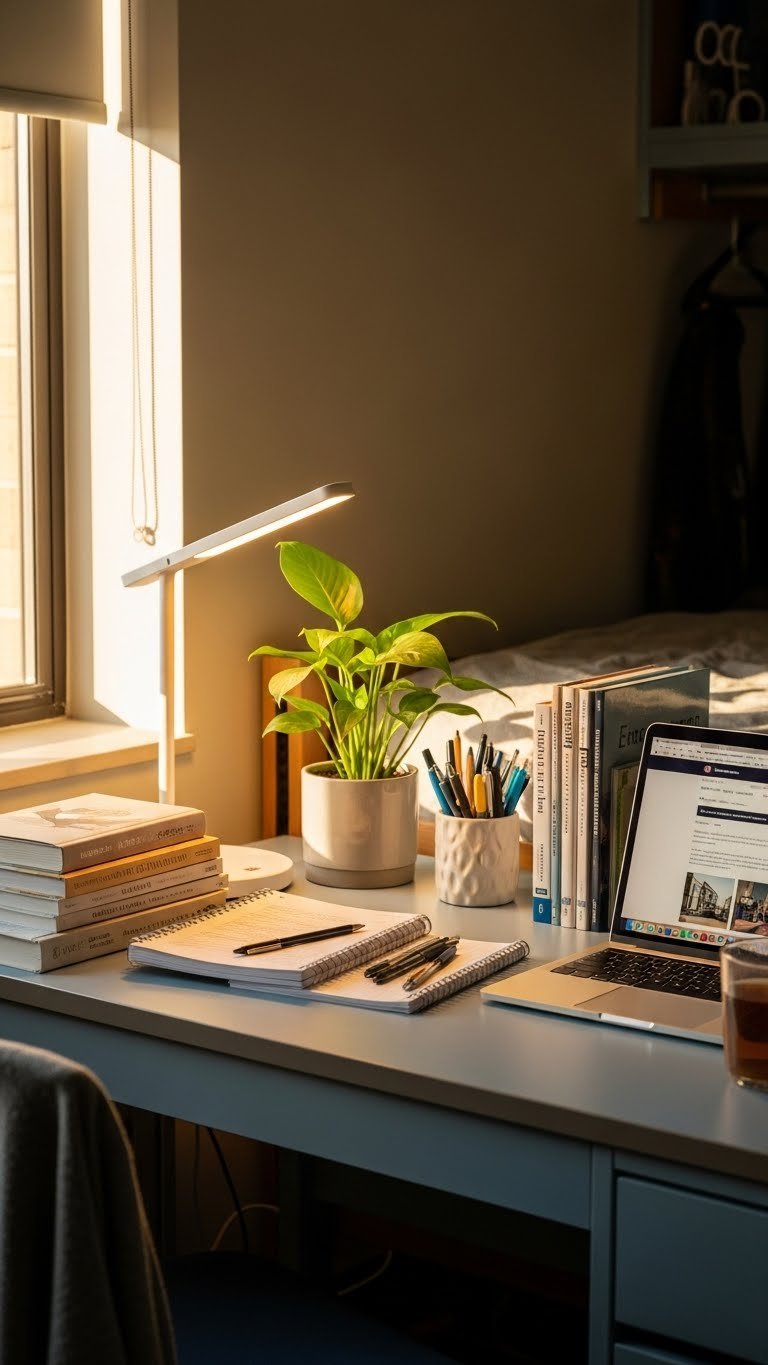
    18. Invest in Quality Task Lighting for Your Study Area

    Harsh overhead dorm lighting strains your eyes during long study sessions. A quality task lamp ($30-$80) provides targeted, warm light that’s better for focus and actually flattering to your space.

    Look for adjustable desk lamps with warm LED bulbs (2700K color temperature) from IKEA, Amazon, or West Elm. Brass, wood, or matte black finishes look more intentional than generic plastic.

    You’ll study more comfortably and your desk area becomes a functional, styled workspace instead of an institutional study carrel. Better lighting also makes your room look more sophisticated in photos.

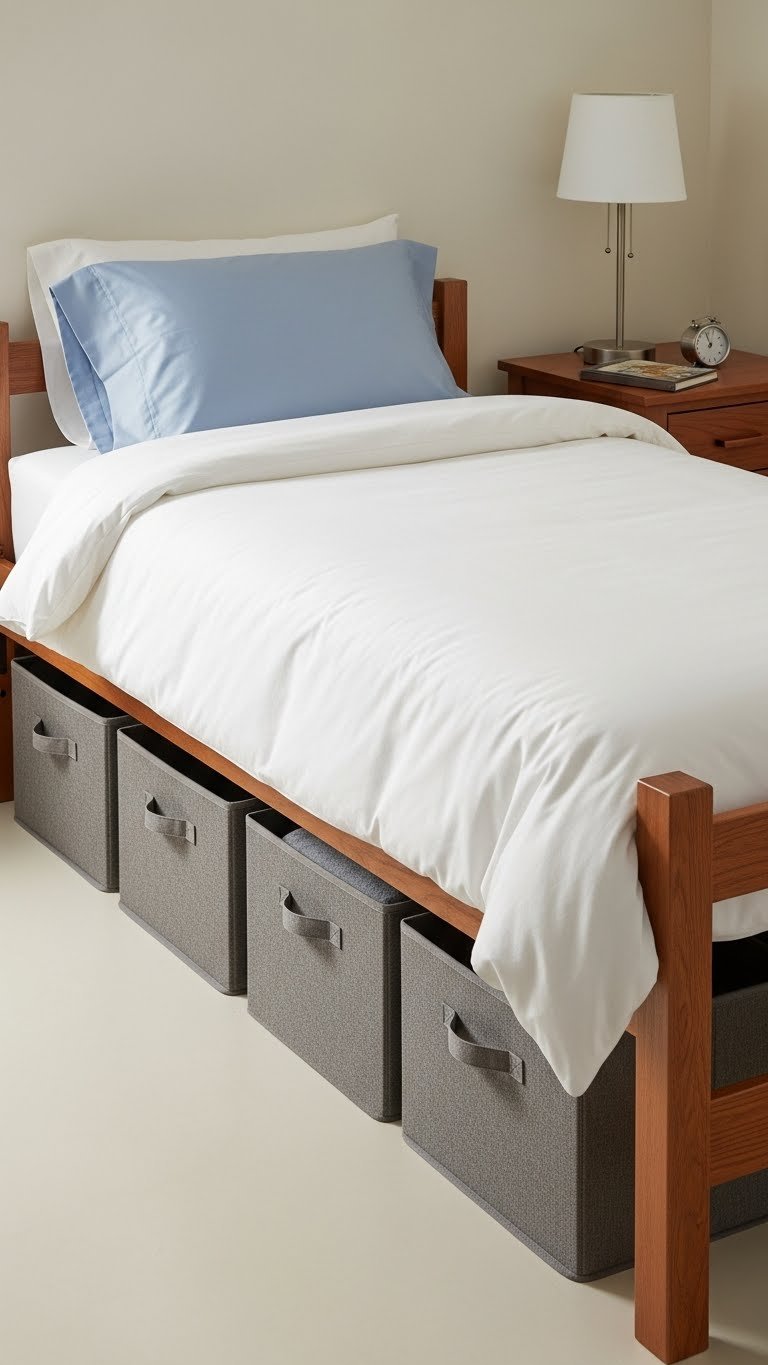
    19. Use Under-Bed Storage Containers for Hidden Organization

    Under-bed storage maximizes your limited floor space by hiding seasonal clothes, extra bedding, and supplies where they don’t create visual clutter. Rolling containers make them even more accessible.

    Fabric storage bins ($10-$25 each) or rolling underbed containers ($20-$40) keep things organized and hidden. Label them so you know what’s where without opening each one.

    Your room stays clean and organized-looking without sacrificing storage. It’s the behind-the-scenes infrastructure that lets you actually live comfortably in a small space.

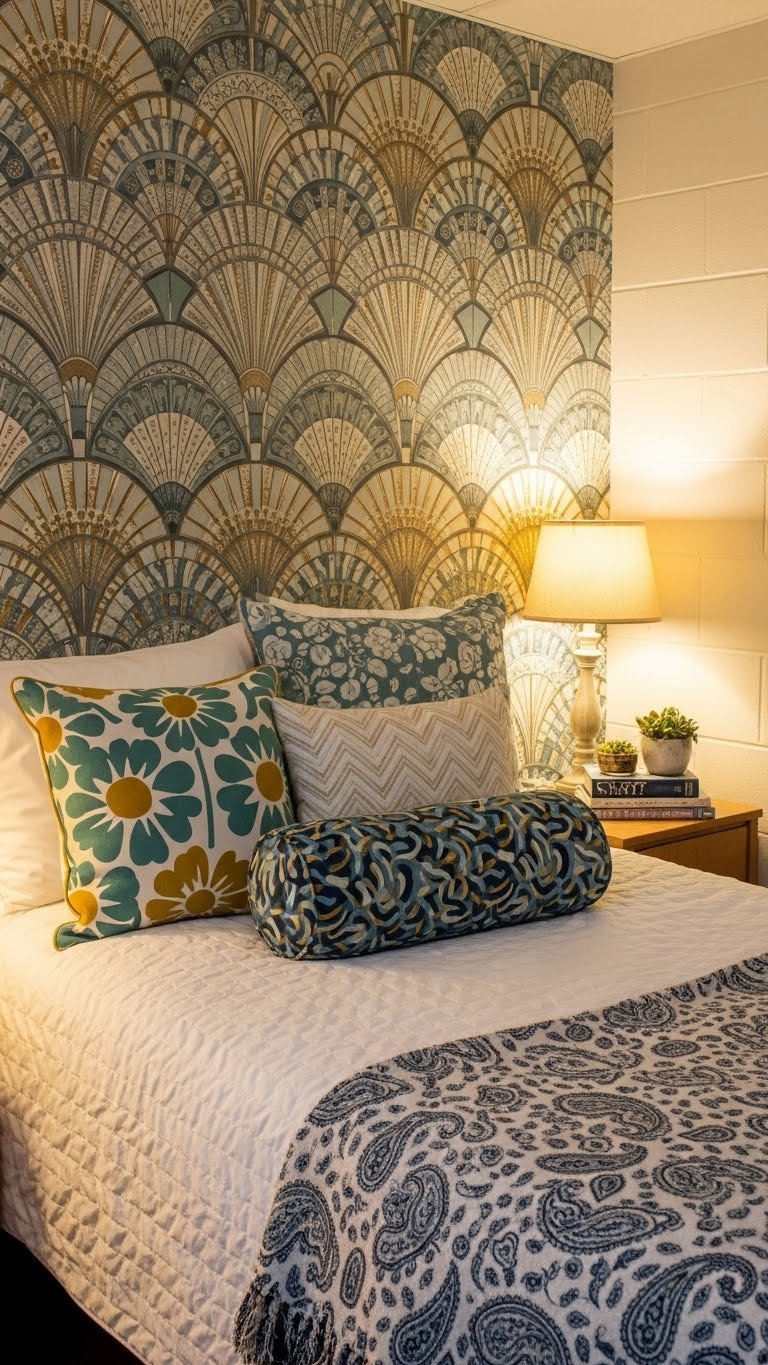
    20. Add a Statement Headboard Using Fabric or Wallpaper

    A headboard grounds your bed visually and makes a tiny dorm room feel more like an actual bedroom. Use temporary materials that don’t require drilling or permanent installation.

    Peel-and-stick wallpaper ($30-$60), adhesive fabric panels ($20-$40), or even a hanging tapestry ($15-$35) creates the headboard effect. Measure your bed width and create a shape behind it—doesn’t have to be perfect.

    Your bed becomes the focal point instead of just a mattress on a frame. It instantly makes your dorm room feel more intentional and bedroom-like.

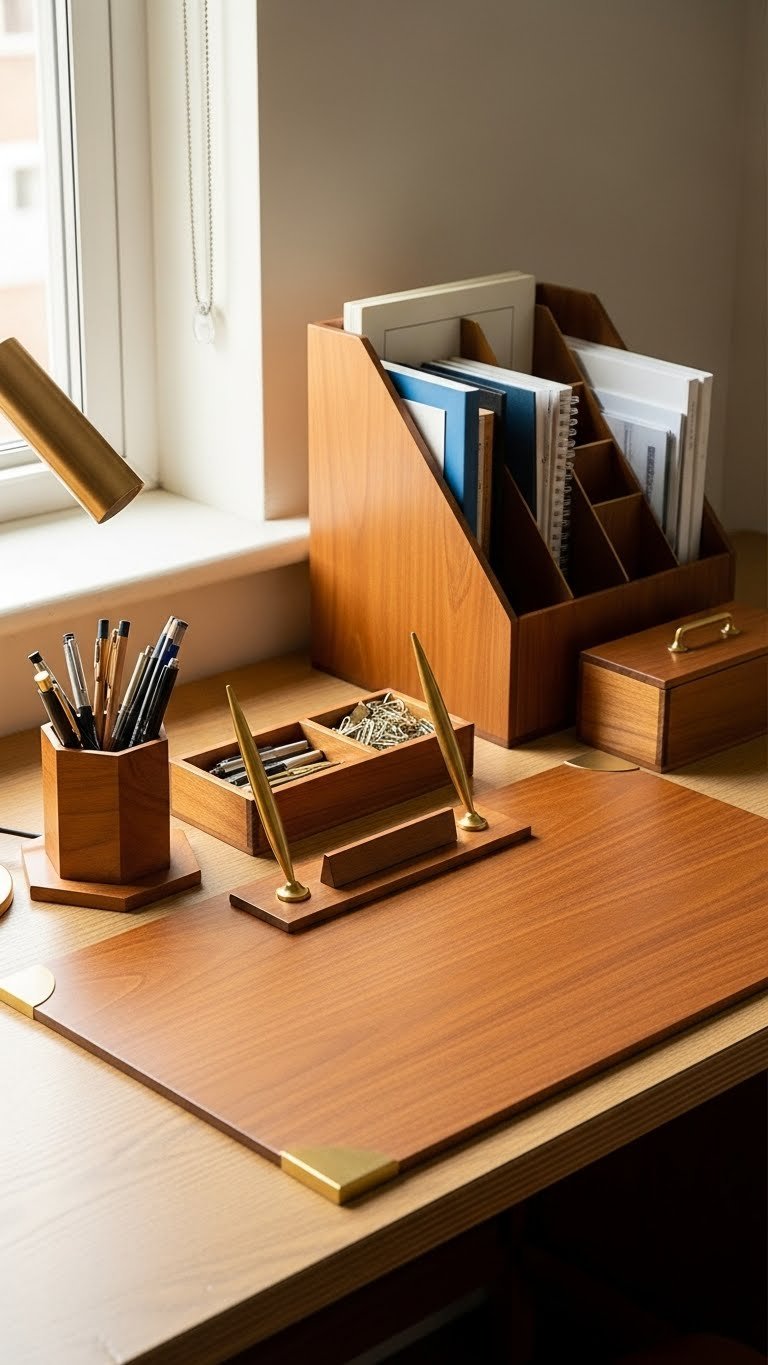
    21. Organize Your Desk with Stylish Desk Accessories

    A messy desk makes your whole room feel chaotic. Matching desk accessories (pen holders, file organizers, desk pads, storage boxes) keep things tidy while adding a design cohesion that elevates your workspace.

    Buy coordinating sets from IKEA ($15-$40 for a bundle), or mix-and-match from Target, Wayfair, or thrift stores. Look for materials like wood, brass, or ceramic that feel more intentional than plastic.

    Your desk stays organized and functional, which actually helps you focus better. Plus, a styled workspace makes your room look more mature and together.

    22. Hang a Tapestry or Fabric Wall Hanging as Instant Decor

    A tapestry instantly covers blank wall space and adds warmth, pattern, and personality without permanent damage to walls. It’s one of the easiest dorm upgrades and instantly transforms a basic room.

    Buy tapestries from Urban Outfitters ($20-$50), Etsy ($15-$60), or thrift stores ($5-$20). Hang with removable hooks ($5-$10). You can change it seasonally or whenever you want a refresh without any commitment.

    Your walls immediately feel less bare and institutional. A good tapestry becomes a focal point that defines your room’s vibe and shows off your taste.

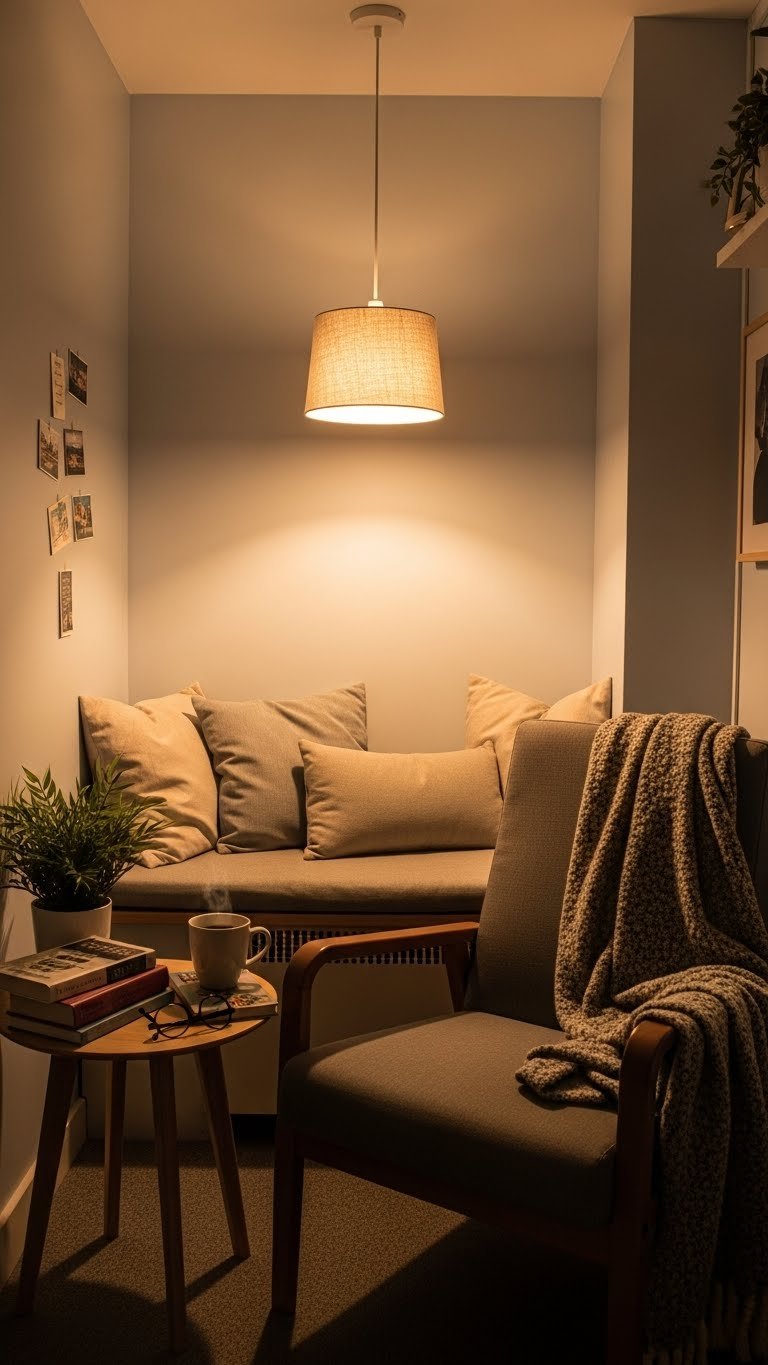
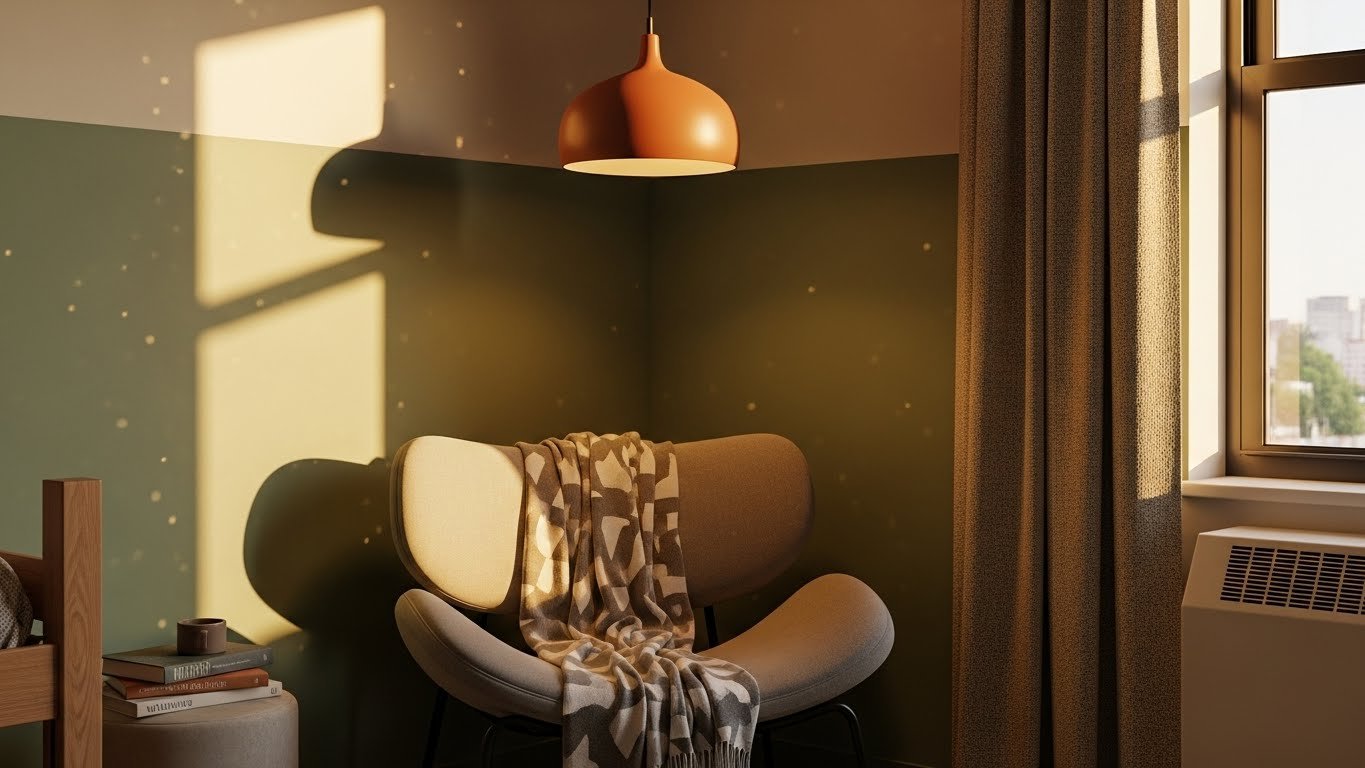
    23. Create a Cozy Reading Nook with Layered Seating and Lighting

    Even in a tiny dorm, you can carve out a small reading nook where you can actually relax between classes. Layer a comfortable chair, warm lighting, a small table, and pillows to create a functional escape.

    A secondhand armchair ($40-$100), a small side table ($20-$50), warm string lights or a pendant fixture ($15-$40), and cozy pillows ($10-$25 each) total around $100-$200 but create a meaningful retreat.

    You have a designated space to actually rest and recharge instead of constantly working from your bed. It’s a small investment in mental health that pays off throughout your college years.

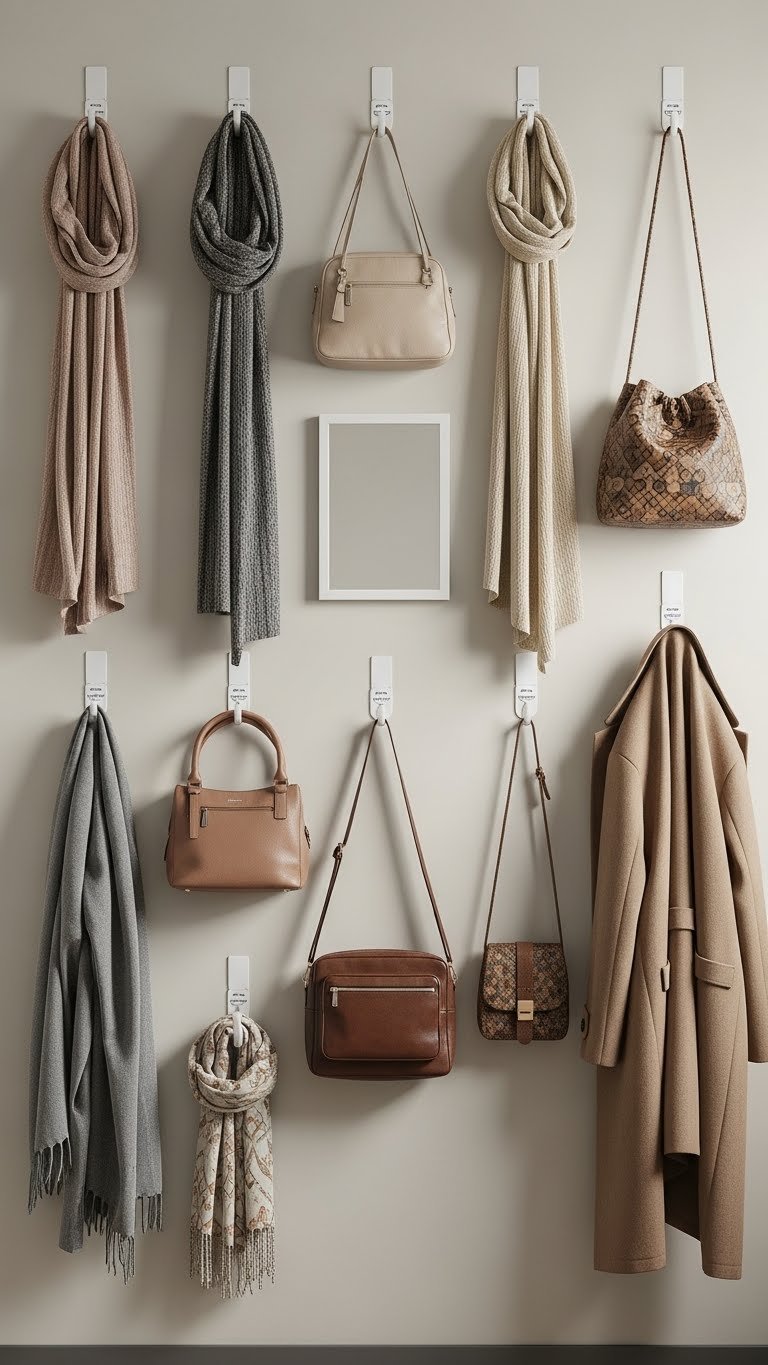
    24. Use Adhesive Hooks and Command Strips for Renter-Friendly Organization

    Maximize vertical space with damage-free adhesive hooks and strips (Command brand is reliable, $5-$15 for a pack). Hang bags, scarves, jackets, and accessories to keep your floor clear and your items accessible.

    Buy the right hooks for your items’ weight and follow application instructions carefully. Test on a less-visible wall first. They remove cleanly when you move.

    You suddenly have functional storage that doesn’t require landlord approval or compromise your security deposit. Your room feels more organized and intentional.

    25. Add Warm-Toned Curtains or Sheer Panels for Softness

    Bare dorm windows feel harsh and institutional. Warm-toned curtains or sheer panels soften light, add texture, and make your room feel cozier while providing privacy and light control.

    Tension rods with lightweight curtain fabric cost $25-$50 total. Sheer panels ($20-$40) diffuse sunlight beautifully. Look for natural linen textures or soft colors that complement your warm palette.

    Your window becomes a design moment instead of just an opening. You control light quality, get privacy, and add visual warmth that changes how your whole room feels.

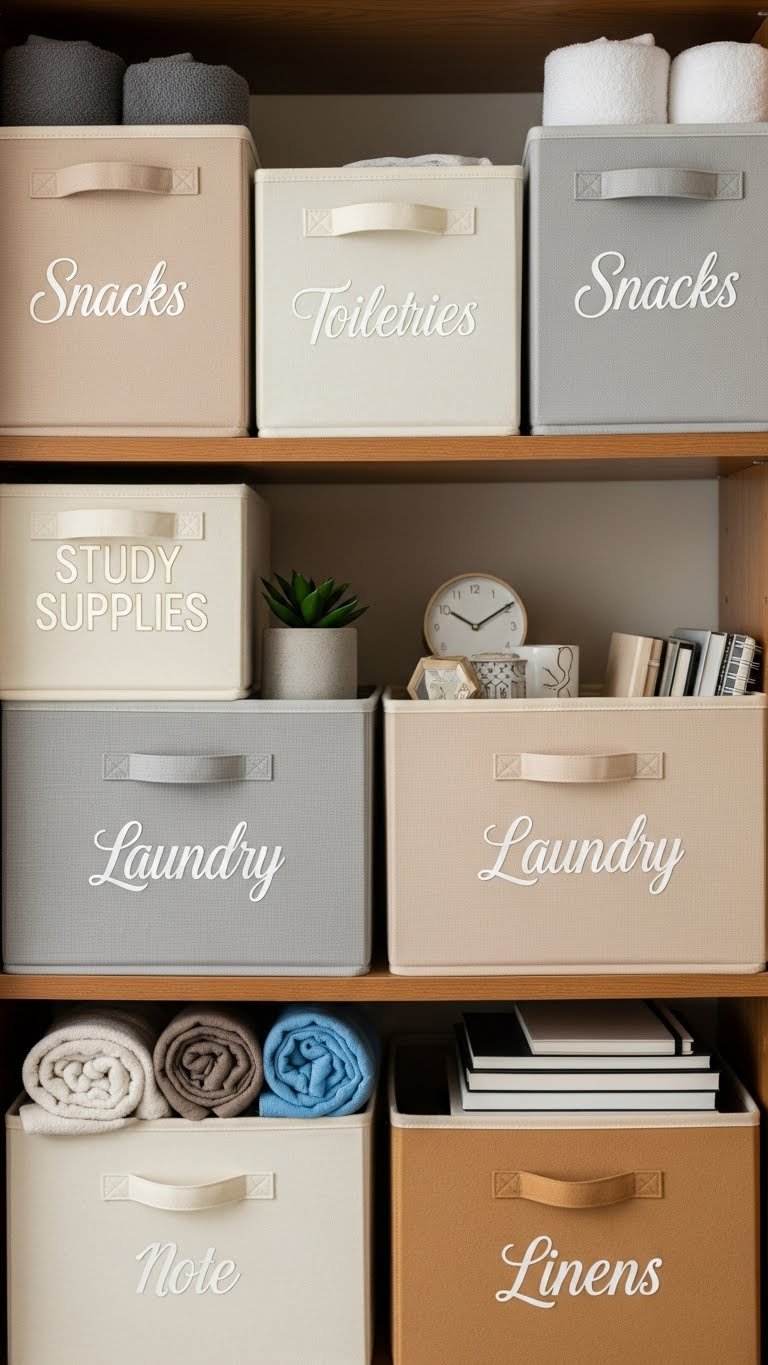
    26. Style Open Storage with Coordinating Bins and Labels

    If you have open shelving or storage, make it beautiful by using matching bins and clear labels. Coordinating containers hide clutter while looking intentional and styled.

    Fabric bins in neutral tones ($8-$20 each) and a label maker or printed labels ($10-$30 total) transform chaotic storage into a designed element. Keep your color palette tight—no more than two or three bin colors.

    Your room looks organized and curated instead of cluttered. Open storage becomes an opportunity to show off your style rather than expose chaos.

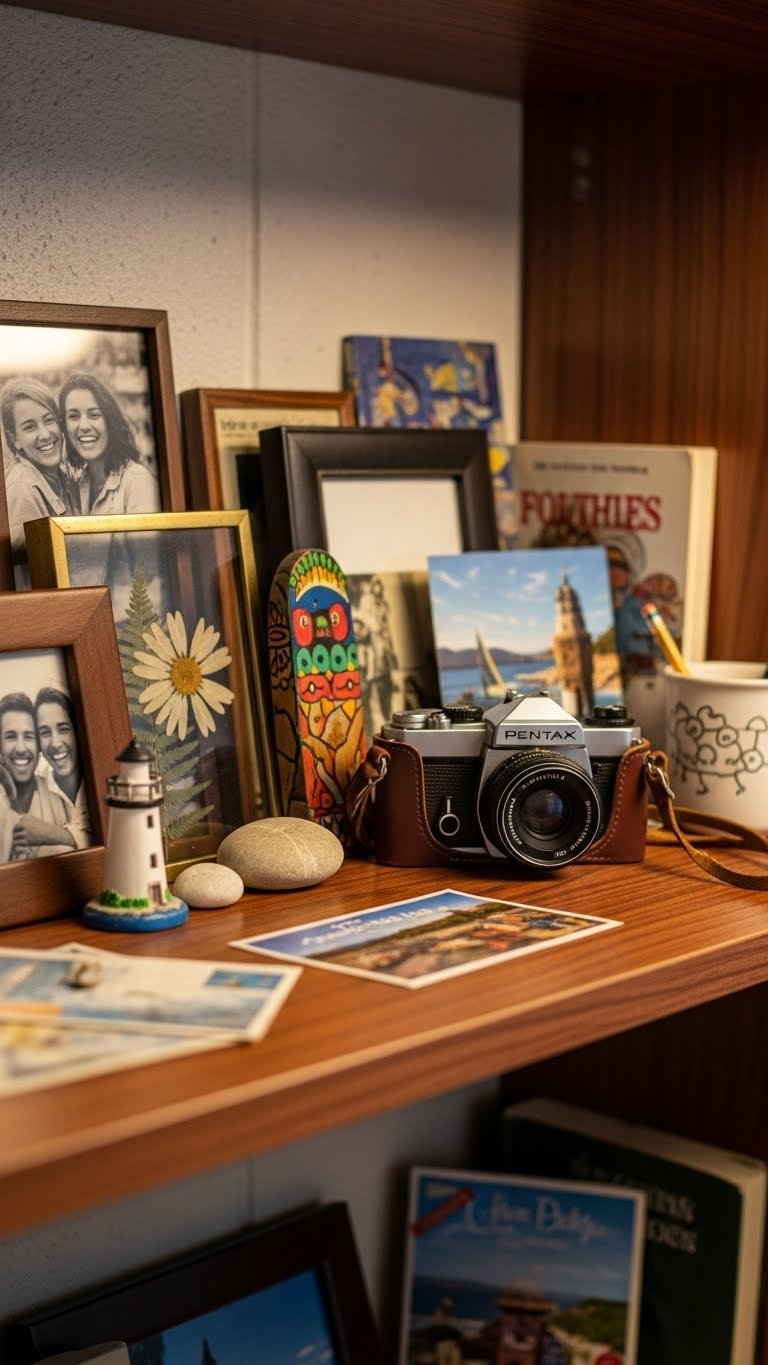
    27. Personalize Your Space with Meaningful Objects and Collections

    The most important element of making your dorm feel like home is filling it with objects that mean something to you. Arrange framed photos, collected souvenirs, small plants, and meaningful items that remind you of home, friends, and your travels.

    No budget needed—use what you already have and display it intentionally. Group items on shelves or a small side table rather than scattering them randomly.

    Your room becomes a reflection of you instead of just a generic dorm setup. These personal touches transform the space from a temporary college housing situation into an actual home you’re proud to spend time in.


    Save this post and try one idea this weekend—you’ll be surprised how fast a bare dorm room becomes a space you actually love. Small changes add up, and your room deserves to feel like yours.

  • 24 Calm Color Palette Ideas for a Restful Sleep Environment

    24 Calm Color Palette Ideas for a Restful Sleep Environment


    Introduction

    Color sets the emotional tone for your entire bedroom—it’s the first thing you feel when you wake up and the last thing you see before sleep. If you’re waking tired or struggling to wind down, your walls might be working against you instead of for you. The right palette doesn’t have to be boring beige; it’s about choosing hues that actually support rest and make you want to linger.

    We’ve gathered 24 color combinations that research backs up and real people have tested in their own homes. These aren’t trendy one-year wonders—they’re timeless, achievable palettes that work in apartments and houses, with budget pieces and investment finds. Whether you’re repainting this weekend or planning a slower refresh, you’ll find options that fit your style, your timeline, and your wallet. Let’s find the colors that make your bedroom feel like the retreat it should be.


    1. Pair Warm White Walls with Soft Taupe Bedding

    Warm whites feel nothing like clinical hospital rooms—they create a neutral canvas that never feels cold or stark. Taupe bedding adds just enough warmth without introducing a distracting color, making it easier for your brain to settle down.

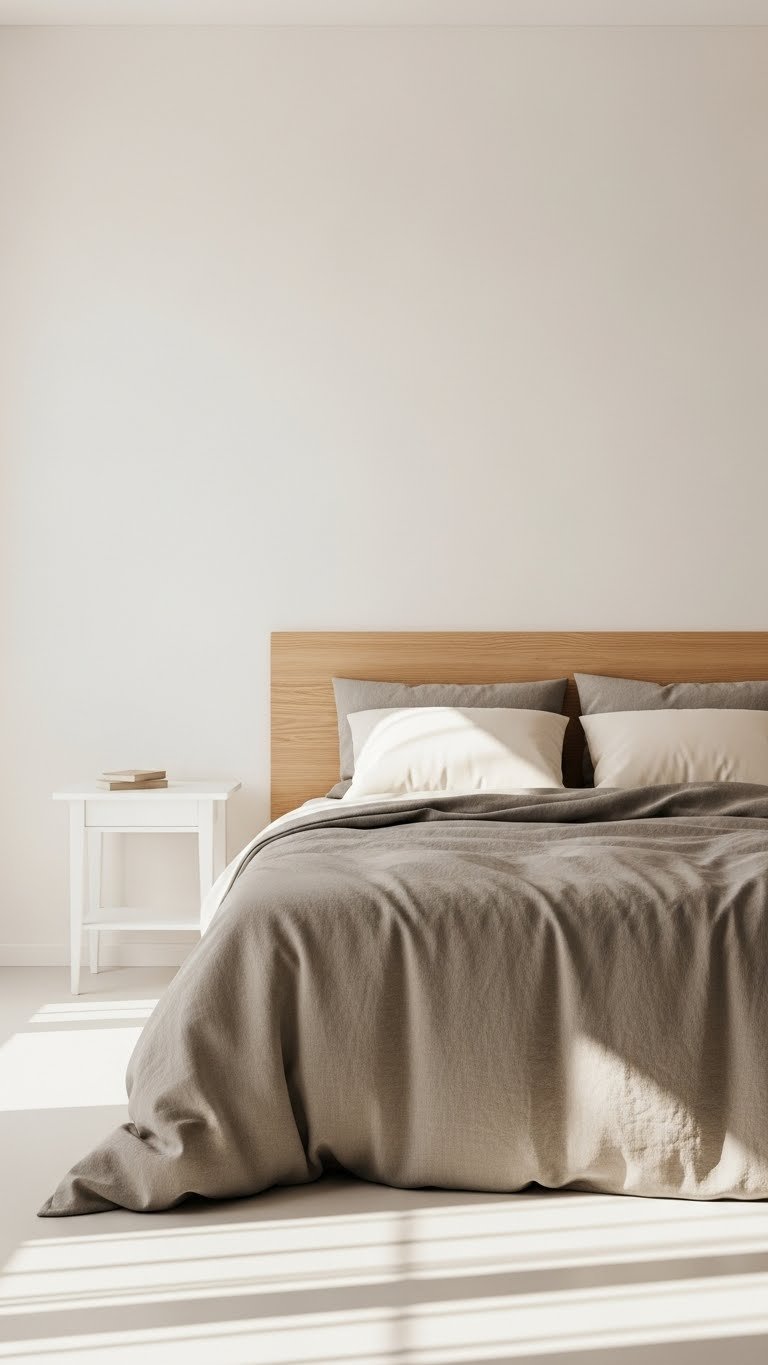
    Paint your walls a warm white like Benjamin Moore’s “Swiss Coffee” or Sherwin-Williams’ “Alabaster” (around $30–$40 per gallon). Layer a taupe linen duvet ($80–$200 depending on quality) over neutral sheets. The combination takes 30 minutes to style and works in any size room. Taupe hides stains better than white and doesn’t require constant washing, which means less stress about keeping it pristine.

    This pairing gives you a blank slate for adding personality through pillows, throws, or wall art without overstimulating your senses.


    2. Soft Sage Green with Creamy Ivory Accents

    Sage green sits somewhere between gray and green—it pulls in nature’s calming effect without feeling like you’re sleeping in a forest. Studies show green reduces stress and lowers heart rate, making it one of the most sleep-friendly colors available.

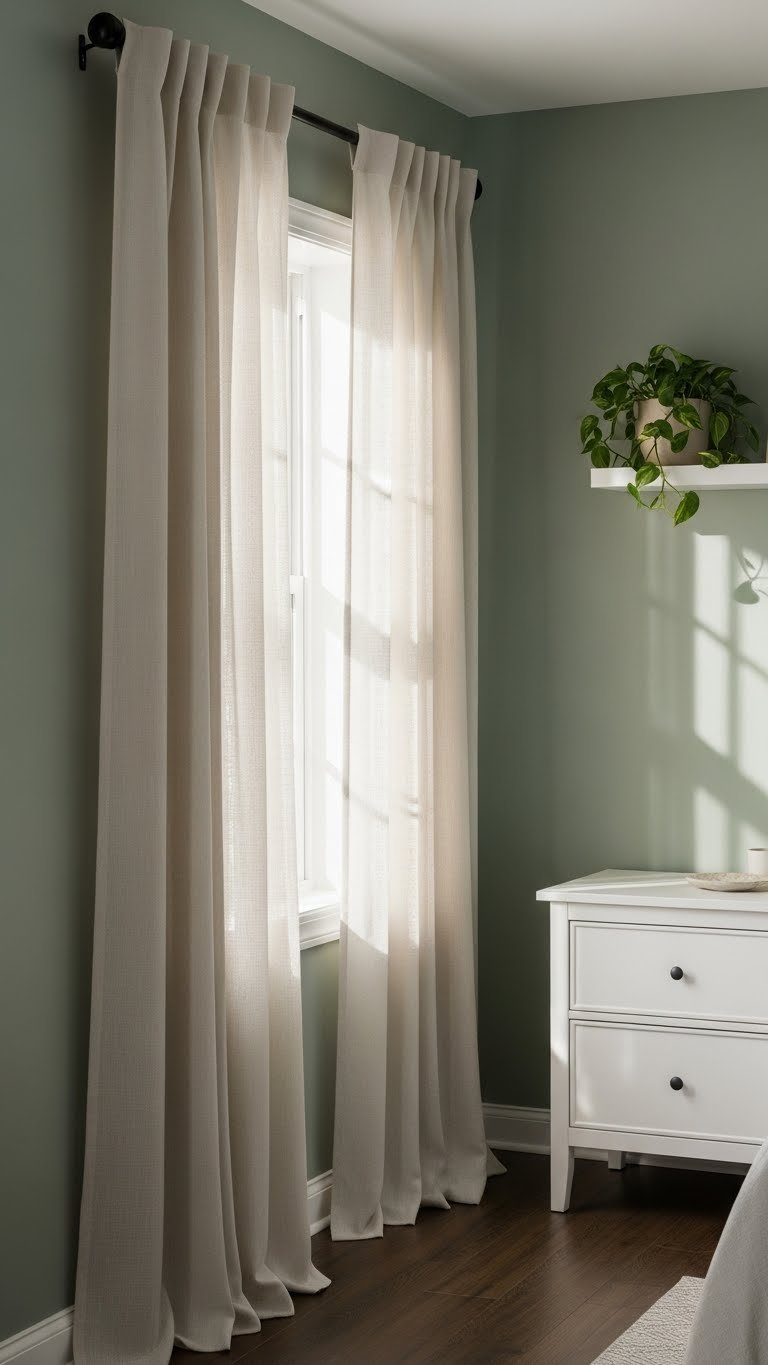
    Choose a muted sage like Sherwin-Williams “Sea Salt” or Benjamin Moore “Healing Aloe” ($35–$45 per gallon). Pair it with ivory or cream bedding to prevent the room from feeling too monochromatic. Paint one weekend afternoon (3–4 hours for a standard bedroom). Add ivory linen curtains ($60–$150) to diffuse morning light. The soft contrast keeps the room interesting without jarring your nervous system awake.

    Sage works brilliantly in renters’ apartments when used with removable wallpaper as an alternative to painting.


    3. Pale Blue Base with White Trim and Gray Accents

    Pale blue taps into the psychology of water and sky—both associated with calm and safety. The white trim keeps it from feeling too cool or sad, while gray grounds the palette and prevents it from feeling babyish.

    Paint walls a soft blue like Farrow & Ball “Parting” or Benjamin Moore “Palladian Blue” ($40–$50 per gallon, premium brands). Add white trim or baseboards if your budget allows, or keep existing trim as-is. Layer in gray bedding ($100–$250) and you’re done. The palette costs under $200 to implement and takes one weekend.

    Light blues photograph beautifully and create that sought-after “magazine room” feeling without requiring designer-level expertise.


    4. Warm Gray Walls with Linen White Bedding

    Warm gray (not cool gray) sits between beige and true gray, offering sophistication without the cold sterility that cool grays sometimes bring. Linen white bedding adds texture and movement to what could otherwise feel flat.

    Select a warm gray like Sherwin-Williams “Accessible Beige” (yes, it reads as gray here) or Benjamin Moore “Revere Pewter” ($35–$40 per gallon). Pair with natural linen bedding in cream or white ($120–$300 depending on thread count and brand). The combination works in any lighting and doesn’t show dust or slight discoloration the way pure white does.

    This palette creates a “lived-in luxury” feeling that makes you feel hotel-calm without the sterile perfection.


    5. Soft Blush Pink with Warm Gray Walls

    Blush pink has moved beyond girly stereotypes—it’s become a sophisticated choice for adults seeking warmth without aggression. Combined with gray, it feels curated rather than cutesy.

    Paint three walls in warm gray ($35–$40 per gallon) and one accent wall in blush pink like Benjamin Moore “Pale Oak” with a drop of rose added, or use a pre-mixed option like Sherwin-Williams “Rosy Outlook” ($35–$40). Add white or cream bedding as your base. The blush picks up on pillows, throws, or artwork. This update costs $80–$120 and transforms the room in one Saturday.

    Renter-friendly? Use blush pink removable wallpaper ($25–$60) on just one wall instead of painting.


    6. Soft Sage with Warm Beige and Natural Wood

    This palette brings together biophilic design elements—wood, green, and earth tones—that genuinely calm your nervous system. The combination feels organic without requiring an interior design degree.

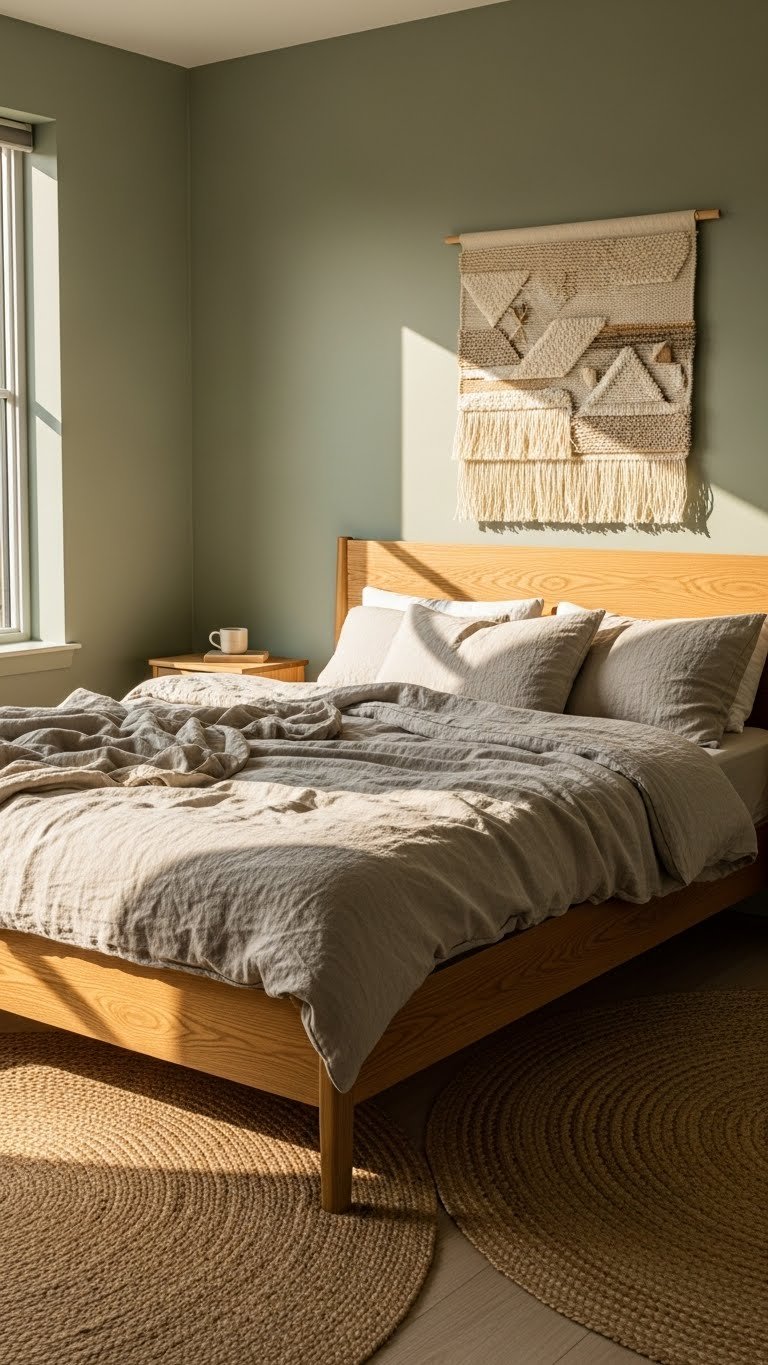
    Paint walls sage green ($35–$40 per gallon). If you don’t have natural wood furniture, prioritize a wooden nightstand or bed frame ($150–$500 depending on style and quality). Layer beige bedding ($80–$200) and a jute or sisal rug ($60–$150). The room naturally invites slower living. You can build this palette over time, adding pieces as budget allows.

    The natural materials actually improve air quality, a bonus benefit most color palettes can’t claim.


    7. Charcoal Gray with Cream and Soft White

    Charcoal gray feels intimate and enveloping—like your room is giving you a hug. The light bedding prevents it from feeling cave-like or depressing. This is cozy without being trendy.

    Choose a true charcoal like Sherwin-Williams “Iron Ore” or Benjamin Moore “Cavern Clay” ($35–$45 per gallon). Pair with cream or white bedding ($100–$250) to maintain brightness and balance. The contrast is what makes this work; don’t go too dark on both walls and bedding or you’ll overshadow the restfulness. Paint one weekend and watch the room instantly develop atmosphere.

    Charcoal hides dust and marks better than lighter colors, so maintenance is lower.


    8. Pale Lavender with Soft Gray Accents

    Lavender is science-backed for sleep—lavender oil is widely recommended for relaxation, and the color itself carries those associations. A pale, grayish lavender reads more sophisticated than typical lavender and works in grown-up spaces.

    Paint walls a muted lavender like Sherwin-Williams “Potentially Purple” or Benjamin Moore “Provence” ($35–$40 per gallon). These read almost gray in certain light, so they won’t feel overly purple. Add gray or white bedding to keep the room balanced. Curtains in soft gray ($50–$150) tie the palette together. The total investment is $150–$300 for walls, bedding, and curtains.

    This palette works especially well if you’re sensitive to stimulation—lavender naturally reduces alertness.


    9. Warm White with Terracotta Accents

    Terracotta brings earth-grounded warmth without the heaviness of deeper oranges or reds. Used as an accent rather than a wall color, it adds personality while keeping the room restful.

    Keep walls a warm white ($30–$40 per gallon). Introduce terracotta through a linen throw blanket ($40–$100), decorative pillows ($20–$60 each), or small pottery pieces ($15–$100). A terracotta area rug ($80–$200) anchors the palette. You can layer these in over time, so the initial cost can be as low as $80–$150. This approach is perfect for renters—no painting required.

    The earth-tone accent makes the room feel rooted and warm, especially during cooler months.


    10. Pale Yellow with Soft Gray Walls

    Pale yellow brings subtle happiness without overstimulation—think soft butter, not neon. The gray headboard and accents prevent it from feeling too cheerful or children’s-room-like.

    Paint walls a soft yellow like Benjamin Moore “Pale Oak” (yes, it reads as soft yellow here) or Sherwin-Williams “Buttercream” ($35–$40 per gallon). Add a gray upholstered headboard ($200–$600) or use a removable headboard decal ($30–$80). Layer with white bedding and gray accents. The room gains warmth and subtle light without sacrificing calm. Total cost: $100–$400 depending on whether you DIY the headboard or buy pre-made.

    Pale yellow naturally reflects light, making small rooms feel slightly larger.


    11. Soft Greige (Gray-Beige Mix) Throughout

    Greige is the chameleon of paint colors—it reads differently depending on your lighting, shifting between gray and beige. This adaptability means it feels right in any season or time of day, which keeps it from becoming monotonous.

    Choose a true greige like Sherwin-Williams “Urbane Bronze” (warmer than it sounds) or Benjamin Moore “Accessible Beige” ($35–$45 per gallon). Paint all walls in this single color to create a cocoon effect—your eye rests because there’s no jarring contrast. Add layers through bedding ($100–$250), throws, and pillows in cream, white, or warm taupe. The simplicity is the strength here; you’re decorating around a perfect neutral base.

    Greige works beautifully in any natural light, which means the room never feels “off” or dated.


    12. Soft Teal with Cream and Wood Tones

    Teal sits between blue and green, capturing the calming properties of both. A muted, dusty teal (not bright or saturated) feels sophisticated and grounding rather than trendy.

    Paint walls a soft teal like Sherwin-Williams “Sea Salt” or Benjamin Moore “Palladian Blue” with a touch of green added ($35–$45 per gallon). Pair with cream bedding ($100–$200), natural wood furniture, and a cream or jute area rug ($60–$150). The palette costs $200–$400 to implement. If painting feels like too much commitment, use teal removable wallpaper ($25–$60) on one or two walls instead.

    The wood tones ground the teal and prevent the room from feeling cold or clinical.


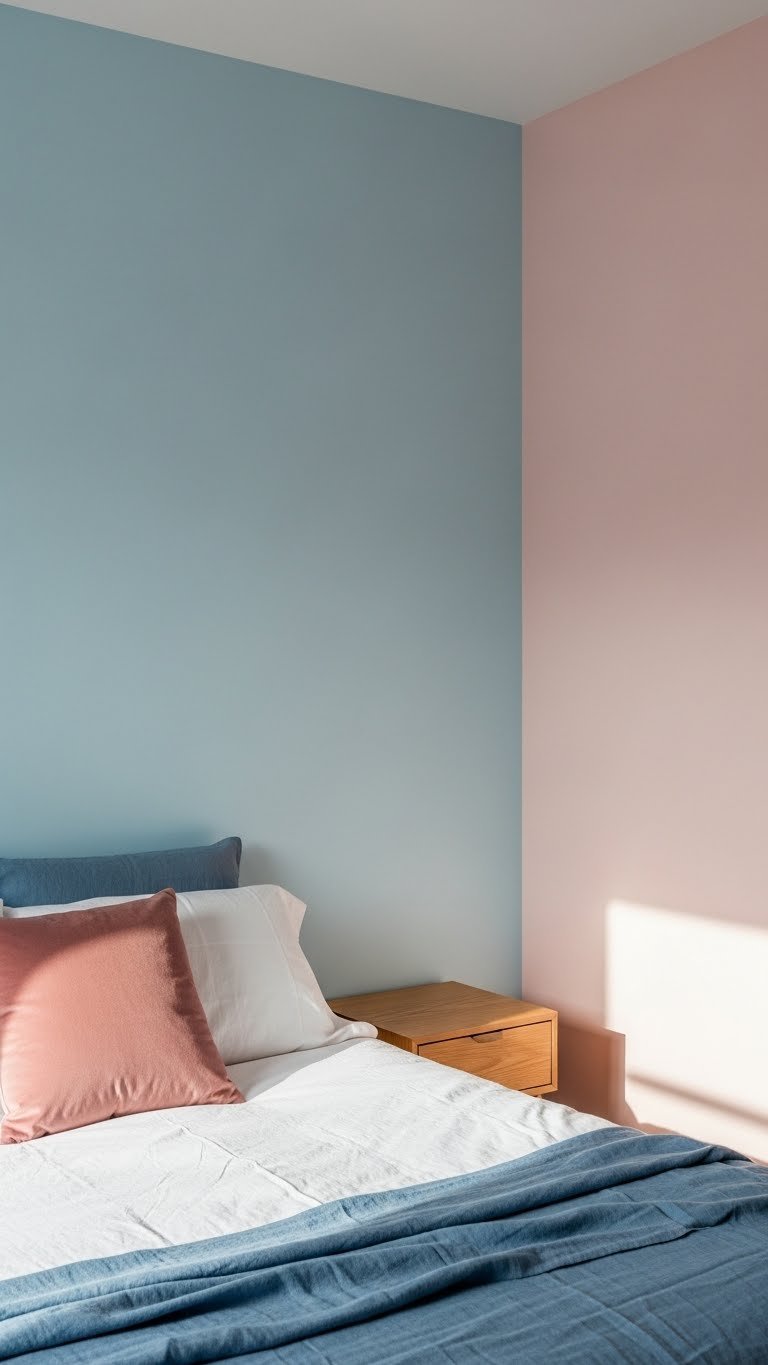
    13. Soft Blush with Pale Blue Walls

    Color-blocking two gentle hues creates visual interest without chaos. Both pale blue and soft blush are calming on their own, so combining them maintains the restful vibe while adding sophistication.

    Paint two adjacent walls pale blue ($35–$40 per gallon) and two in soft blush ($35–$40 per gallon). Keep bedding white or cream as your anchor. Add accents in both colors through pillows, throws, or artwork ($30–$100). The painting takes a full Saturday but creates a unique, curated look. This approach costs $100–$200 for paint alone.

    Color-blocking photographs beautifully and gives your room a high-design appearance without hiring a professional.


    14. Warm White with Muted Sage Accents

    This reverses the typical sage-walls approach—keeping walls neutral and bringing green in through larger furniture pieces or textiles. It gives you the biophilic benefits while maintaining flexibility.

    Paint or keep walls warm white ($30–$40 per gallon if painting). Source a sage upholstered headboard or bed frame ($300–$800) or use removable fabric panel wallpaper in sage ($30–$80) behind your existing bed. Add a sage linen throw ($40–$100) and white bedding. The total investment is $150–$400, but you’re getting the calming effect of green without committing walls to the color.

    This setup works beautifully in rentals—remove the fabric panel when you leave, and you’ve left no permanent changes.


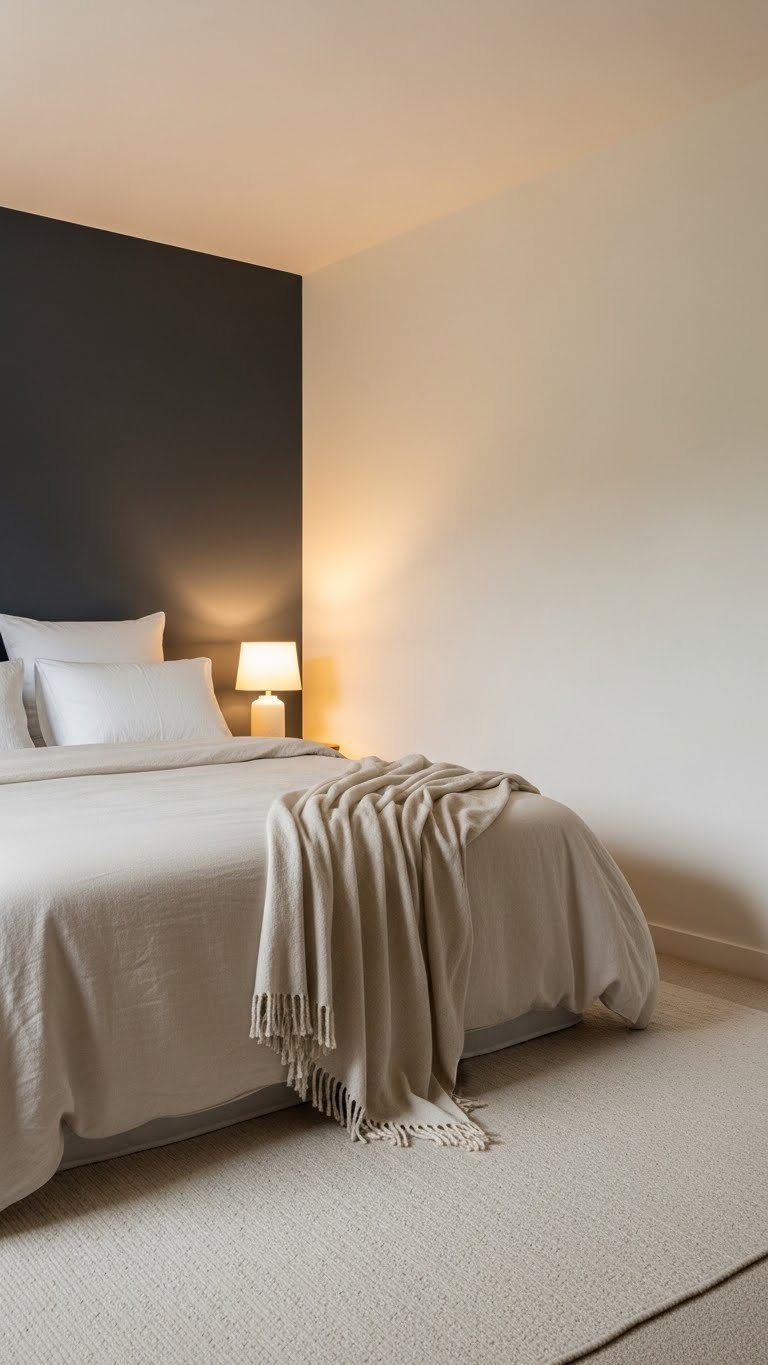
    15. Deep Gray with Warm Cream Everything Else

    Deep gray as an accent wall (rather than all-over) gives you drama and coziness without making the room feel cave-like. The cream everywhere else balances the darkness and keeps it feeling open.

    Paint one accent wall (behind the bed is classic) in deep charcoal ($35–$40 per gallon). Keep other walls creamy white ($30–$35 per gallon). Layer cream and white bedding ($100–$250). Add a cream area rug ($80–$200). The cost is $200–$400, but the visual impact is significant. Painting one wall takes 2–3 hours on a Saturday morning.

    One accent wall is a renter-friendly approach—you’re making a statement without overwhelming your space.


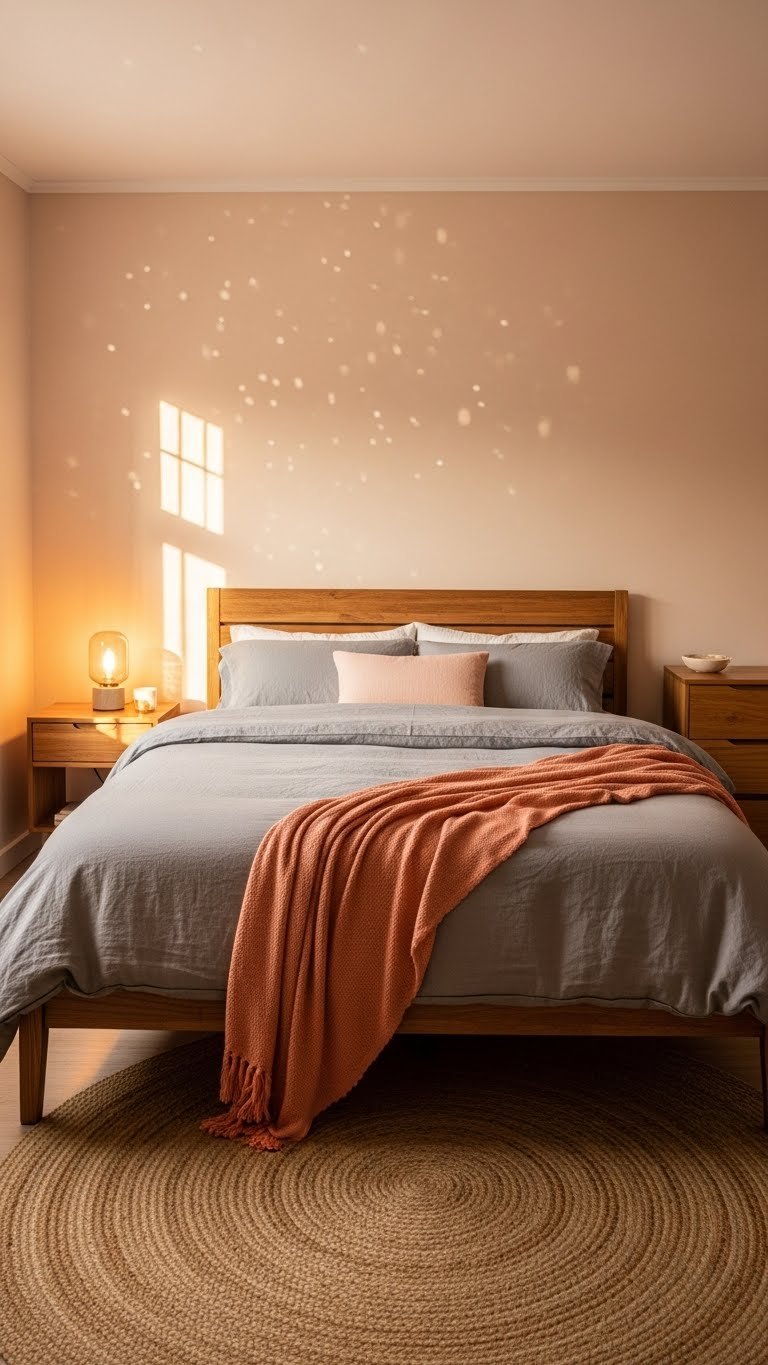
    16. Pale Peach with Soft Gray and Natural Materials

    Pale peach is warm and inviting without being loud or childish. When paired with grays and natural wood, it feels timeless and layered rather than dated or trendy.

    Paint walls a soft peach like Benjamin Moore “Peach Beige” or a custom pale peach ($35–$40 per gallon). Add gray bedding ($100–$200), a peach linen throw ($40–$100), natural wood furniture, and a jute rug ($60–$150). The entire palette costs $250–$400. The warm peach feels particularly good in rooms that get afternoon light, as it glows without needing artificial warmth.

    Peach is underrated—it brings warmth without the aggression of orange or coral.


    17. Soft Charcoal with White Bedding and Gold Accents

    Charcoal creates a dramatic, adult backdrop. White bedding keeps it from feeling heavy, and gold accents add warmth and a touch of luxury without feeling costumer or overdone.

    Paint walls soft charcoal like Sherwin-Williams “Urbane Bronze” ($35–$45 per gallon). Layer white bedding ($100–$250), then add gold-finish lighting ($30–$100 per lamp), a gold-framed mirror ($40–$150), and possibly gold drawer pulls or hardware ($10–$30 each). The palette costs $250–$500 depending on how many gold accents you add. Start with just lighting and mirror, then add more if it feels right.

    Gold feels warm and grounded against charcoal—not cold or sterile.


    18. Pale Green-Gray with Soft White and Natural Textures

    Green-gray is a newer neutral that combines the calming properties of green with the sophistication of gray. Natural textures amplify the grounded, biophilic feeling.

    Paint walls a pale green-gray like Sherwin-Williams “Sea Salt” or Benjamin Moore “Palladian Blue” with an extra touch of gray added ($35–$45 per gallon). Prioritize natural materials: a wood or rattan headboard ($150–$500), natural wood nightstands ($80–$300), and a jute area rug ($60–$200). Layer with white or cream bedding ($100–$250). The total investment is $350–$700 for a fully cohesive room, but you can build it over time.

    Natural textures are worth the investment—they actually improve how you feel in the space.


    19. Warm Beige Walls with Taupe Bedding and Wood Accents

    Warm beige is the safe, timeless choice—and there’s nothing wrong with that. It creates a backdrop that lets you add personality through other elements without the walls competing for attention.

    Paint walls a warm beige like Benjamin Moore “Accessible Beige” or Sherwin-Williams “Kilim Beige” ($30–$40 per gallon). Add taupe bedding ($100–$250), warm wood furniture in honey or oak tones ($200–$1000+ depending on quality), and a cream area rug ($60–$200). This palette costs $300–$500 to build. Warm beige works in any lighting and never feels dated, making it ideal if you’re not sure about bold color choices.

    The beauty of this palette is its flexibility—you can decorate it neutrally or add color through pillows and artwork.


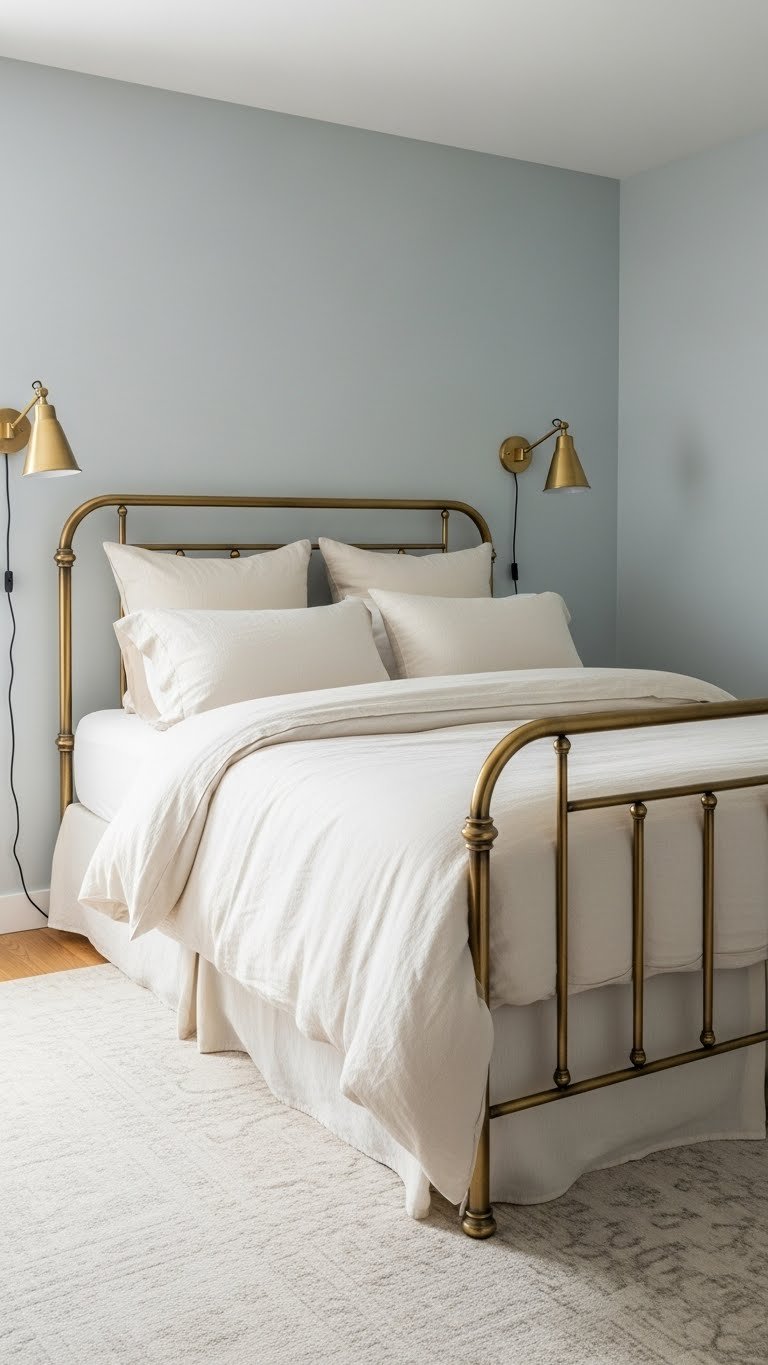
    20. Soft Blue-Gray with Cream Linens and Brass Details

    Blue-gray (called “greige” with a blue lean) feels calming and slightly elevated. Cream linens keep it soft, and brass details add warmth and a subtle luxury feel.

    Paint walls a soft blue-gray like Farrow & Ball “Calluna” or Benjamin Moore “Pale Oak” with blue undertones added ($35–$50 per gallon, premium brands). Layer with cream linen bedding ($100–$250), and add brass-finish lighting ($40–$150 per fixture) or a brass-frame mirror ($50–$200). A cream area rug ($80–$200) ties it together. Total investment: $300–$600. If brass is outside your budget, use gold or even matte black for a different vibe.

    Blue-gray feels sophisticated and works beautifully in both traditional and modern spaces.


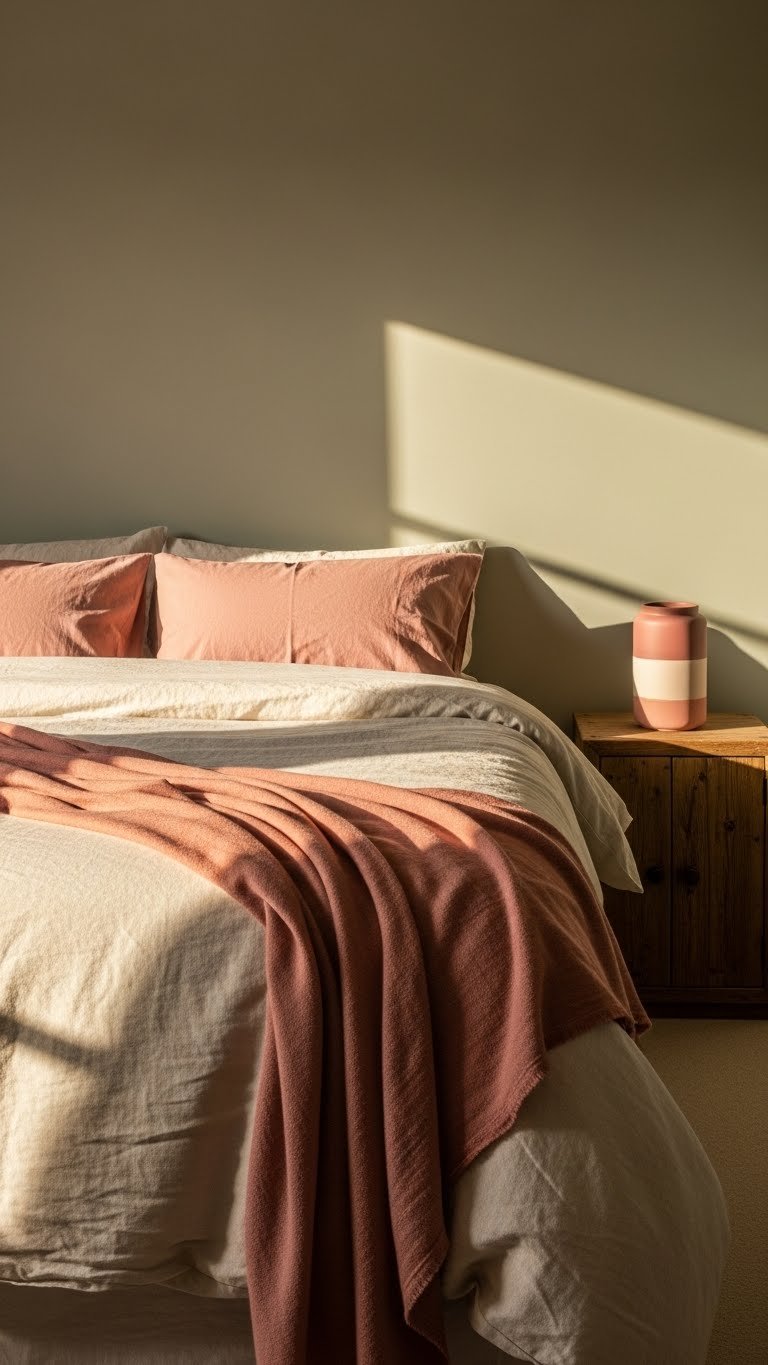
    21. Soft Sage with Cream and Touches of Dusty Rose

    This palette combines green’s calming effect with rose’s subtle warmth. The muted dusty rose (not bright pink) keeps the room feeling grown-up and thoughtful.

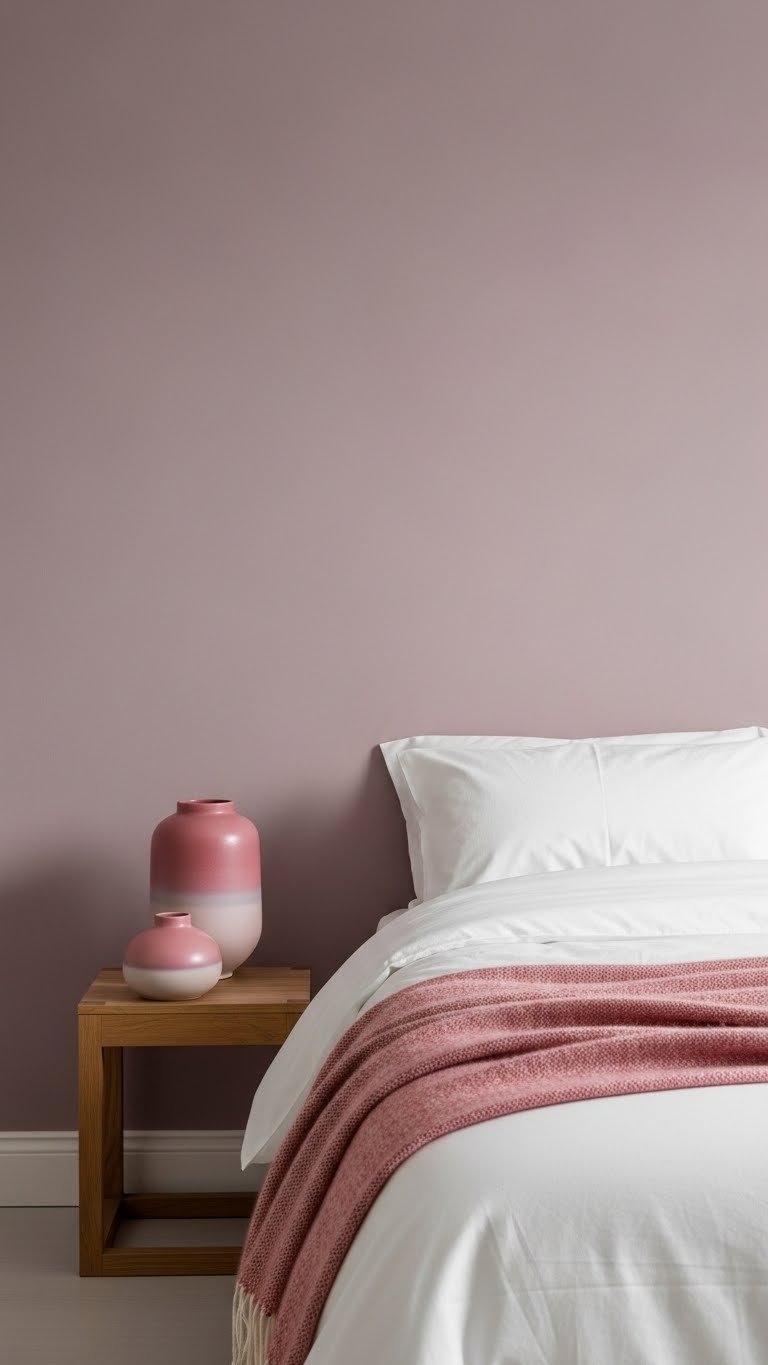
    Paint walls soft sage ($35–$40 per gallon). Keep bedding cream or white as your anchor ($100–$200). Add dusty rose through throw blankets ($40–$80), pillows ($20–$50 each), or small decorative objects ($15–$100). A rose-tinted ceramic piece on your nightstand ($20–$60) ties the color through. The total cost is $200–$350. You can start with just green walls and cream bedding, then add rose accents over time as budget allows.

    The combination feels botanical and curated, like you’ve thought through every choice.


    22. Pale Warm White with Soft Mushroom Accents

    Mushroom (a soft, warm brown) is having a moment as a sophisticated neutral. Paired with pale white, it creates subtle contrast without visual noise.

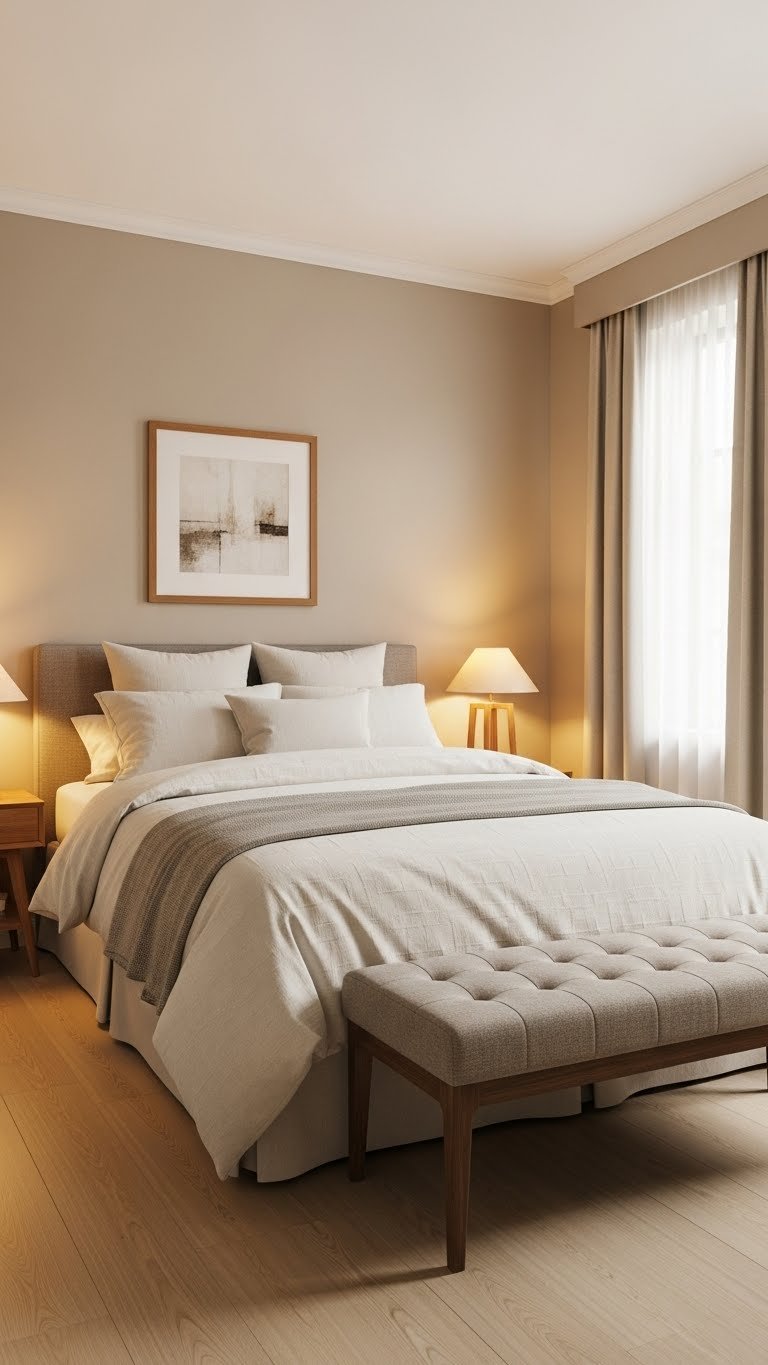
    Paint walls pale warm white ($30–$40 per gallon) or keep existing white walls. Introduce mushroom through a linen throw ($40–$100), pillows ($20–$60 each), an upholstered bench ($150–$400), or even a removable wallpaper accent ($25–$80). Wooden furniture in honey or natural tones ($100–$500+) echoes the mushroom without repeating it exactly. The palette costs $150–$400 depending on how many pieces you add.

    Mushroom feels cozy without the heaviness of true brown, making it perfect for all seasons.


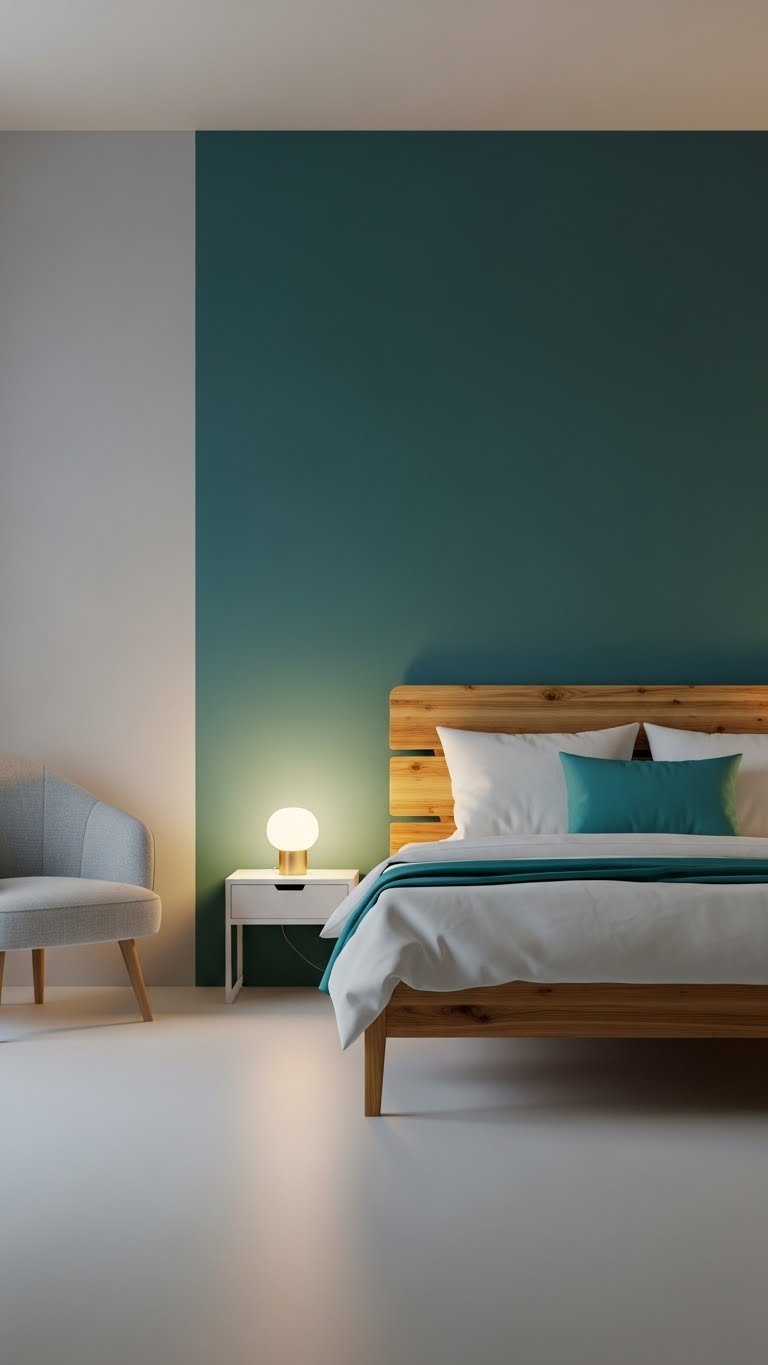
    23. Deep Teal Feature Wall with Pale Gray Everywhere Else

    Deep teal as a feature wall gives you color and sophistication without overwhelming the entire room. Pale gray walls keep the space feeling open and calm.

    Paint one feature wall (behind the bed is standard) in deep teal like Sherwin-Williams “Sea Salt” or a custom deep teal ($35–$40 per gallon). Paint other walls pale gray ($30–$35 per gallon). Layer white or pale bedding ($100–$250), add a teal accent pillow ($20–$50), and include natural wood furniture. Total cost: $200–$400. The feature wall gives you the benefit of bold color without committing the entire room.

    This approach works for people who like color but worry about commitment—one wall is a test run.


    24. Soft Cream with Muted Green and Wooden Elements

    This final palette brings together calm color (cream), biophilic design (green), and natural materials (wood) into one cohesive, research-backed approach to bedroom serenity.

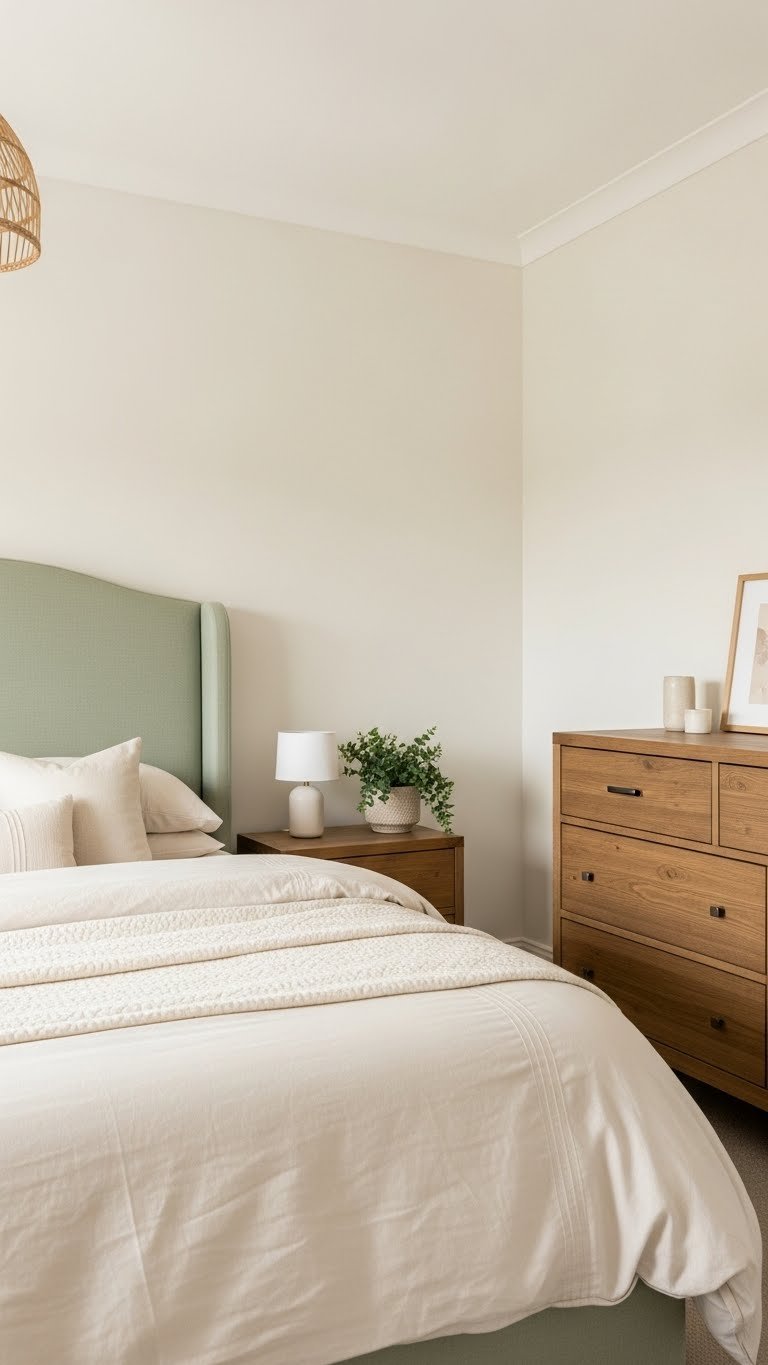
    Paint walls soft cream ($30–$40 per gallon). Source a sage or soft green upholstered headboard ($200–$600) or bed frame if that fits your budget, or use a removable fabric panel ($30–$80). Layer cream bedding ($100–$250), prioritize wooden furniture ($150–$500+), and add a live plant ($15–$50). The entire palette costs $350–$600 to build thoughtfully. You can start with cream walls and cream bedding, then add the green and wood elements over time.

    This combination taps into everything research shows makes bedrooms restorative—natural materials, soft colors, and biophilic elements working together.


    Save this post for your next bedroom refresh. Pick one palette and live with it for a few days before committing—paint samples on your walls or order fabric swatches to see how colors read in your specific light. You’ll be amazed at how the right palette makes falling asleep easier and waking up gentler.

  • 24 Romantic Soft Bedroom Decor Ideas That Feel Dreamy & Warm

    24 Romantic Soft Bedroom Decor Ideas That Feel Dreamy & Warm

    There’s a difference between a bedroom that looks nice and one that actually feels like a sanctuary. If your space feels sterile, cold, or just… blah, you’re not alone. The good news? You don’t need a complete overhaul to create that dreamy, warm bedroom you’ve been craving. Whether you’re working with a tiny studio or renting in a no-paint apartment, these 24 ideas blend the 2025 trends everyone’s loving—organic shapes, rich earth tones, textural layers, and vintage touches—into practical, achievable upgrades. Most of these you can do this weekend, many cost under $50, and all of them prioritize comfort without clutter. Ready to turn your bedroom into a retreat that actually feels like yours? Let’s get started.

    1. Swap Hard Angles for a Curved Headboard

    Harsh lines and sharp angles can unconsciously keep your nervous system on alert—not ideal for a sleep space. A curved headboard signals safety and calm, and it photographs beautifully too.

    Replace your existing headboard or shop IKEA’s curved options (around $150–$300), Wayfair’s upholstered styles ($200–$500), or go DIY by padding an existing headboard with foam and fabric for under $80. The real magic? A rounded top edge makes the whole room feel softer. Installation is straightforward—most mount directly to your bed frame in about 30 minutes.

    This one change makes bedtime feel less utilitarian and more like stepping into a hug. You’ll notice the difference the first night you look at it before sleep.

    2. Layer in a Chunky Knit Throw (Not Just for Winter)

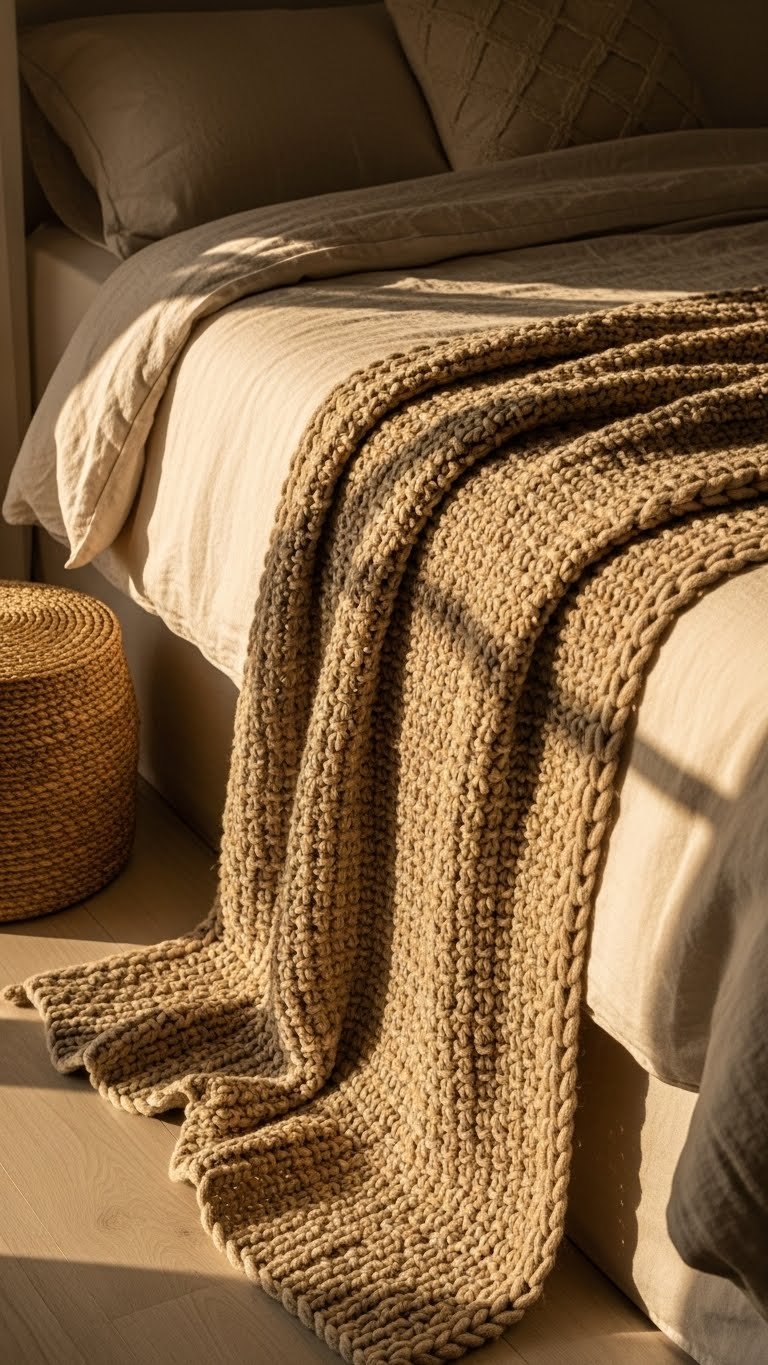
    Texture is the secret ingredient that makes minimalist rooms feel cozy. A chunky knit throw adds visual interest, warmth, and that lived-in feeling without taking up real estate.

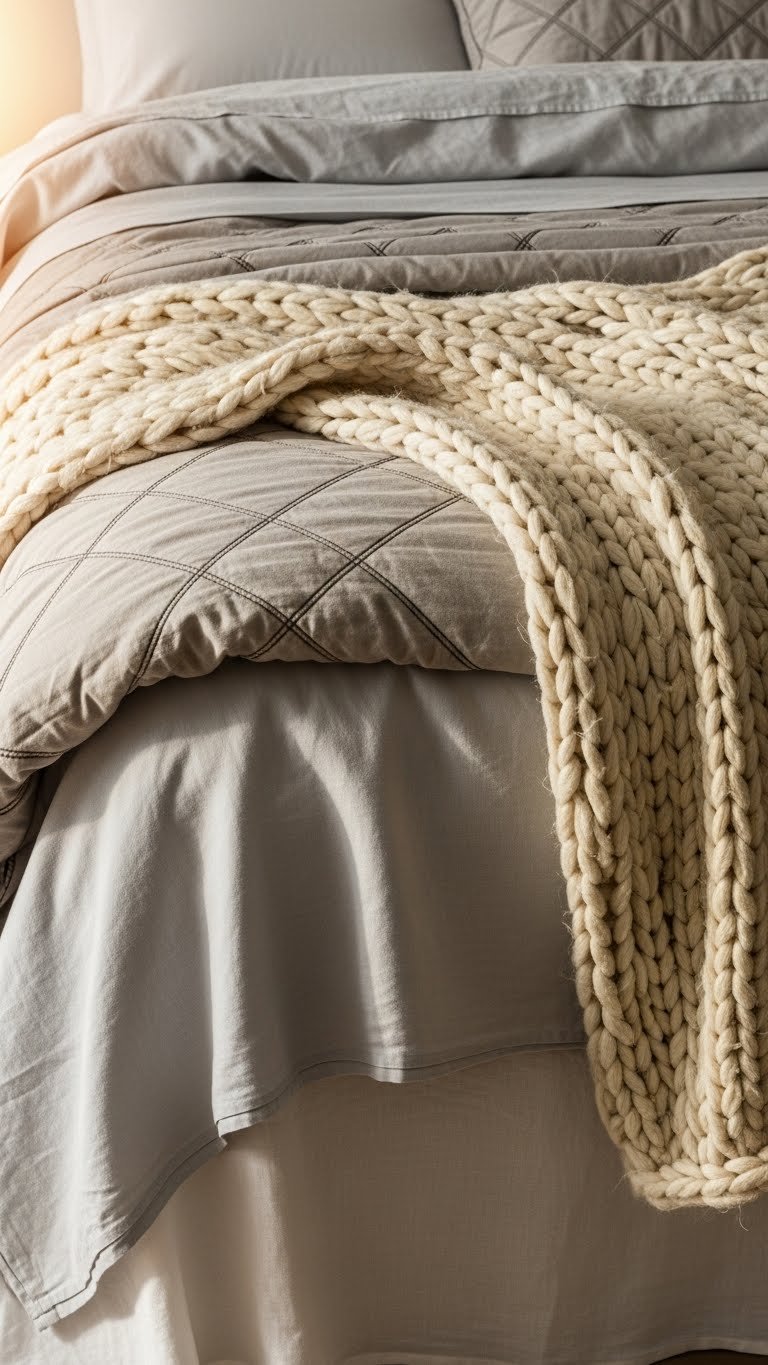
    Woolroom, Etsy, or Target stock quality chunky knits for $60–$150. Look for natural wool or linen blends that feel substantial in your hands. Drape it across the foot of your bed or fold it over one corner—the casual styling actually enhances the dreamy vibe. Pro tip: cream, beige, and soft gray are easier to style than bold colors, and they work year-round.

    You get instant texture and a functional layer you’ll actually use on cooler evenings. The casual drape also makes your bed look styled without effort.

    3. Introduce Warm Earth Tones Through Paint or Peel-and-Stick Wallpaper

    Cool grays have had their moment. Warm neutrals—terracotta, caramel, sage, warm taupe—are having a major moment in 2025, and they instantly make a room feel like home instead of a showroom.

    Paint is the investment route ($30–$100 in supplies for a DIY job or $300–$800 hired out). For renters, peel-and-stick wallpaper from Spoonflower or Amazon ($40–$100 per roll) gives you the same warmth without permanence. One accent wall is enough; you don’t need to commit to the whole room. Most paint jobs take one to two evenings.

    The psychological shift is real. Warm walls make you feel held. Your bedroom becomes the cozy refuge you imagined, and the color shift elevates every piece of furniture inside it.

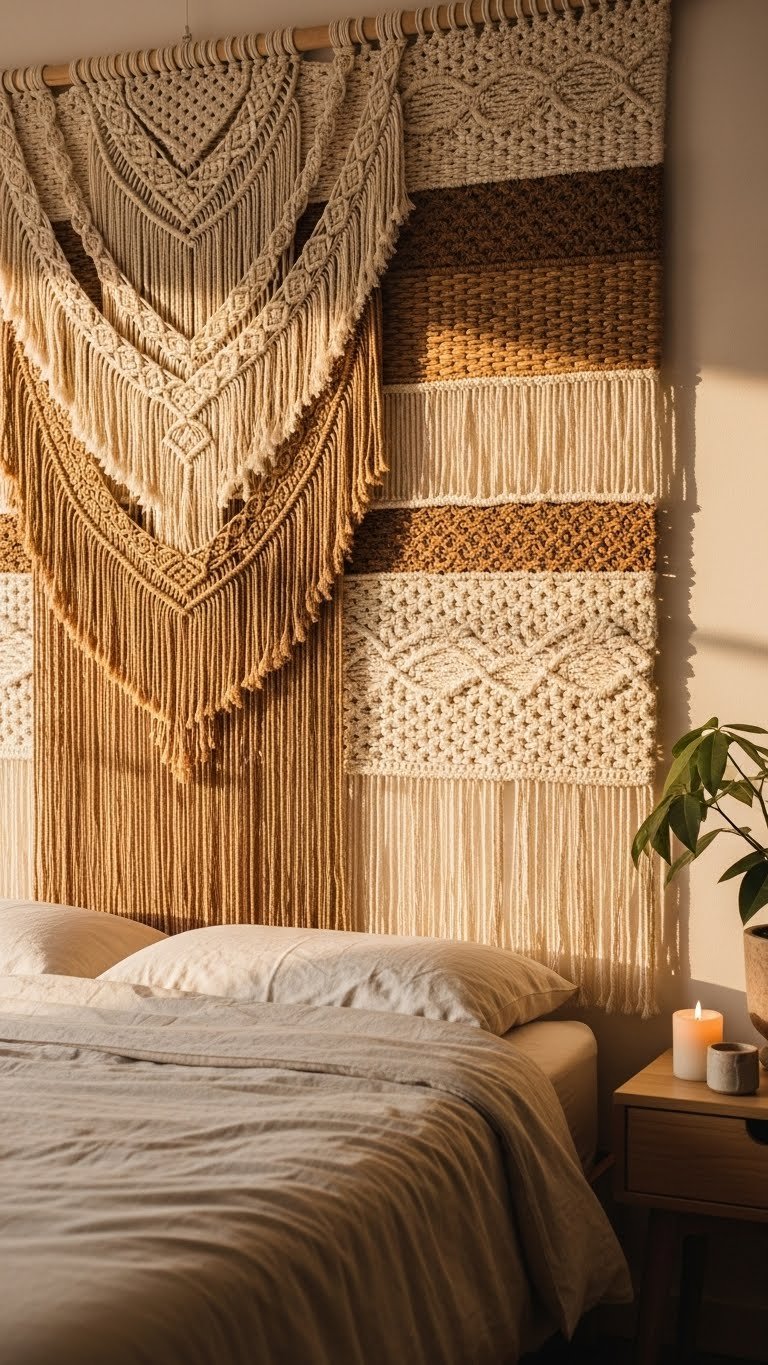
    4. Add a Woven Wall Hanging for Organic Texture

    A statement wall hanging grounds the room, adds softness, and replaces harsh blank walls without the permanence of wallpaper. It’s the 2025 answer to minimalist wall art.

    Shop Etsy, West Elm, or Anthropologie for woven pieces in the $40–$250 range. Macramé hangs easily (just needs a hook), and most pieces work well above the bed or on a feature wall. Installation takes five minutes. Look for natural fibers—jute, wool, cotton—that complement your color palette. A 24″–36″ width is usually perfect for above a standard bed.

    This adds layers and interest while staying true to the warm, organic aesthetic. Your walls become part of the cozy feeling, not just backdrop.

    5. Invest in Quality Linen Bedding That Actually Feels Good

    Cold, slippery polyester sheets won’t cut it if you’re building a sanctuary. Natural linen feels like luxury and gets softer with every wash.

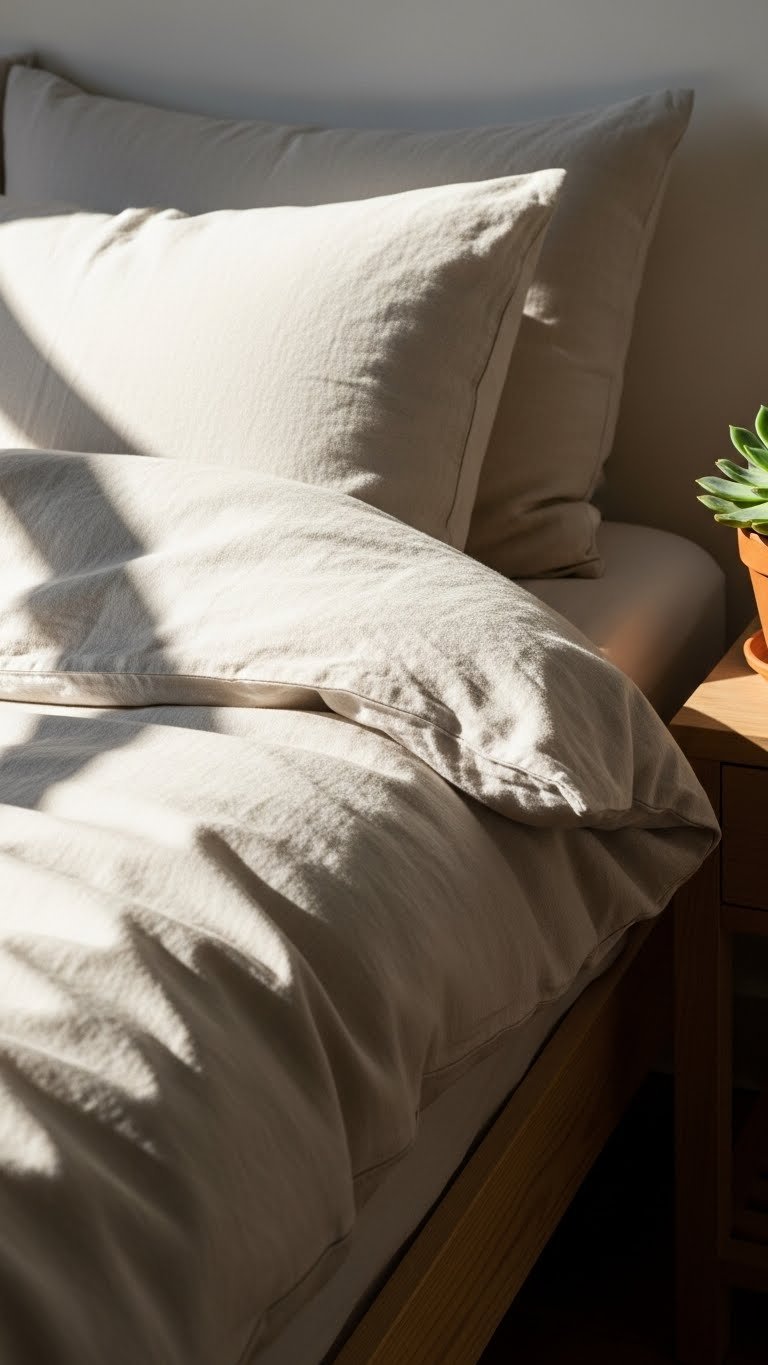
    Quality linen runs $150–$350 for a full set, but it lasts for years—Brooklinen, Parachute, and Etsy sellers all offer excellent options. The wrinkled texture is part of the charm, not a flaw. You literally just pull them out of the wash and put them on; no ironing required. Budget option: start with one set and invest as you can afford it.

    You’ll sleep differently on linen. It breathes, it feels sensual, and it changes how you feel getting into bed. This is one investment that pays dividends every single night.

    6. Display Quilts Over Your Dresser or Bed Rail

    Quilts are having a major comeback as an alternative to duvets, and they tell a story in a way store-bought bedding never can. They’re practical and deeply soulful.

    Thrift quilts for $10–$50 (check Etsy, Facebook Marketplace, local antique shops), or commission a custom one from Etsy makers for $200–$600. Hang one on a simple wooden quilt rack ($30–$80 from IKEA or Wayfair), drape it over a bed rail, or fold it at the foot of your bed. Each quilt has history and personality baked right in.

    This approach makes your bedroom feel like a family heirloom space, not a hotel. The visual layering also adds dimension and warmth that mass-produced bedding can’t match.

    7. Hang Floor-to-Ceiling Curtains on Budget

    Floor-to-ceiling curtains create instant luxury and drama without actually requiring an expensive layout or professional installation. They’re a renter’s secret weapon too.

    Skip the pricey versions from Restoration Hardware ($300–$800). Instead, grab affordable options from IKEA ($20–$50), Target ($30–$70), or Amazon ($25–$60 per panel). Pair them with a tension rod ($15–$30) from any hardware store for truly renter-friendly installation—no holes, no landlord drama. You need two to four panels depending on your window width. Measurement and hanging takes about an hour.

    The visual effect is transformational. Your room immediately feels more curated and intentional. Bonus: sheer curtains filter harsh morning light, which improves sleep quality.

    8. Create a Gallery Wall with Personal Art and Prints

    Generic art or bare walls don’t invoke feeling. A personal gallery wall—even a small one—tells visitors (and you) exactly who you are and what you love.

    Start with affordable prints from Etsy ($8–$25 each), Minted ($12–$30), or even download and print your own from local print shops ($2–$5 per print). Frame them yourself using simple wood frames from IKEA or Michael’s ($5–$15 each). Mix frame styles, sizes, and finishes. Lay everything on the floor first to plan your layout, then hang with a level. Budget: $50–$150 for a 5–7 piece wall. Time: one evening.

    Your art becomes the visual anchor of your room. Waking up to images you actually love makes your bedroom feel purposeful and uniquely yours.

    9. Add Vintage or Thrifted Nightstands for Personality

    Mass-produced nightstands are forgettable. Thrifted pieces add character, are often better-built, and cost a fraction of retail price.

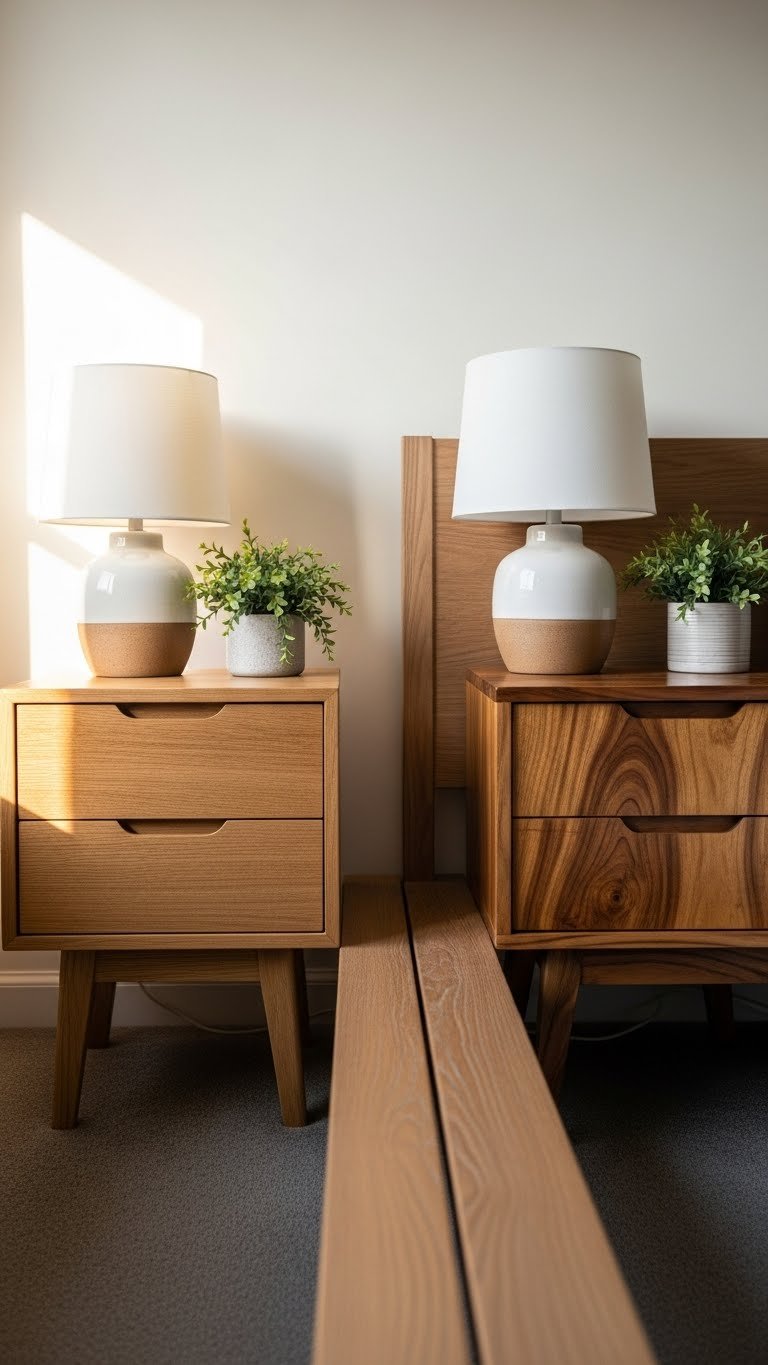
    Hunt Facebook Marketplace, Craigslist, local thrift stores, and Etsy for wooden nightstands in the $20–$80 range per piece. Don’t worry if they’re slightly different—mismatched pairs are hugely on-trend. A fresh coat of paint ($10 in supplies) updates them instantly if needed, or embrace the patina. Look for pieces with one or two drawers and sturdy legs. Delivery or DIY transport takes planning but is worth it.

    Your nightstands become conversation starters with real history. Plus, they’re built to last, unlike flat-pack alternatives. You get durability and soul in one purchase.

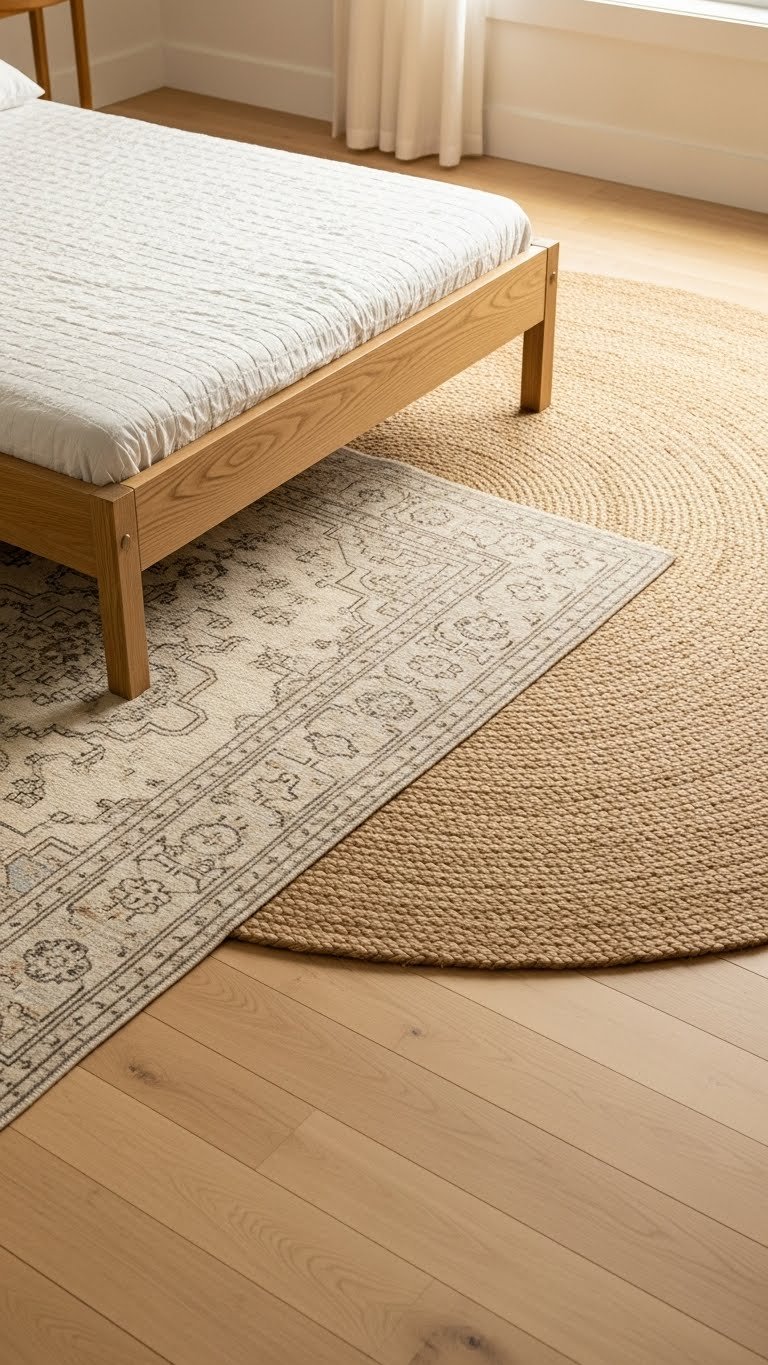
    10. Layer Rugs to Define Your Sleep Zone and Add Warmth

    A single rug can feel cold and institutional. Layering two—a natural base layer plus a softer accent—creates intimacy and visual warmth without clutter.

    Start with a jute base rug ($60–$200 from IKEA, Wayfair), then layer a smaller wool or vintage rug on top ($40–$150 from Etsy, thrift stores). Your top layer should be slightly smaller so both are visible. This combo adds insulation (floors feel warmer), visual interest, and a nested feeling. Takes five minutes to arrange once you have both pieces.

    The layering technique makes your sleep zone feel intentionally designed, not accidental. Plus, it’s cozy underfoot during those first steps out of bed in the morning.

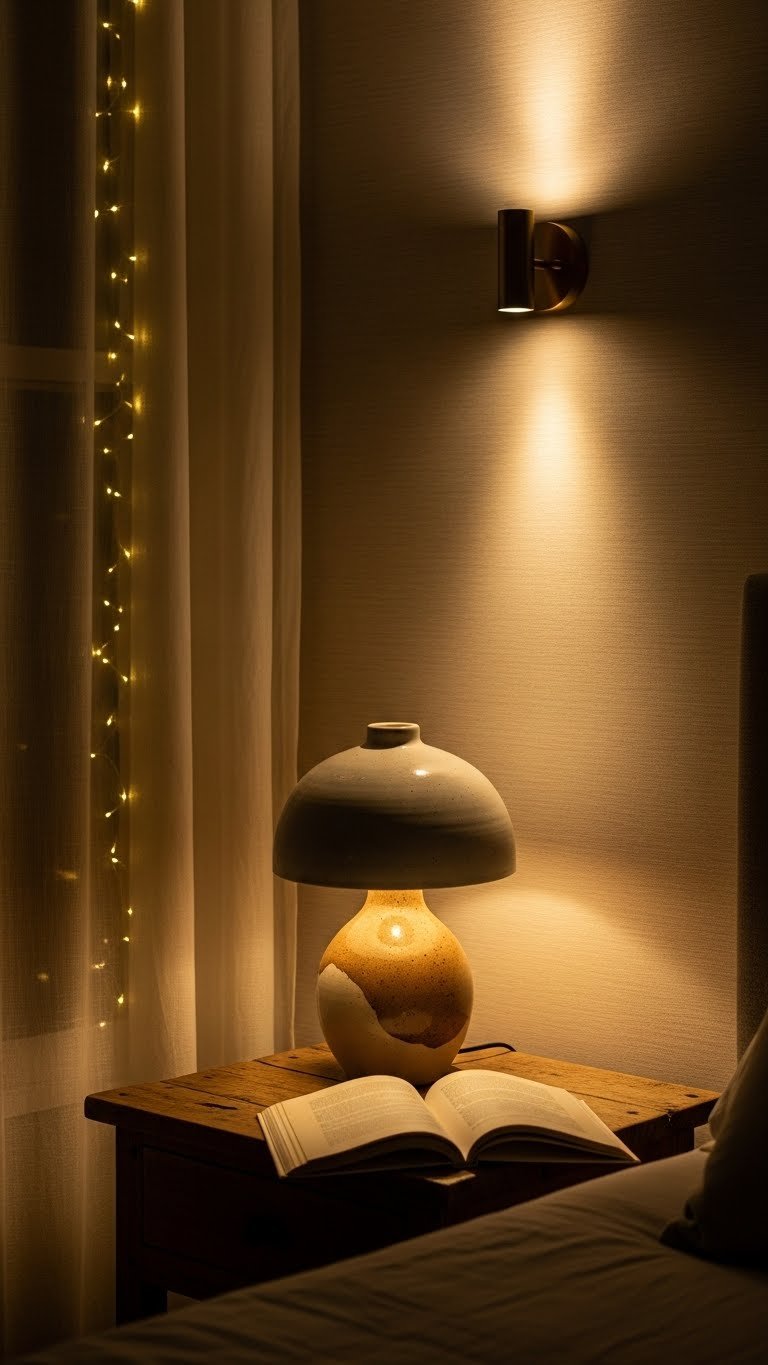
    11. Install Warm Lighting with Dimmable Bulbs and Layered Fixtures

    Harsh overhead lighting tanks your bedroom’s coziness factor. Warm, dimmable lighting is the fastest way to create that sanctuary feeling.

    Replace all bulbs with warm-toned (2700K) LED bulbs ($5–$15 each from any hardware store). Swap your overhead fixture for a dimmer switch ($15–$30 at Home Depot) or add layered task lighting: a bedside lamp ($30–$100), a wall sconce ($40–$120), even string lights ($15–$30). Use bulbs that dim together for maximum control. Installation varies (dimmer is 30 minutes for handy folks; sconce might need an electrician at $150–$300).

    The difference is immediate. Warm light makes your room feel like a resort, not an office. Dimming options mean you can adjust the mood for reading, winding down, or just cozying up.

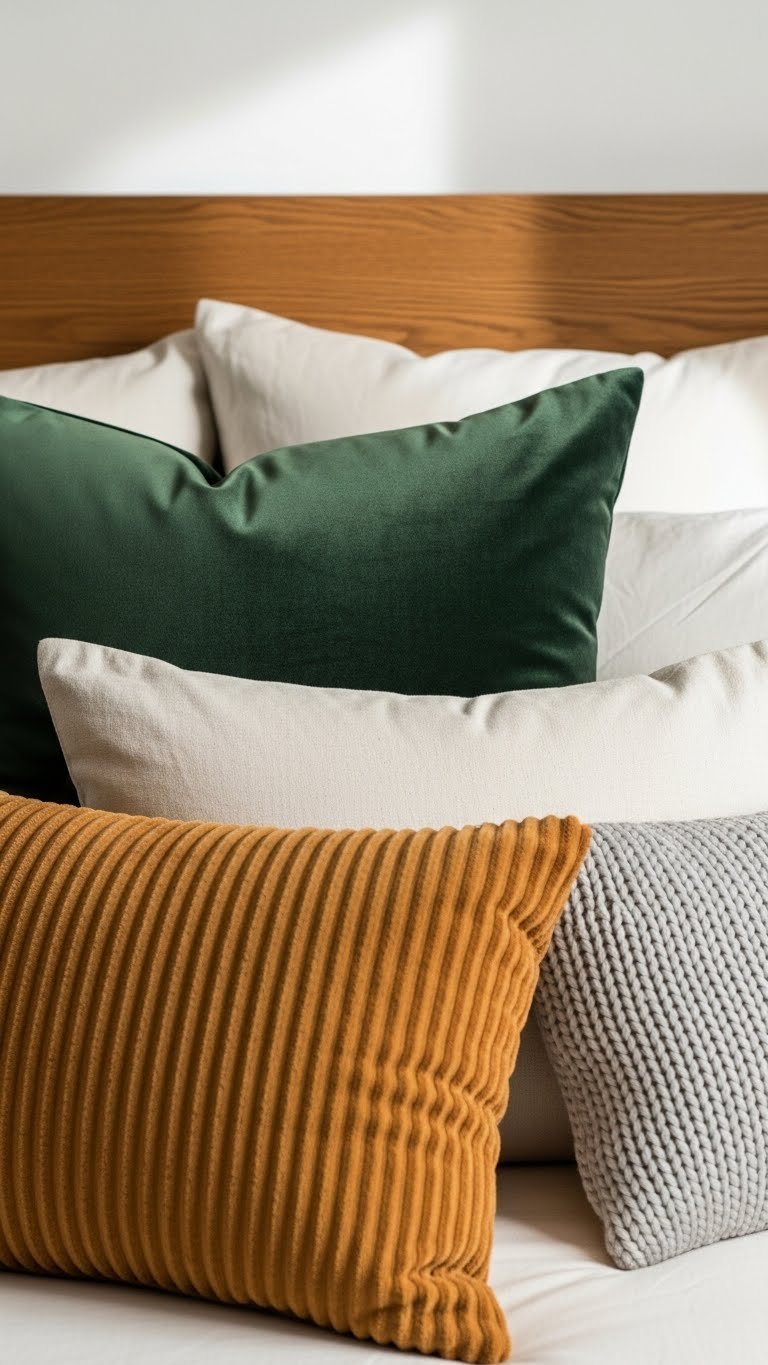
    12. Use Velvet or Textured Accent Pillows to Add Softness

    Flat, basic pillows miss the chance to add texture. Tactile pillows make your bed an actual place you want to sink into.

    Shop Etsy ($20–$60), West Elm ($40–$80), or Target ($15–$40) for pillows in velvet, linen, corduroy, or knit textures. Aim for three to five pillows in coordinating neutral tones—cream, taupe, dusty sage, soft gray. Mix sizes and shapes (square, rectangular, round). Takes five minutes to style; no additional setup needed.

    The tactile experience transforms how you feel about your bed. You’ll actually want to lounge there, not just sleep in it. Texture also photographs beautifully, which means your room looks intentional on camera too.

    13. Add a Statement Mirror to Reflect Light and Expand Space

    Mirrors reflect light, make small spaces feel bigger, and add architectural interest. A statement mirror is a non-permanent way to completely shift your room’s energy.

    Look for mirrors with wood frames ($60–$250 from IKEA, West Elm, Wayfair) or hunt thrifted ornate mirrors for $20–$80. Go oversized—a 24″–36″ width makes the biggest impact. Lean it against the wall (renter-friendly, no hanging required) or mount it with brackets ($20–$40). Either way, installation is straightforward and takes under an hour.

    Your room instantly feels brighter, bigger, and more refined. The light bounce also makes your space feel more energized during the day without any electrical changes.

    14. Introduce Fresh Flowers or Faux Botanicals Weekly

    Living (or beautiful faux) plants add life, improve air quality, and create that biophilic connection everyone craves. Fresh flowers change the mood instantly and cost less than you’d think.

    Fresh grocery store flowers ($5–$15 from Whole Foods, farmer’s markets) last a week. Dried botanicals ($3–$15 per bunch from Etsy, Trader Joe’s) last months and look endlessly chic. Faux botanicals ($10–$30 from Target, IKEA) require zero maintenance and work if you travel. Invest in a few ceramic or glass vases ($10–$30 each) that you can reuse. Arrange fresh flowers on Sunday for an easy weekly refresh—takes five minutes.

    A bedroom with greenery feels alive and nurturing instead of sterile. It’s a small weekly ritual that shifts your whole mood when you walk into the room.

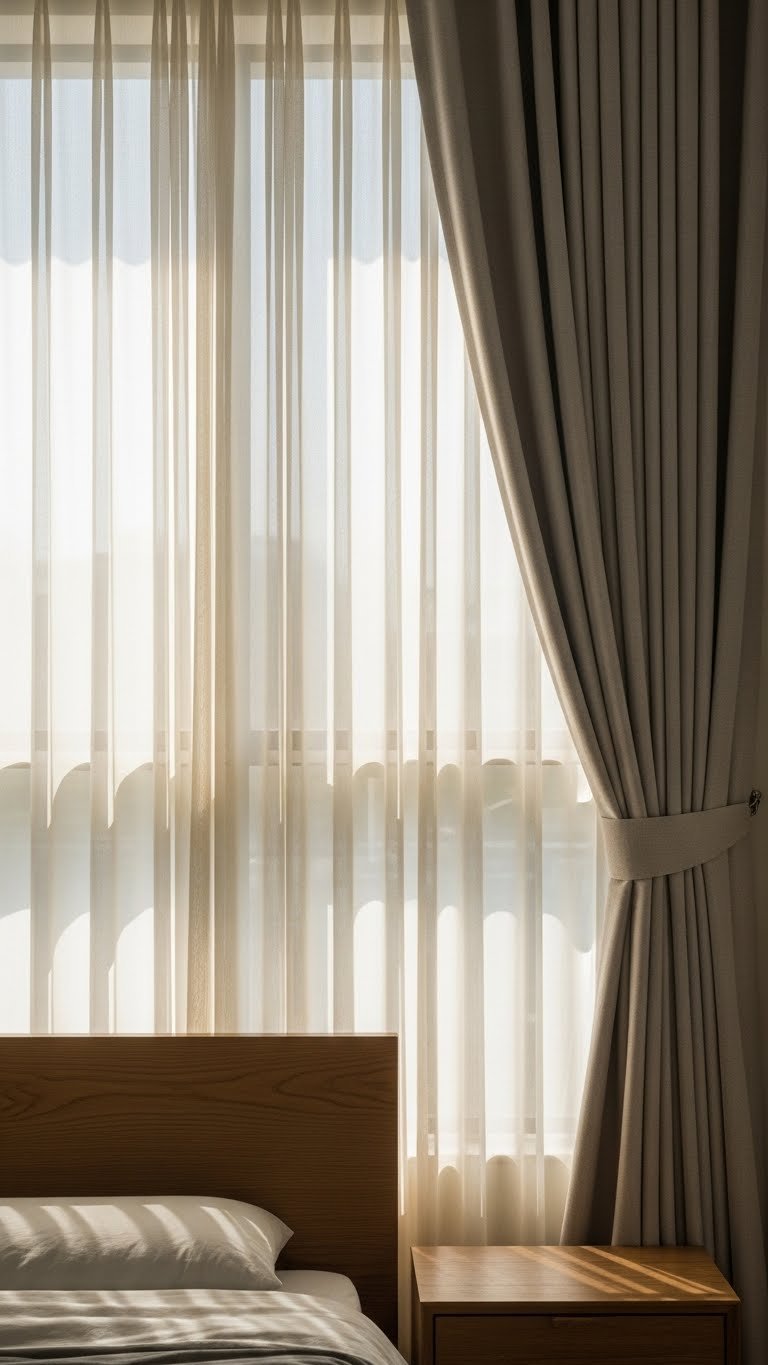
    15. Layer Sheers with Heavier Curtains for Control and Romance

    Sheer alone lets in harsh light and kills privacy. Layering sheers with blackout or heavier curtains gives you total control over light, mood, and your sanctuary feeling.

    Buy sheer curtains ($20–$60 from IKEA, Target) and heavier linen curtains ($40–$150 from Wayfair, CB2). Hang sheers on one rod, heavier curtains on another (two rods side-by-side cost $30–$60 total). Use a tension rod for renter-friendly install (no holes). You now have complete light control without sacrificing softness. Setup takes about an hour.

    This layering approach makes your room feel intentionally designed and gives you agency over your environment. You can wake to soft light or sleep in complete darkness—your choice.

    16. Style Your Dresser Top Like a Hotel Nightstand

    A cluttered dresser stresses you out. A styled dresser—even a simple one—makes your whole room feel more intentional and calming.

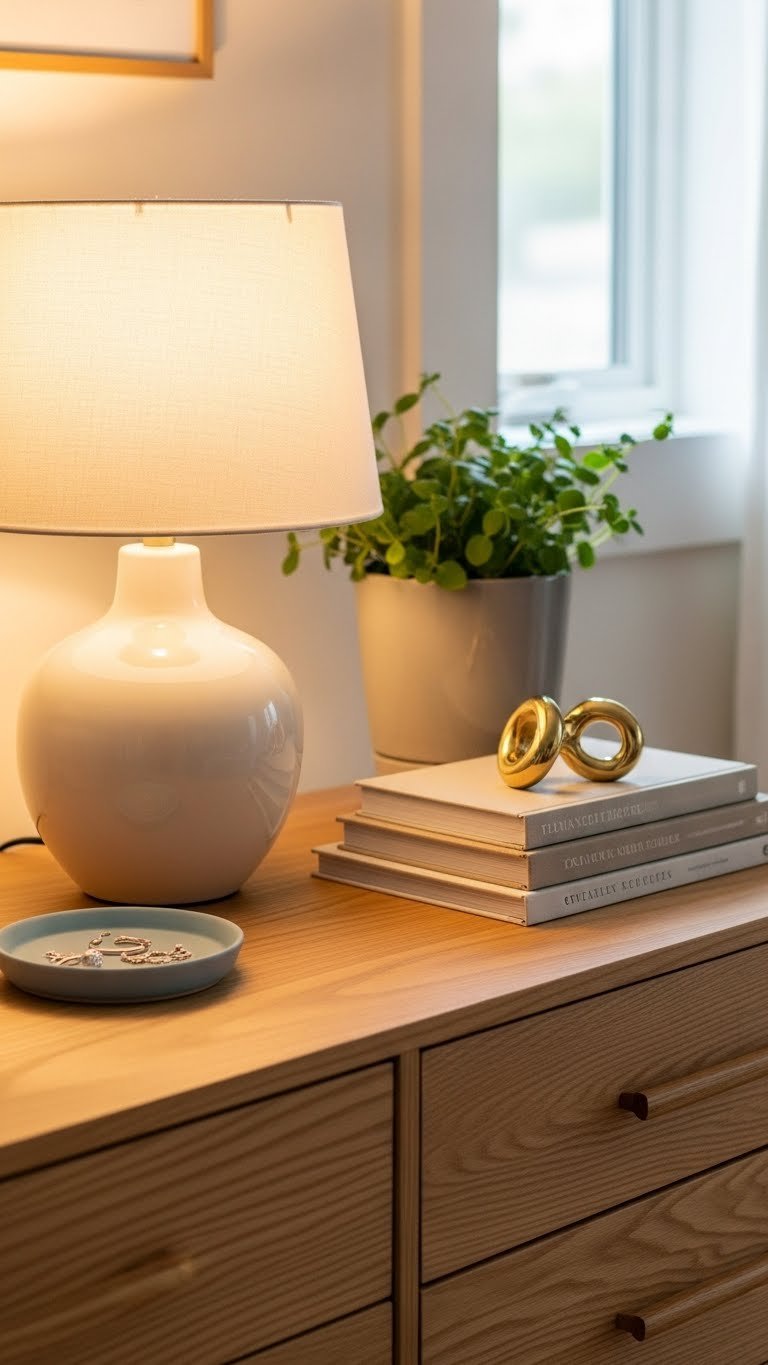
    Keep your dresser top to five objects maximum: a lamp ($30–$80), a small plant ($5–$20), a stack of books ($0, from your shelf), a decorative dish or tray ($10–$30), and one candle ($5–$15). Swap items seasonally or monthly for freshness without clutter. Takes 10 minutes to style and makes your brain feel more at ease.

    This small curation makes your room feel like a deliberate, adult space instead of a place where stuff accumulates. It’s also the easiest way to make your bedroom photograph well.

    17. Hang a Fabric Canopy Above Your Bed for Dreamy Drama

    A fabric canopy instantly makes your bedroom feel like a retreat. No commitment needed—it’s installed in minutes and renter-friendly.

    DIY Canopy: Hang sheer fabric or muslin ($20–$50 from fabric stores, Amazon) from adhesive hooks ($10 for a set of 4) or command strips ($5). No drilling, no damage. Or buy a pre-made bed canopy frame ($80–$250 from IKEA, Wayfair) if you want structure. Installation takes 20–30 minutes and requires zero tools.

    The canopy creates a cocooning effect that signals safety to your nervous system. You literally sleep better under one. It’s also the most Instagram-worthy bedroom detail for minimal effort.

    18. Replace Metal Furniture with Warm Wood Pieces

    Metal furniture—especially chrome or industrial styles—feels cold in a bedroom. Warm wood creates the organic, grounding energy that 2025 is all about.

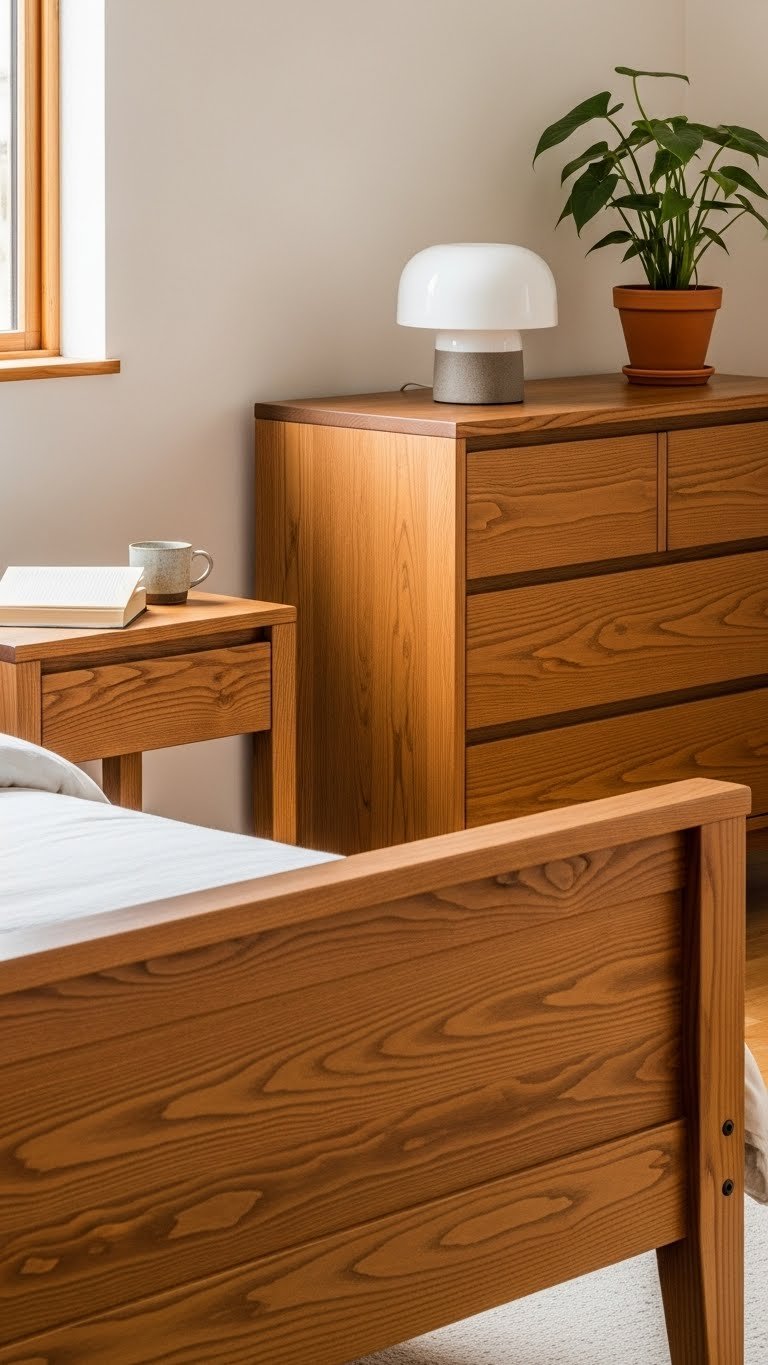
    Gradually swap out metal pieces for wood versions from IKEA ($150–$500 for bed frames), Facebook Marketplace ($50–$300 thrifted), or invest in one statement piece like a wood dresser ($300–$800 new). You don’t have to replace everything at once; even swapping a metal nightstand for wood shifts the room’s vibe significantly. No installation needed beyond what you’d do anyway.

    Wood grounds a room instantly. It feels stable, warm, and connected to nature—all things your nervous system craves before sleep. Plus, it ages beautifully instead of looking dated.

    19. Create a Reading Nook with a Small Chair and Good Light

    Your bed shouldn’t be your only place to relax. A cozy reading nook gives your bedroom function beyond sleep and adds visual interest.

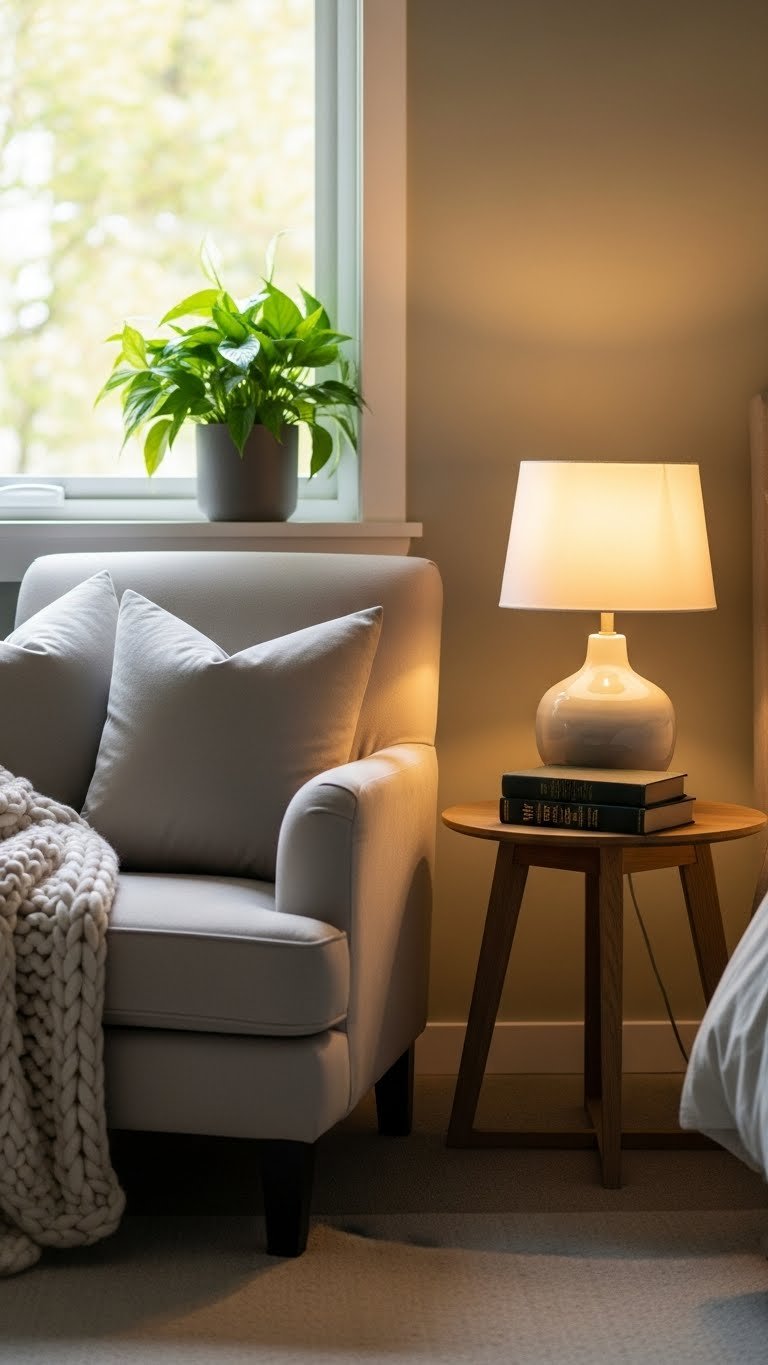
    Shop IKEA’s armchairs ($150–$300), Target ($100–$250), thrifted wooden chairs ($30–$100), or invest in a mid-century lounge chair ($300–$800 from Article, West Elm). Add a side table ($40–$100), a task lamp ($30–$80), and a throw. Position near a window if possible. Setup takes an afternoon.

    This creates a secondary purpose for your bedroom—a place to journal, read, or simply sit with your thoughts. It also makes the room feel more layered and less like a furniture showroom.

    20. Swap Your Comforter for Layered Bedding (Duvet + Throw)

    A single thick comforter looks flat and isn’t as flexible as layered bedding. Layers let you adjust warmth, look more intentional, and photograph better.

    Start with fitted and flat sheets ($40–$80), add a lightweight duvet ($100–$250), then layer a throw blanket or quilt on top ($50–$150). Use a duvet cover so you can wash everything without destroying the duvet itself. This approach gives you flexibility for temperature changes and adds visual texture. Setup takes five minutes—literally just arrange pieces on the bed.

    Your bed becomes a design focal point instead of just a place to sleep under one blanket. The visual layers also make your room feel more luxurious and intentional.

    21. Add Cork or Rattan Drawer Pulls for Organic Details

    It’s the small details that make a room feel cohesive. Swapping out basic hardware for cork or rattan pulls takes five minutes and costs under $30.

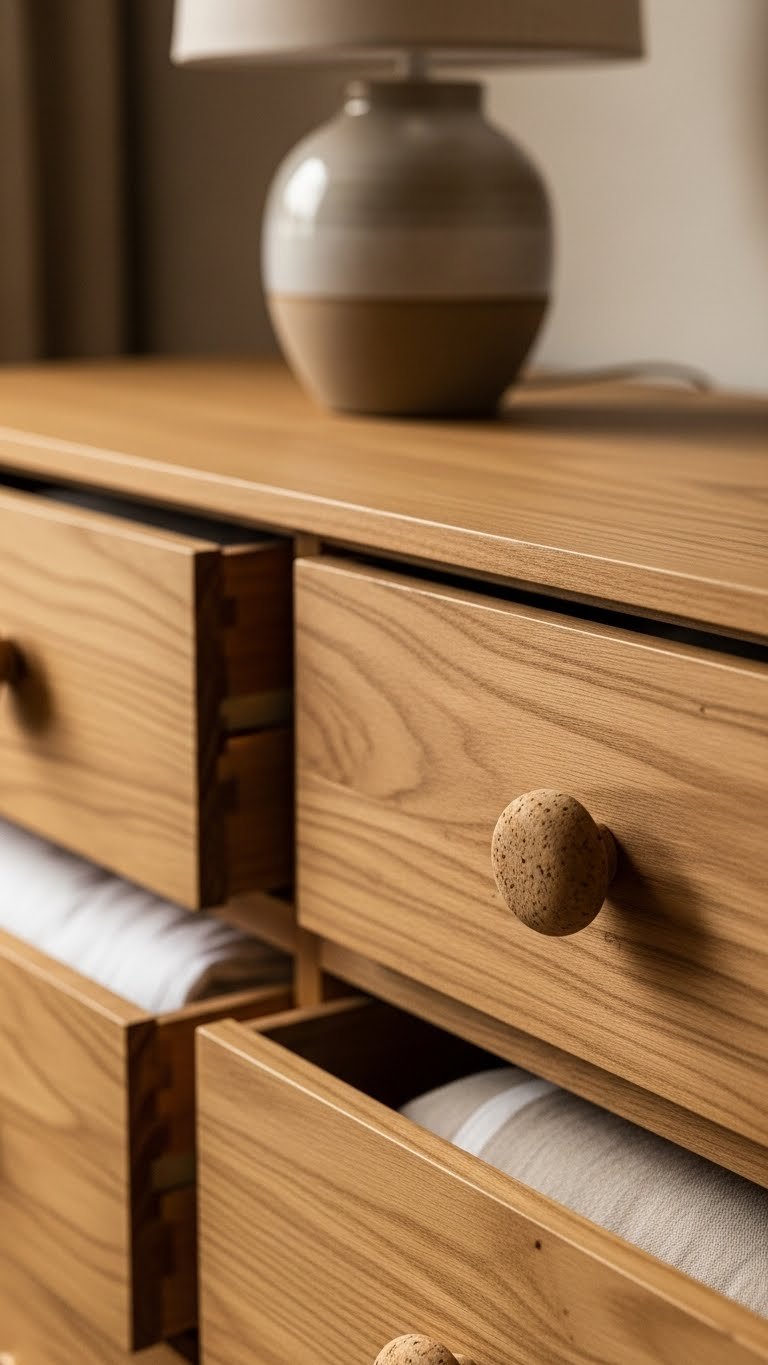
    Buy cork or rattan drawer pulls ($15–$30 for a set of 4–6 from Anthropologie, Etsy, Schoolhouse Electric). Unscrew your existing pulls and screw in the new ones—literally takes five minutes with a screwdriver. No other skill needed. Look for natural wood, cork, or rattan materials to match your warm aesthetic.

    These small touches make your dresser look curated and intentional. They’re also completely reversible if you rent or change your mind down the line.

    22. Bring in Warm Metallics (Brass, Copper) Instead of Silver

    Cool silver and chrome metallics are out. Warm brass and copper metallics play beautifully with earth tones and add subtle luxury.

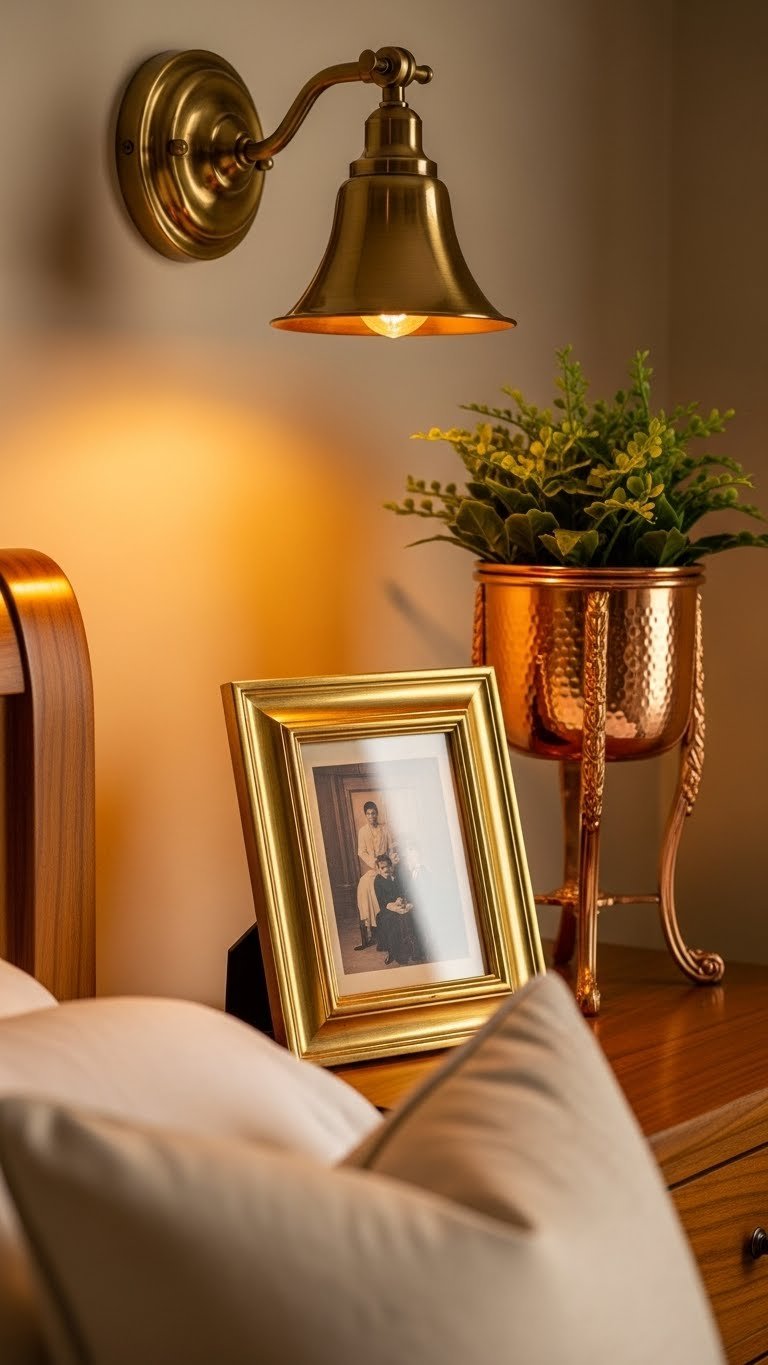
    Replace light fixtures with brass versions ($50–$150), add brass wall sconces ($40–$120), swap your picture frames to copper or brass ($10–$30 each). Even small metal accents—a brass plant stand ($30–$60) or copper trinket dish ($15–$40)—shift your room’s warmth factor. Look for authentic brass or brass-plated options that won’t tarnish quickly.

    These warm metallics catch light beautifully and make your space feel refined without trying too hard. They tie together all your warm wood and earth tone choices.

    23. Display Books Horizontally and Stack with a Decorative Object

    Open book stacks look messy. Horizontal stacks topped with a decorative object look intentional and take up less visual space.

    Gather books you actually love ($0, from your shelf), find a small sculptural object ($10–$50 from Etsy, thrift stores, or home goods stores), and stack. Keep stacks to three to five books maximum and top with one object. This works on nightstands, dressers, or shelves. Takes five minutes to arrange and adds instant sophistication.

    Book styling tells a story about who you are without feeling showy. It’s an easy way to add personality without clutter, and it invites conversation.

    24. Install Blackout Curtain Liners to Improve Sleep Quality (Without Sacrificing Style)

    Dark rooms improve sleep quality significantly. Blackout liners let you keep your beautiful sheer or linen curtains while still getting complete darkness.

    Buy blackout curtain liners ($20–$50 from IKEA, Amazon, Target) that attach to your existing curtains with tape or clips. No sewing required. Install takes 15 minutes and completely blocks light without changing the look of your curtains. Alternatively, use thermal-backed curtains ($60–$150 from Wayfair, West Elm) that look good and block light.

    Sleep quality improves noticeably when your room is genuinely dark. This is a science-backed upgrade that feels luxurious and functional at the same time.


    Save this post and pick one idea to tackle this week. You’ll be surprised how one small change shifts how you feel when you walk into your bedroom. Which one will you try first?