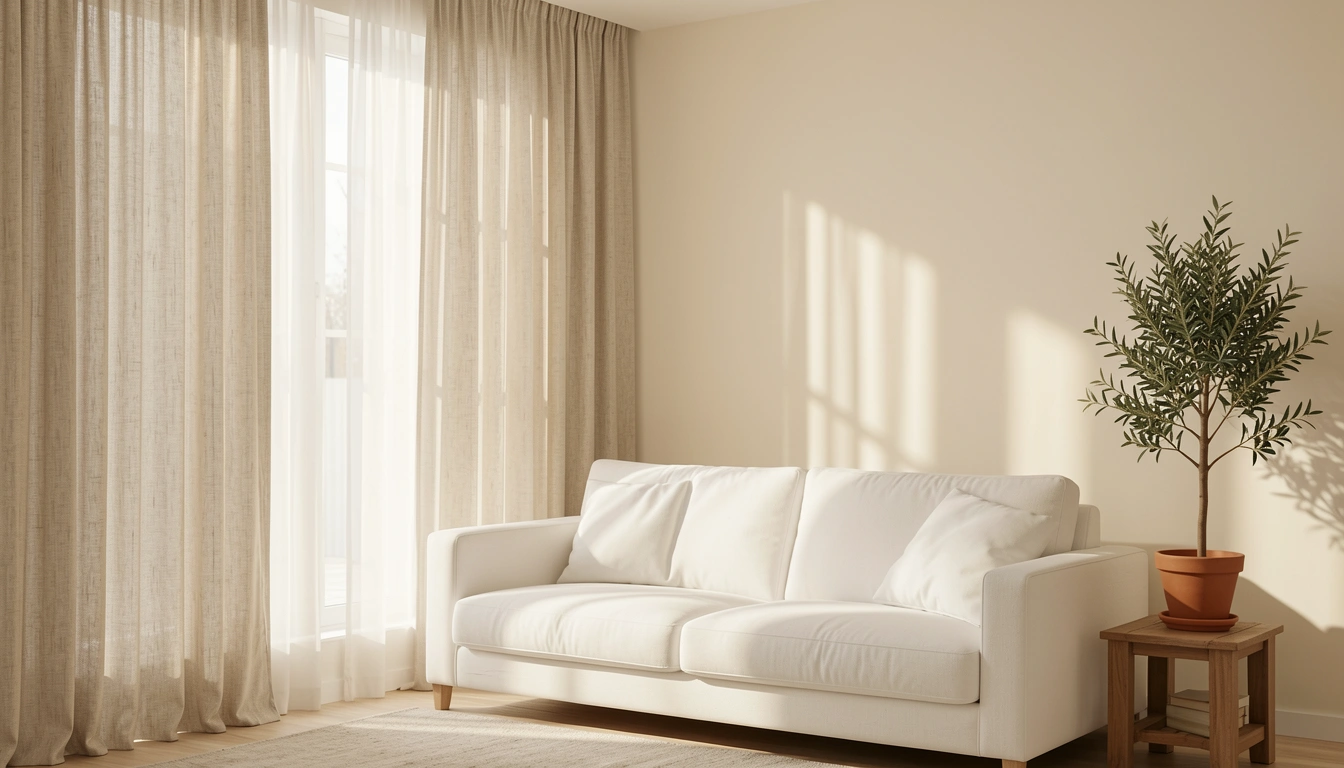
25 Linen Curtain Inspiration for Airy, Natural Interiors
Linen curtains have become the go-to choice for anyone craving a light-filled, natural living space. Unlike heavy synthetics, linen breathes—literally and aesthetically—creating rooms that feel open and lived-in rather than formal or stiff. Whether you’re drawn to them for their hypoallergenic qualities, sustainable appeal, or simply their ability to softly diffuse light, linen offers endless styling possibilities. The challenge? Figuring out which linen look matches your space and how to layer, color, and hang them for maximum impact.
This guide rounds up 25 linen curtain ideas—from budget-friendly hacks to investment-worthy pieces—plus styling tricks to help you create the airy, natural-feeling living room you’ve been imagining. You’ll find options for renters, DIY enthusiasts, and anyone ready to upgrade their windows without breaking the bank. Let’s dive in.
1. Choose Warm Linen Tones Over Stark White
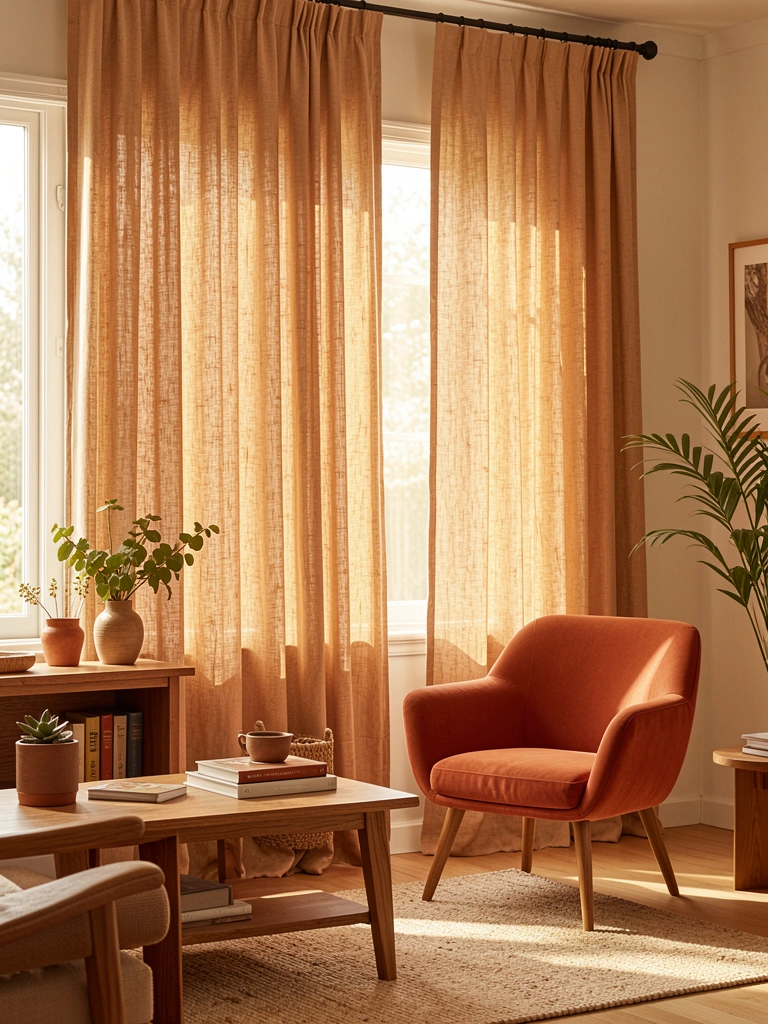
Pure white linen can read cold and clinical in living rooms, especially if your home leans cozy or eclectic. Warm neutrals—sand, oatmeal, soft taupe, warm gray—are far more forgiving and create instant comfort. They pair beautifully with natural wood, warm metals like brass, and earth-toned furnishings.
Linen in these softer hues is often available at mid-range retailers like Target, Wayfair, and IKEA for $30–$80 per panel. You can also search specialty linen suppliers like Etsy for custom dyed options in $40–$120 per panel. Most standard panels come in 84″, 96″, or 108″ lengths. The beauty of warm neutrals is they hide dust slightly better than white and won’t need washing quite as frequently—a real win for busy households.
The result is a room that feels welcoming from the moment you step in. Warm linen plays well with virtually any décor style and makes your space feel intentional rather than accidental.
2. Layer Sheer Linen with Blackout Panels

Layering sheer linen with a blackout panel gives you the best of both worlds: daytime lightness and nighttime privacy. During the day, the sheer lets gentle filtered light through. At night, pull the heavy panel closed for complete darkness and added insulation.
Pair a sheer linen panel ($25–$50 per panel) with a thermal blackout curtain ($40–$100 per panel). IKEA’s Räcka sheers are budget-friendly starters; Target’s Project 62 line offers linen-look options. For better quality, try Curtarra or Etsy sellers specializing in European linen. Installation takes about 30 minutes using a double curtain rod ($15–$40) from any hardware store.
Mounting rods at the ceiling and letting both layers pool slightly on the floor creates visual height and a designer touch—no interior decorator required. This setup also improves insulation, helping keep your room cooler in summer and warmer in winter.
3. Go Floor-to-Ceiling for Dramatic Height
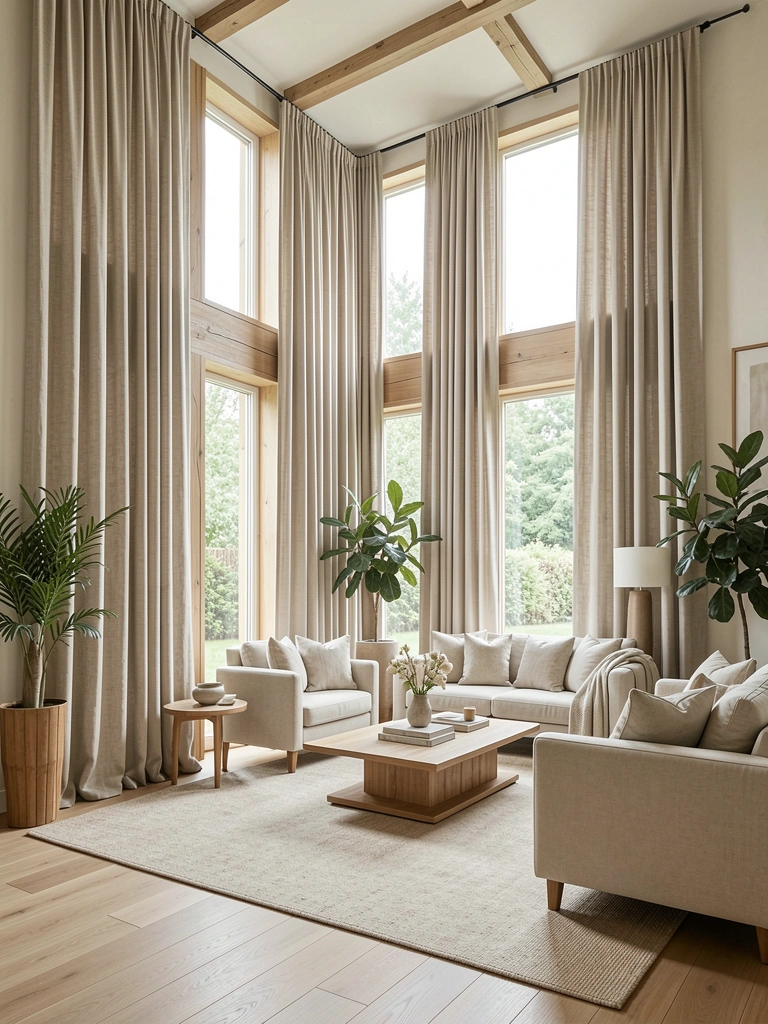
If your living room feels boxy or ceilings seem low, floor-to-ceiling curtains are a free styling hack that makes walls feel taller and rooms feel bigger. Hang your rod as close to the ceiling as possible—even 6 inches higher than the window frame makes a difference.
For a 9-foot ceiling, order 96–108″ panels (these cost roughly the same as 84″ at most retailers). If your window is standard 36–48″ wide, plan for two panels per window ($50–$150 total). Hang them on a simple metal rod ($10–$25) using bracket hardware ($15–$30). Renter tip: use removable adhesive hooks and a lightweight tension rod instead for $20 total.
You’ll see an immediate change in how spacious your room feels. Paired with a neutral palette and minimal patterns, this creates a calm, gallery-like backdrop that lets your furniture and décor shine.
4. Use Linen + Embroidery as Statement Artwork
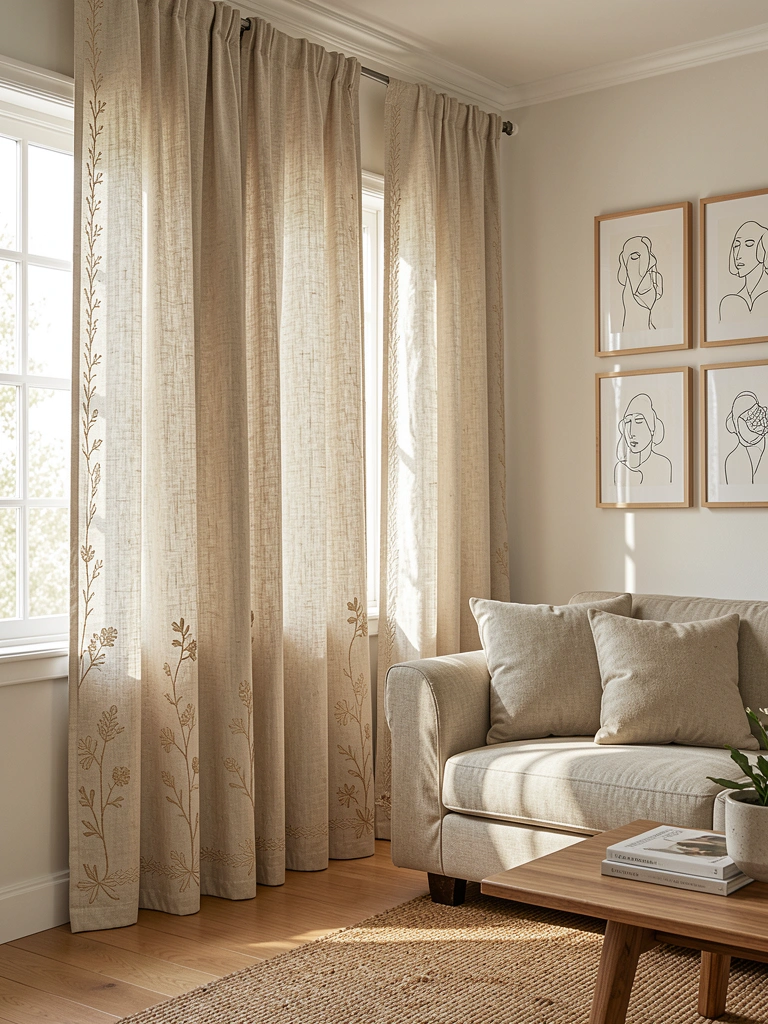
Instead of hanging art next to plain curtains, choose linen with embroidered details—florals, geometric patterns, or abstract stitching—to make the window itself the focal point. Embroidered linen is more niche but worth the search.
Look on Etsy ($80–$200 per panel), specialty boutiques, or retailers like Anthropologie ($100–$180). You can also buy plain linen and have embroidery added by a local seamstress for $30–$80 per panel labor cost, assuming you provide the base fabric. Allow 2–4 weeks for custom work.
The payoff is a one-of-a-kind window treatment that doubles as art. It becomes a conversation starter and eliminates the need for additional wall hangings, which can make small spaces feel cluttered.
5. Pair Linen with Warm Terracotta or Rust
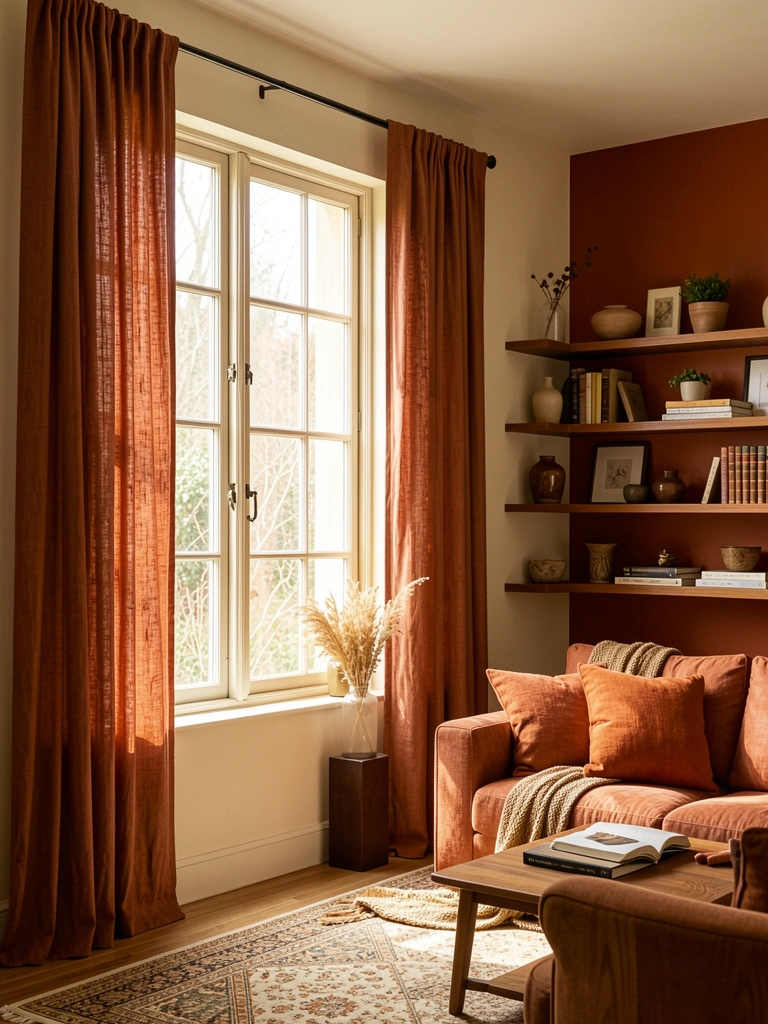
Earthy tones like terracotta, rust, and warm ochre are trending hard for 2025 and look stunning in linen. These colors feel natural without being boring, and they complement almost any living room style—from bohemian to modern minimalist.
Terracotta or rust linen panels are available from Wayfair ($35–$90), Target ($40–$70), and specialty linen shops ($60–$150). If your local stores don’t stock these shades, check Amazon or Etsy. Pro tip: order samples before committing. Most retailers ship fabric swatches free so you can see how the color looks in your actual light.
Pair rust linen with brass or gold hardware and natural wood furniture for a cohesive, warm aesthetic. The color reads as sophisticated rather than trendy, so you won’t tire of it quickly.
6. Embrace Linen’s Wrinkled Texture—Don’t Iron It
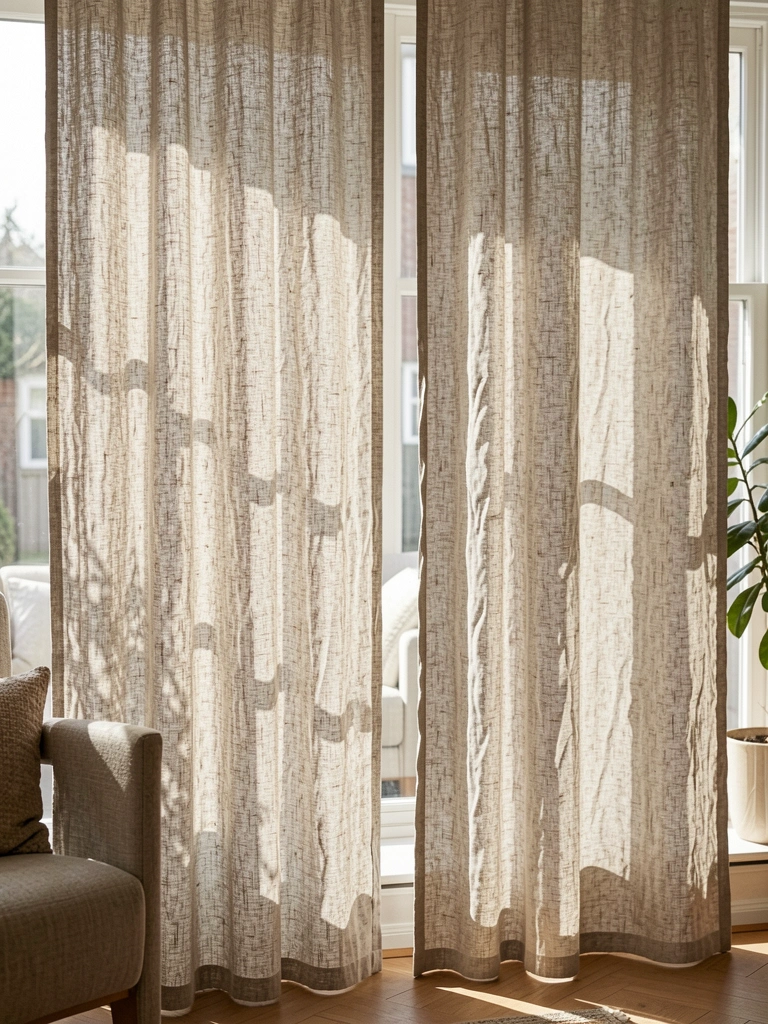
New linen owners often panic when their curtains arrive wrinkled. The secret? Stop fighting it. Linen’s crinkled texture is part of its charm—it reads as organic and high-quality, not sloppy. Resisting the urge to iron saves you time and honors the fabric’s natural character.
Hang your linen panels immediately upon arrival and let them settle for 24–48 hours. Most wrinkles relax naturally as gravity does the work. If you absolutely must reduce wrinkles, use a handheld steamer ($20–$50) rather than an iron, keeping it 6 inches away from fabric.
This approach also means linen becomes lower-maintenance. You’ll wash less frequently, worry less about perfection, and embrace a more relaxed aesthetic overall. Your curtains will look intentionally textured rather than carelessly wrinkled.
7. Create a Color-Drenching Look with Matching Walls
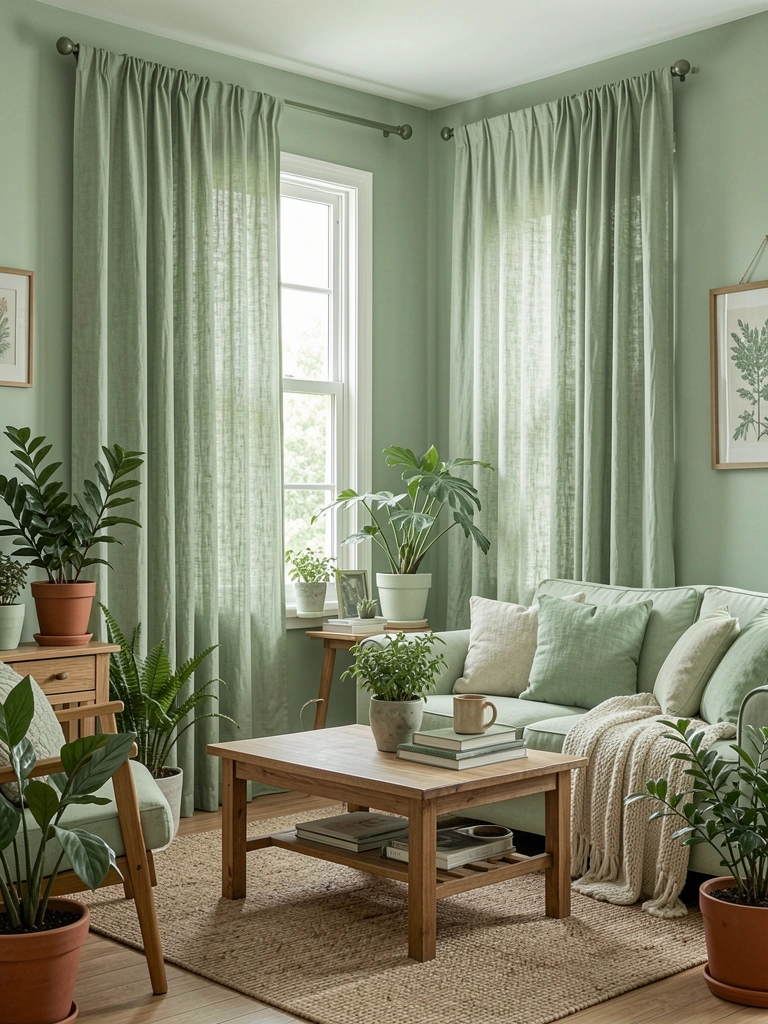
Color drenching—matching your curtain color to your wall color—creates an immersive, cocoon-like space that feels curated and bold. It’s less common than you’d think, which means it stands out.
Start with a soft sage, warm gray, or dusty olive linen panel ($40–$100). Have walls painted in a matching or near-matching shade using paint samples from your local hardware store to test first. Paint costs $30–$60 per wall, and application is a weekend DIY or hire a pro for $500–$1,500 depending on room size.
The trick is choosing subtle colors—overly saturated shades can feel overwhelming in a living room where you spend hours. Test your color choice in different lights (morning, afternoon, evening) before committing to painting entire walls.
The result is a space that feels intentionally designed rather than haphazardly decorated. Bonus: matching colors make rooms feel larger because there’s no visual interruption.
8. Mix Linen with Decorative Trim for Personality
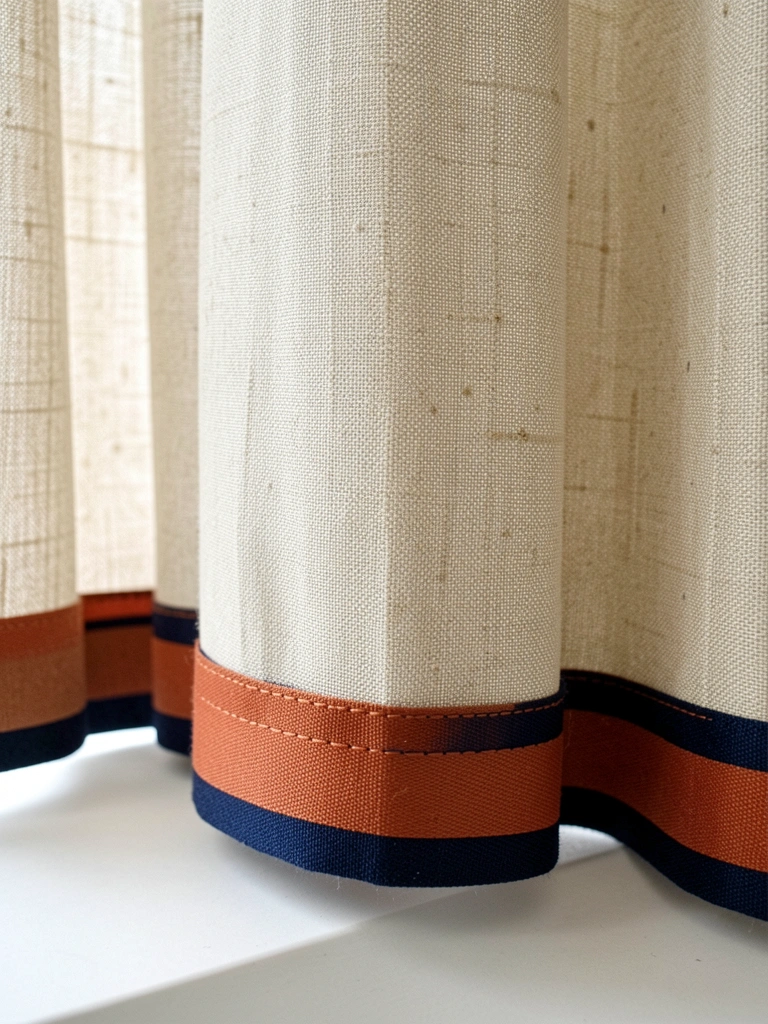
Adding trim to plain linen instantly elevates the look from basic to custom. A contrasting ribbon, braid, or fringe along the bottom (or sides) adds personality without overwhelming the space.
Purchase plain linen panels ($30–$80) and decorative trim ($10–$30 per yard) from fabric stores like Joann Fabrics or online retailers like Mood Fabrics. Have a seamstress attach the trim for $20–$50 per panel, or DIY with a sewing machine if you’re comfortable (allow 2–3 hours per pair). Renter option: use fabric glue for temporary trim attachment ($5–$10).
This customization makes your curtains feel intentional and tailored without the custom-order price tag. It’s also a simple way to tie in accent colors already present in your décor—like matching a trim color to throw pillows or wall art.
9. Hang Linen with Pinch Pleat Tops for Formality
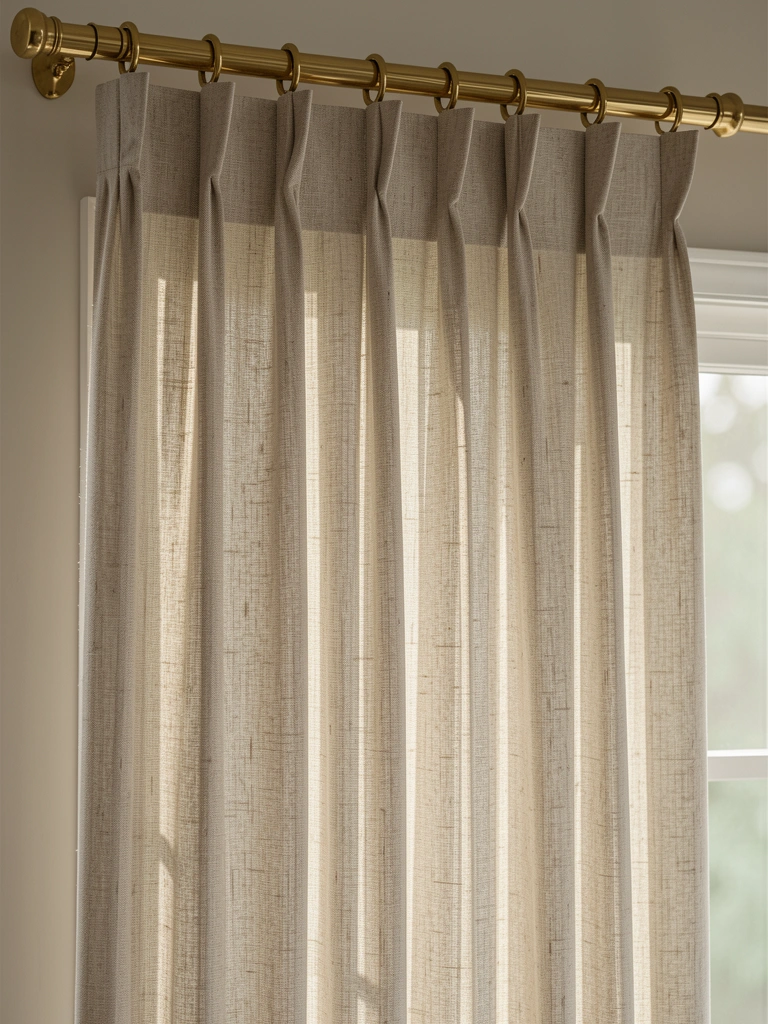
Pinch pleats give linen a structured, formal look—perfect if you want to elevate your living room beyond casual. The regular folds create visual rhythm and make the curtains hang beautifully.
Buy pre-made pinch pleat linen panels ($60–$150 per pair) from retailers like Wayfair, Pottery Barn, or Restoration Hardware. Alternatively, purchase plain linen and have a seamstress add pinch pleats for $30–$60 per panel. Installation takes about 30 minutes with a standard curtain rod and hooks ($20–$50).
Pinch pleats work especially well in traditional or transitional living rooms where you want structure without maximalism. They also keep fabric neatly controlled, reducing the amount of floor space the curtains occupy when open.
10. Layer Linen Over Roman Shades for Hybrid Elegance
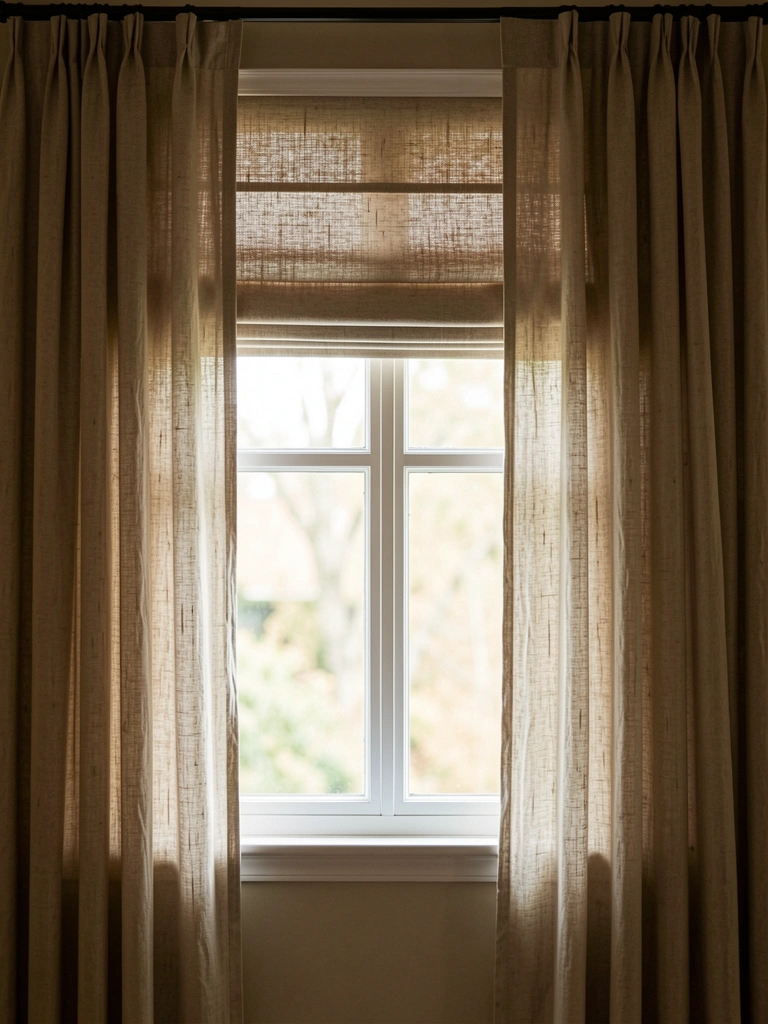
Combining linen curtains with linen roman shades offers maximum flexibility and a designer-approved look. Use shades for daytime privacy and light control, then close curtains for nighttime drama.
A roman shade in linen costs $60–$200 depending on width, and linen curtain panels run $40–$100 per pair. Budget $150–$400 total for both window treatments. Retailers like Wayfair, Target, and Amazon offer affordable options; Etsy and specialty shops offer premium versions. Installation is straightforward—mount the shade inside the window frame and hang curtains on a rod positioned 4–6 inches outside the frame.
This layered approach makes your living room feel intentionally designed and gives you true control over light, privacy, and ambiance throughout the day. It’s also practical for rooms where one treatment alone doesn’t cut it.
11. Choose Sustainable, Certified Organic Linen
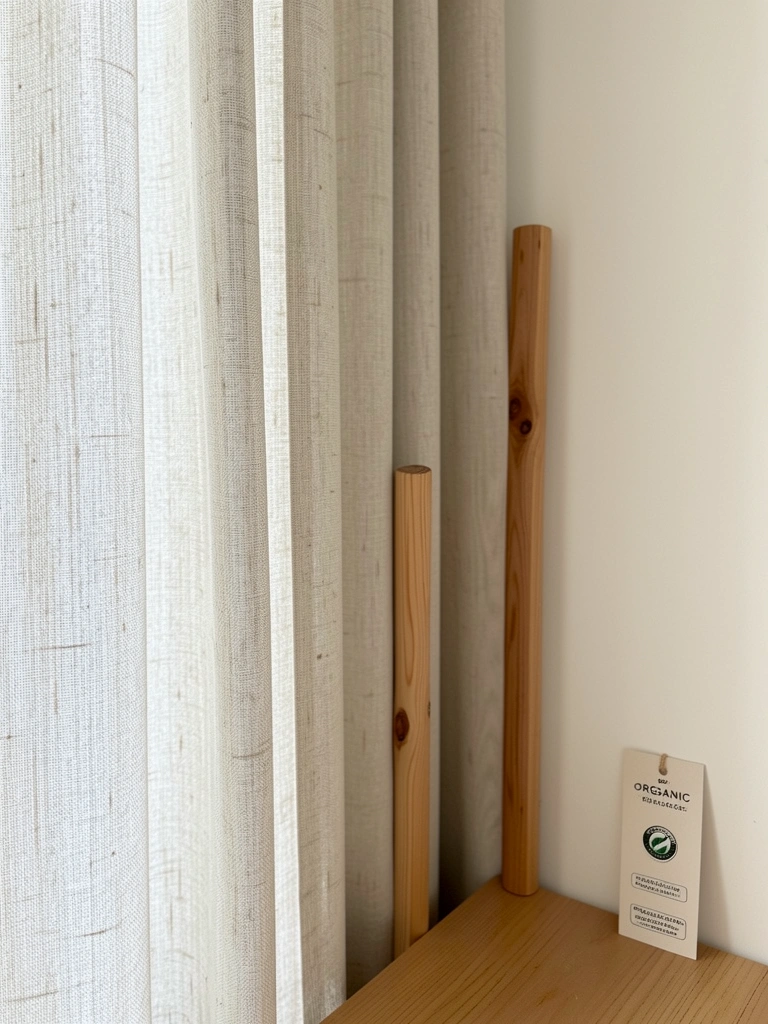
If sustainability matters to you, seek out GOTS-certified (Global Organic Textile Standard) or Oeko-Tex certified linen—proof the fabric meets strict environmental and safety standards. These certifications reduce greenwashing guesswork.
Certified organic linen typically costs $70–$180 per panel but ensures no harmful pesticides were used in growing flax and no toxic dyes were applied. Try specialty retailers like Etsy sellers with transparency pages, Patagonia’s Home line, or European linen suppliers that often emphasize certifications.
Choosing certified fabric means your home supports better farming practices and safer manufacturing. It’s a small choice with tangible impact, and the quality of certified linen often justifies the premium price point.
12. Go Ultra-Sheer for Minimalist, Airy Rooms
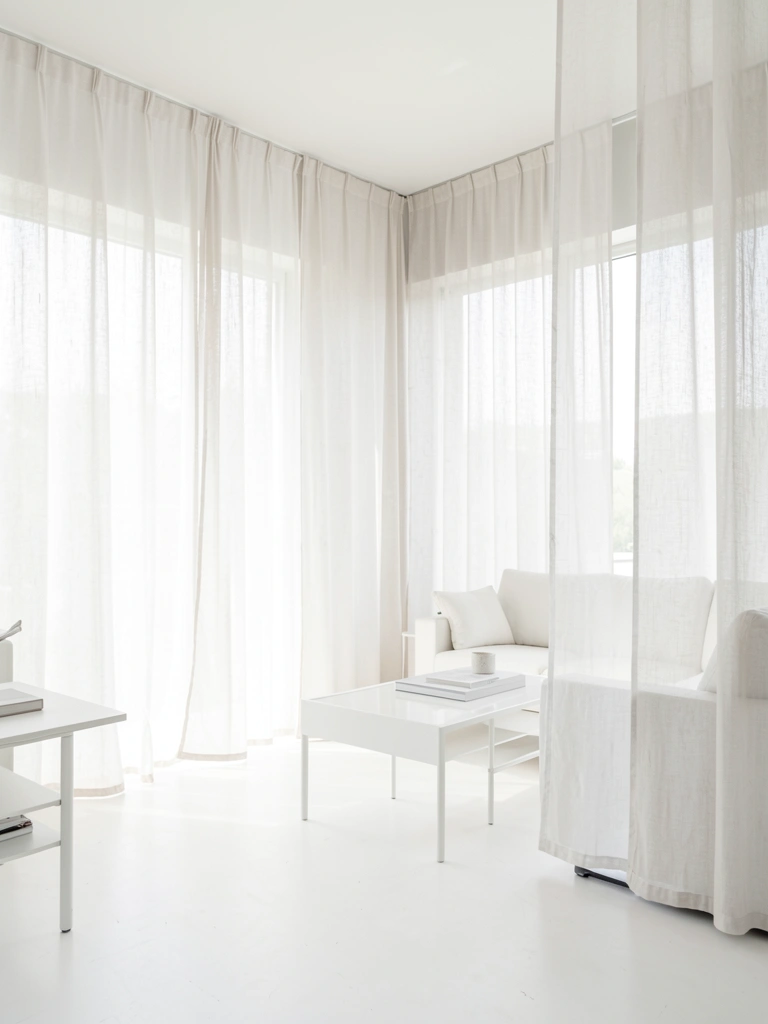
If you want maximum light with just a whisper of coverage, ultra-sheer linen delivers. This works beautifully in modern, minimalist, or Scandinavian-inspired spaces where airiness trumps privacy.
Sheer linen panels cost $20–$60 per panel and are stocked at IKEA, Target, Wayfair, and West Elm. Check fabric weight when ordering—look for descriptions like “semi-sheer” or “lightweight” if you want genuine transparency. Installation takes 15 minutes on a simple rod ($10–$20).
The trade-off is minimal privacy from outside. This style works best if your living room doesn’t face the street or if you’re comfortable with silhouettes visible from outside during evening hours. Pair with a privacy plant or tall bookshelf as an alternative barrier.
13. Combine Linen with Metallic Hardware for Subtle Luxury
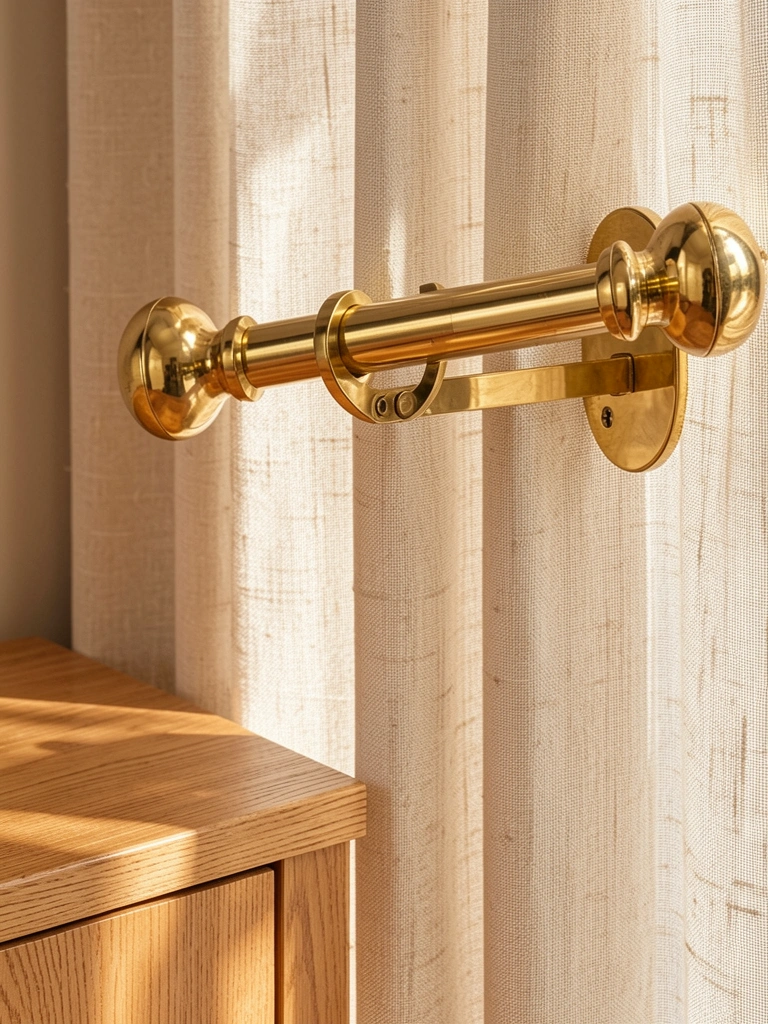
Swapping standard silver hardware for brass, gold, or copper instantly adds sophistication without changing the curtains themselves. The metallic catches light and draws the eye upward, enhancing the visual impact of floor-to-ceiling treatments.
Brass or gold curtain rods cost $20–$80 depending on quality. Mid-range options from Target, Wayfair, and Amazon offer the look without the price tag of designer hardware. Pair with matching finials ($10–$30 per pair) and brackets ($15–$40 per set).
This small upgrade feels luxurious because metal hardware catches light and reads as intentional. It’s especially effective with warm-toned linen like sand, taupe, or rust. Budget 30 minutes for installation if you’re comfortable with basic hardware mounting.
14. Create a Biophilic Look with Linen + Living Plants
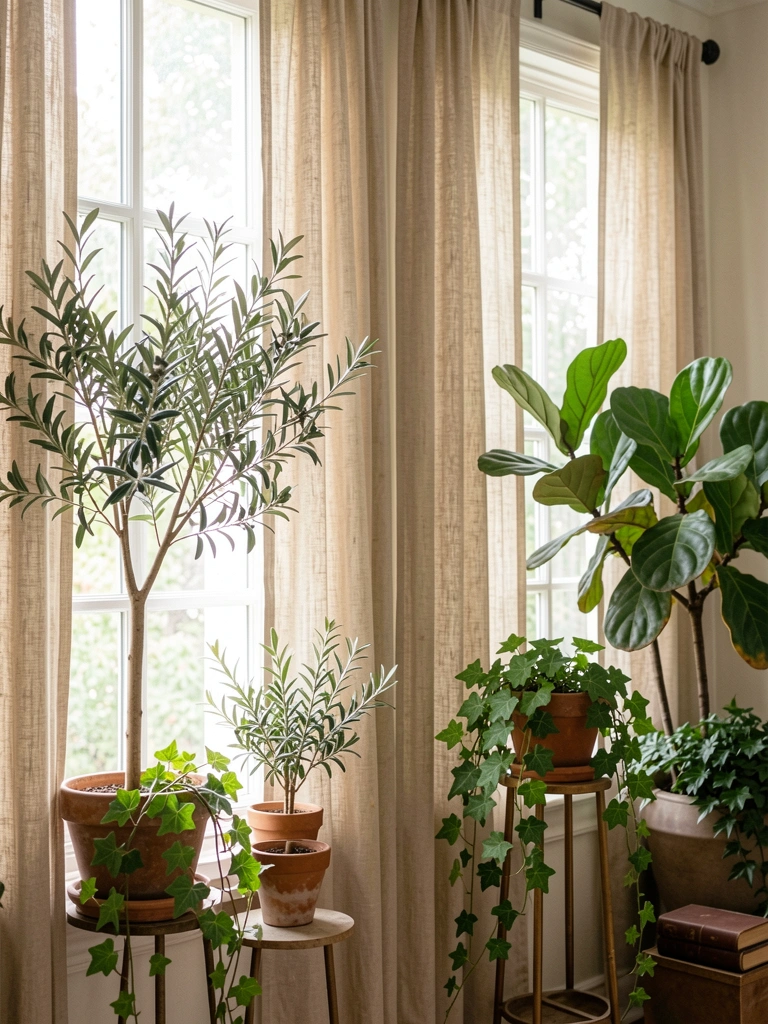
Pairing natural linen with living plants creates a biophilic living room—a space that connects you to nature and boosts mood and air quality. The neutral backdrop lets greenery take center stage.
Invest in 2–3 larger plants ($30–$100 each from local nurseries or online retailers) and 5–8 smaller plants ($5–$20 each). Low-light linen-friendly plants include pothos, snake plants, and ZZ plants (forgiving if your linen blocks significant light). Total plant investment: $100–$300. Pair with simple ceramic or concrete planters ($10–$40 each) for a cohesive look.
The result is a living room that feels alive—literally. Plants improve air quality, soften the space, and give you something living to care for. The natural colors of soil and foliage complement linen beautifully.
15. Use Linen Side Panels to Frame a Focal Point
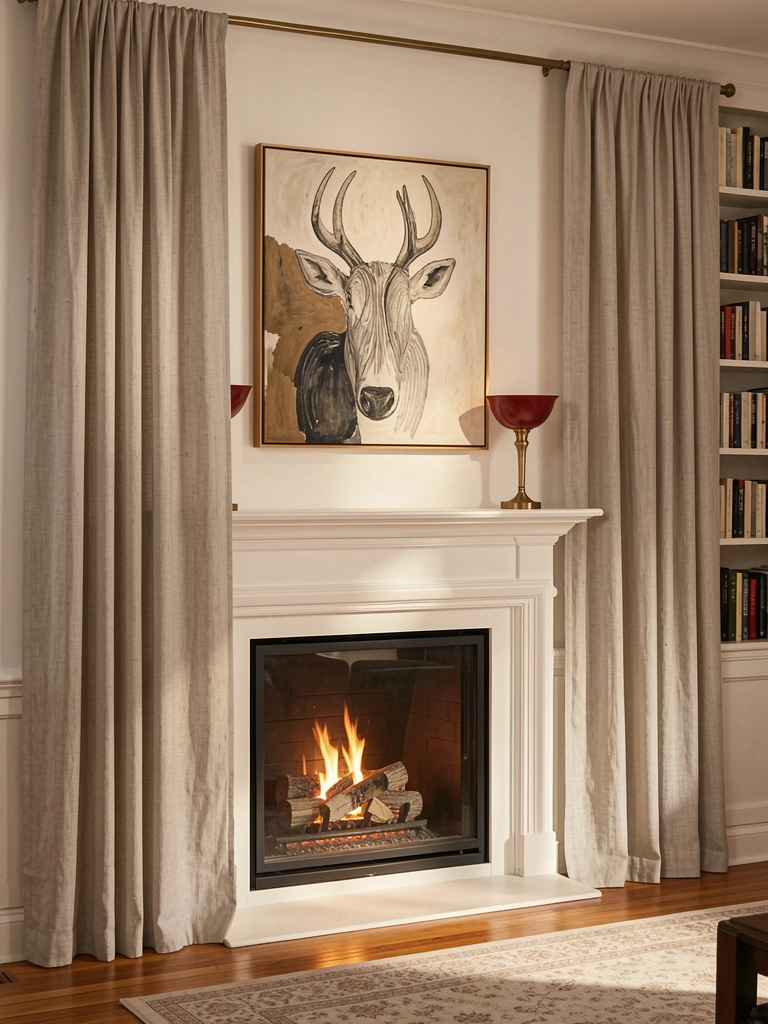
Rather than covering your entire window with full-width curtains, use narrower linen panels as side panels to frame artwork, a fireplace, or architectural features. This approach lets natural light flood in while creating visual structure.
Order narrower panels ($20–$50 each) or have full-width panels altered by a seamstress ($15–$30 per panel) to fit your specific width. Hang on a simple rod or tension wire ($10–$20). Installation takes 20 minutes.
This technique makes your living room feel intentionally designed and maximizes light. It works especially well in spaces with interesting architectural features you want to emphasize or in rooms where privacy isn’t a concern.
16. Wash Linen Curtains in Cool Water to Prevent Shrinkage
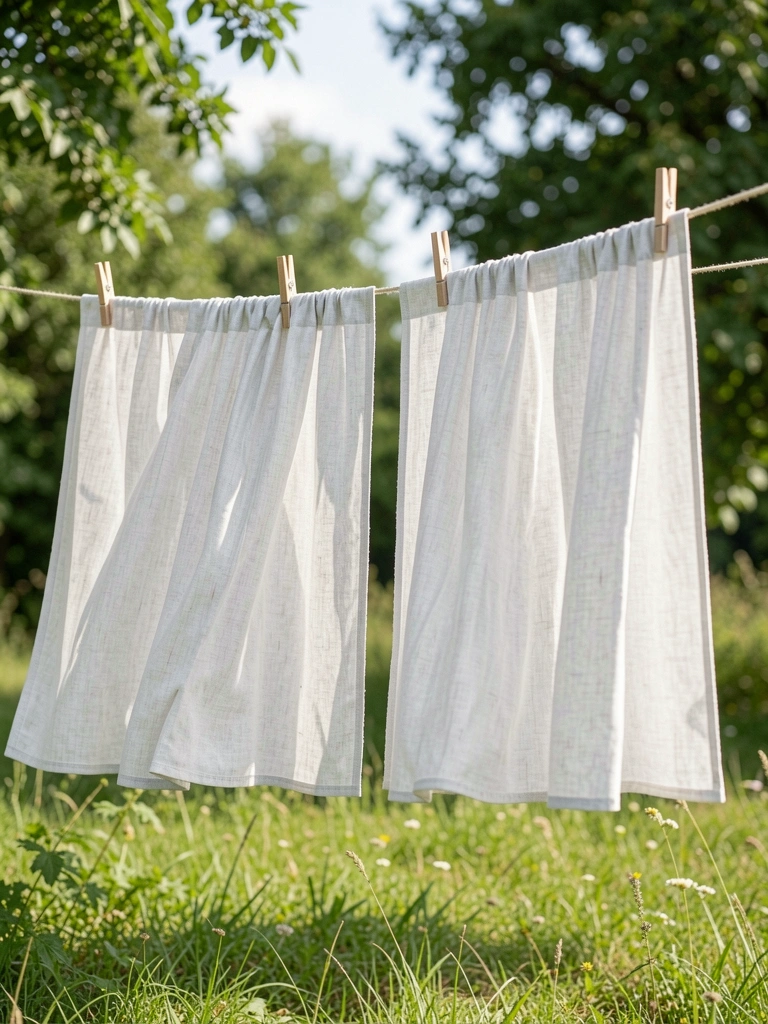
Linen requires gentle care to maintain its beauty and prevent shrinkage. Washing in cool water and air-drying preserves fabric integrity and extends the life of your curtains by years.
Wash linen curtains every 3–6 months using cold water and mild detergent. Skip the dryer—hang dry instead to avoid shrinkage (linen can shrink 5–10% if machine dried). If you must machine wash, use a delicate cycle with cold water and dry on low heat. Air-drying is genuinely free and takes 24–48 hours.
Proper care means your linen curtains will feel softer and look better over time rather than deteriorating. It’s also the most budget-conscious approach—replacing curtains is expensive, while gentle washing costs nothing.
17. Layer Two Different Linen Tones for Texture
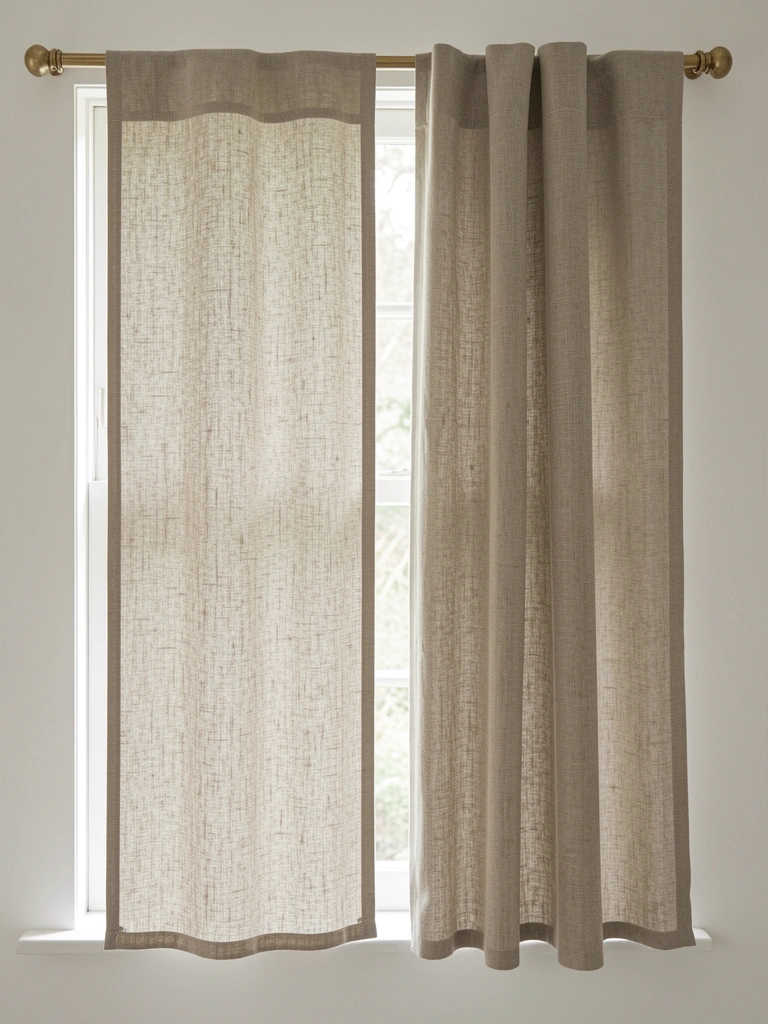
Instead of matching pairs, choose two linen panels in similar but distinct neutral tones to create subtle depth. The slight color variation adds visual interest without feeling chaotic.
Buy two panels in complementary shades ($40–$100 each) from a single retailer so colors coordinate harmoniously. Examples: warm gray + oatmeal, sand + taupe, or pale linen + warm white. Hang both panels on a single rod ($15–$30) and let them overlap slightly in the middle for a natural, relaxed look.
The effect is textured and intentional—like you carefully curated the combination rather than defaulting to matching pairs. This approach works beautifully in eclectic or modern farmhouse spaces.
18. Hang Linen with Grommets for Modern Simplicity
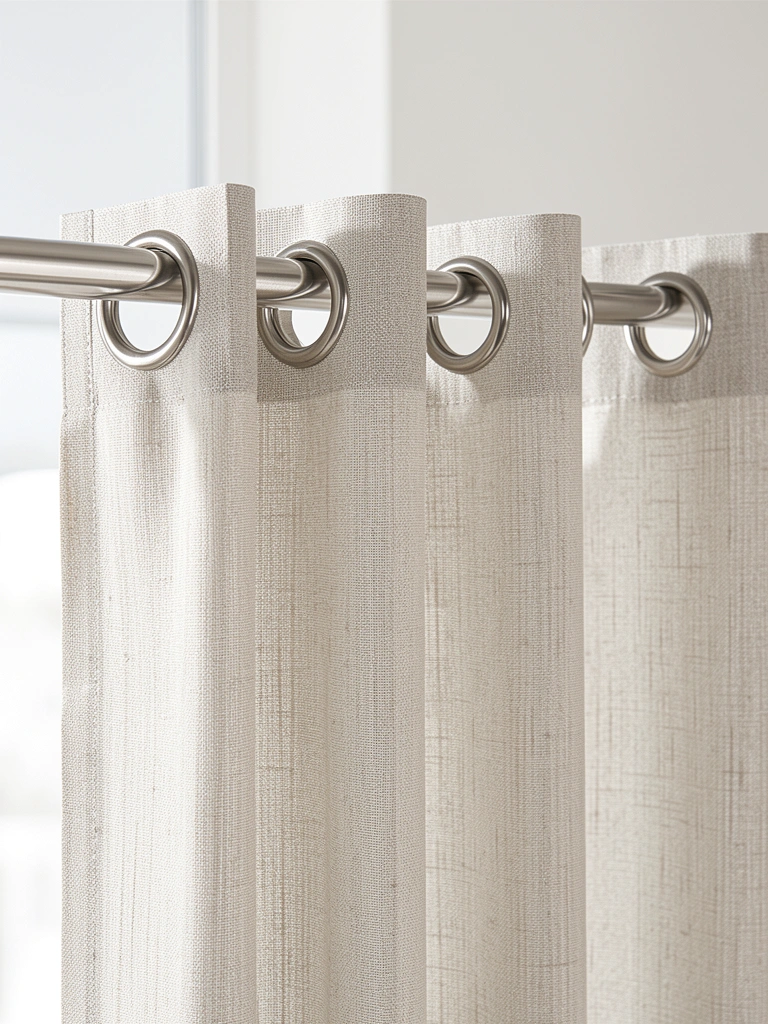
Grommet-top linen curtains slide directly onto the rod for a clean, modern look with zero fussy details. They work beautifully in contemporary living rooms and are genuinely easier to install than traditional methods.
Grommet-top linen panels cost $40–$120 per pair from retailers like IKEA, Target, West Elm, and Wayfair. You’ll need a slim metal rod ($15–$40) that fits through the grommets. Installation takes 10 minutes—just slide and done. If you find panels you love that aren’t grommet-top, have a seamstress add grommets for $30–$50 per panel.
The streamlined look makes living rooms feel contemporary and fuss-free. Grommets also mean you can move the curtains quickly and smoothly throughout the day—no hooks catching or resistance.
19. Choose Linen with Built-In Thermal Lining for Year-Round Comfort
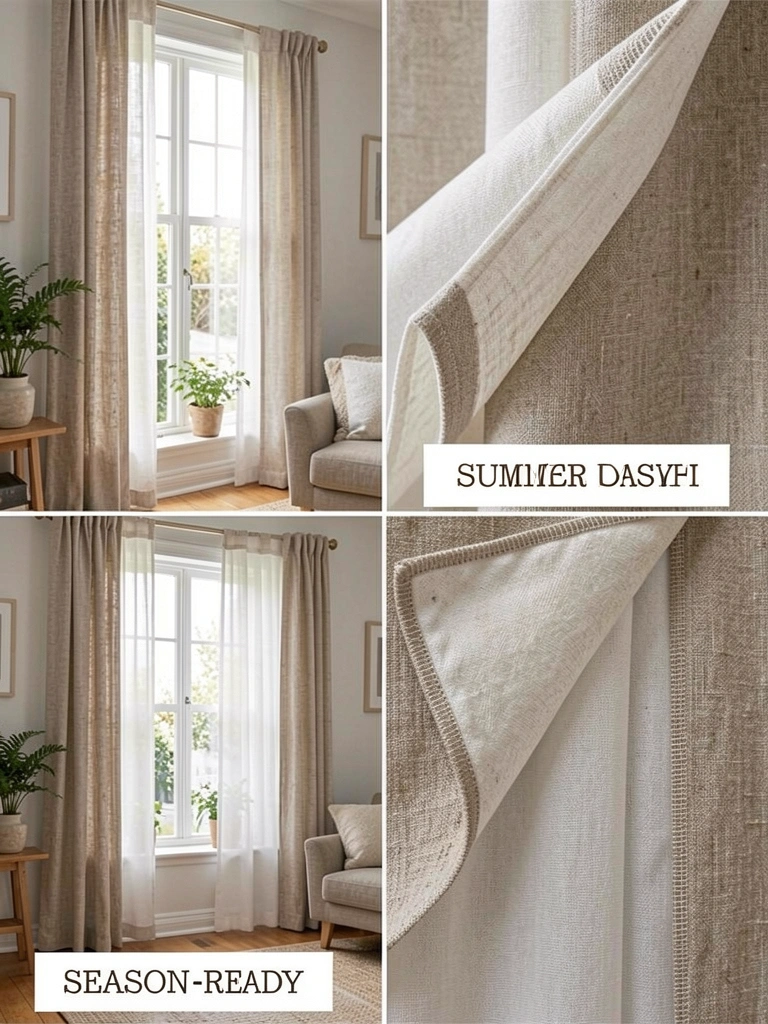
If temperature control matters to you, select linen panels with built-in thermal backing. This adds insulation without sacrificing the light, airy feel of pure linen on the front.
Linen-cotton blend with thermal lining costs $60–$150 per pair and is available from retailers like Wayfair, Amazon, and specialty linen shops. The backing typically adds R-value ratings of 2.5–3.5, improving energy efficiency noticeably. Installation is identical to standard linen—about 30 minutes.
Thermal backing means your living room stays cooler in summer and warmer in winter, potentially reducing energy bills. The front still looks and feels like traditional linen, so aesthetic doesn’t suffer.
20. Use Linen Curtains to Define Zones in Open-Plan Spaces
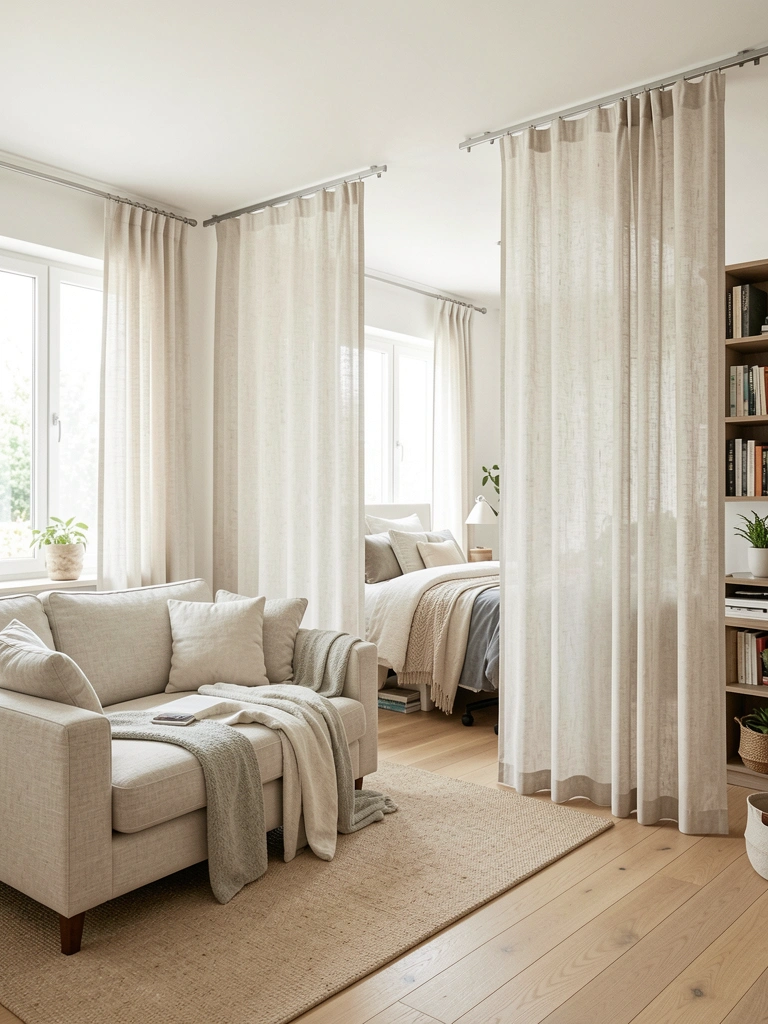
In open-plan living spaces, linen curtains on a ceiling track can softly define zones without the heaviness of walls or room dividers. This creates visual separation while maintaining airiness and light flow.
Install a ceiling-mounted track ($30–$80) with linen panels ($50–$100 per panel) to create a flexible divider. Sheer linen works best here—it blocks sightlines while letting light through. Rental-friendly option: use a tension rod and removable adhesive hooks ($20–$40 total).
This approach gives you privacy when needed while keeping the space feeling open during the day. It’s especially useful in studio apartments or one-bedroom homes where living and sleeping areas share a room.
21. Mix Linen Curtains with Natural Wood Blinds for Layering
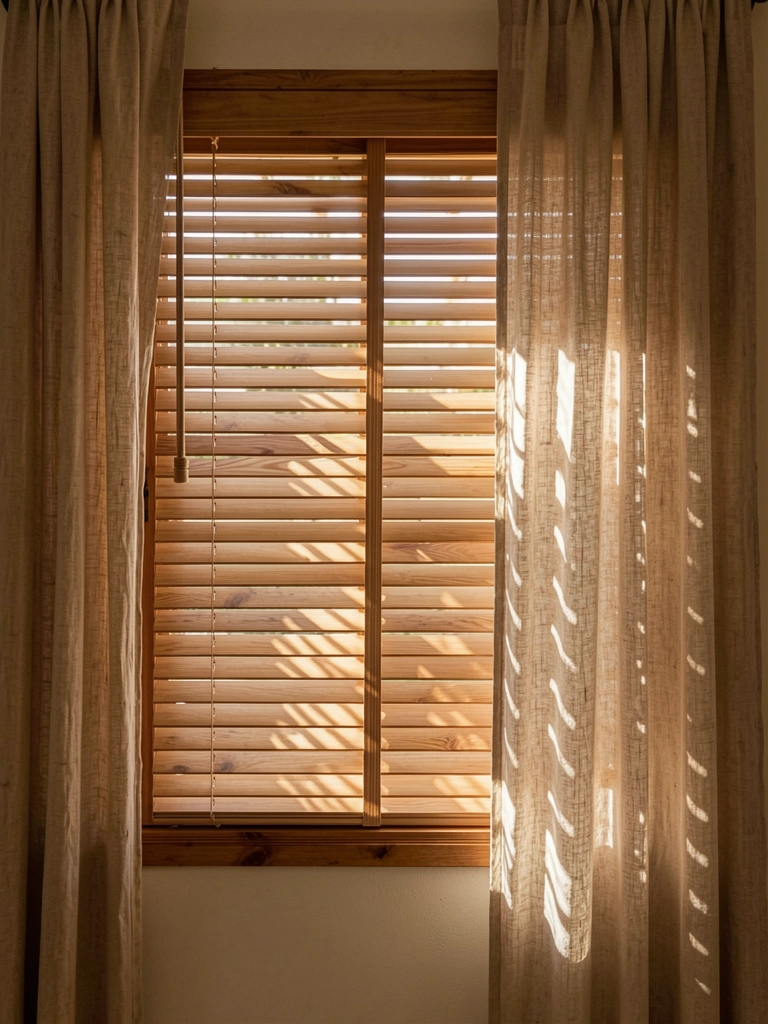
Combining linen curtains with wooden blinds inside the window frame creates a sophisticated, layered look with maximum light and privacy control. Both materials complement each other beautifully.
Wooden blinds cost $40–$150 depending on width and quality; linen panels add $50–$120 per pair. Budget $150–$300 total. Retailers like Wayfair, IKEA, and Target stock both options. Installation takes about 45 minutes for the full setup.
This combination looks intentional and expensive without requiring a designer budget. It’s especially effective in transitional or eclectic spaces where you want both structure and softness.
22. Choose Pale Linen for Small Living Rooms to Maximize Light
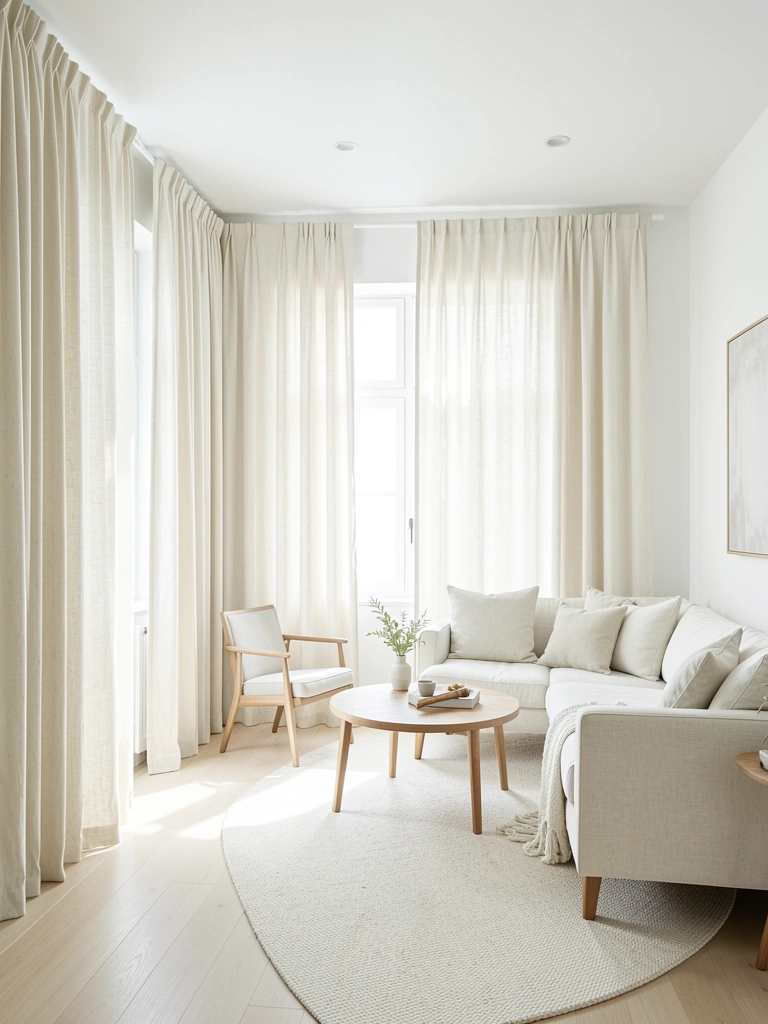
In smaller living rooms, pale or white-toned linen is a visual magic trick—it bounces light, expands the space visually, and prevents the room from feeling cramped or dark.
Pale linen panels in cream, pale sand, or soft gray cost $30–$80 per pair from all major retailers. Hang them floor-to-ceiling (order 96–108″ lengths) using a rod positioned close to the ceiling. Renter option: use a tension rod and removable hooks ($20) to avoid damaging walls.
Pale linen makes small rooms feel 20–30% larger because the eye travels upward rather than being stopped by the window. Pair with minimal furniture and light wall colors to amplify this effect even further.
23. Embrace Linen Texture by Choosing Slubby Weaves
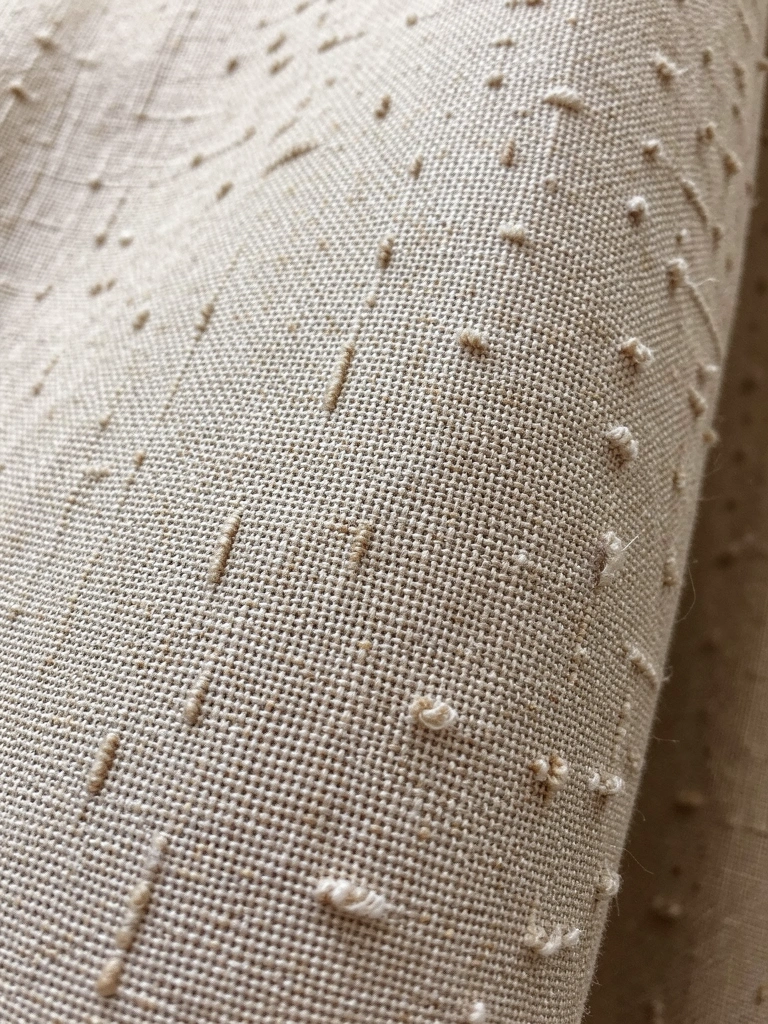
Some linen is smoother; other linen features intentional “slubs”—irregular yarns that create subtle texture. Slubby linen reads as more organic and artisanal, adding visual depth without patterning.
Slubby or textured linen costs the same as smooth linen ($30–$100 per panel) but offers more visual interest in muted color palettes. Search for terms like “slubby linen,” “nubby weave,” or “raw linen” on Etsy, specialty retailers, or high-end fabric shops.
This texture makes plain linen feel more intentional and less flat. It’s especially effective in minimalist or modern spaces where smooth materials can sometimes feel sterile.
24. Pair Linen with Rope Tiebacks for Casual Elegance
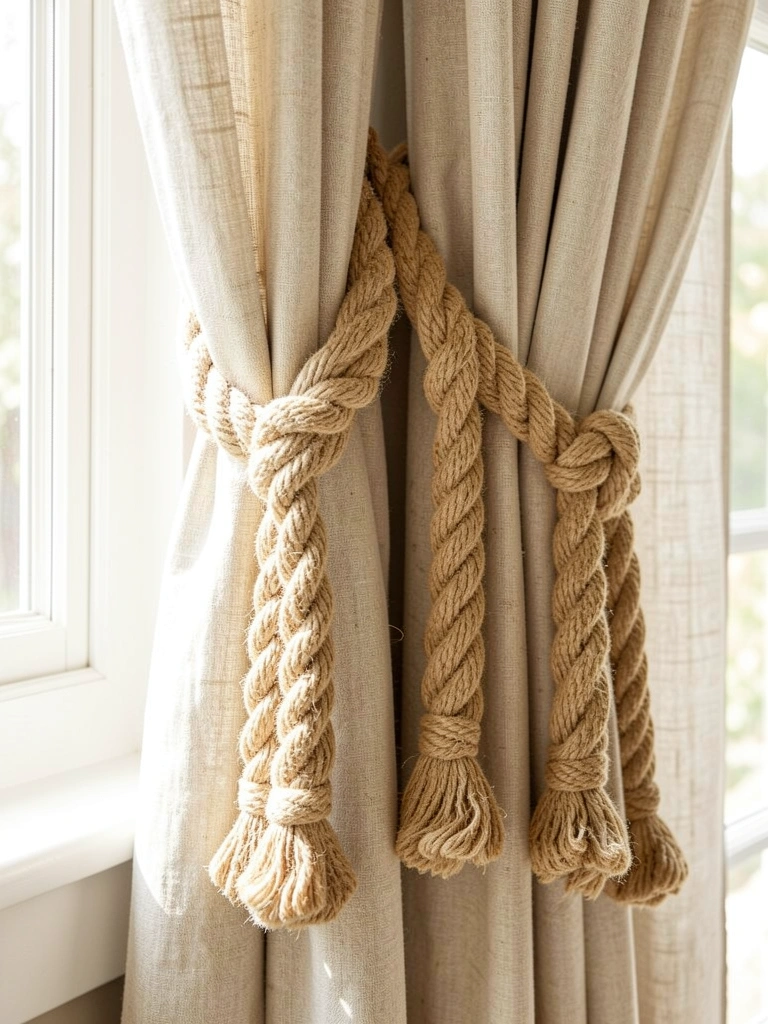
Simple rope tiebacks instantly add character and make linen feel more casual and intentional. They cost almost nothing but elevate the entire look.
Rope tiebacks cost $5–$20 per pair and are available at IKEA, Target, hardware stores, or online retailers. Alternatively, use a fabric scrap, twine, or even a leather belt ($0–$15). Install rope hardware hooks ($5–$10 per pair) on either side of the window to hold tiebacks in place. Total time: 20 minutes.
Rope complements linen beautifully because both materials feel natural and organic. This combination works in bohemian, farmhouse, and coastal-inspired spaces—basically anywhere you want to feel relaxed and authentic.
25. Create a Monochromatic Room with Linen Accents Beyond Curtains
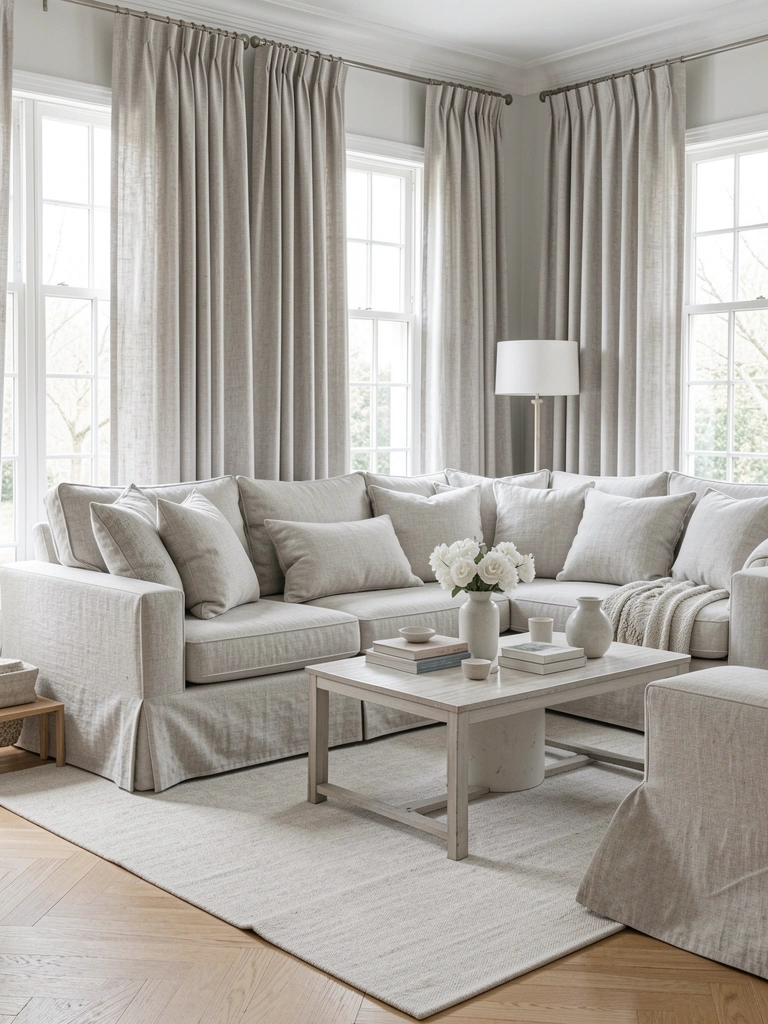
Take linen styling beyond curtains by incorporating the same fabric or tone into throw pillows, upholstered furniture, or area rugs. This monochromatic approach feels designer-curated and calming.
Layer linen curtains ($50–$120) with linen throw pillows ($20–$50 each), a linen-upholstered chair or sofa ($300–$1,200), and a linen or linen-blend area rug ($200–$600). Start with just curtains and pillows if budget is tight—add bigger pieces over time. All major retailers stock linen home goods now.
Monochromatic linen styling creates a serene, cohesive space that feels intentionally designed. The varying textures (sheer, woven, brushed) within the same color family prevent monotony while maintaining calm.
Save this post for your next refresh and pick one idea to try this weekend—linen curtains are easier to style than you’d think. Share with any friends dreaming of airier, more natural-feeling living rooms.
Leave a Reply