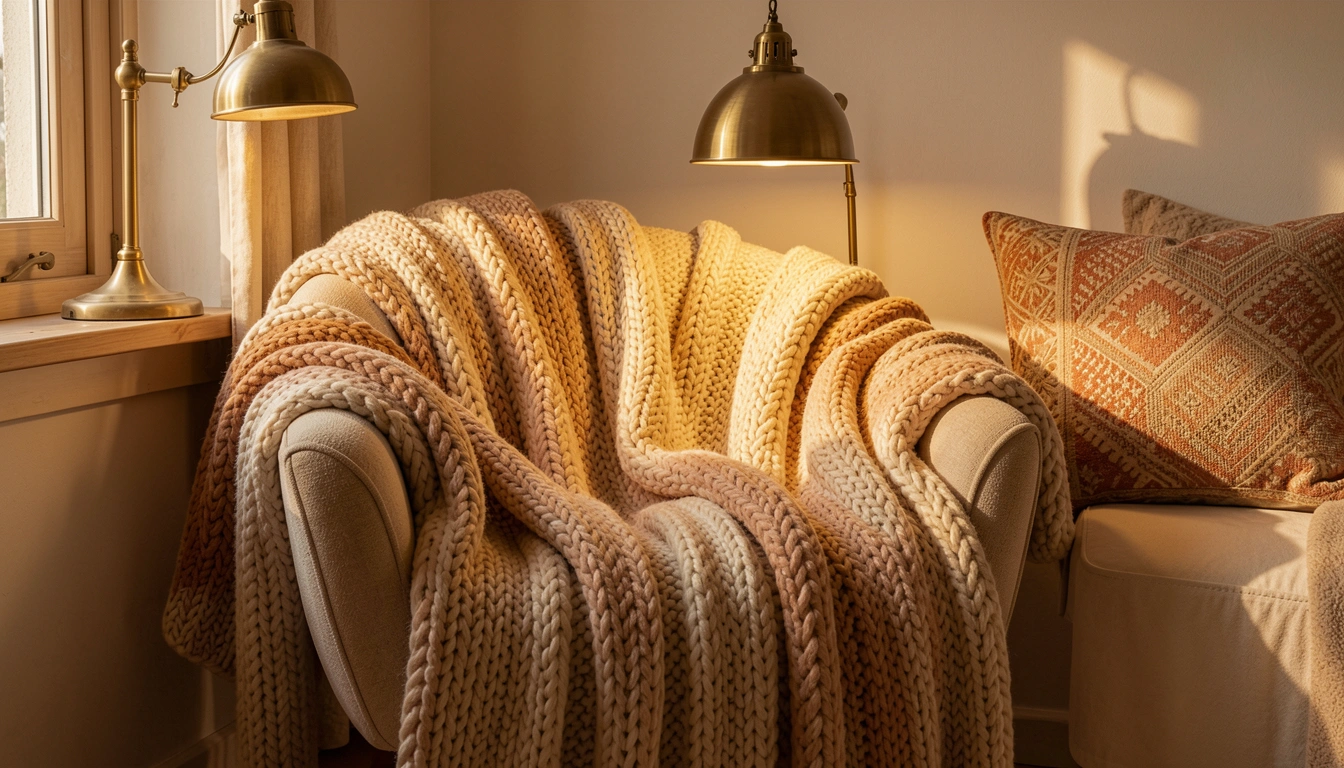
Your bedroom should feel like a retreat, not just a place to sleep. But making a space feel charming doesn’t require a total gut renovation or a huge budget. Whether you’re renting, own your home, or just want to refresh what you already have, small intentional changes create the biggest impact. These 27 ideas blend current design trends with practical, beginner-friendly solutions—from zero-dollar styling tweaks to thoughtful investment pieces that pay dividends. You’ll discover ways to layer textures, play with color, add vintage charm, and create a space that actually reflects who you are. Let’s dive in.
1. Layer Your Walls With Soft Texture
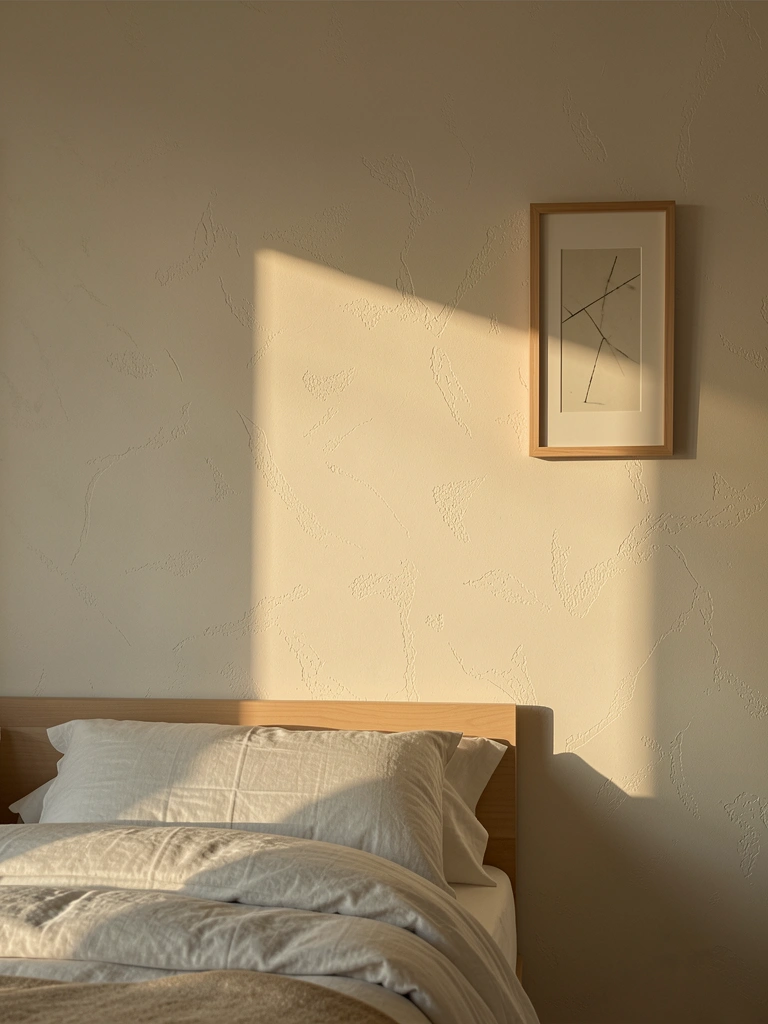
Textured walls add personality without feeling overwhelming or trendy. They catch light beautifully and create visual interest that flat paint can’t match.
You can add texture through paint techniques (popcorn, knockdown, or venetian plaster finishes), removable wallpaper, or even DIY methods like sponging. Knockdown texture is popular and renter-friendly if you use a smooth finish first. Hire a pro ($300-$800 for a bedroom) or tackle it yourself with supplies from Home Depot or Lowe’s ($50-$150). A weekend project if you’re confident; otherwise, save it for professionals.
The result? Your walls become a design element themselves, creating a cozy, dimensional backdrop that photographs beautifully and genuinely improves how the room feels.
2. Hang Floor-to-Ceiling Curtains for Drama

Floor-to-ceiling curtains create height and lushness instantly, even in smaller rooms. They’re a budget-conscious alternative to investing in new furniture.
Hang rods near the ceiling (not at window height) and let fabric cascade down. Affordable options: Amazon basics ($20-$40 per panel), IKEA ($15-$30), or thrifted linen ($10-$25). For a DIY budget hack, buy muslin from fabric stores and dye or leave natural ($5-$15). Measure ceiling-to-floor, add 3-4 inches for subtle pooling. Installation takes an hour with a drill.
Your bedroom immediately looks taller, more intentional, and dramatically cozier. Light filters beautifully, and you gain privacy without the cramped feeling of standard-height curtains.
3. Embrace Floral Wallpaper (Without Dating Your Space)
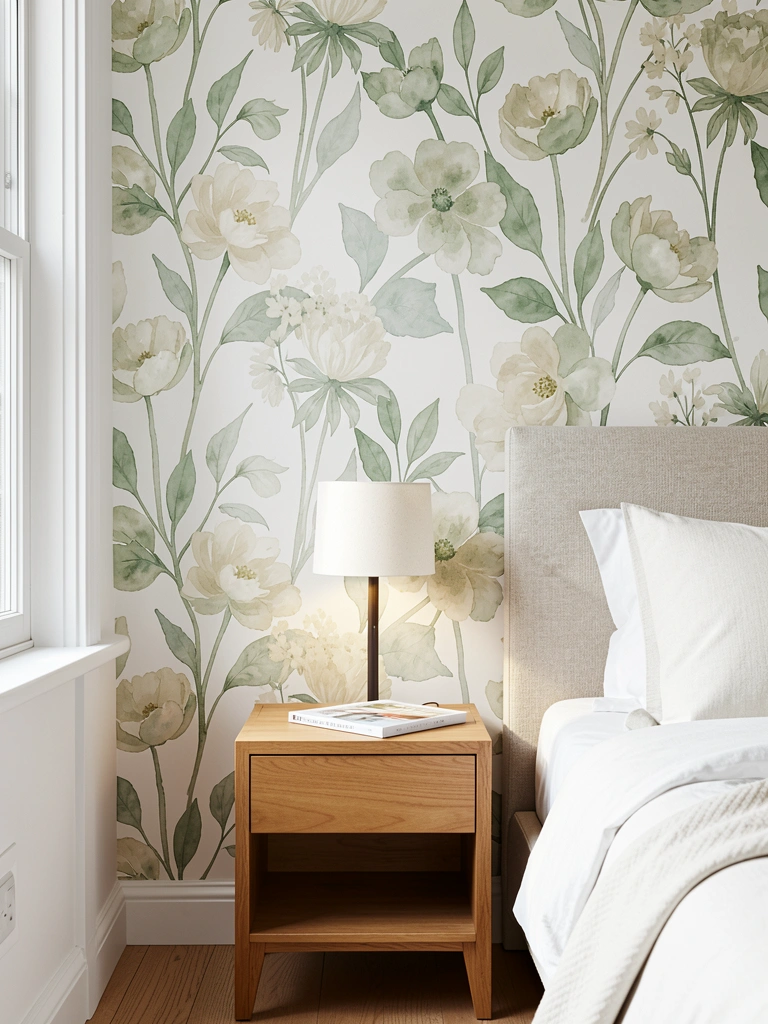
Floral wallpaper is having a moment because designers are choosing sophisticated, loose patterns instead of tight, oversaturated prints. When selected thoughtfully, florals feel timeless.
Look for watercolor-style patterns in muted palettes (sage, blush, cream, deep green) rather than bright, dense florals. Removable wallpaper ($20-$60 per roll via Spoonflower, Wayfair, or Amazon) works great for renters. Install one accent wall or all four for impact. Budget 4-6 hours for a single wall; hire help if daunting ($200-$500). Choose patterns with asymmetrical, loose layouts that won’t feel “stuck” in 2025.
The payoff is a bedroom that feels curated and personal. Florals add softness and nostalgia while modern interpretations keep your space from ever looking dated or themed.
4. Mix Patterns Like a Grandmillennial
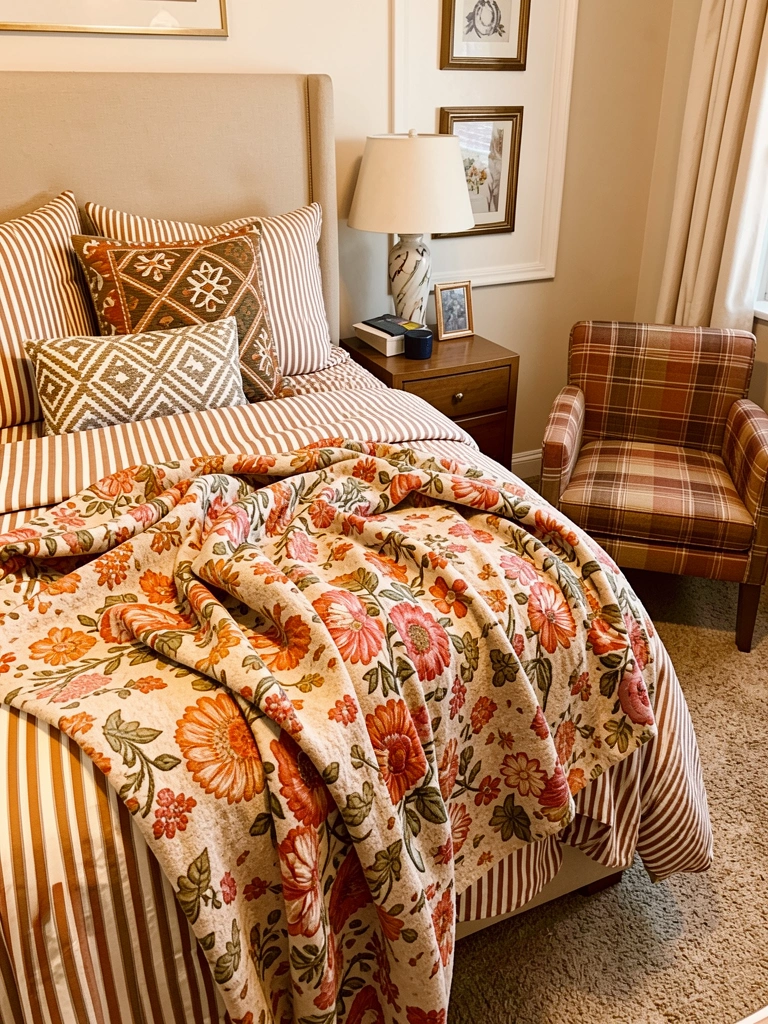
Grandmillennial style layers contrasting patterns by sticking to a unified color story. It sounds chaotic but actually creates warmth and personality.
Start with a base color palette (e.g., cream, terracotta, sage). Then mix: one large-scale pattern (striped duvet), one geometric (pillow), one floral (throw), and one texture (chunky knit). Thrift pillows ($3-$8 each), buy affordable throws from Target or Urban Outfitters ($20-$50), and layer a quality duvet ($60-$150). The key is variety in scale and pattern type, not a rainbow of colors.
Your bedroom stops looking matchy-matchy and starts looking like a real person lives there. Guests notice the thoughtfulness, and you get a space that’s genuinely cozy and uniquely yours.
5. Add a Bunk Room Setup (Even in Small Spaces)
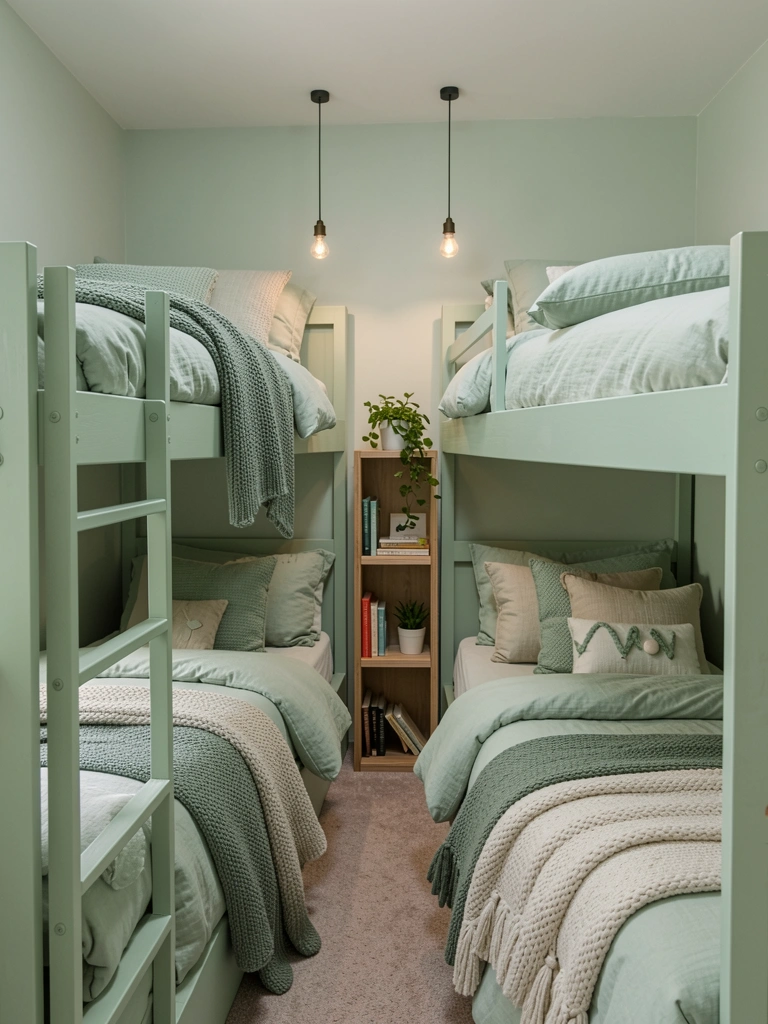
Bunk rooms maximize sleeping spaces for families, guests, or creative multi-gen living. They’re trending because they’re practical and, when styled right, genuinely charming.
Install loft-style bunks (vertical stacking for floor space) or side-by-side twins with a shared nightstand. Budget options from IKEA or Wayfair ($200-$600 per bed); higher-end custom builds ($1,500+). Personalize with individual reading lights ($15-$40 each), different pillow covers for each person ($10-$20), and small shelves for personal items. Takes a weekend to assemble and style.
A well-designed bunk room becomes a destination—cozy, intentional, and surprisingly luxe-looking. Your guests feel genuinely welcomed, and the space gets used and loved.
6. Incorporate Handmade and Vintage Pieces
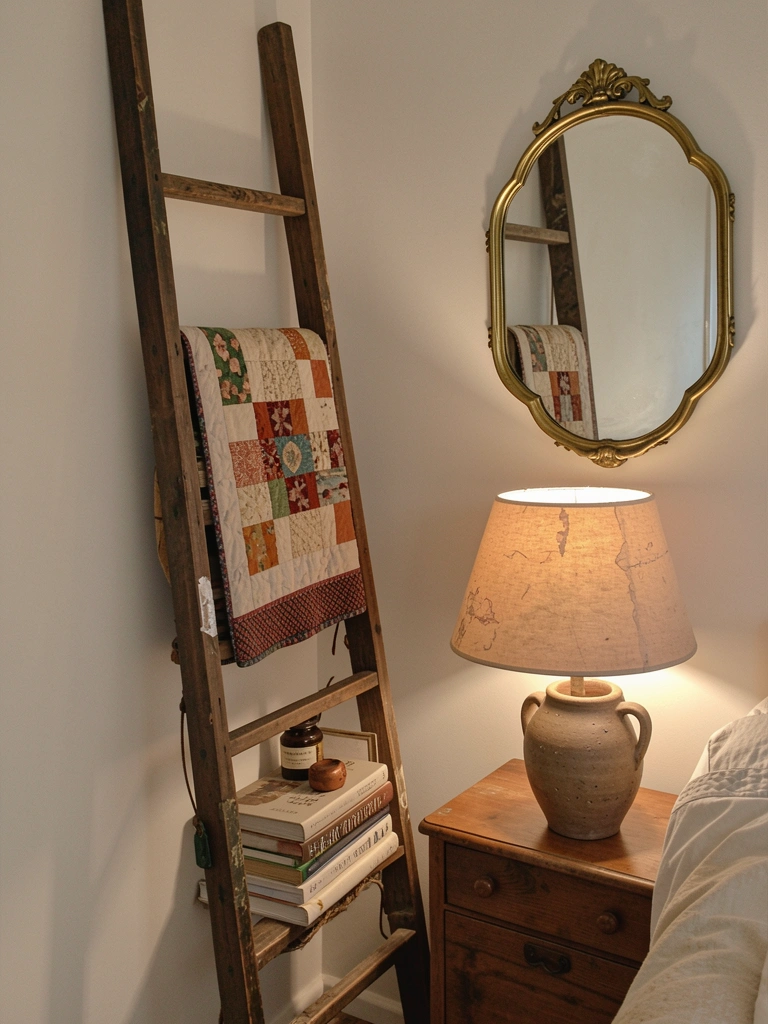
Handmade and vintage pieces add authenticity that no mass-produced item can match. They create rooms that feel lived-in and genuinely personal.
Hunt thrift stores, estate sales, and Facebook Marketplace for one-of-a-kind finds. Budget breakdown: vintage quilts ($10-$40), brass mirrors ($15-$50), wooden side tables ($20-$80), handmade ceramics ($20-$100). Spend time sourcing rather than money—patience is the investment. Mix them with new basics to avoid a “thrift store” feeling. Display a vintage quilt on a ladder or folded at the bed’s foot.
Your bedroom becomes a conversation piece. Friends notice items with stories, and you surround yourself with beauty that has real character instead of cookie-cutter appeal.
7. Paint with Warm Earthy Tones
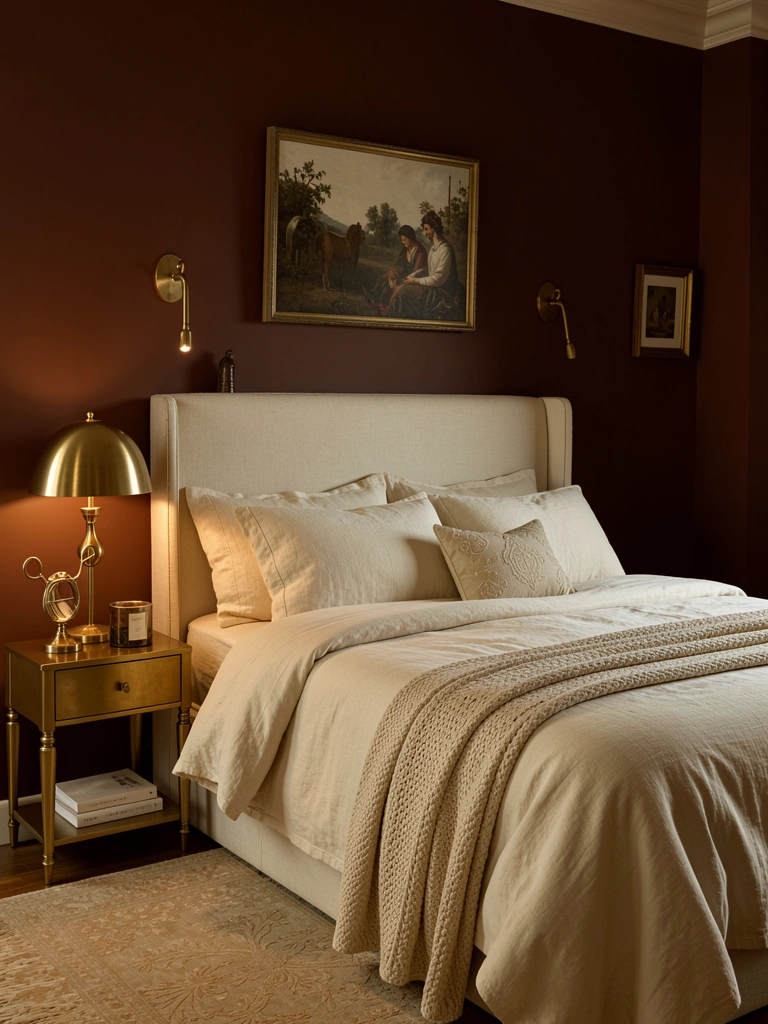
Warm earthy tones like chocolate brown, sage green, and terracotta create cozy, sophisticated backdrops that feel modern and timeless simultaneously.
Choose your base (chocolate, sage, or soft terracotta) and test with paint samples on multiple walls—lighting changes everything. Most bedroom paint jobs cost $20-$50 (DIY) or $300-$800 (professional). Pick quality paint from Sherwin-Williams, Benjamin Moore, or even Behr (budget-friendly). A bedroom takes a weekend to paint yourself; hire pros if you prefer perfection. Pair with warm lighting and natural wood accessories for the full effect.
Your space instantly feels grounded and intentional. Warm tones make rooms feel smaller but more intimate—perfect for bedrooms. Everything you already own looks better against these sophisticated backdrops.
8. Recreate the Art Deco Revival
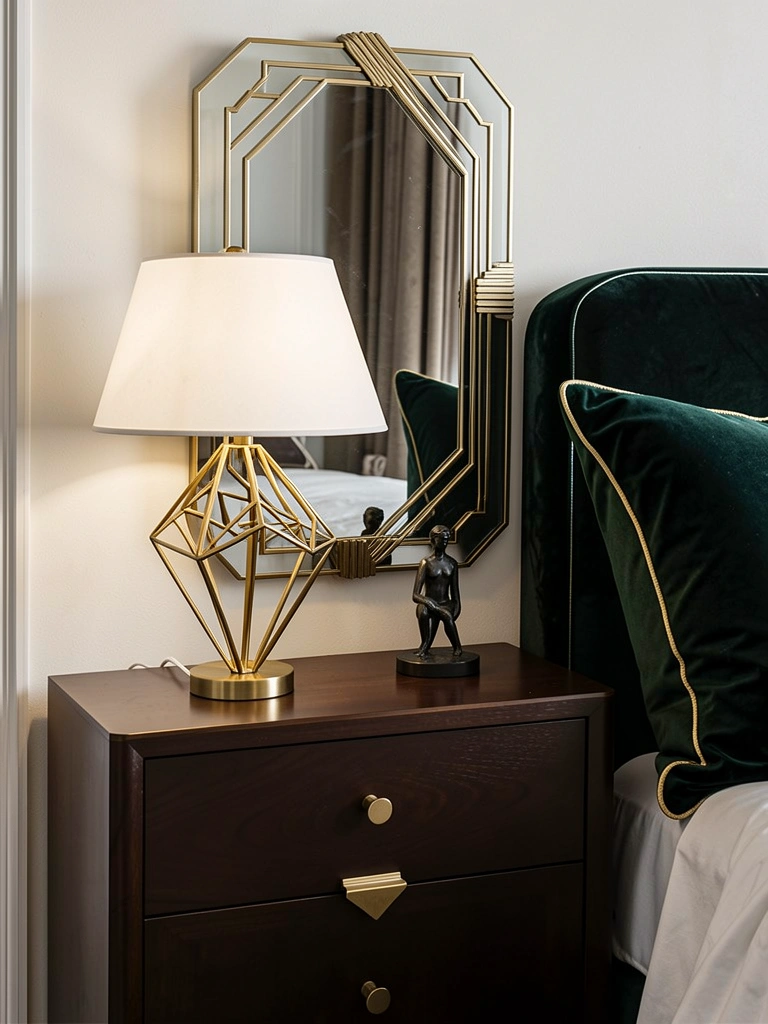
Art Deco’s geometric patterns and glamorous materials are trending hard. This ’20s/’30s revival feels modern because it’s paired with contemporary comfort and minimal clutter.
Invest in one statement piece: a geometric brass lamp ($40-$150), a vintage mirror with geometric framing ($50-$200), or art deco nightstands ($200-$600). Layer with affordable accents like geometric throw pillows from Target ($15-$35), or hunt thrift stores for original pieces ($20-$80). Mix art deco sparkle with soft textures (velvet, marble) and warm lighting for balance.
Your bedroom becomes hotel-adjacent luxe without feeling cold or sterile. The geometric elements add visual interest, and pairing them with soft textures keeps everything approachable and genuinely comfortable.
9. Go Bold With Maximalist Patterns
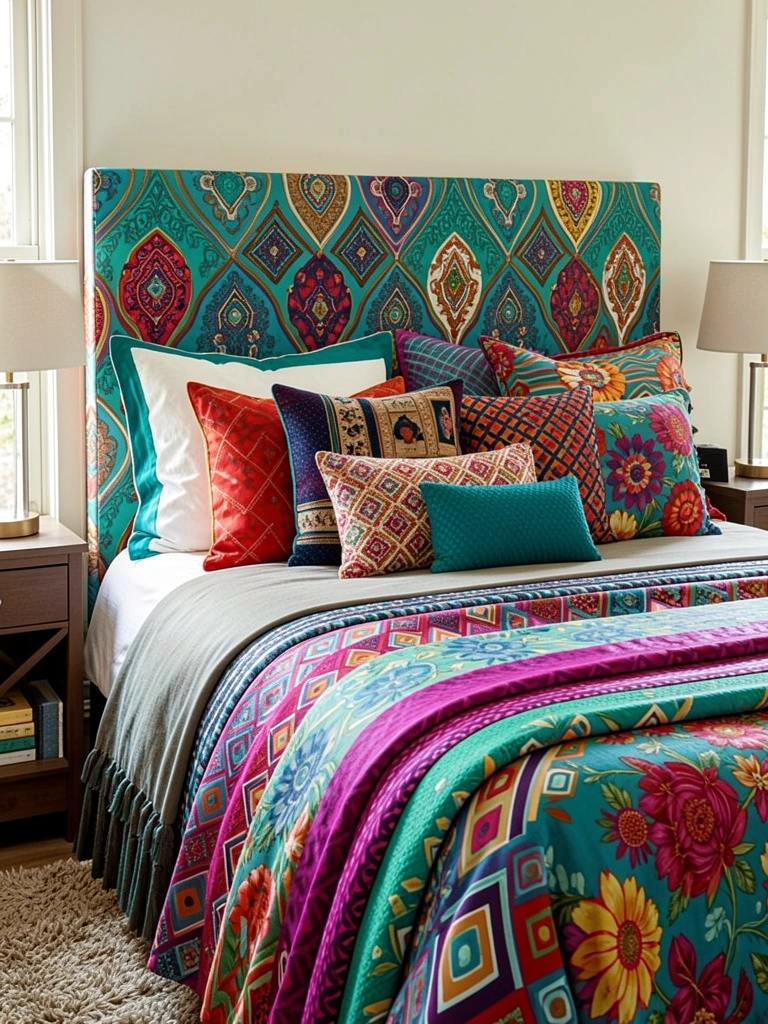
Maximalism rejects the “less is more” mentality in favor of bold patterns, rich colors, and personal storytelling. It’s trending because people crave warmth over sterile perfection.
Start with a color story (e.g., emerald, burgundy, gold, cream) and collect pieces that fit: bold patterned fabric for a headboard ($30-$100 for DIY, or $200-$600 for custom upholstery), mixed throw pillows ($15-$40 each), layered throws ($20-$80), and patterned bedding ($60-$150). Thrift markets are gold for affordable maximalist finds. Takes patience to curate but no special skills required.
The result is a bedroom that feels gallery-like and deeply personal. Your space reflects your actual tastes, not a magazine spread. It’s cozy, visually rich, and genuinely yours.
10. Try Color Drenching for Moody Impact
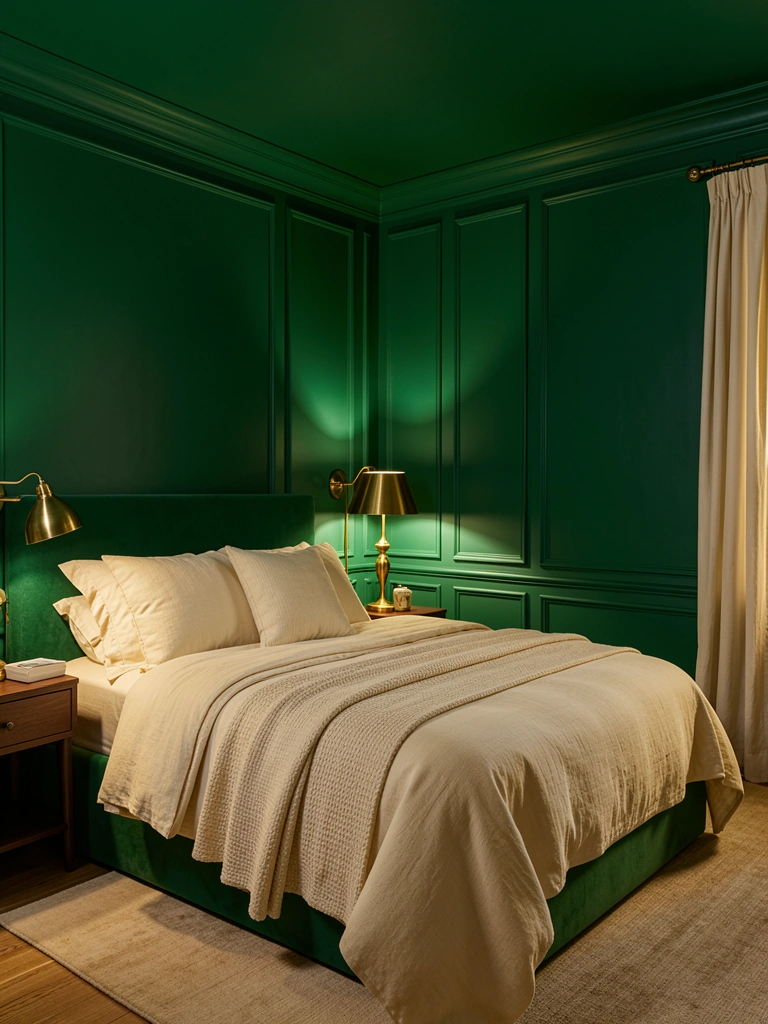
Color drenching saturates an entire room in one hue (walls, ceiling, trim) for a cohesive, immersive effect. It replaces the outdated accent wall trend.
Pick a moody color (deep emerald, burgundy, navy, or even soft terracotta) and commit to all surfaces. Invest in quality paint ($40-$100 per gallon from Benjamin Moore or Sherwin-Williams). Budget $400-$1,200 for professional painting, or $100-$250 for DIY supplies. Pair with warm lighting and lighter bedding to avoid feeling cave-like. The trend leans toward jewel tones and warm neutrals, not grays.
Your bedroom becomes a sanctuary instantly. The saturated color creates an enveloping, hotel-like atmosphere that genuinely changes how restful the space feels. It photographs beautifully and makes everything else in the room feel curated.
11. Incorporate Natural Wood Paneling
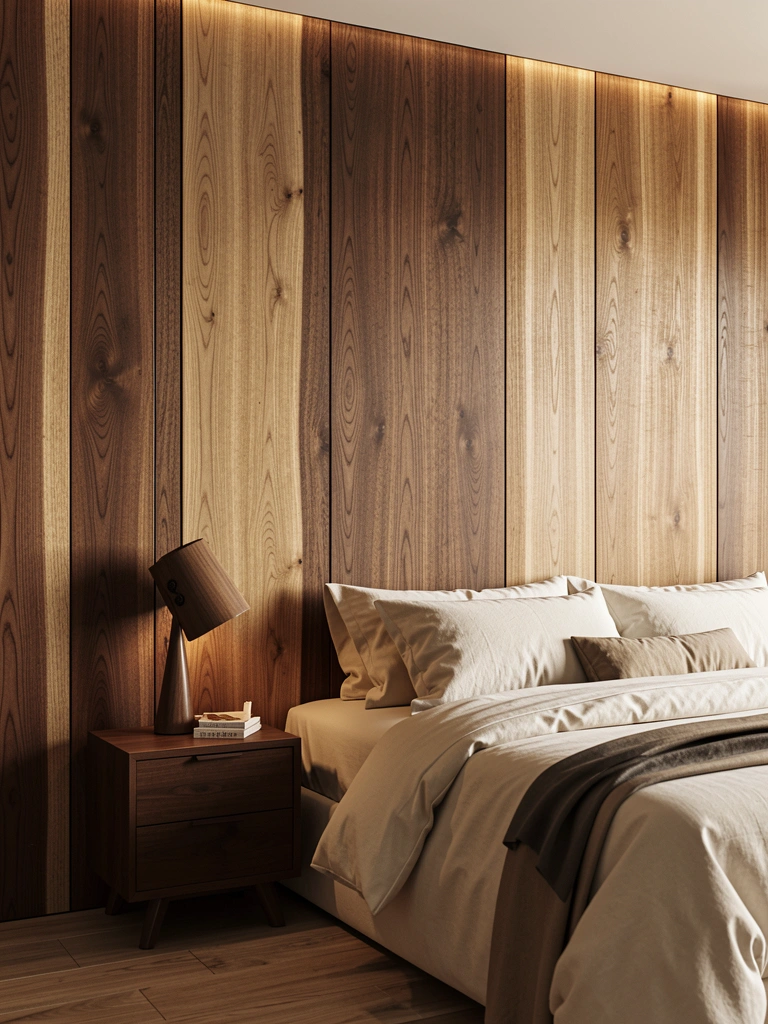
Wood drenching—using rich oak, walnut, or cedar on walls and ceilings—brings organic warmth without feeling rustic or dated. Modern interpretations use clean lines and lighter wood tones.
Install shiplap, tongue-and-groove, or board-and-batten paneling ($2-$15 per square foot, depending on material and installation). DIY installation is weekend-friendly if you’re handy; hire pros ($1,500-$4,000 depending on room size). Alternatively, use peel-and-stick wood panels ($20-$60 per panel) as a renter-friendly option. Pair with soft lighting to highlight the grain.
Your bedroom gains organic warmth and visual texture. The wood creates a natural focal point and makes everything feel grounded. It’s an investment that adds lasting value and genuinely luxe appeal.
12. Design Multifunctional Modular Spaces
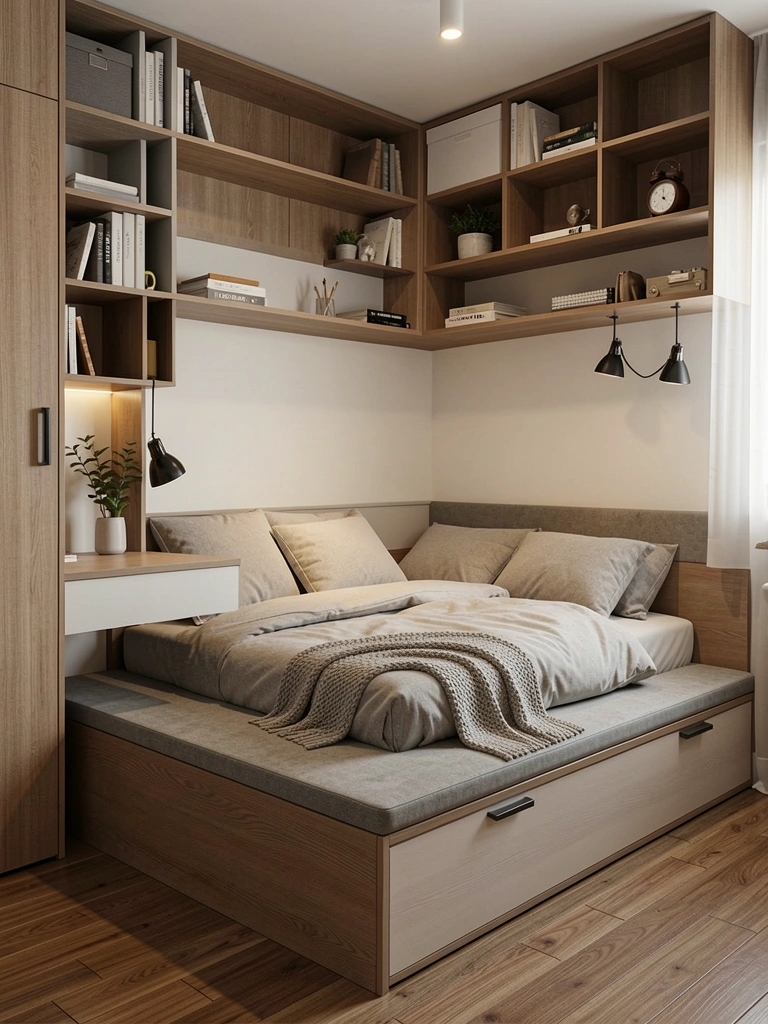
Multifunctional furniture works harder for small bedrooms or shared spaces. Modular pieces adapt to changing needs without requiring a full redesign.
Invest in convertible pieces: a storage bench ($150-$400), wall-mounted desks with fold-down surfaces ($100-$300), or modular shelving systems ($200-$800 from IKEA, Wayfair, or custom builders). These pieces cost slightly more upfront but eliminate the need for separate furniture. Installation varies but most modular systems are straightforward. Measure your space precisely before buying.
Your bedroom stops feeling cramped and starts feeling intentional. Every piece serves multiple purposes, and you gain flexibility as your life changes. Small spaces suddenly feel both organized and generous.
13. Layer Neutrals for Softened Minimalism

Softened minimalism adds warmth to minimalist aesthetics by layering textures, tones, and natural materials instead of leaving spaces stark and cold.
Start with a neutral base (cream, warm white, soft gray, beige) and layer through texture: chunky knit throws ($20-$80), linen bedding ($60-$200), a textured area rug ($80-$300), and natural wood accessories ($30-$150). Add one or two natural elements (a potted plant, wood ladder, or woven basket). The key is avoiding flat, uniformly colored spaces.
Your minimalist bedroom becomes warm and welcoming instead of cold or institutional. Everything feels intentional, but the space actually invites you to relax. It’s peaceful without feeling sterile.
14. Say Goodbye to Accent Walls
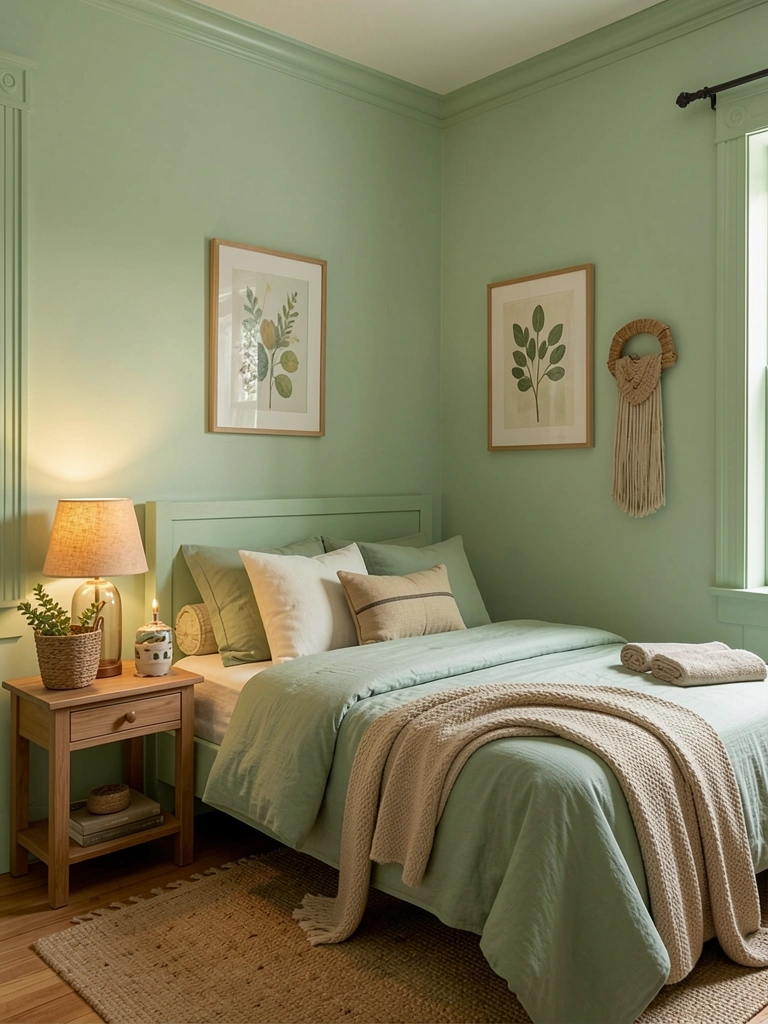
Accent walls feel dated. The 2025 move is to commit to full-room color or use texture variations instead.
If you love color, embrace color drenching. If you prefer subtlety, use textured techniques on one wall (shiplap, wallpaper) paired with solid color on others—still cohesive, not “accent-focused.” Paint costs $20-$50 per gallon; a full bedroom refresh runs $100-$300 for DIY or $400-$1,200 professional. The psychological impact is immediate: your space feels finished and intentional instead of indecisive.
Your bedroom stops looking like a Pinterest trend from 2015. Committing to full color or cohesive texture creates a space that feels confident and genuinely yours.
15. Style With Skirted Furniture
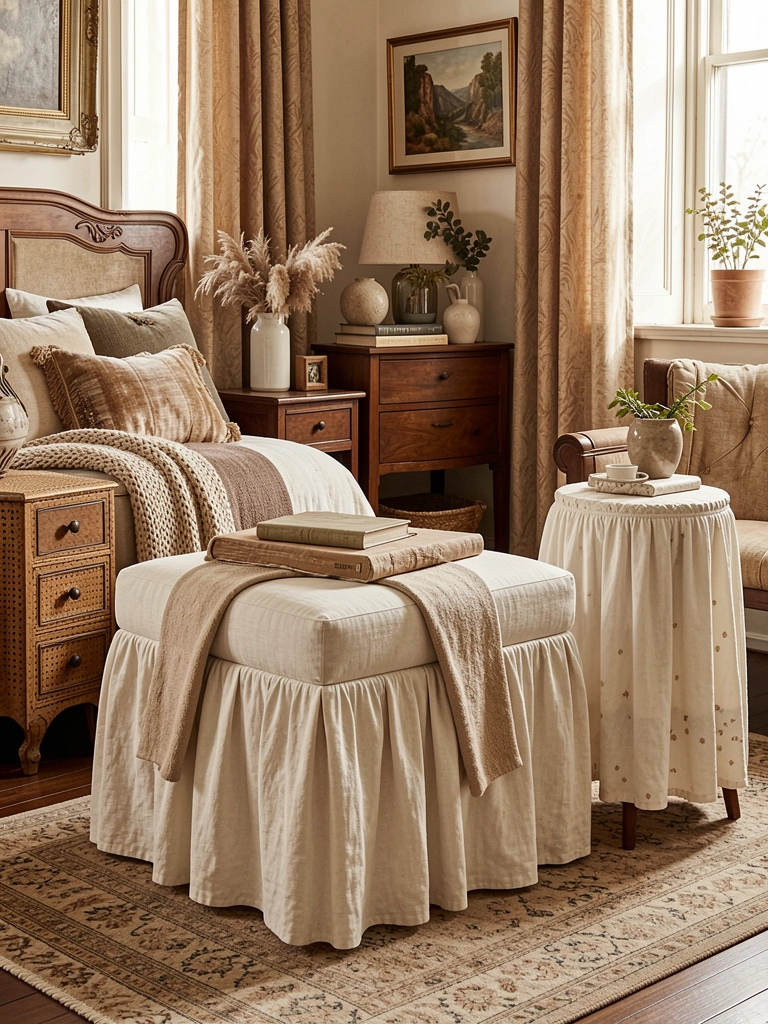
Skirted furniture (ottomans, tables, benches with floor-length fabric skirts) adds vintage elegance and visual softness. This trend is having a quiet revival as people embrace nostalgia.
Hunt thrift stores for older skirted pieces ($20-$100), or buy new styles from Wayfair, Article, or local furniture makers ($200-$600). DIY option: add fabric skirts to plain ottomans using iron-on hem tape or upholstery glue ($20-$50 in supplies). Pair with patterned or textured fabrics for maximum impact. Takes one afternoon if you’re gluing or sewing.
Your bedroom gains vintage charm and unexpected softness. Skirted pieces photograph beautifully and create a designer-curated feeling. It’s a trend that feels personal, not corporate.
16. Prioritize Comfort in Every Design Choice

The biggest 2025 design shift is prioritizing comfort over aesthetics. Your bedroom should actually feel good, not just look good.
Invest in quality bedding (thread count 400+, natural fibers): a duvet ($80-$250), sheets ($30-$100), and multiple pillows ($20-$60 each). Add soft layers: chunky throws ($30-$100), fuzzy area rugs ($50-$200), and comfortable seating ($200-$800). Budget for comfort; cheap synthetic fabrics feel cheap and aren’t actually restful. The point is: does it feel good to touch and use?
When your bedroom prioritizes comfort, you actually want to spend time there. Sleep quality improves, and you genuinely relax. Comfort is the foundation of any great room, aesthetics second.
17. Blend Modern Cottagecore With Sleek Details
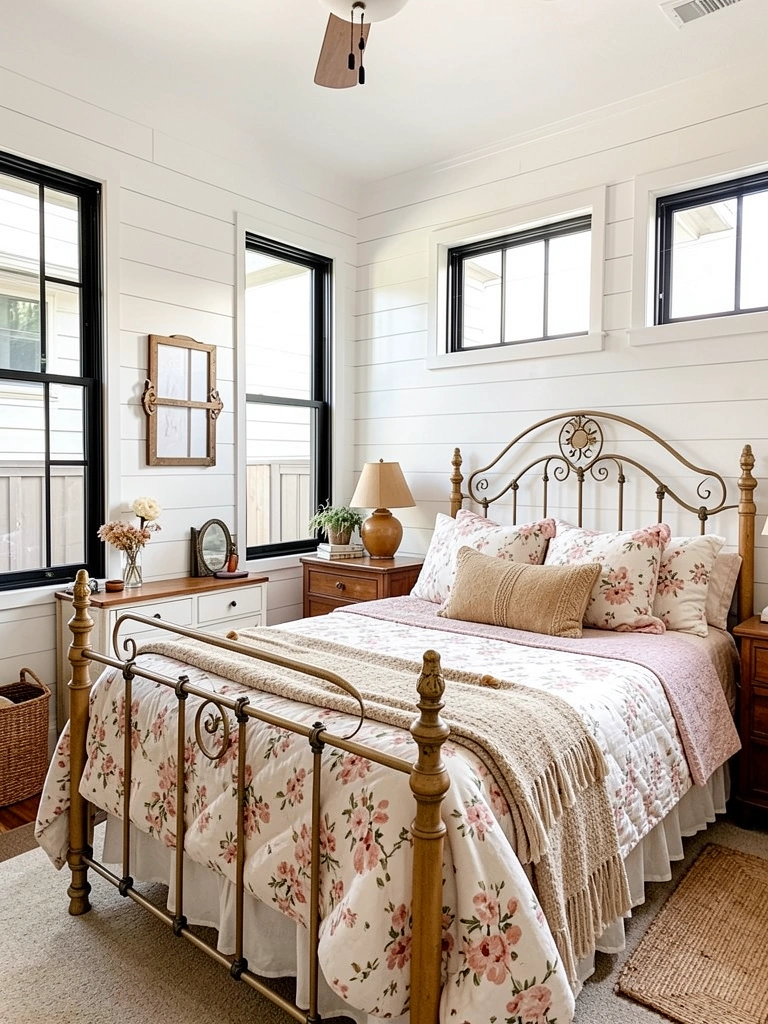
Modern cottagecore softens farmhouse nostalgia by adding contemporary sleek elements (black windows, clean lines, minimalist art) instead of going full rustic.
Mix vintage finds (thrifted quilts, wooden side tables, vintage mirrors) with modern accents: crisp white bedding, black window frames or blinds, and minimal artwork. Thrift stores provide authentic vintage ($5-$80 per item); pair with new modern pieces from Muji, CB2, or IKEA ($20-$300). The blend feels intentional and refined, not “grandmother’s house.”
Your bedroom captures cozy nostalgia without feeling dated or clichéd. It’s Instagram-worthy and genuinely comfortable. The mix of old and new feels personal and curated.
18. Choose Curved Furniture for Soft Layouts
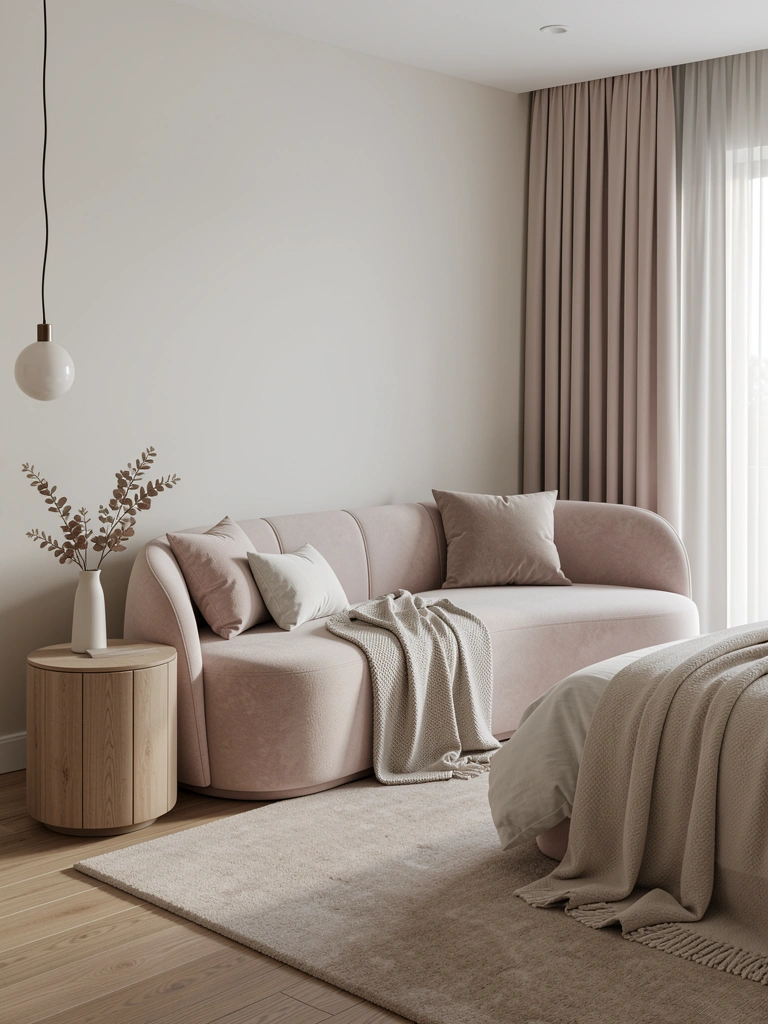
Curved furniture softens room geometry and creates more flowing, less rigid layouts. Sharp edges feel cold; curves feel inviting.
Invest in one curved statement piece: a rounded sofa or loveseat ($300-$1,200), a curved bed frame ($400-$1,500), or a round side table ($80-$300). Mix with angular pieces to avoid monotony. IKEA, Article, Wayfair, and West Elm all offer curved options in various price points. A curved bed headboard or ottoman makes the biggest visual impact for the budget.
Your bedroom becomes visually softer and more welcoming. Curves psychologically read as comfort and luxury. The space feels less utilitarian and more sanctuary-like.
19. Make Statement Lighting Your Focal Point
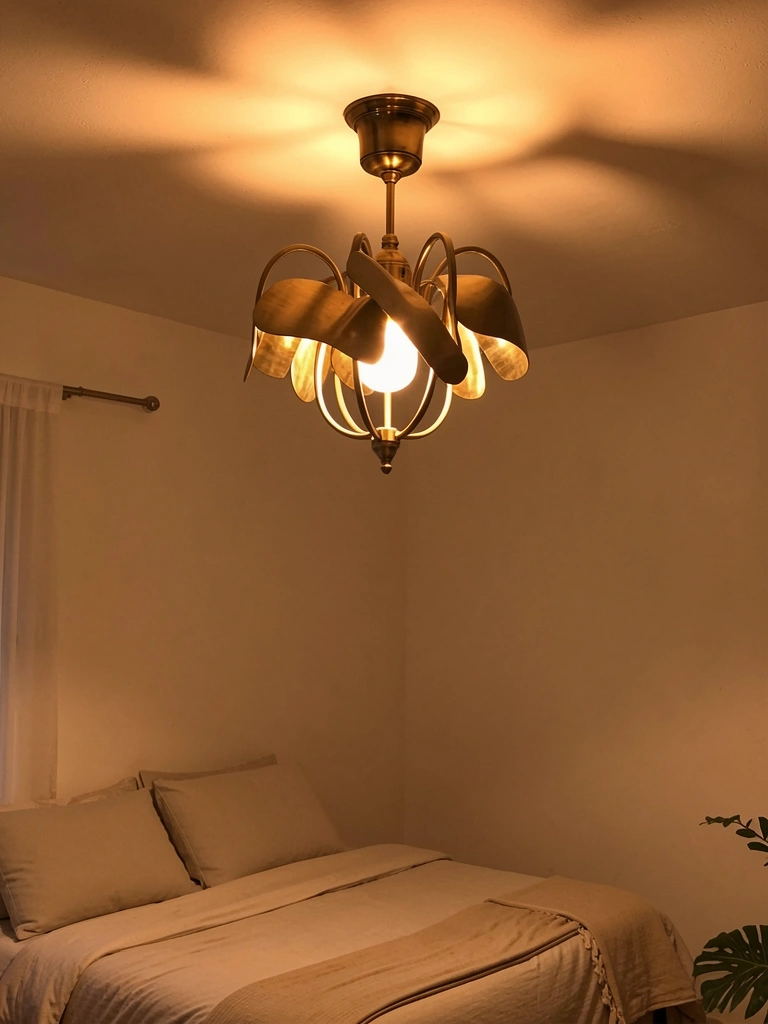
Statement lighting does double duty: it’s functional and becomes the room’s visual anchor. A standout fixture makes even simple rooms feel designed.
Choose one showstopper: a vintage chandelier ($50-$300 thrifted, or $200-$800 new from Anthropologie, west elm, or specialized retailers), a sculptural pendant ($150-$400), or an ornate wall sconce ($80-$250). Install yourself (simple swap for standard fixtures) or hire an electrician ($100-$200). Pair with dimmer switches ($15-$40) for mood control. Budget the fixture itself as your design investment—keep surrounding decor simple.
Your bedroom instantly feels intentional and curated. Good lighting improves mood, functionality, and aesthetics simultaneously. A statement fixture makes guests notice your space.
20. Integrate Natural Stone Accents
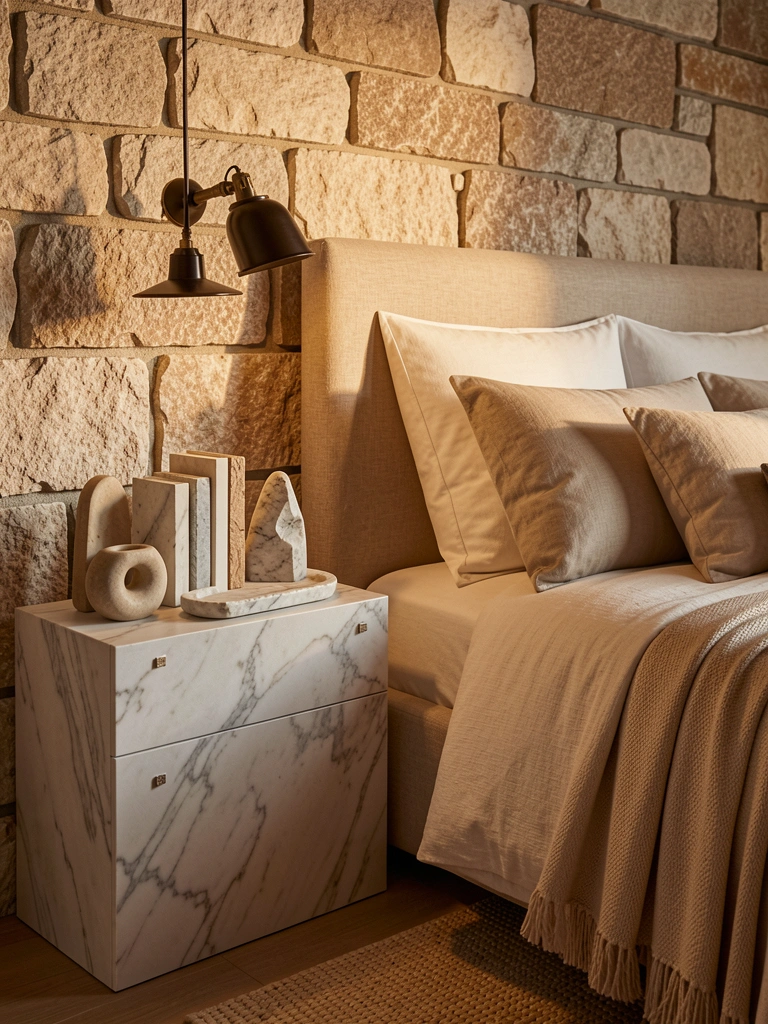
Natural stone (marble, slate, limestone) adds organic luxury that feels timeless. Stone pairs beautifully with warm colors and natural wood.
Invest in one statement piece: a marble nightstand ($200-$500), a slate accent wall ($500-$1,500 installed), or smaller accessories like marble trays or bookends ($20-$100 each). Thrift stores occasionally have vintage stone pieces ($30-$150). The key is quality—real stone matters more than quantity. Even one marble accessory elevates a space.
Your bedroom feels grounded, sophisticated, and naturally beautiful. Stone ages gracefully and never feels trendy. It’s an investment that lasts and genuinely improves your space’s perceived value and quality.
21. Curate Eclectic Layers Without Chaos
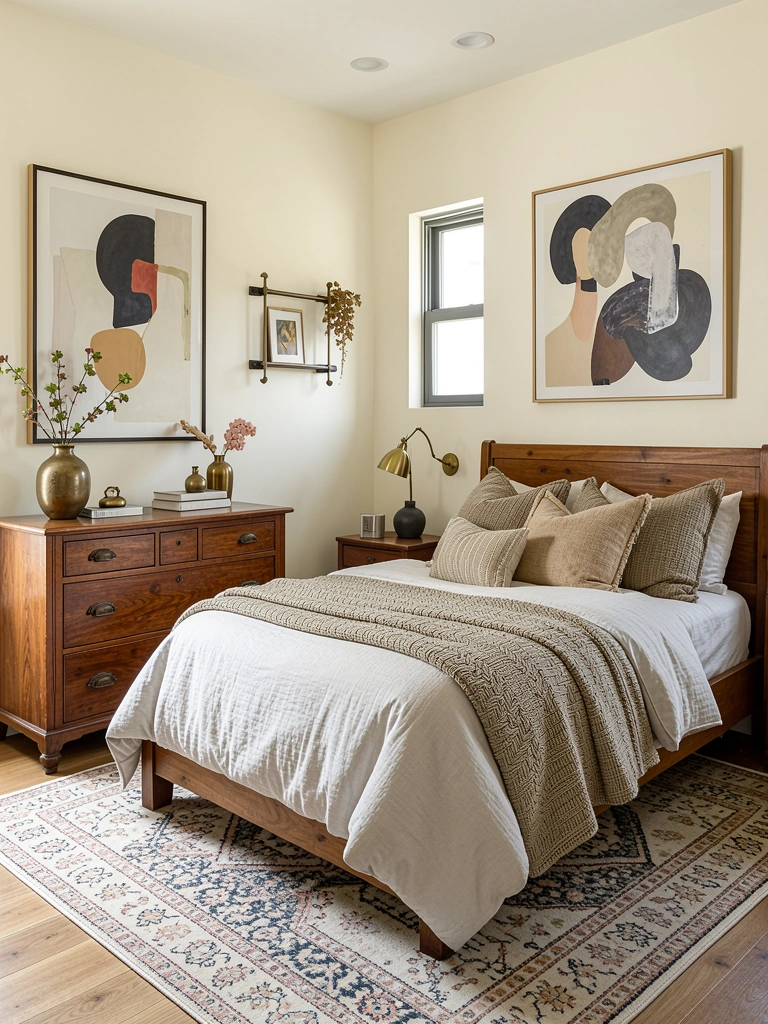
Eclecticism tells personal stories but requires intention. The trick is picking a color story first, then mixing styles.
Choose 3-4 colors (e.g., cream, terracotta, sage, brass) and collect pieces that fit those tones. Mix: vintage (thrift, $5-$100), new basics (IKEA, Target, $20-$150), and one investment piece (Wayfair, Article, $200-$800). Spacing matters—don’t overcrowd. Leave breathing room between collections. Thrift hunting is part of the fun and keeps costs down.
Your bedroom becomes a reflection of your taste and travels. Eclectic styling is timeless because it’s personal. Guests feel the intentionality, and you genuinely love your space.
22. Go Deep With Burgundy and Rich Reds
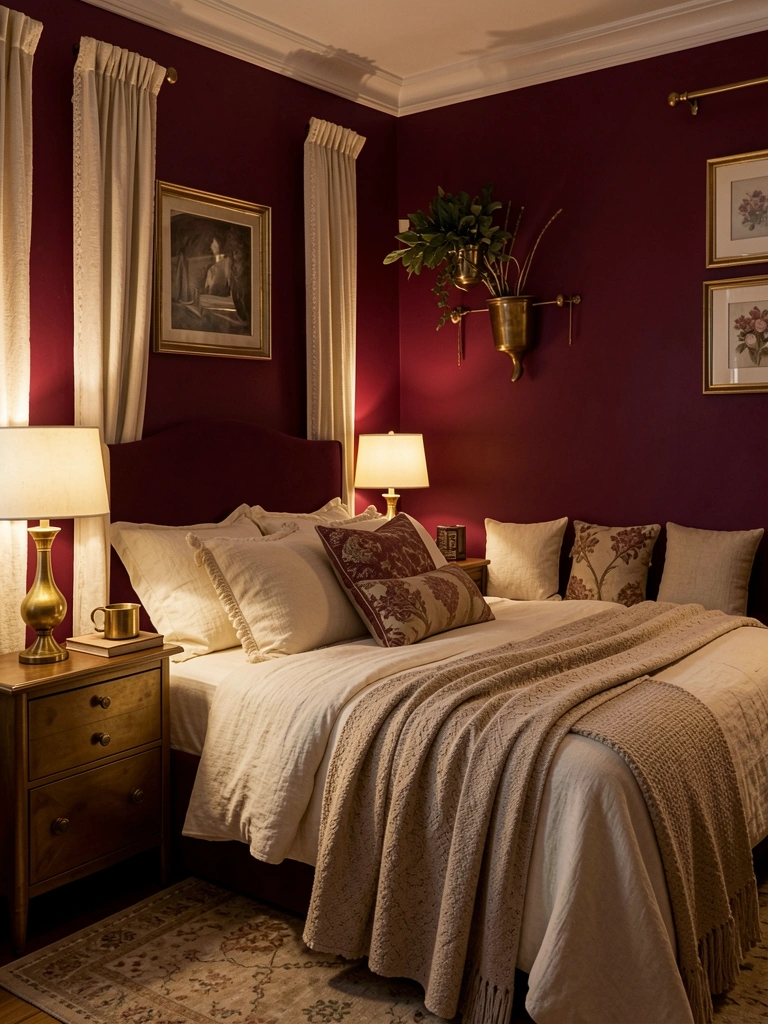
Deep burgundy and rich reds are trending for bedrooms because they create intimate, serene spaces that feel luxe without being cold.
Paint walls in deep burgundy, terracotta red, or wine ($30-$50 per gallon from Sherwin-Williams or Benjamin Moore). Pair with warm lighting, cream or gold accents, and soft textures to avoid heaviness. A full bedroom paint job costs $100-$300 (DIY) or $400-$1,200 (professional). This color works best with warm-toned lighting and natural wood elements.
Your bedroom becomes a cozy retreat that feels genuinely sophisticated. Deep reds make small rooms feel intimate and luxe, not cramped. It’s bold enough to feel intentional, warm enough to feel genuinely restful.
23. Invest in Custom Bedding Over Sets
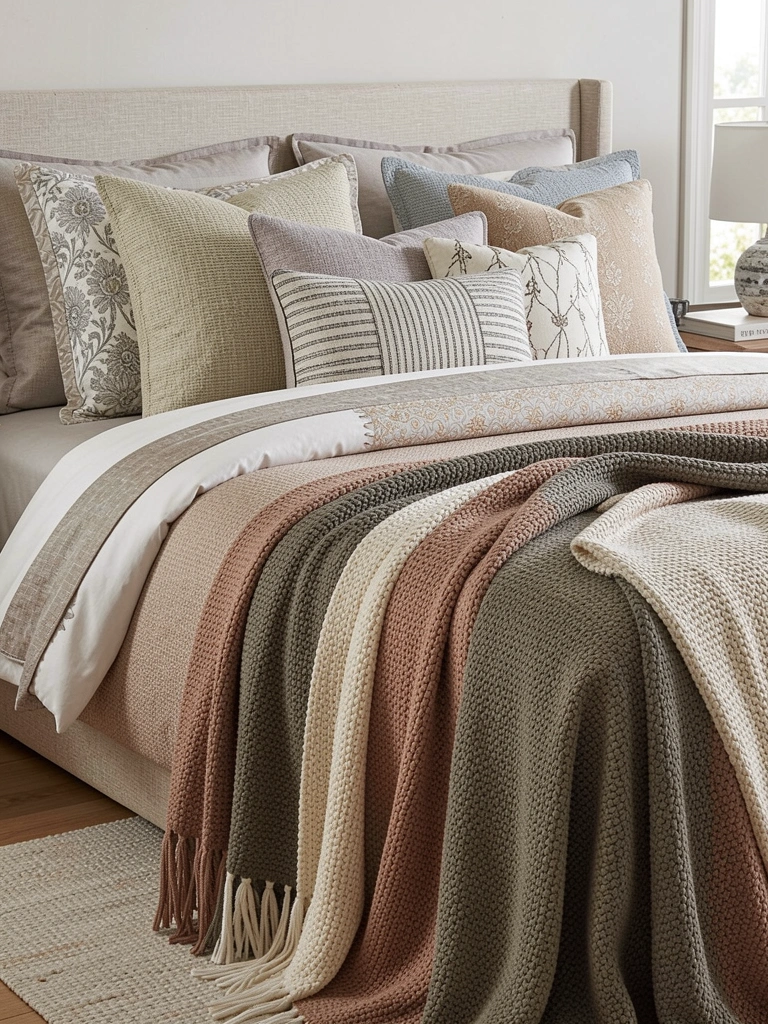
Bed-in-a-bag sets are outdated. Curating custom bedding creates layered, designer-looking beds that feel personal.
Start with quality sheets ($30-$100 from Parachute, Brooklinen, or standard retailers). Add a duvet or comforter ($80-$250) in one color or pattern. Layer throw pillows ($15-$40 each) in coordinating patterns and textures. Add a quality throw ($30-$100). Total investment: $200-$600 for a polished, layered look—similar to set prices but infinitely more stylish.
Your bed becomes a true design focal point. Layering textures and patterns creates visual interest and genuine comfort. Custom styling photographs beautifully and feels intentional.
24. Warm Up Black and White With Texture
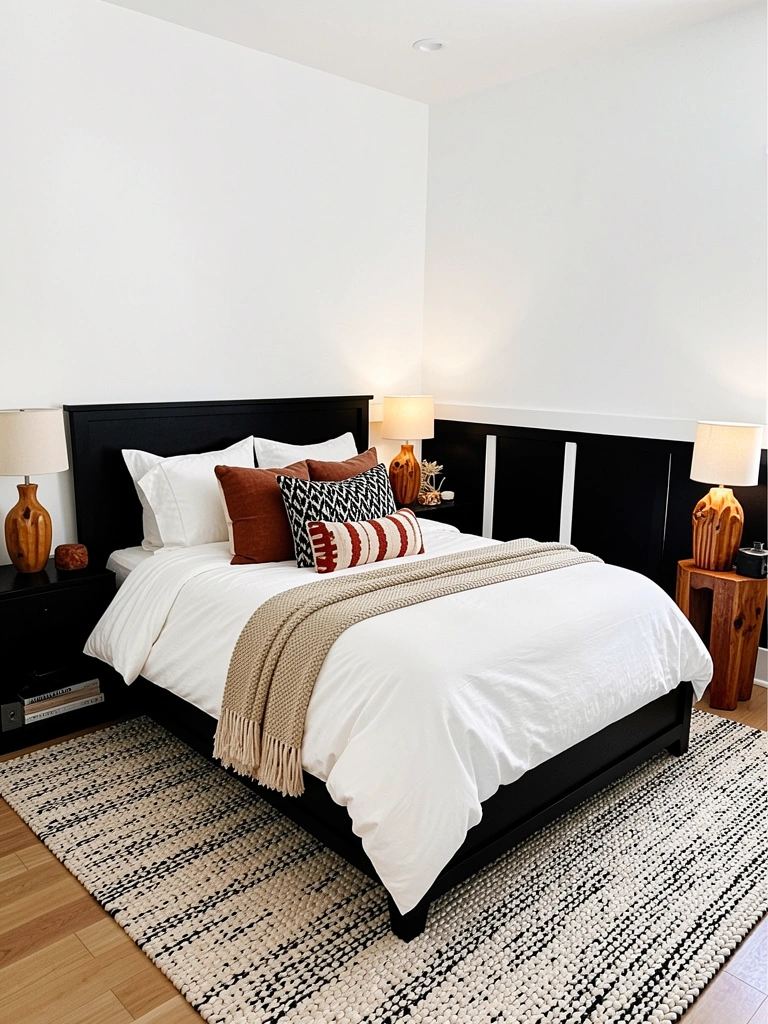
Stark black-and-white palettes feel cold and design-school. Adding texture, warmth, and natural elements makes them feel sophisticated instead.
Keep black-and-white as your base, then layer warmth: cream or ivory textures (chunky knit throw, linen pillows), warm wood tones (nightstand, frame, shelf), and warm lighting ($30-$150 for a quality warm-toned lamp). Add natural elements like plants, stone, or woven baskets ($10-$80). Skip pure white walls; opt for cream or soft gray instead.
Your black-and-white scheme becomes elegant and genuinely comfortable. The additions feel intentional, not like afterthoughts. Your space photographs like a designed room, not an empty studio.
25. Display Vintage Lighting as Art
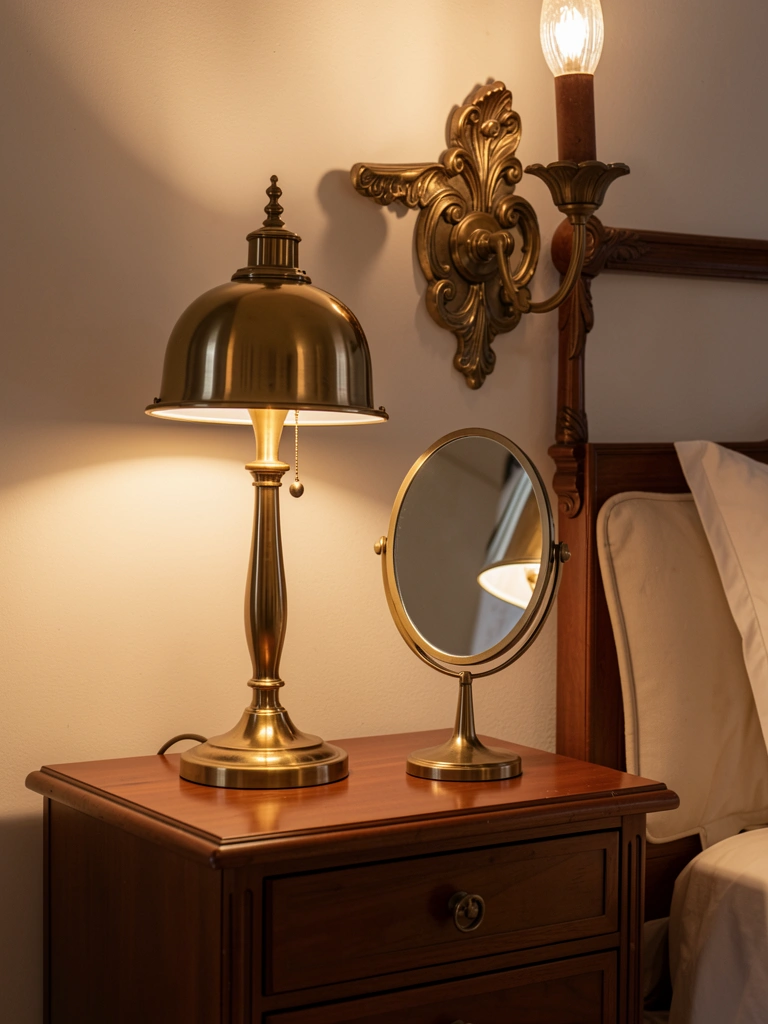
Vintage lighting fixtures (chandeliers, ornate sconces, brass lamps) double as art installations. They’re functional and beautiful simultaneously.
Hunt estate sales, thrift stores, and Facebook Marketplace for vintage fixtures ($20-$150). Rewire if needed ($50-$100 by an electrician). Display prominently—on nightstands, as a wall feature, or as a ceiling statement. Mix one vintage fixture with modern accessories for balance. The styling (placement, bulbs, nearby accessories) matters as much as the piece itself.
Your bedroom gains character and conversation-starter appeal. Vintage lighting adds warmth, tells a story, and creates atmosphere that new fixtures struggle to match. It’s design-forward and sustainably minded.
26. Add Personal Collections as Room Decor
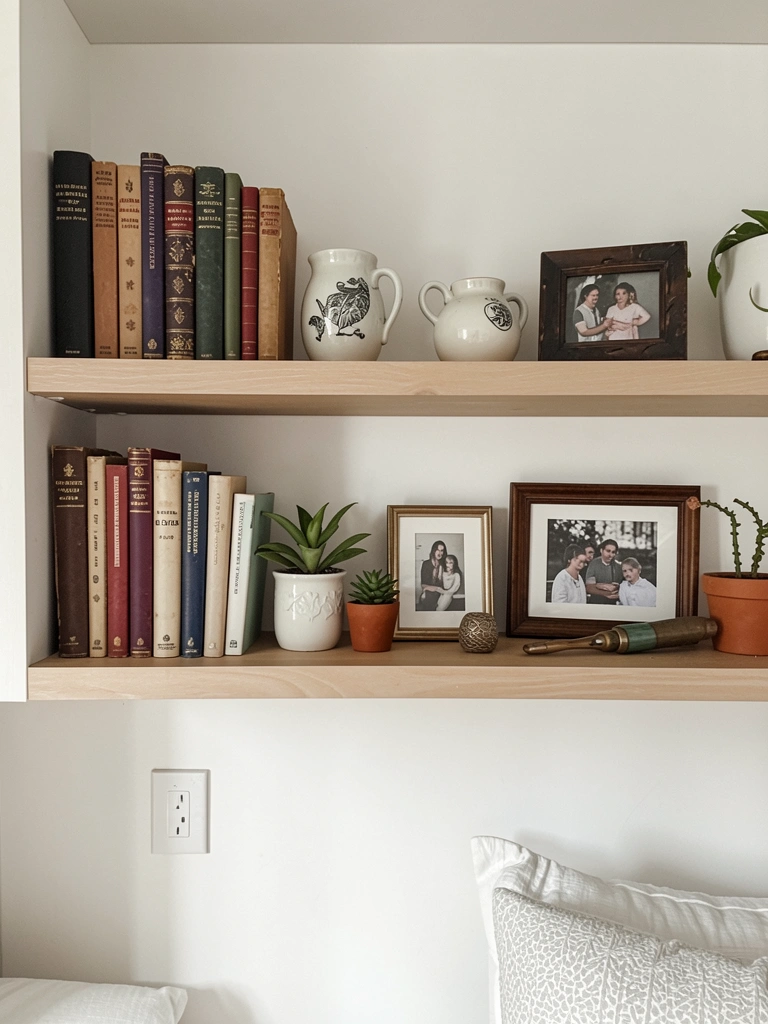
Your personal collections (books, ceramics, plants, vintage finds) are design elements when displayed intentionally. They make rooms feel lived-in and authentic.
Start with items you already own and arrange on floating shelves, a bookcase, or a dresser top. Group by color or theme; leave breathing room between items. Invest in one or two meaningful new pieces ($20-$100) if you want to strengthen your collection. The key is intentional spacing and lighting—don’t overcrowd.
Your bedroom becomes a gallery of your interests and memories. Personal collections photograph beautifully and create conversation. Your space feels genuinely yours, not like a staged room.
27. Layer Soft Lighting for Mood and Function
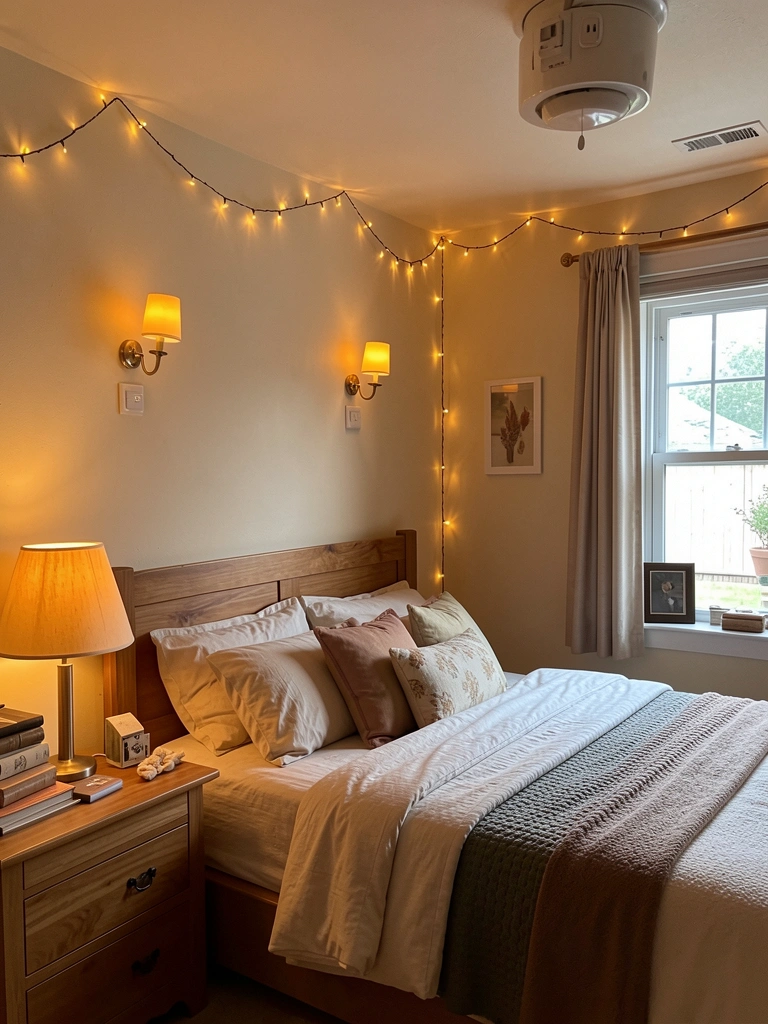
Layered lighting—ambient, task, and accent—creates flexible, mood-appropriate spaces. One overhead light creates institutional vibes; layers create sanctuary.
Combine: Overhead (ceiling fixture with dimmer, $50-$200), task (bedside lamps, $30-$150 each), and accent (string lights, $10-$30; wall sconces, $40-$150). Install dimmer switches for all overhead lights ($15-$40). Prioritize warm-toned bulbs (2700K color temperature, $2-$15 per bulb). Total budget: $200-$600 transforms a room’s feel entirely.
Your bedroom adapts to your needs—bright for getting dressed, dim for relaxing, somewhere in between for reading. Lighting controls mood psychologically; layered lighting gives you complete control over atmosphere.
Save this guide and try just one idea this weekend. Start with the easiest swap—better lighting or a single new throw—and watch how quickly your bedroom shifts from basic to genuinely charming.
Leave a Reply