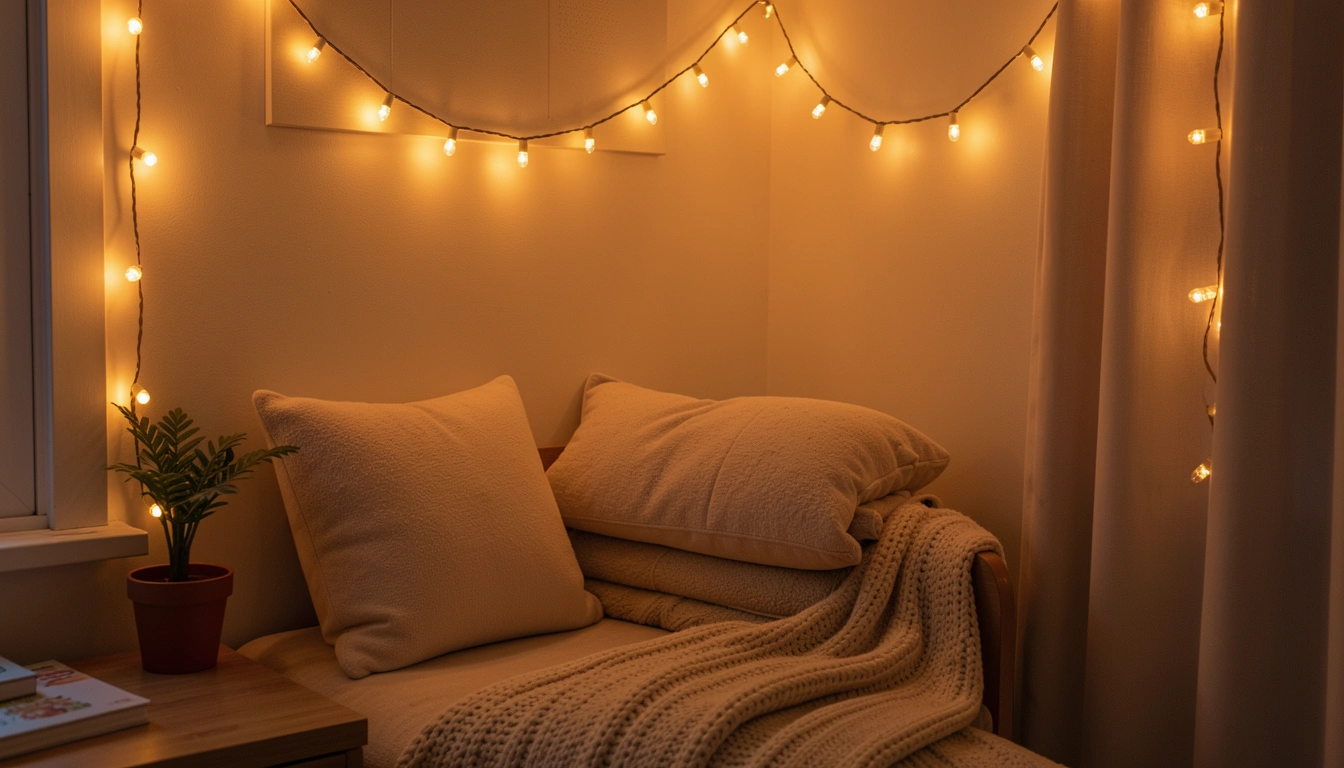
There’s something magical about the right lighting—it can turn a sterile dorm room into a sanctuary where you actually want to spend time. Whether you’re stressed about midterms, catching up with friends, or just need a quiet moment to yourself, soft lighting sets the mood and makes everything feel more intentional. The problem? Most dorms come with harsh overhead fluorescents that drain your energy and make the space feel cold. The good news? You don’t need a major renovation to fix it. We’ve rounded up 24 lighting setup ideas that work for renters, small budgets, and spaces where you can’t install anything permanent. From affordable LED strips to clever positioning tricks, these ideas will help you create the warm, relaxing atmosphere you’ve been craving—even if your dorm room is the size of a shoebox.
1. Layer LED String Lights Above Your Bed
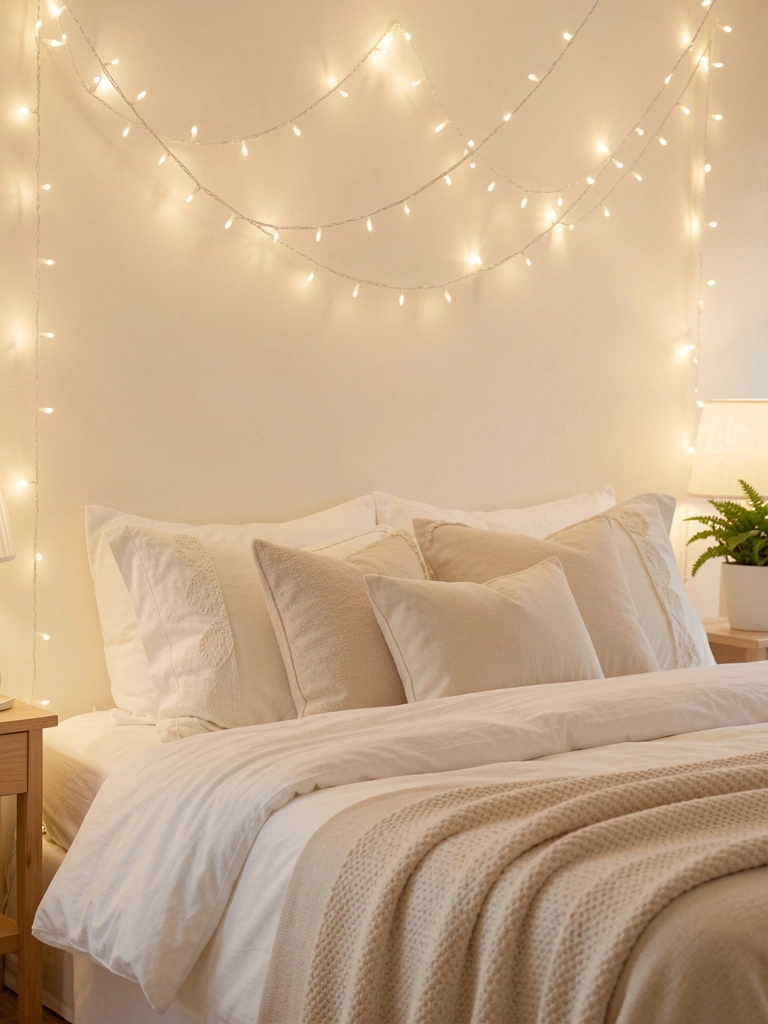
String lights are the fastest way to add warmth and personality to any dorm room. They’re affordable, movable, and instantly photograph well for your social feed. You can drape them in loose waves, create a geometric pattern, or arrange them in a grid—whatever matches your vibe.
Buy warm white LED string lights (not cool white—they’ll look harsh) from Amazon, Target, or IKEA. Look for 15-30 feet lengths around $8–$20. The key is placement: hang them above your bed headboard using removable adhesive hooks or Command strips so you don’t lose your security deposit. If you’re worried about damage, weave them through the bed frame itself. Takes about 10 minutes to set up, and you can adjust them anytime without tools.
Pro tip: Combine string lights with sheer fabric or a tapestry behind them for a softer diffusion effect. Your bed becomes the focal point of the room, and the warm glow makes late-night studying feel less grindy.
2. Install Peel-and-Stick LED Strip Lights Behind Your Desk
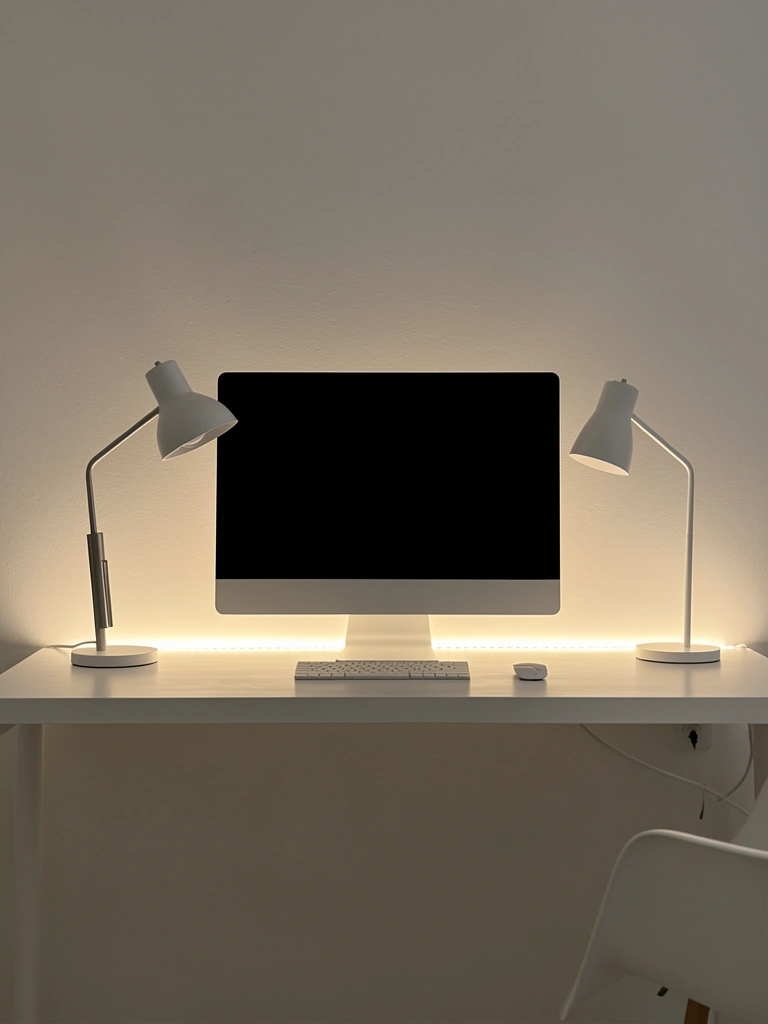
Desk work doesn’t have to happen under harsh lighting. LED strip lights behind your monitor or along the edge of your desk reduce eye strain while creating ambient warmth. This is especially helpful during those late-night study sessions when you’re already tired.
Grab a peel-and-stick LED strip light (look for warm white 2700K color temperature) from Amazon or Best Buy. Budget-friendly options start at $15–$30, while smarter strips with app control run $40–$80 (like LIFX Lightstrip at $80.09 on sale). The strips stick directly to the wall behind your desk—no tools needed, and they peel off cleanly when you move. Installation takes 5 minutes. Position them horizontally behind your monitor for indirect ambient light, or vertically along the side of your desk for task lighting that still feels soft.
The result? Your eyes stay comfortable, your space looks polished, and you’ve got lighting that actually supports focus instead of fighting it.
3. Use Lampshades to Soften Harsh Overhead Lights
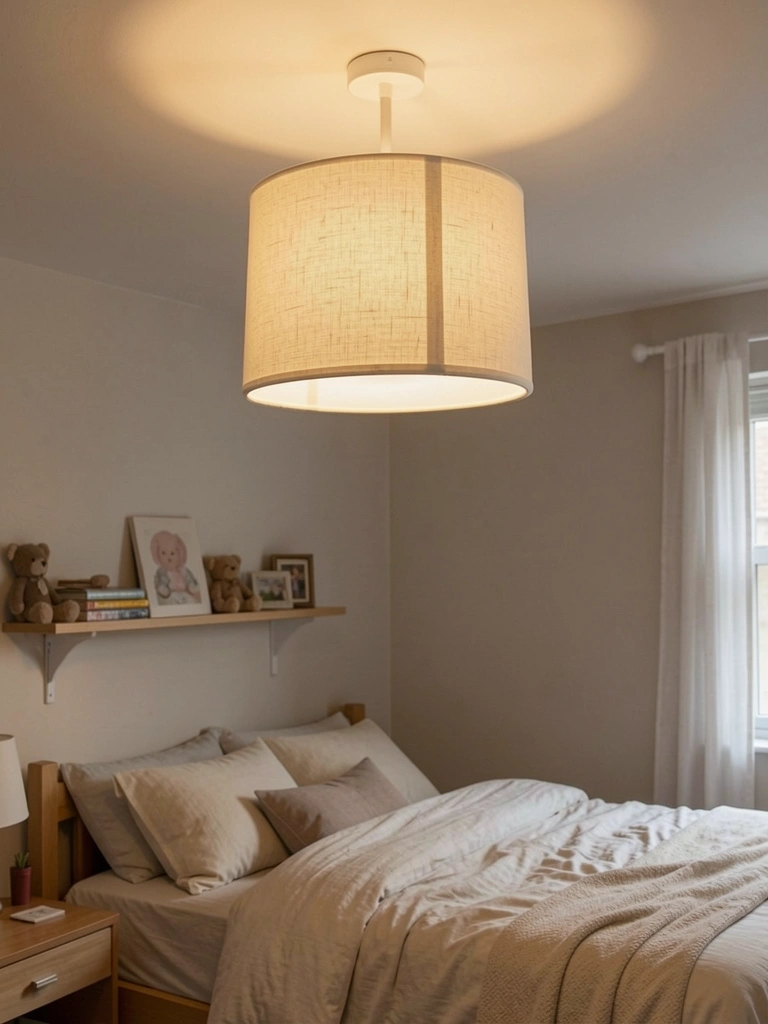
You can’t remove the overhead light your dorm provides, but you can make it way less aggressive. A fabric lampshade designed to clip onto ceiling fixtures diffuses harsh light into something warm and approachable. It’s one of the easiest tricks that actually works.
Search for clip-on ceiling lampshades on Amazon or at IKEA—they run $10–$25 and take 2 minutes to install. Choose warm white fabric (linen, cotton, or paper) in cream or soft beige. The shade catches the harsh overhead light and spreads it evenly across the room, cutting the “fluorescent office” vibe immediately. No tools, no permanent changes, and you can swap shades if you want to change your room’s aesthetic later.
Fair warning: This alone won’t create that cozy evening feeling, but paired with string lights or a floor lamp, it completely changes how the room feels during the day.
4. Create a Reading Nook with Recessed Lighting
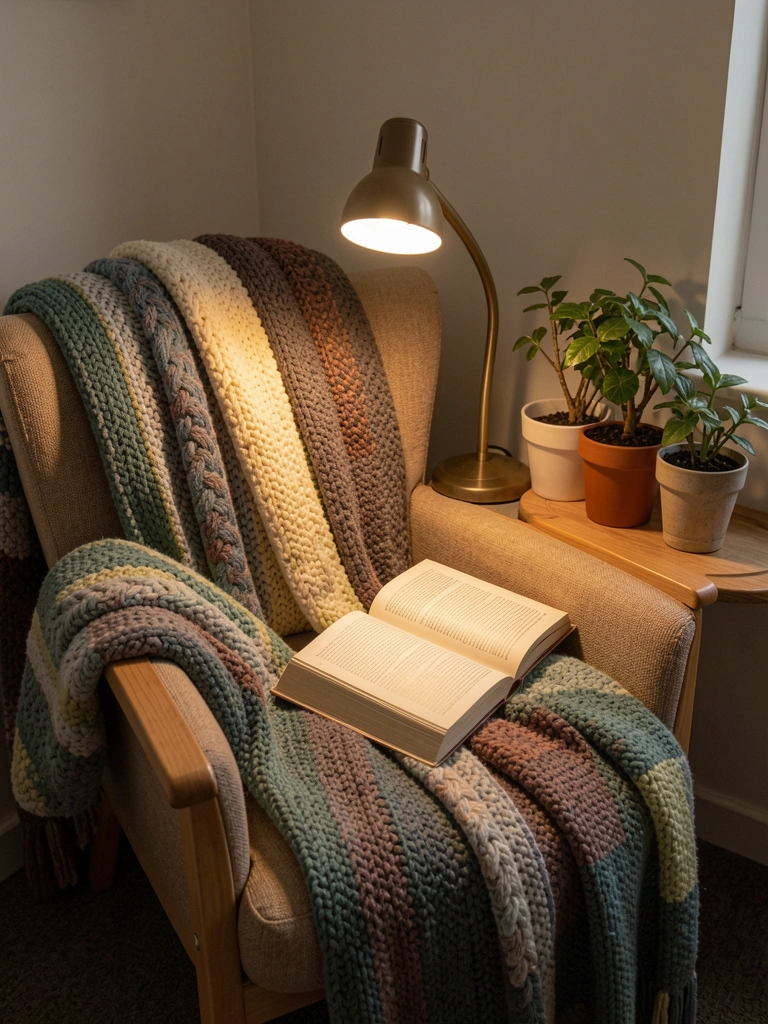
Designate one corner as your escape zone. Pair a comfortable chair with a high-quality reading lamp that has a warm bulb, and suddenly you’ve got a refuge that’s separate from your study area. This psychological separation matters when you’re trying to unwind.
Grab a warm-bulb reading lamp (try Target, IKEA, or Amazon) for $20–$50. Look for lamps with adjustable brightness so you can dial down the light as the evening goes on—this helps your body naturally wind down before sleep. Place the lamp to the side of your chair, not directly overhead, to avoid harsh shadows. Add a throw blanket and a few pillows, and you’ve created a completely different atmosphere from the rest of your room in just one corner.
This spot becomes sacred for relaxing, journaling, or decompressing. Your brain learns to associate it with calm, making it easier to actually switch off when you need to.
5. Hang Fabric Behind Wall Lights for Diffused Glow
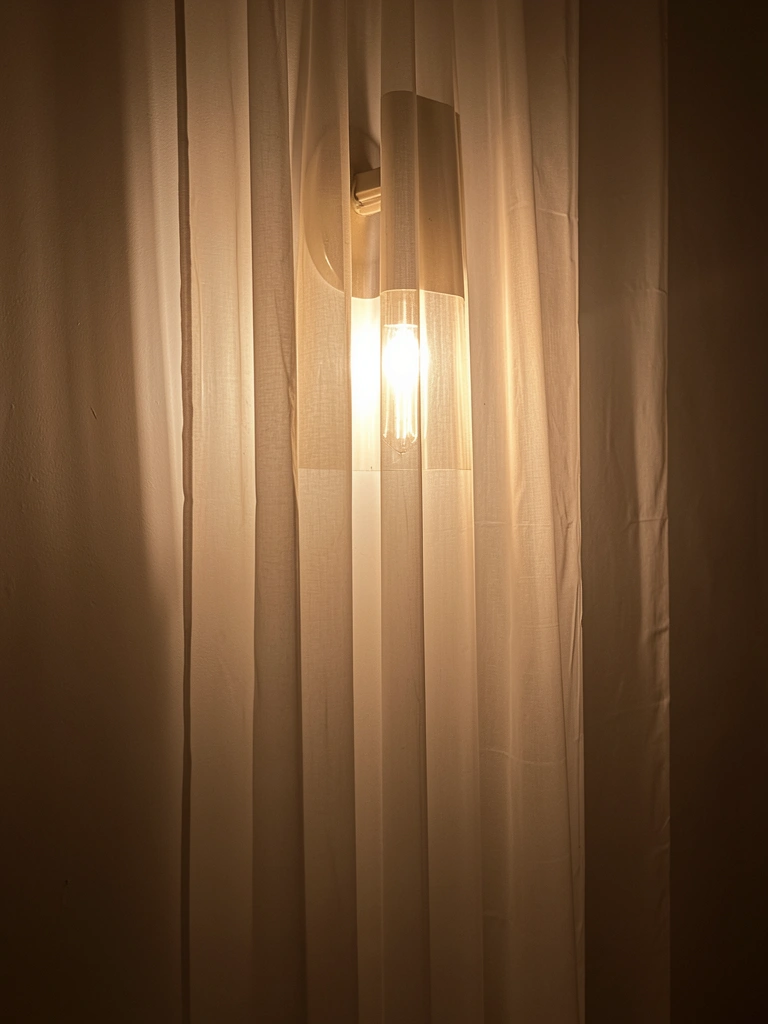
If you can find a renter-friendly way to add a small wall sconce (using adhesive or command strips), draping lightweight fabric behind it transforms the light quality completely. The fabric acts as a filter, turning direct light into ambient warmth.
Mount a battery-powered or plug-in wall sconce (around $20–$40 from IKEA or Amazon) using removable adhesive. Hang sheer white or cream fabric (lightweight muslin, organza, or even a scarf) behind the light source using more command strips or removable hooks. The light passes through the fabric before hitting the room, diffusing it into something soft and inviting. Setup takes about 15 minutes, and you can adjust or remove the fabric anytime.
Your walls now glow instead of reflect harsh light, and the whole room feels warmer. It’s a subtle change that makes a surprising difference in how relaxed the space feels.
6. Position Multiple Small Lamps Around the Room
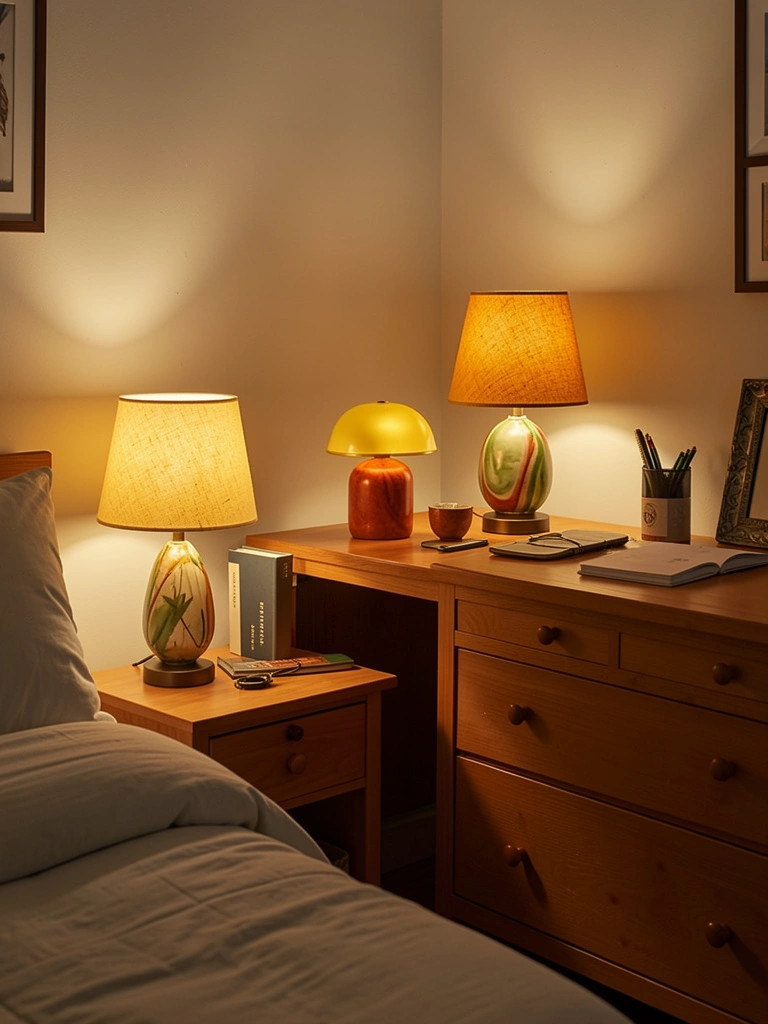
One overhead light or even one floor lamp leaves dark corners and creates a flat, one-dimensional atmosphere. Multiple smaller lamps create pockets of warmth and let you control the mood by turning different ones on and off depending on what you’re doing.
Buy 2–4 small table lamps in warm white tones from Target, IKEA, or thrift stores. New lamps run $15–$30 each, but you can find decent secondhand options for $5–$15. Distribute them across your room: one on your nightstand, one on your desk, one on your dresser or shelf. Each lamp should have a warm-white bulb (2700K color temperature). This takes minutes to set up and costs $30–$80 total for a completely transformed lighting ecosystem.
Now you’ve got flexibility. Studying? Turn on desk and overhead lights. Winding down? Just the bedside lamp. Having friends over? Multiple warm sources make the room feel gathered and cozy instead of spotlight-lit.
7. Use Dimmable Smart Bulbs for Mood Flexibility

If you want next-level control, smart bulbs let you adjust brightness and color temperature from your phone—no switch flipping required. This is especially useful for those moments when you’re already settled in bed and don’t want to get up.
Pick up dimmable smart bulbs like Philips Hue (around $15–$25 each) or LIFX bulbs (similar pricing) from Amazon or Best Buy. Screw them into any lamp or fixture you already have. Download the app, connect to your Wi-Fi, and you can dim the light or shift the color tone without moving. Some come in warm white only (easier and cheaper), while others offer full color ranges if you want to experiment with mood lighting later.
The best part? You can create presets: “Study Mode” for brighter focus, “Evening Wind-Down” for dimmer warmth, or “Movie Night” for whatever vibe you’re going for. It’s an investment piece ($60–$100 for a basic setup), but it pays off in flexibility and energy savings.
8. Drape Tapestries to Soften Light and Add Texture
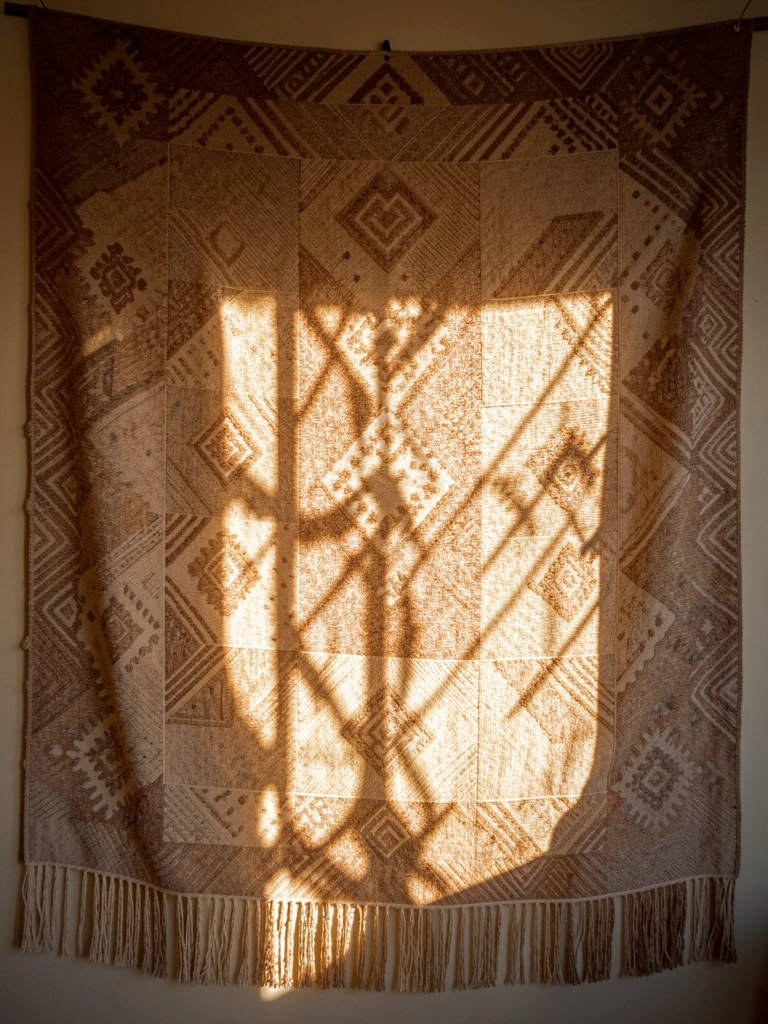
Tapestries do double duty: they add personality and color to your walls while also acting as diffusers for harsh light. Heavier fabrics absorb light and create intimacy, while lighter ones let glow pass through softly.
Find a tapestry or large fabric wall hanging at Urban Outfitters, Target, or thrift stores for $15–$40. Hang it using removable adhesive strips or command hooks in warm tones (terracotta, cream, sage, burgundy) that complement your existing lights. Position it behind a lamp or in a corner where light naturally hits it. The fabric catches and softens light, and shadows create visual depth and interest.
Your walls now look intentional and styled, not bare and cold. Plus, tapestries are easy to swap out when you want a seasonal refresh or aesthetic change without any damage to your walls.
9. Create Ambient Light with Candles (LED or Real)
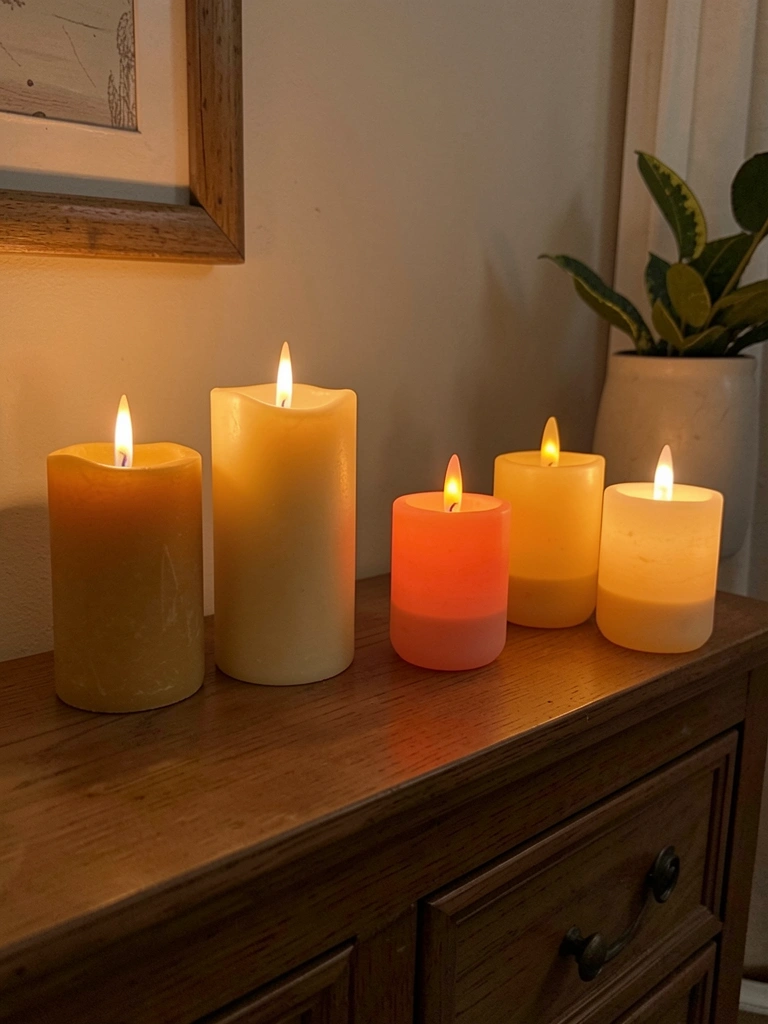
Candles create the coziest light possible, but real flames aren’t always dorm-friendly (and rightfully so—safety first). LED candles give you that flickering warmth without the fire hazard.
Grab LED tea lights or pillar candles from Target, IKEA, or Amazon for $2–$8 each. Get 4–6 of them to create noticeable ambient light ($8–$50 total). Battery-operated models last months on a single set of batteries. Group them on your dresser, shelf, or windowsill so they’re visible but not in the way. They cast flickering shadows that feel warm and human-scale—nothing beats that visual effect for relaxation.
If you want real candles and your dorm allows them, go for soy or beeswax candles (cleaner burn, better scent) and always use a candle holder to catch drips. Either way, you’ve got the coziest lighting option available, without the guilt or danger.
10. Install Warm White Neon Signs for Personalization

Neon signs are huge on TikTok right now, and for good reason—they’re fun, customizable, and cast a flattering warm glow. They also work as both lighting and wall decor, killing two birds with one stone. Look for warm white neon signs (not pink or blue) to keep the vibe cozy rather than nightclub-y.
Order custom warm white neon from Etsy, Amazon, or Neon Monkey for $40–$120 depending on complexity. Simple options like initials, “Good Vibes,” or a shape are cheaper and still impactful. They run on USB power, so plug them into an outlet near where you want to hang them. Mount using removable adhesive strips (the weight is light). Setup takes 10 minutes.
Your friends will immediately ask about it, it photographs beautifully in natural light, and it adds personality that nothing else can. The warm glow makes your room feel like a curated space, not a generic dorm.
11. Use Fairy Lights in Glass Jars for Subtle Ambiance
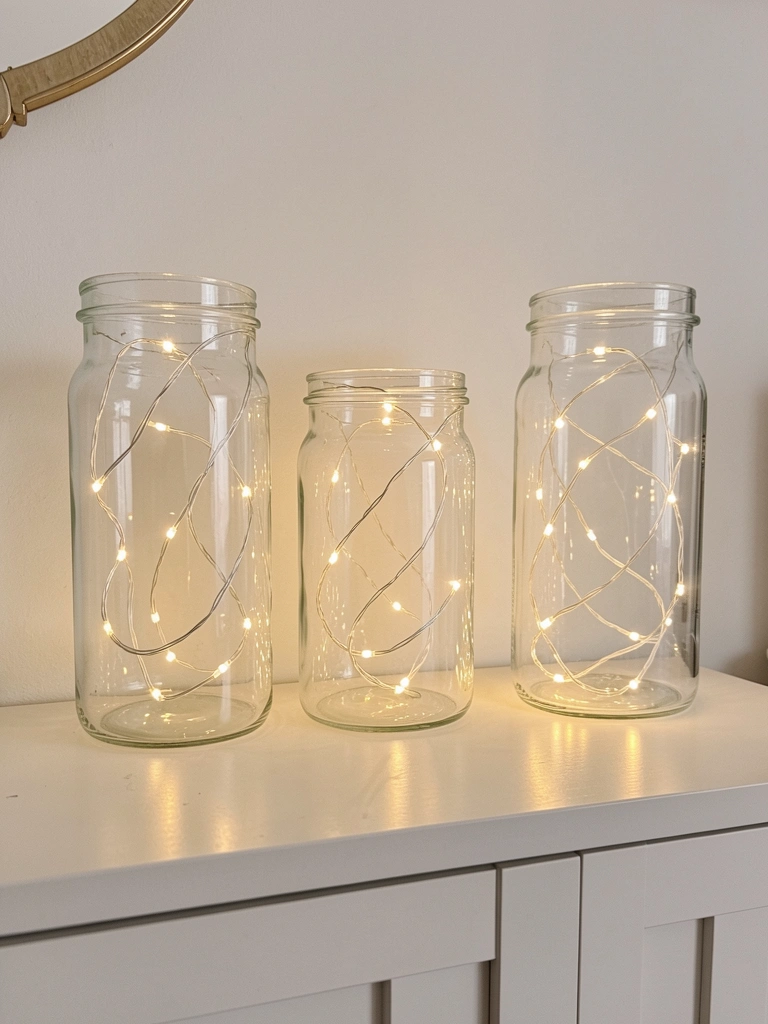
This is a budget-friendly way to create distributed ambient light without much visual clutter. Fairy lights stuffed into clear jars glow from within, creating soft pools of warmth.
Grab warm white fairy lights (also called starry lights or micro LED strings) from Amazon or Target for $5–$12 per strand. Buy 2–4 strands. Place mason jars, clear drinking glasses, or small vases around your room (nightstand, shelf, windowsill). Coil the fairy lights inside each jar and plug in (or use battery-operated versions for cord-free placement).
The jars scatter light softly throughout your space, and you can move them around anytime. They’re cheap enough to buy several, flexible enough to rearrange, and gentle enough to create real relaxation without feeling overdone. Bonus: They look especially good in photos.
12. Mount a Wall-Mounted Reading Light Above Your Bed
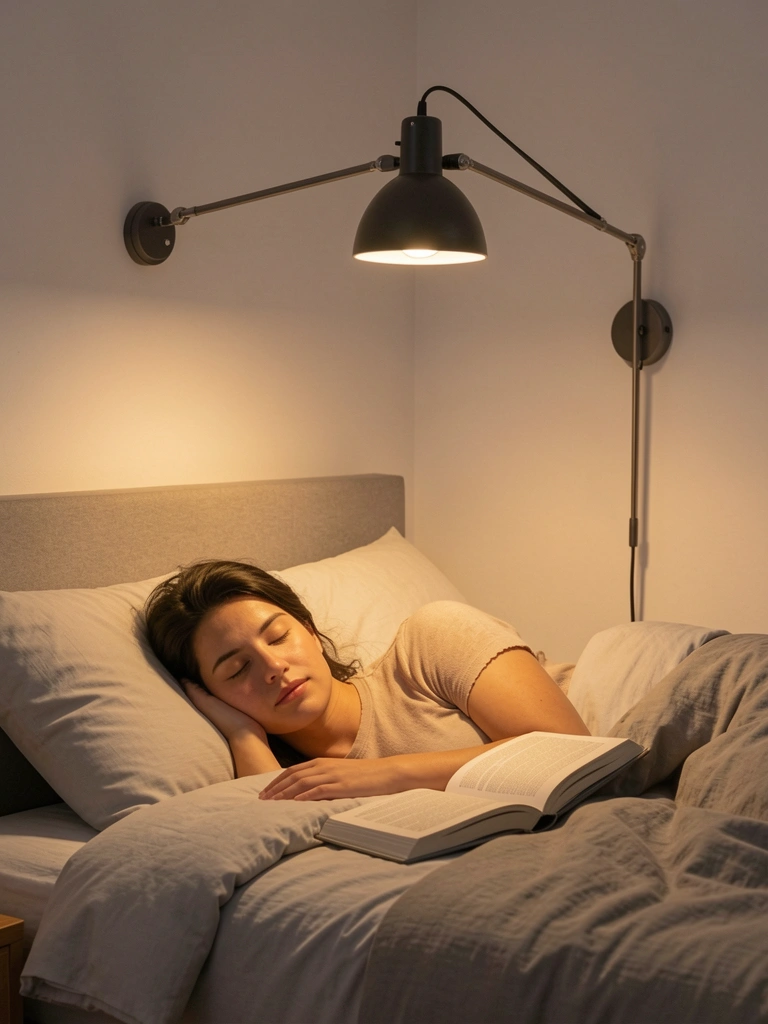
If you share a room or want to read in bed without turning on the overhead light, a wall-mounted reading lamp is a game-changer. It’s focused light exactly where you need it.
Find a swing-arm wall lamp or articulating reading light at IKEA, Home Depot, or Amazon for $20–$50. Install using removable adhesive strips or command hooks (check weight limits and follow instructions carefully). Position it above and to the side of your bed so light falls on your book or phone without blinding you or your roommate. The bulb should be warm white and dimmable if possible ($3–$8 extra for the bulb).
Now you can read comfortably at night without the harsh overhead light or straining to see. It’s also perfect for late-night phone scrolling without that blue-light exhaustion feeling.
13. Create Mood Lighting with Edison Bulbs
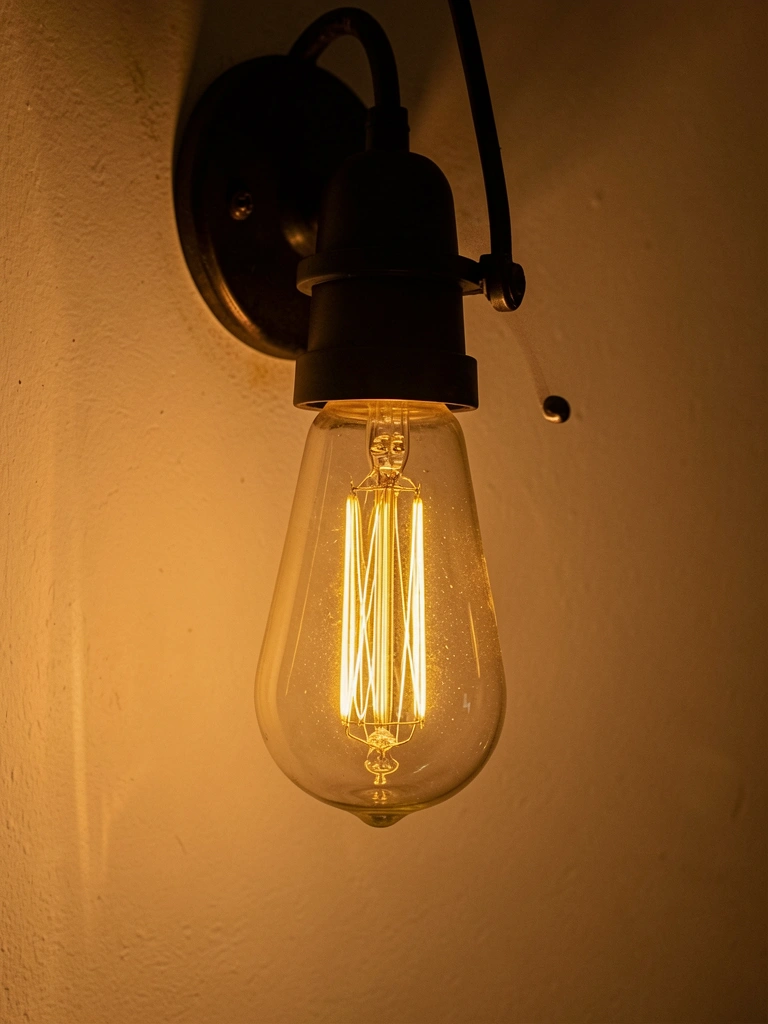
Edison bulbs have a built-in vintage charm and cast light that feels inherently warmer than standard bulbs. They’re not just aesthetic—they actually deliver better ambient light quality.
Swap out any regular bulbs in your existing lamps for warm white Edison bulbs from Home Depot, Target, or Amazon for $8–$15 each. They fit standard fixtures and come in multiple wattages depending on how bright you need. The visible filament inside creates a nostalgic, intentional look even when the light is on, and the warm color temperature (usually 2200K–2700K) is naturally relaxing.
Bonus: Edison bulbs are durable and last longer than regular incandescent bulbs, so you’re not replacing them constantly. They photograph beautifully too, which matters if you’re into room-styling content.
14. Use Colored Light Filters Over Existing Lamps
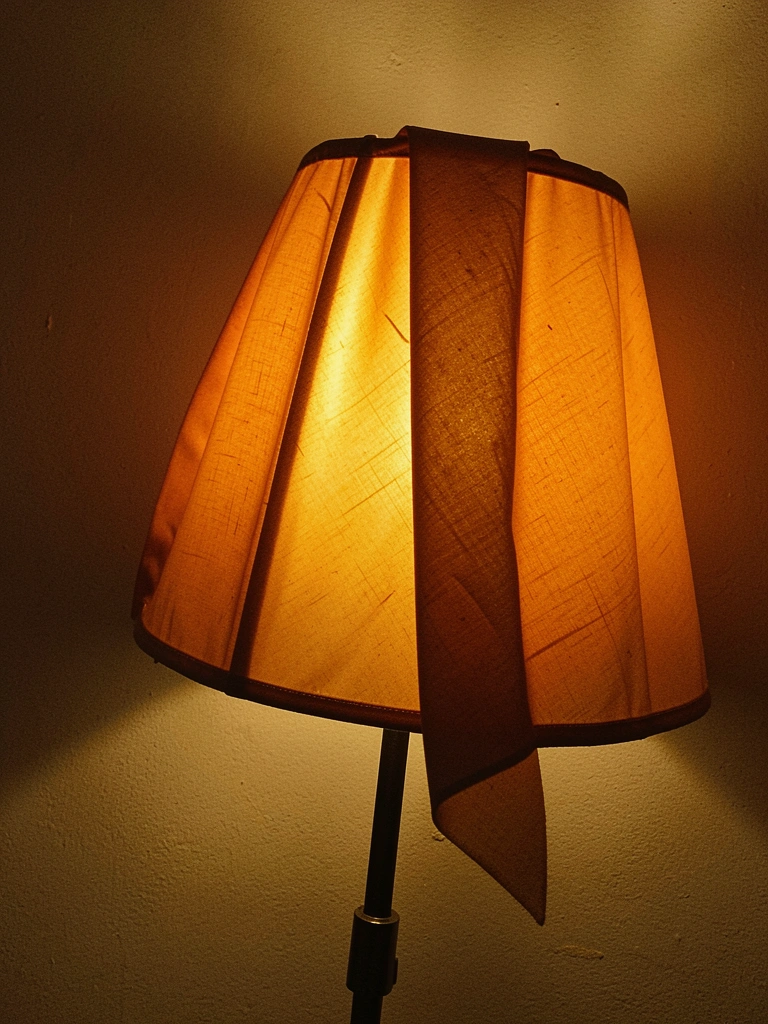
This is an ultra-cheap way to shift your room’s lighting temperature without buying new fixtures. Fabric scraps or lightweight colored tissue can filter light in seconds.
Grab lightweight fabric in warm tones (amber, rose gold, cream) from a fabric store, thrift shop, or even use a lightweight scarf. Drape it loosely over a lamp shade or fixture opening—don’t touch hot bulbs. The fabric filters the light into warmer tones instantly. Cost: basically free if you use stuff you already have, or $2–$5 for fabric scraps. Installation: literally 30 seconds, and you can adjust or remove it anytime.
This is perfect for renters who can’t modify fixtures and want to test out different lighting moods before investing in new bulbs or lamps. Try it once and you’ll be amazed at how much a simple colored filter changes the atmosphere.
15. Install a Corner Floor Lamp with a Fabric Shade
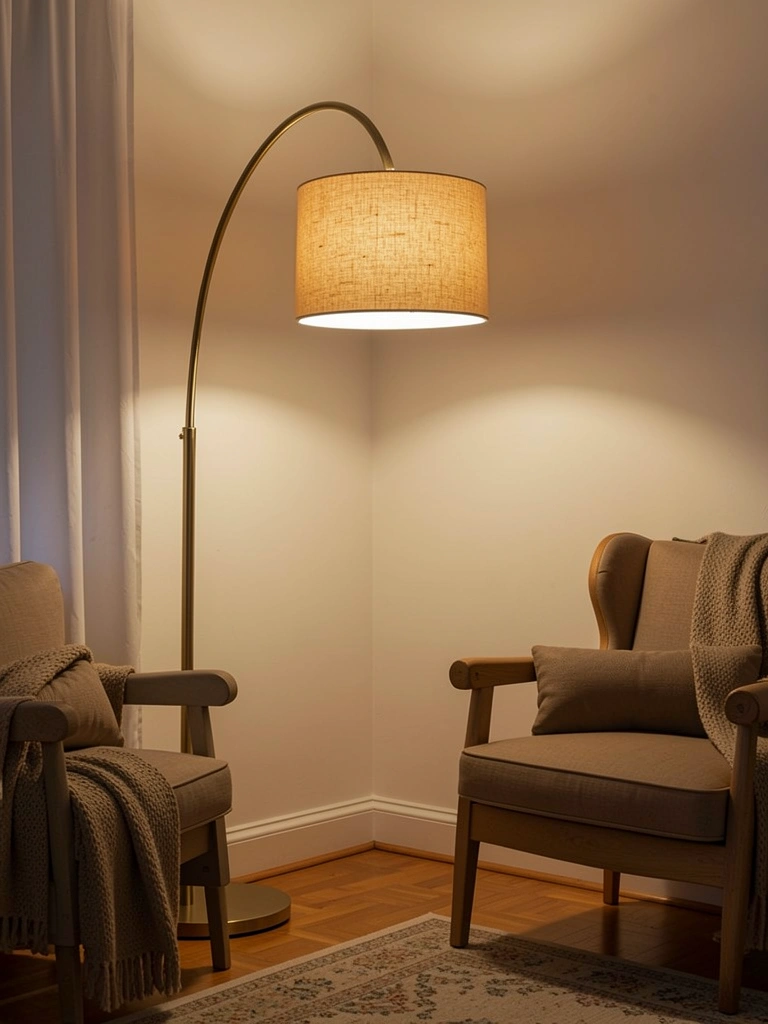
Floor lamps take up zero wall or surface space, can be positioned anywhere, and make a huge visual impact. A corner lamp with the right shade becomes an instant focal point that actually improves the room’s vibe.
Find a tall floor lamp with a fabric shade at IKEA, Target, or thrift stores for $25–$80. Pick one with a warm linen or cotton shade in cream, beige, or soft gray. Place it in a corner or next to your reading chair so it casts warm light without being in your way. The lamp should have a warm-white bulb and ideally a dimmer switch for flexibility.
Unlike overhead lights, floor lamps are naturally forgiving and create pockets of warmth rather than flooding your entire space. Your room instantly looks more grown-up and intentional. Plus, if you move, you just unplug and take it with you—zero installation hassle.
16. Hang Lights Under Lofted Beds for a Private Glow
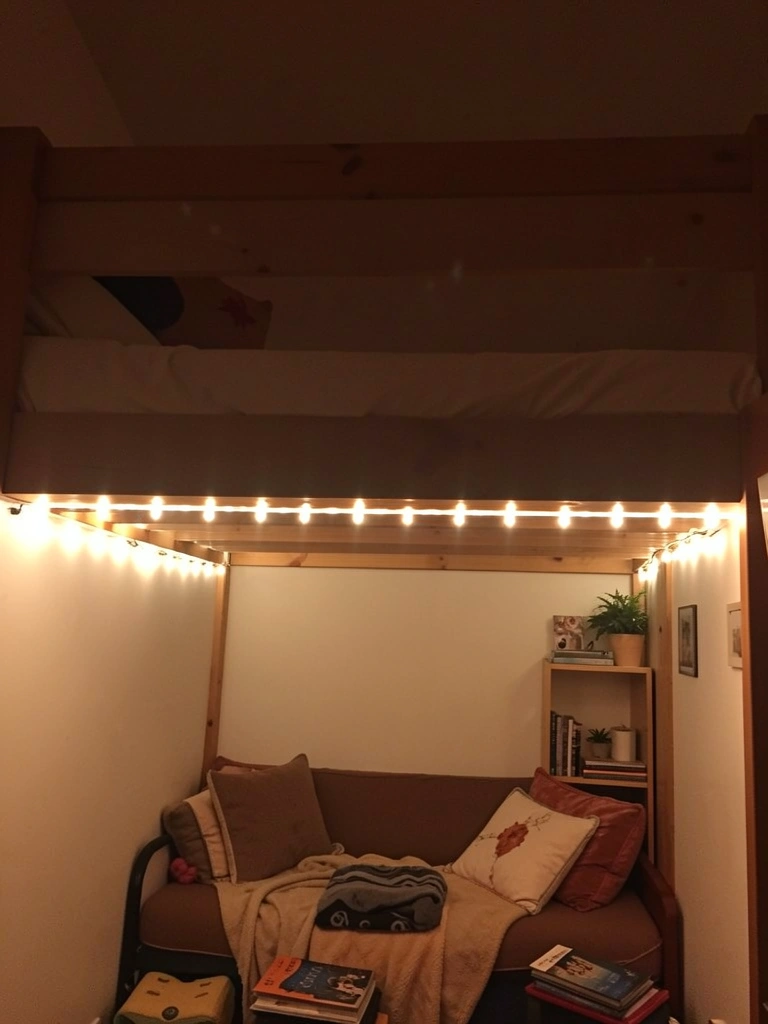
If you’ve got a lofted bed, the space underneath is prime real estate for creating a private, womb-like retreat. Lights under the bed make that space feel separate and intentional.
String warm white LED lights along the underside of your bed frame using removable adhesive hooks or by weaving them through the structure. Look for 15–30 feet of lights for $10–$20. The lights glow downward, illuminating your under-bed zone without lighting the whole room. Setup takes about 15 minutes, and you can adjust brightness and placement easily.
Now you’ve got a secret glow-up zone—perfect for studying, relaxing, or just having a quiet moment. The enclosed space with soft lighting feels like your own sanctuary, which is especially valuable in a shared dorm where privacy is limited.
17. Layer Warm Lighting with Sheer Curtains
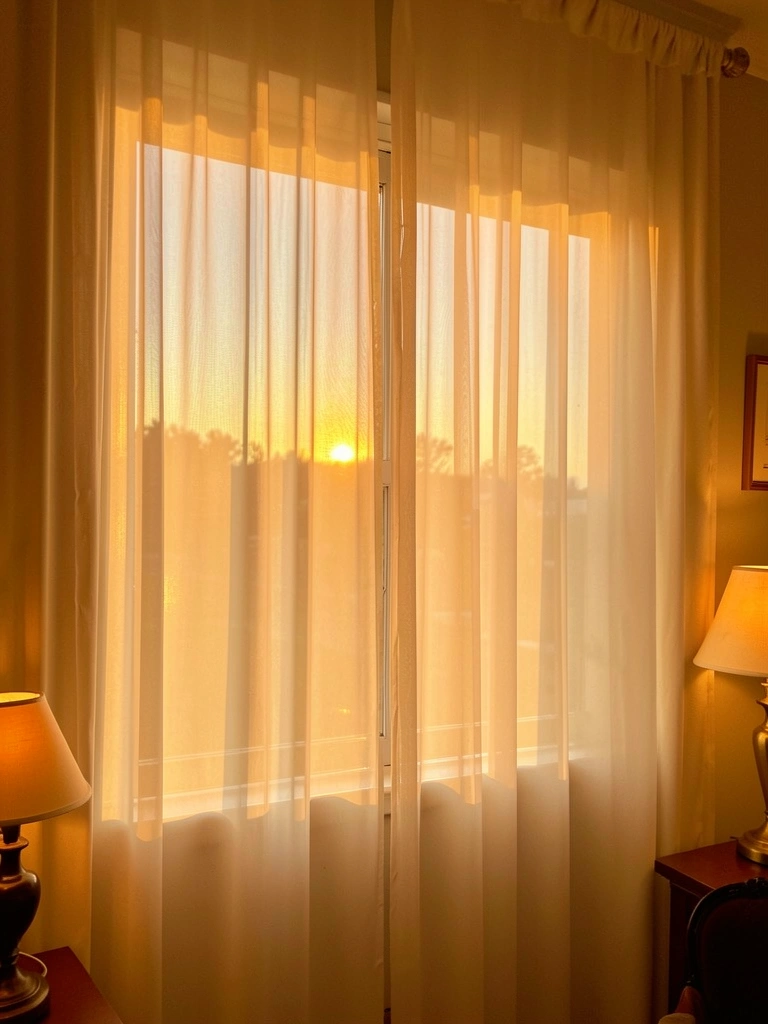
Sheer curtains diffuse both natural and artificial light beautifully, creating a softer overall atmosphere. When combined with warm indoor lights, you get this magical layered glow.
Hang white or cream sheer curtains in your window using removable curtain rods or adhesive strips for $15–$40. Make sure they’re lightweight so light passes through easily. Position your warm lamps (floor lamp, desk lamp, string lights) near but not directly behind the curtains. Light bounces through the sheer fabric and reflects back into your room, creating this dimensional, glowing effect that’s impossible to achieve with hard light alone.
During the day, sheer curtains diffuse harsh sunlight and keep your room feeling calm. At night, they layer your artificial light into something warmer and more complex. It’s the difference between a lit room and a room that glows.
18. Use Uplighting to Create Depth and Drama
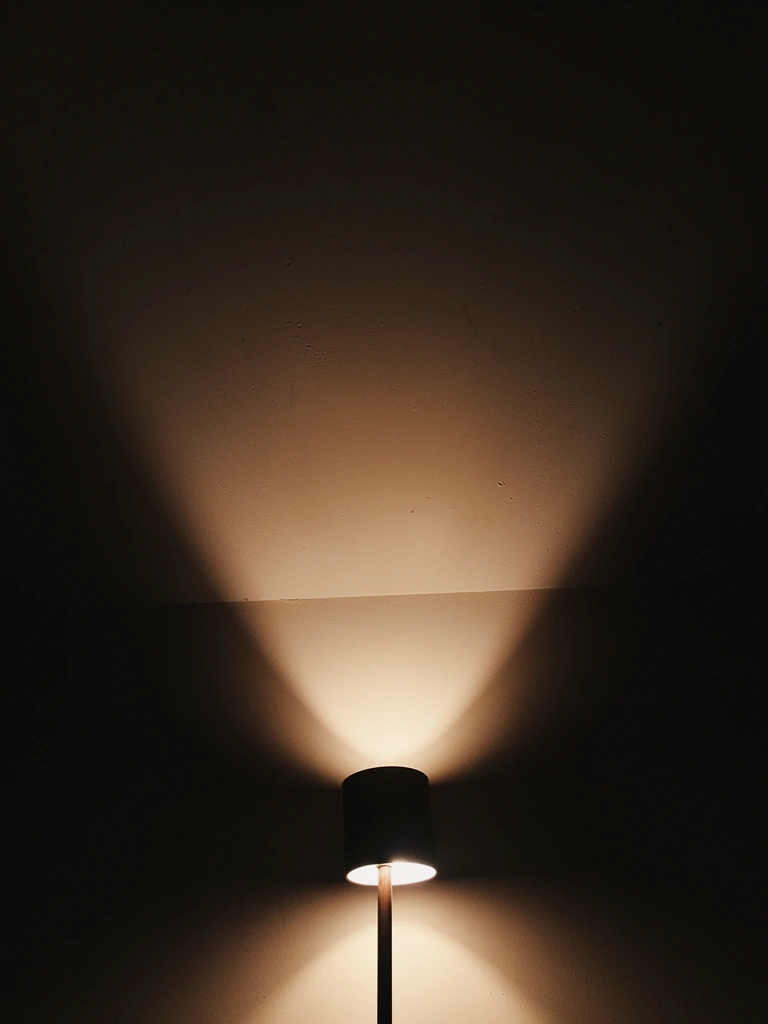
Uplighting is an underrated technique that makes small rooms feel bigger and more sophisticated. By bouncing light off ceilings and walls instead of pointing it straight ahead, you create visual depth.
Position a floor lamp or table lamp to face upward rather than downward—angle it toward a corner or blank wall. This bounces light off the ceiling and creates softer, more diffused overall illumination. If you’re using a lamp without a shade, aim it at a light-colored wall or ceiling to maximize reflection. No extra purchases needed if you’re repositioning existing lamps; otherwise, grab a versatile floor lamp for $25–$50.
The room suddenly feels more spacious and atmospheric. Your brain perceives uplighting as more luxe and intentional than straight-on light, which is why high-end hotels use this technique constantly.
19. Create a Warm Light Sequence for Evening Wind-Down
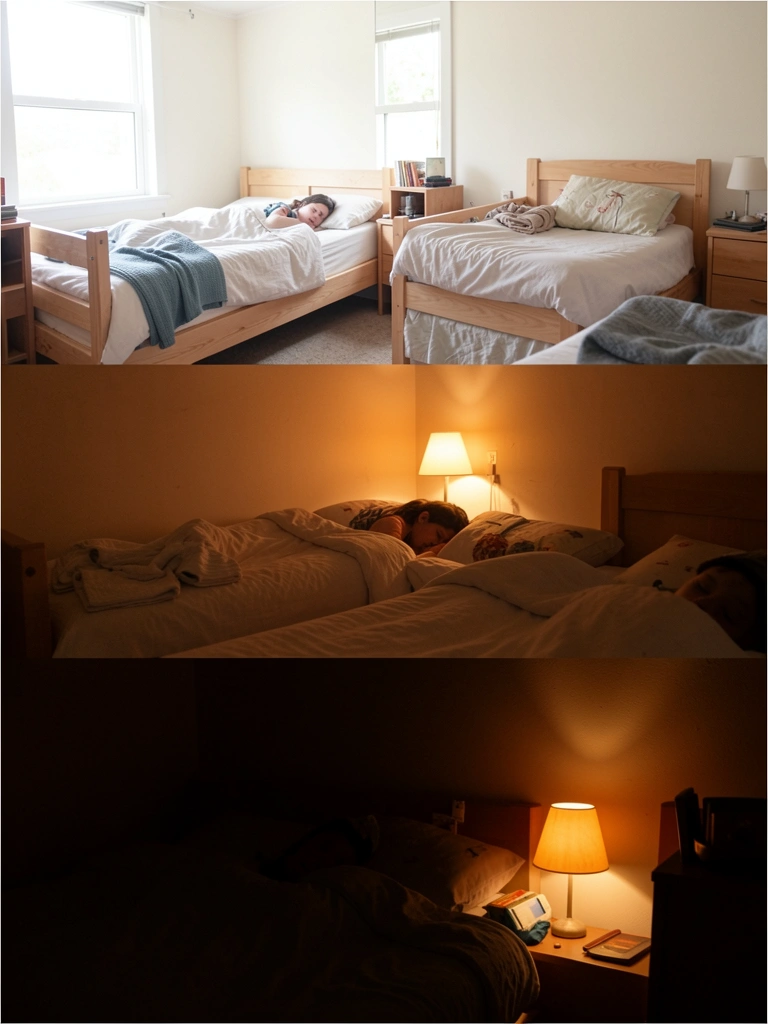
Your body responds to gradual light changes. By dimming lights as evening progresses, you signal to your brain that it’s time to wind down, which actually improves sleep quality.
Set up dimmable warm lights in key spots: overhead (dimmed), desk (off or dimmed), floor lamp (full), string lights (full), bedside lamp (full). Around 7–8 PM, start dimming the brighter lights and relying more on the warmer, softer ones. By 9–10 PM, just your bedside lamp stays on. This gradual transition mimics natural sunset and trains your body’s circadian rhythm.
If you’ve got smart bulbs (from Tip #7), program this sequence as a preset so it happens automatically or with one button tap. If not, just manually dim fixtures as evening progresses—takes 10 seconds and makes a real difference in how easily you fall asleep. You’ll notice better sleep quality within a few days.
20. Combine Warm Lights with Cool Accent Lighting for Balance
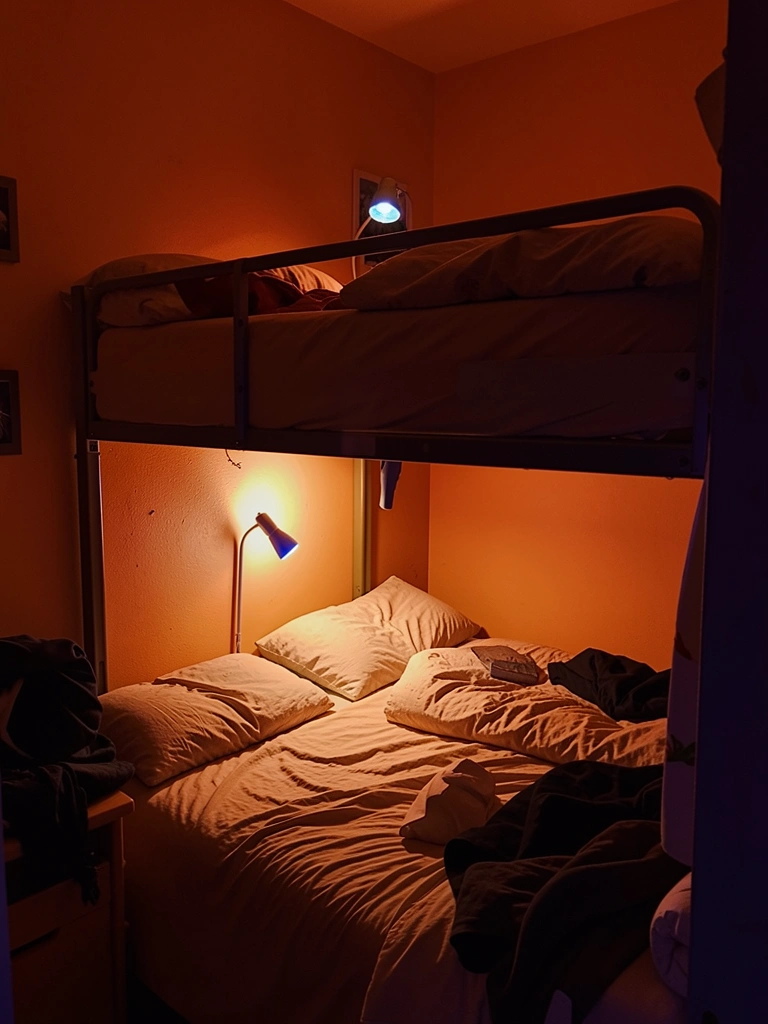
All warm light can feel monotonous or even sleepy. A tiny bit of cooler accent light adds visual interest without ruining the cozy vibe.
Keep your primary lighting warm (2700K) but add one small cool-toned light (like a white LED strip on your desk at 4000K) for visual contrast and function. The cool light helps with focus during study, while the warm lights provide the cozy foundation. The two tones together create complexity that feels more sophisticated than one temperature alone.
This is especially useful if you’re balancing relaxation with productivity in the same space. The warm lights make the room feel like yours, while the cool accent keeps your brain engaged when you need it to be.
21. Use Rope Lights for Flexible, Low-Profile Illumination
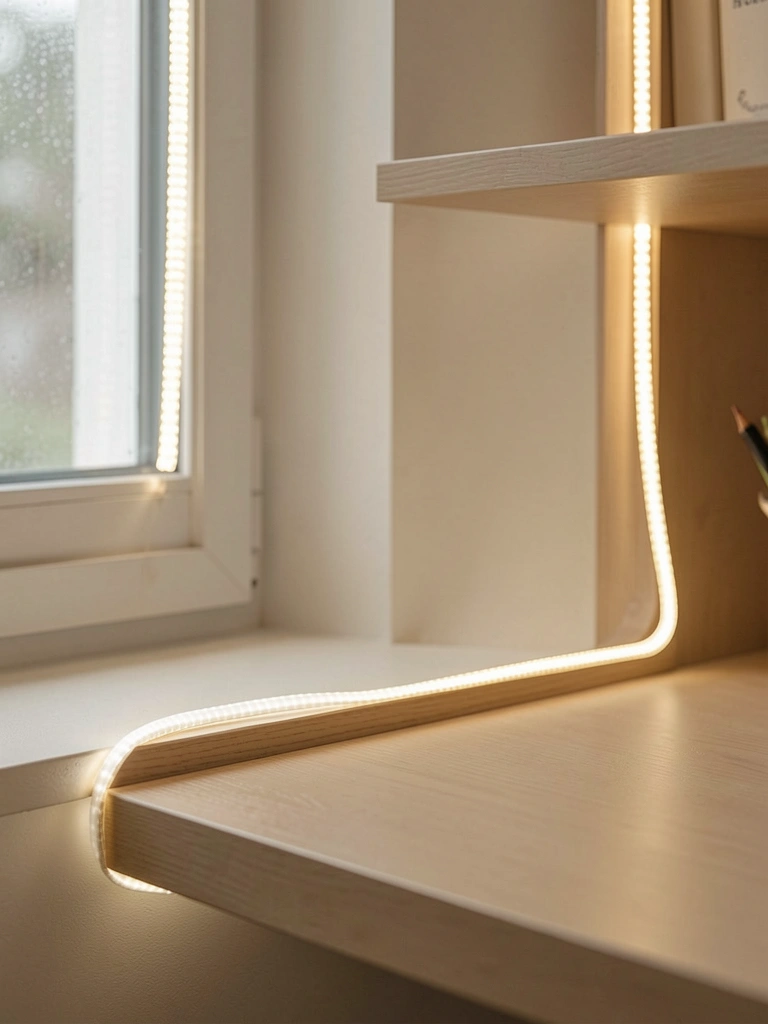
Rope lights (also called LED strip lights in flexible tubing) are way more forgiving than bulky fixtures and can bend around corners, shelves, and architectural features.
Grab warm white rope lights from Amazon or Home Depot (usually $10–$30 for 15–30 feet). They’re self-adhesive on one side, so just peel and stick around your shelf edges, along your desk, or outlining your window frame. They bend smoothly around corners and curve along furniture. Plug into an outlet nearby or use battery-operated versions for wireless placement.
The result looks more built-in and intentional than string lights, with less visual clutter. Rope lights are also great for creating definition in a small space—they subtly outline your zones without making the space feel crowded or over-decorated.
22. Combine Different Light Heights for Visual Interest
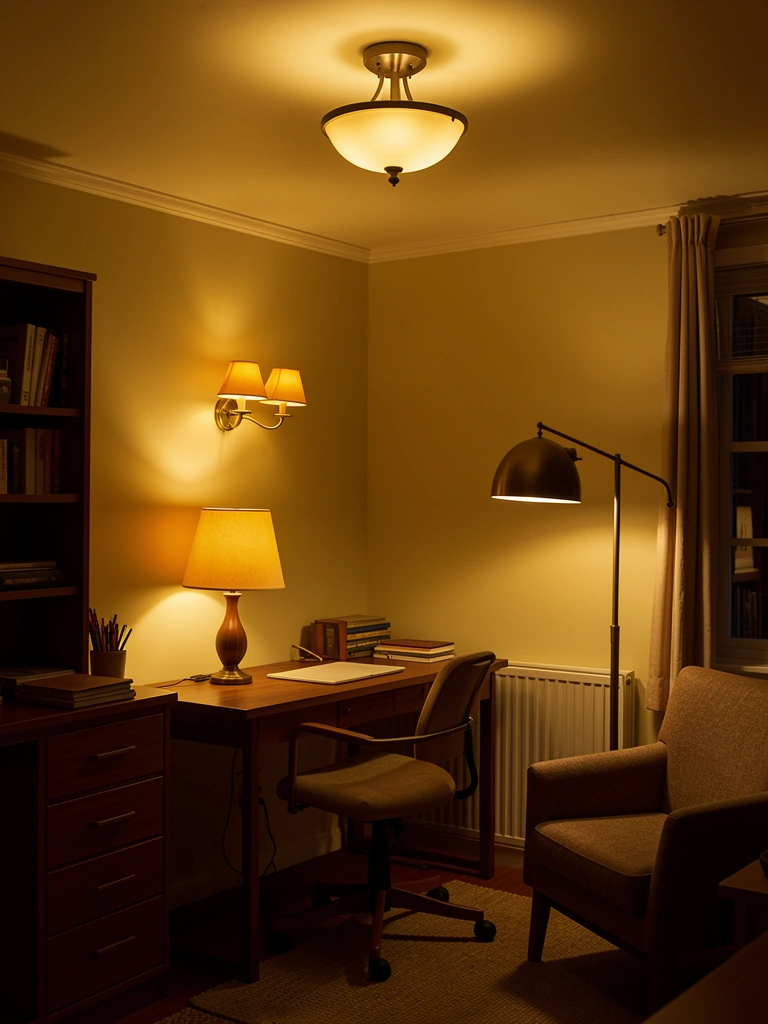
This is lighting design 101: varying heights keeps your eye moving and makes rooms feel larger and more intentional.
Audit your current lights and ensure you have at least 3 different height zones: overhead (ceiling), mid-level (wall sconce or table lamp at eye level), and low (floor lamp or bedside lamp). All should be warm white. This takes zero budget if you’re repositioning existing lamps; adding new fixtures might run $50–$150 depending on what you’re missing.
When light comes from multiple heights, your brain perceives more depth and sophistication. The space stops feeling flat and one-dimensional. This is why professional interior design always includes layered lighting.
23. Use Warm Light Timers to Automate Your Evening Routine
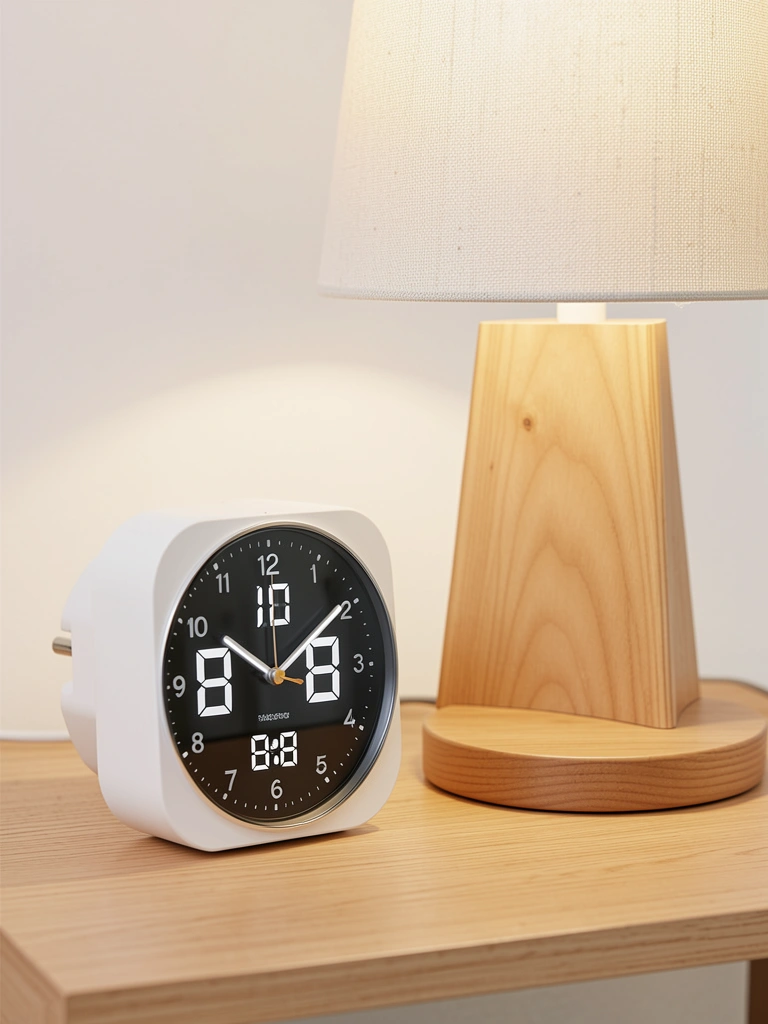
If you struggle with consistency in your wind-down routine (or you’re just forgetful), automate it. Plug your warm lights into smart timers or smart plugs so they turn on or dim at specific times.
Grab a smart plug (around $15–$25 from Amazon) or a smart power strip ($30–$50). Plug your dimmable lamp or string lights into it, then set the schedule in the app: lights on at 6 PM at full brightness, dimmed at 8 PM, turned off at 10:30 PM (or whatever your schedule is). You can override manually anytime, but the automated routine takes the thinking out of it.
This small automation makes a big difference in consistency, which is what actually trains your body to wind down. You’re removing friction from the process, which means you’re more likely to actually follow through.
24. Create a Soft Light Backdrop for Video Calls and Content
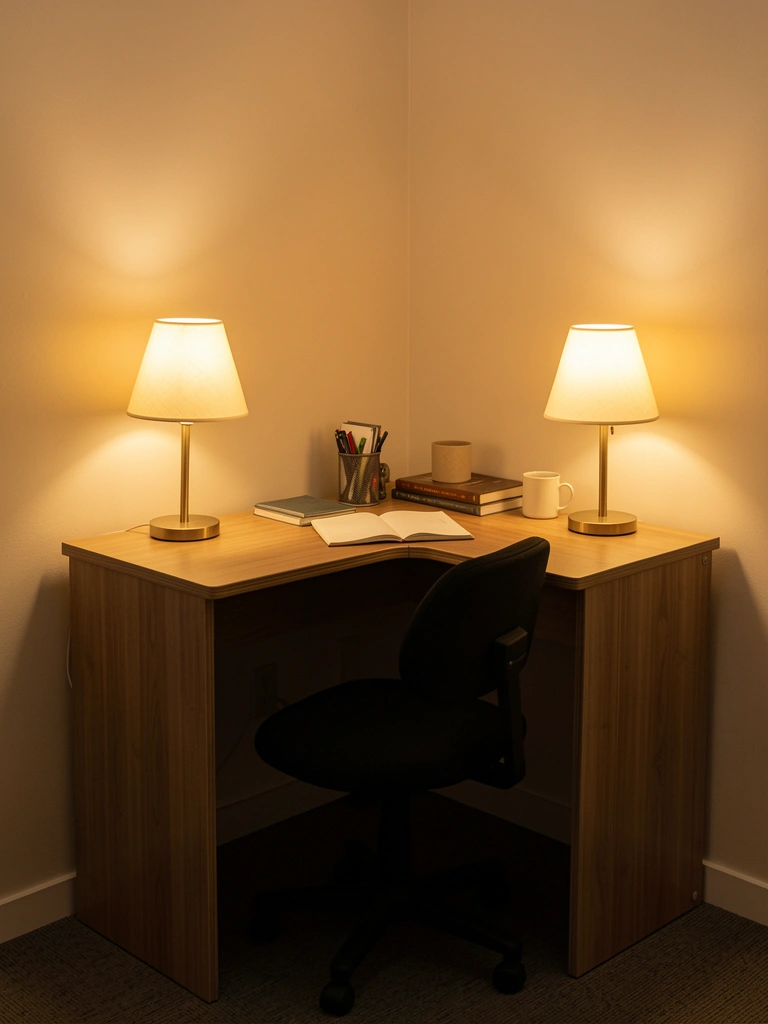
If you’re doing Zoom calls, TikToks, or just want to look good on camera, soft warm lighting is your secret weapon. It’s flattering to skin tone, makes spaces look bigger, and photographs beautifully.
Position 2–3 warm white lamps around your camera’s sight line so light hits you and your background evenly—avoid one bright light directly overhead. If you’re serious about this, grab a ring light with warm white setting ($20–$40 from Amazon) and position it slightly above and to the side of your camera. Keep the background simple and uncluttered so the warm glow is the star.
Now every video call you take looks professionally lit instead of harsh and unflattering. Your friends will ask if you got new lighting (you did, kind of). Plus, if you’re ever streaming or making content, this setup handles it beautifully.
Save this post and try layering just one or two of these ideas this week—you’ll be shocked at how much a single warm light changes the entire vibe of your space. Which lighting setup speaks to you first?
Leave a Reply