
Introduction
Your home doesn’t need a complete overhaul to feel refreshed and welcoming. Sometimes the best changes are the small, intentional moves that shift how a space looks and feels without breaking the budget or requiring a contractor. Whether you’re renting, own your space, or just want to inject some life back into tired rooms, these 27 ideas work with what you’ve got and deliver real results. From quick styling tweaks to weekend projects, you’ll find solutions for every room, every budget, and every skill level. Let’s dive in and discover which ideas will become your favorites.
1. Layer Earthy Tones on Your Walls
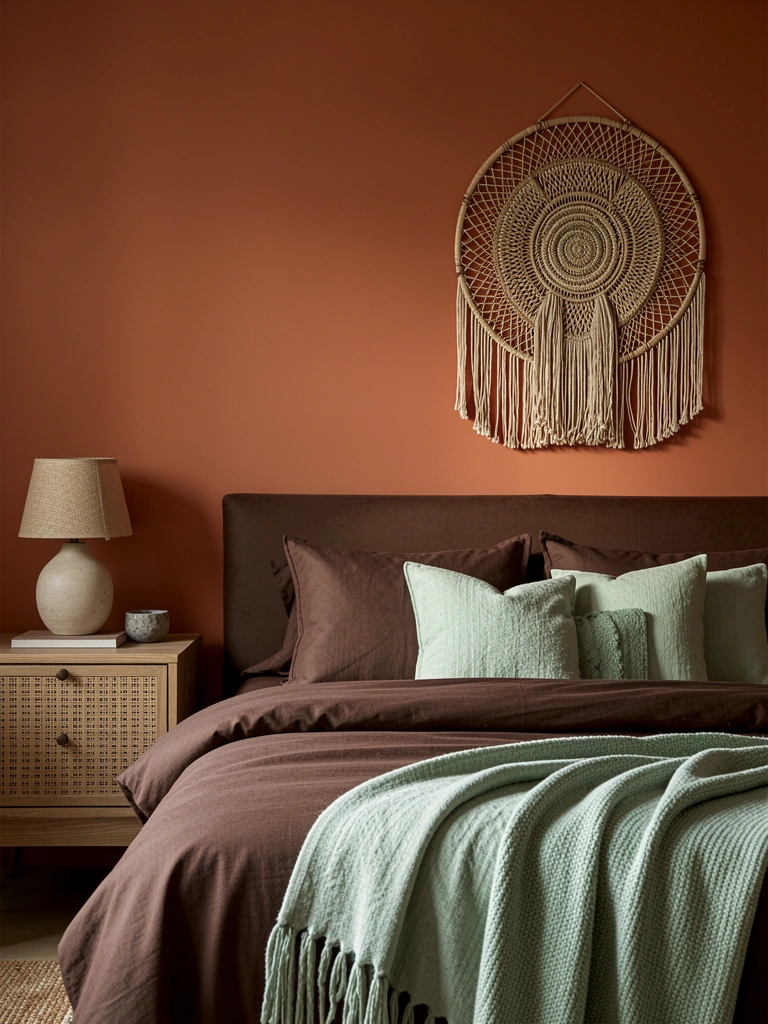
Paint is the easiest way to anchor a room in warmth, and earthy tones do the heavy lifting instantly. Instead of one neutral, combine terracotta, sage, warm taupe, or chocolate brown across walls and accents to create depth without overwhelming the space.
Visit a paint store and grab sample quarts of three earthy shades—test them on your wall for a few days to see how light changes them. Paint costs $20–$50 per gallon, and you can knock out most rooms in one weekend with a friend. Apply to one accent wall first if you’re nervous. If you rent, use peel-and-stick wallpaper in earthy tones ($15–$40) for the same effect without commitment.
The payoff? Your room instantly becomes a sanctuary that feels grounded and intentional, not cold or sterile.
2. Add Wooden Ceiling Beams or Trim
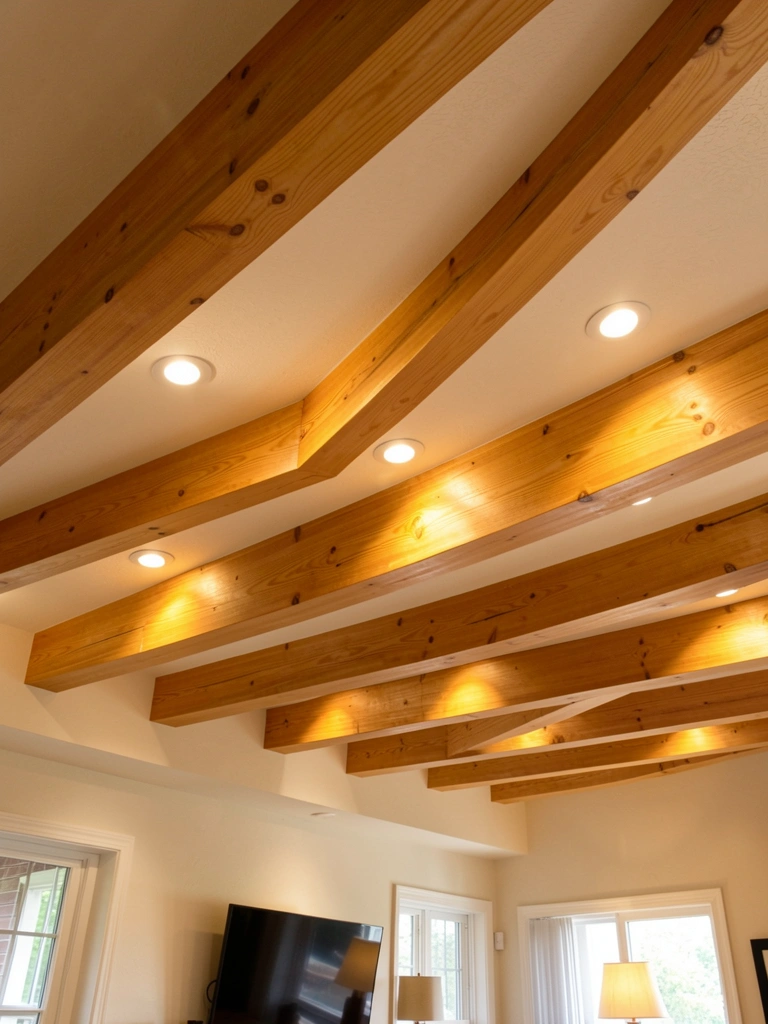
Wooden architectural details make rooms feel warmer and more layered without furniture changes. Real beams are pricey, but faux beams or wood trim give the same visual punch at a fraction of the cost.
Search for faux wood beams at IKEA, Home Depot, or Amazon ($30–$150 per 8-foot section). Most are lightweight polyurethane and install with adhesive or brackets—no structural work needed. Installation takes 4–6 hours for a standard ceiling. If installing feels daunting, hire a handyperson ($200–$400 for labor). Renters can use temporary adhesive or ask landlords about removable options.
You’ll notice the ceiling draws the eye upward and the whole room gains character and coziness in one afternoon.
3. Swap Stark White Trim for Warm Neutrals
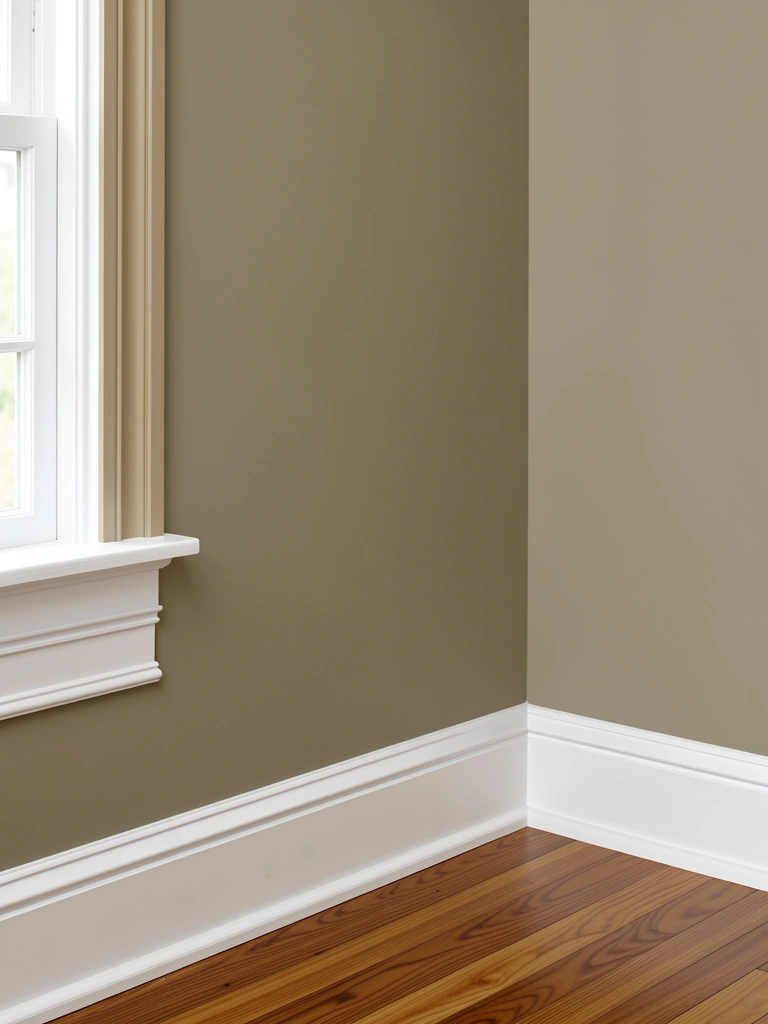
Bright white trim against warm walls creates harsh contrast that reads dated. Shifting to warm whites, greige, or soft taupe trim keeps the architectural detail while boosting coziness.
Paint existing trim with quality interior paint in warm white (Benjamin Moore’s “White Dove” or Sherwin-Williams “Alabaster” are classics; $30–$60 per gallon). One gallon covers 350–400 square feet of trim. Use painter’s tape to protect walls, and expect one weekend for most homes. Professional painters charge $400–$800 for trim work if you’d rather outsource it.
The shift feels subtle but powerful—your room stops feeling cold and starts looking thoughtfully curated.
4. Create Zones with Area Rugs and Floating Furniture

Open-concept homes lack natural boundaries, making them feel chaotic. Rugs and furniture placement create psychological “rooms” without adding walls.
Choose a rug 3–5 feet larger than your seating area ($100–$300 from Wayfair, Rugs USA, or West Elm). Arrange sofas and chairs on the rug so legs sit on it—this anchors the zone visually. Layer a side table, lamp, and accent chairs in that area to complete the vignette. Renters can use rugs as temporary dividers with zero commitment.
Your open space now feels organized and intentional, giving each area purpose and making the home easier to navigate.
5. Install Curved Mirrors to Amplify Light
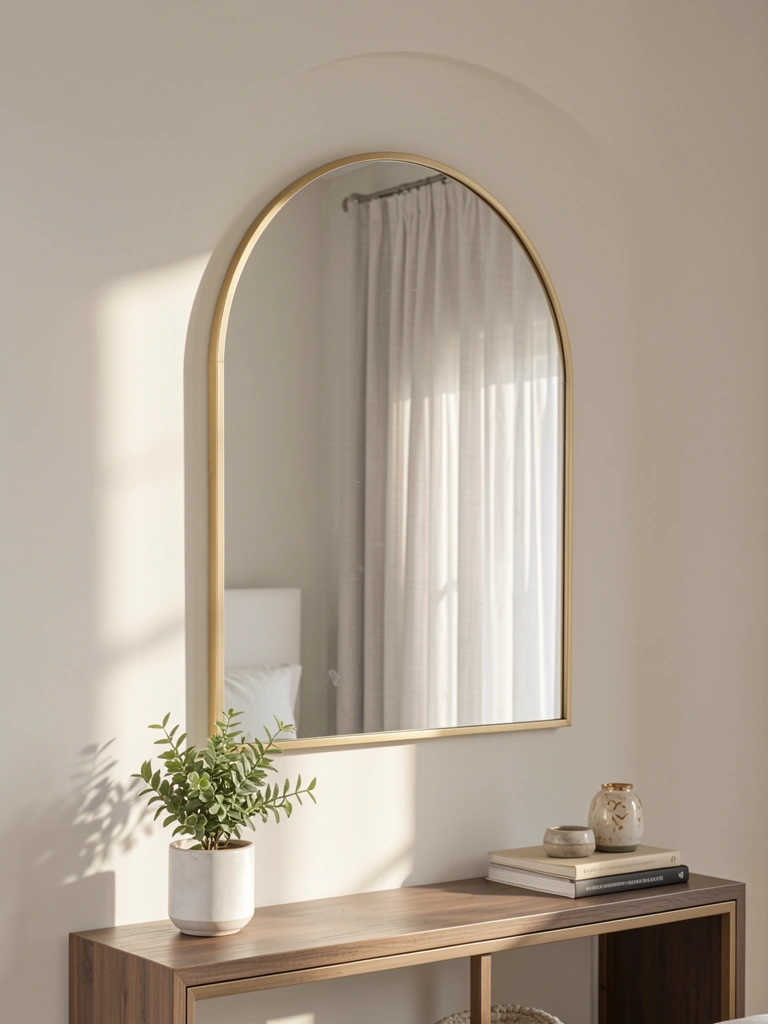
Arched and curved mirrors are trending for good reason—they bounce light around, soften sharp corners, and add visual interest. A curved mirror reads as sculptural art plus functional décor.
Search Amazon, Wayfair, or West Elm for arched mirrors in gold, brass, or black frames ($60–$200). Mount at eye level above a console or dresser. Installation is simple—just find studs or use heavy-duty wall anchors (20 minutes, zero skill required). Renters can lean a large floor mirror against the wall for the same effect.
The reflected light opens up your room and creates an instant focal point that looks like you hired a designer.
6. Introduce Pattern Drenching in One Motif
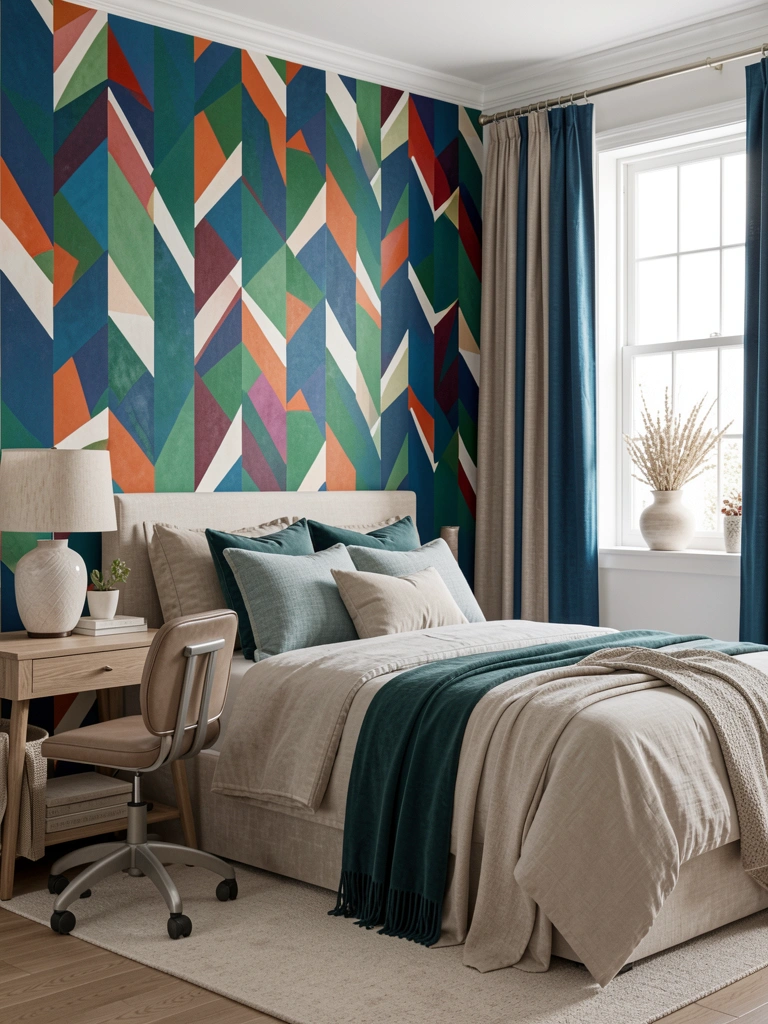
Pattern drenching—using one pattern across multiple surfaces in a room—creates visual cohesion and personality without chaos. Pick one geometric, floral, or abstract pattern you love and repeat it strategically.
Choose a removable wallpaper pattern or fabric print ($15–$50), apply it to an accent wall, then repeat on throw pillows ($20–$40 each), curtains ($40–$80), or a desk chair cushion ($30–$60). Mix the pattern with solid neutrals so it doesn’t overwhelm. Complete the look in one afternoon if using removable wallpaper.
Your room becomes cohesive and intentional—visitors will immediately notice how thoughtful your design choices are.
7. Use Flexible Curtain Dividers Instead of Walls
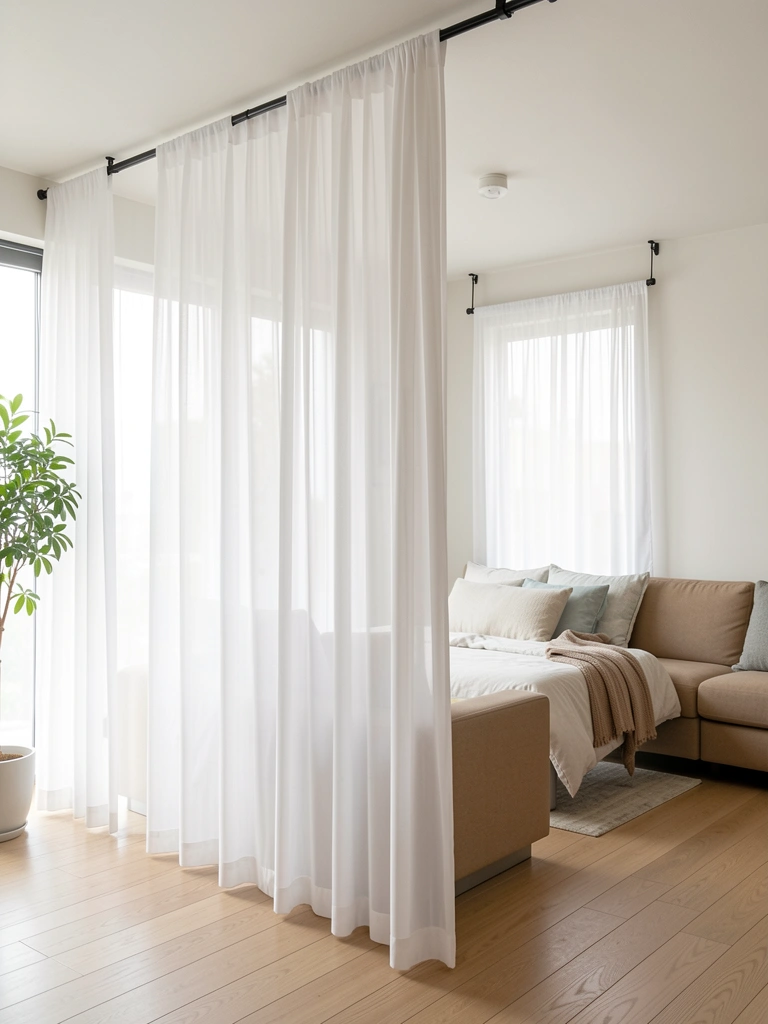
Renters and open-concept lovers: curtains divide space without commitment. They’re budget-friendly, reversible, and rent-friendly.
Install a ceiling-mounted tension rod ($20–$40) using removable adhesive hooks (renters!) or screws (owners). Hang thermal or sheer curtains ($30–$80) depending on privacy needs. This project takes 30 minutes. For less visual impact, use a sheer fabric that diffuses light instead of blocking it fully.
You gain privacy and functional zones without losing floor space or natural light.
8. Paint Ceilings in Deep, Saturated Colors

Color drenching extends to ceilings—a painted overhead surface makes rooms feel intentional and more intimate. Deep greens, warm grays, or muted blues work best.
Choose a ceiling-specific paint (it hides imperfections better) in deep sage, charcoal, or warm navy ($25–$40 per gallon). Paint your ceiling before walls to catch drips easily. Most ceilings take 4–6 hours solo or 2–3 hours with help. A paint roller on an extension pole makes this manageable for DIYers. If ladders make you nervous, hire a pro ($300–$600).
The painted ceiling pulls your eye upward and creates a cozy, designed-on-purpose feeling that standard white ceilings never achieve.
9. Layer Lighting at Different Heights
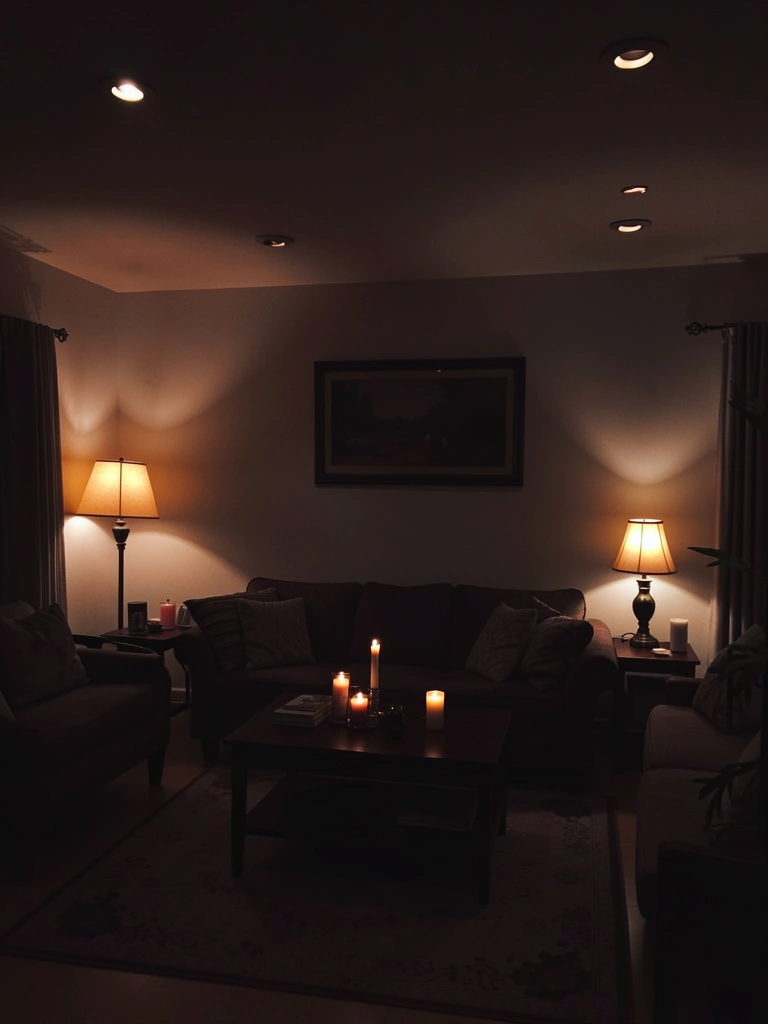
Single overhead lighting makes rooms feel flat and harsh. Layering light sources at different heights creates depth, warmth, and flexibility for different moods.
Add a floor lamp ($40–$100), table lamps ($30–$80 each), and dimmable smart bulbs ($10–$25) to existing fixtures. Arrange so light pools around seating areas. This takes one afternoon and costs under $200 for most rooms. Install dimmer switches ($15–$30 per switch) to control brightness throughout the day.
Suddenly your space feels like a sanctuary—warm, layered, and responsive to your mood.
10. Install Floating Shelves Above Furniture
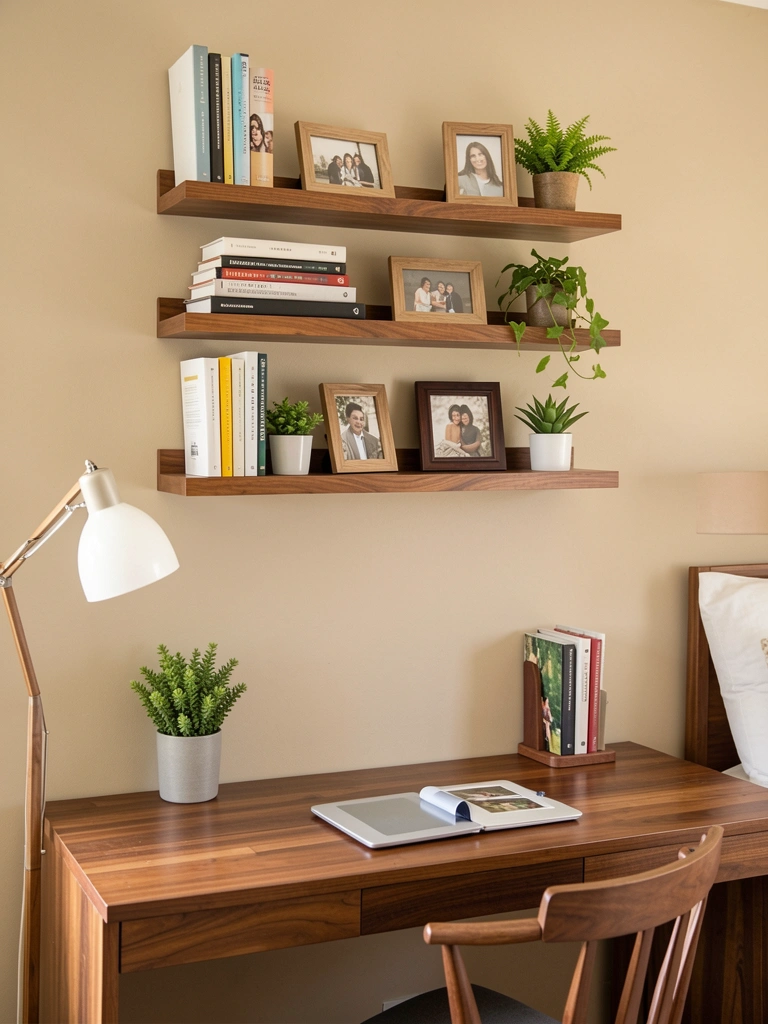
Floating shelves add storage, display space, and architectural interest without taking up floor room. They work in any bedroom, living room, or hallway.
Buy floating shelves in wood or metal ($20–$60 each) from IKEA, Target, or Amazon. Mount at eye level using wall anchors or studs—each shelf takes 15 minutes to install. Style with books, plants, and meaningful objects spaced with breathing room so it looks curated, not cluttered. Renters can use removable wall adhesive shelves ($15–$30) for zero-damage hanging.
Your walls gain personality and usable storage without consuming valuable floor space or feeling heavy.
11. Swap Hardware for Brass or Matte Black
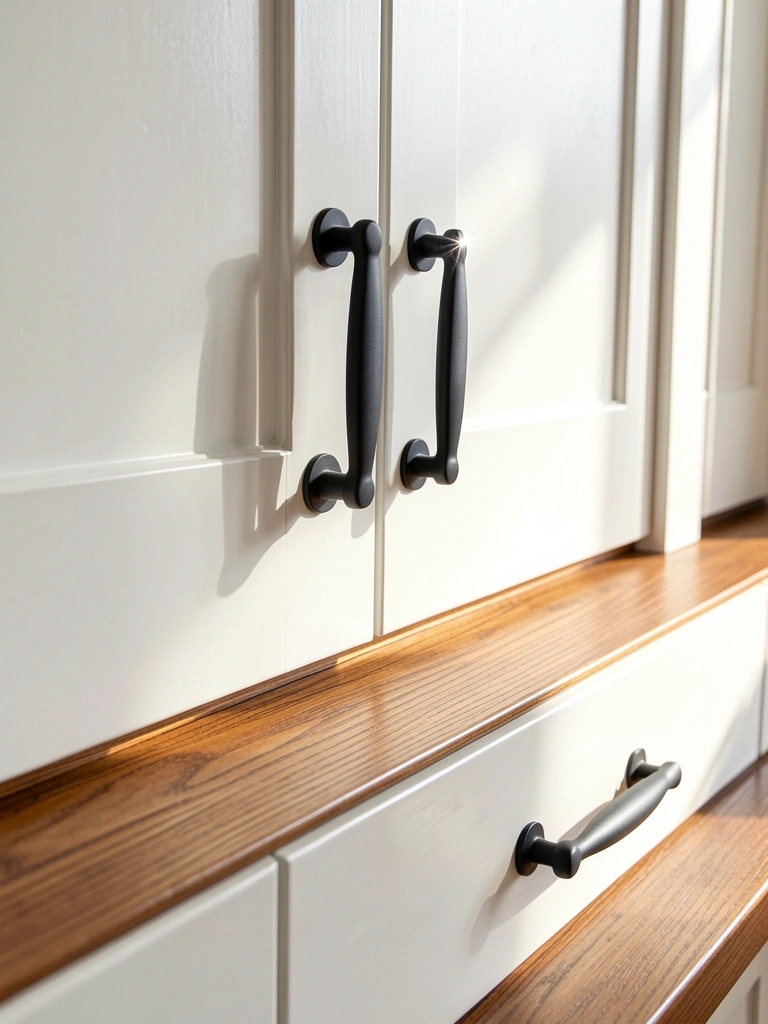
Cabinet and drawer hardware is the jewelry of a room—updating it changes how the entire space appears without major work. Brass, matte black, and warm metals are trending over chrome.
Purchase replacement hardware from Amazon, Anthropologie, or Rejuvenation ($5–$20 per handle). Unscrew old hardware and screw in new pieces—each drawer or cabinet takes two minutes. Collect old hardware in a bag (you may need it when you move). This project costs $50–$150 for a full kitchen or bedroom and takes one afternoon solo.
Hardware updates feel disproportionately impactful—suddenly your cabinets look intentional and expensive.
12. Add Terracotta Pots and Plants Throughout
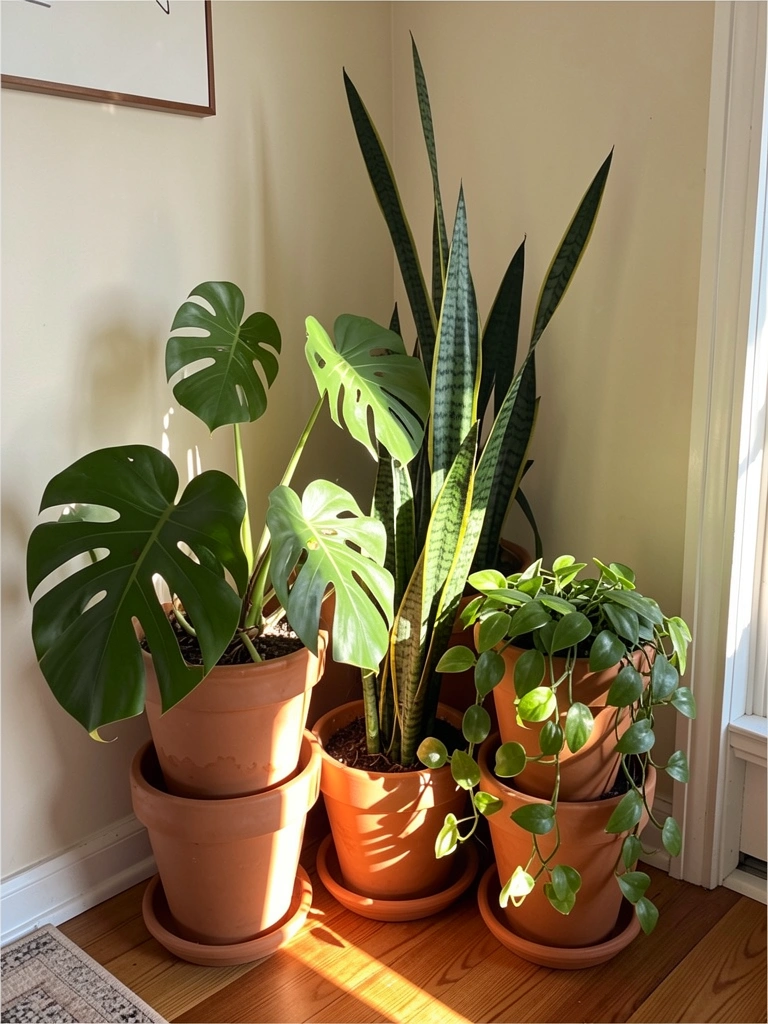
Plants in terracotta pots introduce color, texture, and life to any space. Terracotta reads warm and organic—it’s 2025’s texture of choice.
Start with low-maintenance plants like snake plants, pothos, or ZZ plants ($10–$20 each) paired with terracotta pots ($8–$25 per pot) from a garden center or Amazon. Cluster pots in odd numbers (three or five) at varying heights on a shelf, windowsill, or floor corner. Water weekly and rotate monthly for even growth. Beginners can start with two plants and add more as confidence builds.
You’ll notice your room becomes livelier, the air feels fresher, and you’ve created a mini biophilic retreat.
13. Drench Walls in Warm Neutrals for Continuity
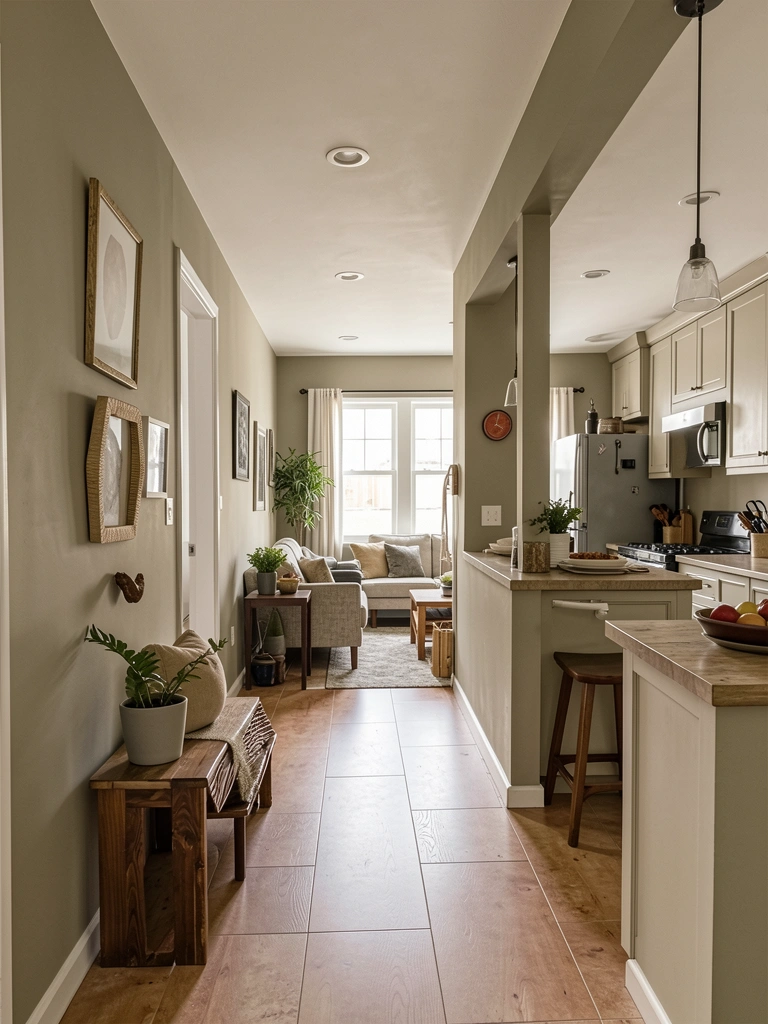
Painting your entire home in the same warm neutral creates flow and makes spaces feel larger. Skip stark white and embrace greige, warm taupe, or soft beige.
Choose one versatile neutral ($30–$50 per gallon) and paint every room. This creates continuity—your eye flows naturally between spaces instead of stopping at color changes. You’ll need 2–3 gallons for most homes; tackle one room per weekend. Paint costs $60–$150 total, and professional painters charge $1,000–$2,000 for full-home coverage if you prefer to outsource.
Your home becomes cohesive and serene, making even small spaces feel larger and more connected.
14. Create Texture with Paneled Accent Walls
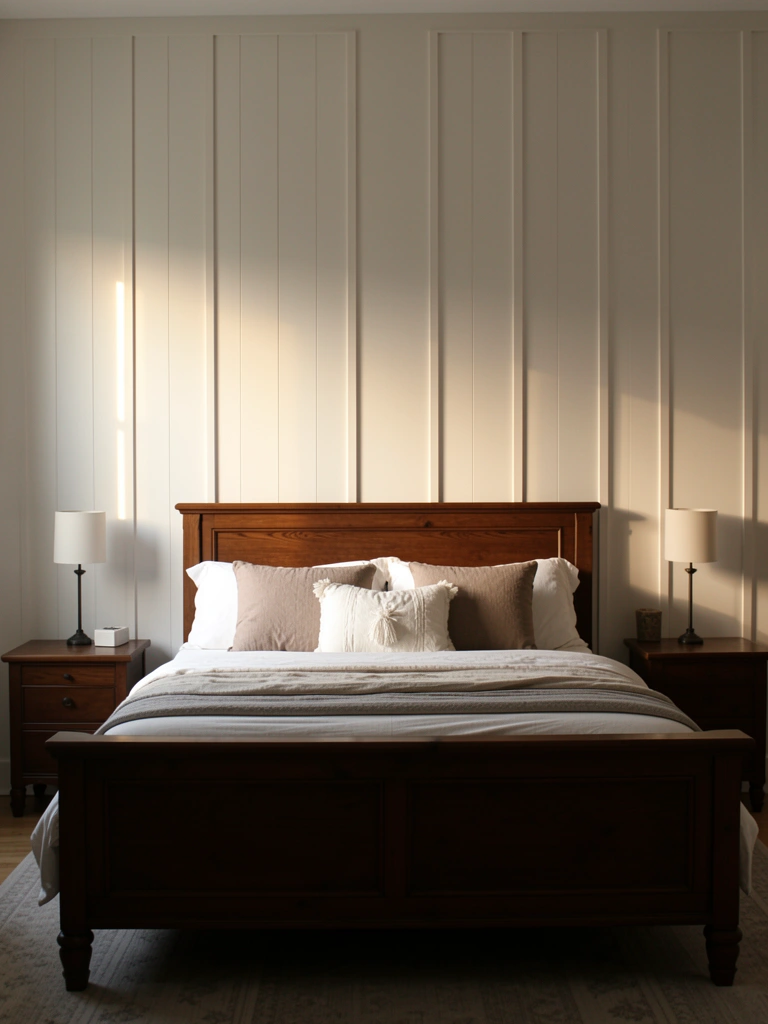
Textured walls (shiplap, tongue-and-groove, or peel-and-stick paneling) add depth and visual interest without color commitment. Texture reads expensive and designer-level.
Install peel-and-stick paneling ($30–$80 per sheet) for renter-friendly options, or real shiplap ($50–$150 per sheet installed) for permanent updates. One accent wall takes 4–8 hours depending on your method. Paint the paneling in soft white, greige, or a warm neutral to keep the focus on texture. If DIY intimidates you, hire a carpenter ($400–$800 for labor on one wall).
Your space gains architectural interest and depth that photographs beautifully and costs less than you’d expect.
15. Mix Mid-Century Furniture with Modern Pieces
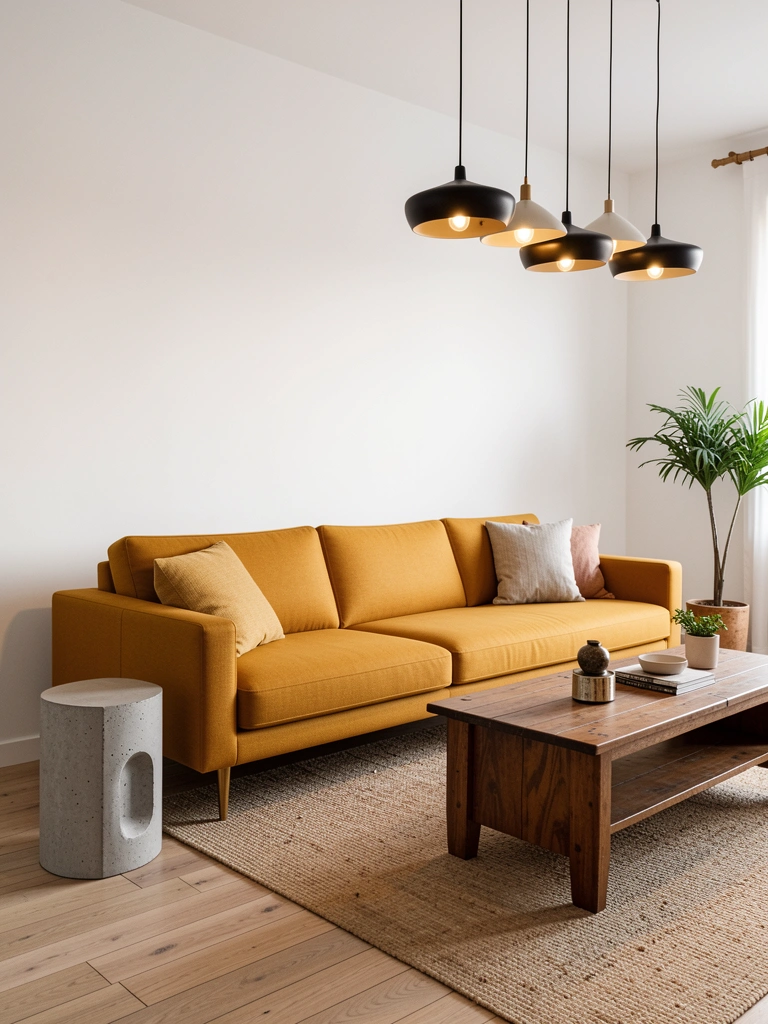
Mid-century modern furniture is trending again for its warmth and sculptural appeal. Mixing it with contemporary pieces keeps the look fresh and avoids being costume-y.
Hunt for vintage or reproduction mid-century pieces ($100–$400 each) at Etsy, Facebook Marketplace, or thrift stores. Pair with modern lighting, contemporary rugs, and current-year accents. One statement mid-century piece (sofa, credenza, or chair) mixed with modern accessories creates the trend without overdoing it. Budget $200–$600 for one key vintage piece plus modern complements.
Your space looks collected, thoughtful, and timeless instead of trendy or dated.
16. Use Glass Bricks as Light-Diffusing Dividers
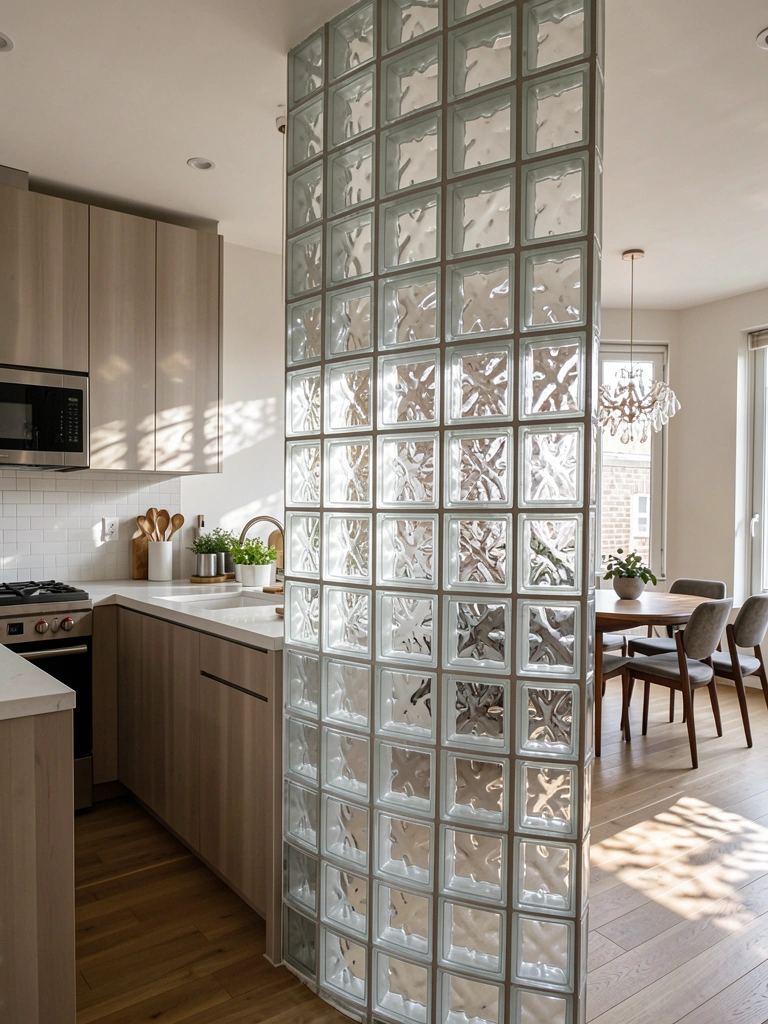
Glass bricks are resurging as architectural dividers that diffuse light beautifully. They work in kitchens, bathrooms, and open concepts—anywhere you want subtle separation without solid walls.
Purchase individual glass bricks ($3–$8 each) and mortar or adhesive from a building supply store. A 4-foot partition might use 30–50 bricks ($150–$400 total). Installation is intermediate-level; hire a mason for $300–$800 in labor if you’re unsure. Alternatively, use glass block panels ($100–$200 each) as temporary room dividers.
Light passes through while creating subtle privacy—your space gains architectural interest and your lighting becomes sculptural.
17. Add Arched Doorways or Niches

Arches soften hard-edged spaces and add sculptural interest. They’re trending in doorways, windows, and architectural niches for a reason—curves make rooms feel warmer.
For a dramatic update, hire a carpenter to frame an arched opening ($600–$1,500 in labor). For a subtle option, add removable arch trim ($50–$100) above existing doorways using adhesive or temporary fasteners. Paint the arch to match trim or walls. This mid-range project takes one to two days with professional help.
Suddenly your space feels more sophisticated and intentional—arches draw the eye and add organic warmth.
18. Style Open Shelving with Intentional Gaps
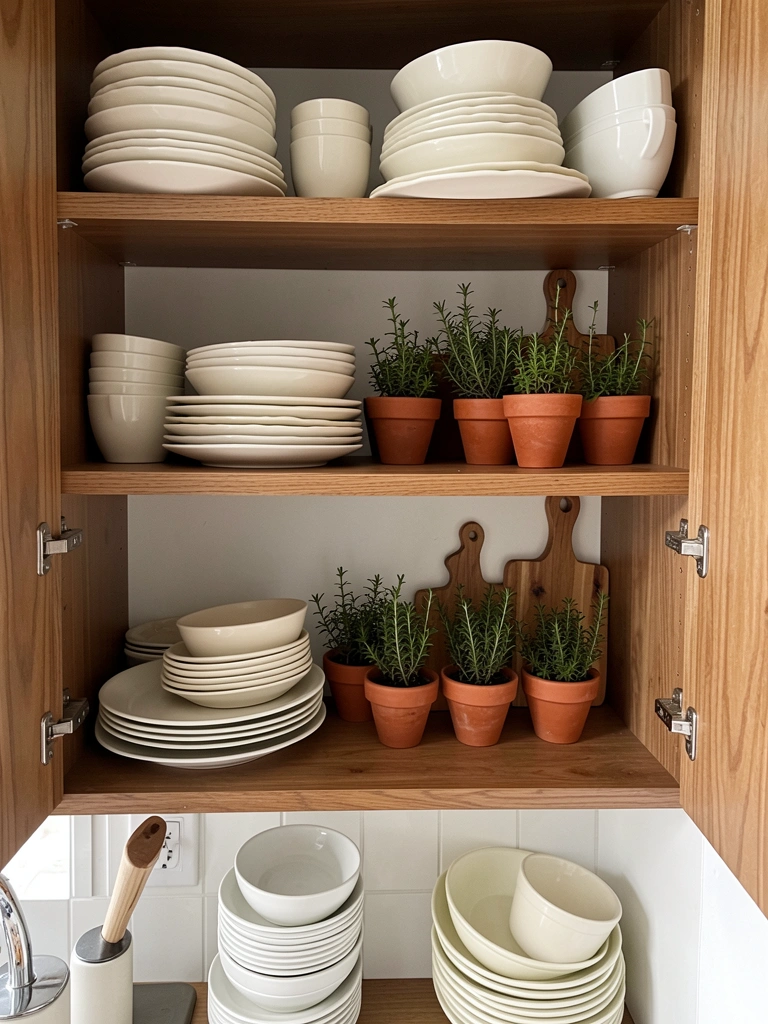
Overcrowded shelving reads chaotic. Styling with breathing room between grouped items looks expensive and intentional—the opposite of thrifted clutter.
Gather your most beautiful dishes, books, and objects, then arrange in groupings of three or five with space between (this is called negative space). Mix heights, textures, and finishes—wood, ceramic, brass, fabric. Step back and remove anything that doesn’t contribute to the overall aesthetic. This costs zero dollars and takes one afternoon to style.
Suddenly your shelves look like they belong in a design magazine instead of looking like storage overflow.
19. Install a Shiplap Feature Wall Without Renovation
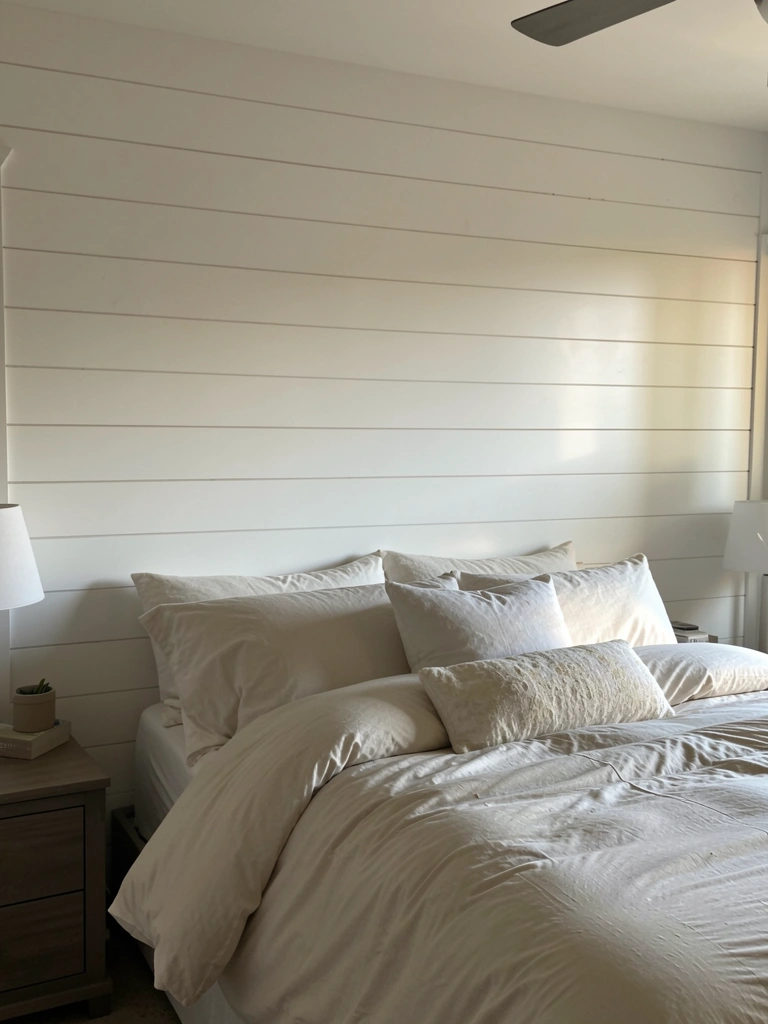
Shiplap creates warmth and architectural character, but real installation is expensive. Peel-and-stick options deliver the look for renters and budget-conscious homeowners.
Buy peel-and-stick shiplap ($30–$80 per sheet, covers 20–30 square feet) from Amazon, Wayfair, or Home Depot. Measure your wall, clean it thoroughly, and apply sheets horizontally starting at the bottom. Most walls take 2–4 hours to cover. Paint the shiplap to match your palette if desired. Remove easily when moving—zero damage to walls.
Your space gains warmth and architectural interest without contractors or commitment.
20. Layer Throw Pillows and Blankets for Texture
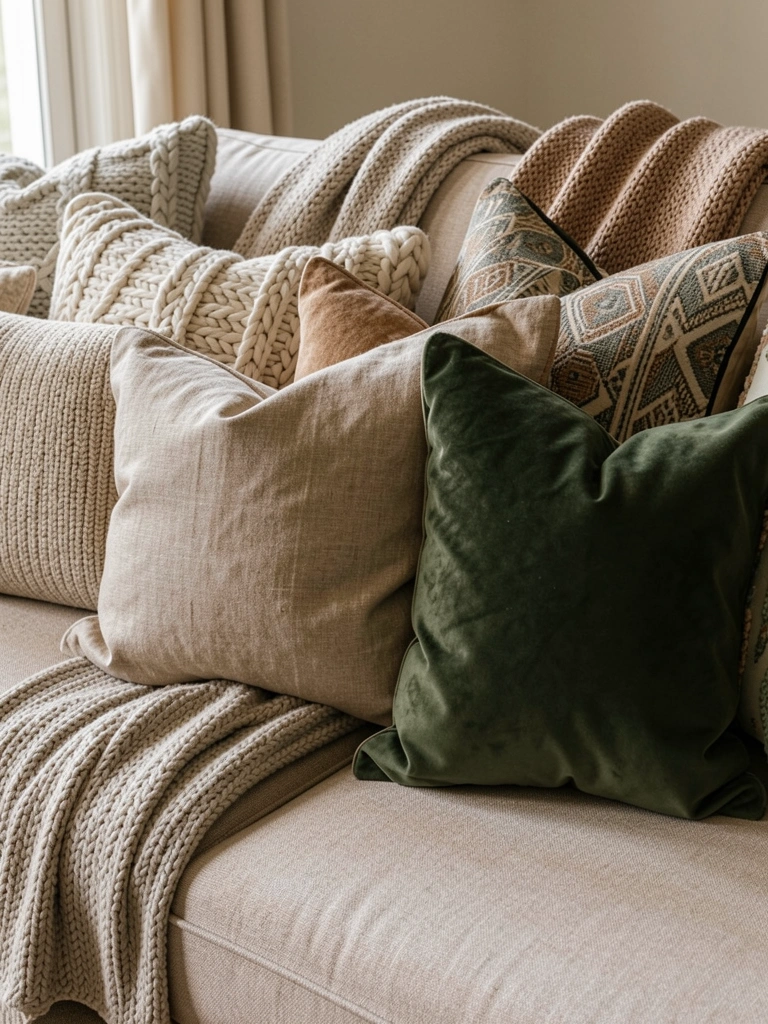
Pillows and throws are affordable ways to add texture, color, and coziness. Layering different fabrics (knit, linen, velvet, wool) creates visual depth without major expense.
Choose a color palette (three to four colors max) and gather throw pillows in different sizes and textures ($15–$40 each) from Target, IKEA, or Wayfair. Add a chunky knit throw ($30–$80). Arrange odd numbers of pillows asymmetrically on sofas for a relaxed feel. Budget $100–$200 for a full sofa refresh. Swap out seasonally to keep things fresh without furniture changes.
Your sofa becomes an inviting focal point that begs you to settle in with a book or warm drink.
21. Paint Interior Doors a Bold Color
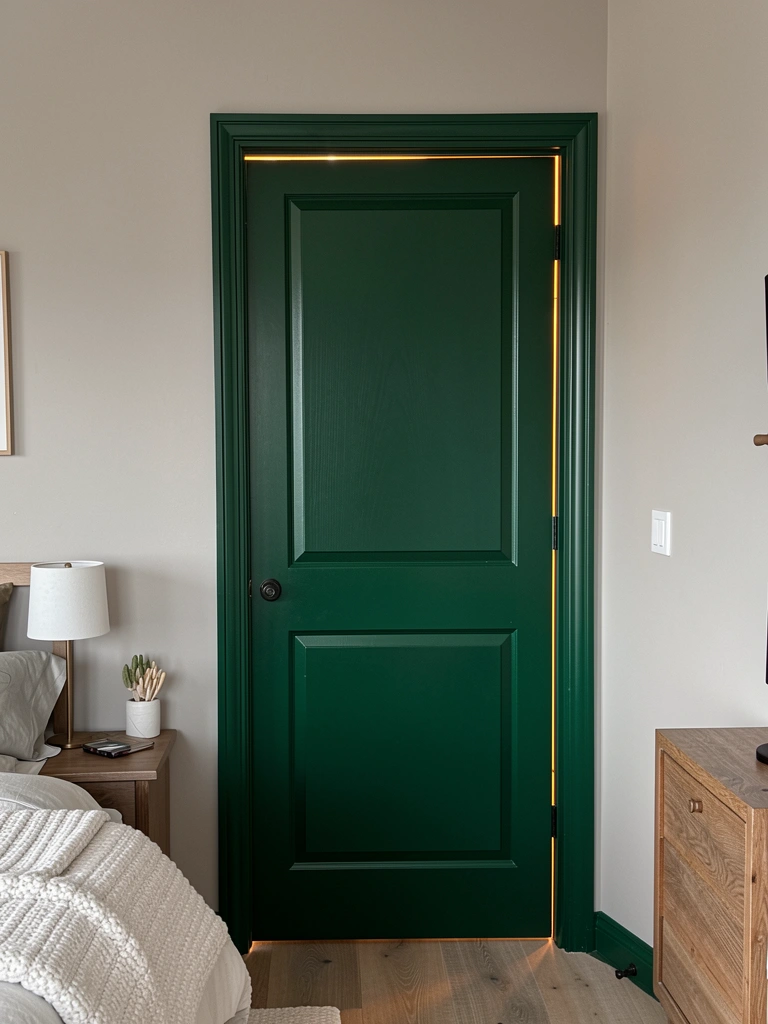
Painting interior doors a rich color makes them architectural focal points instead of invisible. Deep greens, blues, and warm grays work beautifully.
Choose a color that ties into your room’s palette—perhaps matching an accent wall or pulling from your artwork. Use semi-gloss or satin interior paint ($25–$40) for durability and easy cleaning. Paint takes two to three hours per door (including drying between coats). Most homes have five to ten doors, so you could tackle one room per weekend. This costs $25–$120 total for paint and zero labor if DIY.
Your doorways become design features that tie rooms together and add intentional personality.
22. Add Warm Metallics Through Lighting and Hardware
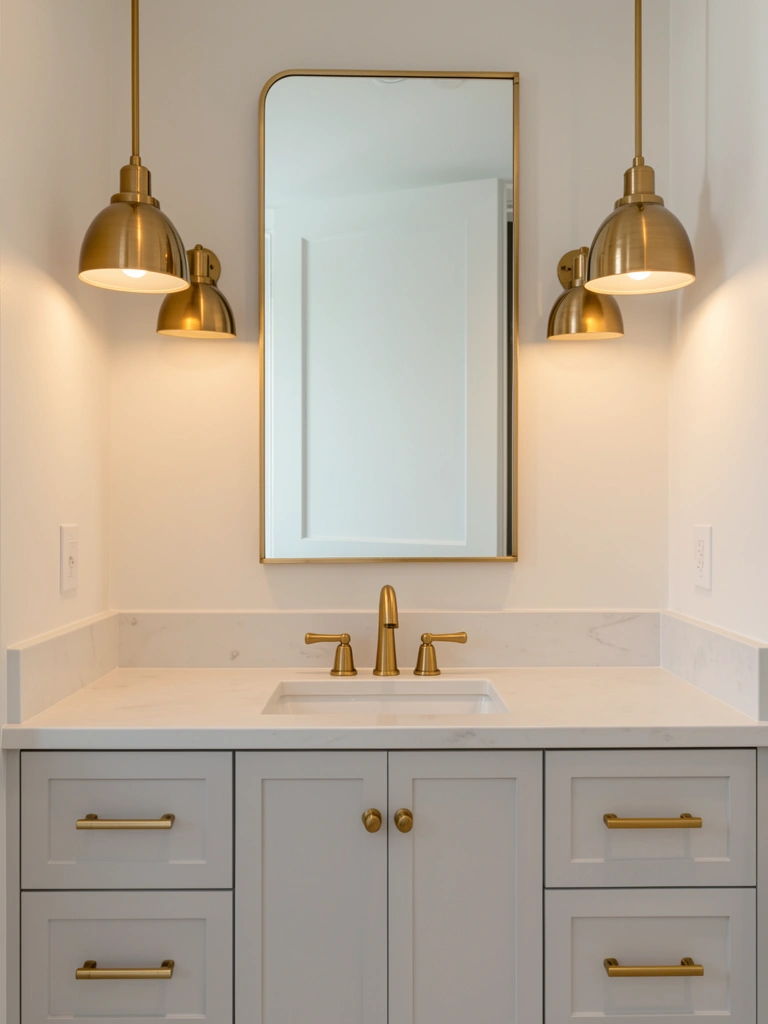
Warm metallics (brass, rose gold, warm copper) make spaces feel cozier than cool chrome or stainless steel. Updating fixtures is an investment with lasting impact.
Swap out faucets, lighting, and hardware in warm metallics—brass pendant lights ($50–$120 each), brass faucets ($80–$200), and gold drawer pulls ($5–$15 each). These updates cost $200–$500 per room but feel premium and last decades. Hire a plumber for faucet replacement ($100–$200 in labor) if you’re unsure. Light fixture installation is straightforward DIY for most people.
Your space instantly reads more sophisticated and warm—metallics catch light and make everything feel intentionally curated.
23. Create a Cozy Nook with Layered Seating
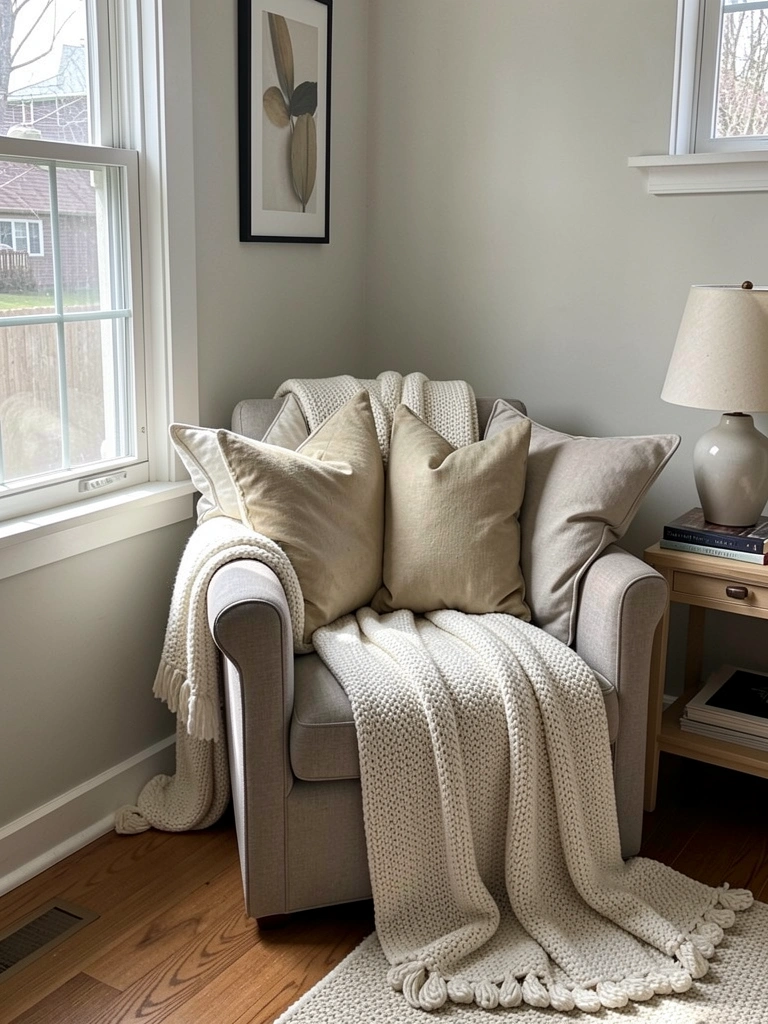
Dedicated seating nooks invite you to slow down and make rooms feel livelier. A chair, lamp, small table, and textiles create an instant escape without major space requirements.
Choose a comfortable armchair ($150–$400) from Wayfair, Article, or IKEA and place it near a window if possible. Add a small side table ($40–$100), warm lamp ($30–$80), and layered textiles ($50–$100). The complete nook costs $300–$700 and takes one afternoon to arrange. Smaller spaces can use an oversized poufs or floor cushions ($60–$120) instead of chairs.
Your room gains livability and purpose—you’ve created an actual destination people want to sit in rather than pass through.
24. Install Recessed Lighting for Clean Ambiance
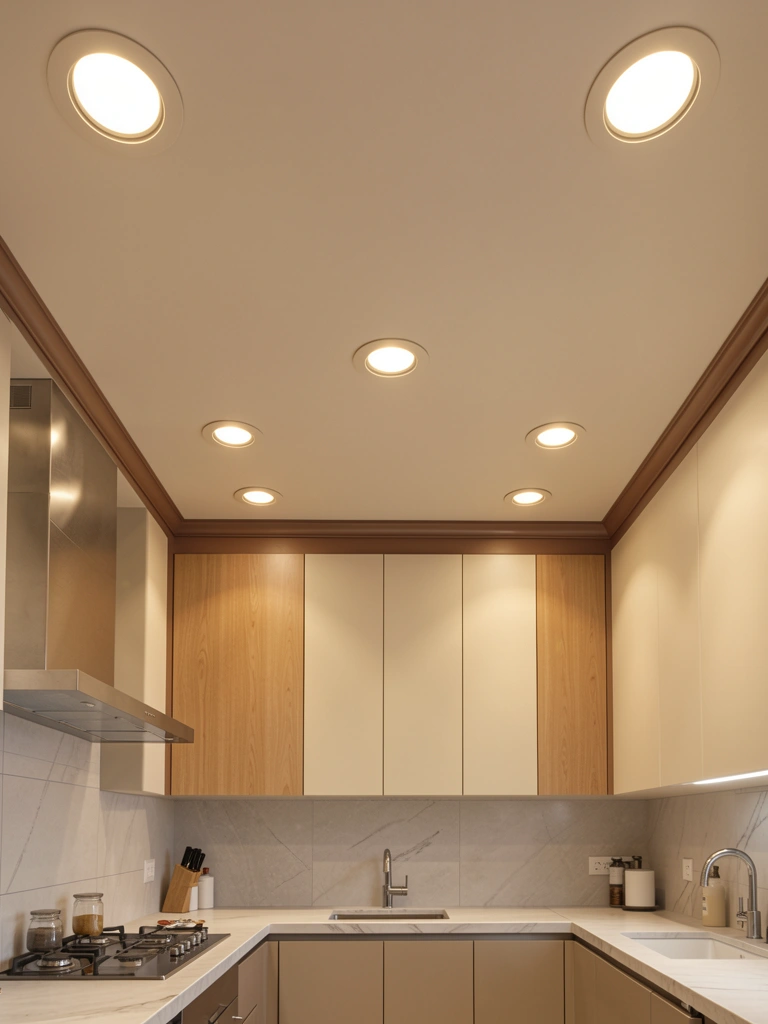
Recessed lighting feels modern and gives rooms a clean, designer-approved look. It’s less dramatic than layered lighting but provides reliable, even illumination.
Hire an electrician to install recessed lights—costs $100–$300 per light in labor plus $30–$80 per fixture ($200–$500 total for a small room). This project requires cutting drywall and running electrical, so DIY isn’t recommended unless you have experience. Choose warm-toned bulbs (2700K) for coziness. This is an investment (often $1,000+ for full-home installation) but increases home value and provides years of reliable lighting.
Rooms glow with clean, intentional illumination that photographs beautifully and makes everyday life more pleasant.
25. Use Color-Blocking to Define Zones
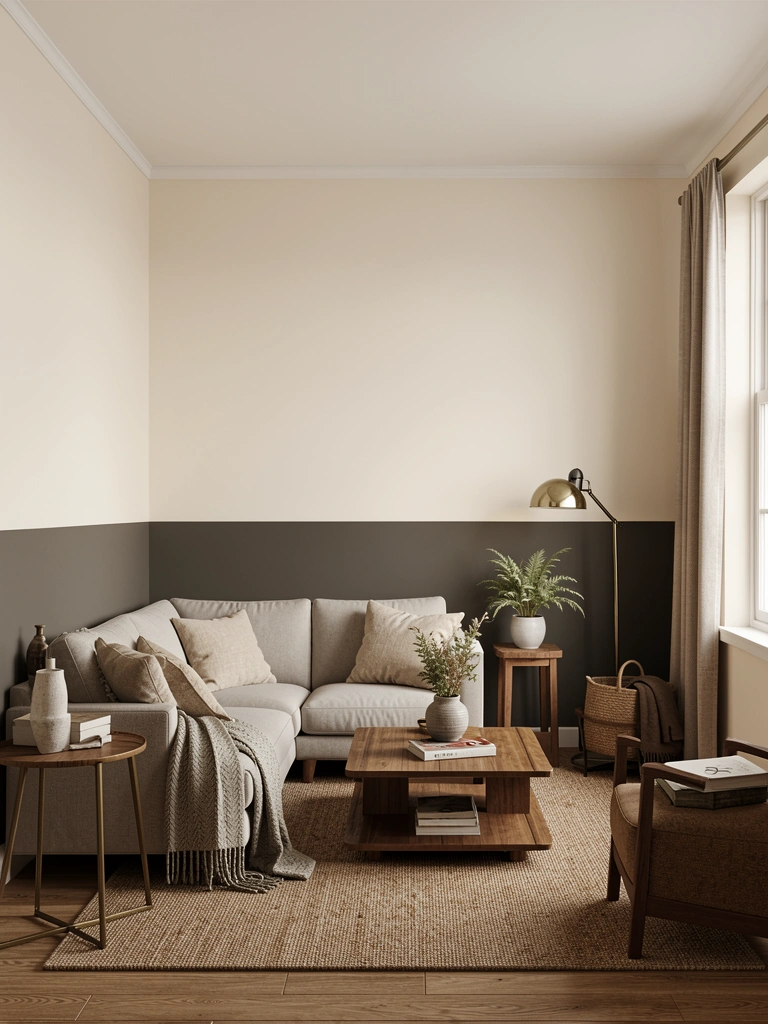
Horizontal color blocking (two-tone walls) adds architectural interest and visually changes room proportions. Paint the lower half deeper and upper half lighter for sophistication.
Paint a line at chair-rail height (usually 36–48 inches up) and paint differently above and below. Use two complementary colors ($30–$50 each) and use painter’s tape for clean lines. This takes one to two days for most rooms. Use a level and snap chalk lines to ensure straight edges. For renters, use removable tape and peel-and-stick panels to create the effect without commitment.
Your walls gain architectural interest and intentional design—the color blocking draws the eye and adds depth.
26. Layer Rugs for Texture and Definition

Layering two rugs (a large neutral base with a smaller patterned rug on top) adds texture and visually defines seating zones. It’s a trend that works especially well in open concepts.
Start with a neutral base rug ($150–$300) in wool or jute and layer a smaller patterned rug ($80–$150) on top at a slight angle. Choose complementary colors so they look intentional rather than accidental. Rugs can be found at Wayfair, Rugs USA, or local shops. Layer while furniture is in place—it takes five minutes and costs $250–$500 total. This idea works for renters and homeowners alike.
Your floor becomes textured and intentional, adding visual interest that photographs beautifully and makes the space feel more designed.
27. Paint Built-In Shelving or Cabinetry
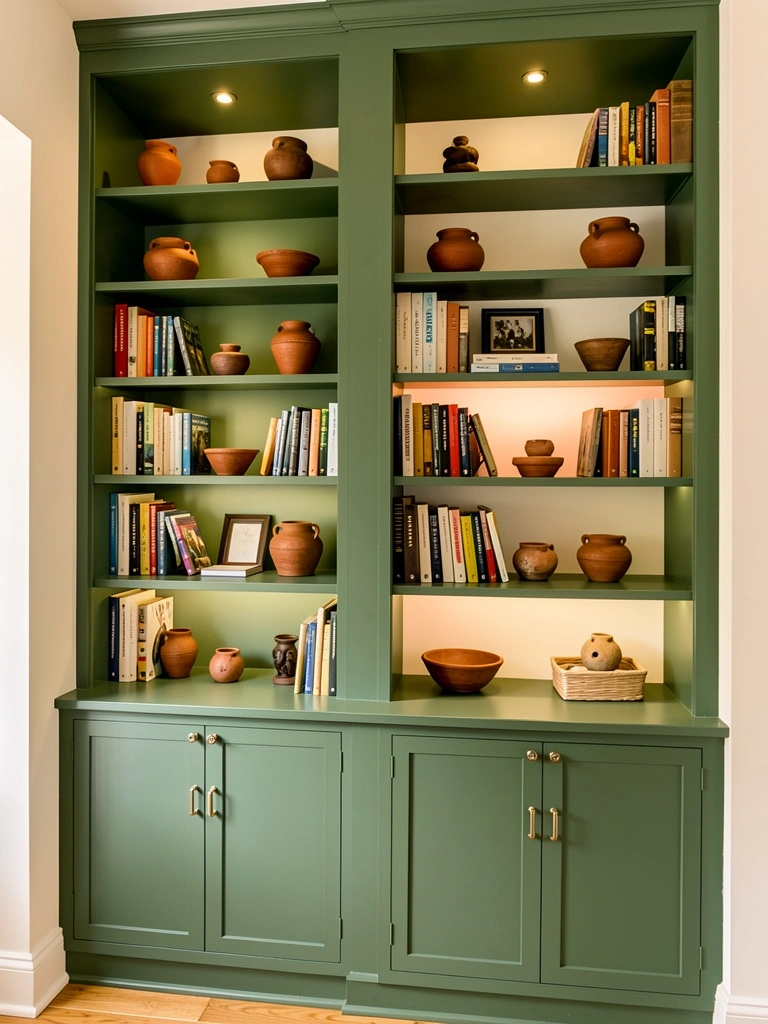
Painting built-in shelves or cabinetry a bold color transforms them from blending in to becoming statement pieces. Deep greens, blues, or warm neutrals work beautifully.
Choose a color that complements your room and use quality semi-gloss interior paint ($25–$50) for durability and easy cleaning. Remove items from shelves, paint thoroughly (three coats for coverage), and let cure for 48 hours before reloading. This project takes one full weekend for most shelving units. Professional painters charge $300–$600 in labor if you prefer to outsource.
Suddenly your built-ins become the room’s focal point—painted shelving reads expensive and designer-intentional.
Ready to refresh your space? Save this post and pick just one idea to tackle this weekend. Small changes create big impact—your home (and your mood) will notice the difference immediately.
Leave a Reply