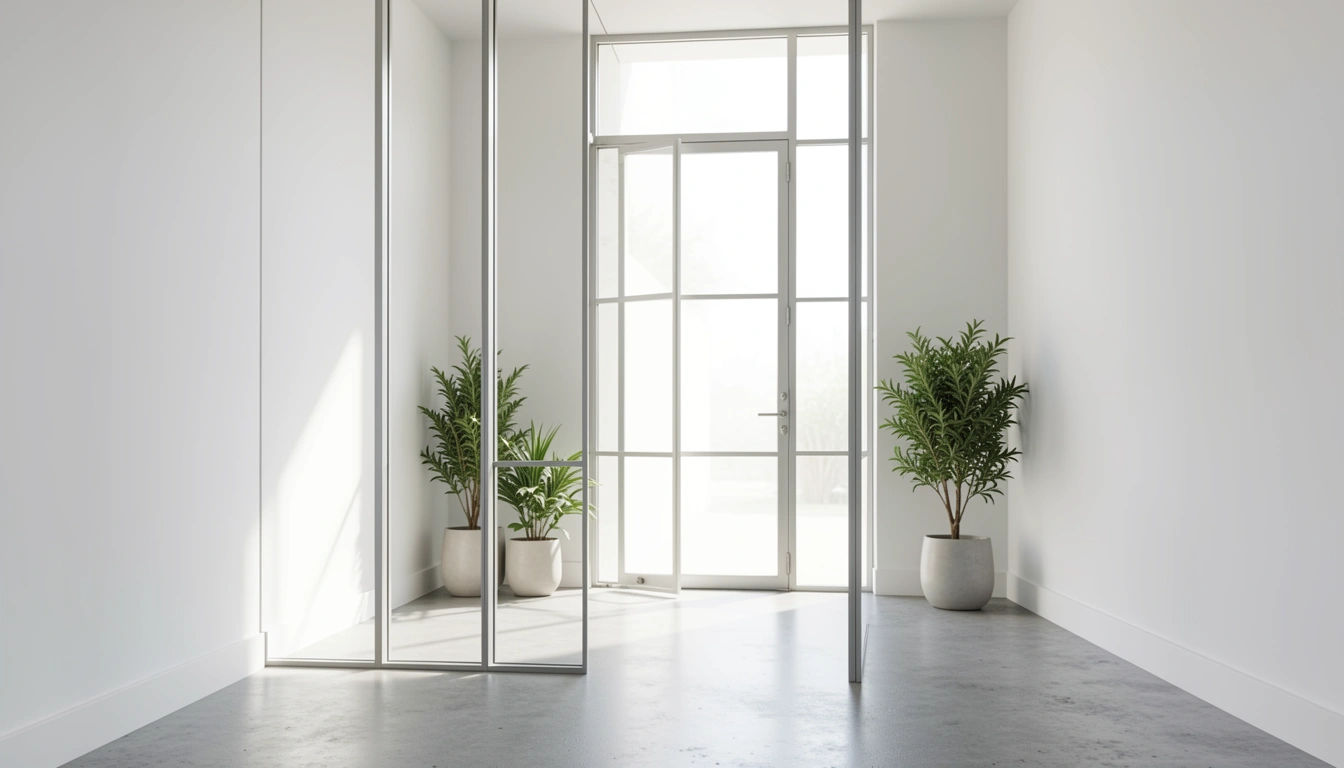
Metal frame doors have quietly become the ultimate modern upgrade—and for good reason. They’re the sweet spot between industrial edge and refined elegance, giving any space an instant dose of contemporary style without looking cold or sterile. Whether you’re drawn to industrial chic, minimalist sophistication, or something boldly statement-making, metal frames work harder than you’d expect. They flood rooms with light, maximize visual space, and photograph beautifully. The best part? You don’t need a complete renovation to get the look. This guide walks you through 24 metal frame door styles—from budget-friendly swaps to investment pieces—so you can pick ideas that fit your home, your timeline, and your wallet.
1. Go Ultra-Slim Aluminum for Maximum Light
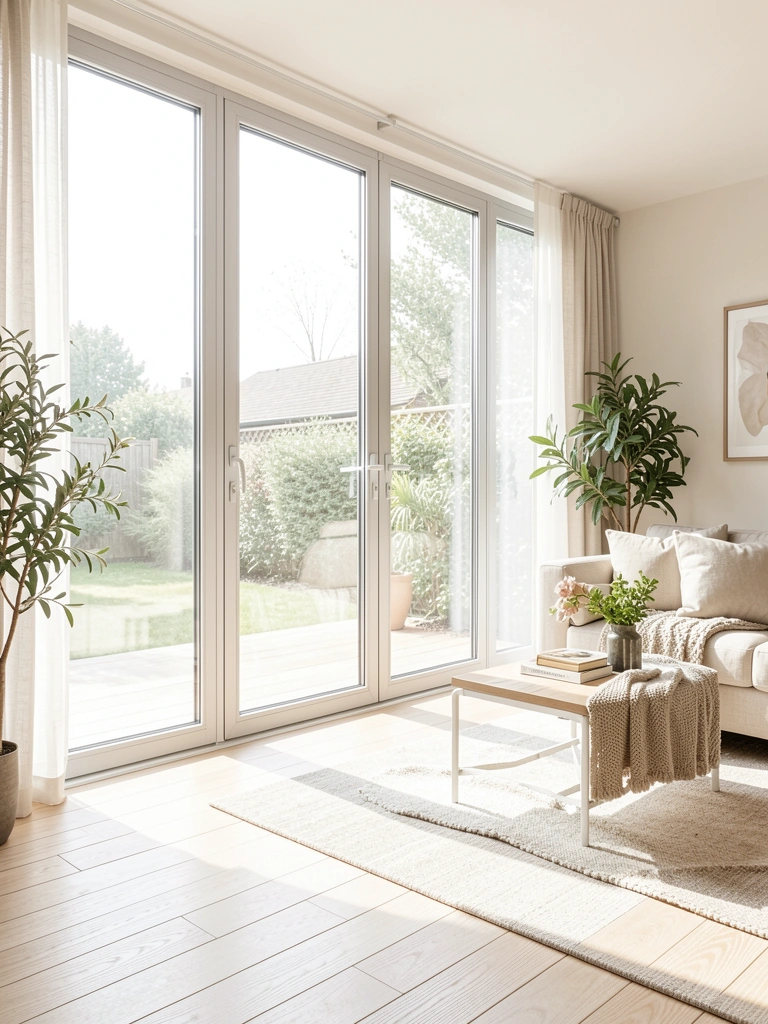
Ultra-thin aluminum profiles are the difference between a door that looks heavy and one that disappears into the background. These slender frames maximize the glass-to-frame ratio, flooding your space with natural light and making rooms feel bigger than they are.
Look for aluminum frames under 1.5 inches wide—brands like Technal and Enigma specialize in this. You’ll pay $600–$1,200 for a quality frameless or ultra-slim glass door installed, but the light gain is worth every penny. DIY installation isn’t recommended here; hire a professional to ensure proper sealing and alignment. The payoff? Your room becomes a light box, and that openness changes everything about how a space feels.
2. Pair Matte Black Frames with Clear Glass
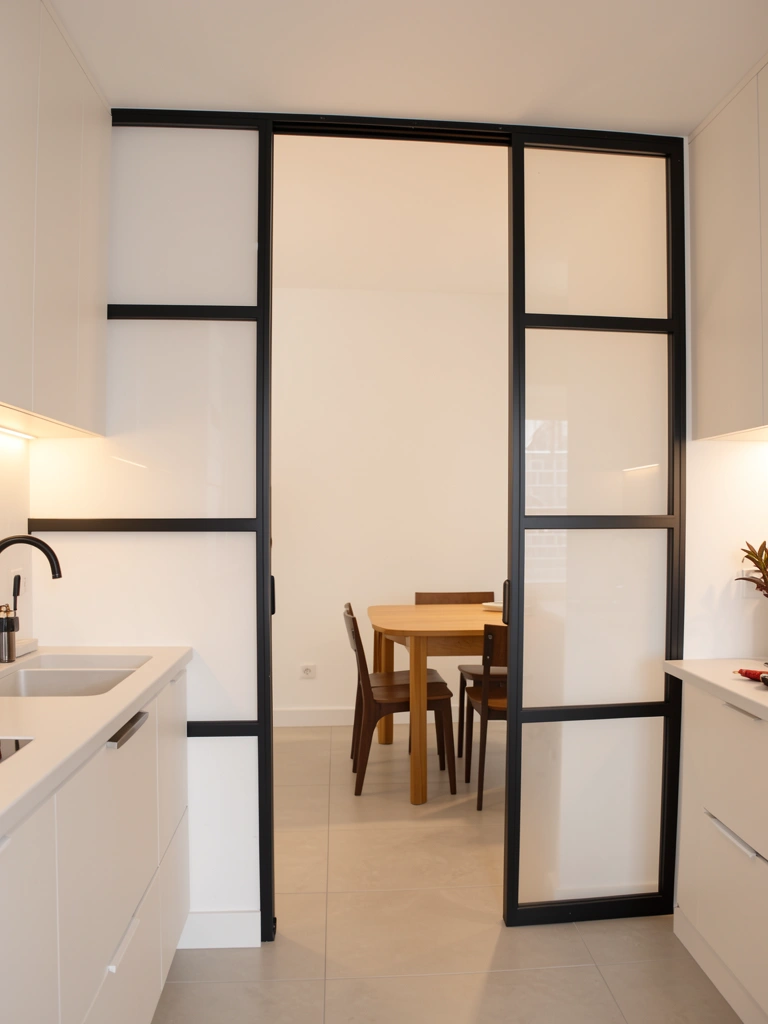
Matte black is the sleek, non-negotiable choice for contemporary homes—it doesn’t scream or demand attention, it just looks intentionally designed. Pair it with crystal-clear glass (not frosted or tinted) to let that sophisticated finish shine without blocking views.
Matte black resists fingerprints better than glossy finishes and works equally well on entryways, interior room dividers, or cabinet fronts. Budget $400–$900 for a standard interior pocket door with matte black aluminum frames; exterior doors run $1,000–$2,000+. Pro tip: Use matte black on just the frames and keep hardware in brushed gold or aged bronze for contrast. This combination reads premium without trying too hard.
3. Install Sliding Pocket Doors to Save Floor Space
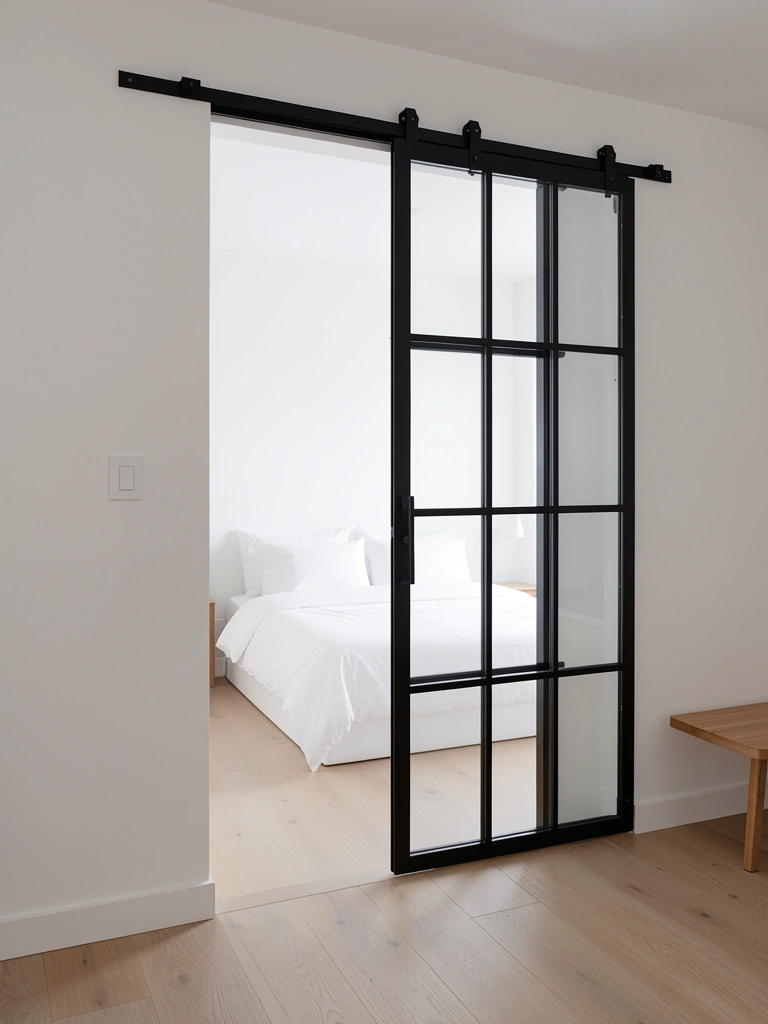
Pocket doors slide flat into your wall cavity, eliminating the swing space that traditional hinged doors need. In small homes or apartments, this reclaims precious square footage while keeping that sleek metal-frame aesthetic.
Pocket door kits with aluminum frames cost $300–$700 depending on size and whether you DIY or hire help. Installation requires opening your wall to fit the track mechanism—this is a weekend project for handy people or a half-day job for professionals. Enigma makes frameless glass pocket doors that look gallery-like; basic aluminum versions work just as well. You’ll suddenly be able to fit a chair, desk, or bed in a spot that felt too cramped before.
4. Choose Crittall-Style Frames for Industrial Romance
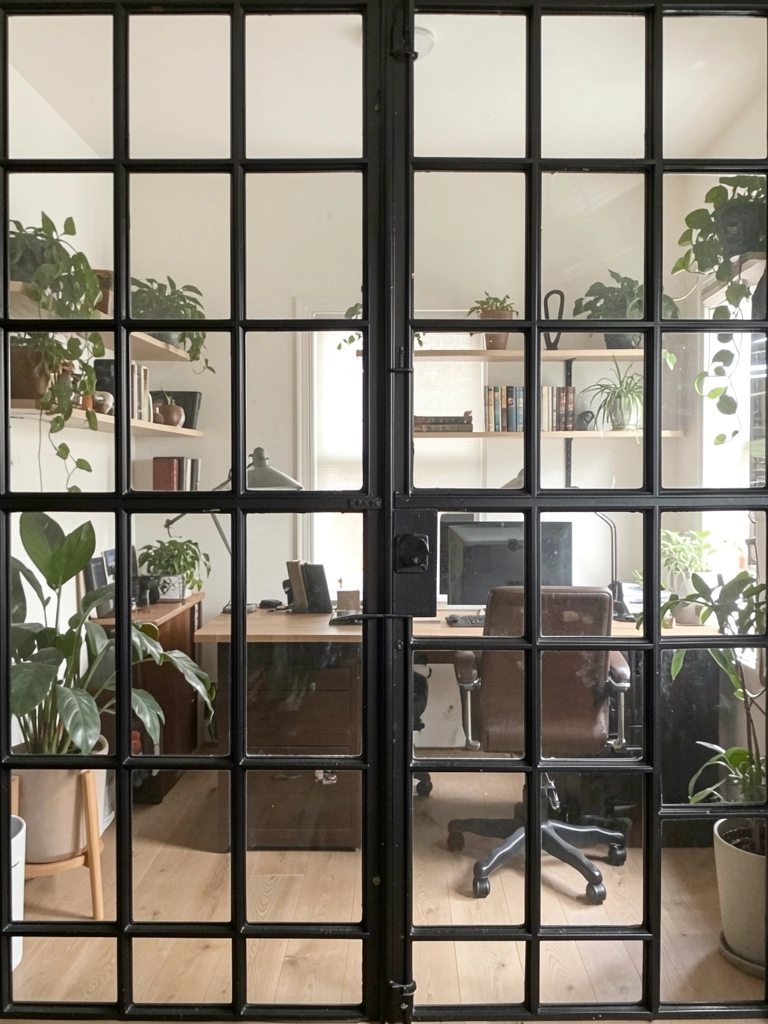
Crittall-style doors have a vintage industrial soul—think 1920s factory windows refined for 2025. The grid pattern of smaller panes creates visual interest while the metal frames add character without sacrificing light or openness.
These doors cost $800–$1,800 installed, depending on whether you want authentic vintage panes or modern reproductions. They work beautifully as room dividers between kitchens and living spaces or as dramatic home office partitions. The trade-off: multiple panes mean more surface area to clean, but many people find that payoff worth it for the architectural impact. Your space gets instant depth and a touch of urban cool.
5. Use Brushed Gold Hardware to Warm Up Black Frames
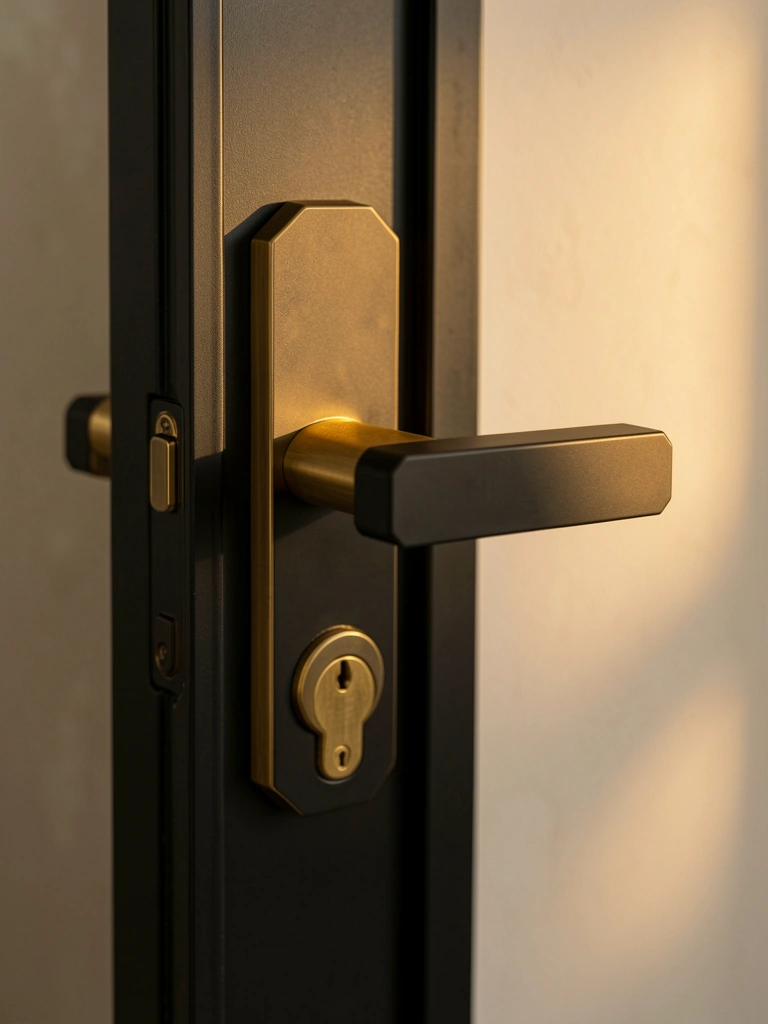
Black frames can read cold in the wrong light, but add brushed gold hardware and suddenly the whole door feels warm and deliberately designed. This contrast is what separates “harsh” from “intentional.”
Upgrade your handles, locks, and hinges separately for $40–$150 per door, or choose pre-configured doors with matching hardware from brands like ProVia or high-end suppliers. Brushed gold (also called champagne bronze) works because it’s warm without being shiny. Pair it with thin geometric handles or soft rounded pulls depending on your vibe. This single detail lifts an ordinary metal-frame door into gallery-quality territory.
6. Add Textured Metal Finishes for Visual Drama
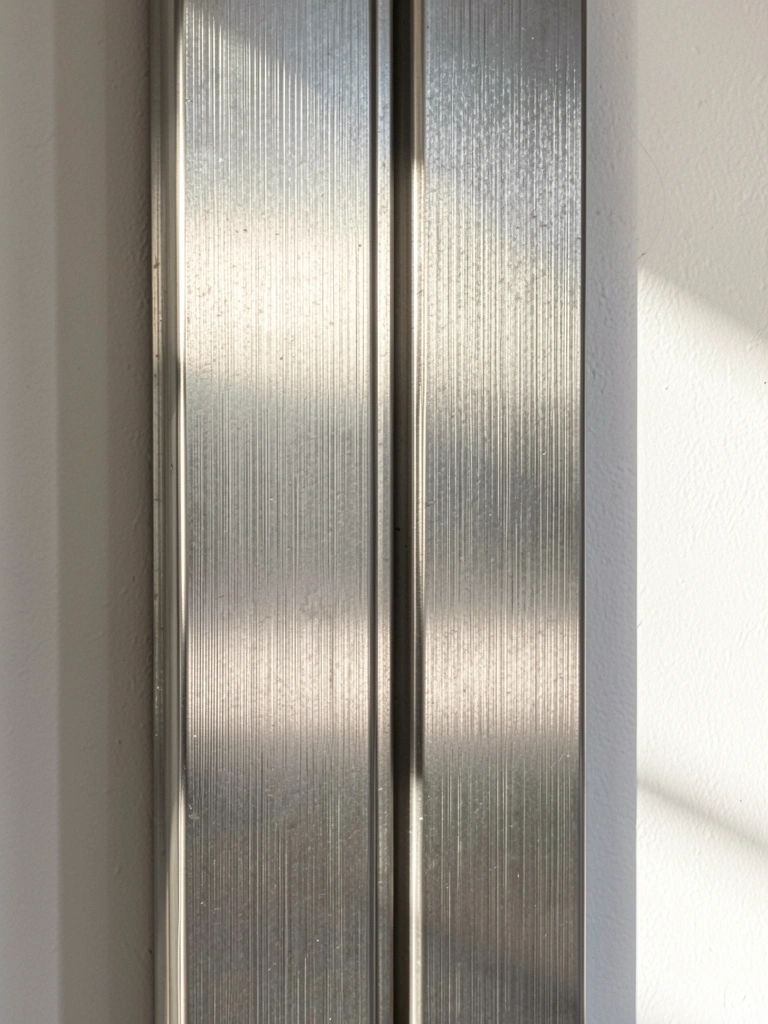
Smooth matte finishes are clean, but textured metal creates depth and catches light in unexpected ways. Brushed, hammered, or embossed aluminum finishes add dimensionality that reads expensive even on budget doors.
Textured aluminum frames cost about the same as standard finishes ($400–$1,000 for interior doors), but the visual impact is outsized. Look for options at specialty door suppliers or high-end home centers. The texture hides fingerprints better than smooth finishes, making it practical for high-traffic areas. Your door becomes a subtle focal point—something people notice without consciously knowing why.
7. Go Frameless for the Ultimate Minimalist Look
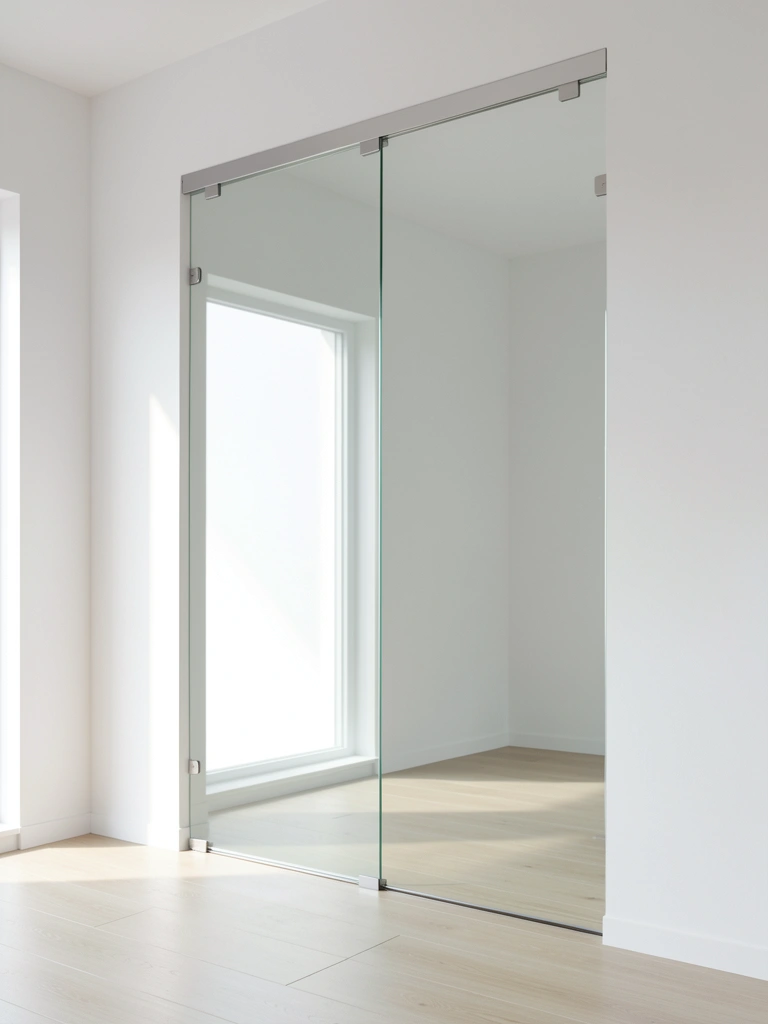
Frameless glass doors have zero visible frame structure—just glass held by hardware at the edges and top. It’s the minimalist extreme, and it reads as seriously high-end because technically, it is.
Frameless doors run $1,200–$2,500+ installed, making them an investment piece. The glass edges are polished smooth and beveled for safety; hinges and top hardware are minimal and usually stainless steel or aluminum. This style works best in spaces with 8-foot-plus ceilings and clean architectural lines. The payoff is almost clinical purity—your space feels open, modern, and intentionally designed.
8. Choose Warm Steel Finishes Instead of Chrome
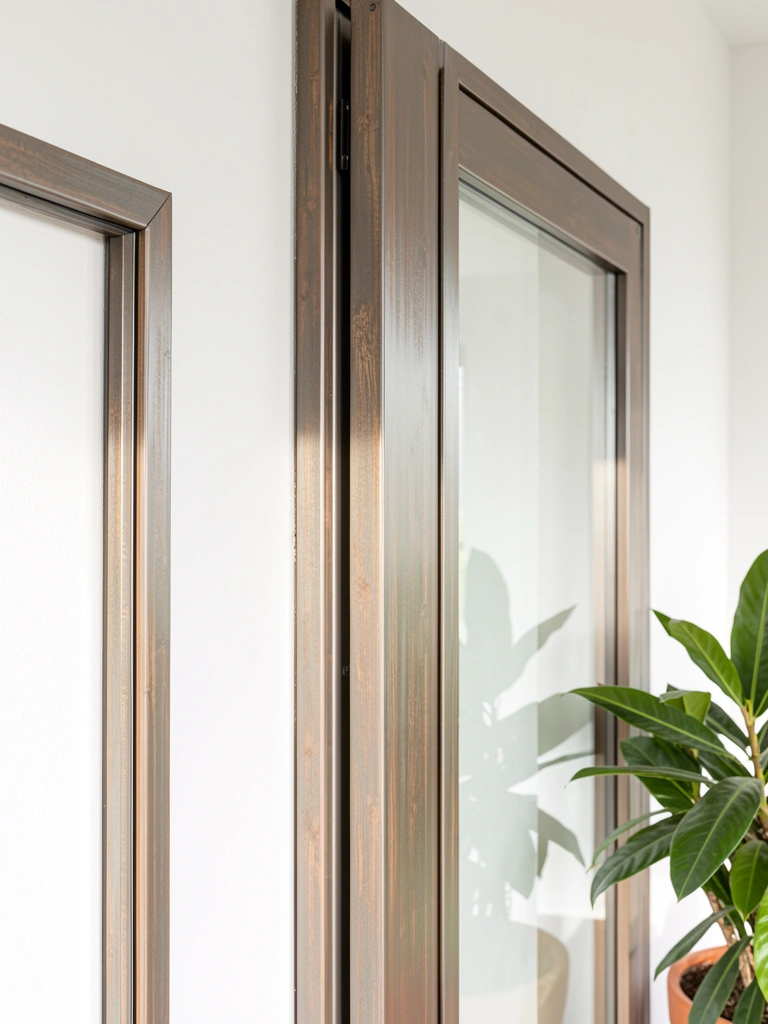
Warm steels (aged bronze, gunmetal, warm gray) feel more residential than cold chrome, which tends to look institutional. This finish bridges industrial and contemporary without going full matte black.
Doors in warm steel finish cost $500–$1,200 installed, comparable to matte black but offering a lighter, warmer vibe. They work beautifully in transitional homes or spaces mixing mid-century and modern elements. The finish naturally develops character over time as it weathers slightly, adding authenticity. This is a great option if matte black feels too dramatic but you want clear metal-frame presence.
9. Mix Glass Panels with Solid Metal Sections
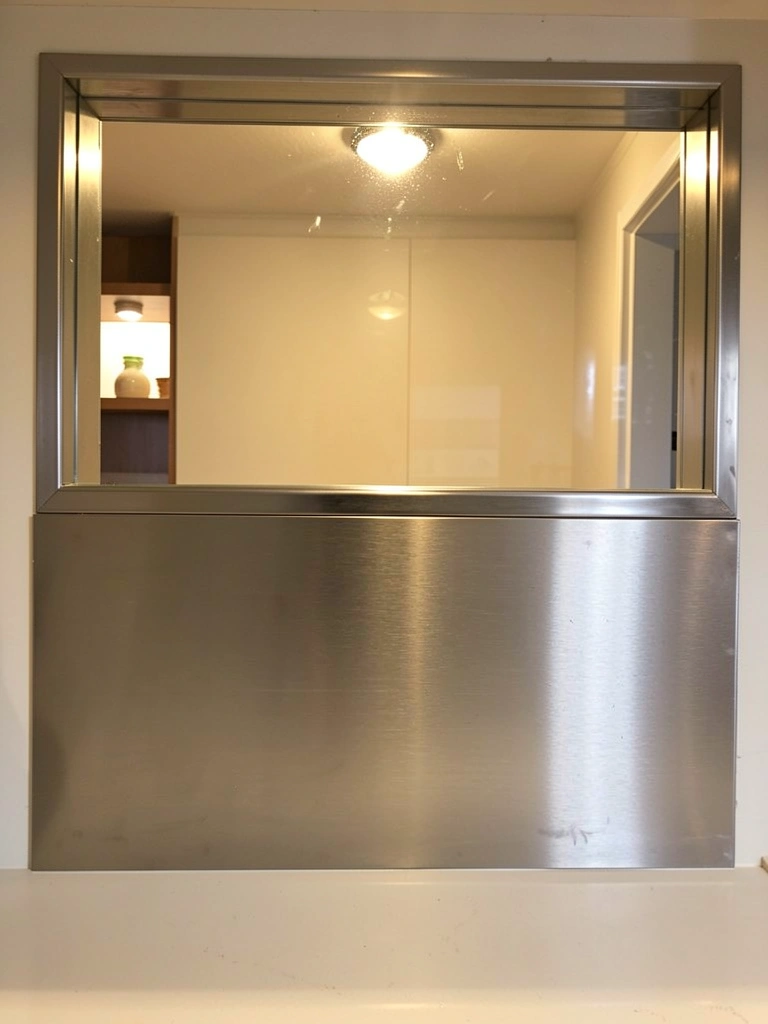
Partial glass doors give you the view and light of full-glass options but with more privacy and acoustic control. This mixed approach is practical for kitchens, bathrooms, and bedrooms.
Custom mixed-panel doors run $700–$1,400, though you can find simpler versions starting at $400. You could also retrofit an existing door with partial frosting or add a metal kick plate to a full-glass door for about $100–$200. This hybrid approach solves the problem of wanting openness without complete transparency. Your kitchen stays connected to the living room visually while cooking smells and noise stay contained.
10. Install Glass Doors with Privacy Tinting
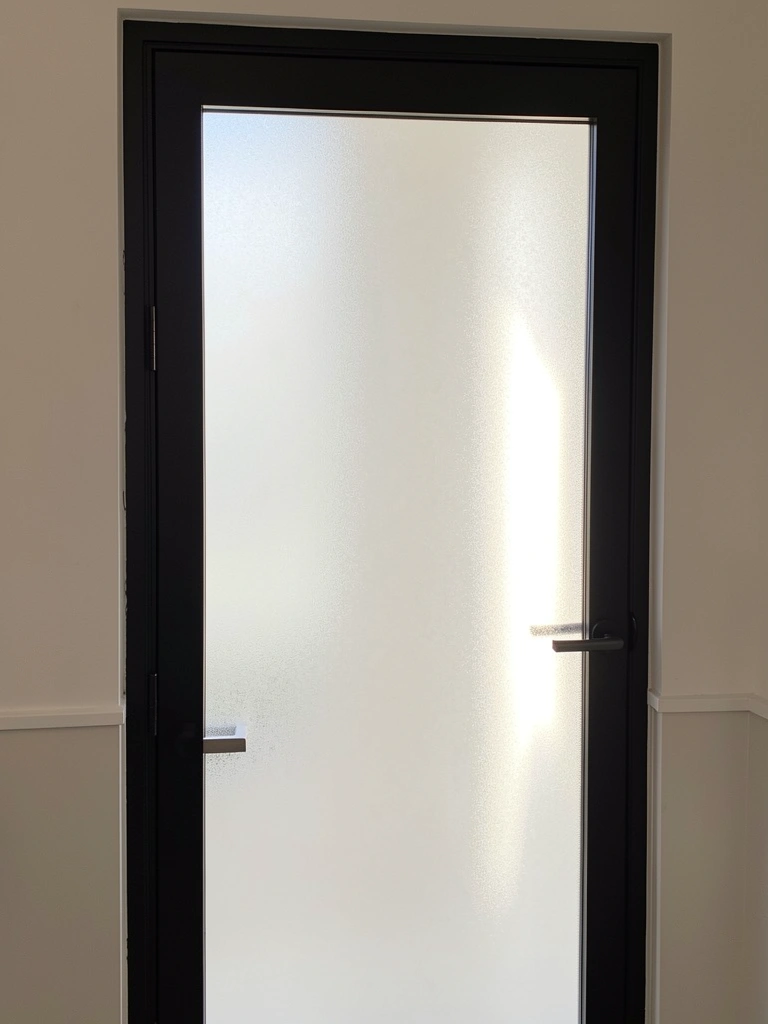
Privacy glass (frosted, textured, or slightly tinted) keeps the visual lightness of glass doors while actually protecting privacy. You get the contemporary aesthetic without the fishbowl feeling.
Privacy glass retrofits cost $150–$300 per door if you’re upgrading existing glass, or $600–$1,200 for new privacy-glass doors installed. Frosted looks clean and minimalist; textured privacy glass (like rain or obscure patterns) adds personality. Bathroom doors, bedroom entryways, and home offices all benefit from this approach. Light still pours through, but no one can see your morning chaos happening on the other side.
11. Use Industrial Steel Frames in Muted Colors
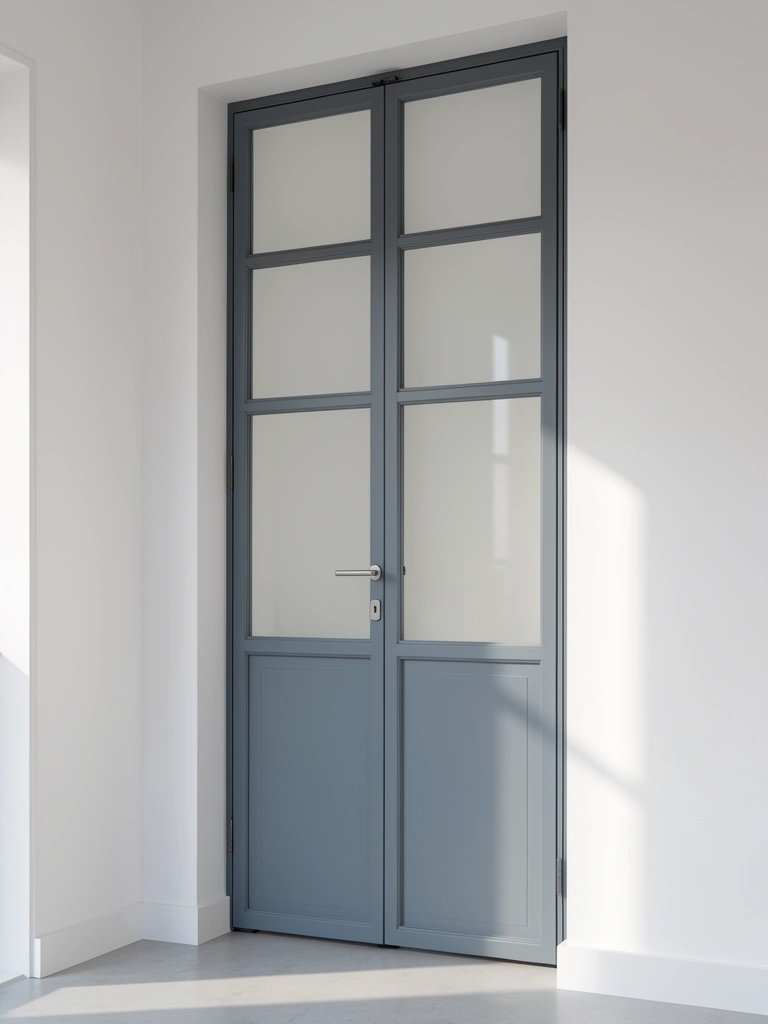
Industrial steel doesn’t have to mean harsh black. Muted steels like anthracite, warm gray, or soft graphite deliver that industrial edge while feeling more refined and livable.
Anthracite or neutral-tone aluminum frames cost the same as matte black—$400–$1,000 for interior doors. The benefit? These softer metals pair beautifully with both cool and warm wall colors. Anthracite works especially well in minimalist homes or Scandinavian-influenced spaces. You get industrial character without the drama, making it easier to evolve your decor around.
12. Combine Metal Frames with Wood Panel Inserts
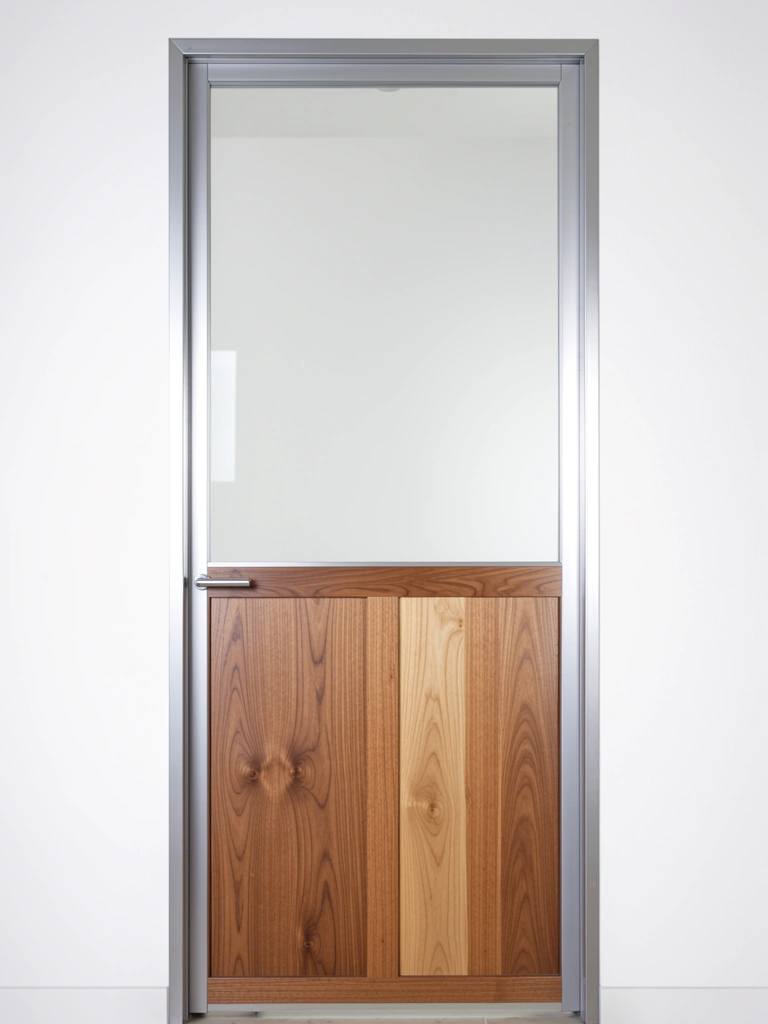
Metal frames around wood panels create visual interest and warmth that full-glass doors can’t achieve. This mixed-material approach feels current and layered.
Custom wood-and-glass doors run $800–$1,600 installed, though you can find pre-made options starting at $500. Use warm woods like walnut, oak, or reclaimed timber for contrast against matte black or steel frames. Acoustic benefits are real too—the wood absorbs sound better than glass. This style shines in transitional homes or anywhere you want to blend industrial with warmth.
13. Install Floor-to-Ceiling Metal-Frame Glass
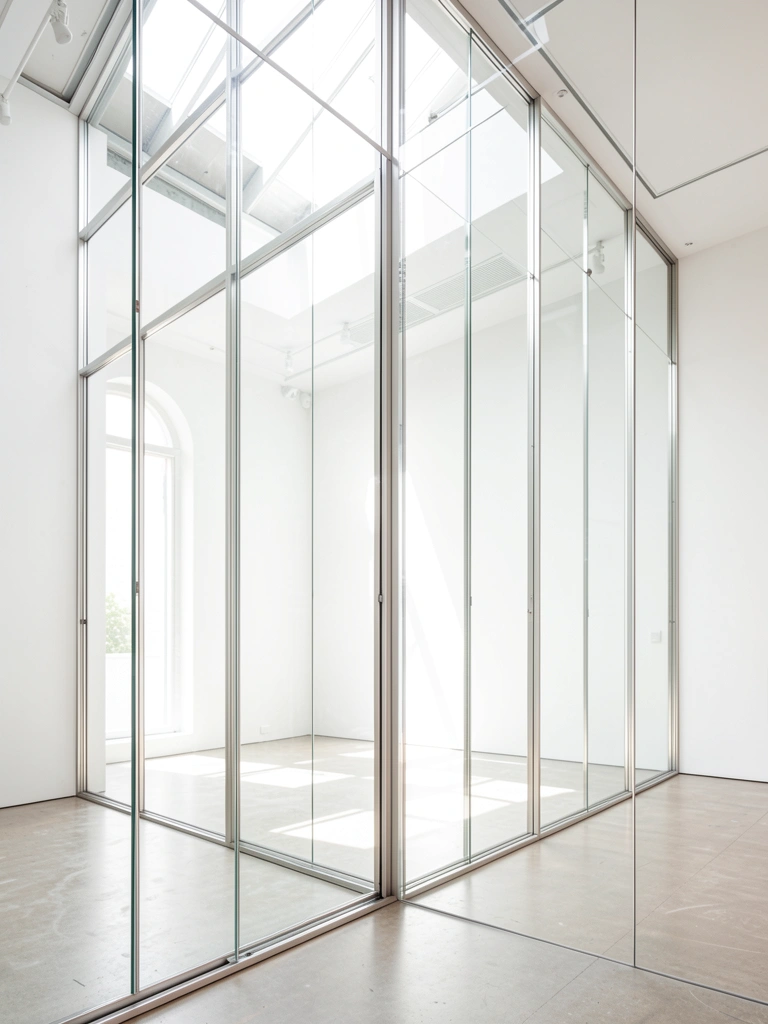
When metal frames run floor-to-ceiling, they create architectural drama and maximum light without making you feel exposed. This is the premium move that changes how spaces relate to each other.
Floor-to-ceiling installations run $1,500–$3,500+ depending on wall dimensions and complexity, but the transformation justifies the investment. Hire a professional—this isn’t DIY territory. The payoff is enormous: spaces feel bigger, brighter, and more connected. Your open-plan living area becomes a light-filled showcase. This works beautifully when you have high ceilings or want to make a real design statement.
14. Choose Geometric Hardware Shapes Over Traditional Pulls
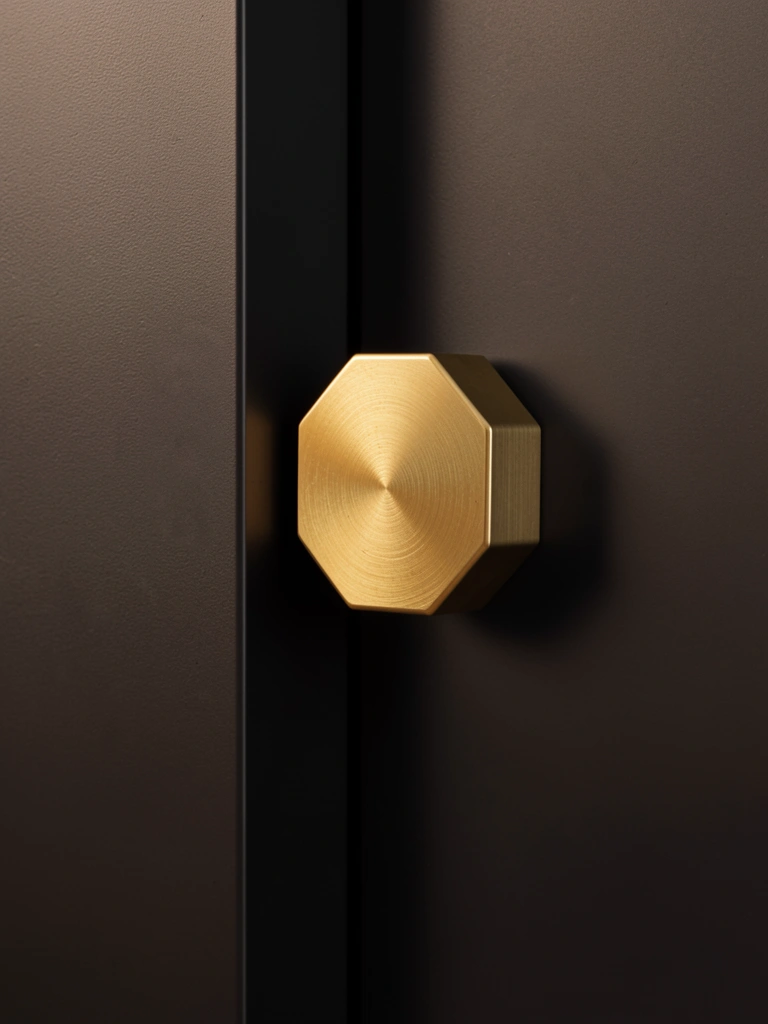
Geometric hardware (hexagonal, angular, minimalist shapes) reads as more contemporary than traditional round or oval pulls. Small hardware detail, massive design impact.
Upgrade handles and knobs for $30–$100 per door at IKEA, West Elm, or specialty hardware sites like Rocky Mountain Hardware. Geometric shapes work especially well with matte black or steel frames. This is the easiest upgrade to make modern feel intentional. One small detail that signals you’ve thought about every element.
15. Add Acoustic Considerations with Dense Frame Materials
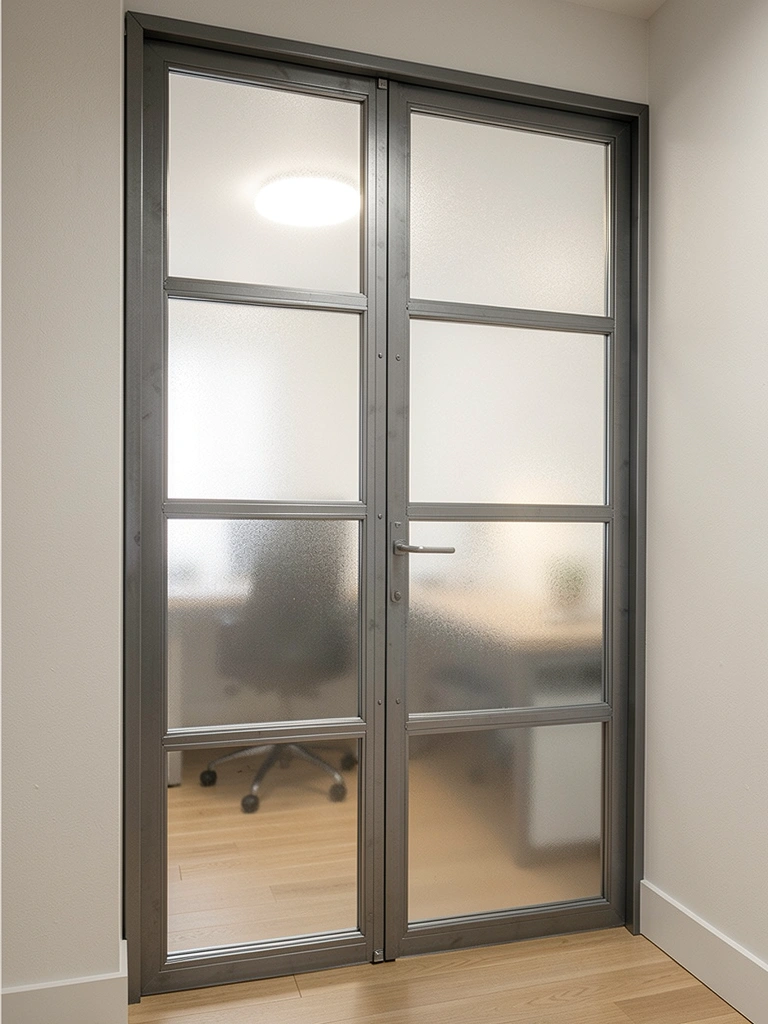
If you’re using metal-frame glass as a room divider, denser frame materials and insulated glass reduce noise transmission. This matters for home offices, bedrooms, and creative spaces.
Acoustic glass and reinforced metal frames cost $700–$1,500 installed—more than standard glass doors but less than full wall soundproofing. Choose doors with thermal breaks and insulated glass if noise control is your priority. The result? Your home office stays separate from household activity, even though it looks open and connected visually.
16. Match Metal Finishes to Existing Hardware
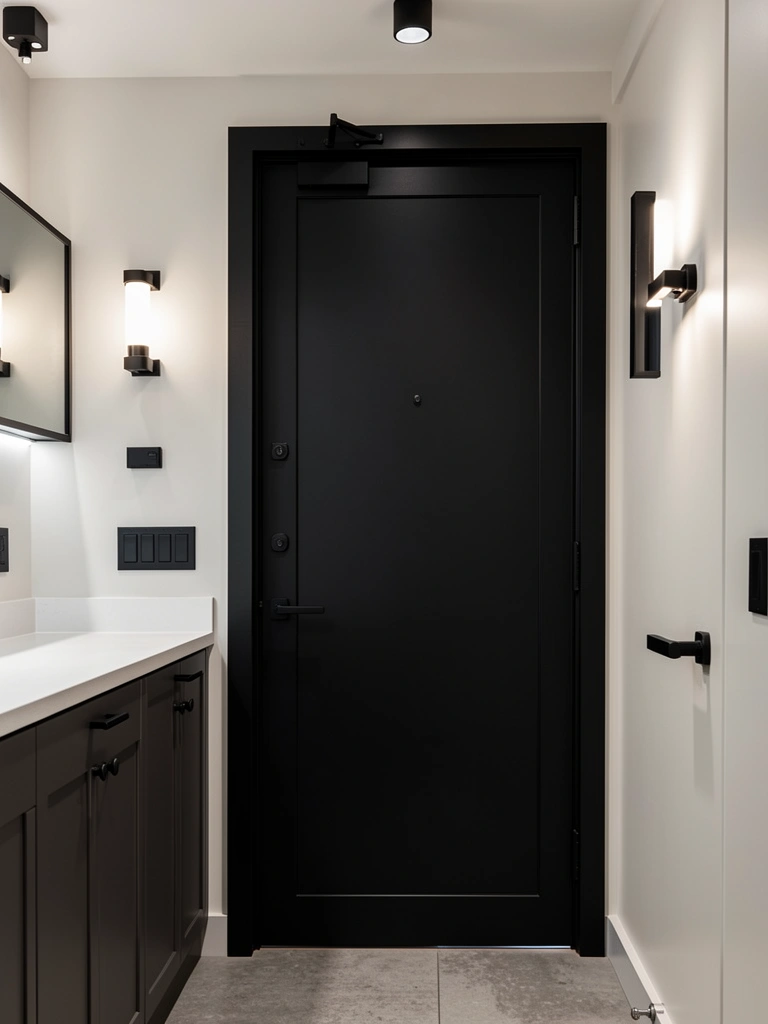
Coordinating your new metal-frame door finish to existing hardware (cabinet pulls, light switches, faucets) creates flow and makes your home feel cohesively designed rather than random.
This costs nothing—it’s a design decision, not an upgrade. Audit your existing finishes before ordering. If your hardware is brushed gold, get brushed gold hinges on your new door. If you have chrome light switches, think about whether matte black doors will clash or contrast intentionally. Matching finishes feel more professional and considered. Your eye won’t snag on conflicting metals.
17. Use Minimal Threshold Details to Keep Lines Clean
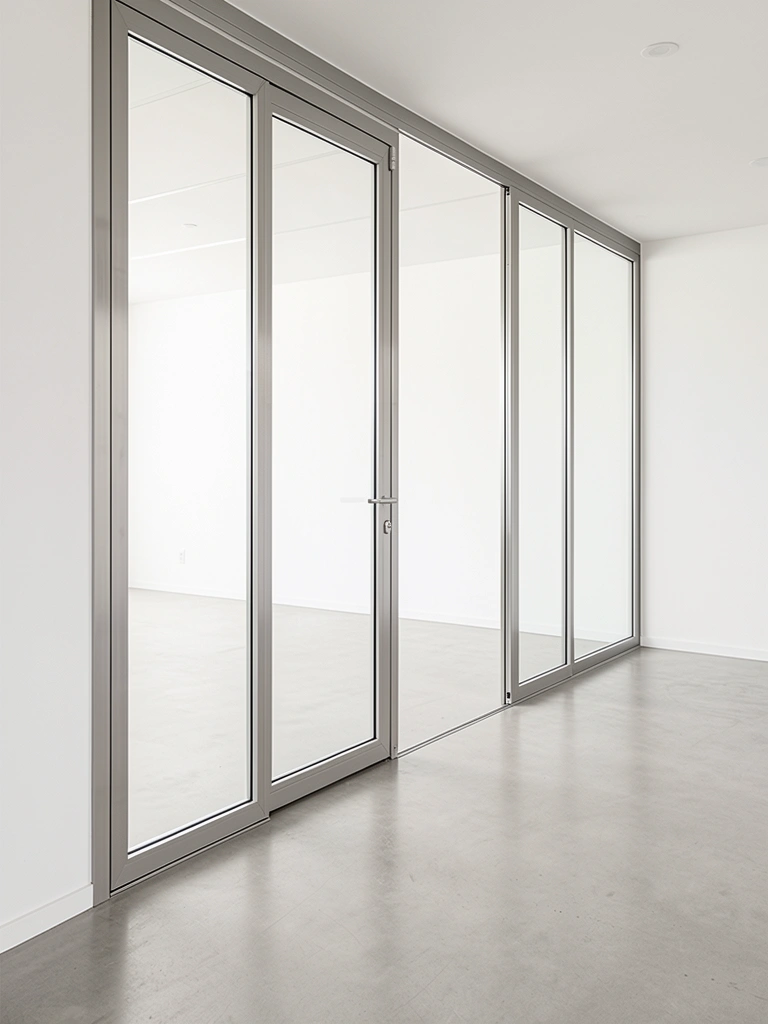
Minimal threshold details (or flush thresholds) keep sight lines clean and uninterrupted. This detail matters more than you’d think for making doors feel contemporary.
Standard thresholds are necessary for sealing and safety but can be updated to slim metal versions that blend into the floor. This is a custom specification ($100–$300 extra at installation time) but worth it for a seamless look. Professional installation ensures proper water sealing and code compliance. Your eye follows the door frame and glass, not a clunky threshold bump.
18. Explore Ultrathin Steel Cable Frames
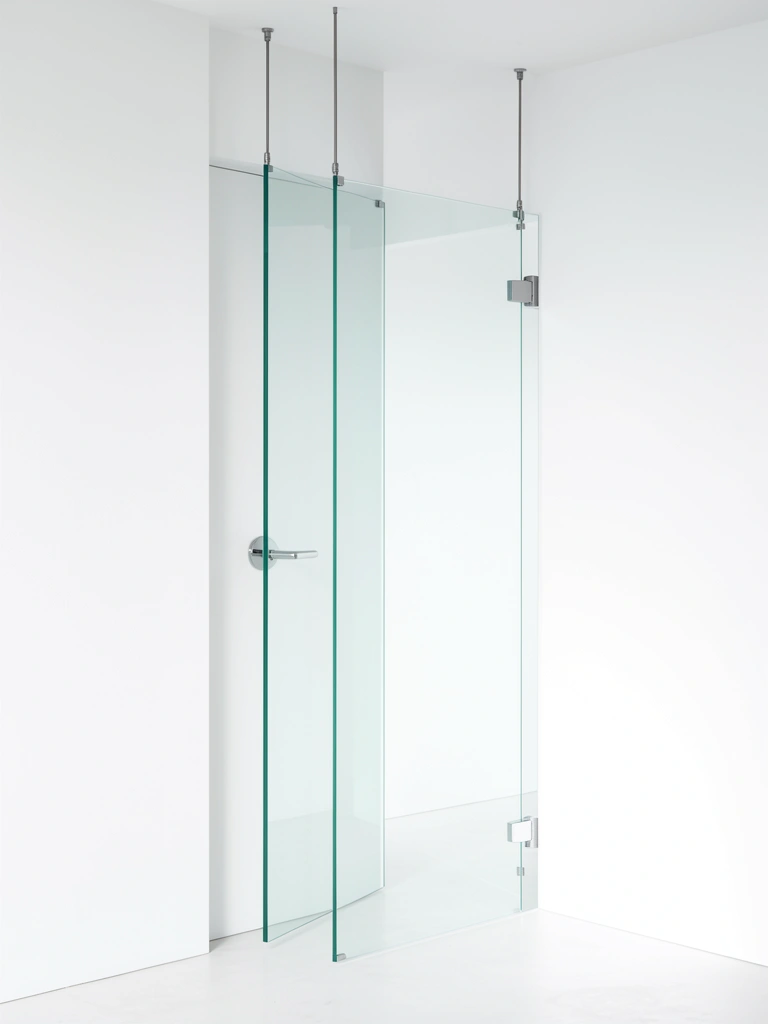
Steel cable hanging systems are ultra-contemporary and create an almost floating effect. The cables are nearly invisible, making glass appear suspended.
Cable-hung glass doors are a high-end option running $1,500–$2,800+ installed because they require custom fabrication and structural consideration. This is the design statement move—something most people haven’t seen in a residential home. It photographs beautifully and reads as thoughtfully designed. Your door becomes architecture, not just functional hardware.
19. Consider Reclaimed Metal Frames for Eco-Minded Homes
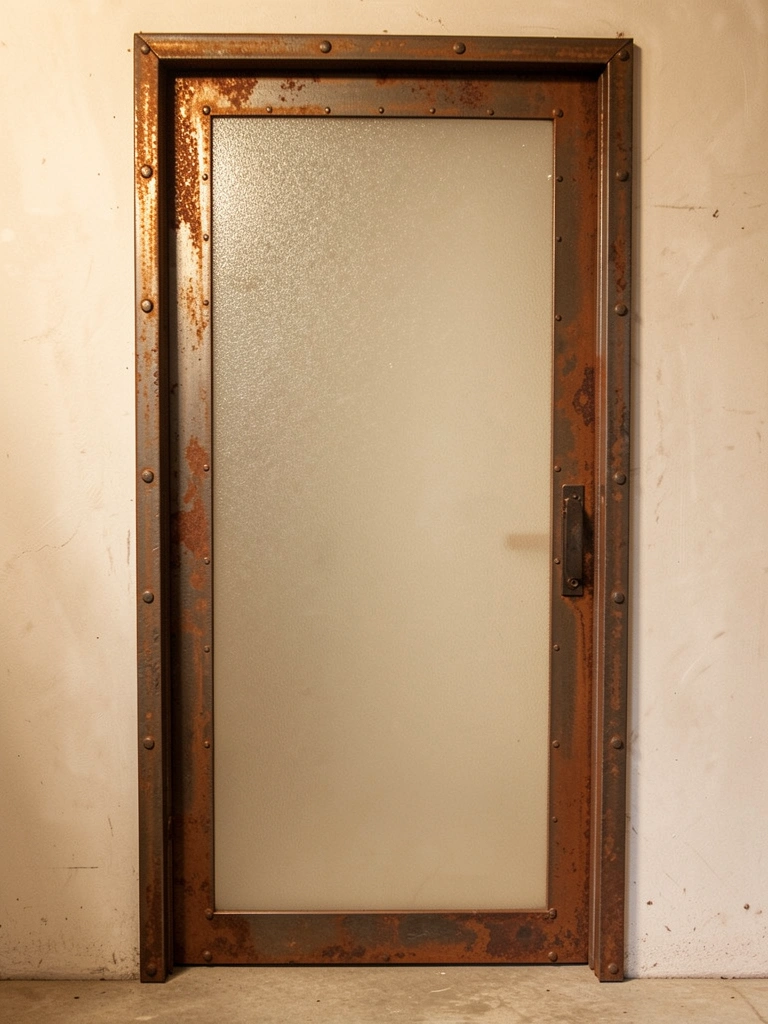
Reclaimed metal frames combine sustainability with authentic vintage character—they’ve actually got stories to tell. This appeals to eco-conscious homeowners who don’t want to sacrifice style.
Reclaimed and repurposed metal frames cost $500–$1,200 depending on source and customization. Check salvage yards, architectural reclamation companies, or Etsy sellers who specialize in vintage door hardware. Manufacturing emissions drop by nearly 40% when using recycled materials versus new aluminum, according to the National Renewable Energy Laboratory. Your door is unique, sustainable, and conversation-worthy.
20. Pair Aluminum Frames with Bold Statement Glass
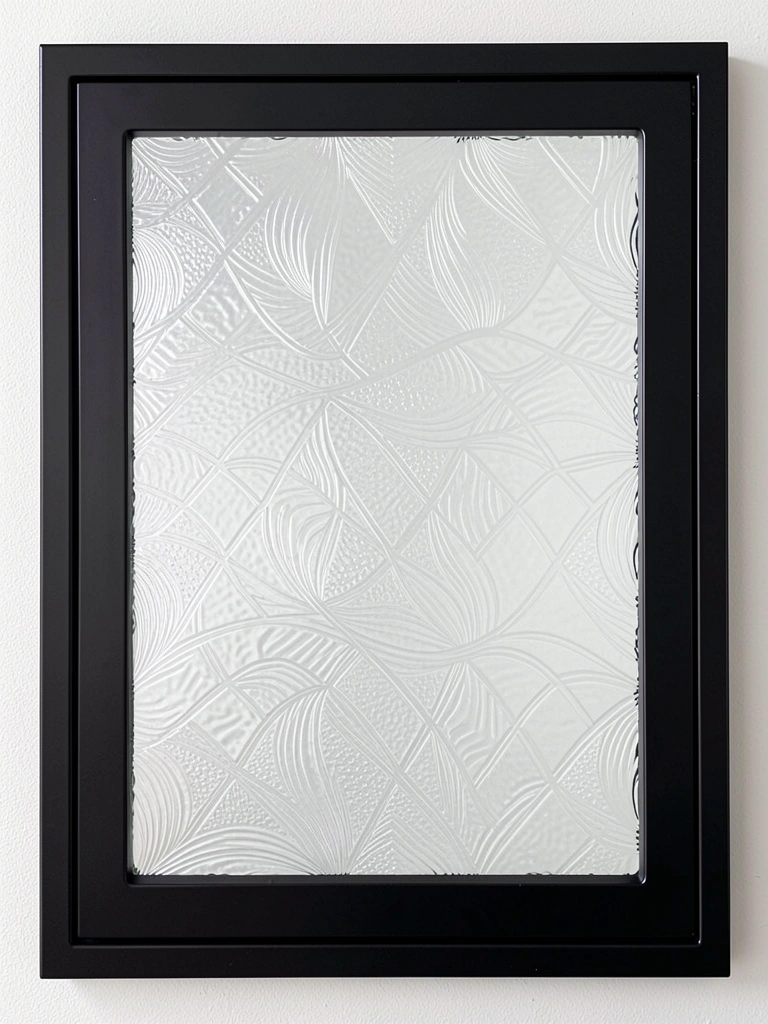
Patterned or textured glass in clean metal frames creates visual interest without complexity. The frame’s simplicity lets the glass be the star.
Decorative glass doors cost $600–$1,400 installed. Look for subtle geometric patterns, rain textures, or frosted designs rather than loud colors. The metal frame keeps the overall effect contemporary instead of ornate. This approach works beautifully for powder rooms, home bars, or anywhere you want personality without overwhelming minimalism.
21. Install Aluminum Doors with Integrated Smart Locks
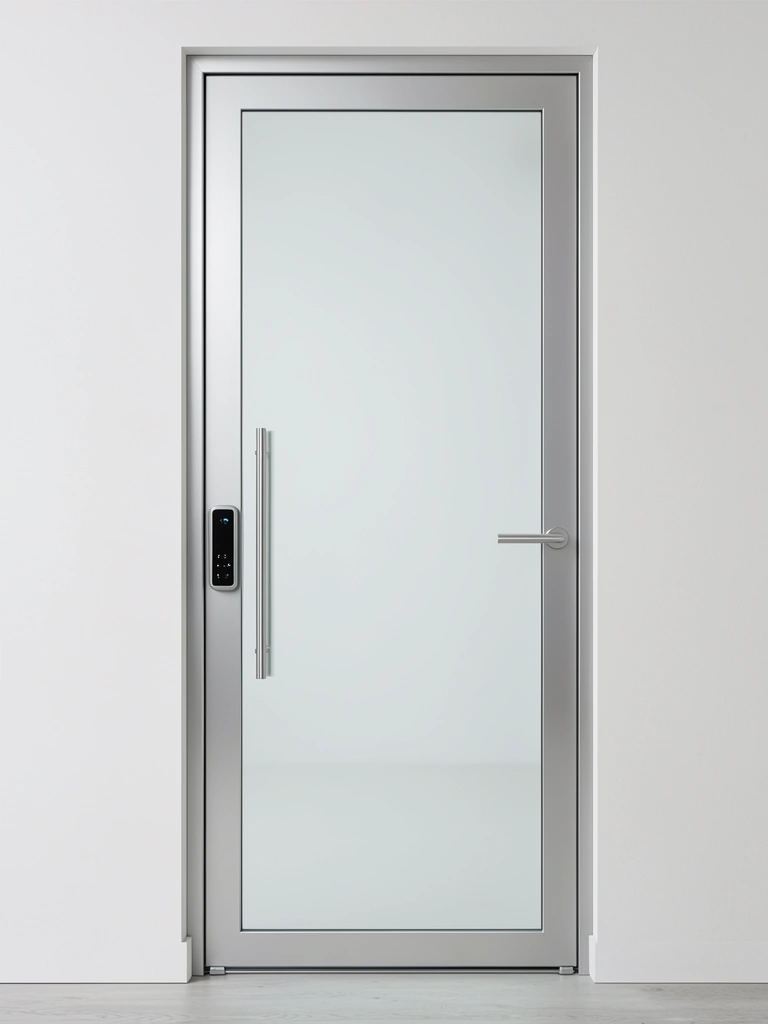
Smart locks integrated seamlessly into metal frames eliminate visible deadbolts and make your door look forward-thinking. Biometric and app-controlled options keep the aesthetic clean.
Smart lock retrofits cost $200–$500 for the lock itself; installation runs $100–$300. Brands like Level and August make locks that work with aluminum frames without disrupting the visual line. You get keyless entry, access logs, and remote control without changing the door’s appearance. This is the practical luxury upgrade—it looks the same but functions intelligently.
22. Choose Doors with Thermal Breaks for Energy Efficiency
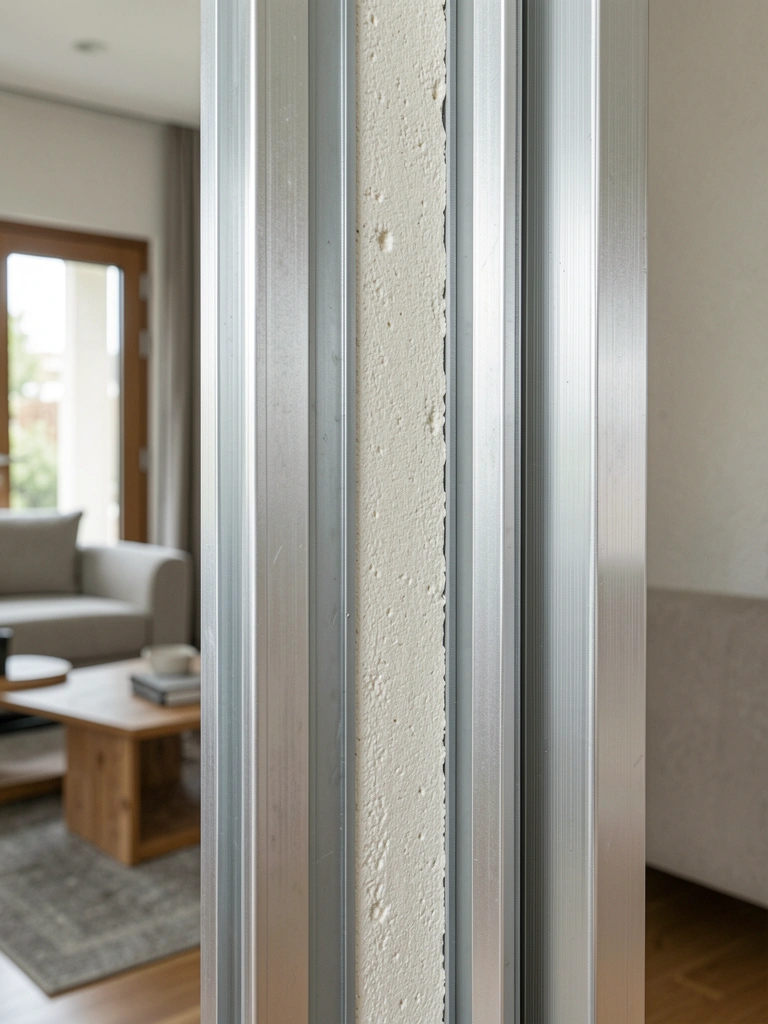
Thermal breaks (insulating strips within metal frames) keep temperature stable and reduce condensation without visible aesthetic change. This is invisible luxury that saves money and energy.
Thermally broken aluminum doors cost $100–$300 more than standard frames but lower your heating and cooling bills noticeably. This is especially valuable in climates with temperature swings. Look for doors labeled “thermally broken” or with insulating polyamide strips inside the aluminum. Energy-efficient glass paired with thermal breaks creates real climate control. You’re paying slightly more upfront but saving long-term.
23. Embrace Mixed-Metal Hardware for Eclectic Edge
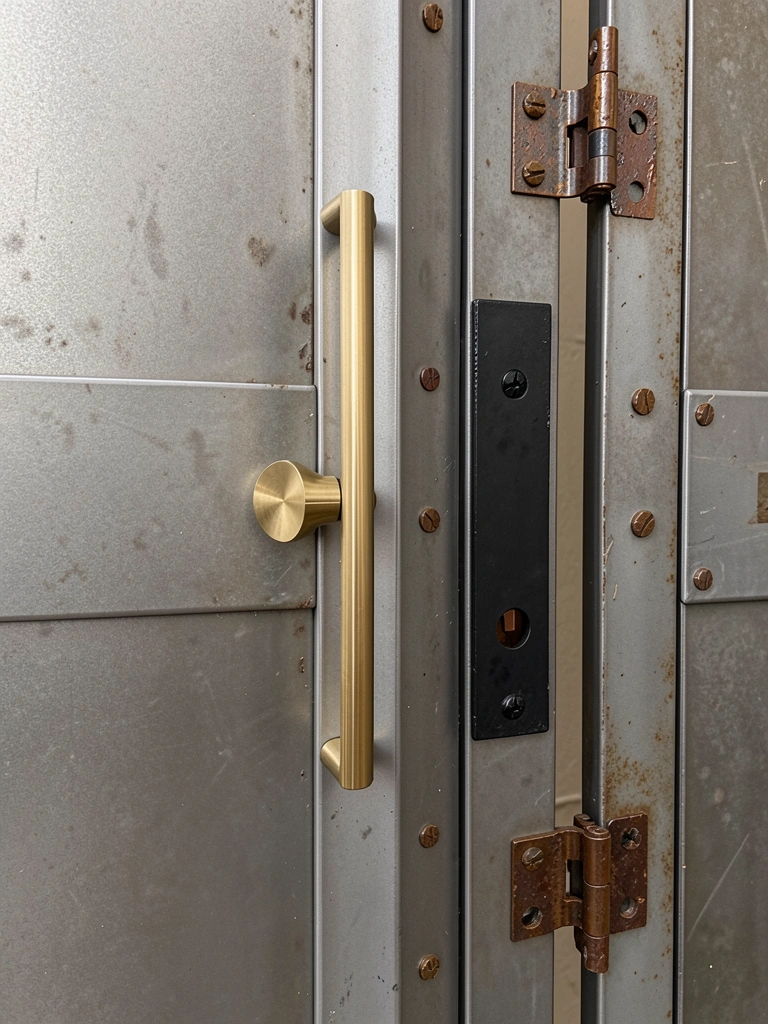
Mixing metals (brushed gold with matte black, aged bronze with steel) is now considered high-design rather than a mistake. This curated eclecticism reads as intentional and creative.
You’re already buying different hardware pieces, so mixing finishes costs nothing—it’s pure design choice. Pair warm metals (gold, bronze) with cool metals (black, gunmetal) for visual tension that feels contemporary. This works especially well in maximalist or eclectic homes. Your door becomes a design statement rather than following rules.
24. Combine Metal Frames with Wooden Thresholds or Handles
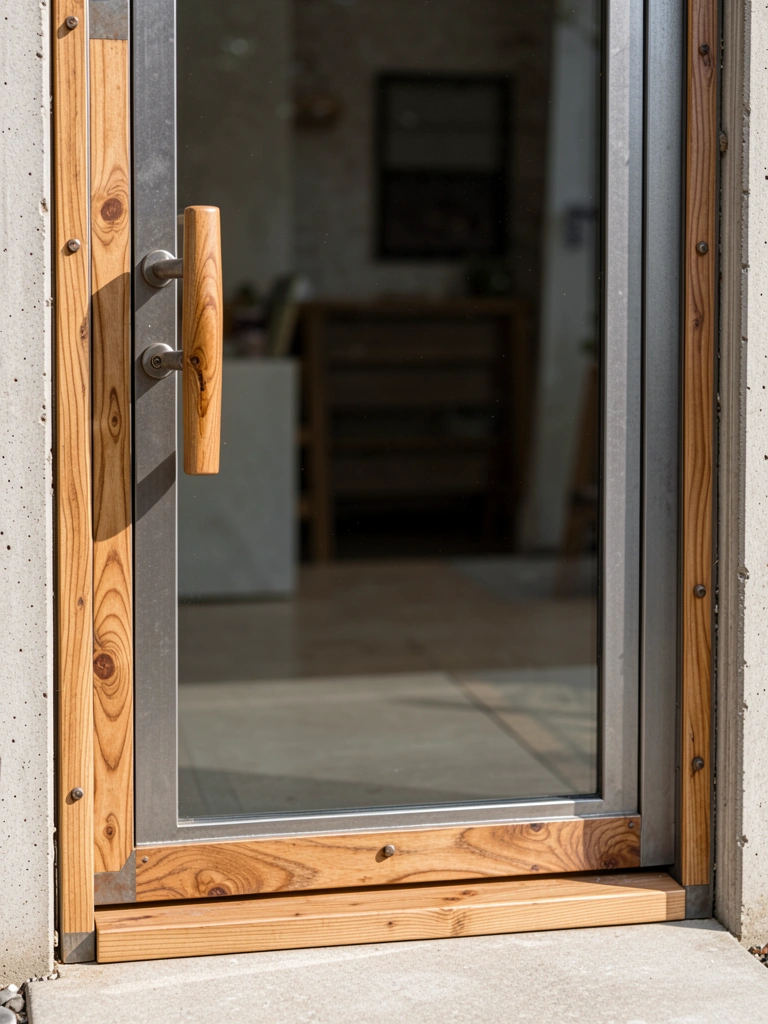
Pairing metal frames with natural wood handles or trim strips warms up the industrial edge and adds textural richness. This hybrid approach feels current and grounded.
Wooden threshold accents or handle wraps cost $50–$150 to add; you can source warm walnut, oak, or reclaimed wood from local suppliers. This combination appears in contemporary Scandinavian and Japanese-inspired homes where natural and industrial elements coexist. Your door reads as modern but not cold, sleek but not sterile. The warmth makes the space feel more livable.
Save this post and start with one style that speaks to your space—whether it’s the bold matte black pairing or the minimal frameless approach. Metal frame doors shift how light moves through your home, and that change happens faster than you’d expect. Which style will you try first?
Leave a Reply