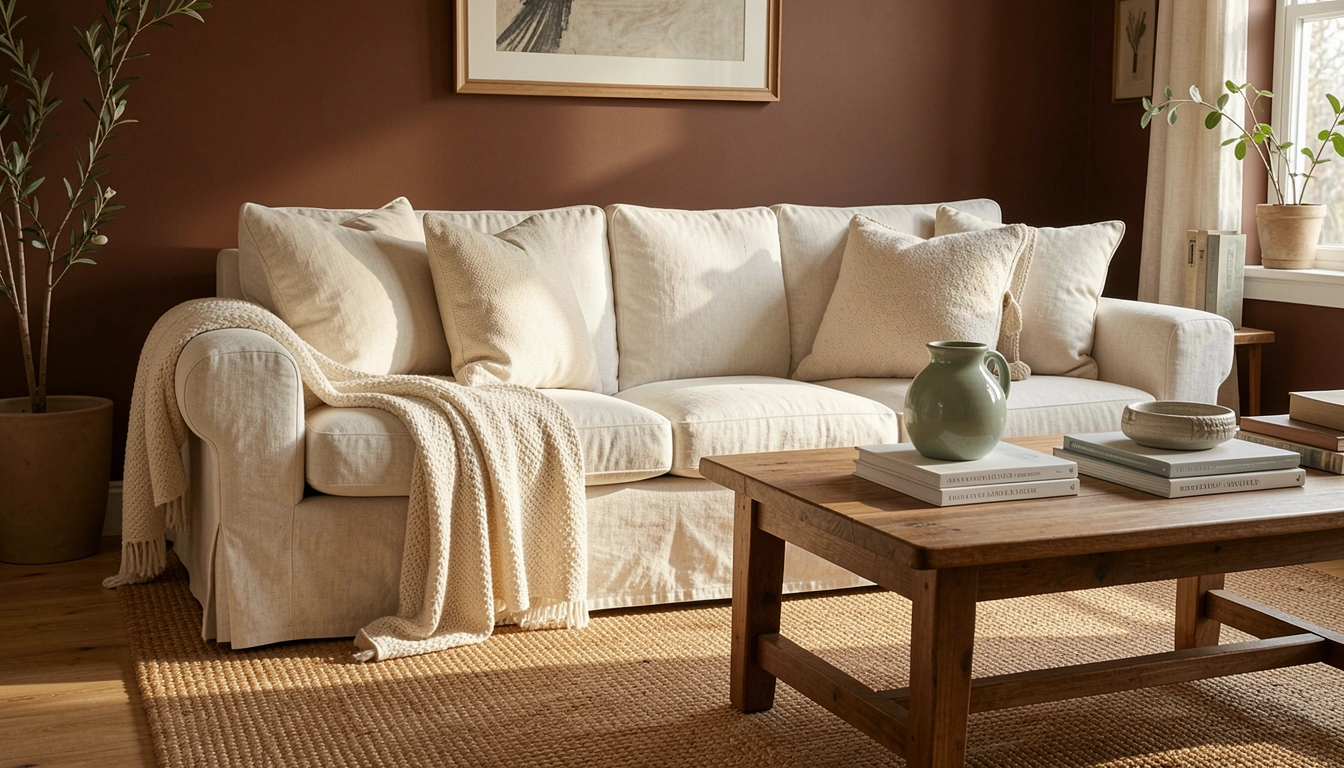
If your home feels cold or sterile, you’re not alone. Stark white walls and cool gray tones have dominated design for years, leaving many spaces feeling impersonal and unwelcoming. The good news? Earth tones—think chocolate brown, sage green, terracotta, and warm taupe—are bringing back the coziness factor without sacrificing style. These 24 ideas show you exactly how to layer earthy colors, textures, and natural materials into every room of your home. Whether you’re renting or own, have a big budget or a small one, you’ll find something here that feels doable. Get ready to create a space that actually wraps around you like a warm sweater.
1. Paint Your Bedroom Walls in Warm Chocolate Brown
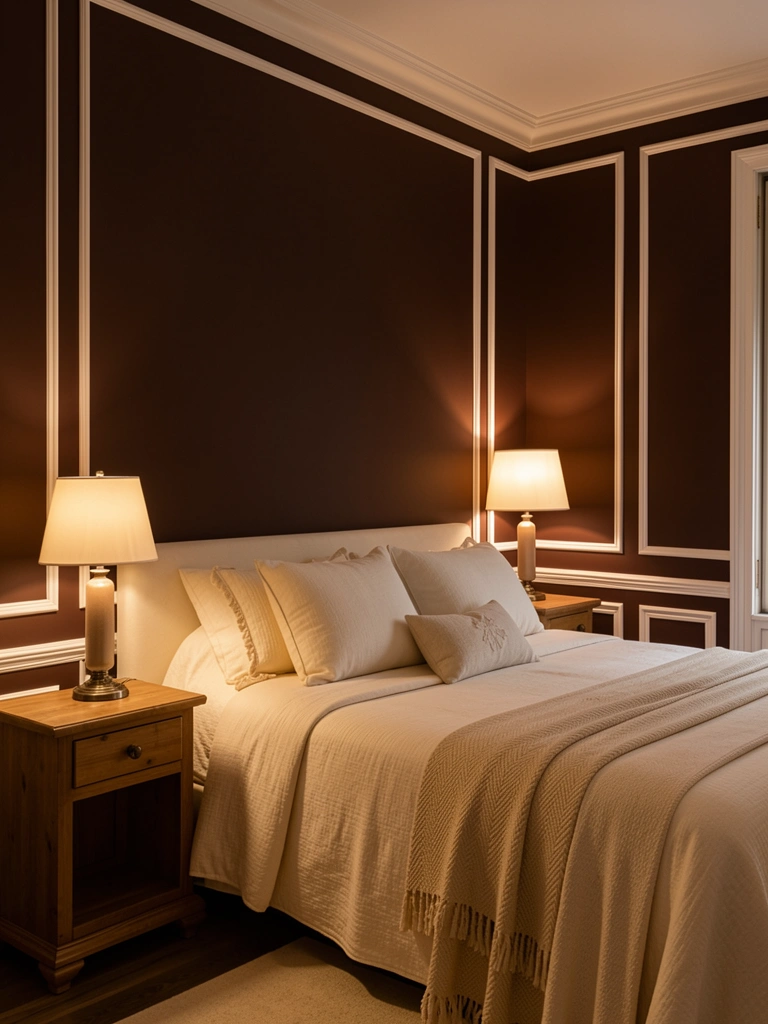
Chocolate brown walls create an intimate cocoon that cooler colors simply can’t match. This shade feels expensive and grounding without being dark or oppressive—especially when paired with plenty of light-colored bedding and natural light during the day.
Paint all four walls or just an accent wall behind your bed. Benjamin Moore HC-172 (Borscht) or Sherwin-Williams SW 7598 (Coffee) are reliable warm browns that photograph beautifully. Budget $40–80 for quality paint and supplies. Expect a full day for one bedroom, or hire someone for $300–500. The trick? Use a warm white (like ivory or cream) for trim and ceiling to prevent the space from feeling too dark.
Pro tip: Test paint chips on your actual walls over several days to watch how the color shifts with morning and evening light.
You’ll feel more relaxed at bedtime, and your bedroom becomes a true retreat rather than just a place to sleep.
2. Add Sage Green Accent Wall in the Kitchen
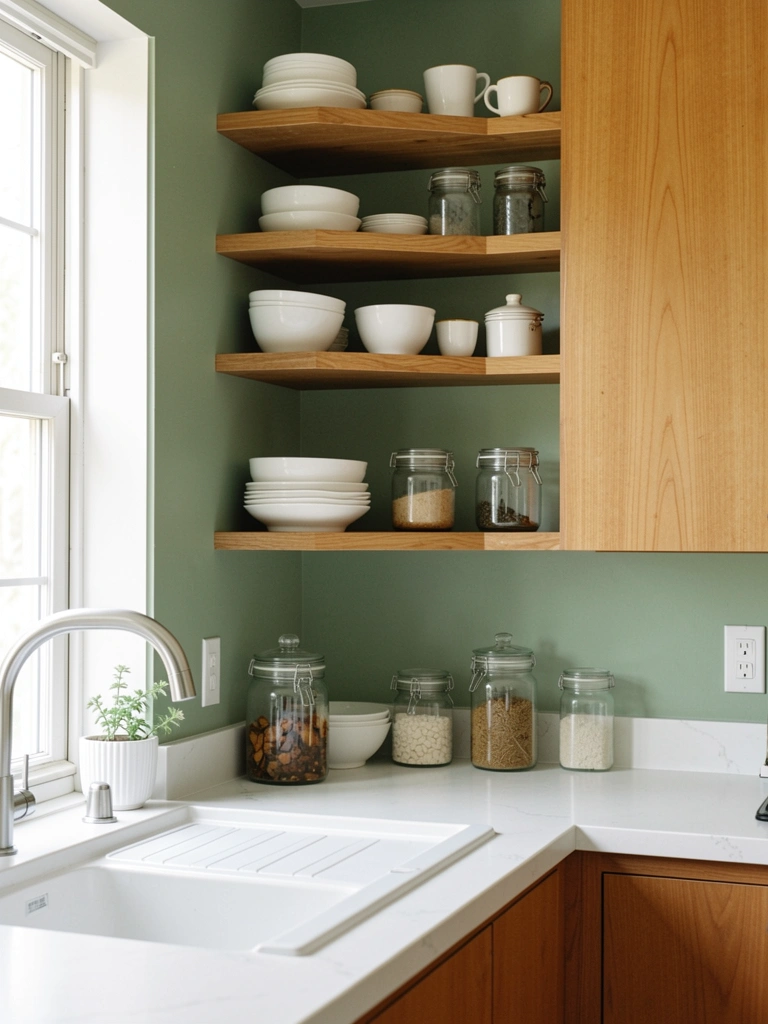
Sage green is the earthy color that works everywhere—calming but not bland, natural but never boring. In a kitchen, a single sage wall draws the eye without overwhelming the space where you cook and eat.
Paint behind your open shelving, range hood, or above the backsplash. Sherwin-Williams SW 9205 (Evergreen Fog) or Benjamin Moore HC-126 (Healing Aloe) sit perfectly between gray and green. Budget $40–80 for paint supplies; DIY over a weekend afternoon. If you’re renting, peel-and-stick wallpaper in sage gives you the same effect without commitment—search “removable sage green wallpaper” on Amazon ($20–35 for a roll).
The best part? This color pairs with stainless steel, brass, and natural wood without clashing.
3. Layer Warm Neutrals Through Textiles and Rugs
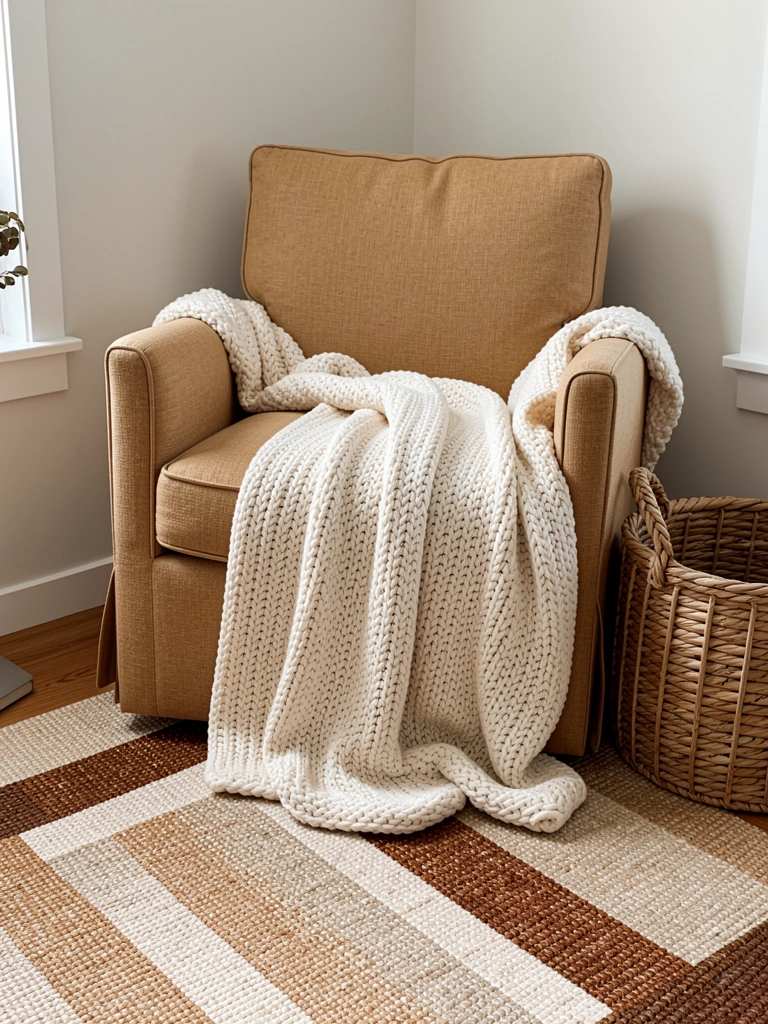
Warm neutrals—cream, beige, warm gray, and taupe—create depth when you layer them instead of sticking to one shade. This approach adds visual interest while keeping the space cohesive and calming.
Start with a neutral base paint, then layer in rugs, blankets, and pillows in slightly different warm tones. A jute rug ($50–150 from IKEA or Wayfair) topped with a wool throw ($60–120) and cream linen pillows ($20–40 each) build warmth without matchy-match feeling. The key is varying texture—smooth linen next to chunky knit, sleek wood beside woven jute.
Swap out one textile monthly during seasons to keep the look fresh without a full redesign.
4. Install Wood-Plank Ceiling for Architectural Warmth
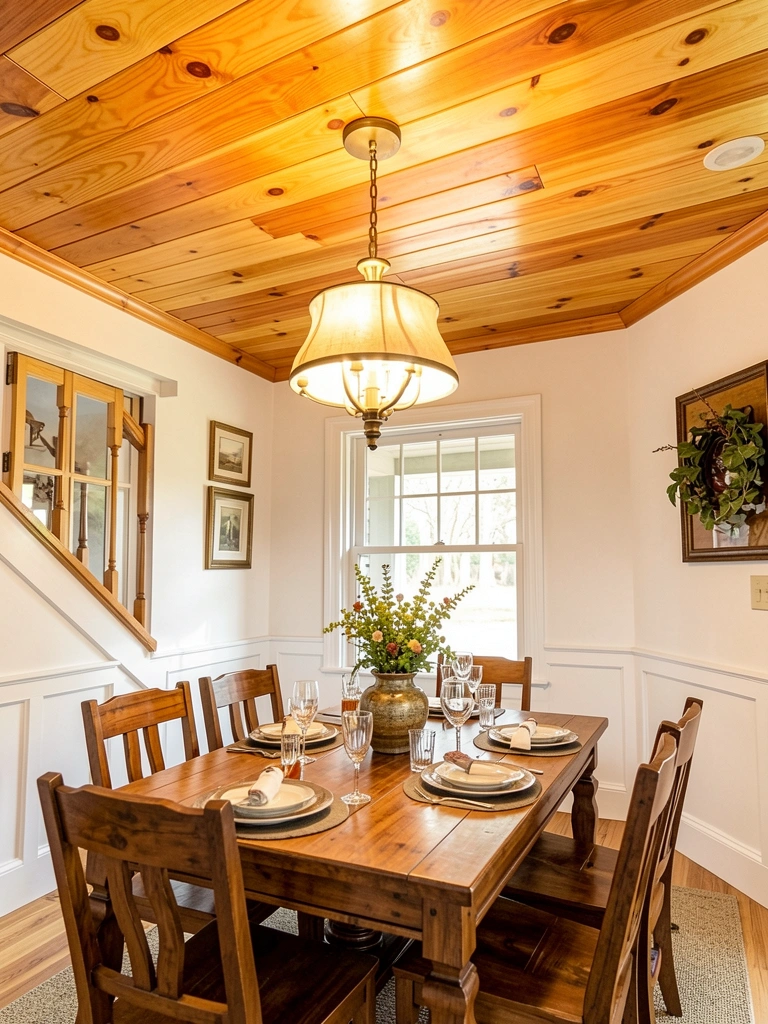
A wood-plank ceiling instantly adds character and brings organic warmth to any room. Shiplap or tongue-and-groove wood draws the eye upward and makes spaces feel both cozy and intentional—far more interesting than drywall.
Real wood runs $200–800 depending on coverage and quality; labor is $800–2000. Peel-and-stick wood veneer ($100–300 for a room) offers a renter-friendly option that looks surprisingly real up close. Installation takes a weekend for DIY or 1–2 days professionally. Pair with soft overhead lighting to avoid harsh shadows.
Your ceiling becomes a design feature, not forgotten space. Guests notice it immediately.
5. Create a Feature Wall with Hand-Stenciled Patterns

Hand stenciling beats wallpaper for customization and cost. You control the pattern, color, and placement—plus you can redo it without residue damage (renter gold).
Buy a stencil ($10–30 from Etsy or craft stores), acrylic paint in your earth tone ($5–8), and foam rollers ($3–5). Tape off your wall section, apply paint over the stencil, let dry, repeat. Budget 4–6 hours for a 10×12 wall. YouTube has countless tutorials—search “hand stenciling wall patterns” for step-by-step guidance. Start small (above a bed or behind a sofa) before committing to a full wall.
Your wall becomes one-of-a-kind art that reflects your taste, and you saved hundreds versus wallpaper or a mural artist.
6. Swap Out Light Fixtures for Brass or Bronze Art Deco Chandeliers
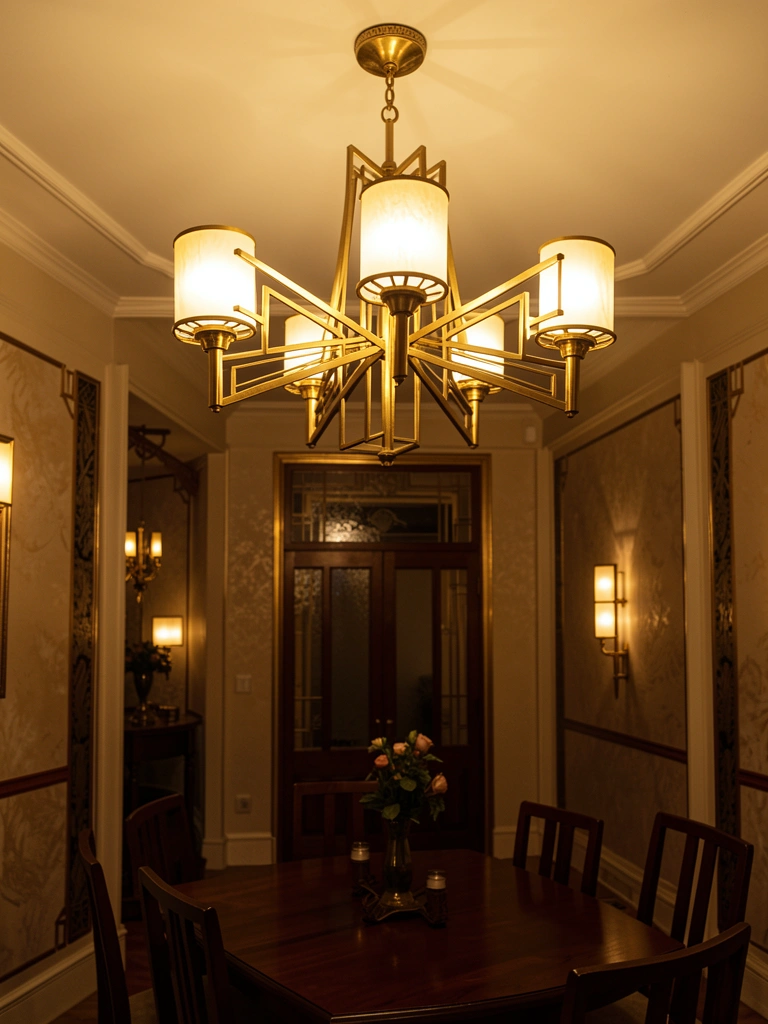
Lighting is jewelry for your home. Replacing a basic overhead fixture with a statement brass or bronze chandelier grounds a room in warmth and instantly reads as elevated.
Vintage Art Deco chandeliers run $150–500 on Etsy or Wayfair; modern reproductions are $80–250 on Amazon or West Elm. Swapping fixtures takes 30 minutes if you’re comfortable with basic wiring (watch tutorials first or hire an electrician for $100–200). Install in entryways, dining rooms, or bedrooms where guests see it.
The warm glow from brass or bronze naturally flatters skin tones and creates intimacy, even in bright daylight.
7. Add Curved Furniture to Soften Hard Edges
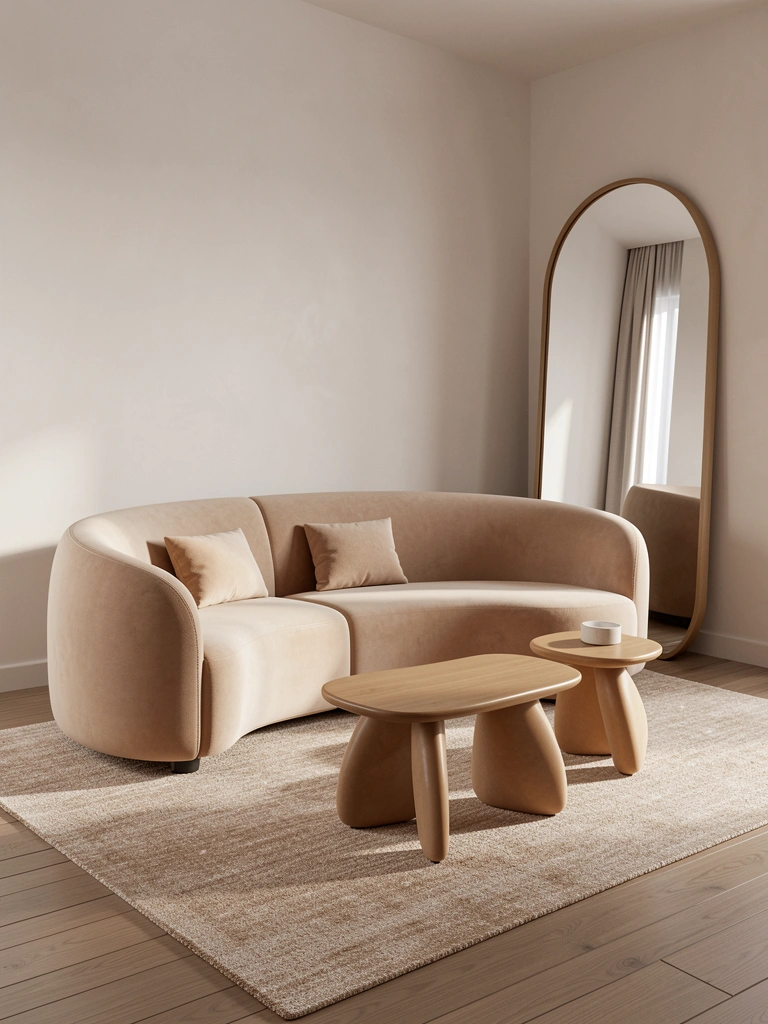
Straight lines feel modern but cold; curves feel organic and comforting. Swapping angular furniture for rounded pieces—curved sofas, scalloped chairs, circular tables—softens your entire room’s energy.
Search “curved sofa” or “rounded armchair” on Wayfair, Article, or CB2 ($500–1500 for a sofa; $200–400 for accent chairs). Budget-friendly option: pair an angular existing sofa with one curved accent chair ($200–350). Curved furniture photographs beautifully and feels more luxe than boxy pieces, even when it’s affordable.
The room feels less corporate and more approachable. Movement feels natural instead of rigid.
8. Layer Patterned Rugs and Textiles Without Fear
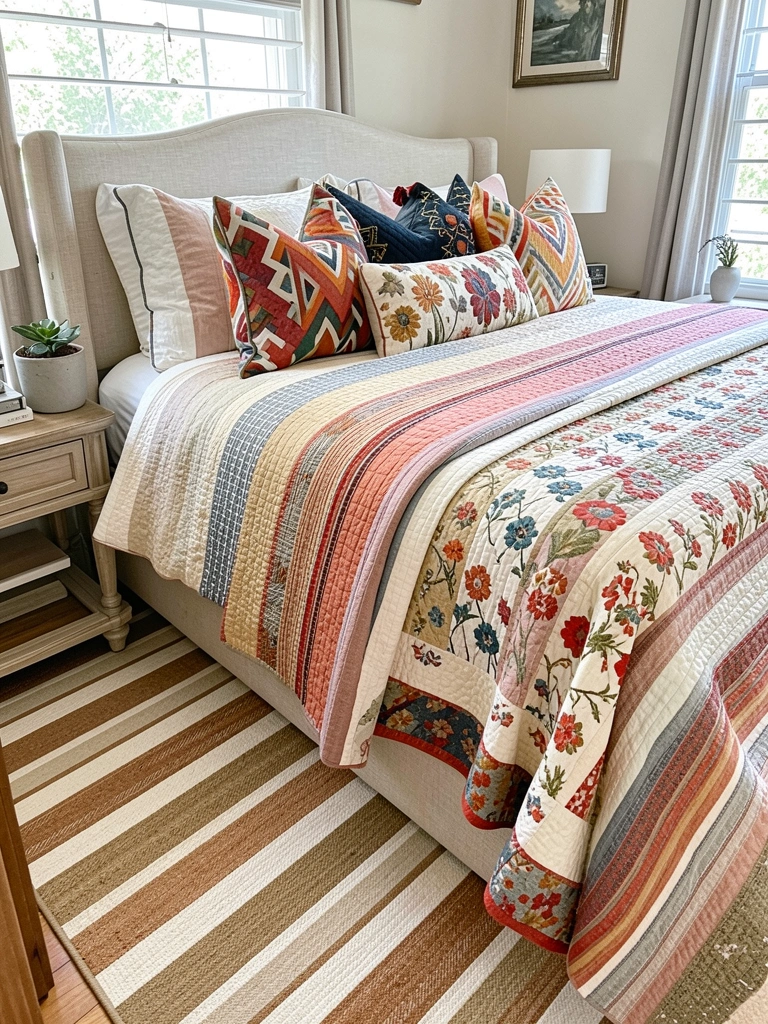
Maximalism is back, and it means mixing patterns without overthinking. Stripes next to florals, geometric next to abstract—when tied together by an earthy color palette, it’s intentional, not chaotic.
Pick 3–4 patterns that share one warm tone (chocolate brown, sage, cream, terracotta). Layer a striped rug ($60–200), patterned throw pillows ($15–40 each), and a quilted or patterned blanket ($40–100). Start with items you can easily swap if they don’t work; most online retailers have free returns.
Your space gains personality and visual depth. It stops looking like a showroom and starts looking like home.
9. Paint Cabinetry in Earthy Jewel Tones

Cabinet color is bold but reversible (you can always repaint). A deep sage, terracotta, or warm gray cabinet transforms a kitchen without the investment of new cabinets.
Use cabinet-specific paint like Benjamin Moore Advance ($40–60 per quart) or hire a pro for spray-painting ($800–1500 for full kitchen). DIY takes a weekend; professional spray finish lasts longer. Replace hardware with warm brass or bronze knobs for $40–100 total. The impact? Massive—guests think you renovated.
Pro tip: Paint lower cabinets and leave uppers white for balance and light.
Your kitchen goes from dated to intentional in one weekend with budget flexibility.
10. Install Arched Doorways or Curved Doorway Trim
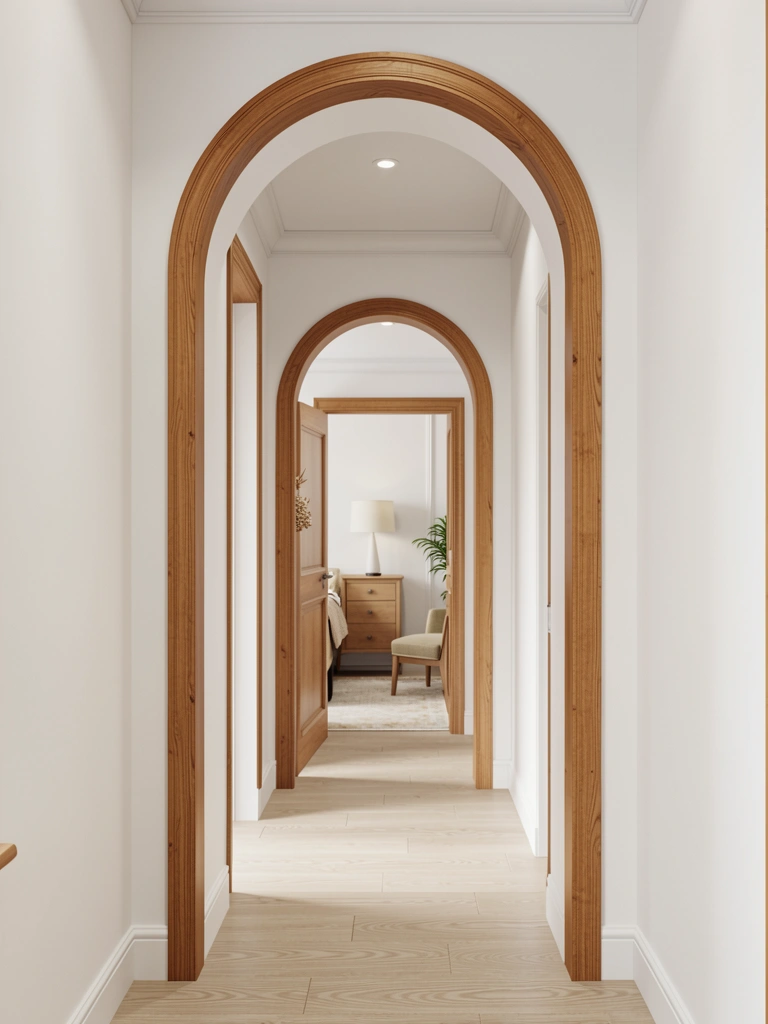
Arches are the softest architectural detail you can add. They break up straight lines, reference Art Deco and vintage design, and feel playful without being over-the-top.
Real arch installation costs $500–2000 and requires professional framing. For renters or budget-conscious homeowners, curved doorway trim kits ($50–150 from specialty hardware stores) attach to existing rectangular doors and mimic the effect. Installation takes 2–3 hours. Alternatively, use a removable curved architectural frame ($80–200) that sits around existing doorways.
Arched entries create a sense of threshold—you’re moving from one intentional space to another, which psychologically feels more luxe.
11. Use Terracotta Pots and Planters Throughout
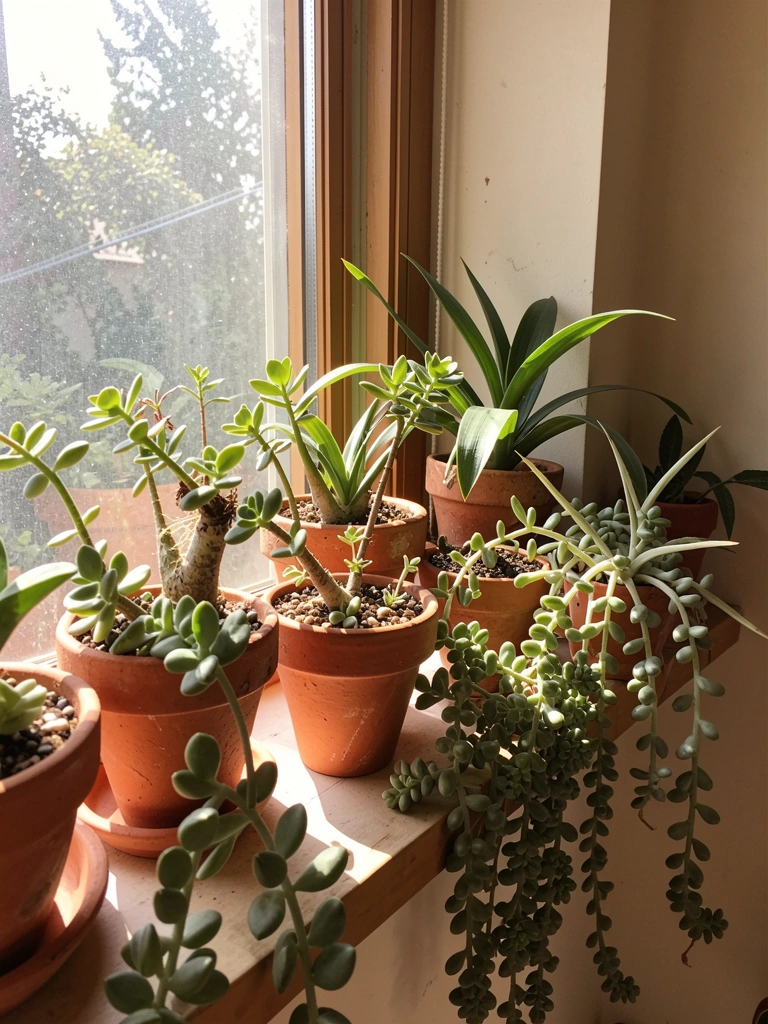
Terracotta is the OG earth tone and costs almost nothing. Clustered on shelves, windowsills, or grouped on the floor, terracotta pots add warmth and immediately read as intentional styling.
Buy pots in bulk from garden centers ($2–10 each depending on size) or HomeGoods ($5–25 for larger decorative pots). Fill with low-maintenance plants like pothos, snake plants, or succulents ($5–20 each). Group in odd numbers (3, 5, 7) at varying heights for visual interest.
Your home gains life, warmth, and a organic vibe. Plants also improve air quality—bonus.
12. Add Textured Wall Paneling (Shiplap or Grooved Boards)
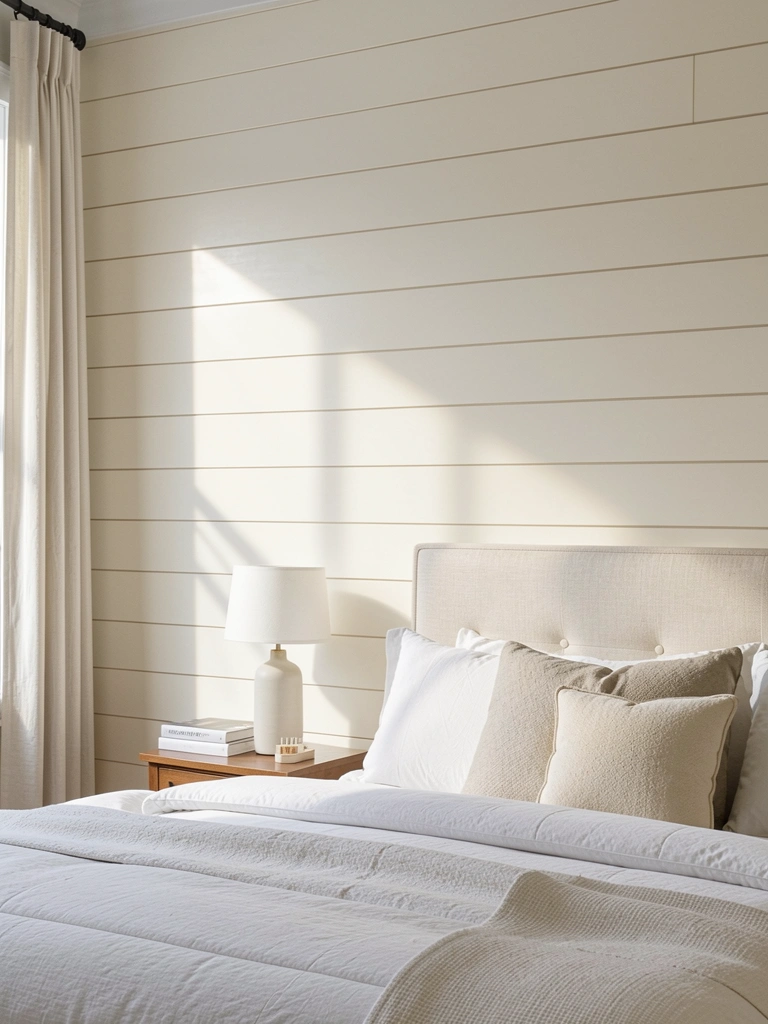
Paneling adds dimension and visual interest—the grooves catch light and create shadow play that flat paint can’t. It reads as high-end even on a budget.
Real wood shiplap runs $200–600 per wall including installation; peel-and-stick shiplap ($80–200) works for renters. Grooved MDF panels ($100–300) give the look without cost. DIY shiplap takes a full weekend; hire a handyperson for $400–800 labor. Install on one accent wall for impact without overdoing it.
Textured walls become a backdrop for art, mirrors, and decor—everything looks better against paneling than flat walls.
13. Layer Warm Wood Tones in Furniture and Flooring
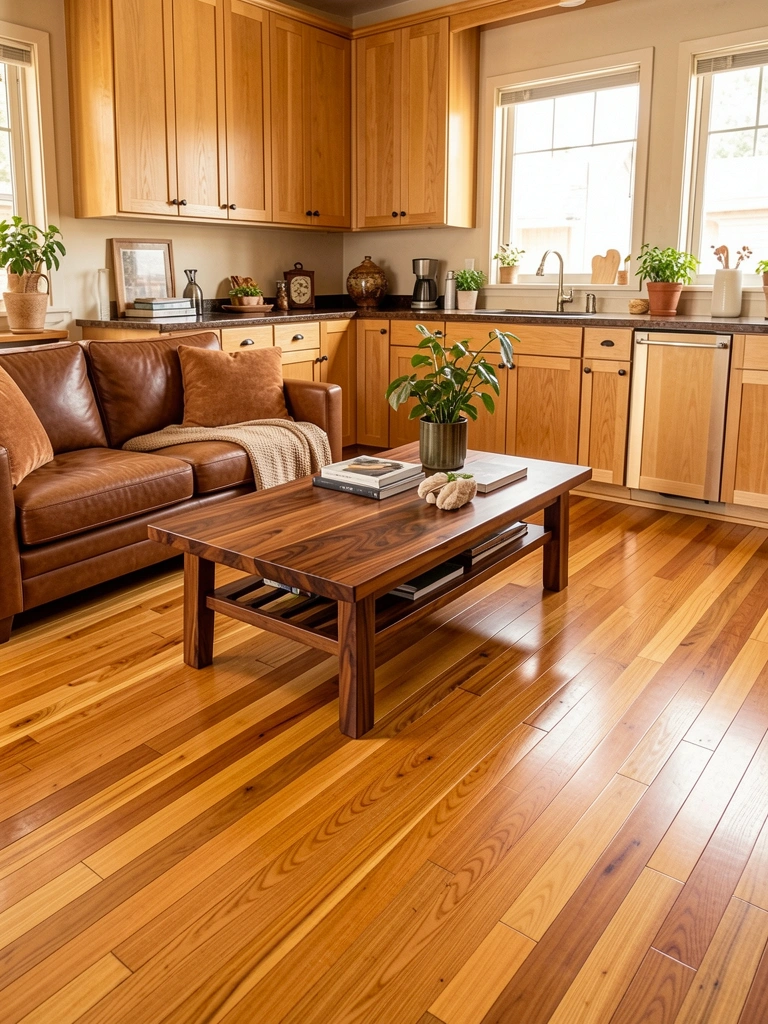
Mixing warm wood tones (honey, walnut, oak, cherry) in the same space sounds risky but works beautifully when you commit to warm earth tones everywhere else. The variety in wood grain becomes a feature, not a mistake.
You don’t need to replace everything—layer in one walnut piece ($200–600 for a dresser or desk) with existing honey-toned furniture. Use wood stain ($15–30) to warm up existing pieces, or refinish floors ($800–2000) if you own. Warm wood + warm paint + warm textiles = cohesive warmth.
Your space gains richness and depth. Multiple wood tones feel collected and intentional, not mismatched.
14. Hang Oversized Mirrors with Brass or Wood Frames

Mirrors multiply light and space, especially when framed in warm metals or wood. An oversized brass or wooden-framed mirror becomes a statement piece, not just functional.
Search “oversized brass mirror” or “round wood frame mirror” on Wayfair or Article ($150–500 for quality). Budget option: thrift a basic mirror frame ($5–30) and wrap it in rope or wood trim ($10–40) for a DIY upgrade. Hang at eye level or lean against a wall for flexibility.
Pro tip: Position opposite a window to bounce natural light around the room.
The space feels larger and brighter. Mirrors also catch and reflect the warm tones you’ve added—they become part of your earth-tone design.
15. Switch to Warm White Paint on All Trim and Ceilings
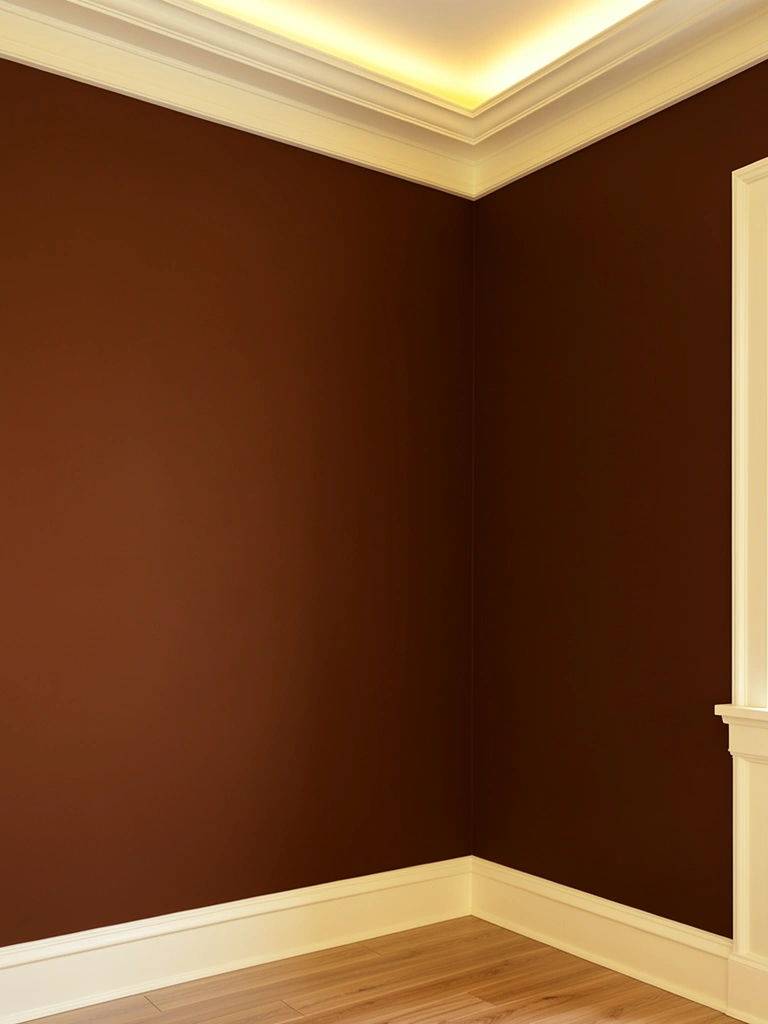
If your walls are earthy and rich, your trim and ceiling should be warm white (not stark white or cool gray). This balance prevents rooms from feeling dark or cave-like.
Warm whites: Benjamin Moore OC-17 (White Dove), Sherwin-Williams SW 7005 (Pure White), or Benjamin Moore HC-172 (Pale Oak). Paint costs $40–80; labor is $300–600 if hiring out. This single change makes earth-toned walls feel intentional and elevated instead of heavy.
The room breathes. Dark walls + dark trim feel oppressive; dark walls + warm white trim feel designed.
16. Create a Reading Nook with Layered Textures
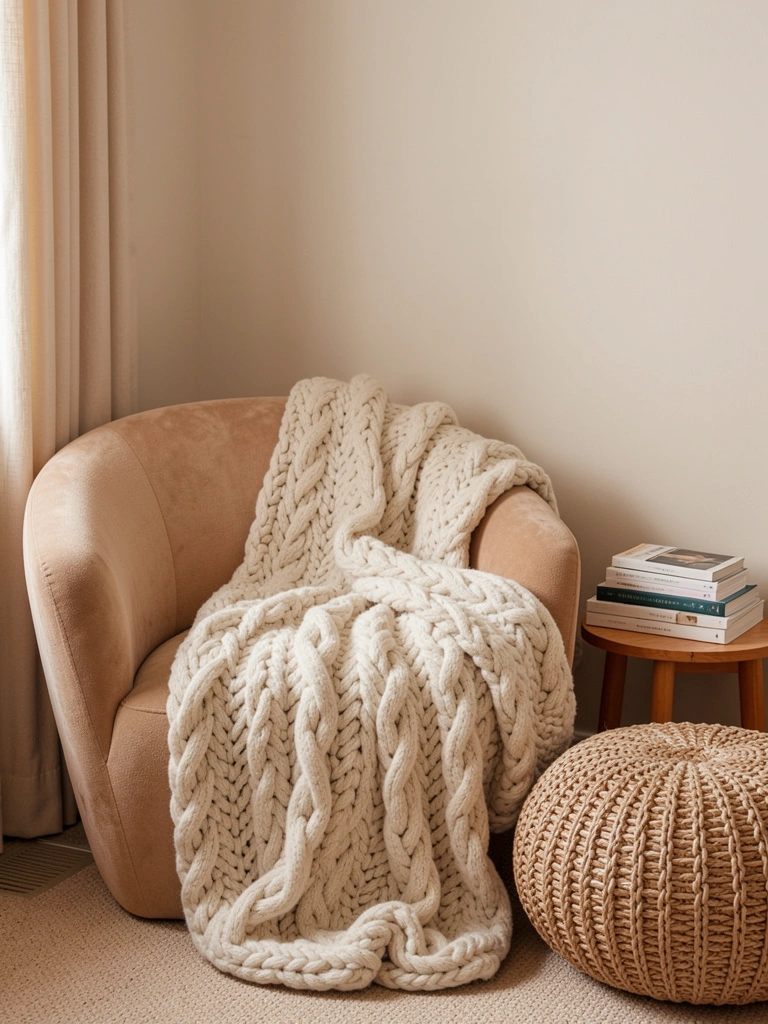
Designated cozy spaces make homes feel intentional and luxe. A reading nook layers texture—soft fabrics, natural materials, warm lighting—into a small, defined zone.
Pick a corner and add: a comfortable chair ($200–500), side table ($50–150), ottoman or pouf ($40–100), throw blanket ($40–80), and warm lighting like a brass floor lamp ($80–200). Total investment: $400–1000 depending on quality. Renter-friendly: use items you already own and layer in affordable pieces from Target or Article.
This nook becomes your retreat. You’ll use it daily and guests immediately see your design intention.
17. Paint Interior Doors in Contrasting Earthy Tones
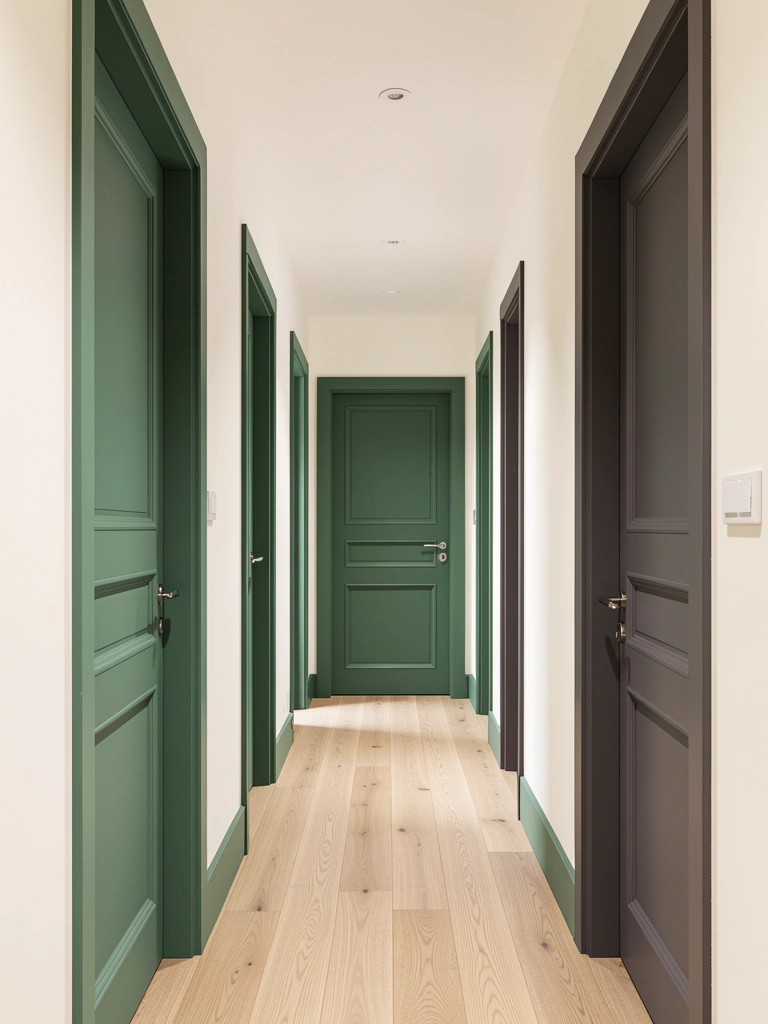
Interior doors are overlooked real estate. Painting them in a contrasting earthy tone (different from your walls) adds architectural interest and makes hallways feel intentional.
Paint doors sage, terracotta, deep gray, or warm charcoal ($40–80 for paint). A single door takes 2–3 hours; full house is a weekend project. This costs almost nothing but creates maximum impact. Pair with warm brass or bronze door hardware ($20–50 per door) for cohesion.
Your hallway stops being a pass-through and becomes part of your design story.
18. Install Floating Wood Shelves for Natural Warmth
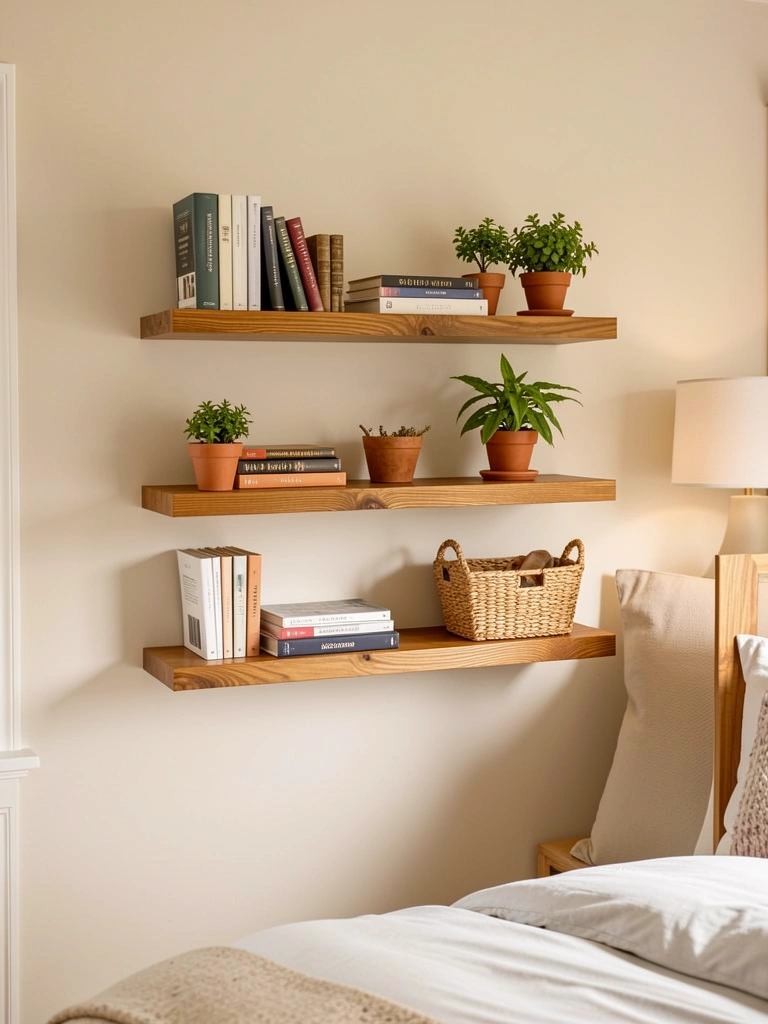
Floating shelves combine storage, display, and architectural warmth. Wood shelves anchor a room in natural materials and let you style with plants, books, and woven baskets.
Floating shelves run $30–80 each (IKEA, Wayfair) plus $50–150 installation if hiring help. DIY installation takes an afternoon with basic tools and a level. Walnut, oak, or honey-toned wood pairs perfectly with earth-tone palettes.
Style with: terracotta pots, stacked books, woven baskets, and small plants for a collected, curated look.
Your wall becomes functional decor. Shelves display your taste while adding architectural interest that flat walls can’t achieve.
19. Layer Brass and Bronze Hardware Throughout
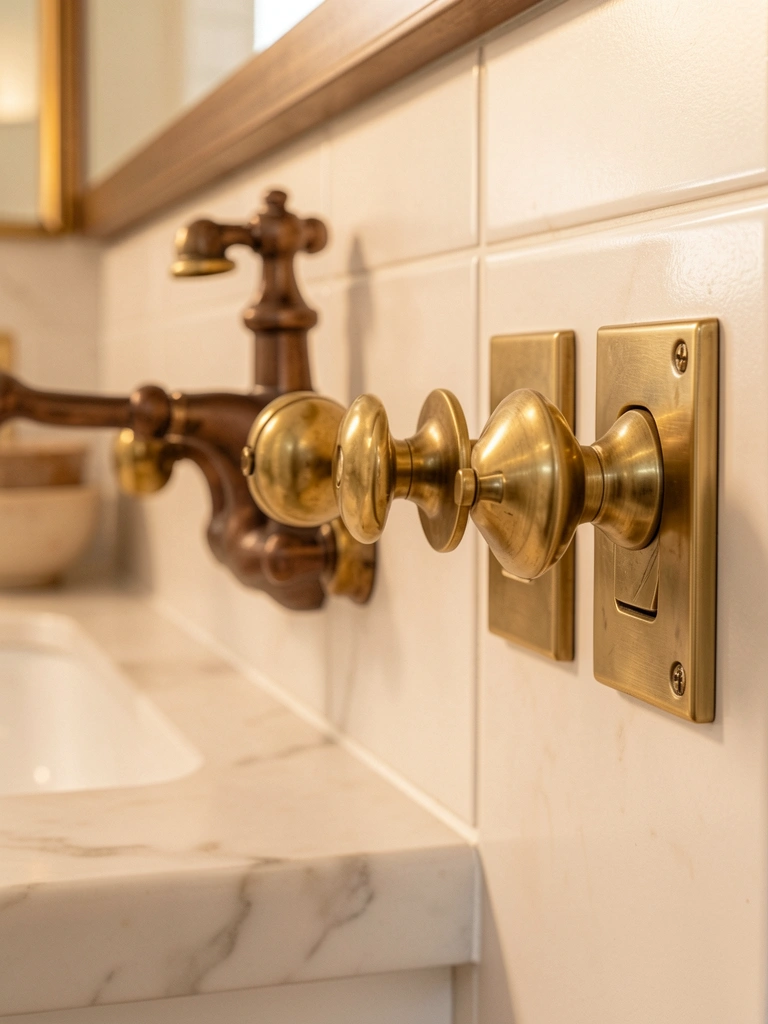
Metallics matter. Swapping silver or chrome hardware for warm brass or bronze instantly upgrades a space’s vibe and ties into your warm earth-tone palette.
Replace cabinet knobs ($3–8 each), faucet ($100–400), light switch covers ($2–5 each), and towel racks ($20–60). Budget $50–200 for a full bathroom or kitchen refresh. Most hardware swaps take an afternoon and require no special skills beyond a screwdriver.
The cohesive warm metallic threading through your space ties everything together. It reads as intentional and expensive.
20. Paint Your Front Door in a Bold Earthy Shade
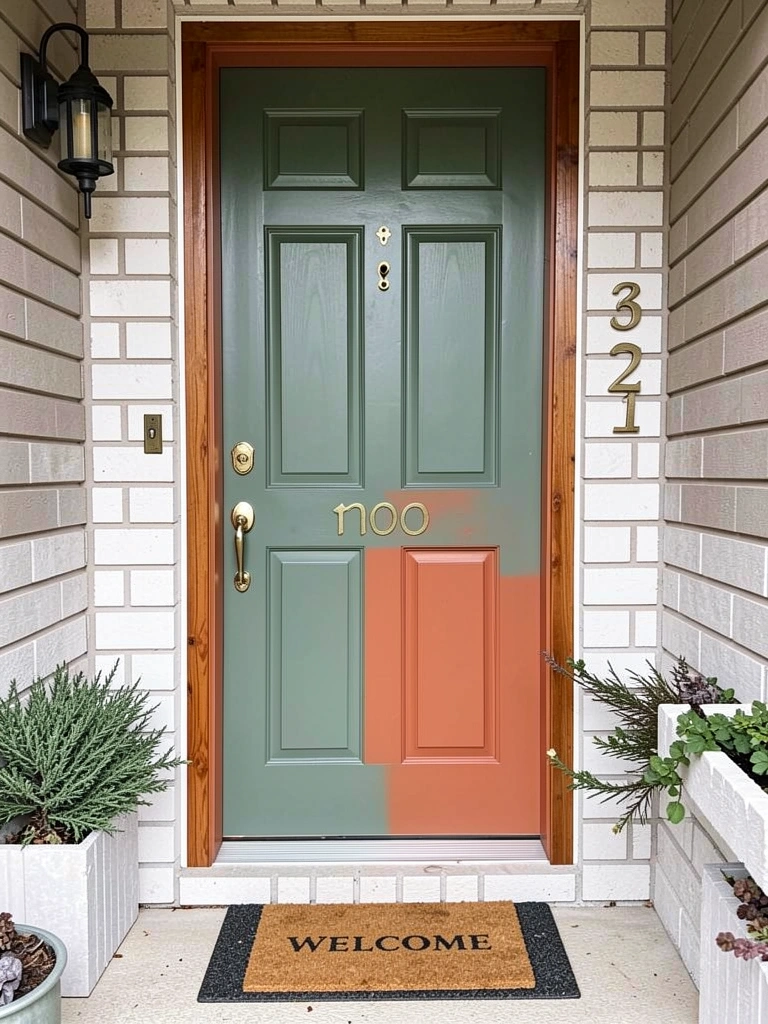
Your front door is your first design statement. A bold earthy shade (sage, terracotta, warm charcoal, or deep brown) signals that you have taste and intention right from the curb.
Use exterior-grade paint in your chosen earth tone ($50–100 for paint plus primer). One door takes 3–4 hours including prep and dry time. Add brass or bronze house numbers ($30–80) and hardware ($40–100) to complete the look.
Guests feel welcomed. Your home stands out on the street. You’ve set the tone for the warm, intentional space inside.
21. Add a Gallery Wall with Wood and Metal Frames

A gallery wall is art meets organization. Mix frame styles in warm woods and metals, then fill with art, prints, or photos that tie to your earth-tone palette.
Frames run $10–40 each from IKEA, Target, or Etsy; art prints are $3–20 each from Etsy or Minted. Total budget for 9–12 pieces: $150–400. Spend an hour sketching your layout on paper before hanging, or use painter’s tape directly on the wall to test arrangement.
Your wall becomes a reflection of your personality and aesthetic. It’s the first thing people see and remember.
22. Use Woven Baskets for Storage and Texture

Woven baskets do double duty: they store clutter and add organic texture. Grouped together, they’re sculptural and immediately read as intentional styling.
Rattan or jute baskets cost $15–60 each from IKEA, HomeGoods, or Target. Buy 2–4 in varying sizes and group on the floor, on shelves, or under tables. They hide mess while adding warmth and movement to your space.
Pro tip: Fill baskets with extra blankets, books, or off-season items—they become functional decor.
Your room looks curated and intentional. Clutter disappears but stays accessible.
23. Paint Your Bedroom Doors and Frames in Coordinating Tones

Painting doors and frames in coordinating earth tones creates threshold moments—visual punctuation that says “this space is designed.” It defines rooms without walls.
Choose a door color that echoes or contrasts with your wall color. Paint the frame in warm white or a lighter shade of the same tone. Budget $60–120 for paint; 3–4 hours DIY time. Pair with a matching interior or exterior door hardware color for visual flow.
You create a sense of arrival and intention. Each room feels like a separate design story.
24. Add a Decorative Throw Blanket in Earth Tones to Every Seating Area
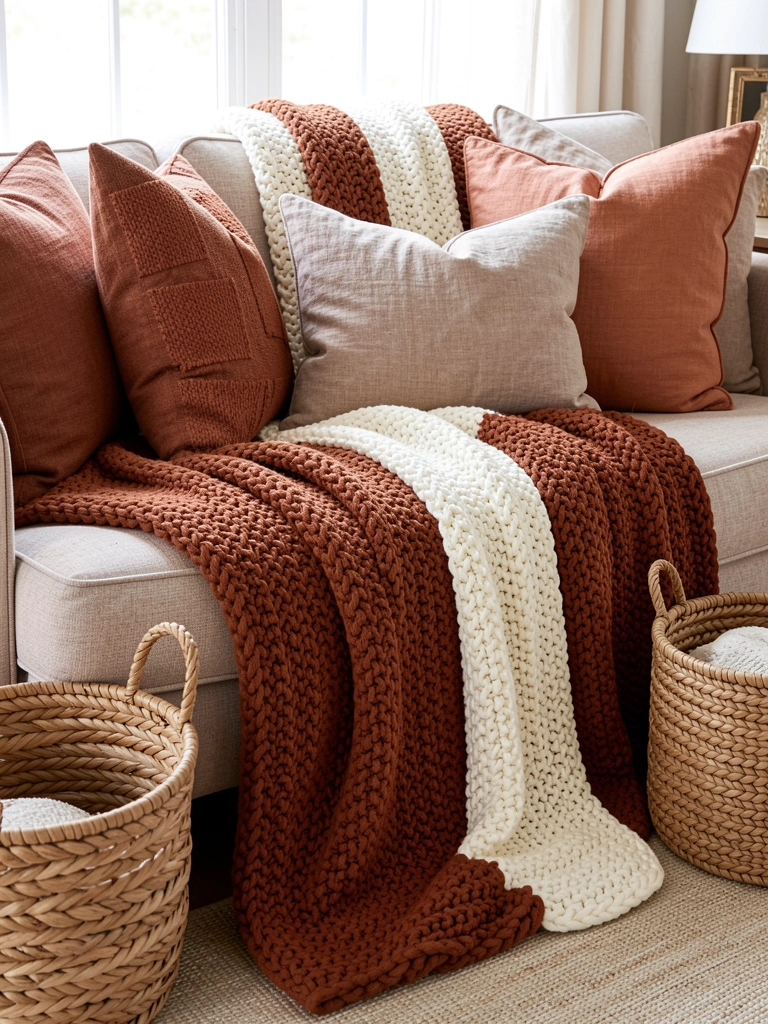
A throw blanket is the quickest way to add warmth (literally and visually). Draped over a sofa or chair, it signals coziness and gives you an instant styling layer.
Quality throw blankets run $40–120 from Parachute, Etsy, or Target. Pick one in chunky knit, linen, or wool in your earth-tone palette. Layer it over a sofa or armchair, drape it asymmetrically, or fold it into a basket for casual access.
Your seating area feels lived-in and intentional. You’ve added color, texture, and functional coziness in one move.
Save this post for your next home refresh and try one idea this weekend—even small changes add up to big warmth. Which earth tone will you start with?
Leave a Reply