Introduction
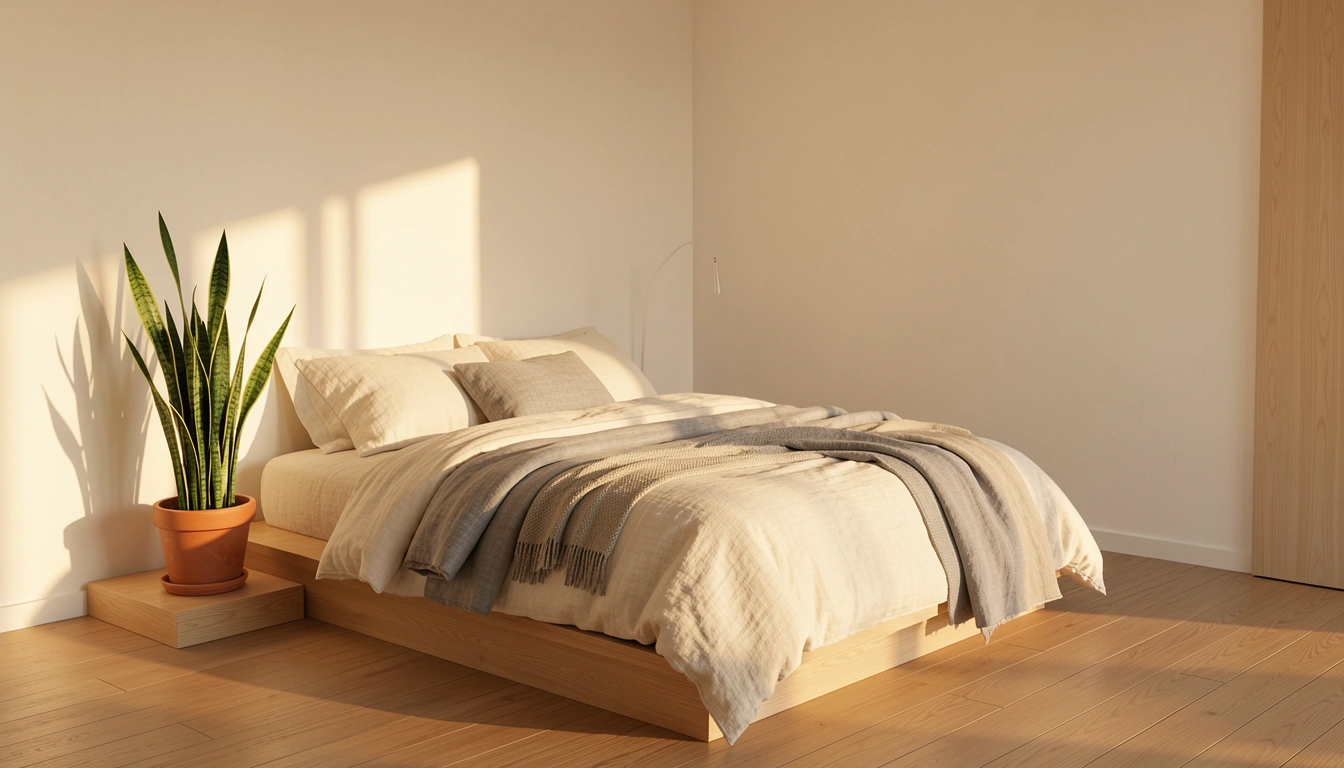
Tired of beds that feel too high, too bulky, or too disconnected from your space? Floor beds are having a major moment—and for good reason. They create an instant sense of calm, make small rooms feel bigger, and work beautifully in minimalist, Scandinavian, and Japanese-inspired designs. Whether you’re renting, downsizing, or just craving a bedroom that feels like a peaceful retreat, a floor bed might be exactly what you need. The best part? You don’t need much money or DIY skills to make it work. From simple platform solutions to styled sanctuary spaces, here are 24 ideas to help you create a cozy, minimal bedroom that actually makes you want to go to bed early.
1. Start With a Basic Platform Frame
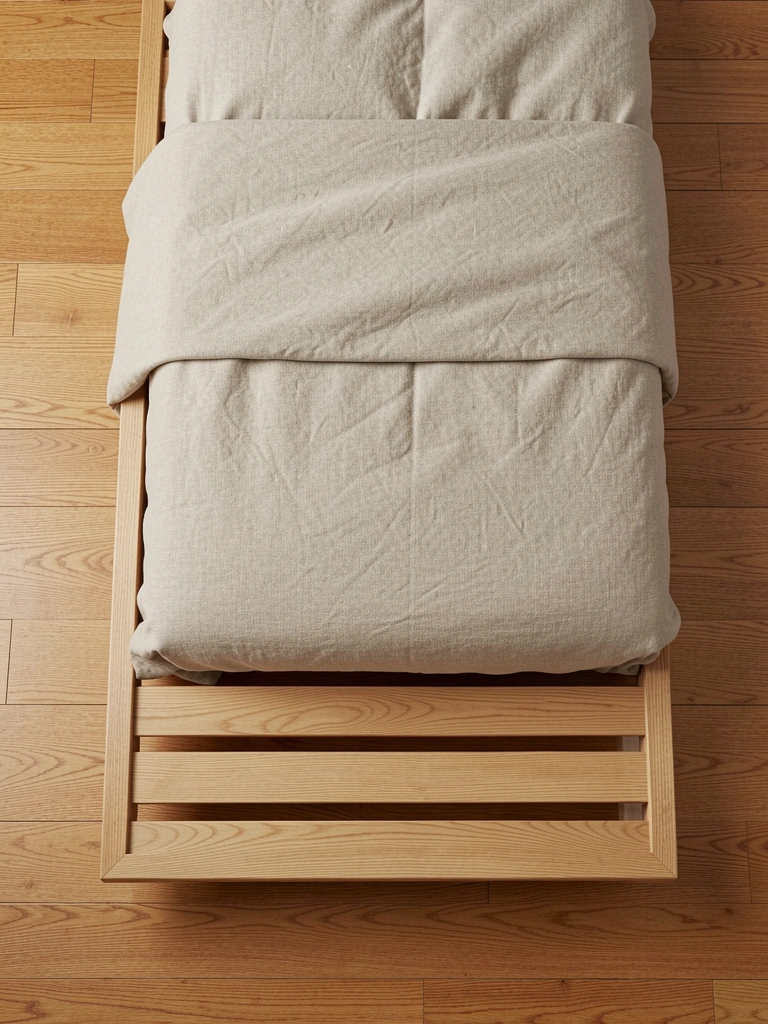
A solid platform bed frame is the foundation for everything. Unlike traditional beds with box springs, platforms sit just 12–18 inches off the ground, creating that grounded, minimal look instantly.
Look for frames with clean wood slats (no box spring needed). IKEA’s Malm frame ($150–$300) is a budget-friendly starting point, while Article and Wayfair carry more design-forward options in the $400–$800 range. If you rent, consider a low-profile platform that requires minimal assembly—most can be set up in under an hour with just a screwdriver.
The lower profile also makes your room feel more spacious because your eye naturally travels across the floor first. Your ceiling seems higher when the furniture isn’t fighting for that visual real estate.
2. Layer Natural Linen for Texture
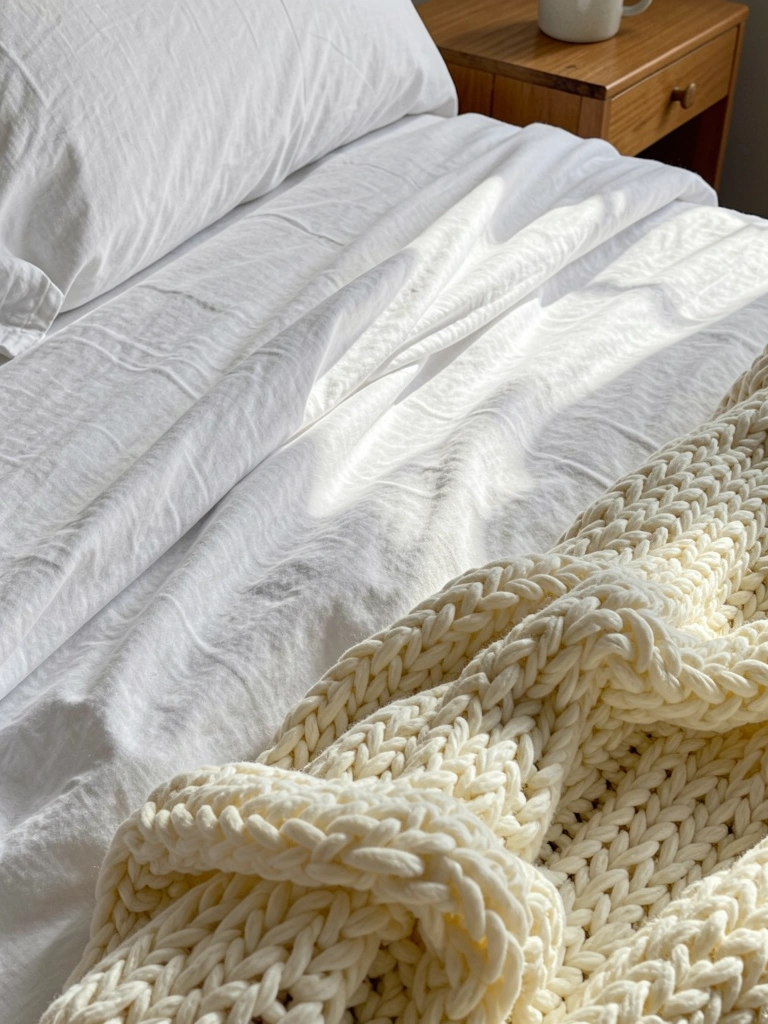
Natural linen bedding isn’t just beautiful—it regulates temperature, softens with every wash, and adds authentic texture that makes your bed look intentionally styled.
Invest in quality linen sheets in neutral tones: Parachute ($200–$350 per set) offers OEKO-TEX certified linen, while Etsy sellers and Target’s Threshold collection ($100–$150) provide affordable alternatives. Layer with a chunky knit throw ($50–$120) for depth. The result feels both luxe and lived-in—like a bed you actually want to fall into, not just look at. These fabrics also age beautifully, developing a softer hand over time.
3. Create a Grounding Anchor With a Low Rug
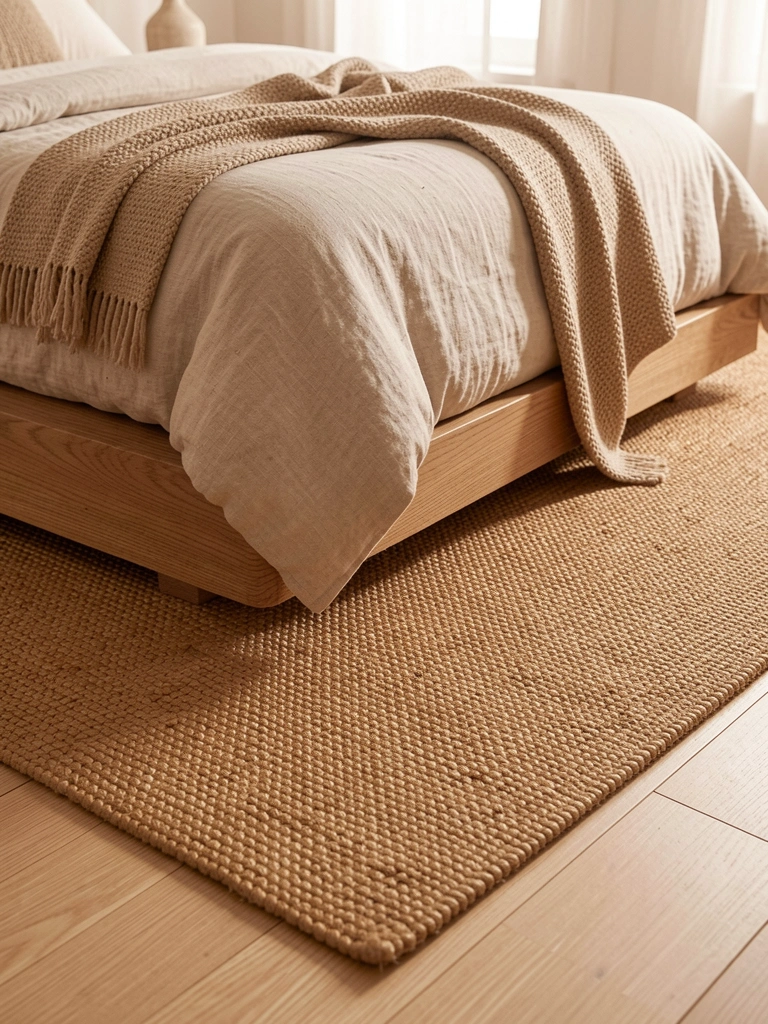
A rug pulls your floor bed into the room’s layout and creates a visual anchor that makes the low profile feel intentional, not like you’re sleeping on the floor.
Choose a natural fiber rug (jute, sisal, or wool blend) in a size that extends at least 3 feet on both sides of the bed. Ruggable offers washable options ($150–$400), while West Elm ($200–$600) and Etsy vintage sellers ($80–$300) have unique finds. Place the bed so one-third to one-half sits on the rug. This simple positioning trick grounds the whole arrangement and defines your sleep space without walls or dividers.
4. Paint an Accent Wall Behind Your Headboard
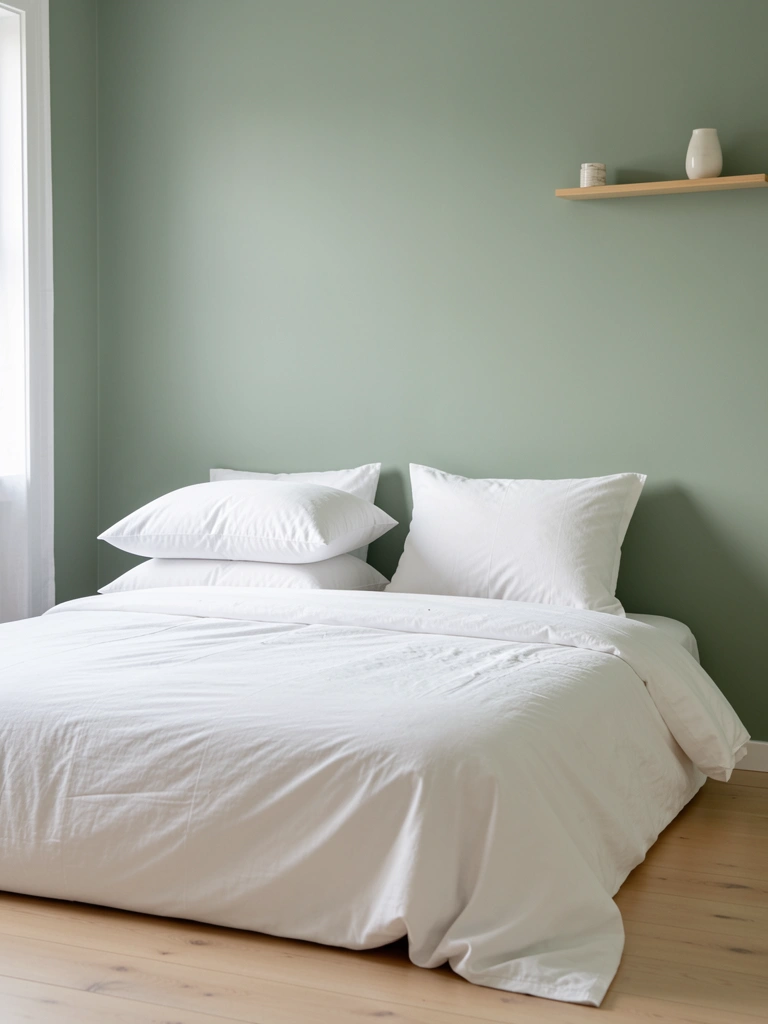
An accent wall behind your bed creates a focal point and adds personality without overwhelming your minimal aesthetic. Soft, muted tones work best for sleep spaces.
Choose warm whites, soft greens (sage, celadon), warm grays, or dusty blues—colors that calm rather than stimulate. Paint only one wall (or the wall section behind your bed) to keep things minimal. One gallon of quality paint costs $30–$50, and a DIY paint job takes one afternoon. If you rent, ask your landlord about temporary removable wallpaper ($20–$60 per roll) in similar tones. The right color makes your bedroom feel like a spa—instantly more restful and curated.
5. Use Bed Slats Instead of a Box Spring
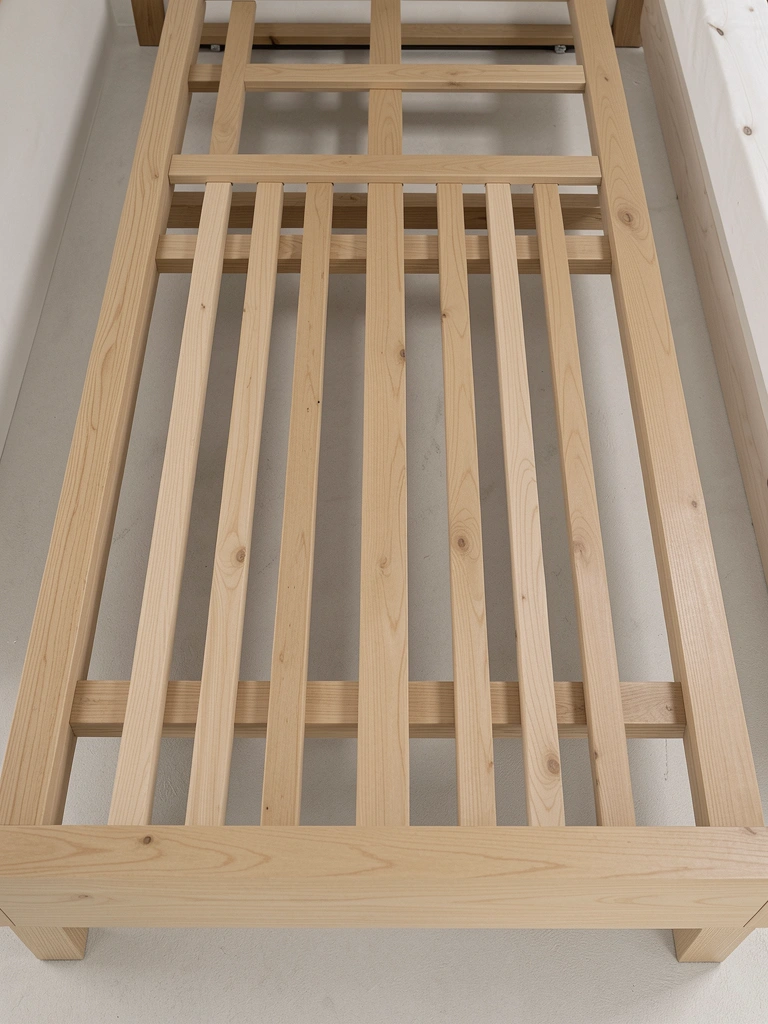
Bed slats replace the box spring entirely, keeping your mattress low to the ground while providing essential support and airflow.
Most modern platform frames come with slats, but if you’re using a basic frame, verify spacing is 3–4 inches apart for proper support. Metal slat systems cost $50–$150, while wooden options run $100–$300. This setup also prevents dust accumulation under the mattress and makes cleaning easier. You’re literally sleeping closer to the ground—a design choice that feels intentional and helps your brain associate your bed with rest.
6. Add Floating Shelves for Bedside Storage
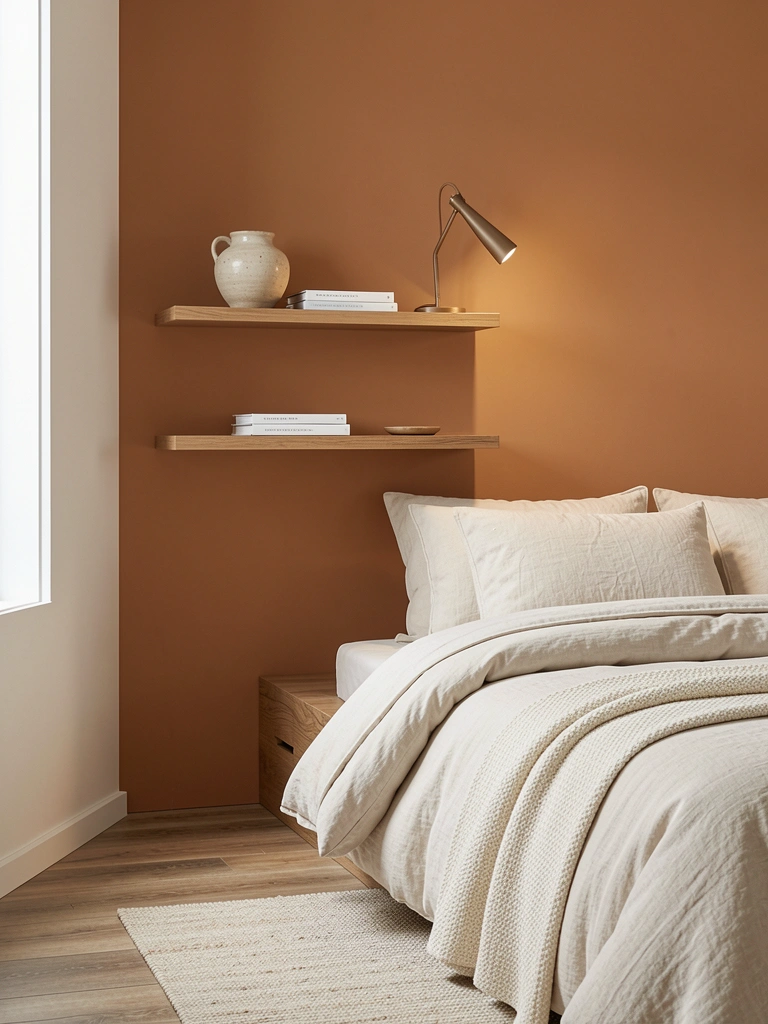
Floating shelves replace traditional nightstands, keeping the floor clear and maintaining the minimal vibe while providing practical storage.
Mount shelves 24–30 inches above the mattress surface (roughly shoulder height when lying down). Install two shelves on each side: one for essentials (lamp, phone, water glass), one for display items. Floating shelves cost $40–$150 per pair installed; IKEA’s Lack shelves ($15–$30) are budget-friendly if you have wall studs. This setup saves floor space, looks architectural, and keeps your bedroom clutter-free.
7. Invest in a Weighted Blanket for Better Sleep
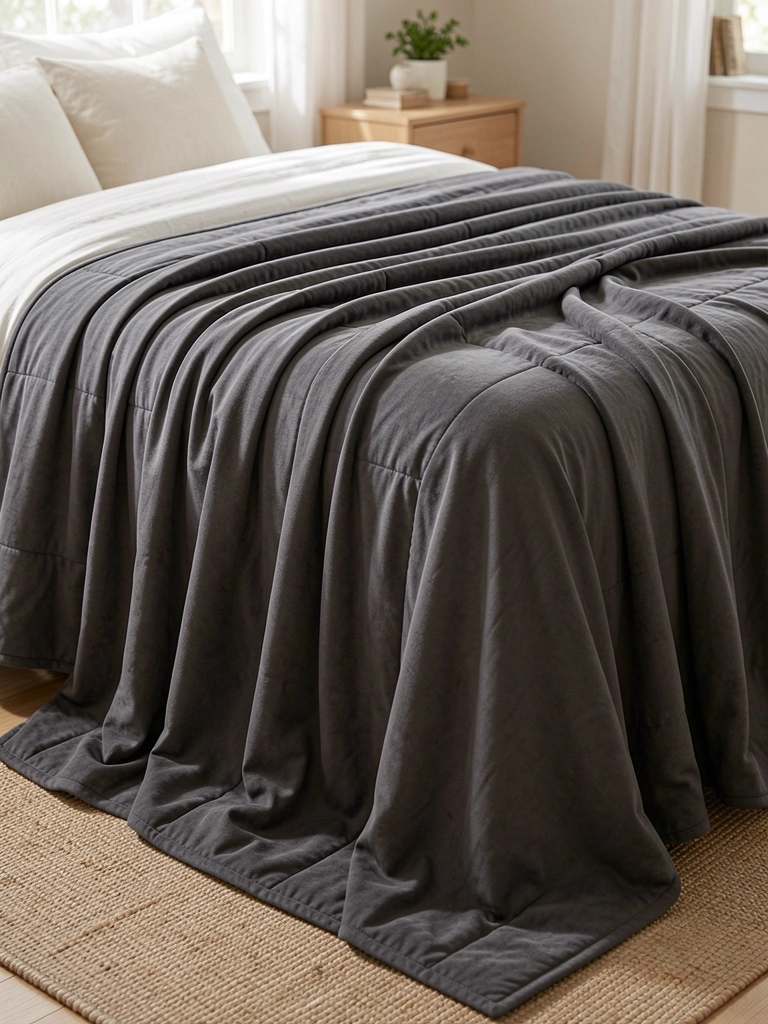
A weighted blanket uses deep pressure stimulation to calm your nervous system, helping you fall asleep faster and stay asleep longer—a wellness upgrade that really works.
Quality weighted blankets (12–20 lbs) cost $150–$400; brands like Bearaby ($265–$399) use organic cotton, while Gravity Blanket ($225–$395) and Amazon Basics ($80–$150) offer solid options. Choose a weight that’s 8–10% of your body weight. Drape it over your regular bedding for a styled, inviting look that also signals to your brain it’s time to wind down. Layering it on top creates visual interest and that luxe hotel aesthetic.
8. Install Dimmable Smart Lighting Above the Bed
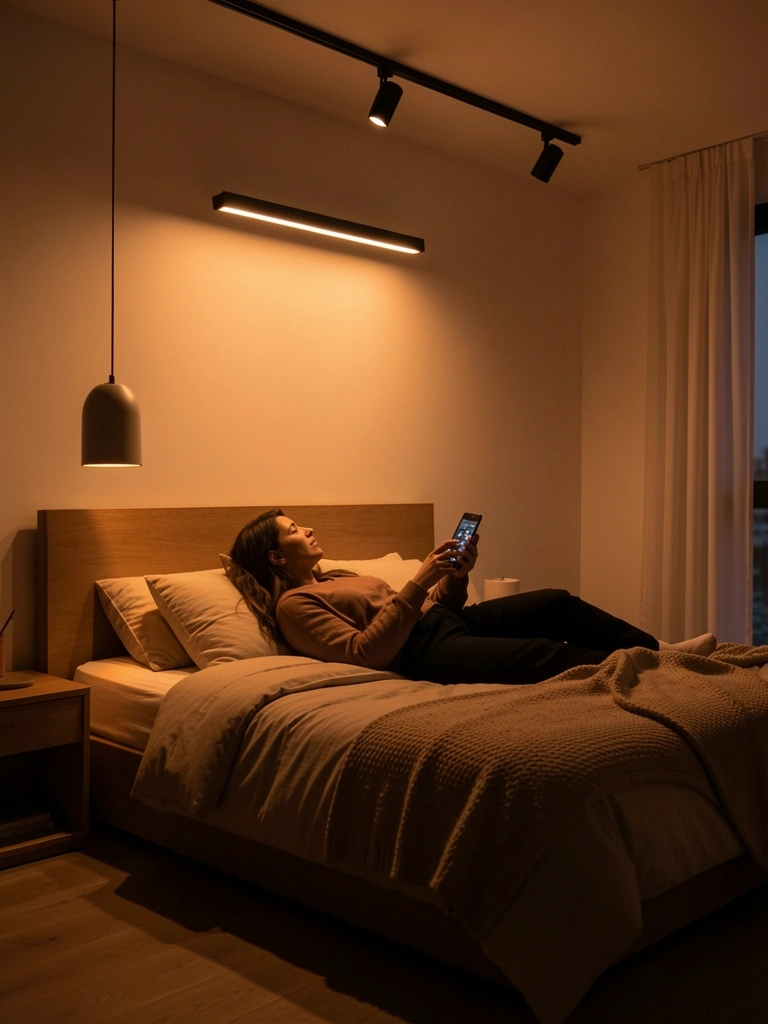
Smart lighting lets you adjust color temperature and brightness without leaving bed—essential for a bedroom that supports your sleep cycle and reading habits.
Install dimmable LED lights or smart bulbs ($15–$50 each) in existing fixtures, or add track lighting ($100–$300 installed) for more control. Brands like Philips Hue offer app-controlled color options, while LIFX provides affordable smart bulbs ($20–$40). Set lights to warm amber (2700K) at night to support melatonin production, and brighter white light for reading. You’ll notice the difference in how quickly you fall asleep and how rested you feel in the morning.
9. Mix Pillow Heights for Visual Softness
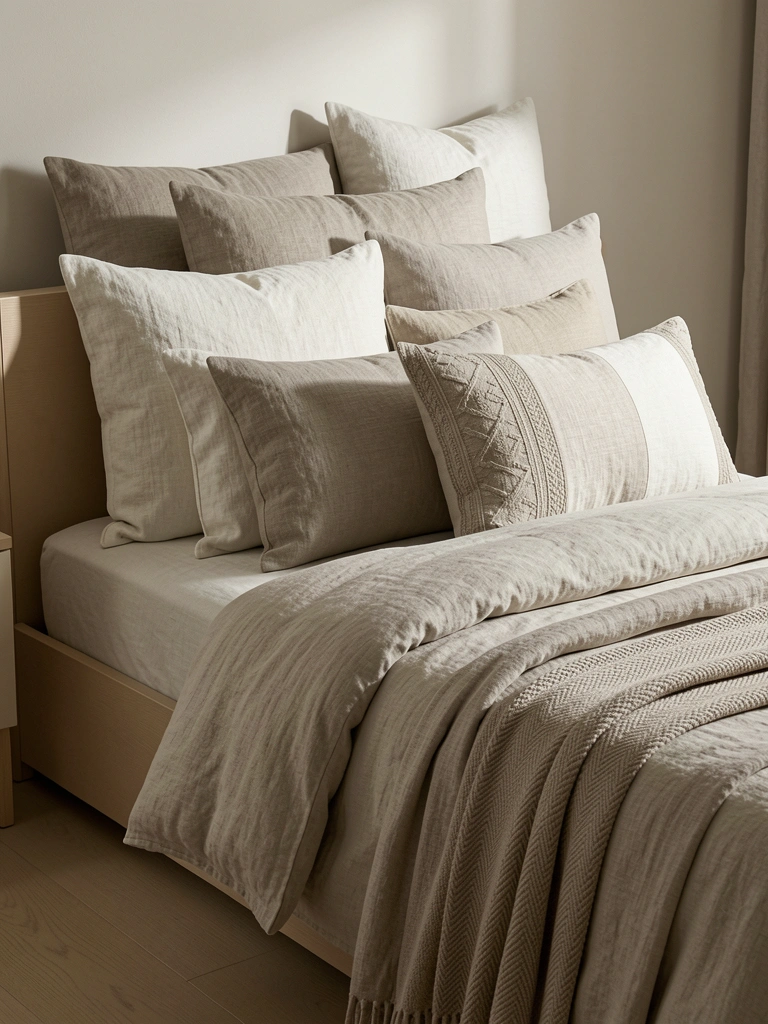
Layering pillows in different sizes (standard, Euro square, body pillow) creates a styled, resort-like look that’s also more comfortable for reading and lounging in bed.
Mix pillow types: start with a standard pillow in front, add Euro shams (26×26 inches) behind, and tuck a body pillow on one side. Use matching or complementary linen or cotton covers in whites, creams, and soft neutrals. Budget $80–$200 for quality pillow inserts and covers. This layering makes your bed look intentionally styled and gives you flexible comfort for different activities—sleeping, reading, working from bed on weekends.
10. Create a Reading Nook With a Low Chair
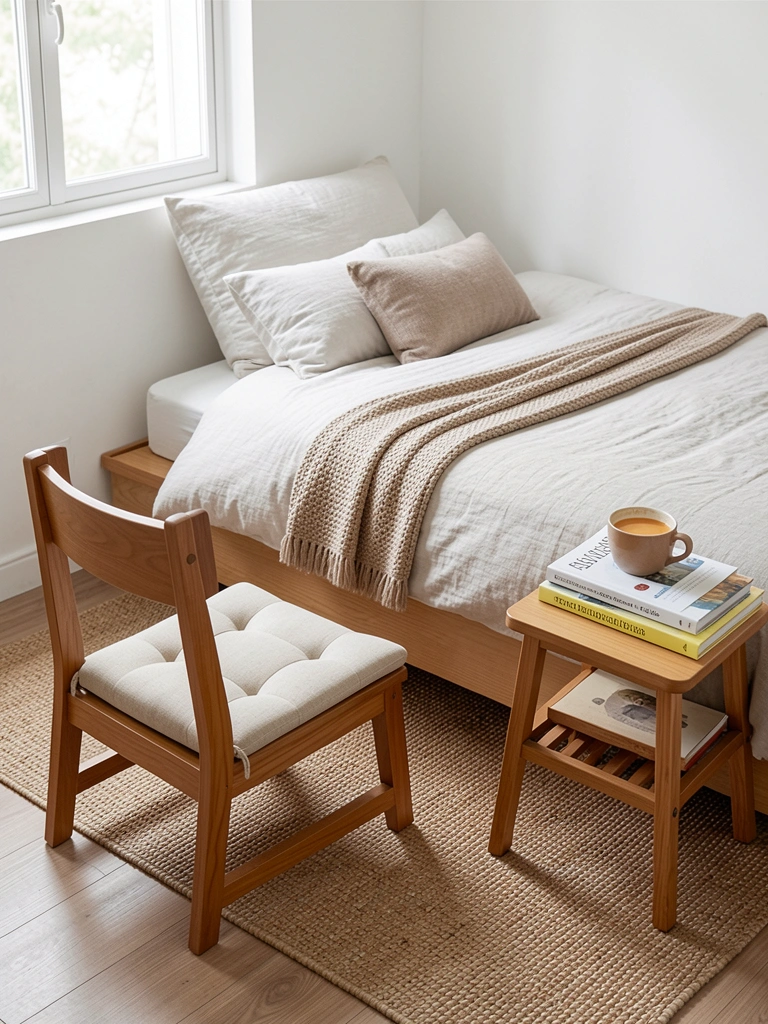
A low, paired-down chair beside your floor bed creates a dedicated reading space without cluttering your bedroom or competing with the bed as the focal point.
Look for chairs with clean lines: Article’s Sven Chair ($500+), IKEA’s Poäng ($80–$150), or a simple wooden frame with a linen cushion (DIY or Etsy, $100–$300). Position it close to a window for natural reading light. This companion piece makes your bedroom feel like a retreat rather than just a sleeping space—you’re giving yourself permission to rest, read, and do nothing, all in one room.
11. Use a Live-Edge Wood Headboard
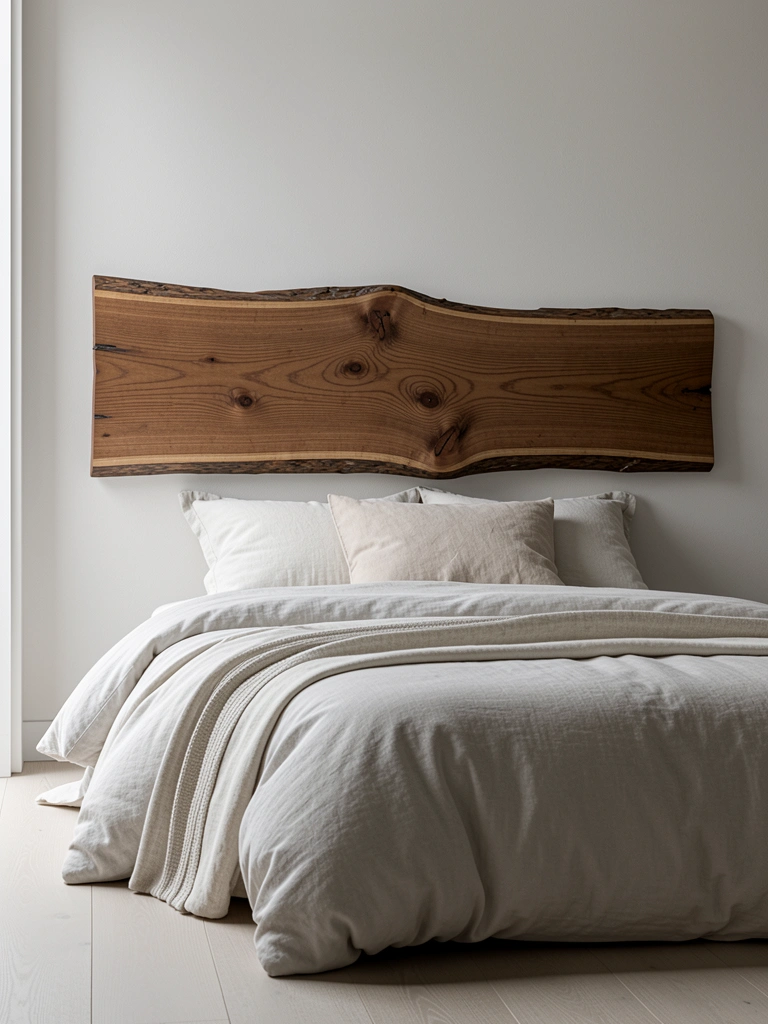
A live-edge headboard brings natural, organic beauty to your minimal bedroom while giving you a visual anchor without taking up floor space.
Mount a live-edge wood slab ($200–$1,000+) directly to the wall at bed height, or prop a smaller piece ($50–$300) behind your pillows for a renter-friendly option. This biophilic design choice connects you to nature and creates a focal point that feels intentional. The organic shape and wood grain add personality and warmth while keeping your aesthetic calm and grounded.
12. Layer In a Cotton Duvet for Easy Adjustability
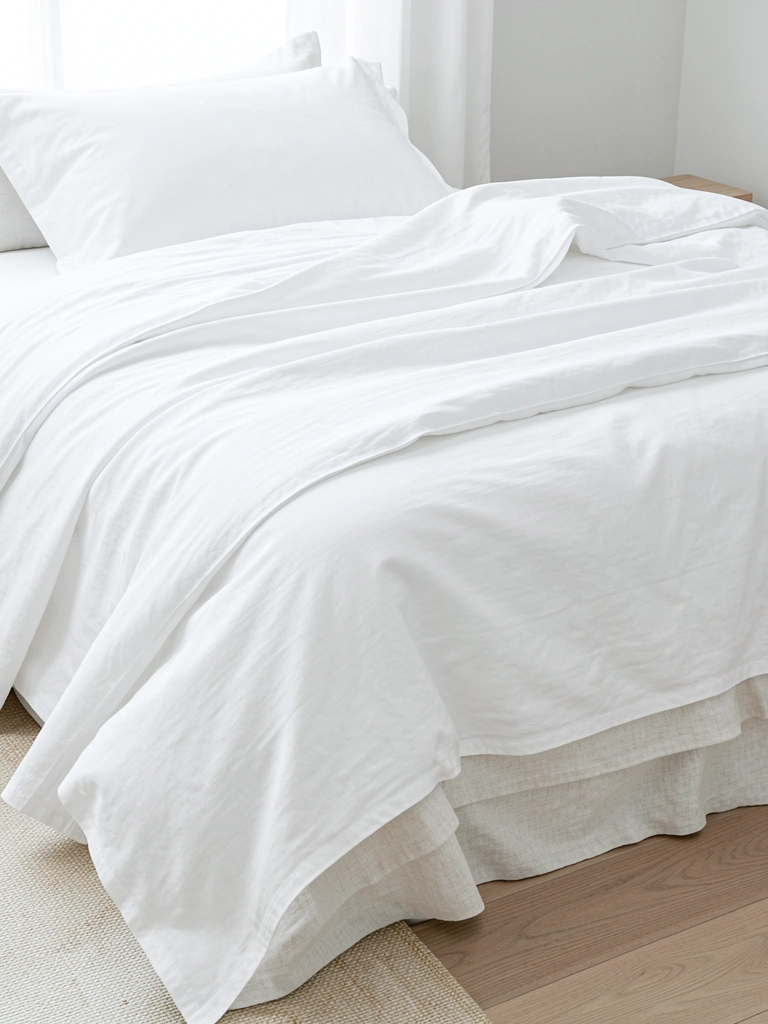
A cotton duvet lets you adjust your warmth without adding bulk—you can fold it down on warm nights or pull it up on cool ones, making your bed visually interesting and functionally flexible.
Choose a natural cotton duvet cover ($60–$150 from Parachute, Etsy, or Target) in white, cream, or soft gray. Fold it casually at the foot of the bed rather than making it tight and formal. This styling choice looks relaxed and intentional, and gives you temperature control without the weight of a comforter. You’re creating a bed that looks effortlessly styled, not perfectly made.
13. Add Black-Out Curtains for Deep Sleep
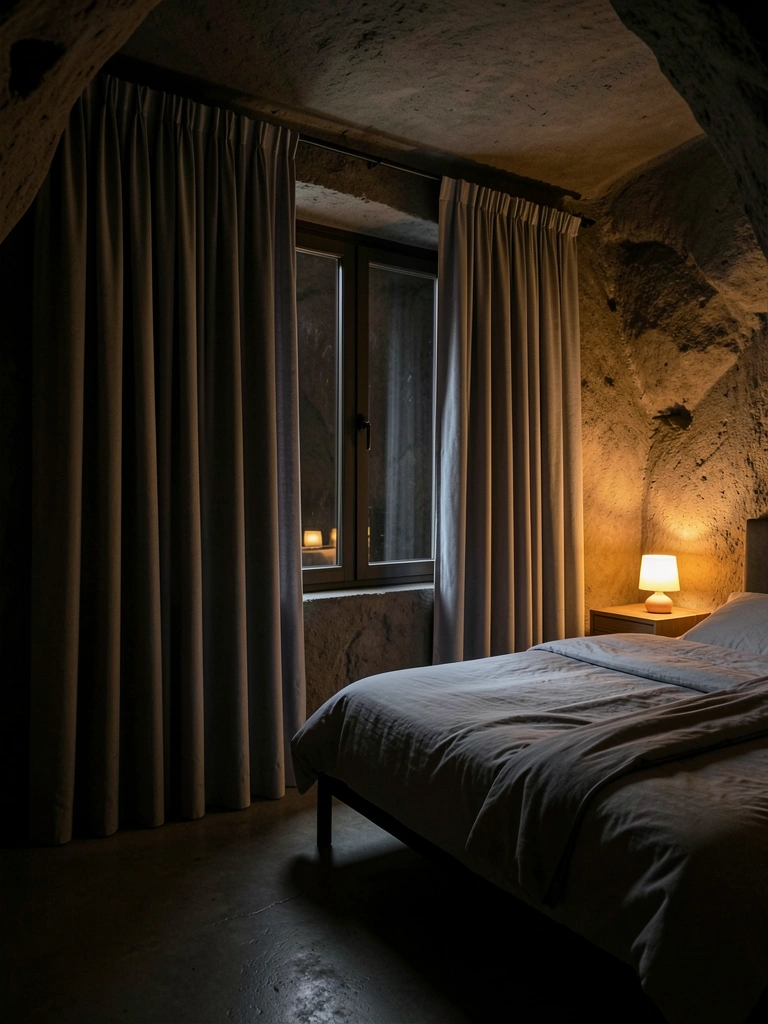
Blackout curtains block light that disrupts melatonin production, helping you sleep deeper and wake more naturally. Plus, they add a luxe, cave-like quality to minimal bedrooms.
Install floor-to-ceiling blackout panels ($50–$200 per window from Target, Amazon, or Wayfair) in neutral tones. Choose thermal-lined options for temperature control too. Pair with sheer curtains for daytime privacy and softer aesthetics. The impact is immediate: your room becomes a true sleep sanctuary, and you’ll likely sleep 30–60 minutes longer without light pollution waking you early.
14. Introduce One Statement Pillow for Color
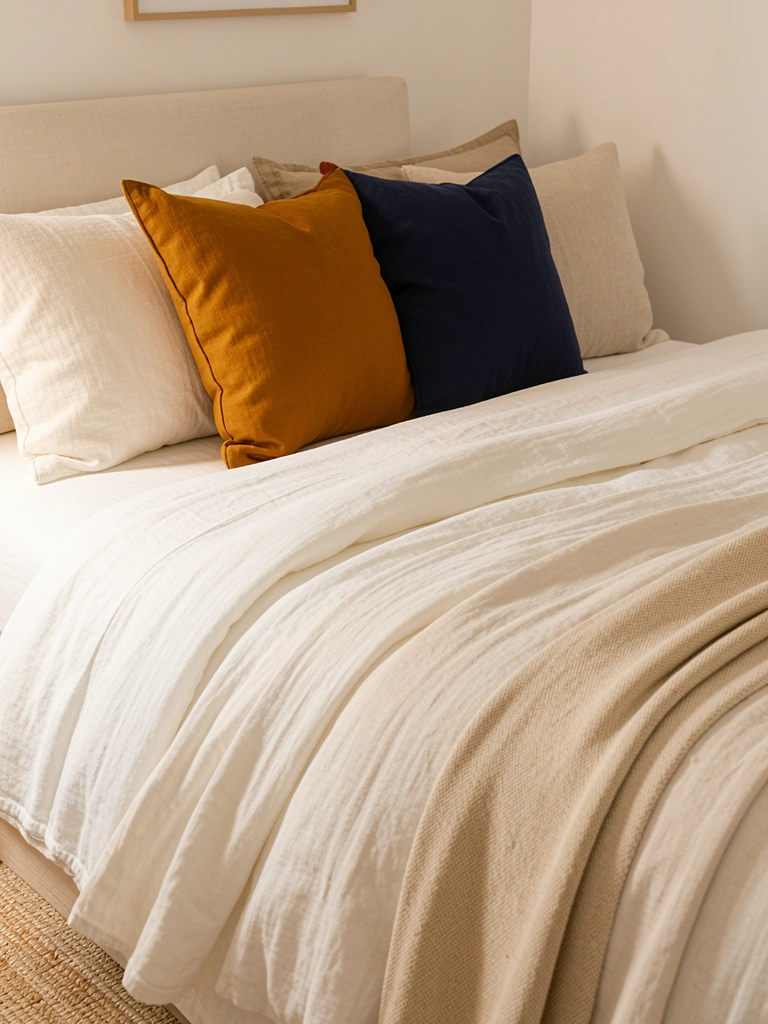
A single statement pillow in a bold, warm tone (mustard, rust, deep teal) adds personality to a neutral bed without making the space feel busy or chaotic.
Look for one pillow in a complementary color that reflects 2025’s playful statement trend. Etsy, West Elm ($60–$100), and Schoolhouse Electric ($80–$120) have beautiful options. Place it among neutral pillows to let it stand out. This tiny pop of intentional color makes your bedroom feel curated and personal while keeping the overall aesthetic calm and minimal. It’s an easy way to refresh your space seasonally too.
15. Install a Simple Wooden Slat Headboard
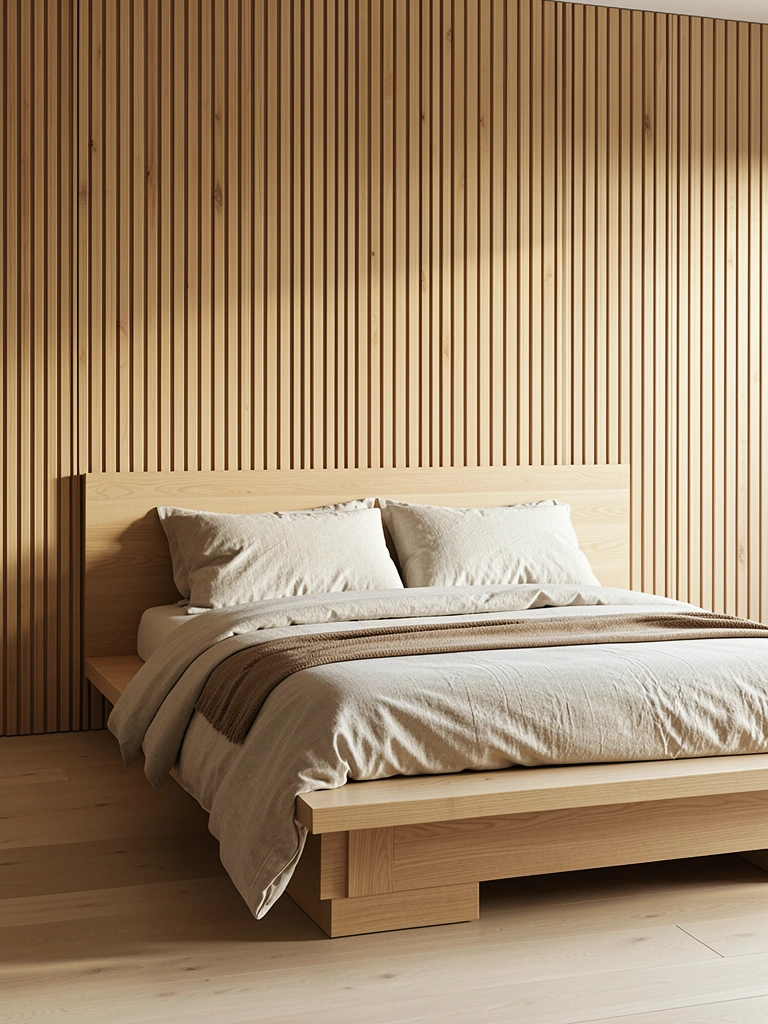
Wooden slats create texture and visual interest without the bulk of a traditional headboard, and they’re totally renter-friendly if you use removable paneling.
Mount thin wooden slats vertically or horizontally ($100–$400 DIY, $300–$800 installed) on the wall behind your bed, or use peel-and-stick wood paneling ($50–$150) if you rent. Space them 2–4 inches apart for a clean, minimal look. This architectural treatment becomes the focal point of your room and adds warmth without fuss. It also helps soften sound, making your bedroom feel more private and cocoon-like.
16. Use a Body Pillow for Side Support
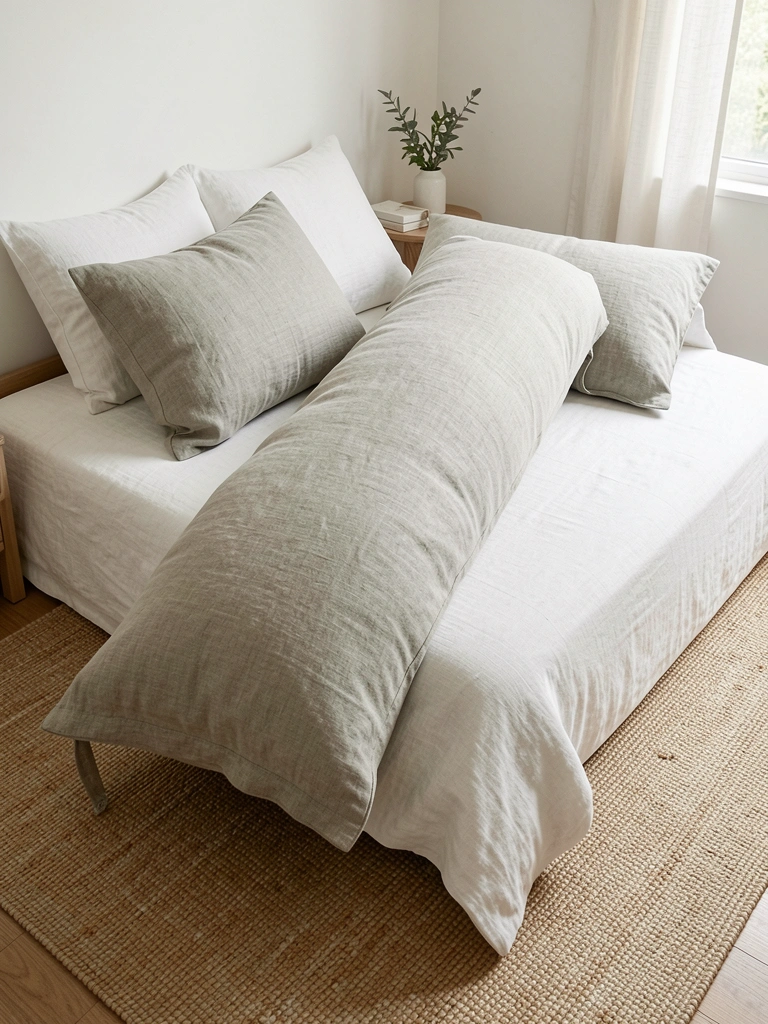
A body pillow supports your spine and joints while sleeping on your side, reducing back and neck pain. It also creates a visual anchor on your bed.
Place a body pillow lengthwise along one side of your bed, dressed in matching linen. Quality body pillows cost $30–$80 from Parachute, Target, or Amazon. This setup is especially helpful if you’re a side sleeper or pregnant. You’re creating a bed that doesn’t just look minimal—it’s also optimized for physical comfort and better sleep quality.
17. Create a Minimal Headboard With Paint
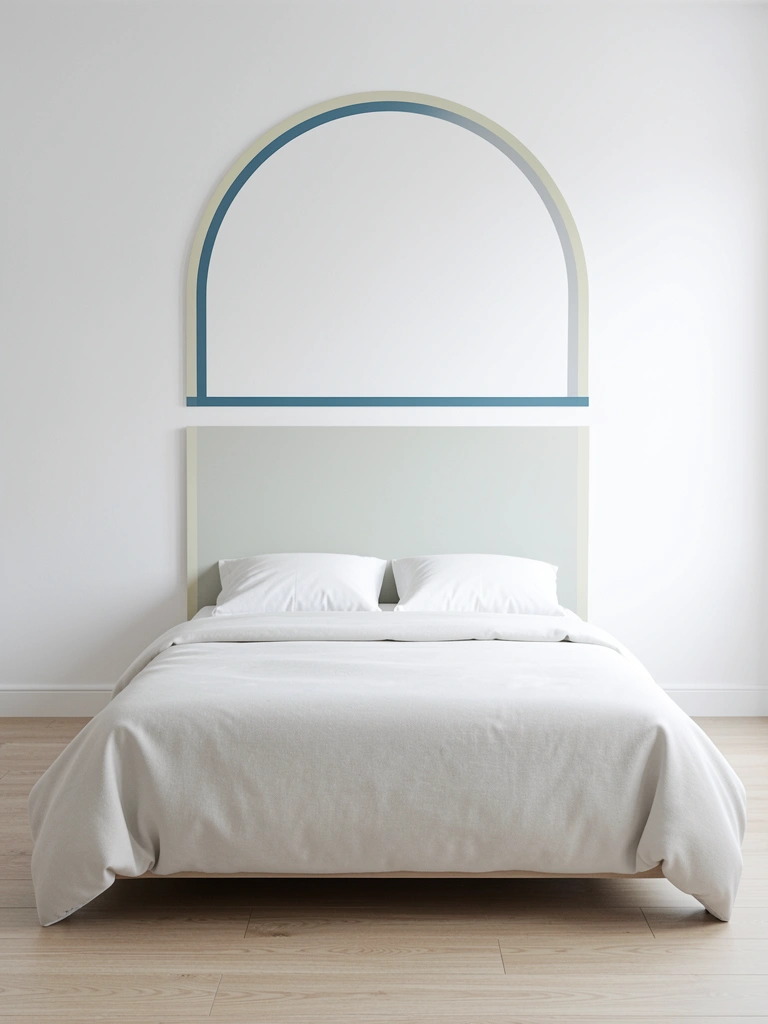
Skip the physical headboard and paint one directly onto the wall—it’s minimal, renter-friendly (use removable wallpaper), and completely customizable.
Paint or apply removable wallpaper in a simple geometric shape (rectangle, arch, or simple lines) on the wall behind your bed, or use painter’s tape to create a stripe pattern. Materials cost $20–$50, and you can DIY in one afternoon. Renters can achieve the same look with removable peel-and-stick wallpaper ($15–$40). This graphic approach keeps your bedroom feeling intentional and artistic without physical clutter or installation hassles.
18. Layer in a Vintage Quilt for Warmth and Character
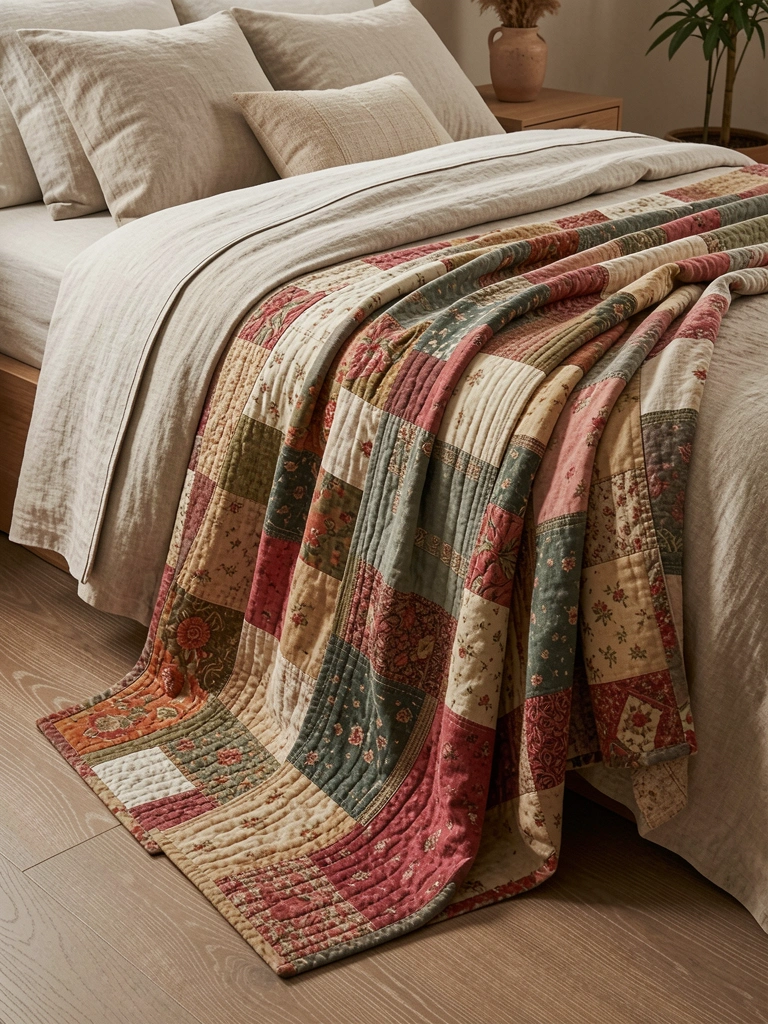
A vintage or handmade quilt adds handcrafted warmth and personality to a minimal bedroom while supporting sustainable practices (you’re giving a piece a second life).
Hunt for quilts on Etsy ($50–$300), estate sales ($20–$100), or fabric swaps. Fold it casually at the foot of your bed or drape it over one corner. Vintage textiles tell a story and make your space feel less sterile. The mix of old and new creates visual interest while keeping your aesthetic grounded in simplicity. Plus, knowing the quilt has history makes resting under it feel more meaningful.
19. Mount a Small Floating Shelf for Plants
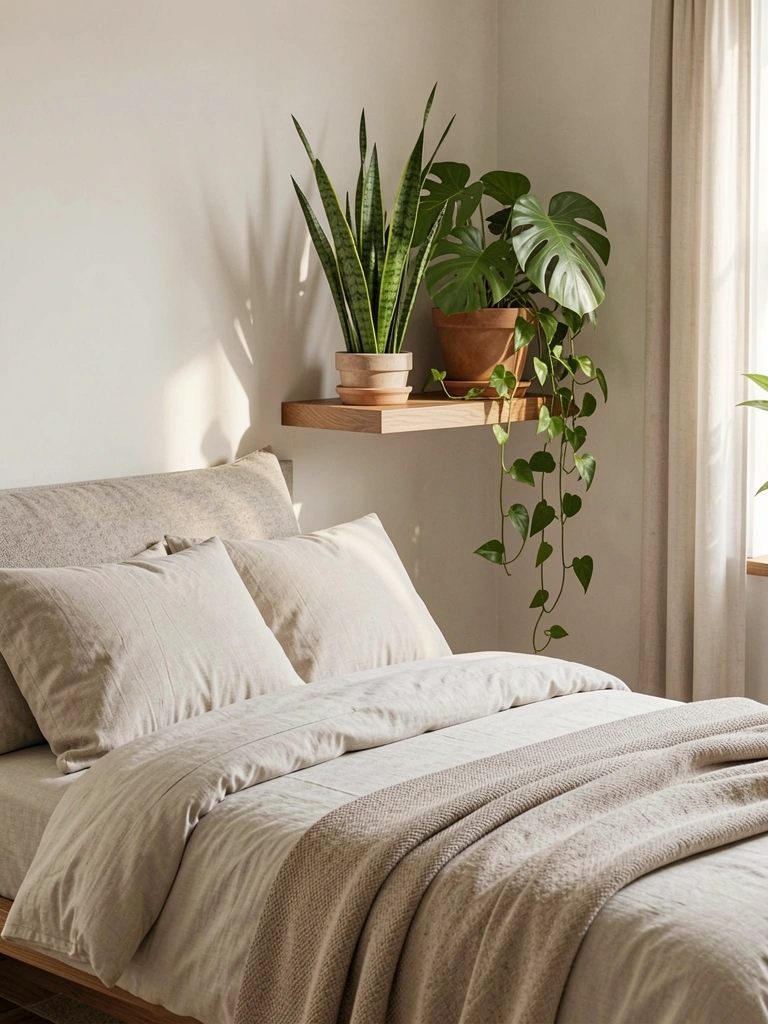
Live plants beside your bed improve air quality, reduce stress, and add life to your minimal space. A floating shelf keeps them accessible without taking floor space.
Mount a shallow shelf ($20–$60) at pillow height and add low-maintenance plants like snake plants, pothos, or ZZ plants ($10–$30 each). These thrive in bedroom light conditions and improve sleep quality by increasing oxygen and reducing CO2. The greenery becomes a calming focal point and makes your bedroom feel like a sanctuary. You’re literally surrounding yourself with nature, which supports biophilic design trends for 2025.
20. Incorporate a Cotton Mattress Protector
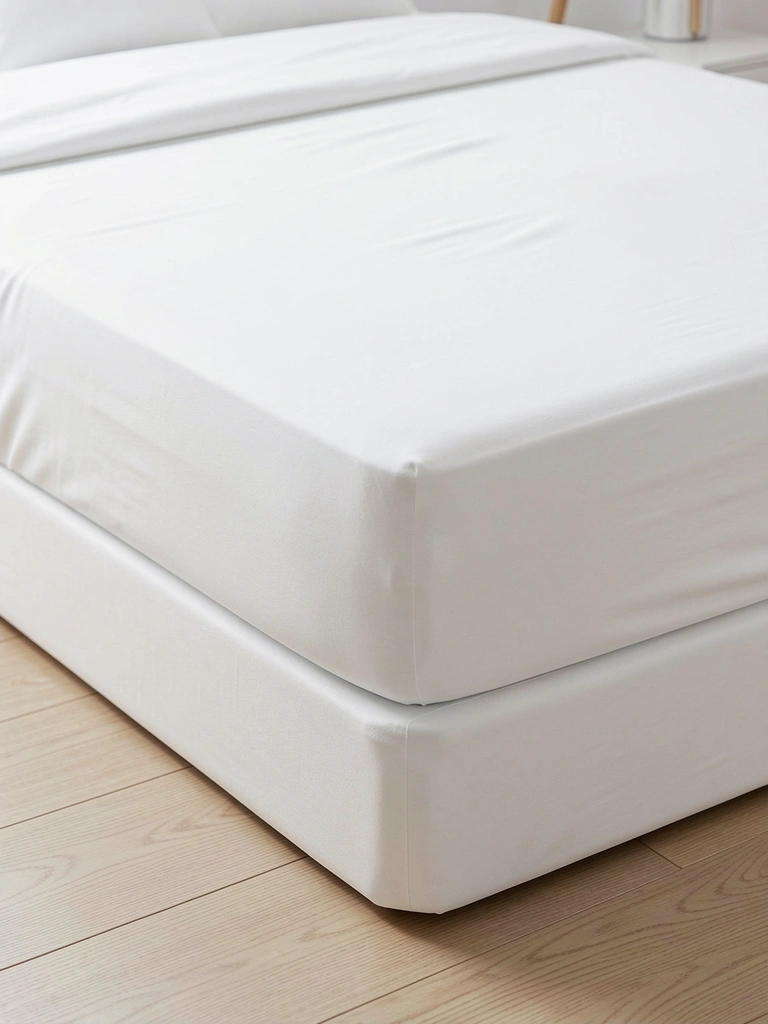
A cotton mattress protector keeps your mattress clean and extends its life—essential for a low bed that sits close to dust and debris.
Choose an organic cotton protector ($40–$100) over synthetic options; they breathe better and feel more comfortable. Brands like Parachute and Etsy organic makers ($50–$150) offer chemical-free versions. This simple layer protects your investment and keeps your bed fresh longer. Renters especially appreciate this, as it protects against accidental spills and dust.
21. Use Neutral Linen Curtains for Softness
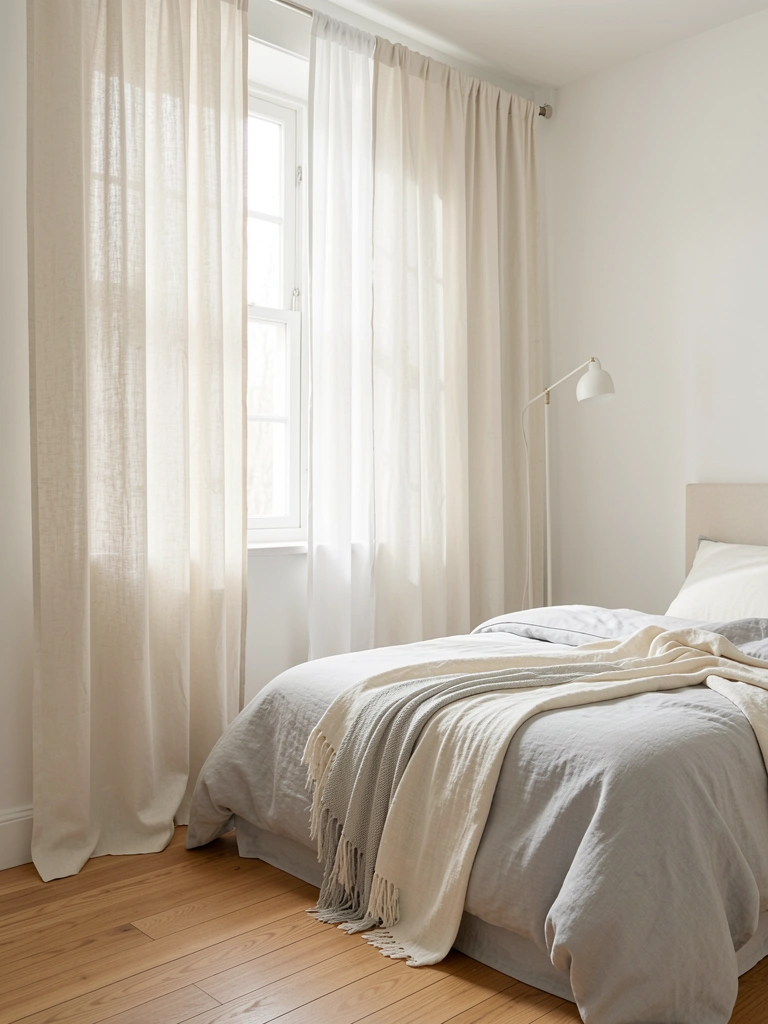
Lightweight linen curtains filter light gently while maintaining your minimal aesthetic—they’re functional, beautiful, and totally aligned with natural material trends.
Hang linen curtains in white, cream, or pale gray ($60–$150 per panel from Target, West Elm, or Etsy) from ceiling to floor. This creates height and elegance without bulk. Pair with blackout curtains on the inside for sleep support and privacy. Linen ages beautifully and becomes softer over time, so your curtains improve with use. You get a bedroom that feels serene during the day and restful at night.
22. Add a Low Side Table in Natural Wood
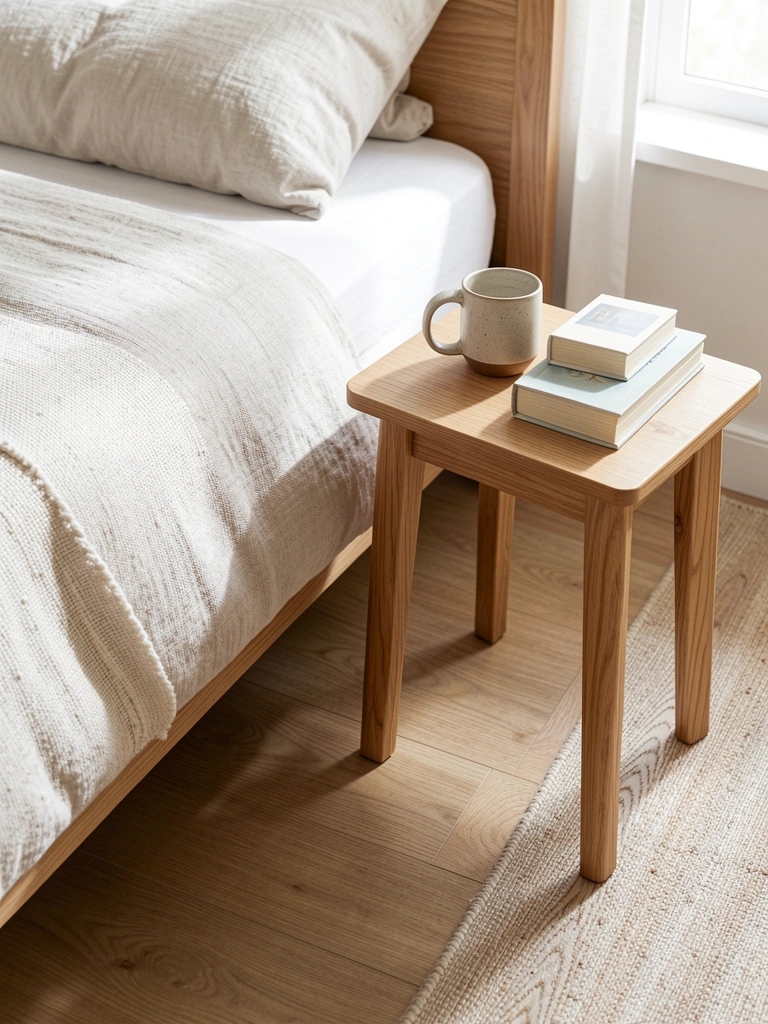
A low wooden side table keeps essentials within arm’s reach while maintaining the grounded, minimal aesthetic of a floor bed.
Choose a simple wooden table 12–18 inches tall, leaving space below for visual lightness. IKEA’s Lisabo ($50–$80), Article ($100–$200), or Etsy makers ($80–$300) have beautiful options. Use it for a water glass, book stack, and a small lamp. This piece stays proportional to your low bed and prevents you from reaching across your body for essentials. It’s functional furniture that also looks intentional and designed.
23. Layer Textured Throws for Visual Interest
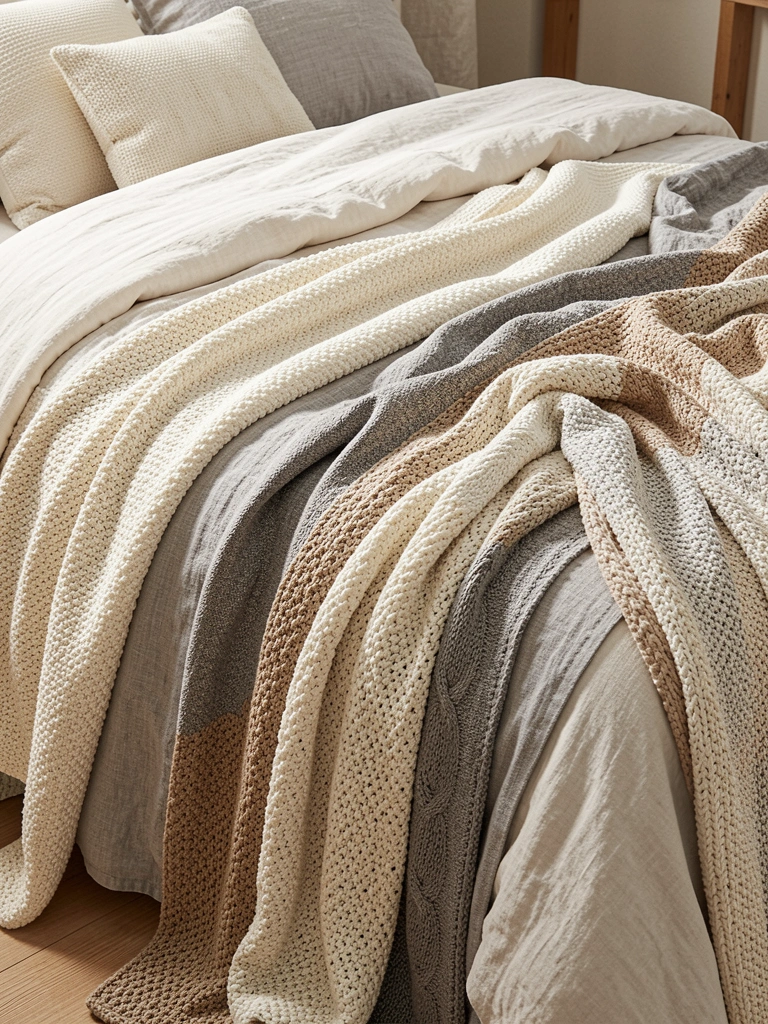
Multiple throws in different textures (chunky knit, lightweight linen, woven) create depth and visual interest without overcomplicating your space.
Layer 2–3 throws in complementary neutral tones and textures. Mix chunky knits ($40–$80) with lightweight linens ($30–$60) and woven cotton pieces ($25–$50) from Target, West Elm, or Amazon. Drape them casually rather than folding them neatly—this relaxed styling looks intentional and inviting. The layered textures make your bed look magazine-worthy while giving you functional warmth options for different seasons and moods.
24. Install Warm Ambient Lighting (Not Overhead)

Overhead lights disrupt sleep and feel harsh. Warm, ambient lighting from multiple low sources creates a calm, inviting bedroom that supports your sleep cycle.
Skip the overhead fixture or keep it off. Install instead: a warm-toned table lamp ($30–$80), wall sconces ($40–$150 each), or LED strip lighting ($20–$50) mounted low on walls. Choose lights in the 2700K color temperature (warm white) that you can dim. Lighting is 90% of bedroom atmosphere—switching from bright overhead lights to warm ambient lighting is genuinely transformative for how your space feels and how well you sleep.
Save this post for your next bedroom refresh. Pick one or two ideas to start with this weekend—even a simple rug or new pillows can completely shift how your space feels and how well you rest in it.
Leave a Reply