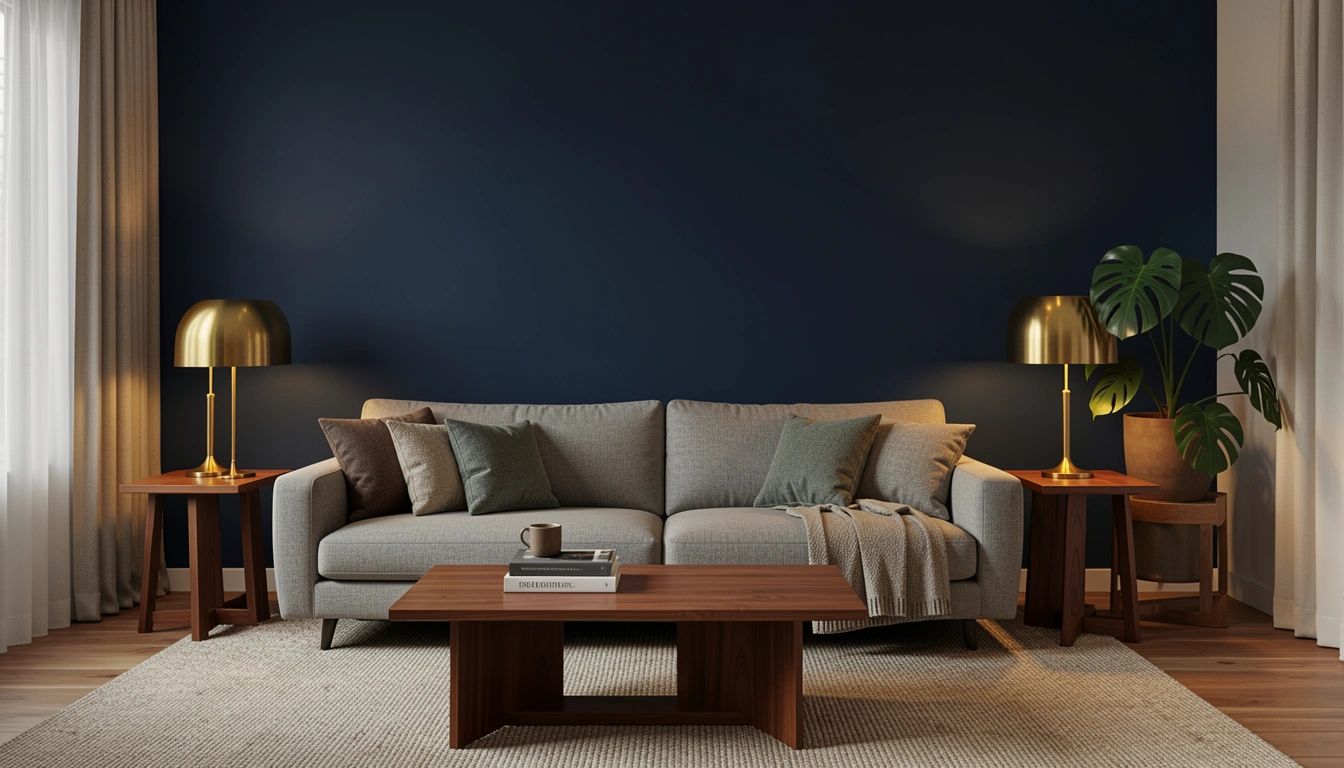
Your walls are begging for a personality upgrade. Whether you’re renting a bland apartment or tired of the same builder-grade beige, bold wall designs don’t have to mean permanent changes or expensive renovations. The best part? Most of these ideas work in small spaces, tight budgets, and rental properties. From clever stenciling hacks to show-stopping color combos, we’ve rounded up 26 wall painting designs that make genuine artistic statements—without the commitment or the price tag. Some take 15 minutes. Others require a weekend and a paintbrush. All of them deserve to be saved and tried.
1. Paint a Feature Wall Deep Navy for Instant Drama
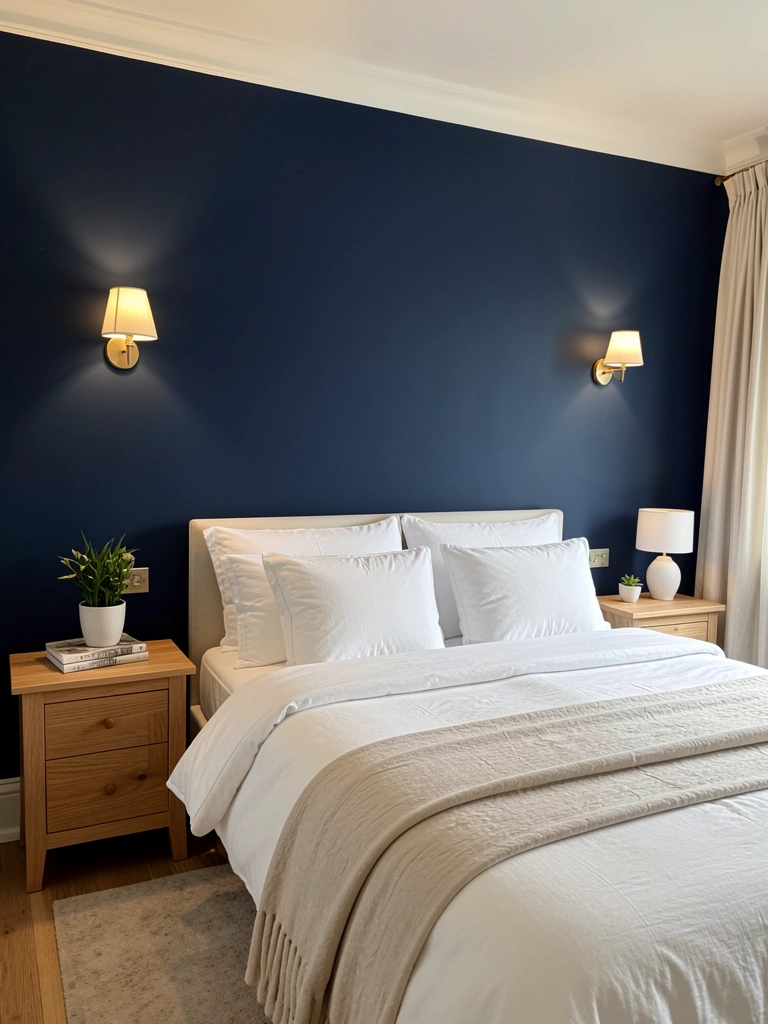
Deep navy creates an anchor for any room without feeling dark or heavy. It works as a moody backdrop for light furniture, and it photographs beautifully. The trick is lighting—position a lamp or sconce nearby to catch the depth.
How to do it: Prep your wall like normal (tape, prime, two coats). Use a quality paint like Sherwin-Williams Naval or Benjamin Moore Hale Navy. Cost: $30–$60 for paint and supplies. Time: 3–4 hours, including drying time between coats. The results make your room feel curated and intentional without looking trendy.
Pro tip: Pair navy with warm wood tones and brass accents to prevent the space from feeling cold. Renters can use removable peel-and-stick wallpaper in navy if painting isn’t allowed—brands like Peel & Stick Wallpaper Co. offer similar shades.
2. Create an Ombré Wall Using One Paint Color
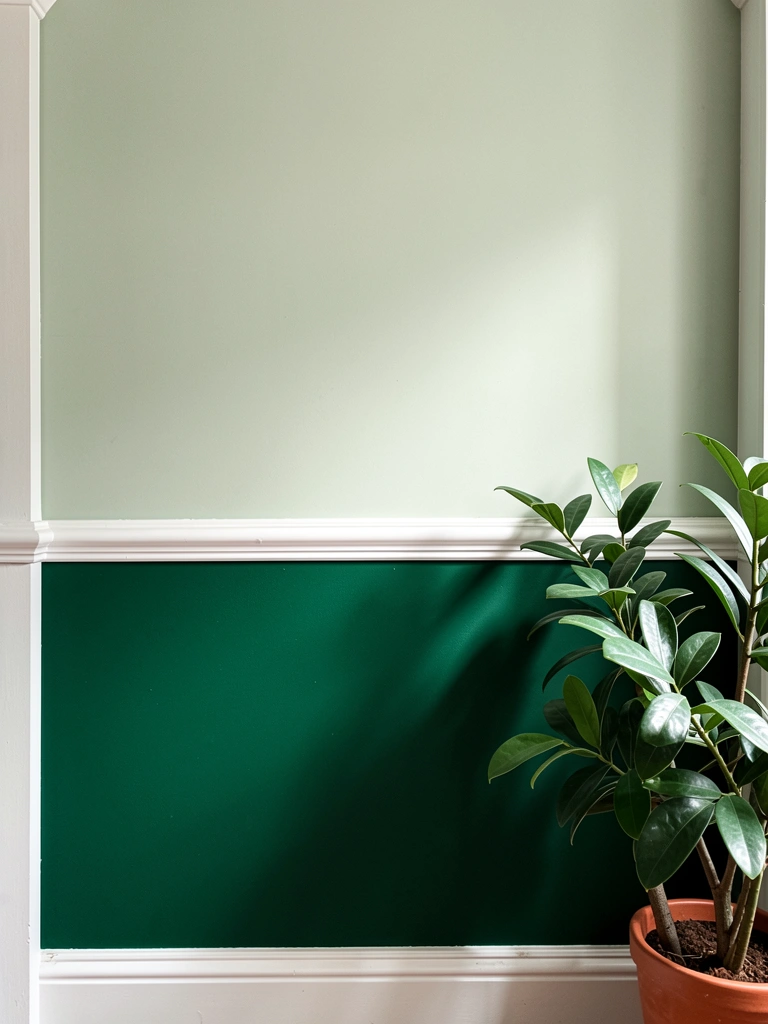
An ombré wall creates visual interest using just one paint color diluted to different strengths. It’s easier than it sounds, and the effect feels both artistic and calming.
How to do it: Buy one gallon of your chosen color. Divide it into three containers and dilute with white paint—25% color and 75% white for the lightest section, 50/50 for the middle, and full-strength at the bottom. Use wide foam brushes and blend where sections meet. Cost: $35–$50 for paint and supplies. Time: 2–3 hours depending on wall size. The gradient effect makes the room feel more spacious and draws the eye upward.
Apply soft, overlapping strokes in the blend zones—perfection isn’t the goal. This technique works especially well in bedrooms, bathrooms, and small hallways where a single moody tone might feel too heavy.
3. Use Metallic Paint for Glam Accent Details

Metallic finishes reflect light and add luxury without covering entire walls. Target trim, a single geometric stripe, or a accent feature instead of all-over color.
How to do it: Choose gold, silver, or copper metallic paint. Apply to trim, baseboards, or paint a 12–18-inch vertical stripe accent. Use a high-quality metallic paint like Rust-Oleum Metallic or Sherwin-Williams Metallic. Cost: $25–$40 for specialty paint. Time: 2 hours for detail work. Position a lamp or sconce nearby to catch the shimmer.
Pro tip: Metallic finishes show imperfections, so prep surfaces thoroughly and use a brush designed for smooth finishes. In high-traffic areas, choose satin finish over gloss for easier maintenance and durability.
4. Apply Stenciled Geometric Patterns for Texture
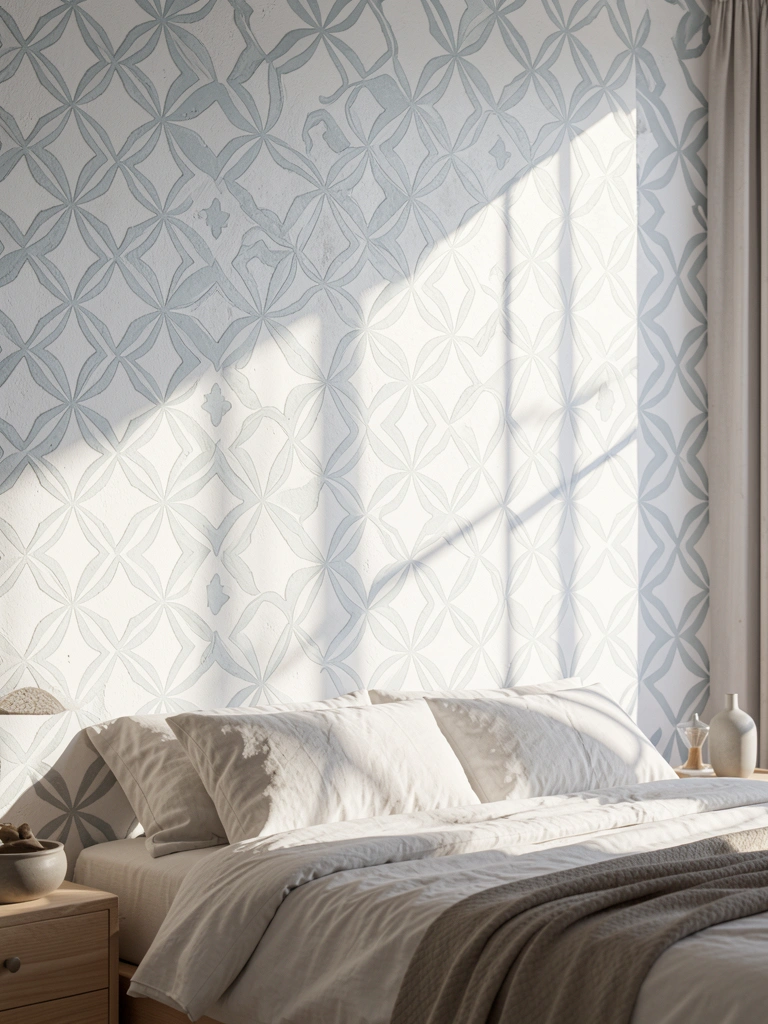
Stenciled walls add texture and pattern without the commitment of wallpaper or the cost of muralists. Geometric designs feel contemporary, while florals add whimsy.
How to do it: Purchase reusable stencils (Etsy or Michaels have thousands). Tape stencil to wall, use a foam roller or sponge brush to apply paint, and carefully lift away. Work in sections and use a level to keep patterns aligned. Cost: $20–$50 for stencils and paint. Time: 4–6 hours depending on pattern complexity and wall size. The effect looks like a custom design without the designer price tag.
Let each layer dry before moving to the next stencil placement. This technique works beautifully in nurseries, bathrooms, or accent walls in living rooms.
5. Mix Textures with Venetian Plaster for Luxury Finishes
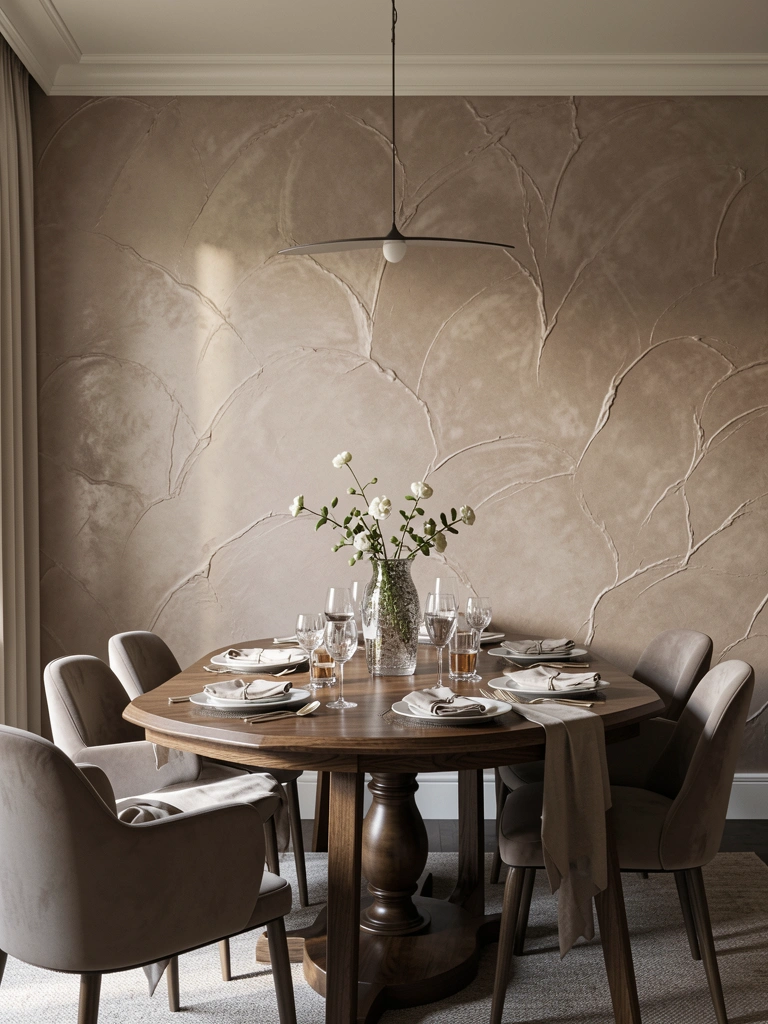
Venetian plaster creates depth and movement that flat paint can’t achieve. It’s a premium finish that makes rooms feel curated and expensive.
How to do it: Venetian plaster requires technique—consider hiring a professional for best results, though DIY kits exist. Application involves spreading thin layers with specialized trowels, burnishing, and sometimes sealing. Cost: $300–$800 for a professional finish on one accent wall; $50–$100 for DIY kits if you’re willing to practice. Time: Professional = 1 day; DIY = 2–3 days plus drying time.
Pro tip: This investment-level finish works best in dining rooms, entryways, or master bedrooms where guests notice detail. Pair with soft lighting to showcase the texture’s beauty. Not ideal for renters unless landlord approves permanent finishes.
6. Paint Walls in Soft Pastel for Calming Spaces
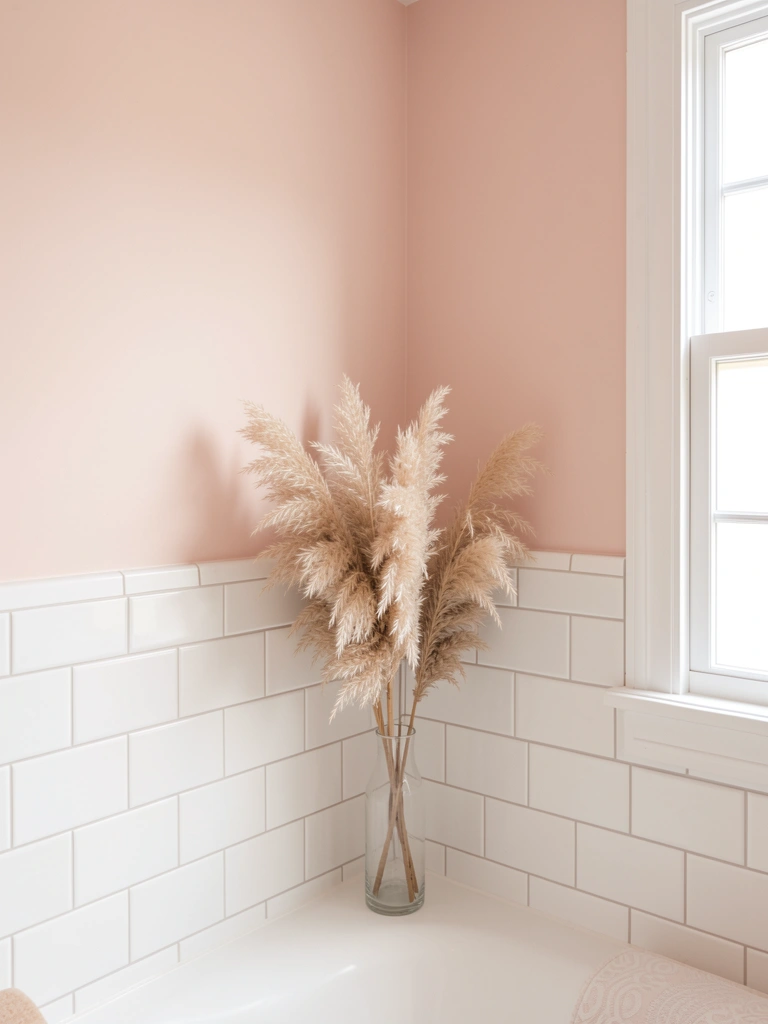
Muted pastels (blush, sage, powder blue, soft peach) work in modern spaces without feeling juvenile. They create calm and pair beautifully with natural materials.
How to do it: Choose a quality pastel paint from Benjamin Moore, Sherwin-Williams, or Farrow & Ball’s softer palettes. Apply primer first, then two coats of your chosen shade. Cost: $40–$70 for paint and supplies. Time: 3–4 hours. Soft pastels make small spaces feel airy and create a retreat-like atmosphere in bedrooms and bathrooms.
Pro tip: Pair pastels with warmer wood tones and natural fibers to prevent the space from feeling cold or sterile. Test paint samples on your wall and observe them in natural and artificial light before committing.
7. Hand-Paint a Mural or Accent Mural Section
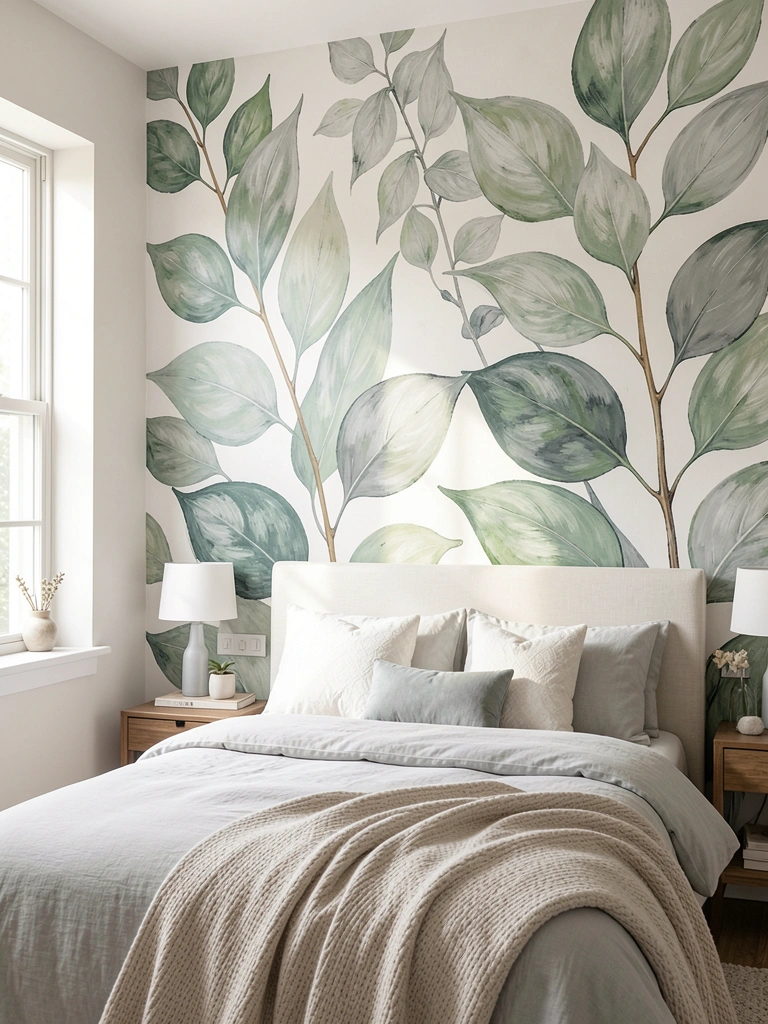
A mural transforms a wall into art. You can hire an artist, commission one remotely, or paint it yourself if you have confidence with a brush.
How to do it: Sketch your design lightly in pencil first. Use acrylic paint applied with brushes, sponges, or spray techniques. Or hire a local muralist ($500–$2,000+ depending on size and complexity). DIY time: 4–8 hours; Professional: 1–2 days. A mural becomes a focal point and tells your personal story.
Pro tip: If you’re not confident painting, use a projector to trace your design onto the wall first—it removes the guesswork. Start with a smaller section (3×3 feet) to build skills before tackling an entire wall.
8. Create a Two-Tone Wall Split with Horizontal Line
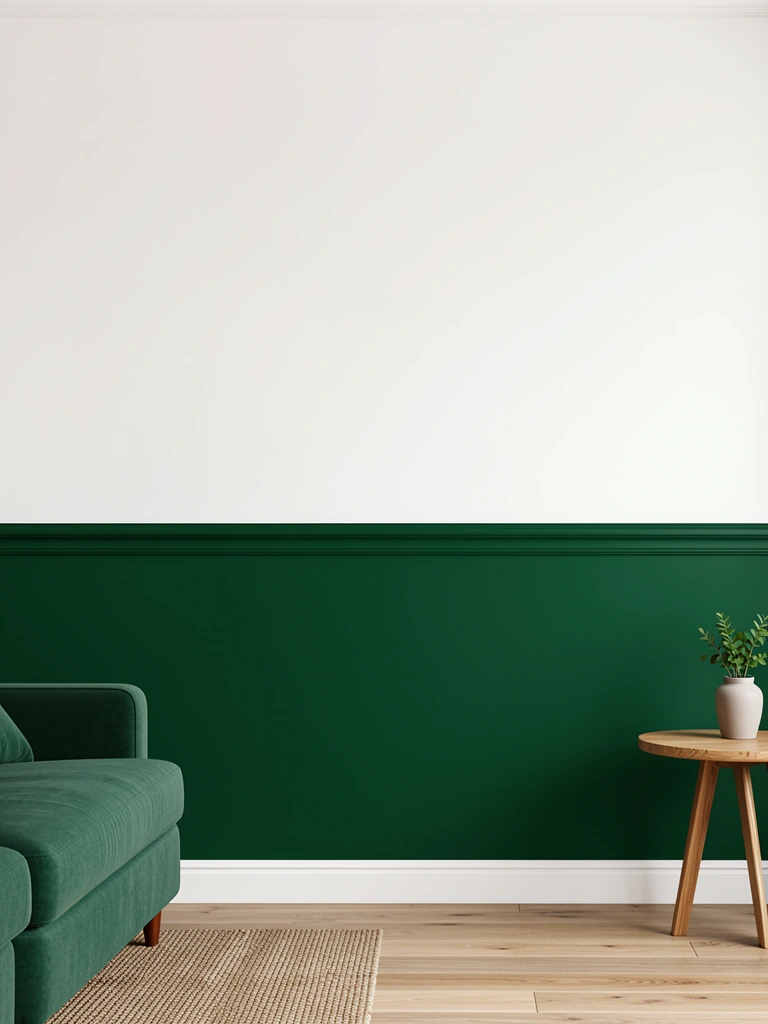
A horizontal paint line divides walls and adds visual interest without complexity. This works in rooms with high or standard ceilings and creates a built-in sense of proportion.
How to do it: Measure the midpoint or desired line height (typically 48–54 inches). Use painter’s tape and a level to mark a crisp line. Paint the bottom section one color, top another. Cost: $30–$60 for paint. Time: 3–4 hours. The result feels intentional and modern while making rooms feel wider or taller depending on color placement.
Pro tip: Pair complementary colors (soft white on top with sage or forest tones below) for a grounded, balanced look. This technique works beautifully in entryways, bedrooms, and dining rooms.
9. Use Washable Paint in High-Traffic Kids’ Rooms
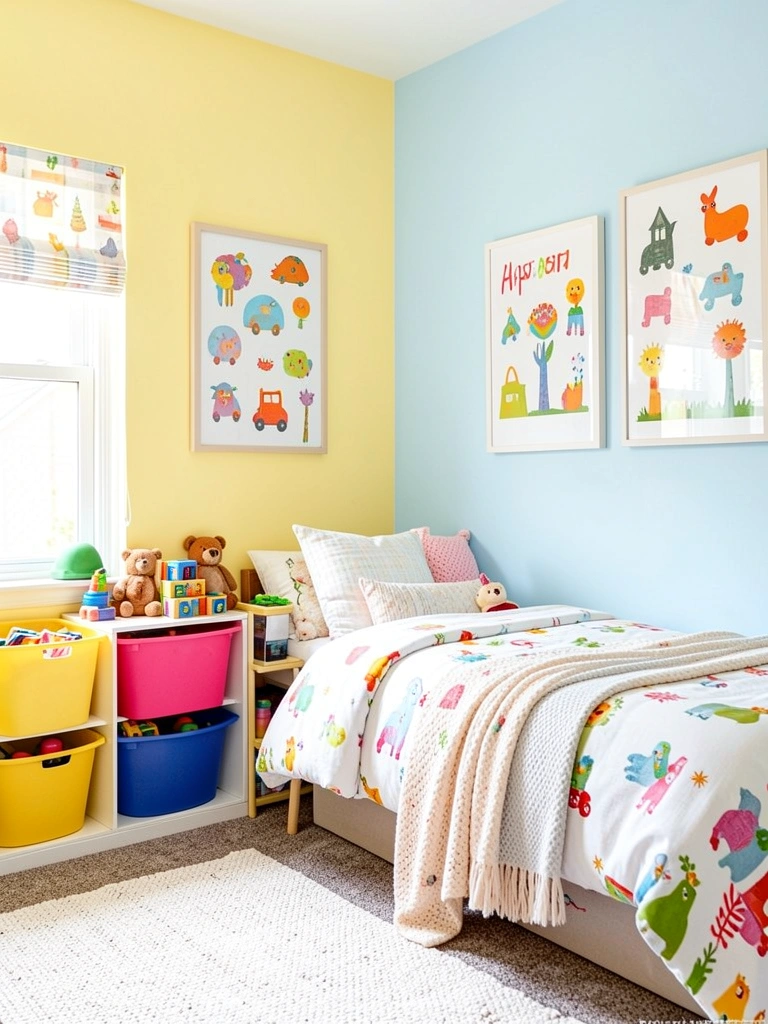
Washable paint stands up to handprints, crayon marks, and spills—a lifesaver for rooms with young children. It’s not just for nurseries; it works in playrooms and kids’ bathrooms too.
How to do it: Brands like Benjamin Moore’s Advance or Sherwin-Williams ProClassic offer washable finishes. They cost slightly more but clean easily with soap and water. Cost: $45–$75 for premium washable paint. Time: 3–4 hours to paint. You’ll spend the next five years actually appreciating this choice every time your kid’s marker finds the wall.
Pro tip: Use this in rooms where durability matters most, then pair with wipeable wallpaper or paint in other areas if budget allows. This is a smart investment for active families and renters with kids.
10. Paint Walls in Forest Green for Moody Sophistication
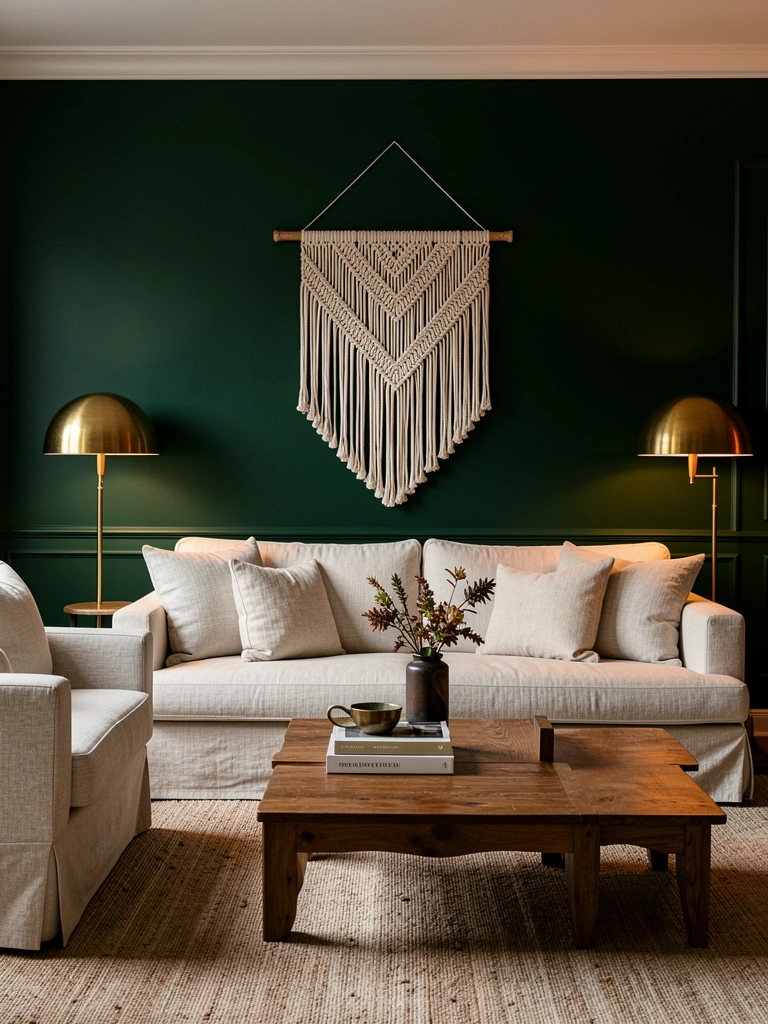
Forest green feels current and creates a nature-inspired backdrop without being trendy or dated. It pairs with nearly any design style—modern, bohemian, eclectic, or classic.
How to do it: Benjamin Moore’s HC-133 Green Gables or Sherwin-Williams Tricorn Black mixed into green offer deep, sophisticated options. Prime well and apply two coats. Cost: $40–$65 for paint and supplies. Time: 3–4 hours. The room immediately feels more curated and connected to natural elements.
Pro tip: Balance deep green with light furniture and plenty of white space. This color works as an accent wall or full-room background depending on room size and natural light. Pair with warm wood and brass accents for maximum impact.
11. Stencil a Subtle Pattern at Chair-Rail Height

A stenciled border at chair-rail height (about 36–48 inches up) adds pattern without overwhelming. This technique works in dining rooms, hallways, and bedrooms.
How to do it: Use a thin repeating stencil in a complementary color to your wall. Measure and mark with a pencil and level before beginning. Cost: $20–$40 for stencils and paint. Time: 2–3 hours depending on room perimeter. The effect feels like a custom design and adds visual interest at eye level.
Pro tip: Choose stencils with 2–3 inch repeats for sophisticated results. Paint in 3–4 foot sections, checking alignment frequently. This works especially well in spaces with chair-rail molding or where you want to add architectural detail.
12. Apply Sponge-Painting Texture for Organic Depth
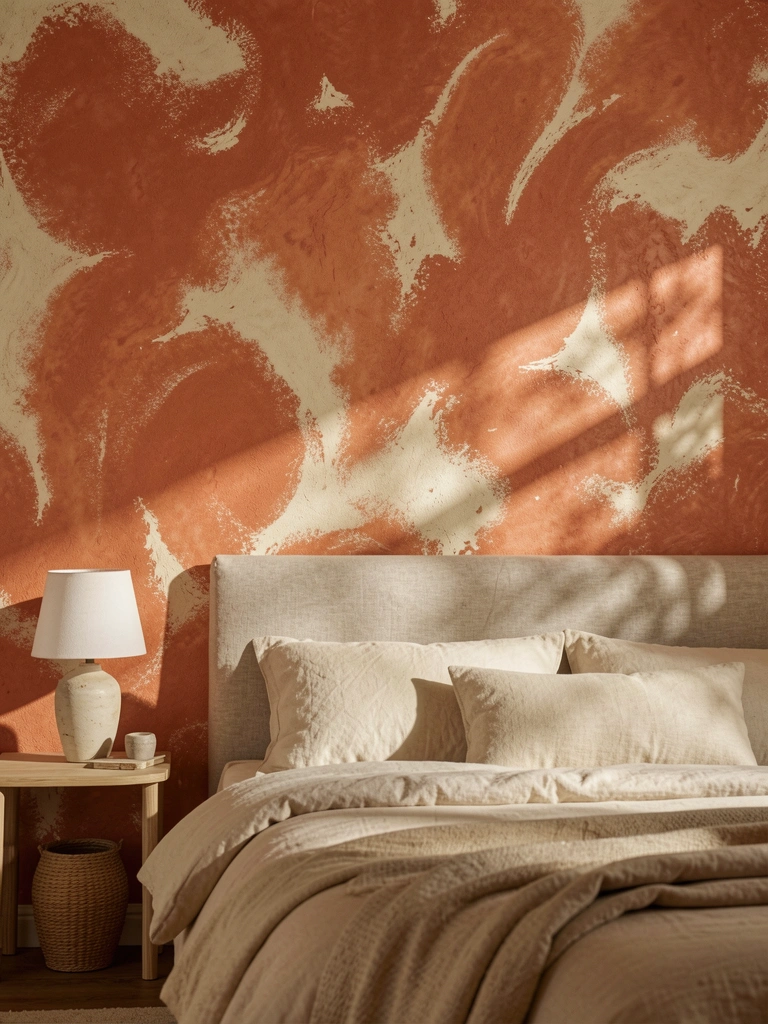
Sponge painting creates organic texture that mimics aged plaster or natural stone. It’s forgiving (imperfection is the point) and costs nearly nothing.
How to do it: Dampen a natural sea sponge, dip into paint, and dab onto walls in random patterns. Layer colors for depth. Use one color over another for richer effects. Cost: $20–$35 for sponges and paint. Time: 2–3 hours. The result feels handcrafted and hides imperfect wall surfaces beautifully.
Pro tip: Practice on cardboard first to understand pressure and pattern. Work in small sections and step back frequently to assess balance. This technique works beautifully in entryways, powder rooms, and accent walls.
13. Paint Walls in Charcoal Gray for Modern Edge
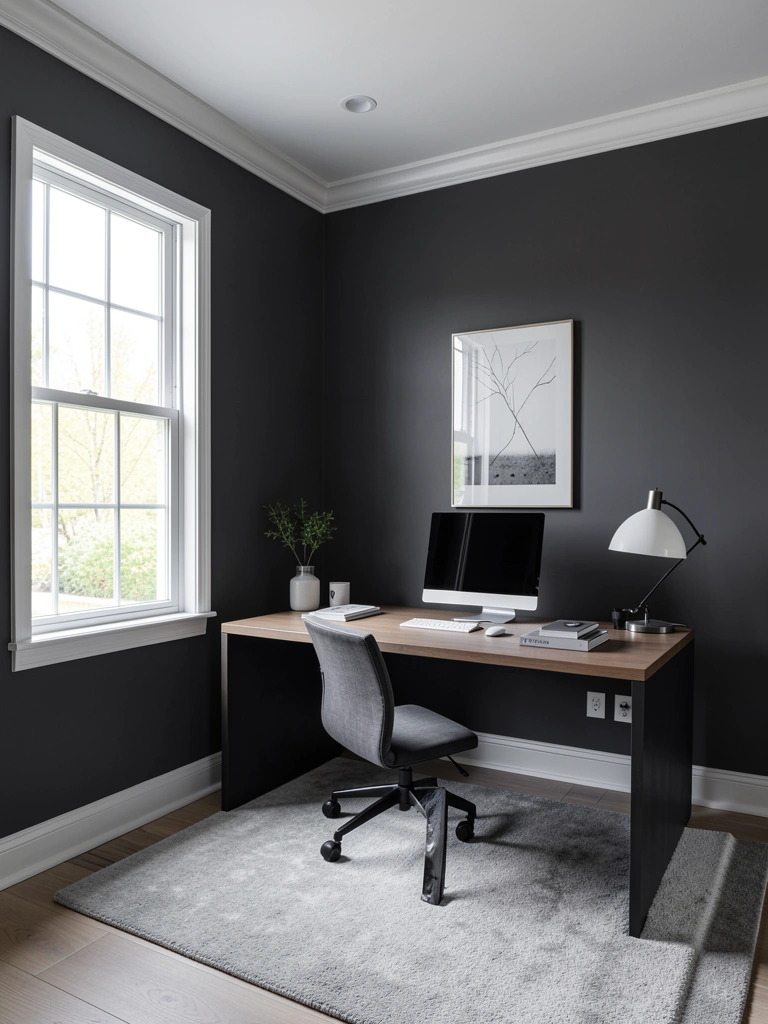
Charcoal gray feels current and works as both an accent or full-room color. It’s less dramatic than black but more sophisticated than lighter grays.
How to do it: Choose Sherwin-Williams SW 7066 Graphite Gray or Benjamin Moore HC-172 Kendall Charcoal. Prime first, apply two coats. Cost: $35–$60 for paint and supplies. Time: 3–4 hours. Gray creates a calm backdrop for artwork and lets furniture stand out, especially in office spaces or creative rooms.
Pro tip: Balance charcoal with plenty of natural light and light-colored furniture. In smaller rooms, use it as an accent wall only. Pair with warm wood tones and white trim to prevent the space from feeling cold.
14. Create Rag-Rolling Texture for Dimensional Finish
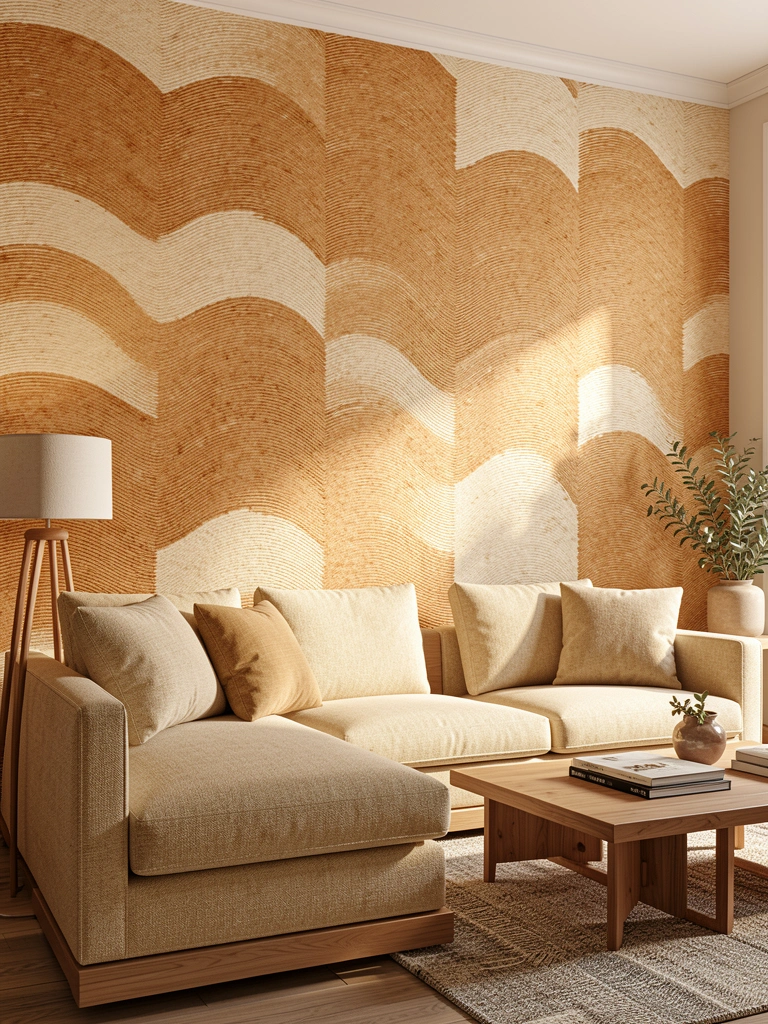
Rag rolling uses bunched fabric to create a subtle, dimensional pattern. It’s less formal than sponging but equally forgiving for beginners.
How to do it: Apply a base coat, let dry. Bunch an old cotton rag or plastic bag, dip into a second paint color thinned with glaze, and roll across the wall in random patterns. Cost: $25–$45 for paint and supplies (use materials you have at home). Time: 2–3 hours. The texture hides imperfections and adds movement to flat walls.
Pro tip: Work in manageable sections (4×4 feet) and maintain consistent pressure for even texture. Vary your pattern direction to avoid obvious lines. This technique works beautifully in living rooms, dining rooms, and bedrooms.
15. Paint a Color-Block Wall in Complementary Hues

Color-blocking divides walls into distinct sections of complementary colors. It’s graphic, modern, and works beautifully in kids’ rooms or creative spaces.
How to do it: Choose 2–4 complementary colors (use a color wheel or Pinterest). Sketch sections lightly in pencil and use painter’s tape to create clean lines. Paint each section fully. Cost: $40–$70 for paint and supplies. Time: 4–5 hours including tape application and drying. The result feels intentional and can be adapted as tastes evolve.
Pro tip: Use soft, muted versions of multiple colors rather than bright primaries for a sophisticated look. Horizontal blocks feel modern; vertical sections feel artistic. This technique works in bedrooms, playrooms, and home offices.
16. Install Removable Peel-and-Stick Wallpaper Murals
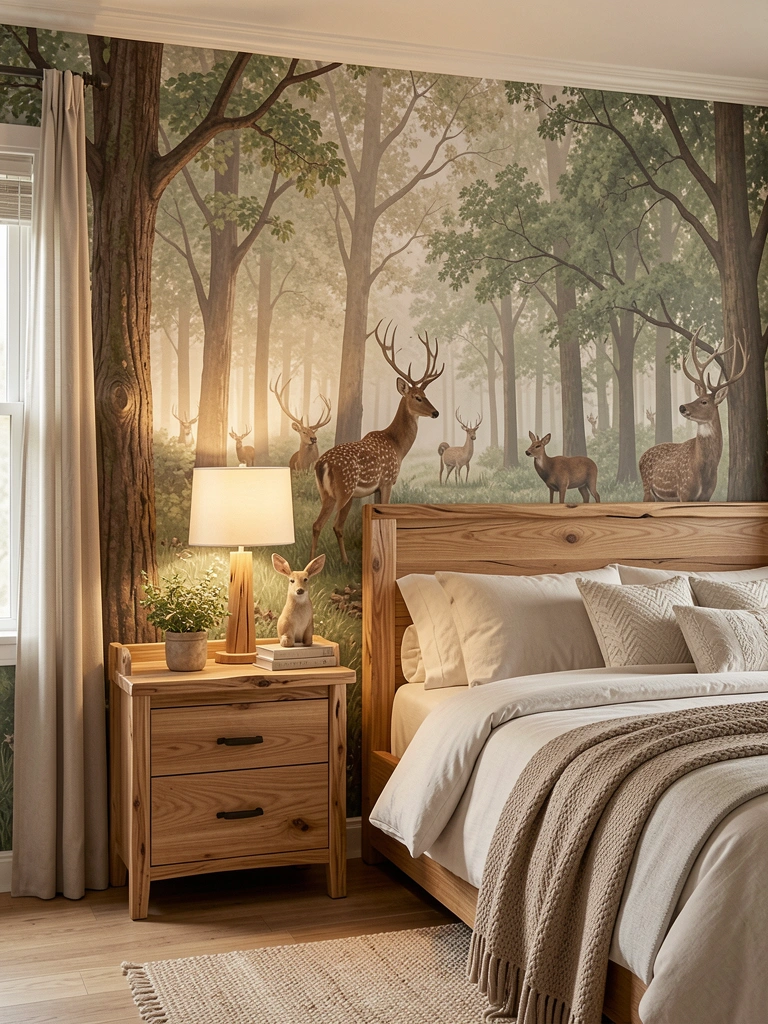
Wallpaper murals create impact without paint commitment—perfect for renters or those hesitant about permanent changes. Quality has improved dramatically in recent years.
How to do it: Measure your wall, search for murals on Amazon, Etsy, or Wayfair (brands like Peel & Stick Wallpaper Co., Tempaper). Clean wall thoroughly, apply the adhesive-backed paper carefully, working out air bubbles as you go. Cost: $30–$150 depending on size and design. Time: 1–2 hours for application. Remove cleanly without damaging walls when you move.
Pro tip: Start with a smaller wall or section to build confidence. Use a squeegee or credit card to smooth bubbles. Peel-and-stick murals now come in botanical, geometric, abstract, and photorealistic styles.
17. Paint a Geometric Accent Wall with Tape and Stripes
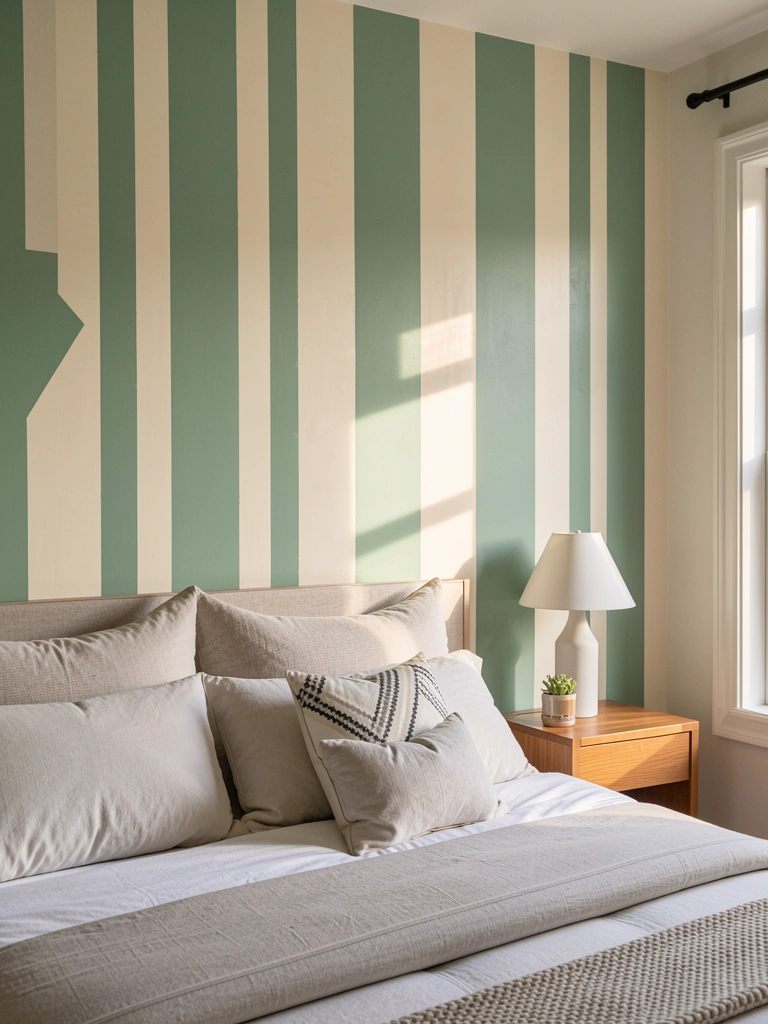
Geometric stripes created with painter’s tape offer clean lines and modern impact. Vary stripe width for visual interest.
How to do it: Paint a base coat, let dry completely. Use painter’s tape to create stripe patterns (measure and mark with pencil first). Paint the second color, carefully remove tape while paint is slightly tacky for clean lines. Cost: $30–$50 for paint and supplies. Time: 4–5 hours including tape application and drying. Geometric patterns feel contemporary and personalized.
Pro tip: Make stripes horizontal for a calming effect, vertical for height, or diagonal for movement. Keep tape lines thin (1–2 inches) for a refined look. This works beautifully in bedrooms, hallways, and home offices.
18. Use Eco-Friendly, Low-VOC Paint for Healthier Spaces
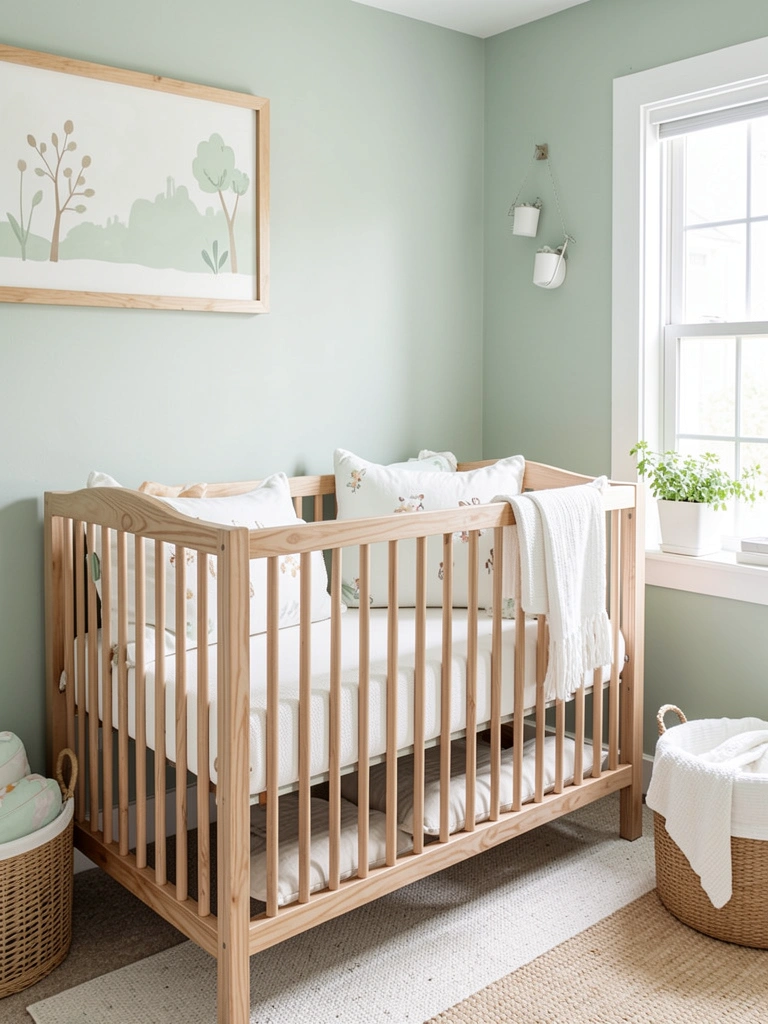
Low-VOC (volatile organic compound) paints are better for air quality and health. They smell less and off-gas less over time—important in bedrooms and nurseries.
How to do it: Choose certified low-VOC options from Sherwin-Williams (Harmony line), Benjamin Moore (Natura), or Behr (Premium Plus Ultra). Apply per instructions (usually takes slightly longer to dry). Cost: $50–$85 per gallon (slightly more than standard paint). Time: 3–4 hours plus extended drying. Enjoy peace of mind about indoor air quality.
Pro tip: Eco-paints come in all colors and finishes. They’re especially worth the investment in children’s rooms, bedrooms, and spaces where people spend lots of time. Store according to instructions to ensure longevity.
19. Paint Interior Trim and Doors in Contrasting Color
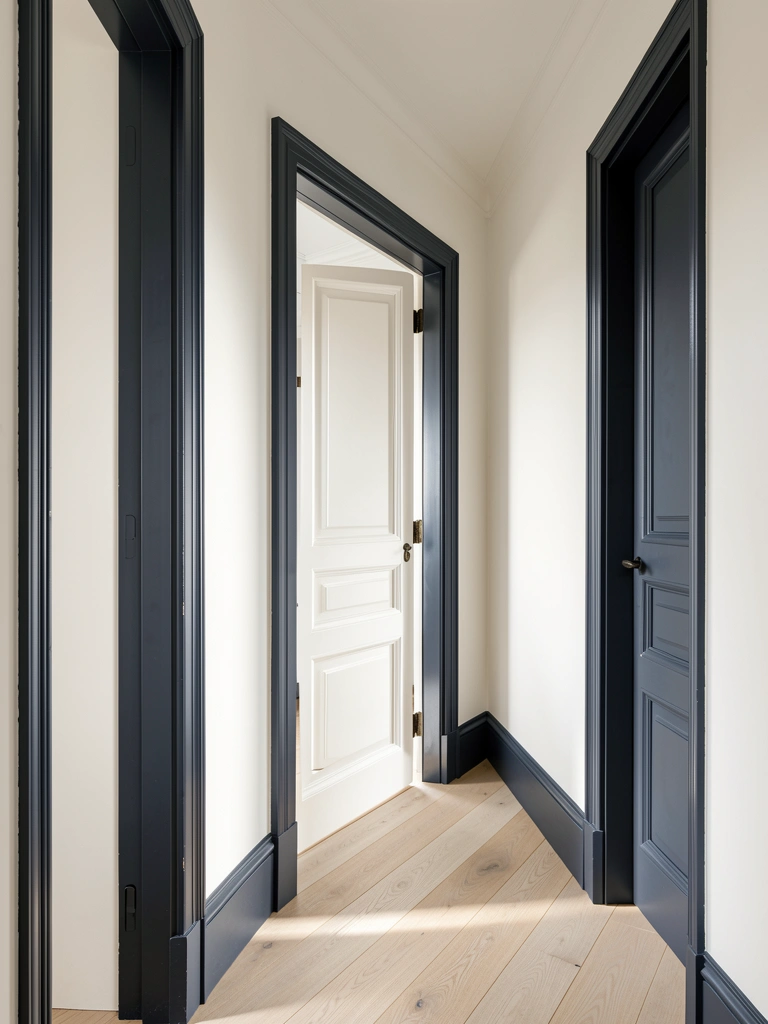
Painting trim or doors a contrasting color to walls adds definition and architectural interest without major effort.
How to do it: Choose white, black, charcoal, navy, or a complementary bold color. Use semi-gloss or satin finish for durability and easy cleaning. Tape wall edges carefully. Cost: $30–$60 depending on amount of trim and paint quality. Time: 3–4 hours to tape, prime, and paint doors/trim. The contrast creates visual interest and frames spaces beautifully.
Pro tip: Use premium semi-gloss or satin paint on trim for durability and easier cleaning than matte. This technique works beautifully with minimal effort and maximum impact, especially in entryways, bathrooms, and bedrooms.
20. Create a Matte Finish with Low-Sheen Paint for Elegance
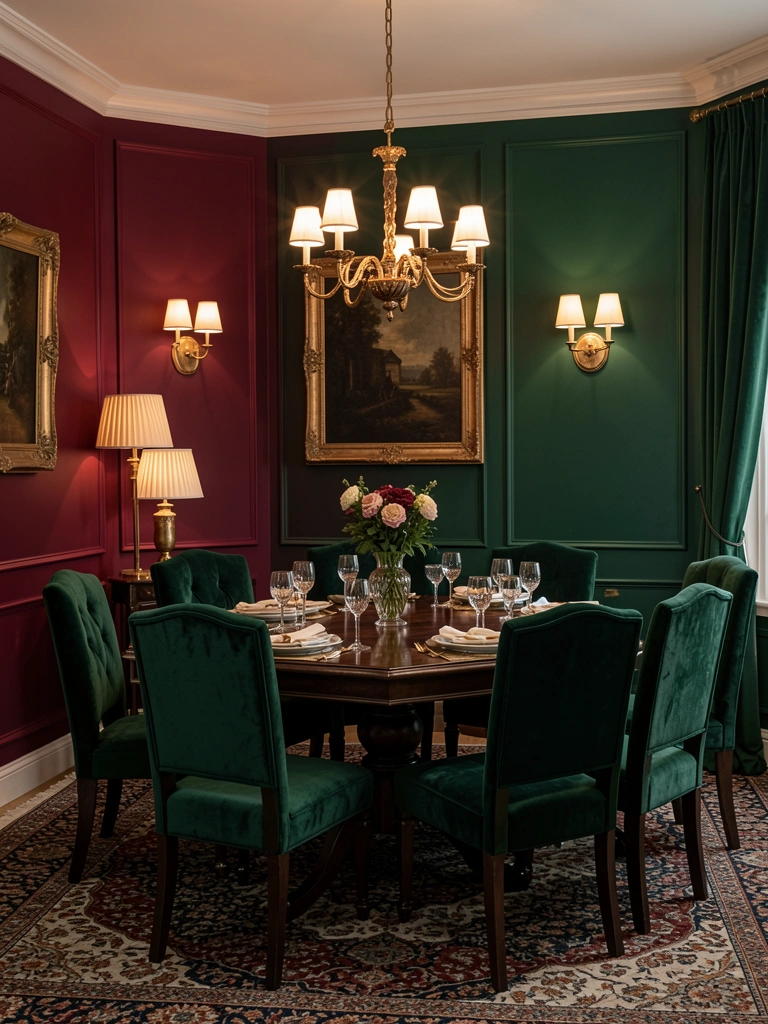
Matte finishes feel velvety and sophisticated—they hide imperfections and feel expensive compared to flat finishes.
How to do it: Choose matte or eggshell finishes (not flat, which doesn’t clean well). Brands like Sherwin-Williams Duration or Benjamin Moore Advance offer excellent matte options. Apply primer and two coats. Cost: $45–$75 for quality matte paint. Time: 3–4 hours. The finish feels refined and works beautifully in living rooms, bedrooms, and dining rooms.
Pro tip: Matte finishes are more challenging to clean than glossy ones, so avoid in high-traffic or moisture-heavy areas. They work best in living spaces where walls won’t encounter frequent touch-ups. Pair with warm lighting to enhance the velvety quality.
21. Paint Walls Soft White or Cream for Spacious Feel
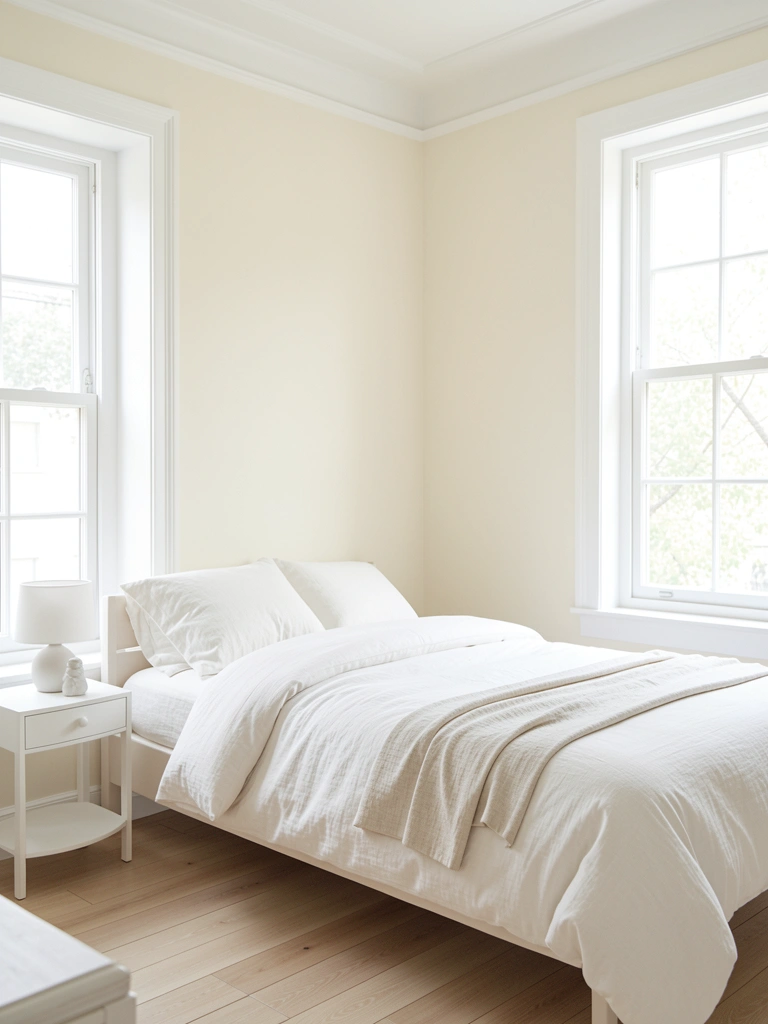
Soft white and cream make small spaces feel larger and lighter while remaining warm and inviting. Not all whites are created equal—choose carefully.
How to do it: Sample paint chips in natural and artificial light. Benjamin Moore’s Cloud White or Sherwin-Williams Alabaster offer warmth without harshness. Apply primer and two coats. Cost: $40–$65 for quality paint. Time: 3–4 hours. Your space feels open, clean, and calm—the ultimate blank canvas for furniture and artwork.
Pro tip: Choose whites with subtle warm undertones (cream, ivory) rather than stark bright white, which can feel sterile. In rooms without natural light, slightly warmer creams prevent a cold, institutional feel.
22. Apply Gloss Paint to Walls for Reflective Luxury
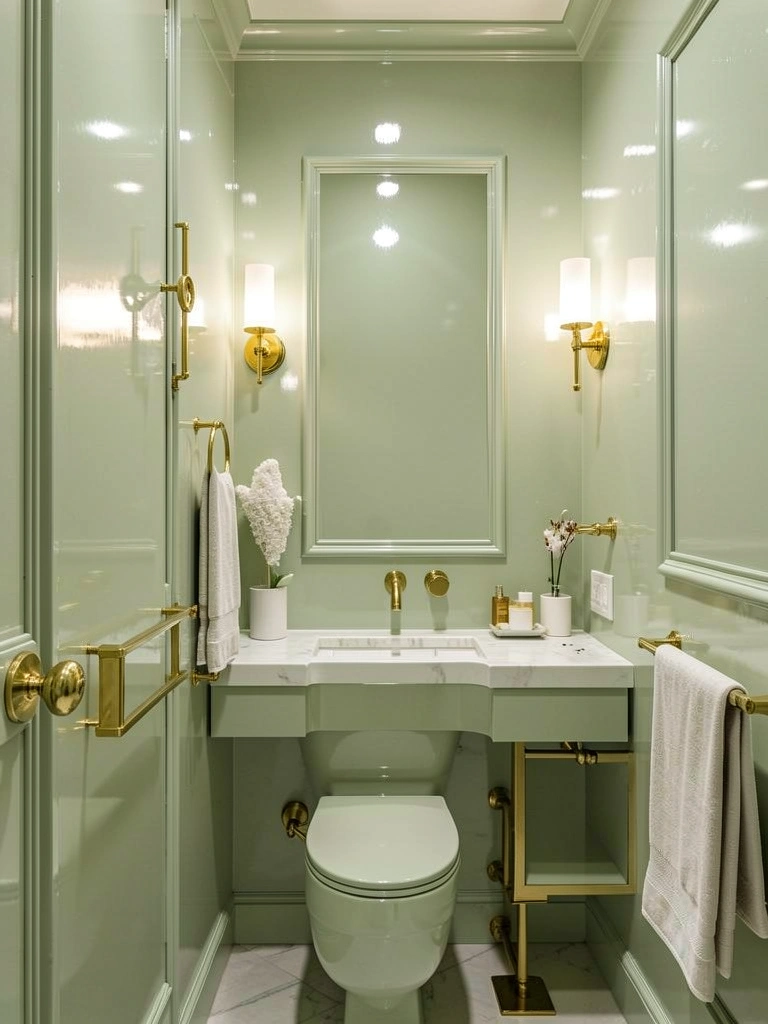
High-gloss or semi-gloss paint reflects light and creates a luxury, sculptural feel. Use strategically in small spaces for maximum impact.
How to do it: Choose high-gloss or semi-gloss finishes in smaller spaces (powder rooms, closets, accent walls). Prep surfaces meticulously since gloss shows every imperfection. Cost: $50–$80 for quality gloss paint. Time: 4–5 hours with careful application and drying between coats. The reflective finish makes rooms feel more glamorous and spacious.
Pro tip: Gloss finishes are easier to clean but require perfect prep work. They work beautifully in small, well-lit spaces. Combine with soft lighting for elegance rather than shine. Not ideal for large rooms or casual spaces.
23. Paint Ceilings in Soft Color to Define Space
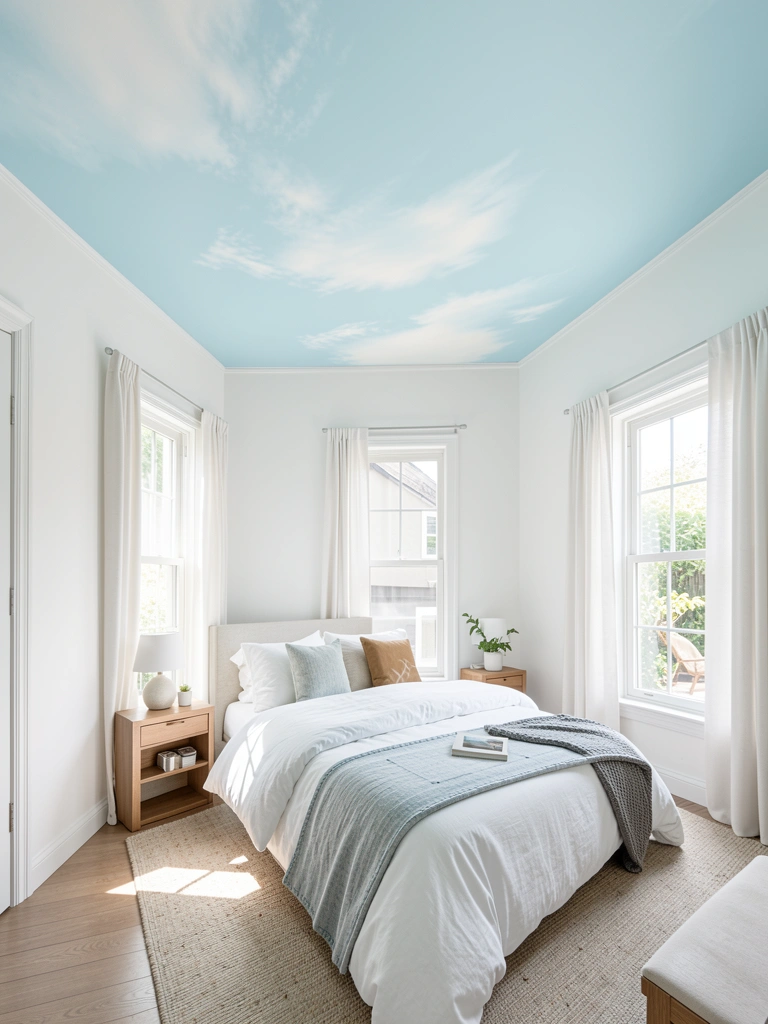
Painting ceilings a soft color (pale blue, warm gray, light green) adds dimension and surprises guests. It’s overlooked but impactful.
How to do it: Choose a soft tint of your wall color or a complementary pale shade. Use ceiling paint (which has less gloss than wall paint) and a roller with extension pole. Cost: $30–$50 for paint and basic supplies. Time: 2–3 hours. The ceiling becomes part of your design story instead of an afterthought.
Pro tip: Pale blue skies feel airy and calm; soft gray feels modern; warm creams feel cozy. Avoid dark ceiling colors unless you have very high ceilings—they make rooms feel smaller. This technique works beautifully in bedrooms, home offices, and creative spaces.
24. Create Mixed-Media Wall Art with Paint and 3D Elements
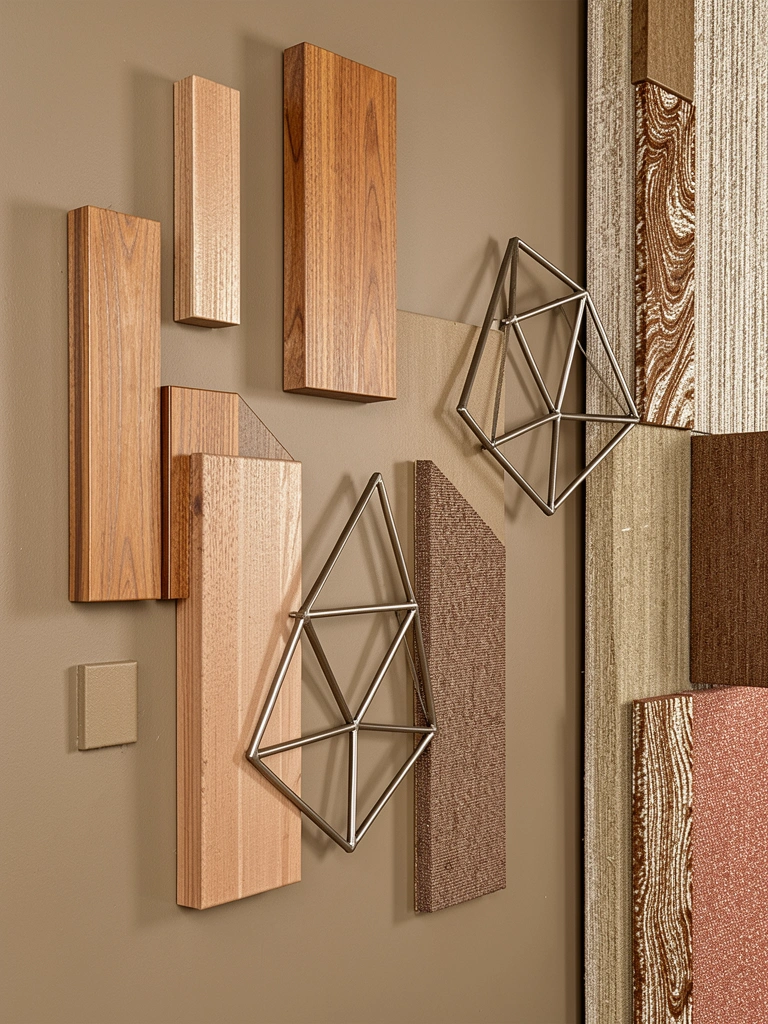
Combine paint with 3D elements—wood panels, metal accents, fabric, or plaster—for sculptural walls that feel gallery-like.
How to do it: Paint a base coat, then mount wooden blocks, metal sheets, or fabric panels using appropriate adhesives or hardware. Arrange in a cohesive pattern (geometric, organic, random). Cost: $75–$200+ depending on materials and complexity. Time: 1 full weekend plus drying time. The result becomes interactive wall art that guests notice and remember.
Pro tip: Source reclaimed wood, metal, or fabric from thrift stores, scrap yards, or online for budget-friendly options. This technique works beautifully in entryways, home offices, and creative spaces. Renters can use removable adhesives for less-permanent installations.
25. Paint Walls in Warm Terracotta for Earthy Elegance
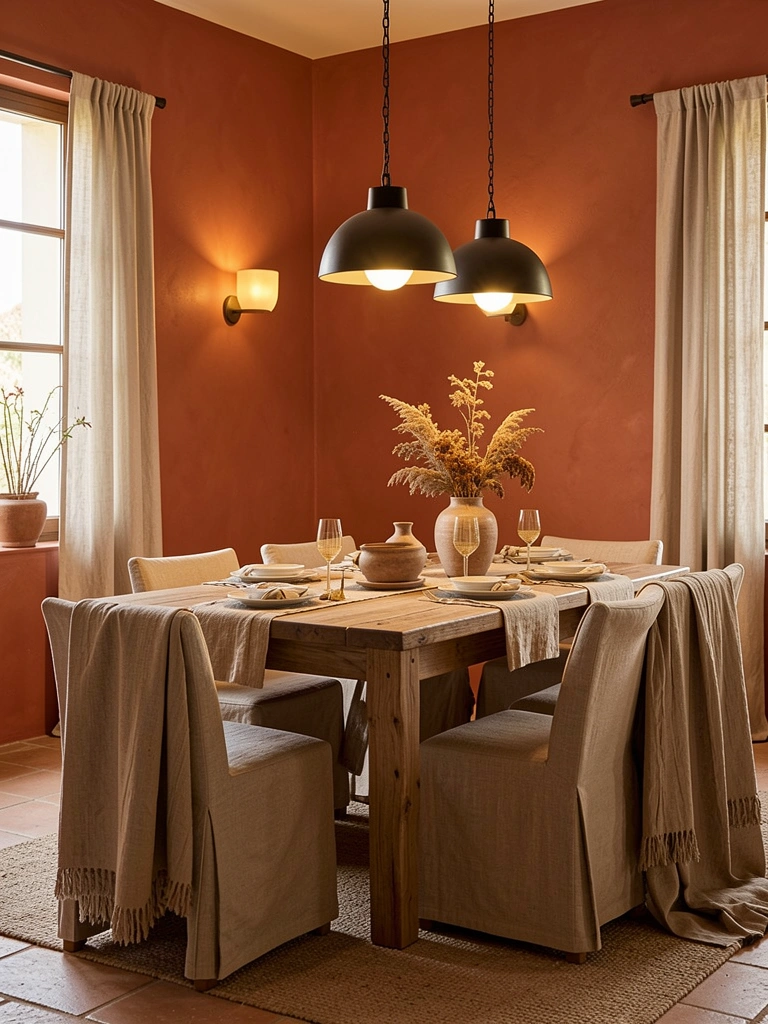
Terracotta (warm, earthy orange-red tones) feels natural and grounded. It’s gaining popularity in natural, bohemian, and eclectic spaces.
How to do it: Choose warm terracotta tones like Sherwin-Williams Cavern Clay or Benjamin Moore HC-70 Reddish Brown. Prime well (warm colors sometimes need primer), apply two coats. Cost: $45–$70 for paint and supplies. Time: 3–4 hours. The warmth wraps the room in a cozy, sophisticated embrace.
Pro tip: Terracotta pairs beautifully with natural materials (wood, woven textiles, clay) and warm metals (copper, bronze). It works especially well in dining rooms, living spaces, and bedrooms. Balance with plenty of neutral accessories to prevent a heavy feel.
26. Paint an Accent Wall in Soft Blush for Romance and Warmth
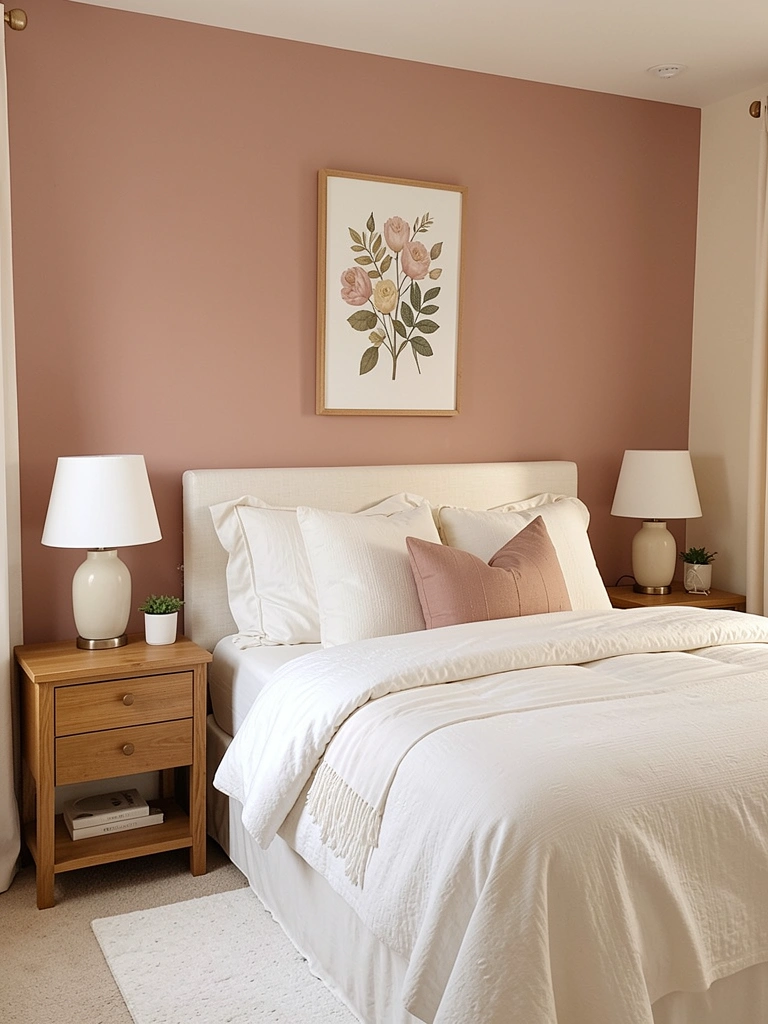
Soft blush (muted pink-mauve tones) feels romantic and modern simultaneously. It works across design styles and photographs beautifully.
How to do it: Choose muted blush tones like Benjamin Moore HC-60 First Blush or Sherwin-Williams SW 6302 Rosy Outlook. Test samples in natural and artificial light first. Cost: $40–$65 for paint and supplies. Time: 3–4 hours. The result feels both soothing and intentional without trending too heavily toward nursery or princess aesthetic.
Pro tip: Balance blush with plenty of white or cream trim, natural wood, and greenery. This color works beautifully in bedrooms, bathrooms, and smaller spaces. Pair with black-and-white photography or botanical art for sophisticated contrast.
SOFT CTA:
Save this post and pick one idea to start this weekend—even the simplest paint refresh makes a noticeable difference in how your space feels. Whether you choose deep navy for drama, soft pastels for calm, or geometric patterns for personality, your walls are ready for their artistic moment. Share this with a friend who needs a room update.
Leave a Reply