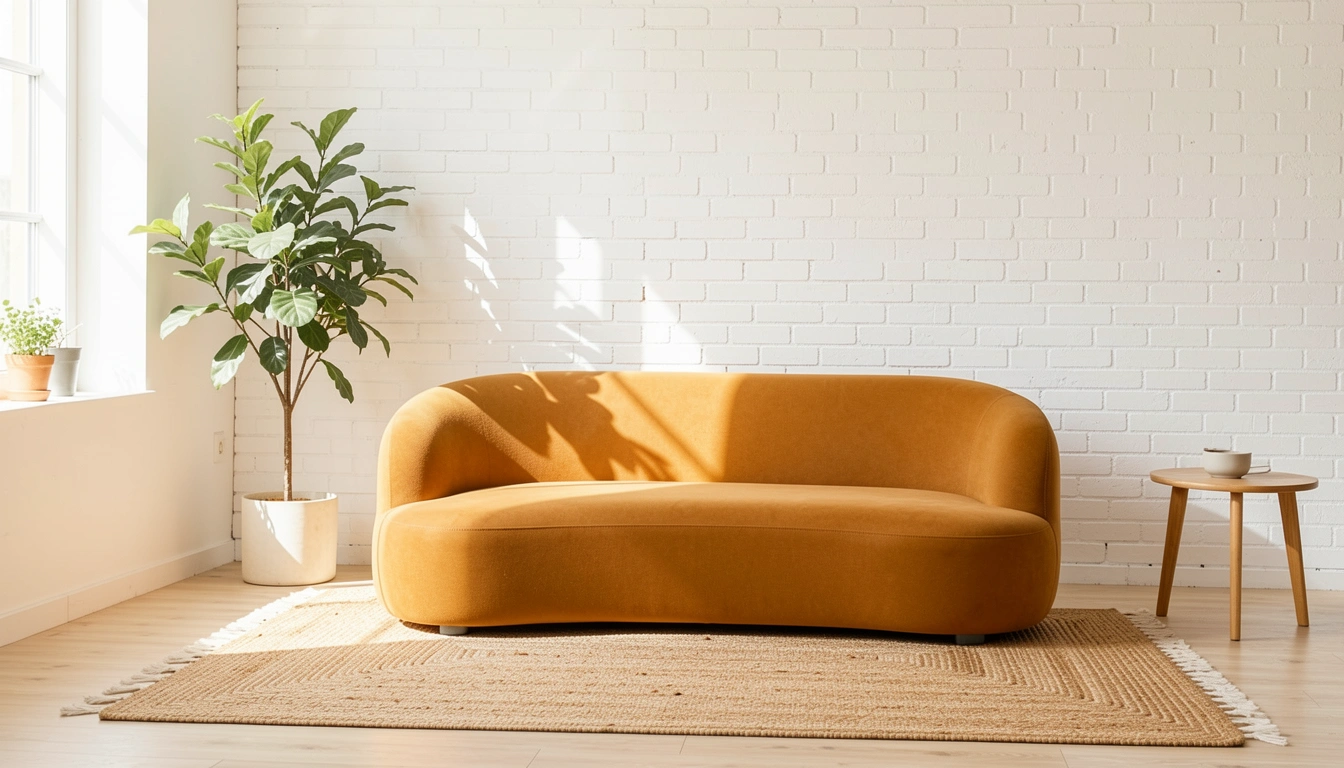
Small spaces don’t mean you have to sacrifice style or comfort. Whether you’re in a studio, a one-bedroom, or just dealing with a cramped living room, the right sofa can anchor your entire apartment and make everything feel bigger. We’ve gathered 26 compact sofa styles and smart solutions that maximize comfort without overwhelming your floor plan. From budget-friendly finds to investment pieces that’ll last years, you’ll discover exactly what works for tight quarters—and how to style it so your space feels intentional and cozy, not cluttered.
1. Choose a Curved Sofa to Define Your Layout
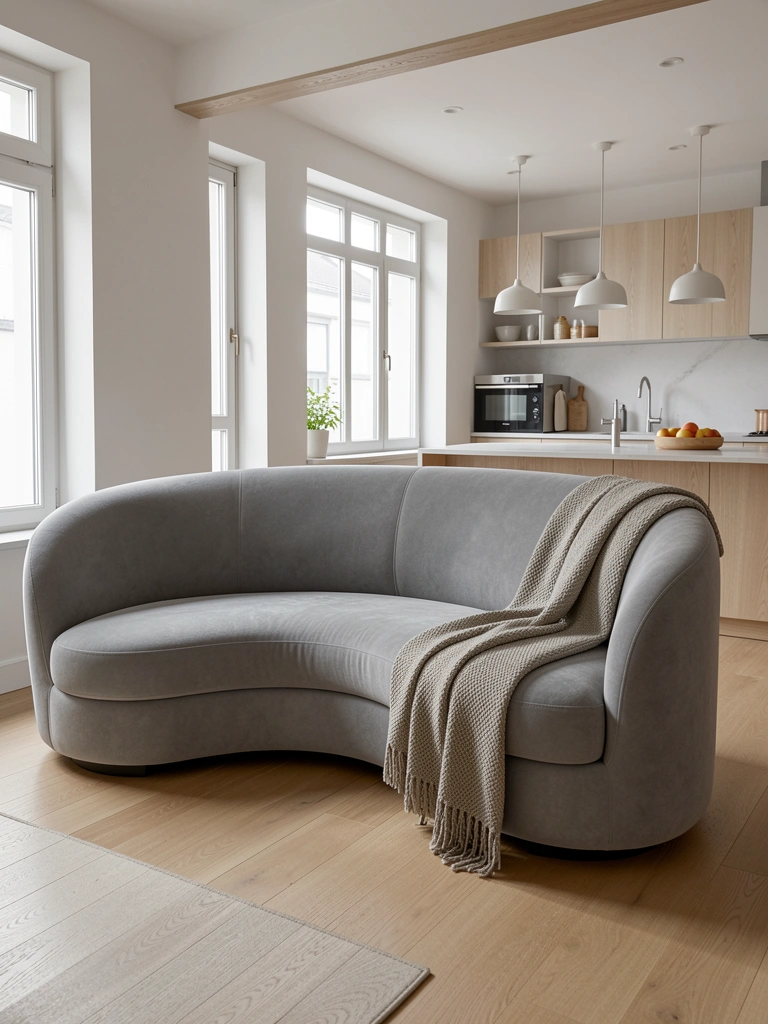
Curved sofas are perfect for small apartments because they create visual interest without eating up floor space the way boxy sectionals do. A curved silhouette guides the eye around the room and naturally defines your living zone without requiring walls or dividers.
Look for options at IKEA, Article, or West Elm—expect to pay $600–$1,200 for quality curves. Measure your space carefully; curved sofas typically need 7–8 feet of wall length. Installation takes 30 minutes with help. The trick? Position it perpendicular to your TV or window to maximize sightlines.
Pro tip: Pair a curved sofa with floating shelves above to keep walls open and airy. You’ll be amazed how much architectural interest one good curve adds to a studio or one-bedroom.
2. Opt for a Loveseat Instead of a Full Sectional
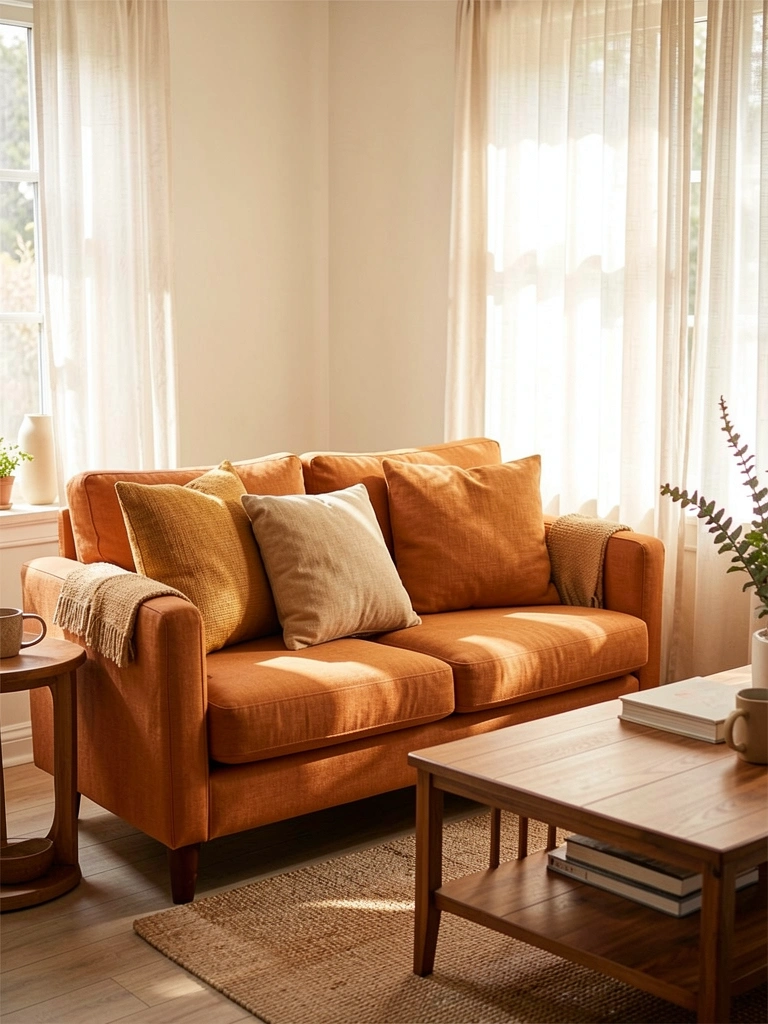
A loveseat (roughly 60 inches wide) gives you seating for two without the sprawl of a traditional three-seater or sectional. It’s the Goldilocks furniture piece for apartments where space is premium.
Budget picks: Target or Wayfair offer basic loveseats for $300–$500. Mid-range options from Article or CB2 run $600–$900. Splurge-worthy picks (Article, West Elm) are $1,000–$1,400. Delivery typically takes 1–3 weeks. Measure your doorway before ordering—some loveseats are trickier to move than others.
Pro tip: Choose a removable, washable cover if you have pets or rent. The best part? A loveseat leaves room for a poufs, side tables, or plants without making your apartment feel packed.
3. Pick a Low-Profile Frame for a Grounded Look
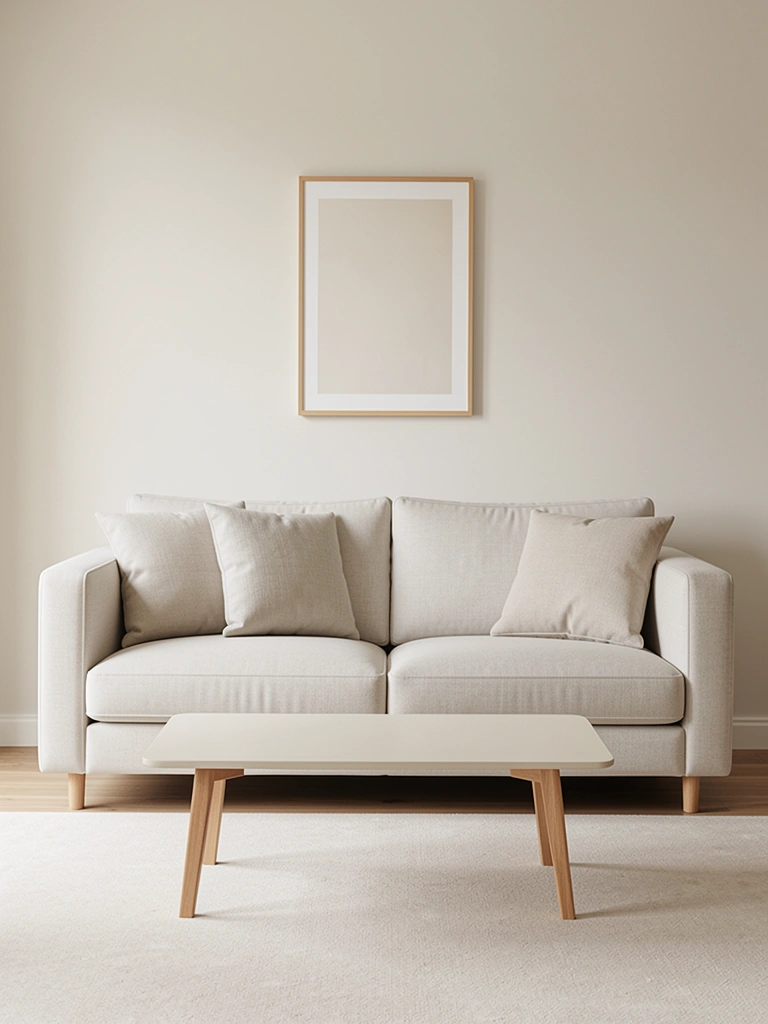
Low-profile sofas (with shorter legs or tight frames) visually expand small rooms by creating uninterrupted sight lines. They also feel more modern and less bulky than traditional high-leg furniture.
Search “low-profile sofa” on Wayfair, Article, or Room & Board. Budget range: $400–$700; mid-range: $800–$1,200; premium: $1,200+. Pay attention to seat depth—many low-profile styles have deeper seats for comfort. Assembly takes 30–45 minutes depending on leg attachment.
Alternative: If you love the look but need storage, consider a low platform bed with built-in shelving underneath—you get grounded aesthetics plus function. You’ll notice how much taller your ceilings appear when furniture stays low.
4. Go Modular for Rearrangement Flexibility
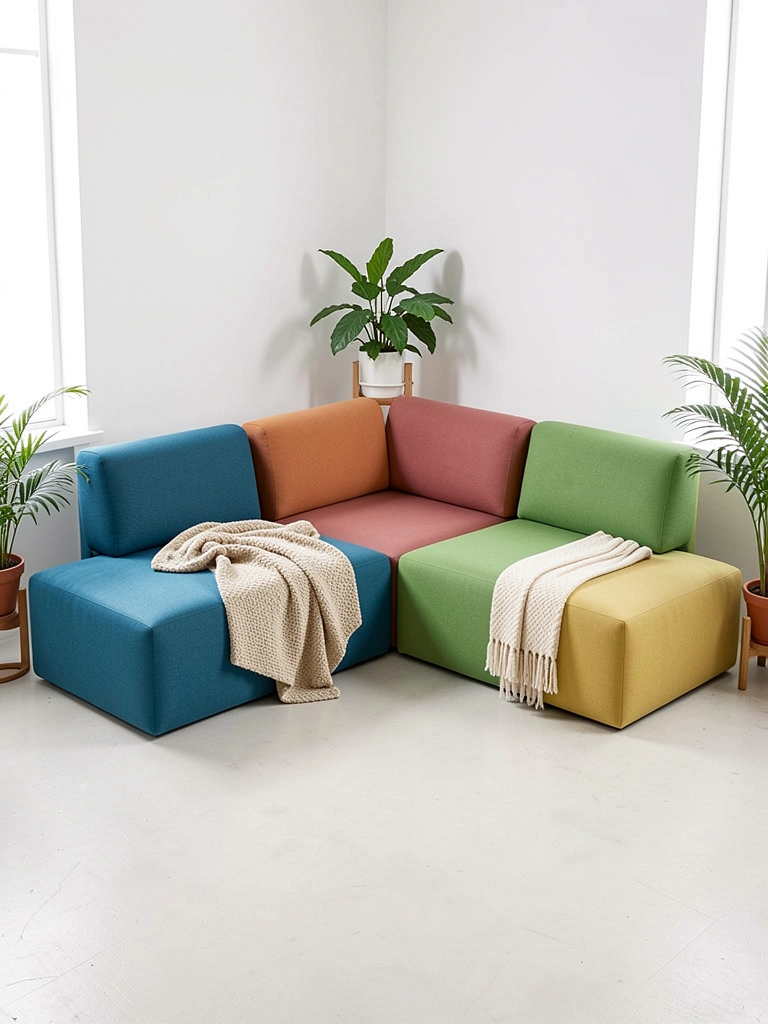
Modular sofas let you swap, rotate, and reconfigure as your life changes—perfect if you move frequently or think your apartment layout might shift. You buy individual sections and connect them however you want.
Top picks: Article’s Sven collection, CB2’s modular options, or IKEA’s sectional components. Budget: $500–$1,500 depending on size and quality. Installation takes 45 minutes to an hour. The beauty? If one section wears, you replace just that piece instead of the whole sofa.
Pro tip: Mix and match fabric colors slightly for visual depth, or keep everything neutral for a seamless blend. This approach makes your apartment feel purposeful and gives you the freedom to refresh without major purchases.
5. Invest in a Sleeper Sofa for Dual Function
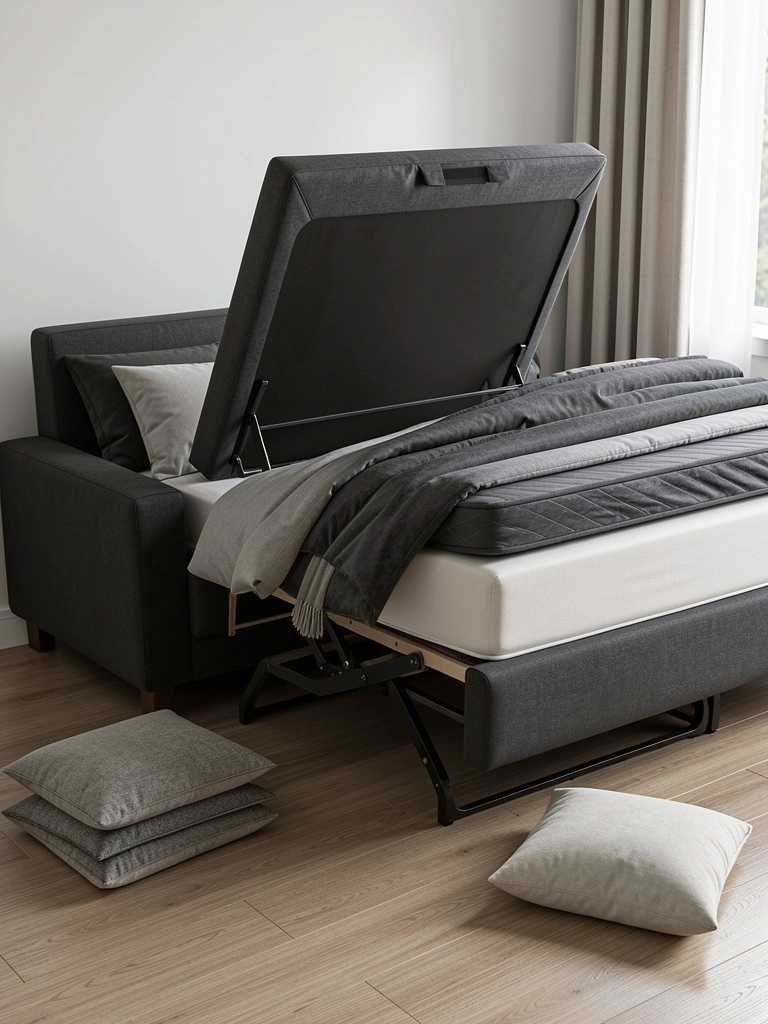
In a tight apartment, a sleeper sofa does heavy lifting—it’s your couch by day and a guest bed by night. Modern designs have come a long way from the uncomfortable couches of the past.
Look for memory foam or gel-infused mattress options at Article, West Elm, or Wayfair; expect $800–$1,500. Test the pull mechanism in-store if possible—smooth, quiet mechanisms are worth the extra cost. Some models have storage underneath for bedding or linens.
Pro tip: Pair with a few throw pillows and a chunky knit throw; nobody will guess it’s a bed. You’ll save hundreds of dollars on a guest room, and your visitors will appreciate the comfortable sleeping surface.
6. Select a Sofa in Warm Earthy Tones
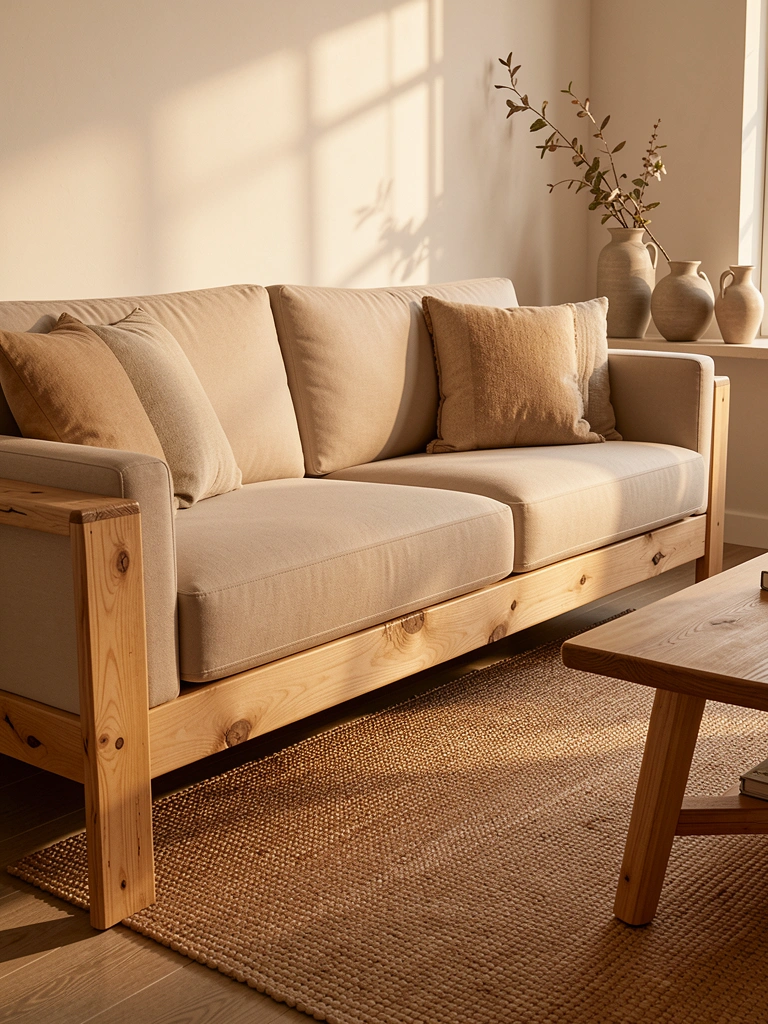
Warm, earthy colors like camel, clay, sand, and warm greige work magic in small spaces—they feel bigger and more cohesive than bright or cold tones. These shades also hide wear better than white or pale gray.
Budget loveseats in earthy tones run $300–$600 (Target, Wayfair); mid-range sofas are $700–$1,000 (Article, CB2); premium pieces cost $1,000+ (Article, Design Within Reach). Fabric samples ship free from most retailers—get them before committing. Warm tones pair beautifully with wood, rattan, and natural textiles, so your whole room comes together instantly.
Pro tip: Avoid pure white or stark gray if you’re a renter with pets—earthy tones forgive life better. You’ll find that neutral warm tones make even a cramped studio feel like a retreat.
7. Layer Textures with Boucle or Linen
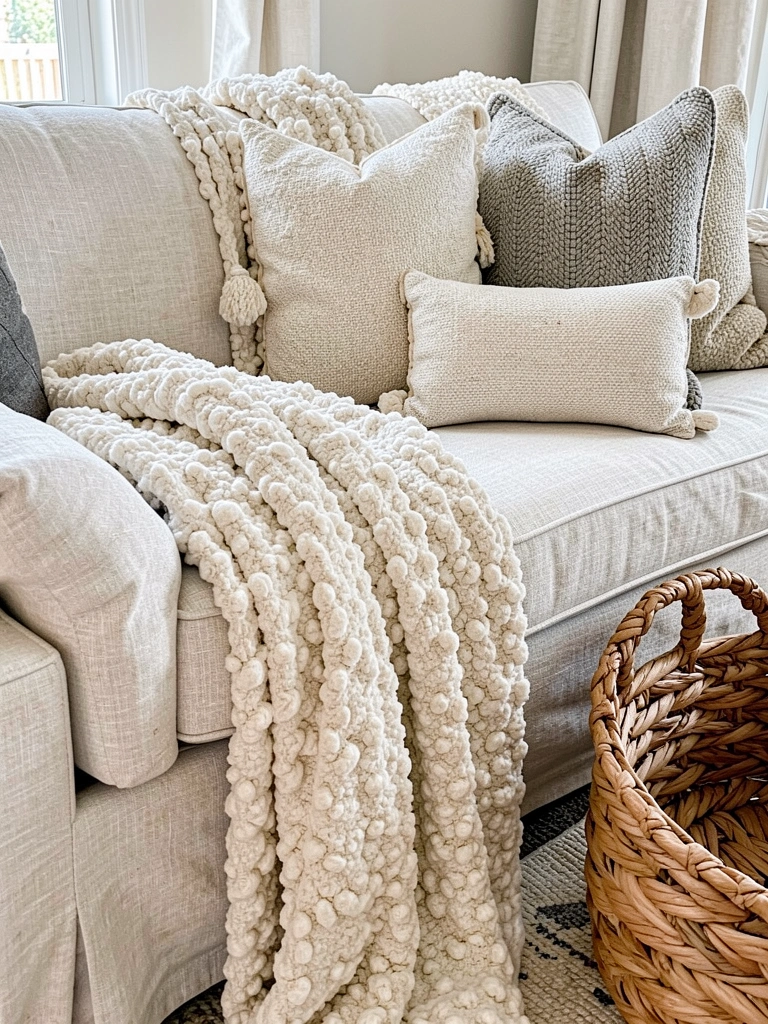
A single-color sofa becomes visually interesting when you add textural layers—boucle pillows, linen throws, or knit blankets. This strategy makes compact sofas feel more expensive and considered.
A neutral linen or cotton sofa costs $500–$1,200, then invest $150–$300 in quality throw pillows and blankets. IKEA, Target, and H&M Home offer budget throws ($30–$80); splurge options (Anthropologie, West Elm) run $100–$250. Mix at least three different textures—smooth linen, chunky knit, soft velvet. The result? Your sofa looks styled and intentional without requiring a color overhaul.
Pro tip: Rotate throws seasonally to refresh the look for free. Adding texture makes a tight space feel designed, not cramped.
8. Use an Apartment-Sized Sectional (72 Inches or Less)
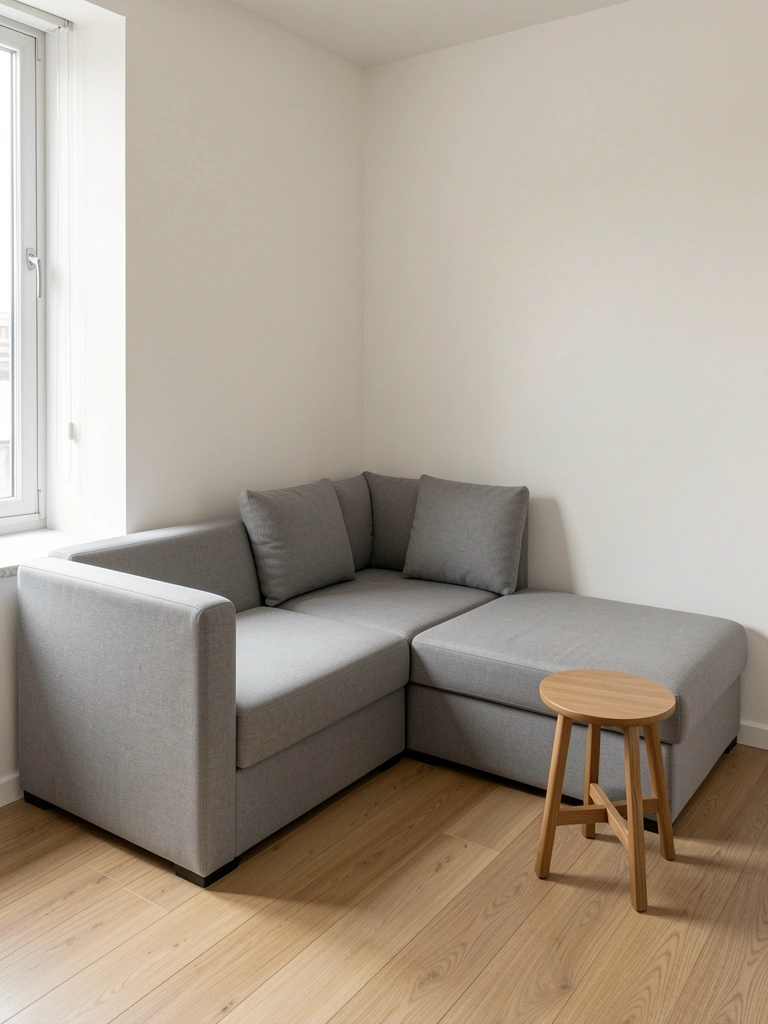
A “apartment sectional” is smaller than standard sectionals—usually 72 inches or less—and fits snugly into corners without overwhelming a small room. It gives you the lounge feel without the footprint of a full L-shaped set.
Budget options (IKEA, Wayfair): $400–$800; mid-range (Article, CB2): $900–$1,400; investment pieces (West Elm, Design Within Reach): $1,500+. Measure corner clearance carefully—you need space to open the door and move through your apartment. Delivery and setup typically take 1–2 hours.
Pro tip: Choose a chaise on the shorter end (60 inches instead of 80 inches). You’ll get that luxe recline without eating your living room alive.
9. Pick Stain-Resistant Fabric for Real Life

Performance fabrics repel stains, resist pilling, and handle pets or messy roommates without showing wear. They’re not as silky as traditional upholstery, but they’re practical for apartment living.
Brands like Crypton, solution-dyed polyester, and microfiber are your friends. Expect to pay $700–$1,200 for a quality performance-fabric sofa at Article, Wayfair, or Article. Test swatch first—some feel plasticky, while others are surprisingly soft. Cleaning is easy: most stains wipe off with a damp cloth.
Pro tip: If you’re renting or have kids, performance fabric is non-negotiable. You get years of durability without the stress of permanent damage. The investment pays for itself in peace of mind.
10. Try a Settee for Narrow Entryways
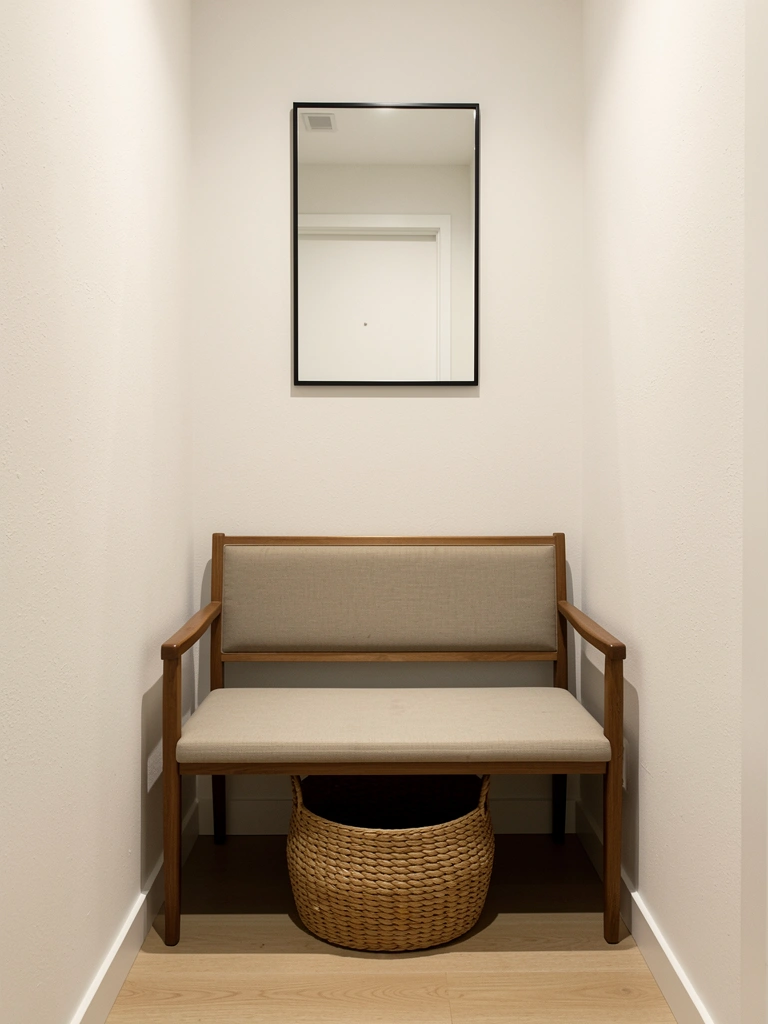
A settee (a smaller bench-style sofa with a back and arms) fits in hallways, nooks, or narrow living areas where a full sofa won’t squeeze. It provides seating and visual interest without bulk.
Budget settees: Target or Wayfair, $300–$500; mid-range: Article or CB2, $600–$900; splurge options: West Elm or Design Within Reach, $900–$1,400. Measure your space precisely—most settees are 48–60 inches wide. Assembly is minimal, usually 15–20 minutes. Pair with a small side table and a throw pillow for instant hotel-lobby vibes.
Alternative: Use it as a bench at the foot of your bed if your bedroom is the only spare space. You’ll be surprised how much character one settee adds to a tiny apartment.
11. Go Velvet in Jewel Tones (Go Bold, Strategically)
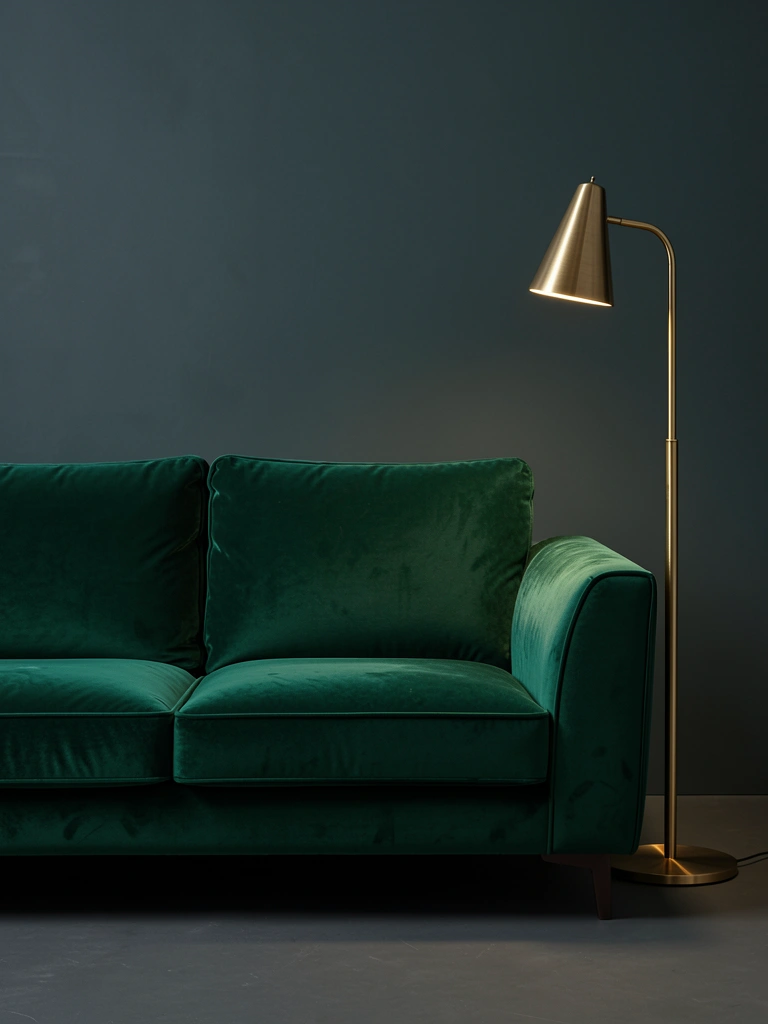
A velvet sofa in a rich jewel tone—emerald, navy, or burgundy—becomes a statement piece that makes a small apartment feel designed and intentional. It’s bold without being chaotic.
Splurge range: $1,000–$1,800 for quality velvet at Article, West Elm, or Design Within Reach. Velvet shows dust and pet hair more than other fabrics, so factor in vacuuming weekly. Keep it simple around it—let the sofa be the star. Pro tip: Pair with brass or wood accents and neutral walls to ground the boldness.
The payoff? You’ll own a sofa that photographs beautifully and makes your apartment feel like a curated design magazine spread. Just commit fully—half-measures with bold color read as uncertain.
12. Consider a Chaise Lounge as Your “Sofa”
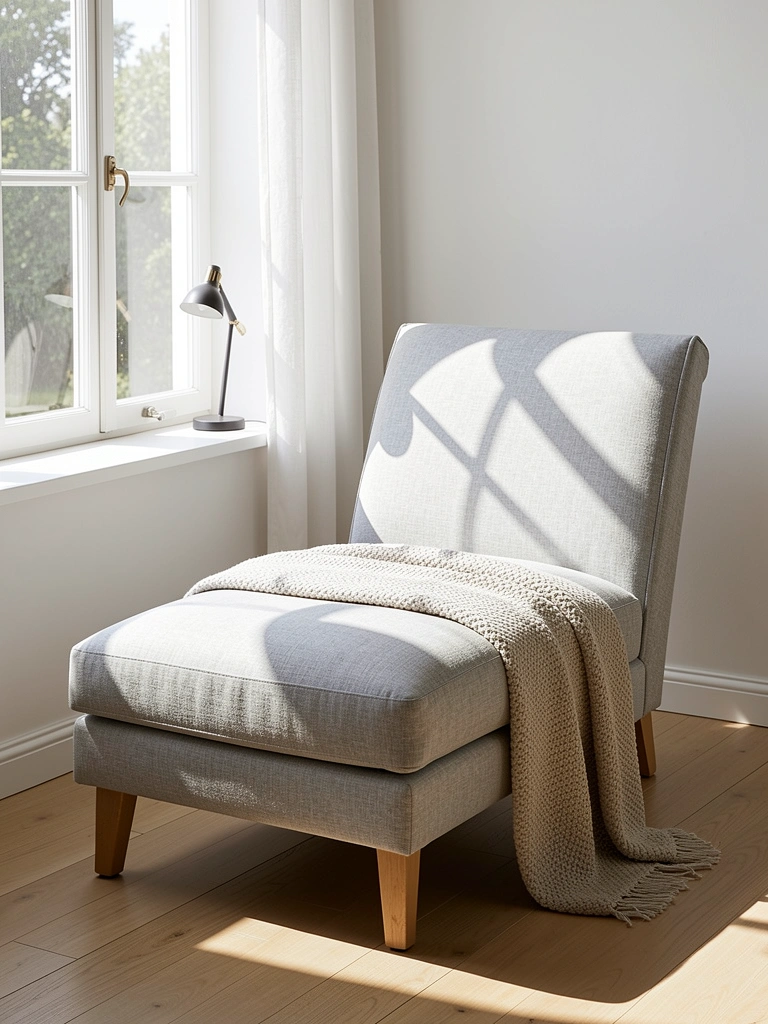
If you live alone or don’t entertain much, a chaise lounge replaces a full sofa and takes up far less space. You get that luxe recline without the commitment or footprint of a traditional couch.
Budget: $300–$600 (IKEA, Target, Wayfair); mid-range: $700–$1,100 (Article, CB2); premium: $1,200+ (West Elm, Design Within Reach). Most chaise lounges are 60–72 inches long but only 30–36 inches deep. Perfect for a studio or one-bedroom where you want to maximize open floor space.
Pro tip: Pair with a small ottoman to create a makeshift bed for guests—it’s more space-efficient than a sleeper sofa. You’ll love having a dedicated nap or reading spot that doesn’t eat your entire living room.
13. Use a Daybed as a Sofa-Bed Hybrid
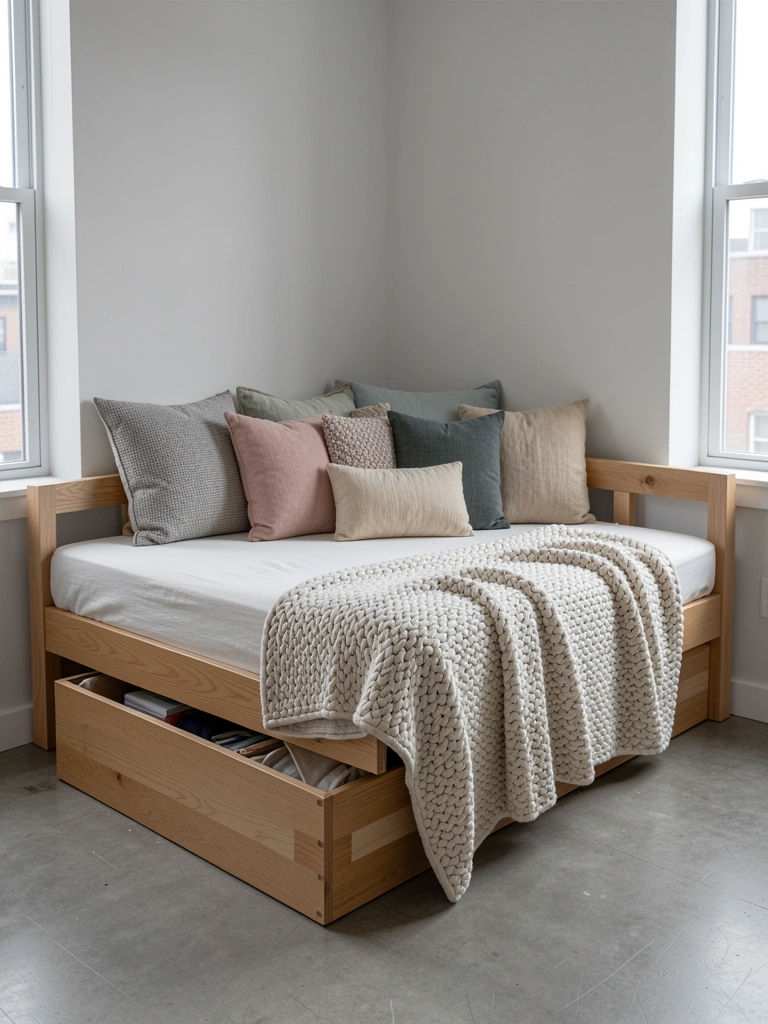
A daybed (a bed-style frame with a trundle or pull-out mattress) works as a sofa during the day and a full bed at night. It’s especially smart if you’re sleeping and living in one room.
Budget daybeds: IKEA or Wayfair, $300–$600; mid-range: Article or Pottery Barn Teen, $700–$1,200; quality pieces: Restoration Hardware or Design Within Reach, $1,200–$2,000. Many include under-bed storage for linens or off-season items. Style it with a bolster pillow and throw to make it feel intentional during daytime hours.
Pro tip: Pair with a low coffee table in front for a living-room setup that doesn’t scream “I sleep on my sofa.” You’ll get functionality that adapts to real apartment living.
14. Choose an Armless Design to Save Space
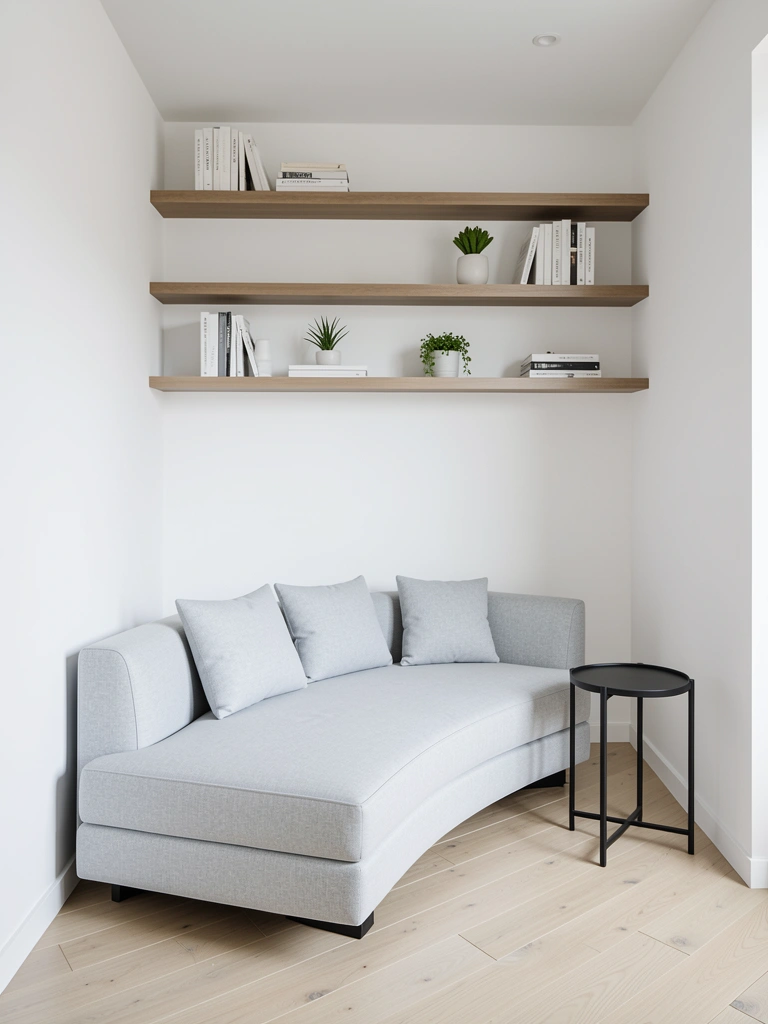
Armless sofas or ultra-low-arm options save precious inches on each side and make tight rooms feel more open. Without bulky armrests, you get more seating surface in the same footprint.
Budget options: $350–$650 (Target, IKEA, Wayfair); mid-range: $700–$1,000 (Article, CB2); investment pieces: $1,000–$1,500 (West Elm, Article). Assembly takes 20–30 minutes. Trade-off: You lose the armrest lounging comfort, so pair with a few throw pillows for arm support. The upside? Your apartment feels significantly more spacious and modern.
Pro tip: Measure corner-to-corner and side-to-side before ordering—armless sofas are easier to move and fit through doors than traditional frames. You’ll gain back at least 12–18 inches of usable floor space.
15. Try a Tuxedo Sofa for Structured Style
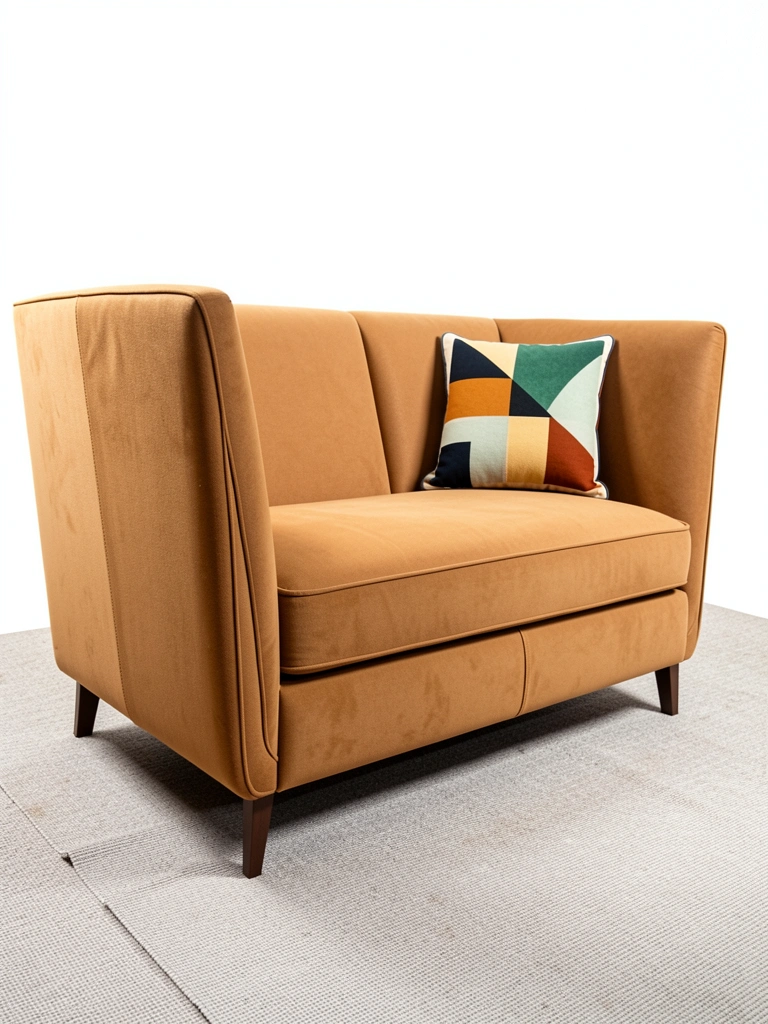
A tuxedo sofa (with high, squared-off arms) looks compact and tailored, perfect for a small space. The clean lines make apartments feel curated rather than cramped, and there’s built-in visual structure.
Price range: $700–$1,200 for quality tuxedo styles at Article, West Elm, or CB2. The structured design photographs beautifully, so it’s ideal if you like the space to feel Instagram-worthy. Pair with a geometric rug and minimal wall art to amplify that intentional aesthetic.
Pro tip: Tuxedo sofas feel heavier visually despite taking up similar floor space, so pair with light-colored walls and floating shelves to keep the room airy. The result? Your apartment looks deliberately designed, not makeshift.
16. Go for a Sofa with Built-In Storage
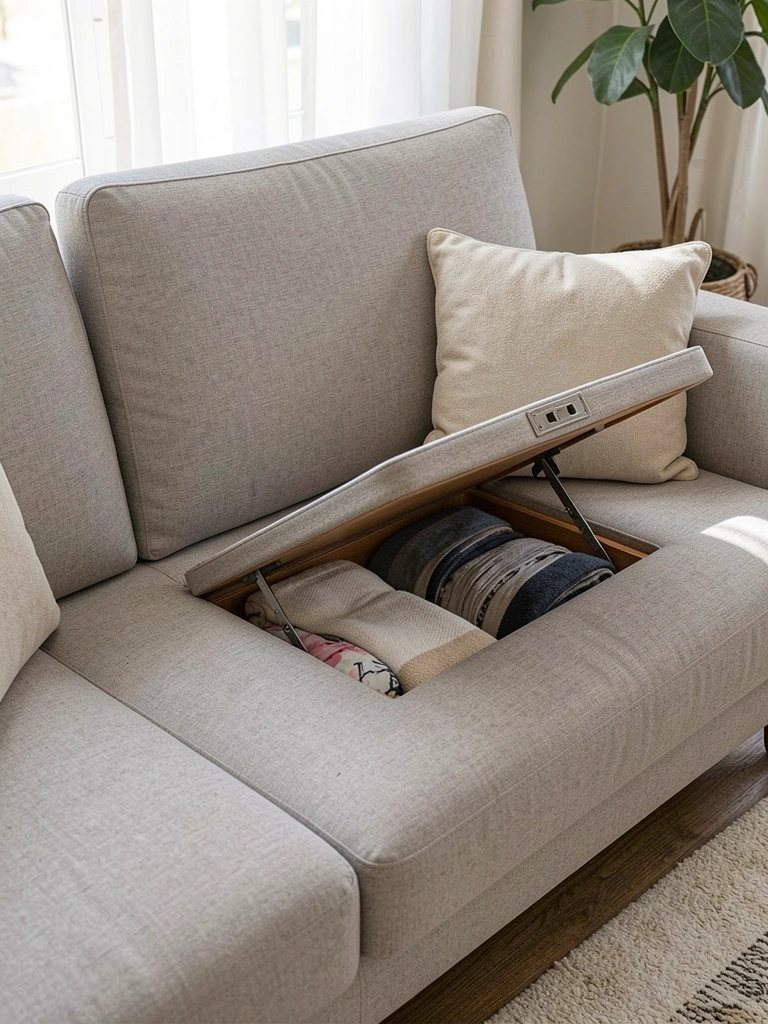
A sofa with built-in storage under the seat is a game-changer for studios and one-bedrooms. Stash off-season clothes, extra blankets, or linens without eating closet space.
Budget options: $500–$900 (IKEA, Wayfair); mid-range: $1,000–$1,400 (Article, Wayfair); higher-end: $1,400–$1,800 (Article, West Elm). Lift-top designs are easier to access than models where you remove the whole cushion. Test the lid mechanism before buying—it should open smoothly and not pinch fingers.
Pro tip: Use vacuum storage bags for bulky items like winter coats or spare pillows. This simple feature doubles your storage without visible clutter. You’ll never run out of places to stash things again.
17. Pick a Sofa on Casters for Easy Rearrangement
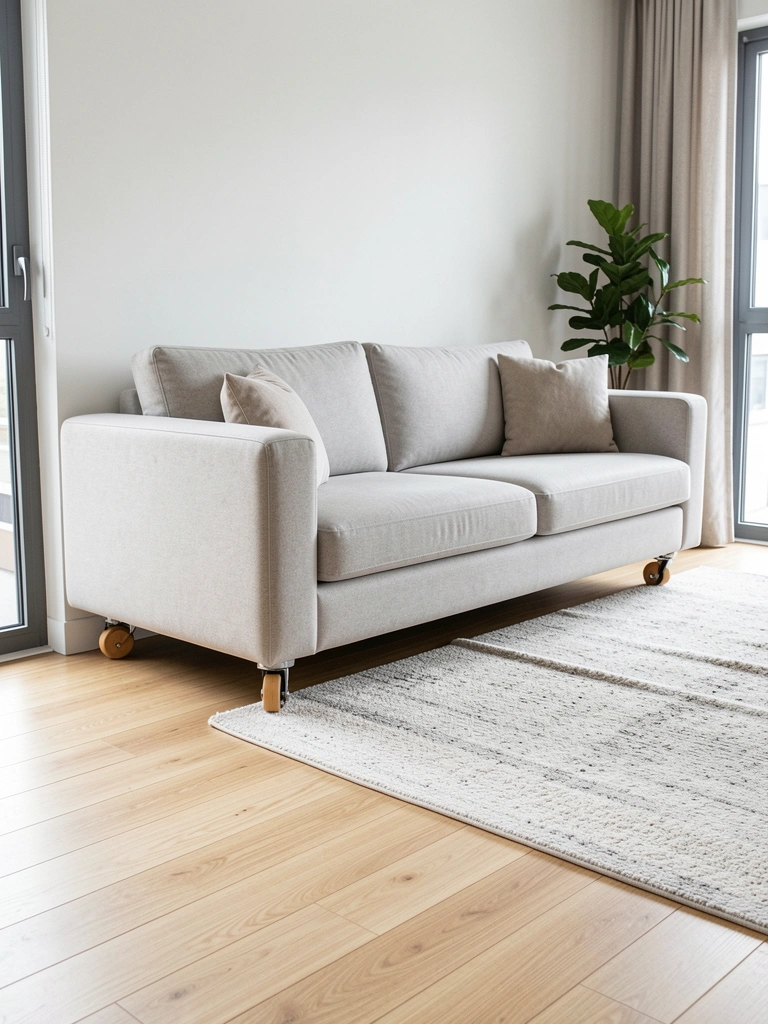
A sofa on casters (rolling wheels) lets you shift furniture around without help—essential if you like to refresh your layout seasonally or whenever you feel like it.
Look for “sofa on wheels” at Article, Wayfair, or Design Within Reach. Budget range: $600–$1,100. Most quality casters are smooth and quiet. Casters also slightly raise the sofa off the ground, making the space feel more open. Make sure your flooring can handle wheels; hard surfaces work best, though felt pads protect wood.
Pro tip: Use casters as an excuse to rearrange monthly—it keeps the space feeling fresh without spending money. You’ll love having the flexibility to reconfigure your living area anytime the mood strikes.
18. Select a Sectional with a Chaise for One-Sided Lounging
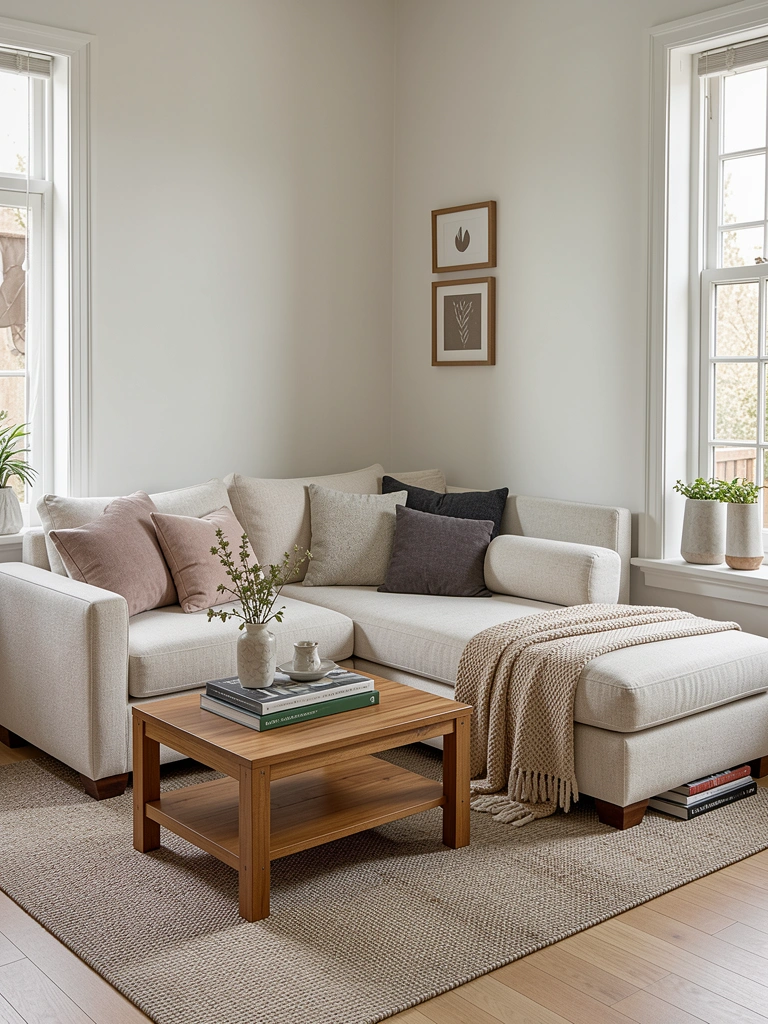
A compact sectional with a chaise (one short end that extends for leg-up lounging) gives you lounge comfort in a smaller footprint than a full sectional. You get seating for two plus a recline space.
Budget: $600–$1,000 (IKEA, Wayfair); mid-range: $1,100–$1,600 (Article, CB2); investment: $1,700–$2,200 (West Elm, Design Within Reach). Measure your corner space carefully—chaise sectionals need more depth on one side. This option works best if you have a defined corner rather than open wall space.
Pro tip: Pair with a small side table at the non-chaise end for drinks and remotes. You’ll feel like you have a luxury lounging setup without the bulk of a full sectional.
19. Go with a Futon-Style Sofa Bed for Flexibility
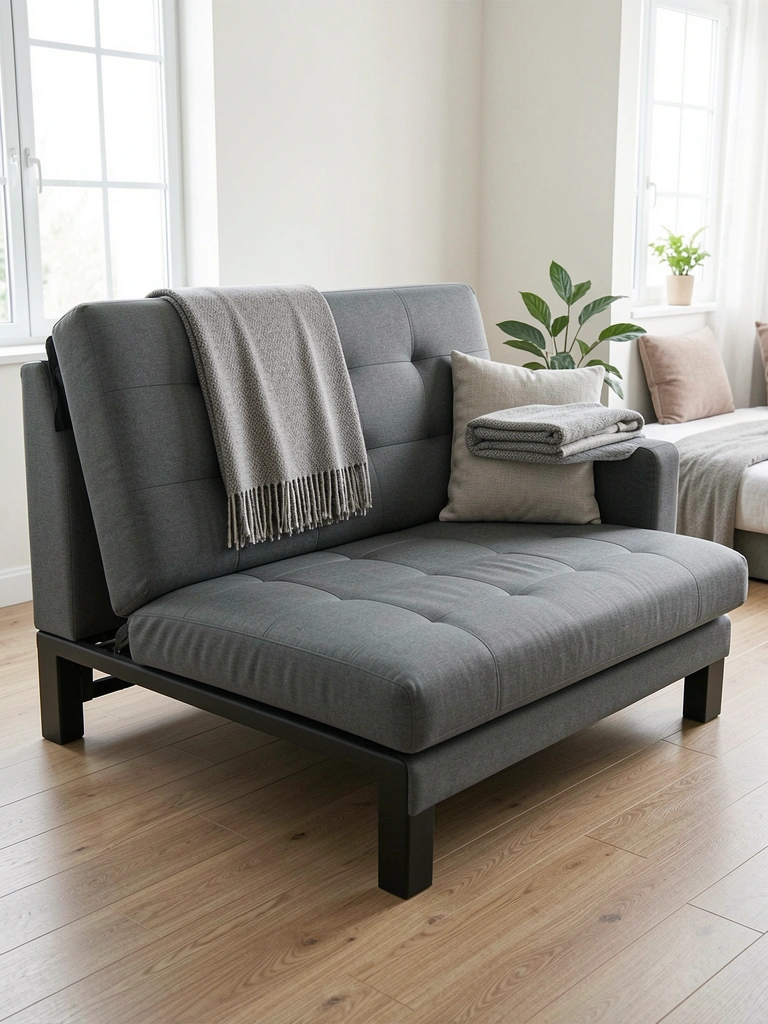
Modern futons are nothing like your college-dorm days. Today’s futon sofas fold flat into a comfortable mattress and offer maximum flexibility in a small footprint.
Budget futons: $350–$600 (IKEA, Target, Wayfair); mid-range: $700–$1,100 (Article, Wayfair); quality pieces: $1,200–$1,600 (DlandHonor, modern brands). The fold mechanism takes 5 seconds, and many come with storage drawers underneath. Test the fold-back angle before committing—some sit too upright to feel like a couch.
Pro tip: Add a high-quality mattress pad on top (around $80–$150) to make the bed sleeping surface more comfortable. You’ll get a legitimate sofa-bed hybrid that actually feels good for both functions.
20. Try a Sofa with Removable, Washable Covers
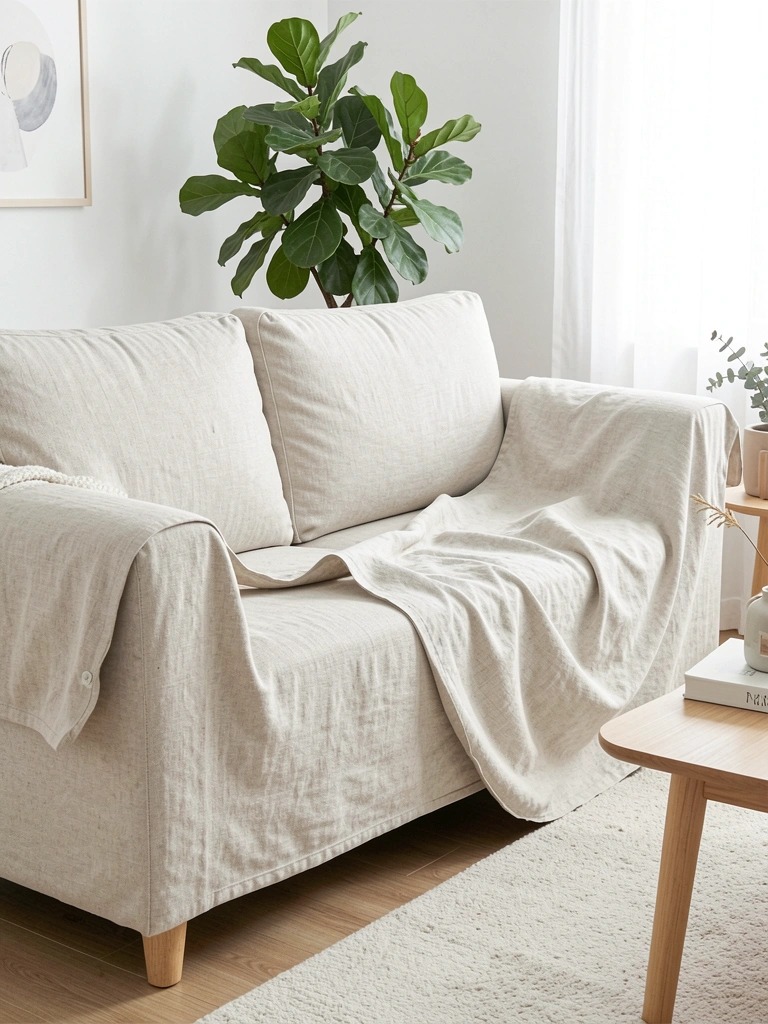
Removable slipcovers mean you can wash or swap fabric seasonally—perfect if you’re renting, have pets, or like to refresh without buying new furniture. It’s the renter’s secret weapon.
Budget pieces with covers: $400–$800 (IKEA, Target, Wayfair); mid-range: $900–$1,400 (Article, CB2); premium slipcover sofas: $1,500–$2,000 (Article, West Elm). Check wash instructions before buying—some are hand-wash only, others are machine-washable. Buy an extra cover in a coordinating color for rotation.
Pro tip: Removable covers mean you’re not locked into one look forever. Refresh the vibe for $100–$300 instead of buying a whole new sofa. You’ll have control over your space’s personality and longevity.
21. Position Your Sofa at an Angle for Visual Interest
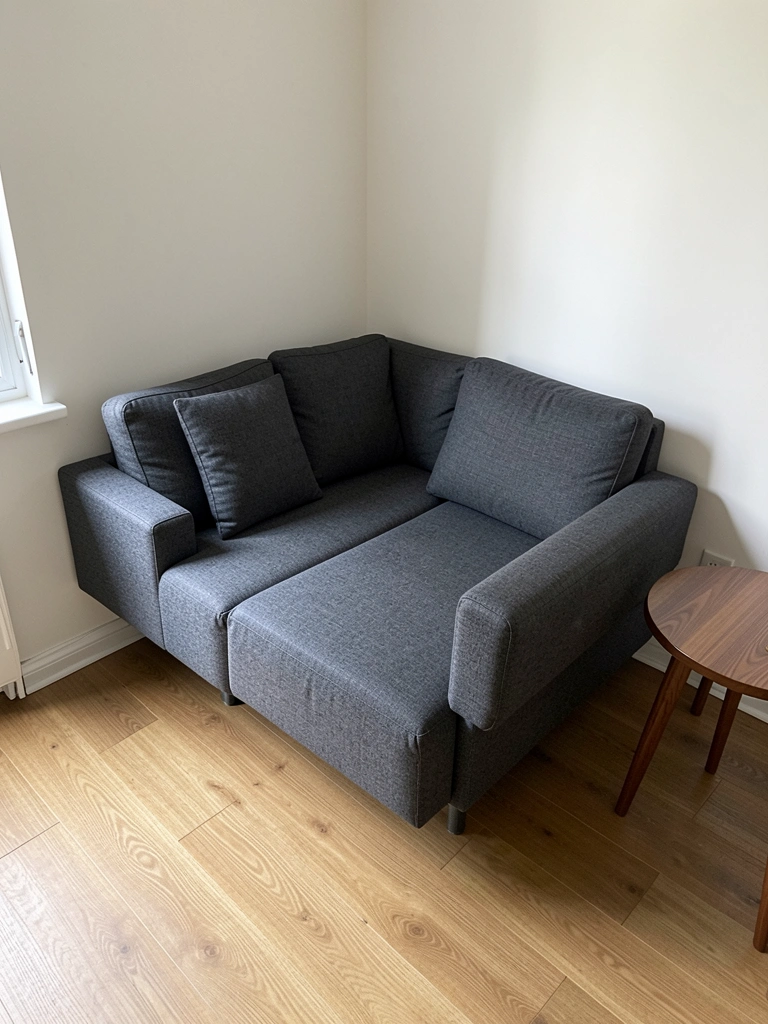
Instead of pushing your sofa flat against a wall, angle it slightly into the room. This creates visual interest and can make a small space feel more intentional and bigger.
This costs nothing—just rearrange what you have. The angle creates implied corners and zones without needing walls or dividers. Pair with a coffee table aligned with the angle, and suddenly your cramped apartment feels designed. Make sure you still have walkway space; the goal is visual interest, not tripping hazards.
Pro tip: Angled furniture works best with floating side tables and a coordinated rug underneath. You’ll notice how much more dynamic your living room feels with just a slight rotation.
22. Choose a Compact Sofa in a Light Color for Spaciousness
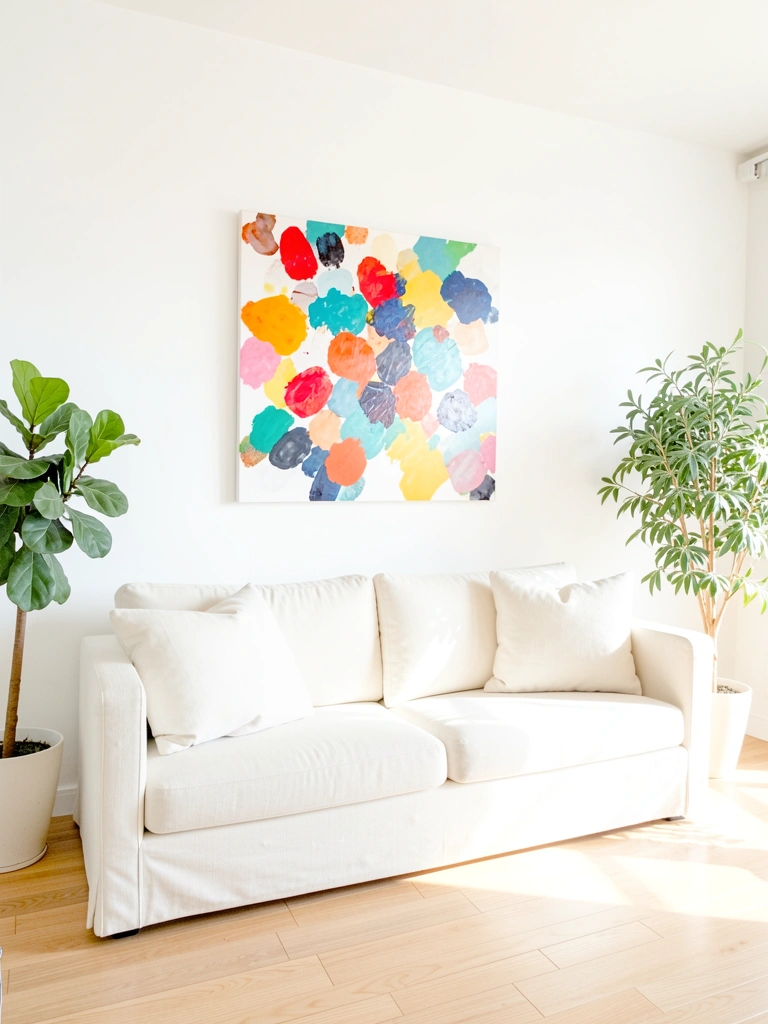
Light-colored sofas (white, cream, pale gray, pale yellow) visually expand a room by reflecting light and blending with walls. In a small apartment, this makes everything feel bigger.
Light-colored sofas are widely available: budget ($400–$700), mid-range ($800–$1,200), premium ($1,300+) across IKEA, Target, Article, West Elm, and more. The trade-off is stain visibility—go with a performance fabric if you have pets or kids. Pair with colorful throw pillows and art to add personality without visual weight.
Pro tip: Add a light rug underneath to anchor the space while maintaining that airy feeling. You’ll find that a light, minimal sofa makes even a 400-square-foot studio feel like a loft.
23. Invest in a High-Quality Frame Over Everything Else
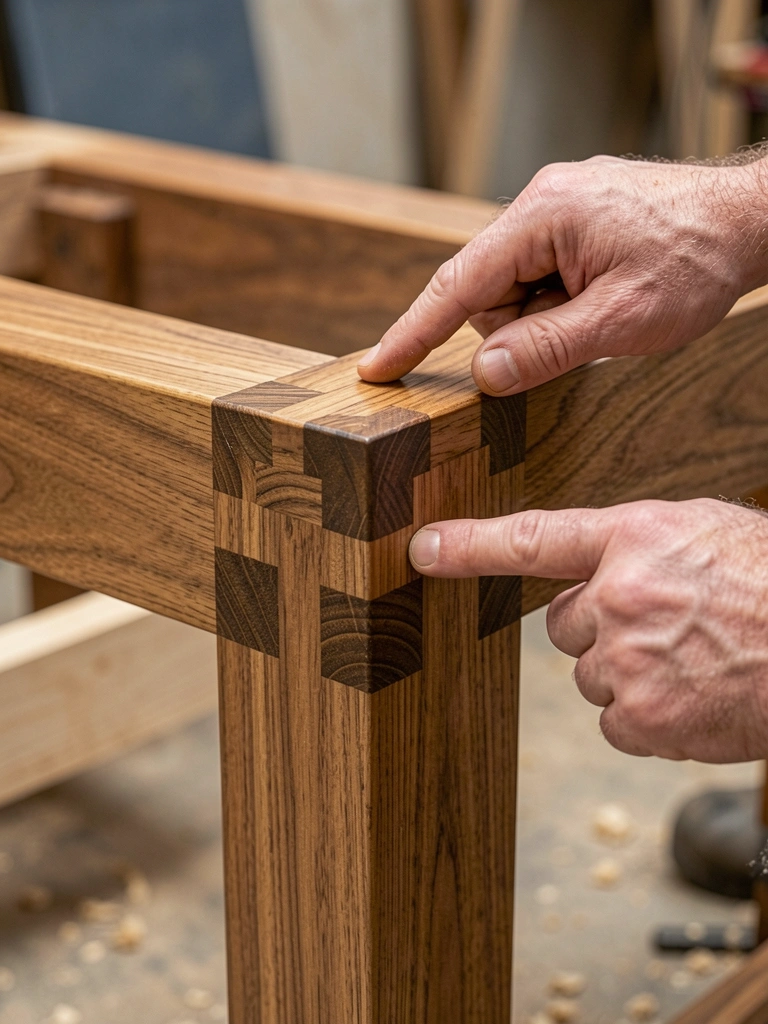
If you’re buying one sofa that’ll last 5+ years, invest in the frame quality first. A solid hardwood frame outlasts cheap particle board by decades, even if the fabric needs replacing.
Brands known for solid frames: Article (Italian frames), Design Within Reach (high-end construction), Room & Board (American-made), and Blu Dot. Expect to pay $1,000–$2,000+ for genuinely quality construction. Ask sellers about frame material—hardwood or kiln-dried hardwood is best. Softwood or plywood won’t hold up to apartment wear and tear.
Pro tip: A great frame with basic upholstery beats a trendy sofa with a flimsy particle-board base. You can always reupholster good bones. You cannot save a bent particle-board frame. This is the investment that matters most.
24. Use a Sofa Bed as Your Primary Bed (Studio Sleeper Setup)
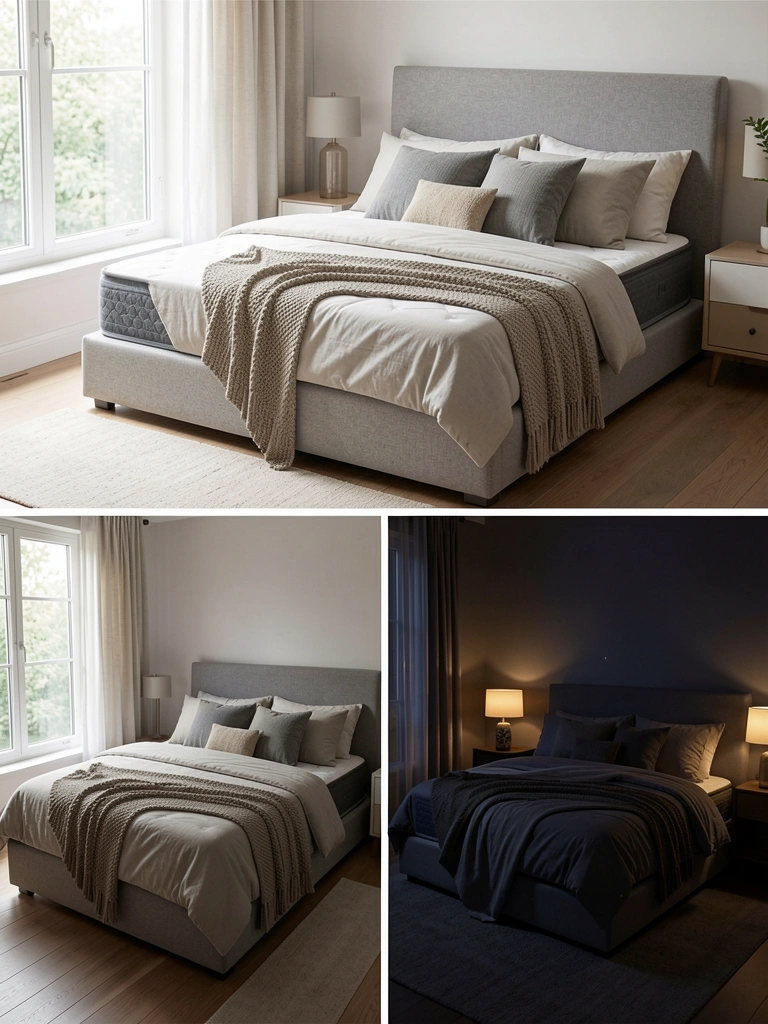
If you’re in a true studio with no separate bedroom, a quality sofa bed becomes your primary bed—not just a guest backup. Choose one designed for comfort over style (or both, if budget allows).
Comfort-first sleeper sofas: Article, West Elm, and Restoration Hardware offer models with quality mattresses for $1,200–$2,000+. Test the mattress before committing—it should support 200+ pounds without sagging. Some have gel or memory foam toppers for added comfort. Budget 10 minutes each morning to convert it back to a couch.
Pro tip: Pair with high-quality bedding (good sheets and a mattress pad). You’re sleeping on it 8+ hours nightly, so comfort isn’t negotiable. You’ll spend more upfront but gain years of better sleep in a tiny apartment.
25. Layer Your Sofa with Strategic Throw Pillows
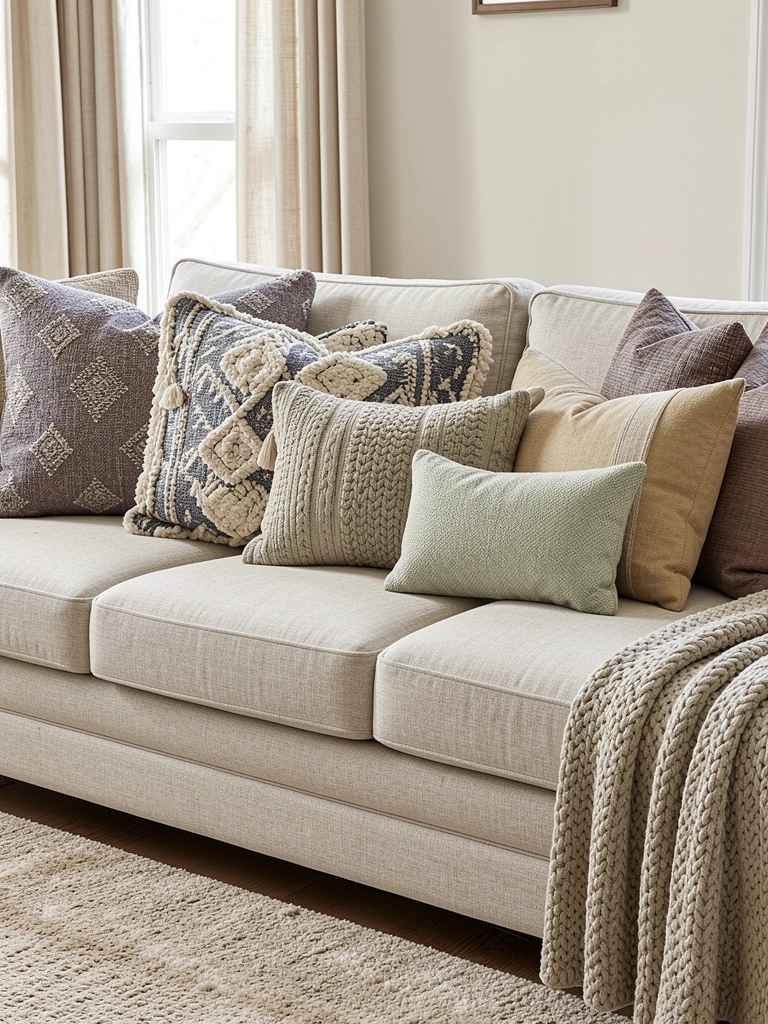
Throw pillows instantly update a basic sofa and make it feel intentional. Use a mix of sizes, textures, and one bold pattern to add depth without chaos.
Budget pillows: Target, IKEA, Wayfair, $20–$50 each; mid-range: Article, CB2, H&M Home, $60–$120 each; premium: Anthropologie, West Elm, $100–$200+ each. Start with three pillows (two neutral, one pattern), then add more as budget allows. Mix square, rectangular, and lumbar shapes for visual interest.
Pro tip: Vary heights and depths—lean one pillow against the back, lay one flat, stand one upright. This layered approach makes even a budget sofa look styled and magazine-ready. Your apartment will feel 10 times more curated with minimal effort.
26. Pair Your Sofa with a Coordinating Area Rug
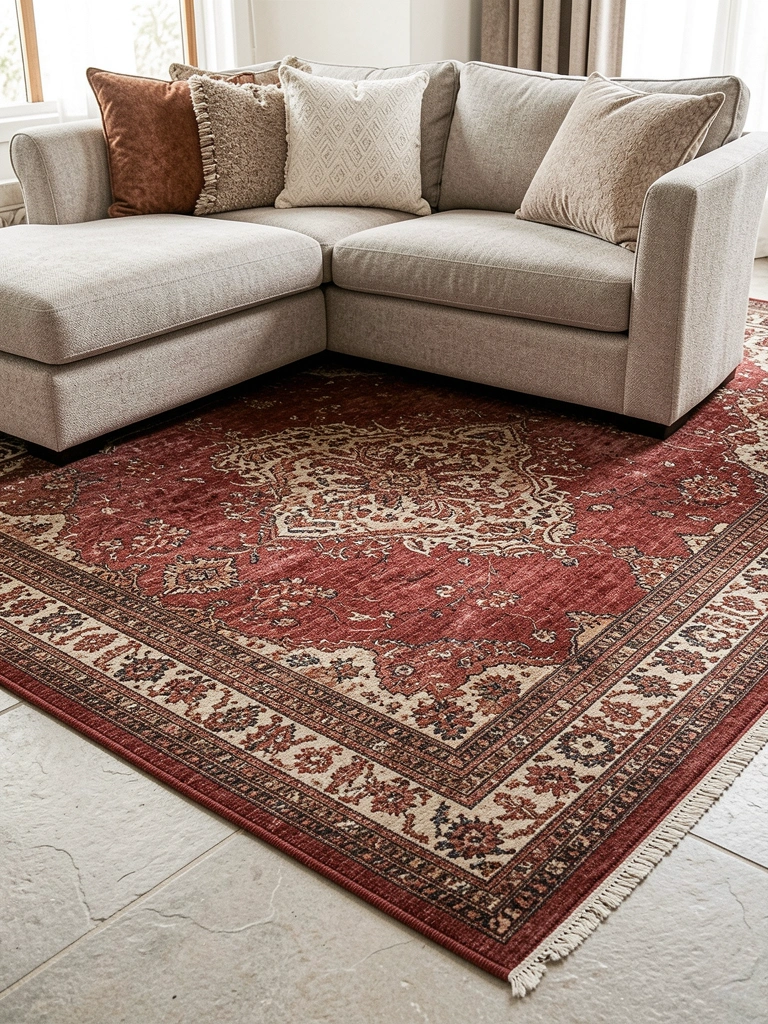
An area rug underneath and in front of your sofa ties the seating area together and makes a small space feel intentionally designed. It also defines the living zone in open-plan apartments.
Budget rugs: IKEA, Wayfair, Target, $100–$250; mid-range: Article, Rugs USA, $300–$600; premium: West Elm, Anthropologie, $600–$1,200+. Choose a size that extends 12 inches beyond your sofa on at least three sides. A rug slightly smaller than your sofa-plus-coffee-table footprint works best for compact spaces.
Pro tip: Layer a small patterned rug on top of a neutral base rug for visual depth without overwhelming the space. This approach grounds your seating and makes your apartment feel intentionally styled rather than randomly furnished. You’ll notice how much more composed the space feels with a rug anchoring everything.
Save this post for your next apartment refresh and bookmark your favorite style. Try one configuration this weekend—whether it’s moving your sofa to a new angle or adding throw pillows—and see how much impact one small change makes.
Leave a Reply