Author: clara@nestwisdom.com

  • 24 Neutral Styling Ideas That Make Your Whole Home Feel Calm & Cohesive

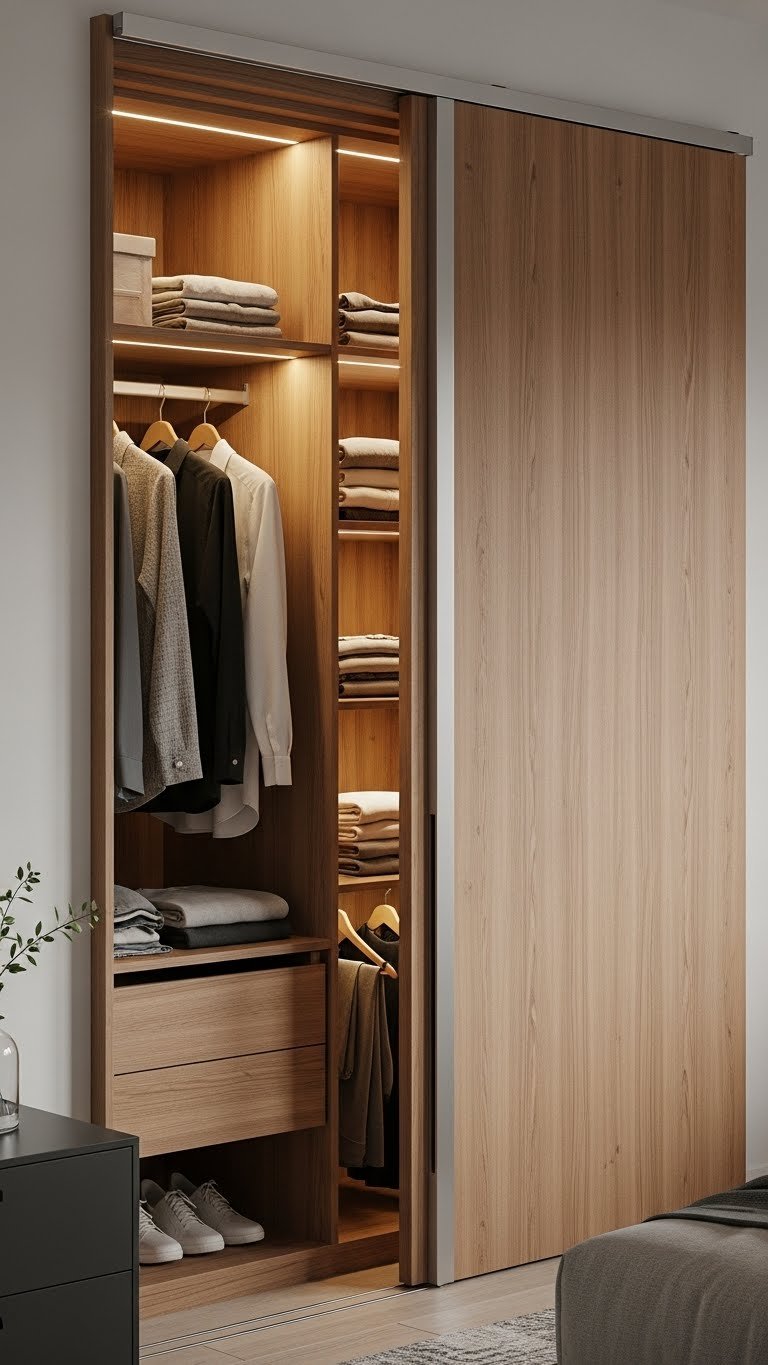
    24 Neutral Styling Ideas That Make Your Whole Home Feel Calm & Cohesive


    There’s something magical about a home where every room feels like it belongs to the same peaceful story. If your space feels scattered—mismatched colors in every room, styles that clash, a vibe that keeps shifting—you’re not alone. The good news? You don’t need a full redesign or a huge budget to pull everything together. Neutral doesn’t mean boring; it means creating a backdrop so calming and cohesive that your whole home feels like a retreat.

    Whether you’re renting or own your place, a designer on a budget or just starting to think about flow, these 24 ideas will help you build a home where every corner feels intentional, connected, and genuinely peaceful. You’ll learn specific color combos that work everywhere, small swaps that have outsized impact, and how to tie rooms together without spending a fortune. Let’s get started.


    1. Choose One Neutral as Your Anchor Color

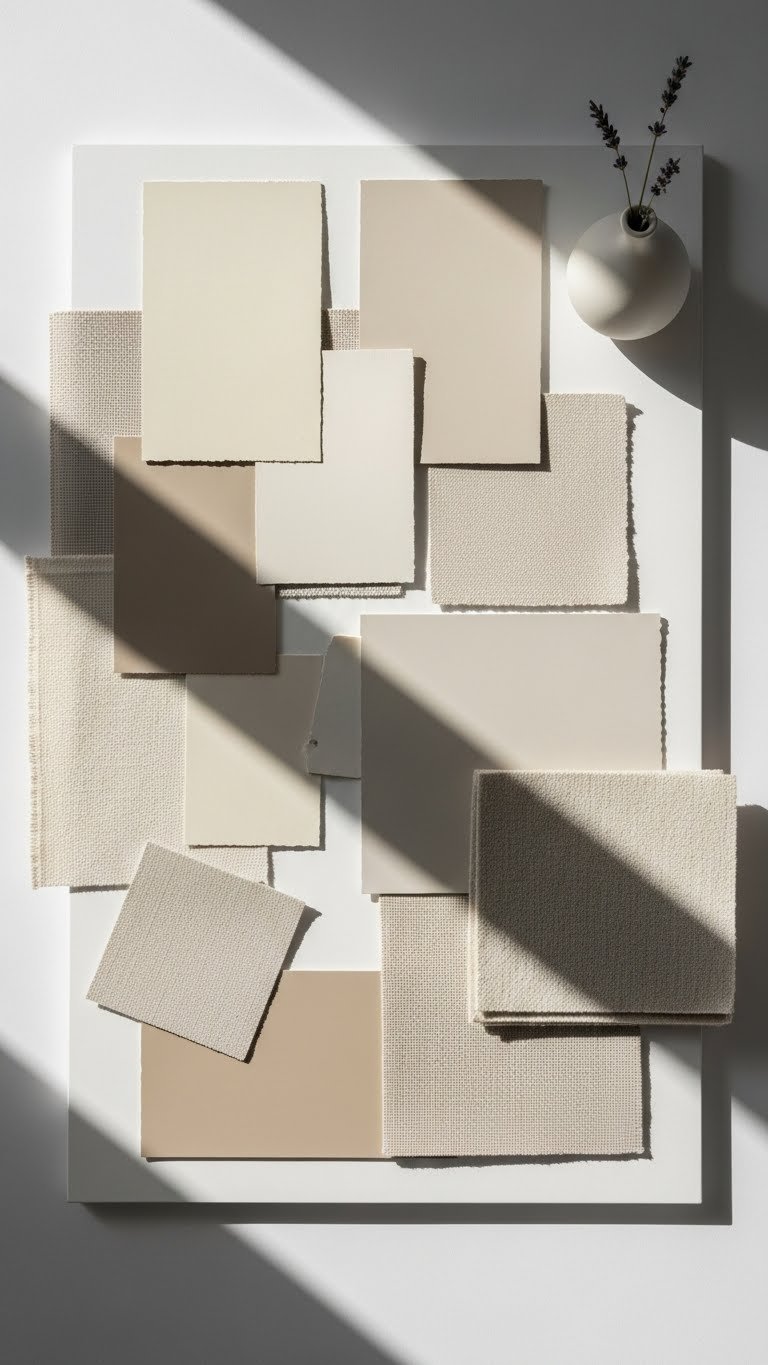
    Your anchor color is the hero shade that appears in at least 60% of your home—walls, large furniture, or textiles. Warm greige (a gray-beige blend), soft cream, or warm white works in almost every room and ties spaces together instantly. Pick one and use it consistently across hallways, living rooms, and bedrooms.

    Start by grabbing paint samples from hardware stores like Home Depot or Sherwin-Williams ($5-$8 for sample pots). Paint large swatches on your walls and live with them for a few days—colors shift dramatically depending on natural light and time of day. Once you’ve chosen, commit to it. Use this shade as your wall color or primary upholstery choice.

    The magic happens when every room starts with the same foundation. Visitors unconsciously register the flow because their eyes aren’t jarred by clashing colors from room to room. Your home immediately feels more luxe and intentional.

    2. Add Warmth With Wood Tones in Every Room

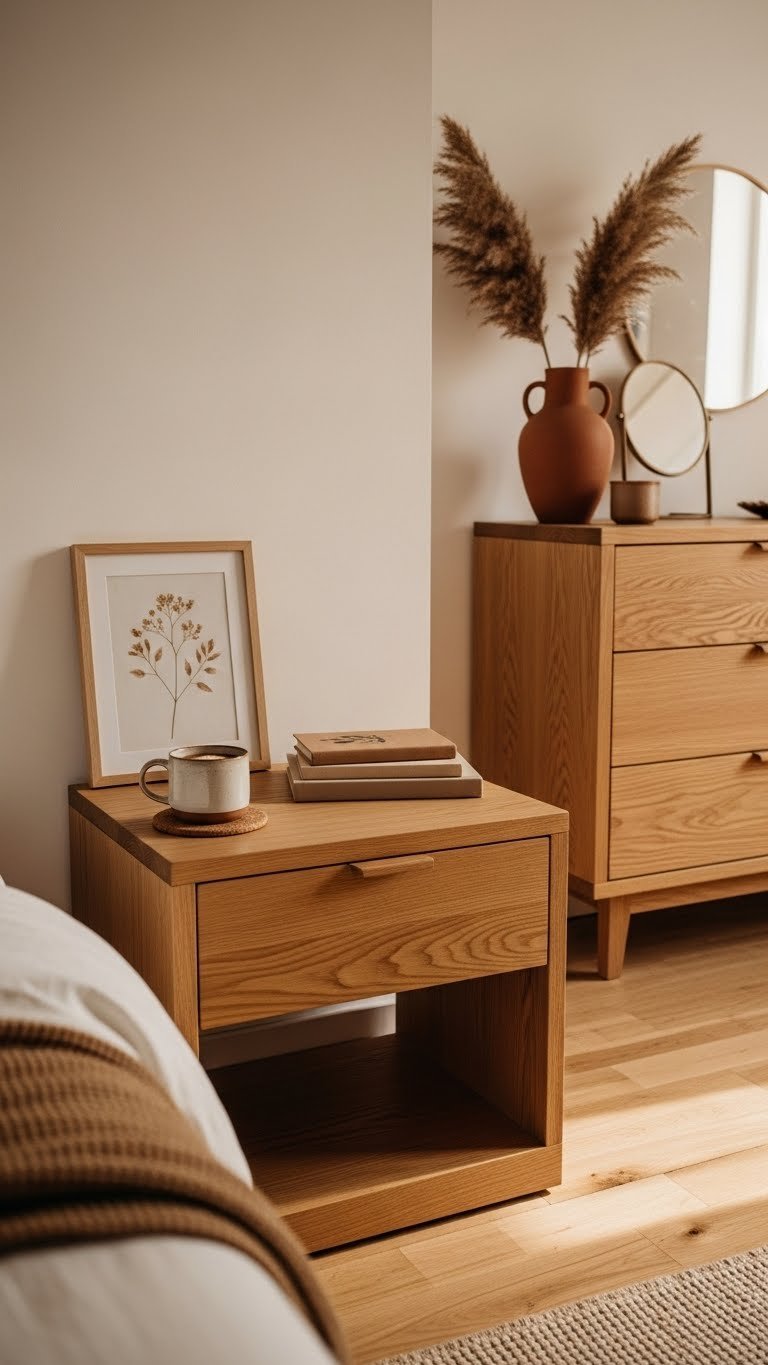
    Wood is a neutral that actually warms up a space. Instead of mixing different wood finishes (dark walnut, cool oak, light pine), commit to one warm tone—honey wood, golden oak, or warm walnut—and repeat it throughout your home.

    You don’t need to replace furniture. Start with one statement piece: a wooden bed frame, dining table, or dresser in your chosen tone. Then layer in smaller wooden items gradually—a nightstand ($80-$200 from IKEA or Wayfair), wooden shelving ($40-$150), or even a wooden mirror frame ($30-$100 from Target or Amazon). Thrift stores and Facebook Marketplace are goldmines for affordable wood pieces if you’re patient.

    This creates an invisible thread connecting rooms. Your eye follows the consistent wood tones and perceives the space as more curated and calm.

    3. Use Soft Whites and Creams for Trim and Doors

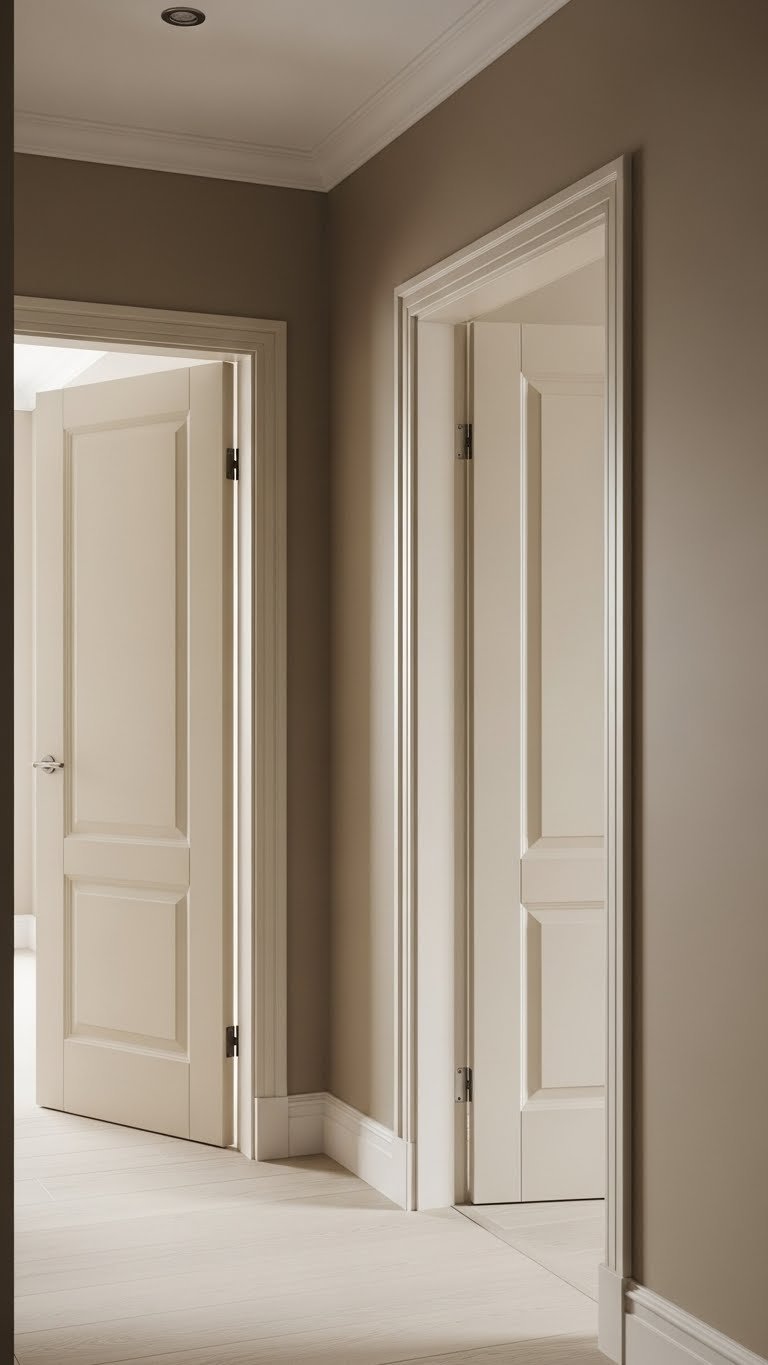
    Don’t overlook trim, baseboards, and doors—they make up a huge visual footprint. Paint them all in soft white or warm cream (not stark white, which can feel clinical). This creates a subtle frame around each space without the jarring contrast of bright white against warm walls.

    If you’re renting and can’t paint, focus on what you can control: doors (removable peel-and-stick primer and paint work on some rental doors), or simply keep existing trim clean and fresh. For homeowners, a weekend project painting trim pays massive dividends. Budget $200-$600 depending on room size, or DIY for just paint costs ($30-$50 per gallon).

    When trim isn’t fighting with your walls, everything feels quieter and more intentional. Spaces visually flow into one another without jarring contrasts.

    4. Invest in Neutral Bedding Across All Bedrooms

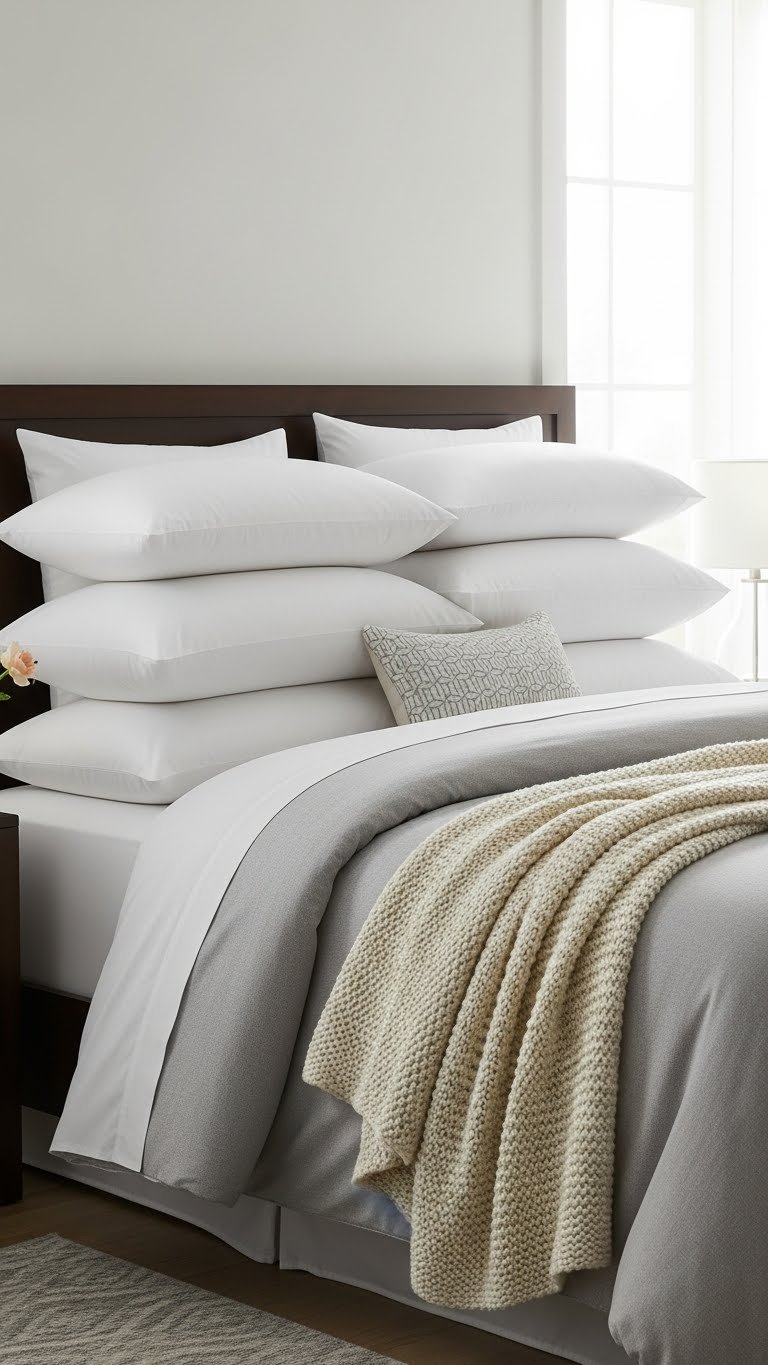
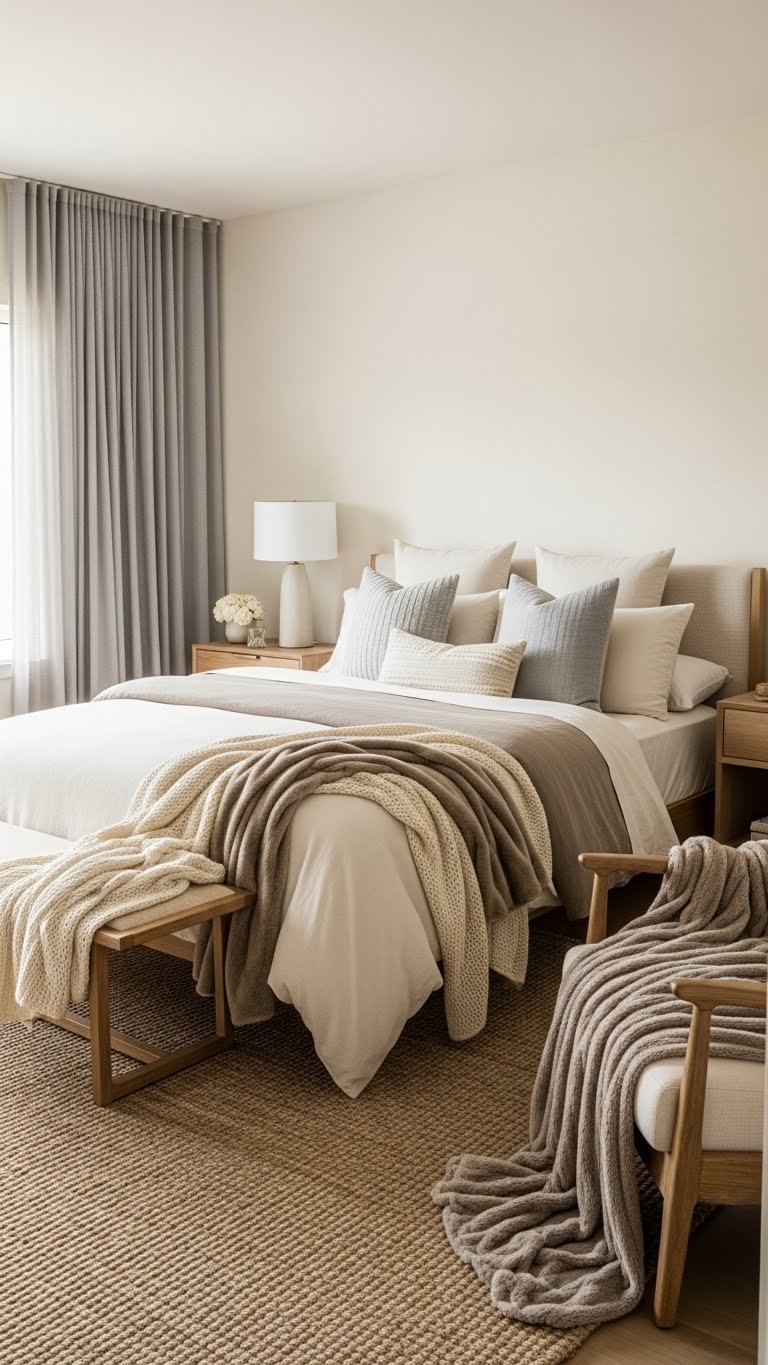
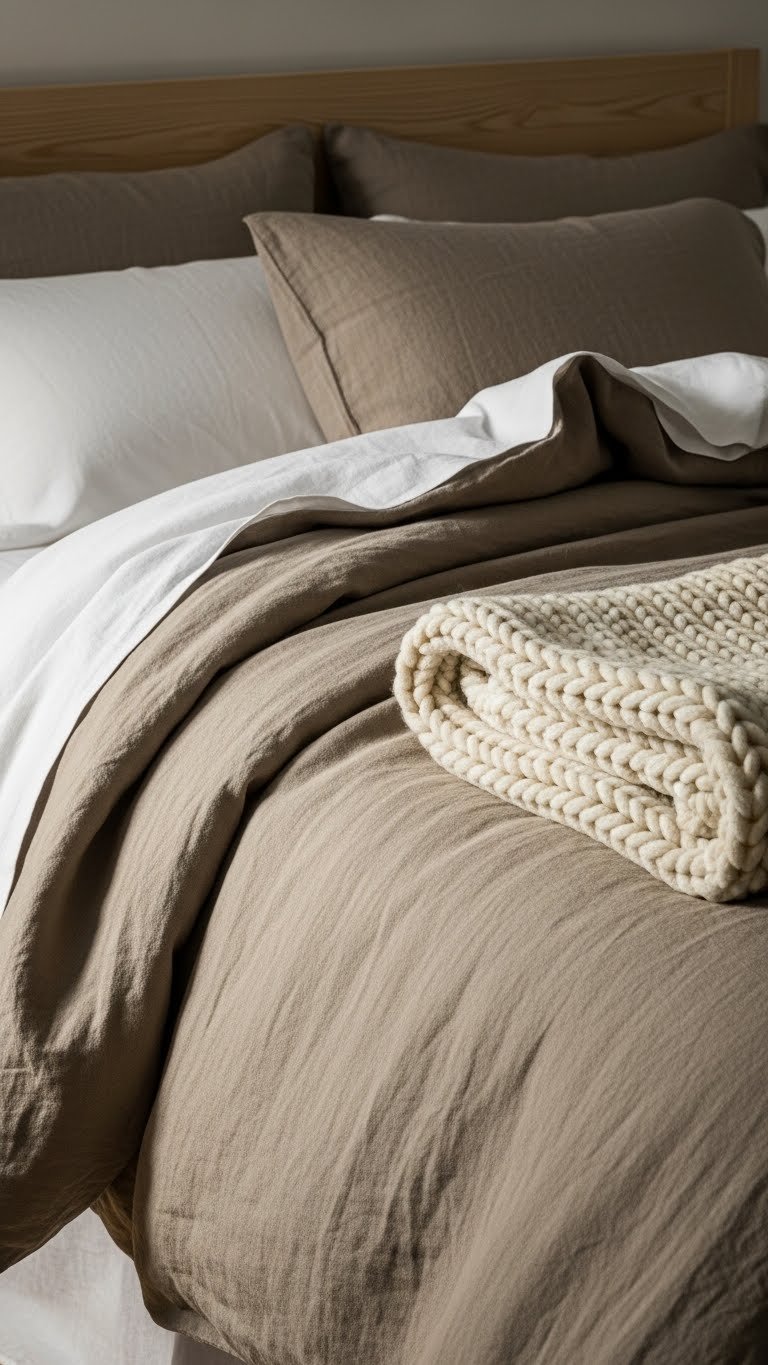
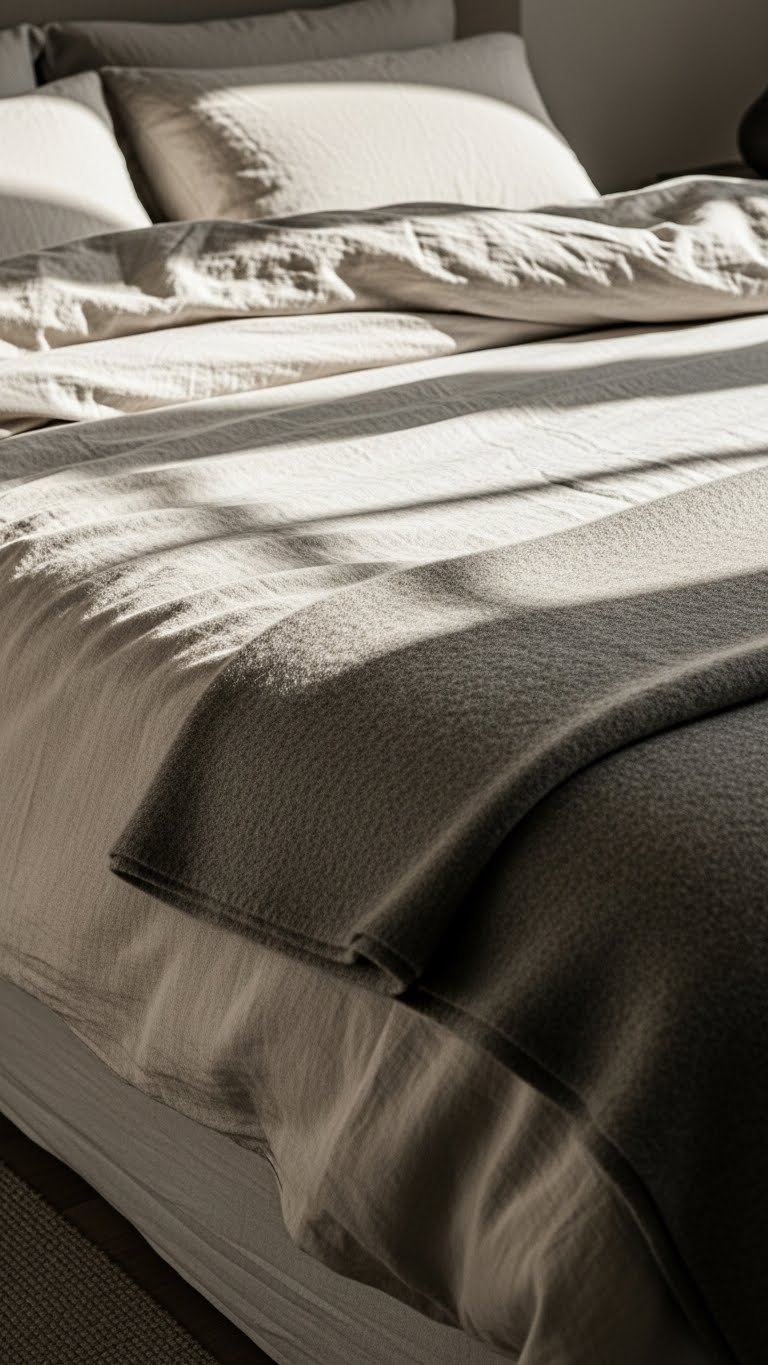
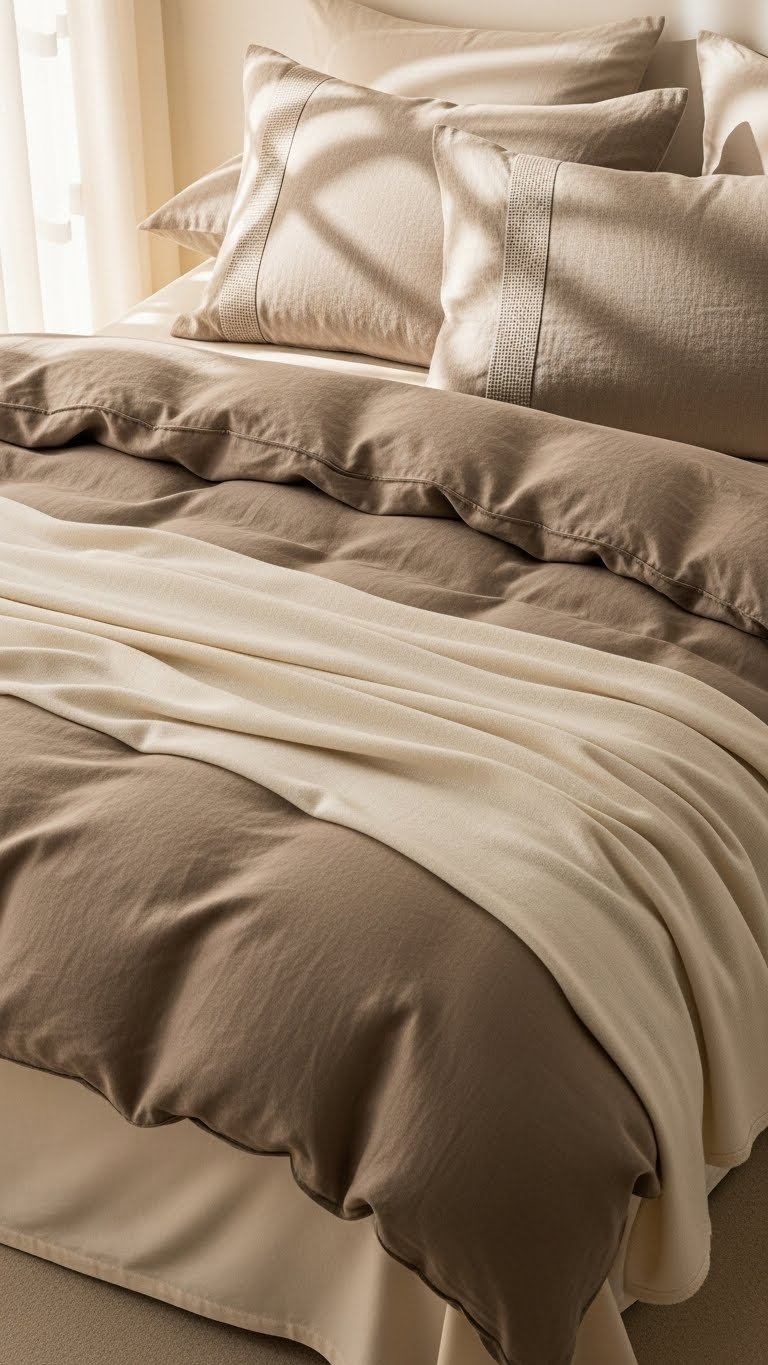
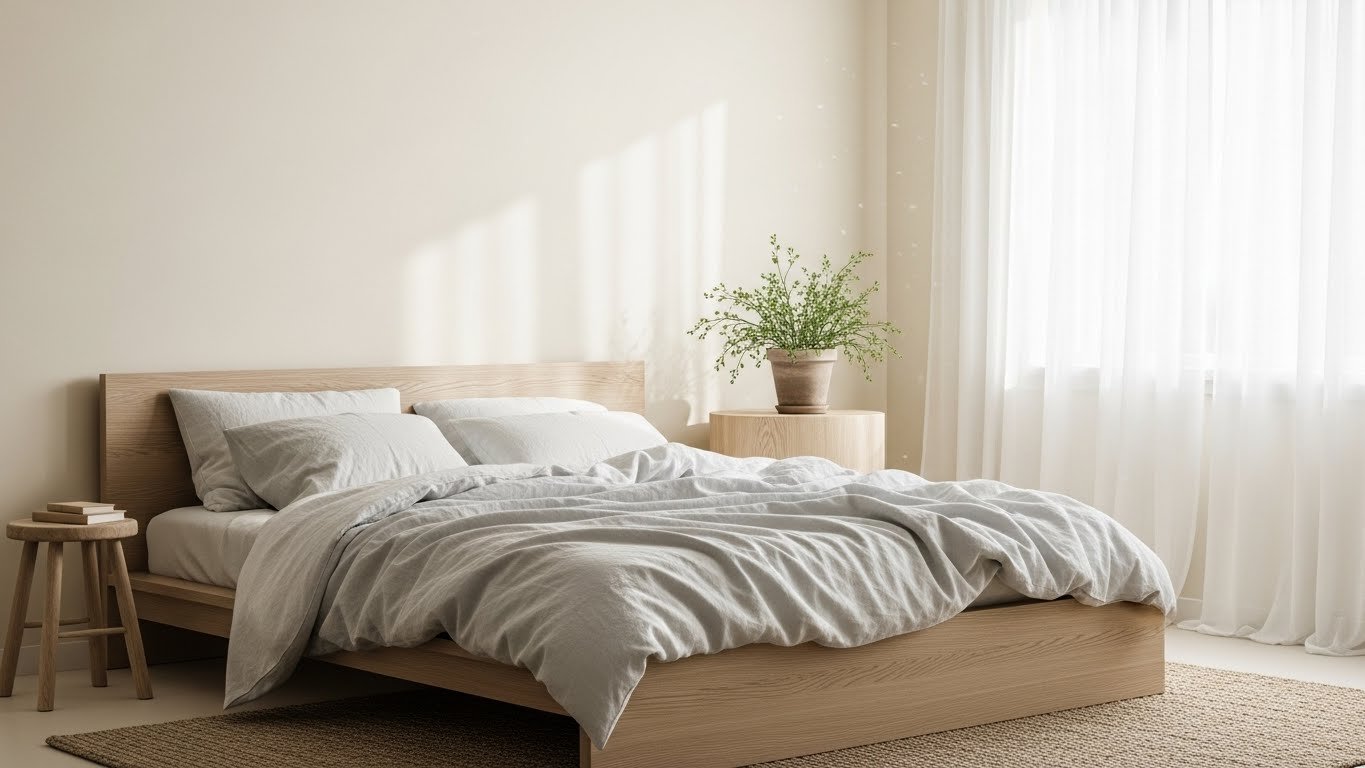
    Quality neutral bedding in cream, oatmeal, or soft taupe becomes the calm foundation for every bedroom. Choose a consistent color palette so all bedrooms feel like they’re part of the same home story.

    Splurge on quality sheets ($40-$80 per set from brands like Brooklinen, Parachute, or even target-upmarket Target lines). They last years and make a real difference in comfort. Layer in neutral blankets and throws ($30-$150 per piece). You can mix cream, taupe, and soft gray without confusion because they’re all in the same family.

    When guests move between bedrooms or you’re lying in bed, the consistency feels calming rather than chaotic. Your brain registers continuity, and everything feels more spa-like and intentional.

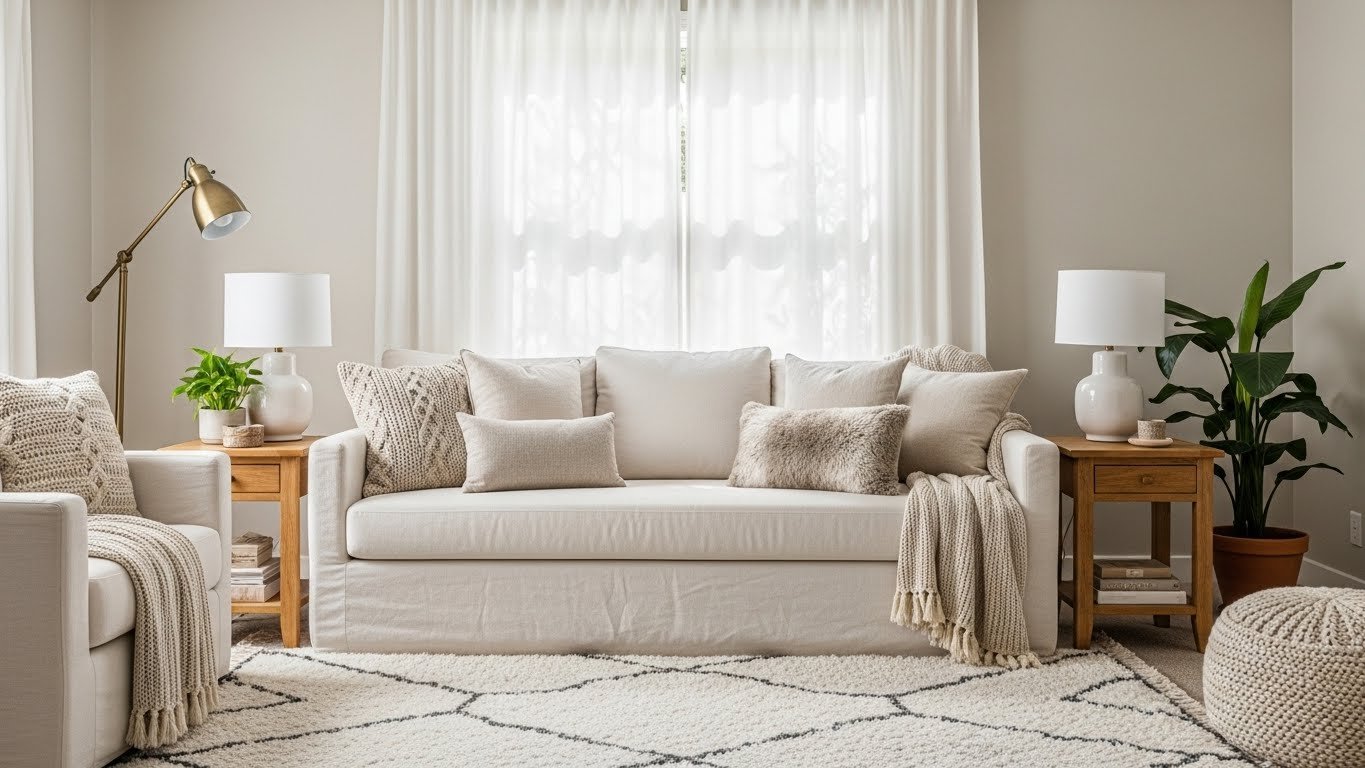
    5. Create Texture With Layered Throw Pillows

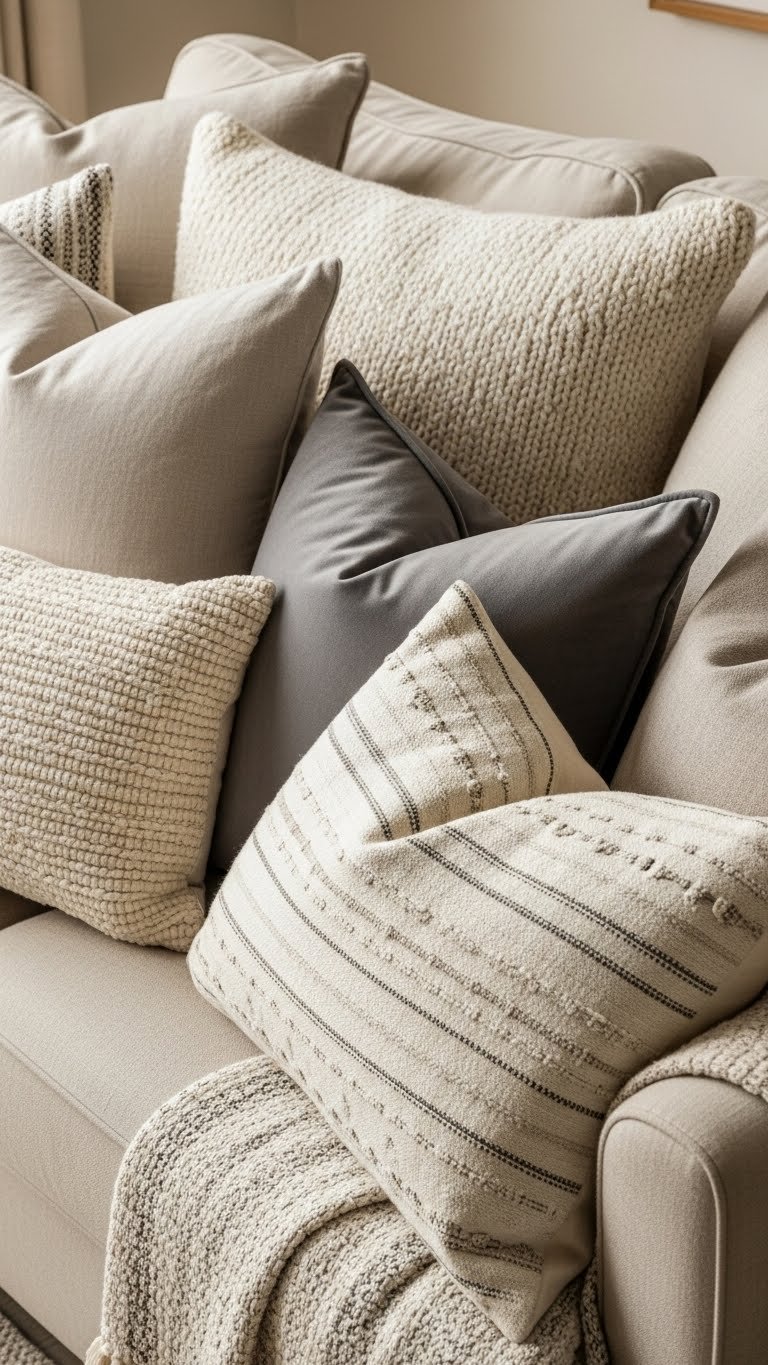
    Texture is where neutrals become interesting. Instead of buying matching pillows, layer different textures in your neutral palette: linen, chunky knit, velvet, leather, woven cotton, and faux fur. The key is keeping the color family consistent (creams, taupes, soft grays, warm whites).

    Start with basics from IKEA ($10-$20 per pillow), then upgrade with one or two high-quality statement pillows ($40-$80 each). Mix sizes: 24″ pillows with 18″ pillows with 16″ lumbar rectangles. Arrange them asymmetrically—three on one side, two on the other, offset—so it looks styled rather than matchy.

    This approach costs less than a sofa but transforms it visually. Different textures catch light differently, adding visual interest and depth that reads as intentional and expensive, even on a budget.

    6. Use Sheer Curtains for Diffused, Calm Light

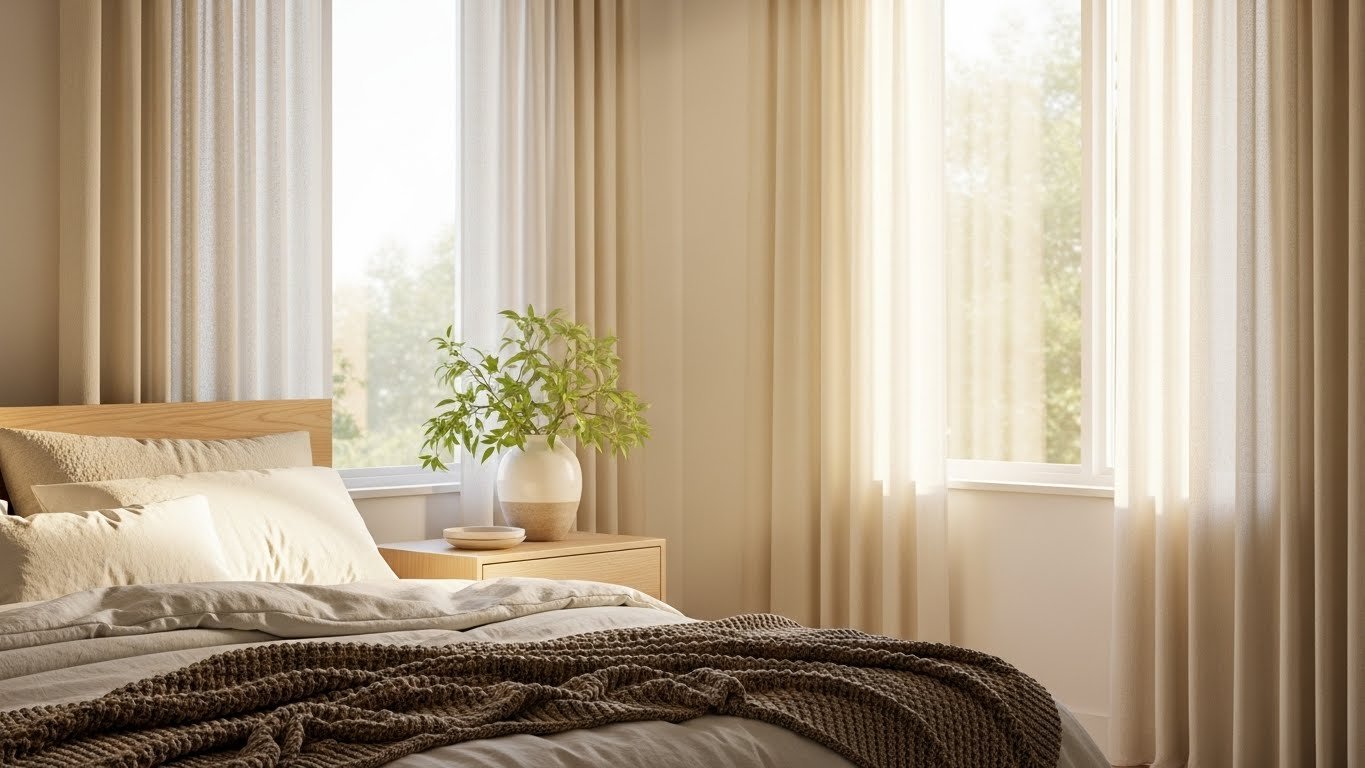
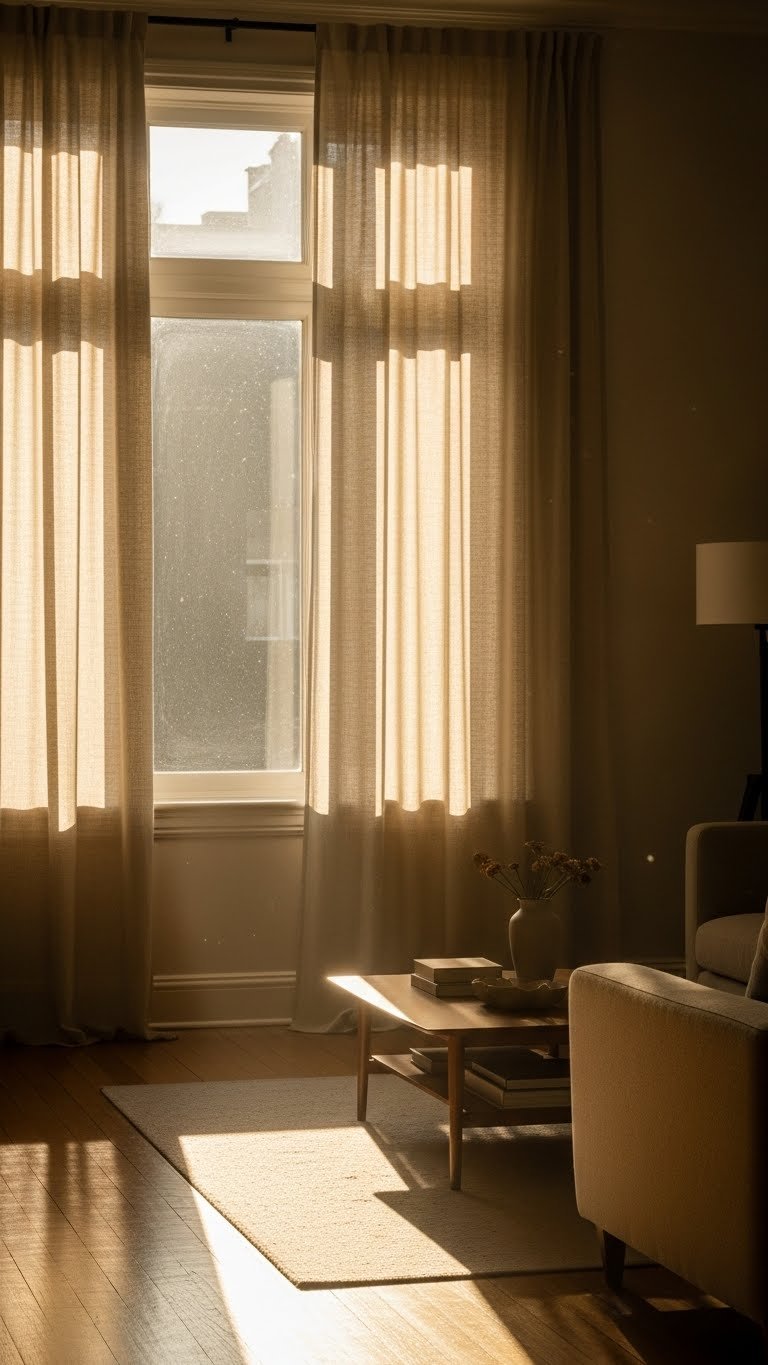
    Harsh light breaks calm. Sheer curtains in cream, ivory, or warm white diffuse sunlight into soft, even glow without darkening rooms. They’re renter-friendly and create an immediate spa-like feeling.

    Pick up affordable sheer panels ($15-$30 per panel from IKEA, Target, or Amazon). Hang them from a simple wooden or neutral metal rod ($20-$50). If you need privacy at night, add blackout liners or pair sheers with lightweight linen panels in your anchor neutral color.

    Layered this way, you control light throughout the day. Morning sun feels gentle and welcoming, not glaring. Your home immediately feels calmer and more considered.

    7. Paint a Feature Wall in Deep Taupe or Soft Sage

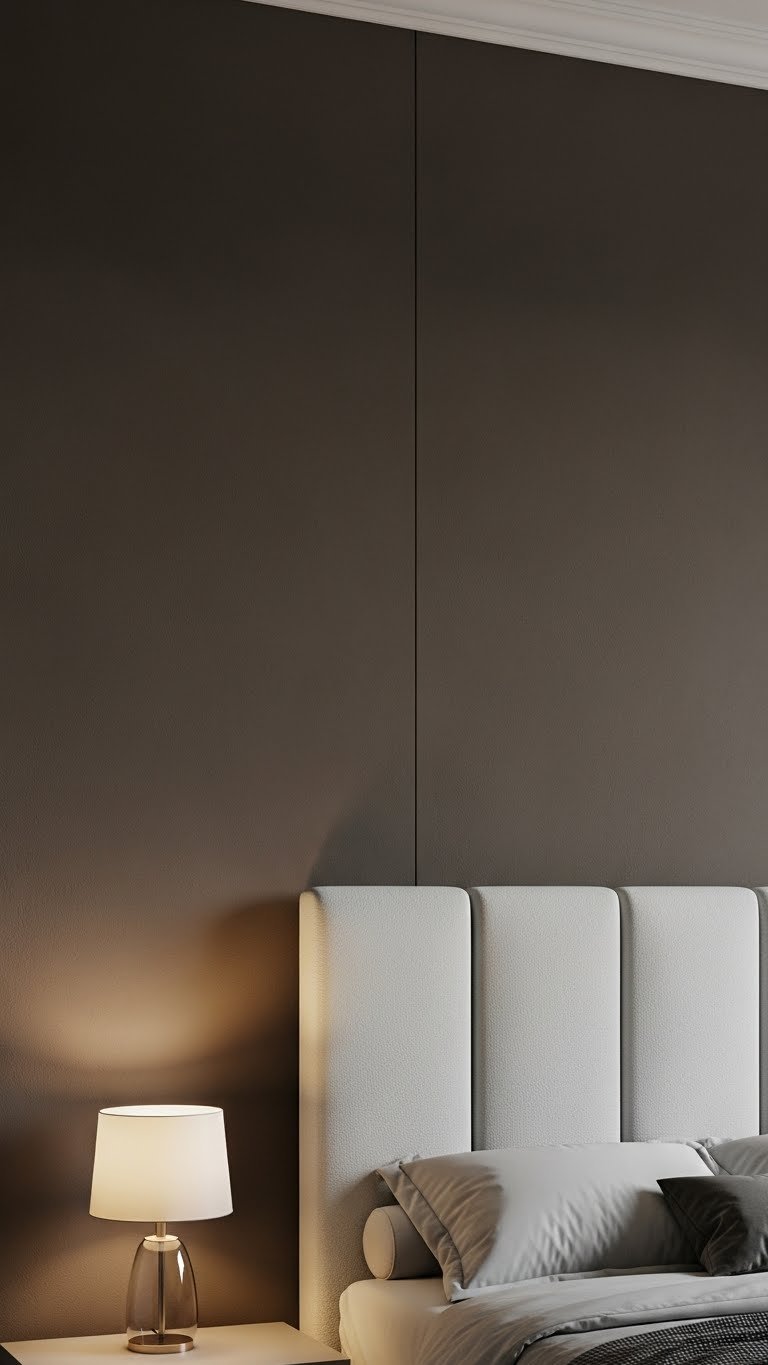
    One feature wall in a deeper neutral shade adds depth and sophistication without abandonment of calm. Deep taupe, soft sage, or warm greige work perfectly. Keep the other three walls in your lighter anchor color.

    Paint just one wall yourself ($30-$50 in paint) or hire help ($300-$600 depending on your area). Choose a wall that’s a focal point—behind a bed, sofa, or across from the entry. The deeper shade creates perceived depth and makes spaces feel larger while maintaining the calm, connected vibe.

    This one change can make a room feel intentionally designed rather than blank. It costs minimal money but reads as thoughtful and expensive.

    8. Hang Neutral Artwork in Consistent Frames

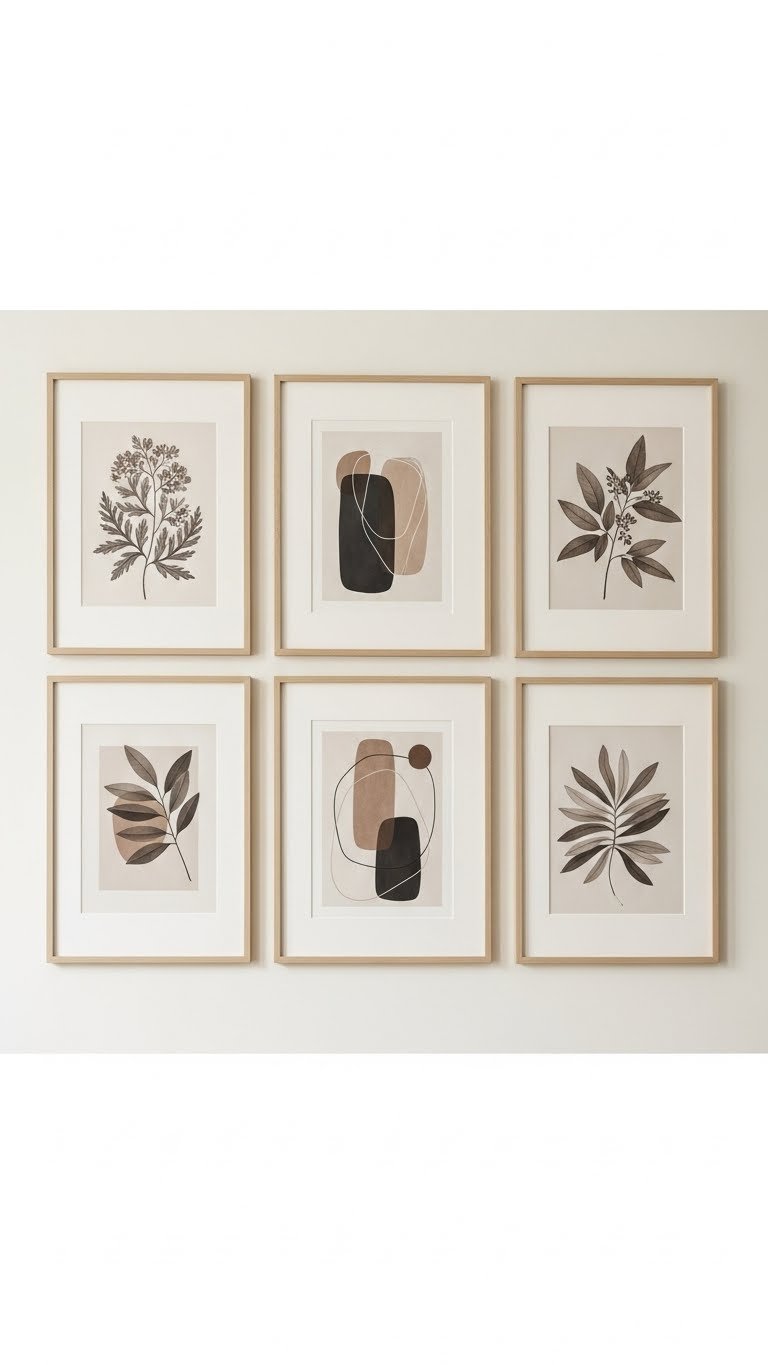
    Mismatched art creates visual chaos, even if colors are neutral. Commit to one frame finish (natural wood, black, white, or brass) and one mat color (cream, soft gray, or natural linen). This doesn’t mean every piece is identical—vary the art inside—but the frame should be consistent.

    Build a simple gallery wall or hang pieces individually with the same frames. Buy frames in bulk from IKEA ($8-$20 each), Framebridge ($30-$100 per frame for custom quality), or thrift stores. Mix botanical prints, abstract art, and black-and-white photography—they all feel cohesive when framed the same way.

    When artwork is visually tied together, walls feel intentional and calm rather than randomly decorated. Guests notice the sophistication without knowing why.

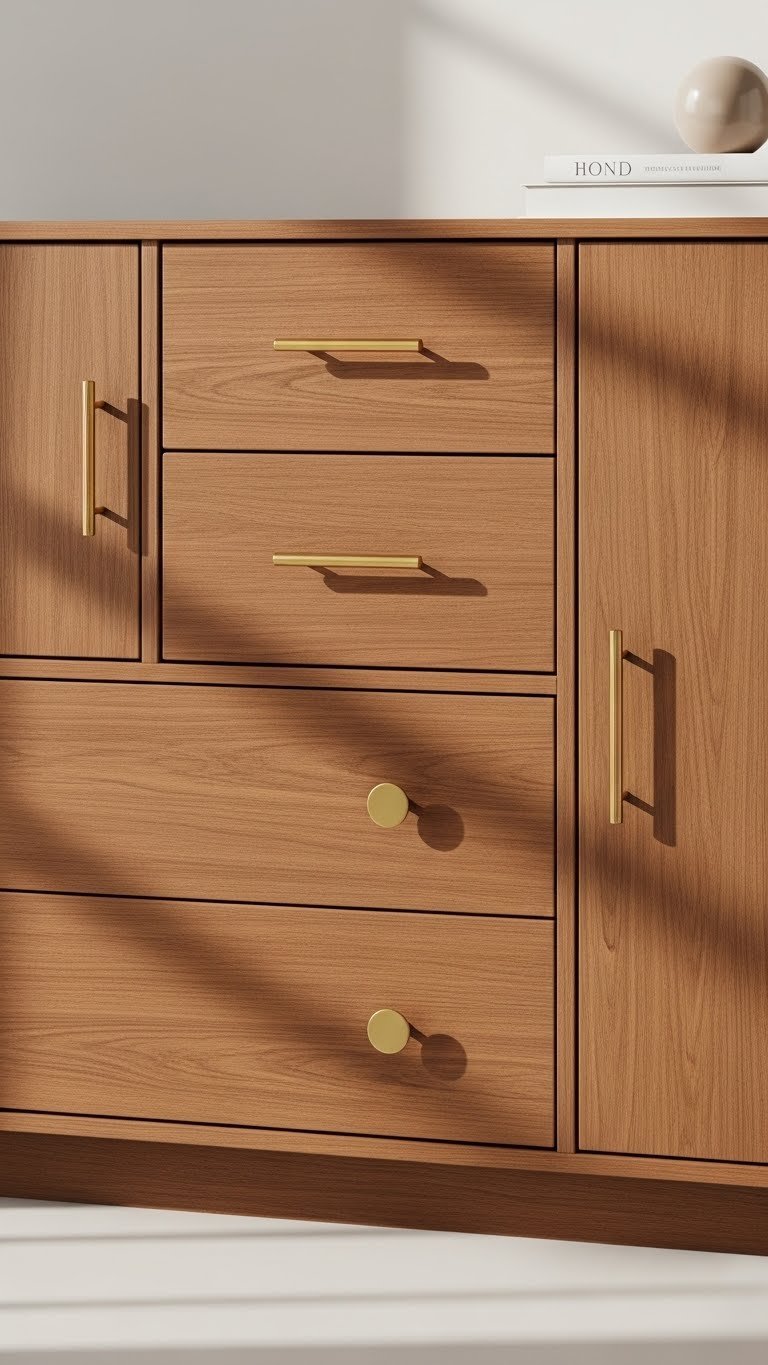
    9. Swap Out Hardware for Brushed Brass or Matte Black

    You probably haven’t thought much about cabinet hardware, but it’s visible throughout your home and signals intentionality. Mismatched handles and pulls make spaces feel accidental. Pick one finish—brushed brass, matte black, or brushed nickel—and replace hardware on cabinets, dressers, and bathroom vanities.

    Hardware kits cost $15-$50 per drawer or cabinet online (Amazon, Wayfair, Etsy). If your furniture doesn’t have hardware yet, this is a perfect small upgrade that costs $10-$100 total per piece. It’s a 15-minute DIY project that doesn’t require tools beyond a screwdriver.

    This tiny detail creates massive visual cohesion. When hardware is consistent, rooms feel designed and premium, even if everything else is budget-friendly.

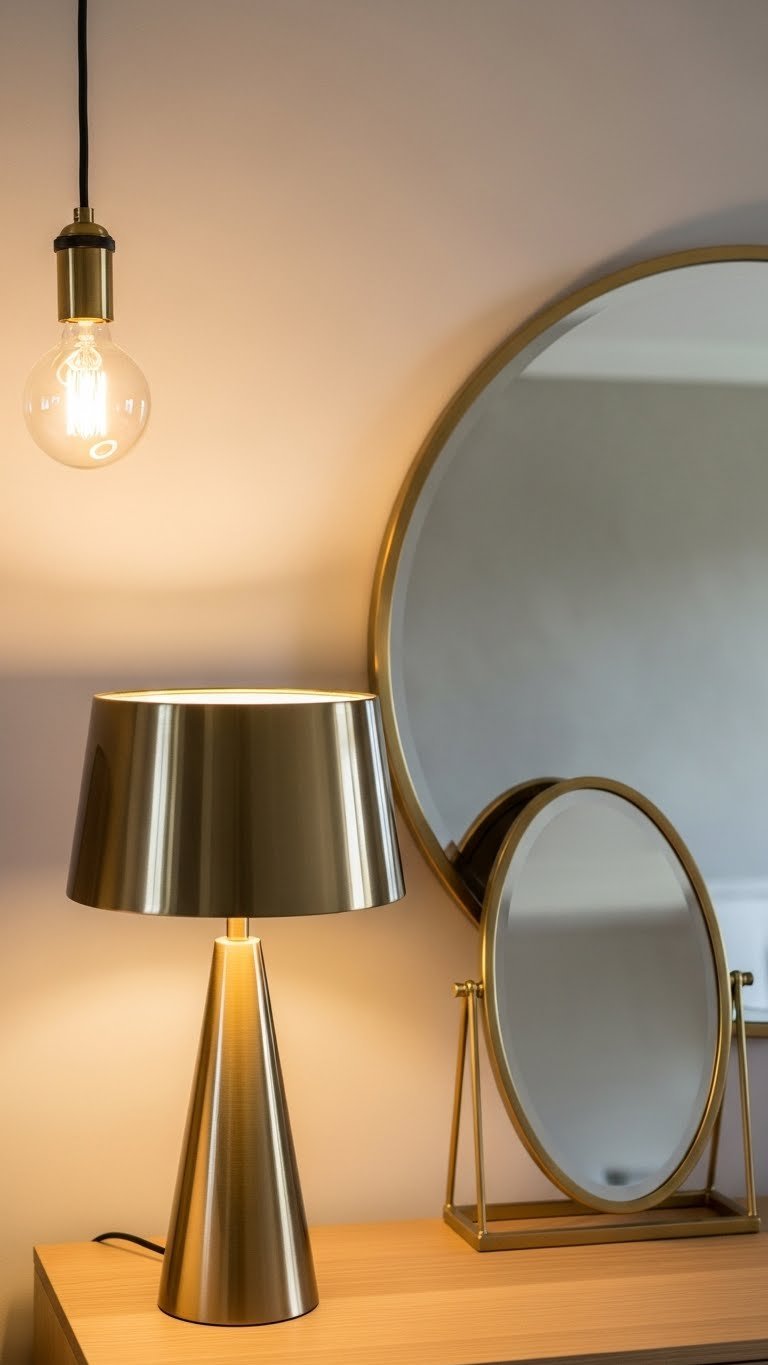
    10. Choose One Accent Metal and Repeat It

    Just as wood tones need consistency, metals do too. Choose between brass, brushed gold, matte black, or brushed nickel and use it consistently across lighting fixtures, mirrors, hardware, and accessories. Don’t mix—one metal throughout creates instant cohesion.

    Start with one statement piece like a pendant light ($40-$150) or floor lamp ($60-$200). Then repeat that finish in smaller items: a mirror frame ($30-$100), picture frames ($8-$20 each), or desk accessories ($5-$30). Thrift stores often have affordable vintage pieces in brass or black metal if you’re patient.

    When metallic finishes are consistent, a room reads as carefully curated. It’s a designer trick that costs surprisingly little but creates huge visual impact.

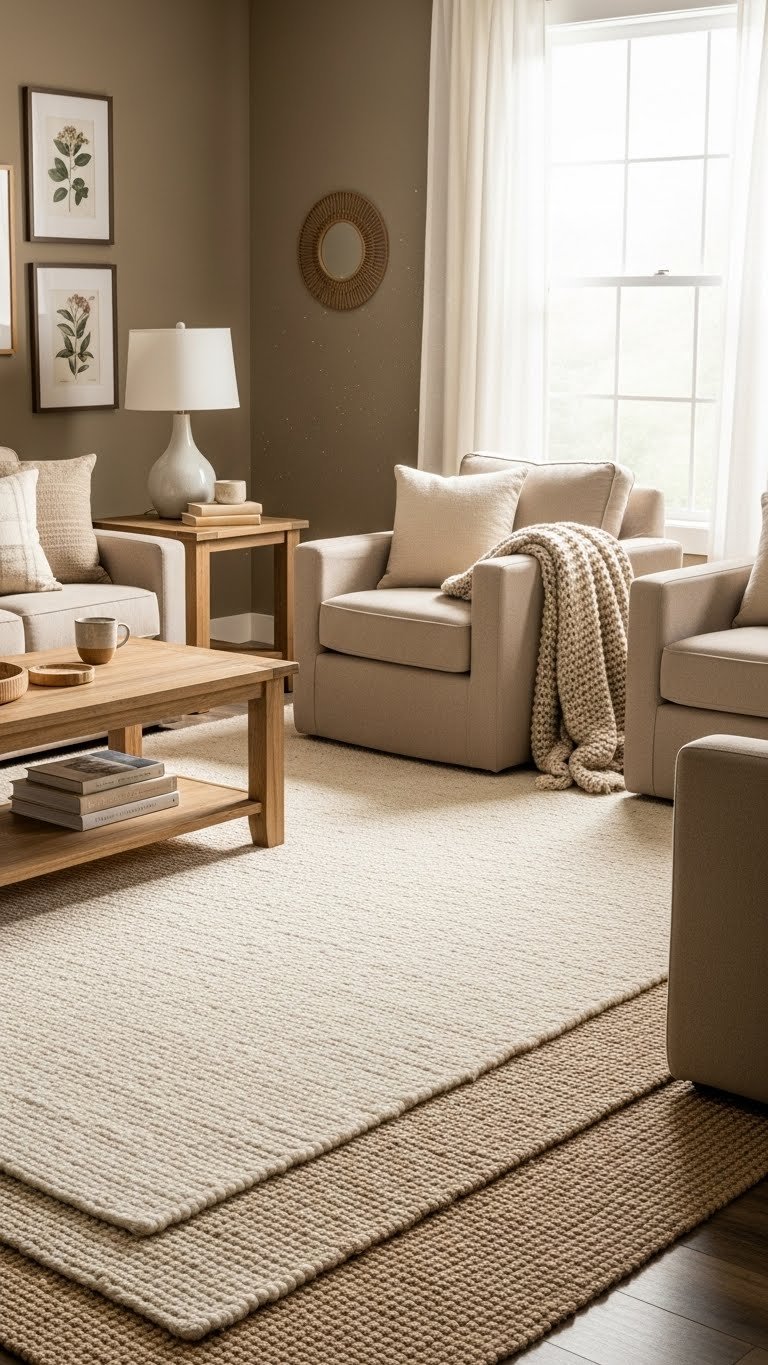
    11. Layer Neutral Area Rugs to Define Spaces

    Area rugs are your second-largest decorative purchase after furniture, and they’re crucial for tying spaces together. Choose one neutral rug color (cream, warm gray, or oatmeal) and stick with it. Layer rugs by texture: a wool base with a jute runner on top, for example.

    A quality 8×10 neutral wool rug costs $200-$600 (West Elm, Wayfair, Rugs USA). Budget options run $80-$200. Layering adds visual interest without color chaos. A 5×7 base rug under furniture with a 3×5 jute rug layered on top creates depth and sophistication.

    Rugs anchor rooms and make them feel intentional. When they’re neutral and layered, spaces feel designer-curated and calm.

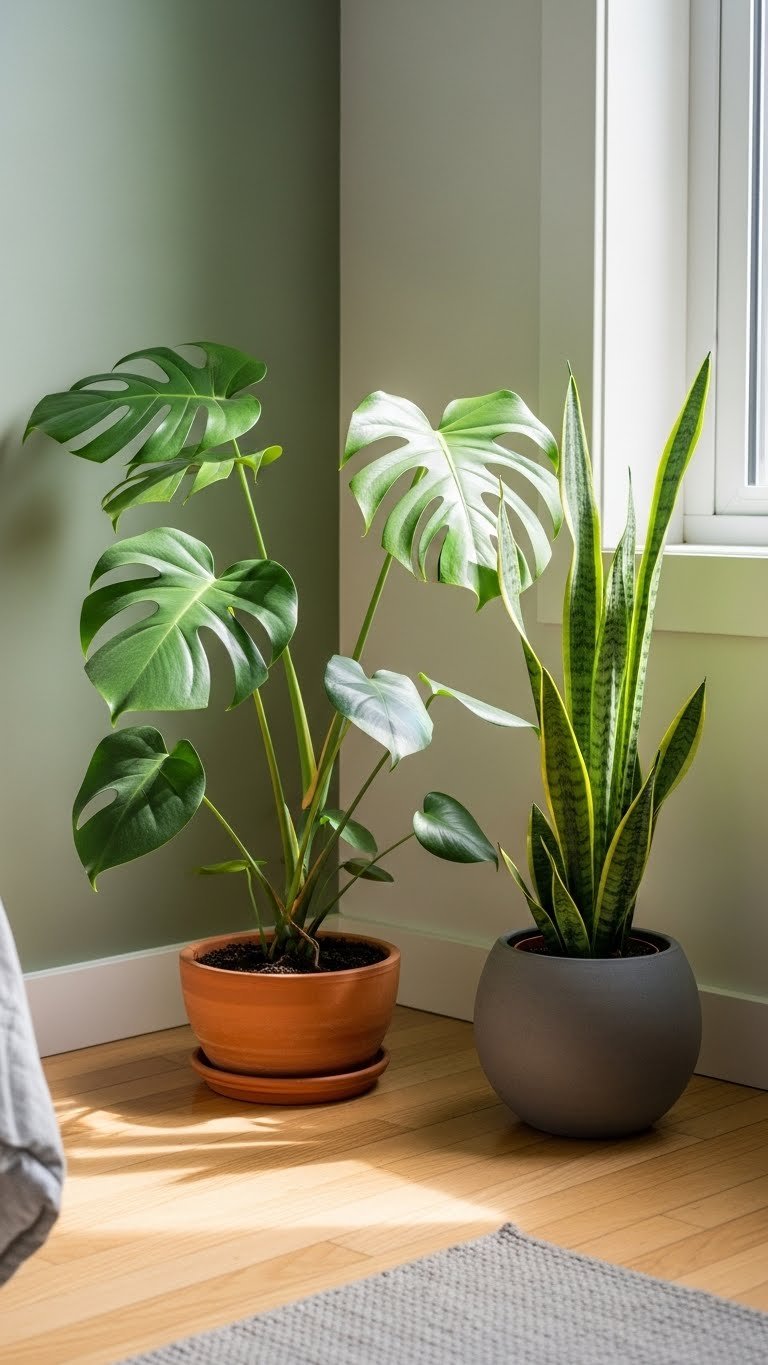
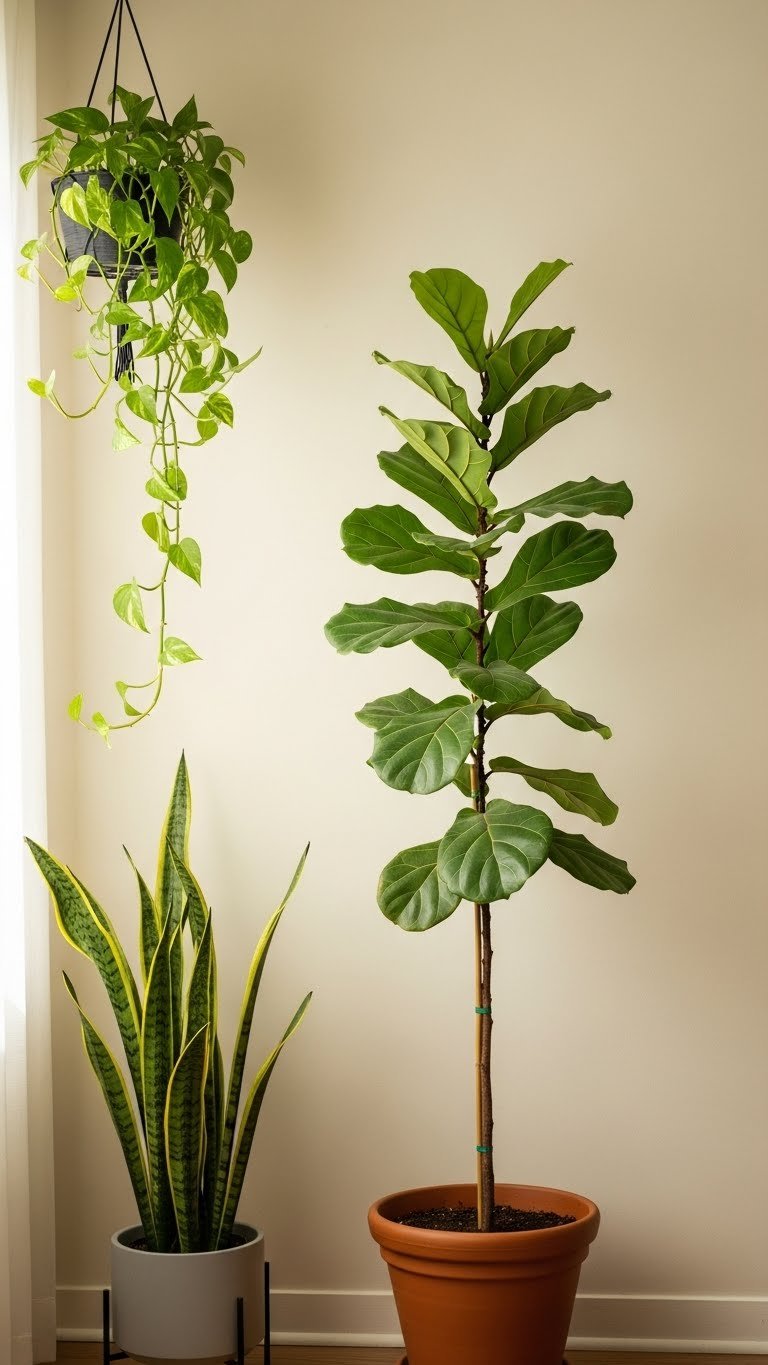
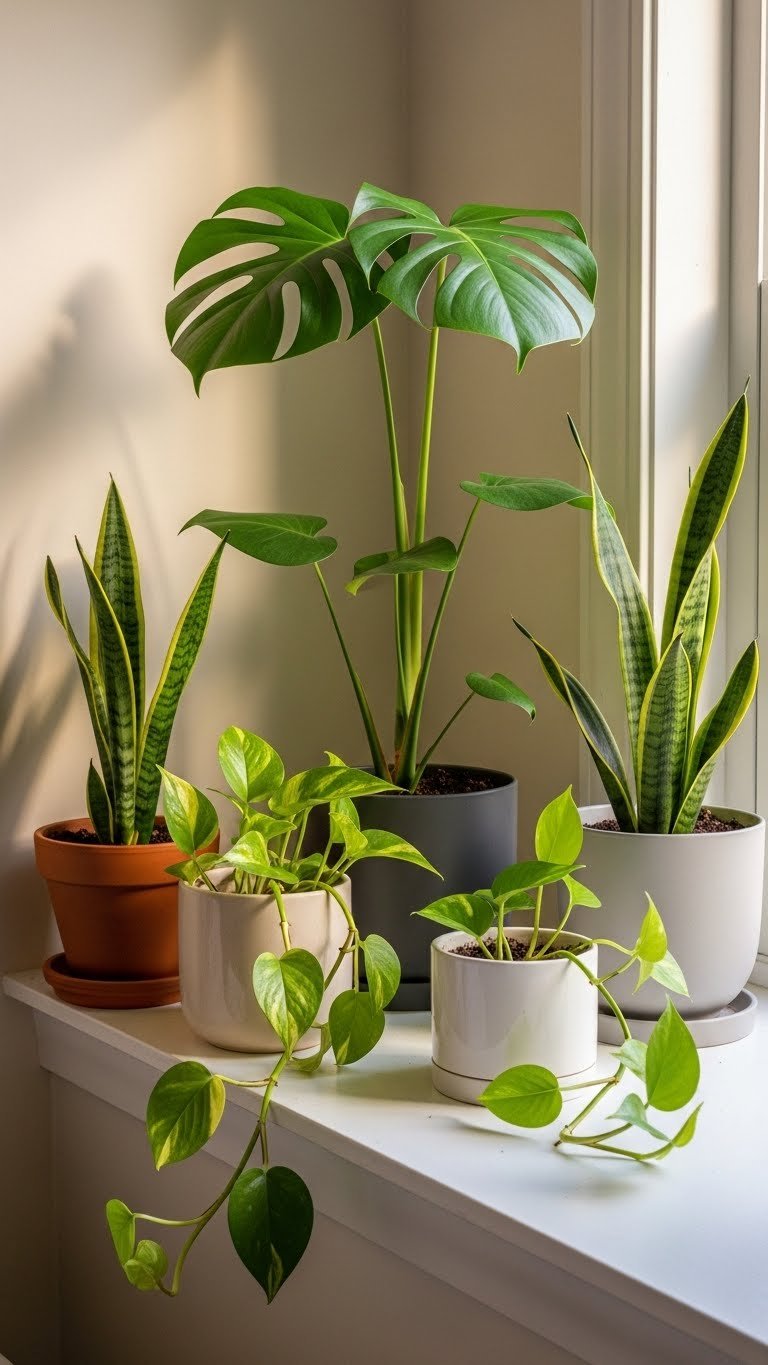
    12. Bring in Greenery for Organic, Breathing Calm

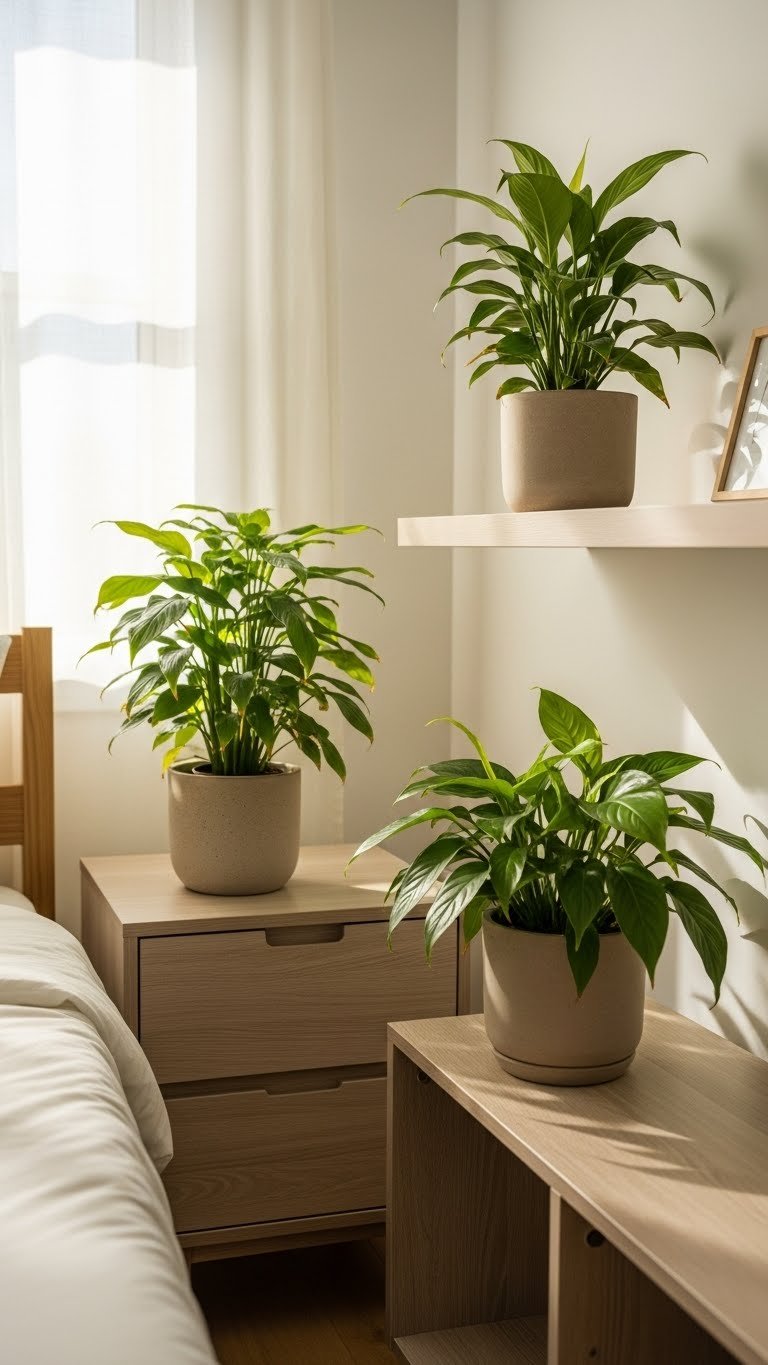
    Plants add life and movement to neutral palettes without color chaos. Stick to green foliage plants in simple neutral pots—cream, white, terra cotta, or natural wood. Avoid colorful blooms or patterned pots, which interrupt the calm.

    Low-maintenance options: pothos ($5-$15 for a starter plant), snake plants ($8-$20), fiddle leaf figs ($20-$60), and rubber plants ($15-$40). Buy simple pots from IKEA, Target, or thrift stores ($5-$30 each). Group plants in odd numbers (one tall, two small) for visual interest.

    Plants naturally soften neutral spaces and make them feel alive rather than sterile. They improve air quality too, which contributes to that spa-like feeling.

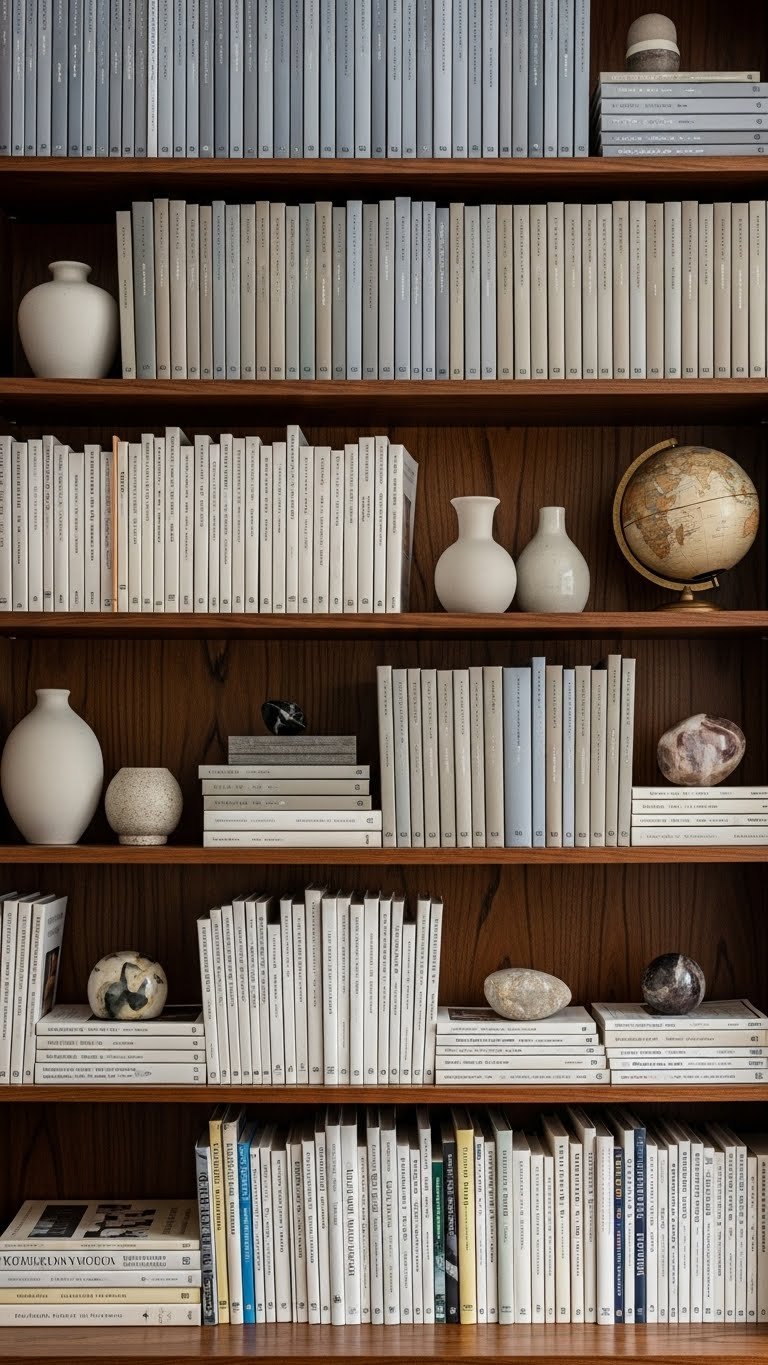
    13. Display Books Spine-Out and Spine-In Strategically

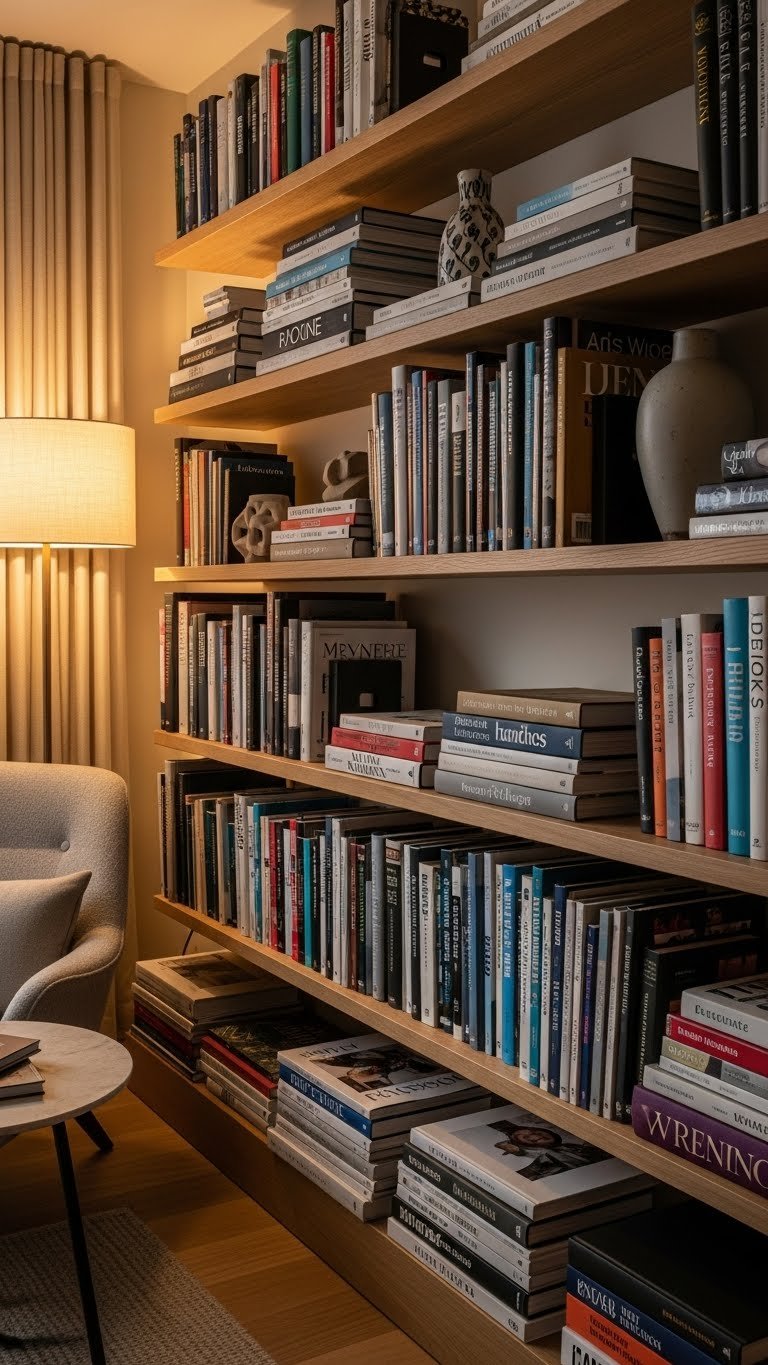
    Bookshelves are major design real estate, but chaotic book spines create visual noise. Arrange books intentionally: group neutral-spined books together (cream, white, gray covers), layer some spine-in (showing only the pages), and break it up with small objects like plants, candles, or sculptures.

    This costs nothing—you’re just rearranging what you have. If your books have bright spines, slip covers in cream or kraft paper ($0.50-$2 per book) instantly neutralize them.

    A intentional bookshelf signals taste and calm. Even in a small space, a well-arranged shelf becomes a focal point that reads as expensive and thoughtful.

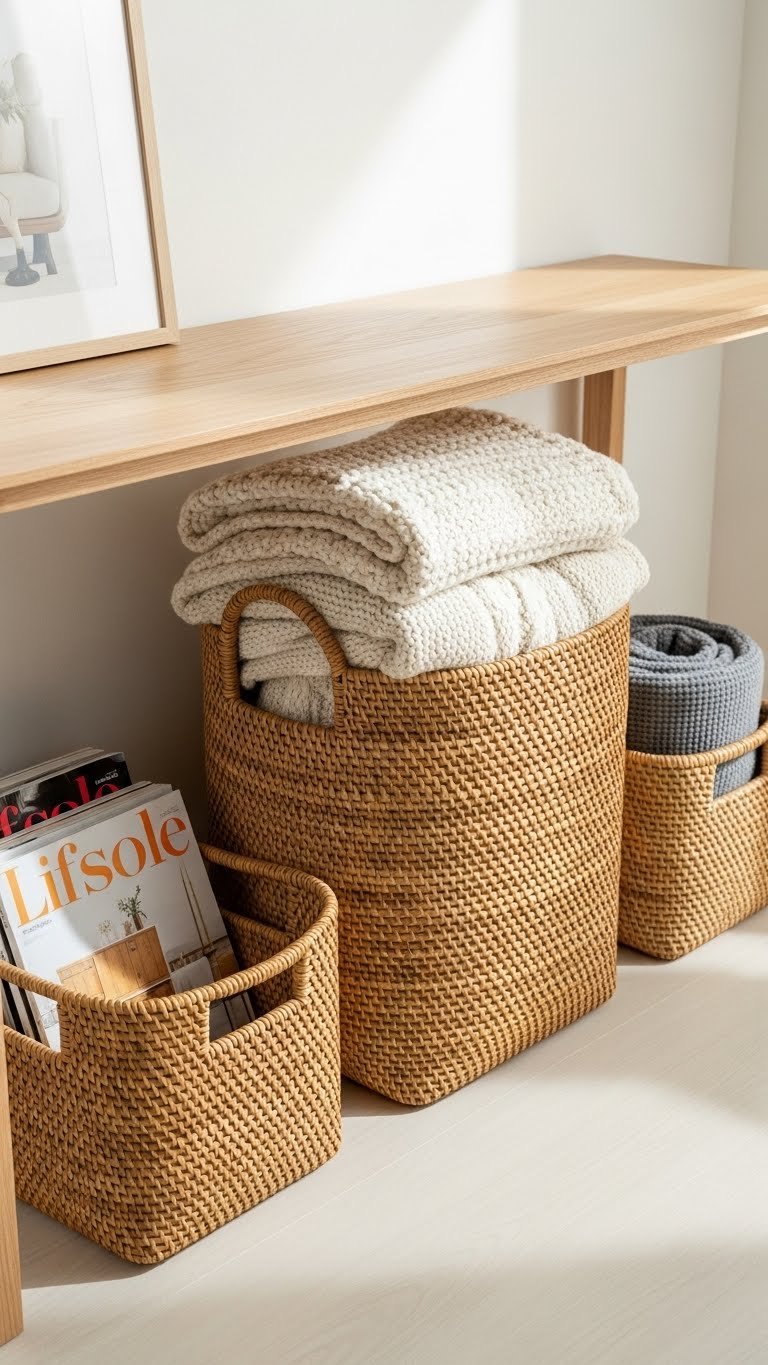
    14. Use Matching Baskets for Hidden Storage

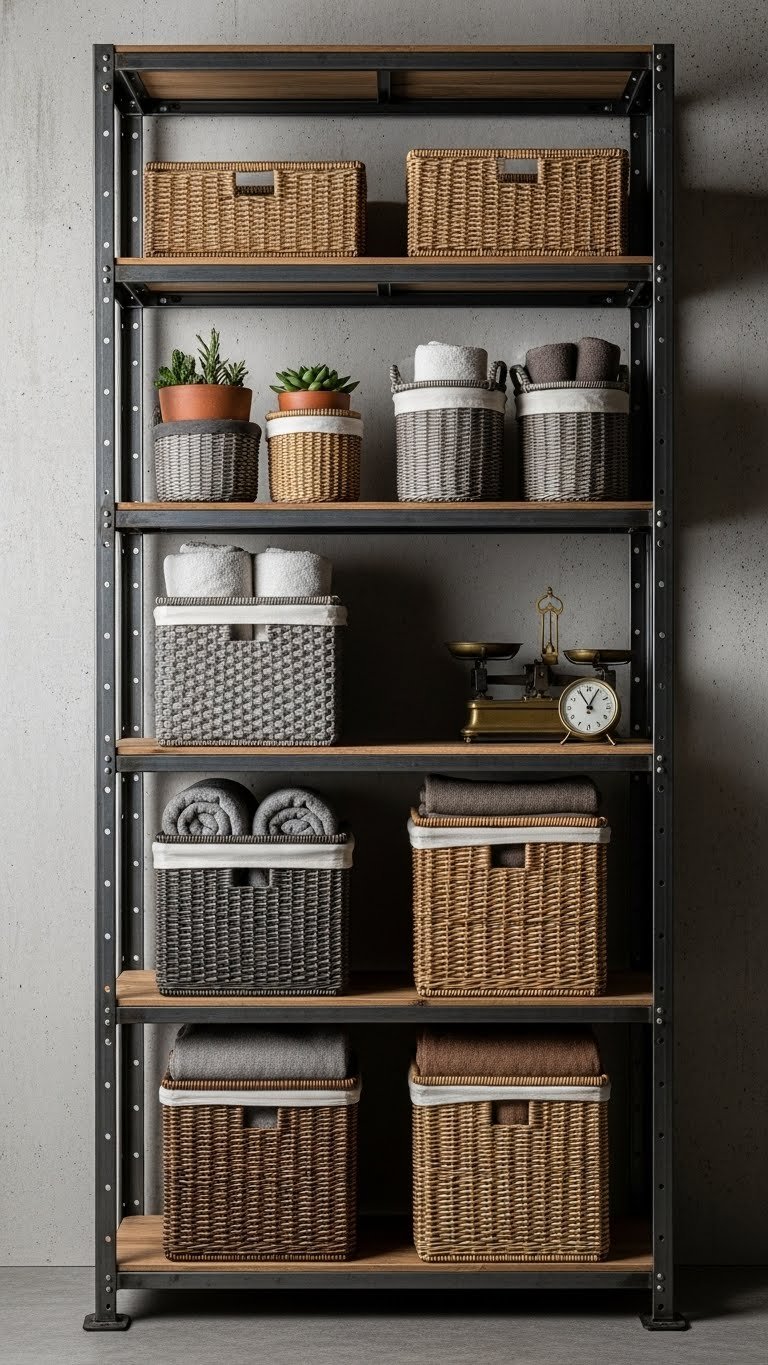
    Open shelving and visible clutter break calm instantly. Invest in matching storage baskets in natural materials—rattan, woven seagrass, or woven cotton—all in similar neutral tones. Use them under side tables, in closets, or on shelves to corral items and reduce visual chaos.

    A set of three matching baskets costs $30-$100 total (IKEA, Target, Wayfair). They’re functional and beautiful enough to display, unlike plastic containers. Label them discreetly with small tags if you need to remember what’s inside.

    Hidden storage instantly makes spaces feel calmer and more intentional. It’s one of the simplest ways to create a peaceful home.

    15. Paint Interior Door Frames in Soft Sage or Warm Gray

    Instead of leaving interior door frames plain white, paint them in a soft neutral that echoes your palette—warm gray, soft sage, or greige. This creates subtle visual interest while maintaining calm and connection.

    This is a beginner-friendly DIY: tape off the frame, paint two coats ($10-$20 in paint), done. Takes a few hours and costs almost nothing. If you rent, ask your landlord or skip this step.

    Painted door frames create sophistication and intention without visual noise. It’s a tiny detail that signals a thoughtfully designed home.

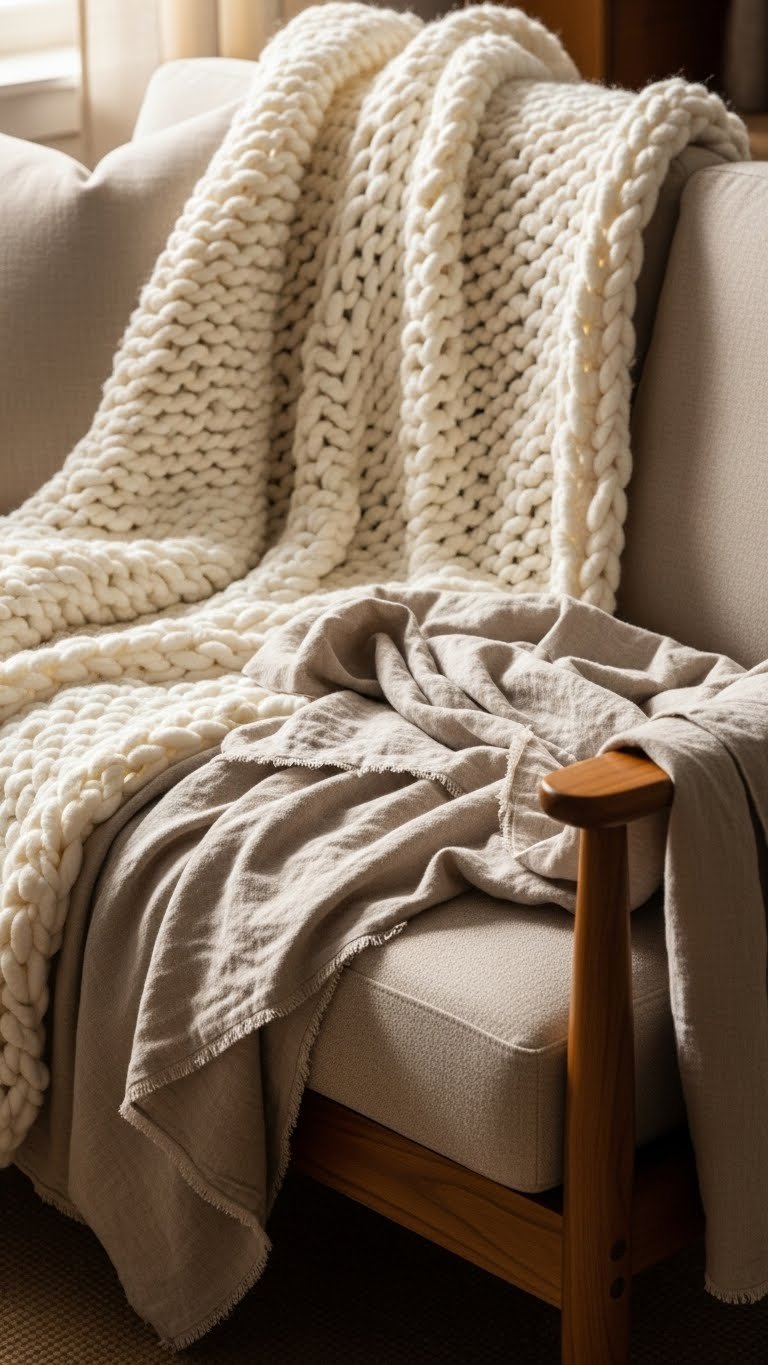
    16. Mix Throw Blankets in Complementary Neutral Textures

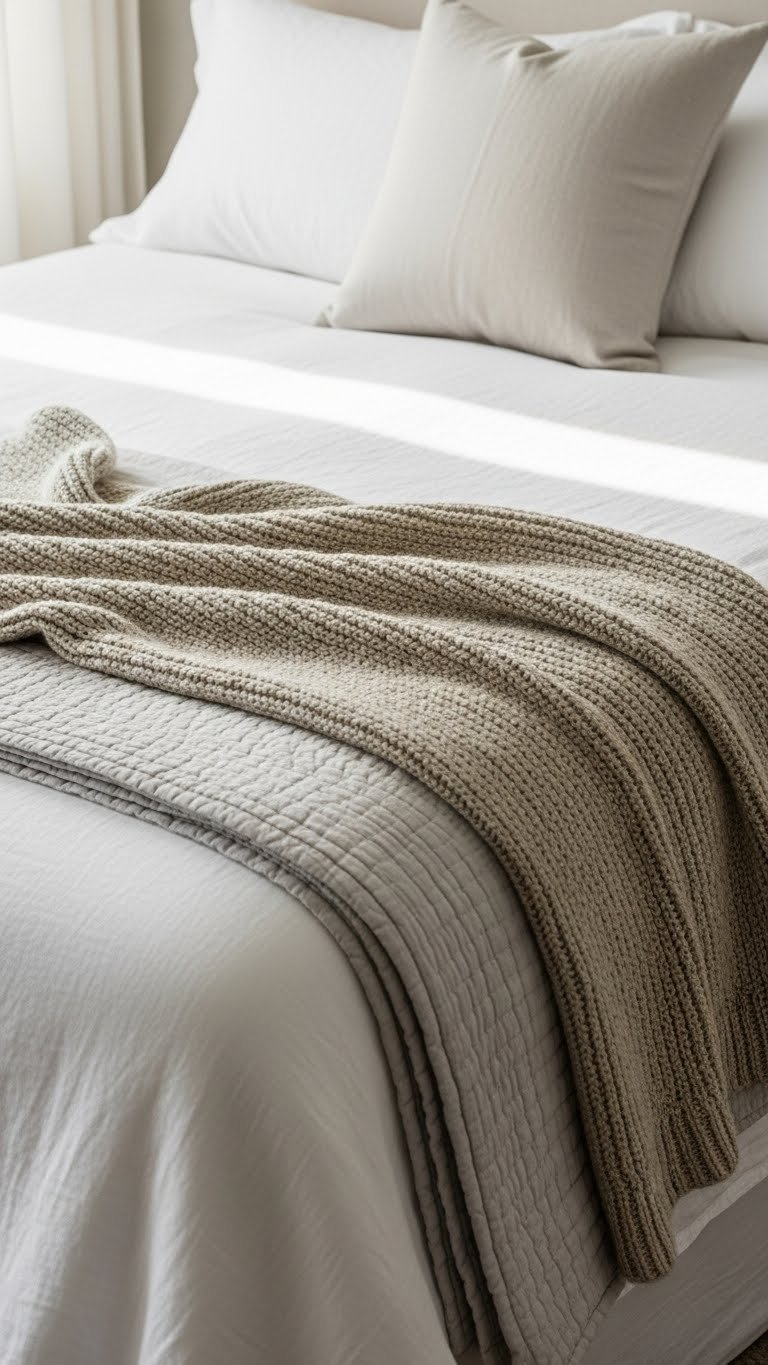
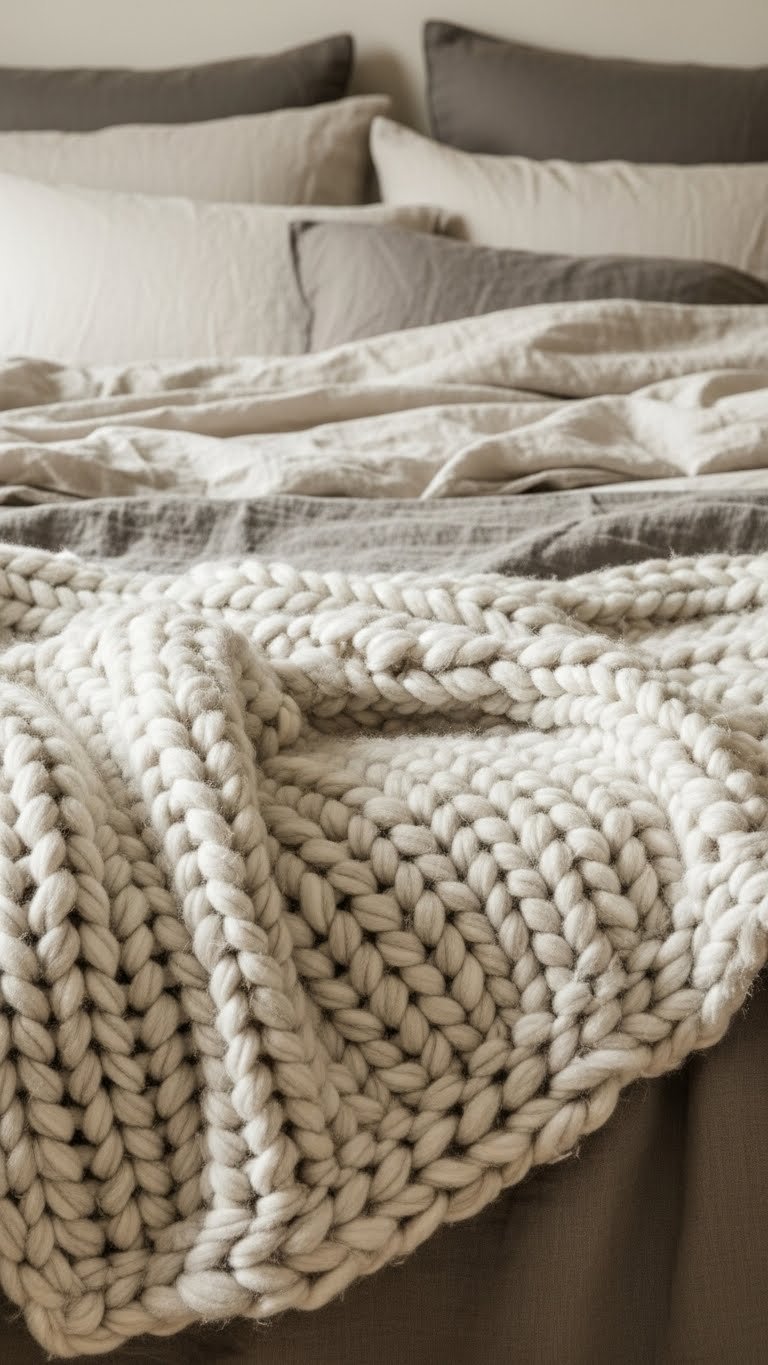
    A sofa with one throw blanket feels bare. Layer two or three in complementary neutral textures: pair a chunky knit cream blanket with a linen taupe throw and a waffle-weave ivory blanket. The textures create visual interest and tactile coziness.

    Quality throws run $30-$80 each (Target, West Elm, Parachute). You can find affordable options at IKEA ($20-$40) and thrift stores ($5-$15). Drape them asymmetrically—one over the arm, one folded on the back, one over the seat.

    Layered throws make spaces feel warm and lived-in rather than sterile. They photograph beautifully for Pinterest, too.

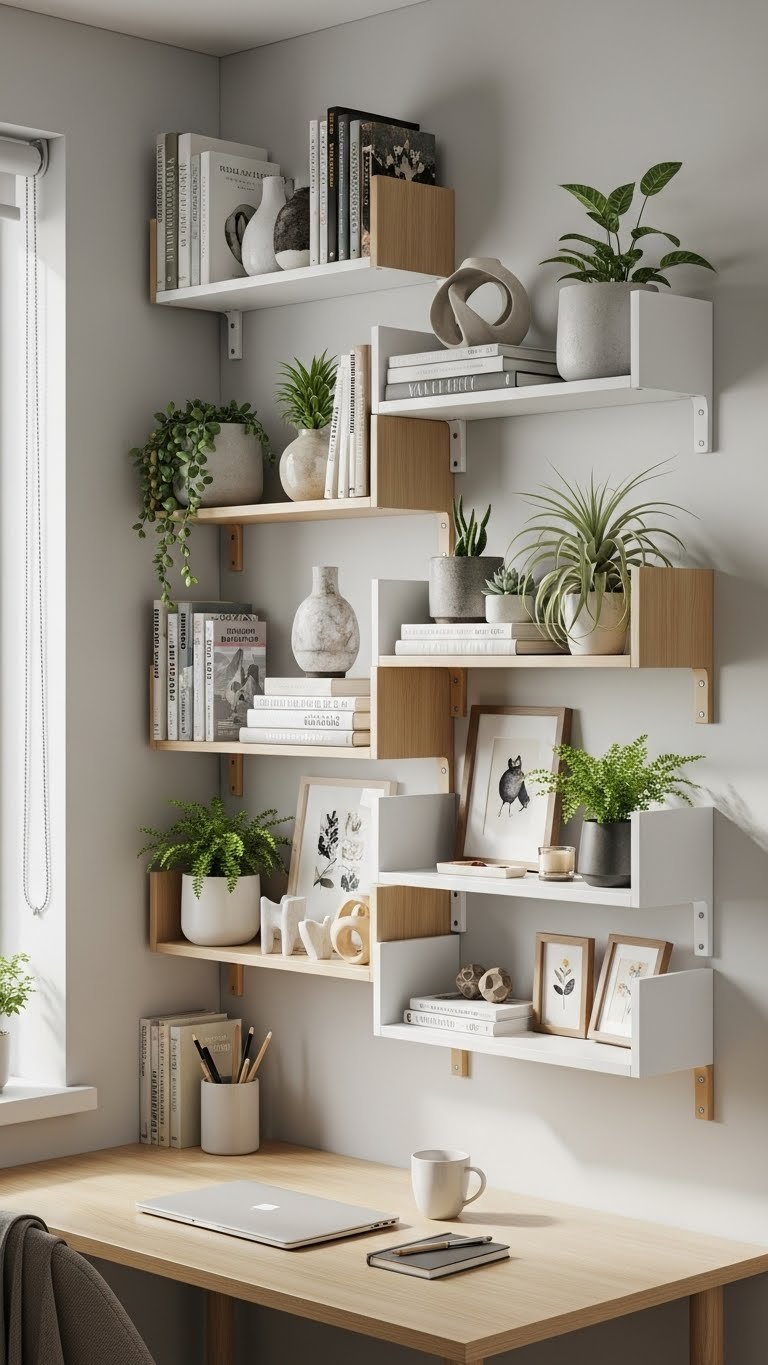
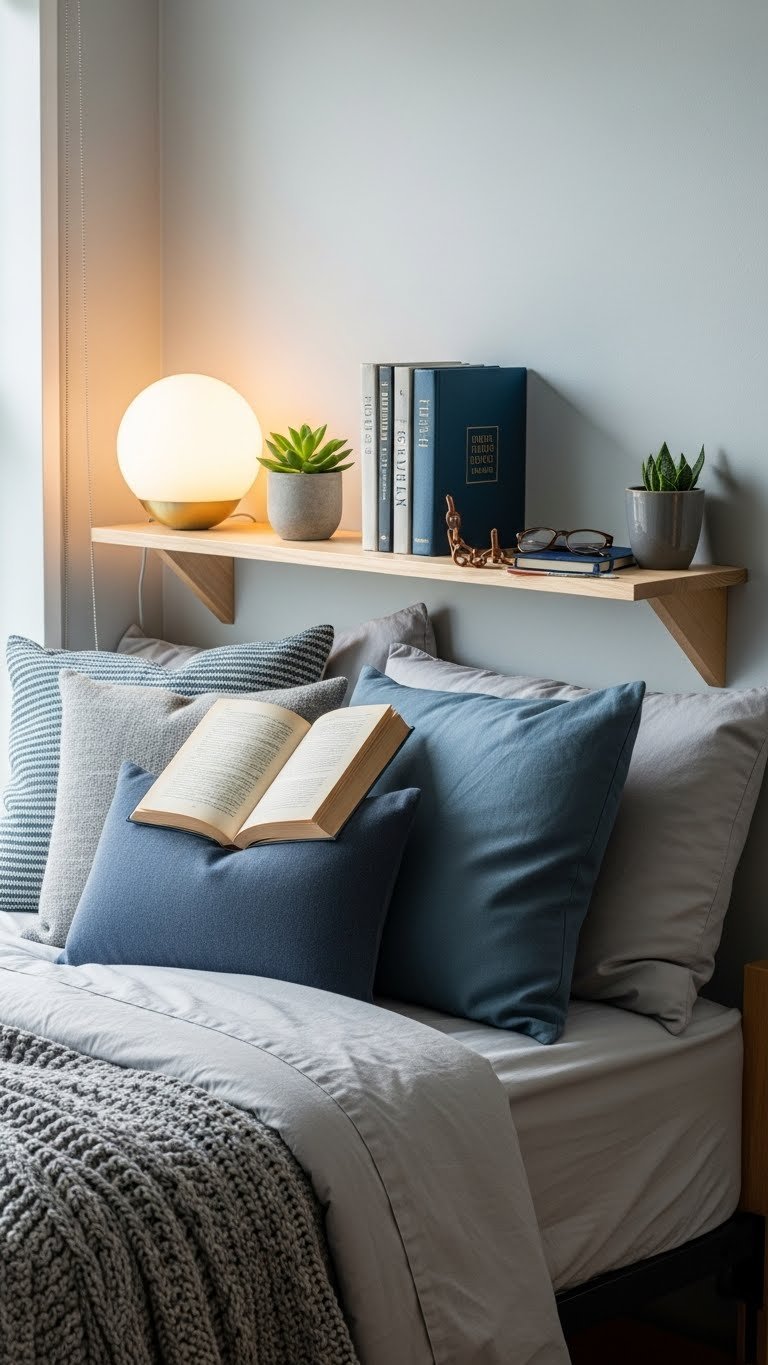
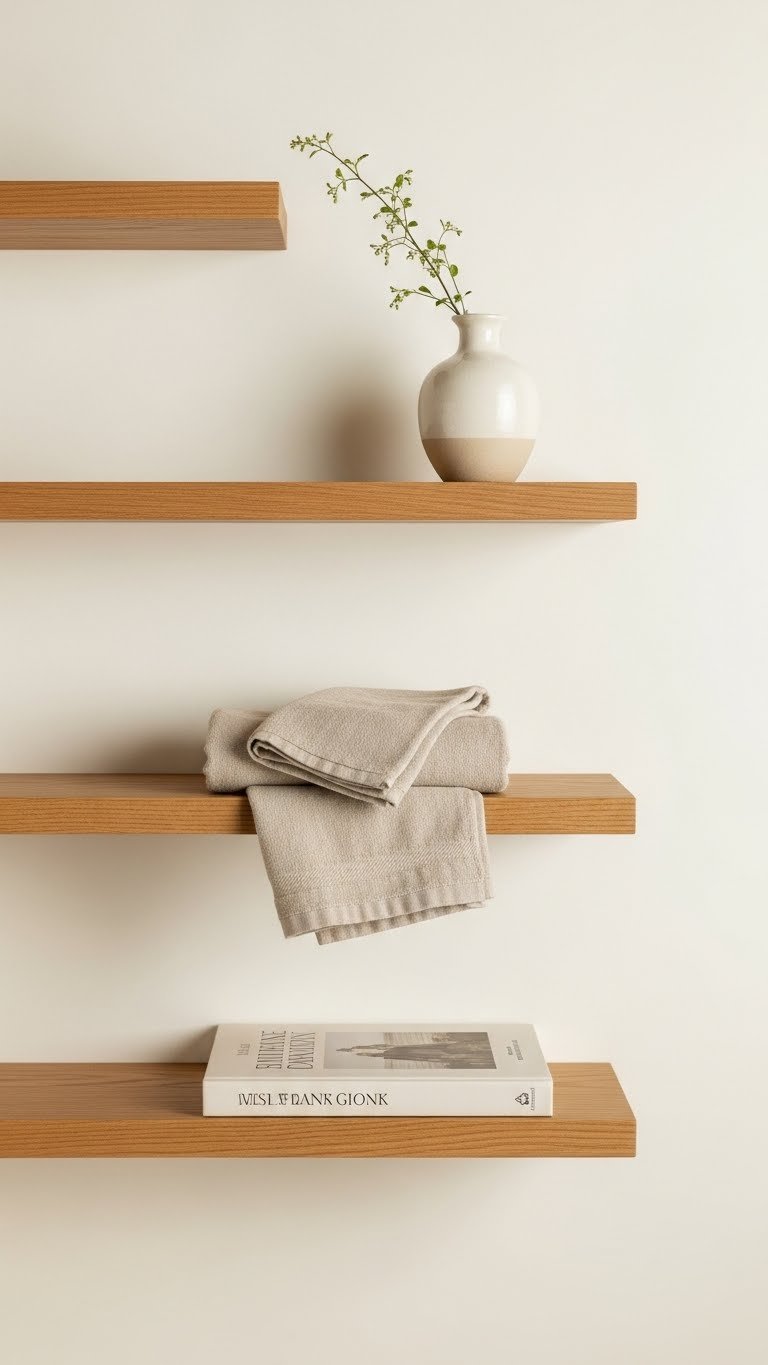
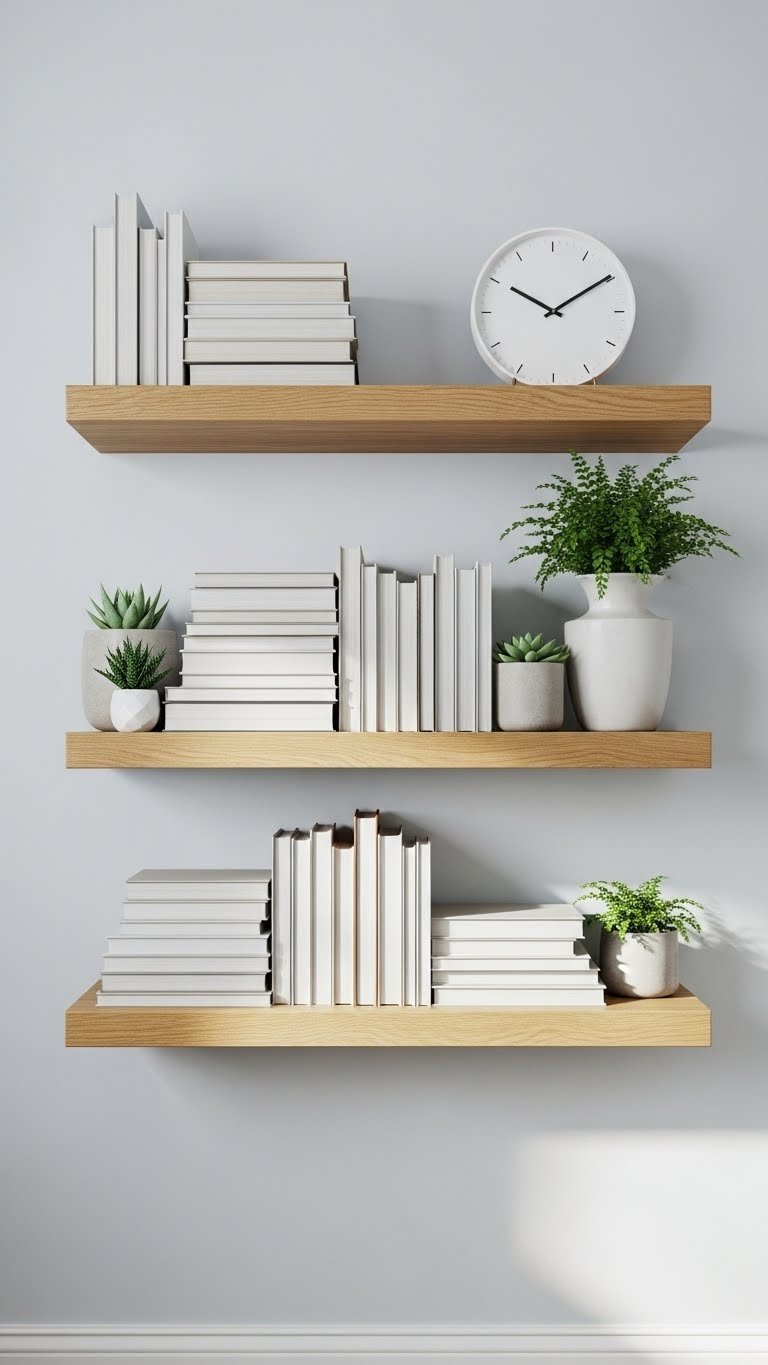
    17. Install Floating Shelves in Light Wood

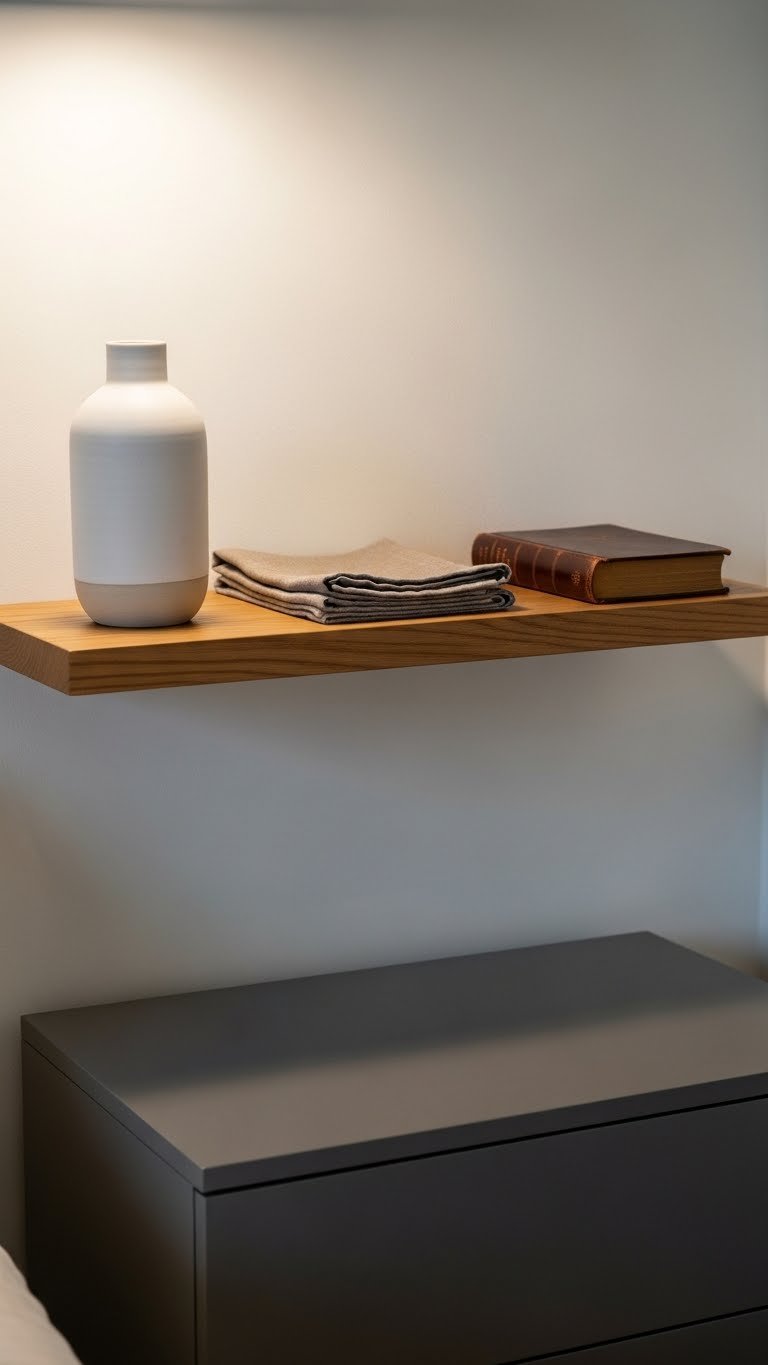
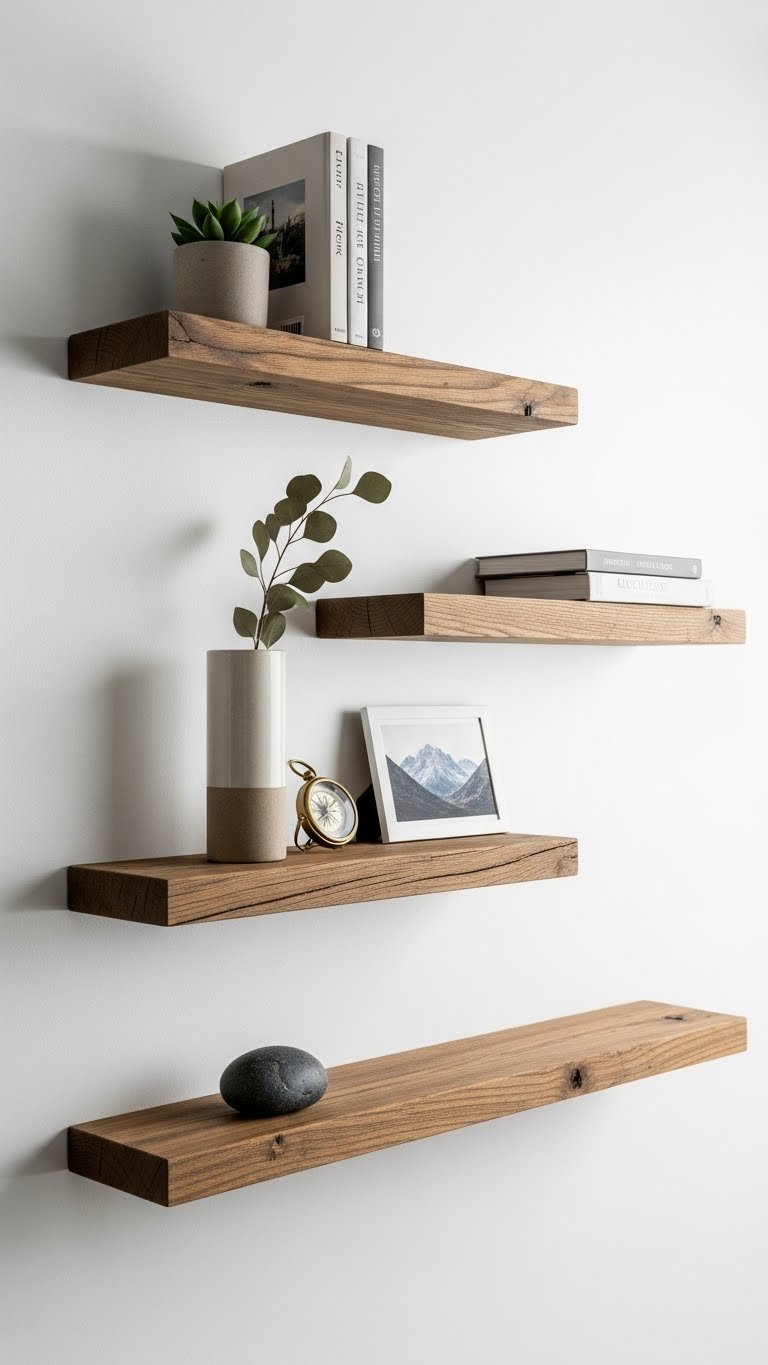
    Floating shelves in your chosen wood tone add storage and visual interest without bulk. They’re perfect in bedrooms, kitchens, or hallways and immediately make spaces feel more designed.

    Floating shelf kits cost $20-$80 per shelf (IKEA, Home Depot, Wayfair). Installation takes an afternoon if you’re comfortable with basic tools, or hire a handyperson ($50-$150 per shelf installed). Decorate sparsely with plants, books, and one or two objects to maintain calm.

    Well-decorated shelves signal intention and style. They’re functional art that transforms walls instantly.

    18. Use Linen Upholstery for Cohesive Seating

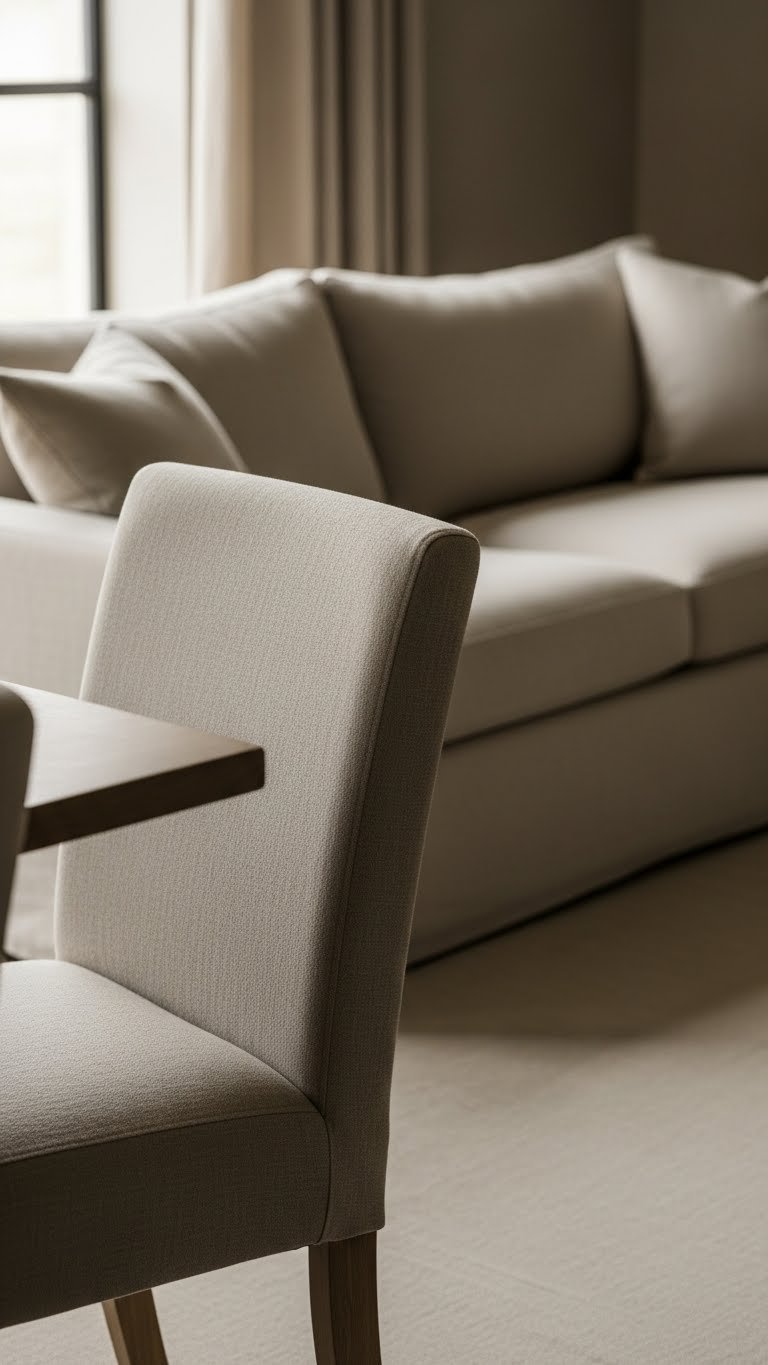
    Upholstered furniture is one of the biggest visual anchors in your home. If you have multiple seating pieces (sofa, chairs, dining chairs), choosing the same neutral upholstery—like natural linen or linen blend—ties everything together instantly.

    New upholstered pieces in linen run $300-$1,200+ (IKEA basics to higher-end brands). If you have existing furniture, reupholstering one piece costs $400-$800 and can transform it. Look for sales: IKEA, Article, and West Elm often have 20-30% discounts.

    When seating is upholstered in the same neutral, rooms feel planned and calm. It’s the foundation that makes everything else work.

    19. Keep Countertops Clear Except for Three Key Items

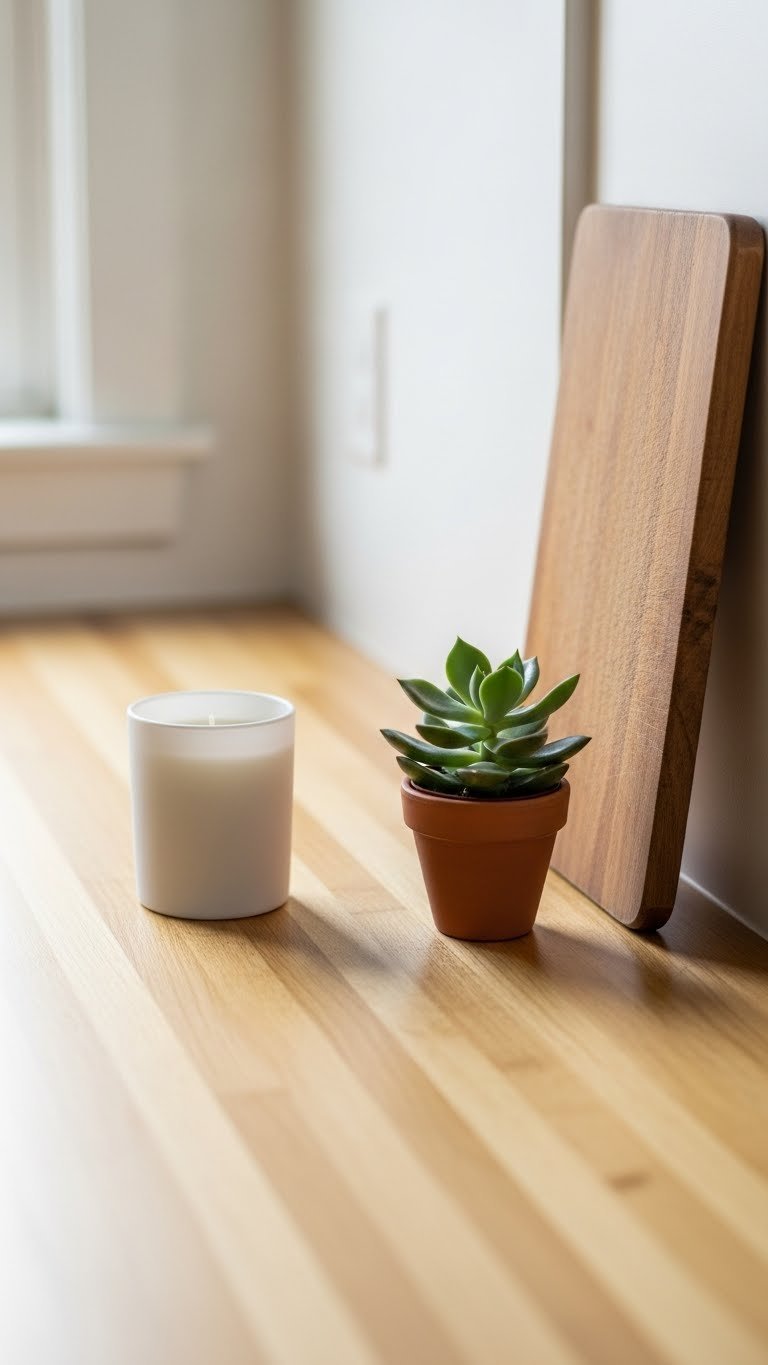
    Visual clutter is the enemy of calm. Commit to keeping countertops—in kitchens, bathrooms, and bedrooms—almost completely clear. Display only three items: perhaps a candle, a plant, and one functional item. Everything else lives in closed storage.

    This costs nothing but intention. Use matching canisters, jars, or covered containers to hide everyday items. Baskets slide under sinks or into cabinets.

    A clear counter instantly makes a whole room feel calmer and more spacious. It’s the quickest way to create a spa-like vibe.

    20. Swap Busy Shower Curtains for Solid Neutral Linen

    Shower curtains with patterns or busy prints disrupt calm in what should be your most peaceful room. Swap for a solid linen or linen-blend curtain in cream, oatmeal, or soft gray. Keep towels matching.

    A quality linen shower curtain costs $30-$60 (Parachute, H&M Home, West Elm). Budget options run $15-$30. Towels in matching neutrals cost $5-$15 each. If you have existing patterned curtains, donate or repurpose them.

    A serene bathroom is life-changing. This one swap makes a huge difference in how calm your mornings feel.

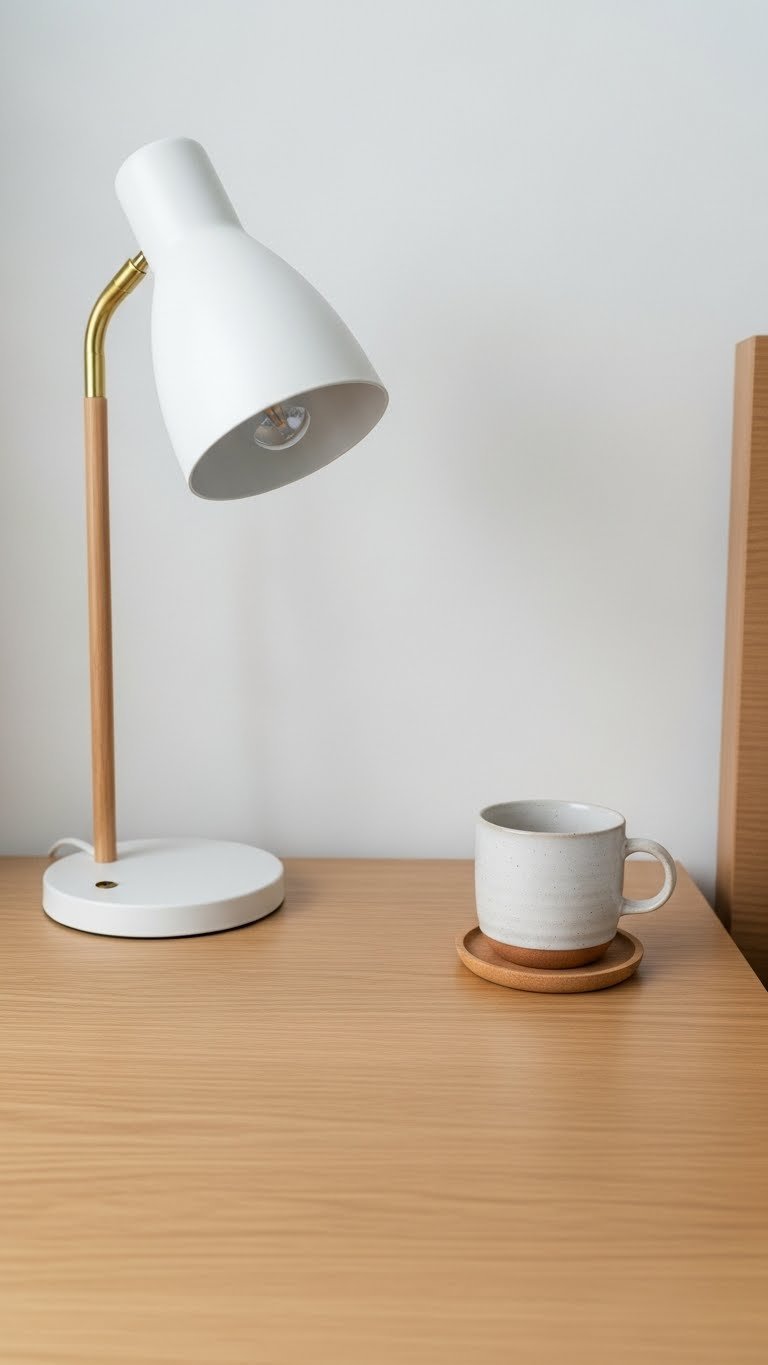
    21. Add Soft, Warm Lighting With Edison Bulbs

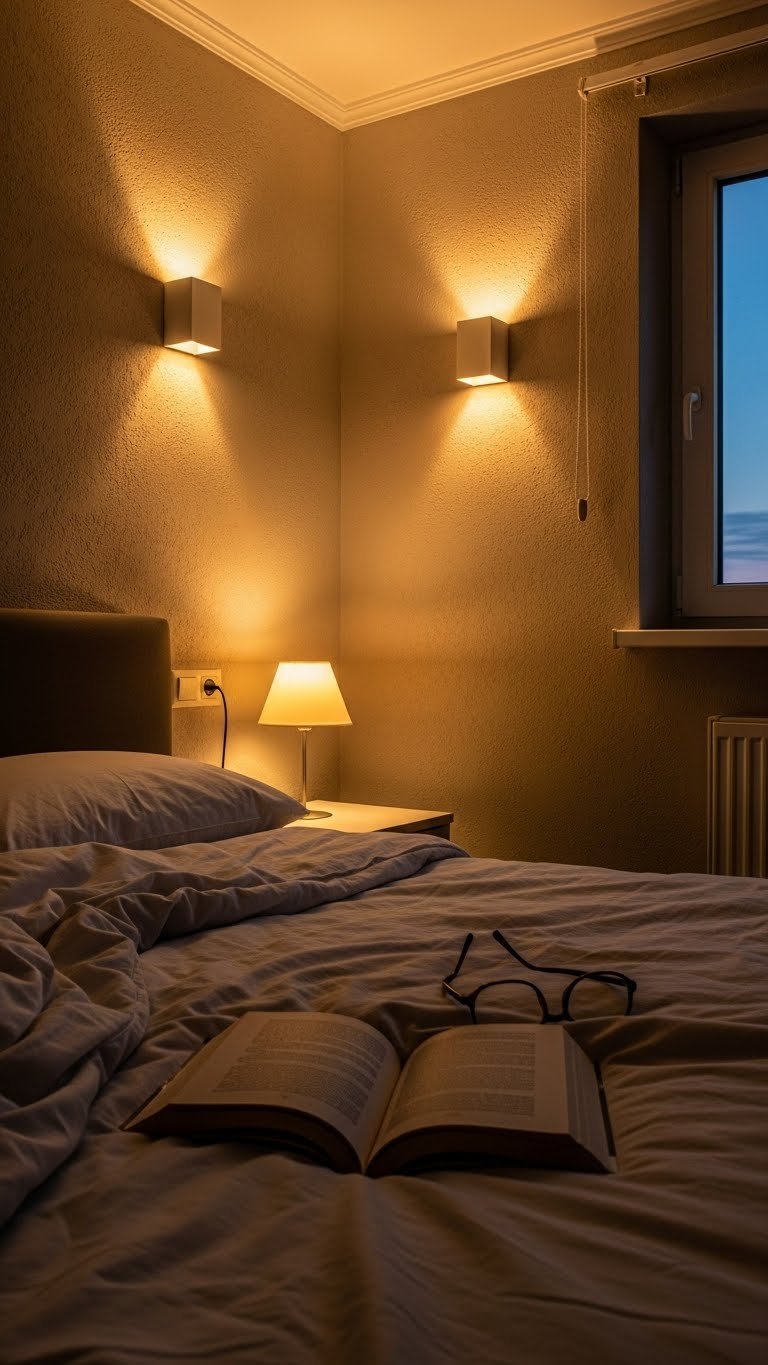
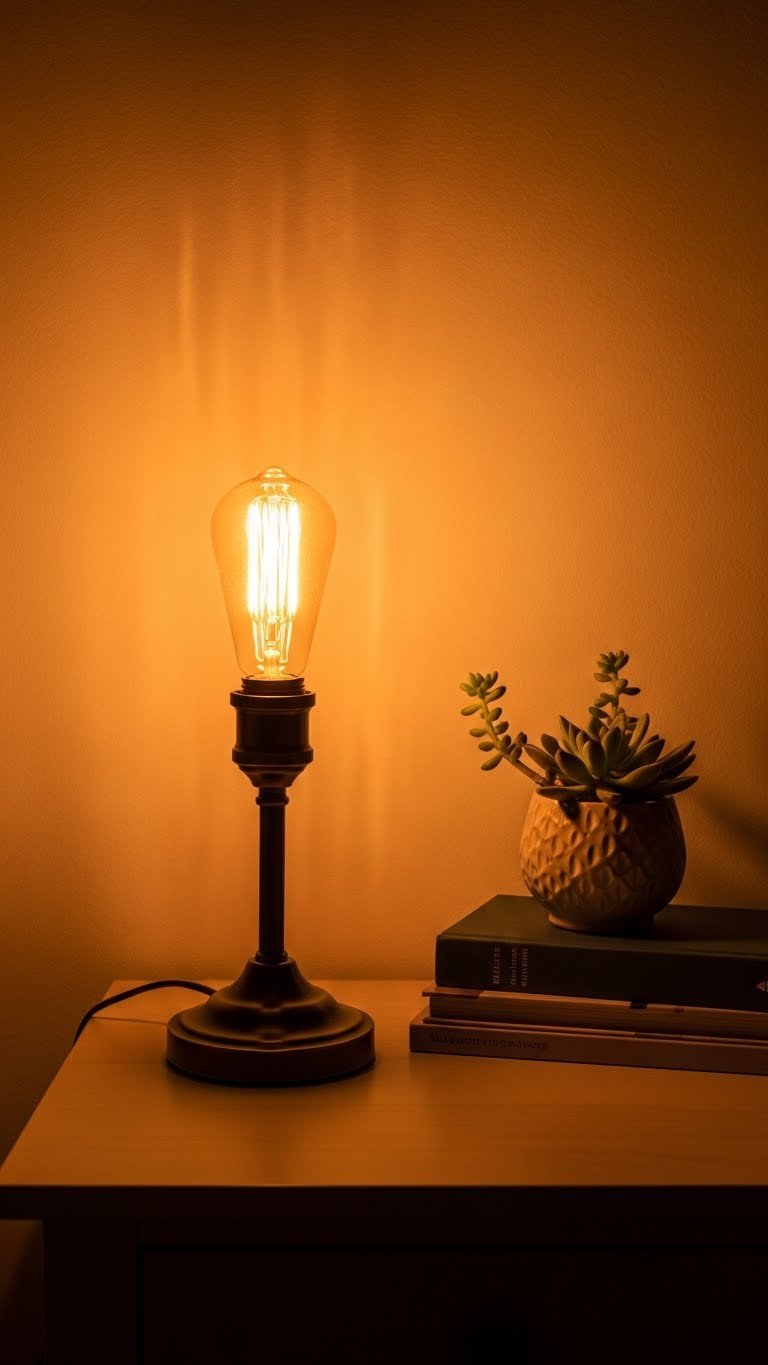
    Harsh overhead lighting kills calm instantly. Replace with warm Edison bulbs (2700K color temperature) in lamps throughout your home. They emit golden, sunset-like light that’s inherently soothing.

    Edison bulbs cost $5-$15 each (IKEA, Target, Amazon, Home Depot). You can install them in existing lamps immediately—no electrician needed. Add dimmer switches ($20-$40 per switch) to have even more control over light intensity and mood.

    Warm lighting transforms how a home feels. People relax visibly in spaces with soft, golden light. It’s one of the easiest upgrades with the biggest impact.

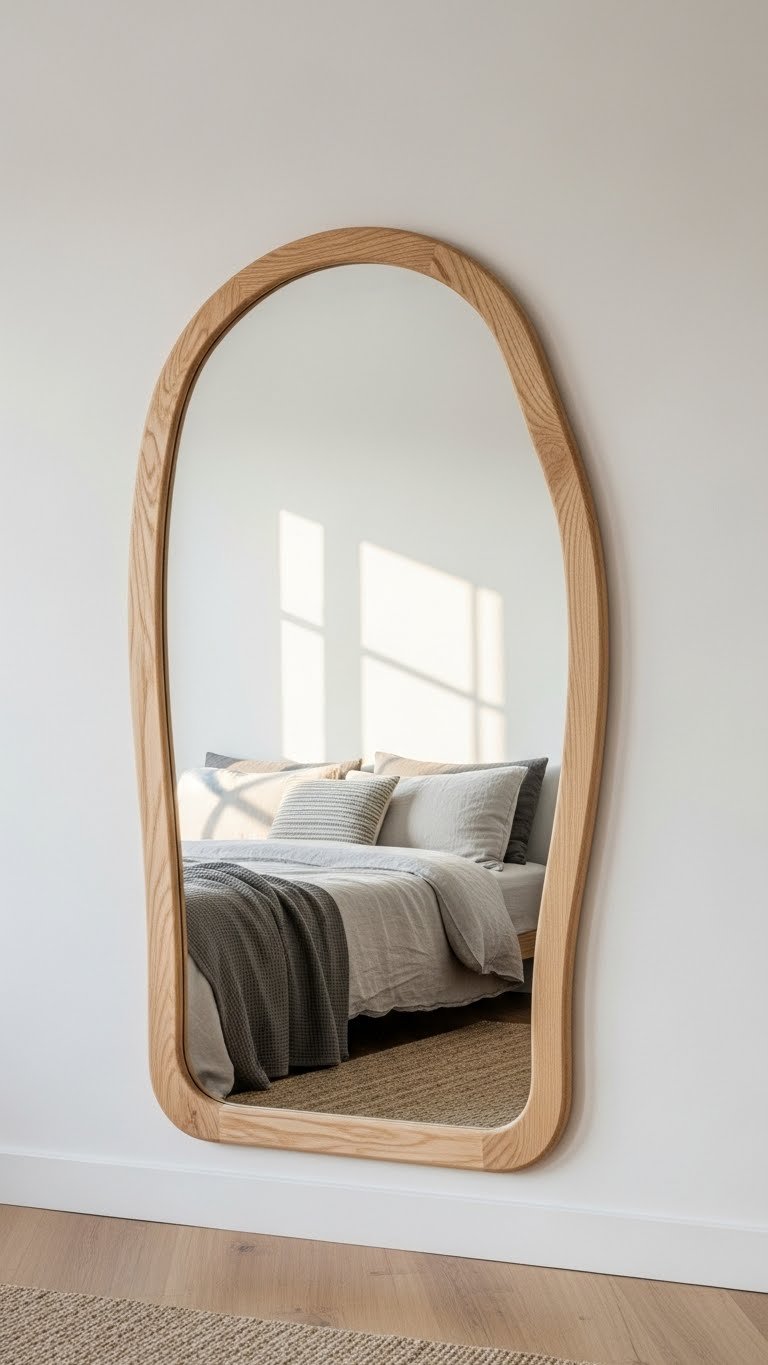
    22. Hang a Large Neutral Mirror to Reflect Light

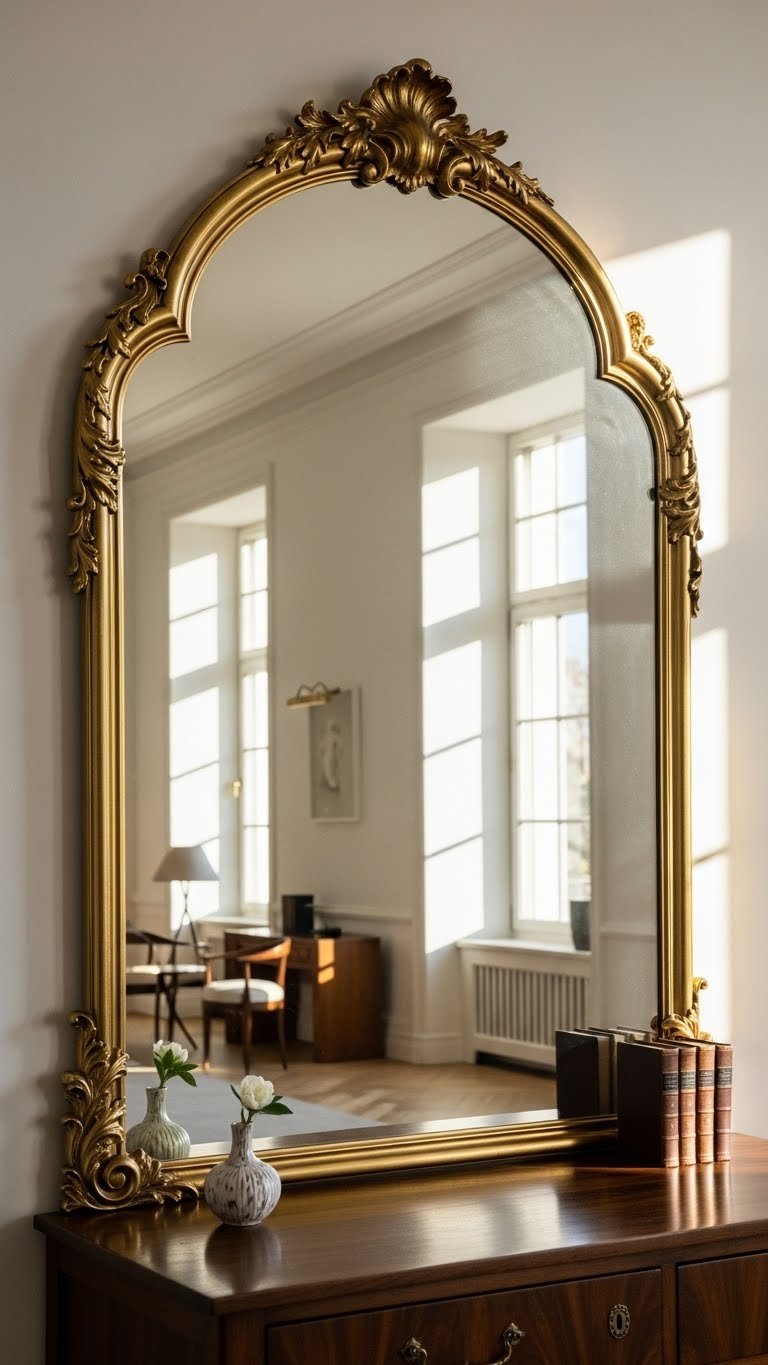
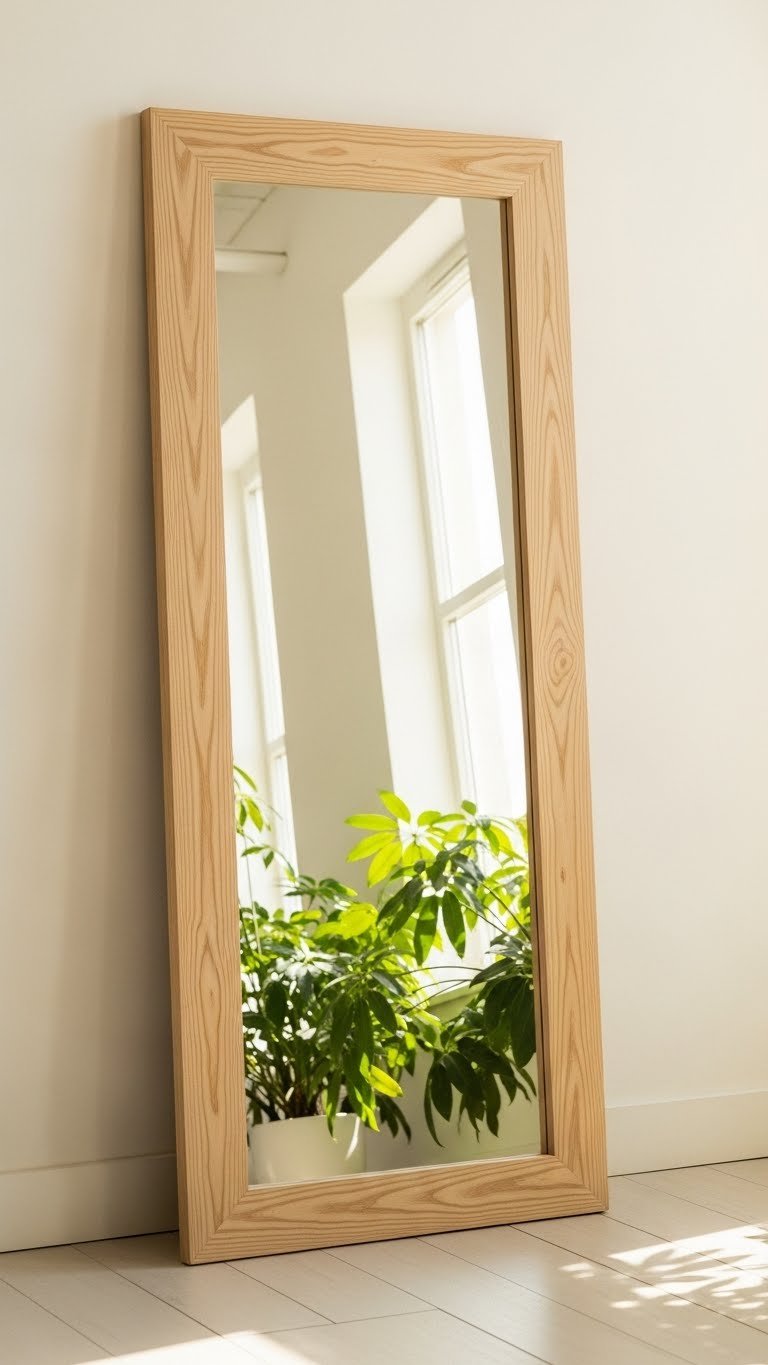
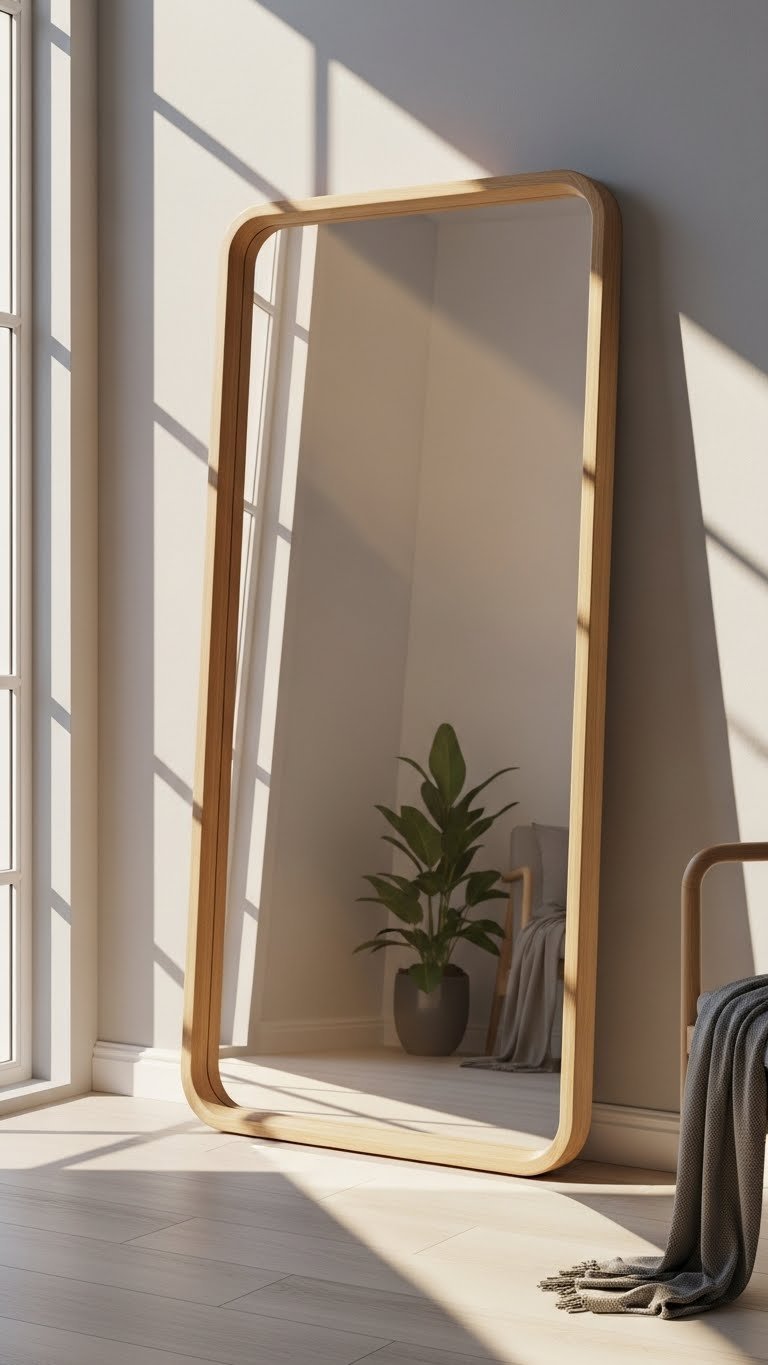
    Mirrors bounce light around and make spaces feel bigger while maintaining calm. Choose one large mirror with a frame in your chosen wood tone or metal finish rather than multiple small mirrors in different styles.

    Leaning mirrors cost $80-$300 (West Elm, Wayfair, IKEA). Wall-mounted mirrors with frames run $60-$250. Position across from a window to maximize light reflection.

    A strategically placed mirror expands a room visually and amplifies the natural light that contributes to calm. It’s functional design that immediately improves the whole space.

    23. Create a Scent Profile With Unscented and One Signature Candle

    Competing scents create mental chaos even if you don’t consciously notice it. Choose one signature scent—lavender, cedarwood, or vanilla—and use it consistently in candles, diffusers, and room spray. Keep everything else unscented (cleaning products, laundry detergent).

    Quality candles cost $20-$40 (Jo Malone, Diptyque, or mid-range options like Target’s Threshold line at $10-$15). A reed diffuser runs $20-$50. Candles last weeks, so the investment is small.

    A consistent scent profile creates subtle continuity throughout your home. Your brain registers the familiar scent and feels calm and grounded.

    24. Arrange Furniture to Create Natural Flow and Conversation

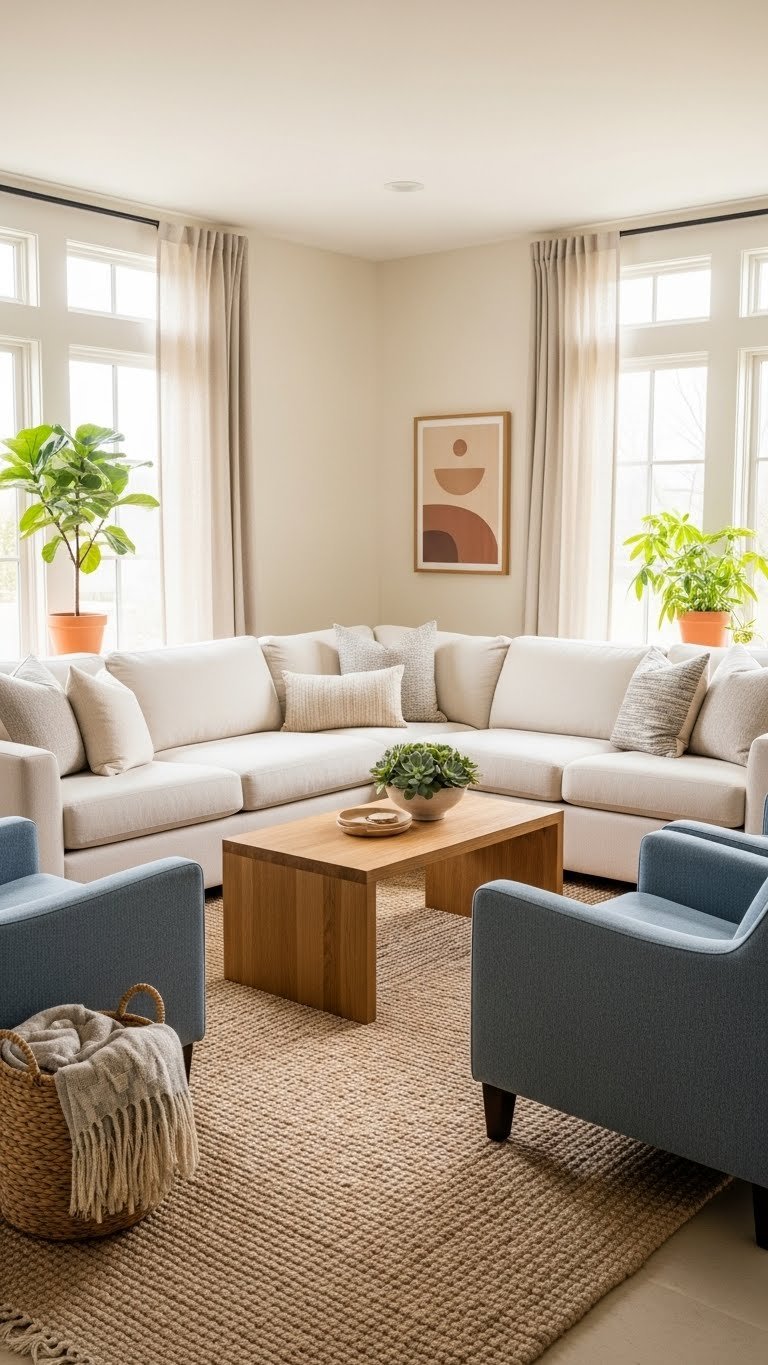
    How furniture is arranged affects how a room feels emotionally. Instead of pushing everything against walls, create conversation groupings: a sofa and two chairs facing each other with a low table between them. This creates intimate, calm spaces and better flow.

    This costs nothing—you’re just rearranging. Measure your space first and try a few configurations before moving heavy pieces. Take photos of each layout to compare.

    Intentional furniture arrangement makes a room feel purposeful and calm. It naturally slows people down and creates conversation rather than chaos.


    Pin this for later and try just one idea this weekend. Small changes compound faster than you’d expect—pick your anchor color, grab one throw in a complementary texture, or swap out your shower curtain, and notice how your whole mood shifts. Which tip will you start with?

  • 25 Scandinavian Bedroom Vibes That Bring Calm Minimalism Home

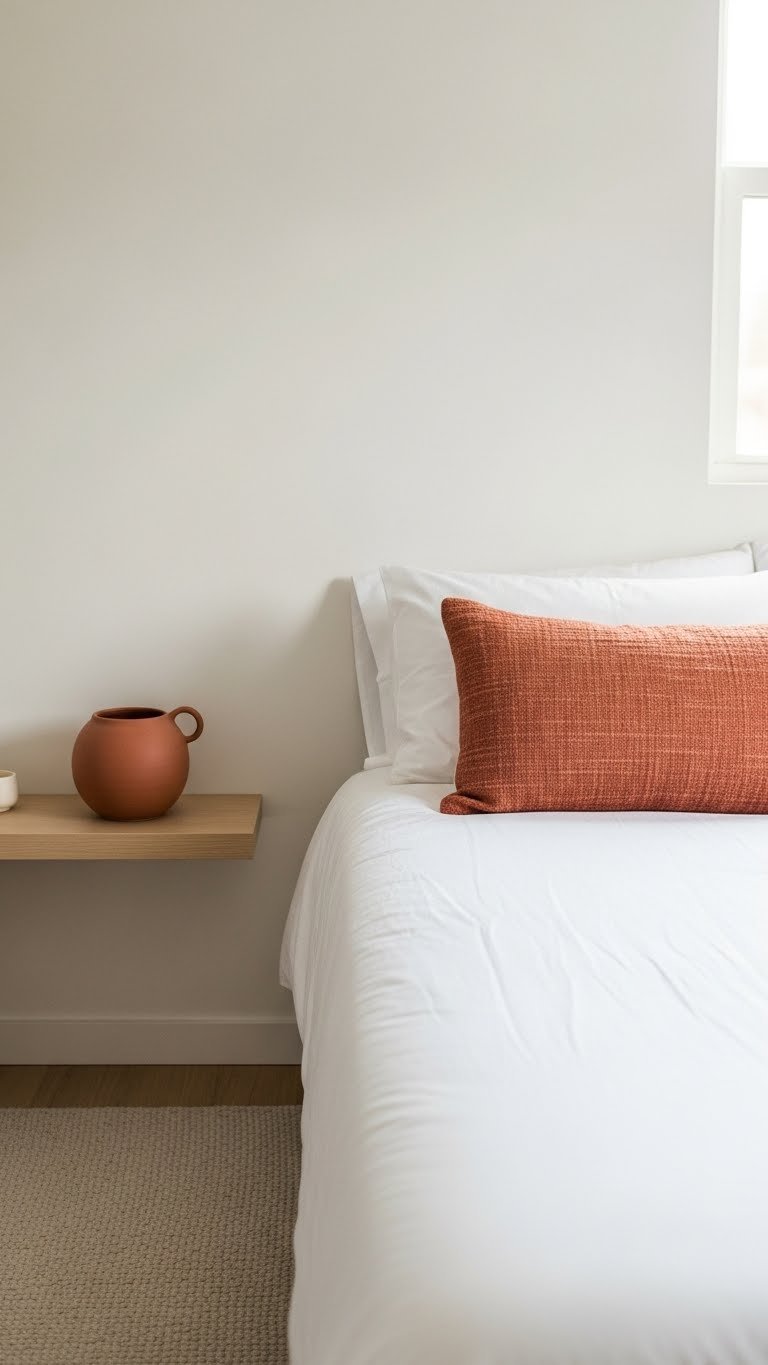
    25 Scandinavian Bedroom Vibes That Bring Calm Minimalism Home


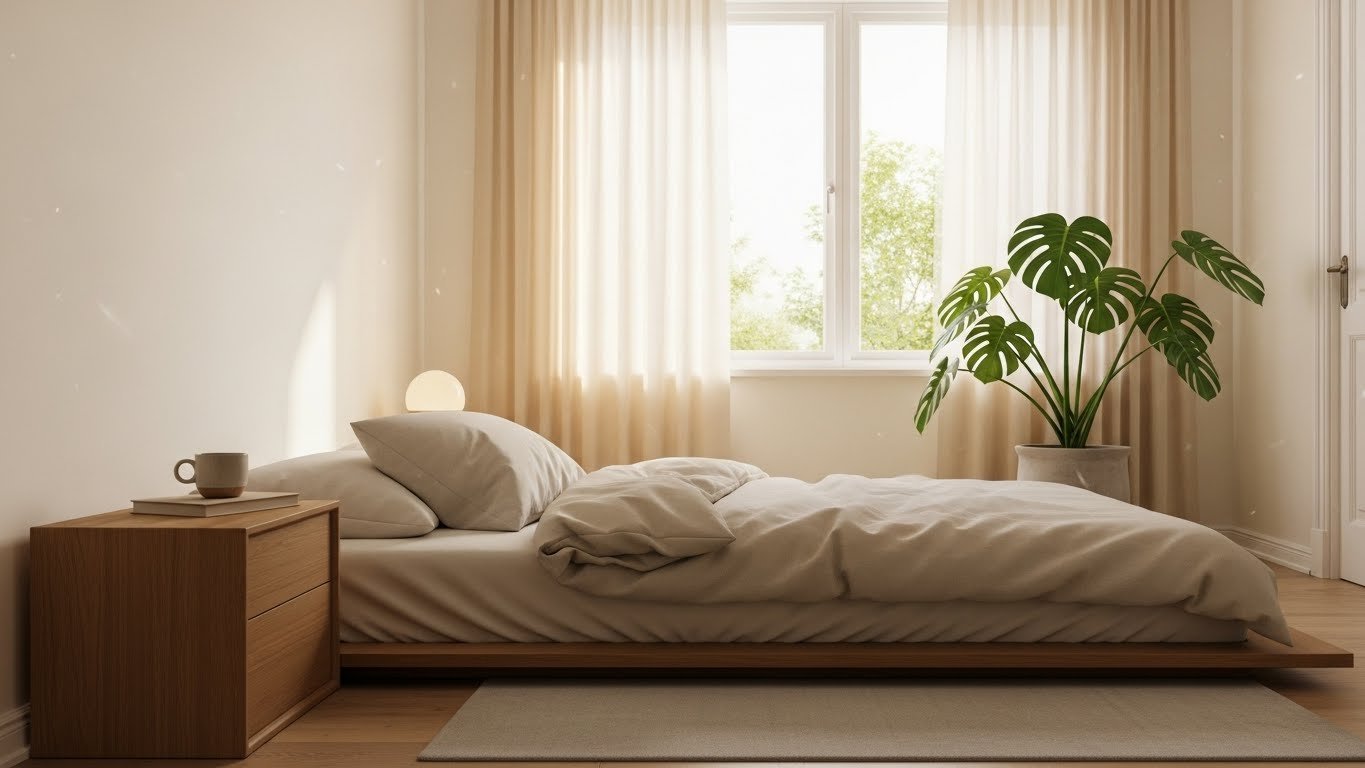
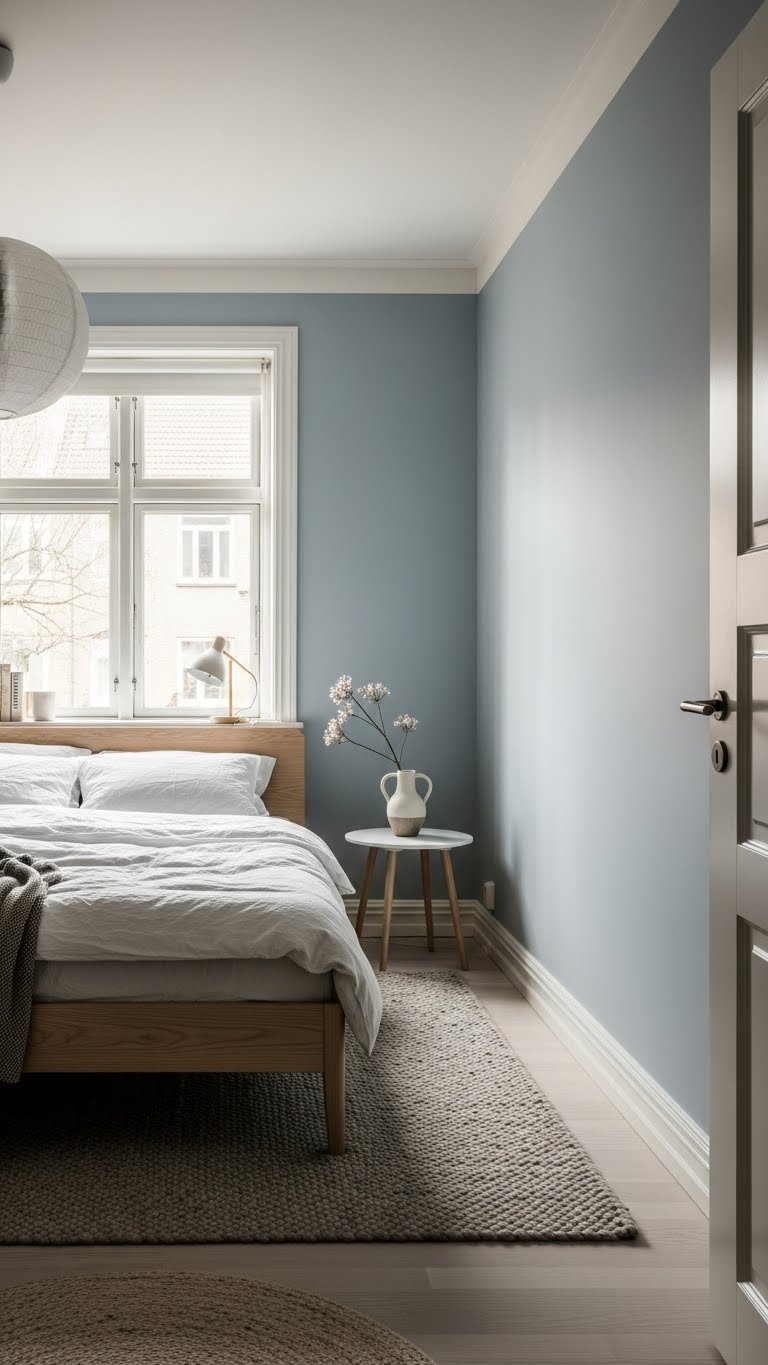
    Scandinavian design promises calm, but sterile minimalism can feel cold and unwelcoming. What if you could have that peaceful simplicity and a bedroom that feels like a sanctuary? The Scandinavian approach is evolving—it’s ditching harsh empty spaces for textured warmth, natural materials, and thoughtful layering. You don’t need to overhaul everything; small, strategic additions bring soul back into clean lines. Over the next 25 ideas, you’ll discover how to layer texture without clutter, add personality through vintage finds, and create a sleep space that’s both minimalist and genuinely cozy. Ready to transform stark simplicity into warm serenity?

    1. Swap Cool Grays for Warm Cream Walls

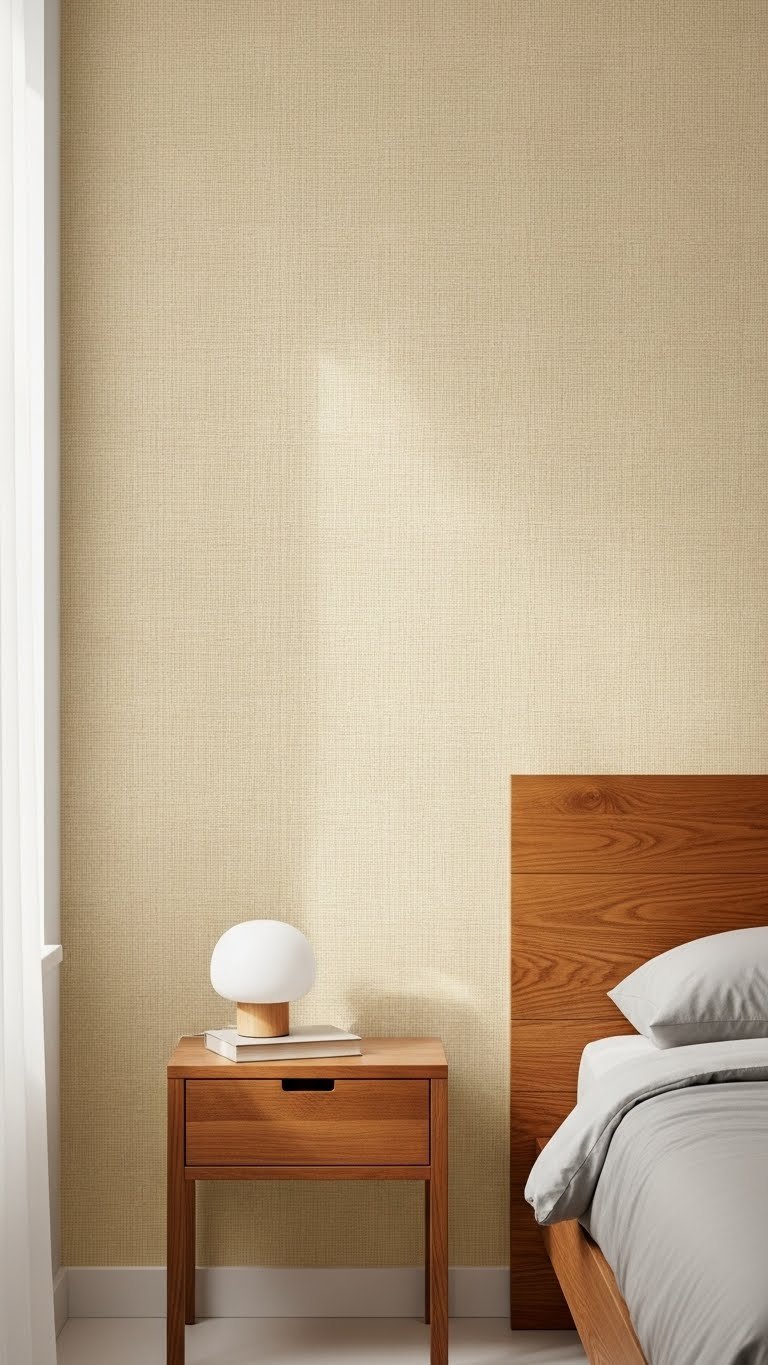
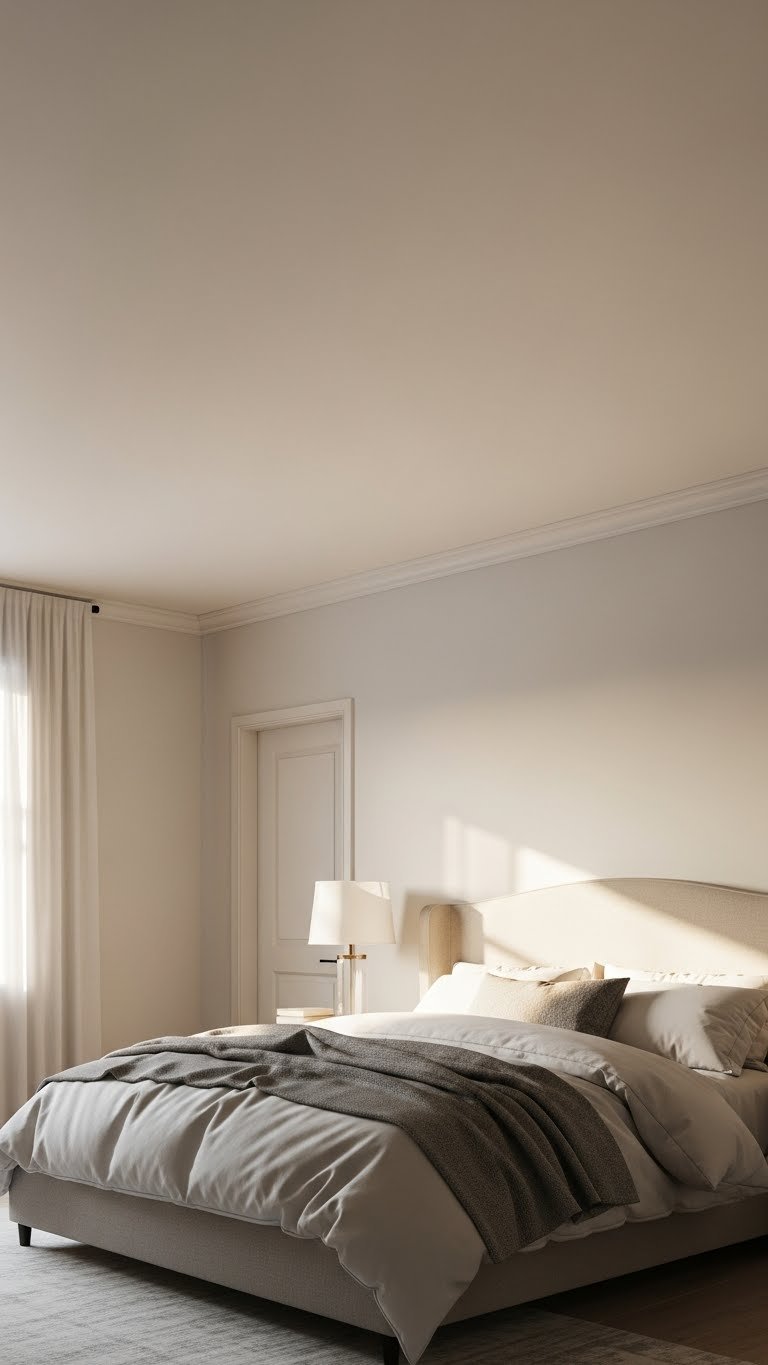
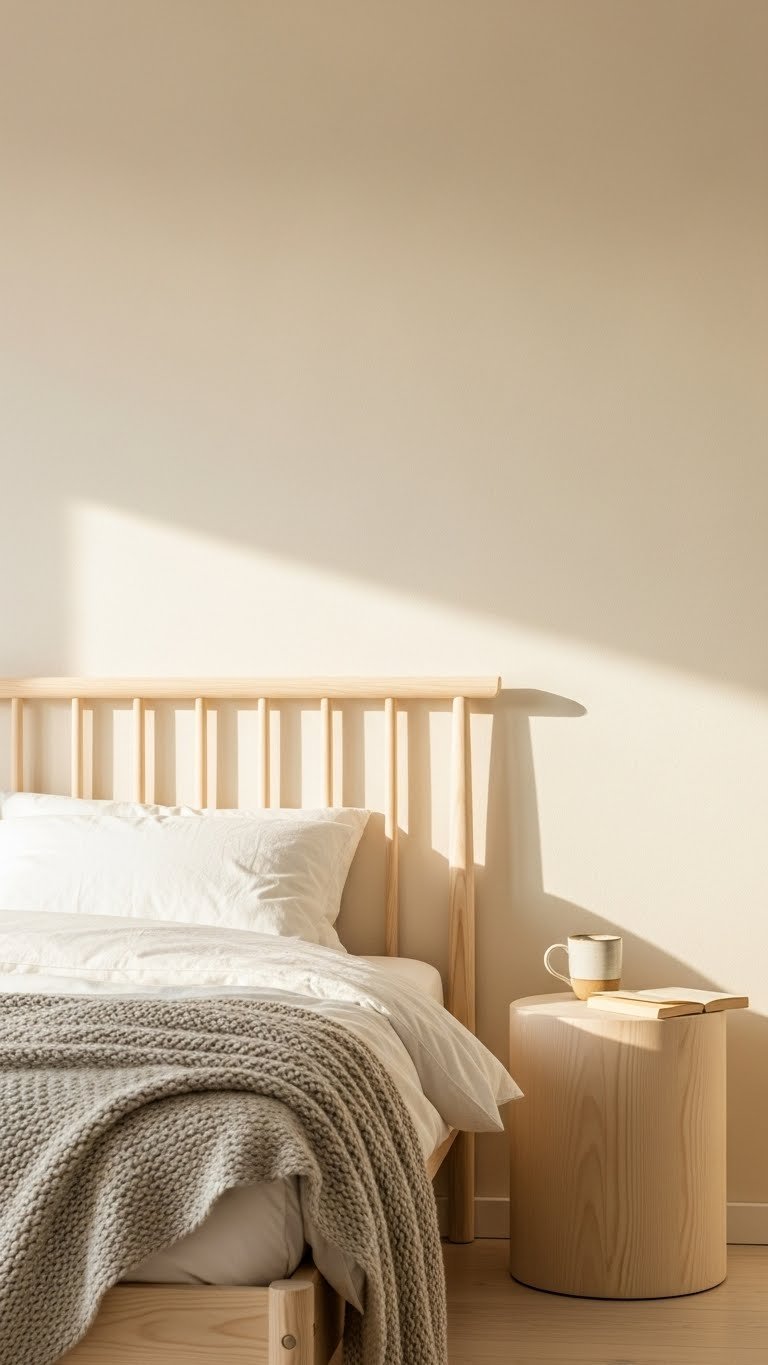
    Cool grays dominated minimalism for years, but they can feel emotionally distant. Warm creams and soft beiges create the same clean backdrop while radiating comfort and light.

    Paint all four walls or just your accent wall with a warm neutral like Benjamin Moore “Swiss Coffee” or Sherwin-Williams “Accessible Beige” ($40–$60 per gallon). A single quart covers most accent walls. This takes one weekend with a roller and tray ($15 total supplies if you already have them). The shift is subtle but noticeable—your bedroom suddenly feels inviting rather than sterile, and it pairs beautifully with natural wood furniture and soft textiles.

    Your space gets instant warmth without sacrificing that clean Scandinavian aesthetic you love.

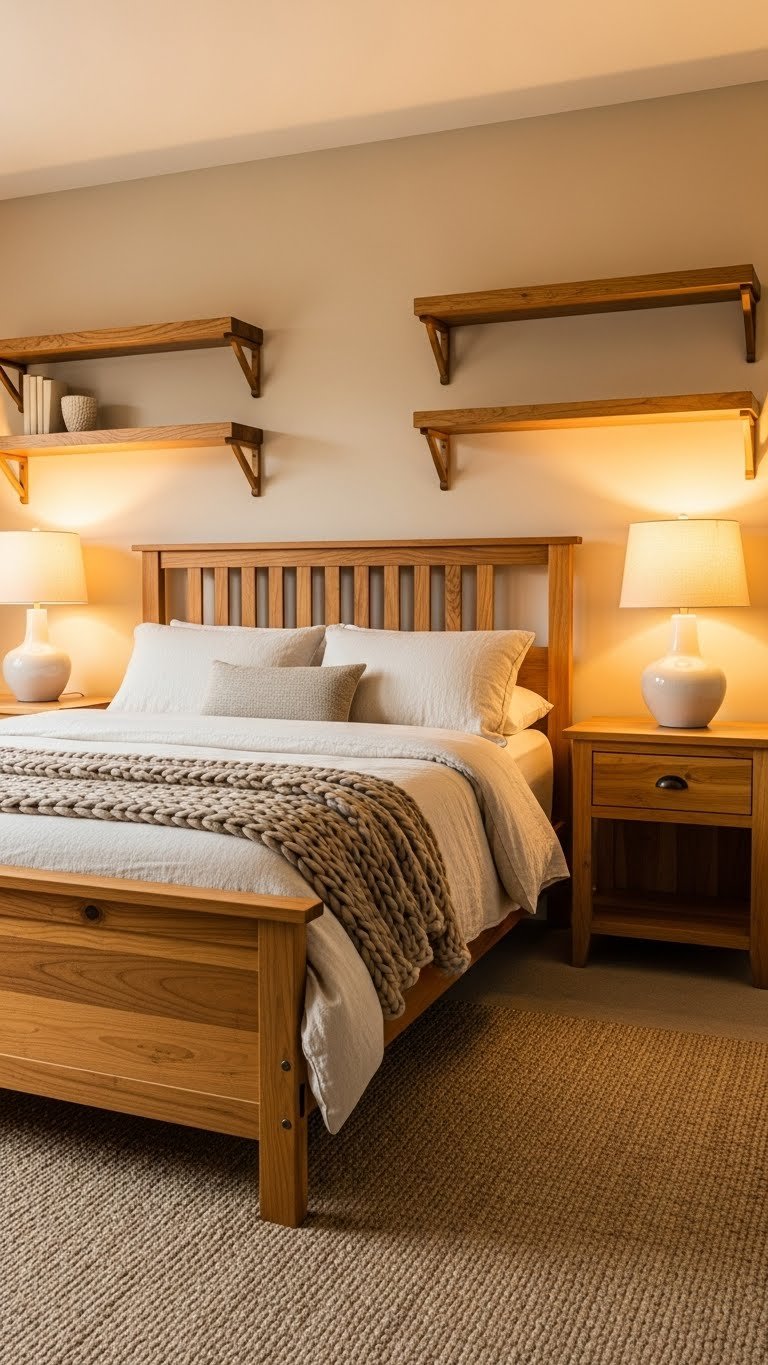
    2. Layer Raw Wood Furniture for Organic Texture

    Mass-produced furniture often lacks character, but raw or lightly finished wood brings honest texture and warmth. It’s the material backbone of organic modernism.

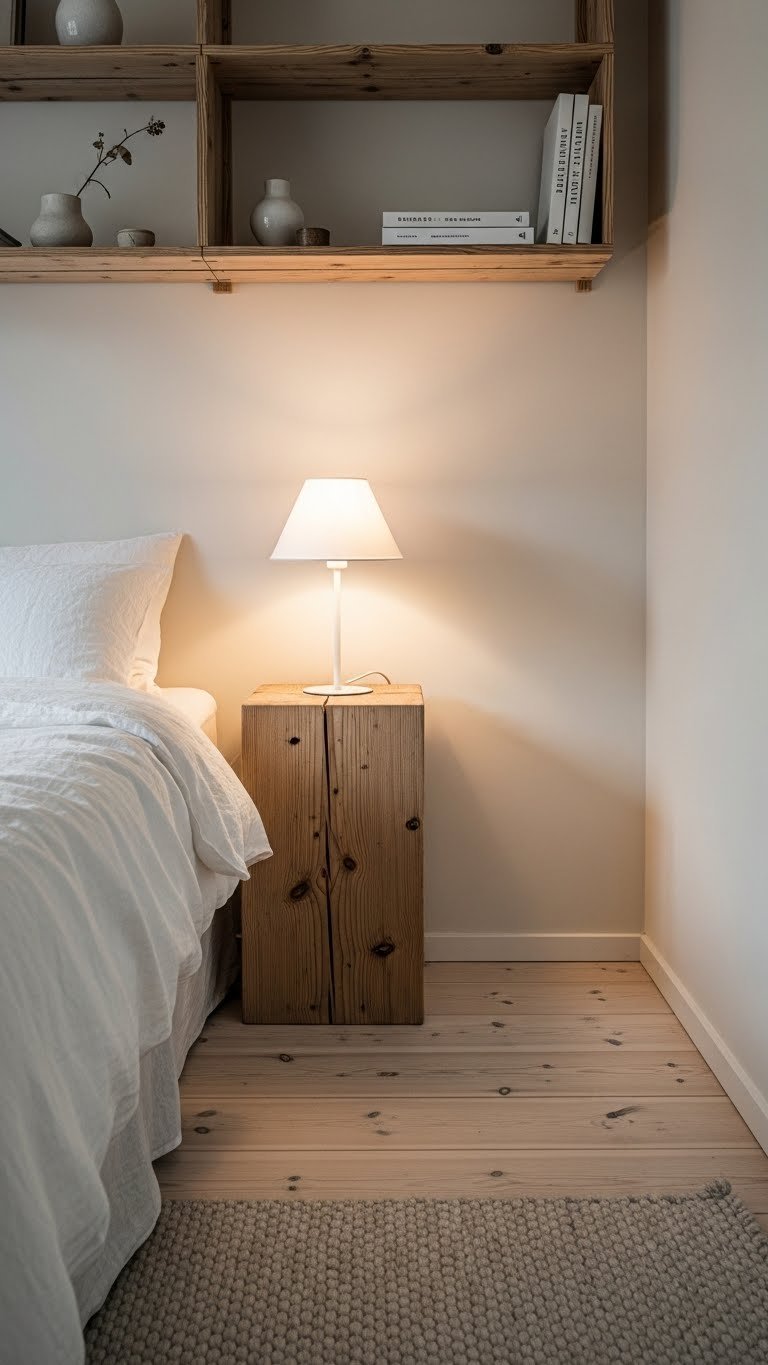
    Replace glossy MDF nightstands with solid wood pieces—try IKEA’s RAST ($40–$60, unfinished pine), Wayfair’s raw wood options ($80–$300), or thrift secondhand furniture and lightly sand to reveal the wood grain. Raw wood ages beautifully, developing patina over years. These pieces take zero assembly or simple 15-minute setup. Pair them with soft linens and minimal decor so the wood’s natural beauty stands out.

    The result? A bedroom that feels grounded and authentic, not showroom-perfect.

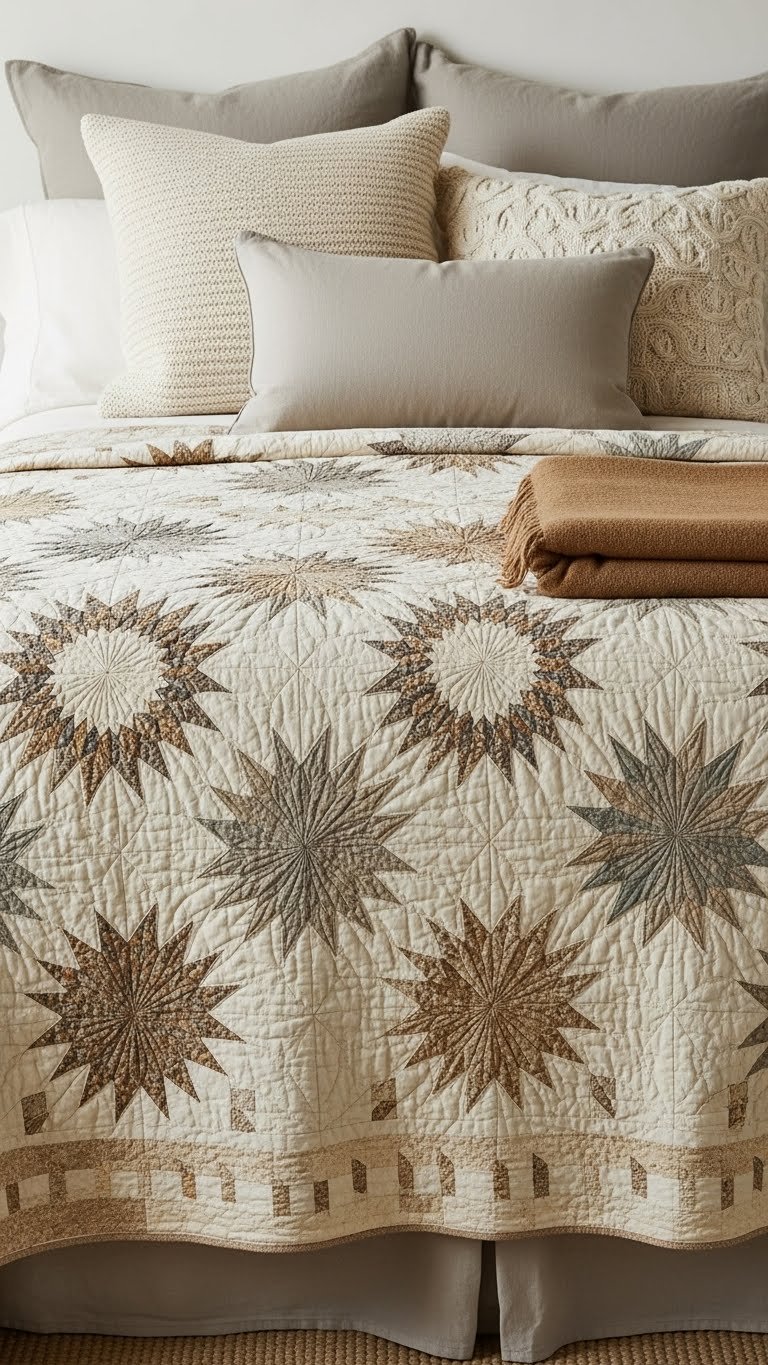
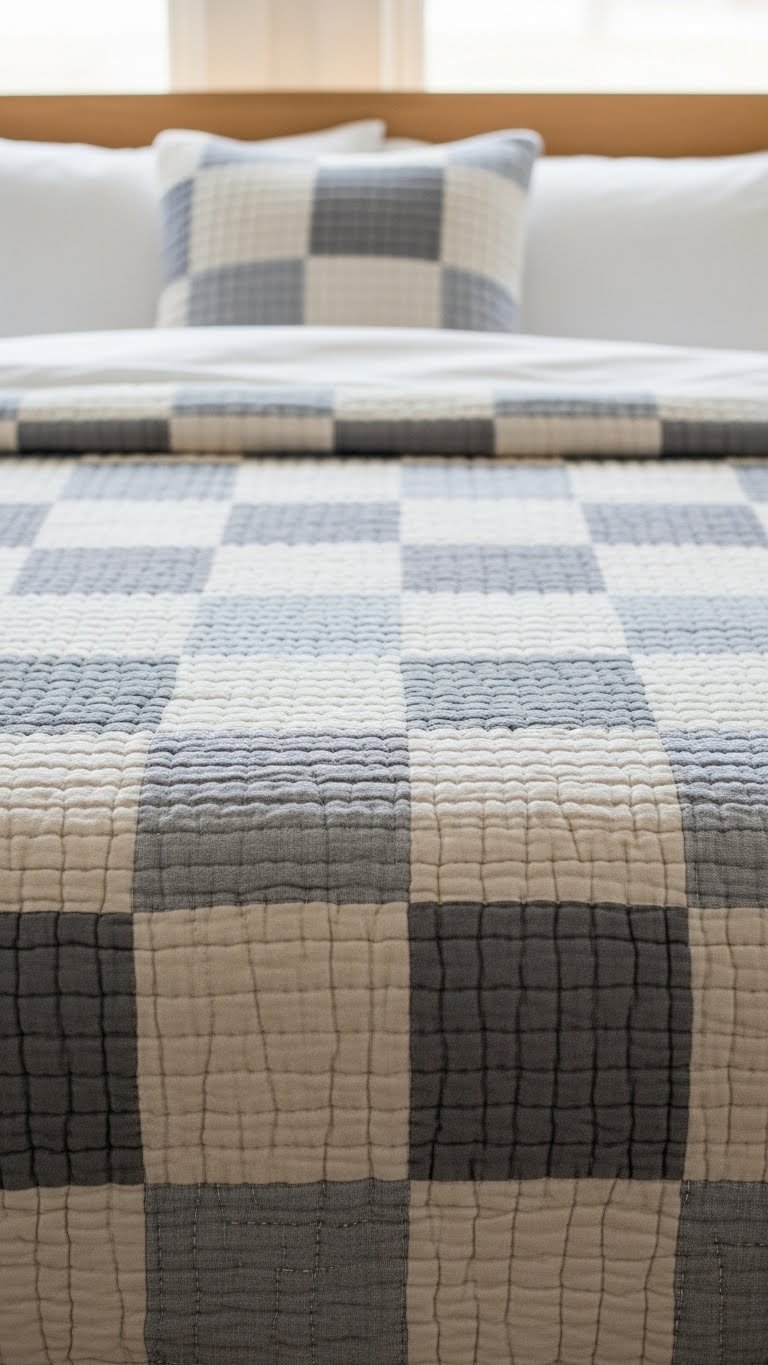
    3. Add a Quilted Throw Over Your Duvet

    Duvets are practical but impersonal; quilts add nostalgic warmth and visible craftsmanship that photographs beautifully and feels like home.

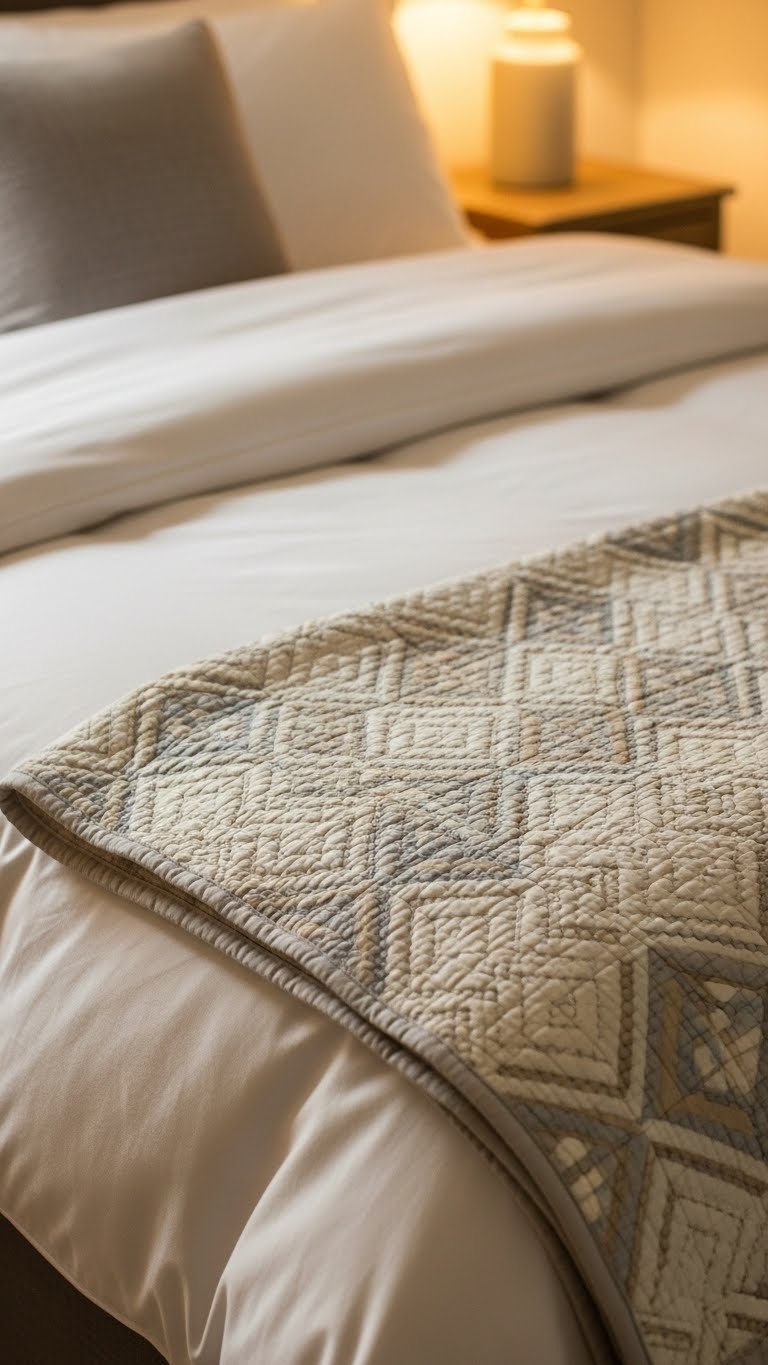
    Drape a lightweight quilted throw ($60–$150) across the foot of your bed or fold it at the headboard. Etsy sellers offer handmade quilts starting at $80; thrift stores often have vintage quilts for $15–$40. This requires zero installation—just arrange and adjust. Machine-washable quilts make maintenance simple. The layering creates visual depth and that grandmillennial-meets-Scandinavian vibe trending in 2025.

    You get an heirloom-quality focal point and the cozy texture that makes a bedroom feel lived-in.

    4. Install Floor-to-Ceiling Linen Curtains

    Standard curtain rods that end mid-wall interrupt sight lines; full-height curtains create luxury and seamless calm.

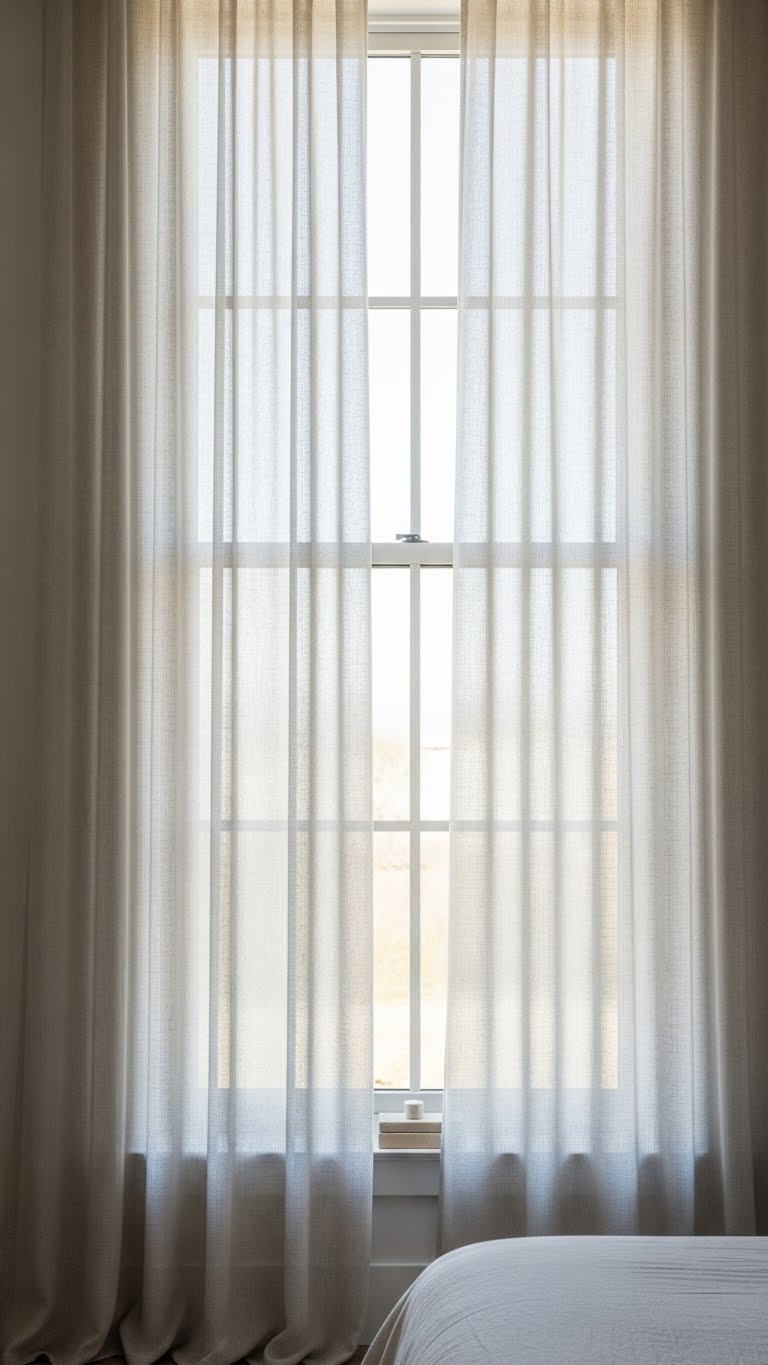
    Mount a simple rod ($20–$40 from IKEA or Home Depot) as close to the ceiling as possible and hang linen curtains ($80–$200 per panel, or budget options at Target for $25–$50 per panel). Linen wrinkles naturally—that’s the aesthetic. Measure twice, install with a drill in 30 minutes, or hire a handyman ($50–$100). Sheer linen filters light beautifully and maintains the airy Scandinavian feel while adding vertical drama.

    Your bedroom grows taller and feels like a high-end hotel suite.

    5. Use Textured Plaster or Limewash for Subtle Dimension

    Flat paint is clean but two-dimensional; textured walls add depth and break up the starkness of minimalism.

    Apply a limewash or textured plaster finish ($3–$8 per square foot if DIY with kits; $15–$25 per square foot if hiring a pro). Venetian plaster kits ($30–$60) are beginner-friendly for one accent wall. This takes 4–6 hours for a full wall with proper drying time, or call a painter for a more polished result ($500–$1,500 per room). The subtle variation catches light differently throughout the day, creating movement without visual clutter.

    Suddenly your calm walls have story and sophistication.

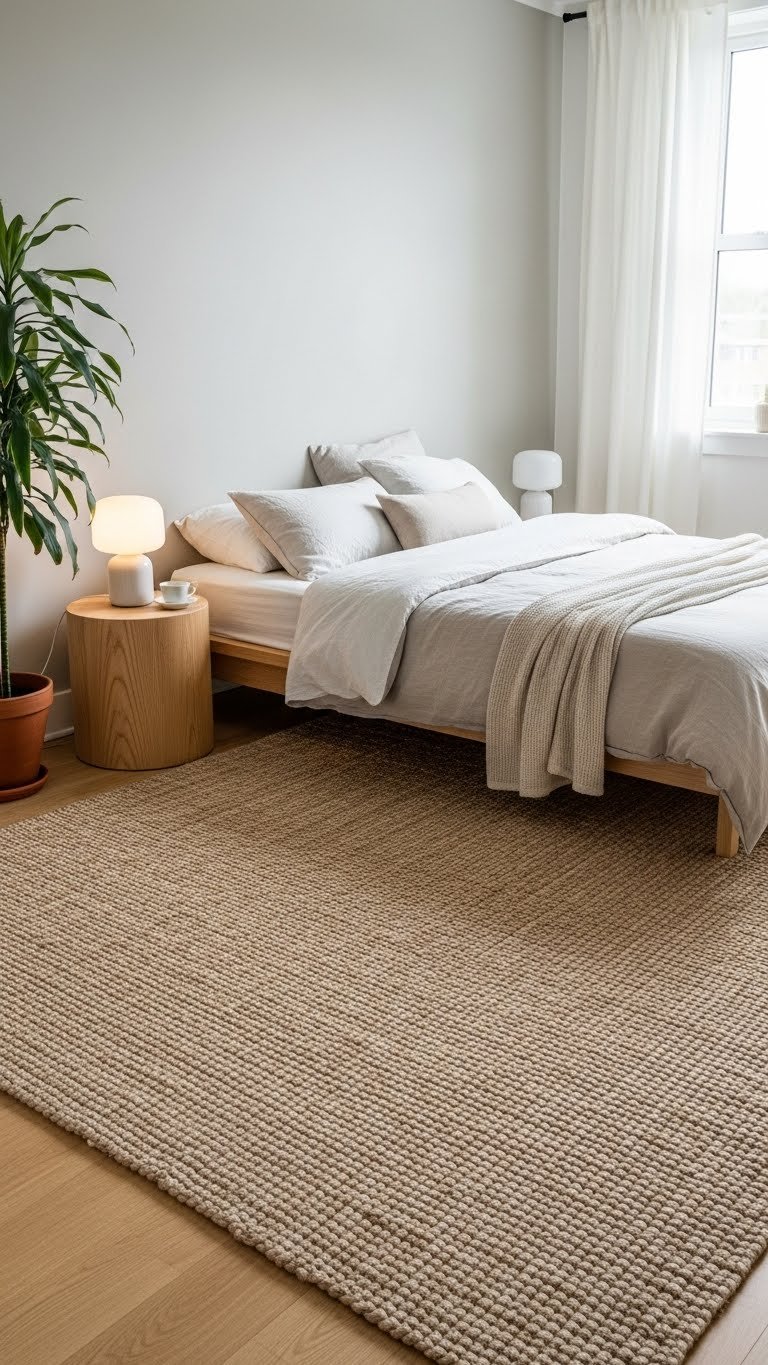
    6. Add a Natural Fiber Area Rug for Warmth Underfoot

    Hard floors feel cold and clinical; natural fiber rugs add acoustic warmth, softness, and grounding texture.

    Layer a jute or sisal rug ($100–$300 for 8×10) under your bed or across the room. Rugs USA, Wayfair, and IKEA stock these affordably. Place it before making your bed so it anchors the space. A good rug lasts 5–7 years and ages beautifully. Vacuum weekly and spot-clean with mild soap. Pair it with soft socks or light carpet slippers for texture underfoot—small sensory touches matter in Scandinavian design.

    You’ve created a tactile welcome the moment your feet touch the floor.

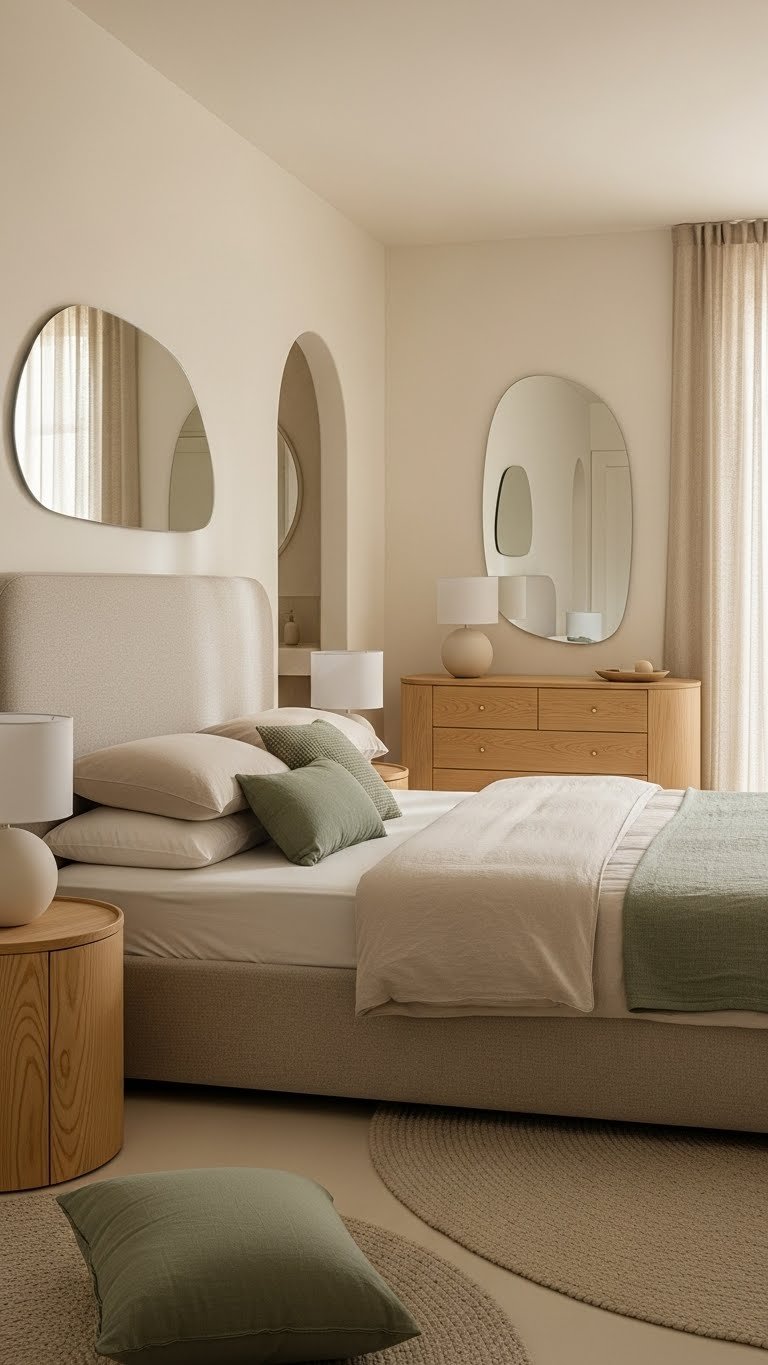
    7. Incorporate Rounded Furniture to Soften Hard Lines

    Angular furniture feels sharp and tense; curved pieces calm the nervous system and modern soft lines replace harsh corners trending in 2025.

    Swap angular nightstands for curved options—Article, Wayfair, and IKEA now stock rounded tables ($80–$200). A curved headboard ($200–$800) is a bigger investment but anchors the room beautifully. Look for arcs in mirrors, shelving, and even lamps. Start with one curved element and build. This requires standard bed assembly (1–2 hours) or professional help ($50–$150).

    Rounded shapes make your bedroom feel safer and more human.

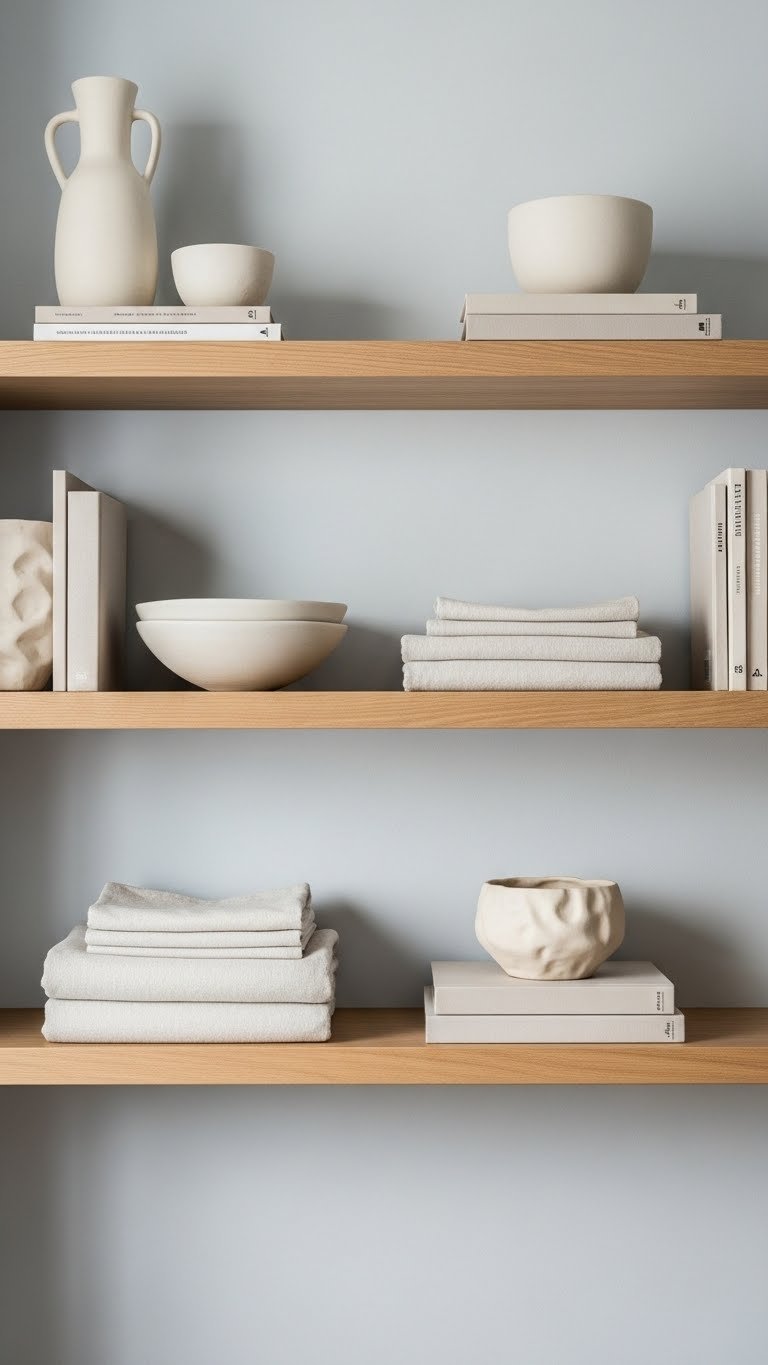
    8. Style Open Shelving with Books and Ceramics

    Blank walls read empty; styled shelving tells your story while maintaining clean lines.

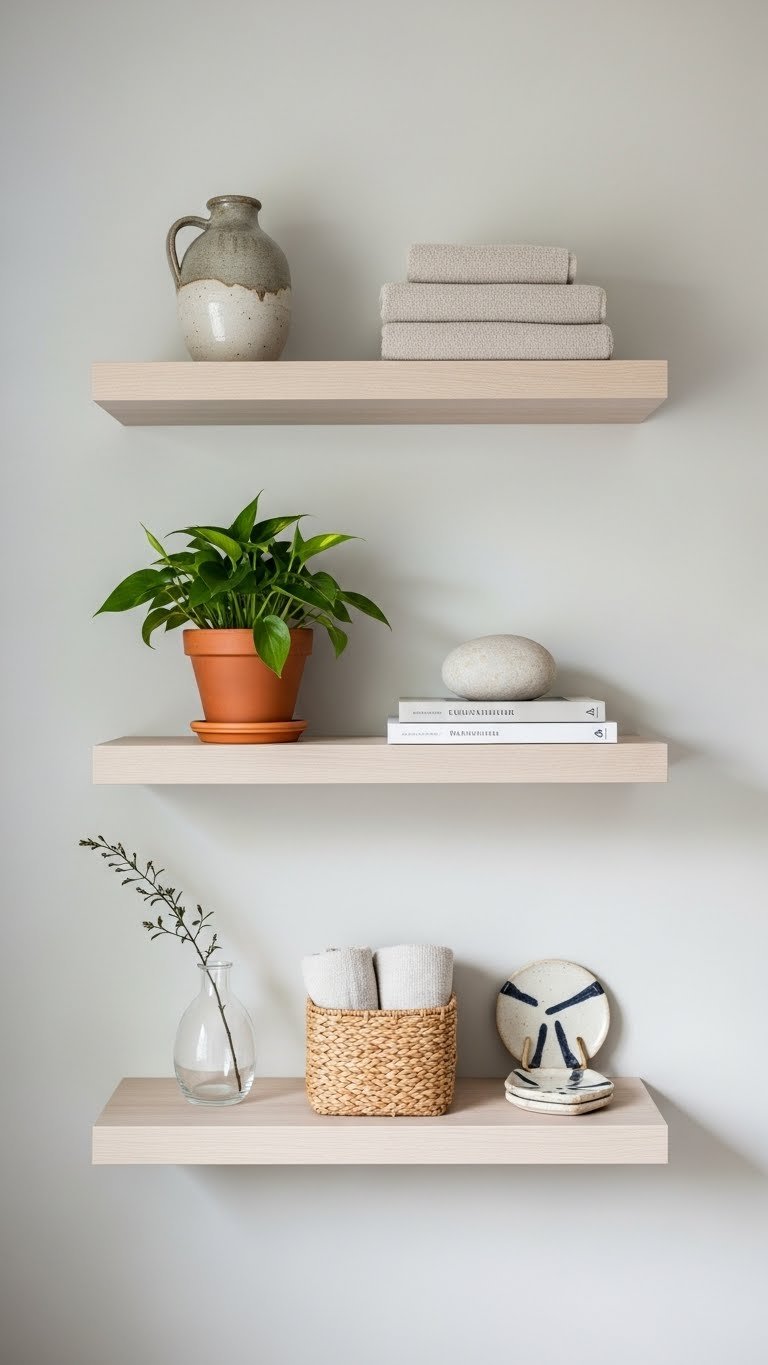
    Install floating shelves ($30–$80 per shelf, hardware included) using wall studs. Arrange items in groups of three using negative space—a ceramic bowl, folded linens, one small plant, a book. Thrifted ceramics ($5–$15 each) and library books cost nothing. Installation takes 30–45 minutes with a drill. Keep items on the shelf touching only 40–50% of the surface; the empty space is part of the design.

    Open shelving becomes a quiet gallery that reflects your taste.

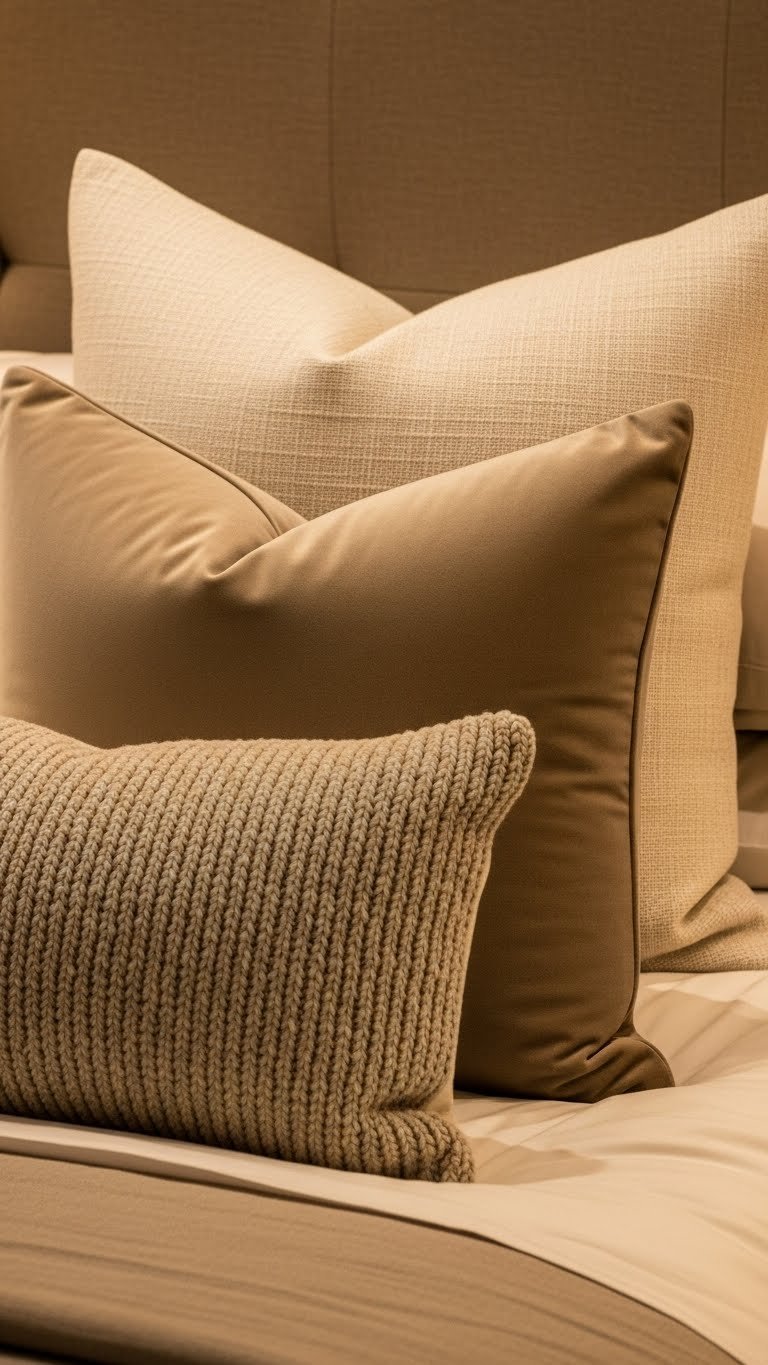
    9. Layer Velvet Pillows in Neutral Tones

    Flat cotton pillows lack sensory appeal; layering different textures creates visual interest and invites touch.

    Buy 2–3 velvet or linen throw pillows ($30–$80 each) in warm neutrals like taupe, warm white, or soft gold. Mix textures: pair smooth velvet with nubby linen or chunky knit. Arrange three pillows horizontally for balance. Pillows dry-clean easily or hand-wash depending on fill. This takes five minutes to arrange. Update seasonal colors without major changes by swapping covers.

    Your bed becomes a textural landscape that draws the eye and beckons.

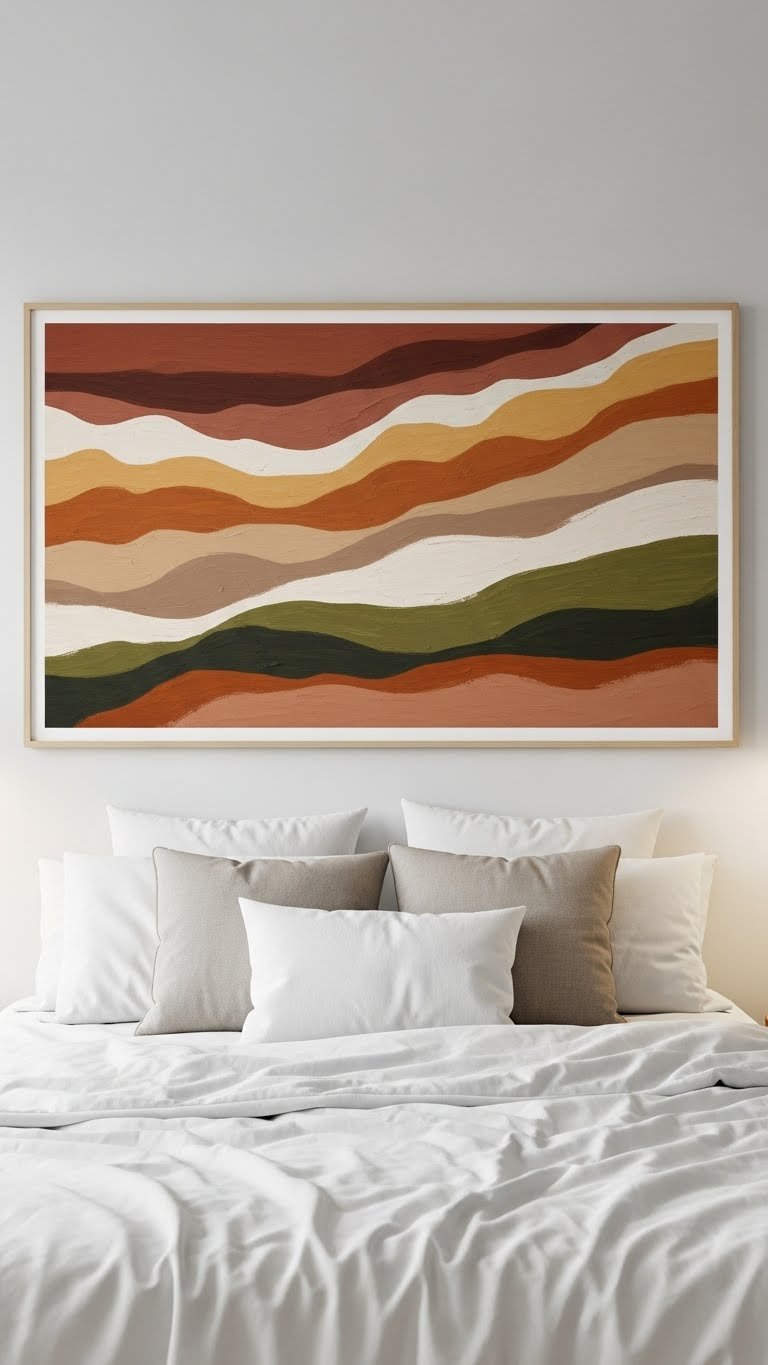
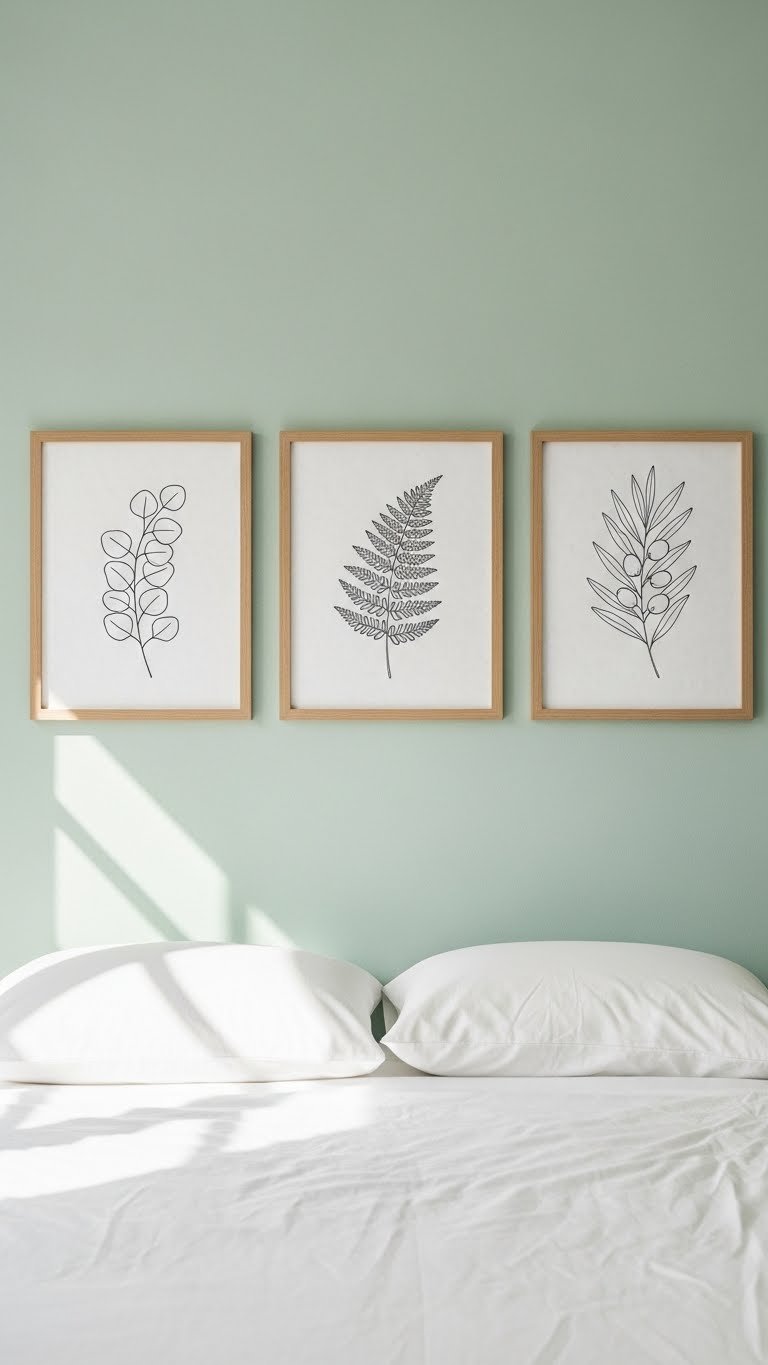
    10. Hang Botanical Wall Art or Line Drawings

    Blank walls feel incomplete; art-led design anchors a room and creates a focal point without clutter.

    Commission prints from Etsy ($25–$60 each) or buy gallery-quality options from Minted, Desenio, or local artists ($40–$150 per print). Stick with florals, botanicals, or abstract line work in blacks, grays, and golds for cohesion. Frame in natural wood ($15–$40 per frame) and hang above your bed or accent wall. Arrange three prints in a grid or salon-style layout—measure, use a level, hang in 30 minutes. This is a renter-friendly update if you use damage-free hanging strips.

    Art personalizes the space without adding physical clutter.

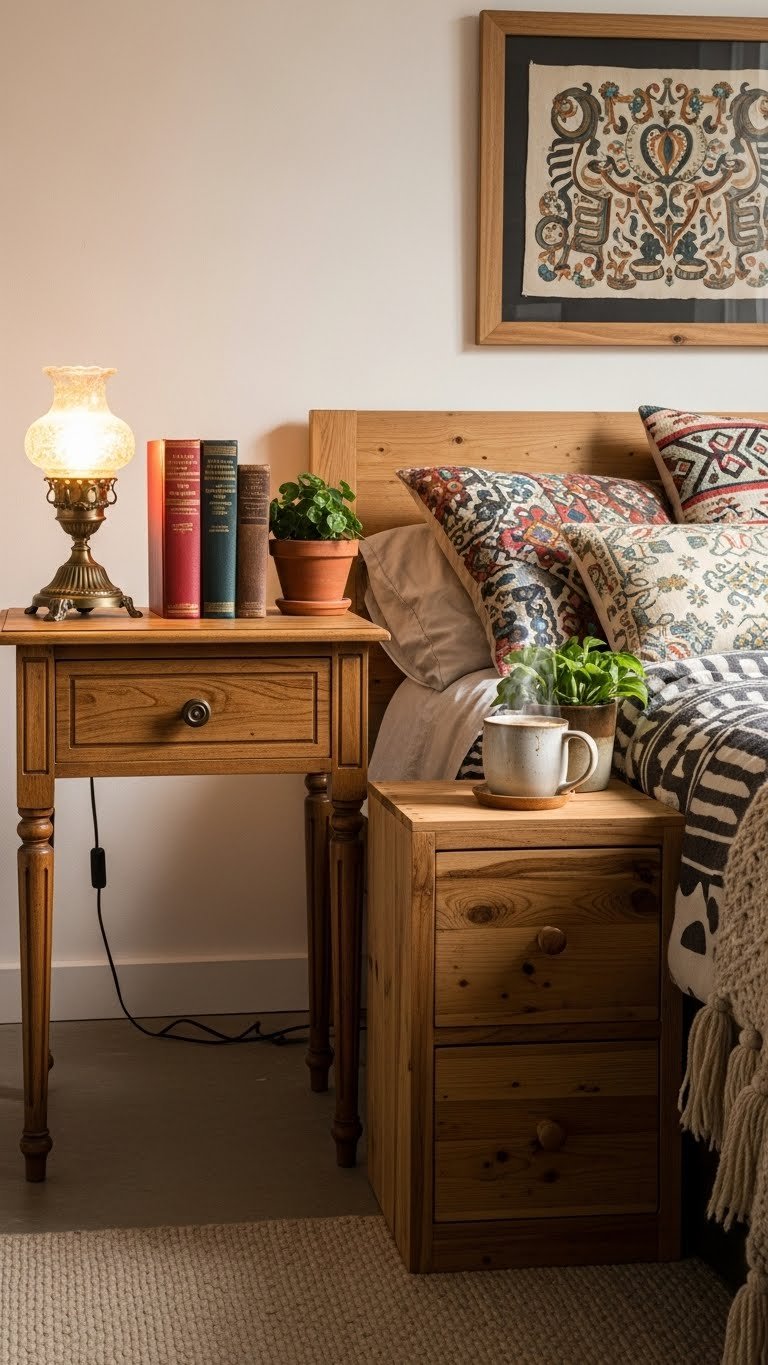
    11. Source Vintage Nightstands from Thrift Stores

    Mass-produced furniture lacks soul; secondhand pieces carry history and cost a fraction of retail.

    Visit local thrift stores, Craigslist, or Facebook Marketplace for solid wood nightstands ($15–$50 each). Look for simple designs with good bones—tapered legs, natural wood finish, one or two drawers. Transport and arrange yourself to save money. Light sanding ($5 in supplies) refreshes the finish. This adds character while being budget-conscious and sustainable. Mismatched pairs (different heights, styles) read intentional in Scandinavian design.

    Your bedroom gains authenticity and tells a story of curation.

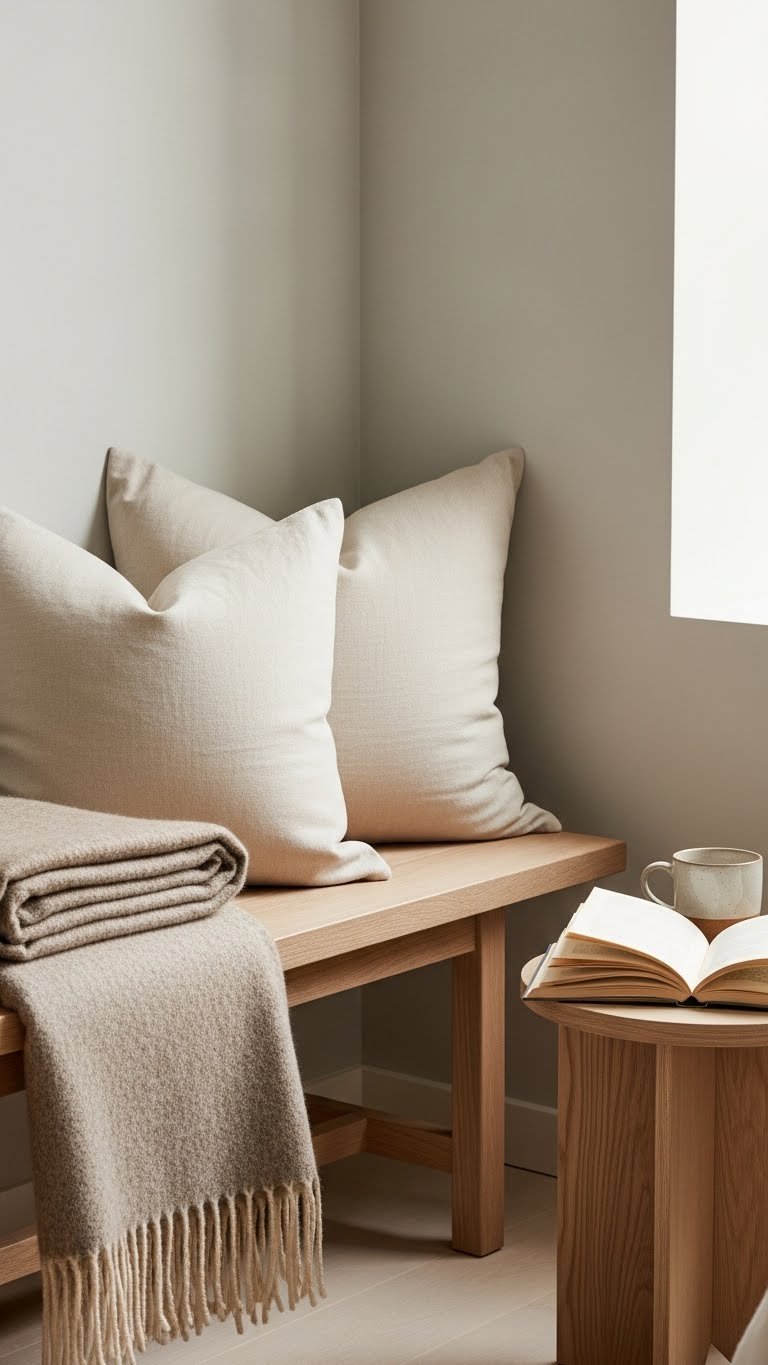
    12. Create a Reading Nook with a Low Seat

    Empty corners waste space; a simple reading spot invites slow mornings and quiet evenings.

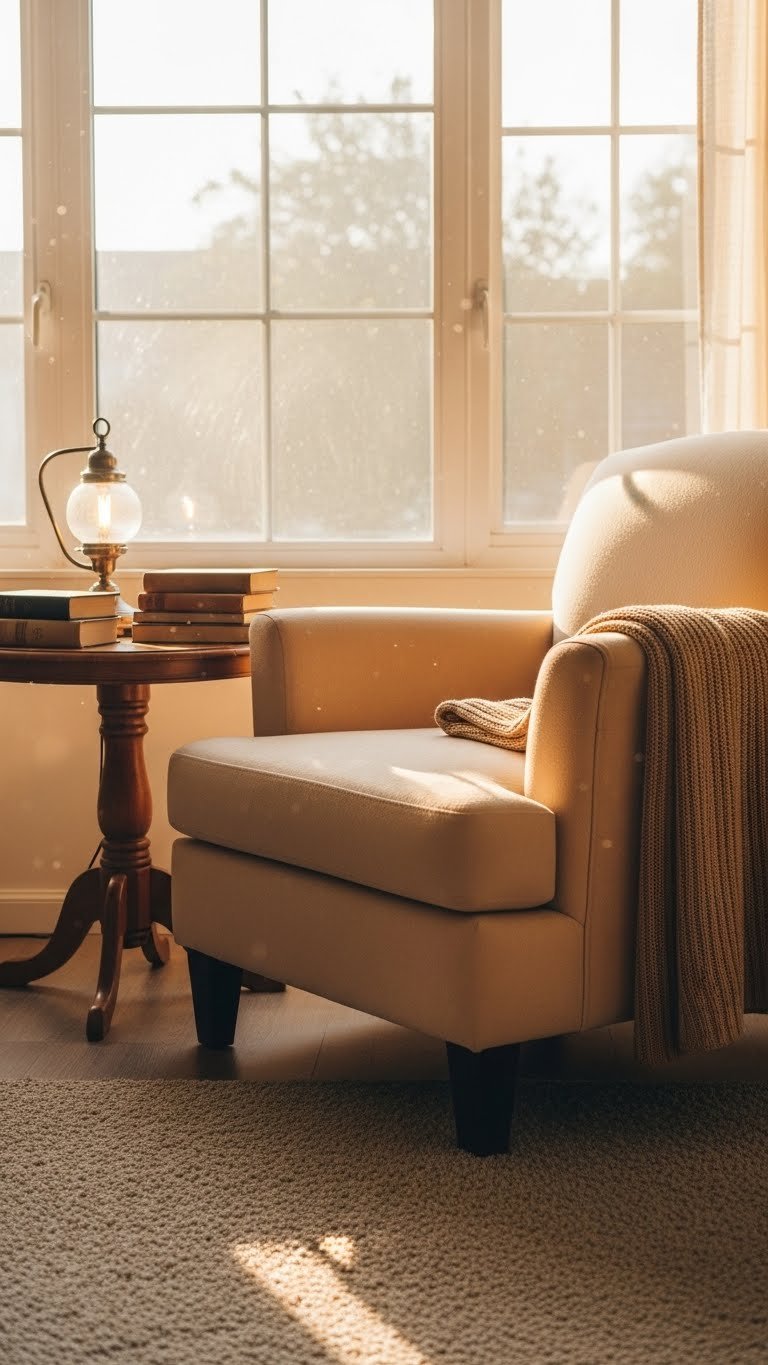
    Place a low wooden bench ($80–$200, IKEA or thrift) in a corner near the window. Layer it with linen or wool cushions and a throw ($30–$100 total). Add a small side table and a book. This takes 15 minutes to arrange and zero installation. Use this corner as your phone-free morning routine zone. The visual break creates a secondary focal point and makes your room feel purposeful.

    Suddenly that dead corner becomes your favorite retreat.

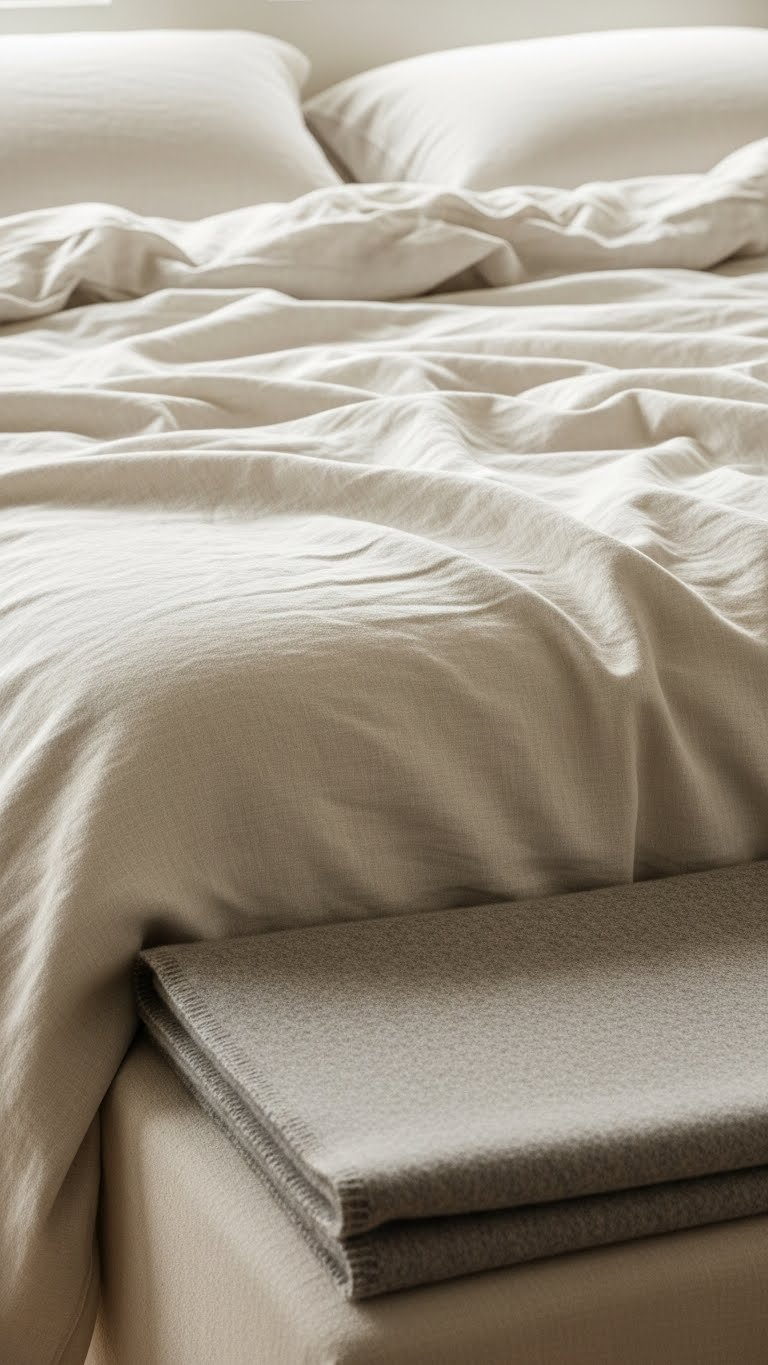
    13. Switch to Natural Fiber Bedding

    Synthetic fabrics trap heat and chemicals; natural materials regulate temperature and support sustainable, healthier sleep.

    Invest in linen sheets ($80–$200 for a set, or budget options at Target for $40–$60), wool blankets ($100–$300), or organic cotton ($60–$150). Brands like Parachute, Brooklinen, and Woolroom specialize in this. Linen wrinkles—embrace it as aesthetic, not a problem. Wash in cool water and air-dry to extend life. Quality natural bedding lasts 5–10 years and softens over time. Yes, upfront cost is higher, but cost-per-wear is ultimately lower.

    You sleep better, feel more comfortable, and support eco-conscious production.

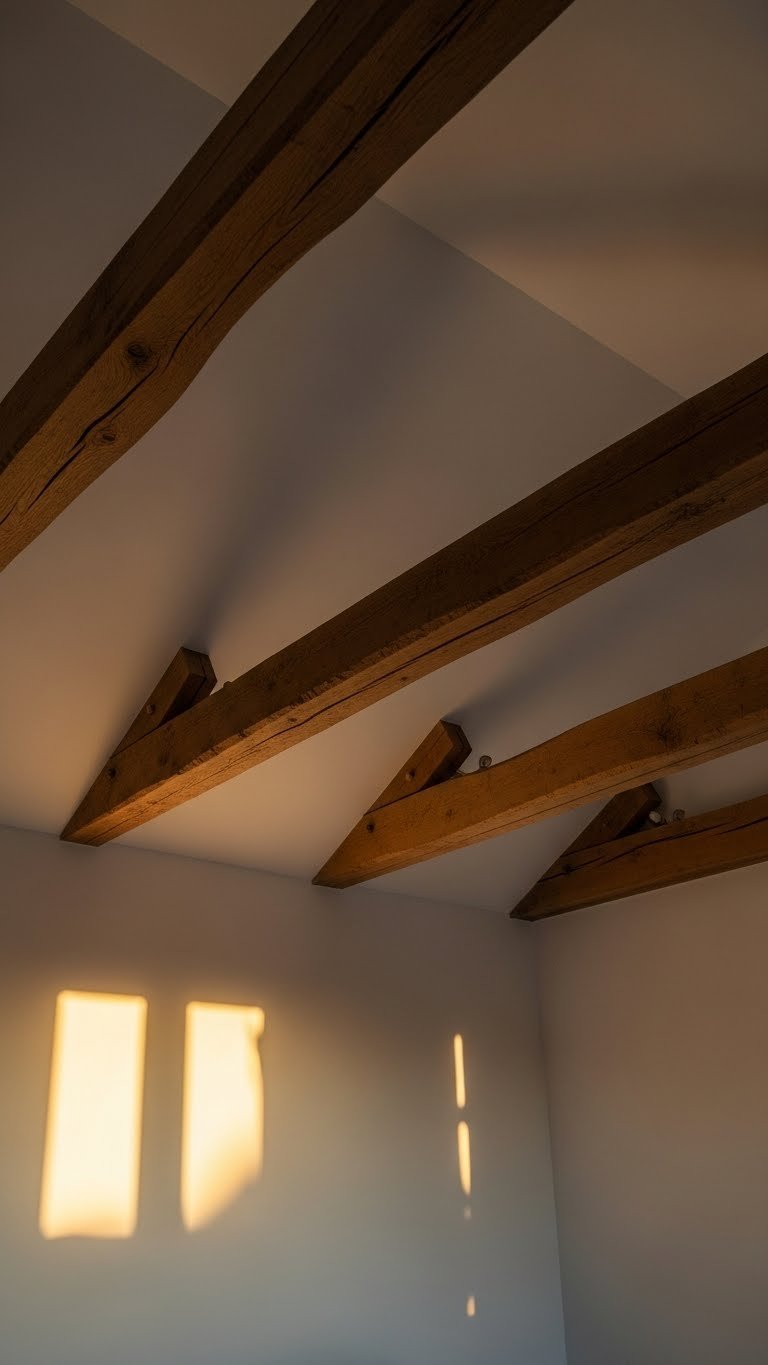
    14. Paint Your Ceiling a Soft Warm Tone

    Stark white ceilings feel cold and institutional; warm tones make the room feel cozier and more enclosed.

    Paint your ceiling in Benjamin Moore “Cloud White” or a warm cream ($40–$60 per gallon). Ceiling paint takes one gallon for most bedrooms. DIY this in 3–4 hours with a roller on an extension pole ($15–$20), or hire a pro ($300–$600). Primer helps coverage. A warm-toned ceiling makes even tall rooms feel more intimate and cohesive with your wall color.

    Your space becomes a warm cocoon instead of a cold box.

    15. Add Indoor Plants in Strategic Clusters

    Plants connect us to nature and improve air quality; strategic placement avoids clutter while maximizing biophilic benefit.

    Group 3–5 plants on your windowsill or in a corner ($10–$40 per plant for low-maintenance varieties like snake plant, pothos, or ZZ plant). Use simple ceramic or terracotta pots ($8–$20 each) for visual cohesion. Water weekly and rotate quarterly for even growth. Plants require five minutes of care per week. Clustered groupings feel intentional; scattered singles read chaotic.

    Your bedroom gains life, freshness, and a subtle connection to the natural world.

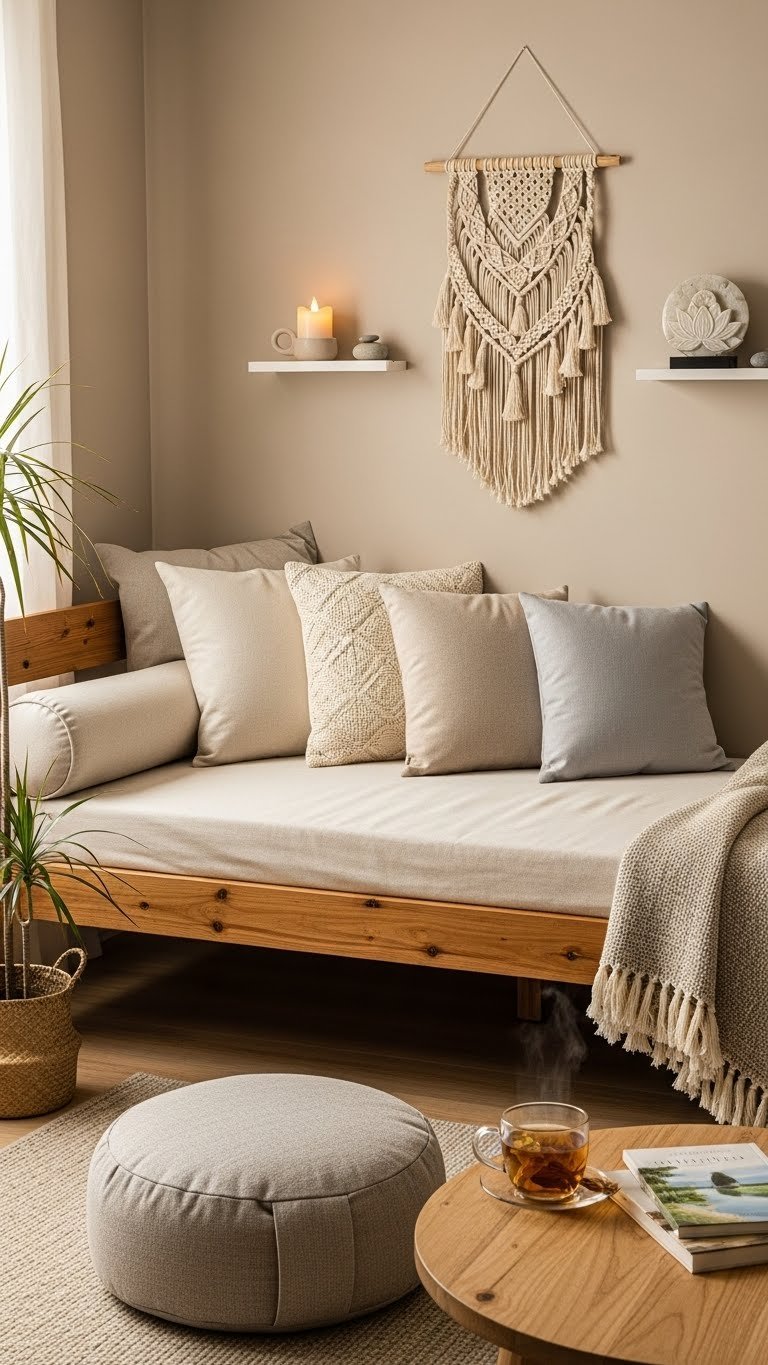
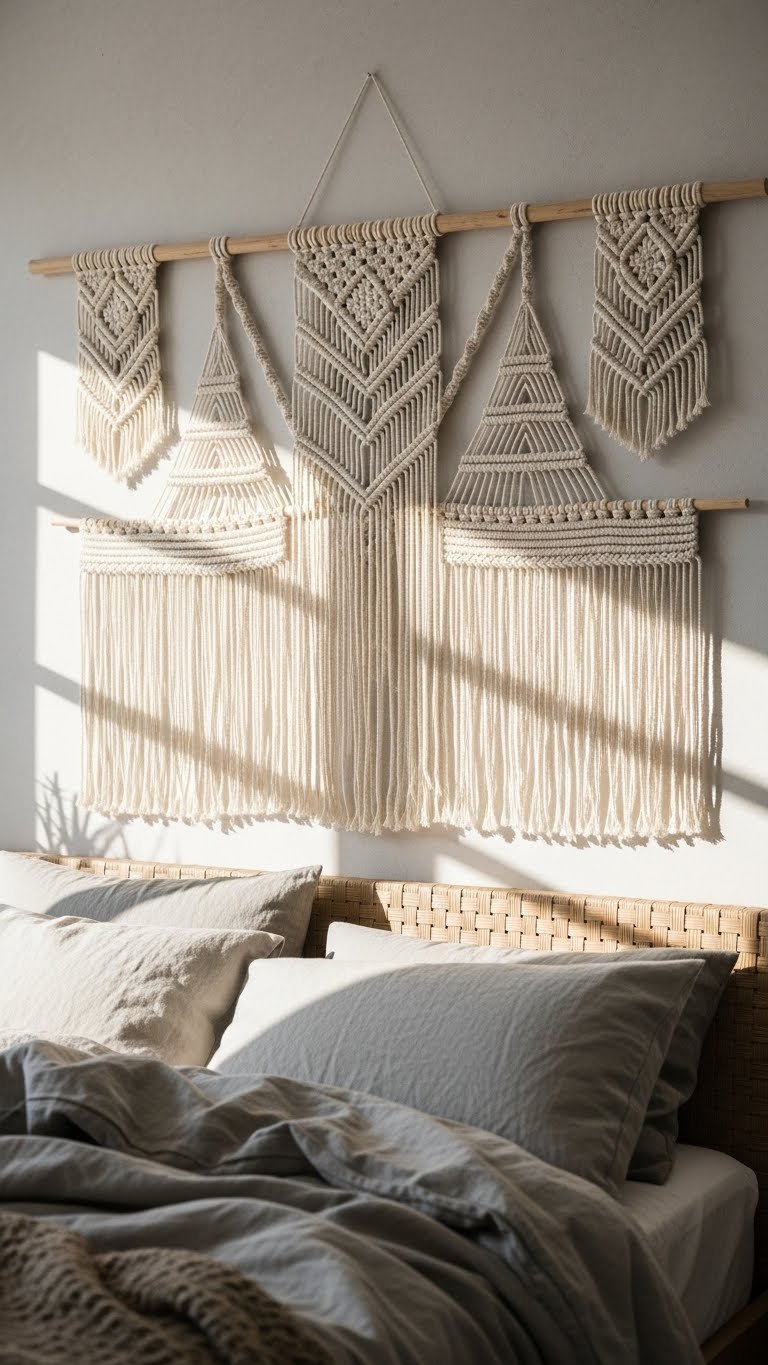
    16. Hang a Macramé Wall Hanging for Texture

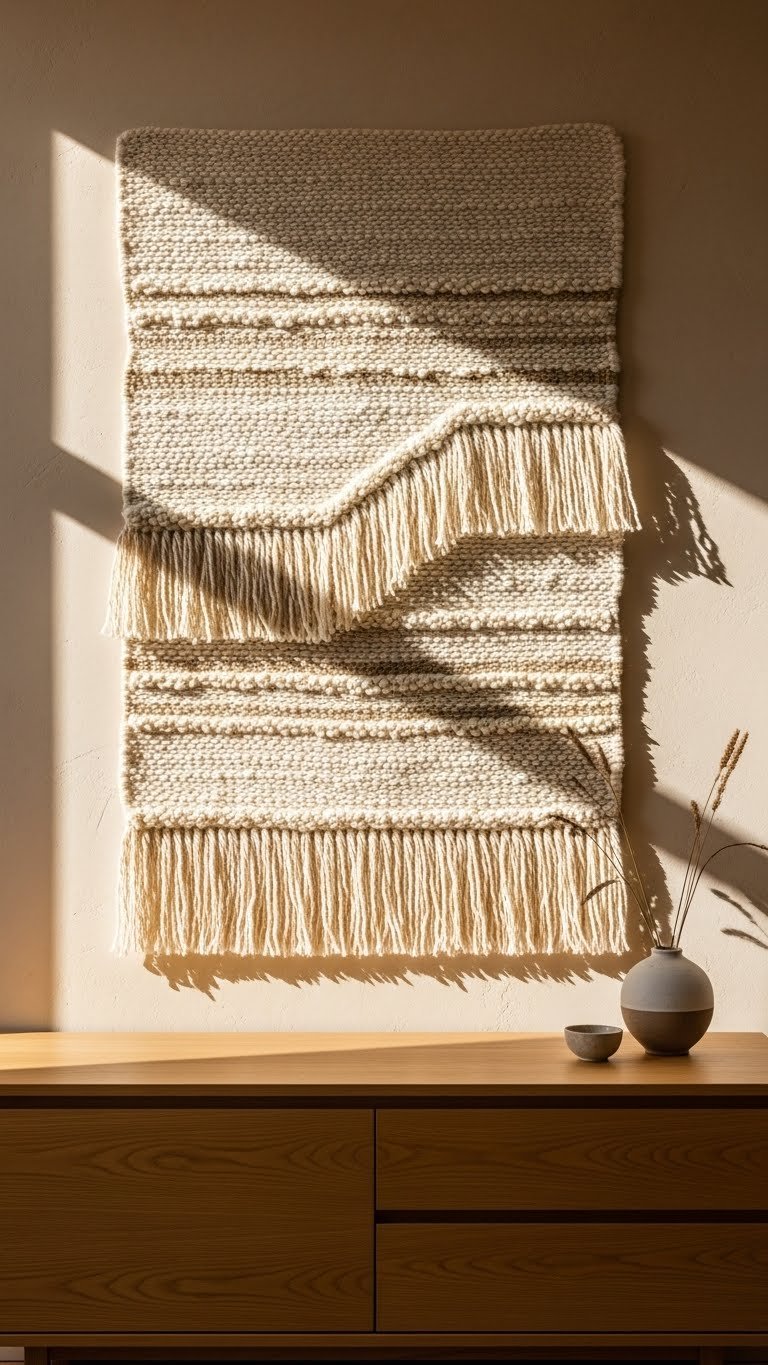
    Macramé bridges boho and minimalism without overdoing the trend—simple geometric pieces stay clean while adding dimensional texture.

    Source a minimalist macramé hanging ($30–$100) from Etsy, Urban Outfitters, or Anthropologie. Look for neutral colors and simple geometric patterns—avoid heavily fringed or overly complex designs. Hang with a single nail or adhesive hook. This takes five minutes and renter-friendly options exist. One statement piece above the bed or two smaller ones flanking a mirror work well. Dust quarterly with a soft brush.

    Handmade texture without sacrificing that calm, clean aesthetic.

    17. Install a Curved Mirror to Expand Space Visually

    Standard rectangular mirrors feel cold; curved mirrors add organic shape, bounce light, and make rooms feel larger.

    Hang a circular or arched mirror ($80–$300) opposite your window to reflect natural light. Wood frames ($50–$150) feel warmer than metal. Installation is one nail or wall anchor; takes five minutes. A 24–32 inch diameter works for most bedrooms without overwhelming the space. Hang at eye level when standing. This is a renter option using damage-free strips.

    Reflected light makes your bedroom feel airier while adding sculptural interest.

    18. Layer a Lightweight Wool Throw Blanket

    One duvet is functional but flat; a textured throw adds depth, warmth, and invites curling up.

    Drape a lightweight wool throw ($60–$180) at the foot of your bed or fold it on a chair. Brands like Pottery Barn, Restoration Hardware, and Etsy makers offer quality options. Wool regulates temperature—warm in winter, breathable in summer. Wool is naturally stain-resistant; spot-clean only. This takes two minutes to arrange and creates the layered, lived-in look trending in 2025.

    Your bed becomes a nest you want to sink into every night.

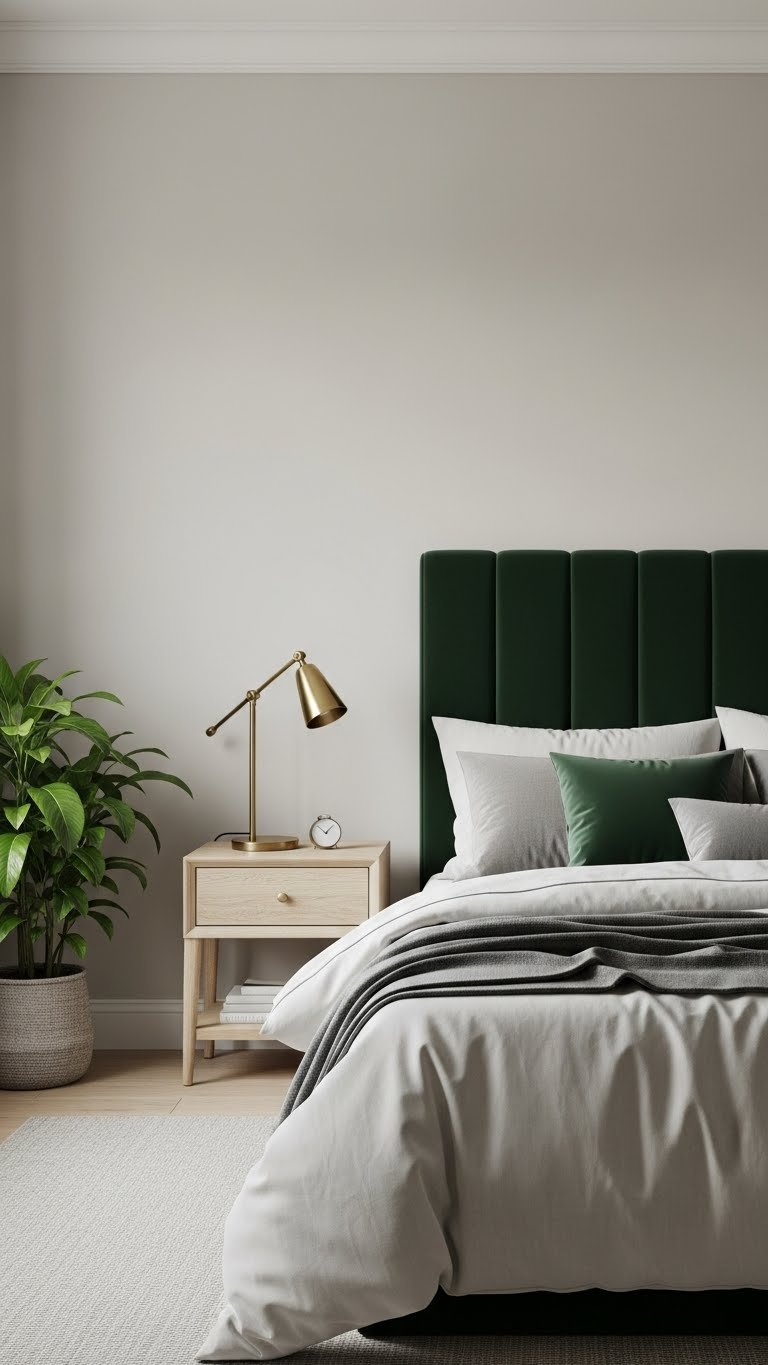
    19. Use a Neutral Color Palette with One Statement Accent

    All-white minimalism feels sterile; one bold accent color adds personality without chaos.

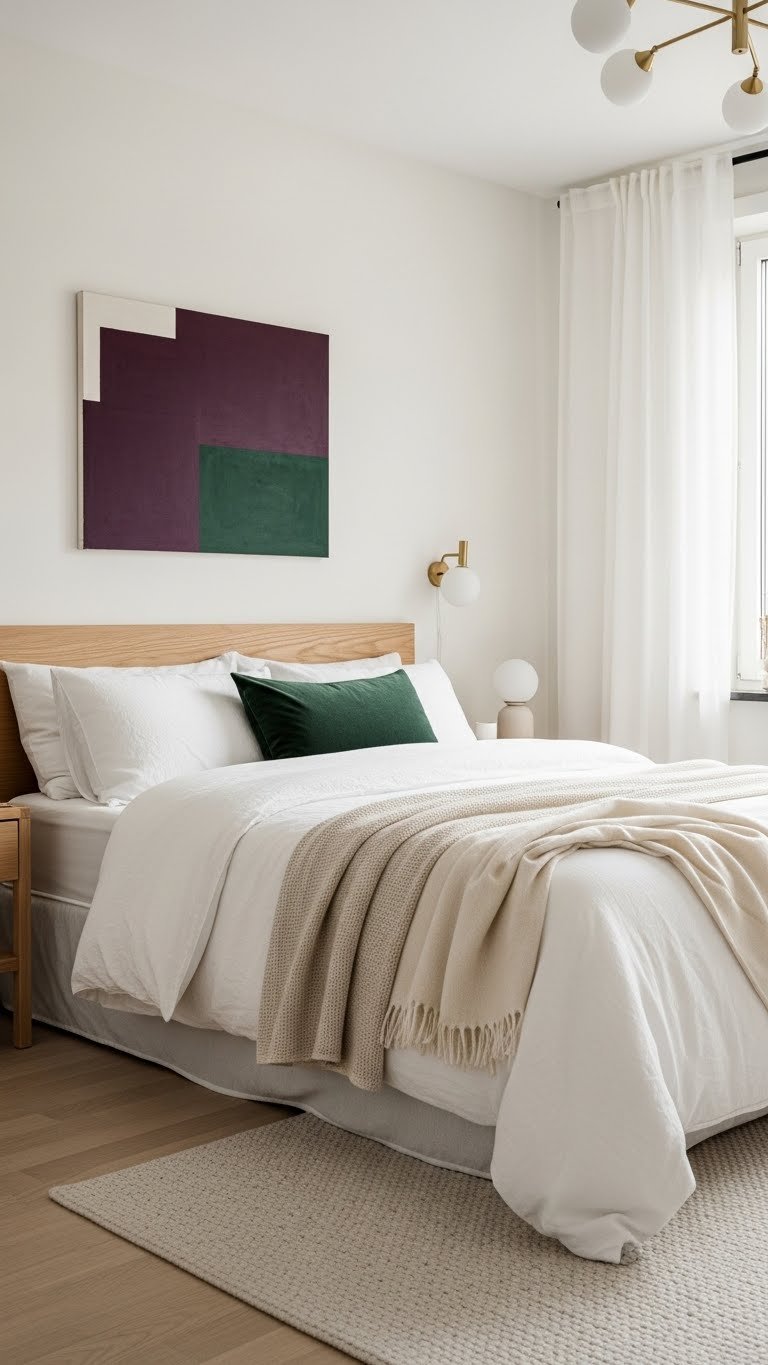
    Choose one accent color—forest green, aubergine, terracotta, or cherry red (trending up 325% in searches)—and use it in exactly one place: a pillow ($40–$80), an art print ($50–$150), or a throw blanket ($80–$180). Everything else stays neutral. This discipline makes the accent feel intentional, not random. Swap the accent piece seasonally or yearly for freshness without repainting.

    One pop of color becomes the conversation starter while respecting minimalist restraint.

    20. Swap Out Your Headboard for a Curved or Upholstered One

    A plain wall behind your bed is missed opportunity; a curved headboard adds texture, comfort, and visual anchor.

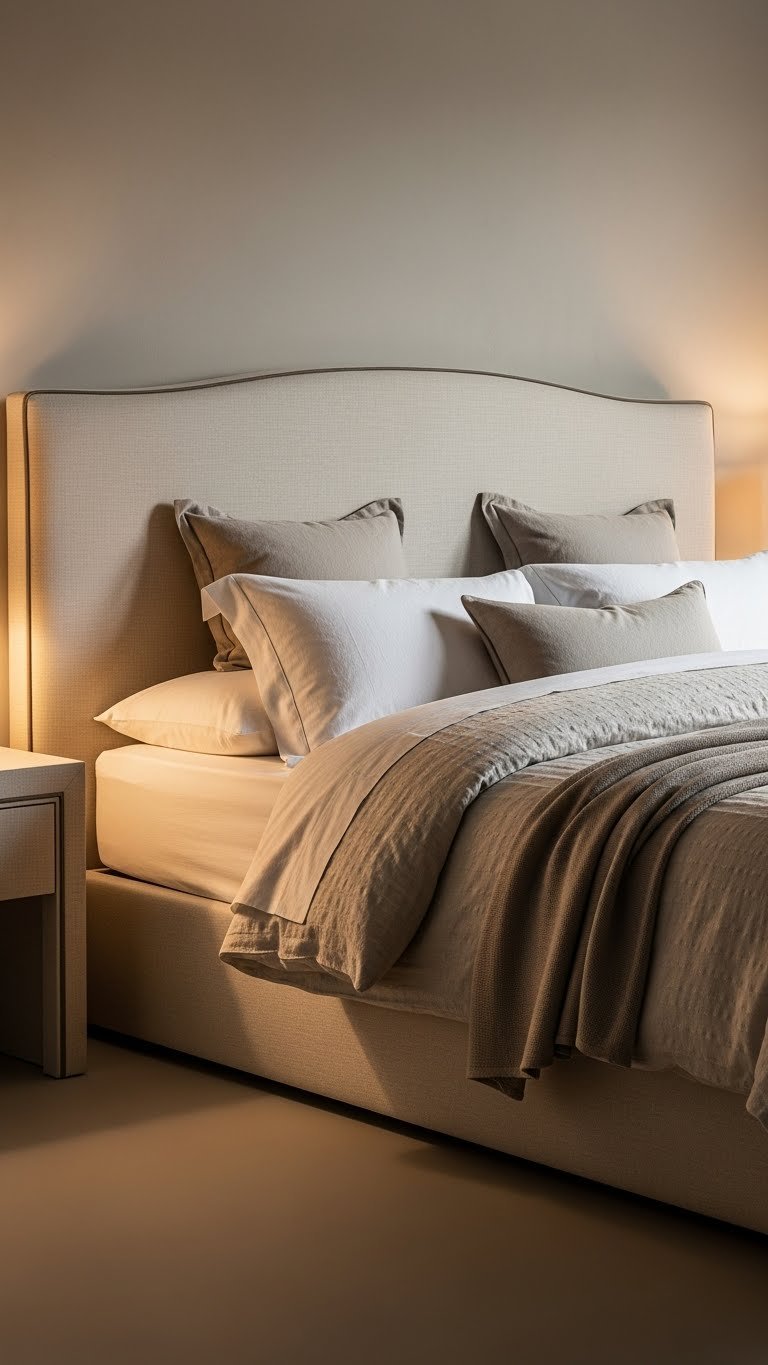
    Replace a basic headboard with a curved upholstered option ($200–$800 depending on size and material). Look for linen upholstery in warm neutrals. This is an investment piece but transforms the entire room’s focal point. Assembly takes 1–2 hours or hire help ($50–$100). If you rent, some headboards attach without damaging walls. A headboard instantly upgrades any bed frame and makes mornings feel more luxurious.

    Your bed becomes a statement piece that justifies spending time in your bedroom.

    21. Create Floating Shelving for Minimalist Storage

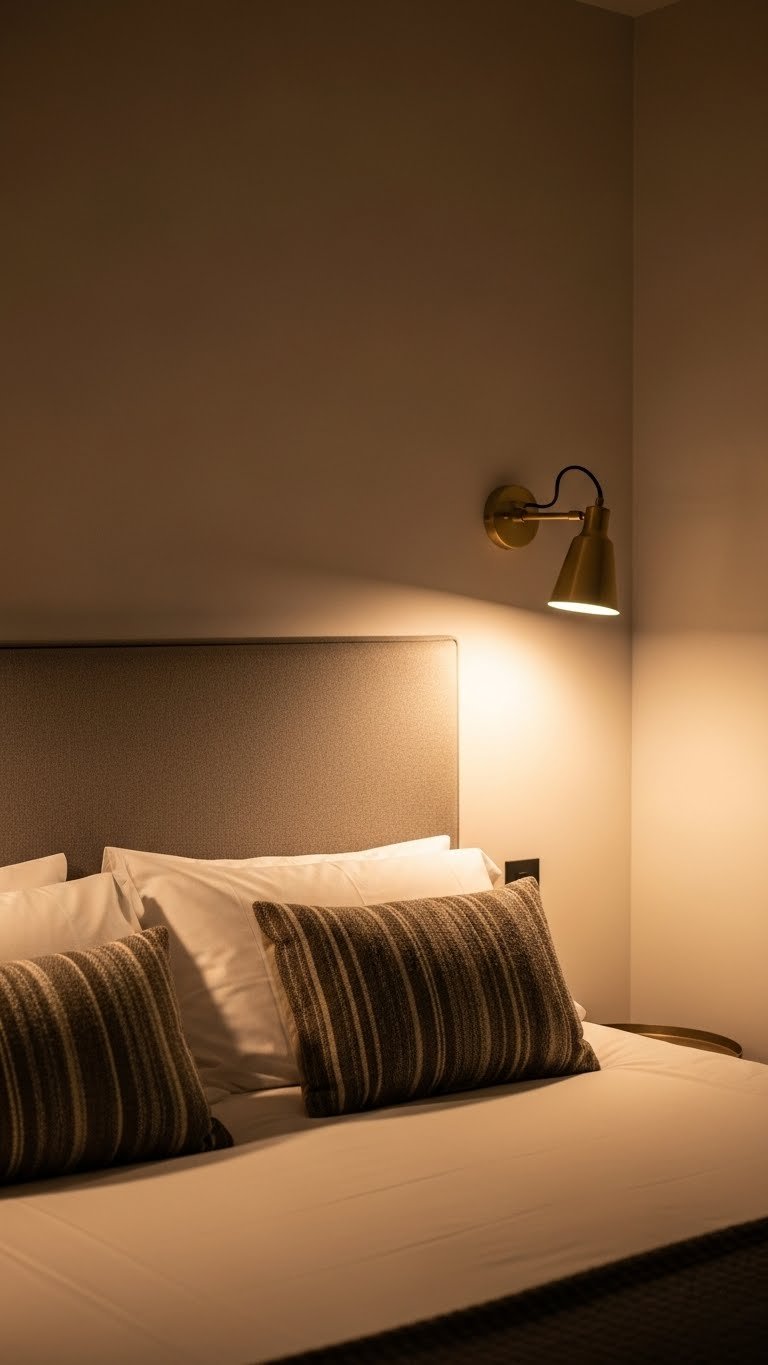
    Bulky dressers dominate small bedrooms; floating shelves provide storage while maintaining sight lines and airiness.

    Install 2–3 floating shelves ($50–$150 per shelf installed) using brackets and wall studs. Spread items across shelves with significant empty space—aim for 40–60% negative space. One ceramic bowl, a stack of folded linen, a single book. Installation takes 1–2 hours with a drill. This is a permanent fixture but gives renters an alternative to floor storage.

    Storage disappears into architecture; your room stays serene and organized.

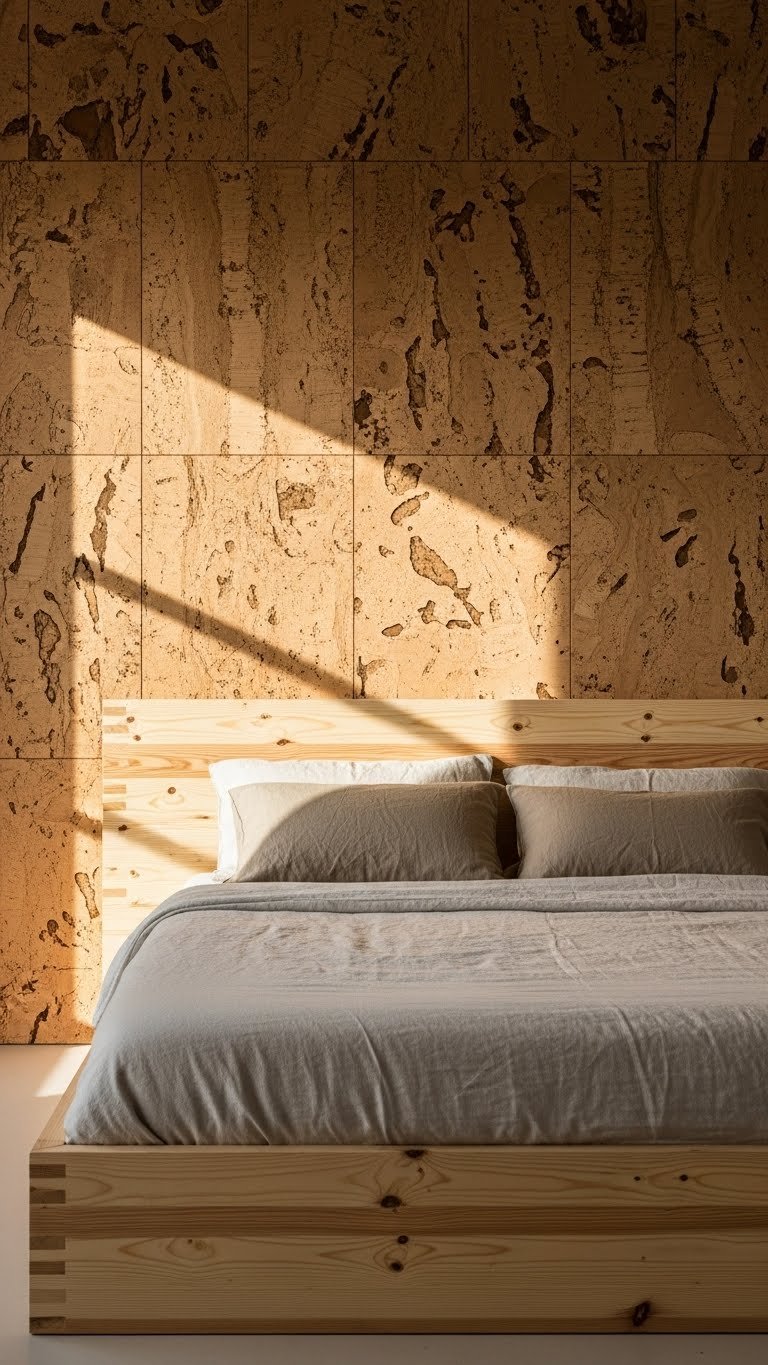
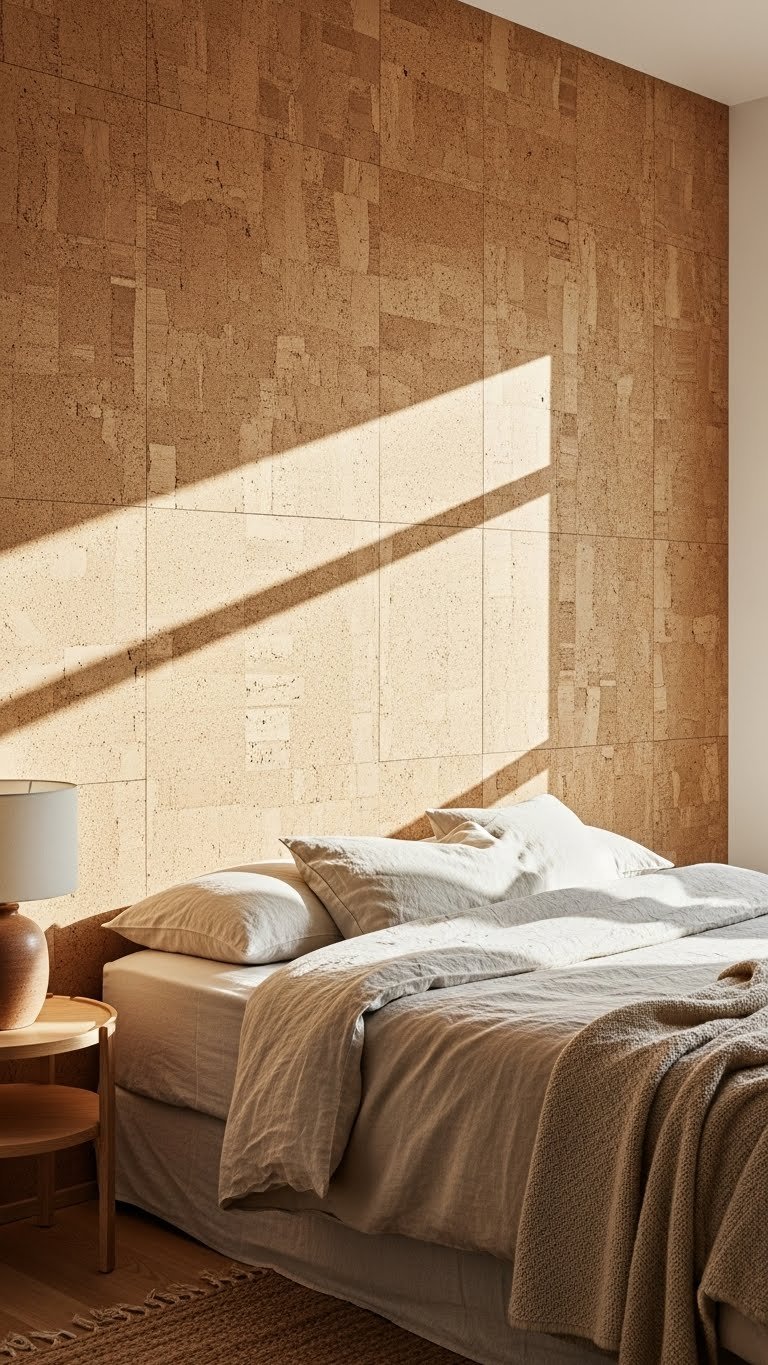
    22. Add Cork or Natural Fiber Wall Texture

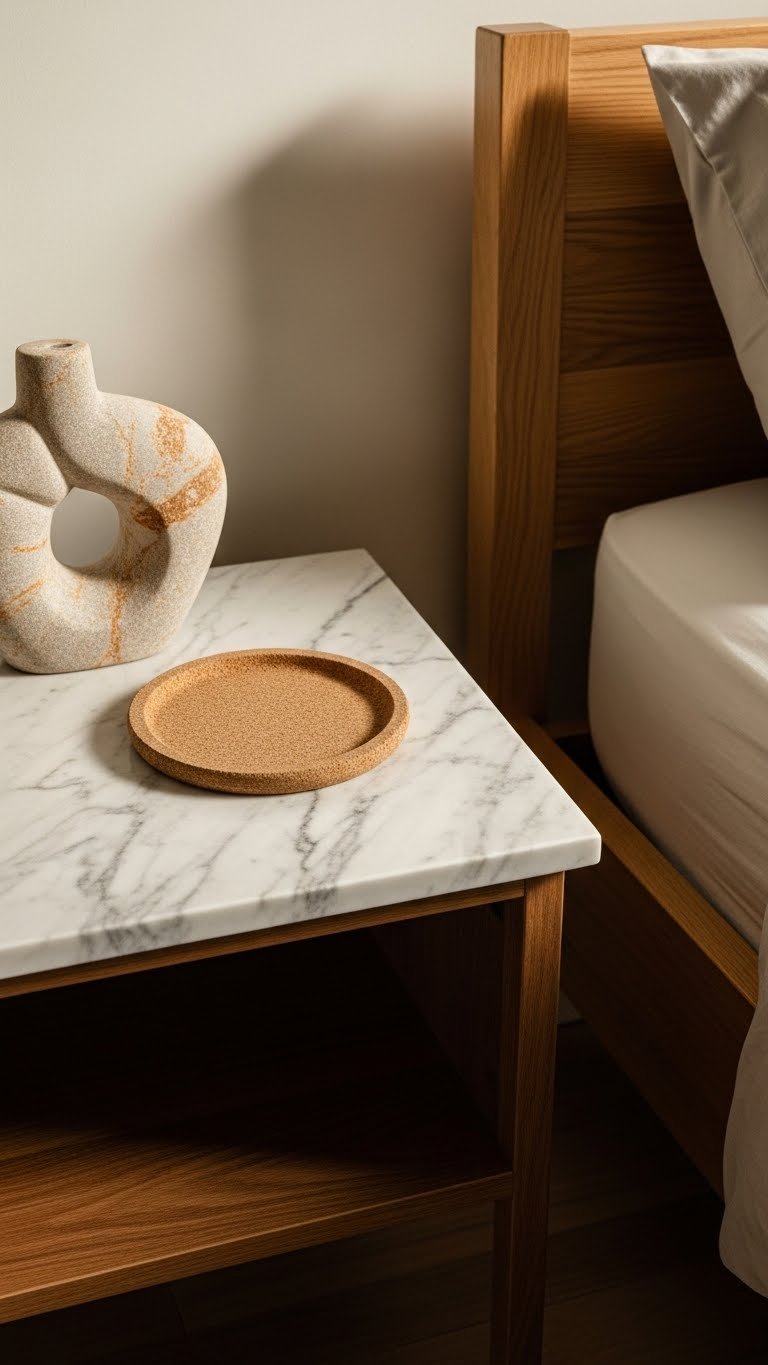
    Cork is trending in organic modernism—it’s warm, acoustic, tactile, and eco-friendly.

    Apply cork tiles ($20–$40 per square foot) or peel-and-stick cork wallpaper ($15–$25 per roll) to one accent wall. Installation takes 2–4 hours for DIY; hire help for $300–$600. Cork is renter-friendly if using adhesive-backed options, though removal takes care. It naturally dampens sound, keeps your room quieter, and adds subtle texture without visual clutter.

    Your wall becomes a warm, touchable surface that feels organic and grounded.

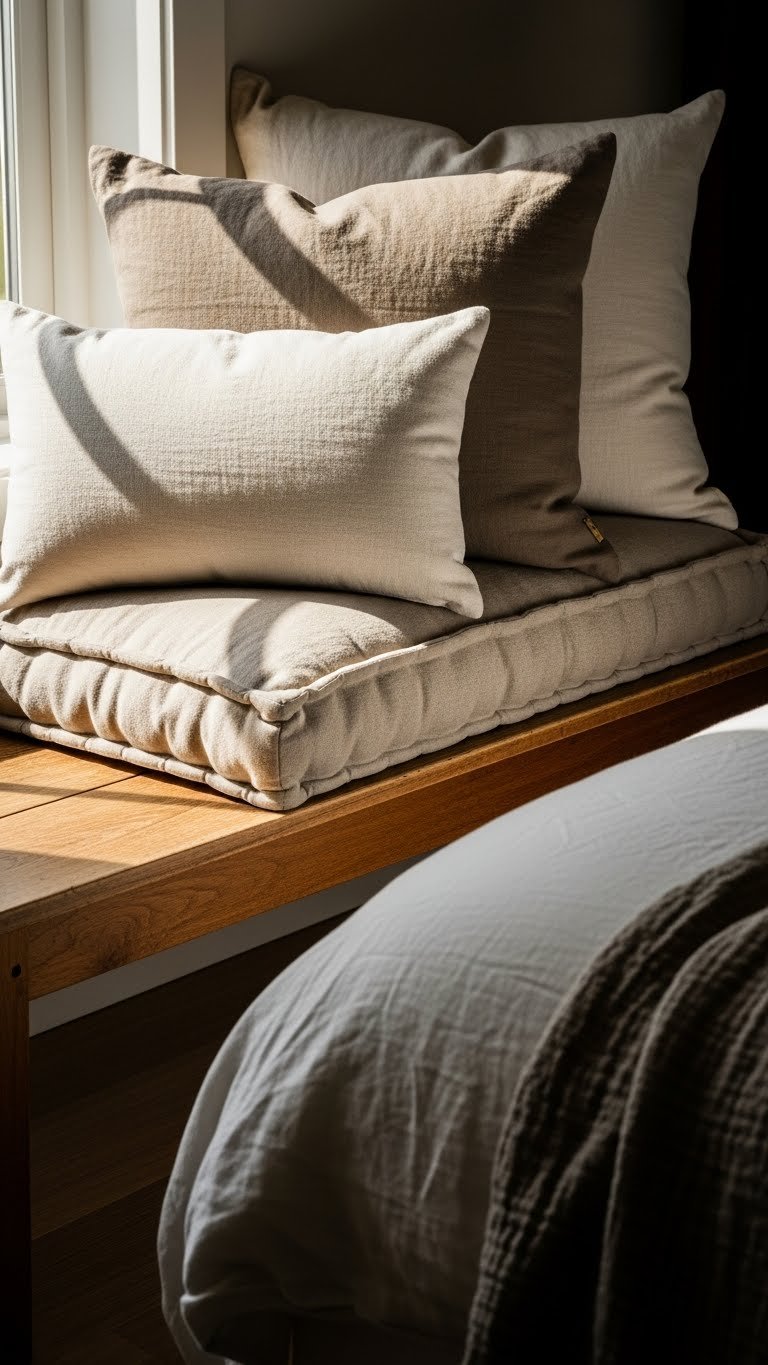
    23. Layer Simple Linen Cushions on a Bench or Window Seat

    A bare bench is utilitarian; layered cushions invite sitting and add texture without fussiness.

    Place 2–3 linen cushions ($25–$60 each) on a bench using removable covers. Mix neutral tones—cream, taupe, warm gray—for cohesion. This takes five minutes to arrange and costs $60–$180 total. Covers wash easily. Cushions also work on window seats or at the foot of your bed. Layer different thicknesses for visual depth.

    Simple comfort becomes the hero of your room’s secondary seating.

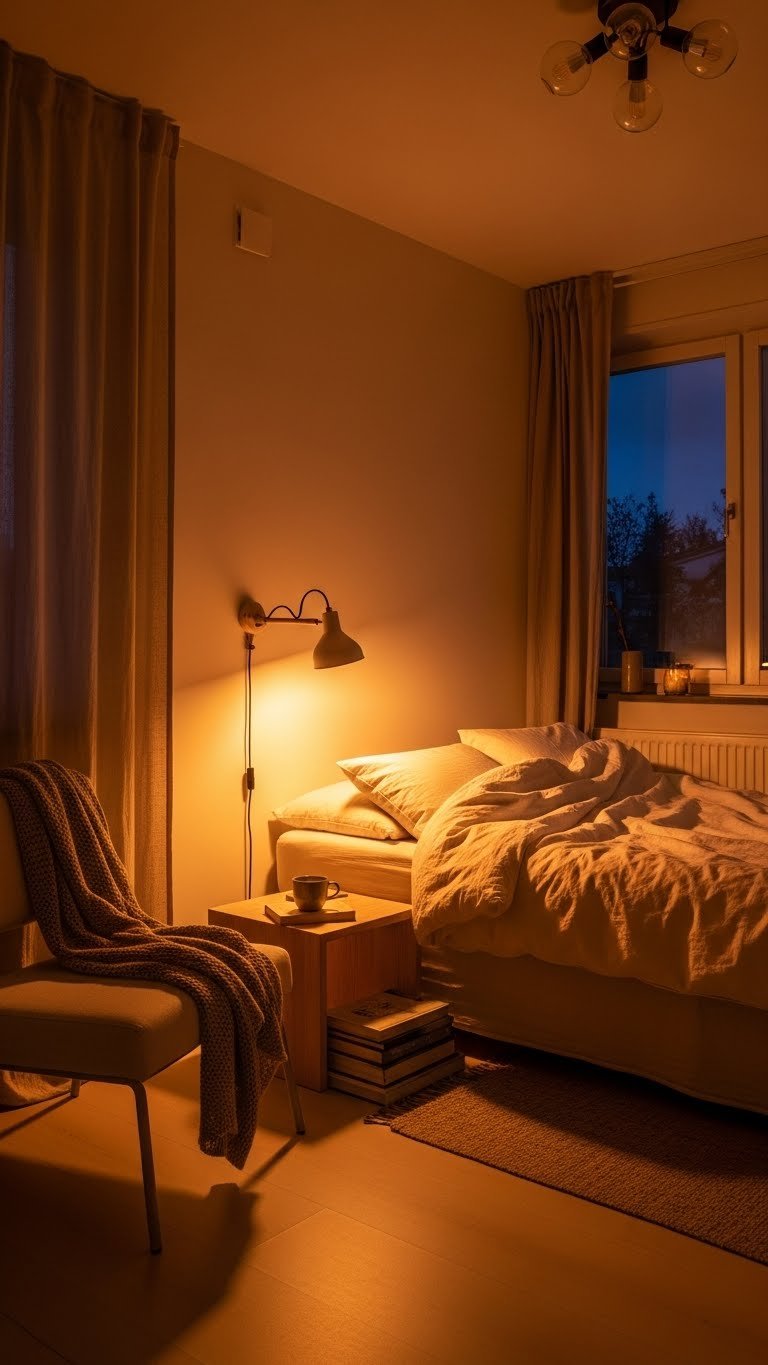
    24. Install Warm Lighting with Dimmable Bulbs

    Harsh overhead lighting kills minimalist calm; warm, dimmable lighting creates the right mood for sleep and relaxation.

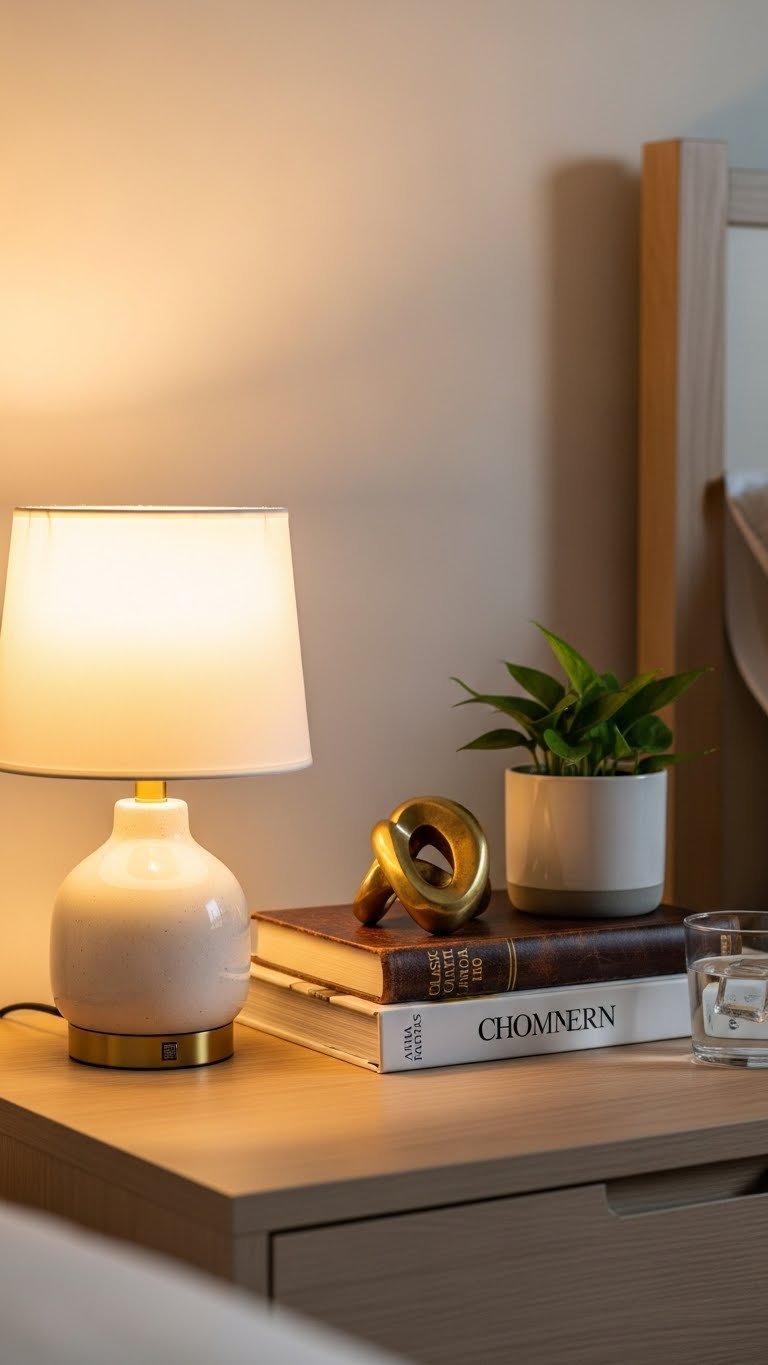
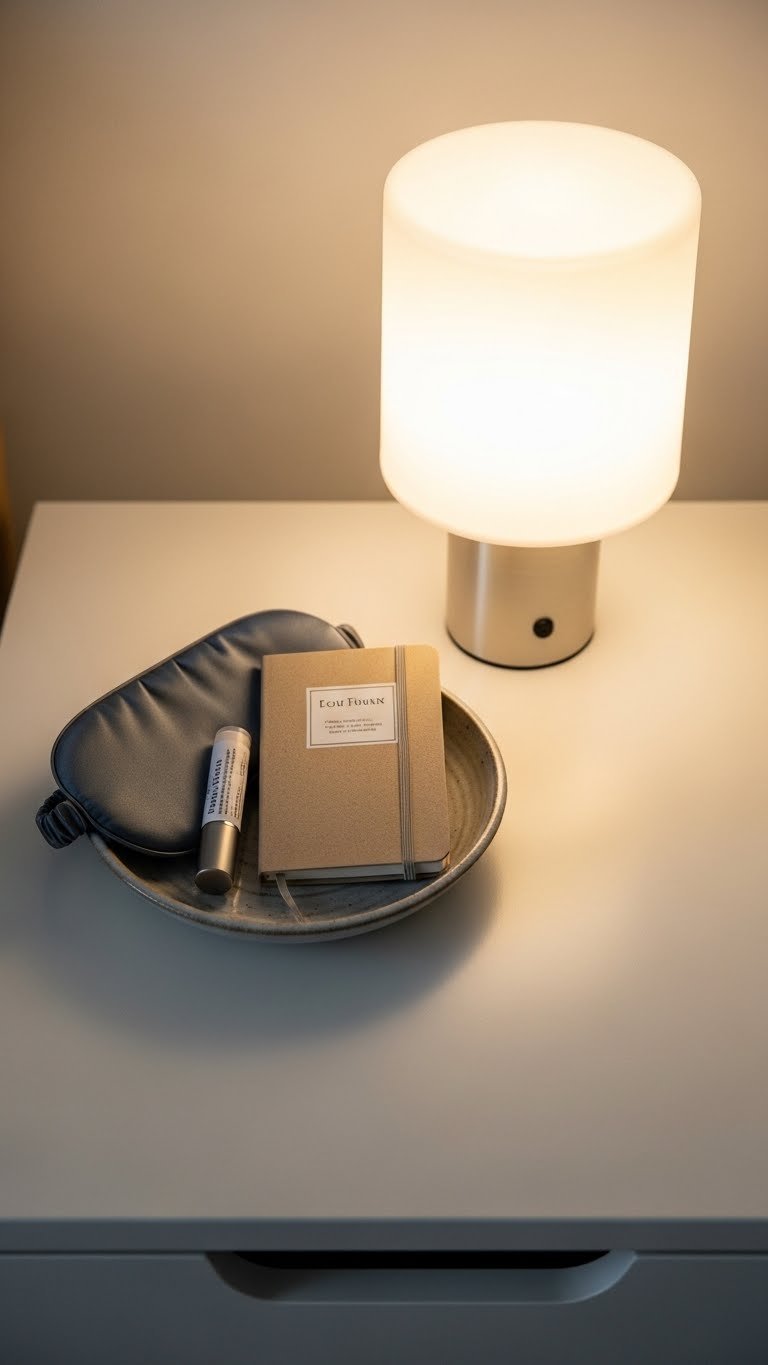
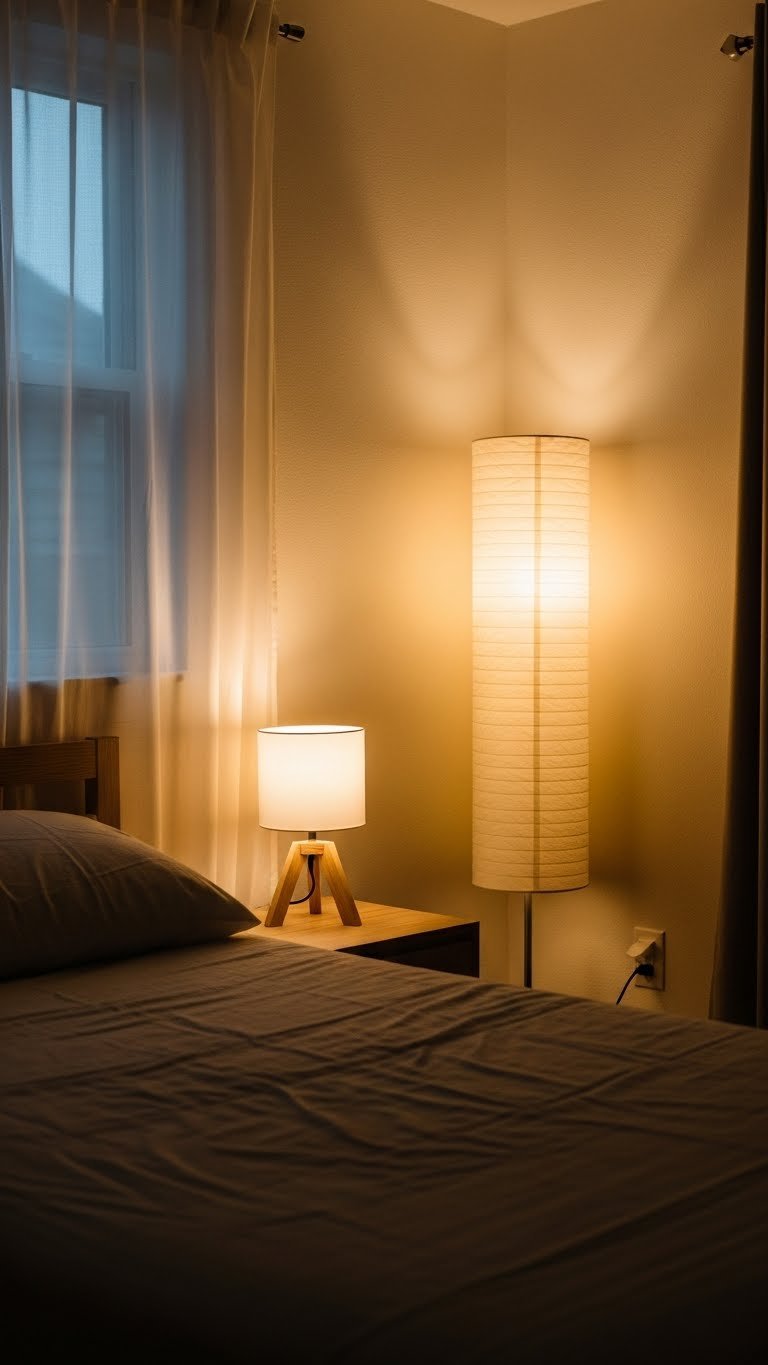
    Replace bulbs with warm white (2700K) dimmable LEDs ($8–$15 each). Install dimmers on overhead fixtures ($20–$50 per dimmer switch, 15-minute installation). Add a simple bedside lamp with a warm bulb ($40–$100). Avoid blue-toned lights near bedtime—they disrupt sleep. Test color temperature by visiting a lighting showroom; warm feels immediately cozier.

    Lighting is the easiest way to shift your entire room’s vibe toward calm and rest.

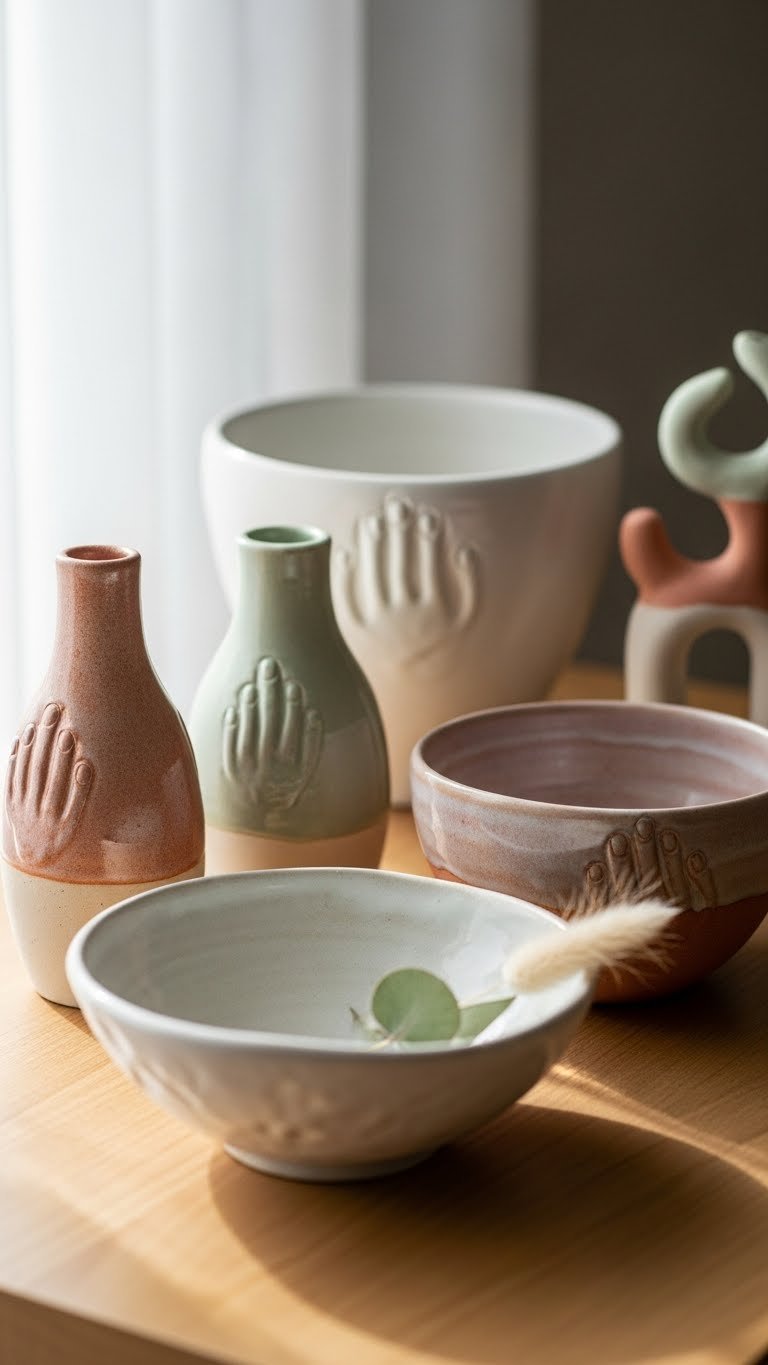
    25. Display Handmade Ceramics or Pottery

    Mass-produced decor lacks soul; handmade ceramics add authenticity and support independent makers.

    Buy pieces from local potters, Etsy artists ($30–$150 per piece), or take a pottery class and make your own ($100–$300 for a workshop). Display on floating shelves or a dresser in odd numbers (three or five pieces). Handmade items have visible imperfections—that’s their charm. No installation required; arrange and dust quarterly.

    Handmade pieces turn your room into a gallery of intentional beauty.

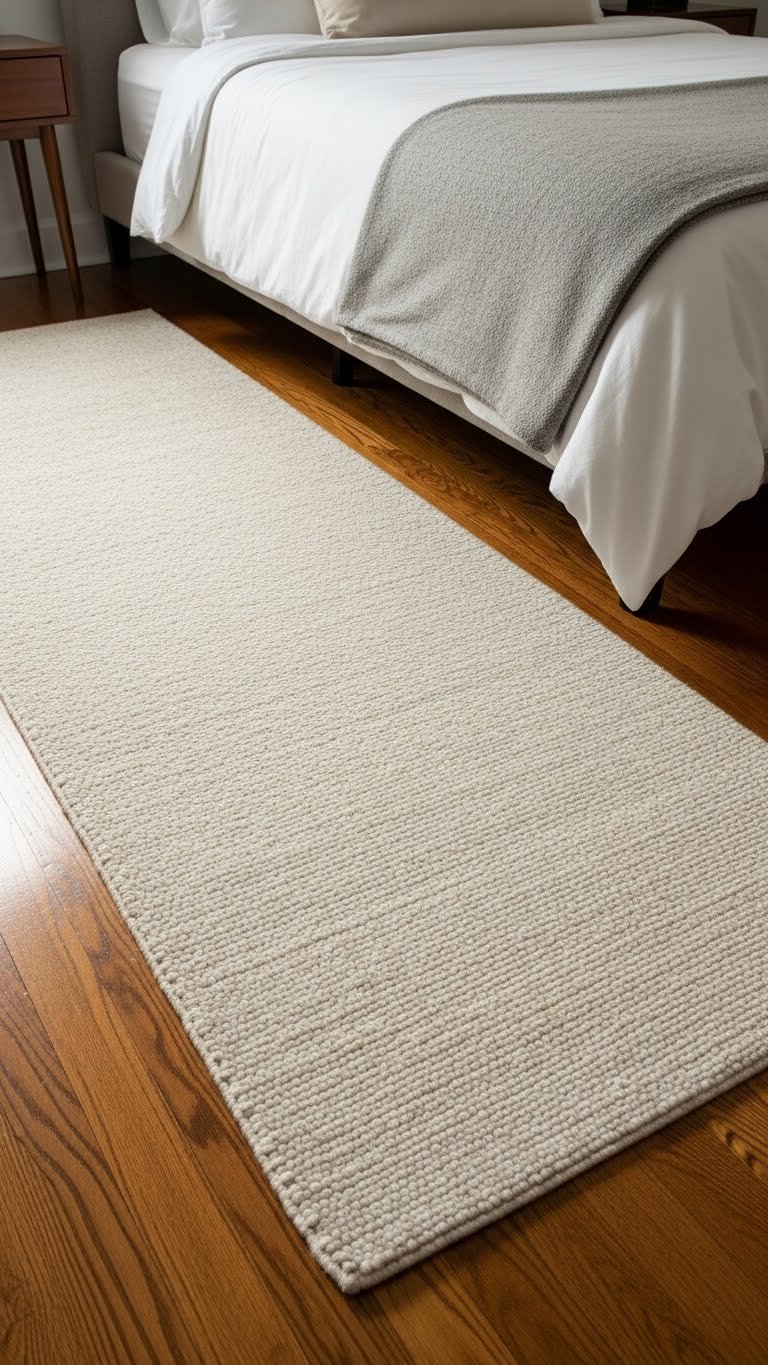
    26. Introduce a Wool Area Rug Runner Along Your Bed

    A full area rug can overwhelm small bedrooms; a runner adds warmth to hardwood while keeping sightlines open.

    Layer a wool rug runner ($60–$150 for 2.5×8 feet) along one or both sides of your bed. Wool is durable and ages gracefully. This takes five minutes to unroll and position. Machine-washable options exist; spot-clean regularly. Runners cost less than full rugs and define the bed zone without visual heaviness.

    Soft underfoot plus subtle visual grounding—that’s Scandinavian efficiency.


    Ready to refresh your bedroom? Save this post and pick just one idea to try this weekend. Whether it’s swapping a pillow, hunting for a thrifted nightstand, or painting an accent wall, small changes add up fast. Your calm, warm sanctuary is closer than you think.

  • 25 Laundry Folding Station Ideas for Faster, Easier Chore Days

    25 Laundry Folding Station Ideas for Faster, Easier Chore Days


    Laundry day doesn’t have to be a rushed chore squeezed into your evening. With the right folding station setup, you can actually make this task faster, easier, and even enjoyable. A dedicated folding space transforms how you approach laundry—giving your back relief, keeping clothes organized, and making the whole process less chaotic. Whether you’re working with a sprawling laundry room or a compact apartment corner, these 25 ideas will help you build a folding station that fits your space, your budget, and your lifestyle. Let’s get started.


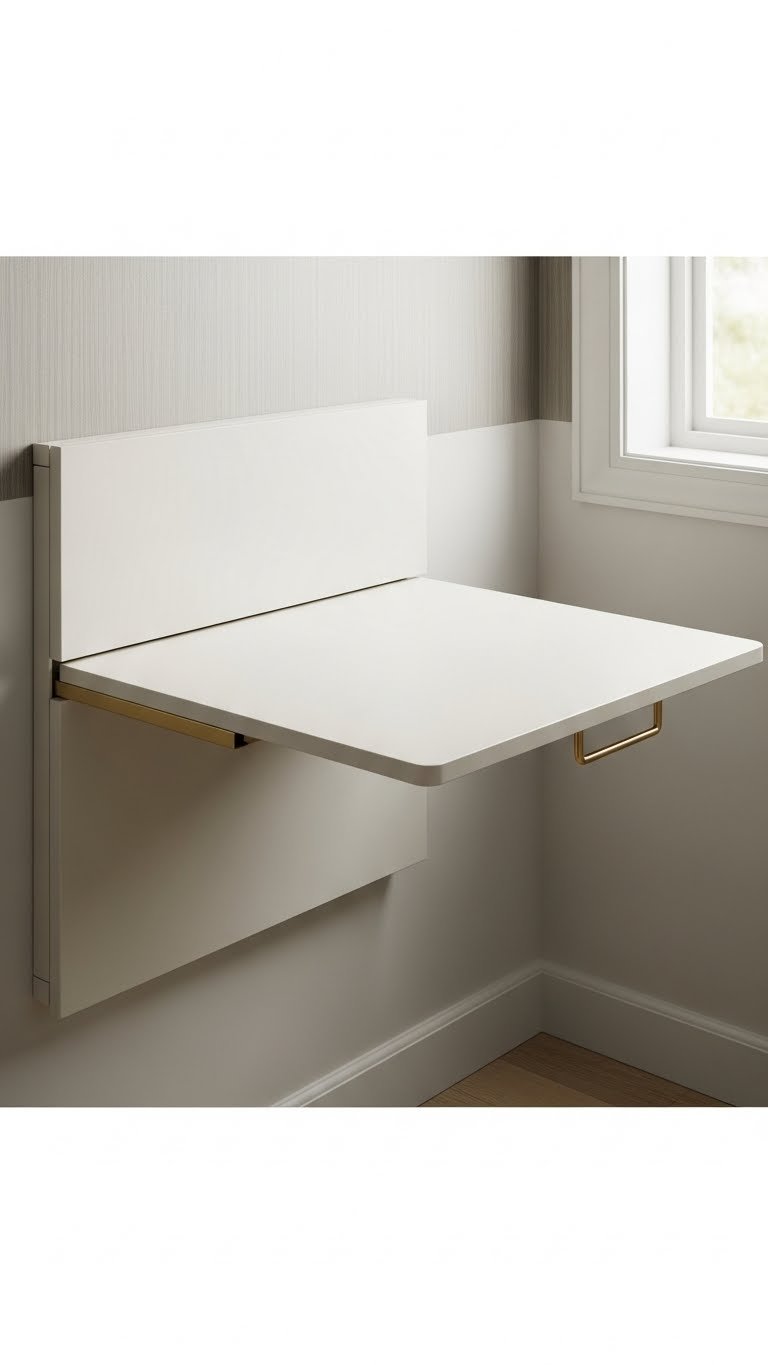
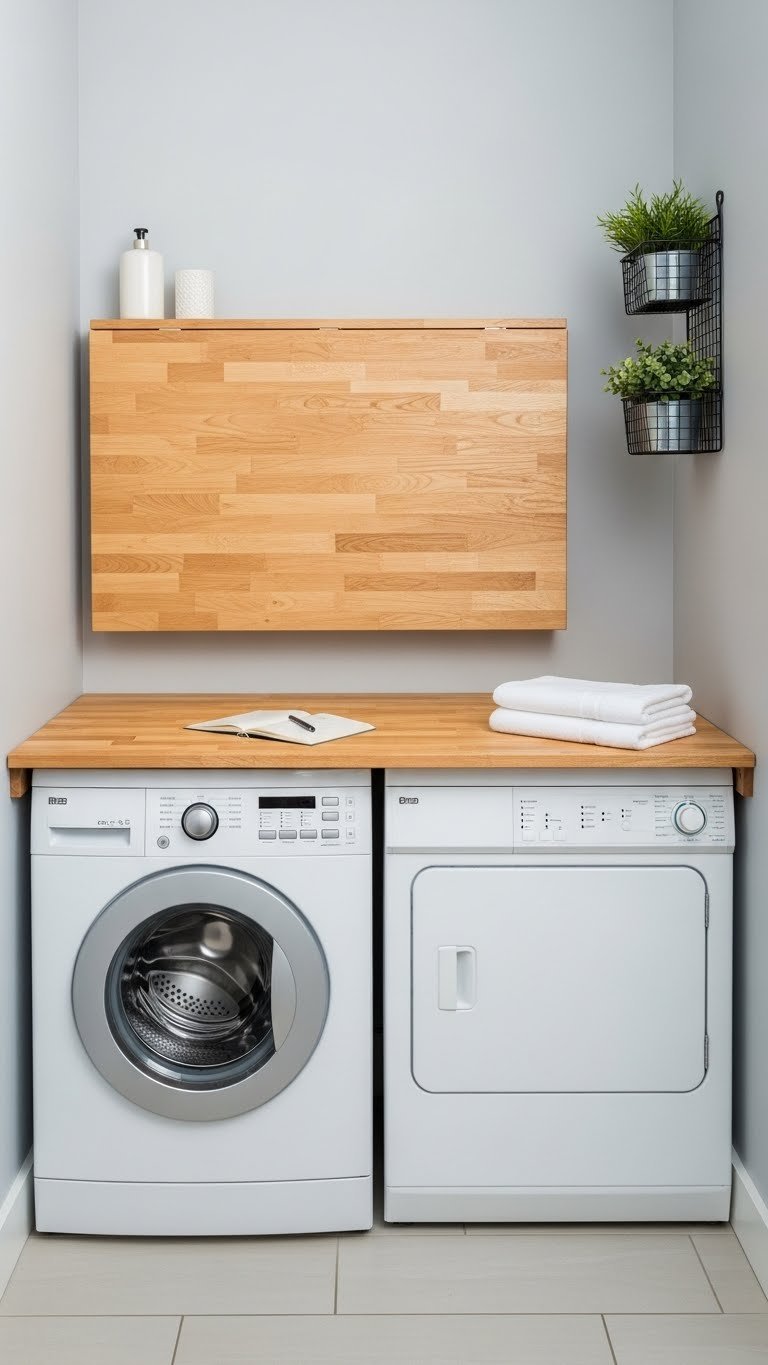
    1. Install a Wall-Mounted Drop-Down Folding Table

    A wall-mounted drop-down table is a game-changer for renters and homeowners with tight spaces. When folded up, it takes up almost no room; pulled down, it gives you a full-sized work surface at perfect elbow height.

    You can find sturdy options at IKEA, Home Depot, or Amazon starting around $80–$150. Installation takes about 30 minutes with basic tools (drill, wall studs, level). Look for tables that lock securely in both open and closed positions—safety matters. Pro tip: Mount it at 34–36 inches high to minimize strain on your back while standing.

    Once closed, your wall looks clean and minimal, but you’ve got a professional-grade folding station ready whenever you need it.


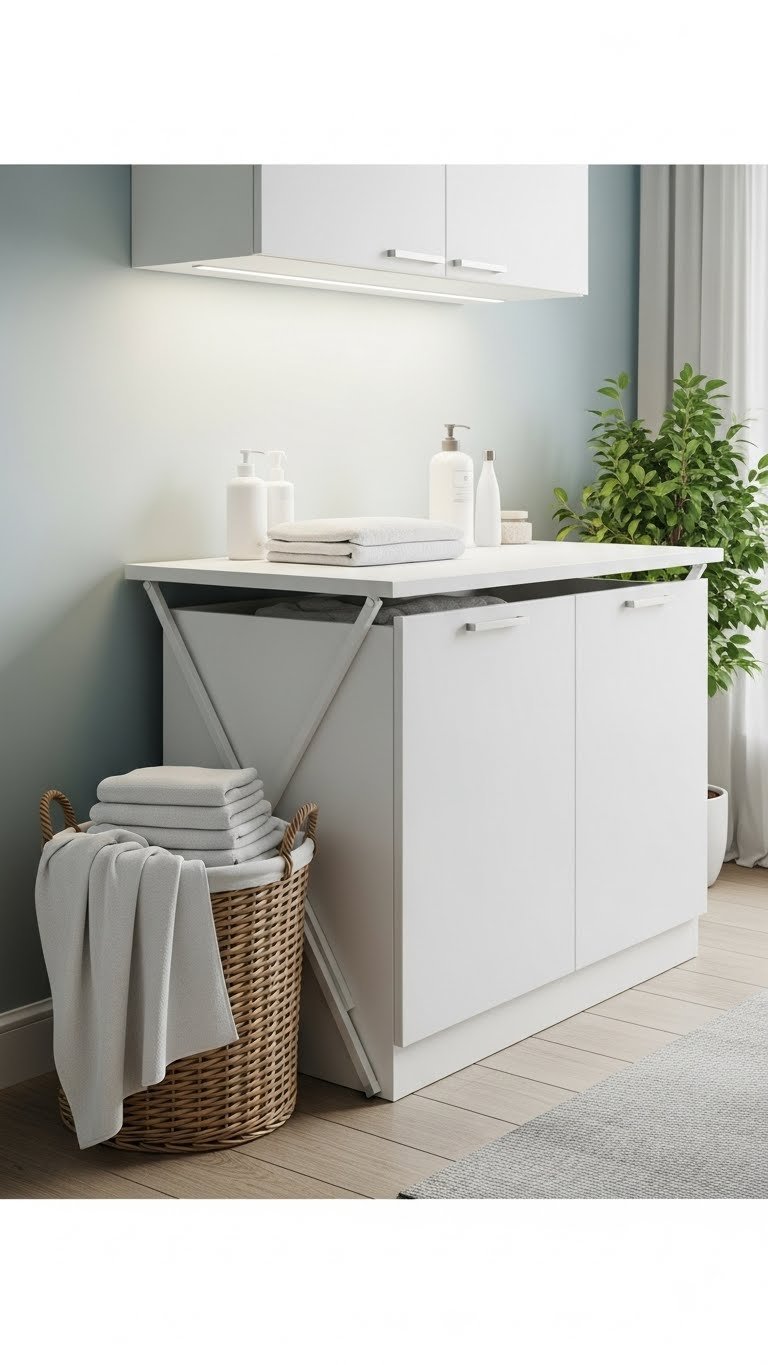
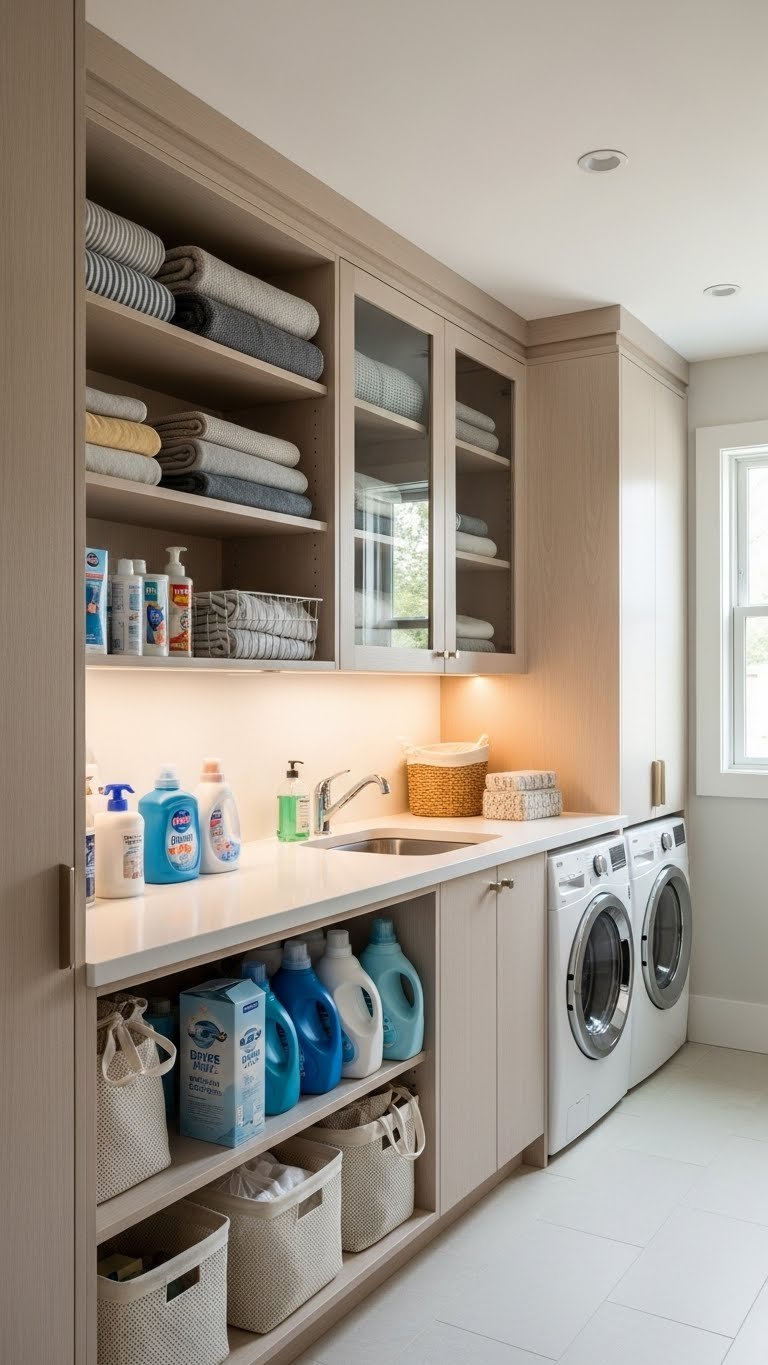
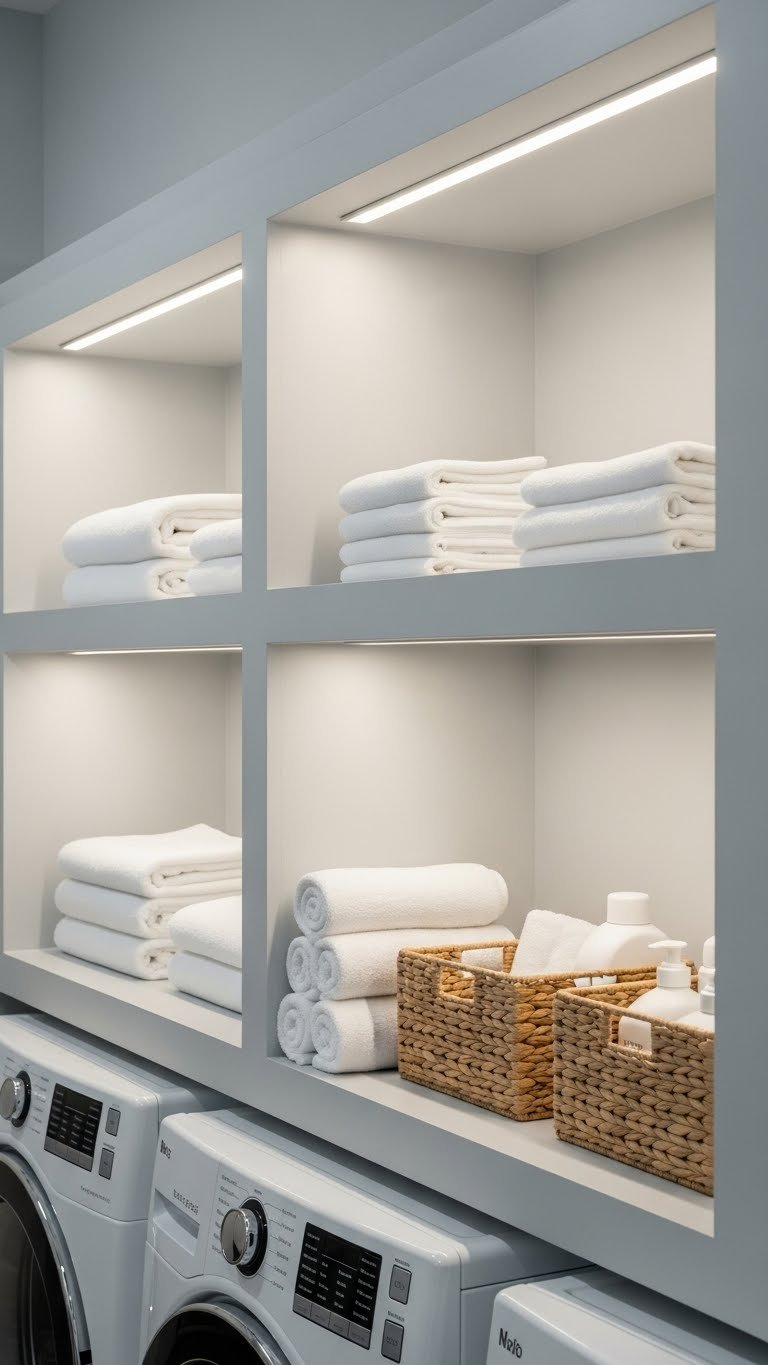
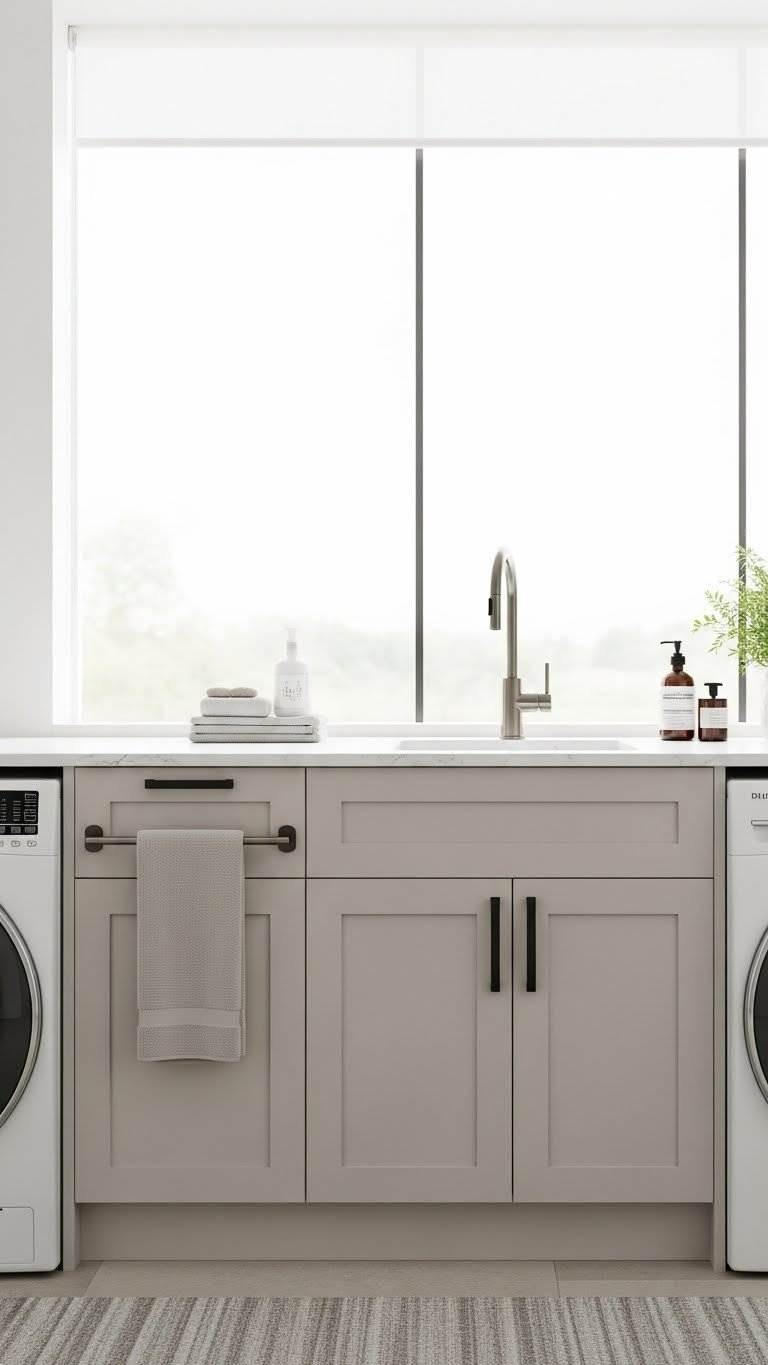
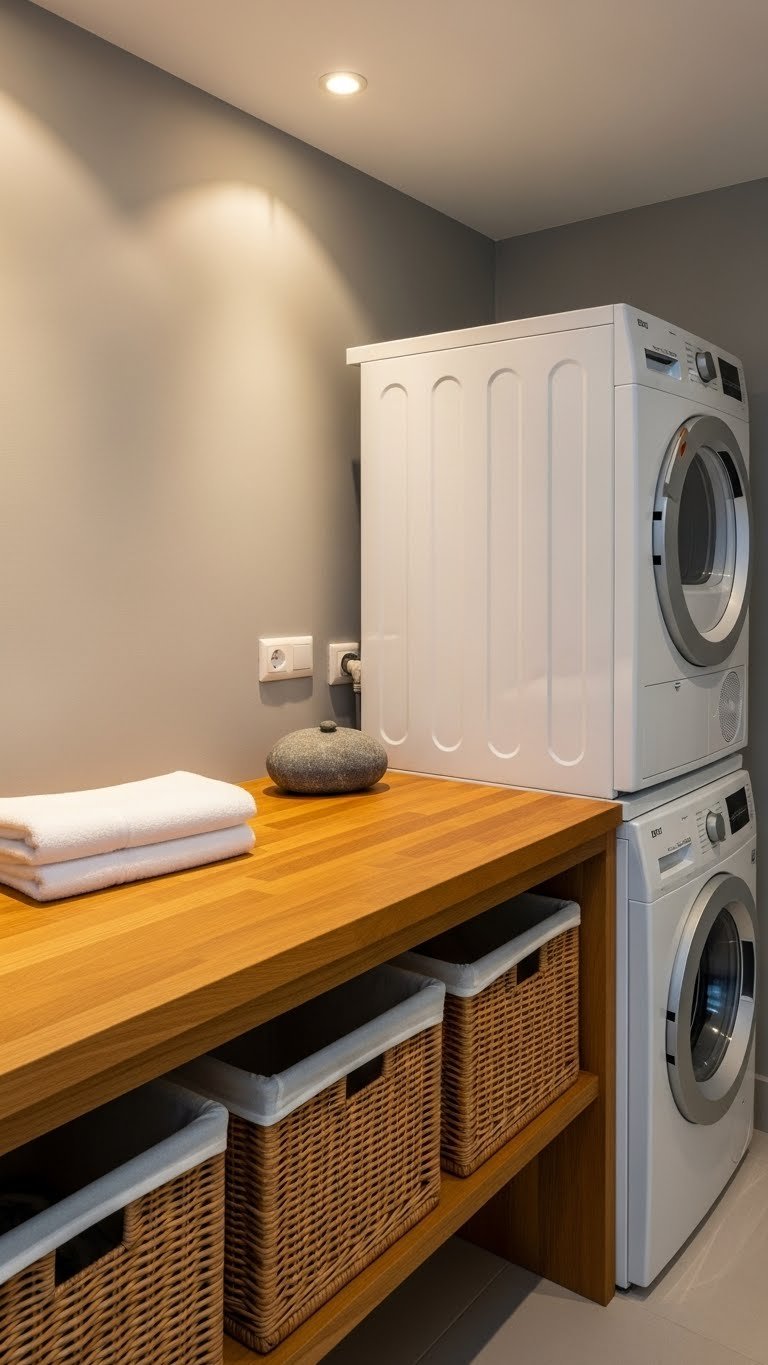
    2. Create a Floating Countertop Over Your Washer and Dryer

    If your washer and dryer are stacked or positioned side-by-side, a floating countertop turns dead space into a useful folding area. This is an investment piece but worth every penny for convenience.

    Solid wood or laminate countertops range from $200–$600 depending on depth and finish. You’ll need a handyperson or carpenter to install (budget $150–$300 for labor). The surface should extend at least 24 inches deep to give you real working room. Some people pair this with open shelving underneath for basket storage.

    You gain a dedicated folding zone without eating into floor space, plus a spot to rest clean laundry baskets while you sort.


    3. Use a Large Dresser as a Folding Station

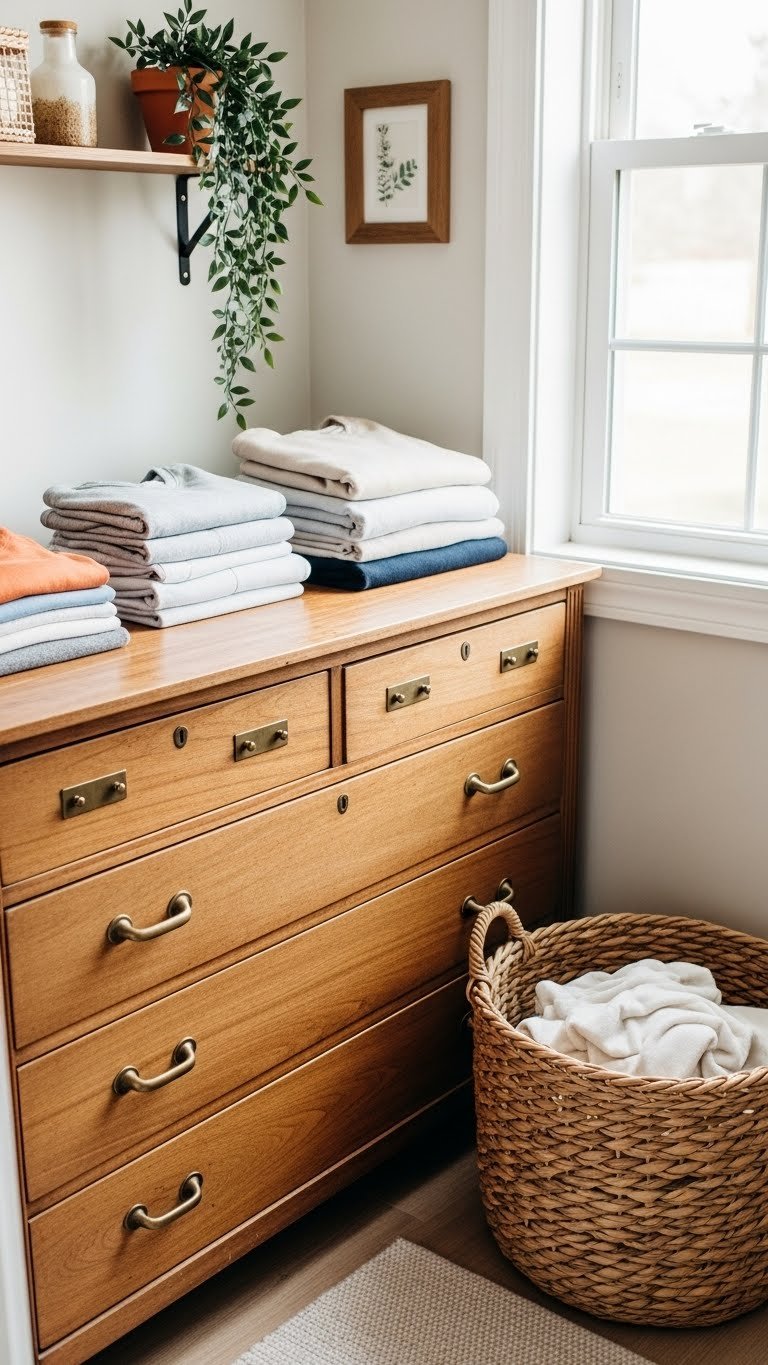
    This is the budget-friendly hack that actually works. A dresser—thrifted, inherited, or from a secondhand store—becomes the perfect folding surface with built-in storage underneath for linens and seasonal items.

    Hunt for one at thrift stores, Facebook Marketplace, or Craigslist for $30–$150. Look for sturdy wood construction and a flat, smooth top surface (avoid heavily textured finishes). A quick wipe-down and maybe a coat of paint or stain takes an afternoon. Pro tip: Roll it on lockable caster wheels ($20–$40) so you can move it when you need floor space.

    You’ve created a charming, functional folding station with serious storage underneath—and paid a fraction of what new furniture costs.


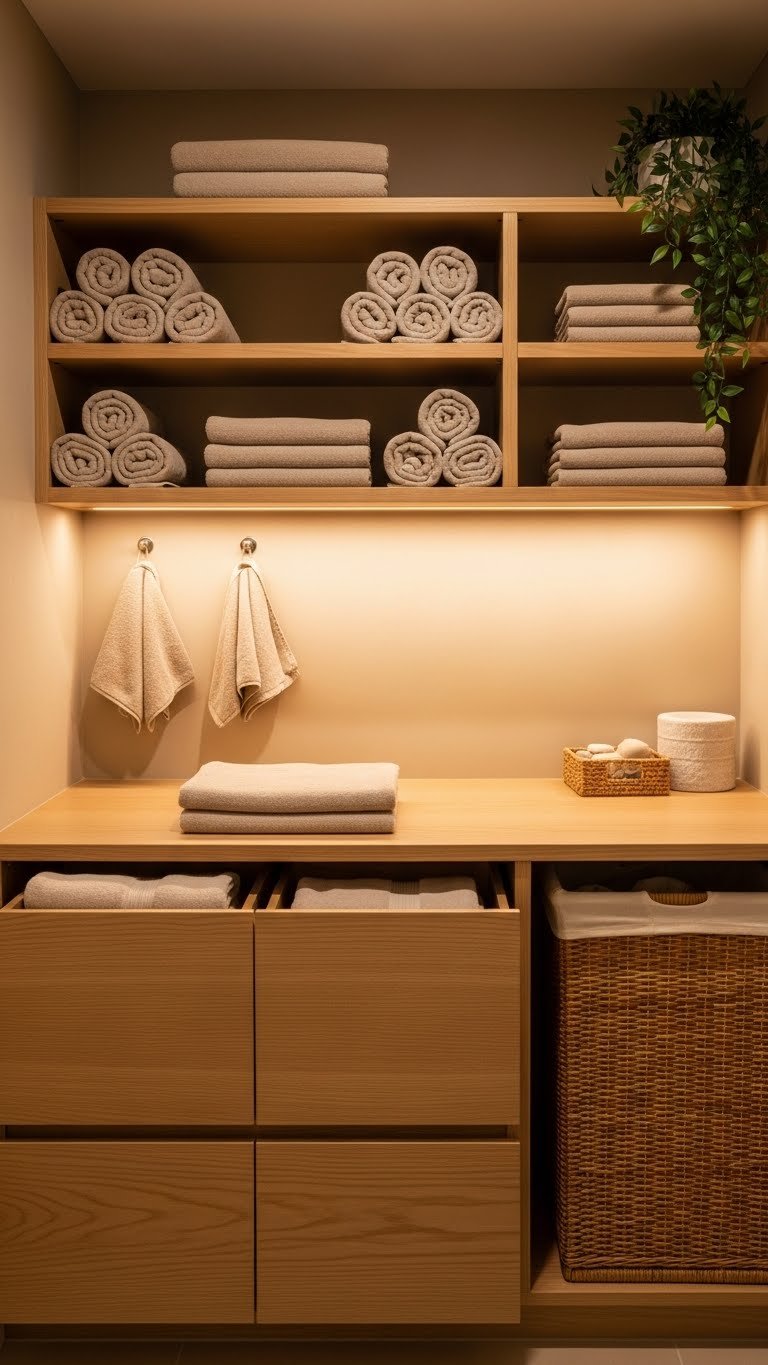
    4. Mount Floating Shelves Above Your Folding Counter

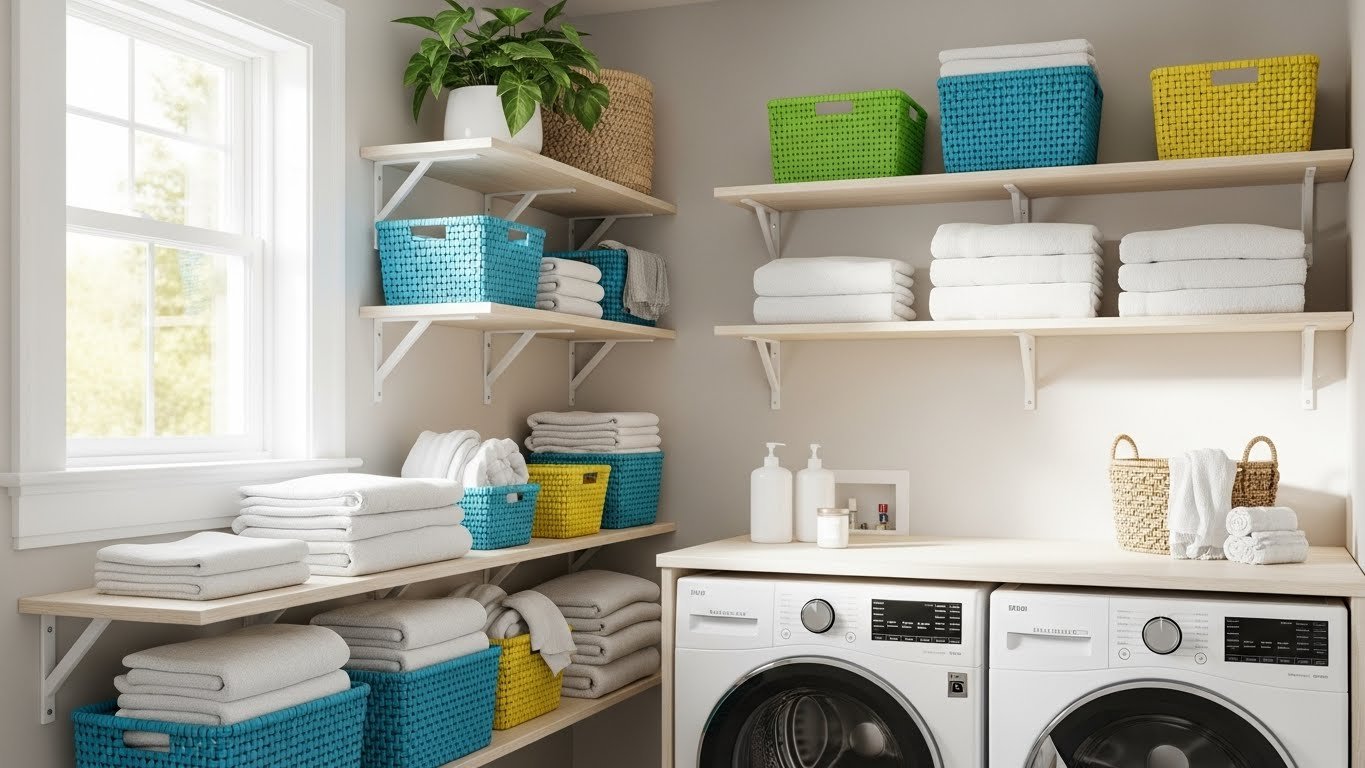
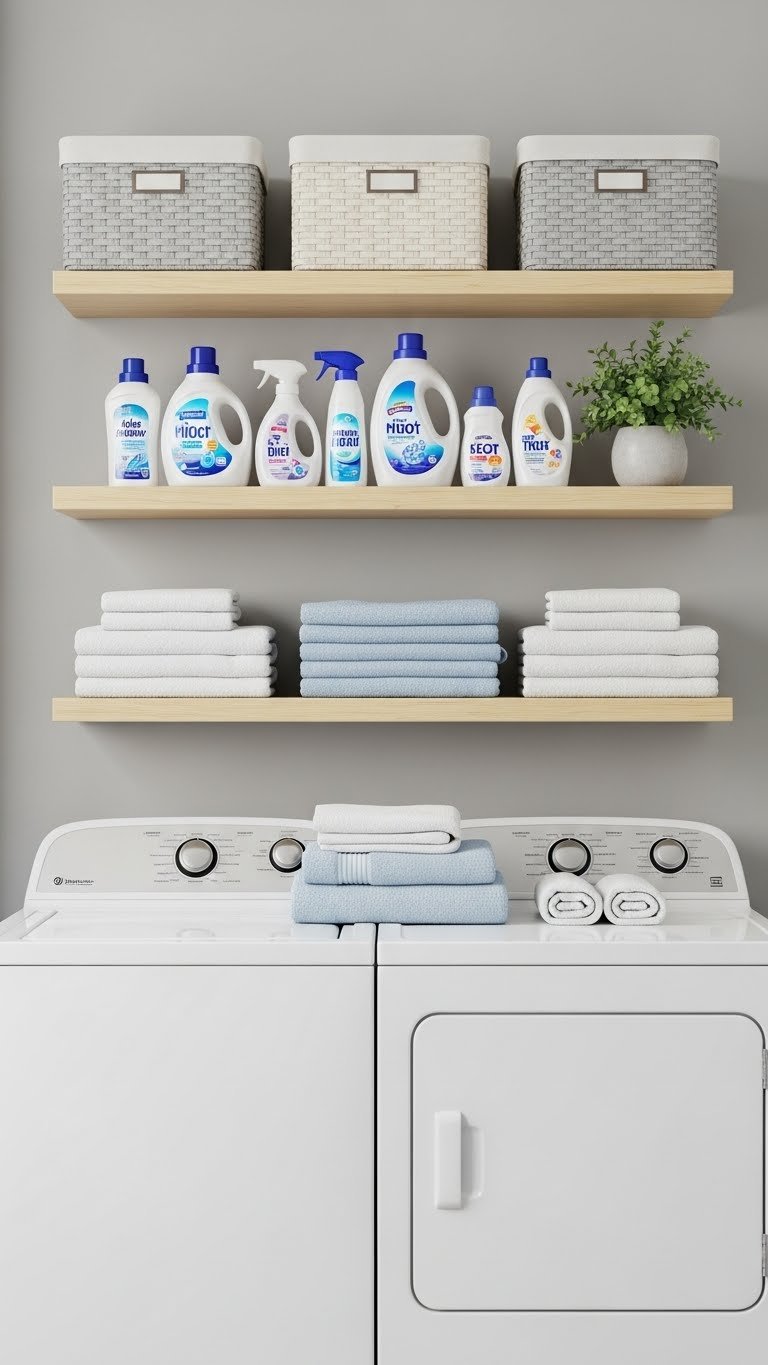
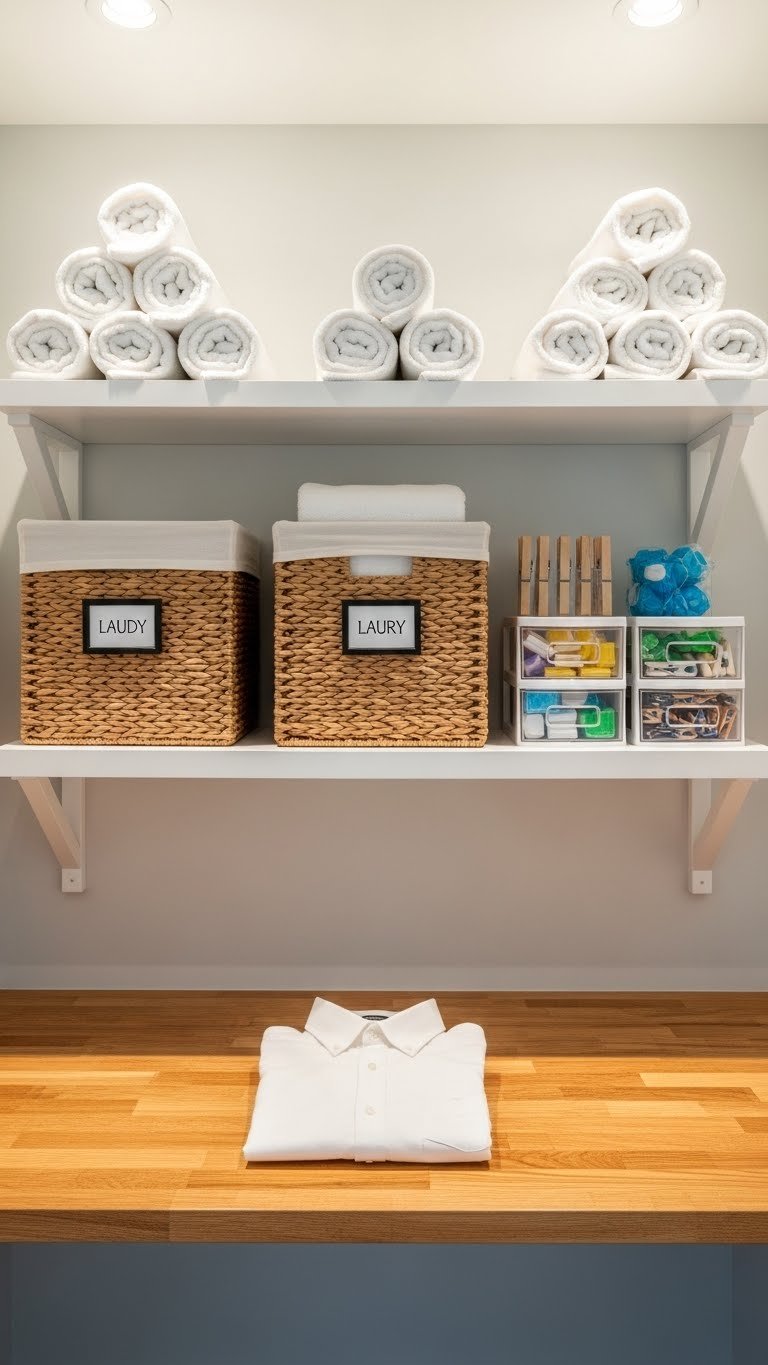
    Vertical storage keeps supplies within arm’s reach and makes your station feel intentional rather than cluttered. Floating shelves above your folding counter hold rolled towels, stain treatments, lint rollers, and baskets.

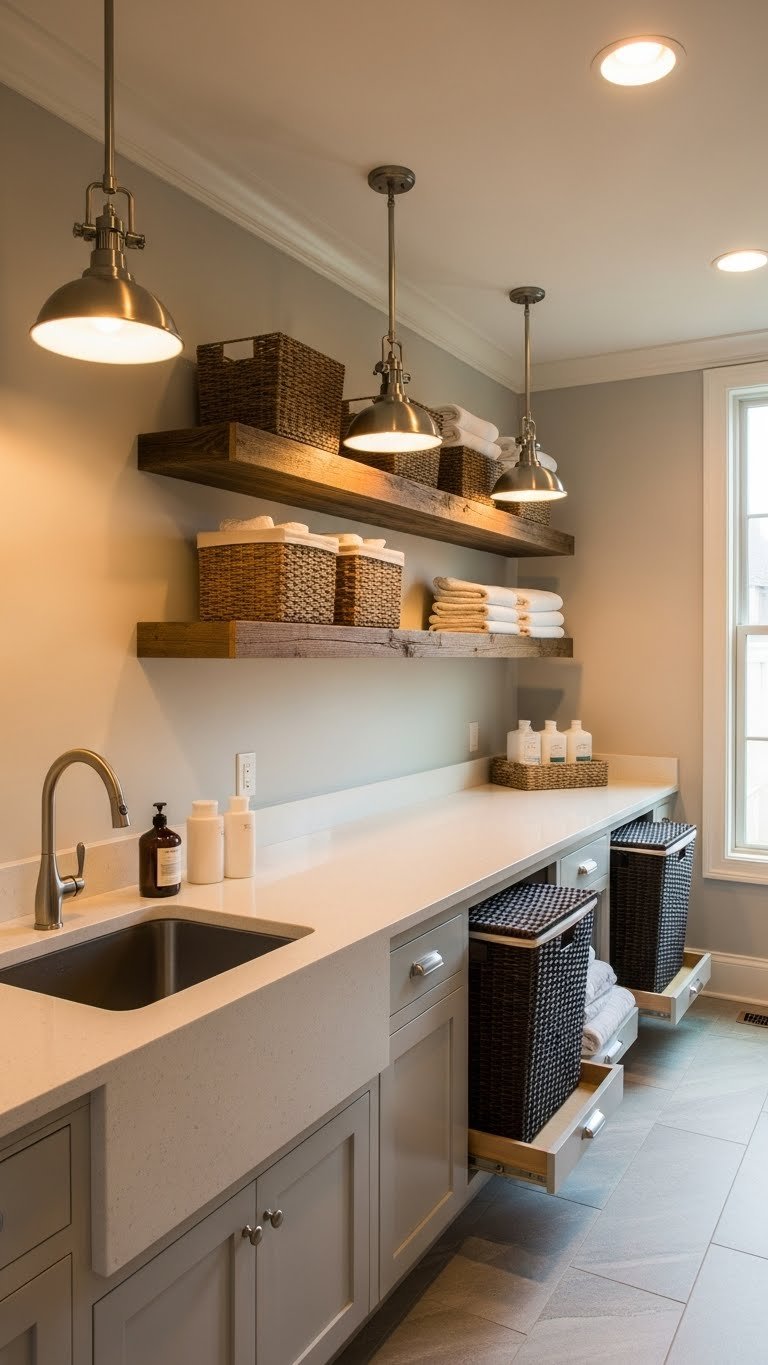
    Install 2–3 shelves at 12–18 inches apart using a wall stud finder and heavy-duty brackets. IKEA, Target, and Home Depot have basic options for $20–$50 per shelf, with installation taking about 1–2 hours. Load-bearing capacity matters—check limits before loading. Pro tip: Use matching bins or woven baskets on shelves to contain small items and look visually cohesive.

    Now everything you need is visible and reachable without leaving your folding station, cutting your chore time significantly.


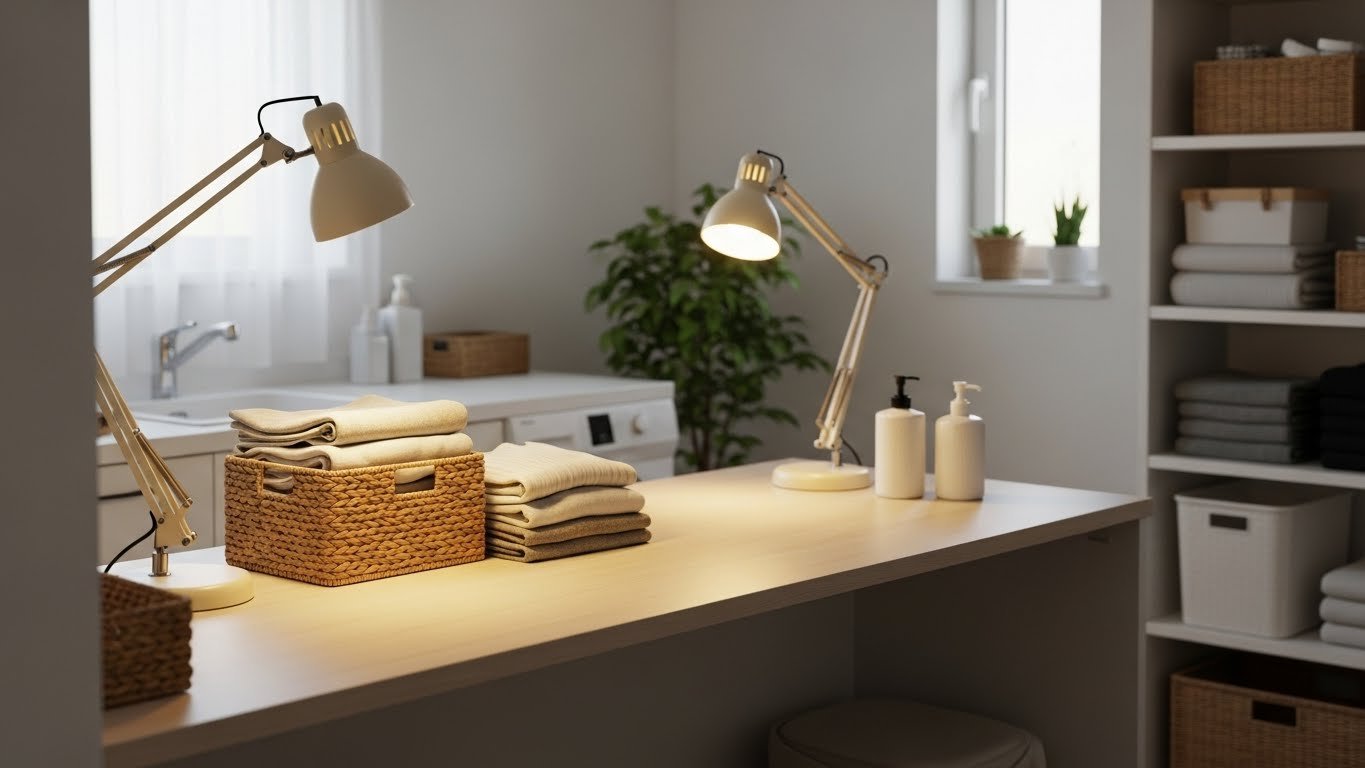
    5. Add LED Task Lighting Directly Above Your Work Surface

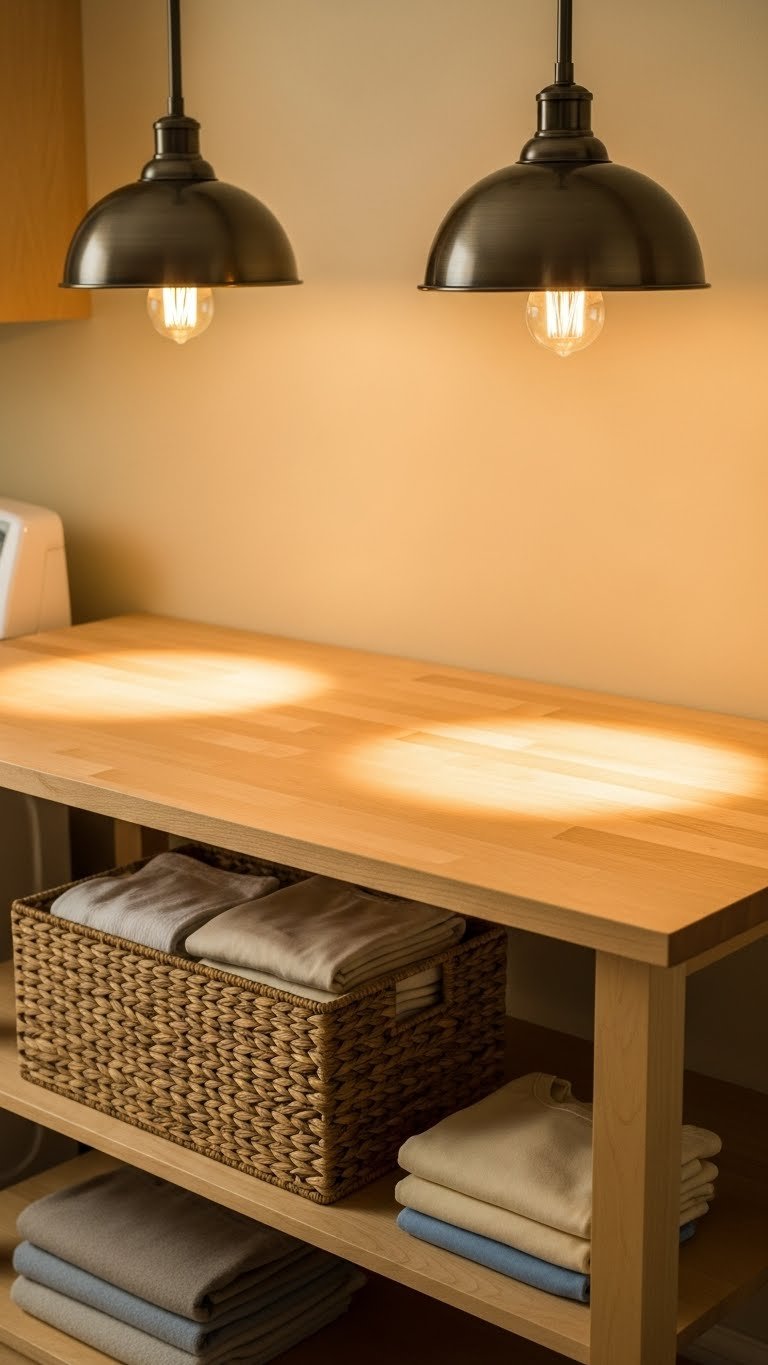
    Poor lighting makes folding harder and strains your eyes. LED task lighting positioned directly above your folding counter changes everything—you see stains, colors, and wrinkles clearly, and you work faster.

    Pendant lights ($40–$120 per fixture) or under-cabinet LED strips ($25–$60) both work well. Installation depends on whether you have electrical access; if not, battery-operated LED strips ($15–$30) are renter-friendly. Use 4000K–5000K bulb temperature for natural, energizing light that won’t cast shadows. Time to install: 30 minutes to 2 hours depending on wiring.

    You’ll notice the difference immediately—sorting is faster, you catch stains you’d miss in dim light, and the space feels more purposeful.


    6. Invest in an Adjustable-Height Folding Table

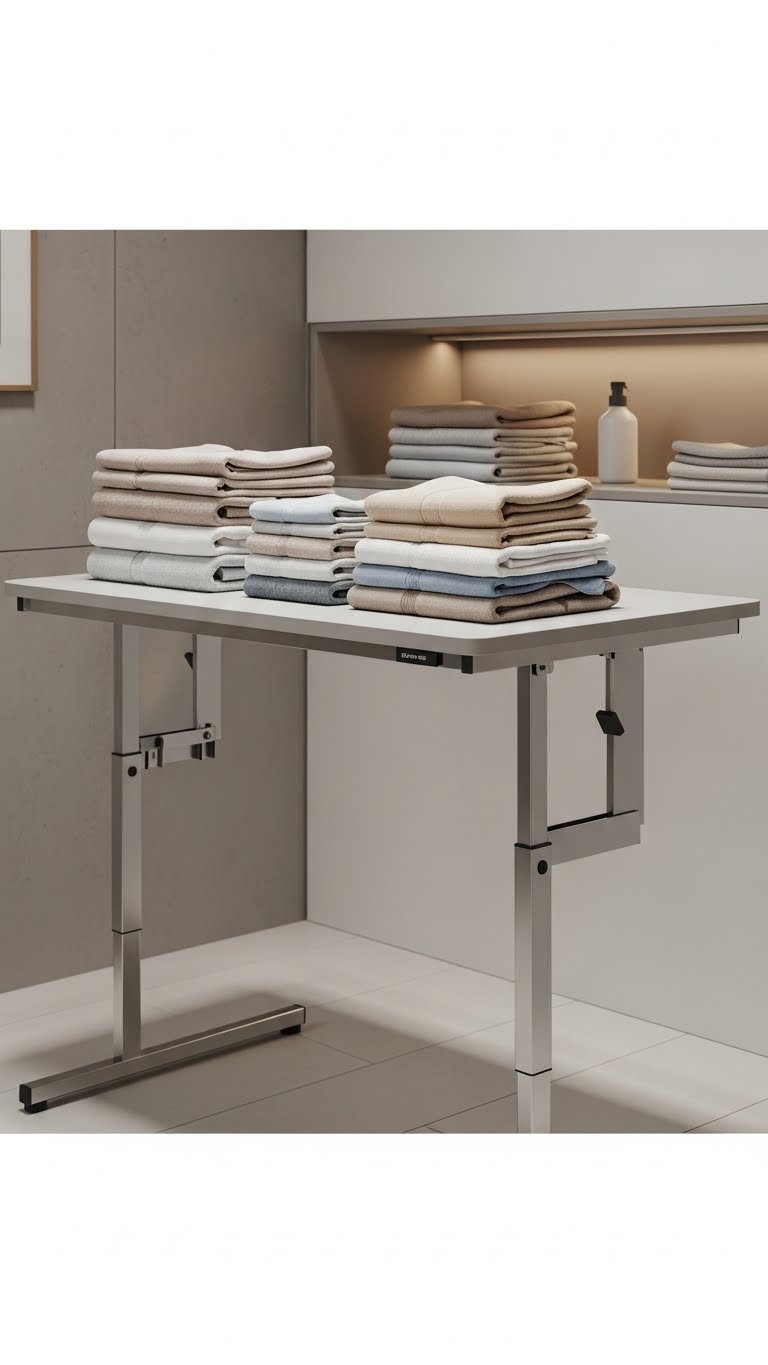
    An adjustable-height table lets you customize your working comfort. If you fold sitting down sometimes and standing other times, or if multiple household members are different heights, this solves the problem.

    Electric adjustable tables run $300–$800 (brands like FlexiSpot make laundry-room versions), while manual crank models cost $150–$300. Look for weight capacity of at least 150–200 lbs and smooth adjustment mechanisms. Installation takes 30–45 minutes and mostly involves assembling the base. Pro tip: Set your ideal standing height at 30–34 inches and remember it for future reference.

    You get a personalized folding experience that reduces back strain and adapts to however you prefer to work.


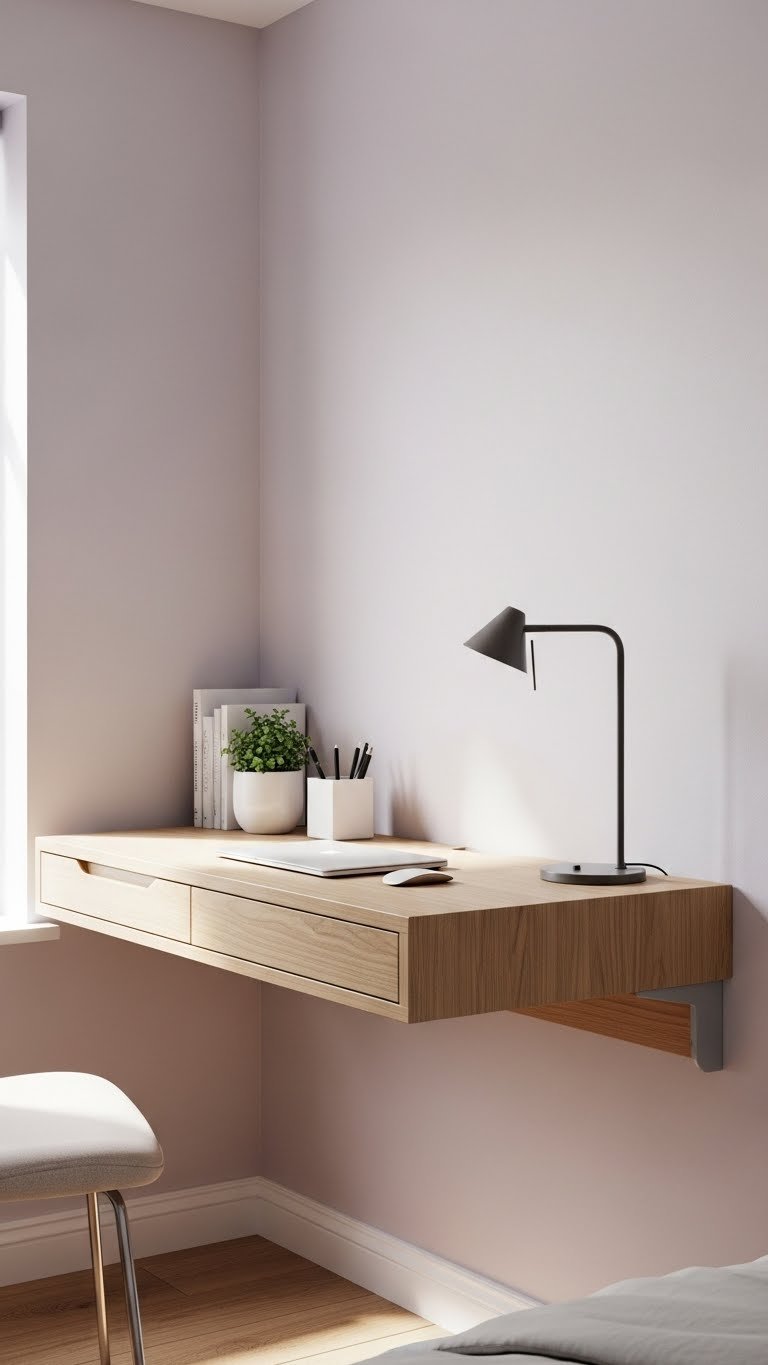
    7. Hang a Fold-Down Wall Desk Above Appliances

    Similar to a drop-down table, but smaller and more minimal—a wall desk creates a folding surface where you had none. Ideal for apartments and studios where floor space is precious.

    Wall-mounted desks cost $60–$180 from IKEA, Wayfair, or Amazon. They’re lighter than full folding tables, so installation with wall anchors (if not hitting studs) is often simpler—20–30 minutes. Maximum surface area is usually 24–36 inches wide, so it’s perfect for one person folding at a time. Pro tip: Add a cushioned mat on top to make standing more comfortable during longer sessions.

    You transform an unused wall into a functional work zone that disappears when not in use.


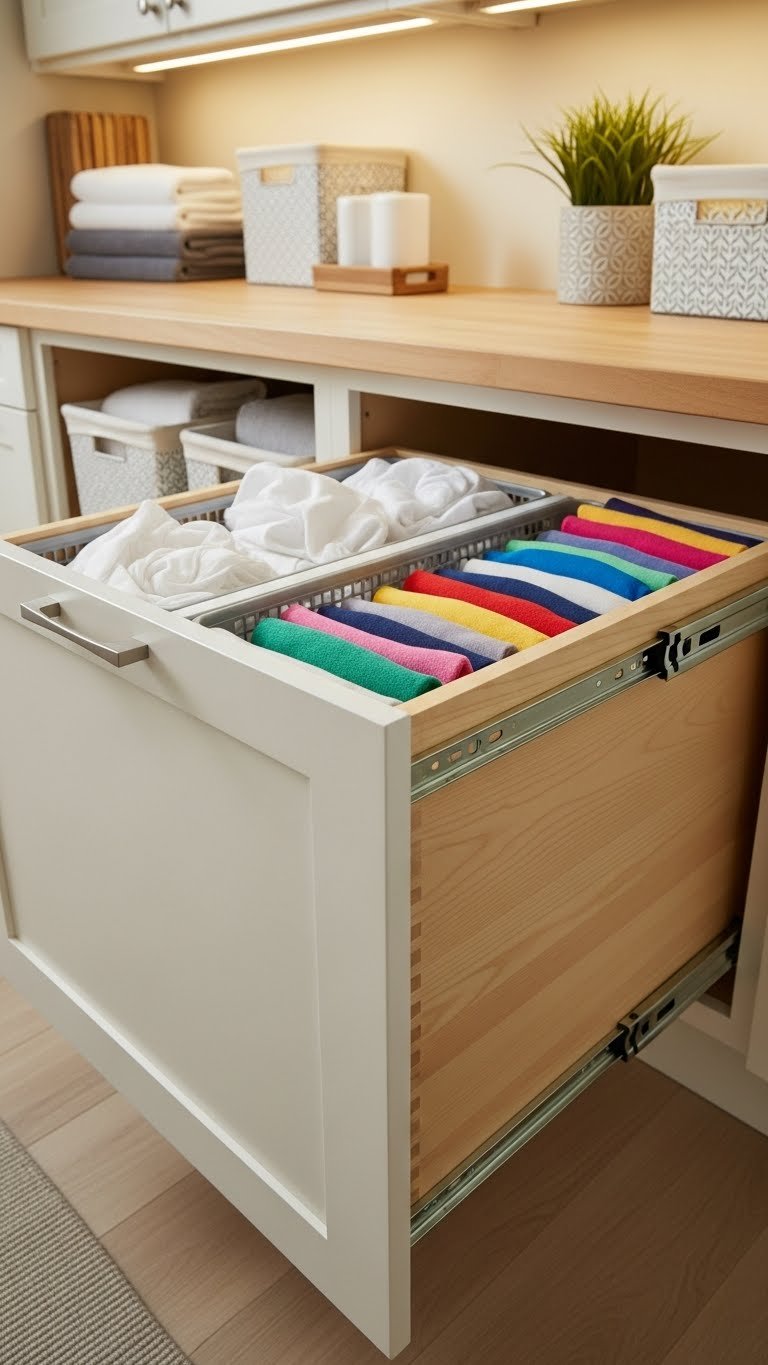
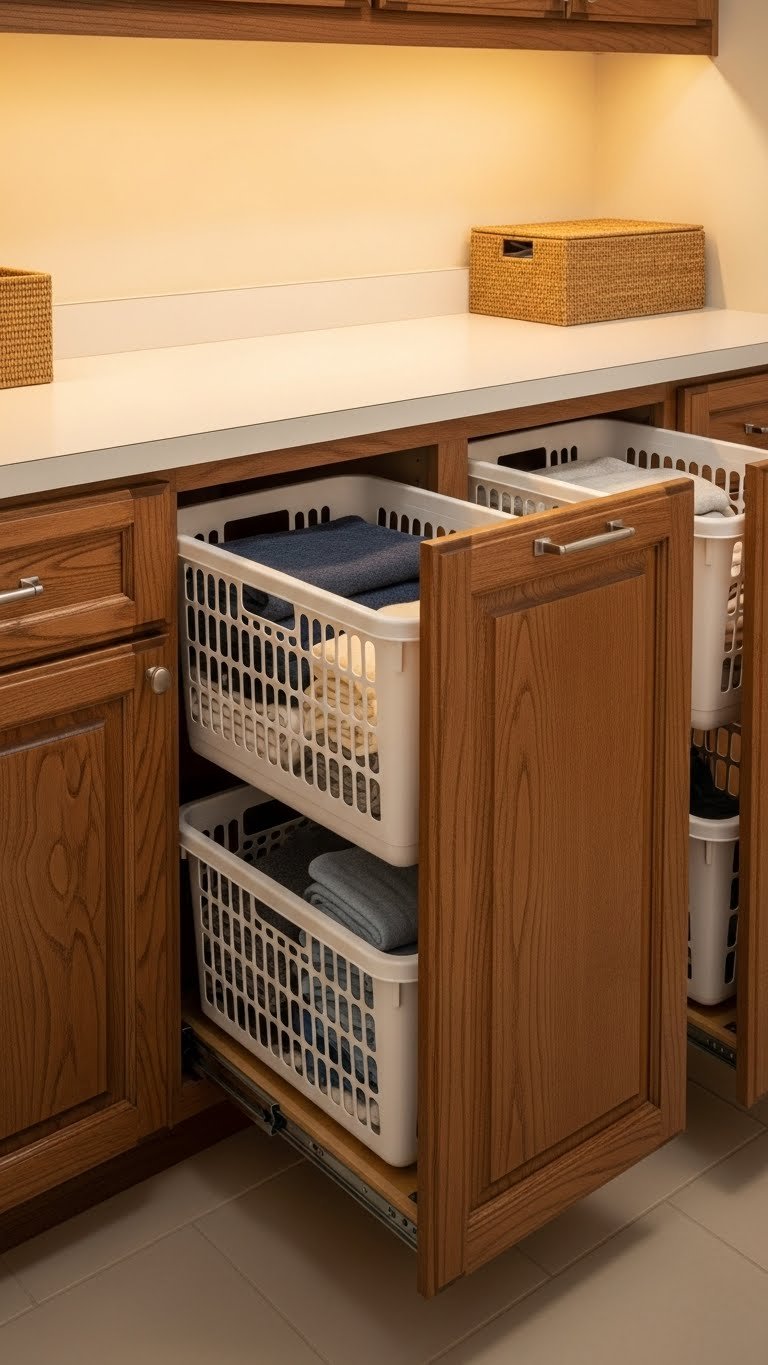
    8. Create a Pull-Out Hamper-to-Basket System

    Having separate baskets for clean, folded, and ready-to-put-away items keeps your folding station organized and speeds up the whole process. Pull-out hampers built into cabinetry make sorting effortless.

    You can buy ready-made pull-out basket systems ($80–$250 per set of 2–3) from Container Store, Wayfair, or Home Depot, or have a carpenter build custom drawers into existing cabinetry ($300–$600 labor). The baskets should be at least 18–20 inches wide so clothes don’t get jammed. Installation takes 1–3 hours depending on whether you’re retrofitting existing cabinets or building new.

    Now folding flows into organization—one basket catches clean items, another holds folded clothes, and a third waits for socks and underthings to pair.


    9. Paint Your Folding Wall a Soft, Energizing Color

    A fresh paint color makes your folding station feel intentional and even pleasant—and it costs almost nothing. Soft greens, warm taupes, or pale blues are trending and make the space feel less utilitarian.

    A gallon of quality paint costs $20–$40, and you’ll need 1 gallon for most rooms. Paint the wall yourself over a weekend—about 2–4 hours for a small space. Use low-VOC or zero-VOC paint for better air quality in a room where you’re working regularly. Pro tip: Paint just the wall behind your folding counter if doing the whole room feels like too much.

    Suddenly your folding station has personality and feels less like a chore zone and more like a personal project space.


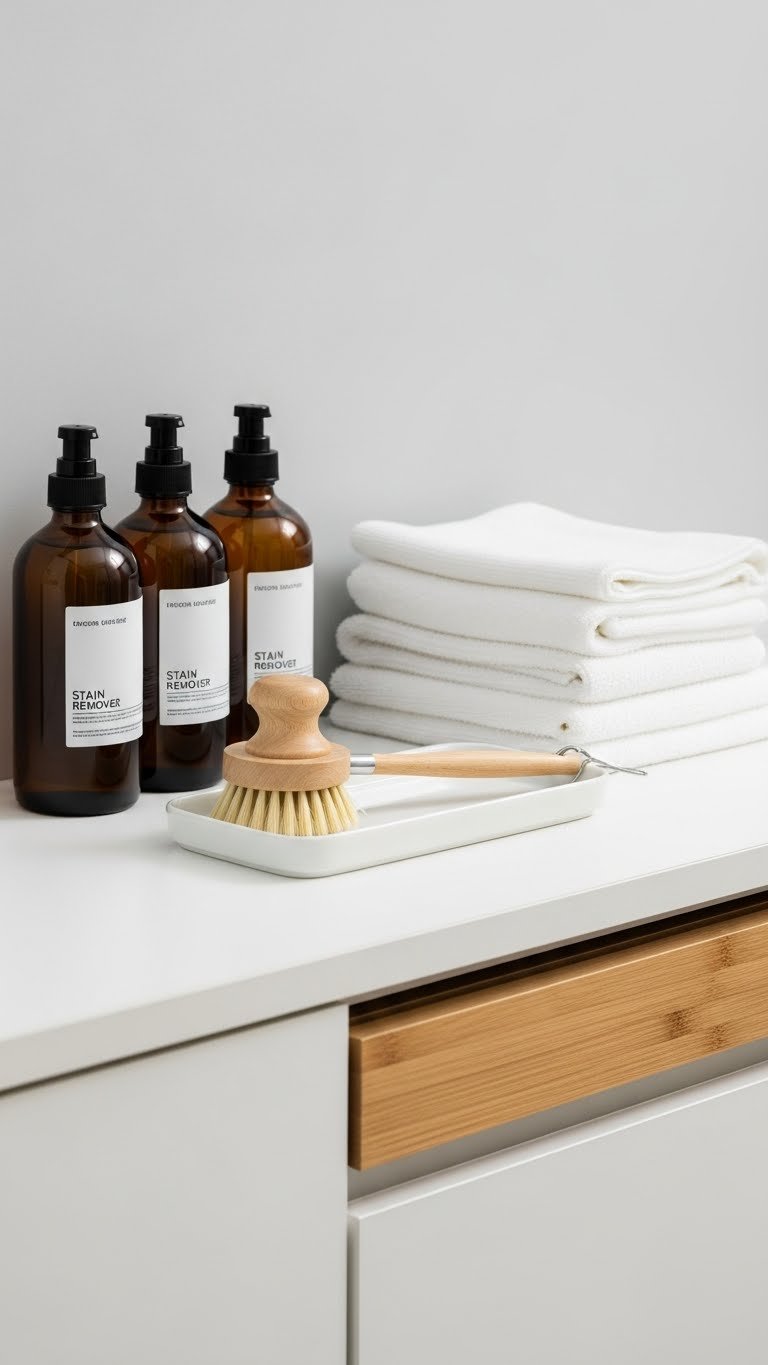
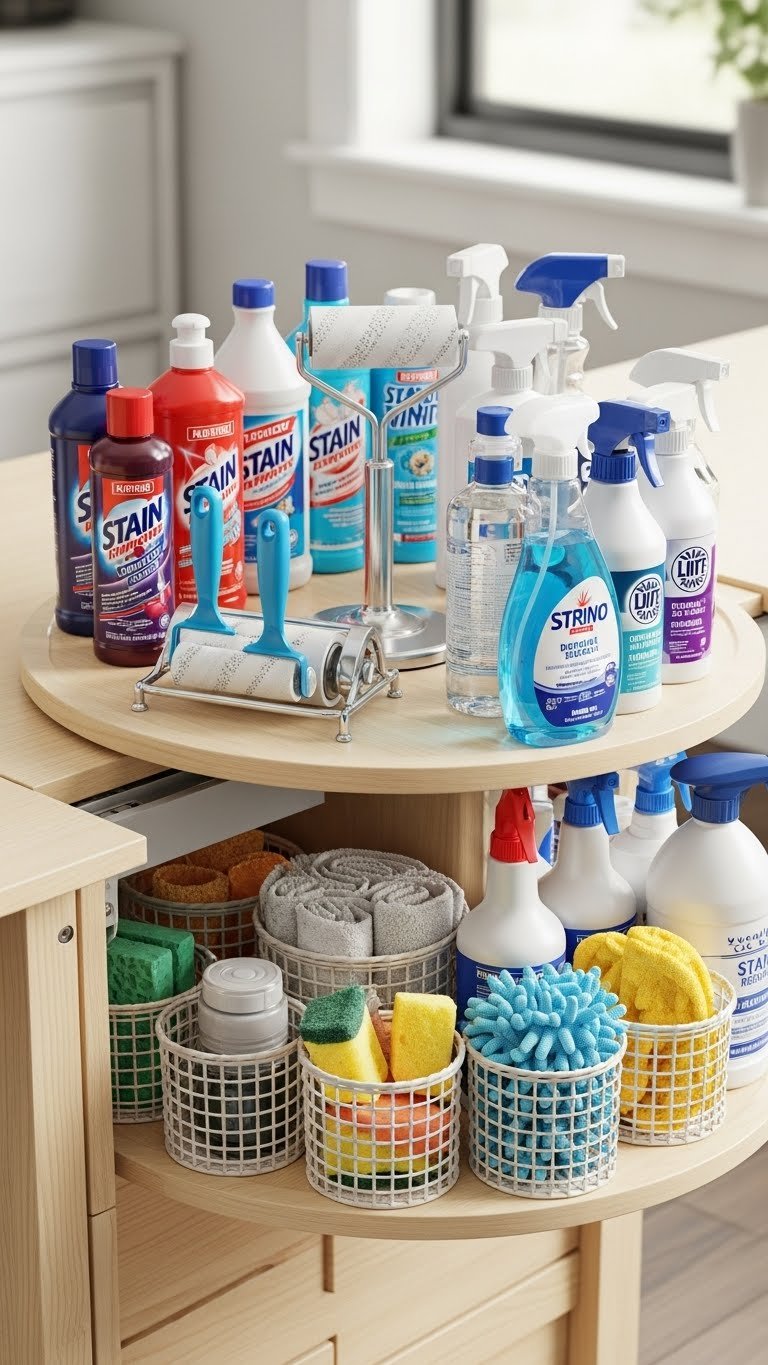
    10. Set Up a Stain-Treatment Station Next to Folding Area

    Treating stains before folding saves time and prevents you from missing marks. A dedicated stain station right next to your folding counter means you catch problems immediately.

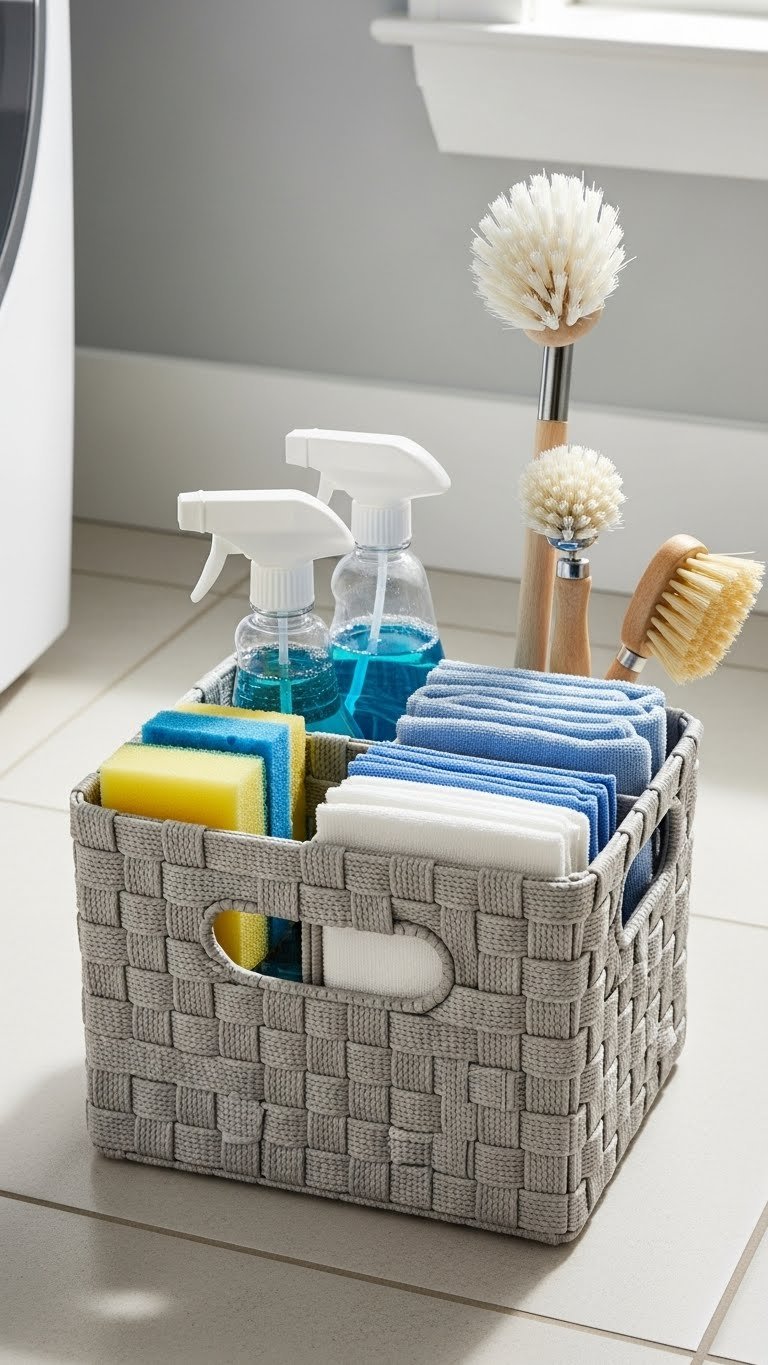
    You need about 2–3 linear feet of counter or shelf space. Stock it with stain remover spray ($5–$12), a soft brush ($3–$8), white cloths, and a small spray bottle of water. A small rolling cart ($40–$80) from IKEA or Target gives you mobile storage that rolls between laundry and folding areas. Setup takes 30 minutes and costs under $50 if you’re starting from scratch.

    You’ll catch and treat stains while they’re fresh, making your clothes last longer and reducing frustration when you find mysterious marks later.


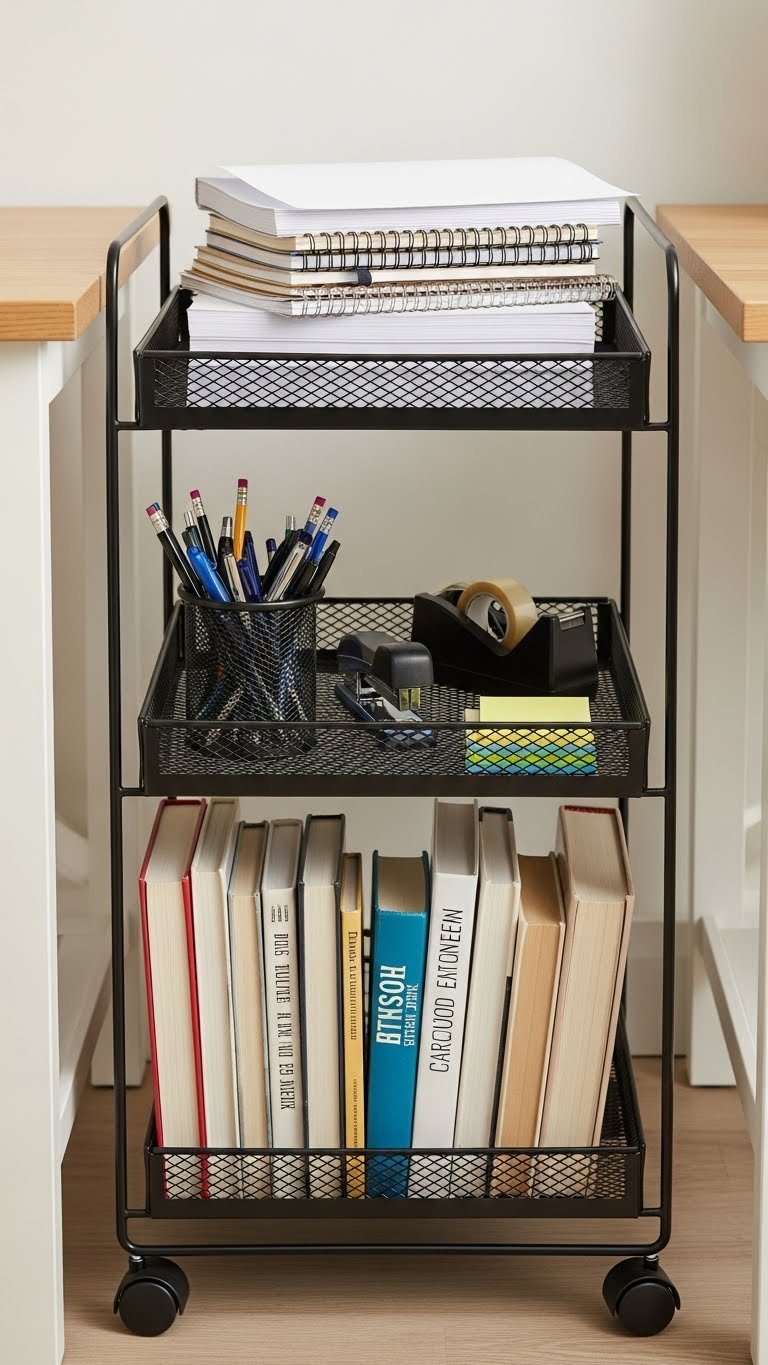
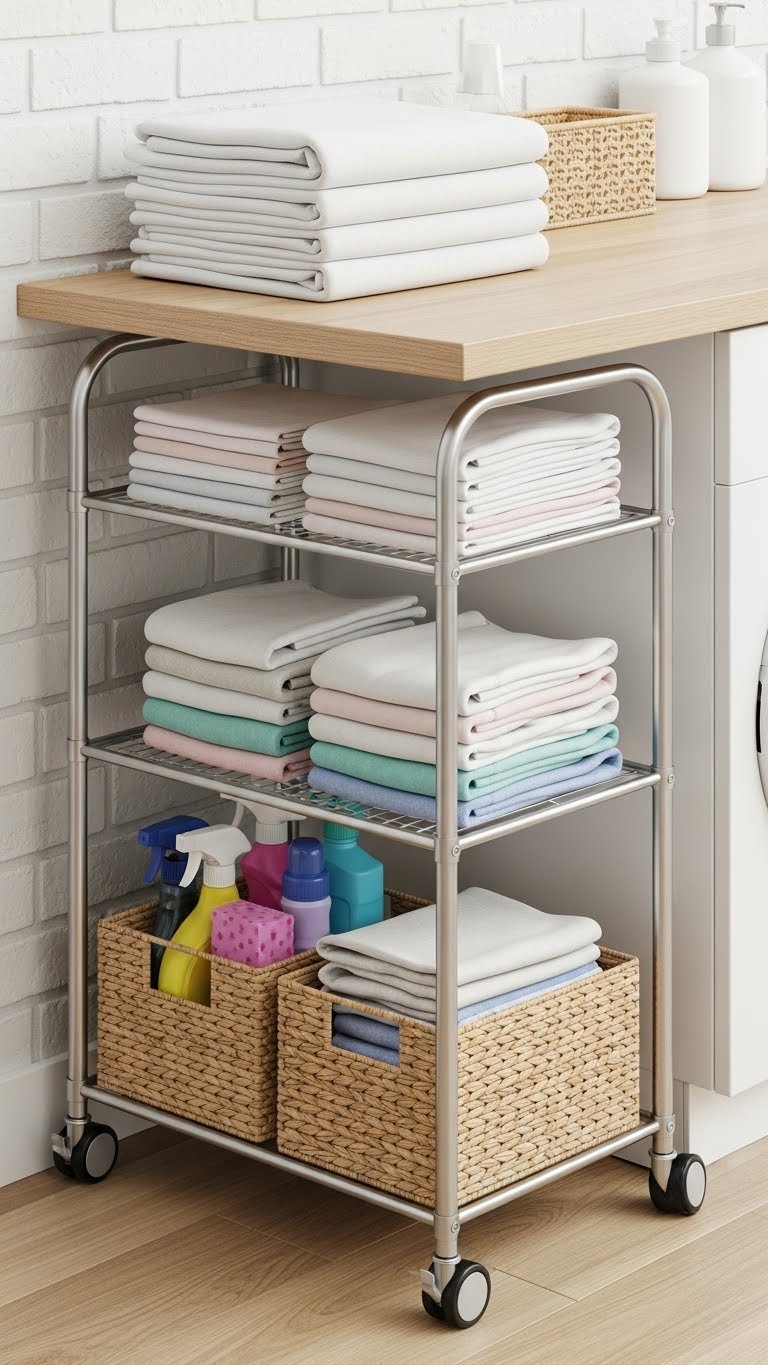
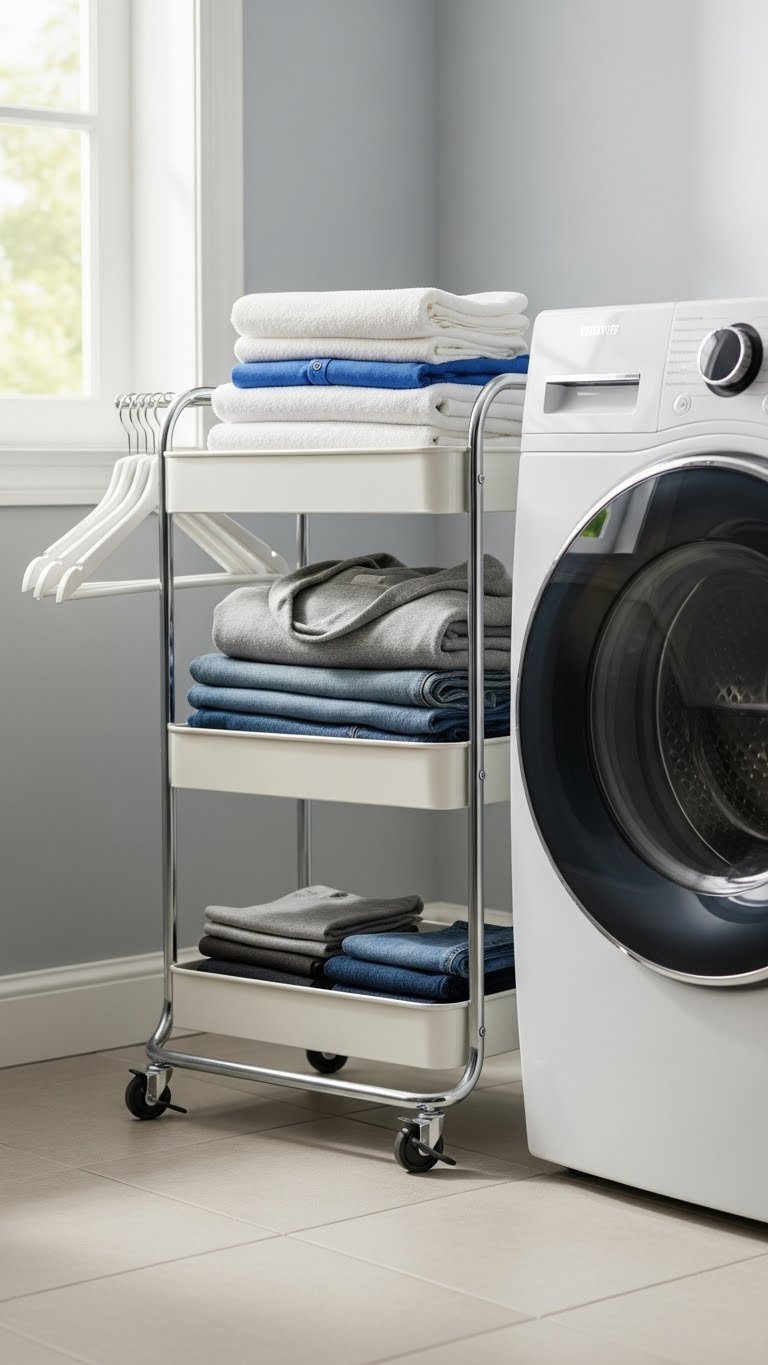
    11. Use a Rolling Cart as a Mobile Folding Station

    A rolling cart with multiple tiers gives you a folding station that moves where you need it. Perfect for small spaces, apartments, or if you fold in different rooms (laundry room, bedroom, living room).

    Metal or wood rolling carts range from $40–$150 depending on size and material. Look for sturdy construction with lockable wheels (non-locking carts are frustrating). IKEA’s PINNIG cart is popular at $40–$60, while fancier versions from Container Store run higher. Assembly takes 15–30 minutes. Pro tip: Use each tier for different categories—bottom tier for folded items, middle for items being worked on, top for small accessories.

    You get a portable folding station that adapts to your space and can tuck into a corner when not in use.


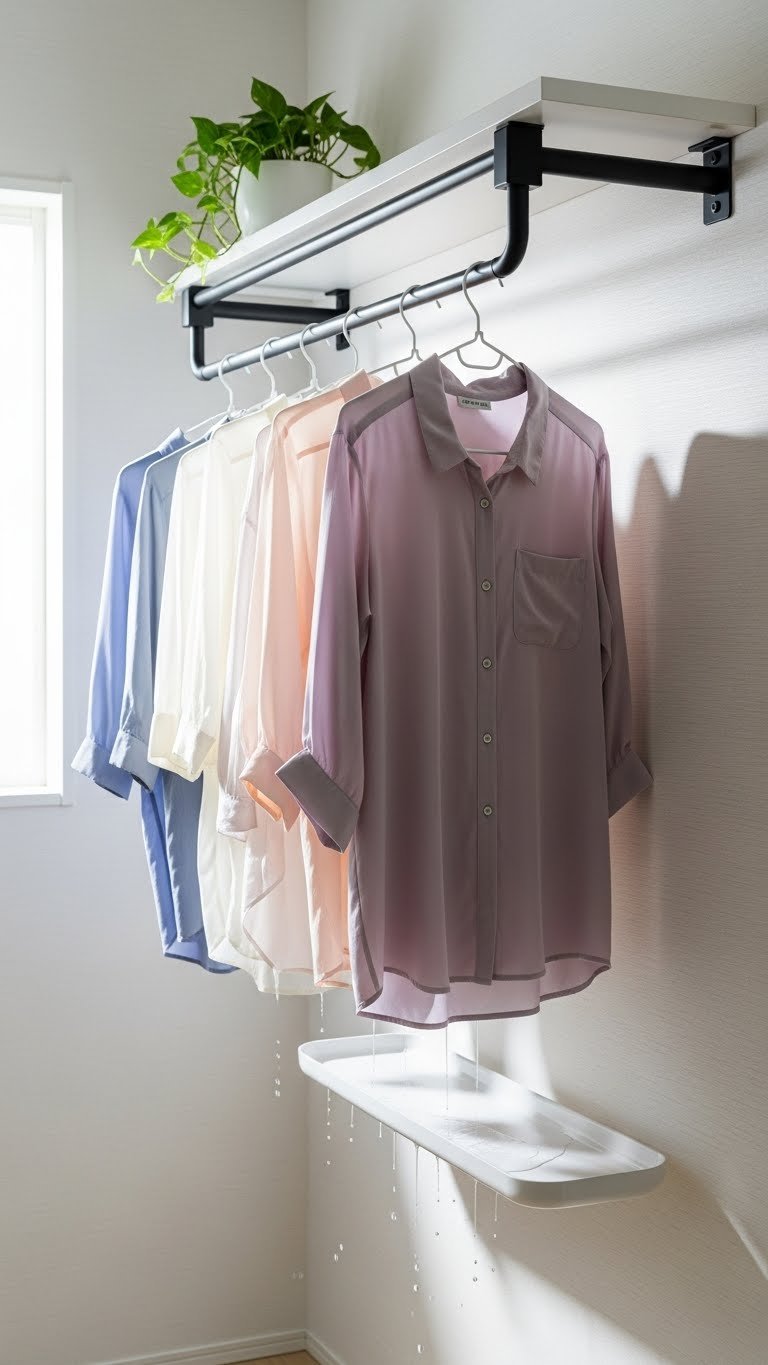
    12. Install Pull-Out Drying Racks Below Folding Counter

    Integrating drying space into your folding station means delicate items air-dry within arm’s reach of where you sort. Pull-out racks are sleek and don’t dominate your space when closed.

    Wall-mounted pull-out drying racks cost $60–$150 and take 1–2 hours to install (may need a handyperson if complex plumbing is involved). You can also use hinged racks ($30–$80) that swing out from under cabinetry. Pro tip: Position racks at chest height for easy reach and good air circulation. Some people stack multiple racks for volume.

    Now sweaters, delicates, and air-dried items have a permanent home near your folding zone—no more hunting for hangers or draping clothes over chairs.


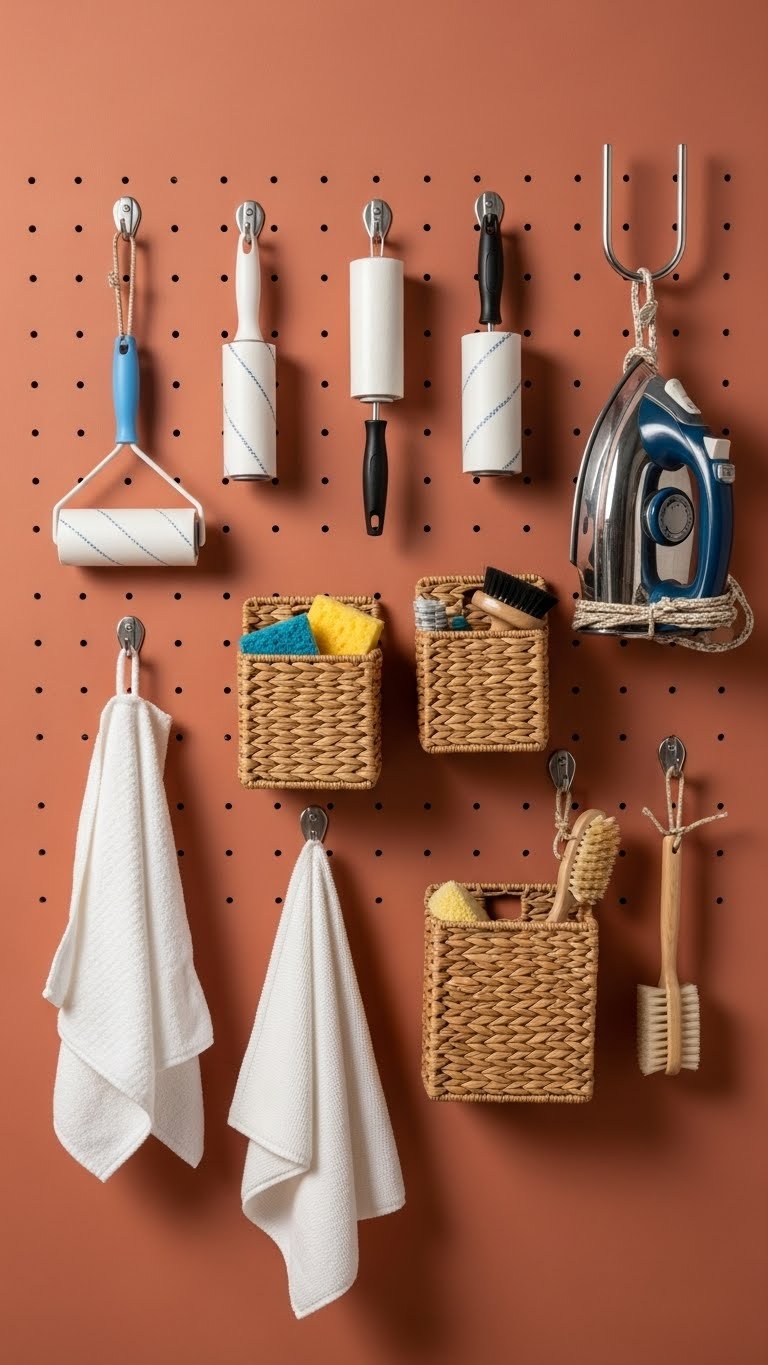
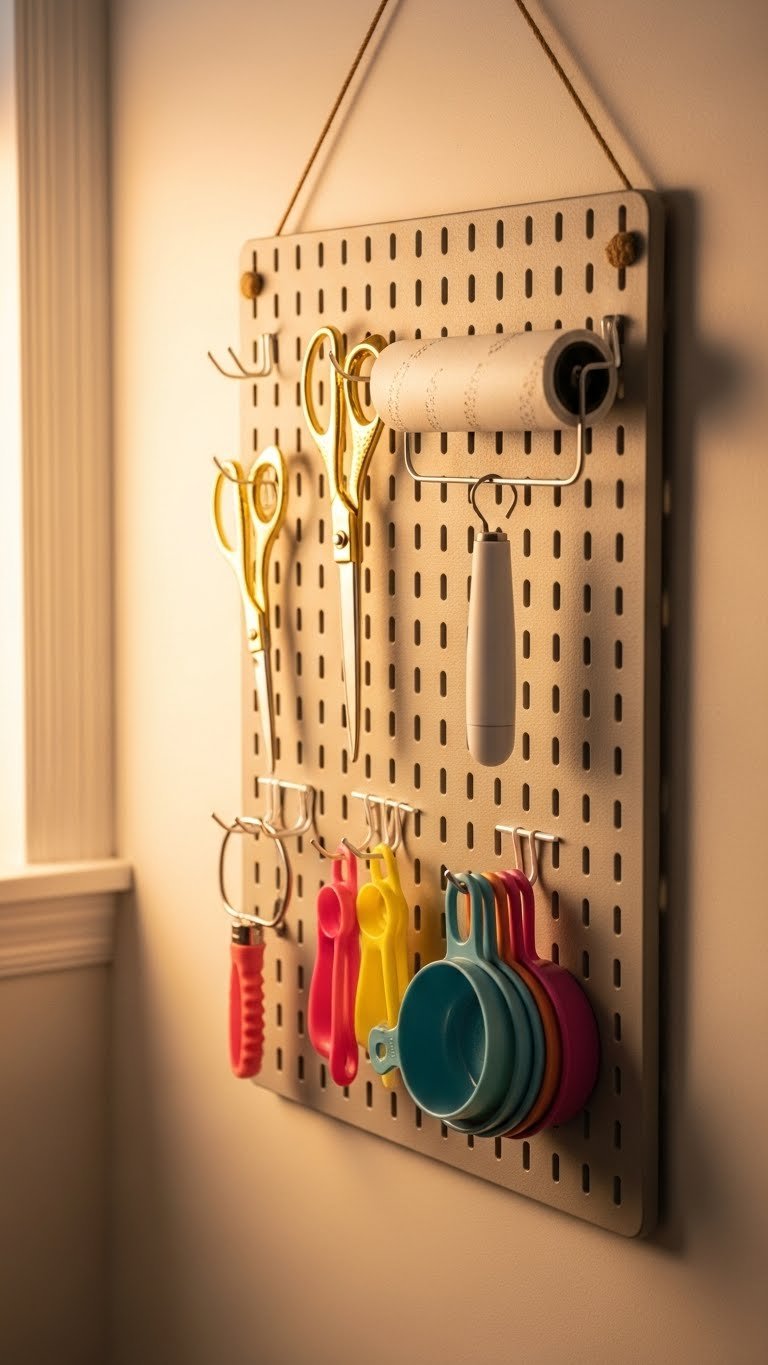
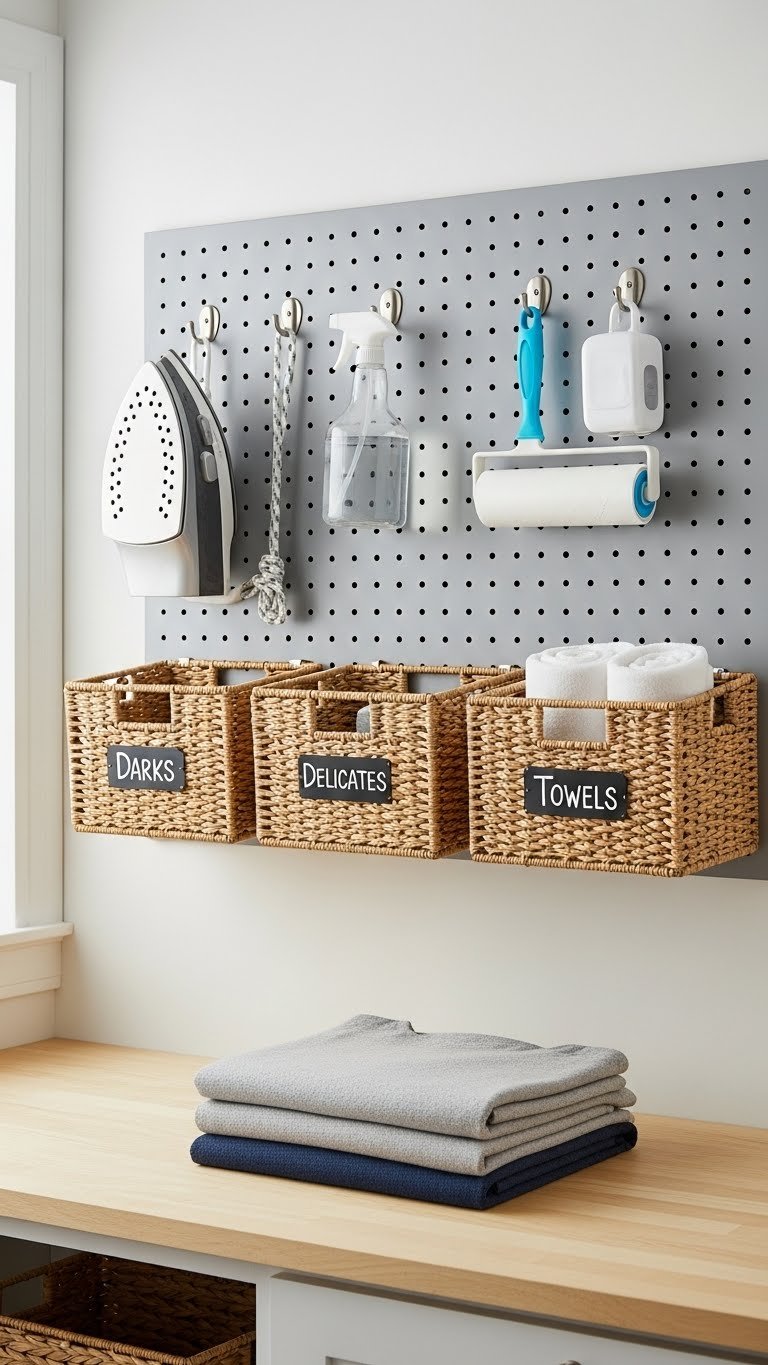
    13. Add a Pegboard for Tool and Supply Organization

    A pegboard keeps small tools and supplies visible and within reach, reducing clutter on your folding counter itself. This is especially useful if you iron, use stain remover frequently, or need quick access to lint rollers.

    A pegboard costs $15–$30, hooks are $10–$25 for a set, and paint is $20–$40 if you customize the look. Installation takes 1–2 hours and involves marking studs, drilling, and securing the board. You can rearrange hooks anytime to fit your workflow. Pro tip: Use labeled containers on the pegboard for socks, hair ties, or small items that disappear.

    Everything has a visible home, your counter stays clear, and you work more efficiently because nothing’s buried in drawers.


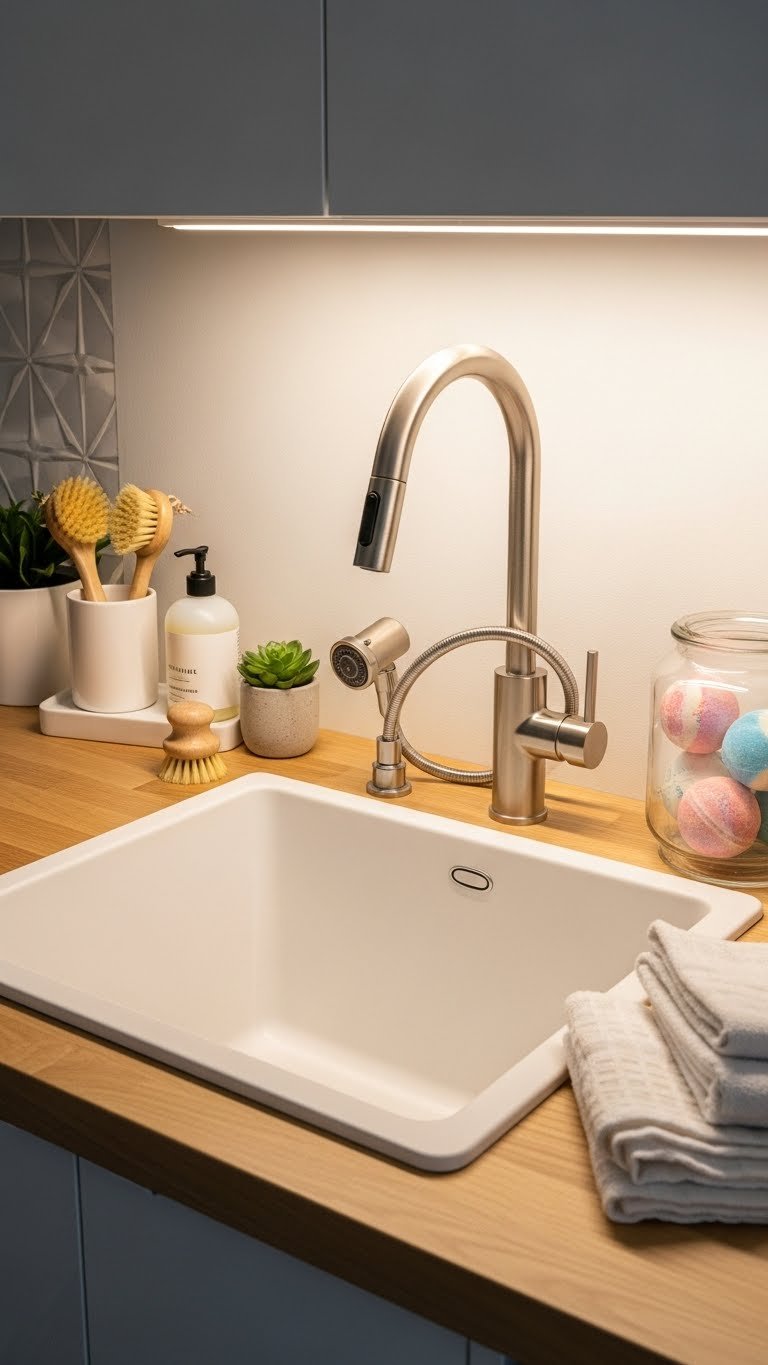
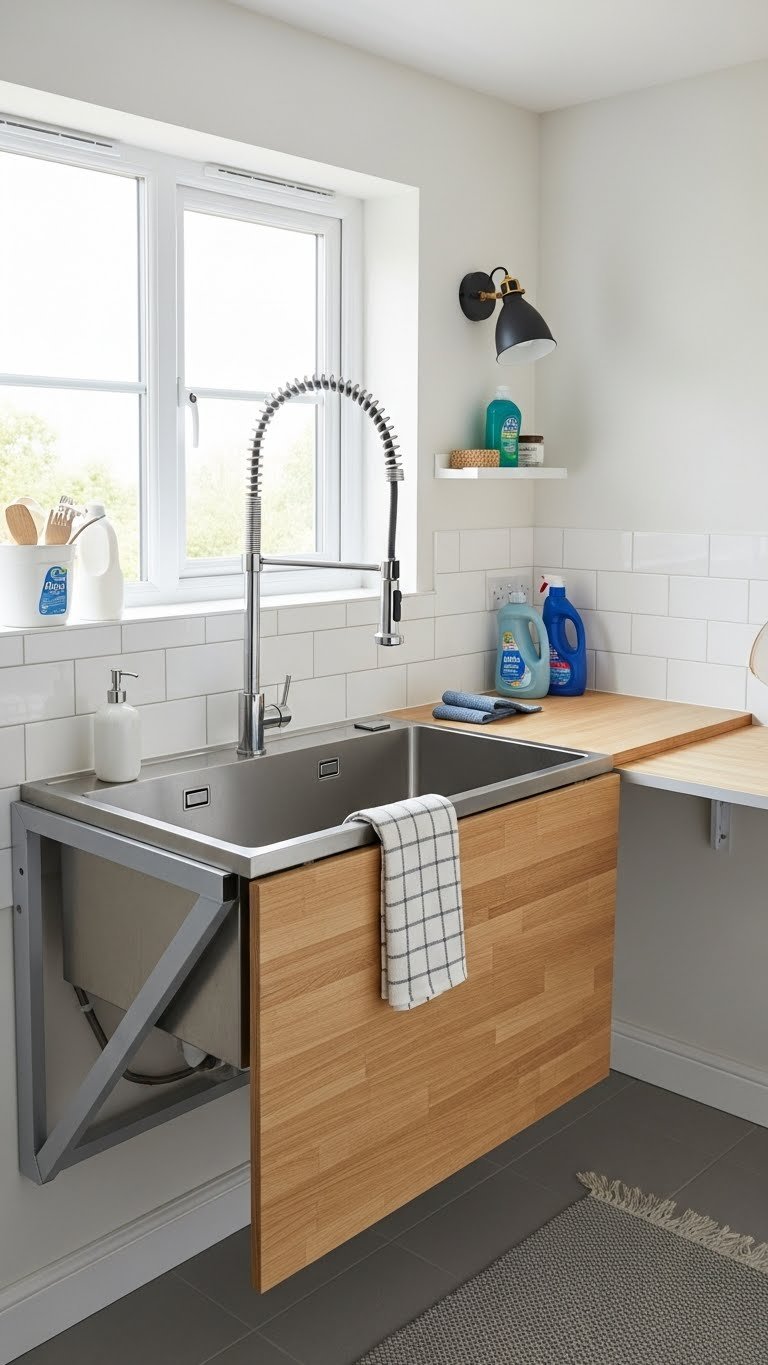
    14. Pair Your Folding Counter with a Deep Utility Sink

    A utility sink lets you rinse stains, soak delicates, and dampen clothes for stubborn wrinkles—all without leaving your laundry zone. It’s a legitimate upgrade that saves countless trips.

    Utility sinks cost $150–$400 depending on material and size; installation with plumbing runs $200–$500 (call a plumber). If you rent, this isn’t an option, but homeowners find it worth the investment. Faucets are separate ($50–$150). Installation takes a half-day to a full day depending on existing plumbing. Pro tip: Choose a 24–30 inch wide sink with at least 12 inches of depth.

    You’ve created a complete laundry processing center—washing, treating, folding, and drying all in one zone.


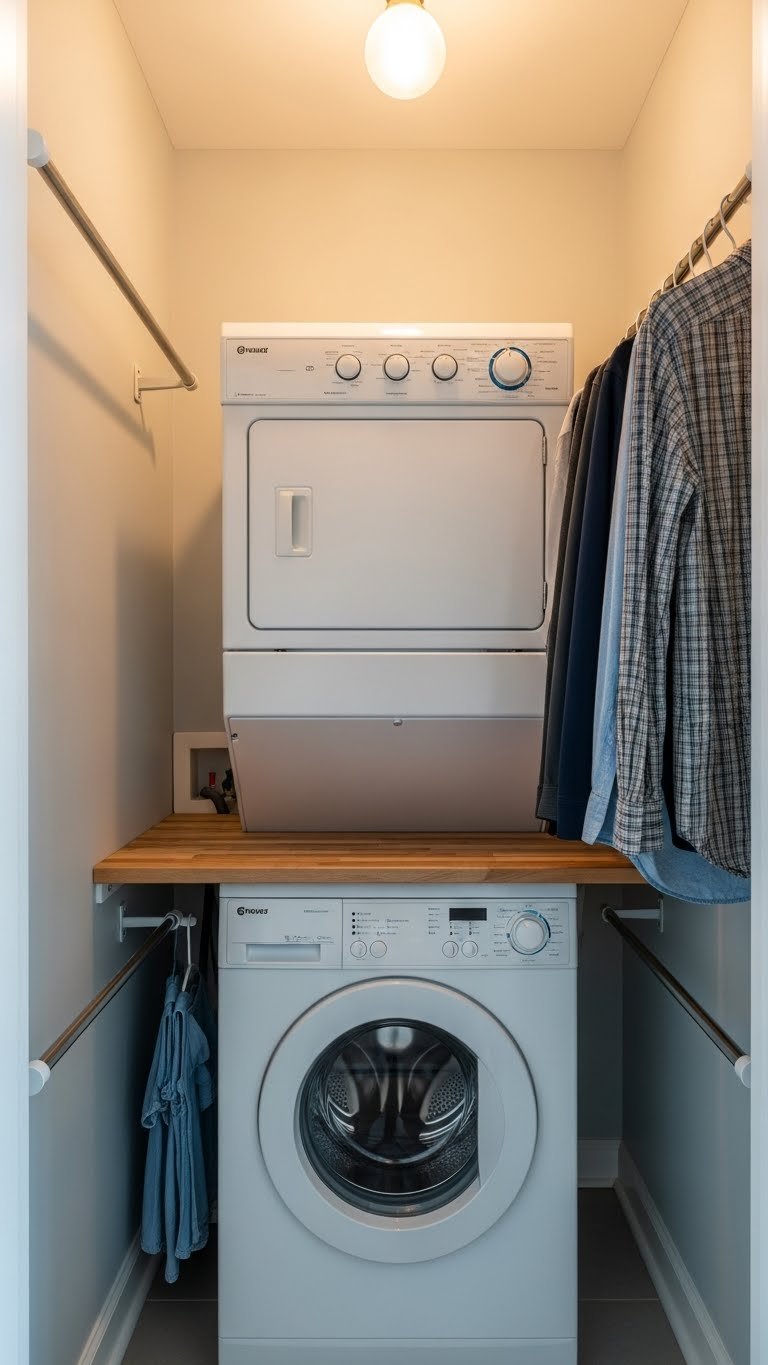
    15. Use Tension Rods to Hang Folded Clothes Temporarily

    Tension rods strung across a wall or between shelves create temporary hanging space for items waiting to be put away or for pieces that don’t need to be folded (like button-ups or sweaters).

    Tension rods cost $10–$25 each, and you’ll need 2–3 for a functional system. Installation takes 15 minutes with no tools—they wedge between studs or shelves. Add some basic wooden hangers ($20–$40 for a set of 10) and you’re done. Pro tip: Use this system for sorting—delicates that need careful folding on one rod, everyday items on another.

    Clothes have a holding zone instead of piling on your counter, so your work surface stays clear and organized.


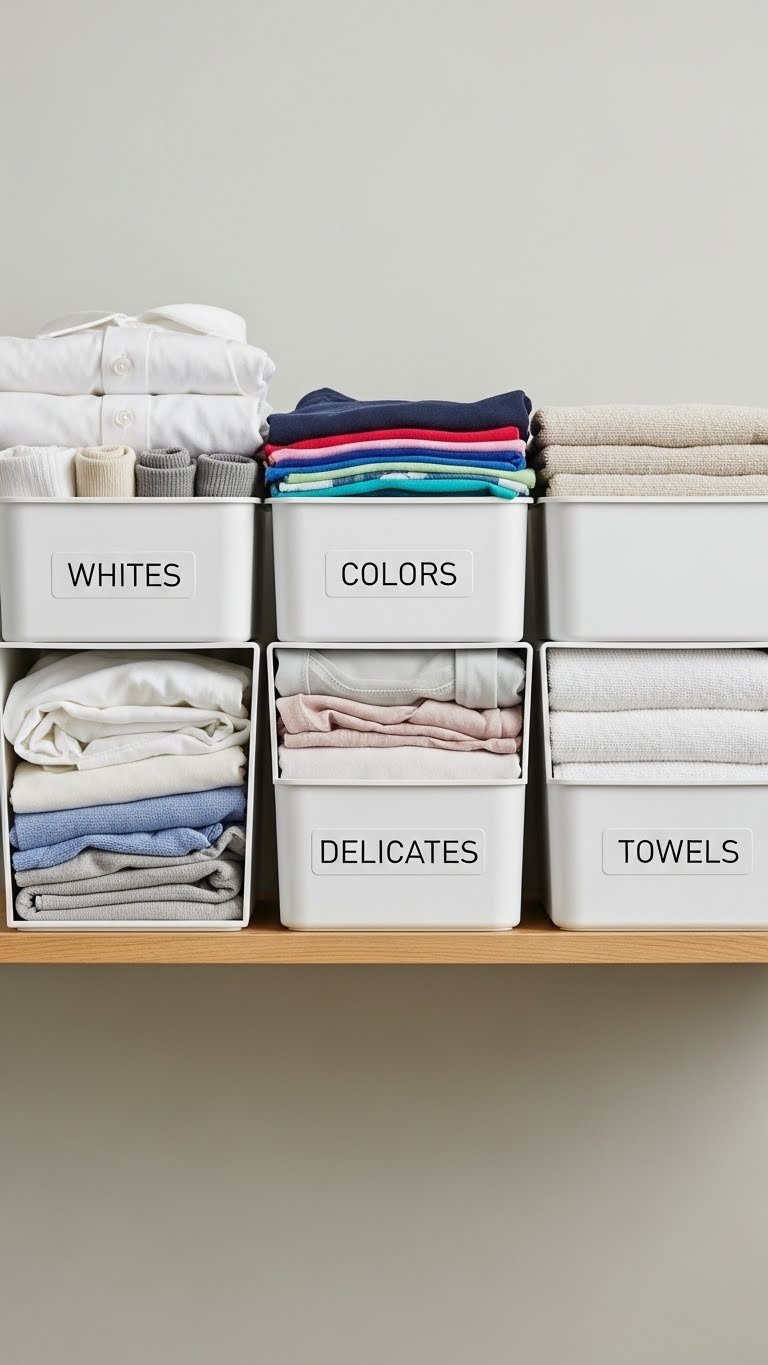
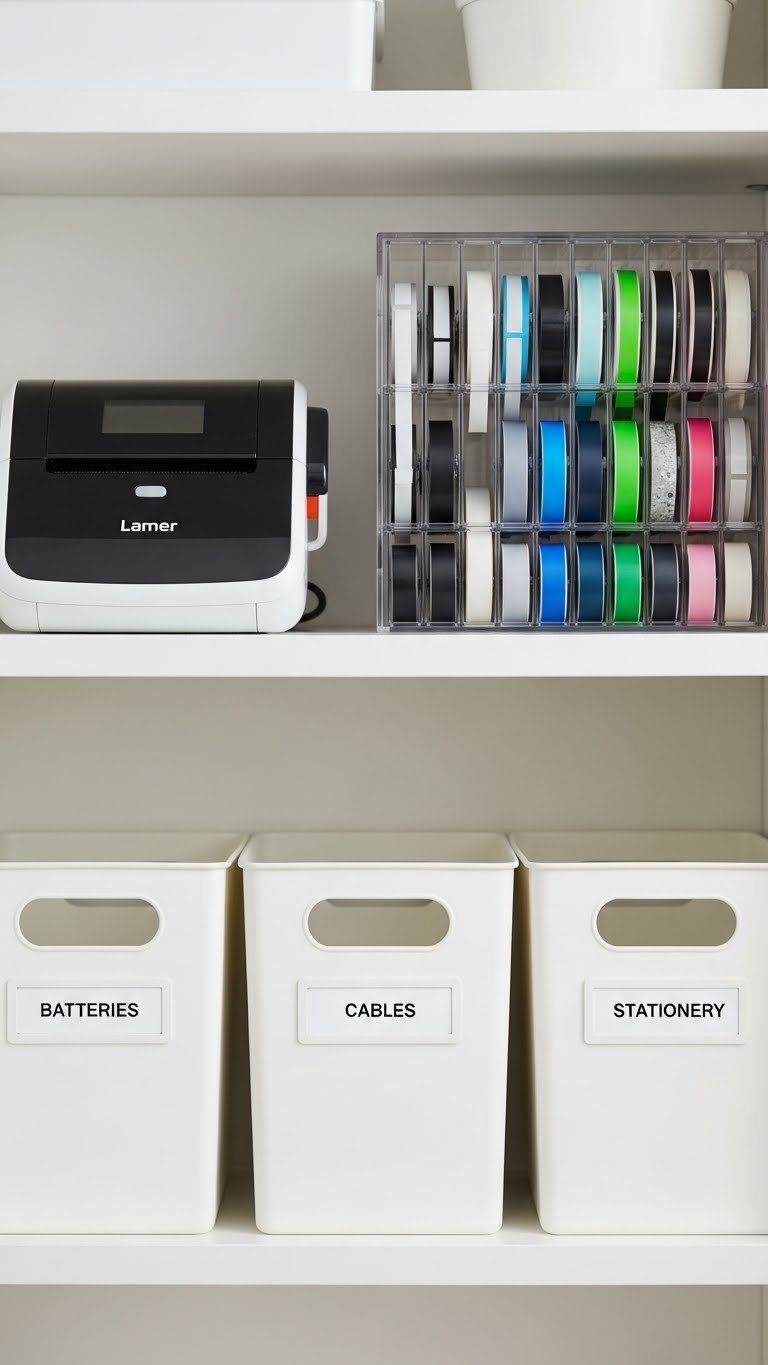
    16. Create a Label-Maker Station Within Arm’s Reach

    Labeling baskets, shelves, and drawers for socks, underwear, seasonal items, and delicates makes it faster to sort and put away—and keeps the whole family on the same page. A label maker feels small but changes everything.

    A basic label maker costs $15–$30 (Brother and Dymo make affordable ones), and label tape is $5–$15 per roll. The label maker sits on your folding counter or nearby shelf and takes seconds per label. Setup time: 10 minutes. Pro tip: Use color-coded label tape for different room categories or family members.

    Now sorting transitions smoothly to putting away because everyone knows exactly where things belong.


    17. Mount a Fold-Down Ironing Board Above or Behind Your Counter

    An integrated fold-down ironing board means you can press wrinkled items without leaving your laundry zone. This is especially useful if you’re someone who likes crisp clothes but doesn’t have a separate ironing space.

    Wall-mounted ironing boards cost $80–$200 depending on size and quality. Installation takes 45 minutes to 1 hour and requires wall studs or heavy-duty anchors. Some are reversible or have mesh surfaces for better airflow. Pro tip: Mount it at chest height so you’re not straining to reach, and position it perpendicular to your folding counter if space allows.

    Pressing and folding happen in the same zone, cutting your laundry workflow time by eliminating transitions.


    18. Add a Small Counter-Top Steamer Station

    A compact steamer offers a quick alternative to ironing for delicate fabrics and touch-ups. Many people find it faster and gentler than traditional pressing.

    Handheld steamers cost $30–$80 and take up minimal space (about 12 inches tall). Small tabletop steamers run $50–$120 but have slightly more power. They need only 5–10 minutes to heat up, and you can use tap water. Setup involves storing the steamer and a small container for water on your counter or nearby shelf—takes 5 minutes. Pro tip: Keep a microfiber cloth nearby to smooth fabric after steaming.

    You now have a quick wrinkle-removal option that’s faster than ironing for many fabrics and lighter to use.


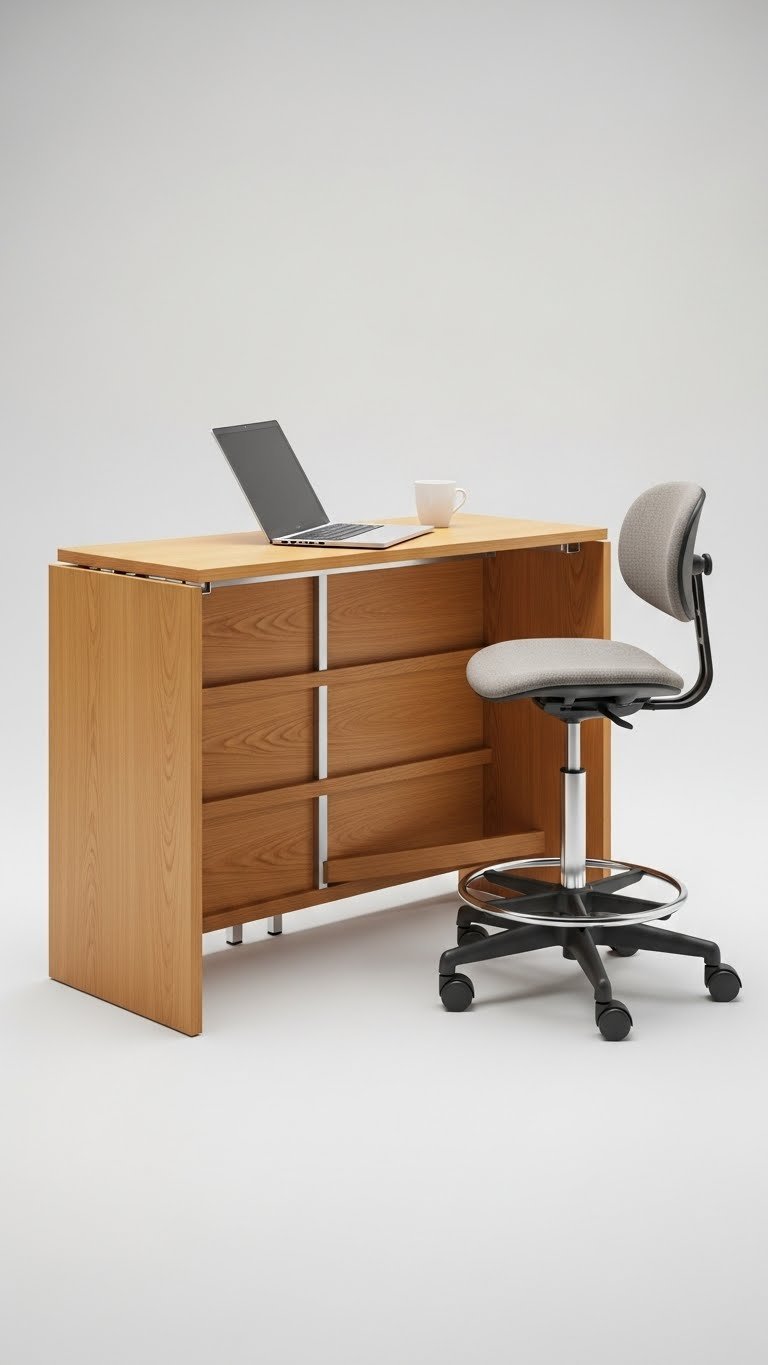
    19. Design an Accessible Folding Station for Mixed Heights

    If your household includes kids, elderly family members, or anyone with mobility concerns, an accessible folding station works for everyone. A combination of standing and sitting options ensures comfort for all.

    Your base counter stays at 30–34 inches for standing comfort. Add an adjustable stool ($40–$100 from IKEA, Amazon, or Target) so people can sit if needed. Ensure counter depth is at least 24 inches for comfortable reach. A cushioned mat underneath reduces fatigue while standing. Setup time: 30 minutes, cost is under $150 if you’re adding seating only.

    Everyone in your household can participate in laundry without strain, and the setup encourages shared responsibility.


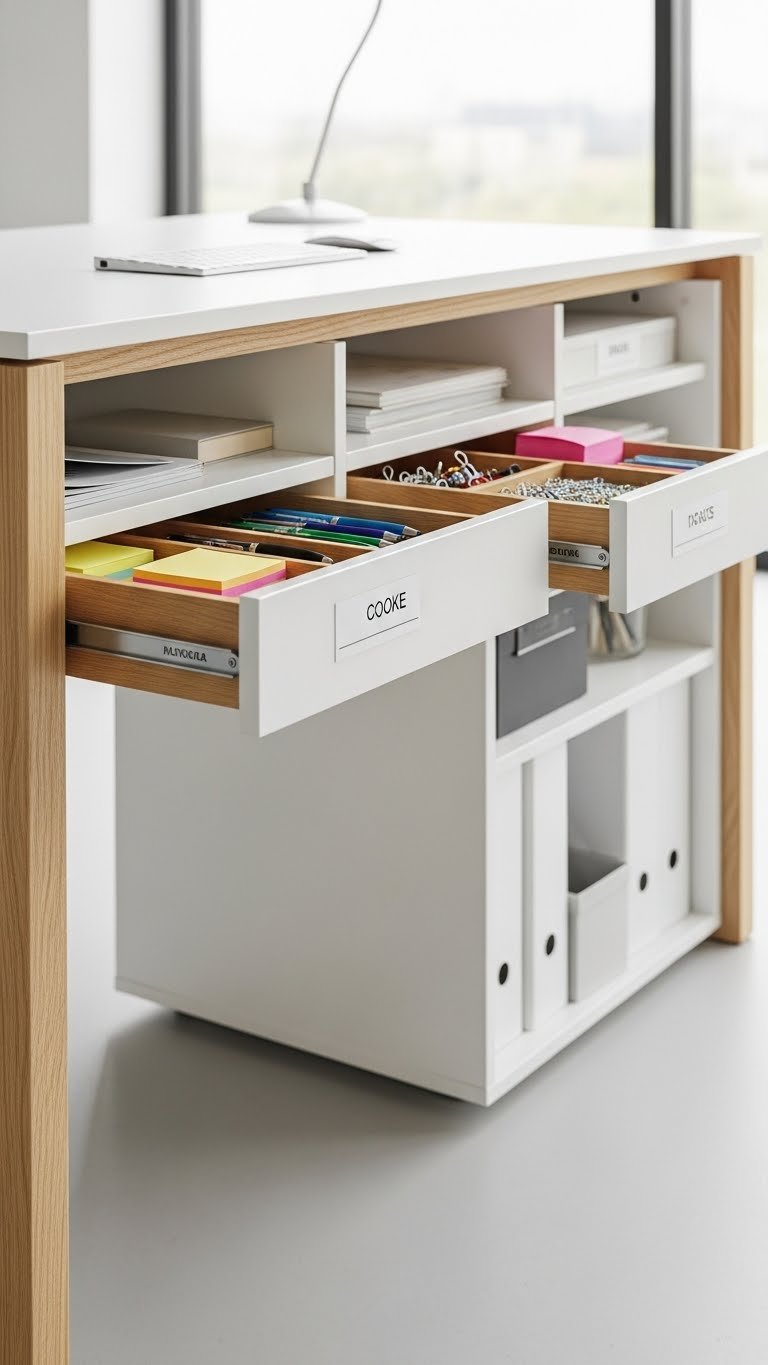
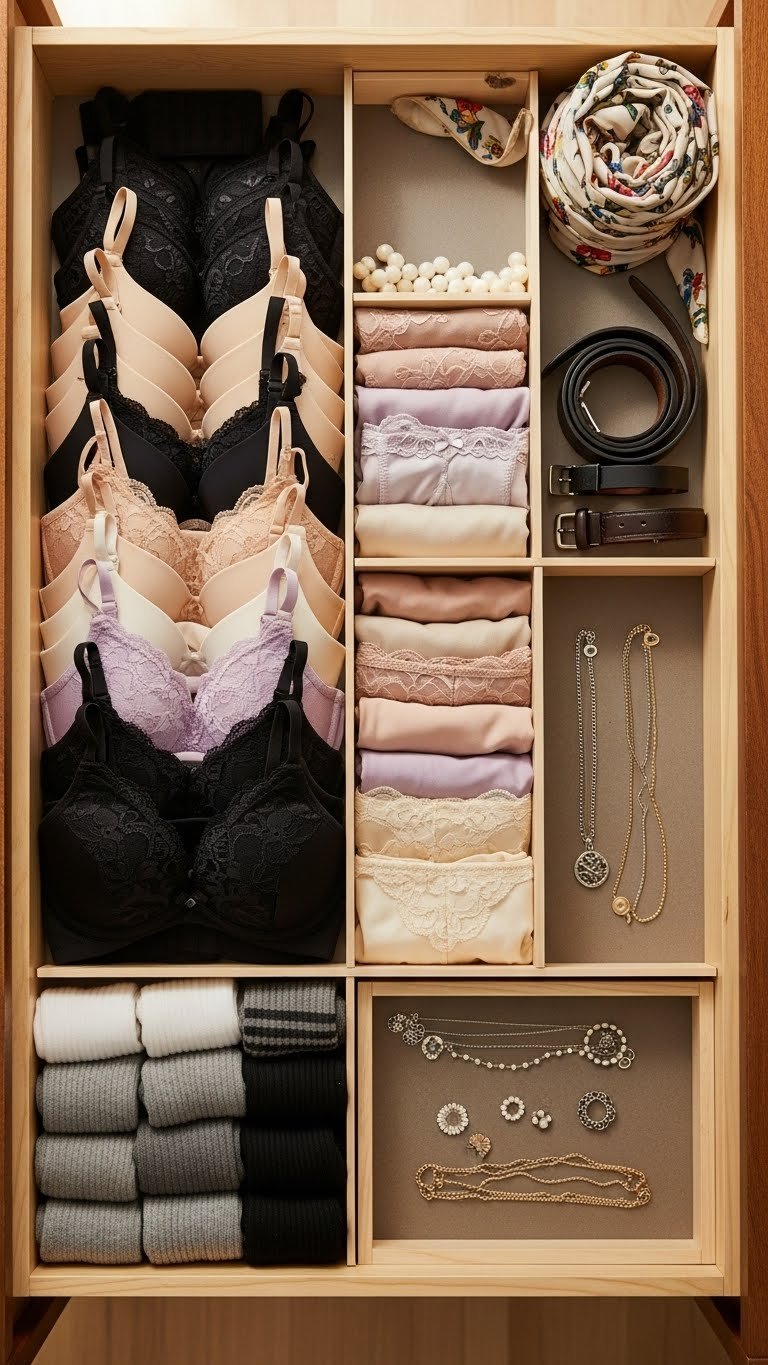
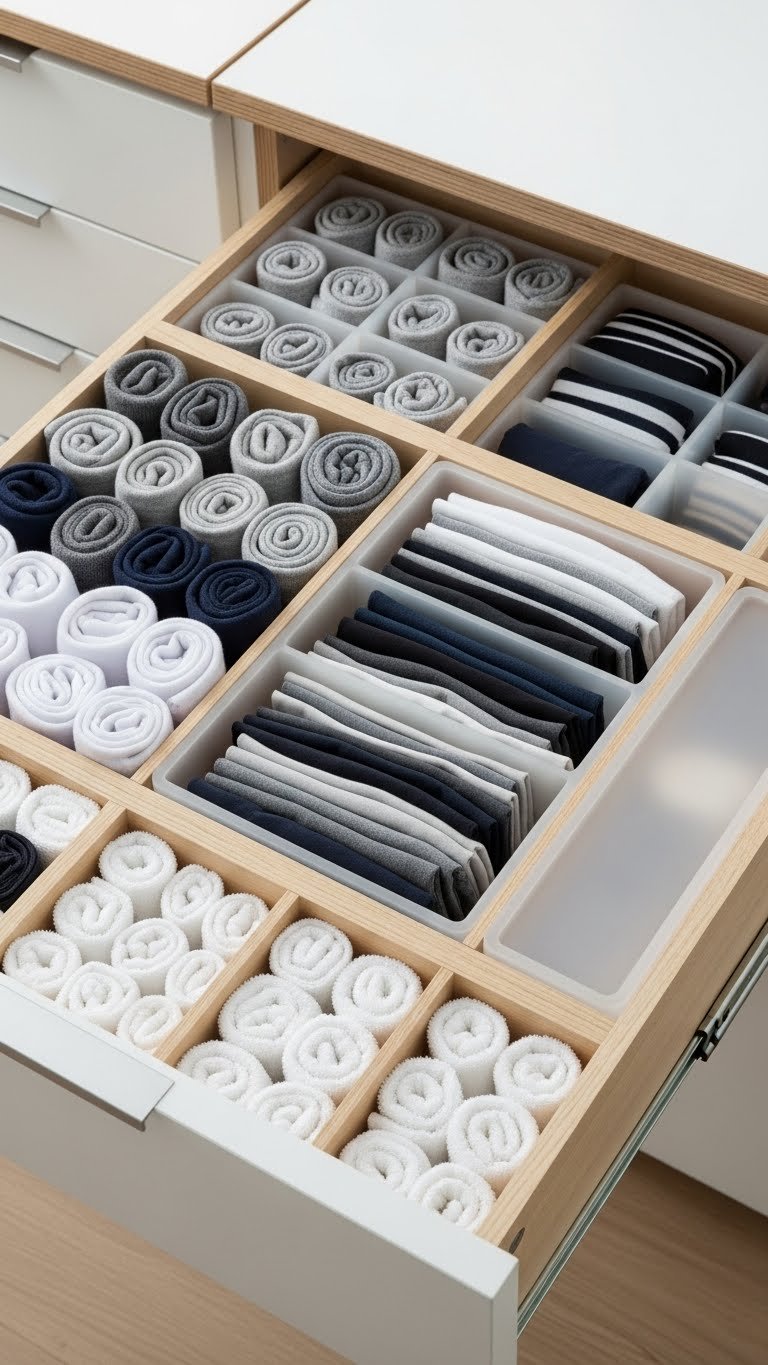
    20. Use Drawer Dividers to Keep a Folding Drawer Organized

    If your folding counter has drawers underneath, dividers turn them into organized sorting zones. This keeps your work surface clear and prevents items from shifting during the fold.

    Wooden or plastic drawer dividers cost $15–$40 per set, and you can customize lengths. Installation takes 15 minutes (most are just wedged in place or stick on). Use one drawer for socks and small items, another for towels, another for delicates. Pro tip: Choose adjustable dividers so you can reconfigure as needs change.

    Your workflow streamlines because sorted items have designated homes, and your counter stays a clear work surface instead of a staging area.


    21. Install a Countertop Carousel for Small Supplies

    A lazy Susan or rotating carousel keeps small supplies organized and within a rotation’s reach. Everything’s visible, nothing gets lost in the back of a shelf, and you use floor or counter space efficiently.

    Small carousels cost $15–$40 and take seconds to place on your counter. Stock it with stain remover, lint rollers, wrinkle spray, hair-tie holders, or sock bins. Metal or wood versions match different styles. Pro tip: Use small containers or baskets on the carousel so items don’t roll around and everything looks intentional.

    Your supplies are always accessible and visible, meaning you work faster and nothing disappears into the clutter.


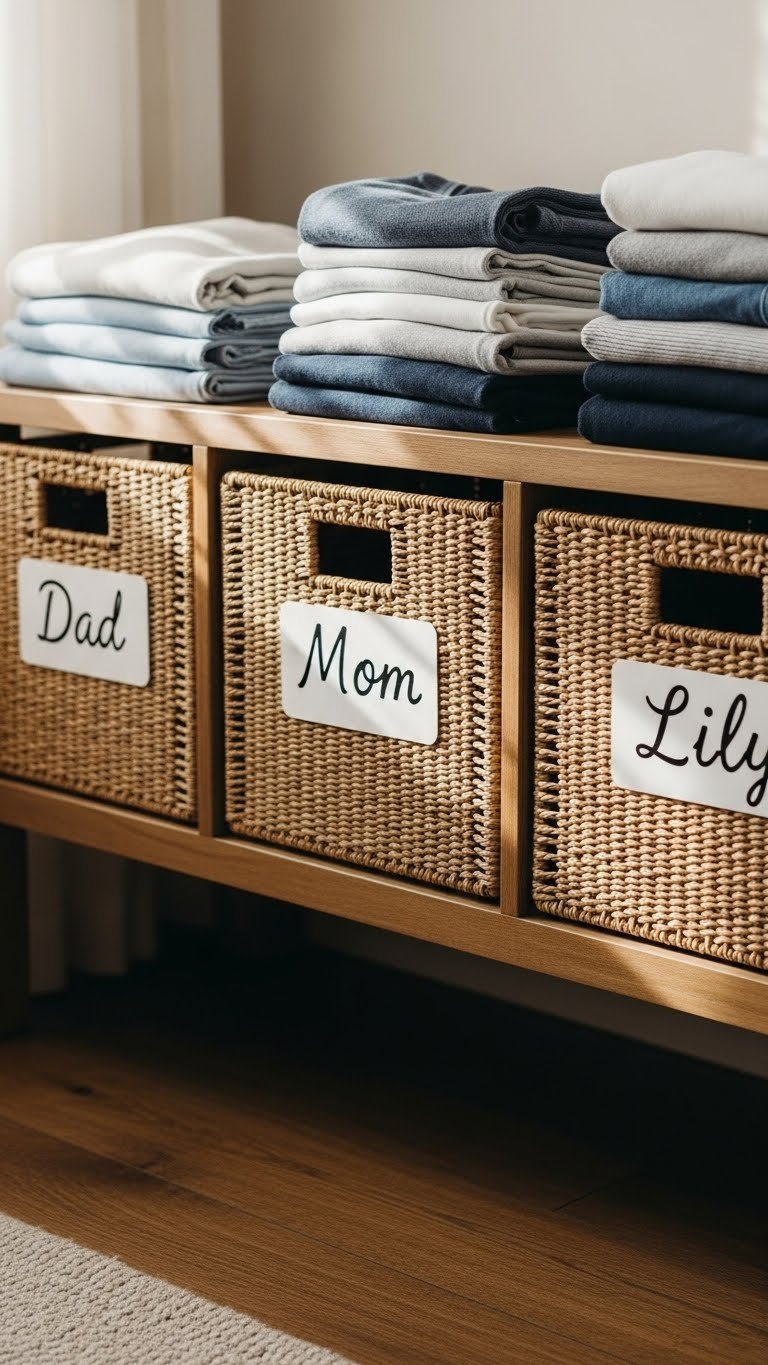
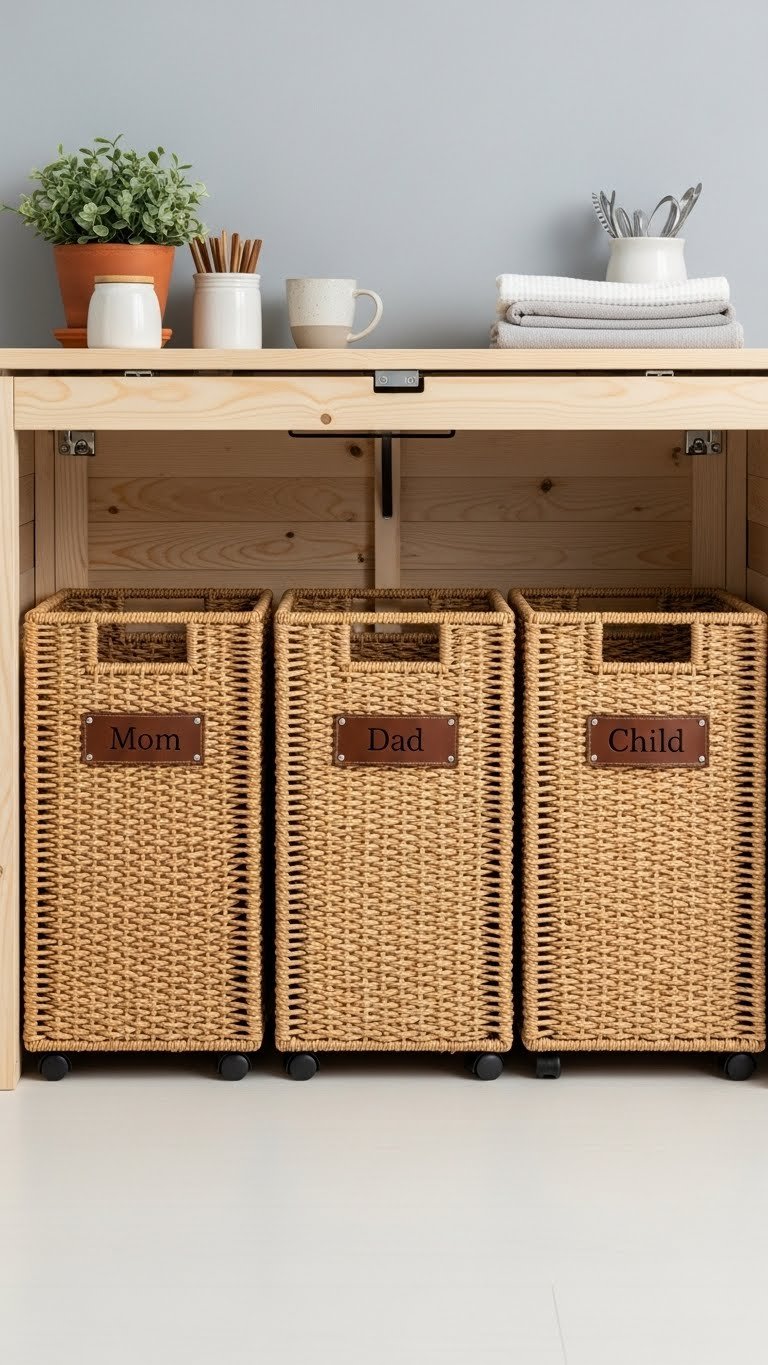
    22. Build a Rolling Basket System for Multi-Person Households

    For households with multiple people, personalized rolling baskets turn the folding station into a distribution hub. Each person’s clean laundry goes into their basket, ready to take to their room.

    Rolling baskets cost $20–$60 each from Target, IKEA, or Container Store. Get 3–5 depending on household size. Label each basket with names or use color-coding. Total investment: $60–$300. Setup takes 20 minutes. Pro tip: Keep baskets under the counter when not in use so your folding space stays open.

    Folding becomes sorting, and everyone knows where to grab their clean clothes—reducing the “where’s my shirt?” chaos.


    23. Add a Fold-Down Changing Station for Households with Small Children

    If you have young children, a fold-down changing station next to your folding counter lets you fold and dress kids without carrying loads of laundry to bedrooms. It’s efficient and makes sorting by child easy.

    Wall-mounted changing pads cost $80–$180 and installation takes 1–2 hours (requires wall studs). Fold them up when not in use to reclaim counter space. Some parents add a small shelf above for commonly grabbed items like diapers or wipes. Pro tip: Position it low enough (20–24 inches) so you’re not straining to reach.

    Your laundry zone becomes a one-stop station for processing, folding, and dressing little ones—cutting multiple steps out of your routine.


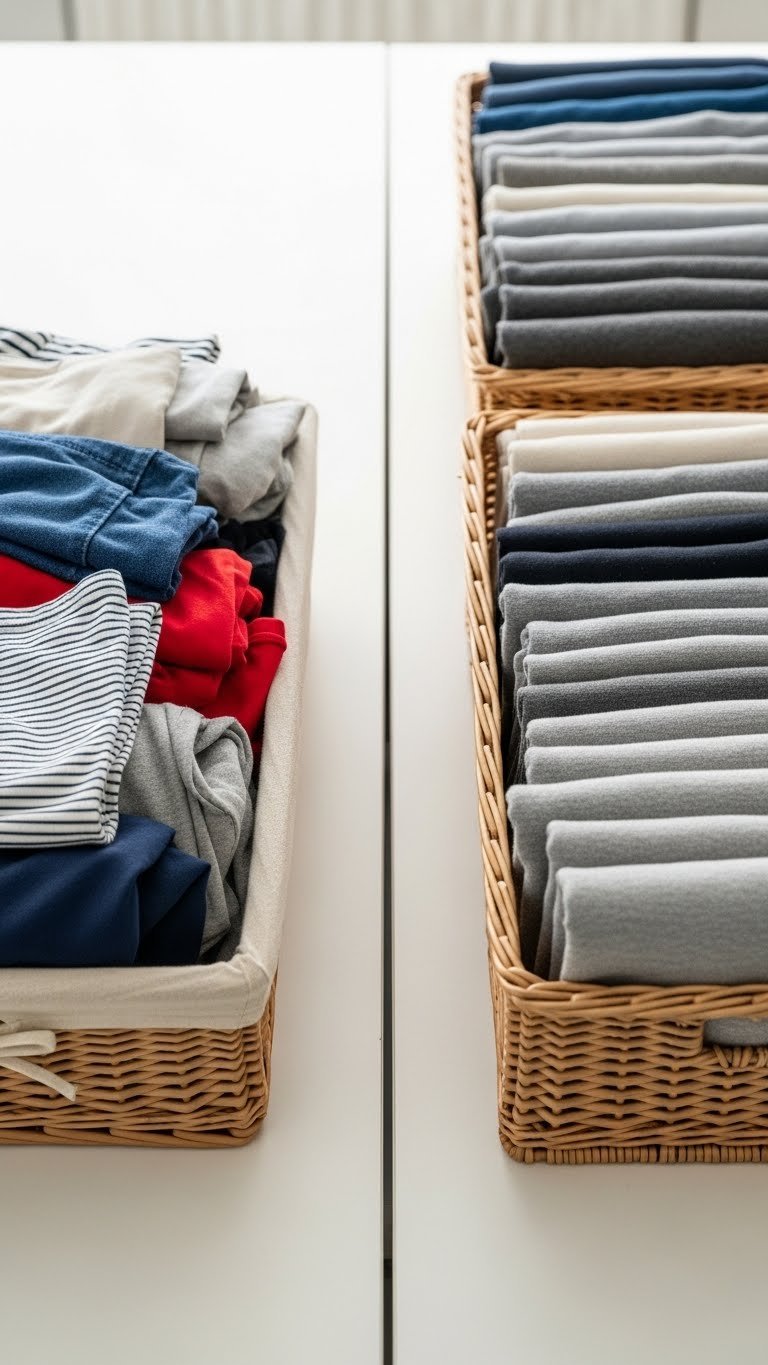
    24. Create a Before-and-After Staging System

    A visual system where one side of your counter holds unfolded clothes and the other holds folded items keeps you on track and gives you a sense of progress. This sounds simple but genuinely speeds up the process.

    You need two baskets or containers ($15–$40 combined) and about 3–4 feet of counter space. Place your unfolded basket on the left, folded basket on the right. As you finish items, they move to the right—instant visual proof of progress. Setup time: 5 minutes. Pro tip: Use different colored baskets for even clearer visual separation.

    You’ll work faster because you can see progress, and the system keeps you focused instead of letting your mind wander.


    25. Install Ambient Lighting to Make the Space Feel Inviting

    Beyond task lighting, ambient light makes your folding station feel less like a chore zone and more like a pleasant space. Warm lighting specifically improves mood and makes you more likely to fold promptly.

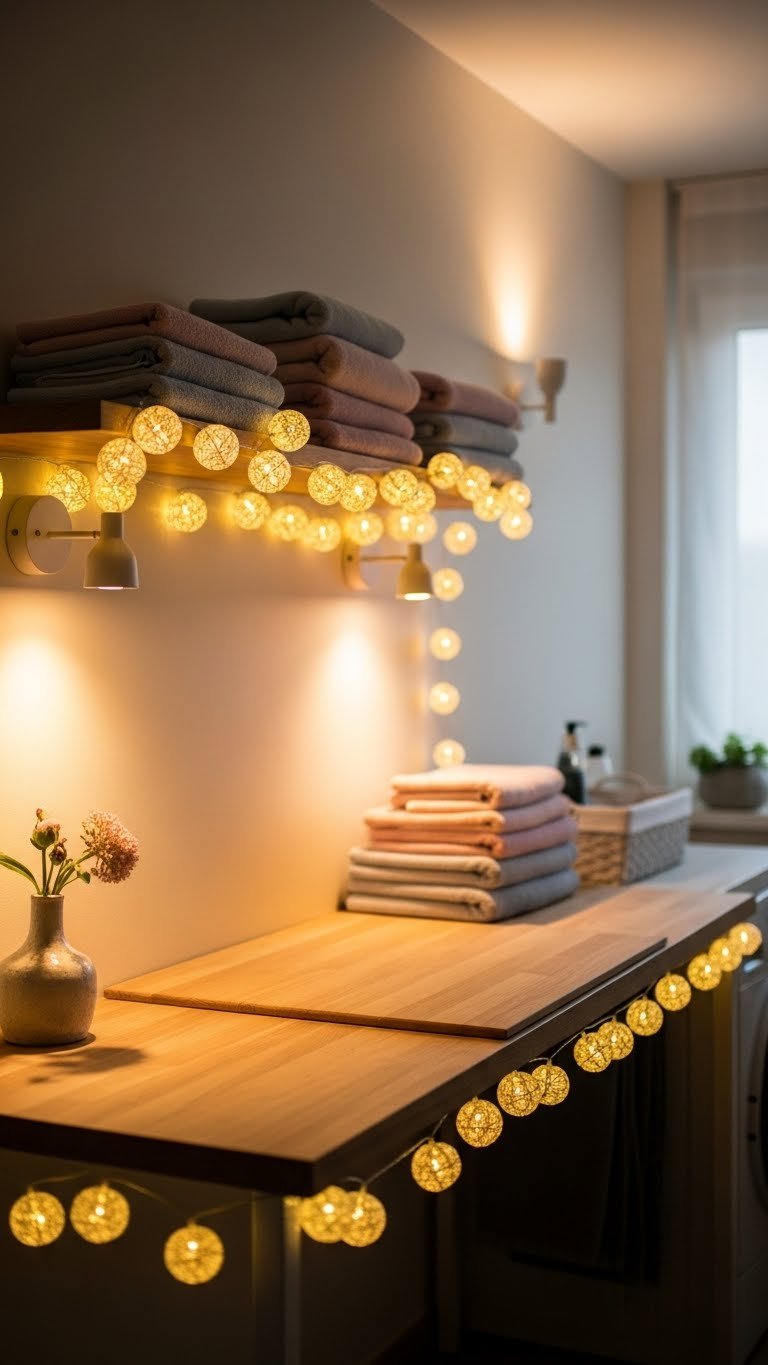
    Warm LED strip lights ($20–$50), battery-operated sconces ($25–$60 each), or even small string lights ($15–$40) work beautifully. Choose bulbs in the 2700K range for warm tone. Installation takes 30 minutes to 1 hour depending on type. Pro tip: Install dimmers so you can adjust brightness based on time of day or your energy level.

    Your laundry room stops feeling utilitarian and starts feeling like a space where you actually want to spend time—making chores feel lighter.


    26. Combine All Systems: Design Your Complete Folding Station

    The magic happens when you layer these ideas into a cohesive system tailored to your space and workflow. Your perfect folding station combines storage, lighting, accessibility, and organization into one streamlined zone.

    Start with your base: counter at 32–36 inches high, at least 24–30 inches deep. Layer in task lighting overhead ($50–$150), floating shelves above for supplies ($60–$100), pull-out storage below ($100–$300), and ambient lighting for mood ($30–$80). Add a utility sink if you can ($300–$800 with installation) and organizational accessories like label makers and dividers ($50–$100). Total time to design and install: 1–4 weeks depending on complexity. Total budget: $500–$2,000 for a full setup (scale up or down based on your priorities).

    You’ve created a personalized laundry command center that makes every step smoother and faster—transforming a dreaded chore into an efficient, almost pleasant part of your routine.


    Save this post and start with just one idea this weekend. Whether it’s better lighting, a simple shelving system, or a rolling cart, even one upgrade will make your folding station work harder for you. Share this with anyone drowning in laundry piles—we could all use a little laundry room inspiration.

  • 24 Hobby Room Design Ideas That Make Creativity Feel Effortless

    24 Hobby Room Design Ideas That Make Creativity Feel Effortless

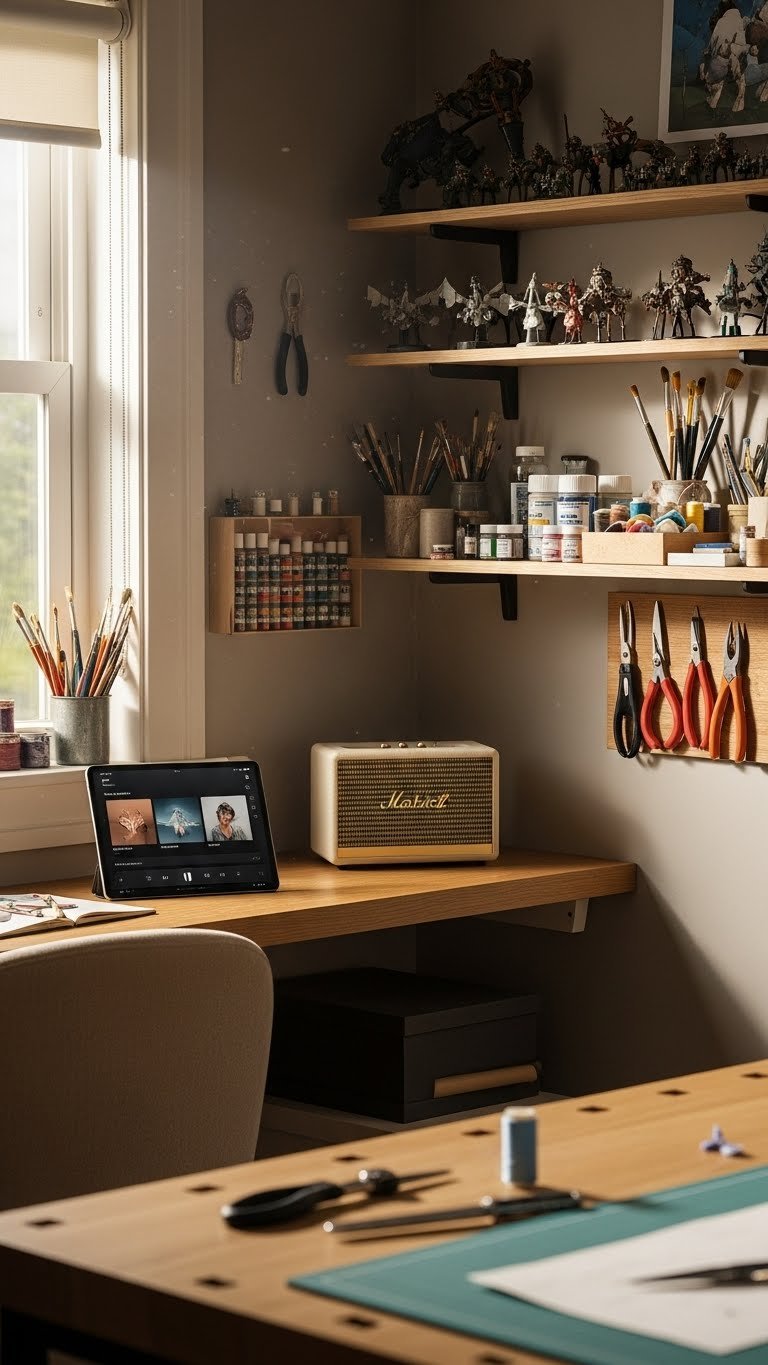
    Your creative space doesn’t need to be huge or expensive—it just needs to work for you. Whether you’re a painter, writer, crafter, or maker of any kind, the right setup removes friction and makes creating feel natural instead of forced. You’ll spend more time actually doing the work you love and less time hunting for supplies or fighting bad lighting. We’ve gathered 24 hobby room ideas that range from zero-dollar rearrangements to smart investments, all designed to make your creative process smoother and your space more inspiring. Let’s build a room that actually supports your hobbies instead of getting in the way.

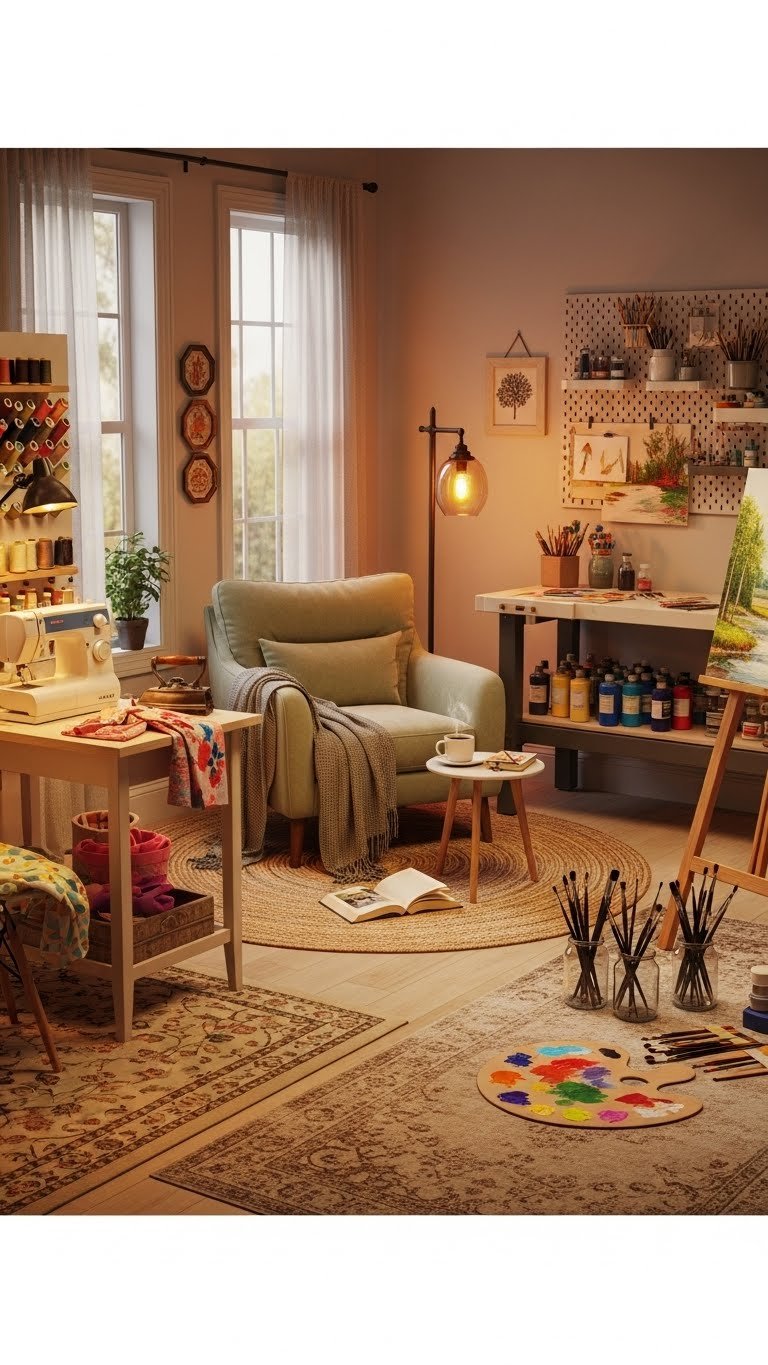
    1. Create Zones for Different Activities

    Trying to sketch, sort supplies, and take photos in one cramped corner leads to chaos. Dedicate specific zones for different tasks—one for active creation, one for sorting and storage, one for photographing or reviewing your work.

    You don’t need walls to make this work. Use a tall bookshelf, a curtain rod, or even furniture placement to create subtle boundaries. A $30-$80 room divider from IKEA or Amazon works instantly, or rearrange what you already own. Taking one weekend to map out your space prevents constant setup and teardown every time you create.

    Pro tip: Position your creation zone near your best natural light source. Your work deserves to be seen clearly while you’re making it.

    The moment you have dedicated zones, you’ll notice you stay longer and create more. Your brain relaxes when it knows where things belong, so you can focus on the actual work.

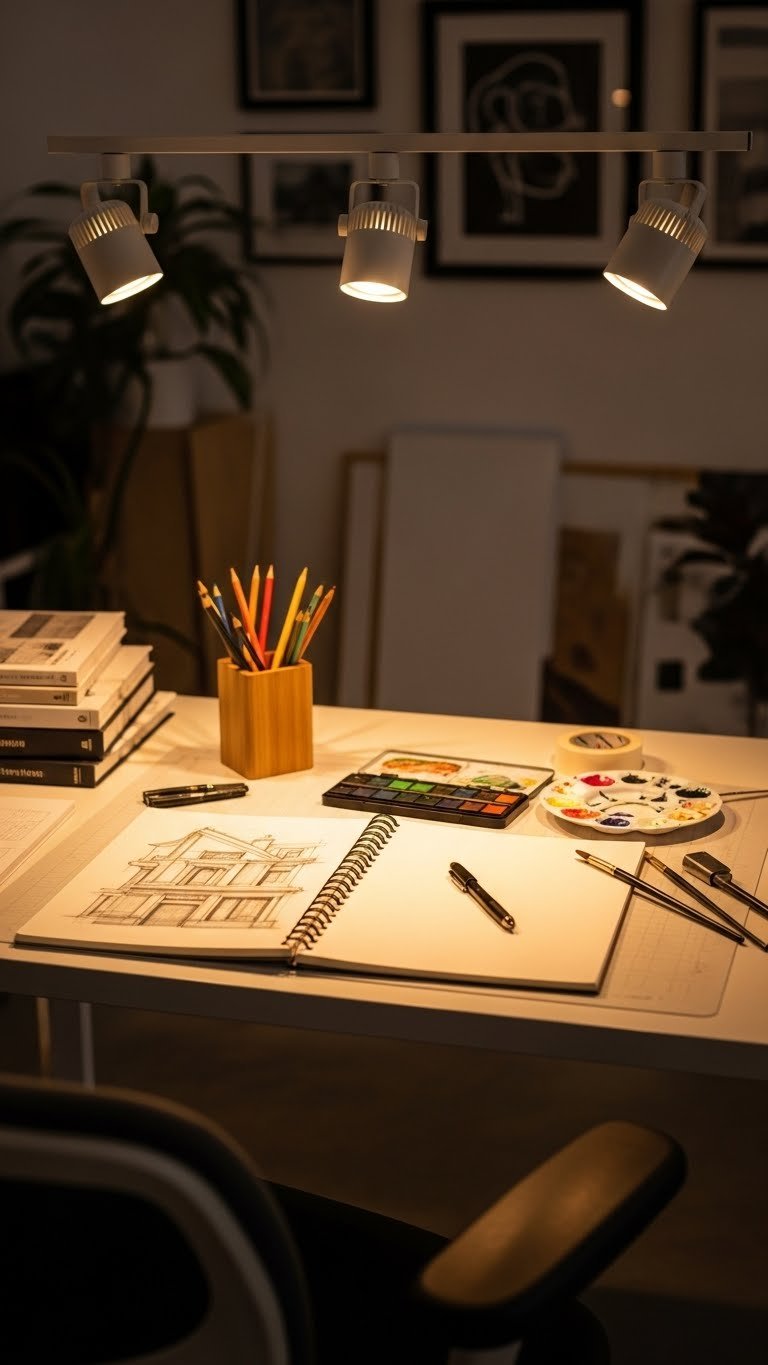
    2. Install Track Lighting for Flicker-Free Work

    Overhead lights cast shadows exactly where you need them most—right on your work. Track lighting lets you angle light precisely where you’re creating, eliminating the frustration of squinting or shading your work with your own hands.

    Track light kits run $60-$150 from Home Depot or Lowes and are renter-friendly if you use adhesive strips instead of drilling. Position at least two fixtures to avoid shadows. Installation takes about an hour for a basic setup. If you rent, under-cabinet LED strips ($20-$40) tape directly under shelves and provide focused light without permanent changes.

    Pro tip: Choose 5000K color temperature (daylight) for detailed work or 3000K (warm white) if you also want ambiance.

    No more squinting at your work or accidentally shading what you’re doing with your own body. You’ll notice details you missed before and finish projects faster.

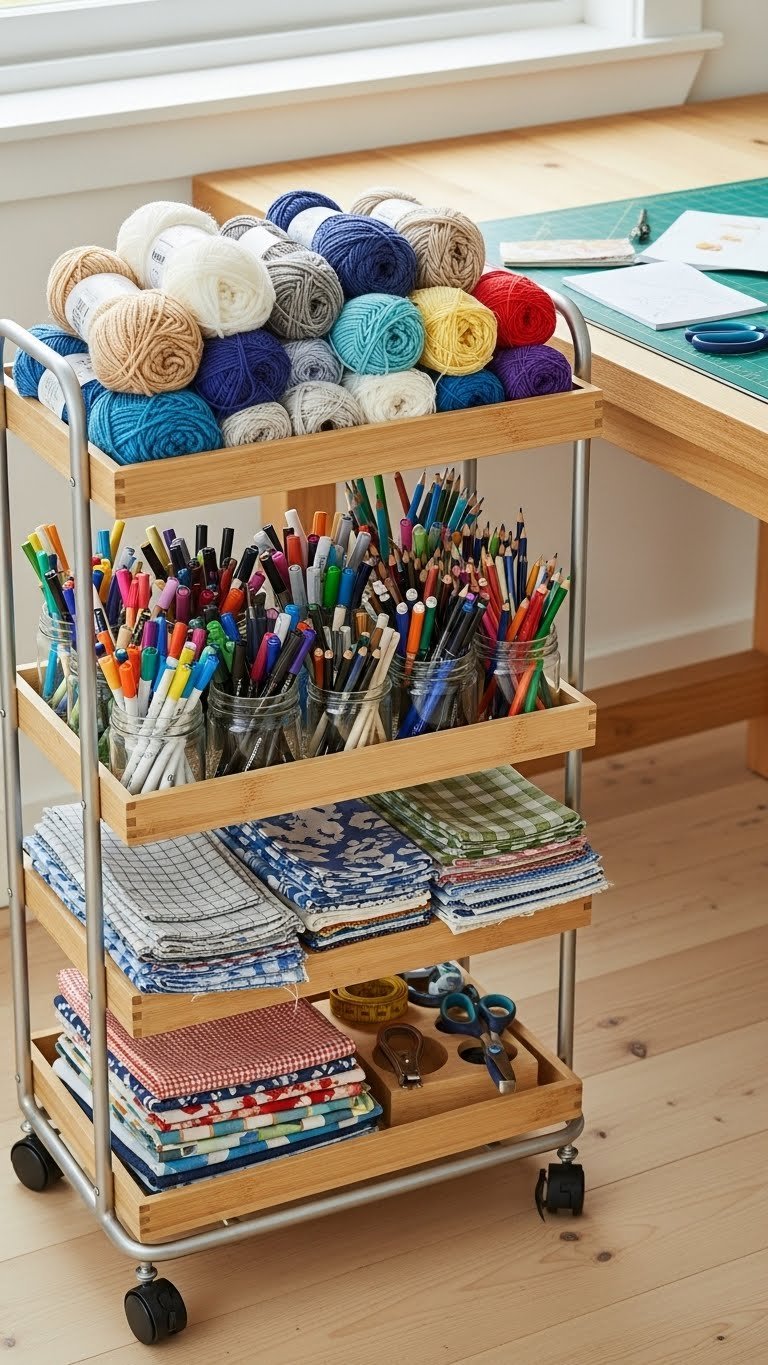
    3. Use a Rolling Cart for Mobile Storage

    Hauling supplies from storage to your work area eats time and energy. A rolling cart keeps your most-used materials within arm’s reach and moves with you when you need to shift zones or work in different rooms.

    $40-$100 carts from Target, IKEA, or Amazon come in various sizes and finishes. Choose one with at least three tiers to maximize vertical space. Stock it with your current projects and frequently-used supplies—pens, thread, paint palettes, reference books. Keep it near your main work surface and refill it weekly.
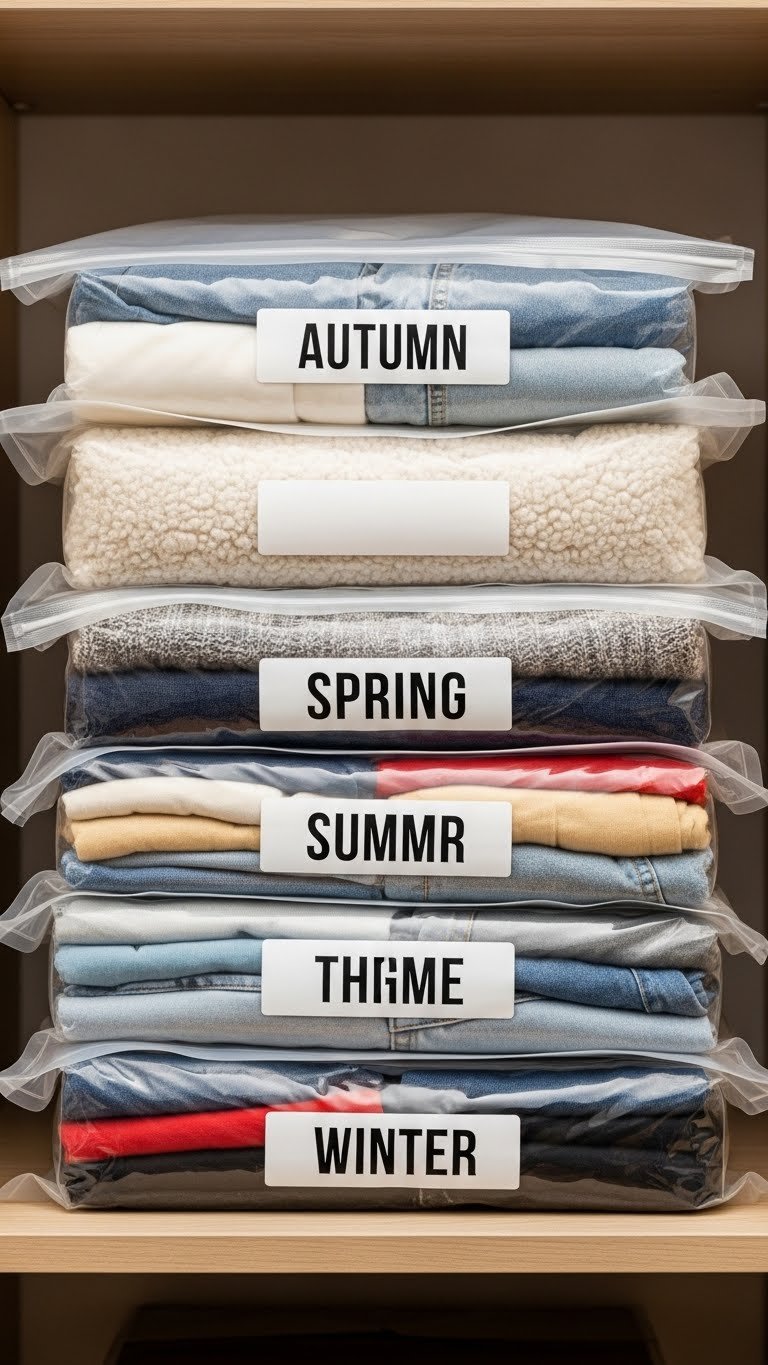
    Pro tip: Use clear plastic bins on each tier so you can see what’s inside without opening them.

    You’ll find you start and finish projects faster when setup takes 30 seconds instead of 10 minutes. Plus, you can wheel it out of sight when you want your room to look calm.

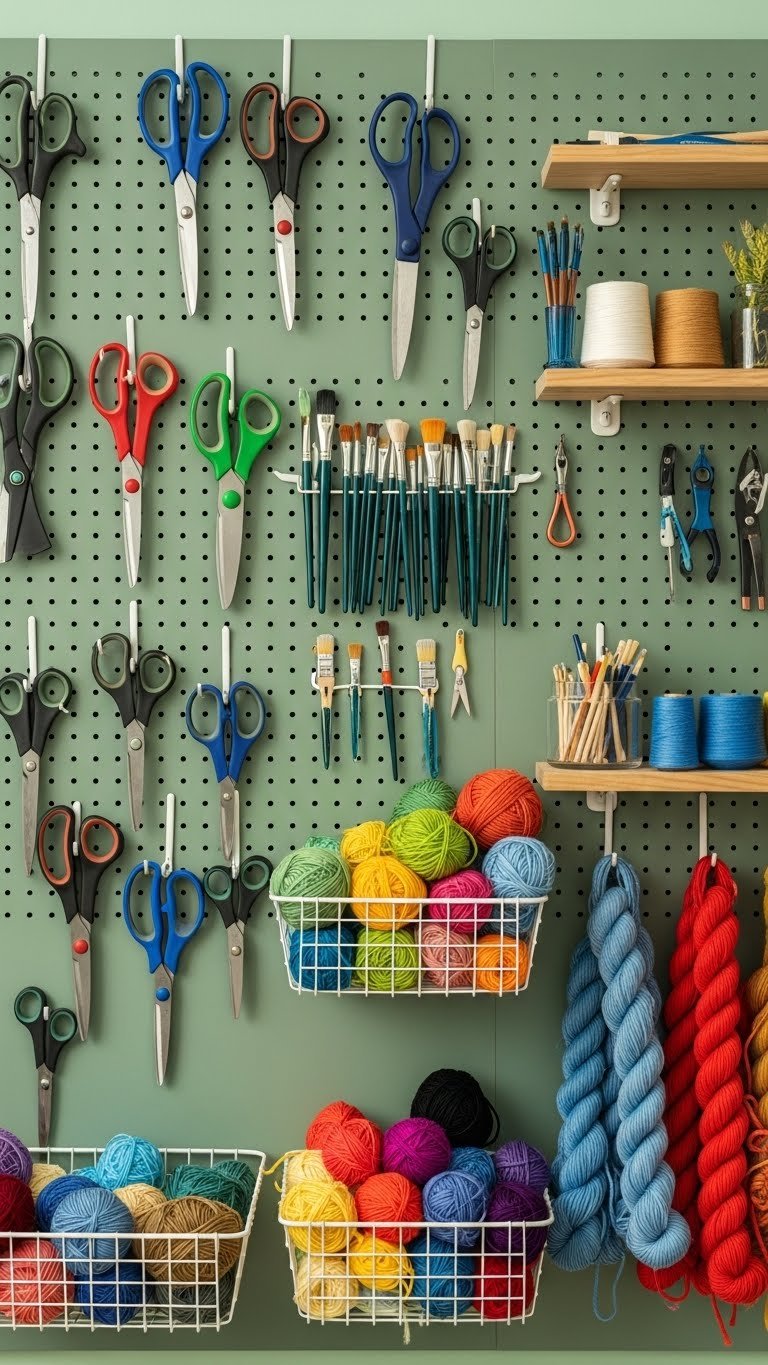
    4. Add a Wall-Mounted Pegboard System

    Small supplies scatter everywhere when there’s nowhere to put them. A pegboard wall gives you customizable storage that you can actually see and reach, keeping everything accessible without eating up floor or desk space.

    Pegboard kits cost $25-$80 and install easily with a level and basic hardware from Home Depot. Paint it to match your space ($10-$20) for a polished look. Start with a 2’x4′ board—you can always add another. Choose hooks, baskets, and shelves based on what you actually use ($3-$8 per piece).

    Pro tip: Arrange items by project type or frequency of use, leaving some empty space so it doesn’t feel cluttered and you can add new pieces.

    Your supplies are now visible and within reach, which means less time digging through drawers and more time creating. Your space automatically looks more organized and intentional.

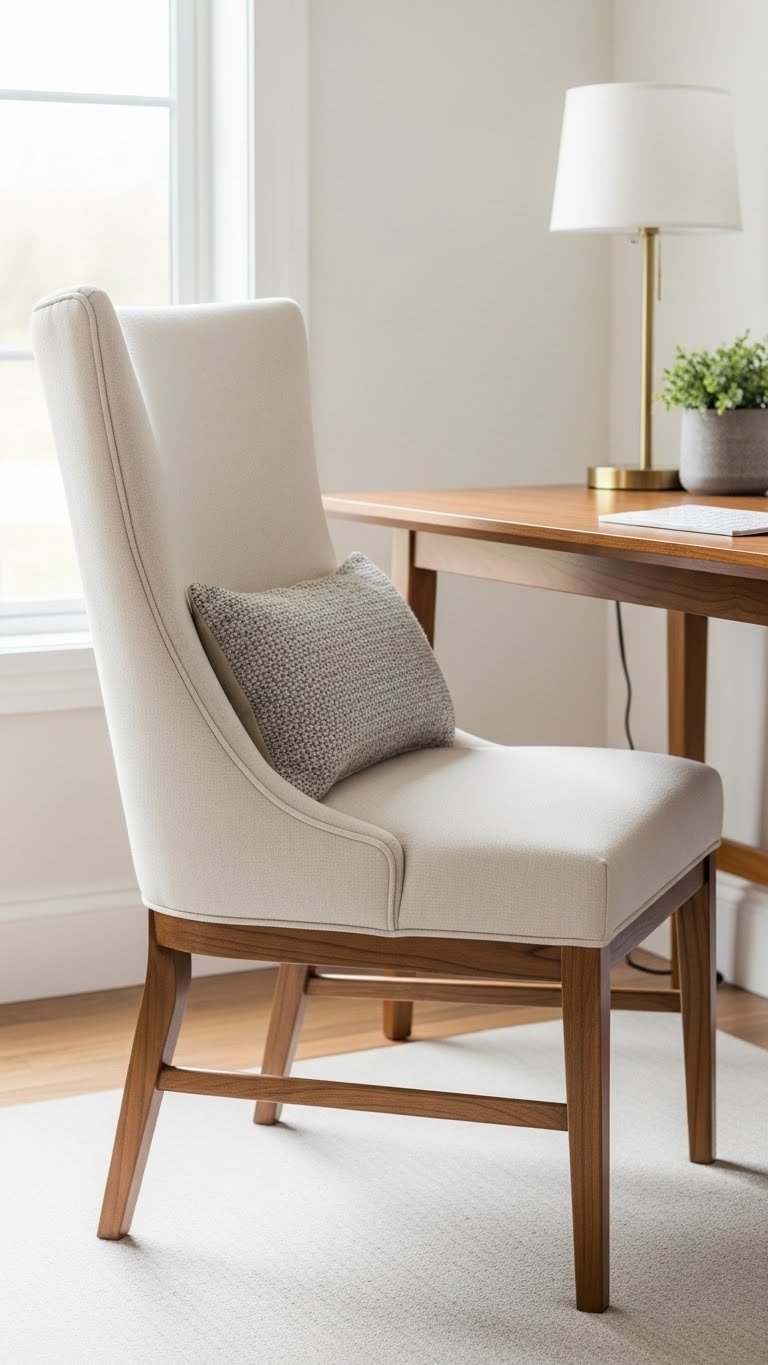
    5. Invest in a Good Chair With Back Support

    Cheap chairs punish you after an hour of sitting, leading to back pain that ruins your creative momentum. A chair with proper lumbar support lets you work longer and actually enjoy the time you’re spending on your hobby.

    Quality office chairs range from $150-$400 at stores like Wayfair, Article, or even IKEA. Look for adjustable height, back support, and breathable fabric. If that’s too steep, check Facebook Marketplace or office furniture liquidators for used Herman Miller or Steelcase chairs at half price. Spend at least $80-$100 on something with back support—your spine will thank you.

    Pro tip: Swap in a vintage wooden dining chair with a $20-$40 memory foam cushion if you’re on a tight budget.

    You’ll create for hours instead of minutes without your back screaming. Better comfort means better focus and more finished projects.

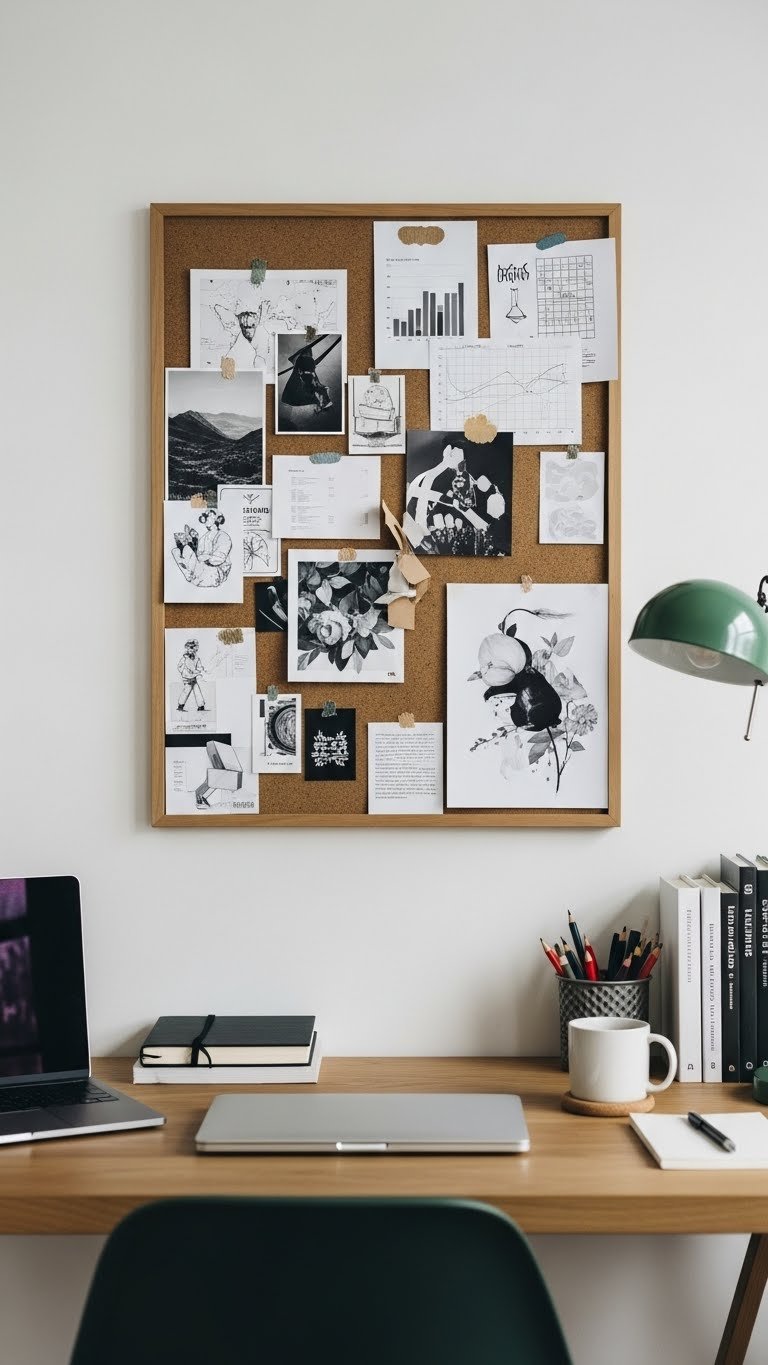
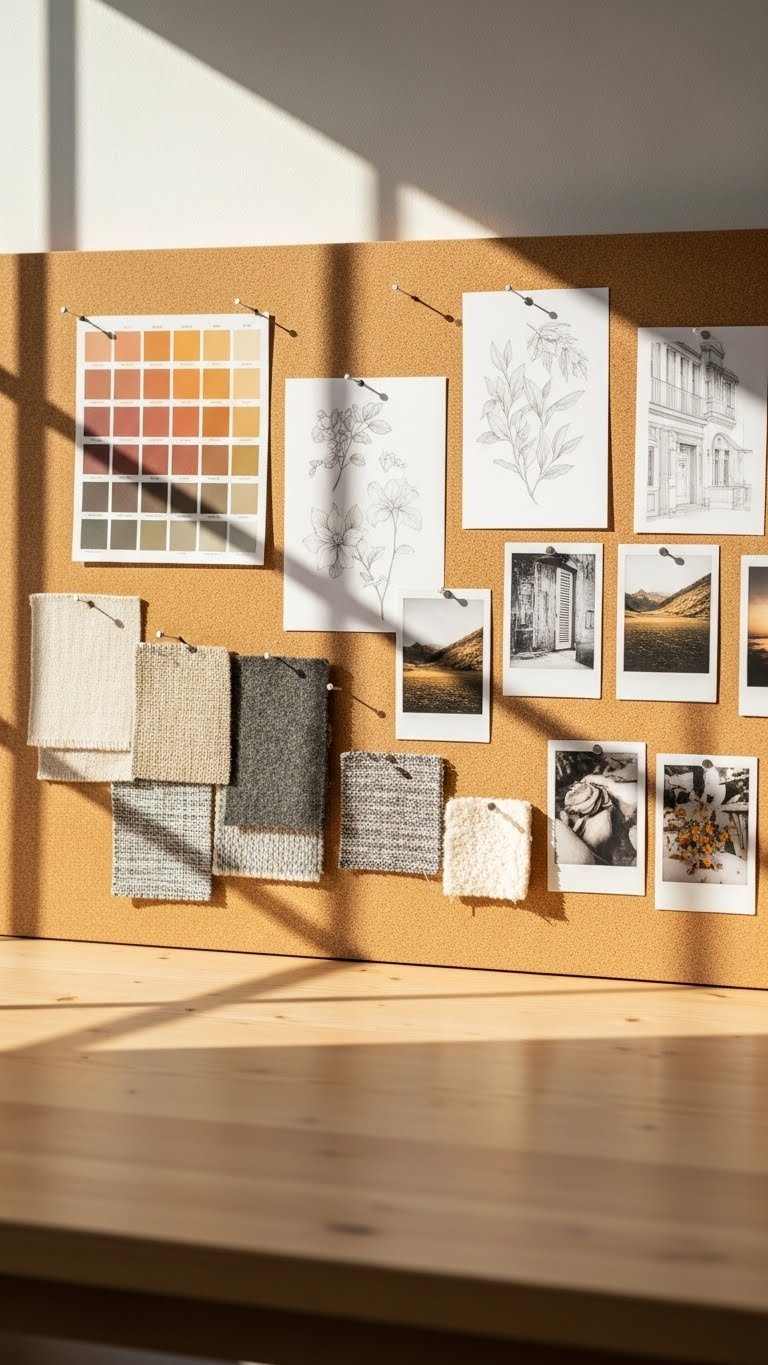
    6. Hang Inspiration Boards Above Your Work Surface

    Staring at a blank wall while you work is uninspiring. An inspiration board keeps references, color palettes, and motivation visible so you can glance up for ideas instead of scrolling your phone or losing momentum.

    Grab a $15-$40 cork board from Target or a fabric-covered bulletin board ($20-$50) for a softer aesthetic. Mount it 12-18 inches above your workspace where you can see it without straining. Pin up sketches, color swatches, magazine clippings, and finished pieces you admire. Refresh it monthly to keep ideas fresh.

    Pro tip: Create a “mood board” section separate from “active project reference” so you have both inspiration and practical references visible.

    You’ll notice yourself getting unstuck faster when visual inspiration is right there instead of buried in your phone. Your work often reflects the energy around you.

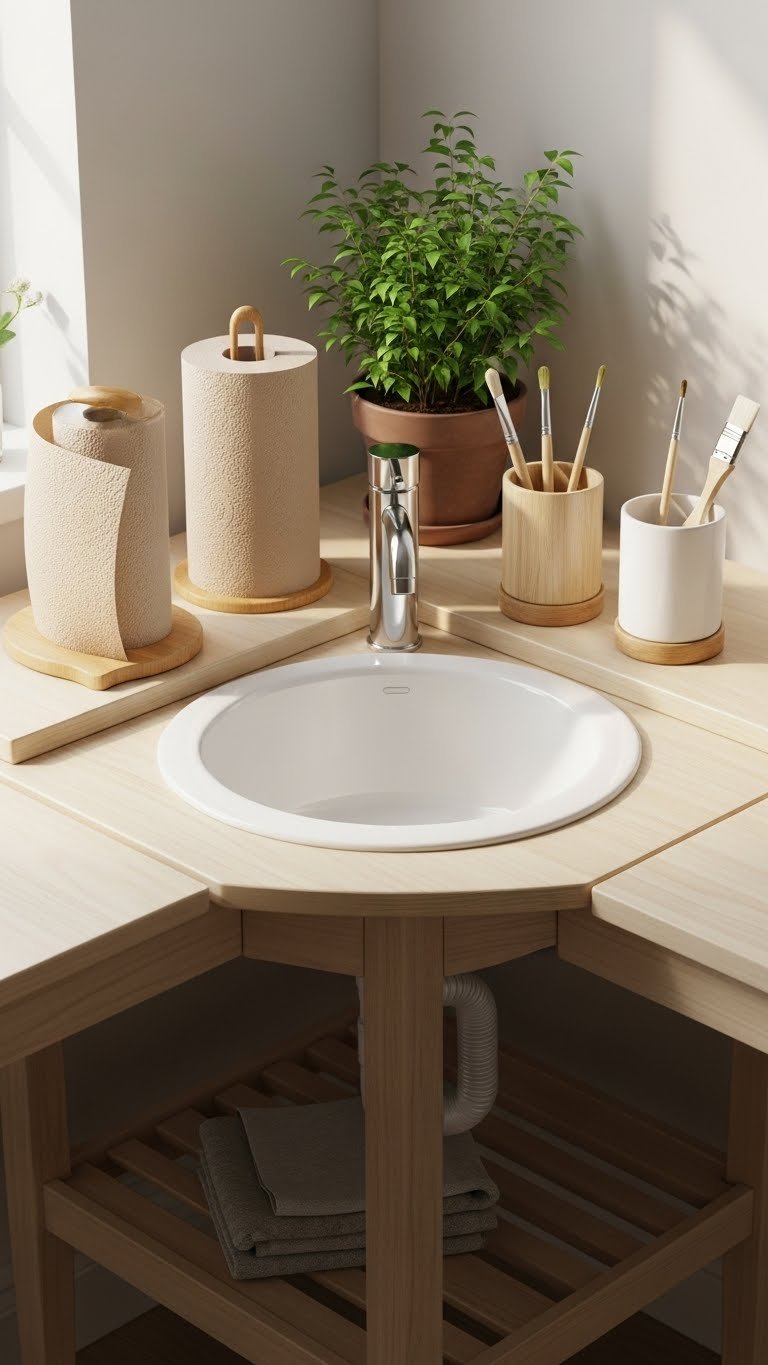
    7. Set Up a Small Sink or Water Station

    Running to the bathroom or kitchen to rinse brushes, refill water, or clean up tiny messes breaks your creative flow. A dedicated water station in your hobby room saves trips and keeps your supplies from migrating throughout your home.

    A portable camping sink ($30-$50 from Amazon) or a simple basin on a small side table works if you can’t plumb a real sink. Stock it with paper towels, a small trash bin, and a brush holder. Position near a window for easy draining if you’re using a portable option.

    Pro tip: Use a spray bottle with water ($5-$10) for quick brush rinsing instead of refilling the basin constantly.

    You’ll stay in your creative zone longer without interruptions. Plus, cleanup feels less like a chore when supplies are contained in one spot.

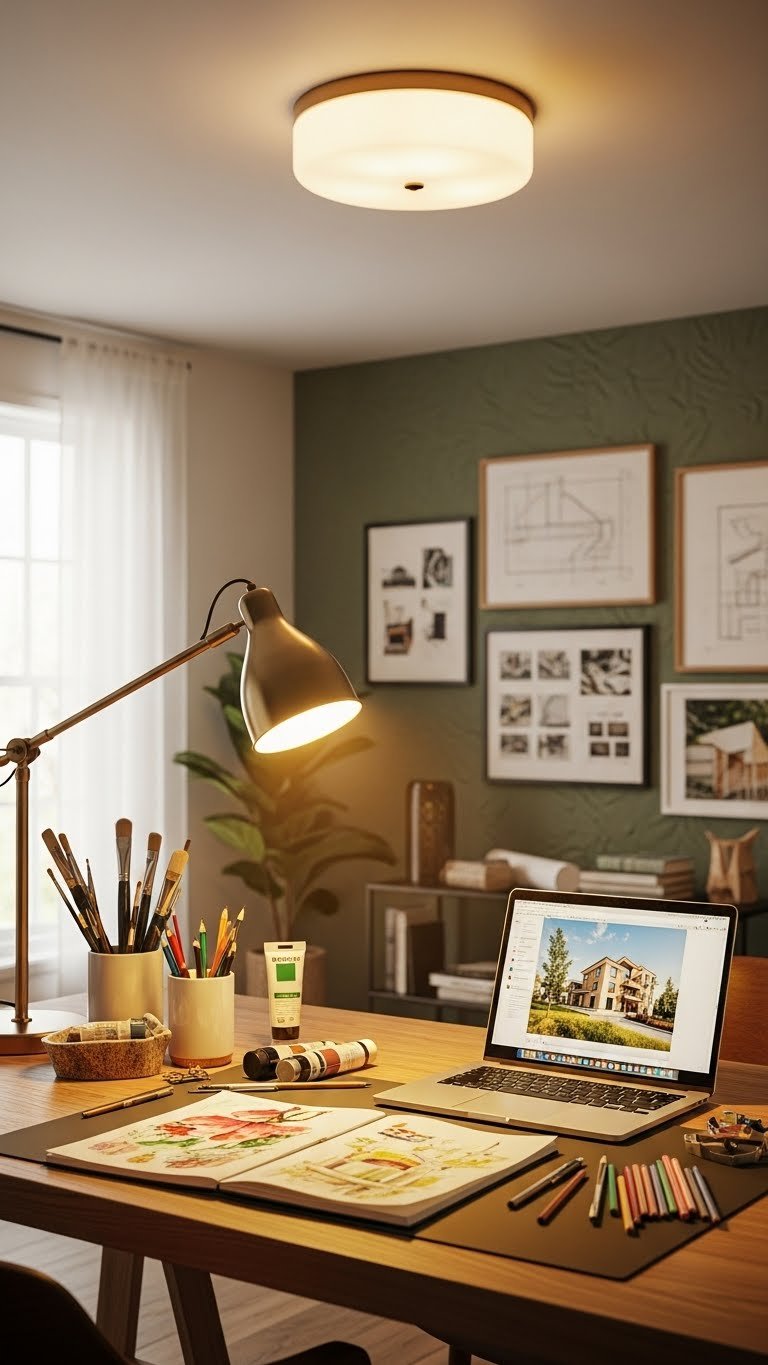
    8. Layer Your Lighting With Ambient and Task Lights

    Single overhead lights create harsh shadows or feel too bright and clinical. Layering different light sources—ambient, task, and accent—makes your space feel inviting and functional for detailed work.

    Combine your main ceiling fixture with a task lamp ($25-$60) positioned on your desk and optional string lights or LED strips ($15-$40) for ambiance in rest areas. Aim for at least 500 lumens on your work surface but softer light elsewhere. Use warm white bulbs (2700K) for comfort and daylight bulbs (5000K) directly on your work.

    Pro tip: Install a dimmer switch ($15-$30) on ambient lights so you can adjust mood throughout the day.

    Your space now feels both creative and calm instead of like a sterile studio. You’ll notice you spend more time here just being creative.

    9. Dedicate One Shelf to Finished or In-Progress Projects

    Works-in-progress pile up in dark corners and half-finished pieces sit in boxes for months. A dedicated display shelf for both active projects and finished pieces keeps momentum going and reminds you of what you’re capable of.

    Use a $30-$80 floating shelf or repurpose a bookshelf you already own. Arrange projects so light hits them well and you can see details. Keep 3-5 active projects here at any time, rotating as you finish them. Photograph finished pieces before moving them so you have a visual record.

    Pro tip: Rearrange this shelf monthly—seeing your own work in a new light sometimes sparks the next idea.

    You’ll feel motivated by visual evidence of your progress instead of discouraged by invisible work. This becomes your own mini-gallery and proof that you are creating.

    10. Use Adjustable Shelving for Supplies That Change

    Fixed shelving wastes space when your supply collection changes or grows. Adjustable shelving adapts to what you actually need right now, whether you’re storing yarn, paint, wood, fabric, or a rotating mix.

    Modular shelving systems range from $60-$200 at IKEA, Wayfair, or Home Depot. Choose open shelving if your supplies photograph well, or add $10-$30 baskets to corral items and hide clutter. Shelves are renter-friendly if you anchor them to studs or use brackets properly—check your lease first.

    Pro tip: Label baskets on the front and side so you know what’s inside from multiple angles.

    Your space adapts as your hobbies evolve instead of feeling cramped or wasted. You’ll use supplies more because you can actually see them.

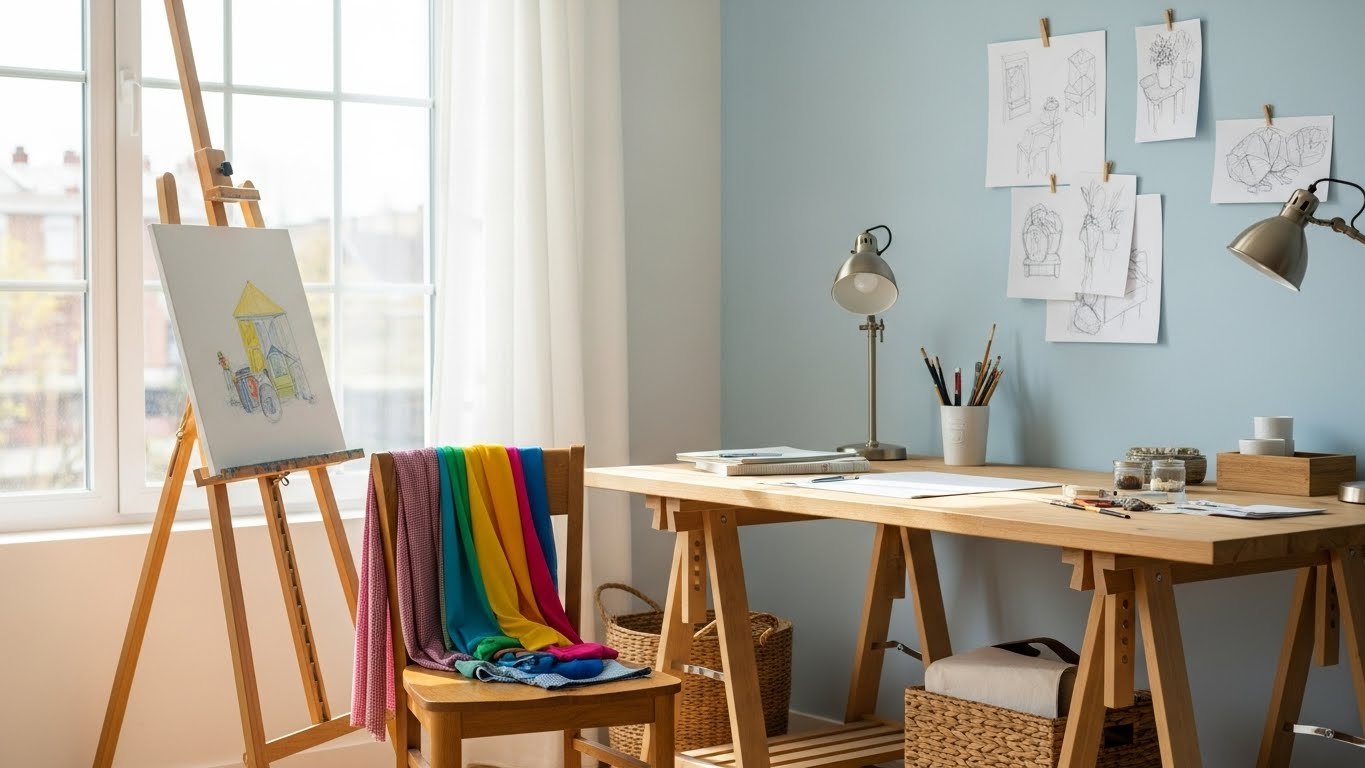
    11. Paint Your Walls a Soft, Focus-Friendly Color

    Stark white walls feel cold and uninspiring; dark walls make small spaces feel cramped. A soft, muted color—sage, soft blue, warm gray, or pale yellow—supports creativity without being distracting.

    Paint your main wall (or all walls) with quality interior paint ($30-$50 per gallon) in colors like Farrow & Ball “Pale Powder” or Benjamin Moore “HC-172 Healing Aloe.” You’ll need about 1.5-2 gallons for a small room. DIY with friends on a Saturday ($0 cost beyond paint) or hire pros ($200-$400 for a small room). Choose semi-gloss or satin finish so you can wipe smudges easily.

    Pro tip: Paint one accent wall if committing to a color feels risky. You can always repaint.

    You’ll notice your brain relaxes in this space instead of feeling overstimulated. The right wall color is like a soft background that lets your creative work take center stage.

    12. Create a Small Library of References and Inspiration Books

    Digital inspiration is infinite but scattered. A small, curated collection of physical books and magazines keeps your best references right there without screen distraction or rabbit holes.

    Gather 20-30 books and magazines that genuinely inspire you—art books, technique guides, design inspiration ($2-$15 each from thrift stores, used sites, or your library). Dedicate one shelf or small bookcase ($30-$80) nearby. Keep a notebook for quick sketches of ideas that pop up while browsing. This is not a library of every book—just your favorites.

    Pro tip: Swap in new magazines or books quarterly so the collection stays fresh.

    You’ll flip through these instead of mindlessly scrolling when you need a break, and you’ll often spark new ideas or remember forgotten techniques. Physical inspiration feels more grounded than endless digital options.

    13. Install a Large Mirror to Amplify Light and Space

    Small or dim hobby rooms feel claustrophobic. A large mirror opposite your light source doubles the brightness and makes the space feel bigger without any structural changes.

    A large mirror ($40-$120) leans against the wall or mounts above a shelf or dresser. Position it to reflect your best light source—usually the window. Even a $20-$40 thrifted mirror works if you’re on a tight budget. This requires zero installation if you lean it instead of hanging.

    Pro tip: Mirrors are especially helpful in spaces without windows or with only northern exposure.

    Your space immediately feels more open and inviting. The extra light means you see your work better and feel more energized while creating.

    14. Add Acoustic Panels or Soft Furnishings for Sound Control

    Echo and external noise (neighbors, traffic, household sounds) make it hard to concentrate. Soft furnishings absorb sound, creating a quieter space where you can focus or play music without bothering anyone.

    Add acoustic panels ($20-$60 each) designed to look like art, or simply layer rugs, curtains, and upholstered furniture ($0-$200 depending on what you add). Even a thick rug ($30-$80) and heavy curtains ($20-$50) make a noticeable difference. Position soft surfaces on hard walls and in corners where sound bounces.

    Pro tip: A white noise machine or gentle background music ($15-$40) also helps mask distracting sounds.

    You’ll find it easier to concentrate without constant interruptions. The quieter environment shifts your brain into creative mode faster.

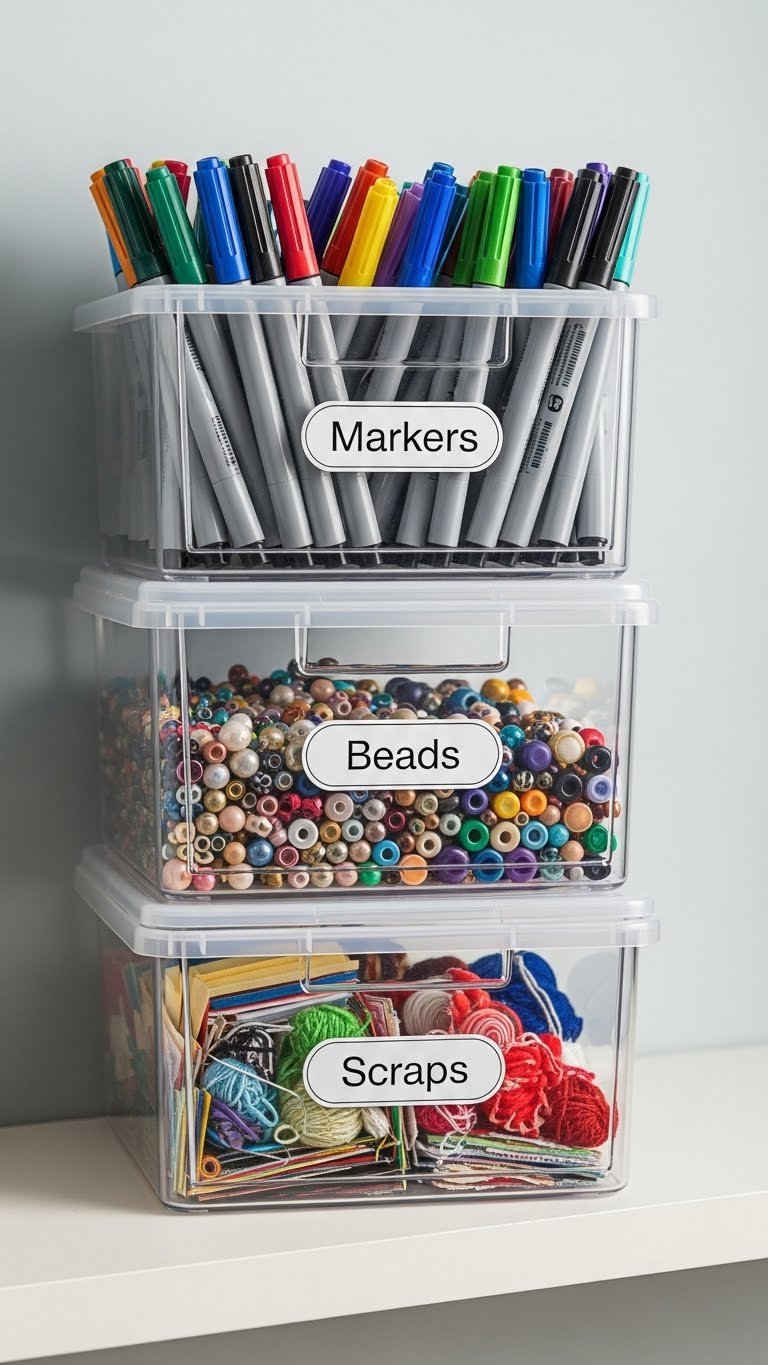
    15. Use Clear Storage Bins With Labels for Small Supplies

    Small supplies—beads, buttons, thread, sketching pencils—scatter and get lost in regular drawers. Clear bins with labels let you see what you have at a glance and grab exactly what you need without hunting.

    Grab 30-pack clear bins ($20-$40) from Container Store, IKEA, or Amazon, or repurpose jars and containers you have. Print or write durable labels ($5-$15) on each one. Group by material type or project category. Stock only active supplies so bins don’t get too crowded to see what’s inside.

    Pro tip: Take a photo of each bin’s contents and tape it to the outside so someone else (or future you) knows what’s stored.

    You’ll use supplies more when you can actually see what you have. The visual organization makes your whole space feel calmer and more intentional.

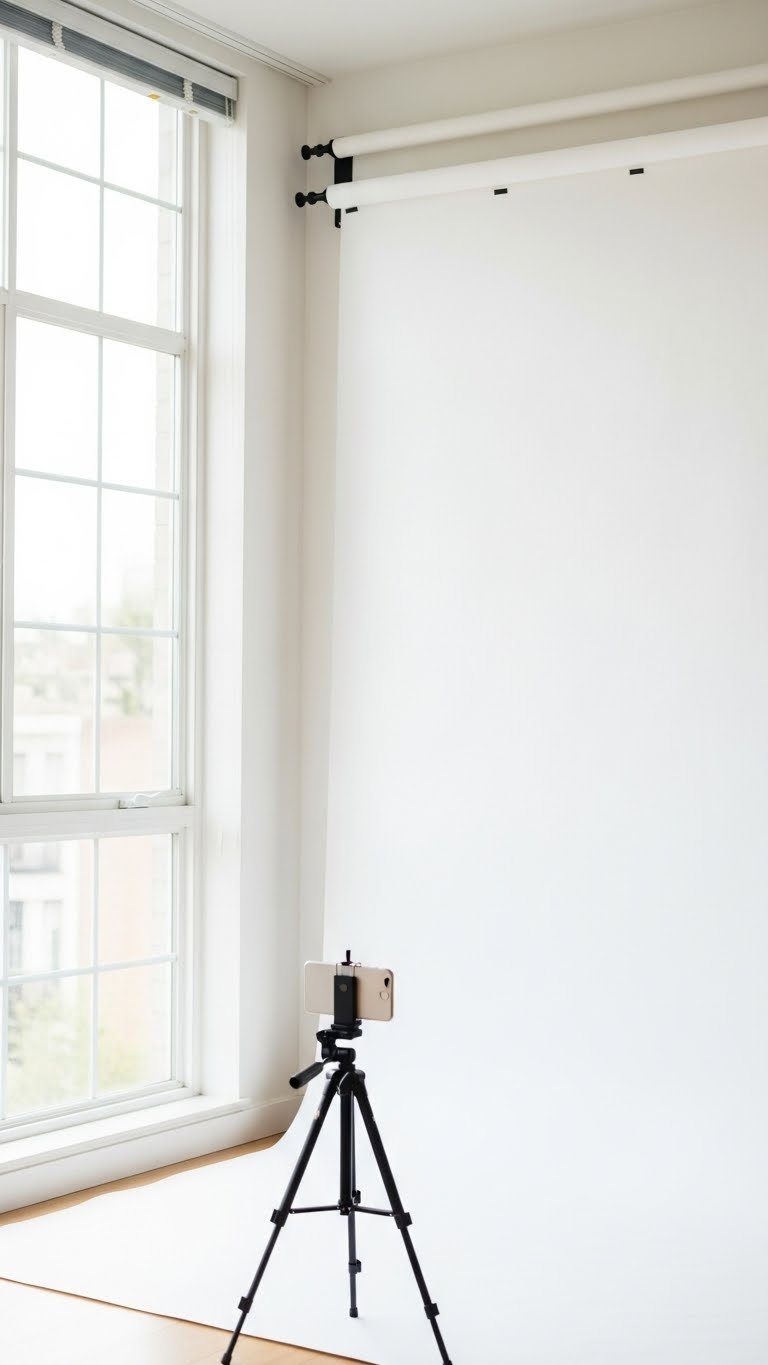
    16. Set Up a Photo Corner for Documenting Your Work

    You finish something beautiful and it disappears into a drawer because you never photographed it. A simple photo corner lets you document your work with natural light and a clean background, building a visual portfolio.

    Use a white or neutral fabric ($10-$20) pinned to the wall or hung on a clothesline as a backdrop. Position a phone tripod ($15-$40) nearby. Work near your window for the best light. No professional camera needed—your phone is perfect. Takes 10 minutes to set up the first time.

    Pro tip: Batch-photograph projects weekly so they’re documented immediately instead of forgotten weeks later.

    You’ll have a visual record of what you’ve created, which is both motivating and useful for social media, portfolios, or simply remembering your own ideas. Finishing something and photographing it adds closure.

    17. Create a Dedicated Space for Messy Projects

    Some hobbies are messy—painting, dyeing, sculpting—and mixing them with clean work creates stress. A dedicated messy corner with protective surfaces and easy cleanup means you can create without worrying about destroying your space.

    Use a drop cloth or plastic sheeting ($10-$30), designate an old table or card table ($20-$50), and stock heavy-duty paper towels and a waste bin nearby. Keep this area separate from your clean desk. Set firm boundaries so mess doesn’t spread. Consider washable paint for your walls in this zone if you rent.

    Pro tip: Use a shower caddy ($10-$20) to corral messy supplies so they don’t spread throughout your whole room.

    You’ll be bolder with messy projects knowing you have a contained space. The separation of clean and chaotic zones means your whole room doesn’t feel chaotic.

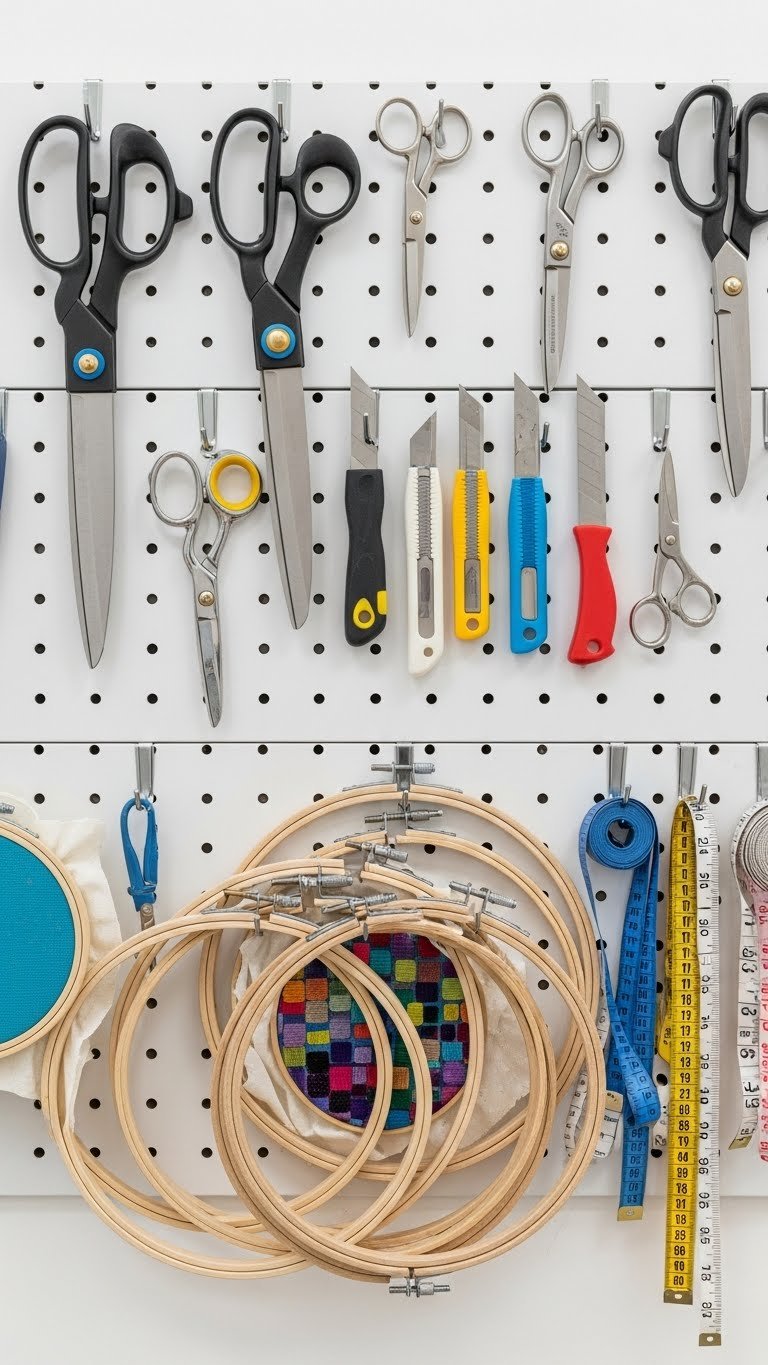
    18. Hang Your Most-Used Tools at Eye Level

    Digging through jars or drawers for frequently-used tools burns time and breaks focus. Hanging your top 5-10 most-used tools at eye level saves seconds that add up to hours over a month.

    Install simple hooks or a pegboard section ($10-$30) at eye level on your wall. Choose the tools you reach for multiple times per session—scissors, measuring tape, brushes, embroidery hoops, whatever applies to your work. Everything else can stay in bins or drawers.

    Pro tip: Keep a small basket nearby for tools you’re using in the current project so they’re even more accessible.

    You’ll notice a significant speed bump in your workflow. Reaching for what you need becomes automatic instead of a hunt.

    19. Add a White Noise Machine or Background Music Setup

    Silence can feel awkward; distracting household noise breaks flow. White noise or gentle background music keeps your mind engaged without demanding attention, helping you settle into creative work faster.

    A basic white noise machine ($25-$50) or affordable Bluetooth speaker ($30-$80) works well. Download free white noise apps or create playlists on Spotify. Experiment with lo-fi beats, nature sounds, ambient music, or silence to see what helps your focus.

    Pro tip: Keep a dedicated charging station ($15-$30) so your speaker is always ready.

    The right sound environment helps you drop into creative flow faster. You’ll notice deeper focus and longer work sessions. What seemed like a luxury becomes essential to your creative practice.

    20. Use Vertical Space With Wall-Mounted Shelves

    Horizontal storage eats up floor and desk space. Wall-mounted shelves keep supplies and finished work visible and accessible while freeing up room to actually move and create.

    Install floating shelves ($40-$120 for a set of three) at varying heights using proper brackets and wall anchors. Position them within arm’s reach of your work surface. Start with shelves 12-18 inches deep so they don’t protrude too far. Renter-friendly if mounted to studs; check your lease first.

    Pro tip: Mix practical storage with beautiful displays so your shelves serve both function and aesthetics.

    Your room instantly feels larger and more organized. Supplies are visible but stored vertically, so you aren’t constantly moving piles around.

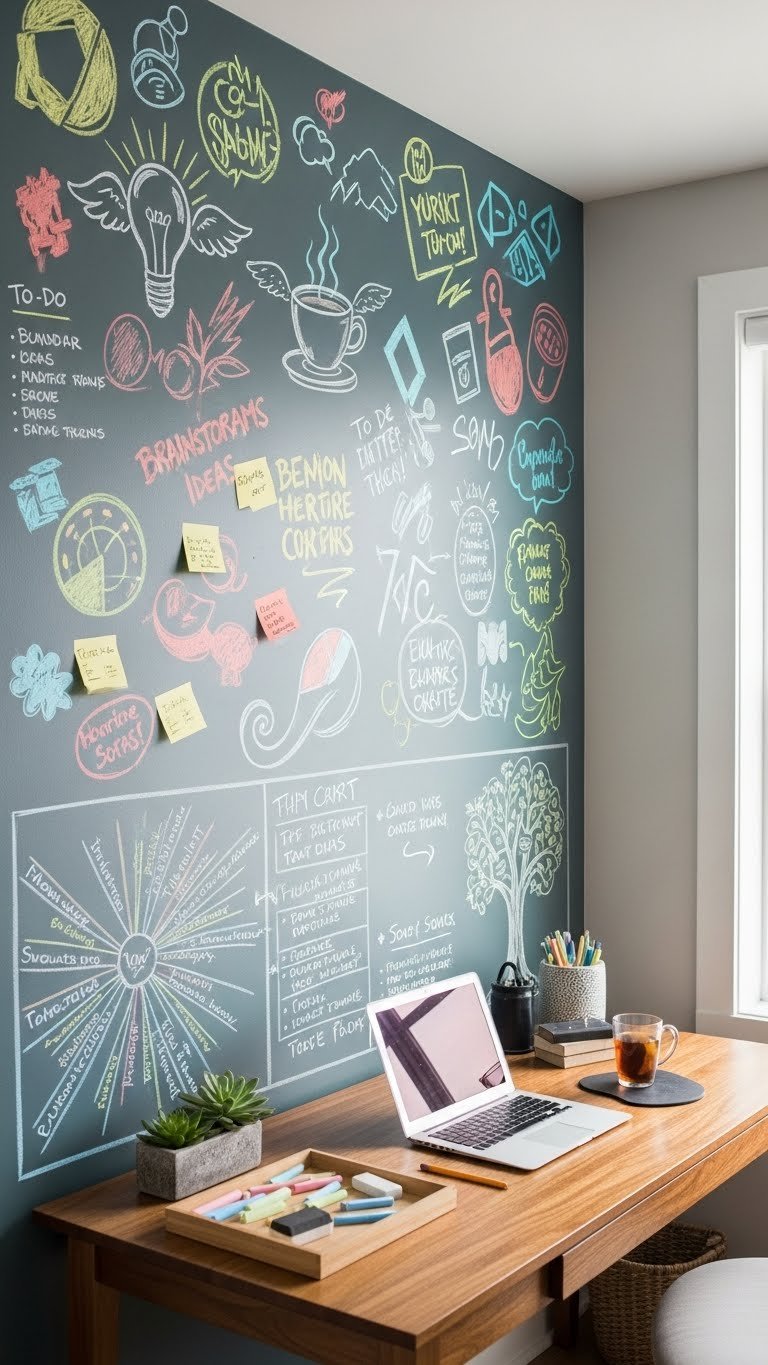
    21. Paint a Feature Wall With Chalkboard or Whiteboard Paint

    Inspiration strikes and you need to capture ideas quickly, but notebooks get buried or lost. A chalkboard or whiteboard wall lets you sketch, plan, and brainstorm directly without hunting for paper—and erase when you’re done.

    One gallon of chalkboard paint ($20-$40) or whiteboard paint ($25-$50) covers roughly 400 square feet—enough for a feature wall. Paint over one wall or just a 3’x4′ section. Prime first if painting over existing color. Pair with inexpensive chalk or dry-erase markers ($5-$15). It takes one afternoon to paint.

    Pro tip: Use whiteboard paint for a cleaner look, or chalkboard for a more artistic vibe. Whiteboard is easier to maintain.

    You’ll sketch out ideas the moment they arrive instead of scrambling for paper. This becomes your planning surface, brainstorm wall, and inspiration board rolled into one.

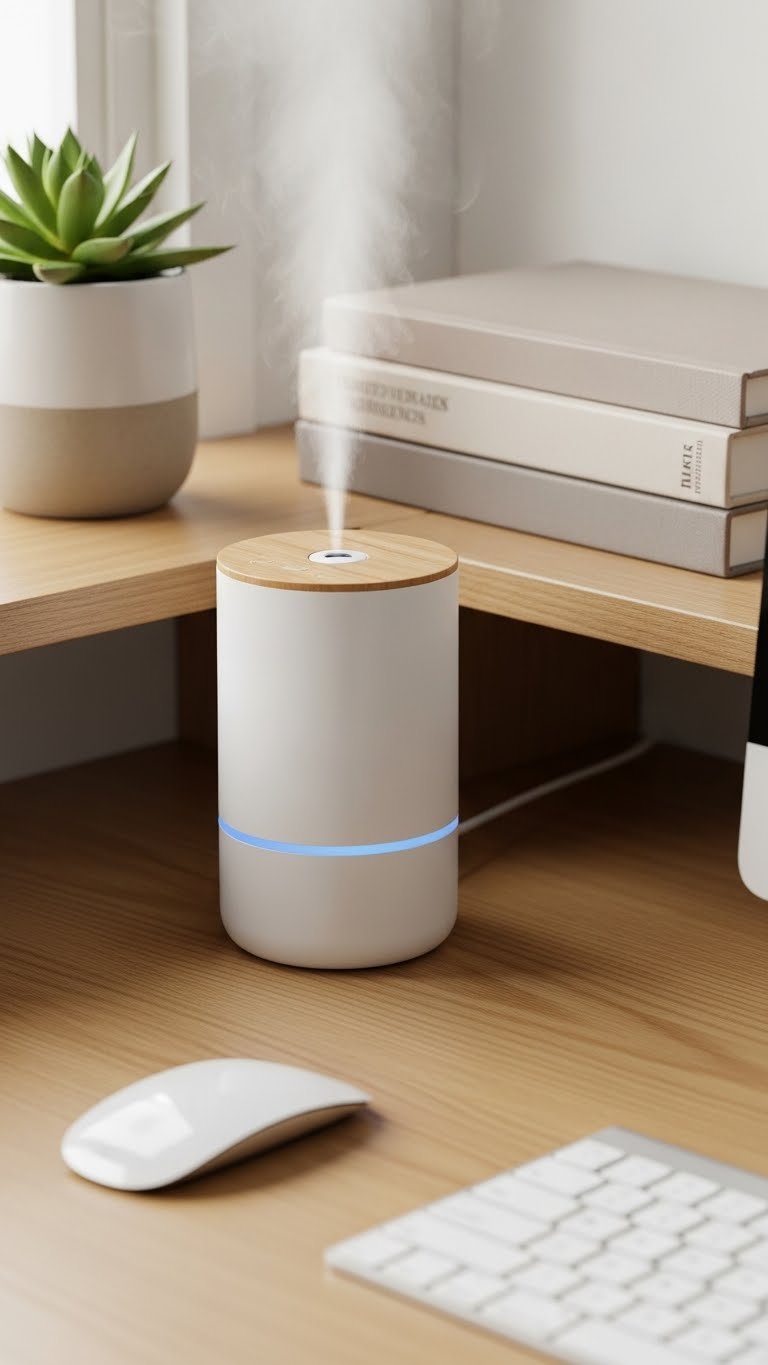
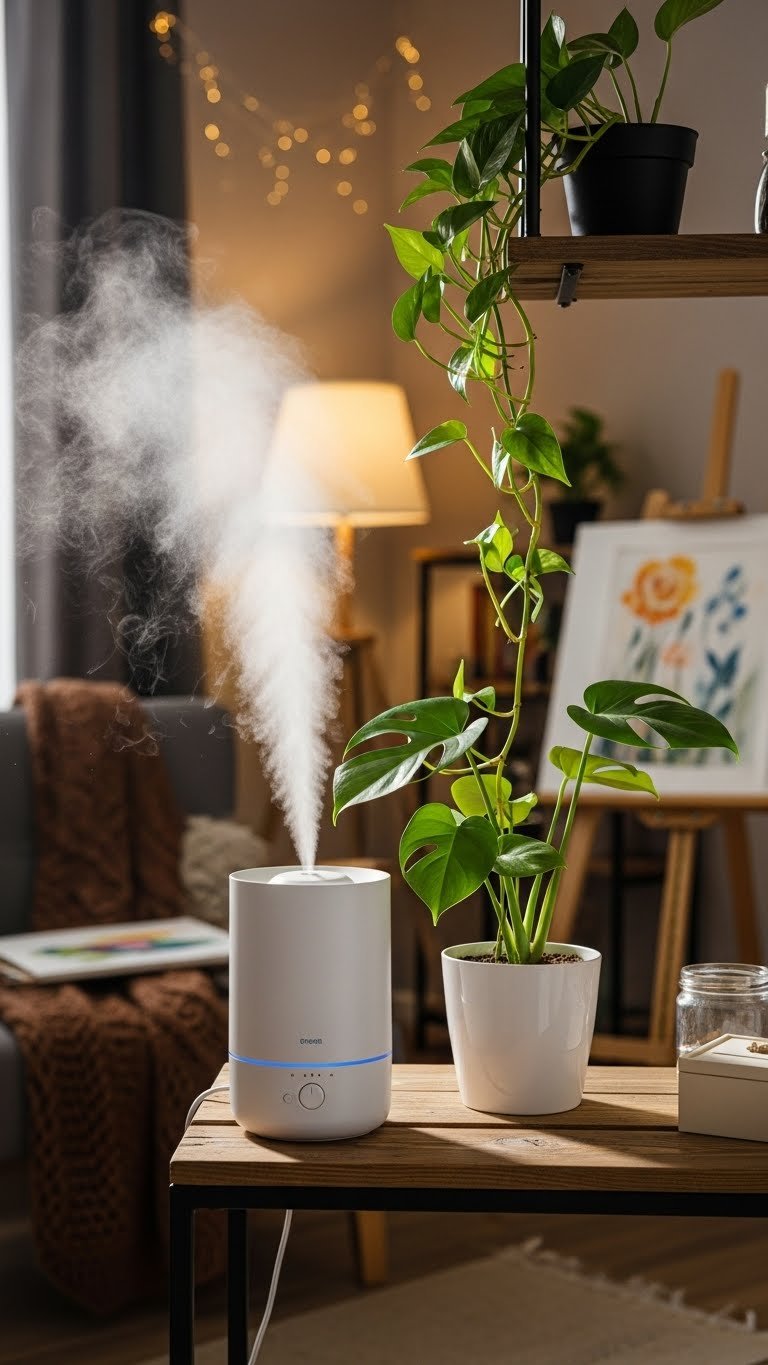
    22. Invest in a Small Humidifier for Year-Round Comfort

    Dry air (especially in winter or air-conditioned spaces) makes you uncomfortable and can damage certain supplies—paper warps, paint dries too fast, wood cracks. A small humidifier keeps your space and supplies at a comfortable humidity level.

    A compact humidifier ($30-$60) runs quietly on your shelf or desk. Use distilled water and clean it weekly. Pair with a small hygrometer ($10-$20) to monitor humidity levels. Aim for 40-60% relative humidity. This is especially helpful if you work with watercolor, woodworking, or delicate materials.

    Pro tip: Place it away from your work surface so the mist doesn’t dampen your supplies or finished work.

    You’ll stay more comfortable while creating, and your materials will hold up better over time. Small environmental controls make a bigger difference than you’d expect.

    23. Create a “Done” Bin for Completed Projects

    Half-finished projects pile up and completed ones get shoved in bags because there’s no home for them. A “Done” bin holds finished work so you can assess what you’ve created, decide next steps (gift, sell, donate, keep), and make room for new projects.

    Use a medium-sized bin or basket ($20-$50) labeled clearly. Once it’s full, sort contents—give as gifts, photograph for portfolios, donate, or keep only your absolute favorites. This prevents accumulation and forces a monthly reset. Empty it every 4-6 weeks.

    Pro tip: Before storing in the “Done” bin, photograph each finished piece for your records.

    You’ll feel a real sense of accomplishment seeing a full bin of completed work. The visual proof that you finish things keeps motivation high for the next project.

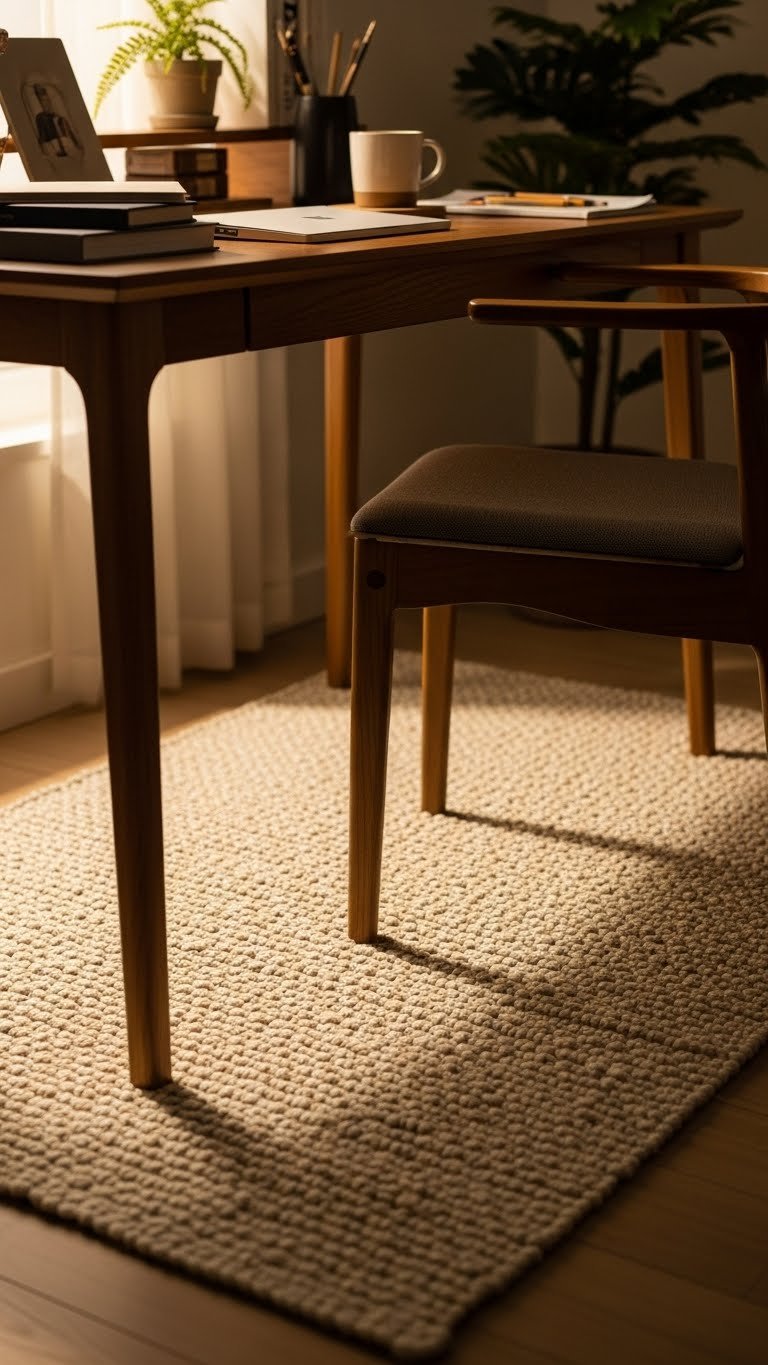
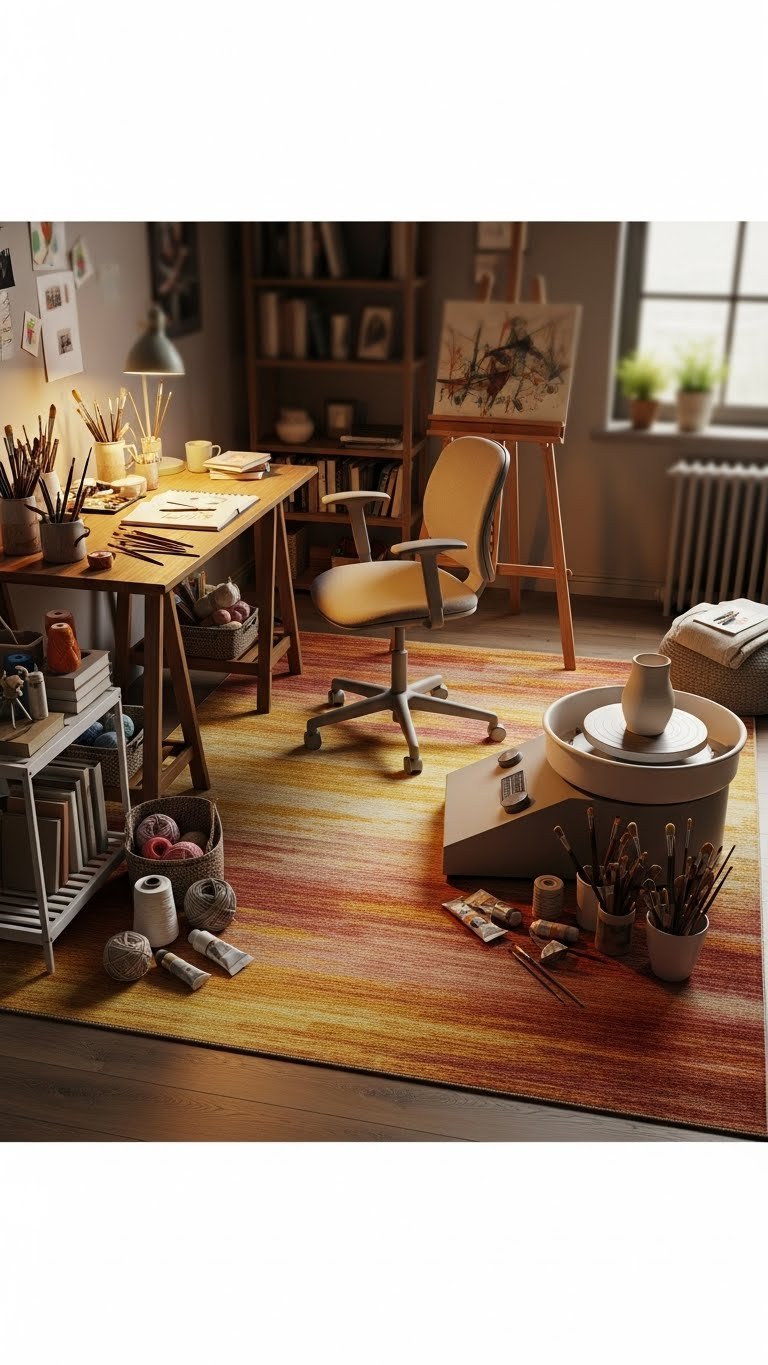
    24. Set Up a Small Rug to Define Your Creative Zone

    If your hobby room shares space with other functions (bedroom, living room), it’s hard to feel “in the zone.” A rug visually and physically defines your creative territory, signaling to your brain that this is a sacred space.

    Choose a durable, washable rug ($40-$100) that fits under at least part of your work surface and seating. Natural fiber (jute, sisal) or synthetic blends both work. Size matters—at least 5’x7′ for a proper zone, or 3’x5′ for smaller spaces. Anchor it with a non-slip rug pad ($10-$20) so it doesn’t shift.

    Pro tip: Choose a color that either complements your wall color or adds warmth if walls are cool-toned.

    Stepping onto your rug signals the start of creative time. This small boundary creates a psychological shift that helps you drop into focus faster, and it also absorbs sound and defines the space beautifully.

    25. Add a Small Side Table for Current Projects or Snacks

    Long creative sessions are hard to sustain when you have to get up constantly for water, snacks, or a place to set down half-finished work. A small side table keeps essentials within arm’s reach so you stay in your zone longer.

    A simple side table ($30-$80) from IKEA, Target, or thrift stores works perfectly. Keep it stocked with water, a small snack, your current sketch or reference, and a notebook for ideas. Position it next to your main seating or work surface. This takes zero installation.

    Pro tip: Use a small tray ($10-$20) on top to corral items so they don’t scatter.

    You’ll stay engaged in your creative work instead of jumping up for water or food every 15 minutes. The simple act of having essentials nearby extends your focus time significantly.

    26. Create a Monthly “Reset Ritual” to Keep Your Space Fresh

    Hobby rooms drift into chaos without regular maintenance. A simple monthly ritual—15-30 minutes to organize, clean, and assess what’s working—keeps your space functional and inspiring instead of overwhelming.

    Pick one day each month to tidy, sweep, wipe surfaces, reorganize supplies, and evaluate what you’re using versus hoarding. Move finished projects to your “Done” bin. Delete or rearrange inspiration boards. Refresh that water in your supplies. Set a calendar reminder so you don’t forget. This takes one weekend afternoon per month.

    Pro tip: Invite a friend over for “hobby room maintenance day” to make it fun and get a second set of eyes on the space.

    Your room stays aligned with how you actually create instead of drifting into mess and overwhelm. This small ritual prevents burnout and keeps motivation high by maintaining an intentional, supportive space.


    Save this post for your next hobby room setup and try just one or two ideas this week—you don’t need all 26 at once. Which idea are you tackling first? Share this with anyone else building their creative sanctuary.

  • 24 High-Comfort Fabric Ideas That Elevate Your Sleep Experience

    24 High-Comfort Fabric Ideas That Elevate Your Sleep Experience

    Your bedroom should be the most comfortable room in your home—the place where you actually want to spend time. Yet most of us settle for whatever bedding came in a set or throw on scratchy pillows without thinking twice. The truth? The fabrics you choose directly impact your sleep quality, how rested you feel, and whether you wake up wanting to stay in bed or rush out the door.

    This guide walks you through 24 fabric ideas that go beyond just looking pretty. You’ll discover materials that regulate temperature, reduce motion transfer, breathe better in summer, trap warmth in winter, and actually feel amazing against your skin. Some ideas cost nothing (rearranging what you have), while others are weekend shopping trips under $50. A few are investment pieces worth saving toward. By the end, you’ll know exactly which fabrics solve your specific sleep problems—whether that’s night sweats, static hair, pet allergies, or just wanting to feel like you’re sleeping in a luxury hotel.


    1. Layer Linen Under Your Duvet for Year-Round Breathability

    Linen is the sleep fabric that keeps giving, whether it’s summer heat or winter cold. It breathes better than cotton, gets softer with every wash, and naturally regulates temperature instead of trapping body heat.

    Start with a quality linen sheet set as your base layer directly on the mattress—$60-$120 for a good set from IKEA, Bed Bath & Beyond, or Parachute. Add a lightweight linen duvet cover on top ($80-$180). The magic happens when linen sheets wick moisture away while still feeling cool to the touch. Pair with a duvet insert in summer (breathable cotton) and switch to a heavier insert in winter. Time to switch: five minutes per season.

    Pro tip: Linen wrinkles naturally—this isn’t a flaw, it’s the look. If that bothers you, cotton-linen blends ($50-$100) give you 70% of linen’s benefits with a crisper finish.

    You’ll stop waking up damp and sweaty. The texture improves every month, and your sheets actually feel better in January than they did in June.


    2. Add a Weighted Blanket for Deep Sleep and Grounding

    Weighted blankets use gentle pressure to calm your nervous system—similar to a therapeutic hug. They’re backed by sleep research and genuinely help people fall asleep faster and wake less during the night.

    Buy a weighted blanket that’s about 10% of your body weight. A 150-pound person needs roughly a 15-pound blanket ($80-$250 from Amazon, Target, or Casper). Material matters: look for cotton covers (breathable) or cooling fabrics if you run hot. Layer it over your regular duvet or use it as your only top layer in warmer months. Wash the cover separately; most inner blankets need spot-cleaning only.

    Pro tip: Start with one night a week to adjust to the sensation, then gradually use it every night. Some people find it uncomfortable at first—that’s normal and passes.

    Your sleep deepens noticeably. You’ll wake fewer times in the night and feel more rested by morning. Many people say they can’t sleep without it after two weeks of use.


    3. Invest in Mulberry Silk Pillowcases to Reduce Friction Damage

    Silk pillowcases aren’t just a beauty hack—they actually improve sleep quality by reducing friction that wakes you during the night. Mulberry silk is the highest grade and lasts 5+ years with proper care.

    Expect to pay $40-$80 per pillowcase from brands like Slip, Kitsch, or Etsy sellers. Buy at least two so you can rotate them. Wash on delicate cycle in cool water with silk-specific detergent ($8-$12 per bottle). They feel cool against your skin in summer and insulating in winter. The smoothness prevents creasing on your face and tangling in your hair.

    Pro tip: Can’t afford mulberry silk yet? Satin pillowcases ($15-$30) give you 80% of the benefits at half the price. They’re not quite as durable but still transform your sleep.

    You’ll notice less hair breakage within a week. Mornings feel smoother literally and figuratively. Your pillow stays in place instead of shifting around all night.


    4. Layer a Cotton Sateen Sheet Set for Silky-Smooth Comfort

    Cotton sateen has a subtle sheen and silky-smooth feel that rivals high-end hotels, but costs a fraction of silk. The weave creates that luxury feel while staying breathable and washable.

    Buy a sateen sheet set in quality cotton ($80-$150 from Parachute, L.L.Bean, or Target’s Room Essentials line). Look for thread count between 300-600—anything higher is marketing fluff. Wash in warm water on gentle cycle; tumble dry low or air dry to preserve the sheen. A set lasts 3-5 years with normal care.

    Pro tip: Sateen and linen are different feels. Sateen is smooth and slippery; linen is textured and crisp. Try both and see which your body prefers for sleep.

    Your skin feels pampered every night without the high maintenance of true silk. The sheen catches light beautifully when guests see your bed during the day, too.


    5. Use Thermal-Regulating Bamboo Viscose for Night Sweats

    Bamboo viscose is processed from bamboo pulp and naturally wicks moisture faster than cotton. If you wake up soaked or throw off covers at 3 a.m., this is your answer.

    Purchase bamboo viscose sheets ($70-$140 per set) or a bamboo pillowcase to start ($25-$45). They’re softer than cotton and nearly as affordable. Machine wash cool, tumble dry low. Note: bamboo viscose is less durable than linen or high-quality cotton—expect 2-3 years of regular use before thinning occurs.

    Pro tip: Bamboo silk blends ($60-$120) last longer than 100% bamboo viscose and regulate temperature even better. Worth the extra $10-$20.

    You’ll stay dry throughout the night. No more middle-of-the-night temperature adjustments or waking in a sweat puddle. Your sleep becomes continuous.


    6. Add Linen Throw Pillows for Textural Interest and Extra Support

    Beyond your sleep pillows, decorative linen throw pillows add visual warmth and give you extra support for reading or propping yourself up. Linen’s nubby texture looks intentional and cozy.

    Buy 2-3 linen throw pillows ($20-$60 each from IKEA, West Elm, or Etsy) in neutral tones or one accent color. Fill them with down or hypoallergenic poly fill depending on your allergies ($15-$40 per pillow if buying separately). Layer them against the headboard or at the foot of the bed. Spot-clean fabric or use removable covers you can wash.

    Pro tip: Mix linen with velvet or wool throw pillows to create textural contrast. One solid, one patterned, and you’ve got instant sophistication.

    Your bed looks layered and intentional. You get comfortable back support when you’re reading or working in bed. The texture makes the space feel handcrafted and personal.


    7. Switch to Percale Sheets for a Crisp, Cool-Sleeping Feel

    Percale is cotton woven extra-tight, creating that hotel-crisp feeling that actually sleeps cooler. It’s not silky like sateen—it’s more like high-quality linen but with different benefits.

    Buy a percale sheet set ($60-$140 from Brooklinen, Helix Sleep, or Target) in quality cotton. Thread count 200-400 is ideal for percale (higher doesn’t help as much as it does with other weaves). These sheets get softer with washing, which is unusual and wonderful. They last 3-5 years easily.

    Pro tip: Percale wrinkles slightly more than sateen, but that’s part of the charm. If you love ironed sheets, percale rewards you—it presses beautifully.

    Your bed feels noticeably cooler at night. You stay on top of sheets instead of under them, which is perfect for warm sleepers. The crispness feels fresh and clean every single night.


    8. Layer a Cooling Gel Pillow Underneath Your Regular Pillow

    Cooling gel pillows absorb and disperse body heat, keeping the spot where your head rests at an ideal temperature. They work best as a base layer under your regular pillow rather than alone.

    Buy a cooling gel pillow ($40-$80 from Casper, Purple, or Amazon) with an open-cell foam design for maximum breathability. Place it flat on the mattress, then your regular pillow on top. Wash the cover monthly and air-dry the core (don’t machine wash). These last 2-3 years before losing cooling effectiveness.

    Pro tip: Cooling gel pillows get firm in cold rooms and softer in warm rooms. If your bedroom is cold, this might not feel like an upgrade—save it for warm months or warmer climates.

    You’ll keep your head cool without overheating the rest of your body. Your pillow won’t transform into a hot pocket at 2 a.m. Night sweats related to head temperature improve significantly.


    9. Use a Wool Blanket for Winter Weight Without Bulk

    Wool blankets are misunderstood—quality wool is soft, not scratchy. Merino wool specifically is temperature-regulating, breathable, and lasts forever. One wool blanket can replace three regular blankets.

    Purchase a merino wool blanket ($150-$300 from Patagonia, Pottery Barn, or specialty outdoor brands). Spot-clean or dry-clean only. Properly cared for, wool blankets last 10+ years. Layer it under your duvet in winter or over top for extra weight. The density means you need less actual bulk—one wool blanket feels like two quilts.

    Pro tip: If wool feels itchy, you have the wrong kind. Merino wool shouldn’t itch. If it does, try alpaca wool instead ($180-$350)—it’s even softer.

    You’ll sleep warmer without feeling weighted down. Your bedroom stays cooler because one blanket regulates as well as three regular ones. This is a one-time purchase that lasts years.


    10. Add a Cotton-Poly Blend Pillowcase for Easy Care (Renter-Friendly)

    If you rent or travel frequently, cotton-poly blend pillowcases offer 90% of cotton’s comfort at half the care requirements. They wash easily, dry quickly, and resist wrinkling.

    Buy pillowcases ($8-$15 each) from Target, IKEA, or Amazon. Machine wash hot, tumble dry high—they love aggressive washing. Pack them easily for travel. Replace every 2-3 years as they gradually thin. Stock 4-6 so you always have clean options.

    Pro tip: 60% cotton, 40% poly is the sweet spot. Higher poly percentages feel plasticky; higher cotton percentages wrinkle more.

    You get soft pillowcases without obsessing over care. Laundry day is genuinely easy. These are perfect for kids’ rooms or guest beds too.


    11. Invest in Eucalyptus Tencel Sheets for Sensitive Skin

    Tencel is made from eucalyptus wood pulp using a closed-loop process and is gentler on sensitive skin than most fabrics. It’s hypoallergenic, breathable, and feels impossibly soft.

    Buy eucalyptus Tencel sheets ($80-$160 per set from brands like Ettitude, Organic Basics, or Brooklinen). They’re eco-friendly production-wise too, which feels good. Wash in cool water on gentle cycle. These sheets last 2-3 years before showing wear, which is typical for Tencel.

    Pro tip: If you have eczema or psoriasis, Tencel noticeably reduces irritation. Many dermatologists recommend it specifically for reactive skin.

    Your skin feels calm and happy. No more waking with rash-like marks from synthetic fibers. Sensitivities that flare with other fabrics stay calm here.


    12. Layer a Chunky Knit Throw for Textural Contrast and Warmth

    Chunky knit throws add visual interest and actual warmth without the heaviness of traditional blankets. They photograph beautifully and create that Instagram-cozy vibe that actually functions.

    Buy a chunky knit throw ($40-$100 from West Elm, H&M Home, or independent makers on Etsy) in wool, cotton, or linen. Drape it over the foot of your bed or the side for easy access. Spot-clean or hand-wash gently. These work year-round—summer nights when you want light texture, winter when you layer under or over your regular blanket.

    Pro tip: Look for throws made from merino wool or cotton blends rather than acrylic. They breathe better and age beautifully instead of pilling.

    Your bed looks intentionally styled without trying too hard. You have cozy texture accessible for chilly nights. The casual drape adds personality that flat blankets can’t achieve.


    13. Use a Mattress Protector Pad in Bamboo Viscose for Comfort Plus Function

    Mattress protectors extend your mattress life and protect against spills, but traditional ones feel plasticky and trap heat. Bamboo viscose pads protect while breathing like regular sheets.

    Install a bamboo viscose mattress pad ($60-$120 from Saatva, Helix, or Amazon Basics). Choose one that’s machine-washable for easy care. It sits directly on your mattress under your fitted sheet. You won’t feel it, but you’ll appreciate it when your toddler has an accident or you spill coffee in bed.

    Pro tip: Look for pads with deep pockets (usually 8-18 inches) matching your mattress depth so it doesn’t slip around.

    Your mattress stays pristine and lasts longer. You sleep soundly knowing spills won’t ruin your investment. The fabric breathes so well you forget it’s there.


    14. Add Velvet Accent Pillows for Luxury Texture on a Budget

    Velvet pillows create that high-end hotel feel for surprisingly little money. The fabric’s light-catching properties make any bedroom look intentional and designed. Quality matters here—choose carefully.

    Buy velvet accent pillows ($25-$60 each from Target, Article, or West Elm). Look for cotton velvet (most breathable) or velvet blends. Avoid 100% polyester velvet if possible—it feels cheaper and doesn’t age well. Layer 1-2 velvet pillows with your linen ones for contrast. Spot-clean only; don’t machine wash.

    Pro tip: Deep jewel tones (emerald, sapphire, burgundy) feel more luxurious than bright colors and hide dust better.

    Your bed looks styled without feeling fussy. Guests notice the quality immediately. The texture mix of soft velvet against crisp linen creates visual and tactile interest that changes the whole room’s energy.


    15. Switch to Organic Cotton for Chemical-Free Sleep

    Organic cotton is grown without synthetic pesticides and bleached naturally, making it gentler on sensitive skin and better for the environment. It costs slightly more but lasts just as long as conventional cotton.

    Buy organic cotton sheets ($80-$160 per set from Patagonia, Organic Basics, or Coyuchi). Look for certifications like GOTS (Global Organic Textile Standard) to verify authenticity. Care for them like regular cotton—warm water wash, medium heat dry. Many people report their skin feels calmer with organic cotton immediately.

    Pro tip: Organic cotton starts softer and stays softer. It wrinkles more than sateen but less than linen. If you care about reducing chemical exposure, this is worth the investment.

    You sleep on fabric that’s gentler on your skin and the planet. Your body absorbs fewer chemicals through the night. That matters more than you think.


    16. Layer Linen Duvet Covers for Easy Seasonal Swapping

    Linen duvet covers are the MVP of bedroom flexibility. Instead of replacing your entire comforter, you swap covers seasonally. Lightweight linen in summer, heavier duvet inside in winter, same cover.

    Buy 2-3 linen duvet covers ($80-$180 each from Parachute, Etsy, or IKEA) in neutral colors so they mix and match with different duvet inserts. Measure your duvet before buying—queen, king, etc. Wash separately first time to prevent dye transfer. These last 5+ years minimum.

    Pro tip: Look for covers with interior ties or corner clips so your duvet doesn’t shift around inside the cover at night.

    You get seasonal updates without buying new bedding. Summer feels light and breathable; winter feels substantial and warm. The same visual base works year-round.


    17. Use Memory Foam Pillows with Cooling Gel for Neck Support

    Memory foam molds to your head and neck, providing support that prevents morning stiffness. Add cooling gel and you’ve solved two problems with one pillow.

    Buy a memory foam pillow with cooling gel ($50-$120 from Tempur, Casper, or Nectar). Test the firmness before buying if possible—some people prefer plush, others prefer firm. Memory foam takes 48 hours to fully decompress after unpacking, so don’t judge it the first night. Wash the cover; spot-clean the foam. Lasts 3-5 years.

    Pro tip: If traditional memory foam smells chemical-y, look for gel-infused memory foam versions—they off-gas less.

    You wake without neck pain. Your head stays supported throughout the night. If you’re a side sleeper, this is a game-changer that’s worth every penny.


    18. Add a Wool Pillow Insert for Natural Dust Mite Resistance

    Wool pillow inserts are naturally resistant to dust mites and allergens, making them perfect for people with allergies. They regulate temperature and last years longer than synthetic fills.

    Buy wool pillow inserts ($40-$90 each from specialty bedding sites or Amazon) or fill existing pillow covers with wool. The lumpiness is normal—it’s not a manufacturing flaw. Most people adapt within a week. Aerate the pillow by fluffing it regularly. These last 5-7 years.

    Pro tip: Wool can feel firm at first. If that bothers you, look for wool-blend inserts ($30-$60) that soften faster while keeping allergy benefits.

    Your allergies calm down. You stop waking with stuffy sinuses or itchy eyes. The pillow molds to your head over time instead of going flat immediately like synthetic fills.


    19. Invest in a High-Quality Down Alternative Comforter for Durability

    Down alternative mimics real down’s warmth and fluffiness without the allergy triggers or high maintenance. Quality matters—cheap versions flatten in one season.

    Buy a down alternative comforter ($100-$250 from Brooklinen, Helix, or Patagonia) with a high fill power rating (usually listed as 600+). Machine wash separately in cool water on delicate cycle once or twice yearly. Air-dry on low or hang-dry to preserve loft. Lasts 5-7 years with proper care.

    Pro tip: Look for comforters with interior construction that prevents shifting—either baffle-box or sewn-through designs.

    Your bed looks luxuriously full and inviting. The warmth feels genuine while staying allergy-friendly. You’re not constantly redistributing filling like with cheaper versions.


    20. Use a Woven Cotton Blanket for Breathable Extra Warmth

    Woven cotton blankets are exactly what they sound like—simple, breathable, and endlessly layerable. No synthetics, no off-gassing, just honest cotton textile.

    Buy a quality woven cotton blanket ($50-$120 from Schoolhouse Electric, Parachute, or Pottery Barn) in neutral tones. Machine wash warm, tumble dry medium. Fold and layer it at the foot of your bed for easy temperature adjustment. These genuinely last forever—our grandmothers had some that still function.

    Pro tip: Look for blankets made from cotton sateen weave ($70-$140) instead of plain weave for a slightly softer feel with the same breathability.

    You have a lightweight, breathable backup for cool nights without the bulk of traditional blankets. The timeless aesthetic means it works in any room design. It’s the most practical purchase on this list.


    21. Layer Hypoallergenic Polyester Microfiber for Softness Without Allergens

    Polyester microfiber gets a bad reputation, but quality microfiber sheets are genuinely soft and completely hypoallergenic—perfect for severe allergy sufferers or pet-owners worried about dander accumulation.

    Buy microfiber sheets ($30-$70 per set) from any major retailer. Wash in warm water, tumble dry on medium. They resist wrinkles naturally and require zero maintenance. Replace every 2-3 years as they eventually pill slightly. Budget option? This is it.

    Pro tip: Microfiber traps heat more than natural fibers. If you sleep hot, skip this and go for bamboo viscose or linen instead.

    Your allergies don’t flare at night. Your budget stays intact. These sheets are perfect for guest beds or kids’ rooms where durability matters more than luxury feel.


    22. Add a Quilted Mattress Pad for Extra Cushioning and Softness

    A quilted mattress pad adds a cloud-like layer between your body and the mattress. Suddenly your bed feels premium and cushioned instead of firm. This works on any mattress—soft, medium, or firm.

    Install a quilted pad ($50-$150 from Wayfair, Amazon, or specialty bedding stores) in cotton or microfiber. Machine-wash monthly and tumble-dry on low. Choose one with deep pockets matching your mattress depth. Lasts 3-5 years before compression occurs.

    Pro tip: If your mattress is already plush, skip this. If your mattress is firm and you want softness without replacing it, this is genius.

    Your mattress feels instantly more comfortable. That first night, you’ll feel the difference immediately. Budget-conscious upgrade? This beats replacing your entire mattress.


    23. Use Linen-Cotton Blend Sheets for Balance Between Crisp and Soft

    Linen-cotton blends (usually 50/50 or 60/40 ratios) give you linen’s breathability with softer, less textured feel. Perfect if you love linen but find pure linen too nubby or textured.

    Buy a linen-cotton blend sheet set ($70-$140 from Brooklinen, Etsy, or specialty bedding brands). Wash in warm water on gentle cycle. These last 4-5 years and get softer with washing while maintaining breathability. You get the health benefits of linen in a softer package.

    Pro tip: 60% linen, 40% cotton gives you maximum linen benefits. 50/50 feels softer but loses some temperature regulation.

    You sleep on linen’s cooling properties without the rough texture keeping you awake. If you’ve wanted to try linen but weren’t sure about the feel, start here. This is the gateway to becoming a linen devotee.


    24. Layer a Linen Flat Sheet Over Your Fitted Sheet for Ultimate Texture

    This styling trick isn’t just aesthetic—layering a linen flat sheet on top of your fitted sheet creates texture, improves breathability, and reduces the number of times you need to wash your duvet cover.

    Buy one additional linen sheet ($25-$50) to layer on top of your fitted sheet and under your pillows. The rumpled, textured look is intentional and design-forward. Wash with your other bedding. This extends your duvet’s life by reducing direct contact with your body oils.

    Pro tip: Use a neutral tone linen sheet over any colored fitted sheet for visual interest without clashing.

    Your bed looks styled and layered. You wash your duvet cover half as often. The extra texture adds visual depth and comfort simultaneously—the bed becomes a focal point you actually want to rest in.


    Save this post for your next bedroom refresh. Try one fabric idea this weekend—swap your pillowcase or add one throw blanket—and notice how your sleep actually changes. Small upgrades to what touches your skin matter way more than you’d think.

  • 24 Fresh Bedroom Inspo Ideas to Refresh Your Space Instantly

    24 Fresh Bedroom Inspo Ideas to Refresh Your Space Instantly

    Your bedroom should feel like a retreat—a place where you can actually relax and sleep well. But if your space feels off, uninspired, or cramped, you don’t need a total overhaul to fix it. Sometimes the smallest shifts in color, texture, or layout create the biggest impact. Whether you’re renting, working with a tight budget, or simply ready for a refresh, these 24 ideas blend trending aesthetics (warm minimalism, biophilic design, and cozy layering) with practical solutions you can tackle this weekend or over the next month. Each idea includes real pricing, time estimates, and renter-friendly alternatives so you can pick what actually works for your space and lifestyle. Let’s dive in.

    1. Swap Stark White Walls for Warm Neutrals

    Harsh white walls can feel cold and sterile, draining the cozy factor from any bedroom. Switching to warm neutrals—soft beige, warm taupe, or creamy off-white—creates an instant sense of calm without feeling boring or dated.

    Paint is one of the most cost-effective updates you can make. A gallon of quality paint runs $25–$40 at Home Depot or Sherwin-Williams. Rent or buy a basic roller kit for $8–$15. If you’re unsure about committing, grab sample pots ($3 each) and test swatches on different walls over 2–3 days to see how light changes them. Paint application takes a weekend for a standard bedroom. If you rent, check your lease first—some landlords allow paint with permission if you restore the original color when you leave.

    The shift happens the moment you paint that first wall. Your room stops feeling like a basic box and starts feeling intentional.

    2. Layer Textured Rugs for Depth and Coziness

    A single flat rug is functional, but layered rugs add visual interest and make your feet happy. Combining a natural jute or sisal base rug with a plush wool or high-pile accent rug on top creates depth and invites you to step barefoot into bed.

    Base rugs run $50–$150 at IKEA, Wayfair, or Amazon. Wool or high-pile toppers cost $80–$200 depending on size. Buy or borrow an under-rug pad ($15–$25) to prevent slipping. Layering takes about 10 minutes. If you rent, use removable under-rug pads that won’t damage flooring. This approach works in tight spaces too—just ensure the smaller rug doesn’t cover the entire base rug; let the edges peek through.

    You’ll notice the difference the first time you step out of bed. Soft layers make your bedroom feel like an actual sanctuary.

    3. Add Floor-to-Ceiling Curtains for Height and Drama

    Short curtains that hit the windowsill are practical but don’t look intentional. Floor-to-ceiling curtains hung from the ceiling (not the window frame) make rooms feel taller and more polished while providing better insulation and light control.

    Linen or cotton curtain panels cost $30–$80 per panel at Target, West Elm, or Wayfair. Add a ceiling-mounted rod ($20–$40) and basic hooks. If you rent, use tension or adhesive rods that don’t damage walls. Installation takes 30 minutes if you’re comfortable with basic tools; otherwise, handyman services run $50–$150. Measure from ceiling to floor (or 2 inches past) and add 4–6 inches of pooling fabric on the ground for visual drama.

    The moment you hang them, your eye travels upward. Your space instantly looks more curated and expensive.

    4. Create a Biophilic Bedroom with Real Plants

    Plants do more than decorate—they improve air quality, boost mood, and connect your indoor space to nature. Low-light plants like pothos, snake plants, and ZZ plants are forgiving if you’re not a plant parent yet.

    Plants themselves are cheap: pothos ($5–$15), snake plants ($10–$25), and succulents ($3–$10) are widely available at grocery stores, Home Depot, or Etsy. Pots cost $5–$30 depending on style. Hanging planters or wall-mounted shelves run $15–$50. Total investment: $50–$150 for a well-planted corner. Setup takes 30 minutes. Place plants near windows if possible, but most low-light varieties tolerate corners or north-facing walls.

    Your bedroom becomes a living space. You’ll sleep better knowing you’re surrounded by air-purifying plants.

    5. Invest in Quality Organic Bedding

    Synthetic bedding traps heat, wrinkles easily, and often feels cheap no matter the thread count. Organic cotton or linen bedding breathes better, feels softer over time, and supports your sleep quality—plus it’s sustainable.

    Organic cotton sheet sets run $80–$150 at Parachute, Brooklinen, or Target’s Good & Gather line. Linen duvet covers cost $120–$250 depending on brand. A quality pillow ranges $60–$150. If budget is tight, start with one organic sheet set and build from there ($80–$120). Wash new bedding before use and expect the first few washes to soften the fabric. Organic textiles last longer and eventually feel better than cheaper alternatives.

    You’ll notice the difference your first night—better airflow, cooler in summer, and a more restful sleep. It’s an investment in your health.

    6. Use Statement Color as Intentional Accents

    Bold colors work best when used strategically, not slapped on all four walls. Repeating one statement color in three places (accent wall, throw pillows, artwork) creates intentionality without overwhelming the space.

    Choose your color first: jewel tones like forest green, aubergine, or midnight blue photograph beautifully and feel contemporary. Paint an accent wall ($25–$40 for paint plus labor if needed). Add throw pillows in the same color ($30–$60 total). Hang artwork or a tapestry with color echoes ($40–$100). Total cost: $100–$200. This approach works in rentals too—use removable wallpaper ($30–$50) instead of paint on that accent wall.

    The room becomes visually cohesive and designed. You’re not following trends; you’re making intentional choices.

    7. Build a Cherry-Coded Bedroom Aesthetic

    Pinterest is flooded with “cherry-coded” aesthetics—a warm, vintage-leaning look that mixes deep reds, burgundies, natural woods, and warm neutrals. It feels curated and nostalgic without being over-the-top.

    Start with one core piece: a burgundy or deep red throw blanket ($30–$60), vintage wooden dresser (thrift stores: $50–$200), or burgundy bedding ($80–$150). Layer in warm neutrals and touches of natural wood. Add botanical prints or artwork ($20–$80). This isn’t about matching perfectly; it’s about building a cohesive mood. Shop vintage at Goodwill, Facebook Marketplace, or local antique stores to keep costs down and add personality.

    Your room becomes Instagram-worthy without feeling staged. The cherry tones create a warm, intimate vibe that feels timeless.

    8. Incorporate Raw Materials for Organic Modernism

    Raw materials—reclaimed wood, cork, unfinished stone, and natural fibers—bring tactile authenticity to modern spaces. They age beautifully and feel grounded in a way polished, synthetic materials don’t.

    A reclaimed wood nightstand costs $80–$300 depending on where you source it (Etsy, local woodworkers, or antique markets). Cork storage boxes run $20–$50 for a set. Unfinished wooden shelving is $30–$80 per shelf. Concrete or stone decorative pieces are $15–$60. If budget is tight, start with one raw-material piece (a cork box or wooden shelf) and add others over time. These materials look better as they age, so buy thoughtfully.

    Your space stops feeling generic and starts feeling like an actual home. Raw materials give a room character.

    9. Switch to Rounded Furniture for Softer Spaces

    Sharp angles and straight lines feel modern and clean, but rounded furniture creates a gentler, more calming environment. Curved headboards, arched mirrors, and rounded dressers read as high-design but are increasingly affordable.

    Curved headboards (upholstered, rattan, or wood) range $150–$500 at Wayfair, Article, or West Elm. Arched mirrors cost $60–$200. Round nightstands run $80–$250. If you can’t replace all your furniture, start with one curved piece—most impact comes from the headboard since you see it first when you enter. Renter-friendly option: buy a headboard-only piece ($80–$300) that leans against the wall without being mounted.

    The moment you introduce curves, the room feels different—softer, more intentional, less corporate. Your bedroom becomes a retreat.

    10. Hang Arched Mirrors to Amplify Light and Space

    Arched mirrors are having a moment, and for good reason—they’re sculptural, reflect light to brighten dark corners, and make rooms feel bigger. Leaning a large arched mirror against a wall is renter-friendly and reads as intentional design.

    Arched mirrors start at $50–$80 for basic styles (IKEA, Wayfair, Target) and go up to $200–$400 for higher-end versions (CB2, Article, West Elm). No installation required if you’re leaning it; just place it safely against a wall. If you want to hang it, a simple wall anchor works for renters ($5–$10). Lean your mirror opposite a window to bounce natural light around the room, or place it where it reflects the best part of your bedroom.

    The light distribution changes immediately. Your room feels brighter, more open, and more deliberately styled.

    11. Layer Textured Throw Blankets and Pillows

    Textural variety is what separates a bland bedroom from a cozy one. Mixing velvet, chunky knit, high-pile, and linen creates depth and makes your bed irresistible.

    Throw blankets range $20–$80 depending on material and brand (Target, Wayfair, Anthropologie). Textured pillows cost $15–$60 each. Buy three to four blankets and four to six pillows in a coordinated color palette for $150–$300 total. Mix shapes (square, lumbar, round) and fabrics (velvet, linen, knit). Layer them on your bed, but don’t overthink it—the goal is cozy, not styled to perfection.

    Your bed becomes a tactile experience. Texture invites touch and makes the space feel luxurious without being expensive.

    12. Create a Designated Work Nook in Small Bedrooms

    Working from your bed blurs boundaries and disrupts sleep quality. Carving out a small desk nook—even in a tiny bedroom—keeps work separate and helps you actually rest when you’re in bed.

    A slim desk costs $40–$150 (IKEA’s Alex desk, Wayfair finds, or secondhand Craigslist scores). A task chair runs $60–$200. Add a floating shelf ($20–$50) for storage and task lighting ($20–$60). Define the zone with a small rug ($30–$80). Total investment: $170–$540 depending on how assembled vs. finished you want. Place it by a window for natural light if possible. If your bedroom is tiny, even a small fold-down desk or wall-mounted surface works.
    You’ll sleep better knowing work has its own space. Your bed becomes a retreat again, not an office.

    13. Use Vintage and Secondhand Pieces for Personality

    New furniture is fine, but secondhand pieces have character, history, and often better craftsmanship than mass-produced alternatives. Mixing vintage finds with modern pieces creates a collected, personal look.
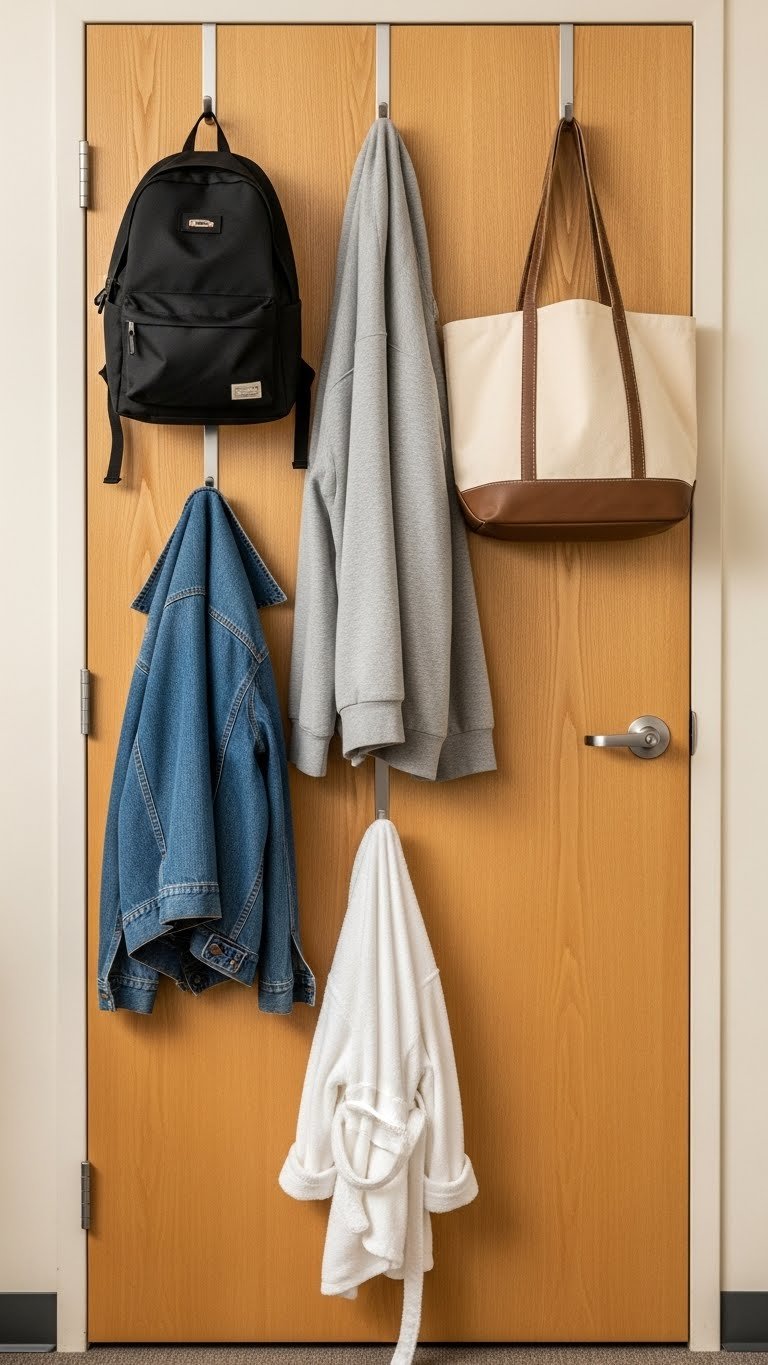
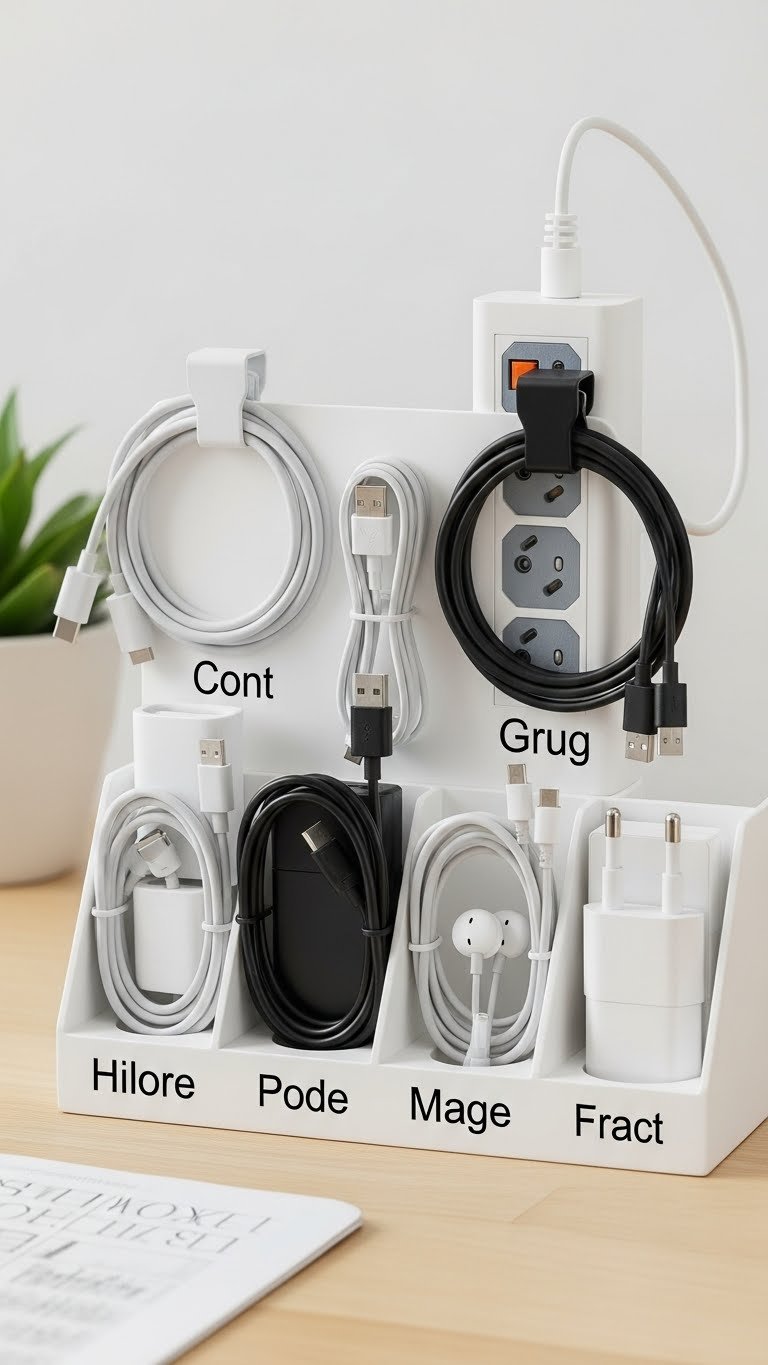
    Thrift stores yield dressers, nightstands, and mirrors for $30–$150 each. Facebook Marketplace and Craigslist offer larger pieces like bed frames for $50–$300. Etsy has curated vintage for higher prices ($100–$500+). Budget $200–$600 to furnish a bedroom with secondhand pieces. Shopping vintage takes time, but you’ll own fewer, better things with actual character. Check for structural integrity and treat wood with care if it needs refinishing.

    Your bedroom tells a story instead of looking catalog-perfect. Vintage pieces become conversation starters.

    14. Install Floating Shelves for Storage and Display

    Floating shelves maximize wall space, provide storage without taking up floor room, and let you display the items that matter to you. They’re also renter-friendly if you use removable adhesive brackets.

    Floating shelves cost $20–$60 per shelf depending on material and length. Brackets range $10–$30 per set. For renters, adhesive shelves ($20–$50 for a set of 3) avoid permanent damage. Installation takes 30 minutes to an hour with basic tools. Use shelves for plants, books, photo frames, or pretty storage boxes. Avoid overcrowding; negative space is part of the design.

    You gain functional storage without a bulky dresser taking up floor space. Your walls become part of your bedroom’s personality.

    15. Upgrade Your Pillows for Better Sleep

    Your pillow matters more than most people realize. If your pillows are flat, lumpy, or unsupportive, you’re sabotaging your sleep. Upgrading to pillows that actually fit your sleep style transforms rest quality.

    Quality pillows run $50–$150 each depending on fill (memory foam, down, hybrid, latex). A good starting point: one supportive pillow for sleeping ($80–$120) and one softer decorative pillow ($40–$80). Brands like Casper, Purple, and Brooklinen offer sleep trials so you can test before committing. Pillows last 1–2 years before they lose support; budget for replacement every 18 months.

    Better pillows mean better sleep and fewer neck issues. This small investment has outsized impact on your daily life.

    16. Paint Your Ceiling a Warm Neutral or Soft Color

    Most people paint ceilings white out of habit, but warm or soft-colored ceilings feel more intimate and visually interesting. You spend 8 hours a night looking at your ceiling—make it intentional.

    Ceiling paint costs $30–$50 per gallon (same as wall paint). Roller extensions ($10–$20) make the job easier. A coat or two takes 2–3 hours of active work. Choose warm white, soft cream, pale taupe, or even a whisper of color (light sage or pale blue). Avoid dark colors unless your ceiling is very high; they can make rooms feel smaller. If you rent, check your lease first.

    The finished look feels cohesive and designed. A painted ceiling elevates the entire room.

    17. Create Visual Balance with Asymmetrical Layout

    Perfectly symmetrical layouts feel sterile and boring. Asymmetrical arrangements feel collected, personal, and more visually interesting while still maintaining balance.

    Rearrange furniture you already own to test asymmetry—shift your bed, angle a dresser, place nightstands at different heights. Add mirrors, artwork, and lighting at varying levels. Layer elements rather than matching them exactly. This costs nothing but time and observation. The goal is balance without matching: heavier visual weight on one side, offset by interest on another.

    Your room stops looking staged and starts looking lived-in. Asymmetry creates personality.

    18. Layer Vintage Quilts for Texture and Nostalgia

    Handmade quilts are having a moment—they bring texture, pattern, and nostalgic warmth that mass-produced duvets can’t match. Layer a quilt as your primary bedding (like a duvet) and add throws for depth.

    Vintage quilts run $30–$150 from thrift stores, Etsy, or antique markets depending on condition and pattern. New quilts cost $100–$300+. Use a quilt as your main layer (like a duvet) and style throws and pillows around it. Quilts look best when layered casually—don’t overcomplicate the styling. If your quilt is delicate, dry-clean occasionally or hand-wash gently.

    Your bed becomes a textural focal point. Quilts feel handmade and intentional in a way synthetic bedding never does.

    19. Use Wall Sconces Instead of Overhead Lights

    Overhead lights are harsh and unflattering. Paired wall sconces flanking your bed provide functional light for reading while creating a warm, intimate ambiance that overhead lights can’t achieve.

    Sconces range $30–$80 each at Target, West Elm, and Wayfair (times two for a pair). Wiring and installation runs $100–$200 for a handyman; if you’re handy, DIY is cheaper. Total investment: $160–$360. For renters, plug-in sconces ($40–$80 each) avoid permanent installation. Position sconces at head height on either side of your bed, about 2 feet out from the headboard.

    Your bedroom lighting becomes functional and beautiful. Sconce light feels luxurious and makes reading in bed a pleasure.

    20. Add Dimension with Curved Nightstands

    Curved nightstands are softer versions of standard rectangular tables. They take up similar floor space but read as higher-design and more contemporary.

    Curved nightstands cost $80–$250 depending on material and brand (Wayfair, Article, CB2, West Elm). If budget is tight, look for curved options at IKEA ($50–$100) or hunt secondhand ($30–$80). You need them on both sides of a bed for balance, so budget for two. Curved edges also mean less shin-cracking when you navigate your room in the dark.

    The bedroom feels immediately softer and more intentional. Rounded shapes create a calmer visual environment.

    21. Hang Botanical Art or Large Canvas Above the Bed

    A blank wall above your bed is wasted real estate. A large piece of art—botanical prints, abstract canvas, or a gallery wall—serves as the bedroom’s focal point and sets the tone for the entire space.

    Canvas prints cost $30–$100 (Etsy, Minted, or print-to-order services). Framed art runs $50–$200+ depending on quality and frame. A simple frame upgrade costs $20–$60. Hang art 8–12 inches above your headboard (or 60 inches from the floor if there’s no headboard). Choose art that makes you happy; this is personal space.

    Your bed becomes a gallery moment. Art makes the room feel intentional and personal.

    22. Organize Under-Bed Storage with Clear Containers

    Under-bed storage is prime real estate, but stuffing it with random items defeats the purpose. Clear containers help you see what you have while keeping things organized and accessible.

    Clear plastic storage containers cost $20–$50 for a set of 3–4. Bins from Container Store, Target, or Amazon vary in size. Label each container with a label maker ($15–$30) or masking tape. Store seasonal blankets, extra pillows, or off-season clothing. Total investment: $40–$80. This is especially useful in small bedrooms where closet space is limited.

    You’ll actually know what’s under your bed. Organization makes the bedroom feel calm and intentional.

    23. Create Ambient Light with Soft Overhead Options

    Harsh overhead lights ruin bedroom ambiance. Dimmable overhead options or soft-finish fixtures (brass, matte, warm tones) provide functional light while maintaining coziness.

    Dimmers cost $15–$40 and work with most existing fixtures (electrician: $50–$150 to install). New fixtures in warm finishes run $50–$150 (pendant lights, drum lights, or chandeliers). Bulb choice matters too—use warm white (2700K) rather than bright white or cool tones. Total investment: $100–$300 for installation and fixtures.

    You control the ambiance. Dimmers let you adjust light based on your mood and time of day.

    24. Add a Statement Headboard or DIY One

    Your headboard is the first thing you see when you enter the bedroom and the last thing you see when you lie down. A statement headboard—upholstered, wood-slat, or built-in—anchors the entire space.

    Upholstered headboards cost $200–$600 depending on size and fabric. Wood-slat or DIY headboards run $100–$400 if you’re building from reclaimed wood or plywood. If budget is tight, buy a headboard-only piece ($80–$300) that leans against the wall without mounting. DIY enthusiasts can build a simple slat headboard with lumber and a drill ($50–$150 in materials). For renters, lean a headboard-only piece against the wall or use removable adhesive strips.

    The headboard becomes your bedroom’s anchor. The entire space feels more designed and intentional.


    Pick one idea and tackle it this weekend. Whether it’s swapping pillows, adding plants, or painting an accent wall, small changes compound fast. Your bedroom deserves to be a retreat—not a to-do list. Save this post for later, and share it with any friends who need a bedroom refresh too.

  • 25 Mirror Wall Art Ideas That Instantly Transform Blank Walls

    25 Mirror Wall Art Ideas That Instantly Transform Blank Walls


    Your blank walls don’t have to stay blank. A well-chosen mirror does so much more than just reflect your face—it bounces light around your room, opens up tight spaces, and adds instant personality to any wall. Whether you’re renting, decorating on a budget, or ready to invest in a statement piece, there’s a mirror idea here that fits your space and style. From bold geometric shapes to subtle natural wood frames, gallery wall clusters to full-wall installations, we’ve rounded up 25 creative ways to use mirrors as wall art. You’ll find free ideas, DIY hacks, and investment pieces that actually work. Let’s dive in and find the perfect mirror moment for your home.


    1. Lean an Oversized Arched Mirror for Instant Height

    An arched mirror adds soft elegance and makes your ceiling feel higher than it actually is. Leaning (rather than hanging) gives you a renter-friendly option that still reads as intentional and styled.

    Oversized arched mirrors come in many materials—wood, metal, rattan. Look for options $80–$300 at IKEA, Wayfair, or Amazon. Choose one that’s at least 4 feet tall for maximum impact. The best part? No drilling required. Just lean it against the wall on a console, dresser, or straight on the floor. Takes zero minutes to set up, but looks like you spent the whole weekend styling.

    This approach opens up your room without permanent commitment, making it perfect for renters and anyone who loves flexibility.


    2. Create a Mismatched Mirror Gallery Wall

    Mixing mirror shapes, sizes, and frames creates visual interest and reads like you have genuine style taste—not like you bought one thing and called it done.

    Map out your arrangement on paper first or use painter’s tape on the wall to plan spacing. Combine styles: a round gold-framed mirror next to a square wooden one, then an arched black metal frame. Prices vary wildly—grab affordable options at Target, IKEA, or thrifted, ranging $15–$150 per piece. Space them 4–6 inches apart for a curated look. Installation takes a few hours but pays off visually for months.

    You get a custom-gallery feeling without custom pricing, and it’s genuinely hard to mess up.


    3. Use Frameless Mirrors with Beveled Edges

    Frameless mirrors with beveled edges look expensive and high-end but cost way less than you’d think. The beveled edge catches light beautifully and adds dimension without visual bulk.

    Hunt for frameless beveled mirrors at Home Depot, Wayfair, or Amazon—sizes range $25–$120. The key is making sure your wall can support the weight (drywall anchors are your friend, or drill into studs). Install two or three at varying heights in a bathroom or entryway for modern appeal. Takes about 30 minutes with a level and basic tools.

    Your space automatically feels more polished, and guests will assume you paid way more than you did.


    4. Paint a Circular Mirror to Match Your Color Palette

    A basic round mirror with a plain wood frame is your blank canvas. A coat of paint ties it directly into your room’s color story and costs almost nothing.

    Grab a cheap round mirror at IKEA or thrifted ($10–$30). Choose paint that matches your wall trim, accent color, or textiles. Use spray paint for smooth results (30 minutes dry time) or brush-on acrylic for control. Prime if needed, then seal with matte or satin topcoat for durability. Total cost: under $30. Installation: 15 minutes with a nail or D-ring hanger.

    This tiny change makes the mirror feel custom-made for your space, not like a generic store piece.


    5. Hang a Sunburst Mirror for Sculptural Drama

    Sunburst mirrors read as sculptural art, not functional décor—they’re the kind of piece people stop and stare at. Gold-toned rays are classic, but black metal and wood versions offer modern alternatives.

    Browse Wayfair, Amazon, or Etsy for sunburst styles, ranging $60–$250. Sizes go from 24 inches to 48 inches—choose based on your wall scale. Mount above a console, sofa, or bed to anchor the room. Hanging takes 20 minutes if you use a stud (or toggle bolts for drywall). The finished look feels intentional and high-end instantly.

    This one piece does heavy lifting in any room, especially if your decor is neutral or minimal.


    6. Lean a Large Round Mirror Against a Gallery Wall

    Leaning a large round mirror creates depth and layering—it looks styled without looking fussy, and you can move it whenever you want.

    Find round mirrors $40–$150 at IKEA, Target, or West Elm. Pair it with smaller framed prints or photos hung above at different heights. The mirror and art together create a cohesive focal point that reads expensive. Arrangement takes 30 minutes. Renter bonus: no wall damage since the mirror just leans.

    The combination feels collected and intentional, like you’ve been decorating your space for years.


    7. Install a Floor-to-Ceiling Mirror Wall in a Narrow Room

    A mirror accent wall optically doubles your room’s width—game-changing for narrow hallways, small bedrooms, or compact bathrooms. Full-wall installations read ultra-modern and a little bit luxe.

    Order custom-cut mirror panels or buy mirror tiles in 18×24-inch or 24×24-inch sizes ($3–$8 per tile via Home Depot or Wayfair). A typical wall might need 8–12 tiles, totaling $50–$150. Hire a professional for clean installation ($300–$800 labor) or DIY with strong adhesive and a level if you’re confident. Installation takes a few hours professionally.

    Your tight space feels airy and twice as big—people will ask how you made that happen.


    8. Mount a Statement Scalloped Mirror

    Scalloped edges soften a space and feel current without being trendy enough to date quickly. The curved silhouette adds movement to any wall.

    Hunt for scalloped mirrors on Etsy, Wayfair, or Amazon, typically $70–$180 for larger statement sizes. Wood or painted metal frames keep the vibe fresh. Center above a bathroom vanity or console for maximum visual impact. Mounting takes 15 minutes with a French cleat or standard D-ring hanger.

    The gentle curves make your space feel more intentional and less corporate or stark.


    9. Layer Mirrors Over Wallpaper for Depth

    Hanging a mirror over patterned or textured wallpaper adds visual interest and breaks up a busy wall—it creates focal points that balance the pattern.

    Choose a wallpaper with small repeating patterns (geometric, botanical, or subtle texture work best). Mount a round or oval mirror directly over it using standard hardware. Mirror cost: $30–$100. Wallpaper: $20–$50 per roll depending on quality. Takes one afternoon to wallpaper and one hour to hang the mirror.

    The combination feels more curated and layered than walls alone, and the mirror pulls the eye exactly where you want it.


    10. Use Asymmetrical Mirrors as Sculptural Wall Art

    Asymmetrical shapes read as art, not utility—they’re for people who want their mirrors to be conversation starters.

    Browse artisan mirrors on Etsy or specialty retailers like Margo Venetian Mirror or local glass studios. Expect to spend $150–$400 for quality handmade pieces. Sizes range from 24 to 48 inches. Mount in a prominent place: above a sofa, on a bedroom wall, or in an entryway. Installation: 20 minutes once you’ve found your piece.

    These mirrors function as actual art—they elevate the entire room’s design narrative.


    11. Create a Renter-Friendly Peel-and-Stick Mirror Tile Wall

    Peel-and-stick mirror tiles mean zero drilling, zero damage, and zero landlord drama—they’re perfect for renters who want real mirror impact without the commitment.

    Order peel-and-stick tiles from Amazon, Home Depot, or Wayfair ($1–$4 per tile, so a 12-tile wall runs $12–$48). They come in square and rectangular sizes. Clean your wall, peel backing, and press tiles in a grid or staggered pattern. Rearrange whenever you want. Installation: 30 minutes total.

    You get a designer accent wall without any permanent changes—exactly what renters dream about.


    12. Combine Wood and Brass Frames for Japandi Elegance

    Mixing warm wood and subtle brass creates the effortless elegance of Japandi design—it feels both natural and intentional.

    Choose simple rectangular or slightly rounded mirrors in both materials. Find them at IKEA, Wayfair, or West Elm, typically $40–$120 each. The clean lines matter more than exact size—varied widths (18 inches and 24 inches) look better together. Mount at the same height, 2–4 inches apart. Takes 30 minutes to hang both securely.

    The combination feels expensive and collected, but you’ll spend under $250 total.


    13. Install Backlit LED Mirrors for Bathroom Function and Glow

    LED backlit mirrors serve double duty: they light your face perfectly for grooming and create ambiance that makes your bathroom feel like a spa.

    Search for backlit LED mirrors on Amazon or specialized retailers like Harper & Harlow. Expect $120–$350 depending on size and features (anti-fog, touch controls, dimmable options). Sizes range 24–36 inches for vanities. Installation requires a plug nearby or basic wiring (hire an electrician if you’re unsure). Setup takes 30 minutes to an hour.

    Your bathroom suddenly feels premium, and the lighting is genuinely better for everyday use.


    14. Mount Multiple Small Mirrors in a Diagonal Pattern

    Diagonal arrangements feel more creative than grids—they guide your eye and add movement to a flat wall without needing one large statement piece.

    Source small mirrors (8–12 inch sizes) from IKEA, Target, or thrifted ($8–$30 each). Six to eight mirrors creates impact without overwhelming. Plan your diagonal with painter’s tape first, starting from a corner or center. Hang with secure wall anchors. Total cost: $50–$200. Installation: one to two hours.

    The unexpected arrangement makes your wall memorable and shows personality beyond a basic single mirror.


    15. Paint Your Mirror Frame to Match Trim or Accent Wall

    Matching your mirror frame to existing trim or an accent wall color creates visual cohesion—it ties the whole room together.

    Buy any plain mirror frame (wood or basic metal) at IKEA, Target, or thrifted ($15–$60). Paint it to match your trim, ceiling, or accent wall using quality brush-on paint or spray. Primer first if switching colors dramatically. Takes one to two hours with drying time. Cost: under $30 total (including paint).

    The result feels designed-on-purpose, not like you grabbed whatever was available.


    16. Hang a Rattan-Framed Mirror for Coastal Vibes

    Rattan frames bring natural texture and coastal energy to any room—they’re warm, unpretentious, and photograph beautifully.

    Look for rattan-framed mirrors at IKEA, West Elm, Wayfair, or Etsy, ranging $60–$180. Round shapes work best with rattan, but rectangular options exist too. The woven texture pairs well with other natural elements—wood, plants, woven baskets. Mount securely (rattan frames are deceptively heavy). Takes 15 minutes to hang.

    Your space instantly feels more relaxed and beachy, even if you live nowhere near the coast.


    17. Create a Minimalist Double Mirror Moment

    Two identical mirrors create rhythm and balance without fussiness—they’re minimalist enough to feel modern but impactful enough to matter.

    Select matching frameless or subtly framed mirrors in size 24–30 inches. Find them at IKEA, Wayfair, or design retailers. Cost: $50–$150 each, so $100–$300 total. Mount at the same height, spaced 12–18 inches apart. Use a level to ensure they’re perfectly aligned. Installation: 30 minutes.

    The symmetry feels intentional and calming—you’ve created visual order without clutter.


    18. Layer a Small Mirror Over Large Artwork

    Layering a small mirror over a large artwork adds dimension and an unexpected twist—it breaks up the monotony of one piece alone.

    Find affordable abstract art or prints at IKEA, Target, or HomeGoods ($20–$80). Add a small mirror (8–12 inches, $15–$40) mounted slightly off-center in front. The reflection bounces light around the room and creates visual interest. Takes 30 minutes to plan and hang both pieces.

    The combination feels intentional and artistic—like you’re a creative who thinks about spatial composition.


    19. Mount a Black Metal Frame Mirror for Graphic Impact

    Black metal frames add graphic punch and modern credibility—they read as intentional design choices, not afterthoughts.

    Search for black metal frame mirrors at Wayfair, Target, or Amazon, typically $40–$150 depending on size. Rectangular and arched shapes work beautifully in black. Mount on neutral or warm-toned walls for maximum contrast. Takes 20 minutes to install securely.

    The graphic silhouette anchors your room and makes everything around it feel more designed.


    20. Create a Sunroom Vignette with Leaning Mirrors

    Leaning multiple mirrors creates a collected vignette feel—like you’ve gathered beautiful things over time rather than buying one cohesive set.

    Mix mirror sizes (24″, 30″, 36″) and styles (round wood, rectangular metal, arched frame). Gather from IKEA, Wayfair, thrifted stores, or Instagram small businesses. Budget $80–$250 total. Lean them in a corner with natural light, then style around them with plants or a chair. Rearrange as often as you want (zero installation required).

    This approach feels effortlessly stylish and is genuinely renter-approved.


    21. Paint an Ombre Gradient on Mirror Frame

    An ombre or gradient-painted frame is the kind of custom detail that makes people think you hired a designer—but you just spent an afternoon with paint.

    Grab a plain wood-framed mirror. Sketch your gradient lightly in pencil. Use two to three paint colors and blend with a damp brush or dry-brush technique. Seal with clear coat for durability. Takes two to three hours with drying time. Paint cost: under $20.

    You end up with a one-of-a-kind piece that looks far more expensive than it is.


    22. Use Beveled Mirror Tiles for a Retro-Modern Accent Wall

    Beveled tiles aren’t just for grandma’s house anymore—they’re having a serious design comeback as retro-modern statement walls.

    Order beveled mirror tiles from Home Depot, Amazon, or specialty tile sites ($2–$5 per tile). A 15-tile wall (for a 5×3 grid) runs $30–$75. Install with construction adhesive or thin-set mortar for a permanent look. Takes two to three hours for DIY installation. For professional help, budget $300–$600 labor.

    Your space reads vintage-meets-contemporary, and the sparkly finish catches light beautifully.


    23. Hang an Ornate Gold Frame Mirror for Glam

    An ornate gold frame brings instant elegance—you don’t need to change anything else in your room for the whole space to feel more polished.

    Browse Wayfair, Home Goods, Etsy, or thrift stores for ornate gold mirrors, typically $60–$200. Sizes 24–30 inches work best. The frame detail matters more than size. Mount it as a standalone statement or pair it with simpler mirrors. Takes 15 minutes to hang.

    The ornate detail makes your room feel intentional and a little bit fancy without screaming “trying too hard.”


    24. Create a Staggered Mirror Wall Behind Your Bed

    A mirror wall behind your bed is the ultimate statement—it feels high-end hotel energy and makes your bedroom the focal point it deserves to be.

    Select three to six mirrors in mixed sizes (18″ to 36″) and shapes. Find them at IKEA, Wayfair, West Elm, or etsy. Plan your layout on the floor first, then mark walls with painter’s tape. Mount with secure anchors, spacing mirrors 3–6 inches apart. Total cost: $150–$400. Installation: two to three hours.

    You’ve created an architectural feature that makes your bed feel like the room’s centerpiece—it’s genuinely stunning.


    25. Mount Adjustable Mirrors in a Small Bathroom

    An adjustable mirror solves the classic problem of mirrors mounted for someone else’s height—brilliant for households with varying heights or renters who want flexibility.

    Look for mirrors with articulating or swing-arm mounts at Amazon, Home Depot, or specialty bath sites ($40–$120). Mount at roughly shoulder height, then adjust as needed. Installation takes 30 minutes with basic tools.

    Everyone in your home can angle it perfectly for their needs—this tiny detail solves major annoyances.


    26. Layer Mirrors Over Existing Wall Shelves

    A mirror breaks up shelf styling and reflects light across your collection—it prevents your shelves from feeling too dense or cluttered.

    Mount a simple mirror above or between shelves using standard hardware. Choose one that complements your shelf styling. Cost: $20–$80. Takes 15 minutes to install and style around existing shelf objects.

    The mirror opens up your display, adds light, and makes your shelves feel more curated and intentional.


    Save this post for your next décor refresh, and try at least one idea this weekend. You’ll be amazed how much personality a well-placed mirror brings to a blank wall—and how much bigger and brighter your space suddenly feels.

  • 23 Wall Closet Ideas That Add Storage Without Taking Space

    23 Wall Closet Ideas That Add Storage Without Taking Space


    Your closet doesn’t need to be huge to work hard for you. Whether you’re dealing with a tiny reach-in, awkwardly shaped nook, or just lack of usable wall space, smart storage solutions can double what you can fit—without renovating. We’ve gathered 23 practical wall closet ideas that layer storage, style, and function into every inch. From no-cost organizing tricks to investment pieces that last years, you’ll find something that fits your budget and skill level. Let’s dig in and see how much room you’ve actually been missing.


    1. Install Floating Shelves Above the Rod

    Floating shelves grab dead space you’re probably ignoring right now. By mounting shelves 12–18 inches above your existing rod, you create premium real estate for off-season items, accessories, or folded inventory.

    Use a stud finder (around $15–$25) to locate wall supports, then install floating shelves with heavy-duty brackets. IKEA’s LACK shelves run $15–$25 each; Home Depot carries custom options up to $100+. This takes about 30 minutes per shelf with a drill and level. If walls scare you, lean-to shelving units ($40–$150) work for renters and offer similar storage without drilling.

    The payoff? You’ll reclaim 25–30% more storage in the same footprint, and everything stays visible and within reach. No more forgotten items shoved in the back.


    2. Use Pull-Out Baskets on Wall-Mounted Rails

    Pull-out baskets solve the frustration of rummaging through stacks. Wall-mounted rails let you slide baskets in and out smoothly, so nothing gets lost behind other items.

    Install metal rail systems (around $50–$150 depending on depth and width) using a drill and level. Options include wire baskets from Elfa ($30–$60 per basket) or woven styles from Wayfair ($40–$80). This weekend project takes 1–2 hours and transforms how you access folded clothes, scarves, or seasonal gear. Renter-friendly alternative: lean-in basket carts with wheels offer the same mobility without wall mounting.

    You’ll spend less time digging and more time getting dressed. Items stay organized and easy to grab, even in narrow spaces.


    3. Paint an Accent Wall with Deep Color

    A moody wall color makes your closet feel like an intentional retreat, not just a storage box. Deep greens, navy, or charcoal create a boutique-like backdrop without eating space.

    Choose a semi-gloss or satin finish paint from Sherwin-Williams, Benjamin Moore, or budget option Behr (all $30–$60 per gallon). You’ll need about 1 quart for most reach-ins. Paint one wall in 1–2 hours with a roller and brush. The color doesn’t shrink space; it makes it feel curated. Renters can use removable peel-and-stick wallpaper ($20–$50 for the same vibe).

    This simple refresh makes getting dressed feel special. Your eye naturally focuses on organized shelves against moody color, creating an almost spa-like atmosphere.


    4. Add a Valet Rod for Daily Outfit Planning

    A valet rod lets you curate tomorrow’s outfit tonight, cutting morning decision time from 15 minutes to 30 seconds. It’s the single smartest accessory for busy lives.

    Mount a rod ($25–$60 from IKEA, Target, or Amazon) at about 60 inches high using heavy-duty brackets. Installation takes 15 minutes with a drill. Pair it with hooks or leave it bare for draping. Use this spot to hang weekly outfits or showcase a special piece you want to wear. This costs almost nothing and works in closets of any size.

    You’ll notice the difference immediately—mornings feel calmer, and you wear more of what you actually own. Plus, that rod becomes a tiny gallery for pieces you love.


    5. Install Matte Black Hardware for Instant Personality

    Swapping out basic hardware to matte black or gold gives custom-closet vibes with a $30–$100 investment. It’s one of the top requested upgrades for 2025 and works because it’s visible and tactile.

    Purchase knobs and pulls from Wayfair, Amazon, or Home Depot (usually $1–$3 each). A typical reach-in needs 8–12 pieces. Swap them out in 30 minutes with just a screwdriver; keep original hardware in case you move. Pair matte black with natural wood shelves or mix it with gold accents for a two-tone look that creates visual interest without clutter.

    This tiny change makes your closet look intentional and high-end. Every time you open a drawer, you’ll feel that upgrade.


    6. Create Zones with Adjustable Shelving

    Zoning turns chaotic storage into a logical system where everything has a spot. By giving tops, bottoms, accessories, and shoes each their own area, you cut search time and prevent avalanches.

    Install adjustable shelving systems from Elfa, ClosetMaid, or IKEA (around $100–$300 for a small closet) over a weekend. Assign zones by category: hanging on one side, folded items on shelves, and drawers or baskets for accessories. Label each zone with small tags or labels ($5–$15). If building from scratch feels overwhelming, start with one zone and expand as you go.

    You’ll spend less mental energy searching and grab what you need automatically. Spaces like this keep working long-term because the system matches how you actually dress.


    7. Use Vertical Dividers for Stacked Clothing

    Vertical dividers prevent the topple effect where grabbing one shirt tumbles the whole stack. They’re invisible space-savers that feel smart and look polished.

    Buy acrylic or wood dividers from Container Store, Muji, or Amazon ($2–$8 each); you’ll need 2–4 per shelf depending on width. Place them every 4–6 inches and stack folded items between them. Takes 10 minutes to set up. This method (sometimes called KonMari-style) works best with medium-weight items like sweaters, jeans, and tees. Lighter fabrics can shift, so use clips or velcro dots ($5–$10) if needed.

    Grabbing anything won’t cause a domino effect. You see every item at once, so you actually wear everything in that stack.


    8. Mount Hooks for Accessories and Bags

    Hooks are the unsung heroes of closet space—they’re free real estate if you use wall areas that aren’t prime shelf or rod space. One wall of hooks frees up shelves for larger items.

    Install adhesive hooks ($0.50–$2 per hook from Target or Dollar Store) for a renter-friendly option, or screw-mounted hooks ($1–$5 from Home Depot) for permanent solutions. Space them 6–8 inches apart and group by type: belts together, bags together, scarves together. Spend 20 minutes hanging them once you decide placement. Avoid overloading—hooks work best with 1–2 items each so nothing wrinkles.

    This approach makes frequently worn accessories impossible to forget. Your bags and belts become display pieces instead of buried somewhere.


    9. Add LED Strip Lighting Along Shelves

    Lighting is the secret ingredient that transforms a closet from purely functional to something you want to open. LED strips cost almost nothing and make everything easier to see and access.

    Install warm white LED strip lights ($15–$40 per 16-foot roll) from Amazon, Home Depot, or IKEA. Peel off the adhesive backing and run them along the underside of shelves so light shines down on items below. Takes 15 minutes total. Plug into an outlet or run a battery pack (around $10–$20). Warm white (2700K) creates a spa-like feel; cooler tones work better for color-matching outfits.

    The difference is immediately visible—you’ll see every item clearly and spend less time squinting or pulling out your phone flashlight. Getting dressed feels easier.


    10. Install a Notched or Angled Shelf for Sloped Ceilings

    Sloped ceilings and alcoves waste tons of space unless you customize. A notched shelf designed to fit your roof line reclaims that awkward area above eye level.

    Measure your ceiling slope carefully (height at the wall and at the furthest point). Order custom shelves from Organized Living, Elfa, or hire a local carpenter ($100–$300 depending on complexity). If DIY-curious, buy basic shelving and trim it with a circular saw ($50–$100 tool investment). Installation is 30 minutes to 2 hours depending on brackets and angle. This only works if you have a sloped or angled area; otherwise skip this one.

    Suddenly that wasted corner becomes functional storage. You’ll feel clever using every angle of your space.


    11. Use a Tiered Shelf Organizer for Shoes

    Shoes are space killers when laid flat—they hide and pile up. A tiered organizer makes them visible, protects them from dust, and actually doubles the shoes you can store per shelf.

    Buy a tiered organizer ($20–$50 from Container Store, Target, or Wayfair) that sits on one shelf and holds 8–15 pairs depending on size. Some are metal; others are fabric-covered plastic. Takes 5 minutes to place. This works best for everyday shoes; special occasion or seasonal pairs can stay in dust bags on a separate shelf. Renters can use this on the floor under hanging items too.

    You’ll actually see all your shoes and wear more of them. No more forgotten pairs hiding in the back.


    12. Hang Fabric Door Organizers on Inside Walls

    Fabric door organizers aren’t just for doors—hang them on interior walls to create pocketful of storage for small items like scarves, socks, belts, and folded tees.

    Mount a hanging organizer ($15–$40 from Amazon or Target) using hooks or a tension rod. Choose ones with 9–16 pockets for best use of space. This takes 10 minutes and works even in small reach-ins. Fill pockets with rolled items (takes up 30% less space than folded), and you’ve created vertical storage without eating shelf room. Renters can use command strips instead of nails.

    You’ll free up drawer space and make small items easy to locate. This setup keeps frequently used accessories visible and organized.


    13. Install a Slim Drawer Unit Between Shelf Supports

    That gap between vertical supports looks like wasted space, but it’s perfect for a slim 3–4 drawer unit. You’re using space that can’t otherwise hold anything.

    Measure your gap width and depth, then order or build a narrow drawer unit ($50–$150 depending on quality). IKEA’s FLYSTA ($50–$70) or similar options work well. Install it level using shims and anchors; takes about 1 hour. Fill drawers with socks, underwear, accessories, or seasonal items. If walls are textured or odd, check measurements twice before ordering.

    You’ll reclaim 2–3 cubic feet of dead space with minimal effort. These drawers become the home for items that usually disappear.


    14. Paint Shelves a Contrasting Color to the Walls

    Painting shelves a different color than walls creates visual breaks that make the space feel organized and designed. It also helps you see shelf edges clearly, making items easier to find.

    Paint shelves (or shelf edges) in white, cream, or a complementary color to your wall shade ($10–$30 for paint, $1–$5 in brushes). Use semi-gloss or satin finish so it wipes clean. Let paint dry fully before loading items (24 hours). Takes 2 hours plus drying time. If you rent, you can paint removable shelf liners instead of the actual shelf ($10–$20).

    The contrast makes your closet feel intentional and curated. You’ll notice how much more put-together everything looks with that visual separation.


    15. Create a Declutter Station on One Shelf

    A dedicated declutter shelf keeps items you’re unsure about from taking over your whole space. It’s a holding area that forces decisions and prevents “maybe piles.”

    Assign one shelf (or half shelf) and place 2–3 labeled bins there ($10–$25 for bins and labels). Categories: “giveaway,” “repair,” “donate,” or “try on again.” Set a monthly review date and act on decisions—don’t let this bin become permanent storage. This costs almost nothing and takes 20 minutes to set up.

    You’ll process clothing faster and keep your main closet clean. This simple system makes decluttering feel manageable instead of overwhelming.


    16. Install a Tension Rod Between Shelves for Seasonal Items

    A tension rod between shelves doubles vertical storage without additional mounting hardware. It’s perfect for hanging items temporarily or creating a second “rod” for off-season pieces.

    Buy a tension rod ($10–$25 from IKEA, Target, or hardware stores) that fits snugly between your shelves. No tools needed—just twist to expand. Install it 6–8 inches below a shelf so clothes hang without touching items above. Use this for off-season coats, dresses, or holiday items you only wear monthly. It takes 2 minutes to install or remove.

    This clever hack reclaims space without drilling or permanent changes. Perfect for renters or anyone wanting flexible storage.


    17. Use Woven Baskets to Soften Shelves and Hide Clutter

    Woven baskets blend storage and style so shelves look intentional instead of utilitarian. They also hide items that don’t look good on display while keeping them accessible.

    Buy natural woven baskets ($15–$50 per basket depending on size) from Wayfair, CB2, or Target. Choose sizes that fit your shelf depth, and stack them where possible. Fill with off-season items, accessories, or folded pieces. Spend 20 minutes arranging baskets for balance—mix heights and sizes for visual interest. Label basket edges with small tags if storing multiple categories. Renters can use them on the floor too.

    Shelves instantly look more designed. Baskets soften hard shelving and create a space that feels warm, not sterile or overstuffed.


    18. Mount a Slim Hamper on the Wall for Laundry

    Pull-out or wall-mounted hampers hide dirty laundry while keeping it accessible. They’re a game-changer for small closets where floor space is precious.

    Install a wall-mounted hamper ($30–$80 from Wayfair, Amazon, or home goods stores) using brackets and a drill (15-minute job). Choose one with a removable mesh liner so laundry goes straight from bin to washer. Alternatively, use adhesive hooks ($1–$5) to hang a fabric hamper bag ($15–$30). Space it near your entry or far corner depending on your flow. Add a small bin beside it for delicates or items needing hand-wash.

    Your floor stays clear, and laundry stays contained. No more piles sneaking out from under hanging clothes.


    19. Install Glass-Front Cabinets to Display Collections

    Glass-front cabinets let you display special pieces—designer bags, luxury knits, or jewelry—while keeping them dust-free. They make your closet feel more retail and less storage room.

    Purchase pre-made glass-front cabinets ($80–$300 from IKEA, Target, or custom sources) or retrofit existing shelves with glass doors ($50–$150 for frame and glass). Installation takes 1–3 hours depending on complexity. Use this for 8–12 special pieces maximum so the display doesn’t feel cluttered. Lighting inside enhances the boutique effect ($20–$50 for LED strips). Renters can use open shelves with a beautiful backdrop instead.

    Special pieces suddenly feel important and worthy of care. This style choice makes your closet feel curated, not just packed.


    20. Add a Slim Shelf Above the Door Frame

    The space above a door is totally usable. A narrow shelf there (8–12 inches deep) captures space that otherwise disappears.

    Measure the width and depth above your door, then mount a slim shelf ($15–$40) using heavy-duty brackets rated for the weight you’ll store. Ideal for off-season items, keepsakes, or decorative boxes—anything light enough to safely access. Takes 30 minutes with a drill and level. If you rent, a tension rod and hanging baskets ($20–$40) offer a similar effect without drilling.

    You’ll reclaim 2–3 square feet of storage right at the top of your closet. It’s the kind of space people forget exists.


    21. Use Color-Blocking to Organize and Style

    Organizing by color doesn’t just look gorgeous—it speeds outfit selection and makes you more likely to wear items you’d otherwise miss. It’s functional styling.

    Sort all clothing into rainbow order: whites and neutrals, then yellows, pinks, reds, oranges, blues, greens, purples, grays, blacks. Takes 1–2 hours depending on wardrobe size. Keep this system by folding or hanging in color sequence. Take a photo of your color-organized closet for reference when shopping—you’ll naturally pick pieces that coordinate. No products needed, just intention and time.

    Getting dressed becomes so much faster when you see how pieces relate to each other. Suddenly you wear more combinations because the system shows possibilities.


    22. Install Angled Shelves for Shoe Storage

    Angled shelves let you see every shoe at once without hunting through piles. They’re especially smart for reach-in closets where depth is limited.

    Buy angled shelf risers or tiered shoe stands ($20–$50 from Container Store, Amazon, or Wayfair). Place them on shelves to instantly display shoes facing forward. No tools needed; this takes 10 minutes. You’ll fit 10–15 pairs per shelf depending on shoe size and riser height. This method works best for everyday shoes; formal or seasonal pairs can stay boxed and stored elsewhere.

    Your shoe collection becomes visible and accessible. You’ll reach for favorites more often because you remember you own them.


    23. Create a Rotating Seasonal Rail System

    A two-rod system lets you keep current and off-season pieces separated without crazy storage. You rotate access seasonally instead of digging through buried boxes.

    Install two hanging rods at the same height using the same bracket system ($30–$60 per rod from IKEA or Home Depot). One holds active-season items; the other holds off-season pieces. Swap them out every 3 months (takes 1 hour). Use the space below off-season rod for bins or baskets. Label each rod with removable tags ($5–$10). This costs minimal extra money and takes about 1 hour to set up.

    Seasonal swaps feel intentional instead of chaotic. You’ll dress more seasonally and protect winter pieces from summer crushing.


    SOFT CTA:

    Save this post for your next closet refresh and pick one idea to start this weekend. You don’t need a huge space or a huge budget—small, smart changes add up fast. Share this with a friend who’s drowning in closet chaos, and let’s all spend less time searching and more time loving what we wear.

  • 25 Artistic Accent Ideas That Turn Your Home Into a Creative Showcase

    25 Artistic Accent Ideas That Turn Your Home Into a Creative Showcase

    Your home has walls—but does it have a story? Generic blank surfaces don’t spark joy or showcase who you are. That’s where artistic accents come in. Whether you’re renting, on a tight budget, or ready to invest in statement pieces, these 25 ideas will show you how to turn empty corners into creative focal points that actually make you want to spend time in your space. From gallery walls to sculptural lighting, we’ve got ideas that work for every skill level and every budget. Ready to make your home feel like you? Let’s go.

    1. Build a Gallery Wall Without Permanent Damage

    A gallery wall gives you instant artistry without looking bare or random. Mix frame styles—matte black, natural wood, gold metal—and combine prints, photographs, and fabric art for visual interest that photographs beautifully.

    Gather 5–12 frames from IKEA (frames $3–$15), Target, or thrift stores. Lay everything on the floor first to plan your arrangement, then use removable hooks and nails ($10–$15 for a damage-free set). Print art from Etsy, Minted, or Unsplash (free) or buy affordable prints from Society6 or Redbubble ($10–$30 per print). Time investment: 1–2 hours for planning and hanging.

    Pro tip: Keep frames at least 2–3 inches apart for a curated look, and include one or two pieces with texture (woven wall hanging, fabric art) to add dimension. The beauty of this approach is you can swap pieces seasonally or whenever you need a refresh—no wall damage, maximum flexibility.

    2. Hang Woven Wall Art for Organic Texture

    Woven textiles add warmth and visual complexity without shouting for attention. They work in any room and layer beautifully with other artwork.

    Search Etsy for handmade woven hangings ($25–$150), browse Urban Outfitters, Anthropologie, or West Elm ($40–$200), or hit local craft markets for unique finds. Macramé pieces, jute wall hangings, and woven tapestries all work—choose based on your color palette and space. Hanging is simple: use a sturdy command hook or small nail ($5), and it takes 5 minutes to install.

    Renter-friendly option: Use a damage-free adhesive hanging strip ($8 for a pack) if you want zero nail holes. The textured surface catches light beautifully and makes your space feel handcrafted and lived-in, not sterile.

    3. Create a Floating Shelf for Rotating Art Display

    Floating shelves are the perfect home for small sculptures, books, framed photos, and seasonal art—and they’re way easier to install than they look. You get display space plus the ability to rearrange whenever inspiration strikes.

    Buy a floating shelf ($25–$60 at IKEA, Home Depot, or Wayfair) and use a wall stud finder and level ($10–$15) to install it properly. Installation takes about 30 minutes and requires just a drill and screwdriver. Style it with odd numbers of objects (3 or 5) grouped by height or color—this is what makes it look intentional rather than random.

    Switch out your display every month or season. This approach keeps your walls fresh without committing to permanent artwork, and you can repurpose the shelf if you move.

    4. Invest in Statement Lighting That Doubles as Art

    Unique lighting fixtures are functional art—they illuminate your space while adding personality and style. A statement light becomes a conversation piece instantly.

    Look for sculptural pendant lights on Wayfair ($60–$300), Article ($80–$250), or 1stDibs ($100–$500+ for vintage pieces). Geometric brass, ceramic, or sculptural designs work well. If you’re renting, consider a plug-in pendant light ($40–$150) that hangs from existing fixtures—no rewiring needed.

    Time estimate: 1–2 hours for installation if you’re hardwiring (hire an electrician for $100–$200 if uncomfortable). The payoff? Your space looks curated and sophisticated, plus you get better ambient lighting than standard overhead fixtures provide.

    5. Layer Textural Throw Pillows on Seating

    Pillows are affordable art for your furniture. Mix textures and weave in unexpected colors to create depth without overwhelming your space.

    Buy throw pillows in mixed materials from Target ($15–$30), IKEA ($10–$25), Anthropologie ($40–$80), or Etsy ($20–$60). Aim for 4–5 pillows per sofa in a mix of solids, geometrics, and textured fabrics (velvet, chunky knit, linen, wool). Stick to a color palette—warm neutrals with one accent color works beautifully.

    Budget option: Grab inexpensive pillow covers ($10 each) and use old scarves, fabric remnants, or thrifted textiles to stuff them. The beauty of pillows? They’re seasonal decor you can rotate in and out. Switch them for bolder colors in summer, cozy textures in winter.

    6. Display Collections on Open Shelving

    If you collect vintage plates, ceramics, books, or curiosities, displaying them on open shelves turns clutter into curated art. Collections tell your story.

    Install floating shelves ($20–$60 each) at varying heights, then style them using the rule of odd numbers—group items in sets of 3 or 5. Mix tall and short pieces, include negative space, and arrange by color or theme. Leave about 30% of each shelf empty so it doesn’t feel cramped.

    Pro tip: Use small museum putty ($8) to secure delicate items if you have kids or pets. This approach works in bedrooms, kitchens, living rooms, and home offices. Your collection becomes the focal point instead of looking like a hoard—the styling is what matters.

    7. Paint an Accent Wall in a Saturated Jewel Tone

    One accent wall in a bold color creates drama and focal point without overwhelming your entire room. Jewel tones like emerald, navy, terracotta, and deep plum are huge right now.

    Choose a high-quality paint from Benjamin Moore, Sherwin-Williams, or Behr ($35–$50 per gallon). Paint the wall behind your bed or the wall you see first when entering a room—this placement maximizes impact. One gallon usually covers 350 square feet, and a DIY paint job takes 2–4 hours depending on wall size. Rent a paint sprayer ($20–$40) for faster, smoother coverage.

    Renter-friendly alternative: Use peel-and-stick wallpaper ($40–$80 per roll) in the same bold color. The color shift instantly makes your space feel intentional and sophisticated—it’s the simplest way to add drama on a budget.

    8. Mix Geometric and Organic Patterns in Wall Art

    Pattern-mixing sounds intimidating but it’s actually the secret to rooms that feel curated rather than matchy. Combine geometric prints with organic shapes and botanical illustrations for visual rhythm.

    Select prints that share 1–2 colors in common (helps them feel cohesive). Mix geometric designs from Etsy ($10–$25 per print), botanical illustrations from Minted ($20–$35), and abstract art from Society6 ($15–$40). Frame them in 2–3 coordinating finishes (matte black and natural wood work well together).

    The rule: Let one pattern be bold, keep others more muted, and always include at least one piece in a solid or neutral tone. This balance prevents visual chaos. Your wall becomes an interesting focal point that draws eyes and conversation.

    9. Hang Fabric Art or Vintage Tapestries

    Vintage tapestries and fabric art add history, color, and texture simultaneously. They’re affordable, available everywhere, and work in any design style from bohemian to modern.

    Hunt thrift stores, estate sales, and Etsy for vintage tapestries ($20–$100). Look for pieces with color that complements your palette but also adds visual interest. Hang using a tapestry rod ($15–$40), tension rod, or removable command hooks ($10–$15). Installation takes less than 15 minutes.

    Pro tip: Vintage textiles often have interesting stories—if yours came from a specific place or era, include a small note next to it. This transforms it from decoration into a meaningful piece. Fabric art also softens hard walls and improves acoustics, making your space feel warmer and less echo-y.

    10. Create a Shelf-Styling Moment with Books and Objects

    Styled shelves look like interior design—and you don’t need a design degree to pull it off. The secret is mixing books, objects, and negative space in intentional ways.

    Gather coffee table books ($15–$40 each), small ceramics or sculptures ($10–$50), and one or two framed pieces ($10–$30). Stack books in groupings of 2–3 (mix horizontal and vertical for interest), add one small object per grouping, then leave breathing room. Repeat this pattern across the shelf so it feels balanced but not overcrowded.

    Budget hack: Use library books you love (free) stacked temporarily while you hunt for permanent additions. Rearrange every few months to keep the look fresh. This styling trick works on floating shelves, bookcases, consoles, and kitchen shelving—it’s the fastest way to make any shelf look intentionally designed.

    11. Introduce a Large-Scale Mirror as Wall Art

    Mirrors aren’t just functional—they’re decorative art that bounces light around, expands perceived space, and adds shine and sophistication. A large statement mirror is a game-changer for small rooms.

    Buy a round, rectangular, or arched mirror with an interesting frame ($60–$300 at West Elm, Article, IKEA, or Wayfair). Lean it (no hanging needed) or hang it at eye level above a dresser, console, or accent wall. Brass, wood, rattan, and black metal frames all look beautiful depending on your aesthetic.

    Investment option: A large statement mirror from a designer brand ($300–$800) lasts decades and works in any home design you try next. The reflection doubles your natural light and makes even small spaces feel open and bright—it’s worth the splurge if you have the budget.

    12. Display Sculptural Objects on Pedestals

    Standalone sculptures or objects on pedestals instantly elevate a corner from empty to gallery-like. One piece in the right spot becomes a focal point.

    Hunt thrift stores ($5–$25), Etsy ($20–$80), or ceramic studios ($30–$150) for interesting sculptural pieces. Pair with a simple wooden or metal pedestal ($30–$100). Place in a corner that catches light or in a hallway where guests will notice it. This works especially well if you rotate pieces seasonally.

    Renter-friendly tip: Use a stacked book pedestal or small table instead of a dedicated pedestal stand. The art is what matters, not the display method. This approach is perfect for small spaces—one sculptural piece takes up minimal floor space but adds serious visual interest.

    13. Create a Photo Wall with Printed Memories

    Photos are personal art. A wall of printed photos creates emotional connection and makes your space feel like home instead of a magazine spread.

    Print your favorite photos from Shutterfly ($0.49–$2 per print), Artifact Uprising ($15–$40 for framed prints), or your local print shop ($1–$3 per print). Frame them in matching frames ($3–$10 each at IKEA) or mix frames for eclectic feel. Arrange in a grid (6–12 photos) or salon-style mix for visual interest.

    Time estimate: 30 minutes for printing and framing, 1–2 hours for hanging and arranging. This is deeply personal work—people feel the warmth immediately when they enter your space. Update your photo wall twice yearly with new memories.

    14. Hang Woven Baskets as Functional Wall Art

    Woven baskets add texture, warmth, and storage all at once. They’re affordable, renter-friendly, and photograph beautifully—plus you can actually use them.

    Buy woven baskets from IKEA ($5–$20), HomeGoods ($8–$25), Etsy ($15–$60), or thrift stores ($2–$10). Choose sizes in varying heights and arrange them on a wall in a cluster of 3–5. Use removable command hooks ($10–$15 for a pack of 6) to hang them without wall damage.

    Pro tip: Group baskets by color family or texture for cohesion. Use them to store throws, magazines, or seasonal items—the art also serves a purpose. This layering of beauty and function is what makes a space feel intentional. Renter alert: This is one of the most damage-free decorating tricks.

    15. Paint a Mural or Geometric Pattern on One Wall

    Hand-painted murals make your space one-of-a-kind. Whether geometric, botanical, or abstract, a mural becomes the conversation piece of your room.

    Hire a local muralist ($800–$3,000 depending on size and complexity) or DIY with painter’s tape and acrylic paint ($15–$30 for quality paint). Plan your design on graph paper first or find a template online. Most DIY murals take 4–8 hours depending on complexity.

    Budget option: Use painter’s tape to create a geometric pattern (triangles, stripes, color-blocking) and paint it yourself—this requires no artistic skill, just patience and tape. Pro tip: Photograph your mural before moving (it’s art worth documenting). If you’re renting, ask your landlord—some allow temporary murals that enhance the space.

    16. Layer Artwork in Lean-to Arrangements

    Leaning artwork against walls instead of hanging it creates a more relaxed, collected look—like a studio or gallery between installations. It also solves the renting dilemma (zero wall damage).

    Gather framed prints, unframed canvas boards, or even book covers you love. Lean them against a wall or on a shelf in a slightly overlapping arrangement. Mix frame heights and styles for visual interest. This styling works beautifully in bedrooms, home offices, and living rooms.

    Time estimate: 15 minutes to arrange once you have your pieces. The beauty here is flexibility—change the arrangement whenever you want without touching your walls. Artwork can move, rotate seasonally, or be swapped out in seconds. It’s perfect for renters, indecisive decorators, or anyone who likes to refresh regularly.

    17. Commission Custom Art That Reflects Your Style

    Custom artwork is an investment, but it’s uniquely yours—no one else will have it. Commissioning a piece supports artists and creates lasting meaning.

    Find artists on Etsy, Instagram, or local art fairs. Budget $200–$1,000+ for original work, or $50–$200 for digital prints or smaller pieces. Share your space’s color palette, style preferences, and size needs with the artist. Most pieces take 4–8 weeks from commission to delivery.

    Renter-friendly note: Even renters can commission affordable prints ($30–$100) that are framed and ready to hang. The joy of having art created specifically for you is that it feels personal and intentional in ways mass-produced pieces can’t match. It’s art that tells your story.

    18. Style a Console Table as a Mini Gallery

    Your console table shouldn’t just hold mail—it can be a mini art installation. Style it thoughtfully and it becomes an entryway focal point.

    Start with a statement mirror or large framed piece hung above the table. Below, arrange 3–5 objects: a tall vase or sculpture ($20–$80), framed photo ($10–$30), a folded throw or textile ($15–$50), and a small plant or candlestick ($8–$25). Keep the palette cohesive (same color family, complementary materials).

    Pro tip: Let objects overlap slightly and vary their heights for interest. Leave some negative space so it doesn’t feel crowded. Rearrange seasonally to keep it fresh. This styling trick transforms an overlooked piece of furniture into intentional art that guests notice and compliment.

    19. Hang Lightweight Art on Damage-Free Strips

    Renters, rejoice. Damage-free adhesive strips and hooks mean you can hang art without landlord drama. These strips work on most smooth walls and hold surprisingly well.

    Use 3M Command Strips ($8–$15 for a variety pack) rated for your artwork’s weight. Most strips hold 5–10 pounds, which covers framed prints, lightweight canvases, and small mirrors. Installation is instant—no tools needed. Removal is clean (just peel), though always test first in an inconspicuous spot.

    Time estimate: 5 minutes per piece. This is the most renter-friendly way to make your space feel like home without compromising your security deposit. You can rearrange whenever you want, no damage, no guilt. It’s genuinely game-changing for temporary living situations.

    20. Layer Vintage and Modern Art Together

    Mix old and new for visual richness and personality. Vintage pieces add history while contemporary art keeps things fresh. Together, they tell a more interesting story.

    Hunt estate sales and thrift stores for vintage finds ($5–$50), then pair them with contemporary prints from Etsy or Minted ($15–$40). Frame both pieces in complementary finishes (natural wood with brass, or all matte black) to make them feel intentional rather than random.

    Pro tip: Let one piece be bold and let the other be quieter—this balance prevents visual overload. The pairing works especially well in living rooms, bedrooms, and home offices where you want personality without chaos. This approach celebrates the best of both eras instead of choosing sides.

    21. Install Floating Wooden Shelves and Style Minimally

    Minimalist shelving with just a few carefully chosen pieces feels expensive and curated. This approach works especially well in small spaces where you need to breathe.

    Install wooden floating shelves ($20–$50 each) using a stud finder and level. Style each shelf with only 3–5 items maximum, leaving lots of negative space. Choose sculptural objects, coffee table books, or plants that bring you joy. The empty space is part of the design.

    Time estimate: 1 hour for installation, 15 minutes for styling. This approach forces you to own things intentionally rather than accumulating stuff. Every object on your shelf should earn its place. The result feels peaceful, organized, and way more sophisticated than a crowded shelf.

    22. Hang Textile Art in Unexpected Places

    Art doesn’t belong only in living rooms. Bathrooms, kitchens, and hallways deserve beautiful textiles too. Unexpected placements surprise and delight visitors.

    Use removable command hooks ($10–$15) to hang a textile, tapestry, or fabric art ($20–$80) in a powder room, bathroom, or kitchen. Choose a piece that complements the room’s existing colors. Lightweight fabrics work best in damp environments—avoid delicate pieces in high-moisture spaces.

    Pro tip: Smaller textiles work better in smaller spaces like bathrooms. In kitchens, choose machine-washable fabrics or protect them from splashing. This approach adds personality to often-overlooked rooms. Guests will notice and comment—it’s the sign of intentional home design.

    23. Build a Wall of Books as Living Art

    Books arranged by color aren’t just practical—they’re visual art. Your bookshelf becomes a design statement that also serves a purpose.

    Gather books you actually own or hunt thrift stores ($1–$5 per book) and organize them by color family. Group warm tones (reds, oranges, yellows) together, then move through the spectrum. Break up solid colors with small sculptures, framed photos, or plants to add dimension.

    Pro tip: Don’t worry about having “enough” books—even a quarter shelf can look beautiful when styled intentionally. Leave some shelves partially empty for visual breathing room. This approach transforms a boring bookshelf into gallery art that also stores your favorite reads. It’s a conversation starter and a mood boost every time you look at it.

    24. Commission a Small Series of Local Artist Prints

    Supporting local artists while decorating your space is a win-win. A small series of prints by one artist feels more cohesive than random pieces.

    Visit local art markets, galleries, or check Instagram for emerging artists. Commission 3–5 prints ($50–$150 per print) in related themes or styles. Frame them consistently so they feel like a collection rather than scattered art.

    Time estimate: 4–6 weeks from commission to delivery depending on the artist. The payoff? You’re supporting someone’s creative practice, you get unique art, and your wall tells a story about your community and values. Plus, art from emerging artists often appreciates in value as they become more established. It’s decorating with purpose.

    25. Create Dimension with Layered Wall Arrangements

    Dimension comes from layering pieces at different depths. Combine flat art, hanging textiles, floating shelves, and plants for a wall that feels three-dimensional and alive.

    Start with framed art as your base layer, add a floating shelf ($30–$60) or woven hanging ($25–$80), then introduce hanging plants ($15–$50) in front. Use command hooks and damage-free strips ($10–$20 total) for easy installation. The key is varying the distance—some pieces hug the wall, others float forward.

    Time estimate: 2–3 hours for planning and installation. This approach works beautifully in bedrooms, living rooms, or home offices. The layering creates visual richness that makes your space feel curated and alive. It’s more interesting than any single piece could be alone, and it photographs beautifully too.

    26. Style a Mantel or Shelf as a Seasonal Art Display

    Seasonal styling keeps your art fresh and gives you permission to change things up regularly. Your mantel becomes a rotating gallery instead of static decoration.

    Choose 5–7 pieces for each season: artwork, candles ($10–$30), branches or natural elements (free or $5–$15), sculptural objects ($15–$60), and one larger focal point. Group them in varying heights, color-coordinate by season, and let negative space breathe.

    Fall: burnt orange, gold, dark green accents. Winter: silvers, cool whites, metallics. Spring: pastels, fresh greenery, light woods. Summer: bright colors, nautical or botanical themes.

    Time estimate: 30 minutes to swap out seasonal decor. The beauty is that you’re constantly refreshing without buying new furniture. Guests notice and appreciate the thought behind seasonal details. It shows your home is alive and intentional, not stuck in one static aesthetic.


    Save this post and try one idea this weekend—you’ll be surprised how fast your walls go from blank to beautiful. Whether you start with a gallery wall or invest in a custom piece, each addition tells a story about who you are. Which idea calls to you first?

  • 25 Exterior Lighting Ideas That Make Homes Shine After Dark

    25 Exterior Lighting Ideas That Make Homes Shine After Dark

    Introduction

    Your home’s exterior transforms at sunset—but only if the lighting is right. After dark, your curb appeal doesn’t disappear; it either shines or fades completely. The good news? Strategic exterior lighting isn’t just about security or seeing your front door. It’s about creating ambiance, highlighting your home’s best architectural features, and making your outdoor space feel intentional and polished. Whether you’re working with a tight budget or ready to invest in a major upgrade, these 25 lighting ideas will help you illuminate your home like a pro. From cheap solar stakes to professional uplighting, you’ll find options that fit your style and wallet.


    1. Install Solar Path Lights Along Walkways

    Solar path lights are the easiest way to add welcoming illumination without rewiring anything. They charge during the day and glow automatically at night, making your walkway safe and visually interesting.

    Stick solar lights into the ground on both sides of your path, spacing them 2–3 feet apart for consistent coverage. You’ll find quality options at Home Depot, Amazon, or Wayfair for $15–$40 for a set of 8–10. Installation takes about 30 minutes—just push them into soil or mulch. Look for models with warm white LED bulbs (not blue or green) for a natural, inviting glow. Renter tip: Use heavy-duty planters with solar lights inside instead of digging directly into the ground.

    Your pathway becomes safer and more visually defined after dark, guiding guests and creating a layered nighttime aesthetic.


    2. Add Matte Black Wall Sconces Flanking Your Front Door

    Paired wall sconces create symmetry and polish while flooding your entryway with functional light. This simple addition makes a huge difference in curb appeal and practicality.

    Mount two matching sconces 12–18 inches above the door handle for proportion. You’ll need hardwired installation (or hire an electrician for $200–$400 total labor), but sconces themselves run $40–$150 each from IKEA, Wayfair, or Home Depot. Choose warm white or soft gold bulbs (2700K) for welcoming light, not harsh white. Set them on a dimmer so you can adjust brightness based on mood or security needs.

    Your entryway looks intentional and finished, plus you’ll actually see your keys and guests clearly at night.


    3. Use Uplighting to Highlight Architectural Features

    Uplighting—shining light upward at a feature—makes ordinary walls look architectural and impressive. It’s a designer trick that feels fancy but is surprisingly simple to execute.

    Place ground-level LED uplights (called “well lights”) 2–3 feet in front of your brick, stone, or siding. Angle them to graze the surface, which creates dramatic shadows and texture. Budget $80–$250 per light from Amazon or Home Depot; a typical front requires two to four fixtures. Wire them to a low-voltage transformer on a timer so they turn on at dusk automatically. Solar uplights exist but are weaker; hardwired versions deliver better results.

    Your home’s most interesting details—texture, color, architectural elements—suddenly feel premium and intentional after dark.


    4. Hang String Lights Over Patios or Entryways

    String lights bring warmth and celebration to outdoor spaces instantly. They’re affordable, flexible, and work for patios, deck railings, or along your front roofline.

    Buy warm white Edison or cafe-style string lights (not cool white) for around $30–$80 for 20–30 feet at Target, Home Depot, or Wayfair. Drape them in gentle curves or geometric patterns between posts, walls, or trees. For renter-friendly setups, use adhesive hooks or zip ties; for permanence, screw in lag bolts and eye hooks. Plug into an outdoor-rated outlet with a timer ($15–$30) so lights activate automatically. Replace bulbs as needed—affordable and simple.
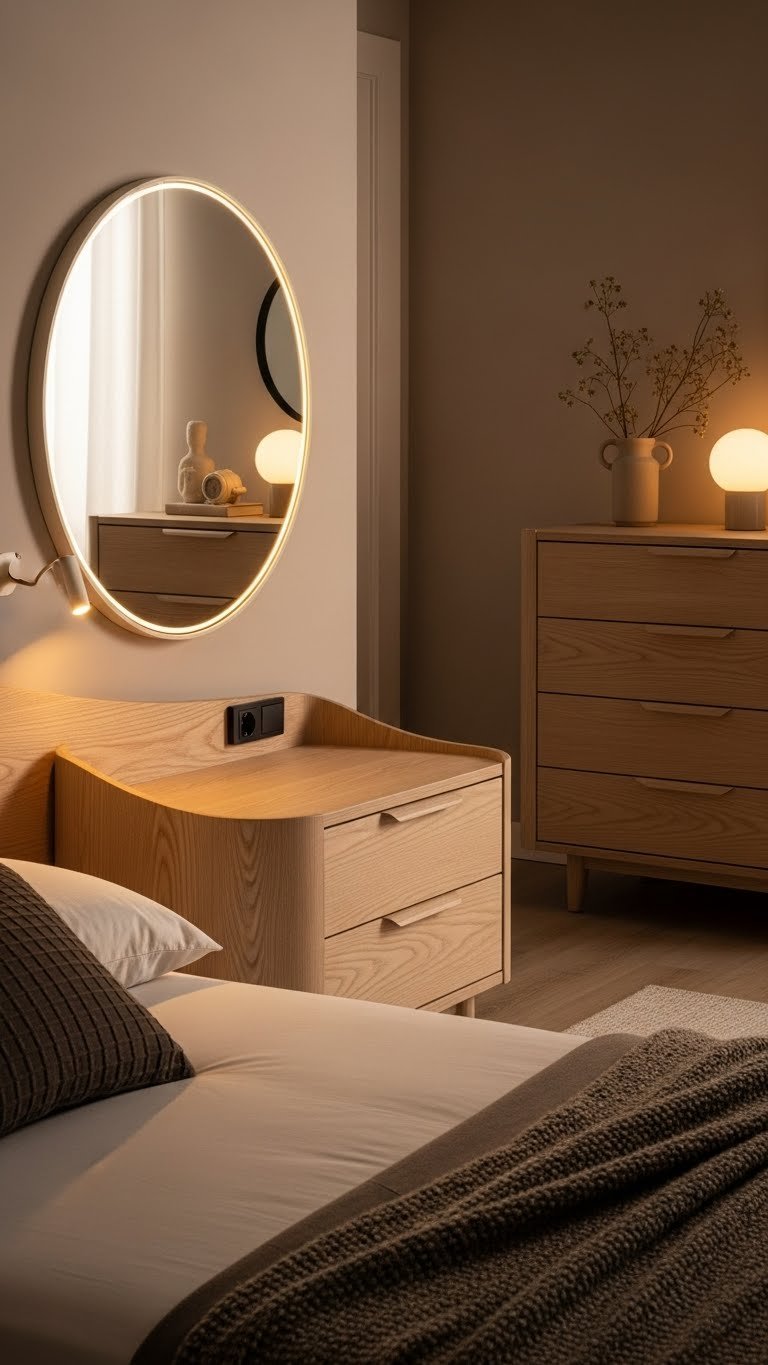
    Your patio becomes an extension of your home’s entertaining space, with ambiance that photographs beautifully.


    5. Install Recessed Step Lights for Deck or Porch Safety

    Recessed step lights embed into your stair risers or deck fascia, creating safe, modern lighting that’s barely visible during the day. Perfect for preventing trips and falls.

    Choose low-profile LED step lights with warm white output. Brands like Trex and Azek make them specifically for composite or wood decks ($8–$15 each, buy 6–12 depending on deck size). Installation takes one afternoon; drill or chisel a small pocket into each step, install the light, and wire to a transformer indoors. Alternatively, adhesive solar step lights exist ($30–$60 for a set) but deliver dimmer results. Hardwired options are brighter and more reliable.

    Walking up your steps after dark feels safer and more sophisticated, with lighting that guides without glare.


    6. Use Landscape Spotlights to Illuminate Trees or Shrubs

    Spotlights highlight specimen trees, tall shrubs, or interesting plantings, making your landscaping work harder after dark. They’re the backbone of professional landscape lighting design.

    Position adjustable LED spotlights 2–4 feet from the base of trees, angled upward to light the canopy without glare. Buy quality fixtures for $40–$100 each; you’ll likely need two to four for a typical front landscape. Wire to a low-voltage transformer (around $60–$150) on an outdoor timer. Install wiring in shallow trenches or along the ground (disguise with mulch). Solar spotlights are cheaper but noticeably dimmer in winter.

    Your landscaping becomes a nighttime focal point, adding depth and dimension to your entire exterior.


    7. Add a Programmable Smart Outdoor Timer

    A smart timer or home automation system lets you control outdoor lights from your phone—turning them on before you arrive home, creating away-from-home appearance patterns, or adjusting brightness.

    Install a WiFi-enabled outdoor timer ($25–$60) from Amazon, Home Depot, or Best Buy, or upgrade to a full smart system like Lutron or Philips Hue outdoor gear ($100–$300+). Most plug directly into existing outdoor outlets or wire into your exterior lighting circuit. Download the app, set schedules, and toggle lights remotely. Many systems integrate with Alexa or Google Home for voice control.

    You’ll save energy, enhance security, and gain flexibility—dimming lights for ambiance or brightening them when you’re away.


    8. Create Moonlighting with High-Mounted Lights in Trees

    Moonlighting mimics natural moonlight by placing lights high in trees, letting light filter through foliage and cast shadows below. It’s a subtle, elegant technique.

    Mount small adjustable spotlights 8–12 feet high in sturdy tree branches, angled downward and slightly outward. Use LED fixtures rated for outdoor use ($30–$80 each). You’ll need two to four fixtures around your property for convincing moonlighting effect. Wire to a low-voltage system for safety and easy installation. A professional electrician can help; expect $300–$600 for full installation including transformer and timer.

    Light filters naturally through leaves and branches, creating soft, romantic shadows that feel organic rather than installed.


    9. Paint Your Exterior to Reflect Light Better

    Lighter exterior paint colors—creams, pale grays, soft whites—naturally reflect ambient and artificial light, making your home appear brighter and more welcoming after dark.

    Choose light, warm-toned paint in 55–60% LRV (light reflectance value) for maximum light bounce. Brands like Sherwin-Williams, Benjamin Moore, and Behr offer great options ($35–$65 per gallon). You’ll need two coats; plan $1,500–$3,000 for professional painting or DIY for half the cost over a long weekend. Matte finishes look better than glossy, which can appear washed out. Pair with warm-toned accent lighting to amplify the effect.

    Your home appears naturally brighter and more inviting after dusk, with better light distribution across the facade.


    10. Install Motion-Sensor Lights for Security

    Motion-sensor lights turn on only when movement is detected, providing security without constant electricity use. Ideal for side yards, garages, or back entrances.

    Buy LED motion-sensor fixtures ($25–$80) from Home Depot or Amazon. Hardwired versions are brighter ($50–$150 installed); plug-in or solar options are cheaper but less powerful. Adjust the sensor range (typically 20–30 feet) and duration (15–30 seconds) to match your needs. Position lights above doorways or along pathways where intruders might approach. Mount them 8–10 feet high for optimal coverage.

    Intruders avoid well-lit entryways, and you won’t waste energy lighting empty spaces all night long.


    11. Use Accent Lighting on Your Front Door Color

    If your front door is a bold color—deep green, burgundy, navy—accent lighting makes it a true focal point. This works especially well with modern or traditional-modern homes.

    Mount two small uplights or picture lights directly above and below your door frame (or flanking it). Choose warm white LEDs ($30–$80 each) and position them to graze the door’s surface. Alternatively, install a single picture light ($40–$100) centered above the door. These need hardwiring or a plug-in option; professional install runs $150–$300. Adjust brightness with dimmers or timers to suit different occasions.

    Your bold door color becomes a stunning nighttime feature, drawing the eye and signaling that your home is thoughtfully designed.


    12. Line Your Driveway with Solar Lights

    Driveway solar markers create a luxury hotel feel while improving safety and visibility. They’re solar-powered, so zero ongoing electricity cost.

    Buy durable solar driveway lights ($1–$5 each; plan for 20–40 depending on length) from Amazon, Home Depot, or Target. Space them 4–6 feet apart along both edges of your driveway. Stick them into soil, gravel, or asphalt (some adhesive models for asphalt). Quality matters here; cheap lights dim quickly. Brands like Sunforce or Brightech offer reliable options ($40–$80 for a set of 12). Replace batteries annually for peak brightness.

    Your driveway becomes defined and safe, while the lighting adds an unexpectedly upscale touch to your nighttime arrival experience.


    13. Install Wall Washers to Highlight Siding or Stonework

    Wall washers spread light evenly across a large wall surface, emphasizing texture and color without harsh shadows. They’re professional-grade but achievable for DIYers.

    Mount adjustable LED wall washers 2–3 feet from the wall you want to illuminate, angled to graze the surface evenly. Choose fixtures rated for outdoor use ($60–$150 each); you’ll likely need two to four. Wire to a low-voltage transformer on a timer. Alternatively, solar wall washers exist ($40–$80 each) but are noticeably dimmer and less even. Hardwired versions deliver professional results and are worth the installation investment.

    Your home’s texture—whether brick, stone, or shiplap—becomes a dramatic architectural feature after dark.


    14. Use Colored Accent Lights Sparingly for Seasonal Drama

    Colored lights (amber, soft blue, or green) can add drama and personality without looking garish—but use restraint. One strategic colored fixture is striking; too many overwhelm.

    Buy one or two programmable color-change LED spotlights ($40–$100) from Philips Hue or similar brands. Position them to highlight a tree, architectural detail, or landscaping element. Use the app to change colors seasonally: warm amber for fall, soft blue for winter, green for spring. Stick with warm tones most of the year; save fun colors for holidays or parties.

    Your exterior gains a playful, dynamic quality without ever looking overdone or tacky.


    15. Mount Downlights in Your Soffit or Fascia

    Soffit and fascia downlights shine downward along your home’s upper exterior, creating even illumination without visible fixtures. This is high-end exterior lighting done subtly.

    Install recessed LED downlights in your soffit (the underside of roof overhang) or fascia board. Hire an electrician for this; expect $400–$800 total for materials and labor (typically four to six fixtures). This work requires roof access and wiring, so DIY is not recommended. Once installed, these lights create a polished, professional look that’s nearly invisible during the day.

    Your home’s facade glows evenly and sophisticatedly at night, with lighting that feels integrated rather than added.


    16. Add Pendant Lights Over an Outdoor Bar or Seating Area

    Hanging pendants bring restaurant-quality lighting to entertaining spaces. They’re especially effective over outdoor bars, dining tables, or seating areas.

    Choose weather-rated pendant lights ($30–$100 each) from Wayfair, West Elm Outdoor, or Restoration Hardware. Hang them 24–36 inches above your bar or table surface using sturdy chains or rods. You’ll need hardwiring; hire an electrician for $250–$500. Use warm white bulbs (2700K) and consider installing a dimmer ($50–$100) so you can adjust ambiance during dinner or parties. Alternatively, plug-in pendant options exist for renters or temporary setups.

    Your entertaining space becomes a destination after dark, with lighting that encourages lingering and gathering.


    17. Install Bollard Lights Along Pathways or Garden Edges

    Bollard lights are short, cylindrical fixtures that emit low-level light, perfect for defining pathways, garden edges, or separating entertaining zones without creating harsh overhead light.

    Buy durable LED bollards ($20–$60 each) from Home Depot, Amazon, or landscape suppliers. Space them 3–4 feet apart along walkways or garden borders. Hardwired bollards are brighter and more reliable; solar versions are cheaper but dimmer. Installation depth is typically 12–18 inches; bury wiring in shallow trenches and disguise with mulch. A typical front pathway needs six to ten bollards.

    Your landscape becomes clearly defined and safe to navigate at night, while the lighting enhances rather than dominates the space.


    18. Create Silhouette Lighting by Backlighting Focal Points

    Backlighting—shining light behind an object—creates dramatic silhouettes that draw the eye. Perfect for statement trees, sculptures, or architectural details.

    Position a strong LED light (100+ watts equivalent) directly behind your focal point, shining toward the viewer. Use uplights or spotlights angled away from the home. Budget $80–$200 per fixture; you’ll typically need one to two. This is dramatic, so use restraint—one powerful backlighting effect is more impactful than multiple scattered lights. Pair with uplighting on other elements for balanced design.

    Your most striking architectural or landscape feature becomes a nighttime focal point, creating depth and visual interest.


    19. Use Warm-Toned Landscape Lighting Throughout

    Consistency matters: if all your landscape lights are warm-toned (2700K or 3000K color temperature), your entire yard feels cohesive and intentional. Avoid mixing warm and cool tones.

    Audit all your exterior lights and replace any cool-white (5000K+) bulbs with warm alternatives. Budget $2–$5 per bulb; a typical property needs eight to fifteen. When shopping for new fixtures, always specify warm white or soft gold. This single decision—warm color temperature—makes your nighttime exterior feel premium and curated rather than random.

    Your entire landscape glows harmoniously after dark, with light that feels intentional rather than mismatched.


    20. Install a Recessed Light Above Your Garage Door

    Garage door lighting is often overlooked but impacts nighttime curb appeal and safety. A single recessed light above the door transforms this utility feature.

    Install a recessed LED downlight in your soffit or fascia directly above the garage door. Choose warm white, dimmable options ($40–$80). Hire an electrician to hardwire it; expect $150–$300 total labor. This light should illuminate the door and driveway below without creating glare in your eyes. Consider a motion sensor add-on ($50–$100) so the light activates only when someone approaches.

    Your garage door becomes visible and intentional at night, plus you can see safely when arriving or leaving.


    21. Add Subtle Pathway Markers with Rope or Tube Lights

    Rope lights or tube lights create a gentle, continuous glow along pathways or garden beds. They’re more modern and flowing than individual markers.

    Buy outdoor-rated LED rope lights ($15–$40 for 16–33 feet) from Amazon or Home Depot. Mount them along pathway edges using clips or adhesive tracks. Plug into an outdoor outlet with a timer ($15–$30) or hardwire to a transformer for permanent installation. Warm white is essential; blue or multicolored options look cheesy. Rope lights work especially well in modern, minimalist landscapes where clean lines matter.
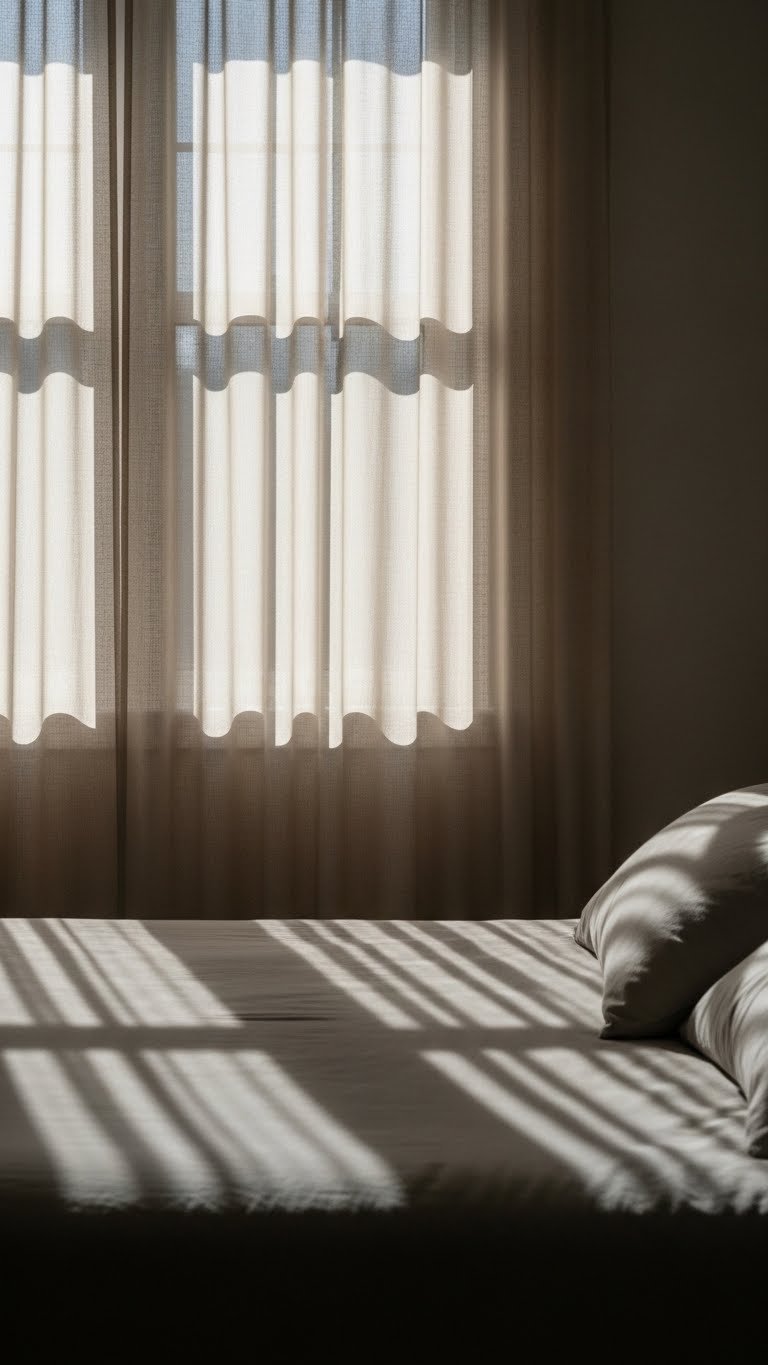
    Your pathways glow continuously and invitingly, with lighting that feels architectural rather than cluttered.


    22. Illuminate Architectural Details Like Columns or Corbels

    Columns, corbels, and other architectural details deserve their own lighting. Highlighting these elements makes your home look custom-designed.

    Position small adjustable spotlights or uplights directly below or beside your architectural details, angled to emphasize their three-dimensional form. Choose low-glare, warm-toned fixtures ($30–$80 each). You’ll likely need two to four depending on how many details you want to highlight. Wire them to a low-voltage system or install hardwired for permanent, reliable light. This detail work signals that your home is thoughtfully designed.

    Your home’s craftsmanship and architectural character shine literally—elevated details become visually significant at night.


    23. Use Uplighting on Landscaping for Depth and Dimension

    Multiple uplights on different landscape layers—ground-level plantings, mid-height shrubs, tall trees—create depth that makes your yard feel larger and more interesting after dark.

    Start with a foundation of ground-level uplights ($30–$60 each) on low shrubs closest to the home. Add mid-level uplights ($40–$100 each) on taller plantings. Top it with tree uplighting ($60–$150 each) on specimen trees or tall specimens. Space lights 2–4 feet apart and vary angles so light doesn’t feel uniform or artificial. Budget $500–$1,500 for a typical front with professional installation.
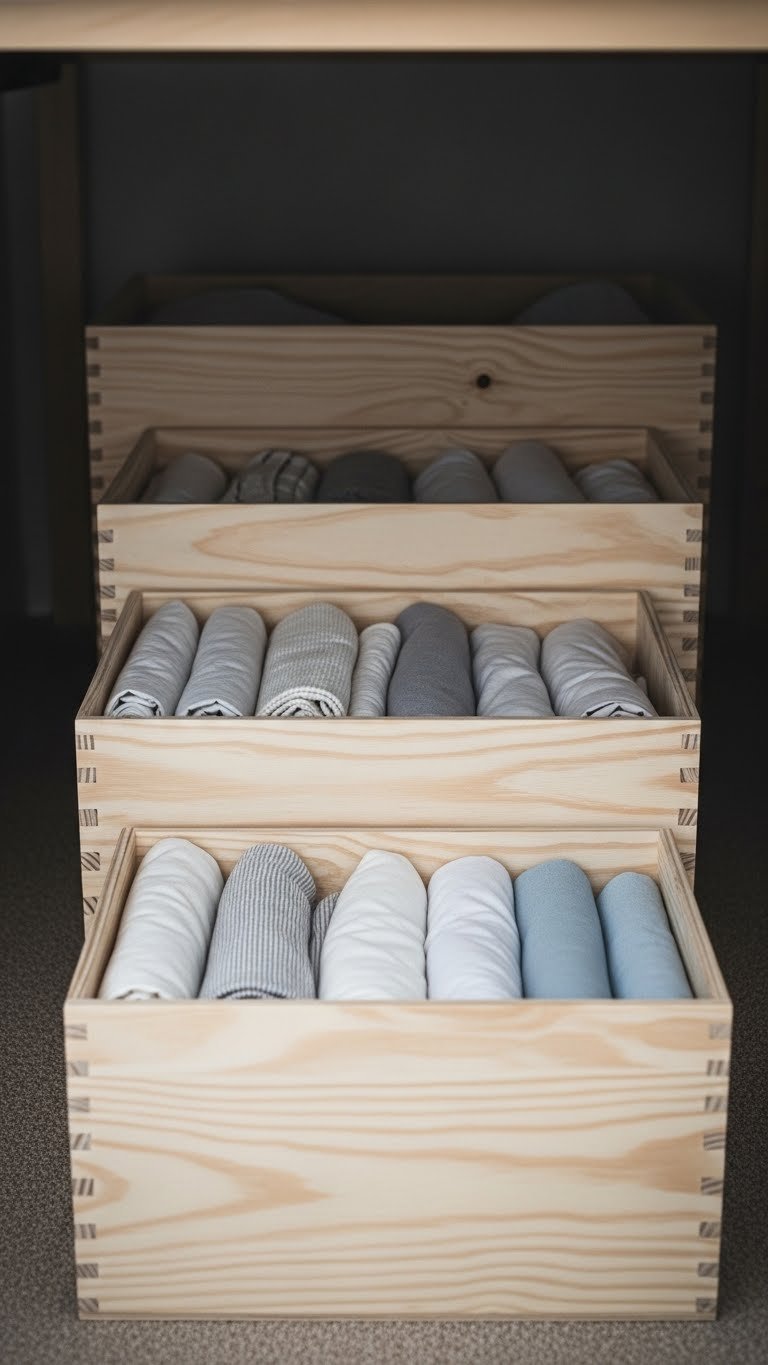
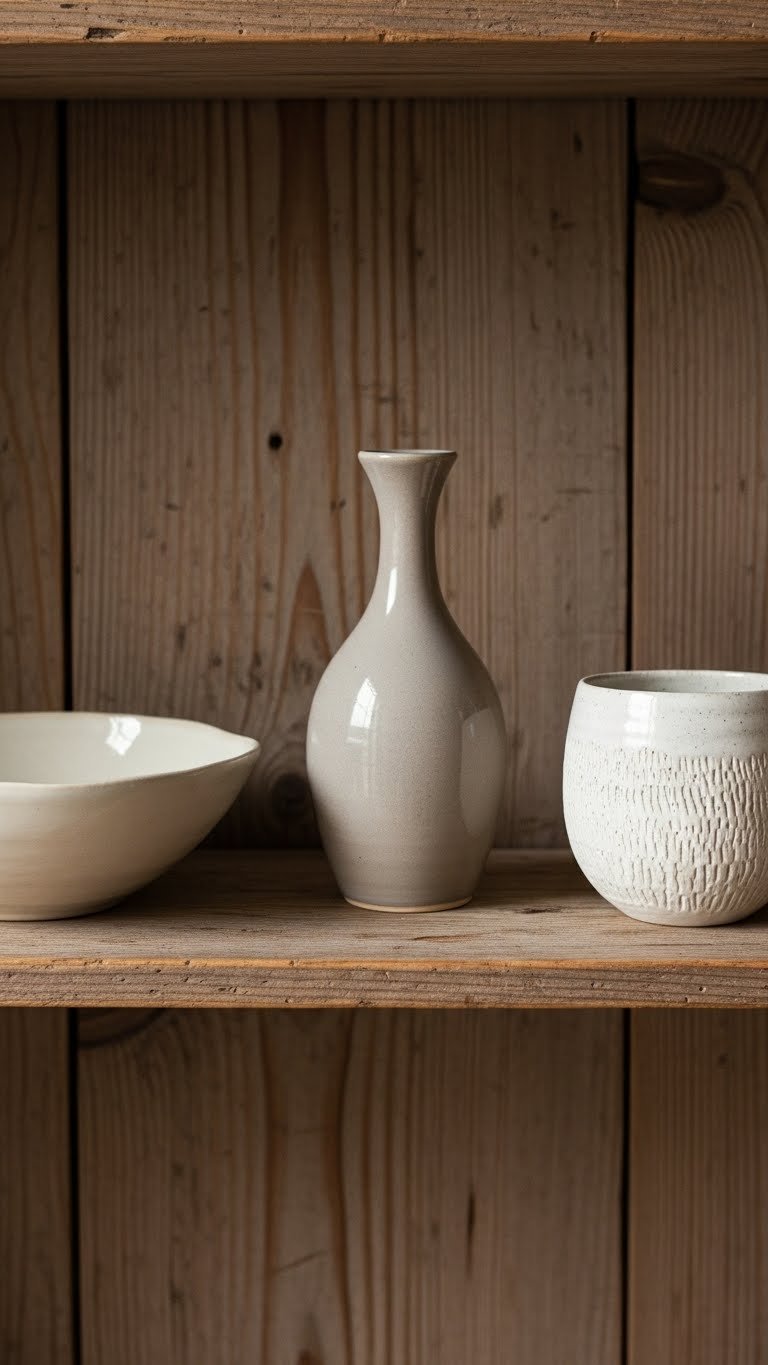
    Your landscape transforms into a layered, dimensional composition, with depth that draws visitors in and signals you care about your outdoor space.


    24. Install Recessed Tread Lights in Stone Steps or Walkways

    Recessed tread lights embed directly into hardscape, creating seamless, high-end lighting with zero tripping hazards. These are particularly stunning on stone or formal walkways.

    Choose low-profile LED tread lights designed for hardscape installation ($10–$25 each). Install them by cutting shallow pockets into stone or concrete and setting lights flush with the surface. This is precision work; hire a hardscape contractor or skilled DIYer. Budget $400–$800 for a typical front walkway (materials plus installation). Alternatively, adhesive surface-mounted lights exist ($30–$60 each) but are less polished-looking.

    Your walkway glows seamlessly, with lighting that’s nearly invisible until nightfall—ultimate sophistication.


    25. Layer Lighting at Multiple Heights for Visual Interest

    Professional outdoor lighting always uses multiple light sources at different heights and distances. This layering creates depth, interest, and a polished look that single-source lighting can’t achieve.

    Plan your lighting in layers: ground level (path and landscape lights), mid-level (wall sconces, bollards), high level (tree uplighting, roof-mounted lights). Choose a consistent warm color temperature (2700K) across all fixtures. Install lights on separate switches or circuits so you can adjust ambiance—bright for entertaining, dimmed for evening relaxation. Start with budget items (solar path lights, string lights) and add investment pieces (hardwired uplighting, architectural lighting) over time.

    Your home glows with intentional, sophisticated lighting that looks like it was designed by professionals—and feels welcoming every single night.


    Save this post and start with one idea this weekend—path lights are the easiest entry point and deliver immediate impact. Which lighting style speaks to you?