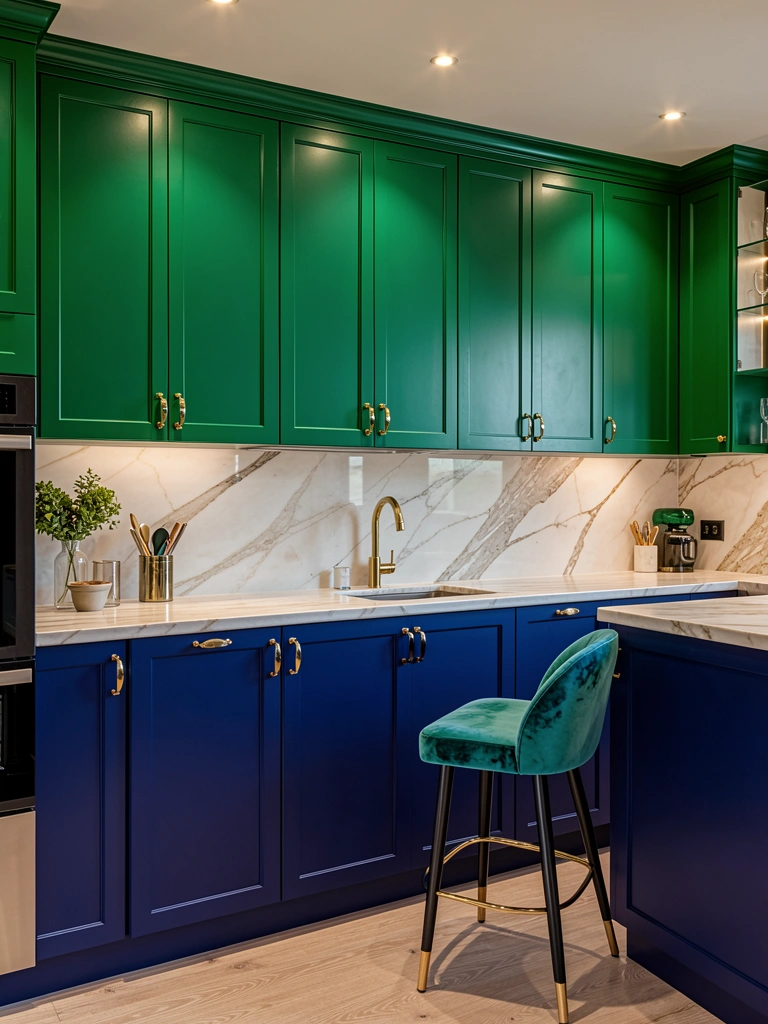
Author: Clara Bennett

  • 7 Cool Outdoor Concrete Kitchen Ideas to Copy

    7 Cool Outdoor Concrete Kitchen Ideas to Copy

    I spent last summer finally pouring concrete counters for my backyard kitchen. It started as a cheap fix for our sagging old setup, but man, it changed everything. No more wobbly surfaces during barbecues. Guests lingered longer.

    The weight of real stone-like counters grounded the space. Felt solid, like an extension of the house.

    Now, I get why concrete outdoors works so well. It's tough on weather, easy to clean after muddy kids or spilled sauce.

    7 Cool Outdoor Concrete Kitchen Ideas to Copy

    These 7 outdoor concrete kitchen ideas come from my own yard trials and friends' patios. They're practical, not fancy. You can copy any without breaking the bank or your back.

    1. Built-In Concrete Grill Station That Handles Heat Like a Champ

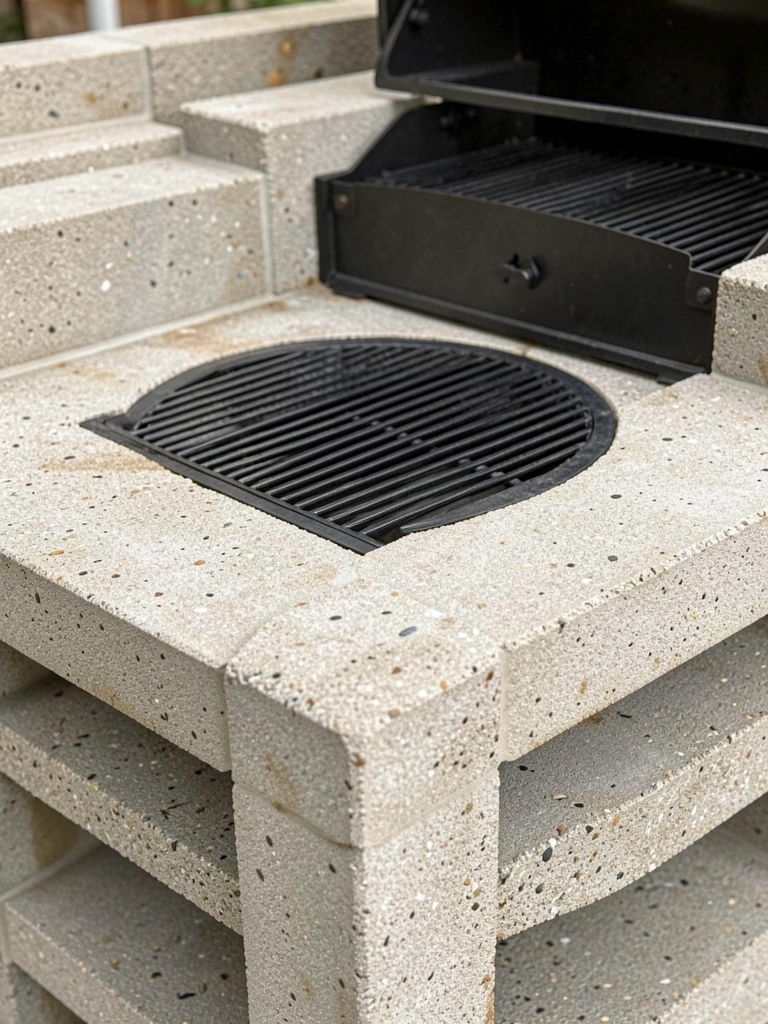
    I poured my first grill station last year after our portable one tipped over mid-cookout. Embedded the frame right into wet concrete for stability. Now it sits flush, no wobbles even in wind.

    The heat from the grill warms the concrete just right—no cracking after months. Smoke curls up clean against the plain gray surface. Family fights less over grill space.

    Watch the mix ratio; too much water and it etches under drips. I learned that the hard way, patched one spot with a grinder.

    Keeps tools handy on the ledge. Feels like a real outdoor hub.

    What You’ll Need for This Look

    Concrete grill insert frame (24-inch)

    High-heat concrete sealer (1-gallon)

    Stainless steel grill grate (square)

    Rebar reinforcement rods (10-foot)

    2. Polished Concrete Island with Tall Bar Stools for Easy Entertaining

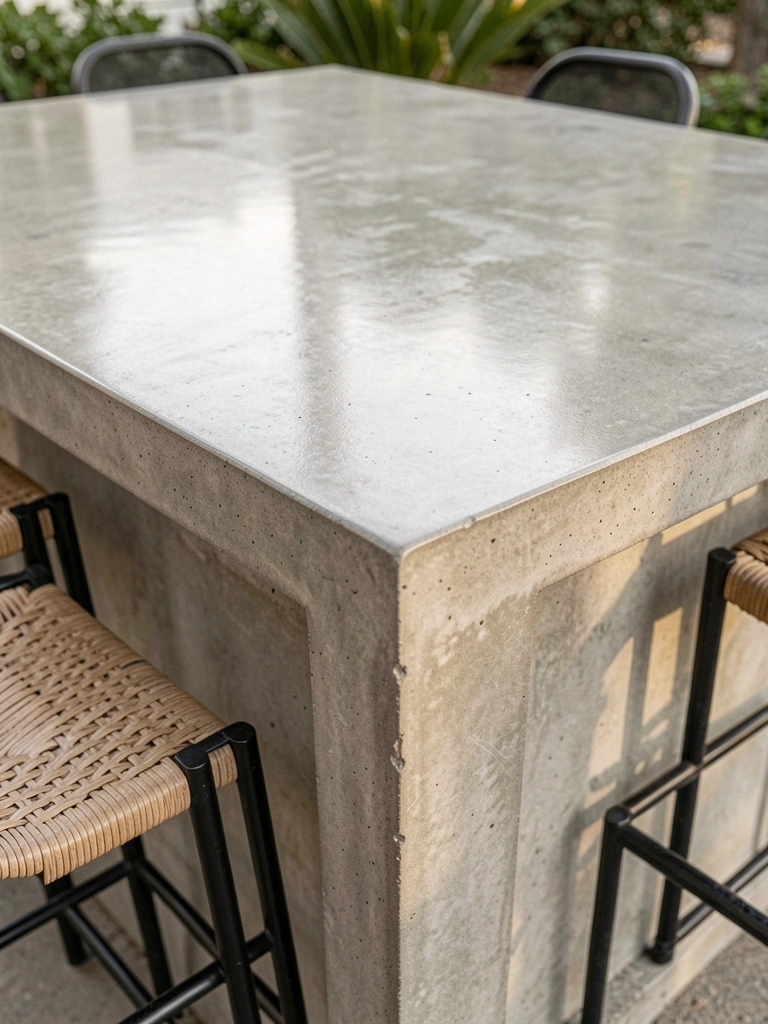
    My backyard island started as a flat slab on blocks. Polished it smooth with a rental sander, added overhang for stools. Now it's where we eat pizza under string lights.

    The shine reflects sunset colors, makes the yard feel bigger. Stools tuck under—no tripping on legs.

    I returned cheap stools first; they rusted fast. Swapped for powder-coated metal that wipes clean.

    Overhang depth matters—18 inches lets knees fit. Changed how we use the space daily.

    What You’ll Need for This Look

    Concrete polishing pads (set of 7)

    Powder-coated metal bar stools (29-inch height)

    Concrete countertop polish (clear)

    3. Concrete Counter Herb Garden That Stays Green All Season

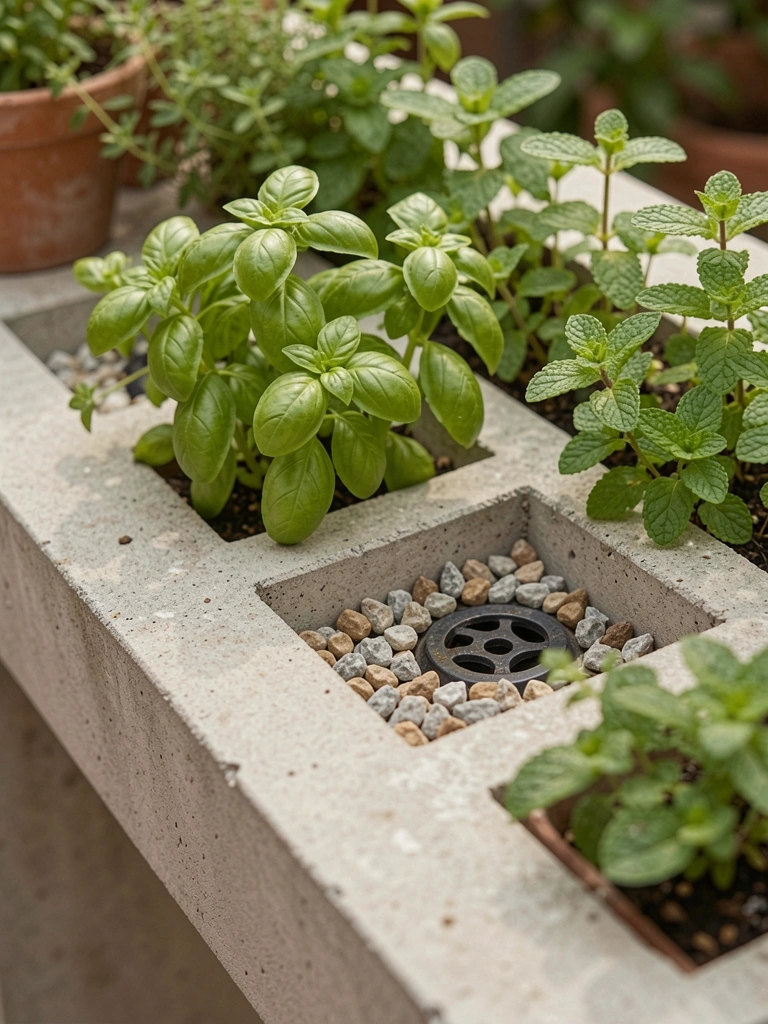
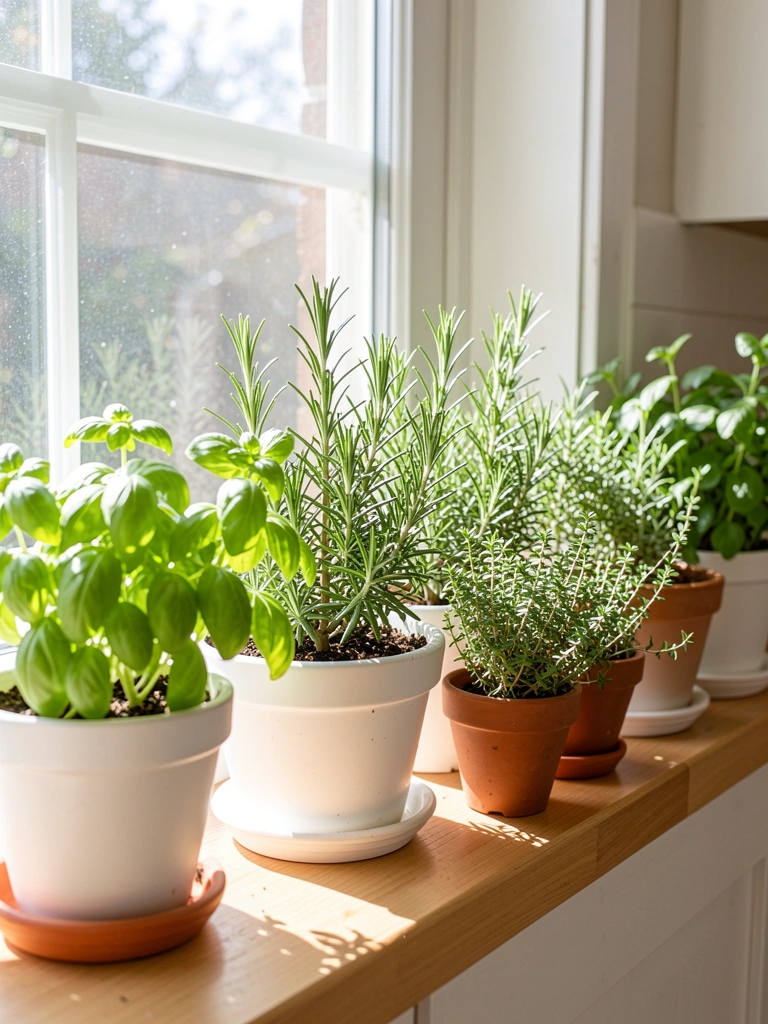
    I carved shallow troughs into fresh concrete for herbs—basil, rosemary right at hand. No more pots sliding off in rain. They root deep, stay fed by runoff water.

    Green pops against the gray, softens the hard edges. Picking fresh changes dinner every night.

    Overplanted once; roots competed. Now space them 6 inches apart.

    Drainage gravel at bottom prevents soggy mess. Simple fix that works.

    What You’ll Need for This Look

    Outdoor herb planter trays (concrete form)

    Drainage gravel (20-pound bag)

    Perennial herb seeds (basil rosemary mix)

    Concrete trowel for edging

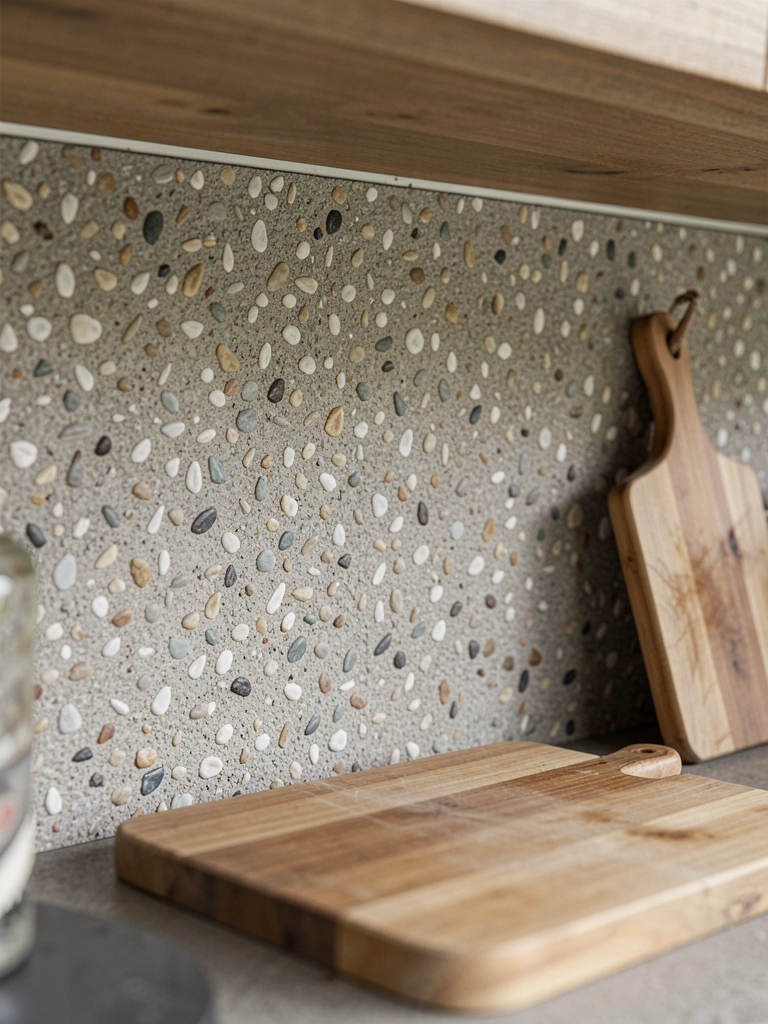
    4. Exposed Aggregate Concrete Backsplash Behind the Prep Area

    Pressed pebbles into the wet backsplash mix for grip and looks. Wears like iron after storms—no chipping paint like old tile.

    Texture catches light different all day, hides splatters from chopping onions.

    Used wrong pebbles first—too smooth, slipped out. Switched to river rock.

    Mount a wood shelf above for spices. Keeps it functional.

    What You’ll Need for This Look

    River rock aggregate (50-pound bag)

    Teak wood floating shelf (36-inch)

    Concrete retarder for exposure

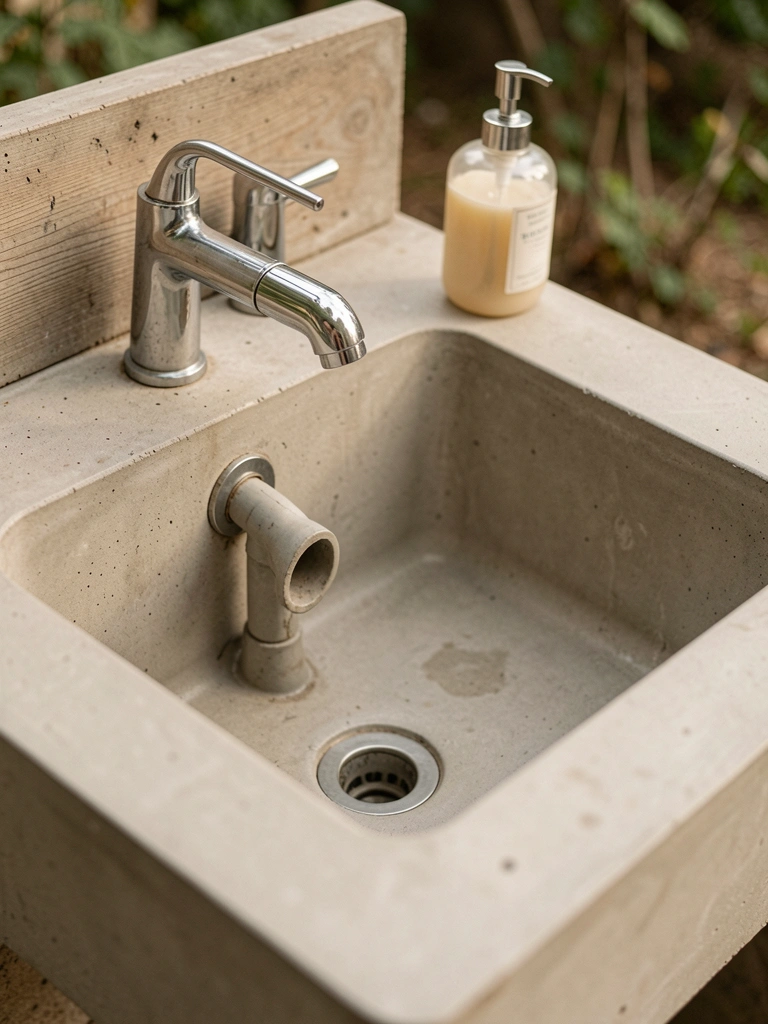
    5. Sleek Concrete Sink with Exposed Drain for Quick Rinses

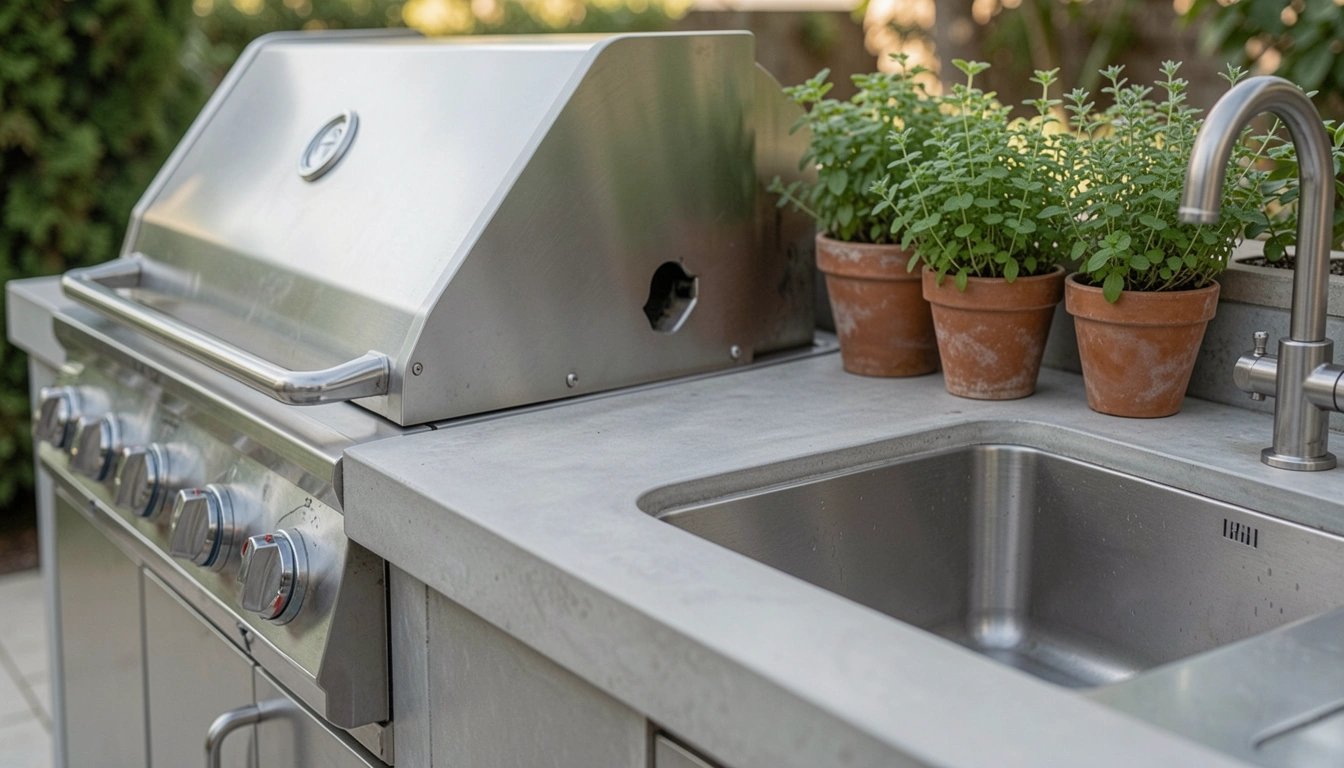
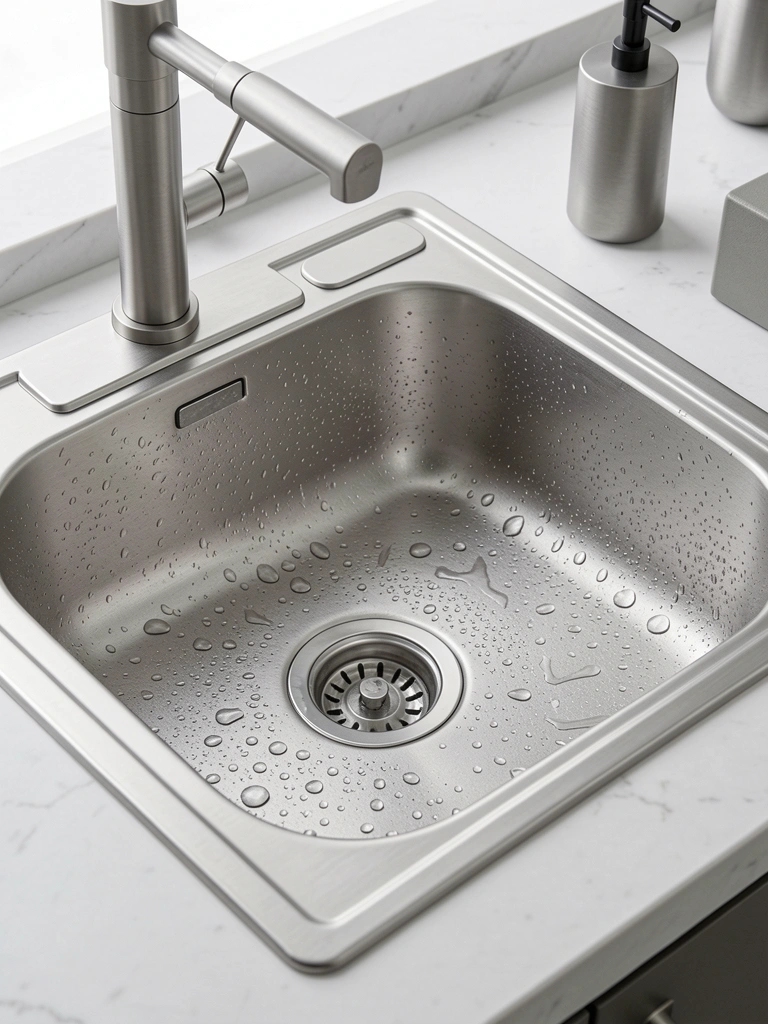
    Poured a wide basin sink into the counter—deep enough for pots. Exposed drain pipe adds industrial edge without fuss.

    Water runs off fast, no puddles after washing grill grates. Feels pro but homey.

    Sealed edges twice; first coat wore thin. Now it gleams.

    Pair with wall-mount faucet. Saves counter space.

    What You’ll Need for This Look

    Concrete sink mold (24×18-inch)

    Wall-mount outdoor faucet (chrome)

    Food-safe concrete sealer (quart)

    Exposed drain pipe kit (brass)

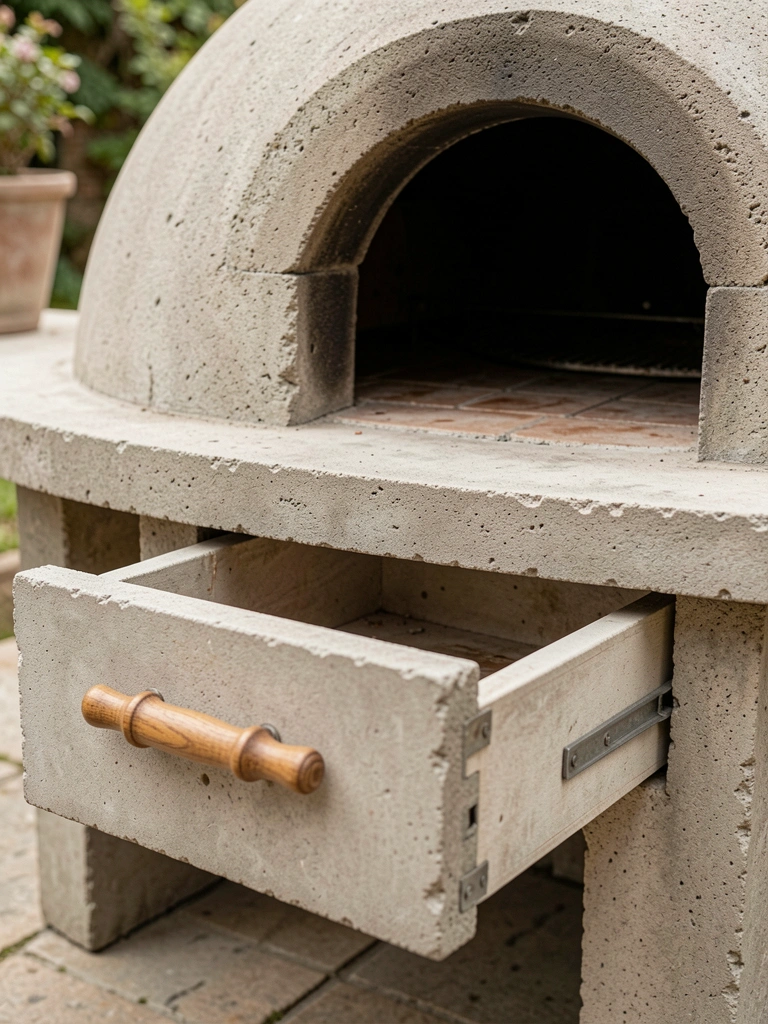
    6. Concrete Pizza Oven Base with Slide-Out Peel Storage

    Built a sturdy base under my prefab oven—concrete holds heat steady for crusts. Slide drawer below for peels and tools.

    Dough doesn't stick to the warm surface nearby. Pizza nights feel effortless now.

    Oven shifted once on weak base. Reinforced with rebar this time.

    Keeps yard tidy—no loose gear.

    What You’ll Need for This Look

    Prefab pizza oven kit (24-inch)

    Slide-out drawer slides (heavy duty)

    Wooden pizza peel (14-inch)

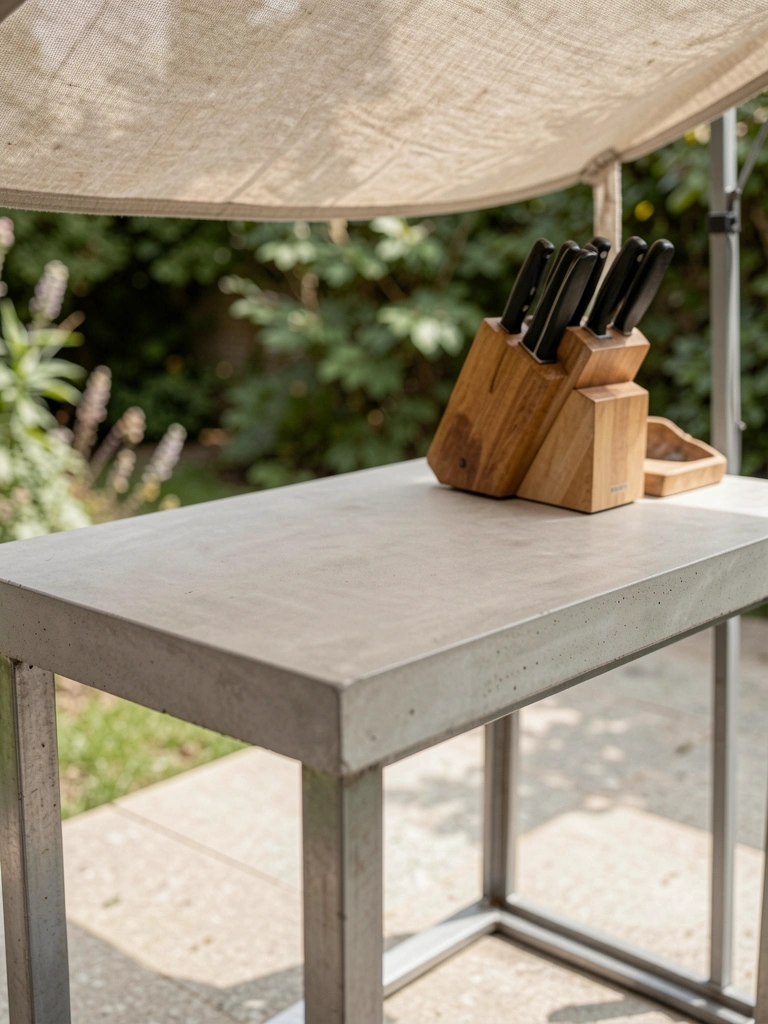
    7. Minimalist Concrete Prep Table with Overhead Canopy

    My prep table is plain concrete on pipe legs—room for chopping without crowding. Hung a simple canopy for shade.

    Light bounces clean off the top, easy to spot veggies. Rain slides right off.

    Legs too short first try; raised for wheelchair access later.

    Wind-proof canopy ties keep it steady.

    What You’ll Need for This Look

    Galvanized pipe table legs (set of 4)

    Outdoor canopy fabric (10×10-foot)

    Bamboo cutting board (large)

    Final Thoughts

    Pick one or two ideas that fit your yard first. Concrete lasts, but start small to test.

    You'll mess up a pour maybe, but that's how it gets real.

    Your outdoor kitchen will pull people outside more. Trust the process—it's worth it.

  • 21 Stylish Open Shelves Concrete Kitchen Ideas

    21 Stylish Open Shelves Concrete Kitchen Ideas

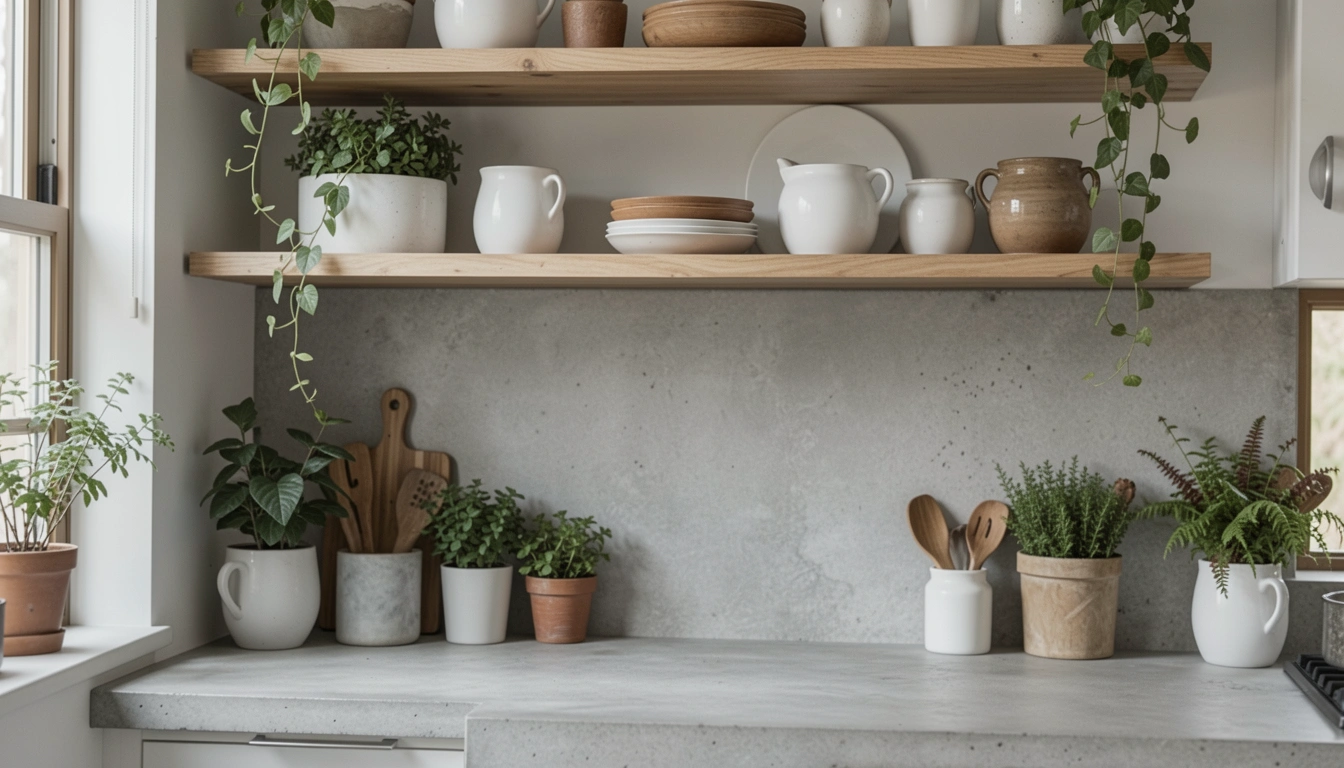
    I ripped out the uppers in my concrete kitchen last year. It was stark at first—gray everywhere, nothing soft. But filling those open shelves changed it. I fumbled with clutter, returned half my dishes. Now it feels like home. You can too.

    21 Stylish Open Shelves Concrete Kitchen Ideas

    These 21 ideas come from my own concrete kitchen trials. They'll give you clear steps to style shelves that feel right, not fussy. No overwhelm—just what works.

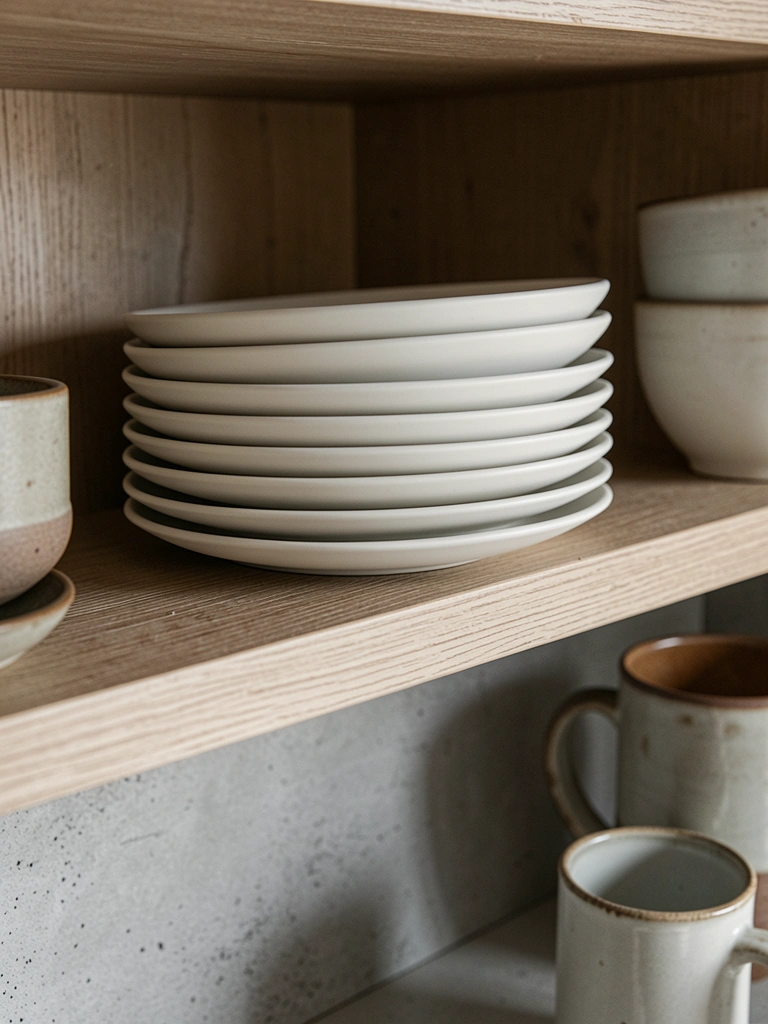
    1. Stacked Matte White Plates Leaning Against the Wall

    I started with plain white plates from a thrift stack. Leaning them created height without effort. The concrete's gray made them pop clean. It warmed the space instantly—no more sterile vibe.

    One mistake: I centered them too perfectly. Off-center feels lived-in. Dust settles less on edges too.

    Visually, it draws the eye up. Emotionally, it's calm, like a quiet breakfast nook.

    Pay attention to spacing—two inches between stacks. Group by size: dinner on bottom, bowls above.

    What You’ll Need for This Look

    Matte white ceramic dinner plates, 10-inch

    White stoneware bowls, assorted sizes

    Wood shelf risers, 6-inch

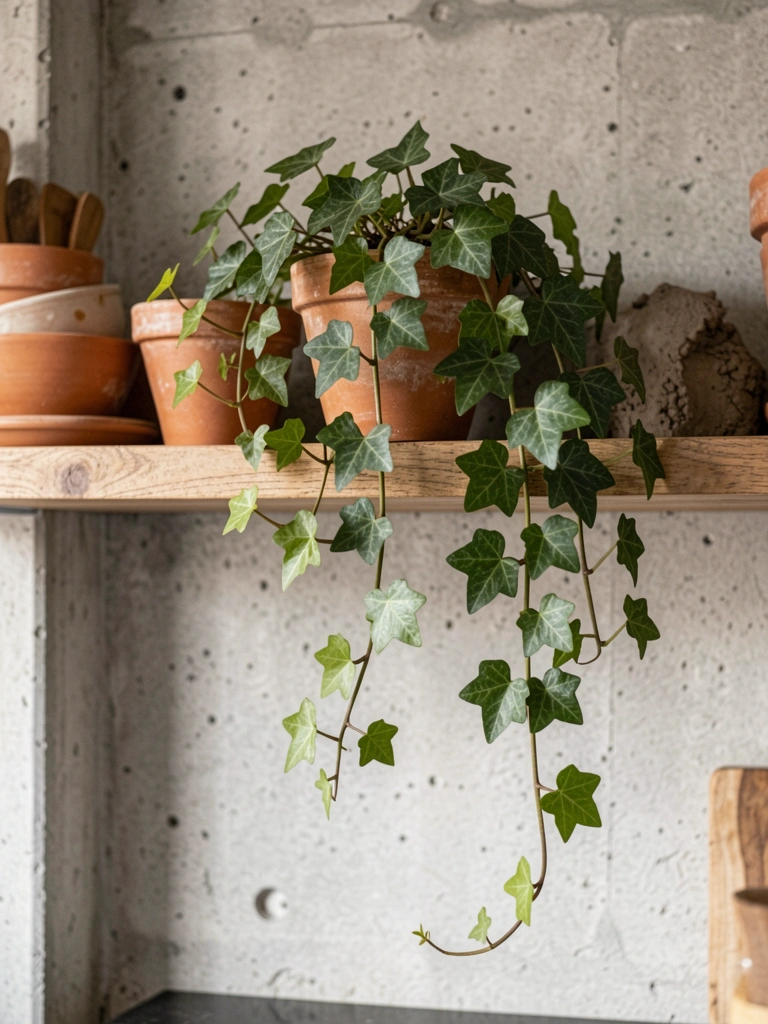
    2. Trailing Ivy in Terracotta Pots Tucked on Corners

    Greenery softens concrete like nothing else. I tucked ivy pots in corners—trailing over edges. It broke up the hard lines, added life.

    The pots' red earth tones grounded the gray. Mornings feel fresh now.

    I overwatered once, killed a pothos. Stick to low-light ivy; it forgives.

    Watch for drips—saucers underneath. Let vines grow uneven.

    What You’ll Need for This Look

    Terracotta pots, 4-inch with saucers

    Trailing ivy plant, 6-inch pot

    Small pebble tray filler

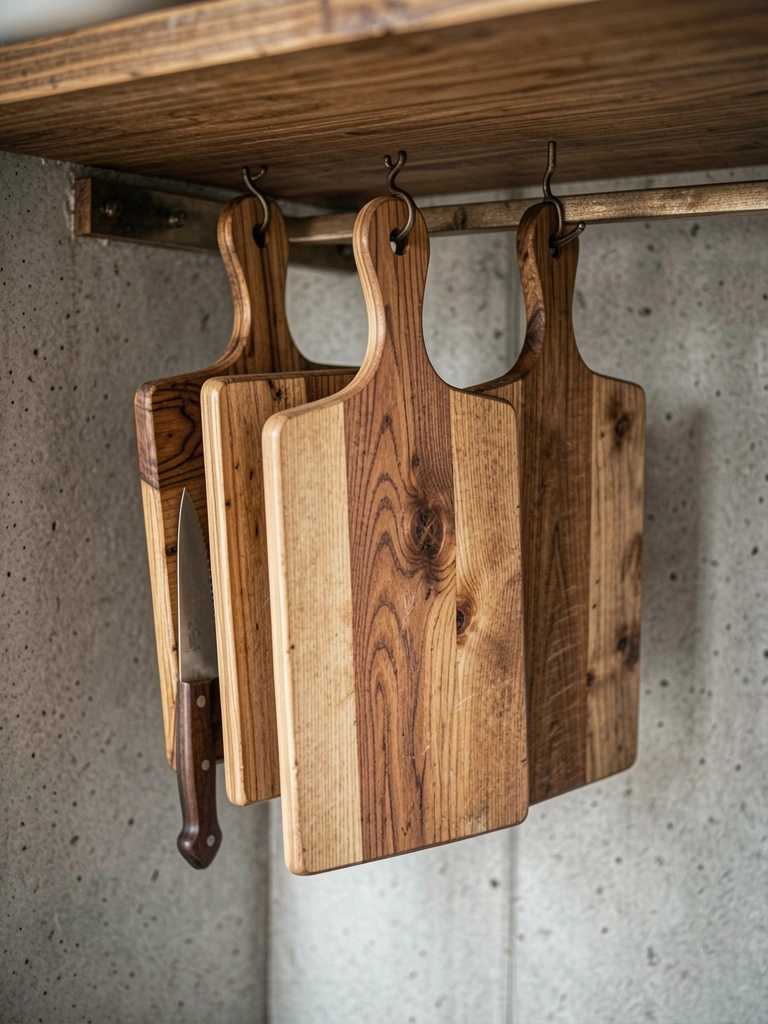
    3. Wooden Cutting Boards Hung Horizontally for Texture

    Walnut boards add warmth to cold concrete. I hung three horizontally, overlapping slightly. The wood grain pulls focus from gray slabs.

    It feels useful, not staged. Chopping veggies there now beats the counter.

    Bought cheap ones first—warped fast. Invest in end-grain.

    Angle them 10 degrees for depth. Wipe seasoning oil yearly.

    What You’ll Need for This Look

    Walnut end-grain cutting board, 12×18-inch

    Teak wood board, 10×14-inch

    Leather hanging straps, black

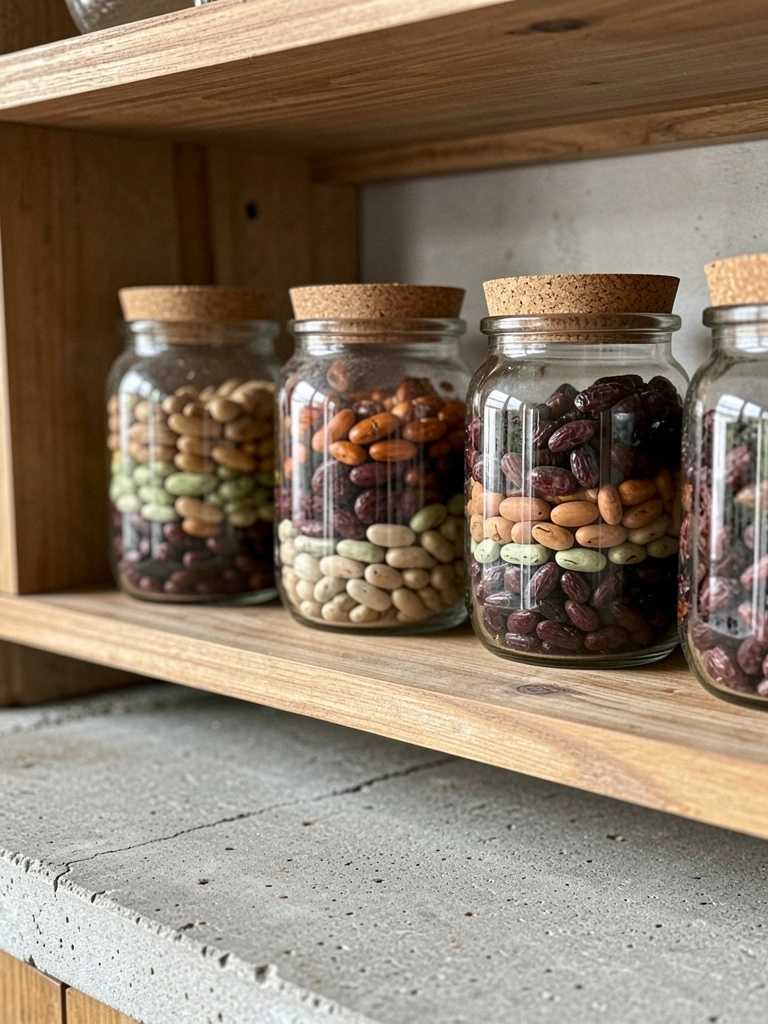
    4. Vintage Glass Jars Filled with Dried Beans

    Clear jars let bean colors glow against concrete. I layered pinto, black, lentils—subtle rainbow. Practical for cooking too.

    The transparency cuts heaviness. Shelf feels airy.

    Overfilled once, spilled everywhere. Half-full max.

    Group by tone: warms on left, cools right. Cork lids seal tight.

    What You’ll Need for This Look

    Clear glass mason jars, quart size

    Dried pinto beans, 2-pound bag

    Cork lids for mason jars

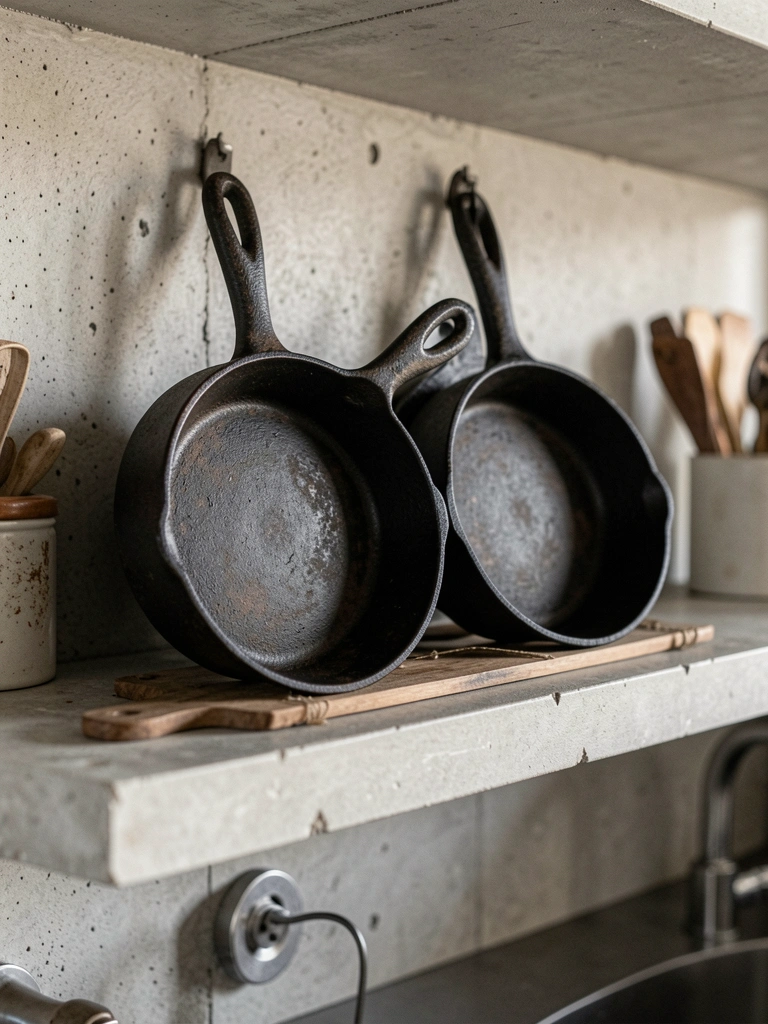
    5. Black Cast Iron Skillets Propped in a Cluster

    Iron matches concrete's raw edge. Propped two skillets together—handles crossed. It grounds the space.

    Cooking smells linger nicely. Feels like a real cook's spot.

    Heaviest on bottom shelf—don't overload. I did, shelf sagged.

    Season them well; patina shines.

    What You’ll Need for This Look

    Cast iron skillet, 10-inch Lodge

    Cast iron skillet, 12-inch

    Iron shelf hooks, matte black

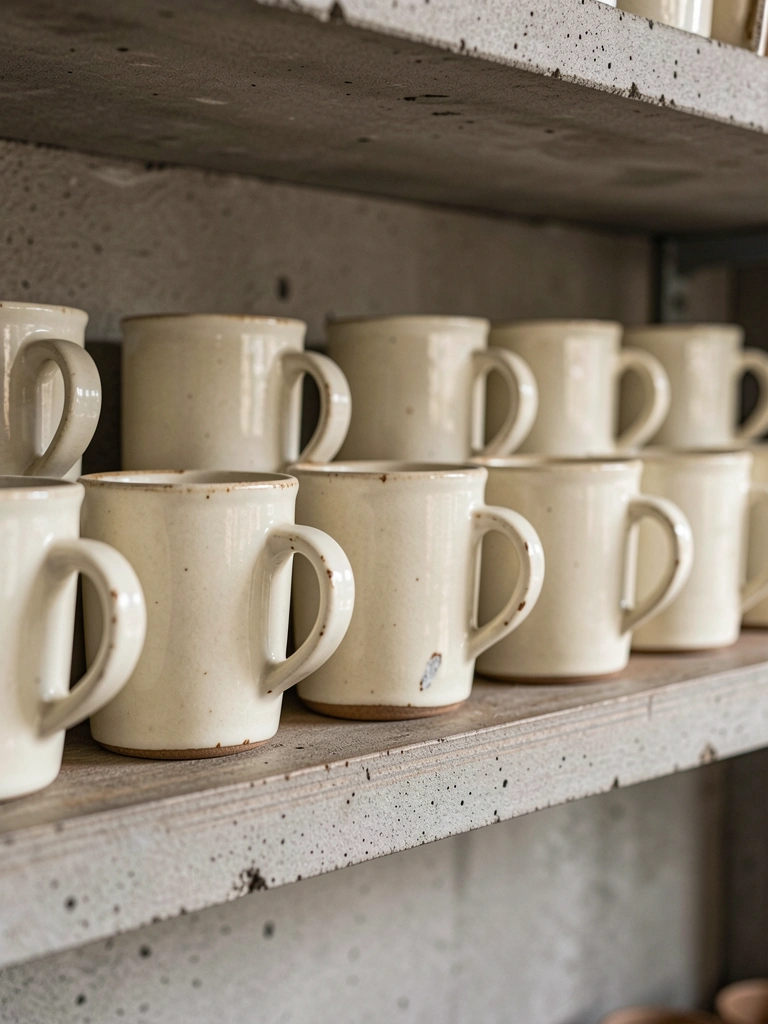
    6. Creamy Ceramic Mugs in Uneven Rows

    Cream mugs soften gray tones. Uneven rows—some forward, some back—feel collected over time.

    Coffee breaks here are cozy now. Concrete fades back.

    Matched sets bored me. Mix handles.

    Front ones at eye level. Rotate seasonally.

    What You’ll Need for This Look

    Creamy ceramic mugs, 12-ounce set

    Matte stoneware mug, large

    Wood mug tree, slim

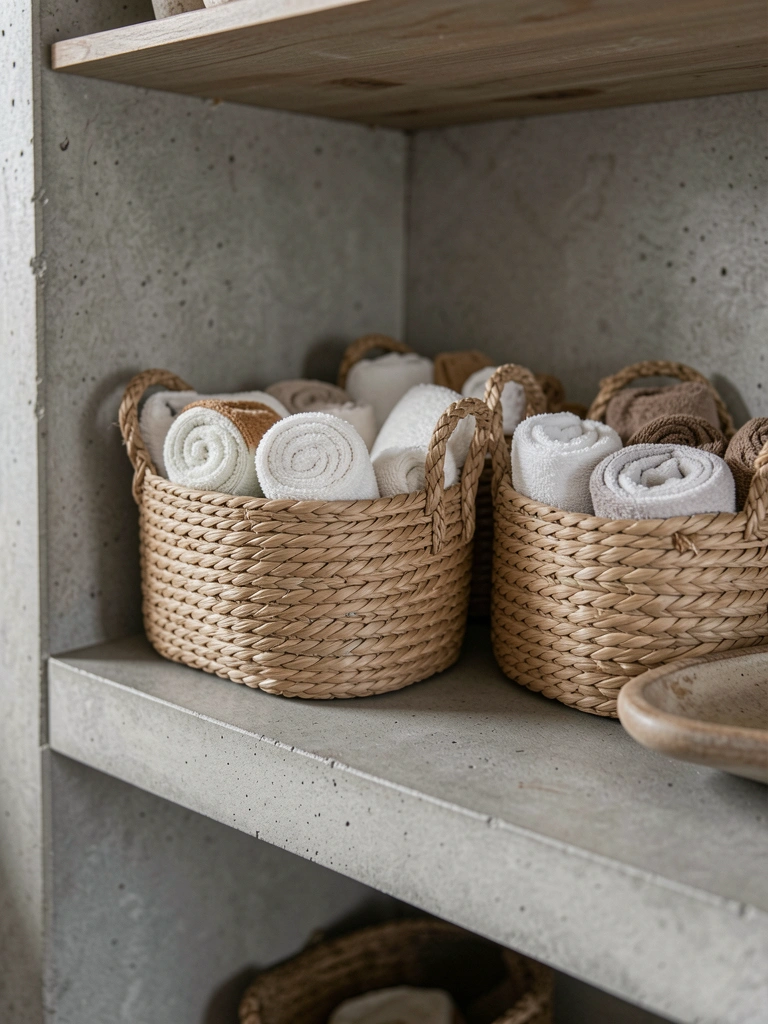
    7. Woven Seagrass Baskets for Loose Storage

    Baskets hide clutter softly. Seagrass ones hold linens—texture against smooth concrete.

    Towel grabs are easy. Space breathes.

    Oversized blocked light. Medium scale.

    Nest two sizes. Line with fabric.

    What You’ll Need for This Look

    Seagrass storage basket, medium 12×12-inch

    Woven belly basket, small

    Linen kitchen towels, neutral

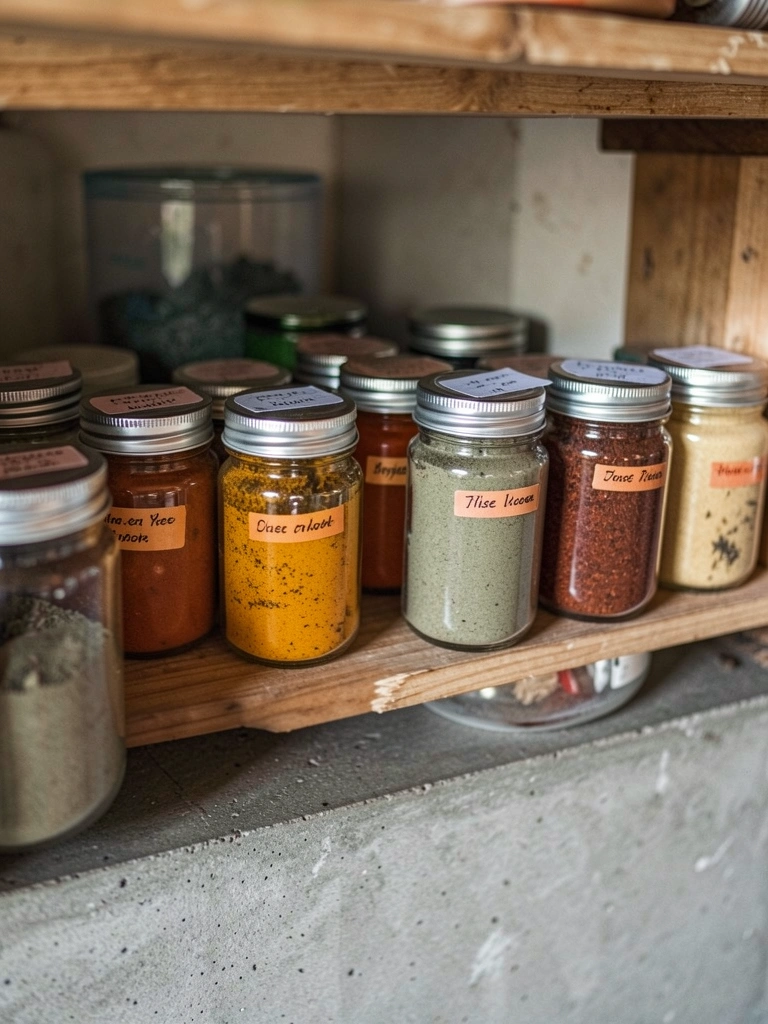
    8. Spice Jars Lined Up by Frequency of Use

    Glass spice jars organize chaos. Lined by dailies first—cumin, salt. Concrete backdrop highlights labels.

    Cooking flows better. No digging.

    Alphabetized once—useless. Use-based wins.

    Clear glass; avoid dark. Refill quarterly.

    What You’ll Need for This Look

    Glass spice jars with bamboo lids, 4-ounce

    Spice jar labels, chalkboard

    Wood turntable riser

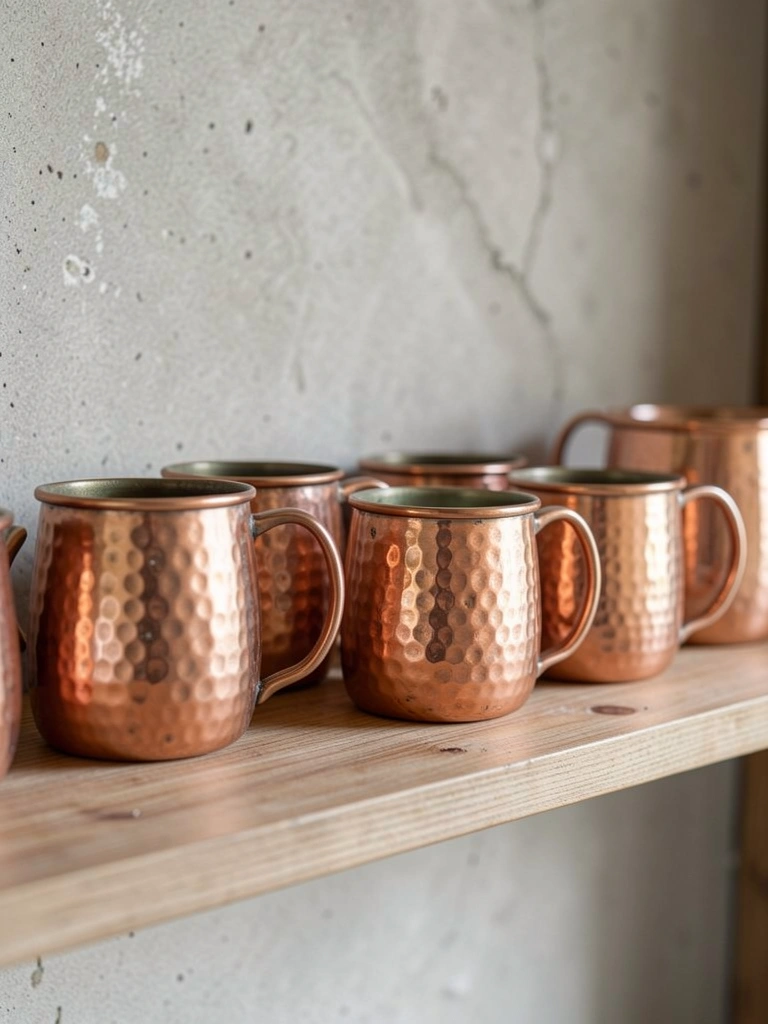
    9. Copper Mugs Grouped for Subtle Shine

    Copper warms gray instantly. Grouped mugs catch light—subtle glow.

    Moscow mules taste better here. Inviting.

    Polished too much first—dulls charm. Let patina build.

    Bottom shelf for weight. Polish sparingly.

    What You’ll Need for This Look

    Hammered copper mug, 16-ounce

    Copper Moscow mule mug set

    Black metal tray, rectangular

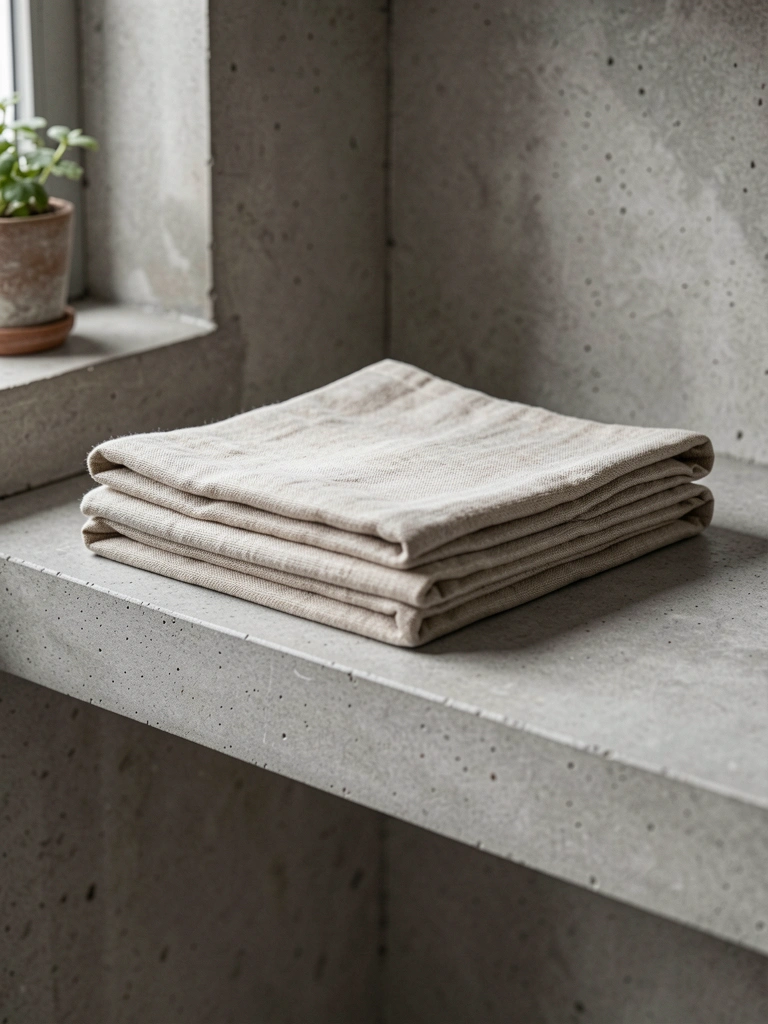
    10. Minimal Linen Napkins Folded Flat

    Linen napkins add softness. Folded flat in a row—concrete's foil.

    Meals feel thoughtful. Easy grab.

    Ironed crisp—wrinkles fast. Embrace texture.

    Roll loosely sometimes. Wash weekly.

    What You’ll Need for This Look

    Linen napkins, 20×20-inch beige

    Neutral linen dinner napkins set

    Ceramic napkin weight, small

    11. Textured Stoneware Pitchers in Threes

    Pitchers build rhythm. Three textured ones—tall, medium, short. Concrete highlights bumps.

    Water poured here tastes better. Balanced.

    Matched heights bored. Vary scale.

    Middle one forward. Dust cloth inside.

    What You’ll Need for This Look

    Matte stoneware pitcher, 48-ounce

    Textured ceramic pitcher, small

    Wood shelf bracket accent

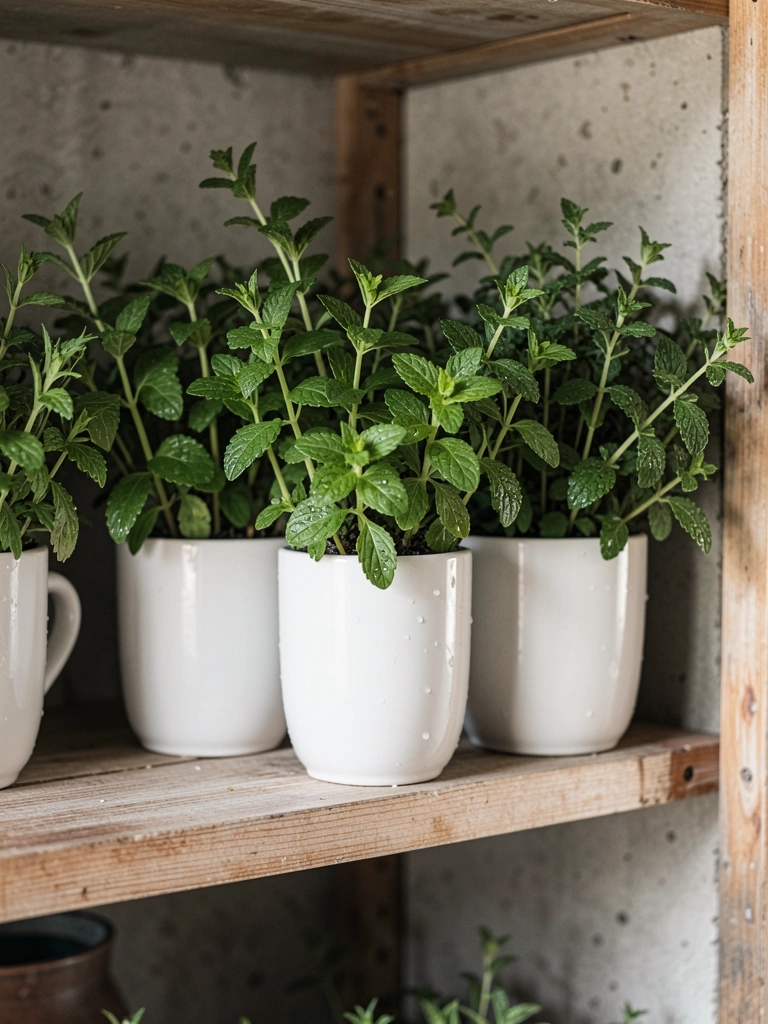
    12. Fresh Herbs in White Porcelain Holders

    Herbs bring scent and green. Porcelain holders keep stems fresh—concrete stays dry.

    Snip for dinner daily. Alive feel.

    Basil wilted without sun. Windowsill herbs.

    Change water twice weekly. Trim roots.

    What You’ll Need for This Look

    White porcelain herb saver

    Fresh basil plant starter

    Small herb scissors

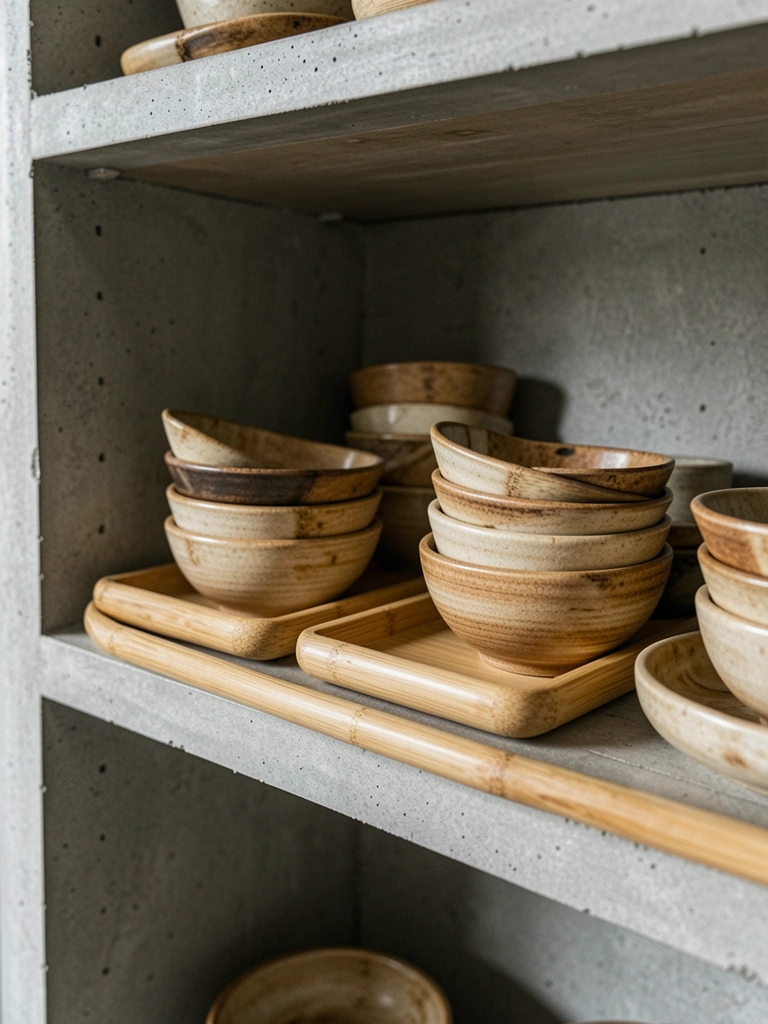
    13. Bamboo Trays Layered with Bowls

    Bamboo trays organize bowls. Layered stack—practical warmth.

    Serving simplified. Cozy.

    Slippery surfaces slid. Grip pads underneath.

    Rotate bowls inside. Light wipe.

    What You’ll Need for This Look

    Bamboo serving tray, 14×10-inch

    White mixing bowls, nested set

    Non-slip shelf liner pads

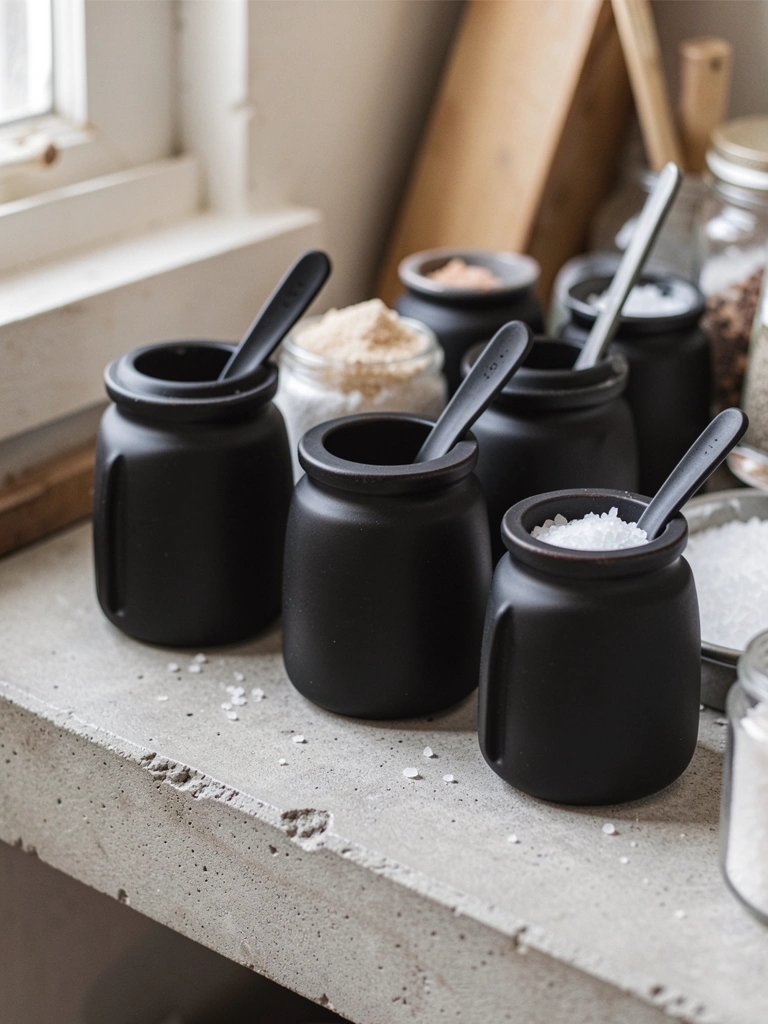
    14. Matte Black Salt Cellars in a Row

    Cellars add edge. Matte black row with spoons—echoes concrete.

    Seasoning at hand. Sleek.

    Ceramic cracked easy. Go metal-lined.

    Spoons tucked in. Refill monthly.

    What You’ll Need for This Look

    Matte black salt cellar with spoon

    Coarse sea salt grinder refill

    Mini wooden spoon set

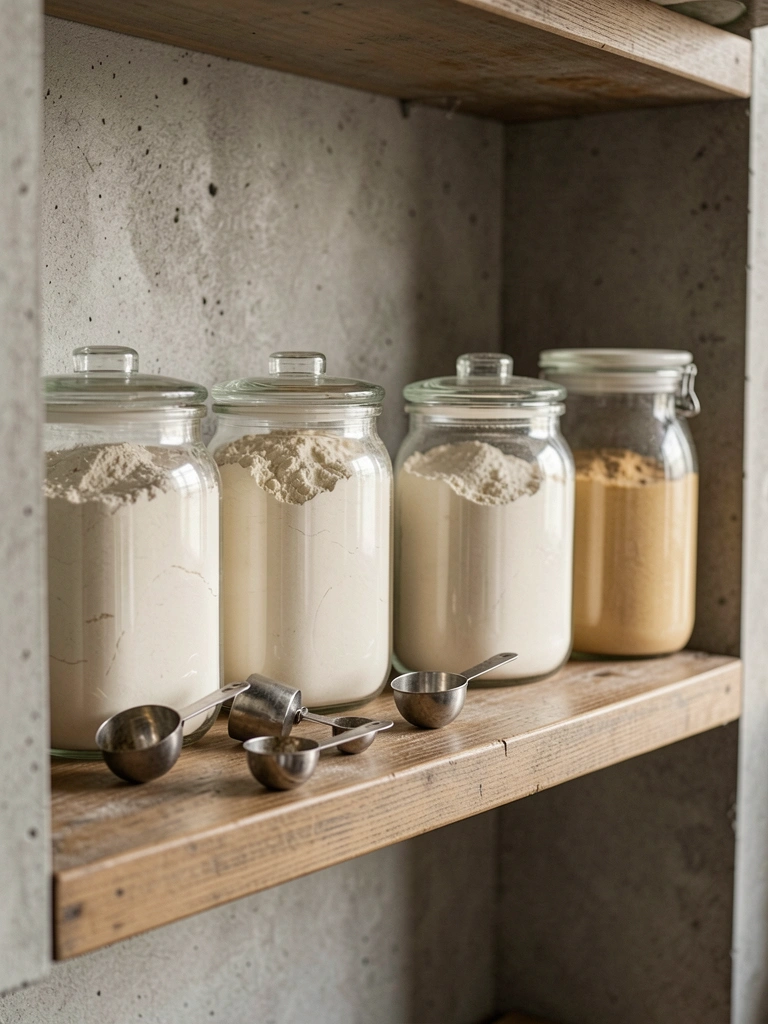
    15. Glass Canisters of Flour and Sugar

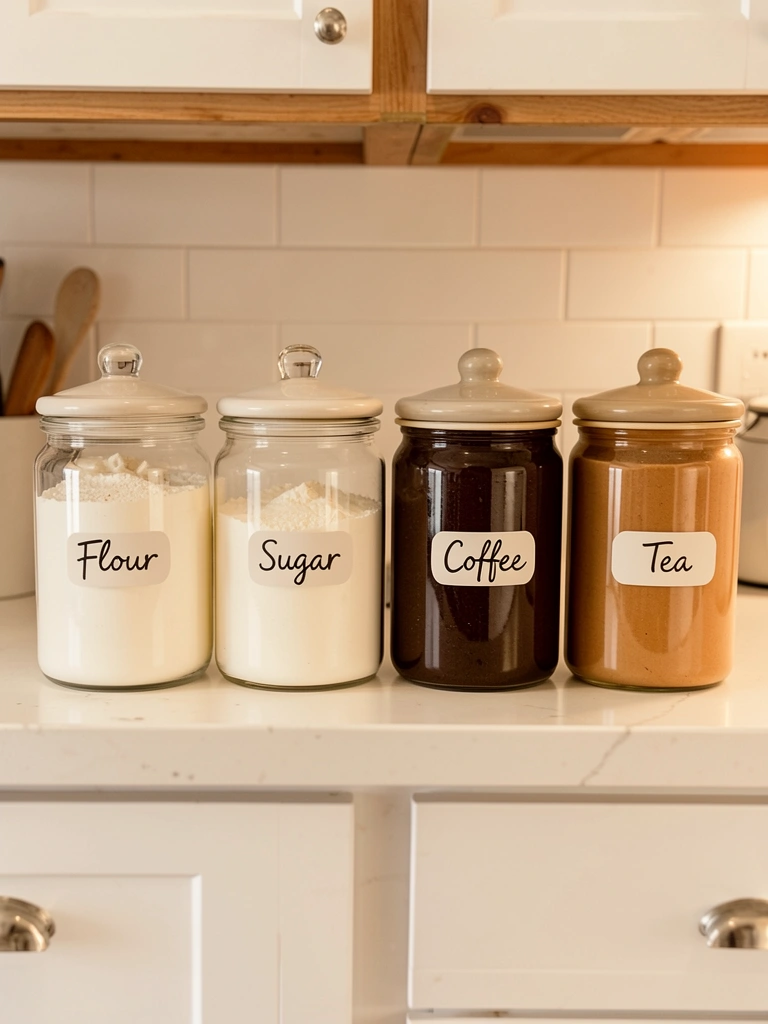
    Canisters keep staples visible. Flour, sugar—baking hub.

    Pancakes faster. Clean lines.

    Humidity clumped flour. Silica packs inside.

    Label fronts. Scoop leveled.

    What You’ll Need for This Look

    Glass flour canister, 1-gallon airtight

    Clear sugar canister, large

    Silica gel packets for storage

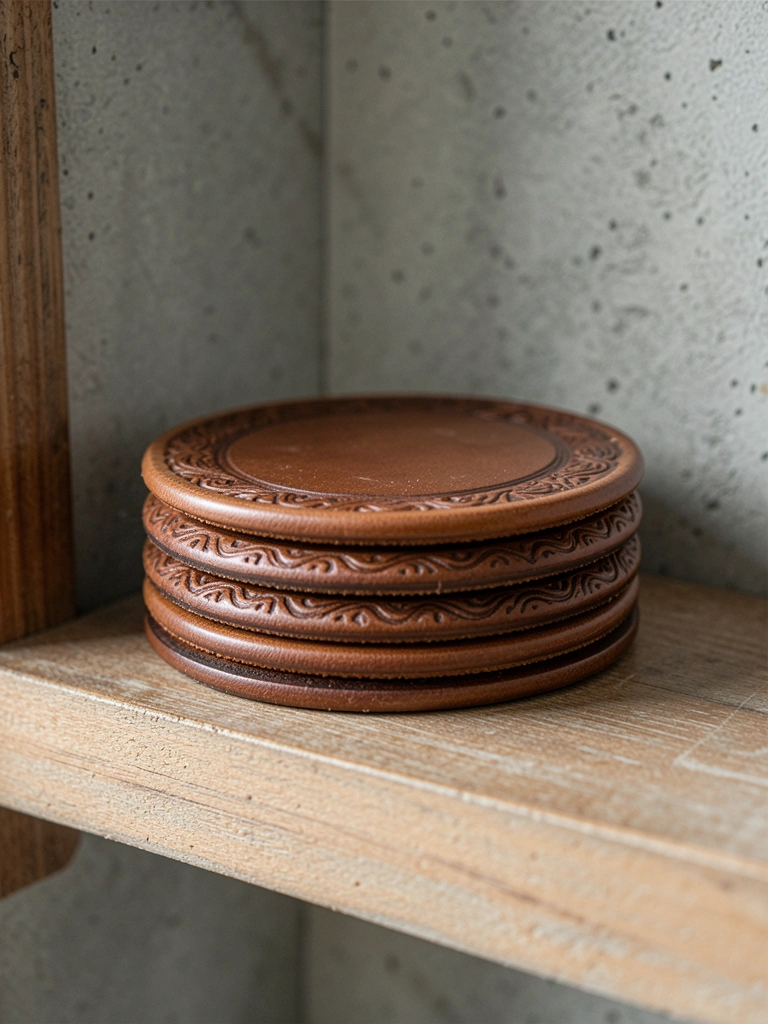
    16. Leather Coasters Stacked Neatly

    Leather coasters ground drinks. Stacked tight—rich against gray.

    No rings on counters. Warm touch.

    Faux peeled. Full grain lasts.

    Top one offset. Condition yearly.

    What You’ll Need for This Look

    Full grain leather coasters, 4-inch round set

    Brown leather drink coasters

    Leather conditioner kit small

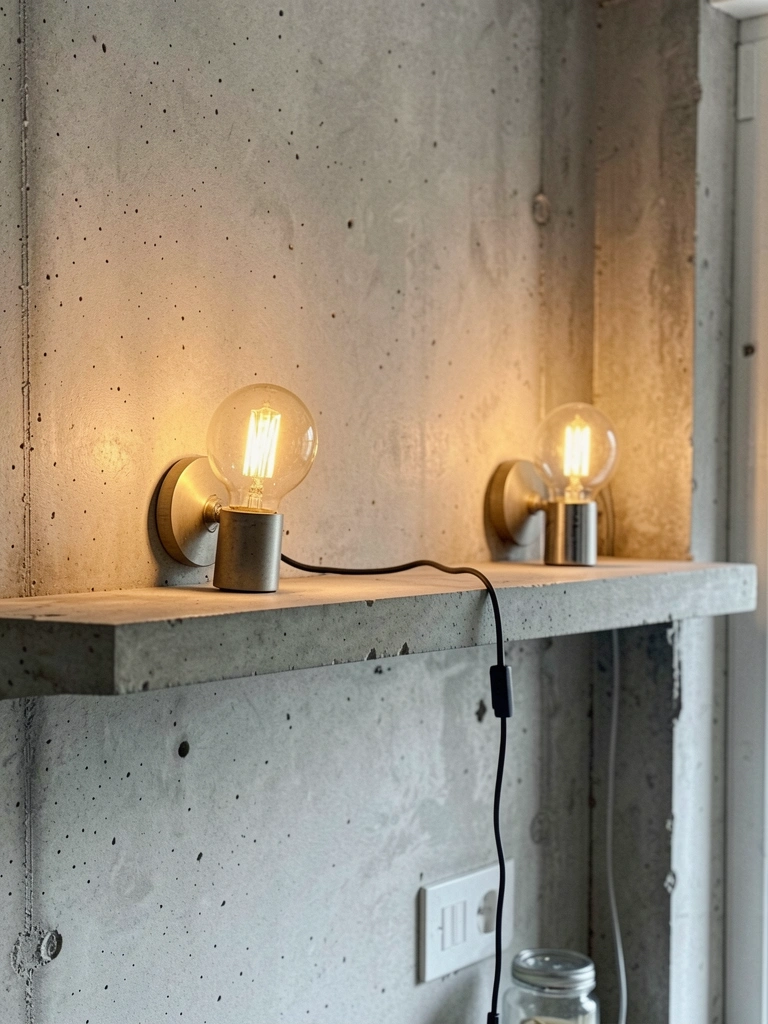
    17. Small Sconces Wired for Ambiance

    Sconces layer light. Wall-mounted minis—softens evenings.

    Dinners glow. Concrete less harsh.

    Wiring exposed first—ugly. Cord covers.

    Battery if no outlet. Angle down.

    What You’ll Need for This Look

    Matte black wall sconce, battery operated

    Edison style bulb, warm white

    Cord cover clips, black

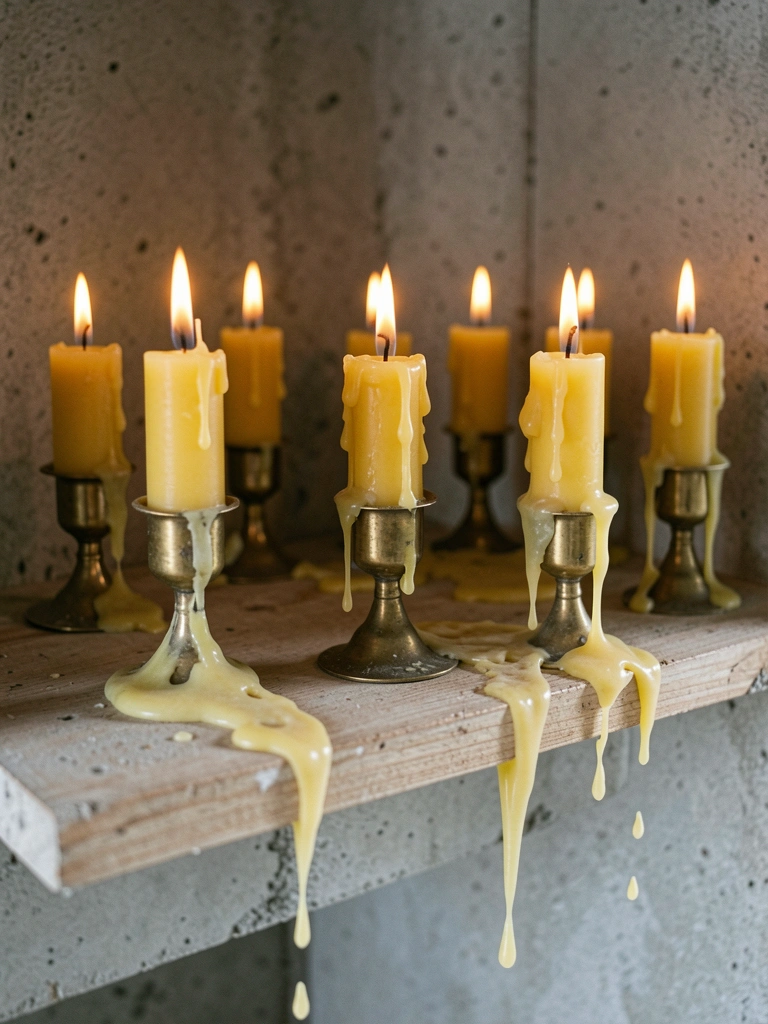
    18. Beeswax Candles in Brass Holders

    Candles flicker cozy. Brass holders elevate beeswax—concrete warms.

    Nights unwind. Honey scent.

    Soy melted fast. Beeswax holds.

    Trim wicks. Extinguish properly.

    What You’ll Need for This Look

    Beeswax pillar candle, 3×6-inch

    Brass candle holder, small

    Wick trimmer tool

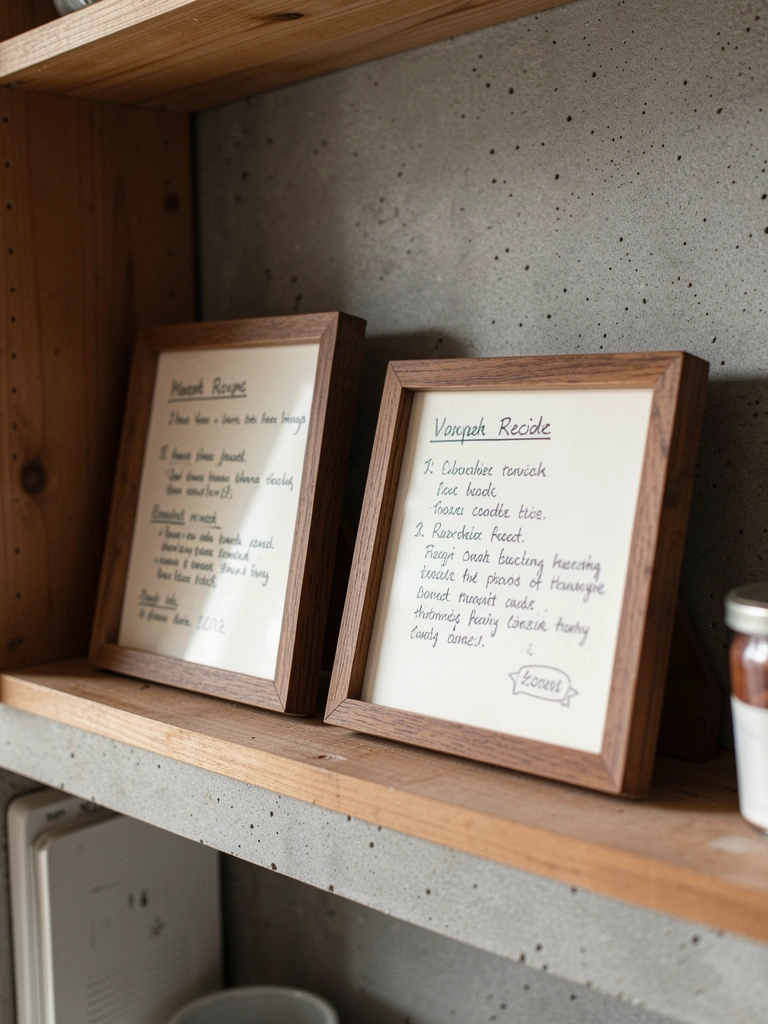
    19. Framed Recipe Cards Leaned Casually

    Recipe cards personalize. Leaned frames—family stories.

    Inspires cooking. Memory spot.

    Glass broke easy. Acrylic fronts.

    Mix sizes. Dust frames.

    What You’ll Need for This Look

    Wood photo frame, 4×6-inch slim

    Acrylic recipe card holder

    Mini easel back stands

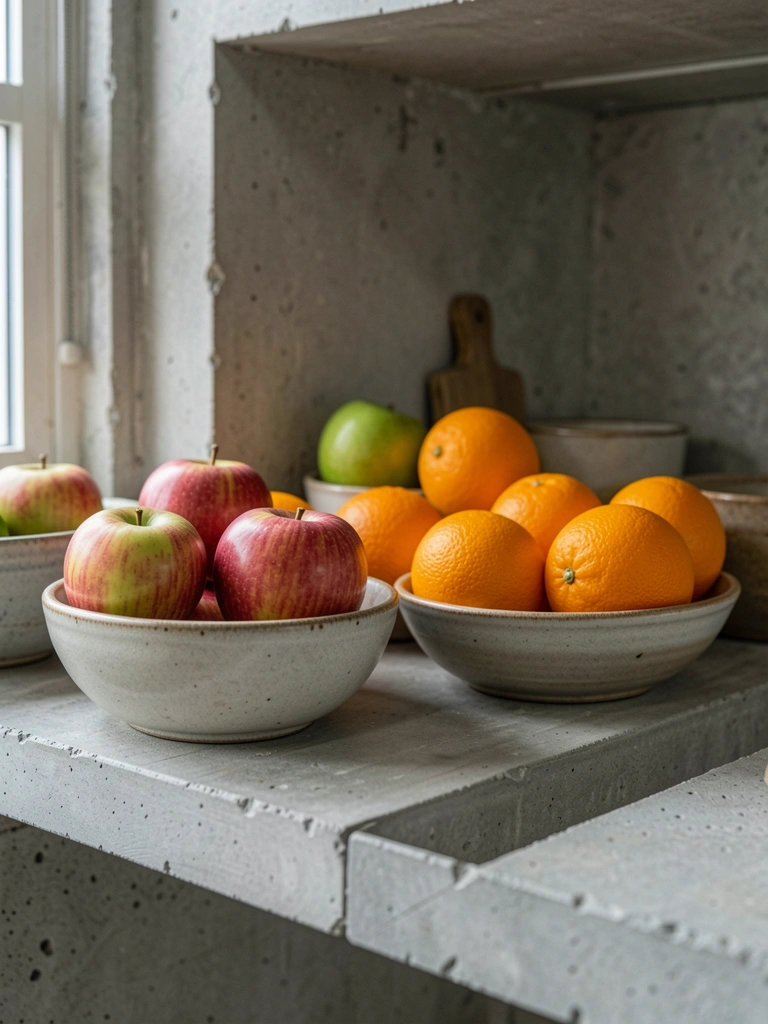
    20. Seasonal Fruits in Ceramic Bowls

    Fruits add color pops. Ceramic bowls hold apples—fresh against gray.

    Snacks healthy. Vibrant.

    Bananas bruised fast. Firmer picks.

    Bowl low center. Refresh twice weekly.

    What You’ll Need for This Look

    Matte ceramic fruit bowl, 10-inch

    Wood fruit bowl liner

    Organic apples, display bunch

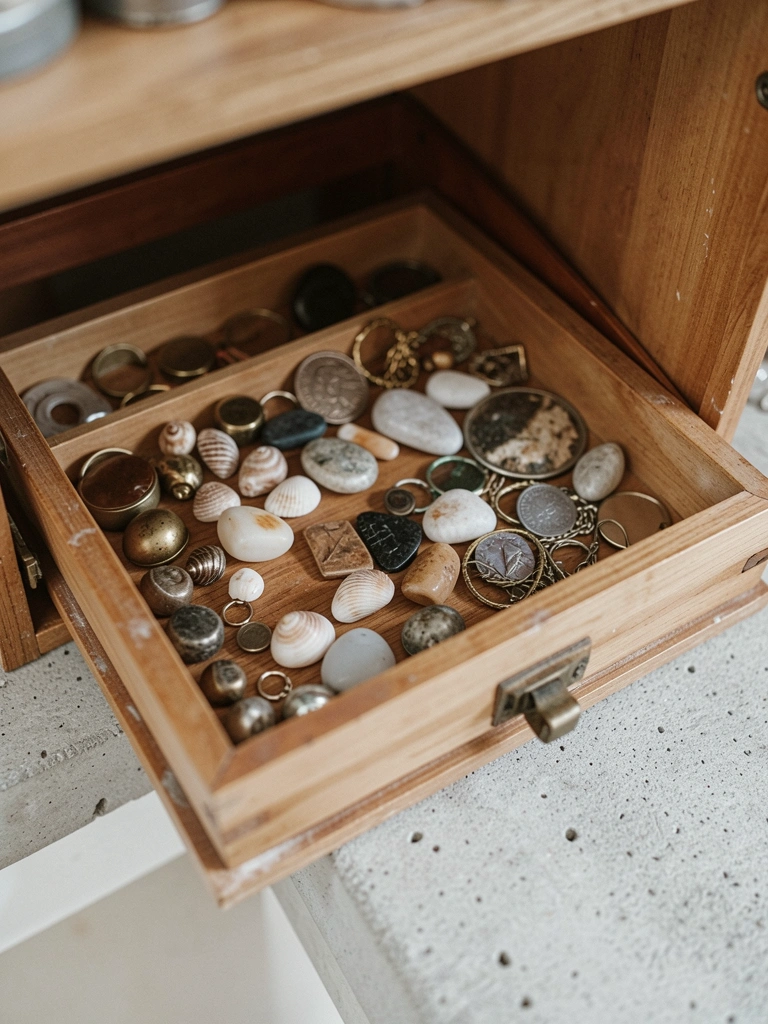
    21. Personal Trinkets from Trips in a Tray

    Trinkets tell stories. Tray holds shells, stones—concrete canvas.

    Sparks chats. Unique.

    Cluttered without bounds. Tray contains.

    Rotate monthly. Polish gently.

    What You’ll Need for This Look

    Matte black metal tray, 12×8-inch

    Decorative seashell collection

    Small river stone set

    Final Thoughts

    Pick three ideas that fit your routine. My shelves evolved slow—start small. Concrete kitchens shine with open shelves when personal. You've got this; it'll feel like yours soon.

  • 11 Bold Modern Concrete Kitchen Ideas for Trendy Homes

    11 Bold Modern Concrete Kitchen Ideas for Trendy Homes

    I gutted my kitchen two years ago. Concrete counters went in, and I panicked—they looked cold under fluorescents. Layered in wood and plants, though, and it shifted. Now it's where we linger. Coffee tastes better on something solid. If concrete's calling your modern kitchen, these ideas make it homey without fuss.

    11 Bold Modern Concrete Kitchen Ideas for Trendy Homes

    These 11 bold modern concrete kitchen ideas come straight from kitchens I've shaped. They work in daily life, not just photos. You'll get exactly 11, with what to grab.

    1. Matte Concrete Counters Paired with Butcher Block Edges

    I poured matte concrete counters in my last project. They ground the space, but edges chipped easy at first. Switched to butcher block trim—softens the look, hides wear. Mornings feel steady now, chopping veggies without glare. Light gray tone pulls in cabinets without overwhelming.

    The combo reads modern but lived-in. No more sterile vibes. I notice guests lean on it longer.

    Pay attention to sealing—mine beaded water after two coats. Skip glossy; matte breathes.

    One tip: source local pourers. Pre-fabs scratch fast.

    What You’ll Need for This Look

    Matte concrete countertop sealer, 1 gallon
    Butcher block edge trim, oak, 8 feet
    Wood cutting board, end grain, 12×18
    Gray concrete patch kit

    2. Exposed Concrete Island with Integrated Herb Planter

    Exposed island in a client's trendy condo. Rough texture grabs light soft. Built a shallow planter right in—basil thrives, adds green punch. Kids pull up stools; feels like a hub now, not showpiece.

    Before, island floated empty. Herbs make it useful. Gray warms with soil specks.

    Watch drainage—added pebbles first, no root rot. Mistake: too deep, drowned thyme once.

    Grab low herbs; tall ones tip.

    What You’ll Need for This Look

    Exposed concrete sealer, matte, 32 oz
    Herb planter divider insert, concrete compatible
    Basil starter plants, 4-pack
    Pebble drainage stones, 5 lb bag
    Wood island stools, counter height

    3. Seamless Concrete Backsplash Tucked Behind Brass Range

    Tiled backsplash out, seamless concrete in. Poured thin, no grout lines—wipes clean after pasta nights. Brass range pops against it; steam doesn't stain if sealed right.

    Space feels taller, airier. Oil splatters? Hose off. I returned grout sealer once; wrong for concrete.

    Heat shield needed near burners—added metal strip.

    Simple joy: no scrubbing seams.

    What You’ll Need for This Look

    Seamless concrete backsplash mix, gray, 50 lb
    Brass range knobs, matte, set of 4
    Concrete heat-resistant sealer, clear
    Metal heat shield strip, 24 inches

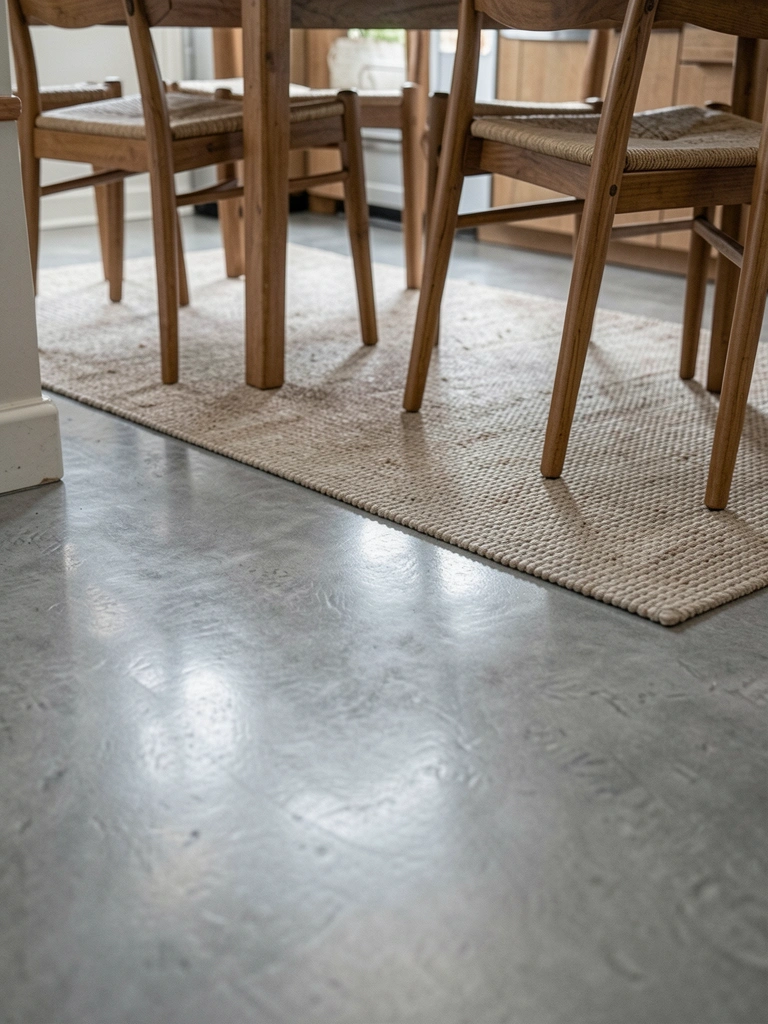
    4. Polished Concrete Floors with Woven Rugs Under Table

    Polished floors in my flip house. Smooth underfoot, but echoey bare. Dropped woven rugs—muffles steps, warms toes. Table area cozy now; spills bead up.

    Kids slide less. Mistake: skipped polishing first layer; dust forever.

    Rugs lift color—pick low pile.

    Sweeps easy mornings.

    What You’ll Need for This Look

    Concrete floor polish, 1 gallon
    Woven kitchen rug, neutral, 5×7
    Concrete floor dust mop, microfiber
    Low pile rug pad, 5×7

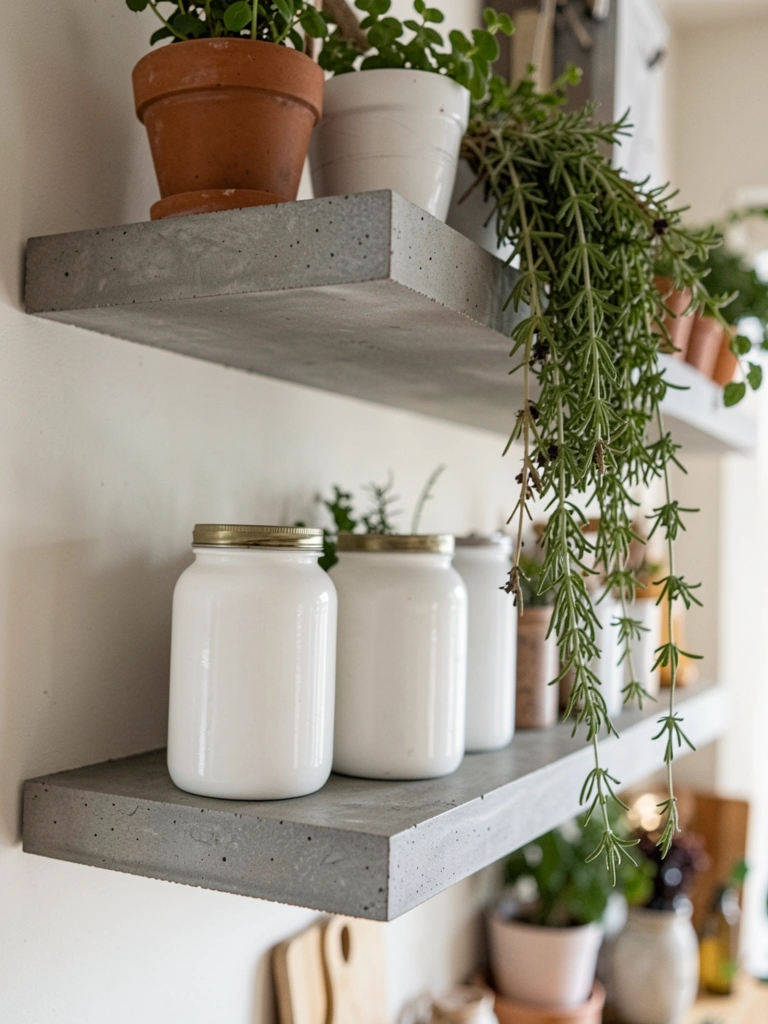
    5. Floating Concrete Shelves for Pots and Jars

    Installed floating shelves over sink. Thick slabs hold heavy pots—no sag. Jars line up neat; reaches easy for olive oil. Open feel, but sturdy.

    Before, wire racks rusted. Concrete laughs at humidity.

    Bolt anchors deep—mine wobbled once.

    Dust corners weekly.

    What You’ll Need for This Look

    Floating concrete shelf brackets, heavy duty
    Concrete shelf slab, 12×36, 2-inch thick
    Glass storage jars, quart size, set of 6
    Wall anchor bolts, concrete rated

    6. Hammered Concrete Pendant Over Sink Area

    Hung hammered pendant over sink. Texture scatters light soft—no harsh shadows washing dishes. Concrete shade warms bulbs; pairs with matte fixtures.

    Glare gone evenings. Bought too small first—upgraded to 14-inch.

    Wire it low for task light.

    Fits modern without fussy.

    What You’ll Need for This Look

    Hammered concrete pendant shade, 14-inch
    Matte black cord kit, adjustable
    ED27 warm bulb, 800 lumen
    Ceiling canopy kit, concrete compatible

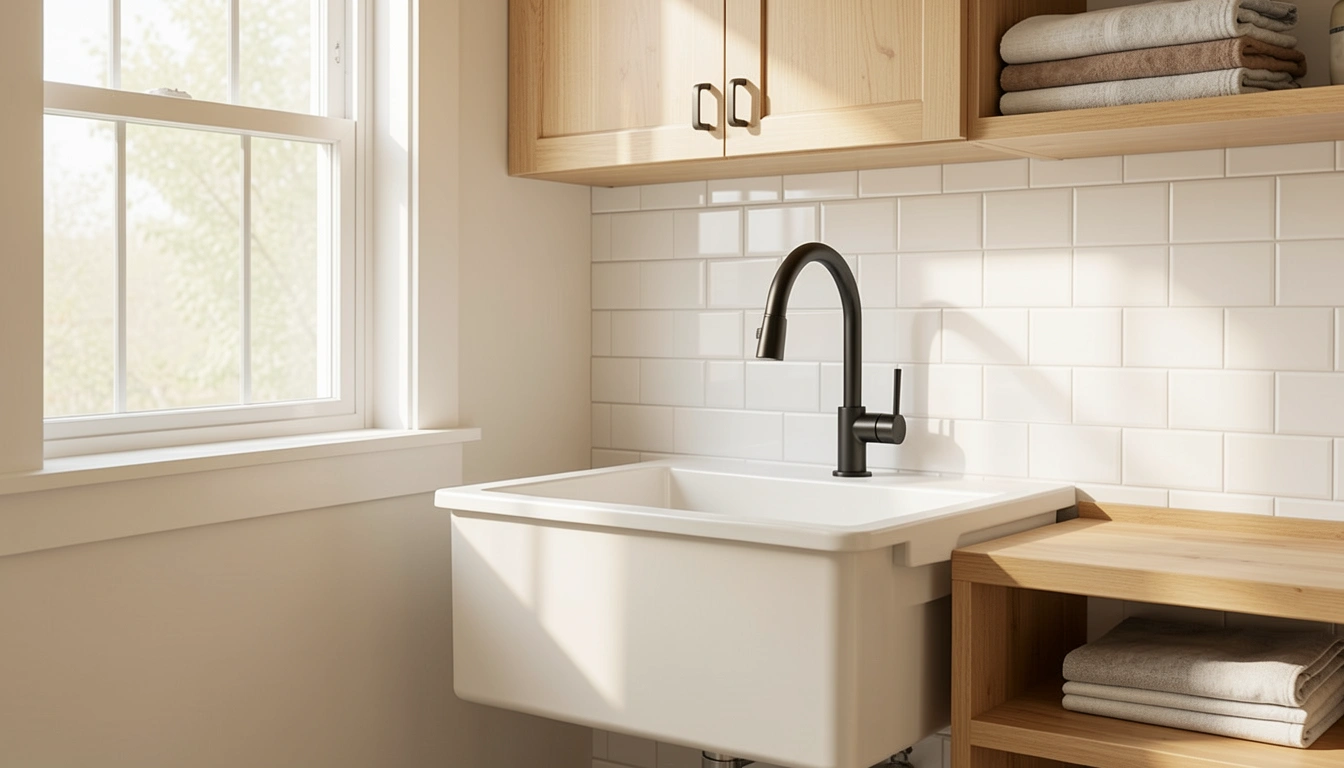
    7. Textured Concrete Farm Sink with Apron Front

    Textured farm sink replaced porcelain. Deep basin swallows pots; apron hides pipes. Texture grips wet hands—no slip.

    Stains tea easy, but buffs out. Sealed edges twice.

    Wood cutting board atop for prep.

    Sinks in slow—love it now.

    What You’ll Need for This Look

    Textured concrete sink mold kit
    Apron front concrete basin, 30-inch
    Matte faucet, brushed nickel
    Concrete sink sealer, food safe

    8. Charcoal Concrete Walls with Slim Metal Shelving

    Tinted walls charcoal in a small kitchen. Absorbs light, makes it cozy dark. Slim metal shelves pop—holds knives neat.

    Too dark first coat; lightened second. Wood handles balance.

    No echo; muffles clatter.

    Intimate cooking spot.

    What You’ll Need for This Look

    Charcoal concrete wall tint, 1 quart
    Slim metal wall shelves, 24-inch
    Wood knife block, magnetic

    9. Poured Concrete Breakfast Nook Table

    Poured table for nook. Smooth top wipes kids' messes; legs wood for legroom. Family huddles here mornings.

    Cracked first pour—rehydrated mix right next time.

    Pair mismatched chairs.

    Holds heat from plates.

    What You’ll Need for This Look

    Poured concrete tabletop mix, 40 lb
    Wood table legs, hairpin style, set of 4
    Concrete form mold, rectangular 36×60
    Placemats, cork, set of 4

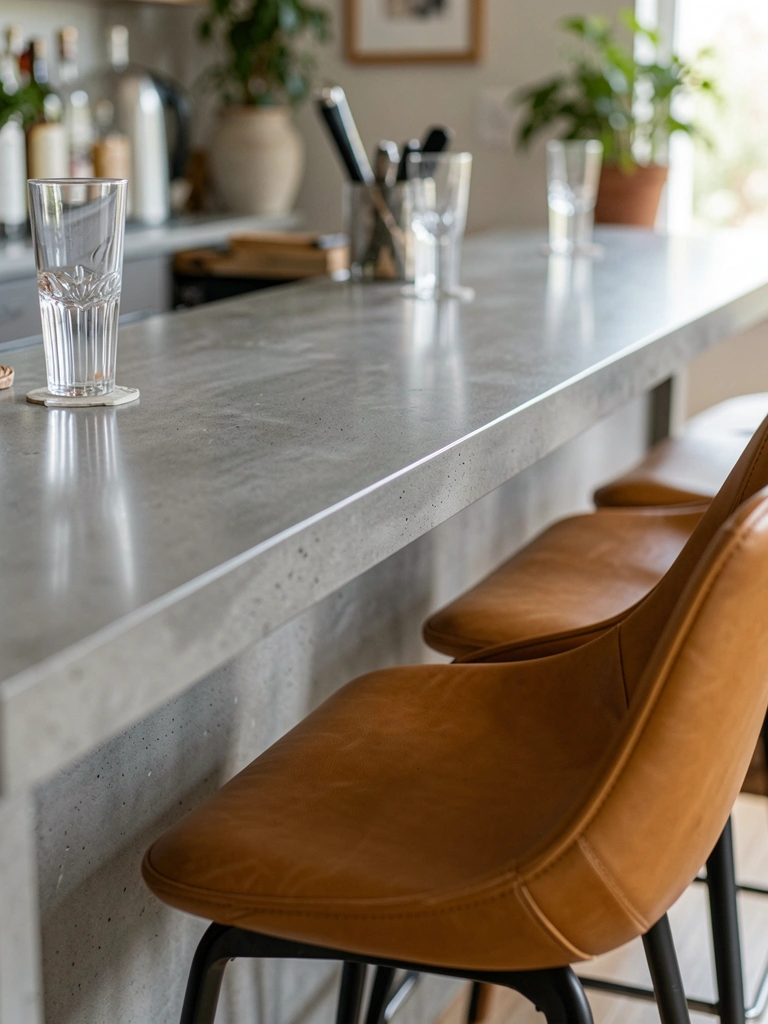
    10. Concrete Accent Bar with Leather Stools

    Bar counter accent in open kitchen. Polished concrete gleams soft; leather stools tuck under. Weeknight drinks feel special.

    Stools scuffed—chose distressed leather.

    Overhang 12 inches exact.

    Gathers us quick.

    What You’ll Need for This Look

    Polished concrete bar top kit
    Leather counter stools, tan, set of 2
    Bar overhang brackets, heavy duty

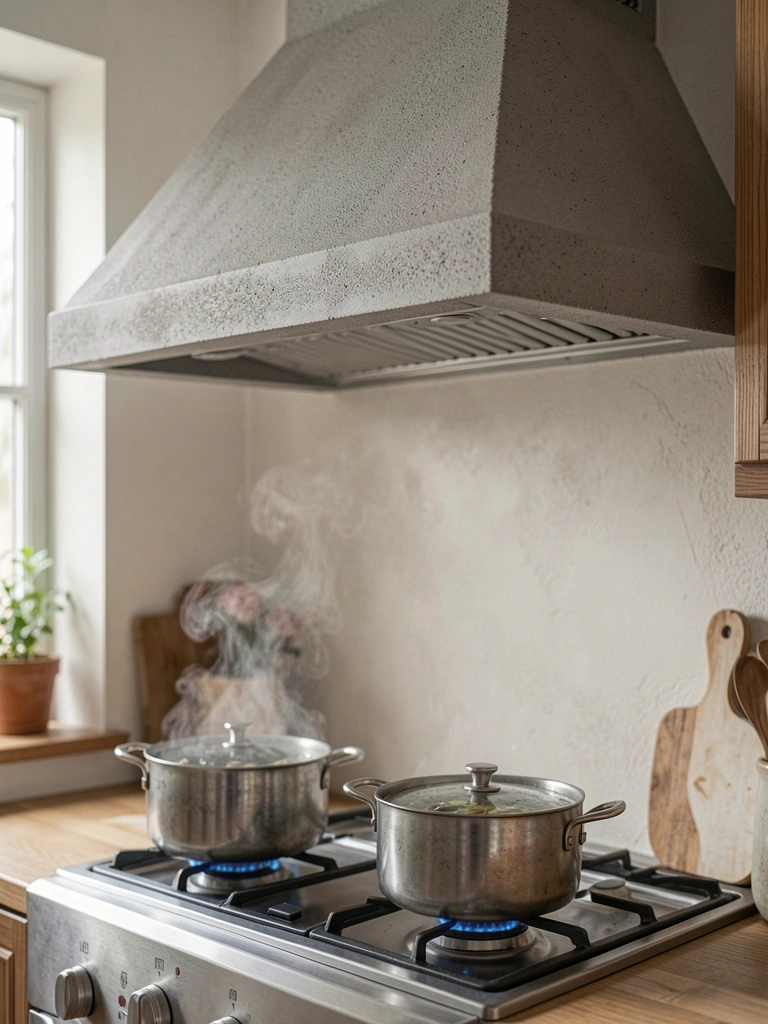
    11. Micro-Textured Concrete Hood Over Stove

    Micro-textured hood caps stove. Fine grit hides grease; vents strong. Ties modern without bulk.

    Vent insert key—passive ones fogged.

    Warms brass pots.

    Blends seamless.

    What You’ll Need for This Look

    Micro-textured concrete hood mold
    Range hood vent insert, 30-inch
    Concrete texture additive, fine grit

    Final Thoughts

    Pick one or two ideas that fit your flow. Concrete grounds trendy kitchens without trying hard. I've lived the fixes—start small. Your space will settle in just right. You've got this.

  • 27 Y2K Room Ideas That Bring Back Vintage Pop Aesthetic

    27 Y2K Room Ideas That Bring Back Vintage Pop Aesthetic

    Remember when Y2K aesthetic ruled? Low-rise jeans, baby tees, butterfly clips—it was the vibe. Here’s the good news: that playful, maximalist energy is making a comeback in bedroom design, and it’s way more sophisticated than you’d think. If you’re craving color, personality, and that unapologetic fun feeling in your sleep space, these 26 Y2K-inspired ideas will get you there. We’re talking vintage posters, bold pastels, curved furniture, and nostalgic touches that feel fresh and intentional—not like a time capsule. Whether you’re a full Y2K devotee or just want to sprinkle in some playful nostalgia, you’ll find budget-friendly hacks and investment pieces that work for renters and homeowners alike. Let’s bring back the best decade of pop culture, bedroom style.

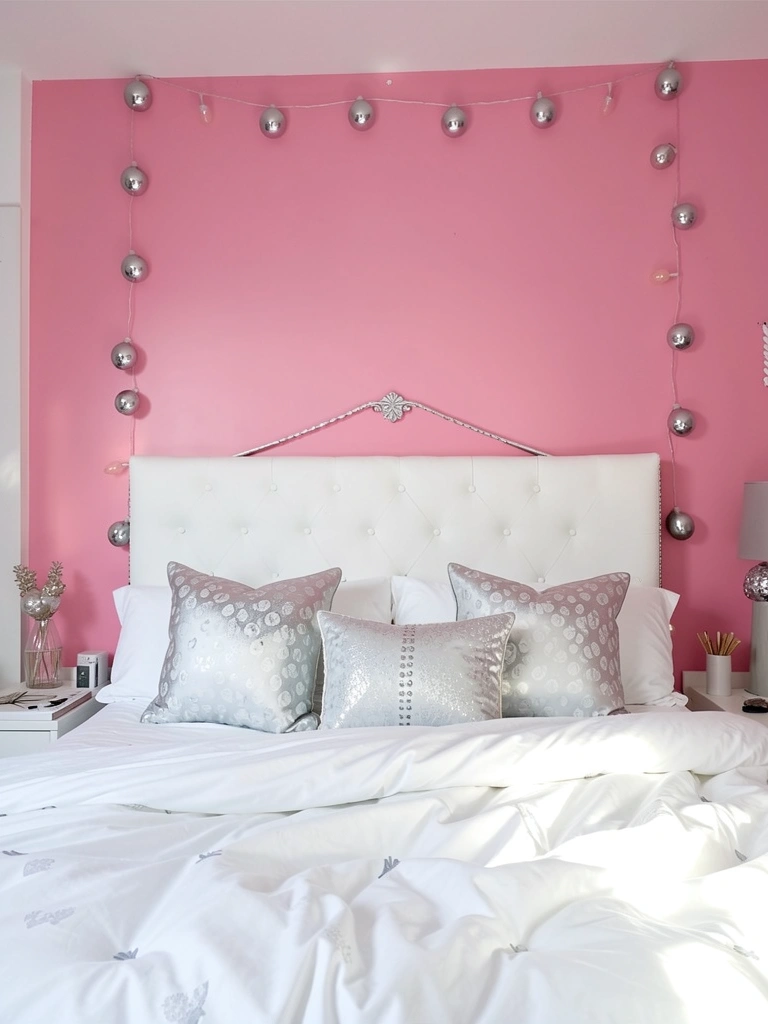
    1. Paint an Accent Wall in Hot Pink or Baby Blue

    An accent wall in Y2K pastels instantly grounds the entire room’s energy. Hot pink, baby blue, or even peachy coral work best—they’re bold enough to make a statement but not so intense they feel claustrophobic.

    Use Benjamin Moore’s “Ballet Pink” or Sherwin-Williams “Bashful Pink” for a true Y2K vibe ($30-$40 per gallon). A single wall takes 3-4 hours for beginners with two coats. Pair it with neutral furniture so the wall becomes the star. If you’re renting, peel-and-stick wallpaper in similar colors runs $25-$60 and removes cleanly when you move. Apply it to one wall or even just behind your bed as a headboard backdrop.

    The moment you finish, your entire room clicks into place. That one pop of color makes everything else feel intentional and cohesive.

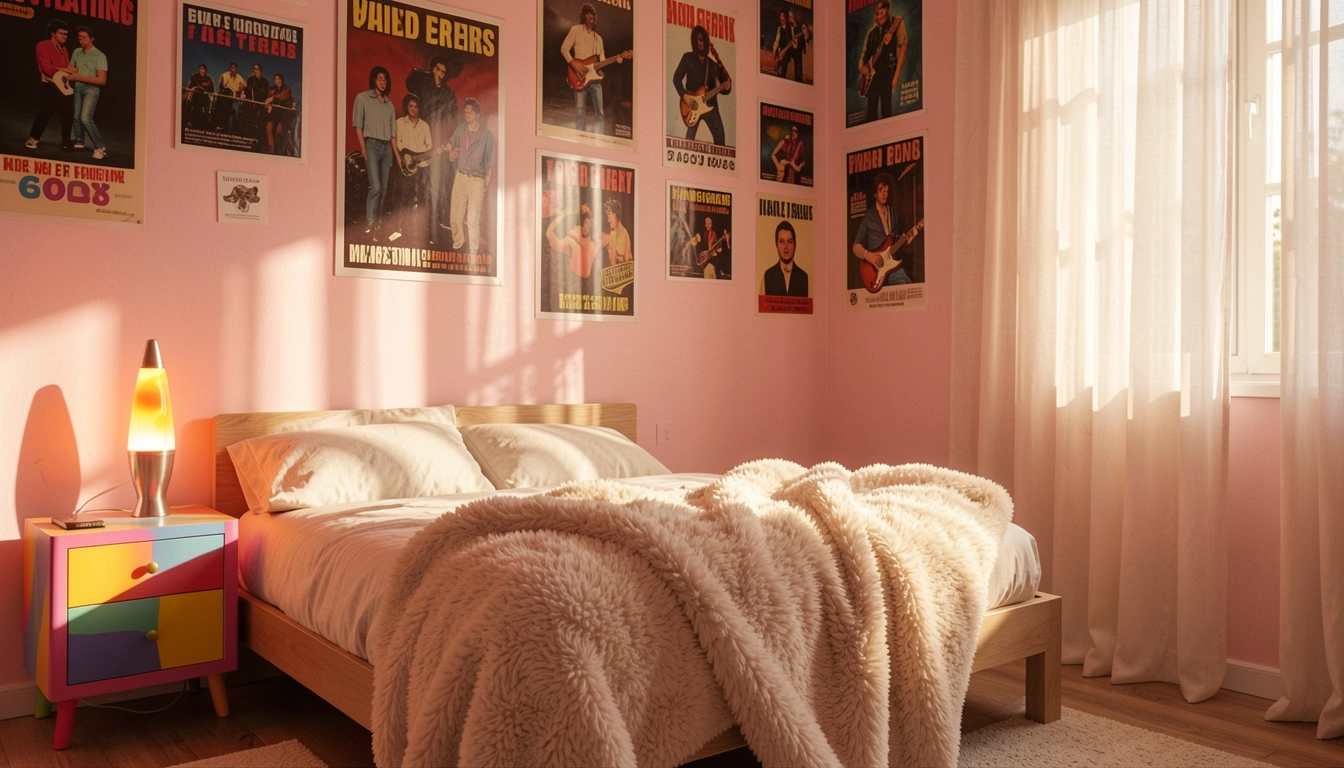
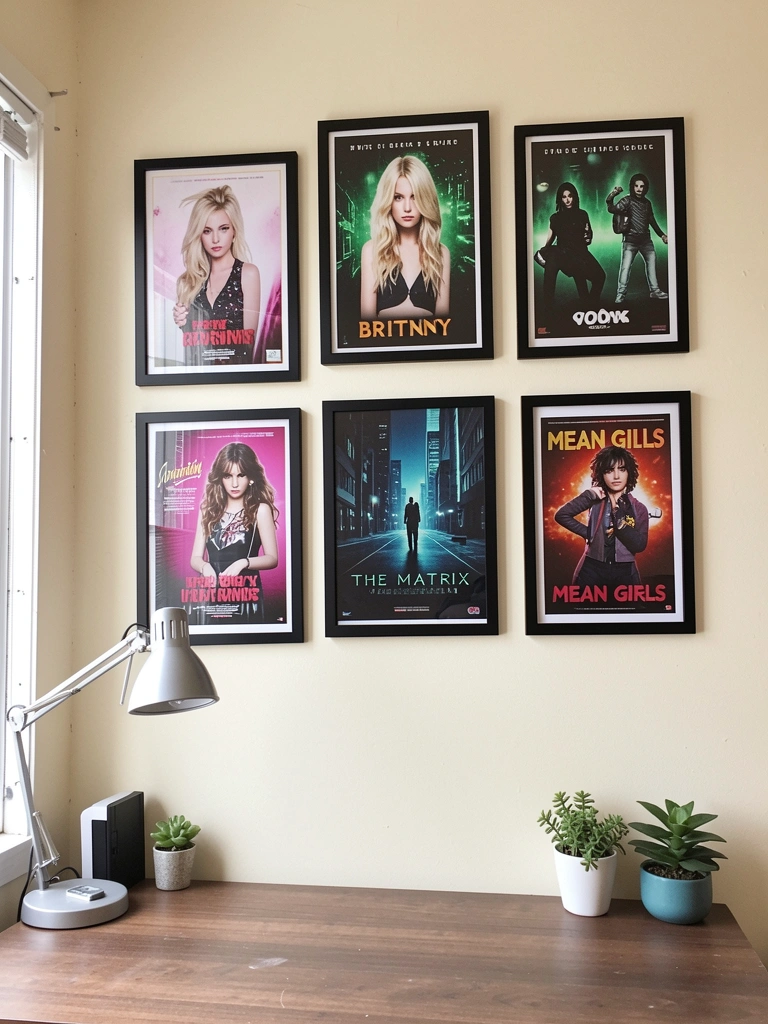
    2. Add Oversized Vintage Band and Movie Posters

    Nothing screams Y2K like iconic concert and movie posters from the 2000s. These become instant wall art and set the room’s personality without needing expensive original artwork.

    Hunt for originals or high-quality reprints on Etsy ($10-$30 each), eBay, or Depop. Frame them in cheap black or white frames from IKEA ($8-$15 per frame) or leave them unframed with washi tape for that dorm-room authenticity. Mix sizes and create a salon-style wall layout—asymmetrical feels more intentional than rows. Budget $80-$150 total for 8-10 framed posters.

    Once they’re up, your room tells a story about you—your favorite movies, bands, and moments. It’s way more personal than generic art.

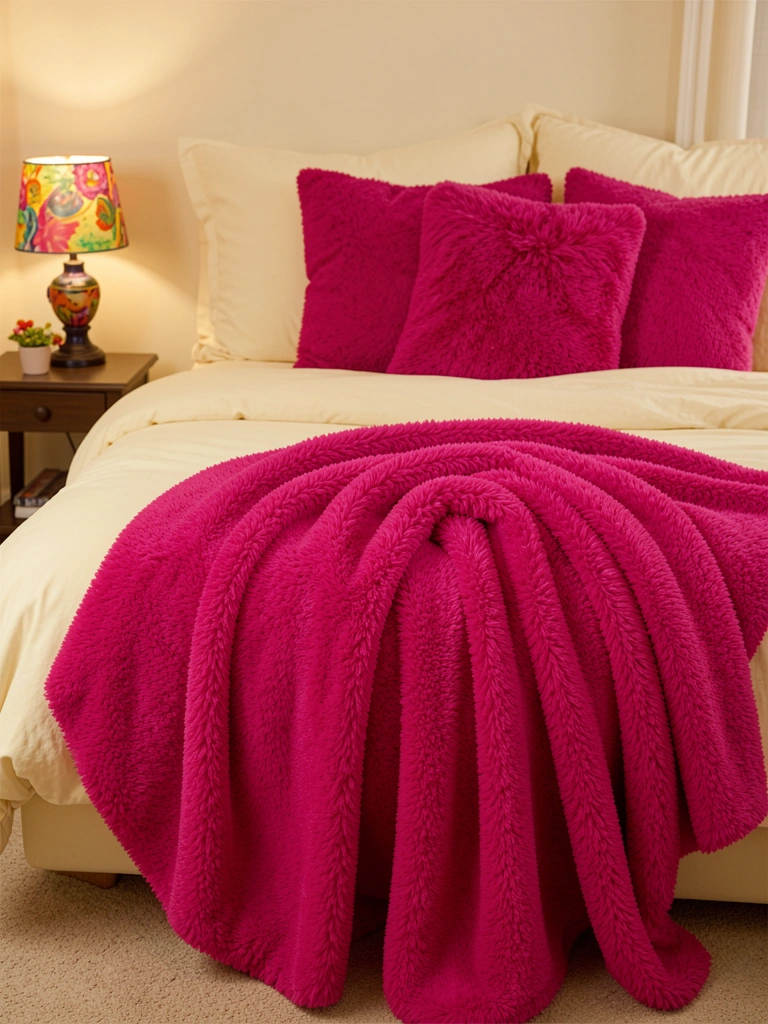
    3. Layer a Fuzzy Throw Blanket in a Bold Hue

    Fuzzy blankets are quintessentially Y2K—think Paris Hilton’s Beverly Hills bedroom. A bold-colored throw ($30-$80 from Urban Outfitters, Amazon, or Target) adds texture and that signature playful warmth without requiring a full redesign.

    Layer it over a neutral duvet or leave it draped over a chair. Choose jewel tones like magenta, baby blue, or even lime green. Budget around $50 for a quality fuzzy throw that won’t pill after one wash. Wash in cold water and lay flat to dry to keep it plush. Pro tip: Thrifted vintage faux-fur throws often have the most authentic Y2K feel ($10-$25 at Goodwill or Depop).

    The texture alone makes your bed look styled and magazine-worthy. Plus, it’s genuinely cozy on chilly nights.

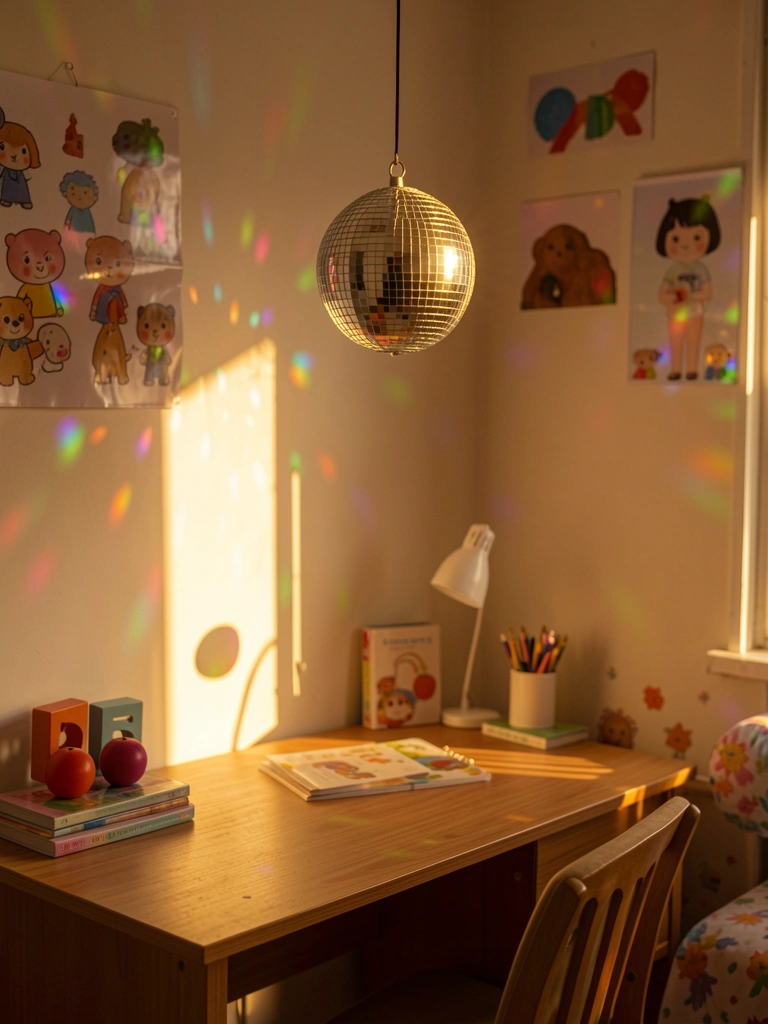
    4. Install a Disco Ball or Glitter Light Fixture

    A disco ball ($15-$40 from Amazon or Urban Outfitters) sounds extra, but it’s actually the ultimate Y2K accessory. Hang it from your ceiling fan, over your bed, or above a desk using a simple hook and fishing line.

    When natural light hits it, the room sparkles without any effort. If you want electricity, LED disco ball lights ($25-$60) project colorful patterns and work as mood lighting. Installation takes 10 minutes max, and renters can use adhesive hooks (removable). Pair it with fairy lights or a lava lamp for maximum Y2K energy.

    Your bedroom becomes a subtle party space—fun enough for hangouts, but still calm when you need to wind down.

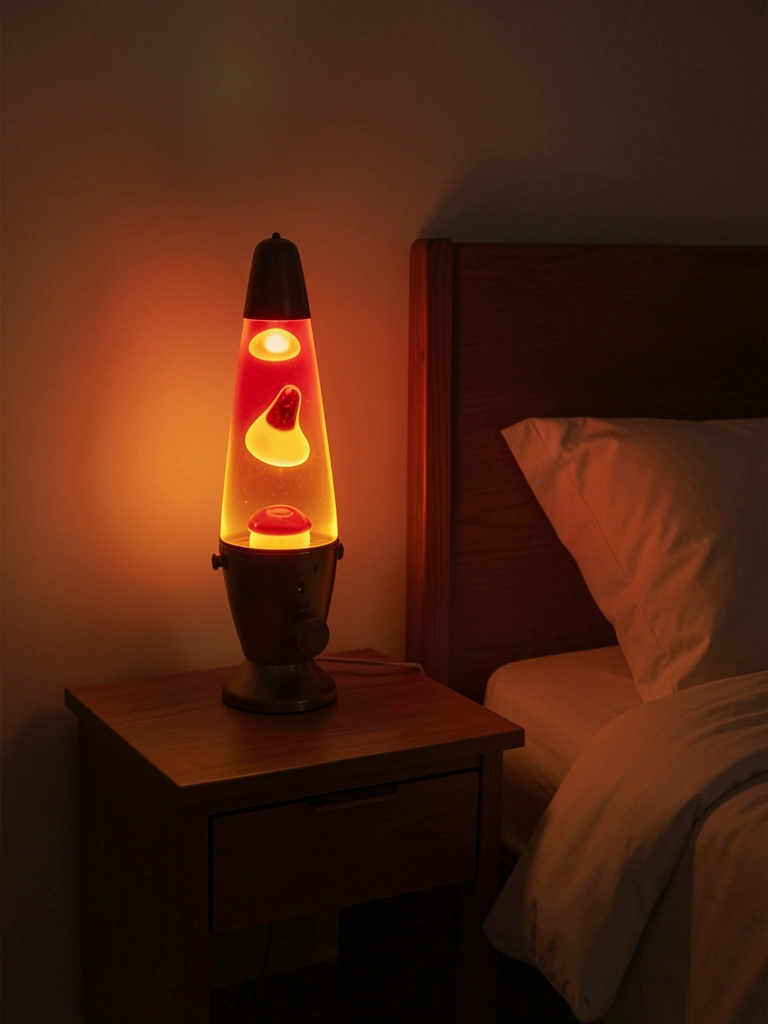
    5. Use a Lava Lamp as Your Nightstand Light

    A lava lamp ($20-$60 depending on size) is peak Y2K nostalgia and actually works as functional mood lighting. Place it on your nightstand to replace a harsh lamp, or use it as ambient lighting when you need to unwind.

    Brands like Mathmos (pricier, $50-$90) make quality versions that last decades, while Amazon basics options run $20-$35 and work just fine. Let it warm up for 5 minutes before fully enjoying the effect. The soft, flowing glow is naturally calming and makes reading before bed feel intentional and special.

    Instead of scrolling on your phone before sleep, the lava lamp becomes your wind-down ritual. It’s cozy, nostalgic, and genuinely helps you disconnect.

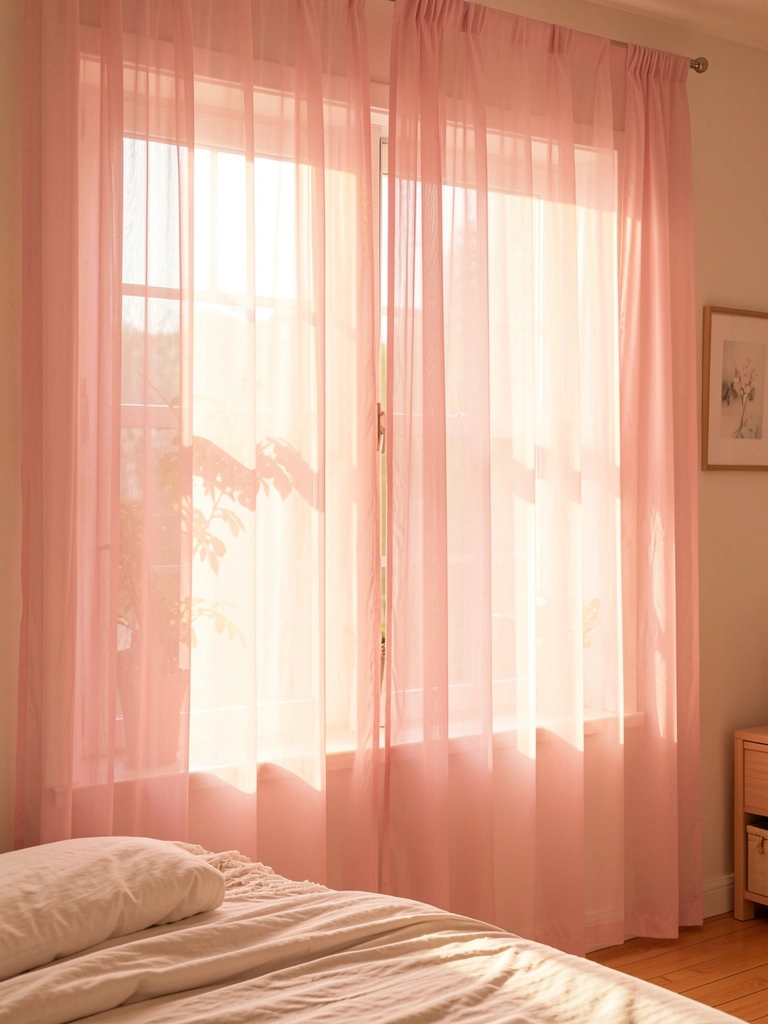
    6. Hang Sheer Curtains in a Fun Pastel Shade

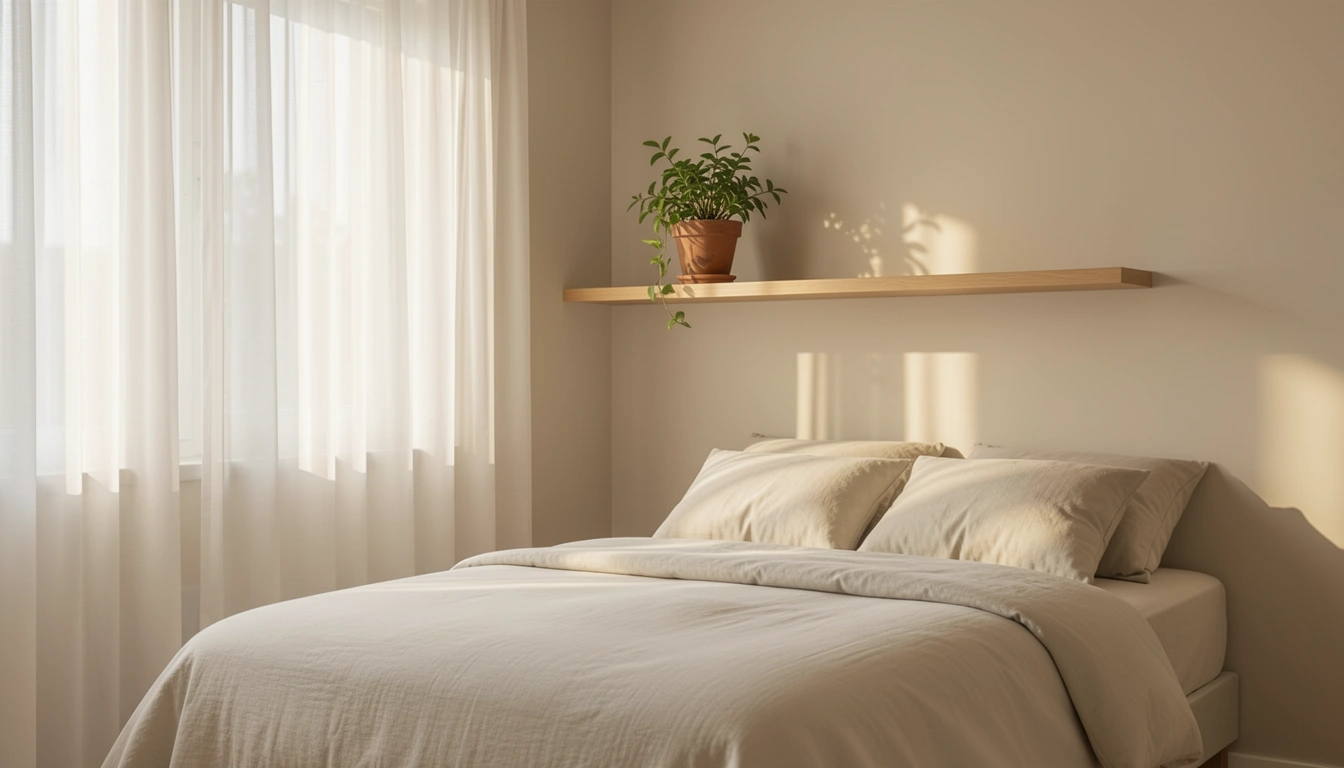
    Floor-to-ceiling sheer curtains in pastels ($30-$80 from Target, IKEA, or Anthropologie) add drama and softness at the same time. Baby pink, mint green, or lavender work beautifully.

    Hang them high and wide to make your windows look bigger and your ceilings feel taller. Pair them with blackout curtains underneath for light control. A basic rod and hardware from IKEA runs $15-$25. DIY installation takes under an hour with a drill. Renters can use tension rods ($15-$30) that require no holes.

    Every morning, you wake up bathed in soft, colored light. It’s like living inside a soft drink commercial—in the best way.

    7. Create a Photo Wall with Printed Memories

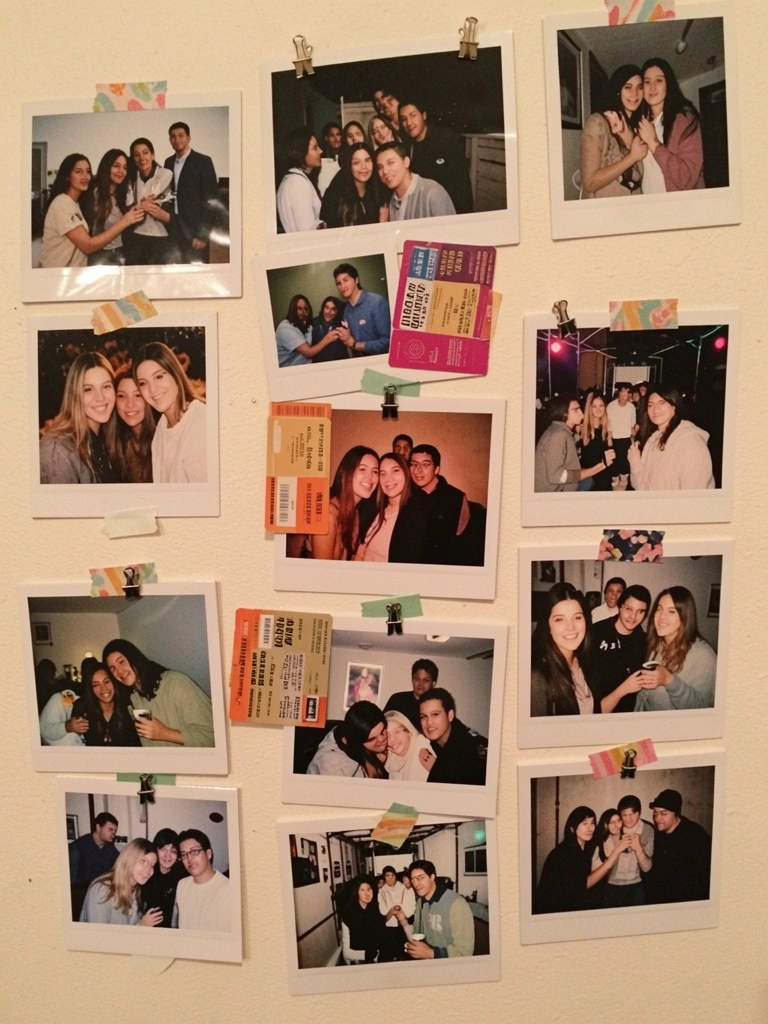
    Print your favorite digital photos ($0.15-$0.50 each at Walgreens, CVS, or Shutterfly) and create a collage using washi tape, photo clips, or small frame. Mix sizes and arrange loosely for that authentic Y2K scrapbook vibe.

    Renter-friendly alert: Washi tape doesn’t damage walls and peels off cleanly. Budget $20-$40 for 30-50 prints plus tape and clips. Add concert tickets, magazine cutouts, or printed song lyrics between photos for extra personality. This takes a few hours but costs almost nothing.

    Your wall becomes a moving scrapbook of your actual life—way more meaningful than generic art.

    8. Add a Bean Bag Chair in a Bold Fabric

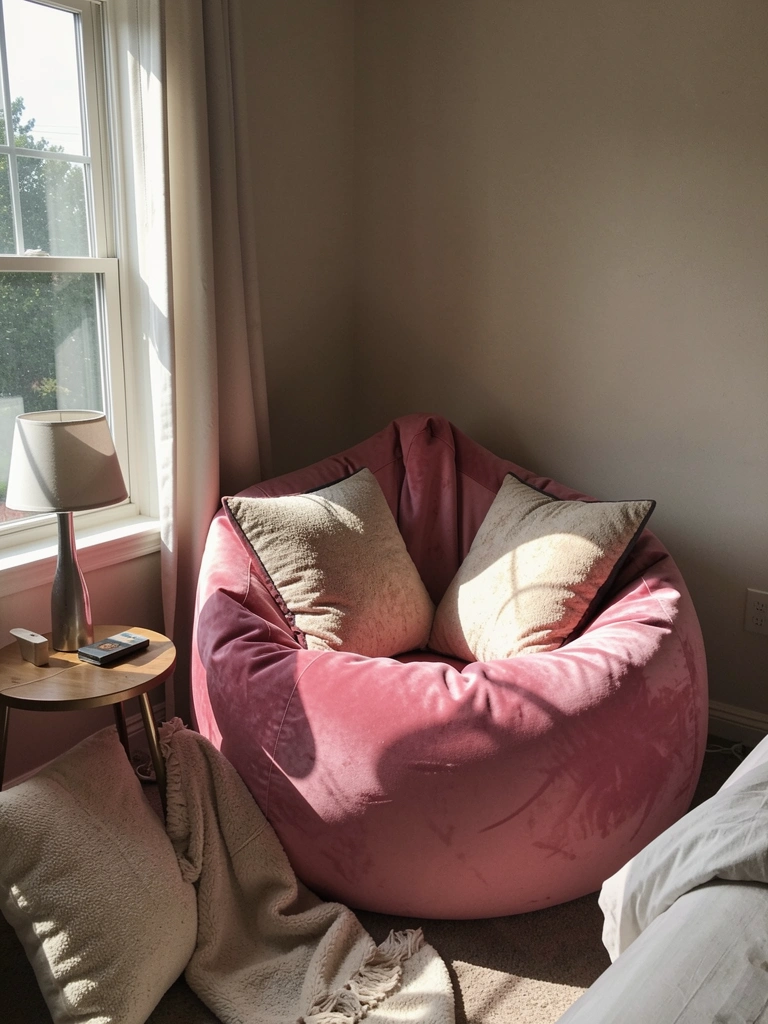
    Bean bags aren’t just for dorms—they’re the ultimate Y2K comfort essential. Oversized versions ($80-$150 from Amazon, Urban Outfitters, or Article) in velvet, corduroy, or faux fur add major vibes.

    Look for jewel tones or pastels to match your room’s color palette. Brands like Lovesac make high-end versions ($200+) that last forever, but Pottery Barn Teen and West Elm offer mid-range options ($100-$150) with removable covers you can wash. Position it in a corner by a window for a reading nook.

    This becomes your favorite spot to curl up with a book, watch movies, or just chill. It’s functional, cozy, and undeniably Y2K.

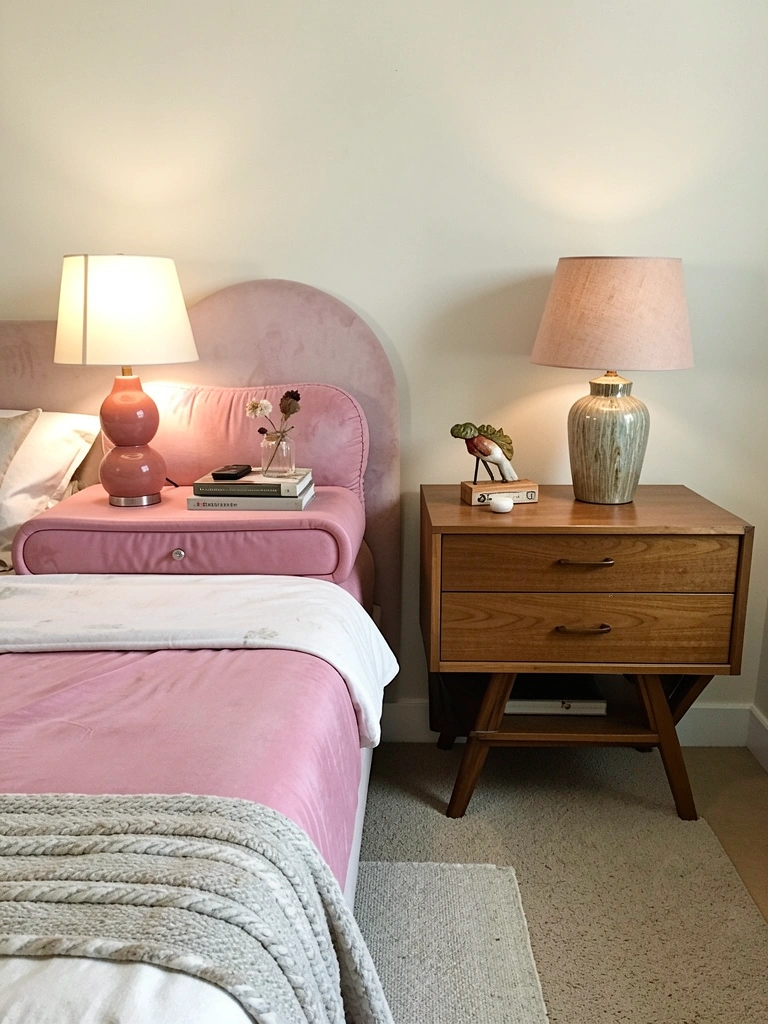
    9. Style Your Nightstand with Quirky Accessories

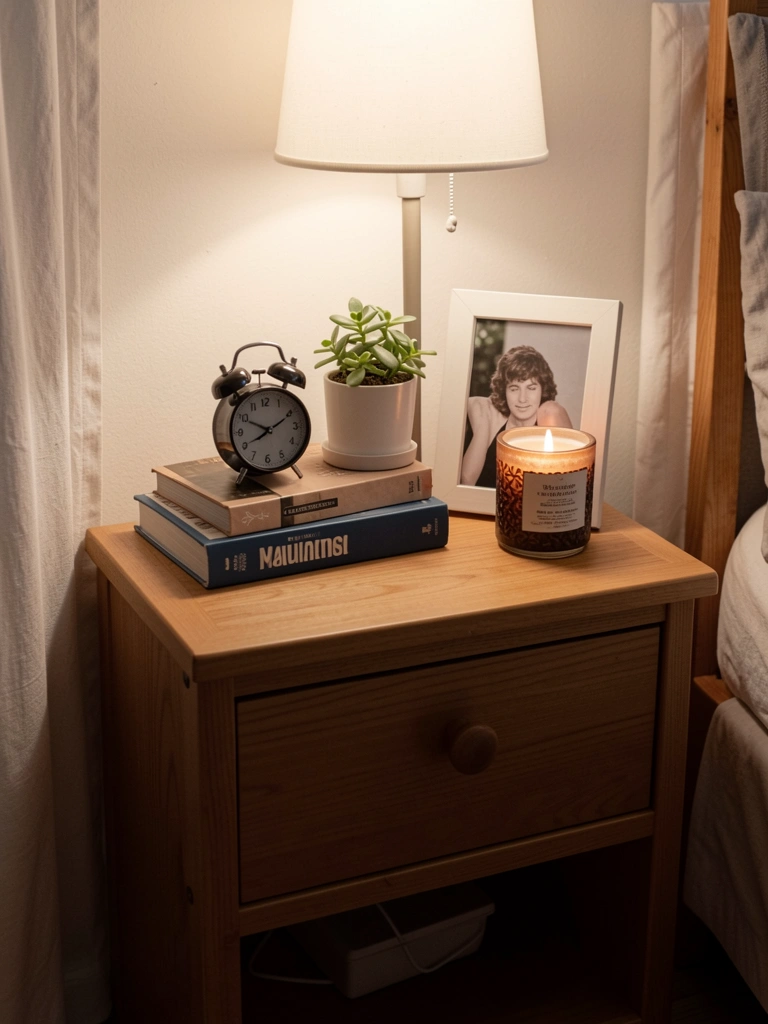
    Your nightstand tells a story. Fill it with small treasures: a vintage alarm clock ($15-$40 from Urban Outfitters or thrift stores), a stack of your favorite books, a mini succulent ($5-$15), a Jo Malone candle ($60) or affordable dupe ($8-$15 from Target), and a framed photo.

    Keep it balanced—not too cluttered, not empty. This takes 30 minutes to style and costs nothing if you use what you already have. Swap items seasonally to keep it fresh. A small tray ($10-$20) anchors everything and makes cleaning easier.

    When you wake up and reach for your phone or book, you’re surrounded by things that make you smile. That small ritual matters.

    10. Paint Your Closet Interior in a Contrasting Color

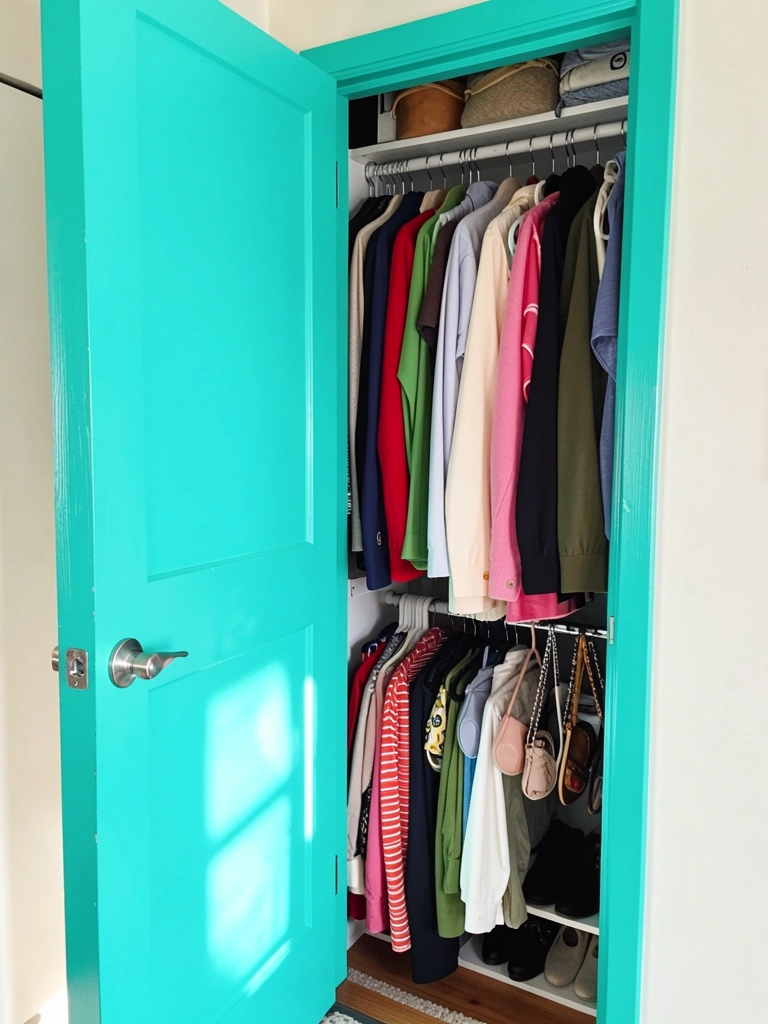
    Paint the inside of your closet (especially the door) in a contrasting color—hot pink, baby blue, or even lime green. It’s bold, hidden from guests, and makes getting dressed fun.

    Use Benjamin Moore or Sherwin-Williams semi-gloss paint ($25-$35 per quart) for moisture resistance. One quart covers most closets, taking 2-3 hours with two coats. Semi-gloss resists dust and wipes clean. If you’re renting, skip this idea—but you could line shelves with bright contact paper ($10-$15) instead.

    Every time you open your closet, there’s a pop of unexpected color. It sounds small, but it genuinely brightens your morning.

    11. Mix Vintage Furniture with Modern Pieces

    Y2K rooms thrive on contrast—mixing old and new creates depth. Hunt for vintage dressers, side tables, or chairs ($50-$200 on Facebook Marketplace, Craigslist, or Etsy) and pair them with modern pieces from IKEA, West Elm, or Article.

    Look for solid wood pieces with good bones (even if they’re scratched or dated). A fresh coat of paint or stain transforms them instantly. This approach is budget-friendly because used furniture costs way less than new. Takes time to source but saves money long-term.

    Your room feels collected and intentional—like you’ve been gathering pieces for years, not bought everything at once.

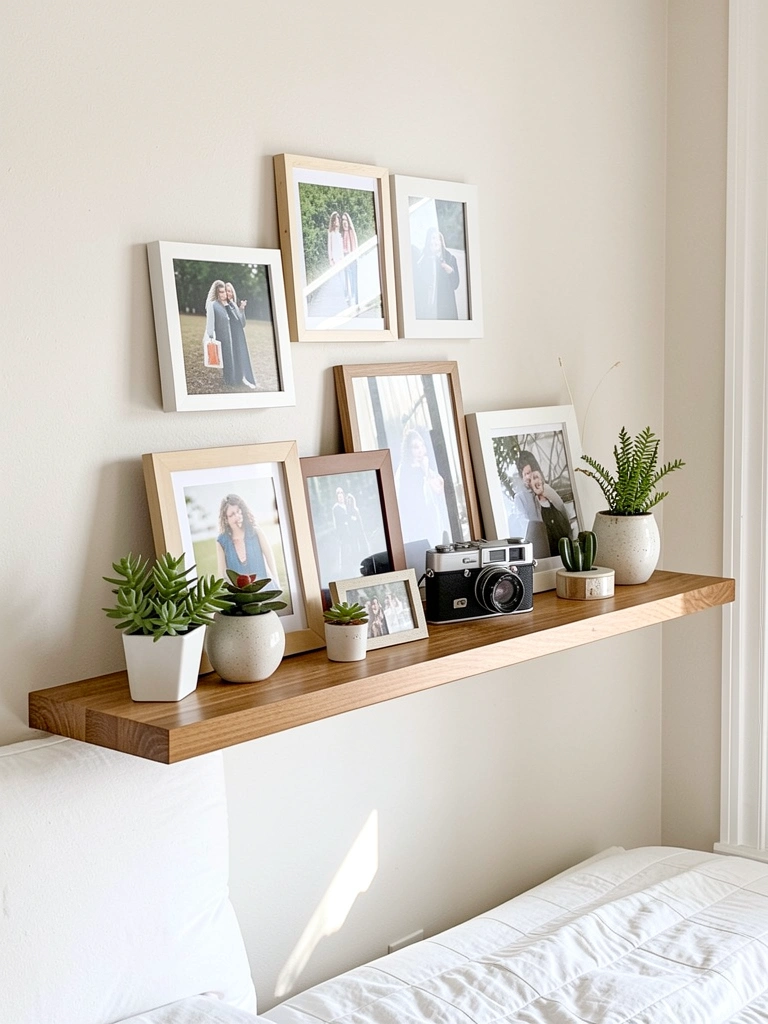
    12. Hang a Wall-Mounted Shelf for Display

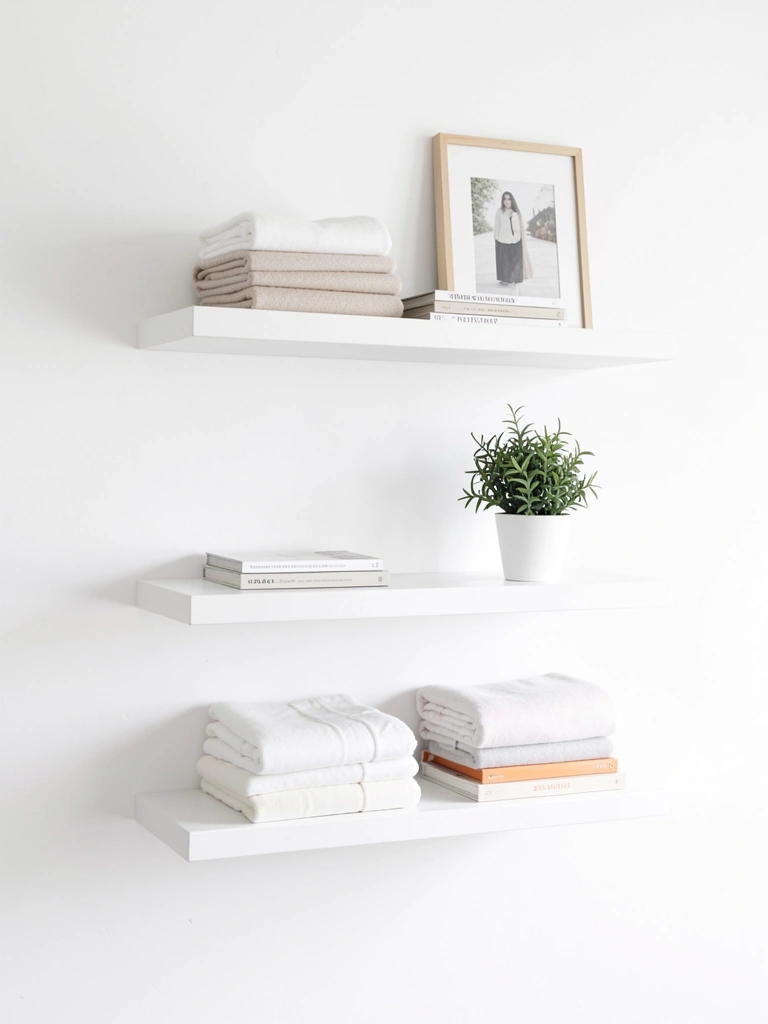
    Floating shelves ($20-$50 from IKEA or Home Depot) instantly add visual interest and storage. Install one above your desk, nightstand, or dresser at IKEA’s “LACK” shelf is perfect for beginners.

    Hardware and installation take 15-30 minutes with a drill. Renters can use removable adhesive shelves ($30-$60) that peel off cleanly. Style it with books, plants, photos, and small treasures. Keep it balanced—not too minimal, not cluttered.

    Your wall becomes a mini gallery that shows off your personality without taking up floor space.

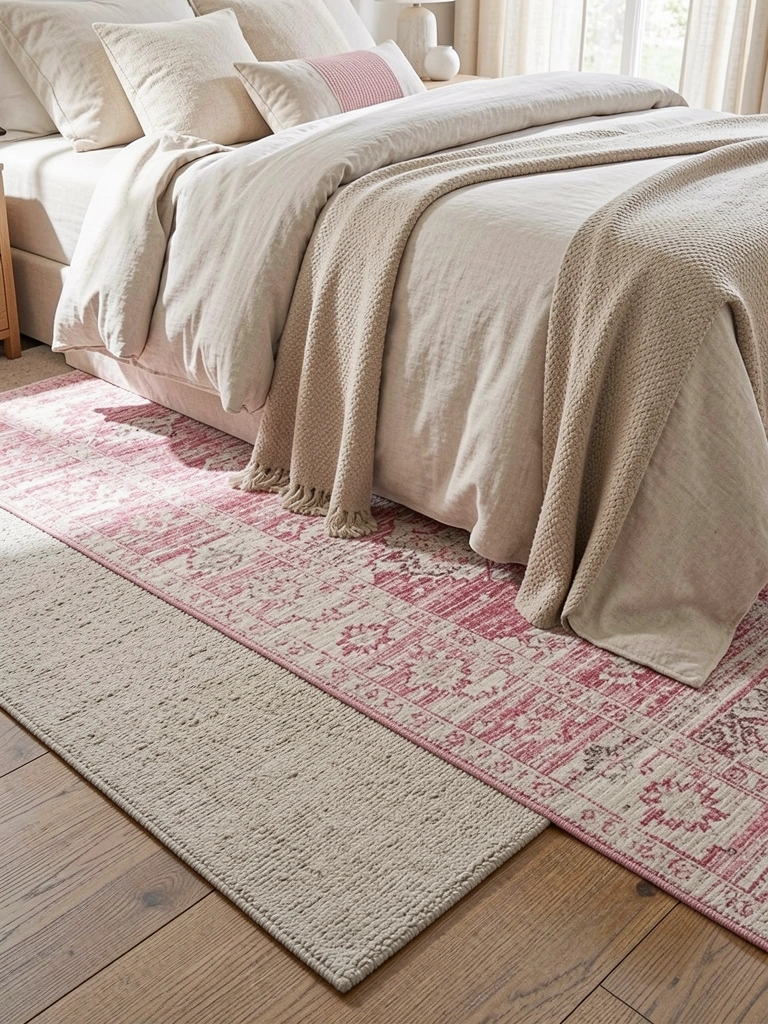
    13. Layer Patterned Rugs for Texture

    Layering rugs ($30-$80 for smaller pattern rug, $50-$150 for base rug from Wayfair, Target, or Amazon) adds dimension and that layered Y2K aesthetic. Use a larger neutral base with a smaller patterned rug on top.

    Mix textures: a jute base with a fuzzy or woven pattern layer. This works especially well if you have hardwood or tile floors. Takes 10 minutes to arrange and costs less than one large statement rug. Source secondhand rugs ($10-$40) from thrift stores to save even more.

    Your floor becomes part of the room’s design—cozy, textured, and inviting.

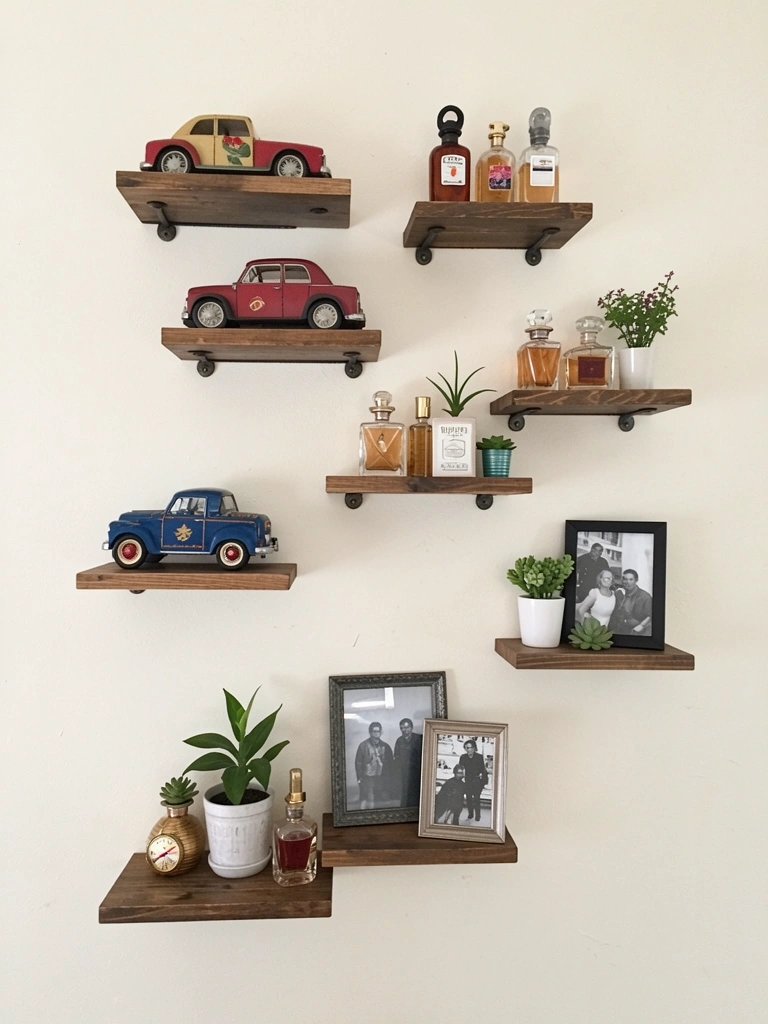
    14. Install Small Wall Shelves for Collections

    Small wall shelves ($15-$40 each from IKEA, Target, or Amazon) create a gallery wall without needing space for a full dresser. Install 5-8 at different heights for visual interest.

    Perfect for displaying collections: small plants, vintage cameras, perfume bottles, figurines, or books. Each shelf becomes a mini-story. Installation takes 1-2 hours for an experienced DIYer. Renters, use adhesive shelves ($25-$50).

    Your wall transforms into a curated museum of your interests—functional, beautiful, and deeply personal.

    15. Add Velvet Pillows in Jewel Tones

    Velvet pillows ($25-$80 each from West Elm, Anthropologie, or Target) add that luxe Y2K texture. Mix 3-5 jewel-toned pillows on your bed for maximum impact.

    Layer them: one large pillow, one medium, two smaller accent pillows. Vary textures—pair velvet with linen or corduroy. Look for Serena & Lily dupes on Amazon ($20-$40) if budget is tight. Budget $100-$200 for a full pillow set.

    Your bed becomes an actual focal point—styled, cozy, and ready for Instagram. Plus, velvet feels incredible against your skin.

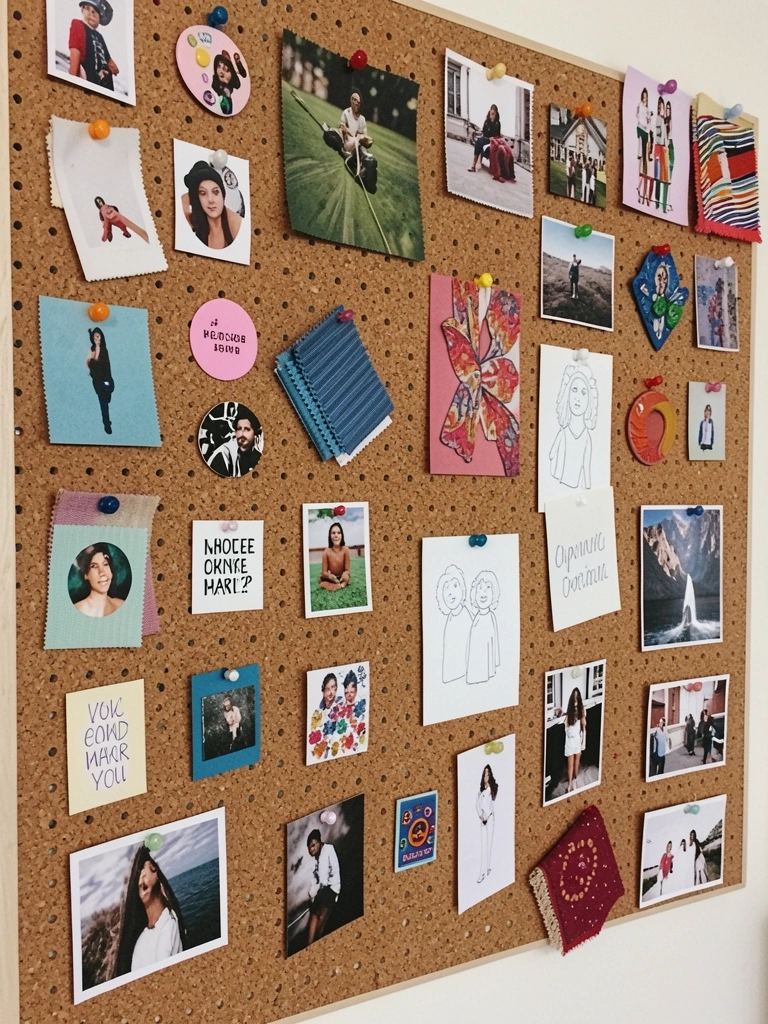
    16. Create a Mood Board Wall with Cork or Pegboard

    Cork boards ($30-$80) or pegboards ($40-$100 from Home Depot or Amazon) create an interactive inspiration wall. Pin photos, fabric swatches, mood boards, and quotes—you can change it whenever you want.

    Pegboards in fun colors (white, pink, black) add instant style. Use matching pegs ($15-$30 for a set) and keep it organized but creative. This takes 1-2 hours to install and costs $60-$130 total. Renters can use adhesive cork sheets ($20-$50).

    You get a functional design tool that’s also genuinely beautiful. Plus, refreshing it regularly keeps your room feeling new without buying anything.

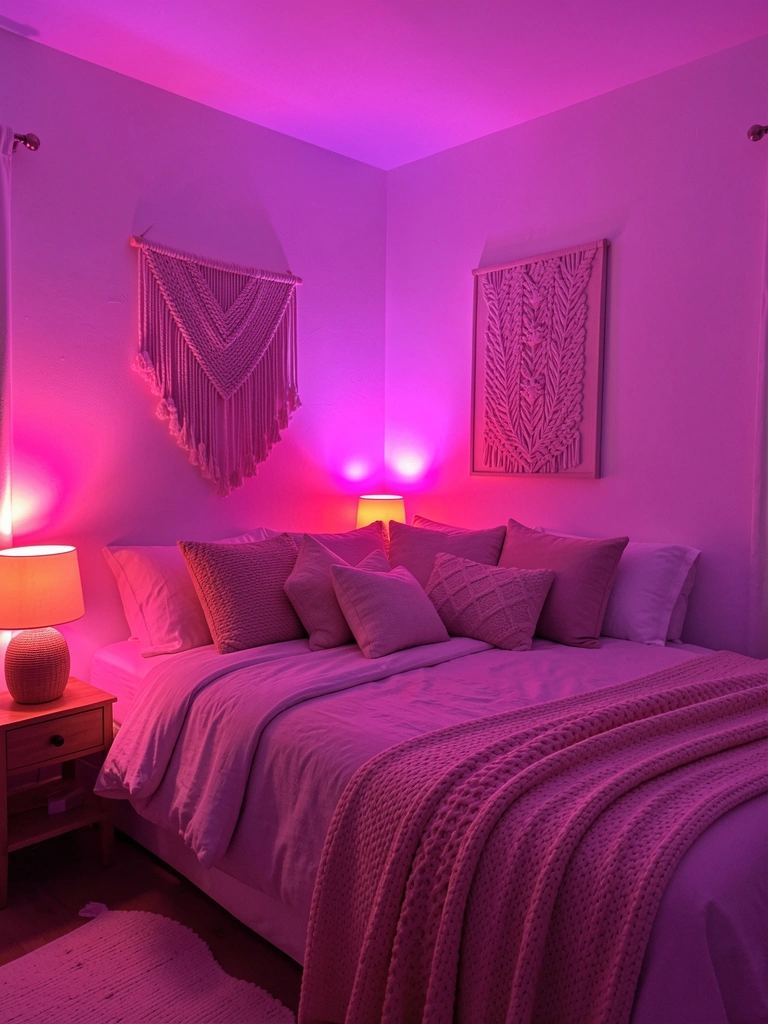
    17. Swap Out Your Lighting for Colorful Bulbs

    Smart bulbs ($15-$25 each from Amazon, Target, or LIFX) let you change your room’s mood instantly. Choose ones that support color-changing and dim settings.

    Install them in existing lamps and overhead fixtures—no rewiring needed. Create presets: warm pink for relaxing, brighter white for morning, purple for evening. Budget $40-$80 for 3-4 bulbs to outfit your main lighting. A huge upgrade for minimal cost and zero commitment.

    Your room adapts to your mood. Early morning? Bright white. Winding down? Soft pink. It’s like having a built-in mood ring for your space.

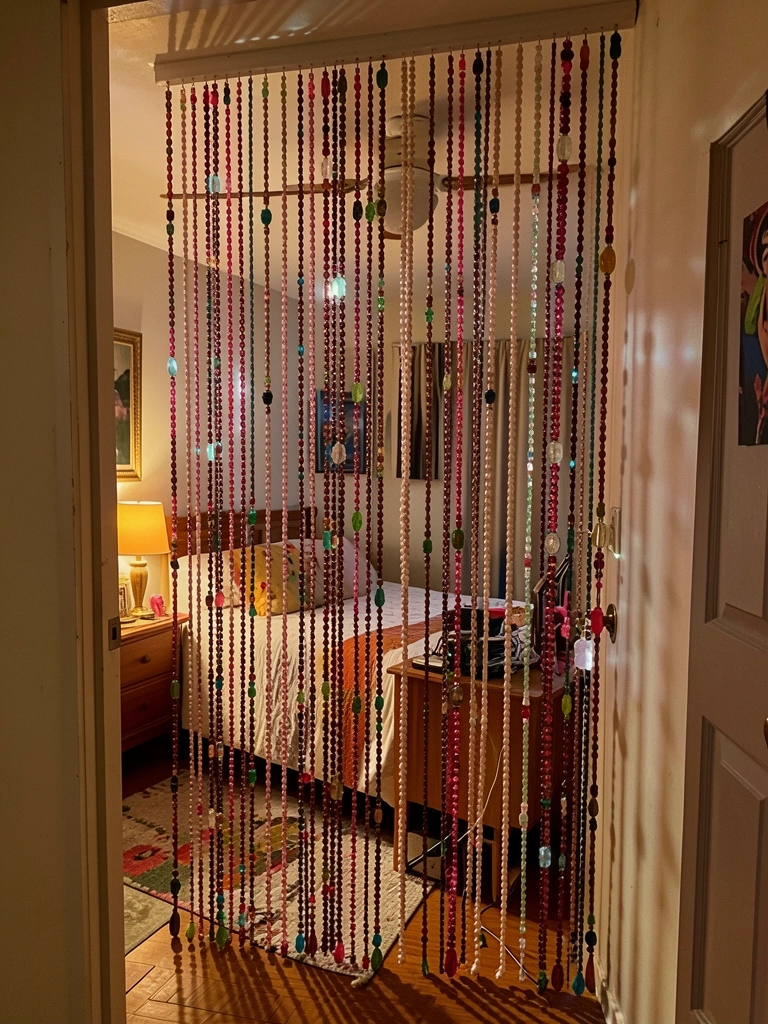
    18. Hang a Beaded or Chain Curtain as Room Divider

    Beaded or chain curtains ($20-$50 from Amazon, Urban Outfitters, or thrift stores) instantly evoke early-2000s nostalgia. Hang one in a doorway, over a closet, or between sleeping and lounging zones.

    Installation takes 15 minutes with a command hook (renter-friendly) or small nails. The beads create visual separation while keeping the room open. They’re also weirdly meditative to walk through. Mix materials: some glass beads, some metal chains for variety.

    Your room feels larger and more intentional. Plus, they’re a true Y2K icon—immediate nostalgic impact.

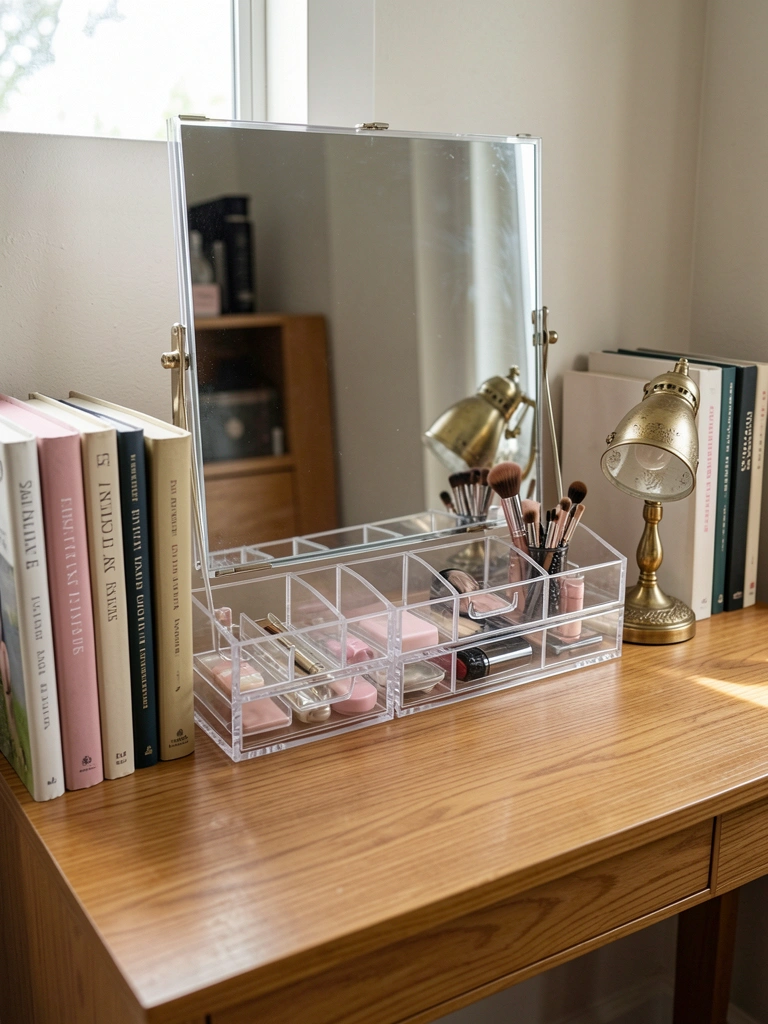
    19. Style a Vanity or Desk with a Makeup Organizer

    Even if you don’t wear much makeup, a small vanity ($80-$200 from IKEA, Target, or Amazon) with an organizer ($15-$50) becomes a functional styling station and design statement.

    Use it for skincare, jewelry, hair accessories, or office supplies. A IKEA Alex desk ($100-$130) with a simple mirror ($15-$40) creates a complete setup. Add a cute organizer from The Container Store or Target for $20-$40. Budget $150-$250 total for a full vanity. Takes 1-2 hours to assemble.

    You get a dedicated space to prepare for your day—feels hotel-like and helps you actually use your products instead of losing them.

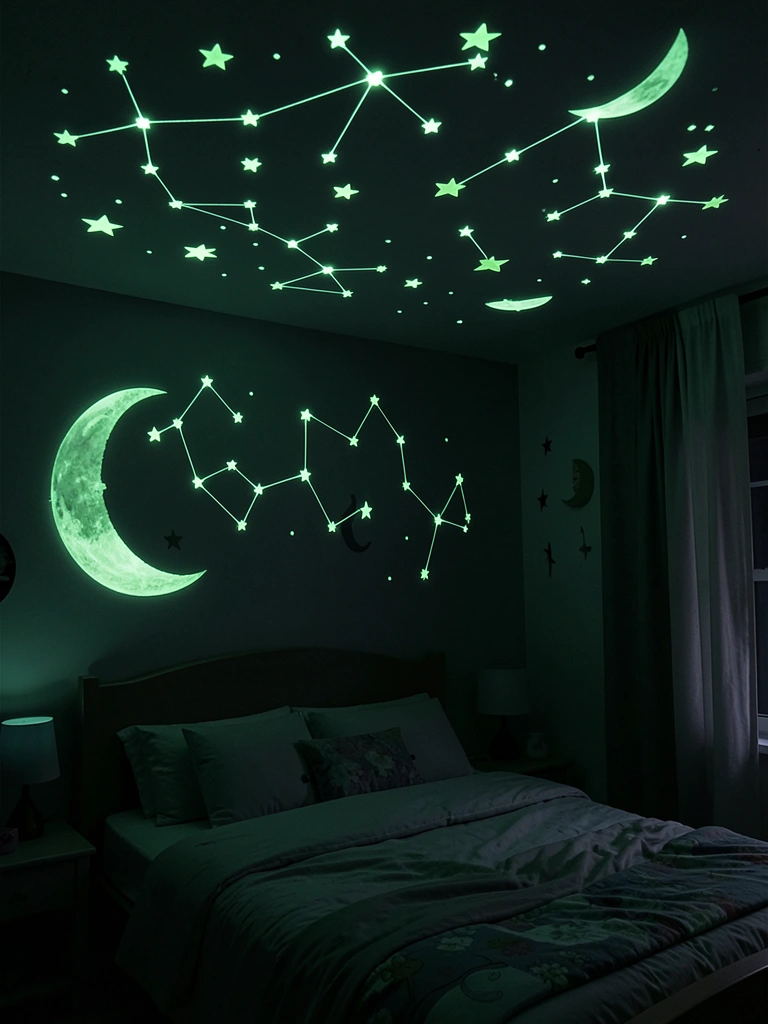
    20. Add Glow-in-the-Dark Stars or Moon Phase Decals

    Glow-in-the-dark stars ($10-$20 from Amazon or Target) take 30 minutes to apply and bring serious Y2K nostalgia. Arrange them in constellations or just scatter them randomly across your ceiling.

    These actually glow at night without electricity—charge them with your phone light or a lamp before bed. Add moon phase decals ($8-$15) for even more celestial vibes. Budget $20-$30 total. Renter-friendly: they peel off cleanly.

    Looking up at a glowing sky before sleep is genuinely calming. It’s like having a planetarium in your bedroom.

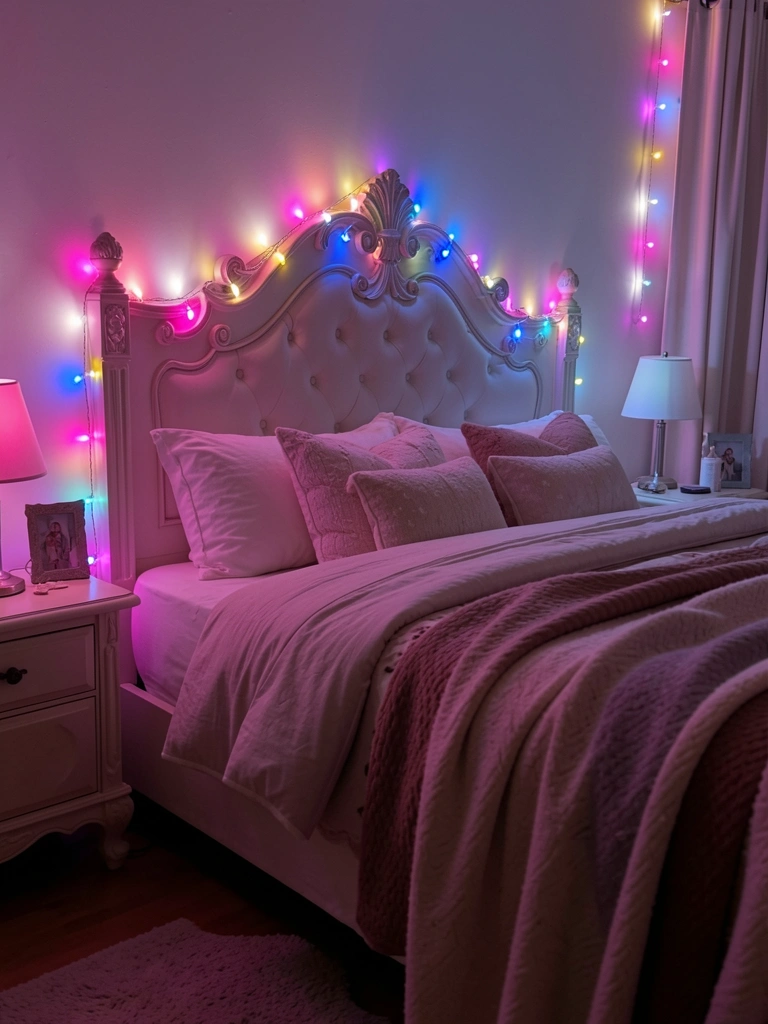
    21. Hang Colorful String Lights Around Your Bed

    String lights ($15-$40 from Amazon, Target, or Urban Outfitters) are Y2K standard. Drape them around your bed frame, along walls, or in a corner for soft ambient light.

    Look for warm white or multicolor LED lights ($20-$35) that don’t get hot. They’re safer than old incandescent versions. Installation takes 15 minutes with sticky hooks or small nails. Plug into a nearby outlet or use battery-operated versions ($25-$40) if outlets aren’t accessible.

    Your bed becomes a cozy cocoon. Turn them on for movie nights, reading, or just winding down—instant mood setting without trying.

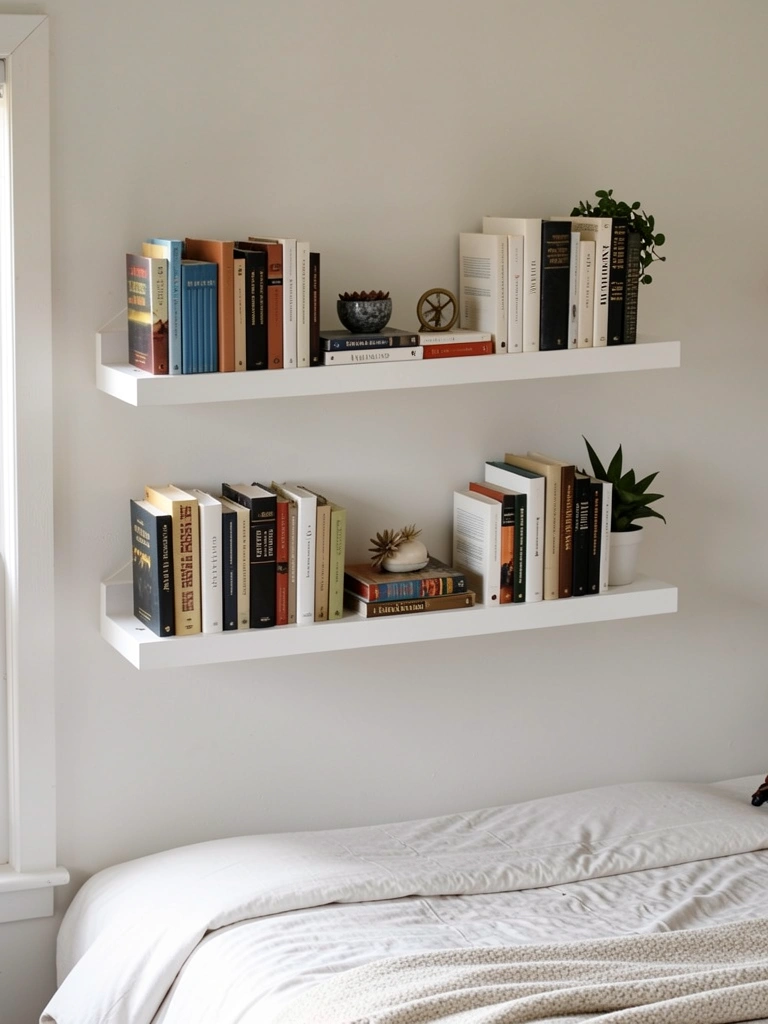
    22. Display Your Favorite Books on Floating Shelves

    Book styling ($0 if you use books you own, plus $20-$50 for shelves) becomes wall art. Arrange books horizontally and vertically, mix colors, and tuck small plants or figurines between them.

    Floating shelves from IKEA ($20-$30 each) work perfectly. Arrange books with spines visible or facing, creating rhythm and visual interest. This works for renters too with adhesive shelves. Costs nothing if you already own books.

    Your bedroom looks like a cozy bookstore. It’s visually interesting, functional, and shows off what you actually read—way more personal than generic decor.

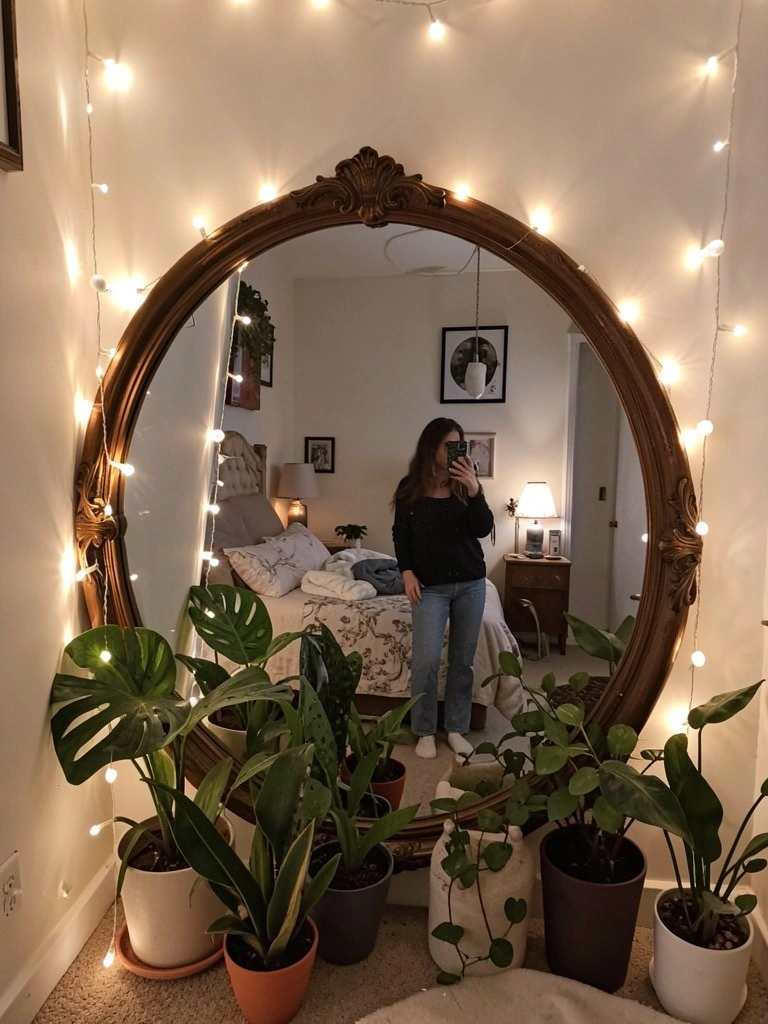
    23. Create a Photo Corner with a Vintage-Style Mirror

    A large mirror ($60-$150 from Wayfair, West Elm, or Amazon) becomes both functional decor and a photo backdrop. Choose one with a metal frame (gold, brass, or black) for Y2K vibes.

    Lean it against a wall rather than hanging it for renter-friendly flexibility. Surround it with plants, string lights, or a small bench. This takes 15 minutes to style and creates an instant photo moment. Budget $80-$120 for a statement mirror.

    You get a functional mirror plus an Instagrammable corner that makes your room feel intentional and styled.

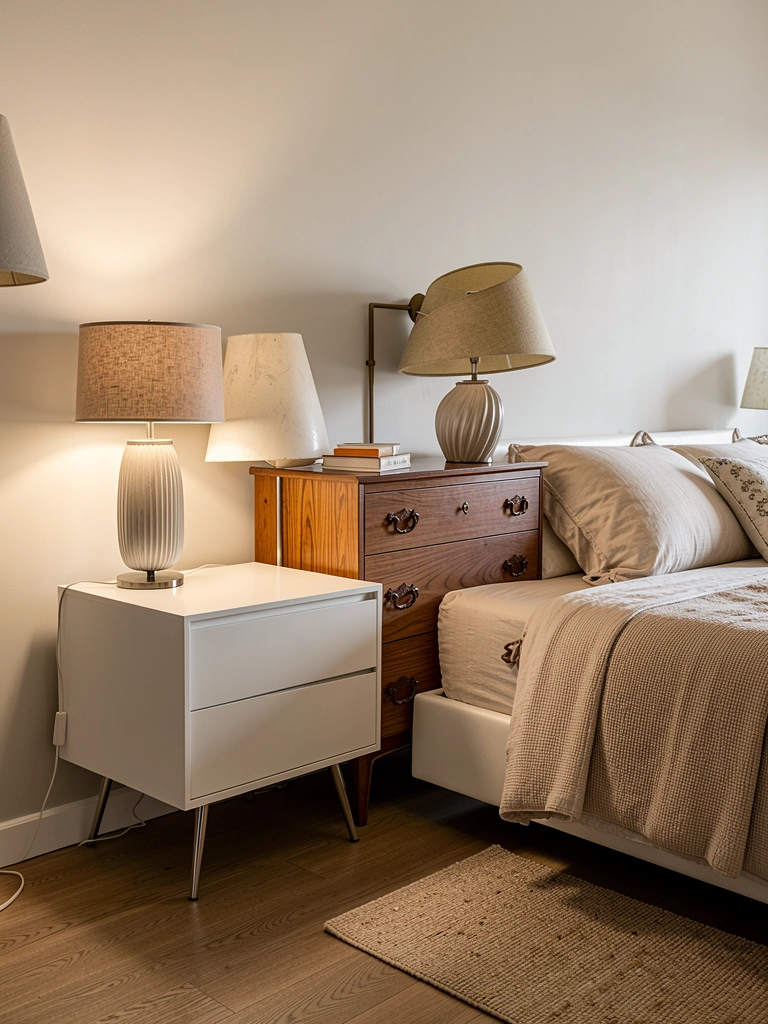
    24. Mix Thrifted Nightstands for Asymmetrical Balance

    Instead of matching nightstands, source two different vintage ones ($30-$80 each from thrift stores or Facebook Marketplace) for that eclectic Y2K vibe. Different colors, styles, and heights create visual interest.

    Hunt for solid wood pieces with good bones, even if they need refinishing. A coat of paint ($15-$25) transforms them instantly. This approach is budget-friendly and WAY more interesting than a matched set. Hunting takes time, but saves money long-term.

    Your room tells a story—collected, intentional, and uniquely you. It’s way more interesting than cookie-cutter matching furniture.

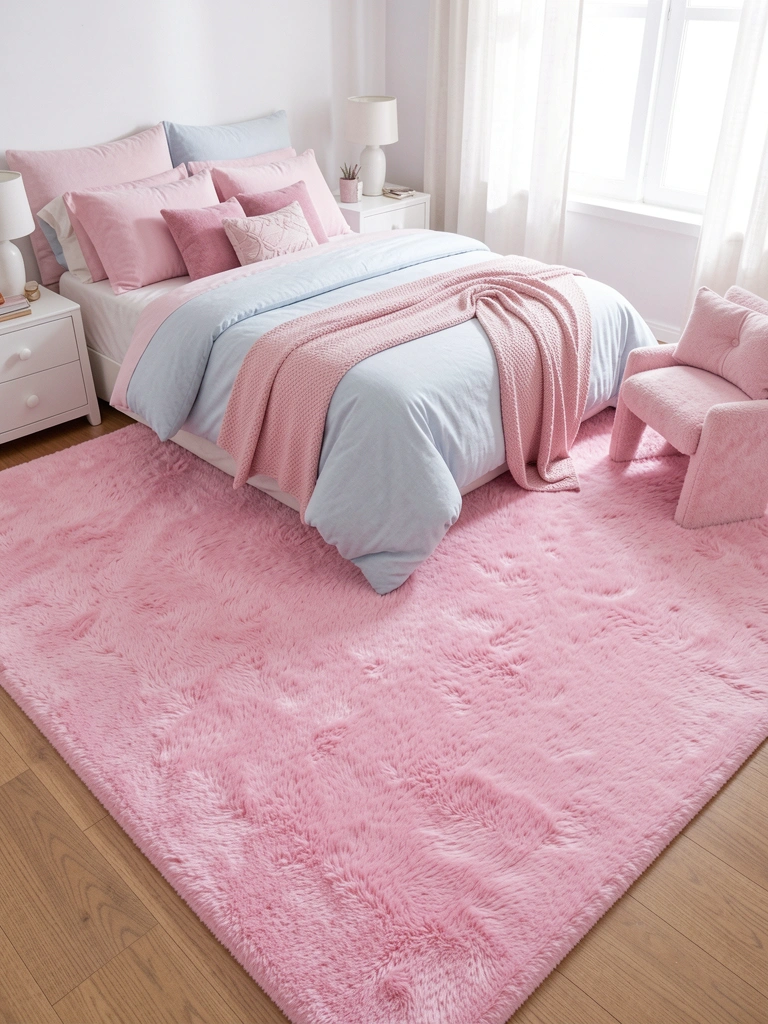
    25. Add a Fluffy Area Rug in a Pastel Shade

    A fluffy area rug ($60-$150 from Target, Wayfair, or Amazon) in pastels grounds the entire room and adds serious comfort. Baby pink, mint green, or powder blue work beautifully.

    Choose a rug that’s large enough to anchor your bed (8×10 is standard). Synthetic materials ($60-$100) are budget-friendly and washable. Natural wool ($150+) lasts longer but costs more. This ties together all your Y2K elements and makes the room feel intentional.

    Walking barefoot on a plush rug is genuinely comforting. Plus, it visually defines your space and adds warmth to hard floors.

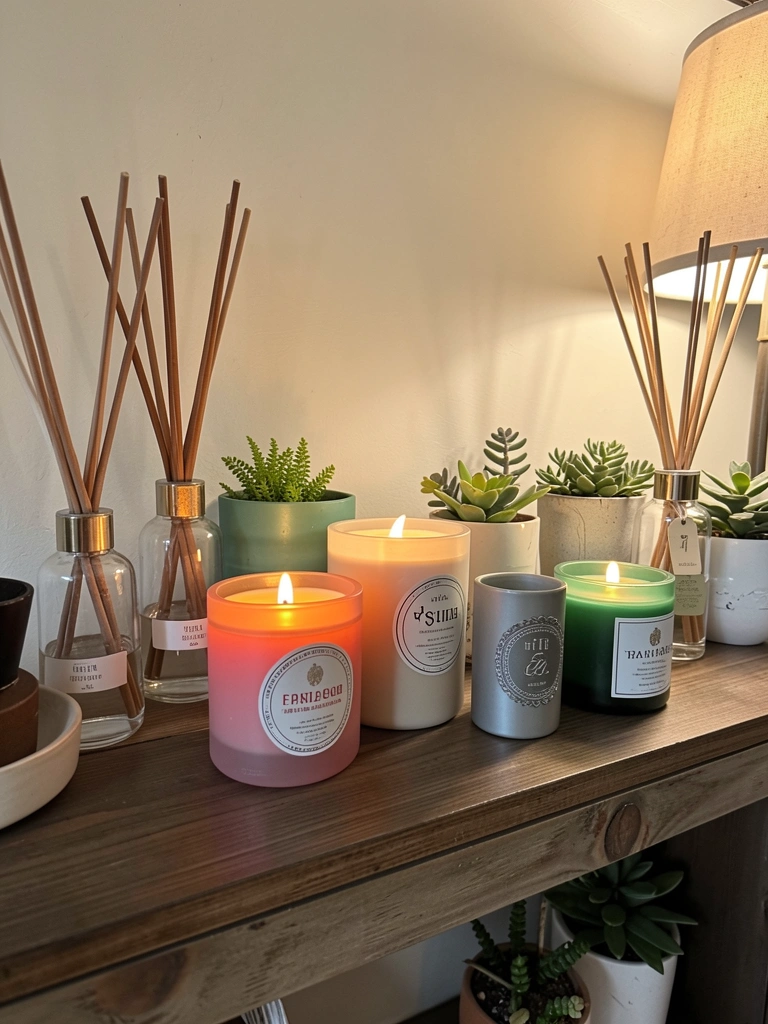
    26. Curate a Shelf of Scented Candles and Diffusers

    Scented candles and diffusers ($8-$60 each from Target, Jo Malone, Diptyque, or Amazon) create an instant sensory experience. Curate a collection of 5-7 on a shelf or shelf unit.

    Mix price points: Target candles ($6-$12), Voluspa candles ($30-$40), and splurge Diptyque candles ($60+) for variety. Arrange by color or scent intensity for visual interest. Budget $80-$200 to start a collection you’ll actually use. Rotate them seasonally to keep things fresh.

    Your room smells amazing and becomes a true sanctuary. Lighting a candle becomes a ritual—part of your wind-down routine.

    Save this post and try one idea this weekend—you’ll be surprised how fast your room goes from basic to personality-packed. Which Y2K throwback are you most excited about?

  • 27 Natural Stone Living Room Ideas That Add Luxury & Texture

    27 Natural Stone Living Room Ideas That Add Luxury & Texture

    Your living room deserves to feel like a retreat—a place where texture and luxury meet everyday comfort. Natural stone brings that high-end spa vibe without requiring a full renovation, and the best part? It works whether you’re renting or own. Stone adds depth, visual interest, and tactile appeal that makes your space feel intentional and curated. From accent walls to fireplace surrounds, stone creates anchor points that make everything else in your room look better. In this guide, you’ll discover 27 specific ways to weave natural stone into your living room—from budget-friendly peel-and-stick options to investment pieces that’ll last decades. Ready to elevate your space? Let’s dive in.

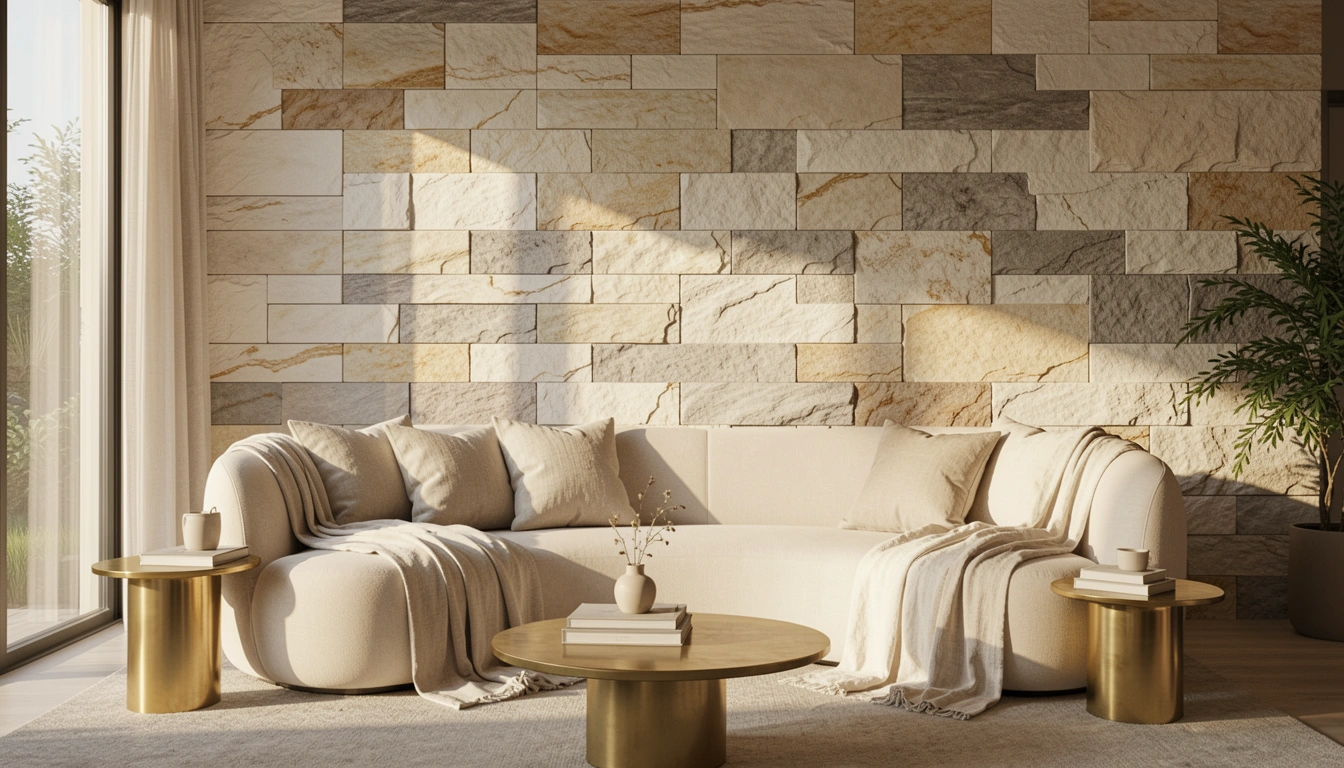
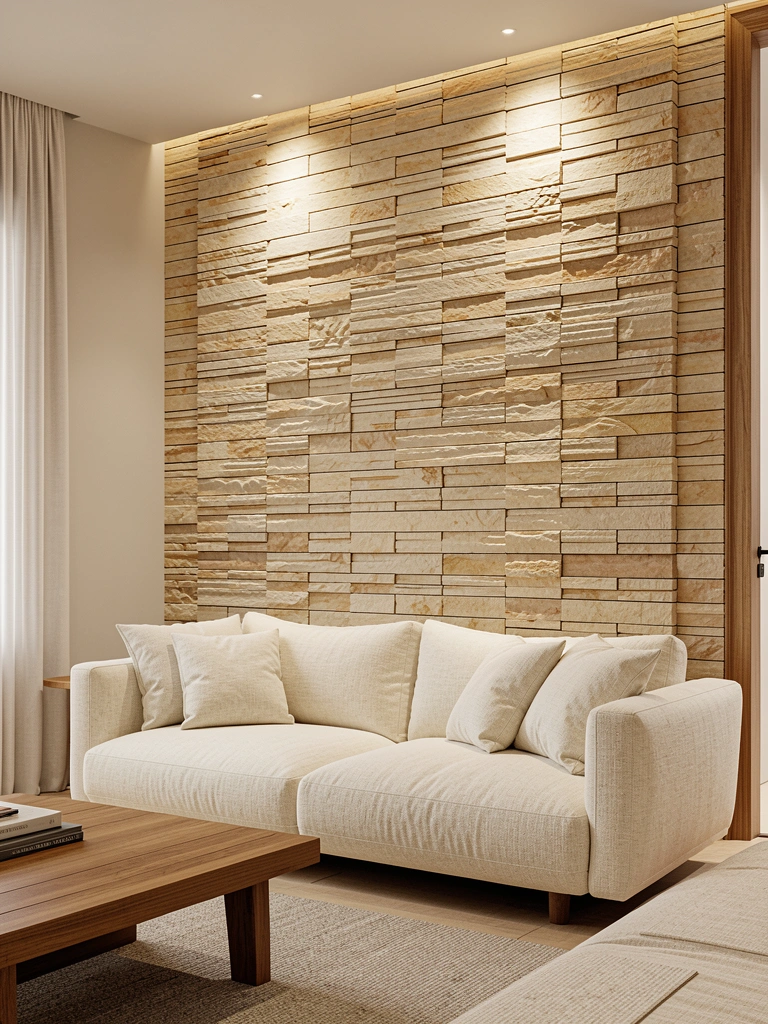
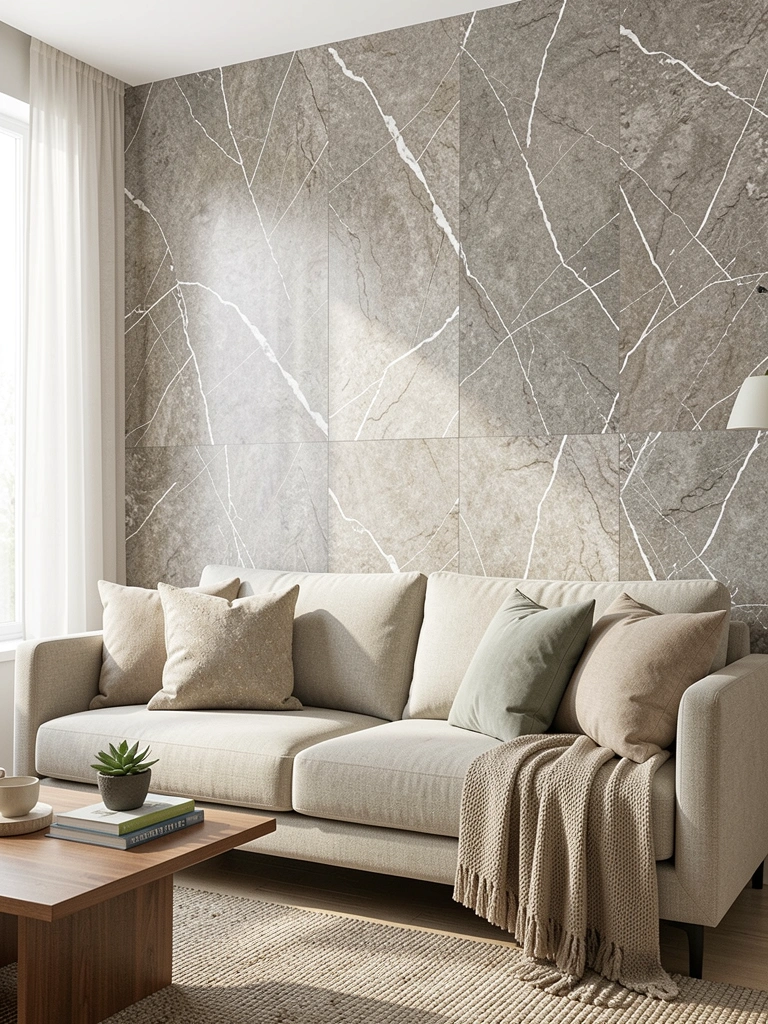
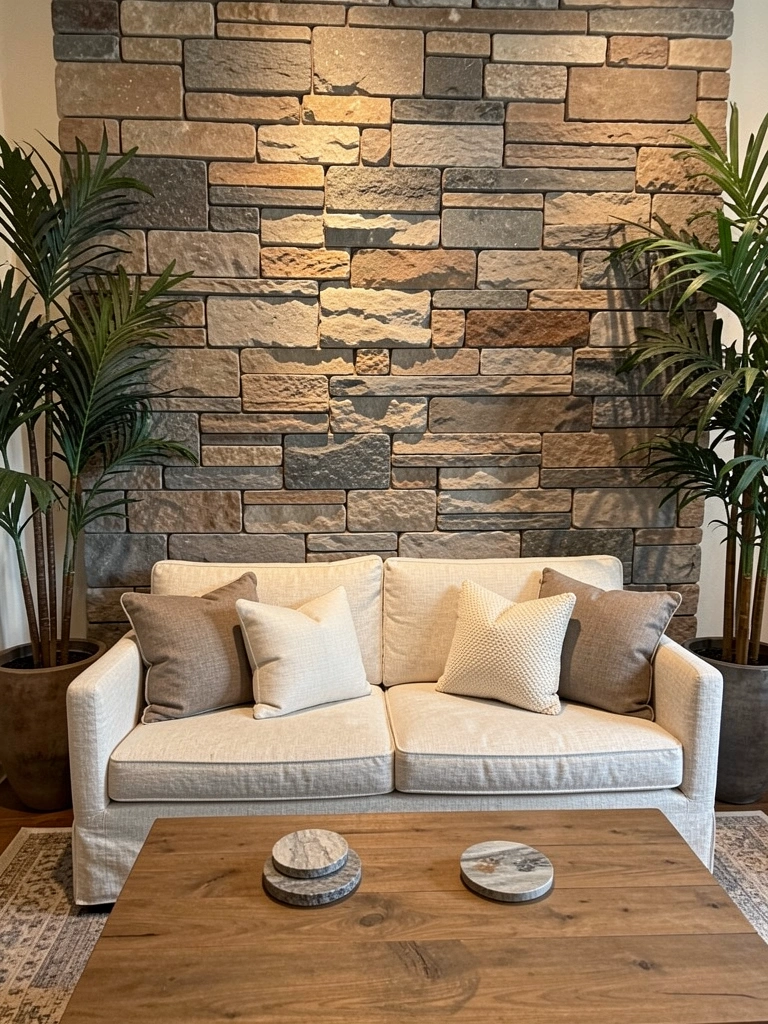
    1. Install a Stacked Stone Accent Wall

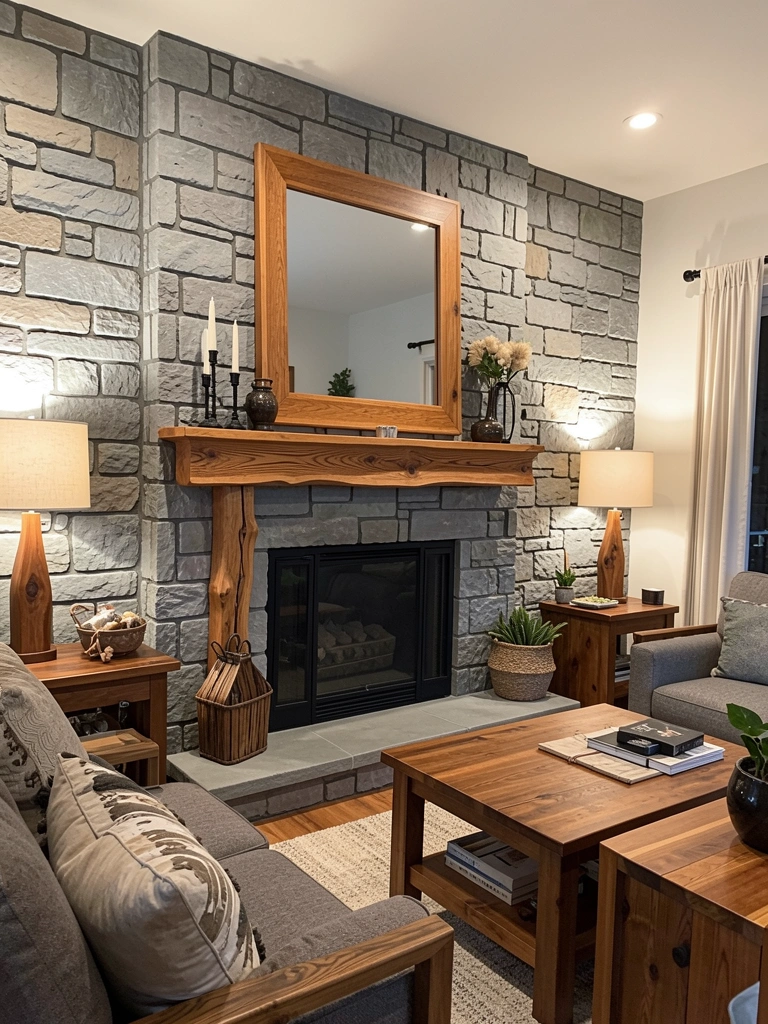
    Stacked stone accent walls create an instant focal point that draws the eye and adds architectural depth. This is the statement-maker that anchors your entire room design.

    You have two main routes here: hire a contractor for permanent installation ($2,000–$5,000) or go the DIY route with faux stacked stone panels ($300–$800 for a 10×12 wall). Real stone requires mortar, grout, and professional skills—definitely hire for this. Faux panels are renter-friendly, lightweight, and surprisingly realistic. Look for brands like smart tiles or stone veneer at Home Depot. Installation takes a weekend with proper prep and the right adhesive.

    The payoff is major. This one element makes your living room look professionally designed, and guests will immediately notice the upgrade. Your space becomes more sophisticated with minimal effort.

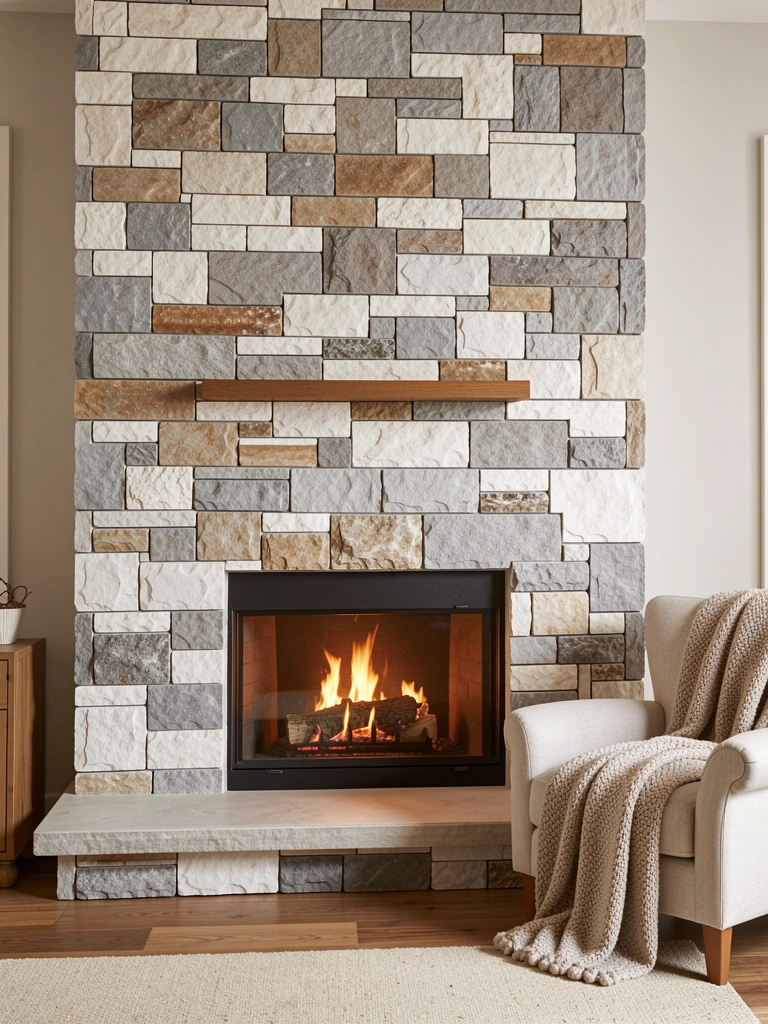
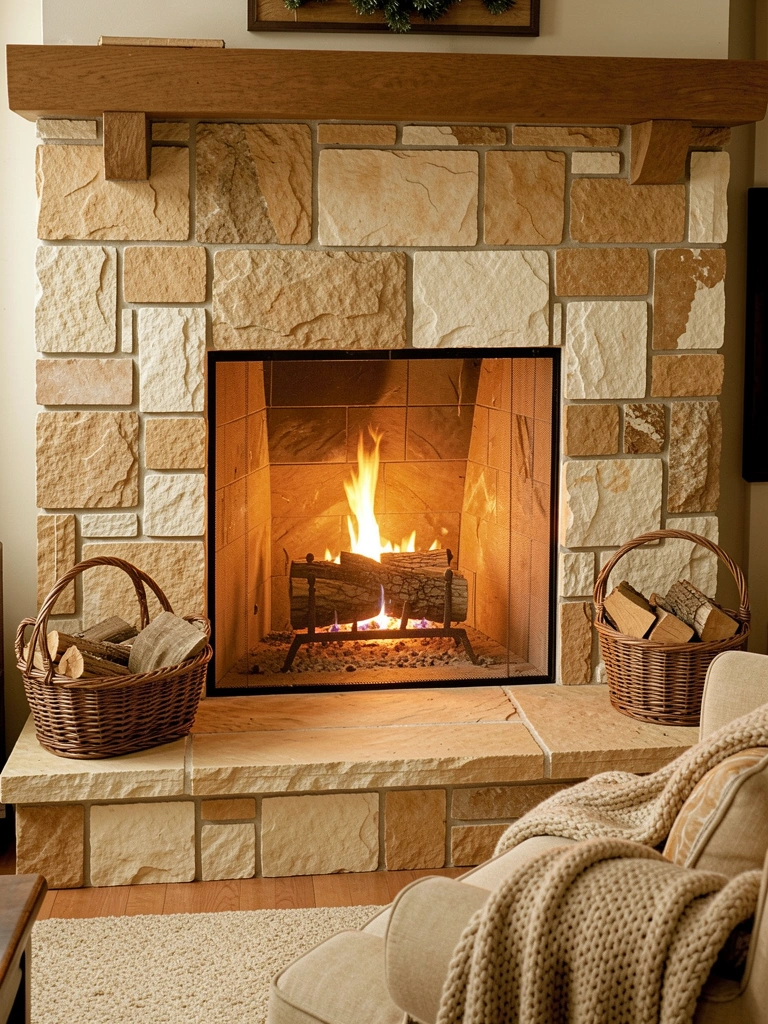
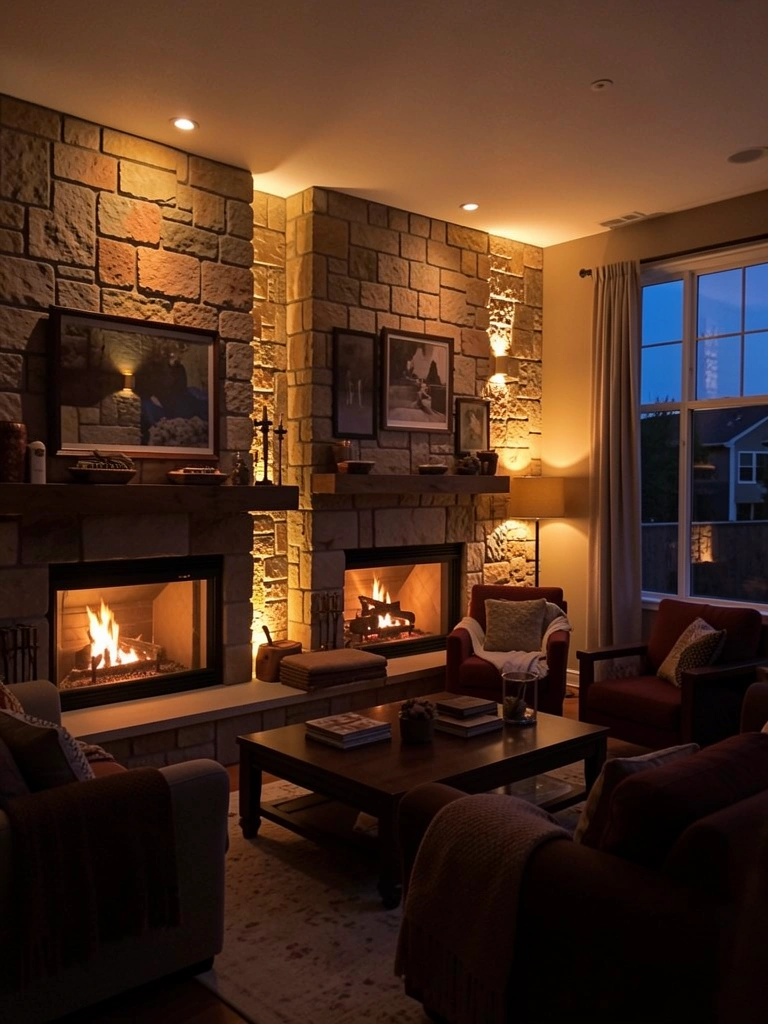
    2. Anchor Your Fireplace with Stone Surround

    A stone fireplace surround transforms your hearth into the heart of your home—warm, inviting, and undeniably luxe. This becomes the gathering point everyone gravitates toward.

    If you already have a fireplace, you can update the surround with stone veneer ($800–$2,500 installed) or DIY peel-and-stick stone panels ($400–$700). For renters or temporary solutions, removable faux stone panels work beautifully and require no permanent damage. Installation typically takes 3–5 days for professional work, or a weekend for DIY panels. You’ll need construction adhesive, grout (if permanent), and patience with measurements.

    The transformation is stunning. A stone fireplace becomes the natural focal point that makes your entire living room feel more cohesive and grounded. Winter nights suddenly feel more luxurious when you’re sitting in front of beautiful stone.

    3. Layer Stone Tiles as a Coffee Table Top

    Stone coffee tables combine durability with visual sophistication—they’re functional art pieces that actually last. Plus, they photograph beautifully, which means your living room always looks styled.

    Hunt for stone-top tables at Wayfair, Article, or Facebook Marketplace ($200–$800 new, or $50–$200 secondhand). Look for marble, slate, or granite tops paired with wood or metal bases for that modern-nostalgia vibe. If you already have a table, you can top it with a large stone tile ($30–$100) sealed with clear epoxy for a DIY refresh. Installation takes 30 minutes if you’re just placing it, or a few hours if you’re adhering and sealing a tile top.

    What you get: a surface that resists stains, scratches, and the wear of daily life while looking intentionally curated. Every time you set down your coffee, you’re reminded that your space is special.

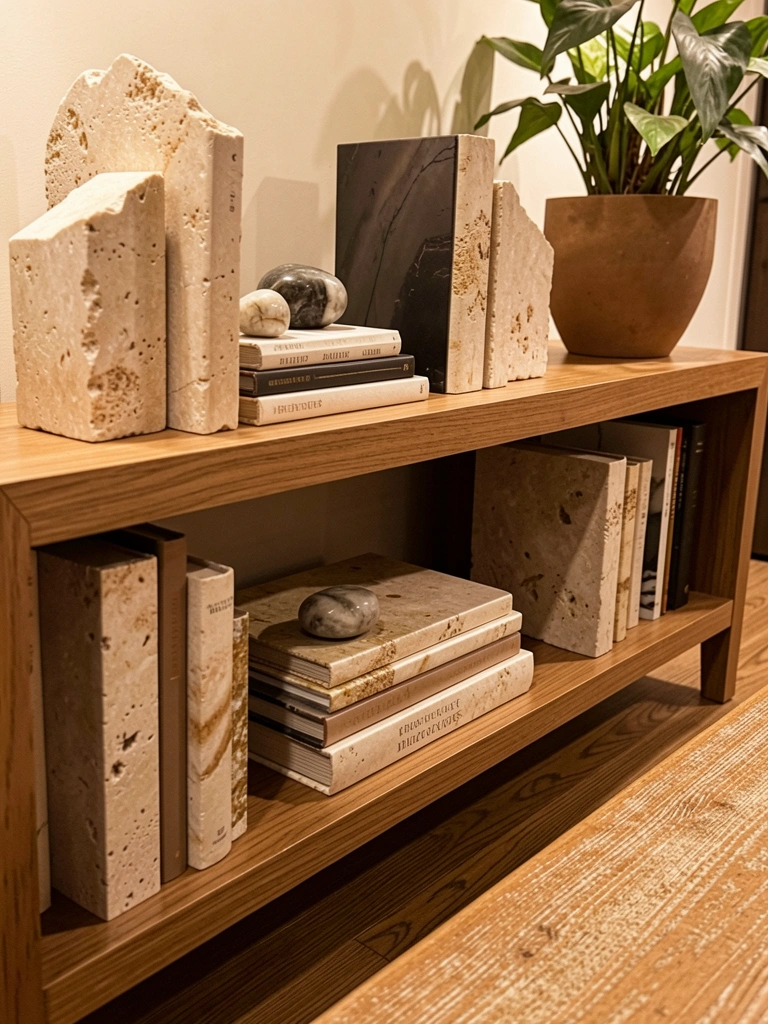
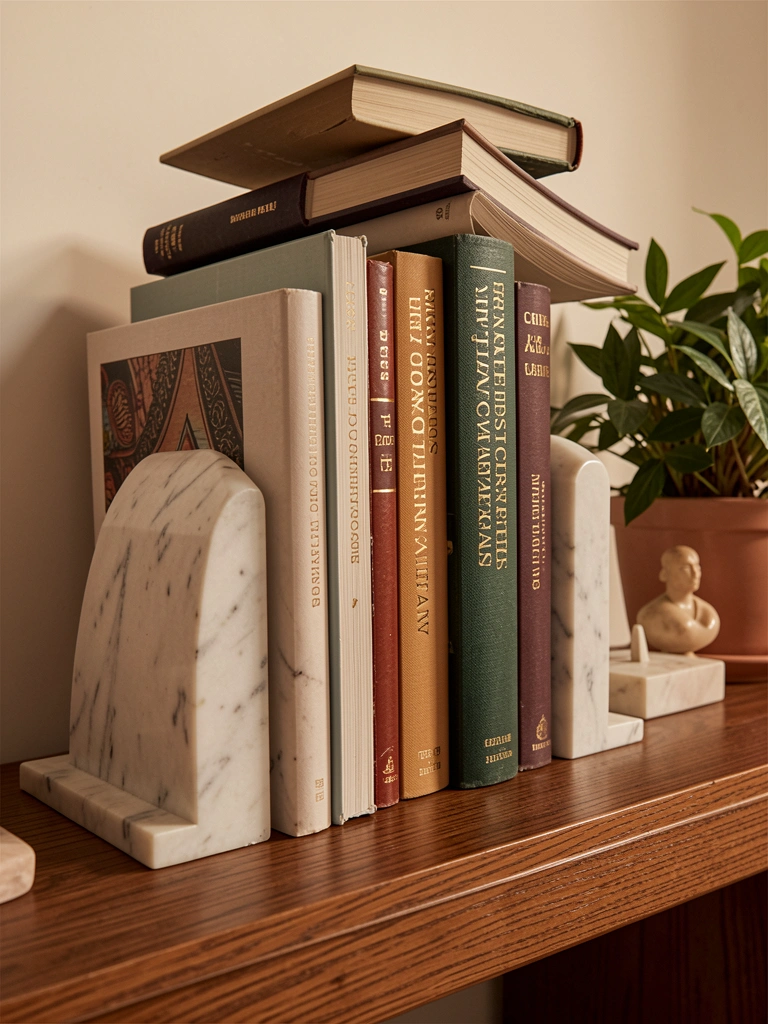
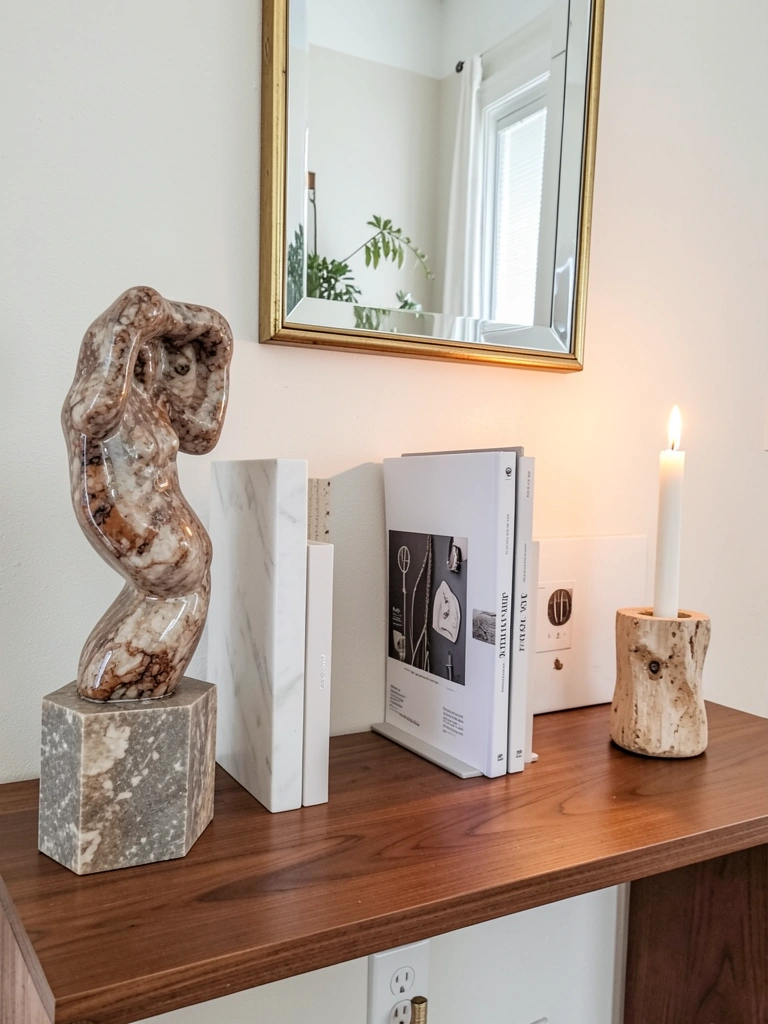
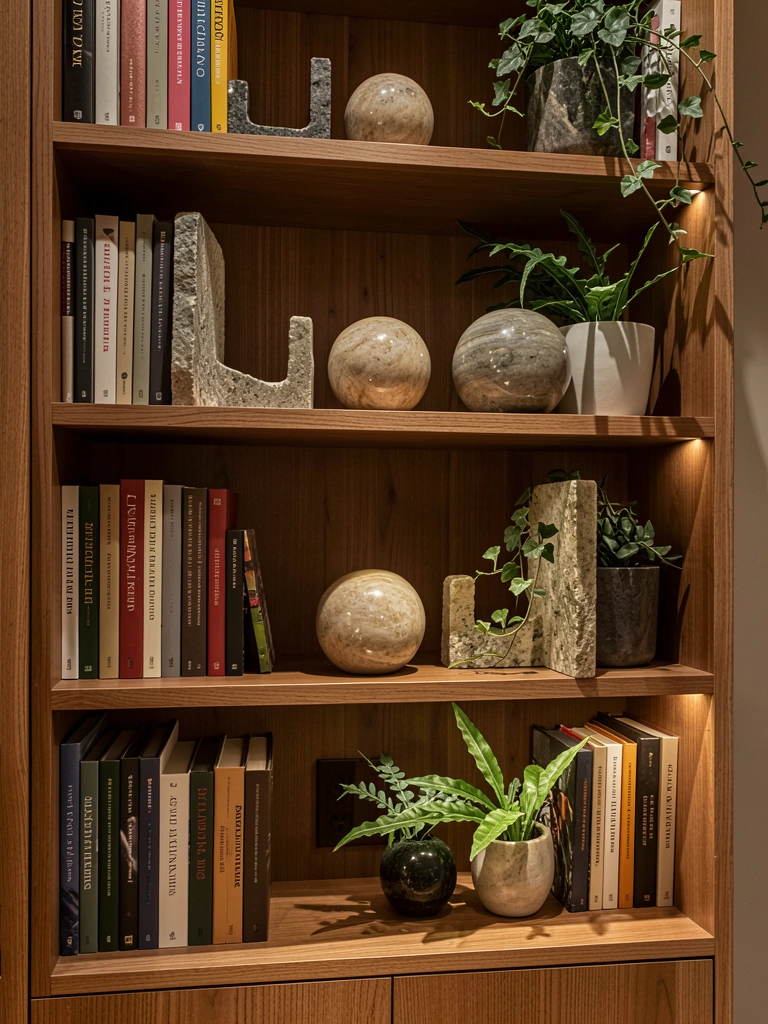
    4. Use Marble or Slate Bookshelf Styling

    Stone bookends and accessories ground your shelves and add that gallery-like quality to your styling. This is a subtle way to weave natural materials throughout your space without major commitment.

    Marble and slate bookends run $15–$50 per pair from Target, CB2, or online retailers. Mix them with books, plants, and other accessories for a curated look. You can also add polished stone spheres, geodes, or coasters ($5–$30 each). Styling takes 30 minutes and costs under $200 for a full shelf refresh.

    Your shelves immediately feel more intentional and less random. Visitors notice the thoughtful curation, and you’ll enjoy looking at them every day. This works for renters too—no installation required, just strategic placement.

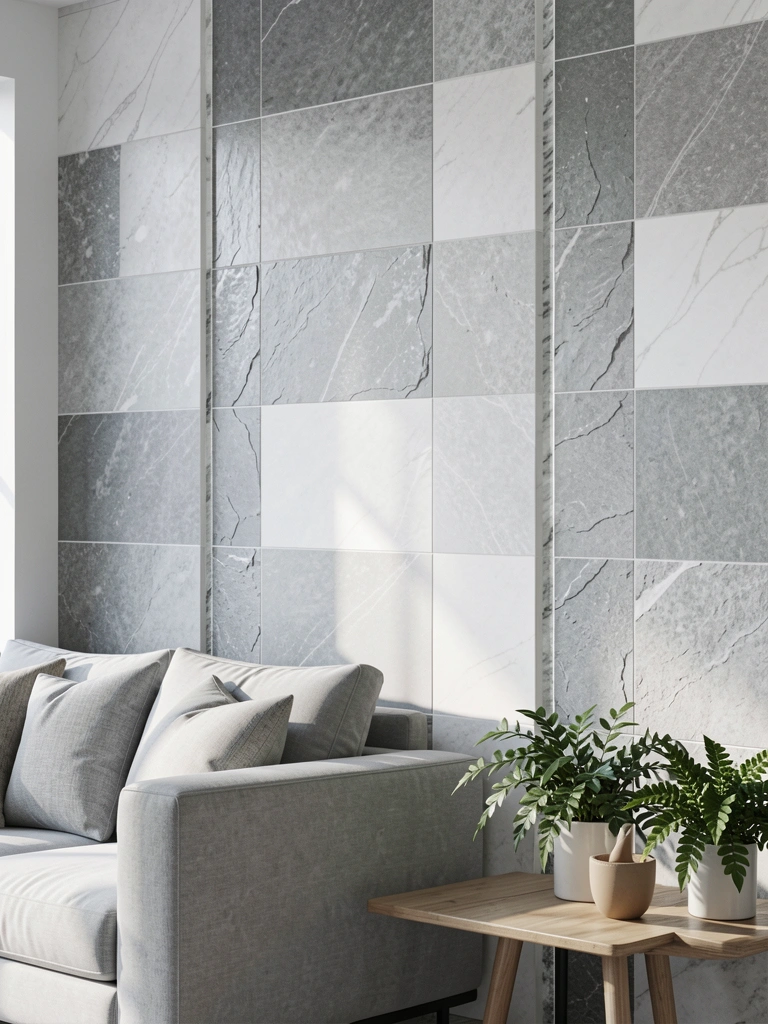
    5. Create a Stone Feature Wall with Waterfall Edge

    Waterfall edge stone creates movement and visual flow on a wall—it’s a design detail that looks expensive but is easier than you’d think. This technique makes a basic accent wall feel gallery-worthy.

    Large-format stone tiles with waterfall edges cost $30–$50 per square foot installed, or $500–$1,500 for a 10×12 wall. You’ll need a professional for this due to the precision required. Alternatively, some peel-and-stick options mimic the waterfall effect at half the cost ($300–$700). Plan for 3–5 days of installation.

    The result is a living room that looks like it belongs in a design magazine. The waterfall pattern adds sophistication and visual interest that makes your whole space feel elevated. This detail is the kind of thing that makes people ask, “Did you hire a designer?”

    6. Line Your Shelving with Stone Backing

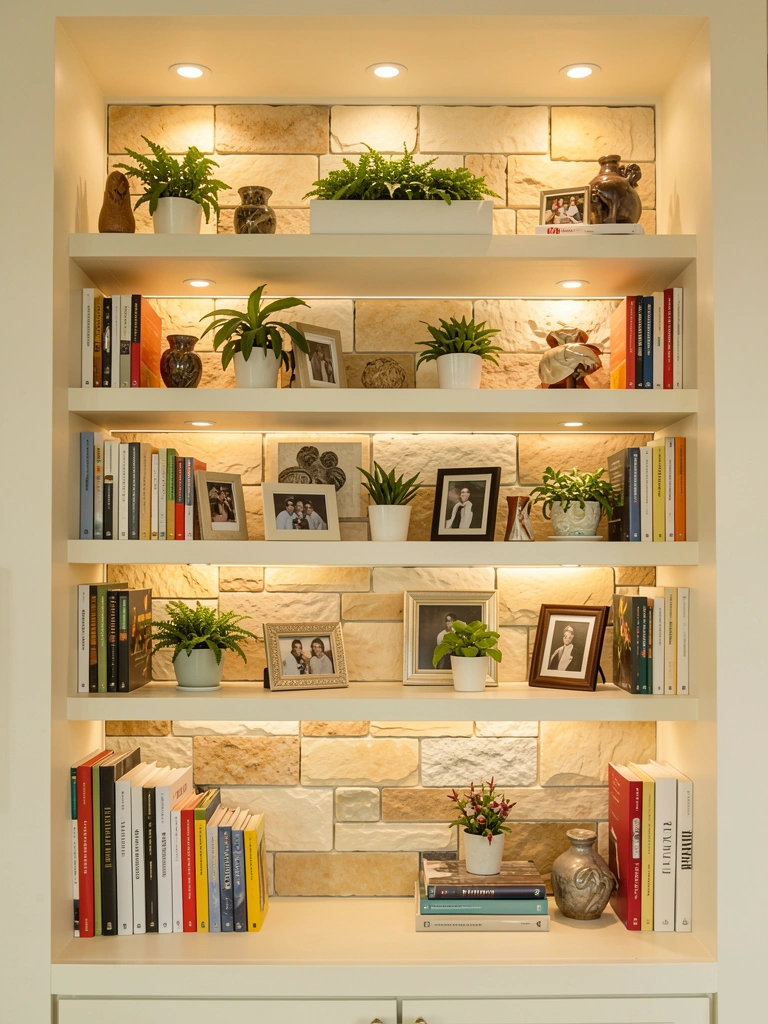
    Stone backing on shelves adds depth and makes floating shelves look more finished and intentional. It’s the background detail that ties your whole styling scheme together.

    Stone backing panels cost $100–$300 per 4×8 sheet and can be cut to size. Peel-and-stick options run $50–$150 and require zero installation skills. Installation takes 1–2 hours with proper measurement and adhesive application. Pair with floating shelves ($50–$200 each from IKEA, Wayfair, or local hardware stores).

    Your shelves go from looking sparse to looking like a curated gallery. The stone backing creates contrast and draws attention to whatever you’re displaying. Styling becomes easier because the stone does the heavy lifting visually.

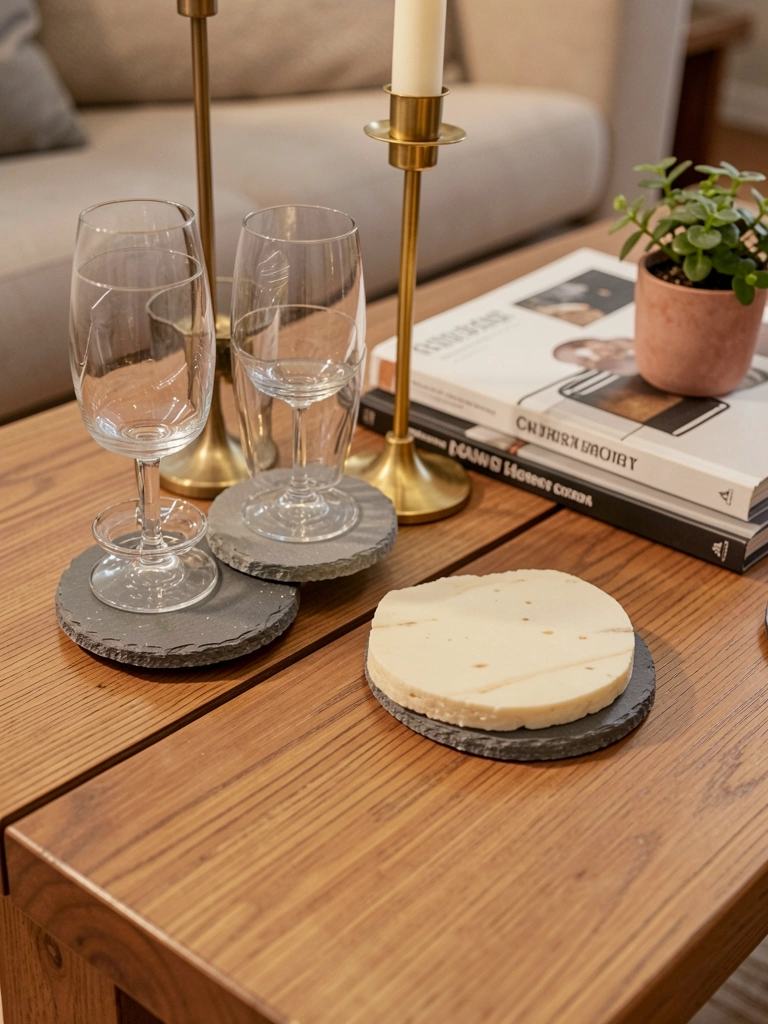
    7. Pair Stone Coasters with Your Coffee Table Styling

    Stone coasters are practical and decorative—they protect your table while adding subtle texture to your styling. This is an affordable way to incorporate stone into your everyday design.

    Natural stone coasters cost $8–$25 per set from Target, CB2, Etsy, or Amazon. Marble, slate, and granite options all work beautifully. Buy 2–3 sets ($25–$75 total) to have enough for styling and actual use. No installation required—just place them strategically on your table. Styling takes 5 minutes.

    Your coffee table looks more intentional and put-together instantly. You’re also protecting your surfaces, which means less stress about spills and water rings. Plus, they become a conversation piece because people notice the thoughtful details.

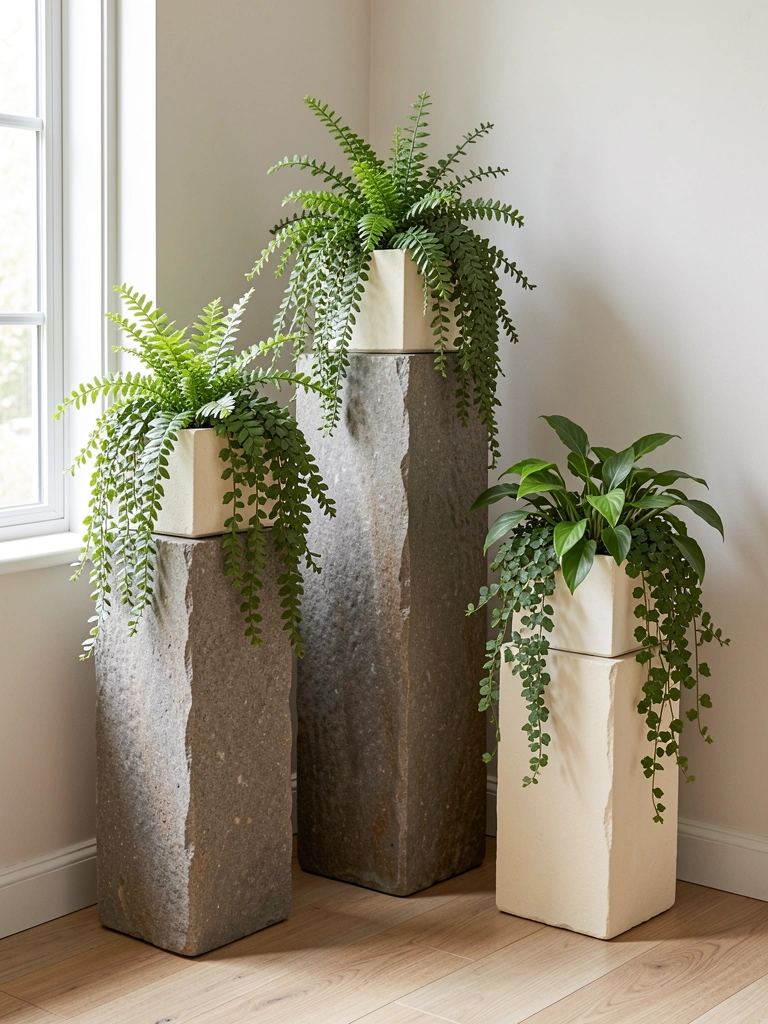
    8. Add Stone Planters for Greenery Display

    Stone planters combine the biophilic trend (nature connection) with texture and visual interest. They’re functional decor that brings life into your space while adding that organic luxury feel.

    Stone planters range from $20–$150 per piece depending on size and stone type. Find them at Target, Home Depot, Wayfair, or specialty garden stores. Buy 2–3 planters in complementary sizes ($50–$250 total) and fill with plants like pothos, monstera, or snake plants. Styling takes 30 minutes including plant placement.

    Your living room suddenly feels more connected to nature and less sterile. Stone planters elevate even basic grocery-store plants into display-worthy pieces. The combination of texture, greenery, and natural materials creates that aspirational spa-like atmosphere.

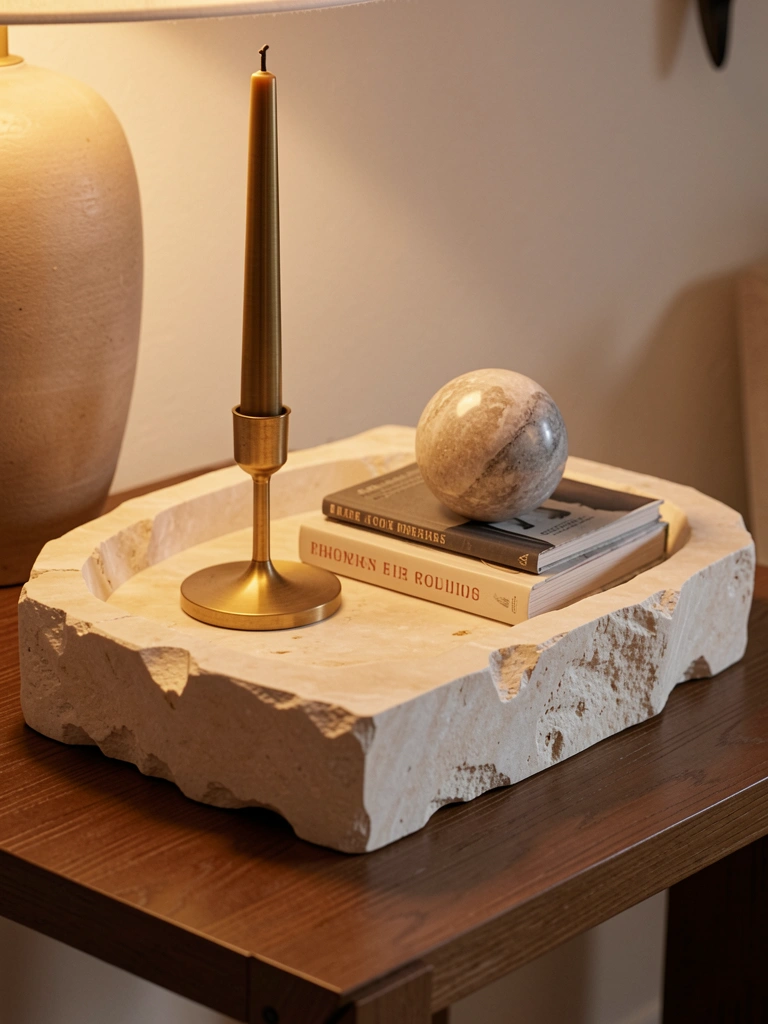
    9. Use Stone Tiles as a Decorative Tray

    A stone tile or decorative tray becomes a styling foundation that organizes your space while adding visual interest. This is an easy way to create a vignette that looks intentionally curated.

    Stone trays cost $25–$80 from CB2, Schoolhouse Electric, or Etsy, or you can DIY one from a large slate tile ($10–$20) sealed with clear epoxy. Place on your coffee table, side table, or console and style with books, candles, and decorative objects. Styling takes 20 minutes and costs $30–$80 for the tray plus items.

    Your table instantly looks more organized and intentional. The stone tray grounds the styling and creates a focal point that draws the eye. Guests will notice the thoughtful arrangement, and you’ll enjoy the aesthetic daily.

    10. Create Stone Bookends for Your Collection

    Stone bookends serve a practical purpose while adding visual weight and sophistication to your shelving. They’re small details that make a big impact on how finished your styling looks.

    Marble, slate, and granite bookends run $15–$50 per pair from Target, Etsy, or HomeGoods. Buy one or two pairs ($30–$100) depending on how many shelves you’re styling. They require zero installation—just place and arrange your books. Styling takes 15 minutes.

    Your books look more curated and intentional rather than haphazardly stacked. The stone bookends add weight and formality that elevates your whole shelving display. This is the kind of detail that makes people think you have a professional designer on speed dial.

    11. Line Your Fireplace Hearth with Textured Stone

    A stone hearth is both functional and beautiful—it protects your floor while creating a visual anchor for your fireplace area. This is where comfort and design meet perfectly.

    Stone hearth installation costs $500–$2,000 depending on materials and complexity. If you’re renting or want a temporary solution, large stone tiles laid on top work beautifully ($200–$500 DIY). For permanent installation, hire a professional. Plan for 2–3 days of work including curing time.

    Your fireplace area becomes the undisputed focal point of your room. The stone hearth creates a defined gathering space that makes your living room feel more luxurious and intentional. Winter gatherings suddenly feel more special.

    12. Add Stone Texture with Peel-and-Stick Wallpaper

    Peel-and-stick stone wallpaper gives you the look of real stone without the cost or commitment. This is perfect for renters and anyone who wants to test the trend risk-free.

    Peel-and-stick stone wallpaper costs $15–$40 per roll and covers approximately 30 square feet. For a 10×12 wall, you’ll need 4–5 rolls ($60–$200 total). Application takes 2–3 hours and requires just a ruler, utility knife, and your patience. Find options at Amazon, Wayfair, or Etsy. Search “peel-and-stick stone wallpaper” for tons of realistic options.

    Your wall instantly looks textured and dimensional without permanent damage. When you move, it peels off cleanly. This is a game-changer for renters who want to personalize their space without landlord stress.

    13. Style Your Console Table with Stone Accessories

    A styled console table becomes a mini gallery that showcases your taste and love of natural materials. Stone pieces are the perfect foundation for this kind of vignette.

    Stone accessories for console styling run $10–$50 each: bookends ($15–$30), decorative spheres ($10–$25), candle holders ($15–$40), and sculptures ($20–$80). Budget $100–$200 total to create a fully styled console. Styling takes 30 minutes.

    Your entryway or hallway console becomes a destination that sets the tone for your whole home. Visitors see stone textures and natural materials, which signals that your space is thoughtfully designed. It’s the first thing people notice, and it makes a lasting impression.

    14. Install Stone Tile Baseboards for Subtle Texture

    Stone baseboards might seem like an odd choice, but they add an unexpected textural element that makes your room feel more designed. This is a detail-oriented move that design enthusiasts will notice.

    Stone tile baseboards cost $5–$15 per linear foot plus installation ($1,500–$3,000 for a 300-square-foot room if professionally installed). DIY installation is possible but requires precision. For a renter-friendly option, stick with traditional baseboards and add removable stone-look trim tape ($20–$50) for instant impact.

    Your room gains architectural detail that most people overlook but everyone notices subconsciously. The stone baseboards ground the space and create visual continuity. This is the kind of sophisticated touch that elevates a room from nice to wow.

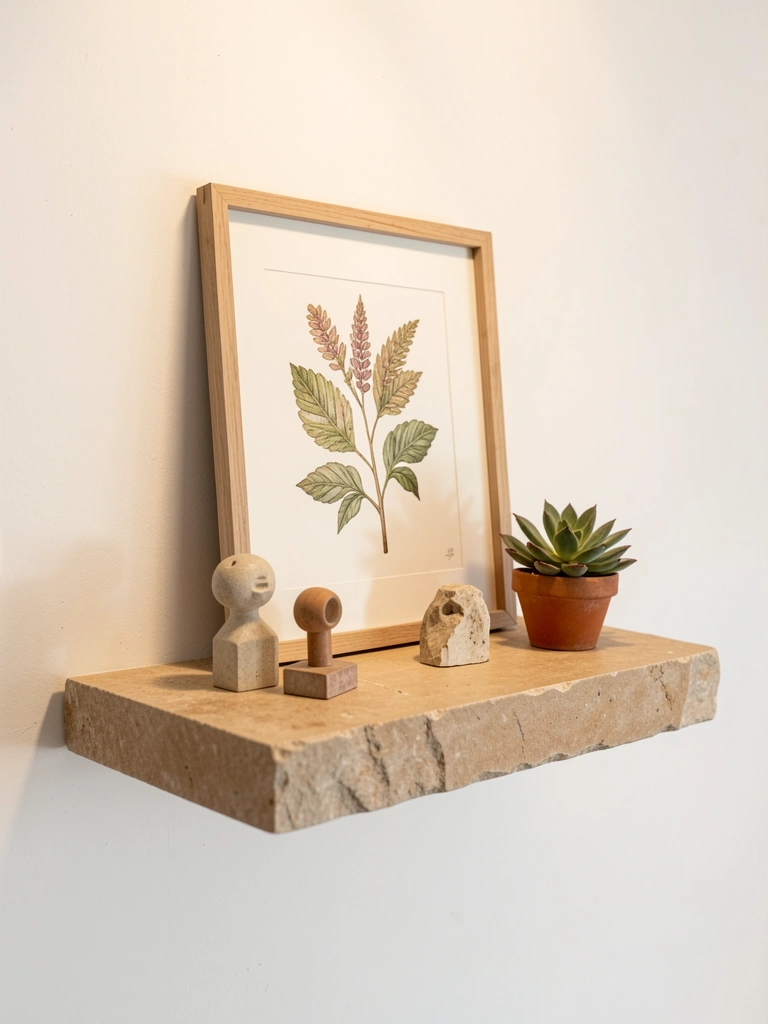
    15. Create a Stone Display Shelf for Art and Objects

    A stone display shelf becomes a mini museum for your favorite pieces and objects. Stone shelves are architectural elements that look expensive and feel intentional.

    Floating stone shelves cost $100–$300 each from Wayfair, Article, or local stone suppliers. Installation runs $200–$500 professionally. For renters, wall-mounted metal shelves topped with a stone tile slab ($50–$150 DIY) work beautifully and are removable. Styling and installation takes a full day.

    Your collected objects and art suddenly feel curated and gallery-worthy. A stone shelf transforms random items into a thoughtful display. This is where you showcase your personality and aesthetic in a way that feels intentional and design-forward.

    16. Layer Stone with Wood for Contrast and Warmth

    Pairing cool stone with warm wood creates visual balance and depth. This is the modern-nostalgia trend in action—old materials meeting new design thinking.

    A stone accent wall ($2,000–$5,000 professionally installed) paired with existing wood furniture creates instant contrast. If you don’t have wood furniture, add wooden side tables ($150–$400 each), a wood mantel ($100–$300), or wooden shelving ($50–$200 per shelf). This styling strategy costs $300–$5,000 depending on what you already own.

    The result is a living room that feels balanced and intentional. Stone adds cool sophistication while wood brings warmth and livability. Together, they create a space that feels both luxe and inviting—not cold or sterile.

    17. Use Stone Coasters and Decorative Bowls as Styling Props

    Stone bowls and coasters become decorative objects that ground your styling with natural texture and visual interest. These functional pieces do double duty as decor.

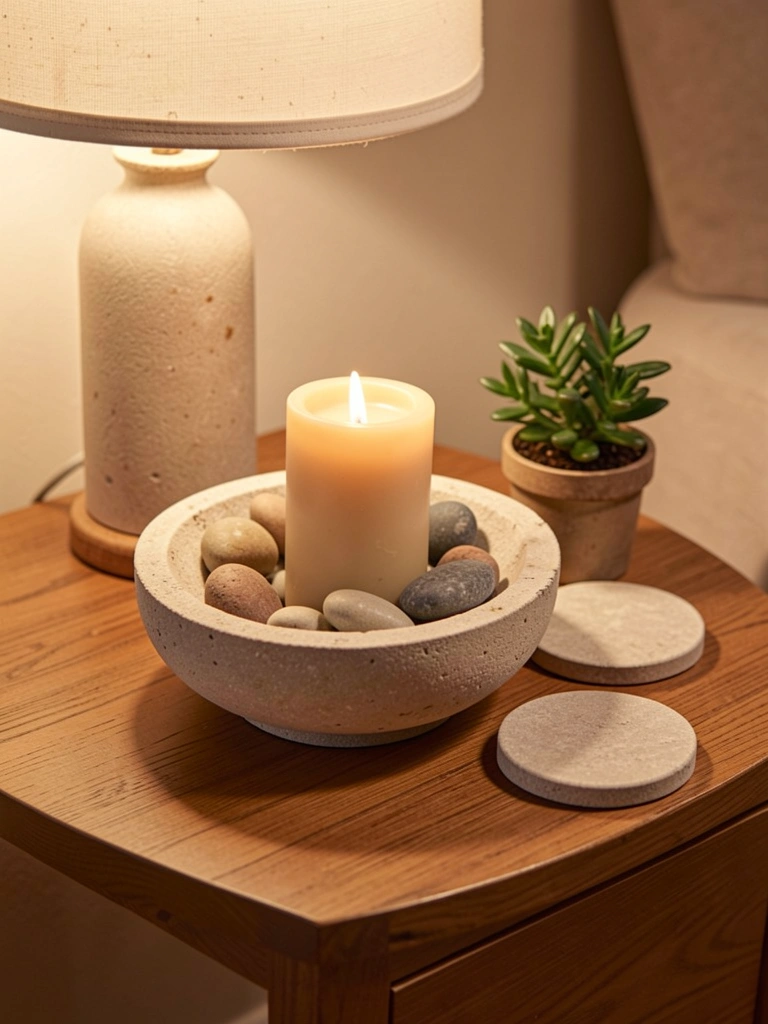
    Natural stone bowls cost $20–$60 each from West Elm, CB2, or Etsy. Matching coasters run $10–$25 per set. Budget $50–$150 to create multiple vignettes throughout your living room. Styling takes 30 minutes.

    Your side tables and surfaces immediately feel more intentional and curated. Stone bowls add organic texture that makes your space feel grounded and serene. These pieces work year-round and never feel out of style—they’re timeless natural materials.

    18. Create Stone-Backed Built-In Shelving

    Built-in shelving with stone backing becomes an architectural focal point that organizes and displays your life beautifully. This is an investment piece that adds permanent value.

    Stone backing for built-ins costs $1,500–$4,000 depending on the wall size and stone type. Installation takes 3–5 days professionally. For renters, removable peel-and-stick stone panels ($300–$800) create a similar look without commitment. Shelves themselves run $50–$200 each.

    Your living room gains architectural interest and storage that actually looks good. Built-in shelving with stone backing becomes the focal point that organizes your space while showcasing your style. This transforms a blank wall into a gallery-like display.

    19. Style with Geometric Stone Sculptures and Objects

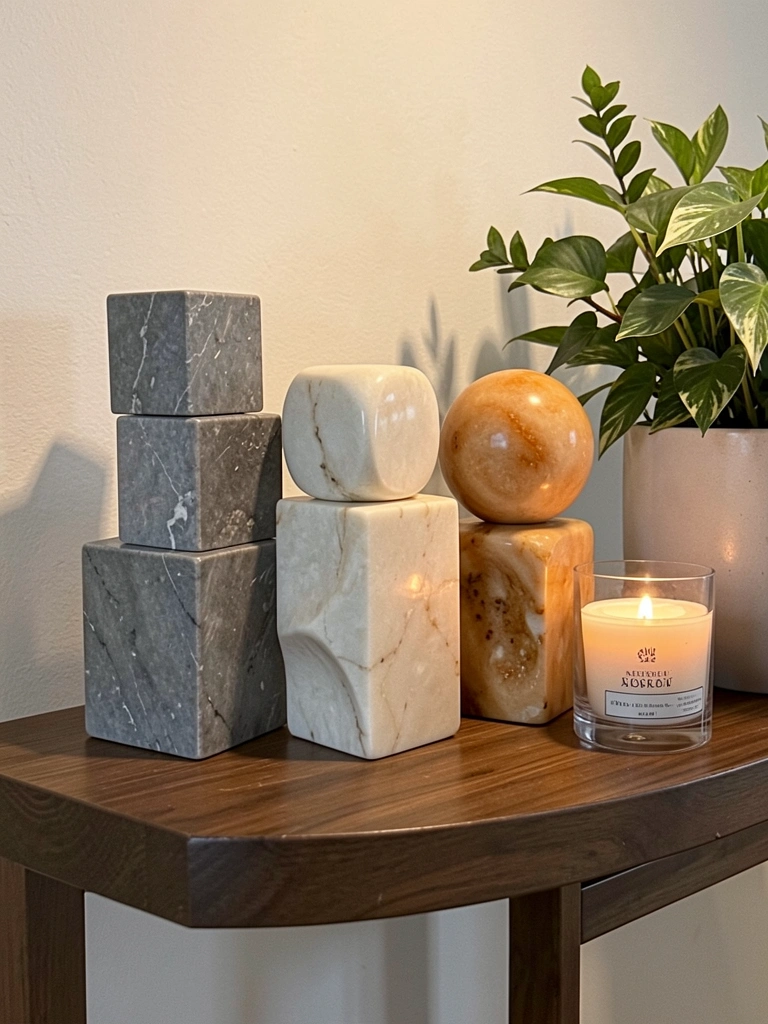
    Geometric stone sculptures add artistic interest and textural variety to your shelving and surfaces. These pieces feel gallery-worthy and collected over time.

    Polished stone sculptures and geometric objects run $15–$100 each from Etsy, West Elm, or specialty home stores. Build a small collection of 3–5 pieces ($50–$300) in complementary colors and shapes. Arrange on a shelf or console for maximum impact. Styling takes 20 minutes.

    Your shelves look more artistic and curated instantly. Stone sculptures add sophistication without feeling fussy. These pieces work with any decor style and create conversation-starting vignettes that people genuinely want to look at.

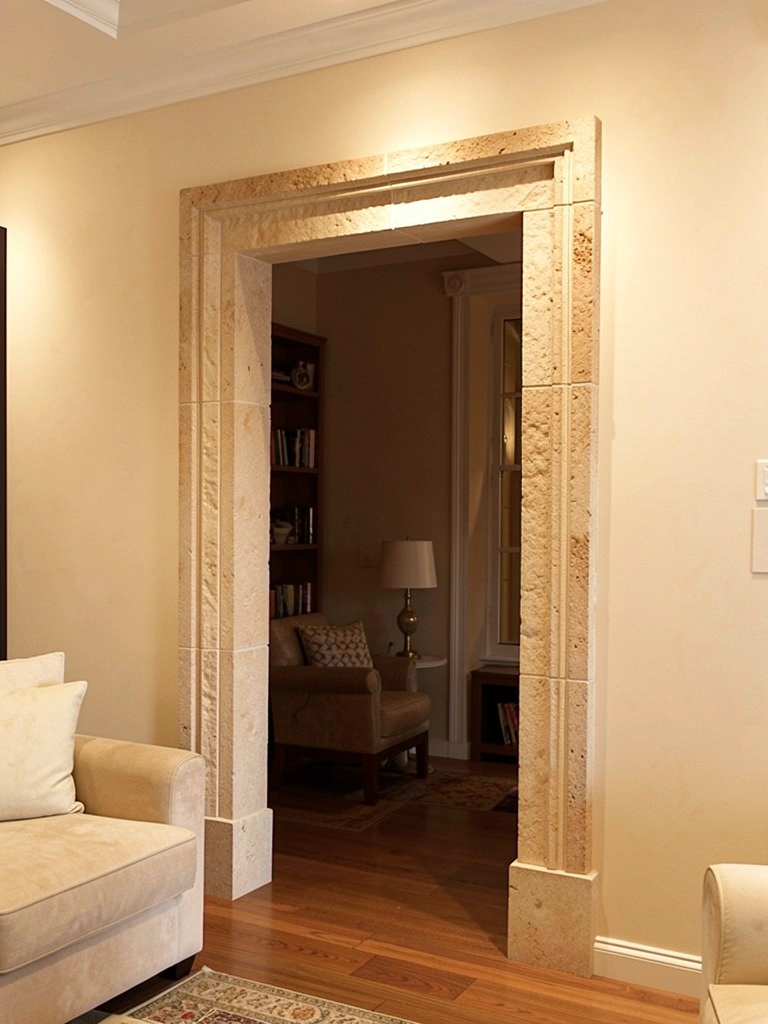
    20. Add Stone Architectural Details to Existing Walls

    Stone trim or molding around architectural features like doorways creates instant detail and polish. This is a subtle way to add texture and visual interest to existing structures.

    Stone trim installation costs $300–$1,000 depending on materials and complexity. Peel-and-stick stone trim options ($50–$200) work for renters and temporary solutions. Professional installation takes 1–2 days. DIY installation is possible but requires precision and the right tools.

    Your existing walls gain architectural detail that makes them look more intentionally designed. Stone trim frames doorways and windows in a way that feels expensive and polished. This detail-oriented approach elevates your whole space.
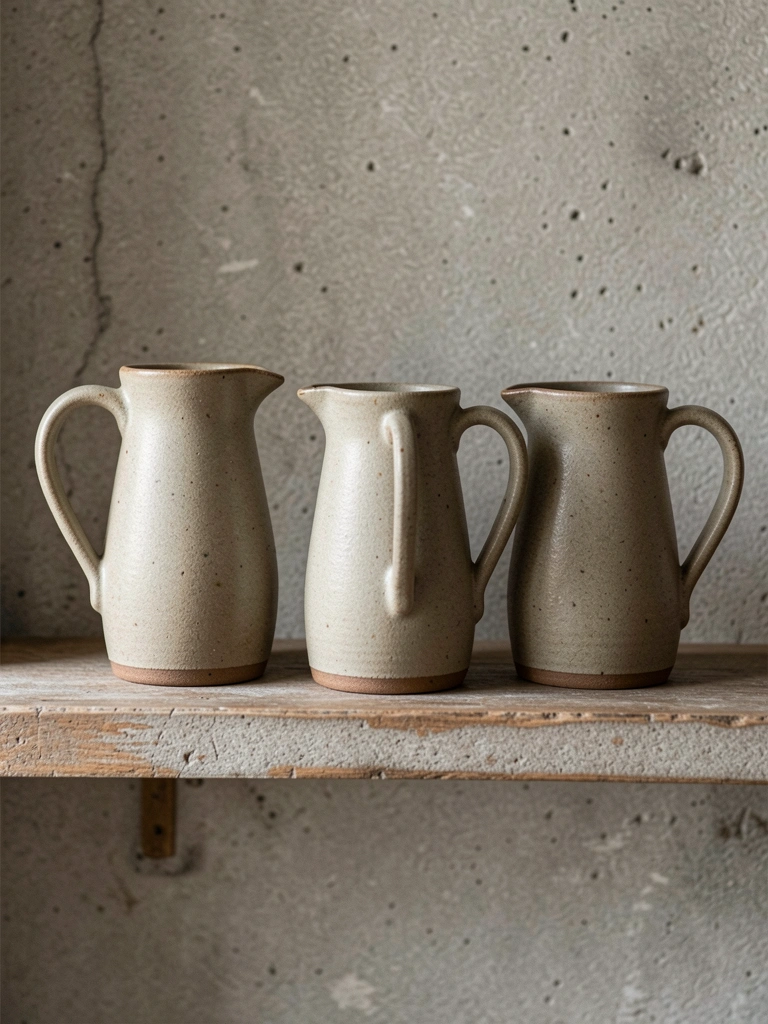
    21. Layer Stone with Textured Fabrics and Plants

    Layering stone with soft textiles and greenery creates a multisensory space that feels both luxe and livable. This approach blends hard and soft materials for visual and tactile interest.

    Stone wall ($2,000–$5,000) + textured sofa ($500–$1,500) + potted plants ($50–$200) + layered pillows ($100–$300) = a complete, cohesive room. Total investment: $2,650–$7,000 depending on choices. This styling approach combines multiple trends into one sophisticated look. Implementation takes 1–2 weeks.

    Your living room becomes a space that looks beautiful but feels livable and comfortable. The stone provides visual drama while soft textures and plants add warmth. This is the balance that makes a room feel both luxe and like home.

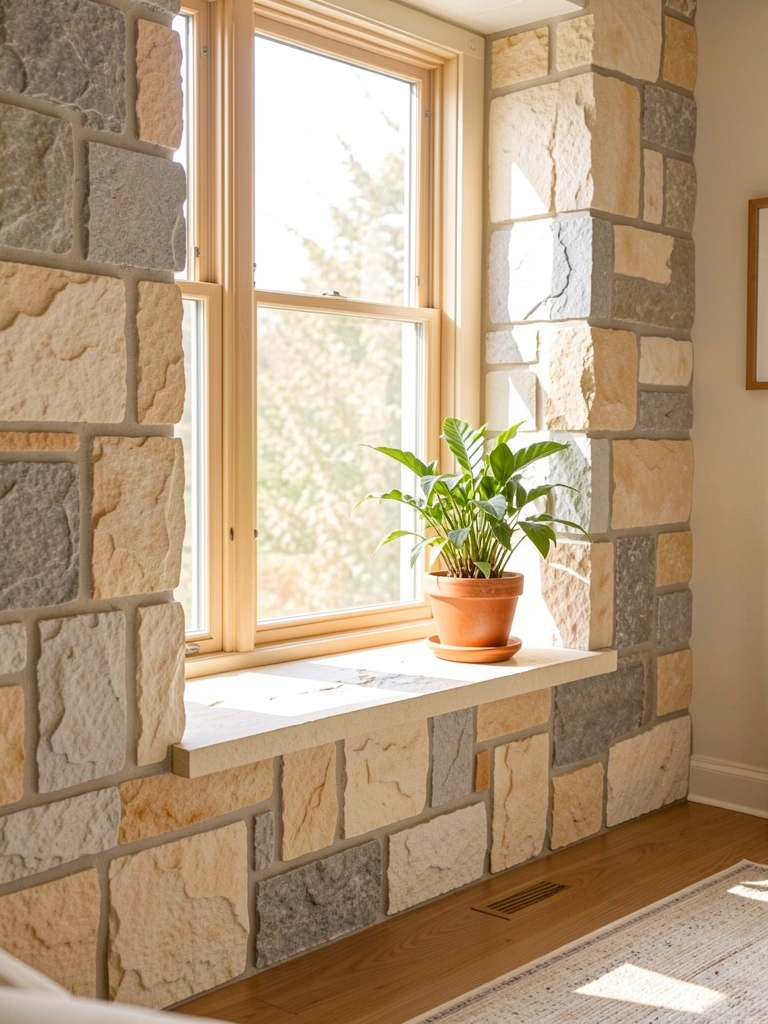
    22. Install Stone Window Sills and Surrounds

    Stone windowsills and surrounds add architectural detail while maximizing natural light opportunities. This is where indoor-outdoor connection meets textural elegance.

    Stone windowsill installation costs $500–$1,500 depending on window size and materials. Peel-and-stick stone options ($50–$200 per window) work for renters. Professional installation takes 1–2 days per window. Styling takes minutes—just add a small plant or candle to the sill.

    Your windows become architectural features rather than afterthoughts. Stone sills draw light and attention to your windows while adding textural interest. This detail becomes a natural place to showcase small plants and seasonal styling.

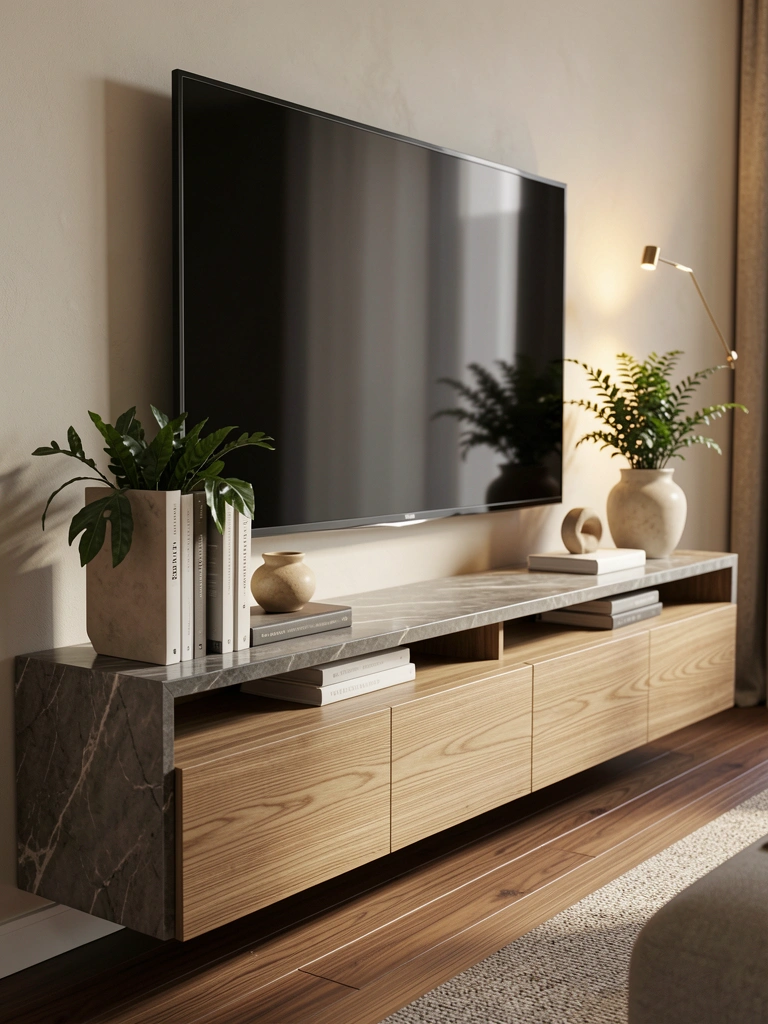
    23. Create a Stone-Based Media Console or TV Stand

    A stone-topped media console grounds your entertainment area while adding luxury-hotel vibes. This is functional decor that looks expensive and intentional.

    Stone-topped TV consoles cost $400–$1,200 from Wayfair, Article, or West Elm. DIY option: wooden base ($100–$300) topped with a large stone tile slab ($50–$150) sealed and adhered ($30 in supplies). Total DIY cost: $180–$450. Installation or assembly takes 2–3 hours.

    Your media area feels more like a designed focal point than just a TV shelf. Stone adds weight and sophistication that balances the visual heaviness of a flat-screen. This piece anchors your living room and deserves styling just like any other display.

    24. Add Stone to Your Bookcase Styling with Layered Objects

    Layering stone objects on bookshelves creates visual depth and textural interest that makes your styling feel sophisticated and collected. This is about strategic placement and contrast.

    Stone styling objects cost $10–$60 each: bookends ($15–$30), spheres ($10–$25), coasters ($8–$20), and small sculptures ($20–$50). Budget $100–$250 to fully style a large bookcase with multiple levels. Styling takes 45 minutes.

    Your bookshelves move from looking like storage to looking like curated display. Stone elements add visual weight and sophistication that transforms basic books into a gallery-like arrangement. This is the detail work that makes people ask, “Did you hire a designer?”

    25. Use Large Stone Tiles as Accent Flooring

    Large-format stone flooring defines spaces and adds permanent architectural interest. This is an investment that transforms your entire living room experience.

    Stone tile flooring costs $8–$25 per square foot installed ($2,400–$7,500 for a 300-square-foot room). DIY installation is possible but challenging. Rental option: large stone tiles arranged without adhesive create visual interest without permanence ($500–$1,500 in materials). Professional installation takes 5–7 days.

    Your living room gains permanence and luxury that’s impossible to fake. Stone flooring grounds the space and creates visual continuity with your accent walls or fireplace. This is a long-term investment that pays off in daily enjoyment and resale value.

    26. Style Stone Elements with Warm Lighting for Ambiance

    Lighting is the secret ingredient that makes stone look its absolute best. Warm, directional lighting highlights texture and creates mood.

    Accent lighting options: picture lights ($30–$80 each), uplighting strips ($50–$150), or recessed lighting ($200–$500 to install). One to three well-placed lights ($50–$300 total) can transform how your stone looks. Installation takes 1–4 hours depending on complexity.

    Your stone features suddenly look dramatically more luxe and sophisticated. Warm lighting emphasizes texture, creates shadows that add dimension, and transforms your living room into a space that feels intentionally designed. The stone looks richer, deeper, and more dimensional with proper lighting.


    Save this post and start with one idea this weekend—even a small stone element makes a noticeable difference in how your living room feels. Which piece of stone is calling to you first?

  • 23 Hanger Layout Solutions That Create a Clean, Streamlined Look

    23 Hanger Layout Solutions That Create a Clean, Streamlined Look


    The difference between a chaotic closet and a serene one often comes down to one thing: how your hangers work for you. When your hangers are strategically arranged, getting dressed becomes effortless instead of frustrating. You’ll spend less time searching and more time enjoying your clothes. The 23 solutions in this guide range from zero-cost hacks to smart investments that completely change how you interact with your wardrobe. Whether you’re working with a tiny bedroom closet or a sprawling walk-in, these strategies will help you create a layout that’s both beautiful and functional. Let’s explore the hanger techniques that transform your daily routine.


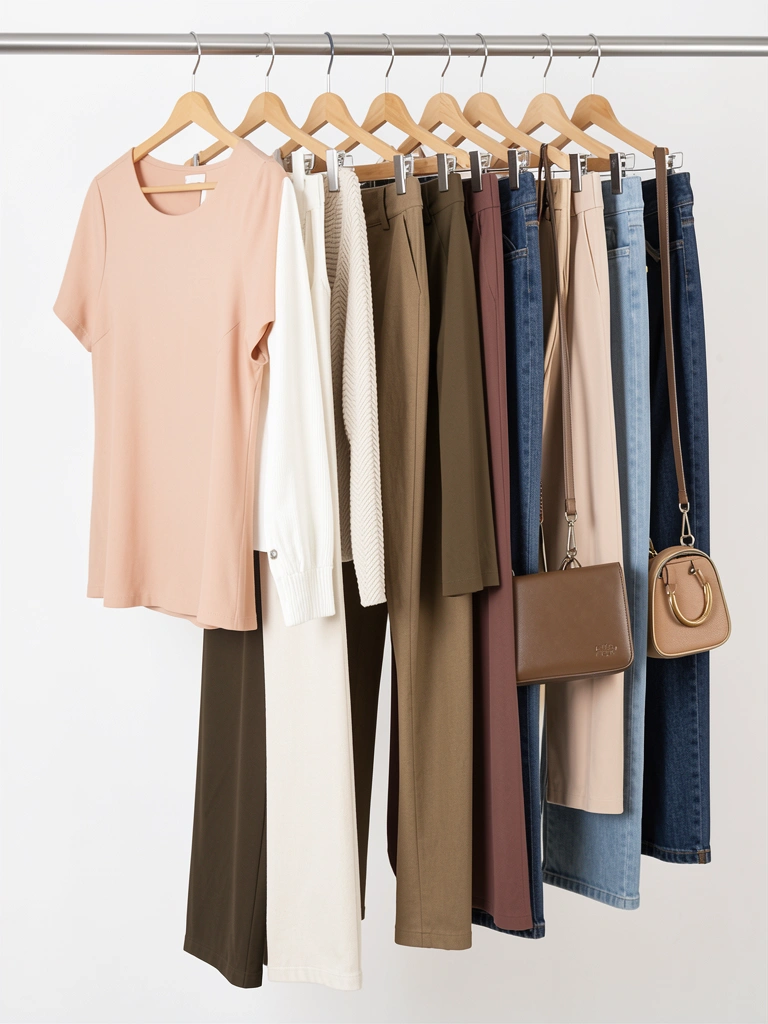
    1. Group by Color After Decluttering

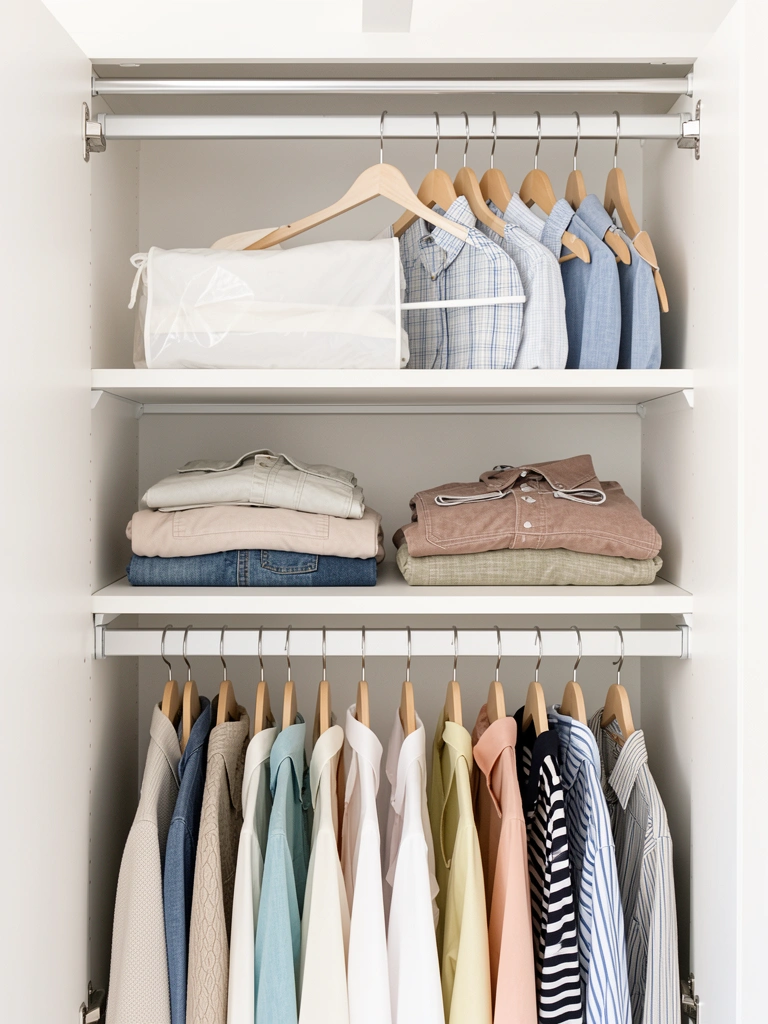
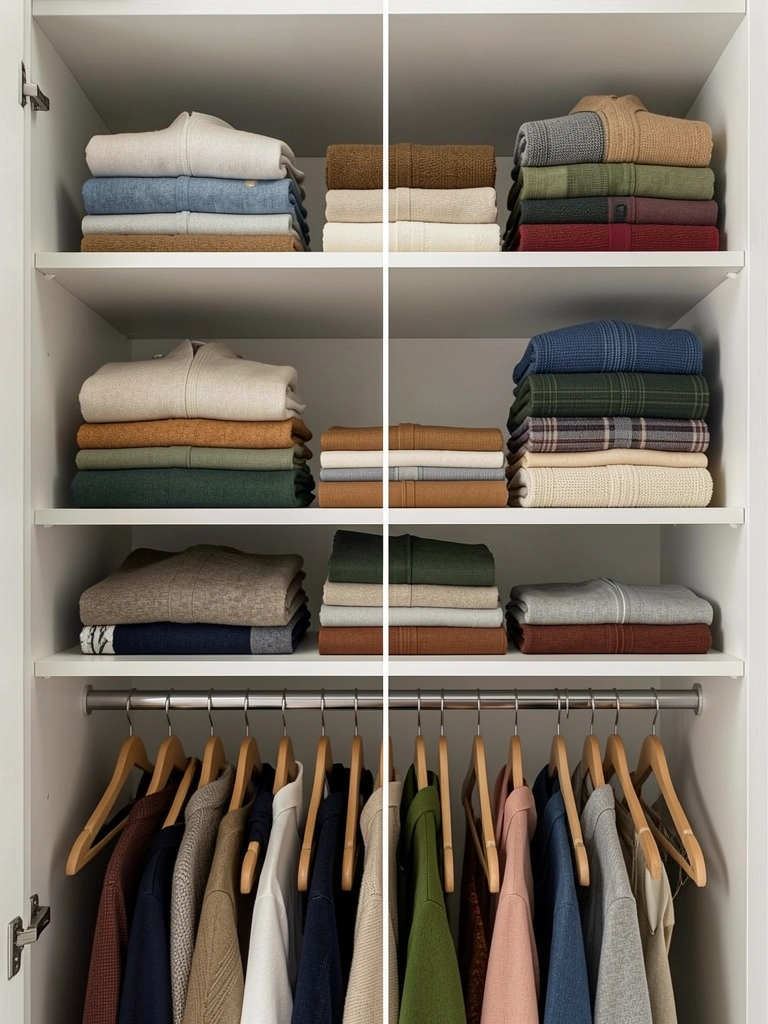
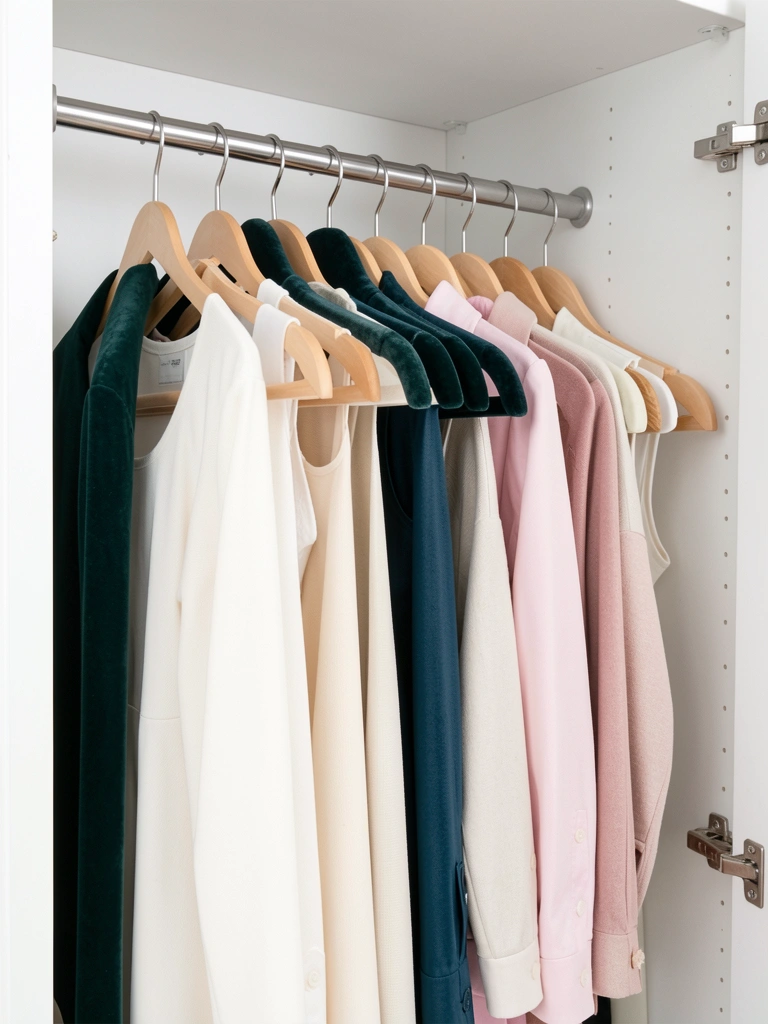
    Color blocking is the simplest way to make your closet look intentional. When similar colors hang together, your brain processes your options faster, cutting down the time you spend choosing outfits.

    Start by removing everything and deciding what stays. Donate or sell items you haven’t worn in a year. Then arrange hangers from light to dark: whites, pastels, neutrals, jewel tones, blacks. This takes about an hour depending on your closet size.

    The beauty of this system? It works for every closet type and requires zero purchases. Even renters benefit instantly since you’re just organizing what’s already there.

    You’ll notice your mornings move faster because your eyes naturally scan and match pieces without thinking about it.


    2. Invest in Uniform Velvet or Wooden Hangers

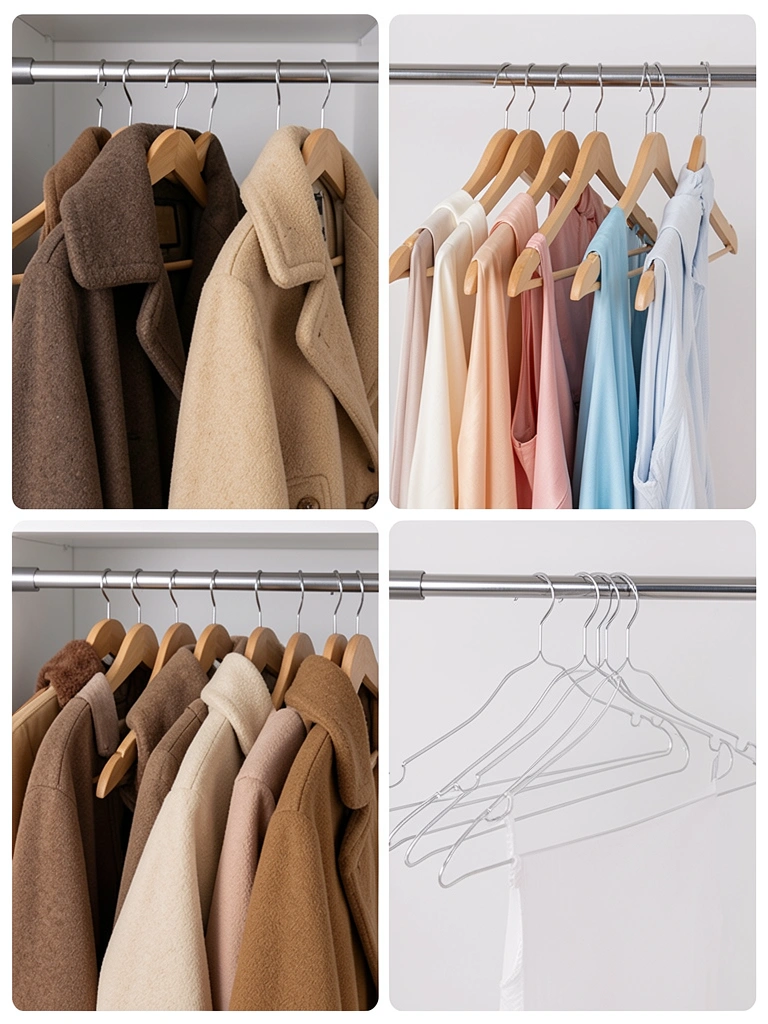
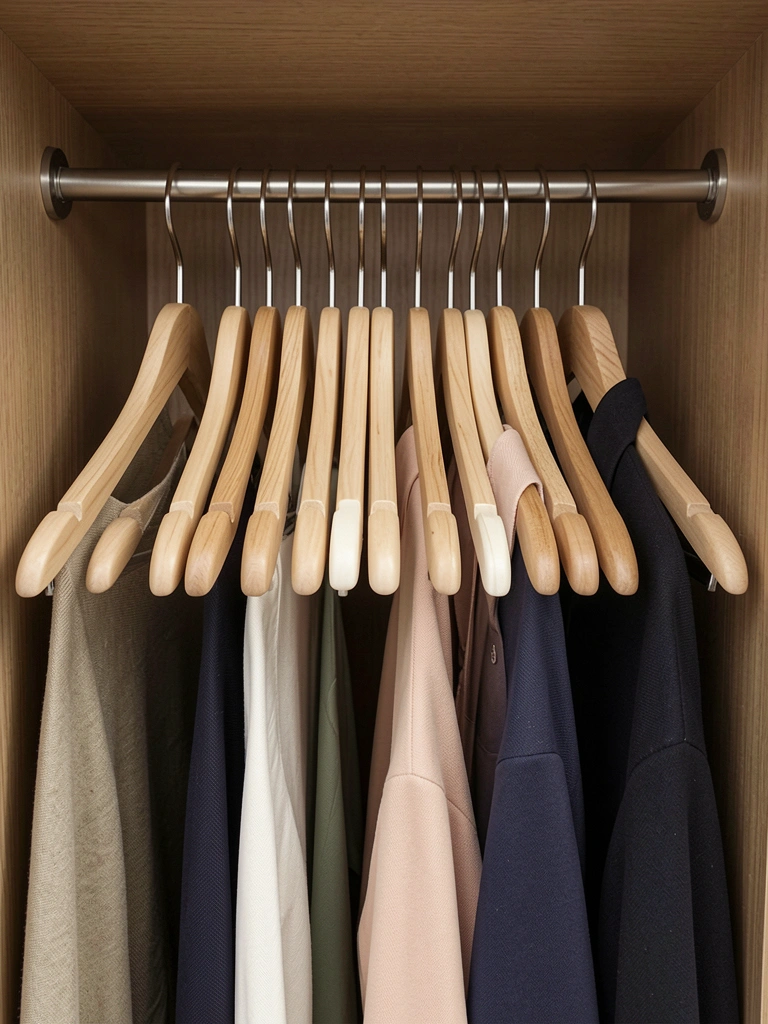
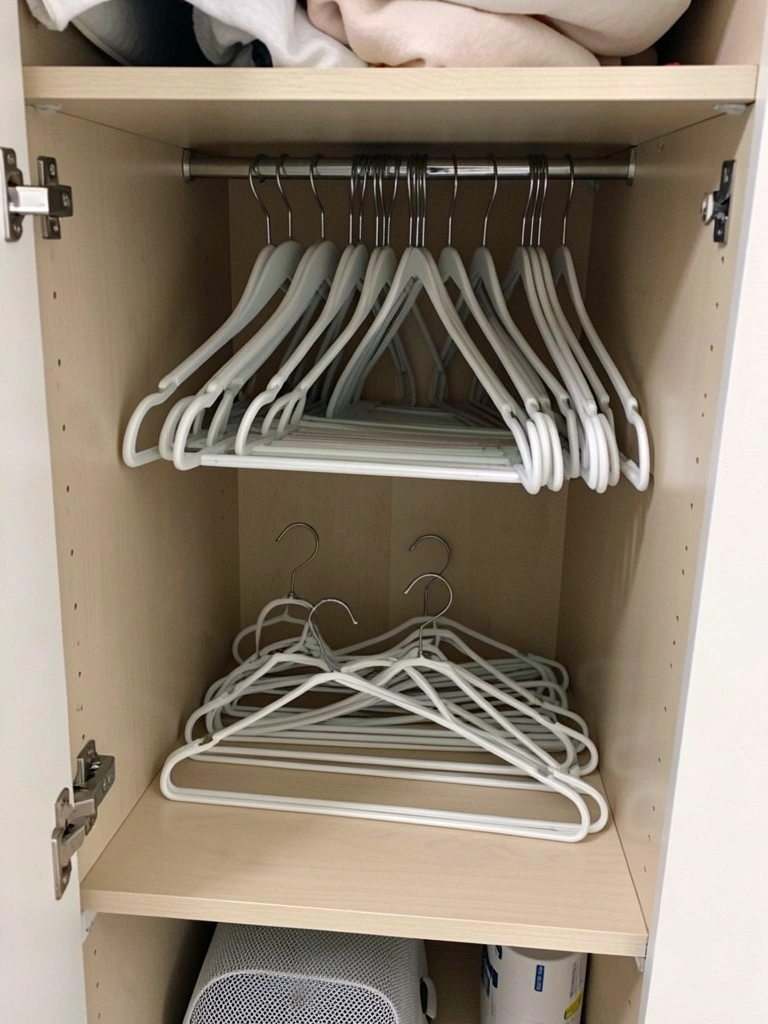
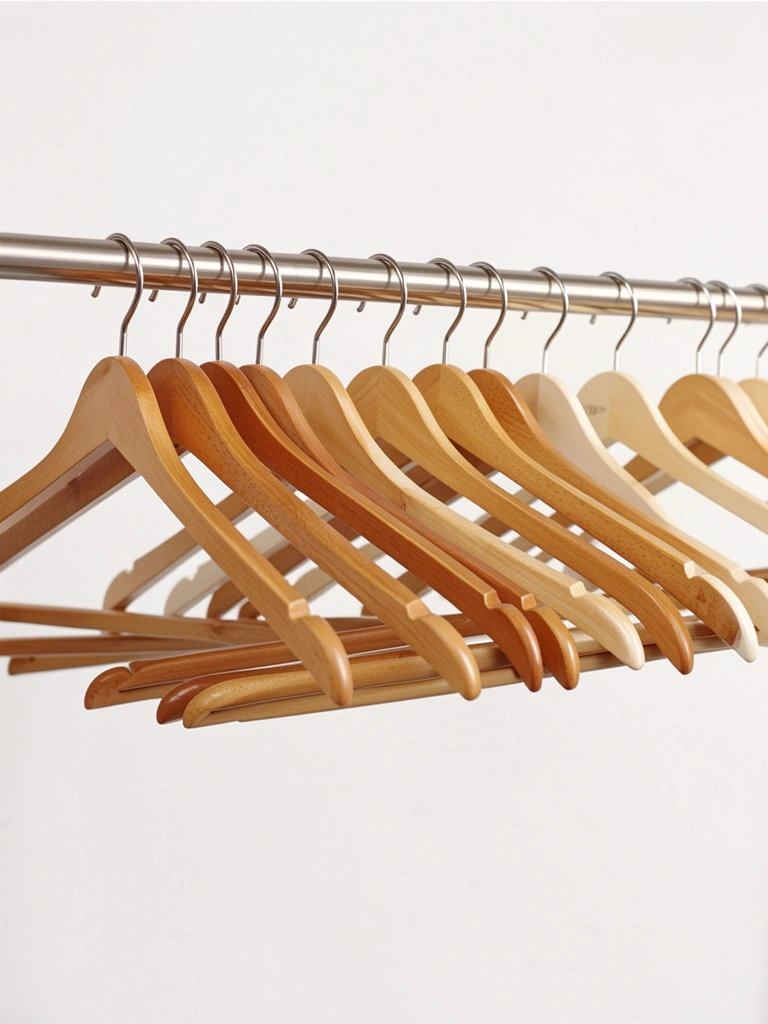
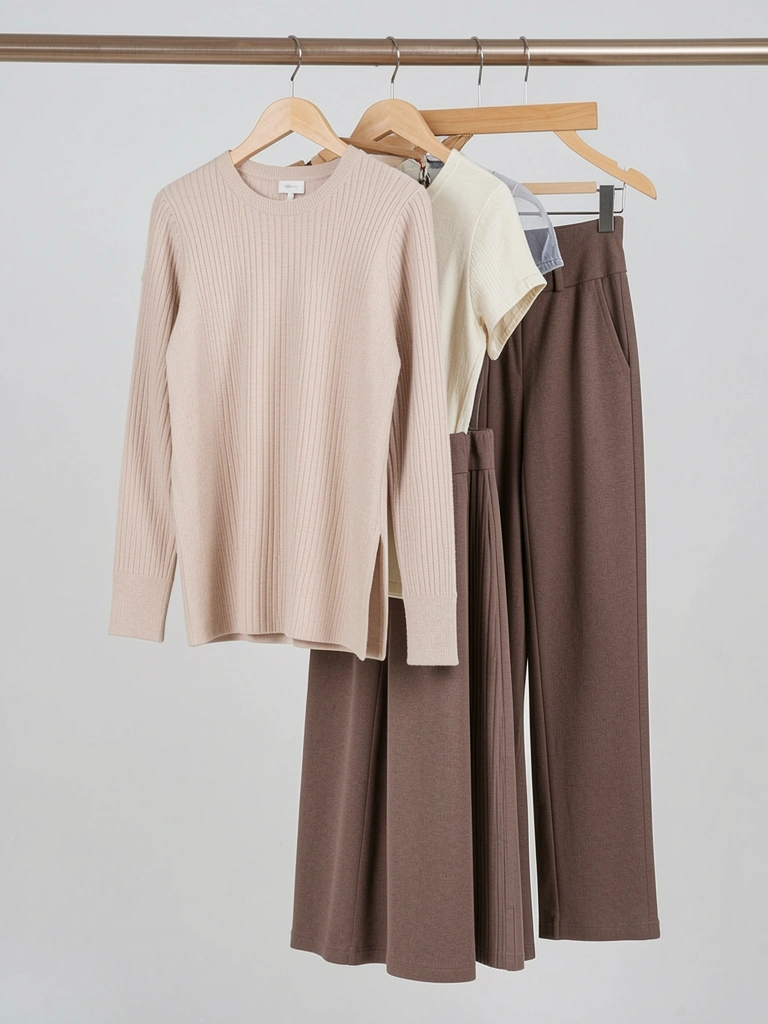
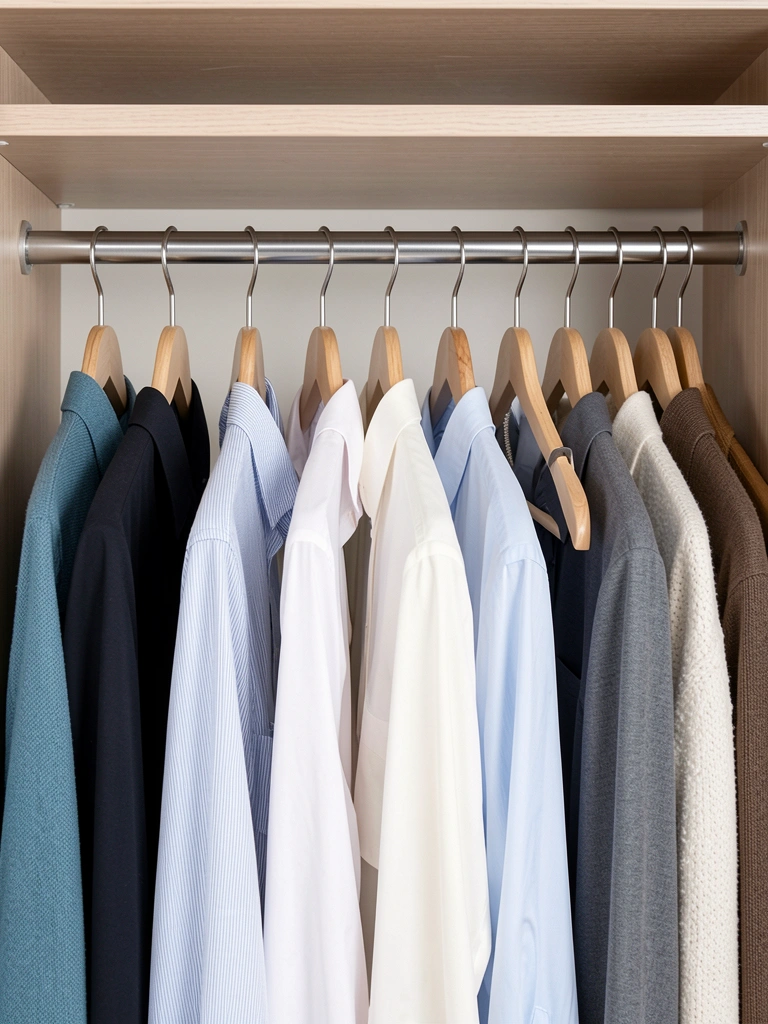
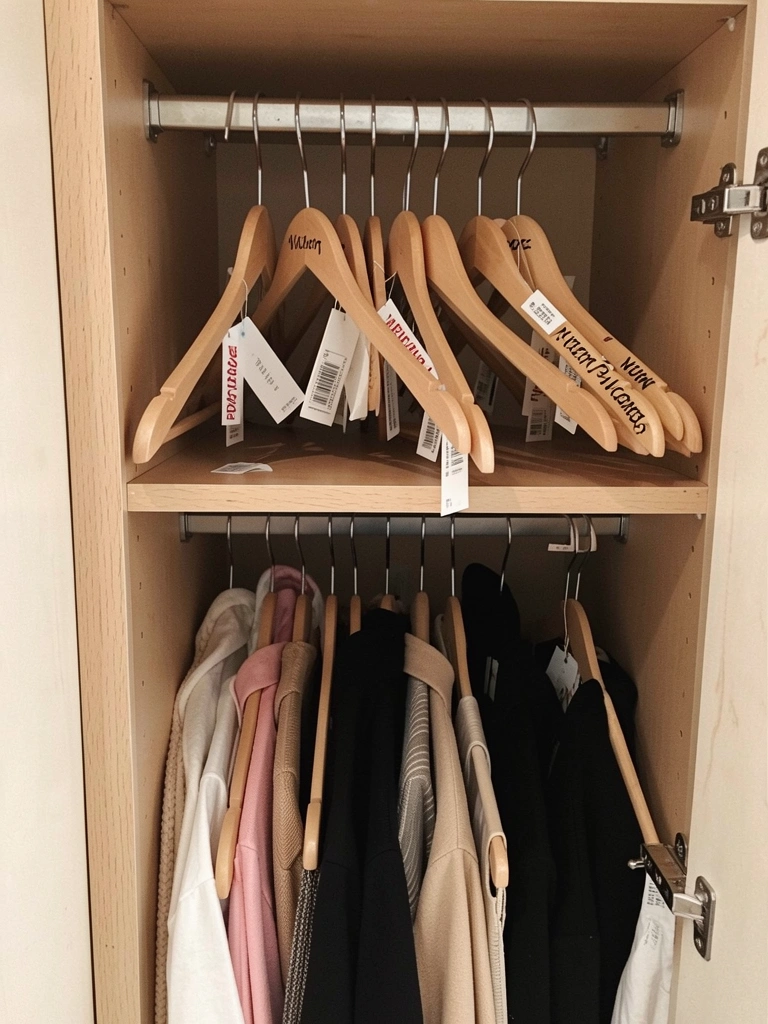
    Mismatched hangers are visual clutter that makes any closet feel chaotic. Switching to uniform hangers—whether velvet, wood, or slim plastic—instantly elevates your space’s appearance and prevents clothes from slipping.

    Buy a set of 50-100 matching hangers for $30-$80 from IKEA, Target, or Amazon. Velvet grips clothes without damage and looks high-end. Wooden hangers feel premium but take more space. Slim plastic hangers maximize rod capacity while staying organized. You can do this gradually, replacing old hangers one at a time.

    This small investment pays off in both function and aesthetics. Your closet immediately looks curated and intentional, even if you haven’t changed anything else.


    3. Use Cascading Hangers for Outfits

    Cascading hangers let you hang multiple items vertically while saving horizontal rod space. They’re game-changers for small closets and outfit planners.

    Attach cascading hangers to a single rod hanger and build outfits: shirt on top, matching bottoms below, scarf or belt on the lowest hook. Buy a pack of 5-10 cascading hangers for $10-$20 on Amazon. This takes 5 minutes to set up but saves hours over time since outfits are pre-planned.

    You can reuse the same cascading hangers for different outfit combinations throughout the season, making them incredibly versatile.

    Mornings become automatic—grab your pre-planned outfit and go. No second-guessing or trying on five different combinations.


    4. Create a Front-Row “Favorites” Section

    Your most-worn clothes deserve prime real estate. Creating a small “favorites” section at eye level (about 5-6 hangers) means you see the pieces you actually love every time you open your closet.

    Place this section at the center of your closet at eye level. Rotate items into this zone weekly. This costs nothing but takes intentional curation. Spend 10 minutes each Sunday moving pieces in and out based on the upcoming week.

    This system prevents decision fatigue because you’re working from a curated subset rather than scanning everything. You naturally reach for pieces that make you happy instead of defaulting to the same three items.


    5. Separate Hangers by Material Type

    Different fabrics need different hanger types. Heavyweight coats slip off slim hangers, while heavy wood hangers damage delicate fabrics. Matching the hanger to the garment protects your clothes and looks more organized.

    Use sturdy wooden or plastic hangers for coats and sweaters ($15-$30 per 10-pack). Thin plastic or velvet hangers work for shirts and lightweight items. Specialty padded hangers fit delicate silks and knits ($20-$40 per set). Group by type so your eye naturally goes to the right section.

    This prevents stretching, slipping, and unnecessary wear on your favorite pieces. Clothes last longer when they’re supported properly, which saves money on replacing worn items.


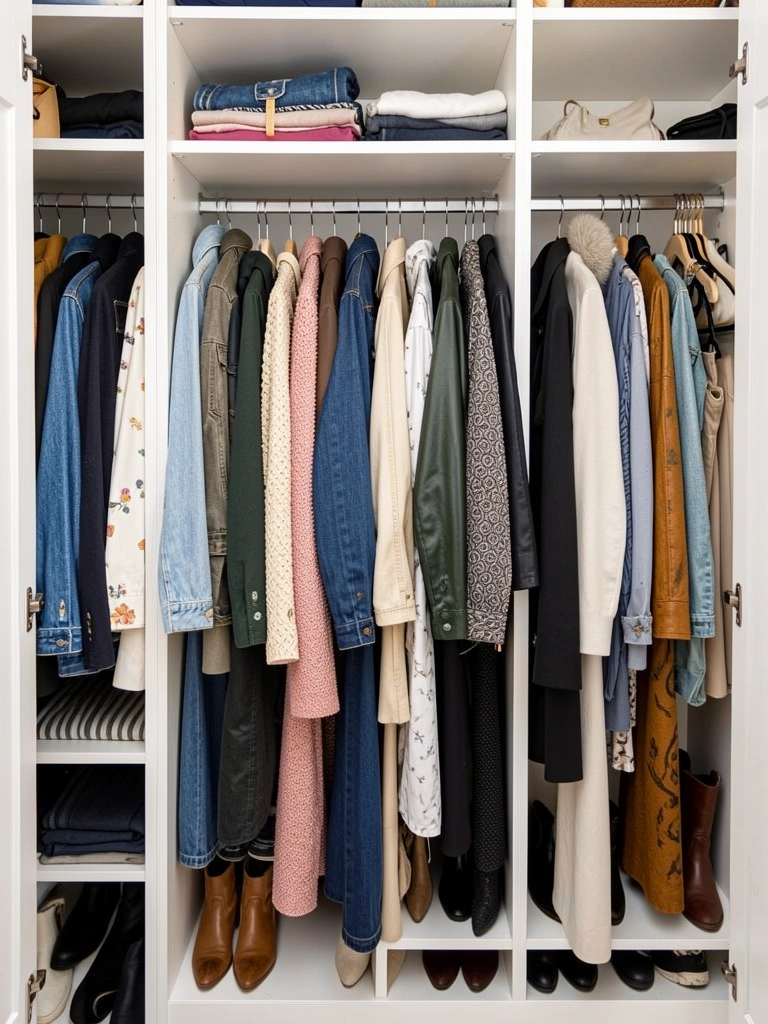
    6. Install a Second Rod for Double Hanging

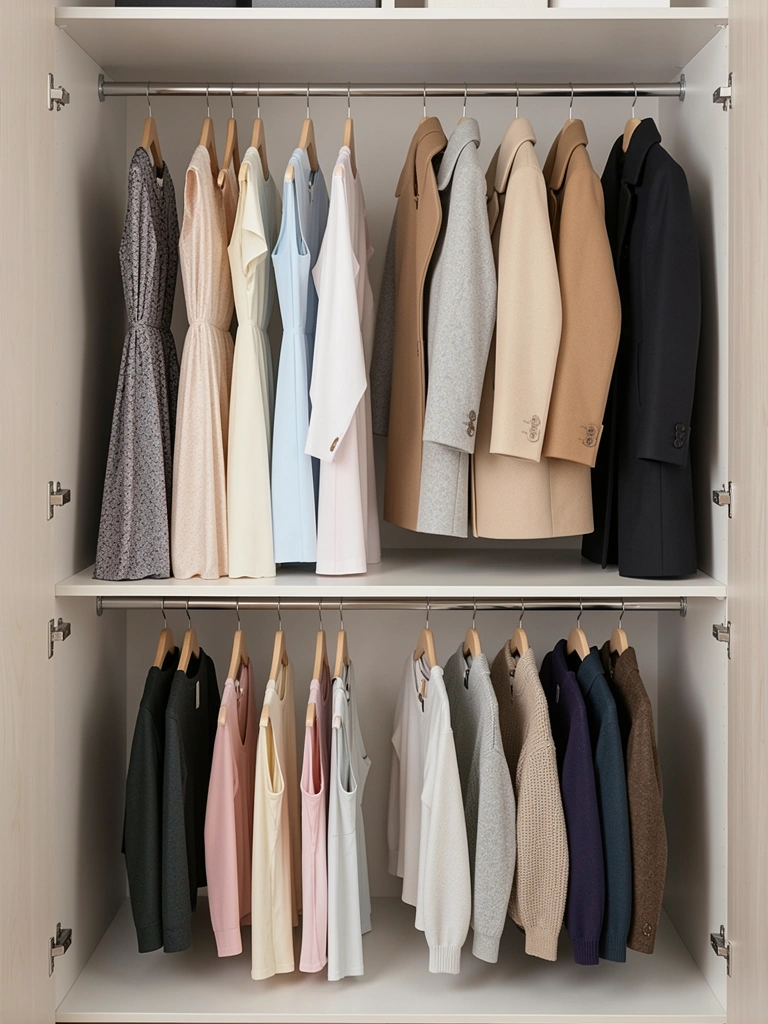
    If your closet has high ceilings, you’re wasting precious hanging space. A second rod positioned below existing clothes doubles your capacity without taking up floor space.

    Add a secondary rod kit for $30-$60 from Home Depot or Lowe’s. Most are adjustable and require basic installation. Position the lower rod about 40-42 inches from the floor, leaving room to hang shirts and pants comfortably underneath longer dresses or coats. Installation takes 30 minutes with a drill.

    This is renter-friendly if you use tension rods or removable mounting brackets. You get significantly more hanging capacity without permanent damage.

    Suddenly you have room for everything without overstuffing a single rod, which means hangers spread out nicely and clothes stay wrinkle-free.


    7. Angle Hangers Slightly Inward for Visual Cohesion

    A small detail makes a big difference: angling all hangers slightly inward creates a polished, curated look. It’s a trick used in luxury boutiques and high-end closets.

    This costs nothing and takes 10 minutes total. As you rehang items after laundry, position each hanger hook slightly tilted inward at about a 5-10 degree angle. The entire row will appear unified and intentional.

    It’s a subtle shift but psychologically satisfying—your closet immediately looks more carefully arranged, like you have it all figured out.


    8. Use Wooden Dowels to Divide Hanger Sections

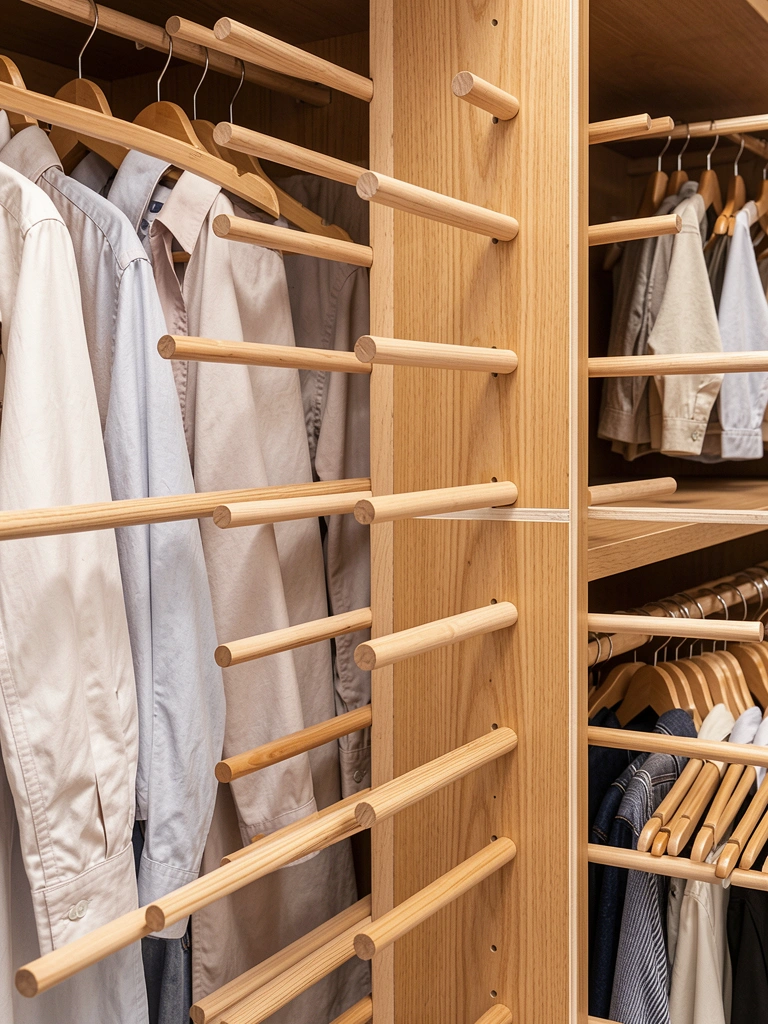
    Visual dividers help your brain process different clothing sections instantly. Thin wooden dowels inserted horizontally through hangers create low-cost separators without permanent changes.

    Buy wooden dowels (½-inch diameter) from craft stores for $3-$5, then cut to your rod width. Insert them through hanger loops to create barriers between sections (work clothes, casual, dresses, etc.). This takes 5 minutes to set up and works for renters.

    Alternatively, use decorative hanger dividers ($10-$15 per set on Amazon) designed specifically for this purpose. Either way, you’re creating visual stopping points that make the closet feel organized.

    Your eye naturally flows through distinct sections, making outfit selection feel less overwhelming.


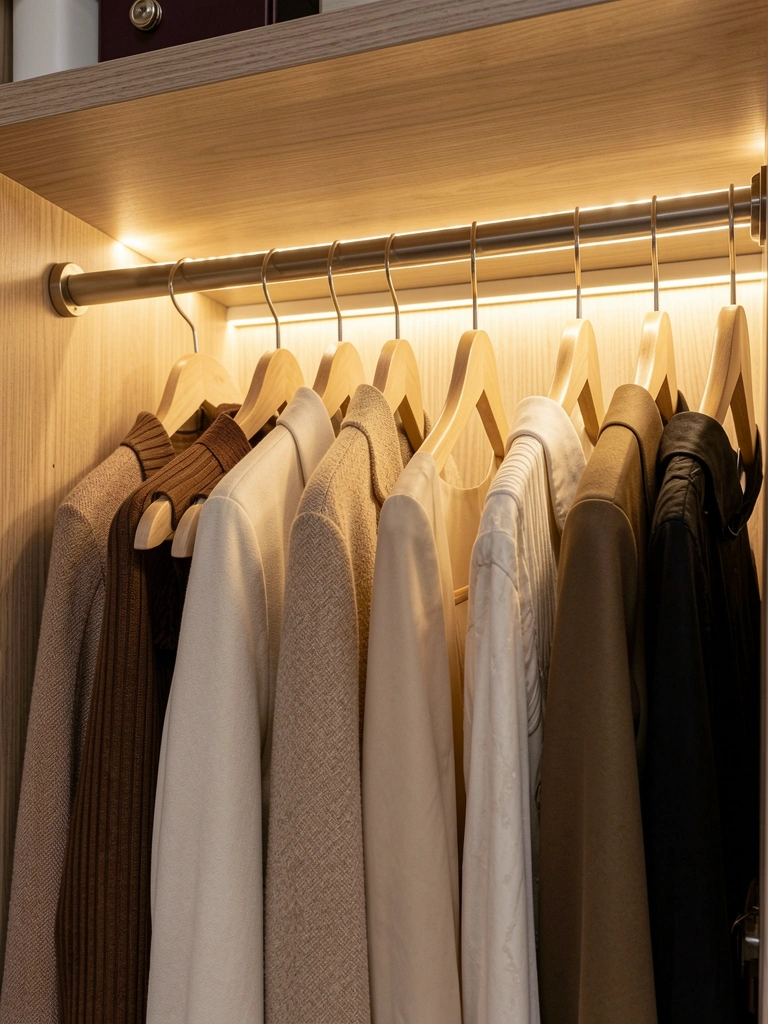
    9. Install LED Strip Lighting Above Hangers

    Poor lighting makes it impossible to see true colors and details. LED strip lights mounted above your rod transform how you see your clothes and make the closet feel like a personal boutique.

    Install warm-white LED strips ($20-$40 on Amazon) with adhesive backing—no tools required. Mount them on the inside top edge of the closet above where hangers hang. Plug into a USB outlet or battery pack. Takes 5 minutes to install and makes outfit selection easier and more enjoyable.

    Renter-friendly option: use removable LED strip lights ($15-$30) that peel off without damage. Warm white (around 2700K) is more flattering than cool white.

    Suddenly you can see every piece clearly, colors match perfectly, and your closet feels elevated and functional.


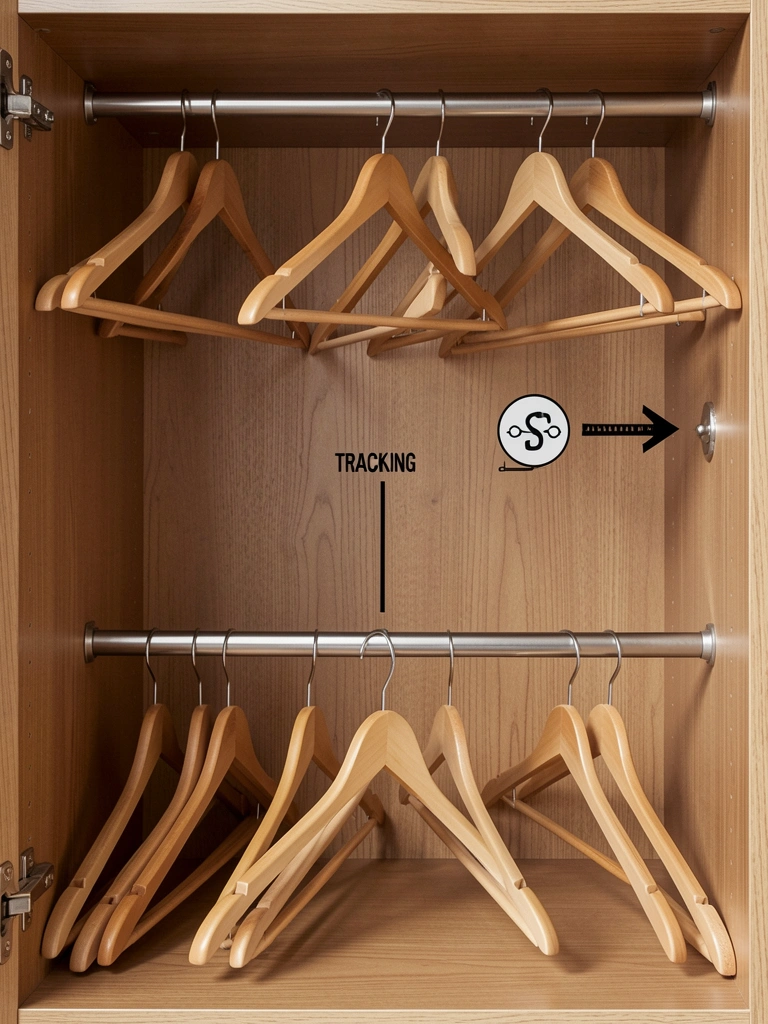
    10. Reverse Hangers to Track Actual Wear

    The reverse hanger trick reveals which clothes you actually wear versus which ones just take up space. This data helps you make smarter purchasing and organizing decisions moving forward.

    Turn all hangers around backward at the start of a season. When you wear something, hang it back normally facing forward. After 4-6 weeks, backward-facing hangers are pieces you genuinely don’t wear. This costs nothing and reveals honest patterns about your wardrobe.

    It’s eye-opening how quickly you see which items aren’t working, which frees up mental and physical space for pieces you love.


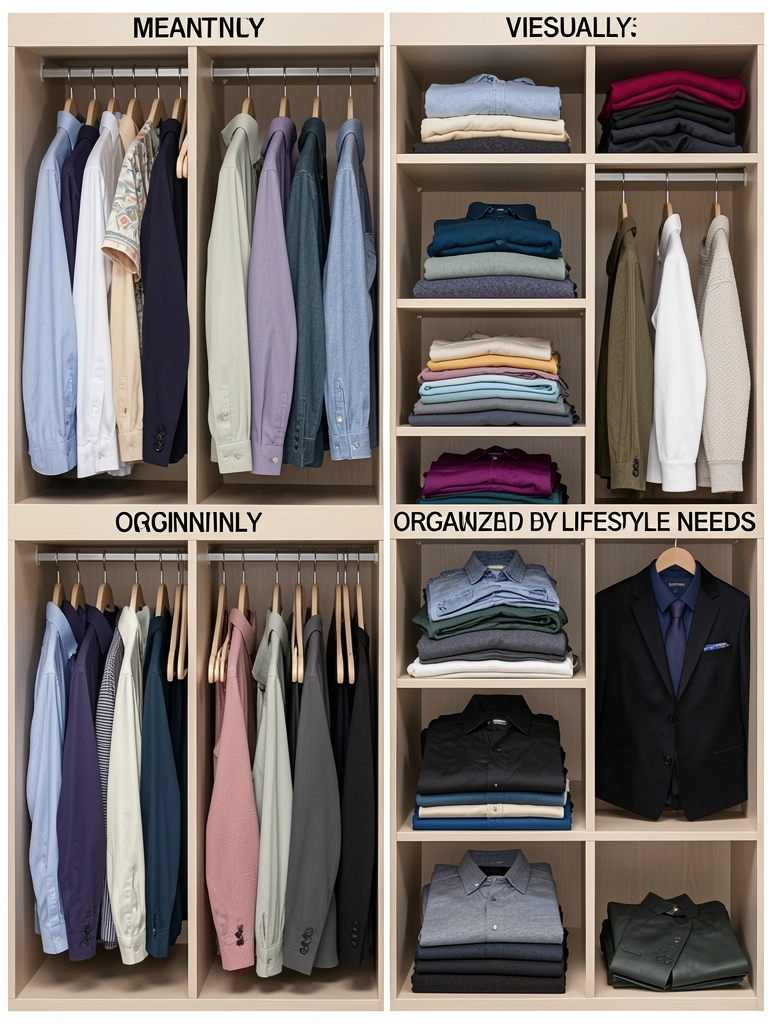
    11. Group by Occasion or Activity

    Organizing by occasion (work, casual, workout, formal) aligns your closet with your actual life. You grab what you need without scanning everything.

    Create 3-4 main zones. Left side: work clothes. Center: everyday casual wear. Right side: weekend/leisure items. High rod or shelf: seasonal or occasional pieces. This takes one weekend and costs nothing.

    You can use dividers (from tip #8) to make sections even clearer, or just remember mentally where each category lives. The key is consistency—always put similar items back in the same zone.

    Your daily routine becomes smoother because you know exactly where to look for what you need, eliminating decision fatigue.


    12. Use Slim Space-Saving Hangers Exclusively

    If you’re working with a small closet, slim hangers are non-negotiable. They hold the same garment weight but take up half the space, letting you see and access everything.

    Buy a bulk pack of 50 slim plastic hangers for $15-$30 from IKEA or Amazon. The trade-off? They’re less durable than wooden hangers and slightly less attractive, but they’re renter-friendly and genuinely functional.

    Pair them with consistent color organization and this one change unlocks significantly more capacity. Items spread out instead of bunching, reducing wrinkles and making everything more visible.


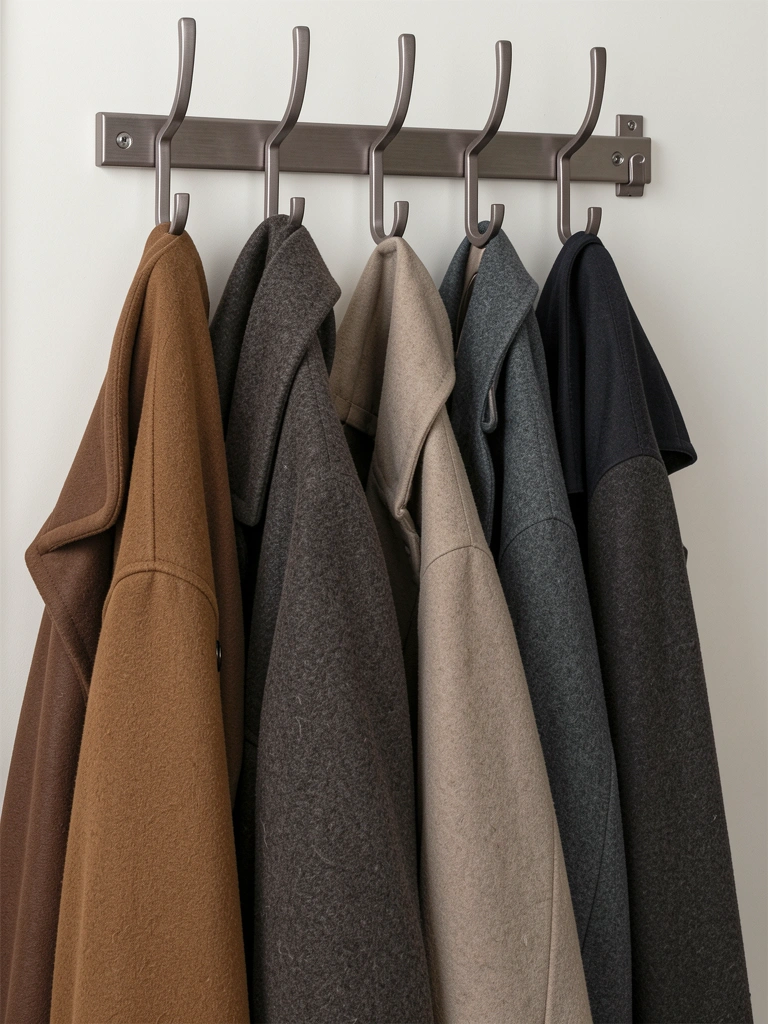
    13. Hang Heavy Items Separately on Sturdy Hooks

    Bulky winter coats and heavy blazers shouldn’t share closet rods with delicate items—they create crowding and put stress on your entire system. Heavy pieces belong on separate sturdy hooks.

    Install heavy-duty wall hooks ($15-$30 for a set of 3-4) inside or just outside your closet. Use bolts or heavy-duty anchors for safety. Position them at a comfortable grabbing height. This takes 30 minutes with a drill.

    Renters can use over-the-door heavy hooks ($10-$20) instead. Removing heavy coats from the main closet rod frees up significant space and immediately makes your closet feel less packed.


    14. Create a “Laundry Day” Dedicated Hanger Spot

    Most people waste time hunting for empty hangers on laundry day. Designating a small zone for clean hangers keeps the system flowing smoothly.

    Reserve the first or last 10-15 hangers on your rod as “empties.” When you do laundry, grab from this zone and rehang clean items back in their proper sections. This takes zero money and 5 minutes to establish.

    Alternatively, hang a slim hanger holder ($8-$15) on the inside of your closet door to keep empty hangers corralled and visible. It sounds small, but this system eliminates the “I can’t find a hanger” frustration.

    Your laundry process becomes a streamlined routine instead of a hunt-and-grab situation.


    15. Use Hanger Dividers to Define Categories

    Purpose-made hanger dividers mark section breaks and add polish to your closet. They’re visual cues that help you stay organized long-term.

    Buy a set of hanger dividers ($10-$20 on Amazon) in wood, metal, or acrylic. Place them between clothing categories: work, casual, dresses, activewear, etc. They look more intentional than random dividers and are easy to adjust as your wardrobe shifts.

    Some versions are labeled (“Work,” “Weekend,” “Formal”), making the system crystal clear for household members or after you forget over time.

    Your closet looks intentional and curated—the kind of space you actually enjoy opening every morning.


    16. Alternate Hanger Direction for Visual Break

    Alternating hanger direction (hook facing left, then right, then left) creates a visual rhythm that makes the closet feel organized without adding anything new.

    This costs nothing and takes 10 minutes initially, then a few seconds per item when rehanging laundry. The alternating pattern helps you space items consistently and prevents the “crowded rod” feeling that happens when everything bunches together.

    It’s subtle but satisfying—you notice the visual difference immediately, and it has a small practical benefit of preventing hangers from sliding together.


    17. Store Off-Season Items on High Shelves or Rods

    Your active wardrobe shouldn’t compete for space with winter coats in summer or summer dresses in winter. Moving off-season items to high storage frees up your prime hanging real estate.

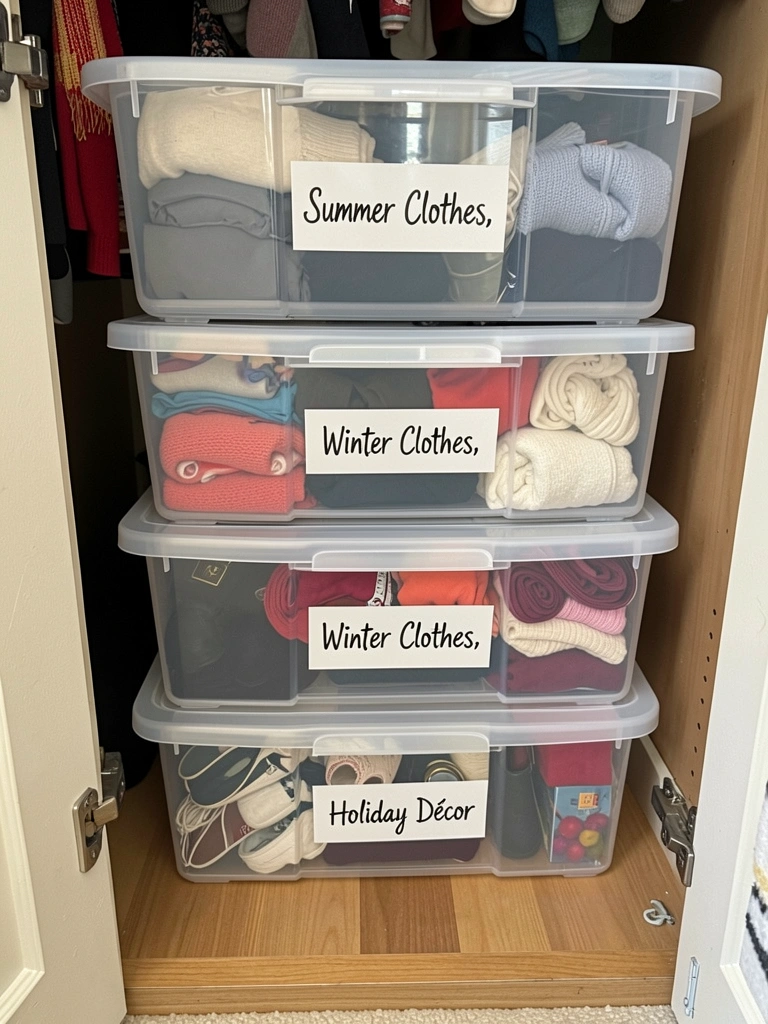
    Invest in a shelf divider system ($20-$40) or use clear bins ($15-$30 per set) to store off-season pieces. Label with the season and contents. This keeps your active closet lean and focused while preserving pieces you’ll wear again.

    Renter-friendly: use over-the-door organizers ($10-$20) or high shelf space instead of installing new rods. Takes one weekend to pack and relocate, but you get immediate breathing room in your closet.

    Your everyday hangers now represent only what you’re actually wearing, making decisions faster and the closet feel spacious.


    18. Hang Matching Coordinates Together on One Hanger

    For pieces you always wear together (white button-up with a matching blazer, favorite jeans with a specific belt), hanging them together saves decision-making time and looks organized.

    Use multi-clip hangers ($5-$10 per hanger) or cascading racks to keep coordinates united vertically. This works especially well for work outfits or go-to casual combinations. You can grab one hanger instead of hunting two pieces.

    Mentally note which combinations you repeat weekly and hang them together for the next laundry day. No permanent commitment needed—just convenient grouping.

    You start getting dressed and grab one hanger instead of assembling pieces, which genuinely saves time on busy mornings.


    19. Use a Thin Rod Divider to Separate Hang Lengths

    Long items and short items together create visual confusion and wasted hanging space. Separating by length maximizes your closet layout.

    If you have double rods (tip #6), designate the top for longer pieces and the bottom for short items like shirts and sweaters. If you have one rod, hang long pieces on one side and short items on the other. This costs nothing and works with any closet size.

    Your eye instantly finds what you’re looking for because lengths are predictable. The closet automatically looks more organized because similar items group together visually.


    20. Install Hooks Below Hangers for Accessories

    Small accessories (scarves, belts, statement necklaces) often disappear or create clutter. Hanging them on hooks below your main rod keeps them visible and organized.

    Install small adhesive hooks ($10-$15 for a set of 5-8) on the inside of your closet wall just below your hangers. Or clip hooks directly onto your existing rod using clip-on hanger hooks ($5-$10 for a set). Takes 10 minutes and works for renters.

    Hang scarves, belts, and lightweight jewelry here. You see them while picking outfits and naturally incorporate them more often.

    Accessories are no longer hidden or tangled—they’re accessible and part of your styling strategy.


    21. Maintain 1.5-Inch Spacing Between Hangers

    Overcrowding kills everything: wrinkles appear faster, you can’t see what you own, and grabbing one item tangles five others. Maintaining consistent spacing makes your closet functional and beautiful.

    Aim for about 1.5 inches between hanger hooks. This feels like plenty of breathing room without wasting space. When you rehang laundry, take 30 seconds to redistribute items so spacing stays consistent. It costs nothing and prevents the “compressed closet” look.

    If your closet is packed to capacity, this might mean moving some items to storage or donating items that don’t spark joy.

    Items become visible and accessible instead of lost in a sea of crowded fabric.


    22. Hang Delicate Items on Padded or Silk Hangers

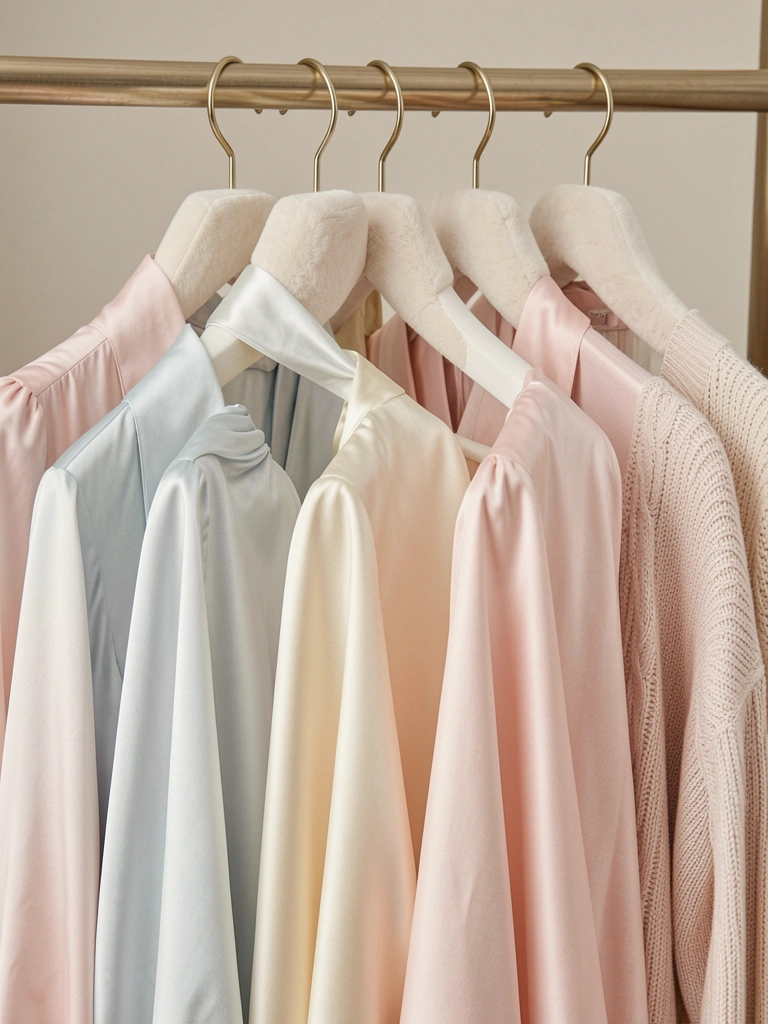
    Silk blouses, delicate dresses, and cashmere deserve protection from metal and plastic hanger marks. Padded or silk hangers prevent damage that shortens your clothes’ lifespan.

    Buy padded hangers ($2-$5 per hanger) for your delicate pieces, or invest in specialty silk hangers ($3-$8 each) from high-end retailers. Collect these gradually as your budget allows. The investment protects pieces you likely paid good money for.

    Designate one section of your closet for these premium hangers so delicate items are clearly identified. Your favorite pieces last longer and look better over time.


    23. Create a “Try Again” Zone for Recent Purchases

    New pieces need time to integrate into your existing wardrobe. Creating a temporary zone for recent purchases helps you actually wear them instead of letting them hide in your closet.

    Use a small divider or mental zone to corral new items. When you buy something, hang it here for a week or two. Challenge yourself to style it with existing pieces so it becomes part of your regular rotation. No cost involved—just intentional placement.

    After two weeks, move successful pieces into their regular homes. If you haven’t worn them, return them if possible or donate. This keeps your closet honest and prevents impulse purchases from piling up unused.

    You’re more likely to actually wear what you buy, making shopping feel valuable instead of wasteful.


    Save this post and pick just one or two ideas to try this weekend. Even small changes—like switching to matching hangers or adding an LED light—shift how you feel about your closet. Which tip will you implement first?

  • 23 Minimal Clutter Home Ideas That Simplify & Beautify Your Space

    23 Minimal Clutter Home Ideas That Simplify & Beautify Your Space


    Clutter doesn’t just take up physical space—it steals your mental peace. Whether you’re juggling a small apartment or just tired of visual chaos, you don’t need a complete home overhaul to feel the difference. These 23 ideas blend practical organizing strategies, smart design choices, and budget-friendly hacks that work for renters and homeowners alike. You’ll discover how to eliminate unnecessary items, create hidden storage, choose furniture that earns its place, and style what remains so your home actually looks more beautiful with less stuff. Let’s get started.


    1. Create a “One In, One Out” Rule for Guilt-Free Editing

    The best way to stop clutter from returning is to prevent it in the first place. Every time you bring something new home, commit to removing something similar—whether it’s clothes, kitchen tools, or décor pieces.

    This practice keeps your spaces proportional and forces intentional purchases instead of impulse buys. Set a calendar reminder once a month to audit one category (closet, kitchen, bedroom). You’re not throwing things away weekly—just being mindful about what enters your home. It takes 20 minutes per session and costs nothing. Many people find this habit naturally leads to fewer, higher-quality purchases over time.

    The beauty? Your home stays edited without ever feeling spartan or cold. You end up surrounded only by things that genuinely serve you or bring joy—and that creates a baseline of calm you didn’t have before.


    2. Use Vertical Wall Storage to Free Up Floor Space

    Walls are real estate you’re not using. Vertical storage instantly makes rooms feel larger because it pulls visual clutter off surfaces and floors.

    Install floating shelves ($20-$60 each at IKEA, Home Depot) to store books, plants, folded linens, or display pieces. Alternatively, use wall-mounted pegboards ($15-$40) for kitchen tools, bathroom supplies, or garage items. Installation takes one to two hours if you’re handy, or hire someone for $50-$100. The key is being selective about what goes up—don’t just transfer clutter to shelves. Choose 5-7 meaningful items per shelf instead of cramming them full.

    Your floor opens up instantly, sightlines clear, and rooms breathe. It’s one of the fastest ways to make a crowded space feel intentional.


    3. Adopt a Clear Container System in Cabinets and Drawers

    Clear storage containers might seem simple, but they’re game-changers for hidden clutter. When everything is visible and labeled, you stop buying duplicates and use what you already have.

    Measure your cabinets and drawer space, then invest in matching clear containers ($25-$60 for a set at Target, IKEA, or The Container Store). Transfer dry goods, pantry items, or under-sink supplies into them. Label each container with a label maker ($15-$25) or white tape and marker. This takes one to two hours and immediately prevents forgotten items from piling up. You’ll know exactly what you have, so you shop smarter and waste less.

    The organized look is a bonus—your cabinets become functional décor, and you’ll actually enjoy opening them instead of dreading what might fall out.


    4. Declutter by Room Category, Not by Location

    Marie Kondo’s category method actually works because your brain processes items differently when they’re grouped. Instead of decluttering your bedroom, then your kitchen, gather all your books, all your kitchen utensils, or all your linens in one spot.

    Pick one category and spend one to three hours sorting everything you own into keep, donate, or trash. You’ll notice duplicates you didn’t know existed and realize how many items don’t serve you anymore. This approach prevents the “I might use this” trap because seeing five identical can openers forces a decision. Once you’ve edited, these categories stay smaller because you know what you have.

    You’ll feel lighter and more in control—and your space naturally stays less cluttered because you’ve reset expectations about how much you actually need.


    5. Invest in Furniture With Built-In Storage

    Multifunctional furniture is the secret weapon for small spaces and clutter prevention. Every piece should work overtime.

    Shop for ottomans with hidden storage ($80-$200 at Wayfair, West Elm, or Article), beds with underbed drawers ($300-$800), or coffee tables with shelves ($150-$400). These pieces cost more upfront but eliminate the need for extra dressers, cabinets, or shelving units. Renter-friendly option: Look for beds with removable storage drawers or ottomans on wheels that slide under existing furniture. The investment pays off because you cut down on the total number of furniture pieces by 30-40%, leaving your floor plan open and room to move.

    Your home looks curated instead of cluttered, and everything has a designated home—no more “stuff storage” taking up valuable real estate.


    6. Use the “Close the Door” Test for Visible Spaces

    If you can close a door on it, it’s hidden clutter—which means you have freedom to store more in there than you’d dare leave out on display.

    Deep closets, pantries, under-sink cabinets, and linen closets are for overflow storage. The rule: anything visible in open areas (shelves, counters, furniture surfaces) should follow stricter editing rules. Use closed storage for supplies, backups, seasonal items, and things you use regularly but don’t need to see. Organization systems cost $30-$150 depending on the space size. This mental shift stops you from moving clutter around—it gives you permission to store it properly instead.

    Open areas become calm and curated. Closed spaces become efficient, and you don’t feel guilty about what’s behind the door because everything serves a purpose.


    7. Edit Your Décor Collection to Your Actual Style

    Most people own décor they’ve accumulated over time—gifts, impulse buys, things that matched old décor schemes. It all sits there visually competing for attention.

    Gather every decorative object in your home and place them on your bed. Pick only items that genuinely match your current style and make you happy when you look at them. This takes two to three hours but costs nothing. Be ruthless: that decorative bird you got five years ago? If it doesn’t spark joy or fit your aesthetic now, it goes. Donate or sell extras on Facebook Marketplace or Goodwill. Suddenly your shelves, nightstands, and coffee tables look intentional and gallery-like instead of like a thrift store display.

    With fewer pieces, each one gets visual prominence and your eye can finally rest. Décor becomes meaningful instead of noise.


    8. Switch to Vertical Hangers for Double Closet Capacity

    Traditional hangers waste massive amounts of closet space. Tiered or vertical hangers let you stack multiple items in the footprint of one.

    Replace your current hangers with tiered velvet hangers ($20-$40 for a pack of 6-10 at IKEA, Target, or Amazon) or vertical cascade hangers ($15-$30). You’ll gain 40-50% more hanging space instantly—no closet reorganization needed. It takes 15 minutes to swap them out. Velvet hangers also prevent clothes from slipping, so everything stays organized and visible. Suddenly your closet feels spacious instead of jammed.

    You see all your clothes at once, wear items more often, and stop buying duplicates because you remember what you own. It’s a tiny change that makes a massive difference in how you experience your space daily.


    9. Create a “Donation Station” Box That Lives Year-Round

    Instead of holding onto items “just in case” you’ll donate them, make donating friction-free by keeping a permanent donation box visible.

    Place a labeled fabric bin or small shelf ($10-$25 at IKEA or Target) in your closet, bedroom, or mudroom. When something doesn’t fit, breaks, or you simply don’t use it anymore, it goes straight in the box instead of cluttering drawers. Once it’s full, schedule a monthly drop-off at Goodwill, Salvation Army, or a local shelter—takes 15 minutes. Knowing you have an immediate home for unwanted items stops you from justifying keeping them around. You edit more decisively because the guilt disappears.

    Your space stays lighter, editing becomes a habit instead of a guilt-laden annual project, and nothing sits unused for months gathering dust.


    10. Use Drawer Dividers to Prevent Chaos Creep

    Drawers are where clutter goes to hide. One divider system prevents the messy pile that happens when everything tumbles together.

    Install adjustable drawer dividers ($15-$40 for a set at IKEA, The Container Store, or Amazon)—they take 10-15 minutes to adjust and fit any drawer. Assign each section a category: socks, undergarments, accessories, tech cables, whatever you’re storing. Roll or fold items vertically so you see everything without digging. When each item has a zone, you use things more, spot duplicates faster, and maintain order without effort. Nothing crumbles into chaos again.

    Your drawers become functional and pleasant to open. You stop rebought items you forgot you had, and mornings run smoother because everything is visible and accessible.


    11. Adopt a “Inbox Zero” System for Mail and Papers

    Paper clutter multiplies faster than anything else. Bills, receipts, letters, and junk mail pile up and make spaces look chaotic.

    Set up a simple paper management system using three labeled file trays ($10-$20 at Target or Office Depot): one for bills to pay, one for items to file, and one for recycling. Check the trays once a week—takes 10 minutes. Pay bills, scan important documents and shred originals, recycle the rest. Go digital where possible: set up paperless billing, unsubscribe from catalogs, and file documents in a cloud system like Google Drive or Dropbox. Suddenly your surfaces are clear and your desk becomes a place to actually work instead of a filing system.

    You’ll never lose an important bill again, mail stops being a source of stress, and your entire home looks more intentional when papers aren’t stacked everywhere.


    12. Pare Down Your Kitchen Utensil Collection to Essentials

    Most home cooks use about 15 utensils regularly. The other 30 in your drawer just take up space and make cooking annoying.

    Gather every kitchen utensil, spatula, spoon, and gadget. Keep only the ones you’ve actually used in the past six months. Donate or sell the rest—takes one to two hours. Invest in quality multitasking tools ($40-$80 total): a sturdy wooden spoon, silicone spatula, good tongs, measuring spoons, and a couple of specialty pieces you genuinely use. Store them upright in a utensil holder ($15-$30) on your counter or in a divided drawer for easy access. No more digging through a tangled mess of single-use gadgets.

    Cooking becomes more enjoyable because you can find what you need instantly. Your kitchen looks and functions better with 40% fewer items taking up real estate.


    13. Go Minimal With Throw Pillows and Blankets

    Throw pillows and blankets accumulate fast and make sofas look messy instead of cozy. Most people own 2-3 times more than they actually need.

    Edit your collection to two to four pillows in coordinating colors ($15-$40 each at Target, West Elm, or Article) and one or two throws ($30-$80). Choose neutral or subtle patterns so they work with your décor long-term. Donate or sell extras. Store off-season blankets in a vacuum bag ($10-$15) under the bed or in a closet bin. Suddenly your sofa looks designed instead of cluttered, and the pillows actually enhance the space instead of competing for attention.

    Guests notice the difference immediately—your living room becomes the inviting, calm space you imagined instead of looking like a throw pillow explosion.


    14. Create a “Utility” Drawer for Miscellaneous Items

    Every home needs a junk drawer. The trick is organizing it so it stays usable instead of becoming a black hole.

    Use a large drawer organizer with multiple compartments ($20-$40 at IKEA, Target, or The Container Store) to create homes for batteries, lightbulbs, phone chargers, tape, scissors, and other miscellaneous essentials. Toss broken items and expired medications. Label each section so you know where things are and can find them without emptying the entire drawer. Check it quarterly—takes 15 minutes. Everything else cluttering your nightstands, bathroom counters, or kitchen junk spots gets categorized and stored here.

    You’ll actually find what you’re looking for, your visible surfaces become cleaner, and you stop searching the whole house for a pair of scissors or a battery.


    15. Digitize Photos and Declutter Physical Albums

    Physical photo albums, boxes of loose pictures, and old school photos take up surprising amounts of drawer and closet space.

    Scan photos using a portable scanner ($50-$150 at Best Buy or Amazon) or simply photograph them with your phone. Upload them to Google Photos, Amazon Photos, or Shutterfly for free cloud storage and easy access. Scanning takes 2-4 hours depending on volume but you only do it once. Donate or recycle original photos after scanning—keep only a few sentimental physical prints in a single small album ($15-$25). Your drawers open up, and you have digital backup of memories that won’t fade or take up physical space.

    You can access your photos anytime from any device, share them with family easily, and never worry about them getting damaged or lost. Plus, your home gains significant storage space back.


    16. Use Shelf Risers to Double Cabinet Storage

    Under-cabinet and kitchen storage can always do more. Shelf risers create a second tier and double your usable space.
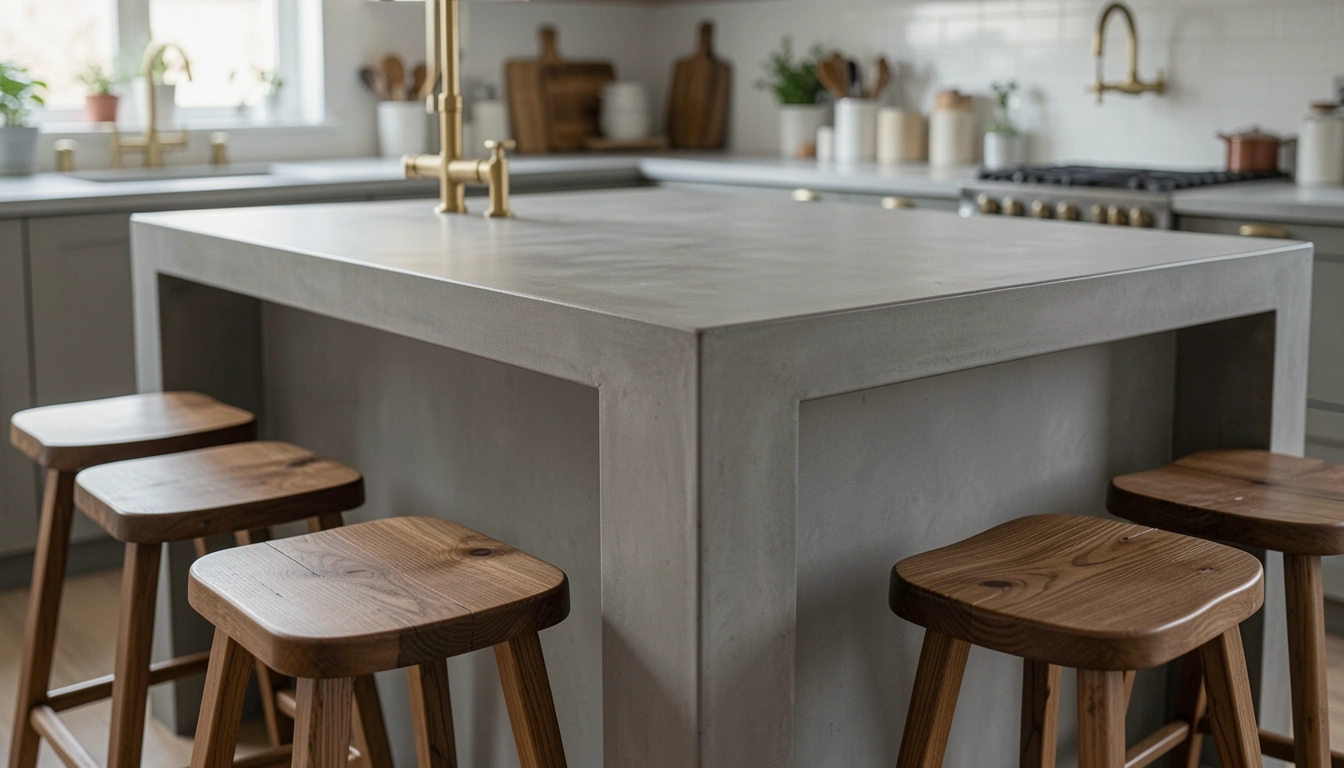
    Install adjustable shelf risers ($15-$40 for a set at Target, IKEA, or Amazon)—takes 10 minutes and requires no tools. Stack plates, bowls, or glasses vertically on the lower shelf, then add another tier above. This trick works in bathrooms too: stack towels and supplies vertically instead of piling them flat. Suddenly you have room for things that were crammed in a nearby drawer or basket. Everything stays visible and accessible, and you stop playing cabinet Tetris every time you unload the dishwasher.

    Your cabinets function beautifully, everything has a clear home, and you quit shuffling items around trying to make them fit.


    17. Limit Pantry Items to What Fits One Shelf Deep

    Double-stacking pantry items means duplicates hide and you buy what you already have. A simple “one shelf deep” rule eliminates waste and mystery inventory.

    When organizing your pantry, arrange all items in a single row so you see everything at a glance. This forces you to use what you buy before replenishing and prevents the $40 mystery pasta stash. Use clear containers, label everything, and toss anything expired. This takes one to two hours the first time, then 15 minutes monthly to maintain. Your food costs drop immediately because you stop throwing away expired items or buying duplicates. Cooking becomes easier when you know exactly what’s available.

    Your pantry becomes functional and you waste less money. The mental clarity of knowing exactly what you have—and not having hidden backup supplies—simplifies meal planning and grocery shopping.


    18. Establish a Seasonal Storage Rotation System

    Seasonal items clogging your active closet and shelves create constant visual noise. Move them out, and your home automatically feels less cluttered.

    Invest in clear storage bins ($10-$20 each) and a label maker ($15-$25). Sort seasonal clothing, holiday décor, and sports equipment into labeled bins. Store them on a high closet shelf, under the bed, or in a basement—somewhere out of daily view. Set phone reminders to rotate bins when seasons change—takes 30 minutes twice a year. Your active closet shrinks by 40%, your shelves open up, and your bedroom feels 10 pounds lighter just from the visual reduction. You enjoy current-season items more because they’re not competing for space with winter coats in July.

    Your home looks intentional year-round, getting dressed becomes easier, and seasonal transitions feel fresh instead of chaotic.


    19. Use “One Year” Rules for Sentimental Items and Clothes

    Sentimental clutter is the hardest to release, but keeping things “just in case” often means they sit unused for years, taking up prime real estate.

    For clothes: if you haven’t worn it in one year, it goes. For gifts or mementos: if you haven’t thought about it or used it in one year, donate it guilt-free. Take a photo of sentimental items before letting them go—you’ll feel less attached knowing you have the memory. This rule takes willpower but prevents your closets from becoming a graveyard of “maybe someday” items. Purge sessions take 1-2 hours quarterly. Suddenly your closet contains only pieces you actually wear, and your shelves hold only items you genuinely use or look at regularly.

    Your space finally reflects your current life, not a version of yourself from five years ago. You move through your home with ease, and decision fatigue drops because clutter isn’t silently judging your choices.


    20. Create a “Before Bringing Home” Purchase Checklist

    Impulse purchases are the number-one reason clutter creeps back in. A simple decision framework stops you from bringing home things that looked good in the moment but don’t fit your actual life.

    Before buying anything new, ask: Do I have space for this? Does it match my current style? Will I use/wear it in the next three months? Where will it live permanently? If you answer “maybe” to any question, don’t buy it. Take a photo and save it to a “Someday” folder—you can revisit it in a month and often won’t care anymore. This five-minute practice saves hundreds in clutter-generating purchases annually. You stop bringing home things that seemed perfect in the store but sit unused on your dresser or in a corner gathering dust.

    Your home stops accumulating random items, and your space stays curated because new things are intentional, not impulse-driven. Decision-making becomes easier when you have a framework.


    21. Switch Kitchen Canisters to Matching Sets

    Mismatched containers and random jars on your counter create visual clutter even when items are organized. Matching canisters look intentional and calm.

    Replace various food storage containers with a coordinated set of three to five glass or ceramic canisters ($30-$70 at Target, Williams Sonoma, or Amazon). Transfer dry goods into them and label each canister. Toss the original boxes and bags they came in. Takes one hour to set up. This visual edit instantly makes your kitchen look more curated and sophisticated—it’s a décor upgrade, not just organization. Your counter becomes more peaceful because the eye doesn’t bounce between five different containers in competing styles.

    Your kitchen feels intentionally designed instead of accidentally organized. Guests notice the difference, and you feel more calm just looking at your counters.


    22. Go Vertical With Closet Shelving for Folded Items

    Stacking folded clothes flat creates towers that topple and hide items underneath. Vertical folding (like the KonMari method) keeps everything visible and accessible.

    Fold each sweater or t-shirt into a small rectangle, then file them vertically in a bin or on a shelf—they stand up like files in a filing cabinet. This takes 30 minutes to learn and apply but changes everything about how you interact with your clothes. You see every item at once, grab what you need without disturbing the stack, and everything stays visible. Combine this with shelf dividers ($10-$15) to keep categories organized. Suddenly your closet feels spacious and your mornings are less stressful because you’re not fishing through piles.

    Getting dressed becomes easier, you wear more variety because you remember what you own, and your closet looks like a boutique instead of a pile of clothes waiting to topple over.


    23. Create an “Active Use” System for Paperwork and Mail

    Instead of mail and papers scattered across your desk and kitchen counters, centralize active items into one clear inbox that you process weekly.

    Use a single mail/inbox tray ($10-$25 at Target or Office Depot)—not multiple piles, just one designated spot for anything requiring action. Once weekly—takes 15 minutes on Sunday night—move bills to your payment system, sign forms, recycle junk mail, and file documents. Nothing sits in limbo longer than seven days. Keep important papers in a single accordion file or small filing cabinet ($20-$60) organized by category. This one-inbox approach works because it’s a bottleneck: if the tray is full, something isn’t being processed, and you immediately take action.

    Your desk stays clear, your counters aren’t buried in paperwork, and you never miss a deadline again. The mental relief of knowing exactly where everything is removes constant background stress.


    Save this post for your next decluttering session. Pick one idea this weekend—even the five-minute drawer divider swap makes a difference. Share this with anyone drowning in clutter and ready to change their space.

  • 24 Stylish Laundry Sink Ideas That Upgrade Your Space

    24 Stylish Laundry Sink Ideas That Upgrade Your Space

    Your laundry sink does way more than you probably realize. It’s the unsung hero of stain removal, delicate washing, and those moments when you need to rinse something quickly without dragging it to the kitchen. But here’s the thing—most laundry sinks are buried in dark corners looking purely utilitarian. What if your sink could actually be a design feature that makes your whole laundry space feel more intentional and organized? In this guide, I’m sharing 24 laundry sink ideas that go beyond basic functionality. You’ll find budget-friendly hacks, smart layouts, upgraded fixtures, and styling tricks that turn your sink into a real focal point. Whether you’re renting, dealing with a tiny closet laundry, or planning a full remodel, there’s something here to elevate your space.

    1. Pair Your Sink with Open Shelving Above

    Open shelving above your sink creates visual breathing room and makes supplies easy to grab mid-wash. This layout works especially well for small spaces because it avoids the clunky feel of upper cabinets.

    Mount floating shelves 12-18 inches above your sink using heavy-duty brackets ($30-$60 for a set at Home Depot). Style them with rolled towels, storage jars, and one or two plants for personality. The key is keeping items functional but pretty—think clear containers for detergents instead of cluttered boxes.

    This setup takes about one afternoon to install and looks way more expensive than it is. The added visual interest makes your laundry space feel like an actual room, not just a chore zone.

    2. Install a Deep Utility Sink for Serious Stain Work

    A deep utility sink gives you actual room to soak, scrub, and rinse without everything splashing onto the floor. Standard shallow sinks force you to hunch over and limit what you can wash.

    Swap your existing sink for a deeper model (20-25 inches deep instead of 10-12 inches). Brands like Kohler and Moen have quality options at $150-$400 depending on material. Installation takes about 2-3 hours if you’re handy, or hire a plumber for $100-$200 labor. The extra depth makes hand-washing delicates, treating tough stains, and pre-soaking linens infinitely easier.

    You’ll wonder why you didn’t upgrade sooner—especially when you’re tackling things like muddy baseball uniforms or wine-stained tablecloths.

    3. Choose a Utility Sink That Doubles as a Pet Wash Station

    Why have a separate pet bath when your laundry sink can handle both jobs? With the right sink and spray head, you get a real multi-purpose station.

    Look for sinks with adjustable spray heads (like a kitchen faucet upgrade) that let you rinse your dog, delicate items, or muddy shoes without fighting water pressure. Kohler’s Pet Spa line ($250-$350) even has specific features for this. If you’re renting, a clip-on spray attachment ($20-$40 on Amazon) works on most faucets.

    Set up a washable mat underneath ($15-$30) to catch splashes. This one upgrade serves so many purposes—muddy paws, garden tools, messy projects—that you’ll use it constantly beyond laundry duties.

    4. Add a Faucet with a High Arc and Spray Function

    Your faucet matters more than you think. A standard low-arc faucet limits what you can fit underneath, while a high arc with spray function handles literally everything from large comforters to muddy sneakers.

    Upgrade to a commercial-grade or residential high-arc faucet with a detachable spray head ($80-$250 depending on finish). Options like Moen Spot Resist or Delta Foundations offer durability at mid-range prices. Installation is straightforward if you’re replacing an existing faucet—about 30-45 minutes with basic tools, or hire a plumber for $50-$100.

    The spray function becomes indispensable once you have it. You’ll suddenly tackle more laundry tasks at the sink rather than moving things around your home.

    5. Create a Stain-Treatment Station Right Next to the Sink

    Centralizing your stain supplies where you actually use them saves time and prevents random bottles scattered around your laundry room.

    Grab a rolling cart ($40-$80) or narrow table and dedicate it to stain treatment. Stock it with: hydrogen peroxide, oxygen bleach, a stain brush, white cloths, and spray bottles. Label everything clearly using a label maker ($15) or vinyl labels ($5).

    Position it right beside your sink so you can rinse and treat in one spot. This takes about one hour to set up and immediately makes you feel more organized. You’ll actually use that stain remover you bought because it’s not buried in a cabinet.

    6. Mount a Pegboard Above Your Sink for Hanging Tools

    A pegboard keeps your most-used tools visible and within arm’s reach while staying off your sink counter.

    Install a 4×8 foot pegboard ($20-$40 at Home Depot) above your sink using wall anchors. Paint it a warm color like sage green or taupe ($10-$15 for paint) to match your space. Add hooks and baskets ($1-$3 each) to hold brushes, lint rollers, and cleaning supplies.

    This setup takes one weekend and requires only basic tools. The visual impact is huge—suddenly your laundry room looks organized rather than cluttered. Everything you reach for frequently is right there instead of buried in drawers.

    7. Use a Sink Skirt to Hide Plumbing and Storage

    If your sink stands alone and exposes pipes, a simple skirt hides plumbing while creating storage space for baskets or supplies underneath.

    Make or buy a sink skirt in cotton, linen, or even a plastic curtain liner ($25-$60). Mount it using tension rods, adhesive strips, or clips. Choose a neutral or warm tone that matches your room’s color scheme. This takes about 30 minutes to install and instantly makes your space look more polished.

    The bonus? That awkward under-sink area becomes functional storage for cleaning supplies, hampers, or extra linens. It’s a renter-friendly way to hide what you don’t want to see.

    8. Install Overhead Lighting Directly Above Your Sink

    Proper lighting above your sink makes stain spotting, delicate hand-washing, and detailed work easier and actually enjoyable.

    Add a single pendant light ($40-$150) or small track light ($50-$120) positioned 24-30 inches above your sink. Look for options in brushed brass, matte black, or ceramic for a design-forward look. Installation varies—if you’re replacing an existing fixture, it’s a 30-minute DIY job; if you’re adding new wiring, hire an electrician for $150-$300.

    Warm-toned bulbs ($10-$20) are key for a flattering space. Suddenly your sink feels like a real workstation instead of an afterthought corner.

    9. Choose a Sink Material That Hides Water Marks

    Water spots on shiny surfaces are annoying and make your sink look dirty faster. A textured or matte finish hides this issue.

    Swap a polished stainless steel sink for a satin-finish or brushed stainless option ($150-$350). Alternatively, ceramic or cast iron sinks ($100-$250) develop a beautiful patina over time and hide spotting naturally. If you’re renting, you’re stuck with what’s there, but you can try matte finish spray paint designed for sinks ($20-$40) as a temporary upgrade.

    The practical benefit is less constant cleaning to keep it looking nice. Your sink stays photo-worthy without extra maintenance.

    10. Add a Secondary Small Sink Just for Delicates

    If you regularly hand-wash delicates, a smaller secondary sink means you’re not using up your entire main sink for a single item.

    Install a compact bar sink ($100-$200) if you have the wall space, or go ultra-minimal with a wall-mounted fold-down sink ($80-$150). These take up barely any room but provide dedicated space for careful washing. Installation is about one afternoon if there’s existing plumbing nearby, or a full day if you need new hookups.

    This indulgence might seem over-the-top until you own delicate items you’re nervous about washing. Suddenly you have a safe, dedicated spot without guilt.

    11. Install a Faucet with Touchless Technology

    Touchless faucets are practical beyond hygiene—they’re great when your hands are full of wet fabric or dirty with stain treatments.

    Upgrade to a motion-sensor faucet ($150-$300) designed for kitchen or utility sinks. Brands like Moen MotionSense or Delta Touch2O are reliable options. Installation is similar to a standard faucet swap—30-45 minutes DIY or hire help. Battery replacements run about $10-$20 every 2-3 years.

    The convenience factor is real. You’ll love not having to fiddle with handles when your hands are covered in detergent or holding a soaking garment.

    12. Create a Folding Counter Next to Your Sink

    Positioning a folding surface right next to your sink keeps your workflow compact and prevents you from ferrying damp items around.

    Build or install a simple counter extension ($100-$300 for materials or $200-$500 installed). Standard depth is 24-30 inches. Use plywood or butcher block for a budget option, or choose a finished laminate surface. This takes one weekend as a DIY build or hire a handyman for $150-$300 labor.

    Once you have this, you’ll realize how many extra steps you were taking before. Wash, wring, fold—all in one compact area.

    13. Pair Your Sink with a Drying Rack on the Wall

    A drying rack right next to your sink means delicates go straight from wash to dry in one motion.

    Install a wall-mounted wooden drying rack ($60-$150) or a pull-out accordion-style option ($80-$180 from brands like Yamazaki). Mount it 12-18 inches from your sink if possible. Installation takes 30 minutes with basic tools. For renters, look for over-the-door options ($30-$60) as an alternative.

    This small addition saves so much time and gives your delicate items a proper place rather than draped over cabinets or radiators.

    14. Use Baskets Under the Sink to Organize Supplies

    That open space under your sink is prime real estate for hidden storage that keeps everything functional and out of sight.

    Grab 2-3 baskets ($20-$60 total from Target, IKEA, or Amazon) that fit your undersink space. Label them clearly: “Stain Treatments,” “Rags,” “Overflow Supplies.” Use baskets in natural materials or matte colors for a cohesive look.

    Spending 30 minutes organizing here pays dividends every time you use your sink. Everything has a home, and you’re not digging through piles of random items.

    15. Paint Your Sink Surround a Bold Accent Color

    Most laundry sinks have boring white or neutral walls. An accent color makes your sink area a focal point instead of an afterthought.

    Paint the wall directly above and around your sink in a bold but restful color—sage green, warm taupe, soft blue, or even navy ($15-$30 for paint). Use a semi-gloss or satin finish for moisture resistance. Two coats takes about 3-4 hours, and the impact is immediate.

    If you’re renting, use peel-and-stick wallpaper ($30-$50) in a pattern or solid color as a temporary solution. Your sink suddenly becomes an intentional design feature instead of just functional.

    16. Mount Hooks on Either Side of Your Sink for Towels

    Dedicated hooks keep hand towels and frequently-used tools within arm’s reach without taking up counter space.

    Install 2-4 sturdy hooks ($5-$15 each at Home Depot) on the wall beside your sink at comfortable arm height. Choose finishes that match your faucet—matte black, brushed nickel, or brass. Use wall anchors if you’re into studs, and installation takes 15 minutes.

    Hang your best hand towels here (preferably ones you like looking at) along with a lint roller, small spray bottle, or microfiber cloth. You’ll reach for them constantly, and they’re always clean and accessible.

    17. Add a Backsplash Behind Your Sink for Easy Cleanup

    A backsplash protects your wall from water splashes and makes cleanup infinitely easier. Plus, it looks intentional and finished.

    Install subway tile ($1-$3 per tile plus grout, roughly $100-$250 total) or go quicker with peel-and-stick backsplash tiles ($30-$80 for a small area). Peel-and-stick takes one hour and requires zero grout; traditional tile takes one weekend and might require a professional ($150-$300 installation).

    The wall behind your sink stays clean and splashless. Even with frequent use, you’re just wiping down tile instead of worrying about water damage.

    18. Choose a Sink Height That Matches Your Frame

    A sink that’s too low or too high turns hand-washing into a frustrating slouch or painful reach.

    Standard sink heights are 30-36 inches from floor to rim. If you’re on the taller or shorter side, adjust slightly when installing. A new sink installed at the right height costs the same as one installed incorrectly, so ask your plumber about this.

    Spend five minutes thinking about your actual posture before installation. The comfort difference over months of use is huge, and you’ll reduce strain on your back.

    19. Install a Utility Sink with a Sloped Bottom for Drainage

    A sink with a gentle slope to the drain prevents standing water and keeps things looking fresh, not stagnant.

    Most modern sinks have this feature built in, but if you’re replacing an older model, confirm the drain slope when ordering. It’s a small detail that prevents stagnant water issues and makes the sink easier to dry completely.

    This is something to verify rather than an action item, but it’s a often-overlooked feature that makes daily use more pleasant.

    20. Create a Wet Bag Station Beside Your Sink

    Wet items need a designated holding spot separate from your regular laundry to prevent spreading moisture around. A compact wet bag station next to your sink keeps things contained.

    Install a shallow wall organizer ($30-$60) or mount 2-3 hooks ($5-$15) beside your sink for hanging mesh wet bags ($10-$25 each). Label bags by category: “Delicates,” “Activewear,” “Swimsuits.”

    This takes about one hour to set up and is especially useful if you have kids with sports gear or if you frequently hand-wash items. Everything has a containment zone instead of dripping on your floor.

    21. Add a Mirror Above Your Sink for Styling Purposes

    A mirror makes your laundry space feel bigger, brighter, and more finished—plus, it’s practical for seeing stains or checking yourself after handling dirt.

    Mount a simple framed mirror ($20-$80 depending on size and frame) above your sink. Styles like brass-framed, black metal, or simple wood all work beautifully in laundry spaces. Installation takes 15-30 minutes with wall anchors.

    The psychological boost of a mirror makes the space feel intentional, not just utilitarian. It reflects light around the room and adds visual interest at zero ongoing cost.

    22. Use a Pull-Out Faucet Sprayer with Flexible Hose

    A flexible hose extends your reach, letting you fill large buckets, clean awkward corners, or rinse large items without maneuvering them around.

    Upgrade to a pull-out or pull-down faucet ($100-$200) with a flexible hose. Brands like Kohler Simplice or Moen Align offer smooth, reliable operation. Installation is straightforward if you’re replacing a sink faucet—30-45 minutes or hire help for $50-$100.

    You’ll wonder how you managed without this tiny convenience. The extra reach handles probably 20% more of your laundry tasks without extra frustration.

    23. Frame Your Sink Area with Open Shelving for Display

    Flanking your sink with shelving creates a designed look rather than a random corner, and it provides practical storage while looking beautiful.

    Install two matching shelving units ($100-$300 total) on either side of your sink using brackets and boards or pre-made units from IKEA or Home Depot. Keep styling minimal: rolled linens, woven baskets, and one or two small plants.

    This setup takes one weekend and makes your laundry room look like you actually designed it rather than just functional. The balance is visually calming and keeps supplies organized.

    24. Finish with a Moisture-Resistant Paint or Sealant

    The walls around your sink take moisture and splashing constantly. Regular paint deteriorates quickly; moisture-resistant paint lasts years longer.

    Use a semi-gloss or satin mildew-resistant paint ($20-$40 per gallon) instead of flat paint. Brands like Benjamin Moore Aura Bath & Spa or Sherwin-Williams ProClassic are specifically formulated for wet areas. Two coats takes 4-6 hours, and the difference in longevity is substantial.

    Your walls stay fresh and paint-perfect for years instead of developing water stains or peeling. It’s a small upfront investment that saves headaches.


    Save this post for your next laundry room refresh. Pick one idea this weekend—whether it’s adding hooks, installing a backsplash, or just upgrading your faucet—and watch how one small change makes the space feel completely different.

  • 27 Budget Kitchen Upgrades Anyone Can Do in a Weekend

    27 Budget Kitchen Upgrades Anyone Can Do in a Weekend

    Your kitchen doesn’t need a $50,000 renovation to feel brand new. With 27 strategic upgrades you can tackle this weekend—many for under $100—you’ll create a space that feels refreshed, functional, and totally yours. Whether you’re renting, on a budget, or just looking for quick wins, these ideas range from zero-dollar styling tweaks to game-changing cabinet updates. Most take just a few hours, and all deliver that “wow, did you do this yourself?” reaction from guests. Let’s dig into the exact upgrades that make the biggest impact without the big price tag.

    1. Paint Your Cabinet Doors One Bold Color

    Cabinet paint is the fastest way to shift your kitchen’s entire vibe without replacing anything. One or two cans of quality cabinet-specific paint (like Benjamin Moore Advance or Rustoleum Cabinet Transformations) can refresh dated wood or white cabinetry in an afternoon.

    Choose bold earth tones like forest green, warm brown, or navy blue—these dominate 2025 trends and pair beautifully with existing countertops. Prep is key: clean cabinets thoroughly, sand lightly, and apply primer before paint. Expect to spend $30–$80 on materials and 4–6 hours on labor (including drying time between coats). If you’re renting, removable peel-and-stick cabinet film offers a non-damaging alternative for $25–$60.

    Your kitchen goes from tired to intentional instantly. The best part? One color shift changes how the entire room feels without touching anything else.

    2. Swap Out Hardware for Modern Handles

    Hardware is the jewelry of your kitchen—the fastest change you can make for maximum visual impact. Removing old brass or silver pulls and replacing them with matte black, brushed gold, or stainless steel handles completely modernizes your look.

    Order hardware from IKEA ($2–$8 per handle), Target ($3–$10), or Amazon ($5–$15), then unscrew old handles and swap them in. Keep old hardware in a labeled bag (you’ll need it if you move or rent). Budget $40–$100 for a full kitchen and plan 30–60 minutes of work. Pro tip: take a photo of your cabinet layout before you start so you remember which handles go where.

    You’ll be amazed how one small detail pulls the entire kitchen into focus. It’s a three-minute upgrade per cabinet, and your space feels current and curated.

    3. Add Open Shelving Above Counters

    Open shelving creates an airy, intentional kitchen while maximizing vertical storage. Install floating shelves ($30–$100 per shelf) from Home Depot or Wayfair, or use affordable brackets and reclaimed wood for a rustic feel.

    Style shelves with a mix of everyday items (bowls, glasses) and pretty accents (plants, cookbooks, small vases). Keep one shelf mostly empty to avoid visual clutter. Installation takes 1–2 hours if you have a stud finder and basic drill skills; rent a drill bit set for $10–$15 if needed. Renter tip: use command hooks and damage-free shelving for $15–$40.

    Your kitchen looks taller, brighter, and more intentional. Open shelving draws the eye upward, making the entire space feel larger and more curated.

    4. Install Peel-and-Stick Wallpaper on One Wall

    A statement wall adds personality without permanent commitment. Peel-and-stick wallpaper from Spoonflower ($25–$60), Wayfair ($20–$50), or Amazon ($15–$40) comes pre-cut and sticks directly to clean walls.

    Choose botanicals, geometric prints, or soft textures in earth tones to match 2025 trends. Remove your old outlet covers, measure your wall carefully, and apply slowly from top to bottom. Budget 1–2 hours and $25–$60 total. The beauty? If you hate it, you peel it off with zero damage. Renter paradise.

    One wall completely changes how your kitchen photographs and feels. You’ve added personality, pattern, and visual interest without a permanent commitment.

    5. Replace Your Kitchen Faucet

    A new faucet is one of the highest-ROI upgrades—it gets used dozens of times daily and instantly signals “updated kitchen.” Swap your old faucet for a modern pull-down or touchless model from Moen, Delta, or Kraus ($80–$250).

    Most faucets install in 30 minutes to 1 hour using basic tools (wrench, screwdriver). Turn off the water supply under the sink first. YouTube has excellent step-by-step videos if you’re DIY-ing. If you’re nervous, hire a plumber for $100–$200 in labor. Total cost: $80–$450 installed.

    Your sink becomes a focal point you actually enjoy using. That smooth, modern faucet works harder and looks infinitely better than what you had before.

    6. Paint Your Kitchen Island Base

    If you have an island, paint the base to create contrast and draw attention to your kitchen’s centerpiece. Use the same cabinet paint you’d use on cabinets—it’s durable and comes in every color.

    Paint the island base (not the countertop) in a color that contrasts with your walls. Deep green, navy, or charcoal gray work beautifully with lighter counters and backsplashes. Budget $30–$60 on paint and 2–3 hours on labor. Prep and paint in thin coats for a smooth finish.

    Your island becomes an architectural feature, not just functional counter space. The contrast grounds your kitchen and adds visual interest from every angle.

    7. Upgrade Your Kitchen Lighting Fixtures

    Lighting is the second-biggest visual impact factor after color (84% of designers prioritize it). Swap out dated ceiling fixtures or install pendant lights over your island or sink for $40–$200 per fixture.

    Shop IKEA, Target, Wayfair, or Home Depot for modern styles in brass, black, or mixed metals. Installation usually takes 1–2 hours if you’re comfortable with basic wiring, or hire an electrician for $150–$300 in labor. Layer your lighting: overhead fixtures + under-cabinet strips + pendant lights create depth and warmth.

    Your kitchen immediately looks more designed and feels more inviting. Better lighting actually makes you enjoy cooking more—you see what you’re doing and feel energized.

    8. Add Under-Cabinet LED Strip Lighting

    Under-cabinet lighting is affordable, dramatic, and totally renter-friendly. Plug-in LED strips ($25–$80 from Amazon or Home Depot) stick to the underside of your cabinets and shine down onto your counter.

    No wiring required—just peel, stick, and plug in. Choose warm white light (2700K) for coziness or cool white (4000K) for visibility. Installation takes 15 minutes. You can hide the cord behind cabinets or run it to an outlet. This upgrade literally illuminates your workspace and creates ambiance for entertaining.

    Your countertops glow, your kitchen feels like a restaurant, and you’ve actually made cooking easier. Plus, it photographs beautifully—perfect for social media if that’s your thing.

    9. Refresh Your Backsplash with Peel-and-Stick Tiles

    New backsplash tiles cost $500+ installed, but peel-and-stick versions ($30–$100 for standard kitchen size) look nearly identical and install in an afternoon.

    Choose subway tiles, geometric patterns, or textured finishes from Wayfair, Amazon, or Home Depot. Measure your backsplash area, clean the wall thoroughly, and apply tiles from left to right in straight lines. Budget 2–3 hours. If you mess up, peel tiles off and reposition—no harm done. Best part? Completely renter-approved and damage-free.

    Your kitchen instantly looks polished and intentional. A fresh backsplash ties everything together and makes the whole space feel curated.

    10. Organize Lower Cabinets with Pull-Out Drawers

    Deep lower cabinets are black holes where things get lost. Sliding pull-out drawer organizers ($30–$80 per drawer) from IKEA, Target, or Amazon let you access everything without crawling.

    Measure your cabinet width and depth, then order pull-out drawers that fit. Installation takes 30–60 minutes with basic tools—usually just screwing them to the cabinet sides. You’ll instantly know where everything is and actually use your pots and pans instead of the same three.

    Your kitchen becomes functional, not just pretty. You’ll save time cooking because you’re not digging through cabinets, and you actually use that fancy cookware gathering dust.

    11. Paint Your Kitchen Walls a Warm Earth Tone

    All-white and gray kitchens are officially out (76% of designers prefer earth tones). Painting your walls sage green, warm brown, soft blue, or taupe ($30–$60 per gallon, covers ~350 sq ft) is the biggest mood shift you can make.

    Lighter earth tones feel spacious and calming; darker tones add drama and sophistication. Use quality paint (Benjamin Moore, Sherwin-Williams) for durability. Plan 1–2 days for two coats in an average kitchen. Renter note: paint sticks are renter-friendly on most leases—confirm with your landlord first.

    Your kitchen stops feeling dated and starts feeling intentional. The right wall color makes your cabinets, counters, and fixtures all look better than before.

    12. Install Floating Corner Shelves

    Corners are wasted real estate—floating shelves maximize storage and add visual interest. Install corner shelves ($20–$60 each) in the unused corners of your kitchen.

    These work beautifully above counters or in dining areas. Style them with everyday items (cookbooks, plants, small appliances) or decorative accents. Installation takes 30–45 minutes per corner if you locate studs properly. Renter alternative: use tension rods and lightweight shelves for a damage-free option.

    You’ve solved the “I have nowhere to put anything” problem without taking up floor or counter space. Plus, styled corner shelves make your kitchen look magazine-worthy.

    13. Add a Kitchen Runner Rug

    A rug adds warmth, defines the workspace, and ties colors together. Choose a durable kitchen runner ($30–$100) in patterns or solid earth tones from IKEA, Target, or Wayfair.

    Look for low-pile, washable rugs that can handle spills and foot traffic. Place runners in high-traffic zones (in front of the sink or stove) rather than under foot traffic patterns. Most rugs are machine-washable—a huge bonus. Non-slip rug pads ($10–$20) keep it secure and protect your floor.

    Your kitchen instantly feels cozier and more intentional. A rug defines the space and makes cooking feel less utilitarian and more enjoyable.

    14. Declutter and Style Open Shelves Intentionally

    If you already have open shelving, styling it properly prevents that cluttered, chaotic look. Remove everything, then return only items that are beautiful, functional, or both.

    Group similar items (white bowls together, glass jars in a row), leave breathing room between groups, and add small plants or books for visual interest. Use matching containers for grains, pasta, and dry goods from IKEA ($2–$8 per container). Plan 1–2 hours for a full refresh. The rule: if an item doesn’t make you happy or isn’t useful, it doesn’t belong on display.

    Your shelves look intentional and curated instead of cluttered. You’ll actually enjoy looking at your kitchen, and guests will be impressed by how organized you are.

    15. Upgrade Your Kitchen Sink

    A new sink is like a fresh start for your whole workspace. Replace your old sink with a modern stainless steel or black composite sink ($150–$400) from Lowe’s, Home Depot, or Wayfair.

    Installation depends on your current setup. If you’re replacing like-for-like, it’s 2–3 hours of DIY work. If you need new plumbing, hire a plumber for $200–$400. Total cost: $150–$800 installed. Double-basin sinks offer flexibility; single-basin sinks feel more modern and spacious.

    Your sink becomes a focal point you actually enjoy using. A fresh, gleaming sink changes the entire tone of your kitchen and makes you want to keep it clean.

    16. Add Glass Shelves Above Cabinets

    The space above cabinets is unused square footage. Install clear or frosted glass shelves ($30–$80 each) to display serving pieces, cookbooks, or decorative items while keeping your workspace visually open.

    Glass shelves feel lighter than wood and work in both modern and traditional kitchens. Measure the wall width carefully, install brackets, and arrange items intentionally. Budget 45 minutes to 1 hour for installation. Keep items minimal to avoid a cluttered look—less is more here.

    You’ve maximized vertical storage without adding visual weight. Glass creates an illusion of openness while giving you functional display space.

    17. Paint Your Kitchen Door Bold

    Your kitchen entry door deserves attention. Paint it bold—forest green, navy, deep charcoal, or warm terracotta ($20–$40 in specialty paint) for instant personality.

    Remove the door from hinges, lay it flat, and paint both sides in two coats. Reinstall and swap the hardware for a coordinating color if you want extra polish. Total time: 4–6 hours spread over two days (including drying). Renter note: you can paint it back to white before moving—no landlord drama.

    One bold door completely changes how your kitchen feels when you enter. It’s a signature move that signals you care about design details.

    18. Install a Magnetic Spice Rack on the Side of Cabinets

    Spices scattered across drawers are chaos; a magnetic rack puts them at your fingertips. Use magnetic spice tins ($30–$60 for a set) and mount a magnetic strip ($10–$20) on the side of your cabinets or fridge.

    This works beautifully next to your stove for easy access while cooking. Magnetic tins keep spices fresh longer than cardboard boxes. Installation takes 15 minutes—just stick or screw the magnetic strip and pop tins on. Instantly organized and so functional.

    You can find every spice in seconds, not dig through three drawers. Your cooking becomes faster and more enjoyable.

    19. Refresh Your Drawer Pulls and Cabinet Hardware

    Drawer pulls get overlooked but they’re constantly visible. If you updated cabinet handles but missed drawers, now’s the time. Replace all drawer pulls with matching hardware ($2–$10 per pull).

    Consistency creates polish. Match new pulls to your cabinet handles for a curated look. Budget $20–$50 for a full kitchen’s drawers and 30–45 minutes of work. It’s the finishing touch that ties everything together.

    Your kitchen looks intentional from every angle. Small details add up to big design impact.

    20. Create a Mini Herb Garden on Your Windowsill

    Fresh herbs beat dried every time. Line your brightest windowsill with potted herbs ($3–$8 each from garden centers) in matching pots for an intentional, functional garden.

    Choose herbs you actually cook with: basil, rosemary, thyme, and parsley. Water regularly and snip as you cook. Investment: $20–$40 for 4–6 plants and pots. Renter note: they move with you when you leave.

    Your kitchen smells incredible, and you’re literally harvesting dinner from your window. Fresh herbs elevate your cooking instantly and add living green to your space.

    21. Swap Your Cabinet Handles for Gold or Brass

    If you want to add warmth without bold color, upgrade to brushed gold or brass hardware ($4–$12 per handle). This finish is having a major moment and pairs beautifully with wood cabinets or earth-tone paint.

    Order from IKEA, Wayfair, or restoration hardware stores and swap handles in under an hour. Brass and gold feel warm and luxe but are totally achievable on a budget. Budget $40–$100 for a full kitchen.

    Your kitchen instantly feels more elevated and warm. That single metallic upgrade signals you pay attention to thoughtful design choices.

    22. Add a Pegboard for Organized Cookware

    Open wall space is storage opportunity. Install a pegboard ($20–$50 from Home Depot) above counter or prep space with hooks ($15–$30 for a set) to hang frequently-used tools.

    Pegboards work beautifully next to your stove or in prep zones. Paint the board to match your walls or leave natural wood for farmhouse vibes. Installation takes 45 minutes to 1 hour. Arrange items functionally (utensils near the stove, rarely-used items out of the way).

    Your most-used tools are within arm’s reach, and your kitchen looks more thoughtfully organized. Pegboards work double duty: functional storage and intentional styling.

    23. Install a Small Bar Cart for Beverage Storage

    Bar carts maximize small spaces while adding mobile storage. Tuck a 3-tier cart ($40–$100 from Target, IKEA, or Wayfair) in a kitchen corner or next to the fridge.

    Stock it with glasses, beverage bottles, coffee supplies, or entertaining items. Carts roll, so you can move it wherever you need extra counter space. This is especially brilliant for smaller kitchens. Invest in a cart with wheels for maximum flexibility.

    You’ve created functional storage that doubles as a design element. When guests arrive, move it to the dining area for drinks—style and function combined.

    24. Paint Your Kitchen Ceiling a Soft Color

    Most ceilings are white—boring. Paint yours a soft, light version of your wall color ($30–$40 for ceiling paint, same coverage) for a finished, intentional look.

    Lighter ceiling colors make the room feel taller; deeper colors feel cozier but require really good lighting. For small kitchens, stick to very light creams or soft whites. Larger kitchens can handle slightly deeper tones. Budget 2–3 hours and plan for potential ladder work. This feels fancy but costs almost nothing.

    Your kitchen looks more complete and intentional. A painted ceiling signals that you’ve thought about every detail, not just the walls.

    25. Upgrade Your Kitchen Lighting with Dimmers

    Dimmers let you control the mood—bright for cooking, soft for entertaining. Install dimmer switches ($15–$30 each) in place of standard switches. This works especially well with recessed lights or pendant fixtures.

    Basic installation takes 15–20 minutes per switch if you’re comfortable with wiring. If not, a handyman charges $50–$100 per switch. Total cost: $15–$130 per switch installed. Suddenly your kitchen feels restaurant-quality—and actually more functional for different times of day.

    You control the vibe from bright and energetic to soft and welcoming. Dimmers are the secret weapon of good lighting design.

    26. Add Glass Cabinet Doors to One Section

    Glass cabinet doors replace one section of solid cabinetry to display beautiful dishes or glassware. Order glass door panels ($50–$150 each) from custom cabinet makers or IKEA for simpler styles.

    Installation depends on your cabinet style. For IKEA or simple builds, it’s DIY-friendly (30–60 minutes). For custom cabinets, hire a pro. This upgrade works beautifully for showcasing matching dishware, glass collections, or cookbooks. Keep items styled and minimal—this is display space, not storage space.
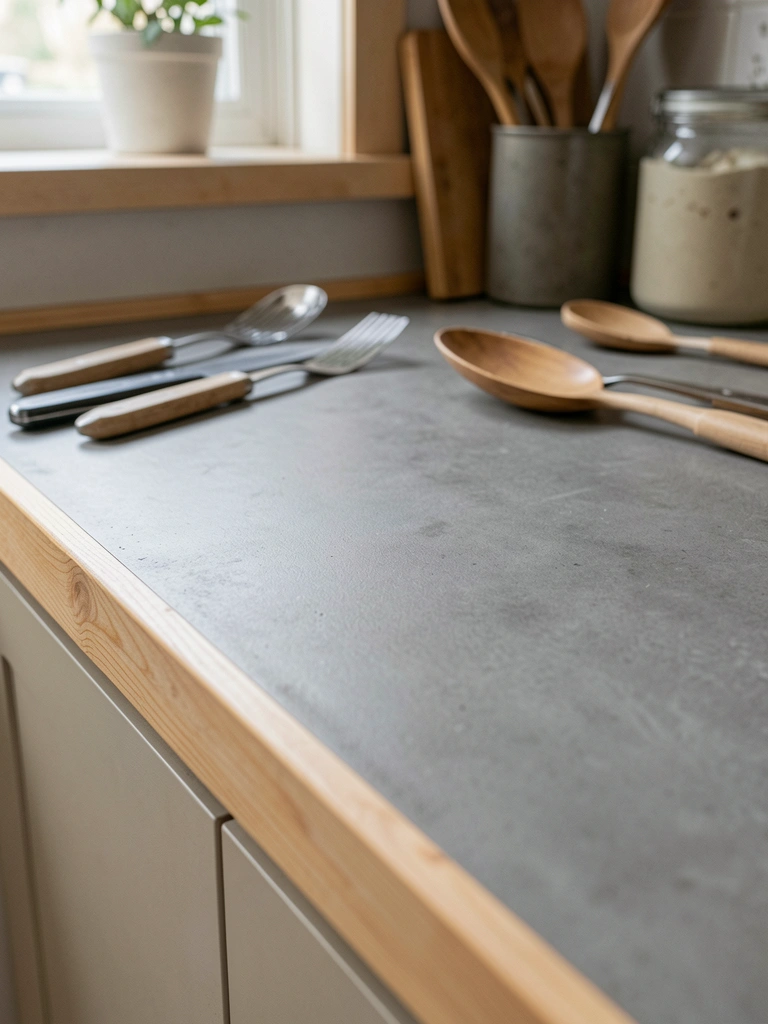
    One glass door section breaks up solid cabinetry and adds visual lightness. Your kitchen feels more curated and less utilitarian.

    27. Organize Under Your Sink with Pull-Out Organizers

    The space under your sink is typically chaos—pipes, old bottles, random supplies. Pull-out organizers ($25–$60 per set) from IKEA, Target, or Amazon maximize this awkward space.
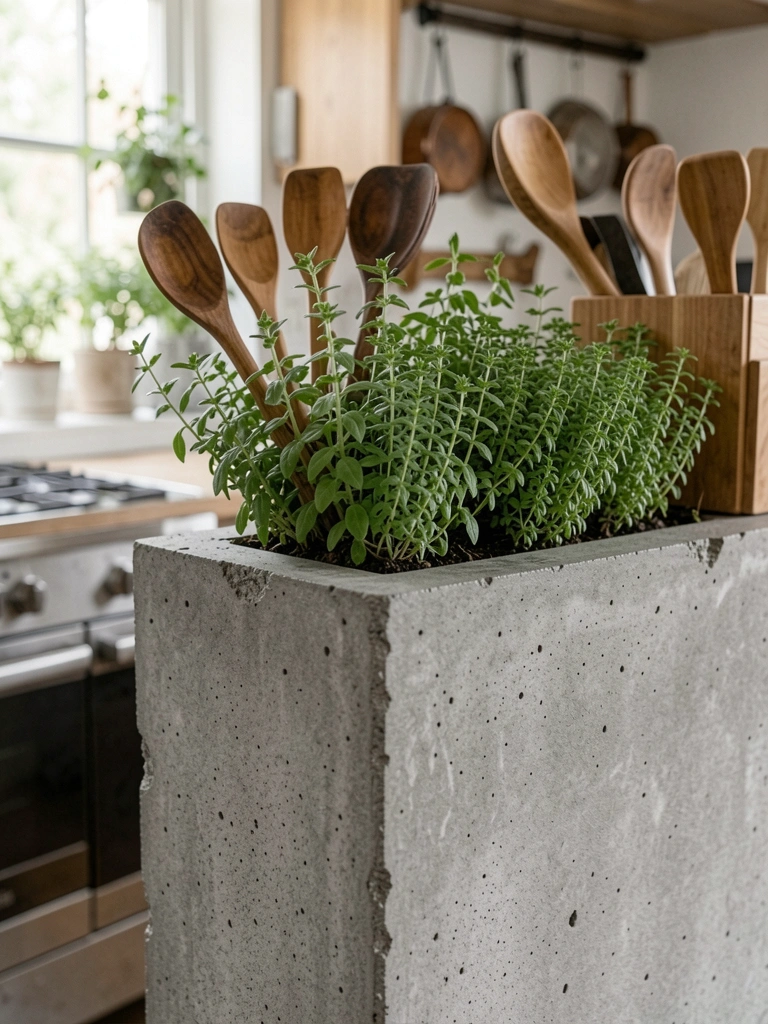
    Install a sliding drawer caddy, tension rods to hold bottles, or tiered shelves. Everything becomes visible and accessible instead of crammed in a dark corner. Installation takes 30 minutes. Pro tip: use spray bottles and matching containers to corral cleaning supplies—it looks intentional, not random.

    You’ve reclaimed dead space and actually organized something that’s typically a disaster zone. Guests never see under your sink, but you’ll feel that calm every time you open the cabinet.


    Save this post and pick your top three upgrades—you can totally knock them out this weekend. Which idea are you tackling first? Share this with a friend who’s been wanting a kitchen refresh but thought it had to be expensive or complicated.

  • 27 Two-Tone Kitchen Cabinet Color Ideas for a Fresh, Modern Look

    27 Two-Tone Kitchen Cabinet Color Ideas for a Fresh, Modern Look

    Two-tone cabinets are having a major moment, and for good reason—they instantly add depth, personality, and that high-end feel without a full kitchen renovation. Whether you’re drawn to bold contrasts or subtle color play, the right cabinet combination can completely change how your kitchen looks and feels. The beauty of this trend is its flexibility: you can go classic, modern, moody, or playful depending on which colors you pair. In this guide, you’ll discover 27 two-tone combinations that work in real homes—from timeless navy-and-white to unexpected jewel tones. Each idea includes styling tips and realistic budget info so you can figure out which combination speaks to you. Ready to refresh your kitchen? Let’s dive into these game-changing color pairings.

    1. Navy Blue Uppers with White Lowers

    Navy and white is the ultimate timeless pairing that works in traditional, transitional, and modern kitchens alike. The darker upper cabinets draw the eye upward and add visual weight, while white lower cabinets keep the space feeling open and airy. This combo works because it mimics the look of expensive custom cabinetry without the custom price tag.

    You can achieve this look two ways: repaint existing cabinets ($200–$500 in paint and supplies if DIY) or replace uppers with new cabinet boxes ($1,500–$3,500 installed). If you already have decent cabinet structure, a fresh coat of high-quality cabinet paint gets the job done over a long weekend. Pair it with warm brass or brushed gold hardware for a softer feel, or stick with stainless steel for something crisp.

    The contrast keeps your kitchen feeling intentional and designed, while the color combo never feels dated. Your space looks both sophisticated and approachable at the same time.

    2. Sage Green Uppers with Cream Lowers

    Sage green has completely replaced basic beige as the go-to neutral that still feels interesting. When paired with cream or ivory lowers, this combo feels organic, calming, and slightly unexpected—perfect if you want color without going bold. The soft green reads as natural and timeless rather than trendy, so it ages well.

    This pairing works especially well in farmhouse, cottage, and transitional kitchens. Paint high-quality kitchen cabinets with semi-gloss finish in sage (Benjamin Moore’s “Dried Sage” or Sherwin-Williams “Accessible Beige Green” are popular choices). Budget $300–$600 for paint if DIY, or $2,000–$4,000 if hiring pros. The beauty of this combo is that cream lowers hide stains and water marks, which means less stress about keeping things pristine.

    Your kitchen feels like a peaceful retreat where you actually want to spend time cooking. Add plants and warm wood accents to lean into this calming aesthetic.

    3. Deep Forest Green Uppers with Light Oak Lowers

    Combining dark forest green with warm wood tones creates a sophisticated, earthy vibe that feels both contemporary and grounded. The deep green provides drama and personality while the warm wood keeps things from feeling too moody. This pairing is especially popular in kitchens with natural wood accents or open shelving made from reclaimed materials.

    If your lower cabinets are already light wood (oak, ash, or birch), you just need to paint the uppers in a deep forest green like Sherwin-Williams “Evergreen Fog” or Benjamin Moore “Calico Green” ($250–$400 in paint). If you’re working with different cabinets, factor in $2,500–$5,000 for new cabinet boxes or refinishing. Add bronze or antique brass hardware to tie the look together. This combo pairs beautifully with white or cream countertops and a natural backsplash like shiplap or subway tile.

    You’ll have a kitchen that feels both warm and refined—the kind of space that photographs well and never looks outdated. Guests will notice how carefully you’ve thought through the details.

    4. Black Uppers with White Shaker-Style Lowers

    This high-contrast combo is for kitchens that lean modern or transitional with a graphic edge. Black uppers create a strong visual anchor, while white shaker-style lowers keep the look from feeling too heavy or dark. The shaker-style fronts add texture and warmth that prevents this combo from feeling cold or too contemporary.

    Paint your uppers in a true black or near-black like Benjamin Moore “Tricorn Black” ($300–$500 in paint and supplies). Shaker-style cabinet doors cost more upfront ($1,500–$3,000 for lower cabinets alone) but they’re iconic and pair beautifully with this color combination. Pair with geometric or checkered backsplash tile ($1,000–$2,500 installed) to lean into the bold aesthetic. This combo demands strong, clean hardware—think brushed nickel, polished chrome, or matte black pulls.

    Your kitchen becomes a design statement that feels curated and intentional. The contrast ensures your space photographs well and works as a beautiful backdrop for cooking and entertaining.

    5. Blush Pink Uppers with Soft White Lowers

    If you love color but want to keep things soft and romantic, blush pink pairs beautifully with white. This combo works in cottages, farmhouses, and contemporary spaces with a feminine touch. Blush reads as sophisticated rather than childish when you choose the right undertone and pair it with elegant hardware and finishes.

    Choose a high-quality paint in a warm blush like Sherwin-Williams “Quicksand” or Benjamin Moore “Pink Attraction” for the uppers ($250–$400). Keep lowers in crisp white to maintain visual balance. Budget $150–$300 in hardware—vintage brass or soft gold pulls enhance the romantic feel. This combo works beautifully with marble or light quartz countertops and a simple white subway or marble backsplash. Add soft pink accents through tea towels, flowers, or small appliances to tie it all together.

    Your kitchen becomes a warm, welcoming space that feels both curated and genuinely lived-in. The soft colors make the room feel larger and more open while maintaining personality and charm.

    6. Charcoal Gray Uppers with Natural Wood Lowers

    Charcoal gray + natural wood is the sophisticated answer if you want contrast without the high drama of black and white. The gray is moody and modern while the warm wood grounds the space and keeps it feeling inviting. This pairing works in contemporary, transitional, and industrial-style kitchens.

    Paint uppers in charcoal gray like Benjamin Moore “Kendall Charcoal” or Sherwin-Williams “Iron Ore” ($300–$500 in supplies). If your lowers are already natural wood, you’re set—just refinish if they need it ($500–$1,500). If you need new lower cabinets, budget $2,000–$4,500. Choose brushed nickel, matte black, or warm bronze hardware to tie the color scheme together. A white or light gray countertop keeps this combo from feeling too dark overall.

    The result is a kitchen that feels mature and design-forward without trying too hard. You get the moodiness of dark cabinets balanced by the warmth of natural wood, so the space never feels cold or uninviting.

    7. Emerald Green Uppers with Gold Hardware and White Lowers

    Emerald is the jewel-tone that reads as high-end and sophisticated when paired with white and warm gold hardware. This combo works in transitional, contemporary, and even eclectic spaces where you want to make a statement. The emerald feels intentional and curated rather than random or trendy.

    Choose a true emerald or deep jade green like Benjamin Moore “Calico Green” or Sherwin-Williams “Nifty Nautical” for uppers ($250–$400 in paint). Pair with crisp white lowers and invest in quality gold or brass hardware ($150–$400 for the full set). This combo demands excellent lighting—under-cabinet LED strips or pendant lights above the island show off the color beautifully. A marble or light quartz countertop and marble backsplash complete the elevated aesthetic.

    Your kitchen feels like a luxury hotel or upscale restaurant—the kind of space where you want to show off your cooking skills. The emerald + gold combo photographs beautifully and creates instant visual interest without feeling chaotic.

    8. Warm Honey Wood Uppers with Soft Gray Lowers

    If you love the look of natural wood but want a little bit of modern contrast, pairing warm honey wood uppers with soft gray lowers gives you the best of both worlds. This combo feels balanced and approachable rather than bold or trendy. It works beautifully in farmhouse, transitional, and contemporary cottages.

    If your uppers are already honey-toned wood, keep them as-is and paint lowers in a soft gray like Benjamin Moore “Revere Pewter” or Sherwin-Williams “Accessible Beige” ($250–$400). This combo is especially budget-friendly if you’re working with existing cabinets. If you need new pieces, budget $2,000–$4,000 for one cabinet run. Choose warm brass or bronze hardware that echoes the wood tone. A warm beige or tan backsplash ties the whole scheme together without competing for attention.

    You’ll have a kitchen that feels warm, balanced, and intentionally designed. The combo works in natural light and artificial light alike, so your space always looks inviting.

    9. Burgundy Uppers with Cream Lowers

    Burgundy is the bold jewel-tone choice for homeowners who want drama and luxury. When paired with cream lowers and warm metallics, this combo reads as sophisticated and intentional rather than risky. It works in transitional, traditional, and contemporary eclectic kitchens where color is celebrated.

    Choose a rich burgundy like Benjamin Moore “Calico Red” or Sherwin-Williams “Red Bay” for the uppers ($250–$400). Keep lowers in cream or ivory for balance and visual breathing room. This combo demands excellent hardware—oil-rubbed bronze, antique brass, or warm bronze pulls ($150–$400) tie everything together. Pair with dark countertops (black granite, dark quartz, or dark wood) to anchor the richness of the burgundy. Warm lighting is essential to prevent this combo from feeling too dark.

    Your kitchen becomes a moody, sophisticated gathering space that feels like a fine restaurant or wine bar. This color choice signals confidence and design sophistication to anyone who sees it.

    10. Soft Blue Uppers with White Shaker Lowers

    Soft blue is the happy medium between bold navy and safe white—it adds color and personality without overwhelming the space. When paired with white shaker lowers, this combo feels fresh, classic, and endlessly stylish. It works in cottage, farmhouse, transitional, and contemporary spaces alike.
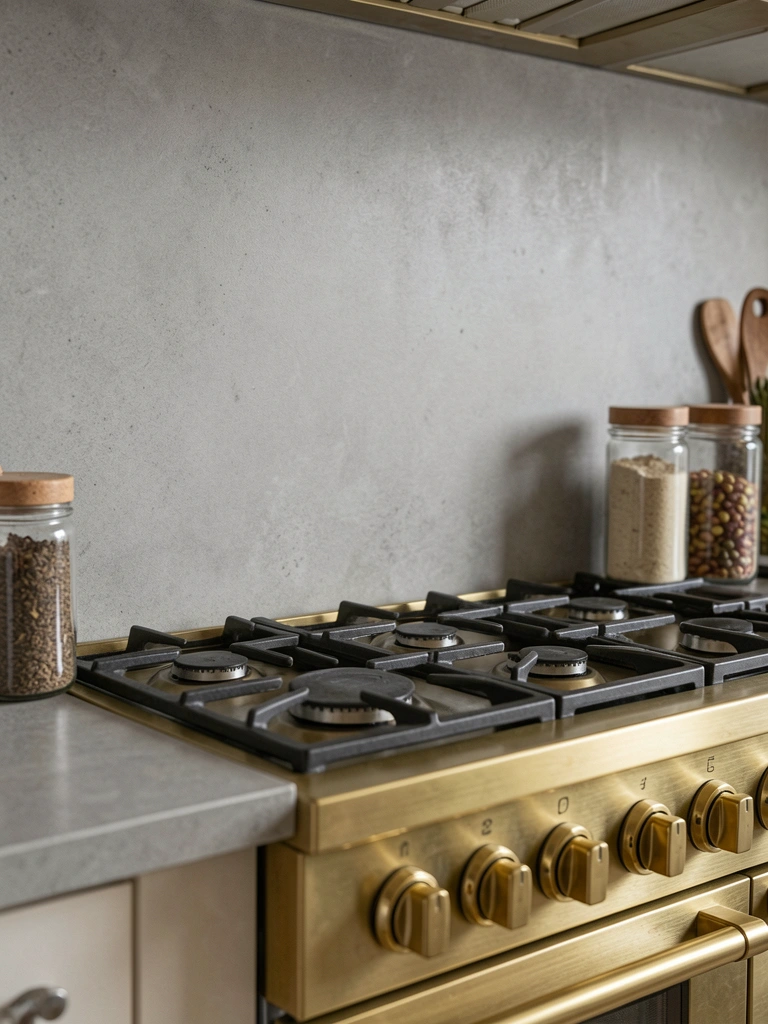
    Paint uppers in a soft blue like Benjamin melissa-Williams “Sea Salt” or Benjamin Moore “Palladian Blue” ($250–$400). Shaker-style lowers ($1,500–$3,000) provide texture and warmth. This combo pairs beautifully with a classic white subway tile backsplash and light granite or quartz countertops. Choose simple chrome, nickel, or soft brass hardware ($100–$300) to keep the look fresh and uncluttered.

    Your kitchen feels calm, collected, and timelessly beautiful. The soft blue ages gracefully and never feels dated, while the white and shaker doors keep things from feeling too trendy or temporary.

    11. Olive Green Uppers with Warm White Lowers

    Olive green is the earthy, sophisticated choice that works beautifully with warm whites and natural materials. This combo evokes Mediterranean villas or rustic farmhouses—it feels grounded and authentically styled rather than forced. Perfect for kitchens with open shelving or natural wood accents.

    Choose a muted olive green like Sherwin-Williams “Outerbanks” or Benjamin Moore “Dried Sage” for uppers ($250–$400). Pair with warm cream or off-white lowers for softness and balance. Terracotta or warm earth-tone backsplash tile ($800–$1,500 installed) enhances the Mediterranean feel. Aged bronze or copper hardware ($150–$350) completes the rustic-elegant aesthetic. Add open wooden shelves, copper cookware, and fresh herbs to lean into the warm, inviting vibe.
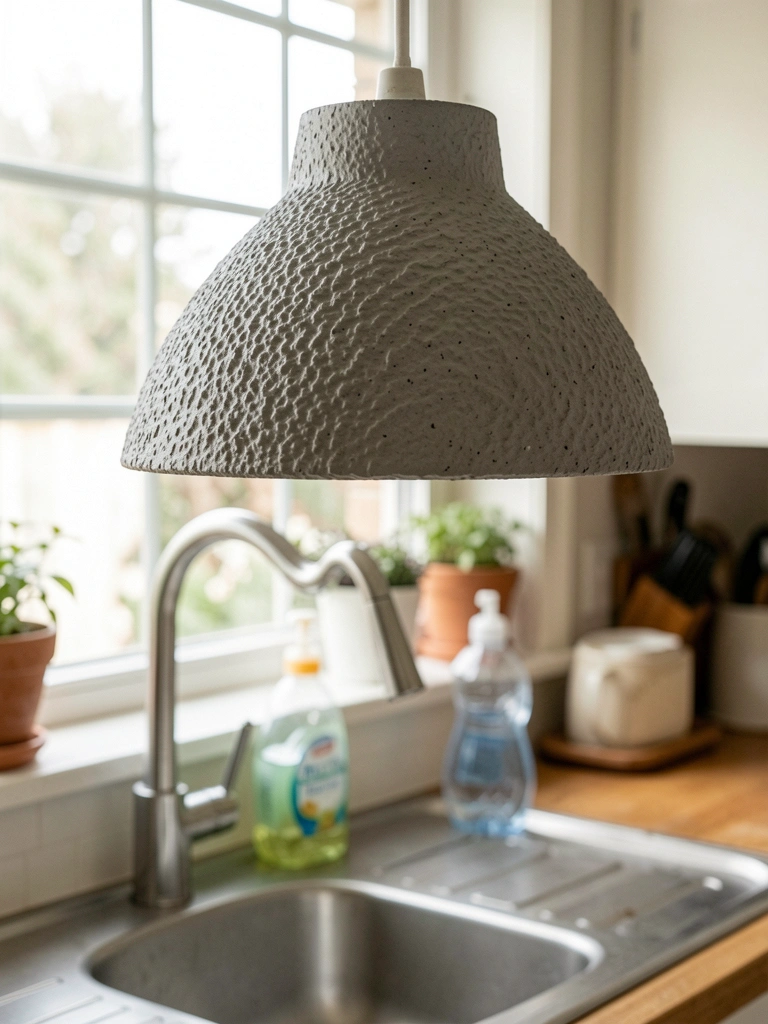
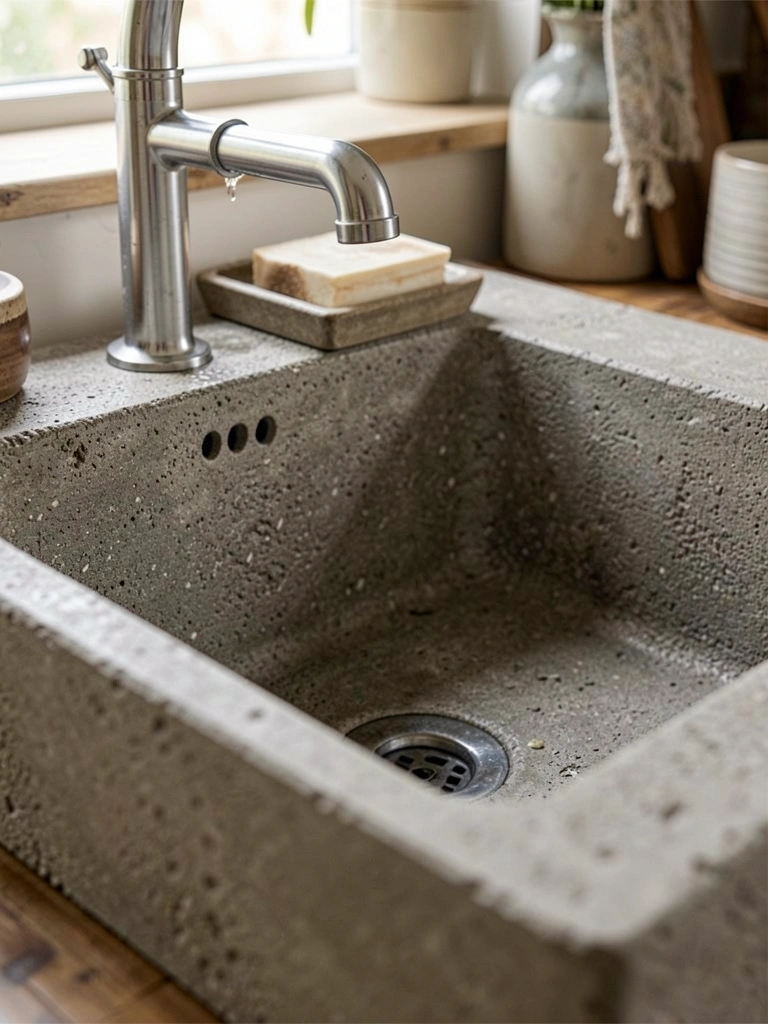
    You’ll create a kitchen that feels authentically styled and deliberately curated. The warm earth tones make the space feel like a retreat where cooking is a pleasure rather than a chore.
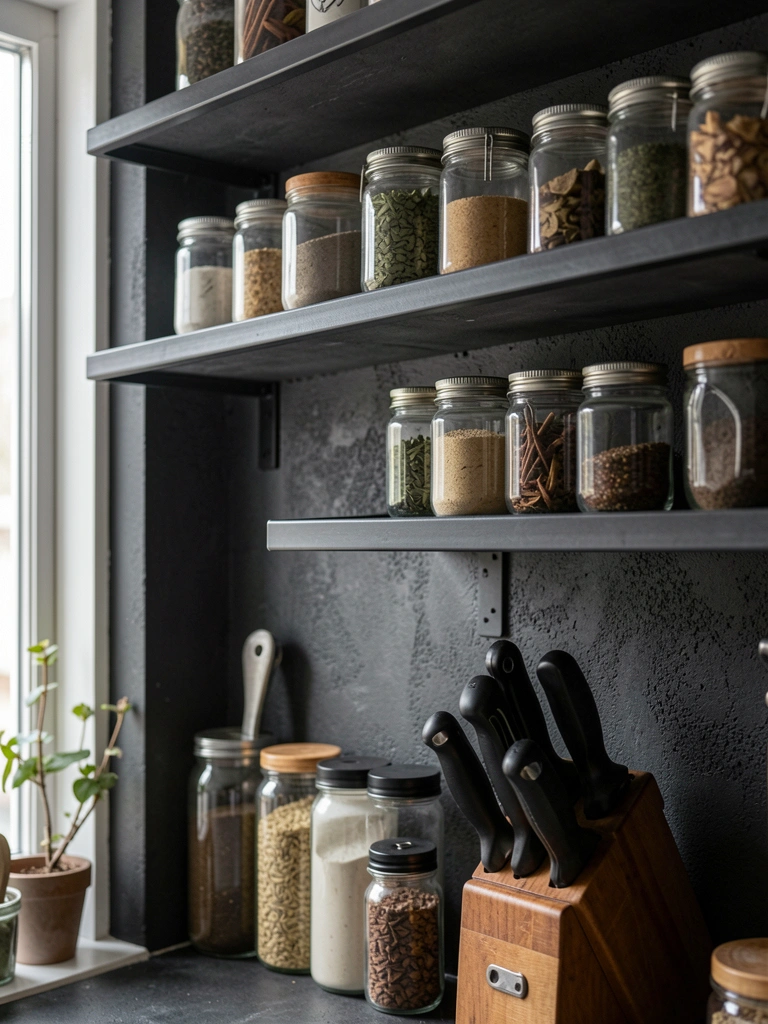
    12. Dusty Mauve Uppers with Crisp White Lowers

    Dusty mauve is having its moment as the unexpected neutral that adds color and sophistication without shouting for attention. Paired with crisp white lowers, this combo feels modern, calm, and carefully considered. It works beautifully in contemporary, eclectic, and modern farmhouse spaces.

    Choose a muted mauve like Benjamin Moore “Lilac Mist” or Sherwin-Williams “Potentially Purple” for uppers ($250–$400). Keep lowers in bright white for visual contrast and to prevent the space from feeling too muted. Brushed gold or soft brass hardware ($150–$350) adds feminine elegance. A marble or light quartz backsplash and countertop complete the elevated aesthetic. This combo benefits from good lighting—under-cabinet LEDs and pendant lights make the mauve glow beautifully.
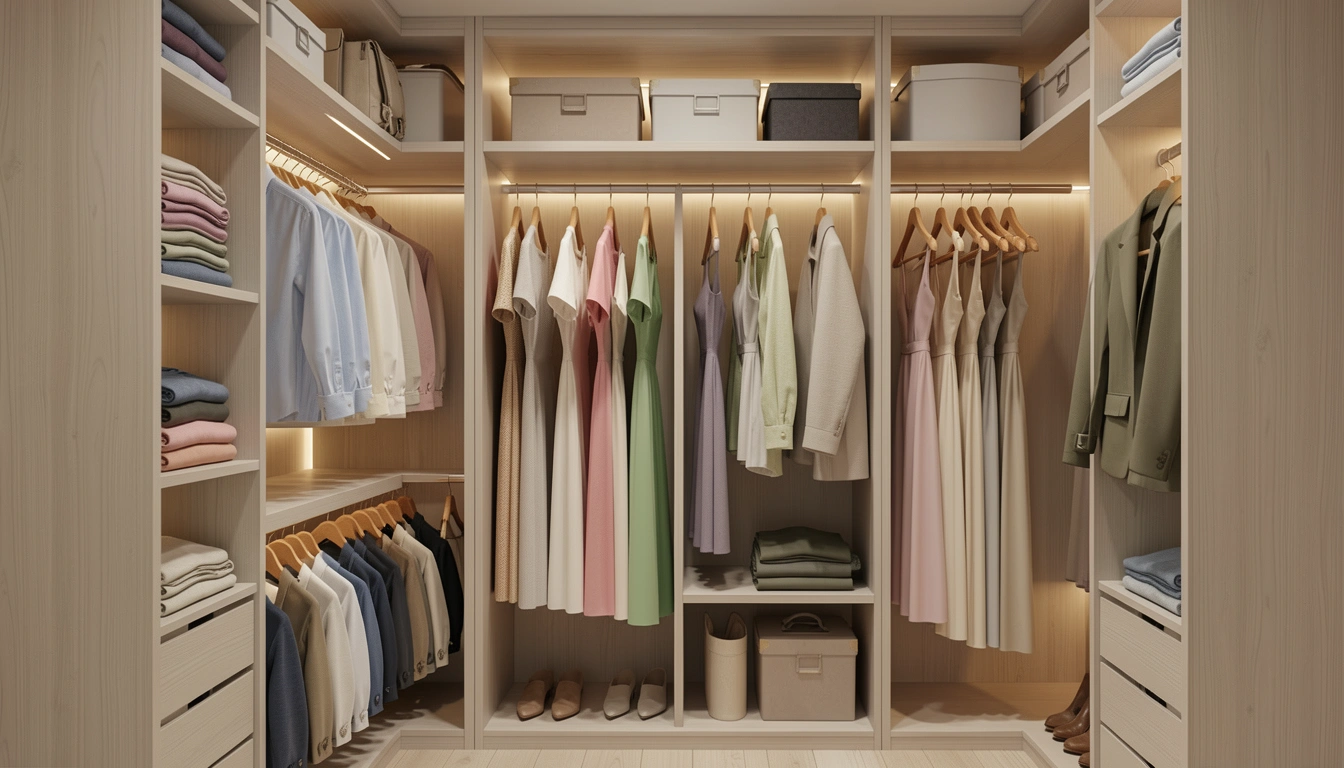
    Your kitchen becomes a serene, sophisticated space that photographs beautifully and never feels dated. Guests will be impressed by your confident, thoughtful color choices without being able to pinpoint exactly why the space works so well.

    13. Charcoal Black Uppers with Light Gray Lowers

    This is the ultimate modern pairing for minimalist kitchens where clean lines and understated elegance matter most. Black uppers create drama while light gray lowers keep the space feeling open and uncluttered. The subtle contrast feels intentional rather than bold, perfect for contemporary, industrial, or Scandinavian-inspired spaces.

    Paint uppers in true matte black like Benjamin Moore “Black Onyx” ($300–$500). Choose light gray for lowers in a shade like Sherwin-Williams “Urbane Gray” or Benjamin Moore “Gray Owl” ($250–$400). This combo works best with handleless or minimalist hardware to maintain the clean aesthetic. Pair with concrete, light gray, or light wood countertops and a minimal backsplash. Stainless steel appliances and black fixtures tie everything together seamlessly.

    Your kitchen becomes a model of understated sophistication where every element has purpose. The space feels calm and organized, and the dark uppers don’t make the room feel small because the light lowers and minimal design keep it feeling open and airy.
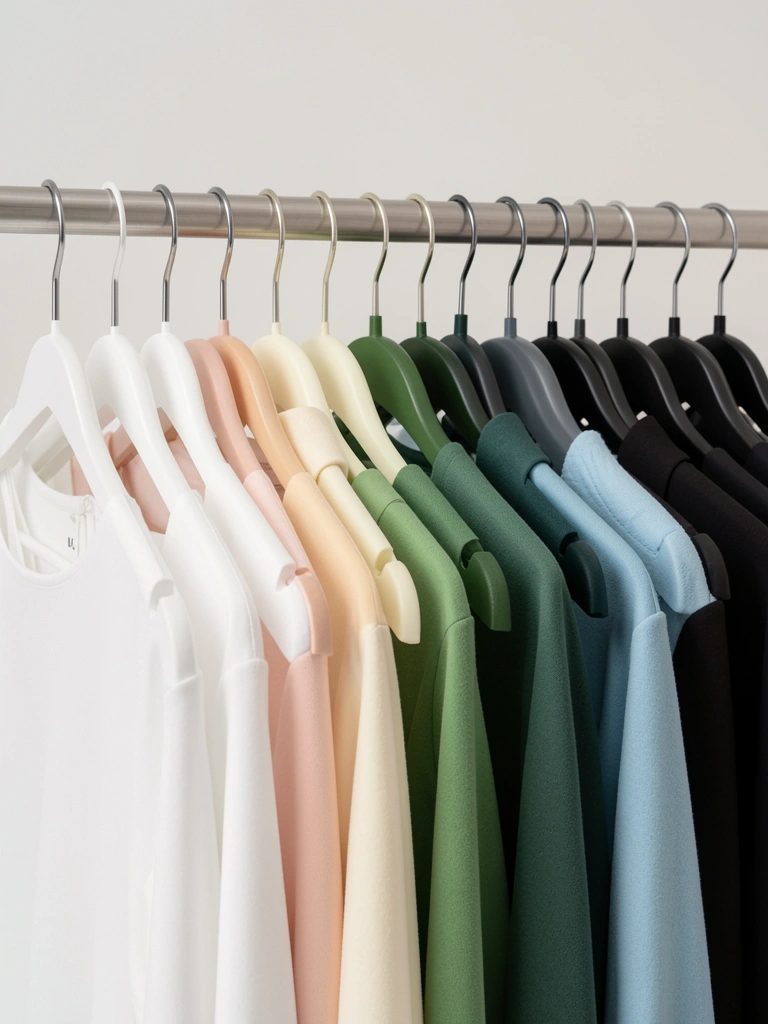
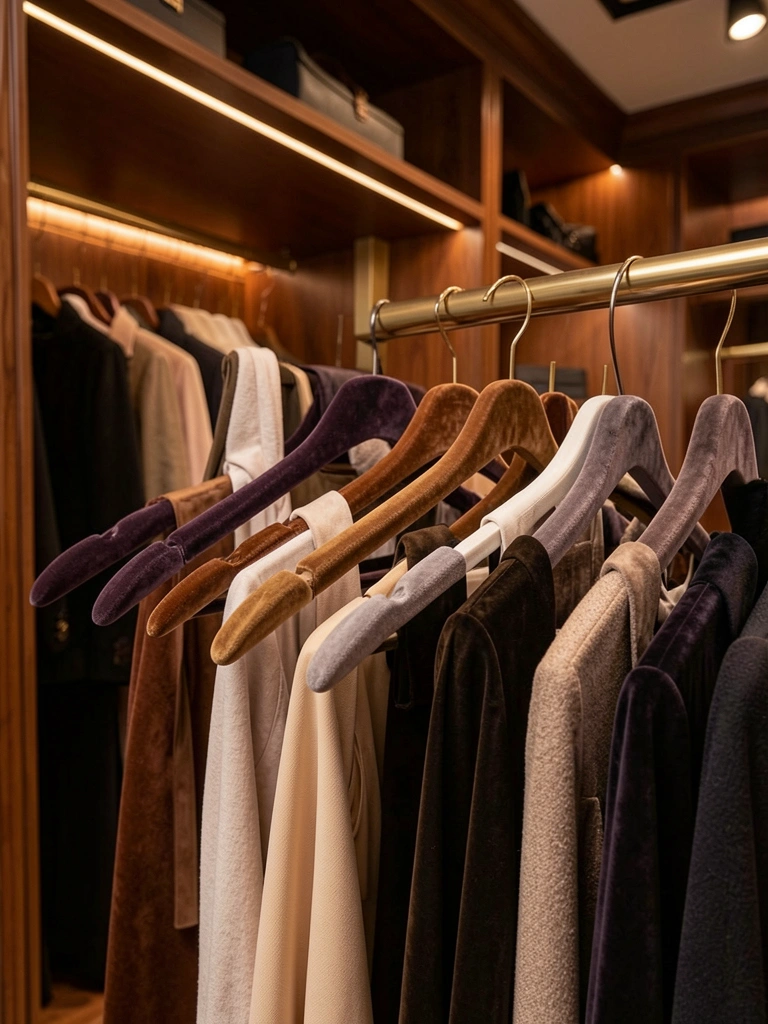
    14. Warm Taupe Uppers with Creamy White Lowers

    Taupe is the warm neutral that feels modern without being trendy, and it pairs beautifully with creamy white for subtle sophistication. This combo works in transitional, contemporary, and even modern farmhouse kitchens where warmth matters but you still want visual interest. It’s the perfect choice if you love neutrals but don’t want your kitchen to look boring.

    Choose a warm taupe like Benjamin Moore “Accessible Beige” or Sherwin-Williams “Urbane Bronze” for uppers ($250–$400). Pair with creamy white lowers for softness and warmth. Warm brass or bronze hardware ($150–$350) echoes the warm undertones. A warm beige or tan backsplash ties the scheme together without adding visual chaos. Natural wood open shelving or a wood island adds additional warmth and texture.

    You’ll have a kitchen that feels effortlessly stylish and beautifully balanced. The warm taupe works beautifully with natural light and makes the space feel inviting without requiring much styling or visual effort to maintain.

    15. Deep Teal Uppers with Soft Cream Lowers

    Teal is the adventurous jewel-tone that works beautifully for homeowners who want personality without going as bold as emerald or navy. When paired with soft cream and mixed metals, this combo feels collected and artfully eclectic. Perfect for kitchens with personality and character.

    Choose a deep teal like Benjamin Moore “Calico Blue” or Sherwin-Williams “Nifty Nautical” for uppers ($250–$400). Keep lowers in soft cream for balance and warmth. Mix metals in hardware—choose brass, copper, and bronze pulls ($150–$400) to enhance the eclectic aesthetic. A patterned tile backsplash featuring teal accents ($1,200–$2,000) adds visual interest and ties the color scheme together. Open wooden shelves displaying colorful dishes and plants complete the artistic look.

    Your kitchen becomes a reflection of your personality and style. The teal commands attention and confidence while the soft cream prevents the space from feeling too busy or chaotic.

    16. Soft Black Uppers with Warm Natural Wood Lowers

    This combo bridges dark modern elegance with warm rustic charm—the result feels curated and balanced rather than clashing. Perfect for contemporary cottages, Scandinavian kitchens, or any space where you want modern sophistication with organic warmth. The dark uppers and natural wood work beautifully together when the rest of your kitchen design supports both.

    Keep or paint uppers in a very dark charcoal or soft black like Benjamin Moore “Tricorn Black” or Sherwin-Williams “Iron Ore” ($300–$500). Showcase warm natural wood lowers or refinish existing cabinets to highlight the grain ($500–$1,500). Choose simple warm brass or bronze hardware ($150–$300) that echoes the wood. A light wood or light gray countertop and simple backsplash complete the balanced look.

    Your kitchen becomes a study in modern restraint mixed with organic warmth. The dark uppers ground the space while the natural wood keeps it feeling accessible and livable rather than cold or overly designed.

    17. Powder Blue Uppers with Off-White Cottage-Style Lowers

    Powder blue is the quintessential cottage color, and when paired with off-white cottage-style cabinets, the result is irresistibly charming and timeless. This combo works beautifully in cottages, farmhouses, and traditional spaces where classic romance and livable comfort matter. It photographs beautifully and never feels outdated.

    Choose a soft powder blue like Benjamin Moore “Palladian Blue” or Sherwin-Williams “Sea Salt” for uppers ($250–$400). Invest in raised-panel or cottage-style lowers in off-white—this authentic styling costs a bit more ($1,800–$3,500) but it’s worth it for the authentic look. Chrome or nickel cup pulls ($100–$250) add vintage charm. White subway tile backsplash ($800–$1,500 installed) and light countertops complete the storybook aesthetic. Add vintage accessories, fresh flowers, and soft lighting to enhance the cozy feel.

    Your kitchen becomes a warm, inviting retreat that feels like stepping into a beloved novel. The powder blue + cottage style combo creates genuine charm that guests will immediately notice and love.

    18. Forest Green Uppers with Soft Gray Lowers

    Forest green + soft gray is the sophisticated pairing for kitchens that want color without drama. The deep green feels grounded and intentional while the soft gray keeps the space feeling open and balanced. This combo works beautifully in transitional, contemporary, and modern farmhouse kitchens with good bones.

    Paint uppers in deep forest green like Sherwin-Williams “Evergreen Fog” or Benjamin Moore “Calico Green” ($250–$400). Paint lowers in soft gray like Benjamin Moore “Revere Pewter” or Sherwin-Williams “Accessible Beige” ($250–$400). Choose warm brass or bronze hardware ($150–$350) to tie the earthy tones together. White or light marble countertops with dark grout lines create visual interest. A white subway tile backsplash with black or dark grout adds contemporary edge.

    You’ll create a kitchen that feels thoughtfully designed and beautifully balanced. The green provides personality while the gray ensures the space never feels overwhelming or too trendy.

    19. Moody Purple-Gray Uppers with Bright White Lowers

    Purple-gray (or “greige”) is the unexpected color choice for homeowners who want something different but still sophisticated. When paired with bright white, this combo feels contemporary, artistic, and intentionally curated. Perfect for kitchens where personality and uniqueness matter.

    Choose a muted purple-gray like Benjamin Moore “Lilac Mist” or a custom blend of purple and gray for uppers ($250–$400). Keep lowers in crisp white for maximum contrast and balance. Chrome or polished nickel hardware ($100–$250) maintains contemporary simplicity. White marble backsplash and counters create elegance and visual harmony. This combo benefits from good lighting—under-cabinet LEDs show off the subtle color beautifully. Add purple accents through flowers, dishware, or small appliances to tie the scheme together.

    Your kitchen becomes a unique reflection of your personal style. The purple-gray is subtle enough to feel sophisticated but bold enough to signal that you’re not afraid of color and design risk.

    20. Warm Cognac or Honey Uppers with Pale Gray Lowers

    Cognac or honey wood uppers paired with pale gray creates a sophisticated, warm aesthetic that feels both modern and traditional. This combo works beautifully in transitional kitchens where warmth and balance matter equally. The warm wood provides richness while the pale gray prevents the space from feeling too heavy.

    If your uppers are already honey or cognac-toned wood, keep them and paint lowers in pale gray like Benjamin Moore “Gray Owl” or Sherwin-Williams “Urbane Gray” ($250–$400). If you need new upper cabinets, budget $2,000–$4,500 for warm wood cabinetry. Warm brass or bronze hardware ($150–$350) echoes the wood warmth. A warm gray or beige countertop and matching backsplash create cohesion without visual monotony.

    Your kitchen becomes an inviting, balanced space that feels both modern and timelessly beautiful. The warm wood + pale gray combo photographs beautifully in all lighting conditions.

    21. Charcoal Blue Uppers with Creamy Off-White Lowers

    Charcoal blue is the sophisticated alternative to navy—it reads as more contemporary and artistic while still feeling elegant and grounded. When paired with creamy off-white, this combo feels balanced, moody, and intentionally curated. Perfect for kitchens with character and confidence.

    Choose a charcoal blue like Benjamin Moore “Van Deusen Blue” or Sherwin-Williams “Cyberspace” for uppers ($250–$400). Keep lowers in creamy off-white for warmth and balance. Oil-rubbed bronze or warm bronze hardware ($150–$350) completes the moody aesthetic. A dark tile or slate backsplash ($1,000–$2,000 installed) adds depth and sophistication. Warm wood countertops or a warm gray quartz enhance the cozy, intentional feel.

    Your kitchen becomes a moody, sophisticated space that photographs beautifully in warm lighting. The charcoal blue feels more artistic than navy while still maintaining classic elegance.

    22. Sage Green with Gold Accents on Uppers, White Shaker Lowers

    This variation on sage green takes it one step further by adding gold or brass accents to the upper cabinets—creating an extra layer of visual interest and luxury feel. Combined with white shaker lowers, this creates a kitchen that feels both organic and intentionally elevated. Perfect for farmhouse, cottage, or transitional spaces where personality matters.

    Paint uppers in soft sage green like Benjamin Moore “Dried Sage” ($250–$400), then add gold or brass paint accents to selected drawer fronts or panels ($50–$150 in additional supplies and labor). Shaker-style lowers in white ($1,500–$3,000) provide classic texture. Brass or gold hardware throughout ($150–$400) ties the gold accents together. A marble backsplash and countertop complete the elevated aesthetic. This combo works beautifully with open shelving and vintage-style accessories.

    Your kitchen becomes a gallery of thoughtful design details. The gold accents create luxury and intentionality without requiring a major budget increase over standard two-tone cabinetry.

    23. Warm Blush Pink Uppers with Pale Green Lowers

    If you’re confident in your color choices, blush pink paired with pale green creates a playful, artistic aesthetic that feels modern and collected. This combo works beautifully in eclectic, bohemian, or artistic kitchens where personality and individuality are celebrated. It’s bold but balanced—not overwhelming because both colors are soft.

    Choose soft blush pink for uppers like Sherwin-Williams “Quicksand” ($250–$400) and pale green or pistachio for lowers like Benjamin Moore “Palomino Tan” ($250–$400). Mix brass, copper, and bronze hardware ($150–$400) to enhance the artfully eclectic aesthetic. A patterned tile backsplash featuring both colors ($1,200–$2,000) ties the scheme together beautifully. Light wood countertops add warmth and prevent the colors from feeling too matchy.

    Your kitchen becomes a unique expression of your personal style and creativity. This combo shows you trust your instincts and aren’t afraid to celebrate color and artistic expression in your everyday spaces.

    24. Deep Charcoal Uppers with Warm Oak Lowers

    This pairing appeals to homeowners who love modern edge but aren’t ready to abandon wood warmth entirely. The deep charcoal provides contemporary sophistication and drama while warm oak lowers keep the space feeling organic and livable. Perfect for contemporary rustic, farmhouse modern, or transitional spaces.

    Keep existing uppers dark charcoal or nearly black (Benjamin Moore “Tricorn Black” for $300–$500), or invest in new cabinets ($2,000–$4,000). Showcase warm medium oak lowers with natural grain showing, refinished if needed ($500–$1,500). Simple warm bronze or brass hardware ($100–$250) completes the look. A natural wood or shiplap backsplash ($800–$1,500 installed) enhances the rustic warmth. Warm pendant lighting highlights both the dark drama and wood beauty.

    Your kitchen becomes a balanced statement of modern edge meets organic warmth. The contrast ensures visual interest while the natural wood keeps the space from feeling cold or overly designed.

    25. Pale Blue Uppers with Warm Beige Cottage Lowers

    Pale blue + warm beige creates a cozy, romantic aesthetic that feels authentically cottage without being overwrought. This combo works beautifully in traditional cottages, country kitchens, and any space where soft, warm, lived-in charm matters. It photographs beautifully and never feels dated.

    Choose pale periwinkle or powder blue for uppers like Benjamin Moore “Palladian Blue” ($250–$400). Paint cottage-style lowers in warm beige or tan like Sherwin-Williams “Accessible Beige” ($250–$400). Vintage chrome cup pulls ($100–$200) add authentic cottage charm. A white subway tile backsplash with a thin accent stripe of pale blue ($1,000–$1,500 installed) ties the colors together. Warm wood countertops complete the cozy aesthetic. Add open shelving, vintage accessories, and soft lighting to enhance the romantic charm.

    Your kitchen becomes a cozy, inviting retreat that feels authentically charming without requiring extensive styling or effort to maintain. The soft colors and vintage details create genuine warmth and character.

    26. Soft Concrete Gray Uppers with Warm Cream Lowers

    Concrete gray is the sophisticated modern neutral that pairs beautifully with warm cream for balance and contemporary elegance. This combo works in modern, transitional, industrial, and Scandinavian kitchens where understated sophistication matters. The gray provides modern edge while cream adds necessary warmth.

    Paint uppers in soft concrete gray like Benjamin Moore “Concrete” or Sherwin-Williams “Urbane Gray” ($250–$400). Keep lowers in warm cream like Benjamin Moore “Chantilly Lace” or Sherwin-Williams “Accessible Beige” ($250–$400). Brushed nickel or matte chrome hardware ($100–$250) maintains contemporary simplicity. Light gray quartz or concrete-look countertops ($2,000–$4,000 installed) complete the modern aesthetic. Industrial pendant lights and minimal backsplash keep the look clean and intentional.

    Your kitchen becomes a model of contemporary elegance and balanced sophistication. The concrete gray + cream combo feels timeless and modern simultaneously, aging beautifully as trends shift.

    27. Jewel Tone Mixed Two-Tone: Emerald Uppers and Sapphire Blue Lowers

    For the truly bold and confident: two jewel tones together create drama, personality, and undeniable confidence. Emerald and sapphire blue are two colors that work beautifully in conversation rather than competing—they read as intentionally artistic and collected rather than chaotic. Perfect for eclectic, artistic, or contemporary kitchens where color confidence is celebrated.

    Choose a true emerald green for uppers like Benjamin Moore “Calico Green” ($250–$400) and a deep sapphire blue for lowers like Sherwin-Williams “Nifty Nautical” ($250–$400). Invest in polished brass or gold hardware ($200–$500) that works beautifully with both colors. A light marble or light quartz countertop and backsplash ensure visual balance. This combo demands excellent lighting—recessed lights and under-cabinet LEDs show off both colors beautifully. Add a few coordinating accessories in blue-green or gold to tie the scheme together.

    Your kitchen becomes an undeniable statement of design confidence and artistic vision. This combo signals that you celebrate color, personality, and creative expression—your kitchen is a true reflection of who you are.


    Save this guide and pick your favorite pairing—or mix and match ideas to create your perfect combo. Your dream kitchen is just a couple of cans of paint away, so why wait? Start with one color this weekend and watch how it changes your whole space.