Author: Clara Bennett

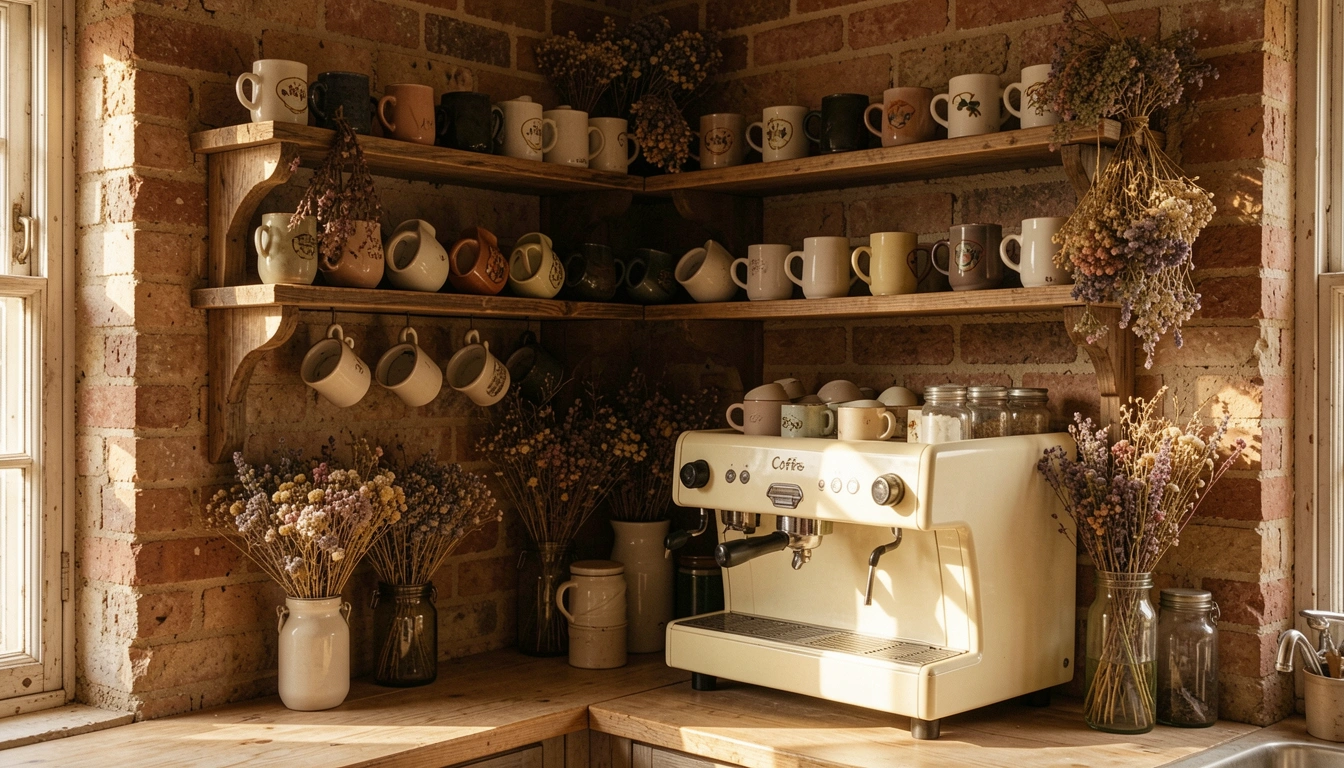
  • 26 Rustic Coffee Bar Ideas That Add Warm, Country-Chic Charm

    26 Rustic Coffee Bar Ideas That Add Warm, Country-Chic Charm


    If you’re craving that warm, lived-in café vibe at home, a rustic coffee bar is your answer. There’s something magical about walking into your own kitchen and feeling like you’ve stepped into a countryside coffee shop—where every detail tells a story and nothing feels too polished. Whether you have a sprawling kitchen or a tiny corner to work with, these 26 ideas will help you build a coffee station that feels authentically rustic and genuinely yours. You’ll discover budget-friendly solutions, thrifted finds, and simple styling tricks that don’t require any fancy skills. Let’s turn your coffee ritual into a daily escape.


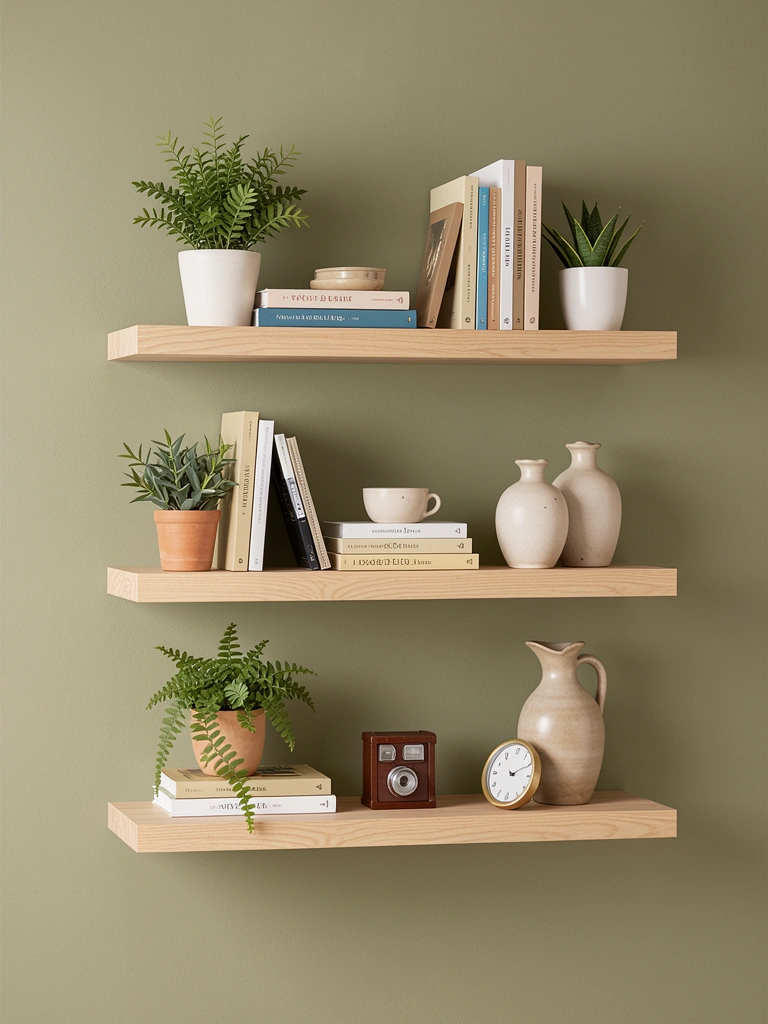
    1. Reclaim Wood Shelving for Rustic Storage
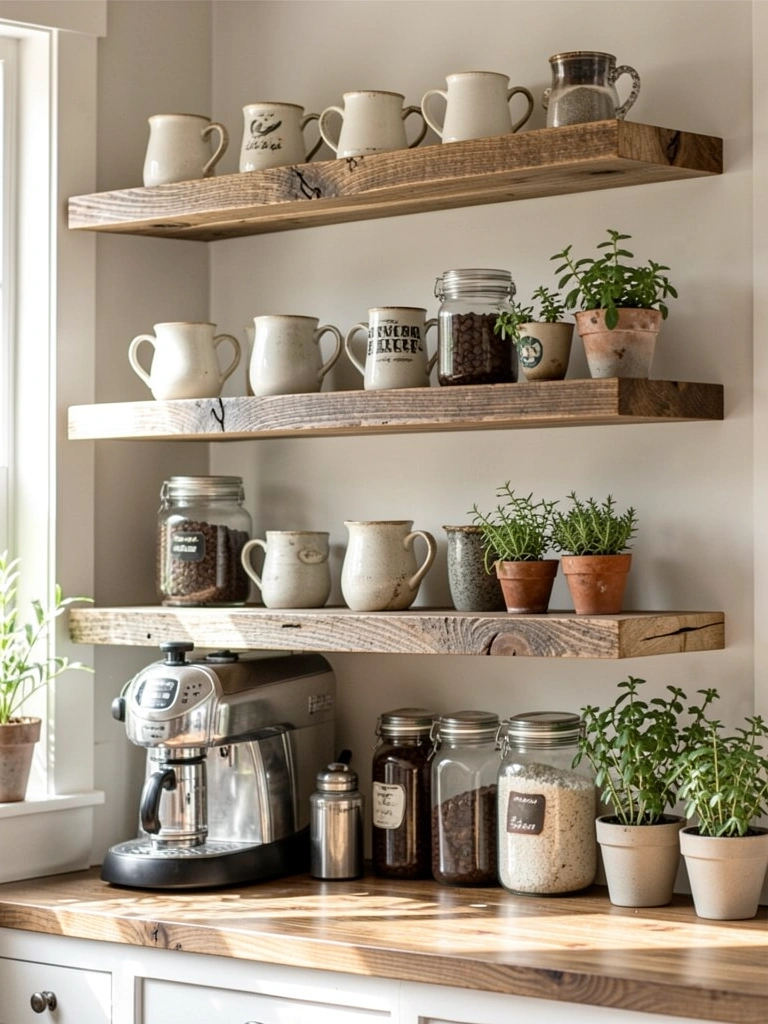
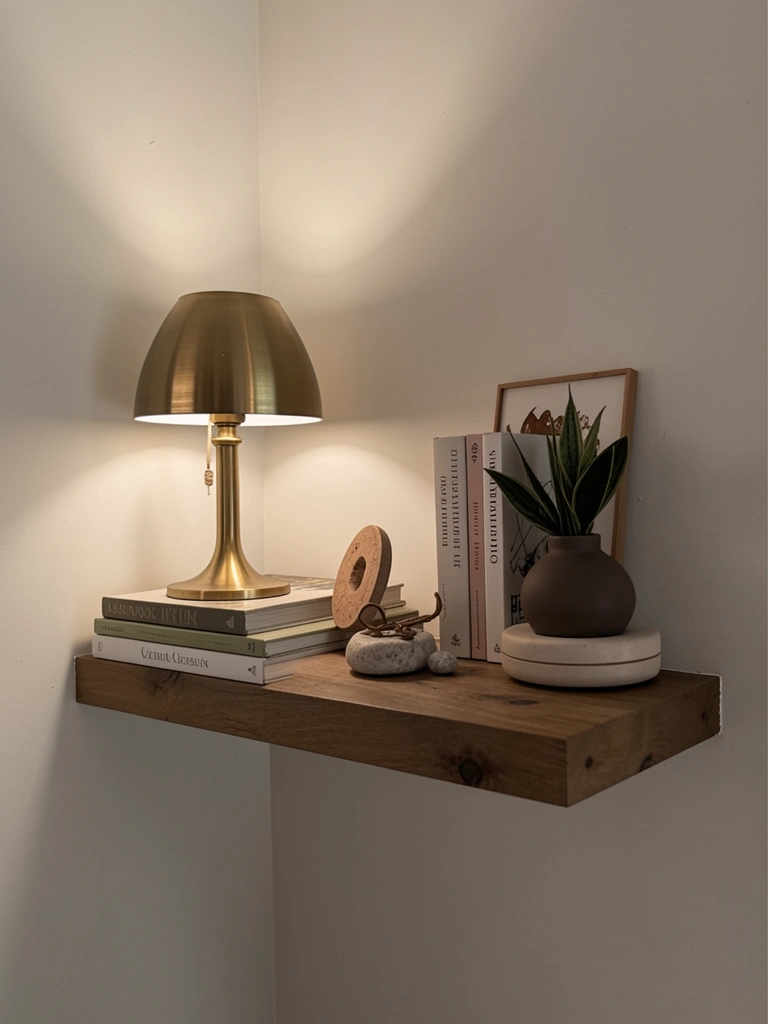
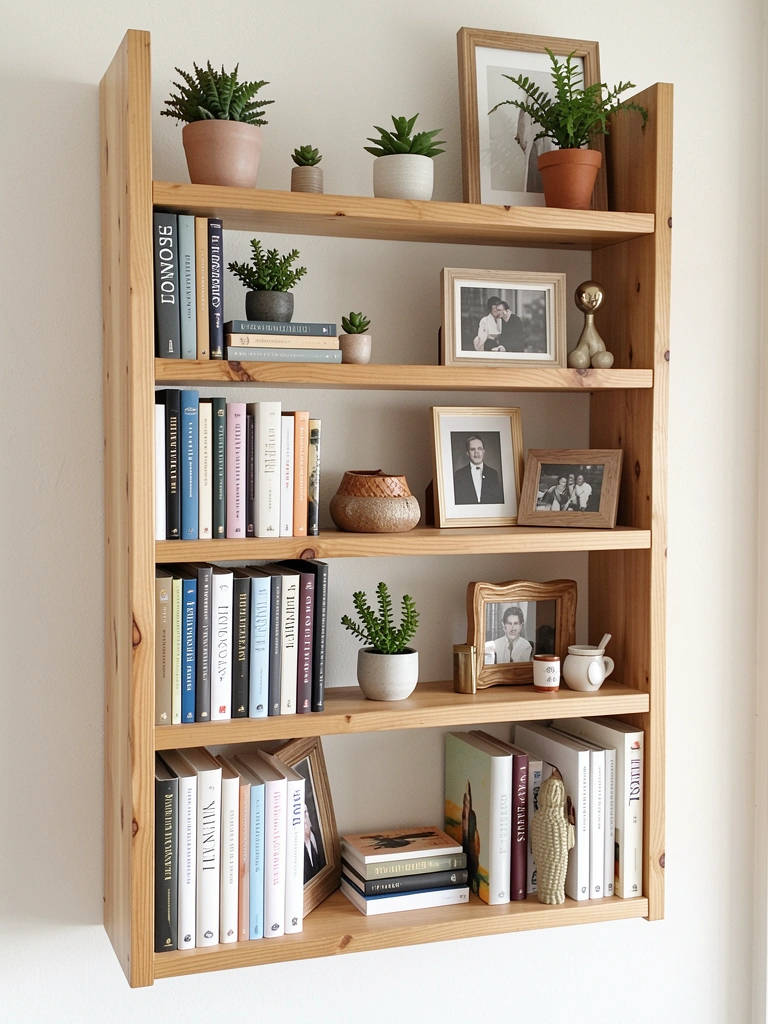
    A reclaimed wood shelf instantly becomes the hero of any rustic coffee bar. These shelves bring authentic character that new materials just can’t replicate—each scratch and patina mark adds to the story.

    Hunt for reclaimed wood at salvage yards, Facebook Marketplace, or even your local barn (yes, really). You can also find pre-made rustic shelves at Home Depot or Wayfair for $40–$150 depending on length. Installation takes one weekend with basic tools and wall anchors. Arrange your coffee gear and favorite mugs on top, and suddenly you have a display that looks intentional and inviting.

    The best part? Your coffee setup becomes functional décor that doubles as a conversation starter.


    2. Mix Vintage Mugs on Open Display
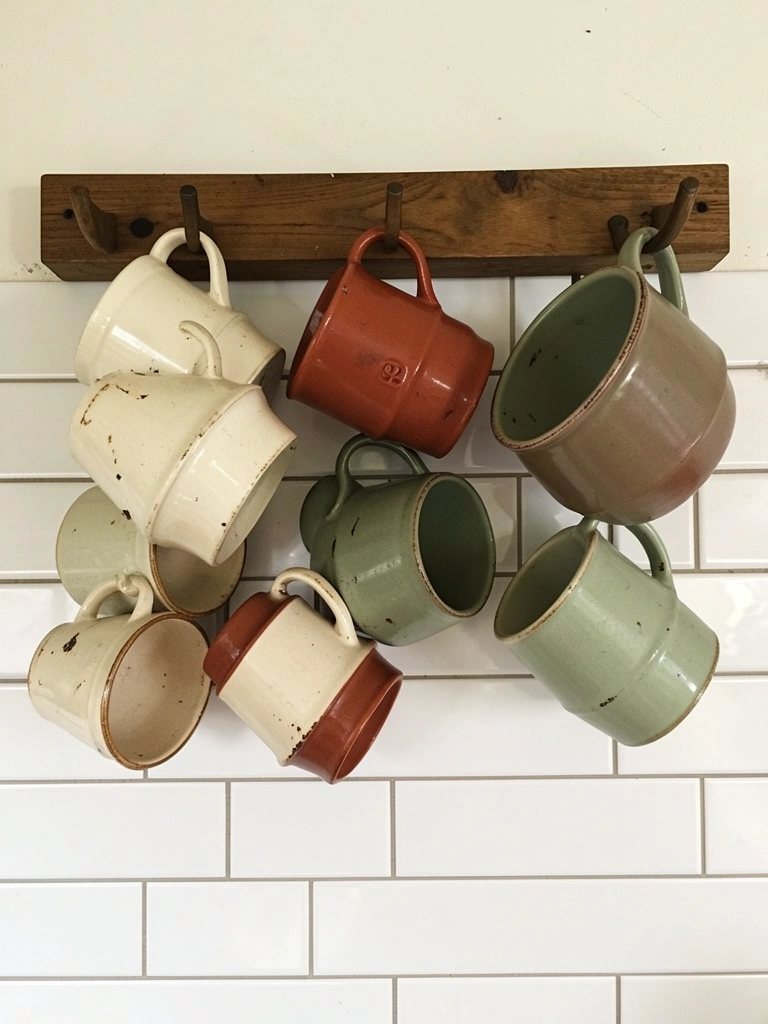
    Vintage mugs are the soul of rustic coffee styling. Forget matching sets—the charm lives in the imperfections and variety.

    Start collecting from thrift stores (Goodwill, estate sales, antique shops) where you’ll find unique pieces for $0.50–$3 each. Display them on a wooden mug rack ($15–$40 at Target or Amazon) or hang them from vintage hooks on your wall. Group by color family (creams, rusts, sage greens) to create a cohesive look without losing that eclectic feel.

    Your morning coffee tastes better when it’s served in a mug with personality.


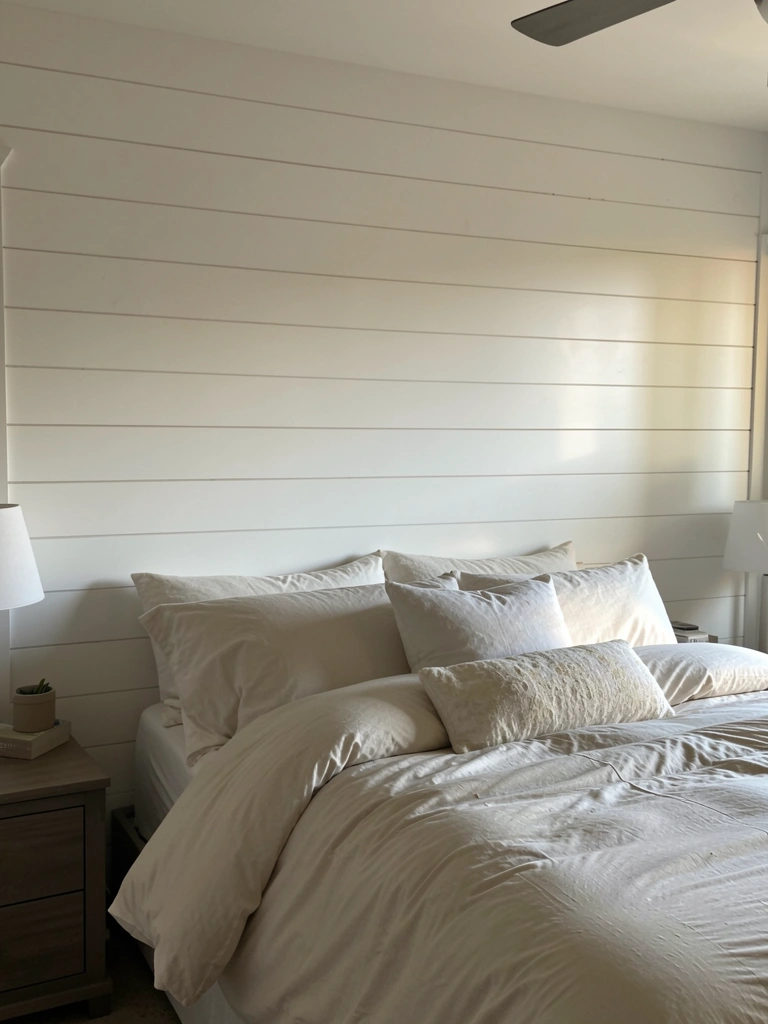
    3. Install an Open Brick or Shiplap Backsplash
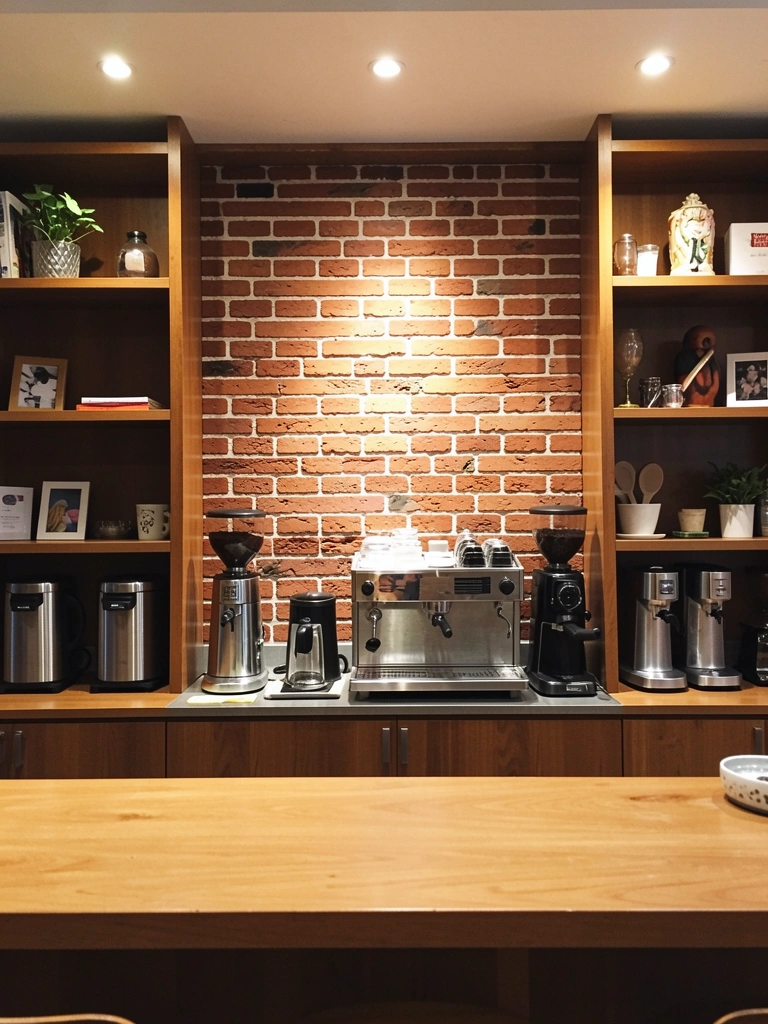
    Exposed brick or shiplap gives your coffee bar that authentic farmhouse foundation. If you have it, keep it visible. If not, you can add it.

    Real exposed brick requires removing drywall (hire this out—$200–$500 for a small area). Pre-made shiplap panels are easier: peel-and-stick options run $20–$40 per sheet at Home Depot; real wood shiplap costs $60–$200 per sheet. Installation takes one weekend for a small backsplash and zero contractor fees. The payoff is enormous—suddenly your coffee corner feels grounded and architectural.

    This backdrop makes every photo of your coffee station look magazine-worthy without any extra styling.


    4. Add a Farmhouse-Style Coffee Sign

    A hand-painted or vintage coffee sign sets the rustic tone instantly. It’s both practical (tells guests where the coffee happens) and decorative.

    DIY option: grab a $5–$10 piece of reclaimed wood from a craft store, paint it with chalk paint or acrylics, and distress the edges with sandpaper. Takes 30 minutes. Pre-made options run $20–$60 on Etsy or Wayfair. Hang it with rope, wire, or vintage hooks for maximum charm.

    Every time you glance at that sign, you’ll smile at the cozy corner you’ve created.


    5. Use Mason Jars for Coffee Bean Storage
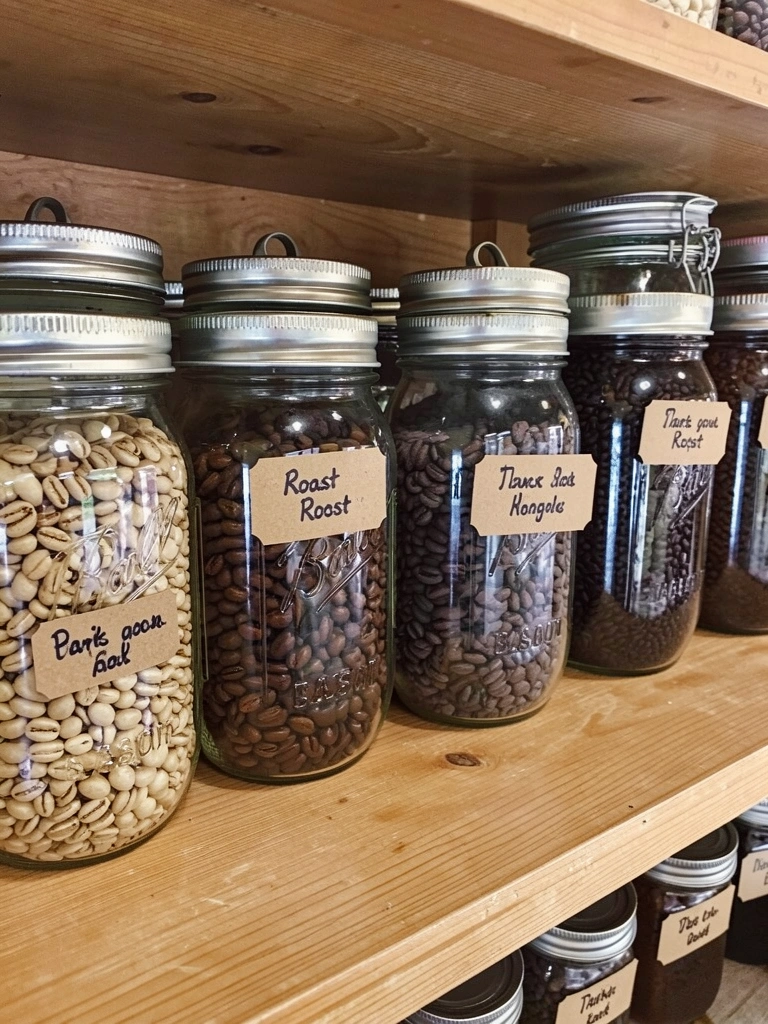
    Mason jars solve three problems at once: they keep beans fresh, look rustic, and cost next to nothing.

    Grab quart and half-gallon mason jars from any grocery store ($0.75–$2 each). Label them with kraft paper and a marker or print vintage-style labels from Etsy ($5–$10 for a set). Add a date or roast level so you remember which is which. Arrange them by color (light to dark) for a naturally organized look.

    Your coffee beans stay fresher longer and look intentionally styled at the same time.


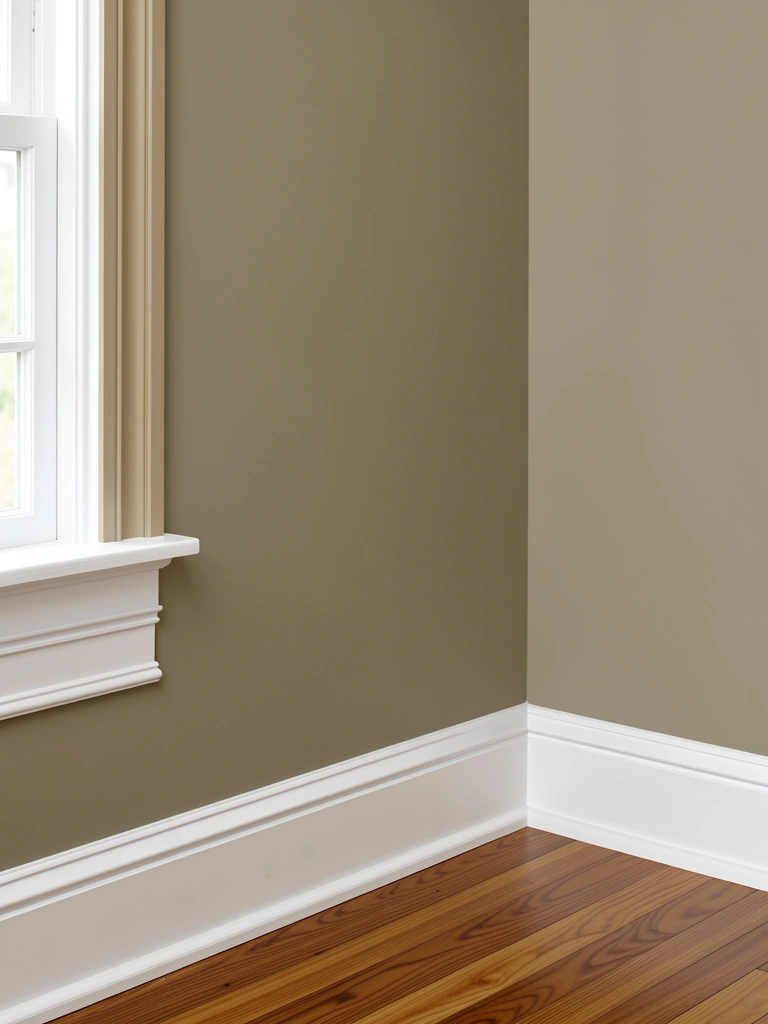
    6. Paint Walls a Warm, Neutral Tone
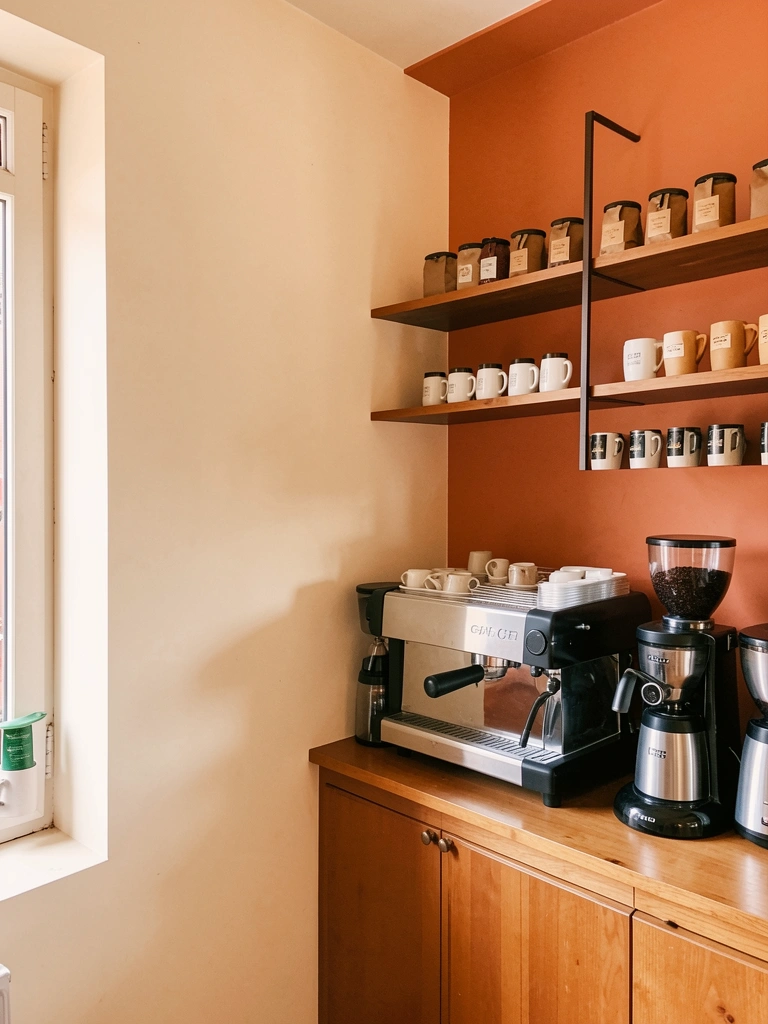
    Warm, neutral walls (think cream, soft terracotta, warm gray, or soft sage) are the canvas that makes rustic coffee bars feel cozy rather than cluttered.

    A gallon of quality paint costs $30–$50 and covers about 400 square feet. A small coffee corner takes one afternoon to paint yourself, or hire help for $200–$400. Stick with matte or eggshell finishes—they feel more rustic than glossy. Brands like Benjamin Moore or Sherwin-Williams have heritage palettes perfect for farmhouse vibes.

    The right wall color makes your coffee setup feel like a destination within your own home.


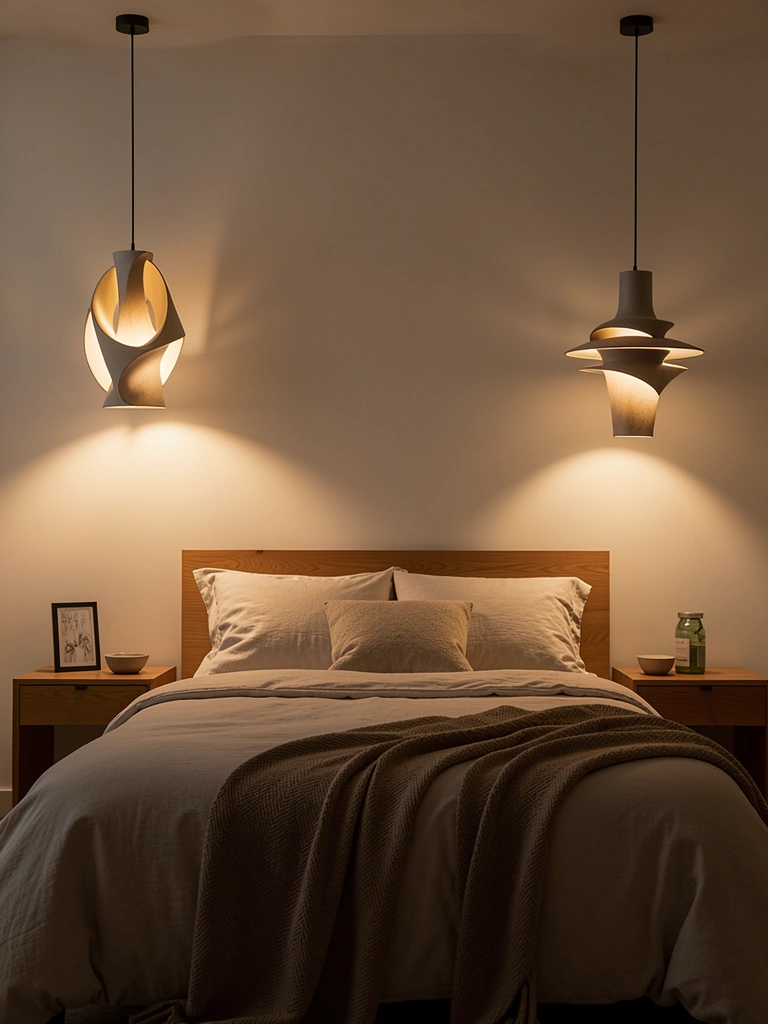
    7. Install Pendant Lights Above the Counter
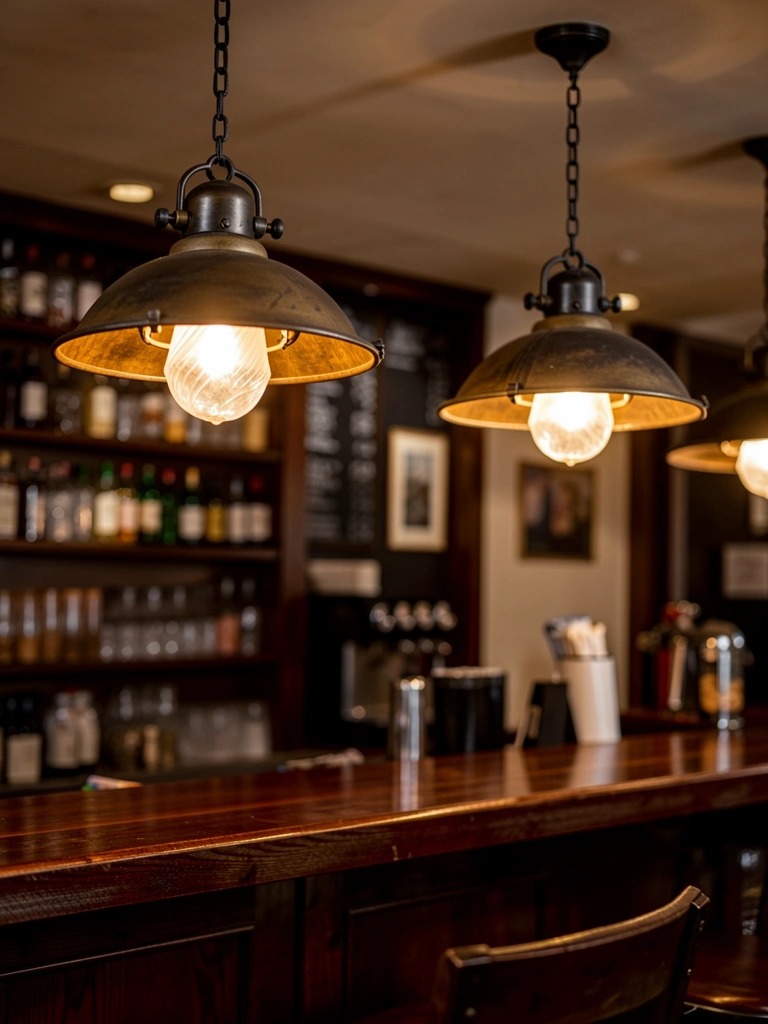
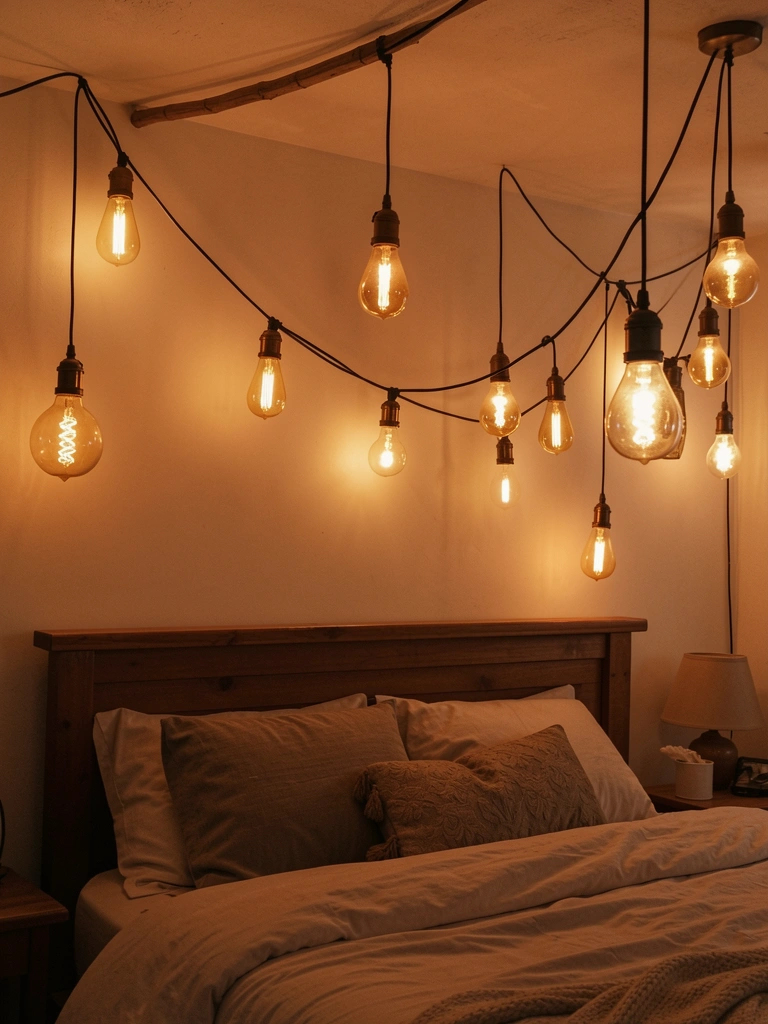
    Lighting transforms a coffee corner from functional to atmospheric. Pendant lights hung at 30–36 inches above counter height create the perfect café ambiance.

    Rustic pendant fixtures run $25–$100 each at Home Depot, Wayfair, or Etsy. Installation requires an electrician ($100–$300 for two fixtures) or a confident DIYer with basic wiring skills. For a renter option, use plug-in pendant lights ($40–$80 each) that hang from a ceiling hook with zero installation.

    Warm light pooling over your coffee setup instantly makes the space feel like a real café—not just a corner of your kitchen.


    8. Display Coffee Equipment as Décor
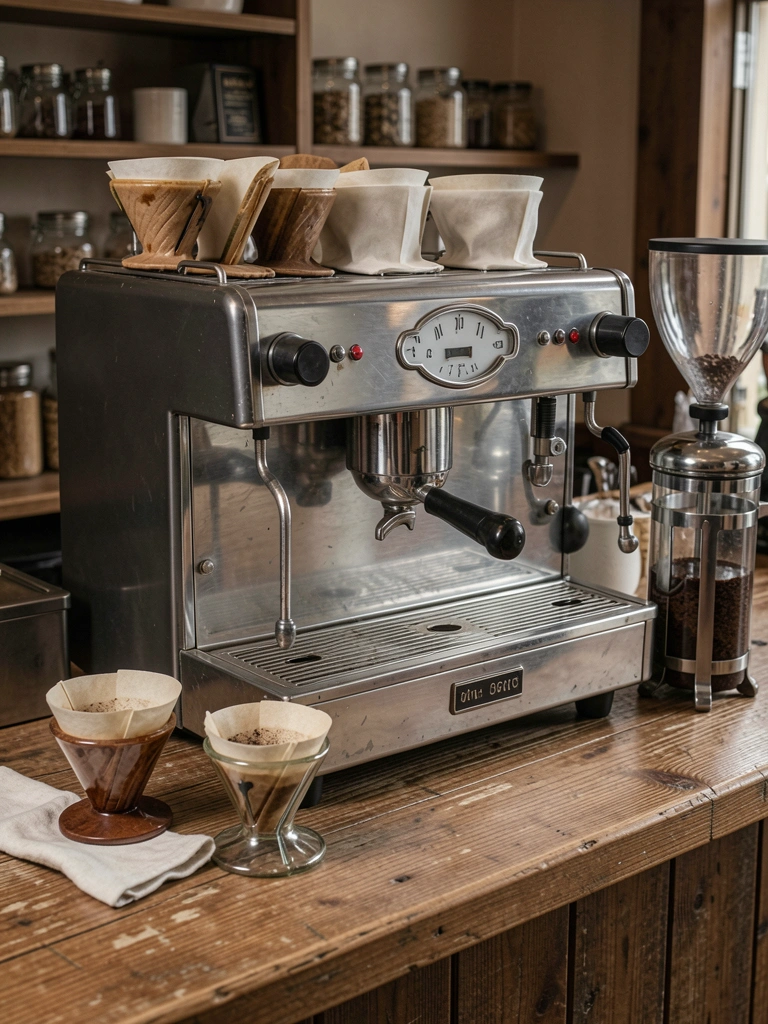
    Your coffee gear isn’t just functional—it’s the décor. A beautiful espresso machine or pour-over setup is worth showcasing.

    If you already own quality equipment, arrange it front-and-center on open shelving or counter space. Add a vintage soap stone or marble under hot equipment for heat protection ($15–$30). Group items by function: brewing tools on one shelf, storage (beans, filters) on another. This creates a visual hierarchy that feels intentional.

    Guests will actually want to ask about your setup instead of just asking for coffee.


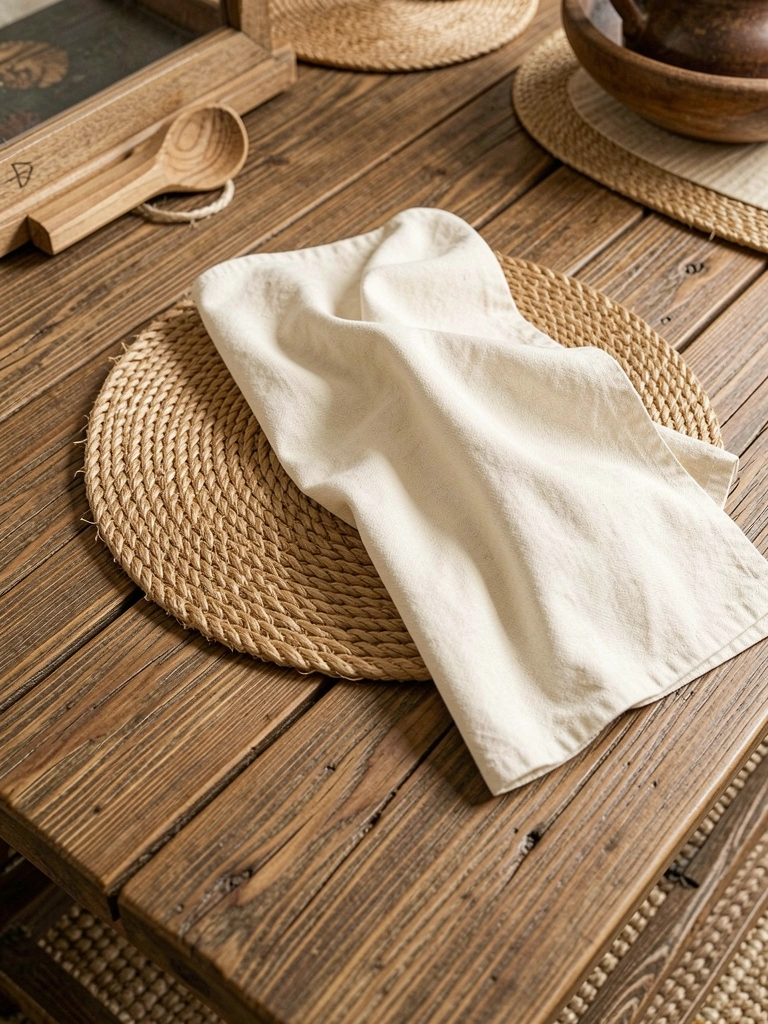
    9. Layer Textures with Linen and Burlap
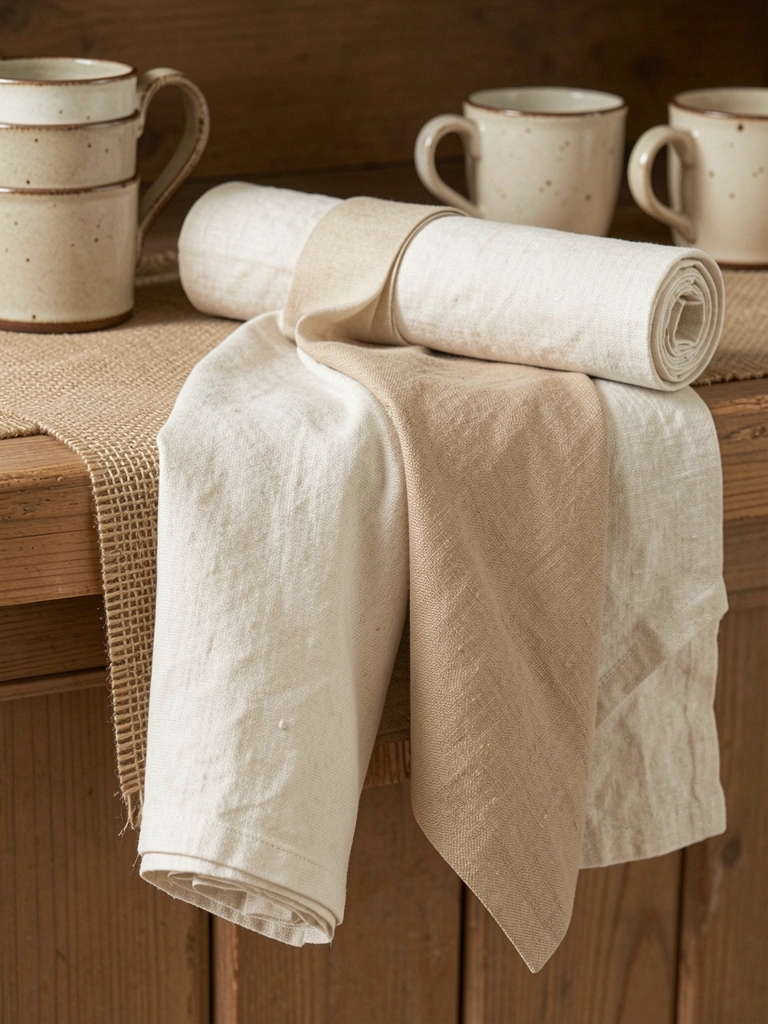
    Rustic charm lives in texture. Linen, burlap, and cotton runner fabrics add warmth without taking up much space or money.

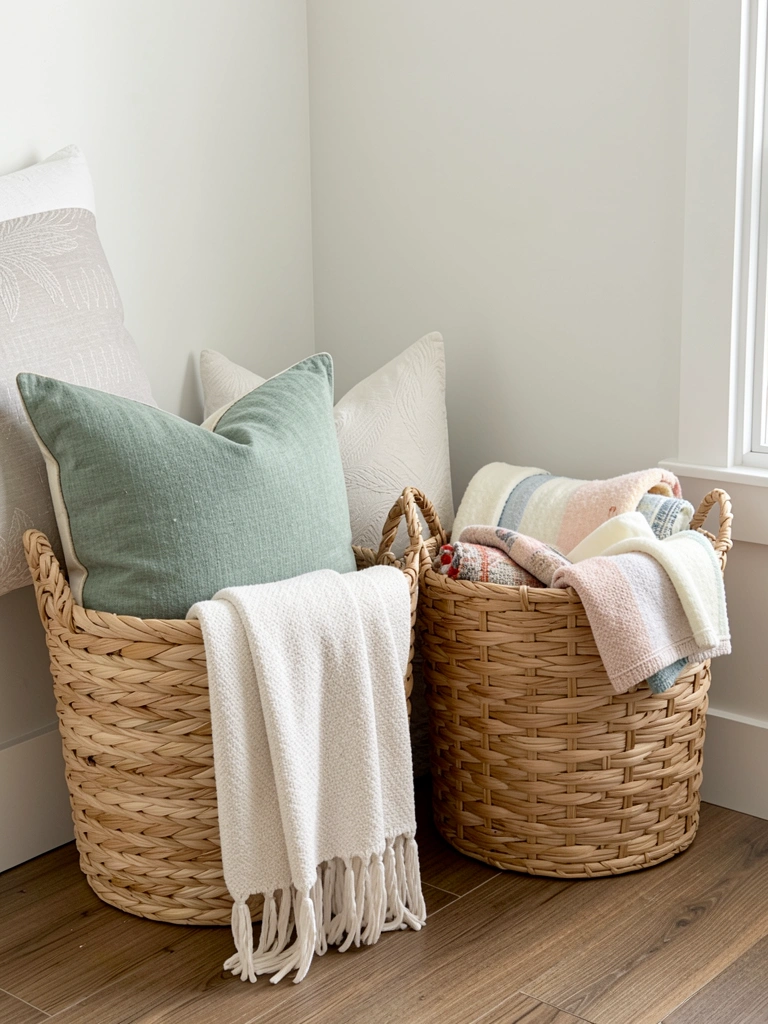
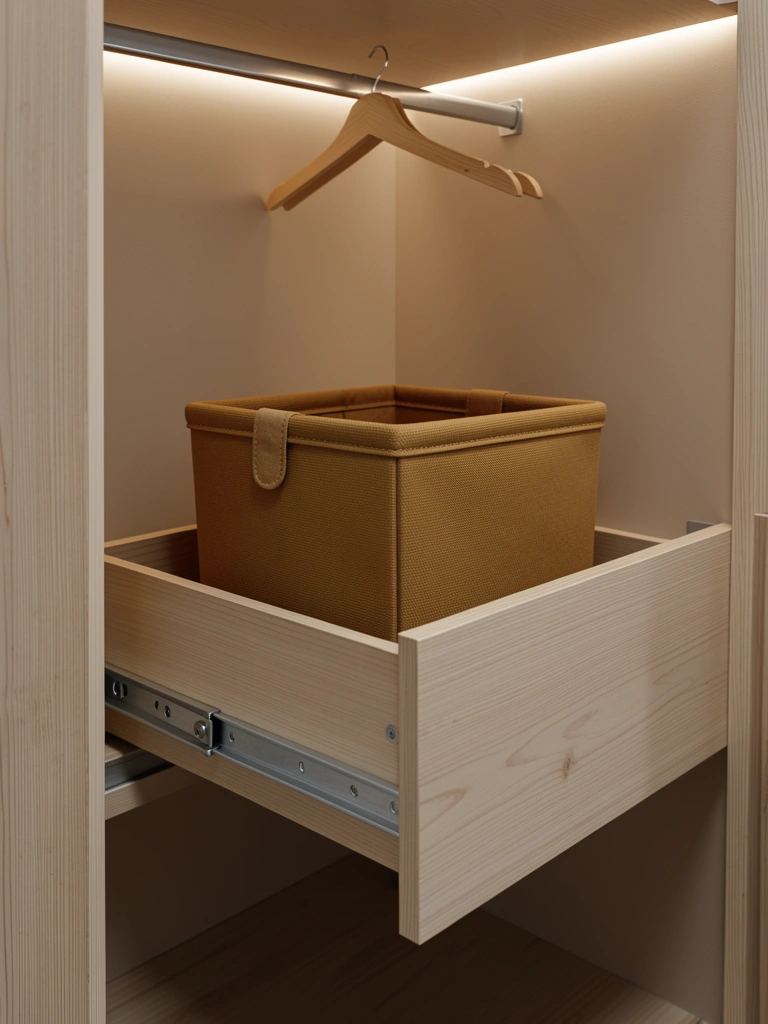
    Grab a burlap runner ($10–$25 on Amazon or HomeGoods) or roll linen tea towels ($8–$15 each at Target) nearby for a polished touch. A small burlap or linen storage basket ($15–$40) keeps coffee filters, sugar packets, or extra napkins organized and on-theme. These soft textures make the bar feel lived-in and approachable.

    The tactile quality of natural fabrics makes your coffee ritual feel more intentional—like you’ve set aside a real moment for yourself.


    10. Create a Coffee Bean Vertical Wall Display
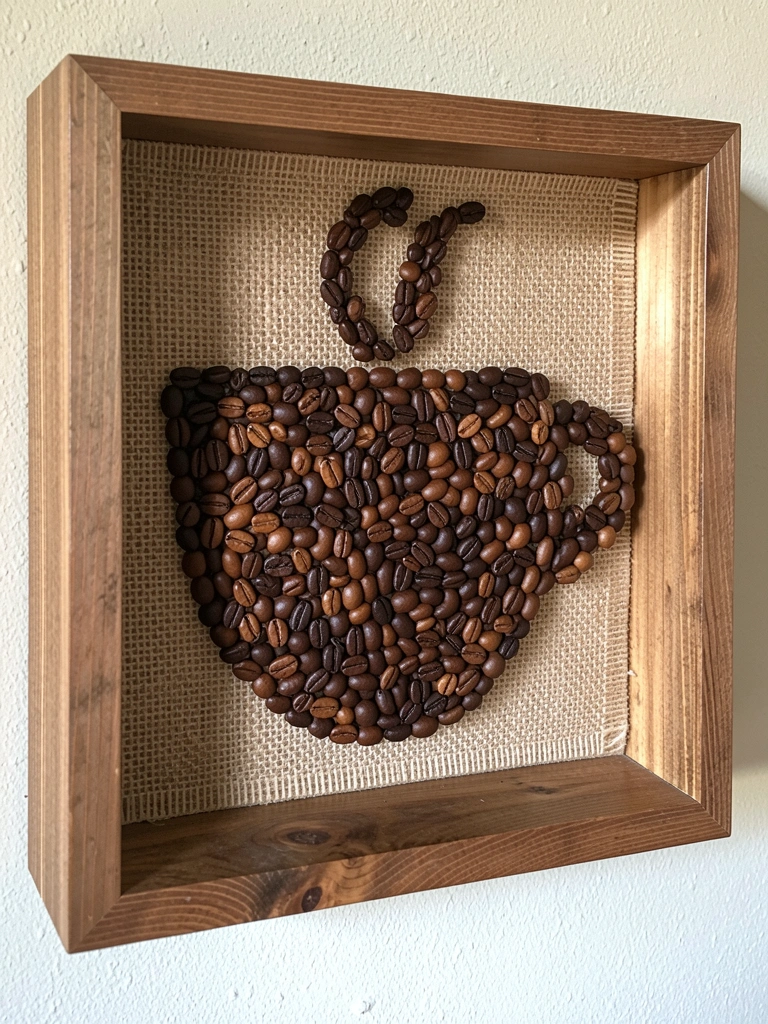
    A vertical bean display is art, organization, and conversation starter all at once—pure rustic genius.

    Use a shadow box frame ($15–$30 at Michaels or Amazon), line it with burlap, and arrange dried coffee beans in patterns. Or buy a wooden display shelf with compartments ($30–$60) and fill each section with a different roast, labeled with vintage tags. Installation is simple—just wall anchors and a level.

    This setup becomes a functional art installation that tells the story of your coffee obsession.


    11. Add a Vintage Coffee Grinder Centerpiece
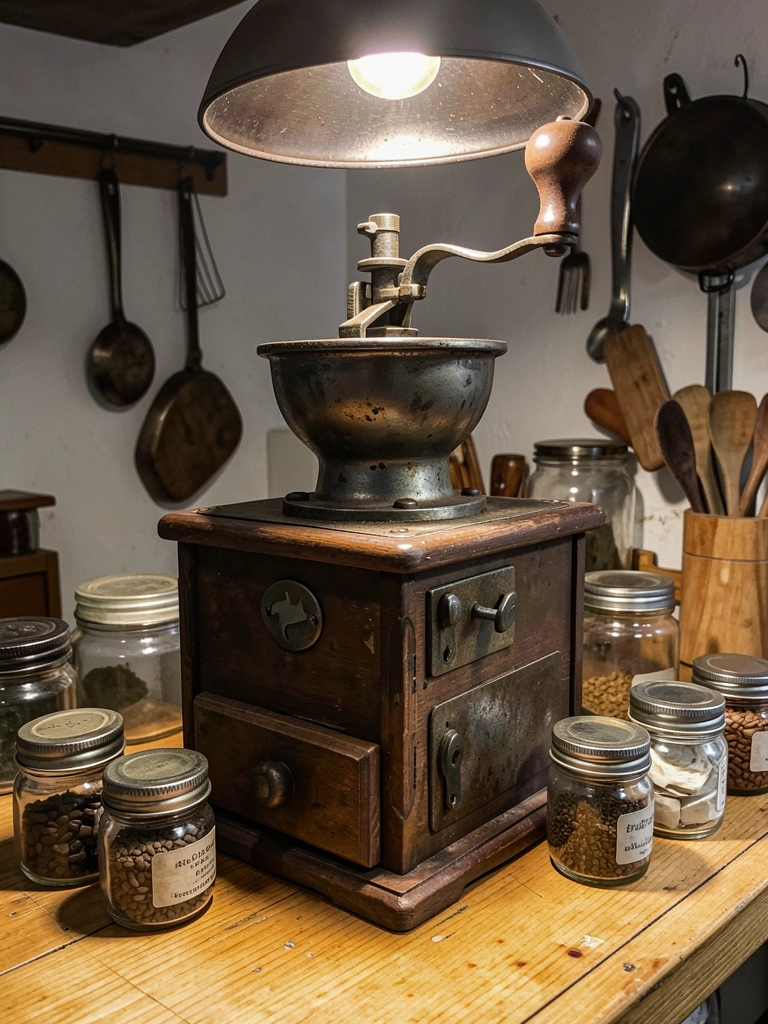
    An old-fashioned manual coffee grinder is the ultimate rustic prop—it’s functional, beautiful, and packed with character.

    Hunt for vintage grinders at estate sales, antique shops, or Etsy ($30–$100 depending on condition and age). They don’t need to work (though some still do)—they’re as much décor as tool. Place it on a visible shelf or counter as a centerpiece that draws eyes. Pair it with a small stack of specialty coffee bags or a vintage cookbook.

    The moment someone sees that grinder, they know they’re in a space where coffee matters.


    12. Paint or Stain Wood Shelves Deep Brown
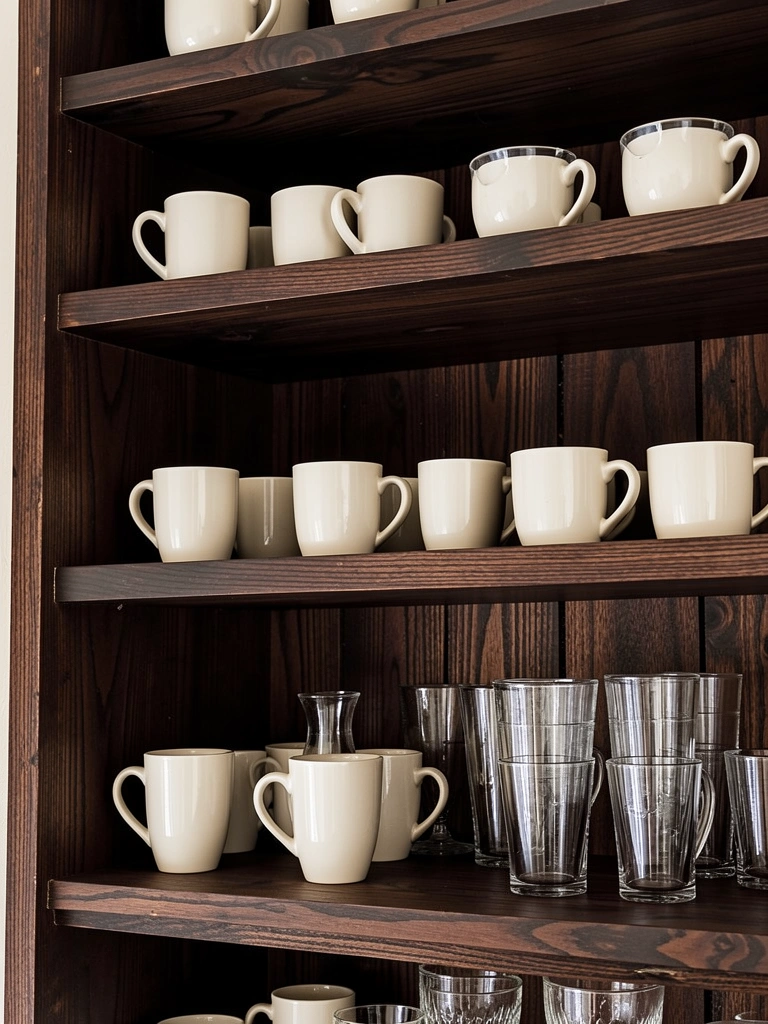
    Deep wood tones ground a rustic coffee bar and make lighter décor items pop. If your shelves are too light or new-looking, stain them darker.

    Buy wood stain at Home Depot ($10–$20 per quart)—brands like Minwax come in 20+ rustic shades. Staining takes 2–4 hours (plus drying time) and requires light sanding beforehand. If you’re renting or want zero commitment, use furniture stain markers ($5–$8 per marker) to touch up or darken existing shelves temporarily.

    Deeper wood tones instantly age your space and make everything feel more intentional and collected.


    13. Incorporate Vintage Kitchen Scale or Register
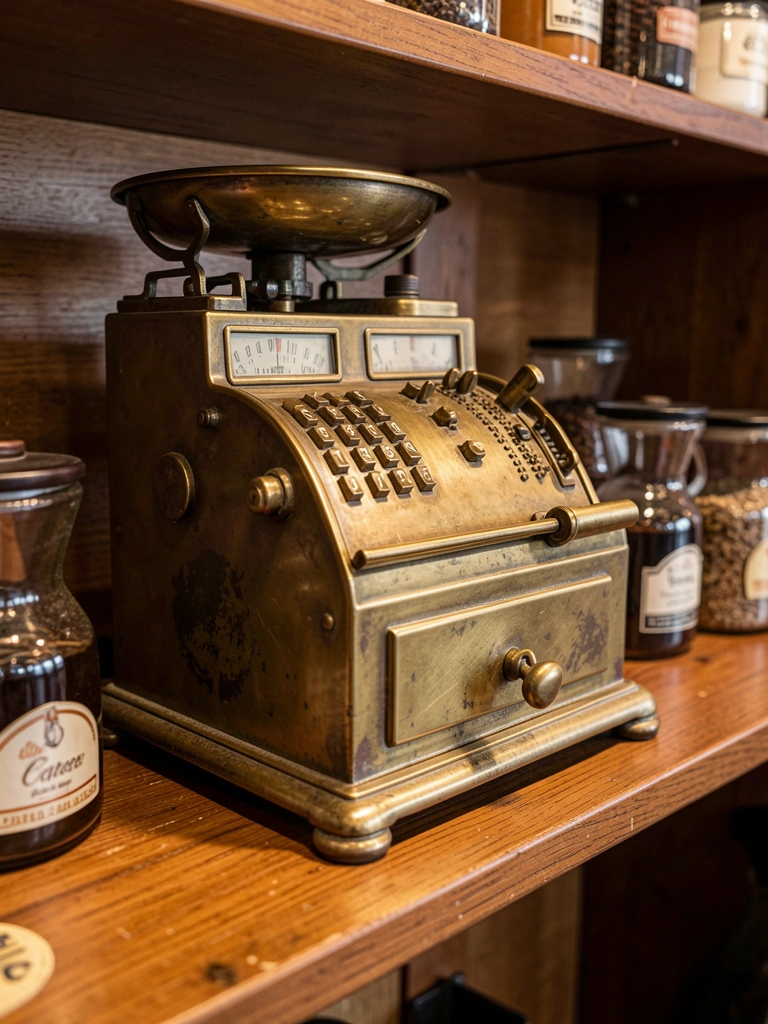
    Vintage kitchen scales and old registers are rustic gold—they’re sculptural, functional, and instantly elevate your setup.

    Find them at antique shops, flea markets, or eBay ($15–$60 depending on age and condition). A scale can hold your coffee bags (beautiful and practical). An old register is pure décor—it sits pretty and tells a story. Display one as your centerpiece with other small items grouped around it.

    These vintage finds make your coffee bar feel like it’s been a gathering spot for decades, even if you just started it.


    14. Use Kraft Paper for Labels and Signage
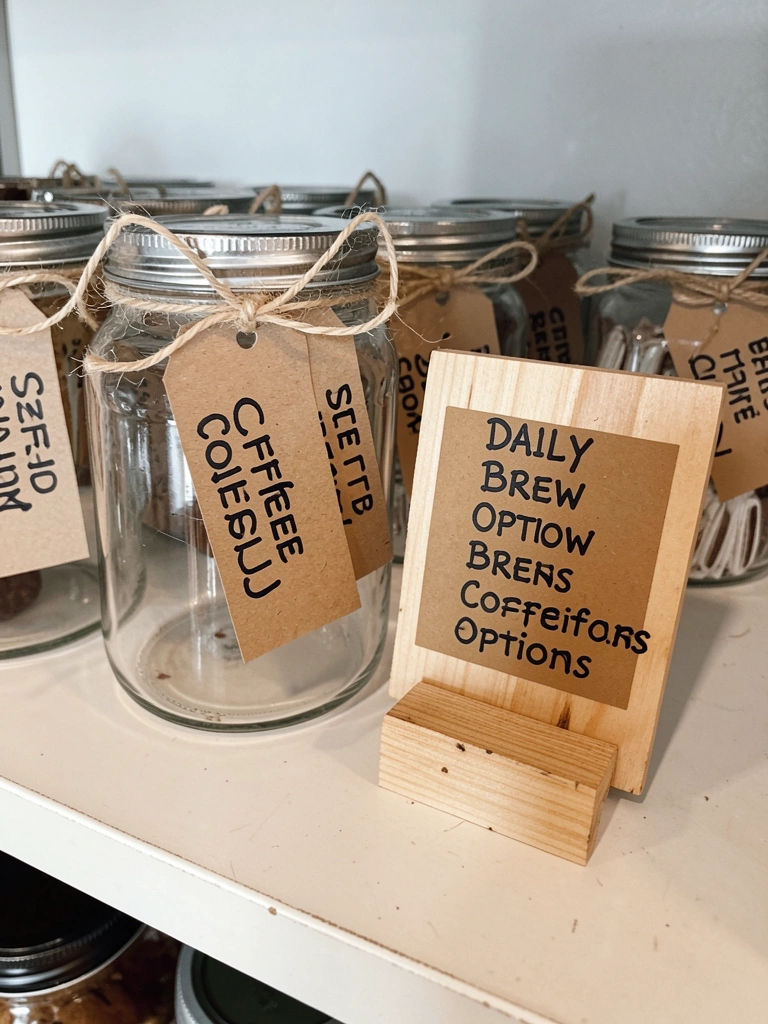
    Kraft paper is the rustic styling MVP—it’s cheap, versatile, and looks effortlessly charming.

    Grab a kraft paper roll ($5–$10 at craft stores) or kraft adhesive labels ($8–$12 for a pack). Write blend names, brewing instructions, or dates with a black marker or calligraphy pen. Tie labels to jars with jute twine ($3–$5). Add a small kraft chalkboard or kraft menu card to list your daily coffee offerings.

    Kraft paper transforms basic supplies into styled details that feel intentional without looking overdone.


    15. Install Open Shelving Between Wall Studs

    Built-in shelving makes your coffee bar feel permanent and purposeful. It’s a renter’s dream if you use removable brackets, or a homeowner’s investment in your space.

    Floating shelf kits run $40–$120 each at Home Depot (includes brackets and hardware). Installation takes 1–2 hours per shelf with a stud finder and level. For renters: use temporary adhesive brackets ($20–$50) that won’t damage walls. DIY enthusiasts can build custom shelves from reclaimed wood and brackets for $50–$150 per shelf.

    Custom-built shelving makes your coffee corner feel like it was always meant to be there.


    16. Group Items by Threes and Fives
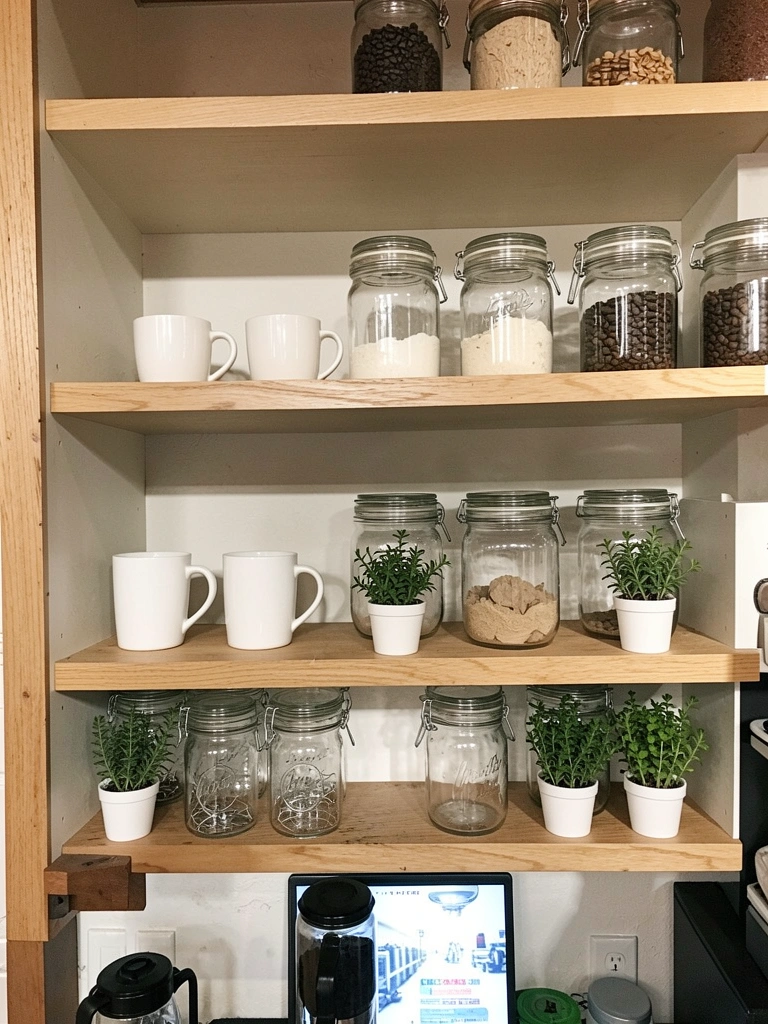
    Rustic styling isn’t about perfection—it’s about intentional grouping. The “rule of three or five” creates visual harmony while keeping things authentic.

    Arrange coffee accessories in small clusters: three matching mugs together, five jars of beans displayed by color, three small plants grouped on one shelf. Leave breathing room between groups so nothing feels crowded. This works even on a small shelf because the grouping itself becomes the décor.

    Strategic spacing makes your coffee bar look styled by design, not by accident—and way more visually interesting.


    17. Add a Wooden Tray as a Corralling Tool
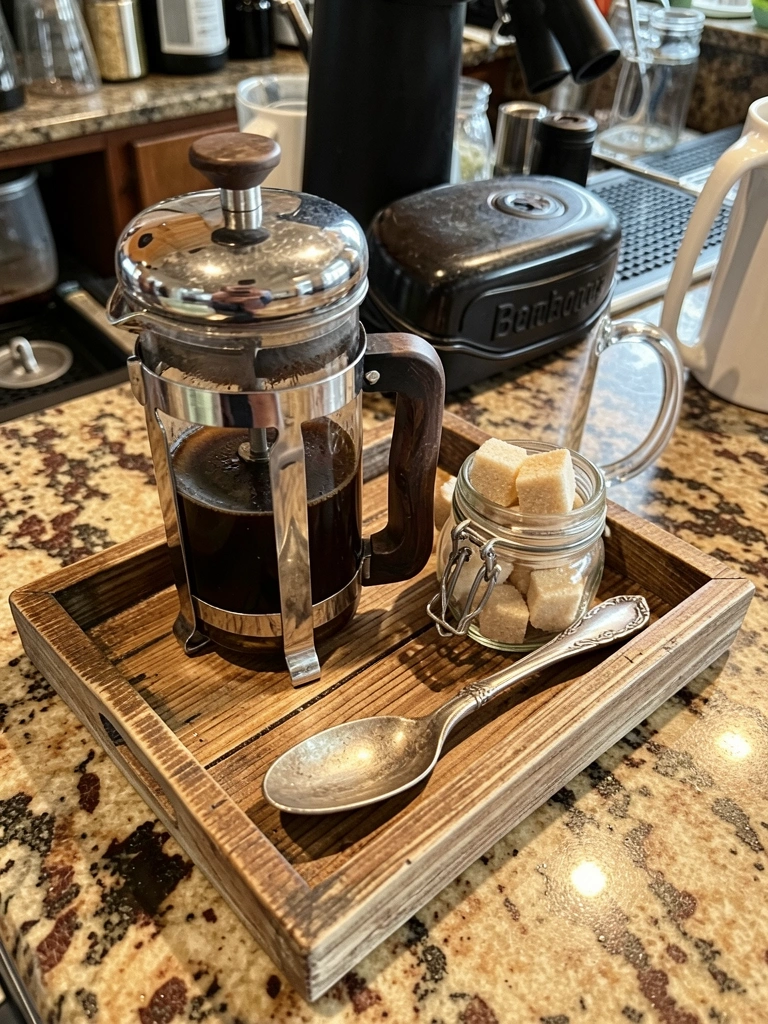
    A wooden tray is the secret tool that makes small coffee bars look organized and styled simultaneously. It groups related items without needing shelves.

    Hunt for wooden trays at HomeGoods, Target, or thrift stores ($10–$30). Choose one with rustic charm—worn edges, natural grain visible, maybe some worn finish. Use it to corral your daily-use items: French press, sugar bowl, spoon, cream pitcher. Swap what’s on the tray seasonally or daily depending on what you’re brewing.

    A tray instantly elevates your coffee setup from scattered to styled—and you can easily move it around.


    18. Hang Vintage Coffee Sacks or Canvas Art
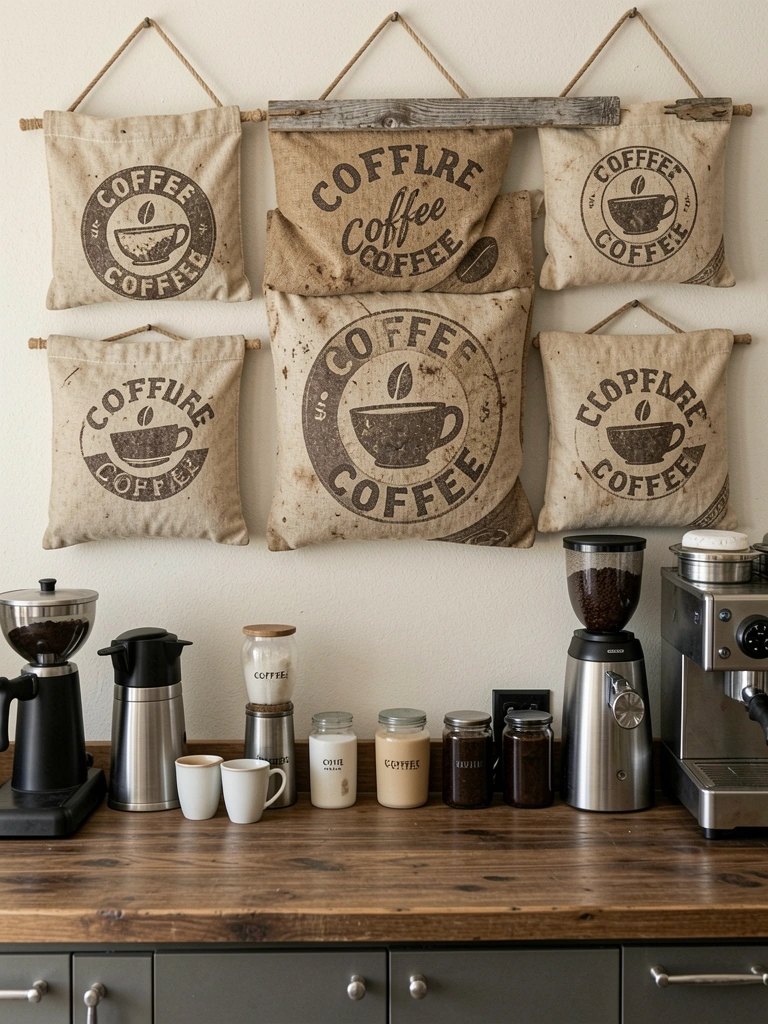
    Vintage coffee sacks are rustic art—each one has a history, and they look genuine rather than mass-produced.

    Score sacks at antique shops or specialty coffee roasters ($15–$50 each). Frame them in simple wooden frames ($10–$30 each), or hang them with rope and vintage clips ($8–$15). If you can’t find authentic sacks, Etsy sells beautiful reproductions ($20–$40 for canvas art with vintage coffee logos). Hang 2–3 pieces above your main coffee display area.

    Vintage coffee sacks say “I love coffee” in the most authentic, rustic way possible.


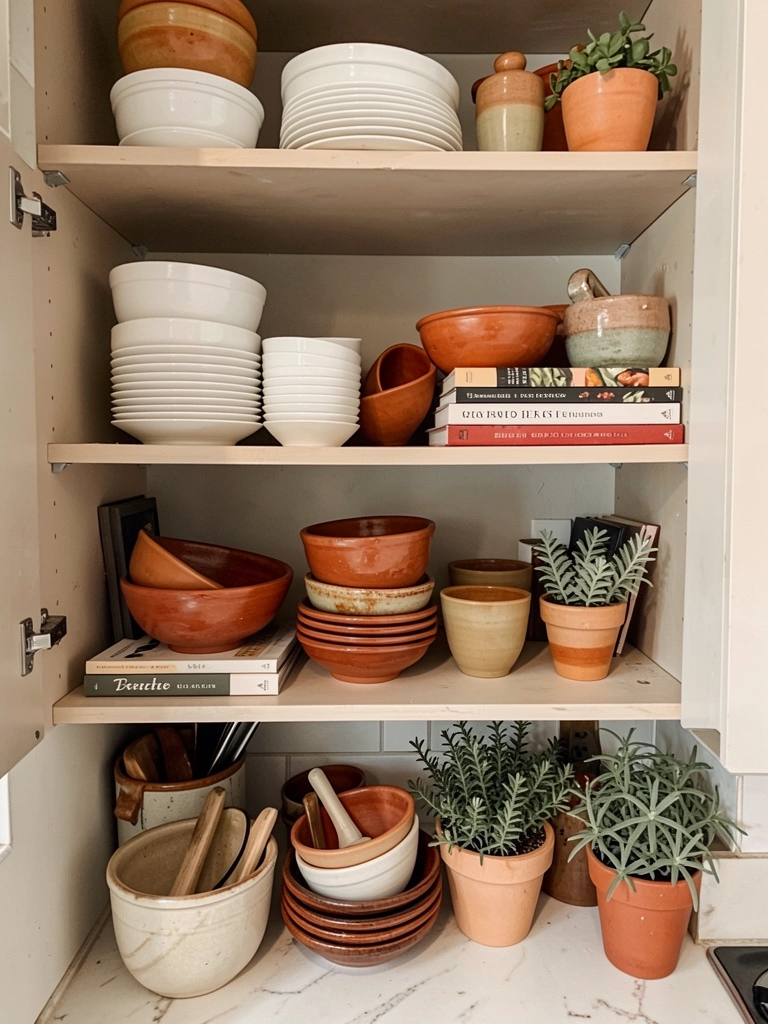
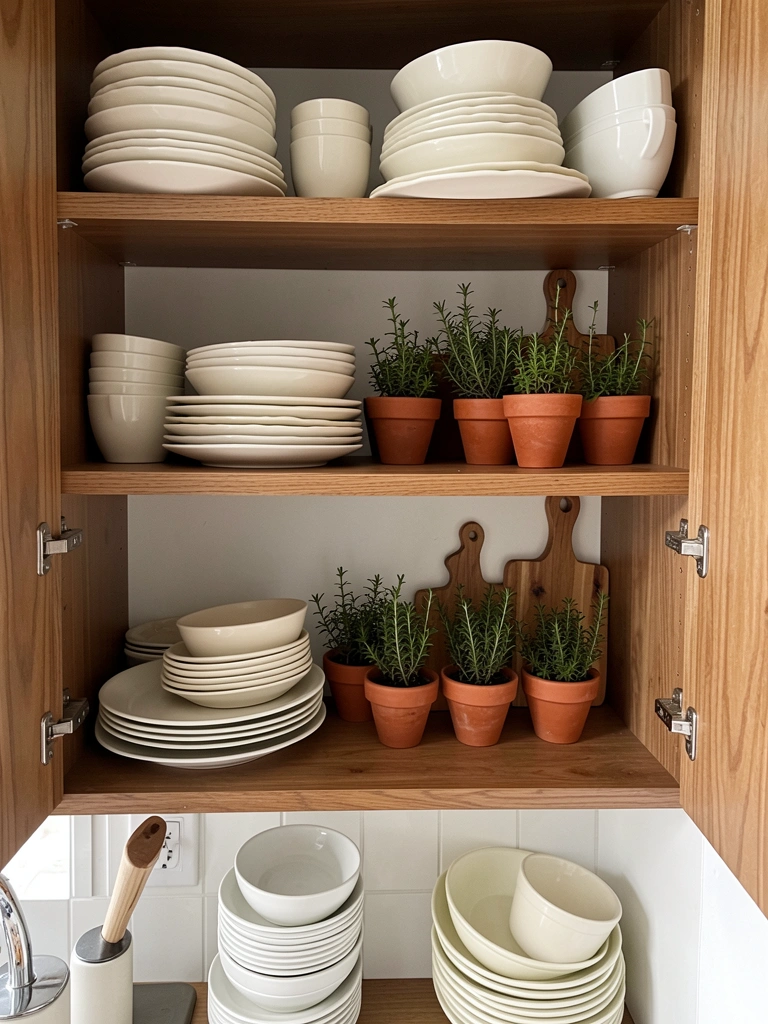
    19. Incorporate a Small Potted Herb Garden
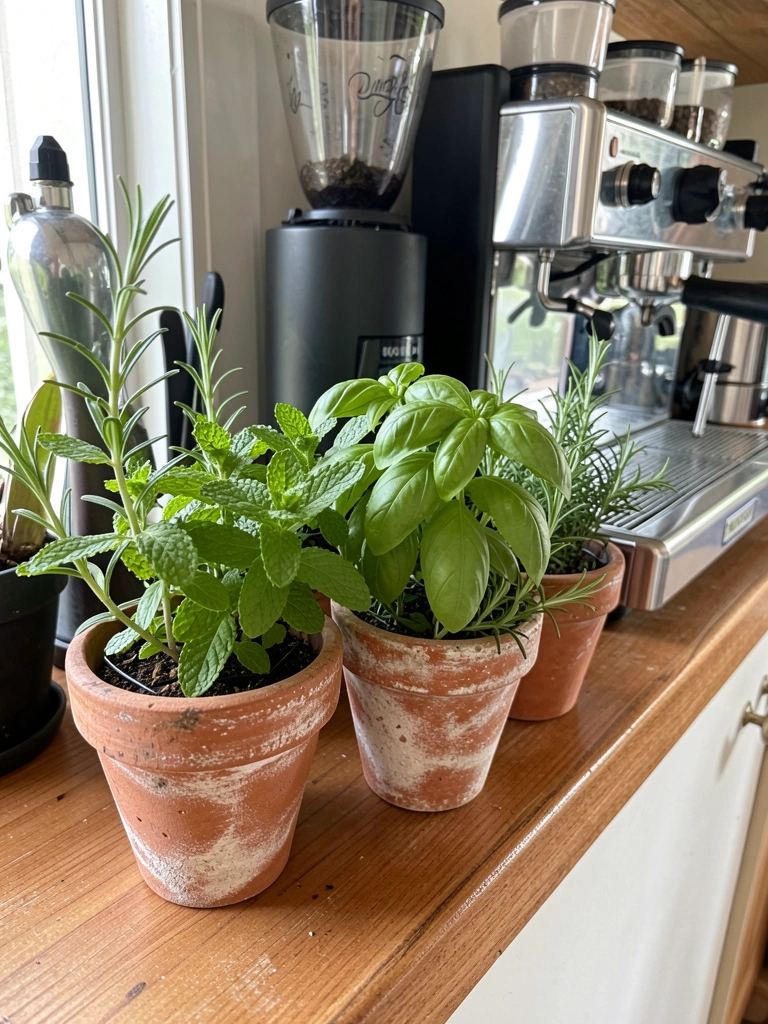
    A small herb garden adds freshness, greenery, and a living element that makes rustic spaces feel nurtured and real.

    Start with low-maintenance herbs: mint, basil, or rosemary in small terracotta pots ($3–$8 each). Arrange them on your coffee bar shelf where they’ll get decent light (at least 4 hours daily). Water them 2–3 times weekly. Use the herbs in your coffee setup—fresh mint in your water pitcher, basil in seasonal beverages, or just let them sit pretty.

    Fresh herbs remind you daily that this little corner is a place of care and intention.


    20. Use Vintage Bottles and Glassware for Syrups

    Vintage bottles aren’t just pretty—they’re the perfect vessels for homemade coffee syrups and add serious visual interest.

    Scout antique shops, estate sales, or Etsy for small vintage bottles ($5–$20 each). Fill them with homemade syrups (vanilla, cinnamon, hazelnut) or store-bought specialty syrups. Label each bottle with kraft paper tags and twine. Group them together so they become a mini display—the colors and shapes create natural visual appeal.

    Serving coffee from vintage bottles elevates the entire ritual and makes guests feel special.


    21. Create a Coffee Bar on a Vintage Cart
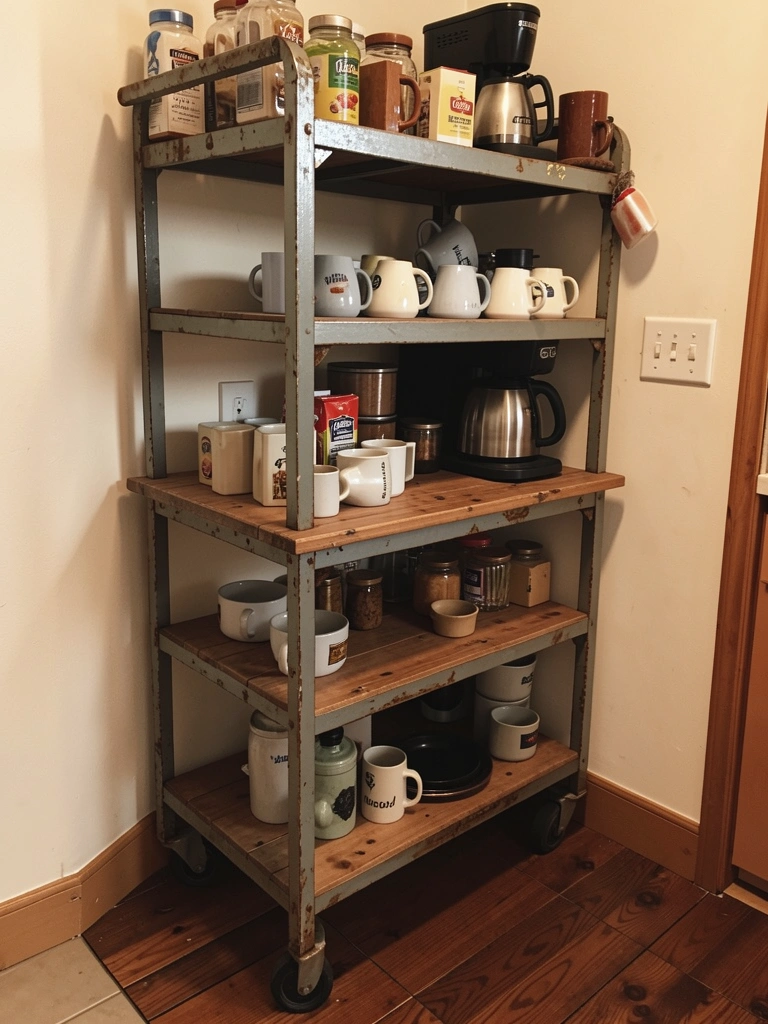
    A vintage cart gives you a portable, flexible coffee bar that looks undeniably charming—and you can move it whenever you want.

    Find vintage bar carts or kitchen carts at thrift stores ($20–$60), Facebook Marketplace, or specialty shops like Wayfair ($60–$150). Fill the shelves with your mugs, coffee equipment, and supplies. The wheels mean you can roll your setup to different rooms for gatherings or simply push it aside for extra counter space.

    A rolling coffee bar is functional, stylish, and says you’ve thought about how you actually use your space.


    22. Display a Coffee Roasting Timeline or Tasting Notes
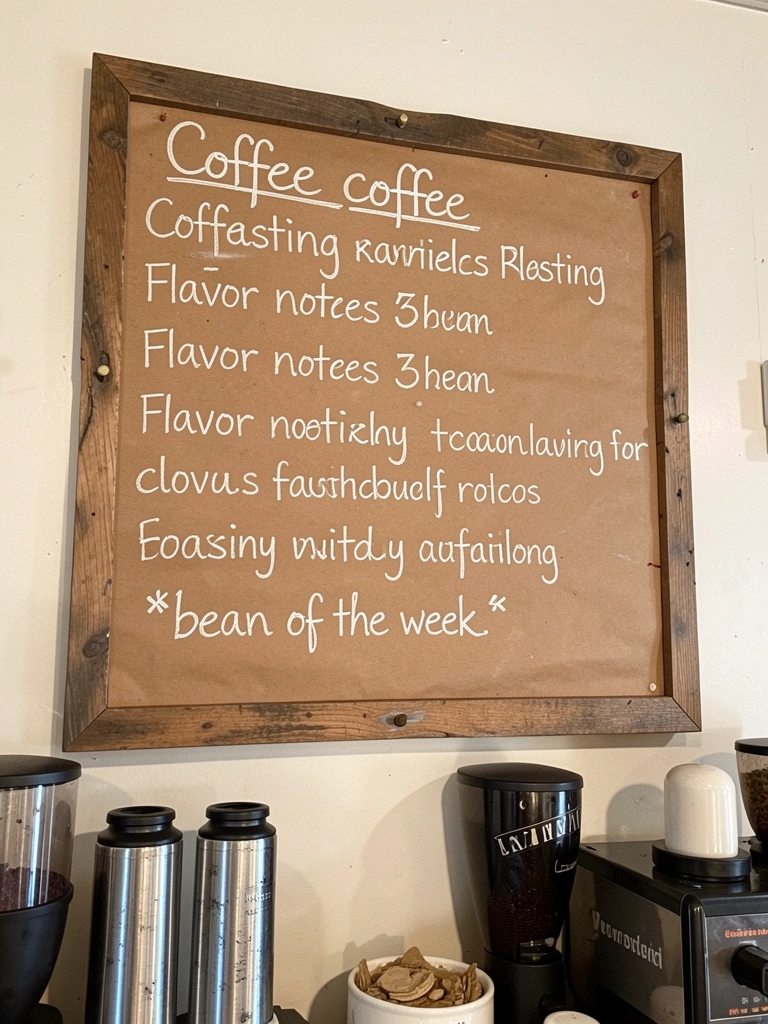
    Sharing the story of your coffee transforms it from just a beverage into an experience—even if you’re the only one experiencing it.

    Get a small chalkboard ($8–$15 at Target) or make one from kraft paper and frame it ($10–$20 total). Write out tasting notes, roast levels, or the origin story of your current beans. Update it weekly or daily. Use chalk markers or a beautiful pen to keep it rustic and handmade-looking, not corporate.

    When you read those notes while brewing, your morning ritual becomes more intentional and mindful.


    23. Mix Metal Finishes Across Your Setup

    Rustic spaces embrace mixed metals instead of trying to match everything perfectly. It feels collected and authentic rather than coordinated.

    When shopping for equipment, hooks, brackets, or décor, don’t worry about matching metals exactly. Brass, copper, black iron, and aged silver can all live together beautifully. The “imperfection” is the whole point. Group similar metals on one shelf, then introduce a different finish on another to create rhythm.

    Mixed metals make your setup look like it’s been collected over time, not assembled all at once from a single brand.


    24. Add a Small Farmhouse Sink or Washing Station
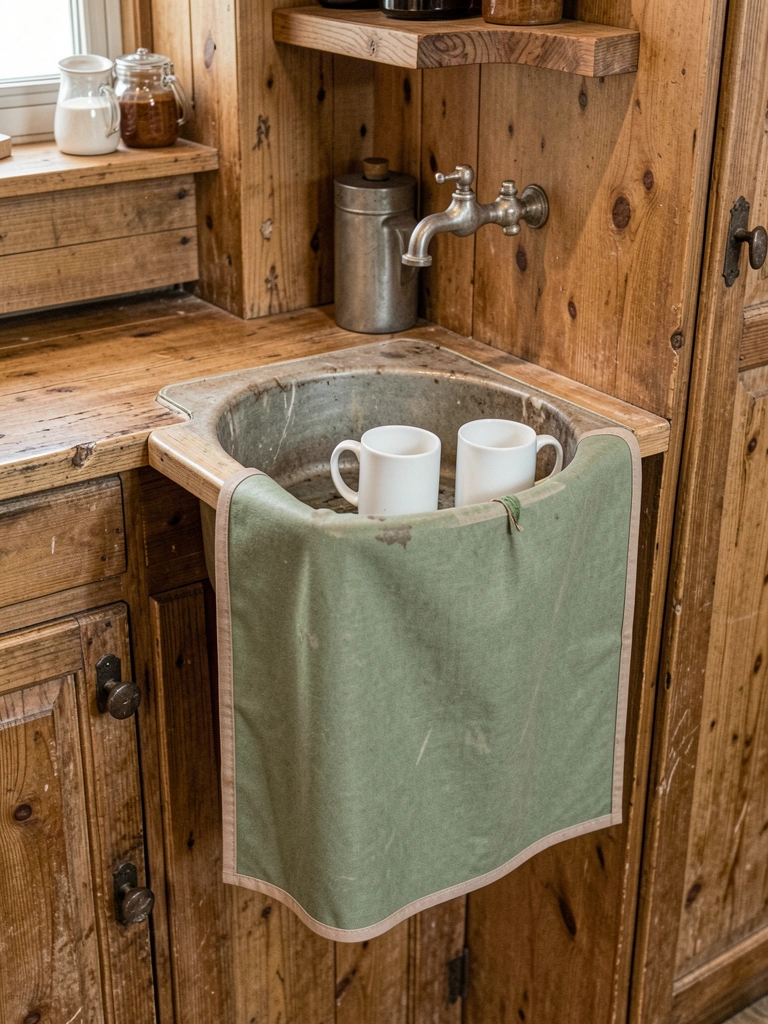
    If you have space and resources, a dedicated washing station transforms your coffee bar from just serving to fully functional and guest-ready.

    A small farmhouse sink runs $200–$500. Installation by a plumber costs $300–$800 depending on existing plumbing. For renters: a ceramic or metal basin ($20–$50) sitting on counter space works beautifully—fill with water and keep clean mugs nearby. It’s practical and looks intentionally styled.

    A little sink turns your coffee bar into a real café-style setup instead of just a corner of your kitchen.


    25. Wrap or Frame a Coffee Quote in Vintage Style
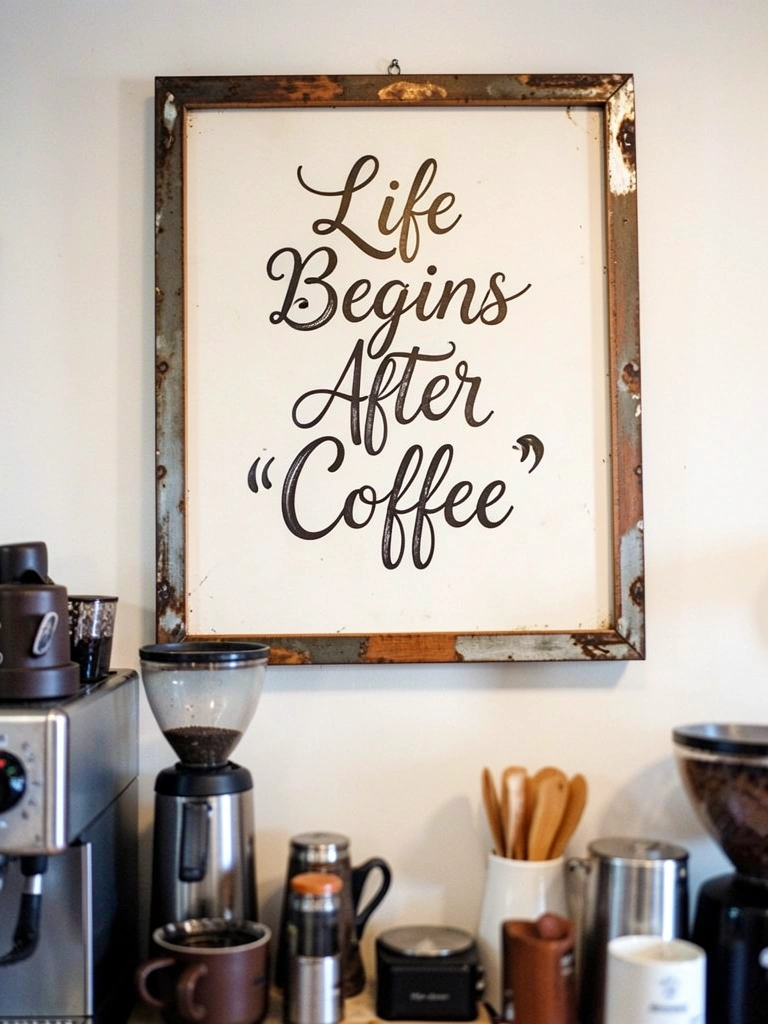
    A rustic coffee quote frames your whole philosophy and becomes a daily reminder that this space is about more than caffeine.

    DIY: print your favorite coffee quote on kraft paper, frame it in a rustic frame ($8–$15), and hang it. Purchase option: Etsy sellers offer gorgeous hand-lettered prints ($15–$30) that come ready to frame. For zero cost: write a quote directly on kraft paper with calligraphy pen, tape it to the wall, and create an impromptu art installation.

    Every time you walk past that quote, you’re reminded to actually pause and enjoy your coffee ritual.


    26. Set Up a Coffee Tasting or Cupping Station
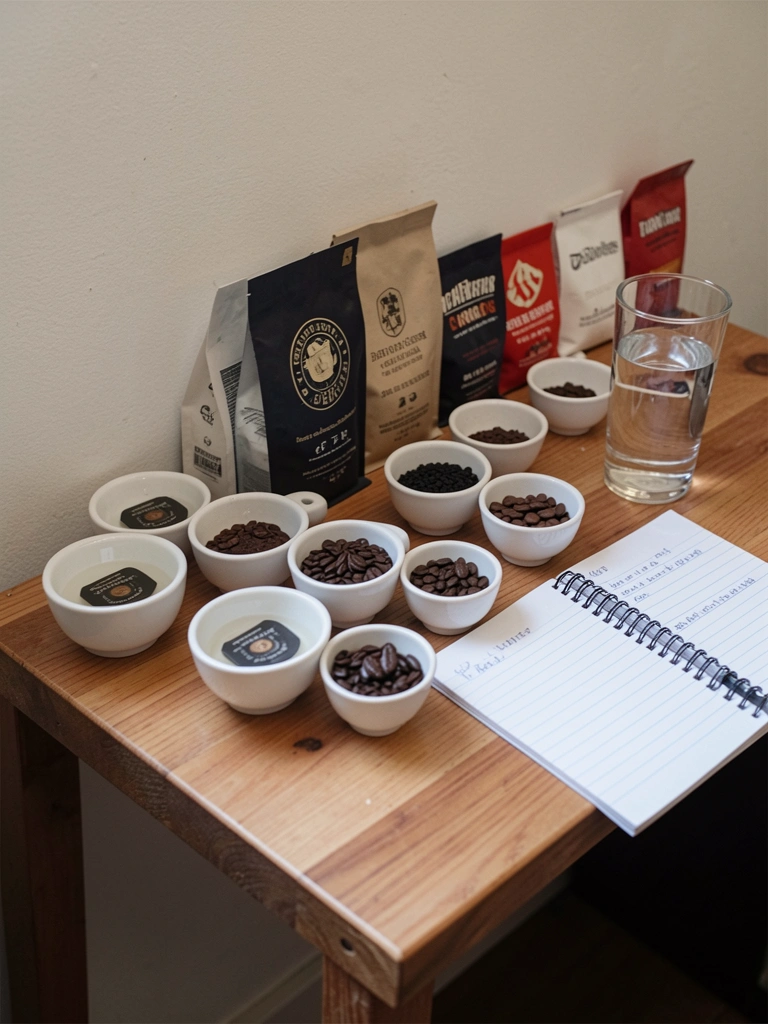
    A tasting station takes your coffee bar from serving-focused to experience-focused—it’s rustic café vibes at their finest.

    Grab inexpensive cupping bowls ($3–$8 each at coffee supply shops or Amazon), source 3–5 different single-origin coffees from local roasters ($10–$15 per bag), and create a simple tasting sheet (free template from sites like Blue Bottle Coffee or Intelligentsia). Arrange everything on your coffee bar with water for cleansing the palate. Invite friends or make it a solo ritual each week.

    Suddenly your coffee bar isn’t just where you grab a morning cup—it’s a destination for genuine discovery and connection.


    Ready to build your rustic coffee corner? Pick one or two ideas to start with this weekend—maybe that vintage cart or a set of reclaimed wood shelves—and watch your coffee ritual transform. Your space doesn’t need to be big or perfect to feel like a real café. Save this post and share it with any coffee lover you know who needs their own cozy corner.
  • 26 Layered Bedding Styling Methods That Add Depth & Softness

    26 Layered Bedding Styling Methods That Add Depth & Softness


    You know that feeling when you walk into a beautifully styled bedroom and just want to sink into the bed? That’s not magic—it’s layering done right. A cozy bed isn’t about having expensive sheets (though quality helps). It’s about combining different textures, weights, and materials so your bed looks inviting AND feels amazing to crawl into. Whether you’re working with a tight budget or ready to invest in comfort, these 26 layering methods will show you exactly how to build a bed with real depth. From free styling tricks to thoughtful textile swaps, you’ll discover how to make your bedroom feel like the retreat you actually want to spend time in. Let’s get started.


    1. Start with Quality Basics, Not Quantity

    Good layering starts with a solid foundation. Cheap, thin sheets won’t hold texture or drape well, and they wrinkle into chaos when you pile things on top. You don’t need luxury brand prices—you need sheets with a reasonable thread count (300-400 for cotton) that actually feel substantial in your hands.

    Target quality sheets around $60–$120 for a set (Brooklinen, Target’s Threshold, or Amazon Basics all work). You’ll notice the difference immediately when you add throws and quilts on top. Better sheets hold their shape, drape naturally, and make everything else look more intentional. Splurging here saves money later because everything else will look better on a solid base. Time to invest: 30 minutes shopping. The payoff? Your bed looks professionally styled from day one.


    2. Layer Your Mattress Before the Sheets

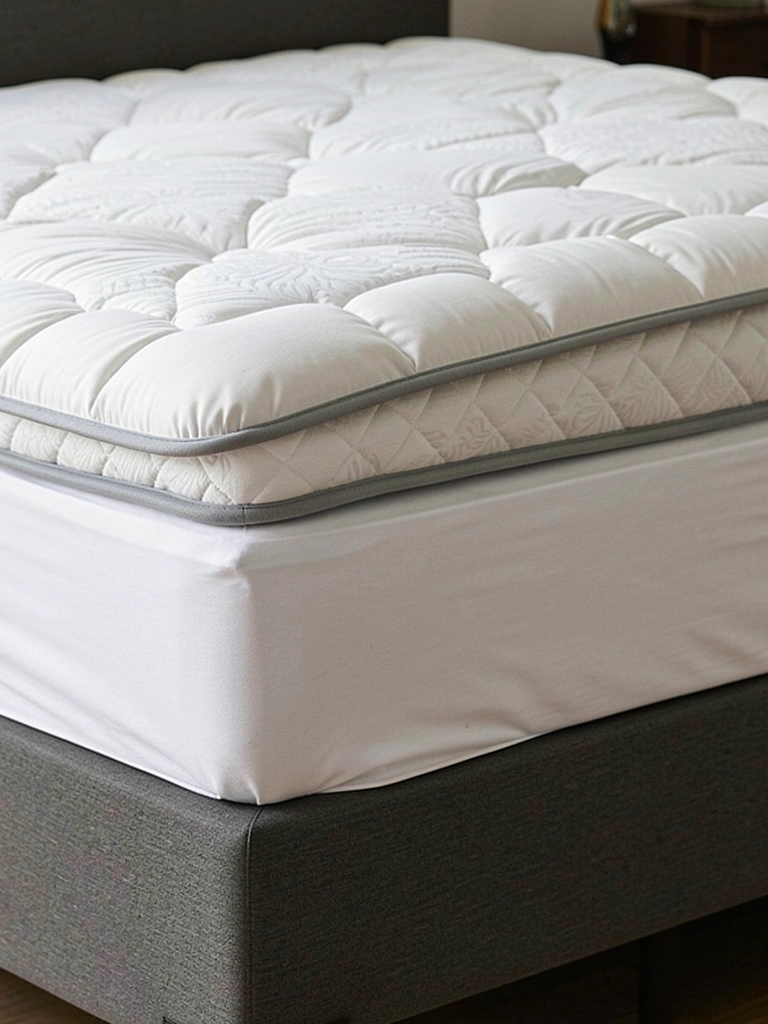
    Most people skip this step, but adding a mattress topper or quilted pad under your top sheet is a game-changer. It creates volume and visual interest right away, plus it adds cushioning that makes your bed feel more luxe when you sit down.

    A quilted mattress pad runs $30–$80 (Brookstone, Target, Amazon). Put your fitted sheet down first, then layer the quilted pad, then your top sheet. The topper peeks out subtly at the foot and sides, adding texture you can actually see. This takes 10 minutes to arrange and immediately makes your bed look fuller. Pro tip: Choose a quilted pad in a warm neutral tone (cream, oatmeal) so it complements, not clashes with, your sheets. The result is a bed with visual dimension even before you add pillows.


    3. Use a Fitted Sheet + Top Sheet Combination, Not Just a Duvet

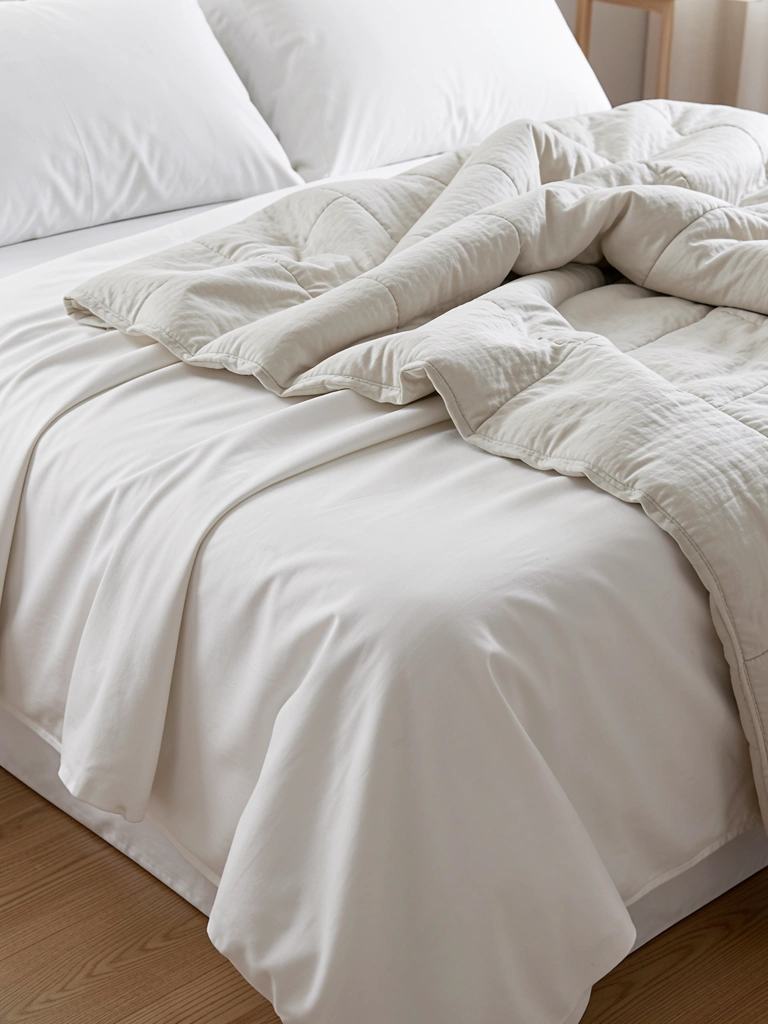
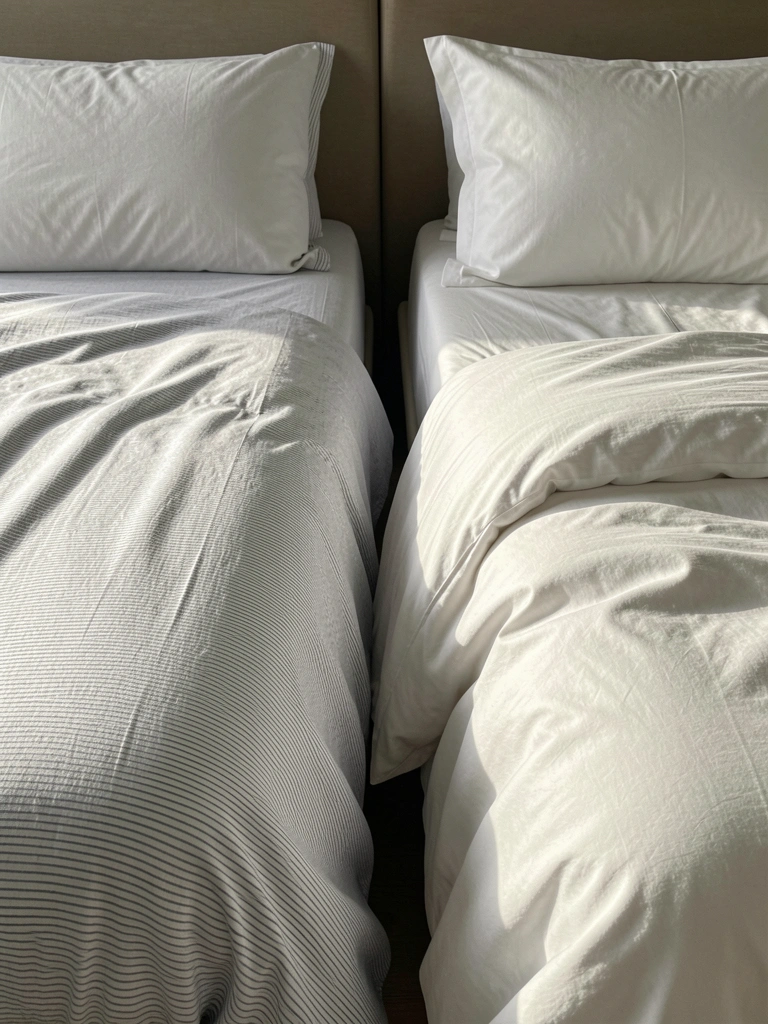
    Duvets flatten everything. They’re practical but they visually compress your bed into a single, boring plane. Switching to a fitted sheet plus a top sheet gives you immediate texture from the way fabric naturally folds and drapes.

    The combo takes 5 minutes longer to arrange than a duvet but looks dramatically better. Tuck your fitted sheet, lay your top sheet across loosely (let it wrinkle—that’s the point), and fold it back casually at the foot of the bed. This creates natural folds and shadows that look intentional and lived-in. Cost: $0 if you already own sheets, or around $40–$60 for good linen. Pair it with throws and quilts for even more texture. You get the warmth and function of a duvet with the visual appeal of thoughtful layering.


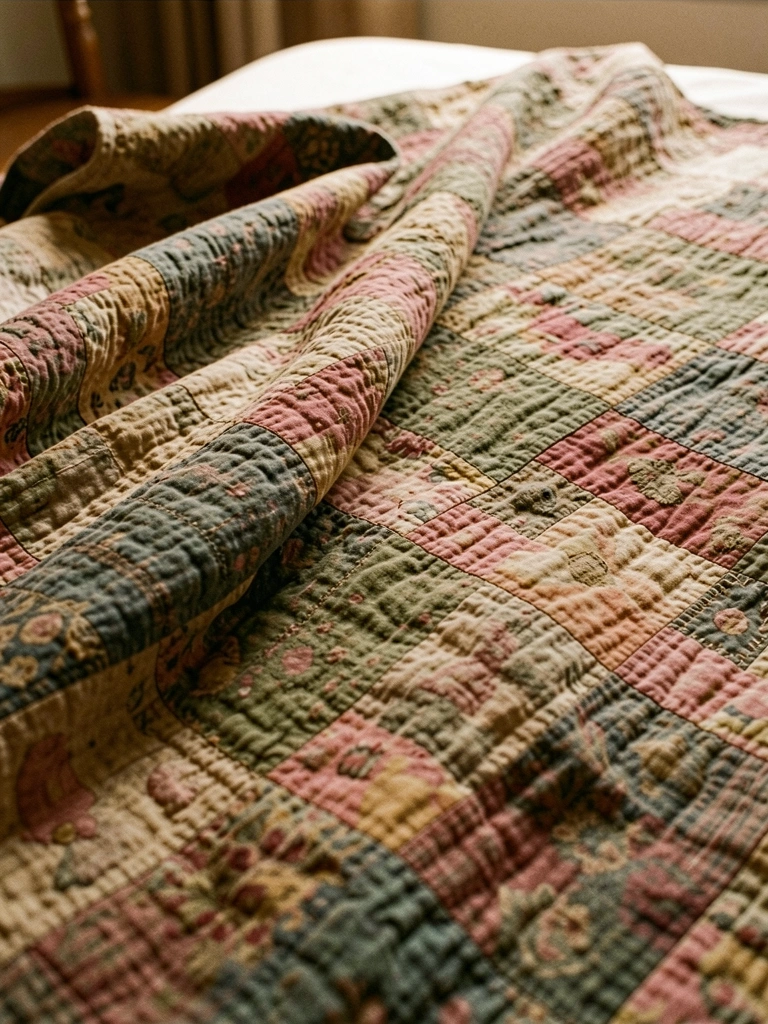
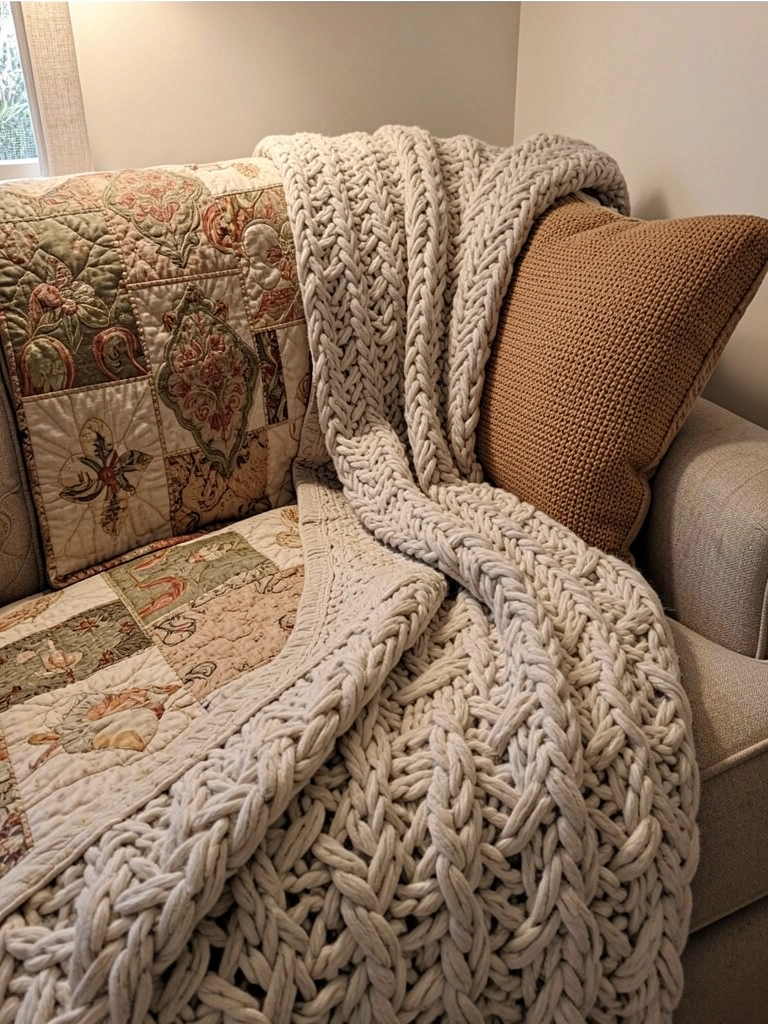
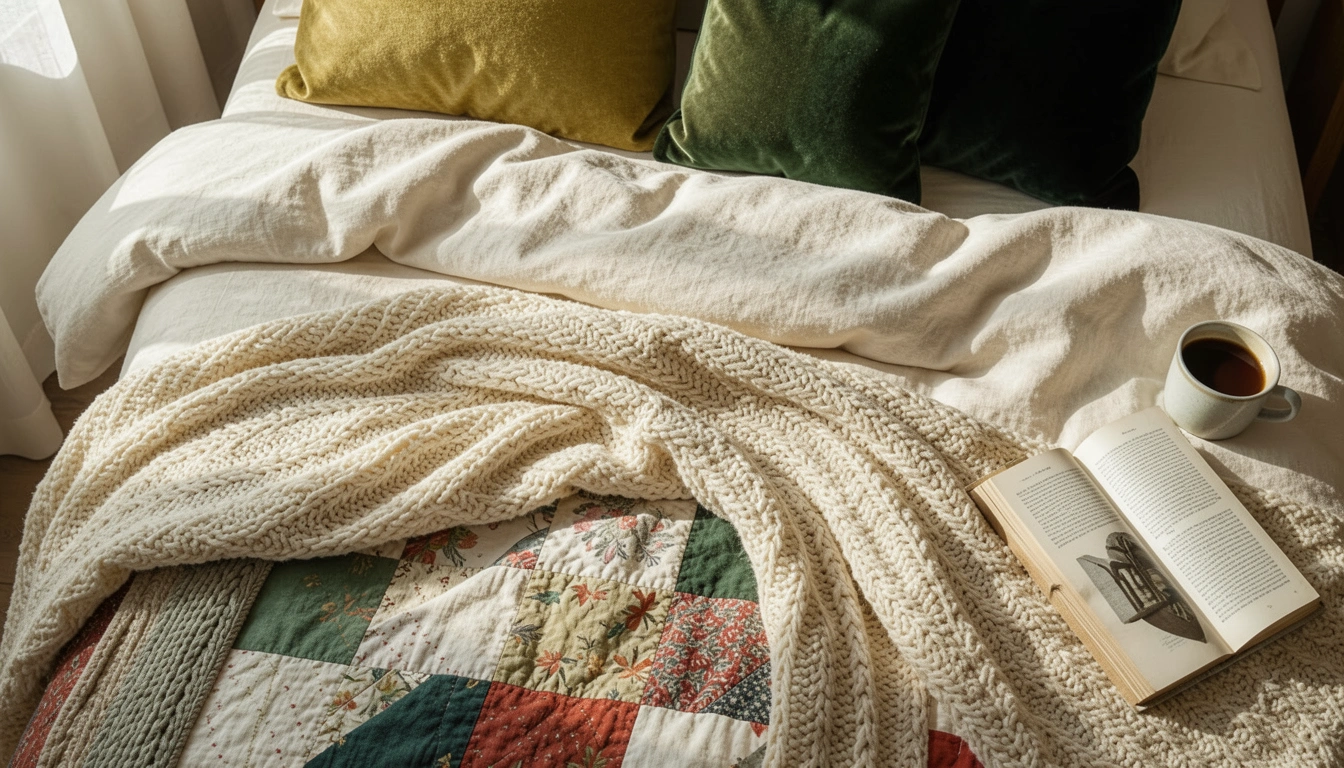
    4. Add a Patchwork or Quilted Throw Blanket Across the Bed

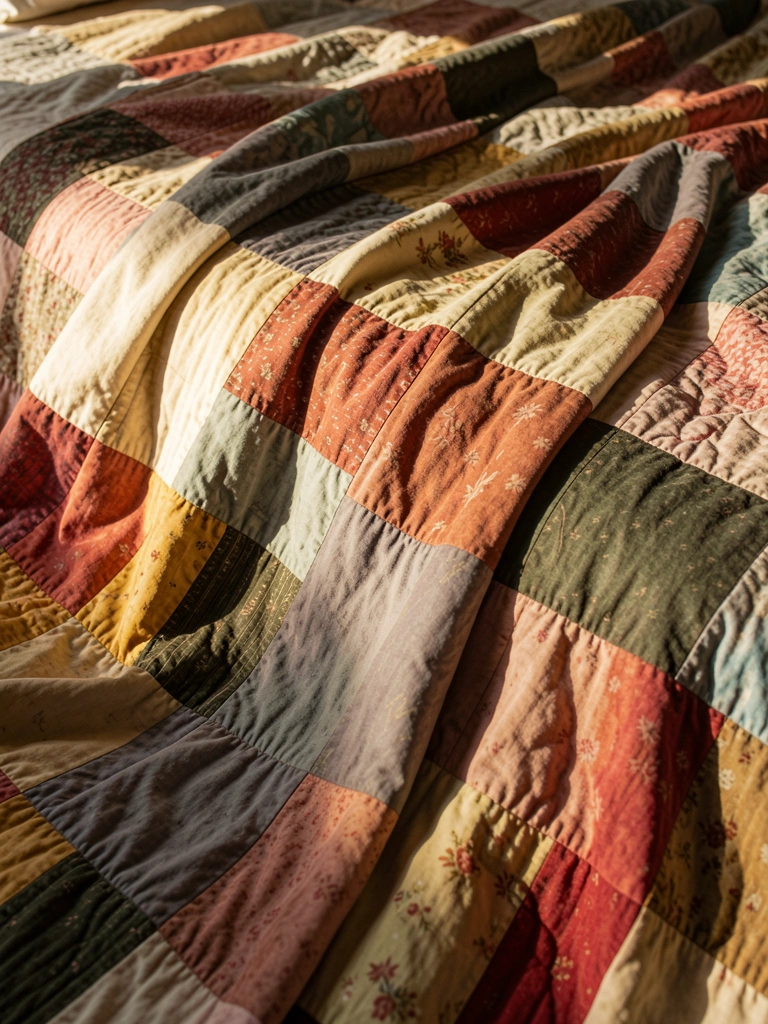
    Quilts are having a major moment, and for good reason. They add instant character, visible texture, and that “heirloom” feeling without needing to actually own a family heirloom. A patchwork quilt tells a story visually in a way solid throws simply can’t.

    Layer a quilted throw across the foot and lower third of your bed. Budget options: $40–$80 (check Etsy for secondhand quilts or Target’s new craft collections). Investment pieces: $150–$300. The patchwork creates visual interest and breaks up the monotony of solid sheets. Best part? Quilts photograph beautifully, so your bed will look even better in natural light. Time to arrange: less than a minute. The texture alone makes your whole bed feel warmer and more approachable.


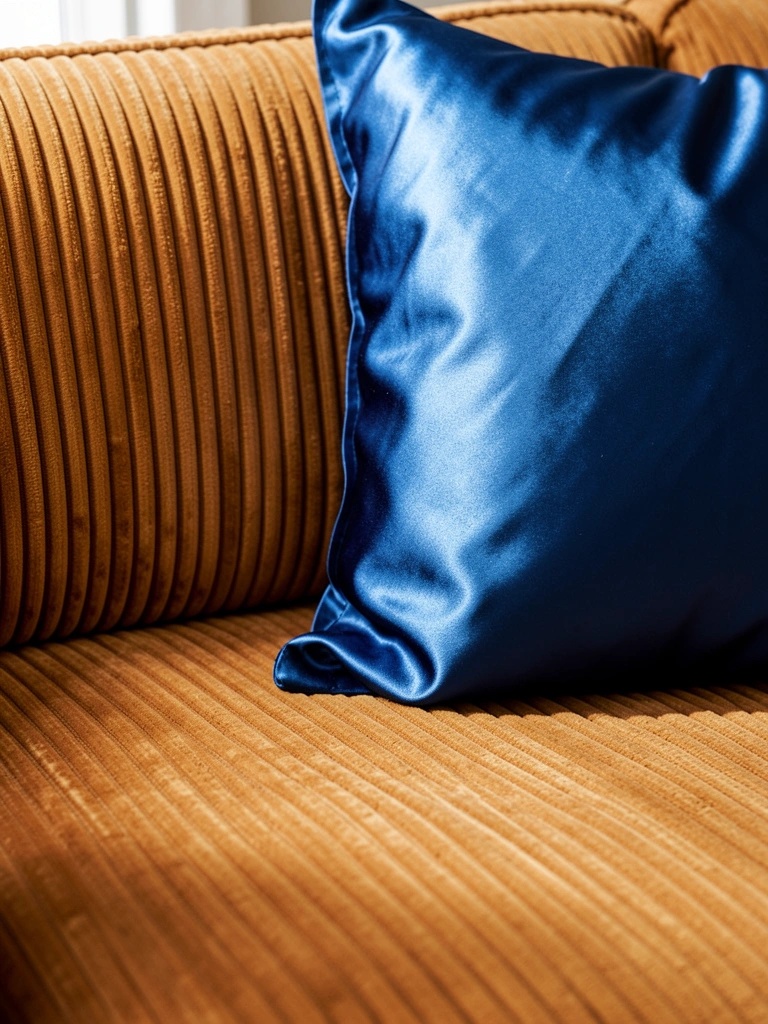
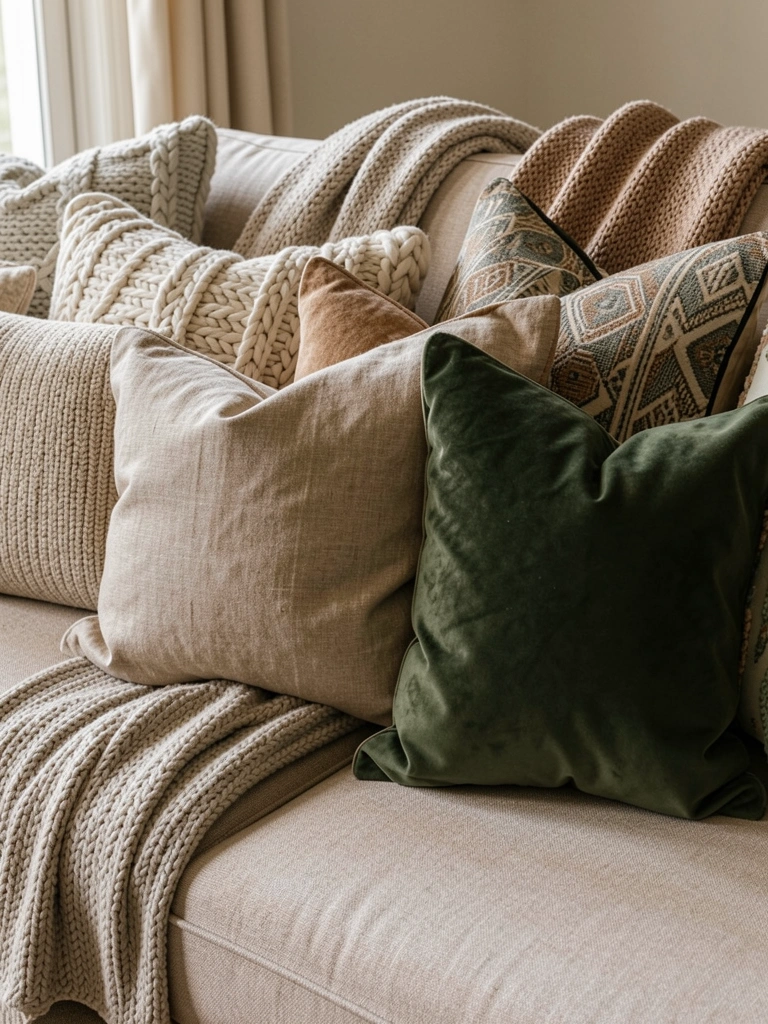
    5. Layer Velvet Pillows for Tactile Luxury

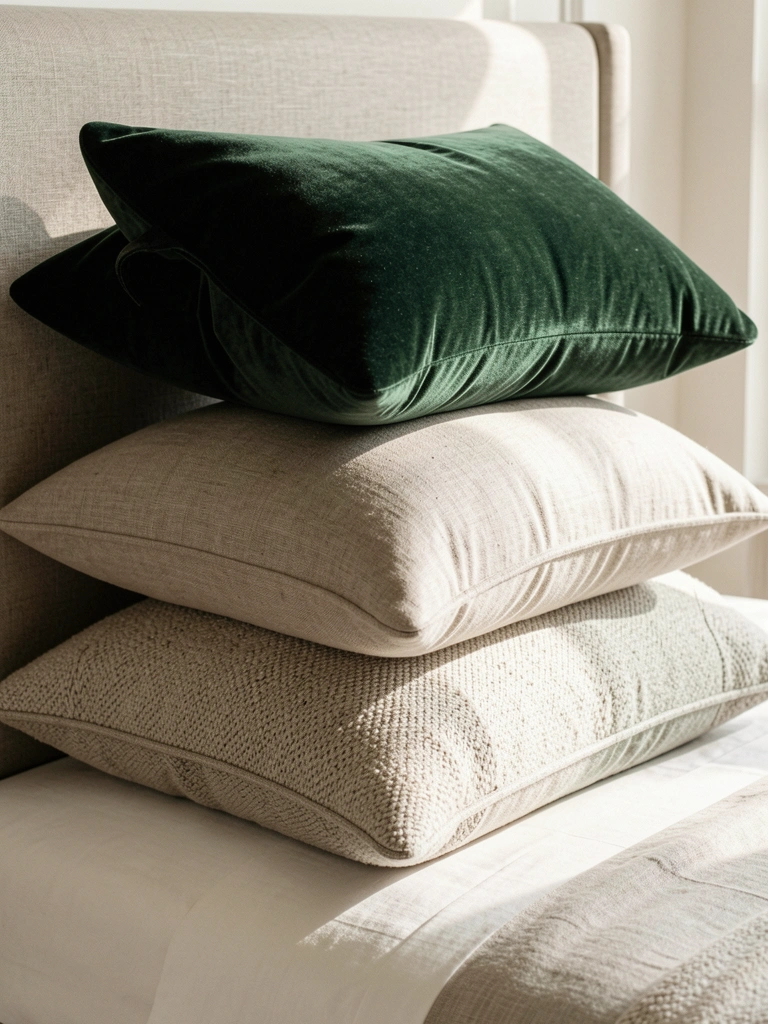
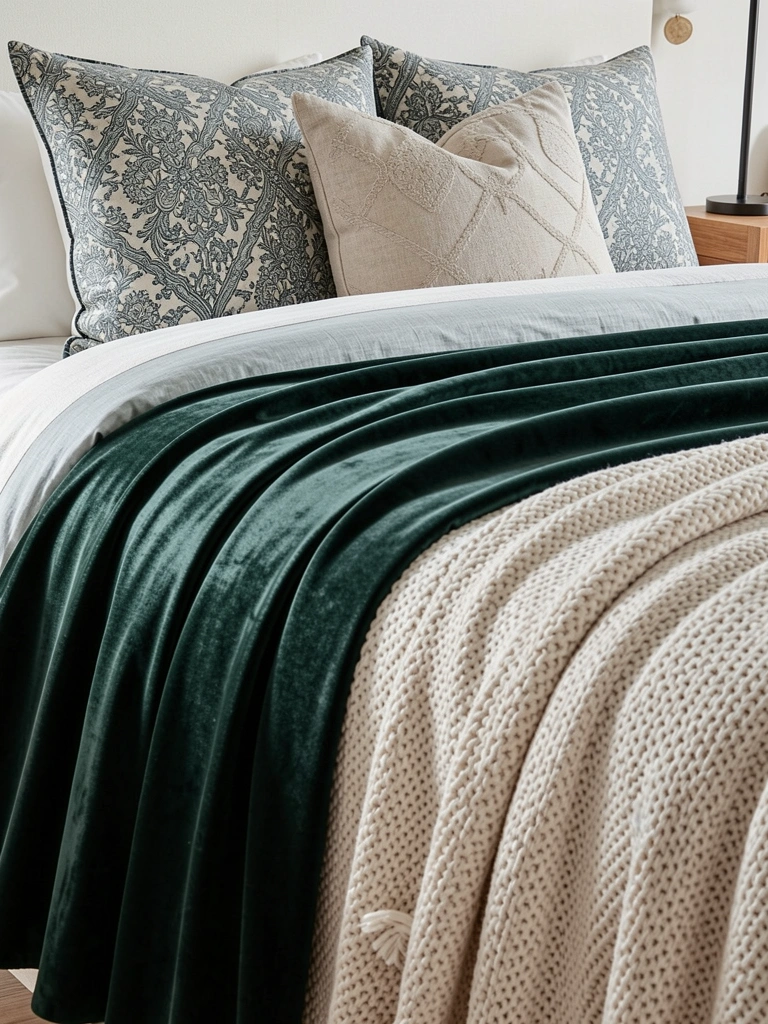
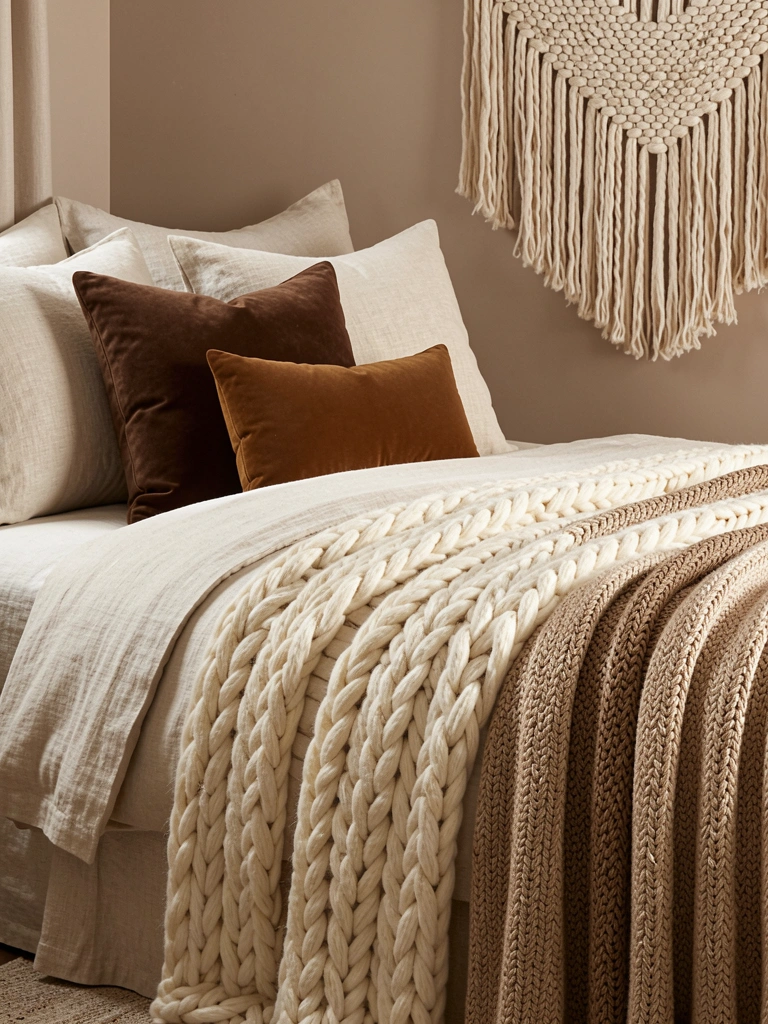
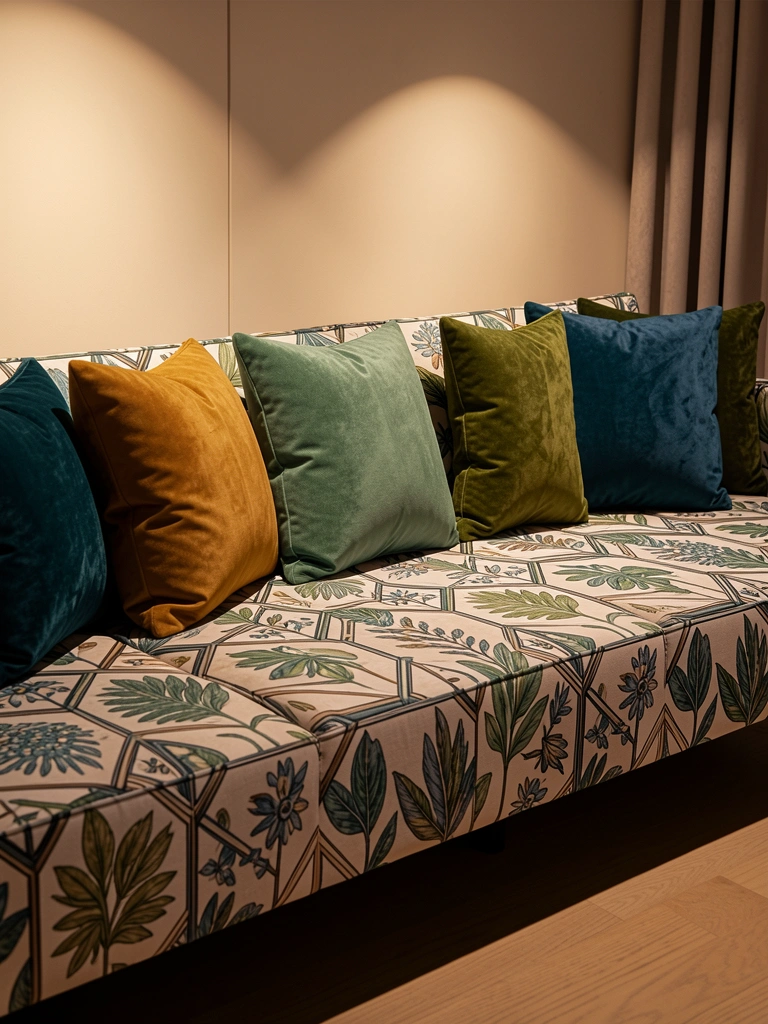
    Velvet pillows are the fast track to a cozy-looking bed. They catch light differently than cotton, adding depth immediately. You don’t need many—just 2–3 velvet pillows mixed in with your standard pillows creates that “designed” look.

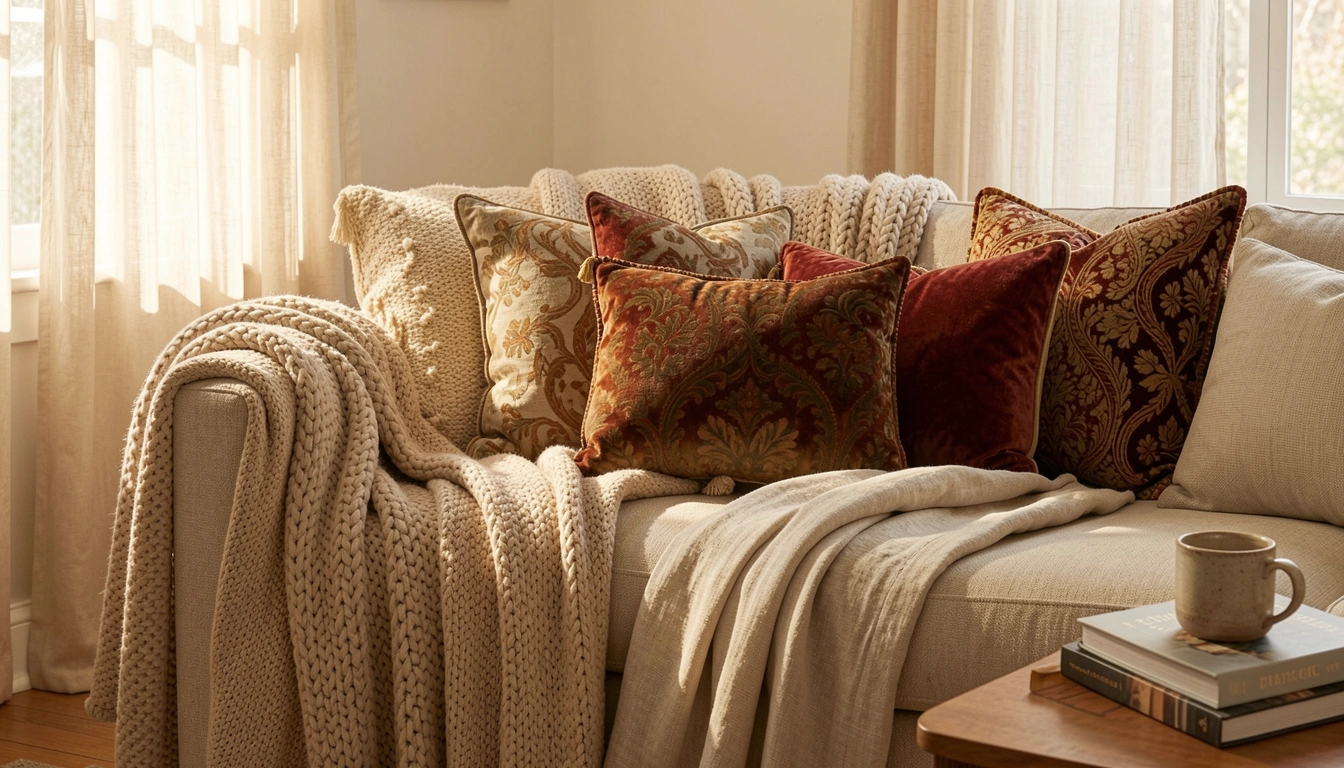
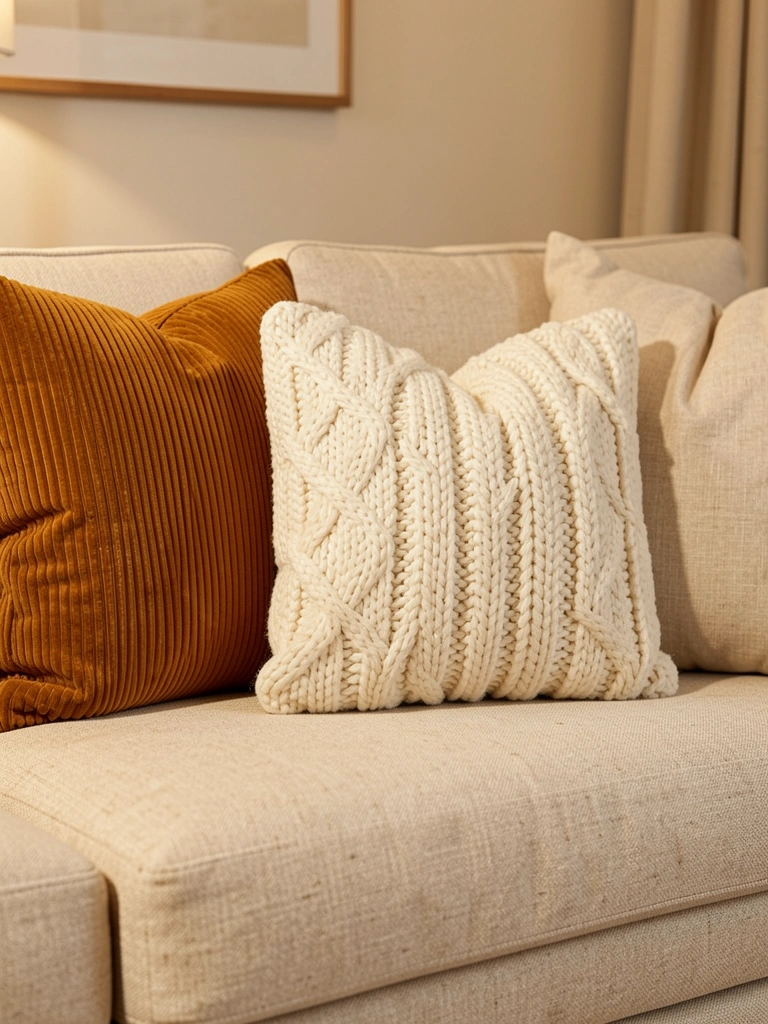
    Mid-range velvet pillows: $25–$60 each (Target, West Elm, Wayfair). Mix velvet with linen, cotton, and knit for variety. The different sheens and textures create visual layering that makes your bed look intentional. Pro tip: Stick to warm neutrals (cream, blush, warm gray) or earthy tones (terracotta, olive) to keep the cozy feeling cohesive. Arrange them in graduating heights—taller ones in back, shorter ones in front—so everything is visible. Five minutes to arrange, instant impact.


    6. Mix Pillow Heights and Shapes for Visual Interest

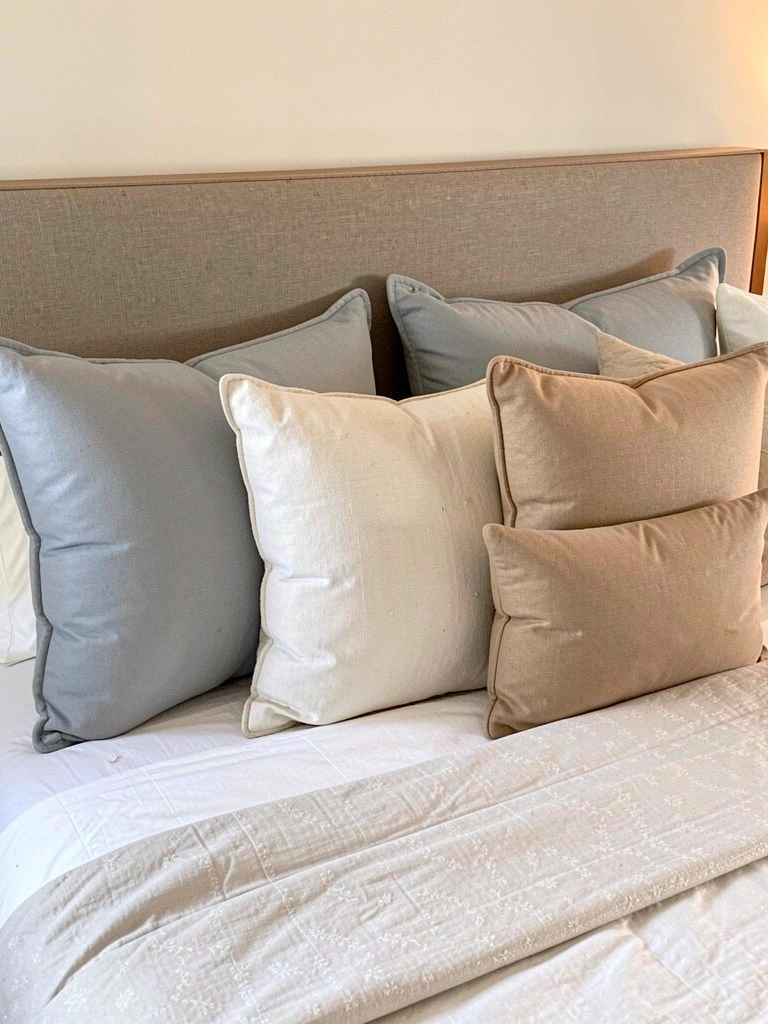
    Uniform pillow heights are boring. Real layering means mixing a standard pillow, a king pillow, a lumbar pillow, and a small square cushion. The variety reads as “I know what I’m doing” even if you’re just experimenting.

    Invest in 4–5 pillows in different sizes: $80–$150 total (mix budget brands with one nicer piece). Arrange taller ones behind shorter ones so everything’s visible. This takes 10 minutes to style but completely changes how your bed reads. The staggered heights create a sense of abundance and comfort. Pro tip: Use different fabric textures for each pillow—smooth velvet, chunky linen, knitted wool—so the variation feels intentional, not accidental. Your bed now looks like it belongs in a design magazine.


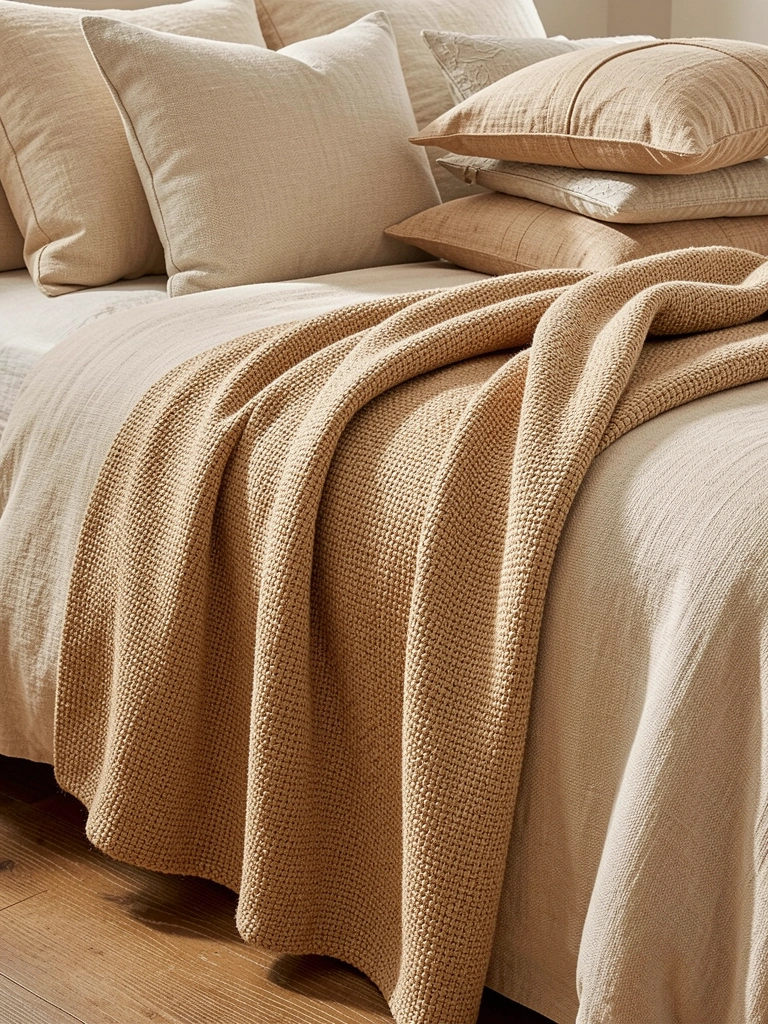
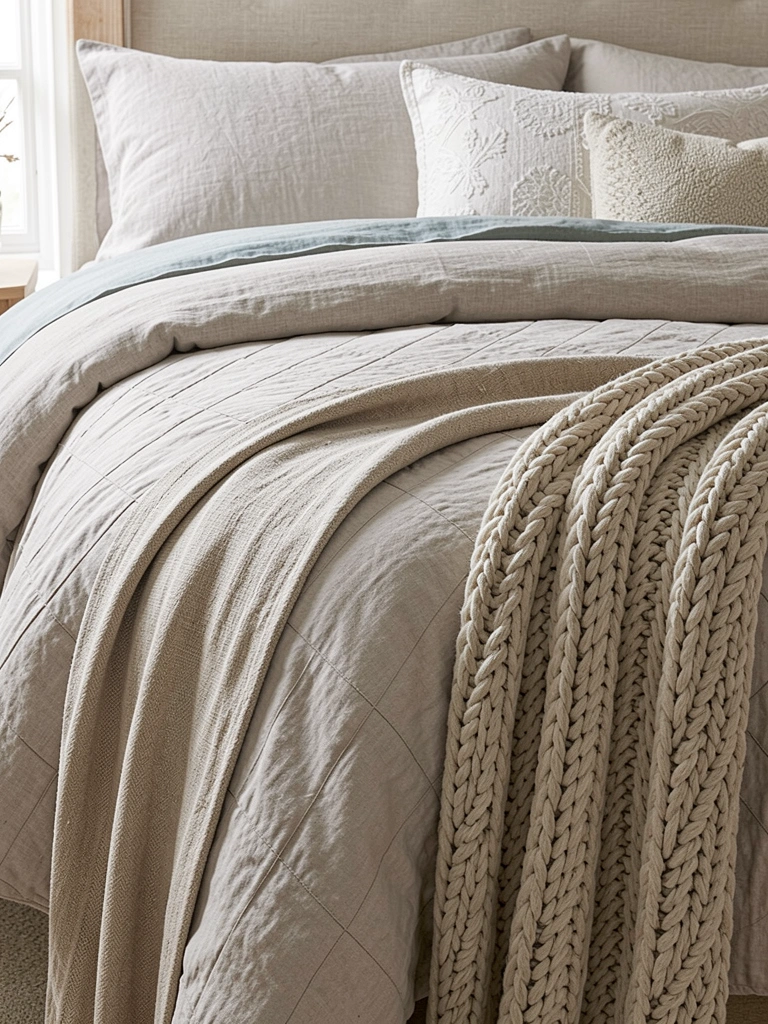
    7. Add a Woven Throw Blanket Folded at the Foot

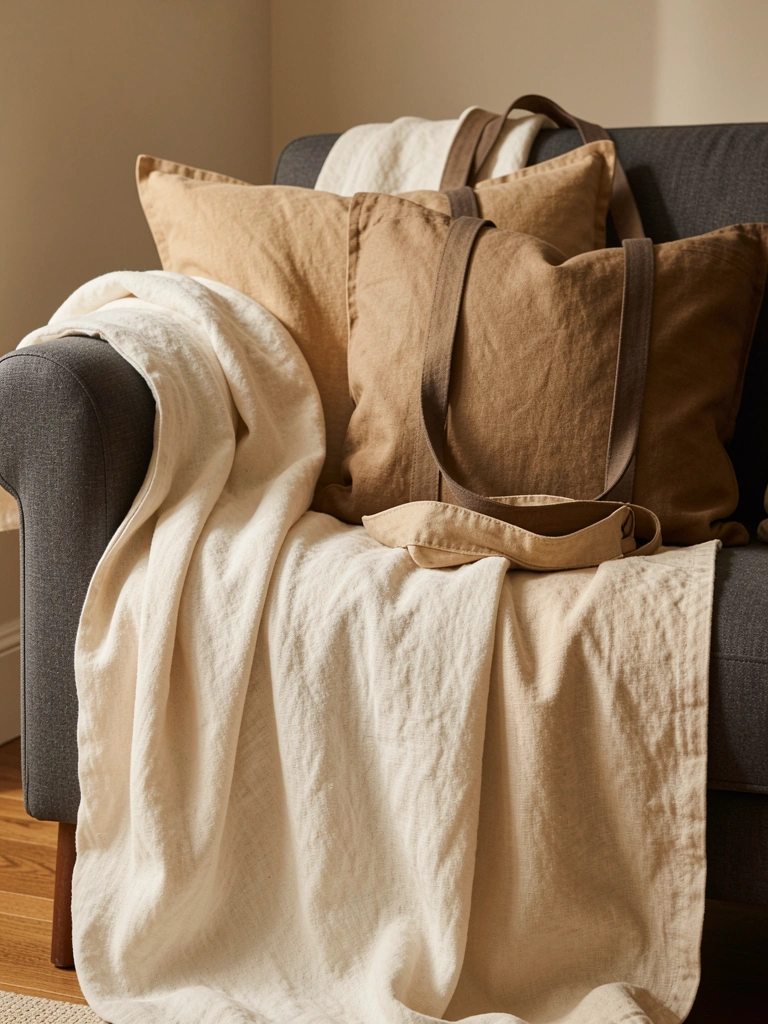
    Woven blankets add both texture and an organic, handmade feel. Unlike smooth throws, woven fabrics show structural interest—you can actually see the weaving pattern, which reads as intentional styling.

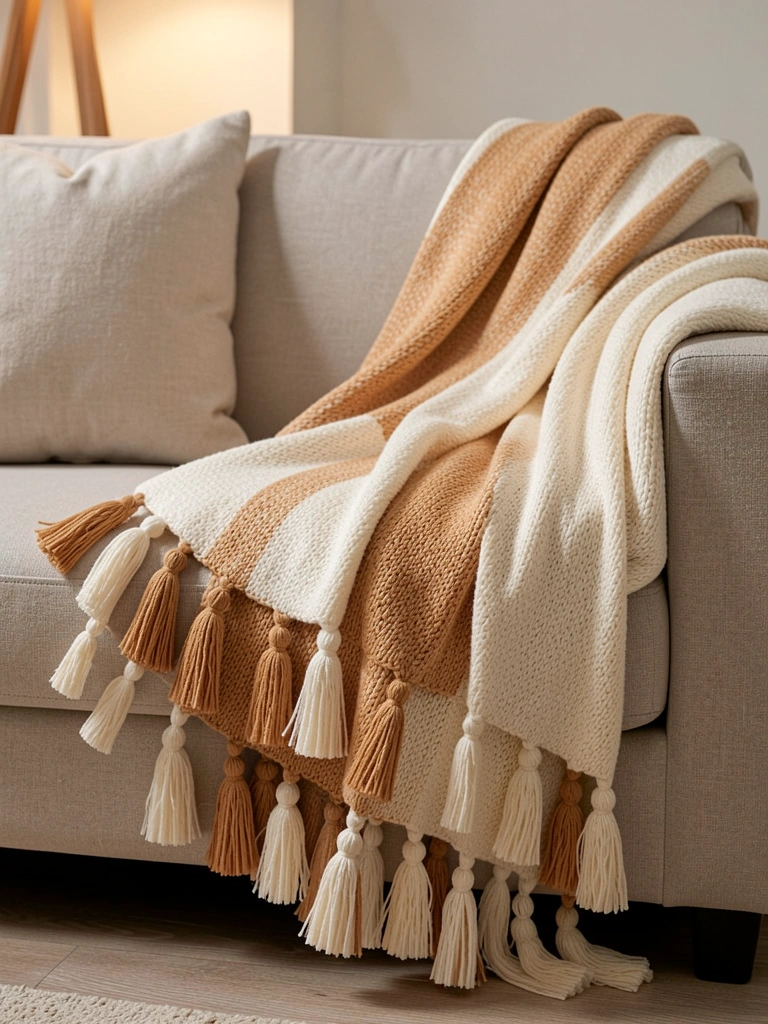
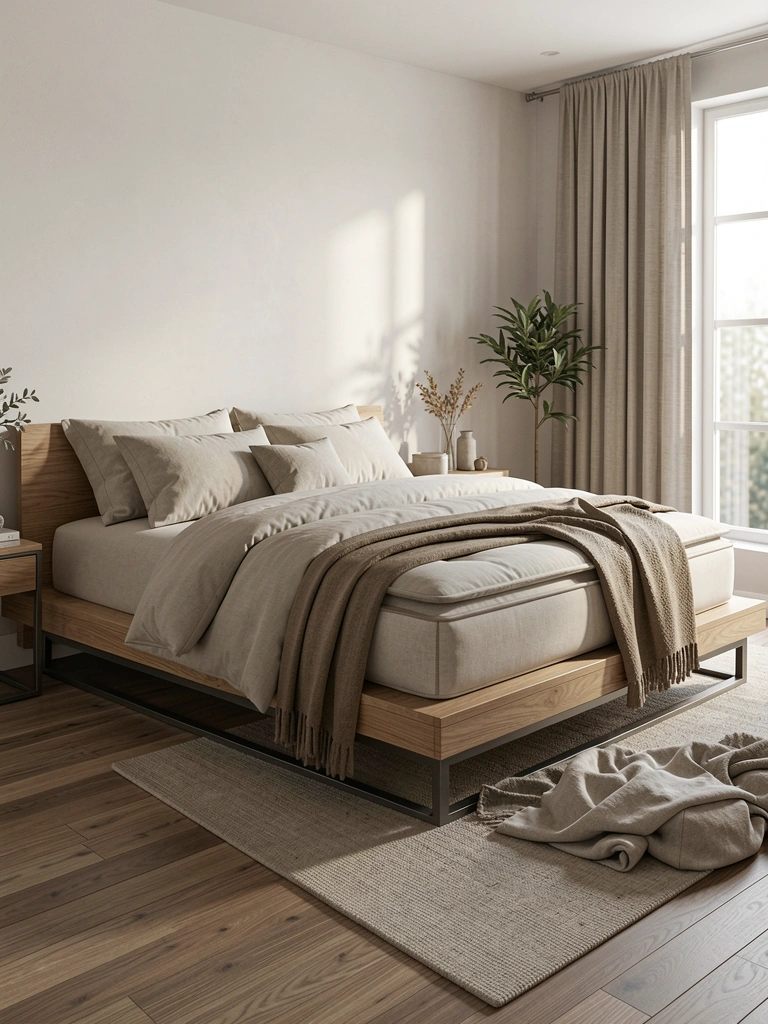
    Layer a woven throw—linen, jute-blend, or chunky cotton—at the foot of your bed. Budget: $30–$70 (Etsy, Target, H&M Home). The loose folds create organic-looking dimension. Time to position: 2 minutes. Pro tip: Choose a throw in a warm neutral or soft earth tone (cream, tan, rust) that complements your other textiles. The visible weave pattern makes your bed look curated. Best of all? You can actually use it when you’re cold, so it’s as functional as it is beautiful.


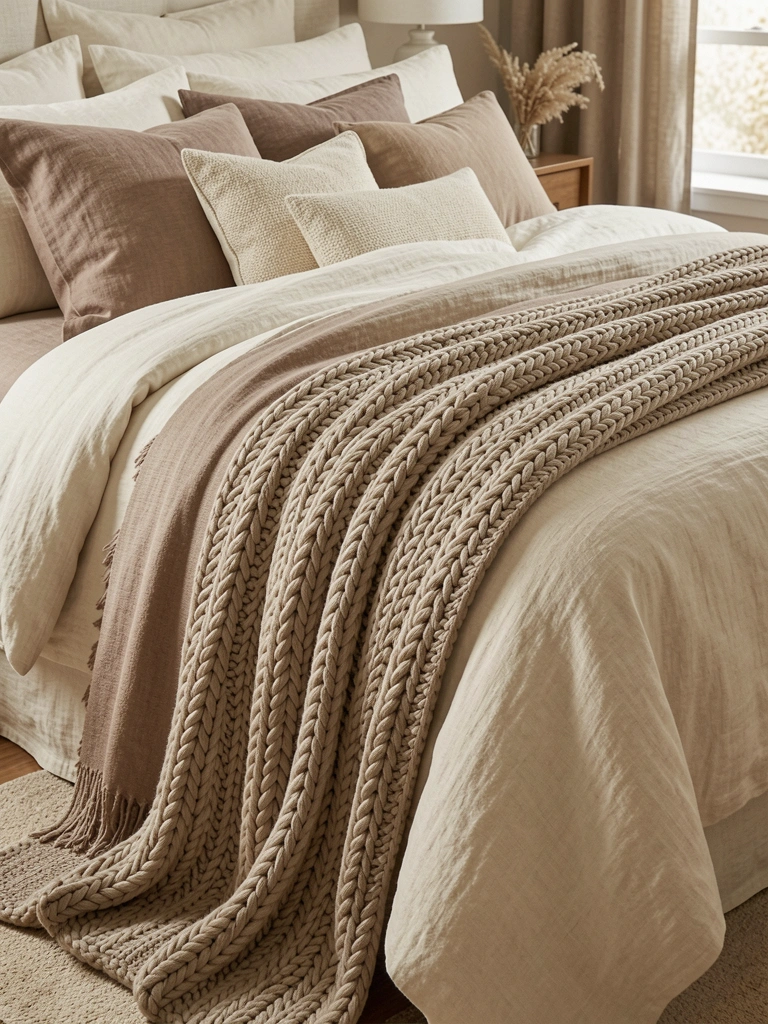
    8. Use a Chunky Knit Throw for Texture and Warmth

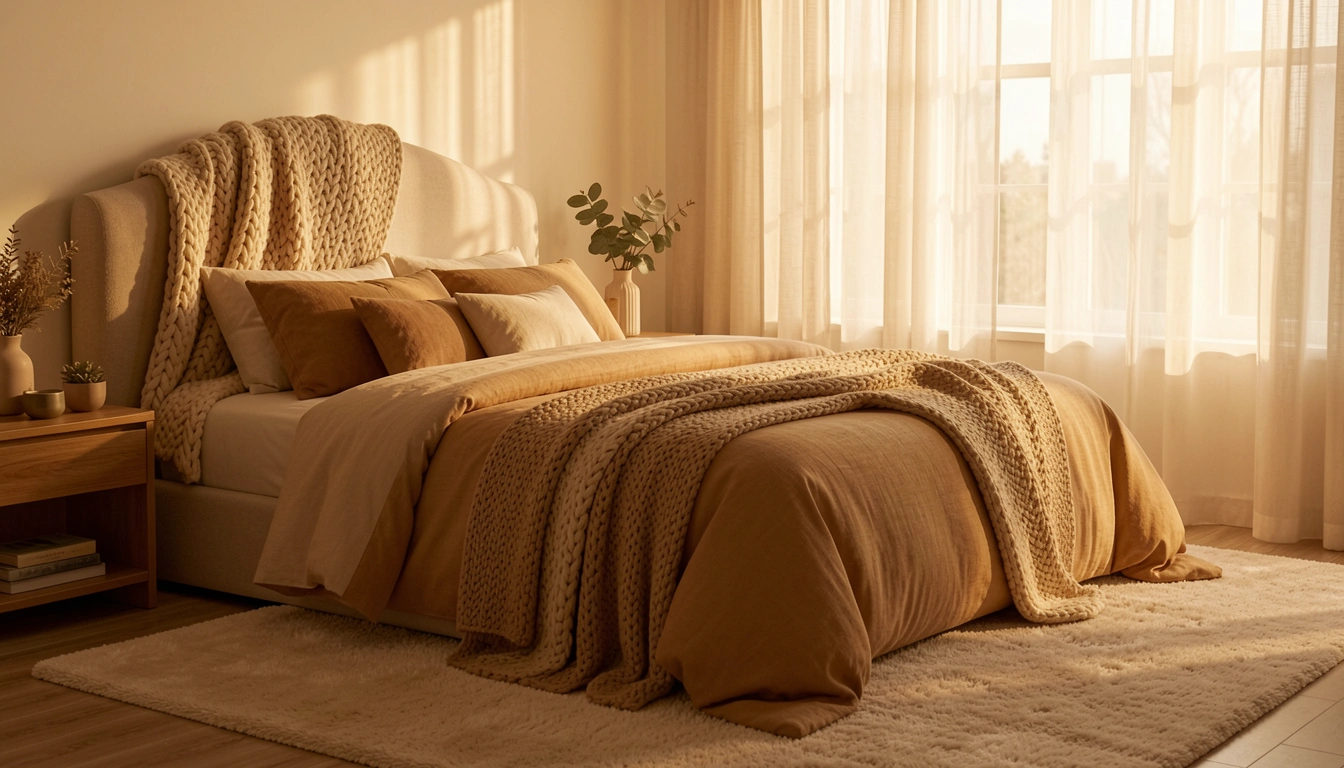
    If woven throws feel too formal, go chunky knit. The three-dimensional knit stitching creates shadow and depth that photographs beautifully and feels amazing to touch. It’s the ultimate cozy texture.

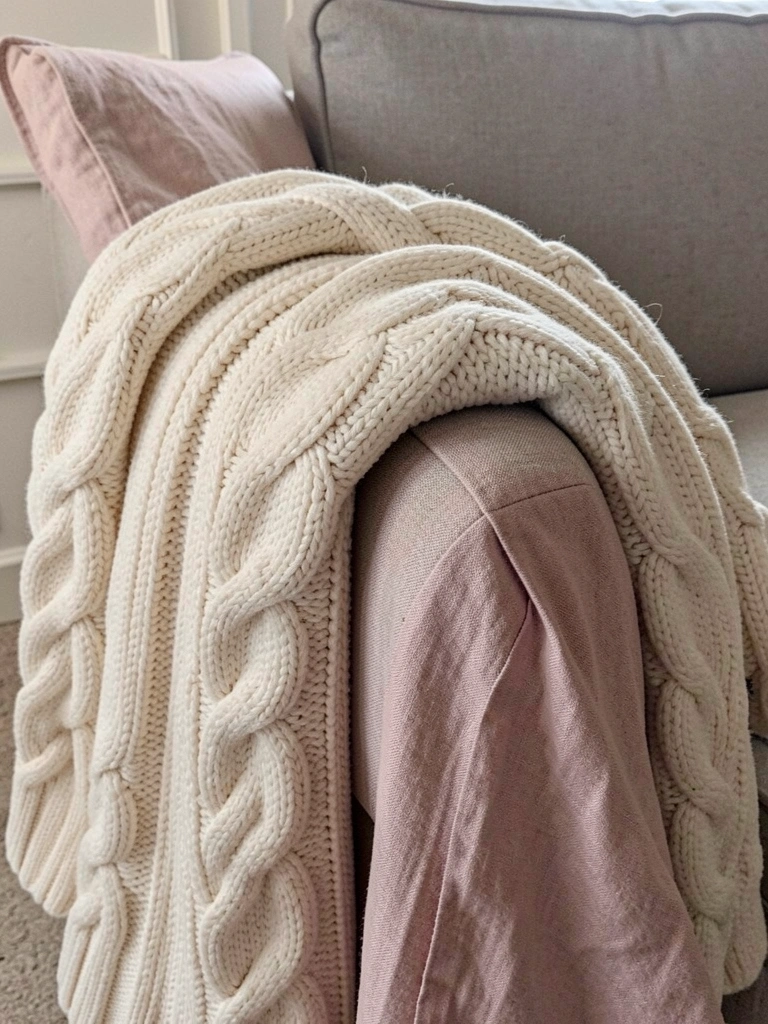
    Chunky knit throws: $40–$100 (Pottery Barn, West Elm, Amazon). Drape it loosely over the foot of your bed or fold it casually over a corner. The bulky weave catches light differently from smooth fabrics, creating dimension. Time to arrange: 2 minutes. This works especially well in neutral or warm earth tones. Pro tip: Pair it with a smoother throw in a complementary color for contrast. The tactile combination makes your bed irresistible. You’ll reach for this throw constantly, so the investment pays off fast.


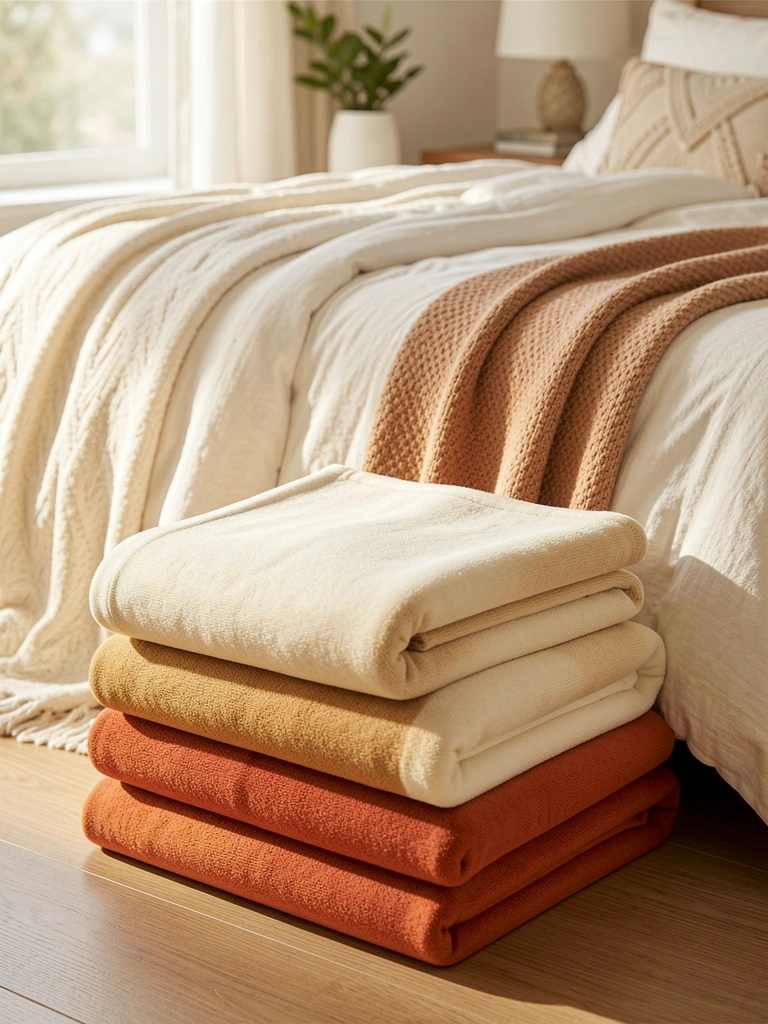
    9. Layer Multiple Throw Blankets in Graduating Colors

    One throw is fine. Three throws in a color progression? That’s styled. Layering throws in warm-to-warmer tones (cream → tan → terracotta) creates visual depth without looking cluttered.

    Budget for 3 throws: $80–$180 (mix budget and mid-range brands). Fold each one loosely and stack them so you can see all three—the graduated color effect is everything. Arrange them at the foot of your bed where they’re visible. Time: 5 minutes. This technique instantly makes your bed look more designed. Pro tip: Keep all throws in warm neutrals or soft earth tones so the progression feels intentional, not random. The cascading colors add warmth and dimension in a way single throws can’t match.


    10. Introduce a Vintage or Heirloom Quilt as Your Star Layer

    If you have access to a vintage or inherited quilt, this is your moment to feature it. Even worn quilts (especially worn quilts) add authenticity and warmth that new textiles can’t replicate. Real layering often means mixing new pieces around one special vintage item.

    If you own a family quilt, drape it prominently—either across the bed or over a chair nearby. No budget here (you likely already own it), but it becomes your design anchor. Can’t find a family quilt? Etsy has authentic vintage quilts for $50–$200. Layer your new throws and pillows to complement the quilt’s colors. Time to arrange: 10 minutes for the perfect lay. The beauty of vintage quilts is they come pre-weathered, so imperfections add character. Your bed now tells a story beyond just looking cozy.


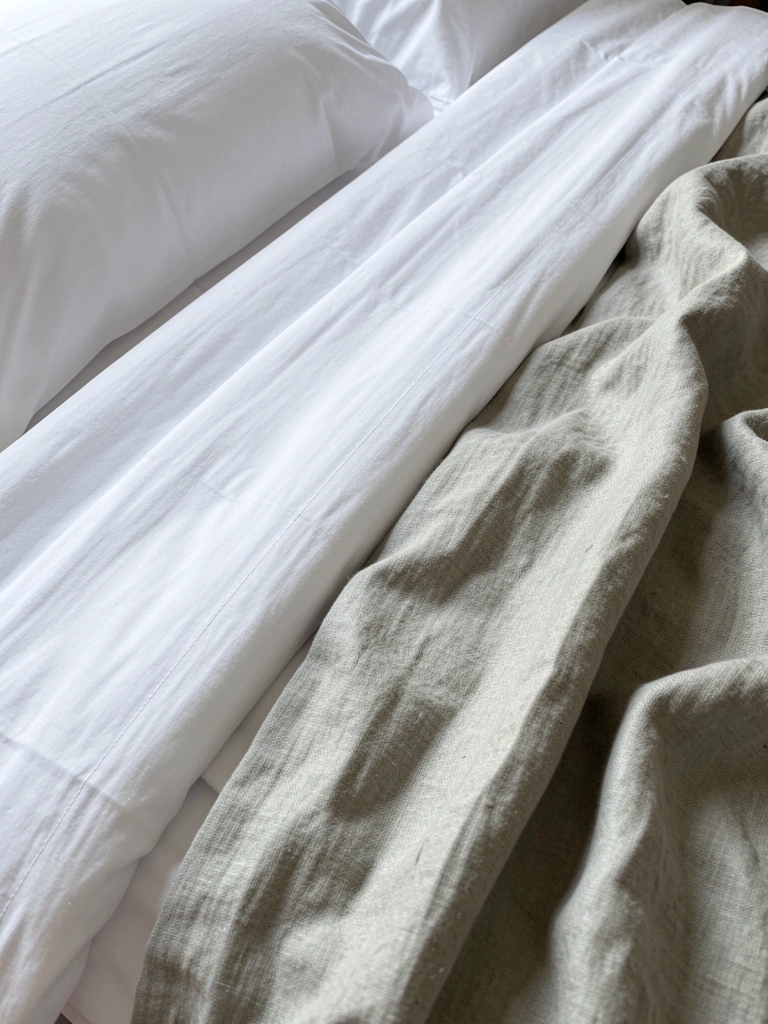
    11. Mix Linen with Cotton for Natural Texture Contrast

    Linen and cotton age differently and have distinct visual personalities. Linen looks relaxed and textured; cotton looks crisp and clean. Mixing them creates contrast that reads as intentional styling, not accident.

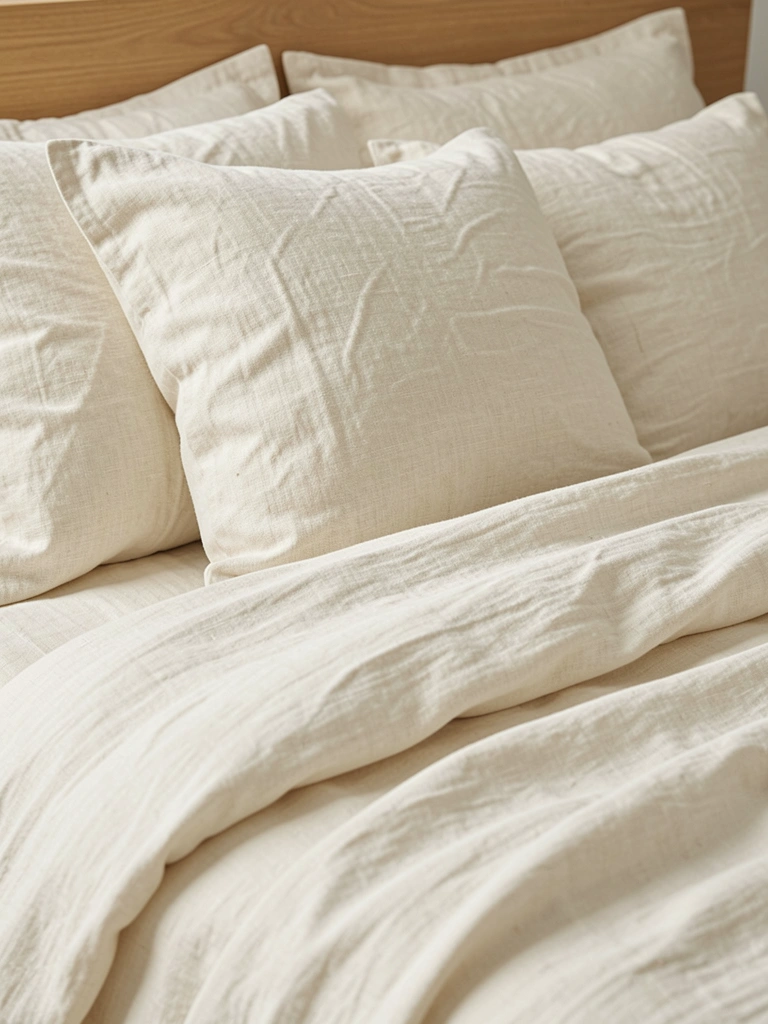
    Use linen sheets ($80–$150 for a set) with cotton pillowcases or pair a linen throw with cotton sheets. The combination gives you visual interest and practical texture variation. Linen wrinkles beautifully (that’s a feature, not a bug in this context), adding movement to your bed. Time: 0 minutes—just style as normal. Pro tip: Warm-tone linens (cream, flax) pair best with cozy aesthetics. The slightly rough feel of linen against smooth cotton creates a sensory experience that makes your bed feel intentional and tactile.


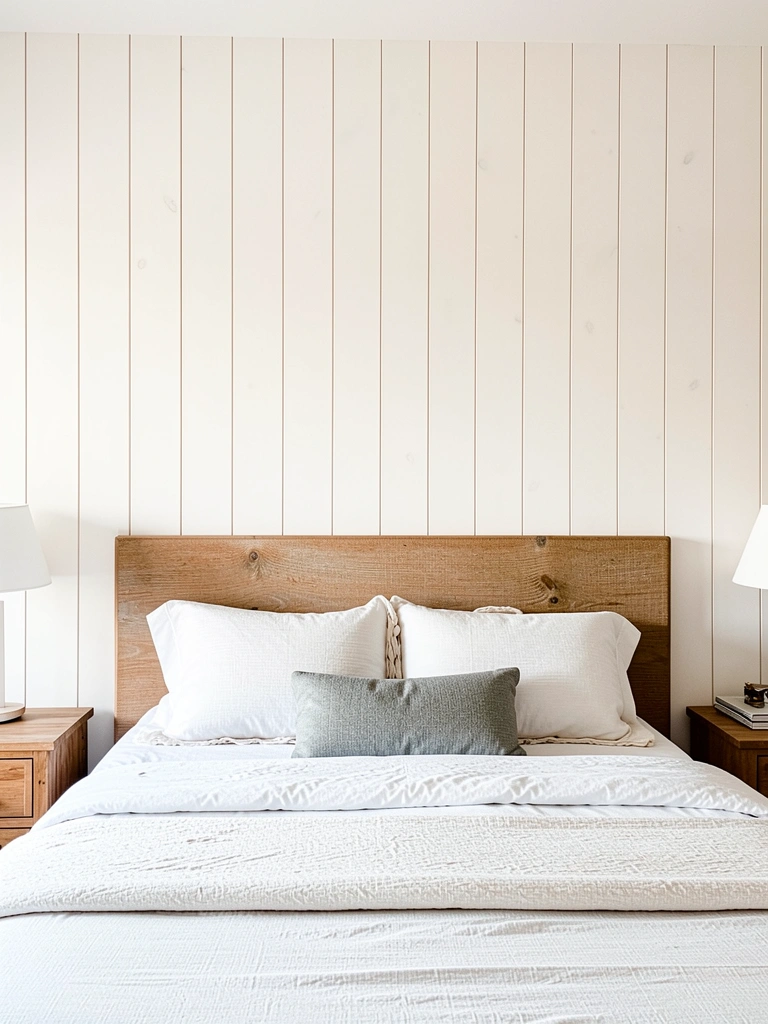
    12. Add a Textured Headboard Covering or Tapestry Behind Pillows

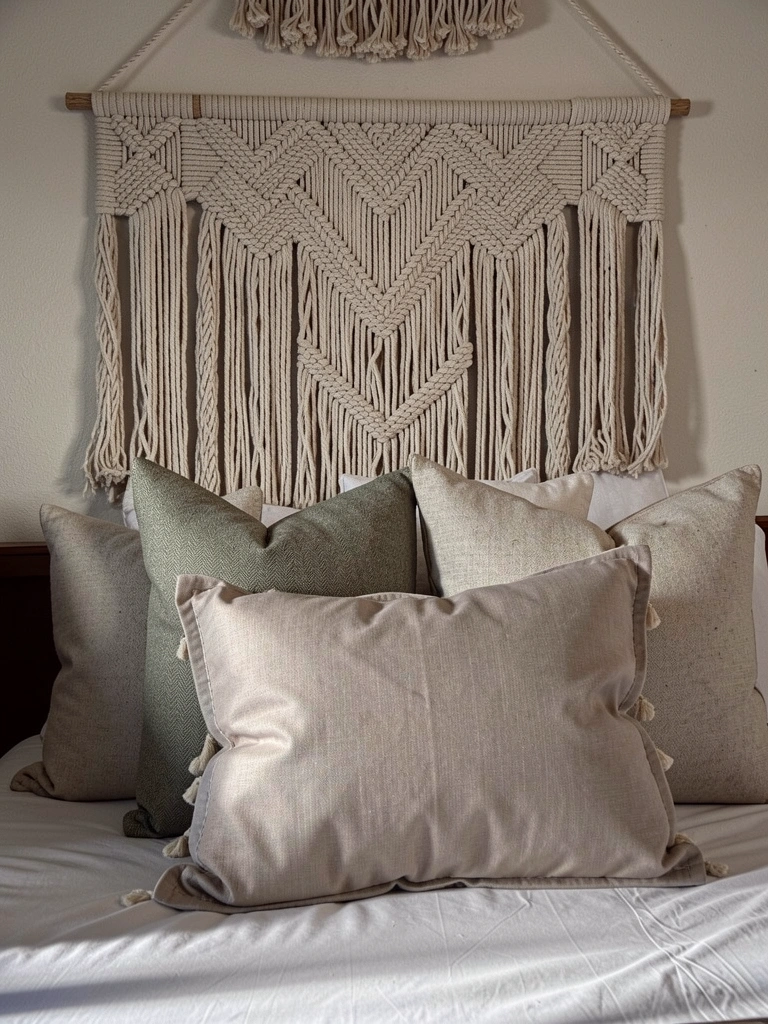
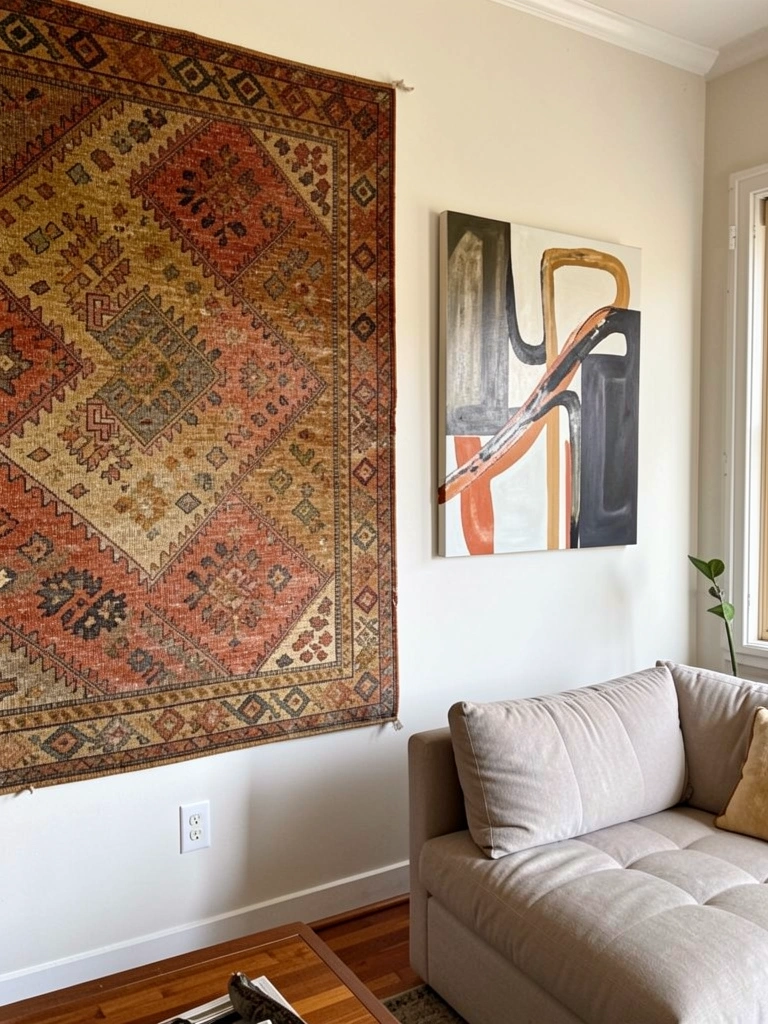
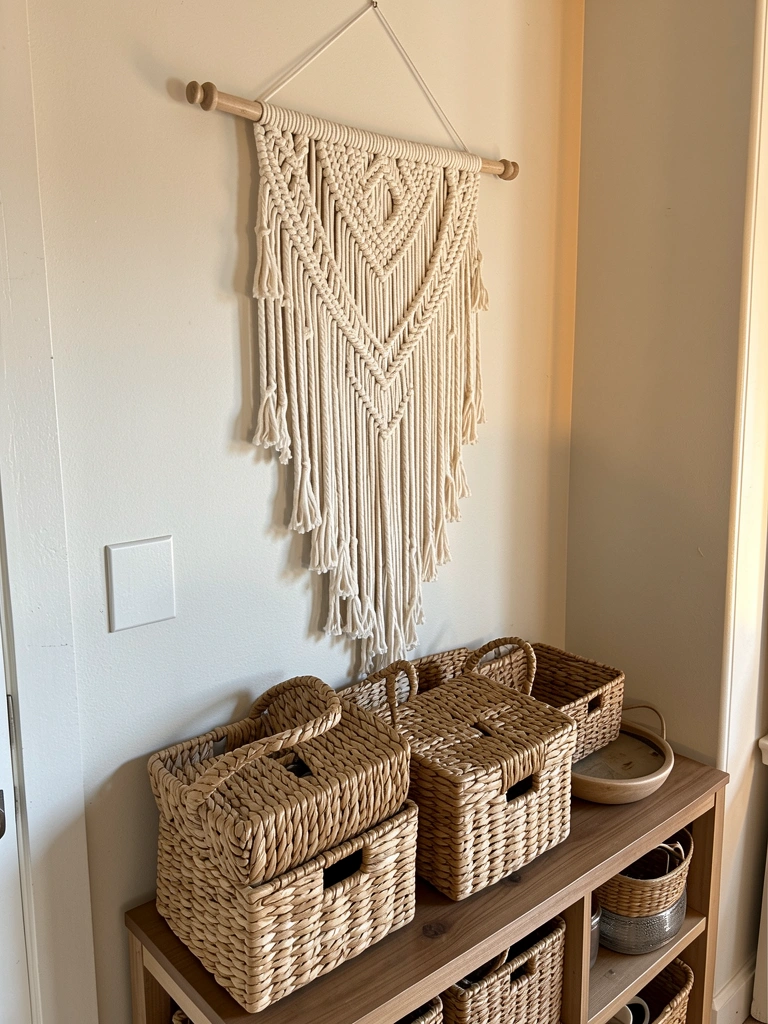
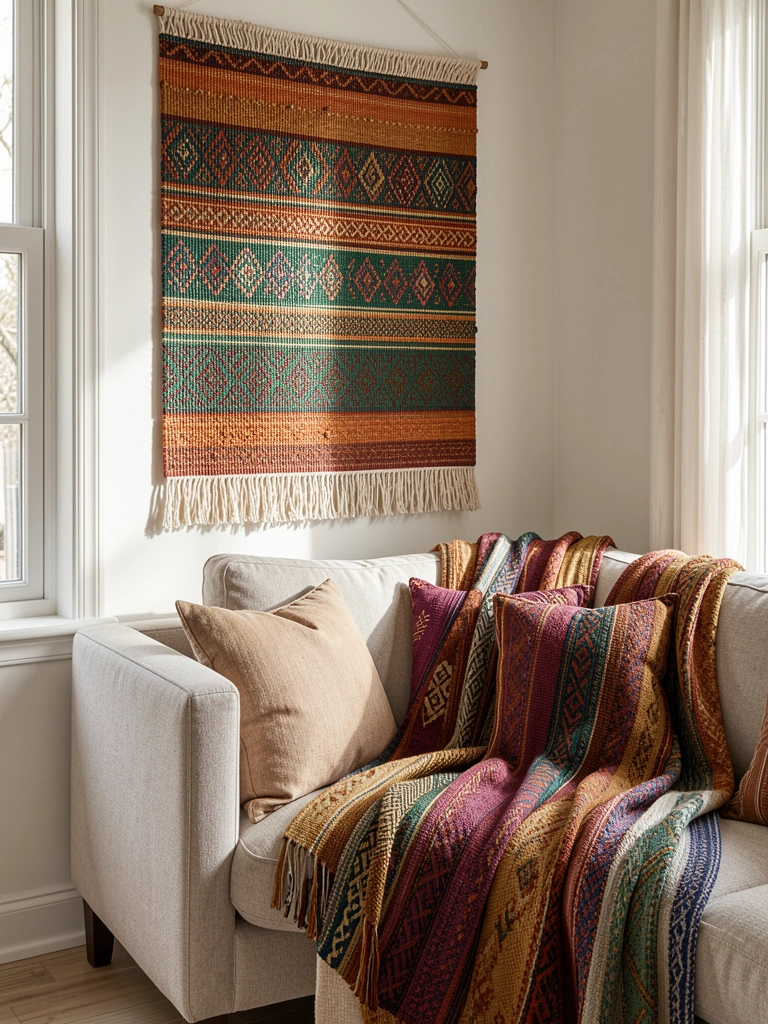
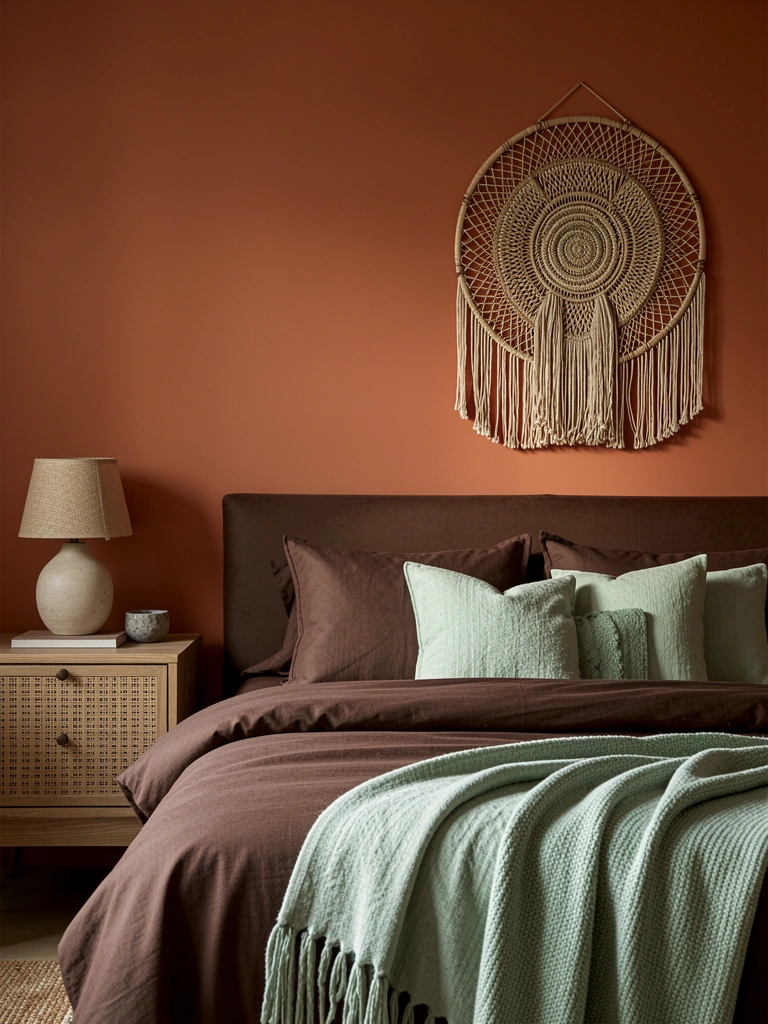
    Your headboard is prime real estate for adding texture. If you don’t have a textured headboard, hang a tapestry, macramé, or woven textile directly behind your pillows. This instantly frames your bed and adds depth.

    Tapestries and macramé: $25–$80 (Urban Outfitters, Etsy, Amazon). Hang it at pillow height so it creates a backdrop. This takes 30 minutes to hang (use a tension rod or removable hooks for renters). The texture behind your pillows makes the entire bed composition look more designed. Pro tip: Choose a neutral or earth-tone tapestry so it complements, not competes with, your throw pillows. The layering now extends to the wall, creating a cohesive, framed effect.


    13. Layer Lumbar Pillows for Back Support and Visual Interest

    Lumbar pillows serve dual purpose: actual back support and visual layering. Unlike square pillows, their elongated shape creates lines that make your bed look more intentional and designed.

    Lumbar pillows: $20–$60 each (Target, Wayfair, CB2). Add 2–3 in varying textures and colors. Stack them vertically or position them at slight angles so they’re all visible. Time to arrange: 5 minutes. Pro tip: Use lumbar pillows in contrasting textures—pair a smooth velvet lumbar with a chunky knit one—so the visual interest is obvious. The rectangular shape breaks up the monotony of square pillows and draws the eye upward. Your bed now has architectural interest.


    14. Use Faux Fur or Shearling Accents for Luxury Feel

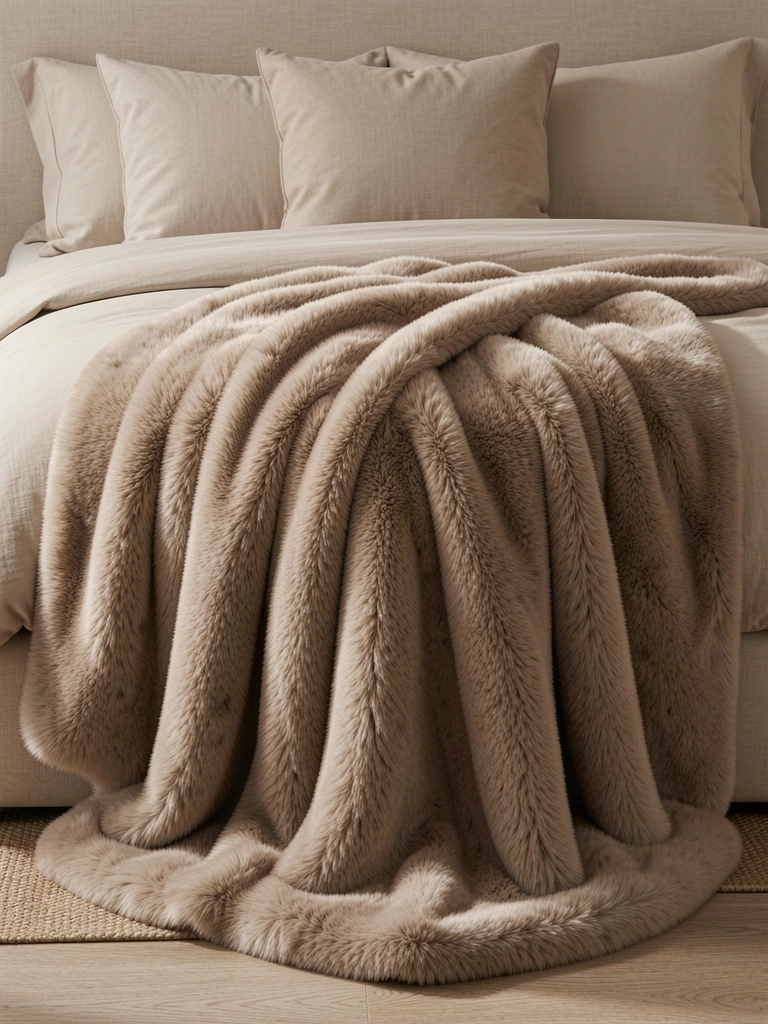
    Faux fur and shearling add an instant luxury signal without the ethical concerns of real fur. The pile texture catches light beautifully and feels incredibly soft to touch. It’s a fast way to add “spa-like” vibes.

    Faux fur throws: $40–$120 (check for quality—high-pile faux fur looks better than cheap versions). Drape it casually over the foot of your bed or fold it loosely for texture. Time: 2 minutes. The plush texture contrasts beautifully with smoother fabrics. Pro tip: Stick to white, cream, or gray faux fur so it reads as sophisticated, not costume-y. The tactile luxury of faux fur makes your bed feel like a splurge, even if the throw cost less than $100. Everyone who touches it will want one.


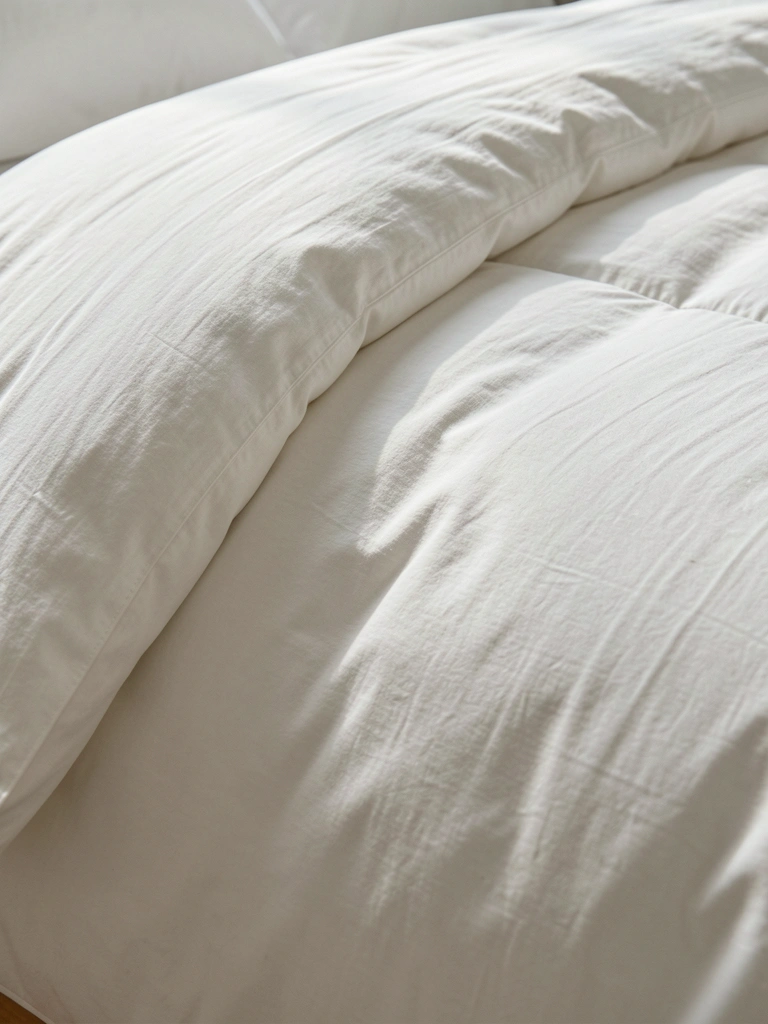
    15. Layer a Duvet Inside a Duvet Cover for Extra Dimension

    This sounds silly but works: put a thinner duvet inside your duvet cover, then layer throws on top. The extra layer creates volume and visual thickness without needing a heavy quilt.

    Thin duvets: $30–$60 inside your existing cover. This costs nothing if you already have both items. Time: 10 minutes to layer. The result is a bed that looks fuller and more luxurious. The hidden duvet adds cushioning and structure to your layered look. Pro tip: Use a plain duvet inside a patterned cover, or vice versa, so the layering is intentional. Your bed now has the visual fullness of a luxury hotel bed without the price tag.


    16. Mix Solid and Patterned Textiles Strategically

    Too many patterns clash. Too many solids feel boring. The sweet spot is 60% solids, 40% patterned. This gives you visual interest without chaos.

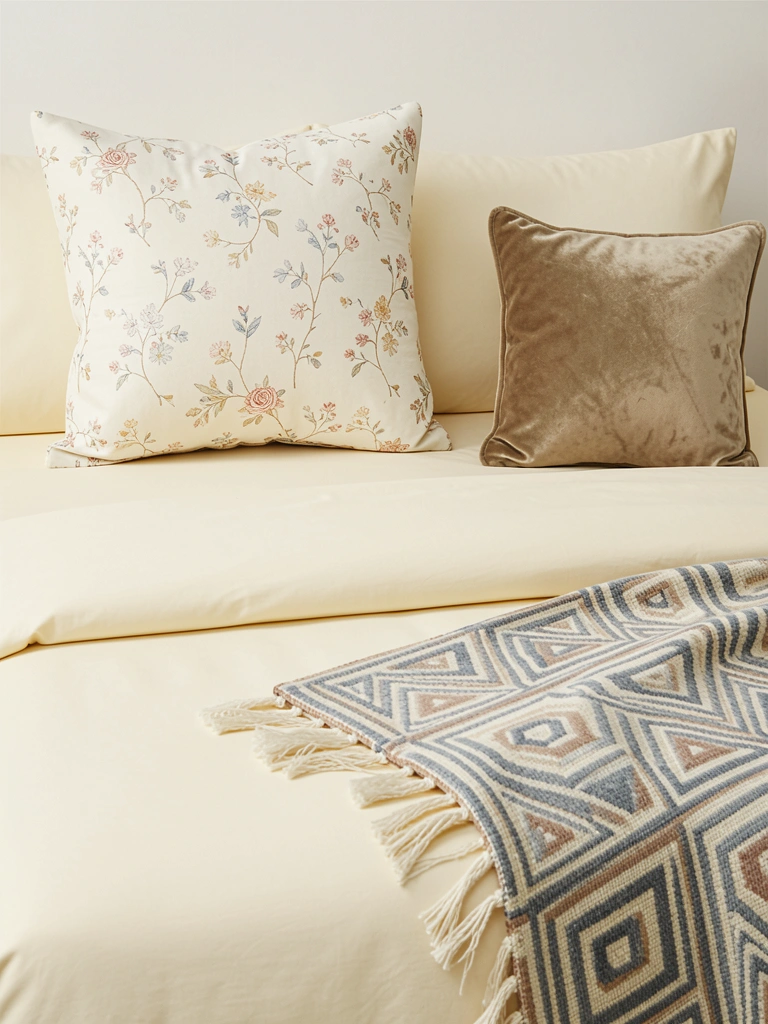
    Choose one statement pillow or throw in a subtle pattern (small florals, gentle geometric, classic stripes) and keep everything else neutral. Budget: $30–$80 for one patterned piece. This takes zero time—just choose pieces intentionally. Pro tip: Make sure your patterned piece uses the same color palette as your solids (if your base is cream and terracotta, choose a pattern that echoes those tones). The strategic mix of solid and pattern creates a curated, styled look. Your bed reads as designed, not chaotic.


    17. Add a Bed Runner Across the Foot for Texture and Function

    A bed runner isn’t just decorative—it protects your foot of your bed and adds a horizontal line of texture that breaks up vertical layering. It’s a small detail that reads as intentional styling.

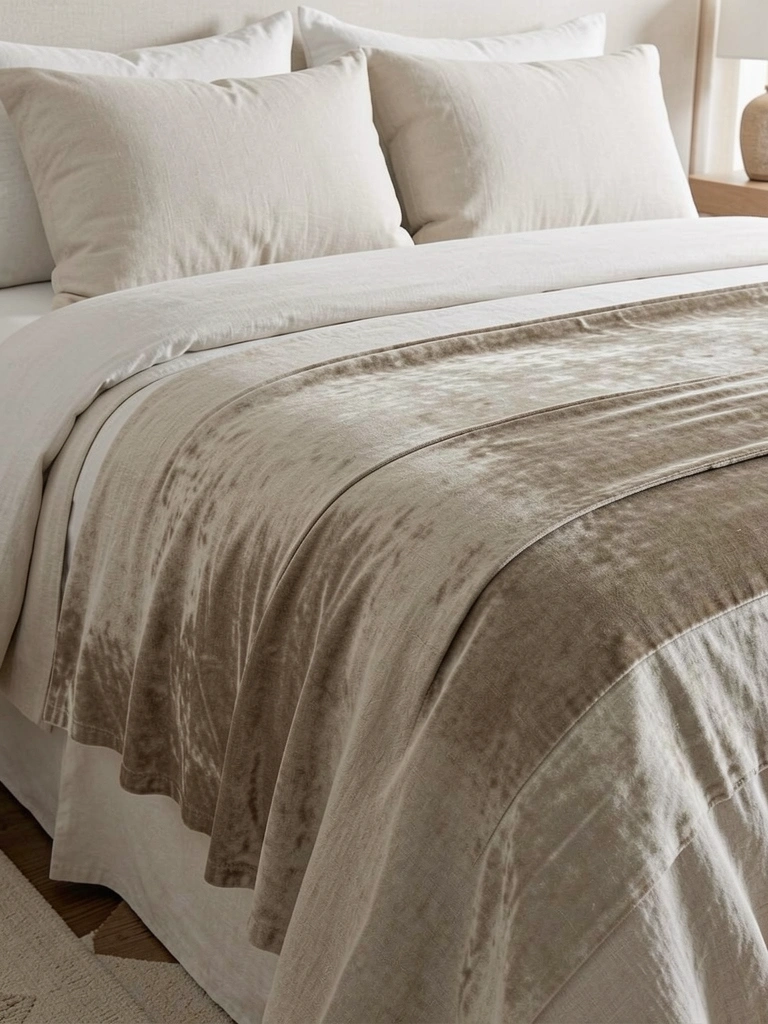
    Bed runners: $40–$100 (Target, Wayfair, Etsy). Choose a textured fabric (linen, cotton velvet, or jute-blend) in a complementary color. Lay it horizontally across the foot, centered. Time: 2 minutes. This creates a visual anchor point and adds texture without adding bulk. Pro tip: Choose a runner in a slightly deeper tone than your sheets (if sheets are cream, try warm tan) to create subtle depth. The layered effect makes your bed look professionally styled.


    18. Incorporate Decorative Pillows in Mixed Sizes and Shapes

    Decorative pillows aren’t just decorative—they’re your main layering tool. Go beyond standard sizes. Add round pillows, square cushions, lumbar supports, and body pillows in mixed textures.

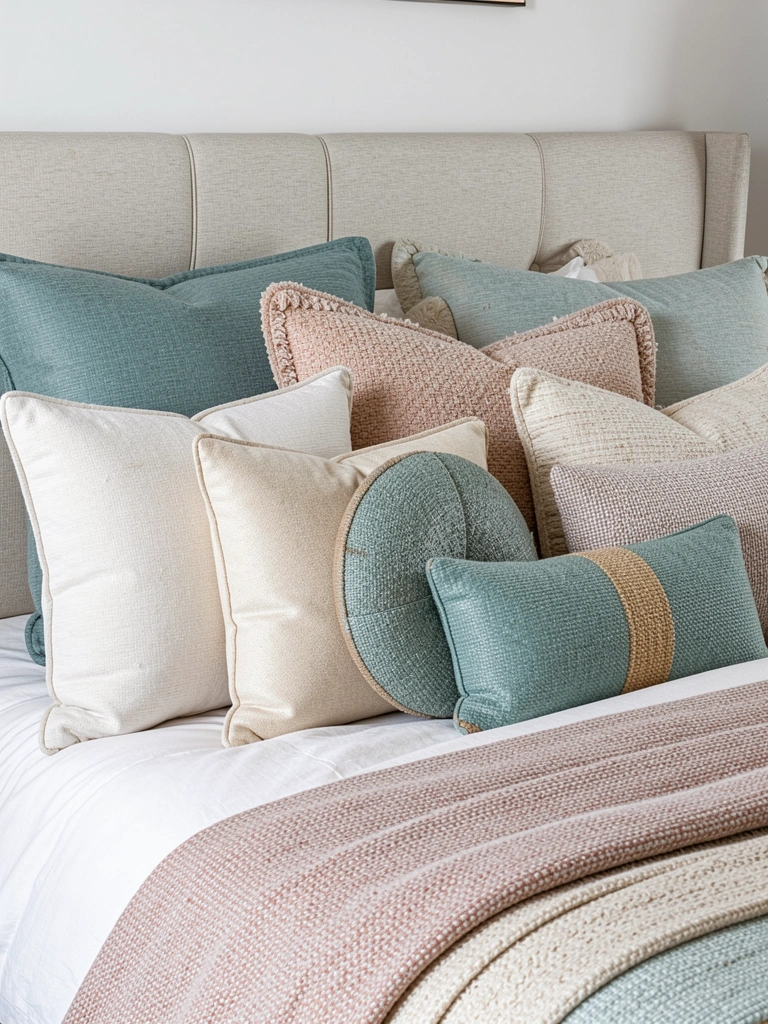
    Budget for 5–7 decorative pillows: $100–$250. Mix brands (one nicer piece with several budget finds works great). Arrange them in graduating heights so everything’s visible. Time: 10 minutes to perfect the arrangement. The variety in size and shape makes your bed feel curated and intentional. Pro tip: Use 3–4 colors maximum across all pillows (cream, warm gray, soft terracotta, for example) so the variety reads as cohesive, not chaotic. The layered pillow composition becomes the focal point of your whole room.


    19. Use Contrasting Pillow Backs for Double Impact

    Style hack: use pillow covers that are reversible or have a contrasting back. Position some pillows so you see the reverse side peeking out. This doubles your visual interest without buying more pillows.

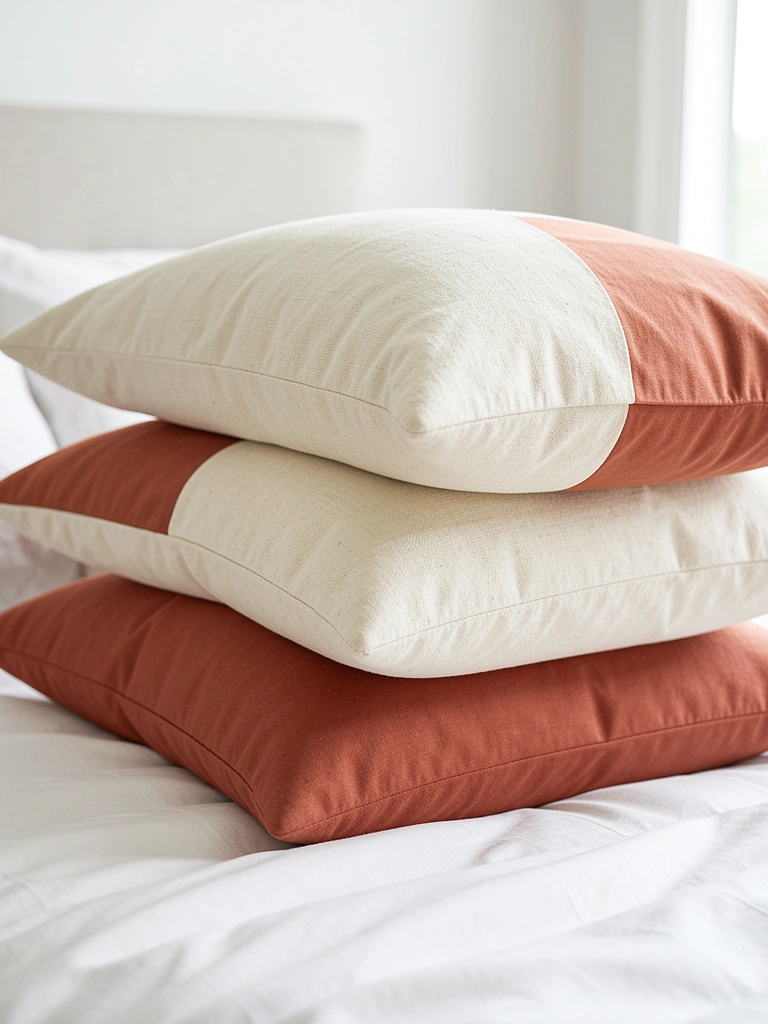
    Many pillow covers are reversible or have a contrasting back (check product descriptions on Target, Wayfair, or Etsy). Position 1–2 pillows so the back shows. Time: 2 minutes to rearrange. Pro tip: Choose contrasting backs that complement your palette (cream pillow with terracotta back, gray pillow with rust back). The peeking color creates depth and visual interest. This technique makes your bed look more layered than it actually is—perfect for budget decorating.


    20. Add a Lightweight Gauze or Muslin Layer for Airiness

    For a softer, more ethereal layering approach, add a gauze or lightweight muslin layer. It adds texture and visual interest without the weight or formality of a heavy quilt.

    Gauze layers or lightweight throws: $20–$50 (Urban Outfitters, Etsy, Amazon). Drape it loosely so it creates soft folds—the wrinkles are the point. Time: 5 minutes. This works especially well in minimal or bohemian-style bedrooms. Pro tip: Keep gauze in cream or white so it feels light and airy. The translucent layer adds romantic texture while keeping things feeling open and breathable. Best for warmer months or lighter sleepers.


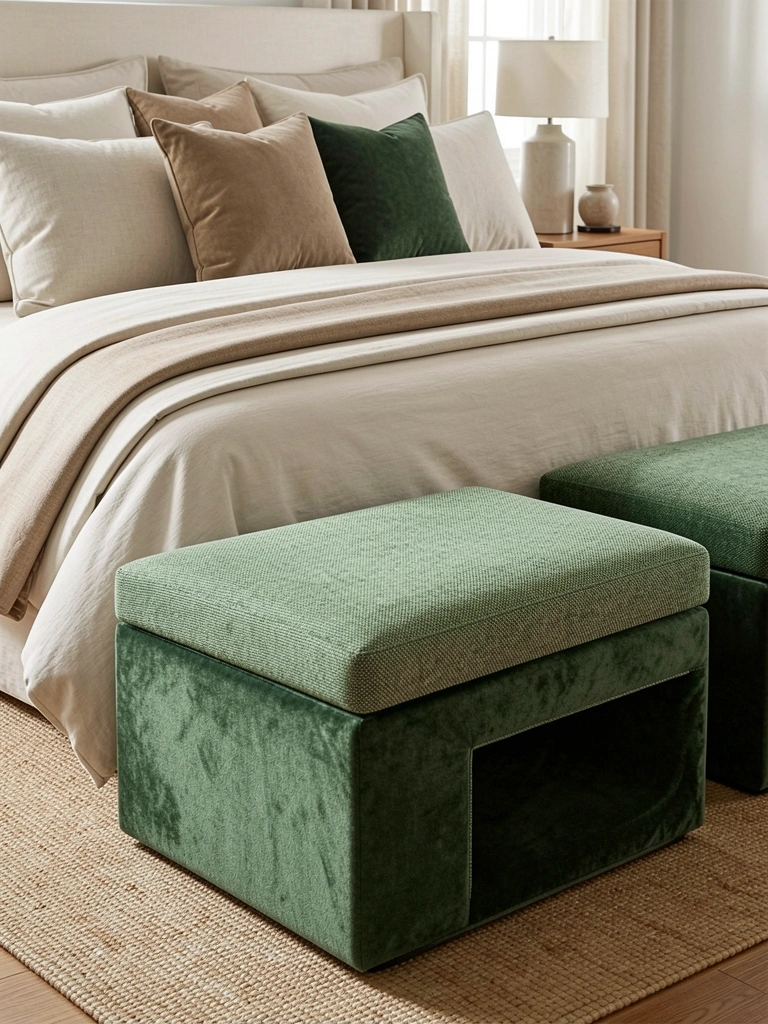
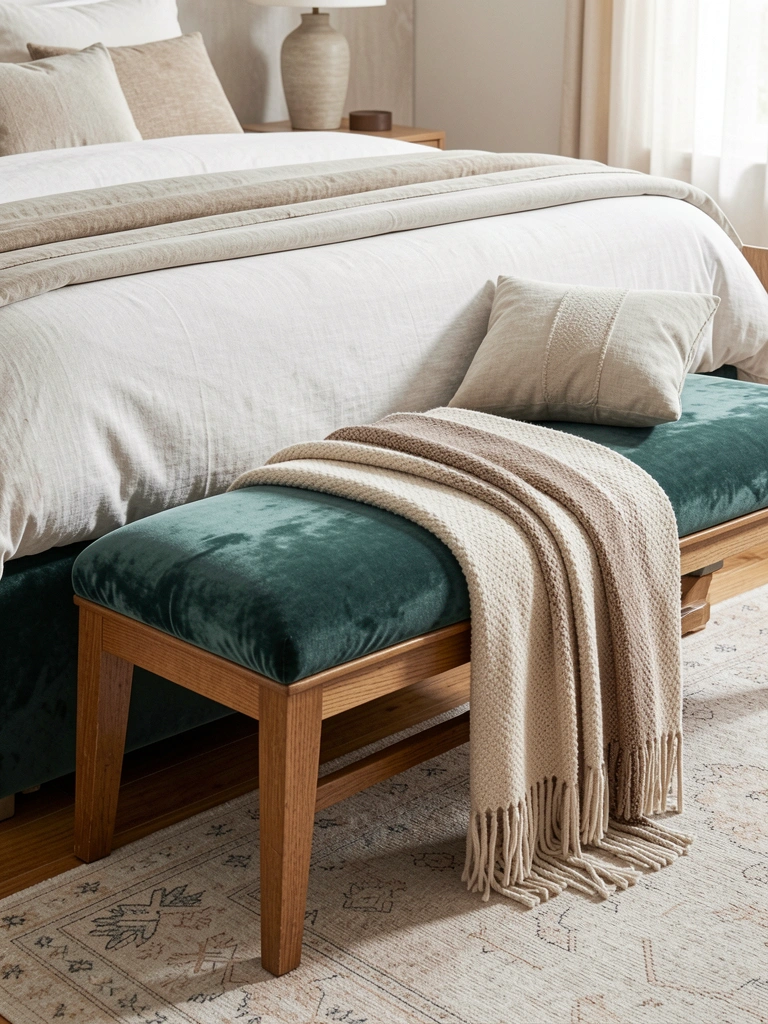
    21. Layer a Structured Ottoman or Bench at the Foot

    Furniture layering counts. An ottoman or bench at the foot of your bed adds dimension and serves as a styling piece. It creates horizontal interest and a place to fold throws.

    Ottomans or benches: $150–$400 (IKEA has budget options at $80–$150). Choose one in a textured fabric that complements your palette. Time to position: 5 minutes. The structured furniture contrasts beautifully with soft textiles, creating visual interest. Pro tip: Drape one of your throws over the bench back so the layering extends beyond just the bed. The combination of soft textiles and structured furniture creates sophisticated depth.


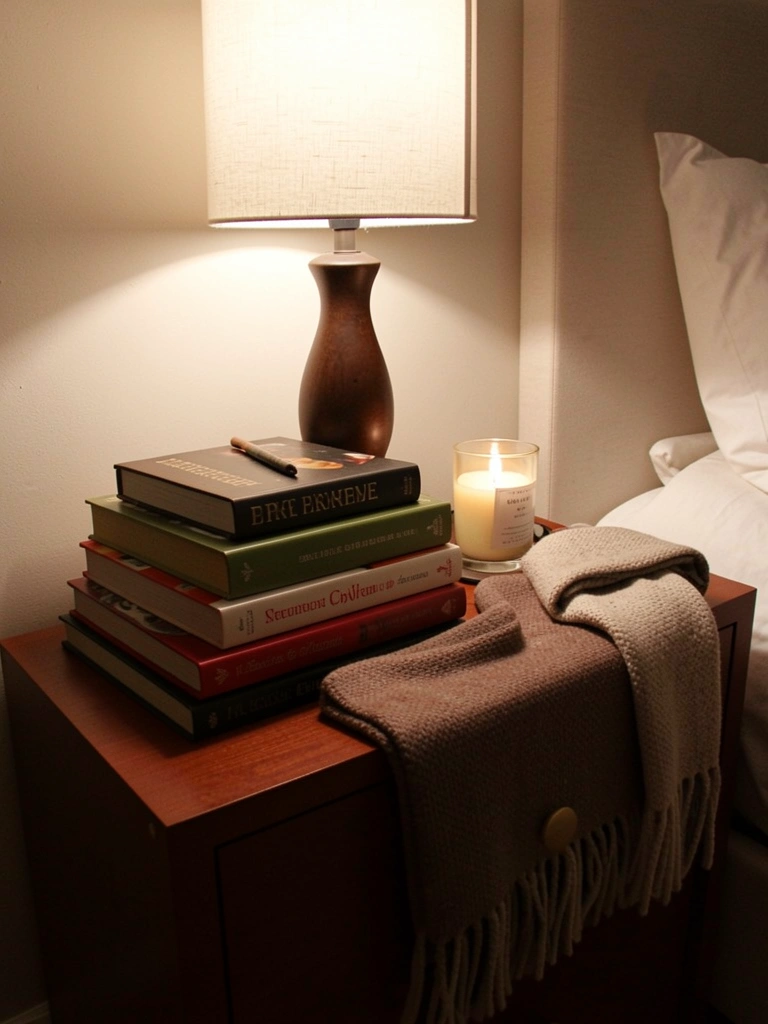
    22. Use Layered Nightstands for Balanced Visual Weight

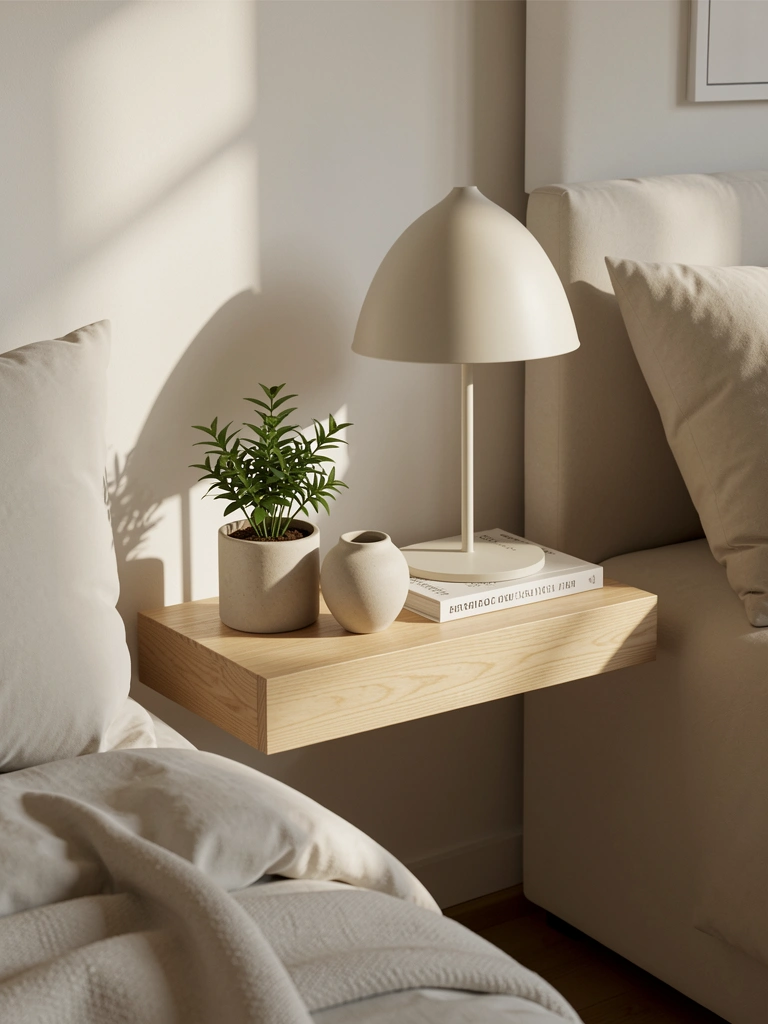
    Your nightstands are part of your bed’s visual composition. Layer them with books, a lamp, a candle, and maybe a small throw. This extends your layering beyond just the bed itself.

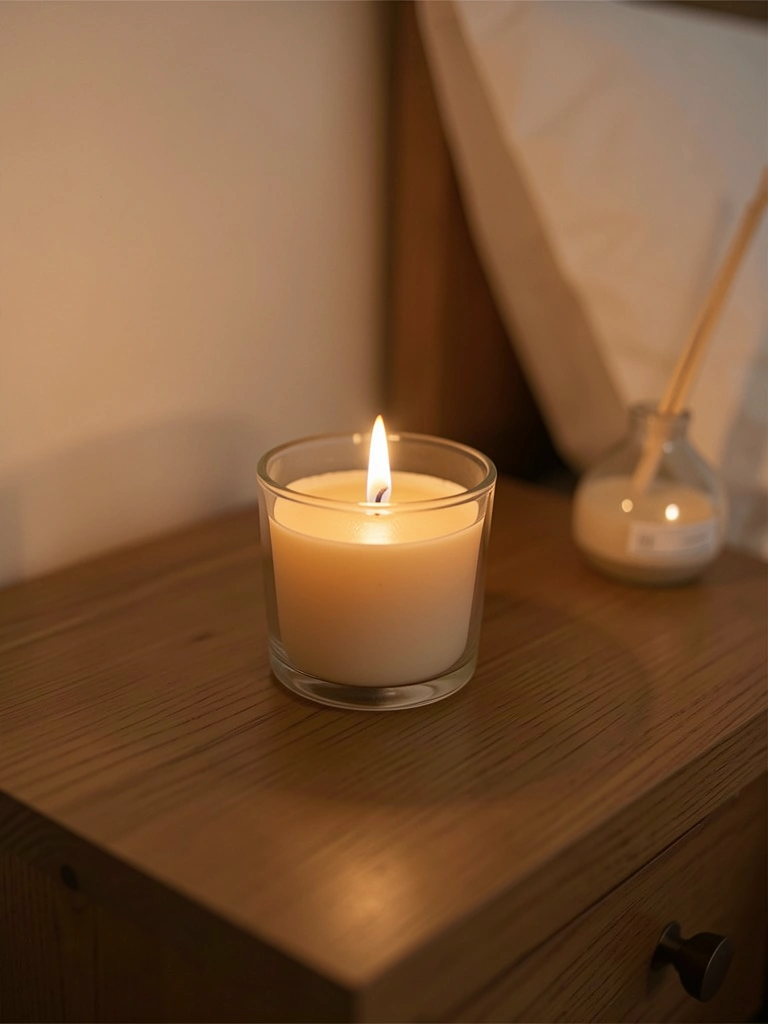
    Gather books you actually love, add a quality bedside lamp ($30–$80), a candle ($10–$30), and drape a small decorative throw. Arrange these in varying heights. Time: 15 minutes to style. Pro tip: Use odd numbers of objects (3 books, not 2) and vary heights so nothing looks flat. The styled nightstands frame your bed and add to the overall cozy aesthetic. Your whole sleeping zone now feels intentionally designed.


    23. Add Textured Wall Decor Above Your Bed

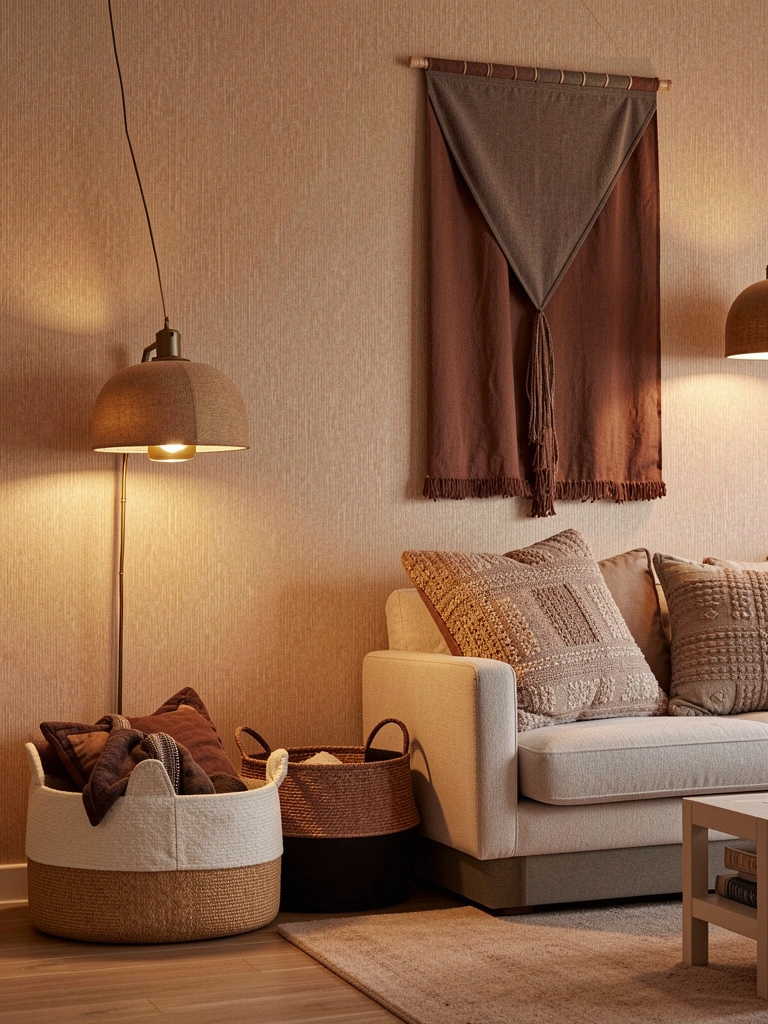
    Extend your layering vertically. Hang a textured piece—macramé, woven textile, or fabric art—on the wall above your bed. This creates a frame for your whole bed composition.

    Wall textiles: $30–$120 (Etsy, Urban Outfitters, West Elm). Hang at eye level when lying down (usually 12–18 inches above your headboard). Time: 30 minutes to install. Choose something in warm neutrals or earth tones that echoes your bedding palette. The textured backdrop makes your bed feel like a designed vignette. Pro tip: Layer a few pieces if you’re confident (one large piece + two smaller ones), or stick with one statement piece for simplicity. The layering now extends to your walls, creating a cohesive, textured sleeping retreat.


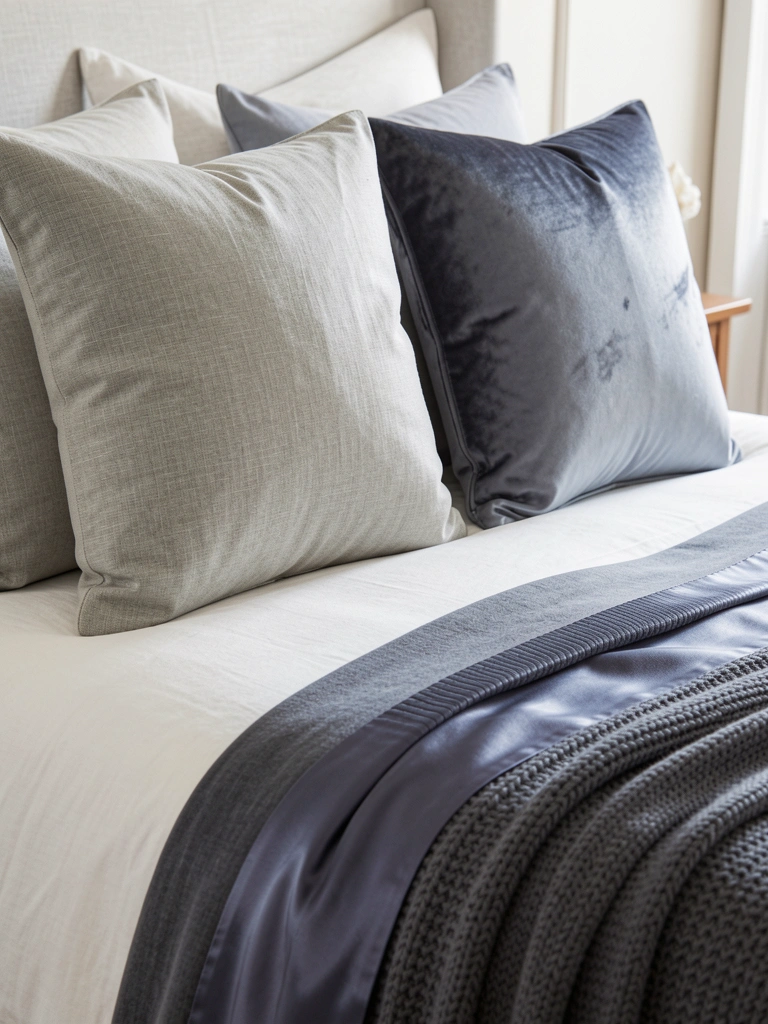
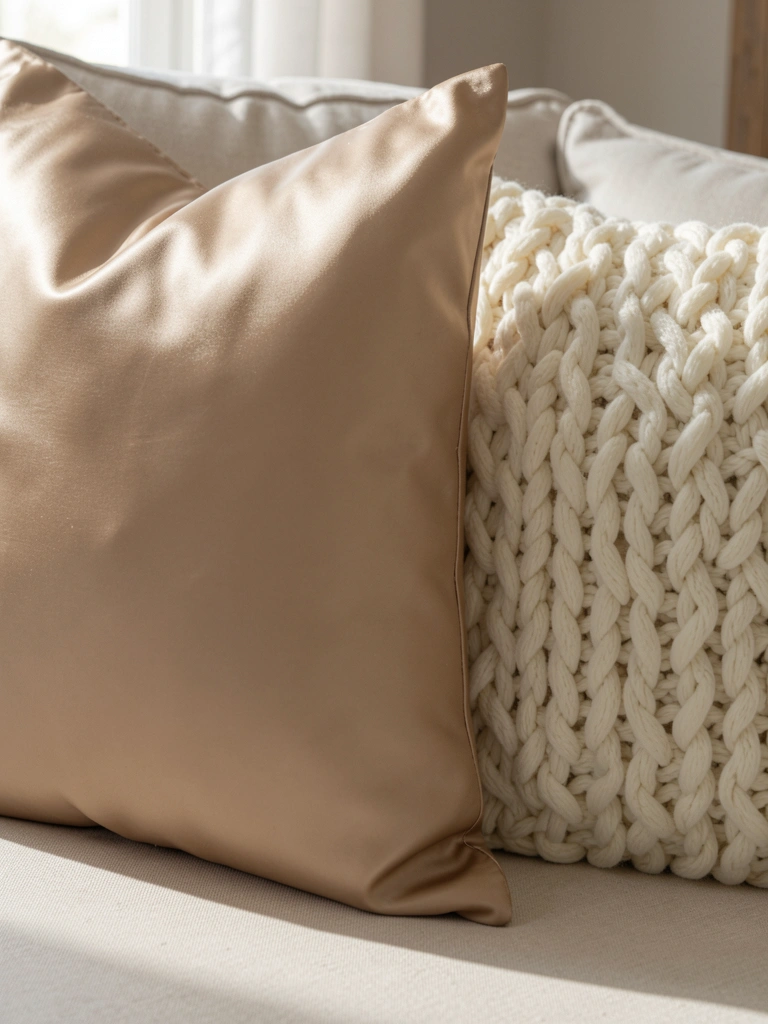
    24. Mix Matte and Shiny Fabrics for Subtle Depth

    Light reflection matters. Mixing matte fabrics (linen, cotton, knit) with subtle-sheen fabrics (velvet, silk, satin) creates depth because they catch light differently. Your eye sees movement and dimension.

    No extra budget needed—just be intentional about mixing finishes. Pair a matte linen throw with a velvet pillow. Use cotton sheets with a subtle-sheen duvet cover. Time: 0 minutes—just style with intention. The different light reflections make your bed look more complex and designed. Pro tip: Avoid too much shine (this isn’t disco ball territory)—stick to subtle sheen in one or two pieces. The finish variety creates sophisticated depth without looking busy.


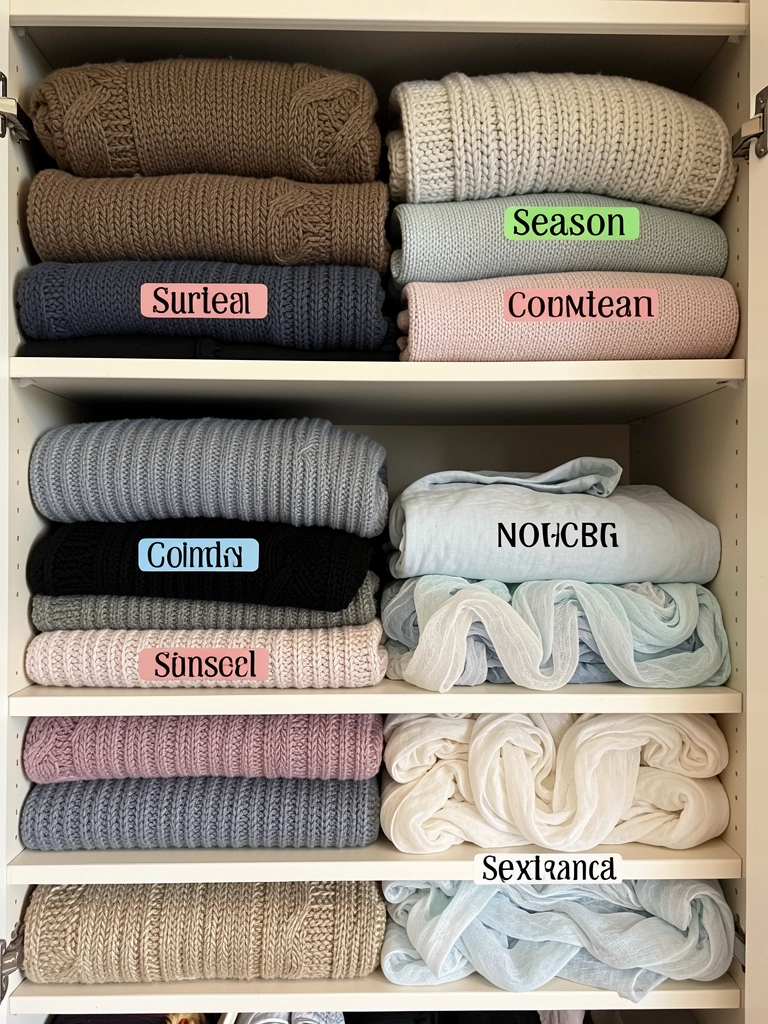
    25. Create a Seasonal Layer Rotation System

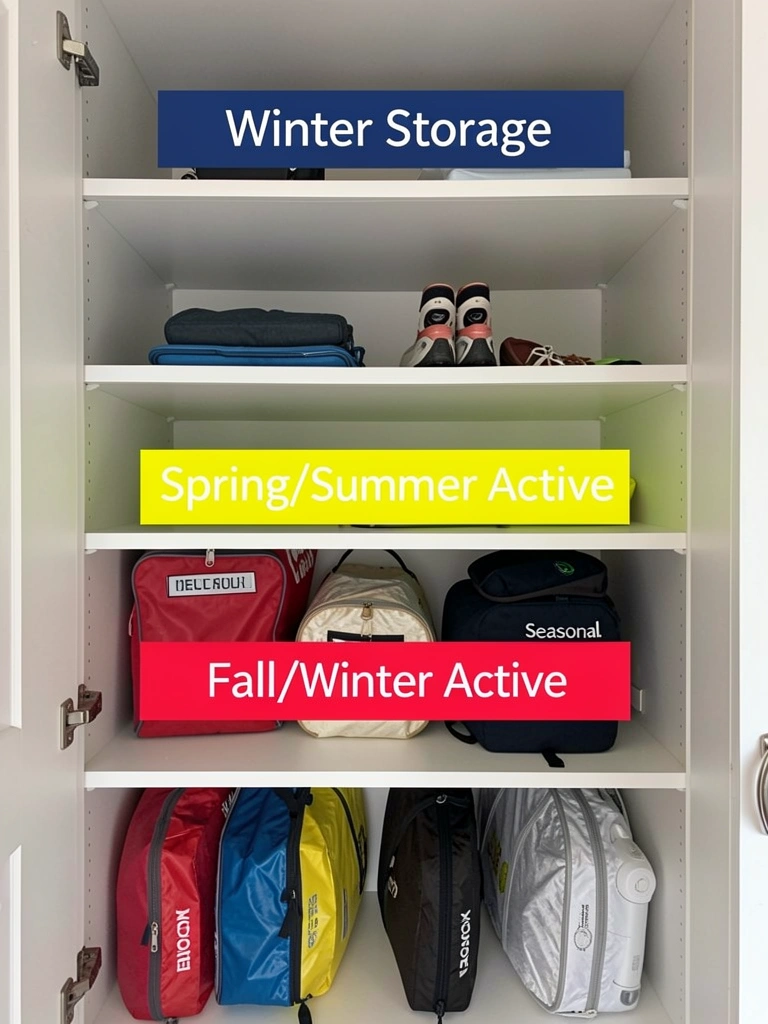
    Real layering means rotating your textiles seasonally. Heavy quilts in winter, lightweight gauze in summer. Building a rotation system keeps your bed looking fresh and relevant.

    Stock 2–3 extra throws and quilts ($100–$300 total) that you rotate seasonally. Store off-season pieces in a labeled bin under the bed or in a closet. Time: 30 minutes quarterly to swap. Pro tip: Photograph each seasonal setup so you remember which combinations worked best. Your bed stays cozy and intentional all year. The rotation system also extends the life of your textiles by reducing wear.


    26. Layer with Intention: The Styling Rule of Three

    The final rule: layer with intention, not accident. Choose 3 main textural elements (example: soft sheets + plush throw + woven blanket) and let them be the stars. Everything else supports these.

    No additional budget—just edit ruthlessly. Remove pillows that don’t add texture or color. Replace flat throws with textured ones. Keep your palette to 3–4 colors maximum. Time: 30 minutes for a full edit. The result is a bed that looks curated, not cluttered. Pro tip: Step back and photograph your bed from across the room. If it reads as cozy and intentional in a photo, it’s working. The rule of three keeps your layering sophisticated and achievable.


    Save this post for your next bedroom refresh. Pick one layering idea this weekend and test it out—you’ll be surprised how one intentional textile addition changes how your whole room feels. Which texture will you add first?

  • 24 Room Makeover Ideas That Refresh Your Home on a Budget

    24 Room Makeover Ideas That Refresh Your Home on a Budget

    You don’t need a massive budget or a contractor to make your home feel brand new. Whether you’re renting, own a smaller space, or just want to refresh without the financial commitment, these 24 ideas prove that thoughtful changes—big and small—add up fast. From swapping out hardware to full-room color updates, you’ll find a mix of quick wins you can tackle this weekend and slightly bigger projects that deliver serious impact. Most of these ideas cost under $200, and several are completely free. Ready to fall in love with your space again? Let’s dive in.

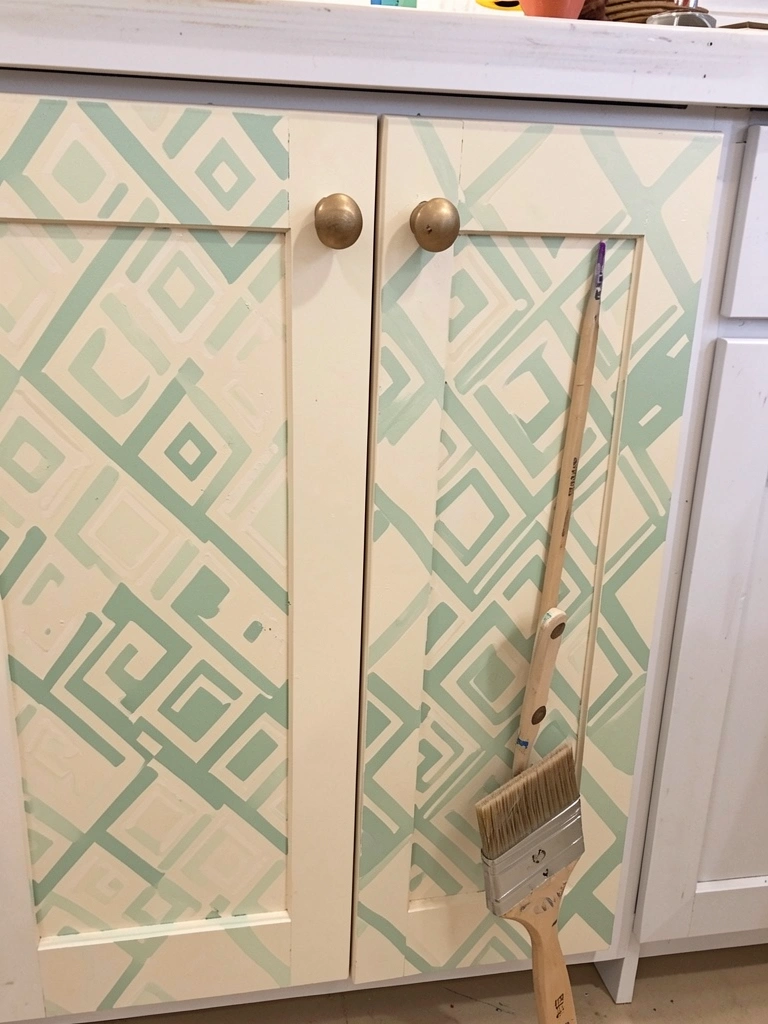
    1. Paint Your Cabinets for Instant Personality

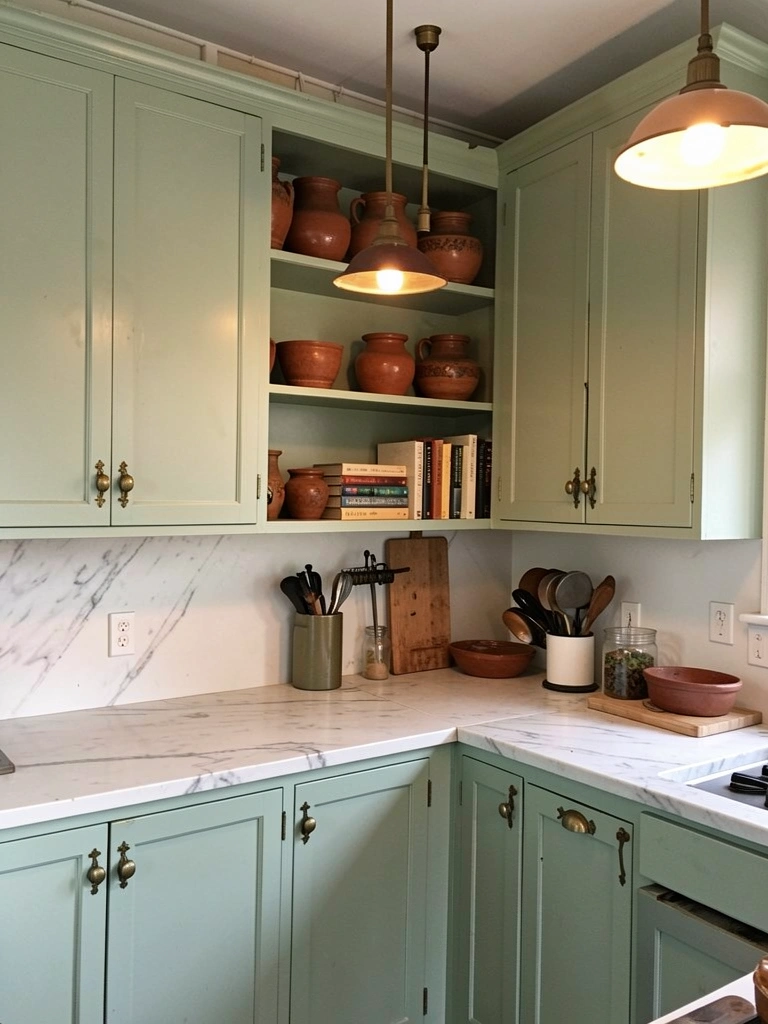
    Painted cabinets are one of the fastest ways to completely change a room’s vibe without replacing anything. Whether you’re updating kitchen cabinets, bathroom vanities, or bedroom dressers, a fresh coat of paint in an earthy tone like sage green, chocolate brown, or soft cream makes everything look intentional and curated.

    Use a high-quality cabinet paint (Benjamin Moore or Sherwin-Williams, $35-$60 per quart) or grab a furniture paint kit from Amazon ($20-$40). You’ll need a primer, paint, and brushes or foam rollers. The project takes a weekend or two, depending on size. Remove hardware first, lightly sand the surface, prime, and apply two coats. For renters, removable cabinet wrap ($15-$30) offers a similar effect without commitment.

    The payoff? Your whole kitchen or bathroom suddenly feels curated and high-end. This one change makes every other element in the room stand out.

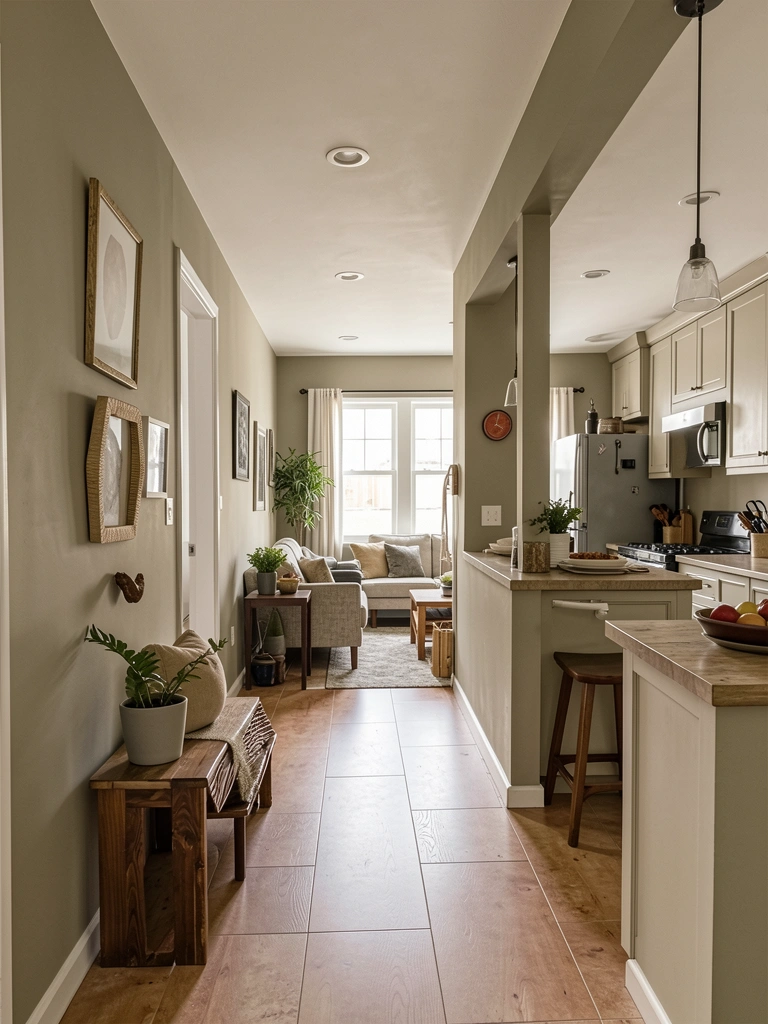
    2. Create Defined Zones Without Walls

    Open-concept spaces can feel chaotic and lack-luster. Zoning creates privacy and functionality without construction—and it’s often free or nearly free.

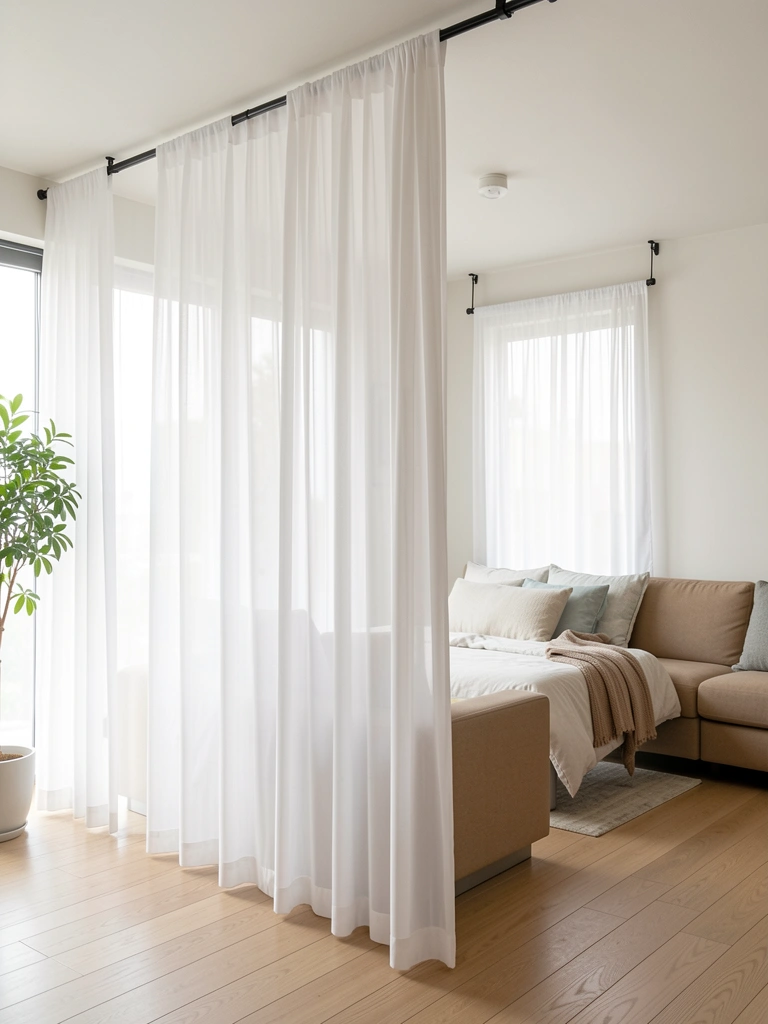
    Use a low bookshelf, console table, or even a clothing rack to visually separate areas. Layer in an area rug to anchor each zone and define the space. Paint one wall a different earthy tone to suggest division. Renters can use tall curtains hung from ceiling to floor as a soft divider. These solutions cost $0-$100 depending on what you already own. No time commitment beyond arranging what you have.

    Your space suddenly feels purposeful, like each area has its own role. You get privacy and a more organized-looking home.

    3. Switch to Curved Furniture for Softness

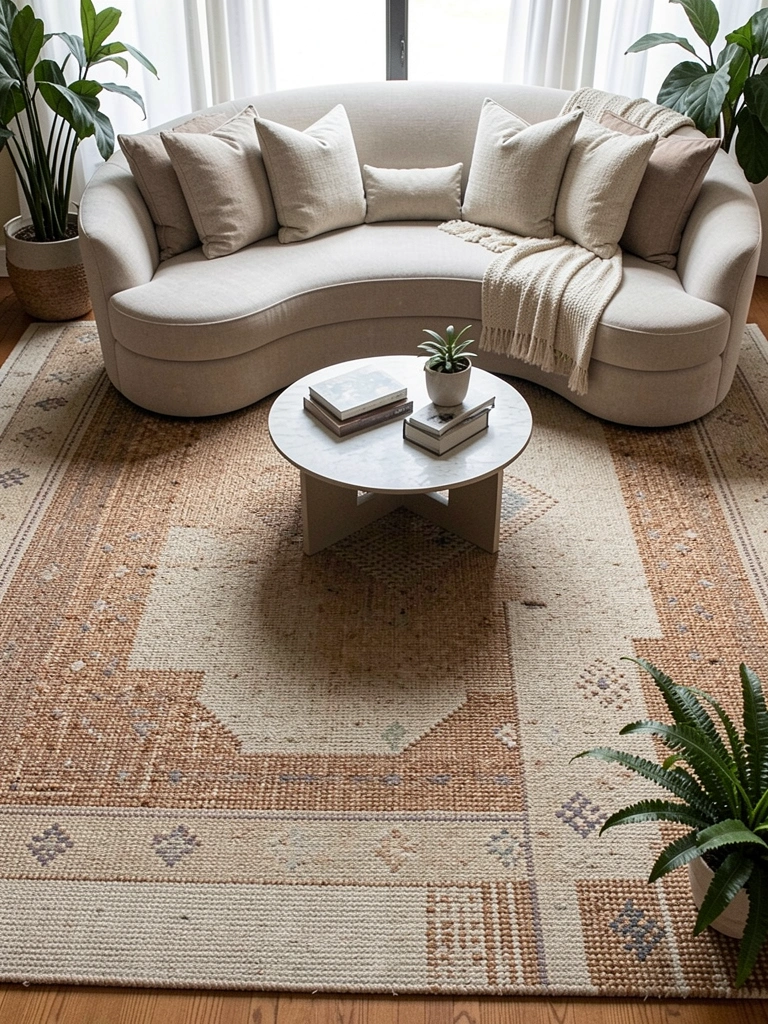
    Straight-lined furniture feels dated and formal. Curved, sculptural pieces create a friendlier, more organic atmosphere that photographs beautifully and feels more comfortable to live with.

    Look for curved sofas, round accent chairs, or wavy console tables at IKEA ($200-$500), Wayfair ($300-$800), or Facebook Marketplace for secondhand finds ($50-$300). Even one curved piece transforms a room—pair it with your existing furniture for an eclectic look. Budget for a replacement over a few months if you need to.

    The space immediately feels more inviting and less “sterile showroom.” You’ll gravitate toward these pieces naturally because they’re genuinely comfortable.

    4. Layer Textures to Create Depth

    Tactile depth makes spaces look designed and feel premium. Flat, single-texture rooms look sparse, but layering different materials—linen, velvet, marble, jute, ceramic—creates visual interest and warmth.

    Start by swapping your bedding: add a textured throw blanket ($20-$60), mix pillow fabrics (linen, velvet, knit from Target or Etsy, $15-$40 each), and add a chunky knit or macramé wall hanging ($30-$80). In bathrooms, swap bath mats and add woven baskets ($15-$50). In living rooms, layer rugs or add a textured accent chair. Most of these pieces cost under $50 each.

    Your room transforms from “catalog flat” to “I actually live here beautifully.” The touchable quality makes people want to stay longer in your space.

    5. Paint Your Walls Earthy Brown or Green

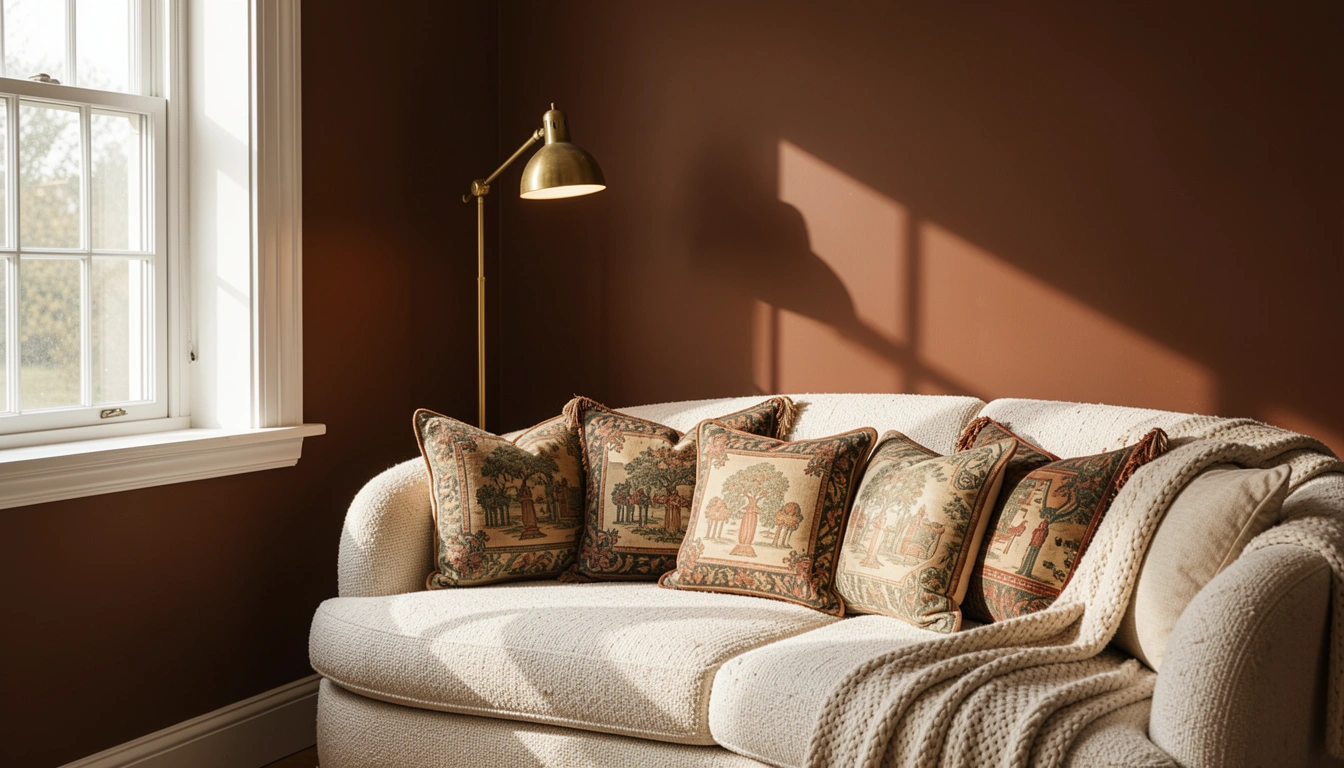
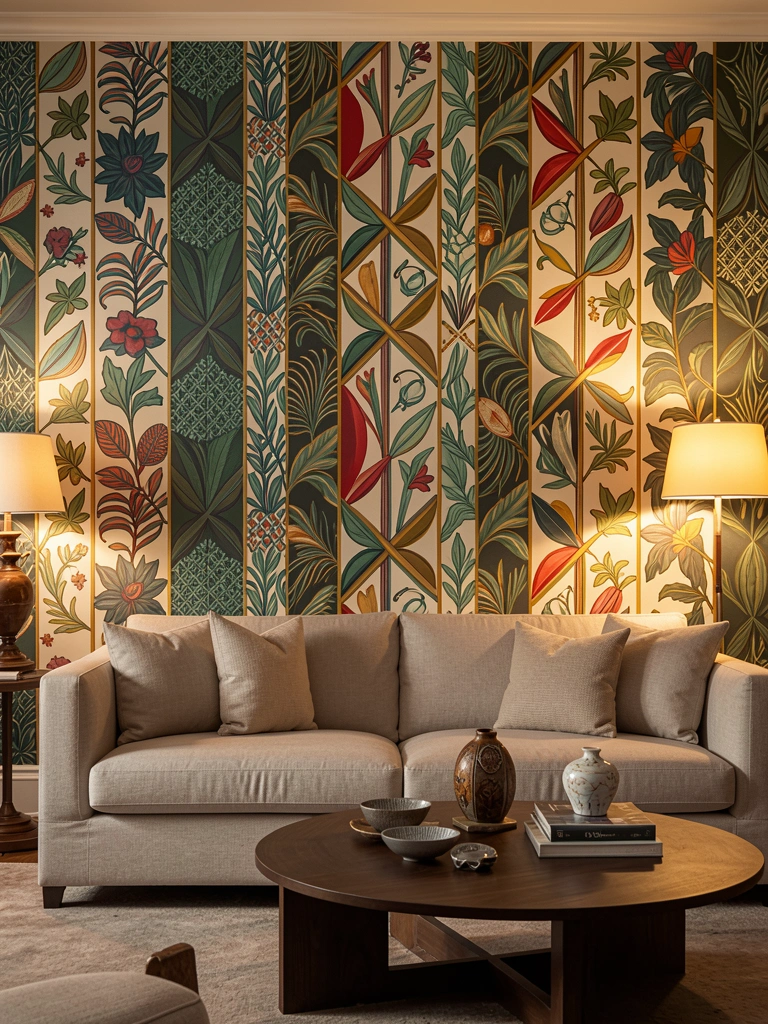
    Color drenching—painting an entire room one immersive color—replaces dated accent walls and creates real mood. Earthy tones like chocolate brown, sage green, and warm taupe feel grounding and sophisticated without being dark or heavy.

    Choose a quality paint in your chosen tone (Sherwin-Williams “Urbane Bronze” or Benjamin Moore “Dried Sage,” $40-$70 per gallon). You’ll likely need one to two gallons depending on room size. Hire someone ($400-$800 for a professional) or DIY with a friend over a day or weekend. Prep is the real work—cover furniture, tape trim, fill holes.

    The entire room feels intentional and calming. This one change anchors all your furniture and styling choices, and suddenly everything looks like it belongs.

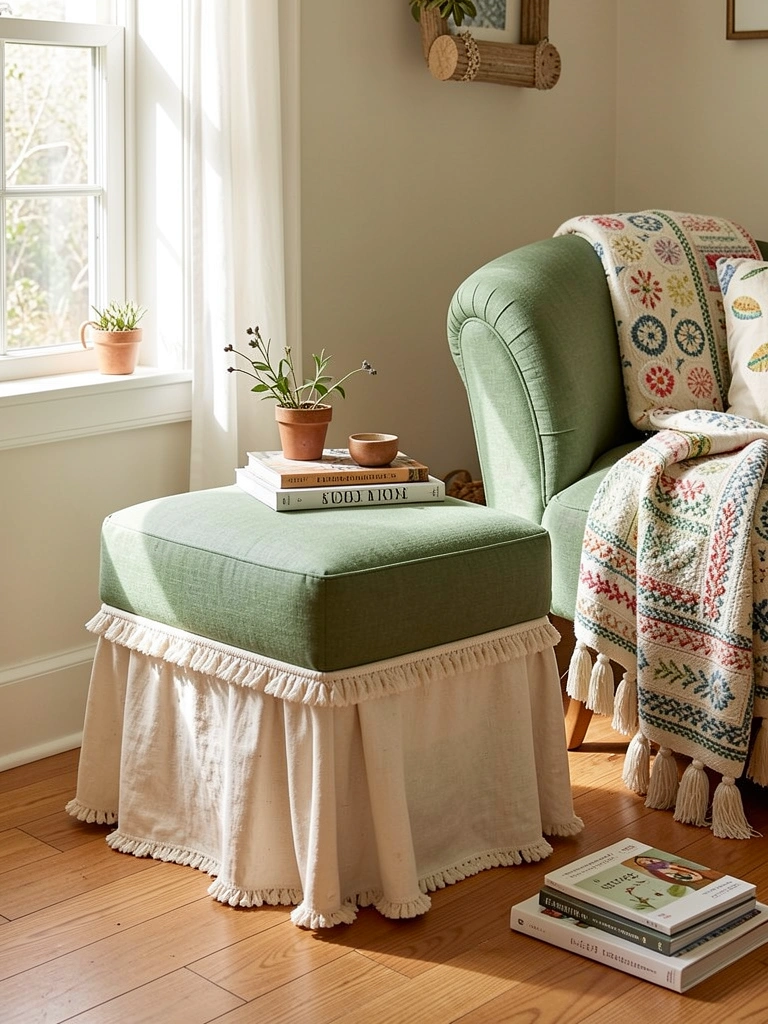
    6. Add Skirted Furniture for Drama

    Skirted furniture—ottomans, sofas, or benches with fabric skirts and trim—brings back a playful, nostalgic feel that still feels fresh and modern. The skirt hides less-pretty legs and adds unexpected personality.

    Find skirted ottomans at Wayfair ($150-$400), Article ($200-$500), or thrift a vintage piece and add a custom skirt (Etsy makers, $100-$250). Budget furniture can be dressed up with a DIY slip cover. Fringe details or ribbon trim ($10-$30) make it even more intentional. This is an investment piece that makes a statement.

    One skirted ottoman becomes the conversation starter in your room. It’s practical, pretty, and proves that “imperfect” can be incredibly stylish.

    7. Thrift Vintage Pieces for Authenticity

    Thrifted vintage finds add soul and authenticity that new mass-produced items can’t touch. They’re also wildly more affordable than buying “vintage-style” reproductions new.

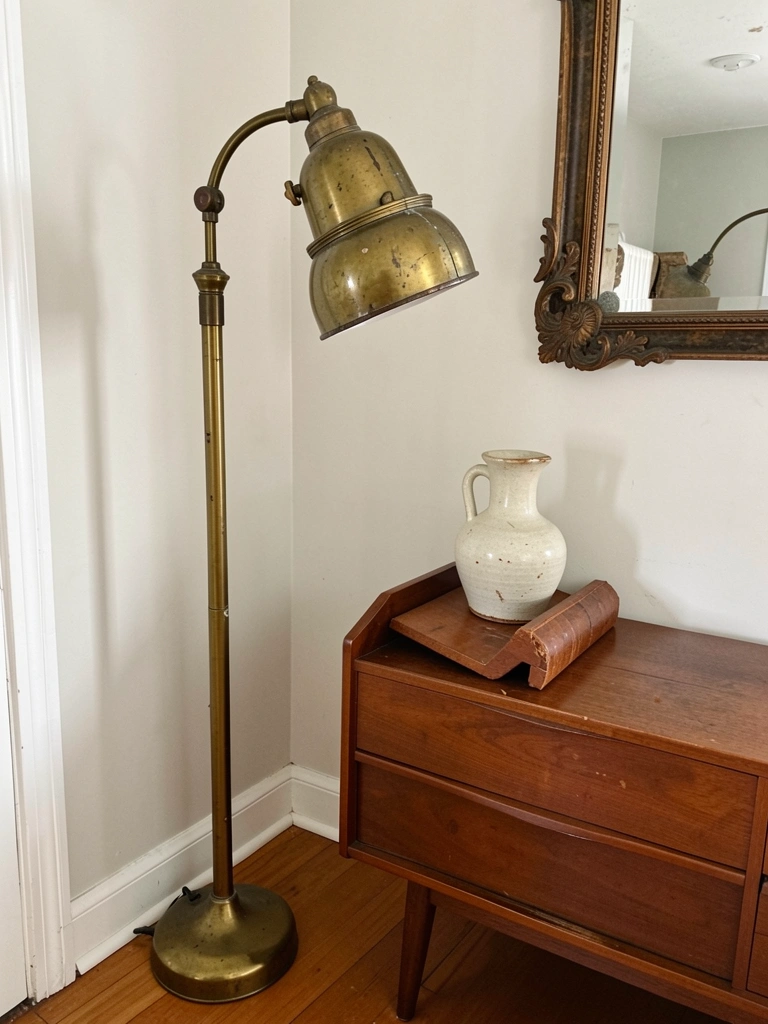
    Hit Facebook Marketplace, Craigslist, local thrift stores, and estate sales every weekend. Budget $10-$100 per piece depending on what you find—vintage brass lamps ($5-$25), wooden furniture ($20-$80), mirrors and art ($5-$50). Spend a few hours hunting or check online listings daily. Clean, refinish, or paint pieces to match your home.

    You end up with one-of-a-kind pieces that feel collected and intentional. Your space tells a story instead of looking like you shopped one store.

    8. Hand-Stencil Patterns for Budget Drama

    Hand stenciling transforms flat, boring surfaces into statement pieces—and it’s surprisingly affordable and doable as a beginner. It adds personality and imperfect charm that feels intentional, not matchy-matchy.

    Buy stencil kits from Etsy ($15-$35), Amazon ($10-$25), or hardware stores. Use craft paint ($3-$8 per color) and foam stencil brushes ($5-$10). Work on cabinet doors, walls, or even lampshades. This takes 2-4 hours depending on complexity and surface size. YouTube tutorials make it foolproof—no artistic skill required.

    Your hand-stenciled surface becomes a focal point and conversation starter. It looks expensive and custom without the designer price tag.

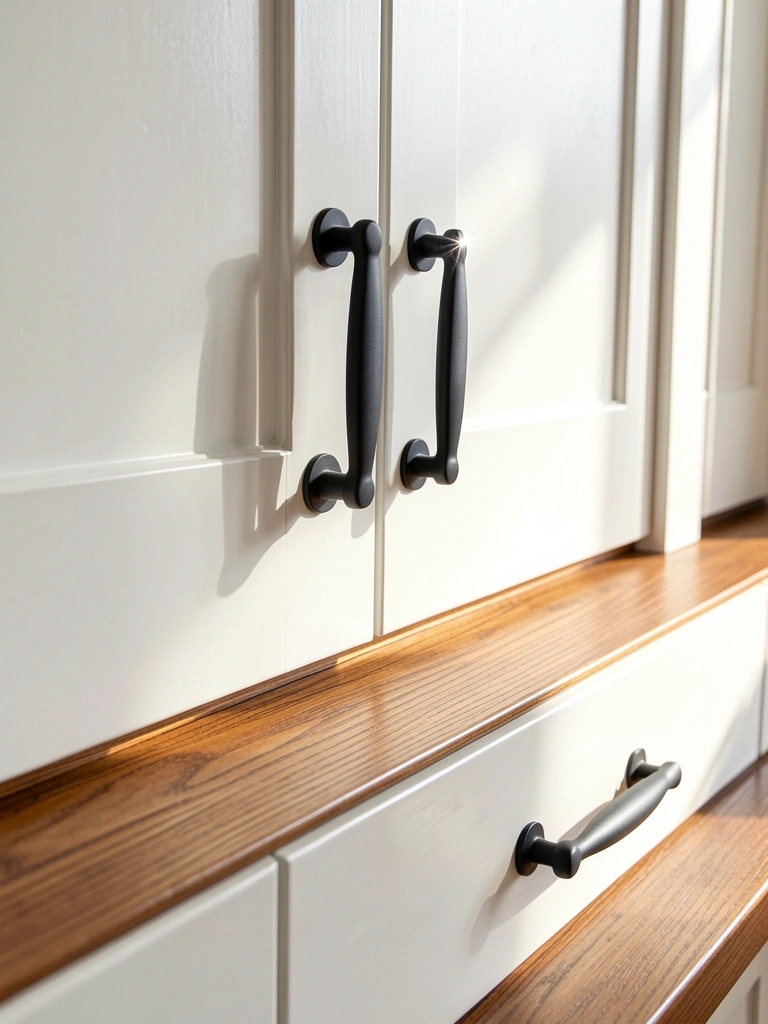
    9. Swap Hardware for Instant Upgrade

    Hardware is the jewelry of your home. Swapping old knobs and pulls for new ones—especially in brass, black metal, or ceramic—costs almost nothing but feels like a huge upgrade.

    Buy new hardware at IKEA ($2-$5 per piece), Anthropologie ($5-$15 each), or Amazon ($1-$8 per piece). A typical kitchen might need 20-40 pieces for $40-$150 total. This takes 30 minutes to an hour—just unscrew the old hardware and screw in the new. Keep the old hardware in a box in case you move.

    Every time you open a drawer or cabinet, you notice the upgrade. Small changes add up to make your whole kitchen or bathroom feel more curated.

    10. Create a Gallery Wall with Thrifted Frames

    Gallery walls are still trending, but skip the perfectly matching sets. Mismatched thrifted frames in different metals and wood tones feel collected and intentional, not sterile.

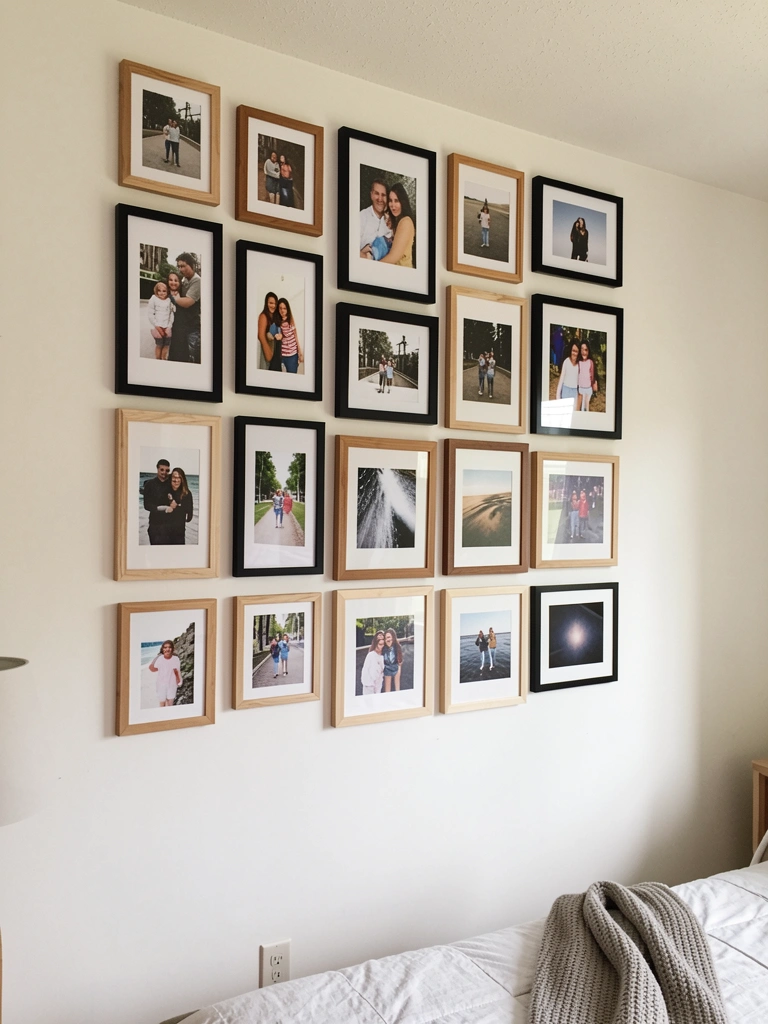
    Find frames at thrift stores ($1-$5 each), Facebook Marketplace, or estate sales. Paint them if needed to match your palette. Print art from Etsy ($5-$15 per print), use personal photos, or find free printables online. Budget $30-$100 total for a good-sized wall. This takes 2-3 hours to arrange and hang. Use a level and painter’s tape to plan your layout first.

    A gallery wall anchors a room and tells your story. It’s personal, affordable, and way more interesting than a single large print.

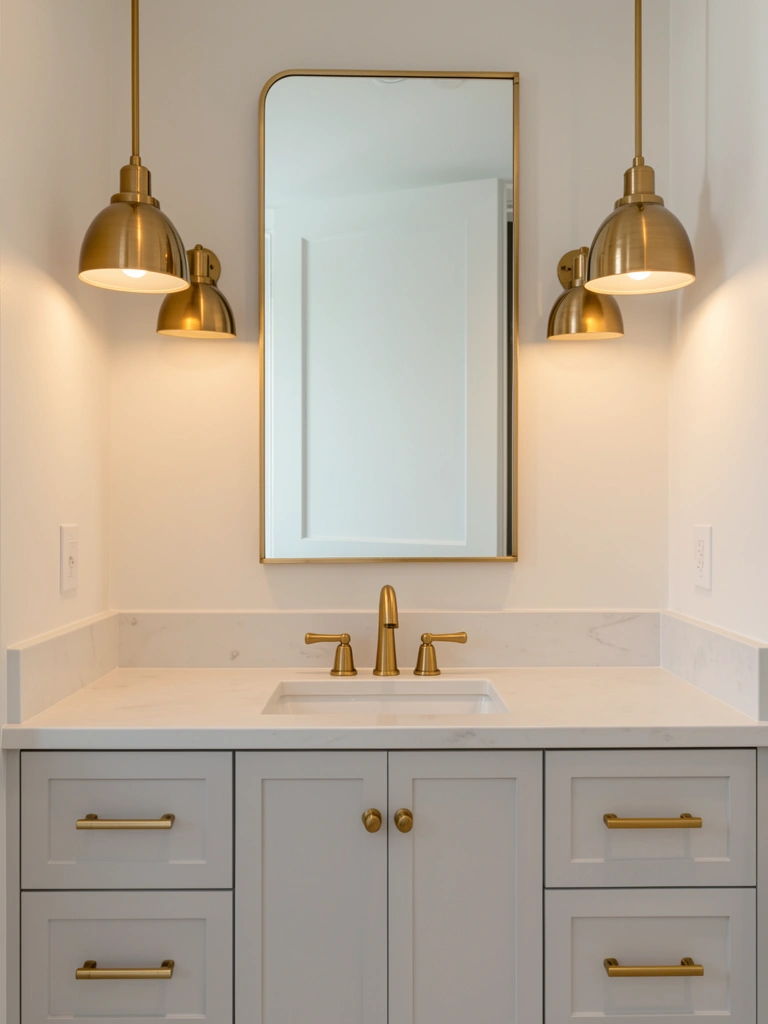
    11. Add Metallic Finishes for Approachability

    Soft metallics like brass, gold, and copper feel warm and approachable—unlike cold silver or chrome. They pair beautifully with earthy tones and make spaces feel high-end without being pretentious.

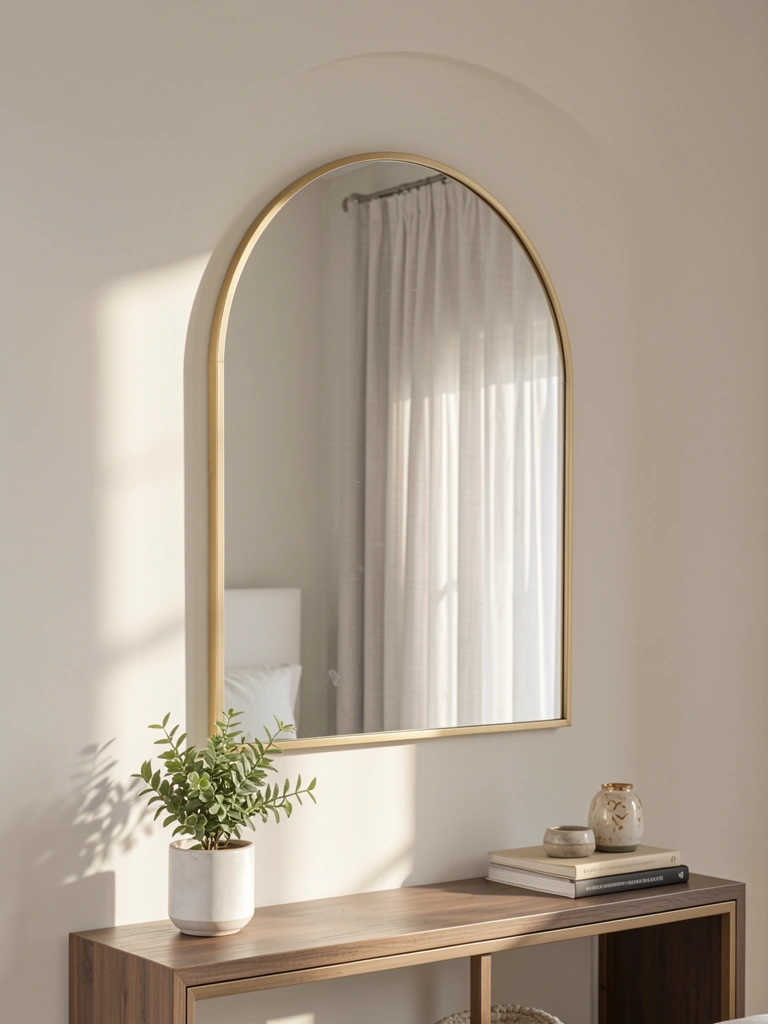
    Swap light fixtures to brass ($40-$150 at IKEA or Amazon). Add a brass or gold mirror ($30-$100). Incorporate metallic accents through lamps, frames, or hardware ($10-$80 each). Build this over time as you update pieces. No rush—this is about gradually bringing warmth into your home.

    Your space gains sophistication and warmth. Metallics catch light and make everything feel more intentional and polished.

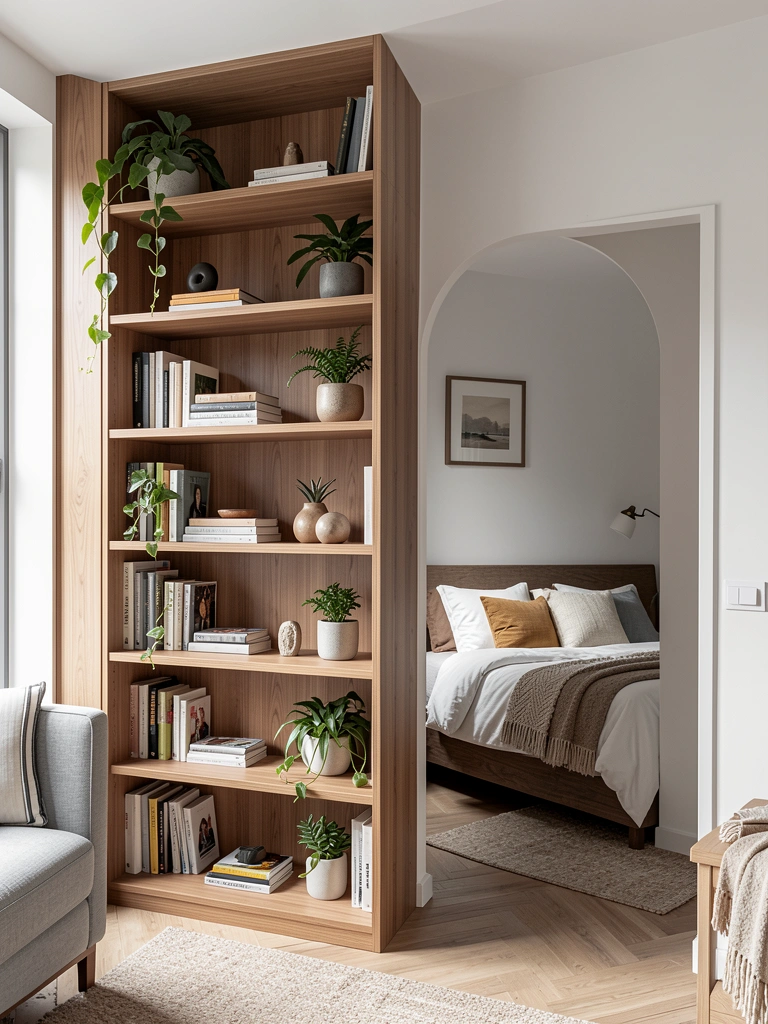
    12. Divide Rooms with Bookcases

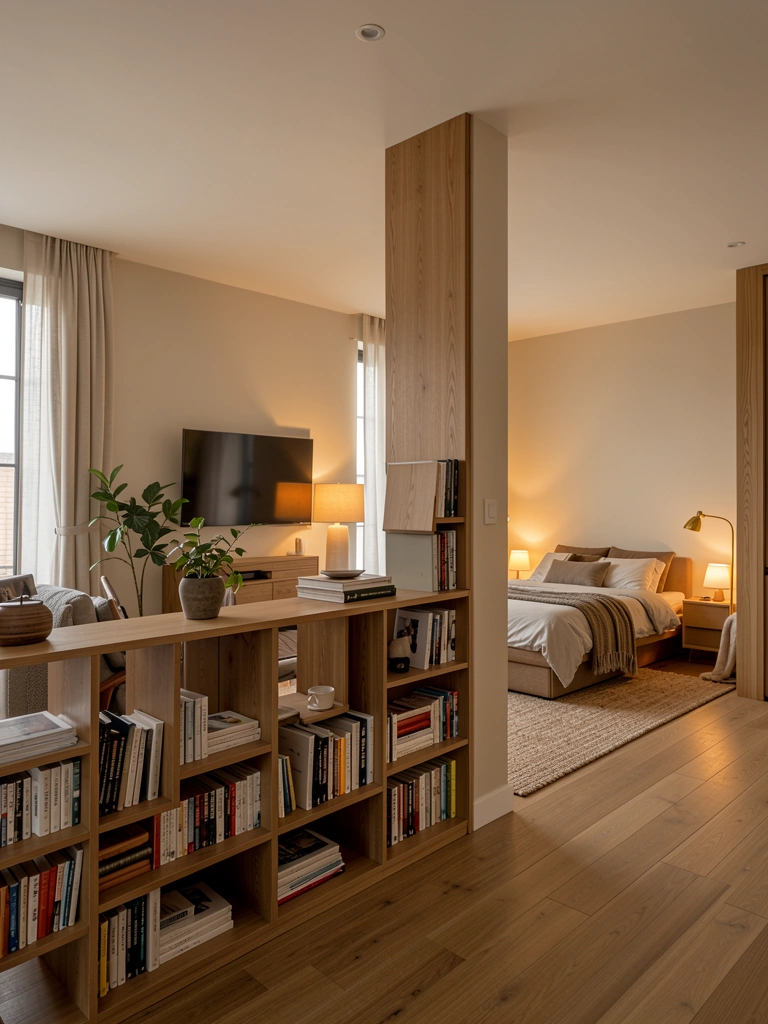
    Tall bookcases work as functional dividers—they provide storage, display space, and privacy without the expense and permanence of walls. They’re renter-friendly and moveable.

    Find tall open shelving at IKEA ($50-$150), Wayfair ($150-$400), or thrift solid wood bookshelves ($20-$80). Position it to visually separate zones. Style one side toward the living space and one toward the bedroom. This costs $50-$200 and takes an hour to set up.

    You get functionality, storage, and room division in one piece. It anchors the space and makes open layouts feel purposeful.

    13. Paint Your Ceiling for Cozy Impact

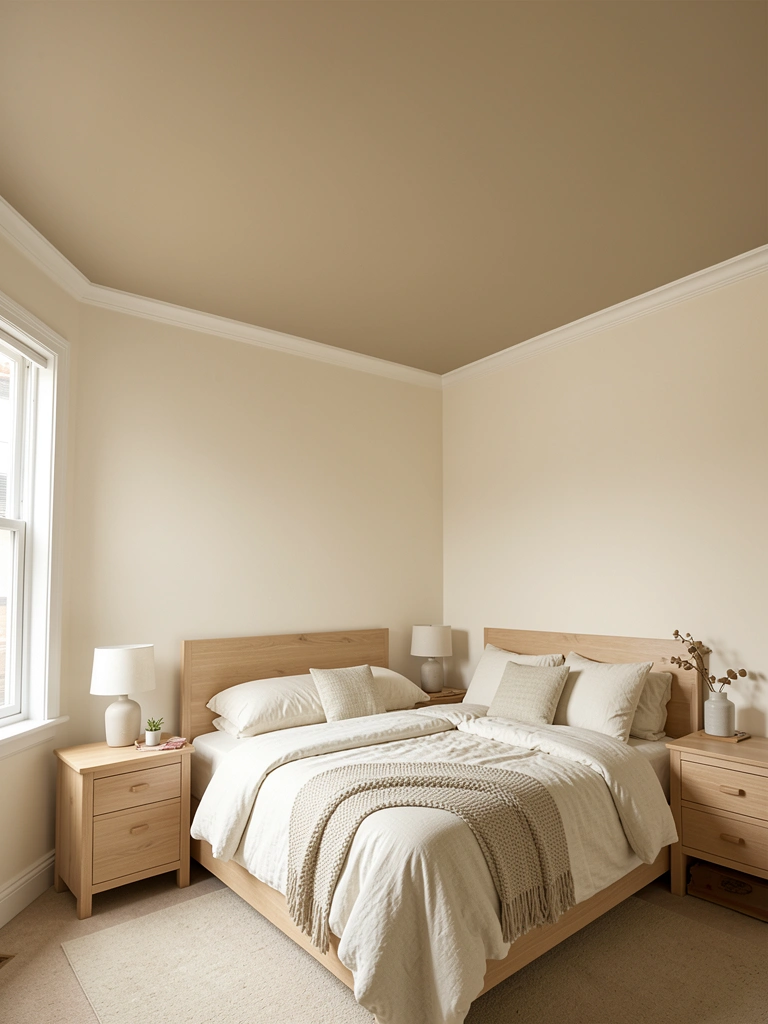
    Ceilings are often overlooked, but painting them a soft earthy tone creates coziness and visual interest without feeling heavy or dark. It’s surprisingly impactful.

    Use the same paint as your walls or go one shade darker ($40-$70 per gallon). Tape off your walls carefully—this takes 4-6 hours DIY or $300-$600 for professional help. You’ll need a tall ladder and patience. Start small with a bedroom or bathroom if you’re nervous.

    The room instantly feels more intimate and intentional. Painted ceilings create a cocooning effect that makes spaces feel like retreats.

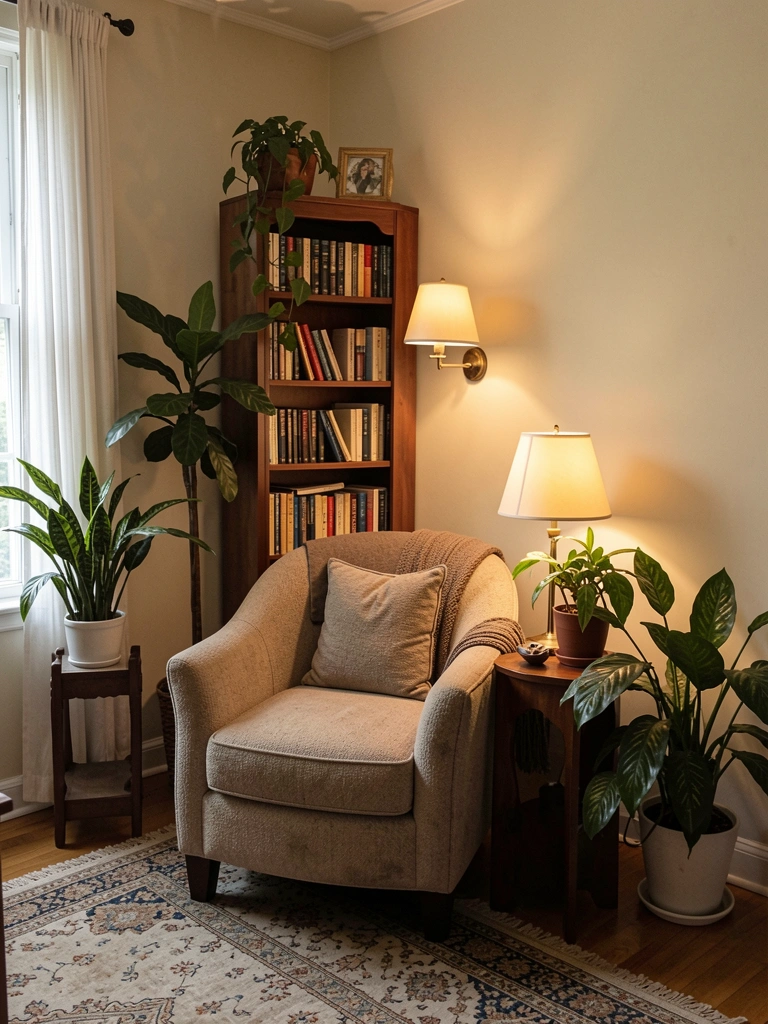
    14. Repurpose Unused Formal Spaces

    Formal dining rooms and unused living rooms don’t match how we actually live. Repurposing them into offices, reading nooks, or workout spaces makes your home functional and cozy.

    Assess your space: Do you need a dining table, or would you prefer a reading corner? Move your best seating there, add a soft rug ($50-$150), layer in a floor lamp ($30-$100), and style with plants and books. This costs $100-$300 and takes a few hours to rearrange. Renters can do this with zero permanent changes.

    Suddenly your whole home feels more useful and intentional. You’ll actually use these spaces instead of walking past them.

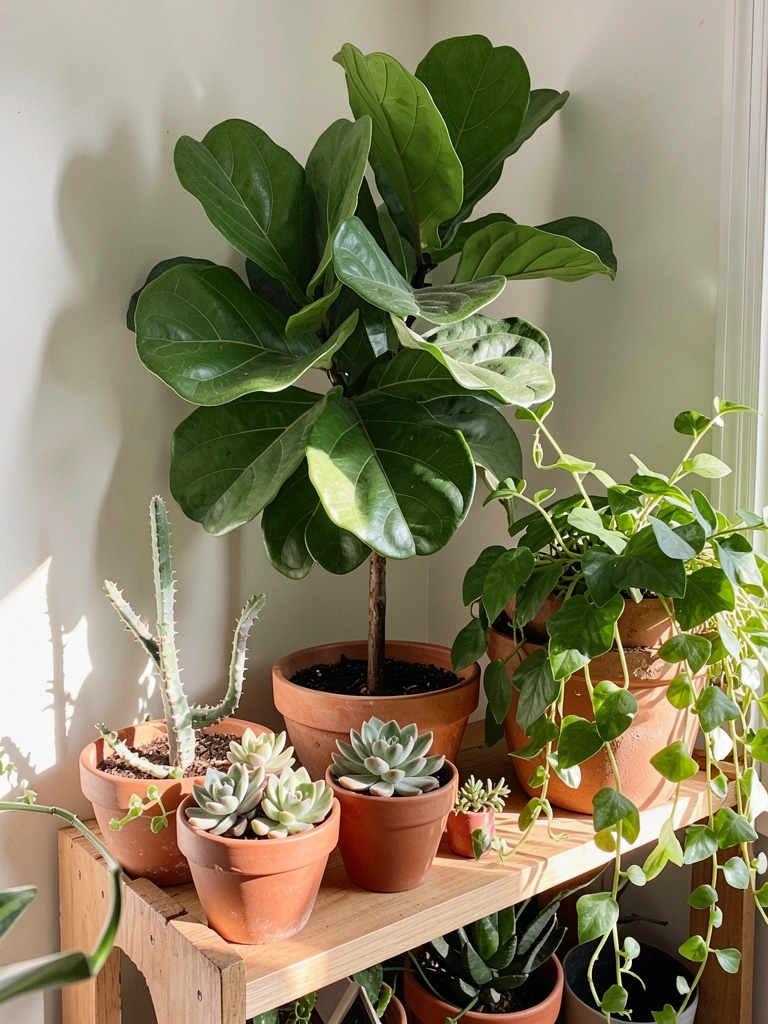
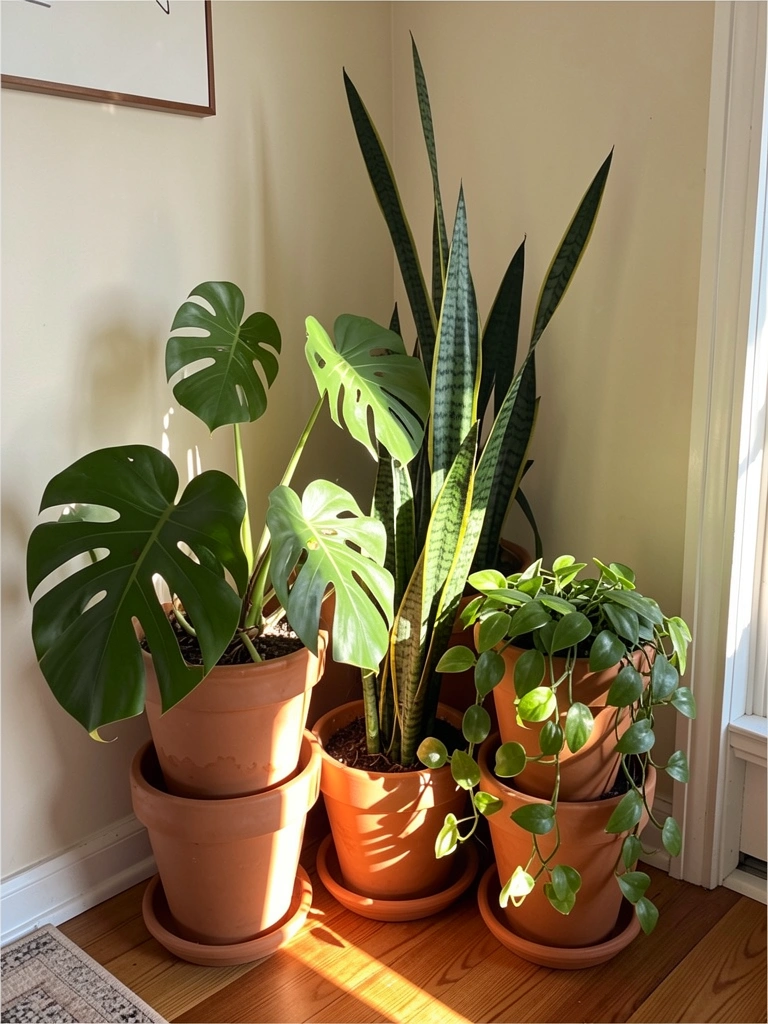
    15. Bring in Plants for Life and Color

    Plants breathe life into rooms, add color, and improve air quality. They’re affordable, forgiving, and make any space feel more organic and lived-in.

    Start with easy varieties like pothos, snake plants, or ZZ plants ($5-$20 each). Find cute pots at thrift stores ($2-$10) or Target ($5-$25). Budget $30-$100 for a collection of 5-7 plants. Arrange them at different heights on shelves, windowsills, or plant stands ($20-$60). This takes 30 minutes to arrange.

    Your space immediately feels fresher and more organic. Plants soften hard edges and make rooms feel alive instead of static.

    16. Layer Rugs for Warmth and Definition

    Layered rugs define spaces, add warmth, and create visual interest. Unlike single rugs, layered rugs feel collected and intentional—and they’re easier on your budget.

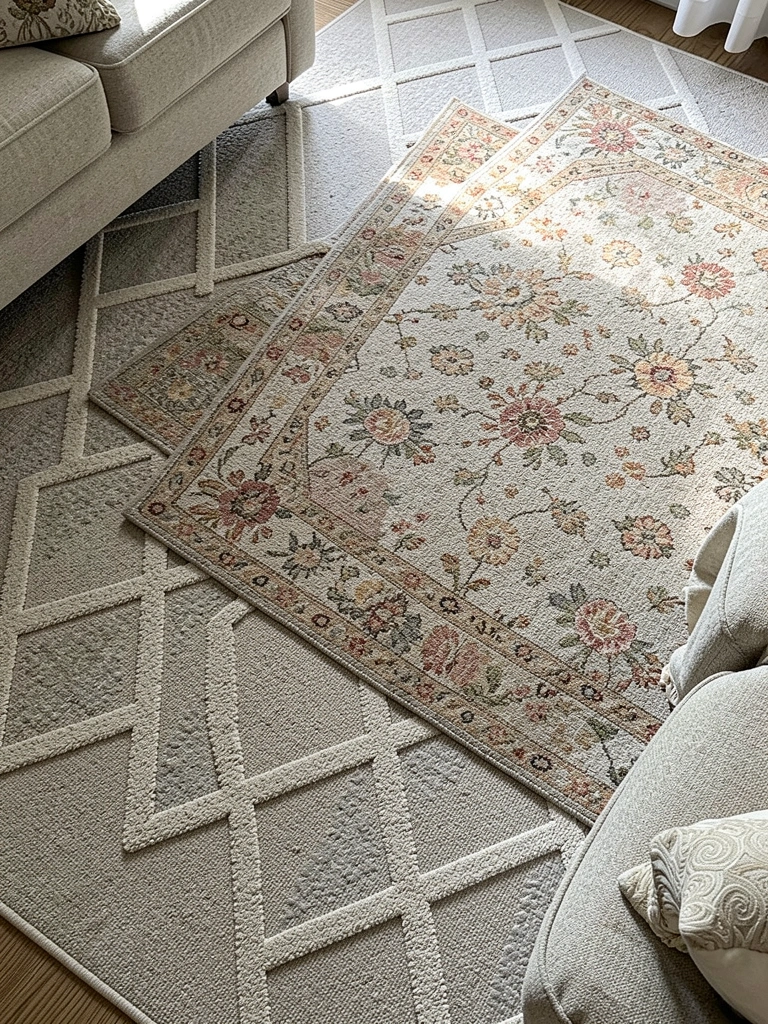
    Start with a neutral base rug ($50-$150 at IKEA, Target, or Wayfair). Layer a smaller patterned or textured rug on top ($30-$100). Together they cost less than one high-end rug but look more interesting. Let the base rug peek out underneath. This takes 10 minutes to arrange and costs $80-$250 total.

    Your space gains dimension and warmth. Layered rugs make rooms feel more designed and cozier underfoot.

    17. Update Window Treatments with Black Frames

    Modern black window frames and hardware update cozy cottage-core aesthetics and make windows feel intentional and architectural. It’s a small detail with major impact.

    Swap your curtain rod to matte black ($30-$80 at IKEA, Amazon, or Target). Use soft linen or cotton curtains in cream, white, or a warm tone ($20-$60 per panel). Consider black-framed curtain rods even if you don’t replace the curtains. This costs $50-$200 and takes an hour to install.

    Your windows become architectural features instead of afterthoughts. Black frames feel modern and elegant without losing the cozy vibe.

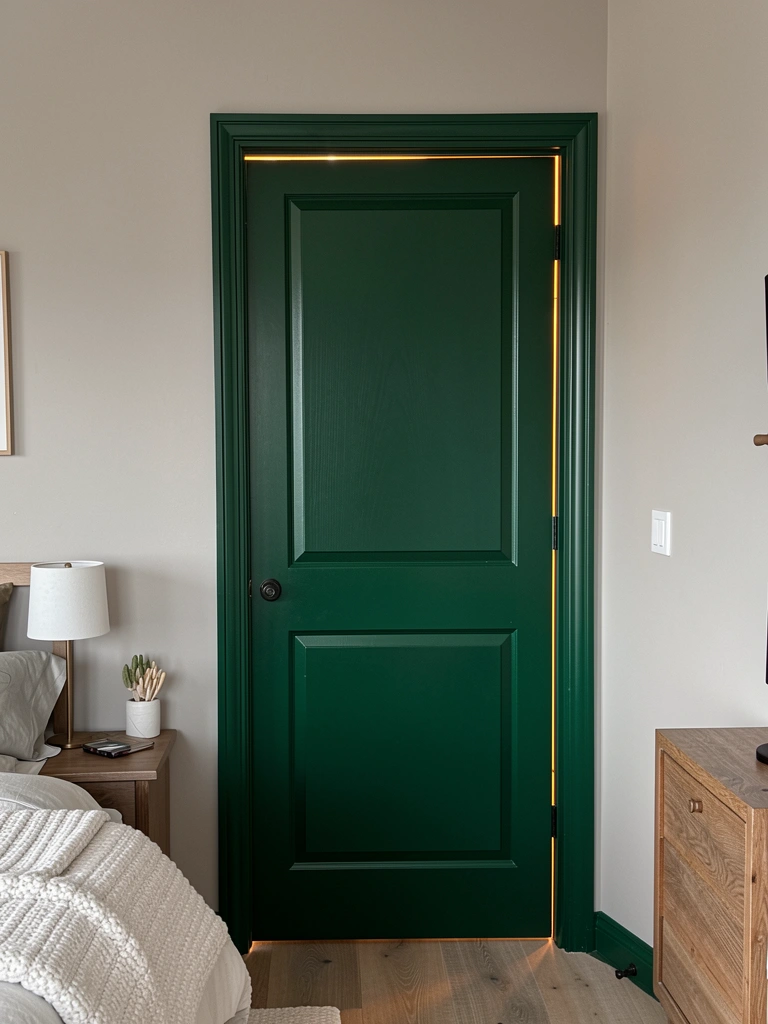
    18. Paint Doors for a Bold Statement

    Painting interior doors (especially closet or bedroom doors) in an earthy, saturated tone creates visual interest without overwhelming the space. It’s bold but doable.

    Choose one or two doors to paint. Use high-quality paint in a warm tone like sage, chocolate brown, or warm charcoal ($40-$70 per quart). Remove the door from hinges for easier painting, or paint it in place. Budget 2-4 hours for prep, painting, and drying. Cost is $50-$100 for paint and supplies.

    Your home gains personality and visual breaks. Painted doors feel intentional and expensive—but they’re one of the cheapest updates you can make.

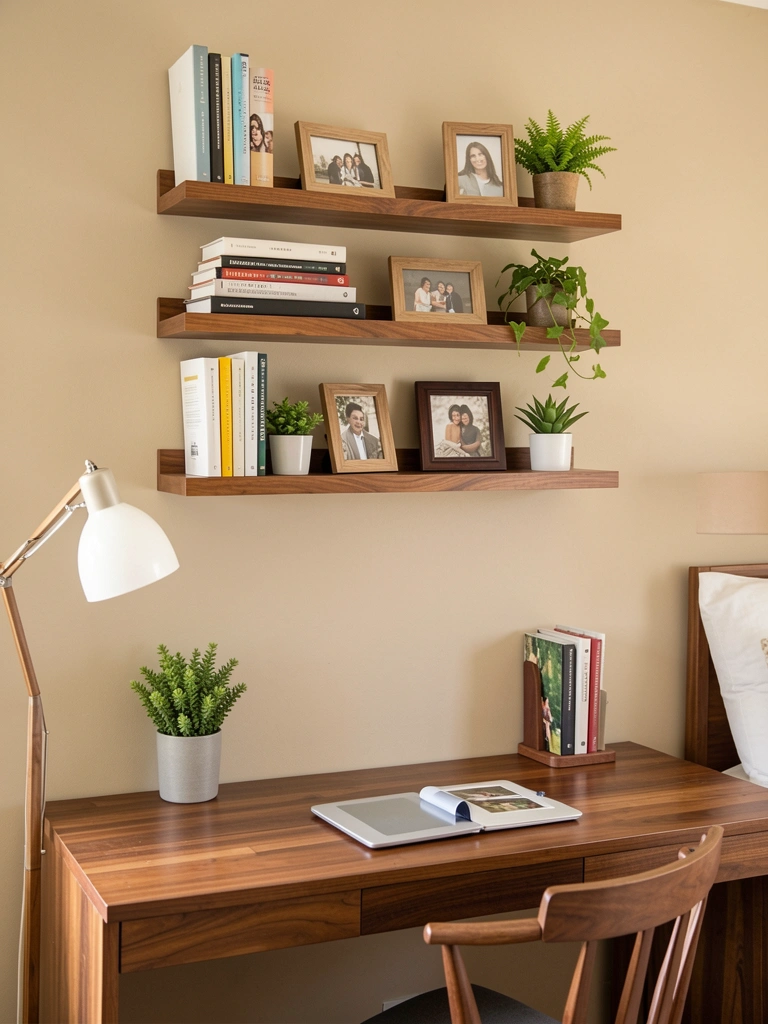
    19. Style Open Shelving Intentionally

    Open shelving only works if it’s styled thoughtfully. The key is balancing practical items with visual interest—books, plants, ceramics, and personal objects arranged with intention.

    Declutter first and keep only items you actually use or love. Group items by color or category. Alternate horizontal stacks with vertical leaning. Add small plants or art objects between functional items. This is free if you’re rearranging what you have. Add a few new pieces (small plants, books, or ceramics, $20-$60) to fill gaps.

    Open shelves become a display of your personality and taste. They should look styled but livable—not precious or untouchable.

    20. Swap Bedding for Instant Coziness

    Quality bedding transforms sleep and styling. Swapping cheap poly-blend sheets for natural linen or cotton changes how your bed looks and feels.

    Invest in a quality sheet set (Brooklinen, $150-$200, or similar), or find affordable linen at Target ($40-$60) or IKEA ($20-$35). Add a textured throw blanket ($30-$80) and mix pillow covers in different fabrics ($15-$40 each). Budget $100-$250 to upgrade your whole bed. This is one investment that pays off every single day.

    Your bedroom instantly becomes more luxurious and inviting. You’ll actually want to spend time in bed.

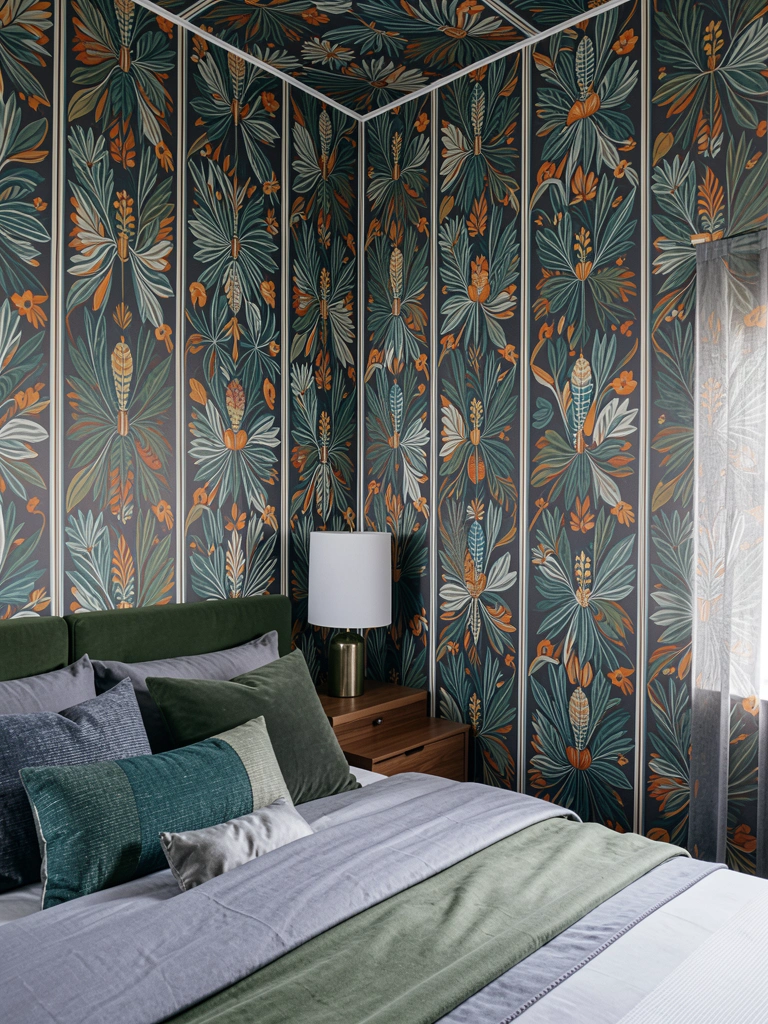
    21. Create a Pattern-Drenched Accent Area

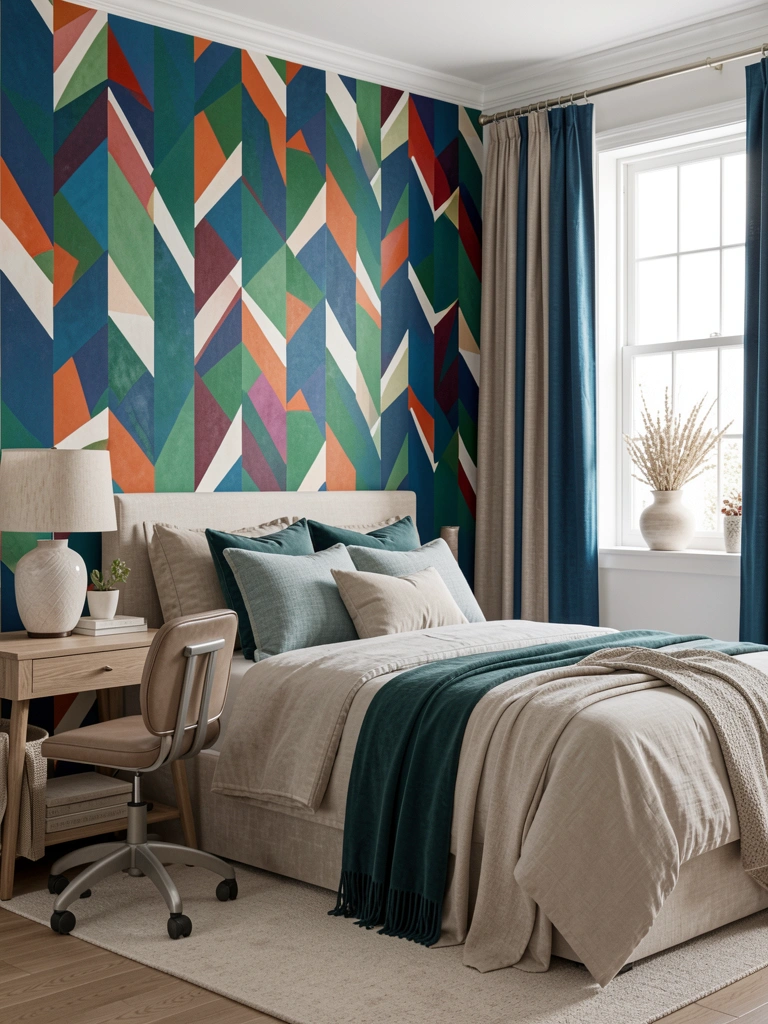
    Pattern drenching—covering multiple surfaces in coordinating patterns—creates an immersive, cinematic room that photographs beautifully. It sounds overwhelming but works when you keep a cohesive color story.

    Choose one bold wallpaper ($15-$30 per roll at Spoonflower, Etsy, or hardware stores) and apply it to one wall or small area. For renters, removable peel-and-stick wallpaper ($20-$50) works great. Coordinate with patterned pillows, throws, or curtains in the same color family. Keep other elements simple and neutral. This takes a weekend DIY or $100-$200 professionally.

    One pattern-drenched corner becomes a focal point. Your space feels designed and intentional—not random or chaotic.

    22. Install Floating Shelves for Display

    Floating shelves provide storage and display space without bulk. They’re renter-friendly (if you patch holes when leaving) and work in any room.

    Buy floating shelves at IKEA ($15-$35 each), Home Depot ($20-$50), or Etsy ($30-$80). Install at varying heights for visual interest. Budget $50-$150 for three shelves plus hardware and installation. This takes 2-3 hours with a level and drill. Style with books, plants, and objects you love.

    Your walls gain function and visual interest. Floating shelves make small spaces feel organized without feeling cluttered.

    23. Add Warmth with Task Lighting

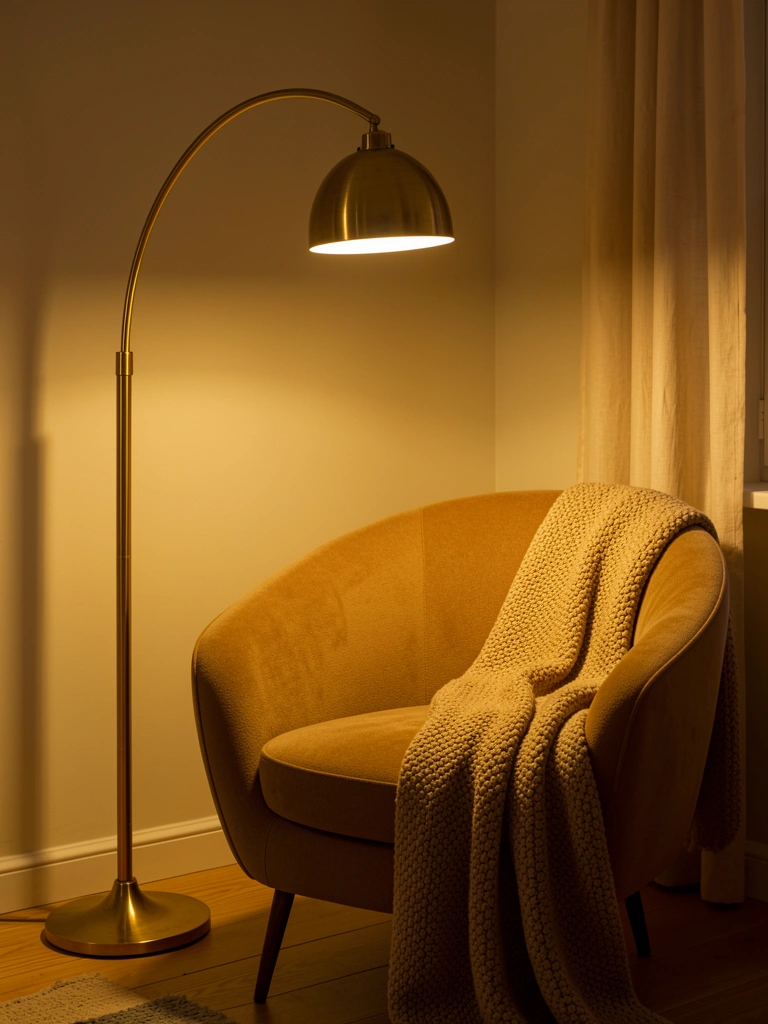
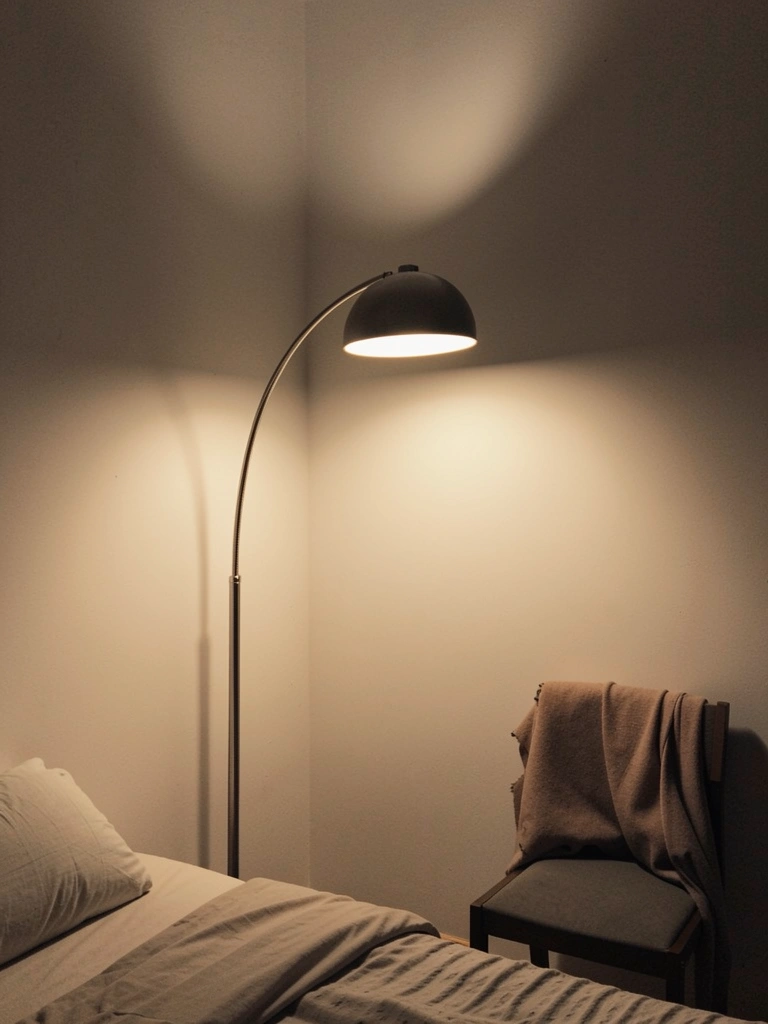
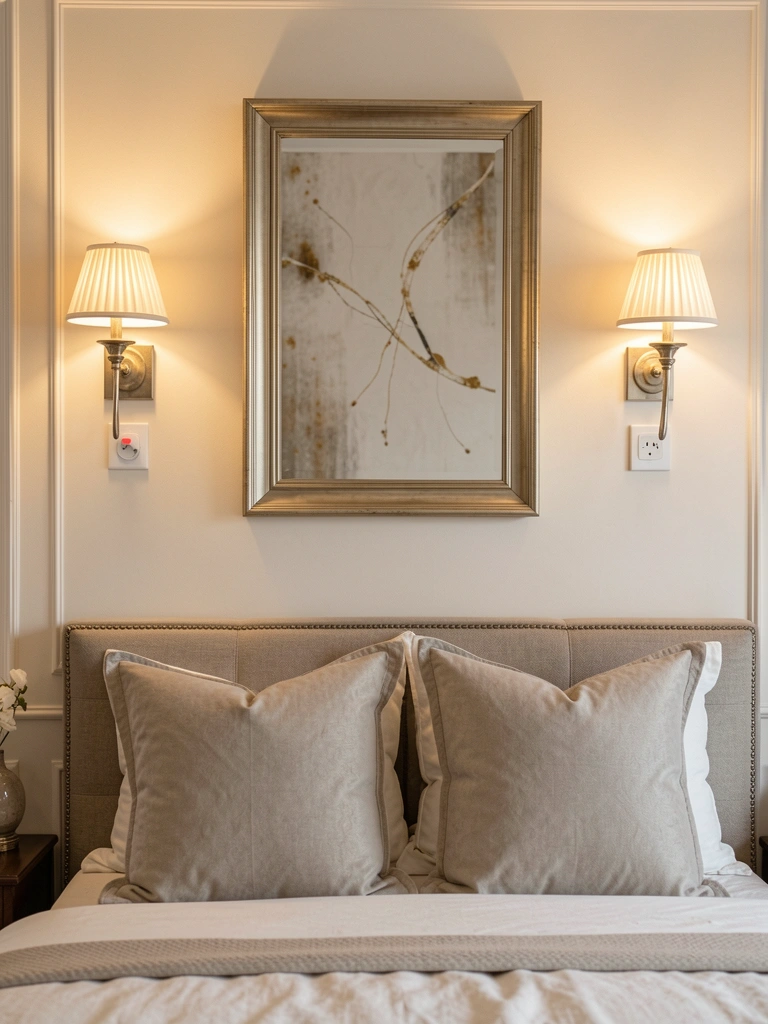
    Overhead lights flatten rooms and feel cold. Strategic task lighting (arc lamps, table lamps, wall sconces) creates warmth and intimacy while being more practical than one ceiling fixture.

    Invest in a brass arc floor lamp ($80-$200 at West Elm, Wayfair, or Target) or a sculptural table lamp ($50-$150). Add smaller lamps in other zones ($30-$80 each). Position lights to cast pools of warm illumination rather than flooding the whole room. Budget builds over time as you add pieces.

    Your space gains mood and ambiance. Good lighting instantly makes a room feel more intentional and livable.

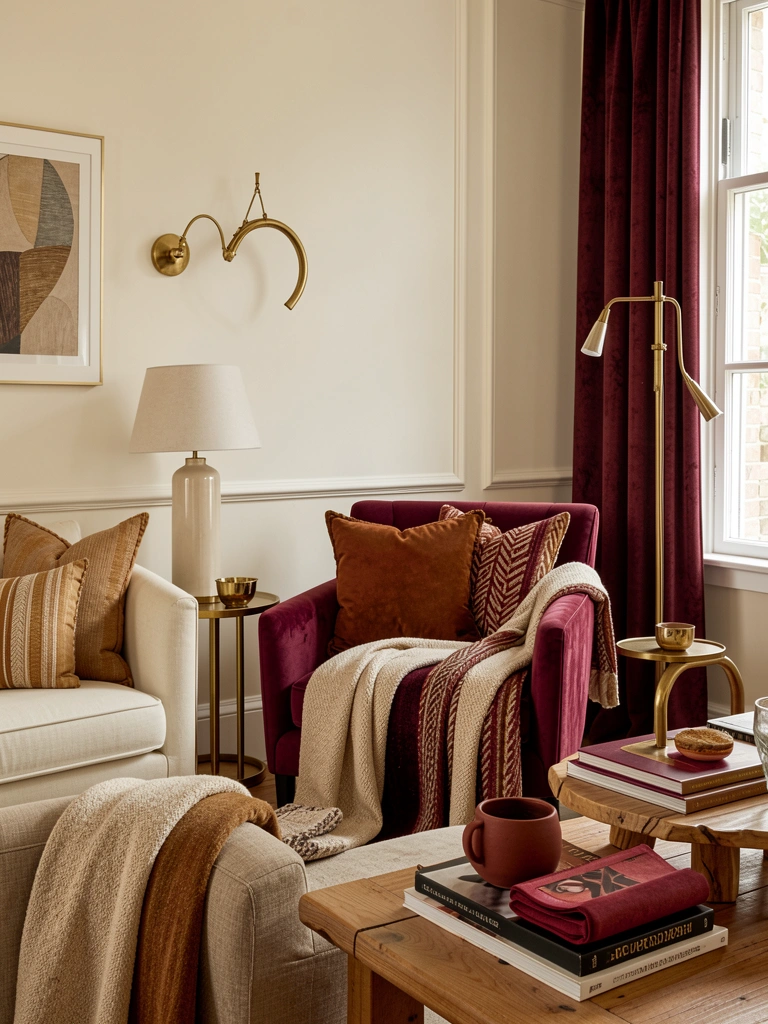
    24. Incorporate Burnt Orange or Warm Burgundy Accents

    Warm jewel tones like burgundy, burnt orange, and deep terracotta bring richness and sophistication. They pair beautifully with neutrals and earthy tones for a balanced, intentional look.

    Introduce these tones through an accent chair ($200-$600), throw pillows ($20-$60 each), artwork ($30-$100), or a throw blanket ($40-$100). Start with pillows or textiles if you’re nervous—they’re the cheapest way to test a color. These rich tones make spaces feel more curated and less sterile.

    One warm jewel-toned piece becomes an anchor. Your room gains sophistication and depth without feeling heavy or dated.


    SAVE THIS POST FOR YOUR NEXT REFRESH. Pick one idea and tackle it this weekend—even the smallest change creates momentum. Share this with anyone renting or working with a tight budget; small updates prove that big changes don’t always need a big budget.

  • 25 Cozy Bedroom Ideas That Turn Nights Into Pure Comfort

    25 Cozy Bedroom Ideas That Turn Nights Into Pure Comfort

    There’s something magical about a bedroom that actually feels like a sanctuary. You know the feeling—that moment when you walk in and immediately exhale, when everything in the space seems designed just for rest and comfort. But creating that feeling doesn’t require a major renovation or a designer budget. We’ve rounded up 25 achievable ideas that combine the trending styles we’re seeing everywhere (curved furniture, textured layers, warm colors) with practical upgrades that actually improve how you sleep and feel. Whether you’re renting, homeowning, or working with a small space, you’ll find mix-and-match solutions that fit your budget and timeline. Let’s turn your bedroom into the cozy retreat you deserve.

    1. Paint Your Walls a Warm Neutral with Depth

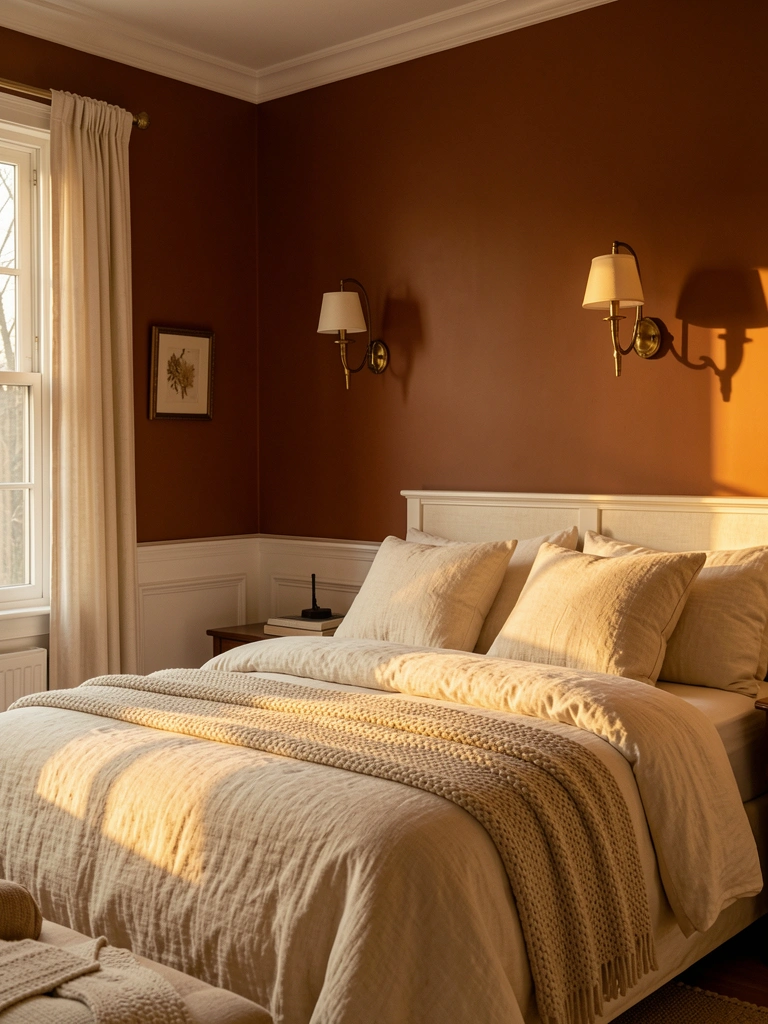
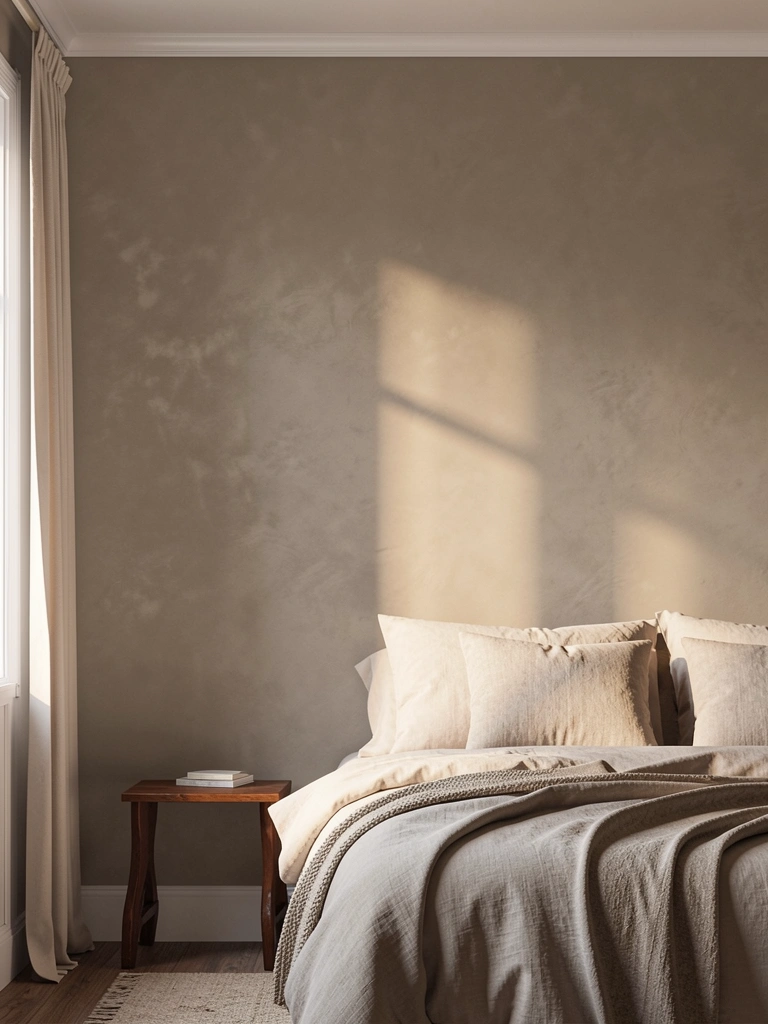
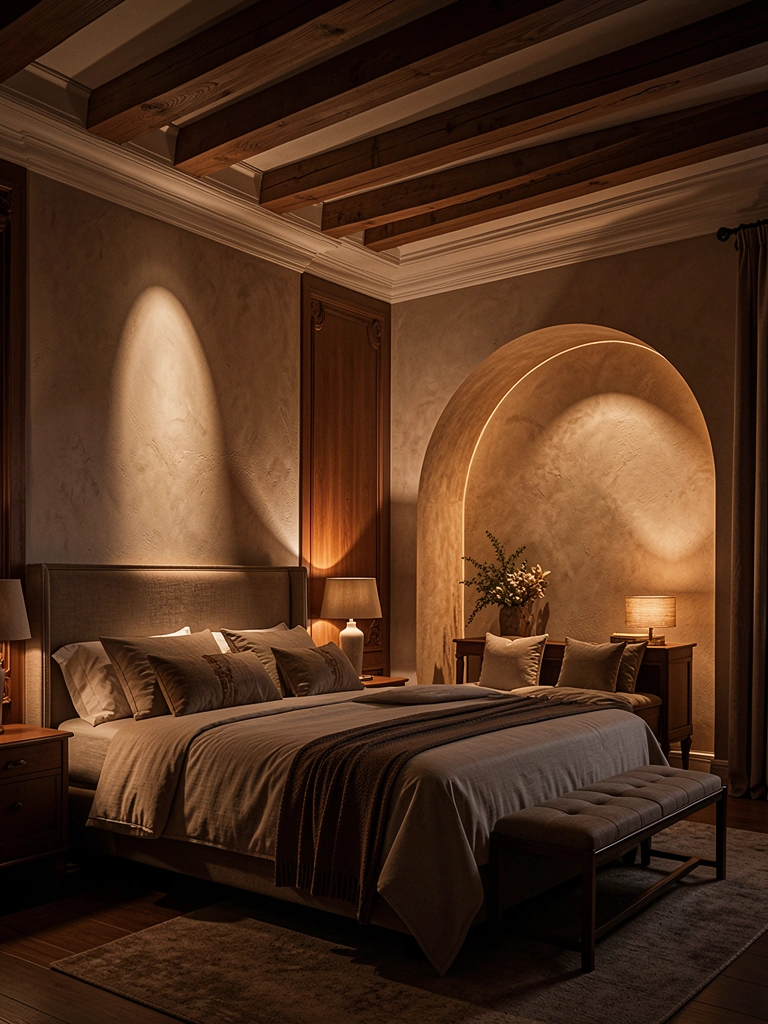
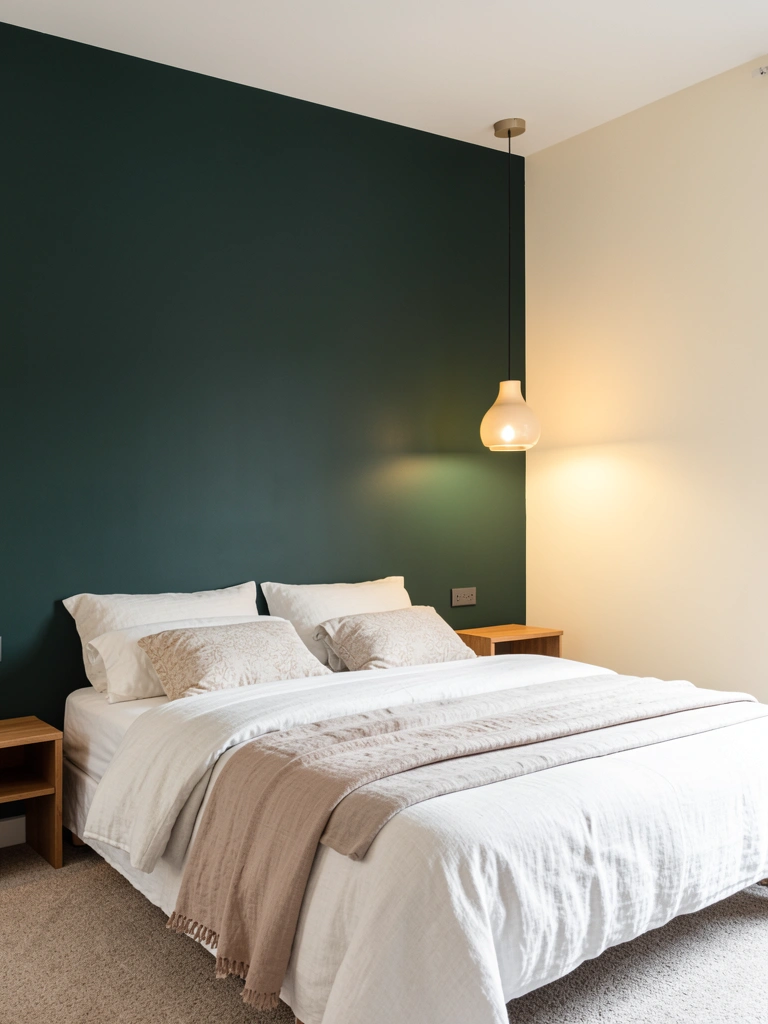
    Color matters more than you’d think when it comes to how restful your bedroom feels. Instead of going stark white or cold gray, a warm neutral like greige, warm taupe, or soft mushroom creates an envelope of calm that actually makes you want to stay in bed longer.

    Paint is one of the cheapest ways to completely reset a room’s energy. One gallon of quality paint costs $25–$45, and you can DIY it in a single afternoon. Brands like Benjamin Moore, Sherwin-Williams, or even budget-friendly options from Home Depot give excellent results. If you’re renting, ask your landlord about using washable paint or test a removable peel-and-stick wallpaper alternative.

    Pro tip: Paint one accent wall first to test how the color shifts with your bedroom’s lighting before committing to all four walls.

    The payoff is immediate—your entire room feels more intentional, and the warm undertones make you feel held rather than exposed.

    2. Layer Your Lighting for Mood and Function

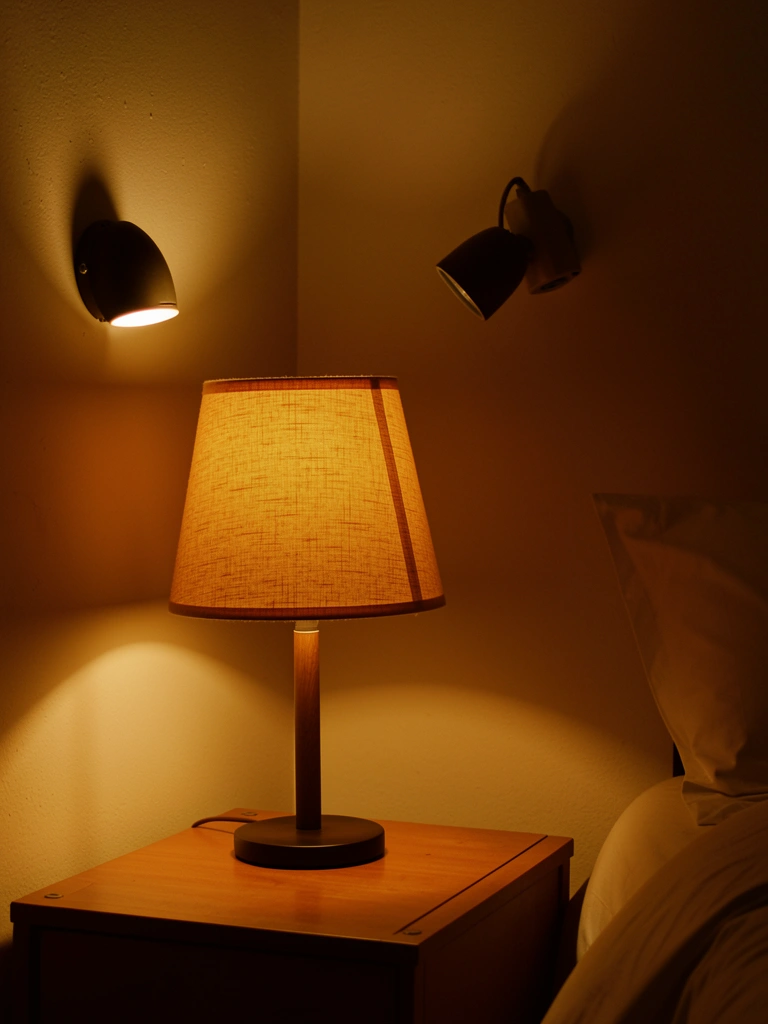
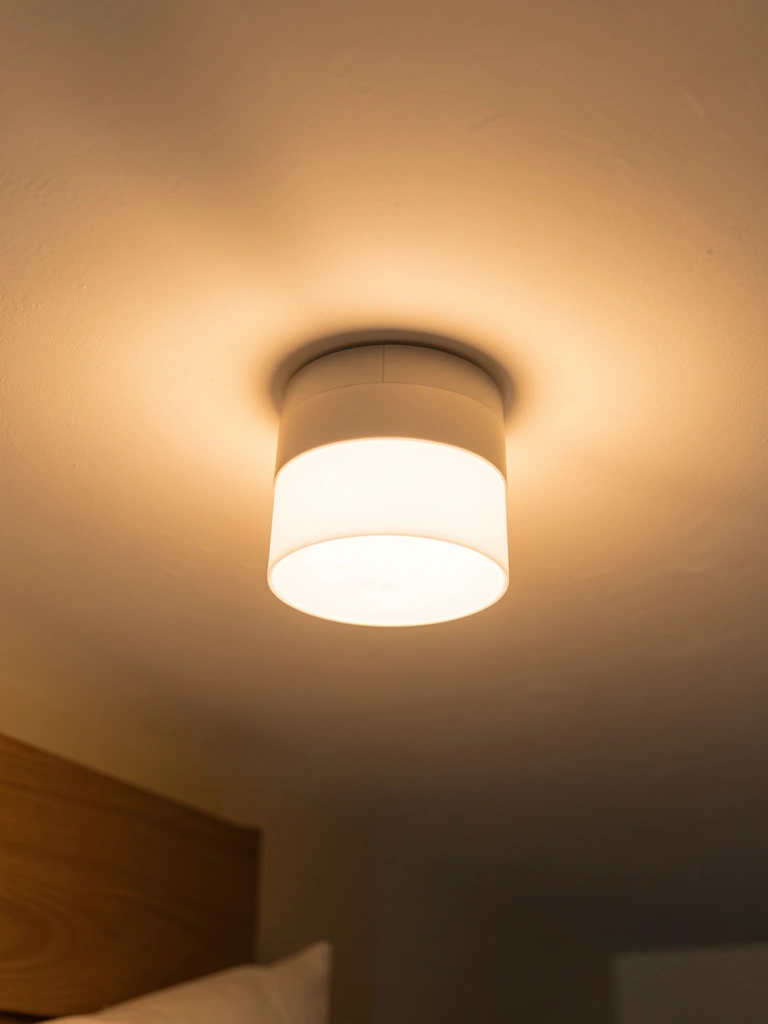
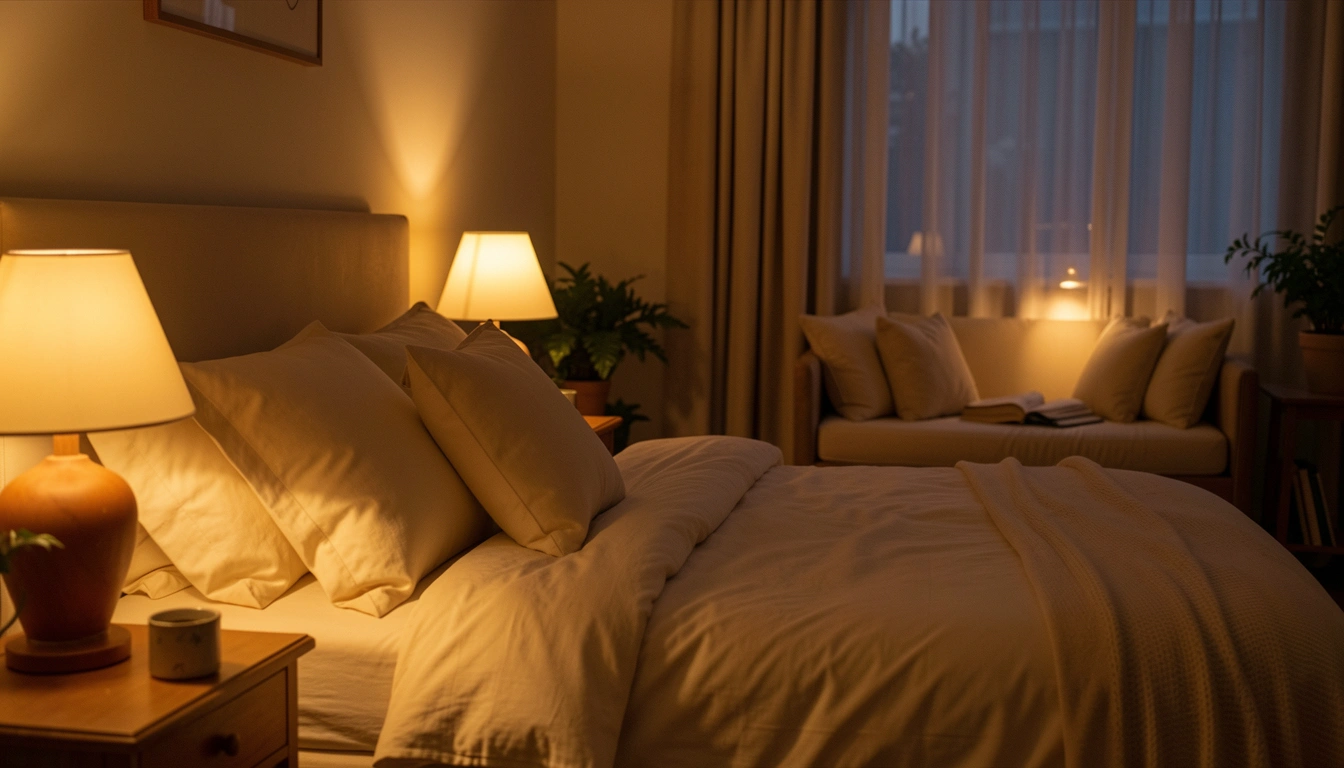
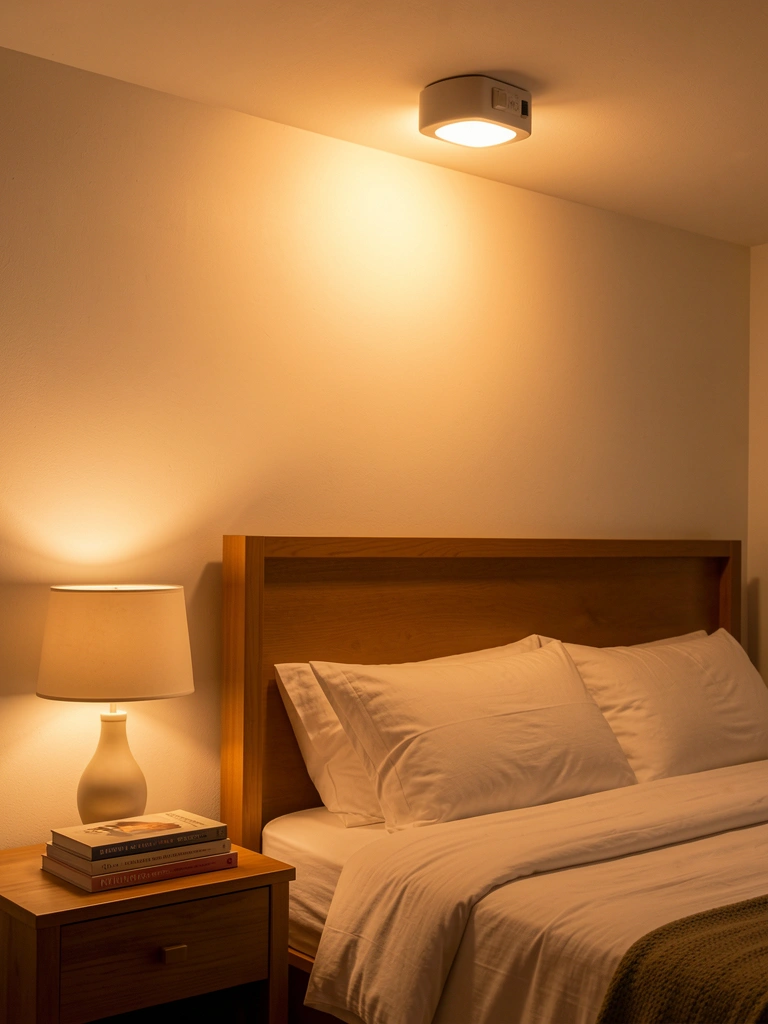
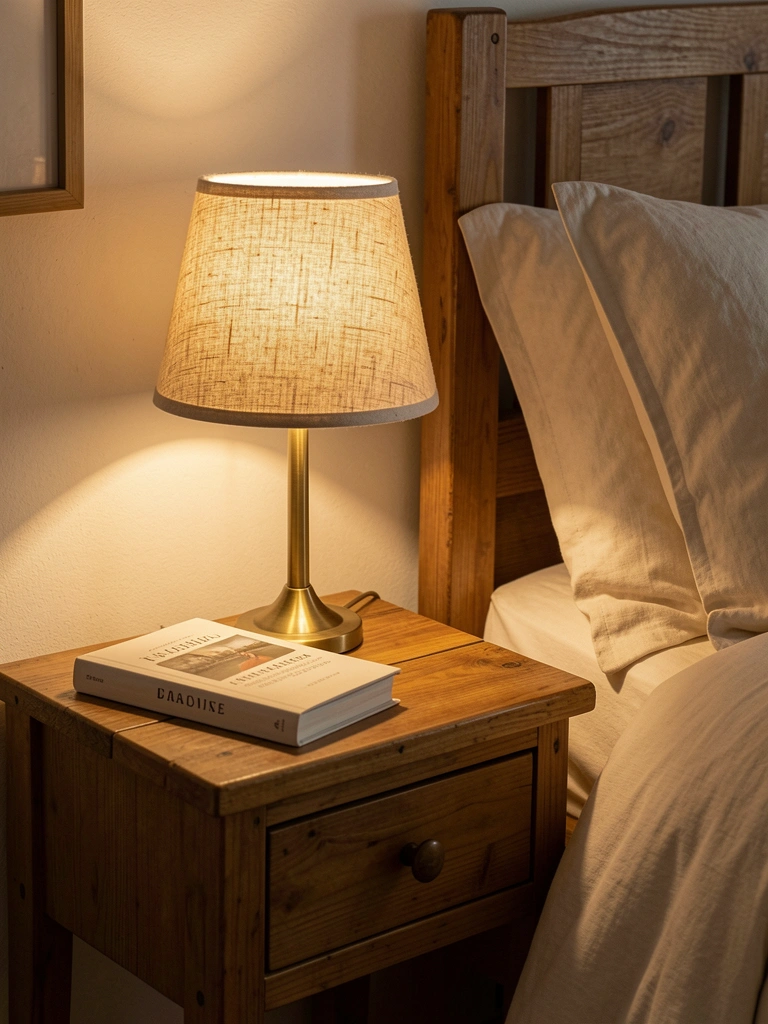
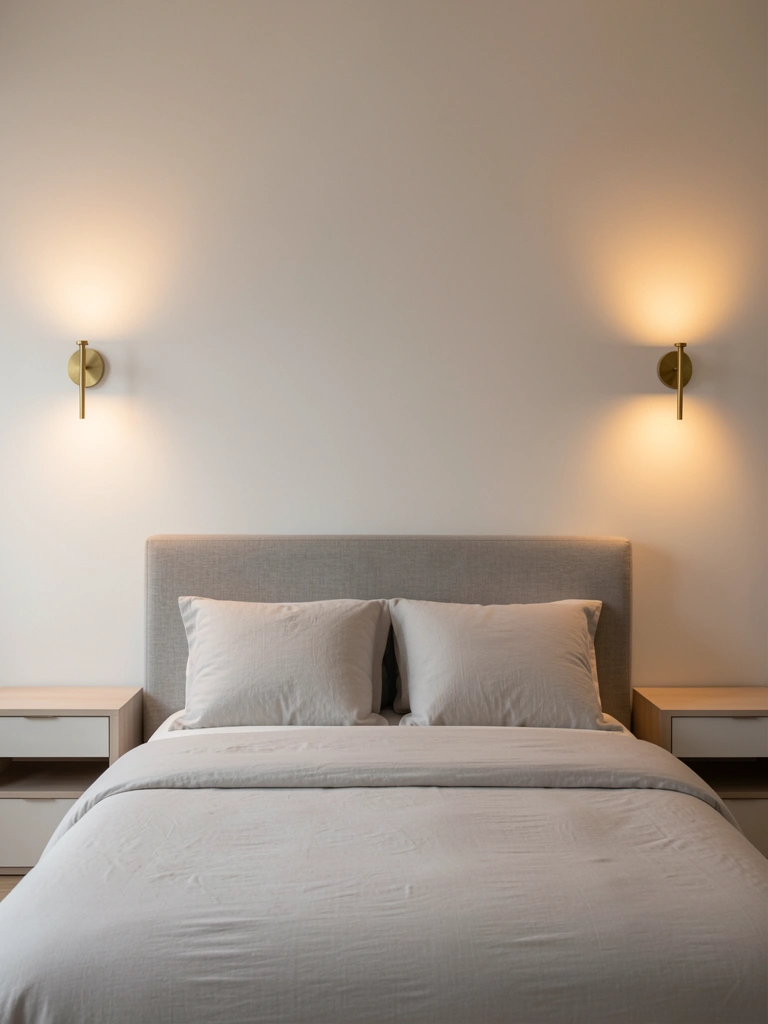
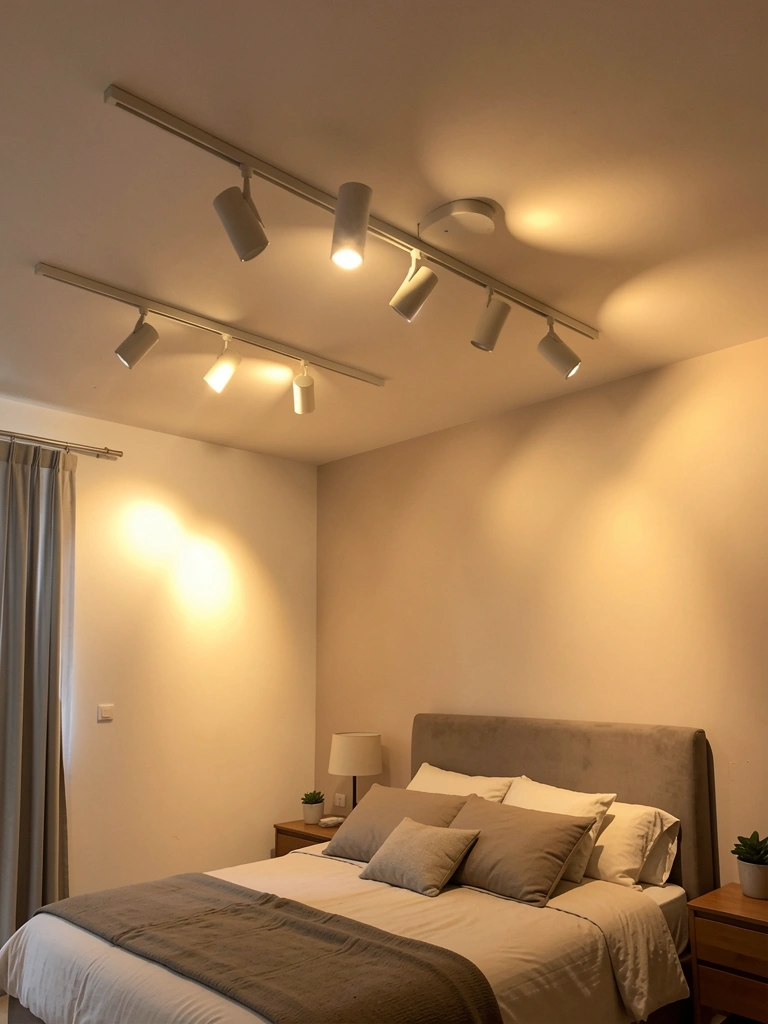
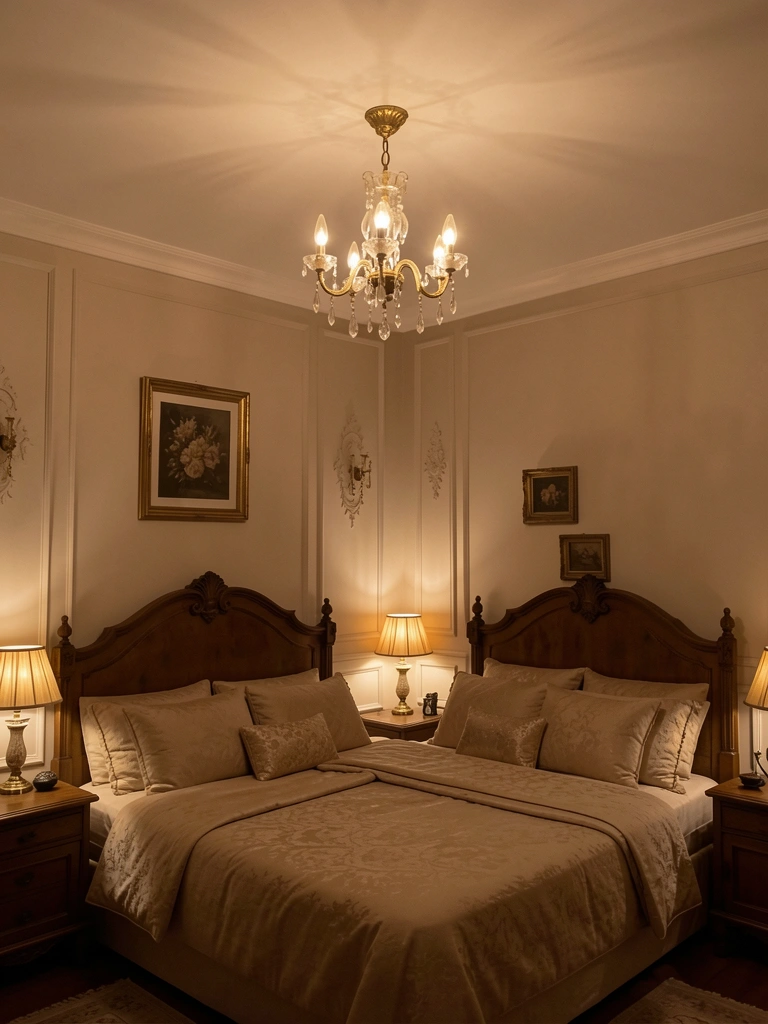
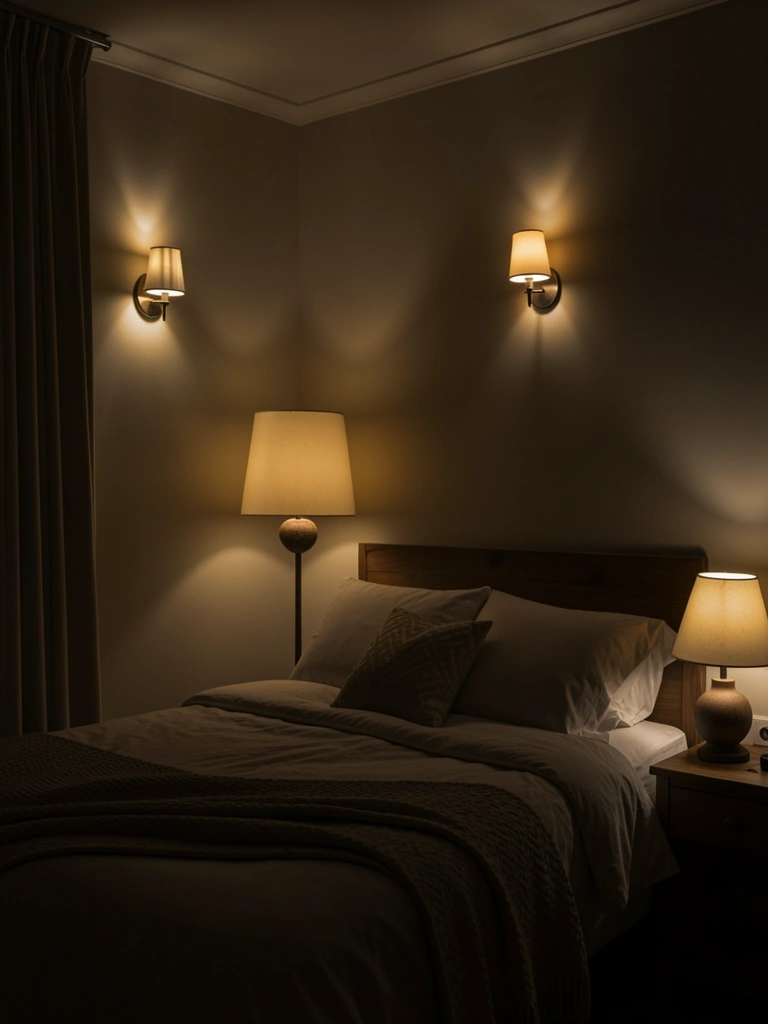
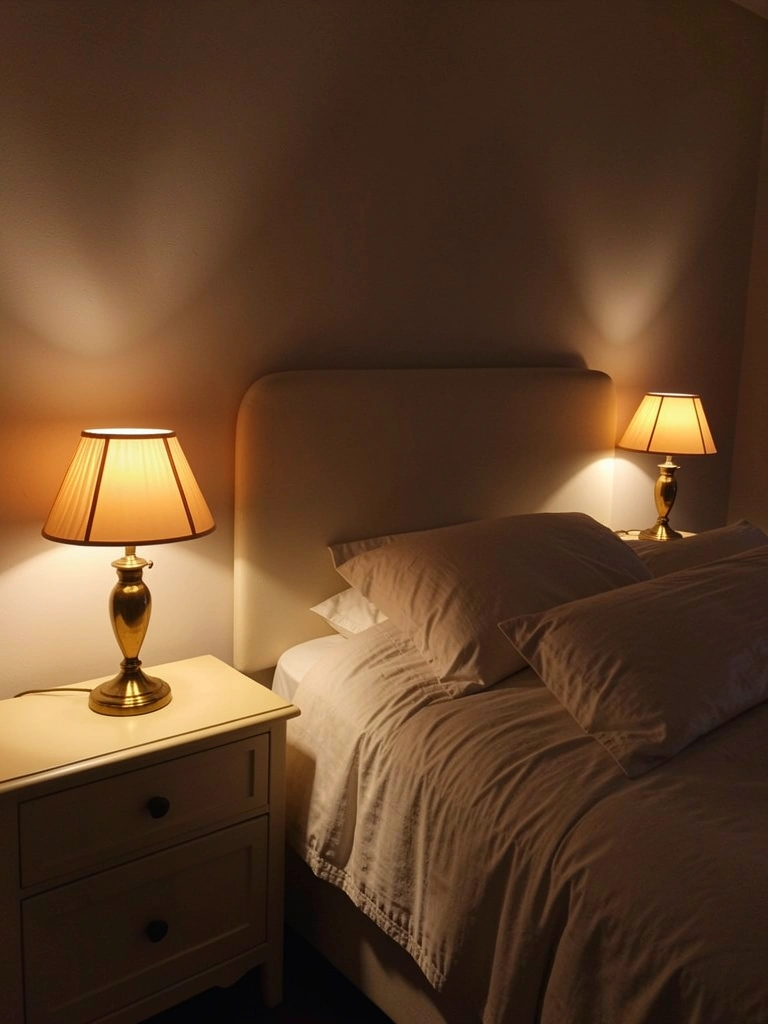
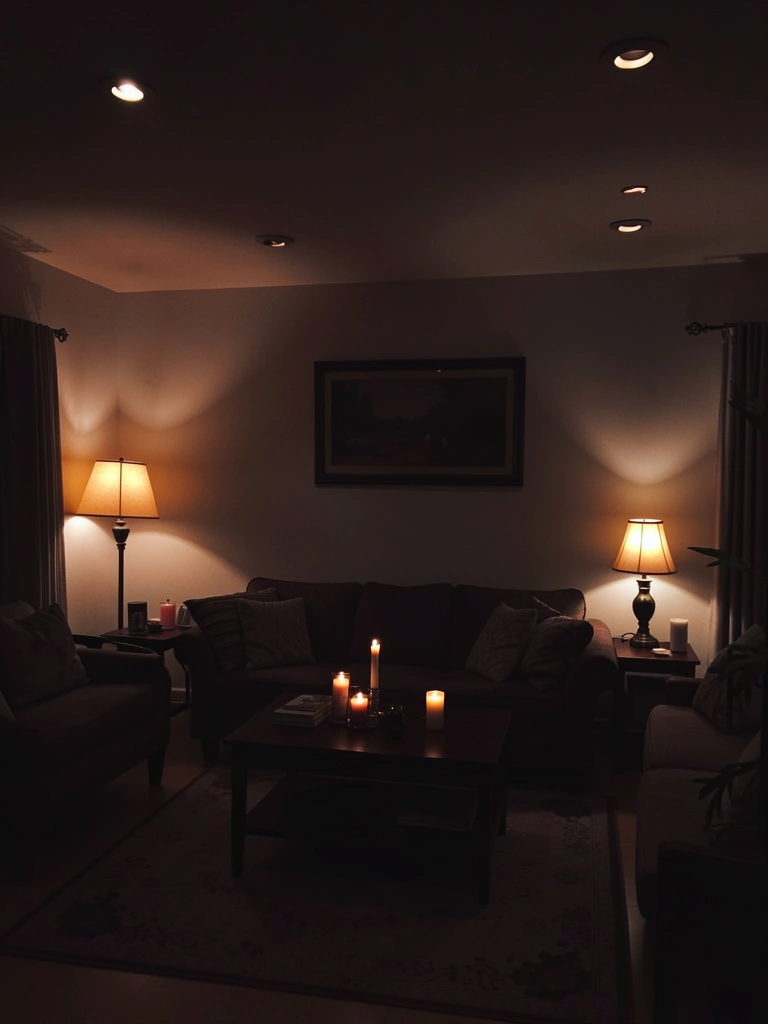
    Single-bulb overhead lighting is the enemy of coziness. Layered lighting—ambient, task, and accent—lets you adjust the room’s mood based on what you need: winding down, reading, or getting ready.

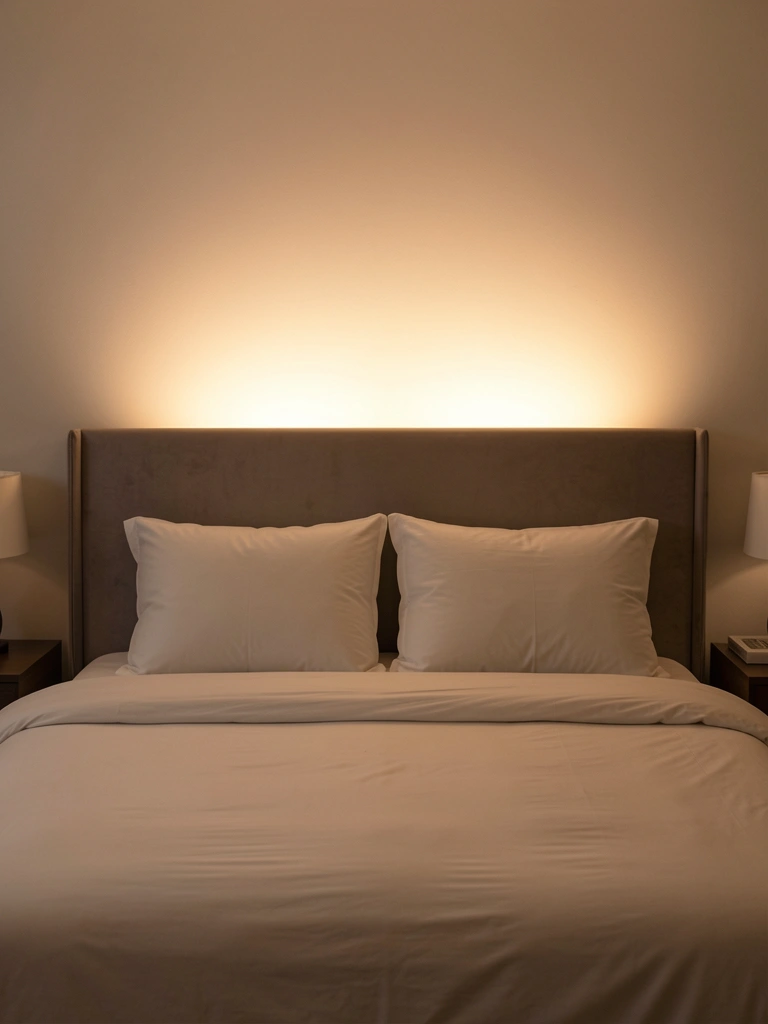
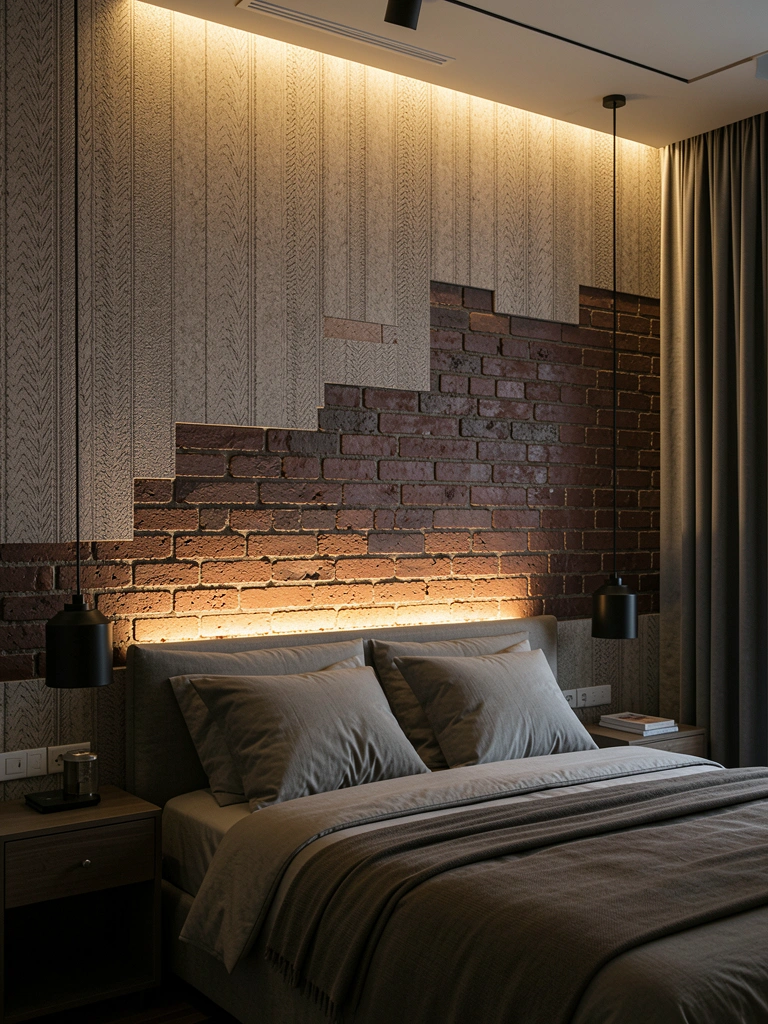
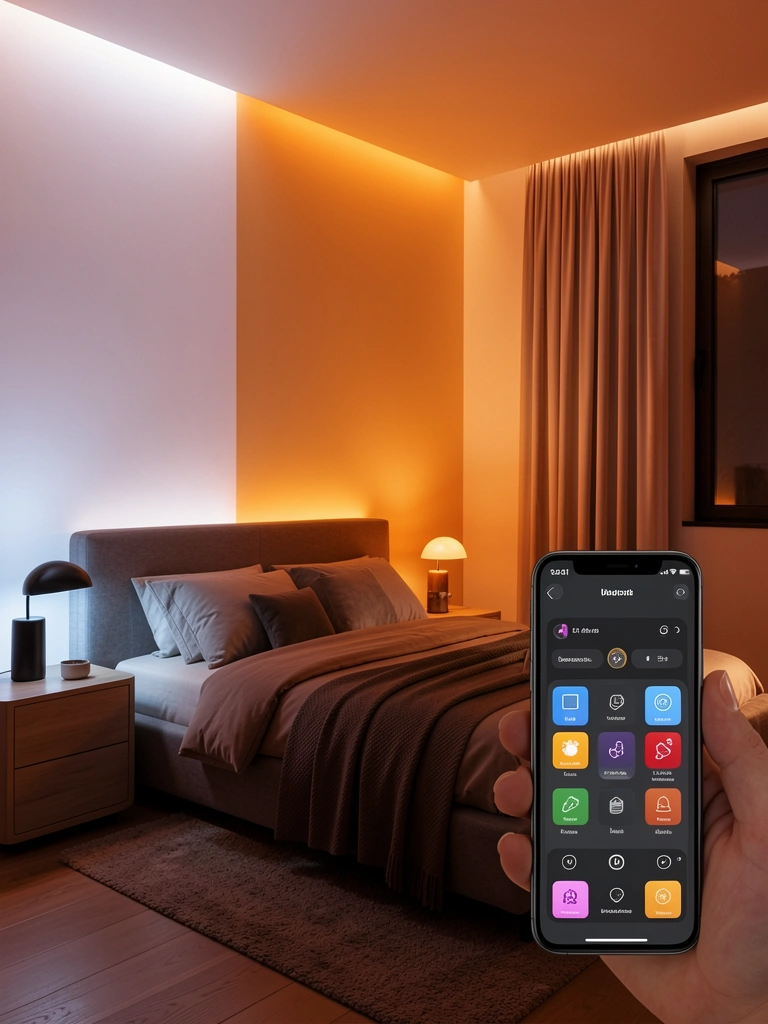
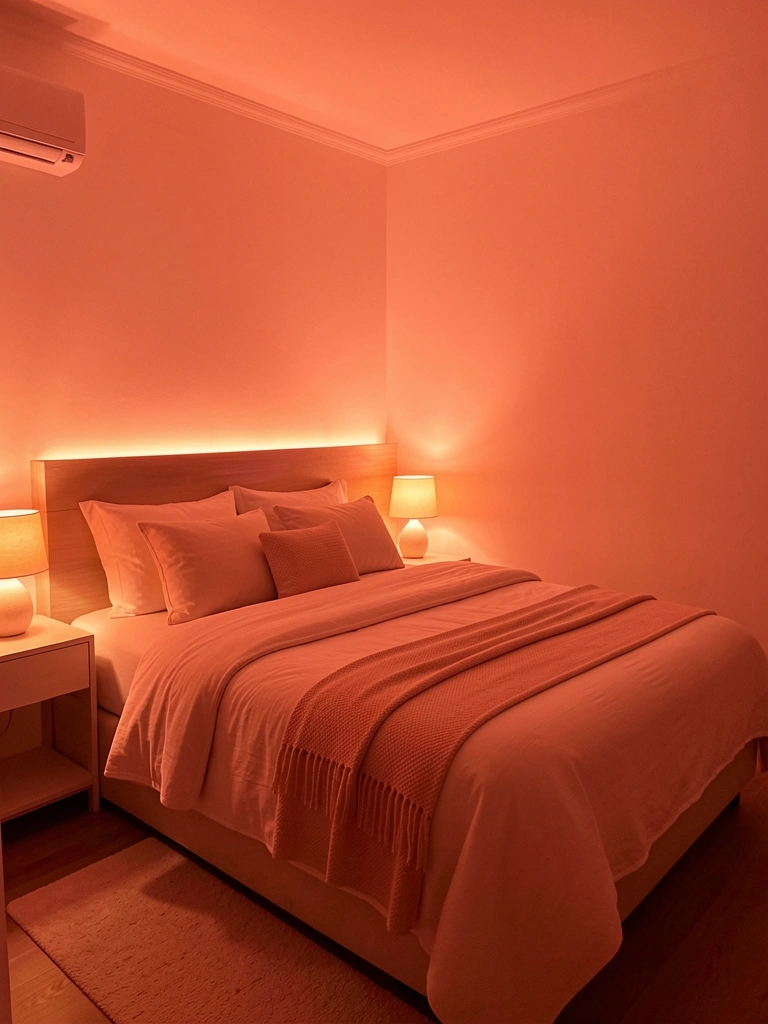
    Start with a dimmer on your ceiling fixture ($15–$30 for the dimmer, professional installation adds $50–$100 if needed). Add a warm bedside lamp (Target or West Elm, $40–$80) and consider a wall-mounted reading light or LED strip behind a floating shelf ($20–$60 on Amazon). The key is using bulbs with warm color temperature—look for 2700K on the packaging, which mimics sunset and signals your brain it’s time to rest.

    Bonus: Smart bulbs let you set schedules that gradually dim in the evening, supporting your natural sleep cycle.

    You’ll notice the difference the first night—your brain finally gets the signal to wind down instead of staying in alert-mode under harsh white light.

    3. Invest in Quality Sheets and Swap Seasonally

    You spend a third of your life in bed, so sheets are worth the investment. Quality sheets make a measurable difference in how well you sleep—they breathe better, feel softer, and hold their texture for years.

    Look for linen or high-thread-count cotton (400–600 is the sweet spot; anything higher is marketing fluff). Brands like Parachute ($100–$150 per set), Brooklinen ($80–$120), or even target’s Threshold line ($30–$50) offer solid options. Seasonal swaps matter too: lightweight linen for summer, brushed cotton for winter. Most people spend $50–$100 per set and rotate 2–3 sets so you always have one in the wash.

    Pro tip: Egyptian cotton and linen blends offer the softness of cotton with linen’s durability—often cheaper than pure linen.

    Great sheets don’t just feel better—they actually improve sleep quality, and you’ll wake up feeling less crumpled and more rested.

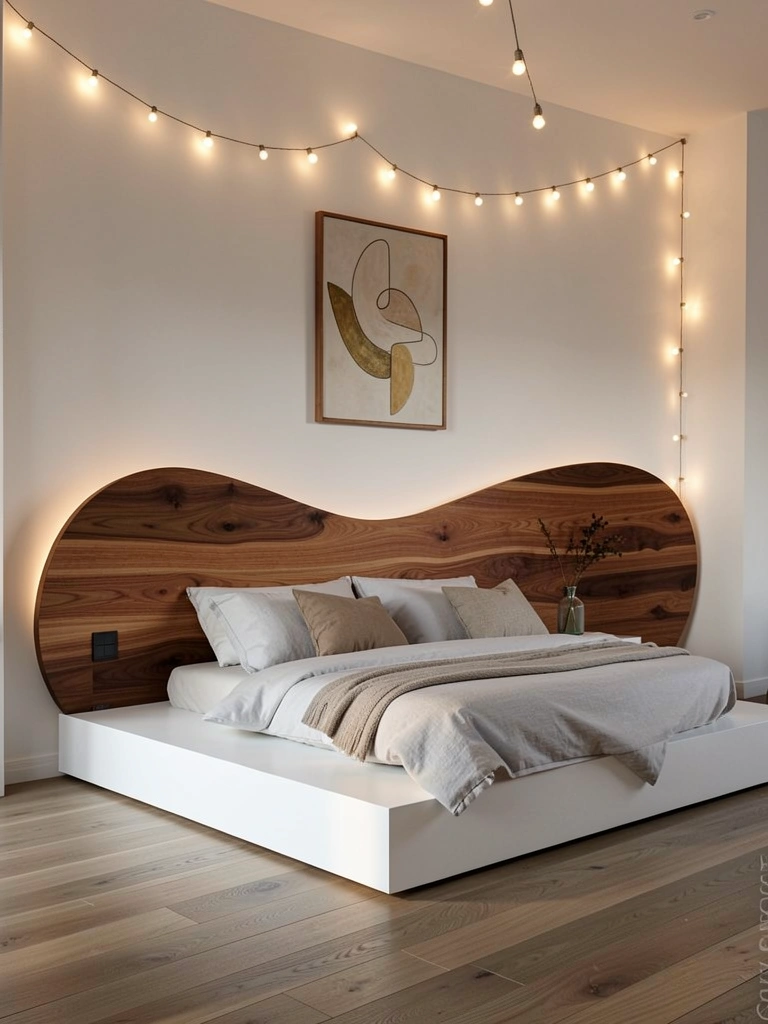
    4. Add a Statement Headboard with Curves

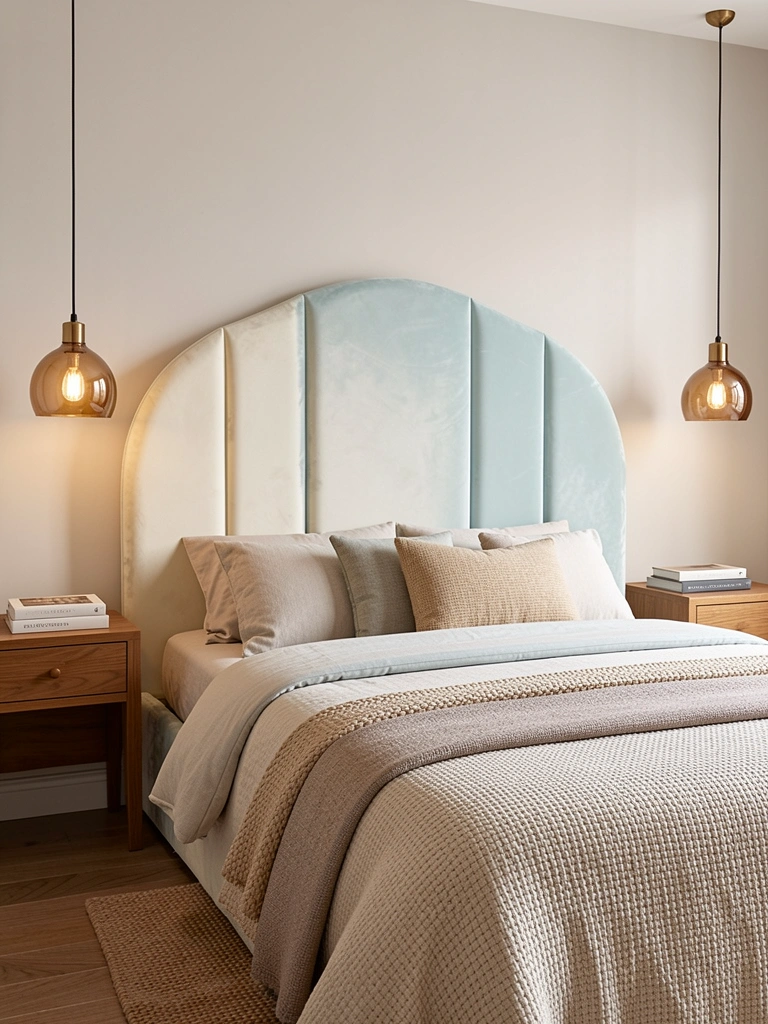
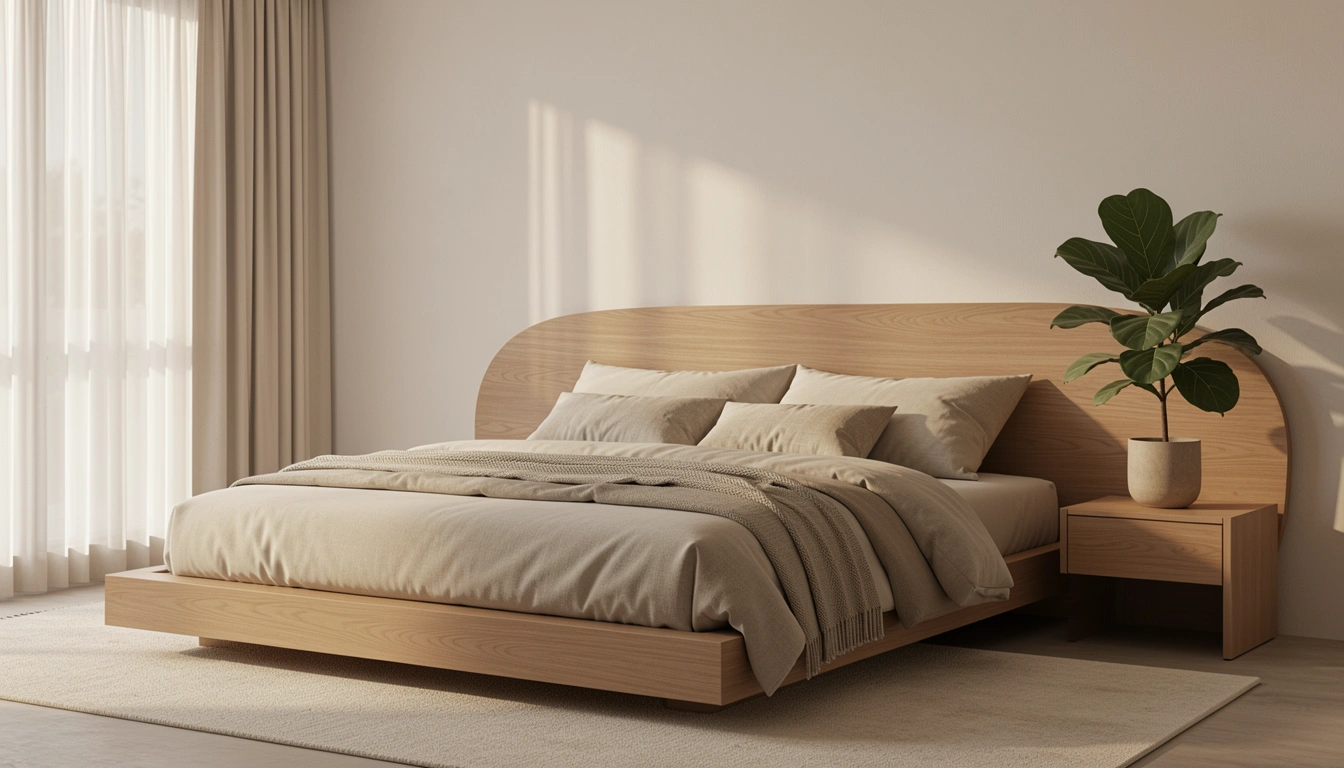
    A curved headboard has become the focal point of choice in 2025—it’s softer than traditional geometric shapes and creates instant visual interest without taking up more floor space.

    You can buy pre-made curved headboards on Wayfair, West Elm, or 1stDibs (usually $200–$600 for mid-range quality), or DIY one by attaching upholstered panels to your wall using a template from Pinterest (materials cost $75–$150, takes a weekend). Even renters can use a freestanding curved headboard that leans against the wall. Look for upholstered versions in linen, velvet, or performance fabric so they’re easy to clean.

    Bonus: A curved headboard makes the space feel more intentional and photographs beautifully—your bedroom will look magazine-worthy instantly.

    This single piece anchors the entire room and actually makes smaller bedrooms feel larger by softening harsh corners.

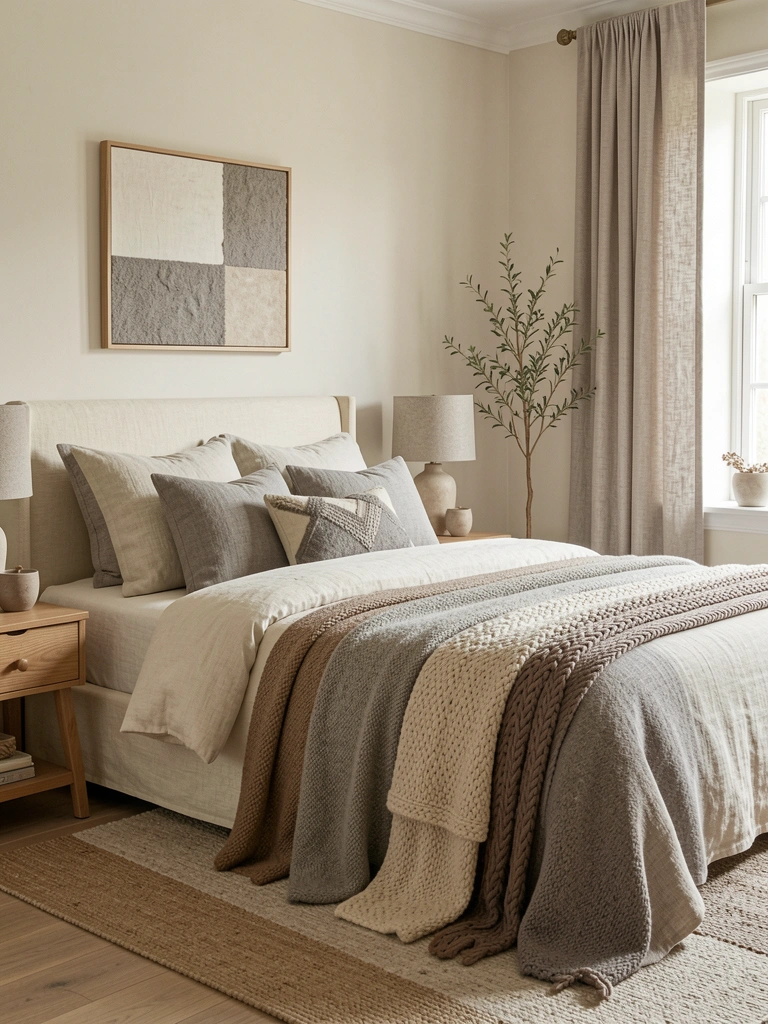
    5. Layer Textured Rugs for Warmth and Sound

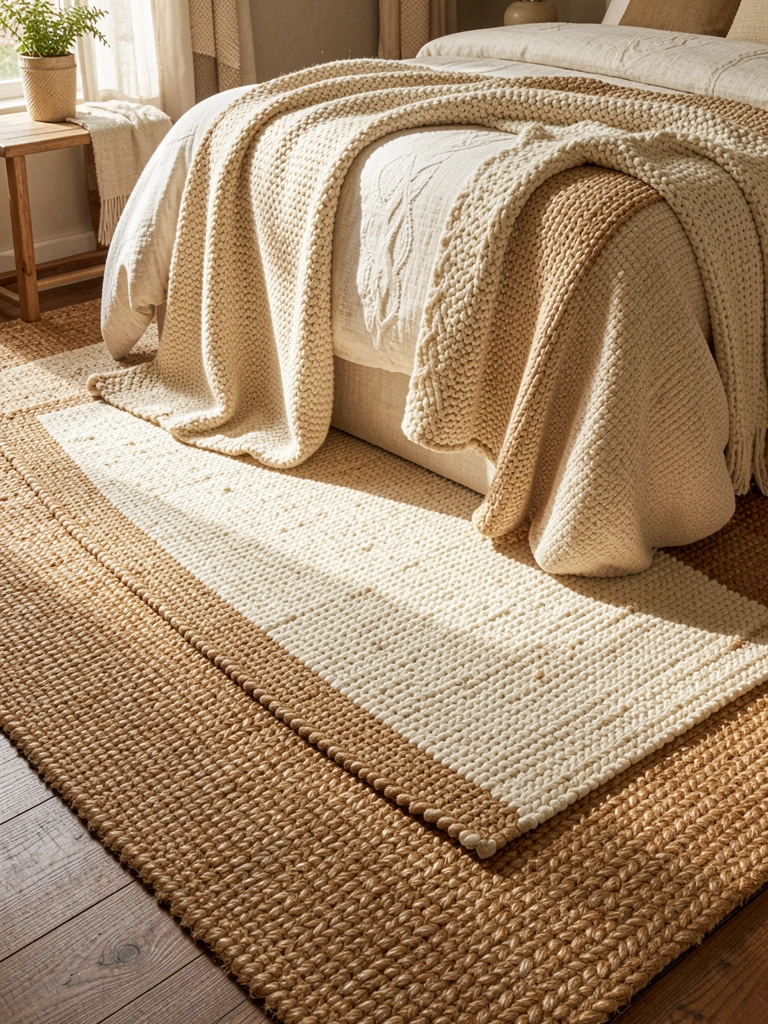
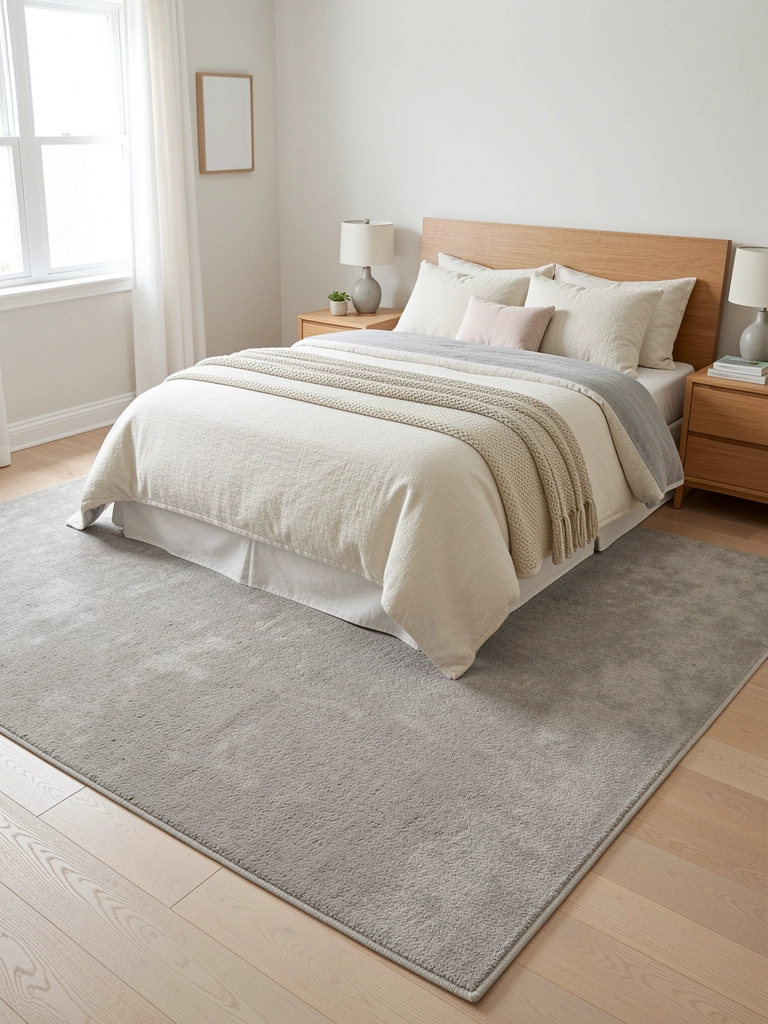
    Bare floors feel cold—both literally and emotionally. Layered rugs (one large base rug, one accent rug on top) add warmth, reduce noise, and create that cushioned-step feeling you get in luxury hotels.

    Start with a jute or low-pile wool base rug in a neutral tone ($100–$300 for 8×10, available at Target, IKEA, or Amazon). Layer a smaller high-pile or woven accent rug on top ($50–$150). This combo costs less than a single expensive rug, gives you more texture, and lets you swap the accent rug seasonally for a fresh look without breaking the bank.

    Pro tip: Use a non-slip rug pad underneath (about $15–$25) so layers don’t slide when you walk on them.

    The moment your bare feet hit layered texture, your nervous system knows this is a comfort zone—the sensory experience alone makes sleep easier.

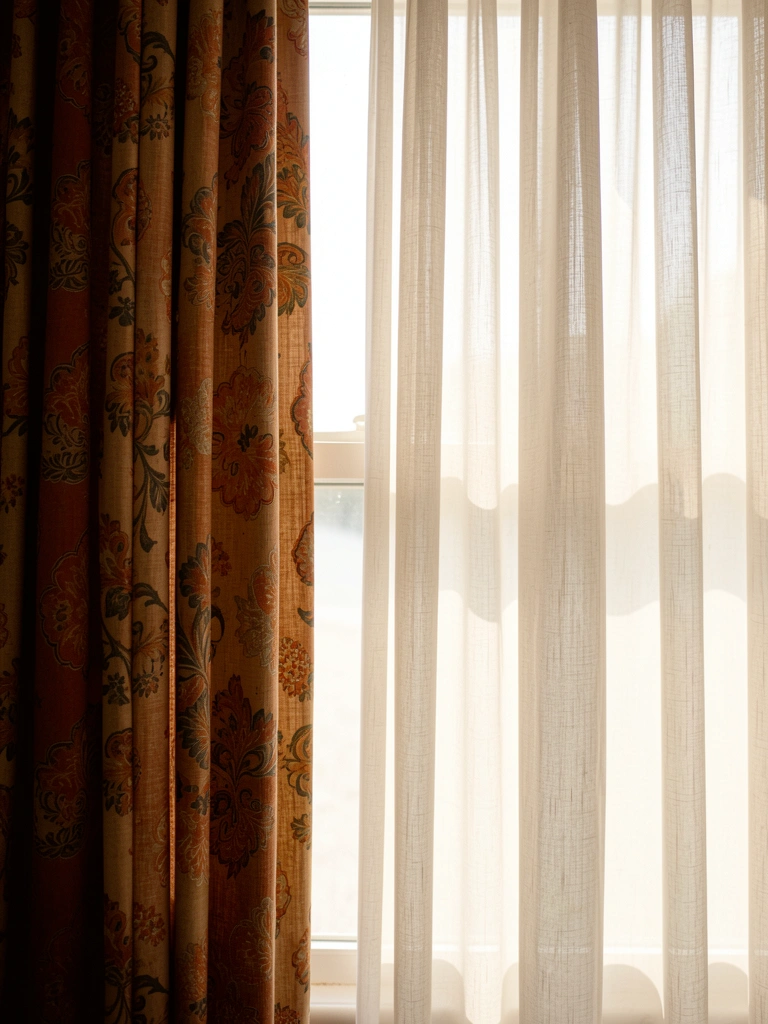
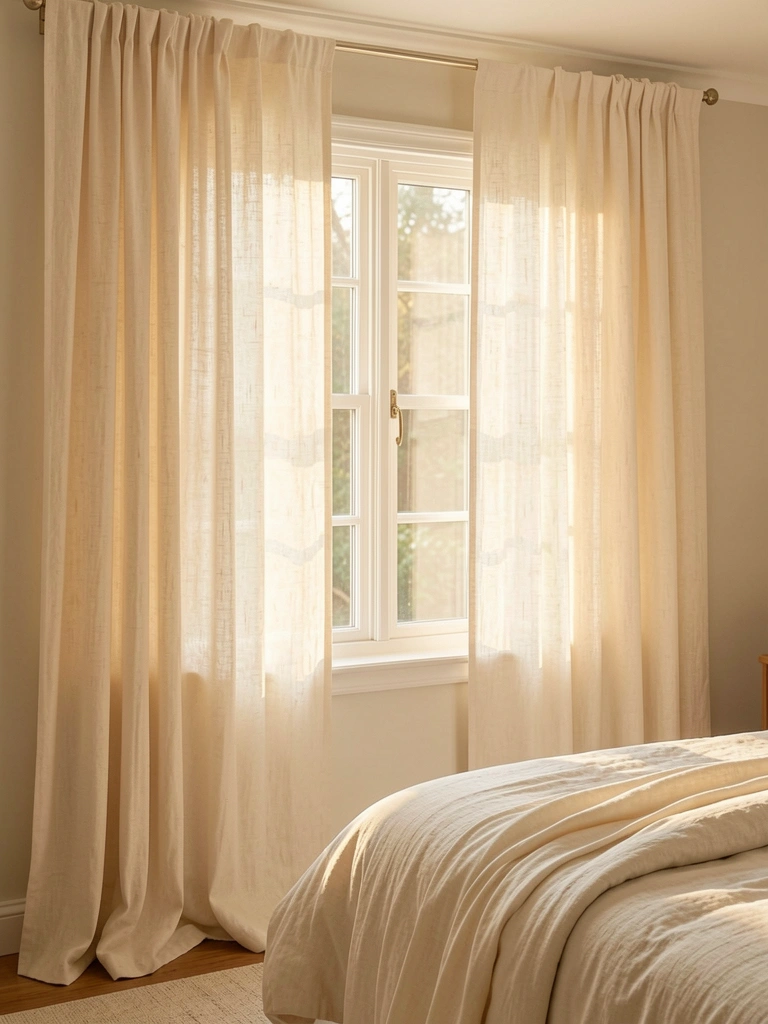
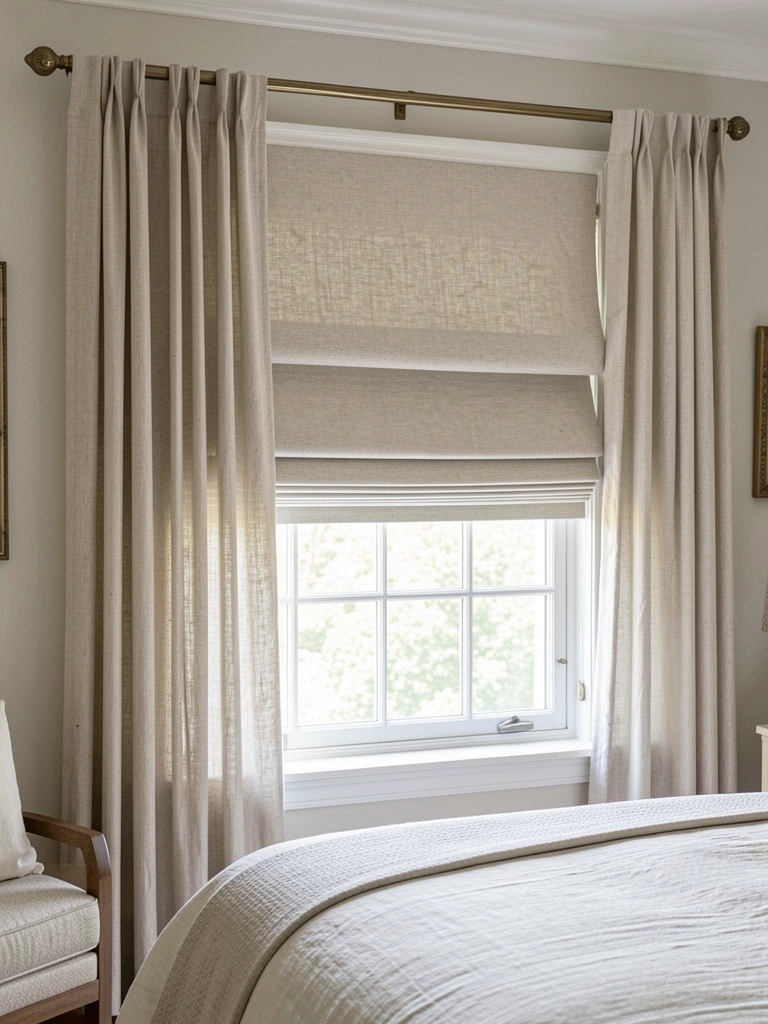
    6. Hang Floor-to-Ceiling Curtains for Height and Drama

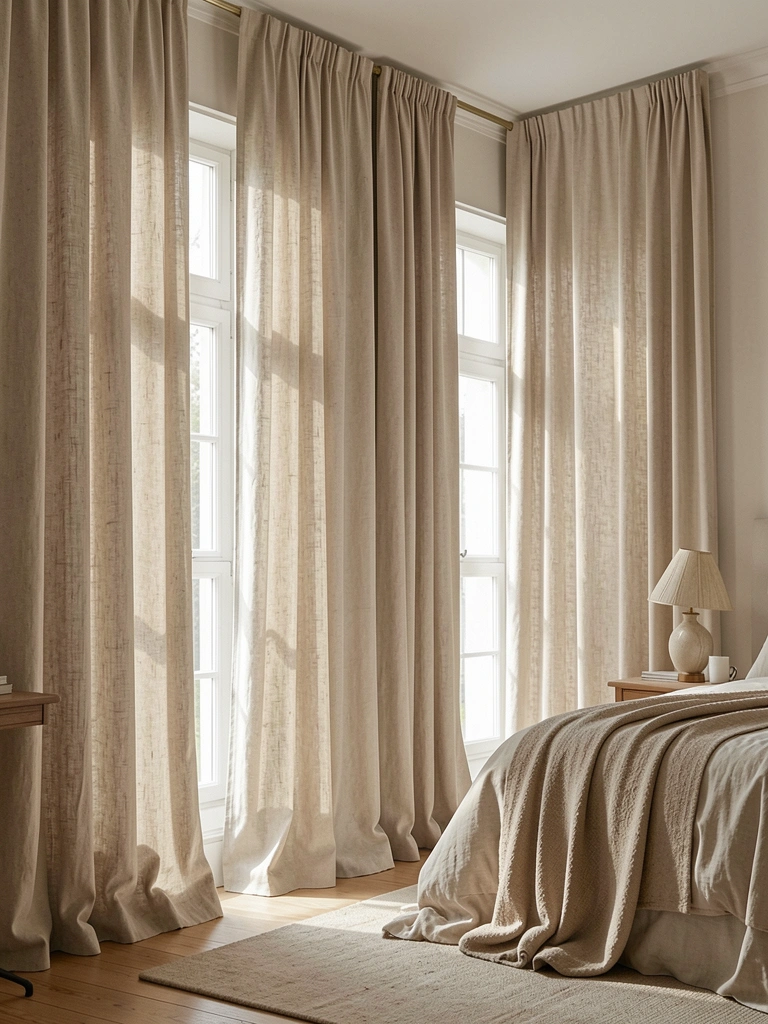
    Floor-to-ceiling curtains make any bedroom feel more intentional and expensive—the eye follows the vertical line upward, visually expanding the room and making ceilings feel higher.

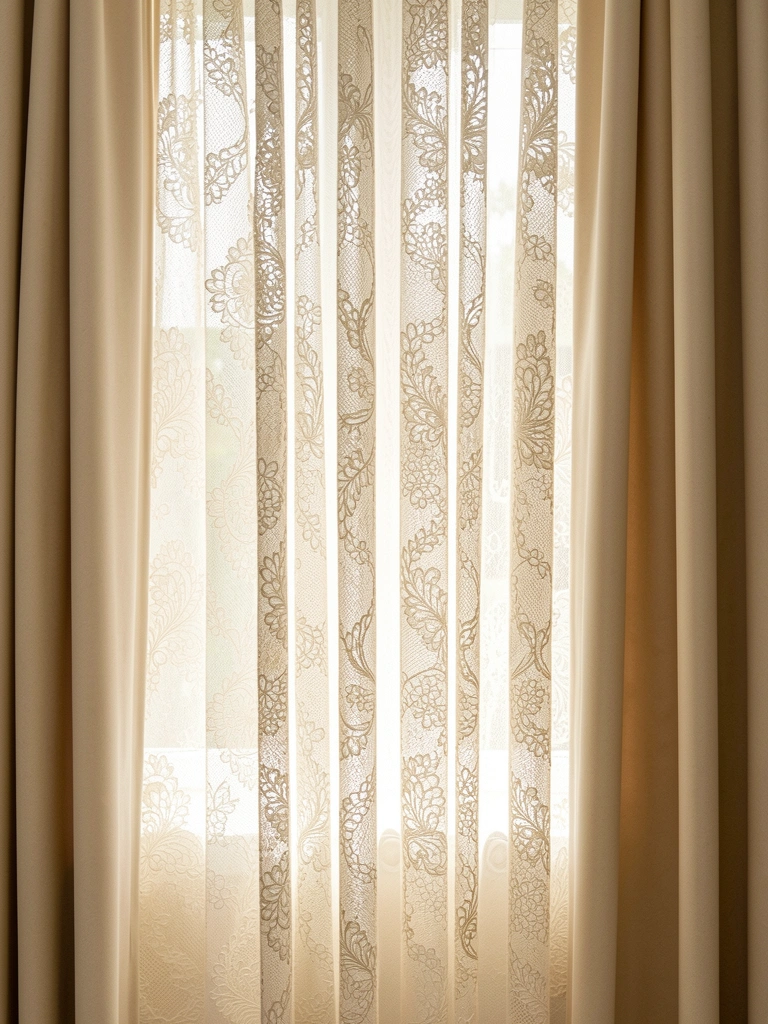
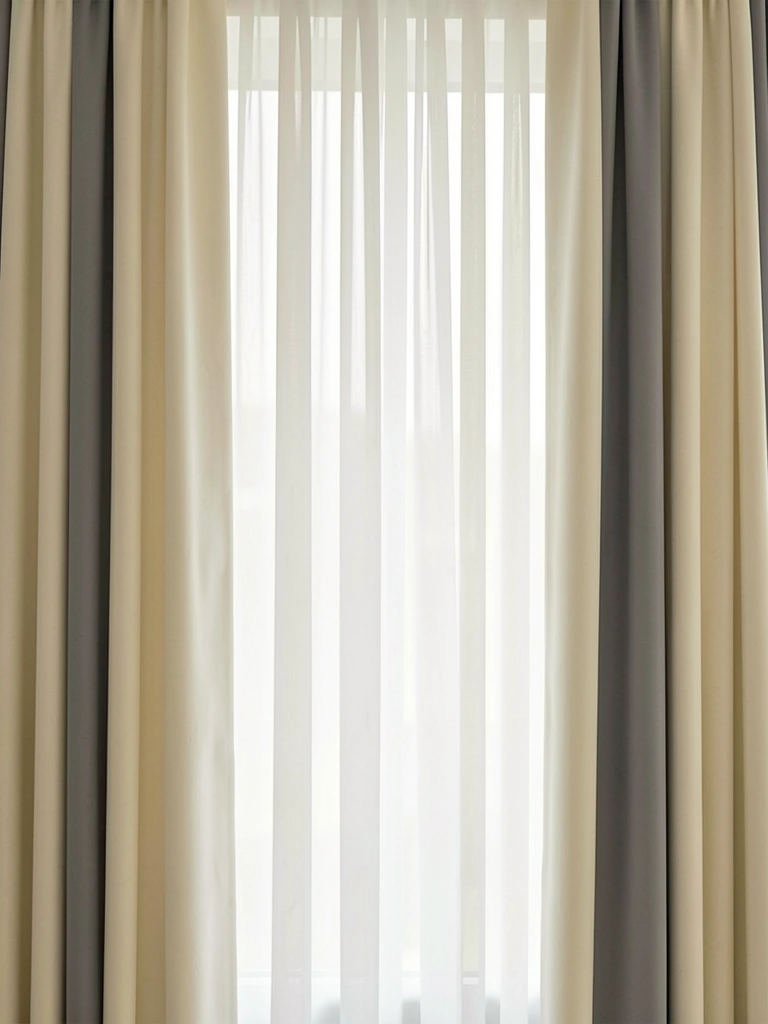
    Measure from ceiling to floor (include 2 extra inches so curtains pool slightly at the base—this looks intentional, not accidental). For $60–$150, you can get linen or natural-weave curtains from Anthropologie, West Elm, or even budget options from Target. Install a ceiling-mounted track or rod (Home Depot, $20–$50 plus hardware) rather than wall-mounted, which emphasizes height. For renters, damage-free adhesive rods work in a pinch.

    Pro tip: Choose a neutral or soft tone that complements your wall color for maximum impact without visual noise.

    The transformation is almost immediate—your bedroom instantly gains a sense of architectural intention and calm.

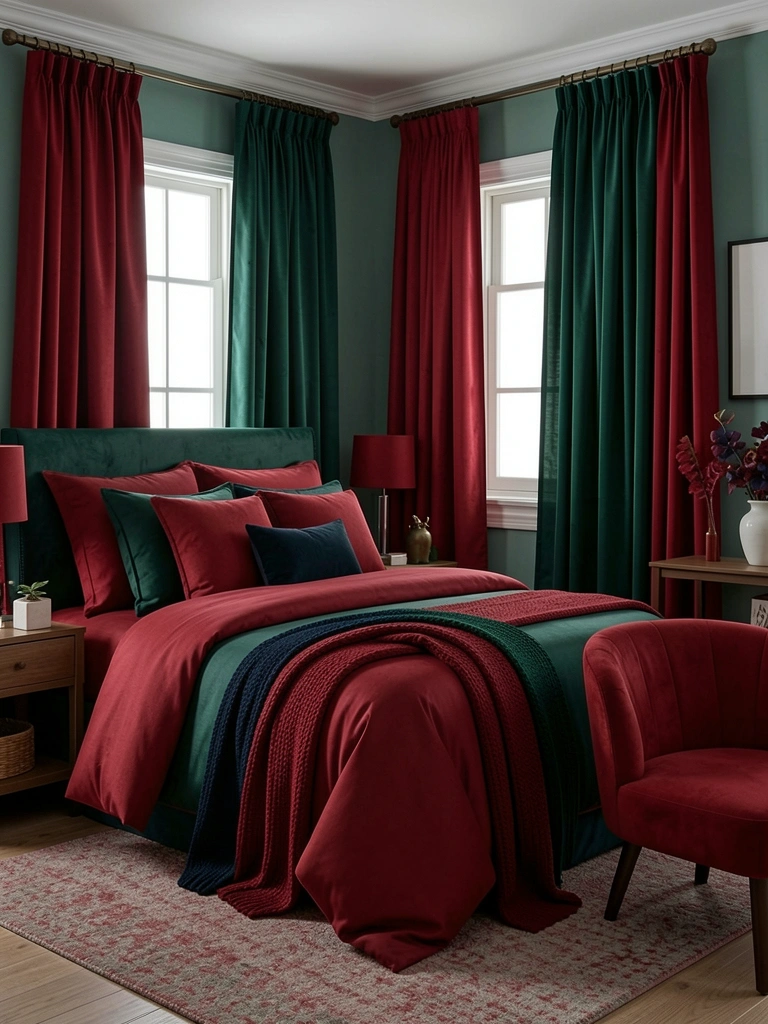
    7. Create a Cocooning Effect with Velvet Textures

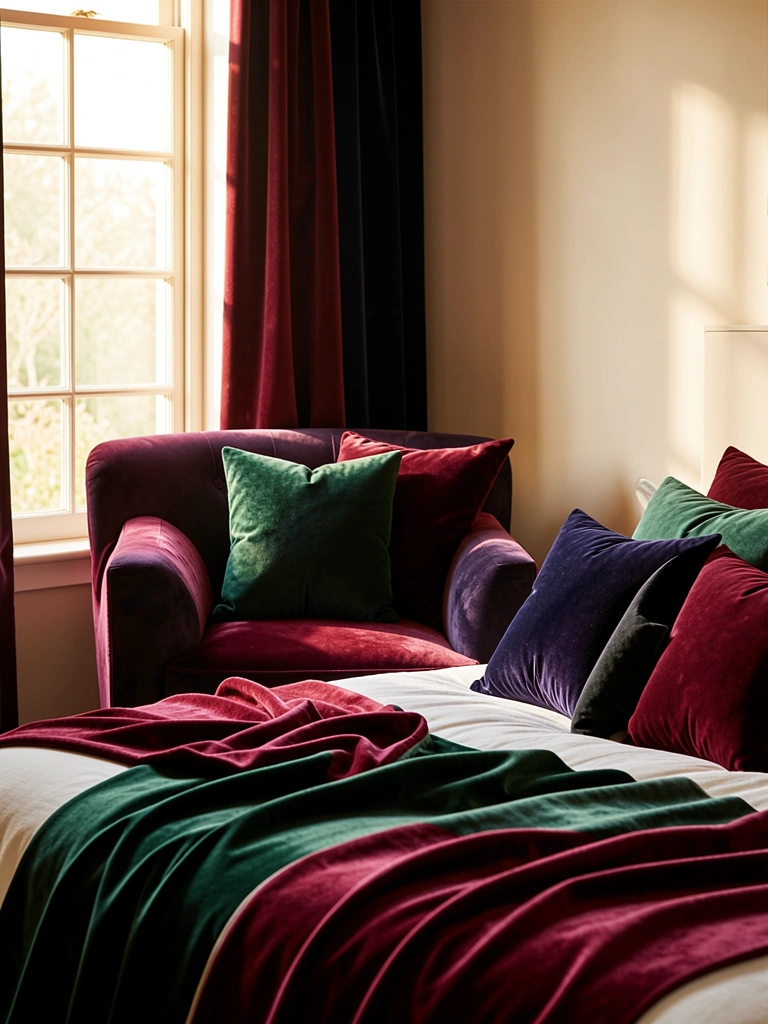
    Velvet isn’t just luxurious—it actively absorbs sound and light, creating an acoustic and visual cocoon that dampens stimulation. This matters for sleep more than you’d expect.

    Add velvet through small pieces first: a throw pillow ($25–$50 from Etsy or West Elm), a chair ($150–$400), or even a headboard ($300–$600). Rich jewel tones (burgundy, forest green, midnight blue, or cherry red) are trending and feel more sophisticated than pastels. Look for performance velvet if you have pets or kids—it’s softer and more durable than traditional velvet, and the price difference is minimal ($5–$10 more per item).

    Bonus: Velvet pillows can be mixed with linen and cotton for a layered-texture look that’s more visually interesting than all one fabric.

    The sensory input shifts when you’re surrounded by velvet—it mutes harshness and creates that “held” feeling luxury hotels are known for.

    8. Paint or Paper Your Ceiling for Subtle Drama

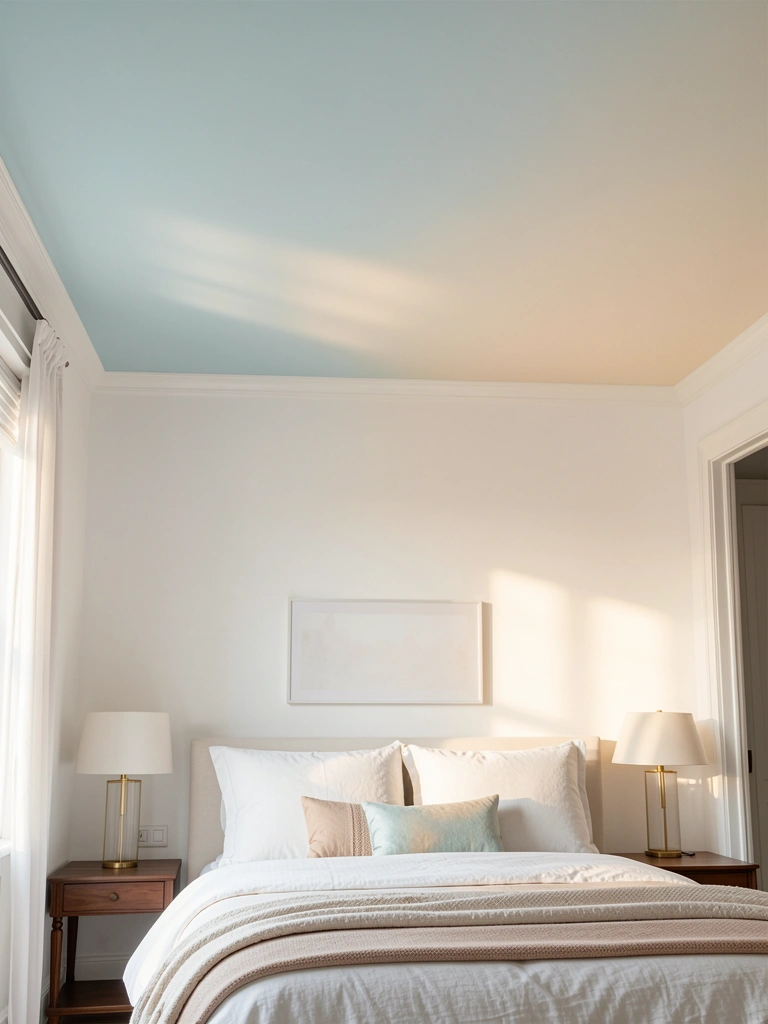
    Ceilings are the most-overlooked design real estate in bedrooms. A soft color overhead (instead of stark white) creates visual depth and changes how the entire room feels—it’s like adding another layer of coziness above you.

    Paint a ceiling in the same color family as your walls but slightly lighter (if walls are warm taupe, ceiling could be light greige, $25–$50 for paint plus a few hours of effort). Or try wallpaper with a subtle pattern ($30–$60 per roll, usually needs 1–2 rolls). For renters, removable wallpaper is your friend ($25–$45 and peels off cleanly). Peel-and-stick textured panels are another option ($40–$80 for a kit).

    Pro tip: Start with just one wall’s worth of peel-and-stick as a test before committing to a full room.

    This subtle shift changes how light plays in your room and makes the space feel more thoughtfully designed—your eye settles differently.

    9. Choose Bedding in One Bold, Repeated Color

    Instead of mixing multiple colors, choosing one bold color and repeating it strategically creates cohesion and feels intentional rather than chaotic.

    Pick one color you love (cherry red, forest green, deep navy, or dusty plum are trending right now) and use it in your sheets or duvet ($50–$150), throw pillows ($15–$30 each), and maybe a small accent piece like a chair or throw blanket ($60–$200). The repetition signals design sophistication even on a budget. Brands like Woolroom specialize in colored natural bedding and are worth the investment if you want durability and sustainability built in.

    Pro tip: Stick to one bold color and balance it with neutrals (cream, greige, natural wood) so the room doesn’t feel overwhelming.

    This approach makes your bedroom feel curated and intentional—like you know exactly what you’re doing, even if you just picked one color you loved.

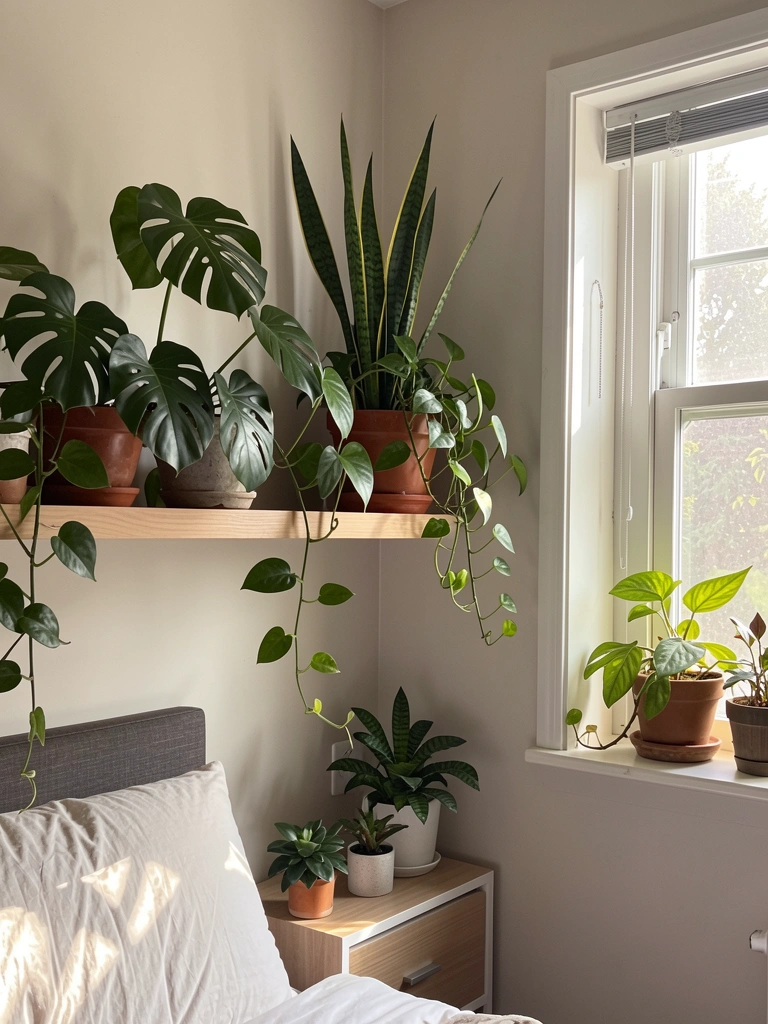
    10. Add Plants for Biophilic Warmth and Air Quality

    Plants aren’t just decoration—they genuinely improve air quality, reduce stress, and create a sense of aliveness in your space. Biophilic design (connecting with nature indoors) is one of the top bedroom trends right now.

    Start with low-maintenance plants that tolerate low light: pothos, snake plants, or ZZ plants ($10–$25 each from local nurseries or Home Depot). Add a larger statement plant like a monstera or rubber plant ($20–$60) and a few smaller trailing plants for windowsills ($8–$15 each). Use simple ceramic or wooden planters that match your aesthetic ($10–$30 per planter). If you’re a serial plant killer, dried pampas grass or eucalyptus ($15–$30 from Etsy) gives the same visual effect with zero maintenance.

    Bonus: Plants add texture and movement without adding clutter—they soften hard lines and fill empty corners.

    The presence of living plants actually shifts your energy—your space feels more alive and your nervous system recognizes it as a place where growth happens.

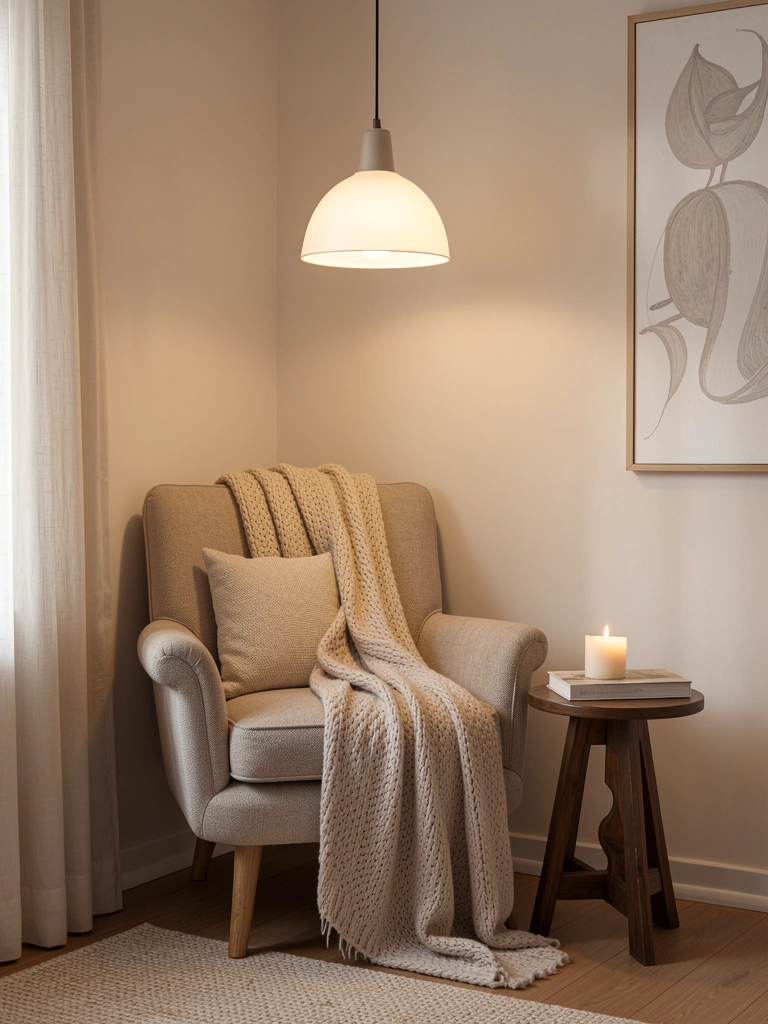
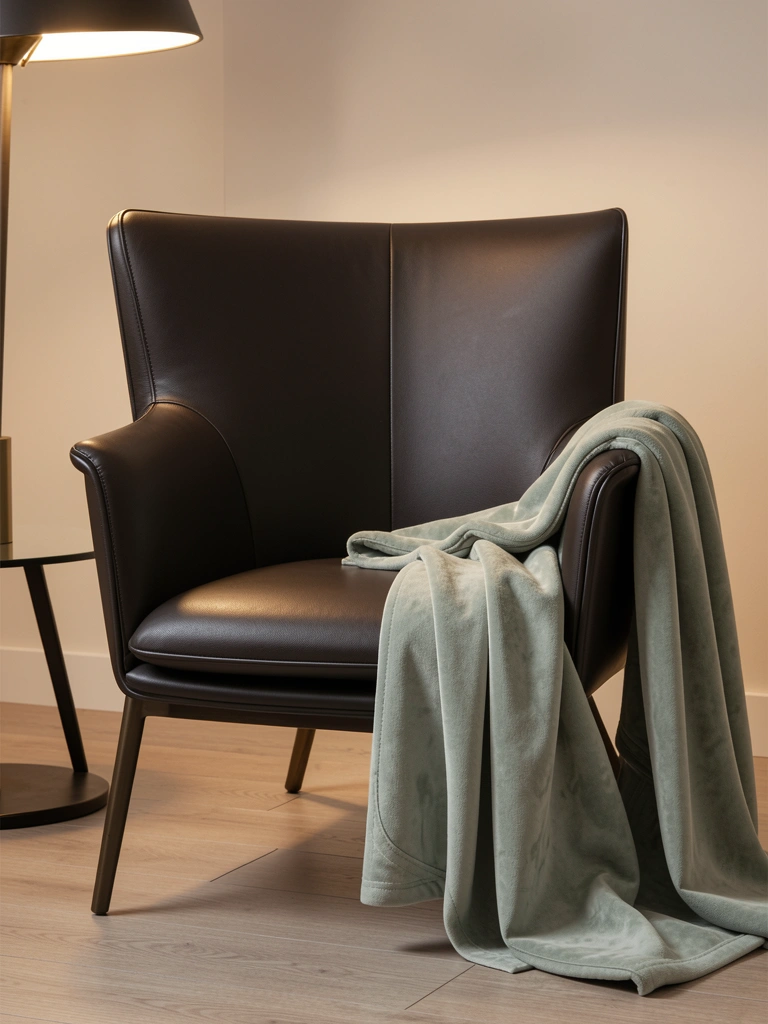
    11. Create a Designated Calm-Down Corner

    Having a dedicated space within your bedroom for reading, journaling, or just sitting creates psychological separation between “sleep zone” and “activity zone”—both improve sleep quality.

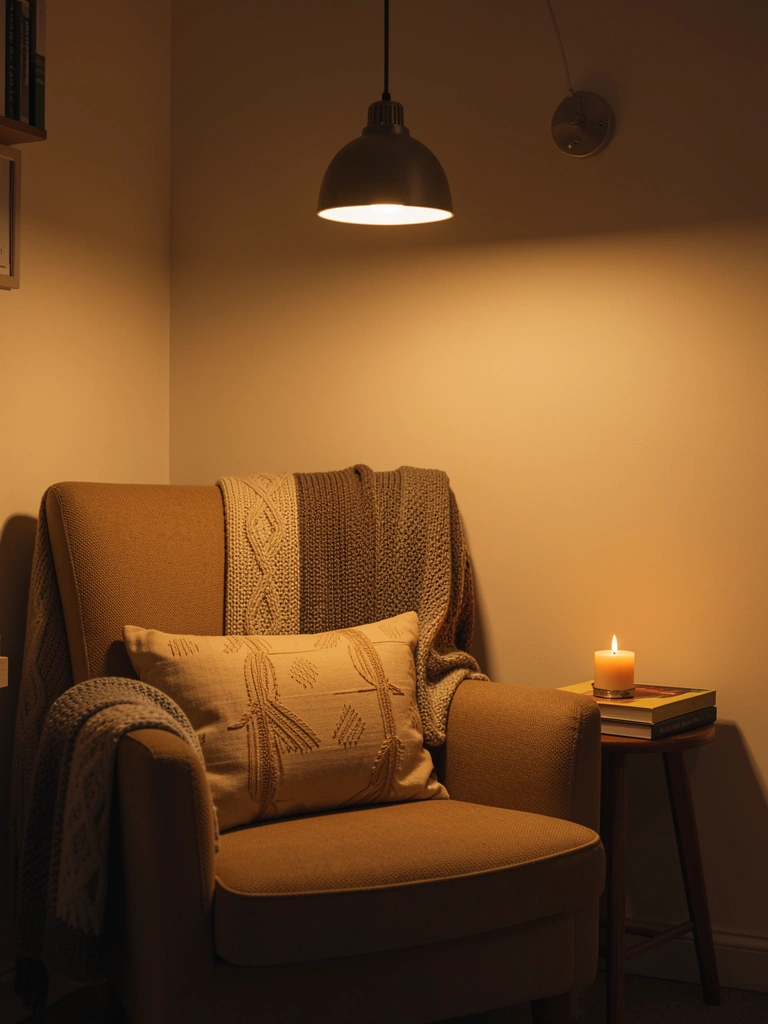
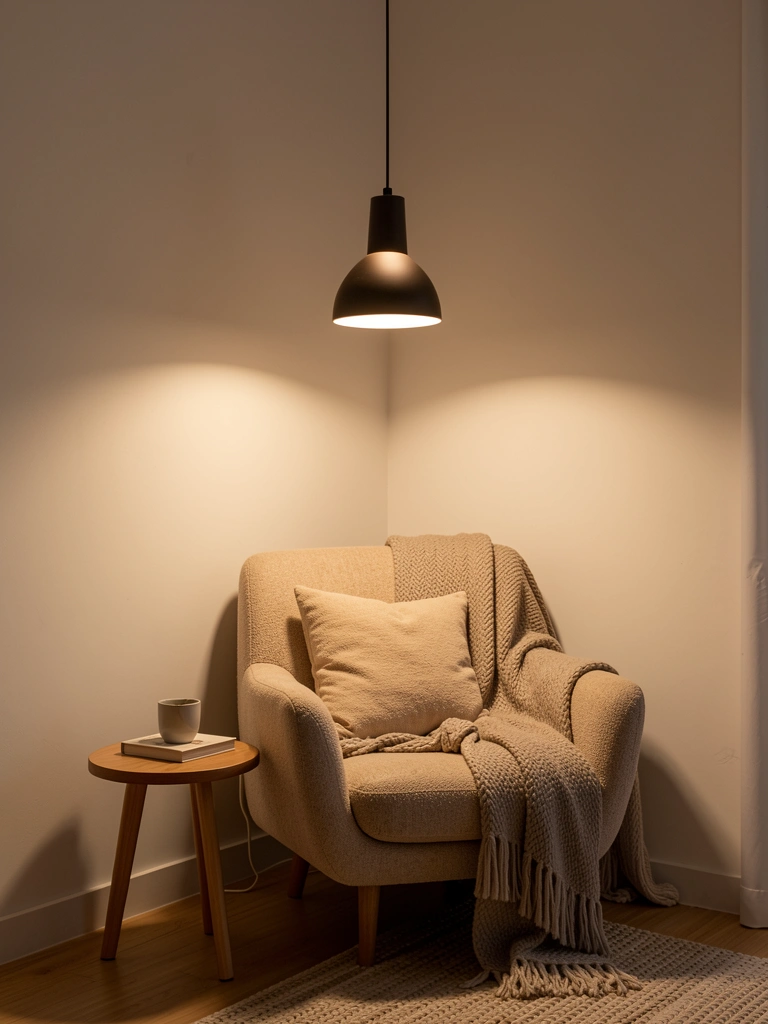
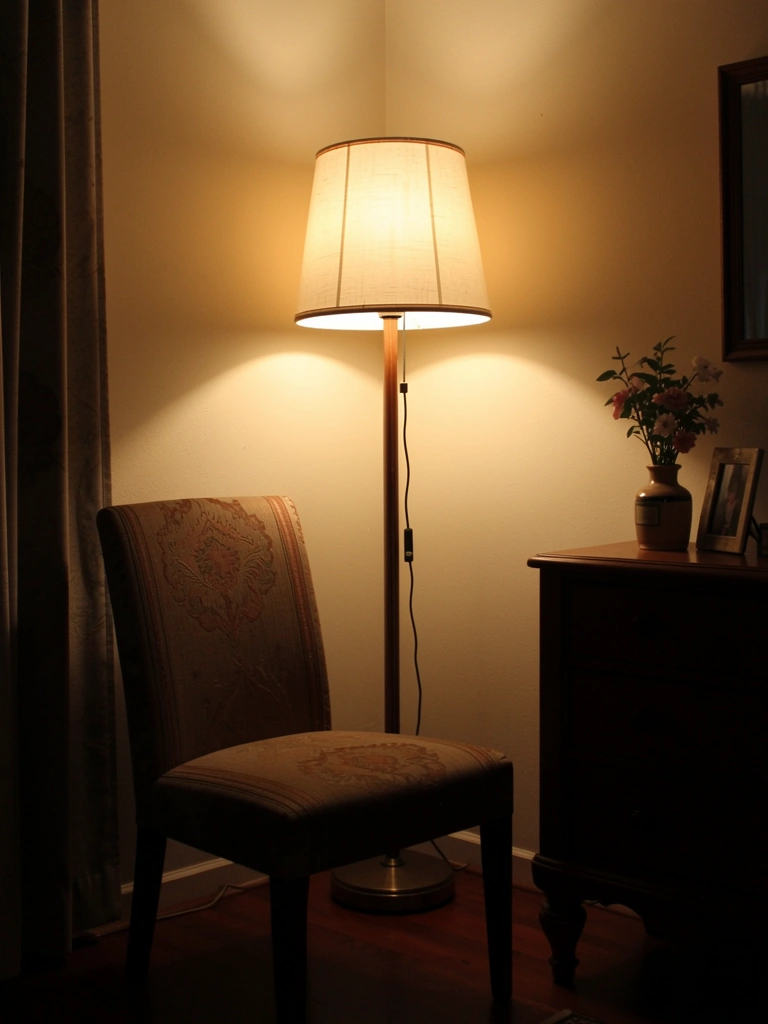
    Use a corner of your room and add: a comfortable chair ($100–$300 from IKEA, Wayfair, or thrifted), a small side table ($30–$80), a soft throw blanket ($20–$60), and warm lighting via a floor lamp or pendant ($40–$100). Even in small rooms, a small cushioned bench at the foot of the bed or a reading chair in a corner works. The key is making it feel separate from your sleeping area—use a small rug to define the space (about $40–$80).

    Pro tip: Keep books, a journal, or art supplies in a small basket nearby—this area should feel intentionally designed, not like an accident.

    Your brain learns to associate that corner with calm activities, so when you move to the bed, your mind is already primed for sleep.

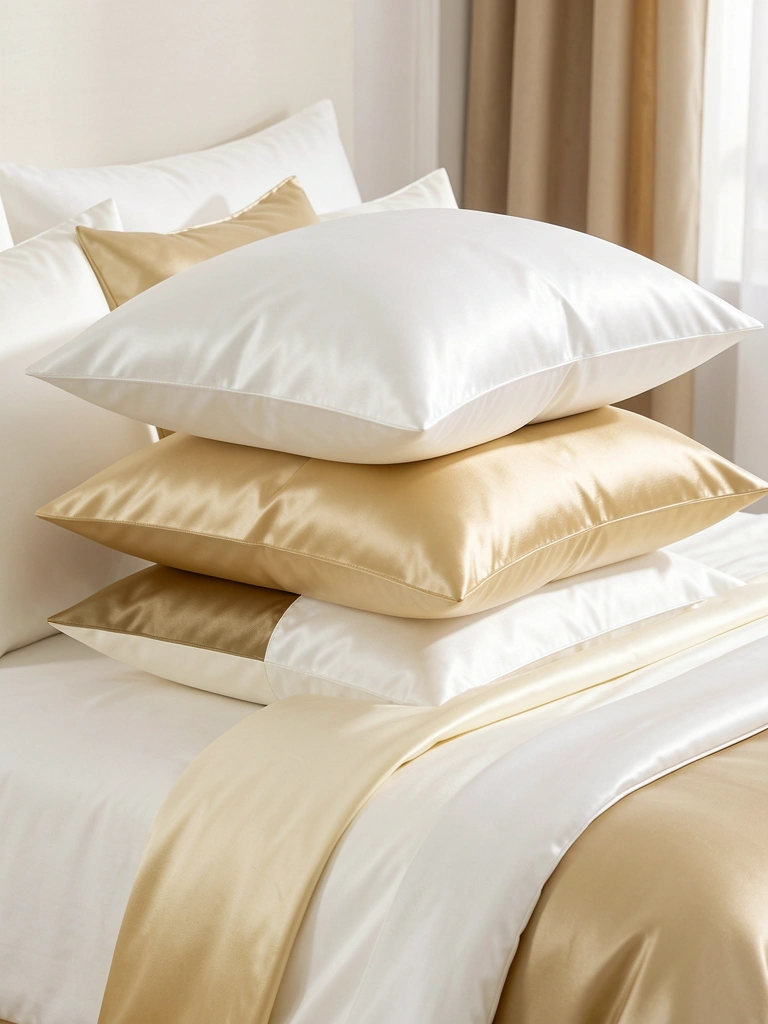
    12. Swap Out Standard Pillowcases for Silk or Linen

    The surface touching your face for 8 hours matters—standard cotton pillowcases create friction that disrupts sleep and ages your skin. Silk and linen alternatives are game-changers.

    Silk pillowcases ($20–$50 from Amazon, Etsy, or Target) reduce friction, help your hair stay smooth, and feel luxurious. Linen pillowcases ($25–$60) are more durable and get softer with every wash. Both types improve sleep quality by reducing heat and allowing your head to move smoothly. Start with one set and swap seasonally or as needed. Pro brands include Parachute and Brooklinen, but honestly, budget options from Amazon work surprisingly well.

    Pro tip: Wash silk in cool water and air-dry to maintain the finish; linen can handle a normal wash cycle.

    You’ll notice less hair breakage, smoother skin, and better sleep within the first week—your face and head feel less restless.

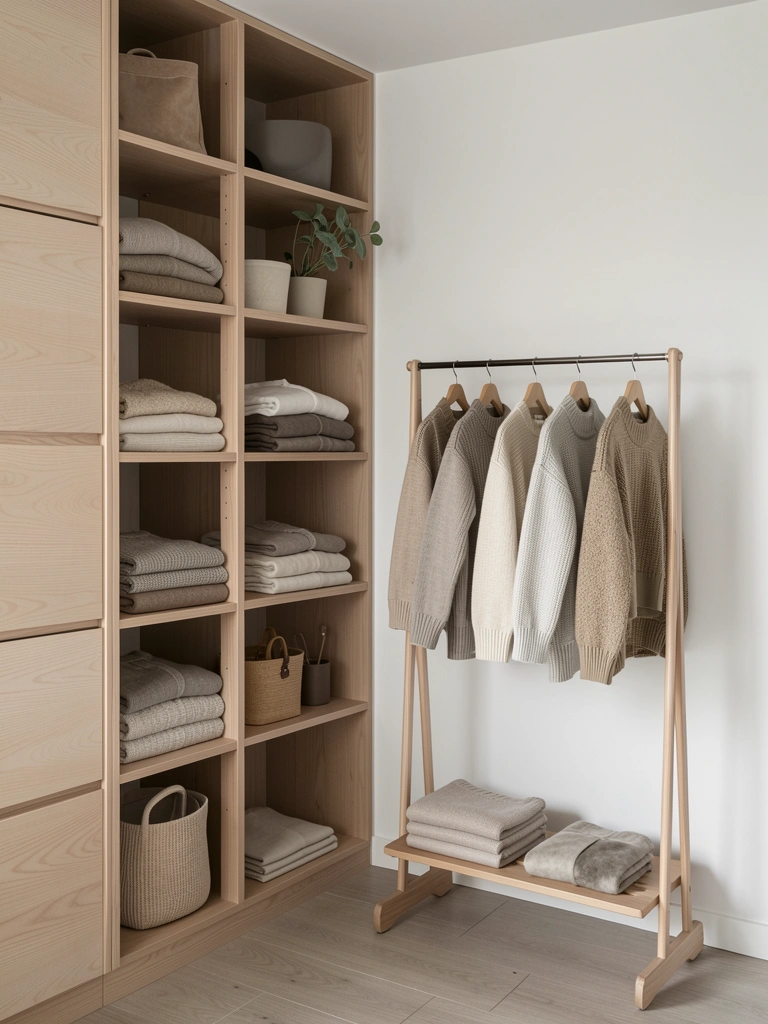
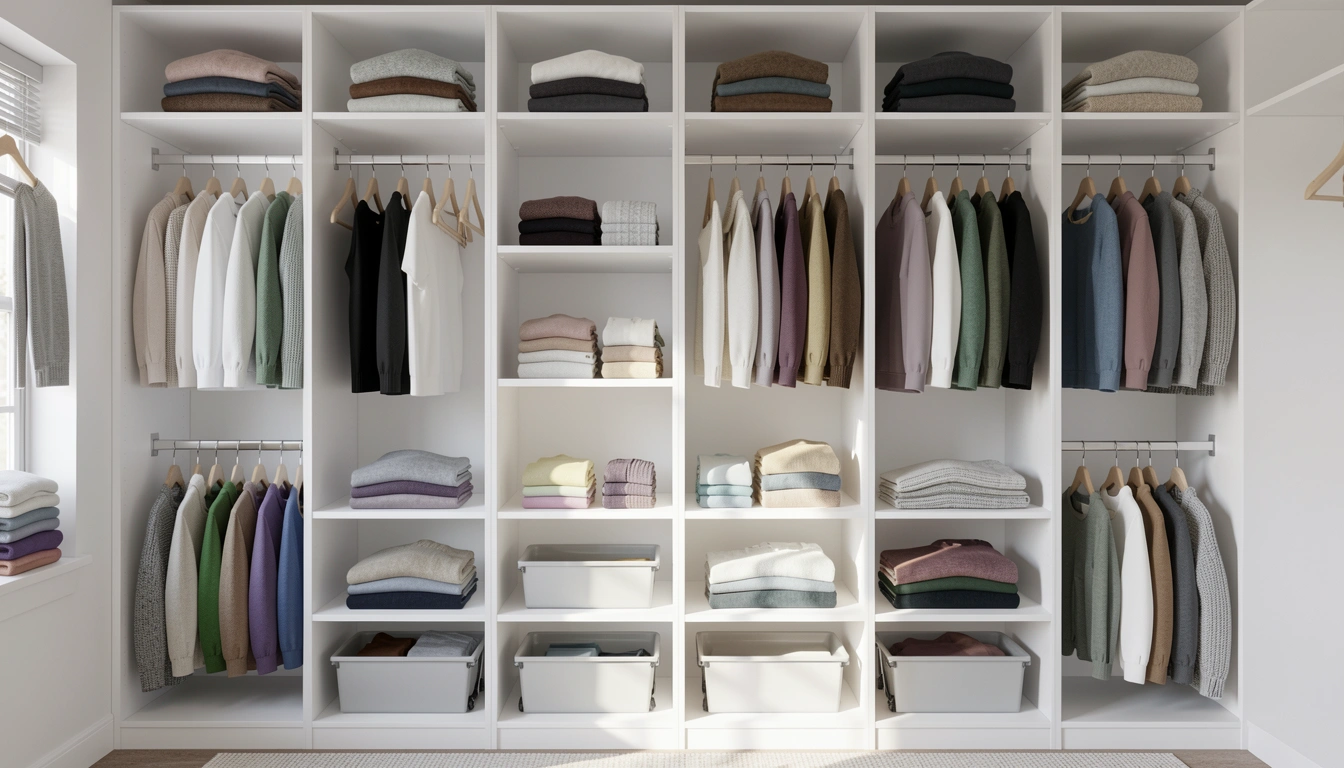
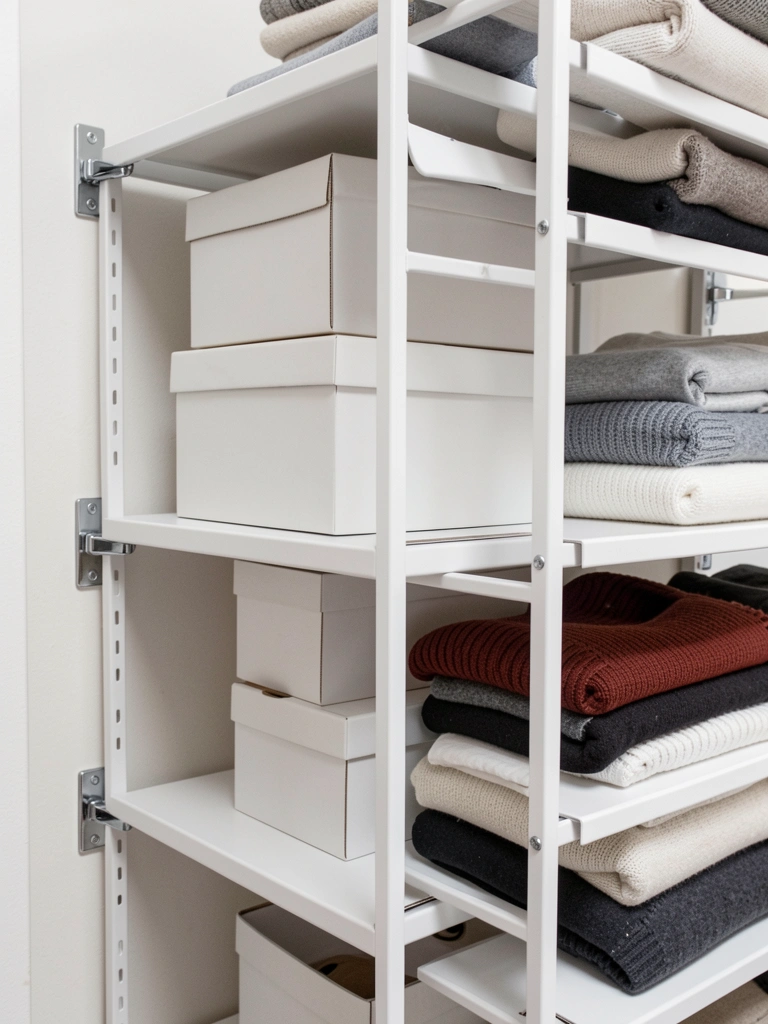
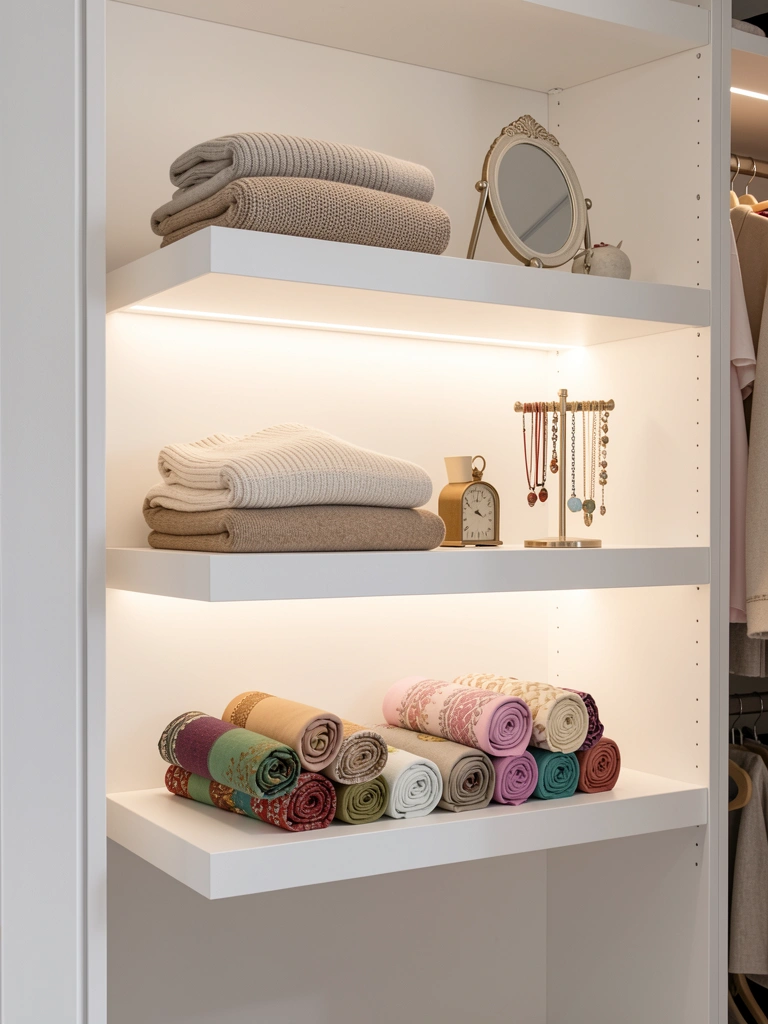
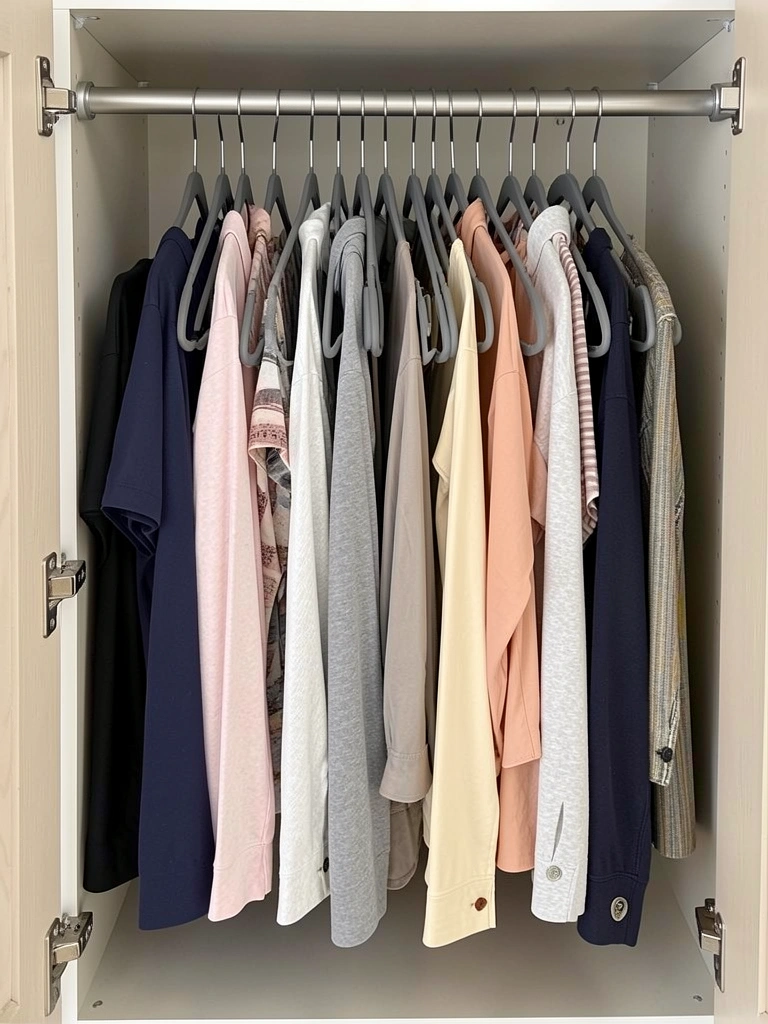
    13. Build a Minimal Sustainable Wardrobe Display

    If your bedroom includes a dressing area or even just visible clothing storage, making it intentional (instead of chaotic) changes the room’s entire energy.

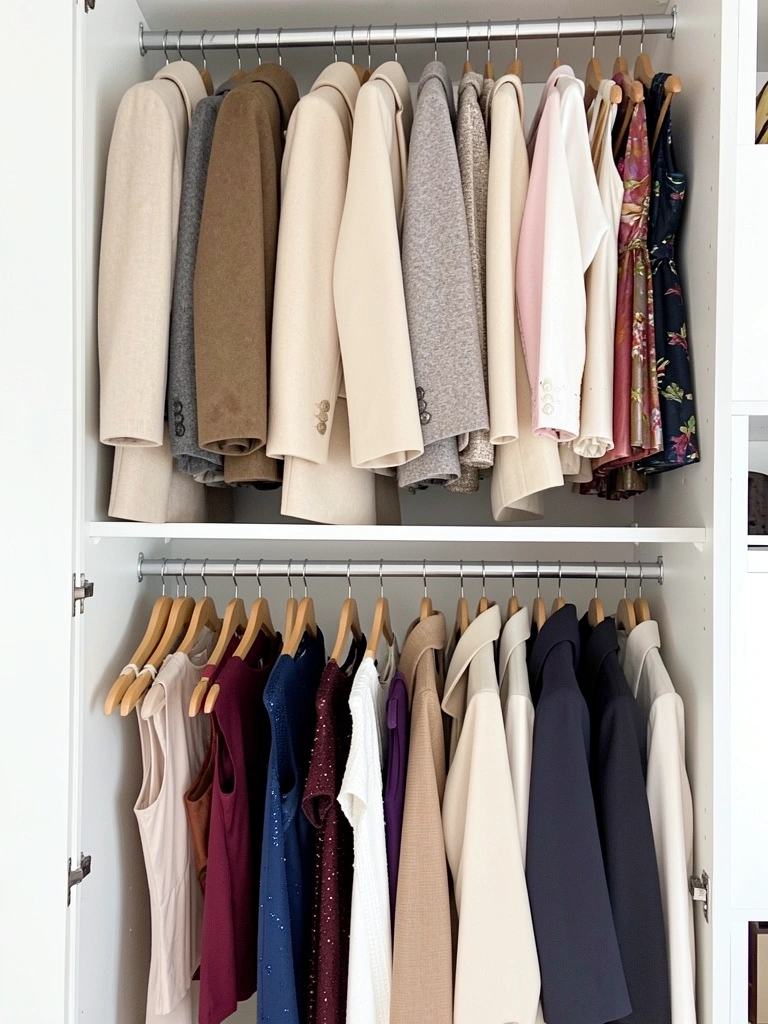
    Choose 5–7 key pieces per season in a neutral color story (creams, grays, blacks, earth tones) and display them on open shelving, a clothing rack ($40–$100 from IKEA or Amazon), or via selective hangers ($20–$40 for nice ones). This approach is called a “capsule wardrobe” and it actually makes mornings easier while keeping your bedroom visually calm. If you prefer closed storage, use matching hangers and baskets so what’s visible feels curated.

    Pro tip: Donate or rotate out pieces seasonally—your bedroom shouldn’t feel like a storage unit.

    A curated clothing display makes your bedroom feel more like a styled sanctuary and less like a pile of laundry waiting to happen.

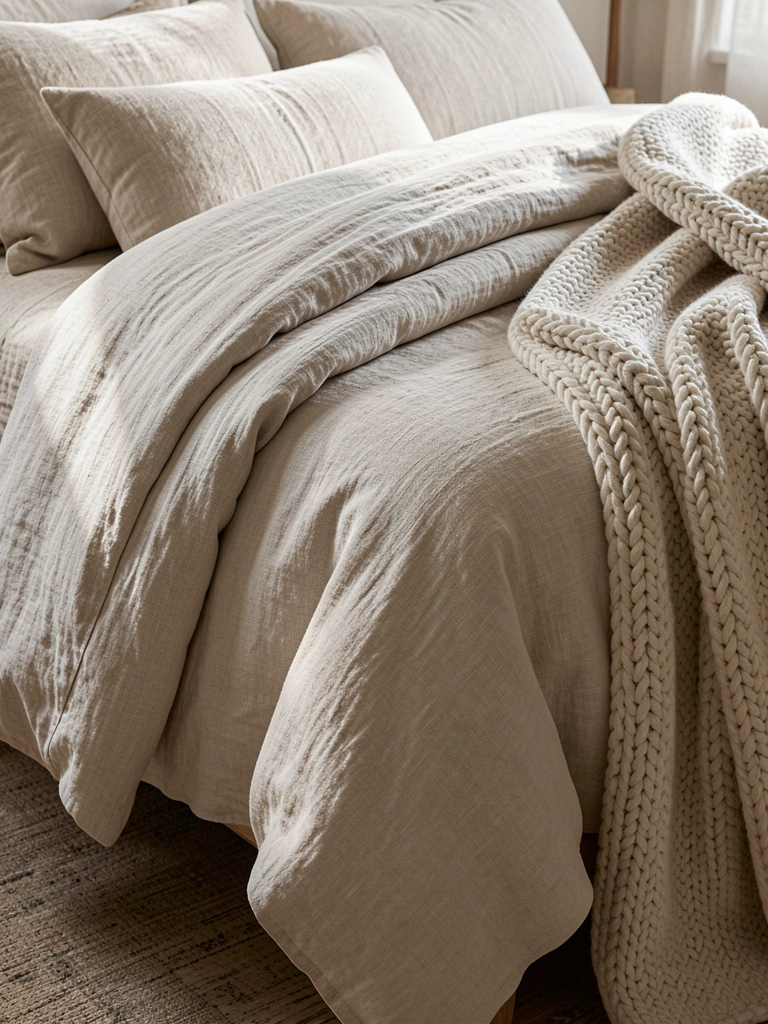
    14. Layer Throw Blankets and Quilts for Visual Richness

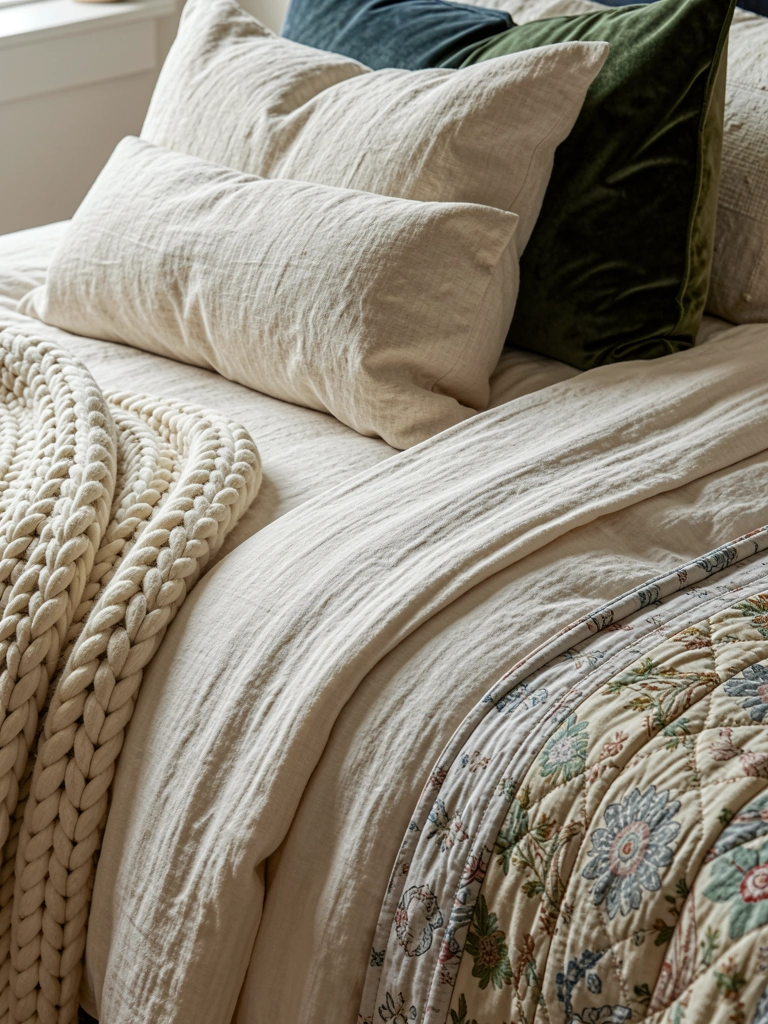
    Layering blankets serves two purposes: you can adjust warmth easily throughout the night, and visually it creates depth and coziness that makes a bedroom feel intentionally designed.

    Start with a duvet or quilt as your base ($100–$250), add a flat sheet or lightweight throw ($30–$60), and top with a chunky knit or woven blanket draped casually over the edge ($40–$100). Mix materials: linen, cotton, wool, and knit together create visual interest. Brands like Etsy artisans, West Elm, and even Target’s Threshold line offer affordable layered options. The whole setup costs $150–$400 depending on quality.

    Bonus: You can swap blankets seasonally or based on mood without buying new sheets.

    This creates a bed that looks like it came from a magazine spread—inviting enough that you actually want to get into it.

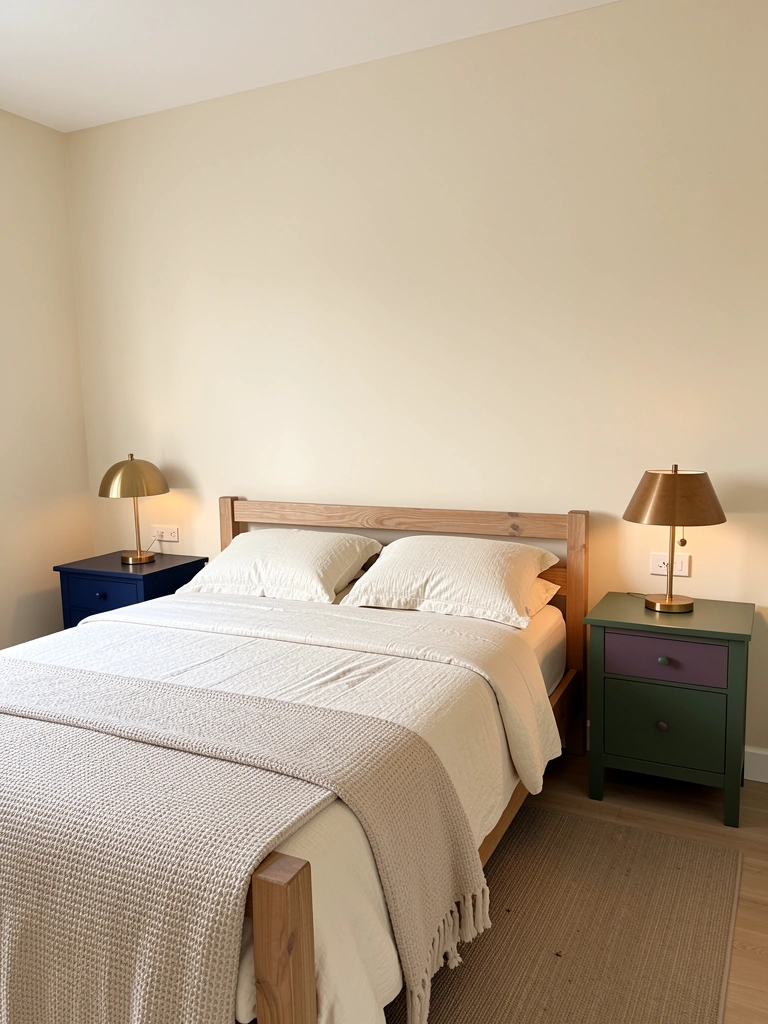
    15. Paint Your Nightstands a Contrasting Color

    Small furniture pieces are the easiest way to add color without overwhelming the room. Painted nightstands give you that design hit of personality instantly.

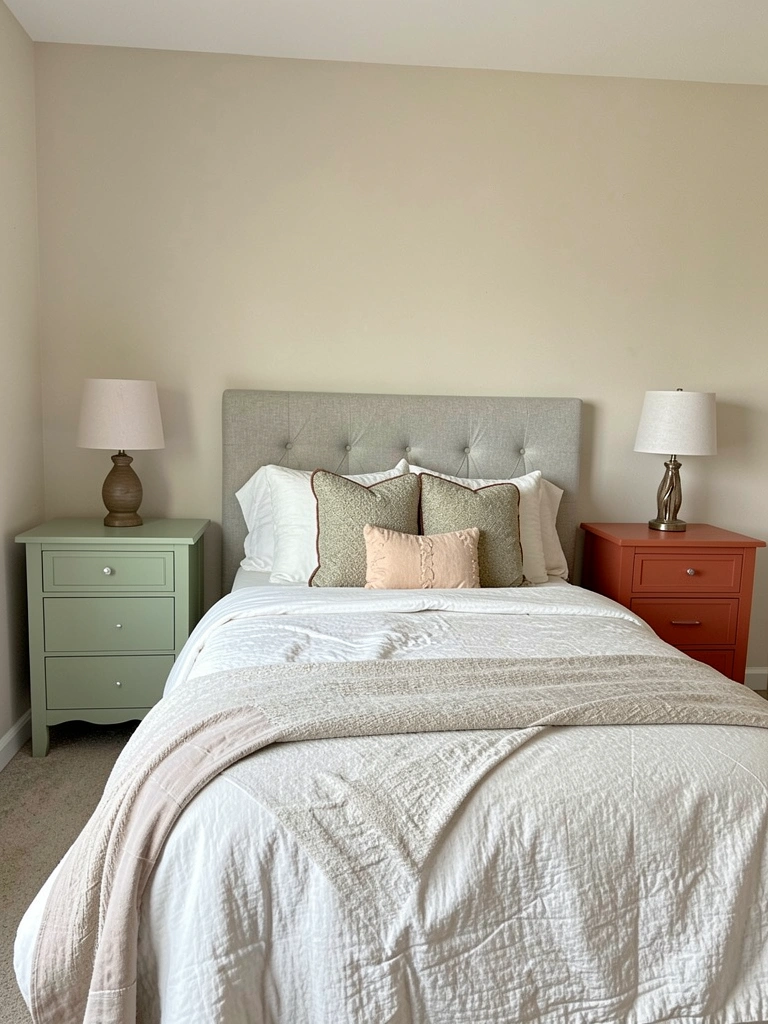
    Grab two simple nightstands from IKEA, thrift stores, or Facebook Marketplace ($30–$100 each used, $50–$150 new) and paint them using chalk paint, acrylic paint, or furniture spray paint ($10–$20 per can). Choose a color that complements your wall color—if walls are neutral, try dusty jewel tones or warm charcoal ($15–$30 in paint total). The project takes 2–3 hours plus drying time, and it costs under $100 total for a major visual upgrade.

    Pro tip: Protect surfaces with a clear polyurethane topcoat (about $10) so the paint holds up to daily use.

    Suddenly your bedroom has a point of view and personality—this one detail signals intentional design.

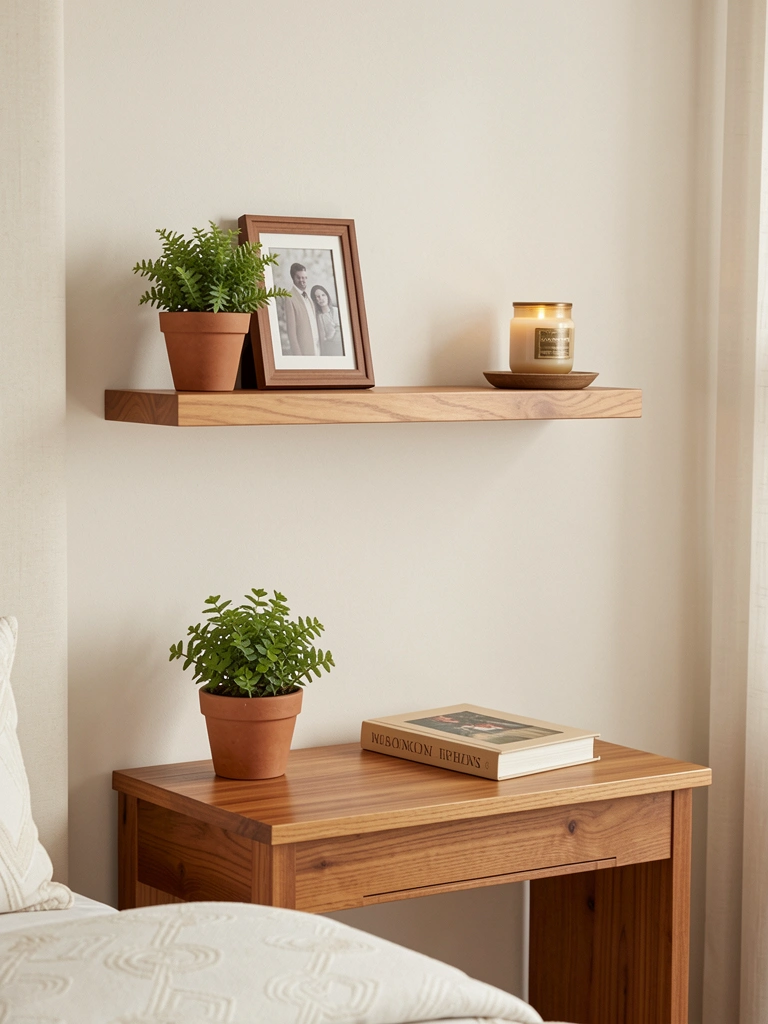
    16. Install a Floating Shelf for Styled Storage

    Floating shelves add storage and display space without taking up floor area—perfect for small rooms and renters who want to avoid permanent fixtures.

    Install a shelf at $30–$80 (IKEA, Wayfair, or hardware stores have simple options) above your nightstand, desk, or a blank wall. Style it with 3–5 objects max: a small plant ($10–$25), a framed photo ($5–$15), a candle ($8–$20), and a book. This creates a calm, intentional look instead of clutter. For renters, damage-free floating shelf systems (like Command hooks plus lightweight shelves) cost about $25–$50 and leave no marks.

    Pro tip: Odd numbers of objects look more intentional than even numbers, and leave white space between items.

    A styled shelf becomes a focal point that makes your bedroom feel more designed and less chaotic.

    17. Add a Dimmer Switch for Evening Relaxation

    Light intensity changes your nervous system’s state—bright light keeps you alert, while dimmed warm light signals it’s time to wind down. A dimmer switch is one of the easiest upgrades with the biggest impact.

    Install a simple dimmer switch (about $15–$30 for the switch itself) by replacing your existing light switch—takes 15 minutes with a screwdriver if you’re comfortable with basic electrical work, or hire an electrician for $50–$100 of labor. Use warm-toned bulbs ($5–$15 each, any hardware store) at 2700K color temperature. Set a routine: dim to 50% two hours before bed, then 25% as you’re getting into bed.

    Bonus: Smart dimmers (about $35–$80) can auto-dim on a schedule, supporting your circadian rhythm without you thinking about it.

    Your sleep quality will improve noticeably once your body learns that dimming light means rest is coming.

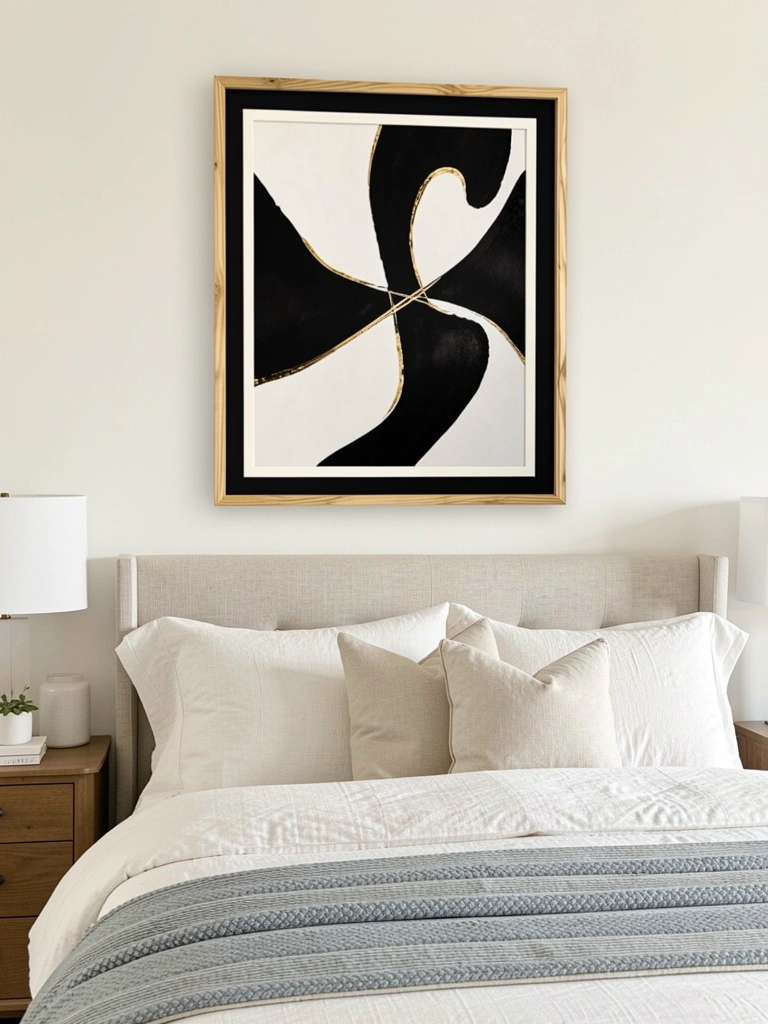
    18. Display One Large-Scale Piece of Art or Photography

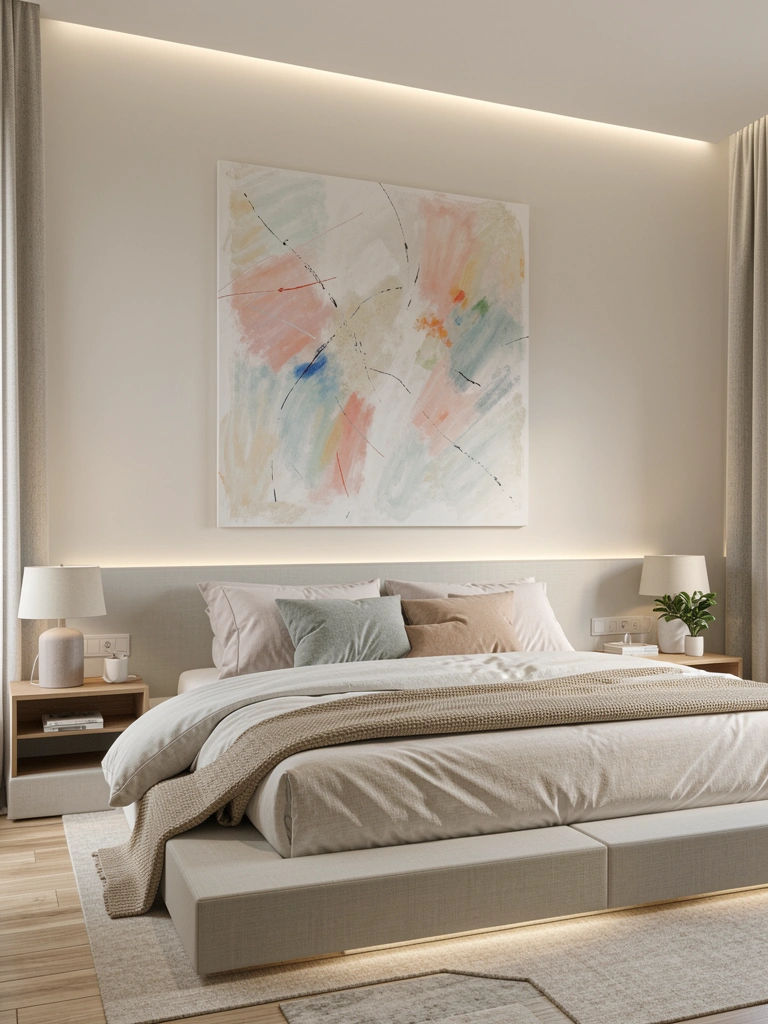
    One large piece of art changes how a whole room feels—it gives the space a focal point and signals sophistication without looking cluttered.

    Choose artwork that speaks to you (landscape photography, abstract art, or even a enlarged family photo) in a size 24×36 inches or larger. Frame it simply in natural wood, black, or metal ($40–$100 for a quality frame from IKEA, Michaels, or custom framers). Hang it centered above your headboard, dresser, or a blank wall. Total investment: $50–$300 depending on whether you buy art or print your own photos. For renters, use damage-free picture hanging strips ($5–$15).

    Pro tip: If you’re unsure, start with black-and-white photography—it pairs with any style and feels timeless.

    One meaningful piece of art becomes the visual anchor your eye lands on—it tells a story about who you are.

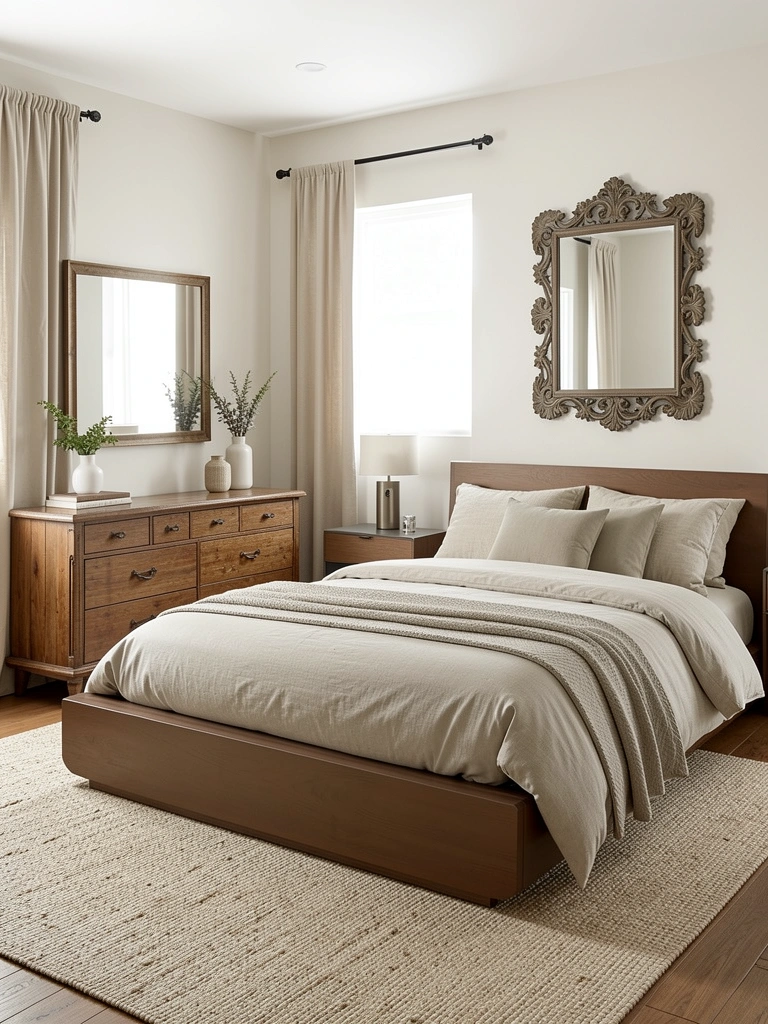
    19. Mix Vintage and Modern Furniture for Personality

    Mixing eras and styles (grandmillennial aesthetic) is trending because it feels authentic and avoids looking like a catalog room—it tells your personal story.

    Start by thrifting one vintage piece (dresser, mirror, nightstand, chair) from Facebook Marketplace, estate sales, or local thrift shops ($20–$150 depending on condition and quality). Pair it with simpler contemporary pieces (bed frame, nightstands, lighting) from IKEA or Wayfair ($100–$300 for basic pieces). The trick is keeping a consistent color story (neutrals + one accent color) so the mix feels intentional, not random. A fresh coat of paint on thrifted wood furniture costs $10–$20 in paint and a weekend of effort.

    Pro tip: Mix eras through shared materials (wood, brass, ceramic) rather than trying to blend every texture.

    Your bedroom feels curated and unique—like it actually reflects who you are instead of looking like everyone else’s room.

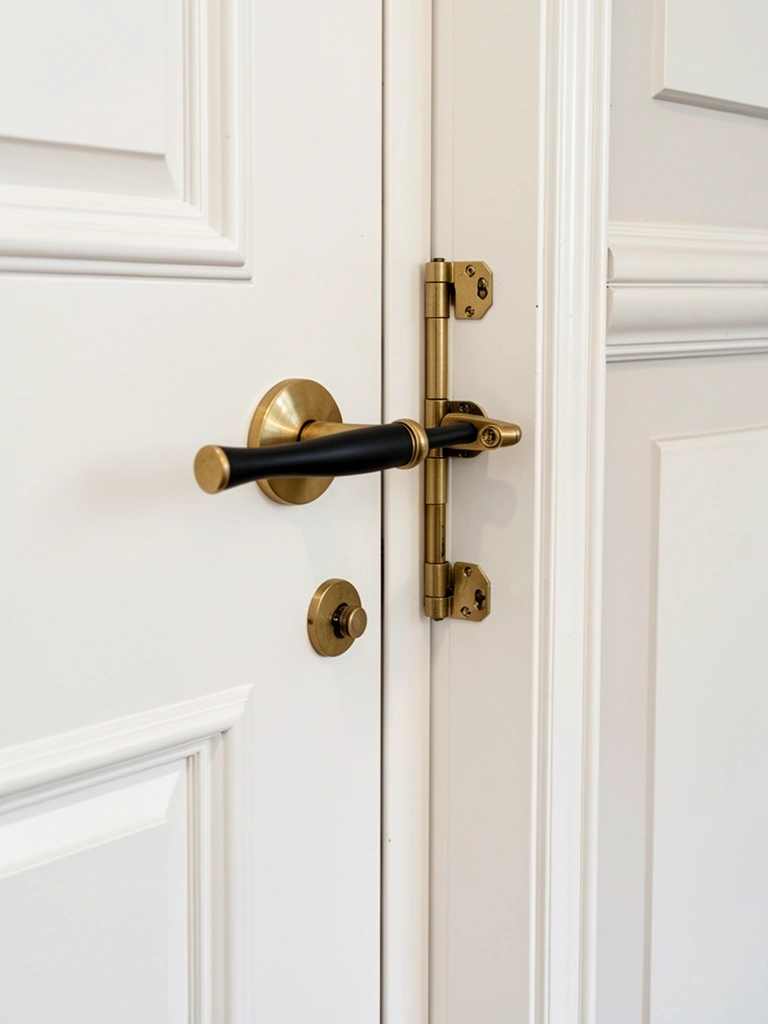
    20. Upgrade Your Door Hardware and Hinges

    Small hardware details (door handles, hinges, hooks) are like jewelry for your room—they cost almost nothing but signal intentional design.

    Replace your current door hardware with coordinated pieces ($20–$50 total for a doorknob and hinges from hardware stores or Etsy). Choose brass, matte black, or brushed nickel to coordinate with your existing lighting and accessories. While you’re at it, add a hook on the inside of your door for a robe or daily outfit ($5–$10). This takes 20 minutes and requires just a screwdriver. All hardware should match or coordinate with your other metal finishes (lamp bases, shelf brackets, etc.).

    Pro tip: Match your door hardware to your lighting fixtures—if your lamps are brass, make hardware brass too.

    This detail-oriented approach makes your bedroom feel like a luxury hotel—small things noticed subconsciously shift how the space feels.

    21. Create a Reading Nook with Adequate Task Lighting

    A dedicated reading space changes how your bedroom functions—it separates “wind-down activities” from “sleep,” improving sleep quality through habit stacking.

    Find a corner and add: a comfortable chair ($100–$300 from thrift stores, IKEA, or Wayfair), a small side table ($30–$80), and a task light that doesn’t spill light across the room—try a wall-mounted reading light ($40–$100) or an adjustable floor lamp ($50–$120). A small bookshelf or basket nearby ($30–$80) keeps reading material contained. Total investment: $250–$700 depending on what you already own. For small rooms, even a cushioned bench at the foot of the bed with good lighting works.

    Pro tip: Use warm, dimmable task lighting (not bright overhead light) so this area supports evening relaxation.

    Having a separate place to read signals to your brain that the bed is for sleep—this separation alone improves rest quality.

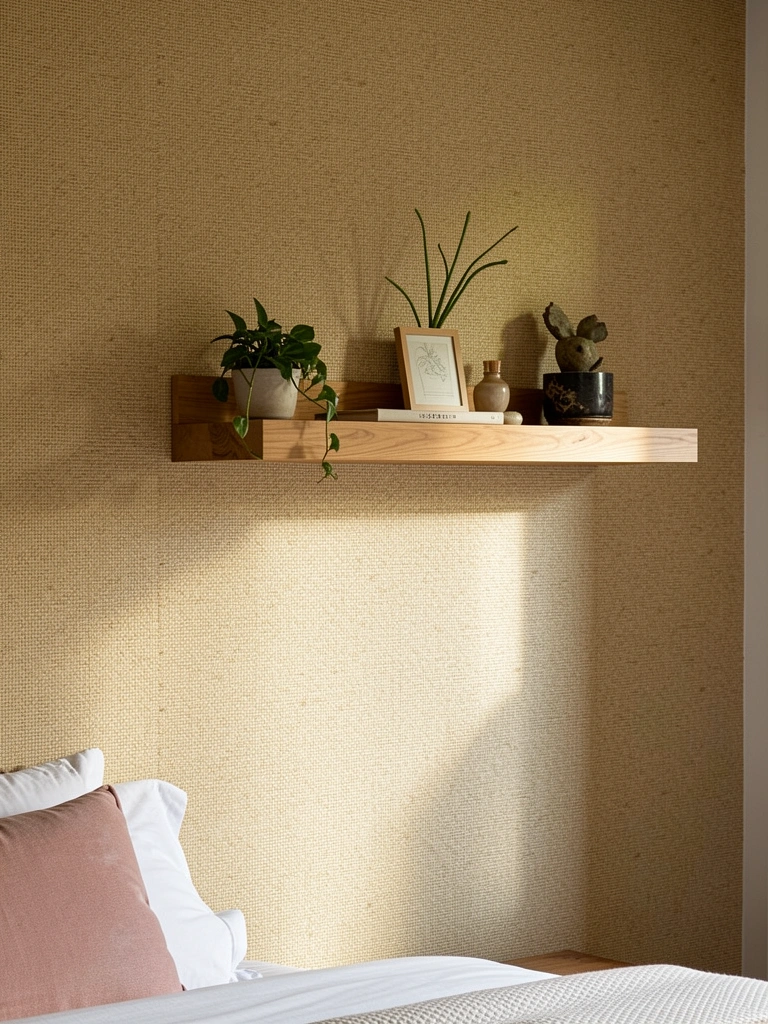
    22. Add Texture Through Grasscloth or Linen Wallpaper

    Textured wallpaper adds visual and tactile interest without being loud—it’s the secret to that high-end hotel bedroom feeling.

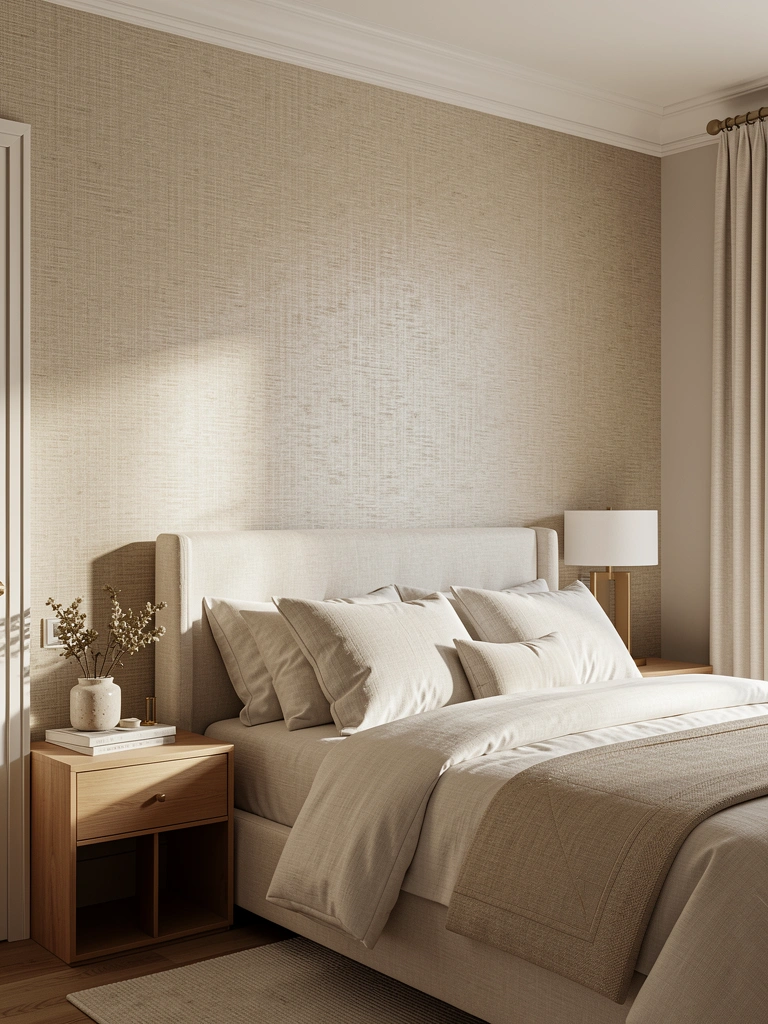
    Grasscloth or linen wallpaper ($30–$60 per roll) applied to one accent wall costs about $100–$200 total (usually 2–3 rolls needed). Hire a professional installer ($200–$400 labor) or DIY if you’re confident with tools and patience ($0 labor, takes 3–4 hours). For renters, peel-and-stick textured wallpaper ($25–$45 per roll**) removes cleanly and costs *$50–$100 for one accent wall*. Warm neutrals (cream, warm gray, soft taupe) photograph beautifully and pair with any color scheme.

    Pro tip: Apply textured wallpaper to the wall behind your headboard for maximum visual impact.

    Textured walls catch light beautifully in photos and create subtle depth that makes a room feel more intentionally designed.

    23. Swap Out Overhead Light Fixture for a Pendant or Chandelier

    Your ceiling fixture matters aesthetically and functionally—a stylish light changes how the whole room feels while improving light quality.

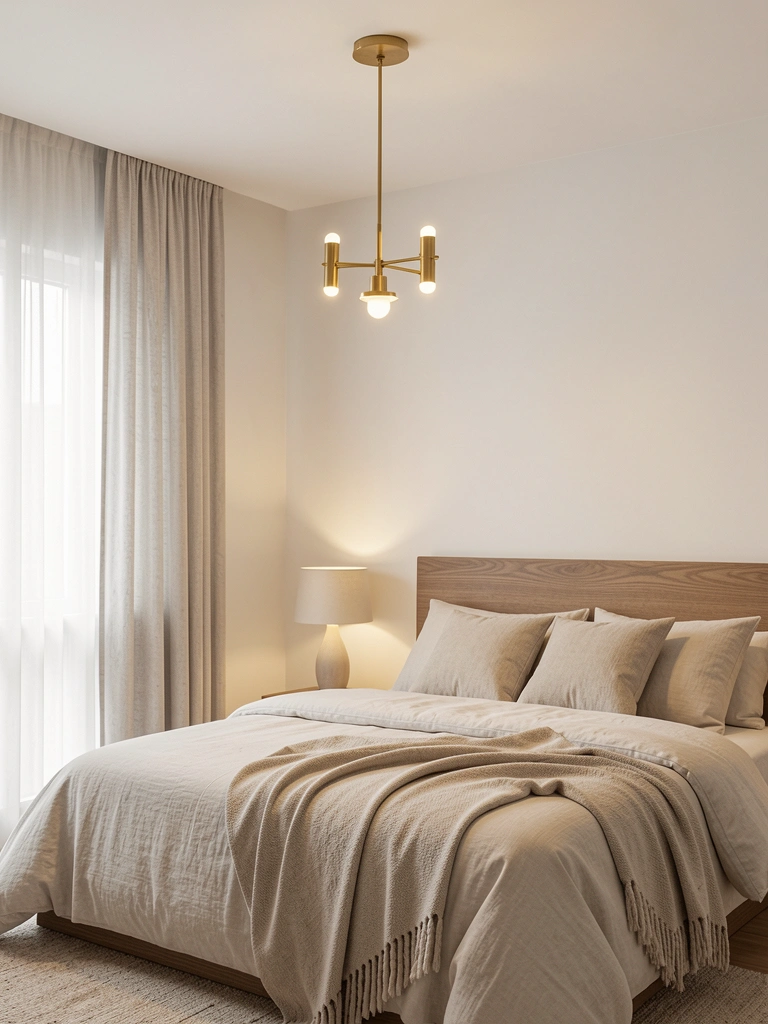
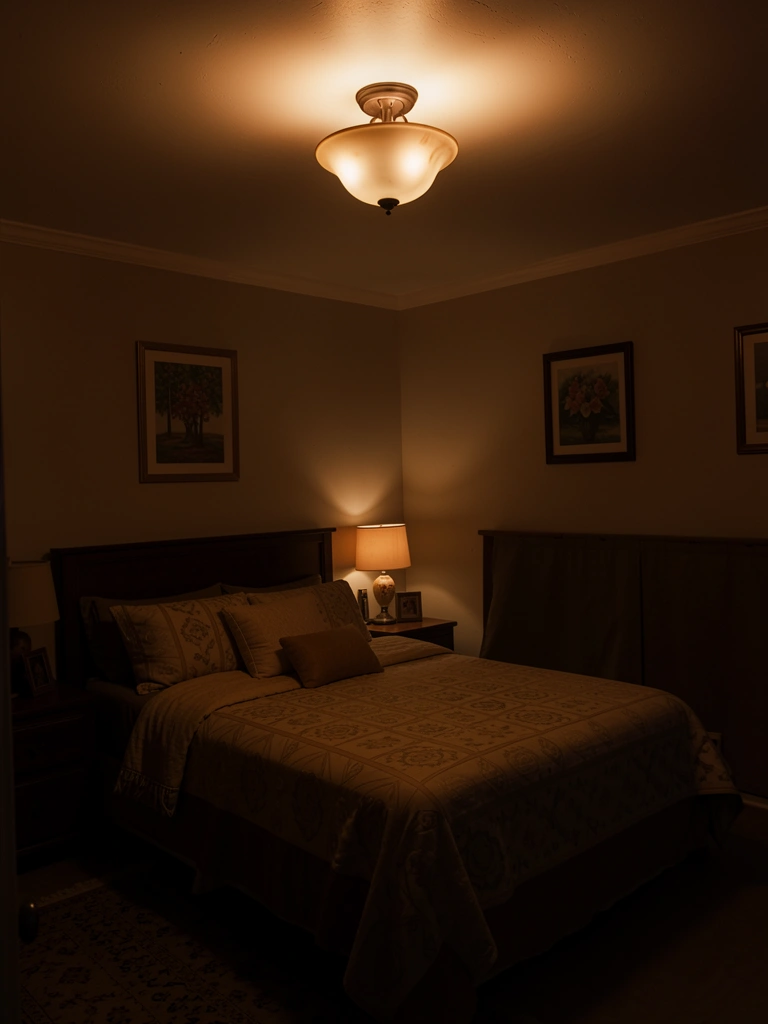
    Replace your basic flush-mount fixture with a simple pendant light ($50–$150 from IKEA, West Elm, or Wayfair) or a small chandelier for statement impact ($100–$300). Installation requires basic electrical knowledge or hire an electrician ($100–$150 labor). Use warm-toned bulbs ($5–$15 each) at 2700K so the fixture doesn’t look harsh. The total cost: $50–$450 depending on style and whether you hire help.

    Pro tip: Choose a fixture that coordinates with your other metals (if you have brass lamps, get a brass fixture).

    A stylish overhead light instantly elevates the room’s aesthetic and actually improves ambient light quality.

    24. Install Blackout Curtains for Deep Sleep Support

    Blackout curtains support circadian rhythm by blocking light while you sleep—this is especially important if you live on a bright street or in a place with early sunrise.

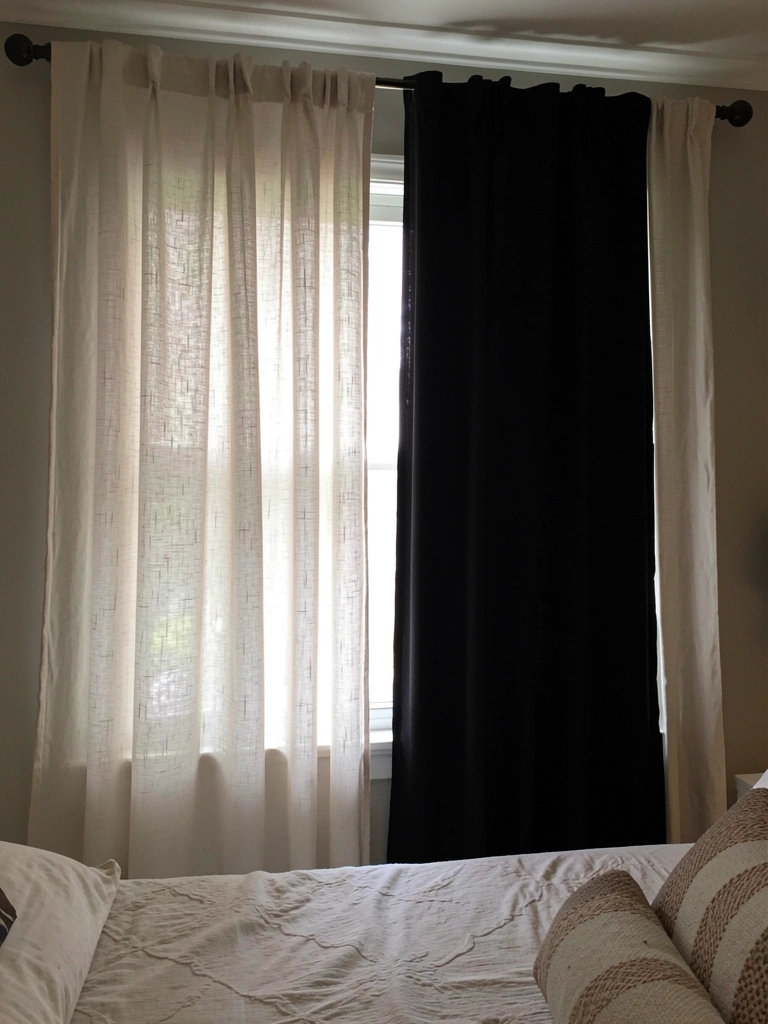
    Add a blackout layer behind your decorative curtains using thermal blackout panels ($30–$60 per pair from Amazon or Target) or a blackout shade inside the window frame ($40–$100 for a motorized option or manual pull-down). This layered approach lets you keep pretty linen curtains visible while getting blackout benefits. Total cost: $30–$150 for the functional layer plus whatever you’ve already spent on decorative curtains.

    Bonus: Blackout curtains also improve temperature regulation, reducing heating/cooling costs.

    You’ll sleep deeper and wake less frequently—your body gets the dark it needs even if streetlights or early sunrise normally interfere.

    25. Curate a Signature Scent Through Candles or Diffusers

    Scent anchors memory and emotion—a signature bedroom scent becomes part of your wind-down routine and signals your brain it’s time to relax.

    Choose one scent you love (vanilla, lavender, cedarwood, or something personal) and use it consistently through a candle ($15–$30 from Jo Malone, Paddywax, or even Yankee Candle) or diffuser ($20–$50). Burn your candle or run your diffuser during your evening routine—reading time, bath time, journaling. The scent-memory association builds quickly; within weeks, smelling that scent will trigger relaxation. Brands like P.F. Candle Co., Diptyque, and even budget options from Target work equally well for this.

    Pro tip: Avoid candles with synthetic “bedroom” scents—choose something you genuinely love, even if it’s not marketed for sleep.

    The moment that signature scent hits your nose, your nervous system recognizes it as a cue for rest—it becomes part of your sleep ritual.


    Save this post and pick one or two ideas to tackle this weekend. You don’t need to overhaul everything at once—small, intentional changes compound into that cozy sanctuary you deserve. Which idea are you trying first?

  • 24 Layered Living Room Fabric Ideas for a Cozy, Elevated Look

    24 Layered Living Room Fabric Ideas for a Cozy, Elevated Look

    Introduction

    Your living room should feel like a warm hug, not a showroom. The magic isn’t in picking one perfect fabric—it’s in mixing textures, colors, and patterns that work together to create depth, comfort, and visual interest. Whether you’re renting or own your space, layering fabrics is one of the fastest ways to go from “meh” to “wow” without a major renovation. This guide walks you through 24 specific fabric layering ideas that feel high-end but won’t break your budget. From affordable pillow swaps to investment throws, you’ll discover how to combine materials that catch light differently, invite you to touch them, and make your room feel intentional and lived-in. Ready to start your cozy refresh? Let’s dig in.

    1. Mix Velvet Pillows With Linen for Textural Contrast

    Velvet and linen are opposites in the best way: one catches light, the other diffuses it. This contrast makes your sofa instantly more interesting and dimension-rich.

    Layer a jewel-tone velvet pillow ($25–$60 on Amazon, Wayfair) next to a cream or taupe linen pillow ($20–$40). The matte linen grounds the shine, and together they look curated rather than matchy-matchy. Mix in a third pillow in a woven cotton blend to add another texture layer. This takes 10 minutes to style and costs under $100 for quality options.

    Pro tip: Rotate your pillows seasonally—jewel tones feel richer in fall and winter, while lighter linens breathe better in spring and summer.

    Your sofa goes from flat to tactile in one afternoon, and guests will actually want to sink into it.

    2. Layer a Chunky Knit Throw Over a Lightweight Blanket

    A single throw looks sparse. Two fabrics in different weights create visual volume and real coziness that photographs beautifully.

    Start with a lightweight linen or cotton blanket ($30–$50) as your base layer, then drape a chunky knit throw ($40–$80, try Target, H&M Home, or Amazon) over the arm or back. The knit adds texture and movement, while the lighter layer prevents bulk. This works especially well on smaller sofas where you can’t pile on endless pillows. Takes 5 minutes to style, zero installation required.

    The result: your sofa looks intentionally styled, touchable, and endlessly inviting—like someone actually lives there and loves it.

    3. Use Geometric and Floral Rugs Together for Pattern Depth

    Pattern layering isn’t chaos—it’s curated eclectic. Two complementary patterns create visual richness and draw the eye around the room.

    Start with a neutral geometric rug ($80–$200, 5×7 or 6×9) as your foundation—jute, wool, or a washable synthetic blend all work. Top it with a smaller vintage-style floral or botanical rug ($50–$120, 3×5 or 4×6) that picks up one accent color from your pillows. Shop vintage rugs on Etsy, Facebook Marketplace, or Home Depot’s vintage-inspired lines. Overlap them slightly at a 45-degree angle for modern edge.

    Your room suddenly feels intentional and layered, like you’ve traveled and collected pieces you genuinely love.

    4. Combine Corduroy Upholstery With Silk Accents

    Corduroy is having a moment—it’s warm, durable, and deeply tactile. Pairing it with slick silk creates visual and touchable contrast that feels unexpectedly luxe.

    If you’re shopping for a new sofa, look for corduroy in warm neutrals ($600–$1,500 for quality pieces at Article, Anthropologie, or Facebook Marketplace). Pair it with silk or silk-blend throw pillows ($25–$60) in deep jewel tones—emerald, sapphire, or burnt orange. The matte corduroy grabs light differently than the silk, making both look more expensive. Rent? Layer an inexpensive corduroy throw ($40–$70) over your existing sofa.

    This combination makes your space look design-forward and touchable—people genuinely can’t resist running their hands over it.

    5. Add Woven Jute Textures Under Soft Cotton Layers

    Natural fibers ground a room and create tactile interest without looking staged. Layering jute under cotton softens the rough texture while keeping authenticity.

    Place jute placemats or a small jute runner ($15–$40, from IKEA, Target) on your coffee table or console, then top with a folded or draped organic cotton throw or kitchen towel ($20–$35). This works on shelves too—jute backing with soft linen in front. It takes 5 minutes to arrange and costs under $75 total.

    Your surfaces become intentional vignettes that feel organic, warm, and inviting—like you curate with purpose, not accident.

    6. Layer Patterned Curtains With Sheer Overlays

    Sheers alone feel flimsy; patterns alone can feel heavy. Together, they filter light beautifully and add dimension to a bare wall.

    Hang patterned linen or cotton curtains ($40–$100 per panel, Wayfair, Target, H&M Home) in a geometric or botanical print. Layer white or cream linen sheers ($20–$50 per panel) underneath so light filters through both. The combination softens harsh afternoon sun and creates depth at the window. Affordable and renter-friendly if you use tension rods.

    Your windows become a focal point that plays with light throughout the day, and the room feels more intentional and expensive.

    7. Mix Faux Leather With Soft Suede in Accent Pieces

    Faux leather brings modern edge; suede adds softness. Together they balance industrial chic with cozy comfort.

    Style a faux leather accent chair or ottoman ($150–$400, Article, West Elm, Target) with a suede or microsuede throw ($30–$70). The leather grounds the piece as contemporary, while the suede invites you to curl up. If you already have a leather sofa, add a suede pillow or throw to soften the look. Both materials are durable and low-maintenance—a huge plus for renters and families.

    The result feels balanced and modern—grown-up but not cold or sterile.

    8. Layer Vintage Tapestries Over Modern Textiles

    Modern nostalgia means old meets new. Hanging vintage textiles alongside contemporary art creates curated eclectic energy.

    Find a vintage or vintage-inspired tapestry ($25–$80, Etsy, Urban Outfitters, World Market) in jewel tones or warm earth colors. Hang it on your wall or drape it over a sofa back. Layer a modern abstract print or canvas ($40–$120) slightly overlapping one corner for visual depth. You can use removable adhesive strips, making it completely renter-friendly.

    Your wall becomes a conversation starter that feels collected and intentional rather than decorated.

    9. Combine Macramé Wall Hangings With Woven Baskets

    Macramé and woven pieces feel handcrafted and organic. Layering them creates boho warmth that photographs beautifully.

    Mount a large macramé wall hanging ($30–$70, H&M Home, Urban Outfitters, Etsy) above a console table or shelf. Stack 2–3 woven storage baskets ($20–$50 each, IKEA, Target, Wayfair) below it in natural jute or seagrass. Add a rolled linen throw or folded blanket inside one basket for extra texture and function. Totally renter-friendly with Command hooks.

    Your corner becomes a cozy, intentional vignette that makes the room feel warm and lived-in rather than sterile.

    10. Add Metallic Fabrics to Jewel-Tone Backdrops

    Metallics on deep jewel tones create a high-end, almost Art Deco vibe. The contrast feels luxe without being over-the-top.

    Layer a jewel-tone velvet or brocade pillow ($25–$60) with a metallic throw pillow in gold, copper, or silver ($20–$50). Add a metallic throw blanket ($40–$80, try Anthropologie, H&M Home) draped casually for extra shimmer. The metals catch light and make deep colors pop. Look for gold and copper at Target and Wayfair; silver metallics work well with sapphire or emerald.

    Your space instantly feels curated and elevated—the kind of room you see in design magazines.

    11. Layer Quilted Throws for Organic, Lived-In Texture

    Quilted textures are vintage charm meets modern comfort. Layering quilts creates bohemian depth that feels collected, not cluttered.

    Place a vintage or vintage-inspired quilt ($40–$100, Etsy, Target, West Elm) over your sofa back, then layer a chunky knit throw ($30–$60) partially over it. Add a quilted or patchwork pillow ($20–$45) to complete the mix. If you have family quilts, now’s the time to style them as living décor rather than hiding them. Mix solids with patterns for visual interest.

    Your space feels warm, collected, and full of stories—like you’ve actually lived and loved in it.

    12. Combine Smooth Silk Pillowcases With Textured Knit Covers

    Silk feels luxe but can look cold; knit feels cozy but can read as casual. Together, they’re perfectly balanced.

    Buy silk or silk-blend pillowcases ($15–$40 each, Amazon, Etsy, Mulberry Silk brands) and chunky knit pillow covers ($20–$50, H&M Home, Urban Outfitters). Mix them 50/50 on your sofa or bedroom. Silk doesn’t wrinkle like cotton and adds a subtle shimmer; knit adds warmth and tactile interest. This takes 15 minutes to style and costs $50–$150 for a full pillow setup.

    Your sofa suddenly looks intentional and high-end—like you’ve invested in comfort that actually looks the part.

    13. Use Bold Patterned Fabrics on Accent Walls

    Fabric on walls is a renter-friendly alternative to wallpaper. Pattern drenching one wall creates immersive depth without permanent changes.

    Buy bold patterned fabric ($10–$25 per yard, 3–4 yards for most walls) in geometric, botanical, or Art Deco motifs from Joann, fabric.com, or local quilting shops. Use removable fabric adhesive spray (like Elmer’s Repositionable Spray) to attach it to one accent wall. Pair with neutral furniture ($0–$500 depending on what you own) so the wall stays the star. This takes a weekend and costs $40–$100 in materials.

    You’ve created an immersive, curated room that feels intentionally designed—and it’s totally reversible.

    14. Layer Woven Wall Panels for Dimensional Depth

    Woven panels are architectural without being heavy. Layering them at different heights creates visual movement and organic interest.

    Mount 2–3 woven wall panels ($30–$80 each, World Market, Urban Outfitters, Amazon) in rattan or wicker at staggered heights. Leave 6–12 inches between them so light and shadow play across the wall. They’re lightweight, completely removable, and work brilliantly as a gallery wall alternative. This takes an afternoon and costs $100–$250 total.

    Your wall becomes a textural focal point that adds dimension and warmth without feeling over-decorated.

    15. Combine Corduroy Pillows With Knit and Linen Mixes

    Corduroy is tactile and warm; knit is soft; linen is crisp. Together, they’re a texture trifecta that feels sophisticated and touchable.

    Buy or make three pillow covers: corduroy ($15–$35), chunky knit ($18–$40), and linen ($12–$30) from Etsy, Target, or fabric stores. Fill with standard pillow inserts ($5–$15 each). Layer them on your sofa with slightly different heights so each texture shows. This takes 30 minutes if buying pre-made, costs under $150, and is totally customizable.

    Your sofa becomes a masterclass in intentional styling—expensive-looking but built on a realistic budget.

    16. Add Fringed or Tasseled Throws for Playful Movement

    Fringe and tassels add personality and movement without being fussy. They catch light and create visual flow across a room.

    Layer a fringed or tasseled throw ($30–$70, H&M Home, Anthropologie, Wayfair) over your existing blankets or throws. Moroccan-inspired tassels, bohemian fringe, or minimalist geometric fringe all work. The fringe catches light and creates visual interest every time you move the blanket. Renter-friendly and totally changeable seasonally.

    Your room gets instant personality and movement—it feels curated and playful rather than stiff or overdone.

    17. Layer Lace or Semi-Sheer Curtains Over Solid Drapes

    Lace adds romance and vintage charm; solids provide privacy and weight. Together, they’re both functional and beautiful.

    Hang cream or ivory lace or semi-sheer fabric ($20–$50 per panel, IKEA, Target) as an inner curtain on tension rods or lightweight curtain rails. Layer solid linen or cotton drapes ($40–$100 per panel) on the outside for privacy and warmth. The combination softens harsh light while adding visual depth at the window. This takes an afternoon and costs $100–$300 for a standard window.

    Your windows become a romantic, layered focal point that filters light beautifully and feels intentionally styled.

    18. Mix Leather Accents With Soft Chenille Fabrics

    Leather is structured and modern; chenille is plush and forgiving. This pairing feels balanced between sophisticated and comfortable.

    Style a leather chair or ottoman ($150–$400) with a soft chenille throw ($25–$60, Target, Amazon, West Elm). Chenille is durable, easy to clean, and irresistibly touchable. Add a leather pillow or two ($15–$40) for extra cohesion. Both materials age beautifully and work for families and renters alike. This styling takes 10 minutes and costs $40–$100 in throws and pillows.

    Your seating area feels balanced—modern and invested without being cold or uncomfortable.

    19. Create Textural Contrast With Burlap and Linen Combinations

    Burlap is raw and rustic; linen is refined and neutral. Together, they create organic depth that feels authentic without trying too hard.

    Use burlap fabric ($5–$15 per yard, Joann, fabric stores) as a backing on open shelving or as a wall accent. Layer rolled or folded linen throws ($20–$50) in front of it, with wooden or ceramic accessories ($10–$50) for visual interest. This works beautifully behind bookshelves, floating shelves, or as a focal wall. Total cost: $40–$120, takes an afternoon.

    Your shelves become styled vignettes that feel collected, intentional, and warm—not like you’re trying too hard.

    20. Layer Statement Rugs in Complementary Color Stories

    Large neutral rugs ground a space; smaller patterned rugs create focal points. Layering them defines areas and adds visual intrigue.

    Start with a large neutral rug in cream, gray, or warm tan ($80–$250, 8×10 or 9×12, IKEA, Wayfair, Target). Top it with a smaller patterned rug ($50–$150, 5×7 or 6×8) in jewel tones or bold patterns. Leave 12–18 inches of the base rug visible around the edges for definition. Both natural fibers (jute, wool) or washable synthetics work. This takes 30 minutes to arrange.

    Your space instantly feels zoned, intentional, and layered—like you’ve curated a sophisticated, lived-in room.

    21. Combine Printed Fabrics With Solid Suede or Velvet

    Print demands a solid anchor. Suede or velvet in a complementary solid color keeps the look curated rather than chaotic.

    If your sofa or primary piece has a bold pattern ($400–$1,200 or budget-friendly slip covers $50–$150), balance it with 2–3 solid velvet or suede pillows ($20–$50 each) in a color pulled from the pattern. Add a solid linen throw ($30–$70) to complete the mix. This works beautifully with Anthropologie fabrics, sustainable designers, or affordable options from West Elm and Target.

    Your room feels design-forward and intentional—pattern-forward but not overwhelming.

    22. Add Handwoven Textiles as Wall or Sofa Accents

    Handwoven fabrics bring artisanal warmth and support makers. Layering them elevates a room without feeling overdone.

    Find handwoven textiles from ethical makers ($40–$150, Etsy, fair-trade brands, local artisans)—blankets, wall hangings, or runners. Drape one over your sofa back, hang one above a console, or use as a throw. Layer it with modern pieces ($0–$500 of existing furniture) to create intentional contrast. Supporting makers and creating jobs feels good and looks beautiful.

    Your space gains warmth, authenticity, and a story—it feels like you’ve traveled or know the makers.

    23. Layer Textured Wallpaper With Fabric Accents

    Textured wallpaper adds depth to walls; fabric accents echo and amplify that richness. Together, they create immersive, multisensory interest.

    Install subtle textured wallpaper ($15–$40 per roll, Spoonflower, Wayfair, local paint stores) in warm earth tones—creams, greens, soft blues, or peachy tones. Layer coordinating fabric pillows, throws, and accents ($20–$150 total) in deeper or lighter shades of the same palette. Add a fabric-covered storage basket ($20–$50) that echoes the wall color for cohesion. This takes a weekend and costs $150–$300.

    Your room feels intentionally designed and immersive—like you’ve layered with purpose and personal style.

    24. Mix Lightweight Linens With Structured Canvas Layers

    Linen breathes and drapes beautifully; canvas is structured and durable. Mixing them creates visual and tactile balance—soft but grounded.

    Layer a lightweight linen throw ($25–$50) with a structured canvas throw pillow or canvas storage box ($15–$40). Canvas ages beautifully, showing wear as character. Pair both with solid or patterned linen pillowcases ($15–$35) for cohesion. All these materials are washable and budget-friendly. This takes 15 minutes to style and costs $50–$150.

    Your space feels balanced and intentional—soft but grounded, cozy but not overwhelming.


    Save this guide and pick one layering idea to try this weekend. Start with what you already own—most of these work with existing pieces—and add one or two new fabrics to build your layers. Your living room will feel more expensive, intentional, and infinitely more inviting. Which texture combo calls to you first?

  • 25 Nighttime Lighting Ideas That Build a Peaceful Evening Atmosphere

    25 Nighttime Lighting Ideas That Build a Peaceful Evening Atmosphere

    There’s a reason you wind down differently depending on the light around you. Harsh overhead fixtures drain your energy, while thoughtfully layered lighting creates a sanctuary where your body naturally signals it’s time to rest. The right evening lighting doesn’t just look beautiful—it actually helps you sleep better by supporting your body’s natural rhythms. This guide walks you through 25 lighting ideas, from budget-friendly swaps to investment pieces, that build a genuinely peaceful evening atmosphere. Whether you rent or own, have a tiny bedroom or sprawling master suite, you’ll find approaches that work with your space and budget. Let’s create a bedroom that feels like an actual retreat.

    1. Layer with Warm Dimmers on Existing Fixtures

    Dimmers are the easiest lighting upgrade most people overlook—they cost almost nothing but change everything. Instead of choosing between bright and off, you control exactly how much light you need. Install a dimmer switch ($15–$40 at Home Depot or Lowe’s) on your existing overhead or wall fixture in about 20 minutes with a screwdriver. Pair it with warm-white bulbs (2700K color temperature, $8–$15 for a pack) so even at full brightness, your light feels cozy rather than clinical.

    The magic happens at night: dim to 40–50% while you’re getting ready, then drop to 10–20% once you’re in bed. Your brain gets the signal that evening is here, melatonin kicks in naturally, and you drift off more easily. Renters, check with your landlord first, but most allow dimmer switches since they’re reversible.

    2. Add Bedside Task Lighting for Reading

    Bedside lamps aren’t luxury—they’re essential for protecting your sleep while still having light when you need it. A good task lamp keeps light focused on your book or phone instead of flooding your whole room. Look for swing-arm lamps ($30–$80, IKEA, Wayfair) or small brass table lamps ($40–$120, Target, West Elm) with fabric shades that diffuse light softly.

    Choose warm bulbs (2700K) under 60 watts so light stays intimate. Position your lamp 12–15 inches away from where your head rests—close enough to read, far enough that you’re not strained. The best part? You can turn off overhead lights entirely and rely on this single, gentle source. This also means your partner isn’t blinded if they sleep earlier or later than you.

    3. Install Wall Sconces Instead of Bedside Tables

    Wall sconces save space and create a sophisticated look while cutting down on bedside clutter. Mount a pair flanking your headboard ($60–$200 per pair, Rejuvenation, Schoolhouse Electric, IKEA) so each side of the bed gets its own light. Sconces work especially well in small bedrooms or if you have minimal nightstand space.

    Installation takes 30–45 minutes if you’re comfortable with basic wiring; otherwise, hire an electrician ($100–$150 for the job). Pair them with downward-facing shades that direct light onto the bed rather than up the wall. Look for models with individual switches or dimmer compatibility so you control each side separately. The clean, hotel-like feel makes your room look intentional and calming—no cords, no clutter, just warm light exactly where you want it.

    4. Use Ambient Floor Lamps in Room Corners

    Floor lamps are renter-friendly, flexible, and can dramatically change how a room feels without any installation. Place a tall arc or tripod floor lamp ($40–$150, Target, West Elm, Wayfair) in a corner to cast indirect light across the ceiling and upper walls. This creates ambient “wash” lighting that feels enveloping without being direct or harsh.

    Choose models with 3-way bulbs or dimmer-compatible bases ($50–$200) so you adjust brightness. Warm brass or matte black finishes blend with any style. Position it 2–3 feet from the corner and 4–5 feet from your bed so light wraps around the room rather than shining in your eyes. The bonus? You can unplug it and move it anywhere, making it perfect for renters. One strategically placed corner lamp often replaces the need for your overhead fixture entirely.

    5. Hang Edison Bulbs for Warm Nostalgic Glow

    Edison-style bulbs with visible filaments create that warm, old-fashioned glow that feels instantly cozy. These aren’t just decorative—they’re genuinely softer than typical bulbs because the filament design diffuses light naturally. Purchase individual Edison bulbs ($8–$15 each, Amazon, Etsy, Home Depot) and either hang them in a simple pendant fixture or use a swag hook setup ($20–$40) to suspend them over your bed or reading nook.

    Go for 2700K color temperature for maximum warmth. The wattage should stay under 40–60W to keep them soft and sleep-friendly. If you want multiple bulbs, hang them at slightly different heights and distances for a less rigid, more organic look. The result feels like you’re reading by candlelight but with reliable, controllable light. Renters love this option because it doesn’t require permanent installation.

    6. Install Track Lighting with Warm Spotlights

    Track lighting gives you sculptural control over light placement without needing new ceiling wiring. Mount a small track system ($80–$200, Home Depot, Lowe’s, Rejuvenation) along one wall or ceiling edge, then position spotlights to highlight different zones: bed, reading corner, dresser. Each light pivots independently, letting you adjust angles as needed.

    Install in 1–2 hours if you’re handy; otherwise, hire an electrician ($150–$300). Pair track lights with warm-white spotlights (2700K, 50–75W) and matte black or brass fixtures to keep the look warm and contemporary. Add a dimmer control ($30–$60) so you lower overall brightness at night. The flexibility means you can accent artwork, create mood lighting, or focus light exactly where you need it—all with one fixture system. This approach works beautifully in bedrooms with high ceilings or awkward layouts.

    7. Layer Lampshades with Linen or Frosted Diffusers

    Even if you already have lamps, upgrading the shade changes how light disperses. Swap out thin or shiny shades for linen, cotton, or frosted diffuser shades ($20–$60, Target, West Elm, IKEA). These materials scatter light instead of concentrating it, making the glow feel softer and more enveloping.

    Measure your lamp base (typically 10–14 inches wide for bedside lamps) and choose a shade that matches. Look for warm cream, soft gray, or pale yellow shades—these colors reflect warm light rather than cool it. Frosted plastic options are budget-friendly ($15–$25) if fabric feels out of reach. This 5-minute swap makes a dramatic difference. Your existing lamp now casts that dreamy glow instead of a glaring pool. It’s one of the cheapest ways to upgrade your lighting feel.

    8. Create a Reading Nook with Overhead Task Lighting

    If you have a bedroom corner you’re not using, claim it as a reading sanctuary with targeted lighting. Install a pendant light ($40–$150, IKEA, West Elm, Anthropologie) or adjustable clamp lamp ($25–$60) positioned 18–24 inches above where you’ll sit. This focused light is perfect for evening reading without disturbing a sleeping partner.

    Choose warm-white bulbs (2700K, 40–60W) and a diffused shade so light doesn’t glare. Position your reading chair away from direct bedroom views—in a corner or near a window—to create psychological separation from the sleep zone. Add a small side table ($30–$80) for books and tea. The beauty here is intentionality: your body recognizes this corner as “wind-down space,” not sleep space, so reading happens here while your bed stays pure for rest. This works in both large and small bedrooms.

    9. Use Candles (Real or LED) for Ambient Warmth

    Real candles provide beautiful ambiance, but if you’re worried about safety or have pets or kids, high-quality LED candles ($15–$50 per set, IKEA, Target, Wayfair) offer the same effect with zero risk. Look for candles with realistic flickering and warm-white bulbs (2700K) so they actually mimic candlelight rather than looking plasticky.

    Place clusters of 3–5 candles on your dresser, nightstand, or windowsill—spread them across the room rather than grouping tightly so light distributes evenly. Real candles should burn 2–3 hours before bed; LED versions run 8–20 hours on a charge. Neither should be your primary light source, but layered with dimmed overhead or lamplight, candles create that spa-like quality that signals relaxation. The flickering motion is genuinely calming—your brain responds to it. Use these 30 minutes before bed, then switch to dimmed lamps for sleeping.

    10. Install Indirect Strip Lighting Behind the Headboard

    Hidden strip lighting adds high-end visual drama and actually serves a purpose: it prevents light from hitting your eyes directly while still illuminating the room. Install adhesive LED strips ($30–$80, Amazon, Home Depot) behind your headboard so light bounces off the wall instead of coming straight at you.

    Choose warm-white strips (2700K) and ideally ones with dimmer compatibility ($20–$40 extra). Installation takes 20 minutes: clean the wall, peel and stick the strip, plug it in (or wire it if you want permanent installation). This creates ambient light that feels intentional and design-forward—perfect if you want a contemporary, sophisticated look. You can run the strip low all evening, then turn it off when you sleep. The indirect approach means your eyes adjust gently rather than being shocked by sudden brightness or darkness.

    11. Add Uplighting to Highlight Artwork or Textured Walls

    Uplighting isn’t just for galleries—it brings bedroom walls to life and creates visual interest without direct overhead light. Place a small uplighter or accent lamp ($40–$120, Rejuvenation, Design Within Reach) on the floor pointing upward at a feature wall, textured surface, or artwork. This draws the eye up and makes the room feel taller while adding ambient glow.

    Alternatively, use affordable clamp lights ($25–$50, Home Depot) with a 25–40W warm bulb. Position it 12–18 inches from the wall and angle it up. The light bounces off the wall and ceiling, creating soft ambient fill without any direct source visible. This technique works beautifully with textured wallpaper, exposed wood, or painted accent walls. The result looks intentional and gallery-like—your bedroom suddenly feels curated rather than generic.

    12. Install a Dimmer on Wall Sconces for Dual Control

    Wall sconces are wonderful, but adding individual dimmer switches ($15–$40 each, Home Depot) to each sconce gives you restaurant-level control over your mood lighting. Install dimmer switches so you can lower both sconces together or adjust each side independently—perfect if one person sleeps earlier than the other.

    This upgrade takes 45 minutes to an hour if you’re comfortable with basic electrical work; hire an electrician ($150–$300 total) if not. The advantage is massive: you can dim to 20% for a partner who’s still reading, while you relax in darkness. Or dim both to 40% for a calm evening together. Pair with warm-white bulbs (2700K, 40–60W) so even at full brightness, light feels cozy. This level of control costs $30–$80 in total hardware but changes how you actually use your bedroom each night.

    13. Hang Sheer Curtains to Soften Direct Lamplight

    If you have a bright lamp that’s too harsh even at low settings, hang sheer curtain fabric ($15–$40 per yard, Joann Fabrics, Amazon) between the lamp and your bed to diffuse it further. This creates a romantic, Moroccan-riad quality without any installation—just drape it carefully or use removable adhesive hooks.

    This trick is renter-friendly and costs almost nothing. Use lightweight linen, cotton voile, or traditional sheer curtain fabric in cream, white, or pale yellow. The fabric softens direct glare while still allowing light through, creating a gentle glow that feels like silk-filtered candlelight. Adjust the distance between lamp and fabric to control how much diffusion you want. This is perfect if you love a specific lamp’s design but find its brightness jarring. The fabric fix transforms it instantly.

    14. Add a Light Bar Above the Bedroom Mirror

    If you have a bedroom vanity or mirror for morning routines, a vanity light bar ($50–$150, Amazon, Wayfair, IKEA) ensures you can actually see yourself without shadows. Mount it 24–30 inches above the mirror surface so light falls evenly on your face. Choose warm-white bulbs (2700K) so you see your actual skin tone rather than a washed-out version.

    Look for dimmable models ($80–$150) so you can lower brightness in the evening if you’re getting ready for bed. Installation takes 30 minutes if you’re handy; hire an electrician ($75–$150) if needed. The key is mounting it high enough that you don’t shadow your own face, and warm enough that evening light doesn’t feel clinical. Once installed, this becomes your go-to for any nighttime mirror tasks without needing overhead lights. It’s a small upgrade with huge functional impact.

    15. Use Smart Bulbs for Automated Evening Transitions

    Smart bulbs ($10–$25 each, Philips Hue, LIFX, Wyze) let you automate your lighting to follow your natural rhythm—bright in morning, progressively warmer in evening. Set up a routine that starts dimming at sunset and shifts bulbs from cool white (5000K) to warm amber (2700K) over 2–3 hours.

    Install smart bulbs in your primary overhead fixture and bedside lamps—no wiring needed, just screw them in. Connect via smartphone app and set schedules that fit your routine. If you’re out late, one tap dims everything to 30% automatically. The beauty? Your circadian rhythm gets real support—your body thinks it’s actually getting sunset light, not artificial darkness followed by bed. This costs $50–$100 in bulbs upfront but saves money long-term since you’re using less light overall. Perfect for anyone with irregular sleep schedules.

    16. Install a Motion-Sensor Nightlight for Safe Pathways

    A motion-sensor nightlight ($15–$40, Amazon, Target, Home Depot) provides safe pathways at night without flooding your room with light. Mount one near the bedroom door or beside the bed so it activates when you get up but doesn’t shine when you’re sleeping.

    Choose warm-white models (2700K) with adjustable brightness—ideally 5–20% at full strength so it never jolts you awake. Battery-operated versions avoid any wiring and work in rentals. The sensor typically activates within 6 inches, so set it where you’ll naturally pass. This is a game-changer if you struggle with stubbed toes at night or navigate around a sleeping partner. It provides just enough light to be safe without disrupting sleep quality. Cost is minimal, benefit enormous.

    17. Hang Fabric Panels to Define Lighting Zones

    If you share a bed with someone on a different schedule, hanging sheer fabric panels ($30–$80, Joann Fabrics, Etsy) creates separate lighting zones while keeping the room connected. Hang panels from ceiling tracks ($40–$100, Amazon) or use removable tension rods ($20–$50).

    This isn’t permanent and works in rentals. Panel placement lets one person have reading light while the other sleeps undisturbed. The fabric filters light so it doesn’t fully block a partner’s space, but creates enough separation that brightness doesn’t interfere. This costs $100–$200 total and solves one of the biggest couple-sleep problems: conflicting light needs. It’s also beautiful—looks intentional and design-forward, not like a temporary fix.

    18. Install Recessed Lighting with Warm Bulbs on a Dimmer

    Recessed lighting sounds expensive, but kits exist for renters and smaller spaces. Install a recessed lighting kit ($100–$300, Amazon, Home Depot) with 4–6 lights across your ceiling on a dimmer switch ($30–$60). These lights sit flush with the ceiling, keeping your bedroom looking sleek and uncluttered.

    If you own your home, hire an electrician ($500–$1,200 for installation). If you rent, look for wireless recessed options ($200–$400 total, Sunforce, others) that require no wiring. Choose warm-white bulbs (2700K, 40–50W) so even at full brightness, light feels cozy. Set your dimmer to 30–40% in evening hours. The advantage: clean, professional look with zero visible fixtures marring your design. Recessed lights work beautifully with minimal design schemes or transitional styles.

    19. Place Warm Pendant Lights at Varying Heights

    Multiple pendants at varying heights add visual interest and distribute light evenly without creating one bright focal point. Hang 2–3 pendant fixtures ($60–$150 each, IKEA, West Elm, Wayfair) from a ceiling rail or individual hooks, positioning them 18–36 inches apart vertically and horizontally.

    Space them roughly 24–30 inches above furniture or 60–66 inches above the floor for bedside use. Choose matching or complementary designs in brass, matte black, or woven materials. Install on a single dimmer circuit ($30–$60) so you control all three together. This approach feels intentional and collected—like you’ve curated each piece—while functionally providing layered ambient light. The varying heights make the space look taller and more dynamic than standard flush-mount fixtures.

    20. Use Warm Table Lamps with Fabric Shades on Floating Shelves

    Floating shelves ($30–$80, IKEA, Target, Wayfair) with small brass or ceramic table lamps ($30–$80) create functional nightstands without visual bulk. Mount shelves 24–30 inches above mattress height and position a lamp on each side with enough clearance for books and a water glass.

    Install shelves properly into studs or use heavy-duty anchors ($15–$40). Pair with warm-white bulbs (2700K, 25–40W) so light stays intimate. Choose lamps with proportions that fit the shelf—avoid oversized bases that dominate the space. This approach works beautifully in small bedrooms or minimalist designs where traditional nightstands feel too heavy. The shelf becomes part of your design rather than just functional furniture. You get storage, lighting, and that curated, thoughtful feel all in one.

    21. Install a Dimmable Chandelier for Elevated Coziness

    Chandeliers aren’t just for formal spaces—a smaller, warm-toned chandelier ($80–$300, Wayfair, Rejuvenation, Design Within Reach) adds elegance to a bedroom while providing adjustable ambient light. Choose styles with fabric or frosted shades to diffuse light, not crystal that might create glare.

    Install on a dimmer switch ($30–$60) for evening control. Hire an electrician unless you’re experienced ($150–$300 for installation). Pair with warm-white, lower-wattage bulbs (2700K, 40W each) even if the fixture holds multiple bulbs. A chandelier dimmed to 30–40% creates that spa-hotel quality where light feels luxurious but still sleep-inducing. This is an investment piece ($150–$400 total with installation) but transforms how a room feels. It’s particularly beautiful in bedrooms with higher ceilings or traditional design.

    22. Create Accent Lighting Around Architectural Features

    If your bedroom has architectural interest—exposed beams, crown molding, a coffered ceiling—use small spotlight fixtures ($30–$80 each, Rejuvenation) to accent these features with warm light. This draws the eye to beautiful details while providing ambient illumination.

    Mount spotlights on the ceiling or walls pointing at these features and wire them to a dimmer switch ($30–$60). This costs $150–$400 depending on how many fixtures you use, but the visual payoff is significant. The interplay of light and shadow on architectural elements creates depth and coziness that flat overhead lighting never achieves. Your bedroom suddenly looks designed and intentional rather than generic. This approach works especially well in older homes or bedroom renovations where you want to showcase original details.

    23. Add a Warm Floor Lamp Behind Furniture for Ambient Fill

    One of the easiest tricks: position a floor lamp ($40–$150) behind furniture—a chair, dresser, or the side of your bed—so light fills the room indirectly. You see the glow, not the fixture, creating that magazine-worthy ambient quality.

    Use a tall arc lamp or torchiere ($50–$120) with a warm bulb (2700K, 60–75W). Add a dimmer-compatible base ($20–$40 extra) for evening control. This costs $70–$170 total and requires zero installation. The genius is that light bounces off your wall and ceiling rather than hitting you directly, so it feels softer and more enveloping than a standard lamp. It works beautifully as your only evening light source or layered with bedside lamps. Renters especially love this because it’s plug-and-go.

    24. Use Warm RGB Bulbs for Color-Mood Flexibility

    Smart RGB bulbs ($15–$30 each, Philips Hue, LIFX, Nanoleaf) let you adjust both brightness and color temperature. While you won’t want full-spectrum color at night, setting these to warm amber or soft coral tones ($2,700K equivalent) creates a uniquely calming atmosphere.

    Install in 1–2 key fixtures (overhead, bedside, or corner lamp). Adjust via app or voice control. The advantage: you’re not stuck with whatever “warm white” the manufacturer decided—you fine-tune it to what feels most relaxing to you. Some people prefer 2700K, others love a hint of amber or peach. RGB bulbs let you experiment. Cost is $40–$60 per fixture, but flexibility is worth it if you’re picky about light quality. Set a routine so lights shift to your preferred evening tone automatically at sunset.

    25. Layer Lamplight with Low-Level Background Lighting

    The secret to genuinely cozy lighting is layering: never rely on a single source. Combine a dimmed overhead fixture (30% brightness), wall sconces (40%), a bedside lamp (50%), and a corner floor lamp (20%) so light fills the room from multiple angles without any one source feeling dominant.

    Wire different fixtures to different switches or dimmers so you can activate only what you need. Evening routine might look like: overhead + one sconce while getting ready, then shift to bedside lamp + floor lamp once in bed. This costs $200–$500 depending on what you’re adding, but it’s the most transformative approach because it mimics natural light (which comes from multiple directions). Your brain recognizes layered light as genuinely restful. The room never feels dark or harsh—it feels intentionally curated for calm.


    Save this guide and try one idea this weekend. Even a single layer of new lighting changes how your bedroom feels, and small changes compound fast. Which approach speaks to you most—going minimal with one perfect lamp, or building a fully layered system? Either way, your bedroom deserves lighting that feels like a real retreat.

  • 26 Modern Bedroom Ideas That Look Sleek & Sophisticated

    26 Modern Bedroom Ideas That Look Sleek & Sophisticated

    Your bedroom should be the one room in your home where everything feels intentional—the colors soothe you, the furniture fits perfectly, and there’s zero visual clutter. If your current space feels chaotic or uninspiring, you’re not alone. The good news? You don’t need a complete overhaul to create a bedroom that looks and feels sophisticated. We’ve pulled together 26 modern bedroom ideas that range from quick $15 fixes to thoughtful investment pieces—all designed to work whether you’re renting or own your home. You’ll find styling tricks that photograph beautifully, layout solutions that maximize your square footage, and texture combinations that make your room feel layered and intentional. Let’s dive in and find the ideas that match your space and budget.

    1. Paint an Accent Wall in a Deep, Moody Tone

    An accent wall in a rich, saturated color instantly adds sophistication and depth without overwhelming your entire space. Deep jewel tones like forest green, navy, or charcoal are having a major moment—they feel luxe and calming at the same time.

    Choose a quality interior paint (Benjamin Moore, Sherwin-Williams, or a budget option from Home Depot runs $30–$60 per quart). Pick the wall behind your bed or the wall you see first when entering. Prep with painter’s tape, prime if needed, and apply two coats. Budget 3–4 hours for a single wall, or hire a painter for $200–$400. The trick? Keep everything else neutral—white bedding, natural wood furniture, and simple accessories let that color shine without competing for attention.

    You’ll immediately notice how the room feels more curated and design-forward. That one wall becomes a natural focal point that makes your whole bedroom feel intentional.

    2. Layer Your Bedding in Unexpected Textures

    Forget the matching duvet-and-pillowcase sets. Modern, sophisticated bedrooms build comfort and visual interest by layering different textures and fabrics together.

    Start with a quality fitted sheet and pillowcases in linen or high-thread-count cotton (Brooklinen, Target, or IKEA, $25–$100). Add a lightweight quilt or coverlet in a contrasting pattern or tone ($50–$150). Layer a chunky knit throw across the foot or side ($40–$80). Finish with 4–5 pillows mixing linen, velvet, and textured cotton. The goal is creating depth and a lived-in look rather than a perfectly matched set. This takes about 30 minutes to style but feels completely different from what you woke up to.

    Your bed becomes a visual anchor that makes the whole room feel more thoughtfully designed and inviting.

    3. Swap Out Your Headboard for a Curved Option

    Curved headboards are having a major design moment because they soften hard lines and create a focal point that actually looks contemporary instead of dated. This one change can shift your entire room’s vibe.

    Look for curved headboard styles on Wayfair, Article, or West Elm ($150–$600, depending on size and material). Wood, velvet, and linen options all work. If you’re renting or want to test the idea, a removable fabric headboard ($60–$150) mounts easily with adhesive strips and comes off damage-free. For a DIY approach, build a plywood curve using a template and upholster it yourself (advanced skill, but tutorials are everywhere). Installation takes 1–2 hours, or hire a handyperson for $50–$100.

    Suddenly your bed doesn’t look like a plain rectangle—it becomes a designed element that anchors the whole room.

    4. Install Floor-to-Ceiling Curtains for Drama and Height

    Floor-to-ceiling curtains create the illusion of higher ceilings and add a layer of softness that reads as intentional and high-end. Even in a modest room, this simple change feels luxurious.

    Measure from ceiling to floor, adding 8–12 inches of extra length so panels can puddle slightly or graze the floor. Buy linen, linen-cotton blends, or lightweight curtain fabric ($15–$40 per yard, typically need 2–3 yards per panel). Hang rods as close to the ceiling as possible using quality mounting hardware ($30–$60). Pair with simple rings or clips for a modern look. Total cost: $100–$250 depending on window size. Installation takes 2–3 hours, or hire a handyperson for $75–$150.

    The moment those curtains hang, your room gains architectural presence and feels more polished than before.

    5. Add Textured Wallpaper to One Wall

    Textured wallpaper—grasscloth, jute, linen, or embossed finishes—adds personality and visual interest without the commitment of paint or a full pattern.

    Peel-and-stick options (Spoonflower, Etsy, Target) cost $25–$60 per roll and are perfect for renters. Traditional wallpaper ($20–$80 per roll) lasts longer but requires adhesive and paste. One accent wall typically needs 2–3 rolls. Prep the wall with primer, apply paste or adhesive, and smooth out bubbles. Budget 3–5 hours for a DIY project or hire a wallpaper installer for $150–$300. The beauty of texture is that it photographs differently depending on lighting, so it’s always visually interesting.

    Your walls gain depth and dimension that plain paint simply can’t match, making the room feel more considered.

    6. Use a Curved Mirror as a Focal Point

    A curved or arched mirror serves double duty—it bounces light around the room and adds a sculptural design element that feels current and intentional.

    Look for arched mirrors at Article, West Elm, CB2, or wayfair ($80–$400 depending on size and frame material). Gold, black, natural wood, or brushed metal frames all feel modern. A 36–40 inch mirror works for most bedrooms without overwhelming the space. Mount securely to wall studs or use heavy-duty drywall anchors. Installation takes 30–45 minutes. For renters, lean a large mirror against the wall (it’s technically less permanent, though still requires a secure base).

    Placing a statement mirror across from a window instantly makes your room feel brighter, larger, and more gallery-like.

    7. Build a Nightstand with Open Shelving

    Open shelving as a nightstand keeps your bedroom feeling airy while adding character and display space for objects you love.

    Floating shelves (IKEA, Home Depot, Wayfair) cost $15–$50 per shelf. Mount 2–3 shelves at varying heights on either side of your bed using appropriate hardware for your wall type (studs, drywall, brick all differ). Keep styling minimal: a lamp, a small plant, a few books, a water glass. DIY installation takes 1–2 hours; hire help for $50–$100 if you’re unsure about wall anchoring. The key is restraint—resist filling the shelves, which defeats the purpose.

    Your bedroom gains visual lightness and a more curated, gallery feel while maintaining practical storage.

    8. Hang Large-Scale Abstract Art Above Your Bed

    Art-led personalization is a 2025 trend because it tells your story and creates a sense of intentionality that generic decor can’t achieve. A large canvas or sculptural piece becomes the room’s anchor.

    Commission an artist (Etsy, local galleries), buy gallery-quality prints (Minted, Society6, $50–$200), or invest in an original ($300–$1,500+). Size matters: aim for a piece that’s at least 3 feet wide for visual impact. Hang at eye level (56–60 inches from floor to center) using picture rails or traditional hanging hardware. Pair with minimal surrounding accessories so the art takes center stage.

    Suddenly your bedroom reflects your actual taste and feels like a designed space rather than a collection of furniture.

    9. Create a Warm Lighting Layer with Bedside Lamps

    Layered lighting is non-negotiable in a sophisticated bedroom. Overhead lights feel clinical; warm bedside lamps create ambiance and make the space feel more intentional.

    Choose table lamps with 40–60 watt bulbs or dimmable LED equivalents in warm white (2700K color temperature). Brass, wood, or ceramic bases feel modern ($40–$150 per lamp at Target, West Elm, CB2). Install a dimmer switch on your overhead if you have one ($20–$60 for the dimmer plus installation). Add LED strip lights behind floating shelves or under the bed for additional ambient warmth ($20–$40). Proper lighting takes about 2–3 hours to install if adding a dimmer, or it’s immediate if just swapping lamps.

    The moment you turn off the overhead and switch to warm bedside lamps, your entire room shifts from functional to sanctuary-like.

    10. Paint Your Ceiling a Soft Neutral or Warm Tone

    Most people ignore the ceiling, but painting it a soft warm tone (cream, greige, pale taupe) instead of stark white makes your bedroom feel more enveloping and intentionally designed.

    Use ceiling-grade paint in a satin or flat finish from Benjamin Moore, Sherwin-Williams, or Behr ($25–$50 per gallon). Choose a tone that’s 2–3 shades warmer or deeper than your walls to create subtle cohesion. You’ll need a roller, extension pole, and possibly a ladder. Budget 4–6 hours for a standard bedroom or hire a painter for $300–$600. This is easier than it sounds, though hiring help removes the neck strain.

    Your whole room suddenly feels more intentional and warm, with the ceiling adding architectural interest rather than blank space.

    11. Swap to Linen Pillowcases and Sheets

    Linen feels expensive and intentional, wrinkles beautifully, regulates temperature, and improves with every wash. It’s the fabric of choice for people who prioritize quality and texture.

    Quality linen sheets run $100–$300 for a full set (Parachute, Brooklinen, Etsy vendors). Budget linen from IKEA or target starts around $50–$80. The natural wrinkles are part of the charm—no ironing required. Wash in cool water and hang dry to extend the life. Your initial investment pays off because quality linen lasts 5+ years.

    The moment you sleep on real linen, you’ll notice the difference in comfort, and your bedroom immediately looks more designed.

    12. Create a Gallery Wall of Personal Photos

    A gallery wall of personal photos adds narrative and warmth that generic decor can’t match. It tells your story and makes the room feel authentically yours.

    Choose 8–12 frames in matching styles (all black, all natural wood, or mixed metals). Mix print sizes for visual interest. Use a template printout to plan layout before hanging. Frame sizes typically run $10–$30 per frame depending on quality; printing photos costs $1–$5 each. Installation takes 2–3 hours; pay attention to spacing (2–3 inches between frames typically looks balanced). Use picture hanging strips for renter-friendly installation.

    Your bedroom shifts from a blank slate to a space that reflects who you actually are and what you value.

    13. Add a Floating Shelf for Plants and Styling

    A single well-styled floating shelf adds dimension, personality, and practical storage without overwhelming your space. Plants on shelves add life and biophilic design.

    Floating shelves (IKEA, Wayfair, Home Depot) cost $15–$50. Mount at 36–48 inches high using appropriate wall anchors ($10–$20 in hardware). Style with 3–5 objects max: plants, books, a ceramic vessel. The key is negative space—avoid visual clutter. Installation takes 45 minutes to an hour. Alternatively, use a picture ledge (narrower, perfect for lightweight styling) for $20–$40.

    Your room gains a curated, magazine-worthy element that shows intentionality and personality.

    14. Install Sheer Curtains Behind Blackout Panels

    Layered curtains let you control light and privacy while adding visual richness and softness. This is a designer trick that looks intentional and functions beautifully.

    Install a double curtain rod ($40–$80) or two separate rods. Use sheer linen or cotton voile ($15–$30 per yard) on the inner rod and a heavier fabric ($20–$40 per yard) on the outer. Total cost typically runs $150–$300 for materials. Installation takes 2–3 hours or hire help for $75–$150. The beauty is waking to soft filtered light or closing the heavier panels for complete darkness.

    You gain both functionality and visual elegance—the room feels more layered and intentionally designed.

    15. Paint Your Nightstands a Complementary Accent Color

    Painting existing nightstands (or thrifted ones) a soft accent color ties your room’s palette together and adds personality without major expense.

    Choose a color that complements your walls—soft sage, muted terracotta, warm gray, or soft blue work well. Use interior-grade acrylic or chalk paint ($15–$30). Prime if needed, then apply 2–3 coats. Budget 6–8 hours total (including drying time between coats), spread over a few days. This is a perfect weekend DIY project that requires only basic supplies (brush, drop cloth, primer).

    Suddenly your nightstands aren’t just functional—they’re a design moment that brings cohesion and personality to your whole room.

    16. Hang Pendant Lights Instead of a Ceiling Fixture

    Pendant lights over your bed provide both ambient light and visual interest, and they read as significantly more designed than standard ceiling fixtures.

    Pendant styles run $30–$150 each at IKEA, West Elm, Wayfair, or CB2. You’ll need to wire them into your ceiling (hire a licensed electrician for $200–$400 or DIY if experienced). Brass, ceramic, glass, or sculptural metal options all feel current. Hang them 12–18 inches from the ceiling and position to avoid direct glare on the bed.

    The moment those pendants are up, your room feels more intentionally lit and substantially more sophisticated.

    17. Layer a Large Area Rug Beneath Your Bed

    A large area rug anchors your bedroom and adds warmth, softness, and visual definition. It’s a design move that immediately makes the space feel more intentional.

    Choose a rug that’s at least 8×10 feet for a queen or king bed; it should extend 2–3 feet on all sides. Neutral tones (gray, cream, natural jute, soft taupe) work with any palette. Quality wool or wool-blend rugs run $300–$800; budget options from IKEA or Wayfair start at $100–$200. Lay down a rug pad underneath ($20–$40) to prevent slipping. This is technically a zero-installation purchase—just place and adjust as needed.

    Your room instantly gains warmth, defines the bedroom zone, and feels more designed with this foundational element in place.

    18. Style Your Wall Behind the Bed with Shiplap or Paneling

    Wall paneling or shiplap adds architectural depth and visual interest without requiring paint or wallpaper. It’s a subtle design move with major impact.

    Shiplap planks from Home Depot or Lowe’s cost $50–$150 depending on material (solid wood vs. engineered). DIY installation takes a full weekend for one wall if you’re comfortable with basic carpentry; hire a handyperson for $200–$500. Alternative: peel-and-stick shiplap ($30–$80) is renter-friendly but less durable. Paint or stain in white, natural wood, or a soft tone to complement your palette.

    Your wall gains texture and dimension that creates visual interest and makes the room feel more architecturally intentional.

    19. Declutter and Style Your Nightstands Minimally

    Sophisticated bedrooms are typically minimal on nightstands. Removing visual clutter creates calm and makes the space feel intentional rather than chaotic.

    Keep only essentials: a lamp, a book or two, a water glass, a small plant. Remove anything else—cords, random papers, clutter. Tuck cords behind furniture or use cable organizers ($5–$10). This takes 30 minutes to an hour and costs nothing. The transformation is immediate because negative space feels luxurious.

    The moment you clear those nightstands, your whole bedroom feels calmer, more organized, and more deliberately designed.

    20. Add a Velvet or Linen Upholstered Bench at the Foot of Your Bed

    A bench at the foot of your bed adds functionality (seating, storage, styling surface) and visual weight that feels more designed than just empty floor space.

    Look for upholstered benches at Article, West Elm, Wayfair, or CB2 ($150–$400). Alternatively, buy a wooden bench and drape a throw blanket over it for casual elegance ($80–$200). Wood or upholstered options both work; pair with natural materials. This is a low-labor addition—just position and style with a throw or cushions.

    You gain both practical seating and a visual anchor that makes your bed area feel more curated and complete.

    21. Use Woven Baskets for Hidden Storage and Texture

    Woven storage baskets solve the “where do I keep extra pillows and throws?” problem while adding natural texture and warmth.

    Baskets from IKEA, Wayfair, or HomeGoods cost $20–$80 depending on size and material. Rattan and seagrass feel intentional; woven wood offers another textural option. Use them to store extra bedding, pillows, books, or throws. The hidden storage keeps your room feeling calm while the baskets add organic texture that reads as designed.

    Your bedroom stays organized and visually clean while gaining warmth from the natural materials.

    22. Install a Bookshelf as a Bedroom Feature

    A bookshelf in your bedroom adds personality, functionality, and a curated feel—especially if you actually use it to display books and meaningful objects.

    Wall-mounted shelves (IKEA, Wayfair, floating shelves) cost $30–$150 depending on material and size. Freestanding bookshelves run $100–$400. Style with a mix of books, plants, and small objects; aim for visual balance rather than chaos. Install properly to wall studs or use heavy-duty anchors. A full bookshelf takes 2–3 hours to style thoughtfully but becomes a focal point that reflects your personality.

    Your bedroom gains depth and personality, showing visitors what you actually read and what you value.

    23. Upgrade to a Quality Mattress and Bed Frame

    Your bed is the anchor of your bedroom. A quality mattress and a well-designed frame instantly elevate the entire space.

    Mattresses range from $300 (budget) to $2,000+ (luxury). Mid-range quality options run $600–$1,200 (Tuft & Needle, Helix, Saatva, Purple). Bed frames from IKEA, West Elm, or Article run $150–$600. A low-profile platform frame in natural wood or metal feels more contemporary than a traditional frame. This is an investment, but a good mattress lasts 7–10 years and affects both sleep and room aesthetics.

    The moment you upgrade your bed, your entire bedroom looks more intentionally designed and feels dramatically more comfortable.

    24. Add Soft, Warm Overhead Lighting with a Dimmer

    Overhead lighting with a dimmer switch gives you flexibility—bright for cleaning and getting dressed, dimmed for relaxation and evening wind-down.

    Add a dimmer switch ($20–$60) and replace your fixture with warm white bulbs or a dimmer-compatible LED. Electrician installation costs $100–$200; DIY takes 1–2 hours if comfortable with electrical work. The ability to adjust light temperature changes your bedroom’s functionality and feel throughout the day.

    You gain control over your bedroom’s ambiance and can set the perfect mood for sleep, relaxation, or getting ready.

    25. Create a Cohesive Neutral Palette with Accent Textures

    A neutral palette unified by textural variety reads as significantly more sophisticated than random colors or a matchy-matchy approach. Texture becomes your design language.

    Choose 2–3 neutral base colors (cream, warm gray, soft taupe) and layer different textures: linen, wool, woven materials, natural wood, metal accents. Keep paint, bedding, curtains, and upholstery within this tight range. Add visual interest through surface variation—rough, smooth, woven, matte, subtle sheen. This approach costs nothing beyond what you’d spend on regular updates, but the intentionality feels luxurious.

    Your room feels cohesive, calm, and designed even though it’s technically a monochromatic palette.

    26. Invest in Quality Window Treatments that Function Beautifully

    Quality window treatments that actually work smoothly (no stuck shades, no tangled cords) look more expensive and feel more intentional than basic options.

    Custom Roman shades or high-quality roller shades run $80–$250 per window depending on size and material. Budget options start at $30–$60. Pair with decorative curtains for layered interest. Motorized options ($200–$500+) feel particularly luxury but aren’t necessary. Proper installation ensures smooth operation and professional appearance—hire a window treatment specialist for $50–$100 per window.

    The moment you open and close functioning, well-designed window treatments, your entire room feels more intentional and well-made.


    Save this post and tackle one idea this weekend—even a single change shifts how your whole bedroom feels. Whether you start with a new headboard, layered lighting, or a simple nightstand refresh, each idea builds toward a space that actually looks as sophisticated as it feels. Share this with anyone you know who’s ready to upgrade their sleep sanctuary.

  • 26 Modular Closet System Ideas That Adapt to Any Lifestyle

    26 Modular Closet System Ideas That Adapt to Any Lifestyle

    Your closet doesn’t have to stay the same forever—and honestly, it shouldn’t. Life changes: your work wardrobe evolves, your family grows, your hobbies shift. A rigid closet system locks you into yesterday’s choices, but a modular one grows with you. Whether you’re a renter with limited wall space, a parent juggling kids’ and adults’ clothes, or someone who likes to refresh their space seasonally, a modular closet system solves the “this doesn’t fit my life anymore” problem.

    These 26 ideas mix DIY hacks, affordable tweaks, and smart product swaps that adapt to whatever comes next. You’ll find solutions for tiny reach-ins, sprawling walk-ins, and everything in between—plus renter-friendly options that don’t require a drill. Ready to build a closet that actually works for your life right now? Let’s go.


    1. Start with Adjustable Shelving Instead of Fixed Shelves

    Fixed shelves waste space because one shelf height doesn’t fit everything. Adjustable shelving lets you set heights based on what you actually store—tall heels up top, flat sweaters below, handbags on custom-spaced shelves.

    Installation takes about an hour per unit and requires basic tools: a drill, level, and metal brackets (around $15–$40 per shelf unit). Popular options include Elfa from The Container Store ($120–$200 per kit) or metal utility shelving from Amazon ($60–$120). For renters, tension rods with clips offer temporary adjustability without wall damage.

    The payoff is massive: you’ll stop cramming items into mismatched spaces and start using your vertical real estate efficiently. Your closet instantly works harder and holds 30% more without getting cramped.


    2. Add a Pull-Out Hamper That Hides When Not Needed

    A stationary hamper takes up valuable floor space year-round. A pull-out model lives under a shelf or in a corner and slides out only when you need it—no wasted real estate.

    Install one in about 30 minutes using a basic drawer-slide kit ($30–$60 from IKEA or Amazon) and a fabric basket or laundry bag. Companies like Organized Living and Closet Factory offer custom versions, but DIY kits work just as well. Measure twice before you buy; standard widths are 15″, 18″, and 21″.

    Best part: you choose when the hamper “exists” in your space. When it’s pushed in, your closet looks cleaner and more spacious. When guests come over, you’ve got a place to stash it completely out of sight.


    3. Use Modular Shelving Units on Casters for Total Flexibility

    Closet layouts change. Kids outgrow rooms. You move apartments. Fixed built-ins trap you in one configuration. Shelving units on casters let you slide sections around, pull them out for deep cleaning, or remove one entirely when you need the space back.

    Buy standalone modular units like IKEA’s Kallax or Ivar on wheels ($60–$150 per unit) or metal utility carts ($40–$120). Install lockable casters on the bottom in 20 minutes using a wrench. Stack 2–3 units vertically for floor-to-ceiling coverage without permanent installation.

    The freedom is addictive: you reorganize without guilt, adapt when life shifts, and can take everything with you if you move. Renter? This is your closet hack.


    4. Install Double Hanging Rods at Different Heights

    A single rod wastes about half your vertical hanging space. Most closets can accommodate a second rod below the first, instantly doubling capacity without taking up a single square foot of floor area.

    Installation takes 45 minutes with basic tools: a drill, stud finder, and adjustable rods ($20–$50 from Home Depot or IKEA). Mount the upper rod 65″ from the ground and the lower at 32–36″ depending on your clothes. For renters, tension rods with brackets offer a damage-free alternative.

    You’ll fit twice as many hanging pieces without a cramped, overlapping mess. Blazers, tees, and casual dresses stay wrinkle-free and visible. Your closet went from cluttered to generous in one afternoon.


    5. Mix Open Shelving and Closed Storage for Visual Balance

    Open shelving looks great and saves money, but too much exposed storage creates visual chaos. The sweet spot: combine open shelves for pretty pieces you want to see with closed cabinets for items you’d rather hide.

    Install 2–3 open shelves for display ($40–$80 per shelf from IKEA or Wayfair) and add one lower cabinet with doors ($60–$150). This takes a weekend to install if you’re adding to existing shelving. The visual break lets your curated pieces shine while keeping seasonal stuff, backups, and less-attractive storage bins hidden.

    Your closet looks intentionally styled and deliberately organized rather than haphazardly stuffed. Guests see your “good side,” and you get breathing room for the not-so-pretty necessities.


    6. Create Zones Within Your Closet Using Dividers and Labels

    A closet without zones becomes a “where is everything?” disaster. Creating clear sections for pants, dresses, work clothes, and casual wear cuts your search time and keeps similar items together so you can actually see what you own.

    Use hanging organizers with divided sections ($25–$60 from Container Store or Amazon), wood dividers on shelves ($10–$30), or even washi tape dividers ($5) on rods. Label everything with a label maker ($15–$30) or printed tags. This setup takes 30 minutes to arrange and zero installation required.

    Finding what you want takes seconds instead of minutes. You stop buying duplicates because you can actually see what you already have. Your morning routine gets faster, and your clothes last longer because they’re not crushed under a pile.


    7. Add a Small Valet Rod for Next-Day Outfit Planning

    Outfit indecision is real, especially on rushed mornings. A dedicated valet rod—a small extra rod, often just 12–18″ wide—holds tomorrow’s outfit so you grab and go without second-guessing.

    Mount a valet rod ($20–$50 from Amazon, Target, or Wayfair) at shoulder height in a visible spot. No installation skills needed; most hang from existing rods or mount with simple brackets. Some models are freestanding and fit in any closet corner.

    You stop the “what should I wear” spiral at night and make calm choices. Your morning moves faster. Clothes stay fresh because they’re chosen with intention, not desperation. This one small rod saves time and mental energy every single day.


    8. Use Clear Acrylic Bins for Visible Seasonal Storage

    You can’t remember what’s in opaque bins, so seasonal items get forgotten or repurchased. Clear bins let you see contents without opening them—and that visibility changes everything about maintaining your rotation.

    Buy clear plastic bins with lids ($10–$30 per bin from Container Store, Amazon, or Target) in standard sizes that stack neatly. Label the front and spine so you can read them from across the closet. Set up takes 20 minutes; rotating seasonally takes another 15–20 minutes twice yearly.

    Your seasonal pieces don’t go missing anymore. You use what you have instead of buying duplicates. When spring arrives, you know exactly what’s packed away and can decide what stays and what goes.


    9. Install Pegboard Sections for Customizable Accessory Storage

    Accessories get lost because there’s nowhere to hang them. Pegboard with adjustable hooks lets you customize storage for belts, scarves, bags, and hats—and rearrange whenever your collection grows.

    Install a pegboard section ($20–$40 from Home Depot or IKEA) and add metal hooks ($1–$3 each). Paint it a color that matches your closet for a polished look. Installation takes an hour and requires a drill and level. Renters can use adhesive pegboard that removes cleanly.

    Everything hangs visible and accessible instead of tangled in a bin. You actually use your scarves and belts because you see them. Adding more hooks is effortless when your collection grows—no major reconfiguration needed.


    10. Create Pull-Out Drawers for Folded Basics

    Folded clothes stacked on shelves get crushed and messy because you dig through them constantly. Pull-out drawers let you access everything without disturbing the pile, and they’re modular so you add them as needed.

    Use drawer organizer kits ($30–$80 from Container Store or Wayfair) or DIY solutions with fabric bins on sliding tracks. Installation takes 1–2 hours for a basic setup. Budget versions use stacking fabric bins under a shelf edge; higher-end systems include wood-frame drawers with metal slides.

    Your basics stay organized and pristine. You see all your options without excavating a pile. Adding a second or third drawer later is simple—no major changes required.


    11. Add Accent Lighting to Make Everything Visible and Styled

    Poor lighting makes closets feel cramped and dreary, and you can’t actually see colors properly. LED strip lights and puck lights are cheap, easy to install, and transform your closet into a space you enjoy spending time in.

    Install LED strip lights ($15–$40 from Amazon or Target) along the top shelves or along the closet rod using adhesive backing (no tools needed). Add puck lights ($10–$25 each) to highlight a display shelf or dark corner. Motion-activated versions add convenience; battery-operated options work for renters.

    Your closet looks brighter, bigger, and way more inviting. You actually see color accurately so you stop wearing that sweater that clashes. Getting ready feels less like a chore and more like a moment in a space you care about.


    12. Use Vacuum-Seal Bags for Off-Season Bulky Items

    Bulky winter coats and summer duvets waste huge amounts of closet space. Vacuum-seal bags compress them to a fraction of their size, freeing up shelf and hanging rod space for your active wardrobe.

    Buy vacuum-seal bags ($10–$20 for a set of 3–5 from Amazon, Target, or Bed Bath & Beyond) and a basic handheld or electrical vacuum sealer ($15–$40). Packing takes 30 minutes per season; unpacking takes 15 minutes and lets the items naturally fluff back up.

    You reclaim 40% of your seasonal storage space without getting a bigger closet. Your active-season wardrobe gets room to breathe. Come winter or summer, you pull items down, unseal, and everything’s ready to wear within an hour.


    13. Install a Narrow Sliding Door or Curtain Rod System for Hidden Hanging Space

    Awkward closet corners and nooks waste potential hanging space. A slim sliding door or a curtain rod with a fabric panel hides hanging space while keeping it accessible and looking intentional.

    Install a sliding barn door kit ($80–$150 from IKEA or Amazon) or a tension rod with a linen curtain ($20–$50 total). The barn door option takes 2 hours; the curtain solution takes 15 minutes and works for renters. Both create a visual break in your closet that looks designed, not makeshift.

    You’ve created bonus hanging space without it looking chaotic. Special occasion dresses or seasonal pieces stay protected and out of the way but instantly accessible. Your closet looks more intentional and polished.


    14. Set Up a Tiered Shoe Rack System That Adapts to Your Collection

    Shoes get buried in piles or crammed into boxes because standard shoe storage doesn’t fit all shoe types. A tiered system with slanted shelves, hanging organizers, and tiered stands lets each shoe type live in its ideal home.

    Combine slanted shelf risers ($15–$30), a hanging shoe organizer ($15–$40), and a small tiered stand ($20–$50). Mix and match from Target, IKEA, Amazon, or Container Store based on your shoe volume. Setup takes 45 minutes and requires zero permanent installation.

    Every shoe stays visible and accessible instead of hidden in a box somewhere. You stop buying similar shoes because you actually see what you own. Your morning routine moves faster because your shoes are organized by type, not buried in chaos.


    15. Create a Jewelry Wall or Hanging Display Panel

    Jewelry tangles in drawers and gets lost because you can’t see what you actually own. A display panel or jewelry organizer keeps everything visible, prevents tangling, and adds a styled element to your closet.

    Install a jewelry organizer panel ($30–$100 from Target, Wayfair, or Amazon) or DIY a pegboard ($20–$40) with small hooks and holders. Installation takes 30 minutes. Choose finishes that match your closet aesthetic: rose gold, brass, matte black, or natural wood.

    Your jewelry collection becomes part of your closet’s visual appeal instead of a hidden frustration. You reach for pieces you’d forgotten about. Getting ready includes a moment of selecting jewelry you can actually see, which makes the whole routine feel more intentional.


    16. Add Modular Drawer Inserts to Maximize Small Drawers

    Small drawers become junk drawers without dividers. Modular inserts compartmentalize socks, underwear, accessories, and small items so nothing gets lost and everything stays accessible.

    Buy fabric drawer dividers ($10–$25 per set from Container Store or Amazon) or wood organizers ($15–$40) and arrange them to fit your drawer dimensions. Setup takes 10 minutes and requires nothing but a gentle hand; no screwing or gluing required unless you want permanence.

    You find what you need instantly instead of fishing through a tangled mess. Your mornings move faster. Items stay in good condition because they’re not crushed or wrinkled under piles of other stuff.


    17. Install Floating Shelves at Eye Level for Styled Display

    Hidden-away closets don’t feel special, and you end up not caring about organization because nobody sees it. One or two floating shelves at eye level become a styled display that inspires you to maintain organization and looks intentional.

    Install floating shelves ($30–$80 per shelf from IKEA, Target, or Home Depot) at 36–60″ from the ground depending on your closet layout. Installation takes 1–2 hours and requires a stud finder and drill. Style them with folded sweaters, rolled scarves, a small mirror, and plants for a boutique feel.

    Your closet becomes a space you enjoy looking at, not just a functional storage room. This visual motivation keeps you organized because the styled area inspires maintenance. You stop throwing clean clothes on a shelf and start purposefully placing them. Your closet feels like a design choice, not an afterthought.


    18. Use Slim Cascading Hangers to Double Hanging Capacity

    Standard hangers waste rod space because each hanger sits beside its neighbor taking up precious inches. Cascading hangers hang one below another, turning one rod into multiple tiers of hanging space.

    Buy cascading hangers ($15–$30 for a set of 6–8 from Amazon, Target, or Container Store). Swap them in for your regular hangers—no installation required. They work best for lightweight items like tees, tank tops, and blouses; avoid hanging heavy coats or winter jackets on these.

    Your hanging rod holds 3–4 times more items without looking cramped. Lightweight pieces stay wrinkle-free and visible. You’ve essentially added another rod of capacity without any installation or permanent changes.


    19. Create a “Try On” Station with a Mirror and Small Seating

    Getting dressed in a cramped closet doorway or in front of a far-away bedroom mirror adds friction to your routine. A small seating area with a mirror in your closet turns outfit selection into a moment you actually enjoy.

    Add a simple standing or leaning mirror ($30–$80 from IKEA, Target, or Wayfair), a small upholstered stool ($40–$100), and ensure good lighting ($15–$40 for puck lights). This takes 30 minutes to arrange and zero installation. The stool gives you a place to sit while pulling on boots or deciding between options.

    Your morning routine shifts from stressful to intentional. You try on outfits in your actual closet instead of rushing. This small ritual makes getting dressed feel like self-care instead of a chore. You make better outfit choices because you have time to think and adjust.


    20. Use Vertical Wall Space for Belts, Scarves, and Lightweight Items

    Accessories live on shelves where they get buried, or in drawers where they get tangled. Your walls are free real estate for lightweight items that look great displayed and stay accessible.

    Install wall-mounted hooks ($1–$3 each), a hanging organizer panel ($20–$50), or slim metal rods ($10–$20 each). Hang belts, scarves, lightweight bags, and hats. Setup takes 30–45 minutes and requires a drill and level. Renters can use adhesive hooks that remove cleanly.

    Your walls become functional design instead of wasted space. Everything you want is visible and within arm’s reach. Accessories get used instead of forgotten because they’re not hidden away. Your closet looks bigger because you’ve eliminated piles on shelves.


    21. Create Modular Sections for Different Family Members’ Clothes

    Family closets become disasters when everyone’s clothes tangle together. Creating modular zones with labeled sections for each person keeps clothes sorted and makes it clear whose stuff lives where.

    Assign one section of shelving or hanging rod to each person using color-coded labels ($5–$15 for label makers or tags) and zone dividers ($10–$30). Adjust shelf heights and rod positions for each person’s clothing types. This takes 1–2 hours to set up and requires zero installation.

    Everyone finds their own clothes without digging through someone else’s stuff. Morning routines move faster. You stop the “where are my shirts?” argument. Kids learn organization from seeing their labeled section and maintain it. Your family’s shared closet actually works for everyone.


    22. Install a Pulling-Down Shelf for Hard-to-Reach Top Spaces

    Top shelves hold seasonal items and backups, but reaching them means a ladder or strained reaching. A pull-down shelf brings items to arm’s reach without the ladder gymnastics.

    Install a motorized pull-down shelf ($150–$400 from custom closet companies) or a manual mechanical rack ($80–$150 from Amazon or specialty hardware stores). Installation takes 2–4 hours and may require professional help for motorized versions. Budget-conscious option: use a closet pole extender ($15–$25) to gently pull items down.

    Your hard-to-reach storage becomes actually usable. You rotate seasonal items without calling for backup. Top-shelf inventory becomes part of your active closet management instead of a mystery zone. This one upgrade saves your shoulders and makes your entire closet height functional.


    23. Use a Rolling Cart as a Flexible Shoe and Accessory Station

    A stationary shoe rack takes up permanent floor space, but a rolling cart can slide into a corner when you need space or pull out when you’re getting dressed. The mobility makes it modular and adaptable.

    Buy a slim three-tier rolling cart ($40–$80 from Target, Amazon, or IKEA) with locking wheels. Load shoes on bottom tiers and accessories on top. Takes 10 minutes to assemble and zero installation. Choose one in black, white, or natural wood to match your closet aesthetic.

    You reclaim floor space instantly by moving the cart to a corner. When you’re getting dressed, pull it into your work area for easy access. When you rearrange your closet layout, the cart comes along without any adjustment needed. This flexibility makes sense if your closet needs change seasonally or if you ever move.


    24. Create Labeled Sections for Different Clothing Categories

    Without labels, similar items scatter across your closet and you forget what you have. Clear labeling by category keeps your outfits grouped logically so you can grab everything you need at once.

    Print or purchase category labels ($5–$15 for a set from Target or Amazon, or DIY them using a label maker). Arrange your hanging rod and shelves by category: workwear, casual, athletic, special occasion, and seasonal. Takes 30 minutes to organize and 10 minutes to label.

    Getting dressed becomes faster because everything for each occasion lives together. You stop buying multiple white tees because you see all of them in one spot. Outfit selection shifts from stressful to strategic. Your closet becomes a tool that supports your actual life instead of random storage.


    25. Add a Fold-Down Wall Desk for a Closet Dressing Area

    If your closet has a corner, add a tiny fold-down desk that serves as a getting-ready station. Fold it up when not in use to reclaim the space.

    Install a fold-down wall desk ($80–$200 from IKEA, Wayfair, or specialty hardware stores) with a bracket system that supports it. Add a small wall mirror ($20–$50) above. Installation takes 2–3 hours and requires a drill and stud finder. Pair it with task lighting ($15–$40).

    Your closet transforms from purely storage into a functional getting-ready space. You do final makeup checks, grab last-minute jewelry, and check your outfit without leaving your closet. Mornings move faster and feel more organized. The desk folds flat so you lose no closet capacity when you’re not actively getting ready.


    26. Create a Seasonal Rotation System with Dated Storage Zones

    Mixing active-season and off-season clothes wastes space and creates decision fatigue. A dedicated rotation system with dated zones keeps your active wardrobe smaller and your closet less overwhelming.

    Set up three zones: one for active-season clothes (the most accessible shelf or rod space), one for next-season items waiting (a middle shelf), and one for off-season storage (top shelf in vacuum-sealed bags). Use seasonal labels ($5–$15) and a rotation calendar (free downloadable template). Takes 1–2 hours to organize and 20 minutes each season to rotate.

    Your everyday closet shrinks to only what you’re actually wearing, making mornings easier and choices clearer. You know exactly when to pull out winter coats or summer dresses. Off-season items don’t take up mental space. Your closet feels bigger and more intentional because you’re not juggling four seasons at once.


    Save this post for your next closet refresh and try just one idea this weekend. Start small—maybe a set of cascading hangers or a small label-maker purchase—and watch how even one change makes getting dressed feel better. Which idea are you tackling first?

  • 27 Interior Ideas That Instantly Refresh Any Home

    27 Interior Ideas That Instantly Refresh Any Home


    Introduction

    Your home doesn’t need a complete overhaul to feel refreshed and welcoming. Sometimes the best changes are the small, intentional moves that shift how a space looks and feels without breaking the budget or requiring a contractor. Whether you’re renting, own your space, or just want to inject some life back into tired rooms, these 27 ideas work with what you’ve got and deliver real results. From quick styling tweaks to weekend projects, you’ll find solutions for every room, every budget, and every skill level. Let’s dive in and discover which ideas will become your favorites.


    1. Layer Earthy Tones on Your Walls

    Paint is the easiest way to anchor a room in warmth, and earthy tones do the heavy lifting instantly. Instead of one neutral, combine terracotta, sage, warm taupe, or chocolate brown across walls and accents to create depth without overwhelming the space.

    Visit a paint store and grab sample quarts of three earthy shades—test them on your wall for a few days to see how light changes them. Paint costs $20–$50 per gallon, and you can knock out most rooms in one weekend with a friend. Apply to one accent wall first if you’re nervous. If you rent, use peel-and-stick wallpaper in earthy tones ($15–$40) for the same effect without commitment.

    The payoff? Your room instantly becomes a sanctuary that feels grounded and intentional, not cold or sterile.


    2. Add Wooden Ceiling Beams or Trim

    Wooden architectural details make rooms feel warmer and more layered without furniture changes. Real beams are pricey, but faux beams or wood trim give the same visual punch at a fraction of the cost.

    Search for faux wood beams at IKEA, Home Depot, or Amazon ($30–$150 per 8-foot section). Most are lightweight polyurethane and install with adhesive or brackets—no structural work needed. Installation takes 4–6 hours for a standard ceiling. If installing feels daunting, hire a handyperson ($200–$400 for labor). Renters can use temporary adhesive or ask landlords about removable options.

    You’ll notice the ceiling draws the eye upward and the whole room gains character and coziness in one afternoon.


    3. Swap Stark White Trim for Warm Neutrals

    Bright white trim against warm walls creates harsh contrast that reads dated. Shifting to warm whites, greige, or soft taupe trim keeps the architectural detail while boosting coziness.

    Paint existing trim with quality interior paint in warm white (Benjamin Moore’s “White Dove” or Sherwin-Williams “Alabaster” are classics; $30–$60 per gallon). One gallon covers 350–400 square feet of trim. Use painter’s tape to protect walls, and expect one weekend for most homes. Professional painters charge $400–$800 for trim work if you’d rather outsource it.

    The shift feels subtle but powerful—your room stops feeling cold and starts looking thoughtfully curated.


    4. Create Zones with Area Rugs and Floating Furniture

    Open-concept homes lack natural boundaries, making them feel chaotic. Rugs and furniture placement create psychological “rooms” without adding walls.

    Choose a rug 3–5 feet larger than your seating area ($100–$300 from Wayfair, Rugs USA, or West Elm). Arrange sofas and chairs on the rug so legs sit on it—this anchors the zone visually. Layer a side table, lamp, and accent chairs in that area to complete the vignette. Renters can use rugs as temporary dividers with zero commitment.

    Your open space now feels organized and intentional, giving each area purpose and making the home easier to navigate.


    5. Install Curved Mirrors to Amplify Light

    Arched and curved mirrors are trending for good reason—they bounce light around, soften sharp corners, and add visual interest. A curved mirror reads as sculptural art plus functional décor.

    Search Amazon, Wayfair, or West Elm for arched mirrors in gold, brass, or black frames ($60–$200). Mount at eye level above a console or dresser. Installation is simple—just find studs or use heavy-duty wall anchors (20 minutes, zero skill required). Renters can lean a large floor mirror against the wall for the same effect.

    The reflected light opens up your room and creates an instant focal point that looks like you hired a designer.


    6. Introduce Pattern Drenching in One Motif

    Pattern drenching—using one pattern across multiple surfaces in a room—creates visual cohesion and personality without chaos. Pick one geometric, floral, or abstract pattern you love and repeat it strategically.

    Choose a removable wallpaper pattern or fabric print ($15–$50), apply it to an accent wall, then repeat on throw pillows ($20–$40 each), curtains ($40–$80), or a desk chair cushion ($30–$60). Mix the pattern with solid neutrals so it doesn’t overwhelm. Complete the look in one afternoon if using removable wallpaper.

    Your room becomes cohesive and intentional—visitors will immediately notice how thoughtful your design choices are.


    7. Use Flexible Curtain Dividers Instead of Walls

    Renters and open-concept lovers: curtains divide space without commitment. They’re budget-friendly, reversible, and rent-friendly.

    Install a ceiling-mounted tension rod ($20–$40) using removable adhesive hooks (renters!) or screws (owners). Hang thermal or sheer curtains ($30–$80) depending on privacy needs. This project takes 30 minutes. For less visual impact, use a sheer fabric that diffuses light instead of blocking it fully.

    You gain privacy and functional zones without losing floor space or natural light.


    8. Paint Ceilings in Deep, Saturated Colors

    Color drenching extends to ceilings—a painted overhead surface makes rooms feel intentional and more intimate. Deep greens, warm grays, or muted blues work best.

    Choose a ceiling-specific paint (it hides imperfections better) in deep sage, charcoal, or warm navy ($25–$40 per gallon). Paint your ceiling before walls to catch drips easily. Most ceilings take 4–6 hours solo or 2–3 hours with help. A paint roller on an extension pole makes this manageable for DIYers. If ladders make you nervous, hire a pro ($300–$600).

    The painted ceiling pulls your eye upward and creates a cozy, designed-on-purpose feeling that standard white ceilings never achieve.


    9. Layer Lighting at Different Heights

    Single overhead lighting makes rooms feel flat and harsh. Layering light sources at different heights creates depth, warmth, and flexibility for different moods.

    Add a floor lamp ($40–$100), table lamps ($30–$80 each), and dimmable smart bulbs ($10–$25) to existing fixtures. Arrange so light pools around seating areas. This takes one afternoon and costs under $200 for most rooms. Install dimmer switches ($15–$30 per switch) to control brightness throughout the day.

    Suddenly your space feels like a sanctuary—warm, layered, and responsive to your mood.


    10. Install Floating Shelves Above Furniture

    Floating shelves add storage, display space, and architectural interest without taking up floor room. They work in any bedroom, living room, or hallway.

    Buy floating shelves in wood or metal ($20–$60 each) from IKEA, Target, or Amazon. Mount at eye level using wall anchors or studs—each shelf takes 15 minutes to install. Style with books, plants, and meaningful objects spaced with breathing room so it looks curated, not cluttered. Renters can use removable wall adhesive shelves ($15–$30) for zero-damage hanging.

    Your walls gain personality and usable storage without consuming valuable floor space or feeling heavy.


    11. Swap Hardware for Brass or Matte Black

    Cabinet and drawer hardware is the jewelry of a room—updating it changes how the entire space appears without major work. Brass, matte black, and warm metals are trending over chrome.

    Purchase replacement hardware from Amazon, Anthropologie, or Rejuvenation ($5–$20 per handle). Unscrew old hardware and screw in new pieces—each drawer or cabinet takes two minutes. Collect old hardware in a bag (you may need it when you move). This project costs $50–$150 for a full kitchen or bedroom and takes one afternoon solo.

    Hardware updates feel disproportionately impactful—suddenly your cabinets look intentional and expensive.


    12. Add Terracotta Pots and Plants Throughout

    Plants in terracotta pots introduce color, texture, and life to any space. Terracotta reads warm and organic—it’s 2025’s texture of choice.

    Start with low-maintenance plants like snake plants, pothos, or ZZ plants ($10–$20 each) paired with terracotta pots ($8–$25 per pot) from a garden center or Amazon. Cluster pots in odd numbers (three or five) at varying heights on a shelf, windowsill, or floor corner. Water weekly and rotate monthly for even growth. Beginners can start with two plants and add more as confidence builds.

    You’ll notice your room becomes livelier, the air feels fresher, and you’ve created a mini biophilic retreat.


    13. Drench Walls in Warm Neutrals for Continuity

    Painting your entire home in the same warm neutral creates flow and makes spaces feel larger. Skip stark white and embrace greige, warm taupe, or soft beige.

    Choose one versatile neutral ($30–$50 per gallon) and paint every room. This creates continuity—your eye flows naturally between spaces instead of stopping at color changes. You’ll need 2–3 gallons for most homes; tackle one room per weekend. Paint costs $60–$150 total, and professional painters charge $1,000–$2,000 for full-home coverage if you prefer to outsource.

    Your home becomes cohesive and serene, making even small spaces feel larger and more connected.


    14. Create Texture with Paneled Accent Walls

    Textured walls (shiplap, tongue-and-groove, or peel-and-stick paneling) add depth and visual interest without color commitment. Texture reads expensive and designer-level.

    Install peel-and-stick paneling ($30–$80 per sheet) for renter-friendly options, or real shiplap ($50–$150 per sheet installed) for permanent updates. One accent wall takes 4–8 hours depending on your method. Paint the paneling in soft white, greige, or a warm neutral to keep the focus on texture. If DIY intimidates you, hire a carpenter ($400–$800 for labor on one wall).

    Your space gains architectural interest and depth that photographs beautifully and costs less than you’d expect.


    15. Mix Mid-Century Furniture with Modern Pieces

    Mid-century modern furniture is trending again for its warmth and sculptural appeal. Mixing it with contemporary pieces keeps the look fresh and avoids being costume-y.

    Hunt for vintage or reproduction mid-century pieces ($100–$400 each) at Etsy, Facebook Marketplace, or thrift stores. Pair with modern lighting, contemporary rugs, and current-year accents. One statement mid-century piece (sofa, credenza, or chair) mixed with modern accessories creates the trend without overdoing it. Budget $200–$600 for one key vintage piece plus modern complements.

    Your space looks collected, thoughtful, and timeless instead of trendy or dated.


    16. Use Glass Bricks as Light-Diffusing Dividers

    Glass bricks are resurging as architectural dividers that diffuse light beautifully. They work in kitchens, bathrooms, and open concepts—anywhere you want subtle separation without solid walls.

    Purchase individual glass bricks ($3–$8 each) and mortar or adhesive from a building supply store. A 4-foot partition might use 30–50 bricks ($150–$400 total). Installation is intermediate-level; hire a mason for $300–$800 in labor if you’re unsure. Alternatively, use glass block panels ($100–$200 each) as temporary room dividers.

    Light passes through while creating subtle privacy—your space gains architectural interest and your lighting becomes sculptural.


    17. Add Arched Doorways or Niches

    Arches soften hard-edged spaces and add sculptural interest. They’re trending in doorways, windows, and architectural niches for a reason—curves make rooms feel warmer.

    For a dramatic update, hire a carpenter to frame an arched opening ($600–$1,500 in labor). For a subtle option, add removable arch trim ($50–$100) above existing doorways using adhesive or temporary fasteners. Paint the arch to match trim or walls. This mid-range project takes one to two days with professional help.

    Suddenly your space feels more sophisticated and intentional—arches draw the eye and add organic warmth.


    18. Style Open Shelving with Intentional Gaps

    Overcrowded shelving reads chaotic. Styling with breathing room between grouped items looks expensive and intentional—the opposite of thrifted clutter.

    Gather your most beautiful dishes, books, and objects, then arrange in groupings of three or five with space between (this is called negative space). Mix heights, textures, and finishes—wood, ceramic, brass, fabric. Step back and remove anything that doesn’t contribute to the overall aesthetic. This costs zero dollars and takes one afternoon to style.

    Suddenly your shelves look like they belong in a design magazine instead of looking like storage overflow.


    19. Install a Shiplap Feature Wall Without Renovation

    Shiplap creates warmth and architectural character, but real installation is expensive. Peel-and-stick options deliver the look for renters and budget-conscious homeowners.

    Buy peel-and-stick shiplap ($30–$80 per sheet, covers 20–30 square feet) from Amazon, Wayfair, or Home Depot. Measure your wall, clean it thoroughly, and apply sheets horizontally starting at the bottom. Most walls take 2–4 hours to cover. Paint the shiplap to match your palette if desired. Remove easily when moving—zero damage to walls.

    Your space gains warmth and architectural interest without contractors or commitment.


    20. Layer Throw Pillows and Blankets for Texture

    Pillows and throws are affordable ways to add texture, color, and coziness. Layering different fabrics (knit, linen, velvet, wool) creates visual depth without major expense.

    Choose a color palette (three to four colors max) and gather throw pillows in different sizes and textures ($15–$40 each) from Target, IKEA, or Wayfair. Add a chunky knit throw ($30–$80). Arrange odd numbers of pillows asymmetrically on sofas for a relaxed feel. Budget $100–$200 for a full sofa refresh. Swap out seasonally to keep things fresh without furniture changes.

    Your sofa becomes an inviting focal point that begs you to settle in with a book or warm drink.


    21. Paint Interior Doors a Bold Color

    Painting interior doors a rich color makes them architectural focal points instead of invisible. Deep greens, blues, and warm grays work beautifully.

    Choose a color that ties into your room’s palette—perhaps matching an accent wall or pulling from your artwork. Use semi-gloss or satin interior paint ($25–$40) for durability and easy cleaning. Paint takes two to three hours per door (including drying between coats). Most homes have five to ten doors, so you could tackle one room per weekend. This costs $25–$120 total for paint and zero labor if DIY.

    Your doorways become design features that tie rooms together and add intentional personality.


    22. Add Warm Metallics Through Lighting and Hardware

    Warm metallics (brass, rose gold, warm copper) make spaces feel cozier than cool chrome or stainless steel. Updating fixtures is an investment with lasting impact.

    Swap out faucets, lighting, and hardware in warm metallics—brass pendant lights ($50–$120 each), brass faucets ($80–$200), and gold drawer pulls ($5–$15 each). These updates cost $200–$500 per room but feel premium and last decades. Hire a plumber for faucet replacement ($100–$200 in labor) if you’re unsure. Light fixture installation is straightforward DIY for most people.

    Your space instantly reads more sophisticated and warm—metallics catch light and make everything feel intentionally curated.


    23. Create a Cozy Nook with Layered Seating

    Dedicated seating nooks invite you to slow down and make rooms feel livelier. A chair, lamp, small table, and textiles create an instant escape without major space requirements.

    Choose a comfortable armchair ($150–$400) from Wayfair, Article, or IKEA and place it near a window if possible. Add a small side table ($40–$100), warm lamp ($30–$80), and layered textiles ($50–$100). The complete nook costs $300–$700 and takes one afternoon to arrange. Smaller spaces can use an oversized poufs or floor cushions ($60–$120) instead of chairs.

    Your room gains livability and purpose—you’ve created an actual destination people want to sit in rather than pass through.


    24. Install Recessed Lighting for Clean Ambiance

    Recessed lighting feels modern and gives rooms a clean, designer-approved look. It’s less dramatic than layered lighting but provides reliable, even illumination.

    Hire an electrician to install recessed lights—costs $100–$300 per light in labor plus $30–$80 per fixture ($200–$500 total for a small room). This project requires cutting drywall and running electrical, so DIY isn’t recommended unless you have experience. Choose warm-toned bulbs (2700K) for coziness. This is an investment (often $1,000+ for full-home installation) but increases home value and provides years of reliable lighting.

    Rooms glow with clean, intentional illumination that photographs beautifully and makes everyday life more pleasant.


    25. Use Color-Blocking to Define Zones

    Horizontal color blocking (two-tone walls) adds architectural interest and visually changes room proportions. Paint the lower half deeper and upper half lighter for sophistication.

    Paint a line at chair-rail height (usually 36–48 inches up) and paint differently above and below. Use two complementary colors ($30–$50 each) and use painter’s tape for clean lines. This takes one to two days for most rooms. Use a level and snap chalk lines to ensure straight edges. For renters, use removable tape and peel-and-stick panels to create the effect without commitment.

    Your walls gain architectural interest and intentional design—the color blocking draws the eye and adds depth.


    26. Layer Rugs for Texture and Definition

    Layering two rugs (a large neutral base with a smaller patterned rug on top) adds texture and visually defines seating zones. It’s a trend that works especially well in open concepts.

    Start with a neutral base rug ($150–$300) in wool or jute and layer a smaller patterned rug ($80–$150) on top at a slight angle. Choose complementary colors so they look intentional rather than accidental. Rugs can be found at Wayfair, Rugs USA, or local shops. Layer while furniture is in place—it takes five minutes and costs $250–$500 total. This idea works for renters and homeowners alike.

    Your floor becomes textured and intentional, adding visual interest that photographs beautifully and makes the space feel more designed.


    27. Paint Built-In Shelving or Cabinetry

    Painting built-in shelves or cabinetry a bold color transforms them from blending in to becoming statement pieces. Deep greens, blues, or warm neutrals work beautifully.

    Choose a color that complements your room and use quality semi-gloss interior paint ($25–$50) for durability and easy cleaning. Remove items from shelves, paint thoroughly (three coats for coverage), and let cure for 48 hours before reloading. This project takes one full weekend for most shelving units. Professional painters charge $300–$600 in labor if you prefer to outsource.

    Suddenly your built-ins become the room’s focal point—painted shelving reads expensive and designer-intentional.


    Ready to refresh your space? Save this post and pick just one idea to tackle this weekend. Small changes create big impact—your home (and your mood) will notice the difference immediately.

  • 23 Framed vs Frameless Mirror Ideas to Match Any Decor Style

    23 Framed vs Frameless Mirror Ideas to Match Any Decor Style

    Choosing between framed and frameless mirrors shouldn’t feel like a design puzzle. The truth? Both styles work beautifully—it just depends on your space, your vibe, and what problem you’re trying to solve. Framed mirrors add personality and anchor a room with color and texture, while frameless options create clean lines and amplify light in tight spaces. Whether you’re decorating a tiny apartment, refreshing a bathroom, or building a gallery wall, we’ve gathered 23 specific ideas that show you exactly how to use each style. You’ll find budget-friendly solutions, investment pieces, DIY hacks, and styling tricks that work in real homes. Let’s find your perfect mirror match.

    1. Embrace Brass Frames for Warmth

    Brass frames bring instant warmth to any room without feeling heavy or dated. The soft metallic shine complements everything from modern to bohemian décor and looks equally good in bedrooms, entryways, or living rooms.

    Hunt for brass-framed mirrors at IKEA ($15-$30), Target ($25-$50), or Wayfair ($40-$120). The simplest option: pick a square or rectangular shape in basic sizes (24″x30″ or 30″x40″) and hang it solo over a console or vanity. Installation takes about 20 minutes—just use a level and wall anchors if you’re renting. The frame itself does the heavy lifting, so you don’t need styling tricks.

    Pair your brass mirror with warm wood tones and soft linens to let the metal shine. The golden glow makes skin look flattering in bathrooms and adds a luxury feel without breaking the bank.

    2. Go Frameless for Maximum Space Illusion

    Frameless mirrors are the secret weapon for small rooms because they create visual continuity—no interruption means your eye travels farther and the space feels bigger.

    Pick a large frameless mirror (36″x48″ or bigger) from IKEA ($20-$40), Amazon ($30-$80), or Home Depot ($25-$100). Lean it against the wall (renter-friendly, no installation) or hang it securely with heavy-duty brackets and wall anchors. A DIY approach: buy a raw mirror sheet from a local glass supplier ($50-$150) and have them polish the edges—you’ll save 40% versus retail. Takes 30 minutes to hang.

    The no-frame design reflects light and makes walls disappear, which means your room instantly feels more open. You’ll notice the difference immediately when you walk in—it genuinely changes how a cramped space functions.

    3. Mix Matte Black Frames with Minimalist Décor

    Matte black frames create striking contrast in minimalist homes without the shine of gloss finishes. They ground a space, add visual weight, and photograph beautifully—perfect if you love that modern Instagram aesthetic.

    Search for matte black mirrors at Article ($60-$150), West Elm ($80-$200), or Wayfair ($40-$120). Look for simple rectangular or square shapes; complex frames defeat the minimalist purpose. Mount them with a stud finder and strong anchors—matte black draws attention, so placement matters. Installation takes 25 minutes if you’re comfortable with a drill; hire a handyman ($50-$100) if you’d rather not. Budget-friendly option: buy a cheap framed mirror and spray-paint the frame with matte black spray paint ($8-$15, 10 minutes plus drying time).

    Matte black keeps your aesthetic clean and modern while adding subtle drama. Pair with white walls and natural wood, and your room looks intentionally curated rather than sparse.

    4. Use Scalloped Edges for Soft Femininity

    Scalloped edges blur the line between functional and artistic, adding playfulness without being over-the-top. This style works in kids’ rooms, adult bedrooms, or any space craving a touch of femininity and movement.

    Find scalloped mirrors at Anthropologie ($80-$180), Urban Outfitters ($60-$140), or Etsy ($50-$200). Sizes typically range 24″-36″ in diameter. Most come pre-hung and ready to mount; installation takes 15 minutes. If you love DIY, you can craft a scalloped frame using a wooden mirror kit and felt or fabric trim ($25-$50, 45 minutes) from craft stores. Renter tip: adhesive strips (Command Strips, $8) hold lightweight scalloped mirrors safely.

    The soft, wavy edges catch light beautifully and create shadow patterns that shift throughout the day. Your room gains personality without sacrificing function, and guests always ask where you found it.

    5. Layer Frameless Mirrors in a Gallery Wall

    A gallery wall of frameless mirrors multiplies light and creates an art installation that’s equal parts functional and decorative. Each mirror reflects the others, making the effect more dramatic than a single piece.

    Buy frameless mirrors in assorted shapes: circles ($15-$40), rectangles ($20-$50), ovals ($25-$60) from IKEA, Target, or Amazon. Arrange 5-7 mirrors on a white wall using mixed mounting methods (some hung, some leaning against floating shelves). Plan your layout on the floor first to avoid over-drilling. Hang using wall anchors rated for your mirror weight (check product specs). Allow 1-2 hours for layout and installation, especially if you’re a first-timer.

    The collection becomes a room focal point that brightens every corner. Light bounces endlessly, and visitors perceive the space as significantly larger and more luminous than it actually is.
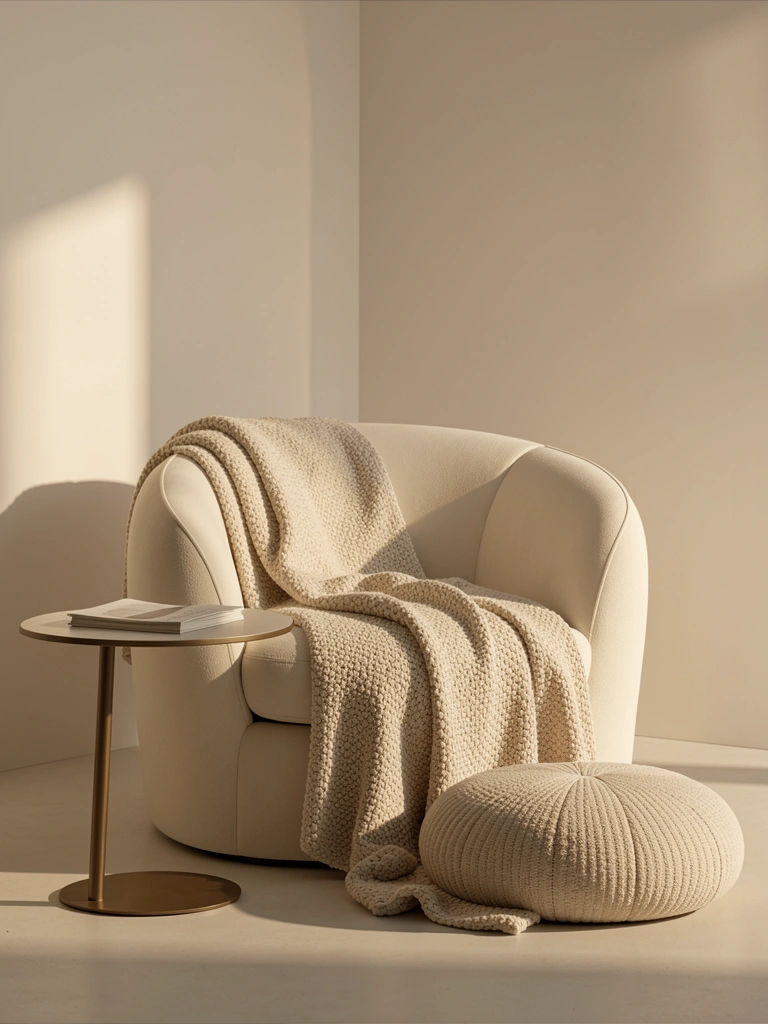
    6. Choose Arched Mirrors to Soften Hard Angles

    Arched mirrors work in nearly every décor style because curves naturally soften modern’s sharp edges. The shape is classic without feeling dated—it bridges traditional and contemporary beautifully.

    Shop arched mirrors at West Elm ($120-$250), Wayfair ($60-$180), or Anthropologie ($100-$220). Sizes span 24″-40″ in height; most come in wood or metal frames. Installation takes 20-30 minutes with a level and wall anchors. Budget option: buy a basic arched mirror at Target ($40-$80) and upgrade the frame with paint or stain if needed. Renter hack: lean a large arched mirror against the wall behind a console table for impact without drilling.

    The gentle arch creates visual harmony in rooms where walls meet at hard corners. You’ll notice the space feels more balanced and serene—less angular, more welcoming.

    7. Install a Frameless Mirror Behind Floating Shelves

    A frameless mirror behind floating shelves is a styling trick that makes small shelving systems look like gallery displays. The mirror backdrop forces items forward and makes curated collections feel more intentional.

    Mount floating shelves at IKEA ($15-$40 each), Target ($20-$60), or Home Depot ($25-$80). Hang a frameless mirror (24″x36″ or 30″x40″) directly behind them using heavy-duty brackets. The mirror weight should be supported by sturdy wall anchors rated for 50+ pounds (check hardware ratings). Total time: 45 minutes to 1 hour if you’re installing shelves and mirror together. Pro tip: hire a handyman ($75-$150) if you’re not comfortable finding studs—this installation requires precision.
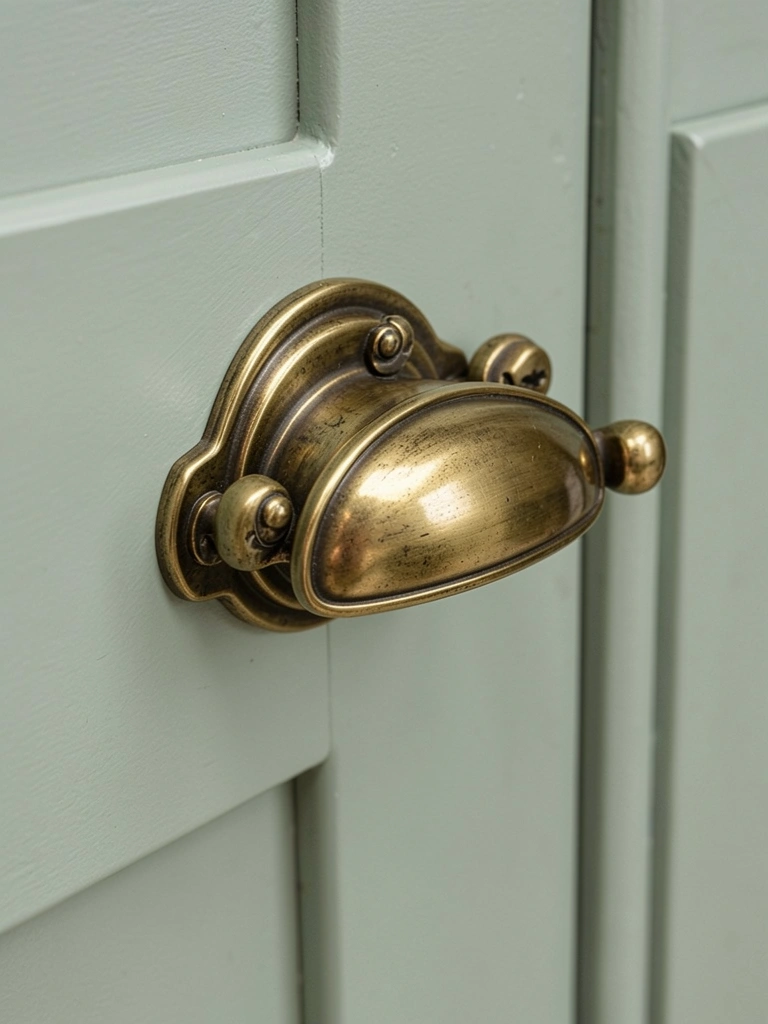
    Your shelves instantly become a styled display that photographs like a magazine spread. The mirror creates depth, multiplies light, and makes even a modest collection look curated and intentional.

    8. Paint a Bold Wood Frame for DIY Personality

    A thrifted wooden-framed mirror + paint = custom statement piece for under $30. This DIY idea gives you complete control over color and lets you match your existing décor exactly.

    Find a wooden-framed mirror at thrift stores ($5-$15), estate sales, or Facebook Marketplace. Grab paint in your chosen color—try deep jewel tones, soft pastels, or warm earth tones ($8-$12 per quart). Clean the frame, tape off the mirror with painter’s tape, and apply 2-3 coats of paint ($20 total time: 2 hours including drying). Seal with matte polycrylic ($6) if you want protection. No special skills required.

    Your custom mirror becomes a true focal point that matches your color scheme perfectly. People are always surprised it’s DIY—the finished look rivals store-bought pieces costing 3-5x more.

    9. Hang a Marble-Veined Mirror for Luxury Texture

    Marble-veined mirrors add instant luxury without actual marble prices. The veining catches light and adds visual interest that plain frames can’t match. Even small bathroom mirrors feel elevated with this detail.

    Search for marble-veined mirrors at Wayfair ($70-$180), West Elm ($100-$250), or Etsy ($60-$200). Most feature marble-look finishes in black-and-white or gray veining over resin or composite materials (not actual marble, which is heavy and fragile). Installation takes 15-20 minutes with standard wall anchors. Budget dupe: spray-paint a frame with faux marble spray paint ($12, 30 minutes) from craft stores—results aren’t identical but they’re surprisingly convincing.

    The veining mimics high-end materials, making your room feel more polished. Guests notice the detail immediately, and you’ll love how it grounds the space with quiet elegance.

    10. Install LED Backlighting Behind a Frameless Mirror

    LED backlighting transforms a basic mirror into functional art that brightens your bathroom or vanity area while adding a luxury vibe that feels like a spa retreat.

    Buy a large frameless mirror ($40-$100) and LED strip lights ($15-$40) from Amazon or Home Depot. Choose warm white (2700K) for bedrooms or cool white (4000K) for bathrooms. Mount the mirror using wall anchors, then adhere LED strips along the frame’s back edges using 3M strips. Total time: 30-40 minutes. Plug into a standard outlet (strips come with USB or plug adapters). Budget option: use peel-and-stick LED strips ($10-$20) for a removable, renter-friendly installation.

    Your mirror becomes a light source, which means better visibility and mood lighting in one go. Bathrooms look visibly brighter, and you’ll actually want to spend time at your vanity.

    11. Use Oversized Framed Mirrors in Small Rooms

    An oversized framed mirror in a small room creates the illusion of a second window and doubles your perceived square footage. The frame adds personality while the size does the heavy lifting.

    Find oversized framed mirrors (36″x48″ or 40″x50″) at Wayfair ($80-$200), IKEA ($60-$120), or furniture stores ($100-$300). Lean it against a wall (renter-safe, zero installation) or hang it with heavy-duty wall anchors rated for 60+ pounds. If you’re not comfortable drilling, lean-to mirrors with stands ($70-$150) work beautifully and move easily. Installation (if hanging): 20-30 minutes.

    The oversized frame becomes a statement piece that anchors the room while the mirror itself makes the space feel significantly larger. Natural light bounces around more efficiently, so you might even feel less need for artificial lighting.

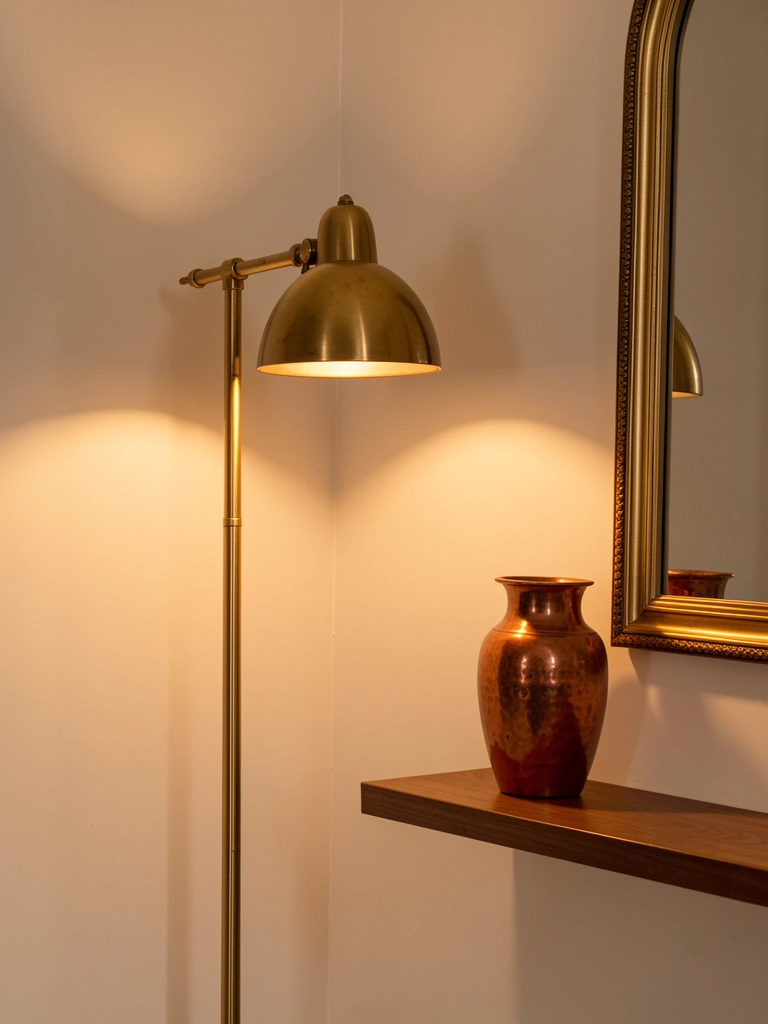
    12. Create a Minimal Look with Ultra-Thin Frameless Designs

    Ultra-thin frameless mirrors are minimalism at its purest—just glass and polish. They disappear into walls while maximizing light, perfect for anyone who believes less is more.

    Shop ultra-thin frameless mirrors ($40-$120) at Design Within Reach, Article, or Wayfair. Most measure 24″-36″ in width; the thinness is the design feature. Hang using minimal metal brackets designed for frameless mirrors (usually included) and wall anchors. Installation takes 20 minutes. DIY workaround: buy a standard mirror and have a glass company polish the edges for a frameless appearance ($30-$50, 3-5 business days).

    The ultra-thin profile reads as intentional and curated rather than basic. Your wall becomes a study in simplicity, and the minimal visual weight means the mirror blends rather than dominates.

    13. Mix Metal Finishes in a Coordinated Set

    Mixing metal finishes used to be a décor no-no, but now it’s a trend. Three mirrors in brass, matte black, and rose gold feel intentional and collected, not mismatched.

    Choose three mirrors in similar shapes but different metal finishes. Source from IKEA, Target, and Wayfair ($25-$60 each, $75-$180 total). Arrange them asymmetrically on your wall—stagger heights and spacing so they read as curated. Use a level and painter’s tape to plan placement before drilling. Installation time: 45 minutes to 1 hour. Pro tip: keep frame styles minimal so the finish variations shine; ornate frames in mixed metals can feel chaotic.

    The mixed metals feel collected and intentional—like you found them over time rather than buying a matched set. Your wall becomes a conversation starter and feels more personal than a single statement mirror.

    14. Mount a Round Frameless Mirror in a Modern Bedroom

    Round frameless mirrors bring soft geometry to modern bedrooms while keeping lines clean. The shape is calming and the lack of frame makes it feel contemporary rather than traditional.

    Find round frameless mirrors in sizes 24″-36″ ($30-$80) at IKEA, Target, or Amazon. Mount using a specialized round mirror bracket system (usually two-part, rated for weight) and wall anchors. Installation takes 20 minutes. Renter hack: lean a round mirror against the wall or use adhesive mirror hangers ($10-$20, removable without damage). Budget option: thrift a wood-framed round mirror and remove the frame by carefully prying it off, then polish edges.

    The soft circle grounds your bedroom visually while keeping the aesthetic modern and clean. You’ll love how peaceful the rounded shape feels compared to angular mirrors.

    15. Add Rattan or Natural Wood Frames for Coastal Style

    Natural material frames like rattan and wood bring organic warmth and texture that screams coastal calm. They work in bathrooms, bedrooms, and entryways without feeling trendy or temporary.

    Search for rattan or wood-framed mirrors ($50-$150) at Wayfair, Anthropologie, or West Elm. Look for 24″-36″ sizes in natural finishes. If you can’t find exactly what you want, buy a basic framed mirror ($20-$40) and wrap the frame with rattan webbing ($10-$20) using strong adhesive—craft stores sell supplies. DIY time: 30 minutes. Direct installation: 20 minutes with standard wall anchors.

    The natural texture makes your space feel immediately warmer and more inviting. Rattan catches light softly and adds visual interest without competing with your other décor, giving your room an effortlessly curated coastal vibe.

    16. Lean a Floor-to-Ceiling Mirror for Instant Drama

    A floor-to-ceiling lean-to mirror is the ultimate space expander and requires zero permanent installation—perfect for renters or anyone hesitant about commitment.

    Buy a tall lean-to mirror (54″-72″ height) from IKEA ($80-$150), Target ($70-$130), or Wayfair ($100-$200). Choose a frame style that matches your aesthetic—minimal metal, wood, or simple designs work best. Lean it against the wall (no installation needed), or use a temporary mirror stand ($50-$100) for extra stability. Setup time: 5 minutes. Prop it in a corner or against a focal wall to maximize the reflection impact.

    Your entire room feels twice as spacious and twice as bright instantly. The mirror becomes a statement piece while functioning as pure practical magic—wear it like the accessory it is.

    17. Frame a Mirror with Sustainable or Reclaimed Wood

    Reclaimed or sustainable wood frames add character and story. Each grain pattern is unique, so your mirror becomes one-of-a-kind without feeling like a trendy statement piece.

    Source reclaimed wood mirrors from Etsy ($80-$250), local woodworkers, or specialty shops. Alternatively, buy a plain mirror and commission a local carpenter ($100-$300) to build a custom frame from reclaimed wood. DIY option: find salvage wood at architectural salvage yards ($10-$30) and build a simple frame yourself with wood glue and finishing nails—YouTube tutorials make it doable. Budget: 45 minutes to 2 hours depending on skill level.

    The natural imperfections in reclaimed wood create visual warmth that new materials can’t replicate. Your mirror tells a story of sustainability, and guests appreciate the thought behind choosing reclaimed materials over mass production.

    18. Install a Mirror Vanity with Built-In Storage

    A mirror-with-storage combo solves two problems at once: you get a good mirror for morning routines plus places to stash daily essentials, which is huge in small bathrooms.

    Find mirrors with integrated shelving ($100-$250) at Wayfair, Amazon, or specialty bathroom retailers. Most include two to four shelves built into the frame. Mount securely using heavy-duty wall anchors rated for combined mirror-plus-item weight (typically 50-80 pounds). Installation takes 30-40 minutes. Budget option: mount a regular mirror above floating shelves ($15-$40 each) to create your own storage effect at a fraction of the cost.

    You instantly gain counter space and reduce bathroom clutter. Everything you use daily is within arm’s reach, and the organized look makes your bathroom feel more spacious and intentional.
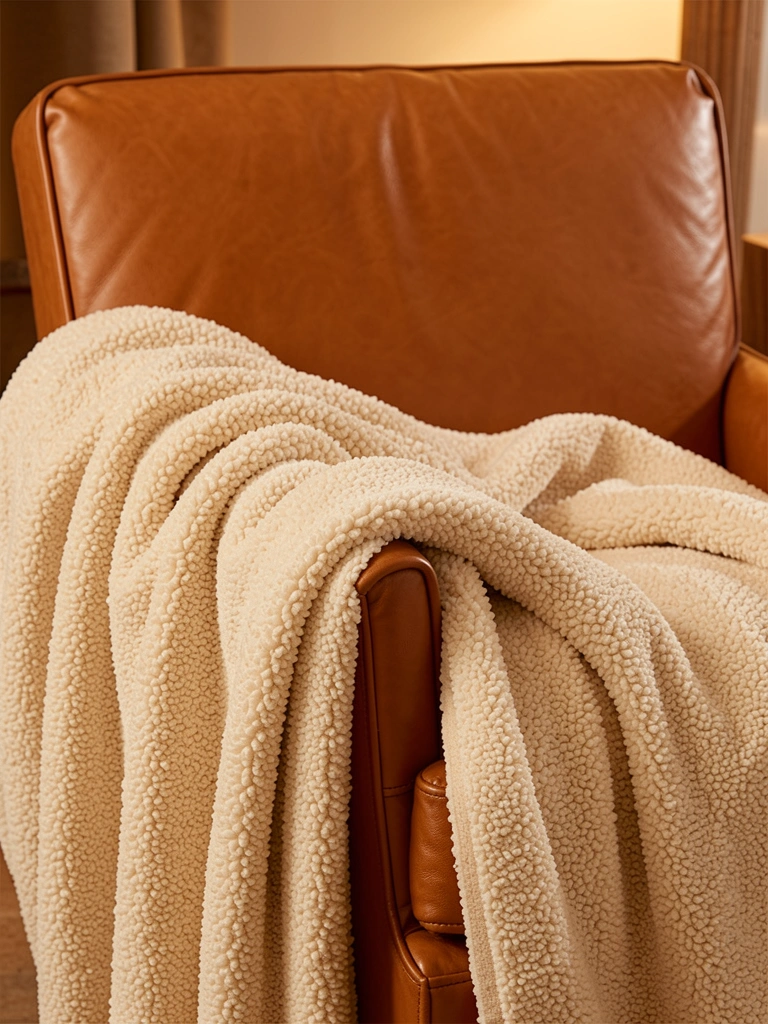
    19. Use a Gold Leaf or Metallic Finish Frame for Luxury

    Gold leaf frames are the quiet luxury update—not shiny or brassy, but warm and sophisticated. They work in traditional, modern, and eclectic spaces without feeling dated.

    Hunt for gold leaf or metallic frame mirrors ($80-$180) at Anthropologie, Etsy, or high-end home décor sites. If you love DIY, buy a basic wooden frame mirror and apply gold leaf yourself ($15-$25, 1-2 hours) using leaf kits from craft stores. Mount with wall anchors rated for frame weight (usually 20-30 pounds for standard sizes). Installation: 15 minutes.

    The warm metallic finish catches light and adds quiet sophistication without screaming “look at me.” Your entryway or powder room instantly feels more polished, and the gold complements nearly every other color in your home.

    20. Create an Asymmetrical Gallery Wall with Mixed Frames

    An asymmetrical gallery combining framed and frameless mirrors is maximalist done right—busy but intentional, never chaotic. This approach celebrates visual interest and personal style.

    Collect 6-8 mirrors in mixed styles: some framed ($15-$60 each), some frameless ($20-$50 each) from IKEA, Target, Wayfair, and Etsy. Choose a unifying element: all cool metal finishes, all warm wood tones, or all similar sizes (even if shapes vary). Lay them on the floor and arrange before hanging. Mount using appropriate hardware for each mirror type (wall anchors, specialized frameless brackets). Allow 2-3 hours for planning and installation, or hire a handyman ($100-$150) for precision.

    The mixed collection reads as intentional and artistic rather than random. Each mirror adds both function and visual texture, turning your wall into a gallery that reflects your personal taste and style evolution.

    21. Hang a Statement Mirror with Integrated Shelving

    Integrated shelving around or beside a mirror is a design-forward way to add storage and display space without mounting separate pieces.

    Look for mirror-with-shelving units ($150-$350) on Wayfair, Article, or specialist home sites. Most come as single-unit installations combining the mirror and shelves. Mount using heavy-duty wall anchors and a stud finder (critical for weight distribution). Installation time: 40 minutes to 1 hour. DIY approach: mount a statement mirror, then add a floating shelf ($15-$40) on each side using separate brackets for a custom look at half the price.
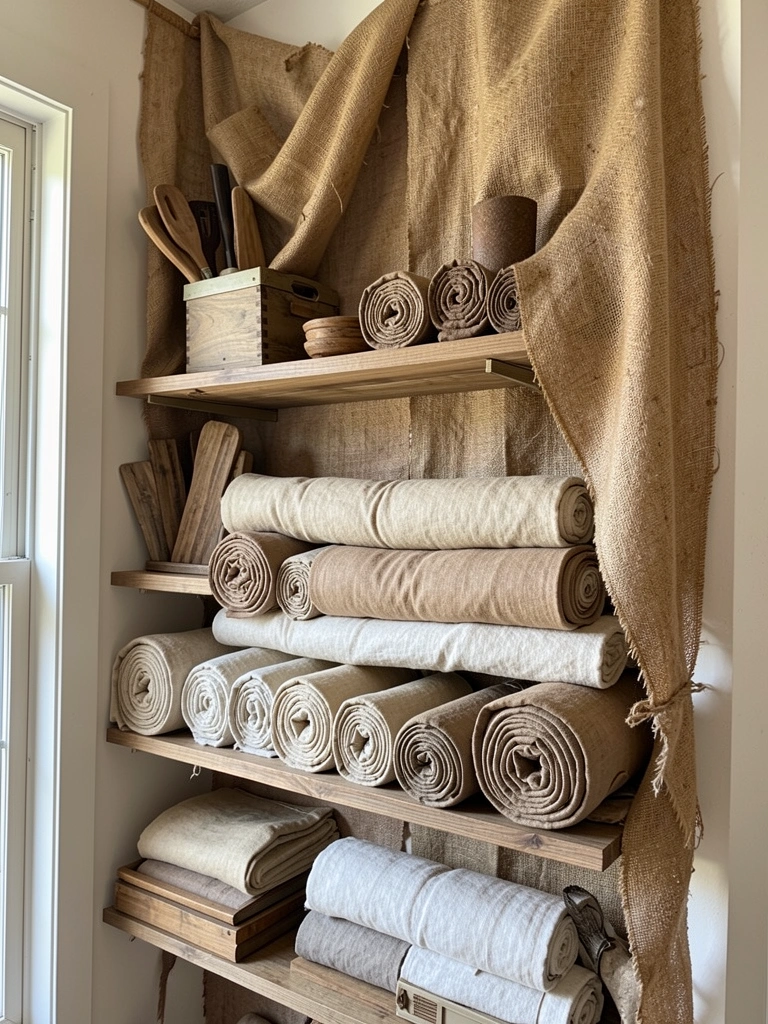
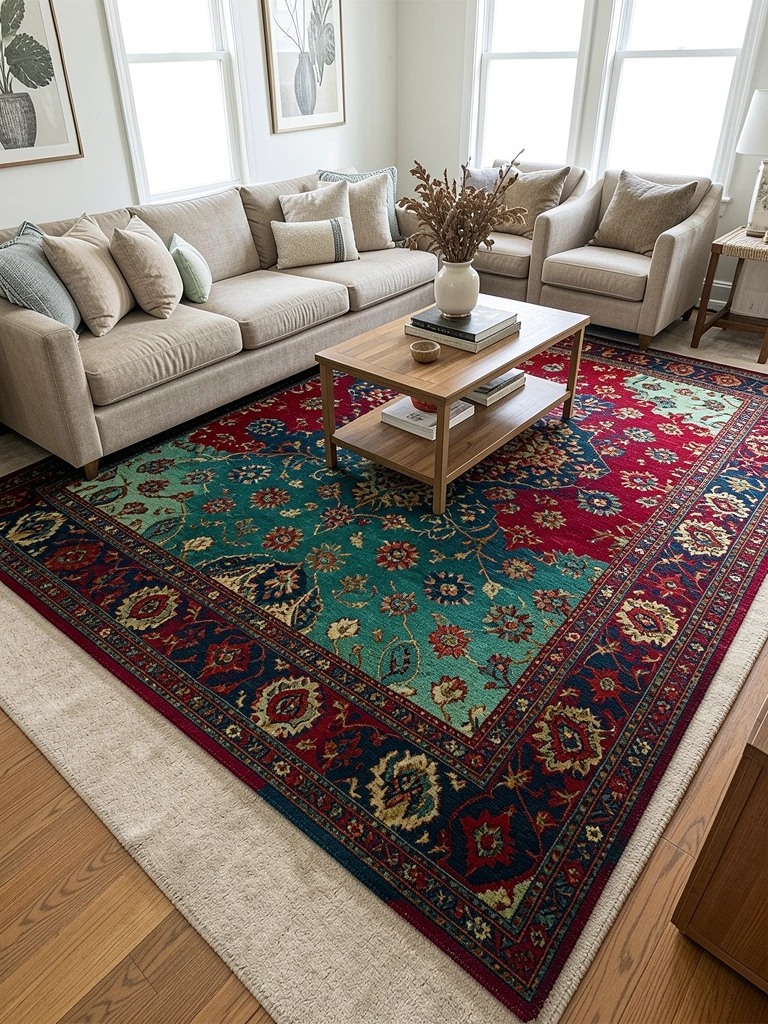
    You gain display space and a functional mirror in one cohesive piece. Styled shelves become part of your mirror display, creating a layered, gallery-like focal point that feels intentionally designed.

    22. Choose a Geometric or Hexagonal Frame for Modern Edge

    Geometric frames push your décor beyond circles and rectangles, adding architectural interest without being playful or whimsical. Hexagons and asymmetrical shapes read as intentionally modern.

    Find geometric mirrors ($60-$150) at Wayfair, Article, or specialized modern furniture retailers. Look for hexagons, pentagons, or asymmetrical shapes. Most work best in metal frames; wood can read as too trendy. Mount using standard wall anchors and a level (the angles require precision). Installation: 20-25 minutes. Budget option: DIY a geometric frame using wood or metal trim, then fit a mirror inside ($30-$50 in materials, 1-2 hours).

    The geometric shape adds a sculptural quality that elevates your space beyond standard mirrors. Modern without being cold, the sharp lines add personality while respecting a minimal aesthetic.

    23. Paint the Wall Behind Your Mirror for Added Depth

    Painting the wall behind your mirror frames it visually and adds depth to your room. A contrasting color draws your eye and makes the mirror a true focal point rather than an afterthought.

    Choose a paint color that contrasts with your mirror frame (dark walls with brass mirrors, light walls with black frames, colorful walls with minimal frames). Grab paint ($15-$25 per quart) from any hardware store in your chosen shade. Prime if needed, then paint the wall area behind and around your mirror ($20-$40 in supplies, 3-4 hours including drying). Mount your mirror after paint dries. Pro tip: use painter’s tape to mark your mirror’s footprint before painting, so you know exactly where it’ll hang.

    The accent wall transforms your mirror from a functional object into a designed focal point. The contrast adds dimension and draws people’s eyes—suddenly your mirror feels like intentional décor rather than a practical necessity.

    Save this post and pick your first mirror upgrade this weekend. Whether you go frameless for space or framed for personality, one small change shifts how your whole room feels—and honestly, your space deserves that attention.