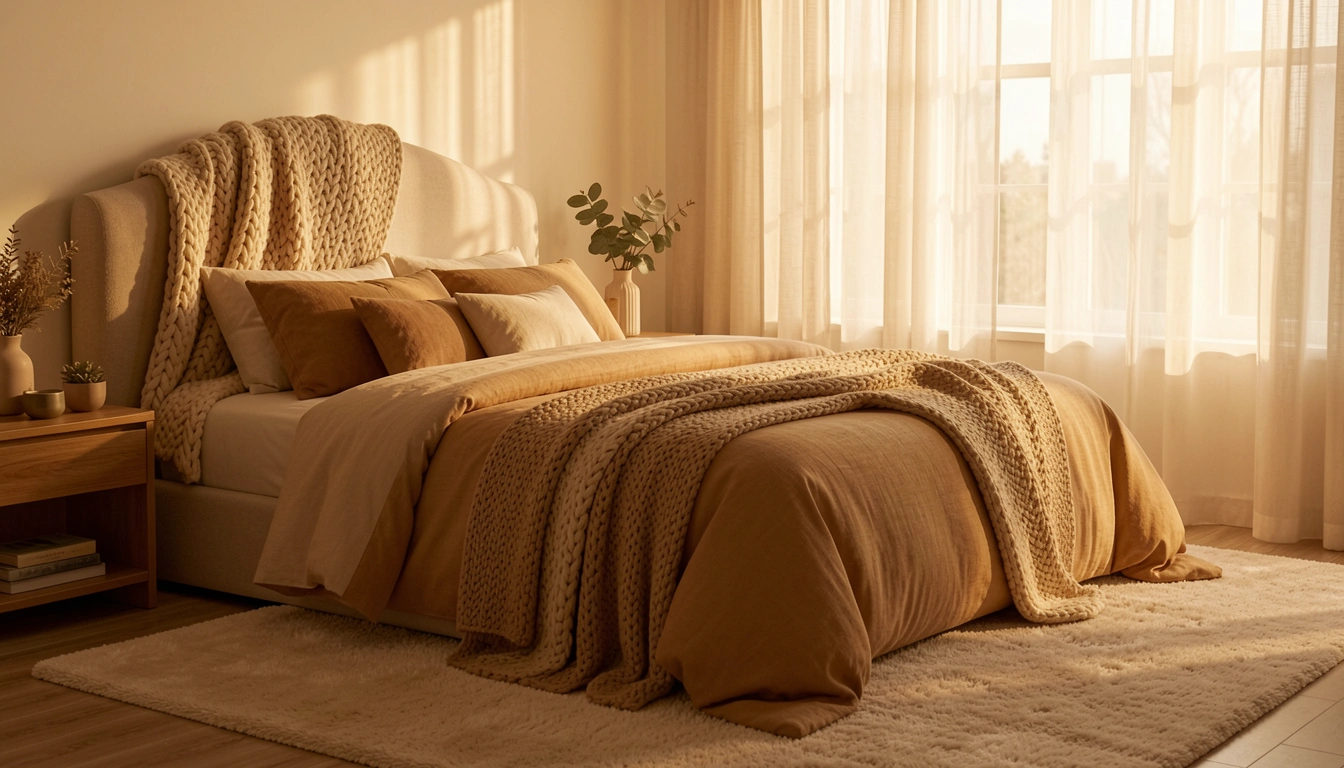
There’s something magical about a bedroom that actually feels like a sanctuary. You know the feeling—that moment when you walk in and immediately exhale, when everything in the space seems designed just for rest and comfort. But creating that feeling doesn’t require a major renovation or a designer budget. We’ve rounded up 25 achievable ideas that combine the trending styles we’re seeing everywhere (curved furniture, textured layers, warm colors) with practical upgrades that actually improve how you sleep and feel. Whether you’re renting, homeowning, or working with a small space, you’ll find mix-and-match solutions that fit your budget and timeline. Let’s turn your bedroom into the cozy retreat you deserve.
1. Paint Your Walls a Warm Neutral with Depth
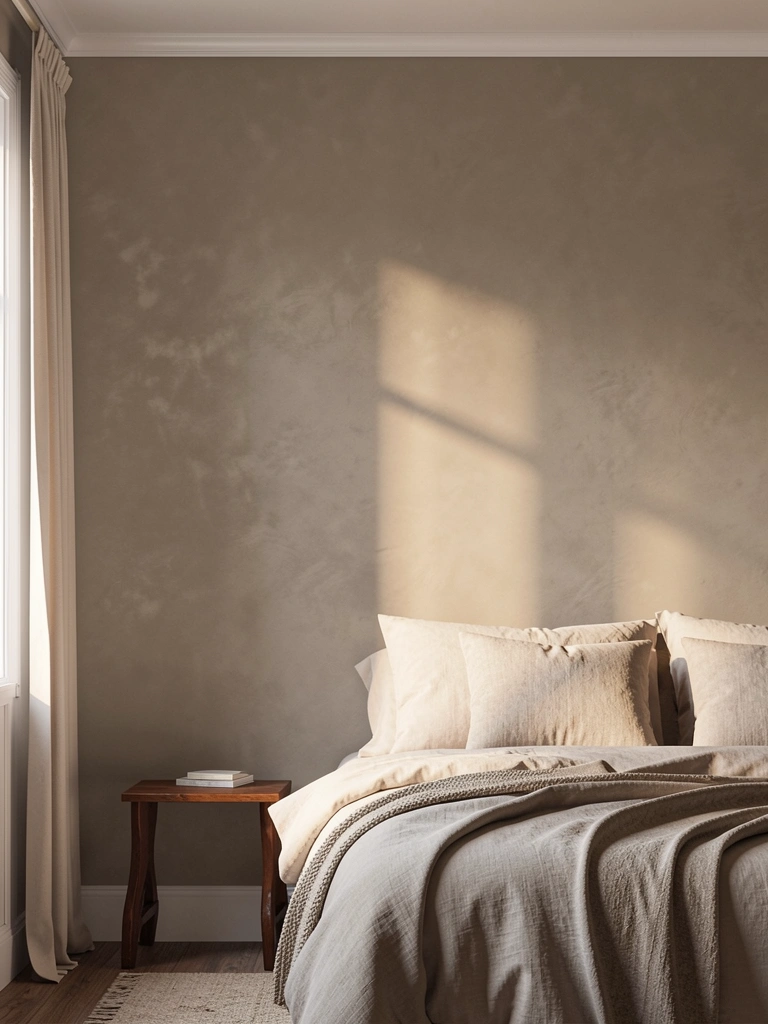
Color matters more than you’d think when it comes to how restful your bedroom feels. Instead of going stark white or cold gray, a warm neutral like greige, warm taupe, or soft mushroom creates an envelope of calm that actually makes you want to stay in bed longer.
Paint is one of the cheapest ways to completely reset a room’s energy. One gallon of quality paint costs $25–$45, and you can DIY it in a single afternoon. Brands like Benjamin Moore, Sherwin-Williams, or even budget-friendly options from Home Depot give excellent results. If you’re renting, ask your landlord about using washable paint or test a removable peel-and-stick wallpaper alternative.
Pro tip: Paint one accent wall first to test how the color shifts with your bedroom’s lighting before committing to all four walls.
The payoff is immediate—your entire room feels more intentional, and the warm undertones make you feel held rather than exposed.
2. Layer Your Lighting for Mood and Function
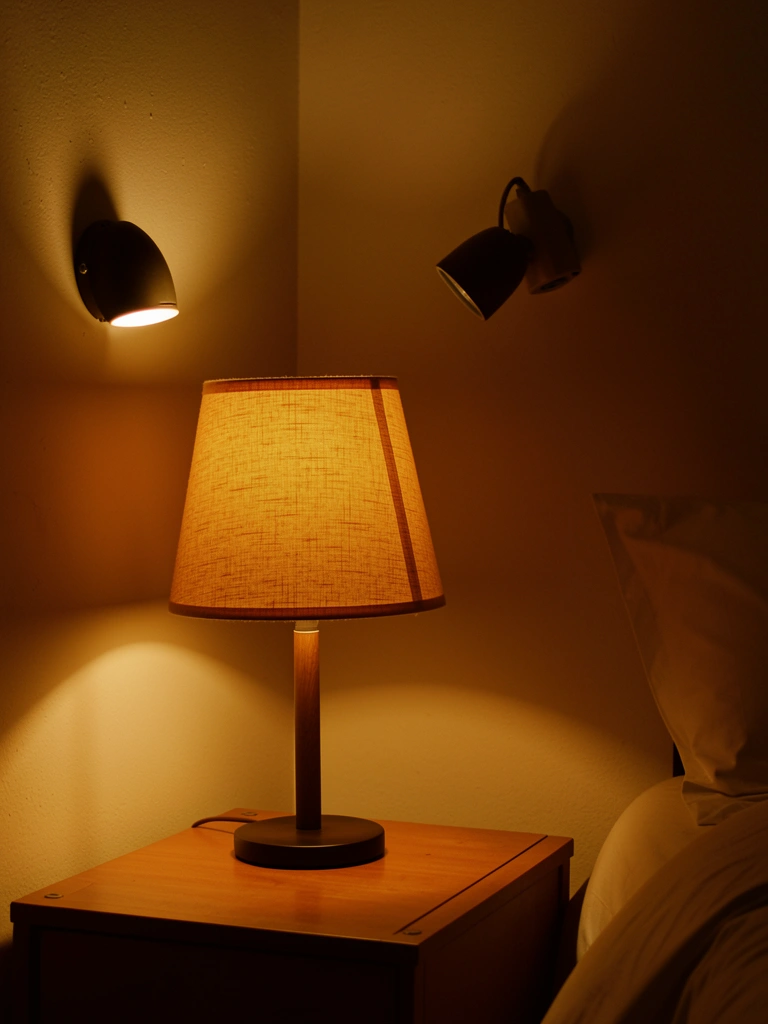
Single-bulb overhead lighting is the enemy of coziness. Layered lighting—ambient, task, and accent—lets you adjust the room’s mood based on what you need: winding down, reading, or getting ready.
Start with a dimmer on your ceiling fixture ($15–$30 for the dimmer, professional installation adds $50–$100 if needed). Add a warm bedside lamp (Target or West Elm, $40–$80) and consider a wall-mounted reading light or LED strip behind a floating shelf ($20–$60 on Amazon). The key is using bulbs with warm color temperature—look for 2700K on the packaging, which mimics sunset and signals your brain it’s time to rest.
Bonus: Smart bulbs let you set schedules that gradually dim in the evening, supporting your natural sleep cycle.
You’ll notice the difference the first night—your brain finally gets the signal to wind down instead of staying in alert-mode under harsh white light.
3. Invest in Quality Sheets and Swap Seasonally
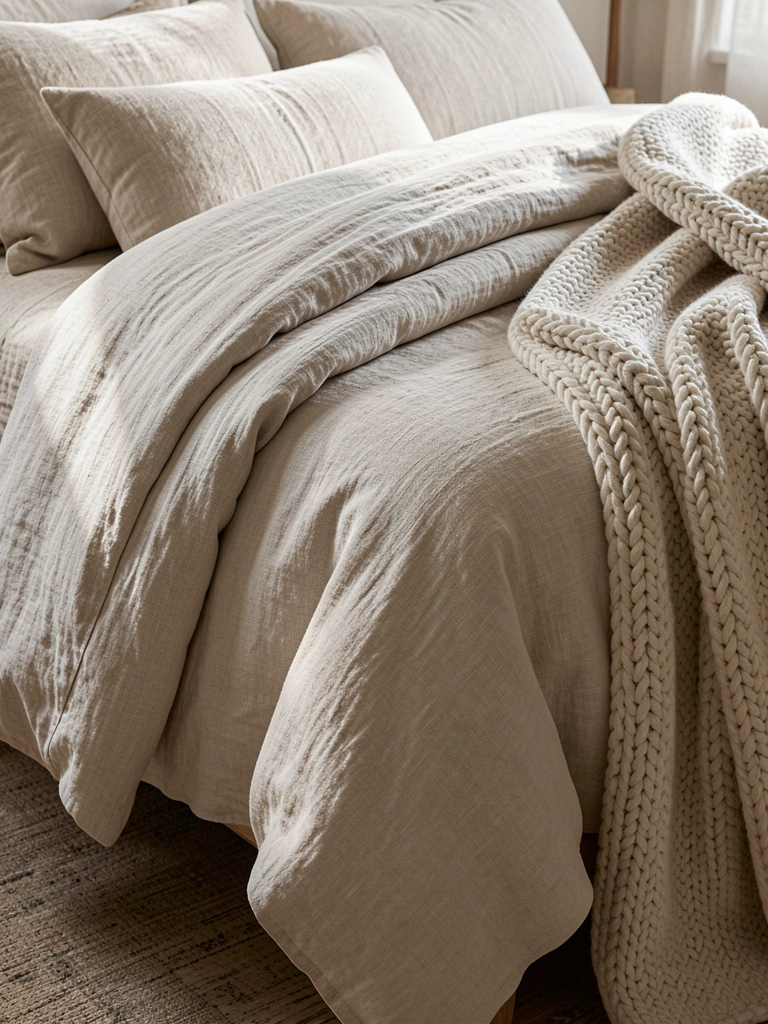
You spend a third of your life in bed, so sheets are worth the investment. Quality sheets make a measurable difference in how well you sleep—they breathe better, feel softer, and hold their texture for years.
Look for linen or high-thread-count cotton (400–600 is the sweet spot; anything higher is marketing fluff). Brands like Parachute ($100–$150 per set), Brooklinen ($80–$120), or even target’s Threshold line ($30–$50) offer solid options. Seasonal swaps matter too: lightweight linen for summer, brushed cotton for winter. Most people spend $50–$100 per set and rotate 2–3 sets so you always have one in the wash.
Pro tip: Egyptian cotton and linen blends offer the softness of cotton with linen’s durability—often cheaper than pure linen.
Great sheets don’t just feel better—they actually improve sleep quality, and you’ll wake up feeling less crumpled and more rested.
4. Add a Statement Headboard with Curves
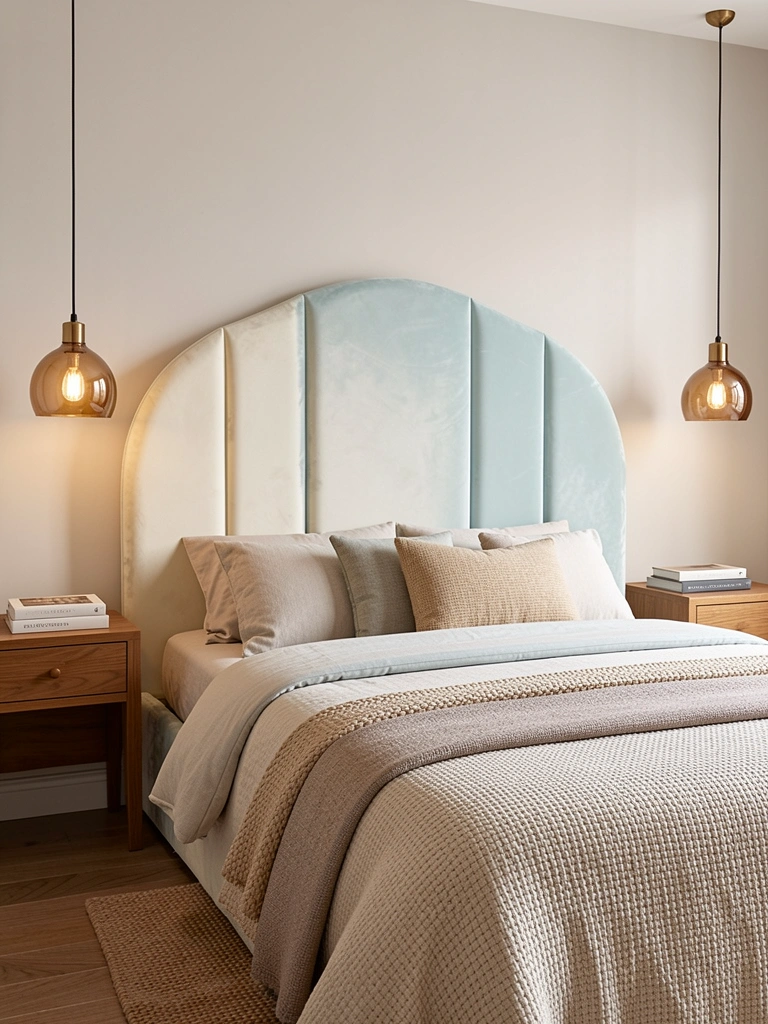
A curved headboard has become the focal point of choice in 2025—it’s softer than traditional geometric shapes and creates instant visual interest without taking up more floor space.
You can buy pre-made curved headboards on Wayfair, West Elm, or 1stDibs (usually $200–$600 for mid-range quality), or DIY one by attaching upholstered panels to your wall using a template from Pinterest (materials cost $75–$150, takes a weekend). Even renters can use a freestanding curved headboard that leans against the wall. Look for upholstered versions in linen, velvet, or performance fabric so they’re easy to clean.
Bonus: A curved headboard makes the space feel more intentional and photographs beautifully—your bedroom will look magazine-worthy instantly.
This single piece anchors the entire room and actually makes smaller bedrooms feel larger by softening harsh corners.
5. Layer Textured Rugs for Warmth and Sound
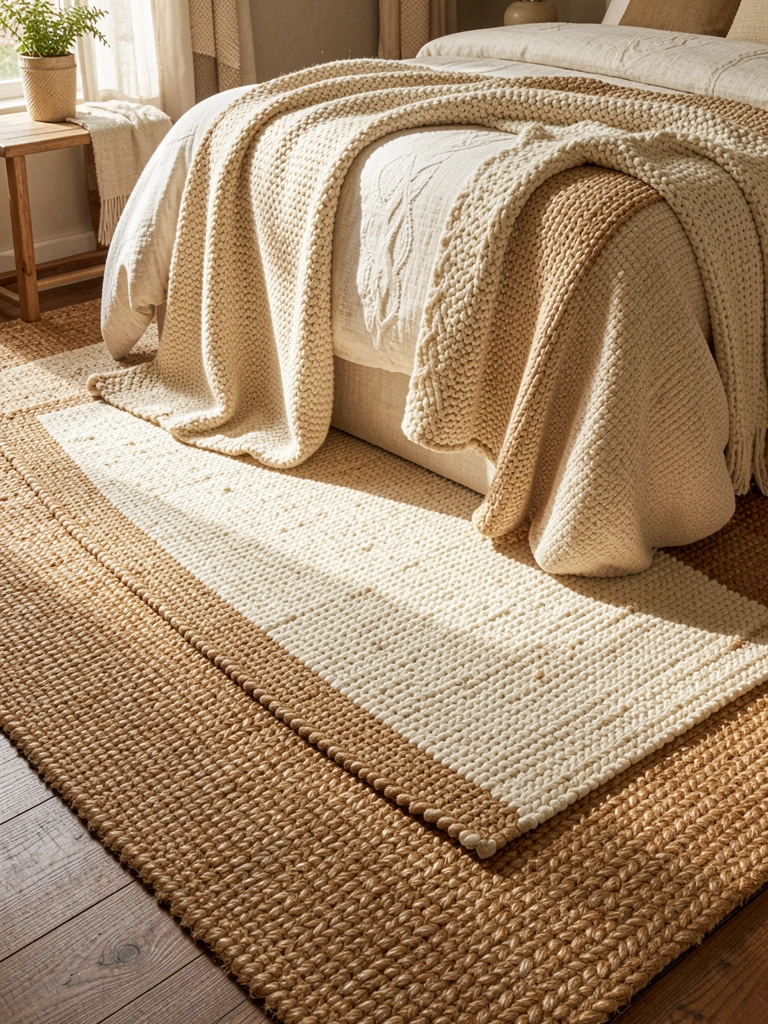
Bare floors feel cold—both literally and emotionally. Layered rugs (one large base rug, one accent rug on top) add warmth, reduce noise, and create that cushioned-step feeling you get in luxury hotels.
Start with a jute or low-pile wool base rug in a neutral tone ($100–$300 for 8×10, available at Target, IKEA, or Amazon). Layer a smaller high-pile or woven accent rug on top ($50–$150). This combo costs less than a single expensive rug, gives you more texture, and lets you swap the accent rug seasonally for a fresh look without breaking the bank.
Pro tip: Use a non-slip rug pad underneath (about $15–$25) so layers don’t slide when you walk on them.
The moment your bare feet hit layered texture, your nervous system knows this is a comfort zone—the sensory experience alone makes sleep easier.
6. Hang Floor-to-Ceiling Curtains for Height and Drama
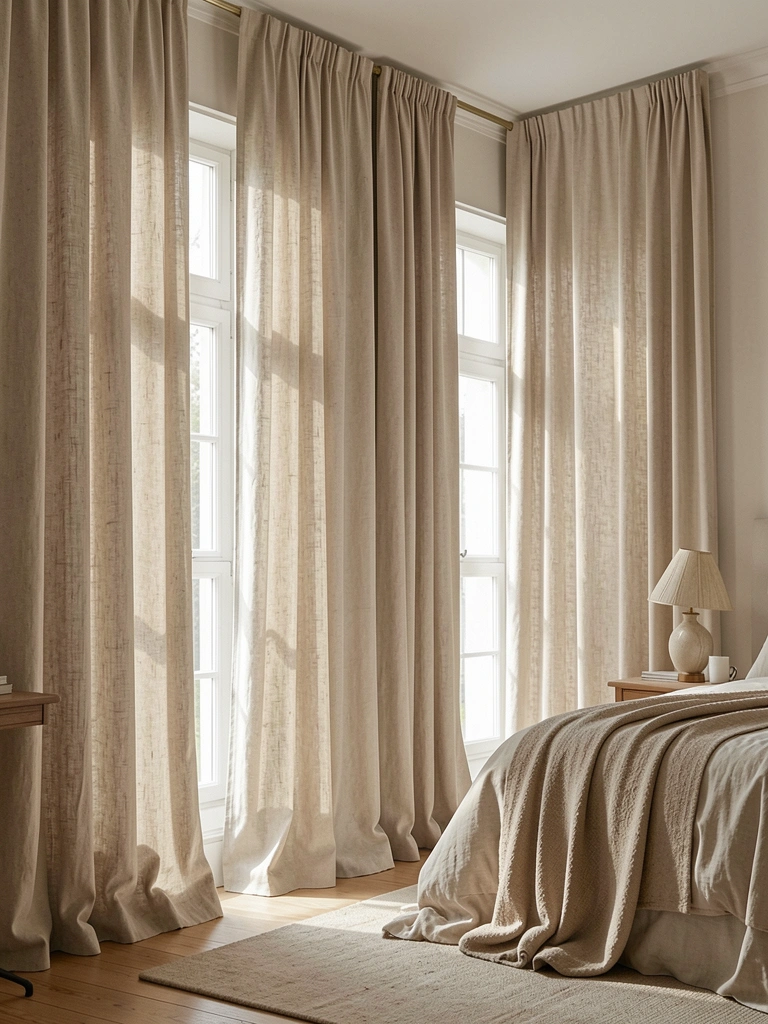
Floor-to-ceiling curtains make any bedroom feel more intentional and expensive—the eye follows the vertical line upward, visually expanding the room and making ceilings feel higher.
Measure from ceiling to floor (include 2 extra inches so curtains pool slightly at the base—this looks intentional, not accidental). For $60–$150, you can get linen or natural-weave curtains from Anthropologie, West Elm, or even budget options from Target. Install a ceiling-mounted track or rod (Home Depot, $20–$50 plus hardware) rather than wall-mounted, which emphasizes height. For renters, damage-free adhesive rods work in a pinch.
Pro tip: Choose a neutral or soft tone that complements your wall color for maximum impact without visual noise.
The transformation is almost immediate—your bedroom instantly gains a sense of architectural intention and calm.
7. Create a Cocooning Effect with Velvet Textures
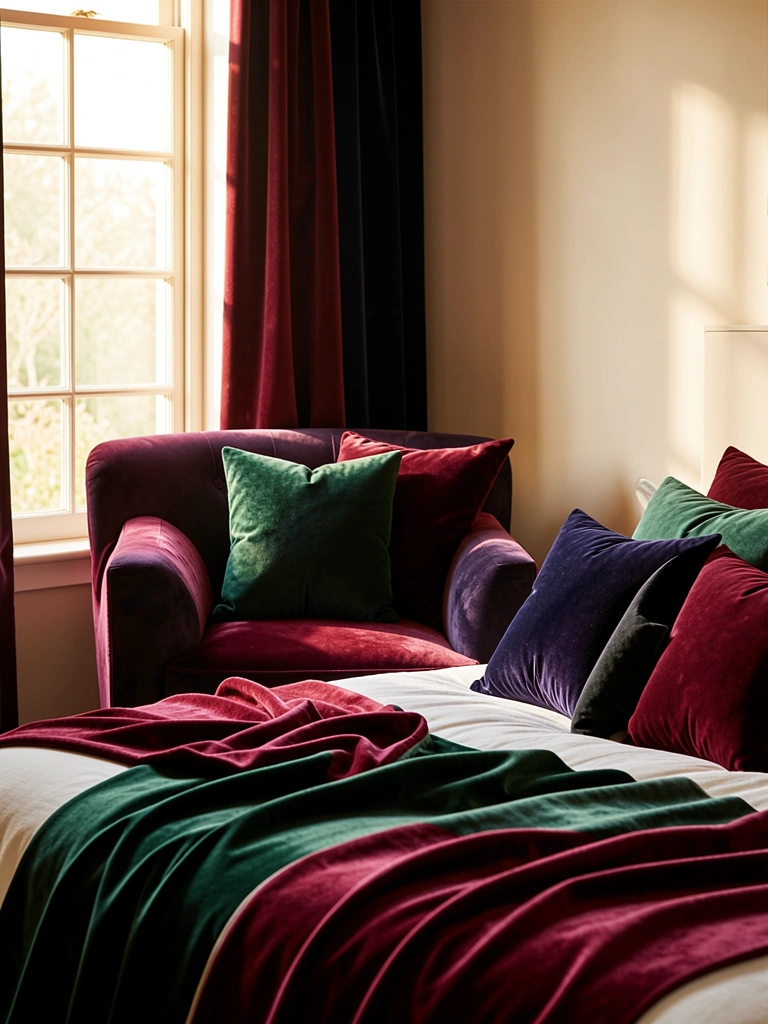
Velvet isn’t just luxurious—it actively absorbs sound and light, creating an acoustic and visual cocoon that dampens stimulation. This matters for sleep more than you’d expect.
Add velvet through small pieces first: a throw pillow ($25–$50 from Etsy or West Elm), a chair ($150–$400), or even a headboard ($300–$600). Rich jewel tones (burgundy, forest green, midnight blue, or cherry red) are trending and feel more sophisticated than pastels. Look for performance velvet if you have pets or kids—it’s softer and more durable than traditional velvet, and the price difference is minimal ($5–$10 more per item).
Bonus: Velvet pillows can be mixed with linen and cotton for a layered-texture look that’s more visually interesting than all one fabric.
The sensory input shifts when you’re surrounded by velvet—it mutes harshness and creates that “held” feeling luxury hotels are known for.
8. Paint or Paper Your Ceiling for Subtle Drama
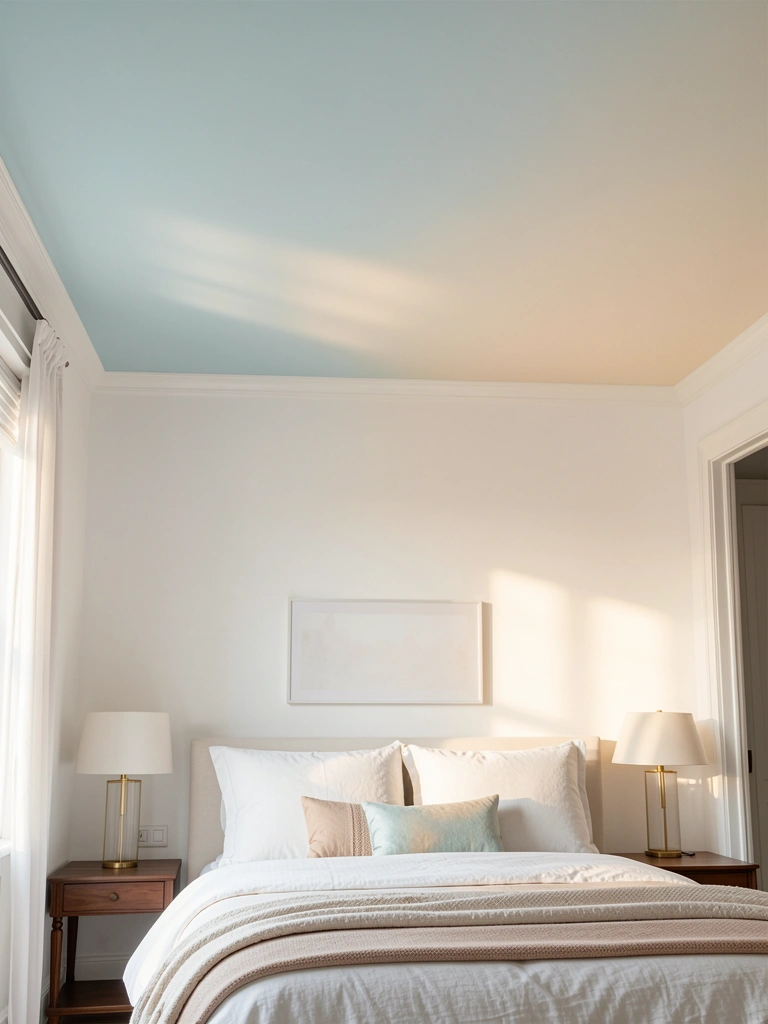
Ceilings are the most-overlooked design real estate in bedrooms. A soft color overhead (instead of stark white) creates visual depth and changes how the entire room feels—it’s like adding another layer of coziness above you.
Paint a ceiling in the same color family as your walls but slightly lighter (if walls are warm taupe, ceiling could be light greige, $25–$50 for paint plus a few hours of effort). Or try wallpaper with a subtle pattern ($30–$60 per roll, usually needs 1–2 rolls). For renters, removable wallpaper is your friend ($25–$45 and peels off cleanly). Peel-and-stick textured panels are another option ($40–$80 for a kit).
Pro tip: Start with just one wall’s worth of peel-and-stick as a test before committing to a full room.
This subtle shift changes how light plays in your room and makes the space feel more thoughtfully designed—your eye settles differently.
9. Choose Bedding in One Bold, Repeated Color
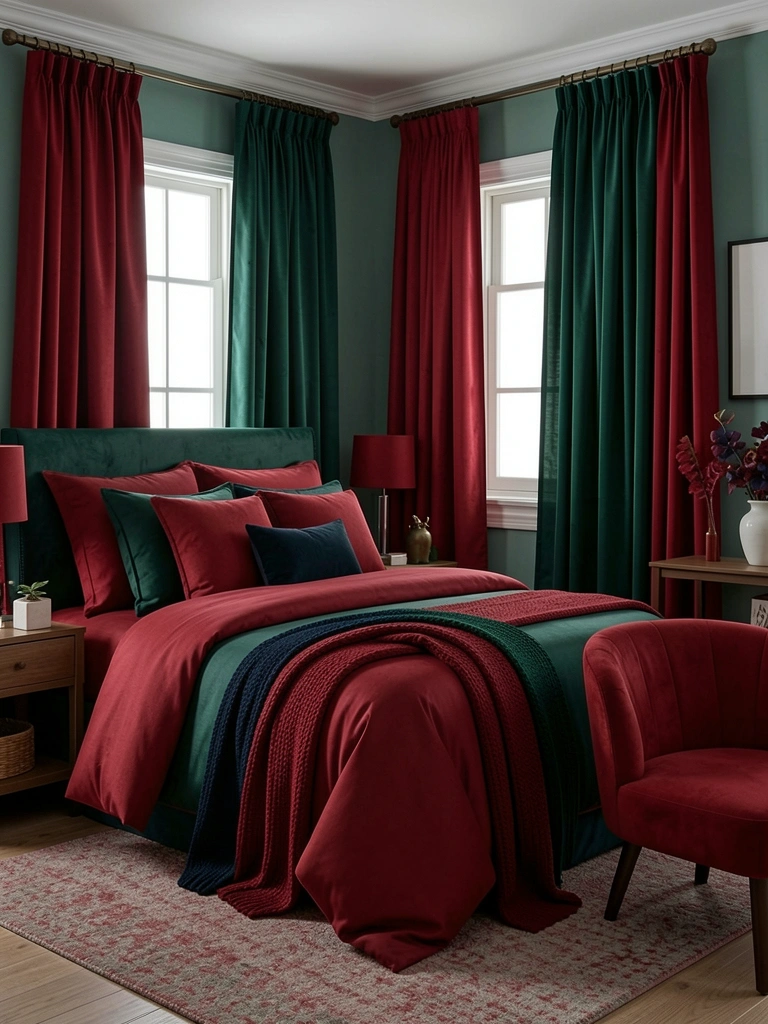
Instead of mixing multiple colors, choosing one bold color and repeating it strategically creates cohesion and feels intentional rather than chaotic.
Pick one color you love (cherry red, forest green, deep navy, or dusty plum are trending right now) and use it in your sheets or duvet ($50–$150), throw pillows ($15–$30 each), and maybe a small accent piece like a chair or throw blanket ($60–$200). The repetition signals design sophistication even on a budget. Brands like Woolroom specialize in colored natural bedding and are worth the investment if you want durability and sustainability built in.
Pro tip: Stick to one bold color and balance it with neutrals (cream, greige, natural wood) so the room doesn’t feel overwhelming.
This approach makes your bedroom feel curated and intentional—like you know exactly what you’re doing, even if you just picked one color you loved.
10. Add Plants for Biophilic Warmth and Air Quality
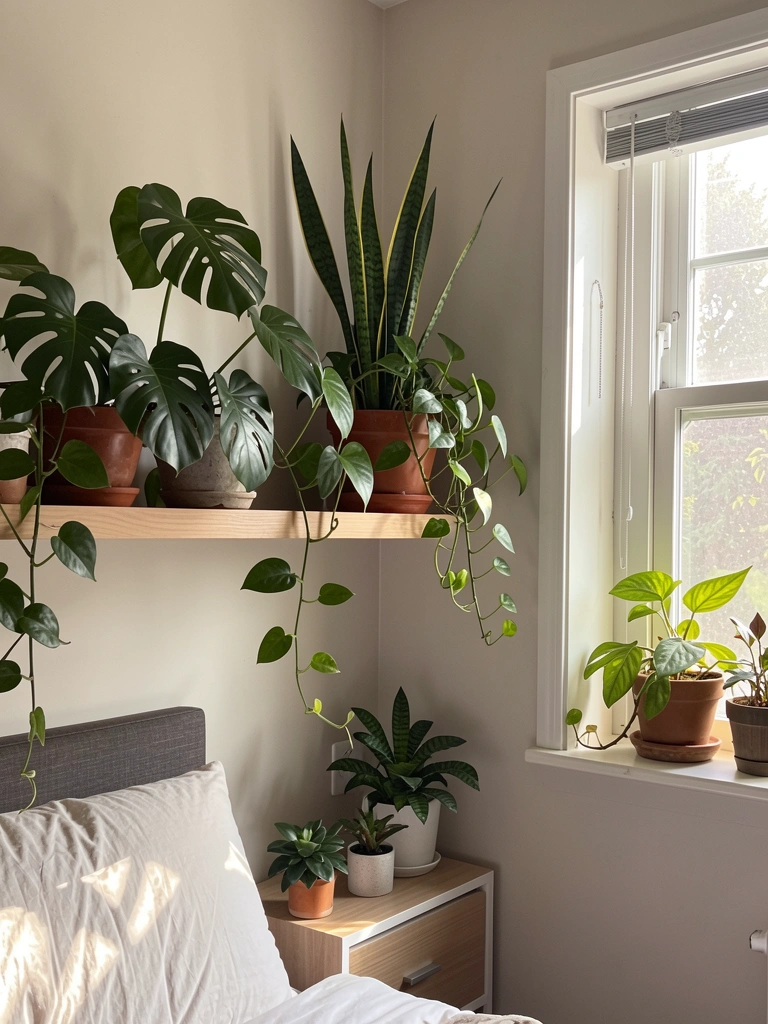
Plants aren’t just decoration—they genuinely improve air quality, reduce stress, and create a sense of aliveness in your space. Biophilic design (connecting with nature indoors) is one of the top bedroom trends right now.
Start with low-maintenance plants that tolerate low light: pothos, snake plants, or ZZ plants ($10–$25 each from local nurseries or Home Depot). Add a larger statement plant like a monstera or rubber plant ($20–$60) and a few smaller trailing plants for windowsills ($8–$15 each). Use simple ceramic or wooden planters that match your aesthetic ($10–$30 per planter). If you’re a serial plant killer, dried pampas grass or eucalyptus ($15–$30 from Etsy) gives the same visual effect with zero maintenance.
Bonus: Plants add texture and movement without adding clutter—they soften hard lines and fill empty corners.
The presence of living plants actually shifts your energy—your space feels more alive and your nervous system recognizes it as a place where growth happens.
11. Create a Designated Calm-Down Corner
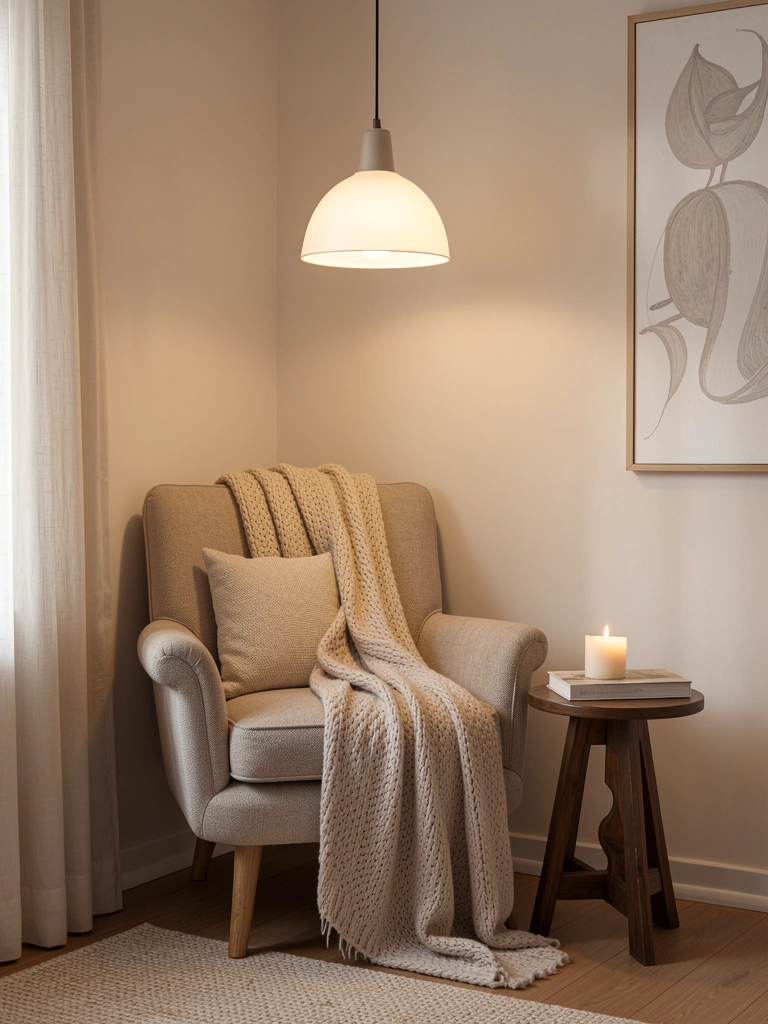
Having a dedicated space within your bedroom for reading, journaling, or just sitting creates psychological separation between “sleep zone” and “activity zone”—both improve sleep quality.
Use a corner of your room and add: a comfortable chair ($100–$300 from IKEA, Wayfair, or thrifted), a small side table ($30–$80), a soft throw blanket ($20–$60), and warm lighting via a floor lamp or pendant ($40–$100). Even in small rooms, a small cushioned bench at the foot of the bed or a reading chair in a corner works. The key is making it feel separate from your sleeping area—use a small rug to define the space (about $40–$80).
Pro tip: Keep books, a journal, or art supplies in a small basket nearby—this area should feel intentionally designed, not like an accident.
Your brain learns to associate that corner with calm activities, so when you move to the bed, your mind is already primed for sleep.
12. Swap Out Standard Pillowcases for Silk or Linen
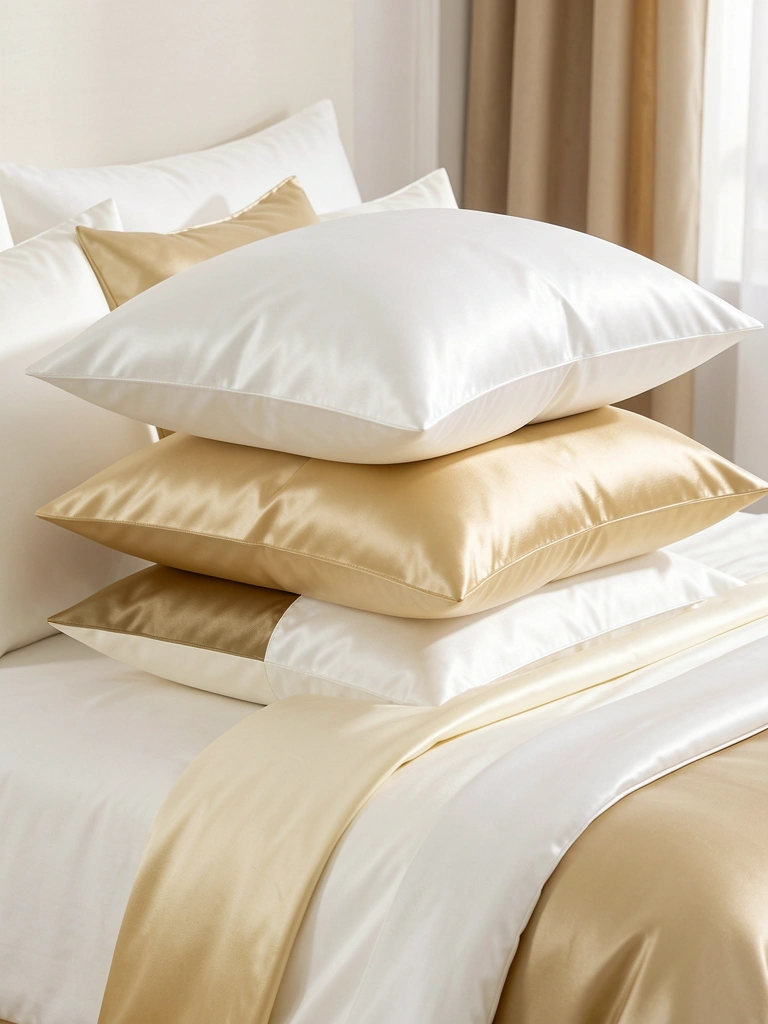
The surface touching your face for 8 hours matters—standard cotton pillowcases create friction that disrupts sleep and ages your skin. Silk and linen alternatives are game-changers.
Silk pillowcases ($20–$50 from Amazon, Etsy, or Target) reduce friction, help your hair stay smooth, and feel luxurious. Linen pillowcases ($25–$60) are more durable and get softer with every wash. Both types improve sleep quality by reducing heat and allowing your head to move smoothly. Start with one set and swap seasonally or as needed. Pro brands include Parachute and Brooklinen, but honestly, budget options from Amazon work surprisingly well.
Pro tip: Wash silk in cool water and air-dry to maintain the finish; linen can handle a normal wash cycle.
You’ll notice less hair breakage, smoother skin, and better sleep within the first week—your face and head feel less restless.
13. Build a Minimal Sustainable Wardrobe Display
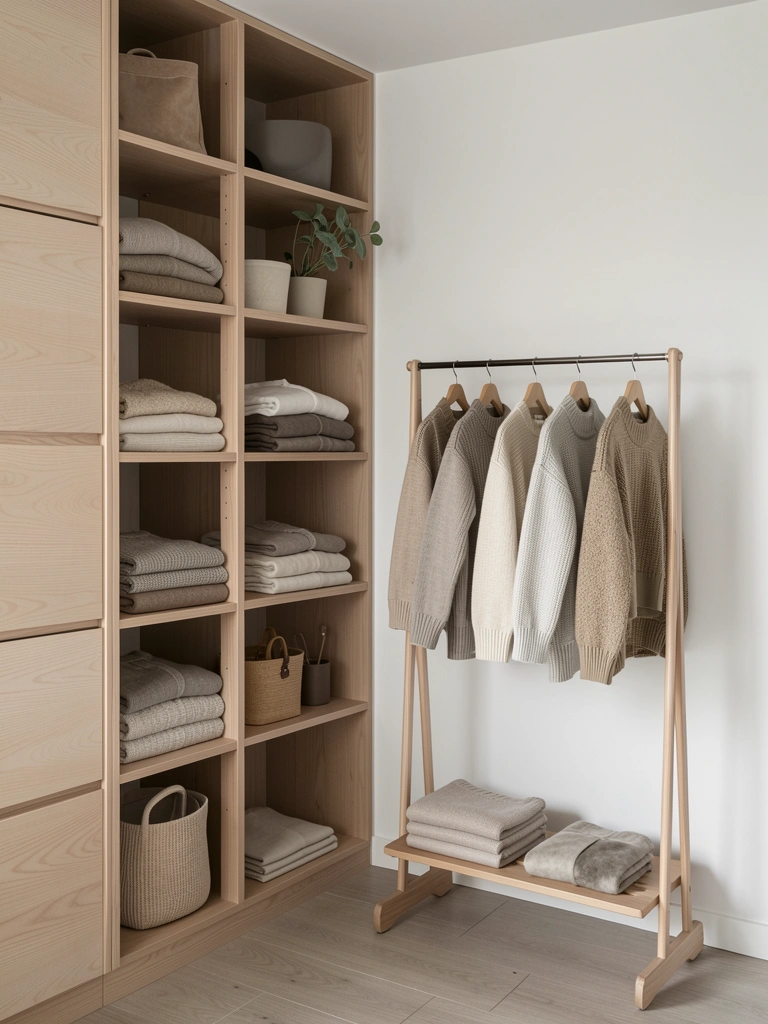
If your bedroom includes a dressing area or even just visible clothing storage, making it intentional (instead of chaotic) changes the room’s entire energy.
Choose 5–7 key pieces per season in a neutral color story (creams, grays, blacks, earth tones) and display them on open shelving, a clothing rack ($40–$100 from IKEA or Amazon), or via selective hangers ($20–$40 for nice ones). This approach is called a “capsule wardrobe” and it actually makes mornings easier while keeping your bedroom visually calm. If you prefer closed storage, use matching hangers and baskets so what’s visible feels curated.
Pro tip: Donate or rotate out pieces seasonally—your bedroom shouldn’t feel like a storage unit.
A curated clothing display makes your bedroom feel more like a styled sanctuary and less like a pile of laundry waiting to happen.
14. Layer Throw Blankets and Quilts for Visual Richness
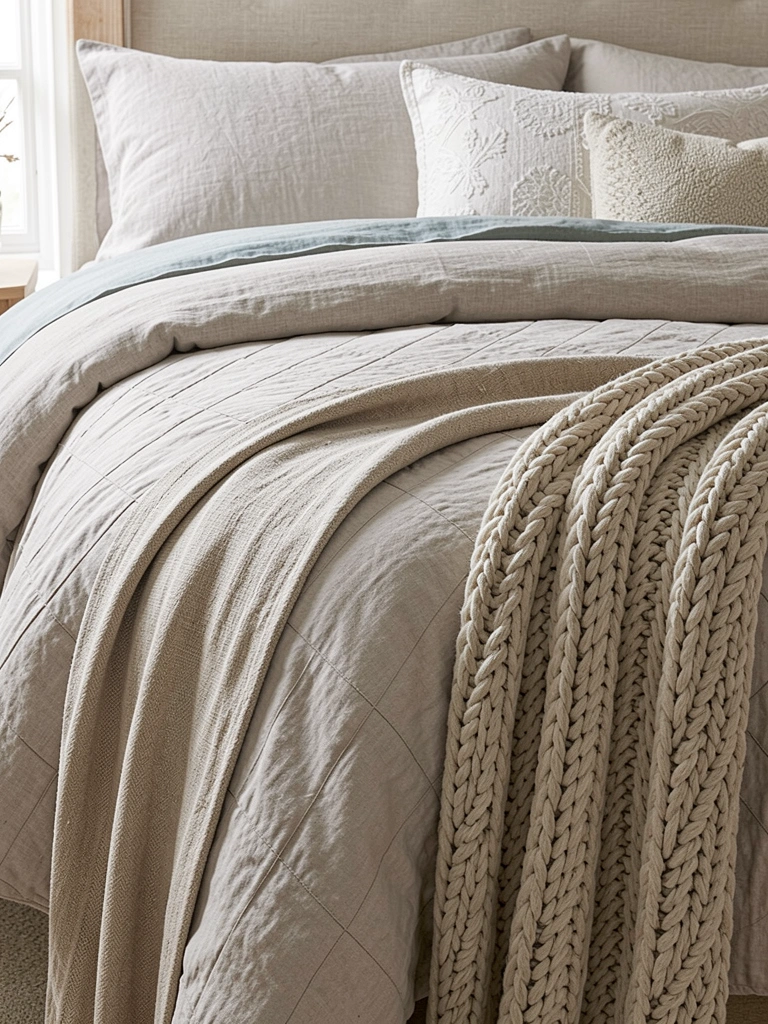
Layering blankets serves two purposes: you can adjust warmth easily throughout the night, and visually it creates depth and coziness that makes a bedroom feel intentionally designed.
Start with a duvet or quilt as your base ($100–$250), add a flat sheet or lightweight throw ($30–$60), and top with a chunky knit or woven blanket draped casually over the edge ($40–$100). Mix materials: linen, cotton, wool, and knit together create visual interest. Brands like Etsy artisans, West Elm, and even Target’s Threshold line offer affordable layered options. The whole setup costs $150–$400 depending on quality.
Bonus: You can swap blankets seasonally or based on mood without buying new sheets.
This creates a bed that looks like it came from a magazine spread—inviting enough that you actually want to get into it.
15. Paint Your Nightstands a Contrasting Color
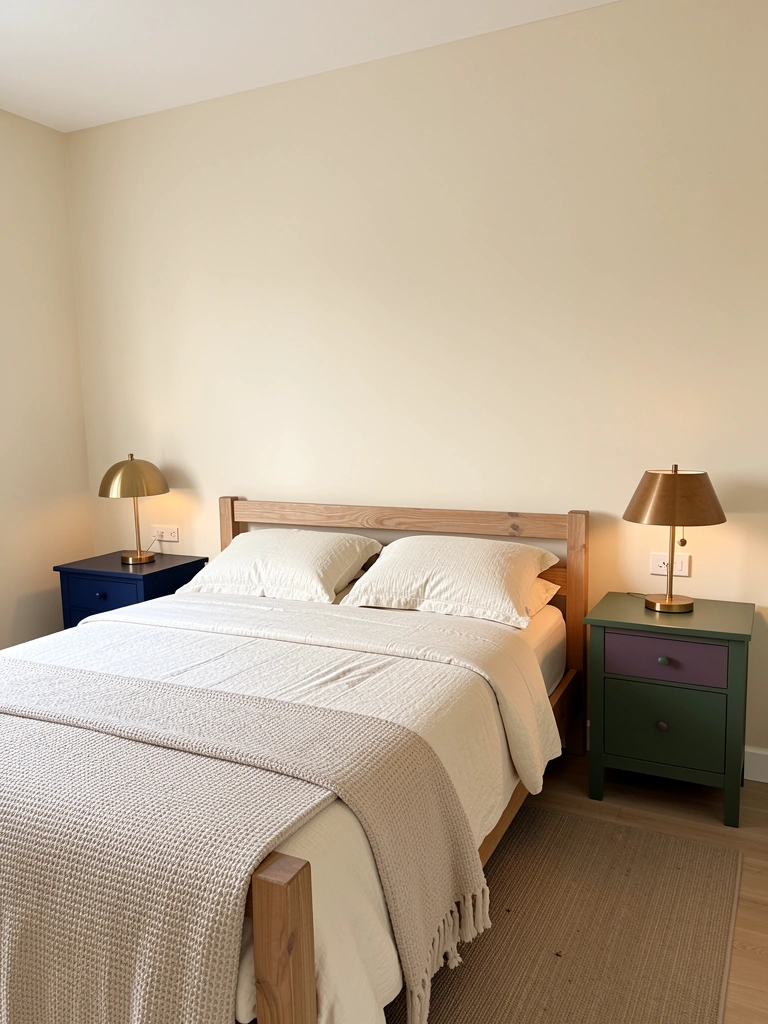
Small furniture pieces are the easiest way to add color without overwhelming the room. Painted nightstands give you that design hit of personality instantly.
Grab two simple nightstands from IKEA, thrift stores, or Facebook Marketplace ($30–$100 each used, $50–$150 new) and paint them using chalk paint, acrylic paint, or furniture spray paint ($10–$20 per can). Choose a color that complements your wall color—if walls are neutral, try dusty jewel tones or warm charcoal ($15–$30 in paint total). The project takes 2–3 hours plus drying time, and it costs under $100 total for a major visual upgrade.
Pro tip: Protect surfaces with a clear polyurethane topcoat (about $10) so the paint holds up to daily use.
Suddenly your bedroom has a point of view and personality—this one detail signals intentional design.
16. Install a Floating Shelf for Styled Storage
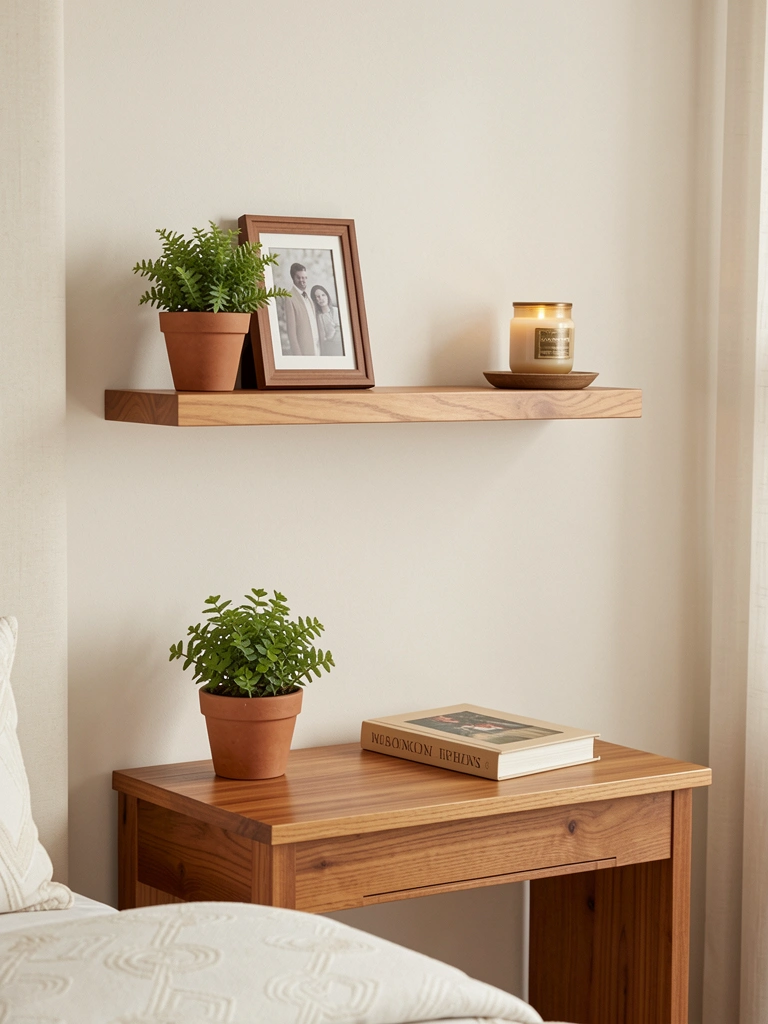
Floating shelves add storage and display space without taking up floor area—perfect for small rooms and renters who want to avoid permanent fixtures.
Install a shelf at $30–$80 (IKEA, Wayfair, or hardware stores have simple options) above your nightstand, desk, or a blank wall. Style it with 3–5 objects max: a small plant ($10–$25), a framed photo ($5–$15), a candle ($8–$20), and a book. This creates a calm, intentional look instead of clutter. For renters, damage-free floating shelf systems (like Command hooks plus lightweight shelves) cost about $25–$50 and leave no marks.
Pro tip: Odd numbers of objects look more intentional than even numbers, and leave white space between items.
A styled shelf becomes a focal point that makes your bedroom feel more designed and less chaotic.
17. Add a Dimmer Switch for Evening Relaxation
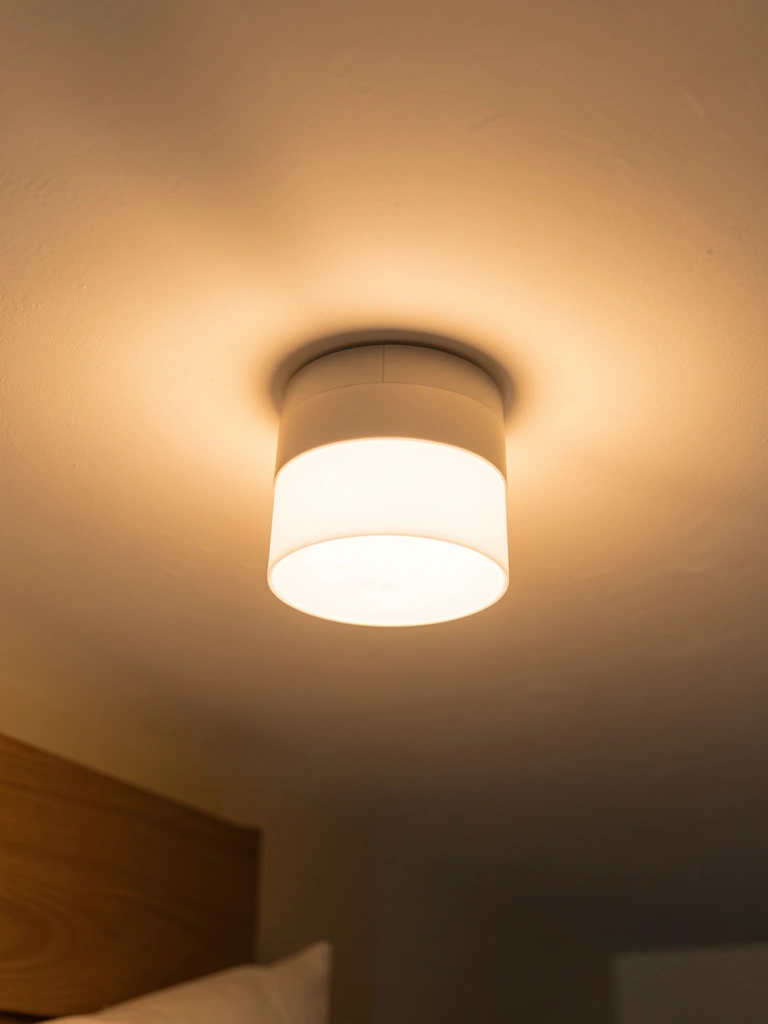
Light intensity changes your nervous system’s state—bright light keeps you alert, while dimmed warm light signals it’s time to wind down. A dimmer switch is one of the easiest upgrades with the biggest impact.
Install a simple dimmer switch (about $15–$30 for the switch itself) by replacing your existing light switch—takes 15 minutes with a screwdriver if you’re comfortable with basic electrical work, or hire an electrician for $50–$100 of labor. Use warm-toned bulbs ($5–$15 each, any hardware store) at 2700K color temperature. Set a routine: dim to 50% two hours before bed, then 25% as you’re getting into bed.
Bonus: Smart dimmers (about $35–$80) can auto-dim on a schedule, supporting your circadian rhythm without you thinking about it.
Your sleep quality will improve noticeably once your body learns that dimming light means rest is coming.
18. Display One Large-Scale Piece of Art or Photography
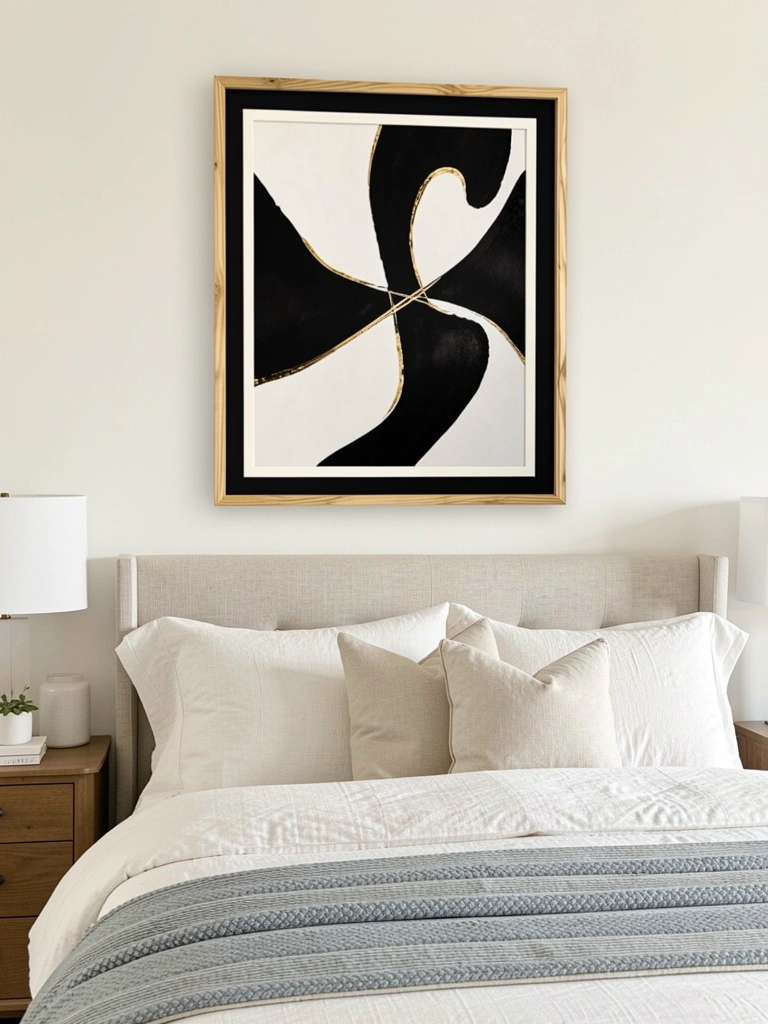
One large piece of art changes how a whole room feels—it gives the space a focal point and signals sophistication without looking cluttered.
Choose artwork that speaks to you (landscape photography, abstract art, or even a enlarged family photo) in a size 24×36 inches or larger. Frame it simply in natural wood, black, or metal ($40–$100 for a quality frame from IKEA, Michaels, or custom framers). Hang it centered above your headboard, dresser, or a blank wall. Total investment: $50–$300 depending on whether you buy art or print your own photos. For renters, use damage-free picture hanging strips ($5–$15).
Pro tip: If you’re unsure, start with black-and-white photography—it pairs with any style and feels timeless.
One meaningful piece of art becomes the visual anchor your eye lands on—it tells a story about who you are.
19. Mix Vintage and Modern Furniture for Personality
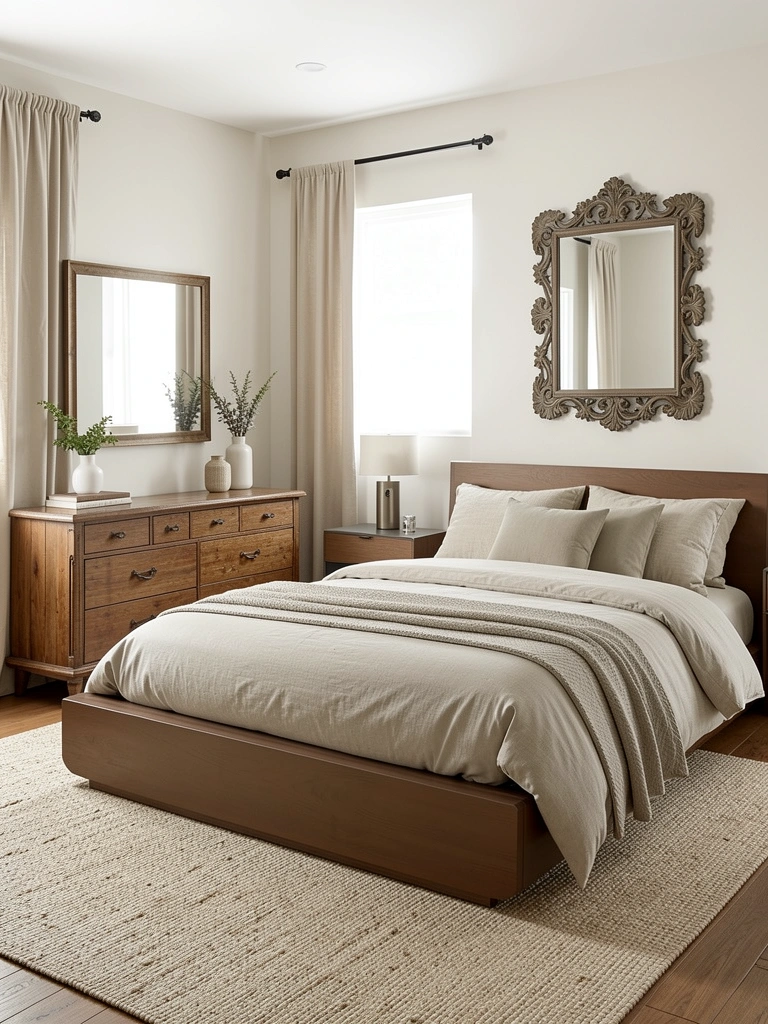
Mixing eras and styles (grandmillennial aesthetic) is trending because it feels authentic and avoids looking like a catalog room—it tells your personal story.
Start by thrifting one vintage piece (dresser, mirror, nightstand, chair) from Facebook Marketplace, estate sales, or local thrift shops ($20–$150 depending on condition and quality). Pair it with simpler contemporary pieces (bed frame, nightstands, lighting) from IKEA or Wayfair ($100–$300 for basic pieces). The trick is keeping a consistent color story (neutrals + one accent color) so the mix feels intentional, not random. A fresh coat of paint on thrifted wood furniture costs $10–$20 in paint and a weekend of effort.
Pro tip: Mix eras through shared materials (wood, brass, ceramic) rather than trying to blend every texture.
Your bedroom feels curated and unique—like it actually reflects who you are instead of looking like everyone else’s room.
20. Upgrade Your Door Hardware and Hinges
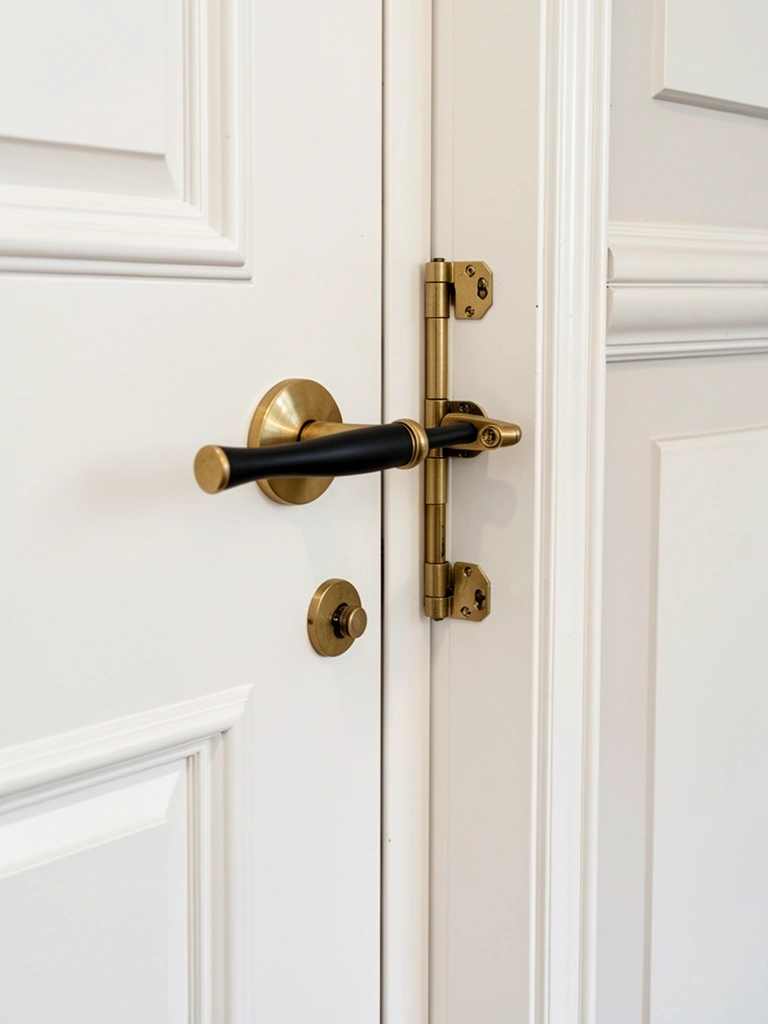
Small hardware details (door handles, hinges, hooks) are like jewelry for your room—they cost almost nothing but signal intentional design.
Replace your current door hardware with coordinated pieces ($20–$50 total for a doorknob and hinges from hardware stores or Etsy). Choose brass, matte black, or brushed nickel to coordinate with your existing lighting and accessories. While you’re at it, add a hook on the inside of your door for a robe or daily outfit ($5–$10). This takes 20 minutes and requires just a screwdriver. All hardware should match or coordinate with your other metal finishes (lamp bases, shelf brackets, etc.).
Pro tip: Match your door hardware to your lighting fixtures—if your lamps are brass, make hardware brass too.
This detail-oriented approach makes your bedroom feel like a luxury hotel—small things noticed subconsciously shift how the space feels.
21. Create a Reading Nook with Adequate Task Lighting
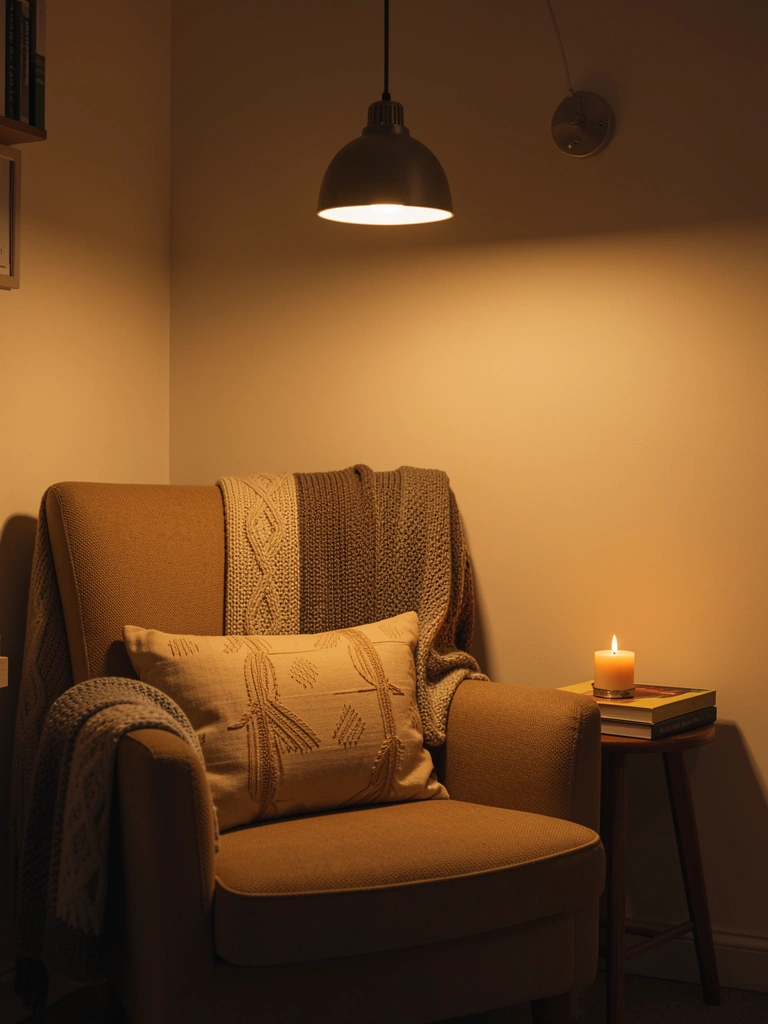
A dedicated reading space changes how your bedroom functions—it separates “wind-down activities” from “sleep,” improving sleep quality through habit stacking.
Find a corner and add: a comfortable chair ($100–$300 from thrift stores, IKEA, or Wayfair), a small side table ($30–$80), and a task light that doesn’t spill light across the room—try a wall-mounted reading light ($40–$100) or an adjustable floor lamp ($50–$120). A small bookshelf or basket nearby ($30–$80) keeps reading material contained. Total investment: $250–$700 depending on what you already own. For small rooms, even a cushioned bench at the foot of the bed with good lighting works.
Pro tip: Use warm, dimmable task lighting (not bright overhead light) so this area supports evening relaxation.
Having a separate place to read signals to your brain that the bed is for sleep—this separation alone improves rest quality.
22. Add Texture Through Grasscloth or Linen Wallpaper
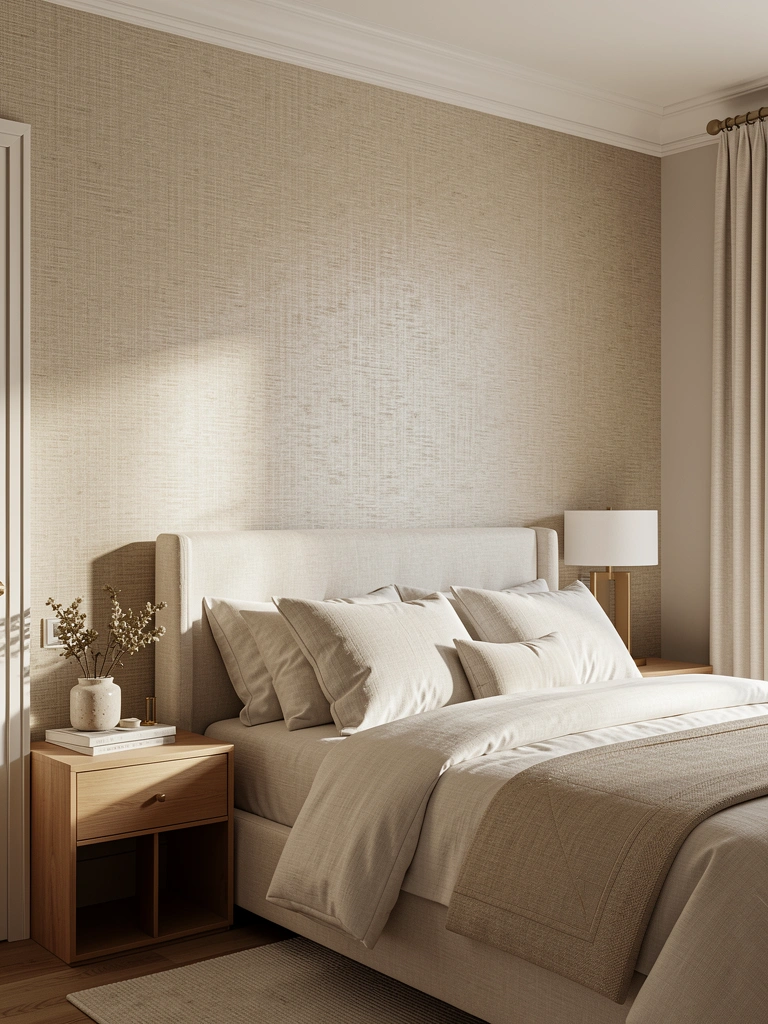
Textured wallpaper adds visual and tactile interest without being loud—it’s the secret to that high-end hotel bedroom feeling.
Grasscloth or linen wallpaper ($30–$60 per roll) applied to one accent wall costs about $100–$200 total (usually 2–3 rolls needed). Hire a professional installer ($200–$400 labor) or DIY if you’re confident with tools and patience ($0 labor, takes 3–4 hours). For renters, peel-and-stick textured wallpaper ($25–$45 per roll**) removes cleanly and costs *$50–$100 for one accent wall*. Warm neutrals (cream, warm gray, soft taupe) photograph beautifully and pair with any color scheme.
Pro tip: Apply textured wallpaper to the wall behind your headboard for maximum visual impact.
Textured walls catch light beautifully in photos and create subtle depth that makes a room feel more intentionally designed.
23. Swap Out Overhead Light Fixture for a Pendant or Chandelier
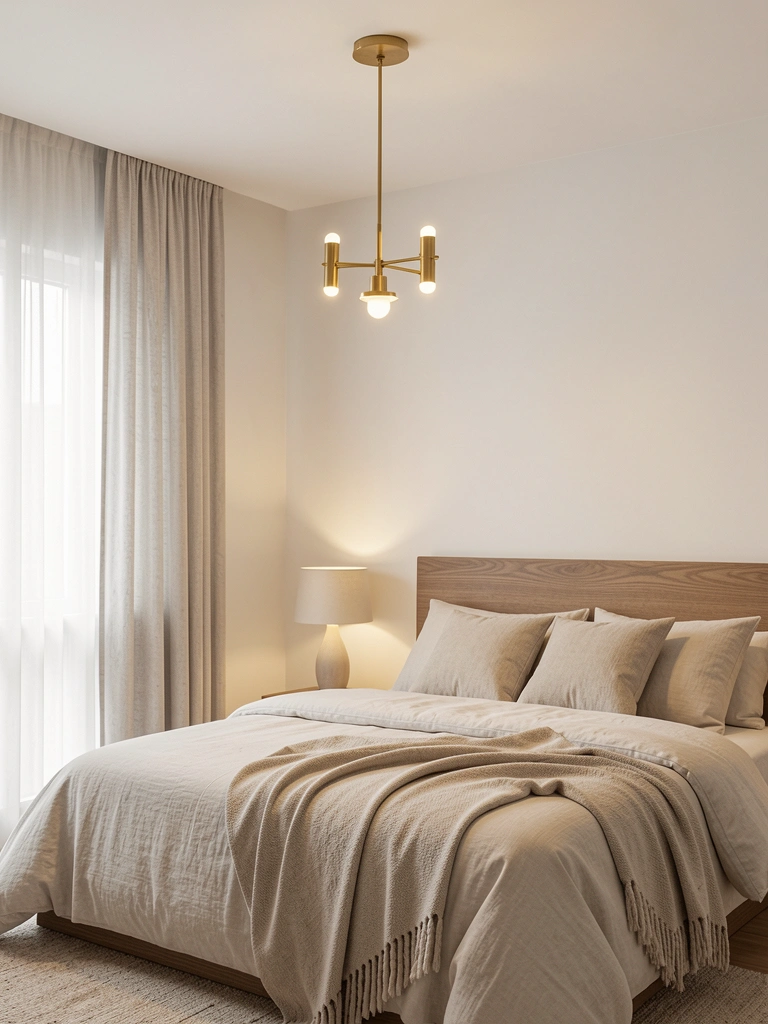
Your ceiling fixture matters aesthetically and functionally—a stylish light changes how the whole room feels while improving light quality.
Replace your basic flush-mount fixture with a simple pendant light ($50–$150 from IKEA, West Elm, or Wayfair) or a small chandelier for statement impact ($100–$300). Installation requires basic electrical knowledge or hire an electrician ($100–$150 labor). Use warm-toned bulbs ($5–$15 each) at 2700K so the fixture doesn’t look harsh. The total cost: $50–$450 depending on style and whether you hire help.
Pro tip: Choose a fixture that coordinates with your other metals (if you have brass lamps, get a brass fixture).
A stylish overhead light instantly elevates the room’s aesthetic and actually improves ambient light quality.
24. Install Blackout Curtains for Deep Sleep Support
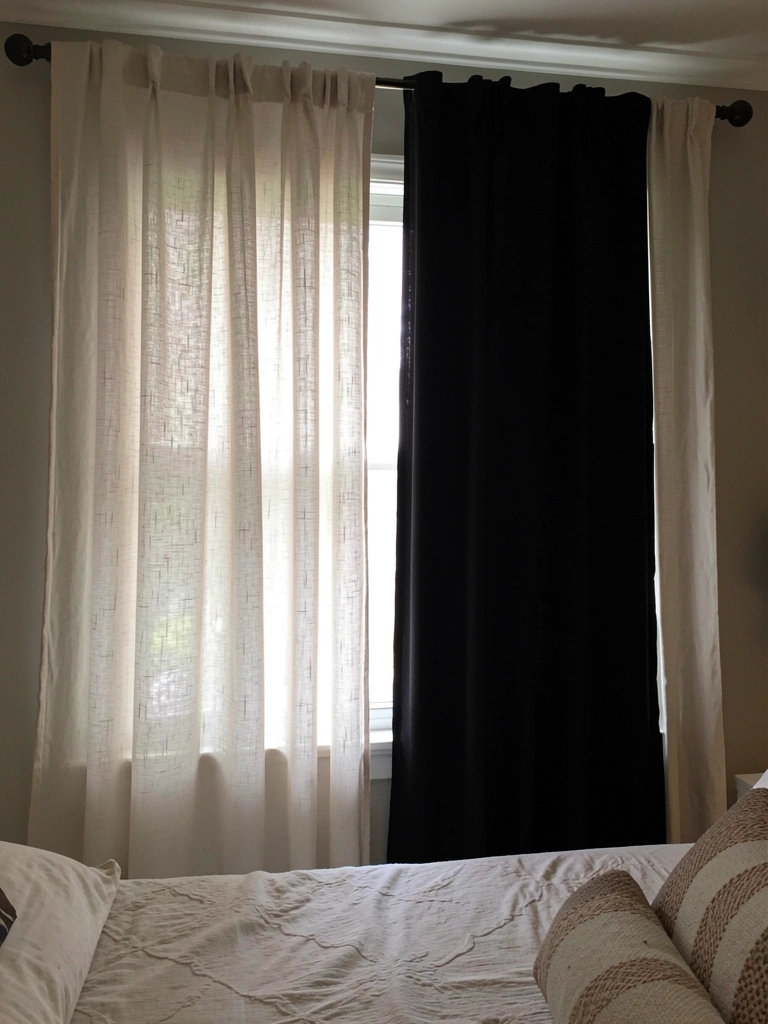
Blackout curtains support circadian rhythm by blocking light while you sleep—this is especially important if you live on a bright street or in a place with early sunrise.
Add a blackout layer behind your decorative curtains using thermal blackout panels ($30–$60 per pair from Amazon or Target) or a blackout shade inside the window frame ($40–$100 for a motorized option or manual pull-down). This layered approach lets you keep pretty linen curtains visible while getting blackout benefits. Total cost: $30–$150 for the functional layer plus whatever you’ve already spent on decorative curtains.
Bonus: Blackout curtains also improve temperature regulation, reducing heating/cooling costs.
You’ll sleep deeper and wake less frequently—your body gets the dark it needs even if streetlights or early sunrise normally interfere.
25. Curate a Signature Scent Through Candles or Diffusers
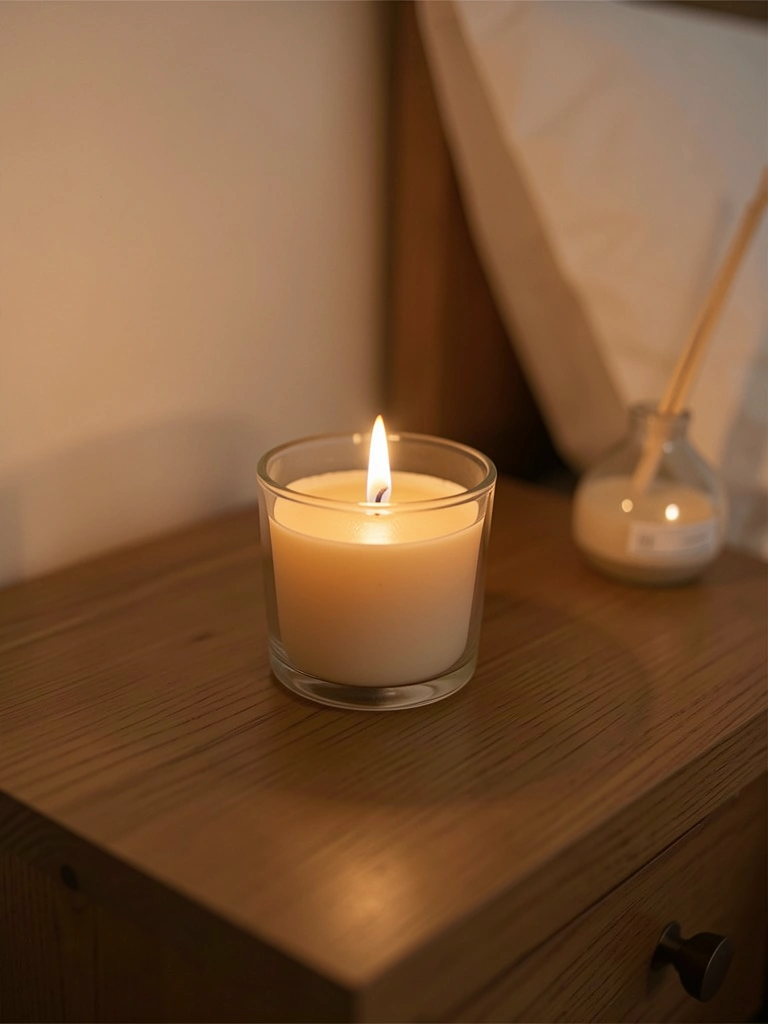
Scent anchors memory and emotion—a signature bedroom scent becomes part of your wind-down routine and signals your brain it’s time to relax.
Choose one scent you love (vanilla, lavender, cedarwood, or something personal) and use it consistently through a candle ($15–$30 from Jo Malone, Paddywax, or even Yankee Candle) or diffuser ($20–$50). Burn your candle or run your diffuser during your evening routine—reading time, bath time, journaling. The scent-memory association builds quickly; within weeks, smelling that scent will trigger relaxation. Brands like P.F. Candle Co., Diptyque, and even budget options from Target work equally well for this.
Pro tip: Avoid candles with synthetic “bedroom” scents—choose something you genuinely love, even if it’s not marketed for sleep.
The moment that signature scent hits your nose, your nervous system recognizes it as a cue for rest—it becomes part of your sleep ritual.
Save this post and pick one or two ideas to tackle this weekend. You don’t need to overhaul everything at once—small, intentional changes compound into that cozy sanctuary you deserve. Which idea are you trying first?
Leave a Reply