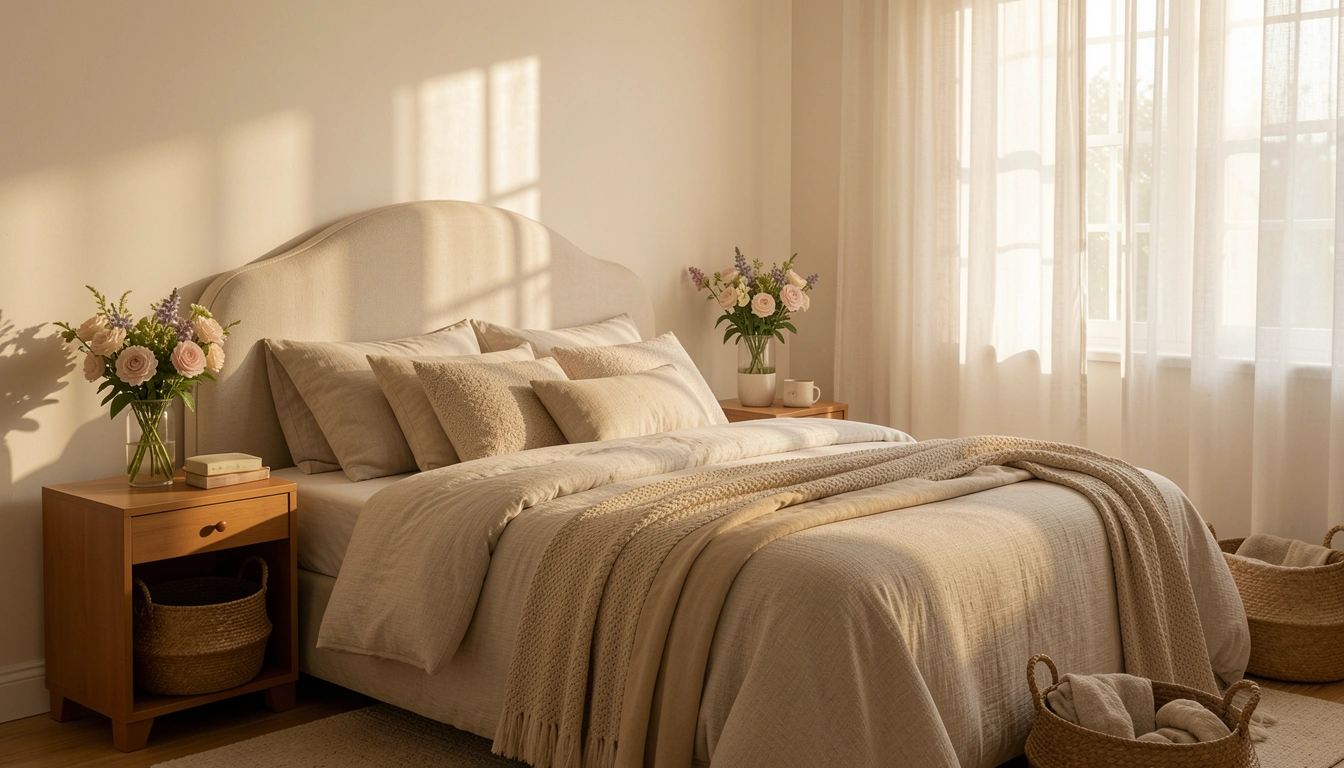
Your bedroom should be the one room where you feel completely at home—a sanctuary that reflects your style and actually supports better sleep and relaxation. Whether you’re renting, working with a small space, or ready to invest in a complete refresh, there are bedroom design styles that fit every budget, aesthetic, and lifestyle.
This guide walks you through 28 distinct bedroom design approaches, from free styling tricks to investment pieces. You’ll find budget-friendly hacks you can do this weekend, mid-range upgrades that make an instant impact, and aspirational styles that inspire bigger changes. Each idea is actionable, renter-friendly when possible, and designed to help you create a bedroom you actually love waking up in.
1. Go Bold with Cherry Red Accents
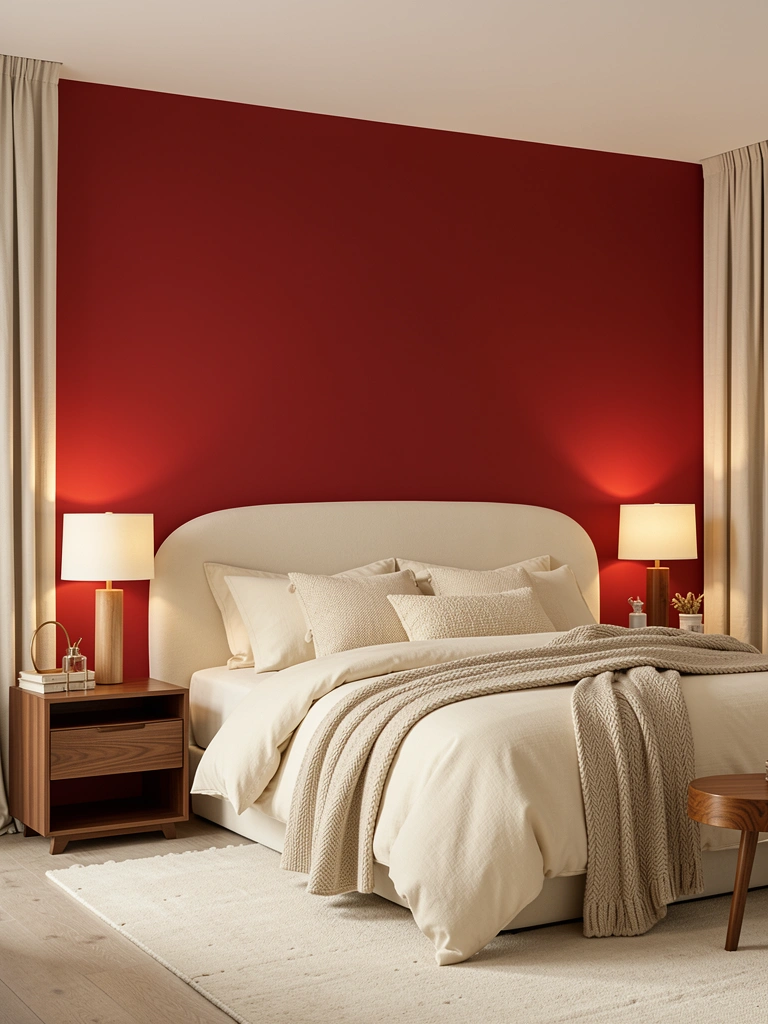
Cherry red is having a major moment, and you don’t need to paint your entire room to tap into this trend. Instead, use deep cherry tones in one accent wall, bedding, or large furniture piece to create visual impact without overwhelming your space.
Start by testing the color on sample boards or with temporary wallpaper before committing. A single accent wall behind your headboard costs $30–$80 in paint and takes one weekend. Alternatively, invest in a cherry-velvet headboard ($200–$600) or layer the color through throw pillows and a blanket ($50–$150 total). You can also find cherry-wood nightstands or a statement dresser at thrift stores for $40–$120. The key is repeating the color in at least two other places—perhaps in artwork or a rug—so it feels intentional rather than random.
This bold choice signals personality and sophistication. Your bedroom instantly becomes a retreat that feels purposeful and curated, not bland or sterile.
2. Layer Textures for Maximum Coziness
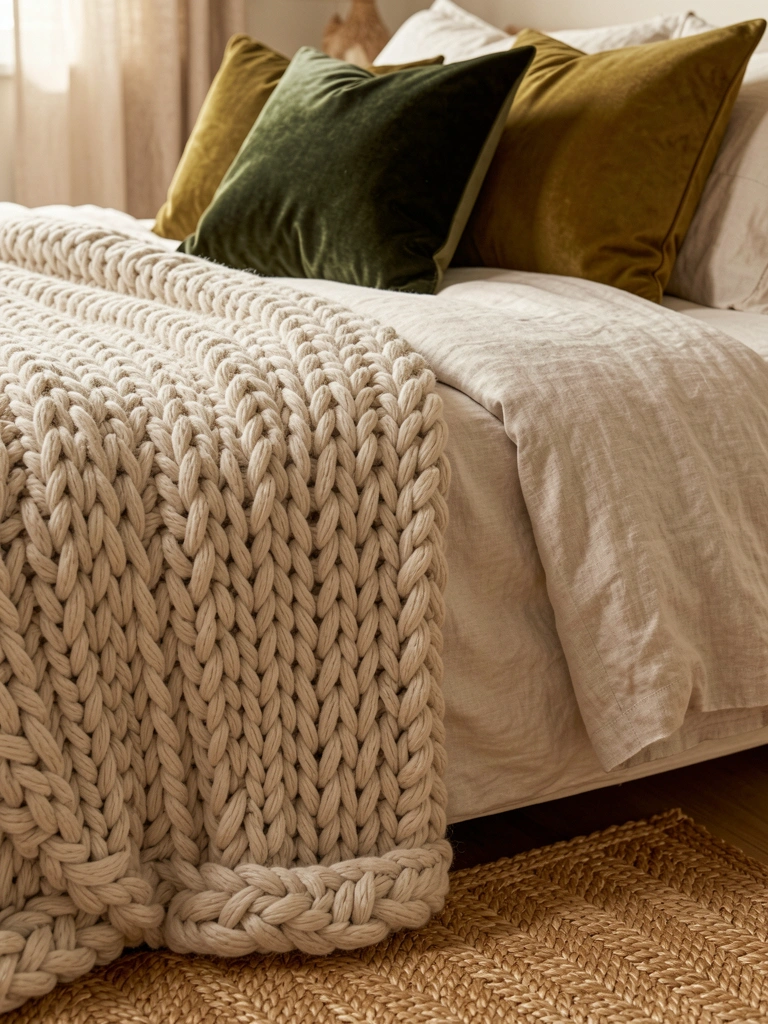
Texture is what separates a bedroom that looks nice from one that feels amazing. Mixing velvet, linen, high-pile rugs, woven throws, and natural wood creates depth and makes your space feel intentional and lived-in.
Start with your foundation: organic cotton or linen sheets ($60–$150). Add a velvet or corduroy throw ($40–$100), then layer in at least two different pillow textures—maybe a chunky knit cover paired with a smooth linen one. Include a high-pile or jute rug ($80–$250) and consider a textured wall treatment like mineral plaster ($150–$400 installed) or peel-and-stick textured wallpaper ($30–$60). Mix in wooden furniture with natural grain and one woven basket for storage. The combination should feel rich but never cluttered.
You’ll notice the difference the moment you walk in—the space feels inviting and sensory-rich, like somewhere you actually want to spend time.
3. Adopt Grandmillennial Style (Modern Meets Vintage)
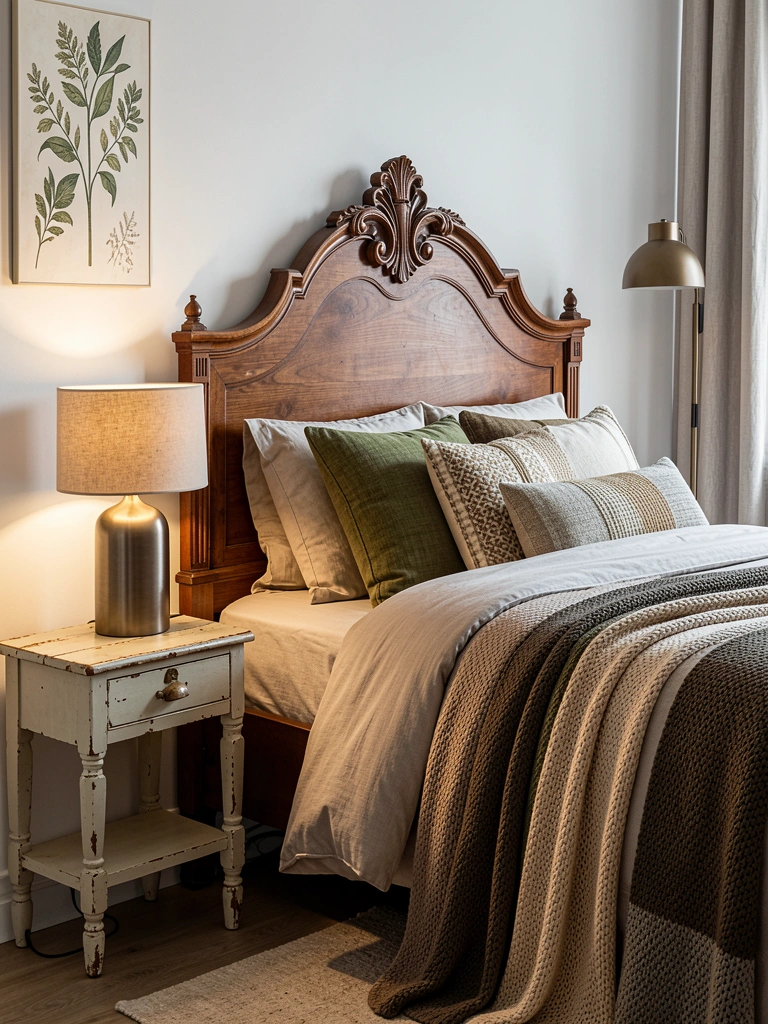
Grandmillennial design merges your grandmother’s vintage charm with modern minimalism—think collected antiques and heirloom pieces paired with clean lines and contemporary art. It’s personal, cozy, and surprisingly accessible.
Hunt for vintage pieces at thrift stores, Facebook Marketplace, or estate sales ($20–$150 per piece). Mix in one or two statement vintage items—a carved wood headboard, a brass mirror, or an ornate dresser—with modern bedding (white or soft neutrals) and a few contemporary touches like a sleek nightstand or minimalist wall art. Keep your color palette cohesive: choose a base of creams, warm whites, and soft grays, then repeat one vintage color (sage, dusty blue, or terracotta) in textiles. Add botanical prints, old books stacked on nightstands, and quilts or embroidered pillows for authenticity.
This style tells a visual story and makes your bedroom feel curated and unique. You’re not following a trend—you’re building something that’s entirely yours.
4. Create a Curved Headboard Focal Point
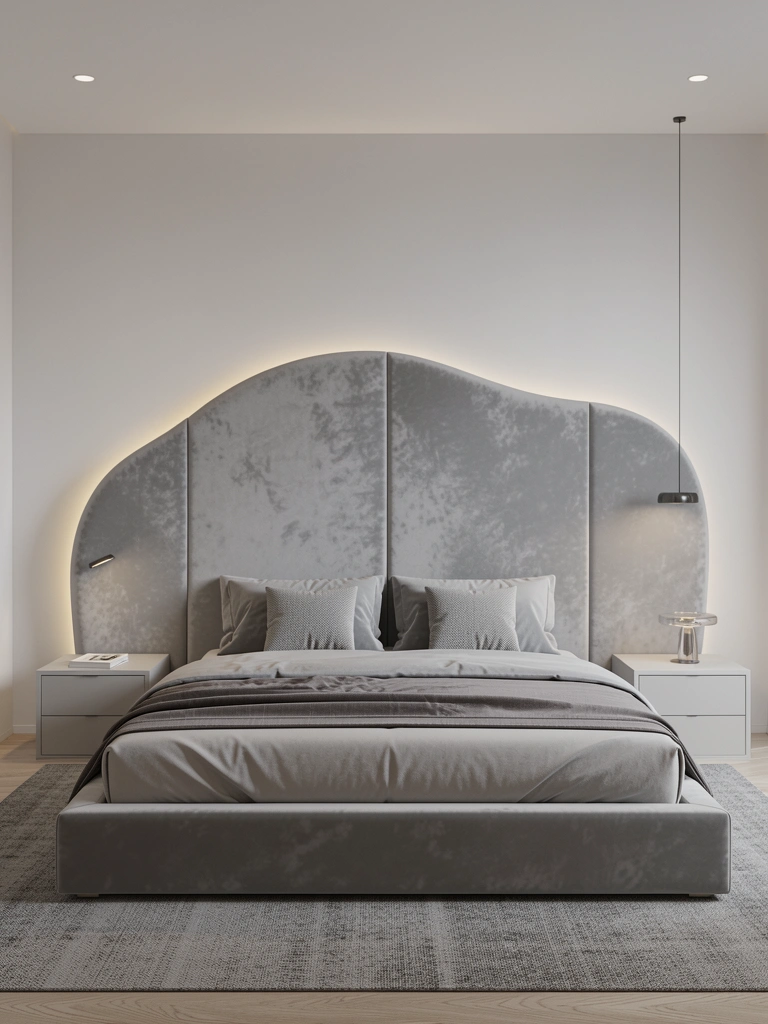
A curved headboard is the easiest way to soften your bedroom and create a design anchor point. Curved and organic shapes are dominating 2025 bedroom trends, and a headboard is the perfect place to invest.
Look for curved headboards in fabric ($150–$400), wood ($200–$600), or upholstered options at IKEA, Wayfair, Article, or West Elm. If you’re renting or want to DIY, you can create a curved headboard using adhesive velvet or linen fabric ($40–$80) applied to plywood or cardboard. Alternatively, hang a large curved mirror or piece of curved wall art for visual interest without furniture. Pair your curved headboard with a simple bed frame (to let the headboard be the star) and minimal nightstands.
The curve immediately softens the room’s visual energy. Even a small bedroom feels more sophisticated and intentional when anchored by this one strong design choice.
5. Paint Walls Light to Expand a Small Space
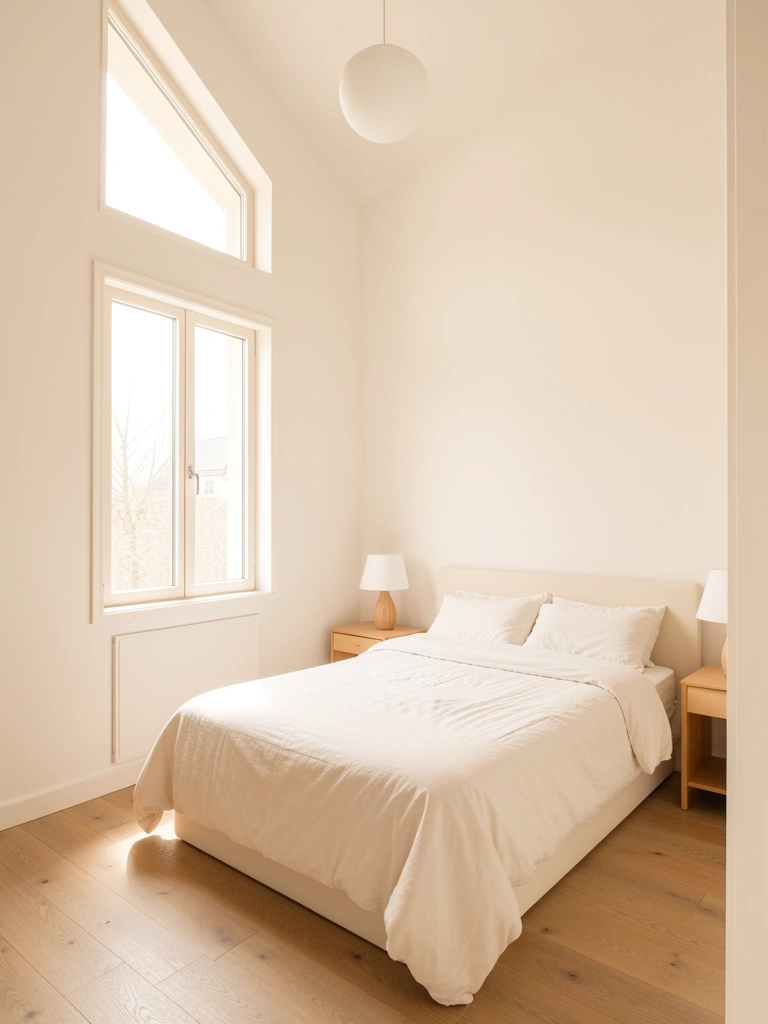
If your bedroom feels cramped, the wall color matters more than square footage. Light, warm neutrals make rooms feel bigger and more restful—two wins for the bedroom.
Choose soft whites, warm creams, or pale gray ($20–$40 for quality paint). Avoid stark white, which can feel cold; instead, look for whites with warm undertones (often labeled “ivory,” “cream,” or “warm white”). One gallon typically covers a small bedroom. Paint yourself ($0 labor) or hire pros ($300–$600). You can also test colors with peel-and-stick wallpaper ($15–$30) before committing to paint. Keep trim and doors the same color to maximize the expansive effect.
Your small bedroom immediately feels airier and more peaceful. Better lighting reflection means you’ll actually spend time there without feeling boxed in.
6. Add Biophilic Design with Plants and Natural Light
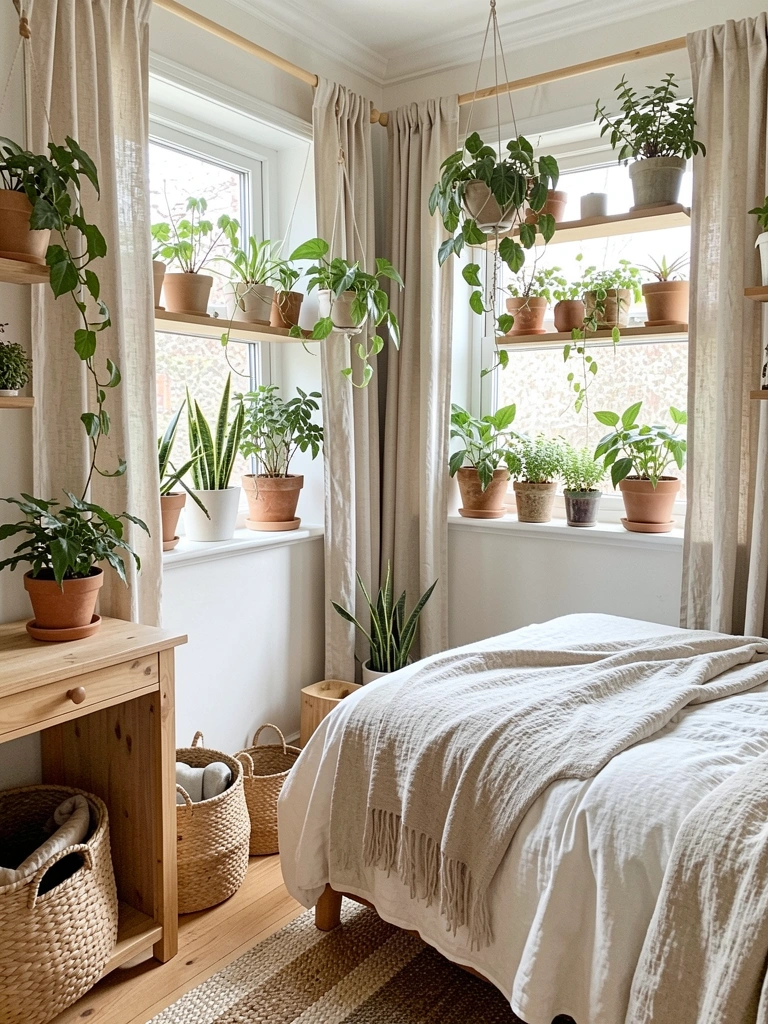
Biophilic design—bringing nature into your interior—is proven to reduce stress and improve sleep quality. It’s not just about plants; it’s about natural materials, light, and a connection to the outdoors.
Start with 3–5 low-maintenance plants like pothos, snake plants, or monstera ($10–$30 each). Add natural-fiber baskets for storage ($30–$80), swap synthetic curtains for linen ($50–$150), and incorporate wood furniture or reclaimed-wood accents ($100–$400). Place plants on floating shelves or in the corner to draw the eye upward. Use natural light whenever possible—opt for sheer curtains that filter light rather than block it. Add one or two pieces of nature-inspired wall art to anchor the theme.
This approach creates a calm, restorative environment that actively supports better sleep and mental clarity. You’ll feel the difference within days.
7. Install Floating Shelves for Style and Storage
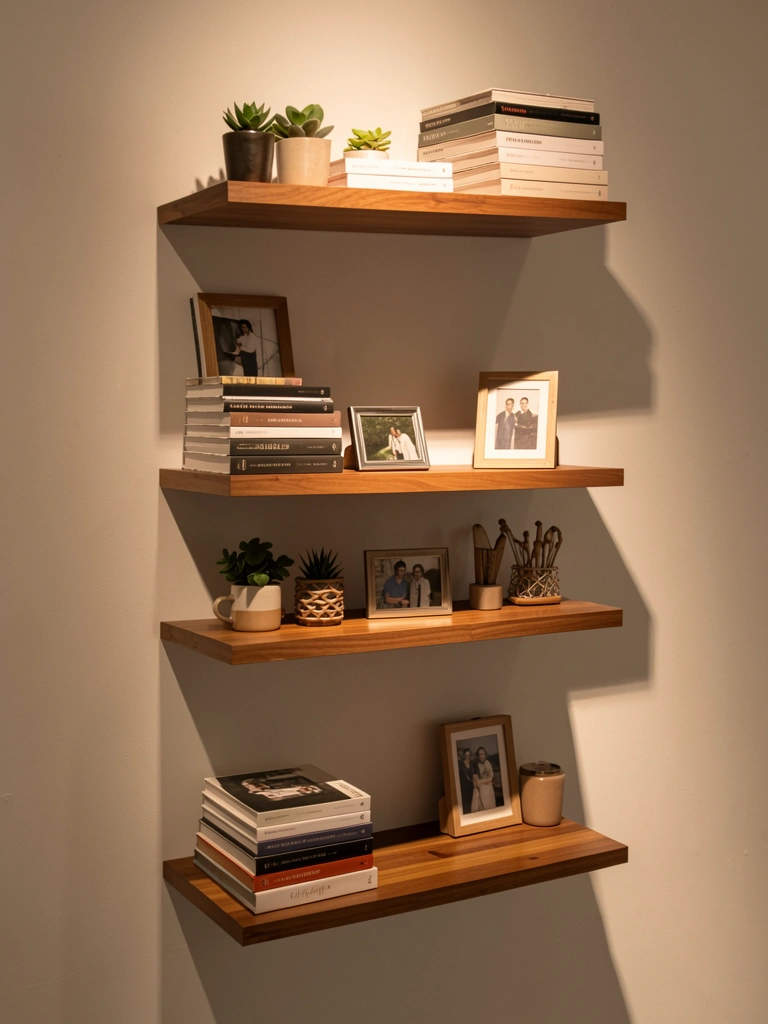
Floating shelves give you storage without visual weight and work in any bedroom style. They’re affordable, renter-friendly (with removable options), and instantly make your space feel more curated.
Install shelves 12–18 inches apart at eye level using wall anchors ($40–$80 for three shelves plus installation hardware). Wood shelves in various finishes are available at IKEA ($20–$50 each), Home Depot, or Amazon. Renter option: use no-damage adhesive shelves ($15–$30) that leave no marks. Style them with a mix of books, plants, framed photos, and small decorative objects, keeping each shelf about 60 percent empty so it doesn’t feel cluttered. This layering adds personality without overwhelming the space.
Suddenly you have a focal point that’s both functional and beautiful. Your bedroom goes from basic to thoughtfully designed in one afternoon.
8. Invest in Quality Organic Bedding for Better Sleep
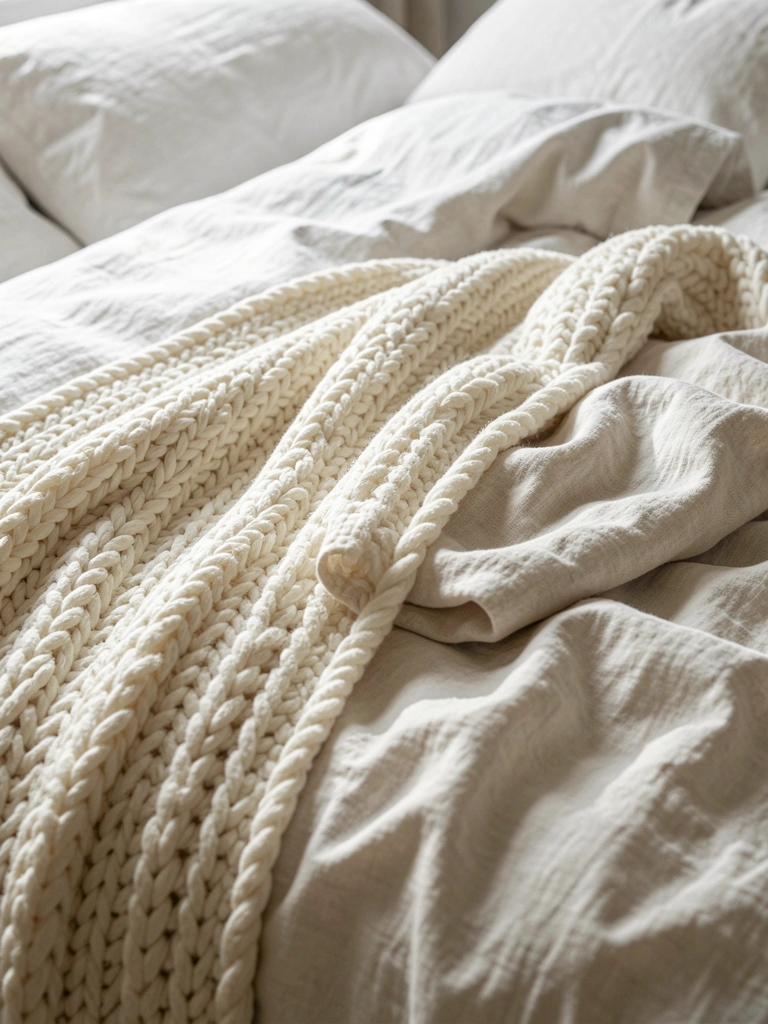
Quality bedding is the one investment in your bedroom that directly affects your sleep—and your sleep affects everything. Organic materials like linen and cotton are breathable, durable, and worth the splurge.
Organic cotton or linen sheets run $80–$200 (brands like Parachute, Brooklinen, or Boll & Branch). Add an organic cotton quilt or duvet ($150–$300) and organic wool blankets for temperature regulation ($80–$150). Yes, it’s pricier than synthetic options, but these sheets last 5+ years and actually feel better on your skin. Look for certifications like GOTS (Global Organic Textile Standard) or OEKO-TEX to verify authenticity. Mid-range options from Target or Amazon start around $40–$60 for decent organic basics.
You’ll fall asleep faster and wake up more refreshed. The texture difference is real, and your skin will thank you.
9. Design a Work Nook in Your Bedroom
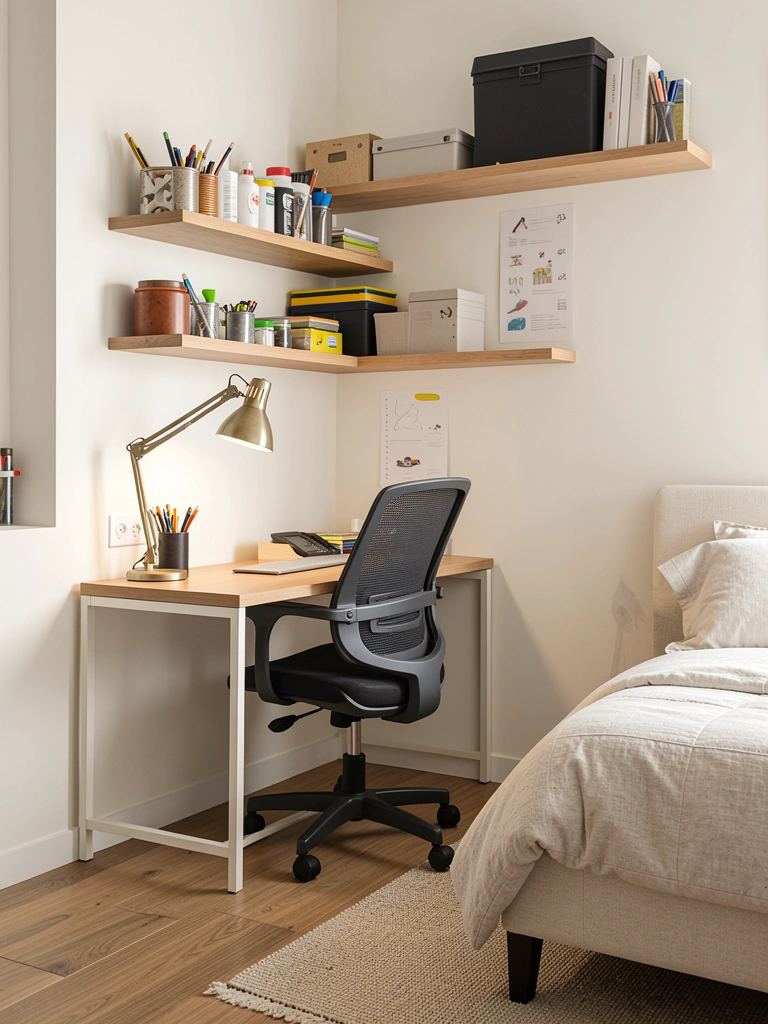
If your bedroom doubles as a workspace, creating a visual boundary between sleep and work zones helps your brain shift gears. A small, thoughtfully designed work nook keeps you productive without sacrificing the room’s tranquil vibe.
Choose a corner away from your bed (if possible) and add a slim desk ($80–$250), a comfortable chair ($100–$300), and a small area rug underneath to define the zone ($40–$100). Use a floating shelf or wall-mounted storage ($30–$80) to keep supplies out of sight. Add task lighting ($20–$60) separate from bedroom ambient lighting. Use a room divider, curtain, or tall plant to physically separate the zones if space allows. Keep the work area minimal—a pen holder, desk pad, and one small plant only.
You’ll find it easier to focus during work hours and to actually relax when you’re off the clock. The visual separation matters more than the physical distance.
10. Hang Statement Wallpaper on One Accent Wall
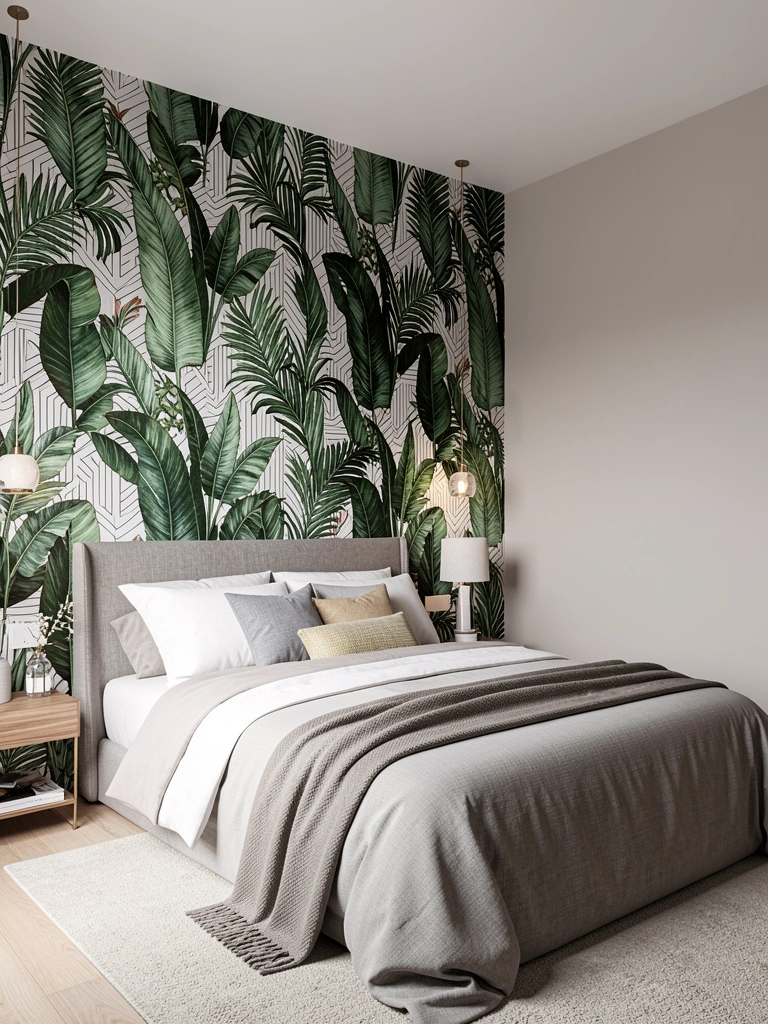
Wallpaper is back, and you don’t need to cover every wall. One bold, patterned accent wall behind your bed creates personality and visual interest without the commitment or cost of full coverage.
Peel-and-stick wallpaper runs $30–$80 per roll and is renter-approved (removable). Traditional wallpaper costs $40–$150 per roll plus installation ($200–$500). Choose florals, geometric patterns, or vintage-inspired prints that complement your color scheme. Measure your wall carefully and order slightly more than you think you’ll need. Apply to a smooth, clean wall surface (or hire a pro for best results). Keep other walls neutral so the pattern stays the focal point rather than overwhelming the space.
One patterned wall transforms your bedroom from generic to distinctive. It’s a bold choice that absolutely works—especially when everything else stays calm and minimal.
11. Swap Sharp Furniture for Rounded Silhouettes
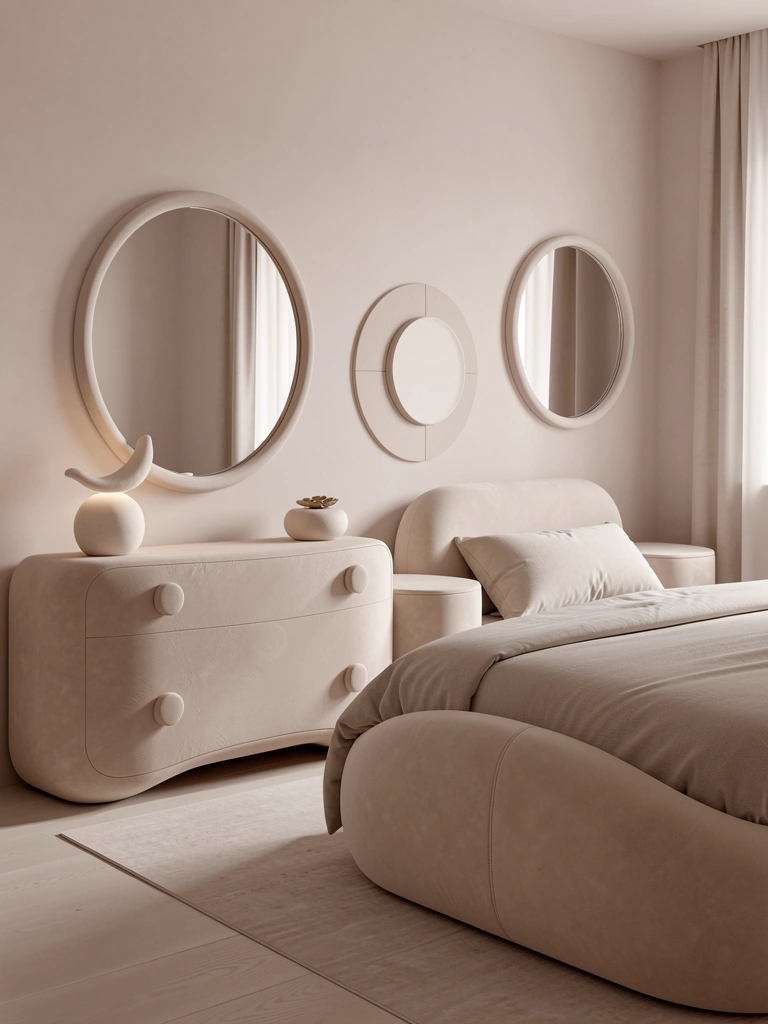
Minimalism is softening. Angular, sharp furniture is being replaced by curved and rounded shapes that feel more welcoming and visually gentle. This shift affects everything from headboards to nightstands to mirrors.
Look for rounded dressers ($300–$800), curved nightstands ($150–$400), and circular or arched mirrors ($60–$200) at Article, Wayfair, or mid-century modern shops. Round off your space with curved shelving units ($200–$500) or a round side table ($80–$150). Even simple swaps matter—replace sharp-edged wall art with arched frames or add a rounded pouf ($40–$100). The cumulative effect of multiple curved pieces creates a cohesive, softened aesthetic.
This furniture style makes your bedroom feel warmer and more approachable. The organic lines create visual flow and a sense of calm that sharp angles simply can’t match.
12. Layer Deep Jewel Tones Using the Three-Point Rule
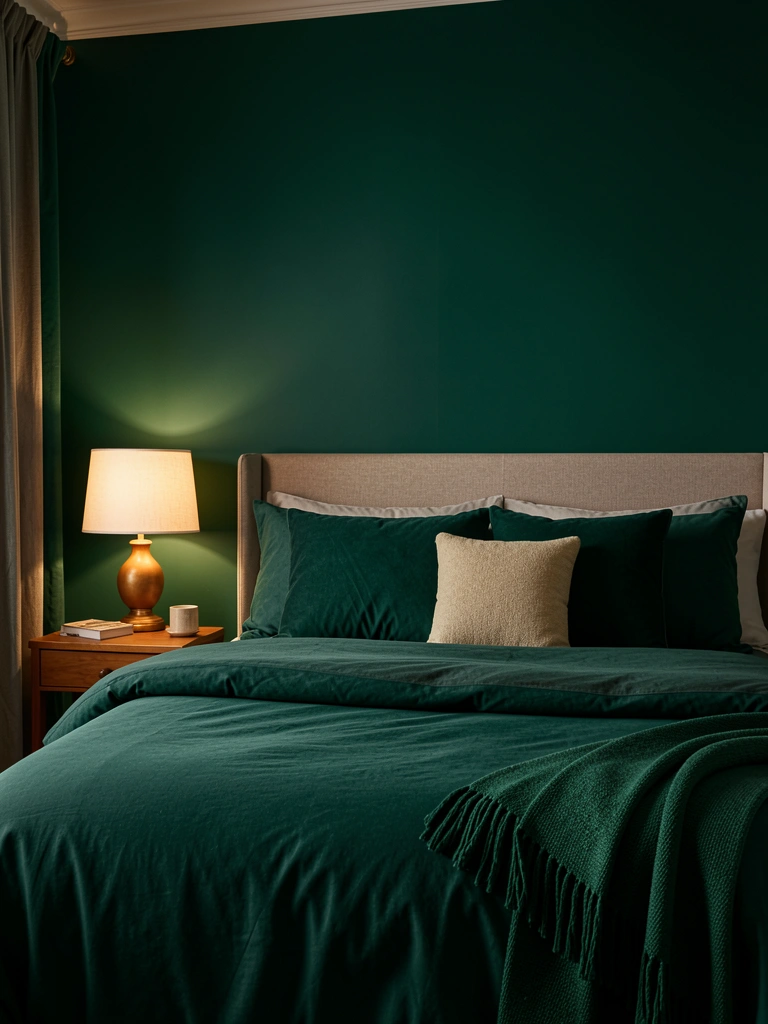
Deep jewel tones—forest green, aubergine, navy, or midnight blue—are having a major moment. The secret to pulling off bold color without it feeling overwhelming is the three-point rule: repeat your chosen color in at least three distinct places.
Choose one jewel tone and repeat it in: (1) a wall or large furniture piece ($0–$400), (2) bedding like a duvet or throw ($60–$150), and (3) a smaller accent like a pillow, artwork, or rug ($20–$100). This creates visual harmony and makes the color feel intentional rather than accidental. Keep the rest of your palette neutral—creams, warm whites, or soft grays—so the jewel tone is the star. Use samples or temporary wallpaper ($15–$30) to test before committing.
Your bedroom becomes a sophisticated jewel box. The repeating color ties the room together and signals thoughtful design choices.
13. Use Textured Walls to Add Depth
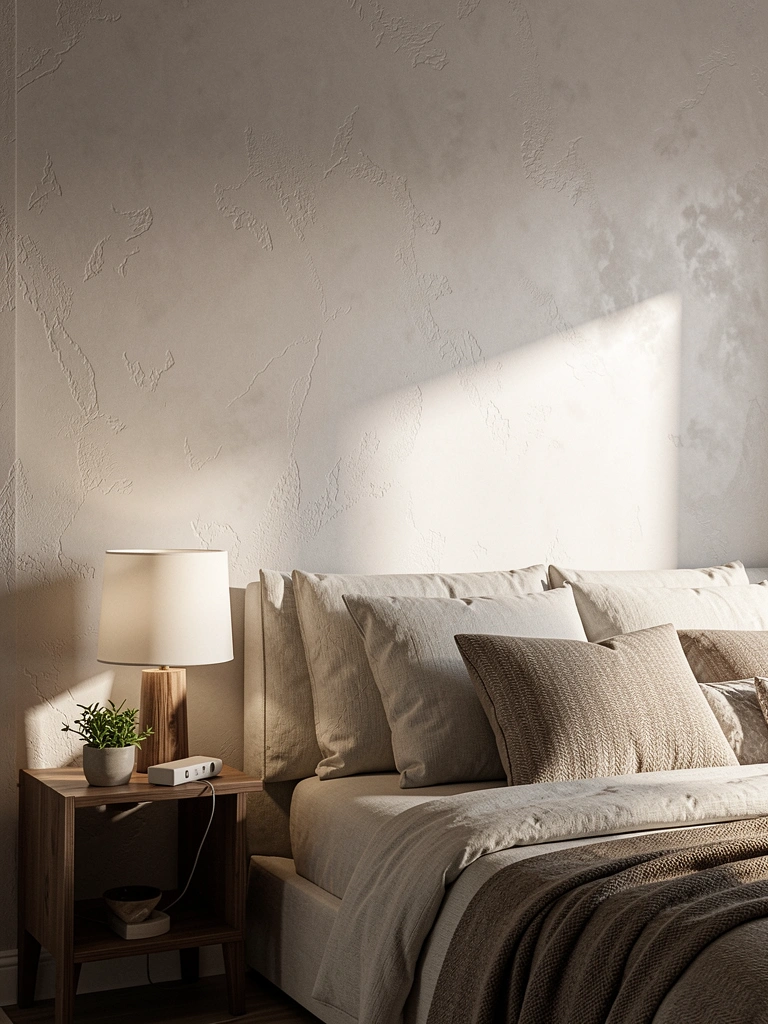
Smooth drywall is fine, but textured finishes add tactile interest and hide imperfections. Textured walls have moved beyond popcorn ceilings and now include sophisticated options like mineral plaster, limewash, and specialty finishes.
Mineral plaster ($150–$400 installed, or $50–$100 DIY) creates an organic, spa-like feel. Textured peel-and-stick wallpaper ($30–$80) mimics the look without commitment. Limewash ($100–$300 installed) offers a matte, earthy aesthetic. If you’re handy, you can apply texture yourself using troweling techniques or add a textured primer. Start with one accent wall behind your bed to test the effect before expanding.
The subtle texture makes your walls feel alive and sophisticated. Lighting plays off the surface, creating depth and visual interest that flat paint simply can’t provide.
14. Create Ambient Lighting Layers
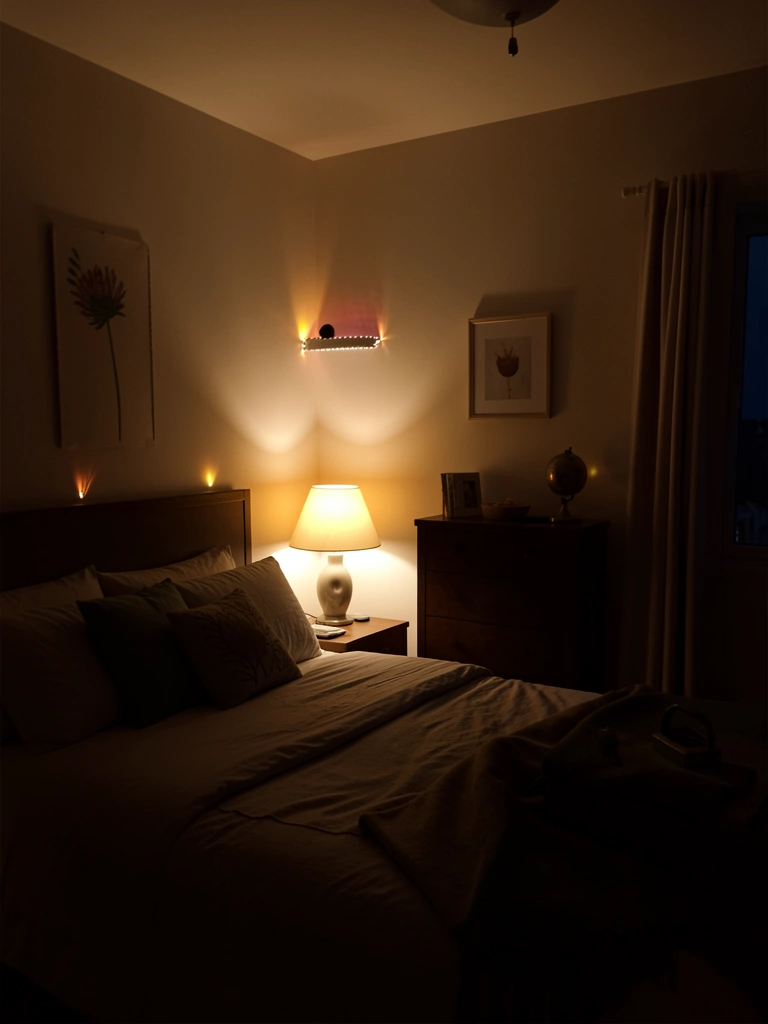
Bedroom lighting matters more than most people realize. Layered lighting with dimmers, bedside lamps, and ambient fixtures helps you set the mood and supports better sleep.
Install a dimmer switch ($20–$60) on your overhead light so you can adjust brightness. Add two bedside lamps ($30–$100 each) with warm bulbs (2700K color temperature). Include ambient lighting like LED strip lights behind shelves ($20–$40) or a statement floor lamp ($80–$200). Use warm white bulbs throughout, never cool white or harsh LED. Position lights so they create pools of warm glow rather than flat, all-over brightness. This combination takes 15 minutes to set up but dramatically changes how the room feels, especially after dark.
You’ll fall asleep easier and wake more gently. The warm, layered light actively supports better sleep and makes your bedroom feel like a sanctuary even on stressful days.
15. Mix Vintage Art Deco with Modern Bedding
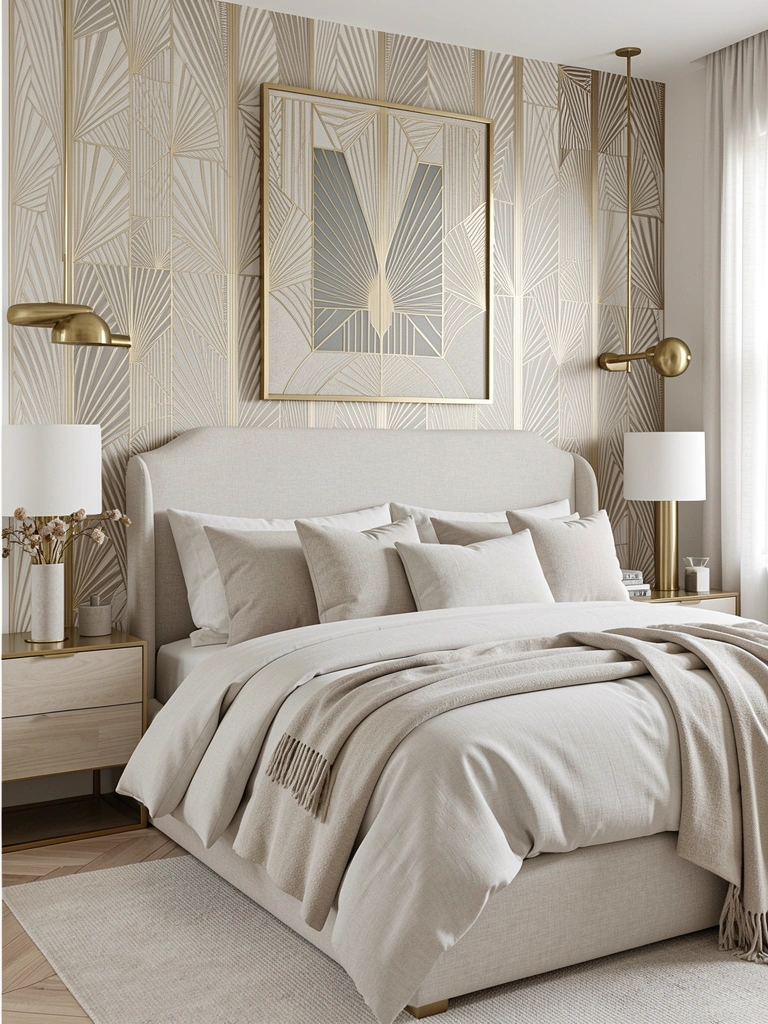
Art Deco is resurging in 2025, and mixing it with modern pieces creates a visually interesting, curated aesthetic. The key is balance—let one bold vintage piece anchor the room, then keep everything else simple.
Invest in one statement Art Deco piece: a patterned headboard, a geometric mirror with brass framing ($80–$200), or a geometric wall art print ($30–$80). Pair it with contemporary bedding in neutrals—crisp white sheets, a soft gray duvet, minimal pillows. Add one or two brass or gold accents (a lamp, mirror frame, or drawer pulls) to tie the Art Deco element together. Keep walls and other furniture minimal and modern so the vintage piece stands out as intentional rather than cluttered.
This layering creates visual interest and shows your design sensibility. Your bedroom looks collected and thoughtful rather than matchy or boring.
16. Build a Gallery Wall Above Your Bed
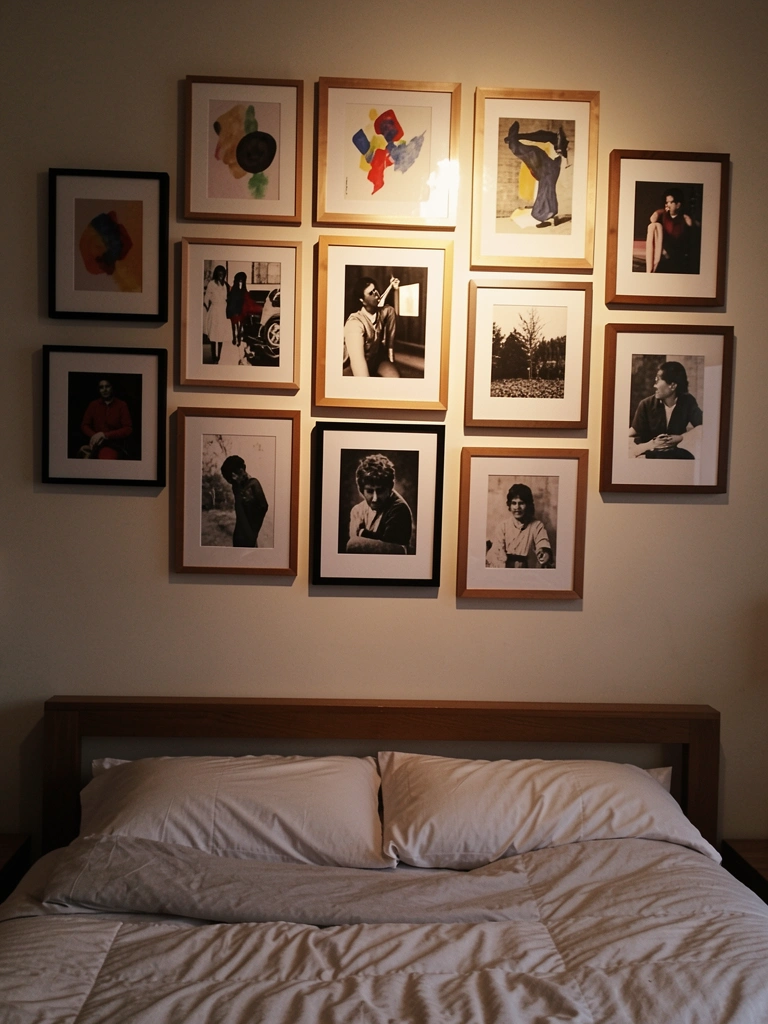
A gallery wall above your bed is an instant personality injection. It’s affordable, renter-friendly, and completely customizable to your aesthetic.
Start by collecting 6–12 frames ($8–$25 each from IKEA, Target, or thrift stores) and choosing artwork—prints from Etsy ($5–$30), thrifted art, your own photography, or posters. Plan your layout on the floor first, then use painter’s tape on the wall to map placement before hanging. Use command strips ($1–$5) for renter-friendly hanging. Mix frame colors and sizes for visual interest—black, white, wood, and brass tones all work together. Vary your artwork: include abstract, photography, typography, and botanical prints for diversity.
Your bedroom instantly transforms from blank walls to a curated space that tells your story. This one project might be the most visible change you make.
17. Add a Statement Dresser for Storage and Style
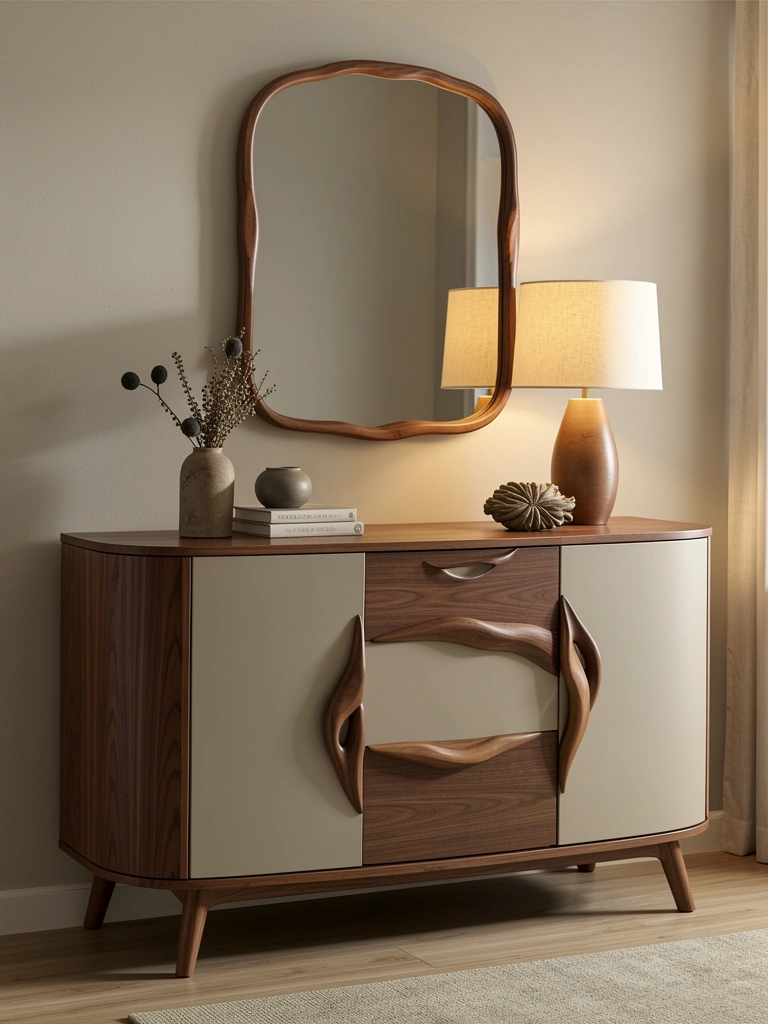
A beautiful dresser serves double duty: it’s essential storage and a design anchor. Choosing the right one instantly elevates your entire bedroom.
Look for dressers with interesting details: curved edges ($400–$800), interesting wood grain or finishes ($300–$700), or brass/gold hardware ($200–$600). IKEA offers budget options ($100–$300), while Wayfair, Article, and Facebook Marketplace have mid-range and vintage finds ($150–$500). Mix thrifted dressers ($50–$200) with fresh hardware for a custom look. Style the top with a mirror, table lamp, and 3–5 decorative objects (avoid clutter). Place it where it becomes a focal point—opposite the bed or anchoring one wall.
Your dresser becomes more than storage—it’s a design statement. This one piece often determines whether your bedroom feels intentional or haphazard.
18. Layer Your Bedding for Better Sleep and Looks
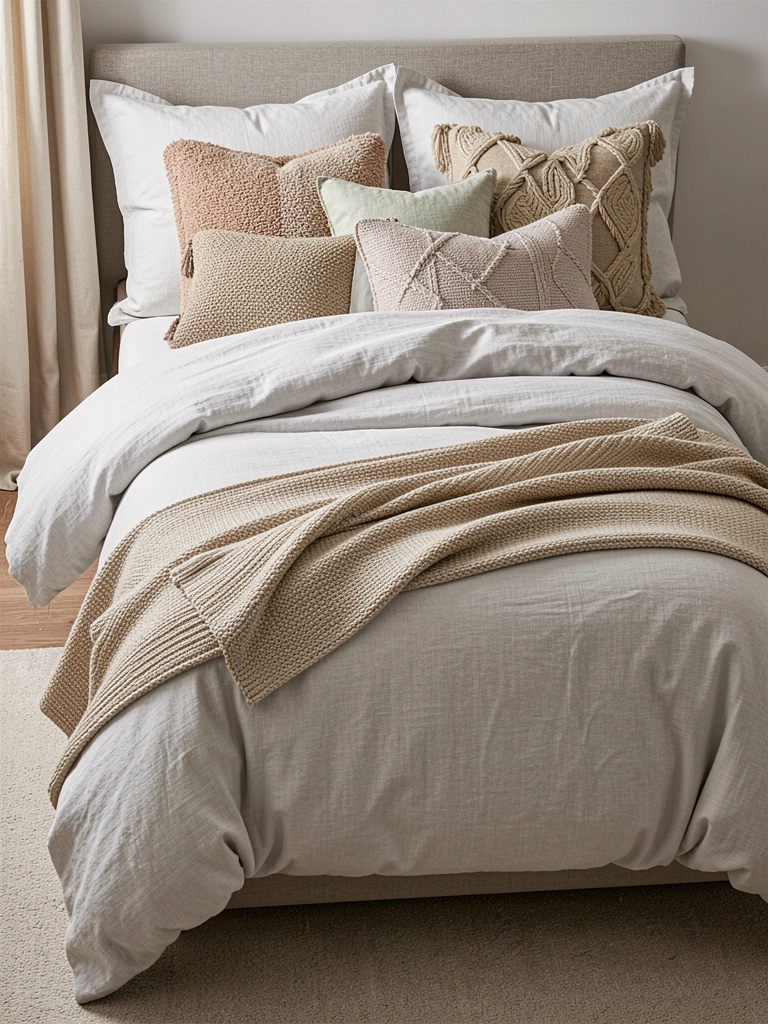
Layered bedding looks luxe and actually improves sleep by letting you adjust warmth throughout the night. This is one of those ideas that’s simple but makes a real difference.
Start with quality sheets ($60–$150), add a fitted duvet ($100–$250), then layer in a cotton throw blanket ($40–$100). Include 2–3 decorative pillows in varied textures ($20–$60 each). Use white, cream, or soft grays as your base, then add one color or pattern through the throw or pillows. The key is leaving the throw slightly rumpled at the foot of the bed—it should look lived-in, not stiff. This takes 5 minutes to arrange but photographs beautifully and feels intentional.
You’ll sleep better and your bed becomes an inviting focal point. The layering creates visual richness and practical comfort in one move.
19. Install a Fabric Headboard for Softness
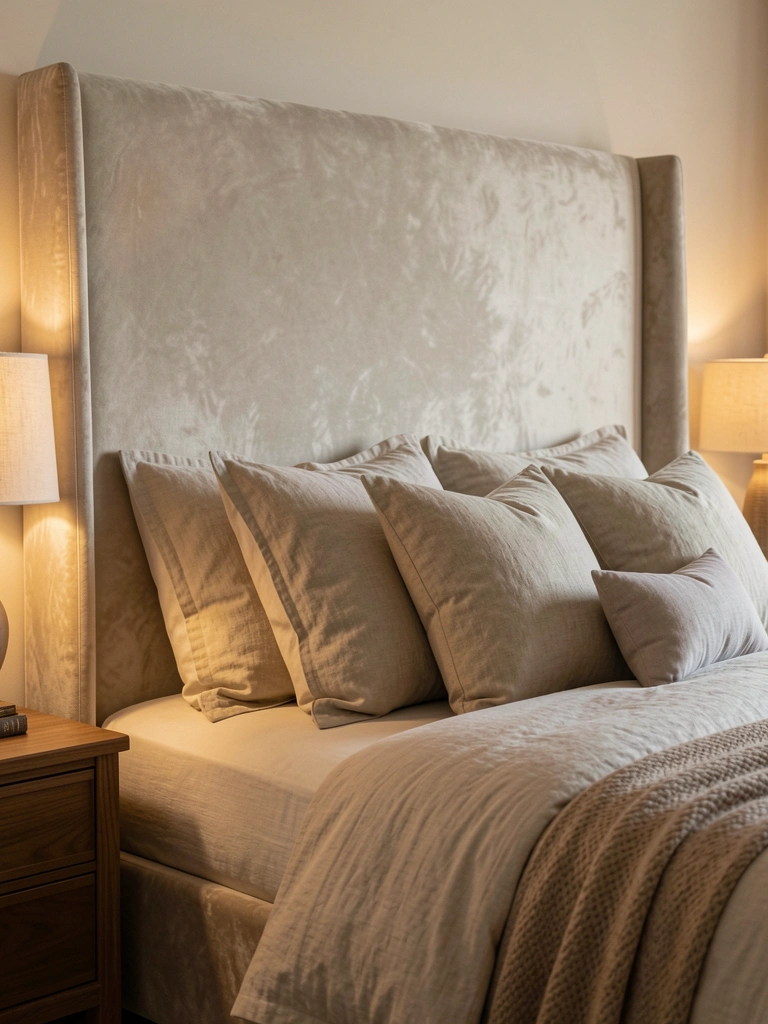
An upholstered headboard softens your bedroom instantly and adds luxury that feels achievable. Unlike hard wood or metal, fabric feels inviting and works in almost any style.
Upholstered headboards range from $150–$600 depending on size and material. Linen is soft and casual ($200–$400), while velvet is more luxe ($250–$500). DIY option: cover a piece of plywood with fabric, add padding underneath ($100–$200 total). Mount it directly to the wall using French cleats ($20–$40). Choose a neutral like cream, gray, or soft taupe for versatility, or go bold with a jewel tone. Pair with minimal bed frame styling to let the headboard shine.
The moment you lean against a soft headboard, your bedroom feels spa-like and intentional. It’s a small luxury that changes how you experience your space.
20. Create a Vintage-Sourced Nightstand Pairing
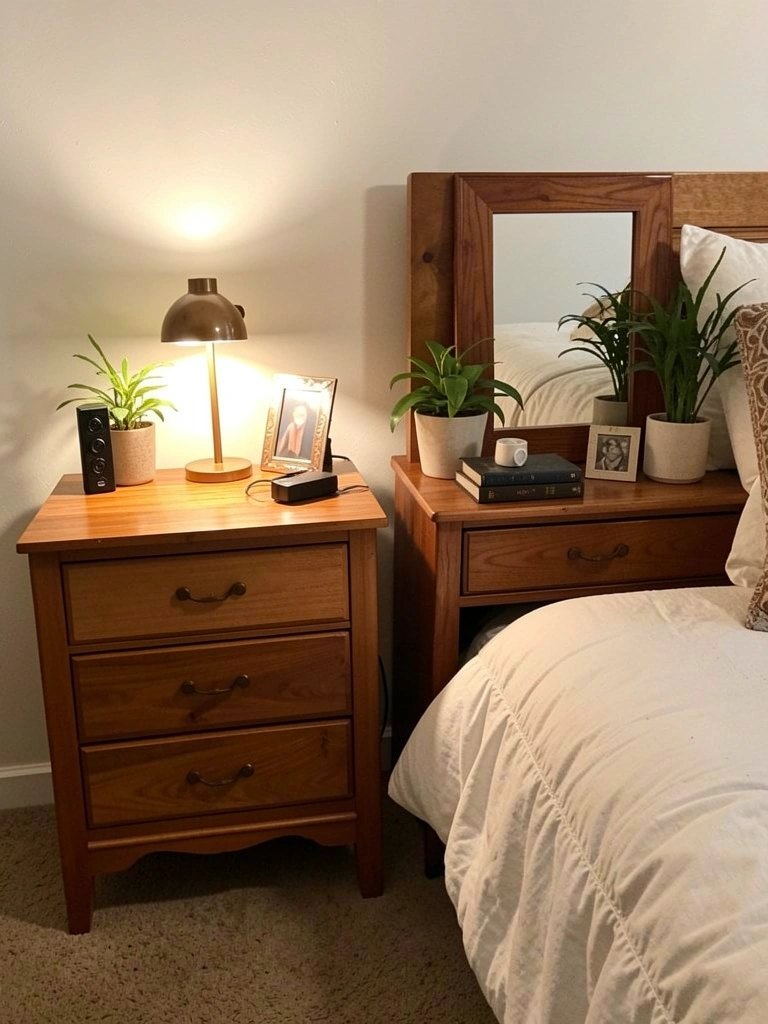
Matching nightstands are predictable. Mixing two vintage pieces in different styles, woods, and finishes creates visual interest and tells a personal story.
Hunt for nightstands at thrift stores ($20–$60 each), Facebook Marketplace ($30–$80), or estate sales ($25–$100). Look for pieces in different woods (one oak, one walnut, for example) or different heights. Refinish or paint if needed ($0–$100 in supplies). The mismatch should feel intentional, so stick to a cohesive color palette—both in warm tones, or both with brass hardware, for example. Add matching lamps ($30–$80 each) to tie them together visually.
This approach creates a collected, thoughtful aesthetic that reads as design-forward rather than accidental. Your nightstands become conversation pieces instead of just functional pieces.
21. Use Curved Mirrors to Reflect Light and Soften Angles
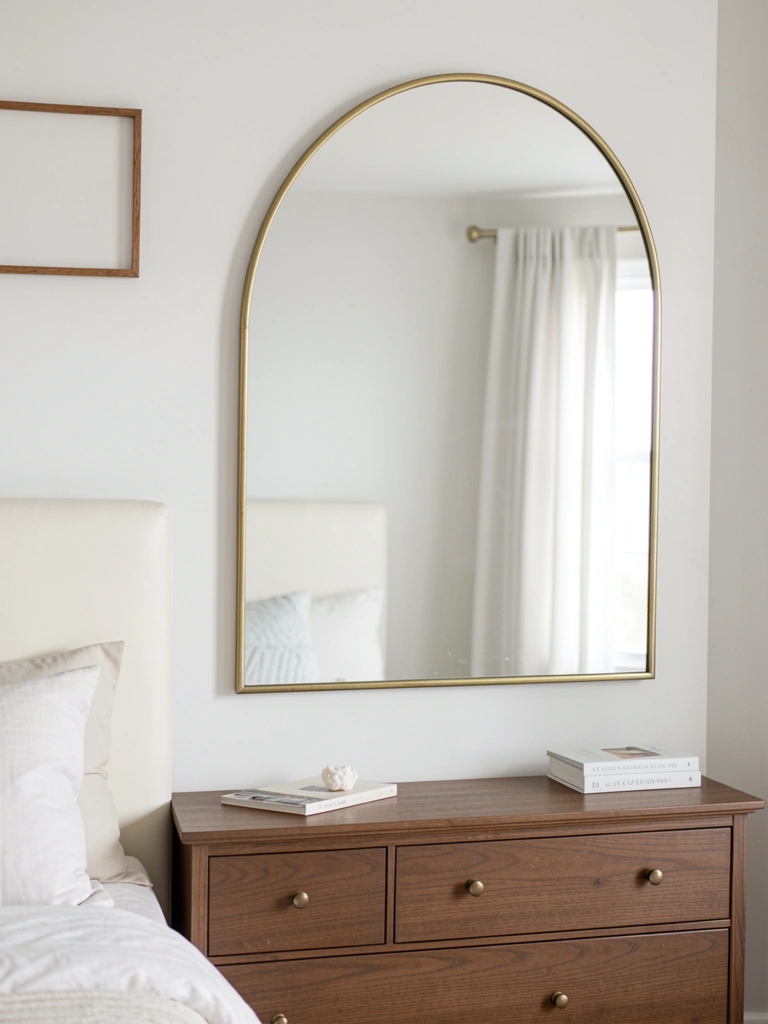
Mirrors serve two purposes: they make spaces feel bigger and more open, and curved frames follow the 2025 trend toward organic shapes. A large curved mirror is an investment that pays dividends.
Arched or circular mirrors range from $80–$300 depending on size and material. Position it opposite a window to reflect natural light and maximize the expansive effect. A 36–48 inch mirror works for most bedrooms. Brass frames feel luxe ($150–$250), while wood frames feel warmer ($100–$200). Budget option: a simple circular mirror from IKEA or Target ($40–$80). Hang it at eye level above a dresser, console, or against a feature wall.
Your bedroom immediately feels brighter and larger. The curved shape adds softness while the reflective surface opens up the space.
22. Swap Heavy Curtains for Sheer Linen
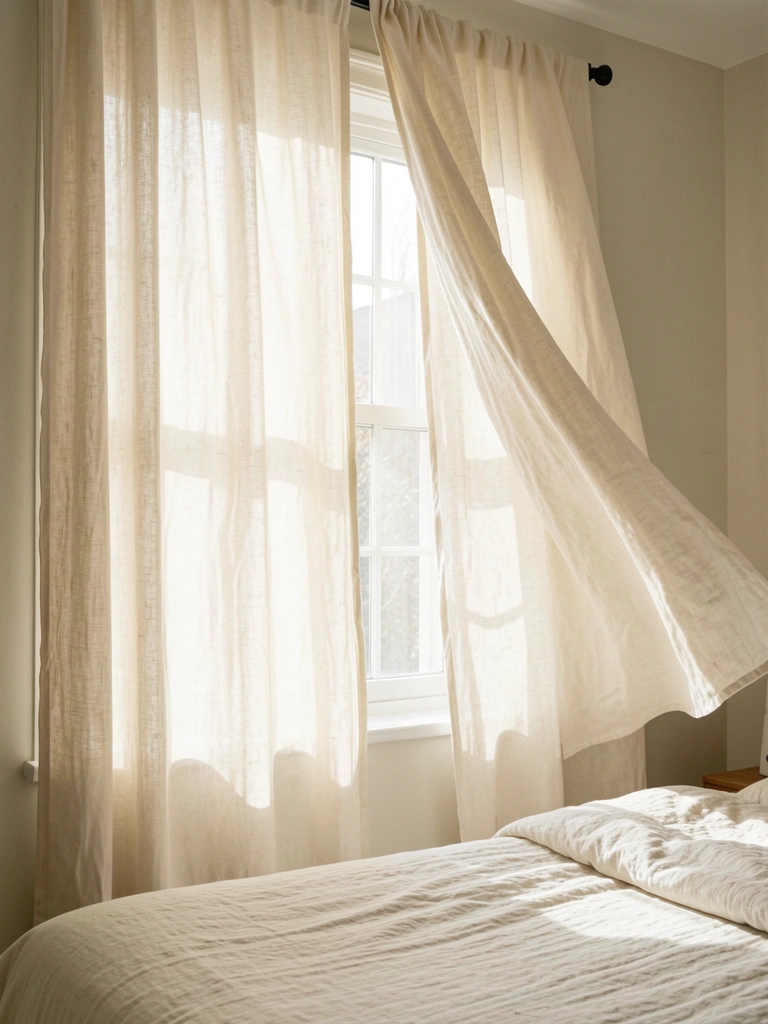
Heavy blackout curtains are practical for sleep, but they make bedrooms feel dark and cave-like during the day. Sheer linen allows light while maintaining privacy and creates a softer, more open feeling.
Linen curtains in cream or soft white run $50–$150 per panel from Etsy, Parachute, or Amazon. Install a curtain rod ($30–$60) and hang panels on either side of your window. If you need blackout privacy, layer sheer linen with a lightweight roman shade ($40–$100) behind it. The combination lets you control light while keeping the daytime aesthetic airy. Linen wrinkles slightly, which adds to the relaxed, intentional vibe.
Your bedroom feels fresher and more open. The natural light filtering through soft fabric changes the entire mood of the space without sacrificing privacy.
23. Add a Woven Wall Hanging or Macramé Accent
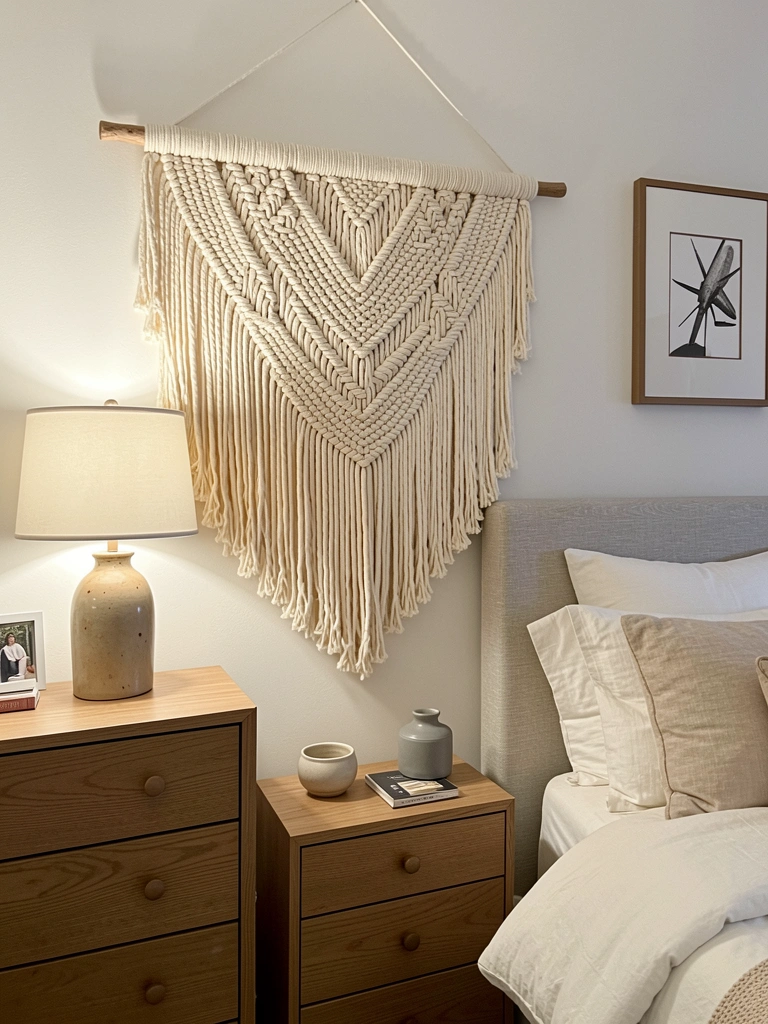
Textile wall hangings add bohemian warmth without demanding too much visual attention. A single large piece feels more intentional than a gallery of smaller items.
Woven wall hangings range from $40–$200 depending on size and complexity. Macramé pieces ($30–$150) add a handmade feel. Look on Etsy, Anthropologie, or local artisan markets for one-of-a-kind pieces. Choose neutral tones like cream, tan, or soft gray to blend with most bedrooms. Position above a dresser, nightstand, or as a focal point behind your bed. Pair with one or two smaller pieces if you want layering, but keep it minimal.
This textile adds warmth and visual interest without screaming for attention. It signals that you care about your space while maintaining the calm, restful vibe a bedroom requires.
24. Design a Dressing Nook with Open Shelving
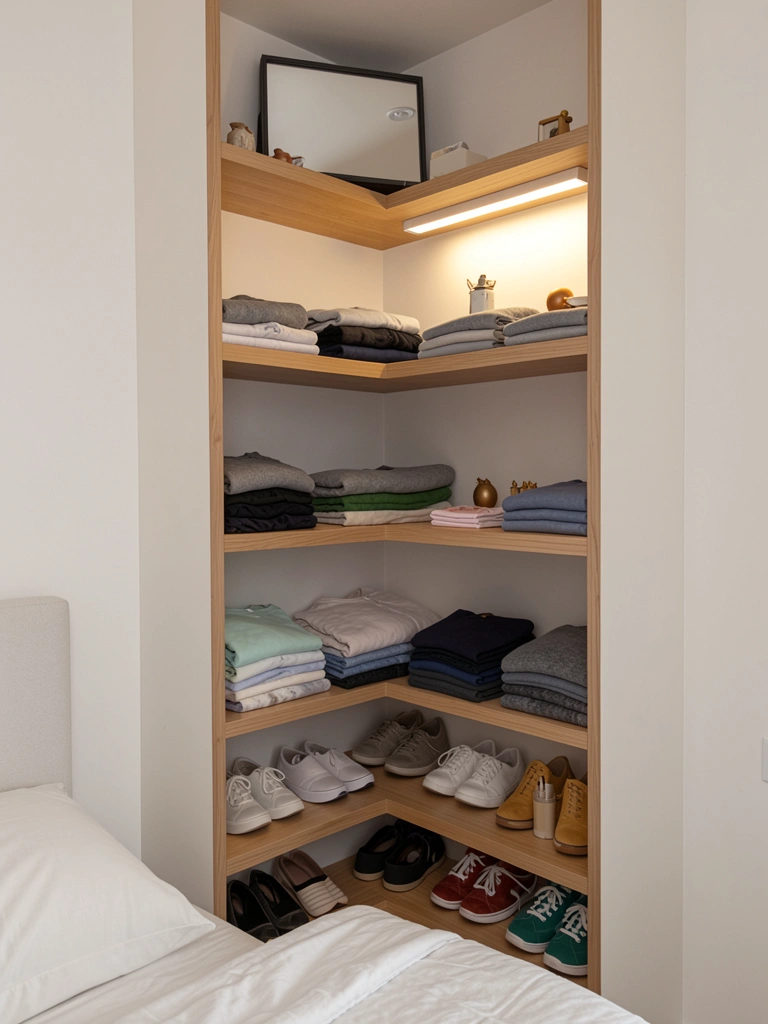
If you have a corner or wall space, a dressing nook with open shelving turns storage into a design feature. It works especially well in small bedrooms where a full closet isn’t feasible.
Install 3–4 floating shelves ($80–$200 installed) at varying heights. Keep to a strict color palette—fold clothes neatly in similar tones (whites, creams, grays, blacks). Store shoes on lower shelves and smaller items in woven baskets ($15–$40 each) on upper shelves. Add a simple mirror ($40–$100) and task lighting ($25–$60) for functionality. This works best if you naturally gravitate toward minimalist wardrobes, as open storage only works when it’s tidy.
You create dedicated, curated storage that actually looks like part of your design rather than cluttered. Every item visible is one you genuinely use and love.
25. Invest in a Quality Bedside Table Lamp
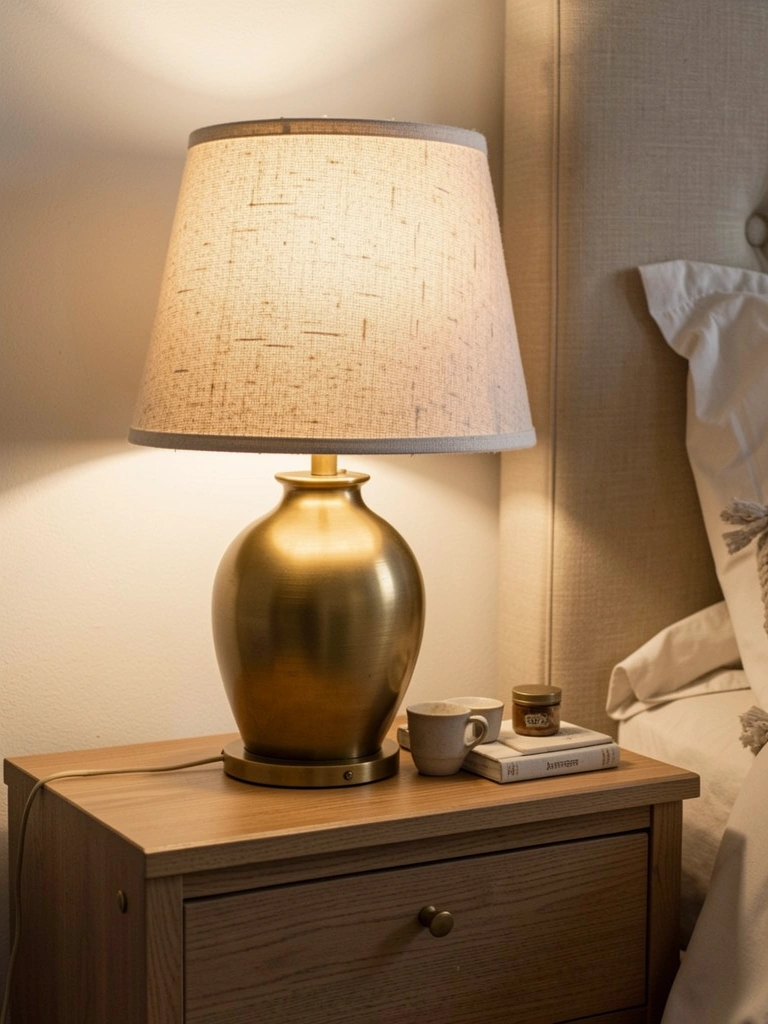
A good bedside lamp is one of the easiest ways to improve your bedroom’s nighttime vibe. Quality lighting matters more than most people realize for both aesthetics and sleep quality.
Bedside lamps start at $30–$60 for basic options, but investing $80–$150 gets you better design and functionality. Look for warm brass finishes, ceramic bases, or sculptural shapes that complement your aesthetic. Choose linen shades ($20–$50) over plastic, and make sure the bulb is warm white (2700K). Position lamps on both sides of your bed if possible—this creates balanced, cozy light and eliminates harsh shadows. Pair with a simple nightstand ($80–$150) styled with 2–3 small objects only.
Your nighttime routine becomes more pleasant immediately. Warm, gentle bedside lighting actually supports better sleep while making your bedroom feel like a luxury hotel.
26. Layer Rugs to Define Zones and Add Warmth
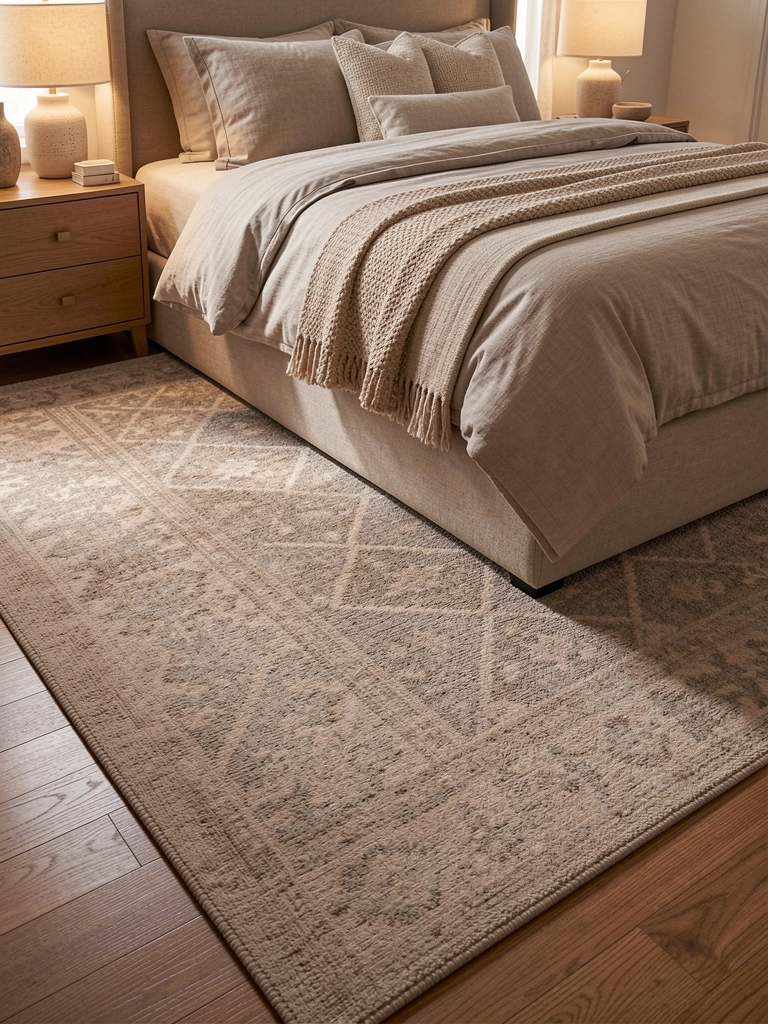
Layering rugs (yes, really) adds depth, defines zones in open-concept bedrooms, and creates visual interest. It’s an unexpected design trick that actually works beautifully.
Start with a large base rug ($80–$300) in a neutral tone—jute, sisal, or light gray. Layer a smaller patterned or textured rug ($40–$150) on top, offset slightly for an intentional look. This works best in rooms where you want to define the bed area without furniture walls. Choose rugs in complementary colors or let one pattern and one neutral balance each other. This setup takes 10 minutes but makes your bedroom feel more designed and intentional.
The layered approach creates visual depth and makes small bedrooms feel more defined. It’s a design-forward choice that adds sophistication without major expense or effort.
27. Install Floating Nightstands for Small Spaces
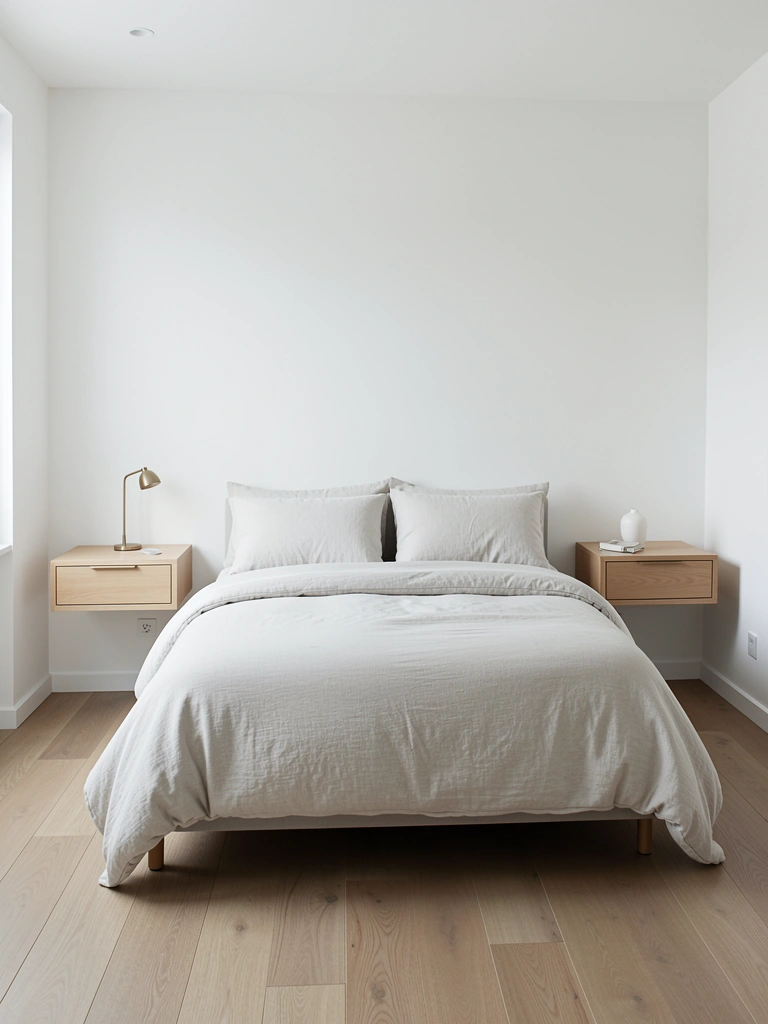
Floating nightstands save floor space and make tiny bedrooms feel larger. They’re renter-friendly (removable options exist) and work in minimalist, modern, or transitional styles.
Wall-mounted nightstands cost $60–$200 from Wayfair, IKEA, or specialty retailers. Installation requires studs or heavy-duty wall anchors ($20–$40). Renter option: command-strip mounted shelves ($15–$30) do the job temporarily. Keep floating nightstands minimal—a lamp, small plant, and maybe a book. The sparse styling keeps the space from feeling cluttered and maintains the open, airy vibe. Paint them the same color as your wall ($0 if already painted) or choose a contrasting finish for visual pop.
Your tiny bedroom suddenly feels less cramped. Without nightstand legs taking up floor space, the room breathes and feels larger than it actually is.
28. Curate a Secondhand Bedroom for Style and Sustainability
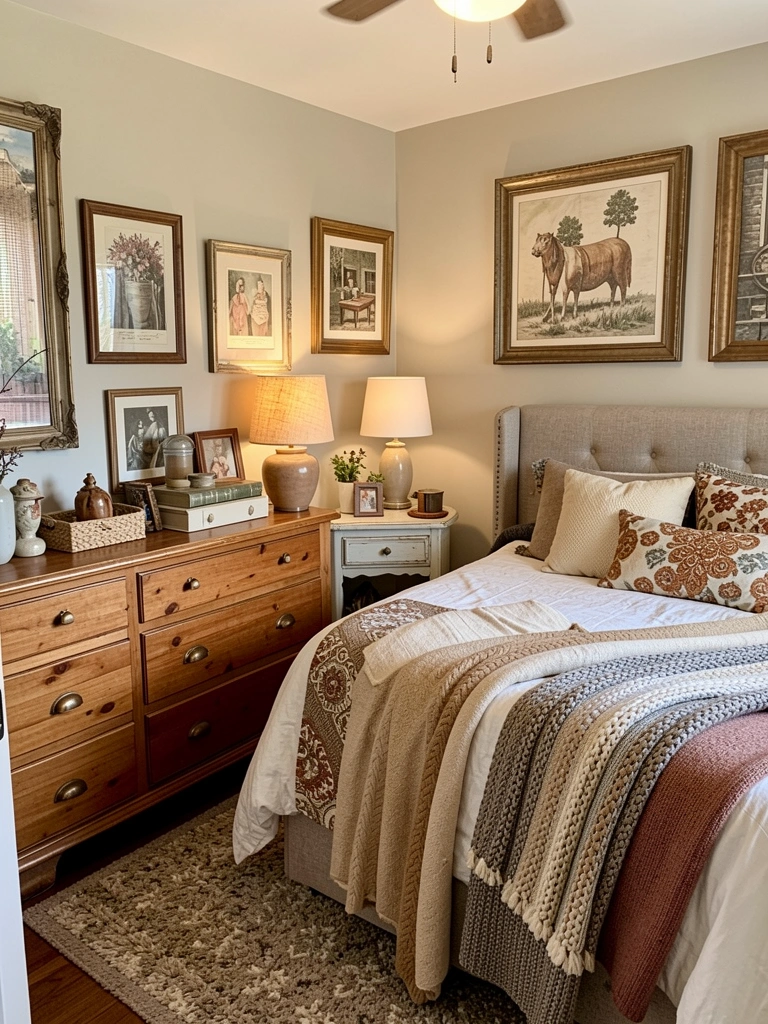
Building your bedroom from thrifted and secondhand pieces is budget-friendly, sustainable, and results in a truly unique space that reflects your personality rather than a design catalog.
Hunt thrift stores, Facebook Marketplace, estate sales, and local vintage shops for unique pieces. Aim for 60–70 percent of major furniture from secondhand sources ($200–$600 total if patient and selective). Choose one or two investment pieces—a beautiful wooden dresser or vintage mirror—and fill in with smaller items. Keep a cohesive color palette so pieces feel intentional rather than random. Refinish or repaint pieces if needed ($20–$100 in supplies and time). This approach takes longer but results in a one-of-a-kind space and costs 40–50 percent less than buying new.
Your bedroom becomes a true reflection of your taste and values. Every piece has history and character, and you’re creating something beautiful while supporting sustainability.
Save this post for your next bedroom refresh. Pick one idea this weekend—even a small change like better lighting or a new pillow arrangement makes a tangible difference. Which style speaks to you?
Leave a Reply