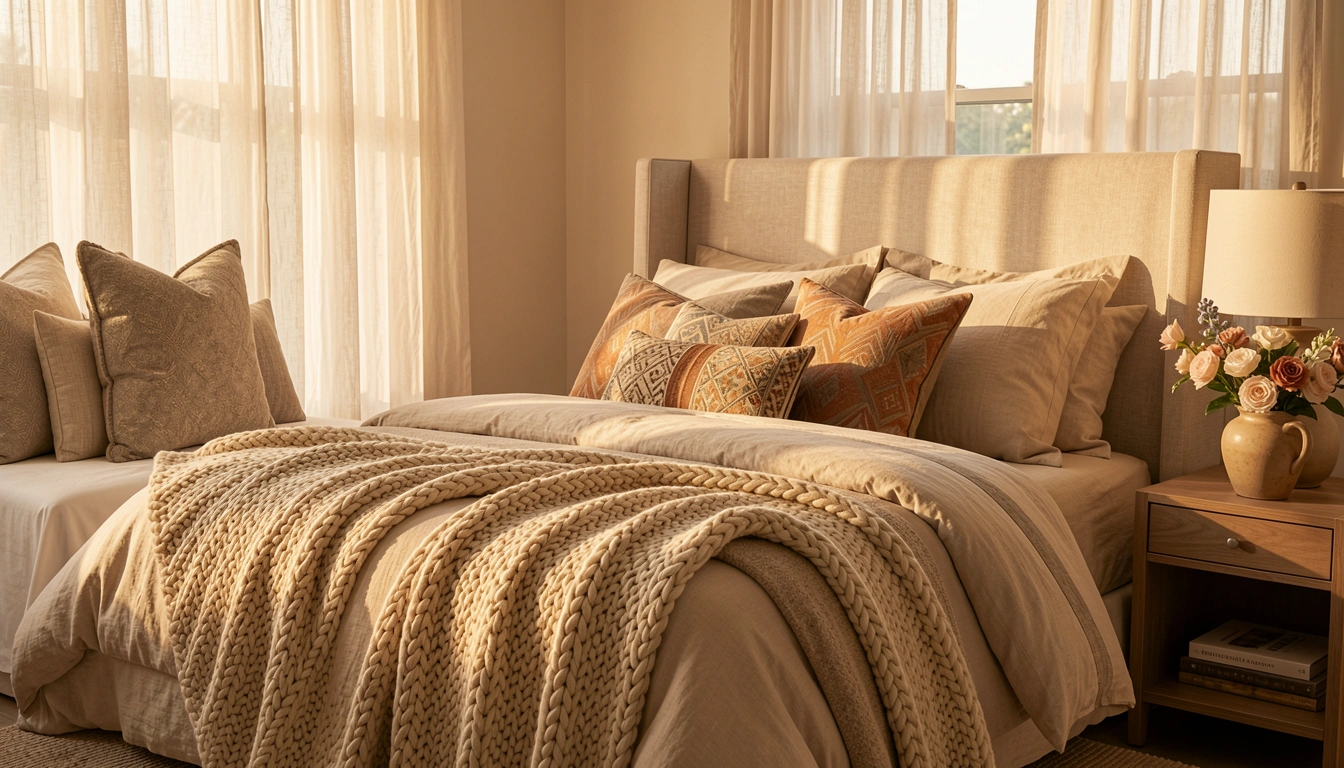
Your bedsheets are doing more work than you realize—they’re the first thing you see in the morning and the last thing at night. But between wrinkled cotton basics and the pressure to make your bed look magazine-worthy, it’s easy to feel stuck. The good news? You don’t need a complete bedroom overhaul to create that cozy, Instagrammable look you’re craving. These 23 ideas blend the 2025 trends of textured warmth, organic shapes, and grandmillennial nostalgia with practical, budget-friendly solutions that work for renters and homeowners alike. From layering hacks to color combos that actually work, you’ll find mix-and-match approaches to build a bedroom that feels both intentional and authentically yours.
1. Layer Multiple Textures for Sensory Depth
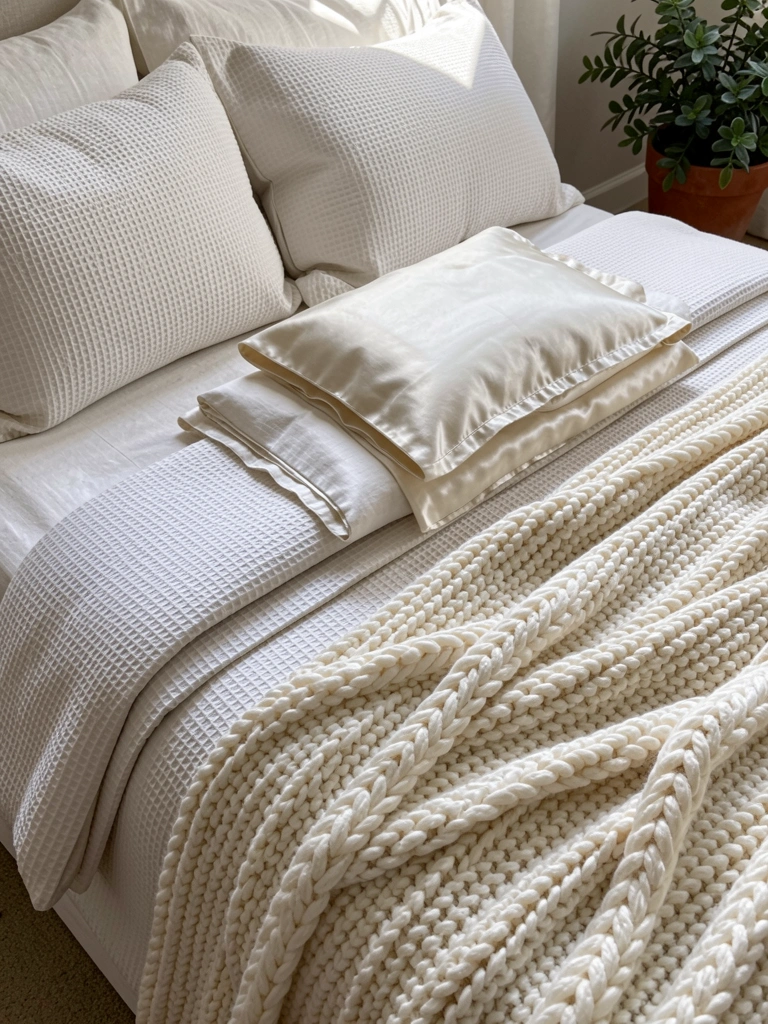
Stacking different fabric weights and weaves creates visual interest and makes your bed genuinely more comfortable. This isn’t just about throwing things on—it’s about building tactile richness that invites you to sink in.
Start with a quality fitted sheet in natural linen or organic cotton ($40–$80). Add a waffle-weave or textured duvet cover ($60–$120) as your base layer. Top with a chunky knit throw blanket ($50–$100) draped casually across the foot. Tuck in silk or satin pillowcases ($20–$50 per pair) to catch light and reduce hair breakage. This whole project takes about 10 minutes to style once you have the pieces.
Pro tip: Stick to a neutral base (cream, taupe, soft gray) and let textures do the talking rather than mixing competing colors.
The result is a bed that looks high-end but feels even better—like a hotel setup you actually want to crawl into every night.
2. Go Bold with a Statement Headboard
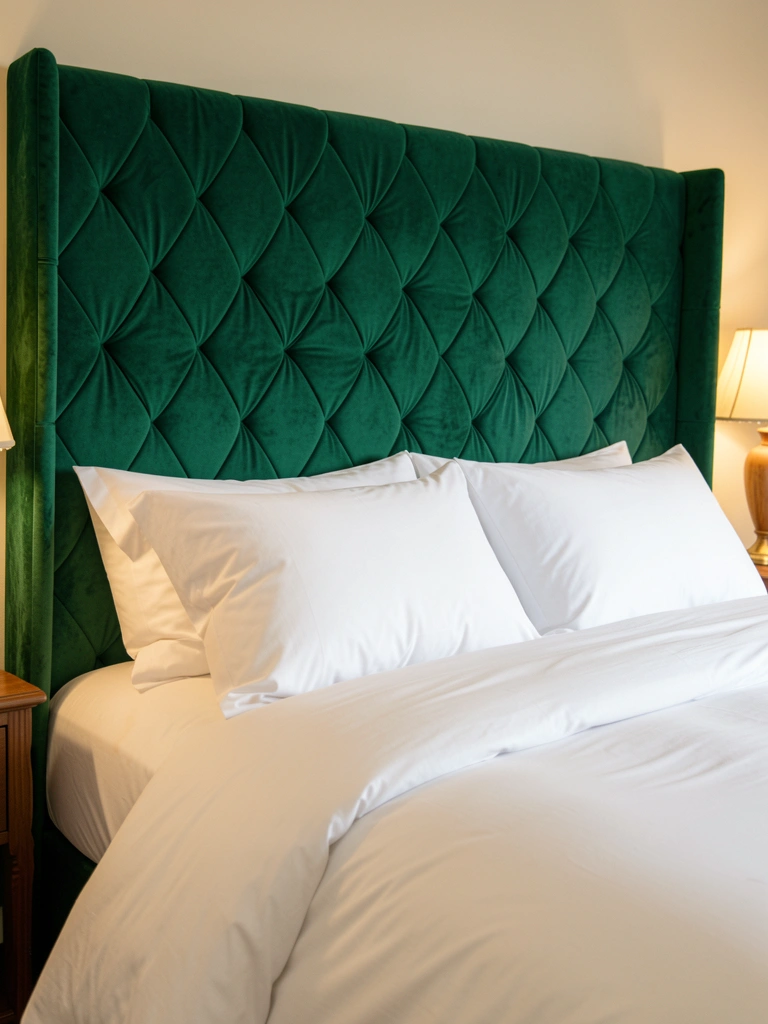
A statement headboard anchors your entire bed and costs less than you’d think. It’s the focal point that makes people stop and notice.
Invest in an upholstered headboard in a jewel tone or earth-toned velvet ($150–$400) as your bedroom’s anchor piece, or DIY a smaller version using fabric and plywood ($30–$60 for materials). For renters, a leaning headboard or tapestry as a faux headboard ($25–$100) works just as well. Mount it directly behind your bed at window height for maximum impact. Installation takes 30 minutes with basic tools.
Alternative: If budget’s tight, create a headboard effect using a peel-and-stick wallpaper or fabric backdrop ($20–$50) instead of real upholstery.
Suddenly your bed becomes the room’s star feature, and everything else feels more polished and intentional.
3. Mix Pattern with a Patterned Duvet Cover
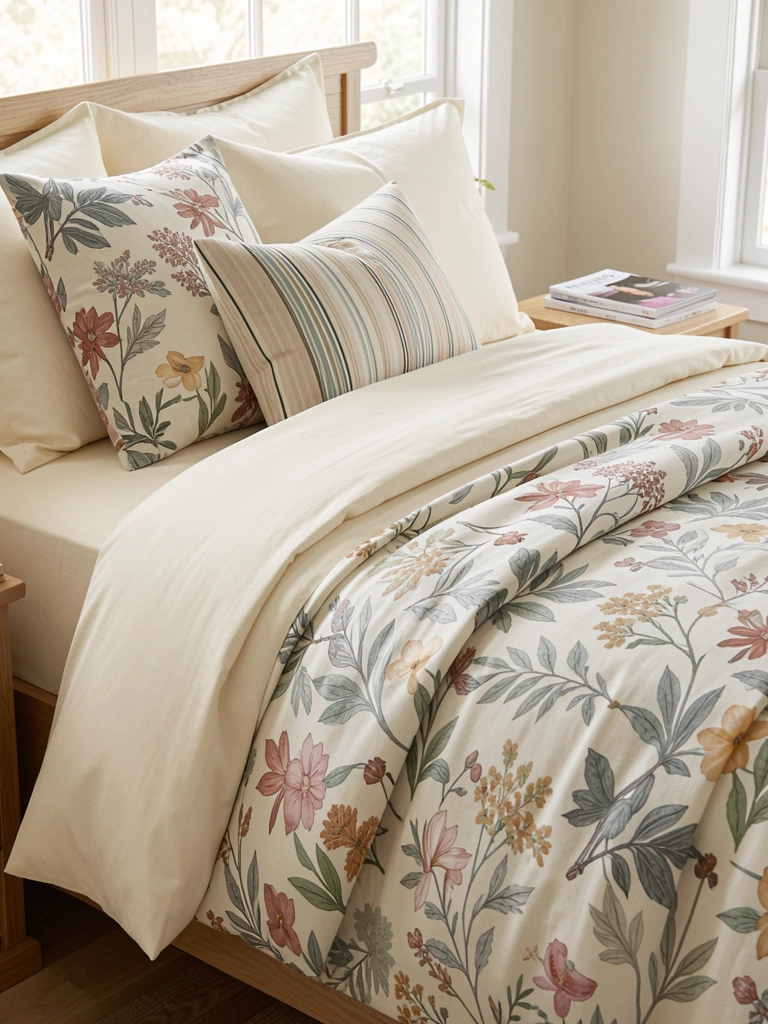
Patterns are back—and they’re a lot softer than the boho overload of years past. Floral, geometric, and vintage-inspired prints add personality without chaos.
Choose a duvet cover with a mid-scale pattern ($40–$90) in colors that match your room’s palette. Look for prints that feel nostalgic but modern—think small florals, Art Deco shapes, or subtle geometric tiles. Pair it with solid pillowcases in a complementary tone to keep things balanced. Swap it out in under 5 minutes once you’ve chosen your design. Search “grandmillennial bedding” or “vintage botanical duvet” on Wayfair, Target, or independent brands like Parachute.
Pro tip: Test a pattern by pinning a photo to your Pinterest board for a week—if you still love it, commit.
A patterned duvet gives you a complete style refresh that feels collected and curated rather than generic.
4. Add Color Without Overwhelming—Start with Pillows
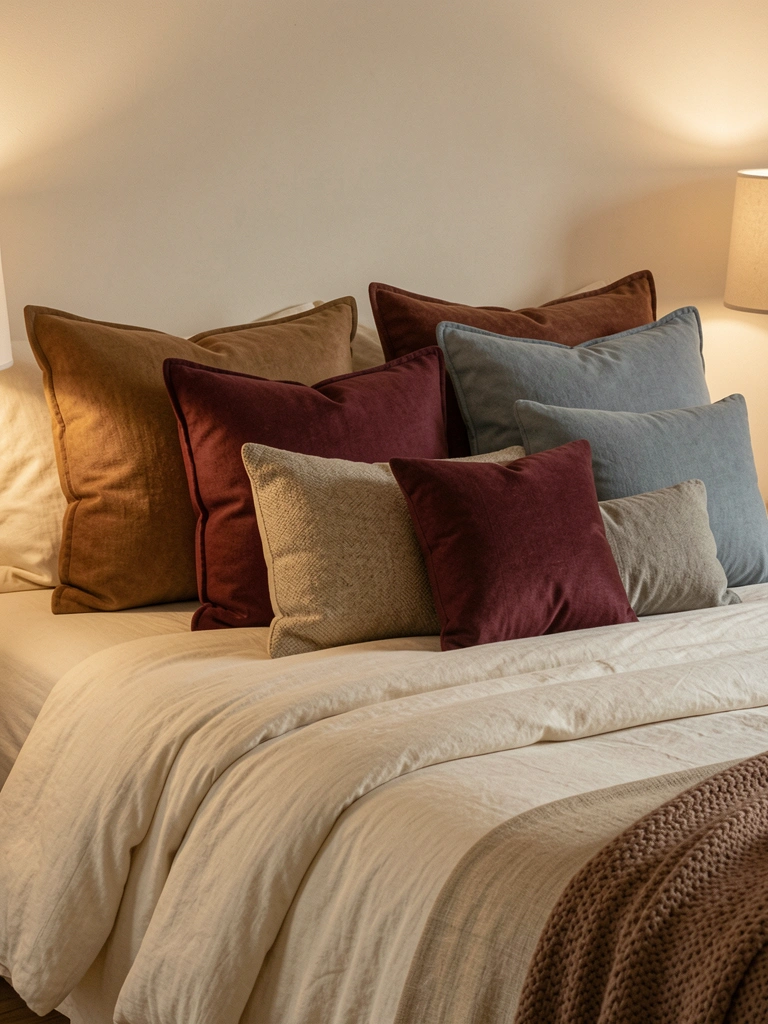
Color injection through pillows lets you experiment without the permanence of painting walls. You can swap them seasonally or whenever you want a new vibe.
Buy 3–5 decorative pillows ($15–$40 each) in a mix of earth tones (terracotta, sage, warm taupe) or a single jewel tone (aubergine, forest green, midnight blue). Vary sizes (standard, lumbar, square) and layer them by height against your headboard. Start with two solid pillows, then add textured or patterned accent pillows. Rearranging takes 2 minutes.
Where to shop: IKEA, Target, Etsy for affordable options; Schoolhouse Electric, Lulu & Georgia for designer pieces ($40–$80).
Your bed goes from one-note to full of personality, and you haven’t committed to anything—just fluff and arrange.
5. Invest in Organic, High-Quality Sheets
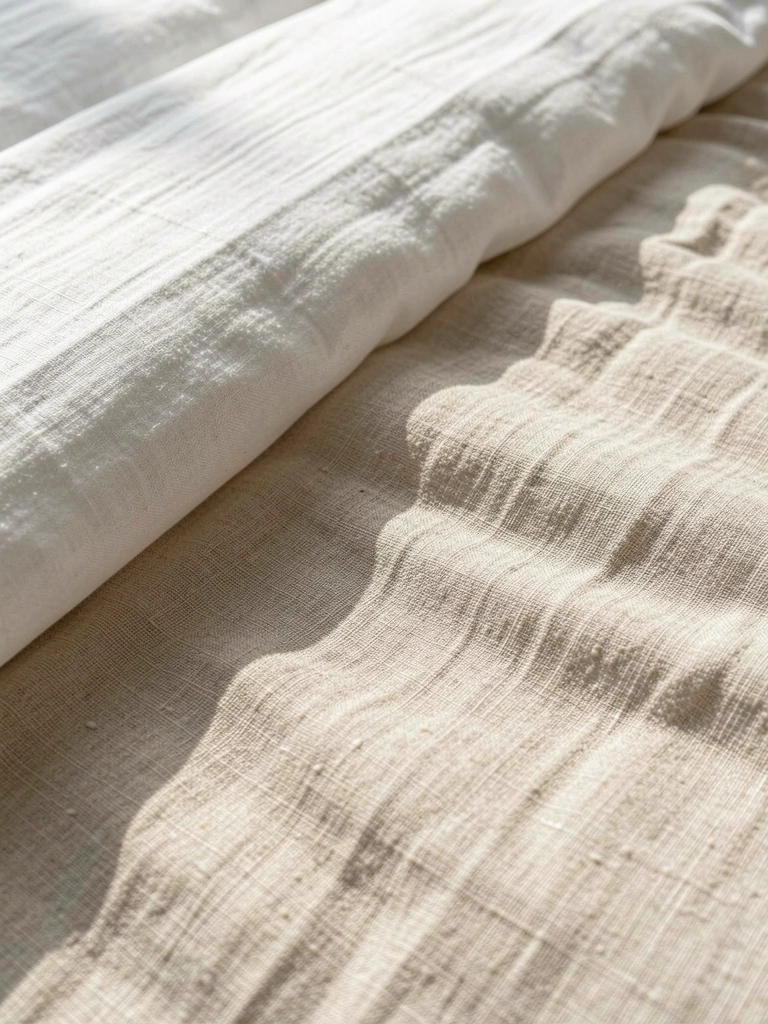
The sheets you sleep on matter more than the ones you see. Organic materials breathe better, soften with washing, and feel luxurious without pretension.
Splurge on a set of organic cotton or linen sheets ($80–$200 for a full set) from brands like Brooklinen, Parachute, or Woolroom. Look for thread counts between 300–600 (high enough for softness, low enough to breathe). Linen wrinkles naturally, which adds authenticity; organic cotton gets softer every wash. One set costs about the same as a weekly coffee habit but lasts years. Buy one quality set first, then add a second set if budget allows.
Budget alternative: Affordable organic options from Target or Amazon ($40–$70) are better than conventional high-thread-count sheets.
You’ll genuinely sleep better, and the improved rest quality shows in your mood, skin, and energy all day.
6. Style Your Bed Like a Hotel with Layering
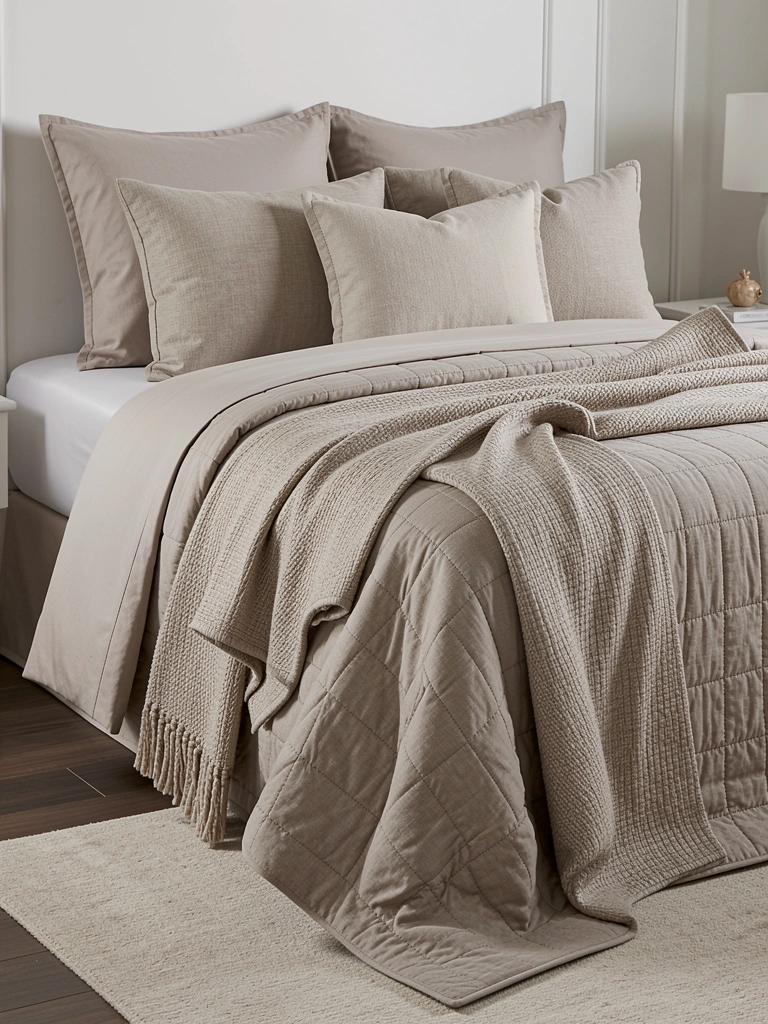
Hotel beds look intentional because they follow a formula—and you can recreate it at home. The trick is knowing why each layer matters.
Layer like this: fitted sheet (tucked tight) → flat sheet (folded casually at the foot or turned down at the top) → quilted coverlet or duvet (reaching the floor) → throw blanket (draped across one corner at an angle). Add two sleeping pillows against the headboard and one or two decorative pillows in front. This takes about 15 minutes to style perfectly but becomes automatic once you know the steps.
Pro tip: Tuck everything hospital-corner style, then slightly mess it up to look lived-in rather than sterile.
The result? A bed that looks like a magazine shoot but feels warm and approachable—not stiff.
7. Use Jewel-Tone Bedding for Wellness and Calm
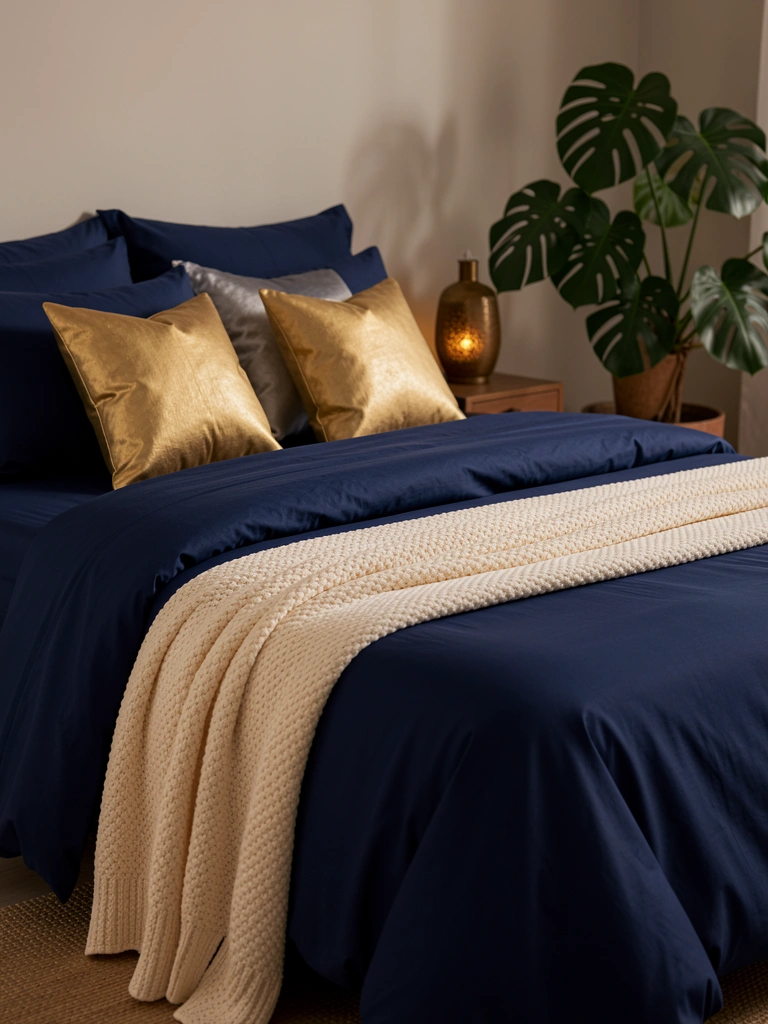
Deep jewel tones—midnight blue, emerald, aubergine—signal luxury while triggering calm. Unlike bright colors, these hues promote better sleep and look sophisticated from the moment you see them.
Choose a jewel-toned duvet cover or sheet set ($50–$150) in midnight blue, forest green, or deep plum. Pair it with neutral pillows and throws (cream, soft gray, warm white) to keep the room from feeling cave-like. The jewel tone becomes your anchor, and lighter accents let it shine. One set of sheets and a duvet is $80–$200 total—a significant upgrade but worth it for the mood shift.
Alternative: If you’re not ready to commit to full bedding, start with a jewel-toned duvet cover only ($40–$80).
You’ll find yourself more relaxed in the evenings, and the space photographs beautifully in any lighting.
8. Mix Earth Tones for a Grounded, Warm Palette
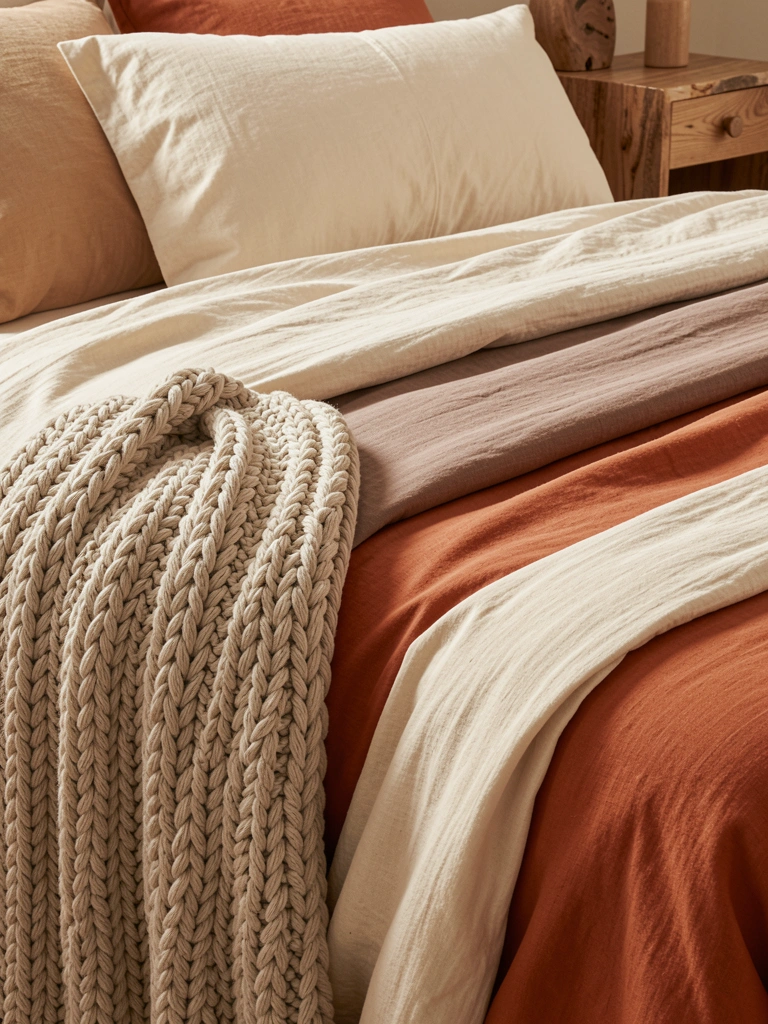
Earth tones are 2025’s answer to gray minimalism—they ground your space while feeling warm and inviting. The key is mixing multiple shades rather than sticking to just one.
Layer a cream or off-white base sheet with a warm taupe, caramel, or rust-toned duvet cover ($60–$120). Add pillows and throws in terracotta, sage, or warm oatmeal ($20–$60 each). These colors work together because they naturally exist in nature. Shop for bedding at West Elm, Schoolhouse Electric, or IKEA where earth tones are abundant and affordable. Styling takes 10 minutes once pieces arrive.
Pro tip: Grab a paint chip sample of your desired earth tone and hold it against fabrics in-store to ensure they match your vision.
Your bed becomes a visual retreat—cozy without being dark, warm without being heavy.
9. Layer Sheer and Opaque Curtains for Luxury and Function
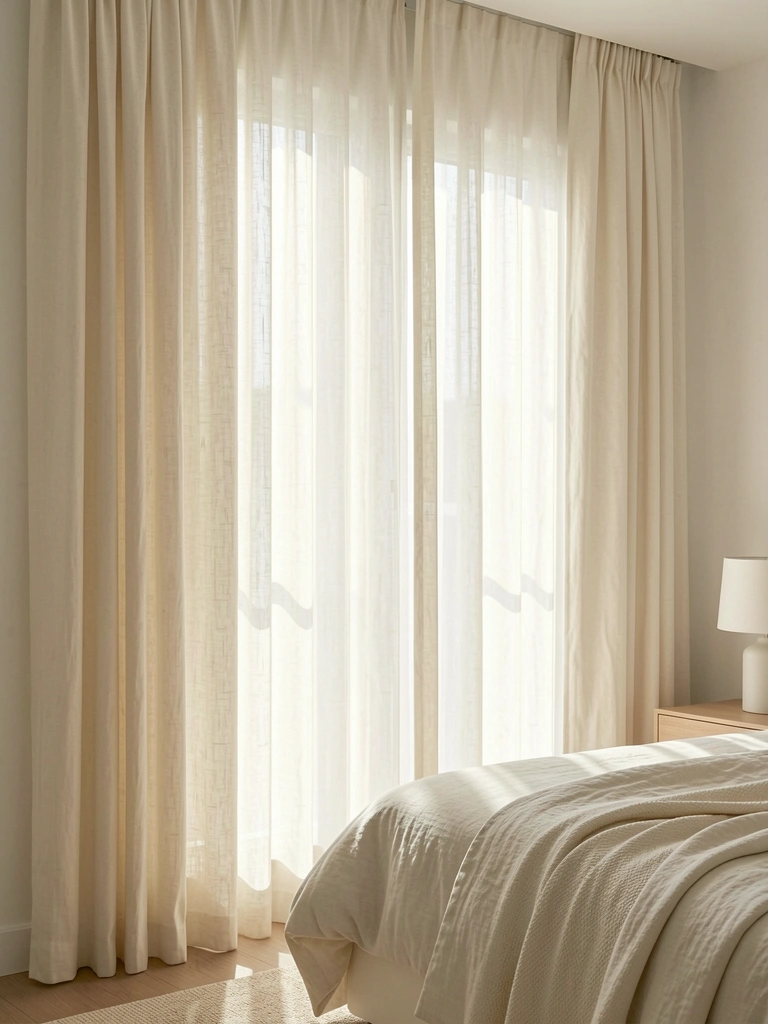
Floor-to-ceiling curtains with layered sheer and solid panels create instant luxury and solve a practical problem—light control without blocking the view when closed.
Hang a single rod at ceiling height ($20–$40) and layer two panels: a sheer white or cream panel ($30–$60) for soft light during the day and a heavier linen or cotton panel ($40–$100) that slides over it for darkness at night. Extend the rod slightly past your window frame on both sides to maximize the visual effect. DIY installation takes 1–2 hours with basic tools; hire help for $100–$200 if needed.
Budget option: Thrift store lightweight fabric ($5–$15) works for sheer layers if you’re renting.
The result is a bedroom that feels intentional and spa-like, plus you actually sleep better with blackout capability.
10. Add Vintage or Thrifted Textiles for Character
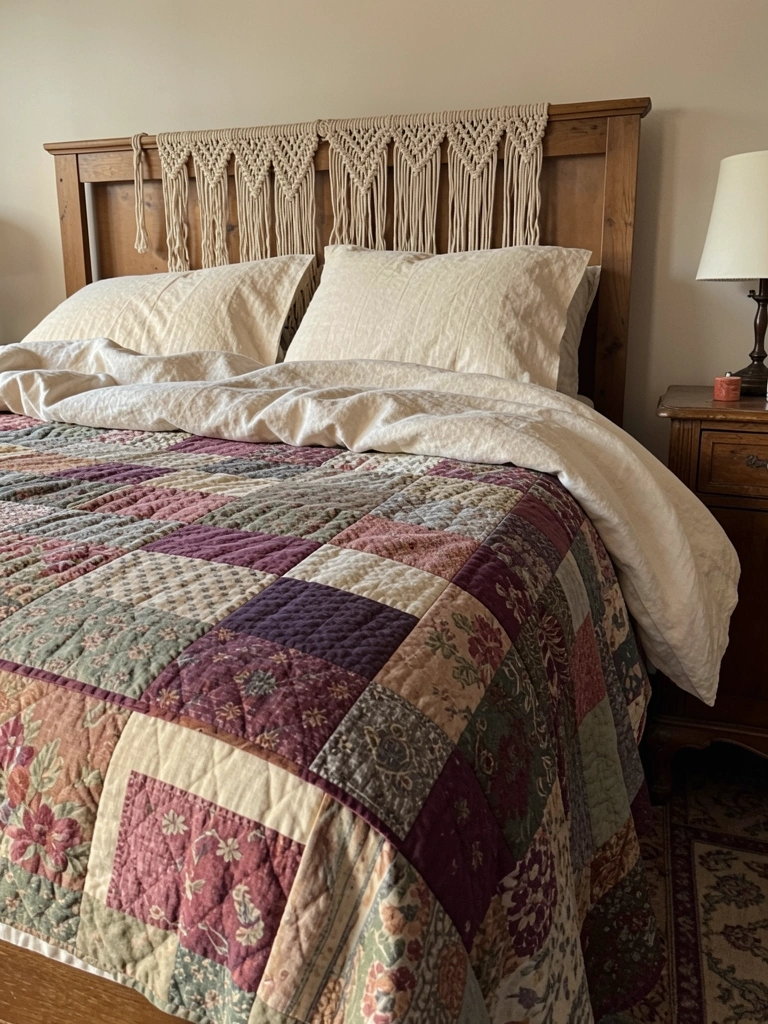
Handmade quilts, vintage throws, and thrifted textiles tell a story and add authenticity that new bedding can’t match. Plus, they’re usually cheaper and one-of-a-kind.
Hunt for vintage quilts, woven blankets, or tapestries at local thrift stores, Etsy, or Facebook Marketplace ($15–$80 depending on condition and rarity). Lay a quilt over your duvet as a top layer, or drape a vintage throw across the foot. These pieces work beautifully with modern sheets and don’t need to match perfectly—slight color mismatches feel curated. Allow 30 minutes to an hour for browsing, but you might find multiple pieces in one trip.
Pro tip: Look for quilts in geometric or floral patterns that echo grandmillennial aesthetics.
A vintage textile transforms your bed from “decorator showroom” to “lived-in sanctuary with a personal story.”
11. Create Textured Warmth with a Chunky Knit Throw
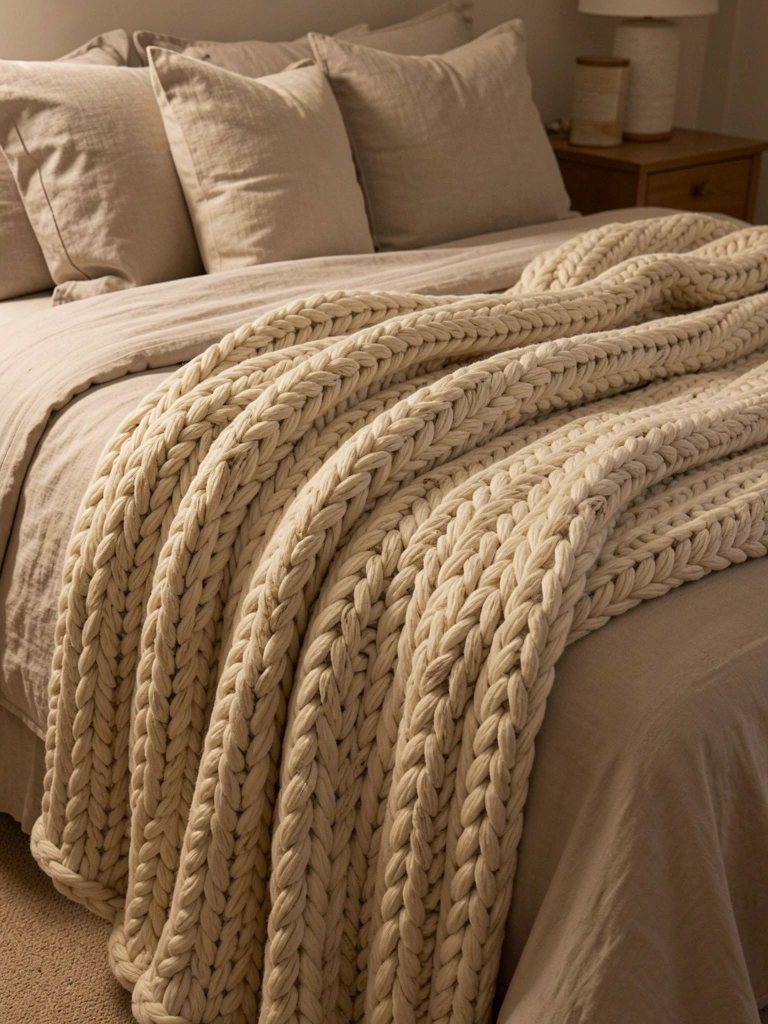
A chunky knit throw adds instant coziness and a tactile element that’s perfect for 2025’s texture-focused trend. It’s functional and beautiful—plus extremely Instagrammable.
Pick up a chunky knit throw blanket ($40–$120) in cream, oatmeal, or soft gray from West Elm, Target, or Etsy. Drape it over your footboard or fold it loosely at the bed’s end rather than centering it perfectly—the casual placement looks more intentional. Layer it with your duvet and pillows for maximum visual depth. No installation needed; styling takes 5 minutes.
Budget hack: Chunky knit throws on sale ($25–$50) during off-season months at department stores.
Your bed becomes a cozy refuge that makes you actually want to get in—and photographs beautifully from every angle.
12. Use Pillow Arrangements to Define Your Bed’s Shape
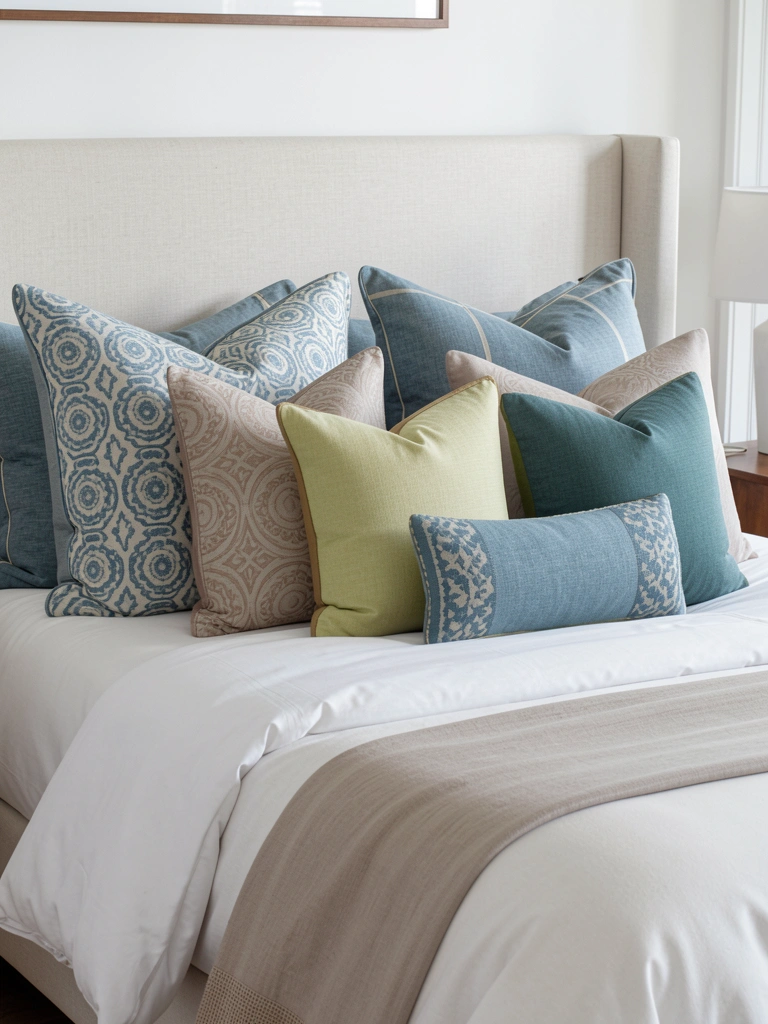
Smart pillow arrangement makes even a basic bed look curated and high-end. The key is layering by size and playing with proportions.
Start with two standard sleeping pillows against the headboard, then layer one or two larger square pillows ($25–$60 each) in front of them, then a small lumbar or decorative pillow ($15–$35) at the very front. Vary your covers—mix solids and patterns, or go all one color with different textures. Rearranging takes 5 minutes but dramatically changes your bed’s visual weight. Shop IKEA for affordable pillow inserts ($10–$20) and source covers separately.
Pro tip: Pillows with piping or contrasting seams read as more intentional than plain ones.
Suddenly your bed looks styled and balanced rather than like you just threw pillows on top.
13. Go Renter-Friendly with Removable Bed Skirts
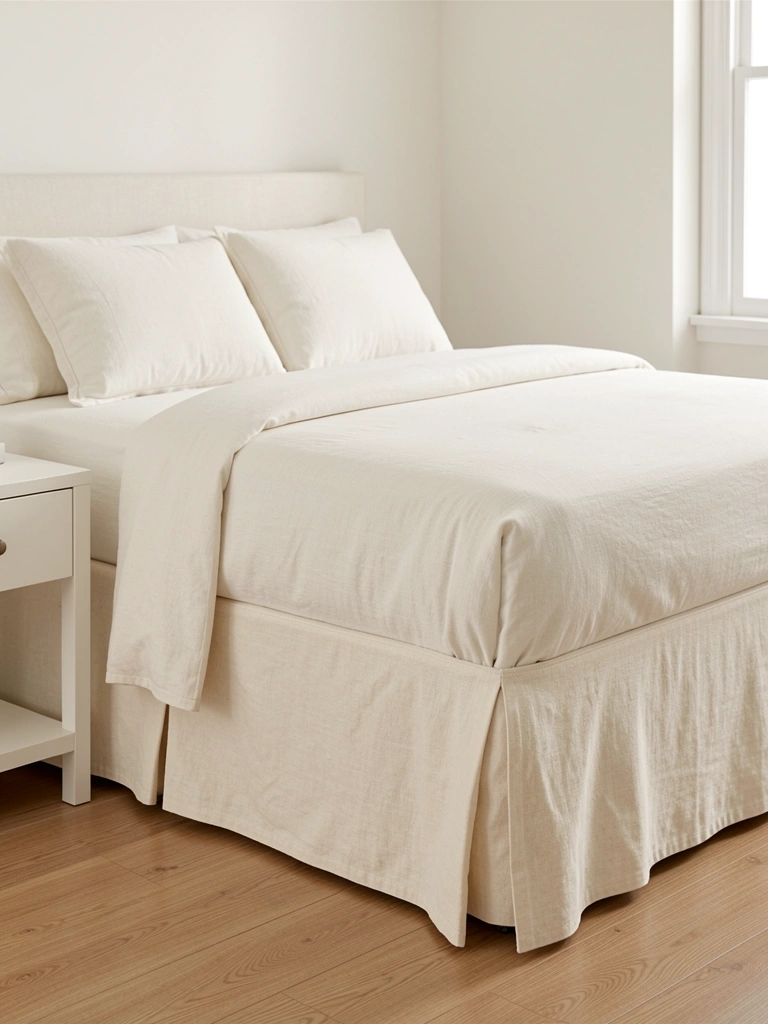
Bed skirts hide under-bed storage and add polish without requiring installation. The removable versions are perfect if you’re renting or want flexibility.
Buy a removable bed skirt ($25–$60) that slips between your mattress and box spring, or try a magnetic bed skirt ($20–$45) that doesn’t require any installation at all. Choose a neutral color like cream, soft gray, or taupe to visually elongate your bed. Installation or setup takes about 5 minutes. Look for options at Target, Amazon, or Wayfair.
Alternative: Create a DIY bed skirt using fabric and Velcro strips ($15–$30) if you want more customization.
Your bed looks like it’s floating—more polished and high-end with minimal effort.
14. Play with Contrast Using Opposite-Value Colors
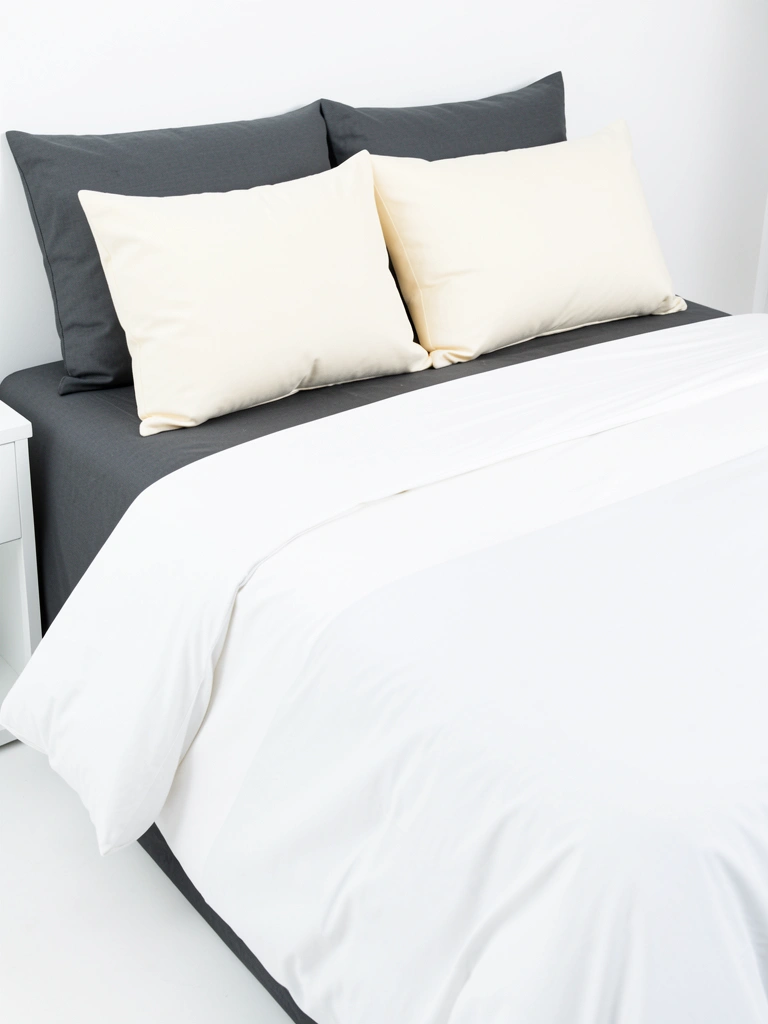
Contrast creates visual interest and prevents your bed from looking flat or one-dimensional. Pairing light and dark shades adds sophistication.
Try a deep charcoal or navy duvet with crisp white sheets, or go inverse with cream linens and a deep jewel-toned duvet. Add neutral pillows that bridge both tones. The contrast reads as intentional rather than accidental. Full bedding sets with built-in contrast cost $80–$180 and are available at most major retailers. Styling takes 10 minutes once you’ve decided on your color combo.
Pro tip: Use a color wheel to pick shades that are opposites (navy + warm gray, emerald + cream) rather than similar neutrals.
Your bed automatically looks more designed, and the space photographs with better dimension and depth.
15. Layer Organic Materials for Raw, Modern Texture
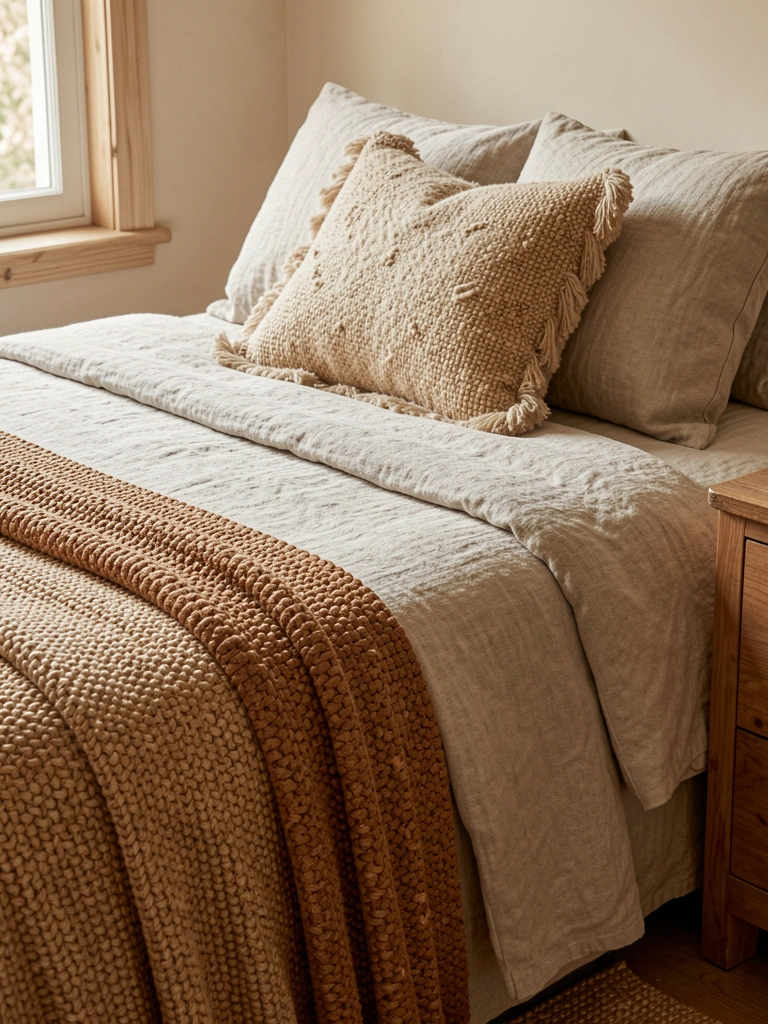
Organic materials—linen, wool, cork, jute—bring raw warmth to your bed. They’re sustainable, tactile, and feel like a splurge without the price tag.
Combine organic linen sheets ($60–$150) with a wool throw blanket ($50–$120), cork or jute accessories ($20–$50), and natural fiber pillows ($30–$80). These materials age beautifully and actually improve with use. Layer them casually rather than perfectly for an authentic, lived-in look. Quality organic pieces last years, so consider them investments. Shop Woolroom, Parachute, or sustainable brands on Etsy.
Budget-friendly swap: Mix one organic piece (like organic cotton sheets for $50–$80) with affordable conventional pieces to ease into this aesthetic.
The result is a bed that feels high-end and environmentally conscious—plus undeniably cozy.
16. Use a Neutral Base with One Strategic Color Splash
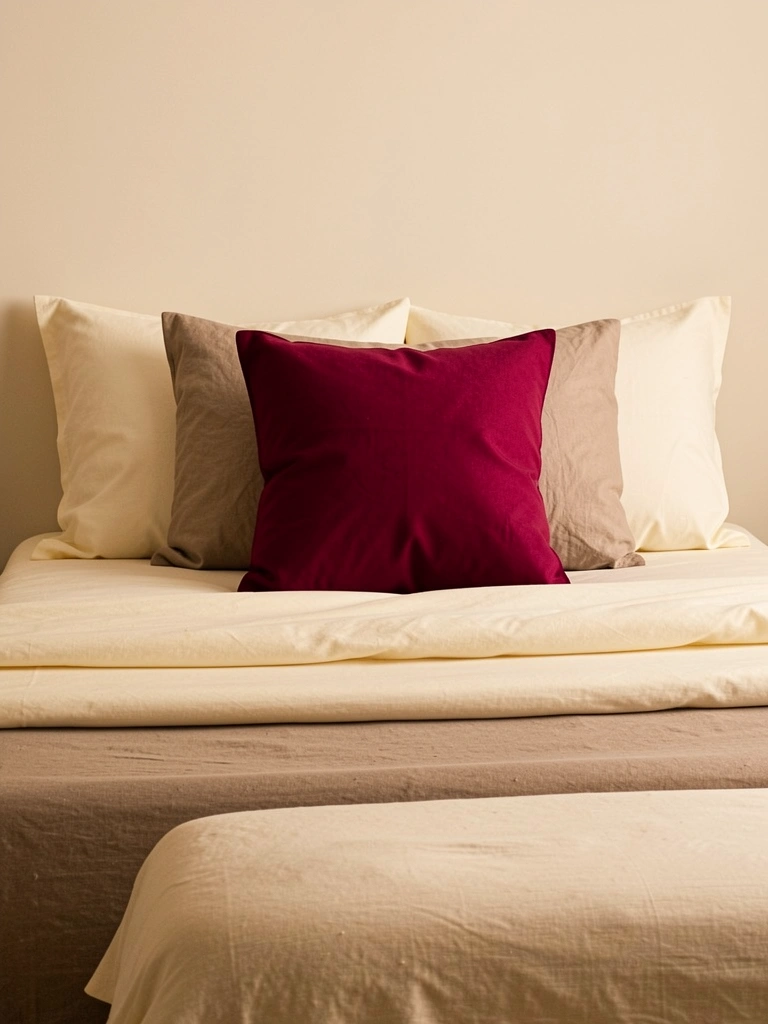
A mostly neutral bed with one bold color accent gives you impact without commitment. It’s easier to swap one pillow than redo an entire scheme.
Build your bed in soft neutrals—cream sheets, taupe duvet, oatmeal throw—then introduce one jewel-toned pillow or accent throw in aubergine, forest green, or deep blue ($20–$50). Place it slightly off-center for a modern feel. This approach lets you test a color trend before committing fully. If you don’t love it after a month, swap the accent piece out for under $50. No installation or major decisions needed.
Pro tip: Photograph your bed with and without the accent color to see which vibe resonates more.
You get a styled, intentional bed that photographs beautifully while staying flexible and not feeling overwrought.
17. Create Visual Softness with Curved or Organic Shapes
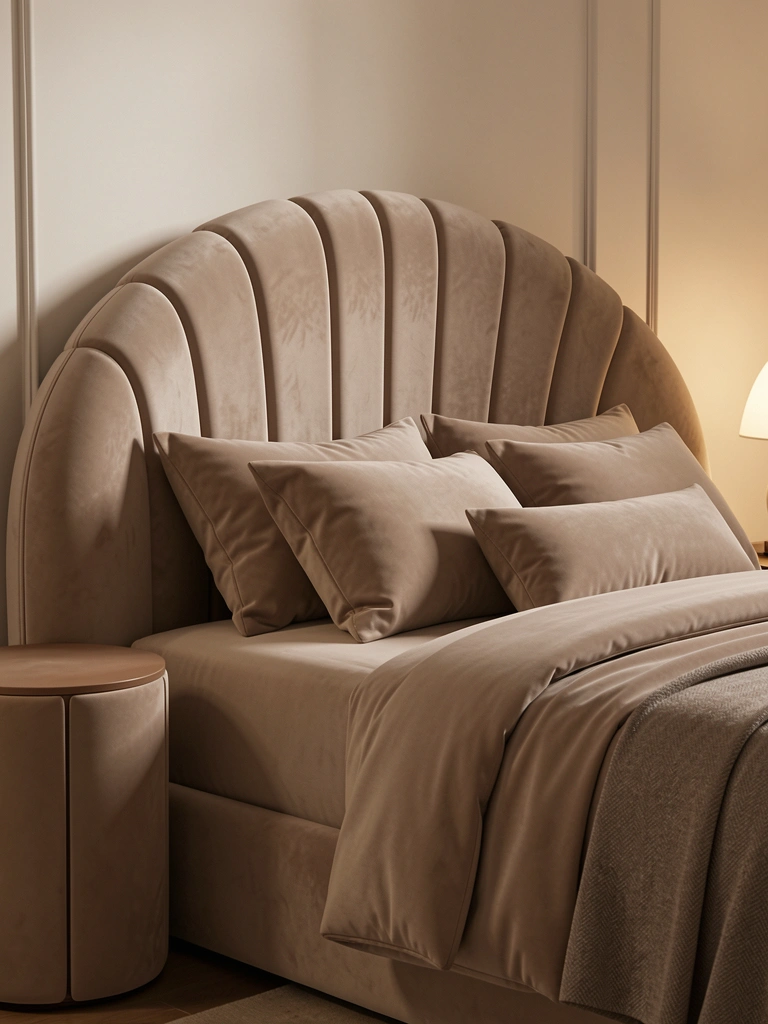
Sharp lines feel tense; curved shapes calm your nervous system. This 2025 trend is as much about wellness as aesthetics.
If replacing your headboard, choose one with rounded corners or curved edges ($150–$400), or DIY a curved accent wall using fabric and curved hardware ($40–$80). Layer your pillows in soft, rounded arrangements rather than stacking them in rigid rows. Even your throw blanket placement should follow gentle curves rather than straight lines. This project takes time only if you’re replacing a headboard; styling with existing pieces takes 10 minutes.
Budget alternative: A curved headboard pillow or wedge ($30–$70) softens sharp headboard lines.
Your bedroom instantly feels more restful and spa-like—and you’ll notice yourself actually relaxing more in the space.
18. Mix Scales of Patterns Without Clashing
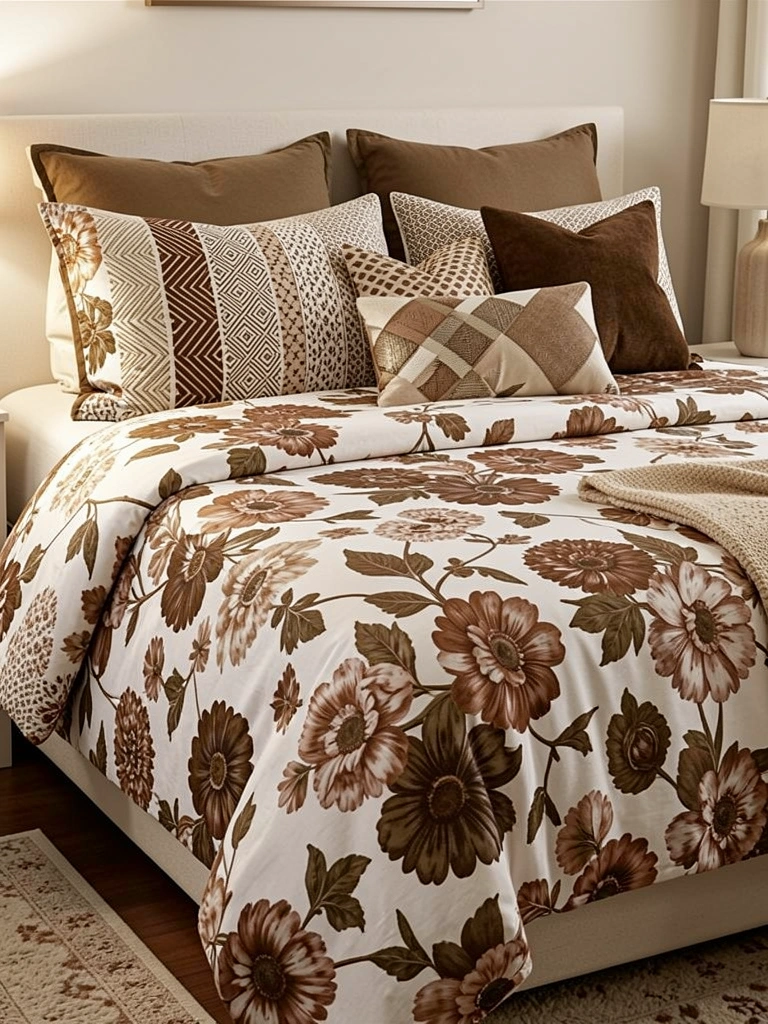
Mixing patterns sounds risky, but it’s about varying scales and staying within one color family. The result feels curated, not chaotic.
Start with a large-scale pattern (floral or geometric duvet, $50–$100), then layer smaller-scale patterns (pillow covers with dots, stripes, or tiny florals, $15–$30 each) and solid accent pillows ($15–$30). Keep all patterns within the same color palette—say, earth tones or jewel tones. This prevents visual chaos. Hunt for patterns at Target, Wayfair, or independent brands on Etsy. Styling takes 20 minutes to arrange perfectly.
Pro tip: Use the “60-30-10 rule”—60% dominant pattern, 30% secondary pattern, 10% solid accents.
Your bed looks intentionally styled like a designer put it together, not like you grabbed whatever matched.
19. Invest in a Quality Duvet Insert for Years of Comfort
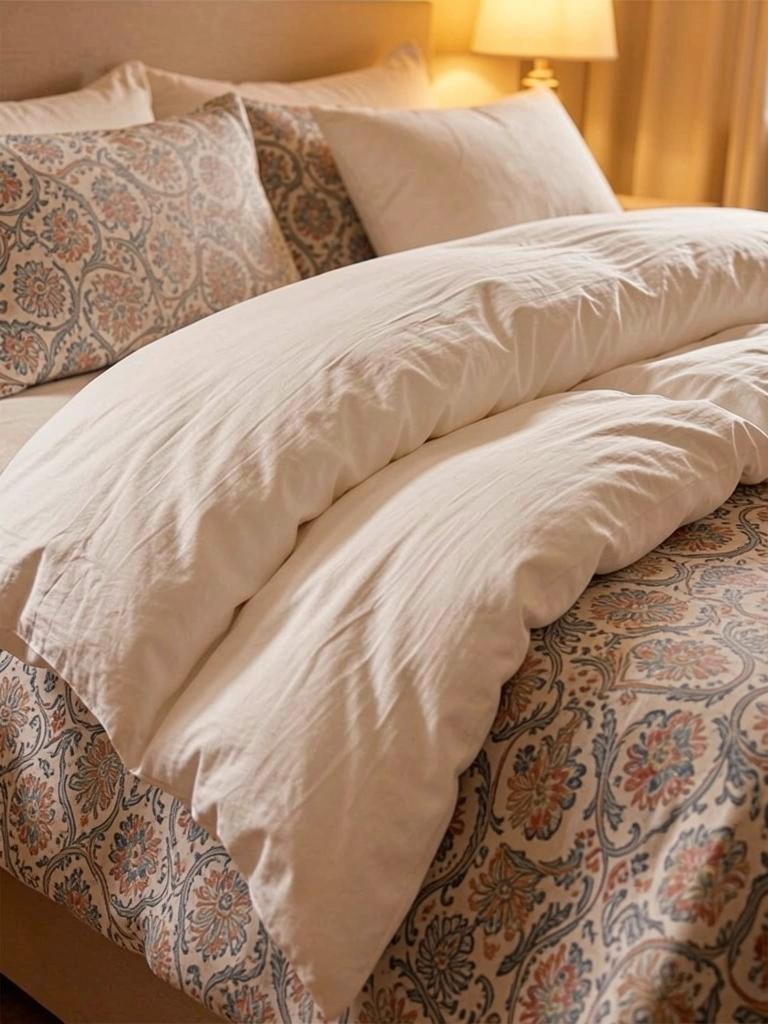
A quality duvet insert is invisible but transformative. It’s what actually makes your bed feel luxurious versus just look that way.
Buy an organic down or down-alternative duvet insert ($100–$300) rated for year-round use. Look for options with baffle-box construction (keeps filling from shifting) from brands like Parachute, Brooklinen, or Pottery Barn. The insert lives inside your removable duvet cover, so you can change covers seasonally while keeping the same insert. Quality inserts last 5–7 years, making them a worthwhile investment. Installation takes 10 minutes (stuffing the cover).
Budget option: Synthetic alternatives ($50–$100) work well if you’re allergic to down.
Suddenly your bed feels hotel-level comfortable, and you’ll actually look forward to bedtime—not just the aesthetic.
20. Style Your Nightstand to Echo Your Bed’s Vibe
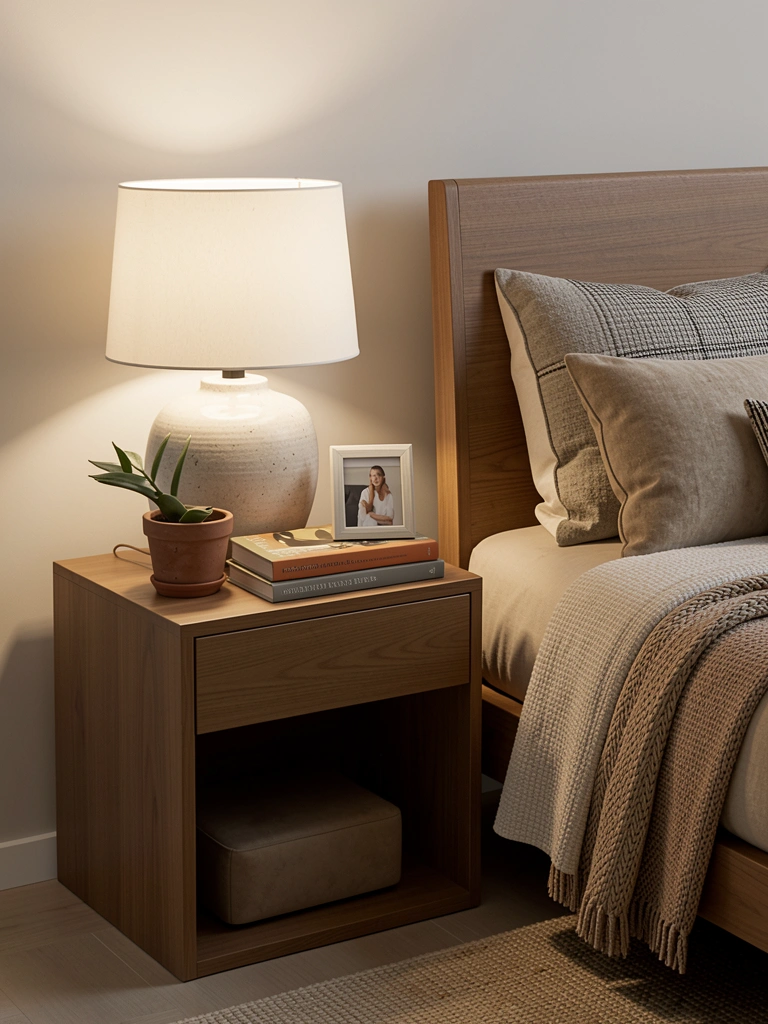
Your nightstand should feel like an extension of your bed’s vibe. Cohesive styling makes the entire corner feel intentional.
Pair your bed styling with a wooden or natural-material nightstand ($80–$300) in a finish that complements your bedding colors. Top it with a ceramic or vintage lamp ($30–$80), a small potted plant ($10–$25), a stack of 2–3 meaningful books ($5–$20 each), and optionally a framed photo or small artwork ($15–$40). Keep surfaces relatively clear—cluttered nightstands undermine even beautiful bedding. Styling takes 15 minutes once pieces are gathered.
Pro tip: Thrift your nightstand and lamp for more character and lower cost ($10–$50 combined).
Your entire bed corner reads as a designed space rather than random furniture, and you’ll feel more relaxed entering your bedroom.
21. Add Scent to Complement Your Visual Styling
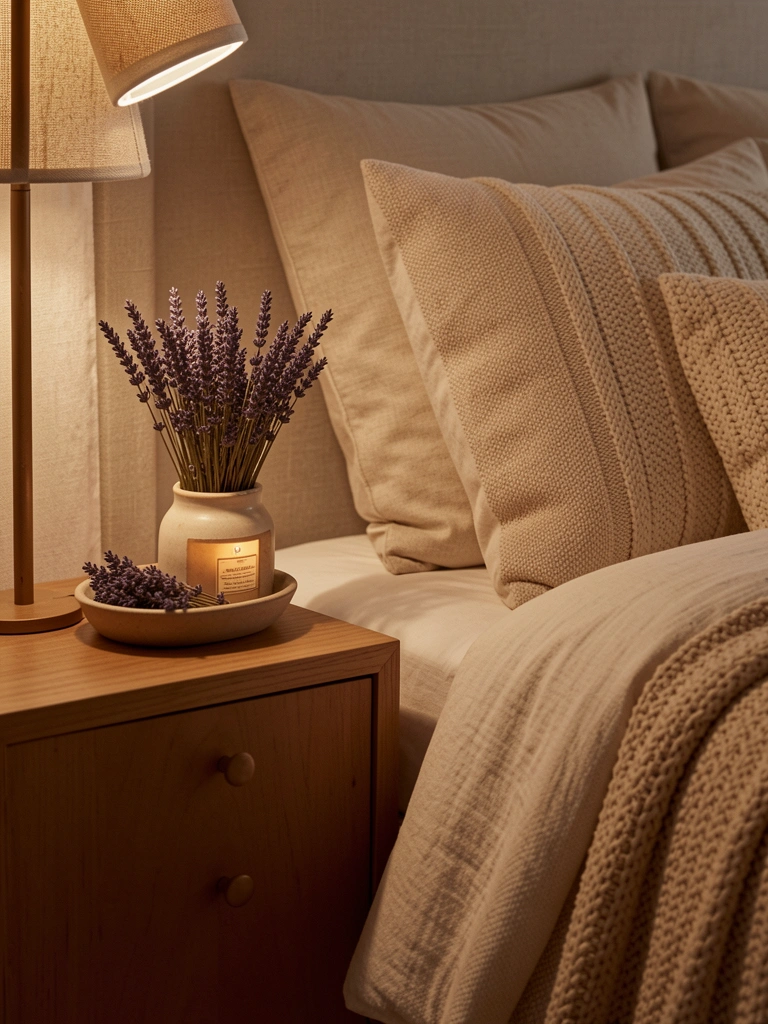
Scent completes the experience. A bed that looks beautiful but smells stale loses points; one that’s styled and scented feels like a true sanctuary.
Place a small candle, diffuser, or dried flowers ($10–$30) on your nightstand or dresser near your bed. Choose scents that match your vibe: lavender and chamomile for calm, cedar and oak for grounding, or vanilla and jasmine for warmth. Light your candle 30 minutes before bed as part of your wind-down routine. Look for natural or soy candles from brands like Jo Malone, Paddywax, or independent makers on Etsy.
Budget hack: Dried lavender bundles ($5–$10) cost less than candles and last weeks.
Your bedroom becomes a complete sensory experience—visually beautiful, tactilely rich, and now aromatherapeutically complete.
22. Use a Bed Runner for Layered Visual Interest
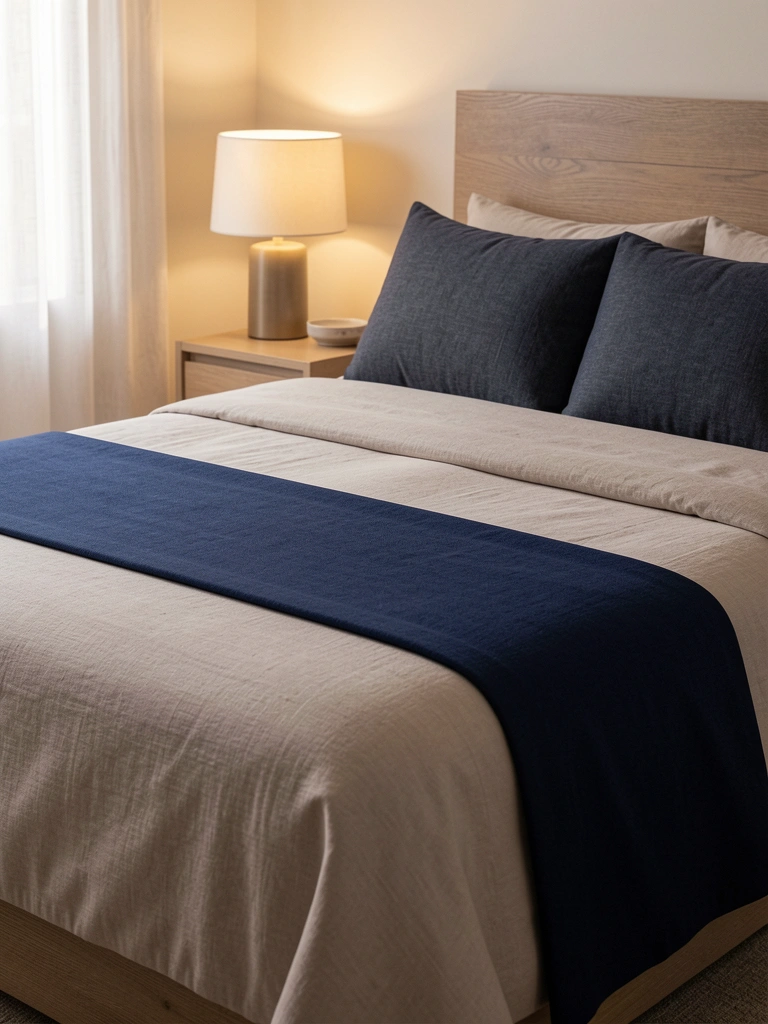
A bed runner (a narrow strip of fabric across your bed’s foot) adds a designer detail that’s both functional and beautiful—it catches wear so your duvet doesn’t.
Choose a bed runner in a coordinating or contrasting color or pattern ($20–$50) and lay it horizontally across the foot of your made bed. Look for options in quilted, patterned, or textured fabrics that echo your overall palette. This styling takes 2 minutes but adds immediate polish. Shop Wayfair, Amazon, or home goods stores for affordable options.
Alternative: Create a DIY runner using fabric and hem tape ($10–$20) if you’re crafty.
Your bed instantly reads as more designed and intentional—like someone actually planned this space rather than threw things together.
23. Swap Your Bedding Seasonally to Keep the Look Fresh
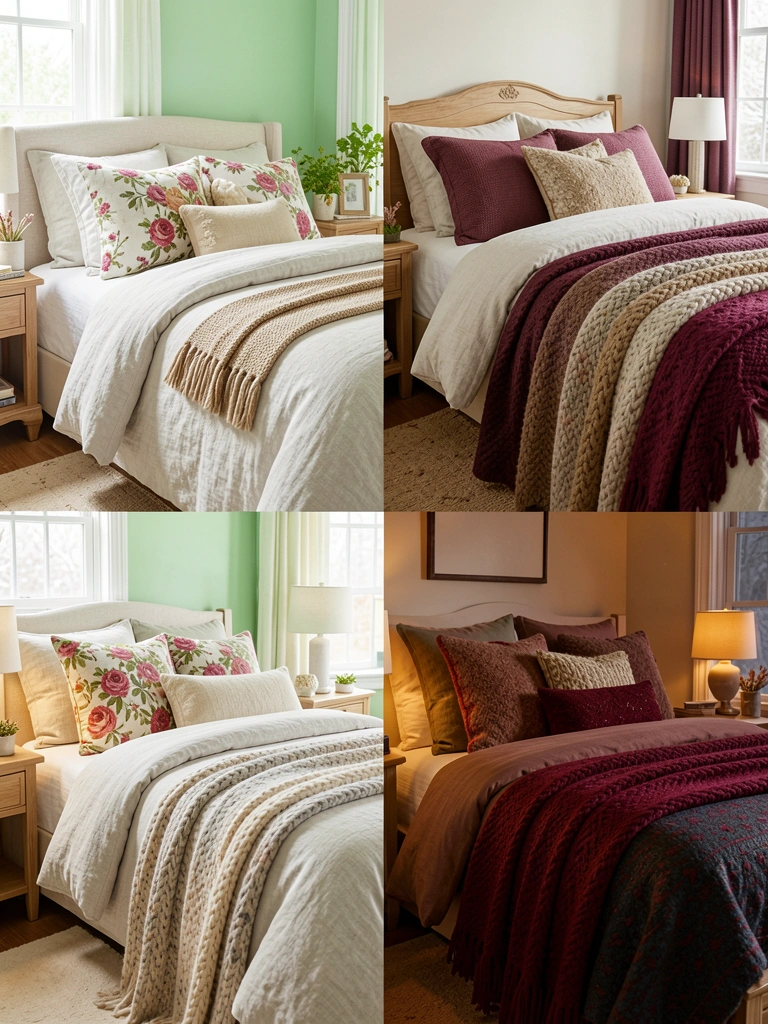
Seasonal bedding swaps keep your space feeling fresh and let you enjoy different aesthetics year-round without commitment. It’s practical and fun.
Buy two complete bedding sets—one for warm months (lightweight linen, light colors, $80–$150) and one for cold months (heavier cotton, jewel tones or earth tones, $80–$150). Store off-season bedding in vacuum bags ($10–$20 for a set) under your bed or in a closet. Swap them twice yearly, which takes about 30 minutes including laundry. This approach lets you experiment with different aesthetics without feeling stuck.
Pro tip: Use seasonal swaps as an excuse to refresh your entire styling—rotate throw pillows, throws, and nightstand decor too.
Your bedroom feels curated and intentional, and you get to enjoy multiple aesthetics throughout the year while your investment works harder.
Save this post and try just one idea this weekend—start with the layer that speaks to you most (textures, color, or pattern). You’ll be amazed how a single change can make your entire bed feel more intentional and your bedroom more like a retreat.
Leave a Reply