Introduction
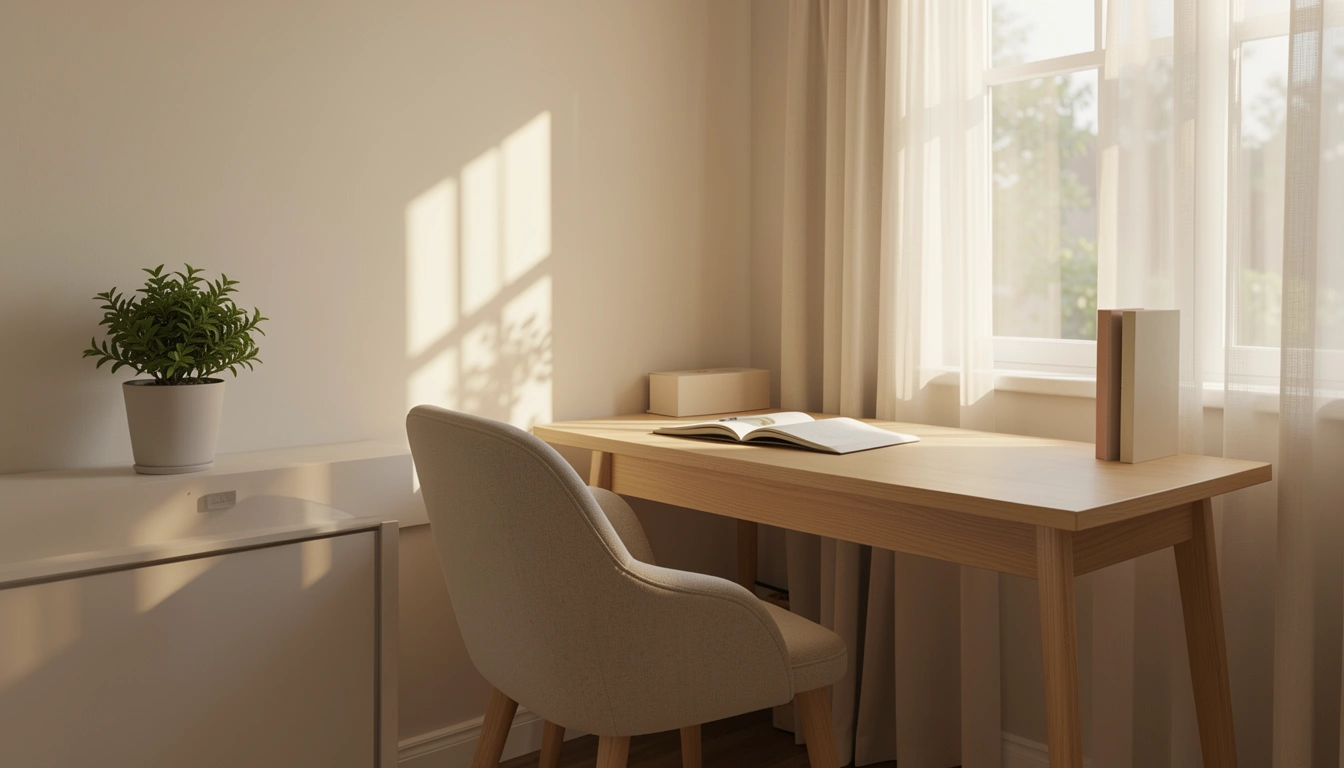
A noisy head makes focused work feel impossible. Whether you’re studying for exams, working from home, or tackling creative projects, your environment directly affects your ability to concentrate. The good news? You don’t need a major renovation to build a study room that supports deep focus. Small changes to lighting, sound, color, and organization can transform any spare room, corner, or even a closet into a space where distractions fade and productivity flows. We’ve gathered 24 proven ideas—from free rearrangements to affordable upgrades—that calm your mind and boost your ability to concentrate. Let’s create a study space where you actually want to spend time.
1. Add Soft, Warm Lighting to Reduce Eye Strain
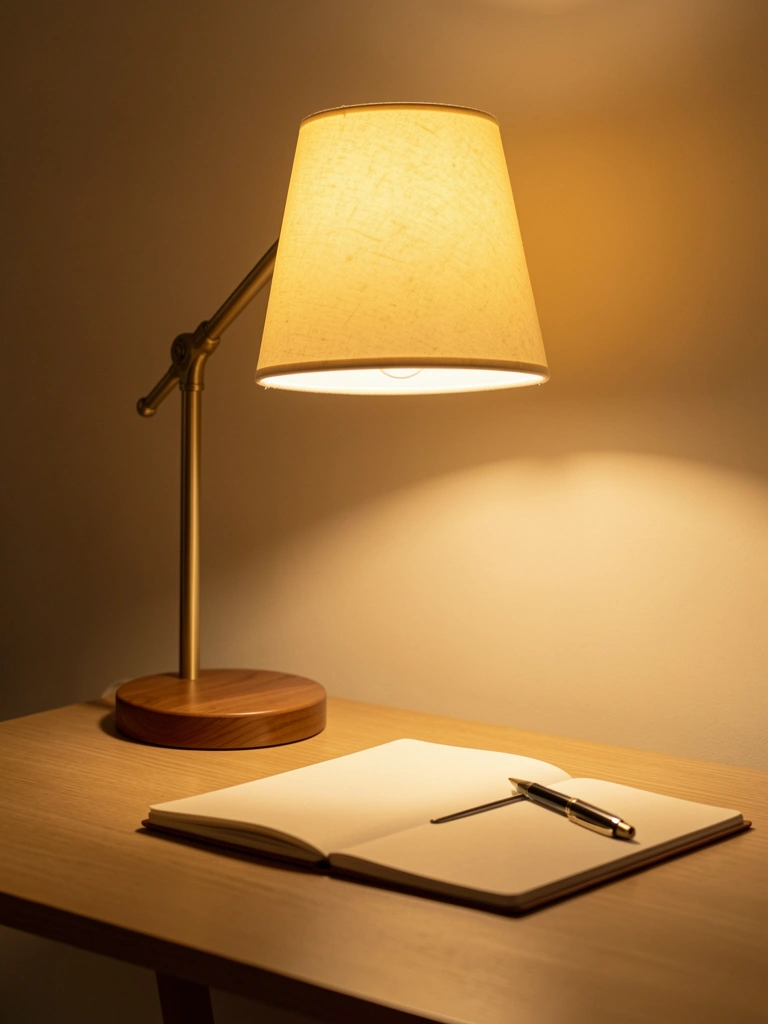
Poor lighting tanks your focus faster than anything else. Harsh overhead lights cause eye fatigue, headaches, and that foggy-brain feeling by mid-afternoon. The fix is simple: layer your light sources.
Swap overhead fluorescent bulbs for warm white (2700K) LED bulbs or add a desk lamp beside your workspace. Warm light tells your brain it’s safe to relax and concentrate, not react. A $15–$30 desk lamp from IKEA or Amazon with adjustable brightness works beautifully. Position it to the side of your desk so light doesn’t reflect off your screen. Bonus: pair it with a dimmer switch ($10–$20) for flexibility across different times of day.
The result? No more squinting, fewer headaches, and your eyes stay fresh for hours of work.
2. Choose Calming Wall Colors That Support Concentration
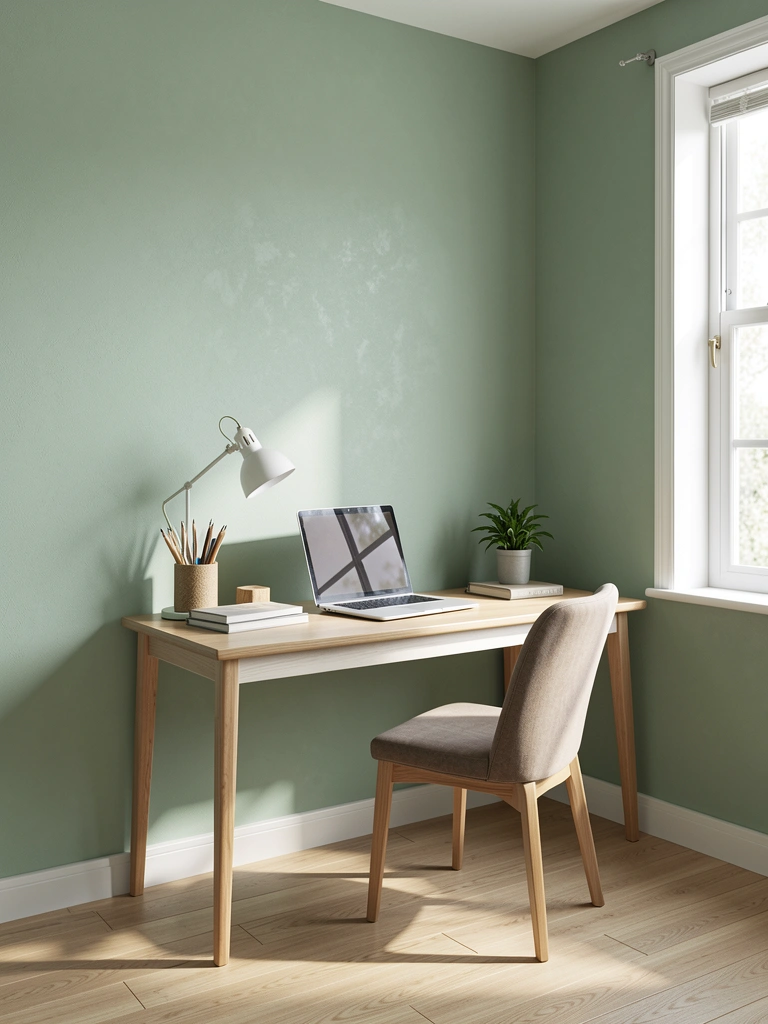
Walls that energize you into overstimulation are your enemy. Bright reds, busy patterns, or even stark white can keep your nervous system activated when you need it calm. Research on color psychology shows that soft, muted tones—especially blues, greens, and warm grays—lower cortisol and improve focus.
Consider painting walls in soft sage, pale blue, warm gray, or muted taupe. These shades cost the same as any paint: $15–$25 per quart at Home Depot or Lowes. You’ll need roughly 1–2 quarts for a small room. If you rent, removable wallpaper in these tones ($20–$50 for a roll) works just as well. A single afternoon of painting or pasting gives you an entirely different working atmosphere.
Pale, cool-toned walls become your invisible focus tool, quietly supporting your mind all day long.
3. Eliminate Digital Distractions with a “Phone Parking Spot”
Your phone is your brain’s biggest enemy when studying. Even face-down, knowing it’s nearby creates phantom vibrations and cognitive load. The psychological trick: physically remove it from your desk zone.
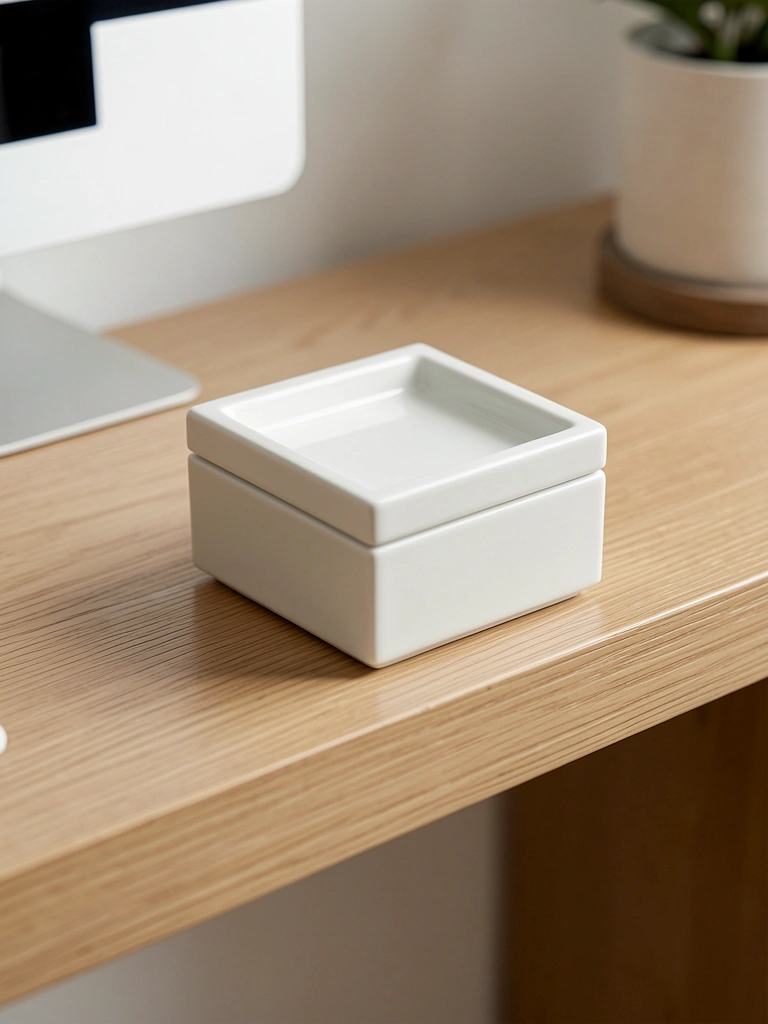
Create a dedicated “phone parking spot”—a drawer, box, or shelf at least 6 feet away from your desk. Use a cute container ($5–$15 at Target or HomeGoods) to make it feel intentional, not punitive. Some people charge their phone there too, creating a natural boundary. If you need it for emergencies, set specific check-in times (every 30 or 60 minutes) rather than having it present.
This one change alone eliminates the mental friction of resisting your phone every 90 seconds.
4. Use a White Noise Machine or Ambient Sound to Block External Noise
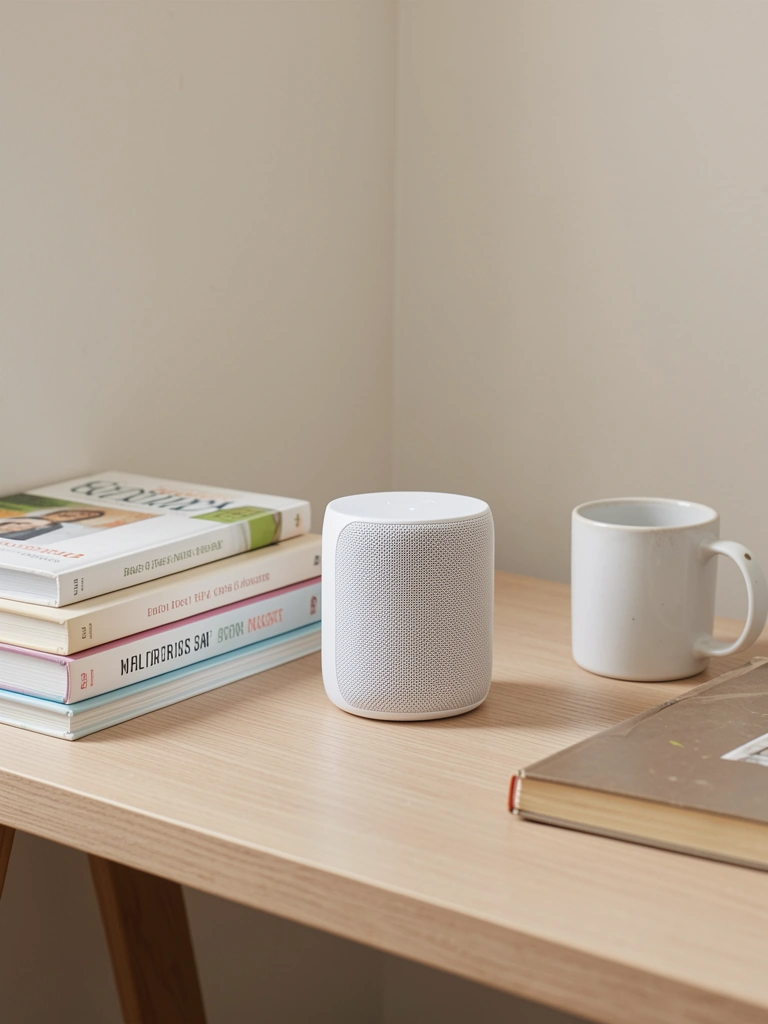
Outside noise destroys focus. Roommates, traffic, pets, and neighbors create constant mental interruptions. White noise doesn’t add sound—it masks disruptive noises by filling the acoustic space.
A dedicated white noise machine runs $20–$50 (Marpac, LectroFan brands at Amazon) or use a free app on a tablet or old phone. Alternatively, play ambient soundscapes free on YouTube or Spotify—rain, forest ambience, coffee shop sounds, or brown noise all work. Plug your speaker into a power strip near your desk and use a timer so sound stops after your study session. Many people find brown noise or rain sounds most effective for sustained concentration.
You’ll notice distractions fade within minutes, and your mind settles into work mode much faster.
5. Install Adjustable Shelving to Reduce Visual Clutter
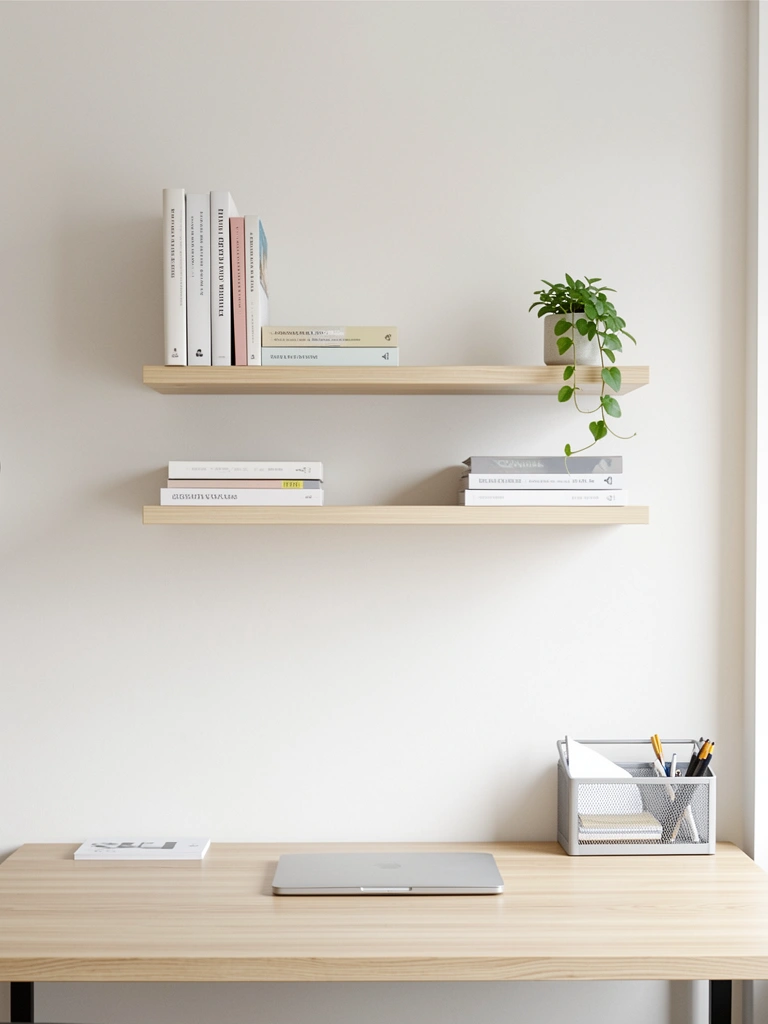
A cluttered visual field is a cluttered mind. Piles of papers, books stacked haphazardly, and random desk items all pull your attention. Adjustable shelving gives you control over vertical space without floor footprint.
Floating shelves cost $30–$80 for a set at IKEA, Home Depot, or Wayfair. Mount them at eye level above or beside your desk, then store only active-use items: current textbooks, pens, a desk organizer, maybe one plant. Everything else goes in a closed storage unit below. This takes 2–3 hours and a basic drill. Renters can use tension rods or command strips to hang shelves without holes.
With just the essentials visible, your eyes have nowhere to wander—and neither does your mind.
6. Add a Desk Pad or Under-Desk Mat for Comfort and Defined Space
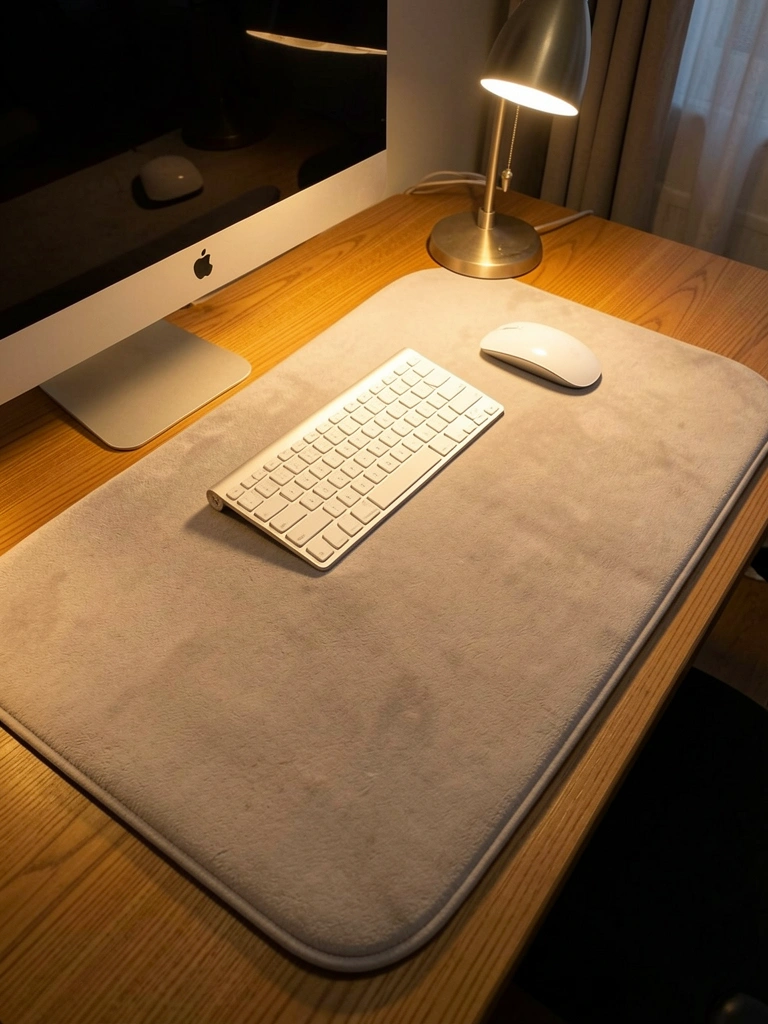
Your body’s comfort directly affects how long you can focus. A hard desk surface and cold legs under a chair create physical tension that pulls focus away from work. A desk pad and under-desk mat anchor your workspace and improve comfort.
A quality desk pad runs $20–$50 (Amazon, Wayfair brands) and defines your work zone psychologically. Pair it with an under-desk mat or footrest ($30–$60) to support your feet and reduce leg pressure. These materials also quiet keyboard and mouse noise. Together, they create a cocoon-like workspace that feels separate from the rest of your room. Install takes 30 seconds—just lay them down.
You’ll stay comfortable and focused longer because your body isn’t fighting against your environment.
7. Use Closed Storage to Hide Work-in-Progress Items
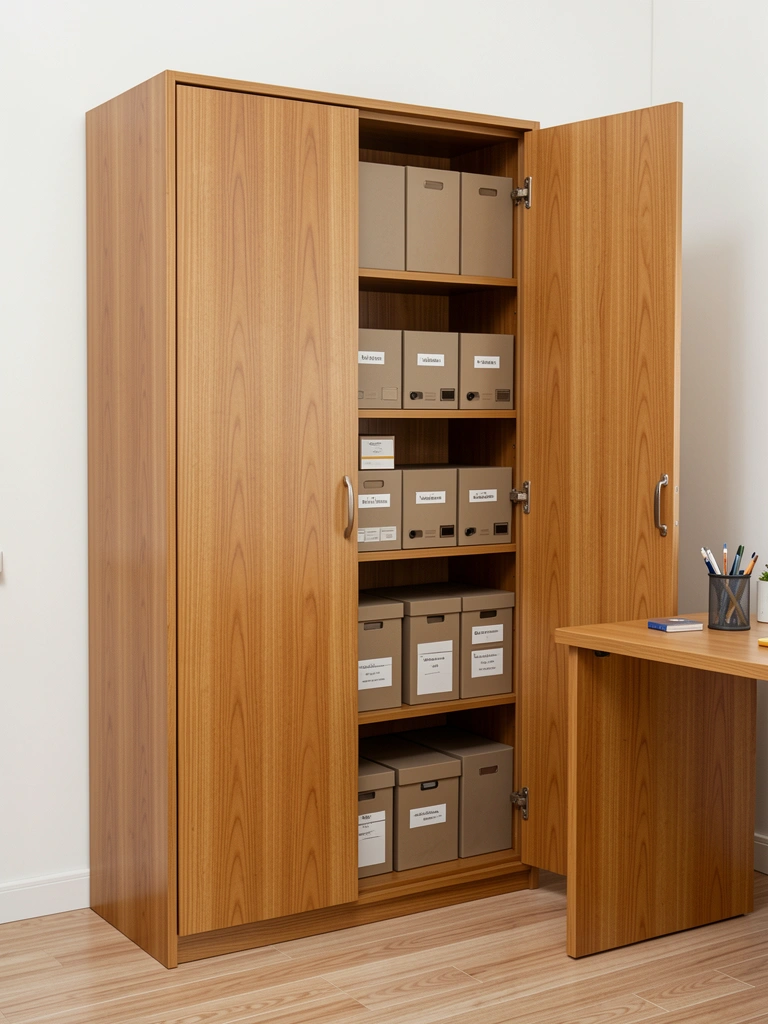
Open shelves are confession booths for your anxieties. Unfinished projects, loose papers, and half-done tasks create invisible mental load. Closed storage—cabinets, drawers, bins with lids—keeps work-in-progress items out of sight so your mind can rest.
Invest in one or two closed storage pieces like a filing cabinet ($40–$120), a storage bench with a lid ($60–$150), or a shelving unit with cabinet doors ($80–$200 at IKEA or Wayfair). Use labeled plastic bins ($10–$25 per set) inside to organize by project. Everything active stays accessible but hidden. Your eyes only see a clean exterior, which tells your brain there’s nothing unfinished demanding attention.
This psychological trick alone makes your study space feel 10x calmer.
8. Create Zones for Different Types of Work
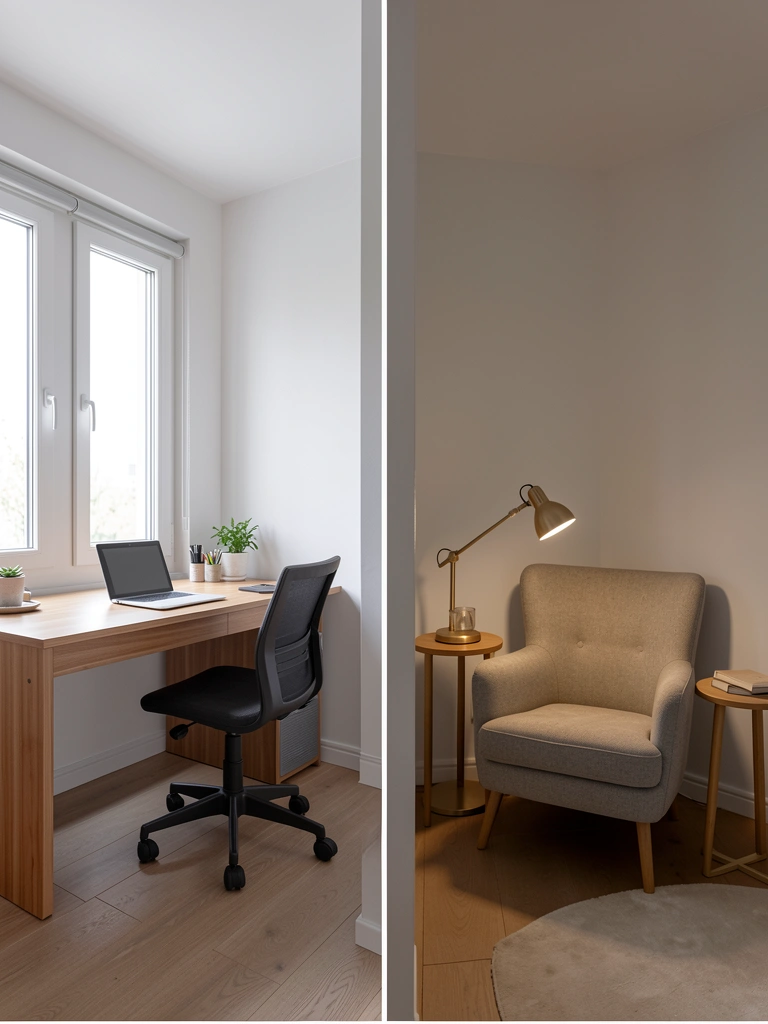
Your brain works differently depending on the task. Deep focus writing needs one setup; reviewing notes needs another. If you’re cramped into one corner, you lose this flexibility. Creating zones tells your brain what type of work happens where.
Divide your study room into at least two zones: a desk area for computer work and a comfortable chair zone for reading or note review. Use positioning, area rugs ($30–$80), or even a low bookshelf as a gentle divider. You don’t need walls—just visual separation. This costs $0–$100 depending on what you already have. Mentally, switching zones refreshes your mind and prevents the burnout that comes from staring at the same spot all day.
You’ll notice your energy and focus reset when you physically move between task types.
9. Install Blackout Curtains to Control Light and Reduce Visual Stimulus
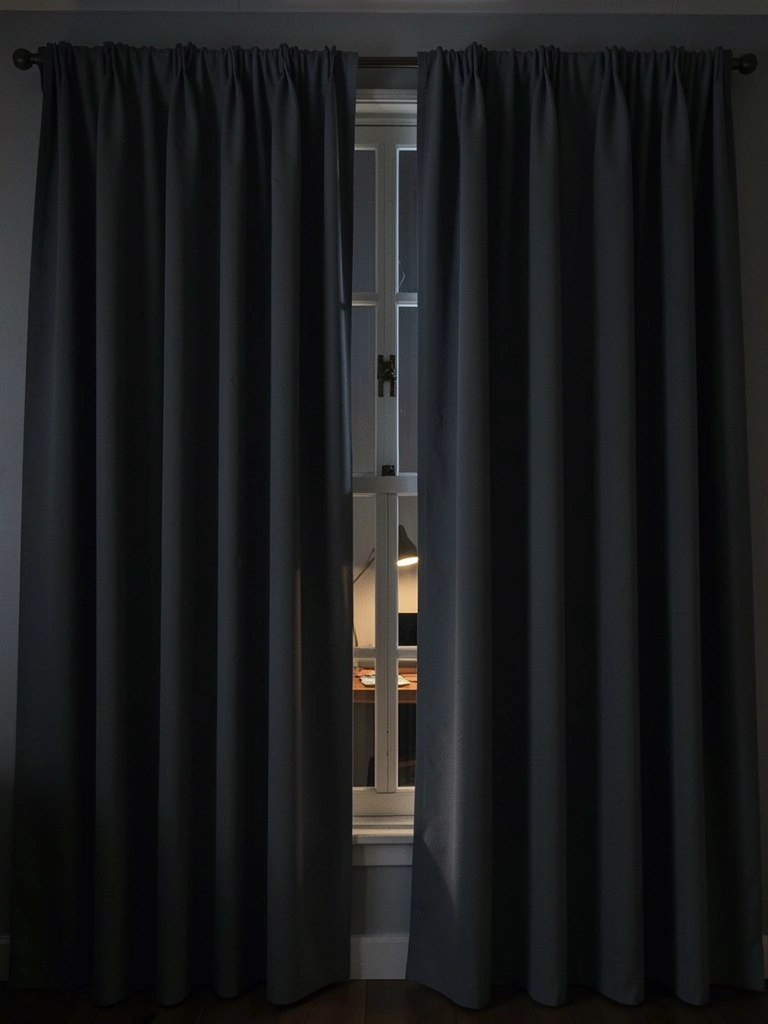
Too much natural light, especially afternoon sun, can feel chaotic and overstimulating. Blackout curtains give you control—you decide when your space feels energizing or calming.
Blackout curtains cost $25–$80 per panel at Target, Amazon, or Wayfair. They block 99% of outside light and also add sound insulation. Mount them inside or outside your window frame (takes 20 minutes with a basic rod and brackets). Pair them with sheer curtains so you can filter morning light softly when you want it. In afternoon or late-night study sessions, close them completely to eliminate glare and visual chaos.
You control the sensory environment instead of being controlled by it.
10. Use Task-Specific Lighting for Different Work Periods
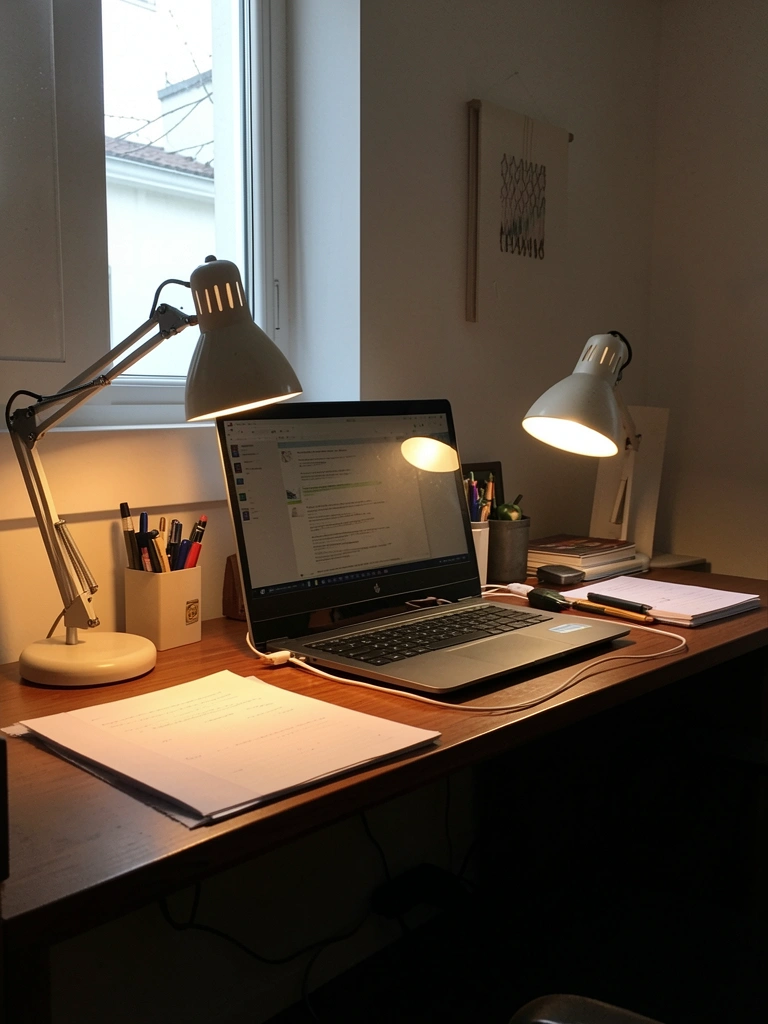
One light source isn’t enough for optimal focus across a full study day. Morning work, afternoon reviewing, and evening sessions all benefit from different lighting approaches. Layering lights costs almost nothing but changes everything.
Add a second lamp ($15–$35) to your desk setup—perhaps a reading light for note review or reference material. Use blue-tinted task lighting ($20–$40) for morning computer work (blue light boosts alertness early in the day) and switch to warm light after 2 p.m. to avoid sleep disruption. Many affordable lamps now have color-temperature switches built in ($30–$50 at Amazon). This takes 10 minutes to set up.
Your energy naturally aligns with your lighting, so you work smarter throughout the day instead of fighting fatigue.
11. Organize Supplies in a Rolling Cart for Easy Access Without Desk Clutter
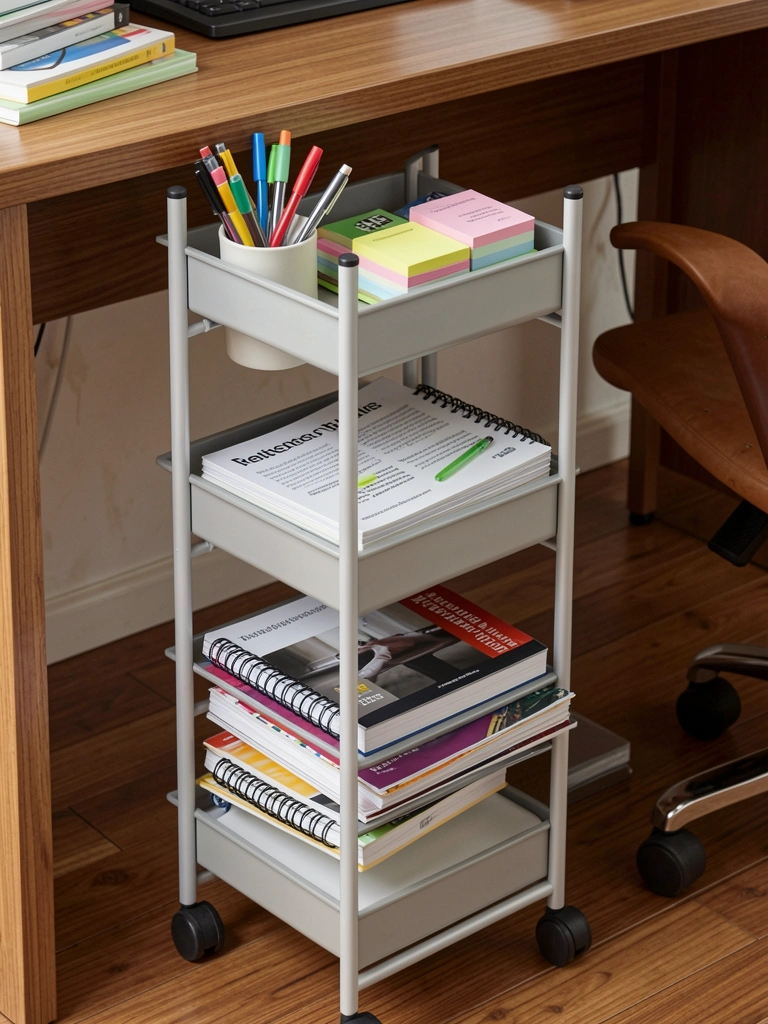
Desktop clutter kills focus, but you need quick access to supplies. A rolling cart solves both problems—everything you need is within arm’s reach but off your actual work surface.
A basic 3-tiered rolling cart costs $25–$50 at IKEA, Target, or Amazon. Stock it with pens, notebooks, notecards, highlighters, reference books, and anything else you use daily. Position it within 2–3 feet of your desk so you can swivel and grab what you need in seconds. When you’re done studying, you can roll it into a closet or corner, clearing your mental space completely.
Your desk stays clear, your supplies are instantly accessible, and your brain stays focused on the work, not hunting for a pen.
12. Apply Acoustic Panels or Soft Furnishings to Reduce Echo and Sound Reflection
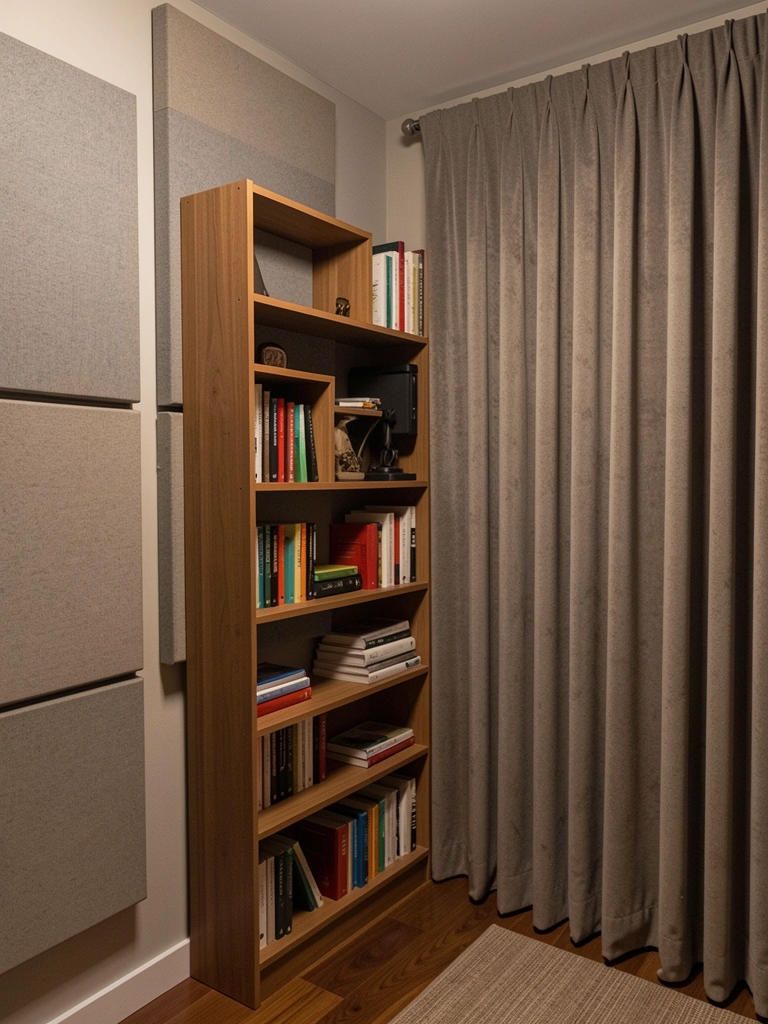
Hard surfaces like walls, wooden desks, and bare floors bounce sound around, making a room feel chaotic and echo-y. Soft materials absorb sound and create an acoustically calm space.
Install acoustic panels ($20–$60 per panel at Amazon or acoustic brands) on walls where you hear the most echo or noise. Alternatively, use budget-friendly solutions: bookcases filled with books ($0 if you have them), heavy curtains ($40–$80), or thick area rugs ($30–$100). Even a tapestry or fabric wall hanging ($15–$40) helps. These absorb sound instead of bouncing it back, making the room feel quieter and more contained. Installation takes 30 minutes.
The result is an acoustically dampened space where you hear yourself think instead of hearing every footstep outside.
13. Position Your Desk to Face a Window or Blank Wall, Not Distractions
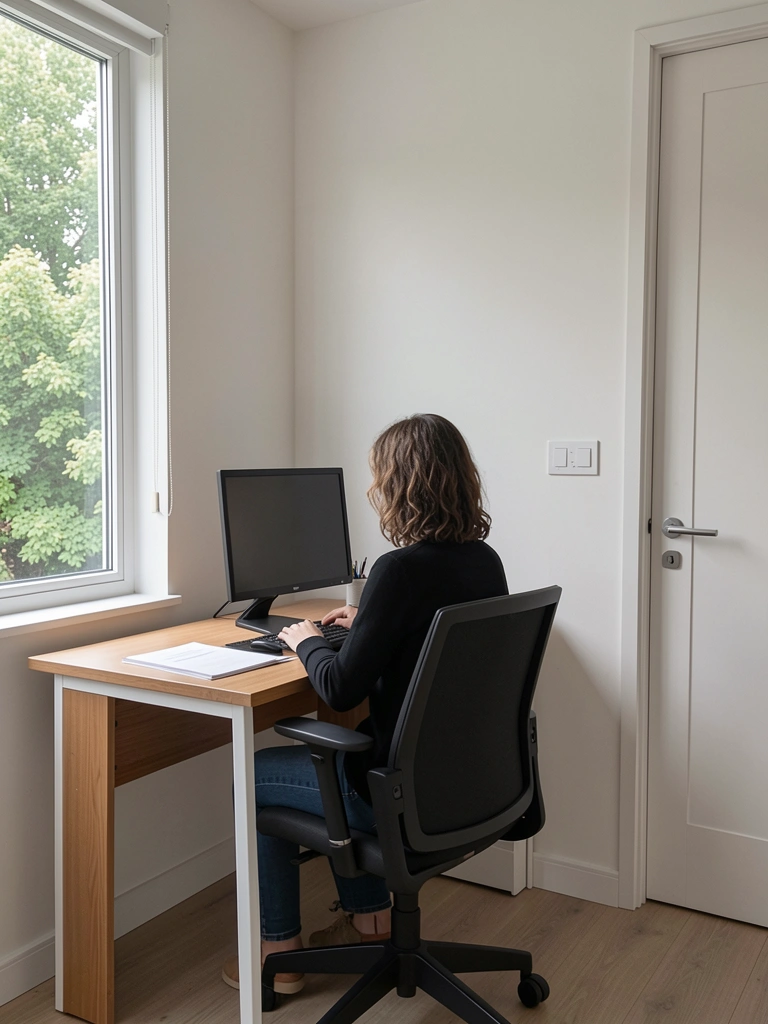
Where you face while working shapes what your brain pays attention to. A desk facing a hallway, doorway, or screen means constant micro-distractions. A desk facing a wall or window supports focus.
Rearrange your desk to face either a window (nature views are calming) or a blank wall. Position your chair so your back is to the door—this gives you a psychological sense of security and reduces startle responses when people pass. If your room layout won’t allow this, use a privacy screen or tall plant ($20–$60) to block your peripheral vision. This takes 30 minutes of furniture moving and costs nothing.
Your brain relaxes when your visual field is calm and expected, not full of movement and interruption.
14. Install a Dimmer Switch for Flexible Lighting Control
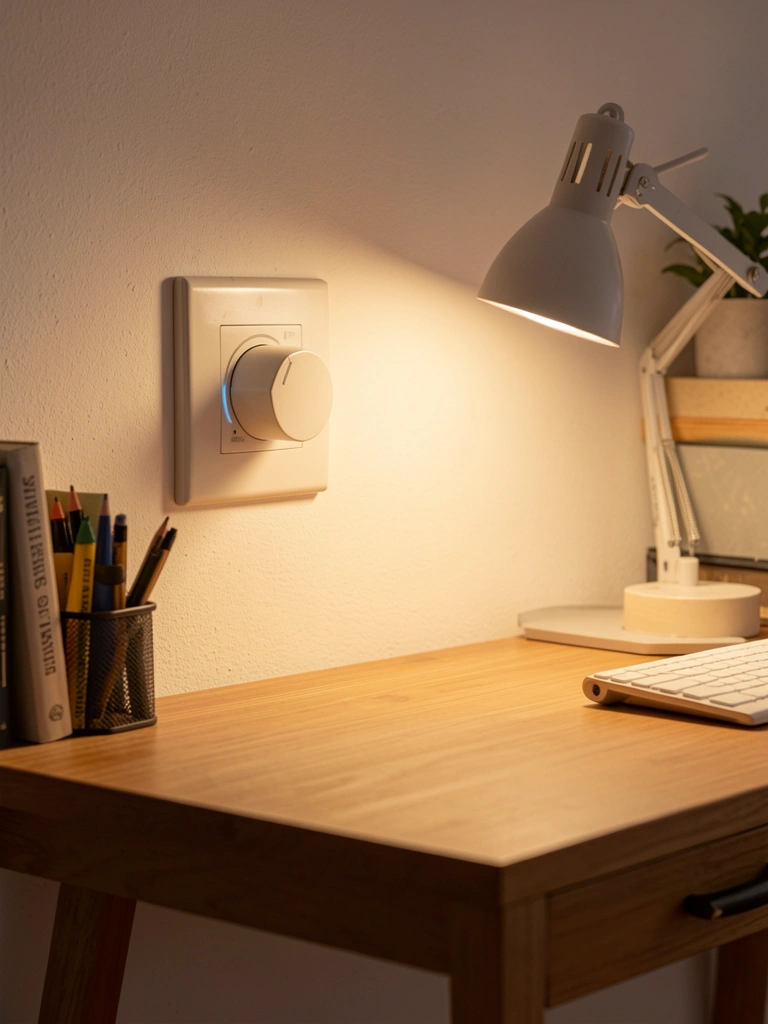
Fixed lighting levels don’t match your energy or task needs throughout the day. A dimmer switch lets you adjust brightness to match your focus level and circadian rhythm—no replacement needed.
A basic dimmer switch costs $10–$25 at Home Depot or Lowes and takes 20 minutes to install (or hire an electrician for $50–$100 if you’re unsure). Once installed, you can turn overhead lights bright for morning alertness, medium for afternoon work, and dim for evening study. Pair it with warm-bulb overhead lights for best results. This single upgrade gives you more environmental control than buying five new lamps.
You adapt your lighting to your body’s needs instead of forcing your body to adapt to fixed lighting.
15. Use a Comfortable, Supportive Chair (Budget or Investment)
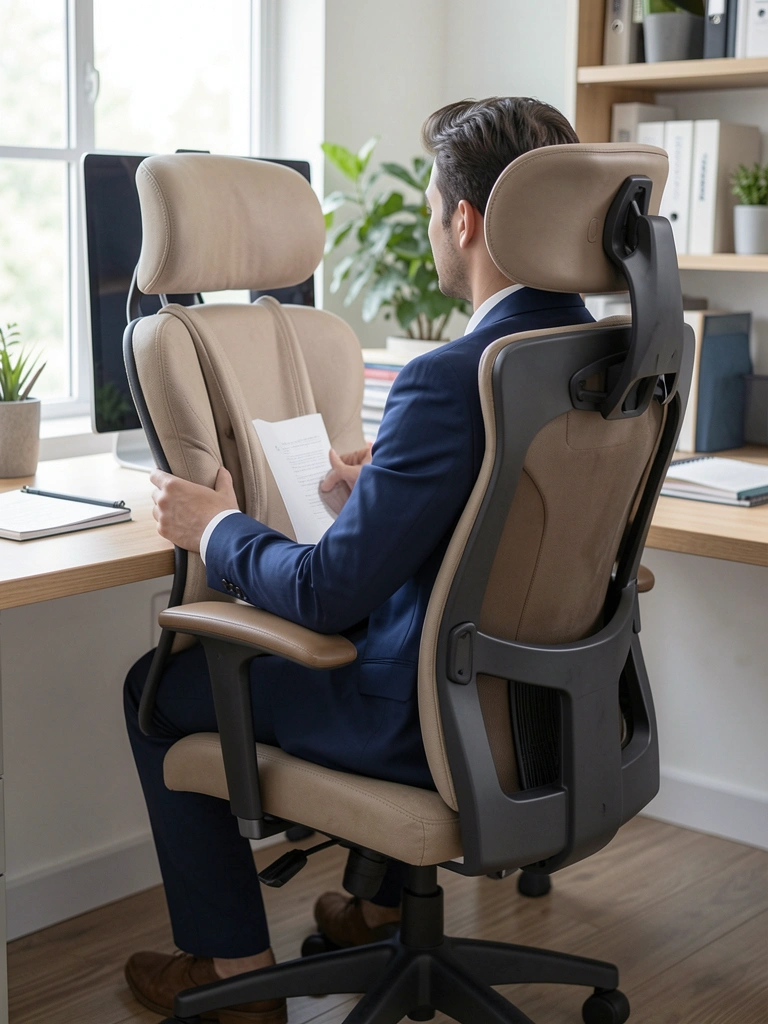
Your chair determines whether you can focus for 30 minutes or 4 hours without pain. Back pain, neck tension, and poor posture all pull focus away from work and onto your discomfort.
Budget option: a basic ergonomic office chair ($50–$100 at Wayfair or Amazon) with adjustable height and lumbar support. Mid-range: $150–$300 for a higher-quality office chair with more adjustments. Investment: $300–$600+ for a premium ergonomic chair. Whichever you choose, prioritize adjustable height, lumbar support, and armrests. Spend 15 minutes adjusting it so your feet flat on the floor, knees at 90 degrees, and monitor at eye level.
Comfort creates the foundation for concentration—you can’t focus if your body’s screaming for relief.
16. Add a Plant or Two for Air Quality and Calm
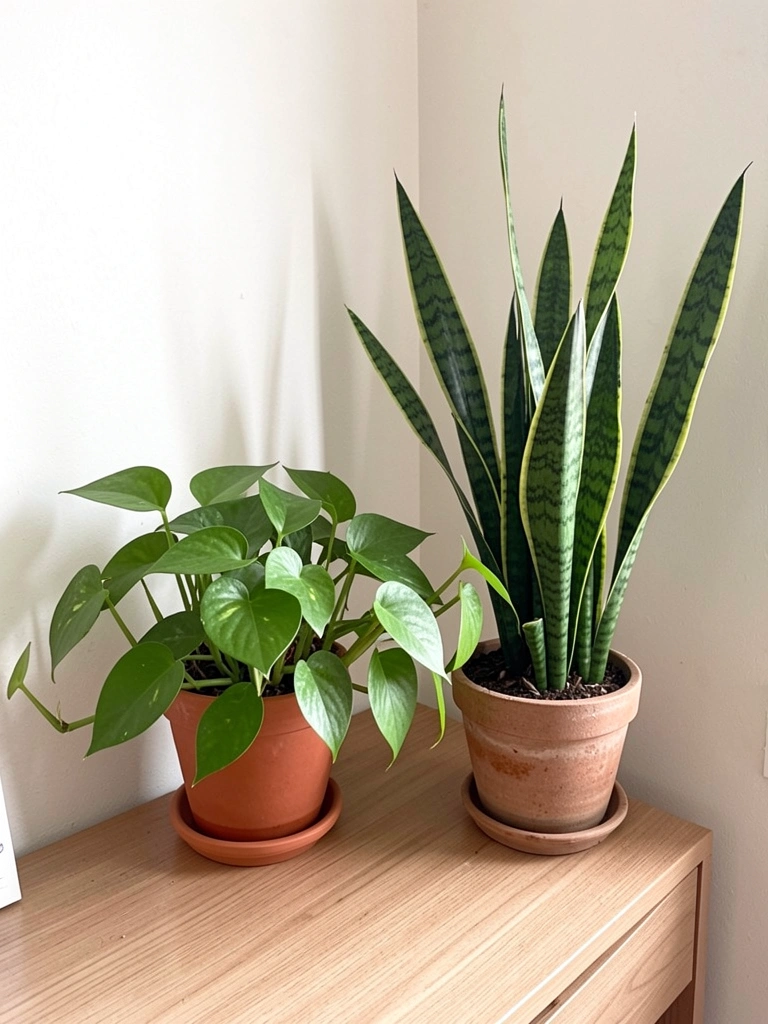
Plants improve air quality, lower cortisol, and add visual softness—all while being nearly zero-maintenance. They’re like having a living reminder that work isn’t everything.
Choose low-maintenance plants like pothos, snake plant, or spider plant—$5–$15 each from a garden center, nursery, or even grocery stores. Place one on your desk corner and another on a shelf nearby. Water once a week, ignore otherwise. Studies show that even looking at plants for 10 seconds lowers stress and improves focus. If you forget to water, artificial plants ($8–$25) look surprisingly real now.
Having living things in your space creates an unconscious sense of calm and reminds you that growth happens at its own pace.
17. Use a Standing Desk Converter or Adjustable Desk to Change Position
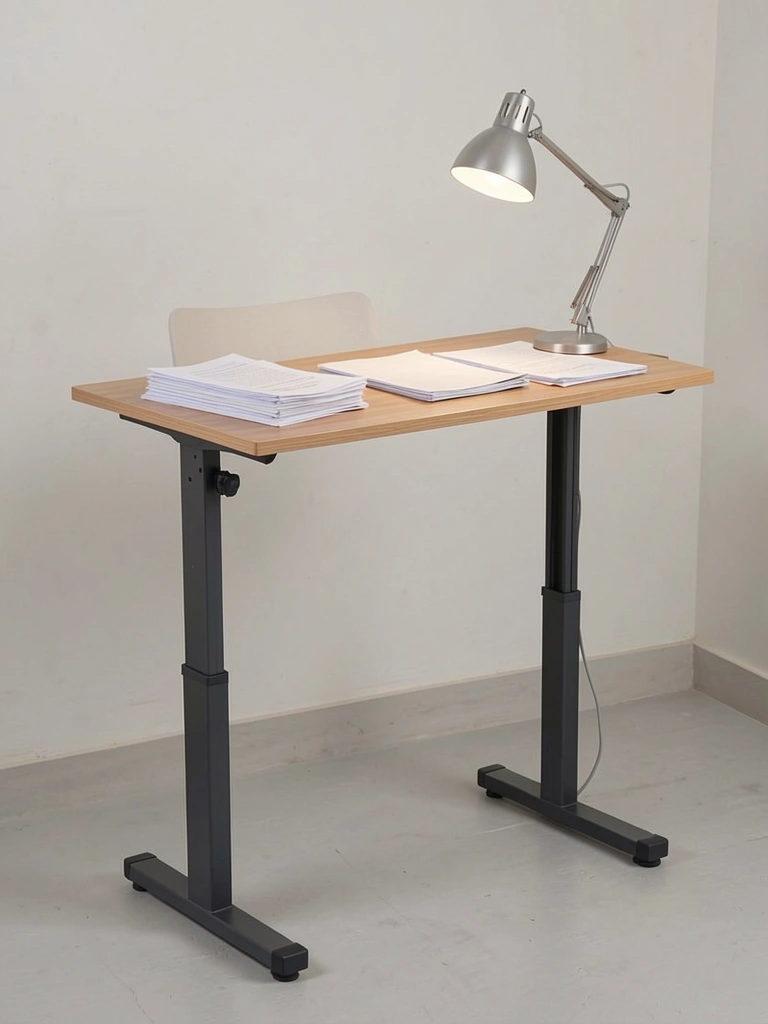
Sitting all day kills focus, circulation, and energy. Alternating between sitting and standing refreshes your mind and prevents the afternoon slump that makes work feel impossible.
A standing desk converter ($30–$80 at IKEA or Amazon) sits on top of your existing desk and adjusts up and down. A full adjustable desk costs $200–$600. Set a timer to stand for 20–30 minutes every 60–90 minutes of sitting. This takes 10 seconds to adjust and dramatically improves blood flow. Even 5 minutes of standing resets your focus and energy.
Your body and mind stay engaged because you’re physically changing position, not locked in one posture all day.
18. Create a “Do Not Disturb” Visual Signal for Others
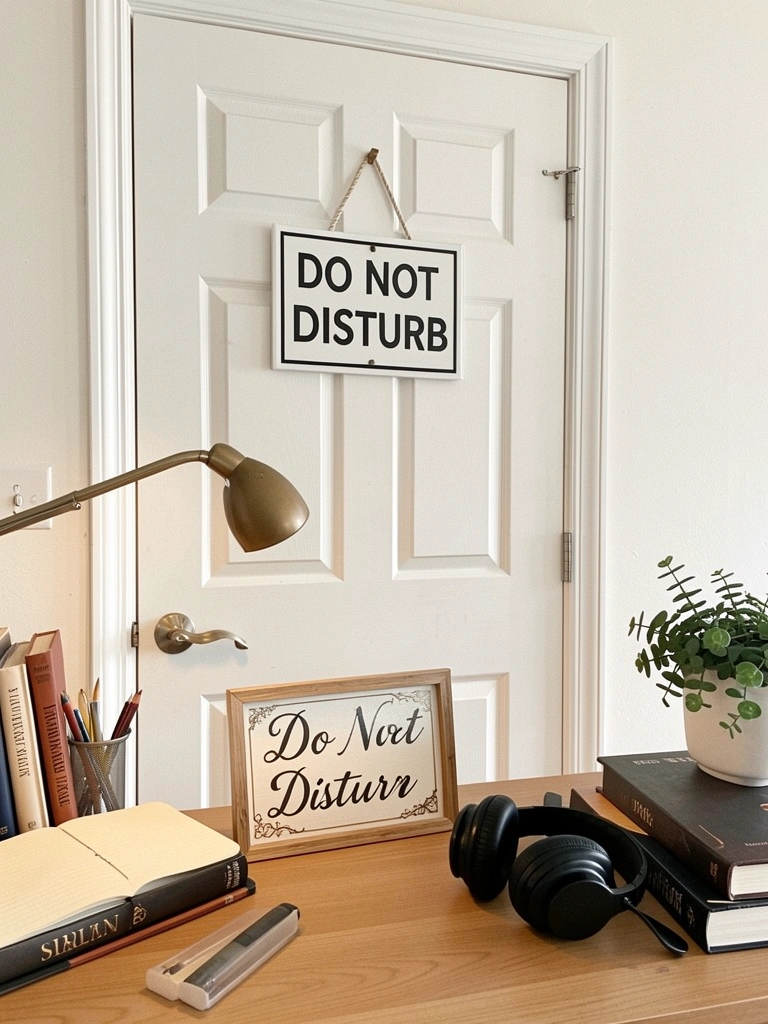
Even if you live alone, others (roommates, family, partners) need to know when you’re in deep focus mode. A clear visual signal prevents interruptions that derail your concentration for 15+ minutes.
Create or buy a “Studying—Do Not Disturb” sign ($5–$15) to hang on your door or near your desk. Alternatively, close your door (if you have one) as a universal signal. Wear visible headphones (even if not playing audio) as a social cue that you’re unavailable. The key: make it a household rule that your signal means “I’m unavailable for 90 minutes” or whatever your study block is.
Others respect your boundaries when they’re clear and consistent, which means fewer interruptions and way more deep work.
19. Use a Visual Timer to Build Focus Blocks and Reduce Clock-Watching
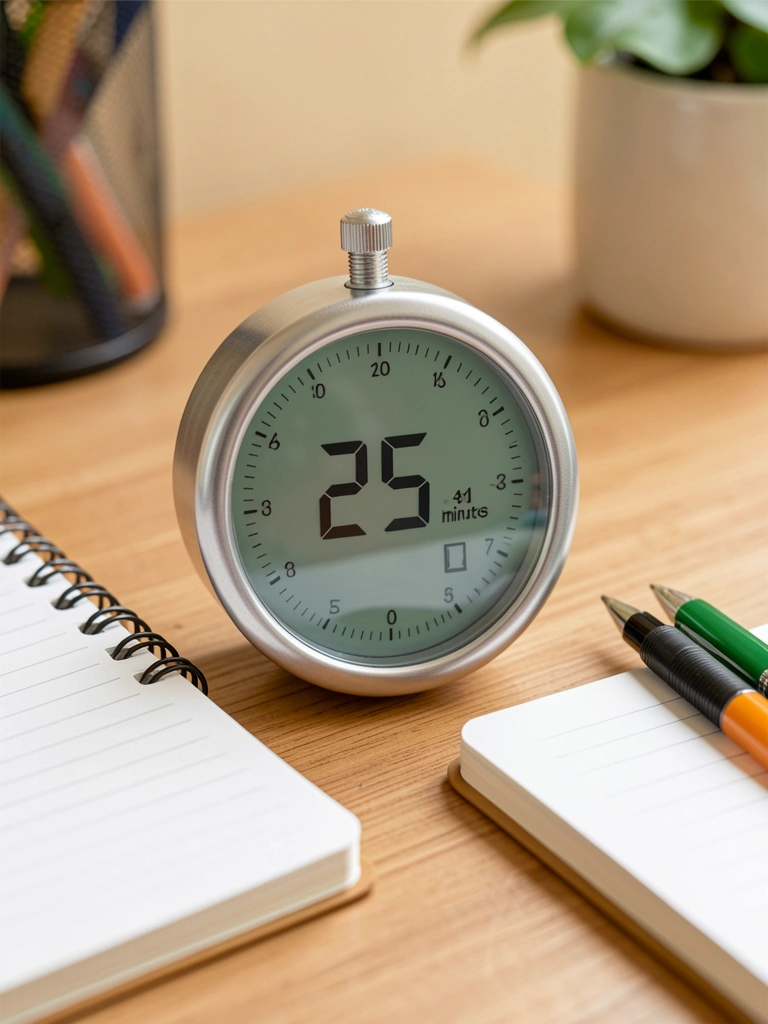
Watching the clock while studying creates low-grade anxiety and pulls focus. A visual timer lets your brain relax and trust that time is being tracked.
Use a Time Timer ($15–$25 at Amazon) or similar visual timer that shows time passing as a shrinking pie chart. This is different from a regular countdown timer because your brain can sense time without looking directly. Set it for 25–50 minutes (Pomodoro technique recommends 25), then work without checking the clock. When the timer rings, take a 5–10 minute break. This structure creates focus “containers” and prevents the mental exhaustion of self-monitoring.
You work harder during study blocks because your brain trusts the timer to protect your break time.
20. Declutter Before Every Study Session (5-Minute Rule)
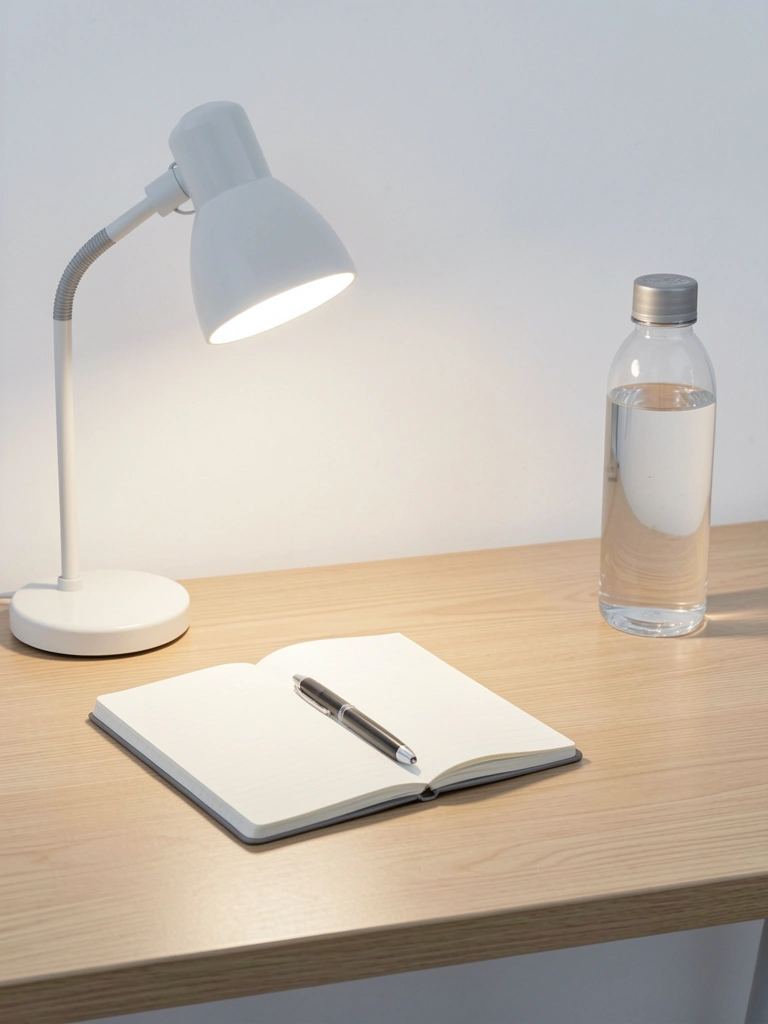
Clutter is ambient stress. Even if it’s not consciously distracting you, your brain is processing it as “unfinished business.” Clearing your desk before you start work signals to your brain that it’s safe to focus.
Spend 5 minutes before each study session putting away anything that’s not essential for that session. File papers, close extra browser tabs, stack books on your rolling cart, put your phone in another room. This tiny ritual costs nothing and takes less time than you think, but it’s psychologically powerful—you’re literally removing friction so your brain can settle.
A clear desk before you start means your mind is already halfway to focus mode when you sit down.
21. Choose a Consistent Study Time to Build Routine and Focus

Your brain works best when you study at the same time each day. Consistency builds neurological pathways that make focus easier and faster over time.
Pick a specific time window (e.g., 7–9 a.m. or 2–4 p.m.) and study then 5–6 days a week. Your brain learns to enter focus mode automatically at that time. The first week feels effortful, but by week 3, you’ll notice it becomes easier to settle in. This costs zero dollars but pays massive dividends in focus speed.
Your brain will start preparing for focus 10 minutes before your study time arrives—that’s how powerful routine becomes.
22. Use a Focus Playlist or Ambient Music to Anchor Attention
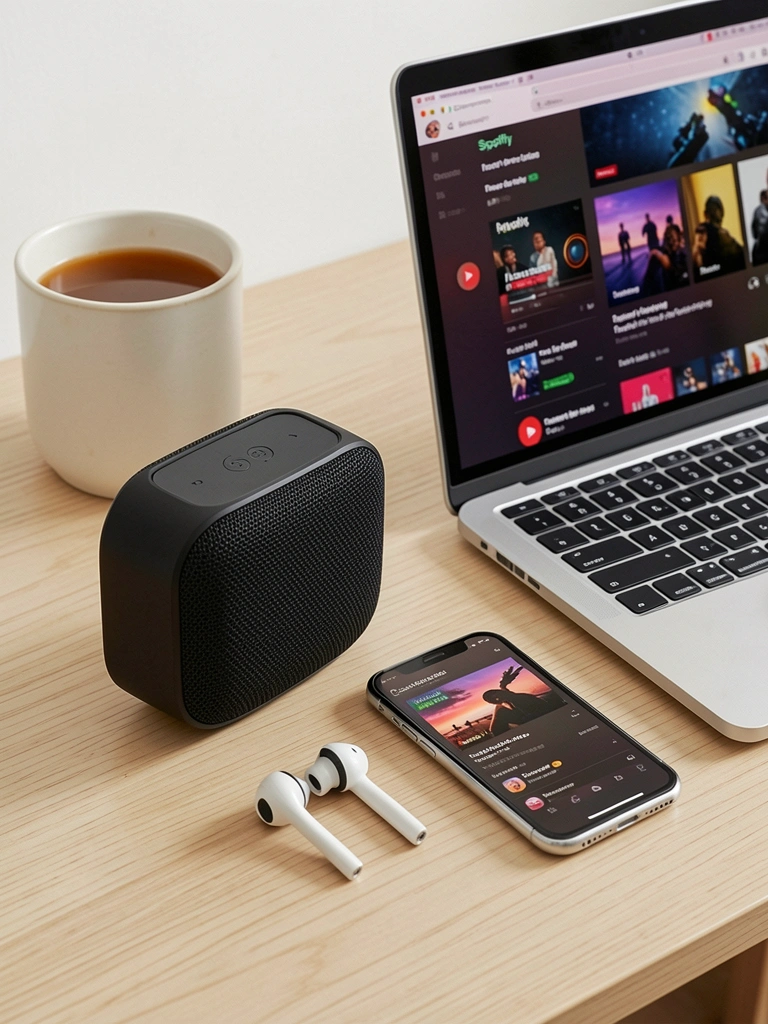
Background music creates an acoustic anchor for your attention while blocking chaotic external noise. Unlike silence, which can feel lonely or anxiety-inducing, the right music tells your brain “we’re working now.”
Create a study playlist on Spotify or YouTube with instrumental, lo-fi, or ambient music (search “focus music,” “study beats,” or “lofi hip-hop”). Alternatively, use a free service like Brain.fm or Noisli ($free–$50/year for premium). Avoid lyrics (they distract your language processing) or save lyrics for light review work. Play music at low volume, not filling the room. Many people find 60–70 BPM music most effective for deep work.
The right soundtrack makes studying feel less isolating and creates a mental anchor that trains your brain to focus when that music plays.
23. Position a Water Bottle and Snacks Within Arm’s Reach

Dehydration and low blood sugar both massacre focus. Getting up constantly to find water and food breaks your flow. Keeping both within reach removes friction.
Fill a reusable water bottle ($10–$30) and position it on your desk or side table. Keep easy, brain-boosting snacks nearby: nuts, dark chocolate, fruit, granola bars, or cheese. These take 10 seconds to grab between focus blocks. You’ll notice you can concentrate 30–50% longer when your body’s basic needs are already met.
You stay in the zone longer because your body isn’t sending distress signals about being hungry or thirsty.
24. Create an “Exit Ritual” to End Study Sessions Clearly
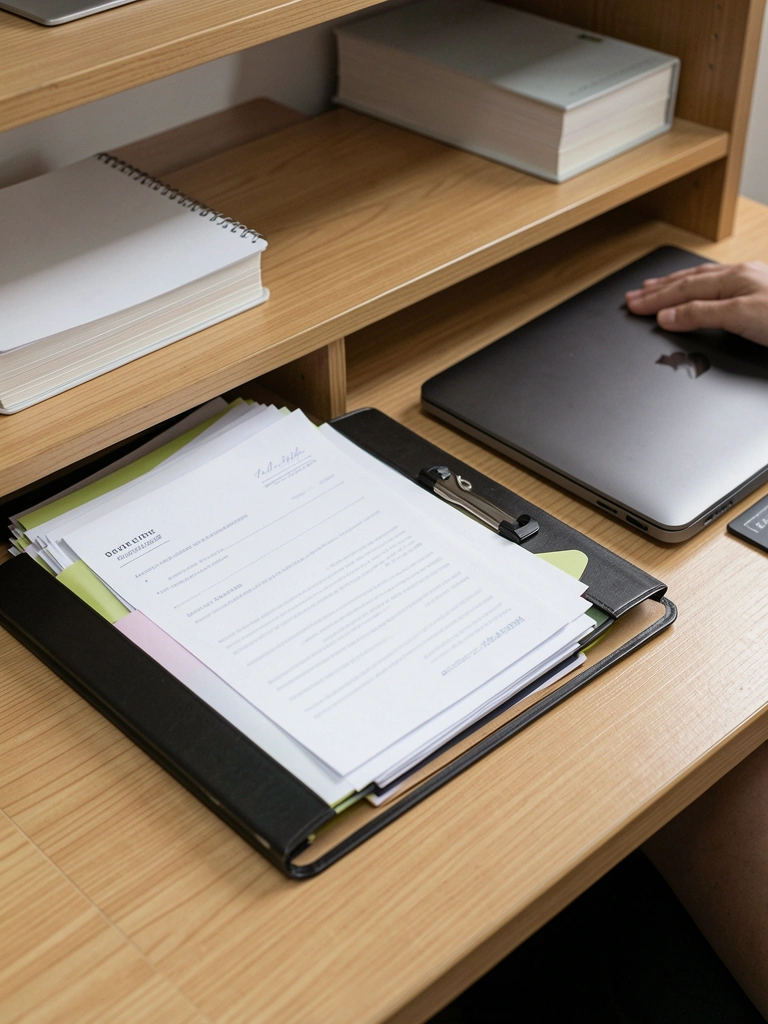
Stopping work without closure leaves your brain in “active” mode. You can’t relax because mentally you’re still studying. An exit ritual tells your brain “this session is complete; now you can rest.”
Spend the last 2–3 minutes of each study session closing out: file papers into tomorrow’s folder, write down one thing you accomplished, close your laptop, straighten your desk, put your chair back. Say something like “study session complete” or do a small physical gesture (stretching, standing, shaking your hands). This takes 3 minutes but allows your brain to release work-mode and actually recover.
You’ll sleep better, relax faster after studying, and approach tomorrow’s session with fresh energy instead of lingering mental fatigue.
SAVE THIS POST FOR YOUR NEXT STUDY SPACE REFRESH. Pick one or two ideas to try this week—maybe better lighting and a phone parking spot—and notice how much easier focus becomes. Small changes add up fast, and your brain deserves a space that supports deep, calm work.
Leave a Reply